WEST HILLS HEALTH AND REHABILITATION CENTER
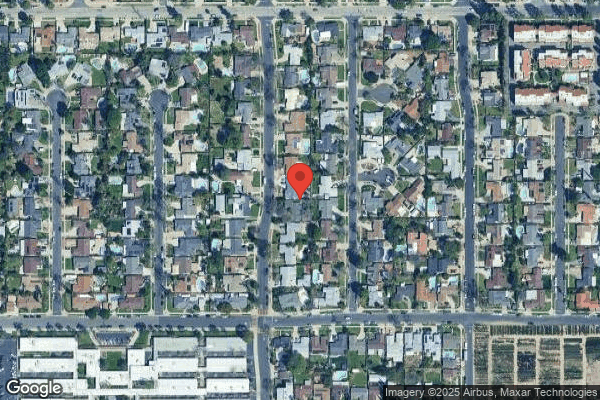

7940 TOPANGA CANYON BLVD., CANOGA PARK, CA 91304 (818) 347-3800
For profit - Limited Liability company 145 Beds LONGWOOD MANAGEMENT CORPORATION Data: November 2025 1 Immediate Jeopardy citation
Trust Grade
8/100
#1151 of 1155 in CA
Last Inspection: July 2025

Inspected within the last 6 months. Data reflects current conditions.

Overview

West Hills Health and Rehabilitation Center has received a Trust Grade of F, indicating significant concerns about the quality of care provided. Ranking #1151 out of 1155 facilities in California places it in the bottom tier, highlighting that there are many better options available. Unfortunately, the facility's trend is worsening, with the number of issues rising from 36 in 2024 to 47 in 2025. Staffing is a relative strength, with a 4/5 star rating and a low turnover rate of 22%, suggesting that staff members remain consistent and familiar with residents. However, the facility has been fined $26,573, which is concerning and indicates potential ongoing compliance problems. Additionally, there have been serious incidents, such as residents being discharged without proper plans to ensure their safety and well-being, and instances of physical altercations between residents that resulted in injuries. Overall, while staffing appears to be a positive aspect, the facility has significant weaknesses that should be carefully considered.

Trust Score
F
8/100
In California
#1151/1155
Bottom 1%
Safety Record
High Risk
Review needed
Inspections
Getting Worse
36 → 47 violations
Staff Stability
✓ Good
22% annual turnover. Excellent stability, 26 points below California's 48% average. Staff who stay learn residents' needs.
Penalties
✓ Good
$26,573 in fines. Lower than most California facilities. Relatively clean record.
Skilled Nurses
⚠ Watch
Each resident gets only 29 minutes of Registered Nurse (RN) attention daily — below average for California. Fewer RN minutes means fewer trained eyes watching for problems.
Violations
⚠ Watch
117 deficiencies on record. Higher than average. Multiple issues found across inspections.
★☆☆☆☆
1.0
Overall Rating
★★★★☆
4.0
Staff Levels
★★★★☆
4.0
Care Quality
★☆☆☆☆
1.0
Inspection Score
Stable
2024: 36 issues
2025: 47 issues

The Good

  • 4-Star Staffing Rating · Above-average nurse staffing levels
  • 4-Star Quality Measures · Strong clinical quality outcomes
  • Low Staff Turnover (22%) · Staff stability means consistent care
  • Full Sprinkler Coverage · Fire safety systems throughout facility
  • No fines on record
  • Staff turnover is low (22%)

    26 points below California average of 48%

Facility shows strength in staffing levels, quality measures, staff retention, fire safety.

The Bad

1-Star Overall Rating

Below California average (3.1)

Significant quality concerns identified by CMS

Federal Fines: $26,573

Below median ($33,413)

Moderate penalties - review what triggered them

Chain: LONGWOOD MANAGEMENT CORPORATION

Part of a multi-facility chain

Ask about local staffing decisions and management

The Ugly 117 deficiencies on record

1 life-threatening 1 actual harm
Aug 2025 1 deficiency 1 IJ
CRITICAL (J) 📢 Someone Reported This

A family member, employee, or ombudsman was alarmed enough to file a formal complaint

Immediate Jeopardy (IJ) - the most serious Medicare violation

Deficiency F0627 (Tag F0627)

Someone could have died · This affected 1 resident

**NOTE- TERMS IN BRACKETS HAVE BEEN EDITED TO PROTECT CONFIDENTIALITY** Based on interview and record review, the facility failed to ensure a safe and orderly discharge was provided to two of three sa...

Read full inspector narrative →
**NOTE- TERMS IN BRACKETS HAVE BEEN EDITED TO PROTECT CONFIDENTIALITY** Based on interview and record review, the facility failed to ensure a safe and orderly discharge was provided to two of three sampled residents (Resident 1, who had severely impaired cognition [the mental action or process of acquiring knowledge and understanding through thought, experience and the senses], lacked capacity to understand and make decisions, and required staff assistance for all Activities of Daily Living [ADL - basic tasks that individuals perform to maintain their daily lives] and Resident 2, who also required staff assistance for all ADLs) by failing to:1. Ensure that the post-discharge destination and continuing care provider were capable of meeting the needs of Resident 1 and Resident 2 prior to discharge. 2. Ensure that an effective discharge plan addressing the health and safety needs of Resident 1 and Resident 2 was provided by failing to complete all sections of the Post-Discharge Plan of Care for both residents (Resident 1 and Resident 2). 3. Ensure that the physicians for Resident 1 and Resident 2 documented information about the basis for the discharge in their medical records. 4. Implement the following facility discharge policies and procedures (P&P): - Transfer or Discharge, preparing a Resident for - indicating residents will be prepared in advance for discharge.- Discharge Summary and Plan - indicating a discharge summary and post-discharge plan will be developed and re-evaluated by the Interdisciplinary Team (IDT - a group of health care professionals with various areas of expertise who work together toward the goals of their resident) to assist the resident to adjust to his/her new living environment.These deficient practices resulted in Resident and Resident 2 being discharged to an unlicensed Board and Care (BC 1 - small residential homes that provide room, meals, and assistance with daily living activities for individuals needing care, but don't require 24-hour skilled nursing care) on 8/8/2025. On 8/19/2025, Resident 1 required an emergency transfer from BC 1 to General Acute Care Hospital 1 (GACH 1) and was treated for anorexia (a general loss of appetite that can be caused by illness or medications), altered level of consciousness (ALOC - when a person is not as awake, alert, or responsive to their surroundings as they should be), pulmonary congestion (abnormal buildup of fluid in the lungs) and urinary tract infection (UTI - an infection in the bladder [muscular organ that stores urine] or urinary tract [refers to the system of organs that produce, store, and excrete urine]) and possible early sepsis (a life-threatening condition that occurs when the body's immune system overreacts to an infection). Resident 1 was then transferred to Skilled Nursing Facility 2 (SNF 2) on 8/26/2025.On 8/19/2025, Resident 2 required transfer from BC 1 to GACH 2 and was treated for hyperkalemia (abnormally high potassium [an essential mineral crucial for the proper functioning of the body including nerve function, muscle contractions and maintain a regular heartbeat, normal range: 3.5 to 5.2 milliequivalent per liter {mEq/l - unit of measure}] levels in the blood and can be life-threatening, especially if it develops quickly, as it can cause serious heart problems like irregular rhythms, muscle weakness, or even paralysis [inability to move]). Resident 2 was then transferred back to Skilled Nursing Facility 1 (SNF 1) on 8/21/2025.On 8/28/2025 at 3:28 p.m., while onsite at the facility, the State Survey Agency (SSA) called an Immediate Jeopardy (IJ - a situation in which the facility's non-compliance with one or more requirements of participation has caused, or is likely to cause, serious injury, harm, impairment, or death to a resident) in the presence of the Administrator (ADM), Quality Assurance Nurse Consultant (QANC) and the Medical Records Director (MRD) due to the facility's failure to ensure Resident 1 and Resident 2 were provided with a safe and orderly discharge when on 8/8/2025, Resident 1 and Resident 2 were discharged to an unlicensed board and care (BC 1).On 8/29/2025 at 2:15 p.m., the QANC provided an acceptable IJ Removal Plan (a detailed plan to address the IJ findings) for the facility's failure to ensure Resident 1 and Resident 2 were provided with a safe and orderly discharge when on 8/8/2025, Resident 1 and Resident 2 were discharged to an unlicensed board and care (BC 1).On 8/29/2025 at 4:44 p.m., while onsite at the facility, the SSA verified and confirmed the facility's full implementation of the accepted IJ removal plan through observations, interviews and record reviews, and determined the IJ situation regarding facility's failure to ensure Resident 1 and Resident 2 were provided with a safe and orderly discharge was no longer present. The SSA removed the IJ on 8/29/2025 at 5:19 p.m., in the presence of the ADM and QANC.The acceptable IJ Removal Plan included the following summarized actions:1. Resident 1 is no longer at the facility. Resident 1 was discharged to a lower level of care (BC 1) on 8/8/2025. During a welfare check (a service to ensure the well-being of a resident) conducted on 8/27/2025, the facility found out that Resident 1 had been admitted to GACH 1. Facility staff contacted GACH 1 and found out that Resident 1 had been discharged to SNF 2 on 8/26/2025. The facility then completed a welfare check with SNF 2 and was able to speak directly with Resident 1. Resident 1 stated that he (Resident 1) is doing well and is receiving appropriate care and services at SNF 2. 2. Resident 2 was discharged from the facility on 8/8/2025 to a lower level of care (BC 1) and was readmitted to the facility (SNF 1) on 8/21/2025 and remains in-house. On 8/22/2025, the Social Services Assistant (SSAT) conducted a Psychosocial (refers to the mental, emotional, social and spiritual needs of residents, encompassing their feelings, relationships, coping mechanisms and over-all sense of well-being) Assessment and Trauma (deeply distressing or disturbing experience that overwhelms a resident's ability to cope) Evaluation, which identified no signs of emotional distress (refers to a state of mental suffering caused by difficult or overwhelming situations, can affect a resident's mood, thoughts, and behavior, and may interfere with daily functioning) or trauma. 3. On 8/28/2025, the ADM initiated an in-service (refers to educational or training sessions) training for the attending physicians, including the Medical Director, on the regulation concerning required documentation upon discharge of the resident to lower level of care, focusing on the information about the basis for transfer or discharge. Physicians, nurse practitioners (registered nurses with advanced education and clinical training who provide direct patient care services including diagnosing and treating illness, prescribing medications), and physician assistants (licensed and highly skilled healthcare professional, often under the supervision of a physician who provide patient care services including diagnosing illness, treating diseases, ordering tests and prescribing medications) who were unable to attend the in-person in-service were contacted by the ADM and provided the in-service training by phone. 4. Effective 8/28/2025, the facility will ensure that the resident, family, or responsible party (RP) is actively included in the discharge planning process. The facility will provide the resident and/or representative with the opportunity to participate in the selection of the post-discharge placement and ensure they are given the option to visit and inspect the receiving facility prior to discharge. 5. Effective 8/28/2025, the facility will conduct a welfare check on residents discharged to a lower level of care to evaluate the appropriateness of the placement, confirm adequate staffing is in place and identify any additional services the resident may need. 6. Effective 8/28/2025, the Social Services designee will document in the progress notes the discharge planning process, including details about the lower level of care facility (board and care), its licensing status, and the name and contact information of the transportation company assigned to pick up the resident from the facility. 7. On 8/28/2025, the ADM notified all licensed nurses, social service personnel, and the Medical Director of the findings outlined in the IJ template dated 8/28/2025 and conducted in-services training on the facility's Transfer and Discharge policy. 8. Social Services designee reviewed all resident discharges from the past three (3) months (June 2025, July 2025, August 2025) to verify the placements to lower level of care, assess resident status and confirm that the receiving facilities were licensed. A total of 13 residents were identified as having been discharged to assisted living facility or other lower level of care facilities. All receiving facilities were verified to be licensed, and all residents were confirmed to be safe. No other residents were found to have been affected by the deficient practice. 9. The Medical Records designee reviewed and audited the discharge paperwork of the residents discharged from the facility over the past three (3) months (June 2025, July 2025, August 2025) to ensure completion of Post-Discharge Plan of Care and documentation by the physician regarding the basis for discharge. The audit identified three (3) residents with incomplete Post-Discharge Plan of Care and 11 residents with missing physician documentation outlining the basis for discharge. The Assistant Director of Nursing (ADON) will complete the missing information of the Post-Discharge Plan of Care and send copies to the respective residents, families, or responsible parties. The MRD/designee has notified the physicians of the regulatory requirement to document the basis for discharge in the resident's medical record. 10. Effective 8/28/2025, the ADM or Director of Nursing (DON) will conduct a monthly in-service training for all licensed nurses and social services staff on the facility's Transfer and Discharge policy. This training will occur monthly for a period of three (3) months. 11. On 8/28/2025, the ADM provided one-to-one (refers to a training session between one trainer, such as a supervisor, educator or mentor and one trainee, such as staff member) in-service training to the Social Services staff regarding the facility's Transfer and Discharge policy. The training emphasized the importance of verifying the receiving facility or provider to ensure a safe and appropriate discharge. Additionally, the ADM reinforced the need to document the discharge planning in the progress notes, including the name and contact information of the transportation company responsible for picking up the resident. 12. On 8/28/2025, the ADON and the QANC conducted an in-service training for all licensed nurses on the accurate and timely completion of the Post-Discharge Plan of Care, the discharge planning process, and the importance of documenting the physician's basis for discharge. Licensed staff who were unable to attend the in-service on 8/28/2025 will be contacted by phone and provided with the initial in-service training. Licensed staff who are on vacation, personal leave, or medical leave will receive the in-service training on their first scheduled day back to work. 13. Effective 8/28/2025, the DON or designee will participate in discharge IDT meetings to ensure that residents receive the necessary services based on their level of care needs and current clinical condition. This determination will be made through a thorough review of the rehabilitation discharge summary, Minimum Data Set (MDS- a resident assessment tool), and physician notes as part of the discharge planning process. Residents and their family members or responsible party will be invited to attend and actively participate in the discharge planning. They will also be given the opportunity to choose a placement (lower level of care) and visit the selected facility prior to discharge. The facility will also assign designated staff to conduct an on-site visit to the chosen receiving facility to ensure it is licensed, adequately staffed and safe for the resident. The Social Services designee will invite Residential Care Facility for the Elderly (RCFE - a type of non-medical facility in California for people 60 years or older who need assistance with daily activities like dressing and bathing, as well as housing, meals, and general supervision, but do not require 24-hour nursing care) operators to visit the facility and assess the resident prior to discharge, to determine whether their facility can meet the resident's care needs. The Social Services designee will also be responsible for documenting the discharge planning process in the residents' progress notes. 14. On 8/28/2025, the MRD or designee and Social Services designee will initiate a Lower Level of Care Monitoring Log. This log will be used to track and verify all discharge and transfer details, including confirmation of receiving facility or provider information and documentation of discharge instructions. 15. Effective 8/28/2025, the MRD or designee will conduct a daily review of all discharges to ensure that the Post Discharge Plan of Care is completed accurately and in a timely manner, and that the physician documented the basis for discharge. Any identified deficiencies will be reported to the DON or designee for follow-up and completion of the required documentation. 16. Effective 8/28/2025, the DON and/or designee will review all discharges and transfers, documenting findings and any corrective action taken in the monitoring log for a period of three (3) months. If any issues are identified during this period, the DON will extend the monitoring for an additional three (3) months or until 100 percent (%) compliance is achieved.17. On 8/28/2025, the facility will initiate a Quality Assurance and Performance Improvement (QAPI- data driven and proactive approach to quality improvement) focused on the discharge and transfer process to address the findings outlined in the IJ template. The facility will review the progress every month for a period of three (3) months and will adjust the measures needed to ensure the development and implementation of an effective and consistent discharge and transfer process/plan. During a review of Resident 1's admission Record, the admission Record indicated the facility admitted Resident 1 on 4/1/2025 with diagnoses that included metabolic encephalopathy (brain damage or loss of brain function that is caused by an illness or condition), fractures (break in a bone) of the fifth and sixth cervical vertebra (the seven bones that make up the neck region of the spine [backbone]) and unspecified psychosis (mental disorder characterized by a disconnection from reality). During a review of Resident 1's History & Physical (H&P - a comprehensive assessment of a resident's medical condition), dated 4/3/2025, the H&P indicated that Resident 1 did not have the capacity to understand and make decisions. During a review of Resident 1's Psychiatric Evaluation (a comprehensive assessment of a resident's mental health status), dated 5/5/2025, the Psychiatric Evaluation indicated that Resident 1 was confused (difficulty thinking clearly, understanding, concentrating or making decisions), disoriented (a more specific type of confusion where the resident cannot correctly identify time, place, person or situation), forgetful and had no family. Resident 1's Psychiatric Evaluation further indicated that Resident 1 had episodes of mood swings, agitation (state of restlessness, irritability or emotional disturbance), screaming for no reason and was difficult to redirect. During a review of Resident 1's MDS, dated [DATE], the MDS indicated Resident 1's cognition was severely impaired. The MDS further indicated that Resident 1 was dependent on staff for toileting hygiene, lower body dressing, putting on/taking off footwear and needed assistance from staff with eating, oral hygiene, upper body dressing and personal hygiene. The MDS also indicated Resident 1 had an indwelling catheter (a thin, flexible tube inserted into the bladder to drain urine and remains in place for an extended period of time) and always exhibited bowel incontinence (inability to control bowel movements). During a review of Resident 1's Physician's Order, dated 8/7/2025, timed at 11:57 a.m., the Physician's Order indicated to discharge Resident 1 to BC 1 on 8/8/2025. During a review of Resident 1's Notice of Proposed Transfer and Discharge, dated 8/8/2025, the Notice of Proposed Transfer and Discharge indicated that Resident 1 was discharged to BC 1 on 8/8/2025. The Notice of Proposed Transfer and Discharge also indicated that the reason for discharge was that Resident 1's health had improved sufficiently and no longer required the services provided by the facility. During a review of Resident 1's Discharge Summary Report, dated 8/8/2025, the Discharge Summary Report indicated Resident 1 was discharged to BC 1 on 8/8/2025 at 2:20 p.m. During a review of Resident 1's H&P from GACH 1, dated 8/20/2025, the H&P from GACH 1 indicated that Resident 1 was brought to GACH 1 (from BC 1) due to not eating for two (2) days at his (Resident 1) board and care. The H&P from GACH 1 also indicated that a social worker (not indicated) was concerned for elderly negligence (known as elder neglect, a form of elder abuse where a caregiver fails to provide the necessary care, assistance or supervision that an older adult needs to maintain their health and safety). During a review of Resident 1's Neurology (branch of medicine that deals with the study, diagnosis, and treatment of disorders related to the nervous system. This includes the brain, spinal cord, nerves and muscles.) Consultation from GACH 1, dated 8/20/2025, the Neurology Consultation indicated Resident 1 was at a different facility before (SNF 1) and was transferred to the new facility (BC 1), with seemingly very little care and knowledge of Resident 1 (including Resident 1's condition). The Neurology Consultation further indicated that the Emergency Medical Services (EMS - ambulance services, pre-hospital care or paramedic services that provide urgent pre-hospital treatment and stabilization for serious illness and injuries and transport to definitive care) call was placed not by the facility (BC 1) that Resident 1 was residing in, but from a social worker who was following up on Resident 1's well-being. During a review of Resident 1's Palliative (refers to care or treatment that focuses on relieving symptoms and improving quality of life) Care Notes from GACH 1, dated 8/21/2025, timed at 1:24 p.m., the Palliative Care Notes indicated Resident 1 was admitted with anorexia and ALOC. The Palliative Care Notes indicated Resident 1 was found to have pulmonary congestion, UTI and possible early sepsis. During Resident 1's stay at GACH 1, Resident 1 received intravenous (IV - administered into a vein) fluids for hydration, IV antibiotics (medications used to treat bacterial infections, such as Ceftriaxone - an antibiotic used to treat bacterial infections) and respiratory treatments to address the pulmonary congestion. During a concurrent interview and record review on 8/26/2025 at 1:32 p.m., with the SSAT, Resident 1's Social Services Notes from 4/1/2025 to 8/8/2025 were reviewed. The SSAT stated that there were no discharge planning notes found, and no documented evidence found in Resident 1's medical record indicating who arranged Resident 1's transfer to BC 1. The SSAT stated that there should have been documentation in Resident 1's medical records reflecting coordination between the facility and BC 1. The SSAT further stated that when a resident is preparing for discharge, IDT meetings should be held with the resident and/or resident's RP to discuss discharge goals including involving them in selecting the location the resident will be discharged to, as well as ordering any durable medical equipment (DME - medical devices and supplies prescribed by a healthcare provider for long-term or repeated use in the home to assist with daily activities and manage health conditions) or arranging home health (HH - skilled care or services that are provided to a resident while at home by a licensed health care professional). The SSAT stated that these steps were not completed for Resident 1. The SSAT further stated that she (SSAT) was not aware of Resident 1's discharge to BC 1 until after Resident 1 was discharged , when she (SSAT) was asked to make a follow-up call on 8/12/2025. The SSAT stated she (SSAT) made a follow-up call to Resident 1 on 8/12/25 and spoke to a caregiver at BC 1 (unable to recall name) who stated that Resident 1 was okay and there were no concerns. The SSAT stated she (SSAT) could not locate the phone number she (SSAT) used for the follow-up call, as it was not documented in Resident 1's medical records. The SSAT stated that as part of her (SSAT) role within the social services department, she (SSAT) is responsible for discharge planning, completing referrals to potential receiving facilities, arranging transportation, ordering HH or DME, and documenting all discharge-related coordination in the medical record. The SSAT stated that in the case of Resident 1, she (SSAT) was not informed of the discharge plan and was not involved in Resident 1's discharge process at any point. The SSAT further stated that she (SSAT) does not know who coordinated Resident 1's discharge with BC 1 and who arranged Resident 1's transportation to BC 1. During a concurrent interview and record review on 8/26/2025 at 3:10 p.m., with the ADON, Resident 1's Post Discharge Plan of Care dated 8/8/2025 was reviewed. The Post Discharge Plan of Care did not indicate the following: What type of destination Resident 1 was being discharged to, The phone number of the location Resident 1 was being discharged to. The information regarding Resident 1's responsible party, Resident 1's insurance information, The name and phone number for Resident 1's continuing care physician, Resident 1's diagnosis, Resident 1's allergies, Resident 1's skin condition, Resident 1s vital signs (key measurements that indicate how well a person's body is functioning), Resident 1's diagnostic tests (includes both laboratory tests [done using blood, urine, stool or other body fluids to check for abnormalities] and imaging tests [create pictures of structures inside the body], used to diagnose medical conditions) Resident 1's intake patterns and eating habits, Resident 1's medical equipment or supplies, Resident 1's assistive devices (refer to tools, equipment used to help residents maintain or improve their mobility, independence, safety and quality of life in daily activities), Resident 1's care preferences, Resident 1's specific care needs, safety precautions, treatment instructions, Date and time of Resident 1's last meal, Resident 1's last bowel elimination, If Resident 1's inventory checklist was completed, If Resident 1 had advance directive (a legal document that allows a person to communicate their wishes about medical care in advance, in case they become unable to speak or make decisions for themselves in the future due to illness, injury or incapacity) papers, Resident 1's community health services, If Resident 1 could administer his own medications, Any additional discharge planning notes for Resident 1, The address of the state ombudsman (advocate for residents in facility). The ADON confirmed that Resident 1's Post Discharge Plan of Care was missing the information listed above. The ADON stated that Resident 1's Post Discharge Plan of Care should have been completed to ensure that the accepting facility has all the necessary information to appropriately care for Resident 1. The ADON further stated that Resident 1's Post Discharge Plan of Care must be accurate and thorough to help ensure that Resident 1's needs are met after discharge. Regarding the timing of reviewing the Post Discharge Plan of Care with residents, the ADON stated that it is usually reviewed with residents on the day of discharge. The ADON stated he (ADON) was unaware that the facility's P&P indicated that the Post-Discharge Plan of Care was to be reviewed with the resident and/or the resident's RP at least 24 hours prior to discharge. The ADON stated he (ADON) understands the importance of reviewing the Post Discharge Plan of Care at least 24 hours prior to discharge to allow the resident time to understand the discharge plan, ask questions, and address any concerns before the actual discharge occurs. During an interview on 8/27/2025 at 10:45 a.m., with Registered Nurse 1 (RN 1), RN 1 stated that he (RN 1) was the RN responsible for entering Resident 1's discharge order. RN 1 stated that on 8/7/2025 (unable to recall specific time), while sitting next to Resident 1's Medical Doctor (MD 1) at the nursing station, he (RN 1) overheard the Facility Marketer (FM) inform MD 1 that she (FM) had found placement for both Resident 1 and Resident 2. RN 1 stated he (RN 1) witnessed the FM write down the name and address of BC 1 on a piece of paper and hand it to MD 1. RN 1 further stated that he (RN 1) overheard MD 1 ask the FM whether the discharge would be safe, to which the FM stated Yes. RN 1 stated that MD 1 then wrote a discharge order for Resident 1, and RN 1 subsequently entered the order into the system. RN 1 stated that he (RN 1) texted Resident 2's Medical Doctor (MD 2) to ask whether he (MD 2) also wanted to discharge Resident 2 to BC 1. RN 1 stated that MD 2 responded with an order to proceed with the discharge of Resident 2 to BC 1, which he (RN 1) then entered into the system as well. RN 1 stated his (RN 1) role in the discharge process is to carry out the physician's orders and complete all required discharge paperwork. RN 1 stated that the licensed nurse is also responsible for reviewing the discharge paperwork with the resident and/or their RP, reviewing the prescribed medications, checking the resident's inventory, and returning all personal items. RN 1 stated that the actual discharge planning such as identifying placement, arranging transportation and coordinating post-discharge services, is the responsibility of the social services department. RN 1 stated when he (RN 1) later learned that Resident 1 and Resident 2 had been discharged to an unlicensed board and care facility, he (RN 1) became very concerned about their safety. During an interview on 8/27/2025 at 11:08 a.m., with MD 1, MD 1 stated that she (MD 1) was sitting at the nursing station when the FM approached her (MD 1) and informed her (MD 1) that a board and care placement was available for Resident 1 and Resident 2. MD 1 stated that she (MD 1) asked the FM whether the discharge would be safe, and the FM responded Yes. MD 1 further stated that the FM then wrote down the name and address of the board and care on a piece of paper and that the information given to her (MD 1) by FM was that of BC 1. MD 1 stated that RN 1 was also present at the nursing station at the time and witnessed the interaction. MD 1 stated that it is not typical for the FM to be involved in discharge planning and placement of her (MD 1) residents, as this is usually handled by the Social Services Department. MD 1 stated that she (MD 1) assumed the FM was coordinating with the SSAT and trusted that BC 1 had been properly vetted (investigated or examined thoroughly) based on the FM's assurance that BC 1 was a safe discharge option. MD 1 stated that she (MD 1) is not aware of Resident 1's current status, as another physician was assigned to the resident following discharge. During a concurrent interview and record review on 8/28/2025 at 3:25 p.m., with the MRD, Resident 1's entire medical record from 4/1/2025 to 8/8/2025 was reviewed. The MRD stated that she (MRD) reviewed Resident 1's entire medical record from 4/1/2025 to 8/8/2025 and was unable to locate any documentation from Resident 1's physician (MD 1) indicating the basis of discharge for Resident 1. During a review of Resident 2's admission Record, the admission Record indicated the facility admitted Resident 2 on 7/11/2025 with diagnosis that included encephalopathy, fracture of the right humerus (upper arm bone), and atrial fibrillation (irregular heartbeat that increases the risk of stroke and heart disease). During a review of Resident 2's H&P, dated 7/13/2025, the H&P indicated Resident 2 has the capacity to understand and make decisions. During a review of Resident 2's MDS, dated [DATE], the MDS indicated Resident 2's cognition was intact. The MDS further indicated Resident 2 needed maximal assistance from staff for toileting hygiene, upper and lower body dressing, putting on/taking off footwear and moderate assistance with personal hygiene. The MDS also indicated Resident 2 occasionally exhibited urine incontinence and frequently exhibited bowel incontinence. During a review of Resident 2's Physician's Order, dated 8/7/2025, timed at 5:31 p.m., the Physician's Order indicated to discharge Resident 2 home to BC 1 tomorrow (8/8/2025), per the resident's request. During a review of Resident 2's Notice of Proposed Transfer and Discharge, dated 8/8/2025, the Notice of Proposed Transfer and Discharge indicated that Resident 2 was discharged to BC 1 on 8/8/2025. The Notice of Proposed Transfer and Discharge also indicated that the reason for discharge was that Resident 2's health had improved sufficiently, and Resident 2 no longer required the services provided by the facility. During a review of Resident 2's Discharge Summary Report, dated 8/8/2025, the Discharge Summary Report indicated Resident 2 was discharged to BC 1 on 8/8/2025 at 2:20 p.m. During a review of Resident 2's Active Discharge Planning Notes (from GACH 2), dated 8/19/2025, the Active Discharge Planning Notes indicated that Resident 2 was transferred to GACH 2 from an unlicensed board and care facility and was treated for hyperkalemia. Laboratory test results dated 8/19/2025 at 7:13 p.m. indicated an elevated potassium level of 5.8 mEq/L. The notes indicated that Resident 2 appeared weak and required transfer to a skilled nursing facility for continued care. The notes indicated that Resident 2 cannot return to the board and care facility due to its unlicensed status.During an interview on 8/26/2025 at 12:45 p.m. with Resident 2, Resident 2 stated he (Resident 2) was not involved in any discharge planning. Resident 2 stated that no one asked him (Resident 2) where he (Resident 2) wanted to go after his (Resident 2) stay at the facility and that he (Resident 2) was unaware he (Resident 2) had any choice or input in the matter. Resident 2 stated that he (Resident 2) trusted the facility to make decisions on his (Resident 2) behalf. Resident 2 further stated that he (Resident 2) does not clearly remember being discharged to BC 1 but does recall being taken to GACH 2, although he (Resident 2) does not remember the reason for the transfer. Resident 2 stated that staff (unable to recall who) at GACH 2 informed him he (Resident 2) could not return to the place he came from (BC 1) because it was unlicensed. Resident 2 stated that following his (Resident 2) stay at GACH 2, he (Resident 2) was transferred back to SNF 1.During a concurrent interview and record review on 8/26/2025 at 1:32 p.m., with the SSAT, Resident 2's Social Services Notes from 7/11/2025 to 8/8/2025 were reviewed. The SSAT stated that there were no discharge planning notes found, and no documented evidence found in Resident 2's medical record indicating who arranged Resident 2's transfer to BC 1. The SSAT stated that there should have been documentation in Resident 2's medical records reflecting coordination between the facility and BC 1. The SSAT further stated that she (SSAT) was not aware of Resident 2's discharge to BC 1 until after Resident 2 was discharged , when she (SSAT) was asked to make a follow-up call on 8/12/2025. The SSAT stated she (SSAT) made several follow-up calls to Resident 2 on 8/12/2025 and kept getting a busy signal so she (SSAT) was unable to speak to Resident 2. The SSAT stated she (SSAT) was not informed of the discharge plan and was not involved in Resident 2's discharge process at any point. The SSAT further stated that she (SSAT) ) does not know who coordinated Resident 2's discharge with BC 1 and w[TRUNCATED]
Aug 2025 2 deficiencies
CONCERN (D) 📢 Someone Reported This

A family member, employee, or ombudsman was alarmed enough to file a formal complaint

Potential for Harm - no one hurt, but risky conditions existed

Resident Rights (Tag F0550)

Could have caused harm · This affected 1 resident

Based on observation, interview, and record review the facility failed to ensure staff were not standing over a resident while assisting with feeding for one of three sampled residents (Resident 3).Th...

Read full inspector narrative →
Based on observation, interview, and record review the facility failed to ensure staff were not standing over a resident while assisting with feeding for one of three sampled residents (Resident 3).This deficient practice had the potential to affect the resident's self-esteem, self-worth, and sense of independence. During a review of Resident 3's admission Record, the admission Record indicated the facility readmitted the resident on 7/25/2024 with diagnoses including anoxic brain damage (when the brain is deprived of oxygen entirely, leading to the death of brain cells and potential permanent damage after just a few minutes), epileptic seizure (a sudden, abnormal surge of electrical activity in the brain that can cause temporary changes in movement, behavior, sensations, or awareness), and dysphagia, oral phase (difficulty swallowing that originates in the mouth).During a review of Resident 3's Minimum Data Set (MDS - a resident assessment tool) dated 5/27/2025, the MDS indicated Resident 3's cognition (the process of acquiring knowledge and understanding through thought, experience, and the senses) was severely impaired. The MDS indicated Resident 3 was dependent on staff with eating, oral hygiene, toileting hygiene, shower/bath self, and personal hygiene.During a meal observation on 8/14/2025 at 1:45 p.m., in Resident 3's room, observed Certified Nursing Assistant 1 (CNA 1) assisting Resident 3 with feeding and standing over and hovering over Resident 3.During an interview on 8/14/2025 at 1:49 p.m., with CNA 1, CNA 1 stated that she (CNA 1) was standing while assisting Resident 3 with lunch because she could not find a chair to sit on. CNA 1 continued to state that she knows she is supposed to sit down on a chair while assisting residents with feeding, however she was unable to find a chair to sit on.During an interview on 8/14/2025 at 3:05 p.m., with the Director of Staff Development (DSD), the DSD stated that staff should be sitting at eye level while assisting with feeding. The DSD stated staff should be sitting at eye level for residents' dignity and respect. The DSD continued to state that staff should be sitting down so that residents will not feel intimidated while being assisted with feeding.During a review of the facility's policy and procedure (P&P) titled, Assistance with Meals, review date 1/8/2025, the P&P indicated residents shall receive assistance with meals in a manner that meets the individual needs of each resident. Residents who cannot feed themselves will be fed with attention to safety, comfort and dignity, for example: a. not standing over residents while assisting them with meals.During a review of the facility's P&P titled, Dignity, review date 1/8/2025, the P&P indicated each resident shall be cared for in a manner that promotes and enhances his or her sense of well-being, level of satisfaction with life, and feelings of self-worth and self-esteem.
CONCERN (D) 📢 Someone Reported This

A family member, employee, or ombudsman was alarmed enough to file a formal complaint

Potential for Harm - no one hurt, but risky conditions existed

Pharmacy Services (Tag F0755)

Could have caused harm · This affected 1 resident

Based on interview and record review, the facility failed to ensure one of three sampled residents (Resident 1) received care and services in accordance with professional standards of practice by:1.Fa...

Read full inspector narrative →
Based on interview and record review, the facility failed to ensure one of three sampled residents (Resident 1) received care and services in accordance with professional standards of practice by:1.Failing to administer Resident 1's doxycycline monohydrate (antibiotic used to treat a wide range of bacterial infections), mirtazapine (medication used to treat depression [a mood disorder characterized by a persistent feeling of sadness and loss of interest in activities, which significantly impacts daily life]), atorvastatin (lowers cholesterol and triglyceride [fats] levels in the blood), and omeprazole (medication used to reduce the amount of acid produced by the stomach) as prescribed by the physician.This deficient practice resulted in the omission of medications which could have resulted in severe health complications.2. Failing to ensure licensed nurses informed Resident 1's physician of Resident 1's medications not being available and not administering Resident 1's doxycycline monohydrate, mirtazapine, atorvastatin on 8/2/2025 and omeprazole on 8/3/2025.This deficient practice had the potential to place Resident 1 at risk of not receiving therapeutic dosages (amount needed to treat a disease) of missed medications. During a review of Resident 1's admission Record, the admission Record indicated the facility admitted Resident 1 on 8/2/2025 with diagnoses that included chronic osteomyelitis (bone infection), right ankle and foot, type 2 diabetes mellitus (a disorder characterized by difficulty in blood sugar control and poor wound healing) with foot ulcer (a small open sore or wound generally found in the stomach or on the skin), major depressive disorder, and mixed hyperlipidemia (a condition in which there are high levels of fat particles [lipids] in the blood). During a review of Resident 1's Minimum Data Set (MDS- a resident assessment tool) dated 8/7/2025, the MDS indicated the resident had the ability make self-understood and had the ability to understand others. The MDS indicated that Resident 1 required set up or clean up assistance with eating and oral hygiene and required substantial/maximal assistance from staff with toileting hygiene and personal hygiene. During a review of Resident 1's Order Summary Report, the Order Summary Report indicated the following orders: - Doxycycline monohydrate oral tablet 100 milligram (mg- unit of measurement), give one (1) tablet by mouth every 12 hours for corynebacterium striatum (type of bacteria associated with infections) for 30 days, ordered 8/2/2025. - Mirtazapine oral tablet 15 mg, give one (1) tablet by mouth at bedtime for depression manifested by verbalization of sadness, ordered 8/2/2025.- Atorvastatin calcium oral tablet 40 mg, give one (1) tablet by mouth at bedtime for hyperlipidemia, ordered 8/2/2025.- Omeprazole magnesium oral capsule 20 mg by mouth one time a day for hiatal hernia (occurs when part of the stomach bulges into the chest), ordered 8/2/2025.During a review of Resident 1's pharmacy delivery manifest (delivery receipt), the pharmacy delivery manifest indicated the following medications were delivered on 8/3/2025 at 7:57 a.m.: doxycycline monohydrate, mirtazapine, atorvastatin, omeprazole. During a review of Resident 1's Licensed Nurses Note dated 8/2/2025 timed at 3:00 p.m., the Licensed Nurses note indicated Resident 1 was admitted today (8/2/2025) at 2:30 p.m. Physician notified after hours physician. All orders clear. Around 8:30 p.m., spoke with Resident 1's daughter regarding Resident 1's medications, stated to her that when residents get discharged from the hospital, they don't usually come with medications and that the facility does not have an in-house pharmacy. Stated to Resident 1's daughter that the facility's pharmacy usually takes six (6) hours . Also specified that LVN 1 cannot guarantee exactly what time medications will arrive. During a concurrent interview and record review on 8/14/2025 at 2:35 p.m., with the MDS Nurse (MDSN), reviewed Resident 1's Medication Administration Record (MAR- a report detailing the medications administered to a resident) dated 8/2025 and nursing progress notes for 8/2025. The MDSN stated all medications should be administered per physician's order. The MDSN continued to state that if medications are not administered, residents' physicians should be made aware of the missed medication dose so that licensed nurses can receive new orders for a missed medication dose if needed. The MDSN stated that Resident 1's doxycycline monohydrate, mirtazapine, atorvastatin were not administered on 8/2/2025 and omeprazole was not administered on 8/3/2025. During an interview on 8/14/2025 at 3:32 p.m., with Licensed Vocational Nurse 1 (LVN 1), LVN 1 stated that LVN 1 did not administer Resident 1's doxycycline monohydrate, mirtazapine, and atorvastatin because Resident 1 was a new admit on 8/2/2025 at around 3:00 p.m. and the facility had not received Resident 1's medications. LVN 1 stated that he (LVN 1) went through the emergency kit (e-kit a pre-packaged, set of medications kept onsite for immediate use) to look for the medications, however, none of Resident 1's medications were in the e-kit. LVN 1 stated the facility does not have an in-house pharmacy, and the facility has to wait for an outside pharmacy to deliver all medications. LVN 1 continued to state medication deliveries can take a whole shift (eight hours). LVN 1 further stated that he (LVN 1) should have called Resident 1's physician to inform the physician that the medications were not administered and documented that LVN 1 called Resident 1's physician. LVN 1 stated LVN 1 did not call Resident 1's physician to inform of Resident 1's missed medications because it was a very busy shift. During a concurrent interview and record review on 8/14/2025 at 4:49 p.m., with the Registered Nurse Supervisor (RNS), reviewed the facility's pharmacy contract titled, Pharmaceutical Services Agreement, dated 4/2013. The RNS stated that the facility does not have an in-house pharmacy and licensed nurses have to wait for the pharmacy to deliver residents' medication which can take six hours or more. The RNS stated the pharmacy only has two deliveries between the evening (3pm-11pm) and night shift 11pm-7am), at 12:00 a.m. and at 5:00 a.m. The RNS stated that medications should be delivered promptly and stated that the facility should receive residents' medications in less than six hours of the pharmacy receiving residents' medication orders. During a concurrent interview and record review on 8/14/2025 at 5:10 p.m., with the Director of Nursing (DON), reviewed Resident 1's delivery manifest and Resident 1's MAR dated 8/2025. The DON stated that all ordered medications from the pharmacy should be delivered within 6-24 hours of the pharmacy receiving residents' medication orders. The DON stated that it is impossible for the facility to administer medications right away unless the medications ordered are in the e-kit. The DON continued to state that newly admitted residents should be given their evening doses of medication before being transferred from the hospital to the facility. The DON stated that it is not the facility's fault that residents are not given their medications as a new admit resident to the facility. During a review of the facility's policy and procedure (P&P) titled, Administering Medications, review date 1/8/2025, the policy indicated medications are administered in a safe and timely manner, and as prescribed. The director of nursing services supervises and directs all personnel who administer without unnecessary interruptions. Medications are administered in accordance with the prescriber orders, including any required time frame. Medications are administered within one (1) hour of their prescribed time, unless otherwise specified. During a review of the facility pharmacy contract titled, Pharmaceutical Services Agreement, dated 4/2023, the facility pharmacy contract indicated in the event the Pharmacy cannot deliver an ordered medication on a prompt and timely basis, the Pharmacy shall make agreements with another pharmacy in the local community to provide such service(s) to the facility.
Jul 2025 23 deficiencies
CONCERN (D)

Potential for Harm - no one hurt, but risky conditions existed

Deficiency F0558 (Tag F0558)

Could have caused harm · This affected 1 resident

Based on observation, interview and record review, the facility failed to ensure the call light (a device used by a resident to signal his/her need for assistance from staff) was within residents' rea...

Read full inspector narrative →
Based on observation, interview and record review, the facility failed to ensure the call light (a device used by a resident to signal his/her need for assistance from staff) was within residents' reach while in bed for one of one sampled resident (Resident 91) investigated under the environment task.This deficient practice had the potential to delay the provision of services and resident`s needs not being met.Findings:During a review of Resident 91's admission Record, the admission Record indicated the facility admitted the resident on 12/1/2023 with diagnoses including type 2 diabetes mellitus (DM-a disorder characterized by difficulty in blood sugar control and poor wound healing), major depressive disorder (a mood disorder that causes a persistent feeling of sadness and loss of interest) and adult failure to thrive (a syndrome of decline in older adults characterized by weight loss, decreased appetite, and a decline in physical and cognitive function). During a review of Resident 91's Minimum Data Set (MDS- a standardized assessment and screening tool) dated 5/7/2025, the MDS indicated Resident 91was usually able to make herself understood and usually understood others. The MDS indicated Resident 91 was dependent on staff for activities of daily living such as toileting, showering, lower body dressing and putting on/taking off shoes. The MDS further indicated Resident 91 needed moderate assistance rolling left to right and substantial assistance sitting to lying and lying to sitting on the side of the bed. During a review of Resident 91's Care Plan (CP) with a focus on risk for unavoidable falls, the CP indicated an intervention to keep the call light within easy reach and encourage the resident to use it to get assistance. During an observation on 7/15/2025 at 9:25 a.m., in Resident 91's room, Resident 91 was lying in bed asleep, and the call light was on the floor and almost behind her bed and out of Resident 91's reach.During a concurrent observation and interview on 7/15/2025 at 9:38 am with Certified Nursing Assistant (CNA 1) in Resident 91's room, CNA 1 stated the call light was on the floor and it should not be. CNA 1 stated the call light should be next to Resident 91 so she could call for help if she needed it. During an interview on 07/18/25 at 11:15 am with the Assistant Director of Nursing (ADON,) the ADON stated the call light is the primary means of contact when the resident requires assistance from staff and the call light should be accessible and within easy reach. The ADON stated if the call light is not within the resident`s reach, there could be a delay in getting help to the resident and the resident would not be able to call for help. During a review of the facility`s policy and procedure (P&P), titled Call System, Resident, last reviewed on 1/9/2025, the P&P indicated that residents are provided with a means to call staff for assistance through a communication system that directly calls a staff member or centralized workstation. The P&P further states each resident is provided with a means to call staff directly for assistance from his/her bed.
CONCERN (D)

Potential for Harm - no one hurt, but risky conditions existed

Deficiency F0578 (Tag F0578)

Could have caused harm · This affected 1 resident

**NOTE- TERMS IN BRACKETS HAVE BEEN EDITED TO PROTECT CONFIDENTIALITY** Based on interview, and record review, the facility failed to:1. Ensure a copy of the resident's Advance Directive (AD- a legal ...

Read full inspector narrative →
**NOTE- TERMS IN BRACKETS HAVE BEEN EDITED TO PROTECT CONFIDENTIALITY** Based on interview, and record review, the facility failed to:1. Ensure a copy of the resident's Advance Directive (AD- a legal document indicating resident preference on end-of-life treatment decisions) was kept in the resident's medical chart and easily retrievable for two of six sampled residents (Resident 8 and 77) reviewed under the advance directive care area.This deficient practice had the potential to create confusion which could lead to conflict with the resident`s wishes regarding their health care.2. Provide the resident and the resident's representative information regarding formulating an AD for one of six sampled residents investigated during review of the advance directive care area (Resident 5).This deficient practice had the potential for Resident 5 and their representative not to be informed of their right to formulate an advance directive and not honor the resident's wishes regarding end-of-life care.1.a. During a review of Resident 8’s admission Record (Face Sheet), the admission Record indicated that the facility initially admitted the resident on 9/23/2024, with diagnoses including acute respiratory failure (when your lungs cannot get enough oxygen into your blood suddenly) with hypoxia (low levels of oxygen in your body tissues), unspecified dementia (a progressive state of decline in mental abilities), mild cognitive impairment of uncertain or unknown origin. During a review of Resident 8’s Minimum Data Set (MDS – a resident assessment tool) dated 5/1/2025, the MDS indicated that Resident 8 could understand others and make himself understood. The MDS indicated that Resident 40 was dependent on staff for toileting hygiene, showering/bathing, lower body dressing, and putting on/taking off footwear. During a review of Resident 8’s Advance Directive Acknowledgement form (ADA-a document provided by the facility that indicates whether a resident has an AD, would like information regarding creation of an AD, or refusal to create an AD) dated 7/15/2025, the ADA form indicated that the resident has executed an AD. During a review of Resident 8’s Progress Note dated 7/16/2025, written by Social Services, the note indicated, the Social Services staff called resident’s family member regarding an Advance Directive that Resident 8 claimed that it was sent to the facility when she was first admitted . The note indicated the Social Services staff left a voice message and waiting for a call back and will follow-up. During a concurrent interview and record review on 7/16/2025 at 8:38 am with Licensed Vocational Nurse 1 (LVN 1) Resident 8`s ADA form was reviewed in their physical chart at the nurse’s station. LVN 1 stated Resident 8`s ADA form indicated that the resident had executed an AD. LVN 1 further indicated a copy of AD was not readily present in Resident 8`s chart but it should be there in case of an emergency. During an interview on 7/16/2025 at 8:48 am, with the Assistant Director of Nursing (ADON), the ADON stated that if a resident has an AD, a copy of the resident`s AD should be kept in the resident’s active chart to provide guidance to the facility`s staff about the resident’s wishes. The ADON stated that Resident 40`s AD was not present in his chart and the potential outcome is not honoring the resident`s wishes. During an interview with Resident 8 on 7/16/2025 at 12:50pm, Resident 8 stated she gave a copy of her advanced directive to staff when she first moved into the facility in 2024 and signed an advanced directive acknowledgment form during the time of her initial admission. During a review of the facility`s Policy and Procedure (P&P) titled “Advanced Directives,” last reviewed on 1/9/2025, the P&P indicated if the resident or resident’s representative has executed one or more advance directive(s), or executes one upon admission, copies of these documents are obtained and maintained in the same section of the resident’s medical record and readily retrievable by any facility staff. 1.b. During a review of Resident 77’s admission Record (Face Sheet), the admission record indicated that the facility originally admitted the resident on 8/10/2017, and readmitted on [DATE], with diagnoses including paraplegia (loss of movement and/or sensation, to some degree, of the legs), history of falling, tobacco use, major depressive disorder (a mood disorder that causes a persistent feeling of sadness and loss of interest), and anemia (a condition where the body does not have enough healthy red blood cells). During a review of Resident 77’s Minimum Data Set (MDS – a resident assessment tool) dated 6/20/2025, the MDS indicated that the resident`s cognitive skills (brain’s ability to think, read, learn, remember, reason, express thoughts, and make decisions) for daily decision making was intact (decisions consistent/reasonable). The MDS indicated that Resident 77 required staff partial/moderate assistance (helper does less than half the effort) for oral hygiene. The MDS indicated that Resident 77 was dependent on staff (helper does all of the effort) for showering/bathing, lower body dressing, and toileting hygiene. During a review of Resident 77’s Advance Directive Acknowledgement form (ADA-a document provided by the facility that indicates whether a resident has an AD, would like information regarding creation of an AD, or refusal to create an AD) dated 5/13/2025, the ADA form indicated that the resident has executed an AD. During a concurrent interview and record review on 7/16/2025 at 4:00 p.m. with the Social Service Director (SSD), Resident 77`s ADA form was reviewed. The SSD stated that Resident 77`s ADA form indicated that the resident has executed an AD. However, the copy of the AD is not readily present in Resident 77`s chart. The SSD stated there is no written evidence that the facility staff requested a copy of the AD form from Resident 77, or a follow up regarding obtaining a copy of the AD in the resident`s medical chart. The SSD stated that a copy of AD should be placed in the resident`s active chart to be referenced in case of emergency and to determine the resident`s wishes as far as health care and medical interventions. The SSD stated that there is a potential risk of violating the resident`s healthcare wishes if the AD is not accessible to the staff. During an interview on 7/18/2025 at 4:00 p.m., with the Director of Nursing (DON), the DON stated that if a resident has executed an AD, a copy of the resident`s AD should be kept in the resident’s active chart to provide guidance to the facility staff about the resident’s wishes. The DON stated that Resident 77`s AD was not present in his chart and the potential outcome is not honoring the resident`s wishes. During a review of the facility`s Policy and Procedure (P&P) titled “Advanced Directives,” last reviewed on 1/8/2025, the P&P indicated that the resident has the right to formulate an AD, including the right to accept or refuse medical or surgical treatment. Advanced Directives are honored in accordance with the state law and facility policy. The resident`s wishes are communicated to the resident`s direct care staff and physician by placing the AD documents in a prominent, accessible location in the medical record and discussing the resident`s wishes in care planning meetings. 2. During a review of Resident 5's admission Record, the admission Record indicated the facility originally admitted the resident on 12/11/2021 and readmitted on [DATE] with diagnoses including, chronic obstructive pulmonary disease (COPD- a group of lung diseases that block airflow and make it difficult to breathe) and muscle weakness. During a review of Resident 5's Minimum Data Set (MDS-a standardized assessment and care screening tool) dated 4/24/2025, the MDS indicated the resident had severely impaired cognition (the mental action or process of acquiring knowledge and understanding through thought, experience, and senses. The MDS indicated that Resident 5 is totally dependent on staff for daily living activities (these activities are fundamental to survival and well-being and include things like eating, bathing, dressing, and toileting). During an interview and record review on 7/16/25 3:54 p.m., with the Social Services Director (SSD), reviewed Resident 5`s medical records. The medical records did not have documented evidence that the resident had completed an advance directive, or that the facility had provided the resident and their representatives with information on how to create one. The SSD stated that failing to provide Resident 5 or their representative with information and assistance on how to create an advance directive, if they so choose, constitutes a violation of the resident's right. During a review of the facility`s policy and procedure titled Advance Directive [AD] last reviewed on 1/08/2025, the policy and procedure indicated that Residents have the right to formulate an advance directive, including the right to accept or refuse medical or surgical treatment. Advance directives are honored in accordance with state law and facility policy…the resident or representative is provided with written information concerning the right to refuse or accept medical or surgical treatment and to formulate an advance directive if he or she chooses to do so…”
CONCERN (D)

Potential for Harm - no one hurt, but risky conditions existed

Deficiency F0604 (Tag F0604)

Could have caused harm · This affected 1 resident

Based on observation, interview, and record review the facility failed to ensure residents were free from any physical restraints (any manual method, physical or mechanical device, material or equipme...

Read full inspector narrative →
Based on observation, interview, and record review the facility failed to ensure residents were free from any physical restraints (any manual method, physical or mechanical device, material or equipment that is attached or adjacent to the patient's body that he or she cannot easily remove that restricts freedom of movement or normal access to one's body) by failing to ensure a resident was able to self-release the ordered self-release seat belt (SRSB)for one of one sampled resident (Residents 93) investigated during review of physical restraints care area This deficient practice had the potential for Resident 93 to result in the restriction of residents' freedom of movement, a decline in physical functioning, and physical harm from entrapment.Findings:During a review of Resident 93's admission Record, the admission Record indicated the facility admitted Resident 93 on 11/13/2019 with diagnoses that include cerebral infarction (when blood flow to a part of the brain is blocked, causing brain tissue to die due to lack of oxygen and nutrients), hemiplegia (paralysis of one side of the body, affecting the face, arm, and leg on that side)and hemiparesis (weakness on one side of the body, affecting limbs and sometimes the face) following cerebral infarction and heart failure (the heart can't pump enough blood to meet the body's needs). During a review of Resident 93's History and Physical (H&P) dated 6/11/2025, the H&P indicated Resident 93 did not have the capacity to understand and make decisions. During a review of Resident 93's Minimum Data Set (MDS, a standardized assessment and care screening tool), dated 4/23/2025, the MDS indicated Resident 93 was rarely/never understood and rarely/never understood others. The MDS indicated Resident 93 required substantial assistance for activities such as hygiene, dressing, toileting, and was dependent on staff for bathing. The MDS further indicated Resident 93 had a trunk restraint. During an observation and interview on 7/15/2025 at 9:13 am in Resident 93's room during initial pool with Resident 93, Resident 93 was sitting in wheelchair, scooting herself towards her bed stating help, take this off, I can't take this off. Resident 93 then looked at this surveyor points to her seat belt and asks, Can you take this off? I can't do it. I need this off. Resident 93 attempted several times to release her seat belt but could not and was alone in her room without staff nearby at this time. At 9:17am the Director of Nursing (DON) entered Resident 93's room.During a concurrent observation and interview on 7/15/2025 at 9:17 am in Resident 93's room with the DON, the DON ask Resident 93 if the resident wanted to get into bed, Resident 93 answered yes. The DON stated, I will get someone to help you to Resident 93 and stated to this surveyor that Resident 93 had an order for a non-self-release seat belt, that it was care planned and had a consent for use on file. The DON and two staff members released Resident 93's seat belt and placed the resident in bed. During a review of Resident 93's Order Summary Report, the Order Summary Report indicated the following order:- 6/25/2025 Support and Safety Device - Self-release seat belt (SRSB) while in wheelchair for positioning every shift for poor trunk control with tendency to lean forward.During an interview and record review on 7/16/2025 at 11:33 am with the Assistant Director of Nursing (ADON), the ADON reviewed Resident 93's SRSB doctor's order. The ADON stated the doctor's order indicated a SRSB and Resident 93 must be able to release the seat belt on their own. The ADON further stated if Resident 93 was unable to release the seat belt on her own she could become entrapped by the restraint. During a concurrent observation and interview on 7/16/2025 at 11:45 am of Resident 93 in front of nurses' station 2 with the ADON, Resident 93 was in her wheelchair with the seat belt on. The ADON approached Resident 93 and asked if she could release her seat belt. Resident 93 replied with incomprehensible words. The ADON then showed the resident where to unbuckle, but the resident could not follow his instructions and stated she wanted to go to her room. The ADON stated Resident 93 was not able to release her seatbelt and staff should have re-assessed the resident and called the doctor for an order for a non-self-release seat belt. The ADON stated the resident should never have had a SRSB order or a SRSB placed on Resident 93.During a review of the facility's policy and procedure (P&P) titled, Use of Restraints last reviewed on 1/9/2025, indicated if the resident cannot remove a device in the same way the staff applied it given the resident's physical condition, and this restricts his/her typical ability to change position of place, that device is considered a restraint. Examples of devices that are/may be considered a physical restraint include.belt restraints (self-release, or non-self-release) .The P&P further indicated restraints shall only be used for the safety and well-being of the resident(s) and only after other alternatives have been tried unsuccessfully and can only be used to treat the resident's medical symptom(s) and never for discipline or staff convenience, or for the prevention of falls
CONCERN (D)

Potential for Harm - no one hurt, but risky conditions existed

Deficiency F0628 (Tag F0628)

Could have caused harm · This affected 1 resident

**NOTE- TERMS IN BRACKETS HAVE BEEN EDITED TO PROTECT CONFIDENTIALITY** Based on interview and record review, the facility failed to:1. Provide and document sufficient preparation and orientation to r...

Read full inspector narrative →
**NOTE- TERMS IN BRACKETS HAVE BEEN EDITED TO PROTECT CONFIDENTIALITY** Based on interview and record review, the facility failed to:1. Provide and document sufficient preparation and orientation to residents to ensure safe and orderly transfer or discharge from the facility.2. Provide a written bed-hold notice upon time of transfer to a general acute care facility (GACH, or simply hospital) for one (Resident 37) of four residents investigated for hospitalizations when the resident was not told they would possibly be admitted when they were transferred to a GACH emergency room for a CT scan (CT scan, a medical imaging procedure that uses X-rays and computers to create detailed cross-sectional images of the body).This deficient practice had the potential for the resident to not know the reason for the transfer and to not determine if the reason for transfer was appropriate. Findings:During a review of Resident 37's admission Record, the admission Record indicated the patient was admitted to the facility on [DATE] and re-admitted on [DATE] with diagnoses including rheumatoid arthritis (a chronic progressive disease-causing inflammation in the joints and resulting in painful deformity and immobility).During a review of Resident 37's Minimum Data Set (MDS, a federally mandated resident assessment tool), dated 5/27/2025, the MDS indicated Resident 37 was cognitively (the process of acquiring knowledge and understanding through thought, experience, and the senses) intact with skills required for daily decision making. The MDS indicated Resident 37 required setup assistance (helper sets up or cleans up) with eating and supervision (helper provides verbal cues and/or touching assistance as resident completes activity) with oral and personal hygiene. During a review of Resident 37 Census (a document indicating a resident's admission and discharge date s to the facility), it indicated Resident 37 was discharged to the GACH on 5/19/2025 and re-admitted to the facility on [DATE]. During a review of Resident 37's Physician's Orders, dated 5/19/2025, the orders indicated the following: Transfer to GACH emergency room due to bilateral hip pain dx of severe defuse osteopenia (reduced bone mass) for further evaluation. Bed-hold (a resident's right to keep a bed vacant and available for seven days after their transfer to the hospital in anticipation of their return to the facility) for seven days.During a review of Resident 37's Change of Condition form, dated 5/19/2025, the form indicated the following: Resident 37 reported bilaterial (both) hip pain at 10:35 a.m. on 5/19/2025. Registered Nurse 1 (RN 1) followed up with the radiology department to schedule patient for bilateral hip CT scan due to pain. New orders from physician, notified patient of transfer to GACH emergency room for further evaluation due to bilateral hip pain for further evaluation. Resident 37 is aware of current plan of care and agrees at this time. Checked vital signs all within normal range. 11 a.m. paramedics came and took over the care. At 11:15 a.m. Resident 37 left the facility and transferred to GACH for further evaluation. Family member made aware. Resident 37 remains alert and verbally responsive. Resident 37 left in stable condition.During an interview with Resident 37 on 7/15/2025 at 4:40 p.m., she stated, in the month of 5/2025 she went to a GACH to have a CT scan done and then was admitted to the GACH. Resident 37 stated she thought she was only going for a CT scan and did not know she would be admitted to the GACH. During an interview with Registered Nurse 1 (RN 1) on 7/17/2025 at 12:14 p.m., he stated Resident 37 complained of shoulder pain on 5/18/2025. RN 1 stated he notified the Director of Nursing (DON) of the complaint. RN 1 stated the DON stated Resident 37 could go to a GACH for CT scan. RN 1 stated he sent Resident 37 to the GACH on 5/19/2025. RN 1 stated he did not know Resident 37 was admitted to the GACH until the following day. RN 1 stated when a resident is transferred to a GACH they are given a bed hold notice. RN 1 stated he received the order from Resident 37's physician to be transferred to the GACH and the bed hold notice for seven days was placed in a packet of information for the licensed nurses and physician at the GACH. RN 1 stated he did not give a copy of the bed-hold notice to Resident 37 or explain to her that there was the possibility of her being admitted to the GACH. RN 1 stated when Resident 37 returned from the GACH, she stated she felt helpless and was very mad. RN 1 stated, by not notifying Resident 37 of the possible admission to the GACH, it had the potential for her to have her dignity taken away from her. During an interview with the DON on 7/17/2025 at 12:38 p.m., she stated Resident 37 was sent to the GACH on 5/19/2025 and was notified by the resident that she was being admitted to the GACH. The DON stated she was not sure what the licensed nurses told her but usually they would notify them of the bed hold. The DON stated the bed hold notice is sent in a packet to the GACH. When asked if a copy of the bed-hold notice is to be given to a resident at the time of discharge, she stated Resident 37 should have been given a notice. During a concurrent interview and record review with the DON on 7/18/2025 at 12:26 p.m., reviewed the facility's policy and procedure titled, Resident Rights, and Bed-Holds and Returns, both last reviewed 1/08/2025. DON stated, according to the resident rights policy, federal and state laws guarantee certain basic rights to all residents of this facility which include to be informed about his or her rights and responsibilities, to be notified of his or her medical condition and of any changes in his or her condition, and be informed of, and participate in, his or her care planning and treatment. The DON stated, according to the Bed-Holds and Returns policy, all residents/representatives are provided written information regarding the facility bed-hold policies which address hold or reserving a resident's bed during periods of absence (hospitalization or therapeutic leave). The policy indicated residents are provided written information about these policies at least twice: well in advance of any transfer (e.g., in the admission packet); and at the time of transfer (or, if the transfer was an emergency, within 24 hours).During a review of the facility's policy and procedure, titled, Resident Rights, last reviewed 1/08/2025, indicated federal and state laws guarantee certain basic rights to all residents of this facility which include: be informed about his or her rights and responsibilities, be notified of his or her medical condition and of any changes in his or her condition, and be informed of, and participate in, his or her care planning and treatment. During a review of the facility's policy and procedure, titled, Bed-Holds and Returns, last reviewed 1/08/2025, indicated all residents/representatives are provided written information regarding the facility bed-hold policies which address hold or reserving a resident's bed during periods of absence (hospitalization or therapeutic leave). The policy indicated residents are provided written information about these policies at least twice: well in advance of any transfer (e.g., in the admission packet); and at the time of transfer (or, if the transfer was an emergency, within 24 hours).
CONCERN (D)

Potential for Harm - no one hurt, but risky conditions existed

PASARR Coordination (Tag F0644)

Could have caused harm · This affected 1 resident

**NOTE- TERMS IN BRACKETS HAVE BEEN EDITED TO PROTECT CONFIDENTIALITY** Based on interview and record review, the facility failed to submit a new level 1 Preadmission Screening and Resident Review (PA...

Read full inspector narrative →
**NOTE- TERMS IN BRACKETS HAVE BEEN EDITED TO PROTECT CONFIDENTIALITY** Based on interview and record review, the facility failed to submit a new level 1 Preadmission Screening and Resident Review (PASARR - a federal assessment requirement to help ensure that individuals who have a mental disorder or intellectual disabilities are placed in facilities that can provide the appropriate care) when serious mental illness diagnoses were identified for one of one resident (Resident 11) investigated under PASARR care area. This deficient practice had the potential for Resident 11 not receiving provisions for specialized services. Findings:During a review of Resident 11's admission Record (Face Sheet), the admission record indicated that the facility initially admitted the resident on 7/13/2018 and readmitted on [DATE], with diagnoses entered on 12/28/2023 including, but not limited to delusional disorder (a type of mental health condition in which a person cannot tell what is real from what is imagined), bipolar disorder (a mental health condition that causes extreme ups and downs in a person's mood and energy) and schizoaffective disorder (a mental health condition that combines symptoms of schizophrenia [a serious mental illness that affects how a person thinks, feels, and behaves] and a mood disorder, either bipolar disorder or depression [persistent feeling of sadness and loss of interest]) During a review of Resident 11's History and Physical (H&P) dated 5/21/2025, the H&P indicated Resident 11 had the capacity to understand and make decisions. During a review of Resident 11's Minimum Data Set (MDS - a resident assessment tool) dated 6/4/2025, the MDS indicated that Resident 11 could understand others and make himself understood. The MDS indicated that Resident 11 was independent from staff for activities of daily living (ADLs- activities such as bathing, dressing and toileting a person performs daily)During a review of Resident 11's PASARR Level 1 Screening completed by the facility on 10/5/2021. The PASARR indicated in Section III - Serious Mental Illness Screen that Resident 11 did not have a diagnosed mental disorder such as, but not limited to depression, schizoaffective disorder and/or mood disorder.During a review of Resident 11's Initial Psychiatric Evaluation dated 12/28/2023, the evaluation indicated Resident 11's past psychiatric history included schizoaffective disorder and delusions. Diagnoses included schizoaffective d/o (disorder), bipolar d/o and delusional d/o. During a concurrent interview and record review on 7/16/2025 at 12:08 pm, with the Assistant Director of Nursing (ADON), the ADON reviewed Resident 11's negative PASARR Level 1 Screening from 10/5/2021, his Initial Psychiatric Evaluation dated 12/28/23, the PASARR policy and diagnoses in his medical record. The ADON stated although PASARR 1 was negative in 2021, another PASARR level 1 screening should have been re-submitted when the psychiatrist identified the resident as having a history of schizoaffective disorder, delusional disorder and bipolar disorder, as indicated in the evaluation form dated 12/28/2023. The ADON reviewed the PASARR policy and stated it is the facility's policy to submit a new level 1 screening if there were significant changes in the resident's mental condition and if there were any errors/discrepancies in the previous PASARR screening. The ADON stated Resident 11's past history of schizoaffective disorder should have been recognized during his initial admission and included in the first PASARR screening. The ADON further stated that without submitting a new PASARR, the resident could have missed out on specialized care and services. During a review of the facility`s Policy and Procedure (P&P) titled Policy: Preadmission Screening and Resident Review (PASRR), last reviewed on 1/9/2025, the P&P indicated the purpose of the policy was to ensure each resident with serious mental illness (SMI) will have the appropriate setting, as well as if any specialized services and/or rehabilitative services would be needed. The policy further indicated the facility must submit a new level 1 PASARR if there is a significant change in resident's metal condition and if there are any error/discrepancy in the previous PASRR screening.
CONCERN (D)

Potential for Harm - no one hurt, but risky conditions existed

Accident Prevention (Tag F0689)

Could have caused harm · This affected 1 resident

**NOTE- TERMS IN BRACKETS HAVE BEEN EDITED TO PROTECT CONFIDENTIALITY** Based on interview and record review, the facility failed to develop a smoking assessment upon a resident`s admission to the fac...

Read full inspector narrative →
**NOTE- TERMS IN BRACKETS HAVE BEEN EDITED TO PROTECT CONFIDENTIALITY** Based on interview and record review, the facility failed to develop a smoking assessment upon a resident`s admission to the facility for one of three sampled residents (Resident 77) reviewed under Accidents care area. This deficient practice had the potential to place Resident 77 at risk for injuries.Findings: During a review of Resident 77's admission Record, the admission Record indicated that the facility originally admitted the resident on 8/10/2017 and readmitted the resident on 5/12/2025 with diagnoses including paraplegia (loss of movement and/or sensation, to some degree, of the legs), history of falling, tobacco use, and major depressive disorder (a mood disorder that causes a persistent feeling of sadness and loss of interest) During a review of Resident 77's Minimum Data Set (MDS - a resident assessment tool) dated 6/20/2025, the MDS indicated that the resident`s cognitive skills (brain's ability to think, read, learn, remember, reason, express thoughts, and make decisions) for daily decision making was intact (decisions consistent/reasonable). The MDS indicated that Resident 77 required staff partial/moderate assistance (helper does less than half the effort) for oral hygiene. The MDS indicated that Resident 77 was dependent on staff (helper does all of the effort) for showering/bathing, lower body dressing, and toileting hygiene. During a review of Resident 77`s care plan (a document that summarizes a resident's needs, goals, and care/treatment) for smoking initiated on 6/27/2025, the care plan indicated a goal that the resident will be able to smoke according to the facility policy with precautions taken for the resident`s safety as well as the safety of others. The care plan intervention for the resident was to wear a smoking apron while smoking.During a review of Resident 77`s Smoking and Safety assessment dated [DATE], the assessment indicated that the resident was using tobacco and had balance problems while sitting or standing. The assessment further indicated that Resident 77 may smoke in designated areas with staff supervision per facility policy.During an interview on 7/15/2025 at 10:50 a.m., inside Resident 77`s room, Resident 77 stated that he is a smoker and smokes one cigarette a day.During a concurrent interview and record review on 7/17/2025 at 11:04 a.m., with the MDS Coordinator 1 (MDSC 1), reviewed Resident 77`s Smoking and Safety assessment dated [DATE]. MDSC 1 stated that Resident 77 was admitted to the facility on [DATE], however, licensed staff did not develop a smoking assessment upon Resident 77's admission to the facility. MDSC 1 stated that licensed staff are required to develop a smoking assessment upon a resident`s admission and as needed. MDSC 1 stated that the potential outcome of not developing a smoking assessment after a resident`s admission to the facility is the lack of care and risk for smoking related injuries. During an interview on 7/18/2025 at 4:02 p.m., with the Director of Nursing (DON), the DON stated that licensed staff are required to complete a smoking assessment upon a resident`s admission to the facility as per facility policy. The DON stated that Resident 77 was admitted to the facility on [DATE], however, licensed staff did not complete a smoking assessment upon Resident 77`s admission. The DON stated the potential outcome is insufficient care and smoking related injuries for the resident.During a review of the facility`s Policy and Procedure (P&P) titled, Smoking Policy-Residents, last reviewed on 1/8/2025, the P&P indicated that resident smoking status is evaluated upon admission. If a smoker, the evaluation includes current level of tobacco consumption, method of tobacco consumption, desire to quit smoking and ability to smoke safely with or without supervision. A resident`s ability to smoke is re-evaluated quarterly, upon significant change and as determined by the staff.
CONCERN (D)

Potential for Harm - no one hurt, but risky conditions existed

Respiratory Care (Tag F0695)

Could have caused harm · This affected 1 resident

Based on observation, interview, and record review, the facility failed to ensure a resident`s oxygen tubing had a label including the date and time of when it was last changed for one of one sampled ...

Read full inspector narrative →
Based on observation, interview, and record review, the facility failed to ensure a resident`s oxygen tubing had a label including the date and time of when it was last changed for one of one sampled resident (Resident 86) reviewed under Oxygen care area.This deficient practice had the potential to place Resident 86 at an increased risk of infection and cause complications associated with oxygen therapy. Findings:During review of Resident 86`s admission Record, the admission Record indicated that the facility originally admitted the resident on 7/28/2021 and readmitted the resident on 6/9/2025 with diagnoses including asthma (a condition that causes your airways to swell, narrow, and fill with mucus), sepsis (a life-threatening complication of an infection), and pneumonitis (inflammation in your lungs from an irritant or allergen) due to inhalation of food and vomit.During a review of Resident 86's Minimum Data Set (MDS-a resident assessment tool) dated 5/13/2025, the MDS indicated that the resident`s cognitive skills (brain's ability to think, read, learn, remember, reason, express thoughts, and make decisions) for daily decision making was severely impaired (never/rarely made decisions). The MDS indicated that Resident 86 was dependent on staff (helper does all of the effort) for eating, oral hygiene, toileting hygiene, showering and bathing, and personal hygiene. During a review of Resident 86's Order Summary Report (physician order) dated 6/9/2025, the Order Summary Report indicated to administer oxygen at two (2) liters per minute (LPM- unit of measurement for oxygen) via nasal canula (NC- a small plastic tube, which fits into the person's nostrils for providing supplemental oxygen). The Order Summary Report indicated to titrate (to carefully adjust the amount of oxygen a resident receives to achieve a specific, target level of oxygen saturation [amount of oxygen circulating in your blood] in the blood) the oxygen level up to five liters per minute for oxygen saturation less than 90%. The Order Summary Report further indicated to change the oxygen tubing every Sunday during night shift.During an observation on 7/15/2025 at 9:50 a.m., inside Resident 86's room, observed Resident 86 in bed receiving oxygen at two (2) LPM via NC. Resident 86`s oxygen tubing did not have a label including the date and time of when it was last changed. During a concurrent observation and interview on 7/15/2025 at 9:56 a.m., with the Infection Preventionist Nurse (IPN) inside Resident 86`s room, observed Resident 86`s oxygen tubing did not have a label with the date and time of when it was last changed. The IPN stated that the facility staff are required to change oxygen tubing once a week on Sundays. The IPN stated the potential outcome of not changing a resident`s oxygen tubing once per week as ordered by the physician is placing the resident at risk for infection. During an interview on 7/18/2025 at 4:09 p.m., with the Director of Nursing (DON), the DON stated licensed staff are required to implement physician orders for administration of oxygen to residents. The DON stated that the facility staff are required to change the oxygen tubing once per week on Sundays as ordered by the physician and label the tubing with the date and time it was changed. The DON stated the potential outcome of not changing and labeling the oxygen tubing and humidifier is the increased risk of infection for the residents. During a review of the facility's Policy and Procedure (P&P) titled, Oxygen Administration, last reviewed on 1/8/2025, the P&P indicated that verify that there is a physician`s order for this procedure. Review the physician`s orders or facility protocol for oxygen administration. Review the resident`s care plan to assess any special needs for the resident.
CONCERN (D)

Potential for Harm - no one hurt, but risky conditions existed

Deficiency F0847 (Tag F0847)

Could have caused harm · This affected 1 resident

**NOTE- TERMS IN BRACKETS HAVE BEEN EDITED TO PROTECT CONFIDENTIALITY** Based on interview and record review, the facility failed to ensure a resident who was incapable of making decisions, was not gi...

Read full inspector narrative →
**NOTE- TERMS IN BRACKETS HAVE BEEN EDITED TO PROTECT CONFIDENTIALITY** Based on interview and record review, the facility failed to ensure a resident who was incapable of making decisions, was not given a binding arbitration (a private process where disputing parties agree that one or several other individuals can make a decision about the dispute after receiving evidence and hearing arguments) agreement (a written contract in which two or more parties agree to settle a dispute out of court) to sign for one (Resident 130) of three residents reviewed under the arbitration task.This deficient practice resulted in the resident not knowing or understanding what an arbitration agreement is and potentially causing feelings of doubt, confusion, or distress.During a review of Resident 130's admission Record, the admission Record indicated the resident was admitted to the facility on [DATE] with diagnoses that included dementia (a progressive state of decline in mental abilities).During a review of Resident 130's Minimum Data Set (MDS, a federally mandated resident assessment tool), dated 7/07/2025, the MDS indicated Resident 130 was severely impaired in cognition (the process of acquiring knowledge and understanding through thought, experience, and the senses) with skills required for daily decision making. The MDS indicated Resident 130 was dependent on staff for dressing and personal hygiene. During a review of Resident 130's Clinical admission Assessment, dated 7/02/2025, the assessment indicated Resident 130 has cognitive impairment due to dementia with poor safety awareness. During a review of Resident 130's Fall Risk Evaluation, dated 7/02/2025, the evaluation indicated Resident 130's mental status is intermittent confusion. During a review of Resident 130's History and Physical (H & P, a comprehensive assessment of a patient's health, combining a detailed medical history with a physical examination), dated 7/03/2025, the H&P indicated Resident 130 was alert and oriented times 1 (a & O x 1, means a resident is alert to when their name is called). The H & P indicated Resident 130 does not have the capacity to understand and make decisions. During a review of Resident 130's Care Plan for Cognition, initiated 7/13/2025,the care plan indicated Resident 130 has cognitive and communication deficit as manifested by short term memory problem, long term memory problem, moderately impaired decision making, problem understanding others and problem making self-understood related to dementia, aging. The care plan indicated a goal that Resident 130 will be able to maximize cognitive skills/decision making capabilities daily until the next assessment, initiated 7/13/2025. The care plan indicated a few interventions including allow resident adequate time to absorb message and respond to it, acknowledge and support verbal, non-verbal expression, and use yes/no questions if necessary. During a review of Resident 130's Facility Arbitration Agreement, dated 7/09/2025, the Facility Arbitration Agreement indicated Resident 130 signed the agreement, and indicated the admission Coordinator (AC) also signed the agreement. During an observation of Resident 130 on 7/18/2025 at 10:40 a.m., Resident 130 motioned for surveyor to come closer and to talk into her right ear. Resident 130 said huh when she was asked questions. Showed Resident 130 the arbitration agreement she signed and asked, did I sign this, and told surveyor to leave.During an interview with the admission Coordinator on 7/18/2025 at 10:48 a.m., she stated she explained the arbitration agreement with Resident 130 on 7/09/2025. The AC stated she told Resident 130 this is a form in case there is a dispute, like lawsuit between the facility and you, it says we have to do that through an arbitrator and not through a court. The AC stated there is information about who the arbitrator is and how it is selected. The AC stated Resident 130 nodded her head. The AC stated Resident 130 did not give a verbal acknowledgement that she understood the agreement. During an observation with the AC on 7/18/2025 at 10:48 a.m., the AC started explaining the arbitration agreement and asked Resident 130 if she remembers when the AC came to explain the agreement on 7/09/2025. Resident 130 said in a loud voice, Why do I have to sign this? I don't want to sign this. During an interview with Licensed Vocational Nurse 2 (LVN 2) on 7/18/2025 at 11:25 a.m., he stated he has provided care for Resident 130. LVN 2 stated Resident 130 is sometimes alert and sometimes forgetful. During a concurrent observation and interview with the Director of Nurses (DON) on 7/18/2025 at 11:53 a.m., observed Resident 130 in her room. The DON asked Resident 130 where she was and Resident 130 did not answer her. The DON stated Resident 130 was not able to understand. Survey team and DON exited Resident 130's room. The DON stated the facility should go to the next of kin or responsible party to explain the arbitration agreement. The DON stated Resident 130 should not sign a document if she does not understand what it means.During a review of the policy and procedure titled, admission Criteria, last reviewed 1/08/2025, the policy indicated prior to or at the time of admission, the resident or representative is offered an arbitration agreement in dealing with any dispute on the services provided. The policy indicated this is not required to be signed by the resident or responsible party as a condition of admission to the facility.During a review of the policy and procedure titled, Informed Consent, last reviewed 1/08/2025, indicated the facility shall ensure the resident's rights are not violated and a copy of these rights and pertinent policies are made available to the resident and to any representative of the resident. The policy indicated among these rights under this section includes the right to receive in advance all information that is material to a decision to accept or refuse treatment. The policy indicated decision making capacity is the ability to make choices that reflect an understanding and appreciation of nature and consequences of one's actions. A person is presumed to have the capacity to make health care decisions unless the attending physician, together with family members or close friends, determines that the person is incapacitated or a court rules that the person is incompetent.
CONCERN (E)

Potential for Harm - no one hurt, but risky conditions existed

Comprehensive Care Plan (Tag F0656)

Could have caused harm · This affected multiple residents

**NOTE- TERMS IN BRACKETS HAVE BEEN EDITED TO PROTECT CONFIDENTIALITY** Based on interview and record review the facility failed to develop and implement a comprehensive person-centered care plan (a p...

Read full inspector narrative →
**NOTE- TERMS IN BRACKETS HAVE BEEN EDITED TO PROTECT CONFIDENTIALITY** Based on interview and record review the facility failed to develop and implement a comprehensive person-centered care plan (a plan of care that summarizes a resident's health conditions, specific care and service facility staff need to provide a resident to promote healing and prevent a worsening of a condition, and current treatments) by failing to:1. Address which medications Resident 15 is to take when she is out on pass and what kind of monitoring is conducted before taking them for one of five residents investigated for receiving unnecessary medications. This had the potential for Resident 15 to not receive the due medications or to have side effects such as dizziness and fainting from not monitoring blood pressure before administering. 2. Address Resident 86`s oxygen use.This deficient practice had the potential to result in Resident 86`s inadequate carefor one of three residents investigated under the oxygen care area.Findings: 1. During a review of Resident 15’s admission Record, the admission Record indicated the resident was admitted to the facility on [DATE] and re-admitted on [DATE] with diagnoses including end stage renal disease (ESRD, irreversible kidney failure) and hypertension (high blood pressure). During a review of Resident 15’s Minimum Data Set (MDS, a federally mandated resident assessment tool), dated 4/10/2025, the MDS indicated Resident 15 was moderately impaired in cognition (the process of acquiring knowledge and understanding through thought, experience, and the senses) with skills required for daily decision making. The MDS indicated Resident 15 required setup assistance (helper sets up or cleans up) with eating and supervision (helper provides verbal cues and/or touching assistance as resident completes activity) with oral hygiene. During a review of Resident 15’s Physician’s Orders, the orders indicated the following: - Albuterol Sulfate Inhalation Nebulization Solution, 2.5 milligrams per 3 milliliters (mg/ml, metric unit of measurement, used for medication dosage and/or amount) 0.083%, 3 ml inhale orally via nebulizer (a device used to inhale a medication) every six hours for shortness of breath, dated 6/25/2025. - Gabapentin Capsule 100 mg, give 1 capsule by mouth three times a day for neuropathic pain (pain caused by disease or dysfunction of one or more nerves, typically causing numbness or weakness in the hands and feet), dated 6/25/2025. - Humalog KwikPen Subcutaneous (given into the fat underneath the skin) Solution Pen-Injector Insulin (a medication given to lower blood sugar) 100 units per ml (units/ml, a unit of measure for insulin); inject as per sliding scale: o If 150- 199 milligrams/deciliter (mg/dL, a unit of measure for blood sugar), give 1 unit; o If 200-249 mg/dL, give 3 units; o If 250 – 299 mg/dL, give 5 units; o If blood sugar is less than 60, give 8 ounces of orange juice and call the physician o If blood sugar 300 – 349 mg/dL, give 7 units and notify the physician, dated 6/25/2025 - Hydralazine oral tablet 50 mg, give 0.5 tablet by mouth two times a day for hypertension (high blood pressure), hold for systolic blood pressure (SBP, the top number of the blood pressure, measuring the maximum pressure exerted by blood against artery walls when the heart beats) less than 120 millimeters of Mercury (mmHg, a unit of measure for blood pressure), dated 6/25/2025. - Metoprolol tablet 25 mg, give 0.5 tablet by mouth two times a day for hypertension, hold if SBP is less than 100 mmHg, dated 6/25/2025 and re-ordered 7/15/2025. - Sevelamer carb 800 mg tablet, give 1 tablet by mouth with meals for hypocalcemia (low calcium, which is needed for bodily functions), dated 6/26/2025. - Midodrine tablet 10 mg, give one tab by mouth every 8 hours for hypotension (low blood pressure), hold if SBC is greater than 120 mmHg, dated 6/25/2025 and re-ordered 7/15/2025. During a review of Resident 15’s Out on Pass Care Plan, initiated 8/03/2024, the care plan indicated a goal of minimizing risk of any medical/health emergency while out on pass through appropriate interventions until the next assessment. The care plan indicated an intervention for health education regarding compliance with physician’s orders (i.e. medication, allergies, diet). During a review of Resident 15’s Interdisciplinary Team (IDT, a group of health disciplines such as dietary, social services, and nursing that meet with the resident to discuss their medical plan of care) Notes, dated 7/18/2025, the notes indicated the following: Regarding out on pass, per resident she usually gets out of the facility like one to two hours to eat out for lunch and dinner. Per resident she usually tells her charge nurse and get back on time to get her medications. When out on pass with family member, per resident she usually brings all her medications with her. Charge nurses label all her medications, and she administers it by herself. During a review of Resident 15’s Self-Administration of Medication Assessment, dated 5/02/2025, the assessment indicated Resident 15 needed assistance for the selection: “Capable of administering oral medications.” During a review of Resident 15’s Medication Administration Record (MAR, a daily documentation record used by a licensed nurse to document medications and treatments given to a resident) for the month of 7/2025, the MAR indicated code 1 for the medications due at 5:00 p.m., 5:15 p.m. and 6 p.m. for Albuterol Sulfate, Gabapentin, Humalog Kwik-Pen, hydralazine, metoprolol, and Sevelamer for the dates: 7/06/2025, 7/09/2025, 7/13/2025, and 7/15/2025. Code 1 means “out on pass.” During a concurrent interview and record review with the Director of Nurses (DON) on 7/18/2025 at 11:30 a.m., reviewed Resident 15’s 7/2025 MAR. The DON confirmed there was a code 1 documented on 7/06/2025, 7/09/2025, 7/13/2025, and 7/15/2025 for the medications due at 5 p.m., 5:15 p.m. and 6 p.m. When asked if Resident 15 takes those medications with her since she is not in the facility, the DON was not sure. The DON stated she was not sure what kind of monitoring was done for these medications by the resident such as taking her own blood pressure. During a concurrent interview and record review with the Minimum Data Set Coordinator 1 (MDSC 1) on 7/18/2025 at 2:50 p.m., reviewed Resident 15’s IDT Notes, dated 7/18/2025 which she verified she completed earlier that day. Also reviewed Resident 15’s Self-Administration of Medication Assessment, dated 5/02/2025. When asked what medications she takes with her and if there is monitoring for these medications, MDSC 1 stated the resident takes all her medications but was not sure if there is any monitoring before taking those medications since one medication is held if the SBP is lower than 110 mmHg and another medication is held if the SBP is greater than 120 mmHg. When asked about what is meant by needing assistance for capable of administering oral medications on Resident 15’s Self-Administration of Medication Assessment, dated 5/02/2025, she stated she was not sure what that means. MDSC 1 stated it might be preparing the medications. During an interview with the DON on 7/18/2025 at 3:15 p.m., the DON stated it is important to have a specific care plan to ensure the medications given to Resident 15 to take out on pass are monitored before she takes them. The DON stated this was important because if there is no monitoring for blood pressure medications, the Resident 15 could experience dizziness, and be at risk for fall and hospitalization. The DON stated the licensed nurses need to update Resident 15’s Self-Administration Assessment to reflect that resident is correctly assessed as capable of administering oral medications herself. During a review of the facility’s policy and procedure titled, “Administering Medications,” last reviewed 1/08/2025, indicated medications are administered in accordance with prescriber orders, including any required time frame. During a review of the facility’s policy and procedure titled, “Signing Residents Out,” last reviewed 1/08/2025, indicated unless otherwise prohibited by law, medications that must be administered while the resident is out will be given to the resident/person signing the resident out. The policy indicated written and/or oral instructions on when and how to administer the medication will be provided to the resident or to the person signing the resident out, and only medications that must be administered while the resident is out will be issued. During a review of the facility’s policy and procedure titled, “Comprehensive Person-Centered Care Plans,” last reviewed 1/08/2025, indicated the comprehensive, person-centered care plan: - Includes measurable objectives and timeframes; - Describes the services that are to be furnished to attain or maintain the resident’s highest practicable physical, mental, and psychosocial well-being. - Includes the resident’s stated goals upon admission and desired outcomes; - Builds on the resident’s strengths; and - Reflects currently recognized standards of practice for problem areas and conditions. The policy indicated care plan interventions are chosen only after data gathering, proper sequencing of events, careful consideration of the relationship between the resident’s problem areas and their causes, and relevant clinical decision making. 2. During review of Resident 86`s admission Record, the admission Record indicated that the facility originally admitted the resident on 7/28/2021 and readmitted the resident on 6/9/2025 with diagnoses including asthma (a condition that causes your airways to swell, narrow, and fill with mucus), sepsis (a life-threatening complication of an infection), and pneumonitis (inflammation in your lungs from an irritant or allergen) due to inhalation of food and vomit. During a review of Resident 86’s Minimum Data Set (MDS- a resident assessment tool) dated 5/13/2025, the MDS indicated that the resident`s cognitive skills (brain’s ability to think, read, learn, remember, reason, express thoughts, and make decisions) for daily decision making was severely impaired (never/rarely made decisions). The MDS indicated that Resident 86 was dependent on staff (helper does all of the effort) for eating, oral hygiene, toileting hygiene, showering and bathing, and personal hygiene. During a review of Resident 86’s Order Summary Report (physician order) dated 6/9/2025, the Order Summary Report indicated to administer oxygen at two (2) liters per minute (LPM- unit of measurement for oxygen) via nasal canula (NC- a small plastic tube, which fits into the person’s nostrils for providing supplemental oxygen). The Order Summary Report indicated to titrate (to carefully adjust the amount of oxygen a resident receives to achieve a specific, target level of oxygen saturation [amount of oxygen circulating in your blood] in the blood) the oxygen level up to five liters per minute for oxygen saturation less than 90%. The Order Summary Report further indicated to change the oxygen tubing every Sunday during night shift. During a review of Resident 86’s care plans from 6/9/2025 to 7/18/2025, the care plans did not indicate documented evidence of a comprehensive care plan addressing Resident 86`s oxygen use. During a concurrent interview and record review on 7/18/2025 at 12:24 p.m., with the Assistant Director of Nursing (ADON), reviewed Resident 86`s physician orders and care plans from 6/9/2025 to 7/18/2025. The ADON stated that Resident 86 is using oxygen, however, licensed staff did not develop a comprehensive care plan with person-centered interventions for Resident 86`s oxygen use. The ADON stated that it is required to develop a person-centered care plan with goals and interventions to monitor Resident 86`s oxygen use. The ADON stated that the potential outcome of not developing a care plan for a resident who uses oxygen is the lack of care and the inability to implement the specific services and monitoring that the resident requires. During an interview on 7/18/2025 at 4:11 p.m., with the Director of Nursing (DON), the DON stated that licensed staff are required to develop a person-centered care plan based on the residents` needs and identified problems. The DON stated that licensed staff did not develop a care plan with goal and interventions for Resident 86`s oxygen use. The DON stated that the potential outcome is providing inadequate care to the resident. During a review of the facility's Policy and Procedure (P&P) titled, “Care Plans, Comprehensive Person-Centered,” last reviewed on 1/8/2025, the P&P indicated that a comprehensive person-centered care plan that includes measurable objectives and timetables to meet the resident`s physical, psychosocial, and functional needs is developed and implemented for each resident. The comprehensive person-centered care plan is developed within seven (7) days of completion of the required MDS assessment and no more than 21 days after admission. Care plan interventions are chosen only after data gathering, proper sequencing of events, careful consideration of the relationship between the resident`s problem areas and their causes, and relevant clinical decision making.
CONCERN (E)

Potential for Harm - no one hurt, but risky conditions existed

Deficiency F0657 (Tag F0657)

Could have caused harm · This affected multiple residents

**NOTE- TERMS IN BRACKETS HAVE BEEN EDITED TO PROTECT CONFIDENTIALITY** 1. Ensure a resident`s representative or responsible party (RP) was included during the Interdisciplinary (IDT- a group of healt...

Read full inspector narrative →
**NOTE- TERMS IN BRACKETS HAVE BEEN EDITED TO PROTECT CONFIDENTIALITY** 1. Ensure a resident`s representative or responsible party (RP) was included during the Interdisciplinary (IDT- a group of health care professionals with various areas of expertise who work together toward the goals of the residents' care plan) care plan (a document that summarizes a resident's needs, goals, and care/treatment) meeting for two of two residents (Resident 5 and 12) reviewed under the care area Care Planning. This deficient practice had the potential to result in failure to deliver the necessary care and services. 2. Update and revise a resident`s care plan after the physician discontinued the administration of apixaban (a medication that prevents blood clots [gel-like clumps of blood] from forming and treats the existing ones) for one of five sampled residents (Resident 2) reviewed under Anticoagulant (medications that prevent or reduce blood clotting) care area.This deficient practice had the potential to result in Resident 2 receiving inadequate care and supervision at the facility. Findings: 1.a. During a review of Resident 5's admission Record, the admission Record indicated the facility originally admitted the resident on 12/11/2021 and readmitted the resident on 1/5/2022 with diagnoses including, chronic obstructive pulmonary disease (COPD- a group of lung diseases that block airflow and make it difficult to breathe) and muscle weakness. During a review of Resident 5's Minimum Data Set (MDS- a resident assessment tool) dated 4/24/2025, the MDS indicated the resident had severely impaired cognition (the mental action or process of acquiring knowledge and understanding through thought, experience, and senses. The MDS indicated that Resident 5 is totally dependent on staff for activities of daily living (ADLs - activities related to personal care). During a concurrent interview and record review on 7/17/2025 at 8:27 a.m., with the Assistant Director of Nursing (ADON), reviewed Resident 5`s IDT Quarterly Care Plan Meeting dated 1/24/2025. The ADON stated that the IDT meeting notes dated 1/24/2025 did not indicate the name of the responsible party (RP) invited for the meeting, the manner of contact (by phone or mail), and when the invitation was sent out. The ADON stated that the invitation for the IDT meeting must be done at least three days prior to the meeting to give the RP enough time and indicate in their notes the name of the RP that was invited. The ADON stated that it is important for the family or responsible party to be included in the care plan meeting so that their inputs are considered in developing the care plan to make it resident-centered. The ADON stated that during the care plan meeting, the IDT will also evaluate the effectiveness of the care plan and review if the resident`s goals are met or not met. The ADON stated that without the RP`s participation in developing a resident-centered care plan, they might miss out on the resident`s preferences such as food, activity and other personal preferences which could result in diminished quality of life. During a review of the facility`s policy and procedure titled, Care Planning-Interdisciplinary Team, last reviewed on 1/8/2025, the policy indicated, The Interdisciplinary team is responsible for the development of resident care plans .the resident, the resident`s family and/or the resident`s legal representative/guardian or surrogate are encouraged to participate in the development of and revisions to the resident`s care plan. If it is determined that participation of the resident or representative is not practicable for development of the care plan, an explanation is documented in the medical record…” 1.b. During a review of Resident 12's admission Record, the admission Record indicated the facility originally admitted the resident on 12/10/2021 and readmitted the resident on 9/6/2023 with diagnoses including, dementia (decline in memory or other thinking skills severe enough to reduce a person’s ability to perform everyday activities), and generalized anxiety disorder (intense, excessive, and persistent worry and fear about everyday situations). During a review of Resident 12's Minimum Data Set (MDS-a standardized assessment and care screening tool) dated 4/24/2025, the MDS indicated the resident had severely impaired cognition (the mental action or process of acquiring knowledge and understanding through thought, experience, and senses. The MDS indicated that Resident 12 required assistance from staff for ADLS. During a concurrent interview and record review on 7/17/2025 at 11:42 a.m., with the ADON, reviewed Resident 12`s IDT meeting notes dated 7/11/2025. The ADON stated that the IDT meeting notes dated 7/11/2025 did not indicate the name of the RP invited for the meeting, the manner of contact (by phone or mail), and when the invitation was sent out. The ADON stated that the invitation for the IDT meeting must be done at least three days prior to the meeting to give the RP enough time and indicate in their notes the name of the RP that was invited. The ADON stated that it is important for the family or responsible party to be included in the care plan meeting so that their inputs are considered in developing the care plan to make it resident-centered. The ADON stated that during the care plan meeting, the IDT will also evaluate the effectiveness of the care plan and review if the resident`s goals are met or not met. The ADON stated that without the RP`s participation in developing a resident-centered care plan, they might miss out on the resident`s preferences such as food, activity and other personal preferences which could result in diminished quality of life. During a review of the facility`s policy and procedure titled, Care Planning-Interdisciplinary Team, last reviewed on 1/8/2025, the policy indicated, The Interdisciplinary team is responsible for the development of resident care plans .the resident, the resident`s family and/or the resident`s legal representative/guardian or surrogate are encouraged to participate in the development of and revisions to the resident`s care plan. If it is determined that participation of the resident or representative is not practicable for development of the care plan, an explanation is documented in the medical record…” 2. During a review of Resident 2's admission Record, the admission Record indicated that the facility admitted the resident on 4/1/2025 with diagnoses including unspecified atrial fibrillation (an irregular and often very rapid heart rhythm), history of falling, and hypertension (high blood pressure [the force of the blood pushing on the blood vessel walls is too high]). During a review of Resident 2’s MDS dated [DATE], the MDS indicated that the resident`s cognitive skills (brain’s ability to think, read, learn, remember, reason, express thoughts and make decisions) for daily decision making was moderately impaired (decisions poor, cues/supervision required). The MDS indicated that Resident 2 required staff substantial/maximal assistance (helper does more than half the effort) for oral hygiene, upper body dressing, and personal hygiene. The MDS further indicated that Resident 2 was not taking anticoagulant. During a review of Resident 2's physician order dated 4/1/2025, the order indicated to administer apixaban five (5) milligrams (mg-a unit of measurement) one tablet by mouth two times a day for deep vein thrombosis (DVT- blood clot in a vein, usually in the leg) prophylaxis (PPX- action taken to prevent disease). During a review of Resident 2`s Change of Condition (COC- a sudden clinically important deviation from a resident’s baseline in physical, cognitive, behavioral, or functional domains)/Interact Assessment form dated 4/30/2025, the COC assessment form indicated that the resident had hematuria (the presence of blood in the urine). The COC assessment form further indicated to hold the administration of apixaban for two doses. During a review of Resident 2's physician order dated 6/10/2025, the order indicated to discontinue the administration of apixaban 5 mg one tablet by mouth two times a day for DVT PPX. During a review of Resident 2`s Care Plan for anticoagulant initiated on 4/25/2025, the care plan indicated that the resident is currently taking apixaban. The care plan indicated a goal that the resident will not have any sign and symptoms of bleeding until the next assessment. The care plan interventions were to administer the medication as ordered by the physician and to assess for signs and symptoms of bleeding such as blood in urine or stool. During a concurrent interview and record review 7/17/2025 at 8:26 a.m., with the Director of Nursing (DON), reviewed Resident 2`s care plans and physician orders. The DON stated that Resident 2`s physician ordered to discontinue the administration of apixaban on 6/10/2025, however, the care plan for anticoagulant therapy still shows that Resident 2 is taking apixaban. The DON stated Resident 2`s care plan was not revised or updated to show that apixaban was discontinued on 6/10/2025. The DON stated that licensed staff are required to revise a resident`s care plan immediately after a medication is discontinued. The DON further stated that residents` care plans need to reflect the correct medications that residents are taking and the current interventions that are being implemented. The DON stated the potential outcome of not updating/revising a resident`s care plan is the inability to provide appropriate care and services for the resident. During a review of the facility's Policy and Procedure (P&P) titled, “Care Plans, Comprehensive Person-Centered,” last reviewed on 1/8/2025, the P&P indicated that care plan interventions are chosen only after data gathering, proper sequencing of events, careful consideration of the relationship between the resident`s problem areas and their causes, and relevant clinical decision making. Assessments of resident`s are ongoing and care plans are revised as information about the residents and the residents` conditions change. The Interdisciplinary team reviews and updates the care plan when there has been a significant change in the resident`s condition, when the desired outcome is not met, when the resident has been readmitted to the facility from a hospital stay and at least quarterly.
CONCERN (E)

Potential for Harm - no one hurt, but risky conditions existed

Deficiency F0688 (Tag F0688)

Could have caused harm · This affected multiple residents

**NOTE- TERMS IN BRACKETS HAVE BEEN EDITED TO PROTECT CONFIDENTIALITY** Based on observation, interview, and record review, the facility failed to ensure three of six sampled residents (Residents 2, 6...

Read full inspector narrative →
**NOTE- TERMS IN BRACKETS HAVE BEEN EDITED TO PROTECT CONFIDENTIALITY** Based on observation, interview, and record review, the facility failed to ensure three of six sampled residents (Residents 2, 6, and 13) received appropriate services to prevent a decline in range of motion (ROM, full movement potential of a joint) by failing to:1. For Resident 13, provide an orthotics (an external device to support, align, or correct a movable part of the body) assessment and training during Occupational Therapy (OT, rehabilitative profession that provides services to increase and/or maintain a person's capability to participate in everyday life activities) treatment prior to starting an Restorative Nursing Aide program (RNA, nursing aide program that help residents to maintain their function and joint mobility) to wear a right hand orthosis for up to six hours seven days a week.2. For Resident 2, order an RNA program upon OT discharge after OT recommended an RNA program for active range of motion (AROM, movement at a given joint when the person moves voluntarily) or active assistive range of motion (AAROM, movement at a given joint with a person's own effort and assistance from an external force or another person) for both upper extremities (shoulder, elbow, wrist, hand).3. For Resident 6, timely order an RNA program upon OT discharge on [DATE].These deficient practices had the potential to cause injury and pain for ill-fitting splints for Resident 13 and had the potential to cause a decline in ROM due to immobility for Residents 2 and 6.CROSS REFERENCE TO F842Findings:1. During a review of Resident 13's admission Record (AR), the AR indicated Resident 13 was originally admitted to the facility on [DATE] and readmitted on [DATE] with diagnoses including but not limited to Parkinson's Disease (a progressive disease of the nervous system marked by tremor, muscular rigidity, and slow, imprecise movements) without dyskinesia (involuntary movements of extremities), with fluctuations, abnormalities of gait (walking) and mobility.During a review of Resident 13's Minimum Data Set (MDS, resident assessment tool) dated 4/10/2025, the MDS indicated Resident 13 was severely impaired in cognitive skills (mental processes involved in gaining knowledge and comprehension, includes thinking, knowing, remembering, judging, problem-solving) for decision making. The MDS indicated Resident 13 had functional ROM impairments on both sides of the upper extremities (BUE) and had functional ROM impairments on one side of the lower extremities (LE, hip, knee, ankle, foot). The MDS indicated Resident 13 required moderate assistance with eating and oral hygiene. The MDS indicated Resident 13 required dependent assistance with rolling, bed to chair transfers. During a review of Resident 13's OSR dated 6/26/2025, the OSR indicated an order dated 4/29/2025 for RNA for application of right hand resting splint or right hand for up to six hours once a day seven times a week as tolerated with regular skin check and an order dated 4/29/2025 for RNA for passive range of motion (PROM, movement at a given joint with full assistance from another person) on all joints of BUE once a day seven times a week as tolerated. During a review of Resident 13's Care Plan (CP) Report, a CP dated 4/29/2025 indicated Resident 13 was at risk for decline in joint mobility. The CP goal indicated to minimize complications related to decreased mobility or contractures (loss of motion of a joint) through appropriate interventions. The CP interventions indicated RNA for application of right-hand resting splint or right hand for up to six hours once a day seven times a week as tolerated with regular skin check and for RNA for PROM on all joints of BUE once a day seven times a week as tolerated.During a review of Resident 13's Occupational Therapy Evaluation dated 3/8/2025, the OT Evaluation indicated a long-term goal to determine appropriate hand orthosis to prevent further joint mobility decline. The OT Evaluation indicated Resident 13 had impairments in ROM in both shoulders, wrist and hand. During a review of Resident 13's OT records during dates of OT treatments from 3/10/2025 to 4/26/2025, the OT records did not indicate OT staff completed any orthotics assessment or training during OT treatment from 3/10/2025 to 4/26/2025. During a review of Resident 13's OT Discharge Summary (OT DC) dated 4/26/2025, the OT DC indicated resident will benefit from using previous right orthosis up to six hours as gathered from other therapists who have worked with the [resident] and recommended an RNA program for application of right hand resting splint of right hand for six hours as tolerated with regular skin check once a day seven times a week. During an interview on 7/16/2025 at 10:43 a.m., Restorative Nursing Aide (RNA 3) stated Resident 13 complained of the right hand splint off and on and took off the hand splint, because the hand splint was not comfortable. During an observation and interview on 7/16/2025 at 2:37 p.m., Resident 13 was lying on his back in bed holding a milk carton with the left hand. Resident 13's right hand was in a fisted position and the right wrist was straight. There was a blue wrist/hand splint on the bed next to Resident 13. Resident 13 stated he took off the hand splint himself because the splint was uncomfortable. During an interview on 7/16/2025 at 2:46 p.m., Restorative Nursing Aide (RNA 1) stated Resident 13 sometimes took off the right-hand splint because he wanted to use his right hand to move the joystick so he can drive the electric scooter when he is out of bed. During an interview and record review on 7/17/2025 at 9:32 a.m., Occupational Therapist (OT 1) stated splints were recommended for residents with positioning issues so that the joint was protected especially if a resident neglected the extremity. OT 1 stated if a resident could not move the joint on their own, the resident was at high risk for contractures and injury to the joint. OT 1 reviewed Resident 13's OT records and confirmed an assessment of a right hand splint was a goal upon OT evaluation, but a right hand splint was not addressed or assessed during OT treatments with Resident 13. OT 1 stated assessment of the right hand splint should have been completed prior to ordering an RNA treatment program to put on the same right hand splint. During an interview on 7/17/2025 at 1:53 p.m., the Director of Rehabilitation (DOR) stated OT staff need to reassess the splint because therapy staff do not know if the hand splint still fits or if the hand splint was still appropriate for Resident 13. During a review of the facility's policies and procedures (P&P) last reviewed on 1/8/2025 titled, Occupational Therapy, the P&P indicated general treatment aims and objectives of occupational therapy included contracture management. During a review of the facility's P&P last reviewed on 1/8/2025 titled, Splinting, the P&P indicated the practice guidelines included use of premolded form [splint] adjusted to meet the individual resident's needs. The procedures include check out of the splint which is the process of examining to fit, function, and reliability of the orthosis and establishing a wearing schedule in which a resident adjusts to a new splint over time by following a wearing schedule that designates the amount of time the splint is to be worn and the amount of time the splint should remain off.2. During a review of Resident 2's admission Record (AR), the AR indicated Resident 2 was admitted to the facility on [DATE] with diagnoses including but not limited to, hydrocephalus (condition in which fluid accumulates in the brain) and nondisplaced fracture (bone break but alignment is retained) of fifth and sixth cervical (neck area) vertebra (bones in spine).During a review of Resident 2's Minimum Data Set (MDS, resident assessment tool) dated 7/7/2025, the MDS indicated Resident 2 had moderately impaired cognition (mental processes involved in gaining knowledge and comprehension, includes thinking, knowing, remembering, judging, problem-solving). The MDS indicated Resident 2 required moderate assistance with eating, maximal assistance with oral hygiene and upper body dressing, sit to lying, and lying to sitting. The MDS indicated Resident 2 was dependent with bed to chair transfers and walking was not attempted. During a review of Resident 2's Order Summary Report (OSR) dated 6/26/2025, the OSR indicated an order dated 4/15/2025 for Restorative Nursing Aide program (RNA, nursing aide program that help residents to maintain their function and joint mobility) for active range of motion (AROM, movement at a given joint when the person moves voluntarily) or active assistive range of motion (AAROM, movement at a given joint with a person's own effort and assistance from an external force or another person) to both lower extremities (BLE, hip, knee, ankle, foot) once a day five times a week as tolerated. There were no orders for RNA for range of motion (ROM, full movement potential of a joint) exercises to the upper extremities (shoulder, elbow, wrist, hand). During a review of Resident 2's Care Plan (CP) Report, the CP dated 4/15/2025 indicated Resident 2 had limitations in ROM and contractures (loss of motion of a joint). The CP goal indicated Resident 2 will maintain current ROM to BLEs. The CP intervention indicated RNA for AROM/AAROM to BLEs once a day, five times a week as tolerated. During a review of Resident 2's Occupational Therapy Discharge (OT DC) Summary dated 4/11/2025, the OT DC recommendations indicated a restorative program was established, and Resident 2 will continue with routine RNA for AROM/AAROM. The OT DC indicated Resident 2's prognosis was good with consistent staff follow-through. During an observation and interview on 7/16/2025 at 10:07 a.m., Restorative Nursing Aide (RNA 1) completed RNA treatment with Resident 2, who was laying in bed. Resident 2 was able to move his left leg up and down on his own, required assistance from RNA 1 to move his left leg to the side and to bend and straighten the left knee and to move the left ankle. Resident 2 required assistance to move the right leg up and down, side to side, bend the right knee, and move the right ankle. RNA 1 stated Resident 2 needed more help with the right leg because Resident 2 previously had surgery on the right leg. RNA 1 stated Resident 2's RNA orders were for ROM to both lower extremities five days a week and Resident 2 did not have any RNA orders for ROM for the UE. During an interview and record review on 7/17/2025 at 9:32 a.m., Occupational Therapist (OT 1) reviewed Resident 2's Occupational Therapy Discharge summary dated [DATE] and stated the OT's discharge recommendation indicated an RNA program for ROM to UE. OT 1 reviewed Resident 2's current orders and confirmed Resident 2 did not have any orders for RNA for ROM for BUE and only had orders for RNA for AROM/AAROM for BLE. OT 1 stated if the OT recommended an RNA program upon discharge from OT services, then there should be an RNA order for the RNA program and an RNA task. OT 1 stated Resident 2 may need an RNA program for ROM for the UE because Resident 2 would not receive full range of motion during daily care with Certified Nursing Assistants and needed a formal RNA program. OT 1 stated Resident 13 also could need an RNA program if Resident 13 needed encouragement to do exercises due to cognitive issues. OT 1 stated developing an RNA program was the responsibility of an OT. OT 1 stated RNA should be initiated immediately the day after OT DC so that residents could start the RNA program without any break in time. OT 1 stated if residents had a delay in RNA, residents would be immobile and without movement in their joints, a resident could decline. During an interview on 7/17/2025 at 1:53 p.m., the Director of Rehabilitation (DOR) stated RNA orders should be initiated right away after a resident was discharged from therapy services so that a resident did not experience any gaps in services. DOR stated Resident 2 should have transitioned to an RNA program for BUE, because the OT recommended the program upon discharge from OT services. DOR stated Resident 2 had psychological issues and required encouragement from an RNA to do the ROM exercises. During a review of the facility's policies and procedures (P&P) last reviewed on 1/8/2025 titled, Discharge Summary/RNA Referral, the P&P indicated specific RNA orders need to be completed in the chart. During a review of the facility's P&P last reviewed on 1/8/2025 titled, Restorative Nursing Services, the P&P indicated residents will receive restorative nursing care as needed to help promote optimal safety and independence. 3. During a review of Resident 6's admission Record (AR), the AR indicated Resident 6 was initially admitted to the facility on [DATE] and readmitted on [DATE] with diagnoses including but not limited to, cerebral infarction (blockage of the flow of blood brain, causing or resulting in brain tissue death), hemiplegia (weakness to one side of the body) affecting right dominant side, and aphasia (a disorder that makes it difficult to speak).During a review of Resident 6's Minimum Data Set (MDS, resident assessment tool) dated 6/20/2025, the MDS indicated Resident 6 was severely impaired in cognitive skills (mental processes involved in gaining knowledge and comprehension, includes thinking, knowing, remembering, judging, problem-solving) for daily decision making. The MDS indicated Resident 6 had functional limitation in range of motion (ROM, full movement potential of a joint) on one side of the upper extremity (UE, shoulder, elbow, wrist, hand) and did not have any limitations in ROM on either side of the lower extremities (LE, hip, knee, ankle, foot). The MDS indicated Resident 6 required moderate assistance with eating, maximal assistance with oral hygiene, sit to lying, and dependent assistance with sit to stand, and bed to chair transfers.During a review of Resident 6's Order Summary Report (OSR) dated 6/26/2025, the OSR indicated an order dated 4/30/2025 for Restorative Nursing Aide program (RNA, nursing aide program that help residents to maintain their function and joint mobility) for application of right hand orthosis (an external device to support, align, or correct a movable part of the body) for up to four hours with regular skin check once a day five times a week. The OSR indicated an order dated 4/30/2025 for RNA for passive range of motion (PROM, movement at a given joint with full assistance from another person) to all joints of right UE (RUE) once a day five times a week as tolerated by resident.During a review of Resident 6's Care Plan (CP) Report, the CP dated 4/30/2025 indicated Resident 6 had limitations in RUE ROM and contractures (loss of motion of a joint). The CP goal indicated to minimize complications related to decreased mobility or contractures through appropriate interventions through next assessment. The CP intervention indicated RNA for PROM to all joints of RUE once a day five times a week as tolerated by resident and RNA for application of right hand orthosis for up to four hours with regular skin check once a day five times a week as tolerated.During a review of Resident 6's OT Discharge (OT DC) Summary dated 4/24/2025, the OT DC indicated the OT DC was completed on 5/1/2025. The OT DC indicated discharge recommendations for RNA order for maintenance program and established a range of motion program for PROM exercises to RUE and splint program established for application of right hand orthosis. During an observation on 7/15/2025 at 12:17 p.m., Resident 6 was sitting up in a wheelchair. Resident 6's right elbow was bent halfway and right wrist was straight. Resident 6's right fingers were slightly bent and rested on a padded armrest. Resident 6 was not able to speak and was able to use the left hand to eat lunch. During an interview and record review on 7/17/2025 at 9:32 a.m., Occupational Therapist (OT 1) reviewed Resident 6's OT records and stated Resident 6's last OT treatment was on 4/24/2025 and the OT recommended an RNA program for ROM on the RUE and RNA program to put on a right-hand orthosis. OT 1 stated Resident 6's RNA program for ROM and to put on right hand orthosis should have been ordered on 4/24/2025 and started on 4/25/2025. OT 1 stated the RNA orders were not written until 4/30/2025 and Resident 6 had a delay in start of RNA services. OT 1 stated OTs should discharge residents timely from OT services, because RNA should be initiated immediately the day after OT DC so that residents could start the RNA program without any break in time. OT 1 stated if residents had a delay in RNA, residents would be immobile and without movement in their joints, a resident could decline. During an interview on 7/17/2025 at 1:53 p.m., the Director of Rehabilitation (DOR) stated RNA orders should be initiated right away after a resident was discharged from therapy services, because residents should not receive any gaps in service and care. During a review of the facility's policies and procedures (P&P) last reviewed on 1/8/2025 titled, Discharge Summary/RNA Referral, the P&P indicated specific RNA orders need to be completed in the chart. During a review of the facility's P&P last reviewed on 1/8/2025 titled, Restorative Nursing Services, the P&P indicated residents will receive restorative nursing care as needed to help promote optimal safety and independence.
CONCERN (E)

Potential for Harm - no one hurt, but risky conditions existed

Deficiency F0698 (Tag F0698)

Could have caused harm · This affected multiple residents

**NOTE- TERMS IN BRACKETS HAVE BEEN EDITED TO PROTECT CONFIDENTIALITY** Number of residents sampled:Number of residents cited: 1Resident 14 missed multiple days at the dialysis center. Findings:During...

Read full inspector narrative →
**NOTE- TERMS IN BRACKETS HAVE BEEN EDITED TO PROTECT CONFIDENTIALITY** Number of residents sampled:Number of residents cited: 1Resident 14 missed multiple days at the dialysis center. Findings:During a review of Resident 14's admission Record, the admission Record indicated the resident was admitted to the facility on [DATE] and re-admitted on [DATE] with diagnoses including end stage renal disease (ESRD, irreversible kidney failure).During a review of Resident 14's Minimum Data Set (MDS, a federally mandated resident assessment tool), dated [DATE], the MDS indicated Resident 14 was moderately impaired in cognition (the process of acquiring knowledge and understanding through thought, experience, and the senses) with skills required for daily decision making. The MDS indicated Resident 14 required setup assistance (helper sets up or cleans up) with eating and supervision (helper provides verbal cues and/or touching assistance as resident completes activity) with oral and personal hygiene. The MDS indicated Resident 14 required hemodialysis treatments.During a review of Resident 14 Census (a document indicating a resident's admission and discharge date s) indicated Resident 14 was discharged to the GACH on [DATE] and re-admitted to the facility on [DATE].During a review of Resident 14's Physician's Orders, the orders indicated the following:- Dialysis days are Monday, Wednesday, Fridays, chair time (time a resident starts the dialysis treatment) 1 p.m., dated [DATE].- Transfer to GACH due to dialysis treatment, dated [DATE].- Transfer to GACH for dialysis one time only for one day, dated [DATE].During a review of Resident 14's Care Plan for Dialysis, initiated [DATE], the care plan indicated a goal to minimize the risks and complications from dialysis treatment such as hypotension (low blood pressure, causing dizziness and fainting), muscle cramps, and vomiting daily until the next assessment. The care plan indicated the following: explain to Resident 14 the dialysis treatment schedule, why it is important; and prior to dialysis make sure to arrange transportation on time.During a review of Resident 14's Dialysis Communication Record (a record with pertinent dialysis information, such as weights and vital signs that the facility and dialysis center document to ensure there is a continuity of care), dated [DATE], the record indicated dialysis transportation did not arrive, physician notified, okay to do dialysis on the next scheduled day (Monday, [DATE]). During a review of Resident 14's Change in Condition Assessment, dated [DATE], the assessment indicated the following: transfer to GACH emergency room due to dialysis treatment, physician with new order for dialysis today to be done at emergency room due to dialysis center has no available spot for today. During a review of Resident 14's Progress notes indicated the following: - Transportation did not show up, Resident 14 missed her dialysis. Physician notified, resident alert, made aware, Social Services Director (SSD) follow up with transportation, per transportation resident's PCS (Physician's Certification Statement (signed by a resident's physician and is required for non-emergency ambulance transportation of dialysis patients) expired, dated [DATE] at 1:28 p.m.- Insurance Company Transport arranged for makeup dialysis on [DATE] at 4:45 a.m., dated [DATE] at 4:09 p.m. - Called insurance company regarding transportation for dialysis supposed to come at 4 a.m. Phone just keeps on ringing. Called three times on land line and personal phone. Called dialysis center and informed that transportation not here yet but will call again. Per dialysis staff they can only wait until 5:30 a.m., dated [DATE] at 4:05 a.m.- Called insurance company again and still no answer. Transportation is not here yet at this time. Resident 14 is ready and aware., dated [DATE] at 4:20 a.m.- Called dialysis center and notified that transportation is not here and unable to get a hold of anyone from insurance company. Called Resident 14's physician. Resident 14 aware., dated 5:05 a.m.- Called the dialysis center regarding rescheduling and was notified they don't have open schedule for today. Resident 14's physician made aware, dated [DATE] 7:10 a.m.- Transfer to GACH emergency room due to dialysis treatment, dated [DATE] at 8:17 a.m.- Resident 14 was transferred to GACH on [DATE], dated [DATE] at 10:10 a.m.- Resident 14 arrived (from GACH) to the facility on [DATE] at 10:11 p.m.- Resident 14 missed her dialysis treatment today; transportation did not show up; physician notifed with new order, Resident 14 transfer to GACH emergency room due to dialysis treatment, dated [DATE] at 2:16 p.m.- Resident 14's physician was informed that dialysis was not done at GACH emergency room due to normal potassium level and not at critical level. emergency room recommended to come back the next day for dialysis if dialysis center can not accommodate Resident 14. Resident 14's physician agreeable for the plan, dated [DATE] at 6:03 p.m.- Will transfer Resident 14 bck to GACH for dialysis, dated [DATE] at 5:55 a.m.During an interview with Resident 14 on [DATE] at 11:20 a.m., she stated transportation did not pick her up to go to her dialysis treatment three times. Resident 14 stated she goes on Mondays, Wednesdays, and Fridays. When asked if she had any symptoms from the missed dialysis treatments, Resident 14 stated she had blurry vision, dizziness, nausea, and was forgetting things.During an interview with the Social Services Director (SSD) on [DATE] at 4:29 p.m., she stated there is an ongoing issue with transportation to dialysis for Resident 14. The SSD stated she did not go today, Wednesday, [DATE], did not go Monday, [DATE] because transportation did not show up. The SSD stated Resident 14's dialysis was rescheduled for [DATE] but transportation did not show up and Resident 14 went to the hospital to receive dialysis. Then on [DATE] while Resident 14 was still in the hospital, the dialysis center stated there was the PCS physician certification statement that needed to be signed by the doctor, the insurance sends the doctor the form and then it is sent to the insurance company. The SSD stated the social services assistant (SSA) sent the form already but as of [DATE] the authorization was still pending. The SSD stated Resident 14 returned to the facility on [DATE], the authorization form was settled, and Resident 14 went to dialysis on Friday, [DATE]. The SSD stated Resident 14 went to dialysis on Monday [DATE], but did not go today, [DATE], because transportation did not show up. The SSD stated Resident 14 was sent to the GACH to get her dialysis treatment. During a follow-up interview with the SSD on [DATE] at 9:54 a.m. she stated the facility does not have an agreement with Resident 14's insurance company. The SSD stated there is a number to call to set up dialysis transportation or to notify if there are issues. The SSD stated the physician certification statement (PCS) is renewed every year. The SSD stated she was not sure when Resident 14's PCS expired because the insurance company sends the form directly to Resident 14's physician's office, they sign and send back to the insurance company. During an interview with Registered Nurse 2 (RN 2) on [DATE] at 11:05 a.m., he stated Resident 14's chair time is 1 p.m. and transportation comes around 12:15 p.m. RN 2 stated if transportation does not come within 15 minutes, then they notified social services and they call to see what the issue is with transportation. RN 2 stated if transportation does not come, the staff try to reschedule an appointment with the dialysis center if they have an opening. During an interview with the Administrator (ADM) on [DATE] at 11:52 a.m., the ADM stated when a resident does not go to dialysis due to transportation issues, they call a resident's physician to see if they are okay with the resident going another day and if it is not okay then the resident will to go to a GACH ER to have the dialysis treatments completed there. When asked how the facility could ensure Resident 14 gets to her next dialysis appointment without admission to the GACH ER, the ADM did not have an answer at that time. The ADM stated it could negatively affect a resident's health if they miss their scheduled dialysis appointment time. The ADM stated the facility does not have a policy specific to transportation to and from dialysis. During an interview with the Director of Nursing (DON) on [DATE] at 4:08 p.m., she stated Resident 14 was supposed to get dialysis on [DATE] but the ER drew her blood laboratory values and the potassium was normal and did not require dialysis. The DON confirmed that the GACH sent Resident 14 back to the facility but was unable to get a dialysis appointment for Thursday [DATE] so she was sent back to the GACH for them to complete the dialysis treatment there. The DON stated there is no set transportation company to pick the resident but that the insurance company sets Resident 14 with what transportation company is available at the time. The DON confirmed Resident 14 left the facility approximately 6:30 a.m. to go to the GACH emergency room to receive dialysis. The DON stated the dialysis center usually does not have appointment times for residents if it is not their scheduled dialysis day unless there is another cancellation. The DON stated the plan now is if the insurance company is unable to place her with a set transportation company, then the facility will pay privately for there to be one transportation company to take Resident 14 to her dialysis treatments. The DON stated it is important for Resident 14 to receive her dialysis treatments on time so that the resident will not suffer from complications such as fluid overload. During a review of the facility's policy and procedure, titled, Social Services Transportation, last reviewed [DATE], the policy and procedure indicated social services will help the resident as needed to obtain transportation and inquiries concerning transportation should be referred to social services.
CONCERN (E)

Potential for Harm - no one hurt, but risky conditions existed

Menu Adequacy (Tag F0803)

Could have caused harm · This affected multiple residents

Based on observation, interview, and record review, the facility failed to follow the menu and did not meet nutritional needs of residents when curry chicken portions were two (2) ounces (oz, a unit o...

Read full inspector narrative →
Based on observation, interview, and record review, the facility failed to follow the menu and did not meet nutritional needs of residents when curry chicken portions were two (2) ounces (oz, a unit of measurement) instead of three (3) oz portions. This failure had the potential to decrease nutrient intake of protein resulting in unplanned weight loss to 77 of 140 residents on regular texture (texture of food with no restrictions and modifications) diet getting food from the kitchen.Findings:During a review of the facility's daily spreadsheet (a list of food, amount of food that each diet would receive) titled Summer Menus, dated 7/15/2025, the spreadsheet indicated residents on regular texture diet would include the following foods on the tray: Curry lemon Chicken 3 oz Garlic [NAME] 1/2 cup (c, household measurement) Peas with onions 1/2 c Parsley garnish Wheat roll 1 Margarine 1 teaspoon Ice cream 1/3 c Milk 4 oz During an observation on 7/15/2025 at 12:15 p.m. of trayline (an area where foods were assembled from the steamtable to resident's plate) lunch service, observed small pieces and large pieces of curry lemon chicken.During a concurrent observation and interview on 7/15/2025 at 12:21 p.m. with [NAME] 1 and the Dietary Supervisor (DS), [NAME] 1 weighed 3 curry lemon chicken portions individually using a food scale and it weighed 2 oz each. [NAME] 1 stated the curry lemon chicken portion was 3 oz. [NAME] 1 stated he cooked the chicken from scratch and portioned it according to the recipe of 3 oz. The DS stated [NAME] 1 should have separated 2 oz portions from the 3 oz portions to ensure the accurate portion size of the chicken. The DS stated they followed the spreadsheet because it was calculated for calories and protein for the whole day for breakfast, lunch and dinner meals. The DS stated residents would not have the right portion for the day since they received 2 oz chicken portions and could potentially cause some weight loss for the residents. During a review of the facility's standardized recipe titled Recipe: Curry Lemon Chicken dated 1/8/2025, the recipe indicated portion size: 3 oz chicken = 3 oz protein.During a review of the facility's policies and procedures (P&P) titled Menu dated 1/8/2025, the P&P indicated, Twenty-eight-day cycle menus are prepared by the dietitian and modifications of individual resident menus are made as necessary to comply with physician orders and/or resident preferences. Not less than three meals are served daily, with alternate selections daily. The standard menu will ensure nutritional adequacy of all diets, offer a variety of food in adequate amounts at each meal, and standardized food production. (1) Menus are planned to meet the Recommended Daily Allowances of the Food and Nutrition Board, National Research Council, adjusted to the age, activity and environment of the group involved. (5) The menus will be prepared as written using standardized recipes. The Dietary Service Supervisor and cooks are trained and responsible for the preparation and service of therapeutic diets prescribed.During a review of the facility's P&P titled Food Preparation Policy dated 1/8/2025, the P&P indicated Portion control during meal service:a. Standardized portion sizes must be followed for all food items, including meats, in accordance with the approved menu and diet manual.b. Meat portions are to be served in 3-4 ounces per serving for regular diets, unless otherwise specified in therapeutic diet order.c. Portion utensils (e.g. scoops, serving utensils, ladles) must be labeled and used to ensure consistent portioning.d. Dietary staff must refer to the production sheet or meal ticket to confirm proper portion for each resident diet.e. Dietary Supervisor or Lead [NAME] must monitor the meal service to ensure correct portion is being served.
CONCERN (E)

Potential for Harm - no one hurt, but risky conditions existed

Deficiency F0804 (Tag F0804)

Could have caused harm · This affected multiple residents

Based on observation, interview, and record review, the facility failed to prepare food by methods that conserve flavor and appearance when the fiesta salad was watery, and dressing did not taste like...

Read full inspector narrative →
Based on observation, interview, and record review, the facility failed to prepare food by methods that conserve flavor and appearance when the fiesta salad was watery, and dressing did not taste like Italian dressing. This deficient practice placed 77 of 140 facility residents on regular texture diet (texture of food with no modifications and restrictions) at risk of unplanned weight loss, a consequence of poor food intake, getting food from the kitchen.Findings:During a review of the facility's daily spreadsheet (a list of food, amount of food that each diet would receive) titled Summer Menus, dated 7/16/2025, the spreadsheet indicated residents on regular diet would include the following foods on the tray: Taco casserole 1 serving Seasoned fresh zucchini 1/2 cup (c, household measurement) Fiesta salad 1/3 c Tangy Glazed Fresh fruit 1/2 c Milk 4 ounces (oz, unit of measurement) During a concurrent observation and interview on 7/16/2025 at 12:25 p.m. with the Dietary Supervisor (DS) and Registered Dietitian (RD), the test tray (a process of tasting, temping, and evaluating the quality of food) with the regular diet was observed with a watery fiesta salad with liquid settling on the bottom of the bowl container and the dressing did not taste like Italian dressing. The DS stated the fiesta salad was watery because the liquid was coming out from the lettuce. The DS stated they followed the recipe, and the liquid was also the Italian dressing. The RD stated it was not acceptable that salad has liquid on the bottom of the bowl. The DS stated the presentation and taste of the salad would be affected because it was watery and the potential outcome would be weight loss if the residents did not eat it. During a review of the facility's policies and procedures titled Food Preparation Policy, dated 1/8/2025, the P&P indicated Food is to be prepared in such a manner as to maximize flavor, appearance, and nutritional value. Procedure: All food will be prepared by methods that preserve nutritive value, flavor, and appearance, and will be attractively served at the proper temperature and in a form to meet the individual needs of the residents.During a review of the facility's standardized recipe titled Fiesta Salad dated 1/16/2025, the recipe indicated, ingredients: black beans, canned, drained and rinsed, frozen corn kernels, thawed or canned, drained, fresh bell pepper, red, or green chopped, onion powder, cumin powdered, lemon juice, vegetable oil, salt, cilantro diced, lettuce shredded.
CONCERN (E)

Potential for Harm - no one hurt, but risky conditions existed

Food Safety (Tag F0812)

Could have caused harm · This affected multiple residents

Based on observation, interview, and record review, the facility failed to ensure safe and sanitary food storage and food preparation practices in the kitchen when: 1. The tub of jelly was not labeled...

Read full inspector narrative →
Based on observation, interview, and record review, the facility failed to ensure safe and sanitary food storage and food preparation practices in the kitchen when: 1. The tub of jelly was not labeled and dated. The egg salad was not labeled with expiration or discard date.2. Kitchen equipment and kitchen areas were not cleaned and sanitized.a. The walk-in refrigerator vent had dust and dirt buildup and residues.b. The reach-in freezer had dry ice cream spill.c. Lentils were on the floor of the dry storage room.d. The food weighing scale had dust buildup.e. Scoop and utensils drawer and pots and pans dry storage areas had food dry spills, crumbs, food particles and dust.f. Stainless steel food preparation area had salt residues, grey and black dirt buildup. 3. Three (3) of 3 dented cans were stored with non-dented cans.4. The cook did not perform hand hygiene after handling wiping cloth and wiping the chopping board patty juices then proceeded to dish out food from trayline (an area where foods were assembled from the steamtable to resident's plate). 5. Improper cooling of food for breakfast with no time and temperature monitoring records.6. Pots and pans were not air-dried. These failures had the potential to result in harmful bacterial growth and cross contamination (transfer of harmful bacteria from one place to another) that could lead to foodborne illness (a disease caused by consuming food or drinks that are contaminated by germs or chemicals) in 136 of 140 medically compromised residents who received food and ice from the kitchen.Findings: 1. During an observation on 7/15/2025 at 8:37 a.m. in the walk-in refrigerator, observed a tub of egg salad labeled with name and date of 7/14/2025. Observed a tub of jelly with no label for product name and date. During a concurrent observation and interview on 7/15/2025 at 8:48 a.m. with the Dietary Supervisor (DS) in the walk-in refrigerator, the DS stated the jelly was not labeled and dated product name and expiration date and the egg salad has no expiration date. The DS stated their process of labeling dating food was if the food got transferred from its original container to another container they needed to label it with the product name, open date and expiration date. The DS stated it was important to label the food with expiration date and product name as it could harm the residents if they consume foods that were expired. The DS stated residents could have a reaction of diarrhea, vomiting and food borne illnesses if they consumed expired food. During a review of the policies and procedures (P&P) titled Dating and Labeling dated 1/8/2025, the P&P indicated POLICY: To ensure food safety and prevent contamination within the facility, all food items should be properly covered, dated, and labeled in dry storage and refrigerator/freezer areas. (4) All items should be properly covered, dated, and labeled. Food items should have the following appropriate dates: (a) delivery date - upon receipt (b) open date-opened containers of PHF (c) thaw date- any frozen items. (5) Expiration dates: (a) Refrigerator/Freezer area: dietary staff to refer to Refrigerator and freezer storage chart posted outside the refrigerator. During a review of Food Code 2022, the Food Code 2022 indicated, 3-501.17 Commercially processed food, open and hold cold, (B) except specified in (E) - (G) of this section, refrigerated, ready-to-eat time/temperature control for food safety food prepared and packed by a food processing plant shall be clearly marked, at the time the original container is opened in a food establishment and if the food is held for more than 24 hours, to indicate the date or day by which the food shall be consumed on the premises, sold, or discarded, based on the temperature and time combinations specified in (A) of this section and (1) The day the original container is opened in the food establishment shall be counted as Day 1; and (2) The day or date marked by the food establishment may not exceed a manufacture's use-by-date if the manufacturer determined the use-by-date based on food safety. 2. a. During an observation on 7/15/2025 at 8:37 a.m., of the walk-in refrigerator, observed the vent had dust residue and buildup. During an interview on 7/15/2025 at 8:55 a.m. with the DS, the DS stated the walk-in refrigerator was cleaned over the weekend, but the vent has dirt and dust buildup, and it was not okay as the dust could be blown into the food. The DS stated the food would be cross contaminated with dust causing food borne illnesses as a potential outcome to the residents. b. During an observation on 7/15/2025 at 9:10 a.m. of the reach-in freezer, observed brown food spill on the freezer wall. During a concurrent observation and interview on 7/15/2025 at 9:17 a.m. of the reach-in freezer with the DS, the DS stated there was an ice cream spill on the freezer wall from yesterday and it should have been cleaned yesterday. The DS stated the food spills needed to be cleaned right away to prevent cross-contamination of food. During a review of the facility's P&P titled Refrigerator/Freezer Storage dated 1/8/2025, the P&P indicated (17) The refrigerator and freezer area will be clean, dry, well-ventilated at all times. c. During an observation on 7/15/2025 at 9:12 a.m. of the dry storage area, lentils observed on the floor. During a concurrent observation and interview on 7/15/2025 at 9:37 a.m. of the dry storage floor with the DS, the DS stated there were lentils on the floor and it should have been picked up last night to prevent insects, rats and roaches in the kitchen. The DS stated insects and animals could bring diseases to the residents as a potential outcome. During a review of the facility's P&P titled Storage of Canned and Dry Goods dated 1/8/2025, the P&P indicated (1) The storage area will be clean, dry, well-ventilated at all times. d. During a concurrent observation and interview on 7/15/2025 at 12:21 p.m. of the food weighing scale with [NAME] 1, observed the food weighing scale had dust and dirt build up. [NAME] 1 stated he used the weighing scale for lunch. During a concurrent observation and interview on 7/15/2025 at 12:25 p.m. with the DS, the DS stated the weighing scale used for weighing the curry lemon chicken for lunch had dust and it was not cleaned before and after use. The DS stated the weighing scale should have been cleaned to prevent cross-contamination. During a review of the facility's P&P titled Kitchen Cleanliness and Sanitation Policy dated 1/8/2025, the P&P indicated, To ensure the safety and well-being of residents, staff and visitors, this facility is committed to maintaining a clean, sanitary, and compliant kitchen environment. All equipment, surfaces, and food preparation areas must be cleaned and sanitized regularly. e. During a concurrent observation and interview on 7/16/2025 at 9:40 a.m. of the scoop drawers and pots and pans storage with the DS, observed dust, crumbs and other food particles in the scoop drawers and pots and pans storage area. The DS stated there were food particles from breakfast in the scoop drawers and pots and pans storage area. The DS stated it was not okay to have food debris in the scoop drawer and pots and pans storage as it could cause cross-contamination. f. During a concurrent observation and interview on 7/16/2025 at 10AM of the cold food preparation area where salad was prepared with the DS, observed white particles build up and DS wiped the surface to remove the grey and black dirt. The DS stated she tried to clean the area this morning by using salt and baking soda and the white particle was salt. The DS stated having salt particles in the cold preparation area was not okay as it could fall on the salad and contaminate it. The DS stated the manufacturer's guidelines for cleaning the stainless steel was to use water and not salt. The DS stated the food preparation area must be cleaned. During a review of the facility's P&P titled Kitchen Cleanliness and Sanitation Policy dated 1/8/2025, the P&P indicated (3) Surface and Equipment Sanitizing: Dietary staff must sanitize all food contact surfaces, utensils, preparation tables, and equipment after each use or as needed throughout the service. All surfaces must be kept clean, dry and free of debris or grease. During a review of Food Code 2022, dated 1/18/2023, the Food Code 2022 indicated, 4-601.11 (A) Equipment Food Contact Surfaces and utensils shall be cleaned: (1) Except as specified in (B) of this section, before use with a different type of raw animal food such as beef, fish, lamb, pork or poultry; (2) Each time there is a change from working with raw foods to working with ready-to-eat food; (3) Between uses with raw fruits and vegetables and with time/temperature control for safety food. (4) Before using or storing a food temperature measuring device, and (5) At the time during the operation when contamination may have occurred. During a review of Food Code 2022, dated 1/18/2023, the Food Code 2022 indicated,4-602.13 Nonfood-Contact Surfaces. Nonfood-contact surfaces of equipment shall be cleaned at a frequency necessary to preclude accumulation of soil residues.3. During a concurrent observation and interview on 7/15/2025 at 9:31 a.m. of the canned goods with the DS, observed 3 dented cans were stored with non-dented cans. The DS stated they have a separate area for dented cans because they could not use dented canned goods as it had bacteria. The DS stated there were 3 dented cans stored with non-dented cans and it was not okay as residents could have food borne illnesses if they consumed food from dented cans as a potential outcome. During a review of the facility's P&P titled Storage of Canned and Dry Goods, dated 1/8/2025, the P&P indicated, (10) Canned items should be inspected for damage such as dented, leaking, or bulging cans. These items will be stored separately in the designated area- DENTED CANS for return to the vendor or disposed of properly.During a review of Food Code 2022, dated 1/18/2023, the Food Code 2022 indicated, 3-101.11 Safe Unadulterated, and Honestly Presented. Food shall be safe, unadulterated, and, as specified under 3-601.12, honestly presented. 3-201.11 Compliance with Food Law. A primary line of defense ensuring that food meets the requirements of S3-101.11 is to obtain food from approved sources, the implications of which are discussed below. However, it is also critical to monitor food products to ensure that, after harvesting, processing, they do not fail victim to conditions that endanger their safety, make them adulterated, or compromise their honest presentation. The regulatory community, industry, and consumers should exercise vigilance in controlling the conditions to which foods are subjected and be alert to signs of abuse. FDA considers food in hermetically sealed containers that are swelled or leaking to be adulterated and actionable under the Federal Food, Drug, and Cosmetic Act. Depending on the circumstances, rusted, and pitted or dented cans may also present a serious potential hazard. 4. During an observation on 7/15/2025 at 12:12 p.m., of trayline lunch service, observed [NAME] 1 wiped the white chopping board and did not wash his hands or did not change his gloves before continuing work in trayline. During an interview on 7/15/2025 at 12:34 p.m. with the DS, the DS stated staff should wash their hands as often as they could or if they touch dirty objects before touching clean items. The DS stated staff should wash their hands after touching a towel to wipe something before returning to work. The DS stated it was important to wash hands to prevent transmission of dirt to the clean and not to cross-contaminate food. During a review of the facility's P&P titled Sanitation and Infection, dated 1/8/2025, the P&P indicated, (8) Employees must wash hands frequently. Handwashing: (1) Before starting work in the kitchen (2) after handling carts, soiled dishes and utensils (3) Before and after using cleaning products (4) Before and after handling foods. During a review of Food Code 2022, the Food Code 2022 indicated 2-301.14 When to Wash. FOOD EMPLOYEES shall clean their hands and exposed portions of their arms as specified under S 2-301.12 immediately before engaging in FOOD preparation including working with exposed FOOD, clean EQUIPMENT and UTENSILS, and unwrapped SINGLE-SERVICE and SINGLE-USE ARTICLESP and: (A) After touching bare human body parts other than clean hands and clean, exposed portions of arms; P (B) After using the toilet room; P (C) After caring for or handling SERVICE ANIMALS or aquatic animals as specified in 2-403.11(B); P (D) Except as specified in 2-401.11(B), after coughing, sneezing, using a handkerchief or disposable tissue, using TOBACCO PRODUCTS, eating, or drinking; P (E) After handling soiled EQUIPMENT or UTENSILS; P (F) During FOOD preparation, as often as necessary to remove soil and contamination and to prevent cross contamination when changing tasks; P (G) When switching between working with raw FOOD and working with READY-TO-EAT FOOD; P (H) Before donning gloves to initiate a task that involves working with FOOD; P and (I) After engaging in other activities that contaminate the hands. 5. During an observation on 7/15/2025 at 8:32 a.m. of the reach-in refrigerator, observed breakfast left over foods such as sausage, puree food, and scrambled eggs in an individual plates. During an interview on 7/15/2025 at 1:03 p.m. with the DS, the DS stated they make extra food for residents who wanted more food. The DS stated they put the leftover food in the refrigerator for 15 minutes then they get thrown away. The DS stated they did not take the temperature of food before putting in the in refrigerator as it would only stay there for 15 minutes. The DS stated they have a process of cooling foods so the food would not be in the danger zone (41 degrees Fahrenheit [ F, a degree of temperature] to 140 F, temperatures where bacteria multiply most rapidly) by getting the food temperature to 70 F in two hours. The DS stated the staff did not cool the breakfast food properly and bacteria could grow when the temperature of food was on the danger zone. The DS stated residents could get sick of food borne illnesses as a potential outcome. During a review of the facility's log titled Cooling/Chilling Log (Ambient Temperature), dated 7/2025, the log indicated there were no cooling of breakfast food items. During a review of the facility's P&P titled Leftover Food Handling dated 1/8/2025, the P&P indicated All leftover food items shall be handled, stored, and reheated in a manner that ensures the safe consumption of food. This policy is intended to prevent foodborne illness by minimizing the risk of contamination and bacterial growth. Storage requirements: All leftover foods must be promptly refrigerated, dated, labeled and properly labeled after meal service. Food shall be cooled down properly using approved cooling methods before storing in the refrigerator or freezer (refer to Safe Cooling Method procedures.During a review of the facility's P&P titled Safe Cooling Method dated 1/8/2025, the P&P indicated All cooked food not prepared for immediate use will be cooled properly to keep bacteria from developing. A. Six-Hour or two stage method. (1) Cooked food must be cooled: (a) within 2 hours from 140 degrees F to 70 degrees F and (b) within another 4 hours from 70 degrees F to 40 degrees F or less (total of 6 hours).During a review of the Food Code 2022, dated 1/18/2023, the Food Code 2022 indicated, 3-501.14 Cooling. (A) Cooked time/temperature control for safety food shall be cooled: (1) Within 2 hours from 57 C (135 F) to 21 C (70 F); P and (2) Within a total of 6 hours from 57 C (135 F) to 5 C (41 F) or less. P (B) TIME/TEMPERATURE CONTROL FOR SAFETY FOOD shall be cooled within 4 hours to 5 C (41 F) or less if prepared from ingredients at ambient temperature, such as reconstituted FOODS and canned tuna.6. During a concurrent observation and interview on 7/16/2025 at 9:40 a.m. of the pots and pans storage area with the Registered Dietitian (RD), observed pots and pans were stacked wet. The RD stated pots and pans should be completely air dried, and the pots and pans should not be stacked wet to prevent bacterial growth. The RD stated air drying prevents contamination of food. The RD stated they do not have enough space to air dry the pots and pans.During a review of the facility's P&P titled Dishwashing Procedures - Dishmachine dated 1/8/2025, the P&P indicated Dishes will be properly sanitized through the dishmachine. The dishmachine will be kept clean and in good condition. (5) Dishes and utensils will be air dried before storage.During a review of Food Code 2022, dated 1/18/2023, the Food Code 2022 indicated, 4-901.11 Equipment and Utensils, air-drying required. After cleaning and sanitizing equipment and utensils: (A) Shall be air-dried or used after adequate draining as specified in the first paragraph of 40 CFR 180.940 tolerance exemptions for active and inert ingredients for use in antimicrobial formulations (food-contact surface sanitizing solutions), before contact with food and; (B) May not be cloth dried except that utensils that have been air-dried may be polished with cloths that are maintained clean and dry.
CONCERN (E)

Potential for Harm - no one hurt, but risky conditions existed

Garbage Disposal (Tag F0814)

Could have caused harm · This affected multiple residents

Based on observation, interview, and record review, the facility failed to dispose garbage and refuse properly when one (1) of two (2) dumpster (a movable waste container designed to be brought and ta...

Read full inspector narrative →
Based on observation, interview, and record review, the facility failed to dispose garbage and refuse properly when one (1) of two (2) dumpster (a movable waste container designed to be brought and taken away by a special collection vehicle, or to a bin that a specially designed garbage truck lifts) was propped (to keep something from closing by placing something underneath) open while not actively being used. This failure had potential to attract birds, flies, insects, pests and possibly spread infection to 136 of 140 facility residents.Findings:During a concurrent observation and interview on 7/16/2025 at 10:31 a.m. of the dumpster with the Dietary Supervisor (DS), observed 1 dumpster was not fully closed while not actively being used. The DS stated the dumpster was not full, however the housekeeping department did not throw the black trash bag all the way inside causing the dumpster door to be propped open. The DS stated there were already flies going in and out of the dumpster and this was the reason why they wanted the dumpster to be always closed. The DS stated flies could transmit diseases to residents and they wanted to prevent the flies from going into the facility. During a review of the facility's policies and procedures (P&P) titled Waste Control and Disposal dated 1/8/2025, the P&P indicated All waste will be disposed of daily and as needed throughout the day (2) Trash bins should be covered at all times. (6) Outside garbage bin should be kept closed at all times and surrounding area must be kept clean.During a review of Food Code 2022, dated 1/18/2023, the Food Code 2022 indicated, 5-501.116 Cleaning Receptacles. Proper storage and disposal of garbage and refused are necessary to minimize the development of odors, prevent such waste from becoming an attractant and harborage of breeding place for insects and rodents, and prevent the soiling of food preparation and food service areas. Improperly handled garbage creates nuisance conditions, makes housekeeping difficult, and may be possible source of contamination of food, equipment, and utensils. Outside receptacles must be constructed with tight-fitting lids or covers to prevent the scattering of the garbage or refuse by birds, the breeding of flies, or the entry of rodents. Proper equipment and supplies must be made available to accomplish thorough and proper cleaning of garbage storage areas and receptacles so that unsanitary conditions can be eliminated.
CONCERN (E)

Potential for Harm - no one hurt, but risky conditions existed

Deficiency F0837 (Tag F0837)

Could have caused harm · This affected multiple residents

**NOTE- TERMS IN BRACKETS HAVE BEEN EDITED TO PROTECT CONFIDENTIALITY** Based on interview and record review the facility failed to establish and implement a policy and procedure regarding transportat...

Read full inspector narrative →
**NOTE- TERMS IN BRACKETS HAVE BEEN EDITED TO PROTECT CONFIDENTIALITY** Based on interview and record review the facility failed to establish and implement a policy and procedure regarding transportation to dialysis from the facility when one (Resident 14) of two sampled residents investigated for dialysis missed their dialysis treatments multiple times in the month of 5/2025.As a result, Resident 14 was transferred three times to a general acute care center (GACH, or simply hospital) for the dialysis treatment to be completed. By not having a policy regarding transportation to dialysis, other residents on dialysis have the potential for not receiving their dialysis treatments. Findings:During a review of Resident 14's admission Record, the admission Record indicated the resident was admitted to the facility on [DATE] and re-admitted on [DATE] with diagnoses including end stage renal disease (ESRD, irreversible kidney failure). During a review of Resident 14's Minimum Data Set (MDS, a federally mandated resident assessment tool), dated [DATE], the MDS indicated Resident 14 was moderately impaired in cognition (the process of acquiring knowledge and understanding through thought, experience, and the senses) with skills required for daily decision making. The MDS indicated Resident 14 required setup assistance (helper sets up or cleans up) with eating and supervision (helper provides verbal cues and/or touching assistance as resident completes activity) with oral and personal hygiene. The MDS indicated Resident 14 required hemodialysis treatments. During a review of Resident 14 Census (a document indicating a resident's admission and discharge date s), it indicated Resident 14 was discharged to the GACH on [DATE] and re-admitted to the facility on [DATE]. During a review of Resident 14's Physician's Orders, the orders indicated the following orders: - Dialysis days are Monday, Wednesday, Fridays, chair time (time a resident starts the dialysis treatment) 1 p.m., dated [DATE].- Transfer to GACH due to dialysis treatment, dated [DATE].- Transfer to GACH for dialysis one time only for one day, dated [DATE].During a review of Resident 14's Care Plan for Dialysis, initiated [DATE], the care plan indicated a goal to minimize the risks and complications from dialysis treatment such as hypotension (low blood pressure, causing dizziness and fainting), muscle cramps, and vomiting daily until the next assessment. The care plan indicated the following: explain to Resident 14 the dialysis treatment schedule, why it is important; and prior to dialysis make sure to arrange transportation on time.During a review of Resident 14's Dialysis Communication Record (a record with pertinent dialysis information, such as weights and vital signs that the facility and dialysis center document to ensure there is a continuity of care), dated [DATE], the record indicated dialysis transportation did not arrive, physician notified, okay to do dialysis on the next scheduled day (Monday, [DATE]). During a review of Resident 14's Change in Condition Assessment, dated [DATE], the assessment indicated the following: transfer to GACH emergency room due to dialysis treatment, physician with new order for dialysis today to be done at emergency room due to dialysis center has no available spot for today. During a review of Resident 14's Progress notes indicated the following: - Transportation did not show up, Resident 14 missed her dialysis. Physician notified, resident alert, made aware, Social Services Director (SSD) follow up with transportation, per transportation resident's PCS (Physician's Certification Statement (signed by a resident's physician and is required for non-emergency ambulance transportation of dialysis patients) expired, dated [DATE] at 1:28 p.m.- Insurance Company Transport arranged for make up dialysis on [DATE] at 4:45 a.m., dated [DATE] at 4:09 p.m. - Called insurance company regarding transportation for dialysis supposed to come at 4 a.m. Phone just keeps on ringing. Called three times on land line and personal phone. Called dialysis center and informed that transportation not here yet but will call again. Per dialysis staff they can only wait until 5:30 a.m., dated [DATE] at 4:05 a.m.- Called insurance company again and still no answer. Transportation is not here yet at this time. Resident 14 is ready and aware., dated [DATE] at 4:20 a.m.- Called dialysis center and notified that transportation is not here and unable to get a hold of anyone from insurance company. Called Resident 14's physician. Resident 14 aware., dated 5:05 a.m.- Called the dialysis center regarding rescheduling and was notified they don't have open schedule for today. Resident 14's physician made aware, dated [DATE] 7:10 a.m.- Transfer to GACH emergency room due to dialysis treatment, dated [DATE] at 8:17 a.m.- Resident 14 was transferred to GACH on [DATE], dated [DATE] at 10:10 a.m.- Resident 14 arrived (from GACH) to the facility on [DATE] at 10:11 p.m.- Resident 14 missed her dialysis treatment today; transportation did not show up; physician notifed with new order, Resident 14 transfer to GACH emergency room due to dialysis treatment, dated [DATE] at 2:16 p.m.- Resident 14's physician was informed that dialysis was not done at GACH emergency room due to normal potassium level and not at critical level. emergency room recommended to come back the next day for dialysis if dialysis center can not accommodate Resident 14. Resident 14's physician agreeable for the plan, dated [DATE] at 6:03 p.m.- Will transfer Resident 14 back to GACH for dialysis, dated [DATE] at 5:55 a.m.During an interview with Resident 14 on [DATE] at 11:20 a.m., she stated transportation did not pick her up to go to her dialysis treatment three times. Resident 14 stated she goes on Mondays, Wednesdays, and Fridays. When asked if she had any symptoms from the missed dialysis treatments, Resident 14 stated she had blurry vision, dizziness, nausea, and was forgetting things.During an interview with the Social Services Director (SSD) on [DATE] at 4:29 p.m., she stated there is an ongoing issue with transportation to dialysis for Resident 14. The SSD stated she did not go today, Wednesday, [DATE], did not go Monday, [DATE] because transportation did not show up. The SSD stated Resident 14's dialysis was rescheduled for [DATE] but transportation did not show up and Resident 14 went to the hospital to receive dialysis. Then on [DATE] while Resident 14 was still in the hospital, the dialysis center stated there was the physician certification statement that needed to be signed by the doctor, the insurance sends the doctor the form and then it is sent to the insurance company. The SSD stated the social services assistant (SSA) sent the form already but as of [DATE] the authorization was still pending. The SSD stated Resident 14 returned to the facility on [DATE], the authorization form was settled, and Resident 14 went to dialysis on Friday, [DATE]. The SSD stated Resident 14 went to dialysis on Monday [DATE], but did not go today, [DATE], because transportation did not show up. The SSD stated Resident 14 was sent to the GACH to get her dialysis treatment. During a second interview with the SSD on [DATE] at 9:54 a.m. she stated the facility does not have an agreement with Resident 14's insurance company. The SSD stated there is a number to call to set up dialysis transportation or to notify if there are issues. The SSD stated the physician certification statement (PCS) is renewed every year. The SSD stated she was not sure when Resident 14's PCS expired because the insurance company sends the form directly to Resident 14's physician's office, they sign and send back to the insurance company.During an interview with Registered Nurse 2 (RN 2) on [DATE] at 11:05 a.m., he stated Resident 14's chair time is 1 p.m. and transportation comes around 12:15 p.m. RN 2 stated if transportation does not come within 15 minutes, then they notified social services and they call to see what the issue is with transportation. RN 2 stated if transportation does not come, the staff try to reschedule an appointment with the dialysis center if they have an opening. During an interview with the Administrator (ADM) on [DATE] at 11:52 a.m., the ADM stated when a resident does not go to dialysis due to transportation issues, they call a resident's physician to see if they are okay with the resident going another day and if it is not okay then the resident will go to a GACH ER to have the dialysis treatments completed there. When asked how the facility could ensure Resident 14 gets to her next dialysis appointment without admission to the GACH ER, the ADM did not have an answer at that time. The ADM stated it could negatively affect a resident's health if they miss their scheduled dialysis appointment time. The ADM stated the facility does not have a written policy specific to transportation to and from dialysis. When asked how the facility determines when to make a policy, the ADM stated the Quality Assurance team determines the need for a policy and presents it to the Quality Assurance Performance Improvement (QAPI) team which includes the administrator, director of nurses, medical director, and department heads.During an interview with the Director of Nursing (DON) on [DATE] at 4:08 p.m., she stated Resident 14 was supposed to get dialysis on [DATE] but the ER drew her blood laboratory values and the potassium was normal and did not require dialysis. The DON confirmed that the GACH sent Resident 14 back to the facility but was unable to get a dialysis appointment for Thursday [DATE] so she was sent back to the GACH for them to complete the dialysis treatment there. The DON stated there is no set transportation company to pick the resident but that the insurance company sets Resident 14 with what transportation company is available at the time. The DON confirmed Resident 14 left the facility approximately 6:30 a.m. to go to the GACH emergency room to receive dialysis. The DON stated the dialysis center usually does not have appointment times for residents if it is not their scheduled dialysis day unless there is another cancellation. The DON stated the plan now is if the insurance company is unable to place her with a set transportation company, then the facility will pay privately for there to be one transportation company to take Resident 14 to her dialysis treatments. The DON stated it is important for Resident 14 to receive her dialysis treatments on time so that the resident will not suffer from complications such as fluid overload. During an interview with the DON on [DATE] at 5:05 p.m., when asked if there should be a policy for transportation to dialysis, since a resident missed three dialysis sessions, the DON did not answer the question.During a review of the facility's policy and procedure, titled, Social Services Transportation, last reviewed [DATE], the policy and procedure indicated social services will help the resident as needed to obtain transportation and inquiries concerning transportation should be referred to social services. During an interview with the ADM on [DATE] at 12:23 p.m., when asked when a policy needs to be made, the ADM stated, if there is new physical equipment in the facility, there is a policy created then. The ADM stated for other areas such as transportation to dialysis, she would have to speak with her consultant and get back to the survey team. When asked if there should be a policy addressing transportation to dialysis treatment because a resident has missed three dialysis appointments, the ADM did not answer the question. During a phone interview with the Medical Director (MDir) on [DATE] at 12:54 p.m., the MDir stated they discuss issues once a month during the QAPI meeting. When notified that Resident 14 did not receive dialysis treatments three different days and had to be hospitalized to receive dialysis, the MDir stated he was unaware of the issue. The MDir stated if there is no policy for transportation to dialysis, they will discuss this issue in the QAPI meeting. The MDir stated if a resident misses dialysis due to transportation issue, it will be corrected within 24 hours. During a review of the facility's policy and procedure titled, Quality Assurance and Performance Improvement (QAPI) Program - Governance and Leadership, last reviewed [DATE], indicated the following:- The quality assurance and performance improvement program is overseen and implemented by the QAPI committee, which reports its findings, actions and results to the administrator and governing body. - The governing body is responsible for ensuring that the QAPI program is implemented and maintained to address identified priorities, is based on data, resident and staff input, and other information that measures performance; and focuses on problems and opportunities that reflect processes, functions and services provided to the residents. - The responsibilities of the QAPI committee include but not limited to:o identifying and helping to resolve negative outcomes and/or care quality problems identified during the QAPI process.o Help departments, consultants and ancillary services implement systems to correct potential and actual issues in quality of care
CONCERN (E)

Potential for Harm - no one hurt, but risky conditions existed

Medical Records (Tag F0842)

Could have caused harm · This affected multiple residents

**NOTE- TERMS IN BRACKETS HAVE BEEN EDITED TO PROTECT CONFIDENTIALITY** Based on interview and record review, the facility failed to maintain timely and accurate resident medical records in accordance...

Read full inspector narrative →
**NOTE- TERMS IN BRACKETS HAVE BEEN EDITED TO PROTECT CONFIDENTIALITY** Based on interview and record review, the facility failed to maintain timely and accurate resident medical records in accordance with accepted professional standards for three of seven sampled residents (Residents 2, 4, and 6) by failing to:1. For Resident 4, obtain a complete and accurate informed consent (agreement to accept treatment and/or procedures after receiving education regarding the risks, benefits, and alternatives offered) prior to applying physical restraint (the use of a manual hold to restrict freedom of movement of all or part of a person's body, or to restrict normal access to the person's body). This deficient practice placed the resident at risk of not receiving appropriate care due to inaccurate medical care information and the potential to result in confusion in the care and services for Resident 4.2. For Resident 2, timely document an Occupational Therapy (OT, rehabilitative profession that provides services to increase and/or maintain a person's capability to participate in everyday life activities) Discharge Summary upon discharge from OT services on 4/11/2025.3. For Resident 6, timely document an Occupational Therapy Discharge Summary upon discharge from OT services on 4/24/2025.These deficient practices had the potential for delayed initiation of services upon discharge from OT services for Residents 2 and 6. Findings: 1. During a review of Resident 4’s admission Record, the admission Record indicated that the facility originally admitted the resident on 7/24/2023 and readmitted the resident on 7/3/2024 with diagnoses including type two diabetes mellitus (DM2- a disorder characterized by difficulty in blood sugar control and poor wound healing), history of falling, dementia (a progressive state of decline in mental abilities), and Alzheimer’s Disease (a disease characterized by a progressive decline in mental abilities). During a review of Resident 4’s Minimum Data Set (MDS- a resident assessment tool) dated 4/17/2025, the MDS indicated that the resident`s cognitive skills (brain’s ability to think, read, learn, remember, reason, express thoughts and make decisions) for daily decision making was severely impaired (never/rarely made decisions). The MDS indicated that Resident 4 was dependent on staff (helper does all of the effort) for eating, oral hygiene, toileting hygiene, showering and bathing, upper and lower body dressing, and personal hygiene. The MDS further indicated that Resident 4 had a limb restraint (devices or methods used to restrict movement of a person's arms or legs, often to prevent harm to themselves or others) and a chair that prevented her from rising. During a review of Resident 4’s Order Summary Report (physician order) dated 1/11/2025, the Order Summary Report indicated to apply non-self-release belt ( a type of belt used as a physical restraint to prevent an individual from easily removing it or exiting a bed, chair, or other location without assistance) to the resident while in wheelchair due to poor safety awareness manifested by frequent attempts to get up without assistance. The Order Summary Report further indicated that an informed consent was obtained from Resident 4`s Responsible Party 1 (RP 1). During a review of Resident 4’s undated Informed Consent for non-self-release belt, the consent was not signed by RP 1. The verification section of the informed consent including the signature of the licensed nurse who verified the consent, the title, and date was not completed and it was blank. During a concurrent interview and record review on 7/18/2025 at 12:37 p.m., with the Assistant Director of Nursing (ADON), reviewed Resident 4’s undated Informed Consent for non-self-release belt. The ADON stated that Resident 4`s informed consent for non-self-release belt was not thoroughly completed and was not signed by RP 1. The ADON stated that the signature and the date a licensed nurse verified the informed consent was missing too. The ADON stated that licensed staff are required to obtain complete and thorough informed consents from the residents or their representatives prior to applying a restraint. The ADON stated the potential outcome is an incomplete medical record. During an interview on 7/18/2023 at 4:04 p.m., with the Director of Nursing (DON), the DON stated residents` medical record forms are required to be complete, thorough, and assessable. The DON stated licensed staff are required to develop complete and accurate informed consent forms. The DON stated Resident 4`s undated informed consent form for non-self-release belt is not a valid document and the potential outcome is that the resident might not receive the appropriate care due to inaccurate medical care information. During review of the facility’s Policy and Procedure (P&P) titled, “Charting and Documentation,” last reviewed on 1/8/2025, the P&P indicated that documentation in the medical record will be objective, complete, and accurate. Documentation of procedures and treatments will include care-specific details including the date and time the procedure/treatment was provided, the name of the individual who provided the care and the signature and title of the individual documenting. During review of the facility’s P&P titled, “Informed Consent,” last reviewed on 1/8/2025, the P&P indicated that the facility staff shall verify the resident or his/her surrogate has given informed consent to the proposed treatment or procedure prior to the initiation of physical restrains or the prolonged use of device that may lead to the inability to regain use of normal body function. This shall be documented in the resident`s health record in the licensed nurses note, physician orders and informed consent verification form. The licensed nurse shall request the physician to obtain informed consent from the resident. Document the following: date, time, name of the physician called, name of person spoken to, if other than the physician and the condition of the resident. 2. During a review of Resident 2’s admission Record (AR), the AR indicated the facility admitted the resident on 4/1/2025 with diagnoses including but not limited to, hydrocephalus (condition in which fluid accumulates in the brain) and nondisplaced fracture (bone break but alignment is retained) of fifth and sixth cervical (neck area) vertebra (bones in spine). During a review of Resident 2’s MDS dated [DATE], the MDS indicated Resident 2 had moderately impaired cognition (mental processes involved in gaining knowledge and comprehension, includes thinking, knowing, remembering, judging, problem-solving). The MDS indicated Resident 2 required moderate assistance with eating, maximal assistance with oral hygiene and upper body dressing, sit to lying, and lying to sitting. The MDS indicated Resident 2 was dependent with bed to chair transfers and walking was not attempted. During a review of Resident 2’s Order Summary Report (OSR), the OSR indicated an order for Restorative Nursing Aide program (RNA, nursing aide program that help residents to maintain their function and joint mobility) for active range of motion (AROM, movement at a given joint when the person moves voluntarily) or active assistive range of motion (AAROM, movement at a given joint with a person's own effort and assistance from an external force or another person) to both lower extremities (BLE, hip, knee, ankle, foot) once a day five times a week as tolerated, dated 4/15/2025. During a review of Resident 2’s Care Plan (CP) Report dated 4/15/2025, the CP indicated Resident 2 had limitations in range of motion (ROM, full movement potential of a joint) and contractures (loss of motion of a joint). The CP goal indicated Resident 2 will maintain current ROM to BLEs. The CP intervention indicated for RNA for AROM/AAROM to BLEs once a day, five times a week as tolerated. During a review of Resident 2’s OT Discharge (OT DC) Summary dated 4/11/2025, the OT DC indicated the OT DC was completed on 4/16/2025 (5 days later). The OT DC recommendations indicated a restorative program was established, and Resident 2 will continue with routine RNA for AROM/AAROM. The OT DC indicated Resident 2’s prognosis was good with consistent staff follow-through. During a concurrent interview and record review on 7/17/2025 at 9:32 a.m., with Occupational Therapist (OT 1), reviewed Resident 2’s OT records. OT 1 stated OTs should document on the same day the resident is discharged from occupational therapy services, which is the last day of OT treatment. OT 1 stated one of the reasons OTs should document the OT DC Summary timely was to initiate RNA treatment immediately the day after the resident is discharged from occupational therapy services so that residents could start the RNA program without any break in time. OT 1 reviewed Resident 2’s OT records and stated Resident 2’s last OT treatment was on 4/11/2025 and the OT DC Summary should have been completed on 4/11/2025. OT 1 stated Resident 2’s OT DC summary was completed on 4/16/2025, five days after the OT DC Summary should have been completed. OT 1 stated the OT DC Summary was not completed timely. During an interview on 7/17/2025 at 1:53 p.m., with the Director of Rehabilitation (DOR), the DOR stated therapy discharge summaries should be completed the same day or at least the next day. The DOR stated therapy staff need to document timely so that the RNA program could start right away and residents did not experience any gaps in care. During a review of the facility’s P&P titled, “Discharge Summary/RNA Referral,” last reviewed on 1/8/2025, the P&P indicated discharge summaries need to be completed for all residents coming off therapy including those discharged for unexpected reasons. 3. During a review of Resident 6’s admission Record (AR), the AR indicated the facility admitted the resident on 3/21/2012 and readmitted the resident on 3/10/2025 with diagnoses including but not limited to, cerebral infarction (blockage of the flow of blood brain, causing or resulting in brain tissue death), hemiplegia (weakness to one side of the body) affecting right dominant side, and aphasia (a disorder that makes it difficult to speak). During a review of Resident 6’s MDS dated [DATE], the MDS indicated Resident 6 was severely impaired in cognitive skills for daily decision making. The MDS indicated Resident 6 had functional limitation in range of motion on one side of the upper extremity (UE, shoulder, elbow, wrist, hand) and did not have any limitations in ROM on either side of the lower extremities (LE, hip, knee, ankle, foot). The MDS indicated Resident 6 required moderate assistance with eating, maximal assistance with oral hygiene, sit to lying, and dependent assistance with sit to stand, and bed to chair transfers. During a review of Resident 6’s Order Summary Report (OSR), the OSR indicated an order dated 4/30/2025 for RNA for application of right-hand orthosis (an external device to support, align, or correct a movable part of the body) for up to four hours with regular skin check once a day five times a week, dated 4/30/2025. The OSR indicated an order for RNA for passive range of motion (PROM, movement at a given joint with full assistance from another person) to all joints of right UE (RUE) once a day five times a week as tolerated by resident, dated 4/30/2025. During a review of Resident 6’s Care Plan (CP) Report dated 4/30/2025, the CP indicated Resident 6 had limitations in RUE ROM and contractures. The CP goal indicated to minimize complications related to decreased mobility or contractures through appropriate interventions through next assessment. The CP intervention indicated RNA for PROM to all joints of RUE once a day five times a week as tolerated by resident and RNA for application of right-hand orthosis for up to four hours with regular skin check once a day five times a week as tolerated. During a review of Resident 6’s OT Discharge (OT DC) Summary dated 4/24/2025, the OT DC indicated the OT DC was completed on 5/1/2025 (seven days later). The OT DC indicated discharge recommendations for RNA and established a range of motion program for PROM exercises to RUE and a splint program established for application of right-hand orthosis. During a concurrent interview and record review on 7/17/2025 at 9:32 a.m., with OT 1, reviewed Resident 6’s OT records. OT 1 stated OTs should document on the same day the resident is discharged from occupational therapy services, which is the last day of OT treatment. OT 1 stated one of the reasons OTs should document the OT DC Summary timely was to initiate RNA treatment immediately the day after the resident is discharged from occupational therapy services so that residents could start the RNA program without any break in time. OT 1 reviewed Resident 6’s OT records and stated Resident 6’s last OT treatment was on 4/24/2025 and the OT DC Summary should have been completed on 4/24/2025. OT 1 stated Resident 6’s OT DC Summary was completed on 5/1/2025, seven days after the OT DC Summary should have been completed. OT 1 stated the OT DC Summary was not completed timely. During an interview on 7/17/2025 at 1:53 p.m., the DOR stated therapy discharge summaries should be completed the same day or at least the next day. The DOR stated therapy staff need to document timely so that the RNA program could start right away and residents did not experience any gaps in care. During a review of the facility’s P&P titled, “Discharge Summary/RNA Referral,” last reviewed on 1/8/2025, the P&P indicated discharge summaries need to be completed for all residents coming off therapy including those discharged for unexpected reasons.
CONCERN (E)

Potential for Harm - no one hurt, but risky conditions existed

Infection Control (Tag F0880)

Could have caused harm · This affected multiple residents

**NOTE- TERMS IN BRACKETS HAVE BEEN EDITED TO PROTECT CONFIDENTIALITY** Based on observation, interview, and record review, the facility failed to implement appropriate infection control practices by ...

Read full inspector narrative →
**NOTE- TERMS IN BRACKETS HAVE BEEN EDITED TO PROTECT CONFIDENTIALITY** Based on observation, interview, and record review, the facility failed to implement appropriate infection control practices by failing to:1. Ensure a resident`s urinal was not hung on the trash bin for one of two sampled residents (Resident 45). This deficient practice had the potential to result in contamination (making something dirty) of the resident's care equipment and risk of transmission of bacteria. 2. Ensure the nasal cannula was not touching the floor and the urinal was labeled for one of residents (Resident 34) during an initial pool observation. This deficient practice had the potential to place Resident 34 at an increased risk of infection from cross-contamination and cause complications associated with oxygen therapy.3. Implement appropriate infection control practices when Restorative Nursing Aide (RNA 1) did not put on gloves during a Restorative Nursing Aide program (RNA, nursing aide program that help residents to maintain their function and joint mobility) treatment with Resident 2, who was on enhanced barrier precautions (EBP, intervention designed to reduce transmission of infectious organisms). This deficient practice had the potential to spread infections among residents, staff, and visitors. 4. Ensure the breathing treatment tubing was not touching the floor for one of three residents (Resident 21) investigated for Respiratory Care.This deficient practice had the potential to result in contamination of the resident's care equipment and risk of transmission of bacteria that can lead to infection. Findings: 1. During a review of Resident 45’s admission Record, the admission Record indicated that the facility originally admitted the resident on 8/17/2024 and readmitted the resident on 6/12/2025 with diagnoses including diabetes mellitus type two (DM 2-a disorder characterized by difficulty in blood sugar control and poor wound healing), repeated falls, and anemia (a condition where the body does not have enough healthy red blood cells). During a review of Resident 45’s Minimum Data Set (MDS – a resident assessment tool) dated 5/21/2025, the MDS indicated that the resident`s cognitive skills (brain’s ability to think, read, learn, remember, reason, express thoughts, and make decisions) for daily decision making was severely impaired (never/rarely made decisions). The MDS indicated that Resident 45 required staff substantial/maximal assistance (helper does more than half the effort) for showering/bathing, lower body dressing and putting on/taking off footwear. The MDS indicated that Resident 45 required staff partial/moderate assistance (helper does less than half the effort) for oral hygiene, toileting hygiene, upper body dressing, and personal hygiene. During an observation on 7/16/2025 at 8:34 a.m., inside Resident 45's room, a plastic urinal was observed hanging on the trash bin next to Resident 45's bed. During a concurrent observation and interview on 7/16/2025 at 8:36 a.m., with the Assistant Director of Staff Development (ADSD) inside Resident 45's room, observed Resident 45's urinal hanging on the trash bin. The ADSD stated that urinals should not be hanging on the trash bins to prevent risk of cross contamination and spread of infection. During an interview on 7/18/2025 at 11:03 a.m., with the Infection Preventionist Nurse (IPN), the IPN stated that residents` urinals should not be hanging on the trash bins. The IPN stated that staff are required to place the urinals inside urinal holders attached to the residents` beds. The IPN stated the potential outcome of hanging a resident`s urinal on the trash bin is the risk of cross contamination and spread of infection. During a review of the facility`s Policy and Procedure (P&P) titled, Bedpan/Urinal, Offering/Removing, last reviewed on 1/8/2025, the P&P indicated that after assisting the resident clean the bedpan or urinal. Store the bedpan/urinal per facility policy. Do not leave it in the bathroom or on the floor. During a review of the facility`s P&P titled, Policies and Practices-Infection Control, last reviewed on 1/8/2025, the P&P indicated that the facility`s infection control policies and procedures are intended to facilitate maintaining a safe, sanitary and comfortable environment and to help prevent and manage transmission of diseases and infections. 2. During a review of Resident 34’s admission Record, the admission Record indicated the facility admitted Resident 34 on 2/12/2025 with diagnoses that included heart failure (the heart can't pump enough blood to meet the body's needs), chronic viral hepatitis C (disease that primarily affects the liver, causing inflammation and potential damage), and difficulty in walking. During a review of Resident 34’s History and Physical (H&P) dated 7/3/2025, the H&P indicated Resident 34 did not have the capacity to understand and make decisions. During a review of Resident 34’s MDS dated [DATE], the MDS indicated Resident 34 was able to understand others and make himself understood. The MDS further indicated Resident 34 required substantial assistance from facility staff for activities such as bathing, dressing and toileting hygiene. During an observation on 7/15/2025 at 10:19 a.m., in Resident 34’s room, observed Resident 34’s nasal canula on the floor and the urinal hanging off Resident 34’s bed did not have a label. During a concurrent observation and interview on 7/15/2025 at 10:25 a.m., in Resident 34’s room with the Director of Staff Development (DSD), observed Resident 34’s nasal canula and urinal. The DSD stated Resident 34’s nasal canula should not be touching the floor and staff must replace it immediately to prevent infections. The DSD stated Resident 34’s urinal was not labeled and that all resident’s urinals must be labeled to prevent cross-contamination and infections. During an interview on 7/18/2025 at 11:25 a.m., with the Assistant Director of Nursing (ADON), the ADON stated that staff should have labeled the urinal each time it is replaced for infection control. The ADON stated all staff are educated on infection control and should know not to leave an unlabeled urinal. The ADON further stated nasal cannulas should never be touching the floor and must be replaced as soon as they do. During a review of the facility’s P&P titled, “Policies and Practices – Infection Control,” last reviewed on 1/9/2025, the P&P indicated the intention is to facilitate maintaining a safe, sanitary and comfortable environment and to help prevent and mange transmission of diseases and infections. 3. During a review of Resident 2’s admission Record (AR), the AR indicated the facility admitted the resident on 4/1/2025 with diagnoses including but not limited to, hydrocephalus (condition in which fluid accumulates in the brain) and nondisplaced fracture (bone break but alignment is retained) of fifth and sixth cervical (neck area) vertebra (bones in spine). During a review of Resident 2’s Order Summary Report (OSR) dated 6/26/2025, the OSR indicated an order for enhanced barrier precautions due to resident with foley catheter (a tube that drains urine from bladder to a bag), dated 4/8/2025. The OSR indicated an order for RNA for active range of motion (AROM, movement at a given joint when the person moves voluntarily) or active assistive range of motion (AAROM, movement at a given joint with a person's own effort and assistance from an external force or another person) to both lower extremities (BLE, hip, knee, ankle, foot) once a day five times a week as tolerated, dated 4/15/2025. During a concurrent observation and interview on 7/16/2025 at 10:07 a.m., observed RNA 1 put on a gown prior to entering Resident 2’s room and pointed to a sign outside Resident 2’s room and stated Resident 2 was on EBP so RNA 1 needed to wear a gown. RNA 1 did not put on gloves. RNA 1 performed AROM and AAROM exercises to Resident 2’s hips and knees and touched Resident 2’s legs without wearing gloves. At the end of Resident 2’s RNA treatment session, RNA 1 stated she did not put on gloves when performing RNA treatment, but she should have because of infection control precautions. During an interview on 7/16/2025 at 3:34 p.m., with the IPN, the IPN stated EBP were for residents who had foley catheters and other types of medical devices. The IPN stated staff who had close contact with residents needed to wear extra personal protective equipment including a protective gown and gloves. The IPN stated RNA 1 should have worn gloves when completing an RNA treatment session with Resident 2 because RNA 1 had close direct contact with Resident 2. The IPN stated if staff did not wear extra PPE when working with residents on EBP, the bacteria can spread to the staff or other residents. During a review of the facility’s P&P titled, “Enhanced Barrier (Standard) Precautions,” revised 1/2024, the P&P indicated EBPs are used as an infection prevention and control intervention to reduce the spread of multi-drug resistant organisms (MDRO, organisms that are resistant to multiple antibiotics and are difficult to treat) to residents. EBPs employ targeted gown and glove use during high contact resident care activities. EBPs are indicated for residents with indwelling medical devices. 4. During a review of Resident 21's admission Record, the admission Record indicated the facility originally admitted the resident on 6/25/2021 and readmitted the resident on 7/12/2024 with diagnoses including unspecified asthma (a condition that causes your airways to swell, narrow and fill with mucus) and chronic obstructive pulmonary disease (COPD- a progressive lung disease that makes it hard to breathe). During a review of Resident 21's MDS dated [DATE], the MDS indicated that the resident`s cognitive skills for daily decision making was moderately intact and required partial/moderate assistance for toileting hygiene, shower, dressing and set-up assistance for personal hygiene. During a review of the Resident 21`s Order Summary Report, the Order Summary Report indicated a physician`s order for ipratropium bromide inhalation solution 0.02% (is used to relieve bronchospasm [narrowing of the airways] associated with COPD) 250 microgram (mcg- unit of measurement) inhale orally every six (6) hours as needed for COPD. During a concurrent observation and interview on 7/17/2025 at 3:18 p.m., with the IPN, observed Resident 21`s nebulizer (changes medication from a liquid to a mist so you can inhale it into your lungs) tubing on the floor. The IPN stated the tubing should not be touching the floor since the floor is dirty. The IPN stated that the resident can acquire a respiratory infection if a contaminated tubing is used, and the tubing had to be placed in a bag if not in use. During a review of the Centers for Disease Control and Prevention (CDC, national public health agency) source material titled, Guidelines for Environmental Infection Control in Health-Care Facilities, updated 7/2019, the document indicated floors can become rapidly contaminated from airborne microorganisms and those transferred from shoes, equipment wheels, and body substances. During a review of the facility’s P&P titled, “Policies and Practices – Infection Control,” last reviewed on 1/9/2025, the P&P indicated the intention is to facilitate maintaining a safe, sanitary and comfortable environment and to help prevent and mange transmission of diseases and infections.
CONCERN (E)

Potential for Harm - no one hurt, but risky conditions existed

Room Equipment (Tag F0908)

Could have caused harm · This affected multiple residents

Based on observation, interview, and record review, the facility failed to maintain four of four electrical rehabilitation therapy (therapy given to restore an individual back to their highest possibl...

Read full inspector narrative →
Based on observation, interview, and record review, the facility failed to maintain four of four electrical rehabilitation therapy (therapy given to restore an individual back to their highest possible level of physical, mental, and psychosocial well-being) equipment for resident use.This deficient practice had the potential for injury to any resident using the therapy equipment. Findings:During an observation and interview on 7/16/2025 at 9:02 a.m., in the rehabilitation therapy gym, the Director of Rehabilitation (DOR) stated there were four electrical therapy equipment. The DOR stated there was an exercise leg stepper, Therapy Equipment (TE 1), an upper and lower extremity bicycle (TE 2), an automatic parallel bars (TE 3), and an adjustable therapy mat (TE 4). The DOR stated TE 3 was currently broken and the height of the parallel bars could not move up or down. The DOR stated there was no vendor that came to calibrate the therapy equipment and stated she thought the facility maintenance staff checked the equipment.During an interview on 7/16/2025 at 3:56 p.m., the DOR stated there were no maintenance records for the four electrical therapy equipment and stated the facility maintenance staff did not check the four electrical therapy equipment. DOR stated she was not sure how often the electrical therapy equipment needed to be checked or calibrated.During an interview on 7/17/2025 at 1:53 p.m., the DOR stated it was important to maintain electrical rehabilitation therapy equipment for resident safety so that when residents use the equipment, the equipment would be safe and there would not be any accidents when using the equipment.During a record review of TE 1's undated Manufacturer's Service Manual, the Manual indicated to always follow manufacturer's instructions for proper care and use. Failure to follow manufacturers instructions may result in injury to yourself. The Manual indicated daily maintenance for the covers, seat, handlebars and console, weekly maintenance for the screen, every two weeks maintenance for the seat base frame roller, every six months maintenance for the battery, every six months maintenance for the lower linkage connections, and the inner handlebars as needed.During a record review of TE 2's undated Operations Manual, the Manual indicated, in order to maintain a safe level of operation, equipment must be inspected on a routine bases for damage or worn parts. Failure to inspect equipment may result in injury to yourself or others. The Manual indicated daily maintenance for the covers, seat, handlebars and console, weekly maintenance for the screen, monthly maintenance for the chains, bimonthly maintenance for the nuts and bolts, and monthly maintenance for the base roller guide track.During an interview on 7/16/2025 at 11:47 a.m., the DOR stated the parallel bars were very old and she could not find the manufacturer's manual for the parallel bars (TE 3).During a record review of TE 4's undated Operations Manual, the Manual indicated, conducting routine preventative maintenance checkups are a must.
CONCERN (E)

Potential for Harm - no one hurt, but risky conditions existed

Deficiency F0925 (Tag F0925)

Could have caused harm · This affected multiple residents

Based on observation, interview, and record review, the facility failed to maintain sanitary conditions in the food services department when three (3) flies (a type of insect) were observed in the kit...

Read full inspector narrative →
Based on observation, interview, and record review, the facility failed to maintain sanitary conditions in the food services department when three (3) flies (a type of insect) were observed in the kitchen and food preparation areas during trayline (an area where foods were assembled from the steamtable to resident's plate). This failure had the potential to result in 136 of 140 residents, who received food from the kitchen, to acquire food borne illnesses (illness caused by consuming contaminated foods or beverages) by consuming potentially contaminated food.Findings:During a concurrent observation and interview on 7/15/2025 at 12:46 p.m. with [NAME] 2, one (1) fly was flying around the trayline area. [NAME] 2 turned the fly away and stated there was a fly flying around the trayline area. [NAME] 2 stated the fly entered the kitchen when the staff opened the kitchen door.During an observation on 7/15/2025 at 12:53 p.m. by the trayline area, observed a fly flying above the trayline near the kitchen entrance door and staff chased it away. During an observation on 7/15/2025 at 12:58 p.m. by the food preparation sink, observed a fly landed on the prep sink. During an interview on 7/15/2025 at 1:00 p.m. with the Dietary Supervisor (DS), the DS stated the fly was flying from the front door. The DS stated it was important to have a kitchen free from flies as flies go everywhere and land on various surfaces, potentially contaminating food. The DS stated she would talk to her administrator about the flies. During a review of facility's policies and procedures (P&P) titled Pest Control Policy, reviewed 1/8/2025, the P&P indicated, The facility shall maintain an effective pest control program. (1) This facility maintains an on-going pest control program to ensure that the building is kept free of insects and rodents. During a review of Food Code 2022, dated 1/18/2023, the Food Code 2022 indicated 6.501.111 Controlling Pests. The premises shall be maintained free of insects, rodents and other pests shall be controlled to eliminate their presence on the premises by:a. Routinely inspecting incoming shipments of food and supplies. b. Routinely inspecting the premises for evidence of pests. c. Using methods, if pests are found, such as trapping devices or other means of pest control specified under SS 7-202.12, 7-206.12, and 7-206.13.d. Eliminating harborage conditions.
MINOR (B)

Minor Issue - procedural, no safety impact

MDS Data Transmission (Tag F0640)

Minor procedural issue · This affected multiple residents

**NOTE- TERMS IN BRACKETS HAVE BEEN EDITED TO PROTECT CONFIDENTIALITY** Based on interview and record review, the facility failed to ensure a resident's Minimum Data Set (MDS - a resident assessment t...

Read full inspector narrative →
**NOTE- TERMS IN BRACKETS HAVE BEEN EDITED TO PROTECT CONFIDENTIALITY** Based on interview and record review, the facility failed to ensure a resident's Minimum Data Set (MDS - a resident assessment tool) was transmitted timely to Centers for Medicare and Medicaid Services (CMS, a federal government agency that manages the Medicare and Medicaid programs, which provide health coverage to millions of Americans) for two of two sampled residents (Resident 131 and Resident 140) reviewed under Resident Assessment care area. This deficient practice had the potential to result in delayed services for the residents.Findings:a. During a review of Resident 131`s admission Record, the admission Record indicated that the facility admitted the resident on 2/22/2025 with diagnoses including type two diabetes mellitus (DM2- a disorder characterized by difficulty in blood sugar control and poor wound healing), anemia (a condition where the body does not have enough healthy red blood cells), and difficulty in walking.During a review of Resident 131's MDS dated [DATE], the MDS indicated that the entry reporting was for the resident`s discharge with anticipated return. The MDS indicated Resident 131 was discharged to a short-term general hospital. The MDS further indicated that Resident 131`s cognitive skills (brain's ability to think, read, learn, remember, reason, express thoughts, and make decisions) for daily decision making was severely impaired (never/rarely made decisions).During a concurrent interview and record review on 7/18/2025 at 2:05 p.m., with MDS Coordinator 1 (MDSC 1), reviewed Resident 131`s discharge MDS assessment dated [DATE]. MDSC 1 stated that the system showed that the discharge MDS dated [DATE] was completed, however, the discharge MDS was not transmitted to CMS. MDSC 1 stated that MDS assessments must be transmitted to CMS within 14 days of completion. MDSC 1 stated that Resident 131`s discharge MDS dated [DATE] was not timely transmitted to CMS and therefore a deficient practice. MDSC 1 stated that the potential outcome is that CMS will not have the most updated resident information.b. During a review of Resident 140`s admission Record, the admission Record indicated that the facility originally admitted the resident on 11/29/2024 and readmitted the resident on 1/24/2025 with diagnoses including DM2, low back pain, and major depressive disorder (a mood disorder that causes a persistent feeling of sadness and loss of interest).During a review of Resident 140's MDS dated [DATE], the MDS indicated that the entry reporting was for the resident`s discharge with no return anticipated. The MDS indicated Resident 140 was discharged to Community/Home. The MDS further indicated that Resident 140`s cognitive skills for daily decision making was intact (decisions consistent/reasonable).During a concurrent interview and record review on 7/18/2025 at 2:07 p.m., with MDSC 1, reviewed Resident 140`s discharge MDS assessment dated [DATE]. MDSC 1 stated that Resident 141`s discharge MDS dated [DATE] was completed, however, the discharge MDS was not transmitted to CMS and was not approved. MDSC 1 stated that MDS assessments must be transmitted to CMS within 14 days of completion. MDSC 1 stated Resident 140`s discharge MDS dated [DATE] was not timely transmitted to CMS and therefore a deficient practice. MDSC 1 stated that the potential outcome is that CMS will not have the most updated resident information.During a review of the facility`s Policy and Procedure (P&P) titled, Submission and Correction of the MDS Assessment, last reviewed on 1/8/2025, the P&P indicated that for all non-admission Omnibus Budget Reconciliation Act (OBRA-series of Federal laws) and Prospective Payment System (PPS-a payment model) assessments, the MDS completion date must be no later than 14 days after the Assessment Reference Date (ARD - the specific date that marks the end of a lookback period, which is used to determine when the MDS assessment captures a resident's condition or status).
MINOR (B)

Minor Issue - procedural, no safety impact

Deficiency F0911 (Tag F0911)

Minor procedural issue · This affected multiple residents

**NOTE- TERMS IN BRACKETS HAVE BEEN EDITED TO PROTECT CONFIDENTIALITY** Based on observation, interview, and record review, the facility failed to meet the requirement for no more than four residents ...

Read full inspector narrative →
**NOTE- TERMS IN BRACKETS HAVE BEEN EDITED TO PROTECT CONFIDENTIALITY** Based on observation, interview, and record review, the facility failed to meet the requirement for no more than four residents per room for two of 60 resident rooms (rooms [ROOM NUMBERS]).This deficient practice had the potential to result in inadequate space to provide sufficient nursing care and privacy for the residents. Findings:During a review of the Client Accommodation Analysis Form signed on 7/15/2025, completed by the facility, the Client Accommodation Analysis Form indicated room [ROOM NUMBER] housed three beds and room [ROOM NUMBER] housed two beds.During the Resident Council Meeting on 7/16/2025 at 10:30 a.m., when the residents were asked about their room space, there were no concerns or issues brought up.During the recertification survey from 7/15/2025 to 7/18/2025, observed rooms [ROOM NUMBERS] were connected and partitioned (separated) with a curtain. Residents residing in the rooms had sufficient amount of space for residents to move freely inside the rooms. Observed adequate room for the operation and use of wheelchairs, walkers, or canes. The room variance did not affect the care and services provided by nursing staff for the residents.On 7/15/2025, the Administrator (ADM) submitted a letter requesting a waiver for rooms with more than four residents per room for the following rooms:- room [ROOM NUMBER], three beds with 312 square feet- room [ROOM NUMBER], two beds with 252 square feet- Combined square footage is 563 square feetDuring a review of the waiver letter dated 7/15/2025, the waiver letter indicated, The two rooms combined do not restrict the freedom of movement for residents in rooms [ROOM NUMBERS]. The 563 square feet combined is greater than the minimum requirement of 80 square feet per resident in multiple rooms. The residents in 46 and 56 are wheelchair bound and two residents are ambulatory. The space allows the residents freedom of movement. The space in these rooms is sufficient to provide access and freedom of movement for our residents. The number of residents in rooms [ROOM NUMBERS] do not present any adverse impact on the health, safety, or welfare of the residents who reside in these rooms. There is enough room to provide for the residents' care, dignity, and privacy and the rooms are in accordance with special needs of the residents and will not impede the ability of any resident the rooms to attain his or her highest practicable well-being.
Jun 2025 3 deficiencies
CONCERN (D) 📢 Someone Reported This

A family member, employee, or ombudsman was alarmed enough to file a formal complaint

Potential for Harm - no one hurt, but risky conditions existed

Deficiency F0555 (Tag F0555)

Could have caused harm · This affected 1 resident

Based on interview and record review, the facility failed to ensure one of three sampled residents (Resident 1) and/or their Responsible Party (RP- a person assigned to assist or make decisions on beh...

Read full inspector narrative →
Based on interview and record review, the facility failed to ensure one of three sampled residents (Resident 1) and/or their Responsible Party (RP- a person assigned to assist or make decisions on behalf of the resident), was provided the opportunity to choose or be informed of their right to choose their attending physician (a medical doctor in charge of the overall care of the resident). This deficient practice resulted in Resident 1 and Resident 1's RP not being made aware of Resident 1's right to select her physician and had the potential to interfere with Resident 1's RP's ability to make an informed choice regarding Resident 1's care and treatment. Findings: During a review of Resident 1's admission Record, the admission Record indicated the facility admitted Resident 1 on 10/28/2020 with diagnoses that included cerebral palsy (group of movement disorders that can cause problems with posture, manner of walking (gait), muscle tone, and coordination), altered mental status (a disruption in how your brain works that causes a change in behavior), and quadriplegia (paralysis [complete or partial loss of muscle function] of all four limbs). During a review of Resident 1's History and Physical (H&P- a formal assessment by a healthcare provider that involves a resident interview, physical exam, and documentation of findings) dated 10/29/2020, the H&P indicated Resident 1 does not have the capacity to understand and make decisions. During a review of Resident 1's Minimum Data Set (MDS - a resident assessment tool) dated 11/3/2020, the MDS indicated Resident 1's cognition (ability to think and make decisions) was not intact. The MDS further indicated that Resident 1 required total dependence on staff for assistance with activities of daily living (ADL-include bathing or showering, dressing, getting in and out of bed or a chair, walking, using the toilet, and eating). During an interview on 6/13/2025 at 12:45 p.m., with the Social Services Director (SSD), the SSD stated when the facility has a resident that is admitted to the facility, the facility goes over resident rights which includes the option of changing the attending physician. The SSD stated that the facility recently had two residents that have requested a change in their attending physician which we were able to complete. The SSD stated that she was not working in the facility at the time Resident 1 was admitted to the facility. During an interview on 6/13/2025 at 3:00 p.m., with the Director of Nursing (DON), the DON stated that when a resident is admitted to the facility, we will go over the residents' rights with the resident or the resident's RP, including the right to request a change of the attending physician. The DON stated that the facility works with residents to change their personal physician if requested. The DON stated the DON does not believe the facility ever received a request from Resident 1 or Resident 1's responsible party requesting a change in the attending physician. The DON stated that the facility does not have documentation to support that the facility discussed with Resident 1 or Resident 1's RP regarding changing of the attending physician. During a review of the facility's policy and procedure (P&P) titled, Choice of Attending Physician, with an approval date of 1/8/2025, the policy indicated the resident has the right to choose his or her own attending physician. Residents are not required to choose an attending physician .The facility may not interfere with the process by which the resident chooses his or her physician.
CONCERN (D) 📢 Someone Reported This

A family member, employee, or ombudsman was alarmed enough to file a formal complaint

Potential for Harm - no one hurt, but risky conditions existed

Deficiency F0557 (Tag F0557)

Could have caused harm · This affected 1 resident

Based on interview and record review, the facility failed to ensure one of three sampled residents (Resident 1) was treated with respect and dignity by failing to assist Resident 1 with obtaining pers...

Read full inspector narrative →
Based on interview and record review, the facility failed to ensure one of three sampled residents (Resident 1) was treated with respect and dignity by failing to assist Resident 1 with obtaining personal belongings from Resident 1's previous facility. This deficient practice had the potential to affect Resident 1's sense of identity, autonomy and emotional comfort. Findings: During a review of Resident 1's admission Record, the admission Record indicated the facility admitted Resident 1 on 10/28/2020 with diagnoses that included cerebral palsy (group of movement disorders that can cause problems with posture, manner of walking (gait), muscle tone, and coordination), altered mental status (a disruption in how your brain works that causes a change in behavior), and quadriplegia (paralysis [complete or partial loss of muscle function] of all four limbs). During a review of Resident 1's History and Physical (H&P- a formal assessment by a healthcare provider that involves a resident interview, physical exam, and documentation of findings) dated 10/29/2020, the H&P indicated Resident 1 does not have the capacity to understand and make decisions. During a review of Resident 1's Minimum Data Set (MDS - a resident assessment tool) dated 11/3/2020, the MDS indicated Resident 1's cognition (ability to think and make decisions) was not intact. The MDS further indicated that Resident 1 required total dependence on staff for assistance with activities of daily living (ADL-include bathing or showering, dressing, getting in and out of bed or a chair, walking, using the toilet, and eating). During a review of Resident 1's inventory log (a facility form documenting a resident's personal property) dated 10/28/2020, the inventory log indicated Resident 1 had no belongings. During an interview on 6/13/2025 at 12:45 p.m., with the Social Services Director (SSD), the SSD stated when the facility has a resident that is admitted from another facility, we will contact the other facility and attempt to have the resident's belonging brought to the facility or we will have a staff member go pick up the resident's belongings and bring to our facility. The SSD stated that she was not working in the facility at the time Resident 1 was admitted to the facility. During an interview on 6/13/2025 at 3:00 p.m., with the Director of Nursing (DON), the DON stated that when the facility has a resident admitted from another facility, the facility will attempt to bring the resident's belongings to the facility. The DON stated the DON does not recall if the facility attempted to obtain Resident 1's belongings from Resident 1's previous facility. The DON stated that the facility does not have any documentation indicating that the facility attempted to locate and bring Resident 1's personal belongings to the facility. During a review of facility's policy and procedure (P&P) titled, Resident Rights, with an approval date of 1/8/2025, the policy indicated employees shall treat all resident with kindness, respect and dignity. Federal and state laws guarantee certain basic rights to all residents of this facility. These rights include the resident's right to .retain and use personal possessions to the maximum extent that space and safety permit. During a review of the facility's P&P titled, Personal Property, with an approval date of 1/8/2025, the policy indicated residents are permitted to retain and use personal possessions, including furniture and clothing as space permits, unless doing so would infringe on the rights or health and safety of other residents .Residents are encouraged to use personal belongings to maintain a homelike environment and foster independence.
CONCERN (D) 📢 Someone Reported This

A family member, employee, or ombudsman was alarmed enough to file a formal complaint

Potential for Harm - no one hurt, but risky conditions existed

Deficiency F0559 (Tag F0559)

Could have caused harm · This affected 1 resident

Based on interview and record review, the facility failed to ensure that one of three sampled residents (Resident 1's) correct responsible party (RP- a person assigned to assist or make decisions on b...

Read full inspector narrative →
Based on interview and record review, the facility failed to ensure that one of three sampled residents (Resident 1's) correct responsible party (RP- a person assigned to assist or make decisions on behalf of the resident) was accurately documented in Resident 1's medical record, and failed to notify the correct RP of Resident 1's room change. This deficient had the potential to result in miscommunication regarding the resident's care and cause confusion for the RP. Findings: During a review of Resident 1's admission Record, the admission Record indicated the facility admitted Resident 1 on 10/28/2020 with diagnoses that included cerebral palsy (group of movement disorders that can cause problems with posture, manner of walking (gait), muscle tone, and coordination), altered mental status (a disruption in how your brain works that causes a change in behavior), and quadriplegia (paralysis [complete or partial loss of muscle function] of all four limbs). During a review of Resident 1's History and Physical (H&P- a formal assessment by a healthcare provider that involves a resident interview, physical exam, and documentation of findings) dated 10/29/2020, the H&P indicated Resident 1 does not have the capacity to understand and make decisions. During a review of Resident 1's Minimum Data Set (MDS - a resident assessment tool) dated 11/3/2020, the MDS indicated Resident 1's cognition (ability to think and make decisions) was not intact. The MDS further indicated that Resident 1 required total dependence on staff for assistance with activities of daily living (ADL-include bathing or showering, dressing, getting in and out of bed or a chair, walking, using the toilet, and eating). During a review of Resident 1's nursing progress note dated 12/29/2020, the nursing progress note indicated Resident 1 tested positive for coronavirus disease -2019 (COVID-19, a highly contagious viral infection that can trigger respiratory tract infection) on 12/29/2020. Resident 1 required a room change to the COVID-19 unit. Resident 1's nursing progress note indicated the facility notified a RP listed on the admission Record of the room change. During an interview on 6/13/2025 at 12:45 p.m., with the Social Services Director (SSD), the SSD stated that the correct procedure when a resident needs to change rooms is the facility will speak to the resident or the resident's RP if the resident is not able to consent. The SSD stated the facility will complete the room change form, document the room change, and notify the ombudsman (advocates for residents of nursing homes, board and care homes, and assisted living facilities). The SSD stated that she was not working in the facility during Resident 1's room change on 12/29/2020. During an interview on 6/13/2025 at 3:00 p.m., with the Director of Nursing (DON), the DON stated that when a resident requests a room change or the resident needs to have a room change, the facility will speak to the resident, or the resident's RP, speak to the roommates of the new room, complete the room change form, and notify the ombudsman. The DON stated Resident 1 required a room change on 12/29/2020 due to a new diagnosis of COVID-19 requiring isolation. The DON stated that the nursing staff did contact a listed responsible party of the room change but did not verify that it was the correct RP. The DON confirmed the correct RP was listed on the admission Record at the time of the room change. During a review of the facility's policy and procedure (P&P) titled, Room Change/Roommate Assignment, with an approval date of 1/8/2025, the policy indicated changes in room or roommate assignment are made when the facility deems it necessary or when the resident request the change .Prior to changing a room or roommate assignment all parties involved in the change/assignment (e.g., residents and their representatives) .advance written notice of such change.
May 2025 1 deficiency
CONCERN (D) 📢 Someone Reported This

A family member, employee, or ombudsman was alarmed enough to file a formal complaint

Potential for Harm - no one hurt, but risky conditions existed

Laboratory Services (Tag F0770)

Could have caused harm · This affected 1 resident

Based on interview and record review the facility failed to ensure laboratory services were provided timely for one of three sampled residents (Resident 1). This deficient practice may result in a del...

Read full inspector narrative →
Based on interview and record review the facility failed to ensure laboratory services were provided timely for one of three sampled residents (Resident 1). This deficient practice may result in a delay in identifying a medical condition and placed Resident 1 at risk of not receiving the necessary care, services and treatment in a timely manner leading to worsening medical conditions. Findings: During a review of Resident 1's admission Record, the admission Record indicated the facility admitted Resident 1 on 5/1/2025 with diagnosis that included nontraumatic subarachnoid hemorrhage (refers to bleeding in the space between the brain and the thin tissues surrounding it, without any head trauma being involved), cirrhosis of liver (a chronic liver disease where healthy liver tissue is replaced by scar tissue, hindering the liver's ability to function properly), type two (2) diabetes mellitus (a long term medical condition in which the body has trouble controlling blood sugar and using it for energy) and bacteremia (the presence of bacteria in the blood). During a review of Resident 1's History and Physical (H&P) dated 5/2/2025, the H&P indicated Resident 1 has the capacity to understand and make decisions. During a review of Resident 1's Physician's Order dated 5/2/2025, timed at 10:00 a.m., the Physician's Order indicated obtaining STAT (immediately or without delay, placed when a laboratory test result is crucial) Laboratory Tests including the following: 1. Complete Blood Count (CBC- a blood test that measures the different types and numbers of cells [basic structural and functional unit of all forms of life] in your blood) 2. Basic Metabolic Panel (BMP- a blood test that measures several substances in your blood such as levels of electrolytes [electrically charged minerals dissolved in bodily fluids like blood, that are crucial for many bodily functions such as maintaining fluid balance, nerve and muscle function]) 3. Hemoglobin A1C (HgbA1C- a blood test that measures the average blood sugar level over the past 2-3 months) 4. Urinalysis (UA - test of your urine for presence of disease such as infection) 5. Culture and Sensitivity (C&S- a medical laboratory test used to identify what kind of medicine, such as an antibiotic [a medication used to fight bacterial infections]) 6. Blood Culture x2 (Blood Culture- a laboratory test used to detect and identify bacteria in the blood and helps diagnose and treat blood infections such as bacteremia) x2 (means Resident 1's physician has ordered two separate sets of blood cultures to be drawn from Resident 1). During a review of Resident 1's Laboratory Results Report dated 5/2/2025, the Laboratory Results Report indicated a collection date of 5/2/2025 at 6:15 p.m., received date of 5/2/2025 at 8:24 p.m. and reported date of 5/2/2025 at 9:49 p.m. During a concurrent interview and record review on 5/8/2025, at 1:40 p.m., with the MDS Nurse (MDSN), the MDSN reviewed Resident 1's Physician's Order dated 5/2/2025 and Laboratory Results Report dated 5/2/2025. The MDSN stated that Resident 1 had STAT labs ordered on 5/2/2025 at 10:00 a.m. When MDSN was asked when STAT laboratory tests should be collected, the MDSN stated that STAT laboratory tests should be collected less than or within four hours from the time the Physician's Order is received to ensure timely diagnostic evaluation and care. The MDSN stated that Resident 1's laboratory test should have been collected by 2:00 p.m. on 5/2/2025. During a concurrent interview and record review on 5/8/2025 at 3:35 p.m., with the Director of Nursing (DON), the DON reviewed Resident 1's Laboratory Results Report dated 5/2/2025 with a collection date of 5/2/2025 at 6:15 p.m. The DON stated that Resident 1's laboratory tests were collected eight (8) hours after the Physician's Order was received. The DON stated that STAT laboratory tests should have been collected by the laboratory company within four hours of the time the Physician's Order is received. During a review of the facility's policy and procedure titled, Availability of Services, Diagnostic, last reviewed 1/8/2025, indicated clinical laboratory . to meet the needs of our residents are provided by our facility. During a review of the facility contract with the laboratory dated 1/1/2022, indicated for all STAT ordered by physician, Providers will dispatch services immediately and return results to the facility promptly.
Apr 2025 2 deficiencies
CONCERN (D) 📢 Someone Reported This

A family member, employee, or ombudsman was alarmed enough to file a formal complaint

Potential for Harm - no one hurt, but risky conditions existed

Deficiency F0692 (Tag F0692)

Could have caused harm · This affected 1 resident

**NOTE- TERMS IN BRACKETS HAVE BEEN EDITED TO PROTECT CONFIDENTIALITY** Based on interview and record review, the facility failed to obtain one of four (Resident 1's) weight as ordered by the physicia...

Read full inspector narrative →
**NOTE- TERMS IN BRACKETS HAVE BEEN EDITED TO PROTECT CONFIDENTIALITY** Based on interview and record review, the facility failed to obtain one of four (Resident 1's) weight as ordered by the physician. This deficient practice may result in a delay in identifying significant weight loss or weight gain, and nutritional needs which may lead to a decline in the residents' condition. Findings: During a review of Resident 1's admission Record, the admission Record indicated the facility originally admitted Resident 1 on 10/28/2020 and was readmitted on [DATE] with diagnoses that included cerebral palsy (group of movement disorders that can cause problems with posture, manner of walking [gait], muscle tone, and coordination), altered mental status (a disruption in how your brain works that causes a change in behavior), urinary tract infection (an infection in any part of your urinary system), heart failure (a condition in which the heart doesn't pump blood as well as it should), quadriplegia (a condition where all four limbs [arms and legs] experience loss of movement), and anxiety disorder (a feeling of fear, dread, and uneasiness). During a review of Resident 1's Minimum Data Set (MDS- a resident assessment tool) dated 12/23/2020, the MDS indicated that Resident 1's cognitive (the mental action or process of acquiring knowledge and understanding through thought, experience, and senses) skills for daily decision making were severely impaired. The MDS indicated Resident 1 was dependent on staff with bed mobility, transfer, dressing, eating, toilet use, personal hygiene and bathing. During a review of Resident 1's Order Summary Report dated 12/17/2020, the Order Summary Report indicated to monitor Resident 1's weight every Sunday for four weeks then monthly. Further review of Resident 1's Order Summary Report dated 12/17/2020 indicated to monitor Resident 1's weight every Wednesday for four weeks then monthly. During a review of Resident 1's Weights Summary indicated as follows: - 12/4/2020 (Friday) indicated a weight of 162 pounds (lbs. - unit of measure) - 12/17/2020 (Thursday) indicated a weight of 162 lbs. - 12/19/2020 (Saturday) indicated a weight of 172 lbs. - 12/26/2020 (Saturday) indicated a weight of 163 lbs. - 1/2/2021 (Saturday) blank, no weight entered During a concurrent interview and record review on 4/28/2025 at 1:25 p.m., with Director of Nursing (DON), Resident 1's Order Summary Report dated 12/17/2020 and Resident 1's Weight Summary were reviewed. The DON stated that there was a typographical error (typo error - mistake made during the typing process) on Resident 1's Order Summary Report dated 12/17/2020. The DON stated Resident 1 should only be weighed every Sunday and should have replaced the order to be weighed every Wednesday. Resident 1 should have been weighed on 1/2/2021 as ordered and was not done. The DON stated the importance of obtaining Resident 1's current weights as ordered, noting that failure to do so may lead to delays in care and services. During a review of the facility's policy and procedure titled, Weight Assessment and Intervention, last reviewed on 1/8/2025, indicated resident's weights are weighed upon admission and at intervals established by the interdisciplinary team.
CONCERN (D) 📢 Someone Reported This

A family member, employee, or ombudsman was alarmed enough to file a formal complaint

Potential for Harm - no one hurt, but risky conditions existed

Laboratory Services (Tag F0770)

Could have caused harm · This affected 1 resident

**NOTE- TERMS IN BRACKETS HAVE BEEN EDITED TO PROTECT CONFIDENTIALITY** Based on interview and record review, the facility failed to provide laboratory services for one of four sampled residents (Resi...

Read full inspector narrative →
**NOTE- TERMS IN BRACKETS HAVE BEEN EDITED TO PROTECT CONFIDENTIALITY** Based on interview and record review, the facility failed to provide laboratory services for one of four sampled residents (Resident 1) by failing to ensure Resident 1 ' s Complete Blood Count (CBC- a blood test that measures the different types and numbers of cells [basic structural and functional unit of all forms of life] in your blood); Comprehensive Metabolic Panel (CMP- a blood test that measures 14 different substances in the blood to assess overall health and metabolism [refers to all the physical and chemical processes in the body that convert or use energy]); Pre-albumin Level (a blood test that measures the amount of pre-albumin [a protein produced by the liver], used to assess a person ' s nutritional status); Serum Iron Test (a blood test that measures how much iron [essential mineral needed by our body for growth and development] is in the blood); Serum Ferritin Test (a blood test that measures the amount of ferritin [a protein that stores iron] in the blood) were obtained as ordered by Resident 1 ' s physician on 10/29/2020. This deficient practice may result in a delay in identifying a medical condition and placed the residents at risk of not receiving the necessary care, services and treatment which can lead to worsening medical conditions. Findings: During a review of Resident 1 ' s admission Record, the admission Record indicated the facility originally admitted Resident 1 on 10/28/2020 and was readmitted on [DATE] with diagnoses that included cerebral palsy (group of movement disorders that can cause problems with posture, manner of walking [gait], muscle tone, and coordination), altered mental status (a disruption in how your brain works that causes a change in behavior), urinary tract infection (an infection in any part of your urinary system), heart failure (a condition in which the heart doesn't pump blood as well as it should), quadriplegia (a condition where all four limbs [arms and legs] experience loss of movement), and anxiety disorder (a feeling of fear, dread, and uneasiness). During a review of Resident 1 ' s Minimum Data Set (MDS- a resident assessment tool) dated 12/23/2020, the MDS indicated that Resident 1 ' s cognitive (the mental action or process of acquiring knowledge and understanding through thought, experience, and senses) skills for daily decision making were severely impaired. The MDS indicated Resident 1 was dependent on staff with bed mobility, transfer, dressing, eating, toilet use, personal hygiene and bathing. During a review of Resident 1 ' s Order Summary Report dated 10/29/2020, the Order Summary Report indicated obtaining CBC, CMP, Pre-albumin, Serum Iron, Serum Ferritin on 10/30/2020, then every month. During a concurrent interview and record review on 4/28/2025 at 1:25 p.m., with the Director of Nursing (DON), Resident 1 ' s Order Summary Report dated 10/29/2020 was reviewed. The DON stated that there should have been a laboratory test done and completed for Resident 1 on 11/30/2020 as ordered, however it was not done. The DON stated the licensed nurse who received the physician ' s order should have carried the order out and should have completed the laboratory requisition forms for the upcoming months. The DON stated that it is important for the laboratory test to be completed as ordered as delays can impact timely care and services provided to Resident 1. During a review of the facility ' s policy and procedure titled, Request for Diagnostic Services, last reviewed on 1/8/2025, indicated orders for diagnostic services will be promptly carried out as instructed by the physician ' s order.
Apr 2025 2 deficiencies
CONCERN (D) 📢 Someone Reported This

A family member, employee, or ombudsman was alarmed enough to file a formal complaint

Potential for Harm - no one hurt, but risky conditions existed

Deficiency F0558 (Tag F0558)

Could have caused harm · This affected 1 resident

**NOTE- TERMS IN BRACKETS HAVE BEEN EDITED TO PROTECT CONFIDENTIALITY** Based on observation, interview, and record review, the facility failed to provide reasonable accommodation of resident needs by...

Read full inspector narrative →
**NOTE- TERMS IN BRACKETS HAVE BEEN EDITED TO PROTECT CONFIDENTIALITY** Based on observation, interview, and record review, the facility failed to provide reasonable accommodation of resident needs by failing to ensure the call light (an alerting device for nurses or other nursing personnel to assist a resident when in need) was within reach for one of four sampled residents (Resident 5). This deficient practice had the potential to result in a delay of care and services and possible injury to residents when unable to obtain the needed care and services. Findings: During a review of Resident 5's admission Record, the admission Record indicated the facility originally admitted the resident on 3/15/2022 and re-admitted on [DATE] with diagnoses including atherosclerosis of the aorta (refers to the build-up of plaque [a fatty deposit] inside the aorta [the main artery that carries oxygen-rich blood from the heart to the rest of the body]), paroxysmal atrial fibrillation (involves episodes of an irregular heart rhythm that start and stop spontaneously, typically lasting less than a week) and hypertension (abnormally high blood pressure). During a review of Resident 5's Minimum Data Set (MDS- a resident assessment tool) dated 3/17/2025, the MDS indicated Resident 5's cognition (the mental action or process of acquiring knowledge and understanding through thought, experience, and the senses) was severely impaired. The MDS indicated Resident 5 required moderate assistance from staff with toileting hygiene, upper body dressing, personal hygiene and mobility (movement). The MDS indicated Resident 5 required maximum assistance with shower or bathing and lower body dressing. During a concurrent observation and interview on 4/24/2025 at 11:45 a.m., with Registered Nurse 1 (RN 1), observed Resident 5 sitting up in her (Resident 5) wheelchair with the call light hanging on the wall by the overhead light (designed to provide sufficient light for residents to move around safely and see clearly). RN 1 then stated that Resident 5's call light should have been within Resident 5's reach for Resident 5 to be able to call for assistance when needed. RN 1 also stated if a resident's call light is not within reach, it can lead to a delayed response to Resident 5's needs and may pose a significant safety risk. During an interview on 4/24/2025 at 4:25 p.m. with the Director of Nursing (DON), the DON stated the facility staff should have ensured that call lights are within resident's reach in order for residents to call staff when assistance is needed. The DON stated if a resident's call light is not within reach, the resident may be unable to request staff assistance which can result in a delay of care and services and safety risk. During a review of the facility's policy and procedure titled, Call System, Residents, dated 9/2022, last reviewed 1/8/2025, indicated it is the policy of the facility to provide residents with a means to call staff for assistance through a communication system that directly calls a staff member or a centralized work station. Each resident is provided with a means to call staff directly for assistance from his or her bed, from toileting or bathing facilities and from the floor.
CONCERN (D) 📢 Someone Reported This

A family member, employee, or ombudsman was alarmed enough to file a formal complaint

Potential for Harm - no one hurt, but risky conditions existed

Deficiency F0745 (Tag F0745)

Could have caused harm · This affected 1 resident

**NOTE- TERMS IN BRACKETS HAVE BEEN EDITED TO PROTECT CONFIDENTIALITY** Based on interview and record review, the facility failed to ensure the provision of medically-related social services to meet o...

Read full inspector narrative →
**NOTE- TERMS IN BRACKETS HAVE BEEN EDITED TO PROTECT CONFIDENTIALITY** Based on interview and record review, the facility failed to ensure the provision of medically-related social services to meet one of five sampled residents (Resident 2) needs by failing to follow up the status of Resident 2's missing dentures and ensure timely replacement of Resident 2's denture. On 4/4/2024, Resident 2 was discharged from the facility without providing Resident 2's upper and lower dentures. This deficient practice placed Resident 2 at risk for health and safety impacts such as impair Resident 2's ability to eat leading to weight loss, choke (a blockage of the upper airway by food or other objects, which prevents a person from breathing effectively) or aspirate (when something you swallow goes down the wrong way and enters your airway or lungs) food and may affect Resident 2's speech and social interaction. Findings: During a review of Resident 2's admission Record, the admission Record indicated the facility admitted the resident on 1/2/2024 with diagnoses including spinal stenosis (a medical condition characterized by the narrowing of the spinal canal, which houses the spinal cord and nerve roots) and oropharyngeal dysphagia (swallowing problems occurring in the mouth and/or throat). During a review of Resident 2's Minimum Data Set (MDS- a resident assessment tool) dated 4/4/2024, indicated Resident 2 had intact cognition (the mental action or process of acquiring knowledge and understanding through thought, experience, and the senses). The MDS indicated Resident 2 required set-up or assistance from staff with eating and staff supervision with toileting hygiene, dressing and personal hygiene. During a concurrent interview and record review on 4/24/2025 at 12:35 p.m., with Social Service Assistant 1 (SSA 1), Resident 2's Inventory List Resident's Clothing and Possessions under At Admission Section, dated 1/2/2024 was reviewed. Resident 2's Inventory List Resident's Clothing and Possessions under At Admission Section, indicated Resident 2 had upper and lower dentures upon admission on [DATE]. Upon further review of Resident 2's Inventory List Resident's Clothing and Possessions under At Discharge Section, dated 4/4/2024, Resident 2's Inventory List Resident's Clothing and Possessions under At Discharge Section was blank and there was no documented evidence found indicating Resident 2's upper and lower dentures were provided to Resident 2 upon Resident 2's discharge. SSA 1 stated that on 4/4/2024, Resident 2 was discharged without his upper and lower dentures. SSA 1 further stated that on 2/26/2025, Resident 2 came to the facility to inform SSA 1 that he (Resident 2) was discharged on 4/4/2024 without his (Resident 2) upper and lower dentures. SSA 1 stated she (SSA 1) should have followed up the status of Resident 2's denture replacement and should have ensured Resident 2's upper and lower dentures were replaced sooner. SSA 1 stated if dentures are not replaced in a timely manner, Resident 2 may experience negative outcomes affecting physical health (such as Resident 2 will not be able to chew and enjoy his food), emotional well-being and overall quality of life. During a review of Resident 2's Concern Record, Theft/Loss and Grievance Report dated 2/26/2025, the Concern Record, Theft/Loss and Grievance Report indicated Resident 2 claimed he (Resident 2) did not receive his dentures at the time of discharge. During a review of Resident 2's Concern Record, Theft/Loss and Grievance Report dated 4/24/2025, the Concern Record, Theft/Loss and Grievance Report indicated Resident 2 claimed his (Resident 2) dentures went missing during his (Resident 2) stay in the facility. During a review of the facility's policy and procedure titled, Covered Items and Services, last revised 4/2021, indicated during the course of a covered Medicare/Medicaid stay, the following items and services are included: f. Medically-related social services as required by 483.30 (d).
Apr 2025 2 deficiencies 1 Harm
SERIOUS (G) 📢 Someone Reported This

A family member, employee, or ombudsman was alarmed enough to file a formal complaint

Actual Harm - a resident was hurt due to facility failures

Free from Abuse/Neglect (Tag F0600)

A resident was harmed · This affected 1 resident

**NOTE- TERMS IN BRACKETS HAVE BEEN EDITED TO PROTECT CONFIDENTIALITY** Based on observation, interview, and record review, the facility failed to protect the residents ' right to be free from abuse (...

Read full inspector narrative →
**NOTE- TERMS IN BRACKETS HAVE BEEN EDITED TO PROTECT CONFIDENTIALITY** Based on observation, interview, and record review, the facility failed to protect the residents ' right to be free from abuse (deliberately aggressive or violent behavior with the intention to cause harm) for two of four sampled residents (Residents 1 and 2) when on 4/12/2025, Residents 1 and 2, while in their wheelchairs in a hallway, Resident 2 grabbed Resident 1 ' s right arm while Resident 1 grabbed Resident 2 ' s arm. The residents (Residents 1 and 2) then pushed against each other ' s hands and arms, and each resident (Residents 1 and 2) received abrasions (when the surface layers of the skin have been broken). This deficient practice resulted in Resident 1 and Resident 2 being subjected to physical abuse while under the care of the facility. Resident 1 sustained two abrasions: one on the right forearm (part of the arm between the elbow and the wrist) and one on the right hand that needed first aid (initial assistance and care given to a resident who has been injured) and daily wound treatments. Resident 2 sustained an abrasion on the right arm that needed first aid. Findings: During a review of Resident 1 ' s admission Record, the admission Record indicated the facility originally admitted the resident on 11/23/2024 and readmitted on [DATE], with diagnoses including but not limited to, encephalopathy (damage or disease that affects the brain), heart disease, and vascular dementia (a progressive state of decline in mental abilities caused by decreased blood flow to the brain). During a review of Resident 1 ' s Minimum Data Set (MDS - a resident assessment tool), dated 2/26/2025, the MDS indicated Resident 1 can make self-understood and understand others. The MDS indicated Resident 1 required moderate assistance with most activities of daily living (ADLs- activities such as bathing, dressing and toileting a person performs daily). During a review of Resident 1 ' s Situation, Background, Assessment, Recommendation (SBAR-a communication tool used by healthcare workers when there is a change of condition among the residents), dated 4/12/2025, the SBAR indicated Resident 1 had a physical altercation (confrontation or fight that involves physical contact, pushing, shoving, or other forms of aggressive behavior) with Resident 2 on 4/12/2025 at 3:50 p.m. in front of the patio door and sustained right arm abrasions. The SBAR indicated Resident 1 stated that Resident 2 grabbed his wheelchair, pushed him aside to get through, and put his hand on his right arm causing his right arm to bleed. During a review of Resident 1 ' s Non-Pressure Sore Skin Problem Report (a report documenting skin injuries that are not caused by pressure, but rather other factors), dated 4/12/25, the Non-Pressure Sore Skin Problem Report indicated Resident 1 had a right arm skin abrasion (when the surface layers of the skin have been broken). During a review of Resident 1 ' s Order Summary Report (physician orders), the Order Summary Report indicated an order dated 4/12/2025 to cleanse a right arm abrasion with normal saline (a saltwater solution), pat dry, and cover with a dry dressing daily. During a review of Resident 2 ' s admission Record, the admission Record indicated the facility originally admitted the resident on 1/10/2019 and readmitted on [DATE], with diagnoses including but not limited to, type two diabetes mellitus (DM-a disorder characterized by difficulty in blood sugar control and poor wound healing), schizoaffective disorder (a mental illness that can affect thoughts, mood, and behavior), and reduced mobility (the ability to move freely). During a review of Resident 2 ' s Minimum Data Set (MDS - a resident assessment tool), dated 1/31/2025, the MDS indicated Resident 2 had severely impaired cognition (the ability to think and make decisions) and was completely dependent on staff or required substantial assistance for most activities of daily living (ADLs- activities such as bathing, dressing and toileting a person performs daily). During a review of Resident 2 ' s Interdisciplinary Team (IDT-a group of healthcare professionals working together to provide comprehensive care to patients) notes, dated 1/31/2025, the IDT notes indicated Resident 2 had a diagnosis of psychosis (a mental disorder characterized by a disconnection from reality) manifested by uncontrollable extreme mood swings (sudden or intense changes in a person ' s emotional state) causing verbal (having to do with words) expression of anger. During a review of Resident 2 ' s SBAR, dated 4/12/2025, the SBAR indicated on 4/12/2025 at 3:50 p.m. Resident 2 stated that Resident 1 grabbed his wheelchair, pushed him aside, and scratched his right arm. At 4:30 pm, 911 (emergency number to request emergency assistance) was called per facility protocol. Resident 2 ' s responsible party (RP) and physician were notified at 6:41 pm. At 5:39 pm, the police came and was provided report by the licensed nurse (name not indicated). At 8:33 pm, Resident 2 was transferred to a general acute care hospital (GACH) emergency department for a psyche evaluation. During a review of Resident 2 ' s Non-Pressure Sore Skin Problem Report, dated 4/12/25, the Non-Pressure Sore Skin Problem Report indicated Resident 2 had a right arm skin abrasion. During a review of Resident 2 ' s Order Summary Report, the Order Summary Report indicated an order dated 4/12/2025 to cleanse the right arm with normal saline, pat dry, and cover with a dry dressing daily. During a concurrent observation and interview on 4/15/2025 at 10:03 a.m. with Resident 1 in Resident 1 ' s room, Resident 1 had one bandage on his (Resident 1) right forearm and one bandage on his (Resident 1) right hand. Resident 1 stated he (Resident 1) was injured when he (Resident 1) and another resident (Resident 2) were moving towards each other while in their (Residents 1 and 2) wheelchairs in the hallway. Resident 1 stated the other resident (Resident 2) grabbed his (Resident 1) arm when (Resident 2) was passing and said, That is what you get for going on my side. Resident 1 stated he (Resident 1) usually has pain in his (Resident 1) right arm but the scratches on his (Resident 1) arm caused additional pain. Resident 1 stated he (Resident 1) also grabbed the other resident ' s (Resident 2) arm between his (Resident 2) elbow and shoulder and injured him (Resident 2) as well. During an interview on 4/15/2025 at 4:05 p.m. with Certified Nursing Assistant 1 (CNA 1), CNA 1 stated on 3/12/2025 he (CNA 1) was at the nursing station when he (CNA 1) heard somebody yelling. CNA 1 stated he then turned his (CNA 1) head and saw Resident 1 grabbing Resident 2 ' s arm with his (Resident 1) hand, and Resident 2 grabbing Resident 1 ' s arm with his (Resident 2) hand at the same time. CNA 1 stated both residents (Residents 1 and 2) were putting pressure on each other and moving their hands and arms back and forth. CNA 1 stated when the residents (Residents 1 and 2) released each other, Resident 1 had two bleeding areas on his (Resident 1) arm and Resident 2 had one bleeding area on his (Resident 2) arm. CNA 1 stated he (CNA 1) was not sure which resident (Resident 1 or Resident 2) grabbed the other first. CNA 1 stated they (Residents 1 and 2) were intentionally (doing something on purpose) grabbing each other. During an observation on 4/16/2025 at 10:15 a.m. with Treatment Nurse 1 (TN 1) in Resident 1 ' s room, TN 1 removed the bandages from Resident 1 ' s right arm to perform wound care. Resident 1 had two wounds: one on the right forearm and one on the right hand. Each wound had bloody drainage. TN 1 measured the wound on the right forearm as 2.0 centimeters (cm) by 0.2 cm. TN 1 measured the wound on the right hand as 1.0 cm by 0.5 cm. During an interview on 4/16/2025 at 1:55 p.m. with the Administrator (Adm) and the Director of Nursing (DON), the Adm stated she did not think there was abuse between Residents 1 and 2. The Adm stated this was an accident between Residents 1 and 2 when they were trying to get around each other in the hallway. The DON stated she (DON) did not think abuse occurred and the residents (Residents 1 and 2) were trying to protect themselves while moving around each other. During a review of the current facility-provided policy and procedure titled, Abuse, Neglect (is the failure of the facility, its employees or service providers to provide goods and services to a resident that are necessary to avoid physical harm, pain, mental anguish, or emotional distress), Exploitation (taking advantage of a resident for personal gain through the use of manipulation , intimidation, threats, or coercion) and Misappropriation (the deliberate misplacement, exploitation, or wrongful, temporary, or permanent use of a resident ' s belongings or money without the resident ' s consent) Prevention Program, revised April 2021, the policy and procedure indicated, Residents have the right to be free from abuse The policy and procedure indicated the facility will Protect residents from abuse . by anyone including . other residents.
CONCERN (D) 📢 Someone Reported This

A family member, employee, or ombudsman was alarmed enough to file a formal complaint

Potential for Harm - no one hurt, but risky conditions existed

Quality of Care (Tag F0684)

Could have caused harm · This affected 1 resident

**NOTE- TERMS IN BRACKETS HAVE BEEN EDITED TO PROTECT CONFIDENTIALITY** Based on observation, interview, and record review, the facility failed to ensure two of four sampled residents (Residents 1 and...

Read full inspector narrative →
**NOTE- TERMS IN BRACKETS HAVE BEEN EDITED TO PROTECT CONFIDENTIALITY** Based on observation, interview, and record review, the facility failed to ensure two of four sampled residents (Residents 1 and 2) received treatment and care in accordance with professional standards of practice by failing to measure Resident 1 and Resident 2 ' s wounds during the assessment of new wounds. This deficient practice had the potential to result in improper wound care and a delay in wound healing to Residents 1 and 2. Findings: During a review of Resident 1 ' s admission Record, the admission Record indicated the facility originally admitted the resident on 11/23/2024 and readmitted on [DATE], with diagnoses including but not limited to, encephalopathy (damage or disease that affects the brain), heart disease, and vascular dementia (a progressive state of decline in mental abilities caused by decreased blood flow to the brain). During a review of Resident 1 ' s Minimum Data Set (MDS – a resident assessment tool), dated 2/26/2025, the MDS indicated Resident 1 had severely impaired cognition (the ability to think and make decisions) and required moderate assistance with most activities of daily living (ADLs- activities such as bathing, dressing and toileting a person performs daily). During a review of Resident 1 ' s Non-Pressure Sore Skin Problem Report, dated 4/12/25, the Non-Pressure Sore Skin Problem Report indicated Resident 1 had a new right arm skin abrasion (when the surface layers of the skin have been broken). The Non-Pressure Sore Skin Problem Report did not indicate any measurements of the abrasion. During a review of Resident 1 ' s Order Summary Report (physician orders), the Order Summary Report indicated an order dated 4/12/2025 to cleanse a right arm abrasion with normal saline (a saltwater solution), pat dry, and cover with a dry dressing daily. During a review of Resident 2 ' s admission Record, the admission Record indicated the facility originally admitted the resident on 1/10/2019 and readmitted on [DATE], with diagnoses including but not limited to, type two diabetes mellitus (DM-a disorder characterized by difficulty in blood sugar control and poor wound healing), schizoaffective disorder (a mental illness that can affect thoughts, mood, and behavior), and reduced mobility. During a review of Resident 2 ' s Minimum Data Set (MDS – a resident assessment tool), dated 1/31/2025, the MDS indicated Resident 2 had severely impaired cognition (the ability to think and make decisions) and was completely dependent on staff or required substantial assistance for most activities of daily living (ADLs- activities such as bathing, dressing and toileting a person performs daily). During a review of Resident 2 ' s Non-Pressure Sore Skin Problem Report, dated 4/12/25, the Non-Pressure Sore Skin Problem Report indicated Resident 2 had a new right arm skin abrasion. The Non-Pressure Sore Skin Problem Report did not indicate any measurements of the abrasion. During a review of Resident 2 ' s Order Summary Report, the Order Summary Report indicated an order dated 4/12/2025 to cleanse the right arm with normal saline, pat dry, and cover with a dry dressing daily. During an observation and interview on 4/16/2025 at 10:15 a.m. with Treatment Nurse 1 (TN 1) in Resident 1 ' s room, Resident 1 had two wounds: one on the right forearm and one on the right hand. TN 1 measured the wound on the right forearm as 2.0 centimeters (cm) by 0.2 cm. TN 1 measured the wound on the right hand as 1.0 cm by 0.5 cm. During an interview on 4/16/2025 at 11:40 a.m. with Treatment Nurse 2 (TN 2), TN 2 stated he evaluated new wounds on Resident 1 and Resident 2 on 4/12/2025. TN 2 stated he observed two abrasions on Resident 1: one on the right forearm and one on the right hand. TN 2 stated he observed one abrasion on Resident 2 ' s right arm near the wrist. TN 2 stated he did not document measurements of any of the wounds on Resident 1 or Resident 2. TN 2 stated the wound measurements should have been documented so they can ensure they are treating the wounds correctly. During an interview on 4/16/2025 at 12:00 p.m. with the Director of Nursing (DON), the DON stated Resident 1 and 2 ' s wounds should have been measured on the day they were first assessed. The DON stated the wounds should have been measured to get a baseline size so they can monitor treatment and know if they are getting bigger or smaller. During a review of the facility ' s policy and procedure titled, Wound Care, revised October 2010, the policy and procedure indicated to document all assessment data (i.e., wound bed color, size, drainage, etc.) obtained when inspecting the wound.
Apr 2025 1 deficiency
CONCERN (D) 📢 Someone Reported This

A family member, employee, or ombudsman was alarmed enough to file a formal complaint

Potential for Harm - no one hurt, but risky conditions existed

Accident Prevention (Tag F0689)

Could have caused harm · This affected 1 resident

Based on observation, interview, and record review, the facility failed to provide a resident who was at high risk for falls with floor mats (cushioned floor pads designed to help prevent injury shoul...

Read full inspector narrative →
Based on observation, interview, and record review, the facility failed to provide a resident who was at high risk for falls with floor mats (cushioned floor pads designed to help prevent injury should a person fall) as indicated in the care plan for one of five sampled residents (Resident 1). This deficient practice placed Resident 1 at an increased risk of sustaining an injury from a fall. Findings: During a review of Resident 1's admission Record, the admission Record indicated the facility originally admitted the resident on 12/13/2022 and readmitted the resident on 7/7/2023 with diagnoses including, but not limited to, Guillain-Barre syndrome (a disorder where the body's immune system mistakenly attacks nerves which can lead to numbness, tingling, and paralysis), history of falling, and osteoporosis (weak and brittle bones due to lack of calcium and Vitamin D) with a pathological fracture (broken bone caused by disease). During a review of Resident 1's History and Physical (H&P), dated 4/3/2025, the H&P indicated the resident was recently hospitalized from a fracture due to a fall out of bed. The H&P further indicated Resident 1 had underlying cognitive impairment (an inability to think, learn, and remember clearly) and generalized weakness. During a review of Resident 1's Minimum Data Set (MDS, a standardized assessment and care screening tool), dated 7/29/2024, the MDS indicated the resident was dependent on staff or required substantial assistance for most activities of daily living (ADLs- activities such as bathing, dressing and toileting a person performs daily). The MDS further indicated the resident was completely dependent on staff to go from a sitting to standing position and was unable to walk 10 feet. During a review of Resident 1's Fall Risk Assessment, dated 4/3/2025, the Fall Risk Assessment indicated Resident 1 was at high risk for falling with risk factors including a recent fall, incontinence, poor sitting or standing balance, and at least one predisposing condition (a diagnosis or disease that increases the likelihood of a fall). The Fall Risk Assessment further indicated residents assessed to be at high risk for falls will have a care plan developed to reduce falls and injuries. During a review of Resident 1's care plan titled, Falling Star Program, dated 4/2/2024, the care plan indicated Resident 1 was at risk for falling and should have floor mats in place. During a review of Resident 1's care plan titled, SUPERSTAR. Resident is at risk for falls ., last revised on 4/5/2025, the care plan indicated Resident 1 is at risk for falls and injuries related to a balance deficit, history of falls, and poor safety awareness. The care plan further indicated to implement Super Star Interventions. During a concurrent observation and interview on 4/7/2025 at 3:05 p.m. with the Infection Preventionist (IP) in Resident 1's room, Resident 1 was in bed and there were no floor mats placed on either side of the bed. The IP stated they need to have an order to place floor mats. The IP stated floor mats are placed for certain residents who are at risk for falls to prevent more problems or injuries after a fall. During a concurrent interview and record review on 4/7/2025 at 4:03 p.m. with Licensed Vocational Nurse (LVN) 1, Resident 1's care plan titled, Falling Star Program, dated 4/2/2025, was reviewed. LVN 1 stated she initiated this care plan after Resident 1's recent fall out of bed. LVN 1 stated she selected the interventions on the care plan including to use floor mats based on the resident's assessment, history of falling, and the medications she takes. LVN 1 stated someone should have called the physician to get an order for floor mats. LVN 1 stated she was unsure why no one obtained an order for floor mats since they were indicated in the care plan. During an interview with the IP on 4/7/2026 at 4:15 p.m., the IP stated she obtained an order for the floor mats for Resident 1 so the care plan can be implemented. The IP stated floor mats are used to prevent any further injuries in case the resident has another fall out of bed. During a review of the facility's policy and procedure (P&P) titled, Super Star Program - For Severely High-Risk Residents at Risk for Falls & Injuries, undated, the P&P indicated residents on this program are to have a floor mats placed at key locations including around the bed. During a review of the facility's P&P titled, Falls and Fall Risk, Managing, revised March 2018, the P&P indicated facility staff will implement a resident-centered fall prevention plan to reduce the specific risk factors of falls for each resident at risk or with a history of falls.
Mar 2025 3 deficiencies
CONCERN (D) 📢 Someone Reported This

A family member, employee, or ombudsman was alarmed enough to file a formal complaint

Potential for Harm - no one hurt, but risky conditions existed

Deficiency F0806 (Tag F0806)

Could have caused harm · This affected 1 resident

Based on interview and record review, the facility failed to accurately complete a dietary communication slip including food allergy information (refers to details about the resident's food allergies ...

Read full inspector narrative →
Based on interview and record review, the facility failed to accurately complete a dietary communication slip including food allergy information (refers to details about the resident's food allergies [a condition that causes illness when someone eats certain foods or touches or breathes in certain substances]) for one of five sampled residents (Resident 2) upon re-admission to the facility on 3/25/2025 and prior to meal service. This deficient practice had the potential to place the resident at increased risk of being served with food containing food allergens (a substance that causes an allergic reaction) and had the potential to result in a life-threatening condition such as anaphylactic shock (severe allergic reaction including closure of airways). Findings: During a review of Resident 2 ' s admission Record, the admission Record indicated the facility re-admitted Resident on 3/25/2025 with diagnoses that included malnutrition (lack of proper nutrition), atrial fibrillation (irregular and very rapid heart rhythm) and parkinson ' s disease (a brain disorder that causes unintended or uncontrollable movements, such as shaking, stiffness, and difficulty with balance and coordination). During a review of Resident 2 ' s General Acute Care Hospital (GACH 1) Discharge Summary, under the Skilled Nursing Facility (SNF) admission Orders dated 3/25/2025 timed at 11:36 a.m., indicated the following allergies including allergens and reactions to allergens: - Dairy Foods: causes irregular heartbeat - Eggplants, peppers, white potatoes and tomatoes causesjoint (the part of the body where two or more bones meet to allow movement) pain - Mint – herb: reaction unknown During a review of Resident 2 ' s untitled handwritten diet communication slip dated 3/26/2025, indicated a new admission diet order of Regular (a type of diet wherein no specific modifications are made to the texture or consistency of foods), No Added Salt (NAS- a dietary restriction that limits the intake of sodium [a mineral found in salt]), thin (refers to liquids that are watery and easy to drink, like water, juice, tea, or milk). Resident 2 ' s untitled handwritten diet communication slip dated 3/26/2025 did not indicate Resident 2 ' s allergies. During a concurrent interview and record review with the Director of Nursing (DON) and the DSS on 3/26/2025 at 2:25 p.m., the DON and the DSS reviewed Resident 2 ' s untitled handwritten diet communication slip dated 3/26/2025. The DON stated that Resident 2 ' s food allergy information had been entered in the electronic health record (EHR - a digital record of a resident's health information, including demographics, medical history, medications, allergies, immunizations, lab results, and more) when Resident 2 was admitted last evening (3/25/2025). The DSS then stated that the nursing staff should have indicated Resident 2 ' s food allergies in the diet communication slip upon Resident 2 ' s re-admission and provide the completed diet communication slip to the dietary staff. The DSS stated that the dietary staff did not have the EHR access except the DSS, so, the dietary staff would follow the diet communication slip written by the nursing staff until the DSS confirms. The DSS further stated that the dietary staff provided Resident 2 ' s breakfast on the morning of 3/26/2025 before checking Resident 2 ' s food allergies. During a concurrent interview and record review on 3/26/2025 at 4:18 p.m., with Registered Nurse 1 (RN 1), RN 2, RN 3, and DON, Resident 2 ' s untitled handwritten diet communication slip dated 3/26/2025 was reviewed. RN 2 stated that she (RN 2) entered Resident 2 ' s diet order and food allergy information in the EHR when Resident 2 was re-admitted to the facility last evening (3/25/2025). RN 2 further stated that RN 2 did not complete a diet communication slip because the kitchen was already closed. RN 3 confirmed it was his (RN 3) handwriting on Resident 2 ' s untitled handwritten diet communication slip dated 3/26/2025. RN 3 stated he (RN 3) did not include Resident 2 ' s food allergies information because the allergy information was already entered in the EHR system. The DON stated that, it was the admitting nurse ' s responsibility to complete a diet communication slip including a list of resident ' s food allergies regardless of the resident ' s arrival time to the facility. The DON stated that the dietary communication slip serves as a tool to inform the dietary staff a resident ' s known food allergy information before preparing the meal. During a review of the facility ' s policy and procedure (P&P), titled Food Allergies and Intolerances, last reviewed on 1/8/2025, the P&P indicated, Resident with food allergies and/or intolerances are identified upon admission and offered food substitutions of similar appeal and nutritional value. Steps are taken to prevent resident exposure the allergen(s) Severe food allergies are noted on the face of the chart (in the form of a sticker or permanent marking indicating Severe Food Allergy: (name of food) and communicated in writing directly to the dietician and the director of food and nutrition services During a review of the facility ' s P&P, titled Diet Orders, last reviewed on 1/8/2025, the P&P indicated, Upon admission, Nursing will transcribe the diet order as it is written by the physician on the diet order communication form. Forms are sent to the Dietary Department prior to meal service The resident ' s name, diet order, food likes and dislikes, allergies will be noted on the resident ' s Profile Card and tray card for staff reference.
CONCERN (D) 📢 Someone Reported This

A family member, employee, or ombudsman was alarmed enough to file a formal complaint

Potential for Harm - no one hurt, but risky conditions existed

Infection Control (Tag F0880)

Could have caused harm · This affected 1 resident

Based on observation, interview, and record review, the facility failed to implement infection control practices by failing to ensure a resident ' s bed controller was cleaned and disinfected to preve...

Read full inspector narrative →
Based on observation, interview, and record review, the facility failed to implement infection control practices by failing to ensure a resident ' s bed controller was cleaned and disinfected to prevent the spread of germs and infections for one of five sampled residents (Resident 3). This deficient practice had the potential to result in the spread of germs placing residents, staff, and visitors at risk to be infected. Findings: During a review of Resident 3 ' s admission Record, the admission Record indicated the facility admitted the resident on 3/12/2025 with diagnoses that included right foot fracture (broken bone). During a review of Resident 3 ' s Minimum Data Set (MDS - a resident assessment tool) dated 3/18/2025, the MDS indicated the resident ' s cognitive (the mental action or process of acquiring knowledge and understanding through thought, experience, and the senses) skills for daily decision making was intact. The MDS further indicated that the resident needed maximal assistance from staff with toileting hygiene and upper body dressing, needed moderate assistance with bed mobility (movement), and Resident 3 was dependent on staff with transfer. During a concurrent observation and interview on 3/26/2025 at 11:05 a.m., in Resident 3 ' s room, observed that Resident 3 was lying in bed, and Resident 3 ' s bed controller was wrapped with a plastic bag. Resident 3 stated that Resident 3 wrapped the bed controller with a plastic bag because it was dirty. Resident 3 stated Resident 3 was telling staff to clean the bed controller thoroughly because it was dirty, but staff never cleaned it, so Resident 3 wrapped the bed controller with the plastic bag. During a concurrent observation and interview on 3/26/2025 at 11:10 a.m., with the Infection Control Preventionist (ICP) in Resident 3 ' s room, the ICP unwrapped Resident 3 ' s bed controller covered with the plastic bag and observed that it had buttons with icons for adjusting the head, foot, and bed high/low, and the bed controller was visibly dirty with grime around the buttons and casing. The ICP stated that Resident 3 ' s bed controller needed to be cleaned and stated it was dirty and filled with some unknown particles around the buttons. The ICP stated the ICP needed to call housekeeping (HK) staff to clean and disinfect the bed controller right away. During a concurrent observation and interview on 3/26/2025 at 11:38 a.m., with HK 1 and Housekeeping Supervisor (HKS), observed Resident 3 ' s bed controller. HK 1 stated that housekeeping cleaned Resident 3 ' s bed and bed frame on that morning (3/26/2025) at around 9 a.m. HK 1 stated HK 1 observed that Resident 3 ' s bed controller was wrapped with a plastic bag, so HK 1 did not clean it because HK 1 thought that it was something special and afraid to open it. When HK 1 was asked when Resident 3 ' s bed controller was covered with the plastic bag lastly, HK 1 stated that HK 1 noted that Resident 3 ' s bed controller was covered with the plastic bag when HK 1 worked last Thursday (3/20/2025) and that day (3/26/2025). The HKS stated that HK 1 should report to the HKS or nursing staff if HK 1 did not know what to do or afraid of touching some equipment to clean. The HKS stated the bed controller should be cleaned and disinfected daily at a minimum and as needed. During an interview on 3/26/2025 at 6:06 p.m., with the Director of Nursing (DON), the DON stated that the residents ' bed controllers should be cleaned daily and as needed, otherwise the germs could be spread and against the infection control program. During a review of the facility ' s policy and procedure (P&P) titled, Infection Control, last reviewed on 1/8/2025, the policy indicated, The facility infection control policies and practices are intended to facilitate a safe, sanitary and comfortable environment and to help prevent and manage transmission of diseases and infections. During a review of the facility ' s P&P titled, Cleaning and Disinfecting Residents ' Rooms, last reviewed on 1/8/2025, the policy indicated, Housekeeping surfaces (e.g., floors, tabletops) will be cleaned on a regular basis, when spills occur, and when these surfaces are visibly soiled. Environmental surfaces will be disinfected (or cleaned) on a regular basis and when surfaces are visibly soiled.
CONCERN (D) 📢 Someone Reported This

A family member, employee, or ombudsman was alarmed enough to file a formal complaint

Potential for Harm - no one hurt, but risky conditions existed

Safe Environment (Tag F0921)

Could have caused harm · This affected 1 resident

Based on observation, interview, and record review, the facility failed to provide a safe and comfortable environment by failing to: 1. Ensure that the facility staff did not leave an unlabeled drinki...

Read full inspector narrative →
Based on observation, interview, and record review, the facility failed to provide a safe and comfortable environment by failing to: 1. Ensure that the facility staff did not leave an unlabeled drinking cup that contained soap in a resident ' s room for one out of six sampled residents (Resident 1). 2. Ensure a drinking cup unlabeled that contained hair and body shampoo (H&BS) was not left in a utility room (UR - a dedicated area for tasks that involve cleaning, disinfecting, and storing items used in resident care, such as bedpans, urinals, and soap/shampoo/mouthwash). These deficient practices had the potential to place residents, staff, and visitors at risk for unsafe and/or uncomfortable environment. Findings: 1. During a review of Resident 1 ' s admission Record, the admission Record indicated the facility admitted the resident on 3/12/2025 with diagnoses that included pelvis (the bony structure inside hips, buttocks and pubic region) fracture (broken bone). During a review of Resident 1 ' s Minimum Data Set (MDS - a resident assessment tool) dated 3/18/2025, the MDS indicated the resident ' s cognitive (the mental action or process of acquiring knowledge and understanding through thought, experience, and the senses) skills for daily decision making was moderately impaired. The MDS further indicated that the resident needed maximal assistance from staff with toileting hygiene and upper/lower body dressing, bed mobility (movement), and transfer, and needed supervision or touching assistance with oral hygiene. During a review of the document titled, Concern Record, reported on 3/19/2025, the Concern Record indicated that the Certified Nursing Assistant (CNA 1) assigned for the resident (Resident 1) witnessed when Resident 1 grabbed the cup of shampoo and gargled it. CNA 1 immediately advised to rinse Resident 1 ' s mouth with water to dilute any shampoo residue. CNA 1 said that the cup of shampoo was besides the mouthwash and Resident 1 mistakenly thought that it was a mouthwash because of the same color. CNA 1 saved the cup of shampoo and showed that saved cup to Resident 1 and confirmed that was the one Resident 1 gargled. During a phone interview on 3/26/2025 at 4:40 p.m., with CNA 1, CNA 1 stated CNA 1 was able to recall the incident that CNA 1 saw Resident 1 was holding the drinking cup that contained a blue color of soap which was the same color of mouthwash in Resident 1 ' s bathroom. CNA 1 stated CNA 1 did not see that cup while CNA 1 set up for Resident 1 ' s oral hygiene. CNA 1 stated CNA 1 asked what Resident 1 did with the soap in a cup and stated Resident 1 stated that Resident 1 gargled it. CNA 1 stated CNA 1 told Resident 1 to rinse the resident ' s mouth thoroughly, then reported to the charge nurse immediately. During a concurrent interview and record review on 3/26/2025 at 5:15 p.m., with the Director of Staff Development (DSD), reviewed the Concern Record reported on 3/19/2025. The DSD stated that the investigation was initiated when the facility received the incident report, and provided the in-services (educational sessions for staff to enhance their knowledge and skills, ensuring they deliver high-quality care and meet regulatory requirements) not to use drinking cups with soap/shampoo and discard the used cups safely to avoid confusion with mouthwash. 2. During an observation on 3/26/2025 at 9 a.m., with CNA 2 in the utility room located near nurse station 1, observed a blue color liquid in a plastic drinking cup placed next to the sink without a label or any information on the cup. When CNA 2 was asked to describe what CNA 2 observed, CNA 2 stated that the color of mouthwash was the same blue color as the fluid in the cup, but CNA 2 could not tell what it was because there was no information written on the cup. CNA 2 smelled the cup and stated that it looked like soap, but CNA 2 could not tell for sure. CNA 2 stated that staff should not keep any leftover mouthwash or soap in a drinking cup for a safety reason. During a concurrent observation and interview on 3/26/2025 at 9:42 a.m., with the Assistant Director of Staff Development (ADSD) and the Housekeeping Supervisor (HKS) in the hallway of housekeeping storage, the HKS got the original bottle of H&BS from the housekeeping storage and compared the liquid in the drinking cup found in the utility room next to sink. The HKS stated that the color was the same blue color of the mouthwash, but the texture of H&BS was different, and H&BS was thicker than the mouthwash. The HKS stated that the cup found in the utility room that contained blue color of liquid was the H&BS. During a concurrent interview and record review on 3/26/2025 at 6:03 p.m., with the Director of Nursing (DON), reviewed the photo of the drinking cup that contained the blue color of soap that Resident 1 gargled. The DON stated that staff saved the photo and stated that the cup was not labeled. The DON compared the photo and the cup with the H&BS found on that day (3/26/2025) in the utility room, and the DON stated that it looked like the same liquid in both cups and the liquids were almost the same blue color as the mouthwash. The DON stated that the difference between H&BS and mouthwash was texture. The DON stated that staff should not leave soap or shampoo in a drinking cup for safety reasons, and it could be confused and mistakenly consumed by a confused resident. The DON stated that staff should use a small individual bottle of shampoo and body wash when providing bed bath in the resident ' s room or in the showers in the resident ' s bathroom. During a review of the facility ' s policy and procedure (P&P) titled, Homelike Environment, last reviewed on 1/8/2025, the P&P indicated, Residents are provided with a safe, clean, comfortable and homelike environment and encouraged to use their personal belongings to the extent possible. During a review of the facility ' s P&P titled, Manual Lifting and Materials Storage, last reviewed on 1/8/2025, the P&P indicated, Heavier, bulk items should be transferred to smaller containers for employee use. Ensure all temporary containers are properly labeled. During a review of the facility ' s P&P titled, Safety Precautions, General, last reviewed on 1/8/2025, the P&P indicated, All personnel shall follow general safety precautions established by this facility Do not leave work areas unattended where supplies or equipment are being used Follow manufacturer ' s directions when using chemicals, equipment, and other supplies.
Mar 2025 3 deficiencies
CONCERN (D) 📢 Someone Reported This

A family member, employee, or ombudsman was alarmed enough to file a formal complaint

Potential for Harm - no one hurt, but risky conditions existed

Transfer Notice (Tag F0623)

Could have caused harm · This affected 1 resident

**NOTE- TERMS IN BRACKETS HAVE BEEN EDITED TO PROTECT CONFIDENTIALITY** Based on interview and record review, the facility failed to ensure a resident's notice of proposed transfer and discharge was p...

Read full inspector narrative →
**NOTE- TERMS IN BRACKETS HAVE BEEN EDITED TO PROTECT CONFIDENTIALITY** Based on interview and record review, the facility failed to ensure a resident's notice of proposed transfer and discharge was provided to the resident at least 30 days prior to discharge or as soon as practicable for two of three sampled residents (Resident 2 and Resident 3). This deficient practice placed Resident 2 and Resident 3 at increased risk of an inappropriate discharge and had the potential to deny the resident of their right to file an appeal to the appropriate agency. Findings: a. During a review of Resident 2's admission Record, the admission Record indicated the facility admitted Resident 2 on 2/14/2025 with diagnoses that included encephalopathy (a broad term for any brain disease that alters brain function or structure), memory deficit following nontraumatic intra cerebral hemorrhage (emergency condition on which a ruptured blood vessel causes bleeding inside the brain, and legal blindness. During a review of Resident 2's Minimum Data Set (MDS - a resident assessment tool) dated 3/4/2025, the MDS indicated Resident 2's cognition (the mental action or process of acquiring knowledge and understanding through thought, experience, and the sense) was severely impaired. The MDS indicated Resident 2 required supervision or touching assistance from staff with oral hygiene, and partial/moderate assistance with toileting hygiene and personal hygiene. During a review of Resident 2's Notice of Medicare Non-Coverage (NOMNC- form used by Medicare [federal health insurance program] providers to inform beneficiaries [a person or entity that receives a benefit from something] that their Medicare-covered services are ending) dated 2/26/2025, the NOMNC indicated Medicare coverage of your current service will end on 3/1/2025. Confirmation of notice by telephone, dated 2/26/2025 at 2:00 p.m. During a review of Resident 2's physician order dated 2/28/2025 at 5:07 p.m., the physician order indicated an order for last covered date (LCD- final date on which services or benefits are provided) 3/1/2025. Discharge home versus custodial care 3/2/2025. During a review of Resident 2's document titled, Notice of Proposed Transfer and Discharge, dated 3/4/2025 at 3:52 p.m., the document indicated Resident 2 was notified of the proposed discharge on [DATE] (four days after the facility received the discharge order from the physician). During a concurrent interview and record review on 3/21/2025 at 1:42 p.m., with the Director of Nursing (DON), reviewed Resident 2's NOMNC dated 2/26/2025, Resident 2's physician's order, and Resident 2's Notice of Proposed Transfer and discharge date d 3/4/2025. The DON stated that Resident 2 received a NOMNC on 2/26/2025 to inform Resident 2 that Resident 2's LCD of insurance was on 3/1/2025. The DON reviewed Resident 2's physician order and stated that Resident 2 had a discharge order dated 2/28/2025 for discharge on [DATE]. The DON continued to state that Resident 2's son appealed Resident 2's discharge, however, did not win the appeal. The DON reviewed Resident 2's Notice of Proposed Transfer and discharge date d 3/4/2025 and stated that Resident 2 received the Notice of Proposed Transfer and Discharge notification the day of Resident 2's discharge on [DATE]. The DON continued to state that the facility should have given Resident 2 and her representative the Notice of Proposed Transfer and Discharge notification on 2/26/2025. b. During a review of Resident 3's admission Record, the admission Record indicated the facility admitted Resident 3 on 2/14/2025 with diagnoses that included transient cerebral ischemic attack (a temporary interruption of blood flow to the brain), cellulitis (a bacterial infection of your skin and the tissues beneath your skin) of left lower limb, and sepsis (a life-threatening complication of an infection). During a review of Resident 3's MDS dated [DATE], the MDS indicated Resident 3's cognition was intact. The MDS indicated Resident 3 required partial/moderate assistance with oral hygiene, toileting hygiene and personal hygiene. During a review of Resident 3's NOMNC dated 2/28/2025, the NOMNC indicted Medicare coverage of current service will end on 3/2/2025. discharge on [DATE]. Signed by Resident 3 on 2/28/2025. During a review of Resident 3's physician order dated 2/28/2025 at 4:52 p.m., the physician order indicated an order for last covered date 3/2/2025. Discharge home, 3/3/2025. During a review of Resident 3's document titled, Notice of Proposed Transfer and Discharge, dated 3/3/2025 at 12:19 p.m., the document indicated Resident 3 was notified of the proposed discharge on [DATE] (three days after the facility received the discharge order from the physician). During a concurrent interview and record review on 3/21/2025 at 1:49 p.m., with the DON, reviewed Resident 3's NOMNC dated 3/2/2025, Resident 3's physician's orders, and Resident 3's Notice of Proposed Transfer and discharge date d 3/3/2025. The DON stated that Resident 3 received a NOMNC on 2/28/2025 to inform Resident 3's LCD of insurance was on 3/2/2025. The DON reviewed Resident 3's physician order and stated that Resident 3 had a discharge order on 2/28/2025 for discharge on [DATE]. The DON reviewed Resident 3's Notice of Proposed Transfer and discharge date d 3/3/2025 and stated that Resident 3 received the Notice of Proposed Transfer and Discharge notification the day of Resident 3's discharge on [DATE]. The DON continued to state that the facility should have given Resident 3 the Notice of Proposed Transfer and Discharge notification on 2/28/2025. The DON continued to state that the Notice of Proposed Transfer and Discharge notification should be given before discharge so that residents have time to appeal the discharge with the facility. During a review of the facility's policy and procedure titled, Transfer or Discharge Notice, review date 1/8/2025, the policy indicated residents and/or representatives are notified in writing, and in a language and format they understand, at least thirty (30) days prior to transfer or discharge. Under the following circumstances the notice is given as soon as it is practicable but before the transfer or discharge: c. The resident's health improves significantly to allow a more immediate transfer or discharge.
CONCERN (D) 📢 Someone Reported This

A family member, employee, or ombudsman was alarmed enough to file a formal complaint

Potential for Harm - no one hurt, but risky conditions existed

Incontinence Care (Tag F0690)

Could have caused harm · This affected 1 resident

Based on interview and record review, the facility failed to implement the facility's policy on urinary catheter (a flexible tube inserted into the bladder and left in place to continuously drain urin...

Read full inspector narrative →
Based on interview and record review, the facility failed to implement the facility's policy on urinary catheter (a flexible tube inserted into the bladder and left in place to continuously drain urine) care for one of three sampled residents (Resident 1), by failing to provide documented evidence that urinary catheter care was provided to Resident 1 and failing to provide documented evidence of staff monitoring Resident 1's urinary output. This deficient practice had the potential for Resident 1 not to attain their highest functional level. Findings: During a review of Resident 1's admission Record, the admission Record indicated the facility admitted the resident on 3/1/2025 with diagnoses that included malignant neoplasm of bladder (bladder [organ that stores urine] cancer), retention of urine (inability to completely empty the bladder), and encounter for surgical aftercare following surgery on the genitourinary system (organs and structures involved in both reproduction and urination). During a review of Resident 1's Minimum Data Set (MDS- a resident assessment tool) dated 3/3/2025, the MDS indicated that Resident 1 required partial/moderate assistance with oral hygiene and toileting hygiene. During a concurrent interview and record review on 3/20/2025 at 1:28 p.m., with the Director of Nursing (DON), reviewed Resident 1's Treatment Administration Record (TAR, a legal document indicating the dates a treatment was conducted for a resident) for 3/2025 and progress notes from 3/1/2025 to 3/3/2025. The DON stated when a resident has a urinary catheter, catheter care should be provided daily and licensed nurses are to monitor urinary output by documenting color, odor, and consistency of the urine output. The DON stated that there is no documented evidence that urinary catheter care was provided to Resident 1 and no documented evidence that staff were monitoring color, odor, and consistency of urine output. The DON stated that because of Resident 1's cancer diagnosis, the facility should be monitoring and documenting Resident 1's urinary output to ensure adequate output. The DON stated that urinary catheter care is important to help avoid infections. During a review of the facility's policy and procedure titled, Catheter Care, Urinary, reviewed1/8/2025, the policy indicated the purpose of this procedure is to prevent urinary catheter associated complications, including urinary tract infections (UTI, an infection in any part of the urinary system). Under documentation: The following information should be recorded in the resident's medical record: 1. The date and time that catheter care was given; 2. The name and title of the individual(s) giving catheter care; 3. Character of urine such as color (straw-colored, dark, or red), clarity (cloudy, solid particles, or blood), and odor; 4. Any problems noted at the catheter-urethral junction (the point where a urinary catheter is inserted into the urethra [tube through which urine leaves the body]) during perineal care (washing the genitals and anal area) such as drainage, redness, bleeding, irritation, crusting, or pain; 5. Any problems or complaints made by the resident related to the procedure; 6. If the resident refused the procedure, the reason(s) why and the interventions taken; 7. The signature and title of the person recording the data. a
CONCERN (D) 📢 Someone Reported This

A family member, employee, or ombudsman was alarmed enough to file a formal complaint

Potential for Harm - no one hurt, but risky conditions existed

Deficiency F0711 (Tag F0711)

Could have caused harm · This affected 1 resident

**NOTE- TERMS IN BRACKETS HAVE BEEN EDITED TO PROTECT CONFIDENTIALITY** Based on interview and record review, the facility failed to ensure a resident's attending physician documented a resident's His...

Read full inspector narrative →
**NOTE- TERMS IN BRACKETS HAVE BEEN EDITED TO PROTECT CONFIDENTIALITY** Based on interview and record review, the facility failed to ensure a resident's attending physician documented a resident's History and Physical (H&P- a formal assessment by a healthcare provider that involves a resident interview, physical exam, and documentation of findings) within 72 hours following admission for two of three sampled residents (Resident 2 and Resident 3). This deficient practice had the potential for inconsistent care coordination due to incomplete medical records for Resident 2 and Resident 3. Findings: a. During a review of Resident 2's admission Record, the admission Record indicated the facility admitted Resident 2 on 2/14/2025 with diagnoses that included encephalopathy (a broad term for any brain disease that alters brain function or structure), memory deficit following nontraumatic intra cerebral hemorrhage (emergency condition on which a ruptured blood vessel causes bleeding inside the brain, and legal blindness. During a review of Resident 2's Minimum Data Set (MDS - a resident assessment tool) dated 3/4/2025, the MDS indicated Resident 2's cognition (the mental action or process of acquiring knowledge and understanding through thought, experience, and the sense) was severely impaired. The MDS indicated Resident 2 required supervision or touching assistance from staff with oral hygiene, and partial/moderate assistance with toileting hygiene and personal hygiene. During a concurrent interview and record review on 3/21/2025 at 11:47 a.m., with the MDS Nurse (MDSN), reviewed Resident 2's medical records in regards to H&Ps. The MDSN stated that there was no documented evidence of Resident 2's admission H&P. During a concurrent interview and record review on 3/21/2025 at 11:55 a.m., with the Medical Records Director (MRD), reviewed Resident 2's electronic and physical chart. The MRD stated that H&Ps from Resident 2's specific insurance group are sent to the facility via fax two times a week. The MRD stated that he (MRD) does not have access to residents' medical records from the specific insurance group's electronic medical records system and only receives medical records via fax to the MRD. The MRD was unable to find documented evidence of Resident 2's admission H&P. The MRD further stated that resident's H&Ps should be done within three days of admission. During a concurrent interview and record review on 3/21/2025 at 1:35 p.m., with the Director of Nursing (DON), reviewed Resident 2's medical records in regards to H&Ps. The DON stated that an admission H&P should be done and documented by the resident's attending physician within 72 hours of admission. The DON stated for Resident 2's insurance group, the residents' H&Ps are faxed to the facility. The DON reviewed Resident 2's medical records and stated that there was no documented evidence of Resident 2's admission H&P. The DON further stated that an admission H&P is important because it is a baseline assessment by the facility's physician and it is a document where the physician will document their plan of care and the facility will be able to review residents' treatment plan and medication treatment plan. b. During a review of Resident 3's admission Record, the admission Record indicated the facility admitted Resident 3 on 2/14/2025 with diagnoses that included transient cerebral ischemic attack (a temporary interruption of blood flow to the brain), cellulitis (a bacterial infection of your skin and the tissues beneath your skin) of left lower limb, and sepsis (a life-threatening complication of an infection). During a review of Resident 3's MDS dated [DATE], the MDS indicated Resident 3's cognition was intact. The MDS indicated Resident 3 required partial/moderate assistance with oral hygiene, toileting hygiene and personal hygiene. During a concurrent interview and record review on 3/21/2024 at 11:47 a.m., with MDSN, reviewed Resident 3's medical records in regards to H&Ps. The MDSN stated that there was no documented evidence of Resident 3's admission H&P. During a concurrent interview and record review on 3/21/2025 at 1:39 p.m., with the DON, reviewed Resident 3's medical records in regards to H&Ps. The DON stated that there was no documented evidence of Resident 3's admission H&P. During a review of the facility's policy and procedure titled, Physician Documentation, reviewed date 1/8/2025, the policy indicated a current history and physical shall be provided by the attending physician within 72 hours following admission. It is not appropriate for the physician to make reference to the acute hospital's record without updating the record to reflect the resident's current condition and diagnosis. During a review of the facility's policy and procedure titled, Charting and Documentation, reviewed date 1/8/2025, the policy indicated all services provided to the resident, progress toward the care plan goals, or any changes in the resident's medical, physical, functional or psychosocial condition, shall be documented in the resident's medical record.
Jan 2025 4 deficiencies
CONCERN (D) 📢 Someone Reported This

A family member, employee, or ombudsman was alarmed enough to file a formal complaint

Potential for Harm - no one hurt, but risky conditions existed

Quality of Care (Tag F0684)

Could have caused harm · This affected 1 resident

Based on interview and record review the facility failed to ensure physician orders were written accurately for one of three sampled residents (Resident 1) by failing to clarify with the physician Res...

Read full inspector narrative →
Based on interview and record review the facility failed to ensure physician orders were written accurately for one of three sampled residents (Resident 1) by failing to clarify with the physician Resident 1's potassium chloride (medication used in the management and treatment of low potassium) order for Resident 1 who was unable to self-administer medications. This deficient practice placed Resident 1 at risk for receiving an incorrect dosage of potassium, potentially leading to health complications. Findings: During a review of Resident 1's admission Record dated 10/28/2020, the admission Record indicated the facility admitted the resident on 10/28/2020 with diagnoses included cerebral palsy (group of movement disorders that can cause problems with posture, manner of walking (gait), muscle tone, and coordination), altered mental status (a disruption in how your brain works that causes a change in behavior). During a review of Resident 1's History and Physical (H&P- a formal assessment by a healthcare provider that involves a resident interview, physical exam, and documentation of findings) dated 10/29/2020, the H&P indicated Resident 1 does not have the capacity to understand and make decisions. During a review of Resident 1's Minimum Data Set (MDS - a resident assessment tool) dated 11/3/2020, the MDS indicated Resident 1's cognition (ability to think and make decisions) was not intact. The MDS further indicated that Resident 1 required total dependence on staff for assistance with activities of daily living (include bathing or showering, dressing, getting in and out of bed or a chair, walking, using the toilet, and eating). During a review of Resident 1's physician's orders dated 12/17/2020, the orders indicated an order for potassium chloride, give 20 milliequivalent (mEq, a unit of measurement) via gastrostomy tube (G-tube, a tube that is places directly into the stomach through an abdominal wall for administration of food, fluids, and medications). During an interview on 1/24/2025 at 11:30 p.m., with the Director of Nursing (DON), the DON confirmed by stating that Resident 1 would not have been able to self-administer medication, and the nursing staff should have clarified the order with the physician at the time of the order. During a review of the facility's policy and procedure (P&P) titled, Verbal Orders, with an approved date of 1/8/2025, the policy indicated verbal orders will always be based on verbal exchange with the prescribing practitioner or on approved written protocols .The individual receiving the verbal order will: a. Read the order back to the practitioner to ensure that the information is clearly understood and correctly transcribed.
CONCERN (D) 📢 Someone Reported This

A family member, employee, or ombudsman was alarmed enough to file a formal complaint

Potential for Harm - no one hurt, but risky conditions existed

Deficiency F0692 (Tag F0692)

Could have caused harm · This affected 1 resident

Based on interview and record review, the facility failed to clarify with the physician a resident's gastrostomy tube (G-tube-a tube that is places directly into the stomach through an abdominal wall ...

Read full inspector narrative →
Based on interview and record review, the facility failed to clarify with the physician a resident's gastrostomy tube (G-tube-a tube that is places directly into the stomach through an abdominal wall for administration of food, fluids, and medications) feeding order for one of three samples residents (Resident 1). Resident 1's G-tube feeding order did not indicate how many cubic centimeters (CC-unit of measure in volume) and calories (a measurement of the energy content of food) were provided to Resident 1 each day. This deficient practice had the potential to result in Resident 1 having unplanned weight loss or gain and altered nutritional status that can lead to health complications. Findings: During a review of Resident 1's admission Record dated 10/28/2020, the admission Record indicated the facility admitted the resident on 10/28/2020 with diagnoses included cerebral palsy (group of movement disorders that can cause problems with posture, manner of walking (gait), muscle tone, and coordination), altered mental status (a disruption in how your brain works that causes a change in behavior). During a review of Resident 1's History and Physical (H&P- a formal assessment by a healthcare provider that involves a resident interview, physical exam, and documentation of findings) dated 10/29/2020, the H&P indicated Resident 1 does not have the capacity to understand and make decisions. During a review of Resident 1's Minimum Data Set (MDS - a resident assessment tool) dated 11/3/2020, the MDS indicated Resident 1's cognition (ability to think and make decisions) was not intact. The MDS further indicated that Resident 1 required total dependence on staff for assistance with activities of daily living (include bathing or showering, dressing, getting in and out of bed or a chair, walking, using the toilet, and eating). During a review of Resident 1's physician order dated 12/17/2020, the order indicated the following order: -Enteral order for Jevity 1.5 at 65 cc per hour for hours via pump to provide (blank) CC/ (blank) Kcal) per day. Turn pump on at 12p.m. and turn off at 8 a.m. (or until dose is completed) During an interview on 1/24/2025 at 11:30 p.m., with the Director of Nursing (DON), the DON stated that when obtaining a feeding order for a G-tube feeding the nursing staff should confirm with the physician the amount of CC that should be infused within a 24-hour period and the amount of caloric intake in a 24-hour period. During a review of the facility's policy and procedure (P&P) titled, Enteral Nutrition, with revised date of 11/2018, the P&P indicated adequate nutritional support through enteral nutrition is provided to residents as ordered. The dietician, with the input from the provider and nurse will estimate calorie, protein, nutrient and fluid needs; determines whether the resident's current intake is adequate to meet his or her nutritional needs. The nurse confirms that the orders for enteral nutrition are complete.
CONCERN (D) 📢 Someone Reported This

A family member, employee, or ombudsman was alarmed enough to file a formal complaint

Potential for Harm - no one hurt, but risky conditions existed

Deficiency F0825 (Tag F0825)

Could have caused harm · This affected 1 resident

Based on interview and record review, the facility failed to ensure one of three sampled residents (Resident 1), who has a diagnosis of cerebral palsy (group of movement disorders that can cause probl...

Read full inspector narrative →
Based on interview and record review, the facility failed to ensure one of three sampled residents (Resident 1), who has a diagnosis of cerebral palsy (group of movement disorders that can cause problems with posture, manner of walking (gait), muscle tone, and coordination) received specialized rehabilitative services (special health care services that help a person regain physical, mental, and/or cognitive [thinking and learning] abilities that have been lost or impaired as a result of disease, injury, or treatment). This deficient practice had the potential for Resident 1's to have a decrease in functional mobility, quality of life and higher risk for further decline. Findings: During a review of Resident 1's admission Record dated 10/28/2020, the admission Record indicated the facility admitted the resident on 10/28/2020 with diagnoses including cerebral palsy, and altered mental status (a disruption in how your brain works that causes a change in behavior), and urinary tract infection (an infection in any part of your urinary system During a review of Resident 1's History and Physical (H&P- a formal assessment by a healthcare provider that involves a resident interview, physical exam, and documentation of findings) dated 10/29/2020 indicated, the H&P indicated Resident 1 does not have the capacity to understand and make decisions. During a review of Resident 1's Minimum Data Set (MDS - a resident assessment tool) dated 11/3/2020, the MDS indicated Resident 1's cognition (ability to think and make decisions) was not intact. The MDS further indicated that Resident 1 required total dependence on staff for assistance with activities of daily living (include bathing or showering, dressing, getting in and out of bed or a chair, walking, using the toilet, and eating). Resident 1's diagnoses included cerebral palsy. During a review of Resident 1's physician order dated 10/28/2020, the physician order indicated an order for physical therapy, occupational therapy and speech therapy evaluation and treatment. During an interview on 1/23/2025 at 11:30 a.m., with the Director of Rehabilitation (DOR), the DOR stated that when a resident is admitted with a history of intellectual disabilities (a term used when a person has certain limitations in cognitive functioning and skills, including conceptual, social and practical skills, such as language, social and self-care skills) including cerebral palsy, the rehabilitation staff will speak to the responsible party or the previous facility from where the resident came from and discuss what type of treatment the resident was previously receiving and what the resident's functional level was so the facility can continue the care that was being provided to the resident previously. The DOR stated that she (DOR) she is not aware if the previous rehabilitation staff spoke with the responsible party or the previous facility where Resident 1 was living prior to being admitted to this facility. During an interview on 1/23/2025 at 2:00 p.m., with the Director of Nursing (DON), the DON stated that when admitting a resident with a a history of intellectual disabilities, they will speak to the responsible party or the previous facility to determine the resident's functional level and prior therapy the resident was receiving. During a review of the facility's policy and procedure (P&P) titled, Specialized Rehabilitative Services, with an approved date on 1/8/2025, the policy and procedure indicated the facility will provide rehabilitative services to resident as indicated by the MDS .In addition to rehabilitative nursing care, the facility provides specialized rehabilitative services by qualified professional personnel.
CONCERN (E) 📢 Someone Reported This

A family member, employee, or ombudsman was alarmed enough to file a formal complaint

Potential for Harm - no one hurt, but risky conditions existed

Medical Records (Tag F0842)

Could have caused harm · This affected multiple residents

Based on interview and record review, the facility staff failed to ensure one of three sampled residents (Resident 1) had accurate nursing assessments completed daily and accurately documented regardi...

Read full inspector narrative →
Based on interview and record review, the facility staff failed to ensure one of three sampled residents (Resident 1) had accurate nursing assessments completed daily and accurately documented regarding Resident 1's activities of daily living (ADLs-routine/tasks/activities such as bathing, dressing and toileting a person performs daily to care for themselves). This deficient practice had the potential to negativity affect the resident's quality of life, quality of care, and the quality of services provided. Findings: During a review of Resident 1's admission Record dated 10/28/2020, the admission Record indicated the facility admitted the resident on 10/28/2020 with diagnoses including cerebral palsy (group of movement disorders that can cause problems with posture, manner of walking (gait), muscle tone, and coordination), altered mental status (a disruption in how your brain works that causes a change in behavior), urinary tract infection (UTI-an infection in any part of your urinary system), heart failure (a condition in which the heart doesn't pump blood as well as it should), epilepsy (happens as a result of abnormal electrical brain activity, also known as a seizure, kind of like an electrical storm inside your head), quadriplegia (a condition where all four limbs experience loss of movement), and anxiety disorder (a feeling of fear, dread, and uneasiness). During a review of Resident 1's History and Physical (H&P- a formal assessment by a healthcare provider that involves a resident interview, physical exam, and documentation of findings) dated 10/29/2020, the H&P indicated Resident 1 does not have the capacity to understand and make decisions. During a review of Resident 1's Minimum Data Set (MDS - a resident assessment tool) dated 11/3/2020, the MDS indicated Resident 1's cognition (ability to think and make decisions) was not intact. The MDS further indicated that Resident 1 required total dependence on staff for assistance with ADLs. During a review of Resident 1's Medication Administration Record (MAR, a report detailing the drugs administered to a resident by the licensed nurse in the facility) dated 11/2020, the MAR indicated Resident 1 was being administered meropenem (medication used to treat an infection) 500 milligrams (mg-a unit of measurement) every 12 hours with an end date of 11/2/2020 for a urinary tract infection. During a review of Resident 1's daily licensed nurse records dated 11/8/2020 through 12/13/2020, the daily licensed nurse records indicated Resident 1 was receiving meropenem 500 mg every six (6) hours for a urinary tract infection. During a review of Resident 1's physician order dated 12/13/2020, the order indicated to transfer Resident 1 to the General Acute Care Hospital (GACH) for further evaluation due to vomiting. During a review of Resident 1's ADL logs dated 12/2020, the ADL logs indicated on 12/14/2020 and 12/15/2020 Resident 1 required assistance with bed mobility, dressing, personal hygiene, toilet use and walking. During a review of Resident 1's physician orders dated 12/18/2020, the order indicated to admit Resident 1 back to the facility. During a concurrent interview and record review on 1/24/2025 at 11:30 a.m., with the Director of Nursing (DON), reviewed Resident 1's daily licensed nurse records dated 11/8/2020 through 12/13/2020, MAR dated 11/2020, and ADL log dated 12/2020. The DON stated that licensed nursing staff should not have documented that Resident 1 was receiving meropenem after the resident had finished the antibiotic (meropenem). The DON stated the Certified Nursing Assistants (CNAs) should not have documented Resident 1's activities of daily living on 12/14/2020-12/15/2020 because the resident was not in the facility. The DON stated staff complete accurate assessments and documentation for each resident. During a review of the facility's policy and procedure (P&P) titled, Charting and Documentations, with an approval date of 1/8/2025, the policy indicated all services provided to the resident, progress toward the care plan goals, or any changes, in the resident's medical, physical functional or psychosocial condition, shall be documented in the resident's medical record. The medical record should facilitate communication between the interdisciplinary team regarding the resident's condition and response to care .Documentation in the medical records may be electronic, manual or a combination .The following information is to be documented in the residents' medical records include .Medications administered .Progress toward or changes in the care plan goals and objectives .Documentation in the medical records will be objective, complete and accurate.
Dec 2024 1 deficiency
CONCERN (D) 📢 Someone Reported This

A family member, employee, or ombudsman was alarmed enough to file a formal complaint

Potential for Harm - no one hurt, but risky conditions existed

Accident Prevention (Tag F0689)

Could have caused harm · This affected 1 resident

**NOTE- TERMS IN BRACKETS HAVE BEEN EDITED TO PROTECT CONFIDENTIALITY** Based on observation, interview, and record review, the facility failed to implement the facility ' s Falling Star Program (a pr...

Read full inspector narrative →
**NOTE- TERMS IN BRACKETS HAVE BEEN EDITED TO PROTECT CONFIDENTIALITY** Based on observation, interview, and record review, the facility failed to implement the facility ' s Falling Star Program (a program that assesses a resident ' s risk for falling and identifies this at risk) by failing to place an identifying colorful star in the resident ' s personal areas (name plate on entrance to room) for a resident identified at risk for falls for one of three sampled residents (Resident 1). This failure had the potential for staff to be unaware that the resident is at risk for falls, which could increase the resident ' s risk for further falls. Findings: During a review of Resident 1 ' s admission Record, indicated that the facility admitted the resident on 08/17/2024 with diagnoses including type 2 diabetes mellitus (a chronic condition that affects the way the body processes blood glucose [sugar]) and repeated falls. During a review of Resident 1 ' s History and Physical (H&P) dated 9/05/2024, the H&P indicated the resident does not have the capacity to understand and make decisions. During a review of Resident 1 ' s Minimum Data Set (MDS, a standardized assessment and care screening tool), dated 11/21/2024, the MDS indicated the resident cognitive (the mental action or process of acquiring knowledge and understanding through thought, experience, and the senses) skills for daily decision making was severely impaired), required maximal assistance with shower, lower body dressing, putting on and taking off footwear and partial assistance with oral hygiene, toileting hygiene, upper body dressing and personal hygiene. During a review of Resident 1`s Change of Condition (COC), the COC indicated the following: 1. On 10/8/2024 at 5:00 a.m., Resident 1 was found on the floor by a Certified Nurse Assistant (CNA), Registered Nurse (RN) was notified, body assessment done, no visible injuries noted . 2. On 11/07/2024 at 10:40 a.m., Licensed Vocational Nurse 1 heard a noise from the sunroom and found Resident 1 on the floor next to his wheelchair. Body assessment indicated the residents sustained a laceration of his left forehead above eyebrows with minimal bleeding and laceration on the dorsal part of the palm. Facility obtained order to transfer resident to acute hospital for further evaluation. During a concurrent observation, interview, and record review on 12/11/2024 2:34 p.m., with LVN 1, LVN 1 stated that he was the one who responded to the resident ' s fall incident on 11/7/2024 and documented the COC. LVN 1 stated that residents that are high risk for falls are placed in the Falling Star Program, which requires staff to frequently do visual checks, ensure call lights are within reach of the resident and place the bed in low position with landing mats to prevent serious injury. LVN 1 stated that placing a star sign next to the resident's name plate on entrance to the resident's room would alert the staff that this resident had to be frequently checked to prevent another fall incident. During an observation, LVN 1 that there was no star sign posted on the resident ' s name plate on entrance to the resident ' s room. LVN 1 stated that if Resident 1 is not frequently checked, Resident 1 could sustain another fall resulting to a serious injury such as a fracture. During the review of Resident 1`s Fall Risk assessment dated [DATE], the assessment indicated that the resident is high risk for fall. During an interview and record review on 12/11/20 24 at 3:28 p.m. with the Director of Staff Development (DSD), the DSD stated that residents who are high risk for fall must be placed in the falling star program, with interventions including placing a star sign next to the residents ' name plate on the entrance to the resident ' s room. The DSD stated that a fall incident can result to serious injury including a fracture. During an interview on 12/11/2024 at 4:45 p.m., with the Director of Nursing (DON), the DON stated there should be a star sign next to the resident ' s name plate so that the staff will be able to identify residents who are in the Falling Star program. The DON stated that residents who are in the Falling Star program should be visually checked every two hours. The DON stated a fall can result to serious injuries such as fracture and brain injury. During a review of the facility`s policy and procedure, titled Falling Star Program, last reviewed and approved on 1/10/2024, indicated that Residents identified at risk for falls will participate in the falling star program .an identifying colorful star will be placed in personal resident areas: e.g. on name plate on entrance to room . During a review of the facility`s policy and procedure, titled Promoting Safety, Reducing Falls, last reviewed on 1/10/2024, indicated that If caregivers are to prevent falls, they must first have a working knowledge of the key factors that determine which residents are most at risk .caregivers who understand the risk and causes of falls can best assist in falls or accident prevention by, being alert to residents who have a history of falls and make conscious effort to eyeball them more frequently .
Nov 2024 1 deficiency
CONCERN (D) 📢 Someone Reported This

A family member, employee, or ombudsman was alarmed enough to file a formal complaint

Potential for Harm - no one hurt, but risky conditions existed

Safe Environment (Tag F0921)

Could have caused harm · This affected 1 resident

**NOTE- TERMS IN BRACKETS HAVE BEEN EDITED TO PROTECT CONFIDENTIALITY** Based on observation, interview, and record review, the facility failed to ensure one of three sampled residents (Resident 1) wa...

Read full inspector narrative →
**NOTE- TERMS IN BRACKETS HAVE BEEN EDITED TO PROTECT CONFIDENTIALITY** Based on observation, interview, and record review, the facility failed to ensure one of three sampled residents (Resident 1) was provided with a safe and comfortable environment when on 11/8/2024, Resident 1 used an electric portable space heater (a device used to heat small rooms or partially enclosed areas) inside the resident's room. This deficient practice placed the residents, staff, and visitors at risk for injury associated with the use of an electric portable space heater including burns and fire. Findings: During a review of Resident 1's admission Record indicated the facility originally admitted Resident 1 on 3/7/2019 and readmitted on [DATE] with diagnoses that included rheumatoid arthritis (RA- a long-term condition that causes pain, swelling and stiffness in the joints), asthma (a chronic lung disease that causes the airways in the lungs to narrow and swell, making it difficult to breathe) and atrial fibrillation (a heart condition that causes an irregular heartbeat, usually faster than normal). During a review of Resident 1's Minimum Data Set (MDS - a resident assessment tool) dated on 8/30/2024 indicated the resident understood others and was understood by others. The MDS further indicated that Resident 1's cognition (mental action or process of acquiring knowledge and understanding through thought, experience, and the senses) was intact. Resident 1 needed supervision or touching assistance from staff with personal hygiene and transferring. During a concurrent observation and interview on 11/8/2024, at 2:16 p.m. with Resident 1 and the Maintenance Supervisor (MS), in Resident 1's room, observed a small electric portable space heater placed on the top of the trash can upside down in front of Resident 1's nightstand table. Resident 1 stated that she (Resident 1) had been using the electric portable space heater since Monday (11/4/2024), whenever she (Resident 1) felt cold. When the MS was asked if he was aware Resident 1 was using an electric portable space heater, the MS stated he was not aware and that he did not receive any reports from staff. The MS further stated electric portable space heaters are not allowed to be used in the facility due to safety concerns that can cause burns and fire. During an interview on 11/8/2024, at 3:02 p.m. with Certified Nursing Assistant 1 (CNA 1), CNA 1 stated that CNA 1 noticed that Resident 1 was using the electric portable space heater at the resident's bedside on 11/6/2024. CNA 1 stated she (CNA 1) informed Resident 1 that the electric portable space heater was not allowed because of a possibility of fire if handled wrong. CNA 1 stated she (CNA 1) did not report to any licensed nurses including the maintenance department personnel because CNA 1 thought that the facility was already aware of Resident 1's electric portable space heater. During an interview on 11/8/2024, at 4:18 p.m. with the Director of Nursing (DON), the DON stated that she (DON) was going to provide an in-service (a type of educational activity that helps employees improve their skills and knowledge) training to all staff reinforcing to report immediately if any electric portable space heaters are observed in the resident's rooms because electric portable space heaters could place the residents at risk for burns and fire. During a review of the facility policy and procedure titled, Electrical Safety for Residents, last revised January 2011 and last reviewed on 1/10/2024, indicated, The resident will be protected from injury associated with the use of electrical devices, including electrocution, burns and fire Portable space heaters are not permitted in the facility.
Sept 2024 2 deficiencies
CONCERN (D) 📢 Someone Reported This

A family member, employee, or ombudsman was alarmed enough to file a formal complaint

Potential for Harm - no one hurt, but risky conditions existed

Deficiency F0558 (Tag F0558)

Could have caused harm · This affected 1 resident

Based on observation, interview, and record review, the facility failed to ensure a call light (a device used by a resident to signal his/her need for assistance from staff) was within a resident ' s ...

Read full inspector narrative →
Based on observation, interview, and record review, the facility failed to ensure a call light (a device used by a resident to signal his/her need for assistance from staff) was within a resident ' s reach while in bed for one of three sampled residents (Resident 2). This deficient practice had the potential to delay the provision of services and the resident ' s needs not being met. Findings: During a review of Resident 2 ' s admission Record, the document indicated the facility admitted the resident on 9/28/2024 with diagnoses that included Parkinsonism (a disorder of the central nervous system [makes up of the brain and spinal cord] that affects movement, often including tremors [involuntary shaking or movement]), acquired absence of left upper limb below elbow, anxiety disorder (intense, excessive, and persistent worry and fear about everyday situations), morbid (severe) obesity, and heart failure (heart is not pumping as well as it should be. During a review of Resident 2 ' s Minimum Data Set (MDS- a standardized assessment and screening tool) dated 8/16/2024, the document indicated Resident 2 had moderately impaired cognitive (refers to mental activities including thinking, reasoning, understanding, learning, and remembering) skills for daily decision making. The MDS indicated Resident 2 required set up or clean up assistance with eating, required partial/moderate assistance with oral hygiene and personal hygiene, and dependent with toileting. During a review of Resident 2 ' s Care Plan (a written document that summarizes a resident ' s needs, goals, and care/treatment) titled, Activities of Daily Living (ADL- activities related to personal care)/self-care deficit, initiated on 11/21/2021, the document indicated an intervention to place call light within easy reach. During an observation on 9/30/2024 at 2:40 p.m., in Resident 2 ' s room, observed Resident 2 in bed and Resident 2 ' s call light on the floor and not within reach. During a concurrent observation and interview on 9/30/2024 at 2:49 p.m., with Licensed Vocational Nurse 1 (LVN 1), observed Resident 2 in bed and Resident 2 ' s call light on the floor and not within reach. Observed LVN 1 place the call light within Resident 2 ' s reach and stated residents ' call light should always be within reach in case of an emergency, so the resident can call for assistance. During an interview on 9/30/2024 at 4:24 p.m., with the Director of Nursing (DON), the DON stated that residents ' call light should always be reachable at the bedside. The DON stated call lights should be easily accessible to the resident so when the resident needs help or assistance, he/she can have access to call staff. During a follow-up observation and concurrent interview on 9/30/2024 at 4:26 p.m., with the DON, in Resident 2 ' s room, observed Resident 2 in bed with their call light hanging off Resident 2 ' s bed. The DON stated that Resident 2 ' s call light was not within reach. Observed the DON place the call light within Resident 2 ' s reach and stated residents ' call light should always be within reach for the resident ' s safety. During a review of the facility ' s policy and procedure titled, Call Light System, Resident, reviewed 1/10/2024, the policy indicated residents are provided with a means to call staff for assistance through a communication system that directly calls a staff member or a centralized workstation. Each resident is provided with a means to call staff directly for assistance from his/her bed. Calls for assistance are answered as soon as possible, but no later than five (5) minutes.
CONCERN (D) 📢 Someone Reported This

A family member, employee, or ombudsman was alarmed enough to file a formal complaint

Potential for Harm - no one hurt, but risky conditions existed

Accident Prevention (Tag F0689)

Could have caused harm · This affected 1 resident

**NOTE- TERMS IN BRACKETS HAVE BEEN EDITED TO PROTECT CONFIDENTIALITY** Based on interview and record review, the facility failed to implement the facility ' s policy on personal alarms by failing to ...

Read full inspector narrative →
**NOTE- TERMS IN BRACKETS HAVE BEEN EDITED TO PROTECT CONFIDENTIALITY** Based on interview and record review, the facility failed to implement the facility ' s policy on personal alarms by failing to check the functionality of a resident ' s bed pad alarm (a device that will sound if a resident moves) daily for one of three sampled residents (Resident 3). This deficient practice had the potential to place Resident 3 at risk for injuries and falls. Findings: During a review of Resident 3 ' s admission Record, the document indicated the facility admitted the resident on 9/24/2024 with diagnoses that included Alzheimer ' s disease (a progressive disease that destroys memory and other important mental functions), unspecified osteoarthritis (occurs when the flexible, protective tissue at the ends of bones, called cartilage, wears down), unspecified fracture (break in bone) of T11-T12 vertebra (each of the series of small bones forming the backbone) subsequent encounter for fracture with routine healing, and multiple fractures of ribs, left side, subsequent encounter for fracture with routine healing. During a review of Resident 3 ' s History and Physical (H&P- a comprehensive assessment of a resident ' s medical history and current condition) progress note dated 9/25/2024, the document indicated Resident 3 does not have the capacity to understand and make decisions. During a review of Resident 3 ' s Fall Risk assessment dated [DATE] at 9:43 p.m., the document indicated Resident 3 was a high risk for fall. During a review of Resident 3 ' s Baseline Care Plan (a written document that summarizes a resident ' s needs, goals, and care/treatment) for safety/fall risk dated 9/24/2024, the document indicated Resident 3 had a history of fall and fall related injury (fractures). An intervention included to utilize safety device as ordered. During a review of Resident 3 ' s Order Summary Report, the document indicated an order for bed pad alarm secondary to unassisted transfer for safety awareness, ordered 9/29/2024. During an observation on 9/30/2024 at 3:01 p.m., in Resident 3 ' s room, observed Resident 3 sleeping in bed with a bed pad alarm in place. During a concurrent interview and record review on 9/30/2024 at 5:13 p.m., with the Director of Nursing (DON), reviewed Resident 3 ' s progress notes dated 9/29/2024 to 9/30/2024 and Medication Administration Record (MAR, a report detailing the drugs administered to a resident by the licensed nurses) and Treatment Administration Record (TAR, a legal document indicating the dates a treatment was conducted for a resident) for 9/2024. The DON stated that there is no documented evidence related to monitoring the functionality of Resident 3 ' s bed pad alarm. When asked about the importance of ensuring the bed pad alarms functionality, the DON stated that it is important to ensure the bed pad alarm is functional so that the facility staff know that the device is serving its purpose, which is to alert staff if the resident is about to get out of bed unassisted and so we can assist the resident to avoid any accidents. During a review of the facility ' s policy and procedure titled, Personal Alarm, review date 1/10/2024, the policy indicated the facility will use, as indicated, a sensor pad that conveniently sounds as audible alarm when the sensor detects a patient (resident) rising out of the bed/wheelchair reminding the resident to return to a safe position while alerting staff to a potential fall. Check alarm system every day for proper functioning. Nursing will monitor proper functioning and positioning of personal alarm. During a review of the facility-provided manufacture ' s guidelines titled, Bed Sensormat Pad Model 92010, the document indicated under testing the system: 1. Plug the pad into the alarm monitor. 2. Apply pressure to the pad, and then remove pressure to make sure local, audible alarm is functioning properly.
Aug 2024 14 deficiencies
CONCERN (D)

Potential for Harm - no one hurt, but risky conditions existed

Resident Rights (Tag F0550)

Could have caused harm · This affected 1 resident

Based on observation, interview, and record review, the facility failed to ensure facility staff (Licensed Vocational Nurse 1 [LVN 1]) knocked on a resident's door before entering the resident's room ...

Read full inspector narrative →
Based on observation, interview, and record review, the facility failed to ensure facility staff (Licensed Vocational Nurse 1 [LVN 1]) knocked on a resident's door before entering the resident's room for one of 31 sampled residents. This deficient practice had the potential to affect the resident's sense of self-worth and self-esteem. Findings: During a review of Resident 118's admission Record, the admission Record indicated the facility originally admitted Resident 118 on 7/5/2023 and readmitted Resident 118 on 7/25/2023 with diagnoses including hemiplegia (a symptom of paralysis [inability to move] on one side of the body, often affecting the arms, legs, and face) and hemiparesis (a medical term for partial weakness or paralysis on one side of the body, usually caused by a brain or spinal cord issue). During a review of Resident 118's History and Physical (H & P - a formal assessment that a healthcare provider conducts to evaluate a resident and the resident's medical issues), the H&P indicated the Resident 118 did not have the capacity to understand and make decisions. During a review of Resident 118's Minimum Data Set (MDS - a standardized assessment and care screening tool), dated 7/11/2024, the MDS indicated that Resident 118 had severely impaired cognitive skills (the functions your brain uses to think, pay attention, process information, and remember things, constantly aiding your thought processes and memory retention) for daily decision making and was dependent on staff for assistance with activities of daily living (ADLs - essential self-care tasks that people need to do every day to feel good, stay healthy, and keep themselves safe and clean). During an observation on 8/6/2024 at 8:06 a.m., observed LVN 1 prepare Resident 118's enter Resident 118's room without first knocking on the door. Observed LVN 1 then proceed to to exit the room and enter the room again multiple times without knocking. During an interview with LVN 1 on 8/6/2024 at 8:53 a.m., LVN 1 stated that he (LVN 1) did not knock on Resident 118's door multiple times before entering the room. During an interview with the Director of Nursing (DON) on 8/8/2024 at 9:13 a.m., the DON stated that it was important to knock on the resident's door before entering a residents' rooms because the residents have a right to know who is entering their room. The DON stated it can possibly make residents feel that their (residents) rights are being invaded if staff do not knock on their (residents) door before entering because the facility is supposed to be their home. During a review of the facility's policy and procedure titled, Dignity, last reviewed on 7/10/2024, the policy indicated that each resident shall be cared for in a manner that promotes and enhances his or her sense of well-being, level of satisfaction with life, and feelings of self-worth and self-esteem .Staff are expected to knock and request permission before entering residents' rooms.
CONCERN (D)

Potential for Harm - no one hurt, but risky conditions existed

Deficiency F0578 (Tag F0578)

Could have caused harm · This affected 1 resident

**NOTE- TERMS IN BRACKETS HAVE BEEN EDITED TO PROTECT CONFIDENTIALITY** 2. During a review of Resident 81's admission Record, the admission Record indicated that Resident 81 was admitted to the facili...

Read full inspector narrative →
**NOTE- TERMS IN BRACKETS HAVE BEEN EDITED TO PROTECT CONFIDENTIALITY** 2. During a review of Resident 81's admission Record, the admission Record indicated that Resident 81 was admitted to the facility on [DATE] and readmitted on [DATE] with diagnosis of pulmonary fibrosis (a condition in which the lungs become scarred over time), heart failure, seizures (a temporary burst of uncontrolled electrical activity in the brain that can cause changes in physical and mental function), and cerebral infarction (disruption of blood flow to the brain that causes a lack of blood supply and oxygen to the brain). During a review of Resident 81's MDS dated [DATE], the MDS indicated Resident 81 had severe impaired cognition (ability to think, remember and reason). The MDS indicated Resident 81 required maximal assistance (helper does more than half the effort to lift or hold trunk or limbs and provides more than half the effort) to perform activities of daily living such as toileting, showering, and getting dressed. During a concurrent interview and record review on 8/6/2024 at 8:37 a.m. with the Medical Records Director (MDR), reviewed Resident 81's AD and noted that there was no AD for Resident 81 in Resident 81's medical chart. The MDR stated that there was no AD in Resident 81's medical chart and that the AD should be in the resident's physical chart for the licensed nurses to be able to retrieve at any time. The MDR stated she (MDR) could not locate a copy of Resident 81's AD. The MDR stated it was her (MDR) responsibility to ensure the Resident 81's AD was placed in the medical charts to ensure nurses know how to provide care to residents during a life-threatening situation. MDR stated that Resident 81's AD was with the resident's family and according to the Resident 81's family, Resident 81's AD was not provided to the facility. A review of the facility's policy statement titled Advance Directives last reviewed 7/10/2024 indicated prior to or upon admission of a resident, the social services director inquires of the resident, family members, or legal representative about the existence of any written advance directives. If the resident has executed one or more advance directive (s), copies of these documents are obtained and maintained in the same section of the resident's medical record and are readily retrievable by any facility staff. advance directives to ensure that such directives are still the wishes of the resident and documented in the medical record. Based on interview and record review, the facility failed to: 1. Ensure that an Advance Directives (AD-written statement of a person's wishes regarding medical treatment made to ensure those wishes are carried out should the person be unable to communicate them to a doctor) were discussed and written information were provided to the residents and or responsible parties for two of 10 sampled residents (Resident 34 and 81) 2. Obtain a copy of the Advance Directive for one of seven sampled residents (Resident 81) and place the Advance Directive in the chart to be available and retrievable at any time per facility policy. These deficient practices have the potential to create confusion which could lead to conflict with the resident`s wishes regarding his/her health care. Findings: 1. During a review of Resident 34's admission Record, the admission Record indicated the facility admitted the Resident 34 on 5/26/2024 with diagnoses that included hypertension (high blood pressure [the force of the blood pushing on the blood vessel walls is too high]), muscle weakness and heart failure (a condition in which the heart doesn't pump blood as well as it should). During a review of Resident 34s Minimum Data Set (MDS - a standardized assessment and care screening tool) dated 7/8/2024, the MDS indicated the resident had the ability to sometimes understand others and the ability to sometimes makes self-understood. The MDS further indicated that Resident 34 was dependent on staff for oral hygiene, toileting hygiene, shower, dressing and putting on footwear. During a concurrent interview and record review on 8/7/2024 at 10:55 a.m., with the Licensed Vocational Nurse 3 (LVN3), reviewed Resident 34's Advance Directive Acknowledgement (ADA)form which blank and not filled up (documented). LVN3 stated that the ADA form is provided to the resident or family member upon admission. LVN 3 stated that the ADA form contains information regarding the resident`s right to be informed and to receive information on how to formulate an advance directive. LVN 3 stated that an Advance Directive is a written instruction relating to the provision of health care when the individual is incapacitated. LVN 3 stated an AD will also contain information on who is the appointed decision maker in the event of an emergency. LVN 3 stated that if no information is provided to the resident regarding AD, then it is a violation of their right to be informed of the option to formulate an AD. A review of the facility's policy and procedure titled, Advance Directive, last reviewed on 7/10/2024, indicated that, the resident has the right to formulate an advance directive, including the right to accept or refuse medical or surgical treatment. Advance Directives are honored in accordance with state law and facility policy .
CONCERN (D)

Potential for Harm - no one hurt, but risky conditions existed

Deficiency F0583 (Tag F0583)

Could have caused harm · This affected 1 resident

Based on observation, interview, and record review, the facility failed to ensure that facility staff (Licensed Vocational Nurse 1 [LVN 1]) provided privacy to one of 31 sampled residents (Resident 11...

Read full inspector narrative →
Based on observation, interview, and record review, the facility failed to ensure that facility staff (Licensed Vocational Nurse 1 [LVN 1]) provided privacy to one of 31 sampled residents (Resident 118) during the administration of medication via gastrostomy tube (g-tube - a small, soft tube that is surgically inserted through the abdomen and into the stomach). This deficient practice violated Resident 118's right to privacy. Findings: During a review of Resident 118's admission Record, the admission Record indicated the facility originally admitted Resident 118 on 7/5/2023 and readmitted Resident 118 on 7/25/2023 with diagnoses including hemiplegia (a symptom of paralysis [inability to move] on one side of the body, often affecting the arms, legs, and face) and hemiparesis (a medical term for partial weakness or paralysis on one side of the body, usually caused by a brain or spinal cord issue). During a review of Resident 118's History and Physical (H & P - a formal assessment that a healthcare provider conducts to evaluate a resident and the resident's medical issues), the H&P indicated the Resident 118 did not have the capacity to understand and make decisions. During a review of Resident 118's Minimum Data Set (MDS - a standardized assessment and care screening tool), dated 7/11/2024, the MDS indicated that Resident 118 had severely impaired cognitive skills (the functions your brain uses to think, pay attention, process information, and remember things, constantly aiding your thought processes and memory retention) for daily decision making and was dependent on staff for assistance with activities of daily living (ADLs - essential self-care tasks that people need to do every day to feel good, stay healthy, and keep themselves safe and clean). During an observation on 8/6/2024 at 8:06 a.m., observed LVN 1 inside Resident 118's room administering medications to Resident 118 via g-tube. Observed that Resident 118's privacy curtain was not closed. During an interview on 8/6/2024 at 8:53 a.m. with LVN 1, LVN 1 stated that he (LVN 1) did not close Resident 118's privacy curtain while LVN 1 was administering medications to Resident 118. During an interview with the Director of Nursing (DON) \on 8/8/2024 at 9:13 a.m., the DON stated it was important for licensed nurse to provide privacy to the resident while providing care in order to maintain the dignity of the residents. The DON stated that residents can possibly feel embarrassed or uncomfortable if they are not provided with full privacy when being provided care. During a review of the facility's policy and procedure titled, Dignity, last reviewed on 7/10/2024, the document indicated that each resident shall be cared for in a manner that promotes and enhances his or her sense of well-being, level of satisfaction with life, and feelings of self-worth and self-esteem .Staff promote, maintain, and protect resident privacy, including bodily privacy during assistance with personal care and during treatment procedures.
CONCERN (D)

Potential for Harm - no one hurt, but risky conditions existed

Deficiency F0604 (Tag F0604)

Could have caused harm · This affected 1 resident

Based on observation, interview, and record review, the facility failed to ensure one of three sampled residents (Resident 440) was free from physical restraints (any manual method, physical or mechan...

Read full inspector narrative →
Based on observation, interview, and record review, the facility failed to ensure one of three sampled residents (Resident 440) was free from physical restraints (any manual method, physical or mechanical device, material or equipment that is attached or next to the resident's body that he or she cannot easily remove and restricts freedom of movement or normal access to one's body) of a non-self-release seatbelt (NSRB - when the user of the restrain is unable to release it themselves). This deficient practice placed Resident 440 at increased risk for complications of restraint use such as decline in functioning, injury, and entrapment (event in which a resident is caught, trapped, or entangled in a space where they are being restrained). Findings: During a review of Resident 440's admission Record, the admission Record indicated the facility admitted Resident 440 on 7/25/2005 and readmitted Resident 440 on 7/25/2024 with diagnoses including, but not limited to, epilepsy (a brain disorder that causes recurring seizures [a sudden, uncontrolled burst of electrical activity in the brain]) without status epilepticus (a seizure lasting longer than five minutes), quadriplegia (loss of motion and feeling in the arms, legs and torso [main part of the body minus the head, arms and legs]), and dysphagia (swallowing difficulties). During a review of Resident 440's History and Physical (H&P), dated 7/26/2024, the H&P indicated that Resident 440 did not have the capacity to understand and make decisions. During a review of Resident 440's Minimum Data Set (MDS, a standardized assessment and care screening tool), dated 7/29/2024, the MDS indicated that Resident 440 had severe cognitive impairment (a person has a trouble remembering, learning new things, concentrating, or making decisions that affect everyday life). The MDS further indicated that Resident 440 had impairment (deterioration of loss of function) on both sides of the upper extremities (arms) and lower extremities (legs). The MDS further indicated that Resident 440 was dependent on staff with eating, dressing, toileting, and showering. During a concurrent observation and interview on 8/5/2024, at 9:32 a.m. inside Resident 440's room, observed Resident 440 sitting in a high-back wheelchair (when the back of the seat extends up past the head of a resident) with a NSRB around Resident 440 waist attached to the high-back wheelchair. Resident 440 stated that Resident 4 must keep seatbelt on. Resident 440 stated that she (Resident 440) is unable to unbuckle the seatbelt. During a concurrent observation and interview on 8/7/2024 at 11:45 a.m. with Treatment Nurse (TN) 1, inside Resident 440's room, observed TN 1 buckle the NSRB around Resident 440's waist while the resident was sitting in the wheelchair. TN 1 stated that Resident 440 is unable to buckle and unbuckle the NSRB. TN 1 further stated that Resident 440 uses the NSRB for safety due to frequent seizures. TN 1 stated that TN 1 was unsure if Resident 440 had a physician order for the NSRB. During a concurrent interview and record review on 8/7/2024, at 12:03 p.m. with Registered Nurse (RN) 1, RN 1 reviewed Resident 440's medical records which included physician orders, care plans, assessment, and progress notes for the use of NSRB. RN 1 stated that there was no order, care plan, assessment, or notes for the NSRB restraint in Resident 440's medical record. RN 1 further stated it is necessary to document the need and use of restraints, so all staff members are aware and to monitor and assist the resident accordingly. RN 1 further stated that Resident 440t could possibly slide down the high back wheelchair seat and become trapped by the restraint around Resident 440's body. During a review of the facility's Policy and Procedure (P&P) titled, Use of Restraints, last reviewed on 7/10/2024, the P&P indicated prior to placing a resident in restraints, there shall be a pre-restraining assessment and review to determine the need of restraints. Restraints shall only be used upon the written order of a physician and after obtaining consent from the resident and/or representative (sponsor).
CONCERN (D)

Potential for Harm - no one hurt, but risky conditions existed

Deficiency F0658 (Tag F0658)

Could have caused harm · This affected 1 resident

Based on observation, interview, and record review, the facility failed to ensure Licensed Vocational Nurse 1 (LVN 1) did not sign the Medication Administration Record (MAR - a report detailing the me...

Read full inspector narrative →
Based on observation, interview, and record review, the facility failed to ensure Licensed Vocational Nurse 1 (LVN 1) did not sign the Medication Administration Record (MAR - a report detailing the medications administered to a resident by a healthcare professional) for one (Resident 118) out of 31 sampled residents before the administration of Dorzolamide hydrochloride-Timolol maleate (medication eye drop used to treat increased pressure in the eye caused by open-angle glaucoma or a condition called hypertension of the eye) and Prednisolone acetate (medication eye drop used to treat certain eye conditions due to inflammation or injury). This deficient practice had the potential to result in the resident's medical records being inaccurate and not in accordance with professional standards of practice. Findings: During a review of Resident 118's admission Record, the admission Record indicated the facility originally admitted Resident 118 on 7/5/2023 and readmitted Resident 118 on 7/25/2023 with diagnoses including hemiplegia (a symptom of paralysis [inability to move] on one side of the body, often affecting the arms, legs, and face) and hemiparesis (a medical term for partial weakness or paralysis on one side of the body, usually caused by a brain or spinal cord issue). During a review of Resident 118's History and Physical (H & P - a formal assessment that a healthcare provider conducts to evaluate a resident and the resident's medical issues), the H&P indicated the Resident 118 did not have the capacity to understand and make decisions. During a review of Resident 118's Minimum Data Set (MDS - a standardized assessment and care screening tool), dated 7/11/2024, the MDS indicated that Resident 118 had severely impaired cognitive skills (the functions your brain uses to think, pay attention, process information, and remember things, constantly aiding your thought processes and memory retention) for daily decision making and was dependent on staff for assistance with activities of daily living (ADLs - essential self-care tasks that people need to do every day to feel good, stay healthy, and keep themselves safe and clean). During a review of Resident 118's physician's orders, the orders indicated the following: 1. Dorzolamide Hydrochloride-Timolol maleate ophthalmic (relating to the eye) solution 22.3-6.8 milligrams per milliliter (mg/ml-unit of measure). Instill one drop in both eyes every 12 hours for glaucoma with an order date of 8/1/2023. 2. Prednisolone Acetate ophthalmic suspension one percent (%-unit of measure). Instill one drop in both eyes two times a day for inflammation with an order date of 7/25/2023. During a concurrent observation and interview on 8/6/2024 at 8:06 a.m., observed LVN 1 administer dorzolamide hydrochloride-timolol maleate ophthalmic solution to Resident 118. LVN 1 stated he (LVN 1) would wait five (5) minutes between administering the dorzolamide hydrochloride-timolol maleate and the prednisolone acetate ophthalmic suspension. Observed LVN 1 sign Resident 118's MAR indicating that LVN 1 administered both Dorzolamide Hydrochloride-Timolol maleate and Prednisolone Acetate. Observed after five (5) minutes, LVN 1 return to Resident 118 and administered prednisolone acetate. During an interview on 8/6/2024 at 8:53 a.m. with LVN 1, LVN 1 stated that he (LVN 1) signed Resident 118's MAR for the prednisolone acetate ophthalmic suspension before administering the medication to Resident 118. During an interview on 8/8/2024 at 9:13 a.m. with the Director of Nursing (DON), the DON stated that a resident's MAR should only be signed after the licensed nurse has administered the medications to the resident. The DON stated if the MAR was signed before administering the medication, then there was a risk for the resident to either miss a dose or be overdosed. During a review of the facility's policy and procedure titled, Administering Medications, last reviewed on 7/10/2024, the policy indicated that the individual administering the medication initials the resident's MAR on the appropriate line after giving each medication and before administering the next ones.
CONCERN (D)

Potential for Harm - no one hurt, but risky conditions existed

Quality of Care (Tag F0684)

Could have caused harm · This affected 1 resident

**NOTE- TERMS IN BRACKETS HAVE BEEN EDITED TO PROTECT CONFIDENTIALITY** Based on interview, and record review the facility failed to ensure that Licensed Vocational Nurse 2 (LVN 2) documented the pres...

Read full inspector narrative →
**NOTE- TERMS IN BRACKETS HAVE BEEN EDITED TO PROTECT CONFIDENTIALITY** Based on interview, and record review the facility failed to ensure that Licensed Vocational Nurse 2 (LVN 2) documented the presence of a hematoma (also known as a bruise, it is a discolored mark on your skin that forms when blood vessels under your skin break) to the left dorsal hand (back of the hand) of one of three sampled residents (Resident 61) as ordered by the physician. This deficient practice had the potential for Resident 61 to not to receive the care and services needed to treat Resident 61's discoloration. Findings: During a review of Resident 61's admission Record, the document indicated the resident was admitted to the facility on [DATE] with diagnoses that included dementia (the loss of the ability to think, remember, and reason to levels that affect daily life ). During a review of Resident 61's Minimum Data Set (MDS, a standardized assessment and care screening tool), dated 7/08/2024, the document indicated Resident 61 was severely impaired in cognition (the process of acquiring knowledge and understanding through thought, experience, and the senses) with skills required for daily decision making. The MDS indicated Resident 61 was dependent on staff for toileting, showering, and personal hygiene. During a review of Resident 61's Change in Condition Form (COC), dated 8/05/2024, the document indicated that on 8/05/2024 at 1:20 p.m., TN 2 discovered skin discoloration to left dorsal (back) hand of Resident 61. During a review of Resident 61's Physician's Orders, the document indicated the following: 1. Monitor discoloration site - left dorsal hand (back of the hand) for the following adverse changes; hematoma formation: zero (0) if present and one (1) if present; discomfort: zero (0) if absent and one (1) if present order dated 8/05/2024 and discontinued 8/06/2024. During a review of Resident 61's Medication Administration Record (MAR, a daily legal record of medications taken by a resident) for 8/2024, the document indicated that on there was no bruising to Resident 61's left dorsal hand for the 3:30 p.m. to 11 p.m. shift for 8/05/2024 documented by LVN 2. During a concurrent interview and record review with LVN 2 on 8/07/2024 at 7:29 a.m., reviewed Resident 61's 8/2024 MAR. LVN 2 stated that she (LVN 2) should not have documented that Resident 61 did not have discoloration to Resident 61's left dorsal hand on 8/5/2024 for the 3:30 to 11 p.m. shift. LVN 2 stated that on 8/6/2024 Resident 61 had discoloration of a bruise to the left dorsal hand. LVN 2 stated it is important to make sure resident information is accurately documented in the medical records. During a review of the facility's policy and procedure titled, Skin Tears - Care of Abrasions (breakage in the skin such as a scrape) and Minor Breaks, last reviewed 7/10/2024, the document indicated the purpose of this procedure is to guide the prevention and treatment of abrasions, skin tears, and minor breaks in the skin.
CONCERN (D)

Potential for Harm - no one hurt, but risky conditions existed

Incontinence Care (Tag F0690)

Could have caused harm · This affected 1 resident

Based on interview and record review, the facility failed to ensure that facility staff provided one of one sampled resident (Resident 47) with a scheduled toileting plan (or bladder training, which c...

Read full inspector narrative →
Based on interview and record review, the facility failed to ensure that facility staff provided one of one sampled resident (Resident 47) with a scheduled toileting plan (or bladder training, which can involve assisting a resident to the restroom at specific timed intervals) This deficient practice has the potential for Resident 47 to not to achieve or restore normal bowel (a tube-shaped organ in the abdomen that helps the body digest food and absorb nutrients) and bladder (A sac-shaped muscular organ that stores the urine secreted by the kidneys) function. Findings: During a review of Resident 47`s admission Record, the admission Record indicated the facility admitted the resident on 05/15/2023, with diagnoses including gastro-esophageal reflux disease (GERD-a condition in which the stomach contents move up into the esophagus [food pipe]), major depressive disorder (a mental health disorder characterized by persistently depressed mood or loss of interest in activities, causing significant impairment in daily life) and presence of artificial knee joint (a man-made joint that replaces a damaged knee joint). During a review of Resident 47's Minimum Data Set (MDS - an assessment and care screening tool), dated 07/26/2024, the MDS indicated Resident 47's cognitive skills (cognition refers to conscious mental activities, and include thinking, reasoning, understanding, learning, and remembering) for daily decision-making was intact. The MDS further indicated Resident 47 was dependent on staff for toileting hygiene, shower, upper body dressing, lower body dressing and putting on/taking off footwear. MDS Section H (section for bowel and bladder) indicated that Resident 47 was incontinent (inability to control) of bladder and bowel. During a review of Resident 47's Bladder and Bowel Screener dated 7/26/24, the documented indicated that Resident 47 received a score of nine, signifying that Resident 47 was a candidate to receive scheduled toileting. During a review of the Certified Nurse Assistant task Scheduling Toileting Plan from 7/26/2024 to 8/8/2024, there was no documented evidence that Resident 47 received scheduled toileting. During a record review and concurrent interview on 8/08/24 at 8:44 a.m. with Registered Nurse 6 (RN6), reviewed the Certified Nurse Assistant task Scheduling Toileting Plan from 7/26/2024 to 8/8/2024. RN 6 stated that Resident 47 was identified as a candidate to receive scheduled toileting. RN 6 stated that the facility should have implemented the scheduled toileting plan for Resident 47 since the resident was identified as incontinent. RN 6 stated that it is uncomfortable and embarrassing to be sitting in urine and can compromise the resident`s skin integrity which can result to the resident developing skin impairment and urinary tract infection. During an interview with the Director of Nursing (DON) on 8/08/2024 at 9:50 a.m., the DON indicated scoring nine on the Bladder and Bowel Screener makes a resident a candidate for scheduled toileting plan. The DON stated that if there is no scheduled time voiding for Resident 47, the staff may not be able to provide the care that the resident needs and can result to skin impairment. During a review of the facility`s policy and procedure titled Urinary Incontinence-Clinical Protocol, last reviewed on 7/10/2024, indicated that .as appropriate, based on assessment of the category and causes of incontinence, the staff will provide scheduled toileting, prompted voiding, or other interventions to try to improve the individual`s continence status .
CONCERN (D)

Potential for Harm - no one hurt, but risky conditions existed

Drug Regimen Review (Tag F0756)

Could have caused harm · This affected 1 resident

Based on interview and record review, the facility failed to ensure that the recommendation of the Consultant Pharmacist`s (CP) to monitor the respiratory rate (RR-the number of breaths a resident tak...

Read full inspector narrative →
Based on interview and record review, the facility failed to ensure that the recommendation of the Consultant Pharmacist`s (CP) to monitor the respiratory rate (RR-the number of breaths a resident takes per minute) and adding a parameter to hold (do not give a medication) the medication of Oxycodone Hydrochloride (Oxycodone HCL -medication to treat pain) if the RR of a resident is less than 12 breaths per minute ( normal respiratory rate is 12-20 breaths per minute) for one of five sampled residents (Resident 47) was done during the Medication Regimen Review (MRR-A review of the medication regimen of a resident to identify and, if possible, prevent clinically significant medication issues) for 5/2024. This deficient practice had the potential for Resident 47 to receive unnecessary medication increasing the risk for adverse side effects (unwanted undesirable effects that are possibly related to a drug) such as respiratory depression (slow, shallow breathing). Findings: During a review of Resident 47`s admission Record, the admission Record indicated the facility admitted the resident on 05/15/2023, with diagnoses including gastro-esophageal reflux disease (GERD-a condition in which the stomach contents move up into the esophagus [food pipe]), major depressive disorder (a mental health disorder characterized by persistently depressed mood or loss of interest in activities, causing significant impairment in daily life) and presence of artificial knee joint (a man-made joint that replaces a damaged knee joint). During a review of Resident 47's Minimum Data Set (MDS - an assessment and care screening tool), dated 07/26/2024, the MDS indicated Resident 47's cognitive skills (cognition refers to conscious mental activities, and include thinking, reasoning, understanding, learning, and remembering) for daily decision-making was intact. The MDS further indicated Resident 47 was dependent on staff for toileting hygiene, shower, upper body dressing, lower body dressing and putting on/taking off footwear. During a review of Resident 47`s physician`s order, the following orders were noted: 1. Gabapentin Oral Capsule 300 milligram (mg-unit of measure), give three (3) capsules by mouth three times a day for neuropathic pain (nerve pain that can happen if your nervous system malfunctions or gets damaged )with an order date of 5/23/2023. 2. Oxycodone HCL Oral Tablet 10 mg, give one tablet by mouth every four hours as needed (PRN) for severe pain. During a concurrent interview and record review on 08/08/24 at 10:40 a.m. with the Director of Nursing (DON), reviewed Resident 47`s MRR for 5/2024; and Resident 47's Medication Administration Record (MAR- a report detailing the medications administered to a resident by a healthcare professional) for 6/2024 and 7/2024. The review indicated in the MRR notes that Resident 47 takes Gabapentin and frequent doses of Oxycodone for pain. The pharmacy consultant recommended monitoring for Resident 47's respiratory rate every shift and adding parameter to hold if RR is less than 12 breaths per minute and call MD. During a review of Resident 47's Mar for 6/2024 and 7/2024 indicated that there was no monitoring of Resident 47's respiration rate. The DON stated that there should have been a monitoring Resident 47's respiration rate because Gabapentin and Oxycodone) can cause respiratory depression which could lead to respiratory arrest (the absence of breathing). During a review of the facility`s policy and procedures titled Consultant Pharmacist Reports-Medication Regimen Review, last reviewed on 7/10/2024, indicated that Recommendations are acted upon and documented by the facility staff and or the prescriber .
CONCERN (D)

Potential for Harm - no one hurt, but risky conditions existed

Deficiency F0761 (Tag F0761)

Could have caused harm · This affected 1 resident

Based on observation, interview, and record review, the facility failed to ensure that Licensed Vocational Nurse 1 (LVN 1) locked one of three medication carts (Medication Cart 1) before leaving it un...

Read full inspector narrative →
Based on observation, interview, and record review, the facility failed to ensure that Licensed Vocational Nurse 1 (LVN 1) locked one of three medication carts (Medication Cart 1) before leaving it unattended during a med pass observation. This deficient practice had the potential to result in unauthorized personnel or residents accessing the medications stored in the unlocked medication cart. Findings: During an observation on 8/6/2024 at 8:06 a.m., observed LVN 1 entering a resident's room while leaving Medication Cart 1 unlocked and unattended. Medication Cart 1 was not within LVN 1's line of sight (the direction in which a person must look in order to see a particular object). During an interview on 8/6/2024 at 8:53 a.m. with LVN 1, LVN 1 stated that he (LVN 1) forgot to lock Medication cart 1 before leaving it unattended to enter a resident's room. During an interview on 8/8/2024 at 9:13 a.m., with the Director of Nursing (DON), the DON stated that it was important to ensure the medication cart are locked and secured before leaving it unattended in order to prevent unauthorized personnel gaining access to the medications stored in the cart. The DON further stated that a resident can also possibly gain access to the unlocked medications in the medication cart which can then cause them to experience adverse side effects (An undesired effect of a medication). During a review of the facility's policy and procedure titled, Administering Medications, last reviewed on 7/10/2024, the document indicated that the medication cart is kept closed and locked when out of sight of the medication nurse or aide.
CONCERN (E)

Potential for Harm - no one hurt, but risky conditions existed

Comprehensive Care Plan (Tag F0656)

Could have caused harm · This affected multiple residents

**NOTE- TERMS IN BRACKETS HAVE BEEN EDITED TO PROTECT CONFIDENTIALITY** c. A review of Resident 489's admission Record indicated the facility originally admitted the resident on 9/13/2021 with diagnos...

Read full inspector narrative →
**NOTE- TERMS IN BRACKETS HAVE BEEN EDITED TO PROTECT CONFIDENTIALITY** c. A review of Resident 489's admission Record indicated the facility originally admitted the resident on 9/13/2021 with diagnoses including but not limited to unspecified dementia, Alzheimer's Disease, psychosis, and anxiety disorder (intense, excessive, and persistent worry and fear about everyday situations). A review of Resident 489's MDS dated [DATE], indicated Resident 489 had severely impaired decision-making skills, physical behavioral symptoms directed towards others (behaviors that affect another person), experienced wandering, and required moderate assistance to complete dressing, toileting, and personal hygiene. During an interview on 8/6/2024 at 9:43 a.m., with Certified Nursing Assistant 2 (CNA 2), CNA 2 stated Resident 489 had a history of wandering around the facility and into other residents' rooms as well as becoming agitated when staff tried to care for her. CNA 2 stated she was not aware of any care plan that addressed Resident 489's wandering. During a concurrent interview and record review on 8/8/2024 at 3:17 p.m., with the DON, reviewed Resident 489's care plans dated 9/13/2021 to 8/8/2024. The DON stated there are no care plans that indicated interventions specific to Resident 489's wandering. The DON stated a wandering care plan should have been implemented after Resident 489 was originally admitted , as she has been wandering since admission. The DON stated care plans inform staff how to manage a resident. The DON stated without a care plan for wandering there is a risk to Resident 489's and other residents' safety. A review of the facility's policy and procedure (P&P) titled, Care Plan, Comprehensive Person-Centered, last reviewed 7/10/2024, indicated a comprehensive, person-centered care plan is developed and implemented for each resident. The P&P further indicated the care plan should include interventions which reflect current standards of practice to attain the resident's highest practicable physical, mental, and psychosocial well-being. Based on interview and record review, the facility failed to develop and implement a person-centered care plan (a document designed to facilitate communication among members of the care team that summarizes a resident's health conditions, specific care needs, and current treatments) for four of 31 sampled residents (440, 2, 489, and 123) by failing to: 1. Develop a care plan addressing Resident 440's use of a physical restraint (any manual method, physical or mechanical device, material or equipment that is attached or next to the resident's body that he or she cannot easily remove and restricts freedom of movement or normal access to one's body). 2. Develop a care plan addressing Resident 123's use of narcotic pain medication (a class of drugs that treat moderate to severe pain by blocking pain signals in the brain). 3. Develop a care plan addressing Resident 489's wandering (a behavior in people with dementia [a term for several diseases that affect memory, thinking, and the ability to perform daily activities] where a person roams around and becomes lost or confused about their location) behavior. 4. Develop a care plan addressing Resident 2's use of insulin (a hormone that controls the amount of glucose [sugar] in the bloodstream). These deficient practices had the potential to result in failure to deliver the necessary care and services. Findings: a. A review of Resident 440's admission Record indicated the facility admitted the resident on 7/25/2005 and readmitted the resident on 7/25/2024 with diagnoses including epilepsy (a brain disorder that causes recurring seizures [a sudden, uncontrolled burst of electrical activity in the brain]) without status epilepticus (a seizure lasting longer than five minutes), quadriplegia (paralysis [complete or partial loss of function] that affects all a person's limbs and body from the neck down), lack of coordination (not able to move different parts of the body together well or easily), and altered mental status (a change in mental function). A review of Resident 440's History and Physical (H&P, a comprehensive assessment of a resident and their problem), dated 7/26/2024, indicated the resident did not have the capacity to understand and make decisions. A review of Resident 440's Minimum Data Set (MDS, a standardized assessment and care screening tool), dated 7/29/2024, indicated the resident had severe cognitive (thought processes) impairment. The MDS further indicated the resident had impairment on both sides of the upper extremities (arms), and lower extremities (legs) and dependent on staff with eating, dressing, toileting, and showering. During a concurrent observation and interview on 8/5/2024 at 9:32 a.m., in Resident 440's room, observed Resident 440 sitting upright in a high-back (when the back of the seat extends up past the head) wheelchair. Resident 440 stated, Must keep seatbelt on, and gestured to the buckled seatbelt around her waist that was attached to the wheelchair. When Resident 440 was asked if she could unbuckle the seatbelt herself, Resident 440 stated, No, I can't. Resident 440 tried but was unable to unbuckle the non-self-release seatbelt (NSRB - a seatbelt restraint the resident is unable to release/remove without assistance.) During a concurrent observation and interview on 8/7/2024 at 11:45 a.m., with Treatment Nurse 1 (TN 1), inside Resident 440's room, observed TN 1 buckle the seatbelt around Resident 440's waist while the resident was sitting in her wheelchair. TN 1 stated he helps Resident 440 because she is unable to buckle and unbuckle the seatbelt on her own. TN 1 further stated Resident 440 uses the NSRB for safety due to frequent seizures. During a concurrent interview and record review on 8/7/2024 at 12:03 p.m., with Registered Nurse 2 (RN 2), reviewed Resident 440's care plans dated 7/25/2024 to 8/7/2024. RN 2 stated there was no care plan for Resident 440's NSRB restraint. RN 2 stated it is necessary to document restraints properly with a care plan, so all staff members are aware of the NSRB restraint to monitor and assist the resident accordingly. A review of the facility's policy and procedure (P&P) titled, Use of Restraints, last reviewed on 7/10/2024, indicated Care Plans for residents in restraints will reflect interventions that address not only the immediate medical symptom(s), but the underlying problems that may be causing the symptoms(s). Care Plans shall also include the measures taken to systematically reduce or eliminate the need for restraint use. A review of the facility's P&P titled, Care Plan, Comprehensive Person-Centered, last reviewed 7/10/2024, indicated the resident care plan shall be implemented for each resident on admission, and developed throughout the assessment process. The P&P further indicated assessment of residents are ongoing and care plans are revised as information about the resident and the resident's conditions change. b. A review of Resident 123's admission Record indicated the facility originally admitted the resident on 12/22/2023 and readmitted the resident on 4/28/2024 with diagnoses including low back pain, stage four (4) pressure ulcer (full thickness tissue loss with exposed bone, tendon, and muscle) of the left buttock, and opioid (medications prescribed by doctors to treat persistent or severe pain) abuse. A review of Resident 123's MDS dated [DATE], indicated the resident had moderately impaired cognition (thought processes) and required supervision or touching assistance from staff for most activities of daily living (ADLs - activities related to personal care). During a concurrent interview and record review on 8/7/2024 at 4:42 p.m., with Registered Nurse 3 (RN 3), reviewed Resident 123's physician's orders and Resident 123's care plans dated 4/28/2024 to 8/7/2024. RN 3 stated Resident 123 had the following physician's orders: - Buprenorphine hydrochloride (HCl) (drug used to treat moderate to severe pain) two (2) milligrams (mg - unit of measurement), give one tablet sublingually (situated or applied under the tongue) every eight (8) hours as needed for severe pain 7 - 9 (numerical scale used to measure pain with 0 being no pain and 10 being the worst pain), ordered on 7/9/2024. - Buprenorphine HCl 2 mg, give two tablets sublingually every 8 hours for pain management, ordered on 5/1/2024. RN 3 stated she could not find a specific care plan addressing Resident 123's use of buprenorphine. RN 3 stated it was important to have a specific care plan for the use of this medication that included its side effects and specific black box warnings (the highest safety-related warning that medications can have assigned by the Food and Drug Administration). During an interview on 8/8/2024 at 9:24 a.m., with the Director of Nursing (DON), the DON stated there should be a comprehensive care plan to address Resident 123's use of narcotic pain medication. The DON stated that care plans are tools used to help staff coordinate the resident's care. The DON stated, if there was no care plan specifically addressing the use of the narcotic pain medication, there might be a risk of the resident's pain not being managed properly, a risk of not being able to monitor possible adverse reactions (undesired harmful effect resulting from a medication or other intervention), and a possibility of not being able to communicate within the interdisciplinary team (IDT - a group of people who work together to achieve a common goal by sharing their knowledge and expertise) regarding the resident's pain. During a review of the facility's policy and procedure titled, Care Plans, Comprehensive Person-Centered, last reviewed on 7/10/2024, indicated the comprehensive, person-centered care plan describes the services that are to be furnished to attain or maintain the resident's highest practicable physical, mental, and psychosocial well-being. d. A review of Resident 2's admission Record indicated the facility admitted the resident on 2/24/2021 and readmitted the resident on 5/27/2024, with diagnoses including gastro-esophageal reflux disease (stomach contents flow backward, up into the esophagus, the tube that carries food from your throat into stomach) and type two (2) diabetes mellitus (a chronic condition that affects the way the body processes blood glucose [sugar]). A review of Resident 2's MDS dated [DATE], indicated the resident's cognitive skills for daily decision-making was impaired. The MDS further indicated Resident 2 required maximal assistance on staff for toileting hygiene, shower, upper body dressing, lower body dressing and putting on/taking off footwear. A review of Resident 2's physician's orders dated 5/27/2024, included Humalog (fast-acting insulin) subcutaneous (beneath the skin) solution 100 Unit/milliliter (U/ml, a unit of measurement) inject per sliding scale (progressive increase in the insulin dosage, based on pre-defined blood glucose ranges) subcutaneously before meals and at bedtime. During a concurrent interview and record review on 8/7/2024 at 11:15 a.m., with Licensed Vocational Nurse 3 (LVN 3), reviewed Resident 2's care plans dated 5/27/2024 to 8/7/2024. LVN 3 confirmed by stating that there is no care plan developed for Resident 2's insulin use. LVN 3 stated that there must be a care plan with insulin use wherein goals of treatment are identified, interventions are specified, and determine an evaluation date to see if the goals of treatment are achieved or met. A review of the facility's policy and procedure titled, Care Plans, Comprehensive Person-Centered, last reviewed on 7/10/2024, indicated that a comprehensive, person-centered care plan that includes measurable objectives and timetables to meet the resident`s physical, psychosocial, and functional needs is developed and implemented for each resident.
CONCERN (E)

Potential for Harm - no one hurt, but risky conditions existed

Food Safety (Tag F0812)

Could have caused harm · This affected multiple residents

Based on observation, interview, and record review, the kitchen staff failed to ensure the proper storage, preparation, and distribution of food in accordance with professional standards for food serv...

Read full inspector narrative →
Based on observation, interview, and record review, the kitchen staff failed to ensure the proper storage, preparation, and distribution of food in accordance with professional standards for food service safety for 139 of 140 residents who receive food from the kitchen by: 1. Failing to ensure five open bags of bread and bagels had a documented open date (when a kitchen first opens the container and writes the date it is open to ensure it is removed from circulation in a timely manner). 2. Failing to ensure the ice machine lid (Cover) was not left open and exposed to the environment. These deficient practices had the potential to place residents at increased risk of experiencing foodborne illness (an illness that comes from eating contaminated food or drinks). Findings: 1. During a concurrent observation and interview with the Dietary Supervisor (DS) on 8/5/2024 at 7:45 a.m., observed the kitchen of the facility. Located inside the walk-in refrigerator was five open bags of bread and bagels without a documented open date. DS stated that the five open bags of bread and bagels did not have a documented open date. The DS stated that she (DS) did not know opened bags needed an open date documented on them. During an interview on 8/6/2024 at 11:30 a.m. with the Registered Dietitian (RD), the RD stated that all opened items of food, including bread and bagels, must be labeled with an open date to prevent from keeping and or storing potentially spoiled food. During a review of the facility's P&P titled Canned and Dry Goods Storage, last reviewed on 7/10/2024, indicated all open food items will have an open date and use-by-date per manufacturer's guidelines. 2. During an observation and interview on 8/5/2024 at 8:15 a.m. in the Ice Maker Closet with the DS, the DS the DS observed that the ice maker's lid was left open. The DS stated that the ice machine lid was likely left open by a certified nursing assistant. The DS further stated that the ice maker lid must remain closed when not in use to retrieve ice to prevent debris and germs from contaminating the ice. During an interview on 8/6/2024 at 11:30 a.m. with the Registered Dietitian (RD), the RD stated that the ice machine lid must remain closed when not in use to prevent dust or debris from contaminating the ice that is used by the residents in the facility. During a review of the facility's policy and procedures (P&P) titled, Infection Control, last reviewed on 7/10/2024, indicated the objective to the P&P is to prevent and control infections as well as to maintain a safe and sanitary environment.
CONCERN (E)

Potential for Harm - no one hurt, but risky conditions existed

Infection Control (Tag F0880)

Could have caused harm · This affected multiple residents

2. During a concurrent observation and interview on 8/6/2024 at 12:10 p.m. with AA, observed AA eating personal food inside resident dining room B nearby other residents eating lunch. AA stated that s...

Read full inspector narrative →
2. During a concurrent observation and interview on 8/6/2024 at 12:10 p.m. with AA, observed AA eating personal food inside resident dining room B nearby other residents eating lunch. AA stated that she is not supposed to eating personal food brought from home inside resident dining room B alongside residents eating lunch because of possible infection control issues and contamination. AA stated that eating personal food inside the resident dining room B in front of residents is an infection control and cross-contamination issue (the transfer of harmful bacteria from one person, object, or place to another). During a review of the facility's Policy and Procedure (P&P) titled, Meal Periods, last reviewed on 7/10/2024, indicated an employee may not consume his/her meals at his/her assigned workstation. Based on observation, interview, and record review, the facility failed to maintain infection prevention and control practices by: 1. Failing to ensure that Licensed Vocational Nurse 3 (LVN 3) wore gloves during the medication administration for one of two sampled resident (Resident 14) on enhance barrier precaution (EBP-a method of using personal protective equipment [PPE - equipment designed to protect the wearer from injury or the spread of illness or infection] to reduce the spread of pathogens [germs] between residents). 2. Failing to ensure that facility staff (Activities Assistant [AA]) did not eat personal food inside the resident's dining area alongside resident's eating lunch on 8/6/2024. These deficient practices had the potential to increase the risk of spreading infection amongst resident. Findings: 1. During a review of Resident 14's admission Record, the document indicated that the facility admitted Resident 14 on 12/27/2023 with diagnoses that included hypertension (high blood pressure) and bipolar disorder (a mental illness that causes unusual shifts in a person's mood, energy, activity levels, and concentration). During a review of Resident 14s Minimum Data Set (MDS - a standardized assessment and care screening tool) dated 7/3/2024, the MDS indicated that Resident 14 had the ability to understand others and the ability to makes self-understood. The MDS further indicated that Resident 14 required maximum assistance from staff for toileting hygiene and showering. The MDS indicated that Resident 14 was dependent on staff for lower body dressing and putting on/taking off footwear. During a concurrent observation and interview on 8/06/2024 at 4:19 p.m. with Licensed Vocational Nurse 3, observed LVN 3 not wearing gloves as LVN 3 administered medications to Resident 14. Observed outside Resident 14's room was a sign indicated that the resident was on EBP. LVN 3 stated that Resident 14 was on EBP due to the resident having a colostomy (a surgical operation in which a piece of the colon is diverted to an artificial opening in the abdominal wall so as to bypass a damaged part of the colon). LVN 3 stated that she (LVN 3) should have worn gloves when administering medications to Resident 14 as per facility protocol. LVN 3 stated that wearing gloves will reduce the risk of spreading infection among staff and residents. A review of the facility's policy and procedure titled, Enhanced Barrier Precautions (EBP`s), last reviewed and revised on 7/10/2024, indicated that Enhanced barrier precautions are utilized to prevent the spread of multi-drug resistant organism multidrug resistant organism [MDROs-bacteria that have developed resistance to multiple types of antibiotics {medications used to treat infections}]) to residents .EBPs employ targeted gown and glove use during high contact resident care activities .
MINOR (B)

Minor Issue - procedural, no safety impact

Assessment Accuracy (Tag F0641)

Minor procedural issue · This affected multiple residents

**NOTE- TERMS IN BRACKETS HAVE BEEN EDITED TO PROTECT CONFIDENTIALITY** Based on interview, and record review, the facility failed to ensure that one of one sampled resident (Resident 108) received an...

Read full inspector narrative →
**NOTE- TERMS IN BRACKETS HAVE BEEN EDITED TO PROTECT CONFIDENTIALITY** Based on interview, and record review, the facility failed to ensure that one of one sampled resident (Resident 108) received an accurate assessment, reflective of the resident's status by not including the following diagnoses in the resident's Minimum Data Set (MDS - an assessment and care screening tool): 1. Congestive Heart Failure (CHF - a condition when the heart cannot pump enough blood to meet the body's needs, causing fluid to build up in other parts of the body). 2. Atrial Fibrillation (AFIB - an irregular heartbeat when the upper part of the heart sends electrical signals rapidly and at the same time). 3. Pulmonary Hypertension (PMH - a chronic condition when the blood pressure in the lungs is higher than normal). 4. Chronic Kidney Disease (CKD - a condition where the kidneys lose their ability to filter waste and fluid from the blood over many years) This deficient practice had the potential to negatively affect Resident 108's plan of care and delivery of necessary care and services. Findings: During a review of Resident 108's admission Record, the admission Record indicated the facility admitted Resident 108 on 2/6/2023 and readmitted Resident 108 on 4/5/2024 with diagnoses that included, but not limited to dementia (impaired ability to remember, think, or make decisions that interferes with doing everyday activities), gastro-esophageal reflux disease (GERD-a condition in which stomach acid repeatedly flows back up into the tube connecting the mouth and stomach, irritating it), gastrointestinal hemorrhage (any bleeding that happens in the digestive tract (tube starting from the mouth to the anus), anemia (a blood disorder when the body doesn't make enough healthy red blood cells to carry oxygen to the body's tissues), severe protein-calorie malnutrition (a condition when a person doesn't eat enough protein causing muscle and fat loss), and nonthrombocytopenic purpura (red or purple skin discoloration when there is bleeding under the skin that is not cause by low platelet [cells that help form blood clots] levels. The admission Record did not indicate Resident 108 diagnoses of PMH, CKD, CHF or AFIB. During a review of Resident 108's Progress Note dated 4/5/2024 by Nurse Practitioner 1 (NP 1), the note indicated Resident 108 can make needs known but is unable to make medical decisions. NP 1's progress notes further indicated Resident 108 had diagnoses of CKD, PMH, and AFIB. During a review of Resident 108's Cardiology (A branch of medicine that specializes in diagnosing and treating diseases of the heart) Consultation Report dated 3/30/2024 by medical doctor (MD) 1, indicated Resident 108 had a past medical history including but not limited to PMH, AFIB, and CHF. During a review of Resident 108's MDS dated [DATE], the MDS indicated Resident 108 was dependent on staff for toileting, bathing, dressing, and mobility. Then MDS did not indicate Resident 108 diagnoses of PMH, CKD, CHF or AFIB. During a concurrent interview and record review on 8/8/2024 at 4:20 p.m., the Director of Nursing (DON) reviewed Resident 108's MDS dated [DATE]. The DON stated Resident 108's MDS dated [DATE] did not indicate Resident 108 had the diagnoses CHF, CKD, PMH, and AFIB. The DON stated Resident 108's MDS should have been accurate because it reflects the baseline medical status of the residents living in the facility. The DON stated it is important for the MDS to be accurate because it is a tool used for the resident's healthcare and the services provided. During a review of the facilities policy and procedure (P&P) titled, Cumulative Diagnoses last reviewed 7/10/2024, the P&P indicated an accurate diagnoses list of the resident must be maintained. The P&P further indicated the facilities' medical records would then input the diagnoses in the resident's chart and MDS nurse would review and update the list with each scheduled MDS assessment.
MINOR (B)

Minor Issue - procedural, no safety impact

Deficiency F0911 (Tag F0911)

Minor procedural issue · This affected multiple residents

**NOTE- TERMS IN BRACKETS HAVE BEEN EDITED TO PROTECT CONFIDENTIALITY** Based on observation, interview, and record review the facility failed to meet the requirement for no more than four residents p...

Read full inspector narrative →
**NOTE- TERMS IN BRACKETS HAVE BEEN EDITED TO PROTECT CONFIDENTIALITY** Based on observation, interview, and record review the facility failed to meet the requirement for no more than four residents per room for two of 60 resident rooms (rooms [ROOM NUMBERS]). This deficient practice had the potential to result in inadequate space to provide sufficient nursing care and privacy for the residents. Findings: A review of the Client Accommodation Analysis form signed on 04/05/2024 completed by the facility indicated room [ROOM NUMBER] housed three beds and room [ROOM NUMBER] housed two beds. During the Resident Council Meeting on 08/06/2024 at 10 AM when the residents were asked about their room space, there were no concerns or issues brought up. During the recertification survey from 08/05/2024 to 08/08/2024, observed rooms [ROOM NUMBERS] were connected and partitioned (separated) with a curtain. Residents residing in the rooms had sufficient amount of space for residents to move freely inside the rooms. Observed adequate room for the operation and use of wheelchairs, walkers, or canes. The room variance did not affect the care and services provided by nursing staff for the residents. On 08/05/2024, the Administrator (ADM) submitted a letter requesting a waiver for room with more than four residents per room for the following rooms: - room [ROOM NUMBER], three beds with 312 square feet - room [ROOM NUMBER], two beds with 252 square feet - Combined square footage is 563 square feet A review of the waiver letter dated 04/05/2024 indicated, The two rooms combined do not restrict the freedom of movement for residents in room [ROOM NUMBER] and 56. The 563 square feet combined is greater than the minimum requirement of 80 square feet per resident in multiple rooms. The residents in 46 and 56 are wheelchair bound and two residents are ambulatory. The space allows the residents freedom of movement. The space in these rooms is sufficient to provide access and freedom of movement for our residents. The number of residents in rooms [ROOM NUMBERS] do not present any adverse impact on the health, safety, or welfare of the residents who reside in these rooms. There is enough room to provide for the residents' care, dignity, and privacy and the rooms are in accordance with special needs of the resident and will not impede the ability of any resident the rooms to attain his or her highest practicable well-being.
Jul 2024 5 deficiencies
CONCERN (D) 📢 Someone Reported This

A family member, employee, or ombudsman was alarmed enough to file a formal complaint

Potential for Harm - no one hurt, but risky conditions existed

Grievances (Tag F0585)

Could have caused harm · This affected 1 resident

Based on interview and record review, the facility failed to ensure prompt efforts were made to resolve the grievance of one of seven sampled residents (Resident 2). This deficient practice violated t...

Read full inspector narrative →
Based on interview and record review, the facility failed to ensure prompt efforts were made to resolve the grievance of one of seven sampled residents (Resident 2). This deficient practice violated the residents' right to have their grievance addressed. Findings: A review of Resident 2's admission Record indicated the facility admitted Resident 2 on 1/29/2019 with diagnoses that included rheumatoid arthritis (RA - a condition that can cause pain, swelling and stiffness in joints), type 2 diabetes mellitus (a condition that happens because of a problem in the way the body regulates and uses sugar as a fuel), hypertension (high blood pressure) and glaucoma (a disease that damages your eye's optic nerve [nerve in the back of the eye]). A review of Resident 2's Minimum Data Set (MDS - a standardized assessment and care planning tool) dated 5/3/2024 indicated Resident 2's cognition (mental action or process of acquiring knowledge and understanding through thought, experience, and the senses) was intact. The MDS indicated Resident 2 required total assistance from staff with toileting hygiene, and maximum assistance with personal hygiene, bed mobility (movement), and transfer. During an interview with Resident 2 on 7/12/2024 at 1:20 p.m., Resident 2 stated that on 6/29/2024, Certified Nursing Assistant 1 (CNA 1) dropped Resident 2's cellular phone (cell phone) on the floor causing her cell phone screen to break. Resident 2 stated that she (Resident 2) reported the incident to Social Services Assistant 1 (SSA 1) on 7/1/2024. Resident 2 stated she (Resident 2) was not informed of the findings of the investigation and what actions are being taken by the facility to address Resident 2's broken cell phone, until 7/12/2024. During a concurrent interview and record review with the Administrator (ADM) on 7/12/2024 at 1:41 p.m., the ADM reviewed Resident 2's Concern Record dated 7/1/2024. The ADM stated that Resident 2's Concern Record indicated the investigation had been initiated by SSA 1 on 7/1/2024. However, upon further review of Resident 2's Concern Record, the following areas were left blank: - Corrective Action (what was done and when) - Resolution (Response of initiator of concern about the Corrective Action) - Recommendations (to prevent future recurrences) - Investigator Signature/Title and Date - Administrator Signature and Date The ADM stated that the facility staff should have completed Resident 2's Concern Record and should have informed Resident 2 of the investigation outcomes within five (5) days from the filing day. A review of the facility's policy and procedures titled Grievances/Complaints, Filing revised 04/2017, last reviewed on 1/10/2024, indicated, The administrator and staff will make prompt efforts to resolve grievance to the satisfaction of the resident and/or representative The resident, or person filing the grievance and/or complaint on behalf of the resident, will be informed (verbally and in writing) of the findings of the investigation and the actions that will be taken to correct any identified problem. within five (5) working days from the filing of the grievance.
CONCERN (D) 📢 Someone Reported This

A family member, employee, or ombudsman was alarmed enough to file a formal complaint

Potential for Harm - no one hurt, but risky conditions existed

Report Alleged Abuse (Tag F0609)

Could have caused harm · This affected 1 resident

**NOTE- TERMS IN BRACKETS HAVE BEEN EDITED TO PROTECT CONFIDENTIALITY** Based on interview and record review, the facility failed to implement its policy and procedures (P&P) for ensuring the reportin...

Read full inspector narrative →
**NOTE- TERMS IN BRACKETS HAVE BEEN EDITED TO PROTECT CONFIDENTIALITY** Based on interview and record review, the facility failed to implement its policy and procedures (P&P) for ensuring the reporting of a reasonable suspicion of a crime in accordance with Section 1150B of the Act by failing to report to the State Survey Agency (SSA) an injury of unknown origin (injuries resulting without knowing how it happened) that occurred on 7/6/2024 for one of two sampled residents (Resident 3). This deficient practice resulted in a delay of an onsite inspection by the SSA to ensure the safety of the other residents and had the potential to result in unidentified abuse. Findings: A review of Resident 3's admission Record indicated the facility originally admitted Resident 3 on 6/16/2003 and readmitted on [DATE] with diagnoses that included cerebral infarction (known as stroke, occurs as a result of disrupted blood flow to the brain) and epilepsy (a disorder of the brain characterized by repeated seizures [a sudden, uncontrolled burst of electrical activity in the brain]). A review of Resident 3's Minimum Data Set (MDS - a standardized assessment and care planning tool) dated 5/29/2024 indicated Resident 3's cognition (mental action or process of acquiring knowledge and understanding through thought, experience, and the senses) was moderately impaired. The MDS further indicated that Resident 3 needed moderate assistance from staff with upper body dressing, personal hygiene, and bed mobility (movement). A review of Resident 3's Change in Condition (COC- when there is a sudden change from a resident's health) Assessment Form dated 7/6/2024, timed at 7:30 a.m., indicated, Resident 3 was observed with right upper arm and right clavicle (collar bone) swelling with purplish ecchymosis (known as bruises, forms when blood pools under the skin). Resident 3's physician was notified on 7/6/2024 at 9:00 a.m. and ordered to obtain X-radiation (X-ray - a diagnostic test that capture images of the structure inside the body) of Resident 3's right upper arm and right clavicle. A review of Resident 3's Physician Orders, dated 7/7/2024, indicated that Resident 3's physician ordered a STAT (immediately) right humerus (bone in your upper arm that's located between your elbow and your shoulder) and right elbow x-ray related to ecchymosis. A record review of Resident 3's X-ray report of Resident 3's right hand, right shoulder, and right clavicle dated 7/7/2024, timed at 2:43 pm, indicated that Resident 3 had a nondisplaced (bone breaks into pieces that stay in the normal alignment) hairline fracture (known as stress fracture, a small crack or severe bruise within a bone) in the right clavicle. A review of the facility's Reporting Verification of the initial report for Resident 3's injury of unknown origin to the SSA, indicated that the facility emailed it to the SSA on 7/8/2024 at 9:51 a.m. During a concurrent interview and record review with the Director of Nursing (DON), on 7/17/2024 at 1:27 p.m., the DON reviewed Resident 3's X-ray report of the right hand, right shoulder, and right clavicle dated 7/7/2024. The DON stated that the facility did not report to the SSA within two (2) hours from the identification of the injury because the facility determined that Resident 3's right clavicle fracture was related to a pathological (caused by disease) fracture and not by abuse or mistreatment. When the DON was asked if Resident 3 was able to explain what happened, or if anyone witnessed the source of Resident 3's injury, the DON stated that Resident 3 was unable to describe how the injury happened, and that there were no witnesses who could describe how Resident 3 sustained the injury. A review of the facility's policy and procedures titled, Abuse (any knowing or intentional act of a person which causes harm or distress to another person), Neglect (failure to provide adequate care or services), Exploitation (taking advantage of a resident) or Misappropriation (deliberate misplacement, exploitation, or wrongful, use of a resident's belongings or money without the resident's consent) - Reporting and Investigating revised 09/2022, last reviewed on 1/10/2024, indicated, If resident abuse, neglect, exploitation, misappropriation of resident property or injury of unknown source is suspected, the suspicion must be reported immediately to the administrator and to other officials according to state law Immediately is defined as: within two (2) hours of an allegation involving abuse or result in serious bodily injury; .
CONCERN (D) 📢 Someone Reported This

A family member, employee, or ombudsman was alarmed enough to file a formal complaint

Potential for Harm - no one hurt, but risky conditions existed

Assessment Accuracy (Tag F0641)

Could have caused harm · This affected 1 resident

Based on observation, interview, and record review, the facility failed to accurately complete the Minimum Data Set (MDS - a standardized assessment and care planning tool) Assessment Section GG (Func...

Read full inspector narrative →
Based on observation, interview, and record review, the facility failed to accurately complete the Minimum Data Set (MDS - a standardized assessment and care planning tool) Assessment Section GG (Functional Abilities and Goals) on 5/3/2024 by failing to indicate the resident's use of a motorized wheelchair (known as powerchair or electric wheelchair, a wheelchair that is propelled by means of an electric motor rather than manual power) for one of two sampled residents (Resident 2). This deficient practice had the potential to negatively affect Resident 2's plan of care and delivery of services. Findings: A review of Resident 2's admission Record indicated the facility admitted Resident 2 on 1/29/2019 with diagnoses that included rheumatoid arthritis (RA - a condition that can cause pain, swelling and stiffness in joints), type 2 diabetes mellitus (a condition that happens because of a problem in the way the body regulates and uses sugar as a fuel), hypertension (high blood pressure) and glaucoma (a disease that damages your eye's optic nerve [nerve in the back of the eye]). A review of Resident 2's Minimum Data Set (MDS - a standardized assessment and care planning tool) dated 5/3/2024 indicated Resident 2's cognition (mental action or process of acquiring knowledge and understanding through thought, experience, and the senses) was intact. The MDS indicated Resident 2 required total assistance from staff with toileting hygiene, and maximum assistance with personal hygiene, bed mobility (movement), and transfer. Further review of Resident 2's MDS, Section GG, dated 5/3/2024, indicated Resident 2 was assessed as using a manual wheelchair (a device consisting of a seat and wheels which can be self-propelled by the resident or pushed by another person or staff. A review of Resident 2's Physician Order Summary Report dated 3/31/2020 indicated use of motorized wheelchair within the facility and in community. Further review of Resident 2's Physician Order Summary Report dated 9/29/2020 indicated may continue use of motorized wheelchair for mobility. During a concurrent observation and interview on 7/12/2024 at 1:20 p.m., with Resident 2, observed Resident 2 sitting on Resident 2's motorized wheelchair, moving independently without difficulties. Resident 2 stated being free to move around when using her motorized wheelchair. During a concurrent interview and record review on 7/17/2024 at 12:20 p.m., with the Director of Nursing (DON), the DON reviewed Resident 2's Physician Orders dated 3/31/2020 and 9/9/2020 regarding Resident 2's use of motorized wheelchair. The DON also reviewed Resident 2's MDS Section GG dated 5/3/2024. The DON stated Resident 2's MDS Section GG was an incorrect assessment and that the MDS Nurse should have reflected Resident 2's use of a motorized wheelchair. The DON further stated Resident 2 had been using the motorized wheelchair for several years and that the wrong MDS assessment could affect the development and implementation of Resident 2's individualized person-centered plan of care. The DON stated that the MDS nurses should follow the guidelines of Long-Term Care Facility Resident Assessment Instrument User's Manual (LTC RAI - helps facility staff in gathering definitive information on a resident's strength and needs, which must be addressed in an individualized person-centered plan of care). A review of the facility provided Long-Term Care Facility Resident Assessment Instrument 3.0 User's Manual dated October 2023, indicated, Section GG for Functional Abilities and Goals indicated a resident's functional status can be impacted by the environment or situations encountered at the facility. The intent of the wheelchair mobility item is to assess the ability of residents who are learning how to self-mobilize using a wheelchair or who used a wheelchair for self-mobilization. Use clinical judgment to determine whether a resident's use of a wheelchair is for self-mobilization as a result of the resident's medical condition or safety.
CONCERN (D) 📢 Someone Reported This

A family member, employee, or ombudsman was alarmed enough to file a formal complaint

Potential for Harm - no one hurt, but risky conditions existed

Comprehensive Care Plan (Tag F0656)

Could have caused harm · This affected 1 resident

**NOTE- TERMS IN BRACKETS HAVE BEEN EDITED TO PROTECT CONFIDENTIALITY** Based on interview and record review, the facility failed to develop a person-centered care plan (a document designed to facilit...

Read full inspector narrative →
**NOTE- TERMS IN BRACKETS HAVE BEEN EDITED TO PROTECT CONFIDENTIALITY** Based on interview and record review, the facility failed to develop a person-centered care plan (a document designed to facilitate communication among members of the care team that summarizes a resident's health conditions, specific care needs, and current treatments) and implement care plan interventions for two of seven sampled residents (Resident 1 and 2) to address the use of motorized wheelchair (known as powerchair or electric wheelchair, a wheelchair that is propelled by means of an electric motor rather than manual power) while alone and on out on pass (OOP - away from the facility). These deficient practices had the potential to result in lack of delivery of care and services and placed residents at risk for injury. Findings: a. A review of Resident 1's admission Record indicated the facility originally admitted Resident 1 on 7/1/2022 and readmitted on [DATE] with diagnoses that included type 2 diabetes mellitus (a condition that happens because of a problem in the way the body regulates and uses sugar as a fuel), hypertension (high blood pressure) and major depressive disorder (a mental health condition that causes a persistently low mood and a loss of interest in activities). A review of Resident 1's Minimum Data Set (MDS- a standardized assessment and screening tool) dated 7/1/2024, indicated Resident 1's cognition (mental action or process of acquiring knowledge and understanding through thought, experience, and the senses) was intact. The MDS further indicated Resident 1 was dependent on staff with toileting hygiene, shower/bathing, dressing and required maximum assistance with personal hygiene. The MDS further indicated that Resident 2 required set assistance and was able to wheel 50 feet (ft- unit of measure) with two turns and able to wheel 150 ft in a corridor or similar space by using a motorized wheelchair. A review of Resident 1's Physician Order Summary Report indicated as follows: - May go out on pass with responsible party, dated 5/8/2024. - Use of motorized wheelchair within the facility and in community, dated 6/26/2024. During an interview with Resident 1 on 7/12/2024 at 12:19 p.m., in Resident 1's room, Resident 1 stated that she often leaves the facility alone, using her motorized wheelchair. Resident 1 stated that she was able to operate her own motorized wheelchair once transferred by staff on the motorized wheelchair. During a concurrent interview and record review on 7/17/2024 at 8:53 a.m., with Registered Nurse 1 (RN 1), RN 1 reviewed Resident 1's Physician Orders dated 5/8/2024 and 6/26/2024 regarding Resident 1's OOP order and use of motorized wheelchair, including Resident 1's care plans from 5/8/2024 (upon re-admission). RN 1 stated that the facility did not develop a comprehensive care plan for Resident 1's use of motorized wheelchair while alone on OOP. b. A review of Resident 2's admission Record indicated the facility admitted Resident 2 on 1/29/2019 with diagnoses that included rheumatoid arthritis (RA - a condition that can cause pain, swelling and stiffness in joints), type 2 diabetes mellitus, hypertension, and glaucoma (a disease that damages your eye's optic nerve [nerve in the back of the eye]). A review of Resident 2's MDS dated [DATE] indicated Resident 2's cognition was intact. The MDS indicated Resident 2 required total assistance from staff with toileting hygiene, and maximum assistance with personal hygiene, bed mobility (movement), and transfer. A review of Resident 2's Physician Order Summary Report indicated as follows: - Use of motorized wheelchair within the facility and in community, dated 3/31/2020. - May go out on pass via access transportation (provides door-to-door transportation to persons with disabilities), dated 9/6/2022. During an interview with Receptionist 1 on 7/15/2024 at 4:08 p.m., Receptionist 1 stated that Resident 1 and Resident 2 were leaving the facility on their own (without any staff) by using their own motorized wheelchair. Receptionist 1 stated that when Resident 1 and Resident 2 were asked where they will go and for how long, both residents would get upset. During a concurrent interview and record review with the Director of Nursing (DON) on 7/17/2024 at 12:20 p.m., the DON reviewed Resident 2's Physician Orders ordered 3/31/2020 and 9/6/2022 regarding Resident 2's OOP order and use of motorized wheelchair, including Resident 2's care plans from 1/29/2019 (upon admission). The DON stated that the facility did not develop a comprehensive care plan for Resident 2's use of motorized wheelchair while alone on OOP. A review of the facility policy and procedures titled Care Plans, Comprehensive Person-Centered, revised 03/2022, last reviewed on 1/10/2024, indicated, A comprehensive person-centered care plan that includes measurable objectives to meet the resident's physical, psychosocial and functional needs is developed and implemented for each resident . Reflects currently recognized standards of practice for problem areas and condition Assessment of residents are ongoing and care plans are revised as information about the resident and the residents' conditions change.
CONCERN (D) 📢 Someone Reported This

A family member, employee, or ombudsman was alarmed enough to file a formal complaint

Potential for Harm - no one hurt, but risky conditions existed

Deficiency F0711 (Tag F0711)

Could have caused harm · This affected 1 resident

**NOTE- TERMS IN BRACKETS HAVE BEEN EDITED TO PROTECT CONFIDENTIALITY** Based on interview and record review, the facility failed to ensure History and Physical (H&P- contains relevant information abo...

Read full inspector narrative →
**NOTE- TERMS IN BRACKETS HAVE BEEN EDITED TO PROTECT CONFIDENTIALITY** Based on interview and record review, the facility failed to ensure History and Physical (H&P- contains relevant information about the resident's past medical history, current medical concerns, including review of any pre-existing medical conditions, past hospitalizations and surgeries, allergies, medications being taken, family medical history, physical examination and assessment of mental status) Examinations for two of seven sampled residents (Resident 3 and Resident 4) were completed by the physician. This deficient practice had the potential for inconsistent care coordination due to incomplete H&P and placed Resident 3 and Resident 4 at risk for poor continuity of care and care needs. Findings: a. A review of Resident 3's admission Record indicated the facility originally admitted Resident 3 on 6/16/2003 and readmitted on [DATE] with diagnoses that included cerebral infarction (known as stroke, occurs as a result of disrupted blood flow to the brain) and epilepsy (a disorder of the brain characterized by repeated seizures [a sudden, uncontrolled burst of electrical activity in the brain]). A review of Resident 3's Minimum Data Set (MDS - a standardized assessment and care planning tool) dated 5/29/2024 indicated Resident 3's cognition (mental action or process of acquiring knowledge and understanding through thought, experience, and the senses) was moderately impaired. The MDS further indicated that Resident 3 needed moderate assistance from staff with upper body dressing, personal hygiene, and bed mobility (movement). During a review of Resident 3's H&P dated 5/6/2024, indicated there was no documented evidence (left blank) that Resident 3's physician assessed Resident 3's mental status (assessment of current mental capacity [ability to understand and make decisions]). b. A review of Resident 4's admission Record indicated the facility admitted the resident on 10/30/2011 with diagnoses that included cerebrovascular disease (a group of conditions that affect blood flow and the blood vessels in the brain). A review of Resident 4's MDS dated [DATE], indicated Resident 4's cognition was intact and required total assistance from staff with toileting hygiene, shower or bathing, upper and lower body dressing, personal hygiene, and bed mobility (movement). During a review of Resident 4's H&P dated 2/12/2024, indicated there was no documented evidence (left blank) that Resident 4's physician assessed Resident 3's mental status. During a concurrent interview and record review with the Director of Nursing (DON) on 7/17/2024 at 11:00 a.m., the DON reviewed Resident 4's H&P dated 2/12/2024. The DON stated that the H&P was incomplete (left blank) because Resident 4's physician did not indicate Resident 4's mental status. The DON further stated that the H&P is important because it serves as a baseline assessment if Resident 4 has the capacity to understand and make decisions related to his care and daily living. During a concurrent interview and record review with the DON on 7/17/2024 at 11:15 a.m., the DON reviewed Resident 3's H&P dated 5/6/2024. The DON stated that the H&P was incomplete (left blank) because Resident 3's physician did not indicate Resident 3's mental status. The DON stated that the H&P serves as a baseline assessment if Resident 3 has the capacity to understand, make decisions and changes related to his care and daily living. A review of the facility's policy and procedures titled Attending Physician Responsibilities last revised 8/2014, last reviewed on 1/10/2024, indicated, Each attending physician will be responsible for the following Providing appropriate, timely, and pertinent documentation.
May 2024 5 deficiencies
CONCERN (D) 📢 Someone Reported This

A family member, employee, or ombudsman was alarmed enough to file a formal complaint

Potential for Harm - no one hurt, but risky conditions existed

Notification of Changes (Tag F0580)

Could have caused harm · This affected 1 resident

**NOTE- TERMS IN BRACKETS HAVE BEEN EDITED TO PROTECT CONFIDENTIALITY** Based on interview and record review the facility failed to notify the responsible party of a change in condition (COC- when the...

Read full inspector narrative →
**NOTE- TERMS IN BRACKETS HAVE BEEN EDITED TO PROTECT CONFIDENTIALITY** Based on interview and record review the facility failed to notify the responsible party of a change in condition (COC- when there is a sudden change in a resident's health) for one of three sampled residents (Resident 1) when Resident 1 had a significant nine (9) pounds (lbs. - unit of measure) weight loss in a week (from 12/19/2020 to 12/26/2020). This deficient practice has the potential outcome to have had a negative effect on Resident 1's nutritional status if any decisions were needed at the time of the change of condition. Findings: A review of Resident 1's admission Record indicated that Resident 1 was admitted to the facility on [DATE] with diagnoses that included cerebral palsy (group of movement disorders that can cause problems with posture, manner of walking [gait], muscle tone, and coordination), altered mental status (a disruption in how your brain works that causes a change in behavior), urinary tract infection (an infection in any part of your urinary system), heart failure (a condition in which the heart doesn't pump blood as well as it should), quadriplegia (a condition where all four limbs [arms and legs] experience loss of movement), and anxiety disorder (a feeling of fear, dread, and uneasiness). A review of Resident 1's history and physical dated 10/29/2020 indicated that Resident 1 does not have the capacity to understand and make decisions. A review of Resident 1's Minimum Data Set (MDS - a standardized assessment and care planning tool) dated 11/3/2020 indicated Resident 1's cognition (ability to think and make decisions) was not intact. The MDS further indicated that Resident 1 required total dependence on staff for assistance with activities of daily living (include bathing or showering, dressing, getting in and out of bed or a chair, walking, using the toilet, and eating). A review of Resident 1's Progress Notes completed by Registered Dietician (RD) dated 12/29/2020 indicated, Resident (referring to Resident 1) was noted to have a significant (5.23 percent [%]), nine (9) lbs. weight loss (from 172 lbs. on 12/19/2020 to 163 lbs. on 12/26/2020) in a week. During an interview and concurrent record review with the Director of Nursing (DON) on 5/20/2024 at 11:40 a.m., the DON stated that Resident 1 did have a recorded weight of 172 lbs. on 12/19/2020 and 163 lbs. on 12/26/2020. The DON stated that a weight change greater than five (5) % is considered a significant weight loss and would be considered a change in condition for Resident 1. The DON stated there was no documented evidence found that Resident 1's responsible party was notified of Resident 1's significant weight change. The DON further stated that Resident 1's responsible party should have been notified of the weight change and informed of Resident 1's plan of care. A review of the facility's policy and procedure titled Change in a Resident's Condition or Status with a revision date of March 2023, indicated Our facility promptly notifies the resident, his or her attending physician, and the resident representative of changes in the resident's medical/mental condition and/or status .A significant change of condition is a major decline or improvement in the resident's status .Unless otherwise instructed by the resident, a nurse will notify the resident's representative when there is a significant change in the resident's physical, mental, or psychosocial status.
CONCERN (D) 📢 Someone Reported This

A family member, employee, or ombudsman was alarmed enough to file a formal complaint

Potential for Harm - no one hurt, but risky conditions existed

Comprehensive Care Plan (Tag F0656)

Could have caused harm · This affected 1 resident

**NOTE- TERMS IN BRACKETS HAVE BEEN EDITED TO PROTECT CONFIDENTIALITY** Based on interview and record review, the facility failed to determine resident specific interventions for a comprehensive perso...

Read full inspector narrative →
**NOTE- TERMS IN BRACKETS HAVE BEEN EDITED TO PROTECT CONFIDENTIALITY** Based on interview and record review, the facility failed to determine resident specific interventions for a comprehensive person-centered care plan (a plan for an individual's specific health needs and desired health outcomes) related to falls for one of three sampled residents (Resident 1). This deficient practice had the potential to result in a delay in or lack of delivery of care and services to Resident 1. Findings: A review of Resident 1 ' s admission record dated 10/28/2020 indicated that Resident 1 was admitted to the facility on [DATE] with diagnoses that included cerebral palsy (group of movement disorders that can cause problems with posture, manner of walking [gait], muscle tone, and coordination), altered mental status (a disruption in how your brain works that causes a change in behavior), urinary tract infection (an infection in any part of your urinary system), heart failure (a condition in which the heart doesn't pump blood as well as it should), quadriplegia (a condition where all four limbs [arms and legs] experience loss of movement), and anxiety disorder (a feeling of fear, dread, and uneasiness). A review of Resident 1 ' s history and physical dated 10/29/2020 indicated that Resident 1 does not have the capacity to understand and make decisions. A review of Resident 1 ' s Minimum Data Set (MDS - a standardized assessment and care planning tool) dated 11/3/2020 indicated Resident 1 ' s cognition (ability to think and make decisions) was not intact. The MDS further indicated that Resident 1 required total dependence on staff for assistance with activities of daily living (include bathing or showering, dressing, getting in and out of bed or a chair, walking, using the toilet, and eating). The MDS further indicated that Resident 1 had an indwelling urinary catheter (a flexible tube used to empty the bladder and collect urine in a drainage bag). A review of Resident 1 ' s Fall Risk assessment dated [DATE] indicated that Resident 1 was identified as a high risk for falls. A review of the Resident 1 ' s Care Plan titled resident is at risk for falls/injury related to diagnoses of cerebral palsy, generalized muscle weakness and quadriplegia, dated 12/17/2020 listed an intervention to keep the call light (call bell-device that when pushed alerts staff that a resident is in need of assistance) within easy reach and encourage resident to use it to get assistance. A review of Resident 1 ' s Fall Risk assessment dated [DATE] indicated, Resident 1 did not use the call bell properly and Resident 1 cannot demonstrate proper use of call bell after one hour. During an interview and concurrent record review with the Director of Nursing (DON) on 5/20/2024 at 11:40 AM, reviewed Resident 1 ' s Fall Risk assessment dated [DATE] and Resident 1 ' s care plan title resident is at risk for falls/injury related to diagnoses of cerebral palsy, generalized muscle weakness and quadriplegia, dated 12/17/2020. DON stated that Resident 1 ' s fall risk assessment dated [DATE] indicated Resident 1 was unable to demonstrate proper use of the call bell. DON stated that Resident 1 ' s care plan should have been updated in order to be resident specific and not include use of the call light to receive assistance from the staff. DON stated the correct process is to include resident specific interventions on the care plans. A review of the facility policy and procedure (P&P) titled Care Plans, Comprehensive Person-Centered with a revision date of March 2023 indicated, a comprehensive, person-centered care plan that includes measurable objectives and timetables to meet the resident ' s physical, psychological and functional needs is developed and implemented for each resident .Care plan interventions are chosen only after data gathering, proper sequencing of events, careful consideration of the relationship between the resident ' s problem areas and their causes, and relevant clinical decision making.
CONCERN (D) 📢 Someone Reported This

A family member, employee, or ombudsman was alarmed enough to file a formal complaint

Potential for Harm - no one hurt, but risky conditions existed

Incontinence Care (Tag F0690)

Could have caused harm · This affected 1 resident

**NOTE- TERMS IN BRACKETS HAVE BEEN EDITED TO PROTECT CONFIDENTIALITY** Based on interview and record review, the facility failed to ensure the physician order for monitoring intake (amount of fluid a...

Read full inspector narrative →
**NOTE- TERMS IN BRACKETS HAVE BEEN EDITED TO PROTECT CONFIDENTIALITY** Based on interview and record review, the facility failed to ensure the physician order for monitoring intake (amount of fluid a person consumes) and output (the amount of fluid a person excretes from the body) was done for one of three sampled residents (Resident 1). This deficient practice had the potential for Resident 1 to experience a in delay in necessary care and services. Findings: A review of Resident 1 ' s admission record dated 10/28/2020 indicated that Resident 1 was admitted to the facility on [DATE] with diagnoses that included cerebral palsy (group of movement disorders that can cause problems with posture, manner of walking [gait], muscle tone, and coordination), altered mental status (a disruption in how your brain works that causes a change in behavior), urinary tract infection (an infection in any part of your urinary system), heart failure (a condition in which the heart doesn't pump blood as well as it should), quadriplegia (a condition where all four limbs [arms and legs] experience loss of movement), and anxiety disorder (a feeling of fear, dread, and uneasiness). A review of Resident 1 ' s history and physical dated 10/29/2020 indicated that Resident 1 does not have the capacity to understand and make decisions. A review of Resident 1 ' s Minimum Data Set (MDS - a standardized assessment and care planning tool) dated 11/3/2020 indicated Resident 1 ' s cognition (ability to think and make decisions) was not intact. The MDS further indicated that Resident 1 required total dependence on staff for assistance with activities of daily living (include bathing or showering, dressing, getting in and out of bed or a chair, walking, using the toilet, and eating). The MDS further indicated that Resident 1 had an indwelling urinary catheter (a flexible tube used to empty the bladder and collect urine in a drainage bag). A review of Resident 1 ' s physician order dated 10/28/2020 indicated an order to monitor intake and output for 30 days, may discontinue when stable. During a concurrent interview and record review with the Director of Nursing (DON) on 5/20/2024 at 11:55 AM, Resident 1 ' s medical record from 10/28/2020 to 1/3/2021 was reviewed with no documented evidence found of the monitoring of intake and output for Resident 1. DON stated that when a resident is admitted to the facility with an indwelling urinary catheter, the staff will monitor the intake and output of the resident for four weeks. DON stated that regarding Resident 1, she (DON) is unable to locate documentation regarding intake and output monitoring for Resident 1. DON stated that Resident 1 had a physician order to monitor intake and output upon admission on [DATE]. DON stated that nursing staff should have documented Resident 1 ' s intake and outputs as per to the physician order upon admission to the facility. A review of the facility P&P titled Catheter Care, Urinary with a revision date of August 2022 indicated, to follow the facility procedure for measuring and documenting input and output if medical doctor orders.
CONCERN (D) 📢 Someone Reported This

A family member, employee, or ombudsman was alarmed enough to file a formal complaint

Potential for Harm - no one hurt, but risky conditions existed

Deficiency F0740 (Tag F0740)

Could have caused harm · This affected 1 resident

**NOTE- TERMS IN BRACKETS HAVE BEEN EDITED TO PROTECT CONFIDENTIALITY** Based on interview and record review the facility failed to ensure that one of three sampled residents (Resident 1) was provided...

Read full inspector narrative →
**NOTE- TERMS IN BRACKETS HAVE BEEN EDITED TO PROTECT CONFIDENTIALITY** Based on interview and record review the facility failed to ensure that one of three sampled residents (Resident 1) was provided with the necessary behavioral health care and services by not obtaining a psychological (pertaining to mental or emotional) evaluation for Resident 1 as ordered by the physician. This deficient practice had the potential to negatively impact Resident 1 ' s mental health including increasing the risk for depression, anxiety, directly affecting the resident ' s psychosocial wellbeing. Findings: A review of Resident 1 ' s admission record dated 10/28/2020 indicated that Resident 1 was admitted to the facility on [DATE] with diagnoses that included cerebral palsy (group of movement disorders that can cause problems with posture, manner of walking [gait], muscle tone, and coordination), altered mental status (a disruption in how your brain works that causes a change in behavior), urinary tract infection (an infection in any part of your urinary system), heart failure (a condition in which the heart doesn't pump blood as well as it should), quadriplegia (a condition where all four limbs [arms and legs] experience loss of movement), and anxiety disorder (a feeling of fear, dread, and uneasiness). A review of Resident 1 ' s history and physical dated 10/29/2020 indicated that Resident 1 does not have the capacity to understand and make decisions. A review of Resident 1 ' s Minimum Data Set (MDS - a standardized assessment and care planning tool) dated 11/3/2020 indicated Resident 1 ' s cognition (ability to think and make decisions) was not intact. The MDS further indicated that Resident 1 required total dependence on staff for assistance with activities of daily living (include bathing or showering, dressing, getting in and out of bed or a chair, walking, using the toilet, and eating). A review of Resident 1 ' s physician order indicated the following: 1. An order for psychological evaluation and follow up treatment dated 10/28/2020. 2. An order for Seroquel (medication used to treat mental disorders) Tablet 25 milligrams (mg-unit of measurement) daily for psychosis (a collection of symptoms that affect the mind, where there has been some loss of contact with reality) manifested by inability processes external stimuli leading to physical aggression affecting daily living activities dated 10/28/2020. During an interview with Social Services Assistant (SSA) on 5/20/2024 at 3:00 PM, SSA stated that when a resident is admitted to the facility with a history of psychotic (a type of severe mental illness) diagnoses and is on antipsychotic (medication used to treated psychotic disorders) medications, the facility will arrange for the resident to have a psychological evaluation. SSA stated that regarding Resident 1, Resident 1 should have had a psychological evaluation completed. During a concurrent interview and record review with the Director of Nursing (DON) on 5/20/2024 at 3:30 PM, Resident 1 ' s medical record for a psychological evaluation from 10/28/2020 to 1/3/2021 was reviewed with none found. DON stated that Resident 1 had diagnoses of anxiety disorder and unspecified psychosis. The DON that Resident 1 was prescribed Seroquel which is an antipsychotic medication . DON stated that Resident 1 should have a psychological evaluation completed during the admission to the facility to assist with Resident 1 ' s mental health and medication management as ordered by the physician. A review of the facility policy and procedure (P&P) titled Behavioral Health Services with a revision date of 3/2023 indicated, the facility will provide and residents will receive behavior health services as needed to attain or maintain the highest practicable physical, mental and psychosocial well-being in accordance with the comprehensive assessment and plan of care .Behavioral health services are provided to residents as needed as part of the interdisciplinary (relating to more than one branch of medicine), person-centered approach to care.
CONCERN (D) 📢 Someone Reported This

A family member, employee, or ombudsman was alarmed enough to file a formal complaint

Potential for Harm - no one hurt, but risky conditions existed

Deficiency F0745 (Tag F0745)

Could have caused harm · This affected 1 resident

**NOTE- TERMS IN BRACKETS HAVE BEEN EDITED TO PROTECT CONFIDENTIALITY** Based on interview and record review the facility failed to ensure that one of three sampled residents (Resident 1) was provided...

Read full inspector narrative →
**NOTE- TERMS IN BRACKETS HAVE BEEN EDITED TO PROTECT CONFIDENTIALITY** Based on interview and record review the facility failed to ensure that one of three sampled residents (Resident 1) was provided with social service assessments and needs as indicated in the facility ' s policy and procedures during the duration of Resident 1 ' s stay in the facility. This deficient practice had the potential for Resident 1 not to maintain the highest practicable physical, mental, and psychosocial well-being; and increased the risk of a delay in delivery of care and services needed for Resident 1. Findings: A review of Resident 1 ' s admission record dated 10/28/2020 indicated that Resident 1 was admitted to the facility on [DATE] with diagnoses that included cerebral palsy (group of movement disorders that can cause problems with posture, manner of walking [gait], muscle tone, and coordination), altered mental status (a disruption in how your brain works that causes a change in behavior), urinary tract infection (an infection in any part of your urinary system), heart failure (a condition in which the heart doesn't pump blood as well as it should), quadriplegia (a condition where all four limbs [arms and legs] experience loss of movement), and anxiety disorder (a feeling of fear, dread, and uneasiness). A review of Resident 1 ' s history and physical dated 10/29/2020 indicated that Resident 1 does not have the capacity to understand and make decisions. A review of Resident 1 ' s Minimum Data Set (MDS - a standardized assessment and care planning tool) dated 11/3/2020 indicated Resident 1 ' s cognition (ability to think and make decisions) was not intact. The MDS further indicated that Resident 1 required total dependence on staff for assistance with activities of daily living (include bathing or showering, dressing, getting in and out of bed or a chair, walking, using the toilet, and eating). During a concurrent interview and record review with social services assistant (SSA) on 5/20/2024 at 3:00 PM, reviewed Resident 1 ' s Social Service Notes from 10/28/2020 to 1/3/2021. SSA stated that when a resident is admitted to the facility, the social services department will conduct an assessment that will include contacting the resident ' s responsible party, family or the previous facility the resident was living at to discuss the needs of each resident, personal preferences of the resident, the personal property of the resident, the end of life wishes and to include the family in the care planning of the residents. SSA stated that regarding Resident 1, SSA did not see any social service documentation in Resident 1 ' s medical chart from 10/28/2020 to 1/3/2021. SSA stated that Resident 1 should have been seen by social services who should have documented a social service assessment in Resident 1 ' s social services progress notes. During a concurrent interview and record review with the Director of Nursing (DON) on 5/20/2024 at 3:30 PM, reviewed Resident 1 ' s Social Service Notes from 10/28/2020 to 1/3/2021. The DON stated that the at the time of Resident 1 ' s admission to the facility on [DATE], the facility did not have a director of Social Services. DON stated that there is no documentation included in Resident 1 ' s medical records from 10/28/2020 to 1/3/2021 of a social service assessment being conducted which could include contacting the previous facility regarding personal property, previous plan of care, family involvement and end of life wishes. DON stated that social services should have contacted an assessment of Resident 1 to maintain the highest level of care for Resident 1. A review of the facility policy and procedure (P&P) titled Procedures for Social Services undated, indicated, each facility determines how best to meet the social service needs of its residents .The social services staff members have responsibility for communicating with the resident ' s responsible family members on a regular basis to inform them of the resident ' s status and changes in needs and treatment and answer questions from the family members with permission from the resident .The social services staff shall be responsible for completing an assessment of the medically related social and emotional needs of the resident by conducting interviews with the resident, responsible family member.
May 2024 1 deficiency
CONCERN (D) 📢 Someone Reported This

A family member, employee, or ombudsman was alarmed enough to file a formal complaint

Potential for Harm - no one hurt, but risky conditions existed

Deficiency F0567 (Tag F0567)

Could have caused harm · This affected 1 resident

**NOTE- TERMS IN BRACKETS HAVE BEEN EDITED TO PROTECT CONFIDENTIALITY** Based on interview and record review the facility failed to inform and obtain written authorization from the resident prior to c...

Read full inspector narrative →
**NOTE- TERMS IN BRACKETS HAVE BEEN EDITED TO PROTECT CONFIDENTIALITY** Based on interview and record review the facility failed to inform and obtain written authorization from the resident prior to completing two government agency forms titled Request To be Selected as Payee (a person authorized by the government to act on behalf of the resident to manage financial matters) (a government form used to process a potential representative payee's application) and Physician's/Medical Officer's Statement of Patient's Capability to Manage Benefits (a government form used to collect information to make a determination regarding the resident's need for a representative payee) to manage the resident's personal funds for one of three sampled residents (Resident 3). This deficient practice resulted in the violation of Resident 3's rights and had the potential for misuse of Resident 3's personal funds. Findings: A review of Resident 3's admission Record indicated that Resident 3 was admitted to the facility on [DATE] with diagnoses that include type 2 diabetes (DM- a condition that happens because of a problem in the way the body regulates and uses sugar as a fuel), chronic obstructive pulmonary disease (COPD- a group of lung diseases that block airflow and make it difficult to breathe), hypertension (high blood pressure), bipolar disorder (a disorder associated with episodes of mood swings ranging from lows to highs), and hyperlipidemia (a condition in which there are high levels of fat particles [lipids] in the blood). The admission Record indicated Resident 3 was self-responsible. A review of Resident 3's History and Physical Examination Form dated 12/30/2023 indicated that Resident 3 has the capacity to understand and make decisions. A review of Resident 3's Minimum Data Set (MDS - a standardized assessment and care planning tool) dated 4/2/2024 indicated Resident 3's cognition (ability to think and make decisions) was intact. A review of Resident 3's Health Plan Eligibility Benefit Inquiry Transaction (used to obtain information about a benefit plan, including information on eligibility and coverage under the health plan) Forms dated indicated Resident 3 had a spend down (excess income) total obligation of $1, 974.00 for the following service dates: 1/1/2024, 2/1/2024, 3/1/2024, and 4/1/2024. A review of Resident 3's Request To be Selected as Payee Form and Physician's/Medical Officer's Statement of Patient's Capability to Manage Benefits indicated both forms were completed on 3/13/2024 and mailed to the government agency on 3/14/2024. Further review of the Physician's Statement of Patient's Capability to Manage Benefits dated 3/13/2024 indicated that according to Resident 3's physician, Resident 3 does not have the capacity to handle finances and health. During an interview with Resident 3 on 5/7/2024 at 12:11 p.m., Resident 3 stated that she (Resident 3) was feeling stressed due to not receiving her monthly benefit check (a payment of money by the government or through a retirement account). Resident 3 stated that she (Resident 3) has not received her monthly benefit check since October of 2023. Resident 3 stated that she (Resident 3) has not received any paperwork regarding her monthly benefit check from the facility. Resident 3 stated that the facility has not informed her (Resident 3) that the facility had requested to be the payee for Resident 3's monthly benefit check. During an interview with the Business Office Manager (BOM) on 5/7/2023 at 12:55 p.m., the BOM stated that the facility's previous BOM have submitted a Request To be Selected as Payee Form and Physician's/Medical Officer's Statement of Patient's Capability to Manage Benefits Form to the government agency, who handles benefit checks, on 3/14/2024. The BOM stated that the application form submitted is still under review. The BOM stated that the facility has not received any monthly benefit checks for Resident 3. The BOM stated that the facility did not inform and obtain written authorization prior to completing the government agency forms to manage Resident 3's personal funds. During an interview with the Director of Nursing (DON) on 5/7/2024 at 4:30 p.m., the DON stated that there was no documented evidence found that the facility informed Resident 3 that the facility had applied to be the payee for Resident 3 and did not obtain written authorization from Resident 3 for the facility to manage Resident 3's personal funds. A review of the facility's policy and procedure (P&P) titled Resident Rights last revised on 3/2023 indicated federal and state laws guarantee certain basic rights to all residents of the facility. These rights include the resident's right to manage his or her personal funds, or have the facility manage his or her funds (if he or she wishes).
Apr 2024 1 deficiency
CONCERN (D) 📢 Someone Reported This

A family member, employee, or ombudsman was alarmed enough to file a formal complaint

Potential for Harm - no one hurt, but risky conditions existed

Report Alleged Abuse (Tag F0609)

Could have caused harm · This affected 1 resident

Based on interview and record review, the facility failed to implement its policy and procedures (P&P) for ensuring the reporting of a reasonable suspicion of a crime in accordance with Section 1150B ...

Read full inspector narrative →
Based on interview and record review, the facility failed to implement its policy and procedures (P&P) for ensuring the reporting of a reasonable suspicion of a crime in accordance with Section 1150B of the Act by failing to report to the State Survey Agency (SSA) an allegation of verbal abuse within two (2) hours of the incident for one of five sampled residents (Resident 1). This deficient practice resulted in a delay of an onsite inspection by the SSA to ensure the safety of the other residents and had the potential to result in unidentified abuse. Findings: A review of Resident 1 ' s admission Record indicated the facility admitted Resident 1 on 4/14/2024 with diagnoses that included hypertension (when the pressure in your blood vessels is too high, normal range less than 120/80 millimeters of mercury [mmHg - unit of measure]) and urinary tract infection (a condition in which bacteria invade and grow in the urinary tract). A review of Resident 1 ' s Change in Condition (COC- when there is a sudden change in a resident ' s health) Interact Assessment Form dated 4/15/2024, timed at 9:30 a.m., indicated on 4/15/2024 at 9:30 a.m. Resident 1 reported that a male Certified Nurse Assistant 1 (CNA 1) told Resident 1 that morning that he would kill her and made a gun sign with CNA 1 ' s hand and pointed it towards Resident 1 ' s chest. Resident 1 ' s COC further indicated that the Director of Nursing (DON) and the Social Service Department were notified and conducted a follow up investigation. A review the facility reporting verification document to the SSA dated 4/15/2024, titled Allegation of Verbal Threat, indicated that the facility emailed it to the SSA at 1:55 p.m. (approximately 4 hours and 25 minutes after). During a concurrent interview and record review with the Administrator (ADM) and the DON on 4/18/2024 at 1:35 p.m., the DON stated that the facility reported the alleged verbal abuse to the law enforcement in a timely manner within 2 hours but failed to report to the SSA within two (2) hours from when the verbal abuse allegation was made. The DON reviewed the reporting verifications dated 4/15/2024, titled Allegation of Verbal Threat and stated that the facility emailed to the SSA on 4/15/2024 at 1:55 p.m. for the verbal abuse allegation. The ADM and the DON reviewed the facility policy and procedures (P&P) titled Abuse (any knowing or intentional act of a person which causes harm or distress to another person), Neglect (failure to provide adequate care or services), Exploitation (taking advantage of a resident) or Misappropriation (deliberate misplacement, exploitation, or wrongful, use of a resident ' s belongings or money without the resident's consent) - Reporting and Investigating. The ADM further stated that the case the facility should report to the CDPH and the Law Enforcement within two (2) hours from when the allegation was made, and the facility had to follow the most stringent requirement. A review of the facility ' s P&P titled, Abuse, Neglect, Exploitation or Misappropriation - Reporting and Investigating, last revised on 1/10/2024, If resident abuse, neglect, exploitation, misappropriation of resident property or injury of unknown source is suspected, the suspicion must be reported immediately to the administrator and to other officials according to state law Immediately is defined as: within two hours of an allegation involving abuse or result in serious bodily; or .
Apr 2024 1 deficiency
CONCERN (D) 📢 Someone Reported This

A family member, employee, or ombudsman was alarmed enough to file a formal complaint

Potential for Harm - no one hurt, but risky conditions existed

Infection Control (Tag F0880)

Could have caused harm · This affected 1 resident

Based on observation, interview, and record review, the facility failed to implement infection control practices by: 1. Failing to ensure one of six facility staff (Rehab Staff 1 [RS 1]) performed han...

Read full inspector narrative →
Based on observation, interview, and record review, the facility failed to implement infection control practices by: 1. Failing to ensure one of six facility staff (Rehab Staff 1 [RS 1]) performed hand hygiene (washing of hands) before wearing gloves and after providing direct care. 2. Failing to ensure one of six facility staff (Certified Nursing Assistant 1 [CNA 1]) performed hand hygiene before entering and exiting an enhanced standard precaution (an infection control intervention designed to reduce transmission of multidrug-resistant organisms [MDRO - bacteria that have become resistant to certain antibiotics {medication used to fight infections}] in nursing homes) room. These deficient practices had the potential to spread infection and cross contamination (the physical movement or transfer of harmful bacteria [germs] from one person, object, or place to another) among staff and other residents. Findings: 1. During an observation on 4/10/2024, at 9:10 a.m., observed RS 1 entering an enhanced standard precaution room while wheeling a resident. RS 1 was observed putting on gloves without first performing hand hygiene. RS 1 then transferred the resident from the wheelchair to the bed, removed gloves and exited the room without performing hand hygiene. During an interview with RS 1 on 4/10/2024, at 9:21 a.m., RS 1 stated she did not perform hand hygiene before putting on gloves because she was rushing to transfer the resident back to bed. R1 stated that she should perform hand hygiene before donning new gloves and after removing the gloves. RS 1 stated she should have also performed hand hygiene before and after providing direct care to prevent the spread of infection. 2. During an observation on 4/10/2024, at 9:26 a.m., observed CNA 1 entering an enhanced standard precaution room without first performing hand hygiene. CNA 1 touched the bed control (an automated bed board or remote control that allows a person to control the various features of the mattress and the bed) without wearing gloves and exited the room without performing hand hygiene. During an interview with CNA 1 on 4/10/2024, at 9:45 a.m., CNA 1 stated he should have performed hand hygiene before entering and exiting the room because it is important for infection control purposes. During an interview with the Infection Preventionist (IP), on 4/10/2024 at 11:10 a.m., the IP stated staff must perform hand hygiene before entering and exiting the room, and before and after providing direct care to residents to protect the resident to prevent the spread of germs and for infection control. During an interview with Director of Nursing (DON) on 4/10/2024, at 12:30 a.m., DON stated facility staff are always reminded the importance of performing hand hygiene to prevent the spread of germs that can cause diseases to other residents and among staff. A review of the facility's policy and procedure titled Hand Washing, with a review date 2/23/2024, indicated everyone having patient contact is required to begin and complete his or her shifts by performing thorough hand washing with soap and water. Handwashing must also be performed as follows: a. Before and after direct care of individual patients b. In between performance of routine procedures
Mar 2024 1 deficiency
CONCERN (D) 📢 Someone Reported This

A family member, employee, or ombudsman was alarmed enough to file a formal complaint

Potential for Harm - no one hurt, but risky conditions existed

PASARR Coordination (Tag F0644)

Could have caused harm · This affected 1 resident

**NOTE- TERMS IN BRACKETS HAVE BEEN EDITED TO PROTECT CONFIDENTIALITY** Based on interview and record review the facility failed to ensure the Pre-admission Screening and Resident Review (PASARR- a fe...

Read full inspector narrative →
**NOTE- TERMS IN BRACKETS HAVE BEEN EDITED TO PROTECT CONFIDENTIALITY** Based on interview and record review the facility failed to ensure the Pre-admission Screening and Resident Review (PASARR- a federal requirement to help ensure individuals with mental disorders or intellectual disabilities are not inappropriately placed for in nursing homes for long term care) was accurately completed for one of four sampled residents (Resident 1). Resident 1's PASARR Level I Screening Document was inaccurately completed upon admission on [DATE]. This deficient practice resulted to Resident 1 not being referred to the PASARR Program and placed the resident at risk for not receiving care and services in an appropriate healthcare setting. Findings: A review of Resident 1's admission Record indicated the facility admitted Resident 1 on 10/28/2020 with medical diagnoses that included cerebral palsy (a condition caused by damage to the brain before birth that results in impaired muscle coordination and movement), quadriplegia (paralysis of both arms and both legs), and heart failure (a condition that develops when your heart doesn't pump enough blood for your body's needs). A review of Resident 1's History and Physical, written by MD 1 dated 10/29/2020, indicated Resident 1 did not have the capacity to understand and make decisions. A review of Resident 1's Minimum Data Set (MDS- a standardized assessment and care screening tool), dated 11/3/2020, indicated Resident 1's cognitive (relating to the mental process involved in knowing, learning, and understanding things) skills for daily decision making was severely impaired (never or rarely made decisions). A review of Resident 1's PASARR Level I Screening Document dated 10/28/2020, completed by Registered Nurse 1 (RN 1) indicated Resident 1 did not have developmental and substantial disabilities, did not have disabilities before age [AGE], did not receive or had ever received Intellectual Disability (ID) or Developmental Disability (DD) services from the Regional Center Services (state services for persons with ID or DD), and did not experience functional limitations. The result indicated Resident 1's PASARR Level I Screening Document indicated a PASARR Level II evaluation is not necessary. A review of Resident 1's Letter from the Department of Health Care Services (DHCS), dated 10/29/2020, indicated that Resident 1 received a Level I screening to determine if Resident 1 meets Level II evaluation to ensure Resident 1's current nursing facility is appropriate and to identify what specialized services the resident may need. The letter further indicated that based on the PASARR Level I Screening Document dated 10/28/2020, PASARR Level II evaluation is not necessary. During an interview on 3/29/2024 at 2:20 p.m. with the Director of Nursing 1 (DON 1), DON 1 stated RN 1 no longer worked at the facility. During a concurrent interview and record review on 3/29/2024 at 2:25 p.m. with DON 1, Resident 1's PASARR Level I Screening Document dated 10/28/2020 was reviewed. DON 1 stated the PASARR Level I Screening Document was inaccurate despite RN 1 having access to admission documents which indicated Resident 1's medical and functional status. The DON stated for questions 31, 32, 33, 34, 35, and 36, under Section VI of the document, RN 1 should have either entered Yes, or Unknown, because Resident 1 had a diagnosis of cerebral palsy which is a developmental disability acquired before birth and had received services from the Regional Center Services in the past. DON 1 further stated that because RN 1 did not complete the PASARR Level I Screening Document accurately, Resident 1 did not receive a PASARR II evaluation. During a concurrent interview and record review on 3/29/2024 at 2:35 p.m., with DON 1, the facility's policy and procedure (P&P) titled Charting and Documentation, last reviewed by the facility on 1/10/2024 indicated, Documentation in the medical record will be . accurate. DON 1 stated that RN 1 did not follow the facility's policy when RN 1 did not complete Resident 1's PASARR Level I Screening Document accurately. The DON further stated that the facility does not have a specific policy on how to complete the PASARR Level I Screening Document.
Mar 2024 3 deficiencies
CONCERN (D) 📢 Someone Reported This

A family member, employee, or ombudsman was alarmed enough to file a formal complaint

Potential for Harm - no one hurt, but risky conditions existed

Deficiency F0700 (Tag F0700)

Could have caused harm · This affected 1 resident

Based on interviews and record reviews, the facility failed to review the risks and benefits of side rail usage; and obtain informed consent (approval) prior to installation from the responsible party...

Read full inspector narrative →
Based on interviews and record reviews, the facility failed to review the risks and benefits of side rail usage; and obtain informed consent (approval) prior to installation from the responsible party (Emergency Contact 1 [EC 1] and Emergency Contact 2 [EC 2]) for one of four sampled residents (Resident 1). These deficient practices resulted in Family Member 1 (FM 1) not having the chance to give informed consent for the facility's use of side rails on Resident 1's bed which could have resulted in Resident 1 suffering injury related to entrapment (to be trapped) in the side rails. Findings: 1. A review of Resident 1's admission Record indicated the facility admitted Resident 1 on 10/28/2020 with medical diagnoses that included cerebral palsy (a condition caused by damage to the brain before birth that results in impaired muscle coordination and movement), quadriplegia (paralysis of both arms and both legs), and heart failure (a condition that develops when your heart doesn't pump enough blood for your body's needs). The admission Record indicated Resident 1's Emergency Contact as EC 1, and Resident 1's primary physician was Medical Doctor 1 (MD 1). A review of Resident 1's History and Physical, written by MD 1 dated 10/29/2020, indicated Resident 1 did not have the capacity to understand and make decisions. A review of Resident 1's Minimum Data Set (MDS - a standardized assessment and care screening tool), dated 11/3/2020, indicated Resident 1's cognitive (relating to the mental process involved in knowing, learning, and understanding things) skills for daily decision making was severely impaired (never or rarely made decisions). A review of Resident 1's Informed Consent Form for the use of bilateral side rails, completed by RN 1, dated 10/28/2020, indicated the facility obtained informed consent for the attachment of bilateral upper half side rails to Resident 1's bed to help Resident 1 move and reposition while in bed. The document indicated that EC 1 was contacted by telephone by MD 1 and informed of the risk and dangers of the side rails. During an interview on 3/12/2024 at 11:23 a.m., EC 1 stated he was not Resident 1's responsible party. EC 1 stated that he had never been contacted by the facility to give consent for Resident 1's bilateral upper half side rails. EC 1 stated that he never would have given any form of approval, permission, or consent for any aspect of Resident 1's care because he knew he had no legal authority to do so. During a concurrent interview and record review on 3/12/2024 at 2:10 p.m. with RN 1, reviewed Resident 1's Informed Consent Form for the use of bilateral upper half side rails dated 10/28/2020. RN 1 stated that she documented the name of EC 1 on the Informed Consent Form but did not speak with EC 1. RN 1 stated that when she documented the name of EC 1 on the form, RN 1 was under the impression that MD 1 had already previously spoke and discussed the risk and benefits of side rails to EC 1. RN 1 stated that she never verified if MD 1 had spoken to EC 1 prior to documenting EC 1's name on Resident 1's Informed Consent Form for bilateral upper half side rails. During a concurrent interview and record review on 3/12/2024 at 2:50 p.m., with MD 1, reviewed Resident 1's Informed Consent Form for bilateral upper half side rails dated 10/28/2020. MD 1 stated that he did sign Resident 1's Informed Consent Form for bilateral upper half side rails dated 10/28/2020. MD 1 stated he did not contact or speak with EC 1 and did not explain to EC 1 the risks and dangers of side rail usage. MD 1 stated that he had assumed that another physician had explained the risks and dangers of side rails to EC 1. 2. A review of Resident 1's admission Records indicated the facility readmitted Resident 1 on 12/17/2020 with medical diagnoses that included cerebral palsy, quadriplegia, and heart failure. The admission Record indicated Resident 1's Emergency Contact as EC 2, and Resident 1's primary physician was MD 1. A review of Resident 1's Informed Consent Form for the use of low bed with bilateral upper half side rails up and with bilateral floor mats, completed by RN 1, dated 12/17/2020, indicated the facility obtained informed consent for the attachment of bilateral upper half side rails up to Resident 1's bed to help Resident 1 move and reposition while in bed. The document indicated that EC 2 was contacted by telephone by MD 1 and informed of the risk and dangers of the side rails. During an interview on 3/12/2024 at 12:07 p.m., EC 2 stated that she had never been contacted by the facility to give consent for Resident 1's order for low bed with bilateral upper half side rails up and bilateral floor mats usage. EC 2 stated that she never would have given any form of approval, permission, or consent for any aspect of Resident 1's care because she knew she had no legal authority to do so. During a concurrent interview and record review on 3/12/2024 at 2:20 p.m. with RN 1, reviewed Resident 1's Informed Consent Form for the use of low bed with bilateral upper half side rails up and bilateral floor mats dated 12/17/2020. RN 1 stated that she documented the name of EC 2 on the Informed Consent Form but did not speak with EC 2. RN 1 stated that when she documented the name of EC 2 on the form, RN 1 was under the impression that MD 1 had already previously spoke and discussed the risk and benefits of side rails to EC 2. RN 1 stated that she never verified if MD 1 had spoken to EC 2 prior to documenting EC 2's name on Resident 1's Informed Consent Form for side rails. During a concurrent interview and record review on 3/12/2024 at 3:05 p.m., with MD 1, reviewed Resident 1's Informed Consent Form for low bed with bilateral upper half side rails up and with bilateral floor mats dated 12/17/2020. MD 1 stated he did not contact or speak with EC 2 and did not explain to the risks and dangers of side rail usage. MD 1 stated that he had assumed that another physician had explained the risks and dangers of bedrails to EC 2. During a review of the facility's policy and procedure titled Bed Safety and Bed Rails last revised on 8/2022, last reviewed by the facility on 1/10/2024 indicated before using bed rails for any reason, the staff shall inform the resident or resident representative about the benefits and potential hazards associated with bed rails and obtain informed consent.
CONCERN (E) 📢 Someone Reported This

A family member, employee, or ombudsman was alarmed enough to file a formal complaint

Potential for Harm - no one hurt, but risky conditions existed

Deficiency F0552 (Tag F0552)

Could have caused harm · This affected multiple residents

Based on interviews and record reviews the facility failed to protect the right of one of four sampled residents (Resident 1) to have their legal and medical decision maker, Family Member 1 (FM 1), be...

Read full inspector narrative →
Based on interviews and record reviews the facility failed to protect the right of one of four sampled residents (Resident 1) to have their legal and medical decision maker, Family Member 1 (FM 1), be informed about Resident 1's care and to choose what care Resident 1 received while in the facility by: 1. Failing to obtain an informed consent (approval) for the administration of the antipsychotic medication (a potentially dangerous type of medication that effects mood, behavior, thoughts, and perceptions that are associated with increased risk of death) known as Seroquel from Resident 1's responsible party. 2. Failing to ensure Resident 1's responsible party participated in the resident's Interdisciplinary Team (IDT- an approach to healthcare that integrates multiple disciplines through collaboration) care plan meetings. This deficient practice resulted the facility administering a psychotropic medication (a drug or other substance that affects how the brain works and causes changes in mood, awareness, thoughts, feelings, or behavior) to Resident 1 without informed consent, and denied Resident 1's responsible party the right to attend the resident's care meetings to make informed decisions. Findings: 1. A review of Resident 1's admission Record indicated the facility admitted Resident 1 on 10/28/2020 with medical diagnoses that included cerebral palsy (a condition caused by damage to the brain before birth that results in impaired muscle coordination and movement), quadriplegia (paralysis of both arms and both legs), and heart failure (a condition that develops when your heart doesn't pump enough blood for your body's needs). The admission Record indicated Resident 1's Emergency Contact as (Emergency Contact 1 [EC 1]), and Resident 1's primary physician was Medical Doctor 1 (MD 1). A review of Resident 1's History and Physical, written by MD 1 dated 10/29/2020, indicated Resident 1 did not have the capacity to understand and make decisions. A review of Resident 1's Minimum Data Set (MDS- a standardized assessment and care screening tool), dated 11/3/2020, indicated Resident 1's cognitive (relating to the mental process involved in knowing, learning, and understanding things) skills for daily decision making was severely impaired (never or rarely made decisions). A review of Resident 1's Informed Consent, documented by Registered Nurse 1 (RN 1), dated 10/28/2020, indicated the facility obtained informed consent for the administration of Seroquel to Resident 1 from EC 1. The informed consent was signed by MD 1. A review of Resident 1's Physician Order dated 10/28/2020 indicated to administer Seroquel 25 milligrams (mg- unit of measure) one tablet via gastrostomy tube (G-tube - a flexible tube surgically inserted through the abdomen into the stomach for feeding, fluid, and medication administration) at bedtime (9:00 p.m.) for psychosis (mental disorder characterized by a disconnection from reality) manifested by inability to process external stimuli leading to physical aggression affecting daily living activities. During an interview on 3/12/2024 at 11:23 a.m., EC 1 stated he was not Resident 1's responsible party. EC 1 stated that he had never been contacted by RN 1 or any staff of the facility to give consent for Resident 1's ordered Seroquel. EC 1 stated that he never would have given any form of approval, permission, or consent for any aspect of Resident 1's care because he knew he had no legal authority to do so. During a concurrent interview and record review on 3/12/2024 at 2:10 p.m. with RN 1, reviewed Resident 1's Informed Consent Form for Seroquel, dated 10/28/2020. RN 1 stated that she documented the name of EC 1 on the consent form but did not speak with EC 1. RN 1 stated that when she documented the name of EC 1 on the form, RN 1 was under the impression that MD 1 had already previously spoke and discussed the risk and benefits of Seroquel to EC 1. RN 1 stated that she never verified if MD 1 had spoken to EC 1 prior to documenting EC 1's name on Resident 1's Informed Consent Form for Seroquel. During a concurrent interview and record review on 3/12/2024 at 2:50 p.m., with MD 1, reviewed Resident 1's Informed Consent Form for Seroquel dated 10/28/2020. MD 1 stated that he did sign Resident 1's Informed Consent Form for Seroquel dated 10/28/2020. MD 1 stated he did not contact or speak with EC 1 and did not explain the risks and dangers of Seroquel. MD 1 stated that he had assumed that another physician had explained the risks and dangers of Seroquel to EC 1. A review of Resident 1's admission Records indicated the facility readmitted Resident 1 on 12/17/2020 with medical diagnoses that included cerebral palsy, quadriplegia, and heart failure. The admission Record indicated Resident 1's Emergency Contact as Emergency Contact 2 (EC 2), and Resident 1's primary physician was MD 1. A review of Resident 1's Informed Consent Form for Seroquel dated 12/17/2020, indicated the facility obtained informed consent for the administration of Seroquel to Resident 1 from EC 2. The informed consent was signed by MD 1. A review of Resident 1's Physician Order dated 12/17/2020 indicated to administer Seroquel 25 mg one tablet via G-tube at bedtime, 9:00 p.m. for psychosis manifested by inability to process external stimuli leading to physical aggression affecting daily living activities. During an interview on 3/12/2024 at 12:07 p.m., EC 2 stated that she was never Resident 1's RP. EC 2 stated that she had never been contacted by any staff of the facility to give consent for Resident 1's ordered Seroquel. EC 2 stated that she never would have given any form of approval, permission, or consent for any aspect of Resident 1's care because she knew she had no legal authority to do so. During a concurrent interview and record review on 3/12/2024 at 2:55 p.m., with MD 1, reviewed Resident 1's Informed Consent Form for Seroquel dated 12/17/2020. MD 1 stated that he did sign Resident 1's informed consent for Seroquel dated 12/17/2020. MD 1 stated he did not contact or speak with EC 2 to explain the risks and dangers of Seroquel. MD 1 stated that he had assumed that another physician had explained the risks and dangers of Seroquel to EC 2. During a review of the facility's policy and procedure titled Policy: Informed Consent, last reviewed by the facility on 1/10/2024 indicated that the facility will verify that the resident's health record contains documentation that the resident has given informed consent before initiating the administration of psychotherapeutic drugs . 2. During an interview on 3/15/2024 at 3:00 p.m., Director of Nursing 1 (DON 1) stated that an IDT care plan meeting is held in order to ensure the goals and the care being provided to the resident meets the resident's needs. DON 1 stated that the responsible parties of the residents are invited to participate in the meeting to be involved in the resident's health care decisions and plans. During a concurrent interview and record review on 3/15/2024 at 3:05 p.m. with DON 1, reviewed Resident 1's IDT Meeting Narrative Notes dated 10/29/2020. The IDT Meeting Narrative Notes indicated that Resident 1's responsible party (EC 1) attended the meeting. DON 1 stated that the IDT Meeting Narrative Note dated 10/29/2020 was inaccurate because EC 1 did not attend the care plan meeting. During a concurrent interview and record review on 3/15/2024 at 3:15 p.m. with DON 1, reviewed Resident 1's IDT Meeting Narrative Notes dated 11/3/2020. The IDT Meeting Narrative Notes indicated that Resident 1's responsible party (EC 1) attended the meeting. DON 1 stated that the IDT Meeting Narrative Note dated 11/3/2020 is inaccurate because EC 1 did not attend the care plan meeting. During a concurrent interview and record review on 3/15/2024 at 3:20 p.m. with DON 1, reviewed Resident 1's IDT Meeting Narrative Notes dated 11/28/2020. The IDT Meeting Narrative Notes indicated that Resident 1's responsible party (EC 1) attended the meeting. DON 1 stated that the IDT Meeting Narrative Note dated 11/28/2020 is inaccurate because EC 1 did not attend the care plan meeting. During a concurrent interview and record review on 3/15/2024 at 3:22 p.m. with DON 1, reviewed Resident 1's IDT Meeting Narrative Notes dated 12/18/2020. The IDT Meeting Narrative Notes indicated that Resident 1's responsible party (EC 2) attended the meeting. DON 1 stated that the IDT Meeting Narrative Note dated 12/18/2020 is inaccurate because EC 2 did not attend the care plan meeting. During a concurrent interview and record review on 3/15/2024 at 3:25 p.m. with DON 1, reviewed Resident 1's IDT Meeting Narrative Notes dated 12/19/2020. The IDT Meeting Narrative Notes indicated that Resident 1's responsible party (EC 2) attended the meeting. DON 1 stated that the IDT Meeting Narrative Note dated 12/19/2020 is inaccurate because EC 2 did not attend the care plan meeting. During an interview on 3/15/2024 at 3:30 p.m. with DON 1, DON 1 stated that the facility should have contacted EC 1 and EC 2 to invite them to Resident 1's IDT meetings. DON 1 stated that by not contacting or involving EC 1 and EC 2 in Resident 1's IDT meetings, it prevented EC 1 and EC 2 of being made aware of the care being provided to Resident 1. During a review of the facility's policy and procedure titled Care Planning-Interdisciplinary Team dated 3/2022, last reviewed by the facility on 1/10/2024 indicated that the interdisciplinary team is responsible for the development of resident care plans. The policy further indicated that the resident, the resident's family and or the resident's legal representative guardian or surrogate are encouraged to participate in the development of and revisions to the resident's care plan.
CONCERN (E) 📢 Someone Reported This

A family member, employee, or ombudsman was alarmed enough to file a formal complaint

Potential for Harm - no one hurt, but risky conditions existed

Medical Records (Tag F0842)

Could have caused harm · This affected multiple residents

**NOTE- TERMS IN BRACKETS HAVE BEEN EDITED TO PROTECT CONFIDENTIALITY** Based on interviews and record reviews, the facility failed to maintain complete and accurate medical records for one of four sa...

Read full inspector narrative →
**NOTE- TERMS IN BRACKETS HAVE BEEN EDITED TO PROTECT CONFIDENTIALITY** Based on interviews and record reviews, the facility failed to maintain complete and accurate medical records for one of four sampled residents (Resident 1) by: 1. Failing to ensure facility staff did not document that Resident 1's responsible party (Emergency Contact 1 [EC 1]) was contacted and provided informed consent (approval) for the administration of the antipsychotic medication (a potentially dangerous type of medication that effects mood, behavior, thoughts, and perceptions that are associated with increased risk of death) known as Seroquel. 2. Failing to ensure facility staff did not document that Resident 1's responsible party (Emergency Contact 2 [EC 2]) was contacted and provided information regarding Resident 1's Physician Orders for Life-Sustaining Treatment (POLST - a written medical that helps give residents with serious illnesses more control over their own care by specifying the types of medical treatment they want to receive during serious illness). 3. Failing to ensure facility staff did not document that Resident 1's responsible party (EC 1 and EC 2) were contacted and provided informed consent for the usage of bilateral (both sides) upper half side rails prior to installation. These deficient practices had the potential to result in confusion regarding Resident 1's condition and what care and services were provided to Resident 1. Findings: 1. A review of Resident 1's admission Record indicated the facility admitted Resident 1 on 10/28/2020 with medical diagnoses that included cerebral palsy (a condition caused by damage to the brain before birth that results in impaired muscle coordination and movement), quadriplegia (paralysis of both arms and both legs), and heart failure (a condition that develops when your heart doesn't pump enough blood for your body's needs). The admission Record indicated Resident 1's Emergency Contact as EC 1, and Resident 1's primary physician was Medical Doctor 1 (MD 1). A review of Resident 1's History and Physical, written by MD 1 dated 10/29/2020, indicated Resident 1 did not have the capacity to understand and make decisions. A review of Resident 1's Minimum Data Set (MDS- a standardized assessment and care screening tool), dated 11/3/2020, indicated Resident 1's cognitive (relating to the mental process involved in knowing, learning, and understanding things) skills for daily decision making was severely impaired (never or rarely made decisions). A review of Resident 1's Informed Consent, documented by Registered Nurse 1 (RN 1), dated 10/28/2020, indicated the facility obtained informed consent for the administration of Seroquel to Resident 1 from EC 1. The informed consent was signed by MD 1. A review of Resident 1's Physician Order dated 10/28/2020 indicated to administer Seroquel 25 milligrams (mg- unit of measure) one tablet via gastrostomy tube (G-tube - a flexible tube surgically inserted through the abdomen into the stomach for feeding, fluid, and medication administration) at bedtime (9:00 p.m.) for psychosis (mental disorder characterized by a disconnection from reality) manifested by inability to process external stimuli leading to physical aggression affecting daily living activities. During an interview on 3/12/2024 at 11:23 a.m., EC 1 stated he was not Resident 1's responsible party. EC 1 stated that he had never been contacted by RN 1 or any staff of the facility to give consent for Resident 1's ordered Seroquel. EC 1 stated that he never would have given any form of approval, permission, or consent for any aspect of Resident 1's care because he knew he had no legal authority to do so. During a concurrent interview and record review on 3/12/2024 at 2:10 p.m. with RN 1, reviewed Resident 1's Informed Consent Form for Seroquel, dated 10/28/2020. RN 1 stated that she documented the name of EC 1 on the consent form but did not speak with EC 1. RN 1 stated that when she documented the name of EC 1 on the form, RN 1 was under the impression that MD 1 had already previously spoke and discussed the risk and benefits of Seroquel to EC 1. RN 1 stated that she never verified if MD 1 had spoken to EC 1 prior to documenting EC 1's name on Resident 1's Informed Consent Form for Seroquel. During a concurrent interview and record review on 3/12/2024 at 2:50 p.m., with MD 1, reviewed Resident 1's Informed Consent Form for Seroquel dated 10/28/2020. MD 1 stated that he did sign Resident 1's Informed Consent Form for Seroquel dated 10/28/2020. MD 1 stated he did not contact or speak with EC 1 and did not explain the risks and dangers of Seroquel. MD 1 stated that he had assumed that another physician had explained the risks and dangers of Seroquel to EC 1. A review of Resident 1's admission Records indicated the facility readmitted Resident 1 on 12/17/2020 with medical diagnoses that included cerebral palsy, quadriplegia, and heart failure. The admission Record indicated Resident 1's Emergency Contact as Emergency Contact 2 (EC 2), and Resident 1's primary physician was MD 1. A review of Resident 1's Informed Consent Form for Seroquel dated 12/17/2020, indicated the facility obtained informed consent for the administration of Seroquel to Resident 1 from EC 2. The informed consent was signed by MD 1. A review of Resident 1's Physician Order dated 12/17/2020 indicated to administer Seroquel 25 mg one tablet via G-tube at bedtime, 9:00 p.m. for psychosis manifested by inability to process external stimuli leading to physical aggression affecting daily living activities. During an interview on 3/12/2024 at 12:07 p.m., EC 2 stated that she was never Resident 1's RP. EC 2 stated that she had never been contacted by any staff of the facility to give consent for Resident 1's ordered Seroquel. EC 2 stated that she never would have given any form of approval, permission, or consent for any aspect of Resident 1's care because she knew she had no legal authority to do so. During a concurrent interview and record review on 3/12/2024 at 2:55 p.m., with MD 1, reviewed Resident 1's Informed Consent Form for Seroquel dated 12/17/2020. MD 1 stated that he did sign Resident 1's informed consent for Seroquel dated 12/17/2020. MD 1 stated he did not contact or speak with EC 2 to explain the risks and dangers of Seroquel. MD 1 stated that he had assumed that another physician had explained the risks and dangers of Seroquel to EC 2. 2. A review of Resident 1's Physician Orders for Life-Sustaining Treatment dated 12/20/2020 and signed by Director of Nursing 1 (DON 1) and signed by MD 1, indicated that EC 2 was notified of Resident 1's POLST via telephone. During a concurrent interview and record review on 3/12/24, 3:15 p.m., with MD 1, reviewed Resident 1's POLST dated 12/20/20. MD 1 stated he did not contact or speak with EC 2 at any time and did not explain to EC 2 what a POLST is or what life-sustaining treatment is. During an interview on 3/12/2024 at 3:20 p.m. with DON 1, DON 1 stated that when Resident 1 was readmitted back to the facility on [DATE], the resident did not have a POLST. DON 1 stated that on 12/20/2020, DON 1 prepared a POLST for Resident 1. DON 1 stated that EC 2 was listed as Resident 1's emergency contact. DON 1 stated that she assumed that EC 2 was the legally recognized decision maker. DON 1 stated she should have called EC 2 to verify but she did not. DON 1 stated she knowingly falsified Resident 1's POLST dated 12/20/2020 by indicating that she had spoken to EC 2 on the phone regarding Resident 1's POLST. 3. A review of Resident 1's Informed Consent Form for the use of bilateral side rails, completed by RN 1, dated 10/28/2020, indicated the facility obtained informed consent for the attachment of bilateral upper half side rails to Resident 1's bed to help Resident 1 move and reposition while in bed. The document indicated that EC 1 was contacted by telephone by MD 1 and informed of the risk and dangers of the side rails. During an interview on 3/12/2024 at 11:23 a.m., EC 1 stated he was not Resident 1's responsible party. EC 1 stated that he had never been contacted by the facility to give consent for Resident 1's bilateral upper half side rails. EC 1 stated that he never would have given any form of approval, permission, or consent for any aspect of Resident 1's care because he knew he had no legal authority to do so. During a concurrent interview and record review on 3/12/2024 at 2:10 p.m. with RN 1, reviewed Resident 1's Informed Consent Form for the use of bilateral upper half side rails dated 10/28/2020. RN 1 stated that she documented the name of EC 1 on the Informed Consent Form but did not speak with EC 1. RN 1 stated that when she documented the name of EC 1 on the form, RN 1 was under the impression that MD 1 had already previously spoke and discussed the risk and benefits of side rails to EC 1. RN 1 stated that she never verified if MD 1 had spoken to EC 1 prior to documenting EC 1's name on Resident 1's Informed Consent Form for bilateral upper half side rails. During a concurrent interview and record review on 3/12/2024 at 2:50 p.m., with MD 1, reviewed Resident 1's Informed Consent Form for bilateral upper half side rails dated 10/28/2020. MD 1 stated that he did sign Resident 1's Informed Consent Form for bilateral upper half side rails dated 10/28/2020. MD 1 stated he did not contact or speak with EC 1 and did not explain to EC 1 the risks and dangers of side rail usage. MD 1 stated that he had assumed that another physician had explained the risks and dangers of side rails to EC 1. A review of Resident 1's admission Records indicated the facility readmitted Resident 1 on 12/17/2020 with medical diagnoses that included cerebral palsy, quadriplegia, and heart failure. The admission Record indicated Resident 1's Emergency Contact as EC 2, and Resident 1's primary physician was MD 1. A review of Resident 1's Informed Consent Form for the use of low bed with bilateral upper half side rails up and with bilateral floor mats, completed by RN 1, dated 12/17/2020, indicated the facility obtained informed consent for the attachment of bilateral upper half side rails up to Resident 1's bed to help Resident 1 move and reposition while in bed. The document indicated that EC 2 was contacted by telephone by MD 1 and informed of the risk and dangers of the side rails. During an interview on 3/12/2024 at 12:07 p.m., EC 2 stated that she had never been contacted by the facility to give consent for Resident 1's order for low bed with bilateral upper half side rails up and bilateral floor mats usage. EC 2 stated that she never would have given any form of approval, permission, or consent for any aspect of Resident 1's care because she knew she had no legal authority to do so. During a concurrent interview and record review on 3/12/2024 at 2:20 p.m. with RN 1, reviewed Resident 1's Informed Consent Form for the use of low bed with bilateral upper half side rails up and bilateral floor mats dated 12/17/2020. RN 1 stated that she documented the name of EC 2 on the Informed Consent Form but did not speak with EC 2. RN 1 stated that when she documented the name of EC 2 on the form, RN 1 was under the impression that MD 1 had already previously spoke and discussed the risk and benefits of side rails to EC 2. RN 1 stated that she never verified if MD 1 had spoken to EC 2 prior to documenting EC 2's name on Resident 1's Informed Consent Form for side rails. During a concurrent interview and record review on 3/12/2024 at 3:05 p.m., with MD 1, reviewed Resident 1's Informed Consent Form for low bed with bilateral upper half side rails up and with bilateral floor mats dated 12/17/2020. MD 1 stated he did not contact or speak with EC 2 and did not explain to the risks and dangers of side rail usage. MD 1 stated that he had assumed that another physician had explained the risks and dangers of bedrails to EC 2. During a review of the facility's policy and procedure titled Charting and Documentation, last revised on 7/2017, last reviewed by the facility on 1/10/2024, indicated that Documentation in the medical record will be . accurate.
Jan 2024 1 deficiency
CONCERN (D) 📢 Someone Reported This

A family member, employee, or ombudsman was alarmed enough to file a formal complaint

Potential for Harm - no one hurt, but risky conditions existed

Deficiency F0583 (Tag F0583)

Could have caused harm · This affected 1 resident

**NOTE- TERMS IN BRACKETS HAVE BEEN EDITED TO PROTECT CONFIDENTIALITY** Based on interview and record review the facility failed maintain the right to privacy for one (1) of three (3) sampled resident...

Read full inspector narrative →
**NOTE- TERMS IN BRACKETS HAVE BEEN EDITED TO PROTECT CONFIDENTIALITY** Based on interview and record review the facility failed maintain the right to privacy for one (1) of three (3) sampled residents (Resident 1) by taking an unauthorized photograph of Resident 1 while providing daily care. This deficient practice violated the right to privacy for Resident 1 and had the potential to have feelings of embarrassment and negativity impact Resident 1 ' s socialization. Findings: A review of Resident 1 ' s admission record (facesheet) dated 10/28/2020, indicated Resident 1 was admitted to the facility on [DATE] with the most recent readmission to the facility on 5/15/2023. Resident 1 was admitted with diagnoses that included chronic obstructive pulmonary disease (COPD-a group of diseases that cause airflow blockage and breathing-related problems), type 2 diabetes (a problem in the way the body regulates and uses sugar as a fuel), major depressive disorder (mental health disorder characterized by persistently depressed mood or loss of interest in activities, causing significant impairment in daily life), schizophrenia (severe mental disorder that affects the way a person thinks, acts, expresses emotions, perceives reality), and anxiety disorder (persistent and excessive worry that interferes with daily activities). A review of Resident 1 ' s history and physical dated 5/15/2023, indicated Resident 1 has the capacity to under and make decisions. A review of Resident 1's Minimum Data Set (MDS - a comprehensive assessment and screening tool) dated 1/26/2024, indicated Resident 1 ' s decision making skills were intact and that the resident required supervision with activities of daily living including eating and oral hygiene. The MDS further indicated that Resident 1 was dependent on facility staff for toileting hygiene, showering, and upper and lower body dressing. During an interview on 1/31/2024 at 9:25 AM with Resident 1, Resident 1 stated that on 1/11/2024 at 7:05 PM, Resident 1 had a loose bowel movement (the movement of feces) and asked Certified Nursing Assistant 1 (CNA 1) to change her incontinence brief (underwear that helps absorb urine and catch stool). Resident 1 stated that while CNA 1 and Certified Nursing Assistant 2 (CNA 2) were changing Resident 1 ' s incontinence brief, and Resident 1 was facing CNA 2 on her right side, and CNA 1 was on the other side of the bed; Resident 1 looked back at CNA 1 and saw CNA 1 was taking a photograph of her buttock area. Resident 1 stated that she asked CNA 1 why she was taking a photograph of her. Resident 1 stated that CNA 1 then left the resident ' s room. Resident 1 stated that Licensed Vocational Nurse 1 (LVN 1) came into the room and Resident 1 informed LVN 1 that CNA 1 took a photograph of her. During an interview on 1/31/2024 at 12:04 PM, with LVN 1, LVN 1 stated that on 1/11/2024 CNA 1 informed LVN 1 that Resident 1 had a loose bowel movement. LVN 1 stated that upon entering Resident 1 ' s room, Resident 1 informed LVN 1 that CNA 1 had taken a photograph of her. LVN 1 stated that they then asked CNA 1 if she had taken a photograph of Resident 1. LVN 1 stated that CNA 1 informed LVN 1 that a photo was taken of Resident 1 ' s loose bowel movement in order to show LVN 1. LVN 1 stated that she told CNA 1 to erase the photograph and apologize to Resident 1. LVN 1 stated that CNA 1 informed LVN 1 that she did erase the photograph. During an interview on 1/31/2024 at 12:20 PM, with CNA 2, CNA 2 stated that on 1/11/2024, CNA 2 stated that CNA 1 asked her to assist her with cleaning and changing Resident 1. CNA 2 stated while assisting CNA 1 with cleaning Resident 1, CNA 2 went to the restroom to get water for the towels and upon returning CNA 1 told CNA 2 that she took a photograph of the Resident 1 ' s loose bowel movement for LVN 1. During an interview on 1/31/2024 at 3:10 PM, with the Director of Nursing (DON), DON stated that on 1/12/2024, Resident 1 informed the DON that on 1/11/2024, CNA 1 took a photograph of the resident while cleaning Resident 1 after having a bowel movement. DON stated the facility began an investigation into CNA 1 taking a photograph of Resident 1. The DON stated that on 1/12/2024, CNA 1 was interviewed by DON. The DON stated that according to CNA 1, on 1/11/2024 around 6 or 7 PM Resident 1 had a large bowel movement and CNA 1 was concerned and wanted to show LVN 1. The DON stated that CNA 1 took the photograph of Resident 1 ' s bowel movement with her own personal telephone. DON stated that CNA 1 should not have taken a photograph of Resident 1 ' s bowel movement. DON stated that the correct process would be to get consent from Resident 1, and use the facility camera, which would provide more encryption (security). DON stated that CNA 1 ' s last day of employment in the facility was on 1/14/2024. A review of the facility policy and procedure (P&P) titled Confidentiality of Information and Personal Privacy dated 10/2017, indicated the purpose of the facility policy is our facility will protect and safeguard resident confidentiality and personal privacy .The facility will safeguard the personal privacy and confidentiality of all resident personal and medical records .Release of resident information, including video, audio or computer stored information, will be handled in accordance with resident rights and privacy policies. A review of the facility P&P titled Dignity dated February 2021, indicated the purpose of the P&P is that each resident shall be cared for in a manner that promotes and enhances his or her sense of well-being, level of satisfaction with life, and feeling of self-worth and self-esteem .Staff promote, maintain, and protect resident privacy, including bodily privacy during assistance with personal care and during treatment procedures. A review of facility P&P titled Resident Rights dated March 2023, indicated the purpose of the P&P is that employees shall treat all residents with kindness, respect, and dignity. Federal and state law guarantee certain basic rights to all residents of this facility. These rights include the resident ' s right to .The unauthorized, release, access, or disclosure of resident information is prohibited. All release, access, or disclosure of resident information must be in accordance with current laws governing privacy of information issues. All inquiries concerning the release of resident information should be directed to HIPPA compliance officer.
Nov 2023 2 deficiencies
CONCERN (D) 📢 Someone Reported This

A family member, employee, or ombudsman was alarmed enough to file a formal complaint

Potential for Harm - no one hurt, but risky conditions existed

Quality of Care (Tag F0684)

Could have caused harm · This affected 1 resident

Based on interview and record review the facility failed to obtain paperwork and follow up information regarding a medical appointment for one of five sampled residents (Resident 1). Resident 1, who r...

Read full inspector narrative →
Based on interview and record review the facility failed to obtain paperwork and follow up information regarding a medical appointment for one of five sampled residents (Resident 1). Resident 1, who requires a hematologist (a doctor who specializes in diagnosing, treating, and preventing blood disorders) appointment that was scheduled for 11/21/2023, was not provided timely. This deficient practice resulted in a delay of necessary treatment, caused Resident 1 ' s appointment to be rescheduled to 12/29/2023 and could result in a decline in medical condition. Findings: A review of Resident 1 ' s admission Record indicated the facility admitted Resident 1 on 10/28/2020 and readmitted the resident on 5/15/2023 with diagnoses including nonthrombocytopenic purpura (when purple, red, or yellowish-brown spots or patches develop under the skin due to inflammation [the body's immune system's response to an irritant], damaged blood vessels, or an underlying health condition). A review of Resident 1 ' s Minimum Data Set (MDS - a standardized assessment and care planning tool) dated 10/27/2023, indicated Resident 1 was able to understand and make decisions and required maximum assistance from staff with bed mobility and transfer. A review of Resident 1 ' s Physician Progress Notes dated 10/10/2023 indicated as follows: a. Assessment and plan for leukocytosis (high white blood cell [also known as leukocytes, are responsible for protecting your body from infection] count) - follow-up appointment with Hematology-Oncology (the combined medical practice of hematology [the study of the blood and blood disorders] and oncology [the study of cancer]). A review of Resident 1 ' s Licensed Nursing Notes dated 10/10/2023 timed at 2:29 p.m. indicated, Registered Nurse 1 (RN 1) spoke to the staff personnel at the hematology clinic, and RN 1 was informed that the facility will receive via fax (Nursing Station 2) paperwork for Resident 1 ' s follow-up appointment, and to please follow up. A review of the facility ' s Communications Logs dated 10/12/2023 at 9:09 a.m. indicated, Licensed Vocational Nurse 1 (LVN 1) called the hematology clinic to follow up on the paperwork for Resident 1 ' s hematologist appointment and was informed that the hematology clinic staff would call back. A review of Resident 1 ' s Physician Orders dated 11/20/2023 indicated that Resident 1 had an appointment with Hematologist 1 scheduled for 12/29/2023 at 11:45 a.m. During an interview on 11/21/2023 at 1:29 p.m., Resident 1 stated that she was supposed to go to her hematology appointment on 11/21/2023 at 11:00 a.m., but it was postponed and rescheduled to 12/29/2023. Resident 1 stated that the facility was aware of the resident ' s scheduled appointment on 11/20/2023, but the facility did not arrange transportation to the hematologist appointment. During an interview on 11/21/2023 at 3:40 p.m. with LVN 1, LVN 1 stated that on 11/20/2023, LVN 1 called Hematologist 1 ' s office and confirmed that Resident 1 had a scheduled appointment for 11/21/2023 at 11:00 a.m. LVN 1 stated that she had Resident 1 ' s appointment rescheduled to 12/29/2023 because the facility needed five to six days advance notice to arrange transportation services. LVN 1 stated that she then informed Social Services Director (SSD) of Resident 1 ' s rescheduled hematologist appointment for 12/29/2023. During an interview on 11/22/2023 at 1:50 p.m., RN 1 stated, he was on duty when Resident 1 returned to the facility from the hematology clinic on 10/10/2023 and contacted the hematology clinic to obtain the physician ' s paperwork. RN 1 was informed that the documentations would be faxed to the facility, so he documented to follow up. Then RN 1 was off duty for seven days, but when he returned to work, he did not follow up if the facility received the documentation from the hematology clinic or not. RN 1 further stated that the facility protocol was to catch up for missing physician ' s orders or follow up appointments. RN 1 stated it should have been caught by Registered Nurse 2 (RN 2) who was doing monthly recapping at the end of month, RN 1 was unable to check for all residents ' follow up appointments. During an interview with the Director of Nursing (DON) on 11/27/2023 at 12:35 p.m., the DON stated that the facility contacted the hematologist ' s office twice to follow up and was informed that the hematology clinic would call back to the facility, but the facility did not follow up further to confirm the next appointment until the facility received the phone call from the hematology clinic on 11/20/2023 for 11/21/2023 at 11:00 a.m. appointment. The DON further stated that the facility should have arranged a transportation service so that Resident 1 ' s appointment did not have to be rescheduled to 12/29/2023. A review of the facility ' s policies and procedures (P&P) titled Referrals, Social Services, revised December 2008 and last reviewed by the facility on 1/10/2023, indicated, Social services personnel shall coordinate most resident referrals with outside agencies. Social services will collaborate with the nursing staff or other pertinent disciplines to arrange for services that have been ordered by the physician. A review of the facility ' s P&P titled Physician Services, revised February 2021 and reviewed 1/10/2023, indicated, The medical care of each resident is supervised by a licensed physician Consultative services are made available from community-based consultants or from a local hospital or Medical Center. Based on interview and record review the facility failed to obtain paperwork and follow up information regarding a medical appointment for one of five sampled residents (Resident 1). Resident 1, who requires a hematologist (a doctor who specializes in diagnosing, treating, and preventing blood disorders) appointment that was scheduled for 11/21/2023, was not provided timely. This deficient practice resulted in a delay of necessary treatment, caused Resident 1's appointment to be rescheduled to 12/29/2023 and could result in a decline in medical condition. Findings: A review of Resident 1's admission Record indicated the facility admitted Resident 1 on 10/28/2020 and readmitted the resident on 5/15/2023 with diagnoses including nonthrombocytopenic purpura (when purple, red, or yellowish-brown spots or patches develop under the skin due to inflammation [the body's immune system's response to an irritant], damaged blood vessels, or an underlying health condition). A review of Resident 1's Minimum Data Set (MDS - a standardized assessment and care planning tool) dated 10/27/2023, indicated Resident 1 was able to understand and make decisions and required maximum assistance from staff with bed mobility and transfer. A review of Resident 1's Physician Progress Notes dated 10/10/2023 indicated as follows: a. Assessment and plan for leukocytosis (high white blood cell [also known as leukocytes, are responsible for protecting your body from infection] count) - follow-up appointment with Hematology-Oncology (the combined medical practice of hematology [the study of the blood and blood disorders] and oncology [the study of cancer]). A review of Resident 1's Licensed Nursing Notes dated 10/10/2023 timed at 2:29 p.m. indicated, Registered Nurse 1 (RN 1) spoke to the staff personnel at the hematology clinic, and RN 1 was informed that the facility will receive via fax (Nursing Station 2) paperwork for Resident 1's follow-up appointment, and to please follow up. A review of the facility's Communications Logs dated 10/12/2023 at 9:09 a.m. indicated, Licensed Vocational Nurse 1 (LVN 1) called the hematology clinic to follow up on the paperwork for Resident 1's hematologist appointment and was informed that the hematology clinic staff would call back. A review of Resident 1's Physician Orders dated 11/20/2023 indicated that Resident 1 had an appointment with Hematologist 1 scheduled for 12/29/2023 at 11:45 a.m. During an interview on 11/21/2023 at 1:29 p.m., Resident 1 stated that she was supposed to go to her hematology appointment on 11/21/2023 at 11:00 a.m., but it was postponed and rescheduled to 12/29/2023. Resident 1 stated that the facility was aware of the resident's scheduled appointment on 11/20/2023, but the facility did not arrange transportation to the hematologist appointment. During an interview on 11/21/2023 at 3:40 p.m. with LVN 1, LVN 1 stated that on 11/20/2023, LVN 1 called Hematologist 1's office and confirmed that Resident 1 had a scheduled appointment for 11/21/2023 at 11:00 a.m. LVN 1 stated that she had Resident 1's appointment rescheduled to 12/29/2023 because the facility needed five to six days advance notice to arrange transportation services. LVN 1 stated that she then informed Social Services Director (SSD) of Resident 1's rescheduled hematologist appointment for 12/29/2023. During an interview on 11/22/2023 at 1:50 p.m., RN 1 stated, he was on duty when Resident 1 returned to the facility from the hematology clinic on 10/10/2023 and contacted the hematology clinic to obtain the physician's paperwork. RN 1 was informed that the documentations would be faxed to the facility, so he documented to follow up. Then RN 1 was off duty for seven days, but when he returned to work, he did not follow up if the facility received the documentation from the hematology clinic or not. RN 1 further stated that the facility protocol was to catch up for missing physician's orders or follow up appointments. RN 1 stated it should have been caught by Registered Nurse 2 (RN 2) who was doing monthly recapping at the end of month, RN 1 was unable to check for all residents' follow up appointments. During an interview with the Director of Nursing (DON) on 11/27/2023 at 12:35 p.m., the DON stated that the facility contacted the hematologist's office twice to follow up and was informed that the hematology clinic would call back to the facility, but the facility did not follow up further to confirm the next appointment until the facility received the phone call from the hematology clinic on 11/20/2023 for 11/21/2023 at 11:00 a.m. appointment. The DON further stated that the facility should have arranged a transportation service so that Resident 1's appointment did not have to be rescheduled to 12/29/2023. A review of the facility's policies and procedures (P&P) titled Referrals, Social Services , revised December 2008 and last reviewed by the facility on 1/10/2023, indicated, Social services personnel shall coordinate most resident referrals with outside agencies. Social services will collaborate with the nursing staff or other pertinent disciplines to arrange for services that have been ordered by the physician. A review of the facility's P&P titled Physician Services , revised February 2021 and reviewed 1/10/2023, indicated, The medical care of each resident is supervised by a licensed physician Consultative services are made available from community-based consultants or from a local hospital or Medical Center.
CONCERN (D) 📢 Someone Reported This

A family member, employee, or ombudsman was alarmed enough to file a formal complaint

Potential for Harm - no one hurt, but risky conditions existed

Deficiency F0745 (Tag F0745)

Could have caused harm · This affected 1 resident

Based on interview and record review, the facility failed to arrange transportation services to a resident ' s appointment with a hematologist (a doctor who specializes in diagnosing, treating, and pr...

Read full inspector narrative →
Based on interview and record review, the facility failed to arrange transportation services to a resident ' s appointment with a hematologist (a doctor who specializes in diagnosing, treating, and preventing blood disorders) for one of five sampled residents (Resident 1). This deficient practice had the potential to result in negative health outcomes. Findings: A review of Resident 1 ' s admission Record indicated the facility admitted Resident 1 on 10/28/2020 and readmitted the resident on 5/15/2023 with diagnoses including nonthrombocytopenic purpura (when purple, red, or yellowish-brown spots or patches develop under the skin due to inflammation [the body's immune system's response to an irritant], damaged blood vessels, or an underlying health condition). A review of Resident 1 ' s Minimum Data Set (MDS - a standardized assessment and care planning tool) dated 10/27/2023, indicated Resident 1 was able to understand and make decisions and required maximum assistance from staff with bed mobility and transfer. A review of Resident 1 ' s Physician Orders dated 11/20/2023 indicated that Resident 1 had an appointment with Hematologist 1 scheduled for 12/29/2023 at 11:45 a.m. During an interview on 11/21/2023 at 1:29 p.m., Resident 1 stated that she was supposed to go to her hematology appointment on 11/21/2023 at 11:00 a.m., but it was postponed and rescueduled to 12/29/2023. Resident 1 stated that the facility was aware of the resident ' s schedule appointment on 11/20/2023, but the facility did not arrange transportation to the hematologist appointment. During an interview on 11/21/2023 at 3:30 p.m. with Social Services Director (SSD), SSD stated that on 11/20/2023, the facility received a phone call from Resident 1's hematology clinic. SSD stated that she was made aware that Resident 1 had an appointment scheduled for 11/21/2023 at 11:00 a.m. SSD stated that she then instructed Licensed Vocational Nurse 1 (LVN 1) to contact Hematologist 1 to verify Resident 1 ' s appointment. SSD stated that she was then informed by LVN 1 that Resident 1 ' s appointment with Hematologist 1 was rescheduled to 12/29/2023. During an interview on 11/21/2023 at 3:40 p.m. with LVN 1, LVN 1 stated that on 11/20/2023, LVN 1 called Hematologist 1 and confirmed that Resident 1 had a scheduled appointment for 11/21/2023 at 11:00 a.m. LVN 1 stated that she had Resident 1 ' s appointment rescheduled to 12/29/2023 because the facility needed five to six days advance notice to arrange transportation services. LVN 1 stated that she then informed SSD of Resident 1 ' s rescheduled hematologist appointment for 12/29/2023. During an interview with the Director of Nursing (DON) on 11/27/2023 at 12:35 p.m., the DON stated that when the facility staff was made aware that Resident 1 had a scheduled appointment with Hematologist 1 on 11/20/2023 for 11/21/2023 at 11:00 a.m., the facility should have arranged a transportation service so that Resident 1 ' s appointment did not have to be rescheduled to 12/29/2023. A review of the facility ' s policies and procedures (P&P) titled Referrals, Social Services, revised December 2008 and last reviewed by the facility on 1/10/2023, indicated, Social services personnel shall coordinate most resident referrals with outside agencies. Social services will help arrange transportation to outside agencies, clinic appointments, etc., as appropriate. Based on interview and record review, the facility failed to arrange transportation services to a resident ' s appointment with a hematologist (a doctor who specializes in diagnosing, treating, and preventing blood disorders) for one of five sampled residents (Resident 1). This deficient practice had the potential to result in negative health outcomes. Findings: A review of Resident 1 ' s admission Record indicated the facility admitted Resident 1 on 10/28/2020 and readmitted the resident on 5/15/2023 with diagnoses including nonthrombocytopenic purpura (when purple, red, or yellowish-brown spots or patches develop under the skin due to inflammation [the body's immune system's response to an irritant], damaged blood vessels, or an underlying health condition). A review of Resident 1 ' s Minimum Data Set (MDS - a standardized assessment and care planning tool) dated 10/27/2023, indicated Resident 1 was able to understand and make decisions and required maximum assistance from staff with bed mobility and transfer. A review of Resident 1 ' s Physician Orders dated 11/20/2023 indicated that Resident 1 had an appointment with Hematologist 1 scheduled for 12/29/2023 at 11:45 a.m. During an interview on 11/21/2023 at 1:29 p.m., Resident 1 stated that she was supposed to go to her hematology appointment on 11/21/2023 at 11:00 a.m., but it was postponed and rescueduled to 12/29/2023. Resident 1 stated that the facility was aware of the resident ' s schedule appointment on 11/20/2023, but the facility did not arrange transportation to the hematologist appointment. During an interview on 11/21/2023 at 3:30 p.m. with Social Services Director (SSD), SSD stated that on 11/20/2023, the facility received a phone call from Resident 1's hematology clinic. SSD stated that she was made aware that Resident 1 had an appointment scheduled for 11/21/2023 at 11:00 a.m. SSD stated that she then instructed Licensed Vocational Nurse 1 (LVN 1) to contact Hematologist 1 to verify Resident 1 ' s appointment. SSD stated that she was then informed by LVN 1 that Resident 1 ' s appointment with Hematologist 1 was rescheduled to 12/29/2023. During an interview on 11/21/2023 at 3:40 p.m. with LVN 1, LVN 1 stated that on 11/20/2023, LVN 1 called Hematologist 1 and confirmed that Resident 1 had a scheduled appointment for 11/21/2023 at 11:00 a.m. LVN 1 stated that she had Resident 1 ' s appointment rescheduled to 12/29/2023 because the facility needed five to six days advance notice to arrange transportation services. LVN 1 stated that she then informed SSD of Resident 1 ' s rescheduled hematologist appointment for 12/29/2023. During an interview with the Director of Nursing (DON) on 11/27/2023 at 12:35 p.m., the DON stated that when the facility staff was made aware that Resident 1 had a scheduled appointment with Hematologist 1 on 11/20/2023 for 11/21/2023 at 11:00 a.m., the facility should have arranged a transportation service so that Resident 1 ' s appointment did not have to be rescheduled to 12/29/2023. A review of the facility ' s policies and procedures (P&P) titled Referrals, Social Services, revised December 2008 and last reviewed by the facility on 1/10/2023, indicated, Social services personnel shall coordinate most resident referrals with outside agencies. Social services will help arrange transportation to outside agencies, clinic appointments, etc., as appropriate.
Aug 2023 4 deficiencies
CONCERN (D)

Potential for Harm - no one hurt, but risky conditions existed

Deficiency F0757 (Tag F0757)

Could have caused harm · This affected 1 resident

Based on interview and record review, the facility failed to ensure one of three sampled resident's (Resident 1) drug regimen ( the routine daily medication that a resident is prescribed) was free fro...

Read full inspector narrative →
Based on interview and record review, the facility failed to ensure one of three sampled resident's (Resident 1) drug regimen ( the routine daily medication that a resident is prescribed) was free from unnecessary drugs. Resident 1 was administered a dose of the antibiotic (medication to treat infection) Levaquin (class of medication that treat infections) after it was identified that the resident was resistant ( when a medication is no longer effective) to the medication. This deficient practice resulted in the unnecessary usage of the antibiotic Levaquin and placed Resident 1 at increased risk for antibiotic resistance (when a treatable illness, becomes because the medications has lost their effectiveness). Findings: A review of Resident 1's admission record indicated the facility originally admitted the resident on 6/4/2021 and readmitted the resident on 7/23/2022 with diagnoses including Hemiplegia (weakness or partial paralysis [inability to move] of one side of the body), diabetes (a disease that occurs when the body is unable to regulate the amount of glucose (sugar) in the blood) and chronic kidney disease (gradual loss of kidney function over time). A review of Resident 1's Minimum Data Set (MDS- a standardized assessment and screening tool), dated 6/2/2023, indicated that the resident had moderately impaired cognition (ability to think, understand and reason). A review of Resident 1's physician order dated 8/25/2023, indicated an order for Levaquin (antibiotic [medication use to treat infection] for treating several types of bacterial infections) oral tablet 250 milligram (mg- unit of measure), give one tablet by mouth one time a day for urinary tract infection (UTI-bladder infection). A review of Resident 1's urine culture collected on 8/24/2023 and reported to the facility on 8/26/2023 at 9:26 p.m., indicated the resident's urine was positive for Extended Spectrum Beta-Lactamase (ESBL-are enzymes [proteins that helps speed up chemical reaction] produced by some bacteria that make them resistant to some antibiotic). Resident 1's urinary culture further indicated that Resident 1's ESBL was resistant (when a medication becomes ineffective against infection) to Levaquin. A review of Resident 1's progress note dated 8/27/2023 at 6:44 p.m., indicated that Resident 1's physician was notified of the residents positive ESBL result from the urine culture collected on 8/24/2023. The note further indicated that Resident 1's physician ordered to discontinuation the resident's prescribed Levaquin. A review of Resident 1's Medication Administration Record (MAR- a record of all the medications administered to a resident on a daily basis) for the month of August 2023, indicated Resident 1 received a dose of Levaquin on 8/27/2023 at 9:00am. The MAR further indicated that Resident 1's order for Levaquin 250mg was discontinued on 8/27/2023 at 6:44 p.m. During a concurrent interview and record review on 8/30/2023 at 11:55 a.m. with MDSC, Resident 1's urine culture dated 8/26/2023, progress note dated 8/27/2023 and MAR for the month of August 2023, was reviewed. MDSC stated that the facility received the result on the night of 8/26/2023 but the physician was not notified until 8/27/2023 of the urine culture. MDSC stated that according to the urine culture result, Resident 1 was resistant to Levaquin. MDSC stated that the physician should have been notified as soon as possible of the urine culture on 8/26/2023 or on the morning of 8/27/2023. During an interview on 8/30/2023 at 12:10 p.m. with the Infection Preventionist Nurse (IPN), IPN stated that all resident laboratory results including urine cultures should be reported to the physician as soon as possible. IPN stated that Resident 1 should have not taken a dose of Levaquin on 8/27/2023 since the resident was resistant to the medication according to the urine culture result from 8/26/2023. IPN stated that since Resident 1 was resistant to Levaquin, the medication would not work and would only place the resident at risk for further side effect of the medication. A review of facility's policy and procedure titled Antibiotic Stewardship-orders for antibiotic, with revised date of 4/2023, indicated that antibiotics will be prescribed and administered to residents under the guidance of the facility's antibiotic stewardship program and in conjunction with the facility's general policy for medication utilization and prescribing. It also indicated that when a culture and sensitivity (c & s- laboratory test that help identifies the type of bacteria causing the infection and which antibiotic the bacteria is sensitive to) is ordered, it will be completed, and: a) lab results and the current clinical situation will be communicated to the prescriber as soon as possible to determine if antibiotic therapy should be started, continued, modified, or discontinued. A review of facility's policy and procedure titled Medication therapy last reviewed date of 5/10/2023, indicated that each resident's medication regimen shall include only those medications necessary to treat existing conditions and address significant risks. It also indicated that medication use shall be consistent with an individual's condition, prognosis, values, wishes and responses to such treatments.
CONCERN (D)

Potential for Harm - no one hurt, but risky conditions existed

Deficiency F0760 (Tag F0760)

Could have caused harm · This affected 1 resident

**NOTE- TERMS IN BRACKETS HAVE BEEN EDITED TO PROTECT CONFIDENTIALITY** Based on interview, and record review, the facility failed to administer the Intravenous (medications given into a vein) antibio...

Read full inspector narrative →
**NOTE- TERMS IN BRACKETS HAVE BEEN EDITED TO PROTECT CONFIDENTIALITY** Based on interview, and record review, the facility failed to administer the Intravenous (medications given into a vein) antibiotic (medication that help stop infection caused by a bacteria) as ordered for Extended Spectrum Beta-Lactamase (ESBL-are enzymes [proteins that helps speed up chemical reaction] produced by some bacteria that make them resistant to some antibiotic) urinary tract infection (UTI-bladder infection) in a timely manner for one of two sampled residents (Resident 3). The deficient practice resulted in the resident delayed treatment for UTI and had the potential to place resident at risk for sepsis (life threatening condition in response to infection that can lead to tissue damage, organ failure and death). Findings: A review of Resident 3's admission record indicated the facility originally admitted the resident on 12/17/2005 and recently readmitted on [DATE] with diagnoses including Coronavirus 2019 (COVID-19 - a highly contagious respiratory illness in humans capable of producing severe symptoms), chronic obstructive pulmonary disease (COPD-group of disease that cause airflow blockage and breathing related problems), and dementia (disease with impaired ability to remember, think or make decision that interferes with everyday life). A review of Resident 3's Minimum Data Set (MDS- a standardized assessment and screening tool), dated 7/28/2023, indicated that the resident had severely impaired cognition (ability to think, understand and reason). A review of Resident 3's Change of Condition form dated 8/15/2023, indicated resident had a yellowish discharge from the penis. It also indicated that the physician ordered urine culture and sensitivity (c&s-urine test that identifies the type of bacteria causing the infection and which antibiotics the bacteria is sensitive to). A review of Resident 3's urine culture (laboratory test to check for bacteria or other germs in the urine sample) collected on 8/16/2023 and reported on 8/18/2023, indicated that resident's urine culture was positive for ESBL. A review of Resident 3's physician order dated 8/19/2023 at 12:49 p.m., indicated that Resident 3 had an order for Ertapenem (or Meropenem-antibiotic used to treat serious infection) intravenously for seven days pharmacy to dose. A review of Resident 3's Medication Administration Record (MAR) for the month of August 2023, indicated resident had a dose of Ertapenem Sodium solution one gram (g-unit of measurement) every 24 hours for UTI/ESBL for seven days. it also indicated that the first dose was given on 8/20/2023 at 9:00 a.m. A review of the facility's emergency kit for IV medications, indicated that the facility had a Meropenem one gram/vial available in the facility. During a concurrent interview and record review on 8/31/2023 at 10:13 a.m., Resident 3's physician order from admission to present and progress note dated 8/19/2023 to 8/20/2023, was reviewed. DON stated that Resident 3 had an order for Meropenem on 8/19/2023 at 12:49 p.m. DON also stated that the first dose was given on 8/20/2023 at 9:00 a.m. DON further stated that Meropenem 1 G IV was available in the emergency kit. DON stated that per policy, the IV antibiotic should be given within four hours and was not aware why the dose was not given until the next morning. During an interview on 8/31/2023 at 10:51 a.m., with the Pharmacy Consultant 1 (PC 1), stated that all IV antibiotic should be given within four hours of the doctor's order. PC 1 also stated that if the medication is available in the emergency kit then the facility can give the dose based on the resident's lab test after verifying the dose with the pharmacist. A review of the facility's policy and procedure titled Intravenous Therapy last reviewed date on 5/10/2023, indicated that initial antibiotic dose is to be given within four hours from the time the physician's order is obtained or at the next scheduled dose.
CONCERN (D)

Potential for Harm - no one hurt, but risky conditions existed

Deficiency F0773 (Tag F0773)

Could have caused harm · This affected 1 resident

Based on interview, and record review, the facility failed to timely report the abnormal (outside of normal range) laboratory test results to a resident's physician for one of two sampled residents (R...

Read full inspector narrative →
Based on interview, and record review, the facility failed to timely report the abnormal (outside of normal range) laboratory test results to a resident's physician for one of two sampled residents (Resident 1). The facility received Resident 1's urinary culture (laboratory test to check for bacteria or other germs in the urine sample) results on 8/26/2023 at 9:26 p.m., and reported the results to Resident 1's physician approximately over 21 hours later on 8/27/2023 at 6:44 p.m. This deficient practice had the potential to cause a delay of obtaining appropriate medical treatment for Resident 1 which could have resulted in a negative impact to the resident's overall physical, mental, and psychosocial well-being. Findings: A review of Resident 1's admission record indicated the facility originally admitted the resident on 6/4/2021 and readmitted the resident on 7/23/2022 with diagnoses including Hemiplegia (weakness or partial paralysis [inability to move] of one side of the body), diabetes (a disease that occurs when the body is unable to regulate the amount of glucose [sugar] in the blood) and chronic kidney disease (gradual loss of kidney function over time). A review of Resident 1's Minimum Data Set (MDS- a standardized assessment and screening tool), dated 6/2/2023, indicated that the resident had moderately impaired cognition (ability to think, understand and reason). A review of Resident 1's physician order dated 8/25/2023, indicated an order for Levaquin (antibiotic [medication use to treat infection] for treating several types of bacterial infections) oral tablet 250 milligram (mg- unit of measure), give one tablet by mouth one time a day for urinary tract infection (UTI-bladder infection). A review of Resident 1's urine culture collected on 8/24/2023 and reported to the facility on 8/26/2023 at 9:26 p.m., indicated the resident's urine was positive for Extended Spectrum Beta-Lactamase (ESBL-are enzymes [proteins that helps speed up chemical reaction] produced by some bacteria that make them resistant to some antibiotic). Resident 1's urinary culture further indicated that Resident 1's ESBL was resistant (when a medication becomes ineffective against infection) to Levaquin. A review of Resident 1's progress note dated 8/27/2023 at 6:44 p.m., indicated that Resident 1's urinary culture results from 8/26/2023 were reported to the resident's physician. The progress note further indicated that Resident 1's physician discontinued the resident's order for Levaquin. During a concurrent interview and record review on 8/30/2023 at 11:55 a.m. with MDS Coordinator (MDSC), Resident 1's urine culture dated 8/26/2023, progress note dated 8/27/2023, and Medication Administration record (MAR- the report that serves as a legal record of the drugs administered to a resident) for the month of August 2023 were reviewed. MDSC stated that the facility received Resident 1's urine culture result on the night of 8/26/2023. MDSC stated that Resident 1's physician was not notified of Resident 1's urine culture results until 8/27/2023, which was the following day MDSC stated that according to Resident 1's urine culture result, Resident 1 was resistant to Levaquin. MDSC stated that Resident 1's physician should have been notified as soon as possible of the urine culture on 8/26/2023. A review of facility's policy and procedure titled Laboratory tests reviewed on 5/10/2023, indicated that abnormal lab results will be communicated to attending physician in a timely manner.
CONCERN (D)

Potential for Harm - no one hurt, but risky conditions existed

Infection Control (Tag F0880)

Could have caused harm · This affected 1 resident

**NOTE- TERMS IN BRACKETS HAVE BEEN EDITED TO PROTECT CONFIDENTIALITY** Based on observation, interview, and record review, the facility failed to maintain infection prevention and control practices f...

Read full inspector narrative →
**NOTE- TERMS IN BRACKETS HAVE BEEN EDITED TO PROTECT CONFIDENTIALITY** Based on observation, interview, and record review, the facility failed to maintain infection prevention and control practices for two of six sampled residents (Resident 1 and Resident 2) by failing to: 1. Ensure that Certified Nursing Assistant 1 (CNA 1) wore a gown as proper personal protective equipment (PPE-specialized clothing or equipment used to protect workers from exposure to blood, body fluids and other potentially infectious materials) while providing a bed bath (bathing a resident while the resident remains in bed) to Resident 1 who was on enhanced standard precautions (measures that are intended to prevent transmission of multidrug resistant organism [MDROs-bacteria that have developed resistance to multiple types of antibiotics {medications used to treat infections}]). 2. Ensure Resident 2's nasal cannula tubing (a medical device to provide supplemental oxygen therapy to people who have lower oxygen levels) was not touching the floor. These deficient practices had the potential to result in the spread of diseases and increased the risk of infection from contamination (bacteria or other microorganisms are unintentionally transferred from one substance or object to another with harmful effect). Findings: 1. A review of Resident 1's admission record (face sheet) indicated the facility originally admitted the resident on 6/4/2021 and readmitted the resident on 7/23/2022 with diagnoses including Hemiplegia (weakness or partial paralysis [inability to move] of one side of the body), diabetes (a disease that occurs when the body is unable to regulate the amount of glucose (sugar) in the blood) and chronic kidney disease (a condition when the kidneys are damaged and can't filter blood the way they should) A review of Resident 1's Minimum Data Set (MDS- a standardized assessment and screening tool), dated 6/2/2023, indicated that the resident had moderately impaired cognition (ability to think, understand and reason). A review of Resident 1's urine culture (laboratory test to check for bacteria or other germs in the urine sample) collected on 8/24/2023 and reported to the facility on 8/26/2023 at 9:26 p.m., indicated that Resident 1's urine culture was positive for Extended Spectrum Beta-Lactamase (ESBL-type of MDRO are enzymes [proteins that helps speed up chemical reaction] produced by some bacteria that make them resistant to some antibiotic). During a concurrent observation on 8/30/2023 at 10:25 a.m. inside Resident 1's room, CNA 1 was observed giving a bed bath to Resident 1 with no disposable gown. During a concurrent observation and interview on 8/30/2023 at 10:26 a.m., outside Resident 1's room, observed an enhanced standard precaution signs posted outside the door of Resident 1. CNA 1 stated that she was not aware that Resident 1 was on enhanced standard precaution. CNA 1 stated that since Resident 1 was on enhanced standard precaution, CNA 1 should have worn a disposable gown while providing a bed bath to Resident 1. During an interview on 8/30/2023 at 10:40 a.m. with Infection Preventionist Nurse (IPN) IPN stated that Resident 1 was on enhanced standard precaution because the resident has a history of MDRO in the urine. IPN stated that all staff when providing direct care to Resident 1 should wear a disposable gown and gloves. IPN stated that the purpose of the enhanced standard precaution is to prevent MDRO from spreading to other residents. A review of facility's policy and procedure titled Enhanced Standard Precaution last reviewed on 5/10/2023, indicated that enhanced standard precaution is an infection control intervention designed to reduce transmission of multidrug resistant organisms. Enhanced standard precautions involve gowns and glove use during high contact resident care activities for residents known to be colonized or infected with a MDRO as well as those at increased risk of MDRO acquisition (e.g., residents with wounds or indwelling medical devices). 2. A review of Resident 2's admission record indicated the facility originally admitted the resident on 11/16/2022 and readmitted the resident on 12/12/2022 with diagnosis including hypertension (high blood pressure) and chronic obstructive pulmonary disease (COPD-a group of diseases that cause airflow blockage and breathing-related problems). A review of Resident 2's MDS dated [DATE], indicated the resident had the ability to make self-understood and understand others. The MDS indicated Resident 2 required extensive assistance with bed mobility, dressing, toilet use, personal hygiene, and bathing. A review of Resident 2's physician`s order dated 8/29/2023 included and order to administer oxygen (O2) at two (2) liters per minute via nasal cannula tubing, may titrate (adjust) up to five (5) L per minute for oxygen saturation (the amount of oxygen that's circulating in your blood) less than 90 precent (%-unit of measure). On 8/30/2023 at 11:01 a.m., during a concurrent observation and interview with Licensed Vocational Nurse 1(LVN1) inside Resident 2's room, observed Resident 2 lying in bed. Observed Resident 2 with an oxygen concentrator by his right side below the head of the bed. Upon closer inspection, the oxygen tubing was observed attached to a humidifier and the length of the tubing was on the floor while the end part of the tubing was anchored to the resident ears; and the prong into the resident`s nares (nostril). LVN1 stated that oxygen tubing is replaced every Sunday and as needed when the tubing gets soiled. LVN1 stated that the tubing should not be touching the floor because it can get contaminated and cause infection to the resident. LVN 1 stated he would replace Resident 2`s tubing with a new one. On 8/30/2023 at 3:04 p.m., during an interview with the Director of Staff Development (DSD), DSD stated that a resident's oxygen tubing should not be touching the floor because it is an infection control issue and residents can contract infection through the dirty tubing. A review of the facility`s policy and procedure, titled Policy: Oxygen Administration, reviewed on 5/10/2023, indicated that oxygen tubing should be used in a manner that prevents it from touching the floor.
Aug 2023 2 deficiencies
CONCERN (E) 📢 Someone Reported This

A family member, employee, or ombudsman was alarmed enough to file a formal complaint

Potential for Harm - no one hurt, but risky conditions existed

Pharmacy Services (Tag F0755)

Could have caused harm · This affected multiple residents

Based on observation, interview, and record review, the facility failed to follow their policy and procedures by failing to: 1. Ensure controlled medication Schedule II (CII- medication with a high ri...

Read full inspector narrative →
Based on observation, interview, and record review, the facility failed to follow their policy and procedures by failing to: 1. Ensure controlled medication Schedule II (CII- medication with a high risk of abuse or theft) and Intravenous (IV, medications injected into a vein and directly into the bloodstream) Emergency Medication Kits (Ekits- tamper-evident sealed and secured container containing drugs used for either immediate administration, in emergency situation, or as a starter dose) were locked and securely stored in two of two medication storage rooms (Nursing Station 1 and Nursing Station 2 Medication Storage Room). 2. Ensure CII and Intramuscular (IM, an injection of medicine given into a muscle) Ekits were replaced once opened within 72 hours per facility's policy located in one of two medication storage rooms (Nursing Station 1 Medication Storage Room). These deficient practices of failure to adequately monitor, store medications and maintain secure controlled and noncontrolled emergency medications placed residents at risk of not having emergency medications available when needed. These failures created the potential for controlled drug (medication) diversion (the illegal distribution or abuse of prescription drugs or their use for purposes not intended by the prescriber) or medication errors, that may or may not affect residents' well-being throughout the facility with a census of 134 residents on 8/4/2023. Findings: During a concurrent observation and interview on 8/4/2023 at 1:21 p.m., with Registered Nurse (RN 1), an inspection of Nursing Station 1 Medication Storage Room was conducted. Observed inside a medication cabinet, a CII Ekit not locked with yellow zip ties (a fastener consisting of a thin, flexible nylon strap with a notched surface, one end of which is threaded through a locking mechanism at the other). RN 1 stated the CII Ekit was not locked and did not have the yellow zip ties securely fastened onto the container to limit access. RN 1 stated controlled medication could go missing when left open. During a concurrent interview and record review on 8/4/2023 at 1:21 p.m., with RN 1, the Nursing Station 1 Medication Storage Room Ekit Usage log was reviewed for the medications removed from the CII Ekit and the IM Ekit as follows: 1. On 7/21/2023, one tablet of oxycodone (a controlled medication used to treat pain) 10 milligrams (mg - a unit of measure for mass) combined with acetaminophen (non-controlled medication used to treat pain) 325 mg (10/325 mg) was removed from CII Ekit. 2. On 7/28/2023, a vial of Lidocaine (reduce pain or discomfort caused by invasive medical procedures) for injection was removed from IM Ekit. 3. On 7/29/2023 two tablets of oxycodone 5 mg were removed from CII Ekit. 4. On 7/30/2023, two tablets of oxycodone 5/325 mg were removed from CII Ekit. RN 1 stated the facility staff should call the pharmacy to replace the Ekits each time the Ekits are opened and used. RN 1 stated the residents in the facility may need a medication that is not available when the Ekit is not replaced right away. During an interview on 8/4/2023 at 2:02 p.m., with Licensed Vocational Nurse (LVN 1), LVN 1 stated the process for using the Ekits was: 1. Obtain a physician order first for the resident 2. Call the pharmacy to obtain permission to open the Ekit 3. Once approval is received from the pharmacy, the Ekit may be opened and the prescribed medication removed 4. Have two nurses to counter sign what was taken out of the Ekit LVN 1 stated the facility's dispensing pharmacy usually replace the Ekit within 24 hours after they are notified the Ekit has been opened. During a concurrent observation and interview on 8/4/2023 at 2:06 p.m., with LVN 1, an inspection of Nursing Station 2 Medication Storage Room was conducted. Observed an IV infusion Ekit left unlocked on the countertop in the medication room in Nursing Station 2. LVN 1 stated the IV infusion Ekit should not be opened. LVN 1 stated the Ekit should have a yellow zip tie once opened and used and pharmacy should have been notified. During an interview on 8/4/2023 at 2:10 p.m., with RN 2, RN 2 stated the IV Ekit is not supposed to be left opened. RN 2 stated the unlocked IV Ekit could result in missing medications and medications not being available when residents urgently need them. RN 2 stated missing medications from the Ekit could cause a delay in resident treatment or result in residents having to be transferred out to the hospital for care. RN 2 stated the CII Ekit stored in Nursing Station 1 Medication Storage Room is the only controlled Ekit the facility has and is used for residents for both Nursing Station 1 and Nursing Station 2. During an interview on 8/4/2023 at 2:31 p.m., with RN 2 in the presence of RN 1, RN 2 stated he could not locate an Ekit usage log for the Nursing Station 2 Medication Storage Room IV infusion Ekit. During an interview on 8/4/2023 at 2:33 p.m., with RN 1, RN 1 stated the Nursing Station 2 Medication Storage Room IV Ekit usage log could not be found. RN 1 stated the shipping label attached to the Nursing Station 2 Medication Storage Room IV Ekit indicated the IV Ekit was delivered to the facility on 7/26/2023. During an interview on 8/4/2023 at 2:50 PM, with RN 2, RN 2 stated the facility's Ekits must be locked after each use and the pharmacy must be notified to replace the Ekits. During an interview on 8/4/2023 at 3:38 p.m., with the Administrator (ADM), the ADM stated she was informed by her staff that the CII Ekit in Nursing Station 1 Medication Storage Room and the IV Ekit in Nursing Station 2 Medication Storage Room was not locked and secured. The ADM stated the Ekits should be locked with secure zip ties and the pharmacy should have been notified to replace the Ekits. The ADM stated the CII Ekit was opened and used three times (7/21/2023, 7/29/2023, and 7/30/2023) over the last two weeks and stated that it was too long to have an Ekit open, and it should have been replaced to prevent potential for misuse or drug diversion, and to make sure medication was available for residents when needed. During an interview on 8/4/2023 at 4:22 p.m., with the ADM, the ADM stated the facility policy was to replace the Ekits within 72 hours. A review of the facility's policy and procedure titled, Emergency Pharmacy Service and Emergency Kit, last reviewed 1/10/2023, indicated, When an emergency or starter dose of a medication is needed, the nurse unlocks the container and removes the required medication. After removing the medication, complete the emergency e-kit slip and re-seal the emergency supply .As soon as possible, the nurse records the medication use on the medication order form and notifies the pharmacy for replacement of the emergency drug supply . opened kits are replaced with sealed kits within 72 hours of opening. The kits are checked by a pharmacist at least monthly.
CONCERN (E) 📢 Someone Reported This

A family member, employee, or ombudsman was alarmed enough to file a formal complaint

Potential for Harm - no one hurt, but risky conditions existed

Deficiency F0761 (Tag F0761)

Could have caused harm · This affected multiple residents

**NOTE- TERMS IN BRACKETS HAVE BEEN EDITED TO PROTECT CONFIDENTIALITY** Based on observation, interview, and review, the facility failed to follow their policy and procedures by failing to: 1. Mainta...

Read full inspector narrative →
**NOTE- TERMS IN BRACKETS HAVE BEEN EDITED TO PROTECT CONFIDENTIALITY** Based on observation, interview, and review, the facility failed to follow their policy and procedures by failing to: 1. Maintain a thermometer in the refrigeration to ensure residents medications requiring refrigeration was stored at appropriate temperatures in one of two medication storage rooms (Nursing Station 1 Medication Storage Room). 2. Ensure one opened vial of Aplisol Tuberculin Purified Protein Derivative (PPD) multidose vial (used to test for tuberculosis [a bacterial disease that usually attacks the lungs]) was dated with a first open date per manufacturer specifications stored in one of two nursing station medication rooms (Nursing Station 1 Medication Storage Room). These deficient practices had the potential to compromise the therapeutic effectiveness of the stored medications. 3. Ensure residents medications awaiting disposal was appropriately stored and not left in an unmarked drawer in one of two medication storage rooms (Nursing Station 1 Medication Storage Room). This deficient practice had the potential to place the facility at potential for inability to readily identify loss and had the potential to result in the mismanagement of resident medication. Findings: a. During a concurrent observation and interview on 8/4/2023 at 12:48 p.m., with Registered Nurse (RN 1), an inspection of Nursing Station 1 Medication Storage Room was conducted. Observed inside of the medication refrigerator no thermometer for temperature monitoring. RN 1 stated, I do not see a thermometer inside of the refrigerator. There should be a thermometer in the refrigerator to make sure the temperature is correct for the medication stored inside. RN 1 stated if medications are stored at an incorrect temperature in the refrigerator, the medications could become damaged and become ineffective for the residents. The following medications were observed inside of Nursing Station 1 Medication Storage Room refrigerator: 1. Insulin (prescription hormone that lowers the level of glucose [a type of sugar] in the blood) 2. Latanoprost (prescription eye drop used to lower the pressure in the eye) 3. Lorazepam Intensol Oral Solution (used to treat anxiety [intense, excessive, and persistent worry and fear about everyday situations]) 4. Aplisol Tuberculin (PPD), multidose vial opened with no open date 5. Refrigerated Emergency Medication kit (Ekit- tamper-evident sealed and secured container containing drugs used for either immediate administration, in emergency situation, or as a starter dose) that contained vials of insulin (Humulin N [intermediate-acting insulin], Humulin R [short-acting insulin], Humalog [fast-acting insulin], and injectable Lorazepam 2 milligram (mg - a unit of measurement)/milliliter (ml- a unit of measurement) (mg/ml) 6. Veklury (Remdesivir) an intravenous injectable medication for the treatment of COVID-19 (Coronavirus disease-2019, a highly contagious viral infection that can trigger respiratory tract infection) During an interview on 8/4/2023 at 3:18 p.m., with the Administrator (ADM), the ADM stated that she was informed by her staff that Nursing Station1 Medication Storage Room did not have a thermometer inside of the medication and should have had one. The ADM stated the facility did not know when the Tuberculin PPD skin test was first opened, and it should have been dated with an open date. During an interview on 8/4/2023 at 4:23 p.m., with the ADM, the ADM stated the facility's policy was to maintain a thermometer inside of the medication refrigerator to maintain medications at appropriate temperature and that multi-dose containers of medications must have an open date to ensure the medications are not used passed the expiration. A review of the facility's policy and procedure titled, Storage of Medication, last reviewed 1/10/2023, indicated, Medications requiring 'refrigeration' or 'temperatures between 2°(degrees) Celsius (C, measurement of temperature) (36° Fahrenheit [F, measurement of temperature]) and 8°C (46°F)' are kept in a refrigerator with a thermometer to allow temperature monitoring. A review of the facility's policy and procedure titled, Procedures for All Medications, last reviewed 1/10/2023, indicated, When opening a multi-dose container, place the date on the container. A review of the manufacturer labeling dated 11/2013, for Aplisol Tuberculin PPD indicated, Storage: DO NOT FREEZE. This product should be stored at 2°C (36°F) to 8°C (46°F) and protected from light. Vials in use more than 30 days should be discarded due to possible oxidation and degradation which may affect potency. Failure to store and handle Aplisol as recommended may result in a loss of potency and inaccurate test results. According to the American Diabetes Association (ADA) dated 5/2018, the product labels from all three U.S. (United States) insulin manufacturers ([NAME] Lilly, Novo Nordisk, and Sanofi), it is recommended that insulin be stored in a refrigerator at approximately 36°F to 46°F. b. During an observation on 8/4/2023 at 1:03 p.m., with RN 1, an inspection of Nursing Station 1 Medication Storage Room was conducted. Observed inside of an unmarked drawer, two medication cards that were labeled to contain prescription medications of quetiapine (medication that treat schizophrenia [serious mental health disorder in which people interpret reality abnormally] and bipolar disorder [mental illness that causes unusual shifts in a person's mood, energy, and ability to function]) 25 mg, quantity of 14 tablets and losartan (used to treat high blood pressure) 25 mg, quantity of 14. During an interview on 8/4/2023 at 1:12 p.m., with RN 1, RN 1 stated there was no information marked on the medication cards of quetiapine and losartan, observed in the unmarked drawer, to identify them as discontinued medications. RN 1 stated the unlabeled drawer was not a designated location to store discontinued medications and the facility licensed staff would not know that medication was stored in the unmarked and unlocked drawer. RN 1 stated medication should not have been placed there. A review of the facility's policy and procedure titled, Procedures for All Medications, last reviewed 1/10/2023, indicated, Medication rooms, carts, and medication supplies are locked or attended by persons with authorized access . Medication storage areas are kept clean, well-lit, and free of clutter and extreme temperatures. Medication storage conditions are monitored on a routine basis and corrective action taken if problems are identified.
Jun 2023 2 deficiencies
CONCERN (D) 📢 Someone Reported This

A family member, employee, or ombudsman was alarmed enough to file a formal complaint

Potential for Harm - no one hurt, but risky conditions existed

Deficiency F0553 (Tag F0553)

Could have caused harm · This affected 1 resident

**NOTE- TERMS IN BRACKETS HAVE BEEN EDITED TO PROTECT CONFIDENTIALITY** Based on interview and record review, the facility failed to ensure the right of one of six sampled residents (Resident 1) was r...

Read full inspector narrative →
**NOTE- TERMS IN BRACKETS HAVE BEEN EDITED TO PROTECT CONFIDENTIALITY** Based on interview and record review, the facility failed to ensure the right of one of six sampled residents (Resident 1) was respected. Resident 1's responsible party, Familiy Member 1 (FM 1) was not notified about all Resident 1's care planning meetings. This deficient practice resulted in FM 1 not having ongoing participation in the care of Resident 1. Findings: A review of Resident 1's admission Recoid indicated the facility admitted the resident on 5/12/2021 with a readmission on [DATE]. Resident 1's diagnoses included Parkinson's disease (a brain disorder that causes unintended or uncontrollable movements, such as shaking, stiffness, and difficulty with balance and coordination) and dementia (a general term for the impaired ability to remember, think, or make decisions that interferes with doing everyday activities). A review of Resident 1's Minimum Data Set (MDS - a standardized assessment and care-screening tool), dated 10/26/2022, indicated Resident 1's cognitive (mental action or process of acquiring knowledge and understanding) status was severely impaired, and Resident 1 needed extensive assistance from staff for all activities of daily living (ADLs - bed mobility, transfer, dressing, toilet use, and personal hygiene). On 5/31/2023, at 10 a.m., during an interview, FM 1 stated he attended the care plan meetings twice from Resident 1's admission until his discharge during 12/2022. FM 1 stated the facility that he did not have a chance to discuss Resident 1's general condition changes with the facility staff. On 6/5/2023, at 12:10 p.m., during an interview with the Director of Nursing (DON) and a reviewed the Care Plan meeting notes, dated 8/18/2021, 11/18/2021, 2/14/2022, 5/16/2022, and 8/15/2022, the DON stated FM 1 did not attend and did not find evidence FM 1 was notified of the meetings. The DON stated the Social Service Director (SSD) was in charge of inviting the FM 1 when arranging the meetings. On 6/5/2023, at 12:29 p.m., during an interview with the SSD and a review of Resident 1's clinical record, the SSD was unable to find the documentation FM 1 was invited to attend all the Care Plan meetings. The SSD stated they are required to document when family members are contacted to participate in the Care Plan meetings but could not explain why FM 1 was not invited. A review of the facility's policy and procedures titled Care Planning - Interdisciplinary Team revised March 2022 indicates, The interdisciplinary team is responsible for the development of resident care plans The resident, the resident's family and/or the residents' legal representative/guardian or surrogate are encouraged to participate in the development of and revisions to the resident's care plan. Care plan meetings are scheduled at the best time of the day for the resident and family when possible.
CONCERN (D) 📢 Someone Reported This

A family member, employee, or ombudsman was alarmed enough to file a formal complaint

Potential for Harm - no one hurt, but risky conditions existed

Pressure Ulcer Prevention (Tag F0686)

Could have caused harm · This affected 1 resident

**NOTE- TERMS IN BRACKETS HAVE BEEN EDITED TO PROTECT CONFIDENTIALITY** Based on observation, interview, and record review, the facility failed to ensure two of two sampled residents (Residents 5 and ...

Read full inspector narrative →
**NOTE- TERMS IN BRACKETS HAVE BEEN EDITED TO PROTECT CONFIDENTIALITY** Based on observation, interview, and record review, the facility failed to ensure two of two sampled residents (Residents 5 and 6) were provided the necessary care to promote healing of pressure ulcers (PU - injuries to skin and underlying tissue resulting from prolonged pressure on the skin) when staff placed multiple layers of linen over the low air loss (LAL) mattress (an air mattress made with tiny holes designed to let out air very slowly which helps keeping the skin dry and [NAME] away any moisture). This deficient practice placed Residents 5 and 6 at increased risk of delayed PU healing. Findings: a. A review of Resident 5's admission Record indicated the facility admitted the resident on 2/11/2023 and readmitted on [DATE] with diagnoses including pressure ulcer of sacral region (the base of the spine). A review of Resident 5's Minimum Data Set (MDS - a standardized assessment and care-screening tool), dated 4/25/2023, indicated Resident 5's cognitive (mental action or process of acquiring knowledge and understanding) status was severely impaired and Resident 5 needed total assistance from staff for all activities of daily living (ADLs - transfer, dressing, toilet use, and personal hygiene). A review of the Physician's order for Resident 5, dated 6/1/2023, indicated the use of a LAL mattress for wound care and skin integrity management every day each shift. A review of Resident 5's Skin Progress Report dated 6/1/2023 indicated Resident 5 had pressure ulcers on the sacral area and the right ankle. On 6/5/2023, at 2:07 p.m., during an observation of Resident 5 in bed and concurrent interview with Certified Nursing Assistant 1 (CNA 1) and Treatment Nurse 1 (TN 1), Resident 5 was lying on a total of five layers (bedsheets and an incontinent pad) over the LAL mattress. CNA 1 stated she should not use more than two layers of linen with the LAL mattress, but CNA 1 forgot to remove extra linens after repositioning the resident. TN 1 stated the protocol was to use no more than two layers of linen with the LAL mattress to promote wound healing process. b. A review of Resident 6's admission Record indicated the facility admitted the resident on 1/7/2023 with diagnoses including PU of sacral region and the right heel. A review of Resident 6's MDS dated on 4/14/2023 indicated Resident 6's cognitive status was severely impaired and required needed extensive assistance from staff for bed mobility, transfer, dressing, and personal hygiene. A review of the Physician's order for Resident 6, dated 1/8/2023, indicated the use of LAL mattress for wound care and management every day each shift. A review of Resident 6's Skin Progress Report dated 6/1/2023 indicated Resident 6 had pressure ulcers on right ischium (hip bone) and right ankle. On 6/5/2023, at 2:24 p.m., during an observation and interview concurrently with CNA 2 and TN 1 in Resident 6's room, Resident 6 was observed lying on total five layers of bedsheet and wearing one pad over the LAL mattress. TN 1 stated that CNA 2 placed extra linens for Resident 6 like CNA 1 did for Resident 5, she was going to provide in-services (a professional training or staff development effort) to all CNAs immediately. On 6/5/2023, at 3:05 p.m., during an interview with Director of Nursing (DON), the DON stated that staff should not place more than two layers of linen over a LAL mattress to promote wound healing process. A review of the undated facility's policy and procedures titled Pressure-Reducing Mattresses indicates, Appropriate type of pressure-reliving mattress; e.g., LAL Place flat sheet over mattress, while ensuring that no more than two layers of linen are between resident and pressure-reducing mattress If resident is incontinent, place protective pad in center of bed (Remember, this will count as one layer of linen! So, do not exceed two layers).
May 2023 3 deficiencies
CONCERN (D) 📢 Someone Reported This

A family member, employee, or ombudsman was alarmed enough to file a formal complaint

Potential for Harm - no one hurt, but risky conditions existed

Notification of Changes (Tag F0580)

Could have caused harm · This affected 1 resident

Based on interview and record review, the facility failed to notify the responsible party of a change in condition for one of four sampled residents. (Resident 1) This deficient practice has the poten...

Read full inspector narrative →
Based on interview and record review, the facility failed to notify the responsible party of a change in condition for one of four sampled residents. (Resident 1) This deficient practice has the potential outcome to have had a negative effect on Resident 1 ' s treatment if any decisions were needed at the time of the change of condition. Findings: A review of the admission Record indicates the facility readmitted Resident 1 on 1/6/2023 and with diagnoses that included local infection of skin and subcutaneous (under the skin) tissue and pressure-induced deep tissue damage (purple or maroon localized area of discolored intact skin or blood-filled blister due to damage of underlying soft tissue from pressure and/or shear) of unspecifies site. A review of the Minimum Data Set (MDS- a standardized resident assessment and care-screening tool), dated 1/13/2023, indicated Resident 1's speech was unclear, rarely/never made self-understood, and rarely/never had the ability to understand others. The MDS indicated Resident 1 is extensive assistance with bed mobility and dressing, and was totally dependent with transfers, eating, toilet use, and personal hygiene. During an interview and concurrent record review with Licensed Vocational Nurse 3 (LVN 3) on 4/17/2023 at 11:30 a.m., LVN 3 reviewed Resident 1 ' s medical records. LVN 3 stated that on 2/8/2023, Resident 3 was noted with an abrasion (wearing away of the upper layer of skin as a result of applied) on both knees. LVN 3 stated that LVN 3 informed the physician of the abrasions to both knees and informed the hospice (focuses on the care, comfort, and quality of life of a person with a serious illness who is approaching the end of life) nurse. When asked if Resident 1 ' s responsible party was made aware of the abrasions to both knees, LVN 3 stated that he does not recall informing Resident 1 ' s responsible party. LVN 3 further stated that LVN 3 assumed that the hospice nurse would call Resident 3 ' s responsible party. During and interview and concurrent record review with the Director of Nursing (D.O.N.) on 4/17/2023 at 1:42 p.m., the D.O.N. reviewed Resident 1 ' s medical records. The D.O.N. confirmed that on 2/8/2023 Resident 1 was noted to have abrasions on both knees. The D.O.N. stated that there is no documentation found that Resident 1 ' s responsible party was made aware. When a resident has a change in condition the resident ' s responsible party should be made aware so that the family will be aware and updated of any changes. Licensed nurse should inform responsible parties within the shift and document. A review of the facility provided policy and procedure titled Change of Condition, revised 1/24/2017, indicated to ensure proper assessment and follow through for any resident with a change of condition. A review of the facility provided policy and procedure titled Non-pressure Sore Management, undated, indicated under procedure: notification of family/responsible party. A review of the facility provided policy titled Charting and Documentation, revised 7/2017, indicated all services provided to the resident, progress toward the care plan goals, or any changes in the resident ' s medical, physical, functional, or psychosocial condition, shall be documented in the resident ' s medical record. The medical record should facilitate communication between the interdisciplinary team regarding the resident ' s condition and response to care. Documentation of procedures and treatments will include care-specific details, including: f. notification of family, physician, or other staff, in indicated.
CONCERN (D) 📢 Someone Reported This

A family member, employee, or ombudsman was alarmed enough to file a formal complaint

Potential for Harm - no one hurt, but risky conditions existed

Transfer Notice (Tag F0623)

Could have caused harm · This affected 1 resident

**NOTE- TERMS IN BRACKETS HAVE BEEN EDITED TO PROTECT CONFIDENTIALITY** Based on interview and record review, the facility failed to ensure a resident's notice of proposed transfer and discharge was p...

Read full inspector narrative →
**NOTE- TERMS IN BRACKETS HAVE BEEN EDITED TO PROTECT CONFIDENTIALITY** Based on interview and record review, the facility failed to ensure a resident's notice of proposed transfer and discharge was provided to the resident at least 30 days prior to discharge or as soon as practicable for one of four sampled residents. (Resident 4) This deficient practice placed Resident 4 at increased risk of inappropriate discharge and denied the resident the right to file an appeal to the appropriate agency within 10 days of being notified of a proposed transfer and discharge. Findings: A review of Resident 4 ' s admission Record indicated the facility admitted Resident 4 on 2/1/2023 with diagnoses that included fracture (broken bone) of right pubis (pelvic bone), history of falling, and laceration (injury to the skin) without foreign body of scalp. A review of Resident 4's history and physical dated 2/2/2023, indicated Resident 4 had the capacity to understand and make decisions. A review of Resident 4 ' s Minimum Data Set (MDS - a standardized assessment and screening tool) dated 2/6/2023, indicated Resident 4 ' s cognition (the mental action or process of acquiring knowledge and understanding through thought, experience, and the sense) was intact. The MDS further indicated that Resident 4's speech was clear, the resident was able to make self understood, and was able to understand others. The MDS indicated Resident 4 required extensive assistance from staff with bed mobility and toilet use and required limited assistance from staff with transfer, dressing, and personal hygiene. A review of Resident 4 ' s physician ' s order dated 2/9/2023 at 5:11 p.m. indicated an order for discharge home with family member on 2/13/2023. A review of Resident 4 ' s document titled Notice of Proposed Transfer/Discharge dated 2/13/2023 indicated Resident 4 was notified of the proposed discharge on [DATE] (four days after the facility received the discharge order from the physician). During an interview and concurrent record review with the Director of Nursing (DON) on 4/18/2023 at 11:10 a.m., the DON reviewed the Notice of Proposed Transfer/Discharge Form dated 2/13/2023. When DON was asked how come Resident 4 was not notified and provided with the notice until 2/13/2023, the DON stated that the notice is completed by the licensed nurses and given to the resident or the resident ' s responsible party on the day of discharge. DON stated that there is no time frame to when the notice of proposed transfer/discharge form should be given. A review of the facility ' s policy and procedure (P&P) titled Transfer or Discharge, Facility-Initiated, dated 10/2022, indicated facility-initiated transfers and discharges, when, necessary, must meet specific criteria and require resident/representative notification and orientation, and documentation as specified by this policy. The resident and his or her representative are given a thirty (30)-day advance written notice of an impending transfer or discharge from this facility.
CONCERN (E) 📢 Someone Reported This

A family member, employee, or ombudsman was alarmed enough to file a formal complaint

Potential for Harm - no one hurt, but risky conditions existed

Deficiency F0558 (Tag F0558)

Could have caused harm · This affected multiple residents

**NOTE- TERMS IN BRACKETS HAVE BEEN EDITED TO PROTECT CONFIDENTIALITY** Based on observation, interview, and record review, the facility failed to ensure call lights (device used by residents that whe...

Read full inspector narrative →
**NOTE- TERMS IN BRACKETS HAVE BEEN EDITED TO PROTECT CONFIDENTIALITY** Based on observation, interview, and record review, the facility failed to ensure call lights (device used by residents that when pressed informs facility staff that assistance is being requested) were within residents ' reach for two of four sampled residents (Resident 2 and Resident 3). This deficient practice had the potential to result in a delay with resident care, and residents not receiving assistance with activities of daily living (ADL- fundamental skills required to independently care for oneself, such as eating, dressing, getting into or out of a bed or chair, taking a bath or shower, and using the toilet). Findings: a. A review of Resident 2's admission Record indicated the facility readmitted Resident 2 on 8/26/2022 with diagnosis that included chronic obstructive pulmonary disease (COPD-refers to a group of diseases that cause airflow blockage and breathing-related problems), morbid (severe) obesity ( excessive body fat), heart failure (heart doesn't pump blood as well as it should), and cardiomyopathy ( this condition makes it hard for the heart to deliver blood to the body). A review of Resident 2's Minimum Data Set (MDS- a standardized assessment and screening tool) dated 2/10/2023, indicated Resident 2 had clear speech, is able to make himself understood, and has the ability to understand others. The MDS indicated Resident 2 requires extensive assistance with bed mobility, dressing, toilet use, and personal hygiene. A review of Resident 2 ' s Care Plan with an initiation date of 9/11/2020, indicated Resident 2 has ADL/self-care deficit related to the diagnosis of COPD, generalized muscle weakness, sleep apnea (sleep disorder in which breathing repeatedly stops and starts). Under interventions, the care plan indicated to place the call light within easy reach. During an observation on 4/13/2023 at 12:10 p.m., observed Resident 2 in bed, the call light was not within Resident 2 ' s reach of the resident. Call light was observed hanging off Resident 2 ' s bed intertwined through Resident 2 ' s right bed side rail. During an observation and concurrent interview with Licensed Vocational Nurse 1 (LVN 1) on 4/13/2023 at 12:25 p.m., LVN 1 observed Resident 2 ' s call light hanging and intertwined through Resident 2 ' s right bed side rail and stated that the call light was not within Resident 2 ' s reach. LVN 1 was then observed untangling Resident 2 ' s call light from the resident ' s right bed side rail and placed the call light in Resident 2 ' s hand. During an interview with the Director of Nursing (D.O.N.) on 4/13/2023 at 12:21 p.m., the D.O.N. stated that residents ' call light should always be placed within reach of the resident. The DON stated that it is important for the call light to be within reach of the resident so when the resident needs help, the resident will be able to access their call light and get help. b. A review of Resident 3's admission Record indicated the facility readmitted Resident 3 on 8/1/2022, with diagnoses that included end stage renal disease (medical condition in which a person's kidneys cease functioning on a permanent basis, dependence on renal dialysis (treatment to clean your blood when your kidneys are not able to), and glaucoma (a group of eye diseases that can cause vision loss and blindness). A review of Resident 3's MDS dated [DATE], indicated Resident 3 had clear speech, is able to make himself understood, and has the ability to understand others The MDS indicated Resident 3 required extensive assistance with bed mobility, transfer, dressing, toilet use, and personal hygiene. A review of Resident 3 ' s Care Plan with an initiation date of 4/9/2022, indicated Resident 3 is self-care deficit. Under interventions, the care plan indicated for the call light to be within reach and have Resident 3 ' s needs attended to promptly. During a concurrent observation and interview with Resident 3 on 4/13/2023 at 12:36 p.m., observed Resident 3 in his wheelchair on the left side foot of his bed. When asked where Resident 3 ' s call light was located, Resident 3 stated that he did not where his call light was. Observed Resident 3 ' s call light hanging and intertwined though Resident ' s 3 ' s left side rail. During an observation and concurrent interview with LVN 2 on 4/13/2023 at 12:39 p.m., LVN 2 observed and stated that Resident 3 ' s call light was not within Resident 3 ' s reach. Observed LVN 2 untangle Resident 3 ' s call light from Resident 3 ' s left bed side rail and placed the call light with Resident 3 ' s reach. A review of the facility provided policy and procedure titled Call light, undated, indicated to ensure that the call light is within the resident ' s reach when in his/her room or when on the toilet.
Feb 2023 1 deficiency
CONCERN (D) 📢 Someone Reported This

A family member, employee, or ombudsman was alarmed enough to file a formal complaint

Potential for Harm - no one hurt, but risky conditions existed

Deficiency F0573 (Tag F0573)

Could have caused harm · This affected 1 resident

Based on interview and record review, the facility failed to ensure access to medical records was provided within five (5) working days of a written request by the legal representative for one (1) of ...

Read full inspector narrative →
Based on interview and record review, the facility failed to ensure access to medical records was provided within five (5) working days of a written request by the legal representative for one (1) of three (3) sampled residents (Resident 1). This deficient practice violated Resident 1 ' s right to access their medical records in a timely manner. Findings: A review of Resident 1 ' s Face Sheet (admission record) indicated the facility admitted the resident on 8/23/2022 with diagnosis of fracture (broken bone) of shaft of left tibia (big bone between the knee and ankle). A review of Resident 1 ' s Minimum Data Set (MDS- as assessment and care screening tool) dated 10/8/2022, indicated the resident had the ability to make self-understood and had the ability to understand others. During a concurrent interview and record review on 2/13/2023 at 4:55 p.m., with the Medical Records Director (MRD), the MRD verified the receipt of a printout of a fax request for Resident 1 ' s medical records, dated 1/13/2023 at 4:56 p.m. The MRD verified that this request was met and executed on 2/3/2023. During an interview on 2/13/2023 at 5:20 p.m., with the Administrator (ADM), the ADM stated anybody receiving fax requests to provide medical records, should be giving the request to the MRD so that it may be processed in a timely manner. The ADM stated records requested by residents not residing in the facility at the time of request, should be provided the records within five days of the request. The ADM stated the facility failed to follow their policies and procedures to provide Resident 1 ' s medical records on time, within five working days of the request. A review of the facility ' s policy and procedure titled, Requests for Access to Protected Health Information (PHI), dated 6/11/2022, indicated that discharged residents and/or their legal Counsel will have records accessible within five working days after receipt of a written request.
Jan 2023 2 deficiencies
CONCERN (D) 📢 Someone Reported This

A family member, employee, or ombudsman was alarmed enough to file a formal complaint

Potential for Harm - no one hurt, but risky conditions existed

Pharmacy Services (Tag F0755)

Could have caused harm · This affected 1 resident

Based on interview and record review, facility failed to ensure Licensed Vocational Nurse 1 (LVN 1) followed physician ' s order for one of four sampled residents (Resident 3). On 8/31/2022, at 9 a.m....

Read full inspector narrative →
Based on interview and record review, facility failed to ensure Licensed Vocational Nurse 1 (LVN 1) followed physician ' s order for one of four sampled residents (Resident 3). On 8/31/2022, at 9 a.m., Resident 3 was given losartan potassium and metoprolol succinate (medications to treat high blood pressure) despite the physician ' s order to hold the medications if the systolic blood pressure (the first number, it measures the pressure in the arteries when the heart beats) was below 110 millimeters of mercury (mmHg). This deficient practice placed Resident 1 at risk of developing dangerous low blood pressure levels (pressure of the circulating blood against the walls of blood vessels). Findings: A review of Resident 3's admission Record (Face Sheet) indicated the facility admitted the resident on 8/23/2022 with diagnoses including cerebral aneurysm (bulging blood vessels in the brain) and history of falling. A review of the Physician's Orders for Resident 3, dated 8/23/2022, indicated to administer the resident losartan potassium 25 milligrams (mg) tablet by mouth once a day for hypertension and to hold the medication if the systolic blood pressure was below 110 mmHg. The physician also ordered metoprolol succinate extended release (ER) 25 mg by mouth once a day for hypertension and to hold if the systolic blood pressure was less than 110 mmHg. A review of Resident 3 ' s Minimum Data Set (MDS - a standardized assessment and care- screening tool) dated 8/29/2022, indicated Resident 3 required extensive assistance with moving in bed, transferring to bed to chair, toilet use, and personal hygiene. A review of Resident 3 ' s Medication Administration Record (MAR - flowsheet that indicates medications given to a resident), dated 8/2022, indicated losartan potassium and metoprolol succinate were given on 8/31/2022 at 9 a.m., with a blood pressure reading of 105/67 mmHg (the systolic blood pressure was below 110 mmHg. On 1/3/2023, at 2:14 p.m., during an interview with the Director of Nursing (DON) and concurrent review of Resident 1 ' s physician ' s orders and MAR, the DON stated the licensed nurse did not follow the physician's orders on 8/31/2022 at 9 a.m., and Resident 1 ' s blood pressure could have dropped even more and have complications. During an interview on 1/3/2023 at 2:25 p.m., LVN 1 stated on 8/31/2022 at 9 a.m., he should have held both medications as ordered by the physician, but he did not realize. A review of facility ' s policy and procedure titled, Medication Pass dated 1/5/2022, indicated, Prepare the med correctly, administer the med correctly and chart the med pass correctly.
CONCERN (D) 📢 Someone Reported This

A family member, employee, or ombudsman was alarmed enough to file a formal complaint

Potential for Harm - no one hurt, but risky conditions existed

Deficiency F0773 (Tag F0773)

Could have caused harm · This affected 1 resident

Based on interview and record review, the facility failed to promptly report a laboratory test result to the physician for one of four sampled residents (Resident 3). On 9/10/2022 a result of a labora...

Read full inspector narrative →
Based on interview and record review, the facility failed to promptly report a laboratory test result to the physician for one of four sampled residents (Resident 3). On 9/10/2022 a result of a laboratory test was received indicating the bacteria (microscopic living organisms that can be dangerous and cause infections) was resistant (germs develop the ability to defeat the medications designed to kill them) to the antibiotic (medication to treat infections) administered to Resident 3 to treat a urinary tract infection (UTI, infection in any part of the urinary system, the kidneys, bladder, or urethra). The result was not relayed to the physician until 9/12/2022, when the physician changed the antibiotic order. This deficient practice resulted in delaying for two days an order for the needed antibiotic. Findings: A review of Resident 3's admission Record (Face Sheet) indicated the facility admitted the resident on 8/23/2022 with diagnoses including cerebral aneurysm (bulging blood vessels in the brain) and history of falling. A review of Resident 3 ' s Minimum Data Set (MDS - a standardized assessment and care- screening tool) dated 8/29/2022, indicated the resident required extensive assistance with moving in bed, transferring to and from bed, toilet use, and personal hygiene. A review of Resident 3 ' s Change of Condition (COC) documentation, dated 9/4/2022, indicated resident complained of dysuria (burning during urination) on 9/2/2022 at 5 p.m. The attending physician was notified on 9/4/2022 at 6 p.m. and ordered urinalysis (urine test) and urine culture (test to identify the type of microorganism that is causing the infection). A review of the Physician's Order dated 9/9/2022, indicated to administer ciprofloxacin (antibiotic) 500 milligrams (mg) by mouth every 12 hours for urinary tract infection. A review of Resident 3 ' s laboratory test result, dated 9/10/2022, and timed at 1:38 a.m., indicated the bacteria was resistant to ciprofloxacin. A review of Resident 3 ' s Medication Administration Record (MAR) indicated the resident was given ciprofloxacin for UTI until 9/12/2022 at 9 a.m. During an interview on 1/4/2022 at 12:33 p.m. the Infection Preventionist (IP) stated the Registered Nurse Supervisor (RNS) should have notified the physician of the urine culture result on 9/10/2022 and document it. IP stated it was important to inform the physician of the laboratory results to change the medication to help treat the infection. During an interview on 1/4/2022 at 1:52 p.m. the Director of Nursing (DON) stated the RNS oversees checking lab results per shift. DON admitted there was no documentation the physician was notified on 9/10/2022 of the laboratory test results that Resident 3 was resistant to ciprofloxacin. The DON stated Resident 3 was given ciprofloxacin for two additional days until 9/12/2022 unnecessarily. A review of facility ' s policy and procedure titled, Change of Condition, dated 1/5/2022, indicated, A change of condition is a sudden or marked difference in residents . 5. Lab or Xray results. All changes of condition in a resident shall be handled promptly. Upon change of condition for any reason, nursing staff members are to take the following actions, physician shall be called promptly. A review of facility ' s policy and procedure titled, Laboratory Test dated 1/5/2022, indicated, Abnormal lab results will be communicated to the attending physician in a timely manner.
Nov 2022 1 deficiency
CONCERN (D) 📢 Someone Reported This

A family member, employee, or ombudsman was alarmed enough to file a formal complaint

Potential for Harm - no one hurt, but risky conditions existed

Infection Control (Tag F0880)

Could have caused harm · This affected 1 resident

Based on observation, interview, and record review, the facility failed to observe infection control measures for one of eight sampled staff members (Housekeeper [HK]) by failing to ensure the staff w...

Read full inspector narrative →
Based on observation, interview, and record review, the facility failed to observe infection control measures for one of eight sampled staff members (Housekeeper [HK]) by failing to ensure the staff was fit tested (procedure to check that staff is wearing the appropriate sized ) personal protective equipment [PPE-clothing and equipment that is worn or used in order to provide protection against hazardous substances]) for an N95 respirator (a mask that filters at least 95% of particles). This deficient practice had the potential to result in spread of infection placing residents, staff, and visitors at risk to be infected with Coronavirus Disease 2019 (COVID-19 – a highly contagious respiratory illness) and becoming seriously ill, leading to hospitalization and/or death. Findings: During an interview on 10/30/2022 at 10:45 a.m. with HK, HK stated that she has been working in facility for one (1) year and has not been fit tested for an N95. HK stated that she does wear an N95 when working in the yellow zone (area for residents with possible exposure to COVID-19) and red zone (area for residents with active infection of COVID-19). During a concurrent interview and record review on 10/30/2022 at 1:30 p.m., with the Infection Preventionist (IP), IP reviewed the facility staff N95 fit testing binder. IP stated that she was unable to find documented evidence that HK had been fit tested for an N95. IP stated that fit testing for an N95 should be done upon hire and yearly thereafter. IP stated that fit testing is required to ensure that staff ' s N95 mask fit properly to prevent the spread of infection. IP stated that if HK is not fit tested for an N95 mask, there is a possibility that the N95 mask she uses does not fit which could then put her at risk of becoming infected and spreading COVID-19. A review of facility policy and procedure titled Respiratory Protection Program indicated fit tests will be provided at the time of initial assignment and annually thereafter. A review of facility document titled Personal Protective Equipment last reviewed on 01/21 indicated initial and annual N95 respirator fit testing is required for all staff.
Apr 2022 17 deficiencies
CONCERN (D)

Potential for Harm - no one hurt, but risky conditions existed

Resident Rights (Tag F0550)

Could have caused harm · This affected 1 resident

Based on observation, interview, and record review, the facility failed to assist a resident at eye-level for one of one sampled resident (Resident 103) during assistance with meals. This deficient pr...

Read full inspector narrative →
Based on observation, interview, and record review, the facility failed to assist a resident at eye-level for one of one sampled resident (Resident 103) during assistance with meals. This deficient practice had the potential to affect the resident's self-worth. Findings: A review of the admission record indicated Resident 103 was admitted to the facility, on 12/03/2021, with diagnoses that included schizophrenia (a disorder that affects a person's ability to think, feel, and behave clearly), hypertension (high blood pressure), and bipolar disorder (a disorder associated with episodes of mood swings ranging from depressive lows to manic highs). A review of the Minimum Data Set (MDS - a standardized assessment and screening tool), dated 03/11/2022, indicated Resident 103 had a BIMS (Brief Interview for Mental Status, evaluates cognitive impairment) score of 03 (cognition was severely impaired). The MDS indicated Resident 103 required extensive assistance with mobility, transfer, eating and dressing. A review of Resident 103's care plan, initiated on 12/06/2021, indicated impaired activity tolerance, ambulation, balance, bed mobility, transfer, and safety. During a concurrent observation and interview, on 04/05/2022 at 12:56 p.m. Certified Nursing Assistant (CNA 4) was observed in Resident 103's room. CNA 4 was observed standing over Resident 103 while sitting in wheelchair. CNA 4 was observed assisting Resident 103 with his meal and there was no chair in the room. CNA 4 stated she was standing because Resident 103 was aggressive and he would hit. CNA 4 stated there were chairs available, if she was sitting it was hard for her to dodge his hands. CNA 4 stated the issue was Resident 103 wanted to eat fast and he got upset if he was not fed quickly. CNA 4 stated that she usually did sit eye level when assisting residents with meals but not with Resident 103. During an interview, on 04/08/22 at 11:17 a.m. the Director of Nursing (DON) stated if resident required assistance, the CNA would help in a way that was dignified at eye level. DON stated Resident 103 was bipolar did not punch but was loud. DON stated the CNA should have been sitting at eye level with resident. DON stated if staff did not provide dignity to residents, it could affect the resident's psychosocial well-being. A review of the facility's policy titled Procedure: Residents Rights-Respect, Dignity/Right to have personal property, revised on 01/05/22 indicated it is the policy of the facility to provide care and services in such a manner to acknowledge and respect resident rights. The resident has a right to be treated with respect and dignity.
CONCERN (D)

Potential for Harm - no one hurt, but risky conditions existed

Grievances (Tag F0585)

Could have caused harm · This affected 1 resident

Based on interview and record review, the facility failed to identify and investigate a grievance concern of a missing tooth for one of one sampled resident (Resident 109). This deficient practice has...

Read full inspector narrative →
Based on interview and record review, the facility failed to identify and investigate a grievance concern of a missing tooth for one of one sampled resident (Resident 109). This deficient practice has the potential to delay in addressing Resident 109's needs. Findings: A review of the admission record indicated Resident 109 was admitted to the facility, on 12/06/2021, with diagnoses that included muscle spasm (painful contractions and tightening of your muscles) and hypertension (a condition in which the blood vessels have persistently raised pressure). A review of the Minimum Data Set (MDS, a standardized assessment and care screening tool), dated 12/13/2021, indicated Resident 109 was cognitively intact. A review of the Social Services Progress Notes, dated 03/21/2022, indicated Resident 109 was seen by the dentist on 03/18/2022 and to view the consult in chart for details. During an interview, on 04/05/2022 at 11:44 a.m., Resident 109 stated one of her teeth was missing. Resident 109 stated she complained about it and was told they would handle it. Resident 109 stated she was recently seen by the dentist. During a concurrent interview and record review of Resident 109's Dental Notes, on 04/08/2022 at 9:25 a.m., the Social Services Director (SSD) confirmed the dental visit note, dated 03/18/2022, indicated to discuss with [facility staff] treatment plan per resident's request. SSD stated the facility staff who received the dental consultation notes should have been clarified with the dentist and talk to the resident and confirm what the concern was. During an interview, on 04/08/2022 at 10:59 a.m., the Director of Nursing (DON) stated Resident 109's concern should have been identified and clarified with the dentist what was written on the notes to address Resident 109's concern. During an interview, on 04/08/2022 at 11:20 a.m., the Medical Doctor 1 (MD 1) stated she wrote what the resident had told her. MD 1 stated she did not recall telling anyone. MD 1 stated she would check on the resident and do a follow-up on her dental needs. A review of the facility's policy titled (Grievances) Concern Resolution Program, reviewed and approved on 01/05/2022, indicated it is the facility's policy that concerns are taken seriously and will be considered a priority to ensure that resident, family, and staff needs are addressed.
CONCERN (D)

Potential for Harm - no one hurt, but risky conditions existed

Abuse Prevention Policies (Tag F0607)

Could have caused harm · This affected 1 resident

Based on observation, interview, and record review, the facility failed to implement their abuse policy, for one (Resident 86) of one sampled residents, as evidenced by: 1. Ensuring Certified Nursing...

Read full inspector narrative →
Based on observation, interview, and record review, the facility failed to implement their abuse policy, for one (Resident 86) of one sampled residents, as evidenced by: 1. Ensuring Certified Nursing Assistant 1 (CNA 1) was suspended immediately following an abuse allegation. 2. Ensuring the allegation was investigated immediately the same day of the abuse allegation when the abuse allegation was first known by staff. These deficient practices had the potential for Resident 86 to feel isolated and unsafe in the facility. Findings: A review of the admission record indicated Resident 86 was admitted to the facility, on 2/23/2021, with diagnoses that included diabetes mellitus (high blood sugar) and hypertension (high blood pressure). A review of Resident 86's Minimum Data Set (MDS, a standardized assessment and care screening tool), dated 2/25/2022, indicated Resident 86 was cognitively (the process of acquiring knowledge and understanding through thought, experience, and the senses) intact in skills required for daily decision making. Resident 86 required one-person extensive assistance (resident involved in activity, staff provide weight-bearing support) with transfer, toilet use, and personal hygiene. During an observation and interview, on 4/05/2022, Resident 86 stated CNA 1 inappropriately touched him while providing care, on 1/08/2022. Resident 86 stated he felt unsafe and uncomfortable when he first reported the incident. Resident 86 stated the incident occurred on a Saturday (between 9 a.m. and 11 a.m.) and he reported the incident the next day to CNA 2 who was assigned to him that day. Resident 86 stated CNA 2 reported the incident to Licensed Vocational Nurse 1 (LVN 1). Resident 86 stated LVN 1 told him that the Administrator (ADM) would come the next day to investigate the allegation. Resident 86 stated no staff came to speak with him on Monday but came on Tuesday after he asked to speak to the ADM. A review of Resident 86's Situation, Background, Assessment, Recommendation form (SBAR, a document to ensure prompt and appropriate communication occur among various staff disciplines), dated 1/11/2022, indicated Resident 86 told the Director of Nursing (DON) that CNA 1, who provided care for him on 1/8/2022 for the 7 am. to 3 pm., was not doing the right procedure during Activities of Daily Living (ADLs, fundamental skills required to independently care for oneself) care. The record indicated Resident 86 told the DON that CNA 1 inappropriately touched his back area while cleaning and that he would be more comfortable if CNA 1 was not assigned to provide his care. The document indicated the DON told Resident 86 a full investigation would be conducted including reporting to the police and Department of Health. During an interview, on 4/05/2022 at 12:31 pm., DON stated she was informed of the incident by Resident 86 and the Administrator (ADM), on 1/11/2022 (Tuesday), that he was inappropriately touched by CNA 1 while providing care, on 1/08/2022 (Saturday). The DON stated she was notified by phone, on 1/09/2022 (Sunday) by Registered Nurse 1 that Resident 86 felt uncomfortable when CNA 1 provided care for him because he did not clean him in the correct manner. During an interview, on 4/05/2022 at 2:46 pm., CNA 2 stated, on 1/09/2022 (Saturday) approximately 12 pm., Resident 86 told her that CNA 1 did not clean him very well, that CNA 1 touched something on the back with his towel and that Resident 86 told her he was uncomfortable with CNA 1 providing care for him. The record indicated CNA 1 stated she reported the incident to LVN 1 and RN 1. A review of the CNA 1's Timecard, dated 1/08/2022 and 1/09/2022, indicated CNA 1 worked a double shift for the 7 a.m. to 3 p.m. shift and the 3 p.m. to 11 p.m. shift for both days. During an interview, on 4/05/2022 at 3:09 pm., DON stated she worked, on 1/09/2022 (Sunday,) when Resident 86 reported the allegation to staff. The DON stated RN 1 had called her on 1/09/2022 and was told CNA 1 did not know the right procedure to clean Resident 86 and did not think it was abuse. DON stated that was the reason why CNA 1 was not suspended that day. The DON stated CNA 1 was suspended on 1/11/2022 when she investigated the incidenton and determined the incident to be a sexual abuse allegation when Resident 86 told her he was inappropriately touched by CNA 1 when he provided care to the resident on 1/08/2022. The DON stated she told Resident 86 that CNA 1 would not be assigned to provide care for him for that point on. During a phone interview, on 4/07/2022 at 9:04 am., RN 1 stated she worked on 1/09/2022 and was told about an incident that occurred between Resident 86 and CNA 1 that occurred on 1/08/2022. RN 1 stated LVN 1 told her Resident 86 was very uncomfortable during ADL care on 1/09/2022. RN 1 stated CNA 1 was not assigned to Resident 86 that day. RN 1 stated she did not inquire what was meant by very uncomfortable during ADL care because LVN 1 had investigated the incident. RN 1 stated she did not take the situation seriously because she spoke to the DON on the phone. RN 1 stated the DON told her she was going to investigate the incident. RN 1 stated CNA 1 was not suspended because she did not know what was supposed to happen when an abuse allegation was made by a resident against a staff member. RN 1 stated CNA 1 was a good, hardworking nurse and that was why she did not investigate further. During a phone interview, on 4/07/2022 at 1:42 pm., with another surveyor present to act as a translator, CNA 2 stated he was assigned to Resident 86 on 1/08/2022 and provided ADL care for him. CNA 1 stated he was not aware Resident 86 was uncomfortable providing care to him that day or he would have reported that himself to his supervisor. CNA 1 stated he had met with LVN 1, Resident 86, and CNA 2, on 1/09/2022, during lunchtime. CNA 1 stated Resident 86 told him he was uncomfortable with him because he touched him inappropriately while providing care on 1/08/2022. CNA 1 stated he would never touch anyone inappropriately and his only intention was to make sure his residents were clean. During an interview and concurrent record review with the DON on 4/8/2022, at 11:26 am., reviewed the facility's general in-service for abuse and prevention with signatures from LVN 1 and RN 1 that they attended the training. The DON stated LVN 1 and RN 1 did not follow their training by not timely reporting the incident, by not immediately suspending CNA 1. The DON stated the policy was not followed because LVN 1 did not remove Resident 86 from the abusive environment but had Resident 86 voicde his allegation in front of CNA 1. A review of the facility's policy titled, Abuse Allegation Reporting, reviewed 1/05/2022, indicated the Administrator and/or Director of Nursing will report to the facility on the same shift the allegation of abuse occurred to interview the resident and interview the employee involved, and will document the interviews. A review of the facility's policy titled, Abuse and Mistreatment of Residents, reviewed 1/05/2022, indicated under section, Monitoring and Supervising of Staff, charge nurses shall provide direct supervision and monitoring of nurse aides to ensure that any inappropriate behaviors are identified and reported immediately to abuse coordinator and/or designee for immediate corrective action and appropriate measures. The policy indicated, under the section titled, Protecting a Resident During an Investigation, when incidents involving the health, welfare, or safety of residents are reported, involved resident(s) shall be removed from the environment that threatens resident's health, welfare, or safety. The policy, under the same section, indicated if the suspected perpetrator is a staff member, the staff member is be placed immediately on administrative suspension.
CONCERN (D)

Potential for Harm - no one hurt, but risky conditions existed

Report Alleged Abuse (Tag F0609)

Could have caused harm · This affected 1 resident

Based on observation, interview, and record review, the facility failed to ensure a sexual abuse allegation by facility staff was reported to the appropriate state agency within two hours for one of o...

Read full inspector narrative →
Based on observation, interview, and record review, the facility failed to ensure a sexual abuse allegation by facility staff was reported to the appropriate state agency within two hours for one of one sampled resident (Resident 86) on 1/09/2022. This deficient practice resulted in Resident 86 to feel unprotected and unsafe when the investigation was not acted upon in a timely manner. Findings: A review of the admission record indicated Resident 86 was admitted to the facility, on 2/23/2021, with diagnoses that included diabetes mellitus (high blood sugar) and hypertension (high blood pressure). A review of Resident 86's Minimum Data Set (MDS, a standardized assessment and care screening tool), dated 2/25/2022, indicated Resident 86 was cognitively (the process of acquiring knowledge and understanding through thought, experience, and the senses) intact in skills required for daily decision making. The MDS indicated Resident 86 required one-person extensive assistance (resident involved in activity, staff provide weight-bearing support) with transfer, toilet use, and personal hygiene. During an observation and interview, on 4/05/2022, Resident 86 stated Certified Nursing Assistant 1 (CNA 1) inappropriately touched him while providing care back in 01/2022. Resident 86 stated he felt unsafe and uncomfortable when he first reported the incident. Resident 86 stated the incident occurred on 01/2022 (Saturday) between 9 a.m and 11 a.m. and he reported the incident to CNA 2 who was assigned to him the following day (Sunday). Resident 86 stated CNA 2 reported the incident to Licensed Vocational Nurse 1 (LVN 1). Resident 86 stated there was a meeting approximately 12 p.m. that day with LVN 1, CNA 2, and CNA 1 in which he explained to staff that he was inappropriately touched by CNA 1. Resident 86 stated that LVN 1 told him the Administrator (ADM) would come the next day to investigate the allegation. Resident 86 stated there was no staff that came to speak with him until three days later. A review of Resident 86's Situation, Background, Assessment, Recommendation form (SBAR, a document to ensure prompt and appropriate communication occur among various staff disciplines), dated 1/11/2022, indicated Resident 86 told the DON that CNA 1, who provided care for him on 1/8/2022 for the 7 a.m. to 3 p.m., was not doing the right procedure during Activities of Daily Living (ADLs, fundamental skills required to independently care for oneself) care. The record indicated Resident 86 told the DON that CNA 1 inappropriately touched his back area while cleaning and that he would be more comfortable if CNA 1 was not assigned to him. The record indicated the DON told Resident 86 a full investigation would be conducted including reporting to police and Department of Health. During an interview, on 4/05/2022 at 12:31 pm., DON stated she was informed of the incident by Resident 86 and the ADM, on 1/11/2022, that Resident 86 was inappropriately touched by CNA 1 while providing care on 1/08/2022. The DON stated she was notified by phone, on 1/09/2022, by Registered Nurse 1 that Resident 86 felt uncomfortable when CNA 1 provided care for him because he did not clean him in the correct manner. During an interview, on 4/05/2022 at 2:46 pm., CNA 2 stated, on 1/09/2022 at approximately 12 p.m., Resident 86 told her that CNA 1 did not clean him very well and that he was uncomfortable with CNA 1 providing care for him. CNA 1 stated she reported the incident to LVN 1 and RN 1. During a phone interview, on 4/07/2022 at 9:04 am., Registered Nurse (RN 1) stated she worked on 1/09/2022 and was told about an incident that occurred between Resident 86 and CNA 1 that occurred on 1/08/2022. RN 1 stated LVN 1 told her Resident 86 was very uncomfortable during ADL care provision that occurred on 1/09/2022. RN 1 stated she did not take the situation seriously because she spoke to the DON on the phone. RN 1 stated the DON told her she was going to investigate the incident. RN 1 stated she knew CNA 1 was a good, hardworking nurse, and that was why she did not investigate further. During a phone interview, on 4/07/2022 at 1:42 pm., CNA 1 stated he was assigned to Resident 86 on 1/08/2022 and provided ADL care for him. CNA 1 stated he was not aware Resident 86 was uncomfortable providing care to him that day or he would have reported that himself to his supervisor. CNA 1 stated Resident 86 told him he was uncomfortable with him because he touched him inappropriately while providing care on 1/08/2022. CNA 1 stated he would never touch anyone inappropriately and his only intention was to made sure his residents were clean. During an interview, on 4/09/2022, the Social Services Assistant (SSA) stated, on 1/10/2022, Resident 86 had told her a male CNA did something to him when cleaning him on the weekend. The SSA stated she told the ADM that day. The SSA stated the ADM told her she was going to investigate the incident. According to various documents and interviews, the ADM did not visit with Resident 86 until 1/11/2022. During an interview, on 4/08/2022 at 4 p.m., the ADM stated that the facility should have reported the abuse allegation incident within 2 hours. A review of the facility's policy titled, Abuse Allegation Reporting, reviewed 1/05/2022, indicated the Administrator/Abuse Coordinator will report all alleged violations to the California Department of Public Health within two hours using the form SOC 341 (a form filled out by staff for resident abuse allegations). A review of the facility's policy titled, Abuse and Mistreatment of Residents, reviewed 1/05/2022, indicated, under the section titled, Facility Guidelines for Reporting, facility shall report to the incident by notify the California Department of Public Health within 2 hours of the knowledge of such incident.
CONCERN (D)

Potential for Harm - no one hurt, but risky conditions existed

Deficiency F0657 (Tag F0657)

Could have caused harm · This affected 1 resident

**NOTE- TERMS IN BRACKETS HAVE BEEN EDITED TO PROTECT CONFIDENTIALITY** Based on interview and record review, the facility failed to ensure one of 28 sampled residents (Resident 26) care plan was revi...

Read full inspector narrative →
**NOTE- TERMS IN BRACKETS HAVE BEEN EDITED TO PROTECT CONFIDENTIALITY** Based on interview and record review, the facility failed to ensure one of 28 sampled residents (Resident 26) care plan was reviewed and revised to reflect the current status and interventions being provided to the resident. This deficient practice placed the resident at risk of unrecognized change of condition and a delay of necessary intervention. Findings: A review of the admission record indicated Resident 26 was admitted to the facility, on [DATE] and readmitted on [DATE], with diagnoses that included COVID-19 (Coronavirus disease-2019, a highly contagious viral infection that can trigger respiratory tract infection), pneumonia (infection in one or both of the lungs) due to COVID-19, and chronic obstructive pulmonary disease (progressive lung disease). A review of the Minimum Data Set (MDS - an assessment and care screening tool), dated [DATE], indicated Resident 26 rarely/never made self-understood and rarely/never understood others. A review of Resident 26's Physician Orders for Life-Sustaining Treatment (POLST- a portable medical order form that records patients' [the resident's] treatment wishes so that emergency personnel know what treatments the resident wants in the event of a medical emergency), dated [DATE], indicated if resident had no pulse and was not breathing, do not attempt resuscitation/DNR (allow natural death) and if resident was found with a pulse and/or was breathing, medical interventions were comfort-focused treatment. A review of Resident 26's physician's orders indicated an order for DNR, comfort focused based treatment only, no hospitalization, ordered on [DATE]. A review of Resident 26's Care Plan titled, Advance directive . initiated on [DATE], indicated yes to CPR and hospitalization and included an intervention to respect resident's and/or family's wishes. During a concurrent interview and record review, on [DATE] at 2:42 p.m., with the MDS Coordinator (MDSC), Resident 26's POLST, physician's orders, and care plans were reviewed. The MDSC verified Resident 26 has a POLST, dated [DATE], indicating Resident 26 was DNR and verified Resident 26 had a physician order for DNR and no hospitalization ordered on [DATE]. The MDSC verified Resident 26's care plan did not reflect the resident's current status and orders and stated it should reflect this. The MDSC stated care plans were used to reflect the current plan of care. During a concurrent interview and record review, on [DATE] at 3:22 p.m., the Director of Nursing (DON) verified Resident 26 had a POLST and physician order indicating the resident was DNR. The DON verified Resident 26's care plan did not reflect the resident's current DNR code status of no CPR and no hospitalization. The DON stated this was a discrepancy because it would create confusion because it did not match. The DON stated the resident's care plan should have reflected the current status to not create confusion and stated nurses use care plans to base the plan of care. A review of the facility's policy titled, The Resident Care Plan, last reviewed and updated on [DATE], indicated, It is the responsibility of the Director of Nursing to ensure that each professional involved in the care of the resident is aware of the written plan of care, including its location, the current problems of the resident, and the goals or objectives of the plan. It is the responsibility of the Licensed Nurse to ensure that the plan of care is initiated and evaluated .Record the following: procedures directly ordered by the physician; care necessitated by the resident's individual needs .Interview the resident and relatives on admission to identify resident needs and obtain information about clinical condition .The nursing care plan acts as a communication instrument between nurses and other disciplines. It contains information of importance for all nurses concerning nursing approach and problem solving.
CONCERN (D)

Potential for Harm - no one hurt, but risky conditions existed

Deficiency F0676 (Tag F0676)

Could have caused harm · This affected 1 resident

Based on observation, interview, and record review, the facility failed to assist Resident 270 to clean his fingernails during his morning care. This deficient practice has the potential to result in ...

Read full inspector narrative →
Based on observation, interview, and record review, the facility failed to assist Resident 270 to clean his fingernails during his morning care. This deficient practice has the potential to result in a skin infection and that may affect Resident 270's self-esteem without being clean. Findings: A review of the admission record indicated Resident 270 was admitted to the facility, on 03/24/2022, with diagnoses that included cerebral infarction (stroke, an illness in which part of the brain loses its blood supply) and Parkinson's disease (a brain disorder that leads to shaking, stiffness, and difficulty with walking, balance, and coordination). A review of the admission Assessment, dated 03/24/2022, indicated Resident 270 required assistance with grooming. A review of the History and Physical, dated 03/25/2022, indicated Resident 270 had the capacity to understand and make decisions. A review of the Minimum Data Set (MDS, a standardized assessment and care screening tool), dated 03/31/2022, indicated Resident 270 required extensive assistance (resident involved in activity, staff provide weight-bearing support) with one-person physical assist with personal hygiene (how resident maintains personal hygiene, including . washing/drying face and hands). During an interview, on 04/05/2022 at 10:50 a.m., Resident 270 stated he had a partial bath today and his fingernails had not been cleaned. Resident 270 stated he scratched himself. During a concurrent observation and interview, on 04/05/2022 at 10:58 a.m., the Licensed Vocational Nurse 3 (LVN 3) confirmed at bedside for Resident 270's left-hand and right-hand fingernails were dirty and needs to be cleaned. During an interview, on 04/08/2022 at 11:02 a.m., the Director of Nursing (DON) stated the Certified Nursing Assistants and the licensed nurses were responsible for assisting the residents with cleaning their fingernails. DON stated it was usually completed during Sundays to cut residents' nails and could be done at any time at residents' request. DON stated when fingernails were not cleaned and trimmed there was a potential for injury from day-today activity such as broken nails and scratching was a potential for infection with dirt under the nails. A review of the facility's policy titled Nail Care, reviewed and approved on 01/05/2022, indicated it is the facility's policy to ensure that residents nails are clean and trimmed to reduce risks of infection and to promote dignity.
CONCERN (D)

Potential for Harm - no one hurt, but risky conditions existed

Quality of Care (Tag F0684)

Could have caused harm · This affected 1 resident

**NOTE- TERMS IN BRACKETS HAVE BEEN EDITED TO PROTECT CONFIDENTIALITY** 2. A review of the admission record indicated Resident 47 was admitted to the facility, on 10/31/2021 and readmitted on [DATE], ...

Read full inspector narrative →
**NOTE- TERMS IN BRACKETS HAVE BEEN EDITED TO PROTECT CONFIDENTIALITY** 2. A review of the admission record indicated Resident 47 was admitted to the facility, on 10/31/2021 and readmitted on [DATE], with diagnoses that included atherosclerotic (thickening or hardening of the arteries caused by a buildup of plaque in the inner lining of an artery) heart disease of native coronary artery without angina pectoris (chest pain or discomfort caused by decreased blood flow to the heart muscle), peripheral vascular disease (progressive circulation disorder in which narrowed arteries reduce blood flow to the limbs), and anemia (condition where there are not enough healthy red blood cells to carry adequate oxygen to the body's tissues). A review of the MDS, dated [DATE], indicated Resident 47 had the ability to make self understood and the ability to understand others. The MDS further indicated Resident 47 required one-person extensive assistance from staff with bed mobility, transfer, dressing, and personal hygiene and two-person extensive assistance with toilet use. A review of Resident 47's physician's order indicated the following: - Xarelto (blood thinner medication) tablet 10 milligrams (mg). Give one tablet by mouth in the morning on odd days for portal vein thrombosis (blood clot) hold for signs of bleeding and report to hospice provider. During an observation, on 4/5/2022 at 11:25 a.m., a purplish discoloration was seen on Resident 47's left upper arm. A review of Resident 47's Medication Administration Record (MAR) from April 2022 indicated there were no complications from anticoagulant medication including bruising on 4/5/2022 and 4/6/2022 as indicated by N documented for each shift. During an interview, on 4/7/2022 at 10:15 a.m., Licensed Vocational Nurse 1 (LVN 1) stated residents on anticoagulants were monitored for complications such as bleeding and bruising by the licensed nurses every shift. LVN 1 explained that the certified nursing assistants (CNAs) were instructed to handle residents on anticoagulant therapy gently since they could bruise easily and to report any signs and symptoms of bleeding and bruising upon identification during activities of daily living (ADLs). LVN 1 stated she documented the assessment for anticoagulant monitoring on the MAR, documenting N if there were complications observed and Y if complications were noted. If there were complications noted, LVN 1 stated she would also document on the nursing progress notes and the licensed nurse record daily note and notify the physician. During a concurrent observation, interview, and record review, on 4/7/2022 at 10:33 a.m., LVN 1 observed and verified a purple bruise on Resident 47's left upper arm. LVN 1 then reviewed Resident 47's MAR and confirmed that the bruise was not identified and documented on the MAR for all shifts on 4/5/2022 and 4/6/2022. LVN 1 further reviewed the nursing progress notes and licensed nurse record daily notes from 4/5/2022 to 4/6/2022 and verified the bruise was not identified and documented. LVN 1 stated Resident 47 was on hospice and explained the licensed nurse should have called and informed the hospice nurse that the resident was on Xarelto and notified her of the identified bruise. LVN 1 stated it was important to monitor residents on anticoagulants since they are at high risk for bleeding and to identify complications promptly to prevent further bleeding. During an interview and record review, on 4/7/2022 at 5:26 p.m., the DON reviewed Resident 47's MAR for April 2022 and confirmed that the bruise was not identified and documented on the MAR, as indicated by N documented for each shift from 4/5/2022 to 4/6/2022. The DON stated the licensed nurses were responsible for monitoring residents on anticoagulants for complications that include discoloration of urine, black tarry stools, bruising, and bleeding every shift and documenting on the MAR. The DON confirmed the licensed nurses should have identified the bruise and documented Y on the MAR to indicate the bruise was present on Resident 47's left upper arm. The DON explained the nurse would also have to conduct a head to toe body assessment since there is a possibility there may be additional bruises that were not visible and complete a Change of Condition (COC) and notify the physician and the resident's family. The DON stated the importance of accurately assessing and identifying complications from anticoagulant use to initiate the proper interventions promptly since there is potential for the resident to continue to bleed if bleeding has occurred. A review of the facility's policy titled, Policy: Anticoagulant/Antiplatelet, last reviewed and updated on 1/5/2022, indicated to monitor sign and symptom of bleeding daily and notify physician of any significant change if indicated. Based on observation, interview, and record review, the facility to provide the needed care and services, for two of two sampled residents, as evidenced by: 1. Failure to ensure psychological support was provided by Resident 86 following alleged abuse. 2. Failure to accurately monitor for complications related to anticoagulant (medication used to help prevent blood clots) use for one of one sampled resident (Resident 47). These deficient practices had the potential to result in a delay or lack of delivery of care and services for Resident 47 and 86. Findings: 1. A review of the admission record indicated Resident 86 was admitted to the facility, on 2/23/2021, with diagnoses that included diabetes mellitus (high blood sugar) and hypertension (high blood pressure). A review of Resident 86's Minimum Data Set (MDS, a standardized assessment and care screening tool), dated 2/25/2022, indicated Resident 86 was cognitively (the process of acquiring knowledge and understanding through thought, experience, and the senses) intact in skills required for daily decision making. Resident 86 required one-person extensive assistance (resident involved in activity, staff provide weight-bearing support) with transfer, toilet use, and personal hygiene During an observation and interview, on 4/05/2022, Resident 86 stated Certified Nursing Assistant 1 (CNA 1) inappropriately touched him while providing care back in 1/2022. Resident 86 stated he had only seen a psychologist one time since 01/2022. A review of Resident 86's Situation, Background, Assessment, Recommendation form (SBAR, a document to ensure prompt and appropriate communication occur among various staff disciplines), dated 1/11/2022, indicated Resident 86 told the Director of Nursing (DON) that CNA 1, who provided care for him on 1/8/2022, was not doing the right procedure during Activities of Daily Living (ADLs, fundamental skills required to independently care for oneself) care. During an interview, on 4/06/2022 at 12:45 pm., Resident 86 stated a psychologist came once to see him in 01/2022 but had not seen him since that time. Resident 86 stated he wondered why the psychologist did not return to speak with him. A review of Resident 86's Social Services Notes, dated 1/11/2022 at 12:55 a.m., indicated the SSD met with Resident 86 regarding the abuse investigation. The record indicated Resident 86 stated he could benefit by speaking to a psychologist because he felt violated by the incident. A review of Resident 86's Social Services Notes, dated 1/19/2022 at 11:03 a.m., indicated the Social Services Assistant (SSA) visited with Resident 86 and asked about his psychologist appointment he had yesterday. The record indicated Resident 86 told her everything went great and was waiting to get the next visit. A review of Resident 86's Social Services Notes, dated 4/5/2022 at 5:34 pm., indicated the SSD visited with Resident 86 who told her he was doing well however he sometimes remembered the incident from 01/2022 which made him feel sad and upset. The record indicated the SSD told Resident a psychologist referral had been made for a psychologist and would visit with him. During a concurrent interview and record review with the Director of Nursing (DON) and the Social Services Director (SSD), on 4/6/2022 at 5:11 pm., the SSD stated there was no follow up visit after the psychologist visit on 1/18/2022. Reviewed Social Services Progress Notes with SSD which indicated there was one psychologist visit in 01/2022. Resident 86's Care Plan, initiated 1/11/2022, was reviewed with the DON. The DON stated Resident 86's care plan interventions were to encourage the resident to vent fears and that was meant for future psychology visits. The DON stated she did not have Resident 86's psychologist notes or any indication how the psychologist visit went so she was not sure what occurred in the meeting between the psychologist and Resident 86. The SSD stated the facility had a new psychologist which Resident 86 saw on the evening of 4/05/2022.
CONCERN (D)

Potential for Harm - no one hurt, but risky conditions existed

Incontinence Care (Tag F0690)

Could have caused harm · This affected 1 resident

Based on observation, interview, and record review, the facility failed to ensure the tubing for the urinary catheter (device that is inserted into the bladder to collect and drain urine) was secured ...

Read full inspector narrative →
Based on observation, interview, and record review, the facility failed to ensure the tubing for the urinary catheter (device that is inserted into the bladder to collect and drain urine) was secured with an anchor as ordered by the physician for one of two sampled residents (Resident 31). This deficient practice had the potential for the urinary catheter to accidentally get pulled on and become dislodged, resulting in injury. Findings: A review of Resident 31's admission Record indicated the facility admitted the resident on 5/20/2021, with most recent admission date of 1/17/2022, with diagnoses that included neuromuscular dysfunction of bladder (problem in which a person lacks bladder control due to a brain, spinal cord, or nerve condition) and dementia (group of symptoms affecting memory, language, problem-solving, and other thinking abilities) without behavioral disturbance. A review of Resident 31's Minimum Data Set (MDS - a standardized assessment and care screening tool), dated 1/24/2022, indicated Resident 31 had the ability to make self usually understood and had the ability to understand others. The MDS further indicated Resident 31 required extensive assistance with bed mobility, dressing, toilet use, and personal hygiene; and was totally dependent on staff for transfer. A review of Resident 31's physician's order indicated to secure Foley catheter (name of a urinary catheter) tubing with anchor every day shift to minimize dislodging of catheter, ordered 1/17/2022. During a concurrent observation, interview, and record review, on 4/8/2022 at 12:09 p.m., with Licensed Vocational Nurse 2 (LVN 2), observed the tubing of Resident 31's urinary catheter moving freely with no anchor on the resident's thigh to secure the tubing. LVN 2 observed and confirmed the tubing was not secured to Resident 31's leg. LVN 2 stated residents with urinary catheters should have the tubing secured with an anchor to prevent pulling and dislodgement of the catheter. LVN 2 further verified the physician's order for securing the Foley catheter tubing with an anchor and stated the order was not followed. During a concurrent interview and record review, the Director of Nursing (DON) stated licensed nurses are responsible for checking the Foley catheter was in place and ensuring the tubing was secured with an anchor as part of the daily catheter care. The DON verified the tubing for Resident 31's urinary catheter should have been secured per physician's order. The DON further stated the importance of securing the urinary catheter tubing with an anchor since there was potential for the tubing to dislodge and cause injury when accidentally pulled on during care. A review of the facility's policy and procedure titled, Procedure: Close Urinary Drainage, last reviewed and updated on 1/5/2022, indicated to secure Foley tubing and anchor.
CONCERN (D)

Potential for Harm - no one hurt, but risky conditions existed

Deficiency F0697 (Tag F0697)

Could have caused harm · This affected 1 resident

**NOTE- TERMS IN BRACKETS HAVE BEEN EDITED TO PROTECT CONFIDENTIALITY** Based on interview and record review, the facility failed to provide effective pain management for two of two sampled residents ...

Read full inspector narrative →
**NOTE- TERMS IN BRACKETS HAVE BEEN EDITED TO PROTECT CONFIDENTIALITY** Based on interview and record review, the facility failed to provide effective pain management for two of two sampled residents (Resident 109 and Resident 36) by failing to administer the residents' pain medications as ordered by the physician when Resident 109 and Resident 36 reported a pain scale level 7 or greater considered as severe pain according to the facility's pain management policy. This deficient practice had the potential to result in ineffective pain management and poor compliance to treatment and may result in poor recovery outcomes for the residents. Findings: a. A review of Resident 109's admission Record indicated the facility admitted the resident on 12/06/2021 with diagnoses that included muscle spasm (painful contractions and tightening of your muscles) and hypertension (a condition in which the blood vessels have persistently raised pressure). A review of Resident 109's Physician Orders indicated Oxycodone (used to treat moderate pain for resident) 10 milligrams (mg-unit of measurement), give 1 tablet by mouth every 4 hours as needed for moderate pain, ordered date 12/07/2021. A review of Resident 109's Pain Risk assessment dated [DATE] and 03/14/2022, indicated the resident with score above 10 and should be considered for high risk for potential pain. A review of Resident 109's Minimum Data Set (MDS, a standardized assessment and care screening tool) dated 12/13/2021, indicated the resident was cognitively intact. A review of Resident 109's At Risk for Pain and Discomfort Care Plan, revised date 01/12/2022, indicated the goals of less/reduced episodes of pain or discomfort for the resident through appropriate interventions which included administering resident's medications as ordered. During an interview on 04/05/2022 at 11:44 a.m., Resident 109 stated she was on a pain management regimen. Resident 109 stated the medication nurses just gave her whatever pain medication she was due regardless of her pain level. During an interview on 04/08/2022 at 11:06 a.m., the Director of Nursing (DON) stated the licensed nurses administer the medications according to the physician orders. During a concurrent interview and record review of Resident 109's Medication Administration Record (MAR) for 03/2022, on 04/08/2022 at 11:26 a.m., Licensed Vocational Nurse 3 (LVN 3) stated pain medications are administered according to the physician order and pain scale reported by the resident. LVN 3 stated pain scale is on a scale of 1-10 as follows: mild is 1-3, moderate 4-6, and severe 7-10. LVN 3 confirmed for Resident 109 on 03/29/2022 he administered Oxycodone 10 mg 1 tablet for moderate pain when resident reported an 8 out of 10 pain level. LVN 3 stated 8 pain level is severe pain and should not have given the oxycodone. LVN 3 stated he should have given a pain medication for severe pain or asked his RN supervisor to assist him to clarify the order. LVN 3 stated the resident was at risk for her pain not being managed. A review of the facility's policy and procedure titled Pain Management, reviewed and approved on 01/05/2022, indicated that since each resident's pain experience is individual and subjective, it is to be understood that the most reliable indicator of pain level is each resident's self-report of pain. The policy indicated the comparative pain scale that severe pain (unable to engage in normal activities) is 7-10 on the pain scale. A review of the facility's policy and procedure titled Medication Orders, reviewed and approved on 01/05/2022, indicated that medications are administered only upon the clear, complete, and signed order of a person lawfully authorized to prescribe. The procedure indicated the prescriber is contacted to verify or clarify an order such as when the directions are confusing. b. A review of Resident 36's admission Record indicated the facility readmitted the resident on 07/14/2021 with diagnoses including right knee osteoarthritis (a degenerative joint disease that can affect the many tissues of the joint) and polyneuropathy (a condition in which a person's peripheral nerves are damaged). A review of Resident 36's MDS dated [DATE], indicated the resident was cognitively intact. A review of Resident 36's Physician Order indicated an order for Norco (used to treat moderat pain for resident) tablet 5-325 mg, give 1 tablet by mouth every four hours as needed for moderate pain, ordered date 06/28/2021. A review of Resident 36's At Risk for Pain and Discomfort Care Plan, revised date 11/08/2021, indicated the goals of having less/reduced episodes of pain or discomfort for the resident through appropriate interventions which included administering medications as ordered. A review of Resident 36's Pain Risk assessment dated [DATE], indicated the resident with score above 10 and should be considered as high risk for potential pain. During an interview on 04/05/2022 at 9:24 a.m., Resident 36 stated she was in pain all the time and gets pain medication when she requests for it but had to wait more than an hour after she requests for it. Resident 36 stated she sometimes not able to do most of the range of motion exercises because she has pain all over. Resident 36 stated she does not recall which pain medication she receives. During an interview on 04/08/2022 at 11:06 a.m., the DON stated the licensed nurses administer the medications according to the physician orders. During an interview on 04/08/22 at 11:26 a.m., Licensed Vocational Nurse 3 (LVN 3) stated pain medications is administered according to the physician order and pain scale reported by the resident. LVN 3 stated pain scale is on a scale of 1-10 as follows: mild is 1-3, moderate 4-6, and severe 7-10. During a concurrent interview and record review of Resident 36's MAR for 03/2022 and 04/2022, on 04/08/2022 at 11:31 a.m., LVN 3 confirmed for Resident 36's Norco PRN pain medication for moderate pain was given for pain level 7 and greater for 5 instances in 03/2022 and 2 instances in 04/01/2022-04/07/2022. LVN 3 stated he agrees it should not be given for moderate pain. LVN 3 stated he should have given a pain medication for severe pain or asked his RN supervisor to assist him to clarify the order with the doctor. LVN 3 stated the resident is at risk for her pain not being managed. A review of the facility's policy and procedure titled Pain Management, reviewed and approved on 01/05/2022, indicated that since each resident's pain experience is individual and subjective, it is to be understood that the most reliable indicator of pain level is each resident's self-report of pain. The policy indicated the comparative pain scale that severe pain (unable to engage in normal activities) is 7-10 on the pain scale. A review of the facility's policy and procedure titled Medication Orders, reviewed and approved on 01/05/2022, indicated that medications are administered only upon the clear, complete, and signed order of a person lawfully authorized to prescribe. The procedure indicated the prescriber is contacted to verify or clarify an order such as when the directions are confusing.
CONCERN (D)

Potential for Harm - no one hurt, but risky conditions existed

Drug Regimen Review (Tag F0756)

Could have caused harm · This affected 1 resident

Based on interview and record review, the facility failed to follow-up and ensure the physician provided a rationale (underlying reason) for disagreeing with the pharmacy consultant's recommendation f...

Read full inspector narrative →
Based on interview and record review, the facility failed to follow-up and ensure the physician provided a rationale (underlying reason) for disagreeing with the pharmacy consultant's recommendation for gradual dose reduction (GDR - stepwise tapering of a dose to determine if symptoms, conditions, or risks can be managed by a lower dose or if the dose or medication can be discontinued) of psychotropic (drug that affects behavior, mood, thoughts, or perception) medications for one of five sampled residents (Resident 52) investigated under the care area of Unnecessary Medications, Psychotropic Medications, and Medication Regimen Review. This deficient practice had the potential for Resident 52 to continue to receive unnecessary medications, placing the resident at risk for possible adverse consequences (any unexpected or dangerous reaction to a drug). Findings: A review of Resident 52's admission Record indicated the facility admitted the resident on 8/2/2021 with diagnoses that included psychosis (condition that affects how the brain processes information and causes a person to lose touch with reality), major depressive disorder (mood disorder that causes a persistent feeling of sadness and loss of interest), and insomnia (sleep disorder characterized by difficulty falling asleep or staying asleep). A review of Resident 52's Minimum Data Set (MDS - a standardized assessment and care screening tool), dated 2/9/2022, indicated Resident 52's cognitive skills for daily decision making was severely impaired. The MDS further indicated Resident 52 required one-person extensive assistance with bed mobility, dressing, eating, toilet use, and personal hygiene; and two-person extensive assistance with transferring to or from bed, chair, wheelchair, or standing position. A review of Resident 52's physician's orders indicated the following: - Escitalopram oxalate (Lexapro, medication used to treat depression and anxiety [state of excessive worry or fear]) tablet 10 milligrams (mg-unit of measurement). Give one tablet by mouth one time a day for depression manifested by self expression of sadness, ordered 8/3/2021. - Olanzapine (Zyprexa, medication used to treat certain mental and mood conditions including psychosis) tablet 10 mg. Give one tablet by mouth at bedtime for psychosis manifested by inability to cope with daily living activities causing anger, ordered 8/3/2021. - Olanzapine (Zyprexa) tablet 5 mg. Give one tablet by mouth one time a day for psychosis manifested by inability to cope with daily living activities causing anger, ordered 8/9/2021. - Trazodone hydrochloride (medication used to treat depression) tablet 100 mg. Give one tablet by mouth at bedtime for depression manifested by self expression of sadness and tally by hashmarks, ordered 8/9/2021. A review of the Consultant Pharmacist's Note to Attending Physician/Prescriber, dated 12/26/2021, indicated the following recommendations for Resident 52. - Resident has been taking Zyprexa 5 mg every day (QD) and 10 mg every night at bedtime (QHS) since 8/3/2021. Please consider a dose reduction if appropriate. If therapy is to continue, please document risk versus benefit assessment. - Resident has been taking Lexapro 10 mg every day (QD) since 8/2/2021. Please consider a dose reduction if appropriate. If therapy is to continue, please document risk versus benefit assessment. - Resident has been taking Trazodone 100 mg every night at bedtime (QHS) since 8/2/2021. Please consider a dose reduction if appropriate. If therapy is to continue, please document risk versus benefit assessment. During a concurrent interview and record review, on 4/7/2022 at 4:38 p.m., the Director of Nursing (DON) reviewed the consultant pharmacist's note to attending physician, dated 12/26/2021, regarding the recommendation to attempt GDR for Zyprexa, Lexapro, and Trazodone and verified the physician had disagreed with the recommendations but did not provide a rationale for continuing the psychotropic medications and if the GDR was clinically contraindicated. The DON stated the facility's policy is to attempt GDR on two separate quarters in the first year and then at least once a year thereafter, unless clinically contraindicated, per federal guidelines. If clinically contraindicated, the DON stated the physician should have provided a rationale and documented a risk versus benefit assessment of why the GDR for the psychotropic medications were clinically contraindicated. The DON stated any time the consultant pharmacist makes a recommendation, the designated Minimum Data Set Nurse (MDS nurse) gathers and discusses the recommendations with the physician. The DON explained the physician will then provide a response whether he agrees or disagrees with the recommendation. If a GDR is indicated and the physician places new orders, the MDS nurse or the RN supervisor will enter the new orders. However, the physician would have to provide a rationale and document the risk versus benefit assessment if he disagrees with the pharmacist's recommendations. The DON stated the MDS nurse should have reached out to the physician and asked the physician to document the rationale upon verifying the physician disagreed with the pharmacist's recommendation for GDR without an explanation. The DON also reviewed Resident 52's physical chart and PointClickCare (PCC - electronic health record) and verified there was no documentation by the physician regarding the rationale for disagreeing to attempt GDR. The DON stated it is important for the physician to provide a rationale for staff and family to know and be aware of the reason why the physician made the determination to continue or decrease the dosage of psychotropic medications. The DON further stated the goal is to manage resident behaviors without the use of psychotropic medications as much as possible since there is potential for adverse side effects. A review of the facility's policy and procedure titled, Consultant Pharmacist Reports, last reviewed and updated on 1/5/2022, under subsection Medication Regimen Review (Monthly Report), indicated recommendations are acted upon and documented by the facility staff and or the prescriber. The policy and procedure further indicated the physician accepts and acts upon suggestion or rejects and provides an explanation for disagreeing by the next physician visit.
CONCERN (D)

Potential for Harm - no one hurt, but risky conditions existed

Food Safety (Tag F0812)

Could have caused harm · This affected 1 resident

Based on observation, interview, and record review, the facility failed to store, prepare, distribute, and serve food in accordance with professional standards for food service safety for 132 of 136 r...

Read full inspector narrative →
Based on observation, interview, and record review, the facility failed to store, prepare, distribute, and serve food in accordance with professional standards for food service safety for 132 of 136 residents who are served food from the kitchen by: 1. Failing to ensure one dietary staff wore a hairnet while in the kitchen. 2. Failing to discard an open gallon of skim milk by its use-by-date (last date recommended for the use of the product). These deficient practices had the potential to result in cross contamination (unintentional transfer of bacteria/germs or other contaminants from one surface or substance to another) of food and equipment and can lead to foodborne illness (any illness resulting from the spoilage of contaminated food, pathogenic bacteria/germs, viruses, or parasites that contaminate food). Findings: During a concurrent observation and interview on 04/05/2022 at 8:25 a.m., observed [NAME] 1 in the kitchen food preparation area, not wearing a hair net. [NAME] 1 stated he should be wearing a hair net because it is used so hair won't fall into the food. During an initial kitchen tour observation on 04/05/2022 at 8:39 a.m., with the Dietary Supervisor (DS), observed an open gallon of skim milk in the walk-in refrigerator with a use-by-date of 04/04/2022. The DS stated it should have been discarded. During an interview on 04/08/2022 at 3 p.m., with the DS, the DS stated they do not have a policy regarding food having to be used by the use-by-date; however, the DS stated food should be used by the use-by-date or discarded. The DS stated if it is not used by the use-by-date, it can change the flavor of the food and there's a potential for foodborne illness. The DS stated hairnets are to be used to prevent hair from falling into the food and to prevent contamination. A review of the facility's policy and procedure titled, Sanitation and Infection Control, last reviewed and updated on 01/05/2022, indicated, A hair net or beard covering which completely covers all hair should be worn at all times.
CONCERN (D)

Potential for Harm - no one hurt, but risky conditions existed

Safe Environment (Tag F0921)

Could have caused harm · This affected 1 resident

Based on observation, interview, and record review, the facility failed to maintain a safe environment for one of one sampled resident (Resident 97) by failing to address an issue with a faulty door s...

Read full inspector narrative →
Based on observation, interview, and record review, the facility failed to maintain a safe environment for one of one sampled resident (Resident 97) by failing to address an issue with a faulty door stop which allowed the bathroom door to hit the sliding glass door to the outdoor patio when it is opened. This deficient practice had the potential for the glass to break when the bathroom door is opened, resulting in possible injury of residents and staff. Findings: During an observation, on 4/8/2022 at 7:59 a.m., observed bathroom door inside Resident 97's room hitting the sliding glass door to the outside patio. Observed door stop on the upper right corner of the bathroom door bend upon contact with the bathroom door. During an interview, on 4/8/2022 at 8:03 a.m., Resident 97 stated she always unintentionally hits the sliding glass door to the outside patio while opening the bathroom door. Resident 97 stated the door stopper is in place but it bends every time with contact when she opens the bathroom door, resulting in the bathroom door hitting the glass. Resident 97 stated staff would assist with bending the door stop back to its original position. However, the door stop would bend again when the bathroom door is opened. Resident 97 further stated that the door sometimes hits the glass so hard that she thinks it will break and cause an accident where someone can possibly get injured. During a concurrent observation and interview, on 4/8/2022 at 8:20 a.m., the Maintenance Supervisor (MS) observed and verified the bathroom door hitting the glass with the door stop in place. The MS confirmed that the door stop still bends upon contact with the bathroom door and stated it needs to be adjusted. The MS stated he was aware about the issue about a month ago and explained that he had to bend the door stop back towards the left after he had opened the bathroom door. The MS stated he was still figuring out what to do and was not able to find a reasonable solution to secure the door stop. The MS agreed it is possible for the glass to break with enough force and stated he will replace the existing door stop with something more secure. The MS further stated the purpose of the door stop is to prevent the bathroom door from hitting the glass and causing an accident where residents or staff may potentially get injured. A review of the facility's policy and procedure titled, Resident Rights - Exercise of Rights, last reviewed and updated on 1/5/2022, indicated the facility will treat each resident with respect and dignity and care for each resident in a manner and in an environment that promotes safety and maintenance or enhancement of his or her quality of life.
CONCERN (E)

Potential for Harm - no one hurt, but risky conditions existed

Deficiency F0578 (Tag F0578)

Could have caused harm · This affected multiple residents

**NOTE- TERMS IN BRACKETS HAVE BEEN EDITED TO PROTECT CONFIDENTIALITY** e. A review of the admission record indicated Resident 43 was readmitted to the facility, on [DATE], with diagnoses that include...

Read full inspector narrative →
**NOTE- TERMS IN BRACKETS HAVE BEEN EDITED TO PROTECT CONFIDENTIALITY** e. A review of the admission record indicated Resident 43 was readmitted to the facility, on [DATE], with diagnoses that included essential hypertension (a condition in which the force of the blood against the artery walls is too high), anemia unspecified (a condition in which you lack enough healthy red blood cells to carry adequate oxygen to your body's tissues), major depressive disorder (a mental health disorder characterized by persistently depressed mood or loss of interest in activities, causing significant impairment in daily life.), and hyperlipidemia, unspecified (an abnormally high concentration of fats or lipids in the blood). A review of the MDS, dated [DATE] indicated Resident 43 had a BIMS (Brief Interview for Mental Status, evaluates cognitive impairment) score of 15 (cognition was intact). During a concurrent interview and record review, on [DATE] at 1:49 p.m., Licensed Vocational Nurse (LVN 4) stated Resident 43's advanced directive was not in chart. LVN 4 states the advance directive should be in the chart so that the staff could know what the residents requested for treatment in the event of a medical emergency. During a concurrent interview and record review, on [DATE] at 1:59 p.m., the Social Service Director (SSD) stated if the advance directives were not in chart then the advanced directive was not done. SSD states that the advanced directives were placed in chart upon admission and or should be done within 72 hours. During a concurrent interview and record review, on [DATE] at 11:10 a.m., the DON stated advanced directive was done upon admission and the SSD would reach out to the family and or resident regarding advanced directive offer the advance directive and if they did not want an advanced directive the facility would document it in the chart. DON stated the time frame was within initial care plan meeting or sooner or during next resident assessment. DON stated advance directive's purpose was to give information or direct nurses how the care was to be provided if there was an emergency. DON stated for a resident without an advanced directive, if there was a sudden change of condition then the resident would be considered as a full code and if they were in fact a DNR (Do-not-resuscitate, instructs health care providers not to do cardiopulmonary resuscitation (CPR) if a patient's breathing stops or if the patient's heart stops beating) the facility would not be able to provide the residents preferred treatment for the patient. A review of facility's documents titled Policy: Advance Directive-Notice to Acute Hospital/Paramedics revised on [DATE] indicated if a resident has a change of condition and needs to be transported to the acute hospital: A copy of the Advance Directive. Written notification of DNR status on the transfer form will be documented by nurse initiating transfer. The foregoing will be documented in the clinical records as indicated. f. A review of the admission record indicated Resident 54 was admitted to the facility, on [DATE], with diagnoses that included type 2 diabetes mellitus (chronic condition that affects the way the body processes blood sugar (glucose)), cardiomyopathy (a disease of the heart muscle that makes it harder for the heart to pump blood to the rest of the body), and hypertension (a condition in which the force of the blood against the artery walls is too high). A review of the MDS, dated [DATE] indicated Resident 54 had a BIMS score of 15 (cognition was intact). During a concurrent interview and record review, on [DATE] at 1:49 p.m., LVN 4 stated the advanced directive was not in chart. LVN 4 stated the advance directive should be in the chart so that the staff could know what the residents requested for treatment in the event of a medical emergency. During a concurrent interview and record review, on [DATE] at 1:59 p.m., the SSD stated if the advance directives were not in chart then the advanced directive was not done. SSD stated that the advanced directives were placed in chart upon admission and or could be done within 72 hrs. During a concurrent interview and record review, on [DATE] at 11:10 a.m., the DON stated advanced directives were done upon admission and the SSD would reach out to the family and or resident regarding advanced directive offer the advance directive and if they did not want an advanced directive the facility would document it in the chart. DON stated the time frame was within initial care plan meeting or sooner or during next resident assessment. DON stated advance directive's purpose was to give information or direct nurses how the care was to be provided if there was an emergency. DON stated for a resident without an advanced directive, if there was a sudden change of condition then the resident would be considered as a full code and if they were in fact a DNR (Do-not-resuscitate, instructs health care providers not to do cardiopulmonary resuscitation (CPR) if a patient's breathing stops or if the patient's heart stops beating) the facility would not be able to provide the residents preferred treatment for the patient. A review of facility's documents titled Policy: Advance Directive-Notice to Acute Hospital/Paramedics, revised on [DATE] indicated if a resident has a change of condition and needs to be transported to the acute hospital: A copy of the Advance Directive -or- Written notification of DNR status on the transfer form will be documented by nurse initiating transfer. The foregoing will be documented in the clinical records as indicated. g. A review of the admission records indicated Resident 103 was admitted to the facility, on [DATE], with diagnoses that included schizophrenia (a disorder that affects a person's ability to think, feel, and behave clearly), hypertension (a condition in which the force of the blood against the artery walls is too high), and bipolar disorder (a disorder associated with episodes of mood swings ranging from depressive lows to manic highs). A review of the MDS, dated [DATE] indicated Resident 103 had BIMS (Brief Interview for Mental Status, evaluates cognitive impairment) score of 03 (cognition was severely impaired). During a concurrent interview and record review, on [DATE] at 1:49 p.m., LVN 4 stated the advanced directive was not in chart. LVN 4 stated the advance directive should be in the chart so that the staff would know what the residents requested for treatment in the event of a medical emergency. During a concurrent interview and record review, on [DATE] at 1:59 p.m., the SSD stated if the advance directives were not in chart then the advanced directive was not done. SSD stated that the advanced directives were place in chart upon admission and or should be done within 72 hrs. During an interview, on [DATE] at 11:10 a.m., the DON stated advanced directive was done upon admission and the SSD would reach out to the family and or resident regarding advanced directive offer the advance directive and if they did not want an advanced directive the facility would document it in the chart. DON stated the time frame was within initial care plan meeting or sooner or during next resident assessment. DON stated advance directive's purpose was to give information or direct nurses how the care was to be provided if there was an emergency. DON stated for a resident without an advanced directive, if there was a sudden change of condition then the resident would be considered as a full code and if they were in fact a DNR (Do-not-resuscitate, instructs health care providers not to do cardiopulmonary resuscitation (CPR) if a patient's breathing stops or if the patient's heart stops beating) the facility would not be able to provide the residents preferred treatment for the patient. A review of facility's policy titled Advance Directive-Notice to Acute Hospital/Paramedics, revised on [DATE] indicated if a resident has a change of condition and needs to be transported to the acute hospital: A copy of the Advance Directive -or- Written notification of DNR status on the transfer form will be documented by nurse initiating transfer. The foregoing will be documented in the clinical records as indicated. Based on interview and record review, the facility failed to include a copy of the advance directives (written statement of a person's wishes regarding medical tratement made to ensure those wishes were carried out should the person be unable to communicate to a doctor) and to provided a discussion to the residents and/or responsible parties for seven out of seven sampled residents (Resident 14, 31, 47, 52, 43, 54 and 103). These deficient practices violated the residents' and/or the representatives' right to be fully informed of the option to formulate their advance directives and had the potential to cause conflict with the residents' wishes regarding alternatives in the provision of health care. Findings: a. A review of the admission record indicated Resident 14 was admitted to the facility, on [DATE] with diagnoses that included Parkinson's disease (brain disorder that causes a gradual loss of muscle control), dementia (group of symptoms affecting memory, language, problem-solving, and other thinking abilities) without behavioral disturbance, and atrial fibrillation (an irregular and often very rapid heart rhythm that can lead to blood clots in the heart). A review of the Minimum Data Set (MDS - a standardized assessment and care screening tool), dated [DATE], indicated Resident 14's cognitive skills for daily decision making was severely impaired. The MDS further indicated Resident 14 required one-person extensive assistance from staff with bed mobility and is totally dependent on staff for transferring, dressing, eating, toilet use, and personal hygiene. During a concurrent interview and record review, on [DATE] at 5 p.m., the Social Services Director (SSD) stated residents were informed of their rights to an advance directive and was offered upon admission within 72 hours during the initial care plan meeting. The SSD stated residents or the responsible party (RP) were asked during the care plan meeting if they had an advance directive and if they did, she requested to bring in a copy of the advance directive. If the resident did not have an advance directive and wished to formulate one, the SSD stated she would contact the Ombudsman to schedule a meeting with the family to assist with formulating an advance directive. The SSD explained the advance directive acknowledgement form was used with residents who had the capacity to consent while the preferred intensity of care surrogate decision maker form was reviewed and completed with the RP of residents who did not have the capacity to consent to indicate information regarding advance directives were provided. The SSD reviewed Resident 14's entire chart and verified neither the advance directive acknowledgement form or the preferred intensity of care surrogate decision maker form was in the chart indicating whether the resident or RP was informed of their rights to formulate an advance directive. The SSD stated it should have been placed under the advance directive tab in the chart. The SSD further stated that the Interdisciplinary Team (IDT) reviewed quarterly and should have followed up to make sure the advance directive acknowledgment form or the preferred intensity of care surrogate decision form was completed if it was not already done. During a concurrent interview and record review, on [DATE] at 3:52 p.m., the Director of Nursing (DON) confirmed the advance directive acknowledgement form or the preferred intensity of care surrogate decision maker form should have been completed within five days of admission during the care plan meeting to indicate the resident or RP was informed of their rights to an advance directive. The DON stated it was important to inform residents regarding advance directives since it determined the care of the resident according to resident's preference in the event of an emergency situation. A review of the facility's policy titled, Resident Rights - Exercise of Rights, last reviewed and updated on [DATE], indicated the resident has a right to a dignified existence, self-determination, and communication with and access to persons and services inside and outside the facility. A review of the facility's policy titled, Advance Directive - Notice to Acute Hospital/Paramedics, last reviewed and updated on [DATE], indicated acute hospitals and transferring paramedics will be advised of advance directive status. b. A review of the admission record indicated Resident 31 was admitted to the facility, on [DATE] and readmitted on [DATE], with diagnoses that included neuromuscular dysfunction of bladder (problem in which a person lacks bladder control due to a brain, spinal cord, or nerve condition) and dementia (group of symptoms affecting memory, language, problem-solving, and other thinking abilities) without behavioral disturbance. A review of the MDS, dated [DATE], indicated Resident 31 had the ability to make self usually understood and the ability to understand others. The MDS further indicated Resident 31 required extensive assistance with bed mobility, dressing, toilet use and personal hygiene and is totally dependent on staff for transfer. During a concurrent interview and record review, on [DATE] at 5 p.m., the Social Services Director (SSD) stated residents were informed of their rights to an advance directive and was offered upon admission within 72 hours during the initial care plan meeting. The SSD stated residents, or the responsible party (RP) were asked during the care plan meeting if they had an advance directive and if they did, she requested for them to bring in a copy. If the resident did not have an advance directive and wished to formulate one, the SSD stated she would contact the Ombudsman to schedule a meeting with the family to assist with formulating an advance directive. The SSD explained the advance directive acknowledgement form was used with residents who had the capacity to consent while the preferred intensity of care surrogate decision maker form was reviewed and completed with the RP of residents who did not have the capacity to consent to indicate information regarding advance directives were provided. The SSD reviewed Resident 31's entire chart and verified neither the advance directive acknowledgement form or the preferred intensity of care surrogate decision maker form was in the chart indicating whether the resident or RP was informed of their rights to formulate an advance directive. The SSD stated it should have been placed under the advance directive tab in the chart. The SSD further stated that the Interdisciplinary Team (IDT) reviewed quarterly and should have followed up to make sure the advance directive acknowledgment form or the preferred intensity of care surrogate decision form was completed if it was not already done. During a concurrent interview and record review, on [DATE] at 3:52 p.m., the Director of Nursing (DON) confirmed ethe advance directive acknowledgement form or the preferred intensity of care surrogate decision maker form should have been completed within five days of admission during the care plan meeting to indicate the resident or RP was informed of their rights to an advance directive. The DON stated it was important to inform residents regarding advance directives since it determines the care of the resident according to resident's preference in the event of an emergency situation. A review of the facility's policy titled, Resident Rights - Exercise of Rights, last reviewed and updated on [DATE], indicated the resident has a right to a dignified existence, self-determination, and communication with and access to persons and services inside and outside the facility. A review of the facility's policy titled, Advance Directive - Notice to Acute Hospital/Paramedics, last reviewed and updated on [DATE], indicated acute hospitals and transferring paramedics will be advised of advance directive status. c. A review of the admission record indicated Resident 47 was admitted to the facility, on [DATE]and readmitted on [DATE], with diagnoses that included atherosclerotic (thickening or hardening of the arteries caused by a buildup of plaque in the inner lining of an artery) heart disease of native coronary artery without angina pectoris (chest pain or discomfort caused by decreased blood flow to the heart muscle), peripheral vascular disease (progressive circulation disorder in which narrowed arteries reduce blood flow to the limbs), and anemia (condition where there are not enough healthy red blood cells to carry adequate oxygen to the body's tissues). A review of the MDS, dated [DATE], indicated Resident 47 had the ability to make self understood and the ability to understand others. The MDS further indicated Resident 47 required one-person extensive assistance from staff with bed mobility, transfer, dressing, and personal hygiene and two-person extensive assistance with toilet use. During a concurrent interview and record review, on [DATE] at 5 p.m., the Social Services Director (SSD) stated residents were informed of their rights to an advance directive and were offered upon admission within 72 hours during the initial care plan meeting. The SSD stated residents or the responsible party (RP) were asked during the care plan meeting if they had an advance directive and if they did, she requested for them to bring in a copy. If the resident did not have an advance directive and wished to formulate one, the SSD stated she would contact the Ombudsman to schedule a meeting with the family to assist with formulating an advance directive. SSD explained the advance directive acknowledgement form was used with residents who had the capacity to consent while the preferred intensity of care surrogate decision maker form was reviewed and completed with the RP of residents who did not have the capacity to consent to indicate information regarding advance directives were provided. The SSD reviewed and verified the advance directive form and preferred intensity of care surrogate decision maker form in Resident 47's chart were blank. The SSD further stated that IDT reviews quarterly and should have followed up to make sure the advance directive acknowledgment form or the preferred intensity of care surrogate decision form was completed if it was not already done. During a concurrent interview and record review, on [DATE] at 3:52 p.m., the DON confirmed the advance directive acknowledgement form or the preferred intensity of care surrogate decision maker form should have been completed within five days of admission during the care plan meeting to indicate the resident or RP was informed of their rights to an advance directive. The DON stated it was important to inform residents regarding advance directives since it determined the care of the resident according to resident's preference in the event of an emergency situation. A review of the facility's policy titled, Resident Rights - Exercise of Rights, last reviewed and updated on [DATE], indicated the resident has a right to a dignified existence, self-determination, and communication with and access to persons and services inside and outside the facility. A review of the facility's policy titled, Advance Directive - Notice to Acute Hospital/Paramedics, last reviewed and updated on [DATE], indicated acute hospitals and transferring paramedics will be advised of advance directive status. d. A review of the admission record indicated Resident 52 was admitted to the facility, on [DATE], with diagnoses that included epilepsy (brain disorder that causes people to have recurring seizures) without status epilepticus (a seizure that lasts longer than five minutes, or having more than one seizure within a five minute period, without returning to a normal level of consciousness between episodes that can lead to permanent brain damage or death), Alzheimer's disease (a progressive brain disorder that slowly destroys memory and thinking skills and eventually the ability to carry out the simplest tasks), and syncope (temporary loss of consciousness usually related to insufficient blood flow to the brain) and collapse. A review of the MDS, dated [DATE], indicated Resident 52's cognitive skills for daily decision making was severely impaired. The MDS further indicated Resident 52 required one-person extensive assistance with bed mobility, dressing, eating, toilet use, and personal hygiene and two-person extensive assistance with transferring to or from bed, chair, wheelchair, or standing position. During a concurrent interview and record review, on [DATE] at 5 p.m., the Social Services Director (SSD) stated residents were informed of their rights to an advance directive and was offered upon admission within 72 hours during the initial care plan meeting. The SSD stated residents or the responsible party (RP) were asked during the care plan meeting if they had an advance directive and if they did she requested for them to bring in a copy. If the resident did not have an advance directive and wished to formulate one, the SSD stated she would contact the Ombudsman to schedule a meeting with the family to assist with formulating an advance directive. SSD explained the advance directive acknowledgement form was used with residents who had the capacity to consent while the preferred intensity of care surrogate decision maker form was reviewed and completed with the RP of residents who did not have the capacity to consent to indicate information regarding advance directives were provided. The SSD reviewed Resident 52's entire chart and verified neither the advance directive acknowledgement form or the preferred intensity of care surrogate decision maker form was in the chart indicating whether the resident or RP was informed of their rights to formulate an advance directive. The SSD stated it should have been placed under the advance directive tab in the chart. The SSD further stated that the Interdisciplinary Team (IDT) reviews quarterly and should have followed up to make sure the advance directive acknowledgment form or the preferred intensity of care surrogate decision form was completed if it was not already done. During a concurrent interview and record review, on [DATE] at 3:52 p.m., the DON confirmed the advance directive acknowledgement form or the preferred intensity of care surrogate decision maker form should have been completed within five days of admission during the care plan meeting to indicate the resident or RP was informed of their rights to an advance directive. The DON stated it was important to inform residents regarding advance directives since it determines the care of the resident according to resident's preference in the event of an emergency situation. A review of the facility's policy titled, Resident Rights - Exercise of Rights, last reviewed and updated on [DATE], indicated the resident has a right to a dignified existence, self-determination, and communication with and access to persons and services inside and outside the facility. A review of the facility's policy titled, Advance Directive - Notice to Acute Hospital/Paramedics, last reviewed and updated on [DATE], indicated acute hospitals and transferring paramedics will be advised of advance directive status.
CONCERN (E)

Potential for Harm - no one hurt, but risky conditions existed

Accident Prevention (Tag F0689)

Could have caused harm · This affected multiple residents

Based on observation, interview, and record review, the facility failed to ensure five of five sampled residents' (Resident 18, 43, 52, 108, and 115) environment remained free from accident hazards by...

Read full inspector narrative →
Based on observation, interview, and record review, the facility failed to ensure five of five sampled residents' (Resident 18, 43, 52, 108, and 115) environment remained free from accident hazards by: 1. Failing to ensure Resident 18 and Resident 43's environment was free of clutter and accidental hazards. This deficient practice has the potential to place Resident 18 and Resident 43 at an increased risk for falls. 2. Failing to ensure the side rails were padded per physician's order for Resident 52 who had a history of seizures (sudden, uncontrolled electrical activity in the brain). This deficient practice had the potential for Resident 52 to suffer an injury during a seizure episode. 3. Failing to ensure a resident received adequate supervision when staff used a sit-to-stand lift (a mechanical device used to assist mobility patients when they are unable to transition from a sitting position to a standing position on their own) for Resident 108. This deficient practice had the potential to result in accidental falls leading to injuries including fractures for Resident 108. 4. Failing to immediately dispose of a used needle following an injection for Resident 115. This deficient practice had the potential for an accidental needle puncture and safety risks to the resident and any other individual entering the room. Findings: a. A review of Resident 18's admission Record indicated the facility readmitted the resident on 01/22/2020, with diagnoses of, but not limited to hemiplegia (paralysis of one side of the body) and hemiparesis (muscle weakness or partial paralysis on one side of the body that can affect the arms, legs, and facial muscles) following cerebral infarction (occurs as a result of disrupted blood flow to the brain due to problems with the blood vessels that supply it) affecting left non-dominant side, primary hypertension (a condition in which the force of the blood against the artery walls is too high), and hyperlipidemia (a condition in which there are high levels of fat particles [lipids] in the blood) A review of Resident 18's Minimum Data Set (MDS - a standardized assessment and screening tool), dated 01/13/2022 indicated the resident had moderately impaired cognition. The MDS also indicated Resident 18 required extensive assistance with mobility and transfer. A review of the facility document titled Fall Risk Assessment, dated 01/13/22, indicated Resident 18 had a total score of 28. According to the assessment tool, a total score of 18 or more is high risk and care plan will be developed to reduce falls and injuries. A review of the facilities care plan initiated on 03/27/21 indicated resident is at risk for falls/injury related to difficulty walking, gen. weakness, history of falls with intervention of provide resident with a safe and clutter-free environment. A review of facility document titled Change of Condition, dated 12/17/2021 indicated Resident 18 was found on the floor next to the closet. The document indicated the resident got up from the bed to her wheelchair because she was scared of being alone in the room. As she was sitting on the wheelchair, the wheelchair moved and fell on the floor. A review of facility document titled Change of Condition, dated 3/27/21 indicated the resident was sitting on chair and complaining of pain; resident reported she fell in restroom and got up by herself. On 04/05/22 at 12:23 p.m. during an observation and interview with Resident 18, observed boxes on the side of the resident's room. Resident 18 stated it is hard for her to move around her room and had previously fallen. The resident stated she is a clutter bug and facility is aware. The resident stated there was not enough closet space for her items. On 04/05/22 at 11:14 a.m. during an interview with Licensed Vocational Nurse (LVN 7) in Resident 18' room, LVN 7 stated the resident's items are on the floor, and this could be an issue for the resident to fall and or infection control issue because the items are on the floor and the floor is considered dirty. On 04/08/22 at 09:55 a.m. during and interview with Maintenance Supervisor (MS), MS stated no boxes should be in room. MS stated the boxes need to out of the room. b. A review of Resident 43's admission Record indicated the facility readmitted the resident on 02/02/2022, with diagnoses of, but not limited to, primary hypertension (a condition in which the force of the blood against the artery walls is too high), anemia (a condition in which you lack enough healthy red blood cells to carry adequate oxygen to your body's tissues) and hyperlipidemia (a condition in which there are high levels of fat particles (lipids) in the blood). A review of Resident 43's Minimum Data Set (MDS - a standardized assessment and screening tool), dated 02/11/2022 indicated the resident had intact cognition. A review of facility care plan initiated on 02/07/22, indicated Falling Star program. At risk for falls related to: Decreased strength/endurance, antihypertensive medications, psychotherapeutic medications, end stage renal disease (ESRD). On 04/05/22 at 11:03 a.m. during an observation and interview with Resident 43, observed the resident's room had items on the floor. Resident 43 stated staff came in and took her bedside table and placed items on the floor. The resident stated it was a trip hazard, she does not want to fall and hurt herself. Observed dumbbell weights, brown bag with items, water bottles, and container with items in it on left side of resident's bed on floor. On 04/05/22 at 11:14 a.m. during an interview with LVN 7 in Residents 43's room, LVN 7 stated the resident's items were on floor because they needed the bedside table. LVN 7 stated this could be an issue for resident to fall and an infection control issue because the items are on the floor and the floor is considered dirty. On 04/05/22 at 11:19 a.m. during an interview with MS in Resident 43's room, MS stated items should not be on floor as they can be a hazard. On 04/08/22 at 11:14 a.m. during an interview with Director of Nursing (DON), the DON stated resident space and environment need to be free of clutter. The DON stated this is the residents' home, some have more items than other, but as much as possible, they allow them to keep their items as long as it is safely done. The DON stated clutter is risk for fall and/or trip hazard; if there is an emergency, there is no easy access to the resident. A review of facility document titled Policy: Resident Rooms-Provision of Sanitary & Orderly Conditions (Clutter) revised on 01/05/22 indicated: 2. All resident room floor surfaces must be accessible and must be mopped daily. 3. Clutter that is preferred by a resident must be assessed by the administrator to determine if it creates an unsanitary or unsafe condition. Clutter may have to be relocated if it interferes with daily floor mopping or creates unsanitary or unsafe condition. c. A review of Resident 52's admission Record indicated the facility admitted the resident on 8/2/2021 with diagnoses that included, but not limited to, epilepsy (brain disorder that causes people to have recurring seizures) without status epilepticus (a seizure that lasts longer than five minutes, or having more than one seizure within a five minute period, without returning to a normal level of consciousness between episodes that can lead to permanent brain damage or death), Alzheimer's disease (a progressive brain disorder that slowly destroys memory and thinking skills and eventually the ability to carry out the simplest tasks), and syncope (temporary loss of consciousness usually related to insufficient blood flow to the brain) and collapse. A review of Resident 52's Minimum Data Set (MDS - a standardized assessment and care screening tool), dated 2/9/2022, indicated Resident 52's cognitive skills for daily decision making was severely impaired. The MDS further indicated Resident 52 required one-person extensive assistance with bed mobility, dressing, eating, toilet use, and personal hygiene and two-person extensive assistance with transferring to or from bed, chair, wheelchair, or standing position. A review of Resident 52's physician's orders indicated the following: 1. Valproic Acid (medication used to treat seizure disorders) Capsule 250 milligrams (mg-unit of measurement). Give one capsule by mouth three times a day for seizure, ordered 8/2/2021. 2. Low bed with padded bilateral upper half side rails up with bilateral floor mats to decrease potential injury, ordered 8/3/2021. A review of Resident 52's care plan, revised on 8/14/2021, indicated the resident was at risk for injury secondary to seizure activity. The interventions for the care plan included providing a safe environment and providing padded siderails if indicated. During an observation, on 4/8/2022 at 10:16 a.m., observed Resident 52 laying in bed with bed in lowest position and head of bed elevated. However, bilateral side rails observed without padding. During a concurrent observation, interview, and record review, on 4/8/2022 at 10:18 a.m., Licensed Vocational Nurse 6 (LVN 6) observed and verified both side rails on Resident 52's bed were not padded. LVN 5 reviewed Resident 52's physician's orders and confirmed order for padded bilateral upper half side rails. LVN 6 explained the side rails should have been padded as part of seizure precautions since the resident has a history of seizures and there is an order. LVN 6 further stated padding the side rails is important to prevent injury where the resident can potentially bang his head against the side rails during a seizure episode. During a concurrent interview and record review, on 4/8/2022 at 3:43 p.m., the Director of Nursing (DON) stated seizure precautions are implemented for residents diagnosed with epilepsy or have a history of seizures that include low bed, padded side rails, and floor mats to decrease potential for injury. The DON verified Resident 52 has a history of epilepsy and stated the side rails on the resident's bed should have been padded for safety. The DON further stated the importance of padding the side rails for residents identified with a history of epilepsy to protect the resident from injury when he is having uncontrolled movements during a seizure episode that can occur unexpectedly. A review of the facility's policy and procedure titled, Procedure: In Case of Seizure, indicated to protect individual's head from injury. e. A review of Resident 115's admission Record indicated the facility admitted the resident on 03/08/2022 with diagnoses that included cardiomegaly (enlarged heart), heart failure (heart is not pumping as well as it should be), and hypertension (elevated blood pressure). A review of Resident 115's Minimum Data Set (MDS - an assessment and care screening tool) dated 03/15/2022 indicated the resident had the ability to make self-understood and had the ability to understand others. A review of Resident 115's physician's orders indicated an order for Heparin (medication used to prevent blood clots) solution 5,000 unit/0.5ml (milliliters) inject 0.5 ml subcutaneously (SQ - administering medication where a short needle is used to inject a medication into the tissue layer between the skin and the muscle) every 12 hours, ordered on 03/08/2022. During a concurrent observation and interview on 04/06/2022 at 3:26 p.m., with Registered Nurse 2 (RN 2), observed a retracted injection needle next to Resident 115's nightstand. RN 2 stated it should have been placed in the sharps container after the injection was given. RN 2 stated there was a potential for infection control and accident for the resident. During an interview on 04/08/2022 at 3:29 p.m., with the Director of Nursing (DON), the DON stated there is a sharps container inside the residents' rooms and on the side of the medication carts. The DON stated after an injection, the needle should be discarded into the sharps container. The DON stated it is disposed for safety to prevent injury to resident and a needle prick to other staff and any other individual who goes into the room. A review of the policy and procedure titled, Syringe and Needle Disposal, last reviewed and updated on 01/05/2022, indicated, Used syringes and needles are disposed of safely and in accordance with applicable laws and safety regulations .Immediately after use, syringes and needles are placed into puncture resistant, one-way containers specifically designed for that purpose. d. A review of Resident 108's admission Record indicated the facility admitted the resident on 3/05/2011 with diagnoses that included schizophrenia (a disorder that affects a person's ability to think, feel, and behave clearly) and anxiety (feelings of uneasiness). A review of Resident 108's Minimum Data Set (MDS - an assessment and care screening tool), dated 03/07/2022, indicated Resident 108 was moderately impaired in cognition (the process of acquiring knowledge and understanding through thought, experience, and the senses) required for daily decision-making skills. Resident 108 required two-person extensive assistance (resident involved in activity, staff provide weight-bearing physical assistance help in transfer (how a resident moves between surfaces to or from: bed chair, wheelchair or standing position) and toilet use (how a resident transfers on and off a toilet). A review of Resident 108's Care Plan for Self Care Deficits, initiated 4/24/2014 indicated a goal that Resident 108 will be clean, dry, and well groomed daily. The care plan indicated an intervention to assist with activities of daily living (ADLs) as needed, with no specification how many staff are needed with specific ADLs. On 4/06/2022 at 1:45 pm., during an interview and observation with Certified Nursing Assistant 5 (CNA 5), observed CNA 5 transferring Resident 108 with a sit-to-stand mechanical lift. Resident 108 was standing and then transferred from the wheelchair to shower chair (a seat made so a resident can sit while taking a shower and can also be used in assisting with using the restroom). CNA 5 transferred Resident 108 to the shower chair safely. CNA 5 stated she thought it was one-person assistance for the sit-to-stand mechanical lift. During an interview with Licensed Vocational Nurse 6 (LVN 6) at 1:49 pm., he stated the sit-to-stand lift should be used with two staff with one staff operating the device and the other staff watching the resident to ensure there was a safe transfer. During an interview with the Director of Staff Development (DSD) and the Director of Nursing (DON) and concurrent record review on 4/06/2022 at 1:59 pm., the DSD stated the sit-to-stand lift should be based on a resident's MDS transfer requirements but also two staff should use the device with one person operating the device and the other staff watching the resident to ensure there was a safe transfer. Reviewed Resident 108's MDS with the DSD and confirmed that Resident 108 required two-person assistance with transfer and toilet use. During an interview with the DON and concurrent record review on 4/8/2022 at 3 pm., reviewed the facility's policy and procedure titled, Two-Person Lift: Transferring Residents, reviewed 1/05/2022. The DON stated this policy included siting and sit to stand transfer lifts and that two people are needed when operating any lift devices. The DON stated she does not have a policy for willful materials falsification A review of the Sit-to-Stand Lift Manufacturer's Instructions, dated 2021, indicated before use the caregiver should always consider the patients/residents medical condition, physical and mental capabilities.
CONCERN (E)

Potential for Harm - no one hurt, but risky conditions existed

Pharmacy Services (Tag F0755)

Could have caused harm · This affected multiple residents

**NOTE- TERMS IN BRACKETS HAVE BEEN EDITED TO PROTECT CONFIDENTIALITY** Based on interview and record review, the facility failed to: 1. Ensure the Controlled Drug Record (CDR- accountability record o...

Read full inspector narrative →
**NOTE- TERMS IN BRACKETS HAVE BEEN EDITED TO PROTECT CONFIDENTIALITY** Based on interview and record review, the facility failed to: 1. Ensure the Controlled Drug Record (CDR- accountability record of medications that are considered to have a strong potential for abuse) coincided with the Medication Administration Record (MAR) for one of nine sampled residents (Resident 87) investigated during the facility task Medication Storage and Labeling. 2. Ensure Licensed Vocational Nurse 6 (LVN 6) documented the dispensing and administration of lorazepam (medication used to treat anxiety [intense, excessive, and persistent worry and fear about everyday situations]) on the CDR and on the MAR for one of nine sampled residents (Resident 1) investigated during the facility task Medication Storage and Labeling. 3. Ensure Licensed Vocational Nurse 8 (LVN 8) documented accurately in a resident's record regarding medications being administered for Resident 44. LVN 8 documented Resident 44's morning medications had been administered on 4/08/2022 but had not been administered to Resident 44. The deficient practices involving Residents 87 and 1 resulted in inaccurate reconciliation of the controlled medication and placed the facility at potential for inability to readily identify loss and drug diversion (illegal distribution of abuse of prescription drugs or their use for unintended purposes) of controlled medications. The deficient practice involving Resident 44 had the potential for the resident to not receive medications to control blood pressure and blood sugar. Findings: a. A review of Resident 87's admission Record indicated the facility admitted the resident on 06/04/2021 and readmitted the resident on 12/09/2021 with diagnoses that included myocardial infarction (heart attack), angina pectoris (chest pain or discomfort), and hypertension (elevated blood pressure). A review of Resident 87's Minimum Data Set (MDS - an assessment and care screening tool) dated 03/03/2022 indicated the resident had the ability to make self-understood and had the ability to understand others. A review of Resident 87's physician's orders indicated an order for tramadol (a controlled strong pain medication) 50 milligrams (mg-unit of measurement) give one tablet by mouth every six hours as needed for moderate to severe pain, ordered on 12/09/2021. During a concurrent interview and record review on 04/07/2022 at 11:06 a.m., reviewed Resident 87's CDR and MAR with Licensed Vocational Nurse 5 (LVN 5). LVN 5 reviewed the following: - One dose of tramadol 50 mg documented on the CDR for 03/04/2022 was not documented on the MAR. - One dose of tramadol 50 mg documented on the CDR for 03/06/2022 was not documented on the MAR. - One dose of tramadol 50 mg documented on the CDR for 03/18/2022 was not documented on the MAR. LVN 5 stated the procedure when giving controlled medications is to take the medication from the bubble pack (individually sealed compartments that hold medication), document on the CDR, give the medication to the resident, and then document on the MAR. LVN 5 stated entries on the CDR should be documented on the MAR and it should match. During a concurrent interview and record review on 04/08/2022 at 3:15 p.m., reviewed Resident 87's CDR and MAR with the Director of Nursing (DON). The DON verified the missing entries of tramadol 50 mg on the MAR. The DON stated when dispensing medication from the bubble pack, the license nurse would document on the CDR, give the medication to the resident, and then document on the MAR. The DON stated every entry on the CDR should be documented on the MAR. The DON stated it is done to make sure the medication is given. A review of the facility's policy and procedure titled, Med Pass, last reviewed and updated on 01/05/2022 indicated, Basic procedure: Pour-Pass-Chart. Prepare the med correctly, administer the med correctly, and chart the med pass correctly. Make sure that during the course of med pass: The med level is compared against the med book. Accountable meds are signed out when removed from stock. Before going to net resident, and after current resident takes med, med on med sheet is signed out. b. A review of Resident 1's admission Record indicated the facility admitted the resident on 07/18/2021 and readmitted the resident on 01/30/2022 with diagnoses that included pleural effusion (excess fluid builds around the lung), hepatic failure (liver failure), and hypertension. A review of Resident 1's MDS dated [DATE] indicated the resident has the ability to make self-understood and has the ability to understand others. A review of Resident 1's physician's order indicated an order for lorazepam tablet 0.5 mg give one tablet by mouth every four hours as needed for anxiety for 90 days manifested by panicky feelings causing shortness of breath, ordered on 03/17/2022. During a concurrent interview and record review on 04/07/2022 at 11:36 a.m., reviewed Resident 1's CDR and MAR with Licensed Vocational Nurse 6 (LVN 6). LVN 6 verified the medication bubble pack contained 18 tablets; however, the medication count on the CDR was 19. LVN 6 stated he gave the resident a dose in the morning but he forgot to document on the CDR and did not document the medication administration on the MAR. LVN 6 stated the process is to take the medication out of the bubble pack, document on the CDR, give the medication to the resident, and then document on the MAR. LVN 6 stated the CDR should match the MAR. During an interview on 04/07/2022 at 11:50 a.m., with Resident 1, Resident 1 stated she received lorazepam in the morning. During an interview on 04/08/2022 at 3:22 p.m., with the Director of Nursing (DON), the DON stated when dispensing medication from the bubble pack, the license nurse would document on the CDR, give the medication to the resident, and then document on the MAR. The DON stated LVN 6 should have documented on the CDR and MAR. The DON stated the importance in documenting on the CDR and MAR is to account for every medication being taken out. A review of the facility's policy and procedure titled, Med Pass, last reviewed and updated on 01/05/2022 indicated, Basic procedure: Pour-Pass-Chart. Prepare the med correctly, administer the med correctly, and chart the med pass correctly. Make sure that during the course of med pass: The med level is compared against the med book. Accountable meds are signed out when removed from stock. Before going to net resident, and after current resident takes med, med on med sheet is signed out. c. A review of Resident 44's admission Record indicated the facility admitted the resident on 1/29/2019, with diagnoses that included diabetes mellitus (high blood sugar) and hypertension (high blood pressure). A review of Resident 44's Minimum Data Set (MDS, a standardized assessment and care screening tool), dated 2/02/2022, indicated Resident 44 was cognitively (the process of acquiring knowledge and understanding through thought, experience, and the senses) intact in skills required for daily decision making. Resident 44 required one-person extensive assistance (resident involved in activity, staff provide weight-bearing support) with bed mobility, dressing, and personal hygiene. A review of Resident 44's Physician's Orders indicated the following: 1. Coreg tablet (a medication to lower blood pressure) Give 25 milligrams (mg-a unit of measure) by mouth in the morning for hypertension, hold (do not administer) for systolic blood pressure (SBP, the top number of the blood pressure, how much pressure the blood is exerting against the artery walls when the heart beats) less than 110, ordered 3/10/2021. 2. Linagliptin tablet 5 mg by mouth in the morning for diabetes mellitus, ordered 1/29/2019. 3. Vitamin C 1000 mg. tablet, by mouth one time a day for supplement, ordered 1/05/2022. 4. Vitamin D3 tablet 25 micrograms (mcg - a unit of measure) by mouth one time a day for supplement, ordered 1/05/2022. 5. Betimol Solution 0.5%, instill 1 drop in both eyes two times a day for glaucoma ( the nerve connecting the eye to the brain is damaged, resulting in vision loss), ordered 7/08/2021. 6. Cranberry tablet 900 mg by mouth two times a day for urinary tract infection (UTI, infection in the bladder or other urinary system) prophylaxis (medication used to prevent a diseas), ordered 2/02/2019. 7. Glucophage tablet, give 500 mg. by mouth two times a day for diabetes mellitus, ordered 7/16/2019. A review of Resident 44's April 2022 Medication Administration Record (MAR) indicated the following medications had been documented as having been given on 4/08/2022: 1. Coreg 25 mg, at 11 am. with a blood pressure of 128/79 documented. 2. Linagliptin 5 mg., at 11 am. 3. Vitamin C tablet 1000 mg, at 9 am. 4. Vitamin D3 25 mcg. tablet at 9 am. 5. Betimol Solution 0.5% at 10 am. 6. Cranberry 900 mg tablet at 11 am. 7. Glucophage 500 mg tablet, at 11 am. During an interview with Resident 44 and a record review on 4/08/2022 at 1:11 pm., she stated she had not received her morning medications because she woke up at almost 11 am. because she went to bed late because residents and staff were making noise the night before. Resident 44 stated LVN 8 usually gives her the morning medications earlier, but was not sure when she would receive the medications. Resident 44 stated she had not had her blood pressure checked either. Reviewed the computerized April 2022 MAR and informed her the morning medications had been signed as having been given. Resident 44 stated she has not received her blood pressure medications or had her blood pressure checked and has not received her eye drops. During an interview with LVN 8 on 4/08/2022 at 1:25 pm., he stated he had not given Resident 44 the medications due at 10 am. and 11 am. but was going to after lunch. LVN 8 stated he had not taken Resident 44's blood pressure yet and was unable to explain why he documented a blood pressure if it had not yet been taken. LVN 8 stated he should not document the medications until they are given and if given late then to write a progress note explaining the reason why they were given late. During a medication cart observation and interview with the Director of Nurses (DON) and LVN 8 on 4/08/2022 at 1:45 pm., observed Resident 44's blister pack medications (a form of tamper-evident packaging where an individual pushes individually sealed tablets through the foil in order to take the medication, also known as a bubble pack). The DON verified the blister pack medications were still in the packages and had not been punched out to be given. The DON asked LVN 8 why he did not give the medications and he stated Resident 44 was asleep at the time. The DON stated he could wake her up and if she refused, he could return, at a later time, to give them. During an interview with the DON on 4/08/2022 at 1:50 pm., the DON stated LVN 8 should not have documented on Resident 44's MAR that the medications were given if they were not actually given. The DON stated there was the possibility Resident 44 might not have received her medications that are important to keep her blood pressure and blood sugar within normal limits. A review of Resident 44's Nursing Progress Note, dated 4/08/2022 at 2:05 pm. indicated Resident 44, approximately 1:30 pm. verbalized that she had not received her morning medications that were scheduled for 9 am., 10 am. and 11 am. The Note indicated, upon checking Resident 44's eMAR (electronic MAR), it was noted LVN 8 signed the EMAR that it was already given. The note indicated the DON interviewed LVN 8 with the surveyor if the medication was given and he stated no he did not give the medication. The note indicated LVN 8 signed the eMAR without dispensing and giving the medications. The note indicated the DON check the medication bubble packs and the medications were still there. The note indicated Resident 44's physician and family member had been notified. A review of the facility's policy and procedure titled, Med Pass, reviewed 1/05/2022, indicated the procedure is to Pour - Pass - Chart which means to prepare the medication correctly, administer the medication correctly and after that, chart the medication pass correctly. The policy indicated the waking a sleeping resident during a medication pass is to be avoided when possible, especially if a resident is experiencing problems with sleep patterns.
CONCERN (E)

Potential for Harm - no one hurt, but risky conditions existed

Infection Control (Tag F0880)

Could have caused harm · This affected multiple residents

**NOTE- TERMS IN BRACKETS HAVE BEEN EDITED TO PROTECT CONFIDENTIALITY** d. A review of Resident 18's admission Record indicated the facility readmitted the resident on 01/22/2020, with diagnoses of he...

Read full inspector narrative →
**NOTE- TERMS IN BRACKETS HAVE BEEN EDITED TO PROTECT CONFIDENTIALITY** d. A review of Resident 18's admission Record indicated the facility readmitted the resident on 01/22/2020, with diagnoses of hemiplegia (paralysis of one side of the body) and hemiparesis (muscle weakness or partial paralysis on one side of the body that can affect the arms, legs, and facial muscles) following cerebral infarction (occurs as a result of disrupted blood flow to the brain due to problems with the blood vessels that supply it) affecting left non-dominant side, primary hypertension (a condition in which the force of the blood against the artery walls is too high), and hyperlipidemia (a condition in which there are high levels of fat particles (lipids) in the blood) A review of Resident 18's Minimum Data Set (MDS - a standardized assessment and care screening tool), dated 01/13/2022, indicated Resident 18's cognition was moderately impaired. Resident 18 required extensive assistance with mobility and transfer. During a concurrent observation and interview with Resident 18 on 04/05/2022 at 12:23 p.m., Resident 18 stated she had seen bugs in her room and thought it could be a cockroach. Observed boxes on the side of resident's room. Resident 18 stated it was hard for her to move around her room and that she had previously fallen. Resident 18 stated she is a clutter bug and that the facility is aware. Resident 18 stated there is not enough closet space for her items. During a concurrent observation and interview with Licensed Vocational Nurse (LVN 7) in Resident 18's room on 04/05/2022 at 11:14 a.m., LVN 7 confirmed Resident 18's items are directly on the floor and could be a potential issue for resident to fall and/or an infection control issue because the floor was considered dirty. During an interview with Maintenance Supervisor (MS) on 04/08/2022 at 9:55 a.m., MS stated no boxes should be in the room because cockroaches like boxes. MS stated the boxes need to be out of the resident's room. MS stated when housekeeping is mopping the floor the moisture or liquid could go into the boxes and can result in a foul smell and can be breeding ground for cockroaches. A review of facility document titled Pest Control, revised on 01/05/22, indicated No corrugated cardboard boxes allowed in patient rooms. e. A review of Resident 43's admission Record indicated the facility readmitted the resident on 02/02/2022, with diagnoses of primary hypertension, anemia (a condition in which you lack enough healthy red blood cells to carry adequate oxygen to your body's tissues) and hyperlipidemia (a condition in which there are high levels of fat particles [lipids] in the blood). A review of Resident 43's MDS, dated [DATE] indicated the resident's cognition was intact. During an observation and interview with Resident 43 on 04/05/2022 at 11:03 a.m., observed Resident 43's room with items on the floor. Resident 43 stated facility staff came in and took her bedside table and placed the items on the floor. Resident 43 stated that this is a trip hazard, and she does not want to fall and hurt herself. Observed dumbbell weights, brown bag with items, water bottles, and container with items inside located on the left side of the resident's bed on the floor. During an interview with LVN 7 in Residents 43's room on 04/05/2022 at 11:14 a.m., LVN 7 confirmed Resident 43's items are on the floor. LVN 7 confirmed Resident 43 does not have a bedside table in the room. LVN 7 stated when the resident's items are on the floor this could be an issue for the resident to fall and/or an infection control issue because the floor is considered dirty. During an interview with MS in Resident 43's room on 04/05/2022 at 11:19 a.m., MS stated Resident 43's items should not be on the floor because this can be a hazard. During an interview with Director of Nursing (DON) on 04/08/2022 at 11:14 a.m., the DON stated residents' space and environment need to be free of clutter. The DON stated some residents have more items than others and, as much as possible, they allow the residents to keep their items as long it is safely done. The DON stated the clutter places the residents at risk for fall because it is a trip hazard. The DON stated if there was an emergency in those rooms, there was no easy access to the residents. The DON stated the clutter can also be an infection control issue because the floor is considered dirty and there may be urine on the floor. A review of facility document titled Policy: Infection Control, revised on 01/05/2022, indicated that this facility has established and will maintain an infection control program designed to provide safe, sanitary, and comfortable environment and to help prevent the development and transmission of disease and infections. f. A review of Resident 104's admission Records indicated the facility readmitted the resident on 05/11/2021, with diagnoses of personal history of malignant (very virulent or infectious) neoplasm of bladder (cancer that forms in the tissues of the bladder [the organ that stores urine]), primary hypertension, and retention of urine (difficulty urinating and completely emptying the bladder [the organ that stores urine]). A review of Resident 104's MDS, dated [DATE] indicated the resident's cognition was severely impacted. The MDS indicated Resident 104 had an indwelling urinary catheter (a flexible plastic tube [a catheter] inserted into the bladder that remains [dwells] there to provide continuous urinary drainage). A review of facility orders revised on 05/12/2021 for Resident 104 indicated suprapubic catheter French 18/10 milliliters (size), attached to bedside drainage bag due to obstructive uropathy (a condition in which the flow of urine is blocked) related to urinary retention secondary to benign prostatic hyperplasia (BPH, a noncancerous enlargement of the prostate gland [part of the male reproductive system]) and bladder cancer every shift. A review of facility order revised on 04/05/2022 for Resident 104 indicated Ertapenem Sodium Solution Reconstituted (drug used to treat bacterial infections) 1 gram (GM), inject 1 gram intramuscularly (IM, into the muscle) in the evening for urinary tract infection (UTI, infection that affects part of the urinary tract-kidneys, ureters, urinary bladder and the urethra) for 7 days. A review of the facility document titled IDT Catheter Assessment and Care plan, dated 03/29/2022 indicated patient use of [indwelling urinary] catheter is medically necessary since patient is unable to void freely. Patient is high risk for infection and bleeding in spite of the proactive nursing intervention. A review of facility records titled Change of Condition/Interact Assessment Form (Situation, Background, Assessment, Recommendation - SBAR-framework for communication between members of the health care team about a resident's condition), dated 04/03/2022, indicated for acute dysuria (burning, tingling, or stinging of the urethra and meatus associated with voiding) intravenously (IV, within the veins) antibiotic for UTI. During an observation on 04/05/2022 at 3:06 p.m. in Resident 104's room, observed indwelling urinary catheter drainage bag with privacy bag on lying on the floor. During an interview on 04/05/2022 at 03:11 p.m. LVN 9 stated Resident 104's indwelling urinary drainage bag was on floor and should not be touching the floor. LVN 9 stated she will hang the resident's indwelling urinary drainage bag on the bedside rail. LVN 9 stated that the indwelling urinary drainage bag on the floor is at risk for infection. During an interview on 04/08/2022 at 11:19 a.m. with the DON, the DON stated that indwelling urinary catheters should be below the bladder and the tubing should be secured to prevent it from getting pulled. The DON stated the indwelling urinary catheter should be over the resident's thigh to avoid pressure. The DON stated the indwelling urinary drainage bag should be hung on the bed frame with a privacy cover. The DON stated if the indwelling urinary drainage bag is on the floor, it can be a cause for infection because the floor is considered dirty. The DON stated Resident 104 was prone to infections. A review of facility document titled Policy: Infection Control, reviewed and updated on 01/05/2022, indicated that this facility has established and will maintain an infection control program designed to provide safe, sanitary, and comfortable environment and to help prevent the development and transmission of disease and infections. g. A review of Resident 27's admission Record indicated the facility admitted the resident on 01/11/2022 with a readmission date of 02/21/2022, with diagnoses that included hypertension (elevated blood pressure), chronic kidney disease (gradual loss of kidney function), and personal history of COVID-19. A review of Resident 27's MDS, dated [DATE] indicated the resident had the ability to make self-understood and had the ability to understand others. During a concurrent observation and interview on 04/05/2022 at 10:17 a.m., with LVN 5, observed Resident 27's nasal cannula not labeled. LVN 5 stated nasal cannulas should be labeled to know when it was last changed. During an interview on 04/08/2022 at 3:27 p.m., with the DON, the DON stated nasal cannulas should be dated when it is changed and stated the importance is to determine how long the nasal cannula was being used and for infection control. A review of the facility's policy and procedure titled, Oxygen Administration, reviewed and updated on 01/05/2022, indicated that the oxygen tubing should be changed weekly and as needed .The date, time, and initials should be noted on oxygen equipment when it is initially used and when changed. Based on observation, interview, and record review, the facility failed to implement infection control policy and procedures for five of five sampled residents (Resident 120, 18, 43, 104, and 27) by failing to: 1. Ensure Social Services Assistant (SSA) wore an N95 (filtering mask) before entering and speaking to Resident 120, who was in contact/droplet isolation precautions in the yellow zone (cohort of the facility consisting of mixed quarantine and symptomatic coronavirus disease-2019 (COVID-19 a highly contagious viral infection that can trigger respiratory tract infection). 2. Ensure Resident 120's Caregiver 1 (CG 1) removed the soiled gown and gloves before exiting the resident's room. 3. Ensure Screening for COVID-19 Form for Visitors and Employees were completed prior to entry to the facility. 4. Ensure Resident 18's and Resident 43's personal items were not on the floor. 5. Ensure Resident 104's suprapubic catheter (a hollow flexible tube that is used to drain urine from the bladder) drainage bag was not touching the floor. 6. Ensure Resident 27's nasal cannula (thin, flexible tube containing two open prongs used to deliver oxygen) tubing was labeled with the date on when it was last changed. These deficient practices had the potential to transmit infectious microorganisms and placed the residents, visitors, and staff at increased risk for infection. Findings: a. A review of Resident 120's admission Record indicated the facility admitted the resident on 04/01/2022 with diagnoses including polyneuropathy (a condition in which a person's peripheral nerves are damaged) and dementia (a loss of mental ability severe enough to interfere with normal activities of daily living). A review of Resident 120's Physician Orders indicated on quarantine (separating and restricting the movement of residents who were exposed to a contagious disease to see if they become sick) for 5 days, ordered date 04/01/2022. During an observation on 04/06/2022 at 10:03 a.m., the SSA entered Resident 120's room and spoke with the resident. The SSA was wearing a surgical mask. During an interview with SSA on 04/06/2022 at 11:48 a.m., the SSA confirmed she was wearing surgical mask when she entered and spoke with Resident 120 in the Contact/Droplet Isolation room. SSA stated she should have worn an N95 and she forgot because she was in a hurry. During an interview with the Infection Control Nurse (ICN) on 04/07/2022 at 2:38 p.m., the ICN stated all employees must wear an N95 before entering the contact/droplet isolation rooms. The ICN stated it is to prevent the spread of COVID-19 among residents, employees, and visitors. A review of the facility's policy and procedure titled COVID-19, dated 04/01/2022, indicated that in the Yellow Cohorts, all staff regardless of vaccination status should wear N95 respirators when providing resident care (e.g., entering resident room and/or within 6 ft of resident). A review of the Centers for Disease Control's Infection Control Basics titled Transmission-Based Precautions, reviewed 01/07/2016, indicated the use of personal protective equipment (PPE, equipment worn to minimize exposure to hazards that cause serious workplace injuries and illnesses) appropriately, including gloves and gown. Wear a gown and gloves for all interactions that may involve contact with the patient or the patient's environment. Donning (putting on) PPE upon room entry and properly discarding before exiting the patient room is done to contain pathogens. b. A review of Resident 120's admission Record indicated the facility admitted the resident on 04/01/2022 with diagnoses including polyneuropathy (a condition in which a person's peripheral nerves are damaged) and dementia (a loss of mental ability severe enough to interfere with normal activities of daily living). A review of Resident 120's Physician Orders indicated on quarantine for 5 days, ordered date 04/01/2022. During an observation on 04/06/2022 at 10:14 a.m., CG 1 exited Resident 120's room. CG 1, who was assisting the resident with linen changes and ambulation, was wearing soiled gown and gloves. During a concurrent observation and interview with CG 1 on 04/06/2022 at 10:16 a.m., observed CG 1 wearing gown and gloves in the living room area with Resident 120 sitting. CG 1 confirmed she was wearing gown and gloves coming from Resident 120's room after she changed the resident's linens. CG 1 stated she did not know if she was supposed to remove her gown and gloves before exiting the room that was why she was still wearing them. During a concurrent observation and interview with Certified Nursing Assistant 3 (CNA 3) on 04/06/2022 at 10:23 a.m., CNA 3 confirmed Resident 120's caregiver was wearing gown and gloves outside the room in the living room. CNA 3 confirmed Resident 120 was in contact/droplet isolation room in the yellow zone. CNA 3 stated the caregiver was assisting the resident and she should have removed her gown and gloves before exiting the room to prevent the spread of infection. During an interview with the ICN on 04/07/2022 at 2:38 p.m., the ICN stated visitors are expected to follow the yellow zone isolation precautions and must remove their gown and gloves before exiting the resident's room. The ICN stated it was to prevent the spread of COVID-19 among residents, employees, and visitors. A review of the Centers for Disease Control's Infection Control Basics titled Transmission-Based Precautions, reviewed 01/07/2016, indicated the use of personal protective equipment (PPE, equipment worn to minimize exposure to hazards that cause serious workplace injuries and illnesses) appropriately, including gloves and gown. Wear a gown and gloves for all interactions that may involve contact with the patient or the patient's environment. Donning (putting on) PPE upon room entry and properly discarding before exiting the patient room is done to contain pathogens. A review of the facility's policy and procedure titled COVID-19, dated 04/01/2022, indicated that gowns should be changed (put on and take off) between every patient, included those in multi-occupancy rooms) regardless of cohort. c. During a concurrent interview and record review with Receptionist 1 (RCP 1) on 04/07/2022 at 9:08 a.m., the RCP 1 stated she screens the visitors and asks for COVID-19 immunization record. RCP 1 stated she is responsible of making sure the screening form is completed by visitors. RCP 1 stated she does not work weekends and there was another employee that screens on the weekends. RCP 1 confirmed the following: Visitor's Screening for COVID-19: 04/02/2022: three visitors did not have vaccination information entered. 04/03/2022: 37 visitors did not have vaccination information entered; 12 visitors did not have information entered for COVID-19 symptoms; 18 visitors did not have information for contact with Person Under Investigation (PUI)/COVID-19 (positive) within the last 14 days. Employee Screening for COVID-10: 04/02/2022: One employee did not perform end of shift temperature check. 04/04/2022: One employee did not have information entered for travel history in the last 14 days and fever within the past 24 hours. 04/05/2022: Two employees did not have information entered for travel history in the last 14 days and fever within the past 24 hours; one employee did not perform end of shift temperature check. 04/06/2022: One employee did not have information entered for fever within the past 24 hours. During an interview with the ICN on 04/07/2022 at 2:28 p.m., the ICN stated the receptionists screens the visitors and she reviews the screening log for visitors and employees. ICN stated it is to prevent the spread of COVID-19 among residents, employees, and visitors. A review of the facility's policy and procedure titled COVID-19, dated 04/01/2022, indicated that anyone that will enter the facility will be screened upon entry. Proof of vaccination and testing will be asked as part of the screening process. Appropriate PPE and infection control measures will be followed by the visitors while inside the facility. The facility shall conduct regular temperature checks for staff and residents.
MINOR (B)

Minor Issue - procedural, no safety impact

Deficiency F0911 (Tag F0911)

Minor procedural issue · This affected multiple residents

**NOTE- TERMS IN BRACKETS HAVE BEEN EDITED TO PROTECT CONFIDENTIALITY** Based on observation, interview, and record review the facility failed to meet the requirement for no more than four residents p...

Read full inspector narrative →
**NOTE- TERMS IN BRACKETS HAVE BEEN EDITED TO PROTECT CONFIDENTIALITY** Based on observation, interview, and record review the facility failed to meet the requirement for no more than four residents per room for 2 of 60 resident rooms (rooms [ROOM NUMBERS]). This deficient practice had the potential to result in inadequate space to provide sufficient nursing care and privacy for the residents. Findings: A review of the Client Accommodation Analysis form signed on 04/05/2022 completed by the facility indicated room [ROOM NUMBER] housed three beds and room [ROOM NUMBER] housed two beds. During the Resident Council Meeting on 04/06/2022 at 10:21 a.m., when the residents were asked about their room space, there were no concerns or issues brought up. During the recertification survey from 04/05/2022 to 04/08/2022, observed rooms [ROOM NUMBERS] were connected and partitioned, separated with a curtain. Residents residing in the rooms had sufficient amount of space for residents to move freely inside the rooms. Observed adequate room for the operation and use of wheelchairs, walkers, or canes. The room variance did not affect the care and services provided by nursing staff for the residents. On 04/05/2022, the Interim Administrator (ADM) submitted a letter requesting a waiver for room with more than four residents per room for the following rooms: - room [ROOM NUMBER], three beds with 312 square feet - room [ROOM NUMBER], two beds with 252 square feet - Combined square footage is 563 square feet A review of the waiver letter, dated 04/05/2022 indicated, The two rooms combined do not restrict the freedom of movement for residents in room [ROOM NUMBER] and 56. The 563 square feet combined is greater than the minimum requirement of 80 square feet per resident in multiple rooms. The residents in 46 and 56 are wheelchair bound and two residents are ambulatory, the space allows them freedom of movement. The space in these rooms is sufficient to provide access and freedom of movement for our resident. Having more than five residents in these rooms combined does not adversely affect the resident's health and safety. The two rooms combined are adequately designed and equipped for adequate nursing care, comfort, and privacy of the residents.
Understanding Severity Codes (click to expand)
Life-Threatening (Immediate Jeopardy)
J - Isolated K - Pattern L - Widespread
Actual Harm
G - Isolated H - Pattern I - Widespread
Potential for Harm
D - Isolated E - Pattern F - Widespread
No Harm (Minor)
A - Isolated B - Pattern C - Widespread

Questions to Ask on Your Visit

  • "What changes have you made since the serious inspection findings?"
  • "What safeguards are in place to prevent abuse and neglect?"
  • "Can I speak with families of current residents?"
  • "What's your RN coverage like on weekends and overnight?"

Our Honest Assessment

Strengths
  • • 22% annual turnover. Excellent stability, 26 points below California's 48% average. Staff who stay learn residents' needs.
Concerns
  • • Multiple safety concerns identified: Federal abuse finding, 1 life-threatening violation(s), 1 harm violation(s), $26,573 in fines, Payment denial on record. Review inspection reports carefully.
  • • 117 deficiencies on record, including 1 critical (life-threatening) violation. These warrant careful review before choosing this facility.
  • • $26,573 in fines. Higher than 94% of California facilities, suggesting repeated compliance issues.
  • • Grade F (8/100). Below average facility with significant concerns.
Bottom line: This facility has a substantiated abuse finding. Extreme caution advised. Explore alternatives.

About This Facility

What is West Hills Center's CMS Rating?

CMS assigns WEST HILLS HEALTH AND REHABILITATION CENTER an overall rating of 1 out of 5 stars, which is considered much below average nationally. Within California, this rating places the facility higher than 0% of the state's 100 nursing homes. A rating at this level reflects concerns identified through health inspections, staffing assessments, or quality measures that families should carefully consider.

How is West Hills Center Staffed?

CMS rates WEST HILLS HEALTH AND REHABILITATION CENTER's staffing level at 4 out of 5 stars, which is above average compared to other nursing homes. Staff turnover is 22%, compared to the California average of 46%. This relatively stable workforce can support continuity of care.

What Have Inspectors Found at West Hills Center?

State health inspectors documented 117 deficiencies at WEST HILLS HEALTH AND REHABILITATION CENTER during 2022 to 2025. These included: 1 Immediate Jeopardy (the most serious level, indicating potential for serious harm or death), 1 that caused actual resident harm, 110 with potential for harm, and 5 minor or isolated issues. Immediate Jeopardy findings are rare and represent the most serious regulatory concerns. They require immediate corrective action.

Who Owns and Operates West Hills Center?

WEST HILLS HEALTH AND REHABILITATION CENTER is owned by a for-profit company. For-profit facilities operate as businesses with obligations to shareholders or private owners. The facility is operated by LONGWOOD MANAGEMENT CORPORATION, a chain that manages multiple nursing homes. With 145 certified beds and approximately 139 residents (about 96% occupancy), it is a mid-sized facility located in CANOGA PARK, California.

How Does West Hills Center Compare to Other California Nursing Homes?

Compared to the 100 nursing homes in California, WEST HILLS HEALTH AND REHABILITATION CENTER's overall rating (1 stars) is below the state average of 3.1, staff turnover (22%) is significantly lower than the state average of 46%, and health inspection rating (1 stars) is much below the national benchmark.

What Should Families Ask When Visiting West Hills Center?

Based on this facility's data, families visiting should ask: "What changes have been made since the serious inspection findings, and how are you preventing similar issues?" "What safeguards and monitoring systems are in place to protect residents from abuse or neglect?" "Can I visit during a mealtime to observe dining assistance and food quality?" "How do you handle medical emergencies, and what is your hospital transfer rate?" These questions are particularly relevant given the facility's Immediate Jeopardy citations and the substantiated abuse finding on record.

Is West Hills Center Safe?

Based on CMS inspection data, WEST HILLS HEALTH AND REHABILITATION CENTER has documented safety concerns. The facility has 1 substantiated abuse finding (meaning confirmed case of resident harm by staff or other residents). Inspectors have issued 1 Immediate Jeopardy citation (the most serious violation level indicating risk of serious injury or death). The facility has a 1-star overall rating and ranks #100 of 100 nursing homes in California. Families considering this facility should ask detailed questions about what corrective actions have been taken since these incidents.

Do Nurses at West Hills Center Stick Around?

Staff at WEST HILLS HEALTH AND REHABILITATION CENTER tend to stick around. With a turnover rate of 22%, the facility is 23 percentage points below the California average of 46%. Low turnover is a positive sign. It means caregivers have time to learn each resident's needs, medications, and personal preferences. Consistent staff also notice subtle changes in a resident's condition more quickly. Registered Nurse turnover is also low at 12%, meaning experienced RNs are available to handle complex medical needs.

Was West Hills Center Ever Fined?

WEST HILLS HEALTH AND REHABILITATION CENTER has been fined $26,573 across 2 penalty actions. This is below the California average of $33,345. While any fine indicates a compliance issue, fines under $50,000 are relatively common and typically reflect isolated problems that were subsequently corrected. Families should ask what specific issues led to these fines and confirm they've been resolved.

Is West Hills Center on Any Federal Watch List?

WEST HILLS HEALTH AND REHABILITATION CENTER is not on any federal watch list. The most significant is the Special Focus Facility (SFF) program, which identifies the bottom 1% of nursing homes nationally based on persistent, serious quality problems. Not being on this list means the facility has avoided the pattern of deficiencies that triggers enhanced federal oversight. This is a positive indicator, though families should still review the facility's inspection history directly.