BAYWOOD COURT HEALTH CENTER
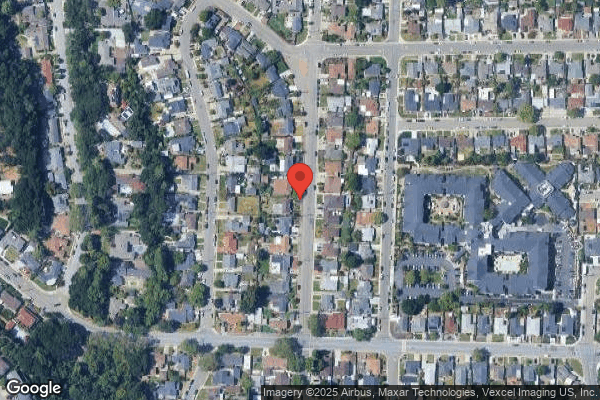

21966 DOLORES STREET, CASTRO VALLEY, CA 94546 (510) 733-2102
Non profit - Corporation 56 Beds Independent Data: November 2025
Trust Grade
91/100
#20 of 1155 in CA
Last Inspection: October 2024

Within standard 12-15 month inspection cycle. Federal law requires annual inspections.

Overview

Baywood Court Health Center has received a Trust Grade of A, indicating it is an excellent facility that is highly recommended for care. It ranks #20 out of 1,155 nursing homes in California, placing it in the top half of facilities statewide, and #4 out of 69 in Alameda County, meaning only three local options are better. The facility is showing an improving trend, with issues decreasing from 5 in 2023 to 4 in 2024. Staffing is a strong point, achieving a 5-star rating with a turnover rate of 27%, which is well below the state average. However, the home has $3,250 in fines, which is average, suggesting some compliance issues. While Baywood Court has excellent RN coverage, surpassing 85% of California facilities, there were specific concerns noted by inspectors. For instance, the facility failed to properly dispose of discontinued controlled substances, raising the risk of potential drug diversion. Additionally, multidose eye drops were not labeled correctly for residents, which could lead to cross-contamination. Lastly, food storage practices were inadequate, with ready-to-eat food exposed to dust, posing a risk of contamination. Overall, while there are notable strengths, families should be aware of the areas needing improvement.

Trust Score
A
91/100
In California
#20/1155
Top 1%
Safety Record
Low Risk
No red flags
Inspections
Getting Better
5 → 4 violations
Staff Stability
✓ Good
27% annual turnover. Excellent stability, 21 points below California's 48% average. Staff who stay learn residents' needs.
Penalties
⚠ Watch
$3,250 in fines. Higher than 94% of California facilities. Major compliance failures.
Skilled Nurses
✓ Good
Each resident gets 57 minutes of Registered Nurse (RN) attention daily — more than average for California. RNs are trained to catch health problems early.
Violations
⚠ Watch
12 deficiencies on record. Higher than average. Multiple issues found across inspections.
★★★★★
5.0
Overall Rating
★★★★★
5.0
Staff Levels
★★★★★
5.0
Care Quality
★★★★★
5.0
Inspection Score
Stable
2023: 5 issues
2024: 4 issues

The Good

  • 5-Star Staffing Rating · Excellent nurse staffing levels
  • 5-Star Quality Measures · Strong clinical quality outcomes
  • Low Staff Turnover (27%) · Staff stability means consistent care
  • Full Sprinkler Coverage · Fire safety systems throughout facility
  • No fines on record
  • Staff turnover is low (27%)

    21 points below California average of 48%

Facility shows strength in staffing levels, quality measures, staff retention, fire safety.

The Bad

Federal Fines: $3,250

Below median ($33,413)

Minor penalties assessed

The Ugly 12 deficiencies on record

Oct 2024 4 deficiencies
CONCERN (D)

Potential for Harm - no one hurt, but risky conditions existed

Infection Control (Tag F0880)

Could have caused harm · This affected 1 resident

**NOTE- TERMS IN BRACKETS HAVE BEEN EDITED TO PROTECT CONFIDENTIALITY** Based on observation, interview and record review, the facility failed to implement infection control practices for an already c...

Read full inspector narrative →
**NOTE- TERMS IN BRACKETS HAVE BEEN EDITED TO PROTECT CONFIDENTIALITY** Based on observation, interview and record review, the facility failed to implement infection control practices for an already compromised resident (Resident 12) when oxygen and suction tubing were undated and of unknown age. This failure put Resident 12 at risk for healthcare-associated infections. Findings: During a review of Resident 12's admission record, Resident 12 was readmitted to the facility on [DATE] with a terminal diagnosis, and required suctioning and the provision of oxygen as needed. During observations on 10/8/24 at 11:05 A.M., 10/9/24 at 9:25 A.M. and 10/11/24 at 8:05 A.M., the suction tubing with a yankauer tip (a tool used to suction secretions in the mouth and throat) attached to it, and oxygen tubing at the bedside of Resident 12 did not have any dates on them. During an interview on 10/10/24 at 10:05 A.M. with Infection Preventionist (IP), IP stated the tubings needed to be dated. During a review of the facility's policy titled, Suctioning and revised August 2014, it indicated: #13. Change and date the suction and tubing every 14 days, or as needed. A review of the facility's policy titled Department (Respiratory Therapy) - Prevention of Infection dated 2001, #7 stated: Change and date the oxygen cannulae and tubing every 14 days, or as needed.
CONCERN (E)

Potential for Harm - no one hurt, but risky conditions existed

Pharmacy Services (Tag F0755)

Could have caused harm · This affected multiple residents

Based on interview, observation, and record review, the facility failed to remove discontinued controlled substances from the Med-Cart for Resident 30. The failure to ensure the proper disposition of...

Read full inspector narrative →
Based on interview, observation, and record review, the facility failed to remove discontinued controlled substances from the Med-Cart for Resident 30. The failure to ensure the proper disposition of discontinued controlled substances had the potential for administration to the resident or drug diversion. Findings: During a concurrent observation and interview on 10/8/24 at 10:55 with LVN1 the Med Cart A had multiple controlled medication in the locked bin that had been discontinued for Resident 30. LVN1 stated they are unaware of how long the medication had been there. The controlled discontinued medications included: 1 bottle of Morphine (Schedule II narcotic under the Controlled Substance Act) 100 mg/ml, with 9.25 ml remaining in bottle, 32 tablets of 1 mg Lorazepam (Schedule IV Controlled Substance), 69 tablets of .5 mg Lorazepam. During an interview on 10/8/24 at 12:00 p.m. with Charge Nurse (CN), the CN stated that the discontinued controlled medications should have been given to Charge Nurse or Director of Nursing (DON) for destruction and the medications should not be left in the med cart. During a review of Resident's 30 Face sheet the information indicated Resident 30 was admitted to facility on 11/29/22 with multifactorial encephalopathy (damage or disease that affects the brain), and Parkinson's disease (a brain disorder that causes unintended or uncontrollable movements, such as shaking, stiffness, and difficulty with balance and coordination). During a review of Resident's 30 medical record and physician's orders, Resident 30 is in Hospice care (a program for terminally ill persons where an array of services is provided for the palliation and management of terminal illness and related conditions). The Physicians orders noted Morphine 100 mg/5 injection was discontinued on 10/4/24; Lorazepam 0.5 mg was discontinued 9/14/24; and Lorazepam 1 mg was discontinued on 10/3/24. During a review of the facility's policy and procedure (P&P) titled, Medication Storage, Controlled Medication Storage dated 9/08, indicated Medications included in the state and federal Drug Enforcement Administration (DEA) classification as controlled substances are subject to special handling, storage, disposal and record keeping in the nursing care center in accordance with federal state and other applicable laws and regulations. Controlled medications remaining in the nursing care center after the order has been discontinued are retained in the nursing care center in a securely double locked area with restricted access until destroyed as outlined by state regulation.
CONCERN (E)

Potential for Harm - no one hurt, but risky conditions existed

Deficiency F0761 (Tag F0761)

Could have caused harm · This affected multiple residents

During Observation, Interview and record review the facility failed to label multidose eye drops designed for multiple administrations for 4 out of 5 Residents. This failure had the potential for cro...

Read full inspector narrative →
During Observation, Interview and record review the facility failed to label multidose eye drops designed for multiple administrations for 4 out of 5 Residents. This failure had the potential for cross-contamination. Findings: During an observation on 10/8/24 at 10:55 a.m. with LVN 1, Med-Cart A contained 5 multidose eye drops for Resident 2, 7, 9, 20, and 23. (Artificial Tears, Liquid Gel Refresh, and Refresh Tears) with 4 of the 5 boxes labelled with room number only and not the Resident's name, for Residents 7, 9, 20, and 23. During an interview on 10/8/24 at 12:00 p.m. with Charge Nurse stated that multidose eye drops should have resident's full name on the box and not just the Resident's room number. Charge nurse stated this is done to prevent cross-contamination. During a review of Resident 2's Physician's Orders, dated 12/1/23, the physician ordered Carboxymethylcellulose sodium Refresh Tears (eye drops used to relieve dry, burning, irritated eyes), 1 drop to both eyes, PRN (as needed) for dry eyes. During a review of Resident 7's Physician's Orders, dated 7/3/23, the physician ordered Refresh Tears (Refresh Celluvisc, Carboxymethylcellulose sodium), one drop to each eye, twice a day, for dry eyes. During a review of Resident 9's Physician's Orders, dated 6/10/24, the physician ordered Artificial Tears (drops, gels, or ointments that can help relieve dry, irritated eyes), one drop, three times a day, PRN for dry eyes. During a review of Resident 20's Physician's Orders, dated 12/8/22, the physician ordered Artificial Tears to both eyes, twice a day, to prevent dry eyes During a review of Resident 23's Physician's Orders, dated 4/7/22, the physician ordered Artificial Tears two drops to each eye, once a day, to prevent dry eyes. During a review of the facility's policy and procedure (P&P) titled, Medications and Medication labels dated 1/23, Consultant Pharmacist Services Provider Requirements, the P&P indicated each prescription medication will be labeled to include Resident's name, Specific directions for use, including route of administration.
CONCERN (E)

Potential for Harm - no one hurt, but risky conditions existed

Food Safety (Tag F0812)

Could have caused harm · This affected multiple residents

Based on observation, interview and record review, the facility failed to store ready to eat food under sanitary conditions to prevent contamination from dust. This improper food safety practice had ...

Read full inspector narrative →
Based on observation, interview and record review, the facility failed to store ready to eat food under sanitary conditions to prevent contamination from dust. This improper food safety practice had the potential for food contamination resulting in food-borne illnesses. Findings: On 10/8/24 at 9:25 A.M. during an initial tour of the facility kitchen with the Executive Chef (EC), there were undated, open plastic bags of various breads: 6 pieces of english muffin, 5 slices of raisin bread, 3 pieces of bagel, 10 pieces of square bread, and 7 pieces of hamburger buns. These food items were exposed to dust and possible splash contamination as they were stored on a corner counter top with binders and small kitchen appliances. During an interview with the EC, she stated the plastics bags had to be closed and the binders and small appliances should have been in a separate area. 2022 Food Code, U.S Food and Drug Administration : 3-305 Preventing contamination from premises 3-305.11 Food Storage indicated food shall be protected from contamination by storing the food: (1) In a clean, dry location (2) Where it is not exposed to splash, dust, or other contamination
Mar 2023 5 deficiencies
CONCERN (D)

Potential for Harm - no one hurt, but risky conditions existed

Deficiency F0813 (Tag F0813)

Could have caused harm · This affected 1 resident

**NOTE- TERMS IN BRACKETS HAVE BEEN EDITED TO PROTECT CONFIDENTIALITY** Based on observation, interview and record review, the facility failed to label and provide a use by date on two of two food ite...

Read full inspector narrative →
**NOTE- TERMS IN BRACKETS HAVE BEEN EDITED TO PROTECT CONFIDENTIALITY** Based on observation, interview and record review, the facility failed to label and provide a use by date on two of two food items kept in a refrigerator designated for food brought from outside the facility. Additionally, Facility did not ensure safe food handling practices for reheating food brought from outside the facility. These failures placed the facility residents at risk for food borne illnesses. Findings: During a concurrent observation and interview on 3/16/23, at 12:30 p.m., Certified Nurse Assistant 6 (CNA 6) reached into a 3.7 cubic foot refrigerator in the facility's conference room. CNA 6 then opened the freezer section and removed a sandwich-sized resealable unlabeled and undated plastic bag with frozen mixed vegetables. CNA 6 stated the frozen mixed vegetables were for Resident 1. CNA 6 stated facility stored residents food brought from outside the facility in that refrigerator. During a concurrent observation and interview with Charge Nurse (CN) on 3/16/23, at 1:11 p.m., following items were found in the refrigerator designated for food brought from outside the facility. 1. An undated and unlabeled 14-ounce container of [NAME] Dazs vanilla ice cream, with thick ice crystals and yellow-colored leftovers of ice cream. CN stated she could not identify if the ice cream belonged to a resident or staff. CN then threw the ice cream away in a trash bin. 2. A gallon-sized resealable storage bag that contained four portioned sandwich-sized resealable bags of frozen vegetables. CN stated the vegetables were portioned for Resident 1 and nursing staff microwaved them for her. CN wrote Resident 1's name on the storage bag. CN stated food brought from outside the facility should be labeled and kept for 72 hours in the refrigerator. CN stated she did not know when the facility received those mixed vegetables packs for Resident 1. CN stated all food from outside the facility must be labeled with the resident's name, the date and time placed in the refrigerator, and the expiration or use by date on the container. During an interview with CNA 6 on 3/16/23, at 1:40 p.m., CNA 6 stated she put the frozen mixed vegetables in a bowl, microwaved them for two minutes prior to giving it to Resident 1. CNA 6 stated she did not check the temperature before giving them to Resident 1. CNA 6 stated she did not have a thermometer available at the nursing station. During an interview on 3/16/23, at 1:49 p.m., the Director of Staff Development (DSD) stated she was responsible for ongoing training and educating the certified nursing assistants. The DSD stated she did not provide a training or in-service to the nursing staff on safe food handling practices and or reheating resident's food. During a concurrent interview and record review with Director of Nursing (DON) on 3/16/23, at 1:50 p.m., facility's Policy and Procedures (P&P) titled Foods Brought by Family/Visitors revised 2017 was reviewed. The P&P showed, All personnel involved in preparing, handling, serving or assisting the resident with meals or snacks will be trained in safe food handling practices. The P&P also showed, Containers will be labeled with the resident's name, the item and the use by date.
CONCERN (E)

Potential for Harm - no one hurt, but risky conditions existed

Pharmacy Services (Tag F0755)

Could have caused harm · This affected multiple residents

Based on observation, interview, and record review, the facility failed to ensure medications were available and given according to the physician's order; and controlled substance (drugs with high pot...

Read full inspector narrative →
Based on observation, interview, and record review, the facility failed to ensure medications were available and given according to the physician's order; and controlled substance (drugs with high potential for abuse or addiction) medications were fully accounted, when: 1. A prescription medication for itching was not available for a resident upon request. This resulted in the resident enduring the itching unnecessarily. 2. Morphine (a potent medication for pain) was administered not administered as prescribed for Resident 2. This resulted in a medication error. 3. A random controlled medication use audit for four out of five residents (Residents 31, 50, 25, and 45) showed that medications were signed out of the Control Drug Record (CDR, an inventory sheet that keeps record of the usage of controlled medications) but were not documented as given to the residents on the medication administration record (MAR). The failure had the potential to result in loss, misuse, and/or diversion of controlled and prescription medications. Findings: 1. During an observation and interview with licensed vocational nurse 4 (LVN 4) on 3/13/23 at 10:04 a.m., Resident 29 requested Hydroxyzine (a prescription drug used to relieve itching caused by allergic skin reactions and help control anxiety and tension) as he wanted to go to the activity room. LVN 4 stated she was unable to find the medication in the medication cart. LVN 4 informed the resident, We are going to order the pill. A review of Resident 29's clinical record indicated a physician's order, dated 2/14/23, for hydroxyzine 25 milligrams (mg, unit of measurement) 1 tablet orally three times a day as needed for itchiness. During a subsequent interview on 3/13/23 at 1:13 p.m., with LVN 4, stated she had called the pharmacy and that the pharmacy's system was down. LVN 4 stated that Resident 23 29 takes Hydroxyzine for generalized itching all over his body. During an interview on 3/13/23 at 3:56 p.m., with the Charge Nurse (CN), she stated the medication has not been brought in yet as Resident 29 's son was going to be bringing it in. During an interview on 3/13/23 at 3:57 p.m., with Resident 29, stated that he had not yet received the medication to relieve the itching and that his body was itchy all over. Resident 29 stated that he moved his body against the wheelchair to help with the itch and that his itchiness was 6-7 out of 10. During a review of facility's policy and procedure titled ORDERING AND RECEIVING NON-CONTROLLED MEDICATIONS dated 2007 it indicated, Timely delivery of new orders is required so that medication administration is not delayed. If available, the emergency kit is used when the resident needs a non-controlled medication prior to pharmacy delivery. 2. During a medication administration concurrent observation on 3/13/23 at 11:00 a.m., with LVN 2, LVN 2 was observed administering 6 medications via the resident's GJ tube (gastrostomy-jejunostomy tube -insert in the abdomen that delivers nutrition and medications directly to the stomach). Then she administered Morphine Sulfate 20 mg/milliliter (ML) by placing 0.25 mL under the resident's tongue. A review of Resident 2's clinical record indicated a physician's order, dated 11/08/22, for morphine concentrate solution: 100 mg/5 mL (20 mg/mL): amount 0.25 mL twice a day at 09:00 and 21:00 for pain. Monitor respirations. Administer by GJ tube. During a subsequent interview on 3/13/23 at 2:34 p.m., LVN 2 stated that the Physician's order indicated to give morphine via GJ tube. LVN 2 stated I made a mistake and gave it via wrong route. During a review of facility's policy and procedure titled Administering Medication, dated April 2019 it indicated, The individual administering the medication checks the label THREE (3) times to verify the right resident, right medication, right dosage, right time and right method (route) of administration before giving the medication, and .the individual administering the medication records in the resident's medical record .the route of administration . 3. The Controlled Drug Records (CDRs) for five (5) random residents receiving PRN (meaning as needed) controlled medications were requested for review during the survey. During a concurrent interview and record review with the Charge Nurse (CN) on 3/14/23 at 11:00 a.m., she stated any time a controlled medication was needed for a resident, the nurse would remove the medication from the medication cart, sign it out on the CDR (or the count sheet) to indicate it was removed, and document the administration on the MAR. a. Resident 31 had two (2) physician's order, dated 4/16/22, for Norco (hydrocodone -acetaminophen (a potent controlled medication for moderate to severe pain) 5-325 mg, . 1 Tablet by mouth every 6 hours as needed for Moderate Pain (4-7) (A pain scale where 0 means you have no pain; one to three means mild pain; four to seven is considered moderate pain; eight and above is severe pain.) . 2 tablets by mouth every 6 hours as needed for severe pain (8-10). During a concurrent interview and record review with the CN on 3/14/23 at 11:15 a.m., a review of Resident 31's CDR for Norco and the November 2022, December 2022, and March 2023 MARs reflected the following were removed but not documented on the MARs: - Two tablets on 11/4/22 at 6:25 a.m. - One Norco tablet on 12/11/22 at 1 a.m. - One Norco tablet on 3/3/23 at 5:30 a.m. The CN verified the findings and acknowledged 4 Norco tablets were not accounted for. b. Resident 50 had a physician's order, dated 5/9/22, for Oxycodone (a potent controlled medication for moderate to severe pain) 10 mg, 1tablets by mouth for Moderate - Severe Pain (4-10) During a concurrent interview and record review with the CN on 3/14/23 at 11:31 a.m., a review of Resident 50's CDR for Oxycodone and the May 2022 MAR reflected the nursing staff signed out Oxycodone on the CDR but did not document the respective administrations on the MAR on - One Oxycodone tablet on 5/10/22 at 9:00 a.m. - One Oxycodone tablet on 5/15/22 at 8:30 p.m. - One Oxycodone tablet on 5/16/22 at 7:42 p.m. - One Oxycodone tablet on 5/19/22 at 3:00 p.m. The CN verified this finding and acknowledged 4 Oxycodone tablets was not accounted for. CN stated nursing staff are supposed to document in the CDR and the MAR, as the physician will look in the MAR to check if a medication has been administered, not in the CDR [count sheet]. c. Resident 25 had a physician's order, dated 1/13/23, for Promethazine-codeine (a controlled medication for cough) syrup 6.25 -10 mg milligrams (mg, unit of measurement)/5 mL milliliters (mL, unit of measurement), to give 5 mL by gastric tube (a tube inserted through the belly that brings nutrition directly to the stomach) 4 times a day as needed for cough. On 3/14/23 at 11:38 a.m., a review of Resident 25's CDR for Promethazine- Codeine 5 mL 4 times a day as needed for cough and the January 2023 MAR with the CN indicated licensed nursing staff signed on the CDR - 5 mL on 1/13/23 at 2:00 p.m., - 5 mL on 1/18/23 at 9:50 p.m., - 5 mL on 1/21/23 at 9:00 p.m., - 5 mL on 1/22/23 at 9:00 p.m., - 5 mL on 1/25/23 at 9:00 p.m., but did not document on the MARs to show they were administered to the resident. The CN verified 5 missing documentations on the MAR to account for 25 mL of Promethazine - Codeine syrup. d. Resident 45 had a physician's order, dated 2/22/23, for hydrocodone - acetaminophen (a potent controlled medication for moderate to severe pain) 5-325 mg, 1.5 tablets by mouth 30-60 minutes prior to PT (Physical Therapy) for pain management. During a concurrent interview and record review with the CN on 3/14/23 at 11:44 a.m., a review of Resident 45's CDR for Hydrocodone - Acetaminophen and the February 2023 MAR reflected the nursing staff signed out two tablets on the CDR on 2/24/23 at 4:15 p.m. and documented they gave it at that time but did not document the waste of the half tablet. The CN verified this finding and acknowledged ½ (0.5) tablet was not accounted for. During a concurrent interview and record review with the director of nursing (DON) on 3/14/23 at 3:18 p.m., she stated when the nurse is pulling a controlled medication from the medication cart, she is to confirm the order, and then prep the medication in the MAR. As soon as the controlled medication is administered, the nurse is to sign the MAR 'as given. She stated, All medications must be documented in the MAR, if it is not documented, it is not given. During a review of facility's policy and procedure titled Administering Medication, dated April 2019 it indicated, The individual administering the medication must initial the resident's MAR on the appropriate line after giving each medication and before administering the next ones.
CONCERN (E)

Potential for Harm - no one hurt, but risky conditions existed

Deficiency F0761 (Tag F0761)

Could have caused harm · This affected multiple residents

**NOTE- TERMS IN BRACKETS HAVE BEEN EDITED TO PROTECT CONFIDENTIALITY** Based on observation, interview, and record review, the facility failed to ensure expired medications were removed, and medicati...

Read full inspector narrative →
**NOTE- TERMS IN BRACKETS HAVE BEEN EDITED TO PROTECT CONFIDENTIALITY** Based on observation, interview, and record review, the facility failed to ensure expired medications were removed, and medications were labeled and stored according to manufacturer's instructions, and medication refrigerator temperature log was complete, for one out of one medication room and two out of two medication carts, when: 1. Expired and discontinued controlled drugs were not removed from the medication carts. 2. Expired drugs were not removed from the medication room. 3. Expired drugs were not replaced or removed from the emergency Kit (eKit -a kit containing medications for emergency situations) in the medication refrigerator. 4. Medication refrigerator temperature logs were incomplete. These deficient practices had the potential for residents to receive medications with reduced potency and had the potential to result in medication errors. Findings: 1A. During an inspection of the [NAME] Wing Medication Cart with licensed vocational nurse 2 (LVN 2) on 3/13/23, at 2:34 p.m., Four expired and discontinued medications were identified in the locked compartment of the medication cart, as follows: a. a. An opened bottle containing Furosemide Oral Solution 10 mg per mL without an open date. The manufacturer's label indicated it was good for 90 days after opening. b. An opened and expired bottle containing Miacalcin (A drug used to treat bone disease in women) 200 Unit Nasal Spray without an open date. The manufacturer's label indicated it was good for 35 days after opening. c. A discontinued bubble pack containing 26 tablets of Tramadol (a potent controlled medication for moderate to severe pain) 50 mg Tablet. LVN 2 stated the medication was discontinued on 3/3/23 (2 weeks ago). d. A medicine pill bottle containing 14 tablets of Zolpidem Titrate (a drug used for temporary sleep problems in adults) 10 mg tablet for a Resident who was discharged on 3/2/23 (2 weeks ago). During an interview on 3/13/23 at 2:50 p.m., with LVN 2, she verified the findings above and stated she did not know how long the controlled medications were in the cart or in the Medication room and did not know who was responsible for the rotating and removing of the expired medication. LVN 2 verified the above medications were expired and/or discontinued. During an interview with the DON on 3/14/23 at 2:52 p.m., she stated the staff nurse was supposed to give expired and discontinued controlled medications to her right way. The DON verified the above bubble packs should have been removed from the medication cart to prevent loss or medication errors. During a review of the facility's policy and procedure titled Discontinued Medications, dated 10/2007, it indicated, If a prescriber discontinues a medication, the medication container is removed from the medication cart immediately. 1B. During an inspection of the South Wing Medication Cart with licensed vocational nurse 3 (LVN 3) on 3/14/23 at 10:44 a.m., five expired medications were identified in the locked compartment of the medication cart, as follows: a. An opened bottle containing Sodium Chloride (Normal Salt tablets) 1 gm tablets with an expiration date of 01/2023. b. An undated and opened bottle of Breo Ellipta (a drug to treat lung disease) 200-25 mcg (microgram, unit of measurement) inhaler without an open date. The manufacturer's label indicated, Discard 42 days after opening. c. An opened bottle of Brimonidine Tartrate Ophthalmic Solution (a drug used to treat high fluid pressure in the eye) 0.2% 10 ml bottle had an open date of 1/2023. LVN 3 stated it was good for 28 days after opening. d. An opened bottle of Latanoprost (a drug used to treat high pressure in the eye) 0.005% eye drop with a date open labeled 01/13/23. The pharmacy label indicated: Refrigerate until opened, Discard 42 days after opening. e. An unopened, undated, and un-refrigerated bottle of Latanoprost 0.005%. The pharmacy label indicated: Refrigerate until opened, Discard 42 days after opening. During an interview on 3/14/23 at 11:03 p.m., with LVN 3, she verified the above findings, and the sodium chloride tablets had expired; the brimonidine eye drops was good for 28 days after opening; and the Breo inhaler and the latanoprost eye drops should have been dated or kept in the refrigerator until opened. According to Lexi-comp (www.[NAME].com, a nationally recognized drug information resource), store unopened bottle of latanoprost solution in the refrigerator and once opened, the container may be stored at room temperature for 6 weeks (https://online.[NAME].com/lco/action/doc/retrieve/docid/pated, assessed on 3/3/23). 2. During an inspection of the medication room with Licensed vocational nurse 2 (LVN 2) on 3/13/23 at 3:37 p.m., four expired medications were identified in the medication room, as follows: a. An unopened bottle containing Vitamin B-6 100 mg with an expiration date of 07/2022 b. A second unopened bottle containing Vitamin B-6 100 mg, with an expiration date of 07/2022 c. A third unopened bottle containing Vitamin B-6 100 mg, with an expiration date of 05/2022 d. An opened bottle of Aspirin 81 mg Tablet an expiration date of 01/2023. During an interview with the LVN 2 on 3/13/23 at 4:15 p.m., LVN 2 stated that she was not aware of who is responsible for the removal of expired medication from the medication cart or how often the expired medications are removed. During an interview with the Charge Nurse (CN) on 03/13/23 at 4:20 p.m., the CN verified the medications were expired and should have been removed from active stock. 3. During an inspection of the medication refrigerator at the nurse's station with the CN on 3/13/23 at 03:12 p.m., 3 expired medications were identified in the medication refrigerator as follows: a. A controlled medication E-kit (an emergency kit which contains medications for use in emergency situations) was identified with expiration date of 1/2023. Inside the E-kit were Novolog R (A rapid acting Insulin) that expired on 1/2023. The CN verified the E-kit was expired. b. A Latanoprost eye drop with an opened date of 1/1/2023. The manufacturer's label indicated, Discard 42 days after opening. c. A Miacalcin nasal spray undated with open date. The manufacturer's instructions indicated it is good for 35 days once opened. During an interview with the CN on 03/13/23 at 03:15 p.m., the CN verified the above findings and confirmed the Ekit expired on 01/2023. 4. During a concurrent record review and interview with the CN on 03/13/23 at 03:15 p.m., the temperature logs for the medication refrigerator from October 2022 to March 2023 were reviewed. The logs of December 2022 and February 2023 were identified to be incomplete. CN stated that it is the responsibility of the AM and PM shift licensed staff to check the medication refrigerator temperature and log accordingly. The CN verified that the logs did not have any entries for PM shift on December 30, 2022, AM and PM shifts on December 31, 2022, and PM shifts for February 24, 25, 26, 27 and 28, 2023. The CN stated that no documentation means the temperature check was not done. The CN stated, It's important to make sure the temp is correct, otherwise the medications will go bad. A review of the facility's policy and procedure titled EMERGENCY PHARMACY SERVICE AND EMERGENCY KITS, dated 2007, indicated, The consultant pharmacist and provider pharmacy designee checks the emergency kits monthly for expiration dating of the content. A review of the facility's policy and procedure titled Storage of Medication, dated 2007, indicated, Outdated, contaminated, discontinued or deteriorated medications and those in containers that are cracked, soiled, or without secure closures are immediately removed from stocks, disposed of according to procedures for medication disposal . and reordered from pharmacy . if a current order exists.
CONCERN (E)

Potential for Harm - no one hurt, but risky conditions existed

Food Safety (Tag F0812)

Could have caused harm · This affected multiple residents

Based on observation, interview, and record review, the facility failed to store, prepare, and serve food under sanitary conditions when: 1. water temperature in hand washing station in the kitchen wa...

Read full inspector narrative →
Based on observation, interview, and record review, the facility failed to store, prepare, and serve food under sanitary conditions when: 1. water temperature in hand washing station in the kitchen was cold. 2. two dietary staff did not cover facial hair while inside the kitchen. 3. food items in upstairs kitchen refrigerator was not labeled, undated and was stored beyond used by date. 4. food stored in upstairs freezer was not labeled and dated. 5. vegetables in downstairs walk-in refrigerator was stored beyond use by date. 6. automatic ice machine dispenser had white and yellowish build up residue. 7. automatic ice machine filter was not changed according to manufacturer's guidelines. These failures had the potential to cause food contamination and food borne illness. Findings: 1. During an initial tour of the upstairs kitchen and concurrent interview on 3/13/23, at 9:39 a.m., with MS (Maintenance Director) 1, water in hand washing sink was cold after running it for 45 seconds. MS 1 checked water temperature with a thermometer (a measuring device), water temperature reached 88.3 °F (degrees Fahrenheit - temperature scale). MS 1 stated, water temperature for hand washing should be between 105 °F - 120 °F. During a review of facility's policy and procedure (P&P) titled, Personal Hygiene, (undated), the P&P indicated, .Hand washing ust take at least (20) seconds with hot water.All hand washing stations must have: Hot water. 2. During an observation and concurrent interview on 3/13/23, at 9:28 a.m., CK (Cook) 1 walked across the kitchen without hair protection to cover his facial hair. CK 1 stated he was in the kitchen getting supplies and ingredients, therefore, he did not need facial hair covering. A review of the United States Food and Drug Administration Food Code 2017, under section titled, Hygienic Practices, Hair Restraints, section 2-402.11 indicated, FOOD EMPLOYEES shall wear hair restrains such as hats, hair coverings or nets, beard restraints, and clothing that covers body hair, that are designed and worn to effectively keep their hair from contacting exposed FOOD; clean EQUIPMENT, UTENSILS, and LINENS; AND UNWRAPPED SINGLESERVICE and SINGLE-USE ARTICLES. During a review of facility's policy and procedure (P&P) titled, BWC Uniform Policy dated, 9/2016, the P&P indicated, .3. Hair restraints: .Food employees with high risk of contaminating exposed food must wear a hat or hair covering, a beard restraint, and clothing that covers body hair. 3. During an observation and concurrent interview on 3/13/23, at 9:53 a.m., with ECDM (Executive Chef Dietary Manager), of the upstairs kitchen, the following items were stored unlabeled and undated, as follows: 1-gallon barbecue sauce, large clear plastic squeeze bottle with solidified green content, 18-ounce jar of mint jelly. ECDM stated, green content in squeeze bottle was 4-cups herb oil that should have been labeled. ECDM further added, mint jelly should have labeled with use-by date. The following items were stored beyond use-by date, as follows: One 8.16 lbs (pound) jar of whole grain mustard labeled open 12/1/22 use-by 02/01/23, romaine lettuce in silver container covered with clear plastic wrap labeled open 3/8/23 use-by 3/10/23, small clear plastic squeeze bottle labeled burger sauce marked with preparation date 3/8/23, use-by 3/11/23, clear bin labeled red onion, marked with preparation date 3/8/23 and use-by 3/11/23. ECDM stated, burger sauce and red onion was beyond use by date and should have been removed from the refrigerator. 4. During an observation on 3/13/23, at 10:03 a.m., CK 3 was observed without hair protection to cover facial hair while cooking food. A review of the United States Food and Drug Administration Food Code 2017, under section titled, Hygienic Practices, Hair Restraints, section 2-402.11 indicated, FOOD EMPLOYEES shall wear hair restrains such as hats, hair coverings or nets, beard restraints, and clothing that covers body hair, that are designed and worn to effectively keep their hair from contacting exposed FOOD; clean EQUIPMENT, UTENSILS, and LINENES; AND UNWRAPPED SINGLESERVICE and SINGLE-USE ARTICLES. During a review of facility's policy and procedure (P&P) titled, BWC Uniform Policy dated, 9/2016, the P&P indicated, .3. Hair restraints: .Food employees with high risk of contaminating exposed food must wear a hat or hair covering, a beard restraint, and clothing that covers body hair. 5. During an observation and concurrent interview on 3/13/23, at 10:15 a.m., with ECDM of the upstairs freezer, the following items were stored unlabeled and undated, as follows: open clear plastic bag of cubed potatoes, open clear plastic bag of fish filets, open clear plastic bag of frozen peas, one 4-pound bag of green beans, one 3.4 frozen garden burger patties, frozen peas and carrots in a blue plastic bag, tater tots in an open light brown bag. 6. During an observation and concurrent interview on 3/13/23, at 10:35 a.m., of downstair produce refrigerator with ECDM, the following items were stored undated; petite carrots in clear plastic wrap. The following items are stored beyond use-by date; 35 wrinkled green peppers with dark black and brown spots marked received date 3/1/23. A review of facility's Produce Storage Guidelines, (undated) indicated, green peppers are stored in the refrigerator for one week. 7. During an observation and concurrent on 3/14/23, at 11:50 a.m., in the downstairs kitchen, with Dietary Supervisor (DS), the following was observed as follows: ice machine had white-yellowish build up residue above liquid reservoir and ice dispenser machine. DS wiped residue with her fingers but build up residue did not come off. Water filter attached to wall and connected to the automatic ice machine was marked 2/2/22. DS stated, date marked on the filter was the last time it was replaced. During a review of facility's planned maintenance report, dated 10/28/22, indicated the need for water filter replacement. The report also indicated, the recommendation to replace water filter was declined. During a concurrent interview and record review on 3/15/23, at 9:38 a.m., with DS, DS confirmed water filter was due to be replaced. DS stated she was not aware of who declined the recommended service filter replacement.
CONCERN (E)

Potential for Harm - no one hurt, but risky conditions existed

Infection Control (Tag F0880)

Could have caused harm · This affected multiple residents

Based on observation, interview and record review the facility failed to ensure infection control practices were implemented when following was noted: 1. Certified Nursing Assistant (CNA) 1 did not pe...

Read full inspector narrative →
Based on observation, interview and record review the facility failed to ensure infection control practices were implemented when following was noted: 1. Certified Nursing Assistant (CNA) 1 did not perform hand hygiene after handling Resident 33's dirty linen, and prior to handling clean personal clothing for Resident 22. 2. CNA 3 folded Resident 50's clean personal clothing while it was in contact with their own clothing. 3. Residents 10, 19, and 2's oxygen tubing was on the floor. 4. Resident 38's urinary catheter bag and tubing were touching the floor. 5. Resident 2's feeding pump pole had visible dirt and dried matter sticking to the base. 6. Licensed Vocational Nurse (LVN) 4 did not sanitize blood pressure cuff before and after use on Resident 29. 7. LVN 2 and LVN 4 did not perform hand hygiene before and after gloves changes during medication administration for Resident 2 and Resident 29 respectively. These failures placed facility's residents at risk for healthcare-associated infections. Findings: 1. During an observation on 3/14/23, at 11:17 a.m., in the laundry department, CNA 1 carried Resident 33's soiled linen in a clear plastic bag in her left gloved hand, from Resident 33's room to the laundry room. CNA 1 entered the laundry room and placed Resident 33's soiled personal belongings into the washing machine, started the washing machine, and removed her left-hand glove. CNA 1 proceeded to fold Resident 22's clean laundry without performing hand hygiene . During a concurrent interview and record review with Infection Preventionist (IP) on 3/15/23, at 1:06 p.m., facility's Policy and Procedures (P&P) titled Departmental (Environmental Services)-Laundry and Linen dated January 2014 was reviewed. The P&P showed staff were to, wash hands after handling soiled linen and before handling clean linen. IP stated hand washing is important because laundry can be a source of infection. 2. During a concurrent interview and observation on 3/14/23, at 12:45 p.m., in the laundry room, CNA 3 folded Resident 50's clean laundry against her own clothing and placed the clothing in the Resident 50's closet located within their room. CNA 3 stated clothes should be held away from body or they'll be contaminated. During an interview on 3/14/23, at 1:17 p.m., IP stated facility staff did not wear gowns when sorting laundry. IP stated staff shouldn't put clean clothes on scrubs because staff's personal clothing was considered as contaminated. IP also stated clean clothes should be kept at least one arm's length away from body. 6. During an observation on 02/13/23, at 09:30 a.m., Licensed Vocational Nurse 4 (LVN 4) took the blood pressure measuring device from the medication cart to Resident 29's room, without cleaning or disinfecting LVN 4 applied the blood pressure cuff on Resident 29's left arm. LVN 4 did not disinfect the blood pressure measuring device after use and placed it on the medication cart. During an interview on 3/13/23, at 10:14 a.m., LVN 4 stated she did not wipe down the blood pressure measuring device before and after using it on Resident 29 to prevent cross contamination. During a record review of facility's Policy and Procedures titled Cleaning and Disinfection of Resident-Care Items and Equipment dated September 2022, indicated, Resident-care equipment, including reusable items and durable medical equipment will be cleaned and disinfected .non-critical resident-care items include bedpans, blood pressure cuffs .Reusable items are cleaned and disinfected or sterilized between residents. 7. During an observation on 3/13/23 at 10:03 a.m., after administering morning medication to Resident 29, LVN 4 was observed applying a cream on Resident 29's upper shoulder and back of the legs with gloved hands. LVN 4 then took off her gloves and put on a new pair without sanitizing her hands in between glove change. LVN 4 then administered a breathing inhaler to Resident 29 During an observation on 3/13/23, at 10:09 a.m., LVN 4 walked into Resident 29's room, put on new gloves, removed Resident 29's shirt, assessed the pain medication patch sticking on his upper back, put Resident 29's shirt back on, removed her gloves and without performing hand hygiene exited the room. During an interview on 3/13/23, at 10:15 a.m., LVN 4 stated she should have washed her hands prior to putting on new gloves and after taking off the gloves to prevent the spread of infection. During an observation on 3/13/23, at 11:01 a.m., LVN 2 prepared Resident 2's medications, walked into Resident 2's room, without performing hand hygiene put on new pair gloves, placed Resident 2's medications on the bedside table, picked up Resident 2's medications in her right gloved hand, walked into Resident 2's bathroom, and turned on the faucet with left gloved hand, filled three cups of water, came back to Resident 2, placed water and medications on the bedside table. LVN 2 then removed the gloves, without performing hand hygiene, went out of Resident 2's room, placed Resident 2's medications in the medication cart, entered Resident 38's room, grabbed gloves, put on gloves, exited Resident 38's room, took out stethoscope from a drawer in the medication cart, picked up Resident 2's originally prepared medications and went back into Resident 2's room. LVN 2 then removed the gloves, without performing hand hygiene put on new gloves and administered Resident 2's medications via Gastronomy Jejunostomy tube (a tube inserted through the belly that brings nutrition directly to the stomach) During an interview on 3/13/23 at 11:45 a.m., LVN 2 stated she should have sanitized her hands between gloves changes, after touching high touch surfaces, and prior to administering medications to Resident 2 to prevent spread of infection. During a record review of facility's Policy and Procedures titled, INFECTION CONTORL & PROCEDURE policy dated 04/2010, under section HANDWASHING/HANDHYGIENE showed Employee must wash their hands for twenty (20) seconds using antimicrobial or non-antimicrobial soap and water under the following conditions: . Before and after direct contact with residents .After removing gloves . In most situations, the preferred method of hand hygiene is with an alcohol-based hand rub. If hands are not visibly soiled, use an alcohol-based hand rub containing 60-95% ethanol or isopropanol for all the following situations .before and after direct contact with residents, .Before preparing or handling medications; .After removing gloves; The use of gloves does not replace hand washing/hand hygiene. 3a. During a review of Resident 10's Face Sheet dated 3/13/23, the record indicated Resident 10 was admitted to the facility 2/23. During an observation on 3/13/23, at 11:50 a.m., Resident 10 had a red magnetic sign on the doorframe that read oxygen in use. Resident 10 was lying in her bed with glasses and a nasal cannula on. A green colored oxygen tubing dated 3/13/23, connected to the cannula tubing was coiled and lying on the floor. During an observation and interview on 3/13/23, at 1:06 p.m., IP stated facility used the green extension tubing for the residents who was were to use the bathroom. IP also stated facility kept the extended oxygen tubing on the floor only. IP then stated keeping the oxygen tubing on the floor could result in respiratory infections for Resident 10. 3b. During a review of Resident 19's Face Sheet dated 3/13/23, the record indicated Resident 19 was admitted to the facility 2/23. During an initial observation of Resident 19 on 3/13/23, at 11:42 a.m., a red magnetic sign was on the doorframe that read oxygen in use. Observed Resident 19 with a nasal cannula on and oxygen tubing dated 3/13/23 coiled on the floor. During an interview on 3/13/23, at 12:57 p.m., IP stated oxygen tubing was often made long enough for residents to be able to use the bathroom in their room and the excess tubing was coiled onto the floor. 3c. During a review of Resident 2's Face Sheet dated 3/13/23, the record indicated Resident 2 was admitted to the facility in 8/2012. During an initial observation on 3/13/23, at 12:30 p.m., observed Resident 2 lying in bed with nasal cannula on. Observed the oxygen tubing dated 3/12/23 lying on top of the base of the feeding pump pole (a portable metallic pole with a base, four wheels and feeding pump attached to it to provide liquid nutrition at a controlled rate). The feeding pump pole had pools of a tan-colored substance; visible dirt around the four bolts that held the wheels on, the center pole and over the base; and a small piece of white debris on it. During an observation and interview on 3/13/23 at 1:00 p.m., with Infection Preventionist (IP), observed the oxygen tubing on the base of Resident 2's feeding pump pole. The IP stated the feeding tube pole was dirty and used her right foot to move the tubing off the base of the pole, which fell to the floor. IP stated the risk of the tubing being on the floor was infection, such as respiratory infections and sepsis. 4. During a review of Resident Face Sheet for Resident 38 dated 3/15/23, the record showed Resident 38 was admitted to the facility 2/23 and returned on 3/23 after a hospitalization. During an observation and interview with IP on 3/13/23, at 12:57 p.m., Observed Resident 38 sitting in wheelchair their 3/4 full urinary bag touching the floor. IP stated catheter tubing should be below the bladder and not touching the floor to prevent risk of infections. During a record review of Policy and Procedure (P&P), revised September 2014 and titled Catheter Care, Urinary, the P&P showed be sure the catheter tubing and drainage bag are kept off the floor. 5. During an observation and interview on 3/13/23 at 1:00 p.m., with Infection Preventionist (IP), Observed Resident 2 receiving feeding/nutrition through a gastrostomy tube (a tube inserted through the belly that brings nutrition directly to the stomach). Observed the pump for feeding/nutrition the attached to the feeding pump pole on her right side of the bed. The feeding pump pole had pools of a tan-colored substance; visible dirt around the four bolts that held the wheels on, the center pole and over the base; and a small piece of white debris on it. IP stated the feeding tube pole was dirty. IP pushed the feeding pump pole back toward the bedside table at the head of Resident 2's bed. During an interview with IP on 3/14/23, at 10:01 a.m., IP stated she tried to clean the feeding pump pole with a sponge and paper towel. IP stated she was able to scrape off some of the residue, which she thought was formula feeding, but could not get it all so had to change the pole for Resident 2. During a follow up interview with IP on 3/16/23, at 10:28 a.m., IP stated the risk of using dirty equipment for residents could result in cross contamination. IP stated the pole was connected to Resident 2 via tubing and pathogens could travel to Resident 2 via the tubing. IP stated staff was expected to clean the equipment daily or at least every 72 hours. IP stated visible dirt and residue should be cleaned immediately.
Oct 2019 3 deficiencies
CONCERN (D)

Potential for Harm - no one hurt, but risky conditions existed

Resident Rights (Tag F0550)

Could have caused harm · This affected 1 resident

Based on observation, interview, and record review, the facility failed to provide care with dignity for one of two sampled residents (Resident 21) when a Certified Nurse Assistant (CNA) did not provi...

Read full inspector narrative →
Based on observation, interview, and record review, the facility failed to provide care with dignity for one of two sampled residents (Resident 21) when a Certified Nurse Assistant (CNA) did not provide privacy for Resident 21 while delivering personal care and preparing the resident for a shower. This deficient practice had the potential to affect Resident 21's sense of self-worth and self-esteem. Findings: A review of Resident 21's Face Sheet indicated Resident 21 was admitted to the facility with multiple diagnoses, including Alzheimer's disease and age-related physical debility. A review of Resident 21's Brief Interview for Mental Status (BIMS, a tool used to assess mental function) in the Minimum Data Set (MDS, an assessment tool used to guide care), dated 9/13/19, indicated the resident's score was 08, meaning Resident 21's cognitive ability was mildly impaired. Resident 21's MDS also indicated Resident 21 required extensive assistance with bed mobility, moving from one surface to another, dressing, toilet use, and personal hygiene from one or more staff members and required physical help from staff when bathing. During a concurrent observation of Resident 21 and interview with CNA 1 on 10/7/19 at 9:50 a.m., Resident 21 was laying on the bed with her lower extremities fully exposed and the window blinds and privacy curtain fully opened. CNA 1 immediately closed the blinds and privacy curtain, then stated I'm sorry, it's not supposed to be open, I'm supposed to give privacy. A review of the facility's Resident Rights Guidelines for All Nursing Procedures policy, dated 9/08, indicated that staff should either close the entrance door to the room or draw privacy curtains during treatment and personal care to provide residents privacy and dignity.
CONCERN (D)

Potential for Harm - no one hurt, but risky conditions existed

Deficiency F0558 (Tag F0558)

Could have caused harm · This affected 1 resident

**NOTE- TERMS IN BRACKETS HAVE BEEN EDITED TO PROTECT CONFIDENTIALITY** Based on observation, interview, and record review, for two of two sampled residents (Residents 29 and 10), the facility failed ...

Read full inspector narrative →
**NOTE- TERMS IN BRACKETS HAVE BEEN EDITED TO PROTECT CONFIDENTIALITY** Based on observation, interview, and record review, for two of two sampled residents (Residents 29 and 10), the facility failed to place their call lights within reach. This failure had the potential for Residents 29 and 10 to not receive urgently needed medical care or assistance with their activities of daily living (ADLs). Findings: 1. A review of Resident 29's Facesheet indicated Resident 29 was admitted with multiple diagnoses, including hemiplegia (paralysis of one side of the body) and hemiparesis (weakness on one entire side of the body) affecting her right dominant side following a history of unspecified cerebrovascular disease (loss of blood flow to part of the brain). A review of Resident 29's Minimum Data Set (MDS, an assessment tool used to guide care) dated 9/16/19 indicated Resident 29 needed extensive assistance with bed mobility, moving between surfaces, dressing, toilet use, and hygiene from one or more staff members. During an observation and concurrent interview with Resident 29 on 10/7/19 at 9:08 a.m., Resident 29's call light was hanging on the left side of the bed, below the side rail. Resident 29 stated, I cannot reach my call light. I need someone to take away my tray. Resident 29 further indicated she knows how to use her call light with her right hand, but it is never in reach. During an interview with the Director of Staff Development (DSD) on 10/7/10 at 9:14 a.m. in Resident 29's room, DSD acknowledged Resident 29's call light was not in reach. A review of Resident 29's Urinary Incontinence care plan, dated 8/29/19, indicated the intervention, Call light in reach and answer promptly. A review of Resident 29's Safety care plan, dated 8/22/19, indicated the intervention, Place call light within easy reach. A review of Resident 29's Falls care plan, dated 8/20/19, indicated the intervention, Call light within reach and answer promptly. 2. A review of Resident 10's Facesheet indicated Resident 10 was admitted with multiple diagnoses, including Alzheimer's disease (a type of dementia that causes problems with memory, thinking, and behavior), history of falling, hypertension (high blood pressure), and a history of compression fracture (loss of bone mass that occurs a part of aging). A review of Resident 10's MDS dated [DATE] indicated Resident 10 needed extensive assistance with bed mobility, moving between surfaces, and toilet use from one or more staff members and was totally dependent on staff for personal hygiene activities, such as brushing her teeth and washing her face. During an observation on 10/10/19 at 8:53 a.m., Resident 10 was asleep in her wheelchair in her room. Resident 10's call light was on the floor, on the left side of her wheelchair. During an interview on 10/10/19 at 8:56 a.m., Licensed Vocational Nurse 1 (LVN 1) acknowledged the call light was not in reach and stated the call light should be on top of Resident 10's bedside table where she can press it with her palm. A review of Resident 10's Falls care plan, dated 3/13/17, indicated Resident 10 was at risk for fall and injury related to: hypertension, a history of falls, severe dementia Alzheimer's, a history of compression fractures, incontinence, use of anti-hypertensives, use of narcotics (pain relievers), and use of cathartics (laxatives). The care plan indicated the intervention for the risk of falls was to keep the Call light within reach and answer promptly. A review of the facility's Answering the Call Light policy, dated 9/08, indicated, All staff will maintain a call light within the resident's reach at all times and further indicated the purpose for this was, To respond to resident's request and needs promptly. The policy also stated, When the resident is in bed or confined to a chair be sure the call light is within easy reach of the resident.
CONCERN (D)

Potential for Harm - no one hurt, but risky conditions existed

Comprehensive Care Plan (Tag F0656)

Could have caused harm · This affected 1 resident

Based on interview and record review, for one of two sampled residents (Resident 35), the facility failed to develop an individualized comprehensive care plan for the use of an antidepressant (a psych...

Read full inspector narrative →
Based on interview and record review, for one of two sampled residents (Resident 35), the facility failed to develop an individualized comprehensive care plan for the use of an antidepressant (a psychotropic medication capable of affecting the mind, emotions, and behavior) to treat depression (a mood disorder characterized by a feeling of sadness and a general loss of interest in activities). This deficient practice had the potential to negatively affect the delivery of medical care and services to Resident 35. Findings: A review of Resident 35's Facesheet indicated Resident 35 was admitted to the facility with multiple diagnoses, including major depressive disorder. A review of Resident 35's Brief Interview for Mental Status (BIMS, a tool used to assess mental function) in the Minimum Data Set (MDS, an assessment tool used to guide care), dated 9/12/19, indicated the resident's score was 15, meaning Resident 35's cognitive ability was fully intact. A review of the progress notes in Resident 35's medical record showed a note written on 9/18/19 at 1:52 p.m. by Registered Nurse 1 (RN 1), indicating Resident 35 had spoken to her physician, requesting an order for Prozac (an antidepressant). A review of Resident 35's Physician's Order, dated 9/18/19 at 1:32 p.m., indicated a telephone order for Prozac, 40 milligrams (mg, a unit of measurement), to be administered once a day. A review of Resident 35's Medication Administration History (MAH), covering the period of 9/18/19 through 10/10/19 indicated Prozac, 40 mg, was administered to Resident 35 every morning starting on 9/19/19. A review of Resident 35's medical record showed no comprehensive care plan developed for Prozac, a psychotropic medication, ordered on 9/18/19. During a concurrent interview and record review with the Minimum Data Set Coordinator (MDSC) on 10/10/19 at 9:39 a.m., MDSC verified Resident 35 did not have care plan for psychotropic medication ordered on 9/18/19. During an interview with the Director Of Nursing (DON) on 10/10/19 at 10:22 a.m., DON stated the care plan should be done within 48 hours after receipt of the medication order from the doctor. DON further stated Resident 35 did not have a care plan for Prozac done within 48 hours per protocol. DON also stated RN 1 should have care planned the psychotropic medication ordered on 9/18/19 for Resident 35. During an interview with RN 1 on 10/10/19 at 10:36 a.m., RN 1 stated she received the telephone order for Prozac on 9/18/19 and did not know she was supposed to create a care plan for the psychotropic medication.
Understanding Severity Codes (click to expand)
Life-Threatening (Immediate Jeopardy)
J - Isolated K - Pattern L - Widespread
Actual Harm
G - Isolated H - Pattern I - Widespread
Potential for Harm
D - Isolated E - Pattern F - Widespread
No Harm (Minor)
A - Isolated B - Pattern C - Widespread

Questions to Ask on Your Visit

  • "Can I speak with families of current residents?"
  • "What's your RN coverage like on weekends and overnight?"

Our Honest Assessment

Strengths
  • • Grade A (91/100). Above average facility, better than most options in California.
  • • No major safety red flags. No abuse findings, life-threatening violations, or SFF status.
  • • $3,250 in fines. Lower than most California facilities. Relatively clean record.
  • • 27% annual turnover. Excellent stability, 21 points below California's 48% average. Staff who stay learn residents' needs.
Concerns
  • • 12 deficiencies on record. Higher than average. Multiple issues found across inspections.
Bottom line: Generally positive indicators. Standard due diligence and a personal visit recommended.

About This Facility

What is Baywood Court's CMS Rating?

CMS assigns BAYWOOD COURT HEALTH CENTER an overall rating of 5 out of 5 stars, which is considered much above average nationally. Within California, this rating places the facility higher than 99% of the state's 100 nursing homes. This rating reflects solid performance across the metrics CMS uses to evaluate nursing home quality.

How is Baywood Court Staffed?

CMS rates BAYWOOD COURT HEALTH CENTER's staffing level at 5 out of 5 stars, which is much above average compared to other nursing homes. Staff turnover is 27%, compared to the California average of 46%. This relatively stable workforce can support continuity of care.

What Have Inspectors Found at Baywood Court?

State health inspectors documented 12 deficiencies at BAYWOOD COURT HEALTH CENTER during 2019 to 2024. These included: 12 with potential for harm.
Who Owns and Operates Baywood Court?

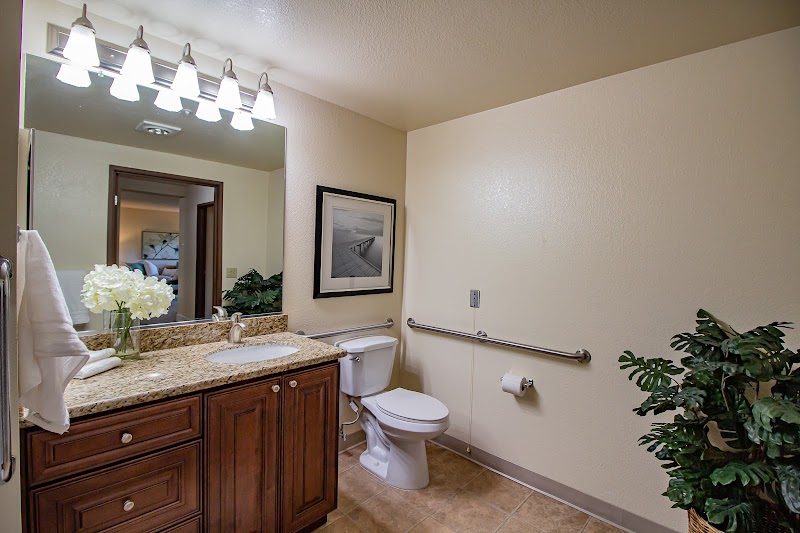
BAYWOOD COURT HEALTH CENTER is owned by a non-profit organization. Non-profit facilities reinvest revenue into operations rather than distributing to shareholders. The facility operates independently rather than as part of a larger chain. With 56 certified beds and approximately 46 residents (about 82% occupancy), it is a smaller facility located in CASTRO VALLEY, California.

How Does Baywood Court Compare to Other California Nursing Homes?

Compared to the 100 nursing homes in California, BAYWOOD COURT HEALTH CENTER's overall rating (5 stars) is above the state average of 3.2, staff turnover (27%) is significantly lower than the state average of 46%, and health inspection rating (5 stars) is much above the national benchmark.

What Should Families Ask When Visiting Baywood Court?

Based on this facility's data, families visiting should ask: "Can I visit during a mealtime to observe dining assistance and food quality?" "How do you handle medical emergencies, and what is your hospital transfer rate?" "Can I speak with family members of current residents about their experience?"

Is Baywood Court Safe?

Based on CMS inspection data, BAYWOOD COURT HEALTH CENTER has a clean safety record: no substantiated abuse findings (meaning no confirmed cases of resident harm), no Immediate Jeopardy citations (the most serious violation level indicating risk of serious injury or death), and is not on the Special Focus Facility watch list (a federal program monitoring the lowest-performing 1% of nursing homes). The facility has a 5-star overall rating and ranks #1 of 100 nursing homes in California. While no facility is perfect, families should still ask about staff-to-resident ratios and recent inspection results during their visit.

Do Nurses at Baywood Court Stick Around?

Staff at BAYWOOD COURT HEALTH CENTER tend to stick around. With a turnover rate of 27%, the facility is 19 percentage points below the California average of 46%. Low turnover is a positive sign. It means caregivers have time to learn each resident's needs, medications, and personal preferences. Consistent staff also notice subtle changes in a resident's condition more quickly. Registered Nurse turnover is also low at 18%, meaning experienced RNs are available to handle complex medical needs.

Was Baywood Court Ever Fined?

BAYWOOD COURT HEALTH CENTER has been fined $3,250 across 1 penalty action. This is below the California average of $33,111. While any fine indicates a compliance issue, fines under $50,000 are relatively common and typically reflect isolated problems that were subsequently corrected. Families should ask what specific issues led to these fines and confirm they've been resolved.

Is Baywood Court on Any Federal Watch List?

BAYWOOD COURT HEALTH CENTER is not on any federal watch list. The most significant is the Special Focus Facility (SFF) program, which identifies the bottom 1% of nursing homes nationally based on persistent, serious quality problems. Not being on this list means the facility has avoided the pattern of deficiencies that triggers enhanced federal oversight. This is a positive indicator, though families should still review the facility's inspection history directly.