CANYON CREEK POST-ACUTE
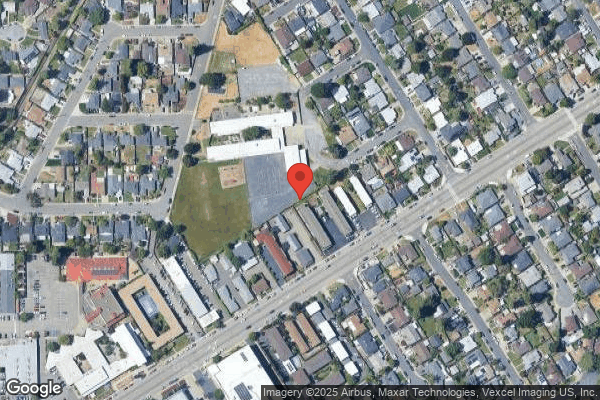

22103 REDWOOD ROAD, CASTRO VALLEY, CA 94546 (510) 537-8848
For profit - Limited Liability company 70 Beds LINKS HEALTHCARE GROUP Data: November 2025
Trust Grade
73/100
#34 of 1155 in CA
Last Inspection: November 2024

Within standard 12-15 month inspection cycle. Federal law requires annual inspections.

Overview

Canyon Creek Post-Acute has a Trust Grade of B, indicating it is a good choice for families, with solid care standards. It ranks #34 out of 1,155 facilities in California, placing it in the top half, and #6 out of 69 in Alameda County, meaning there are only five better options nearby. Unfortunately, the facility is experiencing a worsening trend, with issues increasing from 1 in 2023 to 7 in 2024. Staffing is a strength, with a 3 out of 5 star rating and a remarkable 0% turnover rate, suggesting that staff are stable and familiar with the residents' needs. However, there are concerns, including $2,098 in fines, which is average but indicates some compliance issues. Additionally, specific incidents such as the improper use of bed rails for resident safety and failure to complete required assessments on time suggest lapses in care that families should consider. Overall, while there are strengths in staffing and overall ratings, recent trends and specific incidents raise important questions about the quality of care.

Trust Score
B
73/100
In California
#34/1155
Top 2%
Safety Record
Moderate
Needs review
Inspections
Getting Worse
1 → 7 violations
Staff Stability
○ Average
Turnover data not reported for this facility.
Penalties
○ Average
$2,098 in fines. Higher than 71% of California facilities. Some compliance issues.
Skilled Nurses
○ Average
Each resident gets 40 minutes of Registered Nurse (RN) attention daily — about average for California. RNs are the most trained staff who monitor for health changes.
Violations
⚠ Watch
24 deficiencies on record. Higher than average. Multiple issues found across inspections.
★★★★★
5.0
Overall Rating
★★★☆☆
3.0
Staff Levels
★★☆☆☆
2.0
Care Quality
★★★★★
5.0
Inspection Score
Stable
2023: 1 issues
2024: 7 issues

The Good

  • Full Sprinkler Coverage · Fire safety systems throughout facility
  • No fines on record

Facility shows strength in fire safety.

The Bad

Federal Fines: $2,098

Below median ($33,413)

Minor penalties assessed

Chain: LINKS HEALTHCARE GROUP

Part of a multi-facility chain

Ask about local staffing decisions and management

The Ugly 24 deficiencies on record

1 actual harm
Nov 2024 6 deficiencies
CONCERN (D)

Potential for Harm - no one hurt, but risky conditions existed

Deficiency F0637 (Tag F0637)

Could have caused harm · This affected 1 resident

Based on record review, interview, and a review of the Centers for Medicare & Medicaid Services Long-Term Care Facility Resident Assessment Instrument 3.0 User's Manual, the facility failed to complet...

Read full inspector narrative →
Based on record review, interview, and a review of the Centers for Medicare & Medicaid Services Long-Term Care Facility Resident Assessment Instrument 3.0 User's Manual, the facility failed to complete a significant change in status assessment (SCSA) Minimum Data Set (MDS) for 1 (Resident #26) of 1 resident reviewed for hospice services. Findings included: On 10/31/2024 at 1:19 PM, the MDS Coordinator stated the facility followed the MDS 3.0 Resident Assessment Instrument manual. The Centers for Medicare & Medicaid Services Long-Term Care Facility Resident Assessment Instrument 3.0 User's Manual version 1.19.1 dated October 2024 revealed, An SCSA is required to be performed when a terminally ill resident enrolls in a hospice program (Medicare-certified or State-licensed hospice provider) or changes hospice providers and remains a resident at the nursing home. The ARD [assessment reference date] must be within 14 days from the effective date of the hospice election (which can be the same or later than the date of the hospice election statement, but not earlier than). An SCSA must be performed regardless of whether an assessment was recently conducted on the resident. This is to ensure a coordinated plan of care between the hospice and nursing home is in place. An admission Record indicated the facility admitted Resident #26 on 04/27/2024. According to the admission Record, the resident had a medical history that included diagnoses of cirrhosis of the liver, chronic viral hepatitis C, hepatic encephalopathy (a brain dysfunction caused by a liver dysfunction), protein-calorie malnutrition, and palliative care (onset 09/06/2024). Resident #26's Order Recap Report for orders from 07/01/2024 through 10/30/2024 revealed a physician's order dated 09/07/2024 to admit the resident to hospice services. A SCSA MDS, with an ARD of 09/10/2024, revealed Resident #26 had a Brief Interview for Mental Status (BIMS) score of 9, which indicated the resident had moderate cognitive impairment. The MDS indicated the resident was receiving hospice services. The MDS revealed the Registered Nurse (RN) Assessment Coordinator had not signed and dated Resident #26's MDS, verifying assessment completion. Resident #26's care plan revealed no documented evidence the facility had developed a care plan with a focus area and interventions for hospice services. Resident #26's Progress Notes revealed a Nurse Practitioner Note dated 10/09/2024 that indicated Resident #26 was receiving hospice care. During an interview on 10/31/2024 at 10:24 AM, the Social Service Supervisor (SSS) stated she had worked at the facility since 08/01/2024 and had just learned how to identify when an MDS was open. The SSS stated a SCSA MDS should be completed if a resident was admitted to hospice services. She stated she was unsure why the facility MDS assessments were so far behind. During an interview on 10/31/2024 at 1:19 PM, the MDS Coordinator stated a SCSA MDS should be completed when a resident went on or came off hospice services. She stated some of the RNs and the Director of Nursing (DON) signed an MDS when it was completed. She stated Resident #26's SCSA MDS was opened on 09/10/2024; however, the MDS was incomplete because an MDS nurse had not finished a section of the MDS. During an interview on 11/01/2024 at 9:26 AM, the DON stated a SCSA MDS should be completed if a resident was admitted to hospice services. The DON stated she was attempting to get additional staff assistance for the MDS Coordinator. During an interview on 11/01/2024 at 9:50 AM, the Administrator stated MDS assessments should be completed. He stated that there had been some transitions in the MDS department that had resulted in a back log of assessments.
CONCERN (D)

Potential for Harm - no one hurt, but risky conditions existed

Comprehensive Care Plan (Tag F0656)

Could have caused harm · This affected 1 resident

Based on observation, interview, record review, and facility policy review, the facility failed to develop and implement a person-centered comprehensive care plan for 1 (Resident #167) of 21 sampled r...

Read full inspector narrative →
Based on observation, interview, record review, and facility policy review, the facility failed to develop and implement a person-centered comprehensive care plan for 1 (Resident #167) of 21 sampled residents. Findings included: A facility policy titled, Care Plans, Comprehensive Person-Centered, revised 03/2022, specified, 1. The interdisciplinary team (IDT), in conjunction with the resident and his/her family or legal representative, develops and implements a comprehensive, person-centered care plan for each resident. The policy indicated, 12. The interdisciplinary team reviews and updates the care plan: a. when there has been a significant change in the resident's condition; b. when the desired outcome is not met; c. when the resident has been readmitted to the facility from a hospital stay; and d. at least quarterly, in conjunction with the required quarterly MDS [Minimum Data Set] assessment. An admission Record indicated the facility admitted Resident #167 on 07/14/2023. According to the admission Record, the resident had a medical history that included diagnoses of vascular dementia, benign prostatic hyperplasia (BPH) with lower urinary tract symptoms, alcohol dependence with alcohol induced persisting amnestic (memory loss) disorder, encephalopathy (disorder of the brain), and other specified disorder of the brain. A quarterly MDS, with an Assessment Reference Date (ARD) of 10/02/2024, revealed Resident #167 had a Brief Interview for Mental Status (BIMS) score of 13, which indicated the resident had intact cognition. The MDS indicated the resident did not exhibit the behavior of wandering during the assessment timeframe. The MDS indicated the resident required setup or clean-up assistance with toileting hygiene. The MDS revealed the resident did not receive antipsychotic medication since admission/entry or reentry, or the prior assessment. Resident #167's care plan, included a focus area revised 04/21/2024, that indicated the resident was receiving medications with a black box warning that included quetiapine fumarate (an atypical antipsychotic) and was at significant risk of serious or life-threatening adverse effects. Interventions directed staff to administer the resident's medications as ordered (initiated 07/16/2023). Resident #167's care plan, included a focus area revised 07/18/2024, that indicated the resident received psychotropic medications that included quetiapine. Interventions directed staff to administer the resident's medication as ordered (initiated 07/16/2023). Resident #167's Order Recap [Recapitulation] Report, for the timeframe from 07/01/2024 through 10/30/2024, revealed the resident had an order dated 12/29/2023 for quetiapine 25 milligrams (mg), with instructions to give a half a tablet by mouth at bedtime. The Order Recap Report revealed the order was discontinued on 08/22/2024. The Order Recap Report revealed no active order for quetiapine. The resident's care plan was not updated to exclude the use of the medication. During an interview on 10/31/2024 at 1:19 PM, the MDS Coordinator stated that if an antipsychotic medication was discontinued, the use of the medication should be taken off the care plan. During an interview on 11/01/2024 at 9:26 PM, the Director of Nursing (DON) stated if an antipsychotic medication was discontinued, the use of the medication should be removed from the care plan. She stated that any time something was resolved, it needed to be resolved on the care plan. Resident #167's care plan, included a focus area revised 07/18/2024, that indicated the resident was occasionally incontinent of bowel and bladder with a need for assistance with personal care. Interventions directed staff to adapt to the resident's toileting habit (initiated 07/16/2023); assess the resident's bowel and bladder status at least quarterly (initiated 07/16/2023); assess the resident's skin condition and perineal area daily and as needed (initiated 07/16/2023); check the resident for wetness at least every two hours (initiated 07/16/2023); consider a bowel and bladder retraining program if appropriate/indicated (initiated 07/16/2023); continuously monitor the resident for a decline in function (initiated 07/16/2023); keep the resident clean and dry, and provide clean and dry linens (initiated 07/16/2023); monitor and document intake and output as per facility policy (initiated 07/16/2023); monitor and document for signs and symptoms of a urinary tract infection (initiated 07/16/2023); and monitor, document, and report as needed any possible causes of incontinence (initiated 07/16/2023). During an interview and observation on 10/28/2024 at 10:32 AM, Resident #167 had a strong odor of urine. Resident #167 stated they had a catheter, but the facility took it out and now they had to sit in wet briefs all the time. Resident #167's Bowel & Bladder Retraining 14-Day Evaluation & Reevaluation, dated 07/14/2023, revealed the resident was continent or had an indwelling catheter, could walk to the bathroom or transfer to the toilet, and could manage their clothes, could clean their self, or use the urinal alone with reasonable speed. The assessment indicated that the resident was forgetful but could follow prompts and was always mentally aware of their toileting needs. During an interview on 10/30/2024 at 2:12 PM, CNA #3 stated that Resident #167 was continent most of the time but when they were incontinent, the staff had to remind the resident to change their brief. She stated sometimes it would get on the resident's linens and cause an odor in the room. She stated Resident #167 was capable of changing their own brief; they just needed reminding. During an interview on 11/01/2024 at 8:33 AM, CNA #5 stated that Resident #167 was incontinent sometimes, but would say that they would take care of it. She stated that she thought the resident's room had an odor because the resident put their wet briefs in the drawers. She stated they had to try and go into the room when the resident was not in there to take the soiled briefs out; otherwise, the resident thought they were stealing their stuff. She stated they would go to the laundry room to get clothes for the resident daily so that their clothes did not smell like urine. During an interview on 10/30/2024 at 2:03 PM, LVN #4 stated Resident #167 wanted a catheter and because they would not give it to them, the resident would urinate all over the place. She stated the resident agreed to be assisted with toileting at times, but other times refused. She stated the resident would take off their incontinence brief and put it in a drawer, causing all the other clothes in the drawer to have an odor. She stated that staff would have to take out all the clothes and wash them frequently; they usually kept the resident's clothes in the laundry room, so they did not get dirty. She stated that she did not know if that behavior had been documented or care planned. During an interview on 10/31/2024 at 9:59 AM, RN #2 stated that Resident #167's incontinence was related to their dementia. She stated they would offer to provide incontinence care or assist the resident to the toilet, and they would refuse, stating they were fine, and they did not need any help. She stated she did not think the resident was incontinent; it was a behavior and a small sanitation issue. She stated the resident would get very defensive when they tried to assist the resident with toileting. She stated the resident was capable of changing their own briefs. She the resident's incontinence was behavioral. During an interview on 10/31/2024 at 1:19 PM, the MDS Coordinator stated that the care plan was used to inform staff of how to care for a resident. She stated that target behaviors should be addressed on the care plan. She stated that refusal of care should be addressed on a care plan. Resident #167's care plan revealed it did not reflect the behavior of Resident #167 putting their soiled incontinence briefs in the drawers, refusing to be assisted with toileting, or the need for the resident's clothes to be kept in the laundry room. During an interview on 11/01/2024 at 9:26 AM, the DON stated the care plan should be updated by the nurses and then reviewed by the MDS staff to make changes as needed. She stated that target behaviors and the reason for the behaviors should be included on the care plan. During an interview on 11/01/2024 at 9:50 AM, the Administrator stated that behaviors should be included on the resident's care plan.
CONCERN (D)

Potential for Harm - no one hurt, but risky conditions existed

Deficiency F0658 (Tag F0658)

Could have caused harm · This affected 1 resident

Based on observation, record review, interview, and facility policy review, the facility failed to transcribe and carry out treatment orders for 1 (Resident #42) of 21 sampled residents. Findings inc...

Read full inspector narrative →
Based on observation, record review, interview, and facility policy review, the facility failed to transcribe and carry out treatment orders for 1 (Resident #42) of 21 sampled residents. Findings included: A facility policy titled, Medication and Treatment Orders, revised 07/2016, revealed no information on transcribing and carrying out written physician orders. An admission Record indicated the facility admitted Resident #42 on 05/14/2024. According to the admission Record, the resident had a medical history that included diagnoses of encephalopathy (disorder of the brain) and non-traumatic intracerebral hemorrhage (brain bleed). A quarterly Minimum Data Set (MDS), with an Assessment Reference Date (ARD) of 08/14/2024, revealed Resident #42 had a Brief Interview for Mental Status (BIMS) score of 13, which indicated the resident had intact cognition. The MDS indicated the resident required substantial to maximal assistance with lower body dressing and putting on/taking off footwear. Resident #42's care plan, included a focus area revised 06/02/2024, that indicated the resident was at risk for pressure ulcer development and skin breakdown. Interventions directed staff to administer treatment as ordered and monitor for effectiveness and assess for any skin breakdown during activities of daily living (ADLs) and report to the physician/nurse any significant findings. During an observation on 10/31/2024 at 8:54 AM, Resident #42's paper chart had a Physician's Orders form flagged (sticking out the top) in the paper chart. The Physician's Order form revealed handwritten podiatry orders dated 10/01/2024 to examine and apply triple antibiotic to the left big toe and cover with a bandage twice daily for 10 days and to call for any questions or problems. Resident #42's New/Follow-up Visit Podiatry Visit note dated 10/01/2024 indicated the resident had a lytic (lifting from the nail bed) toenail on the left big toe that was removed, and treatment was for a triple antibiotic ointment and dry sterile dressing twice a day. Resident #42's Order Recap [Recapitulation] Report, for the timeframe from 07/01/2024 through 10/30/2024, revealed no evidence that the podiatry treatment orders dated 10/01/2024 were transcribed and entered into the resident's electronic health record. During an interview on 10/30/2024 at 2:03 PM, Licensed Vocational Nurse (LVN) #4 stated she did not know why the podiatrist's orders were not transcribed to the electronic health record and implemented. During a follow-up interview on 10/30/2024 at 2:18 PM, LVN #4 stated that when the doctors wrote orders, they would flag the order in the chart and leave the chart on the nurse's desk so that it could be noted and transcribed. She stated she would then put the order in the medical records basket to be scanned; the medical records were supposed to be put back into the paper chart. During an interview on 10/31/2024 at 9:59 AM, Registered Nurse (RN) #2 stated that when physicians visited, they would hand any new orders to the nurse. She stated she had not been at the facility when the podiatrist was there. She stated the podiatrist had contact with social services, and the podiatrist assistant would give the orders to the nurse. She stated she was not aware of the order for Resident #42 from the podiatrist, but she stated she was going to follow up with the podiatrist to ensure they were giving the orders to the nurse and not just leaving them in the chart. She stated they did not have a system in place to check paper charts. During an interview on 11/01/2024 at 9:26 AM, the Director of Nursing (DON) stated the nurses and supervisors were to check the paper charts for orders, get clarification if needed, and carry out the orders that day. She stated the paper charts should be checked every shift. The DON stated Resident #42's orders should have been implemented. During an interview on 11/01/2024 at 9:50 AM, the Administrator stated that when the physician came in, the process should be that the physician was communicating with the nurses that there was an order. He stated the nurse should double check to make sure there were no new orders.
CONCERN (E)

Potential for Harm - no one hurt, but risky conditions existed

Comprehensive Assessments (Tag F0636)

Could have caused harm · This affected multiple residents

Based on interview, record review, facility policy review, and review of the Centers for Medicare & Medicaid Services Long-Term Care Facility Resident Assessment Instrument 3.0 User's Manual, the faci...

Read full inspector narrative →
Based on interview, record review, facility policy review, and review of the Centers for Medicare & Medicaid Services Long-Term Care Facility Resident Assessment Instrument 3.0 User's Manual, the facility failed to complete annual Minimum Data Set (MDS) assessments within 14 calendar days following the Assessment Reference Date (ARD), which affected 3 (Residents #14, #27, and #29) of 3 residents reviewed for annual MDS requirements. Findings included: A facility policy titled, MDS Completion and Submission Timeframes, revised July 2017, revealed, Our facility will conduct and submit resident assessments in accordance with current federal timeframes. The policy revealed, 2. Timeframes for completion and submission of assessments is based on the current requirements published in the Resident Assessment Instrument Manual. The Center for Medicare & Medicaid Services Long-Term Care Facility Resident Assessment Instrument 3.0 User's Manual, version 1.19.1 dated October 2024, revealed, The Annual assessment is a comprehensive assessment for a resident that must be completed on an annual basis (at least every 366 days) unless an SCSA [Significant Change in Status Assessment] or an SCPA [Significant Correction to Prior Comprehensive assessment] has been completed since the most recent comprehensive assessment was completed. Its completion dates (MDS/CAA(s) [Care Area Assessment]/care plan) depend on the most recent comprehensive and past assessments' ARDs and completion dates. The manual revealed, Assessment Management Requirements and Tips for Annual Assessments included The MDS completion date (item Z0500B) must be no later than 14 days after the ARD (ARD + 14 calendar days). 1. An admission Record indicated the facility admitted Resident #14 on 08/18/2023. According to the admission Record, the resident had a medical history that included a diagnosis of unspecified dementia with behavioral disturbance. Resident #14's annual MDS, with an ARD of 08/19/2024, revealed the assessment was signed as completed (item Z0500B) on 10/25/2024. The completion date of the assessment was due by 09/02/2024. 2. An admission Record indicated the facility admitted Resident #27 on 08/22/2023. According to the admission Record, the resident had a medical history that included a diagnosis of cerebral palsy. Resident #27's annual MDS, with an ARD of 08/07/2024, revealed the assessment was signed completed (item Z0500B) on 09/27/2024. The completion date of the assessment was due by 08/21/2024. 3. An admission Record indicated the facility admitted Resident #29 on 08/22/2023. According to the admission Record, the resident had a medical history that included a diagnosis of benign neoplasm of the cerebral meninges (non-cancerous tumor that grows from the membranes that surround the brain and spinal cord). Resident #29's annual MDS, with an ARD of 08/15/2024, revealed the assessment was signed as completed (item Z0500B) on 09/17/2024. The completion date of the assessment was due by 08/29/2024. During an interview on 10/29/2024 at 1:18 PM, the MDS Coordinator stated that the facility had been unable to hire a consistent full-time person to assist her in completing the assessments since she started working at the facility in May 2024. The MDS Coordinator stated that the facility was without a social worker in July, which caused sections of the assessments to fall behind in completion. She stated that an influx of admissions and discharges had occurred since that time, which resulted in her inability to get assessments completed timely. During an interview on 10/31/2024 at 9:41 AM, the Director of Nursing (DON) stated that she was aware the facility had assessments completed greater than the fourteenth day following the ARD. She stated that quality assurance performance improvement (QAPI) met monthly and there were frequent conversations related to late assessments. She stated that medical records staff completed daily MDS audits. The DON stated that although multiple members of the interdisciplinary team completed sections of the MDS assessment, the MDS Coordinator was responsible for the final completion. She stated that she expected that all assessments be open, completed, and transmitted timely. During an interview on 11/01/2024 at 9:28 AM, the Administrator stated that he expected the regulation to be followed and for all assessments to be completed and transmitted timely.
CONCERN (E)

Potential for Harm - no one hurt, but risky conditions existed

Deficiency F0638 (Tag F0638)

Could have caused harm · This affected multiple residents

Based on interview, record review, facility policy review, and review of the Centers for Medicare & Medicaid Services Long-Term Care Facility Resident Assessment Instrument 3.0 User's Manual, the faci...

Read full inspector narrative →
Based on interview, record review, facility policy review, and review of the Centers for Medicare & Medicaid Services Long-Term Care Facility Resident Assessment Instrument 3.0 User's Manual, the facility failed to ensure quarterly Minimum Data Set (MDS) assessments were completed within 14 calendar days following the Assessment Reference day (ARD), which affected 3 (Residents #13, #16, and #22) of 3 residents reviewed for quarterly MDS requirements. Findings included: A facility policy titled, MDS Completion and Submission Timeframes, revised July 2017, revealed, Our facility will conduct and submit resident assessments in accordance with current federal timeframes. The policy revealed, 2. Timeframes for completion and submission of assessments is based on the current requirements published in the Resident Assessment Instrument Manual. The Center for Medicare & Medicaid Services Long-Term Care Facility Resident Assessment Instrument 3.0 User's Manual, version 1.19.1 dated October 2024, revealed, The Quarterly assessment is an OBRA [Omnibus Budget Reconciliation Act] non-comprehensive assessment for a resident that must be completed at least every 92 days following the previous OBRA assessment of any type. It is used to track a resident's status between comprehensive assessments to ensure critical indicators of gradual change in a resident's status are monitored. The manual revealed, Assessment Management Requirements and Tips included The MDS completion date (item Z0500B) must be no later than 14 days after the ARD (ARD + 14 calendar days). 1 An admission Record indicated the facility admitted Resident #13 on 11/14/2012. According to the admission Record, the resident had a medical history that included a diagnosis of paraplegia. Resident #13's quarterly MDS, with an ARD of 09/03/2024, revealed the assessment was signed as completed (item Z0500B) on 10/10/2024. The assessment was due to be completed by 09/17/2024. 2. An admission Record indicated the facility admitted Resident #16 on 02/12/2014. According to the admission Record, the resident had a medical history that included a diagnosis of Alzheimer's disease. Resident #16's quarterly MDS, with an ARD of 08/13/2024, revealed the assessment was signed as completed (item Z0500B) on 10/25/2024. The assessment was due to be completed by 08/27/2024. 3. An admission Record indicated the facility admitted Resident #22 on 06/13/2024. According to the admission Record, the resident had a medical history that included a diagnosis of metabolic encephalopathy. Resident #22's quarterly MDS, with an ARD of 09/12/2024, revealed the assessment was signed as completed (item Z0500B) on 10/25/2024. The assessment was due to be completed by 09/26/2024. During an interview on 10/29/2024 at 1:18 PM, the MDS Coordinator stated that the facility had been unable to hire a consistent full-time person to assist her in completing the assessments since she started working at the facility in May 2024. The MDS Coordinator stated that the facility was without a social worker in July, which caused sections of the assessments to fall behind in completion. She stated that an influx of admissions and discharges had occurred since that time, which resulted in her inability to get assessments completed timely. During an interview on 10/31/2024 at 9:41 AM, the Director of Nursing (DON) stated that she was aware the facility had assessments completed greater than the fourteenth day following the ARD. She stated that quality assurance performance improvement (QAPI) met monthly and there were frequent conversations related to late assessments. She stated that medical records staff completed daily MDS audits. The DON stated that although multiple members of the interdisciplinary team completed sections of the MDS assessment, the MDS Coordinator was responsible for the final completion. She stated that she expected that all assessments be open, completed, and transmitted timely. During an interview on 11/01/2024 at 9:28 AM, the Administrator stated that he expected the regulation to be followed and for all assessments to be completed and transmitted timely.
MINOR (B)

Minor Issue - procedural, no safety impact

Deficiency F0912 (Tag F0912)

Minor procedural issue · This affected multiple residents

**NOTE- TERMS IN BRACKETS HAVE BEEN EDITED TO PROTECT CONFIDENTIALITY** Based on interview, observation, facility document review, and facility policy review, the facility failed to ensure residents' ...

Read full inspector narrative →
**NOTE- TERMS IN BRACKETS HAVE BEEN EDITED TO PROTECT CONFIDENTIALITY** Based on interview, observation, facility document review, and facility policy review, the facility failed to ensure residents' rooms measured at least 80 square (sq) feet (ft) per resident in 2 (room [ROOM NUMBER] and room [ROOM NUMBER]) of 35 resident rooms. Findings included: A facility policy titled, Bedrooms, revised 05/2017, indicated, All residents are provided with clean, comfortable and safe bedrooms that meet federal and state requirements. The policy revealed, 2. Bedrooms measure at least 80 square feet of space per resident in double rooms, and at least 100 square feet of space in single rooms. A Client Accommodations Analysis document dated 10/28/2024 revealed room [ROOM NUMBER] had a total floor area that measured 154 sq ft, and two beds occupied the room, which yielded 77 sq ft per resident. Further review revealed room [ROOM NUMBER] had a total floor area that measured 154 sq ft, and two beds occupied the room, which yielded 77 sq ft per resident. During an observation on 10/30/2024 at 9:11 AM, the Maintenance Director measured room [ROOM NUMBER] and room [ROOM NUMBER] and confirmed the following dimensions: In room [ROOM NUMBER], the total floor area measured 154 sq ft, and two beds occupied the room, which yielded 77 sq ft per resident; In room [ROOM NUMBER], the total floor area measured 154 sq ft, and two beds occupied the room, which yielded 77 sq ft per resident. Residents' rooms had closets, nightstands, bedside tables, and some had wheelchairs in them, along with bathrooms. At no time were any of these items observed to be blocking doorways, closets, or bathroom doors. Residents were observed being able to move freely around their rooms, and rooms also had privacy curtains. Staff were observed during the measuring of the rooms going in and coming out of residents' rooms providing care to the residents. At no time was care of residents observed to be impeded by the size of the rooms. During an interview on 10/30/2024 at 9:50 AM, Resident #15 stated they liked their room and had plenty of space and storage for their belongings. Resident #15 stated staff had no problem providing care due to the size of the room. During an interview on 10/30/2024 at 9:53 AM, Resident #40 stated they had no concerns with the size of their room. Resident #40 stated they had room for their belongings and wheelchair. Resident #40 stated staff were able to provide proper care regardless of the size of the room. During an interview on 10/30/2024 at 11:10 AM, Certified Nursing Assistant (CNA) #1 stated she had worked at the facility since 08/28/2024. She stated the size of room [ROOM NUMBER] did not prevent her from providing proper care to the resident. During an interview on 10/30/2024 at 11:15 AM, Registered Nurse (RN) #2 stated she had worked at the facility for a year. She stated she had no problem with the size of room [ROOM NUMBER] and stated the size of the room did not prevent her from providing proper care. During an interview on 10/30/2024 at 11:24 AM, the Director of Nursing (DON) stated she was familiar with room size requirements. She stated that she expected rooms to meet minimum requirements. The DON stated room sizes were important for patient comfort and proper patient care. During an interview on 10/30/2024 at 11:28 AM, the Administrator stated that it was important rooms met minimum size requirements for residents to have room to move around and for staff to be able to provide proper care. He stated that he expected rooms to at least meet minimum requirements. During random observations of care and services from 10/28/24 through 11/1/24, there was sufficient space for the provision of care for the residents in all rooms. There was no heavy equipment kept in the rooms that might interfere with resident care and each resident had adequate personal space and privacy. There were no complaints from the residents regarding insufficient space for their belongings. There were no negative consequences attributed to the decreased space and/ or safety concerns in the two rooms. Granting of room size waiver recommended.
Mar 2024 1 deficiency
CONCERN (D) 📢 Someone Reported This

A family member, employee, or ombudsman was alarmed enough to file a formal complaint

Potential for Harm - no one hurt, but risky conditions existed

ADL Care (Tag F0677)

Could have caused harm · This affected 1 resident

**NOTE- TERMS IN BRACKETS HAVE BEEN EDITED TO PROTECT CONFIDENTIALITY** Based on interview and record review, the facility failed to ensure one of two sampled residents (Resident 1) received showers p...

Read full inspector narrative →
**NOTE- TERMS IN BRACKETS HAVE BEEN EDITED TO PROTECT CONFIDENTIALITY** Based on interview and record review, the facility failed to ensure one of two sampled residents (Resident 1) received showers per shower schedule. Resident 1 received only one shower in more than two weeks long stay at the facility. This failure placed Resident 1 at risk for lack of cleanliness and comfort. Findings: During a review of Resident 1 ' s admission Record, printed on 3/27/24, the admission Record indicated Resident 1 was admitted to the facility on [DATE] and discharged from the facility on 2/09/24. During a record review of Resident 1 ' s Minimum Data Set (MDS, a resident assessment tool used to guide care) dated 2/13/24, the MDS assessment Section GG - Functional Abilities and Goals showed Resident 1 needed a setup or clean-up assistance (the helper assists prior to or following the activity) for shower. During a review of Resident 1 ' s Activities of Daily Living (ADL) Care plan dated 3/27/24, the care plan showed Resident 1 had an ADL self-care performance deficit and was at high risk for decline in functional limitations and contractures; and the facility was to keep Resident 1 clean, dry and well-groomed. During an interview on 3/27/24 at 12:28 p.m., Licensed Vocational Nurse (LVN 1) stated providing showers to residents and documenting their refusal of showers was only Certified Nursing Assistants (CNA) ' s responsibility. LVN 1 stated CNAs would notify her residents ' refusal of care only if they needed her help convincing the resident to take shower. During an interview on 3/27/24 at 12:41 p.m. with Certified Nurse Assistant (CNA 2), CNA 2 stated when a resident refused a shower, she would inform the nurse, document resident ' s refusal on the shower sheets and in residents ' electronic health record. CNA 2 stated providing showers to residents was important to prevent skin issues and infection; and for them to smell good. During an interview on 3/27/24 at 2:14 p.m., with the Director of Nursing (DON), DON stated when a resident refuses a shower, the CNAs should notify the nurses and they must document it in their nurse ' s progress notes. DON also stated the nurses should inform the resident ' s responsible party and their attending physician if the resident keeps refusing to receive showers. During a concurrent interview and record review on 3/27/24 at 2:50 p.m., with DON, Resident 1 ' s shower sheet dated 1/29/24 and 2/5/24 and Nursing Progress notes from 1/25/24 thru 2/8/24 were reviewed. The DON stated the record showed Resident 1 refused to receive shower on 1/29/24 and 2/5/24. The DON stated however she was unable to find documentation if nursing staff explained the risks and benefits and/or interventions taken to address Resident 1 ' s refusal. During a concurrent phone interview and record review on 4/5/24, at 12:58 p.m., with the DON, Resident 1 ' s Bathing/Shower record in the Electronic Health Record (EHR) for 1/2024 and 2/2024, and the facility ' s Shower Schedule revised on 3/6/24 were reviewed. The DON stated Resident 1 was scheduled to receive shower every Monday and Thursday in evening shift (between 3pm-11pm), indicating, Resident 1 should have received his showers on 1/25/24, 1/29/24, 2/1/24, 2/5/24 and 2/8/24. Bathing/Shower record showed Resident 1 did not receive his showers on 1/25/24, 1/29/24, 2/1/24, 2/5/24 and 2/8/24. Record also showed Resident 1 only received his shower on 2/7/24 during his over two weeks stay in the facility. During a review of the facility ' s policy and procedure (P&P) titled, Bath, Shower/Tub, revised February 2018, the P&P indicated, Purpose - to promote cleanliness, provide comfort to the resident and to observe the condition of the resident ' s skin. If the resident refused the shower/tub bath, the reason(s) why and the intervention taken including the signature and title of the person recording the data.
Sept 2023 1 deficiency
CONCERN (D) 📢 Someone Reported This

A family member, employee, or ombudsman was alarmed enough to file a formal complaint

Potential for Harm - no one hurt, but risky conditions existed

Deficiency F0760 (Tag F0760)

Could have caused harm · This affected 1 resident

**NOTE- TERMS IN BRACKETS HAVE BEEN EDITED TO PROTECT CONFIDENTIALITY** Based on interview and record review, the facility failed to administer Heparin Sodium Injection Solution 5000 Unit/ml (a medica...

Read full inspector narrative →
**NOTE- TERMS IN BRACKETS HAVE BEEN EDITED TO PROTECT CONFIDENTIALITY** Based on interview and record review, the facility failed to administer Heparin Sodium Injection Solution 5000 Unit/ml (a medication used to prevent and treat blood clots and other clotting-related conditions) for one (Resident 1) of four sampled residents. This failure resulted in Resident 1 not receiving medications as per physician's orders and placing Resident 1 at high risk for developing a blood clot. Findings: During a review of Resident 1's admission record, printed on 9/20/23, the admission record indicated Resident 1 was originally admitted to the facility on [DATE]. During a review of Resident 1's Physician orders dated 8/23/23, the Physician orders indicated to administer Heparin Sodium (Porcine) Injection Solution 5000 Unit/ml subcutaneously (injected into the tissue between the skin and muscle) every 12 hours (9:00 a.m. and 9:00 p.m.) for DVT (Deep vein thrombosis -a condition in which the blood clots form in veins located deep inside the body, usually in the thigh or lower legs) Prophylaxis. During a concurrent interview and record review on 9/20/23, at 2:15 p.m. with Licensed Vocational Nurse (LVN) 1, Resident 1's Medication administration record (MAR), dated 8/2023 and Progress notes , dated 8/23/23 and 8/24/23 were reviewed. The MAR indicated, on 8/23/23, for the 9 a.m. administration time and for 8/24/23 at 9 .00 p.m., administration time, the MAR was coded 9 . LVN 1 stated that code 9 indicated the medication was not administered. LVN 1 stated the progress notes dated 8/24/23 indicated that the medication Heparin sodium was not available. During a concurrent observation and interview on 9/20/23, at 2:24 p.m. with LVN 1, in the Medication room, the facility's emergency kit was observed. LVN1 stated that Heparin Sodium Injection was available in the facility's Emergency Kit (Ekit) and should have been given to the resident as per Physician orders if unavailable in the medication cart. LVN 1 stated it was important to provide Heparin Sodium to Resident 1 to prevent blood clots. During an interview on 9/20/23, at 2:52 p.m. with LVN 2, LVN 2 stated on 8/24/23 she was not able to find the medication in the medication cart and called pharmacy to follow up but did not check the Ekit at the facility and did not administer Heparin sodium from the Ekit. During an interview on 9/20/23, at 2:30 p.m. with Director of Nursing (DON), the DON stated it was not acceptable that the Licensed Nurses did not administer Heparin Sodium to Resident 1 when it was available in the Ekit. DON also stated Heparin Sodium should be given continuously as per doctor's orders and missing the dose placed Resident 1 at a high risk for developing a blood clot. During a review of the facility's policy and procedure (P&P), revised on 04/2019, titled, Administering Medications , was reviewed. The P&P indicated, Medications are administered in a safe and timely manner, and as prescribed .
Jul 2021 5 deficiencies
CONCERN (D)

Potential for Harm - no one hurt, but risky conditions existed

Medication Errors (Tag F0758)

Could have caused harm · This affected 1 resident

Based on interviews and record review, the facility failed to ensure one (Resident 20) of 12 sampled residents were free from unnecessary drugs when the interdisciplinary team did not evaluate Residen...

Read full inspector narrative →
Based on interviews and record review, the facility failed to ensure one (Resident 20) of 12 sampled residents were free from unnecessary drugs when the interdisciplinary team did not evaluate Resident 20's use of Quetiapine {(seroquel) an antipsychotic drug} for appropriateness, adequate clinical rational and indication for continued usage. This failure had the potential for Resident 20 to receive unnecessary drugs and suffer adverse medication side effects. Findings: During a review of Resident 20's Physician Orders (PO) dated 7/9/20, the PO indicated Quetiapine (Seroquel) 50 mg(milligrams) tablet by mouth in the evening for Bipolar (A disorder associated with episodes of mood swings ranging from depressive lows to manic highs). During a review of the Annual Minimum Data Set - (MDS - an assessment screening tool used to guide care), dated 5/9/21, indicated Resident 20's Basic Interview of mental status (BIMS) score was 01 meaning poor cognitive impairment. Resident 20 had no delusions or hallucinations and had not exhibited wandering. Resident 20's diagnoses included Alzheimer's Dementia (loss of mental ability severe enough to interfere with normal activities of daily living). During a review of the Medication Administration Record (MAR), dated May, June and July 2021, indicated Resident 20 was administered Seroquel 50 mg tablet by mouth in the evening for behavior manifestations(abstract ideas) that included screaming, yelling, wandering and combativeness. During a review of the behavior care plan initiated 1/4/2020 ,indicated Resident 20 had Alzheimer dementia (memory disorders) with behavior of wandering, entering offices, resident rooms, combative and hitting staff. During an interview on 7/21/21, at 11:30 a.m., Certified Nursing Assistant (CNA1) stated Resident 20 was Spanish speaking and was able to communicate. CNA1 stated Resident 20 was pleasantly confused, and able to feed herself. CNA1 stated Resident 20 wanders in and out of rooms. During an interview on 7/21/21, at 12:56 p.m., the Director of Nursing (DON) stated he would need to clarify the order with the physician. DON stated staff had not met to review Resident 20's use of psychotropic medication since 2020 because of COVID-19 pandemic. During an interview on 7/22/21, at 9:11 a.m., the Director of Nursing (DON), stated Interdisciplinary Team ( multiple disciplines) (IDT) did not evaluate Resident 20's use of Seroquel for appropriate clinical indication. According to the manufacturer, Seroquel is not approved for use in older adults with dementia-related psychosis. Elderly patients with dementia-related psychosis treated with antipsychotic drugs are at an increased risk of death. Although causes of death varied, most of the deaths appeared to relate to cardiovascular (e.g. heart failure, sudden death). [Reference: https://www.drugs.com/pro/seroqueul.html].
CONCERN (D)

Potential for Harm - no one hurt, but risky conditions existed

Deficiency F0801 (Tag F0801)

Could have caused harm · This affected 1 resident

Based on interviews and record review the facility failed to ensure the person designated to serve as Dietary Supervisor (DS) of food and nutrition services had the federal and/or state educational qu...

Read full inspector narrative →
Based on interviews and record review the facility failed to ensure the person designated to serve as Dietary Supervisor (DS) of food and nutrition services had the federal and/or state educational qualifications for the position. This deficient practice had the potential for lack of competency and skill set necessary to carry out all the functions of the food and nutrition services. Findings: During an interview with DS on 7/20/21, at 9:06 a.m., (DS) stated she did not have a dietary supervisor certificate. DS stated she was enrolled in a dietary program. DS stated the Registered Dietitian (RD) visits the facility twice a month to complete residents' nutrition assessments, review weekly weights and inspects kitchen sanitation. During an interview with Registered Dietician (RD) on 7/20/21, at 11:27 a.m., RD stated she was not full time staff at the facility. RD stated she visits the facility twice a month as a contracted Dietician Consultant. RD stated her responsibilities included review of admissions, significant weight changes, and inspect kitchen sanitation During an interview with Administrator (ADMIN) on 7/22/21, at 10:00 a.m., Admin stated the DS had no certificate as dietary supervisor but was enrolled in school. Admin stated the facility had a dietician that visits twice a month.
CONCERN (D)

Potential for Harm - no one hurt, but risky conditions existed

Deficiency F0804 (Tag F0804)

Could have caused harm · This affected 1 resident

Based on observation, interviews and record review the facility failed to ensure food was served at a safe temperature when during lunch tray line curry lemon chicken was not served at appropriate tem...

Read full inspector narrative →
Based on observation, interviews and record review the facility failed to ensure food was served at a safe temperature when during lunch tray line curry lemon chicken was not served at appropriate temperature. This deficient practice placed residents at risk of non appetizing food temperature and a potential for food borne illness. Findings: During tray line observation on 7/20/21, at 11:08 a.m., the [NAME] (CK) in the presence of the Dietary Supervisor (DS) and Registered Dietician (RD) prepared and served for lunch mashed potato with gravy, curry chicken and puree chicken . The curry chicken's temperature was 146 -151 degrees Fahrenheit (F). During an interview on 7/20/21, at 11:27 a.m., the RD stated the chicken temperature of 145-151 degree (F) could be served but stated the chicken may be cold by the time it got to the resident. During an interview on 7/20/21, at 11:39 a.m., CK stated he had adjusted the oven to 180 to 200 degrees when cooking the chicken and he was sorry. During an interview on 7/21/21, at 12:08 p.m., DS stated the CK adjusted the oven down to 180 degrees, DS stated kitchen staff are not expected to adjust the oven gauge. DS said the CK was nervous that was why the gauge was turned down to 180 instead of 200 degrees. Review of the facility record titled, Recipe: Curry Lemon Chicken; indicated , Internal temperature must reach 165 F for 15 seconds when cooking. Serve on trayline at the recommended temperature of 160-180 degree F.
CONCERN (D)

Potential for Harm - no one hurt, but risky conditions existed

Food Safety (Tag F0812)

Could have caused harm · This affected 1 resident

Based on observation, interviews and record review, the facility failed to store and prepare food under sanitary conditions when the hand washing sink had a pinkish brownish substance around the fauce...

Read full inspector narrative →
Based on observation, interviews and record review, the facility failed to store and prepare food under sanitary conditions when the hand washing sink had a pinkish brownish substance around the faucets and the trash cart had a brownish substance around the open area. These failures had the potential to result in food borne illnesses. Findings: During the initial tour of the kitchen on 7/19/21, at 9:33 a.m., accompanied by the Dietary Supervisor (DS), the hand washing sink was observed with pinkish brownish substance around the faucet and one trash can with brownish substance around the open area. During an interview on 7/19/21, at 9:33 a.m., DS stated the pinkish material accumulated around the faucet may be dirt or mold. During an interview on 7/21/21, at 12:08 p.m., DS stated dietary staff are expected to keep the hand washing sink and other items in the kitchen clean, but staff are not particularly assigned to clean the hand washing sink.
MINOR (B)

Minor Issue - procedural, no safety impact

Deficiency F0912 (Tag F0912)

Minor procedural issue · This affected multiple residents

**NOTE- TERMS IN BRACKETS HAVE BEEN EDITED TO PROTECT CONFIDENTIALITY** Based on observation and interviews, the facility had two resident (Rt) rooms (Rooms A and B) with multiple beds that provided l...

Read full inspector narrative →
**NOTE- TERMS IN BRACKETS HAVE BEEN EDITED TO PROTECT CONFIDENTIALITY** Based on observation and interviews, the facility had two resident (Rt) rooms (Rooms A and B) with multiple beds that provided less than 80 square feet (sq. ft) per resident who occupied these rooms. This deficient practice had the potential to result in inadequate space for the delivery of care to each of the residents' belongings. Findings: During an observation on 7/22/21, at 8:38 a.m., the following rooms and corresponding square footage (sq. ft) per bed were identified: Room Activity Room Size Floor Area A Rt room [ROOM NUMBER].5 sq. ft 79.08 sq. ft/bed B Rt room [ROOM NUMBER].52 sq ft 79.56 sq. ft/bed During random observations of care and services from 7/19/21, to 7/22/21, there was sufficient space for the provision of care for the residents in all rooms. There were no heavy equipment kept in the rooms that might interfere with residents care. Each resident had personal space and privacy. There were no complaints from residents regarding insufficient space for their belongings There were no negative consequences attributed the decreased space and safety concerns in the seven rooms. During an interview on 7/22/21, at 8:55 a.m., Resident 4 and 18 stated they had enough space in room B for privacy and provision of care. During an interview on 7/22/2,1 and 9:51 a.m., Certified Nursing Assistant (CNA 2), stated there was enough space for providing residents care in room A and 15. CNA 2 stated residents in room A and B are ambulatory.
Feb 2020 11 deficiencies 1 Harm
SERIOUS (G)

Actual Harm - a resident was hurt due to facility failures

Deficiency F0604 (Tag F0604)

A resident was harmed · This affected 1 resident

Based on observation, interview, and record reviews, the facility used bed rails and a position change alarm (bed alarm) for the convenience of staff, to prevent one of 13 residents (Resident 48) from...

Read full inspector narrative →
Based on observation, interview, and record reviews, the facility used bed rails and a position change alarm (bed alarm) for the convenience of staff, to prevent one of 13 residents (Resident 48) from voluntarily leaving his bed, and failed to re-evaluate the ongoing need for use of the restraining devices. This failure resulted in psychological and emotional distress for Resident 48, who was afraid to move around in bed, and had the potential to result in injury if he became entangled in the bed rails, or attempted to climb over the bed rails. Findings: During a review of Resident 48's admission Record, printed 2/25/2020, the admission Record indicated an admission date in January 2019, with included diagnoses of hemiplegia (paralysis of the right side of his body), and generalized muscle weakness. The admission Record indicated Resident 48 had a responsible party (RP) for healthcare decisions. During a review of the Annual Minimum Data Set (MDS, a resident assessment tool used to guide care), dated 1/18/2020, the MDS indicated Resident 48 could understand others, and was understood by others, with moderate impairment of memory and thinking skills. The MDS indicated Resident 48 had no history of falling, but was unsteady, and required assistance from one person when transferring between surfaces, moving in bed, and ambulating. The MDS also indicated Resident 48 used either a walker, or wheelchair for ambulation. During a review of Resident 48's, Incident/Accident Report, dated 2/13/2020, the Report indicated a certified nursing assistant found Resident 48 on the floor on his right side. The Report indicated Resident 48 told the certified nursing assistant that he had gotten out of bed and fell. Resident 48 had an abrasion on his right elbow, but denied hitting his head. During a review of Resident 48's nurses' notes dated 2/14/2020, the notes indicated Resident 48 went to the acute care hospital for evaluation after he developed a persistent headache. During a review of Resident 48's nurses' notes dated 2/16/2020, the notes indicated Resident 48 returned to the facility from the acute care hospital with no new orders. During a review of the care plan titled, Fall Risk-Actual Fall, dated 2/13/2020, the care plan indicated interventions included reminding the resident to call for assistance, and bed alarm intact and working properly to alert when resident trying [to] get out bed unassisted. During a review of Resident 48's, Post Fall Assessment, dated 2/13/20, indicated a bed alarm was in place, and functioning well, to alert staff when Resident 48 tried to get out of bed unassisted. During a review of Resident 48's physician orders dated 2/18/2020, the physician ordered use of a bed alarm for Resident 48. During a concurrent observation and interview on 2/24/2020, at 10:08 a.m., with Resident 48, in his room. Resident 48 was in bed, flat on his back, watching television. Both sides of the bed had side rails elevated above the bed, along the length of the bed; a bed alarm was in place. Resident 48 stated he had fallen when he had gotten out of bed by himself to get something from his bedside table. He stated he had developed a headache after the fall, so he had gone to the hospital. Resident 48 continued, When I came back from the hospital, they [facility staff] put this thing (pointed at bed alarm) that makes noise. I don't want to move, it [bed alarm] makes noise. They [facility staff)] said it's good for me, so they can hear me when I move. I just watch TV, and try not to move so it [bed alarm] does not make noise. During an observation and interview on 2/26/2020, at 8:26 a.m., with Resident 48 and Certified Nurse Assistant (CNA 2), in Resident 48's room, Resident 48 was in bed, on his back, with both side rails up. Resident 48 told CNA 2 he was not comfortable with the bed alarm. CNA 2 stated the bed alarm, and side rails were used to alert staff, because resident (Resident 48) was a fall risk, and had a tendency to get out of bed by himself. During an interview on 2/24/20, at 10:58 a.m., with the Director of Nursing (DON), in the facility's conference room, DON stated Resident 48's bed alarm was initiated after his fall on 2/13/2020, to alert staff when Resident 48 tried to get out of bed. During a concurrent observation and interview on 2/27/2020, at 8:56 a.m., with Licensed Vocational Nurse Supervisor (LVN 1) in Resident 48's room, Resident 48 was in bed with both side rails up. LVN 1 stated the bed rails were used to enable Resident 48 to move in bed more easily. LVN 1 asked Resident 48 to demonstrate how the bed rails enabled him to move in bed, but Resident 48 was unable to grab and hold onto the right hand side rail due to his right sided weakness. During a concurrent interview and record review on 2/26/2020, at 10:06 a.m., with the Director of Nursing (DON), the DON was unable to provide evidence of any evaluation process demonstrating the need for the continued use of Resident 48's bed alarm or side rails. During a review of the facility's policy and procedure (PNP), Use of Restraints, revised 12/2007, the PNP indicated, Restraints shall only be used to treat the resident's medical symptom(s) and never for discipline or staff convenience, or for the prevention of falls .'Physical restraints' are defined as any manual method or physical or mechanical device, material or equipment attached or adjacent to the resident's body that the individual cannot remove easily, which restricts freedom of movement or restricts normal access to one's body .Practices that inappropriately utilize equipment to prevent resident mobility are considered restraints and are not permitted, including: using bedrails to keep a resident from voluntarily getting out of bed as opposed to enhancing mobility while in bed .Restraints shall only be used upon the written order of a physician and after obtaining consent from the resident and/or representative (sponsor). The order all include the following: the specific reason for the restrant (as it relates to the resident's medical symptoms); how the restraint will be used to benefit the resident's medical symptom; and the type of restraint, and period of time for the use of the restraint. Orders for restraints will not be enforced for long than twelve (12) hours, unless the resident's condition requires continued treatment. Reorders are issued only after a review of the resident's condition by his or her physician.
CONCERN (D)

Potential for Harm - no one hurt, but risky conditions existed

Resident Rights (Tag F0550)

Could have caused harm · This affected 1 resident

Based on observation, interview and record review, the facility staff failed to close the privacy curtains around one (Resident 14) of 14 sampled residents' beds during care provision. This failure re...

Read full inspector narrative →
Based on observation, interview and record review, the facility staff failed to close the privacy curtains around one (Resident 14) of 14 sampled residents' beds during care provision. This failure resulted in the exposure of Resident 14's genitals to her roommate, and passers-by in the hallway. This failure had the potential to result in emotional distress for Resident 14. Findings: During a review of Resident 14's, admission Record, on 2/25/2020, the Record indicated the facility admitted Resident 14 in 2018, with included diagnoses of generalized muscle weakness, with paralysis of the right side. The Record also indicated Resident 14 had a responsible party for healthcare decisions. During a review of Resident 14's, Minimum Data Set (MDS, an assessment tool used to guide care), dated 9/28/18, the MDS indicated Resident 14 was totally dependent on assistance from one person for bed mobility, eating, toileting and personal hygiene. The MDS indicated Resident 14 was non-English speaking, and was severely impaired in the ability of daily decision-making. During an observation on 2/25/2020, at 8:20 a.m., in the facility hallway, three certified nursing assistants transported Resident 14 in a Hoyer lift (a mechanical device used to transfer residents from one surface to another) from the shower room to her shared, two-bed room across the hall from the shower. Resident 14's roommate was in her own bed. Resident 14 entered her room and the certified nursing assistants prepared to transfer Resident 14 to her bed with the privacy curtains around Resident 14's bed open. Resident 14 sat in the Hoyer lift, with her genitals visible to both the roommate, and hallway occupants, and yelled. During an interview on 2/25/2020, at 8:20 a.m., with Certified Nursing Assistant 3 (CNA 3), CNA 3 confirmed she had participated in the transfer of Resident 14, and that the privacy curtains had been left open while Resident 14 sat in the Hoyer lift. During a review of the facility policy and procedure (P & P) titled, Quality of Life - Dignity, dated 2009, the P & P indicated, Each resident shall be cared for in a manner that promotes and enhances quality of life, dignity, respect and individuality. Staff shall promote, maintain and protect resident privacy, including bodily privacy during assistance with personal care and during treatment procedures.
CONCERN (D)

Potential for Harm - no one hurt, but risky conditions existed

Deficiency F0552 (Tag F0552)

Could have caused harm · This affected 1 resident

Based on observation, interview, and record review, facility staff failed to fully inform the responsible party (RP) of the current dental health status of one of 13 sampled residents (Resident 25). ...

Read full inspector narrative →
Based on observation, interview, and record review, facility staff failed to fully inform the responsible party (RP) of the current dental health status of one of 13 sampled residents (Resident 25). This failure had the potential to result in Resident 25 developing an oral infection or gum disease, which could negatively impact her general health. Findings: During a record review on 2/25/20 of Resident 25's admission Record, printed 2/25/2020, the admission Record indicated Resident had an original admission date in 2008. The Record indicated Resident 25 had diagnoses which included generalized muscle weakness, and brain damage. The Record also indicated Resident 25 had a responsible party for healthcare decisions. During a review of Resident 25's Minimum Data Set (MDS, an assessment tool used to guide care), dated 10/26/19, the MDS indicated Resident 25 had severe impairment of her ability for daily decision making, and was totally dependent on assistance from one person for eating, toileting, and hygiene. During a review of Resident 25's care plan for oral/dental health concerns, undated, the care plan indicated an intervention of resident compliance with mouth care, with a goal of Resident 25 showing no signs of infection, pain, or bleeding in the mouth. During a review of Resident 25's care plan for intellectual disability, undated, the care plan intervention indicated, discuss with resident/resident and family any concerns, fears, issues regarding diagnosis or treatments. The care plan goal indicated, The resident/family/caregiver will be able to verbalize an understanding of the condition and the importance of compliance with the treatment program. During a review of Resident 25's records titled, Dental Visit, dated 2/12/19, the Dental Visit indicated, for an attempted dental cleaning, Patient combative-refused. The Dental Visits records dated 3/12/19, and 6/11/19, indicated Resident 25 refused cleaning on both occasions. During an observation on 2/25/2020, at 10:37 a.m., in Resident 25's room, Resident 25 was in her bed; Resident 25's teeth were brown and caked with debris. During an interview 2/25/2020, at 11:08 a.m., and 11:47 a.m., with the Social Services Director (SSD), the SSD stated Resident 25 had a court-appointed responsible party (RP). SSD stated the RP had to be informed and give approval for any special procedures or treatments needed by Resident 25. The SSD stated Resident 25 had been receiving dental cleanings at her bedside, but the dentist had told her Resident 25 needed a deeper cleaning than was possible to deliver at the bedside. During an interview on 2/25/2020, at 1:10 p.m., the RP stated she had been aware of Resident 25's poor dental hygiene, but had been told Resident 25 was receiving special mouth rinses and bedside dental care to provide the needed services. RP stated she had never been informed, either during her last visit on 1/8/2020, or by telephone, that Resident 25 had been refusing bedside dental care and needed special dental cleaning only available outside the facility.
CONCERN (D)

Potential for Harm - no one hurt, but risky conditions existed

Deficiency F0578 (Tag F0578)

Could have caused harm · This affected 1 resident

**NOTE- TERMS IN BRACKETS HAVE BEEN EDITED TO PROTECT CONFIDENTIALITY** Based on interview, and record review, the facility failed to ensure the correct documentation for refusal of treatment was pres...

Read full inspector narrative →
**NOTE- TERMS IN BRACKETS HAVE BEEN EDITED TO PROTECT CONFIDENTIALITY** Based on interview, and record review, the facility failed to ensure the correct documentation for refusal of treatment was present in the medical record of one of eight sampled residents (Resident 46). The facility failure to change the medical record, to reflect a change in the status of Resident 46's wishes for treatment in the event of a medical emergency, had the potential to result in the undesired life sustaining treatment of cardiopulmonary resuscitation. (CPR, an emergency procedure that combines chest compressions with artificial ventilation (mouth to mouth breathing, or assisted breathing through a tube inserted into the throat.) Findings: During a review of Resident 46's Social Work Progress Notes, dated [DATE], the Notes indicated Resident 46 had been re-admitted from an acute care hospital with included diagnoses of dementia (a progressive deterioration of the brain functions affecting the abilities to remember, think clearly, communicate, and perform daily activities), and kidney failure. During a review of Resident 46's medical record on [DATE], at 8:55 a.m., the record contained a form titled, Physician Orders for Life-Sustaining Treatment, (POLST, a portable medical order form that records patients' treatment wishes so that emergency personnel knows what treatment the patient wants in the event of a medical emergency), dated [DATE]. The POLST indicated Resident 46 was to have CPR if the resident had no pulse and was not breathing and was to receive full treatment to prolong life by all medically effective means. During a review of the Physician's Orders, dated [DATE], the Physician's Orders indicated, Resident 46 was admitted with a primary diagnosis of dementia, to [company] Hospice Services. (Hospice services are provided for a person with a terminal illness whose doctor believes he or she has 6 months or less to live if the illness runs its natural course.) During a review of the [company] Hospice Care Services form (Hospice Form), dated [DATE], the Hospice Form indicated Resident 46 was not to receive CPR, but only receive comfort care. During a review of Resident 46's Social Work Progress Notes, dated [DATE], the Notes indicated Resident 49 was admitted into hospice care. The Notes indicated Resident 46's responsible party (a person who makes decisions regarding the resident's care in the facility when the resident is unable to make decisions) had signed the hospice admission agreement, and the facility would work with the hospice team to achieve a goal of comfort-directed care. During an interview, and concurrent record review, on [DATE] at 10:10 a.m., with the Director of Nursing (DON), and Social Services Director, the DON stated a licensed nurse was required to follow the POLST in the medical record when a resident needed life sustaining treatments. DON confirmed the POLST currently in the medical record for Resident 46 indicated Resident 46 should receive CPR, in the event her heart or lungs stopped. During a review of the facility's policy and procedure (P & P) titled, Emergency Procedure - Cardiopulmonary Resuscitation, dated [DATE], the P & P indicated, If an individual .is found unresponsive and not breathing normally, a licensed staff member who is certified in CPR/BLS (Basic Life Support) shall initiate CPR unless: 7. It is known that a Do Not Resuscitate (DNR) order that specifically prohibits CPR .exists for that individual
CONCERN (D)

Potential for Harm - no one hurt, but risky conditions existed

Notification of Changes (Tag F0580)

Could have caused harm · This affected 1 resident

Based on observation, interview, and record review, the facility failed to provide notification of the need to alter the dietary treatment for one of 14 residents (Resident 100). The failure to inform...

Read full inspector narrative →
Based on observation, interview, and record review, the facility failed to provide notification of the need to alter the dietary treatment for one of 14 residents (Resident 100). The failure to inform the physician of Resident 100's refusal, for four days, to complete the infusion of the ordered liquid tube feeding (provision of nutrition and hydration through a tube inserted into the stomach, for residents unable to orally ingest sufficient quantities to support daily needs), had the potential to result in weight loss, body chemistry imbalance, and negatively impact general health status. Findings: During a review of Resident 100's admission Record, printed 2/24/2020, the admission Record indicated Resident 100 was admitted to the facility the previous week, with an included diagnosis of difficulty swallowing. The admission Record indicated Resident 100 was her own responsible party. During a review of Resident 100's Medication Review Report (MRR), dated 2/20/2020, the MRR indicated Resident 100 had a physician order dated 2/19/2020 for Resident 100 to receive a daily volume of 1000 milliliters (ml) of a liquid nutrition formula at a rate of 50 ml per hour. During a review of Resident 100's Total Intake and Output Record (I & O), the I & O indicated Resident 100 received the following volumes of liquid nutrition by a tube feeding: 2/20/2020 equaled 440 ml; 2/21/2020 equaled 440 ml; 2/22/2020 equaled 400 ml; 2/21/2020 equaled 800 ml; 2/23/2020 equaled 620 ml. During an observation and concurrent interview, on 2/25/2020, at 8:03 a.m., with Licensed Vocational Nurse 2 (LVN 2), Resident 100's tube feeding was turned off. LVN 2 stated Resident 100's tube feeding was turned off because the resident refused to receive the tube feeding. During an interview on 2/25/20 at 8:15 a.m., with Licensed Vocational Nurse 3 (LVN 3), LVN 3 stated on 2/23/2020, she had tried to administer the tube feeding to Resident 100, but Resident 100 had refused the tube feeding. LVN 3 stated Resident 100 had only allowed her to administer the tube feeding for two hours, last night (2/25/2020) between 12 a.m. and 2 a.m., before Resident 100 had refused the tube feeding. During a review of Resident 100's Nursing Care Notes, the Notes indicated nursing staff documented Resident 100 refused tube feedings on the following occasions: 2/23/2020, during the day shift (7 a.m. to 3:30 p.m. shift); 2/23/2020, during the evening shift (3 p.m. to 11:30 p.m.); 2/23/2020 night shift (11 p.m. on 2/23/2020 to 7 a.m. 2/24/2020); 2/24/2020 day shift; 2/24/2020 night shift. The Notes had no indication the physician was notified of these tube feeding refusals. During an interview on 2/25/20, at 8:25 a.m., with the Director of Nursing (DON), the DON stated the tube feeding refusals were not reported during the daily nursing meetings, or reported to the physician. During a review of the facility's policy and procedure (P & P) titled, Enteral Nutrition, dated January 2014, the P & P indicated, Adequate nutritional support through enteral feeding will be provided to residents as ordered .Staff caring for residents with feeding tubes will be trained on how to recognize and report complications relating to the administration of enteral nutrition . During another review of the facility's P & P titled, Requesting, Refusing and/or Discontinuing Care or Treatment, dated December 2016, the P & P indicated, .If a resident requests, discontinues or refuses care or treatment, the Unit Manager, Charge Nurse, or Director of Nursing Services will meet with the resident to: determine why the resident is requesting, refusing or discontinuing care or treatment; try to address the resident's concerns and discuss alternative options; and discuss the potential outcomes or consequences (positive and negative) of the resident's decision .The healthcare practitioner must be notified of refusal of treatment, in a time frame determined by the resident's condition and potential serious consequences of the request .
CONCERN (D)

Potential for Harm - no one hurt, but risky conditions existed

Comprehensive Care Plan (Tag F0656)

Could have caused harm · This affected 1 resident

**NOTE- TERMS IN BRACKETS HAVE BEEN EDITED TO PROTECT CONFIDENTIALITY** Based on interview and record review, for two of 14 sampled residents (Resident 7 and Resident 32), the facility failed to devel...

Read full inspector narrative →
**NOTE- TERMS IN BRACKETS HAVE BEEN EDITED TO PROTECT CONFIDENTIALITY** Based on interview and record review, for two of 14 sampled residents (Resident 7 and Resident 32), the facility failed to develop and implement a comprehensive care plan to address: 1. Resident 7's need for assistance with activities of daily living (ADL, the activities of dressing, eating, hygiene, toileting, mobility, ambulation, and bathing), and use of psychotropic medications (medication used to modify mental and/or emotional states). 2. Resident 32's need for assistance with ADLs, and use of psychotropic medications. These deficient practices had the potential to result in Resident 7 and Resident 32 not receiving the appropriate medical interventions necessary to meet the residents' nursing care needs. Findings: 1. During a review of Resident 7's admission Record, printed February 26, 2020, the admission Record indicated Resident 7 was admitted to the facility in July 2019 with diagnoses that included Alzheimer's Disease (a brain disorder that affects the ability to remember, think clearly, communicate, and perform daily activities and that may cause changes in mood and personality). During a review of Resident 7's Minimum Data Set (MDS, an assessment tool used to guide care), dated 2/20/20, the MDS indicated Resident 7 had severely impaired memory and thinking abilities, and required limited to extensive assist with ADLs. During a review of Resident 7's Medication Review Report, dated 2/1/2020-2/29/2020, the Medication Review Report indicated Resident 7 had a physician order, dated 9/26/19, for 75 milligrams (mg) of Seroquel, once a day, at bedtime, for depression, and an order dated 2/15/20, for 1 mg Ativan, every six hours when needed for anxiety. 2. During a review of Resident 32's admission Record, printed February 26, 2020, the admission Record indicated Resident 32 was admitted to the facility in April 2019, with diagnoses that included Alzheimer's Disease. During a review of Resident 32's MDS dated [DATE], the MDS indicated Resident 32 had severely impaired memory and thinking abilities, and required extensive assistance from at least one person for all ADLs. During a review of Resident 32's Medication Review Report, dated 2/1/2020-2/29/2020, the Medication Review Report indicated Resident 32 had a physician order, dated 4/19/19, for 3 mgs of Risperdal, twice a day, for depression, and an order dated 10/3/19, for 0.5 mgs Ativan, three times a day, for anxiety. During an interview on 2/26/20, at 9:33 a.m., with the MDS Coordinator (MDSC), MDSC stated, there were no care plans to address the needs of Resident 7 and Resident 32's ADLs. The MDSC stated care plan meetings were held at least quarterly for each resident, but Resident 7 and Resident 32's care plans for need for assistance with ADLs, were unintentionally missed. During a concurrent interview and record review on 2/26/20, at 11:07 a.m., with the MDSC, the MDSC was unable to provide documented care plans for Resident 7 and Resident 32's anxiety and depression, and the use of psychotropic medications. MDSC stated both Resident 7 and Resident 32 needed care plans to address depression and anxiety. During an interview on 2/27/20, at 9 a.m., with Licensed Vocational Nurse 1 (LVN 1), LVN 1 stated the MDSC was responsible for development of a resident's baseline care plans upon admission. LVN 1 also stated, the care plan was the guide for nursing staff to meet individual resident care needs. During a review of the facility's policy and procedure (P & P) titled, Care Plans, Comprehensive Person-Centered, dated 2016, the P & P indicated, A comprehensive, person-centered care plan that includes measurable objectives and timetables to meet the resident's physical, psychosocial and functional needs is developed and implemented for each resident. The Interdisciplinary Team (IDT), in conjunction with the resident and his/her family or legal representative, develops and implements a comprehensive, person-centered care plan for each resident .The comprehensive, person-centered care plan is developed within seven (7) days of the completion of the required comprehensive assessment .Assessments of residents are ongoing and care plans are revised as information about the residents and the resident's condition change .
CONCERN (D)

Potential for Harm - no one hurt, but risky conditions existed

Deficiency F0658 (Tag F0658)

Could have caused harm · This affected 1 resident

**NOTE- TERMS IN BRACKETS HAVE BEEN EDITED TO PROTECT CONFIDENTIALITY** Based on interview and record review, for one of 14 sampled residents (Resident 100), the facility failed to provide nursing ser...

Read full inspector narrative →
**NOTE- TERMS IN BRACKETS HAVE BEEN EDITED TO PROTECT CONFIDENTIALITY** Based on interview and record review, for one of 14 sampled residents (Resident 100), the facility failed to provide nursing services that met professional standards of quality when Resident 100 refused to receive the complete ordered dose of tube feedings (medical device used to provide nutrition when a person has trouble eating) for 3 days, and the medical doctor (MD) had not even been notified. This deficient practice resulted in Resident 100 not receiving adequate nutrition through enteral feeding. Findings: During a review of Resident 100's admission Record, dated February 24, 2020, the admission Record indicated, Resident 100 was admitted to the facility on [DATE] with diagnoses of Schizoaffective Disorder (a chronic mental health condition). The admission Record indicated, Resident 100 is self-responsible. During a review of Resident 100's Medication Review Report, dated 2/20/2020, the Medication Review Report indicated, Resident 32 had an order on 2/19/20 that read, Enteral Feed Order two times a day Enteral Feeding: Fibersource HN (complete tube feeding formula with fiber) at 50 milliliter (ml)/hour times 20 hours equals to 1000 ml The Medication Review Report, further indicated an order on 2/19/20, Regular Diet Regular Texture, Regular thin consistency . During a review of Resident 100's Total Intake and Output Record, Three-Day Intake and Output Evaluation, dated 2/19/20 through 2/21/20, indicated, Resident 100 had an Average 24 Hour Intake of 683.3 mls and an Average 24 Hour Output of voiding (urinating) six times a day. The Total Intake and Output Record, Three-Day Intake and Output Evaluation, dated 2/22/20 through 2/24/20 indicated Resident 100 had an Average 24 Hour Intake of 616.7 mls and an Average 24 Hour Output of voiding (urinating) six times a day. During an observation on 2/25/20 at 8:03 a.m., Resident 100's tube feeding was noted off. During an interview with the Licensed Vocational Nurse (LVN) 2, immediately following the observation, LVN 2 stated, Resident 100's tube feeding was off at this time because the resident refused tube feeding administration. During another interview on 2/25/20 at 8:15 a.m., with the (LVN) 3, LVN 3 stated, tube feeding was administered on 2/25/20 between 12 a.m. to 2 a.m. until Resident 100 refused and requested to stop the tube feeding. LVN 3 stated, Resident 100 first refused tube feeding administration from LVN 3 on 2/23/20, and did not report to MD. LVN 3 stated, she should have reported to the MD. During a review of Resident 100's Nursing Care Notes, with different dates and times, from 2/20/20 through 2/25/20, indicated, Resident 100 refused tube feeding administration on multiple occasions from different licensed nurses, and neither one of the licensed nurses had notified the MD. During an interview on 2/25/20 at 8:25 a.m., with the Director of Nursing (DON), the DON stated he was not aware Resident 100 had been refusing tube feeding administration as ordered. The DON stated, when a resident refuses the second or third time, it is the licensed nurse's responsibility to report and inform the MD. During a review of the facility's policy and procedure (P&P) titled, Enteral Nutrition, dated January 2014, the P&P indicated, Adequate nutritional support through enteral feeding will be provided to residents as ordered .Staff caring for residents with feeding tubes will be trained on how to recognize and report complications relating to the administration of enteral nutrition . During another review of the facility's P&P titled, Requesting, Refusing and/or Discontinuing Care or Treatment, dated December 2016, the P&P indicated, .If a resident requests, discontinues or refuses care or treatment, the Unit Manager, Charge Nurse, or Director of Nursing Services will meet with the resident to: determine why the resident is requesting, refusing or discontinuing care or treatment; try to address the resident's concerns and discuss alternative options; and discuss the potential outcomes or consequences (positive and negative) of the resident's decision .The healthcare practitioner must be notified of refusal of treatment, in a time frame determined by the resident's condition and potential serious consequences of the request .
CONCERN (D)

Potential for Harm - no one hurt, but risky conditions existed

Deficiency F0676 (Tag F0676)

Could have caused harm · This affected 1 resident

Based on observation, interview and record review, facility staff did not develop and implement a communication plan for a non-English speaker, for one of 13 sampled residents (Resident 14). For Resi...

Read full inspector narrative →
Based on observation, interview and record review, facility staff did not develop and implement a communication plan for a non-English speaker, for one of 13 sampled residents (Resident 14). For Resident 14, this failure had the potential to result in emotional distress, and unmet care needs. Findings: During a review of Resident 14's admission Record, printed on 2/25/2020, the Record indicated the facility admitted Resident 14 in 2018, with included diagnoses of generalized muscle weakness, with paralysis of the right side. The Record also indicated her primary language was Chinese, and Resident 14 had a responsible party for healthcare decisions. During a review of Resident 14's, Minimum Data Set (MDS, an assessment tool used to guide care), dated 9/28/18, the MDS indicated Resident 14 was totally dependent on assistance from one person for bed mobility, eating, toileting and personal hygiene. The MDS indicated Resident 14 was non-English speaking, had unclear speech, was rarely/never understood, but sometimes could understand others. During a review of Resident 14's care plan for communication, undated, the care plan indicated the interventions of, Use alternative communication tools as needed, and provide translator/interpreter as necessary to communicate with the resident. During an observation and concurrent interview on 2/25/2020 at 8:00 a.m., while in a common hallway with Licensed Vocational Nurse 4 (LVN 4), Resident 14 yelled while certified nursing assistants transferred her from her bed to a Hoyer lift (a mechanical device used to transfer residents with mobility issues from one surface to another) for transportation to the shower room. LVN 4 stated Resident 14 only spoke Chinese, and there was no communication book (either written words with translation in the resident's native language, or a picture book which allows residents to point at pictures to indicate needs) in her room. LVN 4 stated there was no staff in the facility that could interpret for the resident, but sometimes a family member would come to visit and would interpret for Resident 14. During an observation and concurrent interview on 2/25/2020, at 8:20 a.m., in the hallway outside Resident 14's room, with Certified Nursing Assistant 3 (CNA 3), Resident 14 yelled as she moved back to her room from the shower room. Resident 14 yelled while seated in the Hoyer lift, with her genitals visible, and urinated onto the floor, while continuing to yell. CNA 3 stated that Resident 14, Yells out all the time, and staff do not know what she needs or wants. During an interview on 2/26/2020, at 9:16 a.m., the Director of Nursing (DON) stated Resident 14 yelled, and staff did not understand her. During a review of the facility policy and procedure (P & P) titled, Translation and/or Interpretation of Facility Services, revised 3/2012, the P & P indicated, This facility's language access program will ensure that individuals with limited English proficiency (LEP) shall have meaningful access to information and services provided by the facility. It is understood that providing meaningful access to services provided by this facility requires also that the LEP resident's needs and questions are accurately communicated to the staff. Oral interpretation services therefore include interpretation from the LEP resident's primary language back to English.
CONCERN (E)

Potential for Harm - no one hurt, but risky conditions existed

Food Safety (Tag F0812)

Could have caused harm · This affected multiple residents

Based on observation, interview, and record review, the facility failed to follow safe food practices when: 1. Unpasteurized eggs were used to make soft-yolk, fried eggs for residents. 2. Freezer 2 ha...

Read full inspector narrative →
Based on observation, interview, and record review, the facility failed to follow safe food practices when: 1. Unpasteurized eggs were used to make soft-yolk, fried eggs for residents. 2. Freezer 2 had a temperature above zero degrees Fahrenheit (F): bread, waffles, and bread rolls inside the freezer were not solidly frozen; ice cream cups were liquified. 3. The facility ice machine had a white residue on the air intake filter. 4. The following items were stored unlabeled and undated, as follows: Refrigerator 2 had one 12-ounce jar of pickles with an unsealed lid; Freezer 1 had one unsealed box of 48 rainbow sherbet cups, and two individual 4-ounce cups of vanilla ice cream; Freezer 2 had one plastic bag of frozen enchiladas, sealed by knotting the plastic bag; four frozen bags of peas; one 32-ounce bag of frozen cauliflower; and five 40-ounce bags of frozen brussel sprouts; Refrigerator 1 had one tray of four-ounce plastic glasses of both water and juice, and four trays of four-ounce plastic glasses containing milk. These failures placed all residents who ate/drank these products, or received ice, at risk of food-borne illnesses. Findings: 1. During a review of the facility, Good For You Health Menus, dated February 24 to March 1, 2020, the menu indicated breakfast included fried eggs on 2/24/2020. During a review of the facility recipe titled, Fried Egg/Hard Boiled Egg/Poached Egg, undated, the recipe indicated pasteurized eggs were to be used to make fried eggs. During an interview on 2/24/2020, at 12:45 p.m., with [NAME] 1, [NAME] 1 stated she had prepared fried eggs for 38 residents for breakfast on 2/24/2020. [NAME] 1 stated she used the shell eggs from Refrigerator 1 to make the fried eggs. [NAME] 1 stated she had prepared the fried eggs with soft yolks. During an interview on 2/24/2020, at 12:50 p.m., with Registered Dietician (RD), RD stated the eggs [NAME] 1 used for preparing the fried eggs for breakfast on 2/24/2020 were not pasteurized eggs. RD stated non-pasteurized eggs must have the yolk cooked to a hard consistency to avoid the risk of food-borne illness. During a review of the facility's policy and procedure (P & P) titled, Food Preparation, dated 2018, the P & P indicated pasteurized EEGs were to be used for fried eggs. 2. During a concurrent observation and interview on 2/24/2020, at 10:14 a.m., with RD, RD confirmed the outside thermometer of Freezer 2 registered 17 degrees F, while two of the inside thermometers registered 27 degrees F, and 17 degrees F, respectively. RD confirmed the status of the following items in Freezer 2: one vanilla ice cream cup contained melted ice cream; the waffles, pancakes, and bread rolls were not solidly frozen. RD stated Freezer 2's temperature should be zero degrees F, or lower, to ensure the food inside remained frozen. During a concurrent interview and record review on 2/24/20, at 10:50 a.m., with [NAME] 1, Freezer 2's Cold Storage Temperature Log, dated February 2020, was reviewed. The Log morning entry for 2/23/2020 indicated a value of minus 8 degrees F; the evening entry indicated a value of positive 8 degrees F. [NAME] 1 stated she had entered the morning Log entry, but had mistakenly entered the value as minus 8 degrees F. [NAME] 1 stated the thermometer had actually registered 8 degrees F. During a concurrent interview and record review on 2/24/20, at 10:45 a.m., with [NAME] 2, Freezer 2's Cold Storage Temperature Log, dated February 2020, was reviewed. [NAME] 2 stated he had entered Freezer 2's outside thermometer value of positive 8 degrees F on the Log on 2/23/20 at 6:30 p.m. During a review of the facility's policy and procedure (P & P) titled, Procedure for Refrigerated Storage, dated 2018, the P & P indicated: freezer temperatures should be maintained at 0 degrees F, or lower; maintenance of a log with documentation of freezer temperatures twice a day, when opening and closing the kitchen. 3. During a concurrent observation and interview on 2/26/20, at 8:33 a.m., with Maintenance Manager (MM), the air intake filter on the ice machine was covered with a white substance. MM stated there was too much white substance on the filter and MM 1 would clean it soon. During a concurrent interview and record review on 2/26/20 at 8:33 a.m., with MM, the Bi-Monthly Ice Machine Cleaning Log, dated 2020, was reviewed. The Log indicated the ice machine had been cleaned 1/3/2020, and 2/7/2020. MM stated he had cleaned the ice machine once a month, as indicated on the Bi-Monthly Ice Machine Cleaning Log. During an interview on 2/26/20 at 8:40 a.m., with the facility Administrator (ADM), ADM stated the ice machine should be cleaned twice a month to prevent the spread of infection. During a review of the facility's policy and procedure (P & P) titled, Ice Machine Bi-Monthly Cleaning Procedures, undated, the P & P indicated the ice machine was to be cleaned bi-monthly. 4. During a concurrent observation and interview on 2/24/2020, at 8:15 a.m., with Dietary Aid (DA), in the facility kitchen, DA confirmed Freezer 2 contained the following undated and unlabeled food: one plastic bag of unlabeled enchiladas; four plastic bags of peas; one 32-ounce bag of cauliflower; and five 40-ounce bags of Brussels sprouts. DA stated one plastic bag of enchiladas, four plastic bags of peas, one 32-ounce bag of cauliflower; and five 40-ounce bags of Brussels sprouts were undated and unlabeled. During a review of the facility's policy and procedure (P & P) titled, General Receiving of Delivery of Food and Supplies, dated 2018, the P & P indicated all food items were to be labeled with a delivery date and time, and leftovers should be labeled and dated.
CONCERN (E)

Potential for Harm - no one hurt, but risky conditions existed

Infection Control (Tag F0880)

Could have caused harm · This affected multiple residents

Based on observation, interview, and record review, the facility failed to ensure staff followed policy and procedures for hand hygiene for seven of 14 sampled residents (Residents 26, 35, 18, 30, 101...

Read full inspector narrative →
Based on observation, interview, and record review, the facility failed to ensure staff followed policy and procedures for hand hygiene for seven of 14 sampled residents (Residents 26, 35, 18, 30, 101, 2, and 49). The failure of Certified Nursing Assistant 1 (CNA) to perform required hand hygiene during the passing and setting up of the residents' lunch trays had the potential to result in illness, and the spread of illness for Residents 26, 35, 18, 30, 101, 2, and 49. Findings: During a continuous observation on 2/24/2020, at 12:10 p.m., in the dining area, CNA 1 pushed the lunch tray cart into the dining area, and without performing hand hygiene (HH), picked up a lunch tray, delivered it to Resident 26, and removed the plate cover. CNA 1 returned to the meal cart, and without performing HH, picked up a lunch tray, delivered it to Resident 35, and removed the plate cover. CNA 1 returned to the tray cart, and without performing HH, picked up a lunch tray, and delivered it to Resident 18. CNA 1 removed Resident 18's plate cover, and the covers for the milk and water glasses. Without performing HH, CNA 1 went to the tray cart, picked up a lunch tray, delivered it to Resident 30, and took off the plate cover. Registered Dietician arrived in the dining area. Without performing HH, CNA 1 went to the tray cart, bent down, with one hands on her knee and the other on the lower part of the tray cart. CNA removed a lunch tray from the cart, delivered it to Resident 101, took off the plate cover, and sliced the vegetables for Resident 101. Without performing HH, CNA 1 went to the tray cart, picked up a lunch tray, delivered it to Resident 2, and removed the covers from the plate, and milk glass. Without performing HH, CNA 1 went to the tray cart which held consumed meal trays, and touched the plate cover from a consumed meal plate. Without performing HH, CNA 1 went to the kitchen, received a meal tray, delivered it to Resident 49, and removed the plate cover. During an interview on 2/24/2020 at 1:18 p.m., CNA 1 stated there had been no sanitizer in the dining area, so she had not performed HH between serving of the residents' lunch trays. During an interview on 2/24/2020 at 1:45 p.m., Registered Dietician (RD) stated she had observed CNA 1 touch her knees, and the consumed meal tray. RD stated CNA 1 should have performed HH after touching her knees and the consumed meal tray. During a review of the facility's policy titled, Handwashing/Hand Hygiene, dated August 2015, indicated staff should use alcohol based hand rub or soap and water before and after assisting a resident with meals and after handling contaminated equipment.
MINOR (B)

Minor Issue - procedural, no safety impact

Deficiency F0912 (Tag F0912)

Minor procedural issue · This affected multiple residents

**NOTE- TERMS IN BRACKETS HAVE BEEN EDITED TO PROTECT CONFIDENTIALITY** Based on observation and interview, the facility had two resident rooms (room [ROOM NUMBER] and room [ROOM NUMBER]) with two bed...

Read full inspector narrative →
**NOTE- TERMS IN BRACKETS HAVE BEEN EDITED TO PROTECT CONFIDENTIALITY** Based on observation and interview, the facility had two resident rooms (room [ROOM NUMBER] and room [ROOM NUMBER]) with two beds each that provided less than 80 square (sq.) feet (ft.) per resident who occupied these rooms. This deficient practice had the potential to result in inadequate space for the delivery of care to each of the residents in each room, or for storage of the resident belongings. Findings: During an observation on 2/25/20 at 10:30 a.m., the following rooms and corresponding square footage per bed were identified: Resident room [ROOM NUMBER] (two-bed room) was 11 ft. by 14.5 ft. Each resident's personal space was 70.08 sq. ft. Resident room [ROOM NUMBER] (two-bed room) was 10.8 ft. by 14.4 ft. Each resident's personal space was 70.56 sq. ft. During random observations of care and services from 2/24/20-2/27/20, there was sufficient space for the provision of care for the residents in room [ROOM NUMBER] and room [ROOM NUMBER]. There was no heavy equipment kept in the rooms that might interfere with resident care and each resident had adequate personal space and privacy. There were no complaints from the residents regarding insufficient space for their belongings. There were no negative consequences attributed to the decreased space and/or safety concerns in the two rooms. Granting of room-size waiver recommended.
Understanding Severity Codes (click to expand)
Life-Threatening (Immediate Jeopardy)
J - Isolated K - Pattern L - Widespread
Actual Harm
G - Isolated H - Pattern I - Widespread
Potential for Harm
D - Isolated E - Pattern F - Widespread
No Harm (Minor)
A - Isolated B - Pattern C - Widespread

Questions to Ask on Your Visit

  • "Can I speak with families of current residents?"
  • "What's your RN coverage like on weekends and overnight?"

Our Honest Assessment

Strengths
  • • $2,098 in fines. Lower than most California facilities. Relatively clean record.
Concerns
  • • 24 deficiencies on record, including 1 serious (caused harm) violation. Ask about corrective actions taken.
Bottom line: Mixed indicators with Trust Score of 73/100. Visit in person and ask pointed questions.

About This Facility

What is Canyon Creek Post-Acute's CMS Rating?

CMS assigns CANYON CREEK POST-ACUTE an overall rating of 5 out of 5 stars, which is considered much above average nationally. Within California, this rating places the facility higher than 99% of the state's 100 nursing homes. This rating reflects solid performance across the metrics CMS uses to evaluate nursing home quality.
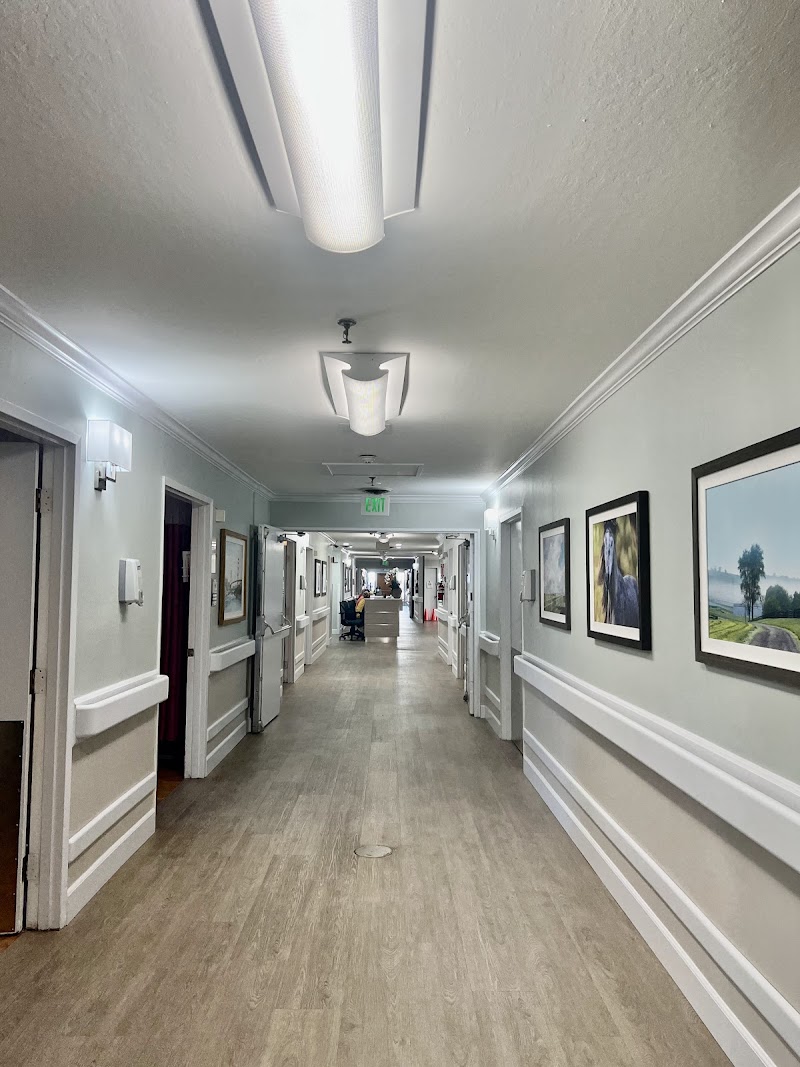
How is Canyon Creek Post-Acute Staffed?

CMS rates CANYON CREEK POST-ACUTE's staffing level at 3 out of 5 stars, which is average compared to other nursing homes.

What Have Inspectors Found at Canyon Creek Post-Acute?

State health inspectors documented 24 deficiencies at CANYON CREEK POST-ACUTE during 2020 to 2024. These included: 1 that caused actual resident harm, 20 with potential for harm, and 3 minor or isolated issues. Deficiencies causing actual harm indicate documented cases where residents experienced negative health consequences.
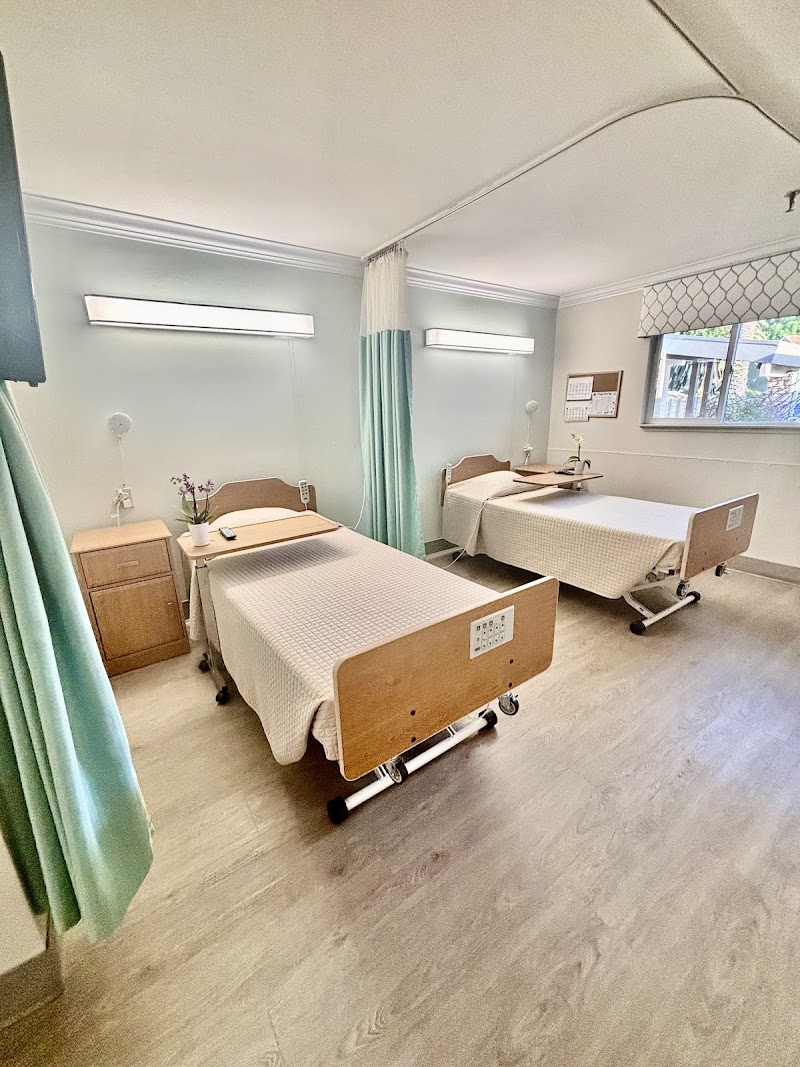
Who Owns and Operates Canyon Creek Post-Acute?

CANYON CREEK POST-ACUTE is owned by a for-profit company. For-profit facilities operate as businesses with obligations to shareholders or private owners. The facility is operated by LINKS HEALTHCARE GROUP, a chain that manages multiple nursing homes. With 70 certified beds and approximately 66 residents (about 94% occupancy), it is a smaller facility located in CASTRO VALLEY, California.

How Does Canyon Creek Post-Acute Compare to Other California Nursing Homes?

Compared to the 100 nursing homes in California, CANYON CREEK POST-ACUTE's overall rating (5 stars) is above the state average of 3.2 and health inspection rating (5 stars) is much above the national benchmark.

What Should Families Ask When Visiting Canyon Creek Post-Acute?

Based on this facility's data, families visiting should ask: "Can I visit during a mealtime to observe dining assistance and food quality?" "How do you handle medical emergencies, and what is your hospital transfer rate?" "Can I speak with family members of current residents about their experience?"

Is Canyon Creek Post-Acute Safe?

Based on CMS inspection data, CANYON CREEK POST-ACUTE has a clean safety record: no substantiated abuse findings (meaning no confirmed cases of resident harm), no Immediate Jeopardy citations (the most serious violation level indicating risk of serious injury or death), and is not on the Special Focus Facility watch list (a federal program monitoring the lowest-performing 1% of nursing homes). The facility has a 5-star overall rating and ranks #1 of 100 nursing homes in California. While no facility is perfect, families should still ask about staff-to-resident ratios and recent inspection results during their visit.

Do Nurses at Canyon Creek Post-Acute Stick Around?

CANYON CREEK POST-ACUTE has not reported staff turnover data to CMS. Staff turnover matters because consistent caregivers learn residents' individual needs, medications, and preferences. When staff frequently change, this institutional knowledge is lost. Families should ask the facility directly about their staff retention rates and average employee tenure.

Was Canyon Creek Post-Acute Ever Fined?

CANYON CREEK POST-ACUTE has been fined $2,098 across 1 penalty action. This is below the California average of $33,100. While any fine indicates a compliance issue, fines under $50,000 are relatively common and typically reflect isolated problems that were subsequently corrected. Families should ask what specific issues led to these fines and confirm they've been resolved.

Is Canyon Creek Post-Acute on Any Federal Watch List?

CANYON CREEK POST-ACUTE is not on any federal watch list. The most significant is the Special Focus Facility (SFF) program, which identifies the bottom 1% of nursing homes nationally based on persistent, serious quality problems. Not being on this list means the facility has avoided the pattern of deficiencies that triggers enhanced federal oversight. This is a positive indicator, though families should still review the facility's inspection history directly.