VALLEY POINTE NURSING & REHABILITATION CENTER
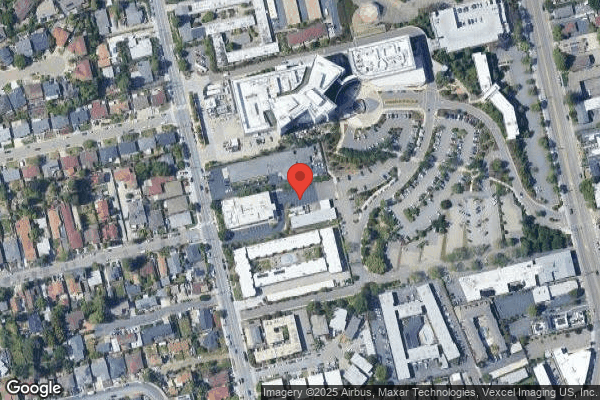
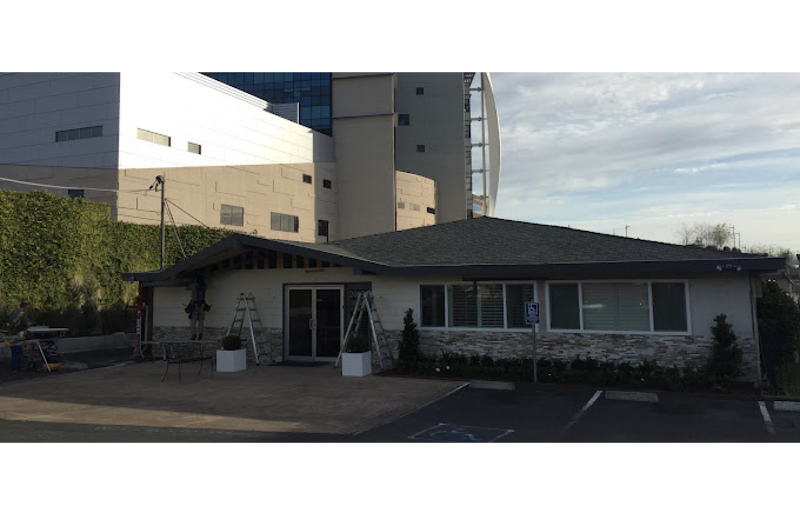
20090 STANTON AVENUE, CASTRO VALLEY, CA 94546 (510) 538-8464
For profit - Corporation 50 Beds PACS GROUP Data: November 2025
Trust Grade
63/100
#490 of 1155 in CA
Last Inspection: June 2025

Inspected within the last 6 months. Data reflects current conditions.

Overview

Valley Pointe Nursing & Rehabilitation Center has a Trust Grade of C+, indicating it is slightly above average but not exceptional. It ranks #490 out of 1,155 facilities in California, placing it in the top half, and #46 out of 69 in Alameda County, meaning only a few local options are better. The facility is improving, having reduced its issues from 11 in 2024 to 7 in 2025. Staffing is a relative strength, with a 3/5 star rating and a turnover rate of 31%, which is better than the state average, indicating that staff are more likely to stay and build relationships with residents. However, there are some concerning incidents, including a resident who suffered a serious fall due to inadequate supervision and another who was not monitored properly, leading to potential safety risks. Additionally, there were issues with infection control practices, such as staff entering a room of COVID-positive residents without proper precautions. Overall, while there are strengths, there are also significant areas of concern that families should consider.

Trust Score
C+
63/100
In California
#490/1155
Top 42%
Safety Record
Moderate
Needs review
Inspections
Getting Better
11 → 7 violations
Staff Stability
○ Average
31% turnover. Near California's 48% average. Typical for the industry.
Penalties
○ Average
$10,033 in fines. Higher than 59% of California facilities. Some compliance issues.
Skilled Nurses
✓ Good
Each resident gets 49 minutes of Registered Nurse (RN) attention daily — more than average for California. RNs are trained to catch health problems early.
Violations
⚠ Watch
24 deficiencies on record. Higher than average. Multiple issues found across inspections.
★★★★☆
4.0
Overall Rating
★★★☆☆
3.0
Staff Levels
★★★★☆
4.0
Care Quality
★★★★☆
4.0
Inspection Score
Stable
2024: 11 issues
2025: 7 issues

The Good

  • 4-Star Quality Measures · Strong clinical quality outcomes
  • Full Sprinkler Coverage · Fire safety systems throughout facility
  • No fines on record
  • Staff turnover below average (31%)

    17 points below California average of 48%

Facility shows strength in quality measures, fire safety.

The Bad

Staff Turnover: 31%

14pts below California avg (46%)

Typical for the industry

Federal Fines: $10,033

Below median ($33,413)

Minor penalties assessed

Chain: PACS GROUP

Part of a multi-facility chain

Ask about local staffing decisions and management

The Ugly 24 deficiencies on record

1 actual harm
Jun 2025 7 deficiencies
CONCERN (D)

Potential for Harm - no one hurt, but risky conditions existed

Resident Rights (Tag F0550)

Could have caused harm · This affected 1 resident

**NOTE- TERMS IN BRACKETS HAVE BEEN EDITED TO PROTECT CONFIDENTIALITY** Based on observation, interview, and record review, facility failed to provide meal assistance in a dignified manner to Resident...

Read full inspector narrative →
**NOTE- TERMS IN BRACKETS HAVE BEEN EDITED TO PROTECT CONFIDENTIALITY** Based on observation, interview, and record review, facility failed to provide meal assistance in a dignified manner to Resident 254. This failure resulted in an undignified and disrespectful treatment of Resident 254 which could potentially result in more serious negative outcomes. Findings: During a meal observation on 6/16/25 at 12:29 p.m., in the dining room, Resident 254 was sitting in a wheelchair and Occupational Therapist (OT) 1 was standing beside the resident. OT 1 began to assist and spoon feed Resident 254 her lunch meal. On interview, OT 1 stated, when she fed the residents, she would stand sometimes and would sometimes be seated which depended on the cues that she had to give to the residents while assisting the residents with their meals. A review of Resident 254's admission record, dated 6/18/25, indicated that the resident was admitted on [DATE] with diagnoses which included dysphagia (difficulty swallowing), hemiplegia (paralysis that affects only one side of the body), and dementia (loss of memory, language, problem-solving and other thinking abilities). During a review of Physician's orders dated 6/18/25, it indicated an order of 1:1 feeding (means a dedicated staff member provides personalized support to a resident during meals, ensuring they can eat and drink sufficiently). During an interview on 6/18/25 at 3:21 p.m. with the Director of Nursing (DON), the DON stated, staff should be seated at an eye level (positioned at roughly the same height as a person's eyes) with the residents when assisting with meals to preserve the residents' dignity. Further stated, the staff should not be standing while they assisted the residents in eating their meals because the residents could choke while eating. During an interview on 6/19/25 at 1:26 p.m. with the Director of Rehabilitation (DOR), DOR stated, when assisting the residents to eat, the staff should always be sitting beside the resident and should be at an eye level to preserve the resident's dignity. During a review of the facility's policy and procedure, titled Assistance with Meals, Revised March 2022 indicated, . 3. Residents who cannot feed themselves will be fed with attention to safety, comfort and dignity, for example: not standing over residents while assisting them with meals .
CONCERN (D)

Potential for Harm - no one hurt, but risky conditions existed

Accident Prevention (Tag F0689)

Could have caused harm · This affected 1 resident

**NOTE- TERMS IN BRACKETS HAVE BEEN EDITED TO PROTECT CONFIDENTIALITY** Based on observation, interview, and record review, the facility failed to provide a safe environment for one of 13 sampled resi...

Read full inspector narrative →
**NOTE- TERMS IN BRACKETS HAVE BEEN EDITED TO PROTECT CONFIDENTIALITY** Based on observation, interview, and record review, the facility failed to provide a safe environment for one of 13 sampled residents (Resident 3) who was not assessed for smoking. This deficient practice created a potential risk for burn injury to Resident 3 while smoking and placed other residents' lives in danger. Findings: During a review of Resident 3's admission record, it indicated that resident was admitted on [DATE] with diagnoses that included weakness and need for assistance with personal care. During an interview on 6/17/25 at 3:40 p.m., Resident 3 stated he stepped out of the facility to smoke a cigarette accompanied by staff two times a day every day. During a joint interview on 6/17/25 at 3:28 p.m. with Registered Nurse (RN) 1 and RN 2 , RN 1 and RN 2 both stated that Resident 3 was a cigarette smoker, and the facility did not have a smoking schedule for Resident 3 . RN 1 stated during day shift (7:00 a.m. to 3:30 p.m.) which she worked, Resident 3 went out to smoke in the mornings once a day and RN 2 stated, on the evening shifts (3:00 p.m. to 11:30 p.m.) Resident 3 went outside of the facility to smoke once during the shift. RN 1 and RN 2 both stated Resident 3 did not wear a smoking apron when he smoked (a smoking apron is a durable, fire-resistant cover-up that helps protect wheelchair users from falling ashes and smoking debris). Review of Resident 3's Minimum Data Set (an assessment tool) dated 6/13/25, indicated he had a brief interview for mental status or BIMS of 8 (BIMS score of 8-12 points indicates moderate cognitive impairment). The MDS indicated Resident 3 needed supervision from a helper once sitting in the wheelchair to wheel himself at least 150 feet in a corridor or similar space. During an interview on 6/17/25 at 4:35 p.m., with Certified Nursing Assistant (CNA)1, CNA 1 stated he accompanied Resident 3 during smoke breaks outside of the facility. Resident did not have a smoking apron. The cigarette butts were discarded on the ground because there was no ash tray. During a concurrent interview and record review of Resident 3's departmental notes on 6/17/25 at 3:25 p.m. with Minimum Data Set Coordinator (MDSC), MDSC was unable to find a safe smoking evaluation form and a care plan on smoking (A smoking care plan is a structured approach to help residents who smoke to quit or reduce their smoking, and to ensure their safety while smoking. It involves assessment, education, support, and individualized plans to address both the physical and psychosocial aspects of smoking . A safe smoking evaluation is a comprehensive assessment to determine a resident's ability to smoke safely, either unsupervised or with assistance. It involves evaluating a resident's physical and cognitive abilities, as well as their understanding of smoking policies and safety procedures. The goal is to minimize fire hazards and ensure resident safety while respecting their independence). During an interview on 6/18/25 at 3:21 p.m., with the Director of Nursing (DON), DON stated that because Resident 3 did not have a smoking evaluation and care plan on smoking, the facility had just added Resident 3's smoking evaluation and smoking care plan to prevent the hazards of smoking. During a review of the facility's policy and procedure (P&P) titled, Smoking Policy - Residents , dated 2001, the P&P indicated, .2. Smoking is only permitted in designated resident smoking areas which are located outside of the building . 7. Resident smoking status is evaluated upon admission. If a smoker, the evaluation includes: a. current level of tobacco consumption; b. method of tobacco consumption (traditional cigarettes; electronic cigarettes; pipe, etc.); c. desire to quit smoking; and d. ability to smoke safely with or without supervision (per a completed Safe Smoking Evaluation). 8. The staff consults with the attending physician and the director of nursing services (DNS) to determine if safety restrictions need to be placed on a resident's smoking privileges based on the Safe Smoking Evaluation. 9. A resident's ability to smoke safely is reevaluated quarterly, upon a significant change (physical or cognitive) and as determined by the staff. 10. Any smoking related privileges, restrictions and concerns (for example, need for close monitoring) are noted on the care plan, and all personnel caring for the resident shall be alerted to these issues .
CONCERN (E)

Potential for Harm - no one hurt, but risky conditions existed

Safe Environment (Tag F0584)

Could have caused harm · This affected multiple residents

**NOTE- TERMS IN BRACKETS HAVE BEEN EDITED TO PROTECT CONFIDENTIALITY** Based on observation, interview, and record review the facility failed to maintain a safe, comfortable and homelike environment ...

Read full inspector narrative →
**NOTE- TERMS IN BRACKETS HAVE BEEN EDITED TO PROTECT CONFIDENTIALITY** Based on observation, interview, and record review the facility failed to maintain a safe, comfortable and homelike environment when one of four sampled resident room (Resident 102) had dust covering the ceiling air vent, scattered areas of peeling paint on the wall, and task lighting cord was not long enough for resident to reach. This failure had the potential to compromise Resident 102's health by exacerbating (making something that is already bad even worse) the respiratory symptoms and decreasing the resident's autonomy (the capacity to decide for oneself and pursue that course of action) . Findings: A review of Resident 102's face sheet dated 6/17/25, indicated Resident 102 was admitted to the facility on [DATE] with diagnoses of acute respiratory failure (a severe condition where the respiratory system cannot adequately oxygenate the blood, leading to low blood oxygen levels and potentially affecting tissue oxygenation), chronic obstructive pulmonary disease with acute exacerbation (COPD, a type of progressive lung disease characterized by chronic respiratory symptoms and airflow limitations with a sudden and significant worsening of respiratory symptoms), and asthma ( a chronic lung condition that causes inflammation and narrowing of the airways, making it difficult to breath). During a review of Resident 102's Minimum Data Sheet (MDS, an assessment tool used to guide care), dated 5/31/25, the MDS indicated that Resident 102's Brief Interview for Mental Status (BIMS, a standardized assessment tool used to screen for cognitive impairment) score was 12 out of 15, indicating moderate cognitive impairment. During a concurrent observation and interview on 6/17/25 at 12:30 p.m. with Maintenance Director (MD), in Resident 102's room, ceiling air vent was covered with dust and there was no string for Resident 102 to turn task light on /off. The paint of the wall between the nightstand and headboard were peeling off. Resident 102 stated she had COPD and asthma which had the potential to flare up when she inhaled the dust and paint particles. She stated she preferred to activate the task light by herself but was unable to reach the cord. During a concurrent interview and record review on 6/17/25 at 12:12 p.m. with MD, the facility's preventive maintenance log binder was reviewed. The MD stated there were no maintenance activities performed for wall patching, and repainting from 2/6/25 until 6/16/25. MD stated he was responsible for finding areas in the physical plant requiring repair, and complete them as soon as possible. During a review of the facility's undated policy and procedure (P&P) titled Homelike Environment, P&P indicated Residents are provided with a safe, clean, comfortable and homelike environment . -The facility staff and management maximize, to the extent possible, the characteristics of the facility that reflects a personalized, homelike setting. These characteristics include comfortable (minimum glare) yet adequate (suitable to the task) lighting. -Comfortable and adequate lighting is provided in all areas of the facility to promote a safe, comfortable and homelike environment. The lighting design emphasizes sufficient general lighting in resident -use areas task lighting as needed . During a review of the facility's P&P titled Maintenance Service revision date 2009, P&P indicated The maintenance department is responsible for maintaining the buildings Function of the maintenance personnel include, .maintaining the building in compliance with current federal, state, and local laws, regulations and guidelines, maintain the building in good repair ., maintain lighting levels that are comfortable .
CONCERN (E)

Potential for Harm - no one hurt, but risky conditions existed

Deficiency F0761 (Tag F0761)

Could have caused harm · This affected multiple residents

**NOTE- TERMS IN BRACKETS HAVE BEEN EDITED TO PROTECT CONFIDENTIALITY** Based on observation, interview, and record review, the facility failed to ensure safe medication storage and labeling when: 1. ...

Read full inspector narrative →
**NOTE- TERMS IN BRACKETS HAVE BEEN EDITED TO PROTECT CONFIDENTIALITY** Based on observation, interview, and record review, the facility failed to ensure safe medication storage and labeling when: 1. Resident 5's Latanoprost was stored beyond the use by date in the medication cart (Latanoprost is an eyedrop used to treat a condition in which increased pressure in the eye can lead to gradual loss of vision). 2. Six Retacrit medication vials which belonged to discharged resident 261 were found in medication room refrigerator (Retacrit is a medication used to treat a blood disorder caused by a kidney disease). 3. One opened unlabeled Lispro insulin vial was found in medication room refrigerator (Lispro insulin is a fast-acting injection medication that helps treat high blood sugar in the body). 4. Resident 11 did not have an accurate medication card label for Metoclopramide that matched the physician's order. (Metoclopramide is a medication that helps in nausea and vomiting). 5. Eighteen whole loose pills were found scattered underneath the medication cards in the medication cart. 6. Six Acetaminophen suppositories which belonged to discharged Resident 259 were found in the medication cart (Acetaminophen suppository is a medication given thru the rectum to relieve pain and to reduce a fever). 7. Six Acetaminophen suppositories which belonged to discharged Resident 260 were found in the medication cart. This failure could potentially result in medication error and expose residents to expired medications with questionable potency and efficacy. Findings: 1. During a concurrent observation and interview on 6/17/25 at 10:54 a.m. with the Minimum Data Set Coordinator (MDSC), while inspecting medication cart two, Resident 5 had one opened bottle of Latanoprost eyedrops. The eyedrop bottle had an open date of 4/8/25. The medication box of the eyedrop bottle indicated: to dispose the eyedrops after 42 days from the date opened. MDSC stated, the eyedrop should have been discarded on 5/20/25 as the 42nd day after 4/8/25 would have been 5/20/25. (This observation was conducted on 6/17/25). A review of Resident 5's admission record dated 6/18/25 indicated Resident 5 was admitted on [DATE], with the diagnosis of glaucoma (glaucoma is an eye disorder). A review of Resident 5's Physician Order dated 6/18/25 indicated an order for Latanoprost Ophthalmic Solution 0.005 %, instill 1 drop in both eyes at bedtime for glaucoma. During an interview on 6/17/25 at 11:24 a.m. with Registered Nurse (RN) 3, she stated the Latanoprost eyedrops should have been discarded 42 days after the open date. During an interview on 6/18/25 at 3:21 p.m. with the Director of Nursing (DON), DON stated Latanoprost eyedrops with past use by dates should have been disposed because the risk of giving the eyedrops past their use by date might not be effective in treating the illness due to diminished potency. 2. During a concurrent observation and interview on 6/16/25 at 11:28 a.m. with Licensed Vocational Nurse ( LVN) 1 , while inspecting the medication storage room, six Retacrit medication vials which belonged to discharged Resident 261 were found in the medication room refrigerator. LVN stated Resident 261 has been discharged from the facility. Review of Resident 261's admission record dated 6/18/25 indicated Resident 261was admitted to the facility on [DATE] and was discharged on 6/12/25. The admission record also indicated that the resident was admitted to the facility with diagnoses which included dependence on renal dialysis (a treatment that helps clean the blood when the kidneys aren't working properly). During a review of Resident 261's Physician Order dated 6/12/25, it indicated an order for Retacrit 10,000 unit/ml vial, inject 1.5 ml. subcutaneously every Tuesday, Thursday and Saturday for anemia (ml. is milliliters, unit and ml. are form of measurements; subcutaneously means under the skin; anemia is a blood disorder). During an interview on 6/18/25 at 3:21 p.m. the DON stated medications which belonged to discharged residents should have been disposed on the same day of resident discharge due to the risk of medication error. 3. During a concurrent observation and interview on 6/16/25 at 11:28 a.m. with LVN 1 while inspecting the medication storage room, one opened and unlabeled Lispro insulin vial was found inside the medication room refrigerator. LVN 1 stated the insulin vial should have been labeled with an open date. During an interview on 6/19/25 at 2:08 p.m., with Director of Nursing (DON), DON stated unlabeled vial of lispro insulin in the medication refrigerator should have been labeled with the resident's name and date the vial was opened. 4. During a medication administration observation on 6/16/25 at 1:08 p.m. with Registered Nurse (RN)1, RN 1 gave Resident 11 one tablet of Metoclopramide 10 milligrams (mg., a form of measurement) from Resident 11's medication card with a direction label that indicated to give Metoclopramide 10 mg. one tablet as needed every six hours for nausea and vomiting. A review of Resident 11's physician's orders dated 6/18/25 indicated an order of Metoclopramide 10 milligrams one tablet two times a day. A review of admission record dated 6/18/25 indicated Resident 11 was admitted on [DATE], with the diagnoses which included nausea and vomiting. During an interview on 6/16/25 at 1:08 p.m., RN 1 stated she followed the physician's order for the Metoclopramide and not the directions from the medication card. During an interview on 6/19/25 at 2:08 p.m. with the DON, she stated the medication nurse should have put the change in direction sticker on the Metoclopramide medication card to prevent a medication error. 5. During a concurrent observation and interview on 6/17/25 at 10:54 a.m. with the MDSC while inspecting medication cart two, 18 whole loose tablets were found underneath the medication cards. During a concurrent observation and interview on 6/17/25 11:24 a.m. with RN 3, RN 3 was unable to identify the loose tablets and stated the loose tablets should be disposed according to policy and procedure. During an interview on 6/19/25 at 2:08 p.m. with Director of Nursing (DON), she stated there should be no loose pills in the medication cart due to the risk of medication error. 6. During a concurrent observation and interview on 6/17/25 at 10:54 a.m. with the MDSC, while inspecting medication cart two, six Acetaminophen suppositories which belonged to discharged Resident 259 were found. During an interview on 6/17/25 11:24 a.m. RN 3 stated expired medications and medications which belonged to discharged residents should be disposed right away to prevent medication error and/or diversion. Review of Resident 259's admission record dated 6/18/25 indicated Resident 259 was admitted to the facility on [DATE] and was discharged on 5/12/25. The admission record also indicated the resident had diagnoses which included Alzheimer's disease (a brain disorder that gradually destroys memory and thinking skills). A review of Resident 259's physician's orders dated 5/12/25 indicated an order of Acetaminophen suppository 650 mg., insert one suppository rectally as needed for mild pain and fever. During an interview on 6/18/25 at 3:21 p.m. with the DON, she stated medications which belonged to discharged residents should be disposed on the same day of discharge due to the risk of medication error. 7. During a concurrent observation and interview on 6/17/25 at 10:54 a.m. with the MDSC, while inspecting the medication cart two, six Acetaminophen suppositories belonging to discharged Resident 260 were found. During an interview on 6/17/25 11:24 a.m. RN 3 stated expired medications and medications which belonged to discharged residents should be disposed right away to prevent medication error. Review of Resident 260's admission record dated 6/18/25 indicated Resident 260 was admitted to the facility on [DATE] and was discharged on 5/10/25. The admission record also indicated the resident had diagnoses which included chronic pain. A review of Resident 260's physician's orders dated 5/10/25 indicated an order of Acetaminophen suppository 650 mg. insert one suppository rectally as needed every six hours for mild pain and fever. During an interview on 6/18/25 at 3:21 p.m. with the DON, DON stated medications which belonged to discharged residents should have been disposed on the same day of resident discharge due to the risk of medication error. A review of the facility's policy and procedure, titled medication labeling and storage, dated 2001, indicated: .Medication Labeling 1. Labeling of medications and biologicals dispensed by the pharmacy is consistent with applicable federal and state requirements and currently accepted pharmaceutical practices. 2. The medication label includes at a minimum: a. medication name .b. prescribed dose; c. strength; d. expiration date, when applicable; e. resident's name; f. route of administration; and g. appropriate instructions and precautions . 12. the nursing staff must inform the pharmacy of any changes in physicians orders for a medication. A review of the facility's policy and procedure, titled Discarding and Destroying Medications dated 2001, indicated: Medications that cannot be returned to the dispensing pharmacy ( . medications refused by the resident and/or medications left by residents upon discharge are disposed of in accordance with federal, state and local regulations .2. Non controlled and scheduled V ( non-hazardous) controlled substances are disposed of in accordance with state regulations and federal guidelines regarding disposition of nonhazardous medications . (Controlled medications are substances that have been classified by the government as having the potential for abuse and addiction. Non controlled medications are substances that are not considered to have a significant potential for abuse or dependence, as compared to controlled substances).
CONCERN (E)

Potential for Harm - no one hurt, but risky conditions existed

Food Safety (Tag F0812)

Could have caused harm · This affected multiple residents

Based on observation, interview, and record review, the facility failed to ensure that food was stored, prepared, and served in a safe and sanitary manner, when food preparation utensils and equipment...

Read full inspector narrative →
Based on observation, interview, and record review, the facility failed to ensure that food was stored, prepared, and served in a safe and sanitary manner, when food preparation utensils and equipment were not cleaned and/or maintained in good condition. These failures placed 44 residents who received food from the kitchen at risk for food borne illnesses or illnesses related to use of contaminated utensils. Findings: During an observation and concurrent interview with the Registered Dietitian (RD) on 6/17/25 at 3:21 p.m., the following were observed: 1. A two-slot toaster situated on an open shelf across the stove, had hardened, black, burned particles which resembled bread crumbs on its surface, and had a significant amount of the same substance between its slots and its bottom. 2. A knife stored in a knife rack attached to the wall adjacent to the stove had a silicone coating on its handle which was warped, jagged and dented. 3. An industrial can opener mounted on a kitchen preparation table had black/dark brown sticky substance on its blade and on the crevices of the feed wheel. 4. A plastic container stored under a preparation table contained numerous utensils such as spatulas, scoops, measuring spoons, whisks, ladles and tongs which were supposed to be air drying, but the container was too crowded to allow air to circulate. 5. Newly washed muffin pans, baking trays and baking sheets were stacked while still wet. The baking pans and muffin pans had burnt surfaces, stains, dents and deep scratches. 6. The interior of the industrial oven in the kitchen was soiled and had a build up of burnt grease and burnt food particles. RD stated damaged and old equipment needed to be discarded and replaced. The oven and can opener needed to be cleaned thoroughly, and the staff need to know how to air dry utensils. According to the 2022 Federal Food Code, food-contact surfaces of equipment and utensils are to be clean to sight and touch. Non food-contact surfaces are to be kept free of an accumulation of dust, dirt, food residue, and other debris. During a review of the facility's Policy and Procedure (P&P) titled: Sanitization dated 2001, P&P indicated: 2. All utensils, counters, shelves and equipment are kept clean,maintained in good repair
CONCERN (E)

Potential for Harm - no one hurt, but risky conditions existed

Infection Control (Tag F0880)

Could have caused harm · This affected multiple residents

Based on observation, interview, and record review, the facility failed to follow infection control procedures when the specimen refrigerator (a specimen refrigerator is a specialized cooling unit use...

Read full inspector narrative →
Based on observation, interview, and record review, the facility failed to follow infection control procedures when the specimen refrigerator (a specimen refrigerator is a specialized cooling unit used to store various biological samples collected from patients, such as urine, stool, blood, or tissue) was observed to be stored in the medication storage room. These failures had the potential to contaminate the residents' medications and for the spread of infectious disease. Findings: During a concurrent observation and interview on 6/16/25, at 11:28 a.m., with Licensed Vocational Nurse (LVN) 1 , in the facility medication storage room, the specimen refrigerator was observed to be stored below the medication refrigerator (a medication refrigerator is a specialized appliance specifically designed and used for storing temperature-sensitive medications). Observed inside the specimen refrigerator were a stool specimen in a container and urine specimen samples. LVN 1 stated the specimen refrigerator have been in the medication storage room for a long time, but she could not remember the exact time when the specimen refrigerator was initially stored in the medication storage room. During a concurrent observation and interview on 6/17/25 at 1150 a.m., with the Director of Nursing (DON), in the medication storage room, the specimen refrigerator in the medication room was observed to contain stool specimen in a container and urine specimen samples stored inside. DON acknowledged the risk of storing the specimen refrigerator inside the medication storage room was spread of infection because of the risk of contaminating the medications with the specimen samples of the residents. During a review of the facility's policy and procedure (P&P) titled, Infection Prevention and Control Program, dated 2001, the P&P indicated, . An infection prevention and control program (IPCP) is established and maintained to provide a safe, sanitary and comfortable environment and to help prevent the development and transmission of communicable diseases and infections .4. The IPCP provides a system for preventing, identifying, reporting, investigating, and controlling infections and communicable diseases for all residents, staff .
MINOR (B)

Minor Issue - procedural, no safety impact

Deficiency F0912 (Tag F0912)

Minor procedural issue · This affected multiple residents

**NOTE- TERMS IN BRACKETS HAVE BEEN EDITED TO PROTECT CONFIDENTIALITY** Based on observation and interview, the facility failed to provide 10 of 45 residents in resident rooms [ROOM NUMBER] with at le...

Read full inspector narrative →
**NOTE- TERMS IN BRACKETS HAVE BEEN EDITED TO PROTECT CONFIDENTIALITY** Based on observation and interview, the facility failed to provide 10 of 45 residents in resident rooms [ROOM NUMBER] with at least 80 square feet per resident. This failure had the potential to result in lack of sufficient space for the provision of care by facility staff, and for the lack of sufficient space for residents to have personal belongings at the bedside. After observation and interview, there was adequate space for residents and staff to move about safely and without obstruction. The State Agency recommends renewal of waiver. Findings: During an interview with the Maintenance Director (MD) on 6/17/25 at 11:43 a.m., MD confirmed that resident rooms 19, 20 and 21 had four beds each. MD measured all three rooms: room [ROOM NUMBER] measured a total of 16'6 X 19'6 = 432 sq ft with 73.56 sq ft per bed. room [ROOM NUMBER] measured a total of 16'6 X 19'6 = 432 sq ft with 73.56 sq ft per bed. room [ROOM NUMBER] measured a total of 16'6 X 19'6 = 432 sq ft with 73.56 sq ft per bed. Random observations of resident rooms 19, 20 and 21 were done from 6/16/25 to 6/20/25 at various times throughout the day. There were no negative observations related to resident care/provision attributed to the decreased space in rooms [ROOM NUMBER]. There were no safety concerns noted.
Jan 2024 11 deficiencies 1 Harm
SERIOUS (G)

Actual Harm - a resident was hurt due to facility failures

Accident Prevention (Tag F0689)

A resident was harmed · This affected 1 resident

**NOTE- TERMS IN BRACKETS HAVE BEEN EDITED TO PROTECT CONFIDENTIALITY** Based on observation, interview, and record review, the facility failed to ensure adequate supervision was provided to two of 20...

Read full inspector narrative →
**NOTE- TERMS IN BRACKETS HAVE BEEN EDITED TO PROTECT CONFIDENTIALITY** Based on observation, interview, and record review, the facility failed to ensure adequate supervision was provided to two of 20 sampled residents (Residents 148 and 23) as follows. 1 a). Resident 148, identified as a high risk for falls, was not provided with a sitter after the resident was deemed needing one-one supervision to prevent further falls. This resulted in Resident 148 sustaining another serious fall injuries (a comminuted fracture that is broken in at least two pieces caused by trauma to the right clavicle (collarbone), and a subdural hematoma (condition when a pool of blood develops between the brain and its covering, usually from head trauma). b). Resident 148 eloped on 12/7/23 and was later found in a hospital emergency department (ED). This episode of elopement was not reported by the facility to the department. 2. The facility did not apply the ordered bed pad alarm (alerts staff of position movement out of bed) for Resident 23. For Resident 23, this had the potential for fall injuries. Findings: 1. Review of Resident 148's Facesheet (contains contact details, brief medical history at-a-glance), dated 1/25/24 indicated, Resident 148 was admitted to the facility on [DATE] with diagnoses that included history of falling, abnormalities of gait and mobility, epilepsy (condition that affects the brain and causes frequent seizures), insomnia (trouble sleeping), and need for assistance with personal care. Review of Resident 148's Minimum Data Set (MDS, an assessment tool used to direct resident care) dated 12/12/23 under Section C, indicated Resident 148's cognition was moderately impaired. The Functional Abilities and Goals indicated, Resident 148 needed staff supervision when moving from seated to standing position, walking, turning around, moving on and off toilet and during surface-to-surface transfer (such as when transferring between bed and chair or wheelchair). Review of Resident 148's Fall Risk observation/assessments dated 12/11/23 until 1/8/24, the score ranged from 18 to 22 (range of high risk for falls). Review of Resident 148's Departmental Notes indicated that Resident 148 had multiple falls from 12/11/23 through 1/25/24 with revised care plans after each episode. However, on 12/27/23, the resident was sent out to the emergency department (ED) and was diagnosed with a comminuted right clavicle fracture, after an unwitnessed fall, the resident's care plan did not indicate new interventions to prevent future falls. During an interview and concurrent review on 1/25/24 at 9:11 a.m., Resident 148's fall care plan was reviewed with the Minimum Data Set Coordinator (MDSC). MDSC stated, it was her responsibility to update the resident's fall care plan, and acknowledged there were no new fall interventions on 12/27/23. MDSC further stated the care plan should have been reviewed after each fall to evaluate if the interventions were effective in preventing future falls. MDSC stated, consistent and constant one-one supervision should have been considered as a fall prevention intervention for Resident 148. Review of Resident 148's Interdisciplinary Team (IDT, a group of individuals representing different departments of the facility) meeting notes, dated 1/8/24 indicated, Resident 148's new intervention for a witnessed fall incident that happened on 1/5/24, at 5:10 p.m., was to place the resident on one-one supervision. Review of Resident 148's IDT meeting notes, dated 1/12/24, indicated, Resident 148 had an unwitnessed fall on 1/12/24 at 7:59 a.m., in another resident's room, and was found in a supine (back) position, with a big skin tear in her right forearm. Resident was sent out to the hospital. During an interview 01/25/24 at 8:37 a.m., with Director of Nursing (DON), DON stated, the facility was not the one who should provide a one-one sitter to the resident. DON further stated, it was Resident 148's family who was responsible for paying for the resident's one-one sitter. Review of Resident 148's Hospitalist (physician specialist in hospital care) Discharge Summary and Transfer Instruction, dated 1/18/24 indicated, Resident 148 was admitted to the hospital on [DATE] and stayed in the hospital until 1/18/24, due to a right subdural hematoma caused by the fall and was discharged . Review of Resident 148's Face Sheet dated 1/25/24 indicated Resident 148 was re-admitted to the facility on [DATE]. During an interview on 1/25/24 at 10:35 a.m., with the Director of Rehab (DOR), stated, Resident 148 had no safety awareness, and with one-one supervision, the resident's falls could be avoided. During an interview on 1/25/24 10:56 a.m., with the Medical Doctor (MD), stated, after Resident 148's third fall, the only way to prevent the resident from falling in the facility was one-one supervision which was having someone very closely supervising the resident. During a review of the facility's policy and procedure (P&P) titled, Falls and Fall Risk, Managing, dated March 2018, the P&P indicated, Based on previous evaluations and current data, staff may identify interventions related to the resident's specific risks and causes in the attempt to reduce falls and minimize complications from falling .Resident centered fall prevention plans should be reviewed and revised as appropriate .If the resident continues to fall, the situation should be reevaluated to determine whether it would be appropriate to continue or change current interventions. b). Review of Resident 148's Nurses Notes, dated 12/7/23, indicated, Resident was missing on 12/7/23 at around 6:30 p.m., and was found at a hospital's ED at 8:00 p.m. Resident 148 was brought back to the facility at 11:30 p.m. Review of the resident's Elopement Risk assessment dated [DATE], indicated, a score of 16. The elopement risk assessment indicated a score of more than 10 would be considered at risk for elopement. During an interview on 1/25/24 at 1:03 p.m., with DON, stated Resident 148 eloped on 12/7/23 and ended in the hospital ED. Stated the resident's elopement risk score was 16 and resident had a risk of eloping. DON further stated she did not report the resident's incident of elopement to the department. A review of the facility's policy and procedure (P&P) titled, Unusual Occurrence Reporting, dated 2007, the P&P indicated, As part by federal or state regulations, our facility reports unusual occurrences or other reportable evens which affect the health, safety or welfare of our residents .1. Our facility will report the following events to appropriate agencies: .Other occurrences that interfere with facility operations and affect the welfare, safety, or health of residents .Unusual occurrences shall be reported via telephone to appropriate agencies as required by current law and/or regulations within twenty-four (24) hours of such incident or as otherwise required by federal and state regulations. A written report detailing the incident and actions by the facility after the event shall be sent or delivered to the state agency within forty-eight (48) hours of reporting the event or as required by federal and state regulations . 2. Review of Resident 23's Facesheet, dated 1/25/24, indicated, the resident was admitted to the facility on [DATE] with diagnoses that included Alzheimer's disease (a progressive disease that destroys memory and other important mental functions), history of falling, dementia (memory loss and impaired decision-making capacity), and weakness. Review of Resident 23's MDS dated [DATE] indicated Resident 23's cognition was moderately impaired. The Functional Abilities and Goals indicated Resident 23 was not steady, and was only able to stabilize with staff assistance when moving from seated to standing position, moving on and off toilet and during surface-to-surface transfer (between bed and chair or wheelchair). Review of Resident 23's Fall Risk observation/assessments dated 9/24/23, showed the score was 24. The Fall Risk observation/assessments' score dated 10/11/23 was 26. These scores were in the range of high risk for falls. Review of Resident 23's Situation, Background, Assessment, Recommendation (SBAR) notes indicated, Resident 23 had unwitnessed falls on the dates 7/27/23, 9/24/23, 10/10/23, and 12/20/23. During an interview on 1/22/24 at 11:25 a.m., with Resident 23's responsible party (RP) 2, stated he was concerned about the resident's frequent falls and if the staff were applying the resident's pad alarm. Review of Resident 23's active monthly physician order for January 2024 indicated an order dated 9/22/23, for a bed pressure pad alarm when in bed to alert staff of resident's attempts to rise unassisted. During a concurrent observation and interview on 1/24/24 2:09 p.m., with Certified Nursing Assistant (CNA) 11, confirmed Resident 23 had no bed alarm while lying in bed. Further observation and interview on 1/26/24 at 8:15 a.m., CNA 11 confirmed Resident 23 still had no bed alarm while in bed. During a concurrent observation and interview on 1/26/24 at 8:20 a.m., DON verified Resident 23 was lying in bed with no bed pad alarm. DON stated nursing staff should follow the physician's order to apply the bed alarm to prevent falls and injuries. DON further stated the facility had no policy and procedure on bed alarms.
CONCERN (D)

Potential for Harm - no one hurt, but risky conditions existed

Deficiency F0558 (Tag F0558)

Could have caused harm · This affected 1 resident

Based on observation, interview, and record review, the facility failed to provide one visually impaired resident (Resident 30) of two sampled residents assistance with eating when the Certified Nursi...

Read full inspector narrative →
Based on observation, interview, and record review, the facility failed to provide one visually impaired resident (Resident 30) of two sampled residents assistance with eating when the Certified Nursing Assistant (CNA 4) did not assist Resident 30 with meal tray set-up and food positioning on the plate. This failure caused Resident 3 confusion and challenges with eating. Findings: Review of the Significant change-Minimum Data Set (MDS -an assessment screening tool used to guide care), dated 1/12/24, indicated Resident 30's Basic Interview of Mental status (BIMS) score was 15 (meaning cognitively intact). Resident 30 had clear speech, able to make self-understood and able to understand others. Resident 30 had limited vision, and not able to see but could identify objects. Resident 30 needed touch assistance with eating, and a helper to provide verbal cues and contact guard assistance as resident completes activity. Resident 30's diagnoses included cataracts (clouding of normally clear lens of the eye, glaucoma (a group of eye conditions that can cause blindness), macular degeneration (an eye disease that causes vision loss. During a concurrent observation and interview on 1/22/24 at 11:48 a.m., Resident 30 was sitting up in bed in her room. Resident 30 stated she was visually impaired and during mealtimes, the Certified Nursing Assistants (CNAs) did not assist with meal tray set-up or food positioning. Resident 30 stated she gets confused with what's on her plate because staff will place the meal tray on her side table and leave without telling her what is on her plate and how to reach the food tray. Resident 30 further stated she had posted a sign in her room about her vision problem and staff knew she was legally blind and could not see. A sign posted on the wall next to Resident 30's bed indicated Resident 30 was visually impaired. During a concurrent observation and interview on 1/22/24 at 12:25 p.m., CNA 4 placed a lunch tray on Resident 30's side table in front of Resident 30 and left her room. CNA 4 stated Resident 30 known's what to do with her meal tray. CNA 4 stated she did not explain what was on the plate. During an interview on 1/22/24 at 1:04 p.m., the Director of Nursing (DON) stated the care plan intervention was for CNAs to assist Resident 30 with meal tray setup because of her visual impairment.
CONCERN (D)

Potential for Harm - no one hurt, but risky conditions existed

Deficiency F0912 (Tag F0912)

Could have caused harm · This affected 1 resident

**NOTE- TERMS IN BRACKETS HAVE BEEN EDITED TO PROTECT CONFIDENTIALITY** Based on observation, interview, and record review, the facility had three resident rooms (Room numbers 19, 20, 21), and total o...

Read full inspector narrative →
**NOTE- TERMS IN BRACKETS HAVE BEEN EDITED TO PROTECT CONFIDENTIALITY** Based on observation, interview, and record review, the facility had three resident rooms (Room numbers 19, 20, 21), and total of 12 licensed beds that were occupied by 12 residents, that provided less than 80 square feet (sq. ft.) per resident. This failure had the potential to result in a lack of sufficient space for the provision of care by facility staff and for the lack of sufficient space for storage of resident belongings. Findings: During an observation on 1/22/24 at 11:00 am, rooms [ROOM NUMBER] were observed to have four beds in each room. Each room measured less than 80 sq. ft. per resident. room [ROOM NUMBER] had 280 sq. ft. and 70 sq. ft. of space per resident. room [ROOM NUMBER] had 280 sq. ft. and 70 sq. ft. of space per resident. room [ROOM NUMBER] had 280 sq. ft. and 70 sq. ft. of space per resident. During random observations of care and services from 1/22/24 to 1/26/24, residents and staff never complained about the room size and staff have enough room to do their job. There was sufficient space for the provision of care for the residents in all rooms. There was no heavy equipment kept in the rooms that might interfere with residents' care, and each resident had adequate personal space and privacy. There were no complaints from residents regarding insufficient space for their belongings and no negative consequences attributed to the decreased space and/or safety concerns in the three identified rooms. Granting of the room size waiver is recommended.
CONCERN (E)

Potential for Harm - no one hurt, but risky conditions existed

Deficiency F0578 (Tag F0578)

Could have caused harm · This affected multiple residents

**NOTE- TERMS IN BRACKETS HAVE BEEN EDITED TO PROTECT CONFIDENTIALITY** Based on interview and record review, the facility failed to facilitate Advance Directives (a legal document that provide instru...

Read full inspector narrative →
**NOTE- TERMS IN BRACKETS HAVE BEEN EDITED TO PROTECT CONFIDENTIALITY** Based on interview and record review, the facility failed to facilitate Advance Directives (a legal document that provide instructions for medical care that go into effect if you cannot communicate your own wishes) status, including the right to accept or refuse medical/surgical treatment for five out of five residents upon admission. These failures resulted in Residents 26, 32, 94, 192, and 193 or their responsible party (RP) not being aware of their right to participate in their medical and surgical care. Findings: During a review of Resident 26's admission Record, Resident 26 was admitted to the facility on [DATE]. During a review of Resident 32's admission Record, Resident 32 was admitted to the facility on [DATE]. During a review of Resident 192's admission Record printed on 01/23/24, the record indicated Resident 192 was admitted to the facility on [DATE]. During a review of Resident 193's admission Record, Resident 193 was admitted to the facility on [DATE]. During a concurrent interview and record review on 01/23/24 at 1:08 p.m., with Social Services Director (SS), of the Electronic Healthcare Record (EHR) and the paper chart for Residents 3, 24, 30, and 200 were reviewed for the presence of an Advance Directive. SS stated Advance Directives were not in either resident records, nor was there documentation that assistance was offered to Residents 26, 32, 192, 193, and 200. SS stated, Upon the resident's admission to the facility, I check if the resident has an Advance Directive in place, and this was not done for these residents. During a telephone interview on 01/23/24 at 2:35 p.m., with Responsible Party (RP 1) for Resident 26, RP 1 stated she was not asked about an Advance Directive during admission or at any time during Resident 26's stay. During an interview on 01/23/24 at 3:40 p.m., with Resident 32, Resident 32 stated she does not recall being asked about an Advance Directive. During a telephone interview on 01/23/24 at 3:43 p.m., with Responsible Party (RP 2) for Resident 192, RP 2 stated The nurse who admitted me did not ask me if my grandmother had an Advance Directive or provide any paperwork regarding Advance Directives. During an interview on 01/23/24 at 4:00 p.m., with Resident 193, Resident 193 stated she does not recall being asked about an Advance Directive during admission. During a review of the facility's policy and procedure (P&P) titled Advanced Directives dated September 2022, indicated .The resident has the right to formulate an advance directive, including the right to accept or refuse medical or surgical treatment .1. Prior to or upon admission of a resident, the social services director or designee inquires of the resident, his/her family members and/or his or her legal representative, about the existence of any written advance directives. 2. The resident or representative is provided with written information concerning the right to refuse or accept medical or surgical treatment and to formulate an advance directive if she or she chooses to do so. 3. Written information about the right to accept or refuse medical or surgical treatment, and the right to formulate an advance directive provided in a manner that is easily understood by the resident or representative. Review of Resident 18's admission Records, indicated the facility admitted Resident 18 on 11/16/23. During a concurrent interview and record review of Resident 18's admission records on 1/25/24 at 9:46 a.m., with SS, SS stated Resident 18 had no advance directive documentation or had followed up with the responsible party about advance directives. SS stated, I missed it. Review of the facility's policy and procedures, titled, Advance Directives revised September 2023, indicated, Prior to or upon admission of a resident, the social services director or designee inquires of the resident his/her family members and /or his or her legal representative, about the existence any written advance directives.
CONCERN (E)

Potential for Harm - no one hurt, but risky conditions existed

Deficiency F0655 (Tag F0655)

Could have caused harm · This affected multiple residents

**NOTE- TERMS IN BRACKETS HAVE BEEN EDITED TO PROTECT CONFIDENTIALITY** Based on interview and record review, the facility failed to complete a baseline care plan within 48 hours, and provide three (R...

Read full inspector narrative →
**NOTE- TERMS IN BRACKETS HAVE BEEN EDITED TO PROTECT CONFIDENTIALITY** Based on interview and record review, the facility failed to complete a baseline care plan within 48 hours, and provide three (Residents 18, 93, and 94) of 20 sampled residents and their representatives with a summary of the baseline care plan. This failure did not ensure the minimum healthcare information to plan care for each resident upon admission and provide the baseline care plan summary indicating residents and representatives were informed. Findings: Review of the admission Record, indicated, Resident 18 was admitted to the facility on [DATE] with diagnoses that included sepsis (a life-threatening complication of an infection). Review of the Resident 18's baseline care plan, dated 12/11/19, the care plan indicated, facility did not complete Resident 18's baseline care plan within 48 hours and provide Resident 18 and their representatives with a summary of the baseline care plan. Review of the admission Record indicated Resident 93 was admitted to the facility on [DATE] with diagnoses that included sepsis. Review of the Resident 93's baseline care plan dated 1/7/24 indicated the facility did not complete Resident 93's baseline care plan within 48 hours or provide Resident 93 and their representatives with a summary. Review of the admission Record indicated Resident 94 was admitted to the facility on [DATE] with diagnoses that included hemiplegia and hemiparesis (stroke). Review of the Resident 94's baseline care plan dated 1/13/24 indicated the facility did not provide Resident 93 and their representatives with a written summary of the baseline care plan. During an interview 9/26/19 at 10:16 a.m., the Director of Nursing (DON), stated residents baseline care plans were not completed within 48 hours by the interdisciplinary team members (IDT). DON stated she was aware baseline care plan summaries were not provided to the residents and representatives. The facility's policy and procedure, titled, Care Plans-Baseline revised December 2022, indicated; A baseline plan of care should be developed for each resident within forty-eight (48) hours of admission. The resident and or representative should be provided a written summary of the baseline care plan .
CONCERN (E)

Potential for Harm - no one hurt, but risky conditions existed

Deficiency F0730 (Tag F0730)

Could have caused harm · This affected multiple residents

Based on interview and record review, the facility failed to complete a performance review of every nurse aide at least once every 12 months when; - Five of five Certified Nursing Assistants' (CNAs) a...

Read full inspector narrative →
Based on interview and record review, the facility failed to complete a performance review of every nurse aide at least once every 12 months when; - Five of five Certified Nursing Assistants' (CNAs) annual performance evaluations were not completed. - Three of five licensed nursing staff did not receive ongoing in-service training for the use of personal protective equipment (PPE) and isolation precautions during a COVID-19 outbreak. This failure had the potential for the spread of infection due to unknowledgeable staff about managing and caring for residents during a COVID 19 outbreak. Findings: During a review of the employee files on 1/24/24 at 12:29 p.m., in the presence of the Infection Preventionist/Director of Staff Development (IP/DSD), the Certified Nursing Assistants'(CNAs) annual performance evaluations were not completed for CNA 6 hired 4/2/95, CNA 7 hired 2/7/11, CNA 8 hired 2/11/22, CNA 9 hired 11/6/22, and CNA 10 hired 12/1/21. During a review of the in-service training records titled, COVID Outbreak, dated 12/5/23, on 1/24/23 at 12:29 p.m., in the presence of the Director of Nursing (DON) and IP/DSD indicated, Registered Nurse (RN 2), Licensed Vocational Nurse (LVN 2) and CNA 2 had not received in-service re-training on Infection Control and use of PPE during the COVID outbreak. During an interview on 1/25/24 at 9:01 a.m., IP/DSD stated the facility had not completed the performance evaluation of their CNAs at least once every 12 months. During an interview on 1/25/24 at 10:09 a.m., Administrator (Admin) stated, he was not aware that CNAs performance evaluations were not completed annually. Review of the facility's policy and procedur, titled, Performance Evaluations, revised September 2020 indicated, A performance evaluation will be completed on each employee at the conclusion of his/her 90 day probationary period, and at least annually thereafter. The performance evaluation meeting will occur at the same time as the employee's compensation review.
CONCERN (E)

Potential for Harm - no one hurt, but risky conditions existed

Deficiency F0761 (Tag F0761)

Could have caused harm · This affected multiple residents

**NOTE- TERMS IN BRACKETS HAVE BEEN EDITED TO PROTECT CONFIDENTIALITY** Based on observation, interview and record review, the facility failed to label medications and properly dispose of expired medi...

Read full inspector narrative →
**NOTE- TERMS IN BRACKETS HAVE BEEN EDITED TO PROTECT CONFIDENTIALITY** Based on observation, interview and record review, the facility failed to label medications and properly dispose of expired medications for two of 20 sampled residents (Resident 17 and Resident 12), for medication cart one: 1. Resident 17's three open inhalers (devise used for inhaling medicine into the lungs) were found with no open date labels. 2. Resident 12's one bottle of acetaminophen (pain and fever medication) caplets was expired. This failure could potentially expose residents to the expired medications loss of potency and efficacy. Findings: 1. Resident 17 was admitted on [DATE] with diagnoses including chronic obstructive pulmonary disease (COPD, a group of diseases that cause airflow blockage and breathing related problems). During a concurrent observation and interview on 1/23/24, at 2:00 p.m., with Registered Nurse (RN) 1, while inspecting medication cart one, Resident 17 had two opened medication boxes which contained Breyna or Budesonide-Formoterol-Fumarate inhalers with no open date labels.(Breyna is a medication indicated for the treatment of air flow obstruction in patients with COPD). The two Breyna inhaler boxes from the facility's pharmacy indicated, each box should contain an inhaler with 120 inhalations. The instructions on the box indicated to dispose of the inhaler after 90 days from the opening date. RN 1 confirmed, inside one of the two opened Breyna medication boxes, there were two opened Breyna inhalers found, and one of the two opened inhalers had 108 inhalations left in the counter (shows doses remaining) and the other inhaler had 46 inhalations left. RN 1 also confirmed that inside one of the two opened Breyna medication boxes, was one opened inhaler with 83 inhalations left in the counter. RN 1 acknowledged; all the three inhalers were opened and there were no open date labels on the two Breyna opened medication boxes or the three opened inhalers. RN 1 stated the inhalers were supposed to be disposed 90 days from the date of opening. RN 1 stated, the risk of giving an expired medication is for the resident receiving inhalation medications with less potency. Review of Resident 17's monthly physician order for January 2024 indicated an order, dated 12/21/23, for Budesonide-Formoterol-Fumarate inhalation for the diagnosis of COPD. Review of Resident 17's Medication Administration Record (MAR) indicated Budesonide-Formoterol-Fumarate or Breyna inhaler was last given on 1/23/24 at 5:00 p.m. During an interview on 1/25/24 at 8:27 a.m., with the Director of Nursing (DON), DON stated, the medication nurse who initially opened the inhalers should have written the open date labels to make sure the facility could discard the medication as recommended by the manufacturer. During a telephone interview on 1/26/24 at 10:52 a.m., with the Consultant Pharmacist (CP), stated Resident 17 should not have three open Breyna inhalers that were being used by the resident at the same time. CP also stated, there should not be two open Breyna inhalers inside one open box of Breyna inhaler amd should have followed the manufacturer's guidelines for discarding medications. Review of Lexicomp (professional pharmacist resource) for Breyna inhaler, dated 5/24/23 indicated, Throw away any part not used 3 months after taking out of foil package. 2. Record review showed Resident 12 was admitted to the facility on [DATE]. During a concurrent observation and interview with RN 1, while inspecting medication cart one, an expired bottle of acetaminophen 500 milligrams (mg) caplets that belonged to Resident 12 was found. RN 1 confirmed the bottle of acetaminophen caplets indicated an expiry date of 10/31/23. RN 1 stated the medication should have been disposed of because of the risk for the resident of accidentally receiving expired medications and experiencing adverse side-effects (unwanted and undesirable effects). Review of Resident 12's monthly physician order, for January 2024, indicated there was no current order of acetaminophen 500 mg. for the resident. During an interview on 1/25/24 at 8:27 a.m., DON stated the licensed nurses should have checked and disposed of the expired acetaminophen from the medication cart because the acetaminophen 500 mg was discontinued on 12/1/23. During a telephone interview on 1/26/24 at 10:52 a.m., CP stated the risk of keeping the expired medication in the cart was giving the resident a medication with less potency. A review of the facility's policy and procedure (P&P) titled, Discarding and Destroying Medications, dated 2022, indicated, Non- controlled and Scheduled V (non- hazardous) controlled substances are disposed of in accordance with state regulations and federal guidelines regarding disposition of non-hazardous medications.
CONCERN (E)

Potential for Harm - no one hurt, but risky conditions existed

Deficiency F0804 (Tag F0804)

Could have caused harm · This affected multiple residents

**NOTE- TERMS IN BRACKETS HAVE BEEN EDITED TO PROTECT CONFIDENTIALITY** Based on observation, interview, and record review, the facility failed to ensure residents were served palatable food when food...

Read full inspector narrative →
**NOTE- TERMS IN BRACKETS HAVE BEEN EDITED TO PROTECT CONFIDENTIALITY** Based on observation, interview, and record review, the facility failed to ensure residents were served palatable food when food was served at a low temperature. This failure had the potential for 48 of 48 residents to consume a decreased amount of nutrients leading to weight loss and/or nutrient related medical complications. Temperature of the food was not palatable. Findings: During an interview on 01/22/24 at 10:09 a.m., with Resident 11, Resident 11 stated meals served at the facility were often cold and not palatable. During a telephone interview on 01/22/24 at 01:55 p.m., with Responsible Party (RP) for Resident 26, RP stated the food served to Resident 26 is often cold and not palatable. During an observation on 01/23/24 at 12:00 p.m., a meal delivery cart holding resident lunch trays, including one test lunch tray was transported from the kitchen. During a concurrent observation and interview on 01/23/24 at 12:30 p.m., with Registered Dietician (RD), in the activities/dining room, a regular diet lunch test tray was sampled immediately following the delivery of the last resident tray. The regular tray contained middle eastern chicken, rice, and herbed zucchini. Temperatures of the food were measured with the surveyor's calibrated thermometer. The middle eastern chicken was 140 Fahrenheit (°F), rice was 138 °F and the herbed zucchini was128 °F. The regular chicken parmesan was dry and regular pasta was very bland and dry. RD stated middle eastern chicken was just warm and not hot enough to serve to the residents. RD also stated the middle eastern chicken, rice and herbed zucchini tasted unappetizing and not palatable. During an observation on 01/24/24 at 07:42 a.m., a meal delivery cart holding resident breakfast trays and one test breakfast tray left the kitchen. During a concurrent observation and interview on 01/24/24 at 08;00 a.m., with RD in the activities/dining room, a regular diet breakfast test tray was sampled immediately following the delivery of the last resident tray. The regular tray contained a fried egg and a slice of toast bread. Temperatures of the food were measured with the surveyor's calibrated thermometer. The fried egg was 114.3 Fahrenheit (°F), and the toast bread was 86 °F. RD tasted the egg, and stated the fried egg was very cold, not palatable, unappetizing, and not hot enough to serve to the residents. [Reference:The safe minimum internal temperature for cook egg dishes 160 degree Fahrenheit-www.fsis.usda.gov] During an interview on 01/25/24 at 08:59 a.m., with RD, RD stated she was aware of resident complaints about unpalatable food during resident council meetings and had provided in-services to the kitchen staff to ensure palatability of meals served. Review of the policy and procedure titled, Food and Nutrition Services dated 2001, showed each resident is provided with a palatable diet. During an interview on 1/22/24 at 9:50 a.m., Resident 7 stated the facility served cold meals and the breakfast was cold. Resident 7 further stated he felt the facility served frozen food that was not appetizing. Review of the admission Minimum Data Set (MDS -an assessment screening tool used to guide care), dated 12/19/23, indicated Resident 7's Basic Interview of Mental status (BIMS) score was 15 (meaning cognitively intact). Resident 7 diagnoses included malnutrition (lack of proper nutrition caused by not having enough to eat, not eating enough of the right things, or being unable to use the food one eat). During an interview on 1/22/24 at 10:15 a.m., Resident 30 stated breakfast and food meals are served cold. Review of the Significant change MDS, dated [DATE], indicated; Resident 30's Basic Interview of Mental status (BIMS) score was 15. Review of the Resident Council Minutes, dated 10/18/23, 11/29/23, and 12/21/23, indicated concerns about food not being good, food in general hasn't been great, meat has been tough and not a lot of variety and too much of the same thing. During an interview on 1/23/24 at 12:47 p.m., RD stated she was aware of food concerns, including concerns about cold food and the meat too tough. RD stated she verbally gave in-service training to dietary staff but did not have any documentation of the in-service training. RD stated the facility had no dietary supervisor.
CONCERN (E)

Potential for Harm - no one hurt, but risky conditions existed

Food Safety (Tag F0812)

Could have caused harm · This affected multiple residents

Based on observation, staff interview, and record review, the facility failed to store and prepare food in accordance with professional standards for safety when: 1. Food was opened, unlabeled and un...

Read full inspector narrative →
Based on observation, staff interview, and record review, the facility failed to store and prepare food in accordance with professional standards for safety when: 1. Food was opened, unlabeled and undated. 2. The blender container was cloudy and dirty. 3. The bottom shelf of two-door freezer had crusted food and ice buildup. 4. Two dry food storage bins containing food were dirty, unlabeled, undated. 5. Cutting boards were dirty and ready for use. These failures put the facility at increased risk for food contamination and food borne illness for 48 residents who received food from the kitchen. Findings: 1. During a concurrent observation and interview during the initial kitchen tour on 01/22/24 at 09:45 a.m., with Dietary [NAME] (Cook), two opened loaves of bread and one opened bag of bagel were on the kitchen counter, without a label and a date. [NAME] stated she had used the bread and bagel for residents' breakfast and had forgotten to label and date the items. [NAME] stated, the risk for not labeling and dating food is not knowing if the food is expired and cross contamination. According to the 2022 Federal Food Code, food-contact surfaces are to be clean to sight and touch, the food-contact surfaces of cooking equipment and pans are to be kept free of encrusted grease deposits and other soil accumulations, and nonfood-contact surfaces of equipment is to be kept free of an accumulation of food residue and other debris. 2. During an observation and concurrent interview during the initial kitchen tour on 01/22/24 at 09:47 a.m. with Cook, the blender container was cloudy and dirty. There was yellow residue on the bottom of the blender. [NAME] stated she used the blender to make puree meal for residents. [NAME] stated the cloudiness does not come off after washing. According to the 2022 Federal Food Code, food-contact surfaces are to be clean to sight and touch, the food-contact surfaces of cooking equipment and pans are to be kept free of encrusted grease deposits and other soil accumulations, and nonfood-contact surfaces of equipment is to be kept free of an accumulation of food residue and other debris. 3. During a concurrent observation and interview, during the initial kitchen tour, on 01/23/24 at 09:50 a.m., with Cook, the two-door freezer has crusted food and ice buildup on the bottom shelf. Also, food crumbs were on the bottom shelf. [NAME] stated she was the sole individual responsible for cooking, cleaning, and ordering food, and that she had not cleaned the kitchen for over three months. [NAME] stated there was no schedule for cleaning of the refrigerators and freezers in the kitchen. During a review of the facility's policy and procedure (P&P) titled Refrigerators and Freezers dated 2022, indicated This facility will ensure safe refrigerator and freezer maintenance, temperatures, and sanitation, and will observe food expiration guidelines .11. Refrigerators and freezers are kept clean, free of debris, and disinfected with sanitizing solution on a scheduled basis and more often as necessary. 4. During a concurrent observation and interview on 01/22/24 at 10:00 a.m., with Cook, two dry storage bins were not labeled and dated. [NAME] stated she was not aware the dry storage bins were unlabeled and undated. According to the 2022 Federal Food Code, food-contact surfaces are to be clean to sight and touch, and nonfood-contact surfaces of equipment is to be kept free of an accumulation of food residue and other debris. During a review of the facility's policy and procedure (P&P) titled Canned and Dry Good Storage dated 2023, indicated All the food and non-food items purchased by the department of food and nutrition services will be stored properly .9. Metal, plastic containers (with tight fitting lids and NSF approved), .will be used for staples and opened packages of items such as pastas, rice, dry cereals, etc. 5. During a concurrent observation and interview on 01/22/24 at 10:30 a.m., with Cook, five of five selected cutting boards had deep knife cut marks and sticky yellow grime on the surface. [NAME] stated she cleaned the cutting boards earlier today, and agreed the cutting boards were sticky and should have been washed again. [NAME] verified the presence of deep, knife cut marks on the cutting boards. According to the 2022 Federal Food Code, food-contact surfaces are to be clean to sight and touch, and nonfood-contact surfaces of equipment is to be kept free of an accumulation of food residue and other debris. During a review of the facility's policy and procedure (P&P) titled Sanitizing Equipment, food and Utility Carts dated 2023, indicated .4. All kitchen equipment and surfaces which come in contact with food will be cleaned and sanitized after each use. 5. Food and utility carts will be cleaned and sanitized after each meal or use.
CONCERN (F)

Potential for Harm - no one hurt, but risky conditions existed

Infection Control (Tag F0880)

Could have caused harm · This affected most or all residents

During an observation on 1/24/24 at 7:20 a.m., the entry door was open to the shared room (Room B) of Resident 28 and Resident 149. On the wall adjacent to Room B was a posted sign which indicated, St...

Read full inspector narrative →
During an observation on 1/24/24 at 7:20 a.m., the entry door was open to the shared room (Room B) of Resident 28 and Resident 149. On the wall adjacent to Room B was a posted sign which indicated, Stop Red Room. During an observation on 1/24/24 at 7:50 a.m., Certified Nursing Assistant 5 (CNA 5), Registered Nurse 2 (RN 2) and Certified Nursing Assistant 3 (CNA 3) were passing the breakfast meal trays from the meal tray delivery cart to resident rooms. RN 2, CNA 3, and CNA 5 entered the Room B without donning PPE. RN 2, CNA 3, and CNA 5 exited Room B and did not perform hand hygiene. During an interview on 1/24/24 at 7:53 a.m., with Infection Preventionist/Director of Staff Development (IP/DSD), IP/DSD stated the residents in Room B (Resident 28 and Resident 149) both had COVID. IP/DSD stated the door to their shared room should be kept closed at all times. IP/DSD stated when the door was not closed there was a risk for the spread of infection to other residents. The facility policy and procedure titled, Coronavirus Disease (COVID-19), revised 3/1/2023, indicated, For a resident with known or suspected COVID-19: Staff working with symptomatic-exposed and isolated residents must wear eye protection during resident care encounters or procedures. Facility will also follow guidance from County Public Health. Eye protection (face shields, goggles) is required as PPE during all resident care during an outbreak and when caring for symptomatic-exposed and isolated residents. For resident with known or suspected COVID-19 staff wear gloves, isolation gown, face shield and N95 or higher-level respirator. Based on observation, interview and record review, the facility failed to implement the facility infection control program policy and procedure for 48 of 48 residents (all facility residents) when: 1. The facility did not report an outbreak of Coronavirus Disease (COVID-19, a respiratory infection which can result in breathing difficulty and other complications, including death.) to the California Department of Public Health (CDPH). This failure had the potential to result in lack of communication and oversight between the facility and CDPH during an infectious disease (COVID-19) outbreak. 2. Four nursing staff: Registered Nurse (RN 2), Certified Nursing Assistants 2, 3, and 5 (CNA 2, CNA 3, and CNA 5) did not use appropriate personal protective equipment (PPE, protective items or garments worn to protect the body or clothing from hazards that can cause injury.) when they entered the posted isolation rooms of residents with COVID-19. These failures had the potential to result in the spread of COVID-19, and COVID-19 related complications, and death. Findings: 1. During an interview on 1/22/24 at 11:29 a.m., with the Infection Preventionist/ Director of Staff Development (IP/DSD), IP/DSD stated the facility had two staff and a total of six residents test positive for COVID-19 at the onset of a COVID-19 outbreak in December. The IP/DSD stated the six residents had tested positive on 12/5/23. IP/DSD stated she did not know if the resident cases of COVID-19 had been reported to CDPH. During a review of the facility line list (a list of residents which indicates their infection status over time) dated 12/5/23, the line list indicated a total of six residents had tested positive for COVID-19. During a review of Resident 30's admission Record, the admission Record indicated Resident 30 was admitted to the facility in September 2023 with acute respiratory failure with hypoxia (inadequate breathing which results in insufficient oxygen supply to the body). During a review of the facility COVID-19 test log dated 12/5/23, the test log indicated Resident 30 had tested positive for COVID-19 on 12/5/23. During an interview on 1/22/24 at 10:15 a.m., with Resident 30, Resident 30 stated she was upset because she had caught COVID at the facility and needed to be transferred to the hospital for treatment. During an interview on 1/23/24 at 1:06 p.m., with the Admin, the Admin stated the COVID-19 outbreak had not been reported to the California Department of Public Health because the Admin thought the facility only needed to report the COVID 19 outbreak to the county (local) public health department. During an interview on 1/23/24 at 1:38 p.m., with the DON, the DON stated she thought the facility was only required to report COVID-19 outbreaks to the county public health department. During a review of the facility policy and procedures (PNP) titled, Infection Control Policies and Procedures, revised October 2018, the PNP indicated, The objectives of our infection control policies and practices are to prevent, detect, investigate, and control infections in the facility The facility reports confirmed COVID-19 infections, along with other communicable disease data to the local and state health department as required by state law. 2. During an observation on 1/22/24 at 12:13 p.m., in the hallway of the Red Zone (an area dedicated to quarantined residents with active COVID-19 infections), CNA 2 picked up a meal tray from the lunch tray delivery cart and entered resident Room A without performing hand hygiene, or wearing gloves, gown, or face mask. Posted on the wall adjacent to the entry door of Room A were two signs. One sign indicated, STOP- Contact/Airborne isolation, (Airborne precautions are actions taken to prevent or minimize the transmission of infectious agents/organisms that remain infectious over long distances when suspended in the air. These infectious particles can remain suspended in the air for prolonged periods of time and can be carried on normal air currents in a room or beyond, to adjacent spaces or areas receiving exhaust air. Contact precautions are measures that are intended to prevent transmission of infectious agents which are spread by direct or indirect contact with the resident or the resident's environment.) the sign indicated visitors/staff upon entering the room, were to don face shield and N95 respirator (N95 respirators are barrier face coverings that offer particle filtration and protection from fluids), perform hand hygiene, and don gown and gloves. The sign indicated visitors/staff exiting the room were to doff gown and gloves and perform hand hygiene. The second sign indicated, Red Zone. You must wear the following PPE when entering this room: N95 respirator, gown, gloves, eye protection (glasses or goggles and face shield). In the hallway adjacent to the entry door of Room A was a cart stocked with gowns, gloves, face shields, and N95s. CNA 2 exited Room A without performing hand hygiene and returned to the meal tray cart area. During an interview on 1/22/24 at 12:13 p.m., with CNA 2, CNA 2 stated the residents in Room A had COVID-19, so gowns, gloves, and a face shield should be worn when entering the residents' room. CNA 2 stated she had forgotten to don the necessary PPE when delivering the meal tray to Room A.
CONCERN (F)

Potential for Harm - no one hurt, but risky conditions existed

Room Equipment (Tag F0908)

Could have caused harm · This affected most or all residents

Based on observation and interviews, the facility failed to maintain the facility's ventilation system in a safe operating condition when the heating, vacuum, air conditioning (HVAC) in the broiler ro...

Read full inspector narrative →
Based on observation and interviews, the facility failed to maintain the facility's ventilation system in a safe operating condition when the heating, vacuum, air conditioning (HVAC) in the broiler room did not have the required MERV 13 filtration recommended for healthcare settings during a COVID-19 outbreak. (MERV filters reduces up to 75% of large airborne particles including: dust and lint, dust mite debris, pollen, per dander, mold spores, bacteria and virus carriers). This failure had the potential to spread airborne infections during COVID-19 outbreak. Findings: During an observation and concurrent interview on 1/25/24 at 8:09 a.m., accompanied by Maintenance Supervisor (MS), the filter from the HVAC system in the broiler had black dust in the filter spaces dated 9/6/23. MS stated he was aware the facility had a COVID outbreak. but had not checked the HVAC system. MS stated he had not checked the HVAC system or changed the filters. MS stated the filter in the HVAC is not the required filter for virus, bacteria filtration. MS further stated the MERV 8 filter was the recommended filter. Review of the local county public health recommendations, dated 1/19/24 included use of MERV-13 filter for the facility's HVAC ventilation system. During an interview on 1/25/24 at 10:13 a.m., with Administrator (Admin), Admin stated the filter in the HVAC in the broiler room was not of the required filteration to be used in the facility's HVAC. During a review of facility's policy and procedure (P&P) titled, Maintenance Services, revised December 2009, which indicated; The maintenance Department is responsible for maintaining the buildings, grounds, and equipment in a safe and operable manner at all times. The recommendation for MER-13 filtration is based on updated recommendations for healthcare settings from the Americans of Heating, Refrigeration, and Air-Conditioning Engineers (ASHORE). If the system cannot tolerate a MER-14 or greater filter, then use the highest rated filter tolerated. {www ventilation-CDPH-Ago}.
Jan 2022 6 deficiencies
CONCERN (D)

Potential for Harm - no one hurt, but risky conditions existed

Safe Environment (Tag F0584)

Could have caused harm · This affected 1 resident

**NOTE- TERMS IN BRACKETS HAVE BEEN EDITED TO PROTECT CONFIDENTIALITY** Based on observation, interview, record review, the facility failed to ensure one of 12 sampled residents (Resident 19)'s room w...

Read full inspector narrative →
**NOTE- TERMS IN BRACKETS HAVE BEEN EDITED TO PROTECT CONFIDENTIALITY** Based on observation, interview, record review, the facility failed to ensure one of 12 sampled residents (Resident 19)'s room was homelike, when Resident 19's room had multiple paint nicks, black scrapes on the wall. This failure resulted in Resident 19 feeling depressed and feeling her environment was not homelike. Findings: During a record review of Resident 19's admission Record dated 1/27/22 which indicated Resident 19 was admitted on [DATE]. During a record review of Resident 19's Minimum Data Set (MDS, an assessment tool used to guide care) dated 12/14/21, the MDS indicated Resident 19's Brief Interview for Mental Status (BIMS, a screening tool used to assess cognition) score was 14, meaning no cognitive impairment. During a concurrent observation and interview on 1/25/22, at 2:12 p.m., in Resident 19's room, there were black scrape marks on the lower end of all four walls. There were white patches of paint on both sides of at the head and foot of the bed. Resident 19 stated the walls were dirty and had black markings and chipped paint. Resident 19 stated her room was not homelike for her and it made her feel depressed. During a subsequent interview on 1/27/22, at 9:56 a.m., Resident 19 stated the walls with dirty, black markings and chipped paint had been there since she was admitted to the facility. Resident 19 stated she asked the facility staff to repair the walls in her room. During a concurrent observation and interview on 1/27/22, at 9:36 a.m., in Resident 19's room, with Maintenance Supervisor (MS), MS stated the walls had a good amount of black abrasions (scrapes) and paint nicks. MS stated that it was not okay to have resident's rooms with chipped paint or markings because it is the resident's right to have a clean house and could make the residents feel uncomfortable and want to leave the facility. During a record review of the facility's policy and procedure (P&P) titled, Homelike Environment, and revised 02/2021 indicated, Residents are provided with a safe, clean, comfortable and homelike environment .
CONCERN (D)

Potential for Harm - no one hurt, but risky conditions existed

Assessment Accuracy (Tag F0641)

Could have caused harm · This affected 1 resident

Based on interview and record review, the facility failed to ensure the Minimum Data Set (MDS-Resident Assessment and Care Screening tool used to guide care), was accurate for one ( Resident 3) of 12 ...

Read full inspector narrative →
Based on interview and record review, the facility failed to ensure the Minimum Data Set (MDS-Resident Assessment and Care Screening tool used to guide care), was accurate for one ( Resident 3) of 12 sampled residents when Resident 3's weight loss was not coded accurately. This failure had the potential for Resident 3 to not receive care to manage unintended weight loss. Findings: Review of the Resident 3's Minimum Data Set, MDS - resident assessment tool used to guide care, dated 1/7/22, indicated section K 0300 weight loss of 10% or more in the last 6 months was coded zero - no weight loss. Resident 3 diagnoses had included Non-Alzheimer's Dementia (chronic or persistent disorder of the mental processes caused by brain disease or injury and marked by memory disorders, personality changes, and impaired reasoning). Record review of the nutritional risk care plan dated 1/11/22 indicated Resident 3's weight on 7/5/21 was 133.8 pounds and weight recorded on 1/4/22 was 120.2 pounds. Resident 3 lost 13.6 pounds in six months. During an interview on 1/26/22 at 8:59 a.m., the MDS Coordinator (MDS) stated Resident 3's MDS section K was not accurately coded because the wrong date was used for the weight loss calculation. MDS further stated Resident 3 had more than 10% weight loss in six months. The facility's policy and procedure titled, Certifying Accuracy of the Resident Assessment revised November 2019 indicated, Any person completing a portion of the Minimum Data Set/MDS (Resident Assessment Instrument) must sign and certify the accuracy of that portion of the assessment.
CONCERN (D)

Potential for Harm - no one hurt, but risky conditions existed

Deficiency F0675 (Tag F0675)

Could have caused harm · This affected 1 resident

**NOTE- TERMS IN BRACKETS HAVE BEEN EDITED TO PROTECT CONFIDENTIALITY** Based on observation, interview, and record review, the facility failed to provide hearing aids for one of 19 sampled residents ...

Read full inspector narrative →
**NOTE- TERMS IN BRACKETS HAVE BEEN EDITED TO PROTECT CONFIDENTIALITY** Based on observation, interview, and record review, the facility failed to provide hearing aids for one of 19 sampled residents (Resident 13) for a period of six (6) weeks after they were discovered missing. This failure resulted in Resident 13 feeling sad, frustrated, and embarrassed about her hearing impairment and had the potential to lose interest in activities. Findings: During a record review of Resident 13's admission Record dated 1/26/22 showed Resident 13 was admitted to the facility on [DATE]. During a record review of Minimum Data Set (MDS- An assessment used to guide care) dated 12/7/21 indicated, Resident 13 required hearing aids to manage her hearing difficulty. During a record review of Resident 13's baseline care plan dated 12/4/21, indicated her preferred activities including watching television, puzzles, solitaire, and spending time with family. During an observation and interview, on 1/25/22 at 9:58 a.m., Resident 13 was in bed looking at the television in her room and consistently asked to repeat loudly what was said Resident 13 stated her hearing aids had been missing for a while and it was very hard to ask everyone to speak louder so she could hear and understand Resident 13 further stated she missed hearing the daily news on the television and was able to respond to written questions, but she did not have writing materials for communication available at her bedside. During an observation on 1/27/22, at 10:44 a.m., with Certified Nursing Assistant (CNA 2), CNA 2 looked through Resident 13's bedside stand drawers and searched the bedside surfaces. CNA 2 stated she could not locate Resident 13's hearing aids. During an interview on 1/28/22, at 1:23 p.m., CNA 2 stated Resident 13 was very upset that her hearing aids went missing not only once, but twice. CNA 2 stated Resident 13 became frustrated and sad because she could not hear anything. During an interview on 1/27/22, at 12:00 p.m., the Director of Nursing, (DON) stated the potential consequences of Resident 13's hearing aid loss included a decline in interest for activities, poor appetite and subsequent weight loss. During a telephone interview with Resident 13's Family Representative (FR 1) on 1/26/22, at 12:39 p.m., FR 1 stated Resident 13's hearing aids went missing about two weeks after her admission at the facility (approximately 12/15/21). FR 1 stated he then brought a single hearing aid (cannot remember the date) that Resident 13 had extra at home, and it went missing approximately 3 days after he brought it in. FR 1 stated he did not add the single hearing aid on Resident 13's property inventory list and notified the Administrator (ADM) about Resident 13's missing hearing aids. During an interview on 1/25/22 1:30 p.m.,the Administrator (ADM) stated he was aware of Resident 13's lost hearing aids but they were not replaced yet. During a record review of Resident 13's Inventory of Personal Items dated 12/1/21 indicated Resident 13 had a pair of hearing aids upon admission to the facility. During a record review of the facility's policy and procedures, Hearing Impaired Resident Care dated 2/2018 reflected, Staff will help residents who have lost or damaged hearing devices in obtaining services to replace the devices.
CONCERN (D)

Potential for Harm - no one hurt, but risky conditions existed

Garbage Disposal (Tag F0814)

Could have caused harm · This affected 1 resident

Based on observation and interview, the facility failed to ensure the garbage was disposed of and kept covered which had the potential to attract pests. Findings: During an observation on 1/25/22 at 1...

Read full inspector narrative →
Based on observation and interview, the facility failed to ensure the garbage was disposed of and kept covered which had the potential to attract pests. Findings: During an observation on 1/25/22 at 10:45 a.m., in the presence of the Dietary Manager (DM), there were several bagged trash stored in an opened dumpster. During an observation and concurrent interview on 1/25/22 at 10:53 a.m., with the Maintenance Supervisor (MS) the dumpster located by the facility's side driveway was full of trash bags and was not closed. MS stated the dumpster should be closed because when it rains the water gets into the container.
CONCERN (E)

Potential for Harm - no one hurt, but risky conditions existed

Food Safety (Tag F0812)

Could have caused harm · This affected multiple residents

Based on observation, interview, and record review, the facility failed to maintain proper sanitation practices when: a. The hand washing sink had a cracked surface. b. One staff (Cook) did not know ...

Read full inspector narrative →
Based on observation, interview, and record review, the facility failed to maintain proper sanitation practices when: a. The hand washing sink had a cracked surface. b. One staff (Cook) did not know how to operate the three compartment manual washing sink that included washing, rinsing and sanitizing. c. Floor tiles had brownish- black discoloration. d. The two compartment sink had brownish-black buildup around the faucet. e. Low - Temperature dishwasher chemical sanitization final rinse was not tested for proper functioning. f. Sanitation assessment records were not available. These deficient practices did not ensure a sanitary kitchen environment and had the potential for foodborne illness from not knowing how to wash dishes using the compartment sinks during an emergency. Findings: During the initial tour of the kitchen on 1/24/22 at 10:35 a.m., accompanied by the Dietary Manager (DM), the following was observed: Hand washing sink with cracked surface area , kitchen floor tiles with brownish black discoloration, and the two compartment sink had brownish black build up around the faucet. During an interview on 1/24/22 at 10:35 a.m., DM stated the hand washing sink was cracked and will be followed up. DM stated she was a new hire to the facility and so were the dietary staff. During an observation on 1/24/22 at 10:55 a.m., the Dietary Assistant (DA) operated the low temperature dishwasher to wash dishes. The sanitizer final rinse was tested with a test strip and did not register for proper functioning. During an interview on 1/24/22 at 10:55 a.m., DA stated stated he used the low temperature dishwasher to wash plates in the morning and did not remember if the sanitizer was tested for proper functioning. During an interview on 1/24/22 at 11:12 a.m., the Dietary Staff (DS) stated she used the dishwasher earlier to wash plates but did not remember if she used the test strip to check the sanitizer for proper functioning. Review of the sanitizer test log did not show test records for 1/24/22 . During an observation on 1/25/22 at 9:29 a.m., the [NAME] (CK) did not know how to operate the three compartment manual washing sink that included washing, rinsing and sanitizing. CK stated she was not provided an in-service on how to use the three compartment process. (The manual three compartment sink is used when the dishwasher is out of service or an emergency power outage). During an interview on 1/25/22 at 10:43 a.m., DM stated she did not have a sanitation assessment report for the kitchen. The facility's policy and procedure, Sanitation revised October 2008 indicated, The food service area shall be maintained in a clean and sanitary manner. The Food Service Manager will be responsible for scheduling staff for regular cleaning of kitchen.
MINOR (B)

Minor Issue - procedural, no safety impact

Deficiency F0912 (Tag F0912)

Minor procedural issue · This affected multiple residents

**NOTE- TERMS IN BRACKETS HAVE BEEN EDITED TO PROTECT CONFIDENTIALITY** Based on observation, interview, and record review, the facility had three resident rooms (Room numbers 19, 20, 21) and total of...

Read full inspector narrative →
**NOTE- TERMS IN BRACKETS HAVE BEEN EDITED TO PROTECT CONFIDENTIALITY** Based on observation, interview, and record review, the facility had three resident rooms (Room numbers 19, 20, 21) and total of 12 licensed beds that were occupied by 11 residents, that provided less than 80 square feet (sq. ft.) per resident. This failure had the potential to result in a lack of sufficient space for the provision of care by facility staff and for the lack of sufficient space for storage of resident belongings. Findings: During a concurrent observation and interview on 1/27/22, at 10:48 a.m., in room [ROOM NUMBER], with the Maintenance Supervisor (MS), MS measured room [ROOM NUMBER] and confirmed it was less than 80 sq. ft. per resident. MS stated he was aware rooms [ROOM NUMBER] were less than 80 sq. ft. per resident. MS stated residents and staff never complained about the room size and staff have enough room to do their job. During random observations of care and services from 1/24/22 to 1/27/22, there was sufficient space for the provision of care for the residents in all rooms. There was no heavy equipment kept in the rooms that might interfere with residents' care, and each resident had adequate personal space and privacy. During a record review of the Client Accommodations Analysis dated 1/26/22, showed the following resident rooms and corresponding square footage for each four occupancy resident beds. room [ROOM NUMBER] had 280 sq. ft. and 70 sq. ft. of space per resident. room [ROOM NUMBER] had 280 sq. ft. and 70 sq. ft. of space per resident. room [ROOM NUMBER] had 280 sq. ft. and 70 sq. ft. of space per resident. There were no complaints from residents regarding insufficient space for their belongings and no negative consequences attributed to the decreased space and/or safety concerns in the three identified rooms. Granting of the room size waiver recommended.
Understanding Severity Codes (click to expand)
Life-Threatening (Immediate Jeopardy)
J - Isolated K - Pattern L - Widespread
Actual Harm
G - Isolated H - Pattern I - Widespread
Potential for Harm
D - Isolated E - Pattern F - Widespread
No Harm (Minor)
A - Isolated B - Pattern C - Widespread

Questions to Ask on Your Visit

  • "Can I speak with families of current residents?"
  • "What's your RN coverage like on weekends and overnight?"

Our Honest Assessment

Strengths
  • • 31% turnover. Below California's 48% average. Good staff retention means consistent care.
Concerns
  • • 24 deficiencies on record, including 1 serious (caused harm) violation. Ask about corrective actions taken.
  • • $10,033 in fines. Above average for California. Some compliance problems on record.
Bottom line: Mixed indicators with Trust Score of 63/100. Visit in person and ask pointed questions.

About This Facility

What is Valley Pointe Nursing & Rehabilitation Center's CMS Rating?

CMS assigns VALLEY POINTE NURSING & REHABILITATION CENTER an overall rating of 4 out of 5 stars, which is considered above average nationally. Within California, this rating places the facility higher than 99% of the state's 100 nursing homes. This rating reflects solid performance across the metrics CMS uses to evaluate nursing home quality.
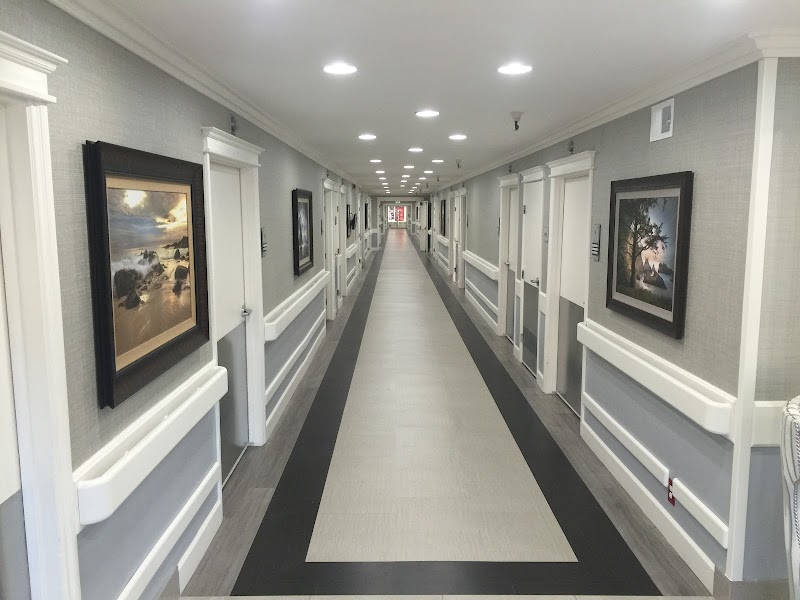
How is Valley Pointe Nursing & Rehabilitation Center Staffed?

CMS rates VALLEY POINTE NURSING & REHABILITATION CENTER's staffing level at 3 out of 5 stars, which is average compared to other nursing homes. Staff turnover is 31%, compared to the California average of 46%. This relatively stable workforce can support continuity of care. RN turnover specifically is 62%, which is notably high. RNs provide skilled clinical oversight, so turnover in this role can affect medical care quality.

What Have Inspectors Found at Valley Pointe Nursing & Rehabilitation Center?

State health inspectors documented 24 deficiencies at VALLEY POINTE NURSING & REHABILITATION CENTER during 2022 to 2025. These included: 1 that caused actual resident harm, 21 with potential for harm, and 2 minor or isolated issues. Deficiencies causing actual harm indicate documented cases where residents experienced negative health consequences.
Who Owns and Operates Valley Pointe Nursing & Rehabilitation Center?

VALLEY POINTE NURSING & REHABILITATION CENTER is owned by a for-profit company. For-profit facilities operate as businesses with obligations to shareholders or private owners. The facility is operated by PACS GROUP, a chain that manages multiple nursing homes. With 50 certified beds and approximately 45 residents (about 90% occupancy), it is a smaller facility located in CASTRO VALLEY, California.
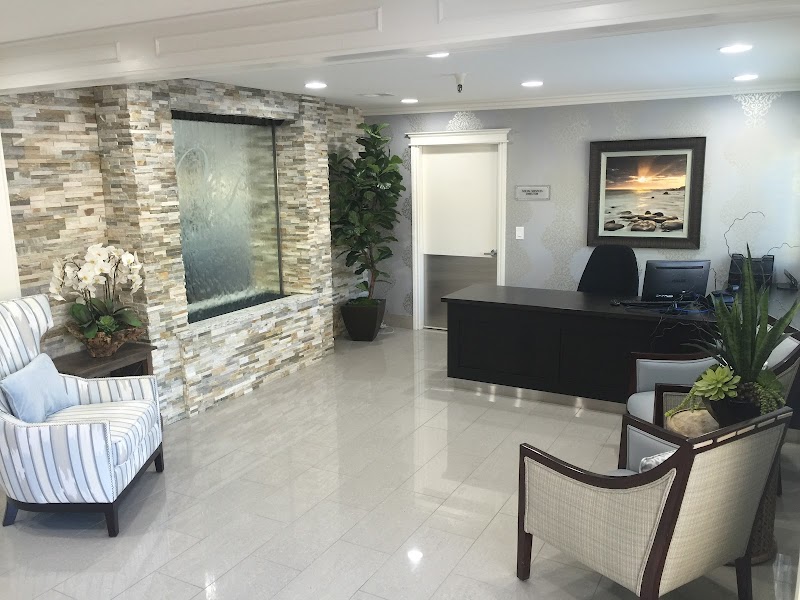
How Does Valley Pointe Nursing & Rehabilitation Center Compare to Other California Nursing Homes?

Compared to the 100 nursing homes in California, VALLEY POINTE NURSING & REHABILITATION CENTER's overall rating (4 stars) is above the state average of 3.2, staff turnover (31%) is significantly lower than the state average of 46%, and health inspection rating (4 stars) is above the national benchmark.

What Should Families Ask When Visiting Valley Pointe Nursing & Rehabilitation Center?

Based on this facility's data, families visiting should ask: "Can I visit during a mealtime to observe dining assistance and food quality?" "How do you handle medical emergencies, and what is your hospital transfer rate?" "Can I speak with family members of current residents about their experience?"

Is Valley Pointe Nursing & Rehabilitation Center Safe?

Based on CMS inspection data, VALLEY POINTE NURSING & REHABILITATION CENTER has a clean safety record: no substantiated abuse findings (meaning no confirmed cases of resident harm), no Immediate Jeopardy citations (the most serious violation level indicating risk of serious injury or death), and is not on the Special Focus Facility watch list (a federal program monitoring the lowest-performing 1% of nursing homes). The facility has a 4-star overall rating and ranks #1 of 100 nursing homes in California. While no facility is perfect, families should still ask about staff-to-resident ratios and recent inspection results during their visit.

Do Nurses at Valley Pointe Nursing & Rehabilitation Center Stick Around?

VALLEY POINTE NURSING & REHABILITATION CENTER has a staff turnover rate of 31%, which is about average for California nursing homes (state average: 46%). Moderate turnover is common in nursing homes, but families should still ask about staff tenure and how the facility maintains care continuity when employees leave.

Was Valley Pointe Nursing & Rehabilitation Center Ever Fined?

VALLEY POINTE NURSING & REHABILITATION CENTER has been fined $10,033 across 1 penalty action. This is below the California average of $33,179. While any fine indicates a compliance issue, fines under $50,000 are relatively common and typically reflect isolated problems that were subsequently corrected. Families should ask what specific issues led to these fines and confirm they've been resolved.

Is Valley Pointe Nursing & Rehabilitation Center on Any Federal Watch List?

VALLEY POINTE NURSING & REHABILITATION CENTER is not on any federal watch list. The most significant is the Special Focus Facility (SFF) program, which identifies the bottom 1% of nursing homes nationally based on persistent, serious quality problems. Not being on this list means the facility has avoided the pattern of deficiencies that triggers enhanced federal oversight. This is a positive indicator, though families should still review the facility's inspection history directly.