CHATSWORTH PARK HEALTH CARE CENTER
10610 OWENSMOUTH, CHATSWORTH, CA 91311 (818) 882-3200
For profit - Limited Liability company 128 Beds THE ENSIGN GROUP Data: November 2025
Trust Grade
43/100
#766 of 1155 in CA
Last Inspection: April 2025

Within standard 12-15 month inspection cycle. Federal law requires annual inspections.

Overview

Chatsworth Park Health Care Center has a Trust Grade of D, which means it is below average and has some concerning issues. It ranks #766 out of 1155 facilities in California, placing it in the bottom half of nursing homes statewide, and #170 out of 369 in Los Angeles County, indicating that there are better local options available. While the facility is showing improvement, with the number of issues decreasing from 35 in 2024 to 20 in 2025, it still faces significant challenges, including $46,280 in fines, which is higher than 76% of California facilities and points to ongoing compliance problems. Staffing is rated as average, with a turnover rate of 25%, which is better than the state average of 38%, and there is an adequate level of RN coverage. However, there have been serious deficiencies, like a resident being subjected to physical abuse by another resident, resulting in injury, and failures in creating personalized care plans for residents, which could lead to inadequate medical care. Families considering this facility should weigh these strengths against the substantial weaknesses.

Trust Score
D
43/100
In California
#766/1155
Bottom 34%
Safety Record
Moderate
Needs review
Inspections
Getting Better
35 → 20 violations
Staff Stability
✓ Good
25% annual turnover. Excellent stability, 23 points below California's 48% average. Staff who stay learn residents' needs.
Penalties
✓ Good
$46,280 in fines. Lower than most California facilities. Relatively clean record.
Skilled Nurses
⚠ Watch
Each resident gets only 22 minutes of Registered Nurse (RN) attention daily — below average for California. Fewer RN minutes means fewer trained eyes watching for problems.
Violations
⚠ Watch
88 deficiencies on record. Higher than average. Multiple issues found across inspections.
★★☆☆☆
2.0
Overall Rating
★★★☆☆
3.0
Staff Levels
★★★★★
5.0
Care Quality
★☆☆☆☆
1.0
Inspection Score
Stable
2024: 35 issues
2025: 20 issues

The Good

  • 5-Star Quality Measures · Strong clinical quality outcomes
  • Low Staff Turnover (25%) · Staff stability means consistent care
  • Full Sprinkler Coverage · Fire safety systems throughout facility
  • No fines on record
  • Staff turnover is low (25%)

    23 points below California average of 48%

Facility shows strength in quality measures, staff retention, fire safety.

The Bad

2-Star Overall Rating

Below California average (3.1)

Below average - review inspection findings carefully

Federal Fines: $46,280

Above median ($33,413)

Moderate penalties - review what triggered them

Chain: THE ENSIGN GROUP

Part of a multi-facility chain

Ask about local staffing decisions and management

The Ugly 88 deficiencies on record

1 actual harm
Aug 2025 1 deficiency
CONCERN (D) 📢 Someone Reported This

A family member, employee, or ombudsman was alarmed enough to file a formal complaint

Potential for Harm - no one hurt, but risky conditions existed

Report Alleged Abuse (Tag F0609)

Could have caused harm · This affected 1 resident

**NOTE- TERMS IN BRACKETS HAVE BEEN EDITED TO PROTECT CONFIDENTIALITY** Based on interview and record review, the facility failed to implement its policy and procedures (P&P) for ensuring the reportin...

Read full inspector narrative →
**NOTE- TERMS IN BRACKETS HAVE BEEN EDITED TO PROTECT CONFIDENTIALITY** Based on interview and record review, the facility failed to implement its policy and procedures (P&P) for ensuring the reporting of a reasonable suspicion of a crime in accordance with Section 1150B of the Act by failing to report an allegation of staff to resident physical and verbal abuse (the willful infliction of injury, unreasonable confinement, intimidation, or punishment with resulting physical harm, pain or mental anguish) immediately but no later than two hours to the State Agency (California Department of Public Health [CDPH]) and the local law enforcement for one of four sampled residents (Resident 1).This deficient practice had the potential to result in the delay in implementing necessary actions to oversee the protection of the residents in the facility by the State Survey Agency (SSA). Findings:During a review of Resident 1's admission Record, the admission Record indicated that the facility originally admitted Resident 1 to the facility on 3/23/2023 and readmitted on [DATE] with diagnoses including osteomyelitis (inflammation of bone or bone marrow, usually due to infection) of the vertebra (one of the bones that make up the spinal column), and type 2 diabetes mellitus (DM-a disorder characterized by difficulty in blood sugar control and poor wound healing).During a review of Resident 1's Minimum Data Set (MDS- a resident assessment tool) dated 7/15/2025, the MDS indicated that Resident 1 had mildly impaired cognition (the mental action or process of acquiring knowledge and understanding through thought, experience, and the senses) and was dependent on staff with toileting hygiene, shower or bathing, dressing, personal hygiene, and mobility (movement).During an interview on 8/1/2025 at 12:35 p.m. with the Assistant Director of Nursing (ADON), the ADON stated that on 7/17/2025 at around 3:45 p.m., a third-party Clinical Evaluator (CE) informed her (ADON) and the MDS Coordinator (MDSC) that Resident 1 reported to the CE that he was held down by five facility staff and they were verbally aggressive to him. The ADON stated she immediately called the Director of Nursing (DON) on 7/17/2025 at 3:54 p.m. and the DON instructed the ADON to notify the Administrator (ADM). The ADON stated she notified the ADM at 3:56 p.m. and was told by the ADM that the ADM had already investigated this incident. During a concurrent interview and record review on 8/1/2025 at 1:25 p.m. with the ADM, reviewed Resident 1's Incident Summary and the facility's P&P on abuse investigation. The ADM stated that on 7/17/2025 he received a call from the ADON regarding Resident 1's claim of physical and verbal abuse, and he (ADM) informed the ADON that this matter had already been investigated. The ADM stated that the Incident Summary dated 7/1/2025 indicated Resident 1 had accused Certified Nursing Assistant 6 (CNA 6), Licensed Vocational Nurse 6 (LVN 6), LVN 3, and LVN 4 of being verbally and physically abusive toward him during care. The ADM stated that following a thorough investigation, it was concluded that Resident 1 was the aggressor in this encounter and that Resident 1 was verbally aggressive to staff. The ADM stated that the facility's Abuse Investigation Policy indicates that it is the policy of the facility to thoroughly investigate any and all reports of abuse, neglect and misappropriation of property and to immediately report the alleged or suspected abuse, neglect, or exploitation of the resident according to state regulations. The ADM stated that Resident 1's allegations of verbal and physical abuse by staff should have been reported immediately and by failing to report the allegations, it may have delayed the implementation of necessary actions to protect the residents in the facility. During a review of the facility's policy and procedure (P&P) titled, Abuse Investigation last revised on January 2025, the policy indicated the facility will thoroughly investigate any and all reports of abuse, neglect (failure to provide adequate care or services), and misappropriation of property (deliberate misplacement, exploitation [taking advantage of a resident], or wrongful, use of resident's belongings or money without the resident's consent). Immediately report the alleged or suspected abuse, neglect, or exploitation of the resident according to state regulations.
Apr 2025 13 deficiencies
CONCERN (D)

Potential for Harm - no one hurt, but risky conditions existed

Pressure Ulcer Prevention (Tag F0686)

Could have caused harm · This affected 1 resident

Based on observation, interview, and record review, the facility failed to ensure residents received care consistent with professional standards of practice to prevent pressure injuries (PI/PU, injuri...

Read full inspector narrative →
Based on observation, interview, and record review, the facility failed to ensure residents received care consistent with professional standards of practice to prevent pressure injuries (PI/PU, injuries to the skin and underlying tissue resulting from prolonged pressure) by failing to follow physician's order to apply heel protectors while in bed for one of one sampled resident (Resident 4). This deficient practice had the potential for the worsening of or the development of PI/PU. Findings: During a review of Resident 4's admission Record, the admission Record indicated the facility admitted Resident 4 on 10/23/2024 with diagnoses that included, but not limited to palliative care (specialized medical care that focuses on providing relief from pain and other symptoms of a serious or life-threatening illness), polyneuropathy (disease or dysfunction of one or more peripheral nerves [nerves located outside of the brain and spinal cord], typically causing numbness or weakness), and heart failure (a condition where the heart is unable to pump blood effectively enough to meet the body's needs). During a review of Resident 4's Minimum Data Set (MDS - a resident assessment tool) dated 4/10/2025, the MDS indicated Resident 4 was able to understand others and make herself understood, but forgetful. The MDS indicated Resident 4 needed maximal assistance on staff for hygiene, dressing, and was dependent on staff for toileting and bathing. The MDS further indicated Resident 4 was at risk for developing PI/PU. During a review of Resident 4's physician order dated 2/7/2025, the physician order indicated an order for heel protectors bilateral (both feet) when in bed as preventative measure every shift for skin maintenance. During a concurrent observation and interview on 4/22/2025 at 10:32 a.m., with Certified Nursing Assistant 1 (CNA 1) in Resident 4's room, observed CNA 1 lift the blanket from Resident 4's feet and legs. CNA 1 stated that Resident 4's heels are touching the mattress and should not be. CNA 1 further stated Resident 4 is supposed to be wearing her heel protectors to protect her skin and without them there is a chance the skin on her heels can breakdown. During an interview on 4/23/2025 at 11:15 a.m., with the Director of Nursing (DON), the DON stated staff should follow the physician's order to place heel protectors on Resident 4 while in bed and did not follow Resident 4's physician order. The DON stated Resident 4 does not walk or move very well in bed alone and interventions such as heel protectors are necessary to prevent PI/PU. During a review of the facility's policy and procedure (P&P) titled, Skin and Wound Monitoring and Management, last reviewed on 1/27/2025, the P&P indicated the purpose of the policy is to promote interventions that prevent pressure injury development. The P&P further indicates to use pressure relieving/reducing and redistributing devices to help prevent PI/PU.
CONCERN (D)

Potential for Harm - no one hurt, but risky conditions existed

Accident Prevention (Tag F0689)

Could have caused harm · This affected 1 resident

Based on observation, interview, and record review, the facility failed to maintain the safety of residents by failing to ensure Resident 1's bed brake lock was engaged. This deficient practice placed...

Read full inspector narrative →
Based on observation, interview, and record review, the facility failed to maintain the safety of residents by failing to ensure Resident 1's bed brake lock was engaged. This deficient practice placed Resident 1 at risk for injury. Findings: During a review of Resident 1's admission Record, the admission Record indicated the facility admitted Resident 1 on 4/13/2020 and re-admitted the resident on 6/15/2024, with diagnoses that included failure to thrive (a decline caused by chronic diseases and functional impairments which can cause weight loss, decreased appetite, poor nutrition, and inactivity). During a review of Resident 1's Minimum Data Set (MDS, a federally mandated resident assessment tool), dated 3/12/2025, the MDS indicated Resident 1 was severely impaired in cognition (the process of acquiring knowledge and understanding through thought, experience, and the senses) with skills required for daily decision making. The MDS indicated Resident 1 was dependent on staff for showering, toileting, dressing, and personal hygiene. During a review of Resident 1's Care Plan for Activities of Daily Living (ADLs- routine tasks/activities such as bathing, dressing and toileting a person performs daily to care for themselves), initiated 6/16/2024, the care plan indicated Resident 1 needs assistance with ADL tasks due to poor balance and gait instability. The care plan indicated a goal that Resident 1 will maintain current level of function in bed mobility, transfers, eating, dressing, grooming, toilet use and personal hygiene through the review date. The care plan indicated Resident 1 requires assistance with toilet use and requires two staff participation with transfers. During a review of Resident 1's Fall Risk Evaluation, dated 3/12/2025, indicated Resident 1 was at a medium risk for falls. During an observation with the Maintenance Resource (MR) on 4/23/2025 at 12:45 p.m. observed Resident 1 in their bed in their room. The brake at the foot of the bed that prevents the bed from moving was not locked. The MR locked the bed. During an interview with the DON on 4/23/2025 at 2:43 p.m., the DON stated bed brakes should be locked so the bed does not move. During a review of the facility's policy and procedure titled, Fall Management System, last reviewed 1/23/2025, the policy indicated it is the policy of the facility to provide an environment that remains as free of accident hazards as possible. The policy indicated the facility is to provide each resident with appropriate assessment and interventions to prevent falls. During a review of the facility's policy and procedure titled, Bed Positioning, last reviewed 1/23/2025, the policy indicated the following: 1. To promote resident safety, all staff are required to ensure that the resident's bed is locked and in a safe position following the completion of ADL care. 2. After providing ADL care, the bed is returned to the lowest position unless otherwise indicated in the resident's care plan. Verify that the bed wheels are locked.
CONCERN (D)

Potential for Harm - no one hurt, but risky conditions existed

Incontinence Care (Tag F0690)

Could have caused harm · This affected 1 resident

Based on observation, interview, and record review, the facility failed to ensure a resident's indwelling catheter (a tube that is inserted into the bladder, allowing urine to drain) did not have a lo...

Read full inspector narrative →
Based on observation, interview, and record review, the facility failed to ensure a resident's indwelling catheter (a tube that is inserted into the bladder, allowing urine to drain) did not have a loop or kink (unwanted twist or bend) for one of one sampled resident (Resident 15). This deficient practice had the potential for the resident to develop a urinary tract infection (UTI- an infection in any part of the urinary system). Findings: During a review of Resident 15's admission Record, the admission Record indicated the facility admitted Resident 15 on 7/11/2021 and readmitted the resident on 2/7/2025 with diagnoses that included, but not limited to palliative care (specialized medical care that focuses on providing relief from pain and other symptoms of a serious or life-threatening illness), dementia (a progressive state of decline in mental abilities), and history of falling. During a review of Resident 15's History and Physical (H&P- a formal assessment by a healthcare provider that involves a resident interview, physical exam, and documentation of findings), dated 1/16/2025, the H&P indicated Resident 15 did not have the capacity to understand and make decisions. The H&P further indicated the resident was readmitted status post (s/p- after) UTI/sepsis (a life-threatening complication of an infection). During a review of Resident 15's Minimum Data Set (MDS - a resident assessment tool) dated 3/31/2025, the MDS indicated Resident 15 was mostly not understood by others or able to understand. The MDS indicated Resident 15 was dependent on staff for hygiene, dressing, toileting and bathing. The MDS further indicated Resident 15 had an indwelling catheter. During a review of Resident 15's Order Summary Report, the Order Summary Report indicated a physician order for an indwelling catheter, dated 3/27/2025. During an observation on 4/23/2025 at 9:46 a.m., in Resident 15's room, observed Resident 15 lying in bed with an indwelling catheter bag hanging on the left side of Resident 15's bedframe. Observed the indwelling catheter tubing have a large loop and two (2) coils, one of which almost kinked. During a concurrent observation and interview on 4/21/2025 at 9:50 a.m., with the Treatment Nurse (TN) in Resident 15's room, observed Resident 15's indwelling catheter tubing. The TN stated the tubing should not be looped and coiled like it is because it's almost causing a kink. The TN stated looping and coiling was causing the back flow of urine in the tubing and it could cause an infection. During an interview on 4/23/2025 at 11:26 a.m., with the Director of Nursing (DON), the DON stated staff should always ensure the indwelling catheter tubing should be straight to drain the urine into the urinary catheter bag. The DON further stated Resident 15 has a history of UTIs and his indwelling catheter tubing must not be coiled, looped, or kinked to prevent back flow of urine into the body and to prevent another infection. During a review of the facility's policy and procedure (P&P) titled, Indwelling Catheter, last reviewed on 1/27/2025, the P&P indicated to achieve a free flow of urine the catheter and drainage tubing should be free of loops and kinking.
CONCERN (D)

Potential for Harm - no one hurt, but risky conditions existed

Deficiency F0694 (Tag F0694)

Could have caused harm · This affected 1 resident

**NOTE- TERMS IN BRACKETS HAVE BEEN EDITED TO PROTECT CONFIDENTIALITY** Based on observation, interview and record review the facility failed to follow professional standards of practice by failing to...

Read full inspector narrative →
**NOTE- TERMS IN BRACKETS HAVE BEEN EDITED TO PROTECT CONFIDENTIALITY** Based on observation, interview and record review the facility failed to follow professional standards of practice by failing to administer an intravenous (IV - into or through the vein) antibiotic (a medication that kills or stops the growth of bacteria) at the rate ordered by the physician for one of one resident (Resident 57) during a random observation. This failure had the potential to increase the risk of Resident 57 experiencing adverse (undesirable outcome) effects such as fluid overload (too much fluid volume in the body), infiltration (an IV fluid or medication leaks from the vein into the surrounding tissue), pain and phlebitis (inflammation of the vein). Findings: During a review of Resident 57's admission Record, the admission Record indicated the facility admitted Resident 57 on 11/10/2024 and readmitted on [DATE] with diagnoses including dysphagia (difficulty swallowing), heart failure (a condition where the heart is unable to pump blood effectively enough to meet the body's needs), unspecified dementia (a progressive state of decline in mental abilities), and dependence on supplemental oxygen (giving oxygen beyond what is typically inhaled in normal air, often used to treat conditions where the body does not receive enough oxygen). During a review of Resident 57's History and Physical (H&P), dated 4/24/2025, the H&P indicated the resident is a poor historian (a person who has difficulty recalling, organizing, or providing a clear and complete account of their medical history). During a review of Resident 57's Minimum Data Set (MDS, a standardized assessment and care screening tool), dated 4/10/2025, the MDS indicated Resident 57 is rarely/never understood and was dependent on staff for activities such as eating, toileting, dressing, bathing and personal hygiene. The MDS indicated Resident 57 was on a high-risk drug class medication antibiotic through an IV. During a review of Resident 57's Order Summary Report, the Order Summary Report indicated an order for: -4/22/2025 Vancomycin (antibiotic) HCL intravenous solution. Use 750 mg (milligram - a unit of measurement) every 12 hours. During an observation on 4/21/2025 at 9:55 am in Resident 57's room, Resident 57 was lying in bed with an IV medication bag and tubing attached to her left arm. The IV medication bag label indicated the medication was Vancomycin dated 4/18/2025 and started on 4/21/2025 at 8:30 am. The label indicated to infuse (deliver directly into bloodstream) 270 ml (milliliters - a form of measurement) over 2 hours (135ml/hr. [hour]) every 12 hours until 5/8/2025. The tubing for the Vancomycin had a flow regulator (manually [not by an electronic IV pump] regulates fluid flow through an IV to maintain a constant flow rate by turning the dial to the prescribed rate) and it was manually set at 200 ml/hr. The IV bag label indicated the prescriber of Vancomycin is Resident 57's primary physician. During a concurrent observation and interview on 4/21/2025 at 10:01 am in Resident 57's room with Registered Nurse 1 (RN 1), RN 1 looked at the flow regulator for the Vancomycin and stated she dialed it to 200 ml/hr. when she started that morning (4/21/2025) to ensure that all the medication would be administered within two hours. RN 1 stated she did not follow the physician's order and should have dialed the flow regulator to 135ml/hr. because order indicated to administer the Vancomycin at 135 ml/hr. RN 1 further explained IV medications rate (how much and how fast to give) must always be double checked to ensure the resident is receiving the medication as prescribed. During an interview on 4/21/2025 at 12:25 pm with the Director of Nursing (DON), the DON stated licensed nurses must follow physicians' orders when giving medications, including the amount and the rate of the medication. The DON stated giving the Vancomycin at 200ml/hr. instead of the prescribed 135 ml/hr. is a medication error and giving Vancomycin too quickly can cause side effects such as pain in the IV site, flushing and redness or itching. During a review of the facility's policy and procedure (P&P) titled, Administration of Medications and Fluids, Intravenously, last reviewed on 1/27/2025, the P&P indicated it is the policy of the facility that medication and/or fluids shall be administered as prescribed by the attending physician. The P&P further indicated to verify that the container's label coincides with the prescriber's order. During a review of the Flow Regulator package insert, the insert indicated to set the flow regulator to the desired rate.
CONCERN (D)

Potential for Harm - no one hurt, but risky conditions existed

Deficiency F0698 (Tag F0698)

Could have caused harm · This affected 1 resident

Based on interview and record review, the facility failed to ensure the hemodialysis (a treatment to cleanse the blood of wastes and extra fluids artificially through a machine when the kidney(s) have...

Read full inspector narrative →
Based on interview and record review, the facility failed to ensure the hemodialysis (a treatment to cleanse the blood of wastes and extra fluids artificially through a machine when the kidney(s) have failed) center completed a post-dialysis assessment (evaluation done after hemodialysis by the hemodialysis licensed nurses) by failing to: 1. Follow up with the dialysis center when there was no documentation of the resident's post dialysis weight. 2. Follow up with the dialysis center when a resident's weight is staying the same or increasing after dialysis treatments (it is usual for a resident's weight to be slightly reduced after dialysis since some fluid is removed). for one (Resident 59) of two sampled residents upon returning to the facility from a dialysis session. This deficient practice had the potential for Resident 59 to have unidentified complications after dialysis treatment such as abnormal vital signs (pulse rate, temperature, respirations, and blood pressure, that indicate the state of a patient's essential body functions). Findings: During a review of Resident 59's admission Record, the admission Record indicated the facility admitted the resident on 5/24/2022 and re-admitted the resident on 2/24/2024 with diagnoses including end stage renal disease (ESRD, irreversible kidney failure). During a review of Resident 59's Minimum Data Set (MDS, a federally mandated resident assessment tool), dated 2/14/2025, the MDS indicated Resident 59 was severely impaired in cognition (the process of acquiring knowledge and understanding through thought, experience, and the senses) with skills required for daily decision making. The MDS indicated Resident 59 required supervision or touching assistance (helper provides verbal cues and/or touching assistance as resident completes activity). The MDS indicated Resident 59 receives dialysis treatments. During a review of Resident 59's Care Plan for Dialysis, initiated 7/20/2023, the care plan indicated Resident 59 will have no signs or symptoms of complications from dialysis through the review date. The care plan indicated an intervention to obtain vital signs and weight per protocol. During a review of Resident 59's Dialysis Sheets, the Dialysis Sheets indicated the following from the section titled, Dialysis Unit Assessment: 4/04/2025 no post-dialysis weight 4/09/2025 no post-dialysis weight 4/06/2025 pre-dialysis and post-dialysis weights are the same value 4/18/2025 post-dialysis weight is greater than the pre-dialysis weight 4/21/2025 post-dialysis weight is greater than the pre-dialysis weight During a concurrent interview and record review with Registered Nurse 1 (RN 1) on 4/23/2025 at 8:33 a.m., reviewed Resident 59's Dialysis Sheets for 4/2025. RN 1 verified that the above listed findings from Resident 59's 4/2025 Dialysis Sheets. RN 1 stated the licensed nurses should call the dialysis center if there is no post-dialysis weight, and any post-dialysis weights that are the same or greater than the pre-dialysis weights. RN 1 could not provide any documentation that there was communication between the facility and dialysis center about the weights. RN 1 stated it is important to communicate with the dialysis center regarding Resident 59's weights to ensure the weights are accurate. RN 1 stated, if Resident 59's weight is increasing after dialysis, the licensed nurses should know in the case they need to conduct further interventions. During a concurrent interview and record review with the Director of Nursing (DON) on 4/23/2025 at 2:35 p.m., reviewed Resident 59's Dialysis Sheets for 4/2025 and the facility's policy and procedure titled, Dialysis (Renal), Pre- and Post-Care, last reviewed 1/23/2025. The DON verified the above findings from Resident 59's 4/2025 Dialysis Sheets. The DON stated it depends how much fluid the dialysis center removes. The DON stated the licensed nurses should call to see why the weight is higher post dialysis or if the post-dialysis weight is not documented. The DON stated, for the same weight, the licensed nurses can call the dialysis center to find out, but the dialysis center is the one that is documenting the information. The DON also stated the (skilled nursing) facility is still responsible for the information documented on the Dialysis Sheet because the licensed nurses are the ones who are going to be monitoring the resident. The DON stated, although it is not stated specifically in the Dialysis Policy, the licensed nurses should be checking the weights on the Dialysis Sheets. The DON stated it is important because a resident could have complications such as respiratory problems or edema (swelling caused by too much fluid trapped in the body's tissues). During a review of the facility's policy and procedure (P&P) titled, Dialysis (Renal), Pre- and Post-Care, last reviewed 1/23/2025, the P&P indicated it is the policy of the facility to participate in ongoing communication and collaboration with the dialysis facility regarding dialysis care and services. The policy indicated the care of the resident receiving dialysis receiving dialysis services will reflect ongoing communication, coordination, and collaboration between the nursing home and dialysis staff. The policy indicated communication between facility and dialysis staff should be documented.
CONCERN (D)

Potential for Harm - no one hurt, but risky conditions existed

Medication Errors (Tag F0758)

Could have caused harm · This affected 1 resident

**NOTE- TERMS IN BRACKETS HAVE BEEN EDITED TO PROTECT CONFIDENTIALITY** Based on interview and record review, the facility failed to ensure licensed nurses attempted non-pharmacological interventions ...

Read full inspector narrative →
**NOTE- TERMS IN BRACKETS HAVE BEEN EDITED TO PROTECT CONFIDENTIALITY** Based on interview and record review, the facility failed to ensure licensed nurses attempted non-pharmacological interventions (any type of healthcare intervention which is not primarily based on medication) prior to administering as needed (prn) alprazolam (medication used to treat anxiety disorder [intense, excessive, and persistent worry and fear about everyday situations]) to one of five residents reviewed for unnecessary medications (Resident 31). This deficient practice had the potential to place the resident at increased risk of experiencing adverse side effects (undesired harmful effect resulting from a medication or other intervention) from alprazolam. Findings: During a review of Resident 31's admission Record, the admission Record indicated the facility originally admitted the resident on 2/04/2025 and readmitted on [DATE] with diagnoses including chronic obstructive pulmonary disease (COPD- a lung disease that makes breathing difficult) and muscle weakness. During a review of Resident 31's Minimum Data Set (MDS - a federally mandated resident assessment tool), dated 3/01/2025, the MDS indicated the resident had moderately impaired cognition (the mental process of acquiring knowledge and understanding through the senses, experience, and thought) and was dependent on staff for activities of daily living (ADLs - activities related to personal care). During a review of Resident 31's care plan (a document that outlines a resident's health care needs and goals, and the treatments and activities that will help the resident achieve them) for use of anti-anxiety medication due to anxiety manifested by verbalization of anxiousness, initiated on 2/10/2025, the care plan indicated to provide non-pharmacological interventions including back rub, redirection, repositioning, providing a quite environment, and encouragement to express feelings. During a concurrent interview and record review on 4/23/2025 at 1:33 p.m., with the Assistant Director of Nursing (ADON), reviewed Resident 31's physician's orders and Medication Administration Record (MAR - a report that serves as a legal record of the drugs administered to a resident at a facility by a health care professional). The ADON stated Resident 31 had an order for alprazolam 0.25 milligrams (mg - unit of measurement) by mouth every 12 hours as needed for anxiety manifested by verbalization of anxiousness and was administered this medication on the following dates and times: - On 4/7/2025 at 10:40 p.m., alprazolam was administered to Resident 31 but no documentation that non-pharmacological interventions were attempted first. - On 4/8/2025 at 10:00 p.m., alprazolam was administered to Resident 31 but no documentation that non-pharmacological interventions were attempted first. - On 4/9/2025 at 8:00 p.m., alprazolam was administered to Resident 31 but no documentation that non-pharmacological interventions were attempted first. - On 4/10/2025 at 11:00 p.m., alprazolam was administered to Resident 31 but no documentation that non-pharmacological interventions were attempted first. - On 4/11/2025 at 10:00 p.m., alprazolam was administered to Resident 31 but no documentation that non-pharmacological interventions were attempted first. - On 4/12/2025 at 10:00 p.m., alprazolam was administered to Resident 31 but no documentation that non-pharmacological interventions were attempted first. The ADON stated it was important to first attempt non-pharmacological interventions prior to administering alprazolam to ensure that it was not being given unnecessarily. The ADON stated that residents could experience adverse side effects such as sedation and respiratory depression. The ADON stated that medication may not even be necessary if non-pharmacological interventions can alleviate the resident's symptoms. During a review of the facility's policy and procedure titled, Psychotropic Medications (a drug or other substance that affects how the brain works and causes changes in mood, awareness, thoughts, feelings, or behavior), last reviewed and revised on 1/2025, the policy and procedure indicated that it is the policy of this facility to ensure that residents who have not used psychotropic drugs are not given these drugs unless the medication is necessary to treat specific condition as diagnosed and documented in the clinical record .the Interdisciplinary Team (IDT) will review to ensure plan of care shows individualized, person centered care approaches to manage behavior with non-pharmacologic interventions .
CONCERN (D)

Potential for Harm - no one hurt, but risky conditions existed

Deficiency F0760 (Tag F0760)

Could have caused harm · This affected 1 resident

**NOTE- TERMS IN BRACKETS HAVE BEEN EDITED TO PROTECT CONFIDENTIALITY** Based on observation interview and record review the facility failed to ensure residents were free of any significant medication...

Read full inspector narrative →
**NOTE- TERMS IN BRACKETS HAVE BEEN EDITED TO PROTECT CONFIDENTIALITY** Based on observation interview and record review the facility failed to ensure residents were free of any significant medication errors by failing to administer an intravenous (IV - into or through the vein) antibiotic (a medication that kills or stops the growth of bacteria) at the rate ordered by the physician for one of one resident (Resident 57) during a random observation. This failure had the potential to increase the risk of Resident 57 experiencing adverse (undesirable outcome) effects such as fluid overload (too much fluid volume in the body), infiltration (an IV fluid or medication leaks from the vein into the surrounding tissue), pain and phlebitis (inflammation of the vein). Cross reference F694 Findings: During a review of Resident 57's admission Record, the admission Record indicated the facility admitted Resident 57 on 11/10/2024 and readmitted on [DATE] with diagnoses including dysphagia (difficulty swallowing), heart failure (a condition where the heart is unable to pump blood effectively enough to meet the body's needs), unspecified dementia (a progressive state of decline in mental abilities), and dependence on supplemental oxygen (giving oxygen beyond what is typically inhaled in normal air, often used to treat conditions where the body does not receive enough oxygen). During a review of Resident 57's History and Physical (H&P), dated 4/24/2025, the H&P indicated the resident is a poor historian (a person who has difficulty recalling, organizing, or providing a clear and complete account of their medical history). During a review of Resident 57's Minimum Data Set (MDS, a standardized assessment and care screening tool), dated 4/10/2025, the MDS indicated Resident 57 is rarely/never understood and was dependent on staff for activities such as eating, toileting, dressing, bathing and personal hygiene. The MDS indicated Resident 57 was on a high-risk drug class medication antibiotic through an IV. During a review of Resident 57's Order Summary Report, the Order Summary Report indicated an order for: -4/22/2025 Vancomycin (antibiotic) HCL intravenous solution. Use 750 mg (milligram - a unit of measurement) every 12 hours. During an observation on 4/21/2025 9:55 am in Resident 57's room, Resident 57 was lying in bed with IV medication bag and tubing attached to her left arm. The IV medication bag label indicated the medication was Vancomycin dated 4/18/2025 and started on 4/21/2025 at 8:30 am. The label indicated to infuse (deliver directly into bloodstream) 270 ml (milliliters - a form of measurement) over 2 hours (135 ml/hr. [hour]) every 12 hours until 5/8/2025. The tubing for the Vancomycin had a flow regulator (manually [not by an electronic IV pump] regulates fluid flow through an IV to maintain a constant flow rate by turning the dial to the prescribed rate) and it was manually set at 200 ml/hr. The IV bag label indicated the prescriber of Vancomycin was Resident 57's primary physician. During a concurrent observation and interview on 4/21/2025 at 10:01 am in Resident 57's room with Registered Nurse 1 (RN 1), RN 1 looked at the flow regulator for the Vancomycin and stated she dialed it to 200ml/hr. when she started that morning (4/21/2025) to ensure that all the medication would be administered within two hours. RN 1 stated she was wrong and should have dialed the flow regulator to 135 ml/hr. because the order and label stated to administer at 135 ml/hr. RN 1 further stated that IV medications must be given at the prescribed rate (how much and how fast to give) to ensure it is not given too fast or too slow and to prevent side effects that could harm the resident. During an interview on 4/21/2025 at 12:25 pm with the Director of Nursing (DON), the DON stated licensed nurses must follow physicians' orders when giving medications, including the amount and the rate of the medication. The DON further stated giving the Vancomycin at 200 ml/hr. instead of the prescribed 135 ml/hr. is a medication error and giving Vancomycin too quickly can cause side effects such as pain in the IV site, flushing and redness or itching. During a review of the facility's policy and procedure (P&P) titled, Administration of Medications and Fluids, Intravenously, last reviewed on 1/27/2025, indicated it is the policy of the facility that medication and/or fluids shall be administered as prescribed by the attending physician. The P&P further indicated to verify that the container's label coincides with the prescriber's order. During a review of the Flow Regulator package insert, the insert indicated to set the flow regulator to the desired rate.
CONCERN (D)

Potential for Harm - no one hurt, but risky conditions existed

Deficiency F0761 (Tag F0761)

Could have caused harm · This affected 1 resident

**NOTE- TERMS IN BRACKETS HAVE BEEN EDITED TO PROTECT CONFIDENTIALITY** Based on observation, interview, and record review the facility failed to store and label one (1) Aplisol (medication used to di...

Read full inspector narrative →
**NOTE- TERMS IN BRACKETS HAVE BEEN EDITED TO PROTECT CONFIDENTIALITY** Based on observation, interview, and record review the facility failed to store and label one (1) Aplisol (medication used to diagnose tuberculosis [infection in the lungs]) vial in the refrigerator, in accordance with manufacturer's requirements and facility policy and procedures in one (1) of one (1) inspected medication rooms (Medication room [ROOM NUMBER].) This deficient practice increased the risk to residents in the facility to receive medication that had become ineffective or toxic due to improper storage or labeling, possibly leading to inaccurate treatment for tuberculosis (a contagious bacterial disease that's usually spread through the air when someone with tuberculosis coughs, sneezes, or spits) resulting in hospitalization or death. Findings: During an observation on [DATE] at 12:54 p.m., with Registered Nurse (RN) 1, in Medication room [ROOM NUMBER] there was one (1) open vial of Aplisol for facility stock found stored in the refrigerator without a label indicating when storage or use began. According to the manufacturer's product storage and labeling, Aplisol vials should be stored in the refrigerator between 36 and 46 degrees Fahrenheit and used or discarded from use within 30 days of opening the vial. During a concurrent interview, RN 1 stated that the Aplisol vial stored in the refrigerator in Medication room [ROOM NUMBER] was opened and not labeled with a date indicating when use began. RN 1 stated usually open Aplisol vials were good for 30 days and beyond 30 days it loses potency (effectiveness). RN 1 stated Aplisol vials needed to be labeled with a date when first opened to know when to discard and not administer expired Aplisol to residents in error. RN 1 stated administering expired Aplisol to residents may result in inaccurate results (either false negative or false positive) and therefore lead to providing the incorrect treatment to the residents. RN 1 stated the Aplisol vial was considered expired and needed to be removed from the refrigerator and placed in the expired medication bin to be disposed of and not accidentally used for residents. During an interview on [DATE] at 2:55 p.m., with the Director of Nursing (DON,) the DON stated the Aplisol vial stored in the refrigerator in Medication room [ROOM NUMBER] for facility stock was opened and not labeled with a date indicating when use began. The DON stated multi-dose (used more than once) vials should be labeled with a date open to know when they expire and not to be used beyond that date as the sterility (ability to be free from bacteria or viruses) and potency (strength of the medication) of the medication will be affected. The DON stated multi-dose vials usually expire 28 days after opening the vial and should be discarded beyond that date to prevent accidental use. The DON stated using the Aplisol vial beyond the expiration date in error may potentially provide inaccurate results for tuberculosis (a contagious bacterial disease that's usually spread through the air when someone with tuberculosis coughs, sneezes, or spits) leading to inaccurate treatment for residents. The DON stated the Aplisol vial was considered expired and needed to be removed from Medication room [ROOM NUMBER] and discarded to prevent accidental use. During a review of facility's Policy and Procedures (P&P) titled, Vials and Ampules of Injectable Medications, last reviewed [DATE], the P&P indicated: Vials and ampules of injectable medications are used in accordance with the manufacturer's recommendations or the provider pharmacy's directions for storage, use, and disposal. B. Opening a vial triggers a shortened expiration date that is unique for that product. The date opened and this triggered expiration date are both important to be recorded on the multi-dose vials. Triggered expiration dates may be found in the manufacturer's package insert, on the package, provided, or on a reference chart by the pharmacy, or by contacting the pharmacist. E. Medications in multi-dose vials may be used until manufacturer's expiration date/for the length of time allowed by state law/according to facility policy/for thirty days. USP 797 guidelines recommend discarding multi-dose vials at 28 days after opened.
CONCERN (D)

Potential for Harm - no one hurt, but risky conditions existed

Infection Control (Tag F0880)

Could have caused harm · This affected 1 resident

Based on observation, interview, and record review, the facility failed to ensure a resident's nasal cannula (a medical device that delivers supplemental oxygen therapy to people with low oxygen level...

Read full inspector narrative →
Based on observation, interview, and record review, the facility failed to ensure a resident's nasal cannula (a medical device that delivers supplemental oxygen therapy to people with low oxygen levels) oxygen tubing was not touching the floor for one of one sampled resident (Resident 66). This deficient practice had the potential to result in contamination of the resident's care equipment and risk of transmission of bacteria that can lead to infection. Findings: During a review of Resident 66's admission Record, the admission Record indicated the facility originally admitted the resident on 10/24/2024 and readmitted the resident on 10/10/2024 with diagnoses including dysphagia (difficulty swallowing) and anemia (a condition in which the blood doesn't have enough healthy red blood cells). During a review of Resident 66's Minimum Data Set (MDS - a resident assessment tool), dated 3/11/2025, indicated the resident's cognitive (the mental action or process of acquiring knowledge and understanding through thought, experience, and the senses) skills for daily decision making was intact and required setup or clean-up assistance oral hygiene and substantial and maximal assistance toileting hygiene, shower, lower body dressing, and putting on/taking off footwear. During a review of Resident 66's physician orders dated 3/31/2025, the physician order indicated an order to administer oxygen at one (1) liter per minute (LPM- unit of measurement for oxygen) via nasal cannula as needed to keep oxygen saturation (amount of oxygen carried by red blood cells) above 90%. During a concurrent observation and interview on 4/21/2025 at 11:48 a.m., with the Assistant Director of Nursing (ADON), observed Resident 66 lying in bed with their nasal cannula oxygen tubing on the floor. The ADON stated that the nasal cannula oxygen tubing is already contaminated and can potentially introduce bacteria to Resident 66 which can lead to infection and had to be replaced immediately. During a review of the facility's policy and procedure (P&P) titled, Oxygen Therapy, reviewed on 1/2025, the P&P indicated, it is the policy of this facility to administer oxygen in a safe manner. Duirng a review of the facility's policy and procedure titled, Infection Prevention and Control Program, reviewed on 1/2025, the P&P indicated the elements of the infection prevention and control program consists of surveillance, prevention of infection . 2. Process surveillance is the review of practices by staff directly related to resident care including infection control practices during the provision of resident care and treatments. During a review of the Centers for Disease Control and Prevention (CDC, national public health agency) source material, Guidelines for Environmental Infection Control in Health-Care Facilities, updated 7/2019, indicated floors can become rapidly contaminated from airborne microorganisms and those transferred from shoes, equipment wheels, and body substances.
CONCERN (D)

Potential for Harm - no one hurt, but risky conditions existed

Antibiotic Stewardship (Tag F0881)

Could have caused harm · This affected 1 resident

Based on interview and record review, the facility failed to implement its antibiotic stewardship program by failing to conduct infection surveillance and complete the infection control reporting form...

Read full inspector narrative →
Based on interview and record review, the facility failed to implement its antibiotic stewardship program by failing to conduct infection surveillance and complete the infection control reporting form once a resident was prescribed an antibiotic for one (Resident 57) of one resident investigated who was prescribed an antibiotic. This deficient practice had the potential for Resident 57 to develop antibiotic resistance from unnecessary or inappropriate antibiotic use for future infections. Findings: During a review of Resident 57's admission Record, the admission Record indicated the facility admitted Resident 57 on 11/10/2024 and re-admitted the resident on 4/06/2025 with diagnoses including osteomyelitis of vertebra, sacral and sacrococcygeal region (inflammation of bone or bone marrow, usually due to infection, in the lower back and tailbone). During a review of Resident 57's Minimum Data Set (MDS, a federally mandated resident assessment tool), dated 4/10/2025, the MDS indicated Resident 57 was severely impaired in cognition (the process of acquiring knowledge and understanding through thought, experience, and the senses) with skills required for daily decision making. The MDS indicated Resident 57 was dependent on staff for eating, toileting, and dressing. During a review of Resident 57's Physician's Orders, dated 4/06/2025, the order indicated an order for Vancomycin (medication used to treat infections cause by bacteria) Intravenous solution (IV, fluids given directly into the blood stream) 500 milligrams per 100 milliliters (mg/ml, metric unit of measurement, used for medication dosage and/or amount), IV every 12 hours for infection until 5/09/2025, dated 4/06/2025. During a review of Resident 57's Care Plan for Infection, initiated 4/06/2025, the care plan indicated Resident 57 has a sacral infection, osteomyelitis. The care plan indicated a goal that Resident 57 will be free from complications related to infection through the review date. The care plan indicated an intervention to administer antibiotic as per physician orders. During an interview and record review with Infection Control Nurse 2 (IP 2), on 4/23/2025 at 3:34 p.m., reviewed Resident 57's physician's orders, Resident 57's Infection Surveillance Form, and the facility's policy titled, Antibiotic Stewardship, last reviewed 1/23/2025. IP 2 stated once a resident is prescribed an antibiotic, an infection surveillance form (a systematic collection of data to track infection which is collected when a resident has certain signs and symptoms that could be a bacterial infection) should be created within 48 to 72 hours of starting an antibiotic. The IP stated this would correspond to the time-out from the Antibiotic Stewardship policy. The IP stated licensed nursing staff use the McGeer's criteria (a criteria of signs and symptoms that must be met to qualify for an infection as being a true infection). The IP stated, if the resident does not meet the criteria for the illness to be a bacterial infection, the resident's physician is notified, and the doctor decides if he wants to continue the medication or to discontinue it. IP 2 stated Resident 57 was started on IV antibiotics on 4/06/2025. The IP stated Resident 57 met the McGeer's criteria for infection, but the infection control surveillance form was not done until 4/18/2025. IP 2 stated it is important that each resident prescribed an antibiotic should have an infection surveillance form created so that a resident's physician can then be made aware if they do not meet the McGeer's criteria for infection. The IP stated this was important so that a resident is prescribed an antibiotic unnecessarily because a resident could develop a resistance to this medication and not be effective in treating future infections. During a review of the facility's policy and procedure titled, Antibiotic Stewardship, last reviewed 1/23/2025, the policy indicated the following: Facility may consider antibiotic time-out (TO) practices. -A time-out can be considered a stop order of an antibiotic when a diagnostic test or symptoms of resident do not support the diagnosis of infection. -These practices include improving the evaluation and communication of clinical signs and symptoms when a resident is first suspected of having an infection, optimizing the use of diagnostic testing, and implementing an antibiotic review process, also known as an antibiotic time-out, for all antibiotics prescribed the facility. Antibiotic reviews provide clinicians with an opportunity to reassess the ongoing need for and choice of an antibiotic when the clinical picture is clearer and more information available.
CONCERN (E)

Potential for Harm - no one hurt, but risky conditions existed

Comprehensive Care Plan (Tag F0656)

Could have caused harm · This affected multiple residents

Based on interview and record review, the facility failed to develop and implement a person-centered care plan (a plan of care that summarizes a resident's health conditions, specific care and service...

Read full inspector narrative →
Based on interview and record review, the facility failed to develop and implement a person-centered care plan (a plan of care that summarizes a resident's health conditions, specific care and services facility staff need to provide a resident to promote healing and prevent a worsening of a condition, and current treatments) for three out of four sampled residents (Residents 81, 17, and 301). This deficient practice had the potential for: 1. Resident 81 to not receive the necessary care and services to prevent complications of antibiotic therapy such as nausea, vomiting, diarrhea, abdominal pain, loss of appetite, and bloating. 2. Resident 17 to receive oxygen therapy inconsistent with physician's orders. 3. Resident 301 to be unable to make his needs known, understand staff, or receive adequate care due to a language barrier. Findings: 1. During a review of Resident 81's admission Record, the admission Record indicated the facility initially admitted the resident on 1/21/2025 and readmitted the resident on 4/17/2025 with diagnoses that included urinary tract infection (an infection in any part of the urinary system), and history of falling. During a review of Resident 81's Minimum Data Set (MDS - a standardized assessment and care screening tool), dated 4/14/2025, the MDS indicated Resident 81's cognition (a mental process of acquitting knowledge and understanding) was moderately impaired. The MDS indicated Resident 81 required supervision or touching assistance with toileting hygiene, lower body dressing, putting on/taking off footwear and independent with eating and upper body dressing. During a review of Resident 81's Physician Order dated 4/17/2025, the Physician Order indicated an order for cephalexin (an antibiotic to treat urinary tract infections) capsule 500 milligram (mg) to give 1 capsule by mouth three times a day every for urinary tract infection (UTI-an infection in any part of the urinary system) for five (5) days. On 4/23/2025 at 9:03 a.m., during a concurrent interview and record review with the Assistant Director of Nursing (ADON), reviewed Resident 81`s physician`s orders and care plans. The ADON verified that on 4/17/2025 Resident 81`s physician cephalexin capsule 500 milligram, one capsule by mouth three times a day for urinary tract for 5 days. The ADON stated that when a resident is placed on antibiotic therapy, a care plan for the use of antibiotics should be initiated and developed. The ADON stated the care plan must incorporate the goals and objectives of the antibiotic therapy, outline the interventions and evaluate the effectiveness of the antibiotic therapy upon completion of the treatment. The ADON stated that a care plan for antibiotic therapy would include a goal to prevent any complication to the antibiotic therapy and monitor and prevent any adverse (unwanted, uncomfortable, or dangerous effects that a drug may have) reactions to the antibiotic. The ADON stated that complications and adverse reactions to the antibiotic can be prevented with proper interventions and monitoring. The ADON stated that adverse reactions to the antibiotic can include diarrhea, nausea and vomiting which can place Resident 81 at risk of dehydration or fluid loss which can lead to organ damage. During a review of the facility policy and procedures (P&P), titled Comprehensive Person-Centered Care Planning last revised on 1/2025, the P&P indicated that It is the policy of this facility that the interdisciplinary team (IDT) shall develop a comprehensive person centered care plan for each resident that includes measurable objectives and timeframes to meet a resident's medical, nursing, mental and psychosocial needs . 2. During a review of Resident 17's admission Record, the admission Record indicated the facility admitted the resident on 3/1/2025 with diagnoses including acute respiratory failure (a condition where your lungs cannot release enough oxygen into your blood) with hypoxia (an insufficient amount of oxygen in your body tissues), congestive heart failure (CHF-a heart disorder which causes the heart to not pump the blood efficiently, sometimes resulting in leg swelling), and pneumonia (an infection/inflammation in the lungs). During a review of Resident 17's History and Physical Examination, dated 3/3/2025, the History and Physical Examination indicated Resident 17 had the capacity to understand and make decisions. During a review of Resident 17's Minimum Data Set (MDS - a resident assessment tool), dated 4/7/2025, the MDS indicated Resident 17 was cognitively intact (can think, learn, and remember clearly) and required moderate or substantial assistance with most activities of daily living (ADLs- activities such as bathing, dressing and toileting a person performs daily). The MDS further indicated Resident 17 had shortness of breath or trouble breathing while lying flat and was on continuous oxygen therapy (a steady, uninterrupted flow of supplemental oxygen). During a review of Resident 17's Physicians Orders, the Physicians Orders indicated the following order dated 3/1/2025: Continuous oxygen at two liters per minute (the prescribed oxygen flow rate of two liters of oxygen flowing into the nostrils in one minute) via nasal cannula (a small plastic tube, which fits into the person's nostrils for providing supplemental oxygen) or mask. The physician's order did not indicate to humidify the oxygen. During a review of Resident 17's care plan titled Has Oxygen Therapy, dated 3/13/2025, the care plan indicated Resident 17's oxygen therapy settings are continuous oxygen at two liters per minute humidified. During an interview on 4/24/2025 at 9:56 a.m. with the Director of Nursing (DON), the DON stated Resident 17 does not use a humidifier. The DON stated Resident 17's oxygen care plan was incorrect in indicating the resident should have a humidified oxygen. The DON stated the care plan should match the physicians' orders to ensure the resident's plan of care is carried out appropriately. During a review of the facility's policy and procedure titled Comprehensive Person-Centered Care Planning, last reviewed 1/23/2025, the policy and procedure indicated the facility will develop and implement a care plan for each resident that includes the healthcare information needed to provide effective and person-centered care that meets professional standards of quality care. 3. During a review of Resident 301's admission Record, the admission Record indicated the facility admitted the resident on 4/2/2025 with diagnoses including cord compression (external pressure applied to the spinal cord, often causing symptoms like pain, weakness, and numbness) and Hodgkin lymphoma (a type of cancer that develops in the lymphatic system [a network of tissues and organs that help the body fight infection]). During a review of Resident 301's Minimum Data Set (MDS - a resident assessment tool), dated 4/7/2025, the MDS indicated Resident 301 had moderate cognitive impairment (problems with the ability to think, learn, and remember clearly) and required moderate or substantial assistance with most activities of daily living (ADLs- activities such as bathing, dressing and toileting a person performs daily). The MDS further indicated Resident 301's preferred language was Armenian, and he needed or wanted an interpreter to communicate with health care staff. During an interview on 4/21/2025 at 8:55 a.m. with Resident 301 and Family Member 1 (FM 1), Resident 301 called FM 1 to translate between English and Armenian. FM 1 stated Resident 301 speaks Armenian, and she helps translate what staff is saying to Resident 301 so he can understand. During a review of Resident 301's care plan titled At risk for a communication problem ., created on 4/22/2025 by Minimum Data Set Nurse Consultant (MDSNC), the care plan indicated Resident 301 has a language barrier, and his primary language is Armenian. During an interview on 4/23/2025 at 4:34 p.m. with the MDSNC, the MDSNC stated on 4/22/2025 he edited multiple care plans on 4/22/2025. The MDSNC stated as a part of this role he went through care plans for multiple residents and updated them to reflect the interventions being done by the facility. The MDSNC stated the communication care plan should have been created when the resident was first assessed to be Armenian speaking. The MDSNC stated it is important to have the communication care plan so they can ensure staff is able to provide the best level of care when communicating with the resident. During an interview on 4/24/2025 at 9:48 a.m. with the Director of Nursing (DON), the DON stated Resident 301's communication care plan should have been created at an earlier date once his language was known. The DON stated the communication care plan is important so everyone knows Resident 301 speaks Armenian and it will be easier for staff to know how to communicate with him. During a review of the facility's policy and procedure titled Comprehensive Person-Centered Care Planning, last reviewed 1/23/2025, the policy and procedure indicated the facility will develop and implement a comprehensive person-centered, culturally competent, and trauma-informed care plan for each resident within seven days of completion of the resident MDS.
CONCERN (E)

Potential for Harm - no one hurt, but risky conditions existed

Pharmacy Services (Tag F0755)

Could have caused harm · This affected multiple residents

**NOTE- TERMS IN BRACKETS HAVE BEEN EDITED TO PROTECT CONFIDENTIALITY** Based on interview and record review the facility failed to reconcile (the process of comparing transactions and activity to sup...

Read full inspector narrative →
**NOTE- TERMS IN BRACKETS HAVE BEEN EDITED TO PROTECT CONFIDENTIALITY** Based on interview and record review the facility failed to reconcile (the process of comparing transactions and activity to supporting documentation) eight (8) medication emergency kit (eKIT) containing Controlled Medications ([CM] - medications which have a potential for abuse and may also lead to physical or psychological dependence, also known as Controlled Drugs or Controlled Substances [CS]) for 4/2025, in one (1) of one (1) inspected medication room (Medication room [ROOM NUMBER].) As a result, control and accountability of medications and CMs did not follow state and federal regulations and facility policy and procedures. This deficient practice increased the opportunity for CM diversion (the transfer of a controlled medication or other medication from a lawful to an unlawful channel of distribution or use,) and the risk that residents in the facility could have adverse drug reactions [unwanted, uncomfortable, or dangerous effects that a medication may have, such as coma (a state of deep unconsciousness) from exposure to harmful medications, leading to physical and psychosocial harm, and hospitalization. Findings: During an observation on 4/21/2025 at 12:54 p.m., with Registered Nurse (RN) 1, in Medication room [ROOM NUMBER] there were: 1. Four (4) medication eKITs stored in a cabinet and labeled 3, 48, 225 and 260 containing CMs without an accountability log for the reconciliation of CM inventory at every shift change for April 2025. 2. Four (4) medication eKITs stored in the refrigerator and labeled 15, 152, 203 and 208 containing CMs without an accountability log for the reconciliation of CM inventory at every shift change for April 2025. During a concurrent interview, RN 1 stated that all CMs, including medication eKITs containing CMs should be reconciled at every shift. RN 1 stated that the eight (8) eKITs labeled 3, 15, 48, 152, 203,208, 225 and 260 containing CMs in Medication room [ROOM NUMBER] were not reconciled at every shift in April 2025, and it was important to account for all CMs to ensure accountability, prevent CM diversion and accidental exposure of harmful substances to residents. During an interview on 4/21/2025 at 2:55 p.m., with the Director of Nursing (DON,) the DON stated that medication eKITs containing CMs needed to be counted and reconciled at every shift change to ensure accountability and prevent CM diversion. The DON stated eight (8) eKITs containing CMs in Medication room [ROOM NUMBER] were not reconciled at each shift change for April 2025. The DON stated that the facility will immediately implement an accountability log for reconciliation of eKITs at each shift change in Medication room [ROOM NUMBER]. During a review of the facility's policy and procedures (P&P), titled Controlled Substances, last reviewed 1/23/2025, the P&P indicated: Medications included in the Drug Enforcement Administration classification as CS are subject to special handling, storage, disposal, and recordkeeping in the facility, in accordance with federal and state laws and regulations. A. The DON and the Consultant Pharmacist in collaboration maintain the facility's compliance with federal and state laws and regulations in the handling of CMs. 1. Accurate accountability of the inventory of all controlled drugs is maintained at all times. During a review of the facility's P&P titled Controlled Medications - Storage and Reconciliation, last reviewed 1/23/2025, the P&P indicated: This facility will maintain a process for monitoring, administration, documentation, reconciliation and destruction of CSs. 1. The Director of Nursing Services and the Consultant Pharmacist maintain the facility's compliance with federal and state laws and regulations in the handling of CMs. 8. A reconciliation or physical inventory of all CMs is conducted by two (2) licensed nurses and is documented on an audit record at each shift change. The reconciliation at each shift includes CMs stored under refrigeration and those stored in emergency kits.
MINOR (B)

Minor Issue - procedural, no safety impact

Deficiency F0912 (Tag F0912)

Minor procedural issue · This affected multiple residents

Based on observation, interview, and record review, the facility failed to meet the required room size of 80 square feet (sq ft - unit of measurement) per resident for six of 60 multiple resident room...

Read full inspector narrative →
Based on observation, interview, and record review, the facility failed to meet the required room size of 80 square feet (sq ft - unit of measurement) per resident for six of 60 multiple resident rooms (Rooms 108, 109, 208, 209, 215, and 216). This deficient practice had the potential to result in inadequate space to provide safe nursing care and privacy for the residents. Findings: During a review of the Request for Room Size Waiver letter dated 4/24/2025, submitted by the Administrator, the request for the six rooms were reviewed. The letter indicated the rooms did not meet the 80 square feet requirement per federal regulation. The letter indicated the resident beds were in accordance with the special needs of the residents and will not adversely affect the residents' health and safety and do not impede the ability of the residents in that room to obtain their highest practicable well-being. The following rooms provided less than 80 square feet per resident: Rooms # Beds Floor Area Sq. Ft. Sq. Ft/Resident 108 2 158.4 79.2 109 2 158.4 79.2 208 2 158.4 79.2 209 2 146.52 73.26 215 2 146.4 73.2 216 2 155.89 77.95 The minimum square footage for a 2-bed room should be 160 sq. ft. During the Resident Council meeting on 4/22/2025 at 11:00 am, no concerns were brought up by the residents regarding the size of the rooms. During the recertification survey from 4/21/2025 to 4/24/2025, observed that the residents residing in the rooms with an application for variance had sufficient amount of space for residents to move freely inside the rooms. There was adequate room for beds, side tables, and resident care equipment. The room variance did not affect the care and services provided by nursing staff to the residents. The facility submitted a written request for continued waiver.
Jan 2025 5 deficiencies
CONCERN (D) 📢 Someone Reported This

A family member, employee, or ombudsman was alarmed enough to file a formal complaint

Potential for Harm - no one hurt, but risky conditions existed

Resident Rights (Tag F0550)

Could have caused harm · This affected 1 resident

Based on interview and record review, the facility failed to implement the facility's theft and loss policy by failing to document a resident's lost jewelry on the facility's theft and loss report for...

Read full inspector narrative →
Based on interview and record review, the facility failed to implement the facility's theft and loss policy by failing to document a resident's lost jewelry on the facility's theft and loss report form for one of three sampled residents (Resident 1). This deficient practice violated the resident's right to have Resident 1's property protected and conserved. Findings: During review of Resident 1's admission Record, the admission Record indicated the facility admitted the resident on 2/27/2014 with diagnoses of major depressive disorder (mood disorder that causes a persistent feeling of sadness and loss of interest) and essential hypertension (high blood pressure [the force of the blood pushing on the blood vessel walls is too high]). During a review of Resident 1's Minimum Data Set (MDS - a resident assessment tool) dated 10/31/2024, the MDS indicated the resident had intact cognition (the mental action or process of acquiring knowledge and understanding through thought, experience, and the senses). During a review of the facility's Theft and Loss Log, the document indicated no theft and loss reports were documented on the facility's Theft and Loss Log for Resident 1 for 5/2024. During a concurrent interview and record review on 1/2/2025 at 1:10 p.m., with Social Services Assistant 1 (SSA 1), reviewed social services notes for 5/2024. SSA 1 stated that Resident 1 made SSA 1 aware that Resident 1 was missing seven (7) pieces of jewelry in 5/2024. SSA 1 reviewed social services notes for 5/2024 and stated that on 5/12/2024 at 1:20 p.m., SSA 1 documented that Resident 1 reported to SSA 1 that Resident 1 verbalized, she is missing seven (7) pieces of jewelry from her box. During an interview on 1/2/2025 at 1:31p.m., with SSA 1, SSA 1 stated that when a resident or family member reports a lost item, anyone can take the report and a Theft and Loss Report form should be completed. SSA 1 stated that the administrator is made aware, and the facility will begin to look for the item. SSA 1 continued to state that she did not make the Administrator aware when Resident 1 reported her missing jewelry in 5/2024. During a concurrent interview and record review on 1/2/2025 at 2:00 p.m., with SSA 1, reviewed the Theft and Lost Log for 5/2024. SSA 1 stated that SSA 1 stated that there was no documented evidence that Resident 1 reported a theft and loss in 5/2024 according to the Theft and Lost Log. SSA 1 stated that she (SSA 1) should have documented Resident 1's report on the Theft and Loss Log and documented on the Theft and Loss Report form. SSA 1 continued to state that SSA 1 did not document on the Theft and Loss Log and the Theft and Lost Report form because the psychologist stated that Resident 1 was forgetful. During an interview on 1/2/2025 at 2:56 p.m., with the Administrator (ADM), the ADM stated that SSA 1 should have documented Resident 1's missing jewelry on the Theft and Loss Log and the Theft and Loss Report form so that proper follow up could have been conducted. The ADM continued to state that the facility should have searched for the missing items and if not found should have discussed with Resident 1. During a review of the facility's policy and procedure titled, Theft and Loss, undated, the policy indicated it is the policy of this facility to provide a theft and loss program which protects and conserves resident's, facility, visitor, and employee property. Loss or theft of resident or visitor property worth more than $25.00 will be documented on Resident Theft and Loss Report. Each report will be submitted to the Administrator for investigation, police reporting or other appropriate action. Complete Resident Property Loss Report forms will be filed in a binder which will be retained in the Social Service Department office. If property greater than $100 has been stolen it will be reported to local law enforcement within 24 hours of the discovery and copies of the report will be available to the Department.
CONCERN (D) 📢 Someone Reported This

A family member, employee, or ombudsman was alarmed enough to file a formal complaint

Potential for Harm - no one hurt, but risky conditions existed

Deficiency F0661 (Tag F0661)

Could have caused harm · This affected 1 resident

Based on interview and record review, the facility failed to ensure the Discharge Summary was accurate and complete for one of three sampled residents (Resident 2). This deficient practice had the pot...

Read full inspector narrative →
Based on interview and record review, the facility failed to ensure the Discharge Summary was accurate and complete for one of three sampled residents (Resident 2). This deficient practice had the potential to lead to confusion about Resident 2's discharge status and a delay in attaining services needed for Resident 2 after discharge. Findings: During a review of Resident 2's admission Record, the admission Record indicated the facility admitted the resident on 12/7/2024 with diagnoses of, but not limited to, fracture (break in the bone) of the right femur (thigh bone), presence of right artificial hip joint, and pneumonitis (swelling of the lung tissue). During a review of Resident 2's Minimum Data Set (MDS - a resident assessment tool) dated 12/11/2024, the MDS indicated the resident had intact cognition (the mental action or process of acquiring knowledge and understanding through thought, experience, and the senses). During a review of Resident 2's Progress Note dated 12/12/2024 at 2:48 p.m., the progress note indicated Resident 2 was adamant about leaving the facility and being discharged home. During a review of Resident 2's Progress Note dated 12/15/2024 at 10:35 a.m., the progress note indicated Resident 2 was requesting to be discharged home. The progress notes further indicated the risks of the discharge were explained to Resident 2. During a review of Resident 2's Discharge Summary and Post-Discharge Plan of Care dated 12/15/2024, the documents indicated the reason for discharge was due to Resident 2's health improving sufficiently that the resident no longer needing the services of the facility. Resident 2's Discharge Summary was also noted to be missing the address, phone number, and contact person for the Home Health agency (type of medical care that's delivered to a patient's home) assigned to complete the post-discharge care of the resident. During a concurrent interview and record review on 1/16/2025 at 1:08 p.m., with the Assistant Director of Nursing (ADON), reviewed Resident 2's Discharge Summary and Post Discharge Plan of Care dated 12/15/2024. The ADON stated Resident 2's Discharge Summary was inaccurate and the reason for discharge should have been marked as other, with the explanation that it was Resident 2's request to be discharged . The ADON also stated the area on the Discharge Summary for the address, phone number, and contact person of the Home Health agency was left blank. The ADON stated it is important to have the complete contact information for the Home Health agency just in case Resident 2 has questions or needs to schedule or reschedule services. During a review of the facility's policy and procedure titled, Documentation in Long Term Care Record Policies and Procedures, undated, the policy indicated the facility must maintain clinical records on each resident in accordance with accepted professional standards and practices that are complete, accurately documented, readily accessible and systematically organized.
CONCERN (D) 📢 Someone Reported This

A family member, employee, or ombudsman was alarmed enough to file a formal complaint

Potential for Harm - no one hurt, but risky conditions existed

Deficiency F0697 (Tag F0697)

Could have caused harm · This affected 1 resident

Based on interview and record review, the facility failed to provide pain medication as ordered by the physician and follow the physician's order for pain medication parameters (a set of defined limit...

Read full inspector narrative →
Based on interview and record review, the facility failed to provide pain medication as ordered by the physician and follow the physician's order for pain medication parameters (a set of defined limits) for one (1) of three (3) sampled residents (Resident 2). This deficient practice had the potential to result in Resident 2 being overmedicated and experience an adverse reaction (undesired harmful effect resulting from a medication or other intervention). Findings: During a review of Resident 2's admission Record, the admission Record indicated the facility admitted the resident on 12/7/2024 with diagnoses of, but not limited to, fracture (break in the bone) of the right femur (thigh bone), presence of right artificial hip joint, and pneumonitis (swelling of the lung tissue). During a review of Resident 2's Minimum Data Set (MDS - a resident assessment tool) dated 12/11/2024, the MDS indicated the resident had intact cognition (the mental action or process of acquiring knowledge and understanding through thought, experience, and the senses). During a review of Resident 2's Order Summary Report, the Order Summary Report indicated the following physician's orders: - Acetaminophen (medication used to treat minor aches and pain and reduces fever) 500 milligrams (mg - unit of measurement), give one tablet by mouth every six (6) hours as needed for mild pain (1-3/10, numerical scale used to measure pain with 0 being no pain and 10 being the worst pain), dated 12/7/2024. - Acetaminophen 325 mg, give two tablets by mouth every six (6) hours as needed for moderate pain (4-6/10), dated 12/7/2024. During a review of Resident 2's Medication Administration Record (MAR, a report detailing the drugs administered to a resident by the licensed nurse in the facility) dated 12/2024, the MAR indicated Resident 2 received two tablets of acetaminophen 325 mg on 12/10/2024 after reporting a pain level of three (3), a pain level lower than the 4-6/10 parameter indicated on the physician's order. During a concurrent interview and record review on 1/16/2025 at 2:05 p.m., with the Assistant Director of Nursing (ADON), reviewed Resident 2's MAR for 12/2024. The ADON stated if Resident 2 reported a pain level of three (3), then according to the physician's orders, Resident 2 should have been medicated with one tablet of acetaminophen 500 mg and not two tablets of acetaminophen 325 mg. The ADON stated by not getting the appropriate physician ordered dose of pain medication, Resident 2 received more medication than she was supposed to. During a review of the facility's policy and procedure titled, Recognition and Management of Pain, last revised 7/2017, the policy and procedure indicated it is the policy of the facility to ensure that pain management is provided to residents who require such services, consistent with profession standards of practice, the comprehensive per-centered care plan, and the resident's goals and preferences. During a review of the facility's policy and procedure titled, Medication Administration - Oral, last revised 1/2024, the policy and procedure indicated it is the policy of the facility to accurately prepare, administer and document oral medications.
CONCERN (D) 📢 Someone Reported This

A family member, employee, or ombudsman was alarmed enough to file a formal complaint

Potential for Harm - no one hurt, but risky conditions existed

Pharmacy Services (Tag F0755)

Could have caused harm · This affected 1 resident

**NOTE- TERMS IN BRACKETS HAVE BEEN EDITED TO PROTECT CONFIDENTIALITY** Based on interview and record review, the facility failed to ensure that a resident received their prescribed amoxicillin-pot cl...

Read full inspector narrative →
**NOTE- TERMS IN BRACKETS HAVE BEEN EDITED TO PROTECT CONFIDENTIALITY** Based on interview and record review, the facility failed to ensure that a resident received their prescribed amoxicillin-pot clavulanate (antibiotic- used to treat many different infections caused by bacteria) in a timely manner as ordered by the physician for one of three sampled residents (Resident 2). This deficient practice resulted in the delay of medication administration of an antibiotic which had the potential to cause bacteria to reproduce. Findings: During a review of Resident 2's admission Record, the admission Record indicated the facility admitted the resident on 12/7/2024 with diagnoses of, but not limited to, fracture (break in the bone) of the right femur (thigh bone), presence of right artificial hip joint, and pneumonitis (swelling of the lung tissue). During a review of Resident 2's Minimum Data Set (MDS - a resident assessment tool) dated 12/11/2024, the MDS indicated the resident had intact cognition (the mental action or process of acquiring knowledge and understanding through thought, experience, and the senses). During a review of Resident 2's physician's orders, the physician's orders indicated an order for amoxicillin-pot clavulanate tablet 875-125 milligrams (mg- unit of measurement), give one (1) tablet by mouth every 12 hours for aspiration pneumonia (lung infection that occurs when food, liquid, or vomit is inhaled into the lungs), with an order date of 12/7/2024 and start date of 12/7/2024. During a concurrent interview and record review on 12/31/2024 at 12:20 p.m., with the Assistant Director of Nursing (ADON), reviewed Resident 2's Medication Administration Record (MAR, a report detailing the drugs administered to a resident by the licensed nurse in the facility) dated 12/2024 and Resident 2's progress note dated 12/7/2024. The ADON stated that Resident 2 did not receive Resident 2's amoxicillin-pot clavulanate tablet 875-125 mg on 12/7/2024 at 9:00 p.m. as ordered. The ADON reviewed Resident 2's progress note dated 12/7/2024 at 8:29 p.m. and stated that Resident 2 did not receive her scheduled antibiotic because the facility was waiting for the delivery of the medication. The ADON stated that amoxicillin-pot clavulanate tablet 875-125 mg is available in the facility's medication emergency kit (e-kit - a small supply of medications that can be used when pharmacy services are unavailable) and should have been removed from the facility's medication e-kit. During a concurrent interview and record review on 12/31/2024 at 2:19 p.m., with the ADON, reviewed the facility's medication delivery manifest (refers to detailed document listing of all medications delivered to a facility) dated 12/7/2024. The ADON stated that Resident 2's amoxicillin-pot clavulanate tablet 875-125 mg was delivered on 12/7/2024 at 9:37 p.m. The ADON stated that Licensed Vocational Nurse 1 (LVN 1) should have administered Resident 2's amoxicillin-pot clavulanate tablet 875-125 mg when the medication was delivered because the medication was delivered within the medication administration time frame. The ADON continued to state that all medications should be administered because it is a physician's order. During a concurrent interview and record review on 12/31/2024 at 3:23 p.m., with LVN 1, reviewed Resident 2's MAR dated 12/2024 and progress note dated 12/7/2024. LVN 1 stated that Resident 2 was newly admitted to the facility on [DATE]. LVN 1 stated that Resident 2 did not receive his amoxicillin-pot clavulanate tablet 875-125 mg because the medication was not delivered to the facility. LVN 1 continued to state that she did not check the e-kit to see if amoxicillin-pot clavulanate tablet 875-125 mg was available. LVN 1 stated that she should have checked the medication e-kit to see if amoxicillin-pot clavulanate tablet 875-125 mg was available, but LVN 1 stated she did not. When asked why LVN 1 did not check the medication e-kit, LVN 1 did not respond. LVN 1 reviewed the facility's medication delivery manifest dated 12/7/2024 and stated that she was not aware that Resident 2's medication was delivered on 12/7/2024. LVN 1 continued to state that if she knew Resident 2's medication was delivered on 12/7/2024, she would have administered Resident 2's amoxicillin-pot clavulanate tablet 875-125 mg. During a review of the facility's policy and procedure titled, Medication Orders, undated, the policy indicated medications are administered only upon the clear, complete, and signed order of a person lawfully authorized to prescribed. Verbal orders are received only by authorized personnel and confirmed in writing by the prescriber within 5 days.
CONCERN (E) 📢 Someone Reported This

A family member, employee, or ombudsman was alarmed enough to file a formal complaint

Potential for Harm - no one hurt, but risky conditions existed

Deficiency F0711 (Tag F0711)

Could have caused harm · This affected multiple residents

**NOTE- TERMS IN BRACKETS HAVE BEEN EDITED TO PROTECT CONFIDENTIALITY** Based on interview and record review, the facility failed to ensure residents' attending physician documented residents' History...

Read full inspector narrative →
**NOTE- TERMS IN BRACKETS HAVE BEEN EDITED TO PROTECT CONFIDENTIALITY** Based on interview and record review, the facility failed to ensure residents' attending physician documented residents' History and Physical (H&P- a formal assessment by a healthcare provider that involves a resident interview, physical exam, and documentation of findings) in a timely manner per the facility's policy and procedure for three out of three sampled residents (Resident 2, Resident 4, and Resident 5). This deficient practice had the potential for inconsistent care coordination due to incomplete records for Resident 2, Resident 4, and Resident 5. Findings: a. During a review of Resident 2's admission Record, the admission Record indicated the facility admitted the resident on 12/7/2024 with diagnoses of, but not limited to, fracture (break in the bone) of the right femur (thigh bone), presence of right artificial hip joint, and pneumonitis (swelling of the lung tissue). During a review of Resident 2's Minimum Data Set (MDS - a resident assessment tool) dated 12/11/2024, the MDS indicated the resident had intact cognition (the mental action or process of acquiring knowledge and understanding through thought, experience, and the senses). During a concurrent interview and record review on 12/31/2024 at 11:27 a.m., with the Assistant Director of Nursing (ADON), reviewed Resident 2's admission Record and Resident 2's H&P dated 12/12/2024. The ADON stated that residents' H&P should be completed and documented within 72 hours of admission. The ADON reviewed Resident 2's admission Record and stated Resident 2 was admitted on [DATE]. The ADON reviewed Resident 2's H&P document and stated that Resident 2's H&P was documented on 12/12/2024, five (5) days after Resident 2's admission. The ADON stated that the H&P of Resident 2 was not completed per facility policy. b. During a review of Resident 4's admission Record, the admission Record indicated the facility admitted the resident on 12/5/2024 with diagnoses of, but not limited to, acute respiratory failure (when the lungs can't release enough oxygen into your blood), chronic obstructive pulmonary disease (COPD- a chronic lung disease causing difficulty in breathing), and atrial fibrillation (an irregular, often rapid heart rate that commonly causes poor blood flow). During a review of Resident 4's MDS dated [DATE], the MDS indicated the resident's speech was clear, able to make self-understood, and had the ability to understand others. During a concurrent interview and record review on 12/31/2024 at 11:30 a.m., with the ADON, reviewed Resident 4's admission Record and Resident 4's H&P dated 12/10/2024. The ADON stated Resident 4 was admitted on [DATE]. The ADON reviewed the H&P document and stated that Resident 4's H&P was documented on 12/10/2024, five (5) days after Resident 4's admission. The ADON stated that the H&P of Resident 4 was not completed per facility policy. c. During a review of Resident 5's admission Record, the admission Record indicated the facility admitted the resident on 12/6/2024 with diagnoses of, but not limited to, chronic kidney disease (gradual loss of kidney function), syncope (fainting) and collapse, and unspecified injury of head. During a review of Resident 5's MDS dated [DATE], the MDS indicated the resident had intact cognition. During a concurrent interview and record review on 12/31/2024 at 11:35 a.m., with the ADON, reviewed Resident 5's admission Record and Resident 5's H&P dated 12/12/2024. The ADON stated Resident 5 was admitted on [DATE]. The ADON reviewed the H&P document and stated that Resident 5's H&P was documented on 12/12/2024, six (6) days after Resident 5's admission. The ADON stated that the H&P of Resident 5 was not completed per facility policy. The ADON stated residents' H&P should be done within 72 hours of admission so that nursing staff will know what is going on with the resident. The ADON stated the physician must evaluate the resident timely so that the residents' plan of care can be created. During a review of the facility's policy and procedure titled, Physician Documentation, undated, the policy indicated a current History and Physical is to be provided by the attending physician with 72 hours of admission.
Jan 2025 1 deficiency
CONCERN (D) 📢 Someone Reported This

A family member, employee, or ombudsman was alarmed enough to file a formal complaint

Potential for Harm - no one hurt, but risky conditions existed

Pharmacy Services (Tag F0755)

Could have caused harm · This affected 1 resident

Based on interview and record review, the facility failed to ensure one of three sampled residents (Resident 2) received treatment and care in accordance with the physician's order by failing to conti...

Read full inspector narrative →
Based on interview and record review, the facility failed to ensure one of three sampled residents (Resident 2) received treatment and care in accordance with the physician's order by failing to continue Resident 2's daily probiotic (live microorganisms intended to maintain or improve the good bacteria in the body) as ordered by the physician. This deficient practice resulted in Resident 2 not receiving their probiotic as ordered by the physician and had the potential to affect Resident 2's health. Findings: During a review of Resident 2's admission Record, the admission Record indicated the facility admitted Resident 2 on 9/14/2023 with diagnoses that included Parkinson's disease (a movement disorder of the nervous system that worsens over time), bipolar disorder (mental disorder that causes unusual shifts in mood, energy, activity levels, concentration, and the ability to carry out day-to-day tasks), and encounter for surgical aftercare following surgery on the digestive system. During a review of Resident 2's History and Physical (H&P- a formal assessment by a healthcare provider that involves a resident interview, physical exam, and documentation of findings) dated 9/20/2024, the H&P indicated Resident 2 had the capacity to understand and make decisions. During a review of Resident 2's Minimum Data Set (MDS - a resident assessment tool) dated 12/2/2024, the MDS indicated Resident 2's cognition (the mental action or process of acquiring knowledge and understanding through thought, experience, and the sense) was moderately impaired. Resident 2 required set up assist with eating, oral hygiene, toileting hygiene, and moderate assist with upper body dressing, lower body dressing, putting on/taking off footwear and personal hygiene. During a review of Resident 2's physician orders dated 11/15/2024, the physician orders indicated an order for probiotic 10 colony forming units (CFU-measurement of live bacteria or yeast) ultra strength capsule, dispense one (1) bottle with 12 refills. Give probiotics daily as prescribed. During a review of Resident 2's nursing progress note dated 11/15/2024 completed by Licensed Vocational Nurse 4 (LVN 4), the nursing progress note indicated received fax order from physician office for probiotic .Informed primary care physician (PCP) of orders and stated ok. During a review of Resident 2's Medication Administration Record (MAR- a daily documentation record used by a licensed nurse to document medications and treatments given to a resident) dated 12/2024, the MAR indicated Resident 2 continued probiotic 10 CFU ultra strength oral capsule for 30 days from 11/15/2024. Resident 2's MAR indicated the last probiotic 10 CFU ultra strength oral capsule was administered on 12/15/2024. During an interview on 1/10/2025 at 11:30 a.m., with LVN 4, LVN 4 stated that Resident 2 returned from an outside physician appointment with new physician orders for probiotics and LVN 4 contacted Resident 2's PCP who stated ok to continue the physician orders. LVN 4 stated LVN 4 placed Resident 2's probiotic order for 30 days and not daily. During a concurrent interview and record review on 1/10/2025 at 2:00 p.m., with the Director of Nursing (DON), reviewed Resident 2's physician orders dated 11/15/2024. The DON confirmed by stating Resident 2's physician order for probiotics indicated probiotics 10 CFU ultra strength capsule with 12 refills. The DON stated that the correct process is for the nursing staff to confirm the physician order with the prescribing physician and confirm with the primary care physician. The DON stated that the facility had contacted the prescribing physician today and Resident 2 is continuing with a daily probiotic starting today. During a review of the facility's policy and procedure (P&P) titled, Physician Orders, Telephone Orders and Recapitulation Process, with a revision date of 1/2024, the policy indicated all orders must be specific and complete with all necessary details to carry out the prescribed order without any questions .Licensed nurses are responsible for the correct transcription of physicians orders onto the appropriate form .After verification of the order, the licensed nurse shall indicate that the transcription is accurate and complete by placing his/her signature along with the date and time below the provider's signature. Based on interview and record review, the facility failed to ensure one of three sampled residents (Resident 2) received treatment and care in accordance with the physician's order by failing to continue Resident 2's daily probiotic (live microorganisms intended to maintain or improve the good bacteria in the body) as ordered by the physician. This deficient practice resulted in Resident 2 not receiving their probiotic as ordered by the physician and had the potential to affect Resident 2's health. Findings: During a review of Resident 2's admission Record, the admission Record indicated the facility admitted Resident 2 on 9/14/2023 with diagnoses that included Parkinson's disease (a movement disorder of the nervous system that worsens over time), bipolar disorder (mental disorder that causes unusual shifts in mood, energy, activity levels, concentration, and the ability to carry out day-to-day tasks), and encounter for surgical aftercare following surgery on the digestive system. During a review of Resident 2's History and Physical (H&P- a formal assessment by a healthcare provider that involves a resident interview, physical exam, and documentation of findings) dated 9/20/2024, the H&P indicated Resident 2 had the capacity to understand and make decisions. During a review of Resident 2's Minimum Data Set (MDS - a resident assessment tool) dated 12/2/2024, the MDS indicated Resident 2's cognition (the mental action or process of acquiring knowledge and understanding through thought, experience, and the sense) was moderately impaired. Resident 2 required set up assist with eating, oral hygiene, toileting hygiene, and moderate assist with upper body dressing, lower body dressing, putting on/taking off footwear and personal hygiene. During a review of Resident 2's physician orders dated 11/15/2024, the physician orders indicated an order for probiotic 10 colony forming units (CFU-measurement of live bacteria or yeast) ultra strength capsule, dispense one (1) bottle with 12 refills. Give probiotics daily as prescribed. During a review of Resident 2's nursing progress note dated 11/15/2024 completed by Licensed Vocational Nurse 4 (LVN 4), the nursing progress note indicated received fax order from physician office for probiotic .Informed primary care physician (PCP) of orders and stated ok . During a review of Resident 2's Medication Administration Record (MAR- a daily documentation record used by a licensed nurse to document medications and treatments given to a resident) dated 12/2024, the MAR indicated Resident 2 continued probiotic 10 CFU ultra strength oral capsule for 30 days from 11/15/2024. Resident 2's MAR indicated the last probiotic 10 CFU ultra strength oral capsule was administered on 12/15/2024. During an interview on 1/10/2025 at 11:30 a.m., with LVN 4, LVN 4 stated that Resident 2 returned from an outside physician appointment with new physician orders for probiotics and LVN 4 contacted Resident 2's PCP who stated ok to continue the physician orders. LVN 4 stated LVN 4 placed Resident 2's probiotic order for 30 days and not daily. During a concurrent interview and record review on 1/10/2025 at 2:00 p.m., with the Director of Nursing (DON), reviewed Resident 2's physician orders dated 11/15/2024. The DON confirmed by stating Resident 2's physician order for probiotics indicated probiotics 10 CFU ultra strength capsule with 12 refills. The DON stated that the correct process is for the nursing staff to confirm the physician order with the prescribing physician and confirm with the primary care physician. The DON stated that the facility had contacted the prescribing physician today and Resident 2 is continuing with a daily probiotic starting today. During a review of the facility's policy and procedure (P&P) titled, Physician Orders, Telephone Orders and Recapitulation Process, with a revision date of 1/2024, the policy indicated all orders must be specific and complete with all necessary details to carry out the prescribed order without any questions .Licensed nurses are responsible for the correct transcription of physicians orders onto the appropriate form .After verification of the order, the licensed nurse shall indicate that the transcription is accurate and complete by placing his/her signature along with the date and time below the provider's signature.
Dec 2024 1 deficiency
CONCERN (D) 📢 Someone Reported This

A family member, employee, or ombudsman was alarmed enough to file a formal complaint

Potential for Harm - no one hurt, but risky conditions existed

Deficiency F0573 (Tag F0573)

Could have caused harm · This affected 1 resident

Based on interview and record review, the facility failed to provide one of three sampled residents (Resident 1) copies of Resident 1's clinical records to Resident 1's representative upon written req...

Read full inspector narrative →
Based on interview and record review, the facility failed to provide one of three sampled residents (Resident 1) copies of Resident 1's clinical records to Resident 1's representative upon written request. This deficient practice violated the rights of Resident 1's representative to obtain copies of Resident 1's clinical records when requested. Findings: During a review of Resident 1's admission Record indicated the facility admitted the resident on 9/14/2023 with diagnoses that included Parkinson's disease (a progressive disease of the nervous system marked by tremor [shaking or trembling movements], muscular rigidity, and slow, imprecise movements) and bipolar disorder (a mental illness that causes unusual shifts in mood). During a review of Resident 1's Minimum Data Set (MDS - a resident assessment tool) dated 12/2/2024, indicated the resident's cognitive (the mental action or process of acquiring knowledge and understanding through thought, experience, and the senses) skills for daily decision making was moderately impaired. The MDS further indicated that the resident needed setup or clean-up assistance with eating, oral hygiene, bed mobility (movement), and transfer, and needed supervision or touching assistance with upper/lower body dressing, personal hygiene, and walk. During a review of Resident 1's Authorization for Release of Information (AFROI) dated 11/22/2024, indicated, that Resident 1 authorized that the facility to disclose the requested clinical records to Resident Representative (RR - an individual chosen by the resident to act on his or her behalf in order to support the resident with decision making) 1. During a phone interview on 12/16/2024 at 10:45 a.m., with RR 1, RR 1 stated that Resident 1 filled out the AFROI facility and requested the copies of his (Resident 1's) clinical records about a month ago but did not receive any documents until 12/16/2024. RR 1 further stated that she (RR 1) had conversations with the Director of Nursing (DON) and the Medial Records Director (MRD) several times, but the facility did not provide the requested information written on the AFROI that included the medication administration records (a report detailing the drugs administered to a resident by a healthcare professional at a facility) and blood pressure (the pressure of blood on the walls of your arteries [a blood vessel] as your heart pumps blood around your body) readings. During a concurrent interview and record review on 12/16/2024 at 2:52 p.m., with the MRD, the MRD reviewed Resident 1's AFROI dated and signed on 11/22/2024. The MRD stated that the MRD was on vacation when the request was submitted. The MRD stated that he (MRD) contacted RR 1 on 11/27/2024 and provided RR 1 clarification regarding Vitamin B6 (also known as pyridoxine - vitamin that's essential for the body to function and stay healthy). The MRD further stated, him (MRD) and the DON were on the phone with RR 1 the following day and provided clarification again regarding Vitamin B6. The MRD stated RR 1 verbalized understanding and thanked the MRD, so the MRD thought that RR 1 did not need any other information on the form of AFROI and did not pay attention on the other requested information written in the AFROI form. The MRD stated that the facility did not release any copies of Resident 1's clinical record including information requested as indicated in the AFROI dated 11/22/2024 until 12/16/2024. During a concurrent interview and record review on 12/16/2024 at 5:07 p.m., with the Administrator (ADM), the ADM reviewed the facility's policy and procedure (P&P) regarding the release of a resident's clinical information and stated that the facility should have provided Resident 1 or RR 1 the requested copies of Resident 1's clinical record as indicated in the AFROI form within 48 hours after receiving the written notice/request, but the facility did not provide the requested copies of Resident 1's clinical records to RR 1 until 12/16/2024. During a review of the facility's P&P, titled Resident Rights, Subject: Information, Release of last reviewed on 1/11/2024, indicated, It is the policy of this facility that the facility maintains the confidentiality of each resident's personal and clinical records The resident may initiate a request to release such information contained in his/her records and charts to anyone he/she wishes. Such requests will be honored only upon the receipt of a written, signed, and dated request from the resident or representative (sponsor) A resident may obtain photocopies of his or her records by providing the facility with a forty-eight (48) hour (excluding weekends and holidays) advance notice of such request.
Dec 2024 2 deficiencies
CONCERN (D) 📢 Someone Reported This

A family member, employee, or ombudsman was alarmed enough to file a formal complaint

Potential for Harm - no one hurt, but risky conditions existed

Deficiency F0558 (Tag F0558)

Could have caused harm · This affected 1 resident

Based on observation, interview, and record review, the facility failed to ensure a resident's call light (a device used by a resident to signal his/her need for assistance from staff) was within reac...

Read full inspector narrative →
Based on observation, interview, and record review, the facility failed to ensure a resident's call light (a device used by a resident to signal his/her need for assistance from staff) was within reach for one of three sampled residents (Resident 2). This deficient practice had the potential to delay the provision of services and residents' needs not being met. Findings: During a review of Resident 2 ' s admission Record, the admission Record indicated the facility admitted the resident on 7/11/2021 with diagnoses that included dementia (a progressive state of decline in mental abilities) and cerebral infarction (also known as a stroke, refers to damage to tissues in the brain due to a loss of oxygen to the area). During a review of Resident 2 ' s Minimum Data Set (MDS – a resident assessment tool) dated 10/1/2024, the MDS indicated Resident 2 sometimes made self-understood and sometimes had the ability to understand others, and Resident 2 ' s cognition (mental action or process of acquiring knowledge and understanding through thought, experience, and the senses) was severely impaired. The MDS further indicated that Resident 2 was dependent on staff with oral hygiene, toileting hygiene, shower/bathing, upper/lower body dressing, personal hygiene, bed mobility (movement), and transfer. During a review of Resident 2 ' s untitled care plan initiated on 9/1/2023 and revised on 4/19/2024, the care plan indicated Resident 2 had activities of daily living (ADL- activities related to personal care) self-care performance deficit (an inability to perform certain daily functions related to health and well-being) related to Resident 2 ' s impaired mobility and dementia. The care plan indicated an intervention to encourage Resident 2 to use bell (call light) to call for assistance. During a concurrent observation and interview on 12/10/2024 at 9:40 a.m., with the Director of Staff Development (DSD), in Resident 2 ' s room, observed Resident 2 in bed with their call light placed on the floor between Resident 2 ' s bed and the nightstand table, out of reach. Resident 2 stated the purpose of the call light is that Resident 2 needed to use the call light for an emergency situation when Resident 2 needed help. The DSD stated that Resident 2 could not use Resident 2 ' s call light in case of emergency because it was out of reach at that moment. During an interview on 12/11/2024 at 10:22 a.m., with the Director of Nursing (DON), the DON stated that the residents ' call light should be always placed within reach so the residents would be able to use it when needing the staff ' s services. During a review of the facility ' s policy and procedure titled, Nursing Clinical - Call Light/Bell, revised 2/2024, the policy indicated, It is the policy of this facility to provide the resident a means of communication within nursing staff . Answer the call light/bell within a reasonable time Place the call device within resident ' s reach before leaving room.
CONCERN (D) 📢 Someone Reported This

A family member, employee, or ombudsman was alarmed enough to file a formal complaint

Potential for Harm - no one hurt, but risky conditions existed

Comprehensive Care Plan (Tag F0656)

Could have caused harm · This affected 1 resident

Based on observation, interview, and record review, the facility failed to implement and revise a comprehensive person-centered care plan (a plan for an individual's specific health needs and desired ...

Read full inspector narrative →
Based on observation, interview, and record review, the facility failed to implement and revise a comprehensive person-centered care plan (a plan for an individual's specific health needs and desired health outcomes) for one of three sampled residents (Resident 3) by failing to ensure Resident 3 was provided with bilateral (both sides) floormats (padding placed on the floor to help prevent injuries related to falls) and was monitored for placement. This deficient practice had the potential to negatively affect the delivery of care and services to Resident 3 and miscommunication among the care team regarding the resident ' s needs. Findings: During a review of Resident 3 ' s admission Record indicated the facility admitted the resident on 11/25/2024 with diagnoses that included Huntington ' s disease (HD - inherited brain disorder that causes nerve cells to break down, leading to a variety of symptoms included uncontrolled movements), epilepsy (a disorder of the brain characterized by repeated seizures [a sudden, uncontrolled electrical disturbance in the brain which can cause uncontrolled jerking, blank stares, and loss of consciousness]), and history of falling. During a review of Resident 3 ' s Minimum Data Set (MDS – a resident assessment tool) dated 12/29/2024, indicated Resident 3 was able to sometimes be understood and understands by others. The MDS indicated Resident 3 ' s cognition (mental action or process of acquiring knowledge and understanding through thought, experience, and the senses) was severely impaired. The MDS further indicated that Resident 3 needed maximum assistance from staff with toileting hygiene, and moderate assistance from staff with eating, oral hygiene, personal hygiene, bed mobility (movement), and transfer. During a review of Resident 3 ' s Change in Condition (COC – when there is a sudden change in a resident ' s health) Evaluation dated 12/2/2024 timed at 1 p.m., indicated, Resident 3 had a witnessed fall. The COC indicated Resident 3 slid down from Resident 3 ' s wheelchair. During a review of Resident 3 ' s Post-Event Interdisciplinary Team (IDT – a group of professional and direct care staff that have primary responsibility for the development of a plan for the care and treatment of a patient) Review dated 12/4/2024 timed at 10:16 p.m., under the IDT recommendations section indicated to monitor and document the use of floormat. During a review of Resident 3 ' s untitled care plan initiated on 12/2/2024 indicated Resident 3 had an actual fall related to hypotension (low blood pressure), poor balance, poor communication/comprehension, psychoactive (affecting in mind) drug use, and unsteady gait. The care plan indicated a goal for Resident 3 to resume usual activities without further incident through the review date of 12/9/2024. The interventions included the use of floormat. During a concurrent observation, interview, and record review on 12/10/2024 at 10:33 a.m., with Licensed Vocational Nurse 2 (LVN 2) in Resident 3 ' room, observed Resident 3 was in bed. LVN 2 stated that Resident 3 had only one floormat on the left side of the resident ' s bed, and no floormat was placed on the right side of the resident ' s bed. When LVN 2 was asked why the facility placed the floormat only for Resident 3 ' s left side of the bed, LVN 2 stated that the nursing staff should place the floormats on both sides of the floors for safety due to Resident 3 ' s uncontrolled movements related to the diagnosis of Huntington disease. LVN 2 stated that the purpose of the floormat use is to mitigate the possible injuries when a resident falls from the bed. LVN 2 reviewed Resident 3 ' s physician orders and stated staff did not monitor and document the use of floormat for Resident 3 because there was no order for the use of floormats. During a concurrent interview and record review on 12/11/2024 at 10:25 a.m., with the Director of Nursing (DON) and the Assistant Director of Nursing (ADON), the ADON reviewed Resident 3 ' s physician ' s order for bilateral landing mat (floormats) for protection dated 12/10/2024 and reviewed the care plan related to actual fall developed on 12/2/2024. The ADON stated that staff did not implement the intervention indicated in Resident 3 ' s care plan by not monitoring the floormats ' placements. The ADON stated that the purpose of the floormats is to reduce or minimize the possible injuries such as during fall incidents. The DON stated that a physician order should have been in placed on 12/2/2024 when the use of floormat was initially added as an intervention in Resident 3 ' s actual fall care plan. The DON stated nursing staff should have also monitored the use of the floormat and should have documented in the Medication Administration Record (MAR). The DON stated that the nursing staff were not able to monitor the use of floormats until yesterday, 12/10/2024, because the physician order was missed on 12/2/2024. The ADON stated that the care plan for Resident 3 ' s floormat use to reduce the possible injuries when a fall incident occurs from the bed was not individualized or person centered. During a review of the facility's policy and procedure titled Resident Services - Care Plan Policy, last reviewed on 1/11/2024, indicated, It is the policy of this facility to ensure resident needs are met and documented in a written care plan The care plan shall be updated to reflect the results of the assessment.
Nov 2024 2 deficiencies
CONCERN (D) 📢 Someone Reported This

A family member, employee, or ombudsman was alarmed enough to file a formal complaint

Potential for Harm - no one hurt, but risky conditions existed

Quality of Care (Tag F0684)

Could have caused harm · This affected 1 resident

Based on interview and record review, the facility failed to ensure the facility provided transportation for one of two sampled residents (Resident 4) who had an appointment on 10/28/2024. This defici...

Read full inspector narrative →
Based on interview and record review, the facility failed to ensure the facility provided transportation for one of two sampled residents (Resident 4) who had an appointment on 10/28/2024. This deficient practice resulted in Resident 4 missing his scheduled appointment on 10/28/2024 and had the potential for Resident 4 to not attain his highest practicable physical well-being. Findings: During a review of Resident 4's admission Record, the admission Record indicated the facility originally admitted Resident 4 on 4/28/2018 and readmitted Resident 4 on 12/6/2020 with diagnoses that included polyneuropathy (disease or dysfunction of one or more peripheral nerves [nerves located outside of the brain and spinal cord], typically causing numbness or weakness), schizoaffective disorder (a mental illness that can affect thoughts, mood, and behavior), and bipolar disorder (mental disorder that causes unusual shifts in mood, energy, activity levels, concentration, and the ability to carry out day-to-day tasks). During a review of Resident 4's Minimum Data Set (MDS- a resident assessment tool) dated 8/15/2024, indicated Resident 4's cognition (mental action or process of acquiring knowledge and understanding through thought, experience, and the senses) skills for daily decision making was intact. The MDS indicated Resident 4 is independent with eating, oral hygiene, toileting hygiene, and personal hygiene. During a review of Resident 4's physician's order dated 10/22/2024 at 11:45 a.m., Resident 4's physician's order indicated Resident 4 had an appointment with pain management on 10/28/2024 at 11:00 a.m. During a review of Resident 4's Transportation Notification Form dated 10/22/2024, the Transportation Notification Form indicated Date of Appointment: 10/28/2024; Time of Appointment: 11:00 a.m.; Pick up Tine: 9:50 a.m. During an interview on 11/18/2024 at 12:15 p.m., with Resident 4, Resident 4 stated that he had an appointment for a pain management procedure on 10/28/2024 at 11:00 a.m. Resident 4 stated that he was supposed to be picked up before 10:00 a.m. and stated that he was ready and waiting for transportation no one came to pick him up. During a concurrent interview and record review on 11/18/2024 at 2:02 p.m., with the Social Services Assistant (SSA), reviewed Resident 4's Transportation Notification Form dated 10/22/2024. The SSA stated that Resident 4 had an appointment scheduled on 10/28/2024 at 11:00 a.m., with a pickup time at 9:50 am. The SSA stated that she was informed by Resident 4 that he had an appointment on 10/28/2024 at 11:00 a.m. because Resident 4 arranges his own appointments. The SSA stated that once she was made aware of Resident 4's appointment, she (SSA) set up Resident 4's transportation and notified nursing. The SSA stated that she (SSA) was off duty on 10/28/2024 and was made aware that Resident 4 missed his appointment on 10/28/2024 because facility staff called her (SSA) on her (SSA) day off. The SSA stated facility staff requested the SSA to assist facility staff with Resident 4's missed transportation on her (SSA) day off. The SSA stated that she called the transportation company and the transportation company said they were going to be late and that Resident 4 cancelled transportation at 10:20 a.m. The SSA further stated that the facility should have attempted to arrange an alternate means of transportation once they found out transportation was not at the facility. The SSA continued to state that Resident 4 is alert and self-responsible and the facility could have attempted to call a ride share service and sent facility staff with Resident 4 for safety. During an interview on 11/18/2024 at 2:17 p.m., with the Registered Nurse Supervisor (RNS), the RNS stated that she (RNS) was aware of Resident 4's missed transportation on 10/28/2024. The RNS stated that nursing staff should have been more proactive in getting Resident 4 to his appointment. During a concurrent interview and record review on 11/18/2024 at 2:20 p.m., with the Assistant Director of Nursing (ADON), reviewed Resident 4's progress notes dated 10/28/2024. The ADON stated that there was no documented evidence that the facility attempted other means of transportation for Resident 4 on 10/28/2024. During an interview on 11/18/2024 at 3:02 p.m., with Resident 4, Resident 4 stated that he (Resident 4) did not call the transportation company and cancel the appointment. During an interview on 11/18/2024 at 4:20 p.m., with the Administrator (ADM), the ADM stated that the facility did not have a Social Services Director to assist the facility staff at that time. The ADM continued to state that because Resident 4 was not picked up at the specified pick-up time, the facility should have coordinated an alternate mean of transportation such as a ride share service. During a review of the facility-provided policy and procedure titled, Transportation to Doctors/Diagnostic Appointments, last reviewed on 1/11/2024, the policy indicated it is the policy of this facility to assist residents in arranging transportation to/from diagnostic appointments when necessary.
CONCERN (D) 📢 Someone Reported This

A family member, employee, or ombudsman was alarmed enough to file a formal complaint

Potential for Harm - no one hurt, but risky conditions existed

Deficiency F0698 (Tag F0698)

Could have caused harm · This affected 1 resident

**NOTE- TERMS IN BRACKETS HAVE BEEN EDITED TO PROTECT CONFIDENTIALITY** Based on interview and record review, the facility failed to ensure dialysis (the removing of waste and excess fluid to prevent ...

Read full inspector narrative →
**NOTE- TERMS IN BRACKETS HAVE BEEN EDITED TO PROTECT CONFIDENTIALITY** Based on interview and record review, the facility failed to ensure dialysis (the removing of waste and excess fluid to prevent build up in the body for residents who have loss of kidney [organs that remove waste products from the blood and produce urine] function) residents received care in accordance with standards of practice for two of three sampled residents (Resident 2 and Resident 3) by: 1. Failing to complete a post-dialysis assessment for Resident 2 on 10/28/2024. 2. Failing to assess Resident 3's dialysis access site (way to reach the blood for dialysis) after returning from dialysis on 10/28/2024 and 11/4/2024. These deficient practices placed Residents 2 and 3 at risk for complications of dialysis such as redness at the dialysis access site, edema (too much fluid trapped in the body's tissues), excessive bleeding, and a change in vital signs (clinical measurements that indicate the state of a resident's essential body functions). Findings: a. During a review of Resident 2's admission Record, the admission Record indicated the facility originally admitted the resident on 12/11/2023 with diagnoses included end stage renal disease (ESRD - a condition when the kidneys cannot filter blood anymore) and dependence on renal (kidney) dialysis. During a review of Resident 2's Minimum Data Set (MDS- resident assessment tool) dated 9/10/2024, the MDS indicated the resident's cognitive (mental action or process of acquiring knowledge and understanding) function was intact. The MDS indicated Resident 2 required setup or clean-up assistance with eating and required supervision or touching assistance with oral hygiene and personal hygiene. During a concurrent interview and record review on 11/18/2024 at 10:37 a.m., with the MDS Nurse (MDSN), reviewed Resident 2's Nursing Facility Post-Dialysis assessment dated [DATE]. Resident 2's Nursing Facility Post-Dialysis assessment dated [DATE] was blank. The MDSN stated that there was no documented evidence of Resident 2's post dialysis assessment. The MDSN stated that once a resident returns to the facility from dialysis, an assessment should be done and should include vital signs and an assessment of the resident's dialysis access site to check for bleeding. The MDSN continued to state licensed nurses should check the dialysis access site for bruit (sound of blood passing through the access site) and thrill (vibration of blood passing through the access site) to ensure that the dialysis access site is working. The MDSN stated that post-dialysis assessments are done to make sure there are no changes in the resident's condition and to be sure that they are safe to be in the facility. b. During a review of Resident 3's admission Record, the admission Record indicated the facility readmitted the resident on 2/24/2024 with diagnoses included end stage renal disease and dependence on renal dialysis. During a review of Resident 3's MDS dated [DATE], the MDS indicated the resident's cognitive function was severely impaired. The MDS indicated Resident 3 required setup or clean-up assistance with eating and required supervision or touching assistance with oral hygiene and personal hygiene. During a concurrent interview and record review on 11/18/2024 at 10:52 a.m., with the MDSN, reviewed Resident 3's Nursing Facility Post-Dialysis assessment dated [DATE] and 11/4/2024. The MDSN stated there is no documented evidence of Resident 3's dialysis access site assessment on 10/28/2024 and 11/4/2024. The MDSN stated that it is the responsibility of the charge nurses receiving residents after dialysis to assess residents' dialysis access sites to ensure resident safety. During a review of the facility's policy and procedure titled, Dialysis (Renal), Pre- and Post- Care, reviewed 1/11/2024, the policy indicated it is the policy of this facility to assist residents in maintaining homeostasis pre- and post- renal dialysis and assess and maintain patency of renal dialysis access. The policy indicated dialysis access should be assessed upon return to the facility for patency (free flowing/unobstructed), and any unusual redness or swelling. Documentation related to pre- and post- dialysis care will be placed in the clinical record and include: a. Resident assessments, interventions, and any provided education; b. assessment of renal dialysis access site, to include presence or absence and quality of a bruit and thrill for residents with an arteriovenous fistula (an abnormal connection between an artery and a vein).
Oct 2024 1 deficiency
CONCERN (D) 📢 Someone Reported This

A family member, employee, or ombudsman was alarmed enough to file a formal complaint

Potential for Harm - no one hurt, but risky conditions existed

Report Alleged Abuse (Tag F0609)

Could have caused harm · This affected 1 resident

**NOTE- TERMS IN BRACKETS HAVE BEEN EDITED TO PROTECT CONFIDENTIALITY** Based on interview, and record review, the facility failed to implement its policy and procedures (P&P) for ensuring the reporti...

Read full inspector narrative →
**NOTE- TERMS IN BRACKETS HAVE BEEN EDITED TO PROTECT CONFIDENTIALITY** Based on interview, and record review, the facility failed to implement its policy and procedures (P&P) for ensuring the reporting of a reasonable suspicion of a crime in accordance with Section 1150B of the Act by failing to report to the State Survey Agency (SSA) an allegation of physical abuse (deliberately aggressive or violent behavior with the intention to cause harm) within two (2) hours of the incident for one of four sampled residents (Resident 1). This deficient practice resulted in a delay of an onsite inspection by the SSA to ensure the safety of the other residents and had the potential to result in unidentified abuse. Findings: During a review of Resident 1's admission Record indicated the facility originally admitted Resident 1 on 3/21/2023 and readmitted on [DATE] with diagnoses that included end stage renal (the kidney) disease (ESRD - irreversible kidney failure) and dependence on renal dialysis (a treatment to cleanse the blood of wastes and extra fluids artificially through a machine when the kidney(s) have failed). During a review of Resident 1's Minimum Data Set (MDS - a federally mandated resident assessment tool) dated 9/10/2024 indicated that Resident 1 was rarely understood by others and rarely understands others. The MDS further indicated that Resident 1's cognition (mental action or process of acquiring knowledge and understanding through thought, experience, and the senses) was severely impaired and needed maximum assistance from staff with oral hygiene, upper body dressing, personal hygiene and bed mobility (movement). The MDS indicated Resident 1 was dependent on staff with toileting hygiene, showering, lower body dressing, and transferring. During a review of Resident 1's Skin Evaluation dated 10/9/2024 timed at 11:14 a.m., indicated, Resident 1's left eyelid brow was noted with purplish skin discoloration (any change in natural skin tone) and dry scab (a hard, dried blood clot that can form over a cut or broken skin to stop bleeding and protect the tissues underneath from germs) on Resident 1's nose bridge. Resident 1's physician was notified and received new orders for monitoring. During a review of Resident 1's Change in Condition (COC - when there is a sudden change in a resident's health) Evaluation form dated 10/9/2024 timed at 1:00 p.m., indicated Resident 1 had a dry scab on the nose bridge (length: one centimeter [cm - a metric unit used to measure length] and width: 0.2 cm [1 x 0.2]), below the left eyelid brown discoloration (one cm by one cm [1 x 1]), and yellow skin discoloration on the forehead (measurement not indicated). During a review of the Transmission Result Verification Report (sent by the facility to the SSA) dated 10/10/2024 indicated that the facility reported the alleged physical abuse to the SSA via the facsimile (known as fax - the telephonic transmission of scanned-in printed material) on 10/10/2024 at 12:39 p.m. (24 hours after receipt of the reported from facility staff). During a concurrent interview and record review on 10/11/2024 at 1:18 p.m., with Registered Nurse 1 (RN 1), RN 1 reviewed Resident 1's COC Evaluation form dated 10/9/2024. RN 1 stated she (RN 1) received the report regarding Resident 1's skin conditions noted on the resident's face including a dry scab on the nose bridge, a discoloration under left eyebrow, and faded discoloration (light yellowish to bluish color) on Resident 1's forehead from Certified Nursing Assistant 2 (CNA 2) on 10/9/2024 between 8:30 a.m. to 9:00 a.m. RN 1 stated Resident 1 was not able to describe what happened. RN 1 stated she (RN 1) then reported Resident 1's skin COC to the Director of Nursing (DON) on 10/9/2024 at around 9:00 a.m. RN 1 stated she (RN 1) informed Resident 1's family and notified Resident 1's physician as well. During a concurrent interview and record review on 10/11/2024 at 3:30 p.m., with the DON, the DON reviewed the Transmission Result Verification Report (sent by the facility to the SSA) dated 10/10/2024 timed at 12:39 p.m. The DON stated that the facility initiated the investigation immediately in the morning of 10/9/2024 upon receiving the report regarding Resident 1's skin conditions on the face. The DON stated that she (DON) did not think that the changes in Resident 1's face was a result of physical abuse, so the facility did not report within two (2) hours of receipt of the report from facility staff. The DON stated the facility reported to the SSA on the following day, 10/10/2024, at 12:39 p.m., but it should have been reported within two (2) hours since Resident 1 was not able to explain how he (Resident 1) obtained the injuries on his (Resident 1's) face and there was no witness to the incident. During a review of the facility's P&P titled, Reporting Alleged Violations of Abuse, neglect (failure to provide adequate care or services), exploitation (taking advantage of a resident), or mistreatment last reviewed on 12/2023, indicated, If there is an allegation or suspicion of abuse, the facility will make a report to the appropriate agencies as designated by State and Federal laws Ensure that all alleged violations involving abuse, neglect, exploitation or mistreatment, including injuries of unknown source and the misappropriation of resident property, are reported immediately but: Not later than two (2) hours after the allegation is made if the events that cause the allegation involves abuse or result in the serious bodily injury.
Oct 2024 1 deficiency
CONCERN (D) 📢 Someone Reported This

A family member, employee, or ombudsman was alarmed enough to file a formal complaint

Potential for Harm - no one hurt, but risky conditions existed

Quality of Care (Tag F0684)

Could have caused harm · This affected 1 resident

**NOTE- TERMS IN BRACKETS HAVE BEEN EDITED TO PROTECT CONFIDENTIALITY** Based on interview and record review the facility failed to ensure that one of four sampled residents ( Resident 2), who was exp...

Read full inspector narrative →
**NOTE- TERMS IN BRACKETS HAVE BEEN EDITED TO PROTECT CONFIDENTIALITY** Based on interview and record review the facility failed to ensure that one of four sampled residents ( Resident 2), who was experiencing significant weight loss (when a resident experiences unplanned and undesired weight loss of five percent [%-unit of measure] total weight in a one-month period) and severe weight loss(when a resident experiences unplanned and undesired weight loss of 10% in six months), was weigh weekly as per facility policy and procedure. This deficient practice placed Resident 2 at increased risk for undetected weight loss. Findings: During a review of Resident 2's admission Record, the admission Record indicated that Resident 2 was admitted to the facility on [DATE], with diagnoses that included orthostatic hypotension (a condition where blood pressure drops when standing or sitting up), intestinal obstruction (blockage of the tube-shaped organ) and Parkinson's disease (a brain disorder that causes unintended or uncontrollable movements). During a review of Resident 2's Minimum Data Set (MDS - a federally mandated assessment tool), dated 9/5/2024, the MDS indicated that Resident 2 was cognitively (the mental action or process of acquiring knowledge and understanding through thought, experience, and the senses) impaired and required supervision or touching assistance from staff for transfer, dressing, toilet use, personal hygiene, and bathing. A review of Resident 1`s weigh summary report indicated the following: 1. On 3/1/2024, Resident 2's weight was 146 pounds (lbs.-unit of measure). 2. On 8/1/2024, Resident 2's weight was noted at 138 lbs. 3. On 9/5/2024, Resident 2's weight was noted at 131 lbs. (5.15 % weight loss from 8/1/2024 and 10.3 % weight loss from 3/1/2024) 4. On 9/16/2024, Resident 2's weight was noted at 132 lbs. 5. On 9/18/2024, Resident 2's weight was noted at 133 lbs. 6. On 10/3/2024, Resident 2's weight was noted at 132 lbs. During a concurrent interview and record review on 10/8/2024 at 12:45 p.m. with the Registered Dietician (RD), Resident 2's weigh summary report was reviewed. The RD stated that Resident 2 should have been weighed weekly for accuracy of nutritional assessment and timeliness of nutritional interventions. RD stated that because Resident 2 was not weight weekly, there was a potential to delay in providing care related to nutrition and weight loss for Resident 2. During a review of the facility`s policy and procedure, titled Nutritional Status Management, dated 1/2024, the policy indicated that the facility is to assess each resident's nutritional status and needs; any resident meeting the criteria for weight loss and any resident at risk will be weighed weekly. Weekly weights will be reviewed by the RD/designee.
Sept 2024 1 deficiency
CONCERN (D) 📢 Someone Reported This

A family member, employee, or ombudsman was alarmed enough to file a formal complaint

Potential for Harm - no one hurt, but risky conditions existed

Quality of Care (Tag F0684)

Could have caused harm · This affected 1 resident

Based on interview and record review, the facility failed to: 1. Notify the physician for one of four sampled residents (Resident 1) when Resident 1 verbalized getting skin reaction from the blood pre...

Read full inspector narrative →
Based on interview and record review, the facility failed to: 1. Notify the physician for one of four sampled residents (Resident 1) when Resident 1 verbalized getting skin reaction from the blood pressure cuff (a medical device used to measure blood pressure by wrapping it around the upper arm and inflating it). 2. Notify the physician for one of four sampled residents (Resident 1's) refusal to take her Furosemide (a medication used to treat fluid retention and swelling caused by certain disease or medical conditions) medication. This deficient practice placed Resident 1 at risk for swelling of extremities caused by fluid retention, increase blood pressure (the force of your blood pushing against the walls of your arteries [artery - a blood vessel that carries blood from the heart to tissues and organs in the body]) and electrolyte imbalances (occurs when you have too much or not enough of certain minerals [a nutrient that is needed in small amounts to keep the body healthy] in your body). Findings: During a review of Resident 1's admission Record indicated the facility originally admitted Resident 1 on 3/20/2024 and readmitted the resident on 4/22/2024 with diagnoses that included chronic respiratory failure (a serious condition that makes it difficult to breathe on your own) and chronic obstructive pulmonary disease (COPD- a common lung disease that causes breathing problems by restricting airflow). During a review of Resident 1's Minimum Data Set (MDS - a federally mandated resident assessment tool), dated 6/25/2024, indicated that Resident 1's cognitive (relating to the mental process involved in knowing, learning, and understanding things) skills was intact. The MDS indicated that Resident 1 required supervision for toileting hygiene, shower, dressing, and personal hygiene. During a review of Resident 1`s Physician`s Orders dated 6/3/2024, indicated to give Furosemide one tablet by mouth one time a day (at 9:00 a.m.) for respiratory failure, COPD. Check blood pressure and hold if Systolic Blood Pressure (SBP- measures the pressure your blood is pushing against your artery walls when the heart beats) is less than 110 millimeters of mercury (mmHg- unit of measure). During an interview on 9/19/24 at 11:30 a.m. with Resident 1, Resident 1 stated that she requested Licensed Vocational Nurse 1 (LVN 1) not to use the blood pressure cuff that wraps around the arm because she gets skin irritation and skin reaction from it. Resident 1 stated that sometimes she would refuse her medication because LVN 1 does not accommodate her (Resident 1's) request for LVN 1 not to use the blood pressure cuff that Resident 1 is allergic to. During a concurrent interview and record review on 9/19/2024 at 2:09 p.m., with LVN 1, Resident 1's electronic Medication Administration Record (eMAR- a report detailing the medications administered to a resident at the facility) from 7/1/2024 to 7/31/2024 and Resident 1's Progress Notes from 7/1/2024 to 7/31/2024 were reviewed. LVN 1 stated that on 7/11/2024 at 8:00 a.m., 7/22/2024 at 8:00 a.m., and 7/24/2024 at 8:00 a.m., Resident 1 refused to have her blood pressure checked. Further review of the MAR indicated that Resident 1 refused to take her Furosemide on 7/15/2024 and 7/24/2024. LVN 1 stated that she should have notified Resident 1's physician of Resident 1's concern regarding getting skin irritation/skin reaction from the blood pressure cuff and Resident 1's refusals to take Furosemide as ordered. LVN 1 stated that Resident 1's refusal to take Furosemide as ordered placed Resident 1 at risk for developing fluid retention which could result to shortness of breath. A review of the facility`s policy and procedure, titled Medication Administration, last revised on 1/20/2024, indicated that any irregularity in pouring or administering must be reported to the doctor. A review of the facility`s policy and procedure, titled Medication and Treatments, Refusal of, indicated that It is the policy of this facility that incidents related to a resident`s refusal of medication and/or treatments must be recorded in the resident`s medical record .documentation each time the resident refused his or her treatment, the resident`s condition and any adverse effects due to such refusal and the date and time the physician was notified as well as the physician`s response .
Sept 2024 3 deficiencies
CONCERN (D) 📢 Someone Reported This

A family member, employee, or ombudsman was alarmed enough to file a formal complaint

Potential for Harm - no one hurt, but risky conditions existed

Incontinence Care (Tag F0690)

Could have caused harm · This affected 1 resident

**NOTE- TERMS IN BRACKETS HAVE BEEN EDITED TO PROTECT CONFIDENTIALITY** Based on observation, interview, and record review, the facility failed to ensure a resident who is incontinent (having no or in...

Read full inspector narrative →
**NOTE- TERMS IN BRACKETS HAVE BEEN EDITED TO PROTECT CONFIDENTIALITY** Based on observation, interview, and record review, the facility failed to ensure a resident who is incontinent (having no or insufficient voluntary control) of bladder and bowel (B&B) function, receives appropriate care and services to prevent urinary tract infection (UTI- an infection in any part of the urinary system) for one of seven sampled residents (Resident 3) by failing to implement its policy and procedures (P&P) on Perineal (the area of the body between the anus and the genitals) Care when two Certified Nursing Assistants (CNA 2 and CNA 3) used a soiled towel to wipe the perineal area and did not rinse the perineal area while providing perineal care. This deficient practice had the potential to result in urinary tract infection, skin irritation and unpleasant odor. Findings: During a review of Resident 3's admission Record indicated the facility admitted the resident on 7/18/2021 and readmitted on [DATE] with diagnoses that included UTI. During a review of Resident 3's Minimum Data Set (MDS- a standardized assessment and screening tool) dated 8/22/2024, the MDS indicated Resident 3's cognition (mental action or process of acquiring knowledge and understanding through thought, experience, and the senses) was severely impaired. The MDS further indicated that Resident 3 was dependent on staff with toileting hygiene, lower body dressing, and mobility (movement). The MDS indicated Resident 3 was always incontinent of B&B function. During a review of Resident 3's Nursing Home to Hospital Transfer Form dated 8/10/2024, indicated the facility transferred Resident 3 to General Acute Care Hospital 2 (GACH 2) due to abnormal vital signs (measurements of the body's basic functions, such as breathing rate, temperature, heart rate, and blood pressure). During a review of GACH 2's Infectious Disease Progress Note dated 8/13/2024, indicated Resident 3 was diagnosed with UTI. During a review of the ongoing Care Plan, dated 4/22/2023, last revised on 2/25/2024, developed for Resident 3's B&B incontinence due to dementia (the loss of cognitive functioning [thinking, remembering, and reasoning] to such an extent that it interferes with a person's daily life and activities), included checking Resident 3 as required for incontinence. The interventions included were to wash, rinse and dry the perineum and to change the clothing as needed after episodes of incontinence. During a concurrent observation and interview on 9/4/2024 at 5:03 p.m., of Resident 3's perineal care provided by CNA 2, CNA 2 stated that Resident 3 had a moderate amount of bowel movement (BM). Observed CNA 2 provide Resident 3's perineal care in the bed. CNA 2 prepared one big towel (half wet) inside the bathroom of Resident 3's room. CNA 2 used the same big towel while providing Resident 3's perineal care. CNA 2 wiped the front area and folded the towel, the proceeded to wipe the BM (same towel), and refolded the towel, and used a different area (wet part) of the same towel to wipe the front area to the anal and buttocks areas. CNA 2 then dried the perineal area with the dry part of the same towel. CNA 2 did not rinse Resident 3's perineal area. When CNA 2 was further interviewed after completing Resident 3's perineal care, CNA 2 confirmed the finding and stated that she (CNA 2) used only one big towel to clean Resident 3's BM and did not rinse Resident 3's perineal area. During a concurrent observation and interview on 9/5/2024 at 1:44 p.m., of Resident 3's perineal care provided by CNA 3 assisted by CNA 4, CNA 3 stated that Resident 3 had a small amount of BM. Observed CNA 3 provide Resident 3's perineal care in the bed. CNA 3 prepared one big towel (half wet) inside the bathroom of Resident 3's room. CNA 3 cleaned the resident's BM with the wet area of the towel from front to backward with one stroke then folded, cleaned with the other area of the wet towel two more times in the same manner, then pat Resident 3's perineal area with the dry part of the same towel. CNA 3 did not rinse Resident 3's perineal area. When CNA 3 was done providing Resident 3's perineal care, CNA 3 was asked how many towels were used to clean Resident 3's perineal area, CNA 3 stated that used one big towel but CNA 3 did not use the same area of the towel while cleaning the resident. During an interview on 9/5/2024 at 5:25 p.m., with the Director of Staff Development (DSD), the DSD stated that staff should have used soap and warm water to clean the resident's perineal areas and should have used a new towel each stroke especially when a resident had a BM, rinsed the area with warm water completely, then pat dry with a new towel, otherwise the residue of soap water would irritate the resident's skin and could cause a UTI if staff did not provide a thorough perineal care. During a review of the facility's P&P titled, Perineal Care, last reviewed 2/2024, indicated, It is the policy of the facility to: Cleanse the perineum, eliminate odor, prevent irritation or infection, and enhance a resident's self-esteem Wet washcloth and soap lightly Use long strokes from the most anterior (front side) down to the base of the labia . After each stroke, refold the cloth to allow use of another area. Follow same sequence for rinsing area. Dry area thoroughly. During a review of the facility's P&P titled, Incontinent Care, last reviewed 1/11/2024, indicated, Wash peri-area using front to back strokes, rinse, pat dry.
CONCERN (D) 📢 Someone Reported This

A family member, employee, or ombudsman was alarmed enough to file a formal complaint

Potential for Harm - no one hurt, but risky conditions existed

Infection Control (Tag F0880)

Could have caused harm · This affected 1 resident

**NOTE- TERMS IN BRACKETS HAVE BEEN EDITED TO PROTECT CONFIDENTIALITY** Based on observation, interview, and record review, the facility failed to implement infection control practices by failing to e...

Read full inspector narrative →
**NOTE- TERMS IN BRACKETS HAVE BEEN EDITED TO PROTECT CONFIDENTIALITY** Based on observation, interview, and record review, the facility failed to implement infection control practices by failing to ensure two of two sampled staff (Certified Nursing Assistant 2 [CNA 2] and CNA3) performed hand hygiene (HH - cleaning hands by either washing with soap and water, or by using a hand sanitizing [removing germs] gel) after providing Resident 3's perineal (the area of the body between the anus and the genitals) care and before touching Resident 3's body to fix the resident's position while in the bed. These deficient practices had the potential to result in the spread of infection placing residents, staff, and visitors at risk to be infected with germs. Findings: During a review of Resident 3's admission Record indicated the facility admitted the resident on 7/18/2021 and readmitted on [DATE] with diagnoses that included urinary tract infection (UTI- an infection in any part of the urinary system). During a review of Resident 3's Minimum Data Set (MDS- a standardized assessment and screening tool) dated 8/22/2024, the MDS indicated Resident 3's cognition (mental action or process of acquiring knowledge and understanding through thought, experience, and the senses) was severely impaired. The MDS further indicated that Resident 3 was dependent on staff with toileting hygiene, lower body dressing, and mobility (movement). The MDS indicated Resident 3 was always incontinent of B&B function. During a review of Resident 3's Nursing Home to Hospital Transfer Form dated 8/10/2024, indicated the facility transferred Resident 3 to General Acute Care Hospital 2 (GACH 2) due to abnormal vital signs (measurements of the body's basic functions, such as breathing rate, temperature, heart rate, and blood pressure). During a review of GACH 2's Infectious Disease Progress Note dated 8/13/2024, indicated Resident 3 was diagnosed with UTI. During a concurrent observation and interview on 9/4/2024 at 5:03 p.m., of Resident 3's perineal care provided by CNA 2, CNA 2 stated that Resident 3 had a moderate amount of bowel movement (BM). Observed CNA 2 provide Resident 3's perineal care in the bed. CNA 2 prepared one big towel (half wet) inside the bathroom of Resident 3's room. CNA 2 used the same big towel while providing Resident 3's perineal care. CNA 2 wiped the front area and folded the towel, the proceeded to wipe the BM (same towel), and refolded the towel, and used a different area (wet part) of the same towel to wipe the front area to the anal and buttocks areas. CNA 2 then dried the perineal area with the dry part of the same towel. CNA 2 did not rinse Resident 3's perineal area. Observed that CNA 2 did not perform HH and/or changed to new gloves after completing the resident's perineal care then touched and positioned Resident 3 in the bed. When CNA 2 was further interviewed after completing Resident 3's perineal care, CNA 2 stated that she should have performed HH then changed to new gloves, but CNA 2 did not do it and that it was against infection control. When asked what CNA 2 should do after providing the resident with perineal care and before touching and covering the resident with a blanket and fixing the resident's position, CNA 2 stated she should have performed HH. During a concurrent observation and interview on 9/5/2024 at 1:44 p.m., of Resident 3's perineal care provided by CNA 3 assisted by CNA 4, CNA 3 stated that Resident 3 had a small amount of BM. Observed CNA 3 provide Resident 3's perineal care in the bed. When CNA 3 stated that she was done providing perineal care for Resident 3, CNA 3 was asked if CNA 3 performed HH after cleaning Resident 3's perineal area and before fixing the resident's position, CNA 3 stated that she (CNA 3) did not perform HH or change to new gloves. CNA 3 and CNA 4 stated that it was against the infection control policy and that staff should perform HH after cleaning perineal areas and before touching the resident's body. During an interview on 9/5/2024 at 5:25 p.m., with the Director of Staff Development (DSD), the DSD stated that staff should perform HH in between providing perineal care, after completing perineal care and before moving forward to touch a resident's body. The DSD stated that staff should use new gloves, otherwise, it was against the infection control prevention practices. During a review of the facility's policy and procedure (P&P) titled, Hand Hygiene, last reviewed 12/2023, indicated, It is the policy of this facility to provide the necessary supplies, education, and oversight to ensure healthcare workers perform hand hygiene, which is one of the most effective measures to prevent the spread of infection, based on accepted standards Before moving from a contaminated body sites to a clean body site during resident care, During a review of the facility's P&P titled, Infection Prevention and Control Program, last reviewed 1/11/2024, indicated, The infection prevention and control program is a facility-wide effort involving all disciplines and individuals and is an integral part of the quality assurance and performance improvement program It is the policy of this facility to provide the necessary supplies, education, and oversight to ensure healthcare workers perform hand hygiene based on accepted standards.
CONCERN (E) 📢 Someone Reported This

A family member, employee, or ombudsman was alarmed enough to file a formal complaint

Potential for Harm - no one hurt, but risky conditions existed

Pharmacy Services (Tag F0755)

Could have caused harm · This affected multiple residents

Based on interview and record review, the facility failed to provide pharmaceutical services that assured the accurate administration of Sinemet (medication used to treat symptoms of Parkinson's disea...

Read full inspector narrative →
Based on interview and record review, the facility failed to provide pharmaceutical services that assured the accurate administration of Sinemet (medication used to treat symptoms of Parkinson's disease [a brain disorder that causes unintended or uncontrollable movements, such as shaking, stiffness, and difficulty with balance and coordination]) and Midodrine (used to treat low blood pressure when standing up from a sitting position or when already standing) for one of eight sampled residents (Resident 1). This deficient practice had the potential to result in ineffective treatment and management of Resident 1's Parkinson's disease and hypotension (low blood pressure). Findings: During a review of Resident 1's admission Record indicated the facility admitted the resident on 9/14/2023 with diagnoses that included Parkinson's disease and orthostatic hypotension (a condition where blood pressure drops when standing up from a sitting or lying position). During a review of Resident 1's Minimum Data Set (MDS- a standardized assessment and screening tool) dated 6/6/2024, indicated Resident 1's cognition (mental action or process of acquiring knowledge and understanding through thought, experience, and the senses) was moderately impaired. The MDS further indicated that Resident 1 required moderate assistance from staff with personal hygiene, and supervision or touching assistance from staff with toileting hygiene and upper/lower body dressing. During a review of Resident 1's General Acute Care Hospital 1's (GACH 1) After Visit Summary Medication List dated 8/29/2024, timed at 3:34 p.m., indicated to take Sinemet 25-250 (the combination medications of carbidopa-levodopa) milligram (mg- a unit measurement of mass) two tablets at 7:30 a.m., 12:30 p.m., 5:30 p.m., half tablet at 10:00 p.m., and one tablet as needed for symptoms and Midodrine 10 mg one tablet by mouth three times a day. During a review of Resident 1's Physician's Orders indicated the following: 1. Give Sinemet 25-250 mg two tablets by mouth three times a day for Parkinson's disease, with an order date of 10/12/2023. 2. Give Sinemet 25-250 mg half tablet by mouth at bedtime for Parkinson's disease, with an order date of 2/28/2024. 3. Give Sinemet 25-250 mg one tablet by mouth every 12 hours for breakthrough tremors (a neurological condition that includes shaking or trembling movements in one or more parts of your body), with an order date of 6/1/2024. 4. Give Midodrine ten (10) mg one tablet by mouth three times a day for hypotension, hold if systolic blood pressure (SBP - the force of the blood flow when blood is pumped out of the heart, normal SBP - 120 millimeters of mercury [(mmHg - a unit of measurement for pressure]) is higher than 160 mmHg, with an order date of 7/24/2024. During a review of Resident 1's Medication Administration Record (MAR - a report detailing the medications administered to a resident by a healthcare professional) audit records for the periods of 8/27/2024 to 9/10/2024 indicated, Sinemet 25-250 mg two tablets were not administered to Resident 1 on the scheduled time: 1. On 8/27/2024, scheduled for 5:30 p.m., administered at 7:51 p.m. 2. On 8/28/2024, scheduled for 5:30 p.m., administered at 7:08 p.m. 3. On 8/29/2024, scheduled for 7:30 a.m., administered at 8:50 a.m. 4. On 9/1/2024, scheduled for 7:30 a.m., administered at 9:07 a.m. 5. On 9/1/2024, scheduled for 5:30 p.m., administered at 7:36 p.m. 6. On 9/5/2024, scheduled for 5:30 p.m., administered at 11:28 p.m. 7. On 9/7/2024, scheduled for 7:30 a.m., administered at 8:31 a.m. 8. On 9/8/2024, scheduled for 7:30 a.m., administered at 9:06 a.m. 9. On 9/8/2024, scheduled for 12:30 p.m., administered at 1:33 p.m. 10. On 9/9/2024, scheduled for 7:30 a.m., administered at 8:33 a.m. 11. On 9/9/2024, scheduled for 12:30 p.m., administered at 2:17 p.m. 12. On 9/10/2024, scheduled for 7:30 a.m., administered at 8:44 a.m. During a review of Resident 1's MAR audit records for the periods of 8/27/2024 to 9/10/2024 indicated, Sinemet 25-250 mg half tablet were not administered to Resident 1 on the scheduled time: 1. On 9/5/2024, scheduled for 10:00 p.m., administered at 11:28 p.m. 2. On 9/6/2024, scheduled for 10:00 p.m., administered at 11:51 p.m. During a review of Resident 1's MAR audit records for the periods of 8/27/2024 to 9/10/2024 indicated, Midodrine ten (10) mg one tablet were not administered to Resident 1 on the scheduled time: 1. On 8/27/2024, scheduled for 5:30 p.m., administered at 7:50 p.m. 2. On 8/28/2024, scheduled for 5:30 p.m., administered at 7:07 p.m. 3. On 8/29/2024, scheduled for 7:30 a.m., administered at 8:50 a.m. 4. On 9/1/2024, scheduled for 7:30 a.m., administered at 9:06 a.m. 5. On 9/1/2024, scheduled for 5:30 p.m., administered at 7:36 p.m. 6. On 9/8/2024, scheduled for 7:30 a.m., administered at 9:06 a.m. 7. On 9/8/2024, scheduled for 12:30 p.m., administered at 1:33 p.m. 8. On 9/9/2024, scheduled for 7:30 a.m., administered at 8:33 a.m. 9. On 9/9/2024, scheduled for 12:30 p.m., administered at 2:17 p.m. 10. On 9/10/2024, scheduled for 7:30 a.m., administered at 8:44 a.m. During a concurrent interview and record review on 9/10/2024 at 2:01 p.m., with Licensed Vocational Nurse (LVN) 1, LVN 1 reviewed Resident 1's MAR audit records for Sinemet and Midodrine administration by LVN 1. LVN 1 stated that he did not administer Sinemet and Midodrine as scheduled for 7:30 a.m. on 8/29/2024, 9/8/2024, 9/9/2024, and 9/10/2024, and as scheduled for 12:30 p.m. on 9/8/2024 and 9/9/2024. LVN 1 further stated that the medications should be given within one hour before and one hour after of scheduled time. LVN 1 stated that it was hard to give Resident 1's medications at the scheduled time because the resident was in deep sleep, not in the room when passing medications, or went out with the responsible party. When LVN 1 was asked why it was important to give Sinemet on a scheduled time, LVN 1 stated that it was important to give medications on time to keep therapeutic blood levels within range and to prevent tremors. During a concurrent interview and record review on 9/10/2024 at 2:45 p.m., with the Assistant Director of Nursing (ADON), the ADON reviewed Resident 1's MAR audit records for Sinemet and Midodrine from 8/27/2024 to 9/10/2024. The ADON confirmed the finding and stated that the licensed nurses should have administered both (Sinemet and Midodrine) medications timely, as scheduled. During a review of the facility's policy and procedure (P&P) titled, Six Rights of Medication Administration, last reviewed 2/2024, indicated, It is the policy of this facility to ensure that the six rights of medication administration are followed in order to ensure safety and accuracy of administration Right Time - Medications are administered within prescribed time frames. During a review of the facility's P&P titled, Medication Administration, last reviewed 1/11/2024, indicated, Medications are administered within 60 minutes of scheduled time (one hour before and one hour after) except before or after meal orders, which are administered based on mealtimes. Unless otherwise specified by the prescriber, routine medications are administered according to the established medication administration schedule for the facility.
Jul 2024 1 deficiency
CONCERN (D) 📢 Someone Reported This

A family member, employee, or ombudsman was alarmed enough to file a formal complaint

Potential for Harm - no one hurt, but risky conditions existed

Deficiency F0826 (Tag F0826)

Could have caused harm · This affected 1 resident

**NOTE- TERMS IN BRACKETS HAVE BEEN EDITED TO PROTECT CONFIDENTIALITY** Based on interview and record review, the facility failed to obtain a written order from a physician to provide Physical Therapy...

Read full inspector narrative →
**NOTE- TERMS IN BRACKETS HAVE BEEN EDITED TO PROTECT CONFIDENTIALITY** Based on interview and record review, the facility failed to obtain a written order from a physician to provide Physical Therapy (PT- used to preserve, enhance, or restore movement and physical function impaired or threatened by disease, injury, or disability and that utilizes exercise, physical modalities [uses transmission of energy to or through the resident], assistive devices [tools, products or types of equipment that help a resident perform tasks and activities], and resident education and training) for one of six sampled residents (Resident 1). This deficient practice had the potential to result in negative physical outcome. Findings: A review of Resident 1's admission Record indicated the resident was admitted to the facility on [DATE], with diagnoses that included chronic obstructive pulmonary disease (a common lung disease causing restricted airflow and breathing problems). A review of Resident 1's Minimum Data Set (MDS - a comprehensive standardized assessment and care-screening tool), dated 6/25/2024, indicated that Resident 1 is cognitively (the mental action or process of acquiring knowledge and understanding through thought, experience, and the senses) intact and requires supervision or touching assistance on staff for transfer, dressing, toilet use, personal hygiene, and bathing. During a review of Resident 1's Physician Orders for 7/2024, there was no order found to provide Resident 1 PT treatment and services. A review of Resident 1's PT Progress Report and Therapy Plan dated 4/19/2024 indicated Resident 1 was certified to receive PT treatment and services from 4/18/2024 to 7/16/2024, five (5) times a week. During a concurrent interview and record review on 7/18/2024 at 10:25 a.m. with the Director of Rehabilitation (DOR), the DOR stated that Resident 1 received PT treatment and services from 3/21/2024 until 6/13/2024. The DOR further stated the facility provided continuous PT treatment and services to Resident 1 without a written order from Resident 1's physician because Resident 1 wanted it. The DOR stated that a written order from Resident 1's physician should have been obtained prior to providing PT treatment and services. A review of the facility policy and procedure, titled Specialized Rehabilitative Services, last reviewed on 1/2024, indicated it is the policy of the facility that specialized rehabilitative services are provided only upon the written order of a physician. When specialized rehabilitative services are required, such services must be ordered by a licensed physician.
Jun 2024 1 deficiency
CONCERN (D) 📢 Someone Reported This

A family member, employee, or ombudsman was alarmed enough to file a formal complaint

Potential for Harm - no one hurt, but risky conditions existed

Infection Control (Tag F0880)

Could have caused harm · This affected 1 resident

**NOTE- TERMS IN BRACKETS HAVE BEEN EDITED TO PROTECT CONFIDENTIALITY** Based on observation, interview, and record review, the facility failed to implement infection control practices by failing to e...

Read full inspector narrative →
**NOTE- TERMS IN BRACKETS HAVE BEEN EDITED TO PROTECT CONFIDENTIALITY** Based on observation, interview, and record review, the facility failed to implement infection control practices by failing to ensure Licensed Vocational Nurse 1 (LVN 1) performed hand hygiene (HH- washing of hands with water and soap or applying an alcohol-based hand rubs) for one of four sampled residents (Resident 1) on 6/27/2024 after touching Resident 1 with bare hands to check the resident's identification band and blood pressure (the pressure of circulating blood against the walls of blood vessels). This deficient practice had the potential to spread the infection and cross contamination (the physical movement or transfer of harmful bacteria [germs] from one person, object, or place to another) among residents. Findings: A review of Resident 1's admission Record indicated the facility originally admitted Resident 1 on 10/19/2021 and readmitted on [DATE] with diagnoses including heart failure (a condition that develops when the heart does not pump enough blood to support the needs of the body) and hypertension (high blood pressure). A review of Resident 1's Minimum Data Set (MDS - a standardized assessment and care-planning tool) dated 6/14/2024, indicated Resident 1 had moderately impaired cognition (the mental action or process of acquiring knowledge and understanding through thought, experience, and the senses) and was dependent on staff for toileting hygiene, shower and lower body dressing. The MDS indicated Resident 1 needed maximum assistance from staff with oral hygiene, upper body dressing and mobility (movement). During an observation and concurrent interview with LVN 1, during the medication pass observation (process through which medication is administered to a resident) for Resident 1 on 6/27/2024 at 8:08 a.m., observed LVN 1 touched Resident 1's both wrists to check Resident 1's identification band and blood pressure with bare hands. LVN 1 then returned to the medication cart without performing HH and touched the medication cart. LVN 1 stated that she (LVN 1) should have performed HH because she touched the resident with her bare hands, otherwise, LVN 1 was going to contaminate the medications inside the drawer. During an interview with the Director of Nursing (DON) on 6/27/2024 at 12:05 p.m., the DON stated that the staff should perform HH after touching the resident and before touching other objects, otherwise it was against the infection control policy. A review of the facility's policy and procedures (P&P) titled, Infection Prevention and Control Program, last reviewed on 1/11/2024, indicated, It is the policy of this facility to provide the necessary supplies, education, and oversight to ensure healthcare workers perform hand hygiene based on accepted standards. Goals - Decrease the risk of infection to residents and personnel. Recognize the infection control practices while providing care A review of the facility's P&P titled, Hand Hygiene, last reviewed on 1/11/2024, indicated, It is the policy of this facility to provide the necessary supplies, education, and oversight to ensure healthcare workers perform hand hygiene, which is one of the most effective measures to prevent the spread of infection, based on accepted standards Before and after direct contact with residents, before preparing or handling medications . after contact with a resident's intact skin . after contact with object (e.g., medical equipment) in the immediate vicinity (in the surrounding area or nearby region) of the resident,
Apr 2024 17 deficiencies 1 Harm
SERIOUS (G) 📢 Someone Reported This

A family member, employee, or ombudsman was alarmed enough to file a formal complaint

Actual Harm - a resident was hurt due to facility failures

Free from Abuse/Neglect (Tag F0600)

A resident was harmed · This affected 1 resident

**NOTE- TERMS IN BRACKETS HAVE BEEN EDITED TO PROTECT CONFIDENTIALITY** Based on interview and record review, the facility failed to protect a resident's right to be free from physical abuse (delibera...

Read full inspector narrative →
**NOTE- TERMS IN BRACKETS HAVE BEEN EDITED TO PROTECT CONFIDENTIALITY** Based on interview and record review, the facility failed to protect a resident's right to be free from physical abuse (deliberately aggressive or violent behavior with the intention to cause harm) for one of three sampled residents (Resident 100) when on 4/7/2024, Resident 106 pulled the hair of Resident 100 causing Resident 100 to fall on the floor. This deficient practice resulted in Resident 100 being subjected to physical abuse by Resident 106 while under the care of the facility. Resident 100 sustained bleeding to the scalp (skin on top of a resident's head where hair grows) and pain to the left ankle. Findings: A review of Resident 100's admission Record indicated Resident 100 was admitted to the facility on [DATE] with diagnoses that included a history of falling, difficulty in walking and hypertension (high blood pressure). A review of Resident 100's History and Physical (H&P- a term used to describe a physician's examination of a resident) dated 3/9/2023, indicated that Resident 100 had the capacity to understand and make decisions. A review of Resident 100's Minimum Data Set (MDS, a standardized resident assessment and care screening tool) dated 3/1/2024, indicated that Resident 100's cognition (the mental action or process of acquiring knowledge and understanding through thought, experience, and the senses) was intact. A review of Resident 100's Change in Condition (COC - when there is a sudden change in a resident's health) Form dated 4/7/24 at 7:55 a.m., indicated another resident (Resident 106) pulled Resident 100's hair causing Resident 100 to sustain a fall. A review of Resident 100's Fall Committee Interdisciplinary Care Team (a group of health care professionals with various expertise who work together toward the goals of their residents) Note, dated 4/10/2024 at 9:59 p.m., indicated that on 4/7/2024 at around 7:55 a.m. Resident 106 went towards Resident 100, grabbed, and pulled Resident 100 by the hair causing Resident 100 to fall on the floor. The note further indicated that Resident 100 was noted with slight bleeding on the scalp caused by Resident 106's fingernails. The note indicated that Resident 100 complained of left ankle pain. A review of Resident 106's admission Record indicated the resident was admitted to the facility on [DATE] with diagnoses that included hyperlipidemia (having too many lipids [fats] in the blood) and dementia (progressive impaired ability to think, remember or make decisions that interferes with doing everyday activities). A review of Resident 106's MDS dated [DATE], indicated that Resident 106 had severely impaired cognition. A review of Resident 106's COC Form dated 4/7/2024 at 7:55 a.m., indicated that Resident 106 pulled another resident's (Resident 100) hair causing Resident 100 to fall. During an interview with Licensed Vocational Nurse 2 (LVN 2) on 4/15/2024 at 3:45 p.m., LVN 2 stated that on the morning of 4/7/2024, Resident 106 pulled Resident 100 out of Resident 100's wheelchair. LVN 2 stated the interaction between the two residents was physical abuse, assault (physical attack). There was physical abuse and physical contact to the extent that the other one was harmed. During an interview with Registered Nurse 2 (RN 2) on 4/16/2024 at 8:48 a.m., RN 2 stated that on 4/7/2024, when Resident 106 pulled Resident 100's hair, Resident 106 was inflicting physical harm which was abuse, the aggressor (referring to Resident 106) physically abused the victim (referring to Resident 100). During an interview with Resident 100 on 4/16/2024 at 9:45 a.m., Resident 100 stated that on 4/7/2024, Resident 106 pulled her hair and pulled her out of her wheelchair onto the floor causing injuries to the left side of her head and left foot. Resident 100 stated she was shaken by the incident and that it was scary, causing Resident 100 to feel nervous about the incident. During an interview with Director of Nursing (DON) on 4/18/2024 at 4:34 p.m., the DON stated that the incident between Resident 106 and Resident 100 that occurred on 4/7/2024 at 7:55 a.m. could have possibly been prevented if facility staff had taken Resident 106 back to the resident's room. During an interview with the Administrator (ADM) on 4/19/2024 at 1:05 p.m., the ADM stated that Resident 106 pulling the hair of Resident 100 was deliberate. During an interview with the DON on 4/19/2024 at 1:05 p.m., the DON stated that Resident 106 pulling the hair of Resident 100 was deliberate. A review of the facility's policy and procedure titled Abuse: Prevention and Prohibition Against, last reviewed on 10/2022, indicated that each resident has the right to be free from abuse. The policy defines abuse as a willful (intentional) infliction of injury with resulting physical harm, pain, or mental anguish (suffering). The policy further indicated that willful means that the resident must have acted deliberately.
CONCERN (D)

Potential for Harm - no one hurt, but risky conditions existed

Deficiency F0552 (Tag F0552)

Could have caused harm · This affected 1 resident

**NOTE- TERMS IN BRACKETS HAVE BEEN EDITED TO PROTECT CONFIDENTIALITY** b. A review of Resident 56's admission Record indicated the facility admitted the resident on 11/2/2023 with diagnoses that incl...

Read full inspector narrative →
**NOTE- TERMS IN BRACKETS HAVE BEEN EDITED TO PROTECT CONFIDENTIALITY** b. A review of Resident 56's admission Record indicated the facility admitted the resident on 11/2/2023 with diagnoses that included low back pain, dementia, and psychosis (a severe mental condition in which thought and emotions are so affected that contact is lost with external reality). A review of Resident 56's History and Physical (H&P- a term used to describe a physician's examination of a resident) dated 11/3/2023, indicated Resident 56 did not have the capacity to understand and make decisions. A review of Resident 56's MDS dated [DATE], indicated Resident 56 had moderately impaired cognition. A review of Resident 56's Order Summary Report, dated 11/25/2023, indicated a current order for Zyprexa oral tablet give 3.75 mg by mouth at bedtime for schizophrenia manifested by paranoia (persistent feeling that people are 'out to get you') that food is poison with a start date of 11/13/2023. A review of Resident 56's physician's orders, dated 11/13/2023 at 4:00 p.m., indicated a previous order of Zyprexa 2.5 mg by mouth at bedtime to be discontinued and to start and increased dose of Zyprexa 3.75 mg by mouth at bedtime for schizophrenia manifested by paranoia that her food was being poisoned. During a concurrent interview and record review on 4/18/2024 at 4:49 p.m., with the Director of Nursing (DON), reviewed Resident 56's physician order for Zyprexa, dated 11/13/2023 with the Psychotherapeutic Medications - Facility Verification of Resident Informed Consent (FVRIC) dated 11/2/2023. The DON stated Resident 56's FVRIC indicated informed consent was last obtained verbally from Resident 56's representative on 11/2/2023 for Zyprexa 2.5mg. The DON stated when there's a change in order, the nurse needs to get another informed consent. The DON stated it is important to obtain informed consent because Zyprexa is an antipsychotic and sometimes there's a lot of side effects/adverse effects (undesired harmful effect resulting from a medication or other intervention) and these medications pose risk to the residents. The DON agreed and stated it is the resident's or resident's representative right to be fully informed in advance of their treatment. A review of the facility's policy and procedure titled, Psychotropic Medications, last revised on 12/2023, indicated, Informed consent was obtained prior to medication use and Upon change of condition or initiation of a new order for psychoactive medications, the facility will obtain consent prior to the initiation of the new medication. Based on interview and record review, the facility failed to rightfully inform in advance of the risks and benefits of the proposed plan in medication for two of eight sampled residents (Resident 106 and 56) by failing to: 1. Obtain an informed consent (a process in which patients are given important information, including possible risks and benefits, about a medical procedure or treatment) when Resident 106's Seroquel (antipsychotic- a medication used to treat psychosis [a mental condition in which thought, and emotions are so affected that contact is lost with external reality]) dosage was increased. This deficient practice violated the resident's and his/her representative's right to make an informed decision regarding the use of an antipsychotic medication. 2. Obtain an informed consent when Resident 56's Zyprexa (antipsychotic medication) dosage was increased. These deficient practices violated the resident's and his/her representative's right to make an informed decision regarding the use of an antipsychotic medication. Findings: a. A review of Resident 106's admission Record indicated the facility admitted the resident on 12/25/2023 with diagnoses including dementia (decline in memory or other thinking skills severe enough to reduce a person's ability to perform everyday activities). A review of Resident 106's Minimum Data Set (MDS - a standardized assessment and care screening tool), dated 3/27/2024, indicated the resident had severely impaired cognition (the mental processes that take place in the brain) and required moderate assistance from staff for toileting hygiene and dressing. During a concurrent interview and record review on 4/17/2024 at 4:11 p.m., with Minimum Data Set Nurse 1 (MDS Nurse 1), reviewed Resident 106's physician's orders. MDS Nurse 1 stated Resident 106 had a current active order for Seroquel 50 milligrams (mg - unit of measurement) every 12 hours for schizoaffective disorder (a mental health condition that includes features of both schizophrenia [serious mental illness that affects how a person thinks, feels, and behaves] and a mood disorder [marked disruptions in emotions]) manifested by calm to hostile behavior, sudden angry outburst. MDS Nurse 1 stated Resident 106's Seroquel was increased from 50 mg at bedtime to 50 mg every 12 hours, starting on 1/22/2024. MDS Nurse 1 stated that the only informed consent she could find in Resident 106's medical record was dated 12/28/2023 for Seroquel 50 mg at bedtime. MDS Nurse 1 stated there was no informed consent when the Seroquel increased in dosage. MDS Nurse 1 stated the facility should have obtained a new informed consent when the dosage was increased. During an interview on 4/18/2024 at 11:18 a.m., with the Director of Nursing (DON), the DON stated an informed consent was important because it made the resident/representative aware of any risks and side effects of the medication. The DON stated the facility should have obtained a new informed consent when Resident 106's Seroquel dosage was increased. The DON stated, by not obtaining a new informed consent, the resident's/representative's right to be informed of their medical treatment was violated. A review of the facility's policy and procedure titled, Psychotropic Medications, last reviewed on 12/2023, indicated that the facility's interdisciplinary team (IDT - a group of people from different disciplines or fields of knowledge who work together to address a common problem or goal) will review to ensure that an informed consent was obtained prior to medication use.
CONCERN (D)

Potential for Harm - no one hurt, but risky conditions existed

Deficiency F0655 (Tag F0655)

Could have caused harm · This affected 1 resident

Based on interview and record review, the facility failed to develop a baseline care plan (a written document that summarizes a patient's needs, goals, and care) within 48 hours of admission for one o...

Read full inspector narrative →
Based on interview and record review, the facility failed to develop a baseline care plan (a written document that summarizes a patient's needs, goals, and care) within 48 hours of admission for one of one sampled resident (Resident 378) who tested positive for coronavirus disease -2019 (COVID-19, a highly contagious viral infection that can trigger respiratory tract infection). This deficient practice had the potential to result in a negative impact on residents' health and safety, as well as the quality of care and services received. Findings: A review of Resident 378's admission Record indicated the facility admitted the resident on 4/10/2024 with diagnosis including COVID-19. A review of Resident 378's History & Physical indicated Resident 378 had the capacity to understand and make decisions. A review of Resident 378's Order Summary Report dated 4/10/2024, indicated Resident 378 was on transmission-based precautions (steps taken to prevent spread of infection to others): respiratory (used for patients that have an infection that can be spread over long distances when suspended in the air), droplet (used to prevent the spread of pathogens that are passed through respiratory secretions), and contact precautions (intended to prevent transmission of infectious agents which are spread by direct or indirect contact with the patient or the patient's environment). The Order Summary Report indicated Resident 378 should be in a single room in isolation until 4/17/2024. During an interview and record review on 4/15/2024 at 3:24 p.m., with Registered Nurse Supervisor (RN 1), reviewed Resident 378's care plans from 4/10/2024 to 4/15/2024. RN 1 stated there should be an initial/baseline care plan for treating Resident 378's COVID-19. RN 1 stated Resident 378 did not have a baseline care plan for COVID-19. RN 1 stated it is important to have a care plan in place so that everyone follows the isolation precautions. RN 1 stated no care plan was initiated for Resident 378's diagnosis of COVID-19 48 hours after admission. A review of the facility's policy and procedure titled, Comprehensive Person-Centered Care Planning, dated 12/2023, indicated, the interdisciplinary team (IDT, a group of health care professionals with various areas of expertise who work together toward the goals of the residents' care plan) will develop and implement a baseline care plan for each resident, within 48 hours of admission that includes minimum healthcare information necessary to properly care for each resident and instructions needed to provide effective and person-centered care that meet professional standards of quality of care including, but not limited to: Initial goals based on admission orders Physician orders Dietary orders Therapy services.
CONCERN (D)

Potential for Harm - no one hurt, but risky conditions existed

Comprehensive Care Plan (Tag F0656)

Could have caused harm · This affected 1 resident

Based on interview and record review, the facility failed to develop a comprehensive person-centered care plan (a plan for a resident's specific health needs and desired health outcomes) related to co...

Read full inspector narrative →
Based on interview and record review, the facility failed to develop a comprehensive person-centered care plan (a plan for a resident's specific health needs and desired health outcomes) related to constipation (a bowel dysfunction that makes bowel movements [BM] infrequent or hard to pass) for one of four sampled residents (Resident 408); when Resident 408 was first identified as being at risk for constipation on 5/19/2024. This deficient practice had the potential to result in failure to deliver necessary care and services. Findings: A review of Resident 408's admission Record indicated the facility initially admitted the resident on 11/30/2023 and readmitted the resident on 5/19/2024 with diagnoses including right hip dislocation (bones in the hip being pushed out of their usual place) and osteoarthritis (a condition that causes joints to become painful and stiff). A review of Resident 408's Minimum Data Set (MDS - a standardized assessment and screening tool) dated 3/6/2024, indicated Resident 408's cognition (ability to think and make decisions) was intact. The MDS further indicated Resident 408 was dependent on staff for toileting hygiene, showering. The MDS indicated that Resident 408 needed extensive assistance from staff for mobility (movement) such as rolling from side to side in the bed, lying to sitting on side of bed, and sitting to standing. A review of Resident 408's Physician Order dated 5/19/202,4 indicated to give polyethylene glycol 3350 powder (medication to treat constipation) 17 gram (g - a unit of measurement) by mouth one time a day for BM, hold if loose BM (when your stools are loose and watery). A review of Resident 408's care plan titled At risk for constipation related to decrease mobility, opioid use (a class of pain medication) indicated an imitated date of 6/6/2024. During a concurrent interview and record review on 6/6/2024 at 11 a.m. with the Assistant Director of Nursing (ADON), reviewed Resident 408's care plans from 11/30/2023 to 6/6/2024. ADON stated that the facility did not develop a care plan for Resident 408's constipation until the morning of 6/6/2024. During an interview with the ADON on 6/6/2024 at 12:13 p.m., the ADON stated that the facility should have immediately developed a comprehensive person-centered care plans for Resident 408's constipation with the goal that Resident 408 will have regular bowel movements when the resident was first identified as being at risk for constipation on 5/19/2024. A review of the facility's policy and procedure titled, Comprehensive Person-Centered Care Planning, last reviewed on 1/11/2024, indicated, It is the policy of this facility that the interdisciplinary team (IDT-team members from different disciplines working collaboratively, with a common purpose, to set goals, make decisions and share resources and responsibilities) shall develop a comprehensive person-centered care plan for each resident that includes measurable objectives and the timeframes to meet a resident's medical, nursing, mental and psychosocial needs that are identified in the comprehensive assessment .
CONCERN (D)

Potential for Harm - no one hurt, but risky conditions existed

Accident Prevention (Tag F0689)

Could have caused harm · This affected 1 resident

Based on observation, interview, and record review the facility failed to ensure that a medicine cup of diclofenac sodium gel (gel used to relieve pain) was not left at the bedside table of one of thr...

Read full inspector narrative →
Based on observation, interview, and record review the facility failed to ensure that a medicine cup of diclofenac sodium gel (gel used to relieve pain) was not left at the bedside table of one of three sampled residents (Resident 330). This deficient practice had the potential to place residents at risk for theft and loss of medication and increased risk for drug overdose and or medication errors. Findings: A review of Resident 330's admission Record indicated the facility admitted the resident on 4/5/2024 with diagnosis of wedge compression fracture (small breaks or cracks) of second lumbar vertebra (second bone in the lumbar spine). A review of Resident 330's History and Physical Examination (H&P- a term used to describe a physician's examination of a resident) dated 4/7/2024, indicated the resident had the capacity to make decisions. A review of Resident 330's physician's orders dated 4/13/2024, indicated an order for diclofenac sodium external gel 1% apply to affected area topically four times a day for pain management. During a concurrent observation and interview on 4/15/2024 at 10:28 a.m., with Restorative Nurse Assistant (RNA 1), observed in Resident 330's room a medicine cup with white color cream inside on Resident 330's bedside table. RNA 1 was asked what was the white cream and RNA 1 stated they didn't know. During a concurrent observation and interview on 4/15/2024 at 10:33 a.m., with the Director of Nursing (DON), in Resident 330's room, observed a medicine cup with a white color cream. When the DON was asked what the cream on Resident 330's bedside table was, the DON did not respond and grabbed the cream instead and ask Registered Nurse (RN 1) to find out what the cream was and who left it there at the bedside. During a concurrent interview and record review on 4/15/2024 at 10:38 a.m., with RN 1 and License Vocational Nurse (LVN 5), when asked by RN 1 if LVN 5 knew who left the medication at Resident 330's bedside table and what kind of medication it is, LVN 5 stated it's Resident 330's cream for pain and already saw it at Resident 330's bedside table during the morning medication pass. RN 1 stated that was not the right practice and LVN 5 should have removed the medication when they found it because other residents can take it and could have an adverse effect (undesired effect). Reviewed Resident 330's physician's order and RN 1 confirmed by stating that Resident 330 had an order for diclofenac sodium gel order to apply in affected area four times a day for pain management. During an interview on 4/15/2024 at 11:18 a.m., with LVN 5, when asked if LVN 5 usually leaves medication at bedside, LVN 5 stated she does not leave medication at bedside and already saw the medication at bedside this morning when she gave medication to Resident 330. LVN 5 further stated that medication should not be left at bedside because another resident can take it. During a concurrent interview and record review on 4/17/2024 at 9:33 a.m., with RN 1, reviewed Resident 330's assessments from 4/5/2024 to 4/17/2024. When asked if Resident 330 has an assessment for self-administering of medication, RN 1 stated there was no assessment found. RN 1 stated an assessment must be done first before allowing the resident to self-administer a medication to determine if the resident is capable of self-administering the medication. RN 1 further stated Resident 330 might not take it properly or might overdose and could possibly lead to harm. A review of the facility's policy and procedure titled, Self-administering of Medications, last reviewed on 1/11/2024, indicated that if the resident desires to self-administer medications, an assessment is conducted by the interdisciplinary team of the resident's cognitive (including orientation to time), physical, and visual ability to carry out this responsibility during the care planning process.
CONCERN (D)

Potential for Harm - no one hurt, but risky conditions existed

Deficiency F0697 (Tag F0697)

Could have caused harm · This affected 1 resident

Based on interview and record review, the facility failed to the facility failed to ensure effective pain management was done by failing to administer pain medication for the appropriate pain scale as...

Read full inspector narrative →
Based on interview and record review, the facility failed to the facility failed to ensure effective pain management was done by failing to administer pain medication for the appropriate pain scale as indicated by the physician's orders for one of two sampled residents (Resident 100). This deficient practice had the potential to result in confusion on the delivery of care and services rendered and may lead to inadequate management of residents' pain. Findings: A review of Resident 100's admission Record indicated the facility admitted the resident on 3/4/2023 with diagnoses that included a history of falling, difficulty in walking, and hypertension (high blood pressure [the force of the blood pushing on the blood vessel walls is too high]). A review of Resident 100's History and Physical (H&P- a term used to describe a physician's examination of a resident) dated 3/9/2023, indicated, Resident 100 had the capacity to understand and make decisions. A review of Resident 100's Minimum Data Set (MDS, a standardized resident assessment and care screening tool) dated 3/1/2024, indicated Resident 100's cognition (the mental action or process of acquiring knowledge and understanding through thought, experience, and the senses) was intact. A review of Resident 100's Medication Administration Record (MAR), dated 4/1/2024 to 4/30/2024, indicated, acetaminophen oral tablet 500 milligram (mg- a unit of measurement) by mouth every six hours as needed for mild pain severity 1-3/10 (on a pain rating scale of zero being no pain, and 10 being the worst possible pain, severe pain is rated as 10 on a 1-10 scale) and acetaminophen two tablets 325 mg by mouth every six hours as needed for moderate pain severity 4-6/10. The MAR indicated an administration of acetaminophen tablet 500 mg by mouth for a pain level of 1-3 was administered on 4/7/2024 at 8:00 a.m. for a pain level of 5/10 by Licensed Vocational Nurse 2 (LVN 2). A review of Resident 100's electronic Medication Administration Record (eMAR) Administration Note, dated 4/7/2024 at 8:00 a.m., indicated Resident 100 complained of five (5) out of 10 left ankle pain and LVN 2 gave 1 tablet of acetaminophen 500 mg by mouth that was ordered for pain levels of 1-3. During a concurrent interview and record review on 4/18/2024 at 4:55 p.m., with the Director of Nursing (DON), reviewed Resident 100's MAR, dated 4/2024. The [NAME] stated the MAR indicated that on 4/7/2024 at 8:00 a.m., Resident 100 had a pain level of 5 and received an acetaminophen 500 mg tablet by mouth to be given for pain of 1-3 by LVN 2. The DON stated it was not appropriate for the nurse to give that dose for a pain level of 5. The DON stated the nurse should have followed the orders and given the acetaminophen order for the correct pain scale. A review of the facility's policy and procedure titled, Pain Recognition and Management, revised 12/2023, indicated, To ensure that pain management is provided to residents who require such services, consistent with professional standards of practice .pain will be identified using a scale of 1-10 . A review of the facility's policy and procedure titled, Administration of Medication, dated 12/2023, indicated, It is the policy of this Facility, medication shall be administered as prescribed by the resident's physician, nurse practitioner, or physician's assistant.
CONCERN (D)

Potential for Harm - no one hurt, but risky conditions existed

Deficiency F0698 (Tag F0698)

Could have caused harm · This affected 1 resident

Based on interview and record review, the facility failed to complete a post-hemodialysis (HD, the removing of waste and excess fluid to prevent build up in the body for residents who have loss of kid...

Read full inspector narrative →
Based on interview and record review, the facility failed to complete a post-hemodialysis (HD, the removing of waste and excess fluid to prevent build up in the body for residents who have loss of kidney [organs that remove waste products from the blood and produce urine] function) assessment for one of two sampled residents (Resident 38) investigated addressing the dialysis care area. This deficient practice placed Resident 38 at risk for complications of dialysis such as redness at the dialysis access site (way to reach the blood for hemodialysis), edema (too much fluid trapped in the body's tissues), excessive bleeding, and a change in vital signs (clinical measurements that indicate the state of a patient's essential body functions). Findings: A review of Resident 38's admission Record indicated the facility admitted the resident on 3/21/2023 and readmitted the resident on 3/1/2024 with diagnosis that included dysphagia (difficulty swallowing) and end stage renal disease (a condition in which the kidneys no longer function normally). A review of Resident 38's History and Physical (H&P- a term used to describe a physician's examination of a resident) dated 3/18/2024, indicated the resident does not have the capacity to understand and make decisions. A review of Resident 38's physician's orders dated 3/13/2024, indicated an order for dialysis 3 time a week every Tuesday, Thursday, Saturday. A review of Resident 38's Nurse's Dialysis Communication Record Book, dated 4/16/2024, indicated the post-dialysis assessment was blank and there was no documentation for post-hemodialysis monitoring for an assessment of the access site and vital signs. During a concurrent interview and record review on 4/17/2024 at 2:25 p.m., with Registered Nurse (RN 1), reviewed Resident 38's Nurse's Dialysis Communication Record Book dated 4/16/2024. RN 1 confirmed by stating that the post assessment sheet was blank, and it was supposed to filled out. RN 1 stated the resident is to be assessed after dialysis treatment to monitor the resident's vital signs and access site for bleeding. RN 1 also stated the form was blank, which meant it was not done. A review of the facility's policy and procedure titled, Dialysis (Renal) Pre- and Post Care, last reviewed on 1/11/2024, indicated: Documentation related to pre- and post-dialysis care will be placed in the clinical record and include: Resident assessments, interventions, and any provided education. Assessment of renal dialysis access site, to include presence or absence and quality of a bruit (sound of blood passing through the access site) and thrill (vibration of blood passing through the access site) for residents with an arteriovenous fistula (abnormal connection between an artery and a vein).
CONCERN (D)

Potential for Harm - no one hurt, but risky conditions existed

Drug Regimen Review (Tag F0756)

Could have caused harm · This affected 1 resident

Based on interview and record review, the facility failed to ensure the Medication Regimen Review (MRR - review of a resident's drug therapy to assure appropriateness of medication usage completed eac...

Read full inspector narrative →
Based on interview and record review, the facility failed to ensure the Medication Regimen Review (MRR - review of a resident's drug therapy to assure appropriateness of medication usage completed each month by the consultant pharmacist) was acted upon for one of five residents (Resident 67) by failing to act upon the facility consultant pharmacist's recommendation for Resident 67's prednisone (a medication used to treat many conditions associated with inflammation) to give with food. This deficient practice has placed the resident at an increased risk of experiencing adverse side effects (unwanted undesirable effects that are possibly related to a drug) and had the potential for the resident to experience stomach irritation. Findings: A review of Resident 67's admission Record indicated the facility admitted the resident on 9/20/2022 with diagnoses that included gastroesophageal reflux disease (GERD, stomach contents flow backward, up into the esophagus, the tube that carries food from your throat into stomach). A review of Resident 67's Minimum Data Set (MDS - a standardized assessment and care screening tool), dated 3/20/2024, indicated Resident 67 was cognitively (the process of acquiring knowledge and understanding through thought, experience, and the senses) intact with skills required for daily decision making. The MDS indicated Resident 67 was independent with eating and moderate assistance (helper does less than half the effort) with dressing and personal hygiene. A review of Resident 67's physician's orders indicated an order for prednisone tablet 20 milligram (mg, a unit of measurement) give one tablet by mouth one time a day for cough and congestion, dated 1/22/2024. A review of Resident 67's Consultant Pharmacist's MRR dated 3/9/2024, indicated a recommendation to add Take with Food, to the prednisone order. During a concurrent interview and record review on 4/18/2024 at 11:35 a.m., with the Assistant Director of Nursing (ADON), reviewed Resident 67's MRR dated 3/9/2024 and Physician's Order Summary dated 3/9/2024. The ADON stated the licensed nurses did not follow the consultant pharmacist's recommendation to add Take with Food, to the prednisone order. The ADON stated it is important to follow the consultant pharmacist's order so that Resident 67 will not have any stomach irritation or issues. The ADON stated if the recommendation is not added to the order, then the licensed nurse giving the medication will not know to give the prednisone with food. During a concurrent interview and record review on 4/19/2024 at 9:12 a.m., with the ADON, reviewed the facility's policy and procedure titled, Consultant Pharmacist Reports, last reviewed 1/11/2024. The ADON stated, once receiving the MRR from the consultant pharmacist, the recommendations are reviewed, the doctor is notified and if the doctor agrees with the recommendation, he will change the order to reflect what the consultant pharmacist recommends. The ADON stated the licensed nurses are to conduct this process and is to be completed within 30 days from the date the recommendation is received. The ADON referred to the phrase within 30 days, as to the time frame in which the facility is to review and respond to the MRR. A review of the facility's policy and procedure titled, Consultant Pharmacist Reports, last reviewed 1/11/2024, indicated the following: Recommendations concerning medication therapy are communicated in a timely fashion. The timing of these recommendations should enable a response prior to the next medication regimen review. In the event of a problem requiring the immediate attention of the prescriber, the responsible prescriber or physician's designee is contacted by the consultant pharmacist or the facility, and the prescriber response is documented on the consultant pharmacist review record or elsewhere in the resident's record. Recommendations are acted upon and documented by the facility staff and/or the prescriber. If the prescriber does not respond to [the] recommendation directed to him/her [within 30 days], the Director of Nursing (DON) and/or the consultant pharmacist may contact the Medical Director (the physician responsible for the overall care and clinical practice caried out in the facility). A review of the facility's resource titled, Prednisone Tablets, issued 3/6/2024, indicated to take prednisone with food or milk.
CONCERN (D)

Potential for Harm - no one hurt, but risky conditions existed

Deficiency F0760 (Tag F0760)

Could have caused harm · This affected 1 resident

Based on observation, interview, and record review, the facility failed to ensure residents were free from any significant medication errors for one of five sampled residents (Resident 67) by failing ...

Read full inspector narrative →
Based on observation, interview, and record review, the facility failed to ensure residents were free from any significant medication errors for one of five sampled residents (Resident 67) by failing to ensure Licensed Vocational Nurse 6 (LVN 6) checked Resident 67's blood pressure before giving a blood pressure medication. This deficient practice had the potential to cause complications such as low blood pressure, resulting in hospitalization. Findings: A review of Resident 67's admission Record indicated the facility admitted the resident on 9/20/2022 with diagnoses that included hypertension (high blood pressure [the force of the blood pushing on the blood vessel walls is too high]), atrial fibrillation (an irregular and often very rapid heart rhythm), and depression (mood disorder that causes a persistent feeling of sadness and loss of interest). A review of Resident 67's Minimum Data Set (MDS - a standardized assessment and care screening tool) dated 3/20/2024, indicated Resident 67 was cognitively (the mental processes that take place in the brain) intact with skills required for daily decision making. The MDS indicated Resident 67 was independent with eating and moderate assistance (helper does less than half the effort) with dressing and personal hygiene. A review of Resident 67's physician's orders indicated an order for Sotalol hydrochloride tablet (a medication given for high blood pressure), give one tablet by mouth two times a day for hypertension, hold for systolic blood pressure (SBP - the first number in a blood pressure reading, which measures the pressure in the arteries [pathway that carries blood away from the heart] when the heart beats) less than 110 millimeters of mercury (mmHg, a unit of measurement), dated 1/19/2024. During an interview on 4/18/2024 at 11 a.m., with Resident 67, Resident 67 stated she had not received her 9 a.m. medications yet. During an observation and interview on 4/18/2024 at 11:15 a.m., with LVN 6, went to Resident 67's room and observed LVN 6 in the room giving Resident 67 her 9 a.m. medications which included Sotalol. When LVN 6 exited the room, LVN 6 was asked what Resident 67's blood pressure was and she stated a certified nursing assistant took the blood pressure earlier in the morning but was unable to state when that was or what the blood pressure reading was. LVN 6 stated, I should take the blood pressure, and went back into the room and took Resident 67's blood pressure which was 111/86 mmHg. During an interview on 4/18/2024 at 4:03 p.m., with the Director of Nursing (DON), the DON stated LVN 6 should have taken Resident 67's blood pressure before giving the Sotalol medication. The DON stated this was important so that Resident 67 would not experience adverse side effects (undesired harmful effect resulting from a medication or other intervention) such as hypotension (low blood pressure) which could result in dizziness and fainting. A review of the facility's drug reference for Sotalol, issued 4/3/2024, indicated to check blood pressure and heart rate as the doctor has told you. A review of the facility's policy and procedure titled, Administration of Drugs/Treatments, last reviewed 1/11/2024, indicated medications must be administered in accordance with the written orders of the attending physician.
CONCERN (D)

Potential for Harm - no one hurt, but risky conditions existed

Food Safety (Tag F0812)

Could have caused harm · This affected 1 resident

Based on observation, interview, and record review, the facility failed to follow proper food handling practices by failing to ensure that food found inside a refrigerator designated for residents wer...

Read full inspector narrative →
Based on observation, interview, and record review, the facility failed to follow proper food handling practices by failing to ensure that food found inside a refrigerator designated for residents were labeled with the date they were placed in the refrigerator. This deficient practice had the potential to place 111 out of 117 residents living in the facility at risk for foodborne illnesses (refers to illness caused by the ingestion of contaminated food or beverages). Findings: During a concurrent observation and interview on 4/15/2024 at 8:57 a.m., with the Dietary Supervisor (DS), observed a refrigerator designated for residents who bring in food from the outside. The following were found inside the refrigerator: - An undated container of chicken and rice. - An undated bag with pickled vegetables. - An undated container of rice. The DS stated the food will have to be discarded, since they were not labeled with the date they were brought in. The DS stated the food cannot be in the refrigerator for more than 72 hours to ensure safety from foodborne pathogens. During an interview on 4/18/2024 at 11:18 a.m., with the Director of Nursing (DON), the DON stated it was important to label food inside the resident refrigerator with the date it was put in there to ensure the food was not spoiled. The DON stated residents can get a foodborne illness if they consume food that is spoiled. A review of the facility's policy and procedure titled, Bringing in Food for a Resident, last reviewed on 1/11/2024, indicated that food or beverages should be labeled and dated to monitor for food safety.
CONCERN (E)

Potential for Harm - no one hurt, but risky conditions existed

Deficiency F0574 (Tag F0574)

Could have caused harm · This affected multiple residents

**NOTE- TERMS IN BRACKETS HAVE BEEN EDITED TO PROTECT CONFIDENTIALITY** Based on observation, interview, and record review, the facility failed to ensure that six of six residents (Residents 123, 102,...

Read full inspector narrative →
**NOTE- TERMS IN BRACKETS HAVE BEEN EDITED TO PROTECT CONFIDENTIALITY** Based on observation, interview, and record review, the facility failed to ensure that six of six residents (Residents 123, 102, 60, 32, 48, and 67) interviewed during the Resident Council Meeting (a group of nursing home residents who meet regularly to discuss their rights, quality of care, and quality of life) were aware of how to contact the State Survey Agency (the department) to file a complaint. This deficient practice had the potential to deprive the residents of assistance from resident advocacy groups should unresolved issues arise in the facility. Findings: A review of Resident 123's admission Record indicated the facility originally admitted the resident on 5/24/2022 and readmitted the resident on 10/8/2023 with diagnoses including end stage renal disease (when the kidneys can no longer function on their own to meet the body's needs). A review of Resident 123's Minimum Data Set (MDS - a standardized assessment and care screening tool), dated 2/29/2024, indicated the resident severely impaired cognition (the mental thought process of acquiring knowledge and understanding through thought, experience, and the senses) and required maximum assistance from staff for toileting hygiene and dressing. A review of Resident 102's admission Record indicated the facility admitted the resident on 3/22/2023 with diagnoses that included arthrogryposis multiplex congenita (term used to describes a variety of conditions involving multiple joint contractures [fixed tightening of muscle, tendons, joints, or other tissues or shorten causing a deformity]). A review of Resident 102's MDS, dated [DATE], indicated the resident had intact cognition and was dependent on staff for all activities of daily living (ADL- activities related to personal care). A review of Resident 60's admission Record indicated the facility originally admitted the resident on 7/5/2023 and readmitted the resident on 1/23/2024 with diagnoses including unspecified open wound on the right knee. A review of Resident 60's MDS, dated [DATE], indicated the resident had intact cognition and required moderate assistance from staff for transfers. A review of Resident 32's admission Record indicated the facility admitted the resident on 6/24/2023 with diagnoses including chronic obstructive pulmonary disease (COPD - group of lung diseases that cause breathing problems and restricted airflow). A review of Resident 32's MDS, dated [DATE], indicated the resident had intact cognition and was independent for most ADLs. A review of Resident 48's admission Record indicated the facility originally admitted the resident on 11/13/2019 and readmitted the resident on 1/19/2024 with diagnoses including COPD. A review of Resident 48's MDS, dated [DATE], indicated the resident had intact cognition and required moderate assistance from staff for toileting hygiene, dressing, and personal hygiene. A review of Resident 67's admission Record indicated the facility admitted the resident on 9/20/2022 with diagnoses including type two (2) diabetes mellitus (a chronic condition that affects the way the body processes blood glucose [sugar]). A review of Resident 67's MDS, dated [DATE], indicated the resident had intact cognition and required supervision for most ADLs. During the Resident Council Meeting on 4/16/2024 at 1:58 p.m., Residents 123, 102, 60, 32, 48, and 67 stated they were not aware of how to file a complaint with the State Survey Agency. During a concurrent observation and interview on 4/16/2024 at 2:54 p.m., with the Administrator (ADM) and Director of Nursing (DON), observed where the posting was to contact the State Survey Agency. Both the ADM and DON agreed and stated that the print was too small, and it was placed too high on the consumer board (board that contains a list of names or numbers for pertinent list of state regulatory agencies and resident advocacy groups (group of people who are for the interest of residents in nursing homes). The ADM and DON stated that the posting should be more prominent and at eye level. A review of the facility's policy and procedure titled, Resident Rights and Responsibilities, Notice of, last reviewed on 1/11/2024, indicated that it is the policy of the facility to inform the resident both orally and in writing of their rights as a resident, as well as the rules and regulations governing the resident's conduct and responsibilities during their stay in the facility. To assure that the residents, staff, and visitors are continually informed and aware of resident rights, grievance procedures, and responsibilities, large print copies may be posted in a prominent area in the facility.
CONCERN (E)

Potential for Harm - no one hurt, but risky conditions existed

Deficiency F0658 (Tag F0658)

Could have caused harm · This affected multiple residents

**NOTE- TERMS IN BRACKETS HAVE BEEN EDITED TO PROTECT CONFIDENTIALITY** Based on interview and record review, the facility failed to provide care in accordance with professional standards by failing t...

Read full inspector narrative →
**NOTE- TERMS IN BRACKETS HAVE BEEN EDITED TO PROTECT CONFIDENTIALITY** Based on interview and record review, the facility failed to provide care in accordance with professional standards by failing to rotate (a method to ensure repeated injections are not administered in the same area) subcutaneous (beneath the skin) administration sites of insulin (a hormone that lowers the level of sugar in the blood) for one of two sampled residents (Resident 69) investigated under insulin. The deficient practice had the potential for adverse effects (undesired harmful effect resulting from a medication or other intervention) of same site subcutaneous administration of insulin such as lipodystrophy (abnormal distribution of fat) and cutaneous amyloidosis (a rare disease that occurs when a protein called amyloid builds up in organs). Findings: A review of Resident 69's admission Record indicated the facility admitted the resident on 6/11/2023 with diagnoses including type two (2) diabetes mellitus (a chronic condition that affects the way the body processes blood glucose [sugar]) and heart failure (the heart muscle can't pump enough blood to meet the body's needs for blood and oxygen). A review of Resident 69's History and Physical (H&P- a term used to describe a physician's examination of a resident) dated 6/15/2023, indicated the resident had the capacity to understand and make decisions. A review of Resident 69's Order Summary Report indicated the following orders: - Insulin glargine (long acting insulin) solution 100 unit/milliliter (unit/ml, a unit of measurement) inject 5 unit subcutaneously one time a day for diabetes, ordered on 6/11/2023. - Insulin lispro (rapid acting insulin) injection solution inject as per sliding scale (progressive increase in the insulin dosage, based on pre-defined blood glucose ranges): if 71-150 = 0 unit: 151-200 = 0 unit; 201-250 = 1 unit; 251-300 = 2 units; 301-350= 3 units; 351-400 = 4 units; [PHONE NUMBER] = 5 units > 400 call physician, subcutaneously at bedtime for diabetes mellitus, ordered on 6/11/2023. - Insulin lispro injection solution inject as per sliding scale: if 71-150 = 0 unit; 151-200 =1 unit; 201-250 = 2 units; 251-300 = 3 units; 301-350 = 4 units; 351-400 = 6 units; [PHONE NUMBER] = 8 units >400 call physician, subcutaneously before meals for diabetes mellitus, ordered on 6/11/2023. - Insulin lispro subcutaneous solution cartridge 100 unit/ml inject six (6) unit subcutaneously with meals for diabetes mellitus, ordered on 6/11/2023. A review of Resident 69's Location of Administration Record dated 4/1/2024 to 4/17/2024, indicated insulin administered on the following dates: - On 4/1/2024 at 6:33 a.m., insulin lispro was administered on the right arm. - On 4/1/2024 at 5:18 p.m., insulin lispro was administered on the right arm. - On 4/1/2024 at 8:21 p.m., insulin lispro was administered on the right arm. - On 4/2/2024 at 9:02 a.m., insulin glargine was administered on the right arm. - On 4/2/2024 at 11:55 a.m., insulin lispro was administered on the right arm. - On 4/4/2024 at 6:41 p.m., insulin lispro was administered on the left lower quadrant of the abdomen. - On 4/5/2024 at 6:51 a.m., insulin lispro was administered on the left lower quadrant of the abdomen. - On 4/5/2024 at 9:30 a.m., insulin glargine was administered on the right arm. - On 4/5/2024 at 10:57 a.m., insulin lispro was administered on the right arm. - On 4/5/2024 at 2:57 p.m., insulin lispro was administered on the right arm. - On 4/5/2024 at 6:13 p.m., insulin lispro was administered on the right arm. - On 4/6/2024 at 7:17 a.m., insulin lispro was administered on the right arm. - On 4/6/2024 at 9:12 a.m., insulin glargine was administered on the right arm. - On 4/6/2024 at 11:42 a.m., insulin lispro was administered on the right arm. - On 4/6/2024 at 6:21 p.m., insulin lispro was administered on the left arm. - On 4/7/2024 at 6:33 a.m., insulin lispro was administered on the left arm. - On 4/7/2024 at 9:45 a.m., insulin glargine was administered on the right arm. - On 4/7/2024 at 11:40 a.m., insulin lispro was administered on the right arm. - On 4/7/2024 at 4:14 p.m., insulin lispro was administered on the right arm. - On 4/8/2024 at 6:06 a.m., insulin lispro was administered on the right arm. - On 4/8/2024 at 9:35 a.m., insulin glargine was administered on the right arm. - On 4/8/2024 at 11:53 a.m., insulin lispro was administered on the right arm. - On 4/8/2024 at 12:54 p.m., insulin lispro was administered on the right arm. - On 4/9/2024 at 9:44 a.m., insulin glargine was administered on the right arm. - On 4/10/2024 at 8:19 a.m., insulin glargine was administered on the right arm. - On 4/11/2024 at 9:36 a.m., insulin glargine was administered on the right arm. - On 4/12/2024 at 8:54 a.m., insulin glargine was administered on the right arm. - On 4/13/2024 at 9:18 a.m., insulin glargine was administered on the right arm. - On 4/13/2024 at 9:47 p.m., insulin lispro was administered on the right arm. - On 4/14/2024 at 8:28 a.m., insulin glargine was administered on the right arm. - On 4/14/2024 at 11:35 a.m., insulin lispro was administered on the right arm. - On 4/15/2024 at 10:31 a.m., insulin glargine was administered on the right arm. - On 4/15/2024 at 10:42 a.m., insulin lispro was administered on the right arm. - On 4/15/2024 at 4:24 p.m., insulin lispro was administered on the right arm. - On 4/16/2024 at 8:27 a.m., insulin glargine was administered on the right arm. - On 4/16/2024 at 11:01 a.m., insulin lispro was administered on the right arm. - On 4/16/2024 at 4:30 p.m., insulin lispro was administered on the right arm. During an interview and record review on 4/17/2024 at 2:16 p.m., with Registered Nurse 1 (RN 1), reviewed Resident 69's Location of Administration Record dated 4/1/2024 to 4/17/2024. RN 1 stated the licensed nurses were not rotating the administration site for insulin. RN 1 stated they should rotate the injection site to prevent skin irritation. A review of the facility's policy and procedure titled, Diabetic Management, last reviewed on 1/11/2024, indicated for insulin dependent and long-acting insulin to rotate injection site and document.
CONCERN (E)

Potential for Harm - no one hurt, but risky conditions existed

Pharmacy Services (Tag F0755)

Could have caused harm · This affected multiple residents

**NOTE- TERMS IN BRACKETS HAVE BEEN EDITED TO PROTECT CONFIDENTIALITY** Based on observation, interview, and record review, the facility failed to: 1. Ensure one of one sampled resident (Resident 67) ...

Read full inspector narrative →
**NOTE- TERMS IN BRACKETS HAVE BEEN EDITED TO PROTECT CONFIDENTIALITY** Based on observation, interview, and record review, the facility failed to: 1. Ensure one of one sampled resident (Resident 67) received morning medications scheduled for 9 a.m. on time and not given at 11:15 a.m. These deficient practices resulted in the omission of medications, receiving medications before they are due, or giving medications after they are due which could have resulted in severe health complications. 2. Ensure the Controlled Drug Record (CDR- accountability record of medications that are considered to have a strong potential for abuse) coincided with the Medication Administration Records (MAR) for two of five sampled residents (Resident 44 and 48). These deficient practices had the potential to result in medication error and/or drug diversion (illegal distribution or abuse of prescription drug). Findings: 1. A review of Resident 67's admission Record indicated the facility admitted the resident on 9/20/2022 with diagnoses that included hypertension (high blood pressure [the force of the blood pushing on the blood vessel walls is too high]), atrial fibrillation (an irregular and often very rapid heart rhythm), and depression (mood disorder that causes a persistent feeling of sadness and loss of interest). A review of Resident 67's MDS dated [DATE], indicated Resident 67 was cognitively intact with skills required for daily decision making. The MDS indicated Resident 67 was independent with eating and moderate assistance (helper does less than half the effort) with dressing and personal hygiene. A review of Resident 67's physician's orders indicated the following: - Advair-Diskus (a medication given to help a resident breathe) aerosol powder breath activated 100-50 micrograms per dose (mcg/dose, a unit of measurement), one inhalation, inhale by mouth in the morning for wheezing (breathing with a whistling or rattling sound in the chest)/shortness of breath, ordered 2/15/2024. - Dicyclomine hydrochloride (medication used to treat irritable bowel syndrome [disorder that causes uncomfortable abdominal symptoms]) oral capsule 10 mg, give one capsule by mouth one time a day for irritable bowel syndrome, dated 1/19/2024. - Lasix tablet (medication given to reduce swelling in the arms and legs) 20 mg, give 20 mg by mouth one time a day for swelling, dated 1/19/2024. - Multi-Vitamin/Minerals tablet, give one tablet by mouth one time a day for supplement, dated 1/19/2024. - Potassium chloride extended release tablet (a medication given to increase potassium) 10 milliequivalents (mEq, a unit of measurement), give one tablet by mouth one time a day for use of Lasix, dated 1/19/2024. - Prednisone tablet 20 mg (a medication used to treat many conditions with inflammation), give one tablet by mouth one time a day for cough and congestion, dated 1/22/2024. - Primidone tablet (a medication to prevent seizures [sudden, uncontrolled body movements and changes in behavior that occur because of abnormal electrical activity in the brain]), give 75 mg by mouth one time a day for seizures, dated 1/22/2024. - Prostat (liquid protein medical food) 30 milliliters (ml, a unit of measurement) by mouth one time a day for supplement, dated 1/22/2024. - Calcium citrate + vitamin D tablet 315-200 mg unit, give one tablet by mouth two times a day for supplement to meet calcium needs, dated 4/5/2024. - Duloxetine hydrochloride capsule (a medication to treat depression) 30 mg, give one capsule by mouth two times a day for depression, manifested by verbalization of feeling sad, dated 1/19/2024. - Sotalol HCl tablet (a medication given for high blood pressure), give one tablet by mouth two times a day for hypertension, hold for systolic blood pressure (SBP - the first number in a blood pressure reading, which measures the pressure in the arteries [pathway that carries blood away from the heart] when the heart beats) less than 110 millimeters of mercury (mmHg, a unit of measure), dated 1/19/2024. - Gabapentin capsule (a medication to treat neuropathy [weakness, numbness, and pain from nerve damage, usually in the hands and feet]), give 1000 mg by mouth three times a day for neuropathy, dated 2/22/2024. During an interview on 4/18/2024 at 11 a.m., with Resident 67, Resident 67 stated she had not received her 9 a.m. medications yet. During an observation and interview on 4/18/2024 at 11:15 a.m., with LVN 6, observed LVN 6 give Resident 67 her 9 a.m. medications. LVN 6 stated those medications were given late. LVN 6 stated she will notify Resident 67's physician that the medications were given late. A review of Resident 67's Nursing Progress Notes, dated 4/18/2024 at 2:28 p.m., indicated Resident 67's physician was called and notified that Resident 67 received their medications late and received order to give 5 p.m. medications at 7 p.m. A review of the facility's policy and procedure titled, Administration of Drugs/Treatments, last reviewed 1/11/2024, indicated medications and treatments must be administered in accordance with the written orders of the attending physician. The policy and procedure indicated the nurse administering the medication must initial the resident's electronic MAR, on the appropriate line and date for that specific day following six (6) rights of medication administration which includes the right time. The policy and procedure indicated the right time is the prescribed time frame. The policy and procedure indicated medications must be administered within one (1) hour before or after their prescribed time. 2.a. A review of Resident 44's admission Record indicated the facility admitted the resident on 9/17/2021 with diagnoses that included multiple fractures of ribs and right side. A review of Resident 44's MDS dated [DATE], indicated Resident 44 was cognitively intact with skills required for daily decision making. The MDS indicated Resident 44 was independent with eating and maximum assistance (helper does more than half the effort) with dressing. A review of Resident 44's physician's orders indicated an order for tramadol (medication used for moderate to severe pain) 50 mg tablet, take one tablet by mouth every six hours as needed for severe pain 7-10/10 pain scale, dated 4/4/2024. A review of Resident 44's Care Plan for Pain, initiated 4/1/2024, indicated a goal that the resident will verbalize adequate relief of pain through the review date. The care plan indicated an intervention to give pain medication as ordered. A review of Resident 44's CDR indicated the following times tramadol was removed from the medication cart: - 4/2/2024 at 5 a.m. - 4/10/2024 at 11 a.m. - 4/12/2024 at 9 p.m. A review of Resident 44's MAR dated 4/2024, indicated tramadol was not documented on 4/2/2024 at 5 a.m., 4/10/2024 at 11 a.m., and 4/12/2024 at 9 p.m. During a concurrent interview and record review on 4/16/2024 at 4 p.m., with LVN 5, reviewed Resident 44's CDR for tramadol and MAR dated 4/2024. LVN 5 stated the CDR for tramadol did not match the corresponding MAR. LVN 5 stated the licensed nurse should have signed Resident 44's MAR after giving the medication on 4/2/2024 at 5 a.m., 4/10/2024 at 11 a.m., and 4/12/2024 at 9 p.m. During a concurrent interview and record review on 4/18/2024 at 8:15 a.m., with the Director of Nursing (DON), reviewed Resident 44's CDR for tramadol and MAR dated 4/2024. The DON stated the process for administering a controlled drug to a resident is to remove the medication from the package, sign out the medication on the CDR, administer the medication to the resident, and then sign the MAR. The DON stated this is important to keep an accurate count of the medication and to prevent drug diversion. 2.b. A review of Resident 48's admission Record indicated the facility admitted the resident on 11/13/2019 and re-admitted the resident on 1/19/2024 with diagnoses that included multiple fractures of ribs and right side. A review of Resident 48's MDS dated [DATE], indicated Resident 48 was cognitively intact with skills required for daily decision making. The MDS indicated Resident 48 was independent with eating and moderate assistance with dressing and personal hygiene. A review of Resident 48's physician's orders indicated an order for oxycodone (medication used for moderate and severe pain) tablet five (5) mg, give one tablet by mouth every four hours as needed for breakthrough pain (severe pain occurring after a patient was medicated with a long-acting pain medication), dated 1/26/2024. A review of Resident 48's CDR indicated oxycodone was removed from the medication cart for the following dates and times: - 4/1/2024 at 1:40 a.m. - 4/2/2024 at 5:40 p.m. - 4/3/2024 at 9 a.m. - 4/4/2024 at 11 a.m. - 4/7/2024 at 7 p.m. - 4/10/2024 at 9 a.m. - 4/11/2024 at 9 a.m. - 4/13/2024 at 10:30 a.m. - 4/13/2024 at 6 p.m. A review of Resident 48's MAR dated 4/2024, indicated there was no documentation for the above dates and times. During a concurrent interview and record review on 4/16/2024 at 4 p.m., with LVN 5, reviewed Resident 48's CDR for oxycodone and MAR dated 4/2024. LVN 5 stated the CDR for oxycodone did not match the corresponding MAR. LVN 5 stated the licensed nurse should have signed Resident 48's MAR after giving the medication on 4/1/2024 at 1:40 a.m., 4/2/2024 at 5:40 p.m., 4/3/2024 at 9 a.m., 4/4/2024 at 11 a.m., 4/7/2024 at 7 p.m., 4/10/2024 at 9 a.m., 4/11/2024 at 9 a.m., 4/13/2024 at 10:30 a.m., and 4/13/2024 at 6 p.m. During a concurrent interview and record review on 4/18/2024 at 8:15 a.m., with the DON), reviewed Resident 48's CDR for oxycodone and [DATE]/2024. The DON stated the process for administering a controlled drug to a resident is to remove the medication from the package, sign out the medication on the CDR, administer the medication to the resident and to then sign the MAR. The DON stated this is important to keep an accurate count of the medication and to prevent drug diversion. A review of the facility's policy and procedure titled, Administration of Drugs/Treatments, last reviewed 1/11/2024, indicated the nurse administering the medications must initial the resident's eMAR, on the appropriate line and date for that specific day following six rights of medication administration: right resident, right time, right medication, right dose, right route, and right documentation. The policy and procedure indicated right documentation, as to document administration after the administration of the medication. A review of the facility's policy and procedure titled, Controlled Medications - Storage and Reconciliation, last reviewed 1/11/2024, indicated when a controlled medication is administered, the licensed nurse administering the medication immediately enters all of the following information on the accountability record: date and time of administration, amount administered, signature of the nurse administering the dose, completed after the medication is actually administered.
CONCERN (E)

Potential for Harm - no one hurt, but risky conditions existed

Medication Errors (Tag F0758)

Could have caused harm · This affected multiple residents

**NOTE- TERMS IN BRACKETS HAVE BEEN EDITED TO PROTECT CONFIDENTIALITY** Based on interview and record review, the facility failed to: 1. Ensure psychotropic drugs (any medication capable of affecting ...

Read full inspector narrative →
**NOTE- TERMS IN BRACKETS HAVE BEEN EDITED TO PROTECT CONFIDENTIALITY** Based on interview and record review, the facility failed to: 1. Ensure psychotropic drugs (any medication capable of affecting the mind, emotions, and behavior) were not used unnecessarily for one of six sampled residents (Resident 56) when receiving a duplicate therapy of Zyprexa (antipsychotic- a medication used to treat psychosis [a mental condition in which thought, and emotions are so affected that contact is lost with external reality]) at nighttime for 41 days. 2. Address a resident's behavior of physical/verbal aggression due to complaints of her room being too cold with non-pharmacological interventions (non-invasive actions that can prevent, treat, or cure health problems without medication) prior to administering as needed (prn) haloperidol (antipsychotic medication) for one (Resident 106) out of six sampled residents investigated under the care area of unnecessary medications. 3. Ensure that the administration of prn lorazepam (medication used to treat anxiety [intense, excessive, and persistent worry and fear about everyday situations]) coincided with and was accurately reflected in the behavioral monitoring for one (Resident 57) out of six sampled residents investigated under the care area of unnecessary medications. 4. Provide non-pharmacological interventions prior to administering prn lorazepam for one (Resident 57) out of six sampled residents investigated under the care area of unnecessary medications. These deficient practices resulted in the use of unnecessary psychotropic drugs for the residents and had the potential to lead to side effects and adverse consequences (undesired harmful effect resulting from a medication or other intervention), such as a decline in quality of life and functional capacity. Findings: 1. A review of Resident 56's admission Record indicated the facility admitted the resident on 11/2/2023 with diagnoses that included low back pain, dementia (progressive impaired ability to think, remember or make decisions that interferes with doing everyday activities), and psychosis (a severe mental condition in which thought, and emotions are so affected that contact is lost with external reality). A review of Resident 56's History and Physical (H&P- a term used to describe a physician's examination of a resident) dated 11/3/2023, indicated Resident 56 did not have the capacity to understand and make decisions. A review of Resident 56's Minimum Data Set (MDS, a standardized resident assessment and care screening tool) dated 2/6/2024, indicated Resident 56 had moderately impaired cognition (the mental action or process of acquiring knowledge and understanding through thought, experience, and the senses). A review of Resident 56's physician's order, dated 11/13/2023 at 4:00 p.m., indicated a previous order of Zyprexa (olanzapine - generic name) 2.5 milligrams (mg, a unit of measurement) by mouth at bedtime to be discontinued and to start an increased dose of Zyprexa 3.75 mg by mouth at bedtime to treat schizophrenia (mental disorder in which people interpret reality abnormally) manifested by paranoia (persistent feeling that people are 'out to get you') that her food was being poisoned. A review of Resident 56's Order Summary Report, dated 11/25/2023, indicated a current order for Zyprexa oral tablet, give 3.75 by mouth at bedtime for schizophrenia manifested by paranoia that food is poison with a start date of 11/13/2023. During a concurrent interview and record review on 4/18/2024 at 4:49 p.m., with the Director of Nursing (DON), reviewed Resident 56's Medication Administration Record (MAR - report that serves as a legal record of the drugs administered to a patient at a facility by a healthcare professional) for 11/2023 and 12/2023. The MAR indicated Resident 56's Zyprexa 2.5 mg tablet was not discontinued as ordered on 11/13/2023 and was given nightly to Resident 56 along with the new order of Zyprexa 3.75 mg until 12/25/2023. The DON stated Zyprexa 2.5 mg dose should have been discontinued as ordered. The DON acknowledged by stating Resident 56 received duplicate medication therapy for 41 days and that it could cause Resident 56 to become altered (change in mental function) because of an overdose of medications and should have been verified by the nurses. A review of the facility's policy and procedure titled, Administration of Medication, dated 12/2023, indicated, Medications must be administered in accordance with the written orders of the attending physician. A review of the facility's policy and procedure titled, Administration of Drugs/Treatments, revised 1/2024, indicated, the nurse administering the medications must follow the six rights of medication administration and give the Right Medication by checking medications against the order before they are given. 2. A review of Resident 106's admission Record indicated the facility admitted the resident on 12/25/2023 with diagnoses including a history of falling and dementia. A review of Resident 106's MDS dated [DATE], indicated the resident had severely impaired cognition (the mental processes that take place in the brain, including thinking, attention, language, learning, memory, and perception) and required moderate assistance from staff for toileting hygiene and dressing. A review of Resident 106's physician's orders indicated an order for haloperidol two (2) mg intramuscularly (IM - administered into a muscle) every six (6) hours as needed for agitation manifested by physical and verbal aggression for 14 days, ordered on 3/12/2024. A review of Resident 106's nursing progress note, dated 3/15/2024, indicated the nurse administered haloperidol to the resident for an episode of physical and verbal aggression due to the resident complaining that her room was cold. During a concurrent interview and record review on 4/16/2024 at 11:45 a.m., with the Maintenance Director (MD), reviewed the Maintenance Log (document that records maintenance activities performed). MD stated he could not find any documentation in his Maintenance Log that Resident 106's complaints about her room being cold was relayed to him in the month of 3/2024. During a concurrent interview and record review on 4/17/2024 at 4:25 p.m., with Minimum Data Set Nurse 1 (MDS Nurse 1), reviewed Resident 106's nursing progress notes and 3/2024 MAR. MDS Nurse 1 verified by stating that on 3/15/2024 at 9:40 p.m., the nurse administered haloperidol to Resident 106 for an episode of physical and verbal aggression due to the resident complaining that her room was cold. MDS Nurse 1 stated that prior to administering the medication, the nurse should have attempted to give Resident 106 an extra blanket or asked Maintenance to turn the temperature up in the room. MDS Nurse 1 stated those non-pharmacological interventions could possibly have calmed Resident 106 down. During an interview on 4/18/2024 at 11:18 a.m., with the Director of Nursing (DON), the DON stated that non-pharmacological interventions should be attempted prior to giving the resident prn psychotropic medications (drugs that affect the mind, emotions, and behaviors) because the resident may not need the medication after all. The DON stated we do not want to give the resident unnecessary medications because it increases his/her risk of experiencing side effects. The DON stated the resident's behavior can possibly be diverted without the use of medications. A review of the facility's policy and procedure titled, Psychotropic Medications, last reviewed on 12/2023, indicated that residents who use psychotropic drugs receive gradual dose reductions (GDR - the stepwise tapering of a dose to determine if symptoms, conditions, or risks can be managed by a lower dose of a medication), and behavioral interventions, unless clinically contraindicated, in an effort to discontinue these drugs. Psychotropic medications shall not be administered for the purpose of discipline or convenience. They are to be administered only when required to treat the resident's medical symptoms and will be considered only after nonpharmacological interventions have been attempted and failed. 3. A review of Resident 57's admission Record indicated the facility originally admitted the resident on 4/28/2018 and readmitted the resident on 12/6/2020 with diagnoses including schizoaffective disorder (a mental health condition that includes features of both schizophrenia [serious mental illness that affects how a person thinks, feels, and behaves] and a mood disorder [marked disruptions in emotions]) and bipolar disorder (mental disorder that causes unusual shifts in mood, energy, activity levels, concentration, and the ability to carry out day-to-day tasks). A review of Resident 57's MDS dated [DATE], indicated the resident had intact cognition and required supervision for most activities of daily living (ADL- activities related to personal care). A review of Resident 57's physician's order indicated the following: - Lorazepam 0.5 mg by mouth every six (6) hours as needed for anxiety manifested by panic attacks for 14 days, ordered on 3/26/2024. - Lorazepam 0.25 mg by mouth every 6 hours as needed for anxiety manifested by panic attacks for 14 days, ordered on 4/10/2024. During a concurrent interview and record review on 4/18/2024 at 10:33 a.m., with Minimum Data Set Nurse 2 (MDS Nurse 2), reviewed Resident 57's MAR dated 4/2024. MDS Nurse 2 stated Resident 57 received prn lorazepam every day from 4/1/2024 - 4/13/2024 on almost every shift. MDS Nurse 2 stated that the behavioral monitoring for lorazepam in 4/2024 indicated that Resident 57 had two behavioral episodes for that month. MDS Nurse 2 stated that if the nurse is administering lorazepam for an exhibited behavior, then that behavior should be tallied. MDS Nurse 2 stated it was important to accurately document the number of behaviors the resident is actually having so that the psychiatrist can appropriately order a GDR. During an interview on 4/18/2024 at 11:18 a.m., the DON stated that the number of behavioral episodes should accurately reflect the administration of prn lorazepam. The DON stated it was important for the doctor to be able to determine if the medication can be reduced or if the resident really needs the medication. A review of the facility's policy and procedure titled, Psychotropic Medications, last reviewed on 12/2023, indicated that the facility's Interdisciplinary Team (IDT - a group of professionals from different disciplines who work together to achieve a common goal) will review to ensure psychotropic medications are not given in excessive dosage. 4. A review of Resident 57's admission Record indicated the facility originally admitted the resident on 4/28/2018 and readmitted the resident on 12/6/2020 with diagnoses including schizoaffective disorder and bipolar disorder. A review of Resident 57's MDS, dated [DATE], indicated the resident had intact cognition and required supervision for most ADLs. A review of Resident 57's physician's order indicated the following: - Lorazepam 0.5 mg by mouth every 6 hours as needed for anxiety manifested by panic attacks for 14 days, ordered on 3/26/2024. - Lorazepam 0.25 mg by mouth every 6 hours as needed for anxiety manifested by panic attacks for 14 days, ordered on 4/10/2024. During a concurrent interview and record review on 4/18/2024 at 10:33 a.m., with MDS Nurse 2, reviewed Resident 57's MAR dated 4/2024. MDS Nurse 2 stated Resident 57 received prn lorazepam every day from 4/1/2024 - 4/13/2024 on almost every shift. MDS Nurse 2 stated she could not find any documentation indicating that non-pharmacological interventions were attempted prior to administering the medication to Resident 57. During an interview on 4/18/2024 at 11:18 a.m., with the DON, the DON stated that non-pharmacological interventions should be attempted prior to giving the resident prn psychotropic medications because the resident may not need the medication after all. The DON stated we do not want to give the resident unnecessary medications because it increases his/her risk of experiencing side effects. The DON stated the resident's behavior can possibly be diverted without the use of medications. A review of the facility's policy and procedure titled, Psychotropic Medications, last reviewed on 12/2023, indicated that residents who use psychotropic drugs receive gradual dose reductions (GDR - the stepwise tapering of a dose to determine if symptoms, conditions, or risks can be managed by a lower dose of a medication), and behavioral interventions, unless clinically contraindicated, in an effort to discontinue these drugs. Psychotropic medications shall not be administered for the purpose of discipline or convenience. They are to be administered only when required to treat the resident's medical symptoms and will be considered only after nonpharmacological interventions have been attempted and failed.
CONCERN (E)

Potential for Harm - no one hurt, but risky conditions existed

Deficiency F0761 (Tag F0761)

Could have caused harm · This affected multiple residents

**NOTE- TERMS IN BRACKETS HAVE BEEN EDITED TO PROTECT CONFIDENTIALITY** 3. A review of Resident 106's admission Record indicated the facility admitted the resident on 12/25/2023 with diagnoses that in...

Read full inspector narrative →
**NOTE- TERMS IN BRACKETS HAVE BEEN EDITED TO PROTECT CONFIDENTIALITY** 3. A review of Resident 106's admission Record indicated the facility admitted the resident on 12/25/2023 with diagnoses that included hyperlipidemia (abnormally high concentration of fats in the blood), dementia (progressive impaired ability to think, remember or make decisions that interferes with doing everyday activities), and difficulty in walking. A review of Resident 106's MDS dated [DATE], indicated Resident 106 had severely impaired cognition. A review of Resident 106's Change in Condition Evaluation, dated 4/7/2024 at 7:55 a.m., indicated the resident was verbally and physically aggressive and Resident 106's primary physician renewed Resident 106's previous Haldol order. A review of Resident 106's discontinued physician orders indicated the last order for Haldol injection solution for agitation manifested by physical and verbal aggression was ordered on 3/12/2024 for 14 days. During an interview on 4/15/2024 at 3:45 p.m., with Licensed Vocational Nurse 2 (LVN 2), LVN 2 stated the medical intervention for Resident 106 on 4/7/2024 was a Haldol injection that was obtained from a leftover vial from a previous incident and remained in Medication Cart B. LVN 2 stated that if the Haldol order was current, the vial should be kept in the medication cart, but the order was discontinued on 3/26/2024. A review of the Emergency Kit (e-kit- basic emergency medical kit that includes common emergency drugs) Pharmacy Log for 4/2024, indicated no records of Haldol being retrieved for Resident 106. A review of the facility's policy and procedure titled, Disposal of Medications and Medication-Related Supplies, dated 8/2019, indicated When medications are discontinued by a prescriber .the medications are marked as discontinued and destroyed .Medications are removed from the medication cart immediately upon receipt of an order to discontinue (to avoid inadvertent administration). Medications awaiting disposal or return are stored in a locked secured area designated for that purpose until destroyed or picked up by the pharmacy. Based on observation, interview, and record review, the facility failed to: 1. Label one of two sampled resident's (Resident 48) opened package of albuterol sulfate (relaxes muscles in the airways to increase air flow to the lungs) vials with the date it was opened. 2. Label one of two sampled resident's (Resident 44) opened package of ipratropium bromide and albuterol sulfate (Duoneb - relaxes muscles in the airways to increase air flow to the lungs) with the date it was opened. These deficient practices had the potential to compromise the therapeutic effectiveness of the stored medications given to the residents because of inappropriate storage of the medications. 3. Discard a discontinued vial of Haldol (antipsychotic- a medication used to treat psychosis [a mental condition in which thought, and emotions are so affected that contact is lost with external reality]) for one of one sampled resident (Resident 106). This deficient practice had the potential to place the facility at potential for inability to readily identify loss and drug diversion (illegal distribution of abuse of prescription drugs or their use for unintended purposes) of controlled medications. Findings: 1. A review of Resident 48's admission Record indicated the facility originally admitted the resident on 11/13/2019 and readmitted the resident on 1/19/2024 with diagnoses including chronic obstructive pulmonary disease (COPD - a group of lung diseases that cause breathing problems and restricted airflow). A review of Resident 48's Minimum Data Set (MDS - a standardized assessment and care screening tool), dated 2/12/2024, indicated the resident had intact cognition (the mental process of acquiring knowledge and understanding through thought, experience, and the senses) and required moderate assistance from staff for toileting hygiene, dressing, and personal hygiene. During a concurrent observation and interview on 4/16/2024 at 4 p.m., with Licensed Vocational Nurse 5 (LVN 5), observed the contents of Medication Cart A. Observed an opened package of albuterol sulfate breathing treatments for Resident 48 that was not labeled with an open date. LVN 5 stated it should have been labeled with an open date. During an interview on 4/19/2024 at 10 a.m., with the Assistant Director of Nursing (ADON), the ADON stated it should have been labeled with an open date. A review of the facility's policy and procedure titled, Medication Storage in the Facility, last reviewed on 1/11/2024, indicated that medications in multi-dose packaging will have beyond-use dating of 60 days or manufacturer's expiration date if less than 60 days. 2. A review of Resident 44's admission Record indicated the facility originally admitted the resident on 9/17/2021 and readmitted the resident on 11/5/2021 with diagnoses including atrial fibrillation (a type of irregular heartbeat). A review of Resident 44's MDS, dated [DATE], indicated the resident had intact cognition and required maximum assistance from staff for most activities of daily living (ADLs - the basic skills needed to live independently). During a concurrent observation and interview on 4/16/2024 at 4 p.m., with LVN 5, observed the contents of Medication Cart A. Observed an opened package of ipratropium bromide and albuterol sulfate breathing treatments for Resident 44 that was not labeled with an open date. LVN 5 stated it should have been labeled with an open date. During an interview on 4/19/2024 at 10 a.m., with the ADON, the ADON stated it should have been labeled with an open date. A review of the facility's policy and procedure titled, Medication Storage in the Facility, last reviewed on 1/11/2024, indicated that medications in multi-dose packaging will have beyond-use dating of 60 days or manufacturer's expiration date if less than 60 days.
CONCERN (E)

Potential for Harm - no one hurt, but risky conditions existed

Medical Records (Tag F0842)

Could have caused harm · This affected multiple residents

**NOTE- TERMS IN BRACKETS HAVE BEEN EDITED TO PROTECT CONFIDENTIALITY** Based on interview and record review, the facility failed to maintain complete and accurate medical records for one of four samp...

Read full inspector narrative →
**NOTE- TERMS IN BRACKETS HAVE BEEN EDITED TO PROTECT CONFIDENTIALITY** Based on interview and record review, the facility failed to maintain complete and accurate medical records for one of four sampled residents (Resident 12) by failing to document wound care treatments conducted on Resident 12 in Resident 12's Treatment Records (TAR, a legal document indicating the dates a treatment was conducted for a resident) for 1/2024. This deficient practice had the potential to result in confusion regarding Resident 12's condition and what care and services were provided to Resident 12. Findings: A review of Resident 12's Face Sheet indicated the resident was admitted to the facility on [DATE] and re-admitted on [DATE] with diagnoses that included dysphagia (difficulty swallowing) and a gastrostomy tube (G-tube, a plastic tube inserted into one's stomach to administer medications and nutrition for those having trouble with swallowing). A review of Resident 12' s Minimum Data Set (MDS - an assessment and screening too), dated 2/06/2024, indicated Resident 12 was severely impaired in cognition (the process of acquiring knowledge and understanding through thought, experience, and the senses) with skills required for daily decision making. The MDS indicated Resident 12 was dependent (helper does all the effort) on staff for personal hygiene and dressing. A review of Resident 12's Physician's Orders indicated the following: - Cleanse G-tube with normal saline (salty cleansing solution), pat dry, and apply split dressing (a dressing with a slit placed on the dressing to allow the G-tube to fit inside the dressing), every day shift (7 a.m. to 3:30 p.m.), dated 11/07/2022. - Left elbow skin tear (opening in the skin), cleanse with normal saline, pat dry, and apply xeroform (a type of dressing) and cover with foam dressing (dressing with foam) every day shift for skin management for 14 days, dated 1/27/2024. - Low air loss mattress (LALM-a special mattress to prevent and treat pressure ulcers [an open wound over a bone such as the tail bone]) for wound management, set per resident's weight or comfort every shift, dated 11/14/2022. A review of Resident 12's TAR for 1/2024 indicated the following dates without documentation: 1/14/2024 1/15/2024 1/19/2024 1/21/2024 1/22/2024 1/28/2024 1/29/2024 1/31/2024 During an interview and concurrent record review with Licensed Vocational Nurse 8 (LVN 8) on 4/17/2024 at 11:11 a.m., reviewed Resident 12's 1/2024 TAR. LVN 8 stated that there was a total of eight entries for Resident 12's 1/2024 TAR without documentation. During an interview with the Director of Nurses (DON) on 4/18/2024, DON stated the licensed nurses should be documenting in a resident's TAR each time treatment is conducted. A review of the facility's policy and procedure titled, Charting and Documentation, last reviewed 1/11/2024, indicated treatments and services performed with be documented in a resident's medical record.
MINOR (B)

Minor Issue - procedural, no safety impact

Deficiency F0912 (Tag F0912)

Minor procedural issue · This affected multiple residents

Based on observation, interview, and record review, the facility failed to meet the required room size of 80 square feet (sq ft - unit of measurement) per resident for six of 59 multiple resident room...

Read full inspector narrative →
Based on observation, interview, and record review, the facility failed to meet the required room size of 80 square feet (sq ft - unit of measurement) per resident for six of 59 multiple resident rooms (Rooms 108, 109, 208, 209, 215, and 216). This deficient practice had the potential to result in inadequate space to provide safe nursing care and privacy for the residents. Findings: During the Resident Council meeting (a group of nursing home residents who meet regularly to discuss their rights, quality of care, and quality of life) on 4/16/2024 at 2:00 p.m., when the residents were asked about their room space, there was no concerns or issues brought up. During the recertification survey from 4/15/2024 to 4/19/2024, observed that the residents residing in the rooms with an application for variance had sufficient amount of space for residents to move freely inside the rooms. There was adequate room for the operation and use of wheelchairs, walkers, and canes. The room variance did not affect the care and services provided by nursing staff to the residents. On 4/15/2024, the Administrator (ADM) submitted the Client Accommodation Analysis and a letter requesting for continuation of their room waiver. A review of the Client Accommodation Analysis indicated that six out of 59 resident rooms did not have at least 80 square feet per resident. The room waiver request and Client Accommodation Analysis showed the following: Room No. Square Footage Bed Capacity Sq. Ft. per Resident 108 158.4 2 75 109 158.4 2 76 208 158.4 2 79.65 209 146.52 2 77.79 215 146.4 2 77.67 216 155.89 2 78.01 The minimum requirement for a 2-bedroom should be at least 160 sq. ft. A review of the room waiver letter, undated, indicated, All patients in these rooms are not hindered or affected by the size of the patient's rooms and have mobility with walkers and/or wheelchairs. All of the basic furnishings are available to each patient and they have sufficient closet, drawer and storage spaces. Bathrooms are easily accessible to all patients. The rooms are close to the nursing station and exit doors. This makes it accessible to the evacuation area. These rooms are very well aerated and lighted. A denial of this waiver would cause a severe financial hardship which may affect the continued operation of the facility. After careful evaluation of the facility's building plan, the management has reached the conclusion that the waiver on room size will not in any way jeopardize the health and safety of the patients. The rooms are in accordance with the special needs of the resident and will not have an adverse effect on the residents health and safety or impede the ability of any resident in the room to attain his/her highest practicable well being.
Apr 2024 1 deficiency
CONCERN (D) 📢 Someone Reported This

A family member, employee, or ombudsman was alarmed enough to file a formal complaint

Potential for Harm - no one hurt, but risky conditions existed

Accident Prevention (Tag F0689)

Could have caused harm · This affected 1 resident

Based on interview and record review, the facility failed to ensure that a post fall risk evaluation (form completed after a resident has fallen to determine risk factors related to falls) was complet...

Read full inspector narrative →
Based on interview and record review, the facility failed to ensure that a post fall risk evaluation (form completed after a resident has fallen to determine risk factors related to falls) was completed after a fall for one of two sampled residents (Resident 3). This deficient practice placed Resident 3 at risk of not receiving the needed care and services and had the potential to result in undetected pain or injury after a fall incident. Findings: A review of Resident 3 ' s admission Record indicated the facility admitted the resident on 2/26/2024 with diagnoses that included urinary tract infection (an infection in your urinary system), repeated falls, contusion (an injury in which the skin is not broken, bruise) of the head, muscle wasting and atrophy (decrease muscle size). A review of Resident 3 ' s Minimum Data Set (MDS- a standardized assessment and screening tool) dated 2/29/2024, indicated Resident 3 had severely impaired cognitive (refers to conscious mental activities including thinking, reasoning, understanding, learning, and remembering) skills for daily decision making and required moderate assistance from staff with mobility (ability to move such as walking and sitting). A review of Resident 3 ' s Change in Condition (COC- a sudden change in a resident ' s health) Evaluation for Falls form, dated 3/19/2024, indicated that Resident 3 was transferred to the General Acute Care Hospital (GACH) for further evaluation on 3/19/2024 at 6:30 p.m.; and returned back to the facility that same day on 3/19/2024 at 10:20 p.m. During a concurrent interview and record review on 4/3/2024 at 1:15 p.m., with the Assistant Director of Nursing 1 (ADON 1), Resident 3 ' s Post Fall Risk Evaluation forms from 2/26/2024 to 4/3/2024 were reviewed. ADON 1 stated that a Post Fall Risk Evaluation form was not completed for Resident 3 ' s fall that occurred on 3/19/2024. ADON 1 stated it ' s important to have the Post Fall Risk Evaluation done because it can affect the plan of care for the resident. A review of the facility ' s policy and procedure titled, Fall Management System, last reviewed on 1/11/2024 indicated, When a resident sustains a fall, a Fall Risk Evaluation will be completed post fall incident.
Mar 2024 1 deficiency
CONCERN (D) 📢 Someone Reported This

A family member, employee, or ombudsman was alarmed enough to file a formal complaint

Potential for Harm - no one hurt, but risky conditions existed

Quality of Care (Tag F0684)

Could have caused harm · This affected 1 resident

**NOTE- TERMS IN BRACKETS HAVE BEEN EDITED TO PROTECT CONFIDENTIALITY** Based on interview and record review, the facility failed to follow its policy and procedure (P&P) titled Medication Administrat...

Read full inspector narrative →
**NOTE- TERMS IN BRACKETS HAVE BEEN EDITED TO PROTECT CONFIDENTIALITY** Based on interview and record review, the facility failed to follow its policy and procedure (P&P) titled Medication Administration- General Guidelines by not informing the physician for one of three sampled residents (Resident 1), who refused Zyvox (an antibiotic [medication that inhibits the growth of or destroys microorganism] medication used to treat bacterial infections) for more than two consecutive doses. This deficient practice resulted in Resident 1 ' s physician not being informed of Resident 1 ' s continued refusal of Zyvox which placed Resident 1 at risk for complications of untreated bacterial infections which can cause, sepsis (a serious condition in which the body responds improperly to an infection), hypotension (low blood pressure), and even death. Findings: A review of Resident 1 ' s admission Record indicated Resident 1 was originally admitted to the facility on [DATE] and re-admitted on [DATE] with diagnoses that included atrial fibrillation (an irregular and often very rapid heart rhythm), hypertension (elevated blood pressure), and urinary tract infection (UTI - an infection in any part of the urinary system). A review of Resident 1's Minimum Data Set (MDS - a comprehensive assessment and screening tool) dated 2/9/2024, indicated Resident 1 ' s cognitive (the mental action or process of acquiring knowledge and understanding through thought, experience, and the senses) skills for daily decision making was severely impaired. The MDS further indicated that Resident 1 required set up assistance from staff for eating and supervision from staff with oral hygiene. The MDS indicated Resident 1 required maximum assistance from staff with toileting hygiene and showering. A review of Resident 1 ' s Nursing Progress Note, dated 2/11/2024, indicated Resident 1 ' s urinary analysis (a urine test to look for infections or problems of the urinary tract) showed Extended Spectrum Beta-Lactamases (ESBL- an enzyme [a substance that speeds up chemical reactions in the body] found in some strains of bacteria) bacterial infection. A review of Resident 1 ' s Physician Order dated 2/12/2024 indicated to administer Zyvox 600 milligrams (mg- unit of measure) one tablet by mouth two times a day for seven (7) days for UTI. A review of Resident 1 ' s Medication Administration Record (MAR- a report detailing the medications administered to a resident by a healthcare professional at a facility) from 2/12/2024 to 2/19/2024, indicated to administer Zyvox 600 mg one tablet by mouth two times a day (9:00 a.m. and 5:00 p.m.) for seven days for UTI. The MAR indicated Resident 1 received Zyvox 600 mg tablet my mouth on 2/13/2024 at 9:00 a.m. and 2/14/2024 at 9:00 a.m. Further review of Resident 1 ' s MAR indicated Resident 1 did not received Zyvox 600 mg oral tablet on 2/12/2024 at 5:00 p.m.; 2/13/2024 at 5:00 p.m.; 2/14/2024 at 5:00 p.m.; 2/15/2024 at 9:00 a.m. and 5:00 p.m.; 2/16/2024 at 9:00 a.m. and 5:00 p.m.; 2/17/2024 at 9:00 a.m. and 5:00 p.m.; 2/18/2024 at 9:00 a.m. and 5:00 p.m. and on 2/19/2024 at 9:00 a.m. During an interview on 3/4/2024 at 1:20 p.m. with Registered Nurse Supervisor 1 (RNS 1), RNS 1 stated that on 2/15/2024 she informed Resident 1 ' s physician that the resident was not eating and not taking her medications including Zyvox. RNS 1 stated that Resident 1 ' s physician ordered to arrange for a psychiatric (relating to mental illness or its treatment) consult. RNS 1 further stated Resident 1 ' s physician ordered to encourage Resident 1 to eat and to take her medications especially Zyvox. RNS 1 stated she is unsure why Resident 1 ' s physician was not informed when Resident 1 continued to refuse Zyvox on 2/16/2024, 2/17/2024, 2/18/2024, and 2/19/2024. During an interview on 3/4/2024 at 1:50 p.m. with the Director of Nursing (DON), the DON stated that for a resident who has a physician order for antibiotic medication and continues to refuse the medication, the prescribing physician should be notified. The DON stated that an antibiotic is considered a vital medication and the prescribing physician for Resident 1 should have been notified after missing two consecutive doses. The DON further stated that the correct process is to notify the prescribing physician if a resident refuses two consecutive vital medications. A review of the facility P&P titled Medication Administration-General Guidelines last revised on 11/2021 indicated If two consecutive doses of a vital medication are withheld, refused, or not available the physician is notified.
Feb 2024 1 deficiency
CONCERN (D) 📢 Someone Reported This

A family member, employee, or ombudsman was alarmed enough to file a formal complaint

Potential for Harm - no one hurt, but risky conditions existed

Deficiency F0552 (Tag F0552)

Could have caused harm · This affected 1 resident

**NOTE- TERMS IN BRACKETS HAVE BEEN EDITED TO PROTECT CONFIDENTIALITY** Based on interview and record review, the facility failed to inform one of six sampled residents (Resident 1) of the results of ...

Read full inspector narrative →
**NOTE- TERMS IN BRACKETS HAVE BEEN EDITED TO PROTECT CONFIDENTIALITY** Based on interview and record review, the facility failed to inform one of six sampled residents (Resident 1) of the results of their urinalysis (involves checking the appearance, concentration, and content of urine) and urine culture test (a test to check urine for germs that cause infections). This deficient practice had the potential for the resident to not be well-informed of the urine test result and help identify the cause of their symptoms. This deficient practice also had the potential to cause a delay in care and services if the resident decided to seek further alternatives in treatment or diagnostic tests. Findings: A review of Resident 1's admission Record indicated the facility admitted the resident on 4/8/2018 and readmitted on [DATE] with diagnoses that included acute kidney failure (AKF - a condition in which the kidneys suddenly can't filter waste from the blood) and vesicointestinal fistula (a form of fistula [an abnormal connection between two body parts] between the bladder and the bowel). A review of Resident 1's Minimum Data Set (MDS - an assessment and screening tool) dated 11/24/2023, indicated the resident's cognitive (the mental action or process of acquiring knowledge and understanding through thought, experience, and the senses) skills for daily decision making was intact and required supervision or touching assistance for self-care and mobility (movement). A review of Resident 1's physician's order dated 2/1/2024, indicated an order for laboratory tests (checks a sample of your blood, urine, or other body fluid or tissue to learn about your health) that included urinalysis and urine culture test. A review of Resident 1's Lab Results Report dated 2/3/2024, indicated the collection date of the urinalysis and urine culture test was on 2/2/2024 and a reporting date of the results on 2/3/2024. The report indicated the urinalysis was negative and contained no bacteria (germs) and urine culture parameters (factors or limits that affect the way something can be done or made) were negative. During a concurrent interview and record review on 2/15/2024 at 3:40 p.m., with Registered Nurse 1 (RN 1), reviewed Resident 1's physician's order for laboratory tests dated 2/1/2024 and laboratory results reports dated 2/2/2024 and 2/3/2024. When RN 1 was asked if the facility informed Resident 1 of the laboratory test results that included urinalysis and urine culture test results, RN 1 stated that Resident 1 was informed about the blood test results that were received on 2/2/2024 but was unable to find documentation that Resident 1 was informed about the urinalysis and urine culture test results that were received on 2/3/2024. RN 1 stated Resident 1 had a right to know about the urinalysis and urine culture test results, even if the test results were negative, because Resident 1 was concerned about their urinary tract infection (UTI - an infection in any part of the urinary system) symptoms. During a concurrent interview and record review on 2/15/2024 at 4:29 p.m., with the Assistant Director of Nursing (ADON), reviewed Resident 1's physician's order for laboratory tests dated 2/1/2024, laboratory results reports dated 2/2/2024 and 2/3/2024, and Resident 1's nursing progress notes from 2/2/2024 to 2/15/2024. The ADON stated there was documentation that indicated that Resident 1 was informed of the blood test results received on 2/2/2024 but was unable to find documentation that indicated that Resident 1 was informed of the urinalysis and urine culture test results that were received on 2/3/2024. The ADON stated the facility should have informed Resident 1 of the urinalysis and urine culture test results even it was within normal range. During an interview on 2/15/2024 at 4:40 p.m., with Resident 1, Resident 1 stated that the facility did not inform him of the results for the urinalysis and urine culture tests that were done on 2/2/2024. Resident 1 stated he thought that the test was not done properly and that it needed to be done again. Resident 1 stated if knew the urine test results were negative for UTI, then his approach to the kidney specialist would have been different because he still had burning sensation upon urinating. Resident 1 stated the facility staff should have informed him of the urine test results when the facility received results regardless if the test result was normal or abnormal. A review of the facility's policy and procedure titled, Urinary Tract Infections, revised 4/2018 and last reviewed 1/11/2024, indicated, Cause Identification Because nonspecific or systemic symptoms can be due to diverse factors either instead of or along with a UTI, the staff and the practitioner will also consider additional or alternative causes regardless of whether bacteriuria or urinary symptoms is present. A review of the facility's policy and procedure titled, Change in a Resident's Condition or Status, revised 5/2017 and last reviewed 1/11/2024, indicated, Our facility shall promptly notify the resident, his or her attending physician, and the representative of changes in the resident's medical/mental condition and/or status Except in medical emergencies, notification will be made within 24 hours of a change occurring in the resident's medical/mental condition or status .Regardless of the resident's current mental or physical condition, a nurse or healthcare provider will inform the resident of any changes in his/her medical care or nursing treatments.
Jan 2024 2 deficiencies
CONCERN (D) 📢 Someone Reported This

A family member, employee, or ombudsman was alarmed enough to file a formal complaint

Potential for Harm - no one hurt, but risky conditions existed

Deficiency F0573 (Tag F0573)

Could have caused harm · This affected 1 resident

**NOTE- TERMS IN BRACKETS HAVE BEEN EDITED TO PROTECT CONFIDENTIALITY** Based on interview and record review the facility failed to follow its policy and procedure (P&P) titled Release of Information ...

Read full inspector narrative →
**NOTE- TERMS IN BRACKETS HAVE BEEN EDITED TO PROTECT CONFIDENTIALITY** Based on interview and record review the facility failed to follow its policy and procedure (P&P) titled Release of Information and failed to provide copies of medical record in a timely manner (within 48 hours as per the P&P) for one of three sampled residents (Resident 1). This deficient practice violated the right of Resident 1 to obtain a copy of the requested medical records. Findings: A review of Resident 1's admission Record indicated Resident 1 was admitted to the facility on [DATE] with diagnoses that included Parkinson's Disease (a progressive disorder that affects the nervous system and the parts of the body controlled by the nerves), bipolar disorder (a mental health condition that causes unusual shifts in a person's mood, energy, activity levels and concentration), and anemia (a condition that develops when your blood produces a lower-than-normal amount of healthy red blood cells). A review of Resident 1's History and Physical Examination form dated 9/19/2023 indicated Resident 1 has the capacity to understand and make decisions. A review of the Request for Medical Records dated 12/11/2023 indicated Resident 1 requested a copy of his current medications and the schedule of times for medication administration. The Request for Medical Records included a signature from Resident 1. During an interview with the Medical Records Director (MRD) on 1/5/2024 at 12:51 p.m., MDR stated once the medical records department receives a request for medical records, it is the facility's policy to provide copies of the medical records requested within 48 hours. The MRD stated that the medical records department did not receive a request for medical records for Resident 1. During an interview with Residents 1's Responsible Party 1 (RP 1) on 1/5/2024 at 1:00 p.m., RP 1 stated that RP1 electronically mailed (e-mail) the request for medical records to the Director of Nursing (DON) for Resident 1 on 12/27/2023. RP 1 stated that Resident 1 has still not received the requested medical records. During an interview with the DON on 1/5/2024 at 2:30 p.m., the DON stated that she does not remember receiving an e-mail for the request for medical records for Resident 1. The DON stated that a copy of the medical records requested by Resident 1 should have been provided to Resident 1 within 48 hours of receiving the request. A review of the facility P&P titled Release of Information dated 2/2023, indicated It is the policy of this facility that the facility maintains the confidentiality of each resident's personal and clinical records .A resident may obtain photocopies of his/her records by providing the facility with a 48 hour advance notice of such request.
CONCERN (E) 📢 Someone Reported This

A family member, employee, or ombudsman was alarmed enough to file a formal complaint

Potential for Harm - no one hurt, but risky conditions existed

Pharmacy Services (Tag F0755)

Could have caused harm · This affected multiple residents

**NOTE- TERMS IN BRACKETS HAVE BEEN EDITED TO PROTECT CONFIDENTIALITY** Based on interview and record review the facility failed to implement and follow its policy and procedure (P&P) titled Medicatio...

Read full inspector narrative →
**NOTE- TERMS IN BRACKETS HAVE BEEN EDITED TO PROTECT CONFIDENTIALITY** Based on interview and record review the facility failed to implement and follow its policy and procedure (P&P) titled Medication Administration and failed to ensure Licensed Vocational Nurse 1 (LVN 1) administered and documented accurately the medication Midodrine (a medication that works by constricting the blood vessels and increasing blood pressure) as ordered, for one of three sampled residents (Resident 1). This deficient practice had the potential to result in medication errors, had the potential to result in confusion on the delivery of care and services, and had the potential to result in ineffective management of Resident 1's blood pressure. Findings: A review of Resident 1's admission Record indicated Resident 1 was admitted to the facility on [DATE] with diagnoses that included Parkinson's Disease (a progressive disorder that affects the nervous system and the parts of the body controlled by the nerves), bipolar disorder (a mental health condition that causes unusual shifts in a person's mood, energy, activity levels and concentration), and anemia (a condition that develops when your blood produces a lower-than-normal amount of healthy red blood cells). A review of Resident 1's History and Physical Examination form dated 9/19/2023 indicated Resident 1 has the capacity to understand and make decisions. A review of Resident 1's Minimum Data Set (MDS - a comprehensive assessment and screening tool) dated 12/18/2023, indicated Resident 1 had moderately impaired decision-making skills. The MDS further indicated Resident 1 required supervision from staff with activities of daily living including toileting and dressing and moderate assistance from staff for personal hygiene and showering or bathing. A review of Resident 1's Order Summary Report dated 12/12/2023, indicated a physician's order for Resident 1 to administer Midodrine 10 milligram (mg-unit of measurement) one (1) tablet by mouth four (4) times a day for hypotension (low blood pressure). Hold if Systolic Blood Pressure (SBP - measures the pressure in your arteries [blood vessels that distribute oxygen-rich blood to your entire body] when your heart beats) greater than (>) 140. A review of Resident 1's Medication Administration Record (MAR - a report detailing the medications administered to a resident by a healthcare professional) dated 12/2023 (December 2023), indicated for Resident 1 to receive Midodrine 10mg, one tablet by mouth four times a day with administration times beginning on 12/12/2023 at 7:00 a.m., 2:00 p.m., 5:00 p.m. and 10:00 p.m. Further review of Resident 1's Medication Administration Audit Report for December 2023 for Resident 1's Midodrine administration at 5:00 p.m., indicated Licensed Vocational Nurse (LVN) 1, documented that Midodrine administration time past the facility P&P allotted time of one hour after scheduled administration time on: - 12/25/2023: Scheduled Administration Time at 5:00 p.m. LVN 1 documented time medication administered was at 6:10 p.m. - 12/26/2023: Scheduled Administration Time at 5:00 p.m. LVN 1 documented time medication administered was at 10:40 p.m. - 12/27/2023: Scheduled Administration Time at 5:00 p.m. LVN 1 documented time medication administered was at 11:59 p.m. - 12/28/2023: Scheduled Administration Time at 5:00 p.m. LVN 1 documented time medication administered was at 11:15 p.m. - 12/29/2023: Scheduled Administration Time at 5:00 p.m. LVN 1 documented time medication administered was at 10:29 p.m. - 12/30/2023: Scheduled Administration Time at 5:00 p.m. LVN 1 documented time medication administered was at 11:56 p.m. During an interview with LVN 1 on 1/5/2024 at 3:15 p.m., LVN 1 stated that when administering medication to a resident, the medication should be documented at the time of administration. LVN 1 stated at times he will wait until later in his shift to document that the medication is given. LVN 1 confirmed that the facility policy is to document the administration of medications at the time the medication is administered to the resident. During an interview with the Director of Nursing (DON) on 1/5/2024 at 4:00 p.m., the DON stated that it is the facility's policy to document medication administration at the time the medication is administrated to the resident. The DON stated that medication administration policy in the facility is for medications to be administered one hour before or one hour after the scheduled medication administration time as ordered by the physician, unless otherwise specified. The DON stated that if medication administration times are inaccurate the facility will not know exactly when medications are being administrated. A review of the facility P&P titled Medication Administration dated October 2019, indicated medications are administered as prescribed in accordance with good nursing principles and practice and only by persons legally authorized to do so .Medications are administered within 60 minutes of scheduled time .unless otherwise specified by prescriber .The individual who administers the medication dose records the administration on the resident's MAR after the medication pass is completed. At the end of each medication pass, the person administering the medications reviews the MAR to ensure necessary doses were administered and documented.
Dec 2023 3 deficiencies
CONCERN (D) 📢 Someone Reported This

A family member, employee, or ombudsman was alarmed enough to file a formal complaint

Potential for Harm - no one hurt, but risky conditions existed

Deficiency F0661 (Tag F0661)

Could have caused harm · This affected 1 resident

Based on interview and record review, the facility failed to ensure two of two sampled residents (Resident 6 and Resident 7) were provided a discharge summary with a complete reconciliation of medicat...

Read full inspector narrative →
Based on interview and record review, the facility failed to ensure two of two sampled residents (Resident 6 and Resident 7) were provided a discharge summary with a complete reconciliation of medications (a process of comparing pre-discharge medications to post-discharge medications by creating an accurate list of both prescription and over-the-counter medications that includes the drug name, dosage, frequency, route, and indication for use for the purpose of preventing unintended changes or omissions at transition points in care) by failing to document what post-discharge medications the residents were to take and were provided and the amount of medications provided upon discharge to the residents or responsible party (RP). This deficient practice had the potential to result in an unsafe discharge and for the residents and RP to be unaware of what medications are needed to be continued after being discharged from the facility. Findings: a. A review of Resident 6 ' s admission Record indicated the facility admitted the resident on 10/18/2023 with diagnoses including dementia (a group of thinking and social symptoms that interferes with daily functioning) and depression (mood disorder that causes a persistent feeling of sadness and loss of interest). A review of Resident 6 ' s Minimum Data Set (MDS - a standardized assessment and screening tool) dated 11/8/2023, indicated the resident rarely understood others and was rarely understood by others. The MDS further indicated Resident 6 required moderate to maximum assistance for self-care and mobility. A review of Resident 6 ' s physician ' s order dated 11/20/2023, indicated an order for Resident 6 to be discharged home with a home health referral on 11/20/2023. A review of Resident 6 ' s Discharge Summary and Post-Discharge Plan of Care dated 11/20/2023, indicated Resident 6 was discharged to home. The Discharge Summary further indicated as follows: - Medication Instructions: The facility has provided you any remaining medications as instructed by your physician. - Pharmacy Services: A copy of the prescription will be provided in your discharge packet. During an interview on 12/15/2023 at 4:07 p.m., with Family 1 (FM 1), FM 1 stated, the facility provided left over medications for only four days when Resident 6 left the facility and was not enough time to arrange for the resident ' s physician to refill the medication. FM 1 further stated that the nurse who gave her the discharge instructions, informed her that the medication could be refilled over the phone by the physician who was taking care of the resident at the facility. FM 1 stated it did not work that way, and when FM 1 called the physician ' s office, the clinic informed FM 1 that the physician could not provide the prescription over the phone because the resident was already discharged from the facility, and the facility did not provide a copy of the prescription. During a concurrent interview and record review on 12/19/2023 at 9:55 a.m., with Licensed Vocational Nurse 1 (LVN 1), reviewed Resident 6 ' s Discharge Summary and Post-Discharge Plan of Care dated 11/20/2023. When LVN 1 was asked if she documented the number of medications that were given to Resident 6 or their RP upon being discharged home, LVN 1 stated that she should document the medication list on the section of Transfer/Discharge Report, but she did not document, and was unable to recall how many pills of the medications or what medications were provided to Resident 6. LVN 1 further stated, the facility would provide the left-over prescribed medications for the resident upon being discharged home, but it should be at a minimum a week ' s supply of medication if the resident was to continue to take after being discharged . When LVN 1 was asked for a copy of the prescription that was provided to FM 1 on 11/20/2023, LVN 1 stated that the Assistant Director of Nursing (ADON) was helping to contact the physician ' s office to have a prescription but was unable to locate the documentation. LVN 1 stated if there was less than a week ' s supply of medications provided to the resident when being discharged , a physician ' s prescription was needed to be provided to the resident or their RP to be able to refill the medications. During a concurrent interview and record review on 12/19/2023 at 10:11 a.m., with the ADON, reviewed Resident 6 ' s Discharge Summary and Post-Discharge Plan of Care dated 11/20/2023. The ADON stated that the staff did not document what medications were provided and the amount of medication provided upon discharge on the Discharge Summary and Post-Discharge Plan of Care for Resident 6. The ADON stated the facility should have communicated what medications needed to be prepared in order to provide at least a week ' s supply upon being discharged home. The ADON further stated that she was unable to recall if she called the physician ' s office for a prescription for Resident 6 on 11/20/2023. When the ADON was asked if the facility provided Resident 6 with a four-day supply of medications upon being discharged home and if the facility provided enough medications to the resident, the ADON stated there was no record for the amount of medication provided to Resident 6 upon discharge, but at least one week of medication supply should be provided. When the ADON was asked why it was important to document what medications were provided and the amount of medication provided on the Discharge Summary when the facility discharged the resident, the ADON stated that it was important as a part of a medication reconciliation. The ADON also stated that the residents and RP should be informed on how many days would be covered with the given amounts of medications given upon discharge and so that the resident and RP are aware when to re-order the medications. b. A review of Resident 7 ' s admission Record indicated the facility admitted the resident on 11/15/2023 with diagnoses including nontraumatic intracerebral hemorrhage (ICH - bleeding into the brain tissue). A review of Resident 7 ' s physician ' s order dated 11/29/2023, indicated an order for Resident 7 to be discharged home with a home health services on 12/2/2023. A review of Resident 7 ' s Discharge Summary and Post-Discharge Plan of Care dated 12/2/2023, indicated Resident 7 was discharged to home. The Discharge Summary further indicated, Medication Instructions: The facility have provided you any remaining medications as instructed by your physician. During a concurrent interview and record review on 12/19/2023 at 10:11 a.m., with the ADON, reviewed Resident 7 ' s Discharge Summary and Post-Discharge Plan of Care dated 12/2/2023. The ADON stated that the staff did not document what medications were provided and the amount of medication provided upon discharge on the Discharge Summary and Post-Discharge Plan of Care for Resident 7. When the ADON was asked why it was important to document what medications were provided and the amount of medication provided on the Discharge Summary when the facility discharged the resident, the ADON stated that it was important as a part of a medication reconciliation. The ADON also stated that the residents and RP should be informed on how many days would be covered with the given amounts of medications given upon discharge and so that the resident and RP are aware when to re-order the medications. A review of the facility ' s policy and procedure titled, Discharge Planning Process, reviewed 2/1/2023, indicated, The discharge process should effectively transition them to post-discharge care, and minimize clinical or other factors which are related to the possibility of a readmission. The facility ' s discharge planning process shall: Provide and document sufficient preparation and orientation to residents, in a form and manner that the resident can understand, to ensure safe and orderly transfer or discharge from the facility.
CONCERN (D) 📢 Someone Reported This

A family member, employee, or ombudsman was alarmed enough to file a formal complaint

Potential for Harm - no one hurt, but risky conditions existed

Deficiency F0837 (Tag F0837)

Could have caused harm · This affected 1 resident

Based on interview and record review, the facility failed to develop a facility policy and procedure (P&P) for a resident's written notice of the proposed discharge to be provided to the State Long-Te...

Read full inspector narrative →
Based on interview and record review, the facility failed to develop a facility policy and procedure (P&P) for a resident's written notice of the proposed discharge to be provided to the State Long-Term Care (LTC) Ombudsman (assist residents in long-term care facilities with issues related to day-to-day care, health, safety, and personal preferences) as soon as practicable for facility-initiated transfers/discharges (transfers or discharges which the resident objects to, or did not originate through a resident ' s verbal or written request). This deficient practice resulted in the State LTC Ombudsman being unaware of the facility ' s residents ' status, whereabouts, and placed the residents at risk for being inappropriately discharged from the facility. Findings: A review of the facility Notice of Transfer/Discharge Tracking Log and the facility fax verifications to the LTC Ombudsman indicated the following: 1. The Notices of Transfer/discharge for total 20 residents who discharged from 8/1/2023 through 8/30/2023 were faxed to the LTC Ombudsman on 9/1/2023 at 5:06 p.m. 2. The Notices of Transfer/discharge for total 27 residents who discharged from 9/1/2023 through 9/30/2023 were faxed to the LTC Ombudsman on 10/3/2023 at 1:53 p.m. 3. The Notices of Transfer/discharge for total 19 residents who discharged for the month of October 2023 were faxed to the LTC Ombudsman on 11/13/2023 at 3:58 p.m. 4. The Notices of Transfer/discharge for total 34 residents who discharged from 11/1/2023 through 11/29/2023 were faxed to the LTC Ombudsman on 12/11/2023 at 4:12 p.m. During an interview on 12/19/2023 at 9:04 a.m., the Social Services Director stated that the facility faxes the copies of the resident ' s Notice of Proposed Transfer/Discharge (NOPT/D) to the LTC Ombudsman at the end of each month for all facility-initiated transfers/discharges and resident-initiated transfers/discharges (the residents or the resident representatives has provided verbal or written notice of intent to leave the facility). During a concurrent interview and record review on 12/19/2023 at 12:05 p.m., with the Director of Nursing (DON), the facility ' s Notice of Transfer/Discharge Tracking Log from 8/2023 through 11/2023 along with the facility ' s fax verifications to the LTC Ombudsman were reviewed. The DON stated that the facility should have each residents ' s NOPT/D sent to the LTC Ombudsman for facility-initiated discharged on the same day that the facility issues the NOPT/D to the discharging resident. DON stated that it is incorrect that the facility groups all resident NOPT/Ds for the month before only sending the NOPT/Ds to the Ombudsman office monthly. The DON stated that the LTC Ombudsman needs to be provided with a resident ' s NOPT/D as soon as possible to ensure discharges are safe, and to also be informed that a resident is ready to be discharged back home. During a concurrent interview and record review on 12/19/2023 at 12:15 p.m., the ADM reviewed the facility policy and procedures (P&Ps) of Discharging Planning Process and stated that the P&P did not indicate when the facility is to send a resident ' s NOPT/D to the Ombudsman office. During an interview on 12/22/2023 at 3:17 p.m., the ADM stated that the facility did not have the specific P&P for when a resident ' s NOPT/D is to be sent to the Ombudsman office. A review of the facility ' s Executive Director/Administrator Job Description dated 10/2021, indicated, Delegates appropriate operational responsibility for delivery of services and performance of administrative requirements to department managers; Develops and implements facility policies and procedures.
CONCERN (E) 📢 Someone Reported This

A family member, employee, or ombudsman was alarmed enough to file a formal complaint

Potential for Harm - no one hurt, but risky conditions existed

Transfer Notice (Tag F0623)

Could have caused harm · This affected multiple residents

**NOTE- TERMS IN BRACKETS HAVE BEEN EDITED TO PROTECT CONFIDENTIALITY** Based on interview and record review, the facility failed to ensure a resident's written notice of the proposed discharge was pr...

Read full inspector narrative →
**NOTE- TERMS IN BRACKETS HAVE BEEN EDITED TO PROTECT CONFIDENTIALITY** Based on interview and record review, the facility failed to ensure a resident's written notice of the proposed discharge was provided to the State Long-Term Care (LTC) Ombudsman (assist residents in long-term care facilities with issues related to day-to-day care, health, safety, and personal preferences) as soon as practicable for eight of nine sampled residents (Resident 6, 8, 9, 10, 11, 12, 13, and 14). This deficient practice violated the resident ' s rights to appeal the discharge and resulted in the State LTC Ombudsman being unaware of the residents ' status and whereabouts; placing the residents at risk for being inappropriately discharged from the facility. Findings: 1. A review of Resident 6 ' s admission Record indicated the facility admitted the resident on 10/18/2023. A review of Resident 6 ' s physician order dated 11/20/2023, indicated that the physician ordered Resident 6 to discharge home with a home health (a nursing specificality in which a nurse provides resident care at the resident ' s home) referral on 11/20/2023. A review of Resident 6 ' s Notice of Proposed Transfer/Discharge (NOPT/D) indicated that the Notification Date to Resident 6 was on 11/20/2023. A review of Resident 6 ' s Discharge Summary and Post-Discharge Plan of Care (Discharge Summary) dated 11/20/2023, indicated that Resident 6 was discharged home on [DATE]. The reason for discharge indicated that Resident 6 ' s health had improved sufficiently. Resident 6 no longer needed the services of the facility. A review of the facility fax verification indicated that the facility faxed Resident 6 ' s copy of NOPT/D dated 11/20/2023 to the LTC Ombudsman on 12/11/2023 at 4:12 p.m. 2. A review of Resident 8 ' s admission Record indicated the facility admitted the resident on 8/7/2023. A review of Resident 8 ' s physician order dated 8/29/2023, indicated that the physician ordered Resident 8 to discharge home on 8/24/2023 with home health services. A review of Resident 8 ' s NOPT/D indicated that the Notification Date was 8/24/2023. A review of Resident 8 ' s Discharge summary dated [DATE], indicated that Resident 8 was discharged home on 8/24/202. The reason for discharge indicated that Resident 8 ' s health had improved sufficiently, and that Resident 8 no longer needed the services of the facility. A review of the facility fax verification indicated that the facility faxed Resident 8 ' s copy of NOPT/D dated 8/24/2023 to the LTC Ombudsman on 9/1/2023 at 5:06 p.m. 3. A review of Resident 9 ' s admission Record indicated the facility admitted the resident on 7/3/2023 and readmitted on [DATE]. A review of Resident 9 ' s physician order dated 8/24/2023, indicated that the physician ordered Resident 9 to be discharge home on 8/25/2023 with home health services. A review of Resident 9 ' s NOPT/D indicated that the Notification Date was 8/29/2023. A review of Resident 9 ' s Discharge summary dated [DATE], indicated, Resident 9 was discharged home on 8/24/2023. The reason for discharge indicated that Resident 9 ' s health had improved sufficiently, and the resident no longer needed the services of the facility. A review of the facility fax verification indicated that the facility faxed Resident 9 ' s copy of NOPT/D dated 8/29/2023 to the LTC Ombudsman on 9/1/2023 at 5:06 p.m. 4. A review of Resident 10 ' s admission Record indicated the facility admitted the resident on 9/5/2023. A review of Resident 10 ' s physician order dated 9/13/2023, indicated that the physician ordered Resident 10 to be discharge home on 9/17/2023 with home health services. A review of Resident 10 ' s NOPT/D indicated that the Notification Date was 9/13/2023. A review of Resident 10 ' s Discharge summary dated [DATE], indicated, Resident 10 was discharged home on 8/24/2023. The reason for discharge indicated that Resident 10 ' s health had improved sufficiently, and that the resident no longer needed the services of the facility. A review of the facility fax verification indicated that the facility faxed Resident 10 ' s copy of NOPT/D date 9/13/2023 to the LTC Ombudsman on 10/3/2023 at 1:53 p.m. 5. A review of Resident 11 ' s admission Record indicated the facility admitted the resident on 9/9/2023. A review of Resident 11 ' s physician order dated 9/20/2023, indicated that the physician ordered Resident 11 to be discharge home on 9/21/2023 with home health services. A review of Resident 11 ' s NOPT/D indicated that the Notification Date was 9/20/2023. A review of Resident 11 ' s Discharge summary dated [DATE], indicated, Resident 11 was discharged home on 9/21/2023. The reason for discharge indicated that Resident 11 ' s health had improved sufficiently, and that the resident no longer needed the services of the facility. A review of the facility fax verification indicated that the facility faxed Resident 11 ' s copy of NOPT/D dated 9/20/2023 to the LTC Ombudsman on 10/3/2023 at 1:53 p.m. 6. A review of Resident 12 ' s admission Record indicated the facility admitted the resident on 9/27/2023. A review of Resident 12 ' s physician order dated 10/15/2023, indicated that the physician ordered Resident 12 to be discharge home on 9/21/2023 with home health services. A review of Resident 12 ' s NOPT/D indicated that the Notification Date was 10/15/2023. A review of Resident 12 ' s Discharge summary dated [DATE], indicated that Resident 12 was discharged home on [DATE]. The reason for discharge indicated that Resident 12 ' s health had improved sufficiently, and that the resident no longer needed the services of the facility. A review of the facility fax verification indicated that the facility faxed Resident 12 ' s copy of NOPT/D dated 10/15/2023 to the LTC Ombudsman on 11/13/2023 at 3:58 p.m. 7. A review of Resident 13 ' s admission Record indicated the facility admitted the resident on 9/29/2023. A review of Resident 13 ' s physician order dated 10/18/2023, indicated that the physician ordered Resident 13 to be discharge home on [DATE] with home health services. A review of Resident 13 ' s NOPT/D indicated that the Notification Date was 10/16/2023. A review of Resident 13 ' s Discharge summary dated [DATE], indicated Resident 13 was discharged home on [DATE]. The reason for discharge indicated that Resident 13 ' s health had improved sufficiently and that the resident no longer needed the services of the facility. A review of the facility fax verification indicated that the facility faxed Resident 13 ' s copy of NOPT/D dated 10/16/2023 to the LTC Ombudsman on 11/13/2023 at 3:58 p.m. 8. A review of Resident 14 ' s admission Record indicated the facility admitted the resident on 5/18/2023 and readmitted on [DATE]. A review of Resident 14 ' s physician order dated 11/13/2023, indicated that the physician ordered Resident 14 to be discharge home on [DATE] with home health services. A review of Resident 14 ' s NOPT/D indicated that the Notification Date was 11/13/2023. A review of Resident 14 ' s Discharge summary dated [DATE], indicated that Resident 14 was discharged home on [DATE]. The reason for discharge indicated that Resident 14 ' s health had improved sufficiently and that the resident no longer needed the services of the facility. A review of the facility fax verification indicated that the facility faxed Resident 14 ' s copy of NOPT/D dated 11/13/2023 to the LTC Ombudsman on 12/11/2023 at 4:12 p.m. During an interview on 12/19/2023 at 9:04 a.m., the Social Services Director stated that the facility faxes the copies of resident ' s NOPT/D to the LTC Ombudsman monthly at the end of each month for all facility-initiated transfers/discharges (transfers or discharges which the resident objects to, or did not originate through a resident ' s verbal or written request) and resident-initiated transfers/discharges (the resident or the resident representative has provided verbal or written notice of intent to leave the facility). During an interview on 12/19/2023 at 12:05 p.m. with the Director of Nursing (DON), DON stated that the facility should have faxed Resident 6, 8, 9, 10, 11, 12, 13, and 14 ' s NOPT/D to the LTC Ombudsman on the same day that the facility issued NOPT/Ds to the residents. The DON stated that sending a resident ' s NOPT/D to the LTC Ombudsman only once monthly is the incorrect practice. The DON stated that the LTC Ombudsman needs to be notified as soon as possible to ensure safe discharges for the residents. During an interview on 12/22/2023 at 3:17 p.m., the Administrator (ADM), ADM stated that the facility did not have a specific policy and procedure for sending a resident ' s NOPT/D to the Ombudsman Office.
Sept 2023 4 deficiencies
CONCERN (D) 📢 Someone Reported This

A family member, employee, or ombudsman was alarmed enough to file a formal complaint

Potential for Harm - no one hurt, but risky conditions existed

Deficiency F0694 (Tag F0694)

Could have caused harm · This affected 1 resident

**NOTE- TERMS IN BRACKETS HAVE BEEN EDITED TO PROTECT CONFIDENTIALITY** Based on observation, interview, and record review the facility failed to ensure that one of three sampled residents (Resident 6...

Read full inspector narrative →
**NOTE- TERMS IN BRACKETS HAVE BEEN EDITED TO PROTECT CONFIDENTIALITY** Based on observation, interview, and record review the facility failed to ensure that one of three sampled residents (Resident 6), with a peripherally inserted central catheter line (PICC line-a long, flexible catheter [thin tube] that's put into a vein) was provided with a PICC line dressing change (a PICC line requires that the dressing be changed every seven (7) days or as needed due to the high risk of infection) as ordered by the physician on 9/25/2023. This deficient practice placed Resident 6 at increased risk for sepsis (the body's extreme response to an infection. Sepsis is a life-threatening medical emergency) from a central line-associated bloodstream infection (CLABSI- a serious infection that occurs when germs [usually bacteria or viruses] enter the bloodstream through the central line [a tube that is placed in a large vein to give fluids, blood, medications or used to do medical tests]). Findings: A review of Resident 6's admission Record indicated the resident was admitted on [DATE] with diagnoses including sepsis (the body's extreme response to an infection), enterocolitis (inflammation of the intestine) due to clostridium difficile (C. diff- is a germ that causes diarrhea), and low blood pressure. A review of Resident 6's Minimum Data Set (MDS-a standardized assessment and screening tool) dated 9/21/2023, indicated that Resident 6 had intact cognition (ability to think and make decisions). The MDS further indicated that Resident 6 was receiving intravenous (IV- into a vein) medications. A review of Resident 6's physician order dated 9/17/2023, indicated that Resident 6 had an order for PICC Line dressing changes as needed if wet, loose, or soiled; and to change injection caps (caps used to cover the ports [access points] of a PICC line) to each lumen (line) with each dressing change and every dayshift (7:00 a.m. to 3:00 p.m.), every seven days. A review of Resident 6's IV Administration Report for the month of September 2023, indicated that Resident 6's PICC line dressing was changed on 9/25/2023 by Registered Nurse 1 (RN 1). During a concurrent observation and interview on 9/28/2023 at 1:28 p.m. with Licensed Vocational Nurse 2 (LVN 2), Resident 6's left upper arm PICC line was observed. LVN 2 stated that Resident 6's PICC line dressing had a date of 9/15/2023, which indicated that it was last changed by facility staff on 9/15/2023. LVN 2 stated that PICC line care and services are the responsibility of the registered nurses. During a concurrent interview and record review on 9/29/2023 at 2:55 p.m. with RN 1, Resident 6's IV Administration Report for the month of September 2023 was reviewed. RN 1 stated that the IV Administration Report for Resident 6 for September 2023 indicated that Resident 6's left upper arm PICC line dressing was changed by RN 1 on 9/25/2023. RN 1 stated that she did not change Resident 6's left upper arm PICC line dressing on 9/25/2023. RN 1 stated that she should not have signed in the IV administrator record that she changed Resident 6's left upper arm PICC line dressing since she did not change it. During a concurrent interview and record review on 9/28/2023 at 2:01 p.m., with the Nurse Consultant (NC), Resident 6's IV Administration Record for month of September 2023 was reviewed. NC stated that a PICC line dressing should be changed every seven days. When asked, what does the written date on the dressing mean, NC stated that it meant that the dressing was changed on that day. NC indicated that if the written date on Resident 6's PICC line dressing was 9/15/2023, it meant that Resident 6's PICC line dressing was changed prior to the resident's admission to the facility on 9/17/2023. NC stated that RN 1 should not document that the PICC line dressing was changed if it was not done. NC stated that if a PICC line dressing was not changed as per policy, the affected residents would be at risk for infection. A review of the facility's policy and procedure titled Central Venous Catheter Dressing Changes (Central Venous Catheter is also known as a central line) last reviewed on 2/1/2023, indicated that the purpose of the procedure is to prevent catheter related infections that are associated with contaminated, loosened, soiled, or wet dressings. The policy further indicated to change transparent semi-permeable membrane dressing at least every five to seven days and as needed.
CONCERN (D) 📢 Someone Reported This

A family member, employee, or ombudsman was alarmed enough to file a formal complaint

Potential for Harm - no one hurt, but risky conditions existed

Medical Records (Tag F0842)

Could have caused harm · This affected 1 resident

**NOTE- TERMS IN BRACKETS HAVE BEEN EDITED TO PROTECT CONFIDENTIALITY** Based on interview and record review, the facility failed to maintain complete and accurate medical records for one of three sam...

Read full inspector narrative →
**NOTE- TERMS IN BRACKETS HAVE BEEN EDITED TO PROTECT CONFIDENTIALITY** Based on interview and record review, the facility failed to maintain complete and accurate medical records for one of three sampled residents (Resident 6), when Registered Nurse 1 (RN 1) falsely documented that she provided a peripherally inserted central catheter (PICC line-a long, flexible catheter [thin tube] that's put into a vein) dressing change (a PICC line requires that the dressing be changed every seven [7] days or as needed due to the high risk of infection) on 9/25/2023 as ordered by the physician. This deficient practice had the potential to result in confusion regarding Resident 6's condition and what care and services were provided to Resident 6. Findings: A review of Resident 6's admission Record indicated the resident was admitted on [DATE] with diagnoses including sepsis (the body's extreme response to an infection), enterocolitis (inflammation of the intestine) due to clostridium difficile (C. diff- is a germ that causes diarrhea), and low blood pressure. A review of Resident 6's Minimum Data Set (MDS-a standardized assessment and screening tool) dated 9/21/2023, indicated that resident had intact cognition (ability to think and make decisions). The MDS further indicated that Resident 6 was receiving intravenous (IV- into a vein) medications. A review of Resident 6's physician order dated 9/17/2023, indicated that Resident 6 had an order for PICC Line dressing changes as needed if wet, loose, or soiled; and to change injection caps (caps used to cover the ports [access points] of a PICC line) to each lumen (line) with each dressing change and every dayshift (7:00 a.m. to 3:00 p.m.). every seven days. A review of Resident 6's IV Administration Report for the month of September 2023, indicated that Resident 6's PICC transparent dressing was changed on 9/25/2023 by RN 1. During a concurrent observation and interview on 9/28/2023 at 1:28 p.m. with Licensed Vocational Nurse 2 (LVN 2), Resident 6's left upper arm PICC line was observed. LVN 2 stated that Resident 6's PICC line dressing had a date of 9/15/2023, which indicated that it was last changed by facility staff on 9/15/2023. LVN 2 stated that PICC line care and services are the responsibility of the registered nurses. During a concurrent interview and record review on 9/29/2023 at 2:55 p.m. with RN 1, Resident 6's IV Administration Report for month of September 2023 was reviewed. RN 1 stated that the IV Administration Report for Resident 6 for September 2023 indicated that Resident 6's left upper arm PICC line dressing was changed by RN 1 on 9/25/2023. RN 1 stated that she did not change Resident 6's left upper arm PICC line dressing on 9/25/2023. RN 1 stated that she should not have signed in the IV administrator record that she changed Resident 6's left upper arm PICC line dressing since she did not change it. During a concurrent interview and record review on 9/28/2023 at 2:01 p.m., with the Nurse Consultant (NC), Resident 6's IV Administration Record for month of September 2023 was reviewed. NC stated that a PICC line dressing should be changed every seven days. When asked, what does the written date on the dressing mean, NC stated that it meant that the dressing was changed on that day. NC indicated that if the written date on Resident 6's PICC line dressing was 9/15/2023, it meant that Resident 6's PICC line dressing was changed prior to the resident's admission to the facility on 9/17/2023. NC stated that RN 1 should not document that the PICC line dressing was changed if it was not done. NC stated that if a PICC line dressing was not changed per policy, the affected residents would be at risk for infection. A review of the facility's policy and procedure titled Charting and Documentation last reviewed on 2/1/2023 indicated that the purpose of the procedure is to provide a complete account of the resident's care, treatment, response to care, signs, symptoms . as well as the progress of the resident's care.
CONCERN (E) 📢 Someone Reported This

A family member, employee, or ombudsman was alarmed enough to file a formal complaint

Potential for Harm - no one hurt, but risky conditions existed

Comprehensive Care Plan (Tag F0656)

Could have caused harm · This affected multiple residents

**NOTE- TERMS IN BRACKETS HAVE BEEN EDITED TO PROTECT CONFIDENTIALITY** Based on interview and record review, the facility failed to develop a comprehensive person-centered plan of care (a plan for an...

Read full inspector narrative →
**NOTE- TERMS IN BRACKETS HAVE BEEN EDITED TO PROTECT CONFIDENTIALITY** Based on interview and record review, the facility failed to develop a comprehensive person-centered plan of care (a plan for an individual's specific health needs and desired health outcomes) for four of four sampled residents (Resident2,3,4 and 6) by: 1. Failing to develop a care plan related to Coronavirus Disease 2019 (COVID-19 - a highly contagious respiratory illness) for Resident 2, 3 and 4. 2. Failing to develop a care plan related to Clostridioides difficile (C-Diff - a germ that causes diarrhea) and peripherally inserted central catheter line (PICC line-type of catheter that is placed in a large vein that allows for medications to be given intravenously) for Resident 6 . This deficient practice can result to a delay in providing intervention if the residents signs and symptoms worsens and could potentially result in a delay in or lack of delivery of care and services. Findings: 1. A review of Resident 2`s admission Record indicated that the facility admitted the resident on 06/23/2021 with diagnoses that included pain in left hand and acute kidney failure (A condition in which the kidneys suddenly can't filter waste from the blood). A review of Resident 2's Minimum Data Set (MDS- a standardized assessment and screening tool), dated 06/27/2023, indicated the resident's cognitive skills (cognition refers to conscious mental activities, and include thinking, reasoning, understanding, learning, and remembering) for daily decision making was impaired. The MDS indicated Resident 2 required extensive from staff for bed mobility, dressing, personal hygiene, and bathing. A review of the COVID-19 Testing Line List indicated that Resident 2 tested positive for COVID-19 on 9/18/2023. During a concurrent interview and record review on 9/29/23 at 9:26 a.m. with the Infection Preventionist Nurse (IPN), Resident 2's care plans from 6/23/2021 to 9/29/2023 were reviewed. The IPN stated that Resident 2 had a confirmed diagnosis of COVID-19, however there was no care plan developed for Resident 2's active COVID-19 diagnosis. On 9/29/2023 at 10:35 a.m., during an interview, Nurse Consultant (NC) stated that Resident 2 should have had a care plan for COVID-19 created and developed by the facility in order to identify the treatment goals, objective, and intervention. NC stated that if there is no care plan in place, the nurses caring for the resident would not know what intervention/s to implement and when or how to evaluate if the treatment goals are being met. NC stated that not having a care plan could result to a delay in providing the necessary interventions if the resident's condition worsens. A review of Resident 3`s admission Record indicated that the facility admitted the resident on 02/10/2023 with diagnoses that included Type 2 Diabetes Mellitus (a chronic condition that affects the way the body processes sugar in the blood). A review of Resident 3's MDS dated [DATE], indicated the resident's cognitive skills for daily decision making was impaired. The MDS indicated Resident 3 required extensive assistance from staff for bed mobility, dressing, toilet use, and limited assistance with personal hygiene. A review of the COVID-19 Testing Line List indicated that Resident 3 tested positive for COVID-19 on 9/21/2023. During a concurrent interview and record review on 9/29/23 at 9:26 a.m. with IPN, Resident 3's care plans from 2/10/2023 to 9/29/2023 were reviewed. The IPN stated that Resident 3 had a confirmed diagnosis of COVID-19, however there was no care plan developed for Resident 3's active COVID-19 diagnosis. On 9/29/2023 at 10:35 a.m., during an interview, NC stated that Resident 3 should have had a care plan for COVID-19 created and developed by the facility in order to identify the treatment goals, objective, and intervention. NC stated that if there is no care plan in place, the nurses caring for the resident would not know what intervention/s to implement and when or how to evaluate if the treatment goals are being met. NC stated that not having a care plan could result to a delay in providing the necessary interventions if the resident's condition worsens. A review of Resident 4`s admission Record indicated that the facility admitted the resident on 09/16/2021 with diagnoses that included Type 2 Diabetes Mellitus. A review of Resident 4`s MDS, dated [DATE], indicated that the resident is in a persistent vegetative state (A chronic [persisting ] state of brain dysfunction in which a person shows no signs of awareness). The MDS indicated Resident 4 is totally dependent on staff for activities of daily living (ADLs- is a term used to collectively describe fundamental skills required to independently care for oneself). A review of the facility's COVID-19 Testing Line List indicated that Resident 4 tested positive for COVID-19 on 9/18/2023. During a concurrent interview and record review on 9/29/23 at 9:26 a.m. with IPN, Resident 4's care plans from 9/16/2021 to 9/29/2023 were reviewed. The IPN stated that Resident 4 had a confirmed diagnosis of COVID-19, however there was no care plan developed for Resident 4's active COVID-19 diagnosis. On 9/29/2023 at 10:35 a.m., during an interview, NC stated that Resident 4 should have had a care plan for COVID-19 created and developed by the facility in order to identify the treatment goals, objective, and intervention. NC stated that if there is no care plan in place, the nurses caring for the resident would not know what intervention/s to implement and when or how to evaluate if the treatment goals are being met. NC stated that not having a care plan could result to a delay in providing the necessary interventions if the resident's condition worsens. 2. A review of Resident 6's admission Record indicated the resident was admitted on [DATE] with diagnoses including sepsis (the body's extreme response to an infection), enterocolitis (inflammation of the intestine) due to C-diff, and low blood pressure. A review of Resident 6's MDS dated [DATE], indicated that the resident had intact cognition. The MDS further indicated that Resident 6 was receiving intravenous (IV- into a vein) medications. A review of Resident 6's physician order dated 9/17/2023, indicated that Resident 6 had an order for PICC Line dressing changes as needed if wet, loose or soiled; and to change injection caps (caps used to cover the ports [access points] of a PICC line) to each lumen (line) with each dressing change and every dayshift (7:00 a.m. to 3:00 p.m.). every seven days. A review of Resident 6's physician order dated 9/17/2023, indicated Resident 6 was on contact isolation (an intervention to prevent the spread of infectious germ) for C-diff. During a concurrent interview and record review on 9/28/2023 at 2:01 p.m. with NC, Resident 6's care plans from 9/17/2023 to 9/28/2023 were reviewed. NC stated that Resident 6 did not have a care plan for C-diff isolation and for the resident's PICC line. NC stated that it is important for residents to have resident centered care plan specific to their needs. A review of the facility`s policy and procedure titled Comprehensive Person-Centered Care Planning, revised on 5/2023, indicated that it is the policy of the facility that the interdisciplinary team (IDT- a group of healthcare professionals working to together towards a goal of the betterment of a resident) shall develop a comprehensive person-centered care plan for each resident that includes measurable objectives and timeframes to meet a resident`s medical, nursing, mental and psychosocial needs that are identified in the comprehensive assessment.
CONCERN (E) 📢 Someone Reported This

A family member, employee, or ombudsman was alarmed enough to file a formal complaint

Potential for Harm - no one hurt, but risky conditions existed

Infection Control (Tag F0880)

Could have caused harm · This affected multiple residents

**NOTE- TERMS IN BRACKETS HAVE BEEN EDITED TO PROTECT CONFIDENTIALITY** Based on observation, interview and record review, the facility failed to maintain infection control practices by: 1. Failing t...

Read full inspector narrative →
**NOTE- TERMS IN BRACKETS HAVE BEEN EDITED TO PROTECT CONFIDENTIALITY** Based on observation, interview and record review, the facility failed to maintain infection control practices by: 1. Failing to ensure one of five sampled staff (Certified Nursing Assistant 2 [CNA 2]), performed hand hygiene (washing of hands) after disposing a bag of soiled linen after leaving Resident 10's room and before entering Resident 12's room. 2. Failing to ensure that one of five sampled staff (Treatment Nurse 1 [TN 1]) performed hand hygiene after providing wound treatment to Resident 10. 3. Failing to ensure that one of five sampled staff (TN 1) disinfected Wound Medication Cart 1 (Med Cart 1) before gathering supplies to start wound treatment to Resident 9 and failed to perform hand hygiene entering Resident 9's room and returning to Med Cart 1 to gather additional wound care supplies. 4. Failing to ensure one of five sampled residents (Resident 8) was provided rehabilitation services either inside the resident's room or inside the rehabilitation room while wearing a face mask after Resident 8 had first exhibited signs and symptoms of Coronavirus Disease 2019 (COVID-19 -a severe respiratory infection). 5. Failing to ensure that one of five sampled residents (Resident 8) received a confirming COVID-19 laboratory Polymerase Chain Reaction (PCR-the most reliable and accurate test for detecting COVID 19 infection) test after becoming symptomatic with COVID-19 and initially testing negative on an antigen test (rapid test that can detect an active virus in the body. This test is less accurate than a PCR test). 6. Failing to ensure that two of two sampled staff (TN 1 and Registered Dietitian [RD]) were both tested for COVID 19 during a COVID 19 Outbreak (when a confirmed case of COVID-19 is attributed to the facility) on 9/28/2023. 7. Failing to ensure Registered Nurse 1 (RN 1) provided a peripherally inserted central catheter line (PICC line-a long, flexible catheter [thin tube] that's put into a vein, also known as a central line) dressing change for one of five sampled residents (Resident 6) as ordered by physician on 9/25/2023. 8. Failing to ensure one of nine staff (Laundry Aide 1 [LA1]) was placed off from work, when LA1 started exhibiting signs and symptoms of a respiratory infection, such as having a sore throat, runny nose, body aches, and headache on 09/15/2023. 9. Failing to ensure one of three sampled staff (Licensed Vocational Nurse 1 [LVN1]) was wearing a facemask (medical device covering the mouth, nose and chin ensuring a barrier that limits the transition of an infective agent) while in the nursing station. These deficient practices had the potential to result in the spread of infection placing residents, staff, and visitors at risk to be infected with COVID-19 and placed Resident 6 at increased risk for sepsis (the body's extreme response to an infection). Sepsis is a life-threatening medical emergency from a central line-associated bloodstream infection (CLABSI- a serious infection that occurs when germs [usually bacteria or viruses] enter the bloodstream through the central line). Findings: 1. A review of Resident 10's admission Record indicated the resident was admitted on [DATE] with diagnoses including diabetes (a disease that occurs when the body is unable to regulate the amount of glucose (sugar) in the blood), stage 2 pressure ulcer (injury to skin and underlying tissue resulting from prolonged pressure on the skin) and heart failure (heart does not pump blood as well as it should). A review of Resident 10's Minimum Data Set (MDS-standardize screen tool) dated 7/18/2023, indicated that Resident 10 had severely impaired cognition (ability to think and make decisions). The MDS also indicated that Resident 10 needed extensive assistance with the staff for personal hygiene. During an observation on 9/28/2023 at 10:34 a.m., CNA 2 was observed leaving Resident 10's room carrying a bag of soiled linen with a gloved hand. CNA 2 was then observed opening the soiled linen bin and placing the bag of solid linen inside the bin. CNA 2 removed her gloves and without preforming hand hygiene, reentered Resident 10's room. CNA 2 was then observed exiting Resident 10's room still without preforming hand hygiene. During an interview on 9/28/2023 at 10:41 a.m., with CNA 2, CNA 2 stated that she was inside Resident 10's room providing a bed bath to the resident. CNA 2 stated that after completing Resident 10's bed bath, CNA 2 then disposed of Resident 10's soiled linen in the soiled linen bin. When asked if CNA 2 preformed hand hygiene after disposing the soiled linen of Resident 10, , CNA 2 stated that she did not perform hand hygiene after disposing of the soiled linen of Resident 10. During an interview on 9/28/2023 at 11:03 a.m. with Nurse Consultant 1(NC 1), NC 1 stated that facility staff must perform hand hygiene after the removal of gloves, and before and after direct contact with residents. A review of the facility's policy and procedure titled Hand Hygiene reviewed on 1/3/2023, indicated that it is the policy of the facility to provide the necessary supplies, education, and oversight to ensure healthcare workers perform hand hygiene based on accepted standards. It also indicated that the use an alcohol-based hand rub containing at least 62% alcohol or alternatively, soap and water for the following situations such as before and after direct contact with residents, after contact with objects (medical equipment), and after removing gloves. 2. A review of Resident 10's admission Record indicated the resident was admitted on [DATE] with diagnoses including diabetes (a disease that occurs when the body is unable to regulate the amount of glucose [sugar] in the blood), Stage 2 (when there is a break in the skin) Pressure Ulcer (injury to skin and underlying tissue resulting from prolonged pressure on the skin) and heart failure (heart does not pump blood to meet the body's needs). A review of Resident 10's MDS dated [DATE], indicated that Resident 10 had severely impaired cognition. A review of Resident 10's Physician order dated 9/29/2023, indicated that Resident 10 had an order for sacrococcyx (both sacrum [triangle shaped bone at the base of the spine] and the coccyx [tailbone]) open wound, cleanse area with NS, and pat dry, apply Medi- honey (special honey that supports wound healing) and cover with foam dressing every dayshift (7a.m. to 3 p.m.) for 30 days and as needed if soiled or dislodged. The order further indicated that for Resident 10's forehead open wound, cleanse the area with NS, pat dry and apply triple antibiotic (a combination of three medications all used to treat infections in wounds) and cover with dry dressing every dayshift for 30 days. During an observation on 9/29/2023 at 8:32 a.m., observed Med Cart 1 in front of Resident 10's room. Observed TN 1 and WC inside Resident 10's room. TN 1 then exited Resident 10's room, went to Med Cart 1 and proceeded to remove both gloves. TN 1 put on a new pair of gloves and started using the computer on top of the Med Cart 1 without first performing hand hygiene. Observed TN 1 then reenter Resident 10's room. During an interview on 9/29/2023 at 8:41 a.m. with TN 1, TN 1 stated that she should not have used gloves while using the computer on top of Med Cart 1. During a review of the facility's policy and procedure titled Wound care and treatment guidelines reviewed on 2/1/2023, indicated, that it is the policy of the facility to provide excellent wound care to promote healing. It also indicated that hand washing must be done . 3. A review of Resident 9's admission Record indicated the resident was admitted on [DATE] with diagnoses including sepsis, pneumonia (infection of the lungs) and dysphagia (difficulty swallowing). A review of Resident 9's MDS dated [DATE], indicated that Resident 9 had severely impaired cognition. A review of Resident 9's Physician order dated 9/25/2023, indicated that resident had an order to cleanse Resident 9' s deep tissue injury (DTI- injury to a resident's underlying tissue below the skin's surface) on the right heel with normal saline (NS- a sterile cleaning solution), paint with betadine (a disinfectant [cleaning] solution) and cover with a dry dressing for 21 days. During a concurrent observation and interview on 9/29/2023 at 8:41 a.m. with TN 1, observed TN 1 put on a new pair of gloves before entering Resident 9's room. Observe TN 1 then exit Resident 9's room and without performing hand hygiene or removing TN 1's glove, TN 1 went to Med Cart 1 and began to remove wound dressing supplies. When TN 1 was asked if Med Cart 1 had been disinfected after having just been used for Resident 9's wound dressing, TN 1 stated that she did not disinfect Med Cart 1. During an interview on 9/29/2023 at 10:50 a.m. with TN 1, TN 1 stated that she should have disinfected Med Cart 1 before starting Resident 9's wound care treatment. TN 1 stated that she should have performed hand hygiene before returning to Med Cart 1 to gather additional wound care supplies for Resident 9. During an interview on 9/29/2023 at 8:51 a.m. with NC 1, NC 1 stated that all facility staff need to preform hand hygiene after each wound care treatment. NC 1 also stated that wound medication carts should be disinfected before use on another resident. During a review of the facility's policy and procedure titled Wound care and treatment guidelines reviewed on 2/1/2023, indicated, that it is the policy of the facility to provide excellent wound care to promote healing. It also indicated that hand washing must be done . A review of the facility's policy and procedure titled Hand Hygiene reviewed on 1/3/2023, indicated that it is the policy of the facility to provide the necessary supplies, education, and oversight to ensure healthcare workers perform hand hygiene based on accepted standards. It also indicated that the use an alcohol-based hand rub containing at least 62% alcohol or alternatively, soap and water for the following situations such as before and after direct contact with residents, after contact with objects (medical equipment), and after removing gloves. 4. A review of Resident 8's admission Record indicated the resident was admitted on [DATE] with diagnoses including diabetes, Parkinson's disease (brain disorder that causes unintended or uncontrollable movements) and heart failure. A review of Resident 8's MDS dated [DATE], indicated that resident had moderately intact cognition. A review of Resident 8's Change of Condition form dated 9/26/2023, indicated that Resident 8 had a productive cough (when you have a cough that produces mucus). The form further indicated that Resident 8 was tested for COVID-19 and was negative. During an observation on 9/28/2023 at 11:33 a.m., observed Resident 8 using an exercise machine without wearing a face mask and while actively couching inside the rehabilitation room with a group of residents inside the room. During a concurrent observation and interview on 9/28/2023 at 11:35 a.m. with Physical Therapy Assistant (PTA), Resident 8 was observed with no face mask while coughing inside the rehabilitation room. When attempting to ask PTA about the current health condition of Resident 8, PTA did not response and instead placed a face mask on Resident 8 and removed the resident from the rehabilitation room. During an interview on 9/28/2023 at 2:17 p.m. with Infection Preventionist Nurse (IPN), IPN stated that if a resident is symptomatic which includes coughing, the resident should then stay inside their room. IPN stated that if residents' refuse to stay inside their rooms while symptomatic, they could be wearing face masks when outside of their rooms. A review of the facility's policy and procedure titled Infection Prevention and Control Plan, last reviewed and revised on 5/2023 indicated that it is the requirement for the facility to develop a comprehensive Infection Control Policy that establishes a facility wide system for prevention, identification, investigation and control of infections of residents, staff and visitors based upon facility assessment, best practices and regulatory compliance for the goal of quality systems for care. It also indicated that the facility's Infection Prevention and Control Program (IPCP), is based upon information from the facility assessment and follows national standards and guidelines to prevent, recognize and control the onset and spread of infection whenever possible. IPCP includes a system for preventing, identifying, reporting, investigating, and controlling infections and communicable disease for all residents, staff, volunteers, visitors, and other individuals providing services under a contractual arrangement based upon the facility assessment conducted according to regulatory requirements and following accepted national standards. 5. During an interview on 9/28/2023 at 2:17 p.m. with IPN, IPN stated that Resident 8 was symptomatic of COVID-19 with a cough starting on 9/26/2023. IPN stated that Resident 8 was tested for COVID-19 via an antigen test with a noted negative test result. IPN stated that there was no follow up COVID-19 PCR testing to confirm Resident 8's COVID-19 test results. During an interview on 9/29/2023 at 11:20 a.m. with the Public Health Nurse Doctor (PHN MD), PHN MD stated that if a resident is symptomatic and had negative COVID-19 antigen test, the resident should then be tested by a PCR test to confirmed that the resident does not have COVID-19. PHN MD stated that antigen testing for COVID-19 is less accurate than a PCR test for COVID-19. During a review of the facility's policy and procedure titled COVID 19 testing reviewed on 1/3/2023, indicated that the policy of the facility is to provide or obtain laboratory testing services for residents and staff to assist with the identification and management of COVID 19 infections and/or outbreaks. Testing will be performed according to current local/state and health departments and Centers for Disease Control and Prevention (CDC) guidelines. 6. During an interview on 9/28/2023 at 9:03 a.m. with Registered Dietitian (RD), RD stated that she has not been tested for COVID-19. During an interview on 9/29/2023 at 9:45 a.m. with Treatment Nurse 1 (TN 1), TN 1 stated that she started working at the facility on 9/29/2023 but was not tested for COVID-19 prior to working. During a concurrent interview and record review with IPN on 9/29/2023 at 10:25 a.m., the facility's staff COVID-19 testing list for 9/17/2023, 9/20/2023, 9/25/2023 and 9/28/2023 was reviewed. IPN stated that because of the current COVID-19 outbreak, the facility was on facility-wide testing (all residents and staff at the facility are tested for COVID-19) every three days for COVID-19. After reviewing the facility staff COVID-19 testing list for 9/17/2023, 9/20/2023, 9/25/2023 and 9/28/2023 , IPN stated that she did not have any COVID-19 testing results for RD and TN 1. IPN stated that all employees should have been tested for COVID-19 before starting to work. During a review of the facility's policy and procedure titled COVID 19 testing reviewed on 2/1/2023, indicated that the policy of the facility is to provide or obtain laboratory testing services for residents and staff to assist with the identification and management of COVID-19 infections and/or outbreaks. Testing will be performed according to current local/state and health departments and Centers for Disease Control and Prevention (CDC) guidelines. During a review of the facility's policy and procedure titled COVID 19 Mitigation Plan (MP) for Skilled Nursing Facilities (SNF), updated on 8/15/2023, the policy indicated that facility wide COVID-19 testing involves all residents and staff in the facility, regardless of vaccination ( The act of introducing a vaccine [a preparation that is used to stimulate the body's immune response against diseases] into the body to produce protection from a specific disease) status, when more than one case is identified in a resident or staff. The policy further indicated that subsequent rounds of response testing should be every three days for antigen testing until there is no new cases identified among residents or staff for 14 days. 7. A review of Resident 6's admission Record indicated the resident was admitted on [DATE] with diagnoses including sepsis (the body's extreme response to an infection), enterocolitis (inflammation of the intestine) due to clostridium difficile (C. diff- is a germ that causes diarrhea), and low blood pressure. A review of Resident 6's MDS dated [DATE], indicated that Resident 6 had intact. The MDS further indicated that Resident 6 was receiving intravenous (IV- into a vein) medications. A review of Resident 6's physician order dated 9/17/2023, indicated that Resident 6 had an order for PICC Line dressing changes as needed if wet, loose, or soiled; and to change injection caps (caps used to cover the ports [access points] of a PICC line) to each lumen (line) with each dressing change and every dayshift, every seven days. A review of Resident 6's IV Administration Report for the month of September 2023, indicated that Resident 6's PICC line dressing was changed on 9/25/2023 by RN 1. During a concurrent observation and interview on 9/28/2023 at 1:28 p.m. with Licensed Vocational Nurse 2 (LVN 2), Resident 6's left upper arm PICC line was observed. LVN 2 stated that Resident 6's PICC line dressing had a date of 9/15/2023, which indicated that it was last changed by facility staff on 9/15/2023. LVN 2 stated that PICC line care and services are the responsibility of the Registered Nurses (RNs). During a concurrent interview and record review on 9/29/2023 at 2:55 p.m. with RN 1, Resident 6's IV Administration Report for the month of September 2023 was reviewed. RN 1 stated that the IV Administration Report for Resident 6 for September 2023 indicated that Resident 6's left upper arm PICC line dressing was last changed by RN 1 on 9/25/2023. RN 1 stated that she did not change Resident 6's left upper arm PICC line dressing on 9/25/2023. RN 1 stated that she should not have signed in the IV administrator record that she changed Resident 6's left upper arm PICC line dressing since she did not change it. During a concurrent interview and record review on 9/28/2023 at 2:01 p.m., with the NC 1, Resident 6's IV Administration Record for month of September 2023 was reviewed. NC 1stated that a PICC line dressing should be changed every seven days. When asked, what does the written date on the dressing mean, NC 1 stated that it meant that the dressing was changed on that day. NC 1 indicated that if the written date on Resident 6's PICC line dressing was 9/15/2023, it meant that Resident 6's PICC line dressing was changed prior to the resident's admission to the facility on 9/17/2023. NC 1 stated that RN 1 should not document that the PICC line dressing was changed if it was not done. NC 1 stated that if a PICC line dressing was not changed as per policy, the affected residents would be at risk for infection. A review of the facility's policy and procedure titled Central Venous Catheter Dressing Changes (Central Venous Catheter is also known as a central line) last reviewed on 2/1/2023, indicated that the purpose of the procedure is to prevent catheter related infections that are associated with contaminated, loosened, soiled, or wet dressings. The policy further indicated to change transparent semi-permeable membrane dressing at least every five to seven days and as needed. 8. During a concurrent interview and record review on 9/29/2023 at 8:30 with LA1, LA1 stated that part of her duties includes distributing the resident's clean clothes and placing those clothes in the resident's closets. LA1 stated that starting on 9/15/2023, she has been experiencing body ache, a sore throat, and headache. LA1 stated that she worked at the facility on 9/16/2023 and 9/17/2023 despite still experiencing body aches, a sore throat, and headaches. LA1 stated that she had informed her supervisor (Laundry Supervisor [LS]) of her symptoms. LA1 stated that she then completed a COVID-19 antigen test (a type of rapid COVID-19 test) on 9/15/2023 and the results were negative. LA1 stated that on 9/18/2023 while she was at work, she informed LS again that she was not feeling well. LA1 stated that she was again tested for COVID-19, which resulted as positive. LA1 stated that after her positive COVID-19 results, she was instructed to go home. LA stated that starting on 9/22/23, she no longer had any symptoms of COVID-19 which included body aches, a sore throat, and headaches. LA1 stated that she self-tested for COVDI-19 on 9/22/23 and the results were negative. LA1 stated that she reported back to work on 9/22/23. During an interview on 9/29/2023 at 10:35 a.m., with NC 1, NC 1 stated that LA1 should just have been instructed to go home and quarantine (a restriction on the movement of people which is intended to prevent the spread of disease) for five (5) when LA1 first started experiencing symptoms of body aches. Sore throat, and headaches on 9/15/23. NC 1 stated that LA1 could have potentially infected other staff and residents when LA1 worked at the facility on 9/16/2023 and 9/17/2023. NC 1 stated that LA1 continuing to work on 9/15/2023 despite feeling unwell made her a high risk for transmitting her COVID-19 infection. A review of the facility's policy and procedure titled Infection Prevention and Control Plan, last reviewed and revised on 5/2023 indicated that it is the requirement for the facility to develop a comprehensive Infection Control Policy that establishes a facility wide system for prevention, identification, investigation and control of infections of residents, staff and visitors based upon facility assessment, best practices and regulatory compliance for the goal of quality systems for care. It also indicated that the facility's IPCP, is based upon information from the facility assessment and follows national standards and guidelines to prevent, recognize and control the onset and spread of infection whenever possible. IPCP includes a system for preventing, identifying, reporting, investigating, and controlling infections and communicable disease for all residents, staff, volunteers, visitors, and other individuals providing services under a contractual arrangement based upon the facility assessment conducted according to regulatory requirements and following accepted national standards. 9. During an observation on 9/28/2023 at 4:00 p.m., LVN 1 was observed without a face mask in the nurse`s station sitting in front of a computer. When LVN1 was asked how come she was not wearing a mask, LVN1 immediately stated that she had just taken her mask of for one second. LVN1 stated that it is important for staff to be wearing a face mask because it can help prevent the transmission of COVID-19 to staff and to the residents. During an interview on 9/29/2023 at 10:35 a.m., with NC 1, NC 1 stated that during a COVID-19 outbreak, staff are required to wear an N95 respirator (a respiratory protective device designed to achieve a very close facial fit and very efficient filtration of airborne particles) to prevent transmission of infection among residents and staff. A review of the facility`s policy and procedure titled COVID-19 Facility Mitigation Management Plan, updated on 8/15/2023, indicated that while there are positive cases (COVID-19) in the facility, all Health Care Personnel (HCP) will be required to wear N95 respirators .all Skilled Nursing Facilities (SNF) personnel will wear a facemask while in the facility .
Sept 2023 1 deficiency
CONCERN (E) 📢 Someone Reported This

A family member, employee, or ombudsman was alarmed enough to file a formal complaint

Potential for Harm - no one hurt, but risky conditions existed

Infection Control (Tag F0880)

Could have caused harm · This affected multiple residents

**NOTE- TERMS IN BRACKETS HAVE BEEN EDITED TO PROTECT CONFIDENTIALITY** Based on interview and record review, the facility failed to ensure a Coronavirus disease-2019 (COVID-19, a highly contagious vi...

Read full inspector narrative →
**NOTE- TERMS IN BRACKETS HAVE BEEN EDITED TO PROTECT CONFIDENTIALITY** Based on interview and record review, the facility failed to ensure a Coronavirus disease-2019 (COVID-19, a highly contagious viral infection that can trigger respiratory tract infection) positive resident (Resident 4) was kept separated from COVID-19 negative residents (Residents 1, 2, and 3) while in the smoking area for three out of four sampled residents. This deficient practice had the potential to place COVID-19 negative residents at increased risk of contracting COVID-19. Findings: A review of Resident 1's admission Record indicated the facility originally admitted the resident on 4/28/2018 and readmitted the resident on 12/6/2020 with diagnoses including acute kidney failure (a sudden loss of kidney function) and nicotine dependence (occurs when you need nicotine [chemical in tobacco] and can't stop using it). A review of Resident 1's Minimum Data Set (MDS - a standardized assessment and care screening tool), dated 8/25/2023, indicated the resident had intact cognition (the mental process of acquiring knowledge and understanding through thought, experience, and the senses) and required supervision for bed mobility, transfers, locomotion (movement or the ability to move from one place to another) on and off the unit, dressing, eating, toilet use, and personal hygiene. A review of Resident 2's admission Record indicated the facility admitted the resident on 8/28/2021 with diagnoses including chronic obstructive pulmonary disease (COPD - lung disease causing restricted airflow and breathing problems). A review of Resident 2's MDS, dated [DATE], indicated the resident had intact cognition and required supervision with bed mobility, transfers, walking in the room and in the corridor, locomotion on and off the unit, dressing, eating, toilet use, and personal hygiene. A review of Resident 3's admission Record indicated the facility admitted the resident on 9/20/2022 with diagnoses including type 2 diabetes mellitus (chronic condition that affects the way the body processes blood sugar). A review of Resident 3's MDS, dated [DATE], indicated the resident had intact cognition and required extensive assistance from staff for bed mobility, transfers, locomotion on and off the unit, toilet use, and personal hygiene. A review of Resident 4's admission Record indicated the facility admitted the resident on 6/24/2023 with diagnoses including COPD and tobacco use. A review of Resident 4's MDS, dated [DATE], indicated the resident had intact cognition and required limited assistance from staff for bed mobility, transfers, walking in the room, locomotion on the unit, dressing, toilet use, and personal hygiene. A review of Resident 4's Change in Condition (COC - a sudden and clinically important change in a patient's physical, cognitive, behavioral, or functional state) Evaluation form, dated 9/5/2023, indicated the resident had a positive COVID-19 test result. During an interview on 9/14/2023 at 2 p.m., with Resident 3, Resident 3 stated that sometime last week, a staff member had brought Resident 4, who was COVID-19 positive, outside to the smoking patio and left her sitting next to COVID-19 negative residents. Resident 3 stated that Resident 4 was able to move herself around and was asking everyone for a lighter. During an interview on 9/14/2023 at 2:25 p.m., with the Infection Preventionist (IP), the IP stated that the facility's protocol, when a COVID-19 positive resident wants to go outside to smoke, is for the resident to notify their certified nursing assistant (CNA), so the CNA can take them outside and away from the smoking section for COVID-19 negative residents. The IP stated the staff must stay outside with them and bring them back inside to ensure they do not touch anything. The IP stated that their assigned Public Health Nurse (PHN) and physician advised them that they must allow COVID-19 positive residents to go outside to smoke, however they must make sure that they do not touch anything, and they have to be far away from the COVID-19 negative smokers. The IP stated that Resident 4 does not always stay in her designated smoking section. During an interview on 9/14/2023 at 2:46 p.m., with Resident 1, Resident 1 stated that on 9/8/2023, Resident 4, who was COVID-19 positive, was sitting in the smoking patio with COVID-19 negative residents. During an interview on 9/14/2023 at 3:40 p.m., with Resident 2, Resident 2 stated that Resident 4 was outside smoking with them on 9/8/2023. Resident 2 stated that, eventually, a staff member went outside to push Resident 4 further down away from the COVID-19 negative residents, but when the staff member left, Resident 4 was able to wheel herself back to the COVID-19 negative residents. During a concurrent observation and interview on 9/14/2023 at 4:30 p.m., with Certified Nursing Assistant 1 (CNA 1), observed the outside smoking patio where all the residents were sitting when CNA 1 went outside on 9/8/2023 to bring Resident 4 back to her room. CNA 1 indicated that Resident 1, Resident 2, Resident 3, and Resident 4 were all sitting together in a small circle, less than 6 feet apart. CNA 1 stated that none of them were wearing a mask since they were smoking. CNA 1 stated there were no other staff outside. During an interview on 9/15/2023 at 2:40 p.m., with the Director of Nursing (DON), the DON stated there was no specific policy regarding smoking areas for COVID-19 positive residents. During an interview on 9/15/2023 at 3:05 p.m., with Resident 4. Resident 4 stated that even though staff told her to notify them when she wanted to go outside to smoke, she would still go outside by herself because she was capable of wheeling herself around independently. Resident 4 stated she went outside by herself to smoke a couple of days ago. During an interview on 9/15/2023 at 3:42 p.m., with the DON, the DON stated that staff should have been supervising Resident 4 while she smoked outside because she has COVID-19, and staff should be ensuring that she kept her distance from other residents. During an interview on 9/15/2023 at 4:09 p.m., with the IP, the IP stated that someone should have been supervising Resident 4 while she was outside smoking. The IP stated it was important for COVID-19 positive residents to be kept separate from COVID-19 negative residents to ensure that COVID-19 does not spread. A review of the facility's policy and procedure titled, Infection Prevention Control Practices (IPCP) Standard and Transmission-Based Precautions, last revised on 10/2022, indicated it is the policy of the facility to implement infection control measures to prevent the spread of communicable diseases and conditions.
Aug 2023 2 deficiencies
CONCERN (D) 📢 Someone Reported This

A family member, employee, or ombudsman was alarmed enough to file a formal complaint

Potential for Harm - no one hurt, but risky conditions existed

Free from Abuse/Neglect (Tag F0600)

Could have caused harm · This affected 1 resident

**NOTE- TERMS IN BRACKETS HAVE BEEN EDITED TO PROTECT CONFIDENTIALITY** Based on interview, and record review, the facility failed to protect a resident ' s right to be free from physical abuse (delib...

Read full inspector narrative →
**NOTE- TERMS IN BRACKETS HAVE BEEN EDITED TO PROTECT CONFIDENTIALITY** Based on interview, and record review, the facility failed to protect a resident ' s right to be free from physical abuse (deliberately aggressive or violent behavior with the intention to cause harm) by Resident 1 for one of three sampled residents (Resident 2) when Resident 1 hit Resident 2. On 8/10/2023, at approximately 11:00 a.m., Certified Nursing Assistant 1 (CNA 1) witnessed Resident 1 punch Resident 2 in the face. This deficient practice resulted in Resident 2 being subjected to physical abuse by Resident 1 while under the care of the facility and had the potential for Resident 2 to experience fear from further abuse. Findings: A review of Resident 1 ' s admission Record indicated the facility admitted the resident on 7/13/2023 with diagnoses that included schizoaffective disorder (a combination of symptoms of schizophrenia [a mental condition in which one sees or hears people or things that do not exist] and a mood disorder, such as depression [feelings of sadness] or bipolar disorder [feelings of depression alternating with episodes of high energy and excitement]). A review of Resident 1 ' s Minimum Data Set (MDS, a standardized assessment and care screening tool), dated 7/19/2023, indicated Resident 1 had intact cognition (the process of acquiring knowledge and understanding through thought, experience, and the senses). The MDS indicated Resident 1 required one-person supervision (oversight, encouragement or cueing) with transfer, wheelchair mobility, dressing, eating, and personal hygiene. The MDS further indicated that Resident 1 required set-up help, supervision with walking and eating. A review of Resident 1 ' s Situation, Background, Assessment, and Recommendation (SBAR, a written communication tool that helps provide essential, concise information, usually during crucial situations, by licensed nurses), dated 8/11/2023, indicated, on 8/10/2023, Resident 1 had a physical altercation with another resident. A review of Resident 1 ' s progress notes, indicated on 8/10/2023 at 11:30 a.m., Certified Nursing Assistant 1 (CNA 1) informed Registered Nurse Supervisor 1 (RN 1) she witnessed a physical altercation between Resident 1 and Resident 2. A review of Resident 1 ' s Interdisciplinary Team (IDT, team members from different disciplines such as nursing, activities, and social services working collaboratively to treat a resident ' s condition) Notes, dated 8/10/2023, indicated the IDT met with Resident 1 to discuss the altercation that occurred earlier that day. The IDT note indicated Resident 1 punched his roommate on the right cheek when he was upset that the roommate would not move out of his way. The IDT note indicated Resident 1 stated he acted out of frustration and said he would not behave in such a manner again. A review of Resident 2 ' s admission Record indicated the facility admitted the resident on 7/25/2023, with diagnoses that included schizoaffective disorder and anxiety (feelings of uneasiness). A review of Resident 2 ' s MDS, dated [DATE], indicated Resident 2 had moderately impaired cognition. The MDS indicated Resident 2 required set-up help only with transfer, moving by a wheelchair, eating, and dressing. A review of Resident 2 ' s IDT Note, dated 8/10/2023, indicated the IDT met with Resident 2 to discuss the altercation in which Resident 1 punched Resident 2 on the right cheek. A review of Resident 2 ' s SBAR, dated 8/11/2023, indicated there was an altercation between Resident 2 and Resident 1. The SBAR indicated Resident 2 was assessed after the incident with no redness or swelling to the right side of the face. During an interview with Resident 1 on 8/10/23 at 4:40 p.m., Resident 1 stated that on 8/10/2023, Resident 2 was speaking profanities to him. Resident 1 stated as a result, he hit Resident 2 on the cheek with his fist. During an interview with CNA 1 on 8/11/2023 at 4 p.m., CNA 1 stated that on 8/10/2023, Resident 1 hit Resident 2. CNA 1 stated Resident 1 asked Resident 2 to move and Resident 2 stated he was waiting for his medications. CNA 1 stated Resident 2 did not say profanities to Resident 1. CNA 1 stated Resident 1 then hit Resident 2 with a fist on the right side of his face. CNA 1 stated the incident was not an accident. During an interview with Resident 2 on 8/11/2023 at 4:30 p.m., he stated Resident 1 hit him on the face. During an interview with the Administrator (ADMIN) on 8/14/2023 at 4:24 p.m., ADMIN stated that Resident 1 had informed ADMIN that he was sorry and assured her that he would not hit anyone again. The ADMIN stated that Resident 1 hitting Resident 2 on the cheek was an act of physical abuse. ADMIN stated that the facility should not be cited for this act. A review of the facility ' s policy and procedure titled, Abuse Prevention Program, reviewed 2/01/2023, indicated the facility is to ensure residents are free from any type of abuse including physical abuse.
CONCERN (E) 📢 Someone Reported This

A family member, employee, or ombudsman was alarmed enough to file a formal complaint

Potential for Harm - no one hurt, but risky conditions existed

Pharmacy Services (Tag F0755)

Could have caused harm · This affected multiple residents

**NOTE- TERMS IN BRACKETS HAVE BEEN EDITED TO PROTECT CONFIDENTIALITY** Based on interview, and record review, the facility failed to ensure that on 8/7/2023 during the morning shift (7 a.m. to 3 p.m....

Read full inspector narrative →
**NOTE- TERMS IN BRACKETS HAVE BEEN EDITED TO PROTECT CONFIDENTIALITY** Based on interview, and record review, the facility failed to ensure that on 8/7/2023 during the morning shift (7 a.m. to 3 p.m.), licensed nurses provided medications as ordered by the physician to four of five sample residents (Resident 1, Resident 3, Resident 4 and Resident 5). This deficient practice compromised the health and safety of the residents and had the potential to ineffectively manage the resident ' s health issues. Findings: A review of Resident 1 ' s admission Record indicated the facility admitted the resident on 7/13/2023 with diagnoses that included HTN and diabetes mellitus (DM, the body ' s inability to regulate sugar in the blood). A review of Resident 1 ' s MDS, dated [DATE], indicated Resident 1 had intact cognition. The MDS indicated Resident 1 required one-person supervision (oversight, encouragement or cueing) with walking, and eating. A review of Resident 1 ' s Physician ' s Orders, indicated orders for: 1. Metformin tablet (a medication to lower blood sugar) 500 mg by mouth two times a day for DM, dated 7/13/2023. 2. Propranolol tablet (a medication to decrease blood pressure) 10 mg by mouth two times a day for HTN, hold if SBP less than 110mmHg or heart rate is less than 60 beats per minute (BPM, normal reference range is 60 -100 BPM), dated 7/13/2023. 3. Spironolactone tablet (a medication to decrease blood pressure) 25 mg by mouth two times a day for HTN, hold if SBP is less than 110 mmHg and heart rates is less than 60 BPM. A review of Resident 1 ' s Medication Administration Audit Report for 8/7/2023 indicated Resident 1 ' s metformin administration time was scheduled for 9 a.m. and signed as given at 11:31 a.m. The report indicated Resident 1 ' s propranolol and spironolactone administration times were scheduled for 9 a.m. and signed as given at 11:32 a.m. A review of Resident 1 ' s Care Plan for HTN, initiated 7/17/2023, indicated a goal that the resident will remain free from any signs and symptoms of HTN. The care plan indicated an intervention to give antihypertensive medications as ordered. A review of Resident 3 ' s admission Record indicated the facility admitted the resident on 4/28/2018 and readmitted on [DATE] with diagnoses that included hypertension (HTN, high blood pressure). A review of Resident 3 ' s Minimum Data Set (MDS, a standardized assessment and care screening tool), dated 5/26/2023, indicated Resident 3 had intact cognition (the process of acquiring knowledge and understanding through thought, experience, and the senses). The MDS indicated Resident 3 required one-person supervision (oversight, encouragement or cueing) with transfer, wheelchair mobility, dressing, eating, and personal hygiene. A review of Resident 3 ' s Physician ' s Orders, indicated orders for: 1. Lisinopril-hydrochlorothiazide (medication to treat high blood pressure) tablet 20-12.5 milligrams (mg, a unit of measure) by mouth two times a day related to HTN, hold medication for systolic blood pressure (the top number of the blood pressure, indicates the pressure the blood is exerting on the blood vessels) less than 110 (normal reference range 110 - 140) millimeters of Mercury (mmHg, unit of measurement for blood pressure), dated 12/17/2020. 2. Amlodipine Besylate tablet (medication to treat high blood pressure) five (5) mg by mouth in the morning related to HTN, dated 12/17/2020. A review of Resident 3 ' s Medication Administration Audit Report for 8/7/2023 indicated that Resident 3 ' s lisinopril administration time was due for administration for 9 a.m. The audit report indicated the medication was signed as given on 8/7/2023 at 11:25 p.m. The report indicated Resident 3 ' s amlodipine medication was due for administration at 9 a.m. The Audit report indicated the medication was signed as given on 8/7/2023 at 11:24 a.m. A review of Resident 3 ' s Care Plan for HTN, initiated 2/25/2023, indicated a goal that the resident will remain free from any signs and symptoms of HTN. The care plan indicated an intervention to give antihypertensive medications (medications that lower blood pressure) as ordered. A review of Resident 4 ' s admission Record indicated the facility admitted the resident on 9/20/2022 with diagnoses that included HTN. A review of Resident 4 ' s MDS, dated [DATE], indicated Resident 4 had intact cognition. The MDS indicated Resident 4 required one-person extensive assistance (resident involved in activity, staff provide weight-bearing support) with wheelchair locomotion, transfer, and dressing. A review of Resident 4 ' s Physician ' s Orders, indicated orders for: 1. Lasix tablet (medication to decrease blood pressure) 20 mg, give one tablet by mouth in the morning for HTN, dated 8/07/2023. 2. Sotalol (medication to decrease blood pressure) tablet 80 mg by mouth two times a day for HTN, hold for SBP < 110mmHg, dated 8/07/2023. A review of Resident 4 ' s Medication Administration Audit Report for 8/7/2023 indicated Resident 4 ' s Lasix administration time was scheduled for 9 a.m. and signed as given at 12:04 p.m. The report indicated Resident 4 ' s sotalol administration time was scheduled for 9 a.m. and signed as given at 12:05 p.m. A review of Resident 4 ' s Care Plan for HTN, initiated 7/14/2023, indicated a goal that the resident will remain free from any signs and symptoms of HTN. The care plan indicated an intervention to give antihypertensive medications as ordered. A review of Resident 5 ' s admission Record indicated the facility admitted the resident on 10/12/2019 with diagnoses that included HTN, diabetes, and atherosclerosis (fatty material on the artery [a blood vessel that transports blood away from the heart] walls). A review of Resident 5 ' s MDS, dated [DATE], indicated Resident 5 had severely impaired cognition. The MDS indicated Resident 5 required one-person extensive assistance with wheelchair locomotion, transfer, and dressing. A review of Resident 5 ' s Physician ' s Orders indicated orders for: 1. Glipizide (a medication to decrease blood sugar) five (5) mg tablet by mouth two times a day related to diabetes mellitus, dated 5/04/2022. 2. Amlodipine five (5) mg tablet by mouth one time a day related to HTN, hold if SBP is less than 110 mmHg, dated 12/21/2019. 3. Lisinopril 40 mg by mouth one time a day related to HTN, hold if SBP is less than 110, dated 12/21/2019. 4. Plavix (a medication to slow the clotting of blood) 75 mg tablet by mouth one time a day for CVA, dated 12/17/2019. A review of Resident 5 ' s Medication Administration Audit Report for 87/2023 indicated Resident 5 ' s Glipizide administration time was scheduled for 7:30 a.m. and signed as given at 11:17 a.m. The report indicated Resident 5 ' s amlodipine administration time was scheduled for 9 a.m. and signed as given at 11:17 a.m. The report indicated Resident 5 ' s lisinopril administration time was scheduled for 9 a.m. and was signed as given at 11:18 a.m. The report indicated the Plavix administration time was scheduled for 9 a.m. and signed as given at 11:19 a.m. A review of Resident 5 ' s Care Plan for HTN, initiated 6/29/2023, indicated a goal that the resident will remain free from any signs and symptoms of high blood pressure. The care plan indicated an intervention to give antihypertensive medications as ordered. A review of Resident 5 ' s Care Plan for diabetes mellitus, initiated 6/29/2023, indicated a goal that the resident will remain free from any signs and symptoms of hyperglycemia (high levels of sugar in the blood) . The care plan indicated an intervention to give diabetic medications as ordered. A review of Resident 5 ' s Care Plan for HTN, initiated 2/25/2023, indicated a goal that the resident will remain free from any signs and symptoms of HTN. The care plan indicated an intervention to give antihypertensive medications as ordered. During an interview with Resident 3 on 8/09/2023 at 11:08 a.m., Resident 3 stated that on 8/07/2023 he and other residents residing received their morning medications late. Resident 3 stated he was concerned because he takes blood pressure medications and if he does not receive his medications when they are due, his blood pressure could increase. Resident 3 stated he was concerned that one of his blood pressure medications was ordered to be taken twice a day, and that if he takes the medication too close together, it could drastically decrease his blood pressure. During an interview with LVN 1 on 8/9/2023 at 1:30 p.m., she stated she conducted the morning medication pass on 8/7/2023. LVN 1 stated she arrived at the facility on 8/7/2023 at 9:45 a.m. and began passing medications to residents at 10 a.m. LVN 1 stated that there was a nurse who had called in sick on 8/7/2023 and it took time for the facility to find a replacement. During an interview with Assistant Director of Staff Development (ADSD) on 8/09/2023 at 2:30 p.m., ADSD stated that a licensed nurse assigned to the 7 a.m. to 3 p.m. shift on 8/07/2023 had called off sick the night before. The ADSD stated she was unable to find a licensed staff to replace the nurse who had called in sick, so the ADSD had asked the Director of Staff Development (DSD) to conduct the medication pass for the morning of 8/07/2023. The ADSD stated, usually when there is a call off, and she is unable to find a replacement, she tells the DSD, and the DSD contacts a registry (a business that provides licensed nurses to a facility if they are short staffed) so that a licensed nurse can be provided to fill the shift needed. The ADSD stated she did not contact the DSD at that time to contact the registry because it was after midnight and did not want to wake her. The ADSD stated she should have contacted the DSD to contact the registry. During an interview with the DSD on 8/10/2023 at 1:26 p.m., the DSD stated the facility uses a registry if they are short a licensed nurse for any shift. The DSD stated she received a text from the ADSD on 8/07/2023 at 8:50 a.m. alerting her that a scheduled licensed nurse for the morning shift (7a.m. to 3 p.m.) had called in sick. The DSD stated she immediately started administering residents ' medications at approximately 9:25 a.m. until 10 a.m. which was when LVN 1 began administering medications. The DSD stated she usually contacts a registry for licensed nurses but the Administrator (ADM) and the ADSD are also permitted to contact the registry and make a request for licensed nursing staff. During an interview with the Administrator (ADMIN) on 8/14/2023 at 3:30 p.m. ADMIN stated that on 8/7/2023, some of the residents ' received their scheduled morning medications late. The ADM stated it is important for residents to receive medications on time because a delay could result in harmful and undesired side effects. A review of the facility ' s policy and procedure titled, Administering Medications, reviewed 2/01/2023, indicated medications are to be administered within one (1) hour of their prescribed time. The policy and procedure indicated the individual administering the medication initials the resident ' s medication administration record (MAR) on the appropriate line after giving each medication and before administering the next ones.
Jun 2023 1 deficiency
CONCERN (E) 📢 Someone Reported This

A family member, employee, or ombudsman was alarmed enough to file a formal complaint

Potential for Harm - no one hurt, but risky conditions existed

Pharmacy Services (Tag F0755)

Could have caused harm · This affected multiple residents

**NOTE- TERMS IN BRACKETS HAVE BEEN EDITED TO PROTECT CONFIDENTIALITY** 3. a. A review of Resident 1's admission Record indicated the facility admitted the resident on 3/17/2023 with diagnoses includi...

Read full inspector narrative →
**NOTE- TERMS IN BRACKETS HAVE BEEN EDITED TO PROTECT CONFIDENTIALITY** 3. a. A review of Resident 1's admission Record indicated the facility admitted the resident on 3/17/2023 with diagnoses including malignant neoplasm of colon. A review of Resident 1's MDS, dated [DATE], indicated the resident had moderately impaired cognition and required limited one-person physical assistance with bed mobility, transfers, walking in the room, locomotion on the unit, dressing, and personal hygiene. A review of Resident 1's Physician's Orders indicated the following: 1. Oxycodone 30 mg by mouth every eight (8) hours for moderate to severe pain, hold for sedation, ordered on 5/2/2023. 2. Oxycodone-Acetaminophen (APAP) 10-325 mg, give one tablet by mouth every four (4) hours as needed for moderate to severe pain 4-10/10 related to malignant neoplasm of colon, ordered on 3/23/2023. During a concurrent interview and record review on 5/17/2023 at 12:34 p.m., with the Director of Nursing (DON), reviewed Resident 1's CDR and MAR for the month of 5/2023. The DON verified the following: 1. Oxycodone 30 mg was documented on 5/8/2023 at 2 p.m. on the CDR, but was not documented on the MAR. 2. Oxycodone 30 mg was documented on 5/9/2023 at 2 p.m. on the CDR, but was not documented on the MAR. 3. Oxycodone 30 mg was documented on 5/11/2023 at 6 a.m. on the CDR, but was not documented on the MAR. 4. Oxycodone-APAP 10-325 mg was documented on 5/6/2023 at 9 a.m. on the CDR, but was not documented on the MAR. 5. Oxycodone-APAP 10-325 mg was documented on 5/6/2023 at 4 p.m. on the CDR, but was not documented on the MAR. 6. Oxycodone-APAP 10-325 mg was documented on 5/11/2023 at 4 p.m. on the CDR, but was not documented on the MAR. 7. Oxycodone-APAP 10-325 mg was documented on 5/12/2023 at 6 p.m. on the CDR, but was not documented on the MAR. 8. Oxycodone-APAP 10-325 mg was documented on 5/13/2023 at 6 a.m. on the CDR, but was not documented on the MAR. 9. Oxycodone-APAP 10-325 mg was documented on 5/13/2023 at 10 a.m. on the CDR, but was not documented on the MAR. 10. Oxycodone-APAP 10-325 mg was documented on 5/13/2023 at 2 p.m. on the CDR, but was not documented on the MAR. 11. Oxycodone-APAP 10-325 mg was documented on 5/13/2023 at 10 p.m. on the CDR, but was not documented on the MAR. 12. Oxycodone-APAP 10-325 mg was documented on 5/14/2023 at 6 a.m. on the CDR, but was not documented on the MAR. 13. Oxycodone-APAP 10-325 mg was documented on 5/14/2023 at 10 a.m. on the CDR, but was not documented on the MAR. 14. Oxycodone-APAP 10-325 mg was documented on 5/14/2023 at 2 p.m. on the CDR, but was not documented on the MAR. 15. Oxycodone-APAP 10-325 mg was documented on 5/14/2023 at 6 p.m. on the CDR, but was not documented on the MAR. 16. Oxycodone-APAP 10-325 mg was documented on 5/15/2023 at 6 a.m. on the CDR, but was not documented on the MAR. 17. Oxycodone-APAP 10-325 mg was documented on 5/15/2023 at 2 p.m. on the CDR, but was not documented on the MAR. The DON stated it was important for the CDR and the resident's MAR to match because it reflected the complete record of what was administered to the resident. The DON stated if the two were not reconciled, it could cause some confusion for the nurses in the following shifts in determining when the medication would be due again for the resident. A review of the facility's policy and procedure titled, Administering Medications, revised 4/2019, indicated that the individual administering the medication initials the resident's MAR on the appropriate line after giving each medication and before administering the next ones. b. A review of Resident 2's admission Record indicated the facility admitted the resident on 8/28/2021 with diagnoses including low back pain, Smith's fracture of the right radius (a type of broken wrist), and right knee pain. A review of Resident 2's MDS, dated [DATE], indicated the resident had intact cognition and required supervision with bed mobility, transfers, walking in the room and in the corridor, locomotion on and off the unit, dressing, eating, toilet use, and personal hygiene. A review of Resident 2's Physician's Orders indicated the following: 1. Oxycodone 10 mg by mouth every 4 hours as needed for moderate pain 4-6/10, ordered on 2/17/2023. 2. Oxycodone 15 mg by mouth every 4 hours as needed for severe pain 7-10/10, ordered on 2/17/2023. During a concurrent interview and record review on 5/17/2023 at 12:34 p.m., with the DON, reviewed Resident 2's CDR and MAR for the month of 5/2023. The DON verified the following: 1. Oxycodone 10 mg was documented on 5/12/2023 at 5 a.m. on the CDR, but was not documented on the MAR. 2. Oxycodone 10 mg was documented on 5/12/2023 at 7 p.m. on the CDR, but was not documented on the MAR. 3. Oxycodone 10 mg was documented on 5/13/2023 at 12:26 a.m. on the CDR, but was not documented on the MAR. 4. Oxycodone 10 mg was documented on 5/13/2023 at 11:30 a.m. on the CDR, but was not documented on the MAR. 5. Oxycodone 10 mg was documented on 5/13/2023 at 3:30 p.m. on the CDR, but was not documented on the MAR. 6. Oxycodone 15 mg was documented on 5/15/2023 at 1 a.m. on the CDR, but was not documented on the MAR. 7. Oxycodone 15 mg was documented on 5/15/2023 at 6 a.m. on the CDR, but was not documented on the MAR. 8. Oxycodone 15 mg was documented on 5/16/2023 at 8 a.m. on the CDR, but was not documented on the MAR. 9. Oxycodone 15 mg was documented on 5/16/2023 at 8 p.m. on the CDR, but was not documented on the MAR. The DON stated it was important for the CDR and the resident's MAR to match because it reflected the complete record of what was administered to the resident. The DON stated if the two were not reconciled, it could cause some confusion for the nurses in the following shifts in determining when the medication would be due again for the resident. A review of the facility's policy and procedure titled, Administering Medications, revised 4/2019, indicated that the individual administering the medication initials the resident's MAR on the appropriate line after giving each medication and before administering the next ones. c. A review of Resident 3's admission Record indicated the facility originally admitted the resident on 9/17/2021 and readmitted the resident on 11/5/2021 with diagnoses including chronic obstructive pulmonary disease (COPD - a group of lung diseases that block airflow and make it difficult to breathe) and Parkinson's disease (a progressive disease of the nervous system marked by tremor, muscular rigidity, and slow, imprecise movement). A review of Resident 3's MDS, dated [DATE], indicated the resident had intact cognition and required extensive one-person physical assistance with transfers, walking in the room and in the corridor, and toilet use. A review of Resident 3's Physician's Orders indicated tramadol (a strong pain medication used to treat moderate to severe pain) 50 mg by mouth every six (6) hours as needed for severe pain 7-10/10, ordered on 2/22/2023. During a concurrent interview and record review on 5/17/2023 at 12:34 p.m., with the DON, reviewed Resident 3's CDR and MAR for the month of 5/2023. The DON verified the following: 1. Tramadol 50 mg was documented on 5/6/2023 at 9 a.m. on the CDR, but was not documented on the MAR. 2. Tramadol 50 mg was documented on 5/7/2023 at 12 a.m. on the CDR, but was not documented on the MAR. 3. Tramadol 50 mg was documented on 5/7/2023 at 7 a.m. on the CDR, but was not documented on the MAR. 4. Tramadol 50 mg was documented on 5/7/2023 at 12:34 p.m. on the CDR, but was not documented on the MAR. 5. Tramadol 50 mg was documented on 5/10/2023 at 10 p.m. on the CDR, but was not documented on the MAR. 6. Tramadol 50 mg was documented on 5/11/2023 at 5 p.m. on the CDR, but was not documented on the MAR. 7. Tramadol 50 mg was documented on 5/12/2023 at 5 p.m. on the CDR, but was not documented on the MAR. 8. Tramadol 50 mg was documented on 5/13/2023 at 10 a.m. on the CDR, but was not documented on the MAR. 9. Tramadol 50 mg was documented on 5/15/2023 at 6 p.m. on the CDR, but was not documented on the MAR. The DON stated it was important for the CDR and the resident's MAR to match because it reflected the complete record of what was administered to the resident. The DON stated if the two were not reconciled, it could cause some confusion for the nurses in the following shifts in determining when the medication would be due again for the resident. A review of the facility's policy and procedure titled, Administering Medications, revised 4/2019, indicated that the individual administering the medication initials the resident's MAR on the appropriate line after giving each medication and before administering the next ones. d. A review of Resident 4's admission Record indicated the facility originally admitted the resident on 8/14/2019 and readmitted the resident on 5/3/2023 with diagnoses including metabolic encephalopathy (results from alterations in brain chemistry). A review of Resident 4's MDS, dated [DATE], indicated the resident had moderately impaired cognition and was totally dependent on one-person physical assistance with bed mobility, dressing, eating, toilet use, and personal hygiene. A review of Resident 4's Physician's Orders indicated Roxicodone (oxycodone) 5 mg by mouth every 4 hours as needed for pain scale 7-10/10, ordered on 5/3/2023. During a concurrent interview and record review on 5/17/2023 at 12:34 p.m., with the DON, reviewed Resident 4's CDR and MAR for the month of 5/2023. The DON verified the following: 1. Oxycodone 5 mg was documented on 5/3/2023 at 9 a.m. on the CDR, but was not documented on the MAR. 2. Oxycodone 5 mg was documented on 5/8/2023 at 10 p.m. on the CDR, but was not documented on the MAR. 3. Oxycodone 5 mg was documented on 5/13/2023 at 9:45 p.m. on the CDR, but was not documented on the MAR. 4. Oxycodone 5 mg was documented on 5/14/2023 at 8 a.m. on the CDR, but was not documented on the MAR. 5. Oxycodone 5 mg was documented on 5/16/2023 at 8 a.m. on the CDR, but was not documented on the MAR. The DON stated it was important for the CDR and the resident's MAR to match because it reflected the complete record of what was administered to the resident. The DON stated if the two were not reconciled, it could cause some confusion for the nurses in the following shifts in determining when the medication would be due again for the resident. A review of the facility's policy and procedure titled, Administering Medications, revised 4/2019, indicated that the individual administering the medication initials the resident's MAR on the appropriate line after giving each medication and before administering the next ones. Based on interview and record review, the facility failed to: 1. Ensure a pain medication was reordered from the pharmacy in a timely manner and readily available and failed to notify the physician of the unavailability of the medication for one of three sampled residents (Resident 1). The deficient practice had the potential to put Resident 1 at risk for increased pain. 2. Accurately document medication administration for one of three sampled residents (Resident 1). This deficient practice placed the resident at risk of not receiving appropriate care due to inaccurate resident medical care information and the potential to result in confusion in the care and services for Resident 1. 3. Ensure the Controlled Drug Record form (CDR- accountability record of medications that are considered to have a strong potential for abuse) coincided with the Medication Administration Record (MAR - report that serves as a legal record of the drugs administered to a resident by a health care professional) for four of five sampled residents (Residents 1, 2, 3, and 4). This deficient practice resulted in inaccurate reconciliation of the controlled medication and placed the facility at potential for inability to readily identify loss and drug diversion (illegal distribution of abuse of prescription drugs or their use for unintended purposes) of controlled medications. Findings: 1. A review of Resident 1's admission Record indicated the facility admitted the resident on 3/17/2023 with diagnoses including malignant neoplasm of colon (colon cancer). A review of Resident 1' Minimum Data Set (MDS - a standardized assessment and care screening tool), dated 3/21/2023, indicated the resident had moderately impaired cognition (the mental action or process of acquiring knowledge and understanding through thought, experience, and the senses) and required limited one-person physical assistance with bed mobility, transfers, walking in the room, locomotion on the unit, dressing, and personal hygiene. A review of Resident 1's Physician's Orders indicated the following: 1. Oxycodone (narcotic medication used to treat moderate to severe pain) 30 milligrams (mg - unit of measurement) by mouth every eight (8) hours for moderate to severe pain, hold for sedation (a state of calmness, relaxation, or sleepiness caused by certain drugs), ordered 5/2/2023. 2. Oxycodone-Acetaminophen (oxycodone-APAP - a combination medicine used to relieve moderate to severe pain) 10-325 mg, give one tablet by mouth every four (4) hours as needed for moderate to severe pain 4-10/10 (numerical scale used to measure pain with 0 being no pain and 10 being the worst pain) related to malignant neoplasm of colon, ordered on 3/23/2023. A review of Resident 1's Care Plan for pain, initiated on 3/20/2023, indicated Resident 1 had pain due to colon cancer with metastasis (spreading) to lungs and bones. The care plan indicated a goal that Resident 1 will not have an interruption in normal activities due to pain. The care plan indicated an intervention to administer pain medications as ordered and as needed. A review of Resident 1's Drug Refill Request Form, dated 5/10/2023, indicated a drug refill request form for Resident 1's oxycodone 30 mg tablets, was faxed to the facility's pharmacy on 5/10/2023. A review of Resident 1's Physician's Order, dated 5/12/2023, indicated Resident 1's physician re-ordered the following: - Oxycodone 30 mg by mouth every eight hours for moderate to severe pain; dispense 90 tablets. During a concurrent interview and record review on 5/31/2023 at 12:29 p.m., with Licensed Vocational Nurse 1 (LVN 1), reviewed Resident 1's Medication Administration Record (MAR) for the month of 5/2023 and Nursing Progress Notes. LVN 1 verified the following: 1. Oxycodone 30 mg was not documented on 5/14/2023 at 2 p.m., but there was a Nursing Progress Note, dated 5/14/2023 at 1:02 p.m., that indicated the medication was not in the facility and licensed staff were waiting for the pharmacy to deliver it. 2. Oxycodone 30 mg was not documented on 5/15/2023 at 2 p.m., but there was a Nursing Progress Note, dated 5/15/2023 at 2:06 p.m., that indicated oxycodone 30 mg was not available and licensed nurses were waiting for the pharmacy to deliver it. LVN 1 stated when she worked on 5/14/2023 and 5/15/2023, Resident 1's oxycodone 30 mg tablets were not in the facility. LVN 1 stated she documented waiting for pharmacy in the Nursing Progress Notes on 5/14/2023 and 5/15/2023. LVN 1 stated she received Resident 1's oxycodone 30 mg tablets from the pharmacy on 5/15/2023 after 2 p.m. During a concurrent interview and record review on 5/31/2023 at 1:12 p.m., with Quality Assurance Nurse 1 (QA 1), reviewed Resident 1's MAR for 5/2023 and Resident 1's oxycodone 30 mg CDR. QA 1 stated the last remaining oxycodone 30 mg was removed from the bubble pack (a package that contains multiple sealed compartments with medication/s) and given on 5/12/2023 at 10 p.m. QA 1 stated when there is a three-day supply left of a medication, the pharmacy would be notified by fax to refill the medication. QA 1 stated the expected time back from the pharmacy is within 24 hours. QA 1 stated if not delivered in 24 hours, licensed nurses call the pharmacy and endorse to next shift to follow up. QA 1 stated if a resident's medication is not in the facility when it is due to be given, the licensed nurses are to call the resident's physician and obtain an order for the same medication to be taken from the emergency kit (e-kit, those drugs which may be required to meet the immediate therapeutic needs of patients which are not in the facility), and if not in the e-kit, to order and take out another similar medication from there. QA 1 stated the registered nurse (RN) supervisor can also be notified, if the licensed nurse is busy, to follow-up with the pharmacy or call the doctor to notify them if the medication is not in the facility. QA 1 stated Resident 1's physician was last contacted on 5/12/23 to write an order to re-order the oxycodone 30 mg. QA 1 stated Resident 1's oxycodone 30 mg request was sent to the pharmacy on 5/10/2023. During an interview on 6/1/2023 at 1:15 p.m., with LVN 1, LVN 1 stated she should have called Resident 1's physician when the oxycodone 30 mg was not available so that the doctor could order another pain medication if the oxycodone 30 mg was not in the e-kit. LVN 1 stated she was not sure if the RN supervisor working was aware of the issue. LVN 1 stated it was important that the oxycodone 30 mg was delivered because Resident 1 should not endure any possible pain. During an interview on 6/2/2023 at 7:27 a.m., with LVN 2, LVN 2 stated he endorsed to LVN 1 to follow up with the pharmacy since the Oxycodone 30 mg tablets were not delivered by the pharmacy. LVN 2 stated he did not call the pharmacy or Resident 1's physician. LVN 2 stated he should have called the pharmacy and Resident 1's physician to make the physician was aware in case the physician wanted the pain to be lessened with the as needed pain medication or select another pain medication from the e-kit. LVN 2 stated he was not sure if the RN supervisor was aware of the pharmacy not delivering Resident 1's oxycodone 30 mg tablets. LVN 2 stated it is important to receive pain medications from the pharmacy timely so Resident 1 should not endure any possible pain. During an interview on 6/2/2023 at 8:07 a.m., with LVN 3, LVN 3 stated if a pain medication is not in the facility, she would check to see if it is in the e-kit and if there was, she would then call the physician and would ask if the physician wanted to give what is in the e-kit. LVN 3 stated if the medication was not in the e-kit, she would ask the physician for another similar pain medication and take that from the e-kit. LVN 3 stated she was not sure if the medication was in the e-kit but stated she should have called the physician to see what they wanted to do. LVN 3 stated it is important for a resident to get pain medication so that the pain is controlled and they are not enduring any pain. A review of the facility's policy and procedure titled, Medication Administration- Oral, reviewed 4/13/2023, indicated a resident's physician is to be notified if a medication is unavailable. A review of the facility's policy and procedure titled, Ordering and Receiving Medications From the Dispensing Pharmacy, reviewed 4/13/2023, indicated if not automatically refilled by the pharmacy, repeat medications (refills) are written on a medication order/form ordered by peeling the bottom part of the pharmacy label and placing it in the appropriate area on the order form provided by the pharmacy for that purpose and ordered as follows: reorder the medication three to five days in advance of need to assure an adequate supply is on hand. The policy and procedure indicated the refill order is to be called in, faxed, or otherwise transmitted to the pharmacy. The policy and procedure indicated the emergency kit or emergency drug supply is applicable to be used when the resident needs a medication prior to the pharmacy delivery. 2. A review of Resident 1's admission Record indicated the facility admitted the resident on 3/17/2023 with diagnoses including malignant neoplasm of colon. A review of Resident 1' MDS, dated [DATE], indicated the resident had moderately impaired cognition and required limited one-person physical assistance with bed mobility, transfers, walking in the room, locomotion on the unit, dressing, and personal hygiene. A review of Resident 1's Physician's Orders indicated the following: 1. Oxycodone 30 mg by mouth every eight (8) hours for moderate to severe pain, hold for sedation, ordered 5/2/2023. 2. Oxycodone-Acetaminophen (APAP) 10-325 mg, give one tablet by mouth every four (4) hours as needed for moderate to severe pain 4-10/10 related to malignant neoplasm of colon, ordered on 3/23/2023. During a concurrent interview and record review on 6/2/2023 at 7:27 a.m., with LVN 2, reviewed Resident 1's MAR for the month of 5/2023 and oxycodone-APAP 10-325mg CDR. LVN 2 verified that he documented the following for Resident 1: 1. Oxycodone-APAP 10-325 mg was documented on 5/13/2023 at 6 a.m. on the CDR but was not documented on the MAR. However, oxycodone 30 mg was documented on the MAR on 5/13/2023 at 6 a.m. as being given. 2. Oxycodone-APAP 10-325 mg was documented on 5/13/2023 at 10 p.m. on the CDR but was not documented on the MAR. However, oxycodone 30 mg was documented on the MAR on 5/13/2023 at 10 p.m. as being given. 3. Oxycodone-APAP 10-325 mg was documented on 5/14/2023 at 6 a.m. on the CDR but was not documented on the MAR. However, oxycodone 30 mg was documented on the MAR on 5/14/2023 at 6 a.m. as being given. 4. Oxycodone-APAP 10-325 mg was documented on 5/15/2023 at 6 a.m. on the CDR but was not documented on the MAR. However, oxycodone 30 mg was documented on the MAR on 5/15/2023 at 6 a.m. as being given. LVN 2 stated that he gave Resident 1 the oxycodone-APAP 10-325 mg on 5/13/2023 at 6 a.m., 5/13/2023 at 10 p.m., 5/14/2023 at 6 a.m., and 5/15/2023 at 6 a.m. LVN 2 stated he documented on the oxycodone 30 mg MAR entries by mistake and should have documented on the oxycodone-APAP 10-325mg administration. A review of the facility's policy and procedure titled, Medication Administration- Oral, reviewed 4/13/2023, indicated to document the administration of medication. A review of the facility's policy and procedure titled, Administering Medications, revised 4/2019, indicated that the individual administering the medication initials the resident's MAR on the appropriate line after giving each medication and before administering the next ones.
May 2023 2 deficiencies
CONCERN (D) 📢 Someone Reported This

A family member, employee, or ombudsman was alarmed enough to file a formal complaint

Potential for Harm - no one hurt, but risky conditions existed

Deficiency F0697 (Tag F0697)

Could have caused harm · This affected 1 resident

Based on interview, and record review, the facility failed to administer residents ' Meloxicam (medication used to relieve pain, tenderness, swelling, and stiffness caused by osteoarthritis [arthritis...

Read full inspector narrative →
Based on interview, and record review, the facility failed to administer residents ' Meloxicam (medication used to relieve pain, tenderness, swelling, and stiffness caused by osteoarthritis [arthritis caused by a breakdown of the lining of the joints]) per physician ' s order for three days for one of three sampled residents (Resident 1). This deficient practice had the potential to result in Resident 1 not maintaining the highest possible level of comfort. Findings: A review of Resident 1's admission Record indicated the facility readmitted Resident 1 on 12/6/2020, with diagnosis that included unspecified osteoarthritis, polyneuropathy (simultaneous malfunction of many peripheral nerves throughout the body), schizoaffective disorder ( combination of symptoms of schizophrenia (disorder that affects a person's ability to think, feel, and behave clearly) and mood disorder, such as depression (mood disorder that causes a persistent feeling of sadness and loss of interest) or bipolar disorder ( mental illness that causes unusual shifts in a person's mood, energy, activity levels, and concentration). A review of Resident 1's Minimum Data Set (MDS- a standardized assessment and screening tool) dated 2/24/2023, indicated Resident 1 ' s speech is clear, able to make himself understood, and has the ability to understand others. The MDS indicated Resident 1 requires bed mobility, transfer, locomotion on unit, dressing, eating, toilet use, and personal hygiene. A review of Resident 1 ' s Medication Report Review indicated order for Meloxicam Tablet 15 milligrams (mg - unit of measure). Give one tablet by mouth one time a day for pain management take with food offer glass of water for best effect. Order date: 8/10/2021. Start date: 8/11/2021. A review of Resident 1 ' s progress notes dated 5/4/2023 at 11:18 a.m., indicated Meloxicam Tablet 15 mg. Give one tablet by mouth one time a day for pain management take with food offer glass of water for best effect. No med (medication) available. A review of Resident 1 ' s progress note dated 5/3/2023 at 11:22 a.m., indicated Meloxicam Tablet 15 mg. Give one tablet by mouth one time a day for pain management take with food offer glass of water for best effect. No med available. A review of Resident 1 ' s progress notes dated 5/2/2023 at 12:57 p.m., indicated Meloxicam Tablet 15 mg. Give one tablet by mouth one time a day for pain management take with food offer glass of water for best effect. No med available. A review of Resident 1 ' s Change of Condition Evaluation dated 5/4/2023 at 1:19 p.m., indicated Meloxicam 15 mg daily was not given due to unavailability from pharmacy. During an interview with Resident 1 on 5/4/2023 at 9:25 a.m., Resident 1 stated that he has not received his Meloxicam in a few days. During an observation and concurrent interview with Licensed Vocational Nurse 1 (LVN 1) on 5/4/2023 at 1:27 p.m., LVN 1 opened Station 1 ' s medication cart. Observed LVN 1 remove Resident 1 ' s medications from the medication cart. When asked where Resident 1 ' s Meloxicam was located, LVN 1 stated that LVN 1 did not have Resident 1 ' s Meloxicam on hand. During an interview and concurrent record review with LVN 1 on 5/4/2023 at 2:15 p.m., LVN 1 reviewed Resident 1 ' s medication administration record (MAR). LVN 1 stated that Resident 1 did not receive his Meloxicam on 5/4/2023, 5/3/2023, and on 5/2/2023. When asked for the reason why Resident 1 did not receive his Meloxicam, LVN 1 stated that Resident 1 ' s Meloxicam is a cycled medication (scheduled monthly delivery of routine medications), and the pharmacy has not delivered the medication. LVN 1 stated that she called the pharmacy on 5/2/2023 and 5/3/2023 to inquire about the medication delivery, but the pharmacy has not delivered Resident 1 ' s Meloxicam. During an interview and concurrent record review with the Director of Nursing (D.O.N.) on 5/4/2023 at 4:10 p.m., the D.O.N. stated that there was no cycled medication delivery receipt for Resident 1 for the month of May 2023. During an interview with the D.O.N. on 5/5/2023 at 2:57 p.m., the D.O.N. stated that if the facility did not receive resident ' s medication by the 1st of the month, licensed nurses should have called and or fax to reorder the missing medication from the pharmacy. The D.O.N. stated that all medications should be administered per physician ' s order. When a medication is not administered, licensed nurses should have informed the attending physician that the medication was not administered to see if there would be any new orders given or any monitoring needed. A review of the facility provided policy and procedure titled Pain Recognition and Management, revised 1/2022, indicated it is the policy of this facility to ensure that pain management is provided to the residents who require such services, consistent with professional standards of practice, the comprehensive person-centered care plan, and the residents ' goals and preferences. A review of the facility provided policy and procedure titled Administering Medications, dated 4/2019, medications are administered in a safe and timely manner, and as prescribed.
CONCERN (D) 📢 Someone Reported This

A family member, employee, or ombudsman was alarmed enough to file a formal complaint

Potential for Harm - no one hurt, but risky conditions existed

Pharmacy Services (Tag F0755)

Could have caused harm · This affected 1 resident

Based on observation, interview, and record review, the facility failed to administer residents ' Meloxicam (used to relieve pain, tenderness, swelling, and stiffness caused by osteoarthritis [arthrit...

Read full inspector narrative →
Based on observation, interview, and record review, the facility failed to administer residents ' Meloxicam (used to relieve pain, tenderness, swelling, and stiffness caused by osteoarthritis [arthritis caused by a breakdown of the lining of the joints]) per physician ' s order because Meloxicam was not delivered to the facility timely for one of three sampled residents (Resident 1). This deficient practice resulted in Resident 1 not receiving his prescribed medication and has the potential to result in unwanted serious side effects, such as unwanted or prolonged pain. Findings: A review of Resident 1's admission Record indicated the facility readmitted Resident 1 on 12/6/2020, with diagnosis that included unspecified osteoarthritis, polyneuropathy (simultaneous malfunction of many peripheral nerves throughout the body), schizoaffective disorder ( combination of symptoms of schizophrenia (disorder that affects a person's ability to think, feel, and behave clearly) and mood disorder, such as depression [a mood disorder that causes a persistent feeling of sadness and loss of interest] or bipolar disorder [mental illness that causes unusual shifts in a person's mood, energy, activity levels, and concentration]). A review of Resident 1's Minimum Data Set (MDS- a standardized assessment and screening tool) dated 2/24/2023, indicated Resident 1 ' s speech is clear, is able to make himself understood, and has the ability to understand others. The MDS indicated Resident 1 requires bed mobility, transfer, locomotion on unit, dressing, eating, toilet use, and personal hygiene. A review of Resident 1 ' s Medication Report Review indicated order for Meloxicam Tablet 15 milligrams (mg - unit of measure). Give one tablet by mouth one time a day for pain management take with food offer glass of water for best effect. Order date: 8/10/2021. Start date: 8/11/2021. A review of Resident 1 ' s progress notes dated 5/4/2023 at 11:18 a.m., indicated Meloxicam Tablet 15 mg. Give one tablet by mouth one time a day for pain management take with food offer glass of water for best effect. No med (medication) available. A review of Resident 1 ' s progress notes dated 5/3/2023 at 11:22 a.m., indicated Meloxicam Tablet 15 mg. Give one tablet by mouth one time a day for pain management take with food offer glass of water for best effect. No med available. A review of Resident 1 ' s progress notes dated 5/2/2023 at 12:57 p.m., indicated Meloxicam Tablet 15 mg. Give one tablet by mouth one time a day for pain management take with food offer glass of water for best effect. No med available. During an interview with Resident 1 on 5/4/2023 at 9:25 a.m., Resident 1 stated that he has not received his Meloxicam in a few days. During an observation and concurrent interview with Licensed Vocational Nurse 1 (LVN 1) on 5/4/2023 at 1:27 p.m., LVN 1 opened Station 1 ' s medication cart. Observed LVN 1 remove Resident 1 ' s medications from the medication cart. When asked where Resident 1 ' s Meloxicam was located, LVN 1 stated that LVN 1 did not have Resident 1 ' s Meloxicam on hand. During an interview with LVN 1 on 5/4/2023 at 2:00 p.m., LVN 1 was asked what the process was for medication deliveries. LVN 1 stated that for cycled medications (scheduled monthly delivery of routine medications) are delivered every end of month. The facility will receive the cycled medications around the last day of each month. Pharmacy staff will check medications delivered to make sure that resident ' s medications were delivered based on physician ' s orders. Pharmacy staff will also sort the medications per resident. On the first of each month is when facility nurses will place the medications in the medication carts. Licensed nurses do not check the medications before placing in medication carts. If residents ' medications were not delivered, pharmacy staff will let facility nurses know and pharmacy will deliver the missing medication within 1 day. During an interview and concurrent record review with LVN 1 on 5/4/2023 at 2:15 p.m., LVN 1 reviewed Resident 1 ' s medication administration record (MAR). LVN 1 stated that Resident 1 did not receive his Meloxicam on 5/4/2023, 5/3/2023, and on 5/2/2023. When asked for the reason why Resident 1 did not receive his medication of Meloxicam. LVN 1 stated that Resident 1 ' s Meloxicam is a cycled medication, and the pharmacy has not delivered the medication. LVN 1 stated that she called the pharmacy on 5/2/2023 to inquire about the medication delivery, but the pharmacy has not delivered Resident 1 ' s Meloxicam. During an interview and concurrent record review with the Director of Nursing (D.O.N.) on 5/4/2023 at 4:10 p.m., the D.O.N. stated that there was no cycled medication delivery receipt for Resident 1 for the month of May 2023. During an interview with the D.O.N. on 5/5/2023 at 2:55 p.m., the D.O.N. stated that cycled medications are delivered before the 1st of every month. A representative from the pharmacy will double check all meds to make sure medications were delivered. Nurses will then place medications into the medication carts. Any pharmacy issues will be self-corrected by the pharmacy. By the 1st of the month if a cycled medication is not delivered, licensed nurses should call the pharmacy to and inform the pharmacy of any missing medications and reorder the missing medication. A review of the facility provided policy and procedure titled Pharmacy Hours and Delivery Schedule, undated, indicated a schedule of pharmacy hours and delivery times is established and posted at all nursing stations. The schedule lists the pharmacy ' s regular and after business hours, applicable telephone numbers, routine medication order delivery times, and other pertinent information. Pharmacy provided method of confirmation of receipt of medications by the courier for each delivery that leaves the dispensing pharmacy. The pharmacy provides a method for both parties to confirm delivery. The pharmacy should be notified within 24 hours regarding any discrepancies with respect to medication delivery.
Mar 2023 2 deficiencies
CONCERN (D) 📢 Someone Reported This

A family member, employee, or ombudsman was alarmed enough to file a formal complaint

Potential for Harm - no one hurt, but risky conditions existed

Comprehensive Care Plan (Tag F0656)

Could have caused harm · This affected 1 resident

**NOTE- TERMS IN BRACKETS HAVE BEEN EDITED TO PROTECT CONFIDENTIALITY** Based on interview and record review, the facility failed to develop a comprehensive care plan to address the residents diagnose...

Read full inspector narrative →
**NOTE- TERMS IN BRACKETS HAVE BEEN EDITED TO PROTECT CONFIDENTIALITY** Based on interview and record review, the facility failed to develop a comprehensive care plan to address the residents diagnose of diabetes (condition that affects the way the body processes glucose [blood sugar] and results in too much sugar in the blood) for three of three sampled residents (Residents 1, 2, and 3). The clinical records of Residents 1, 2, and 3, did not contain plan of care for diabetes including precautions, restrictions, and signs/symptoms of complications. This deficient practice has the potential to have negative effects on the residents ' care and not meeting their needs. Findings: a. A review of Resident 1 ' s admission Record indicated the facility admitted the resident on 1/24/2023 with diagnoses including metabolic encephalopathy (brain disease that alters brain function or structure), end stage renal disease (a person's kidneys cease functioning on a permanent basis leading to the need for a regular course of long-term dialysis [process of removing excess water and toxins from the blood in people whose kidneys can no longer perform these functions naturally] or a kidney transplant to maintain life), dependence on renal (kidney) dialysis , and type 2 diabetes. A review of Resident 1 ' s Minimum Data Set (MDS - standardized assessment and care-planning tool) dated 2/1/2023, indicated Resident 1 ' s cognitive (refers to conscious mental activities including thinking, reasoning, understanding, learning, and remembering) skills for daily decision making was severely impaired. The MDS indicated Resident 1 required extensive assistance with bed mobility, transfer, dressing, and personal hygiene. The MDS also indicated that Resident 1 was independent with eating. On 3/6/2023 on 1:09 p.m., during an interview with Registered Nurse 1 (RN 1) and concurrent review of Resident 1 ' s care plans, RN 1 was unable to find documented care plan specific to diabetes. RN 1 stated a care plan specific to diabetes was important to guide the staff on precautions to be observed and signs and symptoms of complications including hypoglycemia (low blood sugar levels) and hyperglycemia (high blood sugar levels) that could be fatal if not addressed. b. A review of Resident 2 ' s admission Record indicated the facility admitted the resident on 2/20/2023 with diagnoses including type 2 diabetes. A review of Resident 2 ' s MDS dated [DATE], indicated Resident 2 ' s cognitive skills for daily decision making was not affected, required extensive assistance with bed mobility, transfer, dressing, toilet, and personal hygiene and was independent with eating. On 3/6/2022 at 4:00 p.m., during an interview with the Medical Records Director (MRD) and concurrent review of Resident 2 ' s care plans, the MRD stated she was unable to find documented care plan about diabetes care. c. A review of Resident 3 ' s admission Record indicated the facility readmitted the resident on 11/05/2021 with diagnoses including type 2 diabetes with diabetic neuropathy (a type of nerve damage that can occur with diabetes. A review of Resident 3 ' s MDS dated [DATE], indicated Resident 3 ' s cognitive skills for daily decision making was moderately impaired and required limited assistance with bed mobility, dressing, and personal hygiene. The MDS indicated Resident 3 required extensive assistance with transfer and toilet use. On 3/6/2022 at 4:00 p.m., during an interview with MRD and concurrent review of Resident 3 ' s care plans, MRD stated she was unable to find documented care plan specific to diabetes care. A review of the facility provided policy and procedure titled Care plan, Comprehensive Person-Centered, revised 12/2016, indicated a comprehensive, person-centered care plan that includes measurable objectives and timetables to meet the resident ' s physical, psychosocial and functional needs is developed and implemented for each resident. The interdisciplinary team (IDT), in conjunction with the resident and his/her family or legal representative, develops and implements a comprehensive, per-centered care plan for each resident. The care plan interventions are derived from a thorough analysis of the information gathered as part of the comprehensive assessment. Each resident ' s comprehensive person-centered care plan will be consistent with the resident ' s rights to participate in the development and implementation of his or her plan of care.
CONCERN (E) 📢 Someone Reported This

A family member, employee, or ombudsman was alarmed enough to file a formal complaint

Potential for Harm - no one hurt, but risky conditions existed

Pharmacy Services (Tag F0755)

Could have caused harm · This affected multiple residents

Based on interview and record review, the facility failed to ensure Glucagon injection (medication used when a person develops hypoglycemia (low blood sugar) was available in the facility ' s e-kit (e...

Read full inspector narrative →
Based on interview and record review, the facility failed to ensure Glucagon injection (medication used when a person develops hypoglycemia (low blood sugar) was available in the facility ' s e-kit (emergency kit) for any resident having hypoglycemia including Resident 1, who had diabetes (condition that affects the way the body processes glucose [blood sugar] and results in too much sugar in the blood) which complications included hypoglycemia. This deficient practice had the potential to result in unwanted serious effects, such as a delay in reversing hypoglycemia or may result in death. Findings: A review of Resident 1 ' s admission Record indicated the facility admitted the resident on 1/24/2023 with diagnoses that included metabolic encephalopathy (broad term for any brain disease that alters brain function or structure), end stage renal disease (medical condition in which a person's kidneys cease functioning on a permanent basis leading to the need for a regular course of long-term dialysis [process of removing excess water, solutes, and toxins from the blood in people whose kidneys can no longer perform these functions naturally] or a kidney transplant to maintain life), dependence of renal (kidney) dialysis, and type 2 diabetes (condition that affects the way the body processes blood sugar). A review of Resident 1 ' s Minimum Data Set (MDS - standardized assessment and care-planning tool) dated 2/1/2023, indicated Resident 1 ' s cognitive (refers to conscious mental activities including thinking, reasoning, understanding, learning, and remembering) skills for daily decision making was severely impaired. The MDS indicated Resident 1 required extensive assistance with bed mobility, transfer, dressing, and personal hygiene. The MDS also indicated that Resident 1 was independent with eating. On 3/6/2023, at 11:30 a.m., during an interview, Registered Nurse 1 (RN 1) stated the facility ' s process when a resident was having a hypoglycemic episode and was able to swallow, the resident would be given orange juice and Glucogel (sugar gel). If Glucogel was not effective or resident could not swallow, Glucagon injection would be administered. On 3/6/2023 at 1:24 p.m., during an interview with Licensed Vocational Nurse 1 and concurrent review of Resident 1 ' s record, LVN 1 stated that on 2/22/2023 he was going to check Resident 1 ' s blood sugar prior to lunch and the resident not her usual self, was alert and responsive but was mumbling. LVN 1 checked Resident 1 ' s blood sugar and it was low, 50 milligrams per deciliters (mg/dl, normal range 80-100 mg/dl). LVN 1 stated he got Glucogel from his medication cart and administered it to Resident 1. LVN 1 stated he informed RN 1 of Resident 1 ' s hypoglycemic episode, rechecked Resident 1 ' s blood sugar, and it was still low 47 mg/dl. RN 1 arrived at Resident 1 ' s bedside and RN 1 took over the care of Resident 1. On 3/6/2023 at 1:41 p.m., during an interview with RN 1 and a concurrent review of Resident 1 ' s record, RN 1 stated LVN 1 informed her of Resident 1 ' s hypoglycemic episode and called 911 (to request emergency medical services). When asked why glucagon was not administered, RN 1 stated glucagon was not available in the facility at that time. RN 1 stated the only Glucagon in the e-kit had been used with another resident the previous week and it had not been replaced. During an interview on 3/20/2023 at 10:27 a.m., the Director of Nursing (DON) stated the facility had switched pharmacies. Before the new pharmacy, there was an e-kit in each Nursing Station and each e-kit had glucagon. Since the facility switched pharmacies, there is only one e-kit and one Glucagon injection which was used on 2/7/2023 on another resident and the licensed nurses did not reorder it. A review of the facility ' s undated policy and procedures titled, Emergency Pharmacy and Emergency Kits, indicated an emergency supply of medications including emergency drugs, antibiotics, controlled substances, and products for infusion is supplied by the provider pharmacy in limited quantities in portable, sealed containers that are in compliance with applicable state regulations. When an emergency or stat dose of a medication is needed, the nurse unlocks the container and removes the required medication. After removing the medication, complete the emergency e-kit slip and re-seal the emergency supply. An entry is made in the emergency logbook containing all required information. As soon as possible, the nurse records the medication use in the medication order form and notifies the pharmacy for replacement of the emergency drug supply. A review of the facility ' s policy and procedures titled, Diabetes-Clinical Protocol revised 9/2017, indicated the staff and physician will manage hypoglycemia appropriately. For someone who is lethargic but not comatose, treatment might include oral glucose paste rubbed onto the buccal mucosa, intramuscular glucagon, or intravenous 50% dextrose.
Feb 2023 1 deficiency
CONCERN (E) 📢 Someone Reported This

A family member, employee, or ombudsman was alarmed enough to file a formal complaint

Potential for Harm - no one hurt, but risky conditions existed

Deficiency F0583 (Tag F0583)

Could have caused harm · This affected multiple residents

Based on observation, interview and record review, the facility failed to ensure confidential personal information for 17 of 18 sampled residents (Resident 2, 3, 4, 5, 6, 7, 8, 9, 10, 11, 12, 13, 14, ...

Read full inspector narrative →
Based on observation, interview and record review, the facility failed to ensure confidential personal information for 17 of 18 sampled residents (Resident 2, 3, 4, 5, 6, 7, 8, 9, 10, 11, 12, 13, 14, 15, 16, 17, and 18) was protected by failing to: 1. Ensure Resident 2 ' s admission Record was not visible in Station 1 when Licensed Vocational Nurse 1 (LVN 1) left the computer and did not log out. 2. Ensure Resident Representative 1 (RR 1) did not receive 16 other residents ' information when she requested only for Resident 1 ' s medical record. This deficient practice violated residents ' rights for privacy and confidentiality of personal and medical records. Findings: 1. During an observation on 2/11/2023 at 1:43 p.m., observed in Station 1, Resident 2 ' s admission Record was on the computer screen and there was no one in the nursing station. During an interview on 2/11/2023 at 1:45 p.m., with Licensed Vocational Nurse 1 (LVN 1), LVN 1 stated she forgot to log out on the computer. LVN 1 stated she should have logged out when she left the station. LVN 1 stated this had the potential to violate resident ' s right about their privacy and confidentiality. A review of facility ' s policy and procedure titled, Resident Rights, revised 12/2016, indicated one of the rights included the resident ' s right for privacy and confidentiality. A review of the facility ' s policy and procedure titled, Electronic Medical Records, revised 3/2014, indicated only authorized persons who have been issued a password and user ID code will be permitted access to the electronic medical records system. It also indicated the facility will make reasonable efforts to limit the use or disclosure of protected health information to only the minimum necessary to accomplish the intended purpose of the use or disclosure. 2. During an interview on 2/10/2023 at 10:10 a.m., with Resident Representative 1 (RR 1), RR 1 stated that her lawyer received a file that contained a document with other residents ' photos, names, and room numbers. During a concurrent interview and record review on 2/20/2023 at 11:15 a.m., with the Administrator (ADM), reviewed Resident 1 ' s medical record file that was sent to RR 1 ' s lawyer around 12/2022. The medical record file indicated there was a page with 16 residents ' information including their photos, names, medical record numbers, and room numbers. The ADM stated it might have been added there accidentally. During an interview on 2/23/2023 at 11:05 a.m., with the Medical Record Director (MRD), the MRD stated that residents ' photo, room number, and name are identifiers and should not be given to another person. The MRD stated according to their policy, all of the resident ' s information should be kept confidential and private. The MRD stated if a family member asked for medical records, they can send it to them, but they have to check that there ' s no other files from other residents in the requested documents. The MRD stated they check everything and make sure they only send the records they requested. The MRD stated photos, medical record numbers, and room numbers should not have been sent to the other party and stated it is a Health Insurance Portability and Accountability Act (HIPAA) violation. A review of facility ' s policy and procedure titled, Resident Rights, revised 12/2016, indicated that federal and state laws guarantee certain basic rights to all residents of the facility. One of the rights included the resident ' s right for privacy and confidentiality. It also indicated that the unauthorized release, access or disclosure of resident information is prohibited. All release, access or disclosure of resident information must be in accordance with current laws governing privacy of information issues. A review of facility ' s policy and procedure titled, Health Insurance Portability and Accountability Act (HIPAA) compliance, revised on 9/30/2013, indicated that it is the intent of the facility to adhere to the omnibus HIPAA privacy, security, enforcement and breach notification rules. It also indicated it is their intent to assure that policies, procedures and practices are developed, implemented, staff trained breaches avoided and compliance monitored.
Dec 2021 17 deficiencies
CONCERN (D)

Potential for Harm - no one hurt, but risky conditions existed

Resident Rights (Tag F0550)

Could have caused harm · This affected 1 resident

Based on observation, interview, and record review, the facility failed to provide care in a manner that maintained or enhance a resident's dignity and respect in full recognition of their individuali...

Read full inspector narrative →
Based on observation, interview, and record review, the facility failed to provide care in a manner that maintained or enhance a resident's dignity and respect in full recognition of their individuality, for one of two sampled residents (Resident 57), as evidenced by: -Resident 57's urinary collection bag was observed not covered with a privacy bag (cover around catheter to ensure privacy). This deficient practice had the potential to affect the self-esteem, self-worth, sense of independence and psychosocial well-being of the residents. Findings: A review of the admission Record indicated Resident 57 was admitted to the facility, on 12/24/2018, with diagnosis that included paraplegia (paralysis of the legs and lower body), bipolar disorder (a mental condition marked by alternating periods of elation and depression), neurogenic bladder (when a person lacks bladder control due to brain, spinal cord or nerve problem),and anxiety (feeling of fear, dread, and uneasiness) A review of the Annual History and Physical examination, dated 10/07/2021, indicated Resident 57 was alert, oriented to person, anxious, and with memory deficits (partial loss of memory). A review of the Minimum Date Set (MDS - a standardized assessment and care screening tool), dated 10/22/2021, indicated Resident 57 was able to make self-understood and able to understand others. The MDS indicated Resident 57 required extensive assistance from staff with mobility, dressing, eating, toileting, and personal hygiene. During a concurrent observation and interview, on 11/30/2021 at 2:11 p.m., Resident 57's urinary collection bag was observed not covered with a privacy bag. Licensed Vocational Nurse 4 (LVN 4) stated the urinary collection bag should have a privacy bag. LVN 4 stated a privacy bag was important for resident privacy and preserve the resident's dignity. During an interview, on 11/30/2021 at 2:30 p.m., the Director of Nursing (DON) stated Resident 57's urinary collection bag should have a privacy bag for privacy and dignity. A review of Resident 57's care plan, initiated on 05/02/2020 and revised on 11/30/2021, indicated for staff to provide a privacy bag for urinary catheter. A review of facility's policy, revised 08/2009, titled Quality of life - Dignity indicated urinary catheter bags were covered when in common areas.
CONCERN (D)

Potential for Harm - no one hurt, but risky conditions existed

Deficiency F0558 (Tag F0558)

Could have caused harm · This affected 1 resident

**NOTE- TERMS IN BRACKETS HAVE BEEN EDITED TO PROTECT CONFIDENTIALITY** B. A review of the admission Record indicated Resident 71 was admitted to the facility, on 10/13/2019 and was readmitted on [DAT...

Read full inspector narrative →
**NOTE- TERMS IN BRACKETS HAVE BEEN EDITED TO PROTECT CONFIDENTIALITY** B. A review of the admission Record indicated Resident 71 was admitted to the facility, on 10/13/2019 and was readmitted on [DATE], with diagnoses that included osteoarthritis (most common form of arthritis and causes pain, swelling, and reduced motion in your joints), abnormal posture (tendency to hold a particular body position or move one or more parts of the body in an abnormal way), anemia (lack of enough red blood cells in the blood, resulting in being pale and weakness), osteoporosis (medical condition in which the bones become brittle and fragile from loss of tissue). The MDS indicated that Resident 71 did not have a steady balance when walking, and when moving from seated to sitting position. The MDS indicated the resident was frequently incontinent of urine. A review of the History and Physical, dated 06/06/2020, indicated Resident 71 was awake and alert and had dementia (group of thinking and social symptoms that interferes with daily functioning). A review of Resident 71's care plan , initiated on 06/01/2020 and revised 11/13/2021, indicated Resident 71 was at risk for falls, to keep call lights an bed controls within easy reach, and for staff to encourage to call for assistance at all times or as needed. During an observation, on 11/30/2021 at 10:38 a.m., Resident 71 was lying in bed asleep. Resident 71's call light was observed not within resident's reach and wrapped around the arm of the television screen pushed against the wall behind the resident. Resident did not respond when called. During an interview, on 11/30/2021 at 10:40 a.m., CNA 3 confirmed Resident 71's call light was not within reach. CNA 3 stated resident was able to use call light for assistance to go to the restroom. CNA 3 further stated call light should have been within resident's reach. During an interview, on 11/30/2021 at 11 a.m., LVN 5 stated the call light should have been within Resident 71's reach. During an interview, on 12/02/2021 at 11:29 a.m., the Director of Nursing (DON) confirmed Resident 71's call light should have been within reach and may cause the resident to fall if not assisted. A review of facility's undated policy titled, Call Light-Answering Policy indicated all residents will have call lights in place at all times, and reposition call light within resident's reach to ensure resident can call for help Based on observation, interview, and record review, the facility failed to ensure residents' call light was within reach, for two of two sampled residents (Resident 78 and 71). These deficient practices placed the residents at risk for inability to summon health care workers as needed. Findings: A. A review of the admission Record indicated Resident 78 was admitted to the facility, on 10/12/2019 and readmitted on [DATE], with diagnoses that included sepsis (body's extreme response to infection), encounter for other specified surgical aftercare, and difficult in walking. A review of the Minimum Data Set (MDS- a standardized assessment and care-screening tool), dated 11/06/2021, indicated Resident 78 had severe impaired cognition (the mental action or process of acquiring knowledge and understanding through thought, experience, and the senses) and required extensive assistance for dressing, toilet use, personal hygiene, bed mobility, transfers, and eating. A review of Resident 78's Care Plan, dated 11/04/2021, indicated for staff to instruct for the use of call light. During a concurrent observation and interview, on 12/01/2021 at 2:35 p.m., Resident 78 was observed lying down in bed. Resident 78's call light was hanging on the side of the bed and not within reach. Certified Nurse Assistant (CNA 4) confirmed the call light should be within Resident 78's reach and was currently out of reach hanging on the side of the bed. During an interview, on 12/01/2021, at 2:37 p.m., Licensed Vocational Nurse (LVN 4) stated the residents call light should be within reach of the resident. During an interview, on 12/03/2021 at 5:17 p.m., the Administrator (Admin) stated call lights should be within the resident's reach at all times. A review of the facility policy titled Call light- answering policy, reviewed and approved on 01/14/2021, indicated all residents will have call light in place at all times .reposition call light within resident's reach.
CONCERN (D)

Potential for Harm - no one hurt, but risky conditions existed

Quality of Care (Tag F0684)

Could have caused harm · This affected 1 resident

Based on observation, record review, and interview, the facility failed to provide treatment and care in accordance with professional standards of practice for one of five sampled residents (Resident ...

Read full inspector narrative →
Based on observation, record review, and interview, the facility failed to provide treatment and care in accordance with professional standards of practice for one of five sampled residents (Resident 76) as evidenced by: -Resident 76 had an episode of nosebleed and there was no documented evidence of an assessment and/or further monitoring from staff. This deficient practice placed Resident 76 at risk for complications such as bleeding and bruising resulting in the delay of care. Findings: A review of the admission Record indicated Resident 76 was admitted to the facility, on 07/28/2021, with diagnoses including aftercare following joint replacement surgery and presence of left artificial hip joint. A review of physician order indicated Resident 76 was to receive Pradaxa capsule 75 milligrams (mg - unit of measurement) by mouth two times a day for deep vein thrombosis (DVT, a blood clot in a deep vein, usually in the legs) prophylaxis (measures taken for disease prevention). A review of the Minimum Data Set (MDS, a standardized assessment and care screening tool), dated 11/03/2021, indicated Resident 76 was cognitively (the process of acquiring knowledge and understanding through though, experience, and the senses) intact in skills required for daily decision making. The MDS indicated Resident 76 required one-person limited assistance for bed mobility, transferring, dressing, eating, toileting, and personal hygiene. A review of the Care Plan titled At Risk for Easy Bruising, Bleeding, revision date of 10/26/2021, indicated Resident 76 had a goal of no signs and symptoms of bleeding and staff's interventions to monitor for bruises, abnormal bleeding, nose-bleed, and to report to the physician promptly if noted. During a concurrent observation and interview, on 11/30/2021 at 9:00 a.m., Resident 76 stated he had a nosebleed last night and this was the first time he experienced it. Resident 76 stated it happened during the evening shift and staff placed an ice pack on his face. Resident 76 stated the icepack helped stop the bleeding. Resident 76's bedsheet was observed to have brownish stains. Resident stated he was bleeding all over his pillow and sheets and staff had to change them. During an interview, on 12/01/2021 at 2:20 p.m., the Licensed Vocational Nurse 3 (LVN 3) stated he would assess Resident 76 for any bruising and notify the physician. During a concurrent interview and record review, on 12/01/2021 at 2:30 p.m., LVN 3 confirmed there was no documentation of the change of condition or progress notes narrative about the Resident 76's nosebleed episode that occurred two nights ago. LVN 3 stated there should have been an assessment and monitoring done because resident was high risk for bleeding. LVN 3 stated Resident 76's physician had to be informed right away for continuity of care and treatment. During an interview on 12/02/2021 at 2:55 p.m., Registered Nurse (RN 1) observed Resident 76 holding a tissue paper on his nose and was bleeding. RN 1 stated she checked on Resident 76's bleeding and it was not perfused bleeding. RN 1 stated based on her assessment, Resident 76's nosebleed was not a situation that would prompt a change of condition assessment. RN 1 stated the bleeding eventually stopped. During an interview on 12/03/2021 at 4:13 p.m., the Director of Nursing (DON) stated Resident 76 should be monitored for the use of anticoagulant and the physician should have been notified right away. DON stated it did not matter if the bleeding was perfused or scant, but a change of condition assessment form should have been initiated right away when it was identified. A review of the facility's policy titled Anticoagulation-Clinical Protocol, reviewed and approved on 01/14/2021, indicated the facility staff and physician will monitor for possible complications in individuals who are being anticoagulated, and will manage related problems. If an individual on anticoagulation therapy shows signs of excessive bruising or other evidence of bleeding, the nurse will discuss the situation with the physician before giving the next scheduled dose of anticoagulant. A review of the facility's policy titled Change in Resident's Condition or Status, reviewed and approved on 01/14/2021, indicated the facility shall promptly notify the resident, his or her Attending Physician, and representative (sponsor) of changes in the resident's medical/mental condition and/or status. The nurse will notify the resident's Attending Physician or physician on call when there has been a specific instruction to notify the Physician of changes in the resident's condition. Prior to notifying the Physician or healthcare provider, the nurse will make detailed observations and gather relevant and pertinent information for the provider, including (for example) information prompted by the Interact SBAR Communication Form.
CONCERN (D)

Potential for Harm - no one hurt, but risky conditions existed

Accident Prevention (Tag F0689)

Could have caused harm · This affected 1 resident

Based on interview and record review, the facility failed to provide a safe environment for one of two residents (Resident 5) investigated under the Accidents Care Area as evidenced by: -Resident 5's ...

Read full inspector narrative →
Based on interview and record review, the facility failed to provide a safe environment for one of two residents (Resident 5) investigated under the Accidents Care Area as evidenced by: -Resident 5's fall risk reassessment (screening tool to identify fall risk factors) and neuro checks (evaluation of mental status) were not completed after a fall on 11/26/2021. This deficient practice had the potential to result in increased risk for further falls and further injury. Findings: A review of the admission Record indicated Resident 5 was admitted to the facility, on 08/23/2021, with diagnosis including trimalleolar (three different areas in the ankle) fracture (break-in bone) of right lower leg and dementia (memory loss that gets worse over time). A review of the History and Physical, dated 08/23/2021, indicated Resident 5 did not have the capacity to understand and make decisions. A review of the Minimum Data Set (MDS, a standardized assessment and care screening tool), dated 08/29/2021, indicated Resident 5's was cognitively (the process of acquiring knowledge and understanding through though, experience, and the senses) intact in skills required for daily decision making. The MDS indicated Resident 5 required two-person extensive assistance (resident involved in activity, staff provide weight bearing support) for bed mobility, transferring, dressing, eating, toileting, and personal hygiene. A review of the physician order, dated 11/27/2021, indicated Resident 5 was to continue with neuro checks. During a concurrent interview and record review, on 12/03/2021 at 9:34 a.m., Minimum Data Set Nurse (MDSN 1) confirmed Resident 5 had an unwitnessed fall, on 11/26/2021 at 4 p.m., in the room where resident was found sitting on the floor on the right side of bed. MDSN 1 confirmed there was no fall risk reassessment upon Resident 5's return to the facility and no neuro checks documentation completed. During an interview on 12/03/2021 at 4:17 p.m., the Director of Nursing (DON) stated for any fall incidents, an assessment and neuro checks should be completed. DON stated fall risk assessments were done after each incident and the staff was required to conduct a fall risk assessment to see if the resident's fall risk was increased or if there were new interventions that were needed. A review of the facility's policy titled Fall Risk Assessment, reviewed and approved on 01/14/2021, indicated the nursing staff, in conjunction with the attending Physician, consultant pharmacist, therapy staff, and others, will seek to identify and document resident risk factors for falls and establish a resident.
CONCERN (D)

Potential for Harm - no one hurt, but risky conditions existed

Pharmacy Services (Tag F0755)

Could have caused harm · This affected 1 resident

**NOTE- TERMS IN BRACKETS HAVE BEEN EDITED TO PROTECT CONFIDENTIALITY** Based on observation, interview, and record review, Licensed Vocational Nurse 4 (LVN 4) failed to follow physician's orders and ...

Read full inspector narrative →
**NOTE- TERMS IN BRACKETS HAVE BEEN EDITED TO PROTECT CONFIDENTIALITY** Based on observation, interview, and record review, Licensed Vocational Nurse 4 (LVN 4) failed to follow physician's orders and administered three Tums tablets instead of two for one sampled resident (Resident 86). This had the potential for Resident 86 to receive too much medication and may result in unpleasant effects like nausea, vomiting, or headache. Findings: A review of Resident 86's admission Record indicated Resident 86 was admitted to the facility on [DATE], with diagnoses that included depression (feelings of sadness) and hypertension (HTN, high blood pressure). A review of Resident 86's Minimum Data Set (MDS - a comprehensive assessment and care screening tool), dated 11/11/2021, indicated Resident 86 was cognitively (the process of acquiring knowledge and understanding through thought, experience, and the senses) intact in daily decision making. Resident 86's MDS indicated Resident 86 made herself understood and had the ability to understand others. Resident 86's MDS indicated Resident 86 needed one-person extensive assistance (resident involved in activity, staff provide weight-bearing support) with bed mobility, dressing, and toilet use. A review of Resident 86's Physician's Orders indicated and order for Tums tablet Chewable 500 mg., give two tablets by mouth every four hours as needed for upset stomach, dated 12/17/2019. During an observation and interview with Resident 86 on 12/01/2021 at 11:37 a.m., observed Resident 86 lying in bed in her room. On the bedside table, observed a 30 thirty milliliter (ml - unit of measurement) plastic medication cup with six medication pills inside. Resident 86, who was alert and oriented, stated she was given those medications earlier, but did not want to take them when the nurse gave them to her. During a concurrent record review, and an interview with Licensed Vocational Nurse 4 (LVN 4) and Resident 86 on 12/01/2021 at 11:41 a.m., reviewed the December 2021 Medication Administration Record (MAR) at the medication cart in the hallway. LVN 4 was notified of the medications left at the bedside. LVN 4 then walked with LVN 4 to Resident 86's room to observe the medication cup. Resident 86 stated she took the other medications in the cup but was not ready to take the three Tums tablets left. LVN 4 stated she had left the six medications at the bedside earlier, one of which was the Tums tablets. LVN 4 stated the order for Tums was for two tablets, not three but that she gave Resident 86 the number of Tums she asked for. Resident 86 stated, in the past, she took two to four Tums tablets at a given time. During an interview and concurrent record review with the Director of Nursing (DON) on 12/01/2021 at 4:30 p.m., she stated licensed nurses should follow a resident's physician's orders. The DON stated LVN 4 did not follow Resident 86's physician's orders when she administered three Tums tablets to Resident 86. A review of the facility's policy and procedure titled, Administering Medications, reviewed 01/14/2021, indicated medications are administered in accordance with (in a way that agrees with) prescriber orders. A review of the TUMS website (https://www.tums.com/antacid-products/regular/) indicated when taking Tums to not take more than fifteen tablets in twenty-four hours.
CONCERN (D)

Potential for Harm - no one hurt, but risky conditions existed

Deficiency F0761 (Tag F0761)

Could have caused harm · This affected 1 resident

Based on observation, interview, and record review, the facility failed to label and store drugs and biologicals in accordance with accepted professional principles as evidenced by: -Failure to ensur...

Read full inspector narrative →
Based on observation, interview, and record review, the facility failed to label and store drugs and biologicals in accordance with accepted professional principles as evidenced by: -Failure to ensure one opened tuberculin (solution) vial was dated when opened, for one of one medication storage room. This deficient practice had the potential for residents to receive medication that had become ineffective or toxic due to improper labeling. Findings: During a concurrent observation and interview, on 12/01/2021 at 4:22 p.m., the Registered Nurse 3 (RN 3) confirmed one of one tuberculin vial was opened and not dated. RN 3 stated it should be dated. RN 3 stated since it had been opened and not dated, she would discard it and reorder from pharmacy. RN 3 stated the tuberculin vial was to be discarded when opened product after 30 days. During an interview, on 12/03/2021 at 4:24 p.m., the Director of Nursing (DON) stated tuberculin vial was multi-use and could be used multiple times. DON stated the vial had to be used within 30 days from the date it was opened. DON stated the licensed nurses should check the expiration date. DON stated the importance of writing the date on the vial was to make sure the licensed nurses did not use it after the intended timeframe. DON stated the potential of not following the intended timeframe was that the potency may not be as effective. A review of the facility's policy titled Storage of Medications, reviewed and approved on 01/14/2021, indicated that the facility shall store all drugs and biologicals in a safe, secure, and orderly manner. Drug containers that have missing, incomplete, improper, or incorrect labels shall be returned to the pharmacy for proper labeling before storing.
CONCERN (D)

Potential for Harm - no one hurt, but risky conditions existed

Room Equipment (Tag F0908)

Could have caused harm · This affected 1 resident

**NOTE- TERMS IN BRACKETS HAVE BEEN EDITED TO PROTECT CONFIDENTIALITY** Based on observation, interview, and record review, the facility failed to ensure extension cords and/or power strips were not i...

Read full inspector narrative →
**NOTE- TERMS IN BRACKETS HAVE BEEN EDITED TO PROTECT CONFIDENTIALITY** Based on observation, interview, and record review, the facility failed to ensure extension cords and/or power strips were not interconnected (daisy chained [connection of two or more extension cords or power strips] to provide more receptacles and/or reach greater distances) and failed to use a medical grade electrical extension for Resident 47's room. This deficient practice had the potential to pose a fire hazard to the resident. Findings: A review Resident 47's admission Record indicated the facility originally admitted resident on 01/10/2021 and readmitted on [DATE], with a diagnoses that included pressure ulcer (injuries to skin and underlying tissue resulting from prolonged pressure on skin), of sacral region (triangular-shaped bone a the bottom of the spine), metabolic encephalopathy (damage or disease that affects the brain), and diabetes mellitus type 2 (disease with too much sugar in blood) with foot ulcer (open sore or canker). A review of Resident 47's Minimum Data Set (MDS- an assessment and care screening tool), dated 10/16/2021, indicated Resident 47 had intact cognition. The MDS further indicated the resident required extensive assistance with bed mobility, locomotion off unit, dressing, toilet use, and personal hygiene. During an observation on 12/03/2021, at 8:30 a.m., of Resident 47's room, observed bright pink extension cord connected to low air loss mattress machine and air conditioner. The bright pink extension cord was connected to another extension cord on the wall. During a concurrent observation and interview, on 12/03/2021, at 11:19 a.m., of Resident 47's room, with the Maintenance Supervisor (MS), the MS confirmed and stated the extension cord should not be used because it is not a hospital grade extension cord. The MDs further stated the risk of not having a hospital grade extension cord is that it does not have a breaker and may cause a fire. During an interview with the Administrator (Admin) on 12/04/2021, at 5:17 p.m., the Admin stated a medical grade extension cord should be used in Resident 47's room and further stated the risk to the resident for not using a medical grade extension cord is that it could start a fire. A review of the facility policy and procedures, titled Electrical Appliance, reviewed and approved on 01/14/2021, indicated only authorized electrical appliances will be permitted in the resident living areas. The policy further indicated the residents may not maintain electrical appliances within their living areas, unless, approved, in writing, by the Administrator, or his/her designees.
CONCERN (D)

Potential for Harm - no one hurt, but risky conditions existed

Deficiency F0919 (Tag F0919)

Could have caused harm · This affected 1 resident

**NOTE- TERMS IN BRACKETS HAVE BEEN EDITED TO PROTECT CONFIDENTIALITY** Based on observation, interview, and record review, the facility failed to ensure that the call light was connected to the power...

Read full inspector narrative →
**NOTE- TERMS IN BRACKETS HAVE BEEN EDITED TO PROTECT CONFIDENTIALITY** Based on observation, interview, and record review, the facility failed to ensure that the call light was connected to the power source and was functioning well for one of two sampled residents (Resident 71). This deficient practice had the potential to result in Resident 71 not being able to call for facility staff assistance and increase resident's risk for injury or fall. Findings: A review of Resident 71's admission Record indicated, resident was originally admitted on [DATE] and was readmitted on [DATE] with diagnoses that included osteoarthritis (most common form of arthritis and causes pain, swelling, and reduced motion in your joints), abnormal posture (tendency to hold a particular body position or move one or more parts of the body in an abnormal way), anemia (lack of enough red blood cells in the blood, resulting in being pale and weakness), and osteoporosis (a medical condition in which the bones become brittle and fragile from loss of tissue). A review of Resident 71's Minimum Data Set (MDS, a standardized assessment and care screening tool), dated 10/29/2021 indicated the resident had modified independence with decision-making. The MDS indicated the resident usually was able to make self understood and usually was able to understand others. The MDS also indicated that Resident 71 did not have a steady balance when walking, and when moving from seated to sitting position. The MDS indicated the resident was frequently incontinent of urine. A review of Resident 71's History and Physical dated 6/6/2020 indicated resident was awake and alert and had dementia (a group of thinking and social symptoms that interferes with daily functioning). A review of facility care plan initiated on 6/1/2020 and revised 11/13/2021 indicated Resident 71 was at risk for falls, with interventions that included to keep call lights and bed controls within easy reach, and to encourage to call for assistance at all times or as needed. During an observation on 11/30/2021 at 10:38 a.m., Resident 71 was lying in bed asleep and call light was observed not within resident's reach and wrapped around the arm of the television screen pushed against the wall behind the resident. Call light was also observed not connected to the power source. Resident did not respond when called. During an interview on 11/30/2021 at 10:40 a.m., Certified Nursing Assistant 3 (CNA 3) confirmed that Resident 71's call light was not connected to the power source and was not working when button was pushed. CNA 3 stated resident was able to use call light at all times for assistance to go to the restroom. CNA 3 further stated call light should have been connected and working or else resident could fall. CNA 3 notified LVN 5 that call light was not functioning well. During an interview on 11/30/2021 at 11 a.m., Licensed Vocational Nurse 5 (LVN 5) stated call lights should have been connected to the power source and functioning well or else Resident 71 could fall if her call light was not working. LVN 5 further stated Maintenance Supervisor (MS) was already notified. During an interview on 12/2/2021 at 11:29 a.m., the Director of Nursing (DON) confirmed Resident 71 was at risk for fall. The DON further stated call light should have been connected to the power source and functioning well, and it may cause the resident to fall and get injured. A review of facility's undated policy and procedures titled, Call Light-Answering Policy indicated nursing is to check if the system is functioning and report immediately to maintenance for any malfunction.
CONCERN (E)

Potential for Harm - no one hurt, but risky conditions existed

Deficiency F0554 (Tag F0554)

Could have caused harm · This affected multiple residents

**NOTE- TERMS IN BRACKETS HAVE BEEN EDITED TO PROTECT CONFIDENTIALITY** Based on observation, interview, and record review, the facility failed to ensure residents, who did not have an assessment as s...

Read full inspector narrative →
**NOTE- TERMS IN BRACKETS HAVE BEEN EDITED TO PROTECT CONFIDENTIALITY** Based on observation, interview, and record review, the facility failed to ensure residents, who did not have an assessment as safe to self-administer medications for two (Resident 20, Resident 86) of two sampled residents investigated for medication self-administration. Resident 20 self-administered a breathing treatment. Resident 86 had unattended medications at the bedside. This failure had the potential for the resident not to take the medications, take them at the wrong time, or administer them incorrectly. Findings: a. A review of Resident 20's admission Record indicated the resident was admitted to the facility on [DATE], with diagnoses that included chronic obstructive pulmonary disease (COPD, a chronic inflammatory lung disease that causes obstructed airflow from the lungs). A review of Resident 20's Minimum Data Set (MDS - a comprehensive assessment and care screening tool), dated 09/18/2021, indicated Resident 20 was cognitively (the process of acquiring knowledge and understanding through thought, experience, and the senses) intact in daily decision making. Resident 20's MDS indicated the resident had the ability to make himself understood and had the ability to understand others. Resident 20's MDS indicated the resident needed one-person supervision (oversight, encouragement or cueing) with bed mobility, walking, and dressing. A review of Resident 20's Physician's Orders, 08/21/2020, indicated an order for fluticasone-salmeterol aerosol powder breath activated (also known as Advair Diskus) 250-50 microgram (mcg - unit of measurement) per dose (mcg/dose) one puff orally (by mouth) every twelve hours related to COPD. A review of Resident 20's Medication Administration Record (MAR) for November 2021, indicated Resident 20 received the oral medication, Advair Diskus from 11/16/2021 at 9 a.m. until 11/30/2021 at 9 p.m., for a total of 30 doses and December 2021 MAR indicated Resident 20 received the medication on 12/01/2021 at 9 a.m. During a medication cart observation and concurrent interview with Licensed Vocational Nurse 7 (LVN 7) on 12/01/2021 at 3:50 p.m., observed station one medication cart. Observed Resident 20's Advair Diskus inhaler device with LVN 7. LVN 7 confirmed that the Advair Diskus open date (date the medication started to be used) was 11/16/2021, confirmed the Advair Diskus was delivered with sixty doses. LVN 7 stated when the Advair Diskus is to be used, the counter will decrease by one increment. LVN 7 confirmed the Advair Diskus counter was numbered at forty-nine, meaning eleven doses had been administered. LVN 7 stated Resident 20 is alert and oriented, and administers the Advair Diskus himself. LVN 7 stated she checks to make sure the counter decreases by one increment but that other licensed nurses might not check the counter to ensure Resident 20 received the prescribed dose. During an interview with Resident 20 on 12/01/2021 at 4 p.m., he stated the licensed nurses has given him the Advair Diskus twice every day, once in the morning and once in the evening and he administers the inhaler device himself. Resident 20 stated he may not have been getting the medication dose and that he was not checking to make sure the device counter decreases in number. Resident 20 stated he became aware of this before and now checks to ensure the device counter decreases in number. During an interview with the Director of Nursing (DON) and concurrent record review on 12/01/2021 at 4:30 p.m., she reviewed the November 2021 MAR and confirmed the licensed nurses were signing that the Advair Diskus was being administered. The DON reviewed the Advair Diskus counter and confirmed there should be 31 doses administered and that the counter should be at 29 but that it was at 49 instead. The DON stated Resident 20 did not receive 20 thirty Advair Diskus doses. The DON stated Resident 20 did not have an order to self-administer medications or a self-administration assessment. The DON stated Resident 20 should have these because he is alert and oriented and administers the Advair Diskus himself. A review of the Advair Diskus Production Information, dated 2000, indicated to administer medication by sliding the lever away from the mouthpiece as far as it will go until it clicks. The production information indicated, at that point, the number on the counter will count down by 1. b. A review of Resident 86's admission Record indicated Resident 86 was admitted to the facility on [DATE], with diagnoses that included depression (feelings of sadness) and hypertension (HTN, high blood pressure). A review of Resident 86's Minimum Data Set (MDS - a comprehensive assessment and care screening tool), dated 11/11/2021, indicated Resident 86 was cognitively (the process of acquiring knowledge and understanding through thought, experience, and the senses) intact in daily decision making. Resident 86's MDS indicated Resident 86 made herself understood and had the ability to understand others. Resident 86's MDS indicated Resident 86 needed one-person extensive assistance (resident involved in activity, staff provide weight-bearing support) with bed mobility, dressing, and toilet use. A review of Resident 86's Physician's Orders indicated the following: 1. Cranberry capsule 425 milligrams (mg., a unit of measure) by mouth one time a day for urinary tract infection (UTI - an infection in any part of the urinary system [kidneys, bladder or urethra]) prophylaxis (action taken to prevent disease), dated 12/17/2019. 2. Lactobacillus capsule 500 million units by mouth one time a day for gastrointestinal prophylaxis, dated 12/17/2019. 3. Multi-vitamin one tab by mouth one time a day for vitamin supplement, dated 12/17/2019. 4. Norvasc tablet 5 mg. by mouth one time a day for HTN, dated 12/23/2020. 5. Venlafaxine tablet 25 mg. by mouth one time a day for depression, dated 11/25/2020. 6. Tums tablet Chewable 500 mg., give two tablets by mouth every four hours as needed for upset stomach, dated 12/17/2019. During an observation and interview with Resident 86 on 12/01/2021 at 11:37 a.m., observed Resident 86 lying in bed in her room. On the bedside table, observed a 30 thirty milliliter (ml - unit of measurement) plastic medication cup with six medication pills inside. Resident 86, who was alert and oriented, stated she was given those medications earlier, but did not want to take them when the nurse gave them to her. During a concurrent record review, and an interview with Licensed Vocational Nurse 4 (LVN 4) and Resident 86 on 12/01/2021 at 11:41 a.m., reviewed the December 2021 Medication Administration Record (MAR) at the medication cart in the hallway. LVN 4 was notified of the medications left at the bedside. LVN 4 then walked to Resident 86's room to observe the medication cup. Resident 86 stated she took the other medications in the cup but was not ready to take the three Tums tablets left. LVN 4 stated she had left the six medications at the bedside earlier. LVN 4 stated Resident 86 did not have a self-administration assessment and did not have a physician's order stating Resident 86 was allowed to self-administer medications. During an interview and concurrent record review with the Director of Nursing (DON) on 12/01/2021 at 4 p.m., she stated there should have been a self-administration assessment and physician's order allowing Resident 86 to have medications at the bedside and take them on her own before allowing Resident 86 to self-administer medications on her own. The DON presented Resident 86's Medication Self Administration Screen, dated 12/01/2021 at 12:16 p.m. which indicated Resident 86 prefers for nurses to prepare her medications and allow her to self-administer the medications at her bedside. The DON presented Resident 86's Physician's Order, dated 12/01/2021, which indicated Resident 86 may self-administer medications that are prepared by licensed nurses. The DON presented Resident 86's Care Plan for Self-Administration, initiated 12/01/2021, which indicated a goal that Resident 86 will be able to take all prescribed medications without difficulties through the next review date. Resident 86's Care Plan indicated Resident 86 may self-administer medications prepared by the licensed nurse and the licensed nurse will monitor Resident 86's compliance to medications. A review of the facility's policy and procedure titled, Administering Medications, reviewed 01/14/2021, indicated Resident may self-administer their own medications only if the Attending Physician in conjunction with the Interdisciplinary Care Planning Team (IDT, a group of healthcare providers from different fields who work together toward the same goal to provide the best patient care), has determined that they have the decision-making capacity to do so safely.
CONCERN (E)

Potential for Harm - no one hurt, but risky conditions existed

Deficiency F0685 (Tag F0685)

Could have caused harm · This affected multiple residents

**NOTE- TERMS IN BRACKETS HAVE BEEN EDITED TO PROTECT CONFIDENTIALITY** Based on observation, interview and record review, the facility failed to ensure that residents receive proper treatment to main...

Read full inspector narrative →
**NOTE- TERMS IN BRACKETS HAVE BEEN EDITED TO PROTECT CONFIDENTIALITY** Based on observation, interview and record review, the facility failed to ensure that residents receive proper treatment to maintain vision by not explaining to Resident 19 and the resident's responsible party the resident's ophthalmology physician assessments for one (Resident 19) of one sampled resident investigated for vision and hearing services. This deficient practice placed Resident 19 with impaired vision longer than necessary and prevented her and her responsible party from proceeding with cataract surgery. Findings: A review of Resident 19's admission Record indicated Resident 19 was admitted to the facility on [DATE], with diagnoses that included stroke (when the blood supply to part of one's brain is interrupted or reduced, preventing brain tissue from getting oxygen and nutrients) and diabetes mellitus (high blood sugar). A review of Resident 19's Minimum Data Set (MDS - a comprehensive assessment and care screening tool), dated 09/11/2021, indicated Resident 19 was moderately impaired in cognition (the process of acquiring knowledge and understanding through thought, experience, and the senses) in daily decision making. Resident 19's MDS indicated Resident 19 made herself understood and had the ability to understand others. Resident 19's MDS indicated Resident 19 had corrective lenses (eye glasses) and needed one-person extensive assistance (resident involved in activity, staff provide weight-bearing support) with bed mobility, dressing, and toilet use. During an interview with Resident 19 on 12/01/2021 at 12:03 p.m., she stated she was having trouble seeing. Resident 19 stated social services staff came to see her with papers to initial because she cannot see to sign her name. Resident 19 stated she was frustrated because she did not know when her cataract surgery was to occur. Resident 19 stated she was told by staff it was to occur in December 2021 but has heard nothing. Resident 19 stated she asks staff and no one can tell her. A review of Resident 19's Ophthalmology Consultation Note, dated 02/03/2021, indicated a note that Resident 19 had cataracts and to follow up in six months and to surgery in the future after the pandemic (coronavirus 2019 - COVID-19, a respiratory virus that produces symptoms that could lead to hospitalization and/or death). A review of Resident 19's Optometry Consultation Notes, dated 02/03/2021, indicated Resident 19 needed cataract surgery but is deferred until the pandemic settles and allows elective procedures and to follow up in three to six months. A review of Resident 19's Care Plan for Impaired Visual Function, initiated 03/16/2021, indicated Resident 19 will have no indications of acute eye problems through the review date. The single intervention indicated was to ensure appropriate visual aids are available to support resident's participation in activities. A review of Resident 19's Physician's Orders, dated 07/03/2021, indicated an order for ophthalmology referral for cataract surgery. A review of Resident 19's Interdisciplinary Team (IDT, a group of healthcare providers from different fields who work together toward the same goal to provide the best patient care) Notes, dated 07/22/2021, indicated Resident 19 had no ancillary (supportive measures that physicians may use to help treat patients such as dental and eye) issues at this time and social services will refer to the consult as needed. A review of Resident 19's Optometry Consultation Notes, dated 07/30/2021, indicated Resident 19 had cataracts and made an ophthalmology referral. A review of Resident 19's Ophthalmology Consultation Notes, dated 08/04/2021, indicated Resident 19 wanted to think about cataract surgery and to follow-up in six months. A review of Resident 19's IDT Notes, dated 09/10/2021, indicated Resident 19 had no ancillary (supportive measures that physicians may use to help treat patients such as dental and eye) issues at this time and social services will refer to the consult as needed. During an interview with Registered Nurse 2 (RN 2) and concurrent record review, on 12/02/2021 at 2:12 p.m., reviewed Resident 19's Optometry Notes, dated 07/30/2021 and Ophthalmology Consult Notes, dated 08/21/202, but was unable to state what was told to Resident 19 or Resident 19's Responsible Party regarding the optometry and ophthalmology notes. During an interview with Resident 19 in the presence of the Director of Nursing (DON) and Resident 19's Responsible Party (RP 1) on 12/03/21 at 8:38 a.m., Resident 19 stated she was told many times the cataract surgery would be in December 2021, then January 2022, and then February 2022 and was unsure of the cataract surgery date. Resident 19 stated she cannot see to read and the glasses have not helped with her eyesight. Resident 19's RP 1 stated Resident 19 had cataracts and had trouble seeing but had not been informed of any change in eyeglasses or cataract surgery. During an interview with Social Services Assistant (SSA) and concurrent record review on 12/03/2021 at 9:33 a.m., reviewed Social Services Assistant Note, dated 12/02/2021 at 7:20 p.m. The Social Services Assistant Note indicated Resident 19 verbalized she has a cataract surgery appointment and the Ophthalmologist Note, dated 08/14/2021 to continue monitoring for cataracts and check in six months. The Note indicated the SSA explained to the resident and reminded her. The SSA stated she spoke to Resident 19 on 12/02/2021 in the evening and that Resident 19 did not state to her she could not see. The SSA stated Resident 19 told her she was having surgery but reviewed the 08/14/2021 Ophthalmology Consult Note and told Resident 19 the doctor indicated the resident has cataracts, and to continue monitoring. The SSA stated she told Resident 19 she would call the doctor to see if surgery is a consideration. The SSA stated she had not explained any past ophthalmology or optometry notes to Resident 19 and that she was new and had worked in social services for only four months. During an interview with the Social Services Director (SSD) and concurrent record review on 12/03/21 at 11:28 a.m., reviewed Social Services Note, dated 12/03/2021 at 9:23 a.m. The SSD stated she called optometry and asked about Resident 19 and asked them to check the computer system if Resident 19 needs new eyeglasses. The SSD stated she was told Resident 19 did not need new glasses and no changes, from last consult they had on 07/30/2021. The SSD stated she left a message with the ophthalmology office the morning of 12/03/2021 but had no return phone call. During an interview with the Social Services Director on 12/03/21 at 2:32 p.m., she stated no one notified Resident 19 before yesterday of any of the optometry or ophthalmology consult notes but that they should have been explained to her when they were completed back in August and explained again in her September 2021 IDT meeting so Resident 19 could ask questions. During an interview with the DON on 12/03/2021 at 2:30 p.m., she stated Social Services should have explained the ophthalmology and optometry consult notes to Resident 19. A review of the policy and procedure titled, Care Plans, Comprehensive Person-Centered, reviewed 01/14/2021, indicated the care planning process will facility resident and representative involvement. The policy indicated a comprehensive person-centered care plan will reflect treatment goals, timetables and objectives in measurable outcomes. The policy indicated the care plan process involves identifying problem areas and their causes, and developing interventions that are targeted and meaningful to the resident. A review of the facility's Director of Social Services Job Description, dated 01/14/2021 indicated social service progress notes are to be informative and descriptive of the services provided and of the resident's response to the service .
CONCERN (E)

Potential for Harm - no one hurt, but risky conditions existed

Pressure Ulcer Prevention (Tag F0686)

Could have caused harm · This affected multiple residents

**NOTE- TERMS IN BRACKETS HAVE BEEN EDITED TO PROTECT CONFIDENTIALITY** Based on observation, interview, and record review, the facility failed to implement an element of the care plan for a resident ...

Read full inspector narrative →
**NOTE- TERMS IN BRACKETS HAVE BEEN EDITED TO PROTECT CONFIDENTIALITY** Based on observation, interview, and record review, the facility failed to implement an element of the care plan for a resident who has a pressure ulcer (injury to skin and underlying tissue due to prolonged pressure over a bony structure) by: 1. Failing to implement care planned interventions to assess and document the status of wound perimeter, wound bed, and healing process, for two of three sampled residents (Resident 47 and 78), investigated for pressure ulcers/injury. 2. Failing to implement care planned interventions to assess low air loss mattress for proper functioning every shift, for two of three sampled residents (Resident 47 and 78) with existing pressure ulcers, investigated for pressure ulcers/injury. 3. Failing to assess and document a comprehensive skin assessment upon readmission, for one of three sampled residents (Resident 78), investigated for pressure ulcers/injury. These deficient practices had the potential to result in the development of worsening and newly acquired pressure ulcers for the residents. Findings: A. A review Resident 47's admission Record indicated the facility originally admitted resident on 01/10/2021 and readmitted on [DATE], with a diagnoses that included pressure ulcer (injuries to skin and underlying tissue resulting from prolonged pressure on skin), of sacral region (triangular-shaped bone a the bottom of the spine), metabolic encephalopathy (damage or disease that affects the brain), and diabetes mellitus type 2 (disease with too much sugar in blood) with foot ulcer (open sore or canker). A review of Resident 47's Minimum Data Set (MDS- an assessment and care screening tool), dated 10/16/2021, indicated Resident 47 had intact cognition and was at risk for developing pressure ulcers. The MDS indicated pressure reducing device for bed. The MDS further indicated the resident was totally dependent on staff with toilet use and required extensive assistance with bed mobility, dressing, and personal hygiene. A review of Resident 47's skin observation tool, dated 09/14/2021, indicated facility readmitted resident with sacrococcyx (bottom of the spine and the tailbone) unstageable pressure ulcer (type of pressure ulcer that has full thickness tissue loss but is either covered with necrotic [death of cells in an organ or tissue due to injury] tissue or by an eschar [a dry, dark scab]). A review of Resident 47's Braden Scale for Predicting Pressure Sore Risk (a tool used to assess a resident's risk of developing a pressure ulcer), dated 09/14/2021, indicated a score of 14 (moderate risk for pressure ulcers). A review of the Resident 47's physician order, dated 09/23/2021, indicated order for the use of low air loss mattress ([LAL] a mattress with multi inflatable air tubes designed to alternate the air underneath the body to prevent or treat pressure points) for wound management. A review of Resident 47's care plan, dated 09/17/2021, indicated assess for proper functioning of LAL mattress every shift as ordered. The care plan further indicated to assess for proper settings every shift and adjust as necessary. A review of Resident 47's care plan, with revision date of 09/30/2021, indicated unstageable pressure ulcer on sacrococcyx reclassified as stage 4 (full thickness skin tissue loss extending into the muscle, tendon, ligament, cartilage [type of tissue that cushions bones and joints] or even bone) on 09/30/2021. The care planned interventions indicated to assess, record, and monitor wound healing. The care plan further indicated to assess and document the status of wound perimeter, wound bed, and healing process, During a concurrent interview and record review, on 12/03/2021, at 09:16 a.m., of Resident 47's weekly wound assessments, from 09/14/2021 to 11/30/2021, with Licensed Vocational Nurse 2 (LVN 2), LVN 2 confirmed and stated that from 09/14/2021 to 11/30/2021 there was no documented evidence a weekly wound assessment was done for the week of 09/19/2021 to 09/25/2021. LVN 2 stated there should be a weekly wound assessment done every week and further states the importance of doing a weekly wound assessment is to see the healing process of the wound. During a concurrent interview and record review, on 12/03/2021, at 09:25 a.m., of Resident 47's Physician Order and Treatment Administration Record (TAR) for 09/2021, with LVN 2, the TAR indicated sacrococcyx unstageable pressure ulcer, cleanse the area with normal saline (NS - cleansing solution for irrigating wounds), pat dry, apply santyl (a treatments used to help the healing of burns and skin ulcers and works by helping to break up and remove dead skin and tissue) ointment and cover with foam dressing daily and as needed, with start date of 09/15/2021 and a stop date of 09/30/2021. LVN 2 confirmed and stated out of 14 wound care treatments, three were missed from 09/14/2021 to 09/30/2021. LVN 2 further stated there was no documented evidence that monitoring was done for functionality of LAL mattress during every shift for the month of 09/2021. During a concurrent interview and record review of Resident 47's TAR for 10/2021, the TAR indicated sacrococcyx reclassified as stage 4 pressure ulcer, cleanse the area with normal saline, pat dry, apply santyl ointment then cover with foam dressing daily and as needed, with start date of 10/01/2021 and a stop date of 10/07/2021. LVN 2 confirmed and stated out of 7 wound care treatments, two were missed from 10/01/2021 to 10/07/2021. During a concurrent interview and record review, on 12/03/2021, at 09:30 a.m., of Resident 47's Treatment Administration Record (TAR) for 10/2021 with LVN 2, the TAR indicated sacrococcyx reclassified as stage 4 pressure ulcer, cleanse the area with normal saline, pat dry, apply santyl ointment then calcium alginate (type of dressing for wound care), and cover with foam dressing daily and as needed, with start date of 10/08/2021 and a stop date of 11/23/2021. LVN 2 confirmed and stated out of 23 wound care treatments, five were missed from 10/08/2021 to 10/31/2021. LVN 2 further stated there was no documented evidence that monitoring was done for functionality of LAL mattress during every shift for the month of 10/2021. During a concurrent interview and record review, on 12/03/2021, at 09:35 a.m., of Resident 47's Treatment Administration Record (TAR) for 11/2021 with LVN 2, the TAR indicated sacrococcyx reclassified as stage 4 pressure ulcer, cleanse the area with normal saline, pat dry, apply santyl ointment then calcium alginate, and cover with foam dressing daily and as needed, with start date of 10/08/2021 and a stop date of 11/23/2021. LVN 2 confirmed and stated out of 23 wound care treatments, three were missed from 11/01/2021 to 11/23/2021. During a concurrent interview and record review, on 12/03/2021, at 09:37 a.m., of Resident 47's treatment administration record (TAR) for 11/2021 with LVN 2, the TAR indicated sacrococcyx reclassified as stage 4 pressure ulcer, cleanse the area with normal saline, pat dry, pack with puracol sheet, then dry gauze, and apply foam dressing every day shift, with start date of 11/24/2021 and a stop date of 11/30/2021. LVN 2 confirmed and stated out of 6 wound care treatments, none were missed from 11/24/2021 to 11/30/2021. LVN 2 further stated checking for functionality of LAL mattress for wound management every shift was started on 11/30/2021 at 11:00 p.m., and one LAL monitoring was done for the month 11/2021. During a concurrent interview and record review, on 12/03/2021, at 9:40 a.m., of Resident 47's treatment administration record (TAR) for 11/2021 with LVN 2, the TAR indicated sacrococcyx reclassified as stage 4 pressure ulcer, cleanse the area with normal saline, pat dry, pack with puracol sheet (type of dressing for wound care), then cover with foam dressing every three days and as needed, with start date of 12/03/2021. LVN 2 confirmed and stated out of one wound care treatment, none were missed to date 12/03/2021. LVN 2 further stated out of 7 opportunities, none were missed to date 12/03/2021 for checking for functionality of LAL mattress during every shift for the month of 12/2021. During an interview, 12/03/2021, at 09:45 a.m., with LVN 2, LVN 2 stated LAL monitoring should have been done from the date it was ordered. LVN 2 further stated LAL care plan to assess every shift was not followed and should have been followed and documented. LVN 2 stated the risk to resident of missing wound care treatment and assessments is that there can be a significant change or the wound can decline. During a concurrent interview and record review, on 12/03/2021, at 4:00 p.m., of Resident 47's care plan for LAL and sacrococcyx, weekly wound assessments and TAR's for 09/2021 to 12/2021 with the Director of Nursing (DON), the DON stated there should have been a weekly wound assessment for the week 09/19/2021 to 09/25/2021 and further stated weekly wound assessment should be done timely. The DON further stated care plans for LAL monitoring should have been done and care planned interventions to assess and document wounds should have been followed. The DON further stated wound care treatment should not have been missed and stated it was important to follow physician orders and care plans for continuity of care and assure goals were being met for resident. The DON stated the risk to residents was that there could be a decline that was not addressed on time. A review of the facility's policy and procedures titled Pressure Ulcers/Skin Breakdown - Clinical Protocol, reviewed and approved 01/14/2021, indicated the nurse shall describe and document/report the following: Full assessment of pressure sore including location, stage, length, width and depth, presence of exudates or necrotic tissue; current treatments, including support surfaces. The physician will order pertinent wound treatments, including pressure reduction surfaces, wound cleansing and debridement approaches, dressings (occlusive, absorptive, etc.) and application of topical agents. The physician will guide the care plan as appropriate, especially when wounds are not healing as anticipated or new wounds develop despite existing interventions. B. A review Resident 78's admission Record indicated the facility originally admitted resident on 10/12/2019 and readmitted on [DATE], with a diagnoses that included sepsis (body's extreme reaction to an infection), encounter for other specified surgical aftercare, and difficulty walking not elsewhere classified. A review of Resident 78's Minimum Data Set (MDS- a standardized assessment and care-screening tool) dated 11/06/2021 indicates severely impaired cognition (the mental action or process of acquiring knowledge and understanding through thought, experience, and the senses). The MDS indicated the resident was at risk for developing pressure ulcers and treatment included pressure reducing device for bed. The MDS indicated the resident requires extensive assistance for dressing, toilet use, personal hygiene, bed mobility, transfers, and eating. A concurrent interview and record review, on 12/03/2021, at 12:40 p.m., of Resident 78's admission/readmission screener, dated 11/04/2021, with LVN 2, LVN 2 confirmed and stated there was no documented evidence that a skin assessment was done when resident was readmitted . LVN 2 further stated a skin assessment should have been done within 24 hours of admission. A review of Resident 78's Braden Scale for Predicting Pressure Sore Risk (a tool used to assess a resident's risk of developing a pressure ulcer), dated 11/04/2021, indicated a score of 12 (high risk for pressure ulcer). A review of Resident 78's care plan, dated 11/04/2021, indicated assess for proper functioning of low air loss mattress ([LAL] a mattress with multi inflatable air tubes designed to alternate the air underneath the body to prevent or treat pressure points) every shift as ordered. The care plan further indicated to assess for proper settings every shift and adjust as necessary. A review of the Resident 78's physician order, dated 11/05/2021, indicated LAL mattress for wound management. A review of Resident 78's care plan, dated of 11/04/2021, indicated pressure ulcer on sacrococcyx stage 4. The care planned interventions indicated to cleanse sacrococcyx (bottom of the spine and the tailbone) pressure ulcer with normal saline (NS - cleansing solution for irrigating wounds), pat dry, apply santyl (a treatments used to help the healing of burns and skin ulcers and works by helping to break up and remove dead skin and tissue) ointment and cover with foam dressing daily and as needed as ordered. A review of the Resident 78's physician order, dated 11/12/2021, indicated order for sacrococcyx stage 4, cleanse the wound with normal saline, pat dry, apply santyl ointment and cover with foam dressing daily and as needed. During a concurrent interview and record review, on 12/03/2021, at 12:45 p.m., of Resident 78's weekly wound assessments, from 11/04/2021 to 12/02/2021, with Licensed Vocational Nurse 2 (LVN 2), LVN 2 confirmed and stated that from 11/04/2021 to 12/02/2021 there was no documented evidence a weekly wound assessment was done for the weeks of 09/19/2021 and 11/04/2021. LVN 2 stated there should be a weekly wound assessment done every week and further stated the importance of doing a weekly wound assessment is to see the healing process of the wound. During a concurrent interview and record review, on 12/03/2021, at 12:50 p.m., of Resident 78's Physician Order and Treatment Administration Record (TAR) 09/2021, with LVN 2, the TAR indicated sacrococcyx stage 1 pressure ulcer (superficial reddening of the skin), cleanse the area with normal saline, pat dry, apply zinc oxide (used to treat minor skin irritations) and leave open to air, daily and as needed, with start date of 09/02/2021 and stop dated 09/10/2021. LVN 2 confirmed and stated out of 10 wound care treatments, one was missed from 09/02/2021 to 09/10/2021. During a concurrent interview and record review, on 12/03/2021, at 12:55 p.m., of Resident 78's Physician Order and Treatment Administration Record (TAR) for 09/2021, with LVN 2, the TAR indicated sacrococcyx stage 2 pressure ulcer (partial thickness loss of skin with exposed dermis [inner layer of two main layers of skin], presenting a shallow ulcer), cleanse the area with normal saline, pat dry, apply medihoney (gel medication used to treat wounds) and cover with foam dressing daily and as needed, with start date of 09/11/2021 and stop dated 10/14/2021. LVN 2 confirmed and stated out of 20 wound care treatments, one was missed from 09/11/2021 to 09/30/2021. During a concurrent interview and record review, on 12/03/2021, at 1:00 p.m., of Resident 78's Physician Order and Treatment Administration Record (TAR) for 10/2021, with LVN 2, the TAR indicated sacrococcyx stage 2 pressure ulcer, cleanse the wound normal saline, pat dry, apply medihoney and cover with foam dressing daily and as needed, with start date of 09/11/2021 and stop dated 10/14/2021. LVN 2 confirmed and stated out of 14 wound care treatment, three were missed from 10/01/2021 to 10/14/2021. During a concurrent interview and record review, on 12/03/2021, at 1:05 p.m., of Resident 78's Physician Order and Treatment Administration Record (TAR) for 10/2021, with LVN 2, the TAR indicated sacrococcyx stage 3 pressure ulcer (full thickness skin loss potentially extending into the subcutaneous [under skin layer] tissue layer) (newly developed), cleanse the wound normal saline, pat dry, apply santyl ointment, and cover with foam dressing daily and as needed, with start date of 10/15/2021 and stop dated 11/04/2021. LVN 2 confirmed and stated out of 16 wound care treatment, three were missed from 10/15/2021 to 10/31/2021. During a concurrent interview and record review, on 12/03/2021, at 1:10 p.m., of Resident 78's Physician Order and Treatment Administration Record (TAR) for 11/2021, with LVN 2, the TAR indicated sacrococcyx stage 3 pressure ulcer, cleanse the wound normal saline, pat dry, apply santyl ointment and cover with foam dressing daily and as needed, with start date of 11/07/2021 and a stop date of 11/11/2021. LVN 2 confirmed and stated out of 5 wound care treatments, three were missed from 11/07/2021 to 11/11/2021. LVN 2 further stated wound care treatment should have been started upon 11/04/2021's readmission. LVN 2 stated the risk to resident of missing wound care treatment and assessments is that there can be a significant change or the wound can decline. During a concurrent interview and record review, on 12/03/2021, at 1:15 p.m., of Resident 78's Physician Order and Treatment Administration Record (TAR) for 11/2021, with LVN 2, the TAR indicated sacrococcyx stage 4 pressure ulcer (full thickness skin tissue loss extending into the muscle, tendon, ligament, cartilage [type of tissue that cushions bones and joints] or even bone), cleanse the wound normal saline, pat dry, apply santyl ointment and cover with foam dressing daily and as needed, with start date of 11/12/2021. LVN 2 confirmed and stated out of 18 wound care treatments, two were missed from 11/12/2021 to 11/30/2021. LVN 2 further stated checking for functionality of LAL mattress for wound management every shift was started on 11/30/2021 at 11:00 p.m., and one LAL monitoring was done for the month 11/2021. LVN 2 stated LAL monitoring should have been done from the date it was ordered and further stated LAL care plan to assess every shift was not followed and should have been followed and documented. During a concurrent interview and record review, on 12/03/2021, at 1:20 p.m., of Resident 78's Physician Order and treatment administration record (TAR) for 12/2021, with LVN 2, the TAR indicated sacrococcyx stage 4 pressure ulcer, cleanse the wound normal saline, pat dry, apply santyl ointment and cover with foam dressing daily and as needed, with start date of 11/12/2021. LVN 2 confirmed and stated no wound care treatments and LAL monitoring were missed to dated 12/03/2021. During a concurrent interview and record review, on 12/03/2021, at 4:00 p.m., of Resident 47's care plan for LAL and sacrococcyx, weekly wound assessments and TARs for 09/2021 to 12/2021 with the Director of Nursing (DON), the DON stated there should have been a readmission skin assessment and weekly wound assessment for the week 09/19/2021 and 11/04/2021. The DON stated readmission assessments should be done within 24 hourse and weekly wound assessments should be done timely. The DON further stated care plans for LAL monitoring should have been followed. The DON further states wound care treatment should not have been missed and should have been started on readmission. The DON further states it is important to follow physician orders and care plans for continuity of care and assure goals are being met for the resident. The DON states the risk to residents is that there could be a decline that is not addressed on time. A review of the facility's policy and procedures titled Pressure Ulcers/Skin Breakdown - Clinical Protocol, reviewed and approved 01/14/2021, indicated the nurse shall describe and document/report the following: Full assessment of pressure sore including location, stage, length, width and depth, presence of exudates or necrotic tissue; current treatments, including support surfaces. The physician will order pertinent wound treatments, including pressure reduction surfaces, wound cleansing and debridement approaches, dressings (occlusive, absorptive, etc.) and application of topical agents. The physician will guide the care plan as appropriate, especially when wounds are not healing as anticipated or new wounds develop despite existing interventions. A review of the facility's policy and procedures titled Prevention of Pressure Injuries, reviewed and approved 01/14/2021, indicated Assess the resident on admission (within eight hours) for existing pressure injury risk factors. Repeat the risk assessment weekly and upon any changes in condition. Monitoring. Evaluate, report and document changes in the skin.
CONCERN (E)

Potential for Harm - no one hurt, but risky conditions existed

Deficiency F0760 (Tag F0760)

Could have caused harm · This affected multiple residents

**NOTE- TERMS IN BRACKETS HAVE BEEN EDITED TO PROTECT CONFIDENTIALITY** Based on observation, interview, and record review, the facility failed to administer 19 doses of Advair (fluticasone-salmeterol...

Read full inspector narrative →
**NOTE- TERMS IN BRACKETS HAVE BEEN EDITED TO PROTECT CONFIDENTIALITY** Based on observation, interview, and record review, the facility failed to administer 19 doses of Advair (fluticasone-salmeterol, a circular inhaler device that administers medication to a resident to aide in breathing), to one (Resident 20) of eight sampled residents investigated for medications between the dates, 11/16/2021 and 12/01/2021. The deficient practice of failing to administer medications in accordance with physician's orders increased the risk that Resident 20 could have experienced serious health complications such as respiratory arrest (the inability to breathe). Findings: A review of Resident 20's admission Record indicated the resident was admitted to the facility on [DATE], with diagnoses that included chronic obstructive pulmonary disease (COPD, a chronic inflammatory lung disease that causes obstructed airflow from the lungs). A review of Resident 20's Minimum Data Set (MDS - a comprehensive assessment and care screening tool), dated 09/18/2021, indicated Resident 20 was cognitively (the process of acquiring knowledge and understanding through thought, experience, and the senses) intact in daily decision making. Resident 20's MDS indicated the resident had the ability to make himself understood and had the ability to understand others. Resident 20's MDS indicated the resident needed one-person supervision (oversight, encouragement or cueing) with bed mobility, walking, and dressing. A review of Resident 20's Physician's Orders, 08/21/2020, indicated an order for fluticasone-salmeterol aerosol powder breath activated (also known as Advair Diskus) 250-50 microgram (mcg - unit of measurement) per dose (mcg/dose) one puff orally (by mouth) every twelve hours related to COPD. A review of Resident 20's Medication Administration Record (MAR) for November 2021, indicated Resident 20 received the oral medication, Advair Diskus from 11/16/2021 at 9 a.m. until 11/30/2021 at 9 p.m., for a total of 30 doses and December 2021 MAR indicated Resident 20 received the medication on 12/01/2021 at 9 a.m. During a medication cart observation and concurrent interview with Licensed Vocational Nurse 7 (LVN 7) on 12/01/2021 at 3:50 p.m., observed station one medication cart. Observed Resident 20's Advair Diskus inhaler device with LVN 7. LVN 7 confirmed that the Advair Diskus open date (date the medication started to be used) was 11/16/2021, confirmed the Advair Diskus is delivered with sixty doses. LVN 7 stated when the Advair Diskus is used, the counter will decrease by one increment. LVN 7 confirmed the Advair Diskus counter was forty-nine, meaning eleven doses had been administered. LVN 7 stated Resident 20 was alert and oriented, and administered the Advair Diskus himself. LVN 7 stated she checks to make sure the counter decreases by one increment but that other licensed nurses might not check the counter to ensure Resident 20 received the prescribed dose. During an interview with Resident 20 on 12/01/2021 at 4 p.m., he stated the licensed nurses had given him the Advair Diskus twice every day in the morning and in the evening and he administers the inhaler device himself. Resident 20 stated he may not have been getting the medication dose and that he was not checking to make sure the device counter decreases in number. Resident 20 stated he became aware of this before and now checks to ensure the device counter decreases in number. During an interview with the Director of Nursing (DON) and concurrent record review on 12/01/2021 at 4:30 p.m., she reviewed the November 2021 MAR and confirmed the licensed nurses were signing that the Advair Diskus was being administered. The DON reviewed the Advair Diskus counter and confirmed there should be 31 doses administered and that the counter should be at 29 but that it was at 49 instead. The DON stated Resident 20 did not receive 20 thirty Advair Diskus doses. During an interview with Licensed Vocational Nurse 5 (LVN 5) on 12/02/2021 at 11:10 a.m., she stated she is one of the licensed nurses who administered Resident 20 his morning Advair Diskus dose at 9 a.m. LVN 5 stated Resident 20 administers his own medication dose. LVN 5 stated, in the past, she did not always observe to make sure the inhaler medication dose counter decreased in number and that is why the counter is at a higher number than expected. LVN 5 stated she now ensures that the inhaler device counter decreases in number to ensure Resident 20 will receive the medication dose. A review of the Advair Diskus Production Information, dated 2000, indicated to administer medication by sliding the lever away from the mouthpiece as far as it will go until it clicks. The production information indicated, at that point, the number on the counter will count down by 1.
CONCERN (E)

Potential for Harm - no one hurt, but risky conditions existed

Food Safety (Tag F0812)

Could have caused harm · This affected multiple residents

Based on observation, interview, and record review the facility failed to ensure proper food handling practices by: 1. Failing to ensure two opened bags of corn tortilla were labelled with an opened d...

Read full inspector narrative →
Based on observation, interview, and record review the facility failed to ensure proper food handling practices by: 1. Failing to ensure two opened bags of corn tortilla were labelled with an opened date in the reach-in refrigerator. 2. Failing to discard one container of ice cream with a dent on the side and one ice cream container with a dented cover exposing the contents, in the reach-in freezer. 3. Failing to discard one opened bag of sugar cookie dough inside a box in the reach-in freezer. These deficient practices had the potential to result in foodborne illness (an infection or irritation of the gastrointestinal tract [including the stomach and intestines] caused by food or beverages that contain harmful bacteria/germs, chemicals, or other organisms) for residents who receive and consume food prepared from the facility kitchen. Findings: On 11/30/2021 at 8:14 a.m., during an initial observation tour of the kitchen, and a concurrent interview with Dietary Assistant (DA), observed two opened bags of corn tortilla with no indication of when they were both opened in the reach-in refrigerator. Per DA, the kitchen staff should have labeled the bags with the date open so they would know when to discard them. DA further stated it is a food safety issue. On 11/30/2021 at 8:30 a.m., Dietary Supervisor (DS) came to join the kitchen tour. Showed DS the prior observations noted. According to DS, the kitchen staff should have labeled the bags with the date open so they would know when to discard them because residents can be potentially at risk for food-borne illnesses from expired food. DS further stated it is a food safety issue. During the continuation of the kitchen tour with DS, observed in the reach-in freezer one container of ice cream with a dent on the side, one container of ice cream with a dented cover exposing the contents, and an unsealed and opened bag of frozen sugar cookie dough inside a box, exposing the contents with an open date of 8/29/2021. Per DS, the ice cream containers and frozen sugar cookie doughs should have been discarded because residents can be at risk for foodborne illnesses (an infection or irritation of the gastrointestinal tract [including the stomach and intestines] caused by food or beverages that contain harmful bacteria/germs, chemicals, or other organisms) from exposed food items. A review of facility's undated policy and procedures titled, Storage of Food and Supplies, indicated food and supplies will be stored properly and in a safe manner. The policy also stated food with side seam dents and rim dents shall not be used.
CONCERN (E)

Potential for Harm - no one hurt, but risky conditions existed

Infection Control (Tag F0880)

Could have caused harm · This affected multiple residents

**NOTE- TERMS IN BRACKETS HAVE BEEN EDITED TO PROTECT CONFIDENTIALITY** b. A review of Resident 48's admission Record indicated the resident was readmitted on [DATE] with diagnoses including fracture ...

Read full inspector narrative →
**NOTE- TERMS IN BRACKETS HAVE BEEN EDITED TO PROTECT CONFIDENTIALITY** b. A review of Resident 48's admission Record indicated the resident was readmitted on [DATE] with diagnoses including fracture (break-in) of base neck left femur (thigh bone) and chronic kidney disease (gradual loss of kidney function- to remove wastes and excess water from the body). A review of Resident 48's History and Physical dated 11/18/2021, indicated the resident had the capacity to understand and make decisions. During an interview on 11/30/2021 at 9:30 a.m., Resident 48 stated he had concerns about visitation. Resident 48 stated, yesterday, his son visited him but was told later on the phone that he cannot come in to see him and no one has told him why that is. Resident 48 stated he wanted to see his son because that is the only connection he had and that is near him. During an interview on 12/03/2021 at 4:26 p.m., the Director of Nursing (DON) stated they allow visitation in the yellow zone (potentially expose to COVID-19 or potentially having COVID-19) and they also offer option for outside visitation. The DON stated but if they prefer inside the room then they will provide them with personal protective equipment (PPE- specialized clothing, like glove, gown, mask, or eye protection, used to protect from exposure to potentially infectious materials to avoid injury or disease). The DON stated the Activities Department informs the resident representatives about the facility visitation procedure and is following the current DPH guidelines. The DON stated the rationale (reason) for allowing visitations is to ensure a safe environment for residents and that they do not feel isolated because residents can be prone for home sickness, depression, and isolation. During a concurrent interview and record review of Resident 48's progress notes on 12/03/2021 at 4:35 a.m., the Activities Director (AD) confirmed she documented do not recommend visitation in the yellow zone. AD stated what she wrote was what she explained to the family member. AD confirmed she was not clear with her explanation to Resident 48's family member who was allowed to visit the resident in the yellow zone as long as they wear proper PPE and meets the other criteria in their visitor screening form. A review of the facility's COVID-19 Visitation Guidelines, revised date 07/20/2021, indicated all visitation must be scheduled in advance through the Activities Department and will be limited to two visitors at a time if in-room and there is roommate for a 30-minute visit. Indoor/Outdoor visitations will be scheduled for 30 minutes at a time. A review of the County of Los Angeles Public Health Guidelines for Preventing and Managing COVID-19 in Skilled Nursing Facilities, updated 07/27/2021, indicated the following that indoor and in-room general visitation in the facility is subject to the resident's COVID-19 status, the facility's outbreak status, and the visitor's vaccination or SARS-CoV-2 testing results. If there is no outbreak in the facility, residents in the Yellow Cohort must have the option to receive general visitors indoors and in-room when visitors show appropriate proof prior to entering the facility as listed above. Facility responsibilities: Facilities should establish the following to support in-person visitation: f. Facilities are encouraged to regularly communicate visitation guidelines and expectations with residents, family, caregivers, designated decision makers, etc. facilities are also recommended to provide visitation instructions to visitors prior to their scheduled visits and/or on entry to facility. Based on observation, interview, and record review, the facility: 1. Failed to follow infection prevention protocol by not instructing visitors to wear eye protection (face shield or goggles) and N-95 mask (a mask containing multiple layers of protective fabric that can capture up to 95% bacteria and viruses) before entering a yellow cohort (area for residents who have been in contact with a person who has coronavirus disease 2019 (Covid-19, a highly contagious respiratory illness in humans cable of producing severe symptoms leading ) resident room for four visitors visiting two residents (Resident 149, Resident 150). This deficient practice placed the residents and visitors at risk for infection and had the potential to spread infection throughout the facility. 2. Failed to implement infection control measures for one of 21 sampled residents (Resident 48) by failing to follow Los Angeles County (local public health) department of public health coronavirus-19 (COVID-19, an illness caused by a virus that can spread from person to person) visitation guidelines for Resident 48 and failing to ensure Resident 48's family member was fully informed of the current guidelines of visitation. This deficient practice had the potential to result in risk for feelings of social isolation, depression, and decrease in quality of life for the resident. Findings: a. During an initial tour observation on 11/30/2021 at 11:22 a.m., observed Family Member 1 (FM 1) and Family Member 2 (FM 2) visiting with Resident 150 in her room. Resident 150's room was a designated yellow zone (area for residents who have been in contact with a person who has coronavirus disease 2019 [COVID-19, a highly contagious respiratory illness in humans cable of producing severe symptoms leading]) room. FM 1 and FM 2 wore a gown and surgical mask. FM 1 and FM 2 did not wear eye protection, N-95 mask (a mask containing multiple layers of protective fabric that can capture up to 95% bacteria and viruses), or gloves. FM 1 and FM 2 stated they were told they only had to wear a surgical mask and gown. During an initial tour observation and visitor interview on 11/30/2021 at 12:10 p.m., observed Visitor 1 visiting with Resident 149 in her room. Resident 149's room was a designated yellow zone room. Observed Visitor 1 wearing a gown and surgical mask. Visitor 1 was not wearing gloves, eye protection or a N-95 mask. Visitor 1 stated she was not told she needed to wear these items while in the room. During an observation and concurrent interview with Licensed Vocational Nurse 3 (LVN 3) on 11/30/2021 at 12:15 p.m., observed Visitor 1 not wearing the gloves, eye protection, and N-95 mask. LVN 3 stated all visitors in the yellow zone should be wearing a N-95 mask, eye protection and gloves, in addition to gown. LVN 3 retrieved the eye wear and N-95 mask and Visitor 1 put them on. Visitor 1 took a pair of gloves that was hanging on the wall inside Resident 149's room and put them on and went back to visiting with Resident 149. During an interview with Activities Assistant 1 (AS 1) and Activities Assistant 2 (AS 2), and concurrent record review on 11/30/2021 at 12:20 p.m., AS 1 stated AS 2 and herself check in visitors after receptionist staff have taken temperatures and assess for COVID -19 symptoms. AS 1 stated, after checking in with the receptionist, she and AS 2 will ensure the visitors have had a COVID -19 test and check to see if they have been vaccinated. Reviewed Visitor Log with AS 1 and AS 2. AS 2 stated she started work on 11/30/2021 at 7 a.m. and checked in Resident 149's Responsible Party (RP 2) and Visitor 1 that morning but did not indicate the time. AS 2 stated FM 1 and FM 2 visited Resident 149 in the yellow zone that morning. Observed the activities assistants' check-in table and the receptionist area and did not observe N-95 masks or eye wear. AS 2 showed FM 1's COVID-19 Visitor Screening Form-Initial Visit which indicated FM 1 visited 11/30/2021 starting at 11:15 a.m. A review of the Facility Visitor Log for 11/30/2021, indicated RP 1 and Visitor 1 checked in with reception at 11 a.m., and FM 1 and FM 2 checked in with reception at 11:08 a.m. During an interview with AS 2 on 12/01/2021 at 12 p.m., she stated she worked on 11/30/2021 at 7 a.m. AS 2 stated there were no N-95 masks and eye wear for visitors visiting the yellow zone to wear. AS 2 stated she usually asks the Director of Nursing (DON) for those items but forgot and asked for those items approximately 12:25 p.m. AS 2 stated staff immediately supplied the N-95 masks and face shields at that time. During a phone interview with RP 2 on 12/01/2021 at 2 p.m., she stated she was told she needed to wear a surgical mask and gown when she visited Resident 149 on 11/30/2021 and that is what she wore during the visit. During an interview and concurrent record review with the DON on 12/02/2021 at 4:30 pm., reviewed the facility's policy and procedure, COVID-19 Visitation Guidelines, revised 7/20/2021, indicated visitors must appropriately don/doff (put on/take off) Personal Protective Equipment (PPE, clothing and equipment that is worn or used in order to provide protection against hazardous substances or environments such as gowns, googles, masks, and gloves) per staff instruction based on zone visited. The DON stated in the yellow zone, facility staff and visitors need to wear a N-95 mask, eye protection, gown and gloves. The DON stated facility staff should have instructed those four visitors to wear the proper PPE when visiting a yellow zone resident. A review of the California Department of Public Health Document, Coronavirus Disease 2019 Guidelines for Preventing and Managing COVID-19 in Skilled Nursing Facilities (reference http://publichealth.lacounty.gov/acd/ncorona2019/healthfacilities/snf/prevention/#cohorting) updated 08/30/2021, Figure 3 PPE in Each Cohort, there is a schematic (symbolic and simplified form) for use of PPE. The document indicated yellow zone area staff need to wear an N95 mask, eye protection, gown and gloves when in a resident's room.
MINOR (B)

Minor Issue - procedural, no safety impact

MDS Data Transmission (Tag F0640)

Minor procedural issue · This affected multiple residents

**NOTE- TERMS IN BRACKETS HAVE BEEN EDITED TO PROTECT CONFIDENTIALITY** Based on interview and record review, the facility failed to ensure the Minimum Data Set (MDS, a standardized assessment and scr...

Read full inspector narrative →
**NOTE- TERMS IN BRACKETS HAVE BEEN EDITED TO PROTECT CONFIDENTIALITY** Based on interview and record review, the facility failed to ensure the Minimum Data Set (MDS, a standardized assessment and screening tool) was transmitted timely, for two of two residents investigated under facility task of resident assessments (Resident 1 and 2). This deficient practice had the potential to result in the delay of resident assessments. Findings: a. A review of the admission Record indicated Resident 1 was admitted to the facility, on 06/11/2021, with diagnoses including chronic obstructive pulmonary disease (COPD, a progressive lung disorder characterized by increasing breathlessness) with acute exacerbation (worsening of preexisting symptoms). A review of the Census List indicated Resident 1 was discharged from the facility on 06/13/2021. During a concurrent interview and record review, on 12/02/2021 at 2:04 p.m., the Minimum Data Set Nurse 2 (MDSN 2) confirmed Resident 1's encoding data must be completed within five days from 06/13/2021 and instead was completed 14 days, on 06/27//2021. b. A review of the admission Record indicated Resident 2 was admitted to the facility, on 06/29/2021 with diagnoses including cellulitis (inflammation of the skin) of right upper limb (arms) and atrial fibrillation (an irregular, often rapid heart rate that commonly causes poor blood flow). A review of the Census List indicated Resident 2 was discharged from the facility on 06/30/2021. During a concurrent interview and record review, on 12/02/2021 at 2:10 p.m., the MDSN 2 confirmed that Resident 2's Discharge Assessment completed late on 07/26/2021 and should have been completed on 07/14/2021. During an interview, on 12/03/2021 at 4:10 p.m., the Director of Nursing (DON) stated resident assessments should be submitted on time for timely assessment. A review of the facility's policy titled MDS Completion and Submission Timeframes, reviewed and approved on 01/14/2021, indicated the Assessment Coordinator or designee is responsible for ensuring that resident assessments are submitted to CMS' [NAME] Assessment Submission and Processing (ASAP) system in accordance with current federal and state guidelines.
MINOR (B)

Minor Issue - procedural, no safety impact

Assessment Accuracy (Tag F0641)

Minor procedural issue · This affected multiple residents

Based on interview and record review, the facility failed to ensure the Minimum Data Set (MDS, a standardized assessment and screening tool) was coded accurately to reflect one of 21 residents (Reside...

Read full inspector narrative →
Based on interview and record review, the facility failed to ensure the Minimum Data Set (MDS, a standardized assessment and screening tool) was coded accurately to reflect one of 21 residents (Resident 76) current health status. This deficient practice had the potential to result in the delay of resident assessments for care and treatment. Findings: A review of the admission Record indicated Resident 76 was admitted to the facility, on 07/28/2021, with diagnoses including aftercare following joint replacement surgery (bone surgery) and presence of left artificial hip joint. A review of the physician order indicated Resident 76 was to receive Pradaxa capsule 75 milligrams (mg - unit of measurement) by mouth two times a day for deep vein thrombosis (DVT, a blood clot in a deep vein, usually in the legs) prophylaxis (measures taken for disease prevention). During a concurrent interview and record review, on 12/03/2021 at 8:57 a.m., the MDS Nurse 1 (MDSN 1) confirmed Section N of the Resident 76's MDS Quarterly Assessment, dated 11/03/2021, was missed and not coded for the anticoagulant for 7 days. MDSN 1 stated it should be coded because Resident 76 received anticoagulant and was an increased risk of bleeding and/or skin discoloration. During an interview , n 12/03/2021 at 4:12 p.m., the Director of Nursing (DON) stated the MDS should be completed accurately to ensure accuracy of assessments and continuity of care. A review of the Resident Assessment Instrument Manual, dated 10/2019, indicated nursing homes are responsible for ensuring that all participants in the assessment process have the requisite knowledge to complete an accurate assessment. RAI Manual indicated that an accurate RAI completed periodically, caregivers have a genuine and consistent recorded look at the resident and can attend to that resident's needs with realistic goals in hand.
MINOR (B)

Minor Issue - procedural, no safety impact

Deficiency F0912 (Tag F0912)

Minor procedural issue · This affected multiple residents

Based on observation, interview and record review, the facility failed to meet the required room size of 80 square feet (sq. ft.) per resident in multiple resident bedrooms for the six out of 59 resid...

Read full inspector narrative →
Based on observation, interview and record review, the facility failed to meet the required room size of 80 square feet (sq. ft.) per resident in multiple resident bedrooms for the six out of 59 resident rooms (Rooms 108, 109, 208, 209, 215, 216). Rooms 108, 109, 208, 209, 215, 216 had two beds inside the room. This deficient practice had the potential to result in inadequate useable living space for all the residents and working space for the health caregivers. Findings: The Request for Room Size Waiver letter dated 11/30/2021, submitted by the Administrator for the eight rooms was reviewed. The letter indicated the rooms did not meet the 80 square feet requirement per federal regulation. The letter indicated the resident beds are in accordance with the special needs of the residents and will not adversely affect resident's health and safety and do not impede the ability of the residents in the room to obtain their highest practicable well being. The following rooms provided less than 80 square feet per resident: Rooms # Beds Floor Area Sq. Ft. Sq. Ft/Resident 108 2 158.4 79.2 109 2 158.4 79.2 208 2 158.4 79.2 209 2 146.52 73.26 215 2 146.4 73.2 216 2 155.89 77.95 The minimum square footage for a 2-bed room should be 160 sq. ft. During the Resident Council meeting on 12/1/2021 at 10:00 a.m., no concerns were brought up by the residents regarding the size of the rooms. During interviews with staff on 12/2/2021 there were no concerns regarding the size of the aforementioned rooms. During the general observation of the residents' rooms on 11/30/2021 to 12/03/2021, the residents had ample space to move freely inside the rooms. There were sufficient spaces to provide freedom of movement for the residents and for nursing staff to provide care to the residents. There were also sufficient space for beds, side tables and resident care equipment. The facility submitted a written request for continued waiver.
Understanding Severity Codes (click to expand)
Life-Threatening (Immediate Jeopardy)
J - Isolated K - Pattern L - Widespread
Actual Harm
G - Isolated H - Pattern I - Widespread
Potential for Harm
D - Isolated E - Pattern F - Widespread
No Harm (Minor)
A - Isolated B - Pattern C - Widespread

Questions to Ask on Your Visit

  • "Can I speak with families of current residents?"
  • "What's your RN coverage like on weekends and overnight?"

Our Honest Assessment

Strengths
  • • 25% annual turnover. Excellent stability, 23 points below California's 48% average. Staff who stay learn residents' needs.
Concerns
  • • Multiple safety concerns identified: 1 harm violation(s), $46,280 in fines, Payment denial on record. Review inspection reports carefully.
  • • 88 deficiencies on record, including 1 serious (caused harm) violation. Ask about corrective actions taken.
  • • $46,280 in fines. Higher than 94% of California facilities, suggesting repeated compliance issues.
  • • Grade D (43/100). Below average facility with significant concerns.
Bottom line: Trust Score of 43/100 indicates significant concerns. Thoroughly evaluate alternatives.

About This Facility

What is Chatsworth Park Health's CMS Rating?

CMS assigns CHATSWORTH PARK HEALTH CARE CENTER an overall rating of 2 out of 5 stars, which is considered below average nationally. Within California, this rating places the facility higher than 0% of the state's 100 nursing homes. A rating at this level reflects concerns identified through health inspections, staffing assessments, or quality measures that families should carefully consider.
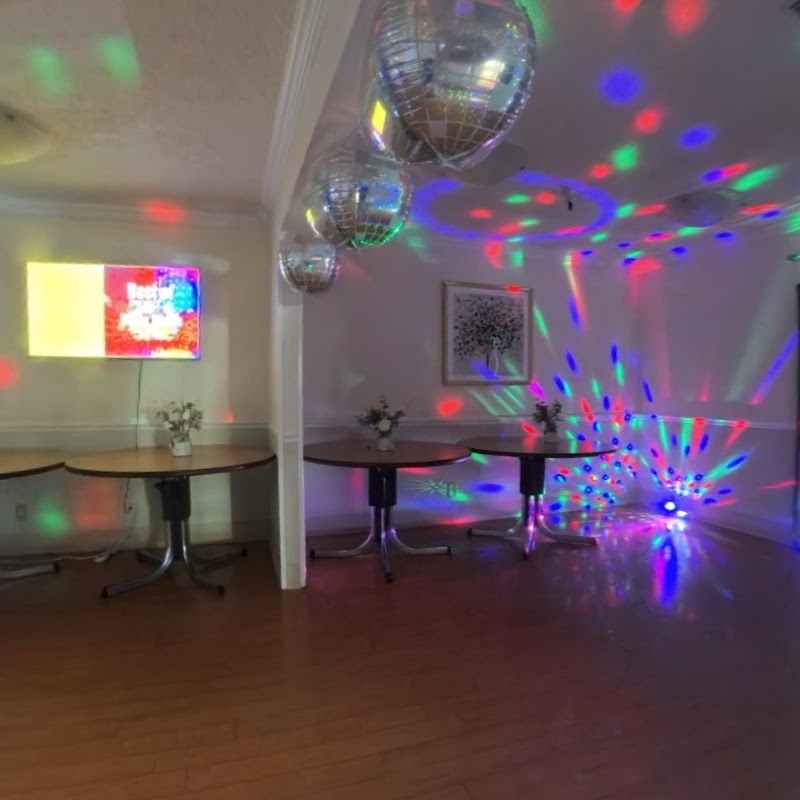
How is Chatsworth Park Health Staffed?

CMS rates CHATSWORTH PARK HEALTH CARE CENTER's staffing level at 3 out of 5 stars, which is average compared to other nursing homes. Staff turnover is 25%, compared to the California average of 46%. This relatively stable workforce can support continuity of care.

What Have Inspectors Found at Chatsworth Park Health?

State health inspectors documented 88 deficiencies at CHATSWORTH PARK HEALTH CARE CENTER during 2021 to 2025. These included: 1 that caused actual resident harm, 82 with potential for harm, and 5 minor or isolated issues. Deficiencies causing actual harm indicate documented cases where residents experienced negative health consequences.

Who Owns and Operates Chatsworth Park Health?

CHATSWORTH PARK HEALTH CARE CENTER is owned by a for-profit company. For-profit facilities operate as businesses with obligations to shareholders or private owners. The facility is operated by THE ENSIGN GROUP, a chain that manages multiple nursing homes. With 128 certified beds and approximately 116 residents (about 91% occupancy), it is a mid-sized facility located in CHATSWORTH, California.

How Does Chatsworth Park Health Compare to Other California Nursing Homes?

Compared to the 100 nursing homes in California, CHATSWORTH PARK HEALTH CARE CENTER's overall rating (2 stars) is below the state average of 3.1, staff turnover (25%) is significantly lower than the state average of 46%, and health inspection rating (1 stars) is much below the national benchmark.

What Should Families Ask When Visiting Chatsworth Park Health?

Based on this facility's data, families visiting should ask: "Can I visit during a mealtime to observe dining assistance and food quality?" "How do you handle medical emergencies, and what is your hospital transfer rate?" "Can I speak with family members of current residents about their experience?"

Is Chatsworth Park Health Safe?

Based on CMS inspection data, CHATSWORTH PARK HEALTH CARE CENTER has a clean safety record: no substantiated abuse findings (meaning no confirmed cases of resident harm), no Immediate Jeopardy citations (the most serious violation level indicating risk of serious injury or death), and is not on the Special Focus Facility watch list (a federal program monitoring the lowest-performing 1% of nursing homes). The facility has a 2-star overall rating and ranks #100 of 100 nursing homes in California. While no facility is perfect, families should still ask about staff-to-resident ratios and recent inspection results during their visit.

Do Nurses at Chatsworth Park Health Stick Around?

Staff at CHATSWORTH PARK HEALTH CARE CENTER tend to stick around. With a turnover rate of 25%, the facility is 21 percentage points below the California average of 46%. Low turnover is a positive sign. It means caregivers have time to learn each resident's needs, medications, and personal preferences. Consistent staff also notice subtle changes in a resident's condition more quickly.

Was Chatsworth Park Health Ever Fined?

CHATSWORTH PARK HEALTH CARE CENTER has been fined $46,280 across 1 penalty action. The California average is $33,542. While any fine indicates a compliance issue, fines under $50,000 are relatively common and typically reflect isolated problems that were subsequently corrected. Families should ask what specific issues led to these fines and confirm they've been resolved.

Is Chatsworth Park Health on Any Federal Watch List?

CHATSWORTH PARK HEALTH CARE CENTER is not on any federal watch list. The most significant is the Special Focus Facility (SFF) program, which identifies the bottom 1% of nursing homes nationally based on persistent, serious quality problems. Not being on this list means the facility has avoided the pattern of deficiencies that triggers enhanced federal oversight. This is a positive indicator, though families should still review the facility's inspection history directly.