STONEY POINT HEALTHCARE CENTER
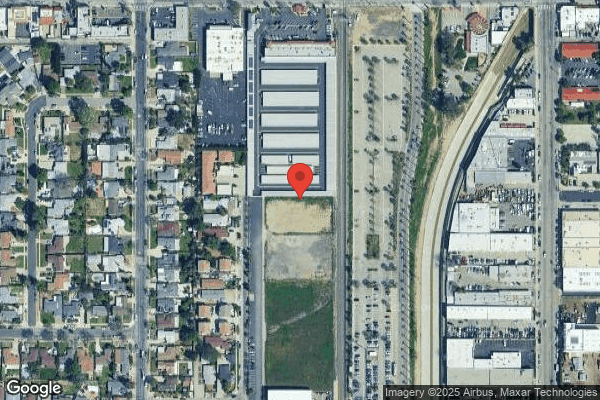

21820 CRAGGY VIEW ST., CHATSWORTH, CA 91311 (818) 882-8233
For profit - Limited Liability company 132 Beds PACS GROUP Data: November 2025
Trust Grade
60/100
#687 of 1155 in CA
Last Inspection: July 2025

Inspected within the last 6 months. Data reflects current conditions.

Overview

Stoney Point Healthcare Center has a Trust Grade of C+, which means it is considered decent and slightly above average compared to other facilities. It ranks #687 out of 1,155 nursing homes in California, placing it in the bottom half, but it is #140 of 369 in Los Angeles County, indicating that only a few local options are better. The facility's trend is worsening, with the number of issues increasing from 12 in 2024 to 19 in 2025. Staffing is a relative strength, with a turnover rate of 21%, which is well below the California average of 38%, suggesting that staff are stable and familiar with residents. However, there are concerns, such as a serious incident where one resident physically harmed another, resulting in an injury. Additionally, the facility failed to ensure that some residents received appropriate medication and services, which could lead to further health declines. While there have been no fines recorded, indicating compliance with regulations, the growth in reported issues and the serious findings suggest that families should weigh these factors carefully when considering this nursing home.

Trust Score
C+
60/100
In California
#687/1155
Bottom 41%
Safety Record
Moderate
Needs review
Inspections
Getting Worse
12 → 19 violations
Staff Stability
✓ Good
21% annual turnover. Excellent stability, 27 points below California's 48% average. Staff who stay learn residents' needs.
Penalties
✓ Good
No fines on record. Clean compliance history, better than most California facilities.
Skilled Nurses
⚠ Watch
Each resident gets only 24 minutes of Registered Nurse (RN) attention daily — below average for California. Fewer RN minutes means fewer trained eyes watching for problems.
Violations
⚠ Watch
50 deficiencies on record. Higher than average. Multiple issues found across inspections.
★★★☆☆
3.0
Overall Rating
★★★☆☆
3.0
Staff Levels
☆☆☆☆☆
0.0
Care Quality
★★★☆☆
3.0
Inspection Score
Stable
2024: 12 issues
2025: 19 issues

The Good

  • Low Staff Turnover (21%) · Staff stability means consistent care
  • Full Sprinkler Coverage · Fire safety systems throughout facility
  • No fines on record
  • Staff turnover is low (21%)

    27 points below California average of 48%

Facility shows strength in staff retention, fire safety.

The Bad

3-Star Overall Rating

Near California average (3.1)

Meets federal standards, typical of most facilities

Chain: PACS GROUP

Part of a multi-facility chain

Ask about local staffing decisions and management

The Ugly 50 deficiencies on record

1 actual harm
Sept 2025 1 deficiency
CONCERN (D) 📢 Someone Reported This

A family member, employee, or ombudsman was alarmed enough to file a formal complaint

Potential for Harm - no one hurt, but risky conditions existed

Respiratory Care (Tag F0695)

Could have caused harm · This affected 1 resident

Based on interview and record review, the facility failed to provide respiratory care services consistent with professional standards of practice for one of three sampled residents (Resident 1) by fai...

Read full inspector narrative →
Based on interview and record review, the facility failed to provide respiratory care services consistent with professional standards of practice for one of three sampled residents (Resident 1) by failing to ensure high concentration oxygen (a compressed gas cylinder containing oxygen at a high-pressure level, delivering pure oxygen with very high purity [up to 99.5 percent {%}] for medical use) was administered and correct oxygen delivery device (a piece of medical equipment that provides supplemental oxygen [a medical treatment that provides additional oxygen to the body when the air we normally breathe doesn't contain enough for organs to function correctly] to a resident who is unable to get enough oxygen on their own) was used when on 8/30/2025 at 9:20 a.m., Resident 1 had an oxygen saturation level (amount of oxygen that is circulating in the blood, normal range: 95% to 100%) of 80 % while receiving oxygen via nasal cannula (a medical device, typically a thin, flexible tube with two prongs, that delivers supplemental oxygen to a person's nostrils). This deficient practice had the potential to result in inadequate oxygenation which could lead to increased respiratory distress (a severe symptom of a medical emergency characterized by trouble breathing, including a sudden, intense feeling of shortness of breath, rapid, labored breathing [breathing is unusually quick , requires significant effort], and potentially a bluish tint to the lips or nails due to low blood oxygen), hypoxia (low levels of oxygen in body tissues) and other complications. Findings: During a review of Resident 1's admission Record, the admission Record indicated the facility admitted Resident 1 on 7/9/2025 with diagnoses that included respiratory failure (a serious condition that makes it difficult to breathe on your own), malignant neoplasm (a cancerous growth of cells) in the prostate (a gland in the male reproductive system) and dementia (a progressive state of decline in mental abilities). During a review of Resident 1's Minimum Data Set (MDS - a resident assessment tool) dated 7/16/2025, the MDS indicated that Resident 1 was sometimes able to make self-understood and sometimes able to understand others. The MDS indicated Resident 1's cognition (ability to think and make decisions) was severely impaired. The MDS further indicated that Resident 1 required moderate assistance from staff with eating and oral hygiene, and required maximum assistance from staff with toileting, lower body dressing, personal hygiene and mobility (movement). During a review of Resident1's Weights and Vital Signs (measurements that indicate a person's basic physiological functions and overall health) Summary, including oxygen saturation level dated 8/30/2025, the summary indicated that on 8/30/2025 at 9:20 a.m., Resident 1had an oxygen saturation level of 80% while receiving oxygen via nasal cannula. During a review of Resident 1's Physician's Order dated 8/15/2025, the Physician's Order indicated to administer oxygen at two (2) to five (5) liters per minute (LPM - unit of measure) via nasal cannula, titrate (gradually adjust) oxygen level less than (<) 90% as needed. During a review of Resident 1's Physician's Order dated 8/30/2025, timed at 9:17 a.m., the Physician's Order indicated to transfer Resident 1 to General Acute Care Hospital 1 (GACH 1) via paramedics (a person trained to give emergency medical care to people who are injured or ill, typically in a setting outside of a hospital). During a review of Resident1's Progress Notes dated 8/30/2025, timed at 9:58 a.m., the Progress Notes indicated that on 8/30/2025 at 9:58 a.m. an order was received from Medical Doctor 1 (MD 1) to transfer Resident 1 to the hospital (GACH 1) via 911 (emergency telephone number for immediate assistance from police, fire or emergency medical services [EMS - refers to a system that provides immediate medical care to individuals experiencing medical emergencies]) for comfort measures. The Progress Notes indicated that on 8/30/2025 at 9:30 a.m., paramedics arrived and took over resident care. The Progress Notes indicated that on 8/30/2025 at 9:58 a.m., Resident 1 left the facility and was transferred to GACH 1. During a concurrent interview and record review on 9/5/2025 at 4:07 p.m., with the Director of Nursing (DON), Resident 1's Progress Note dated 8/30/2025 timed at 9:58 a.m. was reviewed. The DON stated that there was no documented evidence found in Resident 1's medical records indicating that oxygen flow rates (refers to the volume of supplemental oxygen delivered to a patient, measured in LPM) were increased to address Resident 1's oxygen saturation level of 80% on 8/30/2025 at 9:20 a.m., or that high concentration oxygen tank was administered using a non-rebreather mask (a single-use medical device that delivers a high concentration of oxygen to a patient with moderate to severe shortness of breath, with a typical oxygen flow rate of 10 to 15 LPM) prior to the arrival of paramedics. During a phone interview on 9/8/2025 at 10:12 a.m., with Registered Nurse 1 (RN 1), RN 1 stated that on 8/30/2025 at 9:20 a.m. Resident 1 was receiving oxygen at five (5) LPM via NC until paramedics arrived. RN 1 further stated that Resident 1 was not administered high concentration supplemental oxygen via a non-rebreather mask prior to the paramedics' arrival. During a review of Resident 1's Paramedics Patient Care Report dated 8/30/2025, the Paramedics Patient Care Report indicated that on 8/30/2025 the paramedics arrived on scene (at the facility) at 9:42 a.m. and found Resident 1 with an oxygen saturation level of 83% on four (4) LPM via nasal cannula, heart rate of 122 beats per minute and respiratory rate of 41 breaths per minute. The Paramedics Patient Care Report indicated that when facility staff (staff not indicated) was asked why Resident 1 wasn't placed on oxygen therapy no answer was given. The Paramedics Patient Care Report indicated Resident 1 was then placed on oxygen at 15 LPM via non-rebreather mask and given fluids for hypotension (low blood pressure). During a review of the facility's policy and procedure titled, Oxygen Administration, last reviewed on 1/21/2025, the P&P indicated, The purpose of the procedure is to provide guidelines for safe oxygen administration. Adjust the oxygen delivery device so that it is comfortable for the resident and the proper flow of oxygen is being administered. Documentation: After completing the oxygen setup or adjustment, the following information should be recorded in the resident's medical record. The rate of oxygen flow, route, and rationale. All assessment data obtained before, during, and after the procedure.
Jul 2025 16 deficiencies
CONCERN (D)

Potential for Harm - no one hurt, but risky conditions existed

Resident Rights (Tag F0550)

Could have caused harm · This affected 1 resident

**NOTE- TERMS IN BRACKETS HAVE BEEN EDITED TO PROTECT CONFIDENTIALITY** Based on observation, interview and record review, the facility failed to ensure a facility staff knocked and asked permission p...

Read full inspector narrative →
**NOTE- TERMS IN BRACKETS HAVE BEEN EDITED TO PROTECT CONFIDENTIALITY** Based on observation, interview and record review, the facility failed to ensure a facility staff knocked and asked permission prior to entering a resident's room for two of two sampled residents (Resident 18 and 44). This deficient practice violated the residents' rights to be treated with respect and dignity, which had the potential to affect the residents' sense of self-worth and self-esteem.Findings:a. During a review of Resident 18's admission Record, the admission Record indicated the facility admitted the resident on 5/30/2025 with diagnoses including, Alzheimer`s Disease (a progressive disease that destroys memory and other important mental functions) and lack of coordination.During a review of Resident 18's Minimum Data Set (MDS- a resident assessment tool) dated 6/6/2025, the MDS indicated the resident had severely impaired cognition (the mental action or process of acquiring knowledge and understanding through thought, experience, and senses. The MDS indicated that Resident 18 was totally dependent on staff for activities of daily living (ADLs- activities related to personal care). b. During a review of Resident 44's admission Record, the admission Record indicated the facility originally admitted the resident on 4/14/2021 and readmitted the resident on 1/27/2025 with diagnoses including dementia (a group of thinking and social symptoms that interferes with daily functioning) and schizophrenia (mental disorder in which people interpret reality abnormally). During a review of Resident 44's MDS dated [DATE], the MDS indicated the resident had severely impaired cognition. The MDS indicated that Resident 44 was totally dependent on staff for ADLs. During a concurrent observation and interview on 6/30/2025 at 10:01 a.m., with Certified Nurse Assistant 2 (CNA 2), observed CNA 2 entering Resident 18`s room without knocking on the door and asking permission to go in. At this time Resident 18 was in her bed. After CNA 2 exited Resident 18`s room, CNA 2 was observed entering Resident 44`s room without knocking and asking permission to go in the room. At this time Resident 44 was in her bed. Upon exiting the room, CNA 2 stated she (CNA 2) forgot to knock on the residents' rooms and stated that she should have knocked and asked permission to go in since this is the residents' home.During an interview on 7/2/2025 at 10:26 a.m., with the Director of Nursing (DON), the DON stated that anyone entering a resident`s room must knock and ask permission prior to entering the resident`s room. The DON stated resident`s privacy should be respected. The DON stated that residents should be treated with respect and dignity.During a review of the facility`s policy and procedure titled, Dignity, last reviewed on 1/21/2025, the policy indicated, Each resident shall be cared for in a manner that promotes and enhances his or her sense of well-being, level of satisfaction with life, and feelings of self-worth and self-esteem.staff are expected to knock and request permission before entering residents' rooms.
CONCERN (D)

Potential for Harm - no one hurt, but risky conditions existed

Deficiency F0558 (Tag F0558)

Could have caused harm · This affected 1 resident

Based on observation, interview, and record review, the facility failed to ensure a call light (a device used by a resident to signal his/her need for assistance from staff) was within a resident's re...

Read full inspector narrative →
Based on observation, interview, and record review, the facility failed to ensure a call light (a device used by a resident to signal his/her need for assistance from staff) was within a resident's reach while in bed for one of one sampled resident (Resident 25). This deficient practice had the potential to delay the provision of services and the resident's needs not being met.Findings:During a review of Resident 25's admission Record, the admission Record indicated the facility admitted the resident on 9/23/2024 with diagnoses that included dysphagia (difficulty swallowing) and schizophrenia (mental disorder in which people interpret reality abnormally). During a review of Resident 25's Minimum Data Set (MDS- a resident assessment tool) dated 3/27/2025, the MDS indicated Resident 25's cognition (a mental process of acquitting knowledge and understanding) was impaired. The MDS indicated Resident 25 required supervision with activities of daily living (ADLs - activities related to personal care). During a concurrent observation and interview on 6/30/2025 at 10:07 a.m., with Certified Nurse Assistant 3 (CNA 3), observed Resident 25's call light on the floor and not within reach while the resident was in his bed. CNA 3 stated that call light should be placed behind the pillow to make sure the call light is within reach.During an interview on 7/3/2025 at 8:16 a.m., with the Administrator in Training (AIT), the AIT stated that call light is the primary means of contact when the resident requires assistance from staff. The AIT stated that the call light should be accessible and within easy reach. The AIT stated that if it's not within the resident`s reach, there could be a delay in getting help to the resident and can be frustrating for the resident. During a review of the facility`s policy and procedure titled, Answering the Call Light, last reviewed on 1/21/2025, indicated that the purpose of this policy and procedure is to respond to the resident`s requests and needs.when the resident is in bed or confined to a chair be sure the call light is within easy reach of the resident.
CONCERN (D)

Potential for Harm - no one hurt, but risky conditions existed

Deficiency F0578 (Tag F0578)

Could have caused harm · This affected 1 resident

**NOTE- TERMS IN BRACKETS HAVE BEEN EDITED TO PROTECT CONFIDENTIALITY** Based on interview and record review, the facility failed to ensure a copy of the resident's Advance Directive (AD- a legal docu...

Read full inspector narrative →
**NOTE- TERMS IN BRACKETS HAVE BEEN EDITED TO PROTECT CONFIDENTIALITY** Based on interview and record review, the facility failed to ensure a copy of the resident's Advance Directive (AD- a legal document indicating resident preference on end-of-life treatment decisions) was kept in the resident's medical chart and easily retrievable for two of eight sampled residents (Resident 40 and 81).This deficient practice had the potential to create confusion which could lead to conflict with the resident`s wishes regarding their health care.Findings: a. During a review of Resident 40’s admission Record, the admission Record indicated that the facility admitted the resident on 7/5/2025, with diagnoses including dysphagia (difficulty swallowing), type 2 diabetes (DM- a chronic condition that affects the way the body processes blood glucose [sugar]), and anemia (a condition where the body does not have enough healthy red blood cells). During a review of Resident 40’s Minimum Data Set (MDS – a resident assessment tool) dated 5/1/2025, the MDS indicated that Resident 40 could understand others and make himself understood. The MDS indicated that Resident 40 was dependent on staff for toileting hygiene, showering/bathing, lower body dressing, and putting on/taking off footwear. During a review of Resident 40’s Advance Directive Acknowledgement form (ADA- a document provided by the facility that indicates whether a resident has an AD, would like information regarding creation of an AD, or refusal to create an AD) dated 3/27/2025, the ADA form indicated that the resident had executed an AD dated 11/28/2012, and the facility received a copy on 3/27/2025. During a concurrent interview and record review on 7/1/2025 at 1:29 p.m., with the Medical Records Director (MRD), reviewed Resident 40`s ADA form dated 3/27/2025. The MRD stated that Resident 40`s ADA form indicated that the resident had executed an AD, and the facility received a copy of Resident 40’s AD on 3/27/2025. The MRD further stated a copy of Resident 40’s AD was not readily present in Resident 40`s chart but it should be there in case of an emergency. During an interview on 7/3/2025 at 12:33 pm, with the Assistant Director of Nursing (ADON), the ADON stated that if a resident has an AD, a copy of the resident`s AD should be kept in the resident’s active chart to provide guidance to the facility`s staff about the resident’s wishes. The ADON stated that Resident 40`s AD was not present in his chart and the potential outcome is not honoring the resident`s wishes. During a review of the facility`s policy and procedure (P&P) titled, “Advanced Directives,” last reviewed on 1/21/2025, the P&P indicated that the resident has the right to formulate and AD, including the right to accept or refuse medical or surgical treatment. Advanced Directives are honored in accordance with the state law and facility policy. The resident`s wishes are communicated to the resident`s direct care staff and physician by placing the AD documents in a prominent, accessible location in the medical record and discussing the resident`s wishes in care planning meetings. b. During a review of Resident 81’s admission Record, the admission Record indicated that the facility admitted the resident on 1/3/2025 with diagnoses including dysphagia (difficulty swallowing), dementia (a progressive state of decline in mental abilities), and anemia (a condition where the body does not have enough healthy red blood cells). During a review of Resident 81’s MDS dated [DATE], the MDS indicated that the resident`s cognitive skills (brain’s ability to think, read, learn, remember, reason, express thoughts, and make decisions) for daily decision making was severely impaired (never/rarely made decisions). The MDS indicated that Resident 81 required staff substantial/maximal assistance (helper does more than half the effort) for toileting hygiene, showering/bathing, lower body dressing, putting on/talking off footwear, and personal hygiene. During a review of Resident 81’s ADA dated 6/18/2025, the ADA form indicated that the resident had executed an AD, and the facility received a copy on 1/8/2025. During a review of Resident 81’s Physician Orders for Life-Sustaining Treatment (POLST- a form that contains written medical orders for healthcare professionals regarding specific medical treatments that can or cannot be done at the end-of life) form dated 1/8/2025, the POLST form indicated that Resident 81 had an AD. During a concurrent interview and record review on 7/1/2025 at 8:49 a.m., with the Social Service Director (SSD), reviewed Resident 81`s ADA form dated 6/18/2025. The SSD stated that Resident 81`s ADA form indicated that the resident had executed an AD, and the facility received a copy of the AD on 1/8/2025. However, the copy of Resident 81’s AD is not readily present in Resident 81`s chart. The SSD stated that a copy of Resident 81’s AD should be placed in the resident`s active chart to be referenced in case of emergency and to determine the resident`s wishes as far as health care and medical interventions. The SSD stated that there is a potential risk of violating the resident`s healthcare wishes if the AD is not accessible to the staff. During an interview on 7/3/2025 at 12:10 p.m., with the Assistant Director of Nursing (ADON), the ADON stated that if a resident has executed an AD, a copy of the resident`s AD should be kept in the resident’s active chart to provide guidance to the facility`s staff about the resident’s wishes. The ADON stated that Resident 81`s AD was not present in his chart and the potential outcome is not honoring the resident`s wishes. During a review of the facility`s policy and procedure (P&P) titled, “Advanced Directives,” last reviewed on 1/21/2025, the P&P indicated that the resident has the right to formulate and AD, including the right to accept or refuse medical or surgical treatment. Advanced Directives are honored in accordance with the state law and facility policy. The resident`s wishes are communicated to the resident`s direct care staff and physician by placing the AD documents in a prominent, accessible location in the medical record and discussing the resident`s wishes in care planning meetings.
CONCERN (D)

Potential for Harm - no one hurt, but risky conditions existed

Deficiency F0655 (Tag F0655)

Could have caused harm · This affected 1 resident

**NOTE- TERMS IN BRACKETS HAVE BEEN EDITED TO PROTECT CONFIDENTIALITY** Based on interview and record review, the facility failed to develop a complete baseline care plan (a document designed to facil...

Read full inspector narrative →
**NOTE- TERMS IN BRACKETS HAVE BEEN EDITED TO PROTECT CONFIDENTIALITY** Based on interview and record review, the facility failed to develop a complete baseline care plan (a document designed to facilitate communication among members of the care team that summarizes a resident's health conditions, specific care needs, and current treatments) within 48 hours of a resident`s admission to the facility by failing to address the resident`s indwelling catheter (a hollow tube inserted into the bladder to drain or collect urine) for one of two sampled residents (Resident 81). This deficient practice had the potential for Resident 81 to not receive appropriate care and treatment in the facility. Findings:During a review of Resident 81's admission Record, the admission Record indicated that the facility originally admitted the resident on 1/3/2025 and readmitted the resident on 6/17/2025, with diagnoses including dysphagia (difficulty swallowing), dementia (a progressive state of decline in mental abilities), obstructive uropathy (a blockage in the urinary tract that prevents urine from draining normally), and reflux uropathy (when urine flows backward into the kidneys).During a review of Resident 81`s Nursing-Admission/readmission Evaluation/Assessment form dated 1/3/2025, the assessment form indicated that the resident had an indwelling catheter.During a review of Resident 81's Minimum Data Set (MDS - a resident assessment tool) dated 5/2/2025, the MDS indicated that the resident`s cognitive skills (brain's ability to think, read, learn, remember, reason, express thoughts, and make decisions) for daily decision making was severely impaired (never/rarely made decisions). The MDS indicated that Resident 81 required staff substantial/maximal assistance (helper does more than half the effort) for toileting hygiene, showering/bathing, lower body dressing, putting on/talking off footwear, and personal hygiene. The MDS further indicated that Resident 81 had an indwelling catheter.During a review of Resident 81's Order Summary Report dated 6/19/2025, the Order Summary Report indicated an order for an indwelling catheter due to obstructive and reflux uropathy diagnosis. During a concurrent interview and record review on 7/1/2025 at 2:09 p.m., with MDS Nurse 1 (MDSN 1), reviewed Resident 81`s baseline care plan. MDSN 1 stated that Resident 81 was admitted to the facility on [DATE] with an indwelling catheter. MDSN 1 stated that Resident 81`s baseline care plan initiated on 1/3/2025, did not indicate that the resident had an indwelling catheter. MDSN 1 stated that residents` baseline care plans must be completed thoroughly reflecting all the necessary information regarding residents` care. MDSN 1 stated that the potential outcome of not thoroughly completing a resident`s baseline care plan is the inability to meet the resident`s immediate care needs and lack of his/her care.During an interview on 7/3/2025 at 12:13 p.m., with the Assistant Director of Nursing (ADON), the ADON stated a resident`s baseline care plan is required to be completed within 48 hours of the resident`s admission to the facility. The ADON stated that upon admission, licensed staff are required to develop a complete and thorough baseline care plan for each resident indicating all care areas, required nursing interventions and monitoring. The ADON stated Resident 81`s baseline care plan developed on 1/3/2025 was not completed thoroughly and it did not indicate anything regarding the resident`s indwelling catheter. The ADON stated the potential outcome is the inability to meet the resident`s immediate care needs for the indwelling catheter and the delivery of necessary services to the resident.During review of the facility`s policy and procedure (P&P) titled, Care Plans-Baseline, last reviewed on 1/21/2025, the P&P indicated that a baseline plan of care should be developed for each resident within 48 hours of admission. The baseline care plan should include instructions needed to provide effective, person-centered care of the residents, which may include the following: Initial goals based on admission orders and discussion with the resident/representative, physician orders, dietary orders, therapy orders and social services. The baseline care plan should be used until an interdisciplinary person-centered comprehensive care plan can be developed. The resident and/pr representative should be provided a written summary of the baseline care plan.
CONCERN (D)

Potential for Harm - no one hurt, but risky conditions existed

Comprehensive Care Plan (Tag F0656)

Could have caused harm · This affected 1 resident

**NOTE- TERMS IN BRACKETS HAVE BEEN EDITED TO PROTECT CONFIDENTIALITY** Based on interview and record review, the facility failed to develop and implement a person-centered care plan (a document desig...

Read full inspector narrative →
**NOTE- TERMS IN BRACKETS HAVE BEEN EDITED TO PROTECT CONFIDENTIALITY** Based on interview and record review, the facility failed to develop and implement a person-centered care plan (a document designed to facilitate communication among members of the care team that summarizes a resident's health conditions, specific care needs, and current treatments) for two of four sampled residents (Resident 75 and 114) by failing to: 1. Develop a care plan addressing Resident 75's use of olanzapine (medication used to treat schizophrenia (mental disorder in which people interpret reality abnormally) and bipolar disorder (mental disorder that causes unusual shifts in mood, energy, activity levels, concentration, and the ability to carry out day-to-day tasks). 2. Develop a care plan addressing Resident 114's use of amphetamine-dextroamphetamine (medication used to treat attention-deficit/hyperactivity disorder [ADHD - a chronic condition including attention difficulty, hyperactivity, and impulsiveness]). These deficient practices had the potential to result in failure to deliver the necessary care and services. Findings: During a review of Resident 75's admission Record, the admission Record indicated the facility admitted the resident on 5/31/2025 with diagnoses that included generalized anxiety disorder (a group of mental health conditions characterized by excessive, persistent fear and worry that can significantly interfere with daily life) and dementia (a general term for a decline in mental ability severe enough to interfere with daily life). During a review of Resident 75's Minimum Data Set (MDS- a resident assessment tool) dated 6/7/2025, the MDS indicated Resident 75's cognition (a mental process of acquitting knowledge and understanding) was impaired. The MDS indicated Resident 75 required moderate to maximal assistance with activities of daily living (ADLs - activities related to personal care). During a concurrent interview and record review on 7/2/2025 at 1:58 p.m., with the Director of Nursing (DON), reviewed Resident 75`s Order Summary Report and Resident 75`s care plans from 6/26/2025 to 7/2/2025. Resident 75’s Order Summary Report indicated an order for olanzapine oral tablet 7.5 milligrams (mg- unit of measurement), give one (1) tablet by mouth two times a day for psychosis (severe mental disorder in which thought and emotions are so impaired that contact is lost with external reality), manifested by agitation as evidenced by throwing stuff to others, dated 6/26/2025. Resident 75`s care plans indicated there was no care plan developed for the use of olanzapine. The DON stated that they should have developed a care plan for the use of olanzapine to include interventions to prevent or manage any adverse effects (undesired harmful effect resulting from a medication or other intervention) from the medications. The DON stated that without a care plan, the staff caring for the resident would have no set interventions in managing the adverse effects of olanzapine which can increase the risk for falls. During a review of the facility`s policy and procedure (P&P) titled, “Care Plans, Comprehensive Person-Centered,” last reviewed on 1/21/2025, the policy indicated, “A comprehensive, person-centered care plan that includes measurable objectives and timetables to meet the resident's physical, psychosocial and functional needs is developed and implemented for each resident…” b. During a review of Resident 114’s admission Record, the admission Record indicated the facility admitted Resident 114 on 4/15/2025 with diagnoses that included but not limited to major depressive disorder (a mood disorder that causes a persistent feeling of sadness and loss of interest), hypertension (high blood pressure [the force of the blood pushing on the blood vessel walls is too high]), and unspecified atrial fibrillation (an irregular and often very rapid heart rate). During a review of Resident 114’s History and Physical (H&P) dated 6/27/2025, the H&P indicated Resident 114 had the capacity to understand and make decisions. During a review of Resident 114’s MDS dated [DATE], the MDS indicated Resident 114 was able to be understood and understand others. The MDS indicated Resident 114 was independent for activities such as hygiene, dressing, toileting, bathing and all movements such as rolling left to right. During a review of Resident 114’s physician orders, the physician orders indicated an order for amphetamine-dextroamphetamine oral tablet 5 mg, dated 4/15/2025. During a concurrent interview and record review on 7/3/2025 at 10:26 a.m., with Registered Nurse 2 (RN 2), reviewed Resident 114’s care plans from 4/15/2025 to 7/3/2025. RN 2 stated that she could not locate a care plan for Resident 114’s ADHD medication. RN 2 stated when there is a medication prescribed that can alter the way a resident thinks/feels there must be a care plan with goals and interventions. RN 2 stated ADHD is not a common diagnosis that she has encountered with the geriatric (older) population, and it is extremely important to have a care plan to make sure Resident 114 is receiving the right care and monitored appropriately. During an interview on 7/3/2025 at 2:32 p.m., with the Assistant Director of Nursing (ADON), the ADON stated the nursing staff must write a care plan according to policy for all psychotropics (a drug that affects how the brain works and causes changes in mood, awareness, thoughts, feelings, or behavior) but did not write one for Resident 114’s ADHD medication and they should have. The ADON stated a care plan is necessary for staff to know what goals, interventions and side effects to look for to provide the proper care for Resident 114. During a review of the facility's policy and procedure (P&P) titled, Care Plans, Comprehensive Person-Centered, last reviewed on 1/21/2025, the policy indicated the purpose of the P&P was to provide comprehensive, person-centered care plan that includes measurable objectives and timetables to meet the resident’s physical, psychosocial and functional needs for each resident. During a review of the facility's P&P titled, Psychoactive/Psychotropic Medication Use,” last reviewed on 1/21/2025, the policy indicated behavioral intervention, unless contraindicated, will be used to meet the individual needs of the resident. The P&P further indicated monitoring of a resident receiving psychotropic medication will include effectiveness of the medication, as well as assessment for possible adverse consequences.
CONCERN (D)

Potential for Harm - no one hurt, but risky conditions existed

Deficiency F0657 (Tag F0657)

Could have caused harm · This affected 1 resident

Based on interview and record review, the facility failed to update and revise a resident`s dental care plan (a document that summarizes a resident's needs, goals, and care/treatment) after the reside...

Read full inspector narrative →
Based on interview and record review, the facility failed to update and revise a resident`s dental care plan (a document that summarizes a resident's needs, goals, and care/treatment) after the resident`s upper dentures went missing for one of three sampled residents (Resident 69). This deficient practice had the potential to result in Resident 69 receiving inadequate care and services. Findings:During a review of Resident 69's admission Record, the admission Record indicated that the facility originally admitted the resident on 5/12/2022 and readmitted the resident on 12/3/2024, with diagnoses including major depressive disorder (a mood disorder that causes a persistent feeling of sadness and loss of interest), type two diabetes mellitus (a chronic condition that affects the way the body processes blood glucose [sugar]), and schizophrenia (a mental illness that is characterized by disturbances in thought).During a review of Resident 69's Minimum Data Set (MDS - a resident assessment tool) dated 4/30/2025, the MDS indicated that the resident`s cognitive skills (brain's ability to think, read, learn, remember, reason, express thoughts and make decisions) for daily decision making was moderately impaired (decisions poor, cues/supervision required). The MDS indicated that Resident 69 required staff partial/moderate assistance (helper does less than half the effort) for showering and bathing. The MDS indicated that Resident 69 require staff supervision for oral hygiene, toileting hygiene, lower body dressing, and personal hygiene.During a review of Resident 69's care plan for risk/potential for dental problem, initiated on 5/26/2022, the care plan indicated a goal that the resident will maintain good oral hygiene and will have adequate oral care. The care plan interventions were to provide daily and as needed oral care and to refer the resident for dental consultation as needed.During a review of Resident 69`s Theft and Loss Record dated 8/12/2024, the Theft and Loss Record indicated that the resident reported that her top dentures went missing. The Theft and Loss Report further indicated that on 8/20/2024, Resident 69 was evaluated by a dentist who recommended teeth extractions (removing something) in order to prepare dentures. However, Resident 69 declined to have teeth extractions and dentures.During a concurrent interview and record review on 7/2/2025 at 2:07 p.m., with the Social Service Director (SSD), reviewed Resident 69`s care plans. The SSD stated that Resident 69`s risk/potential for dental problem care plan initiated on 5/26/2022, indicated that the resident was wearing full top dentures and had her own bottom teeth. The SSD stated that Resident 69`s risk/potential for dental problem care plan was not reviewed and revised after 8/12/2024 when the resident reported that her top dentures were missing. The SSD stated residents' care plans are required to be reviewed or revised quarterly, after a change of condition, and as needed. The SSD stated that the purpose of reviewing and re-evaluating the care plans is to check the effectiveness and accuracy of the care plan interventions and make sure all the pertinent information and intervention regarding residents` care are included. The SSD stated that the potential outcome of not reviewing/revising a resident`s care plan quarterly is inadequate care and supervision of the resident.During an interview on 7/3/2025 at 12:20 p.m., with the Assistant Director of Nursing (ADON), the ADON stated that residents` care plans are required to be reviewed and revised quarterly and after residents` change of condition. The ADON stated Resident 69`s dental care plan was not revised or updated after the resident`s upper dentures went missing on 8/12/2024. The ADON stated that the potential outcome of not updating/revising a resident`s care plan is the inability to provide appropriate care and services to the resident.During a review of the facility`s policy and procedure (P&P) titled, Care Plans- Comprehensive Person-Centered, last reviewed on 1/21/2025, the P&P indicated that the interdisciplinary team reviews and updates the care plan when there has been significant change in the resident`s condition, when the desire outcome is not met, when the resident has been readmitted to the facility from hospital stay and at least quarterly, in conjunctions with the required quarterly MDS assessment.
CONCERN (D)

Potential for Harm - no one hurt, but risky conditions existed

Accident Prevention (Tag F0689)

Could have caused harm · This affected 1 resident

**NOTE- TERMS IN BRACKETS HAVE BEEN EDITED TO PROTECT CONFIDENTIALITY** Based on interview and record review, the facility failed to:1. Ensure fall risk assessments were completed accurately for one o...

Read full inspector narrative →
**NOTE- TERMS IN BRACKETS HAVE BEEN EDITED TO PROTECT CONFIDENTIALITY** Based on interview and record review, the facility failed to:1. Ensure fall risk assessments were completed accurately for one of ten sampled residents (Resident 7).This deficient practice had the potential to place Resident 7 at an increased risk of falling.2. Ensure a fall risk assessment was completed for one of ten sampled residents (Resident 119) after the resident`s fall on 6/25/2025. This deficient practice placed Resident 119 at an increased risk for recurrent falls and injuries. Findings: a. During a review of Resident 7’s admission Record, the admission Record indicated the facility admitted the resident on 7/20/2020 with diagnoses including, but not limited to, metabolic encephalopathy (the loss of brain function due to a chemical imbalance in the blood), lack of coordination, and mild cognitive impairment (a decline in mental abilities, including thinking, learning, remembering, and decision-making) of unknown etiology (the cause of a disease or abnormal condition). During a review of Resident 7’s History and Physical (H&P) dated 10/21/2024, the H&P indicated Resident 7 had the capacity to understand and make decisions. The H&P indicated Resident 7 had cognitive impairment and to monitor for safety. The H&P further indicated Resident 7 had muscle weakness and gait (manner of walking) instability. During a review of Resident 7’s Minimum Data Set (MDS – a resident assessment tool) dated 4/3/2025, the MDS indicated the resident had moderate cognitive impairment. The MDS further indicated Resident 7 required substantial assistance for dressing and toileting and was completely dependent on staff for bathing. During a review of Resident 7’s Change in Condition Evaluation dated 12/7/2024, the Change in Condition Evaluation indicated staff found Resident 7 on the floor next to her bed. The Change in Condition Evaluation further indicated per Resident 7’s roommate, Resident 7 was dangling her legs off the side of the bed then slid down to the floor. During a concurrent interview and record review on 7/3/2025 at 11:52 a.m., with Registered Nurse 2 (RN 2), reviewed Resident 7’s Fall Risk Observation/Assessments dated 12/7/2024 and 1/7/2025. Resident 7’s Fall Risk Observation/Assessments dated 12/7/2024 and 1/7/2025 indicated the resident had not fallen in the last 90 days. RN 2 stated both assessments were incorrect as Resident 7’s fall on 12/7/2024 should have been included. RN 2 stated when completing a fall risk assessment, you should look back in the record for the last 90 days to see if the resident had previously fallen. RN 2 stated if the fall risk assessment is not accurate, it won’t show if a resident has a pattern of falls, and staff might not be able to do everything that should be done to prevent further falls. During an interview on 7/3/2025 at 1:06 p.m., with the Director of Nursing (DON), the DON stated if the fall risk assessment does not correctly indicate a previous fall, the severity of the fall risk score (the assessment of an individual's likelihood of falling) could be affected. The DON stated the purpose of having a fall risk assessment is to prevent or minimize falls for the residents. During a review of the facility’s policy and procedure (P&P) titled, “Falls and Fall Risk, Managing,” last revised 1/21/2025, the P&P indicated based on previous evaluations and current data, staff will identify interventions related to the resident’s specific risks and causes to try to prevent the resident from falling. During a review of the facility`s P&P titled, “Assessing Falls and Their Causes,” last reviewed on 1/21/2025, the P&P indicated that the purposes of this procedure are to provide guidelines for assessing a resident after a fall and to assist staff in identifying causes of the fall. When a resident falls, the following information should be recorded in the resident`s medical record: completion of a fall risk assessment, appropriate interventions taken to prevent future falls, notification of the physician and family as indicated, interventions, first aid, or treatment administered and assessment data including vital signs and any obvious injuries. b. During a review of Resident 119's admission Record, the admission Record indicated that the facility admitted the resident on 5/22/2025, with diagnoses including unspecified dementia (a progressive state of decline in mental abilities), Alzheimer’s disease (a disease characterized by a progressive decline in mental abilities), and lack of coordination. During a review of Resident 119’s MDS dated [DATE], the MDS indicated the resident`s cognitive skills for daily decision making was severely impaired. The MDS indicated that Resident 119 was dependent on staff (staff does all of the effort) for toileting hygiene and showering/bathing. The MDS indicated that Resident 119 required staff substantial/maximal assistance (helper does more than half the effort) for lower body dressing, and putting on/taking off footwear. During a review of Resident 119`s Change in Condition Evaluation form dated 6/25/2025, the assessment form indicated that the resident was witnessed by a Registered Nurse (RN) sliding off his wheelchair and on to the floor. During a concurrent interview and record review on 7/2/2025 at 12:00 p.m., with MDS Nurse 1 (MDSN 1), reviewed Resident 119`s fall risk assessments. MDSN 1 stated that Resident 119 had a fall on 6/25/2025, however, licensed staff did not develop a fall risk assessment after Resident 119’s fall. MDSN 1 stated that licensed staff are required to develop a fall risk assessment upon a resident`s admission and after a fall. MDSN 1 stated that the potential outcome of not developing a fall risk assessment after a resident`s fall is lack of care and risk for recurrent falls. During a concurrent interview and record review on 7/3/2025 at 11:54 a.m., with the Assistant Director of Nursing (ADON), reviewed Resident 119`s fall risk assessments. The ADON stated that licensed staff are required to complete a fall risk assessment upon a resident`s admission, readmission, and after a fall. The ADON stated that Resident 119 had a fall on 6/25/2025, however, licensed staff did not complete a fall risk assessment after Resident 119`s fall. The ADON stated the potential outcome is insufficient care and recurring fall. During a review of the facility`s P&P titled, “Assessing Falls and Their Causes,” last reviewed on 1/21/2025, the P&P indicated that the purposes of this procedure are to provide guidelines for assessing a resident after a fall and to assist staff in identifying causes of the fall. When a resident falls, the following information should be recorded in the resident`s medical record: completion of a fall risk assessment, appropriate interventions taken to prevent future falls, notification of the physician and family as indicated, interventions, first aid, or treatment administered and assessment data including vital signs and any obvious injuries.
CONCERN (D)

Potential for Harm - no one hurt, but risky conditions existed

Deficiency F0698 (Tag F0698)

Could have caused harm · This affected 1 resident

**NOTE- TERMS IN BRACKETS HAVE BEEN EDITED TO PROTECT CONFIDENTIALITY** Based on interview and record review, the facility failed to ensure the hemodialysis (a treatment to cleanse the blood of wastes...

Read full inspector narrative →
**NOTE- TERMS IN BRACKETS HAVE BEEN EDITED TO PROTECT CONFIDENTIALITY** Based on interview and record review, the facility failed to ensure the hemodialysis (a treatment to cleanse the blood of wastes and extra fluids artificially through a machine when the kidney(s) have failed) center completed a post-dialysis assessment (evaluation done after hemodialysis by the hemodialysis licensed nurses) by failing to ensure the dialysis center recorded a resident's post dialysis weight (the weight after fluid is removed during the dialysis treatment) on 6/25/2025.This deficient practice had the potential for Resident 46 to have unidentified complications after dialysis treatment such as abnormal vital signs (pulse rate, temperature, respiration rate, and blood pressure, that indicate the state of a patient's essential body functions). Findings:During a review of Resident 46's admission Record (or face sheet, the front page of the chart that contains a summary of basic information about the resident), the admission Record indicated the patient was admitted to the facility on [DATE] with diagnoses including end stage renal disease (ESRD, irreversible kidney failure) and dependence on renal dialysis (also known as hemodialysis, a treatment to cleanse the blood of wastes and extra fluids artificially through a machine when the kidney(s) have failed).During a review of Resident 46's Minimum Data Set (MDS, a federally mandated resident assessment tool), dated 4/21/2025, the MDS indicated Resident 46 was cognitively (the process of acquiring knowledge and understanding through thought, experience, and the senses) intact with skills required for daily decision making. The MDS indicated Resident 46 required supervision or touching assistance (helper provides verbal cures and/or touching assistance as resident completes activity) with oral and personal hygiene. The MDS indicated Resident 46 receives dialysis treatments.During a review of Resident 46's Care Plan for Hemodialysis, initiated 11/29/2022, the care plan indicated a goal that Resident 46 will follow fluid restriction (drinking no more than an amount set by nursing to ensure the body does not retain too much fluid). The care plan indicated an intervention to monitor weight as indicated and report significant weight gain/loss to the physician.During a review of Resident 46's Dialysis Communication Record, dated 6/25/2025, the document indicated there was a blank space for the post-dialysis weight.During a concurrent interview and record review with Licensed Vocational Nurse 1 (LVN 1) on 7/02/2025 at 12:51 p.m. reviewed Resident 46's Dialysis Communication Record for 6/2025. LVN 1 verified that there was not a post-dialysis weight recorded by the dialysis center for 6/25/2025. LVN 1 stated the licensed nurses should call the dialysis center if there is no post-dialysis weight recorded. LVN 1 stated this is important to ensure enough fluid was removed during the dialysis treatment.During a concurrent interview and record review with the Assistant Director of Nurses (ADON) on 7/03/2025 at 1:24 p.m., reviewed Resident 46's Dialysis Communication Record for 6/25/2025. The ADON verified there was no post-dialysis weight for 6/25/2025. The ADON stated the licensed nurses should have called the dialysis center to find out what the weight is. The ADON stated it is important to see how much fluid was removed during dialysis. The ADON stated if fluid is removed, indicated by a lower post-dialysis weight than the pre-dialysis weight that indicates the dialysis procedure was completed. During a review of the facility's Policy and Procedure titled, Hemodialysis Catheters - Access and Care Of, last reviewed 1/21/2025, indicated the licensed nurses should document in the resident's medical record if dialysis was done during their shift.
CONCERN (D)

Potential for Harm - no one hurt, but risky conditions existed

Deficiency F0757 (Tag F0757)

Could have caused harm · This affected 1 resident

Based on interview and record review, the facility failed ensure resident's drug regimen was free from unnecessary drugs by failing to adequately monitor potential adverse effects of amphetamine-dextr...

Read full inspector narrative →
Based on interview and record review, the facility failed ensure resident's drug regimen was free from unnecessary drugs by failing to adequately monitor potential adverse effects of amphetamine-dextroamphetamine (stimulant medication to treat ADHD [differences in how the brain develops and works causing problems with a person's attention, ability to sit still, and practice self-control]) for one of one sampled resident (Resident 114). This deficient practice had the potential for adverse effects including psychosis (hallucinations, delusions, paranoia, aggression, hostility) and heart issues such as fast heartbeat and hypertension.Findings:During a review of Resident 114's admission Record, the admission Record indicated the facility admitted Resident 114 on 4/15/2025 with diagnoses including major depressive disorder (a mood disorder that causes a persistent feeling of sadness and loss of interest), hypertension (HTN-high blood pressure), and unspecified atrial fibrillation (an irregular and often very rapid heart rhythm in the upper part of the heart). During a review of Resident 114's History and Physical (H&P) dated 6/27/2025, the H&P indicated Resident 114 had the capacity to understand and make decisions. During a review of Resident 114's Minimum Data Set (MDS, a standardized assessment and care screening tool), dated 5/8/2025, the MDS indicated Resident 114 was able to be understood and understand others. The MDS indicated Resident 114 was independent for activities such as hygiene, dressing, toileting, bathing and all movements such as rolling left to right. The MDS further indicated Resident 114 did not have an ADHD diagnosis.During a review of Resident 114's Physician's Orders, the Physician's Orders indicated an order dated 4/14/2025 for Amphetamine-Dextroamphetamine (medication to treat ADHD) oral tablet 5mg (milligram - a unit of measurement)During a concurrent interview and record review on 7/3/2025 at 10:26 am with Registered Nurse 2 (RN 2), reviewed Resident 114's Physician's Orders and Care Plans (CP). RN 2 stated that she could not locate an order or CP to monitor the adverse effects or effectiveness of Resident 114 using an ADHD medication. RN 2 stated when there is a medication prescribed that can alter the way a resident thinks/feels there must be a CP with goals and interventions including looking out for adverse effects and an order to monitor effectiveness and behavior. RN 2 stated ADHD is not a common diagnosis that she has encountered with the geriatric (older) population, and it is extremely important to make sure Resident 114 is receiving the right care and is monitored appropriately. During an interview 7/3/2025 at 2:32 pm with the Assistant Director of Nursing (ADON), the ADON stated the nursing staff must write a CP according to policy for all psychotropics (a drug that affects how the brain works and causes changes in mood, awareness, thoughts, feelings, or behavior) but did not write one for the ADHD medication and they should have. The ADON stated nursing staff should have asked for an order to monitor Resident 114's behavior and possible adverse effects while on the ADHD medication, and without doing so, Resident 114 could not have received the proper care necessary. The ADON further stated monitoring the ADHD medication can help determine the need and effectiveness. During a review of the facility's policy and procedure (P&P) titled, Care Plans, Comprehensive Person-Centered, last reviewed on 1/21/2025, indicated the purpose of the P&P was to provide comprehensive, person-centered care plan that includes measurable objectives and timetables to meet the resident's physical, psychosocial and functional needs for each resident. During a review of the facility's P&P titled, Psychoactive/Psychotropic Medication Use last reviewed on 1/21/2025, indicated behavioral intervention, unless contraindicated, will be used to meet the individual needs of the resident. The P&P further indicated monitoring of a resident receiving psychotropic medication will include effectiveness of the medication, as well as assessment for possible adverse consequences.
CONCERN (D)

Potential for Harm - no one hurt, but risky conditions existed

Deficiency F0806 (Tag F0806)

Could have caused harm · This affected 1 resident

Based on observation, interview, and record review, the facility failed to accommodate a resident's food allergies and preferences for one of six residents (Resident 7) investigated under nutrition by...

Read full inspector narrative →
Based on observation, interview, and record review, the facility failed to accommodate a resident's food allergies and preferences for one of six residents (Resident 7) investigated under nutrition by:1. Failing to document Resident 7's allergy to eggs on the tray ticket (a document that accompanies a meal tray with essential information about the meal and the resident receiving it).2. Failing to ensure Resident 7 received a substitution for breakfast when eggs were not served.These failures placed Resident 7 at risk of:1. Being served eggs and having a reaction such as a rash, hives, diarrhea, vomiting, dehydration (occurs when your body loses too much water and other fluids), and/or anaphylactic shock (severe allergic reaction including closure of airways). 2. Not receiving the needed nutrition, they require. Findings: 1. During a review of Resident 7’s admission Record, the admission Record indicated the facility admitted the resident on 7/20/2020 with diagnoses including, but not limited to, metabolic encephalopathy (the loss of brain function due to a chemical imbalance in the blood) and major depressive disorder (a mood disorder that causes a persistent feeling of sadness and loss of interest). The admission Record indicated Resident 7 had an allergy to eggs. During a review of Resident 7’s History and Physical (H&P), dated 10/21/2024, the H&P indicated Resident 7 had the capacity to understand and make decisions. The H&P further indicated Resident 7 had an allergy to eggs. During a review of Resident 7’s Minimum Data Set (MDS – a resident assessment tool), dated 4/3/2025, the MDS indicated the resident had moderate cognitive impairment (problems with the ability to think, learn, remember, use judgement, and make decisions). The MDS further indicated Resident 7 required substantial assistance for dressing and toileting and was completely dependent on staff for bathing. During a review of Resident 7’s Dietary Interview/Pre-Screen, dated 10/11/2023, the Dietary Interview/Pre-Screen indicated Resident 7 had an allergy to eggs. During a review of Resident 7’s care plan (a personalized document that outlines an individual's specific health needs, treatments, and goals to ensure they receive appropriate care and support) titled, “ALLERGY CARE PLAN,” dated 7/22/2022, the care plan indicated Resident 7 had an allergy to eggs. The care plan indicated, “Document allergies in chart, face sheet, medication sheets, treatment sheets, diet slips etc.” During an observation on 6/30/2025 at 12:57 p.m. at Resident 7’s bedside, Resident 7 was eating lunch in bed. Resident 7’s lunch was on a tray on her bedside table. Resident 7’s tray ticket did not indicate any allergies. During a concurrent interview and record review on 7/1/2025 at 2:13 p.m. with the Dietary Supervisor (DS), Resident 7’s tray ticket was reviewed and did not indicate the resident had any allergies. Resident 7’s tray ticket indicated dislikes of juice, eggs, beans, and corn. The DS stated since Resident 7 has an egg allergy, eggs should be included on the tray ticket as an allergy. The DS stated he will update the resident’s tray ticket to include the egg allergy. The DS stated Resident 7 could get sick or have a reaction if given a food she is allergic to. During a concurrent interview and record review on 7/1/2025 at 2:41 p.m. with Registered Nurse (RN) 2, Resident 7’s medical record indicated the resident was allergic to eggs. RN 2 stated there was not documentation of the type of reaction or how severe the reaction was to eggs. RN 2 stated the egg allergy should be printed on the tray ticket. RN 2 stated if Resident 7 was served eggs she could possibly have an allergic reaction like redness, bloating in the face, or difficulty breathing. During an interview on 7/1/2025 at 4:01 p.m. with Resident 7, Resident 7 stated she is allergic to eggs. Resident 7 stated if she eats eggs, she experiences nausea, diarrhea, vomiting, and bumps on her arms. During an interview on 7/2/2025 at 11:48 a.m. with the Registered Dietician (RD), the RD stated she verified Resident 7 is allergic to eggs. The RD stated the egg allergy should be on the tray ticket. The RD stated the resident could potentially get eggs if it is not on the tray ticket as an allergy. The RD stated the resident might have a reaction if given eggs. The RD stated Resident 7’s response to eggs was unknown but the reaction could be many things like a rash up to a very serious reaction like anaphylactic shock. During an interview on 7/3/2025 at 1:06 p.m. with the Director of Nursing (DON), the DON stated Resident 7’s food allergies should be printed on the tray ticket, so she will not be given eggs. The DON stated Resident 7 could have an allergic reaction to eggs. The DON stated Resident 7’s specific reaction to eggs is unknown but staff would look for rashes, shortness of breath, nausea, and vomiting. During a review of the facility's policy and procedure (P&P) titled, “Food Allergies and Intolerances,” last reviewed on 1/21/2025, the P&P indicated residents with food allergies are identified on admission and steps are taken to prevent resident exposure to the allergens. The P&P indicated all resident reported food allergies are documented in the assessment notes and incorporated into the resident’s care plan. 2. During a review of Resident 7’s Care Plan for Malnutrition, initiated 10/31/2024, the Care Plan indicated a goal that Resident 7 will maintain adequate nutritional status as evidenced by stable weight. The care plan indicated an intervention to provide a diet as ordered. A review of Resident 7’s updated Dietary Tray Card, the Dietary Tray Card indicated Resident 7 was allergic to eggs. During an observation of Resident 7’s breakfast tray on 7/02/2025 in her room, observed there were no eggs on Resident 7’s plate or anywhere on the tray. There was no food that was substituted in place of the egg. During a concurrent interview and observation with the Dietary Supervisor (DS) on 7/02/2025 at 7:50 a.m., observed Resident 7’s breakfast tray in her room which included toast, apple sauce, oatmeal and drinks. The DS stated there should be a protein in place of the egg and placed a yogurt container on her tray. Resident 7 stated she likes yogurt. The DS stated it is important for residents to have protein in their diet for their bodily needs. During a review of the facility’s policy and procedure titled, “Food Allergies and Intolerances,” last reviewed 1/21/2025, indicated residents with food intolerances and allergies are offered appropriate substitutions for foods that they cannot eat.
CONCERN (E)

Potential for Harm - no one hurt, but risky conditions existed

Deficiency F0605 (Tag F0605)

Could have caused harm · This affected multiple residents

**NOTE- TERMS IN BRACKETS HAVE BEEN EDITED TO PROTECT CONFIDENTIALITY** Based on observation, interview and record review, the facility failed to ensure three (Resident 12, Resident 65, Resident 121) ...

Read full inspector narrative →
**NOTE- TERMS IN BRACKETS HAVE BEEN EDITED TO PROTECT CONFIDENTIALITY** Based on observation, interview and record review, the facility failed to ensure three (Resident 12, Resident 65, Resident 121) of 6 sampled residents were free from unnecessary medication by failing to:1. Ensure the following conditions existed for Seroquel (brand name for an antipsychotic medication, a drug that affects brain activities associated with mental processes and behavior) to be prescribed: the symptoms are identified as being due to mania (mental state of an extreme highs or depressive lows) or psychosis (a severe mental condition in which thought, and emotions are so affected that contact is lost with reality) or delusions, (having false or unrealistic beliefs such as paranoia [unjustified mistrust of others]/grandiosity [inflated sense of superiority]; the behavioral symptoms (sudden anger outburst) present a danger to the resident or others; and the symptoms are significant enough that the resident is experiencing inconsolable/persistent distress for Resident 12. There was no documentation ensuring the symptoms are not due to a medical condition that can be expected to resolve/improve as the underlying condition is treated for Resident 12. These failures placed Resident 12 at risk for adverse reactions and side effects related to antipsychotic use with symptoms that included sedation (drowsiness), dizziness, placing the resident at risk for fall.2. Ensure licensed nurses attempted nonpharmacological interventions (treatments or strategies that do not involve the use of medications) prior to administering as needed (PRN) Ativan (primarily used for the short-term treatment of anxiety disorders, including generalized anxiety disorder, panic attacks, and social phobias) for Resident 65.This deficient practice had the potential to place the resident at increased risk of experiencing adverse side effects such as delirium, cognitive (the mental processes involved in gaining knowledge and comprehension) impairment and increased risk of falls.3. Ensure staff monitored behaviors prior to administering Clonazepam (medication used to treat symptoms of anxiety [a condition where a person experiences feelings of worry, nervousness or unease]) for Resident 121.This failure had the potential to result in improper use of medication for Resident 121, due to the lack of behavioral assessment. Findings: a. During a review of Resident 12’s admission Record (or face sheet, the front page of the chart that contains a summary of basic information about the resident), the admission Record indicated the resident was admitted to the facility on [DATE] and re-admitted on [DATE] with diagnoses including dementia (a progressive state of decline in mental abilities) with mood disturbance (a significant change in a person's emotional state that persists for an extended period). The admission Record indicated Family Member 1 (FM 1) is the primary medical decision maker for Resident 12. During a review of Resident 12’s Minimum Data Set (MDS, a federally mandated resident assessment tool), dated 6/17/2025, the MDS indicated Resident 12 was severely impaired in cognition (the process of acquiring knowledge and understanding through thought, experience, and the senses) with skills required for daily decision making. The MDS indicated Resident 12 required supervision or touching assistance (helper provides verbal cures and/or touching assistance as resident completes activity) with oral and personal hygiene. The MDS indicated Resident 12 required moderate assistance (helper does less than half the effort) with walking. During a review of Resident 12’s Physician’s Orders, dated 4/03/2025, the Physician Orders indicated an order for Seroquel 25 milligrams (mg, metric unit of measurement, used for medication dosage and/or amount), give 0.5 tablet by mouth at bedtime for psychosis manifested by sudden anger outburst During a review of Resident 12’s Care Plan for Antipsychotic, initiated 7/02/2025, the Care Plan indicated a goal that the resident will exhibit a therapeutic effect related to the use of the medication, Seroquel. The care plan indicated interventions that included: attempt a gradual dose reduction as condition improves and attempt non-pharmacological approaches prior to medication administration (i.e. provide quiet and dark environment and keep as comfortable as possible). During a review of Resident 12’s Medication Regimen Review (MRR, a monthly review of resident’s records to ensure there is an adequate indication for a prescribed medication), created between 4/24/2025 and 4/25/2025, the MRR indicated the following:- For Seroquel, ensure there is documentation in the chart to show that the symptoms are: not due to a medication condition that can be expected to resolve/improve as the underlying condition is treated; and, persistent or likely to reoccur without continued agreement; and not sufficiently relieved by non-drug interventions; and not due to environmental stressors; and not due to psychological stressors or anxiety/fear stemming from misunderstanding related to the cognitive impairment that can be expected to improve/resolve as the situation is addressed.- For Seroquel, make sure to have evidence in the chart that one of the following conditions exist: the symptoms are identified as being due to mania or psychosis (i.e. auditory/visual/other hallucinations, delusions; the behavioral symptoms (sudden anger outburst) present a danger to the resident or others; the symptoms are significant enough that the resident is experiencing inconsolable/persistent distress, a significant decline in function, or substantial difficulty receiving needed care.-For Seroquel a fasting blood glucose (simple sugar, the body’s primary source of energy from food drawn after a period of fasting), lipid panel (a measurement of the fats in the blood) and electrocardiogram (EKG, measuring the electrical activity of the heart which detects abnormal heart rates) is recommended. Monitor orthostatic hypotension (a sudden drop in blood pressure that occurs when a person stands up after sitting or lying down which can cause dizziness, lightheadedness, and fainting) weekly by taking blood pressure in two different positions, three to five minutes apart (lying, sitting, standing). Notify the physician and psychiatrist if noted decline of 20 millimeters of mercury (mm Hg, a unit of measurement for blood pressure) in systolic blood pressure (SBP, the pressure in the arteries when the heart muscle pumps blood throughout the body) or 10 mm Hg drop in diastolic blood pressure (DBP, the pressure in the arteries when the heart is resting between beats). During a review of Resident 12’s Initial Psychiatric Interview, dated 4/08/2025, the Initial Psychiatric Interview indicated the following: NP 1 consulted with Resident 12. Alert and oriented times one (to name), disorganized and forgetful. (Resident 12) did not provide meaningful feedback. Irritable and aggressive towards staff during patient care. Spoke to FM 1 but refused to make any adjustment. During a review of Resident 12’s Nurse Practitioner 1’s (NP 1) Notes, dated 4/09/2025, the notes indicated the following: Psych consulted with Resident 12. Considering gradual dose reduction (GDR, stepwise tapering of a dose to determine if symptoms, conditions, or risks can be managed by a lower dose or if the dose or medication can be discontinued) but was not placed due to Resident 12 responsible party’s (FM 1) refusal. Writer provided rationale for GDR and risk versus benefits and why writer recommended GDR recommendation. However, Resident 12/FM 1 refused GDR stating the current dose is needed for the maintenance and did not agree with pharmacist GDR recommendation. Writer discussed current plan of care. No concerning significant behaviors were noted but promptings at times are needed. During a review of Resident 12’s Medication Administration Records (MAR, a daily documentation record used by a licensed nurse to document medications and treatments given to a resident) indicated the following behaviors of “sudden anger outburst” for the following months:4/2025 no behaviors5/2025 2 behavioral episodes6/2025 3 behavioral episodes During a concurrent interview and record review with Licensed Vocational Nurse 2 (LVN 2) on 7/01/2025 at 2:26 p.m., reviewed Resident 12’s Physician’s Orders. LVN 2 stated Resident 12 is cooperative, sometimes gets up without asking for help and is “pretty manageable.” During an interview with LVN 1 on 7/01/2025, she stated when Resident 12 does not like noise, he waves his hand and goes back to his room. LVN 1 stated she has not seen behavioral issues with Resident 12. During an interview with LVN 3 on 7/01/2025 at 3:57 p.m., she stated “sudden anger outburst” for her is when Resident 12 is in bed, gets mad and screams until we approach to see what he wants. During an interview with Certified Nursing Assistant 1 (CNA 1) on 7/01/2025 at 4 p.m., she stated Resident 12 sometimes yells but does not hit anyone. During a phone interview with Resident 12’s Family Member 1 (FM 1) who is also Resident 12’s decision maker, on 7/02/2025 at 4:40 p.m., she stated she was notified by the facility of them wanting to discontinue the Seroquel. FM 1 stated she did not want to discontinue the Seroquel because she was afraid his behavioral issues he had before being on the medication, would return. During a phone interview with the facility’s Pharmacist Consultant (Pharm 1) on 7/03/2025 at 10:06 a.m., he stated he made Resident 12’s MRR from 4/2025 to ensure there is adequate justification for giving Seroquel. Pharm 1 stated if there is no adequate indication for giving Seroquel, then a GDR should be conducted. Pharm 1 stated he wanted to make sure the behaviors present a danger to Resident 12 and others. Pharm 1 stated people in general have anger outburst and he wanted to ensure the Seroquel is given for the appropriate behavior. Pharm 1 stated all antipsychotic medications could have side effects and that is why he recommends laboratory values to be conducted (fasting blood glucose, lipid panel, and EKG). During a phone interview with Resident 12’s Nurse Practitioner 1 (NP 1) on 7/03/2025 at 10:38 a.m., he stated Resident 12 does not have the proper diagnosis for the prescription of Seroquel but Resident 12’s FM 1 did not want to discontinue the medication when he spoke to FM 1. NP 1 stated he explained to FM 1 that Resident 12 could be changed to a non-antipsychotic medication, but FM 1 refused. NP 1 stated Resident 12 could be at risk for the side effects of pseudo-Parkinson symptoms (symptoms that mimic Parkson’s disease [a progressive disease of the nervous system marked by tremor, muscular rigidity, and slow, imprecise movements]). During a phone interview with Resident 12’s 11 p.m. to 7 a.m. shift LVN 4 on 7/03/2025 at 11:22 a.m., he stated Resident 12’s “sudden anger outburst “behaviors were episodes of screaming. LVN 4 stated he goes to Resident 12 right away to try to address his concerns to calm him and does not disturb any residents who are sleeping. During an interview with the Assistant Director of Nurses (ADON) on 7/03/2025 at 1:24 p.m. she stated the process for GDR is the facility receives monthly recommendations from the consultant pharmacist. The ADON stated if the consultant pharmacist recommends a GDR, they communicate with a resident’s physician, and conduct an interdisciplinary team (IDT, a group of healthcare professionals from different disciplines [i.e. nursing, social services, etc] who collaborate to provide comprehensive and coordinated care for a patient assessment) that includes family. The ADON stated the licensed nurses want to honor the family’s wishes but if the medication is not appropriate, the facility should notify the facility’s medical director to have a discussion with the family about the appropriateness of the medication. The ADON stated that it should have occurred because FM 1 was refusing a GDR for Seroquel. The ADON stated Seroquel could place Resident 12 at risk for orthostatic hypotension and could experience dizziness or fainting. During a review of the facility’s policy and procedure titled, “Psychoactive/Psychotropic Medication Use, last reviewed 1/21/2025, indicated the following:- A psychotropic medication is any drug that affects brain activities associated with mental processes and behavior which includes antipsychotic medications. - Before initiating or increasing a psychotropic medication for enduring conditions, the resident’s symptoms and therapeutic goals must be clearly and specifically identified and documented. Additionally, a resident’s expressions or indication of distress are: not due to a medical condition or problem that can be expected to improve or resolve as the underlying condition is treated or the offending medication(s) are discontinued; not due to environmental stressors alone (e.g. unfamiliar care provider, excessive noise for that individual); not due to psychological stressors alone (loneliness, anxiety or fear stemming from misunderstanding related to his or her cognitive impairment); and persistent and that non-pharmacological approaches have been attempted and evaluated in any attempts to discontinue the psychotropic medication. -The diagnosis alone does not necessarily warrant use of an antipsychotic medication. Antipsychotic medication may be indicated if: behavioral symptoms present a danger to the resident or others; expressions or indications of distress are of significant distress to the resident; multiple non-pharmacological approaches have been attempted, but did not relieve the symptoms which are presenting a danger or significant distress; and/or GDR was attempted, but clinical symptoms returned. b. During a review of Resident 65's admission Record, the admission Record indicated the facility admitted the resident on 3/21/2022 with diagnoses including lack of coordination (lack of voluntary coordination of muscle movements) and cognitive communication deficit (a communication difficulty caused by a cognitive impairment). During a review of Resident 65's MDS, the MDS indicated the resident was moderately impaired cognition and required supervision or touching assistance from staff for most activities of daily living (ADLs - activities such as bathing, dressing and toileting a person performs daily). During a concurrent interview and record review on 07/02/25 10:29 a.m., with the Director of Nursing (DON) Resident 65`s Order Summary Report (active orders) as of 7/2/2025 and Medication Administration Record (MAR- a legal document used in healthcare settings to track and document medications administered to a patient). The review indicated an order dated 6/28/2025 for Ativan Oral Tablet 1 milligram (mg) to give 1 tablet by mouth every 12 hours as needed for anxiety manifested by agitation as evidenced by verbal aggression. The review also indicated an order to attempt non-pharmacologic approaches prior to anti-anxiety medication such as engaging the resident in preferred activities, minimizing environmental stressors and other approaches. The review of the MAR indicated that on 6/29/2025 at 8:02 a.m., one dose of Ativan 1 mg was administered to Resident 65 and there was no documentation that non-pharmacologic approaches were attempted prior to the administration of the medication as per physician’s order. The DON stated that non-pharmacologic approaches should be attempted prior to administration of Ativan because if the behavior can be managed without medicating the resident it could avoid adverse effects, such as increased risk for falls, associated with this medication. During a review of the facility`s policy and procedure titled “Psychoactive/Psychotropic Medication Use,” last reviewed on 1/21/2025, the policy indicated that “Psychotropic medication management for the resident will involve the facility interdisciplinary team consideration of the following: indication and clinical need for medication, dose, duration, and adequate monitoring for efficacy and adverse consequences. Management will also include preventing where possible, identifying, and responding to adverse consequences; and identifying person=centered non-pharmacological interventions, unless contraindicated, to meet the individual needs of the resident, and minimize or discontinue the use of Psychotropic medication…” c. During a review of Resident 121’s admission Record, dated 7/2/2025, the admission Record indicated the facility admitted Resident 121 on 6/2/2025, with diagnoses including generalized anxiety disorder (a condition where a person experiences ongoing anxiety and worries that affects day-to-day activities) and bipolar disorder (a condition where a person experiences extreme mood swings). During a review of Resident 121’s Order Summary, dated 7/2/2025, the Order Summary indicated the physician ordered Clonazepam 0.5 milligrams (mg, a unit of measurement) one tablet by mouth at bedtime for anxiety, starting on 6/3/2025. During a concurrent interview and record review on 7/3/2025 at 10:20 a.m., with Registered Nurse 2 (RN 2), Resident 121’s June 2025 MAR, dated 7/2/2025, was reviewed. The MAR did not indicate from 6/3/2025 to 6/25/2025, the licensed nurses conducted a behavioral assessment on Resident 121 prior to administering Clonazepam. RN 2 stated that behavioral monitoring for Clonazepam should have started on 6/3/2025 when the medication was started. RN 2 stated behavioral monitoring for Clonazepam was initiated on 6/26/2025. RN 2 stated that a prolonged administration of the medication without monitoring could affect the Resident’s kidneys and the kidney’s function can decline. During an interview on 7/3/2025 at 11:11 a.m., with the DON, the DON stated that behavioral monitoring on the MAR should have started at the same time Clonazepam was started on 6/3/2025. The DON stated the medication was being administered without any indication due to lack of behavioral monitoring documentation. During a review of the facility’s policy and procedure (P&P) titled, “Psychoactive/ Psychotropic Medication Use”, dated 4/2025, the P&P indicated “Monitoring of a resident receiving Psychotropic medication will include evaluation of the effectiveness of medication, as well as an assessment for possible adverse consequences”.
CONCERN (E)

Potential for Harm - no one hurt, but risky conditions existed

Deficiency F0688 (Tag F0688)

Could have caused harm · This affected multiple residents

**NOTE- TERMS IN BRACKETS HAVE BEEN EDITED TO PROTECT CONFIDENTIALITY** Based on observation, interview and record review, the facility failed to ensure three of seven sampled residents (Residents 7, ...

Read full inspector narrative →
**NOTE- TERMS IN BRACKETS HAVE BEEN EDITED TO PROTECT CONFIDENTIALITY** Based on observation, interview and record review, the facility failed to ensure three of seven sampled residents (Residents 7, 79, and 85) received appropriate services to prevent a decline in range of motion (ROM, full movement potential of a joint) by failing to:1a. For Resident 7, provide Restorative Nursing Aide program (RNA, nursing aide program that help residents to maintain their function and joint mobility) treatment for passive range of motion (PROM, movement at a given joint with full assistance from another person) to both lower extremities (BLE, hip, knee, ankle, foot) seven times a week in May 2025 and June 2025 as ordered by a physician and in accordance with Resident 7's care plan.1b. For Resident 7, complete a quarterly joint mobility screen timely.2. For Resident 79, complete a quarterly joint mobility screen timely.3. For Resident 85, complete a quarterly joint mobility screen timely.These deficient practices had the potential to cause stiffness and pain for Resident 7 and decline in ROM for Residents 7, 79, and 85. Findings:1. During a record review of Resident 7's admission Record (AR), the AR indicated the facility admitted the resident on 7/20/2020 with diagnoses including but not limited to, metabolic encephalopathy (any damage or disease that affects the brain), bilateral (both sides) primary osteoarthritis of knee (a progressive disorder of the knee joint, caused by a gradual loss of cartilage).During a review of Resident 7's Minimum Data Set (MDS, resident assessment tool) dated 4/3/2025, the MDS indicated Resident 7 had moderate impairment in cognition (mental processes involved in gaining knowledge and comprehension, include thinking, knowing, remembering, judging, problem-solving). The MDS indicated Resident 7 required supervision from staff for eating, moderate assistance for oral hygiene, substantial assistance for dressing and rolling left to right, and dependent assistance for bed to chair transfers. The MDS indicated Resident 7 did not have any functional limitations in ROM in the upper extremities (shoulder, elbow, wrist/hand) and had functional limitations in ROM on both sides of the LE.During a review of Resident 7's Order Summary Report (OSR) dated 7/1/2025, the OSR indicated an order dated 5/22/2025 for RNA to provide PROM exercises to BLE on all planes once a day seven times a week as tolerated, pain medications as needed.During a review of Resident 7's care plan (CP- a document that summarizes a resident's needs, goals, and care/treatment) initiated on 5/22/2025, the CP indicated Resident 7 was at risk for decline and/or complications with ROM in joints, decreased mobility and movement, decreased muscle strength, decreased functional use of extremity, pain, deformity, contracture, and/or skin breakdown and required a RNA ROM program to LE. The CP goal indicated to maintain ROM in BLE. The CP intervention indicated RNA to provide PROM exercises to BLE on all planes once a day, seven times a week as tolerated, pain medications as needed.During a review of Resident 7's Rehab Joint Mobility Screen (JMS), the JMS indicated JMS were completed on 10/22/2024, 1/9/2025, and 4/3/2025. The JMS dated 4/3/2025 indicated the JMS was completed and signed on 7/1/2025 (three months later). The JMS dated 4/3/2025 indicated Resident 7 had minimal ROM impairment in both shoulders, normal ROM in both elbows, wrists, fingers/hand, right hip and minimal ROM impairment in the left hip, both knees, and both ankles.During a review of Resident 7's Documentation Survey Report (DSR) for RNA dated May 2025, the DSR indicated Resident 7 did not receive RNA treatment for PROM for BLE seven times a week on 5/24/2025, 5/25/2025, and 5/31/2025 (3 days).During a review of Resident 7's DSR for RNA dated June 2025, the DSR indicated Resident 7 did not receive RNA treatment for PROM for BLE seven times a week on 6/1/2025, 6/7/2025, 6/8/2025, 6/14/2025, and 6/15/2025 (5 days).During an interview on 7/1/2025 at 8:32 a.m., with Restorative Nursing Aide 1 (RNA 1), RNA 1 stated Resident 7 was on an RNA treatment program for PROM for BLE seven times a week.During an interview on 7/1/2025 at 8:53 a.m., with co-Director of Rehabilitation 1 (DOR 1) and co-Director of Rehabilitation 2 (DOR 2), DOR 2 stated the rehabilitation department completed quarterly screenings on all residents based on the MDS calendar. DOR 2 stated the quarterly screenings included joint mobility screens. DOR 2 stated joint mobility screens were completed to detect any functional declines in residents and to ensure the residents were on the appropriate maintenance program. DOR 2 stated if therapists noticed any changes, then it would be communicated to nursing staff and to the physicians.During a concurrent observation and interview on 7/1/2025 at 10:41 a.m., in Resident 7's room, observed RNA 1 perform RNA treatment to Resident 7. Resident 7 was lying in bed and RNA 1 performed PROM exercises to Resident 7's left ankle, knee, and hip and Resident 7's right ankle, knee, and hip. Resident 7's left ankle was pointed away from the body, left knee was straight and could bend a little, and left hip could move a little away from the body. Resident 7's right ankle could move forward and back; right knee could bend a little and straighten and right hip could move a little away from the body. RNA 1 stated Resident 7 could tolerate very gentle PROM exercises to BLE.During a concurrent interview and record review on 7/2/2025 at 9:10 a.m., with Registered Nurse Supervisor (RN 1), reviewed Resident 7's May 2025 RNA DSR and June 2025 RNA DSR flowsheet. RN 1 stated Resident 7 had an order dated 5/22/2025 for RNA to provide PROM to BLE daily seven times a week as tolerated. RN 1 reviewed Resident 7's May 2025 RNA DSR flowsheet and stated RNA did not provide RNA treatments on the weekend dates of 5/24/2025, 5/25/2025 and 5/31/2025. RN 1 reviewed Resident 7's June 2025 RNA DSR and stated RNA did not provide RNA treatments on weekend dates of 6/1/2025, 6/7/2025, 6/8/2025, 6/14/2025, and 6/15/2025. RN 1 stated Resident 7 should have received RNA treatment seven days a week. RN 1 stated Resident 7 could get stiff in her joints if she did not receive RNA treatment seven days a week as ordered. During a concurrent interview and record review on 7/2/2025 at 9:21 a.m., with DOR 1, reviewed Resident 7's JMS dated 4/3/2025. DOR 1 stated the RNA program was to help residents prevent any decline in function and was customized for each resident based on their specific needs. DOR 1 stated RNAs were expected to follow orders for the RNA program. DOR 1 stated Resident 7 required quarterly joint mobility screens, because Resident 7 had contractures and was at high risk for more contractures. DOR 1 reviewed Resident 7's JMS and stated JMS dated 4/3/2025 was completed on 7/1/2025 and was late. DOR 1 stated rehab staff should have completed it before 4/3/2025. DOR 1 stated JMS were completed quarterly based on the MDS schedule. DOR 1 stated the JMS dated 4/3/2025, but completed on 7/1/2025 should have been entered as a late entry.During an interview on 7/2/2025 at 10:05 a.m., with the Assistant Director of Nursing (ADON), the ADON stated the RNA program was to help residents maintain their mobility, prevent decline in function, and prevent contractures. The ADON stated it was important for residents on RNA to complete RNA treatments as ordered, because there was a delay in treatment and could lead to complications such as decline in function, contractures, and skin breakdown. The ADON stated joint mobility screens were completed quarterly by the therapy staff. The ADON stated it was important to complete the JMS timely, because it was preventive and staff needed to catch any declines to prevent it from getting worse.During a review of the facility's policies and procedures (P&P) titled, Restorative Nursing Program, reviewed 1/21/2025, the P&P indicated residents will receive restorative nursing care as needed to help promote optimal safety and independence.During a review of the facility's P&P titled, Joint Mobility Screening, reviewed 1/21/2025, the P&P indicated joint mobility screens should be completed prior to Quarterly MDS.2. During a review of Resident 79's admission Record (AR), the AR indicated the facility initially admitted the resident on 11/2/2022 and readmitted the resident on 5/6/2024 with diagnoses including but not limited to schizophrenia (a mental health disorder that is characterized by disturbances in thought), difficulty in walking, muscle wasting and atrophy (gradual decline).During a review of Resident 79's MDS dated [DATE], the MDS indicated Resident 79 was moderately impaired in cognitive skills for daily decision making. The MDS indicated Resident 79 required supervision for eating, oral hygiene, and upper body dressing. The MDS indicated Resident 79 required moderate assistance to walk 10 feet. The MDS indicated Resident 79 required substantial assistance in bed to chair transfers.During a review of Resident 79's care plan (CP) initiated 1/30/25, the CP indicated Resident 79 required Physical Therapy (a rehabilitation profession that restores, maintains, and promotes optimal physical function) due to difficulty walking, impaired dynamic balance, impaired strength, and muscle weakness.During a review of Resident 79's CP initiated 1/30/2025, the CP indicated Resident 79 required Occupational Therapy (rehabilitative profession that provides services to increase and/or maintain a person's capability to participate in everyday life activities) due to abnormal posture, fatigue, muscle weakness, and deficit in activities of daily living (ADLs, routine tasks/activities such as bathing, dressing and toileting a person performs daily to care for themselves).During a review of Resident 79's Rehab Joint Mobility Screen (JMS), the JMS indicated JMS were completed on 11/5/2024, 1/31/2025, and 4/30/2025. The JMS dated 4/30/2025 indicated the JMS was completed and signed on 7/1/2025 (two months later). The JMS dated 4/30/2025 indicated Resident 79 had normal or within normal limits ROM in all joints.During an observation on 6/30/2025 at 12:24 p.m., observed Resident 79 sitting in a wheelchair outside Resident 79's room in the hallway. Resident 79 did not respond to any verbal cues. During an interview on 7/1/2025 at 8:53 a.m., with DOR 1 and DOR 2, DOR 2 stated the rehabilitation department completed quarterly screenings on all residents based on the MDS calendar. DOR 2 stated the quarterly screenings included joint mobility screens and rehabilitation screens. DOR 2 stated joint mobility screens were completed to detect any functional declines in residents and to ensure the residents were on the appropriate maintenance program. DOR 2 stated if therapists noticed any changes, then it would be communicated to nursing staff and to the physicians.During a concurrent interview and record review on 7/2/2025 at 9:45 a.m., with DOR 1, reviewed Resident 79's JMS dated 4/30/2025. DOR 1 stated the JMS were completed quarterly based on the MDS schedule. DOR 1 reviewed Resident 79's JMS and stated the JMS dated 4/30/2025 was completed on 7/1/2025 and was late. DOR 1 stated therapy staff should have completed the JMS before 4/30/2025.During an interview on 7/2/2025 at 10:05 a.m., with the ADON, the ADON stated the RNA program was to help residents maintain their mobility, prevent decline in function, and prevent contractures. The ADON stated it was important for residents on RNA to complete RNA treatments as ordered, because there was a delay in treatment and could lead to complications such as decline in function, contractures, and skin breakdown. The ADON stated joint mobility screens were completed quarterly by the therapy staff. The ADON stated it was important to complete the JMS timely, because it was preventive and staff needed to catch any declines to prevent it from getting worse.During a review of the facility's P&P titled, Joint Mobility Screening, reviewed 1/21/2025, the P&P indicated joint mobility screens should be completed prior to Quarterly MDS.3. During a review of Resident 85's admission Record (AR), the AR indicated the facility admitted the resident on 1/11/2023 with diagnoses including but not limited to schizophrenia, difficulty in walking, and chronic obstructive pulmonary disease (COPD, a chronic lung disease causing difficulty in breathing).During a review of Resident 85's MDS dated [DATE], the MDS indicated Resident 85 was moderately impaired in cognitive skills for daily decision making. The MDS indicated Resident 85 was independent with eating and upper body dressing and required setup assistance for oral hygiene. The MDS indicated Resident 85 required supervision for bed to chair transfers and walking 150 feet. During a review of Resident 85's care plan (CP) initiated 10/12/2024, the CP indicated Resident 85 required Physical Therapy due to difficulty walking and balance deficit. During a review of Resident 85's CP initiated 10/12/2024, the CP indicated Resident 85 required Occupational Therapy due to a decrease in BUE strength, endurance, safety, coordination and ADL function. During a review of Resident 85's Rehab Joint Mobility Screen (JMS), the JMS indicated JMS were completed on 10/12/2024, 1/9/2025, and 4/9/2025. The JMS dated 4/9/2025 indicated the JMS was completed and signed on 7/1/2025 (three months later). The JMS dated 4/9/2025 indicated Resident 79 had normal or within normal limits ROM in all joints.During a concurrent observation and interview on 6/30/2025 at 9:38 a.m., observed Resident 85 sitting at the edge of the bed watching television. Resident 85 stated he walked around the facility without any assistance.During an interview on 7/1/2025 at 8:53 a.m., with DOR 1 and DOR 2, DOR 2 stated the rehabilitation department completed quarterly screenings on all residents based on the MDS calendar. DOR 2 stated the quarterly screenings included joint mobility screens and rehabilitation screens. DOR 2 stated joint mobility screens were completed to detect any functional declines in residents and to ensure the residents were on the appropriate maintenance program. DOR 2 stated if therapists noticed any changes, then it would be communicated to nursing staff and to the physicians.During a concurrent interview and record review on 7/2/2025 at 9:42 a.m., with DOR 1, reviewed Resident 85's JMS dated 4/9/2025. DOR 1 stated the JMS were completed quarterly based on the MDS schedule. DOR 1 reviewed Resident 85's JMS and stated JMS dated 4/9/2025 was completed on 7/1/2025 and was late. DOR 1 stated therapy staff should have completed it before 4/9/2025.During an interview on 7/2/2025 at 10:05 a.m., with the ADON, the ADON stated the RNA program was to help residents maintain their mobility, prevent decline in function, and prevent contractures. The ADON stated it was important for residents on RNA to complete RNA treatments as ordered, because there was a delay in treatment and could lead to complications such as decline in function, contractures, and skin breakdown. The ADON stated joint mobility screens were completed quarterly by the therapy staff. The ADON stated it was important to complete the JMS timely, because it was preventative, and staff needed to catch any declines to prevent it from getting worse.During a review of the facility's P&P titled, Joint Mobility Screening, reviewed 1/21/2025, the P&P indicated joint mobility screens should be completed prior to Quarterly MDS.
CONCERN (E)

Potential for Harm - no one hurt, but risky conditions existed

Drug Regimen Review (Tag F0756)

Could have caused harm · This affected multiple residents

**NOTE- TERMS IN BRACKETS HAVE BEEN EDITED TO PROTECT CONFIDENTIALITY** Based on interview and record review, the facility failed to ensure the Medication Regimen Review (MRR- review of a resident's d...

Read full inspector narrative →
**NOTE- TERMS IN BRACKETS HAVE BEEN EDITED TO PROTECT CONFIDENTIALITY** Based on interview and record review, the facility failed to ensure the Medication Regimen Review (MRR- review of a resident's drug therapy to assure appropriateness of medication usage completed each month by the consultant pharmacist) was acted upon for three of six sampled residents (Resident 116, Resident 12, and Resident 121 by failing to: Complete an EKG (electrocardiogram - a simple, painless test that measures the heart's electrical activity) for the usage of Quetiapine (antipsychotic medication) for Resident 116. This deficient practice could have resulted in missed dangerous heart rhythms that Quetiapine can cause in high-risk populations such as the elderly. 2. Follow the pharmacist consultant's recommendation to have documentation to support the use of Seroquel (brand name for an antipsychotic medication, a drug that affects brain activities associated with mental processes and behavior) for by failing to:a. Ensure the following conditions existed for Seroquel to be prescribed: the symptoms are identified as being due to mania (mental state of an extreme highs or depressive lows) or psychosis (a severe mental condition in which thought, and emotions are so affected that contact is lost with reality) or delusions, (having false or unrealistic beliefs such as paranoia [unjustified mistrust of others]/grandiosity [inflated sense of superiority]; the behavioral symptoms (sudden anger outburst) present a danger to the resident or others; and the symptoms are significant enough that the resident is experiencing inconsolable/persistent distress.b. Monitor orthostatic hypotension (a sudden drop in blood pressure that occurs when a person stands up after sitting or lying down which can cause dizziness, lightheadedness, and fainting) for Resident 12 by failing to take orthostatic blood pressure (taking the blood pressure in lying, sitting, and standing position three to five minutes apart to see if there are large gaps between the readings). These failures placed Resident 12 at risk for adverse reactions and side effects related to antipsychotic use with symptoms that included dizziness, fainting, and risk for fall.3. Ensure the physician documented a progress note (a written entry in the resident's chart documenting actions) to support the use of Klonopin (medication used to treat symptoms of anxiety [a condition where a person experiences feelings of worry, nervousness or unease]) for Resident 121.This failure had the potential to subject Resident 121 to unnecessary side effects of Klonopin. Findings: During a review of Resident 116’s admission Record, the admission Record indicated the facility admitted Resident 116 on 5/10/2025 with diagnoses that included but not limited to acute (sudden) and chronic (repeatedly or over long time) respiratory failure (a serious condition that makes it difficult to breathe on your own) with hypoxia (low levels of oxygen in your body tissues), hypertension (HTN-high blood pressure), and a history of falling. During a review of Resident 116’s History and Physical (H&P) dated 5/16/2025, the H&P indicated Resident 116 had the capacity to understand and make decisions. During a review of Resident 116’s Minimum Data Set (MDS, a standardized assessment and care screening tool), dated 5/17/2025, the MDS indicated Resident 116 was able to be understood and understand others. The MDS indicated Resident 116 needed substantial assistance from staff for activities such as lower body dressing, toileting, and bathing. The MDS further indicated Resident 116 was taking a high-risk antipsychotic drug. During a review of Resident 116’s Physician’s Orders the Physician’s Orders indicated:-6/7/2025 EKG per pharmacy recommendation r/t (related to) Seroquel (brand name for Quetiapine) use every shift every 12 month(s) starting on the 9th for 1 day(s) for Seroquel use.- 5/10/2025 Quetiapine Fumarate oral tablet 25mg (milligram – a unit of measurement). Give 1 tablet by mouth two times a day for psychosis, m/b (manifested by) agitation AEB (as evidence by) sudden angry outburst. During a concurrent interview and record review on 7/2/2025 at 1:43 pm with Registered Nurse 3 (RN 3) reviewed Resident 116’s physician’s orders and results (where the results of blood work, radiology and EKG would be) section of Resident 116’s electronic medical record. RN 3 stated Resident 116 was supposed to have an EKG on 6/9/2025 but did not because it would have shown up in the results of Resident 116’s electronic record. RN 3 then looked in Resident 116’s physical chart and did not find evidence that an EKG was completed. RN 3 stated Resident 116 should have had an EKG according to pharmacy recommendation to ensure the Quetiapine did not affect the cardiac (heart) rhythm. During an interview 7/3/2025 at 2:38 pm with the Assistant Director of Nursing (ADON), the ADON stated the nursing staff missed the Resident 116’s EKG order and should have followed up. The ADON stated the EKG is important to get a baseline heart rhythm and to ensure the Quetiapine does not cause changes to that rhythm. During a review of the facility's policy and procedure (P&P) titled, Medication Regien Reviews, last reviewed on 1/21/2025, indicated a licensed pharmacist reviews the medication regimen of each resident at least monthly and provides the director of nursing services with a written, signed and dated copy of all medication regimen reports and the findings must be sent to physician for review/changes. During a review of the facility's P&P titled, Psychoactive/Psychotropic Medication Use” last reviewed on 1/21/2025, indicated management will also include preventing (where possible) identifying, and responding to adverse consequences. 2. During a review of Resident 12’s admission Record the admission Record indicated the patient was admitted to the facility on [DATE] and readmitted on [DATE] with diagnoses including dementia (a progressive state of decline in mental abilities) with mood disturbance (a significant change in a person's emotional state that persists for an extended period). The admission Record indicated Family Member 1 (FM 1) is the primary medical decision maker for Resident 12.During a review of Resident 12’s Minimum Data Set (MDS, a federally mandated resident assessment tool), dated 6/17/2025, the MDS indicated Resident 12 was severely impaired in cognition (the process of acquiring knowledge and understanding through thought, experience, and the senses) with skills required for daily decision making. The MDS indicated Resident 12 required supervision or touching assistance (helper provides verbal cures and/or touching assistance as resident completes activity) with oral and personal hygiene. The MDS indicated Resident 12 required moderate assistance (helper does less than half the effort) with walking. During a review of Resident 12’s Physician’s Orders, dated 4/03/2025, indicated an order for Seroquel 25 milligrams (mg, metric unit of measurement, used for medication dosage and/or amount), give 0.5 tablet by mouth at bedtime for psychosis (a severe mental condition in which thought, and emotions are so affected that contact is lost with reality) manifested by sudden anger outburst. During a review of Resident 12’s Care Plan for Antipsychotic, initiated 7/02/2025, indicated a goal that the resident will exhibit a therapeutic effect related to the use of the medication, Seroquel. The care plan indicated interventions that included: attempt a gradual dose reduction as condition improves and attempt non-pharmacological approaches prior to medication administration (i.e. provide quiet and dark environment and keep as comfortable as possible). During a review of Resident 12’s Medication Regimen Review (MRR, a monthly review of resident’s records to ensure there is an adequate indication for a prescribed medication), created between 4/24/2025 and 4/25/2025, the MRR indicated the following: -For Seroquel, ensure there is documentation in the chart to show that the symptoms are: not due to a medication condition that can be expected to resolve/improve as the underlying condition is treated; and, persistent or likely to reoccur without continued agreement; and not sufficiently relieved by non-drug interventions; and not due to environmental stressors; and not due to psychological stressors or anxiety/fear stemming from misunderstanding related to the cognitive impairment that can be expected to improve/resolve as the situation is addressed. -For Seroquel, make sure to have evidence in the chart that one of the following conditions exist: the symptoms are identified as being due to mania or psychosis (i.e. auditory/visual/other hallucinations, delusions; the behavioral symptoms (sudden anger outburst) present a danger to the resident or others; the symptoms are significant enough that the resident is experiencing inconsolable/persistent distress, a significant decline in function, or substantial difficulty receiving needed care. -For Seroquel a fasting blood glucose (simple sugar, the body’s primary source of energy from food drawn after a period of fasting), lipid panel (a measurement of the fats in the blood) and electrocardiogram (EKG, measuring the electrical activity of the heart which detects abnormal heart rates) is recommended. Monitor orthostatic hypotension weekly by taking blood pressure in two different positions, three to five minutes apart (lying, sitting, standing). Notify the physician and psychiatrist if noted decline of 20 millimeters of mercury (mm Hg, a unit of measurement for blood pressure) in systolic blood pressure (SBP, the pressure in the arteries when the heart muscle pumps blood throughout the body) or 10 mm Hg drop in diastolic blood pressure (DBP, the pressure in the arteries when the heart is resting between beats) from lying to sitting or sitting to standing positions. During a review of Resident 12’s Initial Psychiatric Interview, dated 4/08/2025, the Initial Psychiatric Interview indicated the following: NP 1 consulted with Resident 12. Alert and oriented times one (to name), disorganized and forgetful. (Resident 12) Did not provide meaningful feedback. Irritable and aggressive towards staff during patient care. Spoke to FM 1 but refused to make any adjustment. During a review of Resident 12’s Nurse Practitioner 1’s (NP 1) Notes, dated 4/09/2025, the notes indicated the following: Psych consulted with Resident 12. Considering gradual dose reduction (GDR, stepwise tapering of a dose to determine if symptoms, conditions, or risks can be managed by a lower dose or if the dose or medication can be discontinued) but was not placed due to Resident 12 responsible party’s (FM 1 who makes Resident 12’s medical decisions) refusal. Writer provided rationale for GDR and risk versus benefits and why writer recommended GDR recommendation. However, Resident 12’s FM 1 refused GDR stating the current dose is needed for the maintenance and did not agree with pharmacist GDR recommendation. Writer discussed current plan of care. No concerning significant behaviors were noted but promptings at times are needed. During a review of Resident 12’s Medication Administration Records (MAR, a daily documentation record used by a licensed nurse to document medications and treatments given to a resident) indicated the following behaviors of “sudden anger outburst” for the following months:4/2025 no behaviors5/2025 2 behavioral episodes6/2025 3 behavioral episodes During a phone interview with Resident 12’s Family Member 1 (FM 1) who is also Resident 12’s decision maker, on 7/02/2025 at 4:40 p.m., she stated she was notified by the facility of them wanting to discontinue the Seroquel. FM 1 stated she did not want to discontinue the Seroquel because she was afraid his behavioral issues he had before being on the medication, would return. During a phone interview with the facility’s Pharmacist Consultant (Pharm 1) on 7/03/2025 at 10:06 a.m., he stated he made Resident 12’s MRR from 4/2025 to ensure there is documentation indicating there is an adequate justification for giving Seroquel. Pharm 1 stated if there is no adequate indication for giving Seroquel then a GDR should be conducted. Pharm 1 stated he wanted to make sure the behaviors present a danger to Resident 12 and others. Pharm 1 stated people in general have anger outburst and he wanted to ensure the Seroquel is given for the appropriate behavior. Pharm 1 stated all antipsychotic medications could have side effects and that is why he recommended laboratory values to be conducted (fasting blood glucose, lipid panel, and EKG). During a phone interview with Resident 12’s Nurse Practitioner 1 (NP 1) on 7/03/2025 at 10:38 a.m., he stated Resident 12 does not have the proper diagnosis for the prescription of Seroquel but Resident 12’s FM 1 did not want to discontinue the medication when he spoke to FM 1. NP 1 stated he explained to FM 1 that Resident 12 could be changed to a non-antipsychotic medication, but FM 1 refused. NP 1 stated Resident 12 could be at risk for the side effects of pseudo-Parkinson symptoms (symptoms that mimic Parkson’s disease [a progressive disease of the nervous system marked by tremor, muscular rigidity, and slow, imprecise movements)]. During an interview with the Assistant Director of Nurses (ADON) on 7/03/2025 at 1:24 p.m. she stated the process for GDR is the facility receives monthly recommendations from the consultant pharmacist. The ADON stated if the consultant pharmacist recommends a GDR, they communicate with a resident’s physician, and conduct an interdisciplinary team (IDT, a group of healthcare professionals from different disciplines [i.e. nursing, social services, etc] who collaborate to provide comprehensive and coordinated care for a patient assessment) that includes family. The ADON stated the licensed nurses want to honor the family’s wishes but if the medication is not appropriate, the facility should notify the facility’s medical director to have a discussion with the family about the appropriateness of the medication. The ADON stated that it should have occurred because FM 1 was refusing a GDR for Seroquel since there is no documentation of adequate indication for use of Seroquel. The ADON stated Resident 12’s MRR, dated between 4/24/2025 and 4/25/2025, the orthostatic blood pressure recommendation should have been acted upon sooner than two months when it was brought to the facility’s attention by the survey team, because Seroquel puts Resident 12 at risk for orthostatic hypotension and he could experience dizziness or fainting. During a review of the facility’s policy and procedure titled, “Psychoactive/Psychotropic Medication Use, last reviewed 1/21/2025, indicated the following:-A psychotropic medication is any drug that affects brain activities associated with mental processes and behavior which includes antipsychotic medications. -A resident’s expressions or indication of distress are: not due to a medical condition or problem that can be expected to improve or resolve as the underlying condition is treated or the offending medication(s) are discontinued; not due to environmental stressors alone (e.g. unfamiliar care provider, excessive noise for that individual); not due to psychological stressors alone (loneliness, anxiety or fear stemming from misunderstanding related to his or her cognitive impairment); and persistent and that non-pharmacological approaches have been attempted and evaluated in any attempts to discontinue the psychotropic medication. -The diagnosis alone does not necessarily warrant use of an antipsychotic medication. Antipsychotic medication may be indicated if: behavioral symptoms present a danger to the resident or others; expressions or indications of distress are of significant distress to the resident; multiple non-pharmacological approaches have been attempted, but did not relieve the symptoms which are presenting a danger or significant distress; and/or GDR was attempted, but clinical symptoms returned. During a review of the facility’s policy and procedure titled, “Tapering Medications and Gradual Dose Reduction,” last reviewed 1/21/20225, indicated the following:-All medications shall be considered for possible tapering. Tapering that is applicable to psychotropic medications are referred to as gradual dose reductions.-Residents who use psychotropic medications shall receive gradual dose reductions and behavioral interventions, unless clinically contraindicated, in an effort to discontinue these drugs. -For any individual who is receiving a psychotropic medication to treat behavioral symptoms related to dementia, the GDR may be considered clinically contraindicated if: the resident’s target symptoms returned or worsened after the most recent GDR within the facility; and the physician has documented the clinical rationale for why any additional attempted dose reduction at that time would be likely to impair the resident’s function or increase distressed behavior. During a review of the facility’s policy and procedure titled, “Psychoactive/Psychotropic Medication Use, last reviewed 1/21/2025, indicated the following:-A psychotropic medication is any drug that affects brain activities associated with mental processes and behavior which includes antipsychotic medications. -Before initiating or increasing a psychotropic medication for enduring conditions, the resident’s symptoms and therapeutic goals must be clearly and specifically identified and documented. Additionally, a resident’s expressions or indication of distress are: not due to a medical condition or problem that can be expected to improve or resolve as the underlying condition is treated or the offending medication(s) are discontinued; not due to environmental stressors alone (e.g. unfamiliar care provider, excessive noise for that individual); not due to psychological stressors alone (loneliness, anxiety or fear stemming from misunderstanding related to his or her cognitive impairment); and persistent and that non-pharmacological approaches have been attempted and evaluated in any attempts to discontinue the psychotropic medication. -The diagnosis alone does not necessarily warrant use of an antipsychotic medication. Antipsychotic medication may be indicated if: behavioral symptoms present a danger to the resident or others; expressions or indications of distress are of significant distress to the resident; multiple non-pharmacological approaches have been attempted but did not relieve the symptoms which are presenting a danger or significant distress; and/or GDR was attempted, but clinical symptoms returned. 3. During a review of Resident 121’s admission Record, the admission Record indicated the facility admitted the resident on 6/2/2025, with diagnosis that including generalized anxiety disorder (a condition where a person experiences ongoing anxiety and worries that affects day-to-day activities) and bipolar disorder (a condition where a person experiences extreme mood swings). During a review of the Consultant Pharmacist’s Medication Regimen Review (MRR), dated 6/14/2025 to 6/15/2025, the MRR indicated the following: • “Klonopin is being given for behavioral control, but without a progress note from you to show why this long acting benzodiazepine [medication used to help calm down anxious feelings] is best suited for the resident…If a change to a shorter acting agent (Xanax, Ativan, Serax [medications used to help calm down anxious feelings]) is not feasible, could you please update your progress note so the center may remain compliant?” During a review of nurse practitioner’s “Progress Note”, dated 6/30/2025, the Progress Note did not indicate why Klonopin was best suited for Resident 121. During a concurrent interview and record review on 7/3/2025 at 12:19 p.m., with the Director of Nursing (DON), the “Note to Attending Physician/Prescriber,” dated 6/14/2025, was reviewed. The “Note to Attending Physician/Prescriber” did not indicate the physician documented the need for Resident 121 to continue taking Klonopin. The DON stated it did not indicate the need for continued use of Klonopin and the resident could be receiving medication without an indication. During a review of the facility’s Policy and Procedure (P&P) titled, “Psychoactive/Psychotropic Medication Use”, dated 4/2025, the P&P indicated, “The attending physician will identify, evaluate, and document with input from other disciplines and consultants as needed, medical symptoms that may warrant the use of Psychotropic medications”.  
CONCERN (E)

Potential for Harm - no one hurt, but risky conditions existed

Food Safety (Tag F0812)

Could have caused harm · This affected multiple residents

Based on observation, interview, and record review, the facility failed to ensure leftover food brought from outside by residents' family and visitors were labeled with a resident identifier and use-b...

Read full inspector narrative →
Based on observation, interview, and record review, the facility failed to ensure leftover food brought from outside by residents' family and visitors were labeled with a resident identifier and use-by-date in one of one resident refrigerator (Refrigerator 1).This deficient practice had the potential to result in foodborne illness (also called food poisoning, illness caused by eating contaminated food) for the residents.Findings:During a concurrent observation and interview on 6/30/2025 at 8:44 a.m., with the Administrator in Training (AIT), observed the residents' refrigerator in the nurse's station. Observed in the refrigerator, two plastic bags of undetermined leftover food with no name, date or resident identifier. The AIT stated that this refrigerator is used to store resident's food and when placing resident's leftover food, the leftover food must be labeled with an identifier and date. During an interview on 7/3/2025 at 8:16 a.m., with the AIT, the AIT stated that residents are informed that leftover food will be refrigerated and will be discarded after 48 hours. The AIT stated that if the leftover food is inadvertently given to the resident beyond the use by date, it has the potential to cause foodborne illnesses. During a review of the facility's policy and procedure titled, Food Brought by Family/Visitors, last reviewed on 1/21/2025, the policy indicated that perishable (foods likely to spoil, decay, or become unsafe to consume if not kept refrigerated) foods must be stored in re-sealable containers with tightly fitting lids in the refrigerator. Containers will be labeled with the resident's name, the item and the use by date .the nursing staff will discard perishable foods on or before the use by date.
CONCERN (E)

Potential for Harm - no one hurt, but risky conditions existed

Medical Records (Tag F0842)

Could have caused harm · This affected multiple residents

**NOTE- TERMS IN BRACKETS HAVE BEEN EDITED TO PROTECT CONFIDENTIALITY** Based on interview and record review the facility failed to maintain accurate clinical records in accordance with accepted profe...

Read full inspector narrative →
**NOTE- TERMS IN BRACKETS HAVE BEEN EDITED TO PROTECT CONFIDENTIALITY** Based on interview and record review the facility failed to maintain accurate clinical records in accordance with accepted professional standards and practices for four (Resident 7, Resident 79, Resident 85, and Resident 12) of 32 sampled residents by failing to:1.a. Ensure therapy staff did not accurately document a late Rehab Joint Mobility Screen, for Resident 7, dated 4/3/2025 and completed on 7/1/2025.b. Ensure therapy staff did not accurately document a late Rehab Joint Mobility Screen, for Resident 79, dated 4/30/2025 and completed on 7/1/2025.c. Ensure therapy staff did not accurately document a late Rehab Joint Mobility Screen, for Resident 85, dated 4/9/2025 and completed on 7/1/2025.These deficient practices resulted in inaccurate medical documentation and had the potential for a decline in range of motion (ROM, full movement potential of a joint) in Residents 7, 79, and 85.2. Ensure Resident 7's diagnosis of anxiety was included in the diagnosis list in the resident's medical record.This deficient practice placed Resident 7 at risk of not receiving the care and services necessary for a diagnosis of anxiety. Findings: 1.a. During a record review of Resident 7’s admission Record (AR), the AR indicated the facility admitted the resident on 7/20/2020 with diagnoses including but not limited to, metabolic encephalopathy (any damage or disease that affects the brain), bilateral (both sides) primary osteoarthritis of knee (a progressive disorder of the knee joint, caused by a gradual loss of cartilage). During a review of Resident 7’s Minimum Data Set (MDS, resident assessment tool) dated 4/3/2025, the MDS indicated Resident 7 had moderate impairment in cognition (mental processes involved in gaining knowledge and comprehension, includes thinking, knowing, remembering, judging, problem-solving). The MDS indicated Resident 7 required supervision from staff for eating, moderate assistance for oral hygiene, substantial assistance for dressing and rolling left to right, and dependent assistance for bed to chair transfers. The MDS indicated Resident 7 did not have any functional limitations in ROM in the upper extremities (shoulder, elbow, wrist/hand) and had functional limitations in ROM on both sides of the lower extremities (LE, hip, knee, ankle/foot). During a review of Resident 7’s Rehab Joint Mobility Screen (JMS), the JMS indicated JMS were completed on 10/22/2024, 1/9/2025, and 4/3/2025. The JMS dated 4/3/2025 indicated the JMS was completed and signed on 7/1/2025 (three months later). The JMS dated 4/3/2025 indicated Resident 7 had minimal ROM impairment in both shoulders, normal ROM in both elbows, wrists, fingers/hand, right hip and minimal ROM impairment in the left hip, both knees, and both ankles. During a concurrent interview and record review on 7/2/2025 at 9:21 a.m., with the co-Director of Rehabilitation (DOR 1), reviewed Resident 7’s JMS dated 4/3/2025. DOR 1 stated the JMS were completed quarterly based on the MDS schedule. DOR 1 reviewed Resident 7’s JMS and stated JMS dated 4/3/2025 was completed on 7/1/2025 and was late. DOR 1 stated therapy staff should have completed it before 4/3/2025. DOR 1 stated the JMS dated 4/3/2025, but completed on 7/1/2025 should have been entered as a late entry and should have indicated how the therapist obtained the ROM measurements if it was completed three months after 4/3/2025. DOR 1 stated the JMS was not documented accurately and it was important to maintain accurate records. During an interview on 7/2/2025 at 10:05 a.m., with the Assistant Director of Nursing (ADON), the ADON stated joint mobility screens were completed quarterly by the therapy staff. The ADON stated it was important to document the actual date the JMS was completed, specify that the document was a late entry, indicate why it was not completed earlier, and indicate how the resident was assessed to ensure accuracy in the document. During a review of the facility’s policy and procedure (P&P) titled, “Charting and Documentation,” reviewed 1/21/2025, the P&P indicated all services provided to the resident shall be documented in the resident’s medical record. 1.b. During a review of Resident 79’s admission Record (AR), the AR indicated the facility initially admitted the resident on 11/2/2022 and readmitted the resident on 5/6/2024 with diagnoses including but not limited to schizophrenia (a mental health disorder that is characterized by disturbances in thought), difficulty in walking, muscle wasting and atrophy (gradual decline). During a review of Resident 79’s MDS dated [DATE], the MDS indicated Resident 79 was moderately impaired in cognitive skills for daily decision making. The MDS indicated Resident 79 required supervision for eating, oral hygiene, and upper body dressing. The MDS indicated Resident 79 required moderate assistance walking 10 feet. The MDS indicated Resident 79 required substantial assistance in bed to chair transfers. During a review of Resident 79’s Rehab Joint Mobility Screen (JMS), the JMS indicated JMS were completed on 11/5/2024, 1/31/2025, and 4/30/2025. The JMS dated 4/30/2025 indicated the JMS was completed and signed on 7/1/2025 (two months later). The JMS dated 4/30/2025 indicated Resident 79 had normal or within normal limits ROM in all joints. During a concurrent interview and record review on 7/2/2025 at 9:21 a.m., with DOR 1, reviewed Resident 79’s JMS dated 4/30/2025. DOR 1 stated the JMS were completed quarterly based on the MDS schedule. DOR 1 reviewed Resident 79’s JMS and stated the JMS dated 4/30/2025 was completed on 7/1/2025 and was late. DOR 1 stated therapy staff should have completed the JMS before 4/30/2025. DOR 1 stated the JMS dated 4/30/2025, but completed on 7/1/2025 should have been entered as a late entry and should have indicated how the therapist obtained the ROM measurements if it was completed two months after 4/30/2025. DOR 1 stated the JMS was not documented accurately and it was important to maintain accurate records. During an interview on 7/2/2025 at 10:05 a.m., with the ADON, the ADON stated joint mobility screens were completed quarterly by the therapy staff. The ADON stated it was important to document the actual date the JMS was completed, specify that the document was a late entry, indicate why it was not completed earlier, and indicate how the resident was assessed to ensure accuracy in the document. During a review of the facility’s P&P titled, “Charting and Documentation,” reviewed 1/21/2025, the P&P indicated all services provided to the resident shall be documented in the resident’s medical record. 1.c. During a review of Resident 85’s admission Record (AR), the AR indicated the facility admitted the resident on 1/11/2023 with diagnoses including but not limited to, schizophrenia (a mental health disorder that is characterized by disturbances in thought), difficulty in walking, and chronic obstructive pulmonary disease (COPD, a chronic lung disease causing difficulty in breathing). During a review of Resident 85’s MDS dated [DATE], the MDS indicated Resident 85 was moderately impaired in cognitive skills for daily decision making. The MDS indicated Resident 85 was independent with eating and upper body dressing, required setup assistance for oral hygiene. The MDS indicated Resident 85 required supervision for bed to chair transfers and walking 150 feet. During a review of Resident 85’s Rehab Joint Mobility Screen (JMS), the JMS indicated JMS were completed on 10/12/2024, 1/9/2025, and 4/9/2025. The JMS dated 4/9/2025 indicated the JMS was completed and signed on 7/1/2025 (three months later). The JMS dated 4/9/2025 indicated Resident 79 had normal or within normal limits ROM in all joints. During a concurrent interview and record review on 7/2/2025 at 9:21 a.m., with DOR 1, reviewed Resident 85’s JMS dated 4/9/2025. DOR 1 stated the JMS were completed quarterly based on the MDS schedule. DOR 1 reviewed Resident 85’s JMS and stated JMS dated 4/9/2025 was completed on 7/1/2025 and was late. DOR 1 stated therapy staff should have completed it before 4/9/2025. DOR 1 stated the JMS dated 4/9/2025, but completed on 7/1/2025 should have been entered as a late entry and should have indicated how the therapist obtained the ROM measurements if it was completed two months after 4/9/2025. DOR 1 stated the JMS was not documented accurately and it was important to maintain accurate records. During an interview on 7/2/2025 at 10:05 a.m., with the ADON, the ADON stated joint mobility screens were completed quarterly by the therapy staff. The ADON stated it was important to document the actual date the JMS was completed, specify that the document was a late entry, indicate why it was not completed earlier, and indicate how the resident was assessed to ensure accuracy in the document. During a review of the facility’s P&P titled, “Charting and Documentation,” reviewed 1/21/2025, the P&P indicated all services provided to the resident shall be documented in the resident’s medical record. 2. During a review of Resident 7’s admission Record, the admission Record indicated the facility admitted the resident on 7/20/2020 with diagnoses including, but not limited to, metabolic encephalopathy (the loss of brain function due to a chemical imbalance in the blood), unspecified mood disorder (a mental health condition characterized by significant and persistent disruptions in a person's emotional state, impacting their ability to function normally), mild cognitive impairment of unknown etiology (the cause of a disease or abnormal condition), and major depressive disorder (a mood disorder that causes a persistent feeling of sadness and loss of interest). The admission Record did not indicate a diagnosis of anxiety. During a review of Resident 7’s History and Physical (H&P), dated 10/21/2024, the H&P indicated Resident 7 had the capacity to understand and make decisions. The H&P further indicated Resident 7 had anxiety and was stable on her current regimen (a systematic plan [as of diet, therapy, and/or medication] designed to improve or maintain health). During a review of Resident 7’s MDS dated [DATE], the MDS indicated the resident had moderate cognitive impairment. The MDS further indicated Resident 7 required substantial assistance for dressing and toileting and was completely dependent on staff for bathing. During a review of Resident 7’s care plan (a document that summarizes a resident’s needs, goals, and care/treatment) titled, “The resident uses anti-anxiety medication Ativan (a medication used to treat anxiety disorders) related to anxiety…,” dated 10/14/2024, the care plan indicated Resident 7 yells, screams, and is combative when receiving care for activities of daily living (ADLs- activities such as bathing, dressing and toileting a person performs daily). The care plan indicated the goal that Resident 7 will show decreased episodes of the signs and symptoms of anxiety. During a review of Resident 7’s psychiatric progress note dated 3/4/2025, the psychiatric progress note indicated the resident was taking the medication Ativan two times a day for anxiety. The psychiatric progress note indicated Resident 7 reported having anxiety. During a concurrent interview and record review on 7/3/2025 at 11:00 a.m., with the Quality Assurance Nurse (QAN), reviewed Resident 7’s diagnoses in Resident 7’s medical record. The QAN stated anxiety should be included in Resident 7’s diagnosis list. The QAN stated Resident 7 is taking Ativan for anxiety, so anxiety should be in the medical record under Resident 7’s diagnoses to accurately reflect why she is taking that medication. During an interview on 7/3/2025 at 11:17 a.m., with Minimum Data Set Nurse 1 (MDSN 1), MDSN 1 stated since Resident 7’s indication for taking Ativan is anxiety, anxiety should be included under Resident 7’s diagnosis list in the medical record. MDSN 1 it is important to include the anxiety diagnosis so staff who are looking at Resident 7’s medical record will be aware of the diagnosis and carry out the plan of care necessary for the resident. During an interview on 7/3/2025 at 1:06 p.m., with the Director of Nursing (DON), the DON stated Resident 7’s anxiety diagnosis should be in the resident’s diagnosis list in the medical record so staff will be aware of her anxiety. During a review of the facility's P&P titled, “Charting and Documentation,” last reviewed on 1/21/2025, the P&P indicated all services provided to the resident and any changes in the resident’s medical or mental condition will be documented in the resident’s medical record.
MINOR (B)

Minor Issue - procedural, no safety impact

Assessment Accuracy (Tag F0641)

Minor procedural issue · This affected multiple residents

**NOTE- TERMS IN BRACKETS HAVE BEEN EDITED TO PROTECT CONFIDENTIALITY** Based on interview and record review, the facility failed to accurately assess the Minimum Data Set (MDS - a resident assessment...

Read full inspector narrative →
**NOTE- TERMS IN BRACKETS HAVE BEEN EDITED TO PROTECT CONFIDENTIALITY** Based on interview and record review, the facility failed to accurately assess the Minimum Data Set (MDS - a resident assessment tool) of two of seven sampled residents (Resident 123 and 7) by failing to: 1. Accurately document Resident 123's discharge to reflect the correct disposition. 2. Accurately document Resident 7's current active diagnoses to reflect a diagnosis of anxiety (intense, excessive, and persistent worry and fear about everyday situations). These deficient practices had the potential to negatively affect the residents' plan of care and the delivery of necessary care and services. Findings: a. During a review of Resident 123’s admission Record, the admission Record indicated that the facility admitted the resident on 2/25/2025 with diagnoses including type two (2) diabetes mellitus (a chronic condition that affects the way the body processes blood glucose [sugar]), dysphagia (difficulty swallowing) and unspecified dementia (a progressive state of decline in mental abilities). During a review of Resident 123`s History and Physical (H&P) dated 3/2/2025, the H&P indicated that the resident did not have the capacity to make decisions or make his needs known. During a review of Resident 123’s Minimum Data Set (MDS – a resident assessment tool) dated 5/24/2025, the MDS indicated that the resident was discharged to a short-term general hospital. The MDS indicated that Resident 123`s cognitive skills (brain’s ability to think, read, learn, remember, reason, express thoughts, and make decisions) for daily decision making was severely impaired (never/rarely made decisions). During a review of Resident 123`s physician order dated 5/24/2025, the order indicated to discharge the resident to Skilled Nursing Facility 1 (SNF 1) on 5/24/2025. During a review of Resident 123`s Nursing Progress Notes dated 5/24/2025 at 1:10 p.m., the progress notes indicated that Resident 123 was transferred to SNF 1 with all his belongings. During a review of Resident 123`s Discharge Summary form dated 5/24/2025, the Discharge Summary form indicated that the resident`s discharge disposition was SNF 1. During a concurrent interview and record review on 7/3/2025 at 10:09 a.m., with MDS Nurse 1 (MDSN 1), reviewed Resident 123`s physician orders and MDS assessment dated [DATE]. MDSN1 stated that Resident 123`s physician ordered to discharge the resident to SNF 1 on 5/24/2025. However, Resident 123’s discharge MDS assessment dated [DATE] indicated that the resident was transferred to a short-term general hospital. MDSN 1 stated he (MDSN 1) completed the MDS assessment on 5/24/2025 and mistakenly chose short term general hospital instead of skilled nursing facility as Resident 123`s discharge disposition. MDSN 1 stated that this was a mistake from his part. MDSN 1 stated the potential outcome of an incorrect discharge MDS assessment is having an inaccurate medical record. During an interview on 7/3/2025 at 12:15 p.m., with the Assistant Director of Nursing (ADON), the ADON stated that the facility`s MDS Nurse is required to accurately complete each portion of the MDS assessment to reflect the resident’s status at the time of the assessment. The ADON stated that Resident 123`s MDS assessment dated [DATE] was completed incorrectly and did not indicate the resident`s correct discharge disposition. The ADON stated that the potential outcome of an inaccurate MDS assessment for discharge is confusion and inaccurate medical record. During a review of the facility`s policy and procedure (P&P) titled, “Resident Assessments,” last reviewed on 1/21/2025, the P&P indicated that the resident assessment coordinator is responsible for ensuring that the Interdisciplinary Team (IDT) conducts timely and appropriate resident assessments. The IDT uses the MDS form currently mandated by federal and state regulations to conduct the resident assessment. Assessments are completed by staff members who have the skills and qualifications to assess relevant care areas and who are knowledgeable about the resident`s strengths and areas of decline. All persons who have completed any portion of MDS resident assessment form must sign the document attesting to the accuracy of such information. The results of the assessments are used to develop, review and revise the resident`s comprehensive care plan. b. During a review of Resident 7’s admission Record, the admission Record indicated the facility admitted the resident on 7/20/2020 with diagnoses including, but not limited to, metabolic encephalopathy (the loss of brain function due to a chemical imbalance in the blood), unspecified mood disorder (a mental health condition characterized by significant and persistent disruptions in a person's emotional state, impacting their ability to function normally), mild cognitive impairment (a decline in mental abilities, including thinking, learning, remembering, and decision-making) of unknown etiology (the cause of a disease or abnormal condition), and major depressive disorder (a mood disorder that causes a persistent feeling of sadness and loss of interest). During a review of Resident 7’s History and Physical (H&P), dated 10/21/2024, the H&P indicated Resident 7 had the capacity to understand and make decisions. The H&P further indicated Resident 7 had anxiety and was stable on their current regimen (a systematic plan [as of diet, therapy, and/or medication] designed to improve or maintain health). During a review of Resident 7’s MDS dated [DATE], the MDS indicated the resident had moderate cognitive impairment. The MDS further indicated Resident 7 required substantial assistance for dressing and toileting and was completely dependent on staff for bathing. The MDS did not indicate the resident had an anxiety disorder under active diagnoses. During a review of Resident 7’s care plan (a document that summarizes a resident’s needs, goals, and care/treatment) titled, “The resident uses anti-anxiety medication Ativan (a medication used to treat anxiety disorders) related to anxiety…,” dated 10/14/2024, the care plan indicated Resident 7 yells, screams, and is combative when receiving care for activities of daily living (ADLs- activities such as bathing, dressing and toileting a person performs daily). The care plan indicated the goal that the resident will show decreased episodes of the signs and symptoms of anxiety. During a review of Resident 7’s psychiatric progress note dated 3/4/2025, the psychiatric progress note indicated the resident was taking the medication Ativan two times a day for anxiety. The psychiatric progress note indicated Resident 7 reported having anxiety. During a concurrent interview and record review on 7/3/2025 at 11:17 a.m., with Minimum Data Set Nurse 1 (MDSN 1), reviewed Resident 7’s MDS dated [DATE]. MDSN 1 stated since Resident 7’s indication for taking Ativan is anxiety, anxiety should have been included as a diagnosis in Resident 7’s MDS. MDSN 1 stated the diagnosis should be in the MDS so the resident’s medications and diagnoses are correctly documented. During an interview on 7/3/2025 at 1:06 p.m., with the Director of Nursing (DON), the DON stated Resident 7’s anxiety diagnosis should be in the MDS for accuracy. During a review of the facility's policy and procedure (P&P) titled, “Resident Assessments,” last reviewed on 1/21/2025, the policy and procedure indicated information in the MDS assessments will consistently reflect information in the progress notes, plans of care, and resident observations/interviews.
May 2025 1 deficiency
CONCERN (D) 📢 Someone Reported This

A family member, employee, or ombudsman was alarmed enough to file a formal complaint

Potential for Harm - no one hurt, but risky conditions existed

Deficiency F0745 (Tag F0745)

Could have caused harm · This affected 1 resident

**NOTE- TERMS IN BRACKETS HAVE BEEN EDITED TO PROTECT CONFIDENTIALITY** Based on interview and record review, the facility failed to ensure the provision of medically-related social services to meet o...

Read full inspector narrative →
**NOTE- TERMS IN BRACKETS HAVE BEEN EDITED TO PROTECT CONFIDENTIALITY** Based on interview and record review, the facility failed to ensure the provision of medically-related social services to meet one of five sampled residents (Resident 4) needs by failing to follow up the status of Resident 4's missing rollator walker (a mobility aid designed for residents who need support while walking) and ensure timely replacement of Resident 4's missing rollator walker. On 10/26/2024, Resident 4 was discharged from the facility without providing Resident 4's rollator walker. This deficient practice placed Resident 4 at risk for health and safety impacts such as impairing Resident 4's ability to walk safely leading to fall and injury, reduced mobility (movement), and loss of independence which can lead to decreased self-esteem (confidence in one's own abilities or worth) and a sense of helplessness. Findings: During a review of Resident 4's admission Record, the admission Record indicated the facility admitted the resident on 3/27/2024 with diagnoses that included systemic lupus erythematosus (a chronic autoimmune disease in which the body's immune system mistakenly attacks its own healthy tissues and organs), cerebral infarction (refers to brain damage caused by a lack of blood flow [ischemia] to a part of the brain) and difficulty in walking. During a review of Resident 4's Minimum Data Set (MDS- a resident assessment tool) dated 10/18/2024, the MDS indicated Resident 4 had intact cognition (the mental action or process of acquiring knowledge and understanding through thought, experience, and senses). The MDS indicated Resident 4 required supervision with oral hygiene and partial or moderate assistance from staff with toileting hygiene, shower or bathing and lower body dressing. During a review of Resident 4's Inventory List dated 10/26/2024, the Inventory List indicated Resident 4 had a walker; however, the section indicating that the item (rollator walker) was received in satisfactory condition upon discharge was left blank. Upon further review of the Inventory List, there were no signatures from either the facility representative or Resident 4 (or Resident 4's Responsible Party [RP]) to confirm the return of the walker. During a concurrent interview and record review on 5/9/2025 at 2:25 p.m., with Social Services Assistant 1 (SSA 1), Resident 4's Inventory List dated 10/26/2024 was reviewed. SSA 1 stated there was no documented evidence found indicating Resident 4's walker was provided to Resident 4 upon Resident 4's discharge on [DATE]. SSA 1 stated that on 10/26/2024, Resident 4 was discharged without her (Resident 4's) walker. SSA 1 stated she (SSA 1) should have followed up with Resident 4 in obtaining her (Resident 4) walker sooner. SSA 1 stated not providing a rollator walker to a resident who is in need can affect both health and quality of life such as increased risk for fall or reduced mobility. During a review of the facility's policy and procedure titled, Social Services, last revised 1/21/2025, indicated medically related social services is provided to maintain or improve each resident's ability to control everyday physical needs (e.g., appropriate adaptive equipment for eating, ambulation, etc.), and mental and psychosocial needs (e.g., sense of identity, coping abilities, and sense of meaningfulness or purpose).
Feb 2025 1 deficiency
CONCERN (D) 📢 Someone Reported This

A family member, employee, or ombudsman was alarmed enough to file a formal complaint

Potential for Harm - no one hurt, but risky conditions existed

Deficiency F0660 (Tag F0660)

Could have caused harm · This affected 1 resident

**NOTE- TERMS IN BRACKETS HAVE BEEN EDITED TO PROTECT CONFIDENTIALITY** Based on interview and record review the facility failed to ensure one of three sampled residents (Resident 1) discharge plannin...

Read full inspector narrative →
**NOTE- TERMS IN BRACKETS HAVE BEEN EDITED TO PROTECT CONFIDENTIALITY** Based on interview and record review the facility failed to ensure one of three sampled residents (Resident 1) discharge planning process included, providing Resident 1 and Resident 1 ' s Responsible Party (RP) 1 with information including services and quality measures (quantify healthcare processes, outcomes, patient perceptions, and organizational structure and/or systems) of the accepting skilled nursing facility Resident 1 was transferred to. This deficient practice had potential for decreased quality of care, decreased quality of life and continuity of care. Findings: During a review of Resident 1 ' s admission Record (facesheet) dated 2/16/2025, the admission Record indicated, Resident 1 was admitted to the facility on [DATE] with diagnoses including metabolic encephalopathy (a change in how your brain works due to an underlying condition), pneumonia (an infection/inflammation in the lungs), cerebral infarction (CVA-stroke, loss of blood flow to a part of the brain), dementia (a progressive state of decline in mental abilities) and alcohol dependence. During a review of Resident 1 ' s Minimum Data Set (MDS - a standardized assessment and care planning tool) dated 2/18/2025, the MDS indicated, Resident 1 ' s cognition (ability to think and make decisions) was severely impaired. The MDS further indicated that Resident 1 required maximum assistance by staff for oral hygiene, toileting hygiene, showering, upper body dressing, lower body dressing and putting on/taking off footwear. During a review of Resident 1 ' s Social Services Progress note dated 2/18/2025, the note indicated, Resident 1 verbalized Resident 1 wanted to be transferred to another facility. Social Services assisted resident in finding a new facility .Social Services informed Resident 1 ' s RP (RP 1) of Resident 1 wishes, Resident 1 ' s RP (RP 1) was in agreement. During an interview on 2/26/2025 at 9:30 a.m., with RP 1, RP 1 stated that on 2/18/2025, RP 1 received a phone call from the Social Services Director (SSD) who stated that Resident 1's placement in the facility was not appropriate because Resident 1 was too calm. RP 1 stated around 9 p.m. on 2/18/2025 RP 1 received a call from the new skilled nursing facility that Resident 1 had been admitted . During an interview on 2/27/2025 at 11:05 a.m. with the SSD, the SSD stated that on 2/18/2025, the SSD met with Resident 1, Resident 1 requested a transfer to another facility. The SSD stated that the SSD found a new facility for Resident 1. The SSD informed Resident 1 and RP 1 regarding the transfer to the new facility and provided the address to RP 1. The SSD stated that the SSD did not provide any further information regarding the new facility to RP 1. During an interview on 2/27/2025 at 1:00 p.m. with the Director of Nursing (DON), the DON stated the correct process when transferring a resident to a new facility, the resident and the resident ' s RP, if applicable, should be provided information including services provided at the new facility, as well as quality measures of the new skilled nursing facility. During a review of the facility policy and procedure (P&P) titled Discharging the Resident with a revision date of 1/21/2025 indicated, the purpose of this procedure is to provide guidelines for the discharge process .If discharging the resident to another long-term care facility tell the resident: a. Where the new facility is located. b. How large the facility is, what services it offers, what it looks like. c. Any information you can about the facility. d. Who will be providing the resident ' s care. e. That his or her family and visitors will be informed of the discharge and where the resident will be living. f. Why the discharge is necessary.
Oct 2024 1 deficiency
CONCERN (D) 📢 Someone Reported This

A family member, employee, or ombudsman was alarmed enough to file a formal complaint

Potential for Harm - no one hurt, but risky conditions existed

Deficiency F0552 (Tag F0552)

Could have caused harm · This affected 1 resident

**NOTE- TERMS IN BRACKETS HAVE BEEN EDITED TO PROTECT CONFIDENTIALITY** Based on interview and record review, the facility failed to obtain an informed consent (voluntary agreement to accept treatment...

Read full inspector narrative →
**NOTE- TERMS IN BRACKETS HAVE BEEN EDITED TO PROTECT CONFIDENTIALITY** Based on interview and record review, the facility failed to obtain an informed consent (voluntary agreement to accept treatment and/or procedures after receiving education regarding the risks, benefits, and alternatives offered) verification from a resident responsible party (RP - a person who makes medical decision for a resident) for one of four sampled residents (Resident 1) regarding the administration of antipsychotic (a medication used to treat psychosis [a severe mental condition in which thought, and emotions are so affected that contact is lost with reality] related symptoms and conditions) medication known as Olanzapine (a medication used to treat and manage psychosis) from Resident 1's RP. This deficient practice resulted in the facility administering a psychotropic (a medication that affects how the brain works and causes changes in mood, awareness, thoughts, feelings, or behavior) medication to Resident 1 without informed consent and denied Resident 1's RP the right to make informed treatment decisions. Findings: During a review of Resident 1's admission Record indicated the facility originally admitted Resident 1 on 8/8/2024 and readmitted on [DATE] with diagnoses that included psychosis and epilepsy (a disorder of the brain characterized by repeated seizure [a sudden, uncontrolled burst of abnormal electrical activity in the brain that can cause changes in behavior, feelings, movements, and levels of consciousness]). During a review of Resident 1's Minimum Data Set (MDS - a federally mandated resident assessment tool) dated 9/30/2024 indicated Resident 1's cognition (mental action or process of acquiring knowledge and understanding through thought, experience, and the senses) was intact. The MDS indicated Resident 1 needed supervision or touching assistance from staff with eating, and moderate assistance with oral hygiene, toileting hygiene, dressing, personal hygiene, and bed mobility (movement). During a review of Resident 1's Physician Orders dated 9/24/2024 indicated to administer Olanzapine oral tablet 10 milligrams (mg - unit of measure) one (1) tablet by mouth at bedtime for 14 days. Further review of Resident 1's Physician Orders dated 9/26/2024 indicated to administer Olanzapine 10 mg give one (1) tablet by mouth at bedtime for paranoid schizophrenia (a type of schizophrenia [a serious mental illness that affects how a person thinks, feels, and behaves] that is characterized by paranoia [a mental disorder in which a person has an extreme fear and distrust of others] and delusions [an unshakable belief in something that's untrue]) manifested by making up stories. During a review of Resident 1's Informed Consent - Psychoactive Medication (PA - a medication or other substance that affects how the brain works and causes changes in mood, awareness, thoughts, feelings, or behavior) form dated 8/8/2024 and 9/24/2024 indicated that the facility obtained the informed consent verifications for only mirtazapine (an antidepressant medication to treat depression [a constant feeling of sadness and loss of interest, which stops you doing your normal activities]) and divalproex (a medication used to treat epilepsy, and mood disorders) from Resident 1 and the RP. There were no documentations found an Informed Consent was obtained for Olanzapine. During a concurrent interview and record review on 10/18/2024 at 2:50 p.m. with Registered Nurse 1 (RN 1), RN 1 reviewed Resident 1's Physician Orders for Olanzapine dated 9/24/2024 and 9/26/2024, and the Informed Consent- Psychoactive Medication form dated 8/8/2024 and 9/24/2024. RN 1 stated that Resident 1 was transferred to the hospital on 9/11/2024 due to behavioral issues, then returned to the facility on 9/24/2024. RN 1 stated that Olanzapine was started at the hospital. RN 1 stated there was no informed consent verification obtained for Resident 1's use of Olanzapine. RN 1 further stated Resident 1 received Olanzapine from 9/24/2024 to 9/29/2024 (six days without informed consent). RN 1 stated that she (RN 1) reviewed Resident 1's progress notes from 9/24/2024 to 10/18/2024, but there were no documents found regarding obtaining an informed consent from Resident 1's RP regarding the use and administration of Olanzapine. During an interview on 10/18/2024 at 3:20 p.m., with the Administrator in Training (AIT), the AIT stated that psychotropic medications should be checked thoroughly upon admission and/or readmission. The AIT stated that the facility must obtain an informed consent verification from the resident or resident's RP for any new psychotropic medications (including psychotropic medications started while at the hospital) including upon admission or upon returning to the facility, before administering the psychotropic medications. During a review of the facility's policy and procedures titled, Informed Consent last reviewed on 1/16/2024, indicated, The resident or resident representative has the right to be informed in advance, by the physician or other practitioner or professional, of the risks and benefits of proposed care, of treatment and treatment alternatives or treatment options and to choose the alternative or option he or she prefers A licensed nurse must verify informed consent has been obtained from the resident or the resident's representative prior to administering psychotropic medication.
Jul 2024 9 deficiencies
CONCERN (D)

Potential for Harm - no one hurt, but risky conditions existed

Deficiency F0558 (Tag F0558)

Could have caused harm · This affected 1 resident

**NOTE- TERMS IN BRACKETS HAVE BEEN EDITED TO PROTECT CONFIDENTIALITY** Based on observation, interview, and record review, the facility failed to ensure residents' call lights (a device used by patie...

Read full inspector narrative →
**NOTE- TERMS IN BRACKETS HAVE BEEN EDITED TO PROTECT CONFIDENTIALITY** Based on observation, interview, and record review, the facility failed to ensure residents' call lights (a device used by patients to call for assistance from hospital staff) were within reach for two of 30 sampled residents (Resident 27 and 28) . This deficient practice had the potential to result in the residents not being able to call for facility staff assistance and delay in the provision of necessary care and services that can negatively affect the residents' comfort and well-being. Findings: a. A review of Resident 27's admission Record indicated the facility admitted the resident on 1/27/2022 with diagnosis of chronic obstructive pulmonary disease (COPD, a common lung disease that damages the airways or other parts of the lungs, making it difficult to breathe), difficulty in walking, and lack of coordination. A review of Resident 27's History and Physical (H&P, a comprehensive assessment of a resident and their problem) dated 6/5/2023, indicated that does not have the capacity to understand and make decisions. A review of Resident 27's Minimum Data Set (MDS - an assessment and care screening tool) dated 6/11/2024, indicated the resident required set up assistance with eating, required supervision in oral hygiene, toileting, upper body dressing, putting on/taking off footwear, and moderate assistance with lower body dressing. A review of Resident 27's care plan (a written document that summarizes a resident's needs, goals, and care/treatment) on risk for fall, initiated on 1/27/2022 and last revised on 6/5/2024, indicated an intervention to keep call light within reach. During an observation on 7/22/2024 at 3:26 p.m., in Resident 27's room, observed Resident 27's call light placed on the top edge of the bed and not within reach. During a concurrent observation and interview on 7/22/2024 at 3:30 p.m., with Certified Nursing Assistant 1 (CNA 1), CNA 1 verified by stating Resident 27's call light was placed on the upper top right edge of the bed and stated Resident 27 would not able to reach it. CNA 1 further stated that the call light must be within reach for assistance, emergencies, and to prevent the resident from falling. During an interview on 7/25/2024 at 2:17 p.m., with the Director of Nursing (DON), the DON stated that it is important for the call light to be consistently within reach of the resident. The DON stated this allows the resident to easily call for assistance and prevents them from getting out of bed unassisted, which could lead to a fall. A review of the facility's policy and procedure titled, Answer the Call Light, last reviewed date 1/16/2024, indicated when the resident is in bed or confined to a chair be sure the call light is within easy reach of the resident. b. A review of Resident 28's admission Record indicated the facility admitted the resident on 4/29/2022 with diagnoses including epilepsy (a disorder in which nerve cell activity in the brain is disturbed, causing seizures [sudden, uncontrolled body movements and changes in behavior that occur because of abnormal electrical activity in the brain]) and unspecified asthma (a chronic lung disease that can make it difficult to breathe) with (acute) exacerbation. A review of Resident 28's History and Physical (a formal assessment of a resident and their medical problem by a healthcare provider, usually during an initial visit), dated 4/15/2024, indicated the resident does not have the capacity to understand and make decisions. A review of Resident 28's MDS, dated [DATE], the document indicated the resident had moderately impaired cognition (thought processes) and required supervision or touching assistance from staff for most activities of daily living (ADLs - activities related to personal care). A review of Resident 28's care plan for risk for fall, undated, indicated to ensure the resident's call light is within reach. During a concurrent observation and interview on 7/22/2024 at 9:37 a.m., observed Resident 28 awake in bed. When asked to test the functionality of his call light, Resident 28 looked around for his call light and stated he could not find his call light. Observed Resident 28's call light hanging behind the resident's bed. During a concurrent observation and interview on 7/22/2024 at 10:03 a.m., with Certified Nursing Assistant 3 (CNA 3), CNA 3 confirmed by stating that Resident 28's call light was behind his bed and stated it should have been within reach and easily accessible. During an interview on 7/25/2024 at 2:32 p.m., with the DON, the DON stated it was important for residents' call lights to be within reach and functioning so that they can easily call for staff when needed instead of trying to do things by themselves. The DON stated that having call lights within residents' reach can aid in preventing falls, accidents, and injuries. A review of the facility's policy and procedure titled, Answering the Call Light, last reviewed on 1/16/2024, the document indicated that the purpose of the procedure is to respond to the resident's requests and needs .When the resident is in bed or confined to a chair, be sure the call light is within easy reach of the resident.
CONCERN (D)

Potential for Harm - no one hurt, but risky conditions existed

Deficiency F0583 (Tag F0583)

Could have caused harm · This affected 1 resident

Based on observation, interview, and record review, the facility failed to ensure Licensed Vocational Nurse 3 (LVN 3) provided privacy to a resident before administering medications via gastrostomy tu...

Read full inspector narrative →
Based on observation, interview, and record review, the facility failed to ensure Licensed Vocational Nurse 3 (LVN 3) provided privacy to a resident before administering medications via gastrostomy tube (g-tube - a tube that's surgically inserted through the abdomen and into the stomach used for medication and nutrition) for one of 30 sampled residents (Resident 62). This deficient practice violated the resident's right to privacy. Findings: A review of Resident 62's admission Record indicated the facility admitted the resident on 11/2/2019 with diagnoses including aphasia (a language disorder that makes it difficult to understand and express language, as well as read and write), hemiplegia (partial or complete paralysis on one side of the body) and hemiparesis (mild loss of strength or paralysis on one side of the body), and encounter for attention to gastrostomy (a surgical procedure that creates an opening in the skin and into the stomach to insert a feeding tube). A review of Resident 62's Minimum Data Set (MDS - a standardized assessment and care screening tool), dated 4/17/2024, indicated the resident had severely impaired cognition (thought processes) and required maximal assistance from staff for most activities of daily living (ADLs - activities related to personal care). During an observation on 7/23/2024 at 8:04 a.m., observed LVN 3 administer medications to Resident 62 via g-tube. LVN 3 did not close Resident 62's privacy curtain all the way around the resident and was still open at the foot of Resident 62's bed. During an interview on 7/23/2024 at 8:51 a.m., with LVN 3, LVN 3 stated she did not close Resident 62's privacy curtain all the way around the resident. During an interview on 7/25/2024 at 2:30 p.m., with the Director of Nursing (DON), the DON stated it was important to provide privacy to residents during care in order to protect their dignity. The DON stated that residents can possibly feel embarrassed if they are not given full privacy during care. A review of the facility's policy and procedure titled, Dignity, last reviewed on 1/16/2024, indicated that each resident shall be cared for in a manner that promotes and enhances his or her sense of well-being, level of satisfaction with life, and feelings of self-worth and self-esteem .Staff promote, maintain and protect resident privacy, including bodily privacy during assistance with personal care and during treatment procedures.
CONCERN (D)

Potential for Harm - no one hurt, but risky conditions existed

Food Safety (Tag F0812)

Could have caused harm · This affected 1 resident

Based on observation, interview, and record review, the facility failed to follow safe food handling practices by failing to discard two bags of hotdog buns 12 days past their best by date. This defic...

Read full inspector narrative →
Based on observation, interview, and record review, the facility failed to follow safe food handling practices by failing to discard two bags of hotdog buns 12 days past their best by date. This deficient practice had the potential to place 24 out of 121 residents living in the facility at risk for foodborne illnesses (refers to illness caused by the ingestion of contaminated food or beverages). Findings: During a kitchen observation on 7/22/2024 at 8:11 a.m., with Kitchen Supervisor 1 (KS1), observed two bags of hotdog buns containing 12 buns in each bag with a Best By date of 7/10/2024. KS 1 stated he is going to discard the hotdog buns. KS 1 further stated that the hotdog buns are no longer safe for the residents to consume if past its Best By date. KS 1 stated that hotdog buns may already have mold and if eaten could result to foodborne illnesses. A review of the facility's policy and procedure titled, Food Receiving and Storage, last reviewed on 1/16/2024, indicated, Foods shall be received and stored in a manner that complies with safe food handling practices .
CONCERN (E)

Potential for Harm - no one hurt, but risky conditions existed

Comprehensive Care Plan (Tag F0656)

Could have caused harm · This affected multiple residents

**NOTE- TERMS IN BRACKETS HAVE BEEN EDITED TO PROTECT CONFIDENTIALITY** 2. A review of Resident 7's admission Record indicated the facility readmitted the resident on 4/30/2024 with diagnoses that inc...

Read full inspector narrative →
**NOTE- TERMS IN BRACKETS HAVE BEEN EDITED TO PROTECT CONFIDENTIALITY** 2. A review of Resident 7's admission Record indicated the facility readmitted the resident on 4/30/2024 with diagnoses that included bipolar disorder (a mental illness that causes severe changes in mood, energy, and activity levels) and unspecified psychosis (a severe mental condition in which thought and emotions are so affected that contact is lost with external reality) not due to a substance or known physiological condition. A review of Resident 7's MDS, dated [DATE], indicated Resident 7 had severely impaired cognition. A review of Resident 7's Order Summary Report, dated 7/25/2024, indicated the following orders: - Latuda (medication to treat psychosis) oral tablet 40 milligrams (mg, a unit of measurement), give one tablet orally one time a day related to unspecified psychosis not due to a substance or known physiological condition manifested by aggressive behavior towards staff during care, ordered on 5/6/2024. - Seroquel (medication used to treat certain mental/mood disorders) oral tablet 50 mg, give one tablet orally two times a day for bipolar disorder (mood disorder that causes intense shifts in mood, energy levels, and behavior) manifested by angry outbursts, ordered on 5/6/2024. - Trazodone hydrochloride (medication used to treat depression [mood disorder that causes a persistent feeling of sadness and loss of interest]) oral tablet 50 mg, give one tablet orally at bedtime related to major depressive disorder manifested by inability to sleep, ordered on 5/6/2024. During a concurrent interview and record review on 7/24/2024 at 11:33 a.m., with Registered Nurse 1 (RN 1), reviewed Resident 7's care plans dated 4/30/2024 to 7/24/2024. RN 1 stated there were no care plans in place for Resident 7's use of Latuda, Trazodone, and Seroquel. RN 1 stated the care plans were necessary because they allowed the facility to check if Resident 7's goals were being reached, ensured Resident 7 was getting the care that she needed, and made the staff aware of monitoring for specific drug risks. During an interview on 7/25/2024 at 1:57 p.m., with the DON, the DON stated care planning provided important knowledge to care for a resident's specific needs and requests. The DON further stated that Latuda, Trazodone, and Seroquel should be care planned as part of Resident 7's care. The DON further stated without care planning for those medications, the staff would not recognize the right interventions for the specific medications and would risk not being able to stabilize and manage Resident 7's behaviors. A review of the facility's policy and procedure titled, Care Plans, Comprehensive Person-Centered, last reviewed 1/16/2024, indicated, a comprehensive, person-centered care plan included measurable objectives and timetables to meet the resident's physical, psychosocial and functional needs and was developed and implemented for each resident. The comprehensive, person-centered care plan included measurable objectives and timeframes, described the services that are to be furnished to attain or maintain the resident's highest practicable physical, mental, and psychosocial well-being, and would reflect currently recognized standards of practice for problem areas and conditions. 3. A review of Resident 72's admission Record indicated the facility admitted the resident on 6/24/2024 with diagnosis of viral hepatitis C. A review of Resident 72's History and Physical (H&P, a comprehensive assessment of a resident and their problem) dated 6/25/2024, indicated Resident 72 did not have the capacity to understand and make decisions. A review of Resident 72's MDS, dated [DATE], indicated Resident 72 required partial/moderate assistance (helper does less than half the effort to lift, hold, or support trunk or arms and legs, but provides less than half the effort) for activities of daily living. During a concurrent interview and record review on 7/24/2024 at 12:03 p.m., with Licensed Vocational Nurse 1 (LVN 1), reviewed Resident 72's care plans dated 6/24/2024 to 7/24/2024. LVN 1 stated there was no care plan developed for Resident 72's diagnosis of viral hepatitis C. LVN 1 stated a care plan for viral hepatitis C is important to have as a basis for interventions and goals for that particular problem, such as, ensure Resident 72 is well hydrated, has a consult with the Registered Dietician, and has laboratory results scheduled. LVN 1 stated the facility has 14 days to complete the care plan, after the initial admission assessment, and stated Resident 72 should have a care plan developed for his medical condition of hepatitis C. During an interview on 7/25/2024 at 1:57 p.m., with DON, the DON stated the purpose of a care plan is to list interventions residents need and to determine plan of care for the resident. The DON stated care plans are developed for a resident once the facility identifies medications and diagnosis. The DON stated the licensed nurses are responsible for developing a care plan, and should include every single diagnosis and all the medications that residents have and are taking. The DON stated the time frame in which care plans are developed are with 48 hours upon admission, seven days after the MDS closes for comprehensive care plans, and right away for any changes of condition. The DON stated if a resident has hepatitis C, it should have a care plan developed because if a care plan does not exist the facility would not know if the hepatitis is active, or not active, if treatment is needed, and to alert the staff of what precautions to take such as what personal protective equipment (PPE- specialized clothing or equipment worn by an employee for protection against infectious materials) to wear. A review of the facility's policy and procedure titled, Care Plans Comprehensive Person-Centered last reviewed 1/16/2024, indicated, the comprehensive person-centered care plan is developed within seven days of the completion of the MDS assessment, includes measurable objectives and timeframes, describes the services that are to be furnished to attain or maintain the resident's highest practicable, physical, mental, and psychological well-being, and reflects currently recognized standards of practice for problem areas and conditions. 4.a. A review of Resident 59's admission Record indicated the facility admitted the resident on 4/26/2024, with a diagnosis of UTI. A review of Resident 59's MDS, dated [DATE], indicated Resident 59 had the ability to make self-understood and understand others. A review of Resident 59's Order Summary Report, indicated an order for sulfamethoxazole-trimethoprim (antibiotic) oral tablet 800-160 mg, give one tablet by mouth two times a day for UTI for seven days, ordered on 4/26/2024. During a concurrent interview and record review on 7/24/2024 at 2:07 p.m., with LVN 1, reviewed Resident 59's care plans dated 4/26/2024 to 7/24/2024. LVN 1 stated Resident 59 did not have a care plan for sulfamethoxazole-trimethoprim use and a care plan for UTI. LVN 1 stated that these care plans are important for outlining interventions and target goals, as well as for communicating with the care team provider. During an interview on 7/25/2024 at 1:57 p.m., with the DON, the DON stated a care plan is a personalized guide for a resident's care, detailing necessary interventions and treatments. The DON stated a care plan is developed by licensed nurses based on the resident's medications, diagnoses, and individual needs. The DON stated the care plan is crucial for ensuring the resident receives appropriate care and helps the care team communicate effectively. A review of facility's policy and procedures titled, Care Plans, Comprehensive Person-Centered, last reviewed date on 1/16/2024, indicated the comprehensive, person-centered care plan reflects currently recognized standards of practice for problem areas and conditions. 4.b. A review of Resident 27's admission Record indicate the facility admitted the resident on 1/27/2022 with diagnosis of UTI. A review of Resident 27's History and Physical (H&P) dated 6/5/2023, indicated the resident does not have the capacity to understand and make decisions. A review of Resident 27's Order Summary Report, indicated an order for ceftriaxone sodium (antibiotic) inject one dose intramuscularly (injection of a substance into a muscle) one time a day for UTI for five days, ordered on 6/4/2024. During a concurrent interview and record review on 7/24/2024 at 2:10 p.m., with LVN 1, reviewed Resident 27's care plans dated 6/4/2024 to 7/24/2024. LVN 1 stated Resident 27 did not have a care plan for ceftriaxone sodium use and a care plan for UTI. LVN 1 stated that these care plans are important for outlining interventions and target goals, as well as for communicating with the care team provider. During an interview on 7/25/2024 at 1:57 p.m., with the DON, the DON stated a care plan is a personalized guide for a resident's care, detailing necessary interventions and treatments. The DON stated a care plan is developed by licensed nurses based on the resident's medications, diagnoses, and individual needs. The DON stated the care plan is crucial for ensuring the resident receives appropriate care and helps the care team communicate effectively. A review of facility's policy and procedure titled, Care Plans, Comprehensive Person-Centered, last reviewed date on 1/16/2024, indicated the comprehensive, person-centered care plan reflects currently recognized standards of practice for problem areas and conditions. 1.c. A review of Resident 65's admission Record indicated the facility admitted the resident on 2/1/2023 with diagnoses including type 2 diabetes mellitus. A review of Resident 65's MDS, dated [DATE], indicated the resident had severely impaired cognition and required substantial/maximal assistance from staff for most activities of daily living (ADLs - activities related to personal care). A review of Resident 65's physician's orders, indicated the following orders: - Humalog (Insulin Lispro) 100 units/milliliter sliding scale, ordered on 2/1/2023. - Insulin glargine (long-acting insulin) 100 units/ml, inject 25 units subcutaneously at bedtime for type 2 diabetes mellitus, ordered on 3/1/2024. During a concurrent interview and record review on 7/24/2024 at 2:34 p.m., with the ADON, reviewed Resident 65's care plans dated 2/1/2023 to 7/24/2024. The ADON stated Resident 65 did not have a care plan addressing his insulin use. During an interview on 7/25/2024 at 2:25 p.m., with the Director of Nursing (DON), the DON stated that the purpose of care plans was to identify the type of care residents need. The DON stated Resident 65 should have had a care plan addressing his insulin use, so that nurses knew what interventions needed to be done, such as monitoring for adverse side effects (undesired harmful effect resulting from a medication or other intervention) and rotating injection sites. The DON stated if Resident 65 did not have a specific care plan addressing his insulin use, then nurses may not know what interventions need to be done. A review of the facility's policy and procedure titled, Care Plans, Comprehensive Person-Centered, last reviewed on 1/16/2024, indicated that a comprehensive, person-centered care plan that includes measurable objectives and timetables to meet the resident's physical, psychosocial and functional needs is developed and implemented for each resident. The comprehensive, person-centered care plan describes the services that are to be furnished to attain or maintain the resident's highest practicable physical, mental, and psychosocial well-being. Based on interview and record review, the facility failed to develop and implement a person-centered care plan (a document designed to facilitate communication among members of the care team that summarizes a resident's health conditions, specific care needs, and current treatments) for seven of 30 sampled residents (Resident 34, 117, 65, 7, 72, 59, and 27) by failing to: 1. Develop a care plan addressing Resident 34, 117, and 65's insulin (hormone that regulates the level of glucose [sugar] in the blood) use. 2. Develop a care plan addressing Resident 7's use of psychotropic medications (medications capable of affecting the mind, emotions, and behavior). 3. Develop a care plan addressing Resident 72's diagnosis of viral hepatitis C (a viral infection that causes liver inflammation (swelling). 4. Develop a care plan addressing Resident 59 and Resident 27's diagnosis of urinary tract infection (UTI, an infection in any part of the urinary system) and antibiotic (medications that fight bacterial infections) use against UTI infection. These deficient practices had the potential to result in failure to deliver the necessary care and services. Findings: 1.a. A review of Resident 34's admission Record indicated the facility admitted the resident on 6/11/2024 with diagnoses including type two (2) diabetes mellitus (a chronic condition that affects the way the body processes blood glucose [sugar]) and hyperlipidemia (a condition in which there are high levels of fat particles [lipids] in the blood). A review of Resident 34's Minimum Data Set (MDS-a standardized assessment and care screening tool) dated 5/19/2024, indicated resident had a severely impaired cognition (the mental action or process of acquiring knowledge and understanding through thought, experience, and the senses. The MDS also indicated Resident 34 was dependent on staff for toileting hygiene, shower, dressing and putting on/taking off footwear. A review of Resident 34's physician's orders dated 7/16/2024, included an order for Humulin R (short-acting insulin) injection solution 100 Unit/milliliter (U/ml, a unit of measurement) per sliding scale (progressive increase in the insulin dosage, based on pre-defined blood glucose ranges) subcutaneously (SQ - administering medication where a short needle is used to inject a medication into the tissue layer between the skin and the muscle) every six hours related to type 2 diabetes mellitus and hold for blood sugar below 100 milligram per deciliter (mg/dl- unit of measurement). During a concurrent interview and record review on 7/24/2024 at 10:25 a.m., with the Assistant Director of Nursing (ADON), reviewed Resident 34's care plans from 6/11/2024 to 7/24/2024. The ADON confirmed by stating that there is no care plan developed for Resident 34's insulin use. The ADON stated that there must be a care plan for insulin use wherein goals of treatment are identified, interventions are specified, and determine an evaluation date to see if the goals of treatment are achieved or met. A review of the facility's policy and procedure titled, Care Plans, Comprehensive Person-Centered, last reviewed on 1/16/2024, indicated that a comprehensive, person-centered care plan that includes measurable objectives and timetables to meet the resident's physical, psychosocial, and functional needs is developed and implemented for each resident. 1.b. A review of Resident 117's admission Record indicated the facility admitted the resident on 5/3/2024 with diagnoses including chronic pulmonary disease (a common lung disease causing restricted airflow and breathing problems) and difficulty in walking. A review of Resident 117's MDS dated [DATE], indicated the resident's cognitive skills for daily decision making was moderately impaired. The MDS further indicated that Resident 117 required maximal assistance with toileting hygiene, shower, lower body dressing, and putting on and taking off footwear. A review of Resident 117's physician's orders dated 5/4/2024, included an order for insulin Lispro (rapid-acting insulin) injection solution 100 Unit/milliliter per sliding scale subcutaneously before meals and at bedtime and call physician if blood sugar is above 401 mg/dl and hold for blood sugar below 70 mg/dl. During a concurrent interview and record review on 7/24/2024 at 1:40 p.m., with the ADON, reviewed Resident 117's care plans dated 5/3/2024 to 7/24/2024. The ADON confirmed by stating that there was no care plan developed for Resident 117's insulin use. The ADON stated that there must be a care plan for insulin use wherein goals of treatment are identified, interventions are specified and determine an evaluation date to see if the goals of treatment are achieved or met. A review of the facility's policy and procedure titled, Care Plans, Comprehensive Person-Centered, last reviewed on 1/16/2024, indicated that a comprehensive, person-centered care plan that includes measurable objectives and timetables to meet the resident`s physical, psychosocial, and functional needs is developed and implemented for each resident.
CONCERN (E)

Potential for Harm - no one hurt, but risky conditions existed

Accident Prevention (Tag F0689)

Could have caused harm · This affected multiple residents

**NOTE- TERMS IN BRACKETS HAVE BEEN EDITED TO PROTECT CONFIDENTIALITY** Based on observation, interview, and record review the facility failed to: 1. Ensure medication administration was supervised an...

Read full inspector narrative →
**NOTE- TERMS IN BRACKETS HAVE BEEN EDITED TO PROTECT CONFIDENTIALITY** Based on observation, interview, and record review the facility failed to: 1. Ensure medication administration was supervised and medications were not left at bedside for one of 30 sampled residents (Resident 7). This deficient practice had the potential to allow Resident 7 to miss a dose of medications and allow other residents to consume the medications. 2. Ensure a resident's bed was positioned in the lowest position while the resident was in bed, as ordered by the physician, for one of 30 sampled residents (Resident 22). This deficient practice had the potential to place the resident at increased risk of sustaining a fall with injuries. 3. Ensure one of one resident (Resident 118), who was at high risk for falls, had bilateral landing mats placed in her room next to her bed as ordered by physician. This deficient practice had the potential to place the resident at increased risk of sustaining an injury. Findings: 1. A review of Resident 7's admission Record indicated the facility readmitted the resident on 4/30/2024 with diagnoses that included end stage renal disease (ESRD- a condition in which the kidneys [organs that remove waste products from the blood and produce urine] no longer function normally). A review of Resident 7's Minimum Data Set (MDS, a standardized resident assessment and care screening tool) assessment dated [DATE], indicated Resident 7 had severely impaired cognition (the mental action or process of acquiring knowledge and understanding through thought, experience, and the senses). A review of Resident 7's Order Summary Report, dated 7/25/2024, indicated the following physician orders: - Divalproex sodium (medication used to treat seizures [sudden, uncontrolled body movements and changes in behavior that occur because of abnormal electrical activity in the brain]) extended release oral tablet 24 hour 500 milligrams (mg, unit of measurement), give one tablet orally one time a day for seizure disorder, ordered on 5/6/2024. - Latuda oral (medication to treat psychosis [severe mental disorder in which thought and emotions are so impaired that contact is lost with external reality]) tablet 40 mg, give one tablet orally one time a day related to unspecified psychosis not due to a substance or known physiological condition manifested by aggressive behavior towards staff during care, ordered on 5/6/2024. - Mirapex (medication used to treat restless leg syndrome [condition that causes a very strong urge to move the legs]) oral tablet 0.5 mg, give one tablet by mouth three times a day for restless leg syndrome, ordered on 6/2/2024. - Seroquel (medication used to treat certain mental/mood disorders) oral tablet 50 mg, give one tablet orally two times a day for bipolar disorder (mood disorder that causes intense shifts in mood, energy levels, and behavior) manifested by angry outbursts, ordered on 5/6/2024. - Benztropine mesylate (medication used to treat symptoms of Parkinson's Disease [progressive disorder that affects the nervous system and the parts of the body controlled by the nerve]) oral tablet 1 mg, give one tablet orally two times a day for Parkinson's Disease, ordered on 5/6/2024. - Carvedilol (medication used to treat hypertension [high blood pressure, the force of the blood pushing on the blood vessel walls is too high]) oral tablet 12.5 mg, give one tablet orally two times a day for hypertension, ordered on 5/6/2024. During an observation on 7/22/2024 at 10:19 a.m., in Resident 7's room, observed Resident 7 lying in bed with several medications in a medication cup on Resident 7's bedside table. During a concurrent observation and interview on 7/22/2024 at 10:20 a.m., in Resident 7's room with Registered Nurse 1 (RN 1), observed a cup of medications filled with various pills on Resident 7's bedside table. RN 1 stated they were probably from the 9 a.m. medication administration. RN 1 further stated, they shouldn't have been left on the bedside table and the nurse should have watched Resident 7 take the pills. RN 1 stated if Resident 7 isn't administered her pills this would result in her conditions not being treated. During a concurrent interview and record review on 7/22/2024 at 3:28 p.m., with Licensed Vocational Nurse 5 (LVN 5), reviewed Resident 7's Medication Administration Record (MAR, report that serves as a legal record of the drugs administered to a resident by a health care professional) dated 7/2024 and Resident 7's morning bubble packs (plastic packaging in which a medication is stored until ready for use). LVN 5 stated she left the following six medications at Resident 7's bedside in the medication cup: 1. Divalproex sodium extended release oral tablet 24 hour 500 mg 2. Latuda oral tablet 40 mg 3. Mirapex oral tablet 0.5 mg 4. Seroquel oral tablet 50 mg 5. Benztropine mesylate oral tablet 1 mg 6. Carvedilol oral tablet 12.5 mg LVN 5 stated she became distracted when another resident needed assistance and made a mistake leaving the medications at the bedside without witnessing Resident 7 take the 9 a.m. medications. LVN 5 further stated she should have watched Resident 7 swallow the medications to ensure resident safety. LVN 5 stated it was important to ensure another resident wouldn't have the opportunity to take the medications. During an interview on 7/24/2024 at 11:11 a.m., with RN 1, RN 1 stated Resident 7 cannot self-administer her medications and the nurse who administers the medications should stay there and watch the resident take them. A review of Resident 7's Order Summary Report, dated 7/25/2024, indicated there were no physician orders for self-administration of medications. During an interview on 7/25/2024 at 2:09 p.m., with the Director of Nursing (DON), the DON stated that medications for residents who cannot self-administer should not be left at the bedside. The DON stated the nurse observes that the resident swallows the medication before leaving the room to know the medications are being taken. The DON stated improper medication administration could cause harm to the resident because the resident may not take the medications, the resident could potentially throw the medications out, or another confused resident could take Resident 7's medications. A review of the facility's policy and procedure (P&P) titled, Specific Medication Administration Procedures - IIB2: Oral Medication Administration, last reviewed 1/16/2024, indicated, the purpose was to administer oral medications in a safe, accurate, and effective manner. The procedure indicated to administer medications and remain with the resident while the medications were swallowed. A review of the facility's P&P titled, Preparation and General Guidelines - IIA1: Equipment and Supplies for Administering Medications, last reviewed 1/16/2024, indicated medications are administered at the time they are prepared, without unnecessary interruptions by the person who prepared the dose. The P&P indicated medications are administered within (60 minutes) of schedule time and resident is always observed after administration to ensure that the dose was completely ingested. 3. A review of Resident 118's admission Record indicated the facility admitted the resident on 6/7/2024 with diagnosis of encephalopathy (disease of the brain that alters brain function or structure) and difficulty walking. A review of Resident 118's History and Physical (H&P, a comprehensive assessment of a resident and their problem) dated 6/7/2024 indicated Resident 118 had fluctuating (changing frequently and uncertainly) capacity (ability to make decisions). A review of Resident 118's MDS, dated [DATE] indicated Resident 118 required partial/moderate assistance (helper does less than half the effort to lift, hold, or support trunk or arms and legs, but provides less than half the effort) with activities of daily living (ADLs) and mobility. A review of Resident 118's Order Summary dated 7/4/2024, indicated Resident 118 was on fall precautions, and bed should be on lowest position when Resident 118 is in bed, as well as place bilateral landing mattress. During a concurrent observation and interview on 7/23/2024 at 10:33 a.m., with Certified Nursing Assistant 2 (CNA 2), in Resident 118's room, CNA 2 visually verified that Resident 118 did not have landing matts in her room, next to her bed. CNA 2 stated that residents who are at high risk for falls are attended to more frequently by providing residents frequent visual checks, removing clutter from resident's rooms, keeping the floor clean, and attend to resident's needs as fast as possible. CNA 2 stated, landing matts are also provided to residents who are at risk for falls, and believed Resident 118 should have one. During a concurrent interview and record review on 7/23/2024 at 10:36 a.m., with the Director of Staff Development (DSD), reviewed Resident 118's Fall Risk Observation/assessment dated [DATE]. The Fall Risk Observation/Assessment indicated Resident 118 had a score of 18 (was at high risk for experiencing falls based on the assessment tool implemented by the facility). The DSD stated if the resident has an order for a landing matt, then a landing matt should be provided. The DSD stated Resident 118 did not have landing matts in her room and no other interventions were currently in place to prevent Resident 118 from falling and sustaining an injury. The DSD stated Resident 118 should have the landing matts since there was a physician order, and not having the landing matts placed Resident 118 at risk for falls and injury. A review of the facility's policy and procedure titled, Falls and Fall Risk, Managing, dated 5/2024, indicated the staff, with the input of the attending physician, will implement a resident-centered fall prevention plan to reduce the risk of falls for each resident at risk or with a history of falls. In conjunction with the attending physician, staff will identify and implement relevant interventions [hip padding or treatment of osteoporosis (bone disease where bone density decreases), as applicable] to try to minimize serious consequences of falling. 2. A review of Resident 22's admission Record indicated the facility admitted the resident on 3/22/2024 with diagnoses including lack of coordination, abnormalities of gait (a person's manner of walking) and mobility, and a history of falling. A review of Resident 22's MDS, dated [DATE], indicated the resident had severely impaired cognition (thought processes) and required partial/moderate assistance from staff for most activities of daily living (ADLs - activities related to personal care). A review of Resident 22's physician's orders indicated to implement fall precaution by placing the bed in the lowest position when the resident is in bed, ordered on 3/22/2024. During a concurrent observation and interview on 7/23/2024 at 10:01 a.m., with Certified Nursing Assistant 5 (CNA 5), observed Resident 22 awake in bed with their bed not placed in the lowest position. When asked if Resident 22's bed was in its lowest position, CNA 5 lowered the bed until it was in the lowest position. CNA 5 stated she did not like to keep Resident 22's bed in the lowest position because it was harder for the resident to stand up to go to the bathroom when she tried to assist him. CNA 5 stated if the bed was positioned higher, then the resident was able to stand up better. During an interview on 7/25/2024 at 2:36 p.m., with the DON, the DON stated that if the physician ordered for a resident's bed to be placed in the lowest position for fall precaution, then the nurses should be following the order because it could possibly lessen the severity of an injury if the resident were to have a fall. A review of the facility's policy and procedure titled, Falls and Fall Risk, Managing, last reviewed on 1/16/2024, indicated that based on previous evaluations and current data, the staff will identify interventions related to the resident's specific risks and causes to try to prevent the resident from falling and to try to minimize complications from falling .Environmental factors that contribute to the risk of falls include incorrect bed height or width .In conjunction with the attending physician, staff will identify and implement relevant interventions to try to minimize serious consequences of falling.
CONCERN (E)

Potential for Harm - no one hurt, but risky conditions existed

Deficiency F0697 (Tag F0697)

Could have caused harm · This affected multiple residents

Based on interview and record review, the facility failed to ensure licensed nurses documented that they attempted non-pharmacological interventions (any type of healthcare intervention which is not p...

Read full inspector narrative →
Based on interview and record review, the facility failed to ensure licensed nurses documented that they attempted non-pharmacological interventions (any type of healthcare intervention which is not primarily based on medication) prior to administering as needed (prn) opioid medications (medication used to treat moderate to severe pain) on multiple days for one of 30 sampled residents (Resident 29). This deficient practice had the potential to place the resident at increased risk of experiencing adverse side effects (undesired harmful effect resulting from a medication or other intervention) from opioid pain medication. Findings: A review of Resident 29's admission Record indicated the facility admitted the resident on 5/3/2024 with diagnoses including polyneuropathy (disease or dysfunction of one or more peripheral nerves [nerves located outside of the brain and spinal cord], typically causing numbness or weakness) and chronic pulmonary edema (a condition that occurs when fluid builds up in the lungs over time, making it difficult to breathe). A review of Resident 29's Minimum Data Set (MDS - a standardized assessment and care screening tool), dated 5/10/2024, indicated the resident had moderately impaired cognition (thought processes) and required partial/moderate assistance from staff for most activities of daily living (ADLs - activities related to personal care). A review of Resident 29's physician's orders indicated an order for hydrocodone-acetaminophen (opioid pain medicine) 5-325 milligrams (mg - unit of measurement), give one tablet by mouth every eight hours as needed for moderate pain 4-7/10 (numerical scale used to measure pain with 0 being no pain and 10 being the worst pain), ordered on 7/1/2024 and discontinued on 7/15/2024. During a concurrent interview and record review on 7/24/2024 at 2:45 p.m., with Licensed Vocational Nurse 1 (LVN 1), reviewed Resident 29's Medication Administration Record (MAR - a report detailing the drugs administered to a resident by a healthcare professional) dated 7/2024. LVN 1 stated he could not find any documentation indicating the licensed nurses provided the resident with nonpharmacological interventions prior to administering hydrocodone-acetaminophen 5-325 mg on the following dates/times: - 7/4/2024 at 8:26 a.m. -7/5/2024 at 8 a.m. -7/8/2024 at 8:27 a.m. -7/9/2024 at 7:30 p.m. -7/11/2024 at 8:31 a.m. -7/12/2024 at 8:32 a.m. -7/13/2024 at 8:18 a.m. -7/15/2024 at 8:30 a.m. During an interview on 7/25/2024 at 2:33 p.m., with the Director of Nursing (DON), the DON stated that nurses should be attempting nonpharmacological interventions prior to administering prn opioid pain medications because, sometimes, residents might just need some comfort measures or to be repositioned. The DON stated the resident may not even need the medication. The DON stated it was important it was important to not rely on opiate pain medication to relieve residents' pain because it can cause adverse side effects such as increased risk for falls and sedation (sleepiness caused by certain drugs). A review of the facility's policy and procedure titled, Pain Assessment and Management, last reviewed on 1/16/2024, indicated that non-pharmacological interventions may be appropriate alone or in conjunction with medications.
CONCERN (E)

Potential for Harm - no one hurt, but risky conditions existed

Deficiency F0760 (Tag F0760)

Could have caused harm · This affected multiple residents

**NOTE- TERMS IN BRACKETS HAVE BEEN EDITED TO PROTECT CONFIDENTIALITY** Based on observation, interview, and record review the facility failed to ensure a resident was free from significant medication...

Read full inspector narrative →
**NOTE- TERMS IN BRACKETS HAVE BEEN EDITED TO PROTECT CONFIDENTIALITY** Based on observation, interview, and record review the facility failed to ensure a resident was free from significant medication error by failing to administer several medications as ordered by the physician for one of 30 sampled residents (Resident 7). This deficient practice resulted in Resident 7 receiving her medications late and had the potential to result in Resident 7 missing a dose of her medications. Findings: A review of Resident 7's admission Record indicated the facility readmitted the resident on 4/30/2024 with diagnoses that included end stage renal disease (ESRD- a condition in which the kidneys [organs that remove waste products from the blood and produce urine] no longer function normally). A review of Resident 7's Minimum Data Set (MDS, a standardized resident assessment and care screening tool) assessment dated [DATE], indicated Resident 7 had severely impaired cognition (the mental action or process of acquiring knowledge and understanding through thought, experience, and the senses). A review of Resident 7's Order Summary Report, dated 7/25/2024, indicated the following physician orders: - Divalproex sodium (medication used to treat seizures [sudden, uncontrolled body movements and changes in behavior that occur because of abnormal electrical activity in the brain]) extended release oral tablet 24 hour 500 milligrams (mg, unit of measurement), give one tablet orally one time a day for seizure disorder, ordered on 5/6/2024. - Latuda oral (medication to treat psychosis [severe mental disorder in which thought and emotions are so impaired that contact is lost with external reality]) tablet 40 mg, give one tablet orally one time a day related to unspecified psychosis not due to a substance or known physiological condition manifested by aggressive behavior towards staff during care, ordered on 5/6/2024. - Mirapex (medication used to treat restless leg syndrome [condition that causes a very strong urge to move the legs]) oral tablet 0.5 mg, give one tablet by mouth three times a day for restless leg syndrome, ordered on 6/2/2024. - Seroquel (medication used to treat certain mental/mood disorders) oral tablet 50 mg, give one tablet orally two times a day for bipolar disorder (mood disorder that causes intense shifts in mood, energy levels, and behavior) manifested by angry outbursts, ordered on 5/6/2024. - Benztropine mesylate (medication used to treat symptoms of Parkinson's Disease [progressive disorder that affects the nervous system and the parts of the body controlled by the nerve]) oral tablet 1 mg, give one tablet orally two times a day for Parkinson's Disease, ordered on 5/6/2024. - Carvedilol (medication used to treat hypertension [high blood pressure, the force of the blood pushing on the blood vessel walls is too high]) oral tablet 12.5 mg, give one tablet orally two times a day for hypertension, ordered on 5/6/2024. During an observation on 7/22/2024 at 10:19 a.m., in Resident 7's room, observed Resident 7 lying in bed with several medications in a medication cup on Resident 7's bedside table. During a concurrent observation and interview on 7/22/2024 at 10:20 a.m., in Resident 7's room with Registered Nurse 1 (RN 1), observed a cup of medications filled with various pills on Resident 7's bedside table. RN 1 stated they were probably from the 9 a.m. medication administration. RN 1 further stated, they shouldn't have been left on the bedside table and the nurse should have watched Resident 7 take the pills. RN 1 stated if Resident 7 isn't administered her pills this would result in her conditions not being treated. During a concurrent interview and record review on 7/22/2024 at 3:28 p.m., with Licensed Vocational Nurse 5 (LVN 5), reviewed Resident 7's Medication Administration Record (MAR, report that serves as a legal record of the drugs administered to a resident by a health care professional) dated 7/2024 and Resident 7's morning bubble packs (plastic packaging in which a medication is stored until ready for use). LVN 5 stated she left the following six medications at Resident 7's bedside in the medication cup: 1. Divalproex sodium extended release oral tablet 24 hour 500 mg 2. Latuda oral tablet 40 mg 3. Mirapex oral tablet 0.5 mg 4. Seroquel oral tablet 50 mg 5. Benztropine mesylate oral tablet one (1) mg 6. Carvedilol oral tablet 12.5 mg LVN 5 stated she became distracted when another resident needed assistance and made a mistake leaving the medications at the bedside without witnessing Resident 7 take the 9 a.m. medications. LVN 5 further stated she should have watched Resident 7 swallow the medications to ensure resident safety. LVN 5 stated if the resident missed these medications or did not take them on time, she could experience blood pressure issues, behavioral or other negative physical effects. During an interview on 7/24/2024 at 11:11 a.m., with RN 1, RN 1 stated Resident 7 cannot self-administer her medications and the nurse who administers the medications should stay there and watch the resident take them. A review of Resident 7's Order Summary Report, dated 7/25/2024, indicated there were no physician orders for self-administration of medications. During an interview on 7/25/2024 at 2:15 p.m., with the Director of Nursing (DON), the DON stated standard protocol for medication administration is for 9 a.m. medications to be given from 8 a.m. to 10 a.m. The DON further stated, Resident 7's 9 a.m. medications were given late. The DON further stated there are risks to Resident 7 not receiving her medications or in a timely manner. A review of the facility's policy and procedure (P&P) titled, Specific Medication Administration Procedures - IIB2: Oral Medication Administration, last reviewed 1/16/2024, indicated, the purpose was to administer oral medications in a safe, accurate, and effective manner. The procedure indicated to administer medications and remain with the resident while the medications were swallowed. A review of the facility's P&P titled, Preparation and General Guidelines - IIA1: Equipment and Supplies for Administering Medications, last reviewed 1/16/2024, indicated medications are administered at the time they are prepared, without unnecessary interruptions by the person who prepared the dose. The P&P indicated medications are administered within (60 minutes) of schedule time and resident is always observed after administration to ensure that the dose was completely ingested.
CONCERN (E)

Potential for Harm - no one hurt, but risky conditions existed

Infection Control (Tag F0880)

Could have caused harm · This affected multiple residents

**NOTE- TERMS IN BRACKETS HAVE BEEN EDITED TO PROTECT CONFIDENTIALITY** 2. A review of Resident 7's admission Record indicated the facility readmitted the resident on 4/30/2024 with diagnoses that inc...

Read full inspector narrative →
**NOTE- TERMS IN BRACKETS HAVE BEEN EDITED TO PROTECT CONFIDENTIALITY** 2. A review of Resident 7's admission Record indicated the facility readmitted the resident on 4/30/2024 with diagnoses that included end stage renal disease (ESRD- a condition in which the kidneys [organs that remove waste products from the blood and produce urine] no longer function normally). A review of Resident 7's MDS dated [DATE], indicated Resident 7 had severely impaired cognition. A review of Resident 7's Order Summary Report, dated 7/25/2024, indicated an order for oxygen inhalation at two (2) liters per min (LPM, unit of measurement) via nasal cannula as need for shortness of breath and comfort with a titration (adjusting the dose of a medication) of three (3) to five (5) liters as needed, ordered 5/8/2024. During a concurrent observation and interview on 7/22/2024 at 10:25 a.m., with Registered Nurse 1 (RN 1) in Resident 7's room, observed Resident 7's oxygen concentrator (medical device that gives oxygen) humidifier and nasal cannula were both unlabeled with the nasal cannula around the oxygen concentrator and touching the floor. RN 1 stated the humidifier and nasal cannula should both be labeled with a date, and the nasal cannula should be stored in a plastic bag and labeled with a date, time and the nurse's initials. RN 1 stated this should be done to prevent the spread of infection to the resident. During an interview on 7/25/2024 at 2:03 p.m., with the Director of Nursing (DON), the DON stated the nurses are responsible for labeling the oxygen equipment and the nasal cannula should be kept in a labeled plastic bag when not in use. The DON stated labeling and proper storage were done for infection control measures and when it wasn't done the staff would not know when the humidifier or nasal cannula should be changed, which could cause infection to the resident when used. A review of the facility's policy and procedure titled, Departmental (Respiratory Therapy) - Prevention of Infection, dated 1/16/2024, indicated the purpose was to guide prevention of infection associated with respiratory therapy tasks and equipment among residents. Infection control considerations related to oxygen administration stated to mark the humidifier bottle with the date and keep the oxygen cannula and tubing used as needed in a plastic bag when not in use. Based on observation, interview, and record review, the facility failed to: 1. Ensure a resident's indwelling catheter (a flexible tube that drains urine from the bladder) was not touching the floor for one of one sampled resident (Resident 279). 2. Ensure a resident's oxygen tubing and oxygen humidifier were labeled and stored properly for one of 30 sampled residents (Resident 7). 3. Ensure a resident's nasal cannula (device used to deliver supplemental oxygen placed directly on a resident's nostrils) oxygen tubing was not touching the inside of the trashcan for one of one sampled resident (Resident 117). These deficient practices had the potential to result in contamination of the resident's care equipment and placed the residents at risk for infection. Findings: 1. A review of Resident 279's admission Record indicated the facility admitted the resident on 5/20/2024 with a diagnosis of obstructive and reflux uropathy (a condition in which the flow of urine is blocked). A review of Resident 279's Minimum Data Set (MDS - a standardized assessment and care screening tool), dated 7/16/2024, indicated Resident 279 has severe cognitive (relating to the mental process involved in knowing, learning, and understanding things) impairment. A review of Resident 279's physician's orders, indicated an order to change indwelling catheter 16 French (Fr, a universal system used to measure the size of catheters) 10 cubic centimeter (cc, unit of measurement) bulb attached to gravity drainage bag every month on Sunday and as needed plugged, leaking, or dislodged, ordered on 7/9/2024. During a concurrent observation and interview on 7/23/2024 at 2:59 p.m., with Certified Nursing Assistant (CNA 2) in Resident 279's room, observed Resident 279's indwelling catheter tubing touching the floor. CNA 2 stated the indwelling catheter tubing should not be touching the floor because the floor was dirty and Resident 279 could possibly get an infection. During an interview on 7/25/2024 at 9:38 a.m., with the Infection Preventionist Nurse (IPN), the IPN stated that an indwelling catheter tube should never touch the floor. The IPN stated if it does, it can pick up germs that could cause an infection in the resident. A record review of facility's policy and procedure titled, Catheter Care, last reviewed date on 1/16/2024, indicated to be sure the catheter tubing and drainage bag are kept off the floor. 3. A review of Resident 117's admission Record indicated the facility admitted the resident on 5/3/2024 with diagnoses including chronic pulmonary disease (a common lung disease causing restricted airflow and breathing problems) and difficulty in walking. A review of Resident 117's MDS dated [DATE], indicated the resident's cognitive skills for daily decision making was moderately impaired. The MDS further indicated that Resident 117 required maximal assistance with toileting hygiene, shower, lower body dressing, and putting on and taking off footwear. A review of Resident 117's physician's orders dated 5/3/2024, indicated an order to administer oxygen at two (2) LPM via nasal cannula, may titrate up to 5 LPM as needed to keep oxygen saturation (the amount of oxygen that's circulating in the blood) above 90%. During a concurrent observation and interview on 7/22/2024 at 10:47 a.m., with the Assistant Director of Nursing (ADON), observed Resident 117 lying in bed and a portion of the length of their nasal cannula tubing inside the trash bin. The ADON stated trash cans and floors are contaminated and Resident117's tubing must be replaced to prevent inadvertently introducing infectious agents to the resident which can lead to sickness. A review of the facility's policy and procedure titled, Policies and Practices- Infection Control, last reviewed date on 1/16/2024, indicated this facility's infection control policies and practices are intended to facilitate maintaining a safe, sanitary and comfortable environment and to help prevent and manage transmission of diseases and infections. A review of the Centers for Disease Control and Prevention (CDC) source material, Guidelines for Environmental Infection Control in Health-Care Facilities, updated 7/2019, indicated floors can become rapidly contaminated from airborne microorganisms and those transferred from shoes, equipment wheels, and body substances.
MINOR (B)

Minor Issue - procedural, no safety impact

Assessment Accuracy (Tag F0641)

Minor procedural issue · This affected multiple residents

**NOTE- TERMS IN BRACKETS HAVE BEEN EDITED TO PROTECT CONFIDENTIALITY** Based on interview and record review, the facility failed to: 1. Ensure a resident's Minimum Data Set (MDS - a standardized asse...

Read full inspector narrative →
**NOTE- TERMS IN BRACKETS HAVE BEEN EDITED TO PROTECT CONFIDENTIALITY** Based on interview and record review, the facility failed to: 1. Ensure a resident's Minimum Data Set (MDS - a standardized assessment and care screening tool) section regarding falls was accurate for one of 30 sampled residents (Resident 65). 2. Ensure a resident's MDS section regarding the presence of an advance directive (a written statement of a person's wishes regarding medical treatment, often including a living will, made to ensure those wishes are carried out should the person be unable to communicate them to a doctor) was accurate for one of 30 sampled residents (Resident 45). This deficient practice had the potential to delay care and services for the residents. Findings: a. A review of Resident 65's admission Record indicated the facility admitted the resident on 2/1/2023 with diagnoses including abnormalities of gait and mobility and lack of coordination. A review of Resident 65's MDS, dated [DATE], indicated the resident had severely impaired cognition (thought processes) and required substantial/maximal assistance from staff for most activities of daily living (ADLs - activities related to personal care). A review of Resident 65's Change in Condition Evaluation (COC - a verbal or written communication tool that helps provide essential, concise information, usually during crucial situations), dated 3/25/2024, the COC indicated the resident had a fall. During a concurrent interview and record review on 7/24/2025 at 2:55 p.m., with Licensed Vocational Nurse 1 (LVN 1), reviewed Resident 65's MDS dated [DATE]. LVN 1 stated it was coded in the MDS that Resident 65 had no falls since admission/entry or reentry or the prior assessment. LVN 1 stated this was incorrect because Resident 65 had a fall on 3/25/2024. Resident 65's prior MDS assessment was done on 2/6/2024. LVN 1 stated it was important for the MDS to accurately reflect Resident 65's fall in order to properly care plan for the resident. During an interview on 7/25/2024 at 2:25 p.m., with the Director of Nursing (DON), the DON stated that MDS assessments affected residents' plan of care, that's why it was important for it to be accurate. A review of the facility's policy and procedure titled, Certifying Accuracy of the Resident Assessment, last reviewed on 1/16/2024, indicated that the information captured on the assessment reflects the status of the resident during the observation (look-back) period for that assessment. b. A review of Resident 45's admission Record indicated the facility originally admitted the resident on 11/30/2019 and readmitted the resident on 7/26/2020 with diagnoses including type two (2) diabetes mellitus (a chronic condition that affects the way the body processes blood glucose [sugar]) with foot ulcer (an open sore or wound on the foot that doesn't heal or keeps coming back), chronic obstructive pulmonary disease (COPD - a common lung disease that makes it hard to breathe by damaging lung tissue and narrowing airways), and stage three (3) chronic kidney disease (a condition where the kidneys are moderately damaged and have reduced ability to filter waste and fluids from the blood). A review of Resident 45's History and Physical (H&P - a formal assessment of a resident and their medical problem by a healthcare provider, usually during an initial visit), dated 7/2/2024, indicated the resident had the capacity to understand and make decisions. A review of Resident 45's MDS, dated [DATE], indicated the resident had intact cognition and required partial/moderate assistance from staff for most ADLs. During a concurrent interview and record review on 7/24/2024 at 10:29 a.m., with LVN 1, reviewed Resident 45's MDS dated [DATE] and Resident 45's Advance Directive/Physician Orders for Life-Sustaining Treatment (POLST - a portable medical order form that records patients' [resident's] treatment wishes so that emergency personnel know what treatments the resident wants in the event of a medical emergency) Acknowledgement form, dated 6/23/2023. LVN 1 stated the MDS indicated that Resident 45 had an advance directive that was available and reviewed. LVN 1 stated that, according to Resident 45's Advance Directive/Physician Orders for Life-Sustaining Treatment Acknowledgement form, Resident 45 never had an advance directive nor was she interested in creating one. LVN 1 stated Resident 45's MDS had been coded inaccurately. LVN 1 stated it was important for the resident's MDS to be coded accurately because it provided an overview of the status of the resident and directed the resident's care plan. LVN 1 stated it was important to know whether or not the resident had an advance directive because, in the event that the resident was to lose the mental capacity to make decisions, then the facility would know how to care for the resident based on the resident's preferences. During an interview on 7/25/2024 at 2:25 p.m., with the DON, the DON stated that MDS assessments affected residents' plan of care, that's why it was important for it to be accurate. A review of the facility's policy and procedure titled, Certifying Accuracy of the Resident Assessment, last reviewed on 1/16/2024, indicated that the information captured on the assessment reflects the status of the resident during the observation (look-back) period for that assessment.
Jul 2024 1 deficiency 1 Harm
SERIOUS (G) 📢 Someone Reported This

A family member, employee, or ombudsman was alarmed enough to file a formal complaint

Actual Harm - a resident was hurt due to facility failures

Free from Abuse/Neglect (Tag F0600)

A resident was harmed · This affected 1 resident

**NOTE- TERMS IN BRACKETS HAVE BEEN EDITED TO PROTECT CONFIDENTIALITY** Based on interview and record review, the facility failed to protect the resident's right to be free from physical abuse (delibe...

Read full inspector narrative →
**NOTE- TERMS IN BRACKETS HAVE BEEN EDITED TO PROTECT CONFIDENTIALITY** Based on interview and record review, the facility failed to protect the resident's right to be free from physical abuse (deliberately aggressive or violent behavior with the intention to cause harm) for one of five sampled residents (Resident 2) when on 7/3/2024 Resident 1 hit Resident 2's face. This deficient practice resulted in Resident 2 being subjected to physical abuse by Resident 1 while under the care of the facility. Resident 2 sustained a cut (a break in skin due to injury) on the left eye area of Resident 2's face, redness (red discoloration [a change in natural skin tone] to the skin) on the left eye area of Resident 2's face and swelling (accumulation of fluid in the skin tissues due to injury) on the left eye area of Resident 2's face. Based on the reasonable person concept (hypothetical [suggested], average person's reaction to the actual circumstances of alleged illegal activities) due to Resident 2's severely impaired cognition (the mental action or process of acquiring knowledge and understanding through thought, experience, and the senses), an individual subjected to physical abuse has lifetime physical pain and psychological (mental or emotional) effects including feelings of embarrassment and humiliation. Findings: A review of Resident 1's admission Record indicated the facility admitted Resident 1 on 5/6/2022 with diagnoses that included seizures (a sudden, uncontrolled burst of electrical activity in the brain that causes temporary abnormalities in muscle tone or movements) and schizophrenia (a serious mental health condition that affects how people think, feel, and behave). A review of Resident 1's Initial History and Physical, dated 5/14/2024, indicated Resident 1 did not have the ability to understand or make his (Resident 1) own decisions. A review of Resident 1's Minimum Data Set (MDS- a standardized assessment and screening tool), dated 4/30/2024 indicated Resident 1 had severely impaired cognition. A review of Resident 1's Change in Condition (COC- when there is a sudden change in a resident's health) Evaluation Form, dated 7/3/2024, timed at 1:30 p.m., indicated that Resident 1 had physical aggression (behavior causing or threatening physical harm towards others) with another resident (Resident 2). The COC form further indicated that Resident 1 hit Resident 2. A review of Resident 2's admission Record indicated the facility admitted Resident 2 on 1/26/2021 with diagnoses that included dementia (the loss of the ability to think, remember and reason to levels that affect daily life) and schizophrenia. A review of Resident 2's MDS dated [DATE] indicated Resident 2 had severely impaired cognition. A review of Resident 2's COC Evaluation Form, dated 7/3/2024, timed at 1:30 p.m., indicated that Resident 2 was hit by Resident 1 and sustained a cut on the left eye area with minimal bleeding, skin discoloration, and swelling to the left periorbital (the area around the left eye). The COC form further indicated that Resident 2 required ice packs to the left eye to decrease the swelling. A review of Resident 2's Comprehensive Skin Assessment Report dated 7/23/2024, indicated Resident 2 sustained a cut on the left eye area with a width of 1.5 centimeters (cm- a unit of measurement) with bleeding noted on Resident 2's left eye area. A review of Resident 2's Physician Order dated 7/3/2024 indicated to cleanse the cut on the left eye area with Normal Saline Solution (NSS - a wound cleansing solution), pat dry, then apply antibiotic (a medication applied topically [to the skin surface] to prevent wound infection) and leave the area open to air daily for 14 days. During a concurrent observation and interview on 7/19/2024 at 12:35 p.m., with Director 1 (DIR 1), observed Resident 2 lying in his bed with visible purplish discoloration and swelling around Resident 2's left eye. DIR 1 stated that Resident 2's left eye had purplish discoloration and swelling. During an interview on 7/19/2024 at 1:50 p.m., with Licensed Vocational Nurse 1 (LVN 1), LVN 1 stated that on 7/3/2024 (unable to recall specific time) she (LVN 1) saw Resident 1 walk past Resident 2 while in front of the nursing station. LVN 1 stated that she (LVN 1) then turned away when LVN 1 suddenly heard a disruption. LVN 1 stated that she (LVN 1) turned and saw Resident 1 and Resident 2 struggling and grabbing each other's arms. LVN 1 stated that she (LVN 1) ran and separated Resident 1 and Resident 2. LVN 1 stated that upon separating Resident 1 and Resident 2, LVN 1 noticed discoloration to Resident 2's left eye. LVN 1 stated that Resident 1 likely hit Resident 2 during the altercation because Resident 2 did not have discoloration to the left eye prior to the incident. During a concurrent interview and record review on 7/19/2024 at 2:30 p.m. with the Director of Nursing (DON), the DON reviewed Resident 2's COC Evaluation Form dated 7/3/2024. The DON stated Resident 2's injury (cut and swelling with discoloration to the left periorbital area) that was sustained on 7/3/2024, after Resident 2's altercation with Resident 1, was consistent with someone being hit. The DON stated that Resident 1 hitting Resident 2 was physical abuse which should not have been allowed to happen. During an interview on 7/19/2024 at 2:55 p.m., with the Administrator in Training (AIT), the AIT stated that he (AIT) is the facility's abuse coordinator (the person that investigates allegations of abuse in the facility). The AIT stated that the altercation that occurred between Resident 1 and Resident 2 on 7/3/2024 was physical abuse. The AIT stated that Resident 2 sustained physical injuries (cut and swelling with discoloration to the left periorbital area) from the altercation. During a concurrent interview and record review on 7/19/2024 at 3:05 p.m., with the DON, the DON reviewed the facility's policy titled Abuse Prevention Program, dated 12/2016. The DON stated that the facility failed to ensure that Resident 2 was free and protected from abuse when on 7/3/2024, Resident 1 hit Resident 2, causing Resident 2 to sustain a cut, discoloration and swelling to the left periorbital area. The DON stated that this failure indicated that the facility did not follow the facility's policy for the prevention of abuse. A review of the facility's policy titled, Abuse Prevention Program, dated 12/2016, last reviewed on 1/16/2024 indicated that the facility's residents have the right to be free from abuse . this includes physical abuse.
Apr 2024 1 deficiency
CONCERN (D) 📢 Someone Reported This

A family member, employee, or ombudsman was alarmed enough to file a formal complaint

Potential for Harm - no one hurt, but risky conditions existed

Accident Prevention (Tag F0689)

Could have caused harm · This affected 1 resident

**NOTE- TERMS IN BRACKETS HAVE BEEN EDITED TO PROTECT CONFIDENTIALITY** Based on observation, interview, and record review, the facility staff failed to follow the facility ' s policy related to smoki...

Read full inspector narrative →
**NOTE- TERMS IN BRACKETS HAVE BEEN EDITED TO PROTECT CONFIDENTIALITY** Based on observation, interview, and record review, the facility staff failed to follow the facility ' s policy related to smoking for two of five sampled residents (Resident 3 and 4) when they allowed Resident 3 to share a cigarette with Resident 4. This deficient practice has the potential for Resident 4 to be place at risk for accidents such as burns. Findings: A review of Resident 3 ' s admission Record indicated the facility admitted the Resident 3 on 1/15/2024 with diagnosis that included Type 2 Diabetes Mellitus (A long-term condition in which the body has trouble controlling blood sugar and using it for energy), and respiratory disorders (diseases related to the lungs). A review of Resident 3 ' s History and Physical dated 1/16/2024 indicated that Resident 3 has the capacity to understand and make decisions. A review of Resident 3's Minimum Data Set (MDS - a standardized assessment and screening tool) dated 1/22/2024, indicated that Resident 3 had moderately impaired cognition (the mental action or process of acquiring knowledge and understanding through thought, experience, and the senses) . The MDS further indicated that Resident 3 required moderate assistance from staff with mobility (movement). A review of Resident 4's admission Record indicated the facility originally admitted Resident 4 on 7/27/2022 and readmitted Resident 4 on 3/4/2024 with diagnosis that included chronic obstructive pulmonary disease (COPD- a common lung disease causing restricted airflow and breathing problems). A review of Resident 4's MDS dated [DATE], indicated that Resident 4 had moderately impaired cognition. The MDS further indicated that Resident 4 required supervision from staff with mobility (movement). During an observation on 4/18/2024 at 1:46 p.m., observed Resident 4 smoking a cigarette while next to Resident 3 in the smoking patio. During an interview on 4/18/2024 at 1:54 p.m. with Gatekeeper (Gate), Gate stated that Resident 3 gave a cigarette to Resident 4. When Gate was asked if residents are allowed to share cigarettes, Gate stated that residents are not allowed to share cigarettes. When asked how come Gate did not prevent Resident 3 and Resident 4 from sharing cigarettes, Gate unable to respond. During an interview on 4/18/2024 at 2:04 p.m. with Activities Supervisor (ACT), when asked if Resident 3 and Resident 4 are allowed to share cigarettes, ACT stated Resident 3 and Resident 4 are not allowed to share cigarettes. During an interview on 4/18/2024 at 4:07pm with Director of Nursing (DON), DON stated that facility does not allow sharing of cigarettes. A review of the facility's policy and procedure titled, Smoking Policy - Residents, undated, indicated that Residents are not permitted to give smoking items to other residents.
Aug 2023 2 deficiencies
CONCERN (D) 📢 Someone Reported This

A family member, employee, or ombudsman was alarmed enough to file a formal complaint

Potential for Harm - no one hurt, but risky conditions existed

Deficiency F0604 (Tag F0604)

Could have caused harm · This affected 1 resident

**NOTE- TERMS IN BRACKETS HAVE BEEN EDITED TO PROTECT CONFIDENTIALITY** Based on observation, interview and record review, the facility failed to ensure that one of two sampled residents (Resident 6) ...

Read full inspector narrative →
**NOTE- TERMS IN BRACKETS HAVE BEEN EDITED TO PROTECT CONFIDENTIALITY** Based on observation, interview and record review, the facility failed to ensure that one of two sampled residents (Resident 6) was free from physical restraint (the use of a manual hold or device to restrict freedom of movement of all or part of a resident ' s body) when facility staff placed a lap buddy (cushioned device that fits in a wheelchair and assist with reminding a person not to get up by themselves) on the resident ' s wheelchair without a restraint assessment, consent ( when a resident gives permission before they receive any type of medical treatment), and physician ' s order. This deficient practice resulted in the absence of continued assessment and monitoring of a restraint, and had the potential to result in an increased risk for complications of restraint use such as decline in functioning, injury, entrapment (event in which a resident is caught, trapped or entangled in a space where they are being restrained), or death caused by physical restraints. Findings: A review of Resident 6 ' s admission record indicated the facility admitted the resident on 8/10/2023 with diagnoses including Hemiplegia (weakness or partial paralysis of one side of the body), Alzheimer ' s disease (A progressive disease that destroys memory and other important mental functions) and dementia (a group of thinking and social symptoms that interferes with daily functioning). A review of Resident 6 ' s Minimum Data Set (MDS- a standardized assessment and screening tool), dated 8/13/2023, indicated that the resident had severely impaired cognition (ability to think, understand and reason). A review of Resident 6 ' s fall risk assessment dated [DATE], indicated the resident was identified as a high risk for fall. During a concurrent observation and interview on 8/17/2023 at 11:43 a.m. with Certified Nursing Assistant 1 (CNA 1), Resident 6 was observed sitting in her wheelchair with lap buddy in front of her in the hallway. CNA 1 stated that Resident 6 tries to get up without help so CNA 1 placed a lap buddy on Resident 6. During a concurrent interview and record review on 8/17/2023 at 11:51 a.m. with Director of Nursing (DON), Resident 6 ' s physician orders and consents were reviewed. DON stated that there was no physician ' s order or consent for the use of a lap buddy for Resident 6. DON stated that lap buddy is considered a restraint. DON further stated that lap buddy will need to have a physical therapy evaluation, pre-restraining assessment, consent and doctor ' s order prior to using it. During an interview on 8/18/2023 at 11:31 a.m., Licensed Vocational Nurse 2 (LVN 2) stated that Resident 6 did not have a physician ' s order or consent for a lap buddy. LVN 2 stated that a lap buddy is considered a restraint because Resident 6 cannot remove the lap buddy herself. LVN 2 stated that according to the facility policy, staff can only use restraints after a resident has had a physical therapy evaluation, pre-restraining assessment, the facility has obtained a consent from the resident or if the resident is unable to provide consent, from the residents responsible party for the use of the specific restraint. LVN 2 stated that restraint such as lap buddy should not be used without a pre-restraining assessment, consent and doctor ' s order. During a review of the facility ' s policy and procedure titled Use of restraint last reviewed on 1/18/2023, indicated, restraints shall only be used for the safety and well-being of the resident(s) and only after other alternatives have been tried unsuccessfully. The policy further indicated that restraints shall only be used to treat the resident ' s medical symptom(s) and never for discipline or staff convenience or for the prevention of falls. It further indicated that prior to placing a resident in restraints, there shall be a pre-restraining assessment and review to determine the need for restraint. It also indicated that restraints shall only be used upon the written order of a physician and after obtaining consent from the resident and/or representative. The order shall include the following: a. the specific reason for the restrain (as it relates to the resident ' s medical symptoms); b. how the restraint will be used to benefit the resident ' s medical symptom; and c. the type of restraint and period of time for the use of the restraint.
CONCERN (D) 📢 Someone Reported This

A family member, employee, or ombudsman was alarmed enough to file a formal complaint

Potential for Harm - no one hurt, but risky conditions existed

Comprehensive Care Plan (Tag F0656)

Could have caused harm · This affected 1 resident

**NOTE- TERMS IN BRACKETS HAVE BEEN EDITED TO PROTECT CONFIDENTIALITY** Based on interview and record review, the facility failed to develop a comprehensive person-centered care plan (a plan for an in...

Read full inspector narrative →
**NOTE- TERMS IN BRACKETS HAVE BEEN EDITED TO PROTECT CONFIDENTIALITY** Based on interview and record review, the facility failed to develop a comprehensive person-centered care plan (a plan for an individual's specific health needs and desired health outcomes) for two of five sampled residents (Resident 1 and 6) by failing to: 1. Ensure a care plan was created for a positive Coronavirus Disease 2019 (COVID-19 - a highly contagious respiratory illness in humans capable of producing severe symptoms) test for Resident 1. 2. Ensure a care plan was created addressing Resident 6 being identified as a high fall risk . This deficient practice had the potential to result in a delay in or lack of delivery of care and services. Findings: 1. A review of Resident 1 ' s admission record indicated the facility originally admitted the resident on 12/13/2019 and readmitted the resident on 6/15/2023 with diagnoses including Cerebral infarction (CVA or stroke, when something blocks blood supply to part of the brain or when a blood vessel in the brain bursts)), COVID-19 and aphasia (language disorder that affects a person ' s ability to communicate). A review of Resident 1 ' s Minimum Data Set (MDS-a standardized assessment and screening tool) dated 6/28/2023, indicated Resident 1 had intact cognition (ability to think, understand and reason). A review of Resident 1 ' s COVID-19 test dated 8/7/2023, indicated that Resident 1 was positive (presently infected with COVID-19). During a concurrent interview and record review on 8/17/2023 at 11:17 a.m. with Director of Staff Development (DSD), Resident 1 ' s care plan from 6/15/2023 to 8/17/2023 were reviewed. DSD stated that there was no care plan found regarding Resident 1 COVID 19 diagnosis from 8/7/2023. DSD stated that had a COVID 19 care plan been created for Resident 1, the plan could have addressed the resident ' s isolation status ( the act of separating a sick resident with a contagious disease from individuals without the contagious disease), infection control interventions, monitoring, and any related COVID-19 treatment. 2. A review of Resident 6 ' s admission record indicated the facility admitted the resident on 8/10/2023 with diagnoses including Hemiplegia (weakness or partial paralysis of one side of the body), Alzheimer ' s disease (a progressive disease that destroys memory and other important mental functions) and dementia (a group of thinking and social symptoms that interferes with daily functioning). A review of Resident 6 ' s Minimum Data Set (MDS- a standardized assessment and screening tool), dated 8/13/2023, indicated the resident had severely impaired cognition. A review of Resident 6 ' s fall risk assessment dated [DATE], indicated the resident was identified as a high risk for fall. During a concurrent interview and record review on 8/17/2023 at 1:35 p.m. with Director of Nursing (DON), Resident 6 ' s care plan from 8/10/2023 to 8/17/2023; and Resident 6 ' s fall risk assessment dated [DATE] were reviewed. DON stated that Resident 6 was identified as a high fall risk on 8/10/2023, but the facility did not create a high risk for fall care plan. DON stated that the staff should have created the care plan for high risk for falls as soon as they identified the risk of Resident 6 on 8/10/2023. During an interview on 8/18/2023 at 1243 p.m., DON stated that it is important for residents to have a care plan so that the facility can address the needs of the residents. DON further stated that all care plans should be comprehensive, and resident centered (focus on resident ' s emotional needs, medical needs and care preferences, consistent with their lifestyle). During a review of facility ' s policy and procedure titled Fall Risk Assessment last reviewed on 1/18/2023, indicated the nursing staff, in conjunction with the attending physician, consultant pharmacist, therapy staff, and others, will seek to identify and document resident risk factors for falls and establish a resident-centered falls prevention plan based on relevant assessment information. During a review of facility ' s policy and procedure titled Comprehensive Person-Centered Care Plans, last reviewed on 3/2022, indicated a comprehensive, person-centered care plan should include measurable objectives and timetables to meet the resident ' s physical, psychosocial and functional needs. It also indicated that the interdisciplinary team should review and updates the care plan: a. when there has been a significant change in the resident ' s condition.
Mar 2022 17 deficiencies
CONCERN (D)

Potential for Harm - no one hurt, but risky conditions existed

Deficiency F0552 (Tag F0552)

Could have caused harm · This affected 1 resident

Based on observation, interview, and record review, the facility failed to obtain an informed consent from the resident and/or resident representative for the use of lap cushion/buddy (an inflatable c...

Read full inspector narrative →
Based on observation, interview, and record review, the facility failed to obtain an informed consent from the resident and/or resident representative for the use of lap cushion/buddy (an inflatable cushion that snugs into the wheelchair frame itself) which restricts the resident`s freedom of movement, for one (Resident 6) of one resident reviewed for use of restraints. This deficient practice violated the resident's right to be informed from any restrictions such as restraints. Findings: A review of admission record indicated Resident 6 was admitted to the facility, on 11/23/2021, with diagnoses including muscle weakness, dysphagia (difficulty swallowing), type 2 diabetes mellitus (a condition that affects the way the body processes blood sugar), and dementia (a group of thinking and social symptoms that interferes with daily functioning). A review of the Minimum Data Set (MDS- a standardized assessment and screening tool), dated 11/30/2021, indicated Resident 6's cognition (mental action or process of acquiring knowledge and understanding) was severely impaired. A review of the physician`s order, dated 12/28/2021, included Resident 6 was to receive an application of lap buddy due to tendency to lean forward/standing unassisted while up in wheelchair secondary to dementia. During a telephone interview, on 3/1/2022, at 2:14 p.m., Resident 6`s representative (R6R) stated there was no communication from the facility discussing the use of the lap cushion. R6R stated she was surprised to see that they had used this lap cushion and Resident 6 used to walk independently. R6R stated she visited her mother frequently and sometimes twice a week. During a concurrent interview and record review, on 03/02/2022 at 10:27 a.m., Registered Nurse 1 (RN 1) stated a complete consent must include the signature of the representative as proof of their consent. RN 1 confirmed there was no signature of the resident`s representative in the consent form and the absence of the signature was a violation of the resident`s rights. A review of facility policy titled, Use of Restraints, revised on April 2017, indicated restraints shall only be used upon the written order of the physician and after obtaining consent from the resident and/or representative.
CONCERN (D)

Potential for Harm - no one hurt, but risky conditions existed

Deficiency F0558 (Tag F0558)

Could have caused harm · This affected 1 resident

**NOTE- TERMS IN BRACKETS HAVE BEEN EDITED TO PROTECT CONFIDENTIALITY** b. A review of the admission record indicated Resident 106 was admitted to the facility, on 03/30/2016 and readmitted on [DATE],...

Read full inspector narrative →
**NOTE- TERMS IN BRACKETS HAVE BEEN EDITED TO PROTECT CONFIDENTIALITY** b. A review of the admission record indicated Resident 106 was admitted to the facility, on 03/30/2016 and readmitted on [DATE], with diagnoses that included spinal stenosis (a narrowing of the spaces within your spine, which can put pressure on the nerves that travel through the spine). A review of the MDS, dated [DATE], indicated Resident 106 had severe impairment in cognition and required extensive assistance from staff for bed mobility, transfers, walking in the room and in the corridor, locomotion on and off the unit dressing, toilet use, and personal hygiene. A review of Resident 106's care plan (documents the patient's needs and wants, as well as the nursing interventions [or implementations] planned to meet these needs) for risk for fall, initiated on 09/10/2021, indicated a goal the resident would have reduced risk for injury for 3 months. Among some of the interventions listed was to keep the resident's call light (a device used by a patient to signal his or her need for assistance from professional staff) within reach. During an observation, on 02/28/2022, Resident 106 was awake in bed. The resident's call light was on the floor. During a concurrent observation and interview, on 02/28/2022 at 10:13 a.m., Certified Nursing Assistant 1 (CNA 1) confirmed the resident's call light was on the floor and stated the resident's call light should not be on the floor. During an interview, on 03/04/2022 at 10:47 a.m., Registered Nurse 1 (RN 1) stated that residents' call lights should be within reach. RN 1 stated staff that provided resident care should check if the call light was functioning. A review of the facility's policy titled, Answering the Call Light, revised on 10/2010, indicated the purpose of this procedure is to respond to the resident's requests and needs. The policy and procedure indicated that when the resident is in bed or confined to a chair, be sure the call light is within easy reach of the resident. Based on observation, interview, and record review, the facility failed to ensure call lights were accessible by residents by: 1. Failure to ensure the toilet shared by Residents 16, 35, 62, and 66 had a cord attached to the call light (a device used by a patient to signal his or her need for assistance from professional staff). 2. Failure to ensure Resident 106's call light was within reach while in bed for one out of six sampled residents investigated for accommodation of needs. These deficient practices placed the residents at risk for not receiving the necessary assistance to promote residents' safety. Findings: a. During a concurrent observation and interview, on 02/28/2022 at 10:06 a.m., with Licensed Vocational Nurse 1 (LVN 1), the call light in the bathroom in between rooms [ROOM NUMBERS] were observed without a cord for residents to pull to receive assistance from staff. LVN 1 stated Residents 16, 35, 62, and 66 were using the toilet in the bathroom. LVN 1 stated it was important for the call light to have a cord because it would be easier for residents to use the call light. LVN 1 stated if the residents were unable to use the call light, they would be at risk for injuries such as falls because they would not be able to call for help. A review of the admission record indicated Resident 16 was admitted to the facility, on 12/06/2021, with diagnoses including paranoid schizophrenia (a disorder that affects a person's ability to think, feel and behave clearly) and benign prostatic hyperplasia (BPH-a condition in which the male's prostate gland [a part of the male reproductive] was enlarged). A review of the Minimum Data Set (MDS- a standardized assessment and screening tool), dated 12/14/2021, indicated Resident 16's cognitive skills (mental action or process of acquiring knowledge and understanding) for daily decision making was moderately impaired. The MDS indicated Resident 16 required supervision with toilet use. The MDS indicated Resident 16 was always continent (uses toilet independently) with bowel and bladder. A review of the admission record indicated Resident 66 was admitted to the facility on [DATE], with diagnoses including difficulty walking and chronic obstructive pulmonary disease (COPD-a group of lung diseases that block airflow and make it difficult to breathe). A review of the MDS, dated [DATE], indicated Resident 66's cognitive skills (mental action or process of acquiring knowledge and understanding) for daily decision making was intact. The resident required supervision with toilet use. The MDS also indicated the resident was occasionally incontinent with bowel and bladder. A review of the admission record indicated Resident 35 was admitted to the facility, on 03/04/2020, with diagnoses including fracture (break in the bone) of right femur (hip)and benign prostatic hyperplasia (BPH-a condition in which the male's prostate gland [a part of the male reproductive] is enlarged). A review of the MDS, dated [DATE], indicated Resident 35's cognitive skills for daily decision making was severely impaired. The MDS indicated Resident 35 required extensive assistance with toileting. A review of admission record indicated Resident 62 was admitted to the facility, on 05/26/2021, with diagnoses including osteoarthritis (wearing down of the protective tissue at the ends of bones) and heart failure. A review of MDS, dated [DATE], indicated Resident 62's cognitive skills for daily decision making was moderately impaired. The MDS indicated Resident 62 required supervision with toilet use. The MDS also indicated Resident 62 was always continent with bowel and bladder. During an interview, on 02/28/2022, at 10:17 a.m., the Maintenance Supervisor (MS) stated he checked all call lights monthly to ensure every call light was working and connected to the wall. The MS also stated every call light in the toilet should have a cord so residents can call for help. A review of facility's , titled, Maintenance Policies and Procedures, dated 12/31/20215, indicated to check daily a proportionate number of nurse's call system buttons, buzzers, cords, and lights so that each part of the system is checked at least once a week. Replace immediately all defective light bulbs or buzzers; check wiring on system and cords; check to see that call systems in toilets, bathrooms, and shoers are properly grounded; check all reset switches and buttons when making weekly checks; repair or replace defective switches.
CONCERN (D)

Potential for Harm - no one hurt, but risky conditions existed

Deficiency F0625 (Tag F0625)

Could have caused harm · This affected 1 resident

**NOTE- TERMS IN BRACKETS HAVE BEEN EDITED TO PROTECT CONFIDENTIALITY** Based on interview and record review, the facility failed to provide the resident and the resident representative written bed ho...

Read full inspector narrative →
**NOTE- TERMS IN BRACKETS HAVE BEEN EDITED TO PROTECT CONFIDENTIALITY** Based on interview and record review, the facility failed to provide the resident and the resident representative written bed hold notice at the time of transfer to the general acute care hospital (GACH) for one of one sampled resident (Resident 87) investigated under care area for hospitalization. This deficient practice could lead to a transfer of the resident to another skilled nursing facility without the responsible party's acknowledgement. Findings: A review of the admission record indicated Resident 87 was admitted to the facility, on 1/21/2022, with diagnoses that included acute respiratory distress (a condition that causes fluid to build up in your lungs and deprives your organs of oxygen), hyperlipidemia (a condition in which there are high levels of fat particles in the blood), dementia (a general term for loss of memory, language, problem-solving and other thinking abilities that are severe enough to interfere with daily life), hypertension (high blood pressure), and dysphagia (difficulty swallowing foods or liquids). A review of the History and Physical indicated Resident 87 did not have the capacity to make decisions. A review of the Minimum Data Set (MDS-a standardized assessment and care screening tool), dated 1/28/2022, indicated Resident 87's cognitive skills for daily decision making were severely impaired and required total assistance from staff in activities in daily living (ADLs - an indicator of a person's functional status required to independently care for oneself, such as eating, bathing, and mobility). A review of the Physician Discharge summary, dated [DATE], indicated Resident 87 was transferred to the GACH during a change of condition. During a concurrent interview and record review, on 3/4/2022 at 8:45 a.m., Registered Nurse (RN 1) was unable to locate documented evidence that resident representative was notified of bed hold and return policy upon transfer. RN 1 stated she was unable to locate the form and should have been in the chart, acknowledged, and signed by the resident representative. RN 1 stated it was important to notify the resident or resident representative of the bed hold policy to ensure they are aware the resident has a safe place to come back after discharge from the GACH. A review if the facility's undated policy titled, Bed-Holds and Return, indicated resident or resident representatives will be informed in writing of the bed-hold and return policy prior to transfers explaining in detail the rights and limitations regarding bed holds, the reserve bed payment policy as indicated by the state plan, the facility per diem rate to hold a bed beyond the bed-hold period, and the details of the transfer.
CONCERN (D)

Potential for Harm - no one hurt, but risky conditions existed

Deficiency F0637 (Tag F0637)

Could have caused harm · This affected 1 resident

**NOTE- TERMS IN BRACKETS HAVE BEEN EDITED TO PROTECT CONFIDENTIALITY** Based on interview and record review, the facility failed to ensure the Minimum Data Set (MDS - a comprehensive standardized ass...

Read full inspector narrative →
**NOTE- TERMS IN BRACKETS HAVE BEEN EDITED TO PROTECT CONFIDENTIALITY** Based on interview and record review, the facility failed to ensure the Minimum Data Set (MDS - a comprehensive standardized assessment and screening tool) for significant change in status was completed within the required time frame for one of one sampled resident (Resident 47) when resident started receiving hospice services (end of life care). This deficient practice had the potential to negatively affect the provision of necessary care and services. Findings: A review of the admission record indicated Resident 47 was admitted to the facility, on 3/27/2019, with diagnoses including vascular dementia (a condition caused by conditions such as stroke that disrupt blood flow to the brain and lead to problems with memory, thinking, and behavior), psychosis (a term used to describe when a person interprets or perceives reality in a different way to those around them), anxiety disorder (a disorder characterized by feelings of worry, anxiety, or fear that are strong enough to interfere with one's daily activities), and atherosclerotic heart disease (a buildup of plaque inside the artery walls decreasing blood flow to your heart). A review of the Minimum Data Set (MDS- a standardized assessment and screening tool), dated 12/31/2021, indicated Resident 47's cognitive skills (mental action or process of acquiring knowledge and understanding) for daily decision making was severely impaired. The MDS indicated Resident 47 required limited assistance with eating and extensive assistance with all other activities of daily living (ADLs - a term used to refer to a person's ability or inability to perform daily self-care activities as a measurement of their functional status). The MDS indicated Resident 47 did not receive any hospice care during the 7-day look back period (time frame for observation). A review of the Matrix for Providers, provided by the facility on 2/28/2022, did not indicate Resident 47 was receiving hospice services. A review of the Physician Order Report, dated 11/10/2021, indicated for the facility to admit Resident 47 under hospice routine level of care. During a concurrent interview and record review, on 3/1/2022 at 8:57 a.m., Resident 47's medical record including physician orders, care plan, and MDS were reviewed with Registered Nurse 1 (RN 1). RN 1 stated there was physician's order to admit the resident to hospice under routine level of care with a start date of 11/10/2022. RN 1 stated that the MDS, dated [DATE], indicated the assessment was a quarterly assessment. RN 1 stated Resident 47 started receiving hospice services on 11/10/2022 and the MDS assessment, dated 12/31/2022, did not indicate the resident was receiving hospice services. During a concurrent interview and record review, on 3/1/2022 at 10 a.m., Resident 47's medical record including physician orders, care plan, and MDS were reviewed with Minimum Data Set Nurse (MDSN). MDSN stated the record indicated a physician order with a start date of 11/10/2021, and to admit to hospice under routine level of care. MDSN stated Resident 47 started receiving hospice services on 11/10/2022 and the MDS assessment, dated 12/31/2022, was a quarterly assessment and did not indicate resident was receiving hospice services. MDSN stated the last MDS assessment, dated 9/30/2022, was a quarterly assessment. MDSN stated enrollment in a hospice program required a Significant Change in Status Assessment (SCSA) per facility policy within fourteen (14) days of receiving hospice services. MDSN stated SCSA should have been done for Resident 47 within 14 days of receiving hospice services. MDSN stated the SCSA's importance was for all the members of the Interdisciplinary Team (IDT - a group that integrates multiple disciplines through collaboration to help ensure that patients receive the best care) to be able to collaborate resident's plan of care and nursing needs and provide the necessary care and services related to hospice services. A review of the facility's policy titled, Resident Assessment, revised 11/2019 indicated, a Significant Change in Status Assessment is required when a resident enrolls in a hospice program and needs to be completed within 14 days of the IDT determined the resident meets the guidelines for a major improvement or decline.
CONCERN (D)

Potential for Harm - no one hurt, but risky conditions existed

MDS Data Transmission (Tag F0640)

Could have caused harm · This affected 1 resident

**NOTE- TERMS IN BRACKETS HAVE BEEN EDITED TO PROTECT CONFIDENTIALITY** Based on interview and record review, the facility failed to ensure a resident's admission and discharge Minimum Data Sets (MDS ...

Read full inspector narrative →
**NOTE- TERMS IN BRACKETS HAVE BEEN EDITED TO PROTECT CONFIDENTIALITY** Based on interview and record review, the facility failed to ensure a resident's admission and discharge Minimum Data Sets (MDS - a standardized assessment and care screening tool) were transmitted within 14 days after the assessment reference date (ARD - the specific end point of look-back periods in the MDS assessment process), for one (Resident 5) out of one sampled resident investigated for resident assessment. This deficient practice had the potential to result in delayed services for the resident. Findings: A review of the admission record indicated Resident 5 was admitted to the facility, on 09/04/2021, with diagnoses that included dementia (a general term for loss of memory, language, problem-solving and other thinking abilities that are severe enough to interfere with daily life). A review of the Centers for Medicare and Medicaid Services (CMS - a federal agency within the United States Department of Health and Human Services (HHS) that administers the Medicare program) Submission Report indicated that the Assessment Completed Date for section Z0500B (assessment completion date) for the resident's Minimum Data Set (MDS - a standardized assessment and care screening tool), dated 09/10/2021, was more than 14 days after A2300 (assessment reference date). Additionally, the CMS Submission Report for the resident's MDS, dated [DATE], indicated that the Assessment Completed Date for section Z0500B (assessment completion date) was more than 14 days after A2300 (assessment reference date). A review of Resident 5's MDS, dated [DATE], indicated that section Z0500B was signed as completed on 12/20/2021. During a concurrent interview and record review, on 03/04/2022 at 11:23 a.m., the Minimum Data Set Nurse (MDSN) stated the resident was discharged on 01/05/2022. The MDSN stated the resident's discharge MDS was transmitted late. The MDSN stated she had completed the resident's assessment on 03/03/2022 and transmitted the MDS on 03/04/2022. The MDSN stated she was not yet able to provide a printout of the resident's discharge MDS. During a concurrent interview and record review, on 03/04/2022 at 11:33 a.m., the MDSN stated Resident 5's admission MDS was also transmitted late. The MDSN stated the resident was admitted on [DATE], and the assessments should have been done and transmitted 14 days after. A review of the MDS 3.0 Resident Assessment Instrument (RAI) Manual indicated the MDS must be transmitted (submitted and accepted into the QIES ASAP system) electronically no later than 14 calendar days after the MDS completion date (Z0500B + 14 calendar days). A review of the facility's policy titled, Electronic Transmission of the MDS, revised on 9/2010, indicated that all MDS assessments (e.g. admission, annual, significant change, quarterly review, etc.) and discharge and reentry records will be completed and electronically encoded into the facility's MDS information system and transmitted to CMS' Quality Improvement and Evaluation System (QIES) Assessment Submission and Processing (ASAP) system in accordance with current Omnibus Budget Reconciliation Act (OBRA) regulations governing the transmission of MDS data.
CONCERN (D)

Potential for Harm - no one hurt, but risky conditions existed

Comprehensive Care Plan (Tag F0656)

Could have caused harm · This affected 1 resident

**NOTE- TERMS IN BRACKETS HAVE BEEN EDITED TO PROTECT CONFIDENTIALITY** Based on observation, interview and record review, the facility failed to: 1. Develop and implement a CP (care plan - helps nurs...

Read full inspector narrative →
**NOTE- TERMS IN BRACKETS HAVE BEEN EDITED TO PROTECT CONFIDENTIALITY** Based on observation, interview and record review, the facility failed to: 1. Develop and implement a CP (care plan - helps nurses and other care team members organize aspects of patient care according to a timeline) that would address the care needs of a resident on enteral feeding (a way of delivering nutrition directly to your stomach) via G-tube (gastrostomy tube - inserted through the belly that brings nutrition directly to the stomach), for one of two sampled resident (Resident 21) investigated under the care area comprehensive care plans. 2. Implement the care plan addressing the residents' need for assistance with activities of daily living (ADL- term used in healthcare to refer to people's daily self-care activities) for one of two sampled residents (Resident 83) investigated under the care area comprehensive care plans. These deficient practices have the potential for Residents 83 and 21 to lack the delivery of necessary care and services without an appropriate plan of care. Findings: a. A review of admission record indicated Resident 21 was admitted to the facility, on 11/22/2021, with diagnoses including Alzheimer`s disease (a progressive disease that destroys memory and other important mental functions), dysphagia (difficulty swallowing), and diverticulosis (a condition in which small, bulging pouches develop in the digestive tract). A review of the Minimum Data Set (MDS- a standardized assessment and screening tool), dated 11/29/2021, indicated Resident 21's cognitive skills (cognition refers to conscious mental activities, and include thinking, reasoning, understanding, learning, and remembering) for daily decision making was severely impaired. The MDS indicated Resident 21 was totally dependent on staff for transfer, dressing, toilet use, personal hygiene, and bathing. During a concurrent interview and record review, on 03/02/22 11:21 a.m., Registered Nurse 1 (RN 1) stated if a resident was on G-Tube feeding, there should be an individualized comprehensive care plan that would include measurable objective, timeframes, and interventions that would be provided. RN 1 stated interventions for an enteral feeding care plan would include the head of bed elevated to at least 30 to 45 degrees to prevent aspiration (fluid in the lungs) while the feeding was infusing, regularly checking for patency of the feeding tube, assessment of G-tube insertion site, and changing the dressing when soiled. RN 1 stated the care plan should specify the interventions and serve as a means of communicating to the different care team members the care needs of the resident. RN 1 stated the absence of a care plan could result in a negative outcome such as aspiration (fluid in lungs) of feeding formula that could lead to pneumonia (lung disease) and infection on the G-tube insertion site. RN 1 stated the development of the care plan should have been done by the nurses. A review of the facility`s policy titled, Care Plan, Comprehensive Person-Centered, last revised on 12/2016, indicated that a comprehensive, person-centered care plan that includes measurable objectives and timetables to meet the resident`s physical, psychosocial and functional needs is developed and implemented for each resident. b. A review of the admission record indicated Resident 83 was admitted to the facility, on 07/12/2021, with diagnoses including chronic obstructive pulmonary disease (a group of lung diseases that block airflow and make it difficult to breathe) and paranoid schizophrenia (a serious mental disorder in which people interpret reality abnormally). A review of the MDS, dated [DATE], indicated Resident 83's cognitive skills for daily decision making was moderately impaired. The MDS indicated Resident 83 required limited assistance for personal hygiene and bathing. During an interview and record review, on 03/02/22 at 03:25 p.m., RN 1 described Resident 83`s fingernails as long and dirty. RN 1 stated a care plan for activities of daily living should include providing assistance including personal hygiene and nail trimming. RN 1 stated if personal hygiene was neglected and the resident`s fingernails were long and dirty, it could potentially be a source for infection and the resident can get sick because it`s unhygienic to have dirty fingernails. A review of the facility`s policy titled, Care Plan, Comprehensive Person-Centered, last revised 12/2016, indicated that a comprehensive, person-centered care plan that includes measurable objectives and timetables to meet the resident`s physical, psychosocial and functional needs is developed and implemented for each resident.
CONCERN (D)

Potential for Harm - no one hurt, but risky conditions existed

Deficiency F0658 (Tag F0658)

Could have caused harm · This affected 1 resident

**NOTE- TERMS IN BRACKETS HAVE BEEN EDITED TO PROTECT CONFIDENTIALITY** Based on observation, interview, and record review, the facility failed to: 1. Ensure Licensed Vocational Nurse 2 (LVN 2) did n...

Read full inspector narrative →
**NOTE- TERMS IN BRACKETS HAVE BEEN EDITED TO PROTECT CONFIDENTIALITY** Based on observation, interview, and record review, the facility failed to: 1. Ensure Licensed Vocational Nurse 2 (LVN 2) did not leave medications unattended at the resident's bedside during the medication administration observation for one (Resident 114) out of four sampled residents observed for medication administration. This deficient practice had the potential to either cause a medication administration error. 2. Ensure LVN 2 administered potassium chloride (used to prevent or to treat low blood levels of potassium) with food and a full glass of water as prescribed by the physician for one (Resident 114) out of four sampled residents observed for medication administration. This deficient practice had the potential to cause stomach irritation to the resident. Findings: A review of the admission record indicated Resident 114 was admitted to the facility, on 05/01/2017 and readmitted on [DATE], with diagnoses that included Alzheimer's disease (the most common cause of dementia, a general term for memory loss and other cognitive abilities serious enough to interfere with daily life). A review of the Minimum Data Set (MDS - a standardized assessment and care screening tool), dated 02/04/2022, indicated Resident 114 had moderately impaired cognition (the mental action or process of acquiring knowledge and understanding through thought, experience, and the senses) and required supervision from staff for bed mobility, transfers, walking in the room and in the corridor, locomotion on and off the unit, eating, toilet use, and personal hygiene. During a medication administration observation, on 03/02/2022 at 9:22 a.m., LVN 2 was given medications to Resident 114. While Resident 114 was sitting in bed holding her cup of pills, LVN 2 walked back to her medication cart, leaving the medications unattended with the resident. Resident 114 took some of her pills but refused her potassium chloride (dietary supplement) pill at this time. During an observation, on 03/02/2022 at 11:06 a.m., Resident 114 told LVN 2 she was ready to take her potassium chloride. Resident 114 was observed to take her potassium chloride with some water. A review of Resident 114's Physician Order Report, dated 03/01/2022 until 03/31/2022, indicated a physician's order with an start date of 05/24/2021 for Klor-Con M20 (potassium chloride) 20 mEq (milliequivalent -unit of measurement) orally once a day with special instructions to administer with food or snack and a full glass of water or juice. During an interview, on 03/02/2022 at 1:51 p.m., LVN 2 stated she should not have left the medications unattended with the resident while she went back to her medication cart. LVN 2 stated she did not attempt to have the resident take her potassium chloride with food because it would have upset the resident. During an interview, on 03/03/2022 at 2:46 p.m., the Director of Nursing (DON) stated that nurses should not leave medications unattended at the resident's bedside. The DON stated nurses should watch while residents take their medications, otherwise someone else could possibly take the medications. The DON stated when the physician prescribed medication to be taken with food and water, then the nurse should attempt to administer it with food and water. A review of the facility's undated policy and procedure titled, Medication Administration - General Guidelines, indicated that medications are administered as prescribed in accordance with good nursing principles and practices and only by persons legally authorized to do so. Medications are administered in accordance with written orders of the attending physician. The resident is always observed after administration to ensure that the dose was completely ingested.
CONCERN (D)

Potential for Harm - no one hurt, but risky conditions existed

Quality of Care (Tag F0684)

Could have caused harm · This affected 1 resident

**NOTE- TERMS IN BRACKETS HAVE BEEN EDITED TO PROTECT CONFIDENTIALITY** Based on interview and record review, the facility failed to ensure one of three sampled residents (Resident 47) received treatm...

Read full inspector narrative →
**NOTE- TERMS IN BRACKETS HAVE BEEN EDITED TO PROTECT CONFIDENTIALITY** Based on interview and record review, the facility failed to ensure one of three sampled residents (Resident 47) received treatment and care in accordance with professional standards of practice by failing to: 1. Ensure an Interdisciplinary Team (IDT- a group of healthcare providers from different fields who work together or toward the same goal to provide the best care or best outcome for a patient or group of patients) meeting was held when Resident 47 started receiving hospice (care designed to give supportive care to people in the final phase of a terminal illness and focus on comfort and quality of life) services. 2. Ensure that facility care plan and hospice care plan were integrated and collaborated when Resident 47 started receiving hospice services. These deficient practices had the potential to negatively affect the resident's well-being and the provision of necessary care and services when the resident started receiving hospice services. Findings: A review of Resident 47's Face Sheet indicated the resident was admitted to the facility on [DATE], with diagnoses including but not limited to chronic obstructive pulmonary disease (COPD - a chronic inflammatory lung disease that causes blockage of airflow from the lungs and usually worsens over time), vascular dementia (a condition caused by conditions such as stroke that disrupt blood flow to the brain and lead to problems with memory, thinking, and behavior), psychosis (a term used to describe when a person interprets or perceives reality in a different way to those around them), anxiety disorder (a disorder characterized by feelings of worry, anxiety, or fear that are strong enough to interfere with one's daily activities), and atherosclerotic heart disease (a buildup of plaque inside the artery walls decreasing blood flow to your heart). A review of Resident 47's Minimum Data Set (MDS- a standardized assessment and screening tool) dated 12/31/2021, indicated the resident's cognitive skills (mental action or process of acquiring knowledge and understanding) for daily decision making was severely impaired. The MDS indicated Resident 47 required limited assistance with eating and extensive assistance with all other activities of daily living (ADLs - a term used to refer to a person's ability or inability to perform daily self-care activities as a measurement of their functional status). The MDS indicated Resident 47 did not receive any hospice care (care designed to give supportive care to people in the final phase of a terminal illness and focus on comfort and quality of life) during the 7-day look back period (time frame for observation). A review of document titled Matrix for Providers, provided by the facility on 2/28/2022, did not indicate Resident 47 was receiving hospice services. A review of Resident 47's Physician Order Report indicated an order dated 11/10/2021 to admit resident under hospice routine level of care. A review of Resident 47's care plans indicated resident's care plans were last reviewed/revised on 10/17/2021. A review of Observation Detail List Report document titled, Care Conference: Comprehensive Person-Centered, indicated, a quarterly care plan review with the interdisciplinary team (IDT- a group of healthcare providers from different fields who work together or toward the same goal to provide the best care or best outcome for a patient or group of patients) including hospice representative and resident representative was conducted on 1/28/2022 and discussed hospice care. During a concurrent interview and record review on 3/1/2022 at 8:57 a.m., Resident 47's medical record including physician orders, care plan, and MDS were reviewed with Registered Nurse 1 (RN 1). A physician order with a start date of 11/10/2021, indicated, admit to hospice under routine level of care. Upon review of the records, RN 1 was unable to provide documented evidence that an initial IDT meeting was held, care plans were reviewed/revised, and care plan addressing resident's hospice services was developed when Resident 47 started receiving hospice services on 11/10/2021. RN 1 validated care plans were last reviewed/revised on 10/17/2021. RN 1 stated the care plans should have been reviewed/revised and updated when Resident 47 started receiving hospice services. RN 1 validated that the initial IDT meeting to discuss Resident 47's hospice services was held on 1/28/2022. RN 1 stated it's important to hold an IDT meeting and review the care plans with hospice staff to ensure all members of the IDT collaborate resident's plan of care and nursing needs to be able to provide the necessary care and services related to hospice services. During a concurrent interview and record review on 3/1/2022 at 10 a.m., Resident 47's medical record including physician orders, care plan, and MDS were reviewed with Minimum Data Set Nurse (MDSN). A physician order with a start date of 11/10/2021, indicated, admit to hospice under routine level of care. MDSN validated that the care plans were last reviewed/revised on 10/17/2021 and there was no IDT meeting when resident started receiving hospice services. MDSN stated the care plans should have been reviewed/revised and an initial IDT meeting held in conjunction with the Significant Change in Condition Assessment when resident started receiving hospice services. MDSN stated an IDT meeting and care plan review/revision with hospice representative and resident representative should have been conducted to collaborate Resident 47's plan of care for provision of the necessary care and services they need. A review of the facility`s policy and procedure titled, Care Plans, Comprehensive Person-Centered, revised December 2016, indicated the following: 1. The IDT, in conjunction with the resident and his/her family or legal representative, develops and implements a comprehensive, person-centered care plan for each resident. 2. The comprehensive, person-centered care plan is developed within seven (7) days of completion of the required comprehensive assessment (MDS). 3. The IDT must review and update the care plan when there has been a significant change in resident's condition, and at least quarterly in conjunction with the required MDS assessment. A review of the facility's policy and procedures titled, Hospice Program, revised 7/2017, indicated the facility coordinates care provided to the resident by collaborating with hospice representatives and coordinating facility staff participation in the hospice care planning process for residents receiving hospice services. The policy stated the coordinated care plan includes the most recent plan of care as well as the care and services provided by the facility to maintain the resident's highest practicable physical, mental, and psychosocial well-being and shall be revised and updated as necessary to reflect the resident's current status.
CONCERN (D)

Potential for Harm - no one hurt, but risky conditions existed

Respiratory Care (Tag F0695)

Could have caused harm · This affected 1 resident

**NOTE- TERMS IN BRACKETS HAVE BEEN EDITED TO PROTECT CONFIDENTIALITY** Based on observation, interview, and record review, the facility failed to ensure the as needed (PRN) order oxygen administratio...

Read full inspector narrative →
**NOTE- TERMS IN BRACKETS HAVE BEEN EDITED TO PROTECT CONFIDENTIALITY** Based on observation, interview, and record review, the facility failed to ensure the as needed (PRN) order oxygen administration included the flow rate (amount of oxygen being delivered to the body) of oxygen in liters and failed to ensure nursing staff document the reason for PRN oxygen administration for one (Resident 27) of two sampled residents reviewed for respiratory care. This deficient practice could lead to adverse effects (any unexpected or dangerous reaction to a drug) due to unnecessary oxygen administration or higher than necessary rate of oxygen administration leading to a negative impact on the resident's overall health. Findings: A review of Resident 27's Face Sheet indicated the resident was initially admitted to the facility on [DATE], and was most recently readmitted on [DATE], with diagnoses including type 2 diabetes mellitus (a chronic condition that affects the way the body processes blood sugar), hemiplegia (paralysis of one side of the body) and hemiparesis (weakness on one side of the body), and attention to gastrostomy (a surgically placed device used to give direct access to the stomach for feeding, hydration or medication). A review of Resident 27's Minimum Data Set (MDS-a standardized assessment and screening tool) dated 12/18/2021, indicated the resident's cognition (mental action or process of acquiring knowledge and understanding) was severely impaired. The MDS indicated the resident was dependent on all on all areas of activities of daily living (ADLs). The MDS also indicated the resident was not receiving oxygen therapy during the 14-day look back period (time frame for observation). A review of Resident 27's Physician Order Report indicated a PRN order dated 02/15/2022, for oxygen via nasal cannula (a device to provide supplemental oxygen therapy) to maintain oxygen saturation (how much oxygen is carried by the hemoglobin [protein in the red blood cells that carries oxygen to the rest of the body]) greater than 92 percent (%) every shift. The order did not indicate the oxygen flow rate in liters per minute that will be administered to the resident. During an observation on 02/28/2022 at 11:25 a.m., observed Resident 27 in bed, receiving oxygen at two liters per minute via nasal cannula from an oxygen concentrator machine (medical device that gives extra oxygen). During a concurrent interview and record review on 03/02/2022 at 1:41 p.m., with Minimum Data Set Nurse (MDSN), Resident 27's physician orders dated 02/15/2022 and Medication Record Administration (MAR) for the month of February 2022 and March 2022 were reviewed. MDSN stated the nurse who obtained the order from the physician should have clarified the order to ensure the order indicated the flow rate of oxygen in liters. MDSN stated if a PRN oxygen is given to the resident, it should be documented in the MAR. MDSN stated the nurses were not documenting the reason on why the resident was receiving oxygen every shift. During a follow-up interview with MDSN on 03/02/2022 at 2:29 p.m., MDSN stated the oxygen flow rate in liters given to the resident should be according to the physician order. MDSN stated there is a potential for nurses to over oxygenate (administration of a higher than usual concentration of oxygen) the resident that could lead to the resident going into respiratory distress. A review of the facility policy and procedure titled, Oxygen Administration, revised in October 2010, indicated the purpose of the facility procedure is to provide guidelines for safe oxygen administration. The following information should be recorded in the resident's medical record including the rate of oxygen flow, route and rationale; the frequency and duration of the treatment; the reason for PRN administration; all assessment data obtained before, during, and after the procedure; how the resident tolerated the procedure.
CONCERN (D)

Potential for Harm - no one hurt, but risky conditions existed

Deficiency F0697 (Tag F0697)

Could have caused harm · This affected 1 resident

**NOTE- TERMS IN BRACKETS HAVE BEEN EDITED TO PROTECT CONFIDENTIALITY** Based on interview and record review, the facility failed to ensure licensed nurses provided nonpharmacological (interventions t...

Read full inspector narrative →
**NOTE- TERMS IN BRACKETS HAVE BEEN EDITED TO PROTECT CONFIDENTIALITY** Based on interview and record review, the facility failed to ensure licensed nurses provided nonpharmacological (interventions that do not involve the use of medications) interventions prior to administering pain medication to two (Residents 19 and 181) out of two sampled residents investigated for pain management. This deficient practice had the potential to increase the risk of the residents experiencing adverse side effects (any unexpected or dangerous reaction to a drug) from pain medication. Findings: a. A review of Resident 19's Face Sheet indicated the resident was admitted to the facility on [DATE] with diagnoses that included a fractured (broken bone) rib. A review of Resident 19's Minimum Data Set (MDS - a standardized assessment and care screening tool), dated 02/19/2022, indicated the resident had moderately impaired cognition (the mental action or process of acquiring knowledge and understanding through thought, experience, and the senses) and required extensive assistance from staff for bed mobility, transfers, dressing, toilet use, and personal hygiene. A review of Resident 19's Physician Order Report from 03/01/2022 to 03/31/2022 indicated a physician's order, dated 08/25/2021, for MS Contin (morphine - pain medication) 15 milligrams (mg-unit of measurement) tablet orally (by mouth) as needed (prn) every 8 hours for severe pain 7-10/10 (numerical scale used to measure pain with 0 being no pain and 10 being the worst pain). A review of Resident 19's care plan (documents the patient's needs and wants, as well as the nursing interventions [or implementations] planned to meet these needs) for risk for pain related to a history of fracture on one rib on the right side, initiated on 08/21/2020, indicated a goal that the resident will be comfortable using non-pharmaceutical (interventions that do not involve the use of medications) methods to control pain daily. Among some of the interventions listed was to reposition the resident as needed for position of comfort. On 03/02/2022 at 2:04 p.m., during a concurrent interview and record review, the Infection Control Preventionist (IP) stated that in February, the resident had asked for his morphine medication during every shift of every day. The IP stated she could not find any documentation, either in the Medication Administration Record (MAR - used to document medications taken by residents) or nursing progress notes (records nurses keep during a patient's hospitalization), that nurses attempted nonpharmacological interventions prior to administering the pain medication. On 03/03/2022 at 2:46 p.m., during an interview, the Director of Nursing (DON) stated that nonpharmacological interventions should be attempted along with the administration of prn pain medications. The DON stated it would be better to alleviate residents' pain with nonpharmacological interventions so less drugs are in their system. The DON stated that drugs can have certain side effects such as kidney failure, etc. The DON stated that residents can also become dependent on drugs. The DON stated there are other underlying problems that can come from giving residents drugs, such as increased risk for falls, increased risk of behavior, or inability to sleep. The DON stated that drugs can also have a lot of psychological effects. A review of the facility's policy and procedure titled, Pain Assessment and Management, revised on 03/2020, indicated the purpose of the procedure was to help the staff identify pain in the resident and to develop interventions that are consistent with the resident's goals and needs and that address the underlying causes of pain. Nonpharmacological interventions may be appropriate alone or in conjunction with medications. Some nonpharmacological interventions include: (a) Environmental - adjusting the room temperature, smoothing the linens, providing a pressure-reducing mattress, repositioning, etc.; (b) Physical - ice packs, cool or warm compresses, baths, transcutaneous electrical nerve stimulation (TENS), massage, acupuncture, etc.; (c) Exercise - range of motion exercises to prevent muscle stiffness and contractures; and (d) Cognitive or Behavioral - relaxation, music, diversions, activities, etc. Pharmacological interventions (i.e. analgesics) may be prescribed to manage pain, however they do not usually address the cause of pain and can have adverse effects on the resident (e.g. drowsiness, increased risk of falling, loss of appetite). b. A review of Resident 181's Face Sheet indicated the resident was admitted to the facility on [DATE] with diagnoses that included cerebral infarction (stroke). A review of Resident 181's History and Physical, dated 02/25/2022, indicated the resident can make his needs known but cannot make medical decisions. A review of Resident 181's Physician Order Report from 03/01/2022 to 03/31/2022 indicated a physician's order, dated 02/24/2022, for oxycodone-acetaminophen (pain medication) 5-325 milligrams (mg-unit of measurement) tablet orally (by mouth) as needed (prn) every 6 hours for severe pain 7-10/10 (numerical scale used to measure pain with 0 being no pain and 10 being the worst pain). A review of Resident 181's care plan for risk for pain (documents the patient's needs and wants, as well as the nursing interventions [or implementations] planned to meet these needs), initiated on 02/24/2022, indicated a goal that the resident will be comfortable using nonpharmaceutical (interventions that do not involve the use of medications) methods to control pain daily. Among some of the interventions listed was to reposition the resident as needed for position of comfort. On 03/02/2022 at 2:21 p.m., during a concurrent interview and record review, the Infection Control Preventionist (IP) stated that the resident received oxycodone on 02/27/2022 and 02/28/2022. The IP stated she could not find any documentation, either in the Medication Administration Record (MAR - used to document medications taken by residents) or nursing progress notes (records nurses keep during a patient's hospitalization), that nurses attempted nonpharmacological interventions prior to administering the pain medication. On 03/03/2022 at 2:46 p.m., during an interview, the Director of Nursing (DON) stated that nonpharmacological interventions should be attempted along with the administration of prn pain medications. The DON stated it would be better to alleviate residents' pain with nonpharmacological interventions so less drugs are in their system. The DON stated that drugs can have certain side effects such as kidney failure, etc. The DON stated that residents can also become dependent on drugs. The DON stated there are other underlying problems that can come from giving residents drugs, such as increased risk for falls, increased risk of behavior, or inability to sleep. The DON stated that drugs can also have a lot of psychological effects. A review of the facility's policy and procedure titled, Pain Assessment and Management, revised on 03/2020, indicated the purpose of the procedure was to help the staff identify pain in the resident and to develop interventions that are consistent with the resident's goals and needs and that address the underlying causes of pain. Nonpharmacological interventions may be appropriate alone or in conjunction with medications. Some nonpharmacological interventions include: (a) Environmental - adjusting the room temperature, smoothing the linens, providing a pressure-reducing mattress, repositioning, etc.; (b) Physical - ice packs, cool or warm compresses, baths, transcutaneous electrical nerve stimulation (TENS), massage, acupuncture, etc.; (c) Exercise - range of motion exercises to prevent muscle stiffness and contractures; and (d) Cognitive or Behavioral - relaxation, music, diversions, activities, etc. Pharmacological interventions (i.e. analgesics) may be prescribed to manage pain, however they do not usually address the cause of pain and can have adverse effects on the resident (e.g. drowsiness, increased risk of falling, loss of appetite).
CONCERN (D)

Potential for Harm - no one hurt, but risky conditions existed

Staffing Information (Tag F0732)

Could have caused harm · This affected 1 resident

Based on observation, interview and record review, the facility failed to ensure staffing information was posted and updated in the lobby on a daily basis. This deficient practice resulted in the tota...

Read full inspector narrative →
Based on observation, interview and record review, the facility failed to ensure staffing information was posted and updated in the lobby on a daily basis. This deficient practice resulted in the total number of staff and the actual hours worked by the staff not readily accessible to residents and visitors. Findings: During a concurrent observation and record review on 2/28/2022 at 7:35 a.m., observed a posting of the Census and Direct Care Service Hours Per Patient Day (DHPPD - refers to the actual hours of work performed per patient day by a direct caregiver) at the lobby, indicated the date of 2/25/2022 and a resident census of 118. During an observation on 3/2/2022 at 7:26 a.m., the DHPPD posted in the facility lobby was not changed or updated and indicated a date of 2/28/2022. During an interview on 3/3/2022 at 1:58 p.m., the Director of Staff Development (DSD) stated the Staffer is responsible for posting the DHPPD in the lobby and at the Nurses' Station daily. The DSD validated that the staffing information was not updated upon showing photo of the posting in the lobby dated 2/28/2022 at 7:35 a.m. and 3/2/2022 at 7:26 a.m. The DSD stated, the correct nursing hours should have been posted or visible to all residents, resident representatives, and visitors to assure that residents are well taken care of. During an interview on 3/3/2022 at 3:38 p.m., the Staffer stated she is responsible for posting the DHPPD during weekday both in the lobby and the Nurses' Station. The Staffer stated staffing information posting is placed behind the DHPPD for Fridays and is changed by the receptionists in the lobby on weekends and Registered Nurse Supervisor at the Nurses' Station. The Staffer stated staffing information should have been posted in the lobby timely to ensure that the resident representatives or visitors are aware that the residents in the facility are getting the right care at the facility. During an interview on 3/3/2022 at 3:59 p.m., Registered Nurse 2 (RN 2) validated that she worked on 2/26/2022 and changed the staffing information posting at the Nurses' Station. RN 2 stated posting should have been changed in the lobby on 2/26/2022, 2/27/2022, and 3/1/2022 to ensure that resident families and visitors know that residents in the facility are getting the proper care. A review of the facility's undated policy and procedures titled, Posting Direct Care Daily Staffing Numbers, indicated, number of nursing personnel responsible for providing direct care to residents will be posted daily for each shift in a prominent location accessible to residents and visitors and in a clear and readable format. To implement this, the posting will include the name of the facility, date of posting, census at the beginning of the shift, twenty four (24) hour shift schedule, shift for the information is posted, type (registered nurse, licensed vocational nurse, certified nursing assistant) and category (licensed or no-licensed) of nursing staff working for that shift, the actual hours worked for that shift for each type and category, and the total number of licensed and non-licensed nursing staff working for the posted shift.
CONCERN (D)

Potential for Harm - no one hurt, but risky conditions existed

Medication Errors (Tag F0758)

Could have caused harm · This affected 1 resident

**NOTE- TERMS IN BRACKETS HAVE BEEN EDITED TO PROTECT CONFIDENTIALITY** b. A review of Resident 47's Face Sheet indicated the resident was admitted to the facility on [DATE], with diagnoses including ...

Read full inspector narrative →
**NOTE- TERMS IN BRACKETS HAVE BEEN EDITED TO PROTECT CONFIDENTIALITY** b. A review of Resident 47's Face Sheet indicated the resident was admitted to the facility on [DATE], with diagnoses including but not limited to vascular dementia (a condition caused by conditions such as stroke that disrupt blood flow to the brain and lead to problems with memory, thinking, and behavior), psychosis (a term used to describe when a person interprets or perceives reality in a different way to those around them), and anxiety disorder (a disorder characterized by feelings of worry, anxiety, or fear that are strong enough to interfere with one's daily activities). A review of Resident 47's Minimum Data Set (MDS- a standardized assessment and screening tool) dated 12/31/2021, indicated the resident's cognitive skills (mental action or process of acquiring knowledge and understanding) for daily decision making was severely impaired. The MDS indicated the resident did not receive an anti-anxiety medication during the 7-day look back period (time frame for observation). A review of Residents 47's Physician Order Report indicated an order dated 11/10/2021, for lorazepam oral, 2 milligrams (mg - unit of measurement of mass) per 1 milliliter (ml - a unit used to measure capacity or volume) concentrate, amount to administer 1 mg/0.5 ml every two hours as needed for agitation. A review of Resident 47's Medication Administration Record (MAR) dated 02/01/2022 through 02/28/2022, indicated Resident 47 did not receive any lorazepam. During a concurrent interview and record review with Registered Nurse 1 (RN 1) on 3/3/2022 at 8:48 a.m., Resident 47's medical record including physician orders, MAR, care plan, and Psychiatrist Follow-up Note were reviewed. A physician order for lorazepam 1 mg per 0.5 ml orally every 2 hours as needed for agitation was started on 11/10/2022 when Resident started receiving hospice services. RN 1 validated that the order for lorazepam did not indicate an end date and it should have been clarified with the physician. RN 1 stated use of psychotropic medications ordered as needed should have a duration of 14 days. RN 1 stated the physician needs to evaluate the continued use of lorazepam especially if resident has not received the medication. A review of the facility policy and procedures titled, Psychotropic Medication Use, revised in March 2018, indicated PRN orders for psychotropic drugs are limited to 14 days. Orders for PRN psychotropics (excluding PRN antipsychotics) may be extended with documented prescriber rationale (underlying reason) and a duration for the PRN order. Based on interview and record review, the facility failed to ensure that each resident's drug regimen was free of unnecessary medication for two (Resident 47 and Resident 121) out of nine sampled residents investigated for unnecessary medications by failing to ensure as needed (PRN) orders for a psychotropic medication (capable of affecting the mind, emotions, and behavior), Ativan (medication to treat anxiety) were limited to 14 days unless the physician had directly assessed the residents' current condition and had written a new PRN order. This deficient practice had the potential to result in use of unnecessary psychotropic medication for Resident 47 and Resident 121 and can lead to side effects and adverse consequence (unwanted, uncomfortable, or dangerous effects that a drug may have) such as a decline in quality of life and functional capacity. Findings: a. A review of Resident 121's Face Sheet indicated the resident was admitted to the facility on [DATE], with diagnoses including insomnia (difficulty in falling and staying asleep), anxiety disorder (state of excessive worry or fear), and paranoid schizophrenia (a disorder that affects a person's ability to think, feel and behave clearly). A review of Resident 121's Minimum Data Set (MDS- a standardized assessment and screening tool) dated 02/15/2022, indicated the resident's cognitive skills (mental action or process of acquiring knowledge and understanding) for daily decision making was moderately impaired. The MDS indicated the resident received an anti-anxiety medication during the 7-day look back period (time frame for observation). A review of Residents 121's Physician Order Report indicated an order dated 02/08/2022, for Ativan tablet; 1 milligram (mg-unit of measurement), 1 tablet orally (by mouth) for anxiety manifested by agitation as exhibited by striking staff and others every six hours as needed. A review of Resident 121's Medication Administration Record (MAR) dated 02/08/2022 through 02/28/2022, indicated Resident 121 received Ativan 1 mg orally 17 times. A review of Resident 121's MAR dated 03/01/2022 through 03/03/2022, indicated Resident 121 received Ativan 1 mg orally four times. During a concurrent interview and record review with the Director of Nursing (DON) on 03/03/2022, at 10 a.m., Resident 121's medical record including physician orders, MAR, care plan, and Psychiatrist Follow-up Note were reviewed. A physician order for Ativan 1 mg, 1 tablet orally for anxiety manifested by agitation as exhibited by striking staff and others every six hours as needed indicated a start date of 02/08/2022. The order did not indicate an end date for the use of Ativan. The DON stated the order for Ativan should have clarified with the physician to ensure the duration for use was limited to 14 days. The DON stated the psychiatrist needs to reevaluate the resident if to determine if the resident still requires the medication beyond 14 days. A review of the facility policy and procedures titled, Psychotropic Medication Use, revised in March 2018, indicated PRN orders for psychotropic drugs are limited to 14 days. Orders for PRN psychotropics (excluding PRN antipsychotics) may be extended with documented prescriber rationale (underlying reason) and a duration for the PRN order.
CONCERN (E)

Potential for Harm - no one hurt, but risky conditions existed

Deficiency F0578 (Tag F0578)

Could have caused harm · This affected multiple residents

**NOTE- TERMS IN BRACKETS HAVE BEEN EDITED TO PROTECT CONFIDENTIALITY** b. A review of the admission record indicated Resident 85 was admitted to the facility, on 06/29/2021, with diagnoses that inclu...

Read full inspector narrative →
**NOTE- TERMS IN BRACKETS HAVE BEEN EDITED TO PROTECT CONFIDENTIALITY** b. A review of the admission record indicated Resident 85 was admitted to the facility, on 06/29/2021, with diagnoses that included bipolar disorder (a mental health condition that causes extreme mood swings that include emotional highs [mania or hypomania] and lows [depression]). A review of the MDS, dated [DATE], indicated Resident 85 had moderately impaired cognition and required extensive assistance from staff for bed mobility, transfers, locomotion on and off the unit, dressing, toilet use, and personal hygiene. During a concurrent interview and record review, on 03/02/2022 at 11:28 a.m., Social Services Designee (SD) stated the advance directives and the Physician Orders for Life Sustaining Treatment (POLST - a written medical order from a physician, nurse practitioner or physician assistant that helps give people with serious illnesses more control over their own care by specifying the types of medical treatment they want to receive during serious illness) were discussed with the resident during her initial care plan meeting on 07/06/2021. SD stated there was no documentation indicating the resident or her responsible party were helped with formulating an Advance Directive upon learning that the resident did not already have one in place. During an interview, on 03/03/2022 at 2:46 p.m., the Director of Nursing (DON) stated that advance directives should be discussed upon admission. The DON stated the residents should have an advance directive if they did not already have one in place. The DON stated it was important for a resident to have an advance directive so that the facility knew what to do if the resident were to become unresponsive. The DON stated the facility would be able to know how to treat the resident. A review of the facility's policy titled, Advance Directives, revised on 12/2016, indicated that upon admission, the resident will be provided with written information concerning the right to refuse or accept medical or surgical treatment and to formulate an Advance Directive if he or she chooses to do so. If the resident indicates that he or she has not established an Advance Directive, the facility staff will offer assistance in establishing an Advance Directive. The resident will be given the option to accept or decline the assistance, and care will not be contingent on either decision. Nursing staff will document in the medical record the offer to assist and the resident's decision to accept or decline assistance. c. A review of the admission record indicated Resident 19 was admitted to the facility, on 08/21/2020, with diagnoses that included a fractured (break in the bone) rib. A review of the MDS, dated [DATE], indicated Resident 19 had moderately impaired cognition and required extensive assistance from staff for bed mobility, transfers, dressing, toilet use, and personal hygiene. During an interview, on 03/02/2022 at 10:06 a.m., the SSD stated the resident did not have an existing advance directive and she did not see any documentation indicating advance directives were discussed with the resident. During an interview, on 03/03/2022 at 2:46 p.m., the DON stated advance directives should be discussed upon admission. The DON stated residents should have an advance directive if they did not already have one. The DON stated it was important for a resident to have an advance directive so that the facility would know what to do if the resident were to become unresponsive. The DON stated the facility would be able to know how to treat the resident. A review of the facility's policy titled, Advance Directives, revised on 12/2016, indicated that upon admission, the resident will be provided with written information concerning the right to refuse or accept medical or surgical treatment and to formulate an Advance Directive if he or she chooses to do so. If the resident indicates that he or she has not established an Advance Directive, the facility staff will offer assistance in establishing an Advance Directive. The resident will be given the option to accept or decline the assistance, and care will not be contingent on either decision. Nursing staff will document in the medical record the offer to assist and the resident's decision to accept or decline assistance. d. A review of the admission record indicated Resident 114 was admitted to the facility, on 05/01/2017 and readmitted on [DATE], with diagnoses that included bilateral (both sides) primary osteoarthritis (when the protective cartilage that cushions the ends of the bones wears down over time) of the knee. A review of the MDS, dated [DATE], indicated Resident 114 had moderately impaired cognition and required supervision from staff for bed mobility, transfers, walking in the room and in the corridor, locomotion on and off the unit, eating, toilet use, and personal hygiene. During an interview, on 03/02/2022 at 10:11 a.m., the Social Services Designee (SD) stated Resident 114 did not have an existing advance directive. The SD stated she could not find any documentation indicating that the resident or her responsible party were helped with formulating an advance directive. During an interview, on 03/03/2022 at 2:46 p.m., the DON stated advance directives should be discussed upon admission. The DON stated residents should have an Advance Directive if they did not already have one. The DON stated it was important for a resident to have an Advance Directive so that the facility knew what to do if the resident were to become unresponsive. The DON stated the facility would be able to know how to treat the resident. A review of the facility's policy titled, Advance Directives, revised on 12/2016, indicated that upon admission, the resident will be provided with written information concerning the right to refuse or accept medical or surgical treatment and to formulate an Advance Directive if he or she chooses to do so. If the resident indicates that he or she has not established an Advance Directive, the facility staff will offer assistance in establishing an Advance Directive. The resident will be given the option to accept or decline the assistance, and care will not be contingent on either decision. Nursing staff will document in the medical record the offer to assist and the resident's decision to accept or decline assistance. Based on interview and record review, the facility failed to provide written information and assistance with formulating an advance directive (a written statement of a person's wishes regarding medical treatment, often including a living will, made to ensure those wishes are carried out should the person be unable to communicate them to a doctor), for four (Residents 6, 85, 19, and 114) out of 13 sampled residents investigated for advance directives. This deficient practice violated residents' and/or their representatives' right to be fully informed of the option to formulate an advance directive and to cause conflict due to lack of communication regarding residents' wishes about their medical treatment. Findings: a. A review of the admission record indicated Resident 6 was admitted to the facility, on 11/23/2021, with diagnoses including muscle weakness, dysphagia (difficulty swallowing), and type 2 diabetes mellitus (a condition that affects the way the body processes blood sugar). A review of the Minimum Data Set (MDS- a standardized assessment and screening tool), dated 11/30/2021, indicated Resident 6's cognition (mental action or process of acquiring knowledge and understanding) was severely impaired. During a concurrent interview and record review, on 03/02/22 at 11:00 a.m., Registered Nurse 1 (RN 1) stated there was no advance directive on file with no documentation that the resident and the family member were provided written information. RN 1 stated it was the facility's policy to ask the resident on admission about the existence of an advance directive. RN 1 stated it was a violation of the resident`s rights if this information was not provided during admission. RN 1stated an Advance Directive would include and specify the wishes of the resident in regard to medical treatment. A review of the facility`s undated policy titled, Advance Directive, indicated that upon admission, the resident will be provided with written information concerning the right to refuse or accept medical or surgical treatment and to formulate an advance directive if he or she chooses to do so.
CONCERN (E)

Potential for Harm - no one hurt, but risky conditions existed

Deficiency F0657 (Tag F0657)

Could have caused harm · This affected multiple residents

**NOTE- TERMS IN BRACKETS HAVE BEEN EDITED TO PROTECT CONFIDENTIALITY** Based on interview and record review, the facility's Interdisciplinary Team (IDT - a team of healthcare professionals from diffe...

Read full inspector narrative →
**NOTE- TERMS IN BRACKETS HAVE BEEN EDITED TO PROTECT CONFIDENTIALITY** Based on interview and record review, the facility's Interdisciplinary Team (IDT - a team of healthcare professionals from different professional disciplines who work together to manage the physical, psychological and spiritual needs of the patient) failed to ensure that care plans were reviewed for two out three residents (Resident 47 and 52) investigated under the care area of Care Plan Timing and Revision, by failing to: 1. Ensure care plans were revised timely when Resident 47 started receiving hospice (end of life care) services on 11/10/2021. 2. Ensure care plans were revised timely for the use of Zyprexa (an anti-psychotic - medication used to treat severe agitation associated with certain mental/mood conditions) and Remeron (an antidepressant - a medication used primarily to treat depression) for Resident 52. These deficient practices had the potential to affect the provision of necessary care and services for Residents 47 and 52. Findings: a. A review of the admission record indicated Resident 47 was admitted to the facility, on 3/27/2019, with diagnoses including chronic obstructive pulmonary disease (COPD - a chronic inflammatory lung disease that causes blockage of airflow from the lungs and usually worsens over time), vascular dementia (a condition caused by conditions such as stroke that disrupt blood flow to the brain and lead to problems with memory, thinking, and behavior), psychosis (a term used to describe when a person interprets or perceives reality in a different way to those around them), anxiety disorder (a disorder characterized by feelings of worry, anxiety, or fear that are strong enough to interfere with one's daily activities), and atherosclerotic heart disease (a buildup of plaque inside the artery walls decreasing blood flow to your heart). A review of the Minimum Data Set (MDS- a standardized assessment and screening tool), dated 12/31/2021, indicated Resident 47's cognitive skills (mental action or process of acquiring knowledge and understanding) for daily decision making was severely impaired. The MDS indicated Resident 47 required limited assistance with eating and extensive assistance with all other activities of daily living (ADLs - a term used to refer to a person's ability or inability to perform daily self-care activities as a measurement of their functional status). The MDS indicated Resident 47 did not receive any hospice care during the 7-day look back period (time frame for observation). A review of document titled Matrix for Providers, provided by the facility on 2/28/2022, did not indicate Resident 47 was receiving hospice services. A review of the Physician Order Report, dated 11/10/2021, indicated Resident 47 was be admitted under hospice routine level of care. During a concurrent interview and record review, on 3/1/2022 at 8:57 a.m., Resident 47's medical record including physician orders, care plan, and MDS were reviewed with Registered Nurse 1 (RN 1). RN 1 was unable to provide documented evidence the care plans were reviewed/revised when Resident started receiving hospice services on 11/10/2022. RN 1 stated care plans were last reviewed/revised on 10/17/2021. RN 1 stated the care plans should have been reviewed and revised when Resident 47 started receiving hospice services. RN 1 stated it was important to review the care plans with hospice staff to ensure all members of the IDT collaborated with resident's plan of care and nursing needs to be able to provide the necessary care and services related to hospice services. During a concurrent interview and record review, on 3/01/2022 at 10 a.m., Resident 47's medical record including physician orders, care plan, and MDS were reviewed with Minimum Data Set Nurse (MDSN). MDSN confirmed the care plans were last reviewed/revised on 10/17/2021. MDSN stated the care plans should have been reviewed/revised in conjunction with the Significant Change in Condition Assessment when resident started receiving hospice services. MDSN stated it was important to review/revise care plans with hospice staff to collaborate Resident 47's plan of care to provide the necessary care and services related to hospice services. A review of the facility`s policy titled, Care Plans, Comprehensive Person-Centered, revised December 2016, indicated the following: The IDT, in conjunction with the resident and his/her family or legal representative, develops and implements a comprehensive, person-centered care plan for each resident. The policy also indicated the comprehensive, person-centered care plan is developed within seven (7) days of completion of the required comprehensive assessment (MDS). b. A review of the admission record indicated Resident 52 was admitted to the facility, on 7/25/2011 and readmitted on [DATE], with diagnoses including pneumonia (an infection of the lungs that can cause mild to severe illness in people of all ages), dementia (group of symptoms that affects memory, thinking and interferes with daily life.), depression (a common mental disorder characterized by persistent sadness and a lack of interest or pleasure in previously rewarding or enjoyable activities), psychosis (a term used to describe when a person interprets or perceives reality in a different way to those around them), dysphagia (difficulty swallowing food or liquids). A review of the MDS, dated [DATE], indicated Resident 52's cognitive skills for daily decision making was severely impaired. The MDS indicated Resident was totally dependent to staff with all activities of daily living (ADLs - a term used to refer to a person's ability or inability to perform daily self-care activities as a measurement of their functional status). During a concurrent interview and record review with Registered Nurse 1 (RN 1), on 3/3/2022 at 9:22 a.m., Resident 52's medical record including physician orders, Medication Administration Record (MAR), care plans, and Psychiatrist Progress Notes were reviewed. RN 1 confirmed the care plans for the use of Zyprexa and Remeron were last reviewed/revised on 9/14/2021 by the previous Social Services Director. RN 1 was unable to provide documented evidence the care plans were reviewed/revised timely. RN 1 stated the care plans should have been reviewed in conjunction with the MDS assessment every three (3) months during the IDT meeting. RN 1 stated it was important to review the care plans and review if needed to ensure all members of the IDT involved in Resident 52's care was able to provide the necessary care and services the resident needs. RN 1 confirmed the care plan for the use of Remeron when the physician changed the order was not updated. During a telephone interview, on 3/3/2022 at 9:52 a.m., Registered Nurse 3 (RN 3) confirmed she received the order from the physician to change Remeron 7.5 mg orally to every other day at bedtime and stated she did not update the care plan for the use of Remeron. RN 3 stated she should have reviewed/revised the care plan to collaborate with the IDT members to follow Resident 52's plan of care, monitor changes, and serve as guide to provide the necessary care and services the resident needs. A review of facility's policy titled, Care Plans, Comprehensive Person-Centered, revised 12/2016, indicated the IDT must review and update the care plan when the resident has been readmitted to the facility from a hospital stay, and at least quarterly in conjunction with the required quarterly MDS assessment. The policy also indicated assessments of residents are ongoing and care plans are revised as information about the resident's condition change.
CONCERN (E)

Potential for Harm - no one hurt, but risky conditions existed

Deficiency F0698 (Tag F0698)

Could have caused harm · This affected multiple residents

**NOTE- TERMS IN BRACKETS HAVE BEEN EDITED TO PROTECT CONFIDENTIALITY** Based on interview and record review, the facility failed to ensure licensed nurses assessed a resident's arteriovenous shunt (A...

Read full inspector narrative →
**NOTE- TERMS IN BRACKETS HAVE BEEN EDITED TO PROTECT CONFIDENTIALITY** Based on interview and record review, the facility failed to ensure licensed nurses assessed a resident's arteriovenous shunt (AV shunt - abnormal connections between coronary arteries and a compartment of the venous side of the heart) before and after dialysis (process of removing excess water, solutes, and toxins from the blood in people whose kidneys can no longer perform these functions naturally) treatments for one (Resident 81) out of one sampled resident investigated for dialysis. This deficient practice had the potential to place the resident at risk for a delay in detecting if the resident had a non-functioning AV shunt and a delay in detecting complications including infections and bleeding. Findings: A review of Resident 81's Face Sheet indicated the resident was admitted to the facility on [DATE] with diagnoses that included chronic kidney disease (when the kidneys are damaged and can't filter blood the way they should). A review of Resident 81's Minimum Data Set (MDS - a standardized assessment and care screening tool), dated 01/14/2022, indicated the resident had moderately impaired cognition (the mental action or process of acquiring knowledge and understanding through thought, experience, and the senses) and required extensive assistance from staff for bed mobility, transfers, dressing, toilet use, and personal hygiene. A review of Resident 81's Physician Order Report from 03/01/2022 to 03/31/2022 indicated a physician's order, dated 10/11/2021, for hemodialysis (a procedure where a dialysis machine and a special filter called an artificial kidney, or a dialyzer, are used to clean your blood) every Tuesday, Thursday, and Saturday. A review of Resident 81's care plan for hemodialysis, dated 12/16/2021, indicated to observe the shunt (abnormal connections between coronary arteries and a compartment of the venous side of the heart)/catheter site for signs and symptoms of complication such as redness, pain, bleeding, unusual bruising, pus/drainage, absent thrill (vibration, turbulent flow)/bruit (rumbling or swooshing sound, an indicator of how well the dialysis access is functioning) over graft site, and complaints of coldness/numbness of hand/arm and chest. On 03/03/2022 at 9:39 a.m., during a concurrent interview and record review, the Infection Control Preventionist (IP) confirmed that, according to the Dialysis Communication Forms and nursing progress notes, the resident's AV shunt site was not assessed on the following dates: 1. 12/04/2021 2. 12/11/2021 3. 12/18/2021 4. 12/23/2021 5. 01/02/2022 6. 01/06/2022 7. 01/08/2022 8. 01/13/2022 9. 01/15/2022 10. 01/20/2022 11. 01/22/2022 12. 01/29/2022 13. 02/08/2022 14. 02/12/2022 On 03/03/2022 at 2:46 p.m., during an interview, the Director of Nursing (DON) stated that for dialysis residents, nurses should assess their vital signs before and after their dialysis treatment. The DON stated the shunt site should also be assessed for bruit (sound of blood passing through the access site), thrill, and signs and symptoms of infection. A review of the facility's policies and procedures titled End-Stage Renal Disease, Care of a Resident With, revised in 09/2010, indicated residents with end-stage renal disease (ESRD) will be cared for according to currently recognized standards of care. Education and training of staff includes the type of assessment data that is to be gathered about the resident's condition on a daily or per shift basis.
CONCERN (E)

Potential for Harm - no one hurt, but risky conditions existed

Food Safety (Tag F0812)

Could have caused harm · This affected multiple residents

Based on observation, interview, and record review, the facility failed to store food and supplies in a safe manner by failing to ensure a scoop was not left in the all- purpose flour container. This ...

Read full inspector narrative →
Based on observation, interview, and record review, the facility failed to store food and supplies in a safe manner by failing to ensure a scoop was not left in the all- purpose flour container. This deficient practice had the potential to result in contamination after repeated use without washing and cleaning the scoop that could lead to harmful bacteria growth that can cause foodborne illnesses (illness caused by the ingestion of contaminated food or beverages). Findings: During a concurrent observation and interview with the Dietary Aide 1 (DA 1) on 02/28/2022 at 07:57 a.m., observed a plastic container containing powdery substance. Upon closer inspection, observed a stainless scoop partly buried in the powdery substance. According to DA 1, the content of the container was an all-purpose flour, and the scoop should not be left inside the container since the handle always comes in contact with the hands of the staff when they use the scoop to obtain flour for cooking. According to DA 1, repeated use without cleaning or washing the scoop could result to contamination of the scoop and can lead to foodborne illnesses. During an interview on 03/01/22 01:47 p.m., with the Registered Dietician (RD), the RD stated that the scoop in multi-use food container should not be left inside to avoid contaminating the content which could result to foodborne illnesses. A review of the facility undated policy and procedure titled, Storage of Food and Supplies, indicated that food and supplies will be stored properly and in a safe manner. If using plastic bags for dry bulk food storage, food grade bags must be used. Scoops should not be left in the containers.
CONCERN (E)

Potential for Harm - no one hurt, but risky conditions existed

Infection Control (Tag F0880)

Could have caused harm · This affected multiple residents

**NOTE- TERMS IN BRACKETS HAVE BEEN EDITED TO PROTECT CONFIDENTIALITY** c. A review of Resident 111's Face Sheet indicated the resident was admitted to the facility on [DATE], with diagnoses including...

Read full inspector narrative →
**NOTE- TERMS IN BRACKETS HAVE BEEN EDITED TO PROTECT CONFIDENTIALITY** c. A review of Resident 111's Face Sheet indicated the resident was admitted to the facility on [DATE], with diagnoses including but not limited to cerebral infarction (also known as a stroke - refers to damage to tissues in the brain due to a loss of oxygen to the area), aphasia (a language disorder that affects your ability to communicate most often caused by strokes), dysphagia (difficulty or discomfort in swallowing food or liquids), gastrostomy (a surgical procedure used to insert a tube, often referred to as a G-tube, through the abdomen and into the stomach to provide a route for tube feeding), hemiplegia (a severe or complete loss of strength or paralysis on one side of the body), and hemiparesis (a mild or partial weakness or loss of strength on one side of the body). A review of Resident 111's Minimum Data Set (MDS- a standardized assessment and screening tool) dated 2/3/2022, indicated the resident's cognitive skills (mental action or process of acquiring knowledge and understanding) for daily decision making was intact. The MDS indicated Resident 111 required extensive assistance from staff with transfers, walking in room and corridor, locomotion on and off unit, and was totally dependent with all other activities of daily living (ADLs - basic tasks that must be accomplished every day for an individual to thrive). A review of Resident 111's Physician Order Report indicated an order of flush G-tube with water before and after medication administration and may crush medications and give via G-tube dated 3/14/2022. A review of care plan on enteral feeding initiated on 7/3/2020 with a long-term goal target date of 5/25/2022 indicated interventions of administer medications via G-tube and water flushes are ordered. During an initial observation on 2/28/2022 at 9:38 a.m., observed the gastrostomy tube irrigation syringe on top of the table and the date indicated 2/27/2022. Licensed Vocational Nurse 1 (LVN 1) validated the date on the irrigation syringe was 2/27/2022. LVN 1 stated the syringe is supposed to be changed every 24 hours. LVN 1 stated it's important to change the syringe every 24 hours as it is an infection control issue. During an interview on 3/4/2022 at 8 a.m., Registered Nurse 1 (RN 1) stated that the irrigation syringe should have been changed every 24 hours per facility policy and manufacturer's recommendation. RN 1 stated it places the resident at risk for infection if not changed. A review of the facility's policy and procedure titled, Enteral Feeding via Syringe (Bolus), revised 11/2018, indicated to clean reusable equipment according to manufacturer's instructions. A review of manufacturer's instruction sheet titled AMSure The Pole-Syringe Irrigation Syringe, indicated the syringe must be changed every 24 hours. e. A review of Resident 96's Face Sheet indicated the resident was originally admitted to the facility on [DATE] and was readmitted on [DATE] with diagnoses that included acute respiratory failure (condition when not enough oxygen passes from the lungs to the blood) with hypoxia (an absence of enough oxygen in the tissues to sustain bodily functions). A review of Resident 96's Minimum Data Set (MDS - a standardized assessment and care screening tool), dated 01/20/2022, indicated the resident had severely impaired cognition (the mental action or process of acquiring knowledge and understanding through thought, experience, and the senses) and required extensive assistance from staff for dressing and toilet use. A review of Resident 96's Physician Order Report from 03/01/2022 to 03/31/2022 indicated a physician's order, dated 02/21/2022, for oxygen at 2-5 liters per minute (LPM) via nasal cannula (a medical device to provide supplemental oxygen therapy to people who have lower oxygen levels) for shortness of breath every shift. On 02/28/2022 at 9:31 a.m., during an observation, observed Resident 96 awake in bed. The resident had a nasal cannula on with the oxygen concentrator (a device that concentrates the oxygen from a gas supply by selectively removing nitrogen to supply an oxygen-enriched product gas stream) on at 3 LPM. The resident's oxygen tubing did not have a label on it indicating the date it was last changed, and the tubing was touching the floor. On 02/28/2022 at 9:37 a.m., during a concurrent observation and interview, Licensed Vocational Nurse 2 (LVN 2) stated she could not find a label on the resident's oxygen tubing indicating the date of when it was last changed. LVN 2 also stated that the resident's tubing should not have been touching the floor. On 03/02/2022 at 8:13 a.m., during a concurrent observation and interview, observed Resident 96 asleep in bed. The resident had on his nasal cannula with the oxygen concentrator running at 2.5 LPM. Observed resident's oxygen tubing touching the floor. Certified Nursing Assistant 1 (CNA 1) stated the resident's oxygen tubing should not be touching the floor to prevent cross contamination (unintentional transfer of bacteria/germs or other contaminants from one surface or substance to another). On 03/03/2022 at 2:46 p.m., during an interview, the Director of Nursing (DON) stated that residents' oxygen tubing should be changed once a week, after 7 days. The DON stated that is why it was important to put a date on the oxygen tubing of when it was last changed. A review of the Centers for Disease Control (CDC) source material, Guidelines for Environmental Infection Control in Health-Care Facilities, 2003, indicated floors can become rapidly contaminated from airborne microorganisms and those transferred from shoes, equipment wheels, and body substances. A review of the facility's policy and procedure titled, Oxygen Administration, revised on 10/2010, indicated after completing the oxygen setup or adjustment, the following information should be recorded in the resident's medical record: The date and time that the procedure was performed. d. A review of Resident 82`s Face Sheet indicated that the resident was originally admitted to the facility on [DATE] and was readmitted on [DATE] with diagnoses that included dysphagia (difficulty swallowing), chronic obstructive pulmonary disease (COPD- a group of lung diseases that block airflow and make it difficult to breathe), and Alzheimer`s (a progressive disease that destroys memory and other important mental functions). A review of Resident 82's Minimum Data Set (MDS- an assessment and screening tool) dated 01/13/2022 indicated that Resident 82's cognitive skills (cognition refers to conscious mental activities, and includes thinking, reasoning, understanding, learning, and remembering) for daily decision making was moderately impaired. The MDS also indicated that Resident 82 required assistance with transfer, toilet use, and bathing. A review of Resident 82`s physician`s orders, included, but not limited to, oxygen at 3 liters per minute via nasal cannula (a medical device to provide supplemental oxygen therapy to people who have lower oxygen levels) as needed for COPD and may titrate (adjust the oxygen level to achieve the desired effect) to 5 liters per minute to keep oxygen saturation (human body requires and regulates a very precise and specific balance of oxygen in the blood) up to 96 %. On 02/28/2022 at 9:17 a.m., during the initial tour and room observation, observed Resident 82 lying in bed, sleeping and with an oxygen nasal cannula attached to Resident 28`s nostril and part of the nasal cannula tubing was on the floor. At the time of observation, two Certified Nurse Assistants (CNAs) were cleaning up the room and providing care to another resident in the other bed. After the CNAs were done cleaning, they left the room without fixing Resident 82`s oxygen tubing. During the observation, Registered Nurse 1 (RN 1) went inside Resident 82`s room and verified that the oxygen tubing was on the floor. RN 1 then stated that when nurses do their rounds, they need to ensure that infection control practices are adhered to by all staff. RN 1 also stated that if an oxygen tubing is on the floor, the tubing would then be replaced as it is already contaminated. A review of the Centers for Disease Control (CDC) source material, Guidelines for Environmental Infection Control in Health-Care Facilities, 2003, indicated floors can become rapidly contaminated from airborne microorganisms and those transferred from shoes, equipment wheels, and body substances. Based on observation, interview and record review the facility failed to maintain an infection prevention and control program by: 1. Failing to ensure the gastrostomy (a surgically placed device used to give direct access to the stomach for feeding, hydration, or medication) irrigation syringe (syringe designed for delivering tube feeding, water, and medications) was changed every 24 as indicated in the facility policy and procedure for two (Resident 27 and Resident 111) of three sampled residents reviewed for tube feeding. 2. Failing to label the nebulizer (a machine that creates a mist out of liquid medication) tubing with the date it was last changed for one (Resident 27) of three sampled residents reviewed for respiratory care. 3. Failing to ensure the resident's oxygen tubing was kept off the floor for two (Resident 82 and Resident 96) out of three sampled residents reviewed for respiratory care. 4. Failing to ensure the resident's oxygen tubing was dated for one (Resident 96) of three sampled residents reviewed for respiratory care. These deficient practices had the potential to result in increasing the risk of spreading infection to residents and staff. Findings: a. A review of Resident 27's Face Sheet indicated the resident was initially admitted to the facility on [DATE], and was most recently readmitted on [DATE], with diagnoses including type 2 diabetes mellitus (a chronic condition that affects the way the body processes blood sugar), hemiplegia (paralysis of one side of the body) and hemiparesis (weakness on one side of the body), and attention to gastrostomy (a surgically placed device used to give direct access to the stomach for feeding, hydration or medication). A review of Resident 27's Minimum Data Set (MDS-a standardized assessment and screening tool) dated 12/18/2021, indicated the resident's cognition (mental action or process of acquiring knowledge and understanding) was severely impaired. The MDS indicated the resident was dependent on all on all areas of activities of daily living (ADLs). The MDS also indicated the resident had a feeding tube. A review of Resident 27's Physician Order Report indicated enteral (a way of delivering nutrition and medications directly to the stomach) orders including: check/auscultate (act of listening to sounds arising within organs) placement of feeding tube before administration of medications and/or fluids every shift; flush gastrostomy tube (GT-a surgically placed device used to give direct access to the stomach for feeding, hydration, or medication) with 50 milliliters (ml-unit of measurement) of water before and after medication administration every shift. During a concurrent observation and interview on 02/28/2022 at 11:39 a.m., with Registered Nurse 1 (RN 1), observed GT syringe placed in its opened plastic packaging hung next to the GT formula. The bag was labeled with the resident's name and room number and was dated 02/27/2022. The bag was not labeled with a time the GT syringe was changed. RN 1 stated the GT syringe is changed every 24 hours for infection control purposes. RN 1 also stated the GT syringe should have been labeled with the time it was last changed so staff know when it was last changed. A review of the facility's policy and procedure titled, Enteral Feeding via Syringe (Bolus), revised 11/2018, indicated to clean reusable equipment according to manufacturer's instructions. A review of an undated manufacturer's instruction sheet provided by the facility titled AMSure The Pole-Syringe Irrigation Syringe, indicated the syringe must be changed every 24 hours. b. A review of Resident 27's Face Sheet indicated the resident was initially admitted to the facility on [DATE], and was most recently readmitted on [DATE], with diagnoses including type 2 diabetes mellitus (a chronic condition that affects the way the body processes blood sugar), hemiplegia (paralysis of one side of the body) and hemiparesis (weakness on one side of the body), and attention to gastrostomy (a surgically placed device used to give direct access to the stomach for feeding, hydration or medication). A review of Resident 27's Minimum Data Set (MDS-a standardized assessment and screening tool) dated 12/18/2021, indicated the resident's cognition (mental action or process of acquiring knowledge and understanding) was severely impaired. The MDS indicated the resident was dependent on all on all areas of activities of daily living (ADLs). A review of Resident 27's Physician Order Report dated 03/01/2022-03/31/2022, indicated no orders for respiratory breathing treatment. During a concurrent observation and interview on 02/28/2022 at 11:39 a.m., observed a nebulizer machine (a machine that creates a mist out of liquid medication) with a tubing attached to the machine. The tubing was not labeled with a date. RN 1 stated it should have been changed every seven days to prevent contamination and spread of infections. A review of the facility policy and procedure titled Administering Medications through a Small Volume (Handheld) Nebulizer, revised in October 2010, indicated to change equipment, and tubing every seven to 10 days, or according to facility protocol.
Understanding Severity Codes (click to expand)
Life-Threatening (Immediate Jeopardy)
J - Isolated K - Pattern L - Widespread
Actual Harm
G - Isolated H - Pattern I - Widespread
Potential for Harm
D - Isolated E - Pattern F - Widespread
No Harm (Minor)
A - Isolated B - Pattern C - Widespread

Questions to Ask on Your Visit

  • "Can I speak with families of current residents?"
  • "What's your RN coverage like on weekends and overnight?"

Our Honest Assessment

Strengths
  • • No fines on record. Clean compliance history, better than most California facilities.
  • • 21% annual turnover. Excellent stability, 27 points below California's 48% average. Staff who stay learn residents' needs.
Concerns
  • • 50 deficiencies on record, including 1 serious (caused harm) violation. Ask about corrective actions taken.
Bottom line: Mixed indicators with Trust Score of 60/100. Visit in person and ask pointed questions.

About This Facility

What is Stoney Point Healthcare Center's CMS Rating?

CMS assigns STONEY POINT HEALTHCARE CENTER an overall rating of 3 out of 5 stars, which is considered average nationally. Within California, this rating places the facility higher than 0% of the state's 100 nursing homes. This mid-range rating indicates the facility meets federal standards but may have areas for improvement.
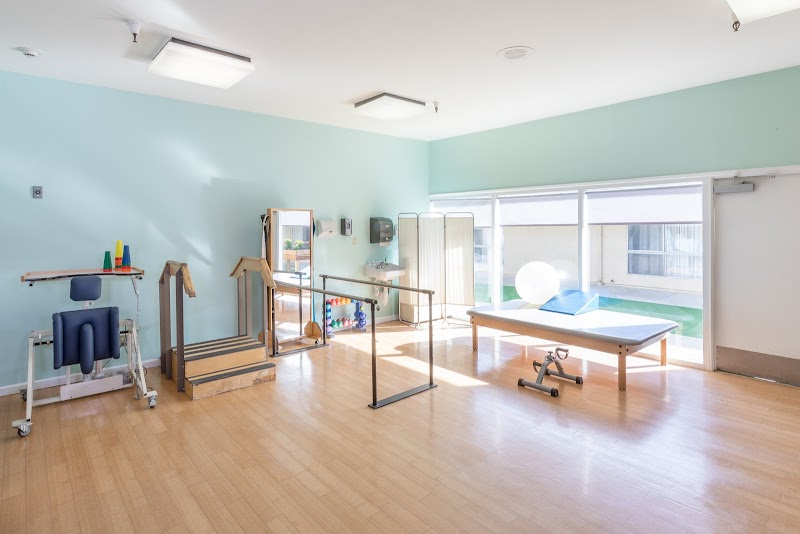
How is Stoney Point Healthcare Center Staffed?

CMS rates STONEY POINT HEALTHCARE CENTER's staffing level at 3 out of 5 stars, which is average compared to other nursing homes. Staff turnover is 21%, compared to the California average of 46%. This relatively stable workforce can support continuity of care.

What Have Inspectors Found at Stoney Point Healthcare Center?

State health inspectors documented 50 deficiencies at STONEY POINT HEALTHCARE CENTER during 2022 to 2025. These included: 1 that caused actual resident harm, 47 with potential for harm, and 2 minor or isolated issues. Deficiencies causing actual harm indicate documented cases where residents experienced negative health consequences.

Who Owns and Operates Stoney Point Healthcare Center?

STONEY POINT HEALTHCARE CENTER is owned by a for-profit company. For-profit facilities operate as businesses with obligations to shareholders or private owners. The facility is operated by PACS GROUP, a chain that manages multiple nursing homes. With 132 certified beds and approximately 123 residents (about 93% occupancy), it is a mid-sized facility located in CHATSWORTH, California.
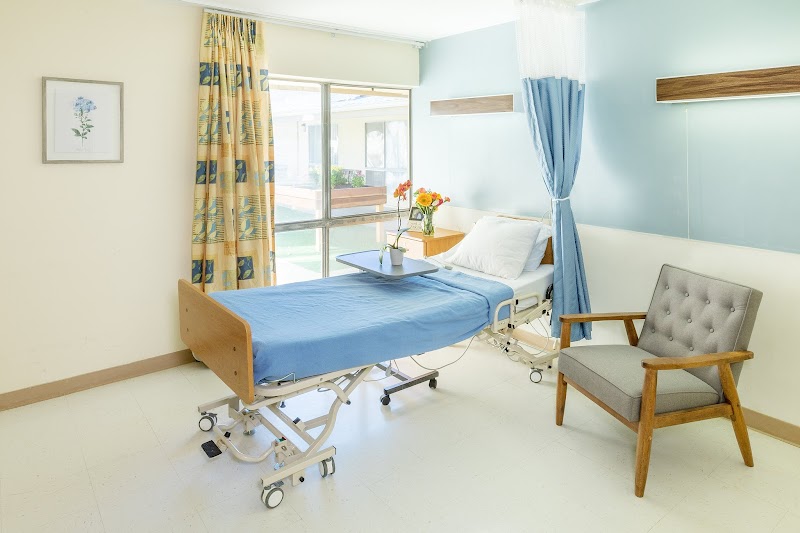
How Does Stoney Point Healthcare Center Compare to Other California Nursing Homes?

Compared to the 100 nursing homes in California, STONEY POINT HEALTHCARE CENTER's overall rating (3 stars) is below the state average of 3.1, staff turnover (21%) is significantly lower than the state average of 46%, and health inspection rating (3 stars) is at the national benchmark.

What Should Families Ask When Visiting Stoney Point Healthcare Center?

Based on this facility's data, families visiting should ask: "Can I visit during a mealtime to observe dining assistance and food quality?" "How do you handle medical emergencies, and what is your hospital transfer rate?" "Can I speak with family members of current residents about their experience?"

Is Stoney Point Healthcare Center Safe?

Based on CMS inspection data, STONEY POINT HEALTHCARE CENTER has a clean safety record: no substantiated abuse findings (meaning no confirmed cases of resident harm), no Immediate Jeopardy citations (the most serious violation level indicating risk of serious injury or death), and is not on the Special Focus Facility watch list (a federal program monitoring the lowest-performing 1% of nursing homes). The facility has a 3-star overall rating and ranks #100 of 100 nursing homes in California. While no facility is perfect, families should still ask about staff-to-resident ratios and recent inspection results during their visit.

Do Nurses at Stoney Point Healthcare Center Stick Around?

Staff at STONEY POINT HEALTHCARE CENTER tend to stick around. With a turnover rate of 21%, the facility is 25 percentage points below the California average of 46%. Low turnover is a positive sign. It means caregivers have time to learn each resident's needs, medications, and personal preferences. Consistent staff also notice subtle changes in a resident's condition more quickly.

Was Stoney Point Healthcare Center Ever Fined?

STONEY POINT HEALTHCARE CENTER has no federal fines on record. CMS issues fines when nursing homes fail to meet care standards or don't correct problems found during inspections. The absence of fines suggests the facility has either maintained compliance or corrected any issues before penalties were assessed. This is a positive indicator, though families should still review recent inspection reports for the full picture.

Is Stoney Point Healthcare Center on Any Federal Watch List?

STONEY POINT HEALTHCARE CENTER is not on any federal watch list. The most significant is the Special Focus Facility (SFF) program, which identifies the bottom 1% of nursing homes nationally based on persistent, serious quality problems. Not being on this list means the facility has avoided the pattern of deficiencies that triggers enhanced federal oversight. This is a positive indicator, though families should still review the facility's inspection history directly.