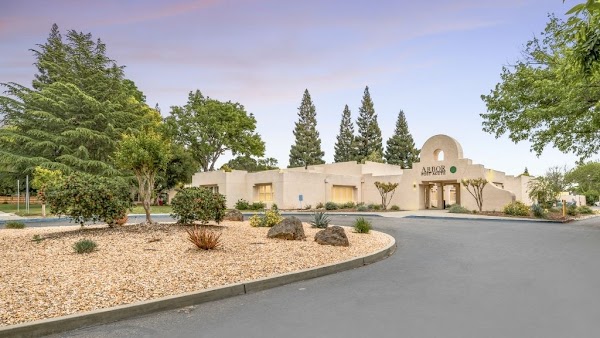
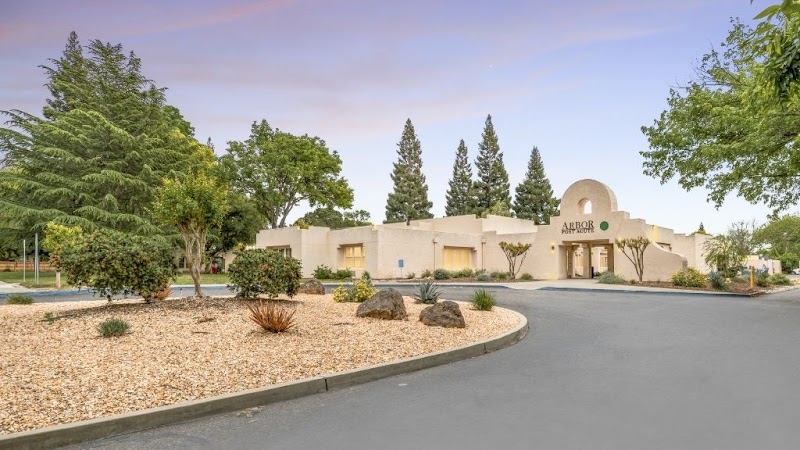

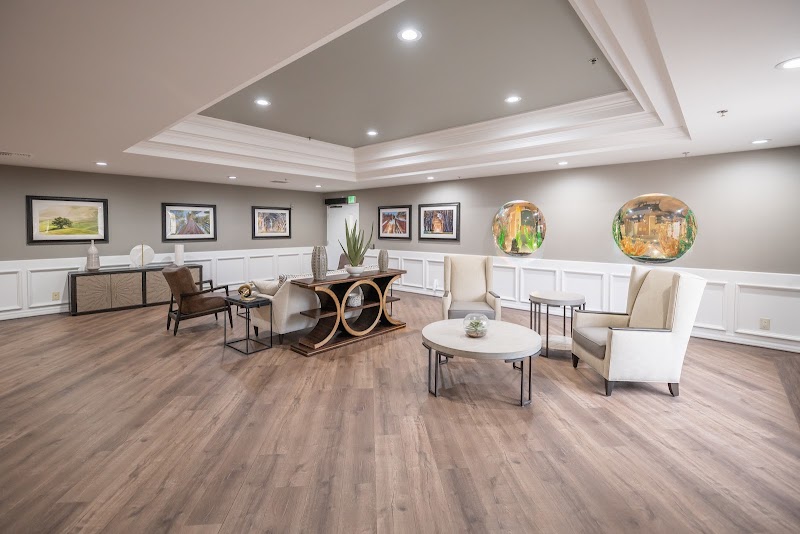
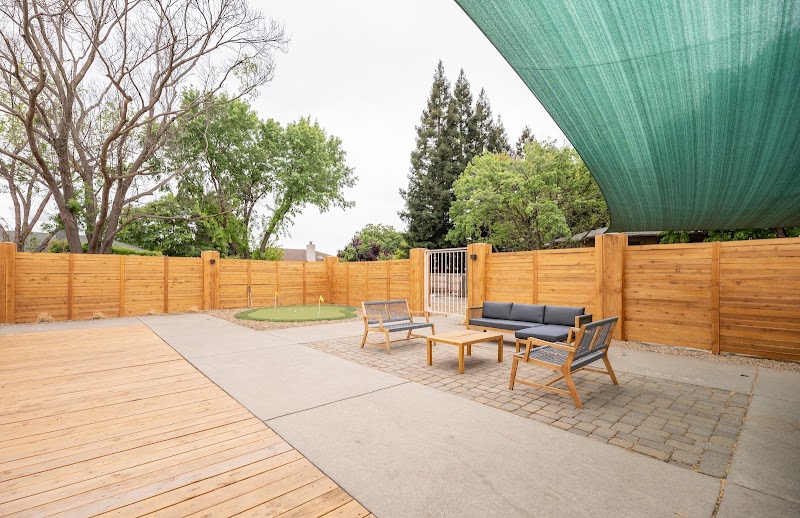
ARBOR POST ACUTE

1200 SPRINGFIELD DRIVE, CHICO, CA 95928 (530) 342-4885
For profit - Corporation 144 Beds PACS GROUP Data: November 2025
Trust Grade
0/100
#974 of 1155 in CA
Last Inspection: January 2025

Within standard 12-15 month inspection cycle. Federal law requires annual inspections.

Overview

Families considering Arbor Post Acute in Chico, California should be aware of several concerning factors. The facility received a Trust Grade of F, indicating poor performance and significant concerns about care quality. Ranked #974 out of 1155 in California, Arbor Post Acute falls in the bottom half of nursing homes in the state and is #5 out of 8 in Butte County. While the trend appears to be improving, with a decrease in reported issues from 36 in 2024 to 26 in 2025, there are still serious concerns, as the facility has accumulated $68,522 in fines, which is higher than 81% of California facilities. Staffing is an area of weakness with a rating of 2 out of 5 stars and a turnover rate of 44%, which is average for the state, while RN coverage is below average, being less than 78% of facilities. Specific incidents have raised alarms: one resident suffered a broken ankle after staff failed to assist her to the bathroom, and another resident, known to be at high risk for falls, did not receive the necessary supervision, resulting in a serious head injury. Additionally, a resident experienced severe pain during routine care due to improper handling of their contractures, highlighting risks to both physical and emotional well-being. Despite some positive quality measures, families should weigh these strengths against the serious deficiencies outlined.

Trust Score
F
0/100
In California
#974/1155
Bottom 16%
Safety Record
High Risk
Review needed
Inspections
Getting Better
36 → 26 violations
Staff Stability
○ Average
44% turnover. Near California's 48% average. Typical for the industry.
Penalties
○ Average
$68,522 in fines. Higher than 69% of California facilities. Some compliance issues.
Skilled Nurses
⚠ Watch
Each resident gets only 18 minutes of Registered Nurse (RN) attention daily — below average for California. Fewer RN minutes means fewer trained eyes watching for problems.
Violations
⚠ Watch
99 deficiencies on record. Higher than average. Multiple issues found across inspections.
★☆☆☆☆
1.0
Overall Rating
★★☆☆☆
2.0
Staff Levels
★★★★☆
4.0
Care Quality
★☆☆☆☆
1.0
Inspection Score
Stable
2024: 36 issues
2025: 26 issues

The Good

  • 4-Star Quality Measures · Strong clinical quality outcomes
  • Full Sprinkler Coverage · Fire safety systems throughout facility
  • No fines on record
  • Staff turnover below average (44%)

    4 points below California average of 48%

Facility shows strength in quality measures, fire safety.

The Bad

1-Star Overall Rating

Below California average (3.1)

Significant quality concerns identified by CMS

Staff Turnover: 44%

Near California avg (46%)

Typical for the industry

Federal Fines: $68,522

Well above median ($33,413)

Moderate penalties - review what triggered them

Chain: PACS GROUP

Part of a multi-facility chain

Ask about local staffing decisions and management

The Ugly 99 deficiencies on record

4 actual harm
Jul 2025 3 deficiencies 1 Harm
SERIOUS (G) 📢 Someone Reported This

A family member, employee, or ombudsman was alarmed enough to file a formal complaint

Actual Harm - a resident was hurt due to facility failures

Accident Prevention (Tag F0689)

A resident was harmed · This affected 1 resident

**NOTE- TERMS IN BRACKETS HAVE BEEN EDITED TO PROTECT CONFIDENTIALITY** Based on interview and record review, the facility failed to ensure one of three residents sampled for falls with injury was pro...

Read full inspector narrative →
**NOTE- TERMS IN BRACKETS HAVE BEEN EDITED TO PROTECT CONFIDENTIALITY** Based on interview and record review, the facility failed to ensure one of three residents sampled for falls with injury was provided with the necessary care to prevent an avoidable fall with injury (Resident 1) when the facility failed to;1.Take Resident 1 to the bathroom on 3/9/25, after her family member (FM) told staff that she needed to go. Subsequently, Resident 1 got up on her own to use the bathroom and fell. This failure to toilet Resident 1 resulted in Resident 1 falling and sustaining a broken right ankle, foot and toes which caused her severe pain, a transfer to the hospital, and delayed her discharge back home by 6 weeks. (Refer to F600 and F697)2.Ensure Resident 1 was assigned a Certified Nursing Assistant (CNA) to take care of her on the PM shift (2:30 pm to 11 pm), on 3/9/25.This failure resulted in Resident 1 having no CNA assigned to her care and help her to the bathroom and Resident 1 fell and sustained a broken ankle, foot and toes.3.Review and revise Resident 1's care plan with new interventions to prevent further falls and injuries on 3/6/25.This failure resulted in Resident 1 having another fall three days later. Findings:1.The facility's policy titled, Falls and Fall Risk, Managing revised March 2018, was reviewed and indicated, based on previous evaluations and current data, the staff will identify interventions related to the resident's specific risks and causes to try to prevent the resident from falling and to try to minimize complications from falling. If falling recurs despite initial interventions, staff will implement additional or different interventions or indicate why the current approach remains relevant.A review of Resident 1's admission record indicated Resident 1 was admitted on [DATE] to nursing unit three (rooms 300 thru 317), with diagnoses which included surgery to the right hip from a broken hip (due to a fall at home), dementia (a loss of memory, language, problem-solving and other thinking abilities that interfere with daily life), Alzheimer's (a progressive disease that destroys memory and other important mental functions), osteoporosis (bones are weak and brittle), muscle weakness, and diabetes (high sugar in the blood).A review of Resident 1's January 2025 Physician's Orders indicated:a An order, dated 1/30/25, indicated Resident 1 did not have capacity to understand choices, to make health care decisions and/or participate in a treatment plan. Resident 1's Family Member (FM) was Resident 1's decision maker. b An order, dated 1/15/25, for Norco (narcotic pain pill) tablet 5-325 mg (milligram a unit of measurement), give one tablet by mouth every four hours as needed (PRN) for pain level 4-6 (moderate pain) and a Norco tablet 10-325 mg, give one tablet by mouth every four hours as needed for pain level 7-10 (severe pain).A review of Resident 1's admission Minimum Data Set (MDS, a complete clinical assessment), dated 1/17/25, section C- Cognitive Patterns (determines residents attention, orientation, and ability to register and recall information) indicated Resident 1 had a Brief Interview for Mental Status (BIMS, an assessment used to evaluate memory and decision making skills on a scale of 0 to 15, with 0 being highly impaired and 15 being no impairment), and Resident 1 scored 0, which indicated Resident 1's cognition was severely impaired. Section GG- Functional Abilities and Goals indicated Resident 1 required maximal assistance (Staff does most of the work) from staff for bed mobility (to turn and reposition in bed), transferring from chair to bed and bed to chair, and was dependent (staff does all of the work) on staff for toileting (going to the bathroom). Section H- Bladder and Bowel indicated Resident 1 had occasional urinary incontinence (some loss of bladder control) episodes and was always continent (had full control) of her bowels.A review of Resident 1's admission Fall Risk Assessment, dated 1/14/25, indicated that Resident 1 was at high risk for falls with a score of 22 based on Resident 1's cognition, previous history of falls, bowel and bladder continence (control), and medications she was taking.A review of Resident 1's care plans was conducted and indicated the following: a Musculoskeletal Care Plan, dated 1/14/25, included interventions to Anticipate and meet needs.respond promptly to all requests for assistance.b High Risk for Fall Care Plan, revised 2/11/25, included interventions to anticipate and meet needs, keep within supervised view as much as possible, keep bed in low position with brakes locked, keep call light within reach.c. Bladder Incontinence Care Plan, dated 1/14/25, included interventions to offer toileting on rounds (an every two hour check done by the CNAs), upon request, and as needed.During a phone interview with FM on 6/10/25 at 9:44 am, FM stated, Right before I left [the facility] that day [3/9/25] at about 6:15 pm, I told the nurse [Licensed Nurse A] that [Resident 1] was laying down to go to sleep but you will have to get her up and take her to the bathroom or she would try to go to the bathroom by herself. [LN A] responded okay. FM stated that around 6:50 pm, (40 minutes later), that same evening (3/9/25), FM received a call from the facility that Resident 1 had fallen trying to go to the bathroom. FM stated that 6:30 pm was Resident 1's usual time to go to the bathroom and get ready for bed.A review of Resident 1's Bladder Continence documentation dated 3/9/25, was conducted and indicated that Resident 1 was last taken to the bathroom at 4:27 pm, over 2 hours before she fell.A review of Resident 1's progress notes titled, Alert Charting dated 3/10/25 at 3:46 am, indicated LN B documented on 3/9/25 at 6:45 pm, that LN B found Resident 1 in her room between the bed and her room door, lying on her left side sitting halfway up with her hands holding her up on the floor, and indicated it appeared as though she (Resident 1) was trying to walk to the restroom. LN B documented, [Resident 1's] lateral [outside] ankle was swollen and tender to touch. This nurse called MD [Medical Doctor] he ordered x-ray [to right ankle] to be done in the facility, Asper-creme [a cream that provides relief to joint pain and helps to reduce swelling] to be applied topically [on the skin of Resident 1's right ankle], ace bandage wrap [a stretchy bandage to help reduce swelling], ice [to right ankle], and a foot cradle [a frame that goes on the foot of the bed to lift sheets and blankets off of the and feet] to keep the blankets off the [right] foot since there is so much swelling and discoloration.A review of Resident 1's progress notes titled, Nurse's Notes dated 3/10/25 at 1:27 pm, LN A documented that Resident 1's right ankle was swollen, purple, and wrapped in an ace wrap. Resident 1 had an X-ray taken on 3/10/25 at 10:00 am, in the facility. Resident 1's FM was concerned and did not want to wait for X-ray results. Resident 1's FM insisted that Resident 1 be sent to the hospital. EMS (Emergency Medical Services 911) was called at 11:20 am and arrived to the facility at 11:35 am. Resident 1 then left by ambulance at 11:45 am, to go to the hospital. Resident 1 returned to the facility after her evaluation in the emergency department at the hospital.A review of Resident 1's Emergency Department (ED) provider notes on 3/10/25 at 12:00 pm, documented by the Emergency Department Physician (EDP), indicated, examination of the right foot and ankle does show tenderness and swelling both to the dorsal [top] and lateral [outer side] of foot as well as the right ankle. Resident 1's ED X-ray results of her right ankle indicated Resident 1 had a broken ankle, a broken pinky toe, a broken big toe, and a broken bone on the top of her right foot. Resident 1 received Norco 5-325 mg 1 tablet at 1:34 pm, in the ED. EDP wrote new orders for Resident 1's right foot to be immobilized (not able to be moved) and to see orthopedics (Physician that specializes in bones). Resident 1 was then taken back to the facility.Resident 1's March 2025's Medication Administration Record (MAR) was reviewed for Resident 1's documented pain complaints and pain levels (0 - 10, 0 was no pain and 10 was extreme, severe pain). The following was documented on Resident 1's MAR:a. On 3/9/25 at 7:17 pm, LN B documented Resident 1's pain level as a 6 (moderate pain) and LN B gave Resident 1 one Norco 10- 325 mg tablet. b. On 3/9/25 at 11:30 pm, LN B documented Resident 1's pain level as a 7 (severe pain) and LN B gave Resident 1 one Norco 10- 325 mg tablet.c. On 3/10/25 at 3:30 am, LN B documented Resident 1's pain level as a 5 (moderate pain), and LN B had not given Resident 1 pain medication. d. On 3/10/25 at 8:00 am, LN A documented Resident 1's pain level as a 5 (moderate pain), and LN A had not given Resident 1 pain medication. e. On 3/10/25 at 9:00 am, LN A documented Resident 1's pain level as a 5 (moderate pain), and LN A had not given Resident 1 pain medication. f. On 3/10/25 at 5:05 pm, LN A documented Resident 1's pain level as an 8 (severe pain). LN A gave Resident 1 one Norco 5-325 mg tablet. A review of Resident 1's Social Service Note dated 3/17/25 at 10:32 am, Social Service (SS) documented Resident 1 was scheduled to discharge home on 3/12/25 with her FM, but due to Resident 1's recent falls that occurred on 3/6/25 where Resident 1 sustained a hematoma (large bump) on her forehead, then on 3/9/25 where Resident 1 sustained a fracture to the right ankle, foot and toes, Resident 1 was now not able to stand on her right foot. SS documented that Resident 1 required a Hoyer lift (a mechanical lift that transfers a resident without the resident touching the ground), and Resident 1 was not able to go home and required extended physical therapy.During a concurrent interview and record review on 7/8/25 at 1:41 pm, the Director of Rehab (DOR) stated that Resident 1 was preparing to discharge home on 3/12/25, but then Resident 1 had a fall on 3/9/25 and subsequently became dependent on staff for transfers and had to stay longer at the facility due to a broken right ankle. DOR indicated Resident 1 discharged home on 4/24/25, six weeks after she had initially planned to go home.During an interview on 7/8/25 at 2:23 pm, LN A stated that on 3/9/25 at around 6:20 pm, FM told her that she (FM) was leaving and to have a CNA take Resident 1 to the bathroom. LN A indicated Resident 1 required help to go to the bathroom, was confused, and was always getting out of bed without help. LN A said she asked CNA E to take Resident 1 to the bathroom. LN A stated she also asked LN B (the oncoming nurse) to get a CNA to take Resident 1 to the bathroom. LN A stated, I was worried that she [Resident 1] might get out of bed. I should have checked on her, but I thought the CNA was going to help her.During a phone interview on 7/9/25 at 10:39 am, LN B indicated on the night of 3/9/25 around 6:45 pm, Resident 1 was found on the floor in her room. LN B indicated Resident 1 had fallen right after LN B had started her night shift (6:30 pm to 7 am) and she remembered Resident 1 being in a lot of pain after the fall. LN B stated that Resident 1 had dementia and when she sat up on the side of the bed, that meant she needed to go to the bathroom or was hungry. LN B stated that 6:30 pm was Resident 1's normal time to go to the bathroom and since Resident 1 had dementia, she was unable to always answer accurately to whether or not she needed to use the bathroom. LN B stated LN A had not reported to her that Resident 1 needed to go to the bathroom.During a phone interview on 7/10/25 at 2:33 pm, CNA H stated she worked on 3/9/25 from 6:30 pm to 11:00 pm, on nursing unit three and was never asked to take Resident 1 to the bathroom and confirmed she never took Resident 1 to the bathroom.During a phone interview on 7/10/25 at 3:10 pm, CNA G stated that on 3/9/25 from 2:30 pm through 7:00 pm, she was assigned to float (a CNA that was not assigned to specific rooms or residents, but helps where help was needed) on unit three. CNA G stated she was never asked to take Resident 1 to the bathroom on 3/9/25, however around 6:35 pm, she had walked by Resident 1's room and saw Resident 1 sitting on the edge of her bed. CNA G stated she asked Resident 1 if she needed to use the bathroom and Resident 1 responded no. CNA G then assisted Resident 1 to lie back down and had not taken her to the bathroom. CNA G stated she then left Resident 1's room and within minutes she heard help me, help me and saw Resident 1 on the floor in her room. During a phone interview on 7/10/25 at 3:15 pm, CNA E confirmed she was assigned to care for Resident 1 on 3/9/25 from 2:30 pm to 11:00 pm, but never took care of her, and has not taken care of Resident 1 since February 2025, because Resident 1's FM requested her to no longer care for Resident 1. CNA E stated LN A never asked her to take Resident 1 to the bathroom.2. Nursing Staff Assignment and Sign-In Sheet, dated 3/9/25, for PM shift 2:30 pm to 11 pm, on nursing unit three (rooms 300-317), was reviewed and indicated that CNA E was scheduled to work 2:30 pm to 11 pm, and assigned to Resident 1's room, CNA G was scheduled to work from 2:30 pm to 7 pm, CNA H was scheduled to work 6:30 pm to 11 pm, CNA J was scheduled to work from 2:30 pm to 7 pm, and CNA K was scheduled to work from 2:30 pm to 11 pm, were all assigned to nursing unit three. During a phone interview on 7/10/25 at 2:33 pm, CNA H stated she worked on 3/9/25 from 6:30 pm to 11:00 pm, on nursing unit three and confirmed she was not assigned to Resident 1. During a phone interview on 7/10/25 at 3:10 pm, CNA G stated that on 3/9/25, she was assigned as a float on unit three from 2:30 pm to 7 pm and confirmed she was not assigned to care for Resident 1. During a phone interview on 7/10/25 at 3:15 pm, CNA E confirmed she was assigned to care for Resident 1 on 3/9/25 from 2:30 pm to 11:00 pm, and had not taken care of her. CNA E explained that she was not allowed to care for Resident 1 because since February 2025, Resident 1's FM did not want her taking care of Resident 1. Surveyor asked CNA E if this had been communicated to a nurse or another CNA and if CNA E knew who ended up taking care of Resident 1. CNA E replied that it was not her job to find someone to replace her, it was the nurses job. CNA E stated she never cared for Resident 1 on 3/9/25, and does not know who did. 3. The facility's policy titled, Assessing Falls and their Causes dated March 2018, was reviewed and indicated, Within 24 hours of a fall, begin to try to identify possible or likely causes of the incident. When a resident falls, the following information should be recorded in the resident's medical record: 6. Appropriate interventions taken to prevent future falls.A review of Resident 1's progress note titled, Change in Condition (CIC) dated 3/6/25, LN D indicated Resident 1 had a fall on 3/6/25 at 3:32 pm, documentation included [LN D] found res [Resident 1] sitting on floor to right side of bed. Res [Resident 1] sitting on her buttocks on floor mat. Res wearing socks, no incontinence at time of fall, brief [adult diaper] was dry. Bed below knee height. Hematoma [bump or goose egg] to top of head measuring approx. [approximately] 3 cm [centimeters, 2.5 centimeters equal about one inch] X [by] 3.2 cm. Resident 1's nursing progress note documentation from 3/6/25 through 3/9/25 was reviewed and indicated that there was no nursing documentation which identified possible or likely causes of Resident 1's fall on 3/6/25, as the facility's policy indicated there should have been.A review of Resident 1's Fall Care Plan, created on 3/6/25, indicated that no revisions or new interventions had been made after Resident 1's fall with injury on 3/6/25. A concurrent interview and record review was conducted with the Assistant Director of Nursing (ADON) on 7/8/25 at 3:19 pm. Resident 1's CIC note from 3/6/25, nursing documentation notes from 3/6/25 through 3/9/25, and Fall Care Plan dated 3/6/25, were reviewed with the ADON. The ADON confirmed Resident 1 had a fall and hit her head on 3/6/25, and there was no CIC nursing documentation or revisions to her Fall Care plan, and there should have been.
CONCERN (D) 📢 Someone Reported This

A family member, employee, or ombudsman was alarmed enough to file a formal complaint

Potential for Harm - no one hurt, but risky conditions existed

Free from Abuse/Neglect (Tag F0600)

Could have caused harm · This affected 1 resident

**NOTE- TERMS IN BRACKETS HAVE BEEN EDITED TO PROTECT CONFIDENTIALITY** Based on interview and record review, the facility failed to protect one of three residents, sampled for abuse, (Resident 1) the...

Read full inspector narrative →
**NOTE- TERMS IN BRACKETS HAVE BEEN EDITED TO PROTECT CONFIDENTIALITY** Based on interview and record review, the facility failed to protect one of three residents, sampled for abuse, (Resident 1) the right to be free from neglect due to the deprivation of goods and services by Licensed Nurse (LN) A when Resident 1 had pain in her broken right ankle and LN A indicated she was too busy to dispense Resident 1 pain medication. This resulted in Resident 1 experiencing unnecessary unrelieved pain and discomfort to right ankle and had the potential to negatively impact her physical and emotional well-being.FindingsA review of the facility's policy titled Identifying Types of Abuse revised 9/22, indicated abuse of any kind against residents is strictly prohibited. Abuse includes the deprivation by an individual, including a caretaker, of goods or services that are necessary to attain or maintain physical, mental and psychosocial well-being. Neglect is the failure of the facility, its employees or service providers to provide goods and services to a resident that are necessary to avoid physical harm, pain, mental anguish or emotional distress. Neglect occurs when the facility is aware of, or should have been aware of, goods or services that a resident requires but the facility fails to provide them and this has resulted in (or may result in) physical harm, pain mental anguish or emotional distress.A review of the facility's policy titled Resident Rights revised 2/20/21, indicated employees shall treat all resident with kindness, respect, and dignity and be free from abuse, neglect.A review of Resident 1's admission record indicated Resident 1 was admitted on [DATE] with diagnoses which included surgery to the right hip from a broken hip (due to a fall at home), dementia (a loss of memory, language, problem-solving and other thinking abilities that interfere with daily life), Alzheimer's (a progressive disease that destroys memory and other important mental functions), osteoporosis (bones are weak and brittle), muscle weakness, and diabetes (high sugar in the blood). The admission record indicated Resident 1 did not have mental capacity to make healthcare decisions. A review of Resident 1's admission Minimum Data Set (MDS, a complete clinical assessment), dated 1/17/25, section C- Cognitive Patterns (determines residents attention, orientation, and ability to register and recall information) indicated Resident 1 had a Brief Interview for Mental Status (BIMS, an assessment used to evaluate memory and decision making skills on a scale of 0 to 15, with 0 being highly impaired and 15 being no impairment), Resident 1 scored 0 which indicated Resident 1's cognition was severely impaired. A review of Resident 1's progress notes dated 3/10/25 at 3:46 am, was conducted. Licensed Nurse (LN) B, documented that at 6:45 pm she found Resident 1 in her room between the bed and her room door, lying on her left side sitting halfway up with her hands holding her up on the floor, and indicated that it appeared as though Resident 1 may have been trying to walk to the restroom. LN B documented, her [Resident 1's] lateral [outside] [right] ankle was swollen and tender to touch. This nurse called MD [Medical Doctor] he ordered x-ray [to right ankle] to be done in the facility, Asper-creme (a cream that helps relieve joint pain and reduce swelling] to be applied topically [on top of the right foot], ace bandage wrap [an elastic bandage that reduces swelling], ice [to the right foot], and a foot cradle [a metal frame that goes on the foot of the bed to keep blankets and sheets from touching the feet] to keep the blanket off the foot since there is so much swelling and discoloration. FM also stated she wanted [Resident 1] to have consistent pain management with this COC [Change of Condition] this was endorsed [told to] to oncoming nurse. During an interview with Resident 1's family member (FM) on 6/10/25 at 9:44 am, FM stated she got a call from LN B on 3/9/25 in the evening, telling her that Resident 1 had fallen and hurt her right ankle. FM stated she came to the facility the next day, on 3/10/25 before lunch, and found that Resident 1's right ankle was causing her so much pain and that Resident 1 was crying. Resident 1's right foot and ankle were black and blue, swollen, and hurt when it was touched. FM stated she asked LN A if she had given Resident 1 any pain medication. LN A replied that she had not given Resident 1 any pain medication since she had come on shift at 6:30 am. FM stated that she asked the LN A to send Resident 1 to the hospital so her right foot could be evaluated and x-rayed. During a concurrent interview with Physical Therapist and record review on 7/11/25 at 2:51 pm, Resident 1's therapy notes were reviewed for a session dated 3/10/25 at around 11:00 am. PT notes indicated Response to Session interventions: the patient recently suffered a ground level fall last night and her R [right] lower leg was involved. The patient was approached in bed and the patient was very lethargic. The patient endorses [states] large amounts of pain in her RLE [right lower extremity] and is very tender to palpation on the outside of the ankle and displays large area of bruising and diffuse swelling throughout. PT stated that when he went in to do Resident 1's therapy on 3/10/25 around 11:00 am, he remembered Resident 1 being in pain. Resident 1 had a purple, swollen and tender right ankle. PT stated that Resident 1 grimaced, clenched her jaw and jerked away when PT would reach for Resident 1's right foot. PT stated that Resident 1 was then sent to the ED for evaluation of her right ankle. A review of Resident 1's Emergency Department (ED) provider notes dated 3/10/25 at 12:00 pm, written by the emergency room Doctor, indicated examination of the right foot and ankle does show tenderness and swelling both to the dorsal [top] and lateral [outer side] of foot as well as the right ankle. Resident 1's ED X-Ray results of her right ankle indicated Resident 1 had a broken shin bone that extended into the ankle, broken pinky toe, broken big toe, and a broken bone on the top of her foot.A review of Resident 1's January 2025 Physician's Orders indicated an order, dated 1/15/25, for Norco (narcotic pain pill) tablet 5-325 mg (milligrams a unit of measurement), give one tablet by mouth every four hours as needed for pain level 4-6 (moderate pain) and a Norco tablet 10-325 mg give one tablet by mouth every four hours as needed for pain level 7-10 (severe pain).Resident 1's March 2025's Medication Administration Record (MAR) was reviewed for Resident 1's documented pain complaints and pain levels (0-10, 0 was no pain and 10 was extreme, severe pain) were as follows: On 3/10/25 at 8:00 am, Resident 1's pain level was documented as a level 5 by LN A and no pain medication was documented as given. On 3/10/25 at 9:00 am, Resident 1's pain level was documented as a level 5 by LN A and no pain medication was documented as given.During a concurrent interview with LN A and record review on 7/14/25 at 2:05 pm, Resident 1's March 2025's MAR was reviewed. LN A confirmed that Resident 1 was having moderate pain at a level 5 on 3/10/25 at 8 am and 9 am, and that LN A documented that on Resident 1's MAR. LN A confirmed she was aware that Resident 1 had a physician's order for one Norco 5-325 mg tablet for moderate pain. During the interview LN A stated, Her [Resident 1's] ankle was swollen and purple and [Resident 1] was just lying in bed and not wanting to do any activities. I [LN A] did not give her pain medication until 5:00 pm that evening when she [Resident 1] complained of severe pain. I should have given her [Resident 1] pain medication in the morning when she was having moderate pain in her right ankle, but I did not because I was really busy that day.
CONCERN (D) 📢 Someone Reported This

A family member, employee, or ombudsman was alarmed enough to file a formal complaint

Potential for Harm - no one hurt, but risky conditions existed

Deficiency F0697 (Tag F0697)

Could have caused harm · This affected 1 resident

**NOTE- TERMS IN BRACKETS HAVE BEEN EDITED TO PROTECT CONFIDENTIALITY** Based on interview and record review the facility failed to ensure pain management was provided for one of three residents sampl...

Read full inspector narrative →
**NOTE- TERMS IN BRACKETS HAVE BEEN EDITED TO PROTECT CONFIDENTIALITY** Based on interview and record review the facility failed to ensure pain management was provided for one of three residents sampled for pain management (Resident 1) when Resident 1 had pain in her right ankle rated at a 5 (on a pain scale from 0-10 with 0 being no pain and 10 being severe pain) and was not medicated with pain medication as indicated in her physician's orders consistent with her pain level.This resulted in Resident 1 experiencing unrelieved moderate pain and tenderness to right ankle and had the potential to negatively impact her physical and emotional well-being.Findings:A review of the facility's policy titled, Pain Assessment and Management dated April 2025, indicated, The purpose of this procedure is to help the staff identify pain in the residents, and to develop interventions that are consistent with resident needs. Possible Behavioral Signs of pain: Facial Expression such as grimacing, frowning, clenching of jaw. Implement the medication regimen per Physician orders.A review of the facility's policy titled, Pain-Clinical Protocol Revised April 2025, indicated, The physician and staff will identify individuals who have pain or who are at risk for having pain.A review of the facility's policy titled, Administering Pain Medications revised April 2025, indicated, The pain management program is based on a facility-wide commitment to appropriate assessment and treatment of pain, based on professional standards of practice, the comprehensive care plan, and the resident's choices related to pain management. Pain Management is defined as the process of alleviating the resident's pain based on his or her clinical condition and established treatment goals. Pain management is a multidisciplinary process that includes the following: a. identifying signs and symptoms of and assessing existing pain; b. recognizing situation and conditions with the potential for pain.f. monitoring for the effectiveness of interventions; and g. modifying approaches as necessary.A review of Resident 1's admission record indicated Resident 1 was admitted on [DATE] with diagnoses which included surgery to the right hip from a broken hip (due to a fall at home), dementia (a loss of memory, language, problem-solving and other thinking abilities that interfere with daily life), Alzheimer's (a progressive disease that destroys memory and other important mental functions), osteoporosis (bones are weak and brittle), muscle weakness, and diabetes (high sugar in the blood). The admission record indicated Resident 1 did not have mental capacity to make healthcare decisions. A review of Resident 1's admission Minimum Data Set (MDS, a complete clinical assessment), dated 1/17/25, section C- Cognitive Patterns (determines residents attention, orientation, and ability to register and recall information) indicated Resident 1 had a Brief Interview for Mental Status (BIMS, an assessment used to evaluate memory and decision making skills on a scale of 0 to 15, with 0 being highly impaired and 15 being no impairment), Resident 1 scored 0 which indicated Resident 1's cognition was severely impaired. A review of Resident 1's progress notes dated 3/10/25 at 3:46 am, was conducted. Licensed Nurse (LN) B, documented that at 6:45 pm she found Resident 1 in her room between the bed and her room door, lying on her left side sitting halfway up with her hands holding her up on the floor, and indicated that it appeared as though Resident 1 may be have been trying to walk to the restroom. LN B documented, her [Resident 1's] lateral [outside] [right] ankle was swollen and tender to touch. This nurse called MD [Medical Doctor] he ordered x-ray [to right ankle] to be done in the facility, Asper-creme (a cream that helps relieve joint pain and reduce swelling] to be applied topically [on top of the right foot], ace bandage wrap [an elastic bandage that reduces swelling], ice [to the right foot], and a foot cradle [a metal frame that goes on the foot of the bed to keep blankets and sheets from touching the feet] to keep the blanket off the foot since there is so much swelling and discoloration. FM also stated she wanted [Resident 1] to have consistent pain management with this COC [Change of Condition] this was endorsed [told to] to oncoming nurse. During an interview with Resident 1's family member (FM) on 6/10/25 at 9:44 am, FM stated she got a call from LN B on 3/9/25 in the evening, telling her that Resident 1 had fell and hurt her right ankle. FM stated she came to the facility the next day, on 3/10/25 before lunch, and found that Resident 1's right ankle was causing her so much pain. Resident 1's right foot and ankle were black and blue, swollen, and hurt when it was touched. FM stated she asked LN A if she had given Resident 1 any pain medication. LN A replied that she had not given Resident 1 any pain medication since she had come on shift at 6:30 am. FM stated that she asked the LN A to send Resident 1 to the hospital at that point, so her right foot could be evaluated and x-rayed. A review of Resident 1's progress notes dated 3/10/25 at 1:27 pm, was conducted. LN A documented Resident's right ankle was swollen, purple, and wrapped in an ace wrap. LN A documented that Resident 1 had an X-ray taken of her right ankle and foot on 3/10/25 at 10:00 am, in the facility and that Resident 1's FM was concerned and did not want to wait for those X-ray results. LN A documented that Resident 1's FM insisted that she (Resident 1) be sent to hospital. EMS (Emergency Medical Services-911) was called at 11:20 am and arrived at 11:35 am. Resident transferred safely onto gurney and into ambulance at 11:45 am. A review of Resident 1's January 2025 Physician's Orders indicated: An order, dated 1/15/25, for Norco (narcotic pain pill) tablet 5-325 mg (milligrams a unit of measurement), give one tablet by mouth every four hours as needed for pain level 4-6 (moderate pain) and a Norco tablet 10-325 mg, give one tablet by mouth every four hours as needed for pain level 7-10 (severe pain). Resident 1's March 2025's Medication Administration Record (MAR) was reviewed for Resident 1's documented pain complaints and pain levels (0 - 10, 0 was no pain and 10 was extreme, severe pain) were as follows:On 3/10/25 at 3:30 am, Resident 1's pain level was documented as level 5 by LN B. No pain medication was given.On 3/10/25 at 8:00 am, Resident 1's pain level was documented as a level 5 by LN A. No pain medication was given. On 3/10/25 at 9:00 am, Resident 1's pain level was documented as a level 5 by LN A . No pain medication was given. On 3/10/25 at 5:05 pm, LN A documented Resident 1's pain level as an 8 (severe pain). LN A gave Resident 1 one Norco 5- 325 mg tablet, which was the wrong dose of Norco for a pain level of 8. Norco 10-325 was ordered for a pain level of 7-10 severe pain. A review of Resident 1's Emergency Department (ED) provider notes on 3/10/25 at 12:00 pm, written by the emergency room Doctor, indicated examination of the right foot and ankle does show tenderness and swelling both to the dorsal [top] and lateral [outer side] of foot as well as the right ankle. Resident 1's ED X-Ray results of her right ankle indicated Resident 1 had a broken shin bone that extended into the ankle, broken pinky toe, broken big toe, and a broken bone on the top of her foot. Resident 1 received Hydrocodone-Acetaminophen 5-325 mg 1 tablet at 1:34 pm, in the ED. During a concurrent interview with Physical Therapist and record review on 7/11/25 at 2:51 pm, Resident 1's therapy notes were reviewed for a session dated 3/10/25 at around 11:00 am. PT notes indicated, Response to Session interventions: the patient recently suffered a ground level fall last night and her R [right] lower leg was involved. The patient was approached in bed and the patient was very lethargic [drowsy]. The patient endorses [states] large amounts of pain in her RLE [right lower extremity] and is very tender to palpation [touching] on the outside of the ankle and displays large area of bruising and diffuse swelling throughout. PT stated that when he went in to do Resident 1's therapy on 3/10/25 around 11:00 am, he remembered Resident 1 being in pain. Resident 1 had a purple, swollen and tender right ankle. PT stated that Resident 1 grimaced, clenched her jaw and pulled away when he would reach for the foot and was noted to be in pain. PT stated that Resident 1 was then sent to the ED for evaluation. During a concurrent interview with LN A and record review on 7/14/25 at 2:05 pm, Resident 1's March 2025's MAR was reviewed. LN A confirmed that she did not medicate Resident 1 with Norco 5-325 mg for a pain level of 5 at 8:00 am and 9:00 am, on 3/10/25, as per physician orders, and she should have.
Mar 2025 2 deficiencies
CONCERN (D) 📢 Someone Reported This

A family member, employee, or ombudsman was alarmed enough to file a formal complaint

Potential for Harm - no one hurt, but risky conditions existed

Deficiency F0578 (Tag F0578)

Could have caused harm · This affected 1 resident

**NOTE- TERMS IN BRACKETS HAVE BEEN EDITED TO PROTECT CONFIDENTIALITY** Based on observation, interview, and record review, the facility violated a request for refusal of treatment for one of two resi...

Read full inspector narrative →
**NOTE- TERMS IN BRACKETS HAVE BEEN EDITED TO PROTECT CONFIDENTIALITY** Based on observation, interview, and record review, the facility violated a request for refusal of treatment for one of two residents sampled for resident rights (Resident 1) when, Resident 1 requested no artificial means of nutrition, including feeding tubes (Gastrointestinal Tube(G-tube)), a flexible tube that is placed through the abdominal wall and into the stomach for feeding liquid nutrition), because he wanted to eat and drink regular food and liquids, and the facility continued to feed Resident 1 by G-tube for 24 days after he had signed a Physician Order for Life Sustaining Treatment (POLST, a document of resident wishes). This failure caused Resident 1 distress, frustration and pain and negatively impacted his quality of life. Findings: A review of the facility ' s admission agreement titled, California Standard admission Agreement for Skilled Nursing Facilities and Intermediate Care Facilities revised 5/11, the agreement indicated .you have the right, to the extent permitted by law, to refuse any treatment and the right to be informed of potential medical consequences should you refuse treatment. A review of the facility ' s, POLST form indicated, First follow these orders then contact Physician .A copy of the signed POLST form is a legally valid physician order. A review of Resident 1 ' s admission Record indicated Resident 1 was originally admitted on [DATE] with diagnoses that included diabetes, obesity, heart failure, and major depression. On 1/18/25 Resident 1 was re-admitted to the facility after a short hospital stay with new diagnoses that included placement of a G-tube due to dysphagia (difficulty swallowing certain foods or liquids which causes coughing and choking), and aspiration (when food or fluids are accidentally inhaled into the lungs, instead of the stomach). Resident 1 made his own health care decisions. A review of Resident 1 ' s admission Minimum Data Set (a data driven clinical assessment), dated 1/21/25, section C indicated Resident 1 had a Brief Interview for Mental Status (BIMS, evaluation of cognition, thinking, memory recall and decision making that scores from 00 to15), reflected that Resident 1's BIMS score was a 15. A review of Resident 1 ' s POLST dated 1/31/25, indicated Resident 1 ' s wishes were, Do not attempt Resuscitation [DNR, allow natural death], and, No artificial means of nutrition, including feeding tubes. Resident 1 and the Medical Director both signed the form on 1/31/25. A review of Resident ' 1 ' s Physician's Orders for February 2025, indicated an Enteral (the administration of nutrition through a G-Tube) feeding order was started 1/18/25 and discontinued on 2/24/25, twenty-four days after Resident 1 made his wishes clear. A review of Resident 1 ' s nursing Progress Notes were reviewed and reflected the following: On 2/2/25 at 4:15 pm, a nurse documented, Resident on alert charting r/t [related to] monitoring for noncompliance with NPO [nothing by mouth] diet. Fluids and meals given via [by way of] G-Tube as scheduled On 2/3/25 at 4:07 pm, a nurse documented, Resident on alert charting r/t monitoring for noncompliance with NPO diet. Fluids and meals given via (by the way of) G-Tube as scheduled On 2/4/25 at 10:48 pm, a nurse documented, At approx. 10:20 [pm] CNA [Certified Nursing Assistant] approached nurse and said residents G-Tube was no longer intact, the nurse went in room to find resident holding g-tube. When asked what happened he states, it was an accident it got caught on my blankets. EMS [Emergency Medical System, an ambulance] called. On 2/5/25 at 9:45 am, a nurse documented, Resident return from acute on 2/5/25 with new G-tube in place. On 2/6/25 at 10:45 pm, a nurse documented, Weekly Summary notes .Resident is NPO and receives 2500 mL [milliliters] daily via g-tube, also some flushes too as tolerated. Resident has been non-compliant at times with new diet by consuming oral snacks and beverages. On 2/7/25 at 10:45 am, a nurse documented, Attempted to speak with resident regarding TF [tube feeding] and weight refusal. Resident continues to be upset about feeding tube. Writer offered sympathetic listening. He then stated, ' I am either going to commit suicide or take this thing out [the G-tube] ' He went on to state he is mad how big the tube out of his stomach is and stated, ' I want this F* thing out ' . During an observation and interview with Resident 1 on 3/11/25 at 11:30 am, Resident 1 was observed in bed with no shirt on and a sheet covering the lower half of his body, a G-tube was visible coming from his stomach. Resident 1 stated, They said I was aspirating. I had pneumonia and I failed the swallowing test. I want to get it [the G-tube] out .I want to eat regular food. Resident 1 indicated the G-tube caused him pain and discomfort. During a concurrent interview with Director of Nursing (DON) and record review on 3/11/25 at 4:31 pm, Resident 1 ' s POLST and physician orders were reviewed. DON confirmed that Resident 1 indicated he did not want feeding through a tube on his POLST and the Medical Director signed it on 1/31/25. The DON confirmed Resident 1 had received feedings through his G-tube after he had signed his POLST, requesting not to have this treatment. The DON confirmed the facility should have followed Resident 1 ' s wishes beginning on 1/31/25, but instead continued to feed Resident 1 against his will, for another 24 days. Resident 1 ' s nursing progress notes were reviewed and the DON who confirmed that nursing documentation reflected Resident 1 was distraught over being fed by a G-tube.
CONCERN (E) 📢 Someone Reported This

A family member, employee, or ombudsman was alarmed enough to file a formal complaint

Potential for Harm - no one hurt, but risky conditions existed

Accident Prevention (Tag F0689)

Could have caused harm · This affected multiple residents

**NOTE- TERMS IN BRACKETS HAVE BEEN EDITED TO PROTECT CONFIDENTIALITY** Based on observation, interview, and record review, the facility failed to ensure the safety and security of seven of seven resi...

Read full inspector narrative →
**NOTE- TERMS IN BRACKETS HAVE BEEN EDITED TO PROTECT CONFIDENTIALITY** Based on observation, interview, and record review, the facility failed to ensure the safety and security of seven of seven residents (Residents 1, 2, 3, 4, 5, 6 and 7) sampled as those who had been identified as high risk for wandering and/or elopement (when a resident unsafely leaves the facility undetected) when: 1. The Touchpad Exit Controller (TEC, a system located on exit doors that alarms when resident wearing a Wanderguard (a wrist or ankle bracelet that alarms), passes through any of those exits), alarm system did not alarm and Resident 1 eloped from the facility without staffs knowledge, and Resident 1 was found across the street from the facility by a person who was driving by, with his wheelchair stuck in a sidewalk crack. 2. The monitoring check-off log of the TEC system and exit door alarms had not identified which doors were being tested, had not included all of the facility exit doors, and had days where there was no documentation that reflected that the doors had been checked. 3. The TEC system on Station 3 ' s exit door was not functioning and had not alarmed when tested by the surveyor. 4. The physician ' s orders for Residents 2, 3, 4, 5, 6, and 7, indicated the resident's wanderguards would be checked once daily which was not in accordance with the facility's policy that indicated the checks would be done every shift (three times a day). 5. Registered Nurse (RN) A and Licensed Vocational Nurse (LVN) B were not checking the functionality (whether they would alarm or not if they went through the TEC system) of the wanderguards as ordered. The facility's lack of oversight of ensuring their TEC and Wanderguard systems were fully functional, resulted in Resident 1 eloping from the facility and endangered the safety and welfare of six other residents who were known to wander. Findings: A review of the facility ' s policy titled, Safety and Supervision of Residents revised [DATE], indicated, Our facility strives to make the environment as free from accident hazards as possible. Residents ' safety and supervision and assistance to prevent accidents are facility-wide priorities. These risk factors and environmental hazards include the following: e. unsafe wandering. 1. A review of Resident 1 ' s admission record indicated that Resident 1 was admitted on [DATE] with diagnoses that included, dementia (a group of symptoms that affecting memory, thinking and social abilities), depression, history of falling, muscle weakness, heart failure and a stroke (the brain goes without blood and causes damage to that certain area affected). Resident 1 was unable to make his own health care decisions. A review of Resident 1 ' s Minimum Data Set (MDS, a data driven clinical assessment) dated [DATE], section C indicated Resident 1 had a Brief Interview for Mental Status (BIMS, evaluation of cognition, thinking, memory recall and decision making with a score from 00 to15) score of 7, severely impaired cognition. Section E indicated Resident 1 had wandering behaviors one to three times a week. A review of Resident 1 ' s Physician's Order, revised [DATE], reflected an order for, Wandergard (wanderguard) to right ankle due to elopement risk. A review of Resident 1 ' s nurses Progress Notes written by LVN D, dated [DATE] at 8:29 pm, indicated at approximately 6:10 pm, A member of the community came into the facility and informed this nurse that there was a man in a w/c (wheelchair) stuck on the sidewalk. This nurse walked outside with the community member where she proceeded to point out where the man was, stating he was across the street and stuck by the fence. This nurse walked out to the sidewalk and saw a man in a w/c across the street facing a fence and seemingly stuck. This nurse went across the street and spoke with the man, asked his name, he identified himself, this nurse recognized him as a resident of this facility. A report by the facility to the California Department of Public Health on [DATE] at 3:01 pm, indicated Resident 1 had a wanderguard placed on his left ankle that failed to alarm when he went out of one of the facility exit doors. The facility indicated that their wanderguard system (TEC) was assessed by the facility and found to have an unconnected wire and was not working. During an interview on [DATE] at 11:30 am, LVN C indicated Resident 1 ' s room was next to the North door on Station 1 and the TEC system which was mounted next to the door on the wall, Was missing a screw, was loose and unplugged behind the cover the day [Resident 1] got out. LVN C indicated that after she plugged in the TEC and replaced the screws the alarm was working again. During an interview with the Administrator (Admin) on [DATE] at 11:30 am, the Admin confirmed the TEC system on the North door on Station 1 was not working when Resident 1 eloped on [DATE]. 2. During an observation and interview with the Maintenance Director (MD) on [DATE] at 11:49 am, the exit doors of the facility were observed. There were nine exit doors identified to exit the building. Station 1 ' s North exit door, Station 1 ' s East exit door, Station 2 ' s East exit door, Station 2 ' s South exit door, Station 3 ' s exit door, Station 4 ' s exit door, the Dining Room exit door, the Lobby exit door, and the Laundry Hall exit door. The MD indicated the door alarms and locks are checked every morning on all nine doors. The MD indicated that on the morning of [DATE], the nine exit doors were check for the sound of the alarm, but it was not noticed if the TEC cover was loose, were missing screws or unplugged. The MD indicated they just checked to see if the alarms were working. During a concurrent interview with the Admin and record review on [DATE] at 11:30 am, a facility ' s door monitoring check-off log titled, Logbook document . for Doors, Locks, Gates and Alarms: Test operation of doors and locks for dates [DATE] thru [DATE] were reviewed. The check-off log had no documentation that any of the alarms had been checked on Sunday February 16th, Saturday February 22nd, and Sunday February 23, 2025. The check-off log only listed seven of the nine exit doors in the facility. The Admin confirmed there were nine exit doors, but the log only identified seven and had not included one door on Station 1 and one door on Station 2. The Admin confirmed that all nine doors should be checked daily to ensure all alarms and locks were functioning for the safety of the residents. 3. During a concurrent observation and interview with the MD on [DATE] at 11:49 am, the TEC system for the exit door on Station 3 was tested. This surveyor held onto a wanderguard (the device that the resident wears which signals the TEC to alarm), with her right hand and walked out Station 3 ' s door and the TEC alarm did not go off. MD was previously unaware that alarm was not working. 4. During a review of the facility policy titled, WanderGaurd Process Guide Revised [DATE], the policy indicated, 7. Monitor placement and functioning of the device per order. Order should include: b. Every shift monitoring of WanderGaurd device functioning. During a concurrent interview with the Admin and record review on [DATE] at 11:30 am, physician's orders for Residents 1, 2, 3, 4, 5, 6, and 7 who the facility had identified as wanderers with the potential to elope, were reviewed. Residents 2, 3, 4, 5, 6, and 7 had an order to check functionality (of the wanderguard) . every day shift. The Admin confirmed the facility had not followed their policy by checking the functionality of the wanderguards every day instead of every shift. 5. A review of the facility's,Wander Management Transmitters user guide dated 2018, the guide instructions reviewed testing and care of the transmitter (wanderguard), which included: Visual Inspection 1.Verify that the warranty expirations date that is stamped on the transmitter is not expired. 2. Visually inspect the transmitter for damage or loose parts. Operation 1. Place the transmitter tester directly on the transmitter (wanderguard). 2. Press and hold the button on the left side of the transmitter tester. 3 The device beeps once when you initially press the button. 3. While holding the button in, the indicator light flashes and a tone sounds once per second. 5. Wait for at least 3 flashes of the indicator light and 3 tones from the transmitter tester to verify that the transmitter is functioning correctly. During an interview on [DATE] at 12:28 pm, Registered Nurse (RN) A indicated that she would look at the residents wanderguards daily to make sure they were physically on the residents, but she did not check functionality with a tester. RN A indicated, About every four days or so she would place a resident next to an exit door to see if it would alarm and that was how she checked it. During an interview on [DATE] at 12:38 pm, LVN B indicated he checked that the residents were wearing their wanderguards every day, but did not check to see if they worked. LVN B indicated he had not used a transmitter tester to test the wanderguards. During an interview on [DATE] at 12:45 pm, Director of Nursing (DON) indicated that there was a tool available to staff to check the functionality of the wanderguards and the staff should be using that.
Mar 2025 1 deficiency
CONCERN (D) 📢 Someone Reported This

A family member, employee, or ombudsman was alarmed enough to file a formal complaint

Potential for Harm - no one hurt, but risky conditions existed

Quality of Care (Tag F0684)

Could have caused harm · This affected 1 resident

**NOTE- TERMS IN BRACKETS HAVE BEEN EDITED TO PROTECT CONFIDENTIALITY** Based on interview, record and facility policy review, the facility failed to recognize and report a change in condition to the ...

Read full inspector narrative →
**NOTE- TERMS IN BRACKETS HAVE BEEN EDITED TO PROTECT CONFIDENTIALITY** Based on interview, record and facility policy review, the facility failed to recognize and report a change in condition to the physician, conduct weekly skin wound evaluations as their policy directed, and carry out physician's orders for antibiotic (medication for treating infections), for one of three residents sampled for wound care (Resident 1) when: 1. Resident 1 had a surgical wound to her upper left leg that had worsened on 3/29/24, and her physician was not notified. 2. Resident 1's weekly skin evaluations of her wounds, were not performed weekly. 3. Resident 1 had orders from her vascular surgeon (a doctor who specializes in treatment of blocked arteries and veins), to begin taking an antibiotic on 4/10/24, that were never carried out. These failures had the potential to delay the healing process of Resident 1's wounds and contribute to Resident 1's hospital readmission. Findings: 1. A review of the facility's policy titled, Change in a Resident's Condition or Status revised October 2024, indicated, The nurse will notify the resident's Attending Physician .when there has been .d. significant change in the resident's condition. A review of the Centers for Disease Control and Prevention (CDC) newsletter titled, Know the Signs and Symptoms of Infection dated 11/4/24, indicated, call the doctor right away if you notice any of the following signs and symptoms of an infection; redness, soreness, or swelling in any area including surgical wounds A review of Resident 1's admission Record, indicated Resident 1 was admitted to the facility on [DATE] with diagnoses that included orthopedic aftercare following surgical amputation (removal of toes), diabetes, kidney disease stage 3 (kidneys have moderate damage and decreased ability to filter waste products), heart failure, chronic obstructive pulmonary disease (COPD, a lung disease), peripheral vascular disease (impaired or blocked blood flow to arms and legs), non-pressure chronic ulcer of left heel and midfoot (a wound), dementia, bipolar disorder (form of depression and anxiety), and lung cancer. Resident 1 was made her own healthcare decisions. A review of Resident 1's admission Minimum Data Set (MDS, a data driven clinical assessment) dated 3/28/24, indicated Resident 1's Brief Interview of Mental Status (BIMS, an evaluation of cognition level, thinking, reasoning and memory recall with range 00 to 15), score was 15 out of 15, which indicated no problems. A review of Resident 1's hospital, Discharge Summary dated 3/25/24, indicated Resident 1's hospital course included left lower extremity (left leg) peripheral vascular disease (blockage of blood vessels) complicated by osteomyelitis (bone infection) of the left great toe, second left toe ulceration which were amputated, left heel wound, and cellulitis (an infection and swelling caused by bacteria) of the left foot. On 3/21/24, Resident 1 had a surgical procedure called a Fem-Pop Bypass (a surgery that creates a new pathway for blood to flow through the lower leg), and the surgical incisions were intact. A review of Resident 1's, Nursing-Admission/readmission Evaluation/Assessment dated 3/25/24, indicated Resident 1 was admitted to the facility with three surgical incisions on her left leg; a. Left inner upper thigh which measured 2.5 centimeters long (cm- 2.5 cm equals approximately one inch). b. A mid-thigh incision which measured 2.8 cm long by 0.5 cm wide, and described the wound as beefy red. c. A third incision that was near the bottom of the thigh above the knee. This incision was not measured, but indicated the incision wound was covered with steri-strips (a form of wound closure strips), and had a small amount of bloody drainage, but no signs of infection. A review of Resident 1's, Physician's Orders dated 3/25/24, indicated, Left Anterior [front] Leg Surgical Incisions: Cleanse with NS (normal saline), pat dry, apply TAO (triple antibiotic ointment), cover with dry dressing and wrap. Monitor for s/sx [signs and symptoms] of infection every day shift for 14 days. A review of Resident 1's Physician's Orders dated 3/26/24, included an order to, Monitor redness and swelling to LLE [left lower extremity], for increase in redness and pain notify MD [doctor] and an appointment with [the vascular surgeon] on 4/10/24 to recheck the left inner leg incisions status. A review of Resident 1's, Impaired Skin Integrity Care Plan, initiated on 3/25/24, reflected interventions to administer treatments as ordered and monitor for effectiveness. A review of Resident 1's, Skin Breakdown Care Plan, initiated on 3/25/24, reflected interventions, Check skin during daily care provisions. Notify physician of abnormal findings. A review of Resident 1's nursing Progress Notes titled, Skin/Wound Note reflected the following: On 3/27/24 at 2:07 pm, a nurse documented, No signs or symptoms of infection to the left leg. On 3/29/24 at 4:29 pm, a nurse documented, LLE edematous [swollen], hard to touch and red. There was no documentation that Resident 1's physician was notified of this change. On 3/30/24 at 2:53 pm, a nurse documented, Resident complained of pain to left medial [middle] leg surgical incision sites. Incision sites red/inflammed and warm to the touch doctor contacted and new order was received for Keflex [an antibiotic] 500 mg (milligrams a unit of measure), three times a day and topical Bactroban (antibiotic ointment) two times a day, for 7 days. During a concurrent interview and record review of Resident 1's nursing Progress Notes, with the Director of Nursing (DON) on 3/11/25 at 1:50 pm, Resident 1's progress note dated 3/29/24 at 4:29 pm, was reviewed. DON confirmed Resident 1 had a change in the condition of her wound and her physician was not notified and should have been. 2. A review of the facility's policy titled, Skin Assessment: Best Practice revised 9/8/22, indicated, A weekly skin assessment is completed once a week and describes the current condition of the patients skin. A review of the facility's policy titled, Pressure Injuries/Skin Breakdown-Clinical Protocol revised April 2018, indicated, If a skin issue is noted the nurse should describe and document/report the following: Anatomical [where on the body] location stage, size, (length, width and depth), sinus tracts (tunneling under the skin), undermining (wound edges separate from the wound), presence of drainage, necrotic tissue (dead tissue) A review of three weeks of Resident 1's, Weekly Skin and Wound Evaluations V7.0 from admission on [DATE] to discharge on [DATE], reflected one of three weeks of the Weekly Skin and Wound Evaluations had not been completed; On 3/25/24, documentation included descriptions and measurements for the three surgical sites on the left upper leg. The week of 4/1/24, had no documentation that Resident 1's surgical wounds had been evaluated. The week of 4/8/24, the evaluation was done on 4/11/24, and reflected that one of the incisions, left mid-thigh surgical site, had dehisced (broke open), the left leg was red, hard, swollen and warm to the touch. During a concurrent interview with the DON and record review on 3/11/25 at 1:50 pm, Resident 1's, Weekly Skin and Wound Evaluations V7.0 were reviewed. DON confirmed Resident 1's surgical wounds were not evaluated on 4/1/24, and should have been. 3. A review of the facility's policy titled, Physician Orders revised October 2023, indicated Prescribed medication and treatment orders will be carried out in accordance with the physician/nurse practitioner order. A review of Resident 1's Vascular Surgeon's VS), Physician's Visit Summary note, dated 4/10/24, indicated Resident 1 had seen her vascular surgeon that day for a follow-up visit. The vascular surgeon documented, I obtained a culture from one of the incisions that had dehisced. I started her [Resident 1] on Augmentin [an antibiotic] 500 mg 3 times daily. One of the small incisions in the medial thigh where I ligated a tributary [rerouted a blood vessel] has dehisced. There is no pus drainage, but I went ahead and cultured the wound. [Resident 1] has a lot of swelling and cellulitis appearance along the medial aspect of her thigh. She also has swelling of the leg. She needs to keep it elevated. A review of Resident 1's nursing Progress Notes dated 4/10/24, indicated there was no documentation to reflect that Resident 1 had left the facility to go to her appointment with her VS on 4/10/24. There was no documentation that Resident 1 returned from her appointment or whether or not she had new orders from the VS. A review of Resident 1's, Physician's Orders for the month of April 2024, reflected no order for the Augmentin that her vascular surgeon had ordered on 4/10/24. During a concurrent interview with the Administrator (Admin) and record review on 3/12/25 at 4:14 pm, Resident 1's Physician Visit Summary for the Vascular Surgery Clinic office visit on 4/10/24 was reviewed. Admin confirmed that Resident 1's VS had ordered Augmentin for Resident 1, and that was never started, nor was there any documentation by the facility that Resident 1 had left for, or returned from this appointment on 4/10/24, and there should have been documentation and follow-up by the nurses for any new orders.
Jan 2025 19 deficiencies 2 Harm
SERIOUS (G)

Actual Harm - a resident was hurt due to facility failures

Accident Prevention (Tag F0689)

A resident was harmed · This affected 1 resident

**NOTE- TERMS IN BRACKETS HAVE BEEN EDITED TO PROTECT CONFIDENTIALITY** Based on observation, interview, and record review, the facility failed to ensure resident's plan of care met their needs and pr...

Read full inspector narrative →
**NOTE- TERMS IN BRACKETS HAVE BEEN EDITED TO PROTECT CONFIDENTIALITY** Based on observation, interview, and record review, the facility failed to ensure resident's plan of care met their needs and provided supervision required to keep them free from accidents and hazards for two of five sampled residents (Resident 250 and 303) when: 1. Resident 250 was known to the facility to have restless/aggressive behaviors, active infection and had been evaluated to be at a high risk for falls. The facility failed to re-evaluate past interventions, identify the root cause of Resident 250's falls and develop resident specific individualized interventions to prevent accidents. This resulted in repeated falls for Resident 250 and subsequently, a bilateral head injury that required a 12-day hospitalization. 2. Resident 303 a) Was not identified as a smoker on admission but was seen smoking on the sidewalk. b) Smoked off campus without facility knowledge. c) Kept his cigarettes and lighters in his room unsecured. d) Was not evaluated for smoking safety on admission but 14 days later was evaluated to need a smoking apron and did not wear one while smoking. e) The path provided for Resident 303 to go off the facility property to smoke, had a large pothole along the path. The facility's lack of safety interventions for Resident 303 had the potential for injury related to smoking. Findings: A review of facility's policy titled, Assessing Falls and Their causes, revised August 2024, indicated the purpose of the policy is to provide guidelines for investigation and assessing a resident after a fall and to assist staff in identifying causes of the fall. Review the resident's care plan to assess for any special needs of the resident. The policy indicated residents must be assessed in a timely manner for potential causes of falls and relevant environmental issues should be addressed promptly. Investigation of a Fall or Fall Risk included time of day, time of last meal, what the resident was doing, was resident going to toilet, and whether there is a pattern of falls for this resident. Nursing staff will collect and evaluate information until they either identify the cause or determine cause cannot be found. A review of Resident 250's admission record indicated Resident 250 was admitted on [DATE], with diagnoses of urinary tract infection requiring intravenous (IV, way to deliver fluids, medicine, or blood directly into a vein) antibiotics (treats infection) treatment, dementia, muscle weakness, difficulty walking, and unsteadiness on feet. A review of Resident 250's Nursing admission Evaluation Assessment date 10/7/24 at 3:53 pm, indicated under orientation the acute hospital report indicated Resident 250 had confusion and episodes of agitation. Resident 250 was admitted to the skilled nursing facility with a urinary catheter (a tube that drains urine from bladder) and a midline central IV to right upper arm, placed on 10/6/24. A review of Resident 250's Baseline Care Plan dated 10/7/24, indicated Resident 250 was alert and oriented to self with increased confusion at night. Care plan indicated Resident 250 was a high fall risk due to dementia, being confused and had a urinary tract infection which can cause increased confusion. A review of a Minimum Data Set (MDS, resident assessment) dated 10/10/24, indicated Resident 250 had a Brief Interview for Mental Status (BIMS, resident memory and decision making abilities) score was of 4 out of 15, indicating a severe impairment. Resident 250 was an extensive (dependent on one to two staff to help him) assist for all activities of daily living and transfers. A review of a Nursing Fall Risk assessment dated [DATE], 10/10/24, and 10/12/24 indicated Resident 250 was a high risk for falls. A review of an Alert Charting Progress note dated 10/7/24 at 6:24 pm, shortly after admission, indicated Resident 250 was agitated not getting along with his roommate. Resident 250 had thrown a cup of water onto his bed and was moved to another room in the facility. A review of an Alert Charting Progress note dated 10/7/24 at 11:55 pm, indicated Resident 250 had a new roommate and he was not get along with him either. Resident 250 was very confused and pulling/dragging on his urinary catheter. A message was left for the Medical Director (MD), requesting a medication for anxiety. A review of an Alert Charting Progress note dated 10/8/24 at 6:17 pm, indicated Resident 250 frequently gets up and walks around without calling for assistance. Resident 250 had removed all of his clothing and pulled at the urinary catheter multiple times. A review of a Fall Care Plan dated 10/8/24, indicated a goal that Resident 250 would not experience a fall related to risk factors. Interventions included; Keep call light in reach, anticipate needs, keep personal items within reach, monitor for changes in condition and notify physician, proper footwear non-skid socks, and safety devices. Fall #1: A review of an Alert Charting Progress note dated 10/8/24 at 8:30 pm, indicated Resident 250 had an unwitnessed fall with no injuries. He was found sitting on the floor next to his bed. Resident 250 was very confused, restless, and agitated. MD was notified and new orders were given for Ativan (anxiety medication produces a calming effect on the brain and nerves), for restlessness. Documentation reflected that Resident 250 wandered and could not stay in bed. A review of an online resource from National Library of Medicine, Daily Med, indicated in a sample of about 3500 patients treated for anxiety, the most frequent adverse reaction to Ativan (lorazepam) was sedation (15.9%), followed by dizziness (6.9%), weakness (4.2%), and unsteadiness (3.4%). The incidence of sedation and unsteadiness increased with age. Paradoxical (opposite) reactions, including anxiety, excitation, agitation, hostility, aggression, rage, sleep disturbances/insomnia, sexual arousal, and hallucinations may occur. A review of a Infection Control Interdisciplinary Team (IDT, where facility managers meet to discuss plans of care for residents) note dated 10/8/24 at 2:35 pm, indicated Resident 250 had a change of condition related to increased confusion and other symptoms or signs of delirium (a temporary condition with an inability to pay attention and thoughts are disorganized). A licensed nurse got an order for Ativan 0.5 milligrams (mg, a unit of measure) every 6 hours, for restlessness. According to the IDT note, the Ativan was of little help and documented, He needs stronger meds and a sitter (1:1, a caregiver sits with resident and available to assist). The IDT note indicated that Resident 250 was currently on antibiotics for an infection and, maybe he will get better once infection gone. A review of an IDT note dated 10/9/24 at 10:19 am, indicated Resident 250 had an unwitnessed fall on 10/8/24 at 8:30 pm. Certified Nurse Assistant (CNA) notified the nurse that Resident 250 was sitting on the floor next to his bed. The note indicated that Resident 250 had poor safety awareness, was impulsive, and unable to be redirected when provided with education with his urinary catheter. Resident 250 continued to wander the facility and running over his urinary catheter bag (the bag that collects the urine) and dragging it across the floor. New interventions following this fall were for Resident 250 to use a leg bag a device that attaches to the upper thigh and does not get in the way of walking, and Ativan for his restlessness. A review of a Resident 250's physician order dated 10/8/24 at 11:30 pm, indicated Ativan 0.5 mg tablet every 6 hours was ordered as needed for restlessness. Another physician ordered on the same day, to monitor the antianxiety medication for adverse side effects such as; drowsiness, slurred speech, dizziness, nausea, and aggressive impulsive behavior. A review of Resident 250's Medication Administration Record (MAR) dated October 2024, indicated Ativan 0.5 mg had been administered five times for restlessness, on 10/8/24 at 11:45 pm, 10/10/24 at 12:35 am, 10/11/24 at 8:35 am and again at 8:47pm, and on 10/12/24 at 5:23 am. A review of an Alert Charting Progress note dated 10/9/24 at 2:48 pm, indicated Resident 250 continued not to use his call light or ask for staff assistance and continued to pull at his urinary catheter. The note indicated Resident 250 walked with an assistive device and the help of staff. A review of an Alert Charting Progress note dated 10/10/24 at 4:44 am, indicated Resident 250 continued to get up and walk by himself and refused t use call light despite unsteady balance. Fall #2: A review of an Alert Charting Progress note dated 10/10/24 at 9:30 pm, indicated Resident 250 refused to wear non-skid socks, was confused and frustrated with his urinary catheter. He had a laceration (cut) to the back of his head. The progress note indicated that staff were unable to check his pupils (to check neurological [brain] function), and Resident 250 was transferred out to the acute care hospital for evaluation. A review of an IDT note dated 10/11/24 at 10:17 am, indicated Resident 250 had an unwitnessed fall on 10/10/24 at approximately 6:33 pm. Resident 250 was found lying on his back on the floor. His wheelchair was found next to him with wheelchair unlocked. A laceration (a cut or tear in the skin caused by an injury) was found to the back of his head and staff were unable to see his pupils due to resident rolling his eyes upward. Resident 250 was sent to the emergency department for a post fall evaluation. At the hospital a Computed Tomography (CT scan, an X-ray to create detailed pictures of the inside of the body) scan was completed with no remarkable findings and he was sent back to the facility. The IDT recommended that therapy to evaluate for proper wheelchair. The IDT note did not address or evaluate the effectiveness of the administration of Ativan in reducing Resident 250's restlessness and impulsive/wandering behaviors. A review of an Alert Charting Progress note dated 10/11/24 at 4:31 pm, indicated Resident 250 was confused at his baseline, had no safety awareness, and that staff continued to redirect him to sit in a chair which made him agitated, and he continued to self-transfer and not ask for assistance. A review of an Alert Charting Progress note dated 10/12/24 at 2:46 am, indicated Resident 250 was observed walking down hallway with unsteady balance and continued to have no safety awareness. Fall #3: A review of a SBAR (Situation, Background, Assessment and Recommendation) note dated 10/12/24 at 9:27 am, indicated Resident 250 was in his wheelchair by the nursing medication cart. He tried to stand to get a spoon from the cart and fell hitting the right side of his head on the bottom of the cart. Resident 250 sustained a skin tear to his right forearm. Neurological (checks brain function) checks were started but staff were unable to complete the assessment because his eyes were rolling upward when trying to check. There was no IDT post fall note for Fall #3, it was included in the Fall #4 IDT note dated 10/14/24, two days later. There was no documented evaluation of the effectiveness of the past fall prevention interventions and no changes were made to his fall care plan. Fall #4: A review of a Nursing Progress Note dated 10/12/24 at 1:37 pm, indicated a second fall had occurred after fall #3, on the same day, but had not included the time of the fall. The note indicated that Resident 250 tried to pull out his IV and fell and hit his head on the floor. LN documented Resident 250 was assessed to be confused, drowsy, and was unable to stay awake, and he was transferred out to the acute care hospital for evaluation. A review of an IDT note dated 10/14/24 at 2:58 pm, indicated Resident 250 has suffered from four falls during a stay of seven days in the facility. The final, 4th fall, at approximately 9:45 am, Resident 250 was assisted to bed so the Registered Nurse (RN) could administer his antibiotic medication in his IV. Resident 250 was witnessed trying to remove the IV while the antibiotics were being administered. An LN tried to redirect him and left the room, once he had calmed down. Then at approximately 10:05 am, Resident 250 was found on the ground near his bed. The note indicated that Resident 250 had increased confusion and difficulty staying awake. Resident 250 was sent to the hospital emergency room and was found to have a subdural hematoma (where the blood pools in the brain from hitting the head strong enough to burst the blood vessels). A review of an online resource NationalInstituteofHealth.gov dated 8/1/24, indicated confusion will last in the elderly with a urinary tract infections as follows: Mild UTIs: Confusion often improves within 24 to 48 hours, with full recovery in 3 to 5 days. Severe or Complicated UTIs: Symptoms may last 1 to 3 weeks, especially if the infection involves the kidneys or catheters. During a concurrent interview and record review on 1/23/25 2:54 pm, Licensed Nurse (LN) AH stated she remembered Resident 250 to be very confused and needed to be monitored closely by staff for safety. LN AH stated he would sit in hallway so staff could provide close supervision, but still fell near medication cart and hit his head. LN AH stated the last fall (Fall #4), she found Resident 250 later in his room lying on the floor on the fall mat next to his bed tangled in his IV tubing. LN AH stated Resident 250 should have not been left alone especially when having antibiotics administered. LN AH stated the Ativan did not really help Resident 250, He may have needed a different medication for his restlessness and aggression. During an interview on 1/24/25 at 9:04 am, CNA Q stated she remembered Resident 250, after seeing a picture of him. CNA Q stated he was confused, agitated, and did get aggressive at times. CNA Q indicated that Resident 250 would have benefited from 1:1 supervision (caregiver always has eyes on resident and available to assist resident) due to safety concerns, but also indicated that the facility was not always able to provide 1:1 supervision due to not having enough staff to provide this. During a concurrent interview and record review on 1/24/25 at 12:30 pm, with Director of Nursing (DON) and Assistant Director of Nursing (ADON), they both confirmed Resident 250 had behaviors and falls. ADON stated she participated in the IDT meetings and was unaware that Resident 250 had a total of four falls. DON and ADON confirmed direct care staff such as CNAs and LNs were not included in the fall IDT meetings and contribute to identifying root causes of of Resident 250's confusion and multiple falls. DON and ADON confirmed that redirection, the reminder to use call light, with a BIMS of 4, and reminders to use wheelchair brakes when Resident 250 transferred himself, were not effective interventions to prevent further falls. DON and ADON indicated that Resident 250 was impulsive, restless, and had dementia (memory problems), which contributed to his poor safety awareness and inability to follow directions. DON and ADON confirmed that 1:1 supervision had not been considered until after Fall #4. DON and ADON confirmed the IDT meeting documentation had not included a review or discussion of Resident 250's behaviors if the Ativan use had been beneficial. ADON confirmed Ativan could also have the opposite desired affect and cause aggressive impulsive behaviors. DON and ADON confirmed the IDT meetings did not evaluate the risks of leaving Resident 250 alone while IV antibiotics were infusing. DON and ADON agreed that Resident 250's UTI could have contributed to his restlessness and confusion, thereby placing him at a higher risk for falls with injuries. A review of the acute care hospital discharge summary record dated 10/24/24, indicated Resident 250 was admitted to the hospital for treatment of right and left subdural hematomas. Resident 250 required treatment for respiratory failure that required intubation (a medical procedure that involves inserting a tube into the windpipe when someone cannot breathe on their own), and a feeding tube (a tube surgically placed into the stomach when food cannot be taken by mouth), because of the severity of his head injuries. Resident 250 spent 12 days in the hospital. 2. a) A review of the facility's policy titled, Non-Smoking Policy-Residents dated January 2024, the policy indicated, This facility is a non-smoking facility but has grandfathered (a resident who was allowed to smoke before the new policy was put into practice was still allowed to smoke on the facility property under the new policy). 1. Prior to, and upon admission, residents are informed of the facility non-smoking policy. 2. Smoking is only permitted by residents (other than the one individual grandfathered into prior smoking policy) off property. On 1/21/25 at 8:08 am, during the entrance conference, the Administrator (Admin) indicated that the facility was a non-smoking facility except for one resident (Resident 17) that was grandfathered and allowed to smoke in designated smoking areas on the facility property. Admin indicated that anyone admitted , after smoking on the property ended in January 2024, had to sign themselves out of the facility and smoke off the facility property. The Admin indicated she did not know who smoked off the property and that there was no list of residents who smoked off the property. A review of Resident 303's admission Record (undated), indicated Resident 303 was admitted on [DATE] with diagnoses that include osteomyelitis (bone infection) of right leg, diabetes (high sugar in the blood), right below the knee amputation (a surgical procedure where a limb (arm or leg) is removed), muscle weakness, lack of coordination, high blood pressure and nicotine dependence. Resident 303 was his own responsible party. A review of Resident 303's admission Minimum Data Set (MDS, a clinical assessment tool), dated 1/11/25, indicated a Brief Interview of Mental Status (BIMS, an evaluation of cognition: thinking and reasoning) was conducted and Resident 303 scored a 15 out of 15 indicating he had an intact cognition. Section GG of the MDS indicated Resident 303 used a wheelchair (w/c) for locomotion and required set up and clean up assistance from staff for locomotion. During an interview and observation on 1/21/25 at 8:44 am, Resident 303 was sitting in his wheelchair (w/c) in the facility hallway. Resident 303 indicated that he was a smoker and since this was a non-smoking facility, he was supposed to sign himself out of the facility and wheel out to the curb to smoke. A review of Resident 303's Nursing-Admission/readmission Evaluation/Assessment (NAREA) dated 1/8/25, indicated Licensed Nurse (LN) V documented Resident 303 as a non-smoker. A review of Resident 303's Comprehensive Care Plans identified that there was no documented smoking care plan. A review of Resident 303's medical record identified that Resident 303 had no documented admission Smoking Evaluation (an evaluation that identified if a resident was safe with smoking and/or required equipment needed to be safe to smoke). During an interview on 1/21/25 at 9:00 am, LN W indicated Resident 303 was a smoker and went outside to the curb to smoke. During a concurrent interview with LN V and record review on 1/24/25 at 11:50 am, Resident 303's NAREA was reviewed. LN V indicated that Resident 303 was a smoker, but she documented on the assessment that he was not a smoker because she thought since this was a non-smoking facility, she should identify residents as non-smokers. After reviewing the medical record LN V indicated she marked it wrong, and she should have indicated that Resident 303 was a smoker. During an interview with the Administrator (Admin) on 1/24/25 at 12:45 pm, Admin indicated that Resident 303 should have been identified as a smoker so the facility could provide the appropriate safety and care needed. 2. b) During an observation and interview on 1/24/25 at 12:02 pm, Resident 303 was observed sitting in his w/c outside the facility on the facility property and listening to music. Resident 303 indicated that he liked to come outside to listen to music and that he would go back and forth to the curb to smoke and did not always sign himself out. During an observation and interview on 1/24/25 at 12:09 pm, Resident 303 indicated he was going to smoke by the curb and was observed wheeling himself down the sidewalk to the curb. Resident 303 indicated he had not signed out, so the facility would not know he was off the facility property. During an interview with the Admin on 1/24/25 at 12:45 pm, Admin indicated that it was important for the facility to know when a resident was off the facility property, and the residents should be signing out. 2. c) During an interview on 1/24/25 at 11:59 am, LN U indicated she did not know where Resident 303 kept his cigarettes or lighters. LN U indicated since they were a non-smoking facility she did not monitor the smoking equipment. During an observation and interview on 1/24/25 at 12:09 pm, Resident 303 was observed outside on the curb and pulled his lighter and cigarettes from his coat pocket and lit his cigarette. Resident 303 indicated that he kept his cigarettes and lighter with him in his room, sometimes in his coat pocket and sometimes in his pants pockets. Resident 303 indicated his friends bring him lighters and cigarettes and sometimes he goes to the store and buys them. During an interview with the Administrator (Admin) on 1/24/25 at 12:45 pm, indicated that the facility did not manage the residents smoking equipment. But indicated that they should. 2. d) On 1/24/25 a review of Resident 303's medical record identified a Smoking Evaluation (an evaluation that identified if a resident was safe with smoking and/or required equipment needed to be safe to smoke) dated 1/22/25, (14 days after admission). The document indicated Resident 303 required a smoking apron for safety when smoking. During a concurrent interview with LN V and record review on 1/24/25 at 11:50 am, LN V indicated she did not know if she should have done a smoking evaluation on admission for Resident 303, since he smoked off the facility property. During an interview with Medical Director (MD) on 1/24/25 at 11:56 am, MD indicated that this was a non-smoking facility and if a resident wanted to go off the facility grounds to smoke then we should have done a smoking evaluation on admission to see if they were safe to smoke. During an observation and interview on 1/24/25 at 12:09 pm, Resident 303 was observed by the curb and lit his cigarette and smoked. Resident 303 had a round hole in his sweatpants, and he indicated he had burned it with his cigarette a few months ago at home. Resident 303 was not wearing a smoking apron and indicated that he had never worn one. 2. e) During an observation and interview on 1/24/25 at 12:09 pm, Resident 303 indicated he was going to smoke by the curb and was observed wheeling himself down the sidewalk. As Resident 303 went rapidly down a sidewalk ramp, he took his hands off the w/c wheels and let the w/c roll forward, uncontrolled, into the facility parking lot within inches of a large pothole that was in the crosswalk lines. Resident 303 continued across another short section of facility sidewalk, through another facility parking lot, then onto the last stretch of facility sidewalk to the curb. Resident 303 indicated that sometimes the pathway to the curb was blocked by cars and he was unable to get to the curb. During an observation and interview with the Maintenance Director (MTD) on 1/24/25 at 12:40 pm, the pothole in the parking lot crosswalk was observed. MTD indicated that it was unsafe for Resident 303 to wheel close to this pothole and it should be fixed. During an interview with the Admin on 1/24/25 at 12:45 pm, Admin indicated she was unaware that Resident 303 wheeled past the pothole. Admin indicated they had been reviewing bids from different contractors to get the parking lot repaved and to fix the potholes.
SERIOUS (G)

Actual Harm - a resident was hurt due to facility failures

Deficiency F0697 (Tag F0697)

A resident was harmed · This affected 1 resident

**NOTE- TERMS IN BRACKETS HAVE BEEN EDITED TO PROTECT CONFIDENTIALITY** Based on observation, interview, and record review, the facility failed to follow their pain management policy and identify caus...

Read full inspector narrative →
**NOTE- TERMS IN BRACKETS HAVE BEEN EDITED TO PROTECT CONFIDENTIALITY** Based on observation, interview, and record review, the facility failed to follow their pain management policy and identify causes of pain, implement pain management strategies, and monitor or modify approaches to ensure pain was adequately controlled for one out of 4 sampled residents (Resident 76) when: Resident 76 screamed out in pain when staff changed her brief (adult diaper), because staff forced her contractured legs (a permanent and irreversible deformity of a joint caused by the muscles and tendons shortening and stiffens the joint and causes an inability to move. Forcing a contractured body part such as arms, legs or neck, to move farther than the position it is fixed in, causes severe pain, muscle damage and broken bones). This failure resulted in severe pain and anxiety during brief changes for Resident 76 and had a negative affect on her physical, mental, and emotional well-being. Findings: A review of the facility's policy and procedure (P&P) titled, Pain Assessment and Management, revised 4/1/24, indicated, facility staff would identify causes of pain, implement pain management strategies, and monitor or modify approaches to ensure pain was adequately controlled. The P&P indicated, possible behavioral signs of pain were Verbal expressions of pain, and Facial expressions such as grimacing, frowning, clenching of the jaw, etc. The P&P indicated, an increase in breathing was a possible response to pain. A review of the undated, admission Record, indicated, Resident 76 was admitted to the facility on [DATE] and had the diagnoses of anxiety (feelings of dread or fear), unilateral primary osteoarthritis (a disease that caused a breakdown of the joints over time and often caused pain), left hip, dorsalgia (back pain), and dementia (memory loss). The admission Record, indicated, Resident 76 received hospice care and was not her own responsible party (did not make own decisions). A review of the quarterly Minimum Data Set (MDS, an assessment tool), dated 10/15/24, Section C, indicated, Resident 76 had a Brief Interview for Mental Status (BIMS, an assessment that tested a resident's ability to recall information and memory, also known as cognition). Resident 76 scored a 1 out of 15, which indicated poor cognition. The MDS indicated, Resident 76 was dependent (staff did all of the work) on facility staff for toileting hygiene, rolling from left to right in bed, and had impairments to both lower extremities (hip, knee, ankle, foot). The MDS indicated, Resident 76 had pain and was incontinent (had no control of her bowel and bladder). During a concurrent observation and interview on 1/22/25 at 2:15 pm in Resident 76's room, Certified Nurse Assistant (CNA) D and CNA M were observed changing Resident 76's brief. Resident 76's left leg was observed to be fixed and bent at the knee and was over her chest, and tilted inwards against the right leg. CNA D confirmed, Resident 76's left leg could not move very far because she had a contracture. CNA D stated, when Resident 76's left leg was touched it was painful to her and she would scream, and cry. When CNA D and CNA M assisted Resident 76 to roll over onto her right side, Resident 76 made a moaning sound. When Resident 76 was assisted to roll onto her left side, Resident 76 had a frown on her face and said ooooooo multiple times. CNA D and CNA M then assisted Resident 76 to lying on her back. CNA D was observed forcing Resident 76's legs apart while CNA M slid the brief through the small tight opening of the legs. Resident 76 was observed screaming ow multiple times, had tears in her eyes, was breathing fast, was holding on to the bed rails tightly, and Resident 76's knuckles turned white. CNA D asked if Resident 76 was in pain. Resident 76 confirmed being in pain. CNA D and CNA M confirmed every time they changed Resident 76's brief and pulled her legs apart, it caused her pain. During an interview on 1/22/25 at 2:44 pm, Licensed Nurse (LN) R confirmed, when Resident 76 needed her brief changed it was always a painful experience for her because of her contractured legs. LN R confirmed that Resident 76 had not been evaluated for a less painful way to manage her incontinence. During an interview on 1/22/25 at 2:59 pm, CNA N confirmed anytime Resident 76's left leg was touched, Resident 76 would scream out in pain. CNA N stated, CNA N would talk to Resident 76 about deep breathing during pain, and she tolerates it. During an interview on 1/22/25 at 3:42 pm, Registered Nurse (RN) A confirmed anytime Resident 76's legs were moved, it caused her pain. RN A indicated there had been no reevaluations considered for an alternative to using briefs to manage Resident 76's incontinence. During an interview on 1/23/25 at 11:35 am, Resident 76's roommate stated every time facility staff changed Resident 76, Resident 76 would scream out in pain. The roommate added, It is heart breaking to hear and it makes me want to cry. During a concurrent observation and interview on 1/23/25 at 9:08 am in Resident 76's room, with Hospice Licensed Nurse (HLN). Resident 76 was lying on her back in bed. HLN asked Resident 76 if she could describe her pain on a scale of 0 to 10 (where zero meant no pain, and 10 meant the worst pain), Resident 76 yelled, it's a 20! HLN confirmed that he was not informed by facility staff that changing Resident 76's brief was painful and stated he was not aware that Resident 76's pain was, at this level. During an interview on 1/23/25 at 11:41 am in Resident 76's room, Resident 76 stated, It's very painful when the CNAs change her brief. During a concurrent observation and interview on 1/23/25 at 12:13 pm in Resident 76's room, Resident 76 was observed laying on her back in bed, with the head of the bed elevated. CNA D and CNA M were observed lowering the head of bed down and preparing to change Resident 76's brief. Resident 76 immediately started crying and said No! Resident 76 cried out ow, ow, ow, ow, over and over until the head of the bed was down and the bed was in the flat position. CNA M was observed placing one hand on Resident 76's left knee and the other hand on Resident 76's left shoulder and physically rolled Resident 76 onto her right side. While CNA D cleaned Resident 76's peri area (private area), Resident 76 was grimacing, crying, and stated, She just hurt me. CNA D and CNA M then rolled Resident 76 on to her back. CNA D was observed placing a brief in between Resident 76's legs, but the opening was narrow because her legs were stuck bent together from contractures and CNA D pulled on the brief harder, forcing it through Resident 76's legs. Resident 76 began screaming ow, ow, ow and no, no, no. Resident 76 was breathing heavy and had a frown on her face. Both of Resident 76's hands were holding the bed rails so tight that her knuckles were white. A review of the facility's P&P titled, Care Plans, Comprehensive, dated 8/1/24, indicated, facility staff would identify .problem areas and their causes . The P&P indicated, Assessments of residents are ongoing, and care plans are revised as information about the residents and the residents' condition change. A review of Resident 76's Pain care plan, dated 2/20/24, indicated, Resident 76 was at an increased risk to experience pain during ADL (Activities of Daily Living) care. The care plan included interventions, revised on 2/23/24 that included; assessing factors that contributed to pain, notifying the physician if there was an increase in pain, and that staff would handle Resident 76 gently when providing care. The care plan had not addressed how to manage brief changes with Resident 76's contractured legs, without causing her pain, anxiety and fear. A review of Resident 76's Bladder Incontinence and Bowel Incontinence care plan, revised on 2/23/23, had not identified that brief changes were painful to Resident 76. There were no alternative methods for managing her incontinence. During a concurrent interview and record review on 1/24/25 at 6:56 am, the Director of Staff Development (DSD) confirmed she knew Resident 76 had pain with brief changes because of the left leg being moved. DSD confirmed staff should not force Resident 76's legs apart as that caused severe pain. DSD indicated that CNAs were expected to handle Resident 76 gently, stop providing care when she expressed pain, and notify the nurse. DSD stated, by forcing the brief between Resident 76's legs could also cause skin breakdown by sheering (a wound caused by the friction of something rubbing against the skin). DSD stated, CNAs should not use their hands to reposition a resident. DSD stated staff were trained to use a draw sheet (a sheet under the resident to roll them side to side). DSD was unable to provide evidence that LN and CNA staff had received training on care of residents with contractures and pain. During a concurrent interview and record review on 1/24/25 at 8:09 am, with the DON she confirmed that she knew changing Resident 76's brief was an uncomfortable and painful experience for Resident 76. DON stated she expected the CNAs to notify the LNs when Resident 76 had pain, and for the LNs to notify the physician and DON, if the pain was not controlled. DON stated, she had not provided LNs with training regarding care of residents with contractures. During an interview on 1/24/25 at 11:16 am, the facility's Medical Director (MD) indicated that HLN had just notified him about Resident 76's pain during brief changes. MD stated, I can talk to the hospice team about problem solving. MD indicated that communication between the facility and hospice had not been effective in regard to managing Resident 76's pain and stated, it should be better.
CONCERN (D)

Potential for Harm - no one hurt, but risky conditions existed

Deficiency F0557 (Tag F0557)

Could have caused harm · This affected 1 resident

**NOTE- TERMS IN BRACKETS HAVE BEEN EDITED TO PROTECT CONFIDENTIALITY** Based on observation, interview, and record review, the facility failed to ensure all residents were treated with dignity and re...

Read full inspector narrative →
**NOTE- TERMS IN BRACKETS HAVE BEEN EDITED TO PROTECT CONFIDENTIALITY** Based on observation, interview, and record review, the facility failed to ensure all residents were treated with dignity and respect by direct care staff during activities of daily living for two out of five sampled residents when: 1. Resident 44's room door and privacy curtains were open, exposing her back and chest. 2. Resident 68 did not receive assistance with toileting and a request for a food preference at breakfast. This resulted in Resident 44's privacy and dignity to be violated and Resident 68 felt cold and uncomfortable. Findings: A review of the facility's Policy and Procedure (P&P) titled Dignity, dated 8/2024, indicated: 1. Residents shall be treated with dignity and respect at all times. 2. Residents shall be encouraged to dress in their own clothes daily. 3. If resident's preference is limited or no clothing, the preference will be respected if (a) the preference is care planned and (b) the resident has appropriate coverage or privacy, for example, use of bed linens or closure of the privacy curtains. 4. Staff shall promote, maintain, and protect resident privacy, including bodily privacy, during assistance with personal care and during treatment procedures. 5. The residents individual needs, preferences and dignity shall be accommodated to the extent possible or when practicable and except when the health and safety of the individual or other residents would be endangered. A review of the facility's P&P titled Resident Rights, dated 10/2023, indicated federal and state laws guarantee certain basic rights to all residents of this facility, including: 1. A dignified existence, 2. To be treated with respect, kindness, and dignity, and 3. Privacy and confidentiality. A review of Resident 44's admission Record indicated Resident 44 was admitted on [DATE]. Resident 44's diagnoses included morbid (severe) obesity, lack of coordination, generalized muscle weakness, reduced mobility (ability to move), major depressive disorder (a mental health condition that involves persistent feelings of sadness, hopelessness, and loss of interest in activities), and chronic obstructive pulmonary disease (COPD - a condition that constricts the airways and makes it difficult and uncomfortable to breathe). Resident 44 had a Brief Interview for Mental Status (BIMS) score of 14 on a scale of 0-15 on 11/12/24, indicating cognition (mental function) was intact. A review of Resident 44's Care Plan, dated 1/23/25, indicated Resident 44 prefers to lay in bed throughout the day (initiated 7/11/24, revised 1/16/25). The care plan indicated Resident 44 had two open areas on the left breast with treatment as ordered (initiated 1/18/25). Resident 44's clothing preferences were not documented in the Care Plan. During concurrent observation and interview in Resident 44's room on 1/21/25 at 10:40 am, Resident 44 was observed lying on her left side in bed with a facility gown over her abdomen but below the breasts. The door of the room was open and the privacy curtain tied back, which exposed Resident 44's back and right breast to passersby and to her roommate. Resident 44 pressed her call light to request help with repositioning, and two Certified Nursing Assistants (CNAs), arrived to assist Resident 44. Upon entry into the room, CNA P stated, Let's cover your bits. Your [NAME] and crannies are showing. CNA P then covered Resident 44 with a blanket. On questioning, CNA P acknowledged Resident 44 had a right to privacy and that it was not okay that her body was exposed with the door and privacy curtains open. During an interview with Resident 44 on 1/24/25 at 8:14 am, Resident 44 stated the wound nurse would lay a gown over her top half after wound treatment but did not always cover her with blankets. Resident 44 stated she doesn't like her back to be uncovered with the door open because people can see in my room. 2. A review of Resident 68's admission assessment dated [DATE], indicated Resident 68 was admitted for bilateral (right and left) osteoarthritis of knee, morbid obesity, chronic respiratory failure, and muscle weakness. A review of a Minimum Data Set (MDS, resident assessment) dated 10/10/24, indicated under the section functional abilities that the activity of toilet transfer (ability to get on and off toilet) and walking was not attempted by Resident 68. A review of an Activity of Daily Living care plan dated 10/25/24, indicated Resident 68 required one to two staff persons to assist with toilet use and required two person or mechanical lift to transfer her. A review of a Check and Change care plan dated 1/8/25, indicated Resident 68 uses a bed pan (device to collect uring while lying or sitting in bed) uses it herself and staff assist her off the bed pan and change her incontinence brief if needed. The goals were to have decreased incontinence and she will maintain comfort and dignity. During an interview of Resident 68 on 1/21/25 at 8:48 am, Resident 68 stated some staff do not help her. Resident 68 stated that she has bouts of incontinence in the night and she wakes up wet and cold. Resident 68 explained she uses the bed pan independently and sometimes the urine spills out on to the sheet and on the blanket. Resident 68 has requested for help, and Licensed Nurse (LN Q) and some of the other staff tell her to do it yourself. Resident 68 stated she was unable to get up on her own to help herself to the bathroom and required staff assistance. Resident 68 stated she feels cold and uncomfortable. During an interview of CNA M on 1/21/25 at 3:45 pm, CNA M stated Resident 68 can get up and go to the bathroom whenever she wants by herself. CNA M stated that Resident 68 was perfectly capable of cleaning herself. CNA M stated she did not need to get Resident 68 out of bed because she can get up on her walker and do it herself. During an interview of LN Q on 1/22/25 at 8:13 am, LN Q stated Resident 68 had night-time incontinence when she slept. LN Q stated Resident 68 was fully capable of cleaning herself. LN Q stated she does not need to help Resident 68 after soiling herself in bed. During an observation on 1/22/25 at 8:24 am, CNA O was bringing breakfast to Resident 68 and she requested a biscuit (on the menu for breakfast) with her gravy instead of an English muffin. Resident 68 explained the English muffin was hard to cut. CNA O stated you have one on your plate. CNA O engaged in an argument with Resident 68 and both voices were raised at each other. CNA O did not honor Resident 68's meal request. LN Q was observed standing at the door and did not intervene and stated, You can hear Resident 68 going off on that poor CNA. During an interview on 1/24/25 at 11:32 am, Director of Nursing (DON) was informed of the observed interaction between CNA O and Resident 68 who requested a biscuit for breakfast on 1/22/25. DON confirmed direct staff should treat all residents who requested assistance dignified and honored. DON stated it was disrespectful to argue loudly with Resident 68. DON confirmed Resident 68 should receive help when she asks for it regardless of her abilities. During an interview on 1/24/25 at 12:02 pm, Director of Staff Development (DSD) confirmed that Resident 68 was dependent on staff for activities of daily living. DSD confirmed that telling Resident 68 to do it yourself when she requested help with ADLs, was a lack of accommodation and not acceptable.
CONCERN (D)

Potential for Harm - no one hurt, but risky conditions existed

Deficiency F0558 (Tag F0558)

Could have caused harm · This affected 1 resident

**NOTE- TERMS IN BRACKETS HAVE BEEN EDITED TO PROTECT CONFIDENTIALITY** Based on observation, interview, and record review, the facility direct care staff failed to place the call light within reach f...

Read full inspector narrative →
**NOTE- TERMS IN BRACKETS HAVE BEEN EDITED TO PROTECT CONFIDENTIALITY** Based on observation, interview, and record review, the facility direct care staff failed to place the call light within reach for two of four sampled residents, (Resident 39 and Resident 87). This failure had the potential for resident specific needs and requests to not be met in a timely manner, and the potential for negative clinical outcomes to include the potential for a fall. Findings: A review of the facility's policy revised 10/2024, titled, Answering the Call Light, indicated the purpose of this procedure is to respond to the resident's requests and needs. General guidelines include explain the call light to the new resident, demonstrate the use of the call light, be sure the call light is plugged in, and when the resident is in bed or confined to a chair, be sure the call light is within easy reach of the resident as much as practicable. 1. During a review of Resident 39's medical record, the admission Record, indicated Resident 39 was admitted to the facility on [DATE] with diagnoses that included Parkinson's disease (progressive brain disorder that causes uncontrollable movements), dysphasia (difficulty swallowing), heart disease, dementia (decline in mental ability such as thinking, remembering, and reasoning that affect activities of daily life), and depression (persistent feelings of sadness and loss of interest in activities). A review of the most recent Minimum Data Set, (MDS, a resident assessment tool) dated 11/07/24, indicated that Resident 39 had a Brief Interview for Mental Status, (BIMS) score of 00 out of 15 which indicated Resident 39 was not able to complete the interview and had a severe cognitive deficit (ability to think and reason). This MDS also indicated Resident 39 required substantial/maximum assistance with all activities of daily living (ADLs, personal care tasks, dressing, toileting, bathing, hygiene, transfers, eating). During a review of Resident 39's medical record, a record dated 11/22/24, titled, Care Plan, indicated Resident 39 has an ADL/mobility deficit requiring extensive staff assistance with all ADLs related to Parkinson's disease. One of the interventions listed for Resident 39 indicated to encourage Resident 39 to use the call light for assistance. During an observation on 1/21/25 at 8:53 am, Resident 69's call light was not within reach while she was lying in bed. The call light was on the floor, and Resident 69 could not reach the call light to use for assistance if needed. During a concurrent observation and interview on 1/21/25 at 8:58 am, Resident 69 stated, I usually don't use the call light, but I can use it if I can reach it. Resident 69 demonstrated correct use of the call light once it was put in reach close to her hands while in bed. During an observation on 1/23/25 at 7:53 am, Resident 69's call light was not within reach, lying on the floor beside the bed. During an interview on 1/23/25 at 7:57 am, Certified Nursing Assistant (CNA) Q confirmed the call light for Resident 69 was in the floor, out of reach for use and placed the call light in the bed for Resident 69. 2. During a review of Resident 87's medical record, the admission Record, indicated Resident 87 was admitted to the facility on [DATE] with diagnoses that included a Cerebral Vascular Accident (stroke), difficulty walking, heart disease, unsteadiness on feet, and unspecified lack of coordination. A review of the most recent MDS dated [DATE], indicated that Resident 87 had a Brief Interview for Mental Status, (BIMS) score of 3 out of 15 which indicted a severe cognitive impairment. This assessment also indicated Resident 87 needed minimum assistance for ADLs. During a review of Resident 87's medical record, a record dated 1/7/25, titled, Care Plan, indicated Resident 87 is at risk for falls related to deconditioning. Two of the interventions listed for Resident 87 indicated to keep the call light within reach for Resident 87 to use the call light for assistance and use reminder sign to encourage the use of the call light. During an observation on 1/23/25 at 8:12 am, the call light for Resident 87 was lying in the floor, and resident was in bed with eyes closed resting, unable to reach the call light if needed. A sign was posted over Resident 87's bed that indicated, Reminder, call for assistance and do not fall. During an interview on 1/23/25 at 8:15 am, CNA A confirmed the call light was not within reach for Resident 87, and the call light was lying on the floor. CNA A stated, Yes, we help [Resident 87] to the bathroom and out of bed, she is a fall risk. During an interview on 1/23/25 at 8:55 am, the Director of Staff Development (DSD) confirmed the importance of all call lights being within reach for resident use. DSD stated, [Resident 87] is a fall risk, we have a sign over her bed to remind her to use the call light, she can walk with assistance. :
CONCERN (D)

Potential for Harm - no one hurt, but risky conditions existed

Free from Abuse/Neglect (Tag F0600)

Could have caused harm · This affected 1 resident

**NOTE- TERMS IN BRACKETS HAVE BEEN EDITED TO PROTECT CONFIDENTIALITY** Based on interview and record review, the facility failed to protect the rights of one of four sampled residents' (Resident 22) ...

Read full inspector narrative →
**NOTE- TERMS IN BRACKETS HAVE BEEN EDITED TO PROTECT CONFIDENTIALITY** Based on interview and record review, the facility failed to protect the rights of one of four sampled residents' (Resident 22) to be free from sexual abuse when Resident 120 was observed by staff to hold Resident 22's hand in his unzipped pants. This failure placed all residents at risk for potential sexual abuse and/or mental anguish from Resident 120. Findings: A review of facility Policy and Procedure (P&P) titled Resident Rights, dated 10/2023, indicated federal and state laws guarantee certain basic rights to all residents of this facility, including: 1. A dignified existence, 2. To be treated with respect, kindness, and dignity, and 3. To be free from abuse, neglect, stolen property, and exploitation (treating someone unfairly for one's own benefit). A review of facility P&P titled Abuse, Neglect, Exploitation, and Misappropriation (stealing) Prevention Program, dated 8/2024, indicated residents have the right to be free from abuse - including but not limited to the freedom from verbal, mental, sexual, or physical abuse - by anyone: staff, other residents, family members, visitors and any other individual. The P&P indicated the facility will: 1. Establish and maintain a culture of compassion and caring for all residents, particularly those with behavioral, cognitive, or emotional problems. 2. Provide staff training/orientation programs that include topics such as abuse prevention, identification and reporting of abuse, and stress management. 3. Identify and investigate all possible incidents of abuse, neglect, mistreatment, or stolen resident property. 4. Investigate and report any allegations within timeframes required by federal requirements. 5. Protect residents from any further harm during investigations. A review of Resident 22's medical records indicated Resident 22 was admitted on [DATE] with diagnoses of dementia (a chronic condition causing decline in thinking, memory, and reasoning skills), anxiety disorder (a mental health condition characterized by excessive fear or apprehension of real or perceived threats), transient cerebral ischemic attack (TIA - a mini stroke, occurring when blood flow to the brain is briefly cut off), and major depressive disorder (a mental health condition characterized by persistent feelings of sadness, hopelessness, and loss of interest in activities). A review of Resident 22's Active Orders, dated 8/21/24, indicated Family Member 1 (FM 1) was Resident 22's surrogate decision maker because she did not have the mental capacity to understand choices, to make her own healthcare decisions, and/or participate in her treatment plan. This indicated Resident 22 did not have the mental capacity to consent to sexual contact. A review of Resident 22's Brief Interview for Mental Status (BIMS - an assessment tool used by facilities to screen and identify memory, orientation, and judgement status of the resident), dated 12/20/24, indicated a score of 3 on a scale of 0-15 or severe cognitive impairment (a decline in mental function making it difficult to learn, remember things, and make her own decisions). This indicated Resident 22 did not have the mental capacity to consent to sexual contact. A review of Resident 120's medical records indicated Resident 120 was admitted on [DATE] with diagnoses of dementia, unspecified intracranial injury (brain damage) with loss of consciousness of unspecified duration, anxiety disorder, major depressive disorder, and affective mood disorder (a mental health condition that involves extreme mood swings and disruptions). A review of Resident 120's BIMS, dated 12/18/24, indicated a score of 9 out of 15, or moderate cognitive impairment. A review of Entity Reported Incident Intake Information, received at California Department of Public Health on 7/3/25 at 4:57 pm, indicated Resident 120 grabbed [female resident's] private area. They were separated and monitored. A review of Resident 120's Care Plan, dated 1/24/25, indicated: 1a. Psychosocial - Behavior: [Resident 120] exhibits behaviors of touching other female residents in groin area or placing female resident hand on his groin area, initiated 7/3/24, revised 11/1/24. 1b. Goals: Will respond to early interventions influencing the alterability (ability to change) of behaviors, initiated 7/3/24, target date 3/18/25. Will not have any incident of this behavior through review date, initiated 7/3/24, revised 11/1/24, target date 3/18/25. 1c. Interventions: i. Activities assessment for diversional activities, administer medication as ordered, anticipate needs and meet promptly, observe and document changes in behavior including frequency of occurrence and potential triggers, initiated 7/3/24. ii. Group activities this resident will not sit next to female residents to avoid behavior (sic), initiated 11/1/24. 2a. Sexual Activity: [Resident 120] exhibits [x] inappropriate sexual behavior towards female staff and female residents, attempts to touch females inappropriately, sexual comments made to female staff, initiated and revised 10/24/24. 2b. Goals: Will not act on sexually inappropriate impulses and Will not experience adverse health problems or injury related to sexual activity, initiated 10/24/24, target date 3/18/25. 2c. Interventions: Activities assessment for diversional activities, administer medication as ordered, distract and direct as needed, monitor for signs of complications related to sexual activity (infection, injury) and notify physician if observed, notify physician and responsible party as indicated, resident has been educated about safe sex practices including prophylactic measures, Social Services as indicated, and visual deterrent to aid in reduction of attempts at inappropriate sexual activity, all initiated 10/24/24. 3. Cognition: Resident 120 has impaired cognitive function/dementia or impaired thought processes related to diagnosis of dementia, revised 2/19/24, with interventions including cue, reorient and supervise as needed, initiated 2/19/24. Review of a letter from facility Administrator (Admin) to State Agency (SA), dated 10/29/24, indicated: 1. Activities Assistant B (AA B) observed Resident 120 holding Resident 22's hand inside his unzipped pants over his brief (adult diaper) during an ice cream social on 10/23/24 at 2:30 pm. 2. AA B immediately separated the residents, and Resident 120 was moved away from other female residents in the activity. Resident 22 continued activity as normal. 3. The Activities Director (AD) approached Assistant Director of Nursing (ADON) the following day, 10/24/24, to notify her of the abuse. 4. ADON then called the Responsible Parties for both residents and educated [AA B] on abuse reporting. 5. AD educated all activity assistants to ensure Resident 120 is not seated next to female residents during group activities to avoid temptation on his part. A review of Alert Charting, dated 10/29/24 at 8:29 pm, indicated Resident 120 was sitting inside his room in his briefs when a female resident (unknown) passed by, reaching out her hand to touch Resident 120. Resident 120 went to guide her hand towards his briefs. The nursing note indicated both residents were caught before anything happened and female resident was quickly removed from the location. Will continue to monitor for changes. During an interview with FM 1 on 1/22/25 at 3:02 pm, FM 1 stated she was upset because the facility didn't notify the family of the abuse allegation for a day and a half after it happened. FM 1 stated the family would have come to the facility immediately to check on Resident 22. FM 1 stated she was familiar with Resident 120 because his room used to be near Resident 22's room. FM 1 stated, [Resident 120] is like that with female staff and residents; he's a big flirt but won't remember anything when questioned about it. During an interview with Admin and Social Services Assistant A (SSA A) on 1/24/25 at 8:57 am, Admin stated Resident 120 had one other incident of inappropriate touching before the abuse of 10/23/24. Admin stated the previous abuse was investigated by the State Agency. Admin stated staff have not witnessed other inappropriate behavior incidents from Resident 120 since 10/23/24. Admin stated Resident 120's behaviors are being monitored by staff during activities, and female residents are kept separated from Resident 120. Admin stated Resident 22's family was notified within hours of Admin learning of the abuse, noting it is possible AA B did not report the incident until the morning after the abuse occurred. Admin acknowledged AA B, who witnessed potential sexual abuse, should have informed a superior immediately. Admin further acknowledged the family should have been notified as soon as possible after the abuse, preferably the same day. During an interview with AD on 1/24/25 at 3:10 pm, AD stated the Activities staff have kept Resident 120 separated from female residents during Activities, and an aide walks around and makes sure Resident 120 is not inappropriate. AD stated they haven't had a problem with Resident 120 since 10/23/24. AD acknowledged AA B should have reported the abuse immediately on 10/23/24. A review of Inservice Education Summary indicated AA B attended an all-staff, one-hour Abuse Report Training on 8/28/24. The agenda included: 1. Admin is the abuse coordinator, 2. Locations of necessary paperwork and phone numbers for abuse reporting, and 3. Timeframe: a. Clock starts ticking from the time of the event. b. 2 hours from the time of the event to notify via the phone. c. 24 hours to send in SOC (SOC 341 - a form used in California to report suspected abuse of an elderly or dependent adult). A review of Acknowledgment, signed by AA B on 8/28/24, indicated AA B viewed a state-approved video titled Your Legal Duty: Reporting Elder Abuse and Dependent Elder Abuse. AA B acknowledged understanding that California state law requires mandated reports follow specific requirements for reporting known or suspected cases of abuse to the proper authorities. AA B acknowledged understanding that she must also follow the facility's internal reporting policies and procedures.
CONCERN (D)

Potential for Harm - no one hurt, but risky conditions existed

Report Alleged Abuse (Tag F0609)

Could have caused harm · This affected 1 resident

**NOTE- TERMS IN BRACKETS HAVE BEEN EDITED TO PROTECT CONFIDENTIALITY** Based on interview and record review, the facility failed to report sexual abuse to the State Agency (SA) and family in the mand...

Read full inspector narrative →
**NOTE- TERMS IN BRACKETS HAVE BEEN EDITED TO PROTECT CONFIDENTIALITY** Based on interview and record review, the facility failed to report sexual abuse to the State Agency (SA) and family in the mandated timeframes for one of four sampled residents (Resident 22). This failure delayed an investigation of the incident and created the potential for ongoing resident-to-resident sexual abuse for residents within the facility. Findings: A review of facility Policy and Procedure (P&P) titled Abuse, Neglect, Exploitation, and Misappropriation (stealing) Prevention Program, dated 8/2024, indicated residents have the right to be free from abuse - including but not limited to the freedom from verbal, mental, sexual, or physical abuse - by anyone: staff, other residents, family members, visitors, and any other individual. The P&P indicated the facility will: 1. Establish and maintain a culture of compassion and caring for all residents, particularly those with behavioral, cognitive, or emotional problems. 2. Provide staff training/orientation programs that include topics such as abuse prevention, identification and reporting of abuse, and stress management. 3. Identify and investigate all possible incidents of abuse, neglect, mistreatment, or stolen resident property. 4. Investigate and report any allegations within timeframes required by federal requirements. 5. Protect residents from any further harm during investigations. A review of Facility-Reported Incident (FRI) Intake Information to State Agency (SA), dated 10/24/24 at 2:42 pm, indicated Resident 22 was seen with her hand in [Resident 120's] pants on top of his brief (adult diaper) on 10/23/24 at 2:30 pm. Resident 120's pants were unzipped. The abuse occurred more than 24 hours before it was reported to SA. A review of a letter from facility Administrator (Admin) to SA, dated 10/29/24, indicated: 1. AA B witnessed Resident 120 holding Resident 22's hand in his unzipped pants over his brief (adult diaper) during an ice cream social on 10/23/24. 2. AA B immediately separated the residents, and Resident 120 was moved away from other female residents in the activity. Resident 22 continued the activity as normal. 3. The Activities Director (AD) approached Assistant Director of Nursing (ADON) the following day, 10/24/24, to notify her of the abuse. 4. ADON then called the Responsible Parties for both residents and educated [AA B] on abuse reporting. A review of Resident 22's medical records indicated Resident 22 was admitted on [DATE] with diagnoses of dementia (a chronic condition causing decline in thinking, memory, and reasoning skills), anxiety disorder (a mental health condition characterized by excessive fear or apprehension of real or perceived threats), transient cerebral ischemic attack (TIA - a mini stroke, occurring when blood flow to the brain is briefly cut off), and major depressive disorder (a mental health condition characterized by persistent feelings of sadness, hopelessness, and loss of interest in activities). A review of Resident 22's Active Orders, dated 8/21/24, indicated Family Member 1 (FM 1) was Resident 22's surrogate decision maker because she did not have the mental capacity to understand choices, to make her own healthcare decisions, and/or participate in her treatment plan. This indicated Resident 22 did not have the mental capacity to consent to sexual contact. A review of Resident 22's Brief Interview for Mental Status (BIMS - an assessment tool used by facilities to screen and identify memory, orientation, and judgement status of the resident), dated 12/20/24, indicated a score of 3 on a scale of 0-15 or severe cognitive impairment (a decline in mental function making it difficult to learn, remember things, and make her own decisions). This indicated Resident 22 did not have the mental capacity to consent to sexual contact. A review of Resident 120's medical records indicated Resident 120 was admitted on [DATE] with diagnoses of dementia, unspecified intracranial injury (brain damage) with loss of consciousness of unspecified duration, anxiety disorder, major depressive disorder, and affective mood disorder (a mental health condition that involves extreme mood swings and disruptions). A review of Resident 120's BIMS, dated 12/18/24, indicated a score of 9 or moderate cognitive impairment. A review of Resident 120's Care Plan, dated 1/24/25, indicated: 1a. Psychosocial - Behavior: [Resident 120] exhibits behaviors of touching other female residents in groin area or placing female resident hand on his groin area, initiated 7/3/24, revised 11/1/24. 1b. Goals: Will respond to early interventions influencing the alterability (ability to change) of behaviors, initiated 7/3/24, target date 3/18/25. Will not have any incident of this behavior through review date, initiated 7/3/24, revised 11/1/24, target date 3/18/25. 1c. Interventions: i. Activities assessment for diversional activities, administer medication as ordered, anticipate needs and meet promptly, observe and document changes in behavior including frequency of occurrence and potential triggers, initiated 7/3/24. ii. Group activities this resident will not sit next to female residents to avoid behavior (sic), initiated 11/1/24. 2a. Sexual Activity: [Resident 120] exhibits [x] inappropriate sexual behavior towards female staff and female residents, attempts to touch females inappropriately, sexual comments made to female staff, initiated and revised 10/24/24. 2b. Goals: Will not act on sexually inappropriate impulses and Will not experience adverse health problems or injury related to sexual activity, initiated 10/24/24, target date 3/18/25. 2c. Interventions: Activities assessment for diversional activities, administer medication as ordered, distract and direct as needed, monitor for signs of complications related to sexual activity (infection, injury) and notify physician if observed, notify physician and responsible party as indicated, resident has been educated about safe sex practices including prophylactic measures, Social Services as indicated, and visual deterrent to aid in reduction of attempts at inappropriate sexual activity, all initiated 10/24/24. 3. Cognition: Resident 120 has impaired cognitive function/dementia or impaired thought processes related to diagnosis of dementia, revised 2/19/24, with interventions including cue, reorient and supervise as needed, initiated 2/19/24. During an interview with Family Member (FM) 1 on 1/22/25 at 3:02 pm, FM 1 stated she was upset because the facility didn't notify the family of the abuse allegation for a day and a half after it happened. FM 1 stated the family would have come to the facility immediately to check on Resident 22. During an interview with Admin and Social Services Assistant A (SSA A) on 1/24/25 at 8:57 am, Admin stated Resident 22's family was notified within hours of Admin learning of the abuse, noting it is possible AA B did not report the incident until the morning after it occurred. Admin acknowledged AA B, who witnessed the abuse, should have informed a supervisor immediately. Admin acknowledged the family should have been notified as soon as possible after the abuse, preferably the same day. During an interview with AD on 1/24/25 at 3:10 pm, AD acknowledged AA B should have reported the abuse immediately on 10/23/24. A review of Inservice Education Summary indicated AA B attended an all-staff, one-hour Abuse Report Training on 8/28/24. The agenda included: 1. Admin is the abuse coordinator, 2. Locations of necessary paperwork and phone numbers for abuse reporting, and 3. Timeframe: a. Clock starts ticking from the time of the event. b. Two hours from the time of the event to notify via the phone. c. 24 hours to send in SOC (SOC 341 - a form used in California to report suspected abuse of an elderly or dependent adult). A review of Acknowledgment, signed by AA B on 8/28/24, indicated AA B viewed a state-approved video titled Your Legal Duty: Reporting Elder Abuse and Dependent Elder Abuse. AA B acknowledged understanding that California state law requires mandated reports follow specific requirements for reporting known or suspected cases of abuse to the proper authorities. AA B acknowledged understanding that they must also follow the facility's internal reporting policies and procedures.
CONCERN (D)

Potential for Harm - no one hurt, but risky conditions existed

Assessment Accuracy (Tag F0641)

Could have caused harm · This affected 1 resident

**NOTE- TERMS IN BRACKETS HAVE BEEN EDITED TO PROTECT CONFIDENTIALITY** 2. A review of the facility's policy titled, Non-Smoking Policy-Residents dated January 2024, the policy indicated This facility...

Read full inspector narrative →
**NOTE- TERMS IN BRACKETS HAVE BEEN EDITED TO PROTECT CONFIDENTIALITY** 2. A review of the facility's policy titled, Non-Smoking Policy-Residents dated January 2024, the policy indicated This facility is a non-smoking facility 1. Prior to, and upon admission, residents are informed of the facility non-smoking policy. 2. Smoking is only permitted by residents . off property. A review of Resident 303's admission Record (undated), indicated Resident 303 was admitted on [DATE] with diagnoses that include osteomyelitis (bone infection) of right leg, diabetes, right below the knee amputation (a surgical procedure where a limb (arm or leg) is removed), muscle weakness, lack of coordination, high blood pressure and nicotine dependence. Resident 303 was his own responsible party. During an interview and observation on 1/21/25 at 8:44 am, Resident 303 was sitting in his wheelchair (w/c) in the facility hallway. Resident 303 indicated that he was a smoker and since this was a non-smoking facility, he would wheel out to the sidewalk to smoke. During an interview on 1/21/25 at 9:00 am, LN W confirmed Resident 303 was a smoker and went outside to the curb to smoke. A review of Resident 303's, Nursing-Admission/readmission Evaluation/ Assessment (NAREA) dated 1/8/25, documented by LN V, indicated Resident 303 was a non-smoker. During an interview with LN V and record review on 1/24/25 at 11:50 am, Resident 303's NAREA, dated 1/8/25, was reviewed. LN V confirmed that Resident 303 was a smoker, but she documented on the NAREA that he was not a smoker because this was a non-smoking facility. LN V confirmed she documented this incorrectly and she should have identified Resident 303 as a smoker. During an observation on 1/24/25 at 12:09 pm, Resident 303 was observed sitting in his w/c on the sidewalk, by the street, in front of the facility and smoking a cigarette. During an interview with the Administrator (Admin) on 1/24/25 at 12:45 pm, Admin indicated that the NAREA's should reflect if a resident was a smoker, even if they have to go off facility property to smoke, so that a resident can receive appropriate treatment and care. Based on observation, interview, and record review, the facility failed to ensure accurate resident assessments for two of 29 residents (Resident 68 and 303) when: 1. Resident 68 was assessed as continent (able to control bladder which holds urine) when she was occasionally incontinent (not able to control her bladder). 2. Resident 303 was assessed as a non-smoker but was a smoker and was observed smoking. This failure had the potential for inaccurate resident care planning and adverse health outcomes for Resident 68 and Resident 303. Findings 1. A review of the facility's policy, Facility Assessment dated 8/6/24, indicated the purpose of the assessment is to determine what resources are necessary to care for residents competently both during day to day competencies and emergencies. Genitourinary is a section included in this Assessments Policy and under this section is bladder incontinence. A review of Resident 68's admission assessment dated [DATE], indicated Resident 68 was admitted for bilateral (right and left) osteoarthritis (bone arthritis) of the knees, morbid obesity, chronic respiratory failure, and muscle weakness. A review of Resident 68's Minimum Data Sets (MDS, resident assessment) dated 4/12/24, 7/13/24 and 10/10/24, indicated she was always continent for Section H-Bowel and Bladder. A review of Certified Nursing Assistants (CNAs) documentation for coding bladder urinary continence was conducted. Documentation for Resident 68's bladder continence was reviewed from July 2024 through December 2024. Resident 68 was marked incontinent 13 times in July, 14 times in August, 11 times in September, 6 times October, 12 times November, and 18 times in December, which did not match what was coded on her MDS reviews. During an interview on 1/21/25 at 8:48 am, Resident 68 stated she was incontinent at night and does urinate in her brief. Resident 68 explained she was able to use her bed pan during the day and evening. During an interview with Licensed Nurse (LN) Q on 1/22/25 at 8:13 am, LN Q confirmed Resident 68 had night-time incontinence when she slept. During an interview with CNA N on 1/22/25 at 10:24 am, CNA N confirmed Resident 68 was incontinent of bladder at night sometimes. CNA M stated they have cared for Resident 68 over the past year. During a concurrent interview and record review on 1/23/25 at 8:51 am, the Minimum Data Set nurse (MDS) explained if Resident 68 was incontinent at night then Section H should have been marked occasionally incontinent. During a concurrent interview and record review on 1/23/2025 at 11:32 am, Director of Nursing (DON) confirmed the MDS assessments were inaccurate and that Resident 68 was not continent of urine.
CONCERN (D)

Potential for Harm - no one hurt, but risky conditions existed

Deficiency F0658 (Tag F0658)

Could have caused harm · This affected 1 resident

**NOTE- TERMS IN BRACKETS HAVE BEEN EDITED TO PROTECT CONFIDENTIALITY** Based on observation, interview, and record review, the facility failed to ensure residents received services that met professio...

Read full inspector narrative →
**NOTE- TERMS IN BRACKETS HAVE BEEN EDITED TO PROTECT CONFIDENTIALITY** Based on observation, interview, and record review, the facility failed to ensure residents received services that met professional standards of quality for two of nine residents when: 1. Resident 69's physical needs were not accommodated when Durable Medical Equipment (DME) was not provided by the Therapy Department. 2. Resident 68 did not receive needed medical referrals. This failure had the potential to result in emotional stress, anger, depression, feelings of neglect, and the potential for negative clinical outcomes. Findings: During a review of the facility's policy revised 8/2024, titled, Assistive Devices and Equipment, indicated the facility provides and maintains the use of assistive devices and equipment for residents. Devices and equipment that assist with resident mobility, safety, and independence are provided for residents. The devices include but are not limited to wheelchairs (W/Cs.) During a review of a facility policy, revised 10/2024, titled, Activities of Daily Living (ADLs), Supporting, indicated residents will be provided care, treatment, and services appropriate to enable them to carry out activities of daily living (ADL). Residents will be provided with care, treatment, and services to ensure that their ADLs are completed. Appropriate care and services will be provided for residents who are unable to carry out ADLs independently, with the consent of the resident to include hygiene, (bathing, dressing, grooming, oral care, and denture care), mobility (transfer and ambulation, including walking), elimination (toileting), and dining (melas and snacks). The residents' response to interventions will be monitored, evaluated, and revised appropriately. During a review of the facility's policy, revised 10/2023, titled, Resident Rights, indicated employees shall treat all residents with kindness, respect and dignity. Federal and state laws guarantee certain basic rights to all residents of this facility. These rights include the resident's rights to a dignified existence, self-determination, and to exercise his or her rights as a resident of the facility. This facility's policy also indicated the resident will be supported by the facility in exercising rights, and will be informed of, and participate in his or her care planning and treatment. During a review of Resident 69's medical record the, admission Record, indicated Resident 69 was admitted to the facility on [DATE] with diagnoses that included right side hemiplegia (paralysis, unable to use or move the right side of body) following a Cerebral Vascular Accident (CVA, commonly called stroke), dysphagia (difficulty swallowing), acquired absence of left leg (below the knee amputation), heart disease, and major depressive disorder (a mental condition that can cause persistent feelings of sadness and loss of interest in activities). A review of the most recent Minimum Data Set, (MDS, a resident assessment tool) dated 11/29/24, indicated that Resident 69 had a Brief Interview for Mental Status, (BIMS) score of 13 out of 15 and was cognitively intact (able to think and reason). This MDS also indicated Resident 69 required substantial/maximum assistance with all transfers out of bed. During an interview on 1/21/25 at 9:27 am, Resident 69 stated, I want my wheelchair they measured me for back in September, I cannot even get out of bed without being uncomfortable. My insurance bought me a new chair and they lost it. My goal was get my new wheelchair and push myself around here. During an interview on 1/22/25 at 8:46 am, Certified Nursing Assistant (CNA) D stated, Resident 69 refuses to get out of bed because he says his wheelchair is not comfortable, so he does stay in the bed unless he gets a shower. During an interview on 1/22/25 at 10:20 am, the Rehabilitation Therapy Director (RTD) stated, I misspoke, the company never delivered [Resident 69's] wheelchair, I thought it was delivered in September. I confirm I did not follow up with Resident 69 or the DME company for the delivery. The RTD confirmed Resident 69 needed a specific W/C and his needs were not met. During an interview on 1/22/25 at 2:50 pm, the Administrator confirmed Resident 69 did not receive the W/C he was measured for, and there was no was no follow up by any therapy or nursing staff to make sure the W/C was delivered. 2. A review of Resident 68's admission assessment dated [DATE], indicated Resident 68 was admitted for bilateral (right and left) osteoarthritis (bone arthritis) of knee, morbid obesity, chronic respiratory failure, and muscle weakness. During an interview on 1/21/25 at 8:48 am, Resident 68 stated she requested to see the Medical Director and has not seen him. Resident 68 stated her right knee was painful and it made clicking noises when she moved it. Resident 68 was also wanting to address an IUD [Intrauterine Device that is inserted into the uterus], that needs removed. She voiced concerns about getting a physical to check her out and stated no one ever listens to her. During a concurrent interview and record review on 1/23/2025 at 11:32 am, Director of Nursing (DON) confirmed Resident 68's physician gave gynecology [female doctor] referrals three times for Resident 68, on 8/21/24, 1/13/25 and again on 1/15/25, and the appointments were never made. DON confirmed the licensed nurses were responsible for arranging the appointments and this did not happen. DON confirmed there were no referrals obtained for Resident 68's right knee pain.
CONCERN (D)

Potential for Harm - no one hurt, but risky conditions existed

ADL Care (Tag F0677)

Could have caused harm · This affected 1 resident

**NOTE- TERMS IN BRACKETS HAVE BEEN EDITED TO PROTECT CONFIDENTIALITY** Based on observation, interview, and record review, the facility failed to provide the necessary assistance for Activities of Da...

Read full inspector narrative →
**NOTE- TERMS IN BRACKETS HAVE BEEN EDITED TO PROTECT CONFIDENTIALITY** Based on observation, interview, and record review, the facility failed to provide the necessary assistance for Activities of Daily Living (ADLs, activities related to personal care) for dependent residents for two of six sampled residents, (Resident 68 and Resident 69) when: 1. Resident 69 did not get out of bed (OOB) due to not having an appropriate wheelchair (W/C) to meet his specific needs; and 2. Resident 69 did not receive scheduled showers, or as needed showers for January 2025; and 3. Resident 68 did not receive assistance for toileting using a bed pan (device to collect urine while lying or sitting in bed) upon request. These failures had the potential to result in emotional stress, anger, depression, feelings of neglect, denial of resident rights, and prevent the residents from achieving their highest practicable level of physical and emotional well-being. Findings: 1. During a review of a facility policy revised 10/2024, titled, Activities of Daily Living (ADLs), Supporting, indicated residents will be provided care, treatment, and services appropriate to enable them to carry out activities of daily living (ADL). Residents will be provided with care, treatment, and services to ensure that their ADLs are completed. Appropriate care and services will be provided for residents who are unable to carry out ADLs independently, with the consent of the resident to include hygiene, (bathing, dressing, grooming, oral care, and denture care), mobility (transfer and ambulation, including walking), elimination (toileting), and dining (meals and snacks). The resident's response to interventions will be monitored, evaluated, and revised appropriately. During a review of the facility's policy, revised 10/2023, titled, Resident Rights, indicated employees shall treat all residents with kindness, respect and dignity. Federal and state laws guarantee certain basic rights to all residents of this facility. These rights include the resident's rights to a dignified existence, self-determination, and to exercise his or her rights as a resident of the facility. This facility's policy also indicated the resident will be supported by the facility in exercising rights, and will be informed of, and participate in his or her care planning and treatment. During a review of Resident 69's medical record, the admission Record, indicated Resident 1 was admitted to the facility on [DATE] with diagnoses that included right side hemiplegia (paralysis, unable to use or move the right side of body) following a Cerebral Vascular Accident (stroke), dysphagia (difficulty swallowing), acquired absence of left leg (below the knee amputation), heart disease, and major depressive disorder (a mental condition that can cause persistent feelings of sadness and loss of interest in activities). A review of the most recent Minimum Data Set, (MDS, a resident assessment tool) dated 11/29/24, indicated that Resident 69 had a Brief Interview for Mental Status, (BIMS) score of 13 out of 15 and was cognitively intact (able to think and reason). This MDS also indicated Resident 69 required substantial/maximum assistance with all transfers OOB. During an interview on 1/21/25 at 9:27 am, Resident 69 stated, I want my wheelchair they measured me for back in September, I cannot even get out of bed without being uncomfortable. My insurance bought me a new chair and they lost it. My goal was get to my new wheelchair and push myself around here. During an interview on 1/22/25 at 8:46 am, Certified Nursing Assistant (CNA) D stated, Resident 69 refuses to get out of bed because he says his wheelchair is not comfortable, so he does stay in the bed unless he gets a shower. During an interview on 1/22/25 at 2:50 pm, the Administrator confirmed Resident 69 did not receive the W/C he was measured for, and there was no follow up by any therapy or nursing staff to make sure the W/C was delivered. During an interview on 1/22/25 at 3:00 pm, the Administrator confirmed Resident 69 had not been OOB except for showers since September 2024, and she had not been updated until inquiring about his W/C that was ordered. Admin stated, I will make sure [Resident 69] has a wheelchair to use that is comfortable so he can get out of bed until the new one ordered is delivered. 2. During a review of Resident 69's medical record, a document dated January 2025, titled, Documentation Survey Report v2, indicated Resident 69 received one scheduled shower on 1/2/25, one refusal was documented on 1/11/25 which indicated five showers were not offered or provided as scheduled, twice a week, for January 2025. During a review of a facility document dated January 2025, not titled but listed the shower schedules. Resident 69 was scheduled for showers on every Monday and Thursday morning. During an interview on 1/22/25 at 3:10 pm, the Director of Nursing (DON) confirmed Resident 69 did not get all scheduled showers for January 2025. DON stated, My expectation is every resident gets their showers as scheduled two times weekly and per request, unless they refuse. We just changed the schedule for evening showers instead of mornings per resident request for [Resident 69].3. A review of Resident 68's admission Assessment, dated 12/14/23, indicated Resident 68 was admitted for bilateral osteoarthritis of knee, morbid obesity, chronic respiratory failure, and muscle weakness. A review of Resident 68's MDS dated [DATE], indicated under the section functional abilities that the activity of toilet transfer (ability to get on and off toilet) and walking was not attempted by Resident 68. A review of a Check and Change care plan dated 1/8/25, indicated Resident 68 uses a bed pan by herself and staff assist her off the bed pan and change her incontinence brief if needed. The goals were to have decreased incontinence and she will maintain comfort and dignity. During an interview with Resident 68 on 1/21/25 at 8:48 am, Resident 68 stated some staff do not help her. Resident 68 stated that she has bouts of incontinence in the night and she wakes up wet and cold. Resident 68 explained she uses the bed pan independently and sometimes the urine spills out on to the sheet and on the blanket. Resident 68 has requested for help, and Licensed Nurse (LN) Q and some of the other staff tell her to do it yourself. Resident 68 stated she was unable to get up on her own to help herself to the bathroom and required staff assistance. Resident 68 stated she feels cold and uncomfortable. During an interview of CNA M on 1/21/25 at 3:45 pm, CNA M stated Resident 68 can get up and go to the bathroom whenever she wants by herself. CNA M stated that Resident 68 was perfectly capable of cleaning herself. CNA M stated she did not need to get Resident 68 out of bed because she can get up on her walker and do it herself. During an interview of LN Q on 1/22/25 at 8:13 am, LN Q stated Resident 68 had night-time incontinence when she slept. LN Q stated Resident 68 was fully capable of cleaning herself. LN Q stated she does not need to help Resident 68 after soiling herself in bed. During an interview of CNA N on 1/22/25 at 10:24 am, CNA N stated Resident 68 was incontinent of bladder at night sometimes. CNA N stated Resident 68 was dependent for mobility with a one person assist with walker although she has to be followed with wheelchair because she get weak. During an interview on 1/24/25 at 11:32 am, DON was informed of the observed interaction between CNA O and Resident 68 who requested a biscuit for breakfast on 1/22/25. DON confirmed direct staff should treat all residents who requested assistance dignified and honored. DON stated it was disrespectful to argue loudly with Resident 68. DON confirmed Resident 68 should receive help when she asks for it regardless of her abilities. During an interview on 1/24/25 at 12:02 pm, Director of Staff Development (DSD) confirmed that Resident 68 was dependent on staff for activities of daily living. DSD confirmed that telling Resident 68 to do it yourself when she requested help with ADLs, was a lack of accommodation and not acceptable.
CONCERN (D)

Potential for Harm - no one hurt, but risky conditions existed

Quality of Care (Tag F0684)

Could have caused harm · This affected 1 resident

**NOTE- TERMS IN BRACKETS HAVE BEEN EDITED TO PROTECT CONFIDENTIALITY** Based on observation, interview, and record review, the facility failed to provide 1 of 29 sampled residents (Resident 44) with ...

Read full inspector narrative →
**NOTE- TERMS IN BRACKETS HAVE BEEN EDITED TO PROTECT CONFIDENTIALITY** Based on observation, interview, and record review, the facility failed to provide 1 of 29 sampled residents (Resident 44) with quality of care that met their needs when Resident 44 did not receive adequate foot care (washing, applying lotion, and assessing the skin). This failure resulted in discomfort and dry, cracked, and peeling feet for Resident 44. A review of the facility's Policy and Procedure (P&P) titled, Activities of Daily Living (ADLs), Supporting, dated 10/2024, indicated: 1. Residents will be provided care, treatment, and services as appropriate to enable them to carry out ADLs, for example, bathing, dressing, oral hygiene, walking, transferring in bed, toileting, and eating. 2. Appropriate care and services will be provided for residents who are unable to carry out ADLs independently, with resident consent and in accordance with the plan of care, including appropriate support and assistance. 3. A resident's ability to perform ADLs will be measured using clinical tools. 4. The resident's responses to interventions will be monitored, evaluated, and revised as appropriate. A review of Resident 44's medical records indicated she was admitted [DATE] with diagnoses of chronic obstructive pulmonary disease (COPD, constriction of the airways making it difficult or uncomfortable to breathe), morbid (severe) obesity, muscle weakness, reduced mobility (ability to walk, transfer in bed), chronic pain, atrial flutter (irregular heart rhythm), and chronic kidney disease (CKD, a long-term condition that occurs when the kidneys are damaged and cannot filter blood properly, which can lead to a buildup of waste and excess fluid in the body. Symptoms may include itchy or dry skin and swelling in the hands, feet, or ankles). A review of Resident 44's Care Plan revised 2/13/24, indicated the following: 1. Resident 44 is at risk for skin breakdown due to abnormal labs, COPD, edema (swelling caused by a buildup of fluid in the body's tissues), impaired ability to perform Activities of Daily Living (ADLs, bathing, dressing, oral hygiene, toileting, and eating), impaired mobility (walking, transferring in bed), kidney disease, obesity, pain, and age. Goals included preventing or delaying skin breakdown to the extent possible given risk factors (revised 2/27/24, target date 2/10/25). Interventions included, Check skin during daily care provisions. Notify physician of abnormal findings, (initiated 2/9/24), and Lotion skin daily with ADL care unless contraindicated (not advised), (initiated 2/9/24). 2. Resident 44's Skin Impairment care plan indicated Resident 44 has skin impairment and is at risk for delayed healing and infection related to two open areas to left upper breast (revised 10/8/24). Goals included compliance with treatments and intervention measures to prevent skin breakdown (initiated 10/8/24, target date 2/10/25), will have adequate circulation to lower extremities as evidenced by no development of new ulcers (initiated 10/8/24, target date 2/10/25), and will have optimal skin integrity as allowed by clinical status (initiated 10/8/24, target date 2/10/25). Interventions included assess skin turgor (elasticity), (initiated 10/8/24), and check skin during daily care provisions (initiated 10/8/24). A review of Note Text, Alert Charting, dated 5/23/24 at 11:55 pm, indicated Resident 44 made negative statements about staff not taking her socks off earlier. The note indicated Resident 44's socks were taken off and lotion was applied to bilateral feet as the skin was noted to be very dry. A review of Nursing Weekly Summary, dated 5/25/24, for Resident 44 indicated, No new skin issues this week and Skin clear and intact. A review of Nursing Weekly Summary, dated 10/13/24, indicated Resident 44 had two small wounds to the left breast, two abrasions on the left forearm, and No new skin issues this week. A review of Nursing - Weekly Summary, dated 10/19/24, indicated Resident 44 had No new skin issues this week and Skin clear and intact. A review of Nursing Weekly Summary, dated 10/26/24, 11/2/24, 11/9/24, 11/23/24, 12/14/24, 1/4/25 indicated Resident 44 had, No new skin issues this week. , A review of Nursing Weekly Summary, dated 11/16/24, 12/7/24, 12/28/24, indicated unchecked boxes for Resident 44's skin assessment with na or n/a (not applicable) typed in the Comment section. A review of Nursing Weekly Summary, dated 11/30/24, 12/21/24, and 1/11/25, indicated Resident 44 had No new skin issues this week and Skin clear and intact. A review of Nursing Weekly Summary, dated 1/18/25, indicated, Two small open areas on left breast noted upon exam. Hx (history) of scratching area with right hand and back scratcher. Medical Doctor (MD) notified new treatment order obtained. During a concurrent observation and interview with Resident 44 in the resident's room on 1/23/25 at 10:56 am, observed Resident 44 lying in bed with feet outside of the blanket. Observed the bottoms of Resident 44's feet to be dry, cracked, and peeling yellowish white tissue from tips of toes to heels. The foot of the bed was noted to have multiple skin flakes on blankets and mattress. When asked if staff provided foot care, Resident 44 stated she likes to have Aquaphor cream put on her feet and legs, but it doesn't happen very often. Resident 44 stated sometimes a family member will apply the cream when they visit. During an interview with Licensed Nurse (LN) S on 1/24/25 at 8:26 am, LN S stated if they saw a resident with really dry feet, they would call the doctor. During a concurrent observation of Resident 44's feet and interview with Certified Nurse Assistant (CNA) D on 1/24/25 at 8:35 am, CNA D stated Resident 44's feet were very dry and scaly. CNA D stated if she found a resident's feet this way, she would put lotion on the feet and cover them with socks, inform the resident's nurse, and request vitamin E cream. During an interview with Director of Staff Development (DSD) and Consultant (CONS) on 1/24/25 at 11 am, DSD stated the expectation for CNAs who found a resident with dry scaly feet would be to clean the feet and report the skin breakdown to the nurse. DSD stated that if the condition was chronic, she would expect the resident would receive long-term treatment, that it would be care-planned, and if Resident 44 refused treatments, that should be documented by staff.
CONCERN (D)

Potential for Harm - no one hurt, but risky conditions existed

Pressure Ulcer Prevention (Tag F0686)

Could have caused harm · This affected 1 resident

**NOTE- TERMS IN BRACKETS HAVE BEEN EDITED TO PROTECT CONFIDENTIALITY** Based on observation, interview, and record review, the facility failed to ensure one of three sampled residents (Resident 123),...

Read full inspector narrative →
**NOTE- TERMS IN BRACKETS HAVE BEEN EDITED TO PROTECT CONFIDENTIALITY** Based on observation, interview, and record review, the facility failed to ensure one of three sampled residents (Resident 123), was turned and repositioned as ordered to prevent skin break down, promote circulation, and provide pressure relief. This failure resulted in areas of redness to Resident 123's skin and wrinkles to her skin from the bed linens and the potential to contribute to Resident 123 developing a pressure ulcer (open area of the skin, or bedsore caused by prolonged pressure) which could lead to complications including pain, discomfort, and infection. Findings: During a review of the facility's policy revised 5/2013, titled, Repositioning, indicated the purpose of repositioning is to provide guidelines for the evaluation of resident's repositioning needs, to aid in the development of an individualized care plan for repositioning, to promote comfort for all bed or chair bound residents and to prevent skin breakdown, promote circulation and provide pressure relief for residents. Repositioning is a common, effective intervention for preventing skin break down, promoting circulation, and providing pressure relief. Repositioning is critical for a resident who is immobile or dependent upon staff for repositioning. During a review of the facility's policy revised 4/2020, titled, Prevention of Pressure Injuries, indicated the purpose of this procedure is to provide information regarding identification of pressure injury risk factors and interventions for specific risk factors. Inspect the skin on a daily basis when performing or assisting with personal care or ADLs. Identify any signs of developing pressure injuries (non-blanchable erythema), inspect pressure points (sacrum, heels, buttocks, coccyx, elbows, ischium, trochanter, etc.) and reposition resident as indicated on the care plan. Reposition all residents with or at risk of pressure injuries on an individualized schedule and choose a frequency for repositioning based on the resident's risk factors, and current clinical practice guidelines. During a review of a policy revised 3/2018, titled, Activities of Daily Living (ADLs), Supporting, indicated residents who are unable to carry out ADLs [Activities of Daily Living] independently will receive appropriate care and services for residents who are unable to carry out ADLs independently, with the consent of the resident and in accordance with the plan of care, including appropriate support and assistance with hygiene, (bathing, dressing, grooming, and oral care), mobility (transfer and ambulation, including walking), elimination (toileting), and dining (meals and snacks). The resident's response to interventions will be monitored, evaluated, and revised appropriately. During a review of Resident 123's medical record, the admission Record, indicated Resident 123 was admitted to the facility on [DATE] with diagnoses that included unspecified dementia (decline in mental ability such as thinking, remembering, and reasoning that affect activities of daily life), diabetes (too much sugar in the blood), dysphagia (difficulty swallowing), Lichen Sclerosis ET Atrophicus (long lasting skin disorder that often affects the genitals and anus which causes inflammation and itching), depressive disorder (persistent feelings of sadness and loss of interest in activities), and seizures (sudden, uncontrollable body movements that occur due to abnormal electrical activity in the brain). A review of the most recent Minimum Data Set, (MDS, a resident assessment tool) dated 1/30/25, indicated that Resident 123 had a Brief Interview for Mental Status, (BIMS) score of 00 out of 15 which indicated Resident 123 was not able to complete the interview and had a severe cognitive deficit (ability to think and reason). This MDS also indicated Resident 123 was totally dependent on staff for all activities of daily living (ADLs, personal care tasks, dressing, toileting, bathing, hygiene, transfers, eating, and turning in bed). During a review of Resident 123's medical record, a record revised 5/2/24, titled, Care Plan, indicated Resident 123 was at risk for skin breakdown related to dementia, and impaired ADL ability. One of the interventions listed for Resident 123 on this care plan indicated the staff were to turn and reposition as indicated/tolerated. During a review of Resident 123's medical record, a record dated March 19, 2025, titled, Order Summary Report, indicated to turn and reposition Resident 123 every two hours and document if she refused. During an interview on 3/18/25 at 12:10 pm, a Family Member (FM) 1 stated, I don't think they turn [Resident 123], she is always lying on her back every time I come to visit. During an observation on 3/19/25 at 8:55 am, Resident 123 was lying in bed, a white towel was covering the pillow for resident's head. Resident 123 was observed wearing a hospital gown, eyes closed, no signs or symptoms of pain or discomfort. During an interview on 3/19/25 at 9:05 am, Licensed Nurse (LN) F stated, Yes, they turn resident [123], the Certified Nursing Assistants (CNAs) turn her every two hours. During an interview on 3/19/25 at 9:30 am, FM 2 stated, They never turn [Resident 123], her husband comes in every day. The staff doesn't even go over there. During an interview on 3/19/25 at 9:40 am, CNA C stated, Night shift staff turns [Resident 123] at 6:00 am, then 8:30 am the staff should turn her again after her breakfast. We keep [Resident 123] on her back for meals, she has to be fed, but she should be on her side now. During an interview on 3/19/25 at 10:16 am, the Director of Nursing (DON) stated, There is a physician's order for [Resident 123] to be turned and repositioned every 2 hours. It is on the Electronic Medical Record (EMAR) for the nurses to fill in. During a concurrent observation and interview on 3/19/25 at 11:35 am, CNA C confirmed Resident 123 had not been turned or repositioned since 9:40 am, and Resident 123 was still lying on her back. CNA stated, I think the towel under her head is from a shower today. I think her CNA is at lunch, I will go get someone to help me. During an observation on 3/19/25 at 11:55 am, CNA A and CNA C changed a soiled brief (incontinent pad) and turned resident on her left side to provide hygiene care and to change the incontient brief. Resident 123 was observed to have multiple red areas to her upper thighs and both buttocks. Resident 123 was observed with visible indentations and red lines on the backs of her upper legs, buttocks, and lower back area from lying on her wrinkled, folded, white sheet in bed. During an interview on 3/19/25 at 12:30 pm, FM 3 stated, This is my second home, I am so glad to see [Resident 123] out of bed, it has been a while since I have seen her up. During an interview on 3/19/25 at 12:45 pm, CNA D confirmed she had not turned or positioned Resident 123 on her side since her shift started in the morning. CNA D stated, No, I have not turned or positioned [Resident 123] on her side today, I just moved the pillow under her legs. [Resident 123] has not had a shower, the towel is on her pillow because Resident 123 will sweat at times. During an interview on 3/19/25 at 12:50 pm, CNA A confirmed Resident 123 had not been turned or repositioned on day shift, stated, I confirm the lines on her bottom and legs were from the sheet she was lying on. During an interview on 3/19/25 at 12:54 pm, the DON confirmed Resident 123 had not been turned and positioned every two hours as ordered. DON stated, I confirm turning and positioning is important to prevent skin break down and prevent pressure wounds, and I will begin training immediately. During an interview on 3/19/25 at 1:30 pm, the Administrator (Admin) confirmed Resident 123 needed to be turned and repositioned to prevent any skin problems. Admin stated, I confirm education is needed and we will implement a new process immediately.
CONCERN (D)

Potential for Harm - no one hurt, but risky conditions existed

Deficiency F0730 (Tag F0730)

Could have caused harm · This affected 1 resident

Based on interview and record review, the facility failed to do a performance evaluation every year for one out of two sampled Certified Nursing Assistant's (CNA) M employee file reviews. This had the...

Read full inspector narrative →
Based on interview and record review, the facility failed to do a performance evaluation every year for one out of two sampled Certified Nursing Assistant's (CNA) M employee file reviews. This had the potential for CNAs not to receive ongoing education/inservices based on the outcome of their annual review. Findings: A record review of CNA M's performance evaluations indicated she had a review on 11/10/21 and 7/15/22. There were no evaluations for the years 2023 and 2024 found in her employee file. During a concurrent interview and record review on 1/24/25 at 12:02 pm, Director of Staff Development (DSD) confirmed CNA M did not have an annual performance review since 2022, and that the facility was behind on CNA annual performance evaluations.
CONCERN (D)

Potential for Harm - no one hurt, but risky conditions existed

Unnecessary Medications (Tag F0759)

Could have caused harm · This affected 1 resident

Based on observation, interview, and record review, the facility failed to be free of medication error rates of five percent (%) or greater when five medication errors were observed out of 26 opportun...

Read full inspector narrative →
Based on observation, interview, and record review, the facility failed to be free of medication error rates of five percent (%) or greater when five medication errors were observed out of 26 opportunities. The medication error rate was 19.2 %. This failure resulted in multiple medication errors and had the potential for the residents not to receive medication as their physician's ordered. Findings: 1. A record review of facility policy titled, Administering Medications through a Small Volume (Handheld) Nebulizer revised October 2024, indicated, wash and dry hands .explain the procedure to the resident .wash and dry hands .turn on nebulizer and check the outflow port for visible mist .instruct the resident to take a deep breath, pause briefly and then exhale normally, encourage the resident to repeat the above breathing pattern until the medication is nebulized or until the designated treatment time is reached .monitor for side effects, including rapid pulse .encourage resident to cough and expectorate as needed .wash and dry hands. A review of an article found on American Lung Association, How to Use a Nebulizer dated August 1, 2024 at https://www.lung.org/getmedia/3124fe1d-abc5-4741-8c17-bc8a449ea67b/ABCs-Nebulizer-V2-4-6-2020_new-branding.pdf?ext=.pdf, indicated secure mask over face. During a record review of Resident 19's Medication Administration Record (MAR) January 2025, nebulizer assessment and treatment was 15 minutes. During an observation on 1/21/2025 at 11:52 am, Respiratory Therapist (RT) did not wash and dry her hands, did not explain the procedure to Resident 19, did not wash and dry hands a second time, and did not check the outflow port for visible mist. RT positioned the mask on the Resident 19's left side of her mouth and cheek and turned around. Visible mist was observed and escaped the top of the mask for three minutes. RT still had her back turned to the resident. RT did not instruct Resident 19 on the proper breathing pattern. RT did not monitor for side effects with a pulse oximeter (a device put on a finger that measures amount of oxygen in the blood), or for a rapid pulse. RT did not encourage Resident 19 to cough and expectorate (spit) as needed. RT turned around and held the mask on Resident 19's face for the remainder of the treatment. Resident 19 complained medication was not effective from a prior treatment that morning. This was the second treatment of the morning. During a concurrent interview on 1/21/2025 at 12:37 pm, RT stated facility masks did not have a metal nose fitting to fit snug on residents' noses. RT stated she had not requested facility order masks with metal piece in nose part of mask. RT stated she did not notice Resident 19's mask was on the left side of her mouth and cheek. RT stated she did not notice that medication had escaped from the top of the mask for three minutes. RT stated if residents moved their heads, the mask went crooked. RT stated she knew mask needed to be properly placed and fitted to ensure resident received entire nebulizer treatment. RT acknowledged the mask did not fit on Resident 19's face and medication escaped. 2. A review of facility's policy titled, Administration of Eye Drops revised August 2024, indicated part of the required equipment included gloves. The policy also indicated to, have resident tip his/her head back slightly, pull the lower eyelid down and away from the eyebacll to form a pocket, hold the dropper tip directly over the eye, taking care to avoid touching the eye or eyelid. Instruct resident to look upward, place one drop into the pocket .release the eyelid and instruct the resident to close the eye slowly and keep it closed .wash your hands. A review of facility's policy titled, Administering Medications revised August 2024, indicated, staff follows established facility infection control procedures for the administration of medications, as applicable. A website review of https://www.combigan.com/patient/getting-started 2023 indicated manufacturer best practice stated on step four to close the eyes and lightly press on inside corners of the eyes. During an observation on 1/22/2025 at 7:41 am, Licensed Nurse (LN) R did not have Resident 34 look up and did not instruct Resident 34 to close his eye. LN R did not hold the inner canthus (corner) of Resident 34's eye after administration. LN R did not wash his hands after medication administration was completed. During an interview on 1/22/2025 at 12:28 pm, LN R stated he forgot about the facility eye drop administration policy and confirmed he had not held the inner canthus of Resident 34's eye, after he administered the drops. During an observation on 1/22/2025 at 7:44 am, of LN Q giving Resident 68 eye drops. LN Q did not wear gloves. LN Q did not have the resident look up and did not instruct the resident to close her eyes. LN Q did not hold the inner canthus of either eye, after administration. LN Q did not wash her hands after she administered the eye drops. During an interview on 1/22/2025 at 12:25 pm, LN Q confirmed she did not follow facility eye drop administration policy for Resident 68, because it was the resident's preference. During an interview on 1/22/2025 at 12:26 pm, Resident 68 confirmed the LNs do not touch her inner canthus when they administer her eye drops. Resident 68 stated staff never educated her on facility eye drop administration procedure. Resident 68 stated she wanted facility staff to administer her eye drops per facility policy and manufacturer guidelines. During a concurrent interview on 1/22/2025 at 12:43 pm, Director of Nursing (DON) stated facility expectation was for staff to wear gloves when administering eyedrops and nasal sprays. DON stated staff was just educated with competencies. DON stated she was unaware manufacturer professional standard of practice was to hold inner canthus of resident after eye drop administration. During an observation on 1/22/2025 at 7:57 am, Registered Nurse (RN) B left Resident 130's room before he swallowed six medications that she handed to him in a cup. RN B handed Resident 130 the medication cup, offered to sit him up and left. Resident 130 declined to sit up and swallowed medications laying on his side. During an observation on 1/22/2025 at 9:14 am, LN Y documented he administered a packet of Metamucil (a fiber laxative), to resident, but he had not. During a concurrent interview and review of the medication administration record (MAR) on 1/22/2025 at 9:30 am, LN Y confirmed he documented that he had administered Metamucil to resident but did not administer it. LN Y stated he would go back to the MAR and make the correction. LN Y confirmed this action as a medication error and stated, that shouldn't have happened. During an interview on 1/23/2025 at 1:38 pm, DON indicated staff needed to improve on medication administration competencies.
CONCERN (D)

Potential for Harm - no one hurt, but risky conditions existed

Deficiency F0761 (Tag F0761)

Could have caused harm · This affected 1 resident

Based on observation, interview, and record review, the facility failed to properly store medications in two out of two sampled medication storage rooms. Disorganized storage of medications in a nurs...

Read full inspector narrative →
Based on observation, interview, and record review, the facility failed to properly store medications in two out of two sampled medication storage rooms. Disorganized storage of medications in a nursing home can lead to medication errors, delays in treatment, and potential adverse health effects. Findings: During a review of facility policy titled, Storage of Medications reviewed August 2024, indicated, The facility stores all drugs and biologicals in a safe, secure, and orderly manner. Facility policy further indicated, Medications are stored separately from food and are labeled accordingly. During a website review of the American Society of Consultant Pharmacists https://www.ascp.com/page/policystatements 2016-2024, indicated medications must be stored separately from non-prescription items, including enteric food (liquid food that goes directly into the intestines and bypasses the stomach), and alcohol swabs to prevent contamination and reduce the risk of medication errors. During an observation on 1/21/2025 at 3:22 pm, medication room number three was found to have medications that were not expired stored in the medication discard cabinet alongside expired medications and those intended for an incoming resident admission. In a concurrent interview at 3:30 pm, Licensed Nurse (LN) X stated that medication storage rooms are checked and maintained by facility supervisors, but was uncertain about the frequency of these checks. During an observation on 1/22/2025 at 2:41 pm, medication room number one had enteric food supplies next to probiotics (medicine for intestinal tract), multivitamins, and alcohol swabs. There were also wooden sticks and gauze next to over-the-counter medications (medications anyone can buy at the store) in the same cabinet. The cabinet also contained a current resident's mail package, unlabeled. During a concurrent interview on 1/23/2025 at 1:21 pm, the Director of Nursing (DON) acknowledged the disorganization in the medication room and stated that, following the findings of the survey team, the facility had reorganized the medication room cabinets. She emphasized that they will make improvements and do better moving forward.
CONCERN (D)

Potential for Harm - no one hurt, but risky conditions existed

Food Safety (Tag F0812)

Could have caused harm · This affected 1 resident

**NOTE- TERMS IN BRACKETS HAVE BEEN EDITED TO PROTECT CONFIDENTIALITY** 2. During an interview with Maintenance Director (MTD) and Maintenance Assistance (MTA) on 1/23/25 at 9:45 am, MTA indicated the...

Read full inspector narrative →
**NOTE- TERMS IN BRACKETS HAVE BEEN EDITED TO PROTECT CONFIDENTIALITY** 2. During an interview with Maintenance Director (MTD) and Maintenance Assistance (MTA) on 1/23/25 at 9:45 am, MTA indicated they had a Manitowoc ice machine model number IT0420. MTA was asked what product was used to descale and sanitize their Manitowoc ice machine. MTA presented a product made by Essential Values titled Essential Values Ice Machine cleaner and descaler and a product made by Nu-Calgon titled IMS-III Sanitizing Concentrate and indicated that these were the products that were used. On 1/23/25 at 9:47 am, an interview with the MTD and MTA, and a review of the Manitowoc ice machine manufacture instructions titled Manitowoc Indigo NXT Ice Machines Installation, Operation and Maintenance Manual dated 11/12/23, was performed. The manufactures instructions for de-scaling and sanitizing the ice machine in section 4 of the manual indicated Use only Manitowoc approved Ice Machine De-scaler and Sanitizer for this application (Manitowoc De-scaler part number 9405463 and Manitowoc Sanitizer part number 9405653). MTA indicated that they were not using the Manitowoc De-scaler or Sanitizer and that they were using the wrong solutions according to the manufacturer's instructions. During an interview with the Registered Dietitian (RD) on 1/24/25 at 7:37 am, RD indicated that the descaling and sanitizing should be done according to manufacture instructions and were not. Based on observation, interview, and record review, the facility failed to ensure: 1. Resident 98's perishable food was stored in the refrigerator rather than at his bedside, and his expired food was discarded. 2. Descaling (the process of removing a hard, white layer of limescale - a hard chalky buildup of calcium left over from water - from an object) and sanitizing (a process to reduce the number of microorganisms to safe levels) of the ice machine was performed per the manufacturer's instructions. These failures had the potential: 1. To place Resident 98, a medically vulnerable resident, at risk for foodborne illness related to the growth of microorganisms (bacteria or fungus that cause nausea, vomiting, and diarrhea). 2. For the facility ice machine to become contaminated with microorganisms, putting all residents consuming ice from the ice machine at risk for foodborne illness. Findings: 1. A review of the facility's Policy and Procedure (P&P) titled, Foods Brought by Family/Visitors, dated 2001, indicated food brought to the facility by visitors and family is permitted. Facility staff will strive to balance resident choice and a homelike environment with the nutritional and safety needs of residents. The P&P indicated: A. Food brought by family/visitors that is left with the resident to consume later is labeled and stored in a manner that is clearly distinguishable from facility-prepared food. I. Nonperishable foods are stored in resealable containers with tight-fitting lids. Intact fresh fruit may be stored without a lid. II. Perishable foods are stored in resealable containers with tightly fitting lids in the refrigerator. Containers are labeled with the resident's name, the item, and the use by date. B. The nursing or food service staff will discard perishable foods on or before the use by date. C. The nursing and/or food service staff will discard perishable foods that show obvious signs of potential foodborne danger, for example mold growth, foul odor, or past-due package expiration dates. D. Potentially hazardous foods that are left out for the resident without a source of heat or refrigeration longer than two hours are discarded. A review of Resident 98's admission Record indicated Resident 98 was admitted on [DATE] with diagnoses of stroke, need for assistance with personal care, poor nutrition status, depression, malignant (uncontrolled spread of) prostate cancer, a pacemaker (an artificial device that regulates heart muscle contractions), and chronic obstructive pulmonary disease (COPD, constriction of the airways making it difficult or uncomfortable to breathe). During observation of Resident 98's room on 1/21/25 at 8:26 am, observed Resident 98 eating breakfast in bed. Resident 98's bedside table contained three opened jars: sweet pickles, salsa, and strawberry jam (jam with expiration date 3/3/24) without opened on or use by dates. The jars were room temperature to touch. A box next to the bed contained two bottles of partially consumed, murky, pale white-yellow liquid with sediment at the bottom, the manufacturer label indicating tonic water, both room temperature to touch; a nearly empty, room temperature jar of mayonnaise; an opened jar of peanut butter; an opened bottle of hot sauce, room temperature to touch; an opened container of spicy brown mustard, room temperature to touch; a styrofoam cup with a wet paper towel in the bottom containing withering green onions; a package of chewing tobacco; a container of odor-free emu oil formula; and a plastic tube of cortisone cream. None of the opened food items were labeled with opened on or use by date. A bag containing several pieces of toast was observed on the floor at Resident 98's bedside. Resident 98 stated he liked to keep snacks near his bed. During concurrent observation of Resident 98's room and interview on 1/23/25 at 8:41 am, Certified Nurse Assistant I (CNA) I stated staff try to keep resident foods put away in the drawers. CNA I stated, We've all tried with [Resident 98] to get him to put his food in the refrigerator. He won't let us take it, and he has rights. CNA I stated, Facility policy is that refrigerated food should have names, dates, and be put in the resident refrigerator. CNA I stated resident food should be consumed in two days after opening. CNA I acknowledged the strawberry jam at bedside should have been refrigerated. CNA I again stated that she and Social Services staff have asked to put Resident 98's food in the refrigerator, but Resident 98 won't allow it. On observation, the salsa manufacturer's label indicated to promptly refrigerate after opening. The spicy brown mustard, mayonnaise, jam, and sweet pickles manufacturer labels indicated to refrigerate after opening. During concurrent observation of the resident refrigerator on Station 2 (nearest Resident 98's room) and interview with CNA I on 1/23/25 at 8:52 am, signage on the refrigerator door indicated resident food should be labeled and dated and consumed within three days of opening. CNA I stated, I was wrong. I thought they had two days to eat it, but they have three. Personal food labeled for use by Resident 98 was not observed in the refrigerator. During observation of Resident 98's room on 1/24/25 at 8:44 am, the mayonnaise, spicy mustard, pickles, salsa, expired jam, hot sauce, peanut butter, tonic water, and withered green onions remained at the bedside or on the nightstand. None of the items were labeled by staff with opened on or use by date, and all were room temperature to touch. During an interview with the Infection Prevention Registered Nurse (IP/RN) on 1/24/25 at 9:41 am, IP/RN stated expired and perishable foods should not be kept at the bedside. IP/RN stated the expectation would be that food containers be labeled with an open date and should be refrigerated if the manufacturer label indicated to do so. IP/RN stated Resident 98 has a care plan for it but noted we are in the process of cleaning everything out of his room and that could be why they (perishable foods) are out. IP/RN stated Resident 98 is pretty particular. A review of Resident 98's Care Plan, dated 1/24/25, indicated: Resident 98 prefers to have personal belongings within easy reach, creating clutter: seasoning packets, napkins, food, utensils, dental hygiene, and bowls, initiated 1/21/25, revised 1/24/25. Goal: Educate Resident 98 on the importance of keeping area clean, initiated 1/21/25, revised 1/24/25, target date 5/31/25. Interventions, initiated 1/21/25, included encouraging resident about importance of cleanliness and hygiene, encouraging the use of call light for assistance, and positive feedback for good behavior; emphasize the positive aspects of compliance. A review of Resident 98's Behavior care plan indicated Resident 98's room is often cluttered with personal belongings/packages/variety of snacks on the floor and chair, along with multiple personal items across his side table and nightstand. Resident 98 continues to order items online and display behaviors of hoarding in his room. Staff to encourage resident to declutter and minimize items kept. Initiated and revised on 1/21/25. Goal is for staff to monitor for changes in behavior and effectiveness of interventions, initiated 1/21/25, target date 3/21/25. Interventions included focused behaviors, initiated 1/21/25, and encourage [Resident 98] to keep area clean, initiated 1/24/25.
CONCERN (D)

Potential for Harm - no one hurt, but risky conditions existed

Smoking Policies (Tag F0926)

Could have caused harm · This affected 1 resident

Based on observation, interview, and record review, the facility failed to ensure policies were established and implemented regarding smoking safety for one of two sampled residents (Resident 303) whe...

Read full inspector narrative →
Based on observation, interview, and record review, the facility failed to ensure policies were established and implemented regarding smoking safety for one of two sampled residents (Resident 303) when: 1. Resident 303 smoked on the sidewalk in front of the facility and the facility had not identifed him as a smoker because the facility had no policy or procedure to identify residents who smoked while off the facility property. 2. Resident 303 kept his cigarettes and lighters in his room unsecured because the facility had no policy or procedure to identify and manage resident smoking materials (cigarettes and lighters) for residents that smoked while off the facility property. 3. Resident 303's clothes had a cigarette burn holes (from smoking at home), but was not monitored for safety because the facility had no policy or procedure to do a smoking evaluation on residents who smoked off the facility property to ensure they were able to smoke safely. These failures resulted in an unsafe environment for Resident 303. Findings: A review of the facility's policy titled, Non-Smoking Policy-Residents dated January 2024, the policy indicated This facility is a non-smoking facility but has grandfathered (a resident who was allowed to smoke before the new policy was put into practice was still allowed to smoke on the facility property under the new policy) one resident into the prior smoking policy. 1. Prior to, and upon admission, residents are informed of the facility non-smoking policy. 2. Smoking is only permitted by residents (other than the one individual grandfathered into prior smoking policy) off property. 1. On 1/21/25 at 8:08 am, during the entrance conference, the Administrator (Admin) indicated that the facility was a non-smoking facility except for one resident (Resident 17) that was grandfathered in to smoke on campus. Admin indicated that anyone admitted after smoking on campus ended, they had to sign out and smoke off the grounds. The Admin indicated she was unsure who smoked off the facility property because there was no list of residents who smoked off the facility property. During an interview and observation on 1/21/25 at 8:44 am, Resident 303 was sitting in his wheelchair (w/c) in the facility hallway. Resident 303 indicated that he was a smoker and since this was a non-smoking facility, he would wheel out to the sidewalk to smoke. During an interview on 1/21/25 at 9:00 am, Licensed Nurse (LN) W indicated Resident 303 was a smoker and went outside to the curb to smoke. A review of Resident 303's, Nursing-Admission/readmission Evaluation/Assessment (NAREA) dated 1/8/25, indicated LN V documented Resident 303 as a non-smoker. During a concurrent interview with LN V and record review on 1/24/25 at 11:50 am, Resident 303's NAREA was reviewed. LN V confirmed that Resident 303 was a smoker, but she documented on the assessment that he was not a smoker because she thought since this was a non-smoking facility, she should identify all residents as non-smokers. During an interview with the Administrator (Admin) on 1/24/25 at 12:45 pm, Admin indicated that Resident 303 should have been identified as a smoker so the facility could provide the appropriate safety and care needed. Admin reviewed the policy and indicated their policy did not speak to this. 2. During an interview on 1/24/25 at 11:59 am, LN U indicated she did not know where Resident 303 kept his cigarettes or lighters. LN U indicated since they were a non-smoking facility she did not monitor the smoking equipment. During an observation and interview on 1/24/25 at 12:09 pm, Resident 303 was observed outside on the curb and pulled his lighter and cigarettes from his coat pocket and lit his cigarette. Resident 303 indicated that he kept his cigarettes and lighter with him in his room, sometimes in his coat pocket and sometimes in his pants pockets. Resident 303 indicated his friends bring him lighters and cigarettes and sometimes he goes to the store and buys them. During an interview with the Administrator (Admin) on 1/24/25 at 12:45 pm, indicated that the facility did not manage the residents smoking equipment. But indicated that they should. Admin reviewed the policy and indicated their policy did not speak to this. 3. On 1/24/25 a review of Resident 303's, Smoking Evaluation (an evaluation that identified if a resident was safe with smoking and/or required equipment needed to be safe to smoke) dated 1/22/25, was done 14 days after Resident 303 was admitted . The Smoking Evaluation now indicated Resident 303 required a smoking apron for safety from burns, when smoking. During a concurrent interview with LN V and record review on 1/24/25 at 11:50 am, LN V indicated she did not know if she should have done a smoking evaluation on admission for Resident 303, since he smoked off the facility property. During an interview with Medical Director (MD) on 1/24/25 at 11:56 am, MD indicated that this was a non-smoking facility and if a resident wanted to go off the facility property to smoke then, we should have done a smoking evaluation on admission to see if they were safe to smoke. During an observation and interview on 1/24/25 at 12:09 pm, Resident 303 was observed by the curb and lit his cigarette and smoked. Resident 303 had a round burn hole in his sweatpants, and he indicated he had burned his pants with his cigarette a few months ago (at home). Resident 303 was not wearing a smoking apron and indicated that he had never worn one.
CONCERN (E)

Potential for Harm - no one hurt, but risky conditions existed

Safe Environment (Tag F0584)

Could have caused harm · This affected multiple residents

**NOTE- TERMS IN BRACKETS HAVE BEEN EDITED TO PROTECT CONFIDENTIALITY** Based on observation, interview and record review the facility failed to ensure the environment was maintained in a safe, clean,...

Read full inspector narrative →
**NOTE- TERMS IN BRACKETS HAVE BEEN EDITED TO PROTECT CONFIDENTIALITY** Based on observation, interview and record review the facility failed to ensure the environment was maintained in a safe, clean, comfortable and homelike manner when: 1. Resident 5's mattress was uncomfortable. 2. Resident shower rooms had broken tiles, the showers and dining room was cold, and room [ROOM NUMBER]'s heater/AC unit had metal tape around it with exposed wall and insulation. This had the potential for residents to feel uncomfortable in their home. Findings: 1. During a concurrent observation and interview on 1/21/25 at 9:51 am, Resident 5, admitted [DATE], in room [ROOM NUMBER] B explained her mattress has hole in the middle of it. Resident 51 stated, I have told everyone I can think of since I have been here. Resident 51 stated if, I get stuck in the hole too long it's just uncomfortable. Resident stated that mattresses have been ordered and they have not come in yet. During an interview on 1/23/25 at 10:15 am, Central Supply (CS) stated they ordered four mattresses on 1/8/25, they arrived last week, and there are three still available. 2. A review of a facility policy titled, Comfortable and Safe Room Temperature Level Policy reviewed October 2024, indicated the purpose was to provide safe and comfortable room temperatures to assure optimal health and comfort of residents. The facility room temperatures should be between 71-81 degrees Fahrenheit (F). During a concurrent observation and interview on 1/22/25 at 8:45 am, Housekeeper (HSK) confirmed that in Shower room [ROOM NUMBER] near Station 1 and 2, was 69 degrees F. There was one heater at the entry of the shower room in the ceiling that was not connected to a thermostat. HSK explained CNAs have to turn it on to warm all the shower rooms. HSK confirmed at 8:50 am, Shower room [ROOM NUMBER] between Station 2 and 3 the temperature was 70 degrees F. During a concurrent observation and interview on 1/22/25 at 9:25 am, Activity Assistant (AA) confirmed the temperature in the main dining room was 67 degrees F. AA stated they have to turn it on, it is not automatically programmed. During a concurrent observation and interview on 1/24/25 at 8:10 am, the Maintenance Director (MND) and Maintenance Assistants (MDA and MDB) explained they do not have a facility log for checking temperatures in the shower rooms on Station 1, 2 and 3. MND, MDA, and MDB were all aware that the main dining room main was cold, 67 degrees F, and explained the thermostat was not programmable. They all confirmed that facility staff have to adjust the temperatures when entering the dining room and showers, no way to keep a consistent temperature. MND stated it the quality committee was planning to redo all the shower rooms due to the broken tiles on the floors, which they tried to paint and now was peeling off. MDB took the temperatures in all Shower rooms [ROOM NUMBER], all rooms were between 62-64 degrees F, and confirmed that had not met the regulation. MDB confirmed room [ROOM NUMBER] air conditioner/heater split unit was replaced, and they did not finish to cover the exposed wall and insulation. MDA and MDB stated they do environmental rounds weekly, and confirmed they have projects that are not finished in the facility and are working on a better system of tracking maintenance work.
CONCERN (E) 📢 Someone Reported This

A family member, employee, or ombudsman was alarmed enough to file a formal complaint

Potential for Harm - no one hurt, but risky conditions existed

Pharmacy Services (Tag F0755)

Could have caused harm · This affected multiple residents

**NOTE- TERMS IN BRACKETS HAVE BEEN EDITED TO PROTECT CONFIDENTIALITY** Based on observation, interview, and record review, the facility failed to ensure the safe and effective use of medications when...

Read full inspector narrative →
**NOTE- TERMS IN BRACKETS HAVE BEEN EDITED TO PROTECT CONFIDENTIALITY** Based on observation, interview, and record review, the facility failed to ensure the safe and effective use of medications when: 1. Resident 302 found a pain pill at her bedside when she woke up. This failure caused anxiety for Resident 302 and the potential for a decline in her psychosocial and physical well-being. 2. The policy for medication storage was not implemented for two out five sampled medication carts. This failure resulted in putting residents at risk for harm from receiving expired and potentially contaminated or ineffective medications. 3. Narcotic disposal logs were inaccurately maintained, as there were missing names and signatures of licensed nurses in four out of 125 instances of narcotic disposal between 11/13/24 to 1/6/25. This failure had the potential to allow for drug diversion (when medication is taken for use by someone other than whom it is prescribed for). Findings: A review of the facility policy titled, Administering Medications revised August 2024, the policy indicated Medications are administered in a safe and timely manner, and as prescribed. 1. A review of Resident 302's admission Record (undated), indicated Resident 302 was admitted to the facility on [DATE] with diagnoses that included dysphagia (difficulty in swallowing), aphasia (difficulty with expressing or understanding written and spoken language), difficulty in walking, weakness, anxiety disorder, esophagus (tube from mouth to stomach) disease, and stroke. Resident 302 was discharged on 1/17/25. A review of Resident 302's Physician's Orders, dated 1/6/25, indicated Resident 302 was on a pureed (foods that have been blended or mashed until they are smooth and easy to swallow) diet. During an interview on 1/22/25 at 9:11 am, Licensed Nurse (LN) S indicated that on 1/12/25 at 11:00 am, Resident 302 showed her a medicine cup with a pill in it and stated, someone left it by her bedside during the night. LN S indicated that Resident 302 was angry and said, no one woke me up and left the pill there. LN S confirmed the pill found had been a Norco (a narcotic pain pill), 5-325 mg (milligrams, a unit of measure). LN S confirmed that Resident 302 received Norco every 4 hours for pain at 2:15 am, 6:15 am, 10:15 am, 2:15 pm, 6:15 pm, and 10:15 pm. During an interview on 1/22/25 at 11:01 am, Speech Therapist (ST) indicted that Resident 302 had a lot of anxiety about swallowing due to her diagnoses. ST relayed the conversation she had with Resident 302 on 1/12/25, I went in [Resident 302's room] about mid-morning. She [Resident 302] told me an incident about a night med [medication] nurse. The nurse came in about 2:00 am and handed her a Norco pill, Here is your pill then left. She would sleep sitting up due to her swallowing condition. She said she was still half asleep and fell asleep with the pill in her hand. She woke up and found the pill in her hand and said, 'I cannot take this on my own.' She [Resident 302] was concerned that the nurse did not stay with her, The med nurse should stay with me. During an interview on 1/23/25 at 9:33 am, Director of Nursing (DON) confirmed that LN T had taken a Norco 5-325 mg tablet into Resident 302's room during the night and had not verified that Resident 302 had taken the pill. The DON indicated that LN T should have stayed with Resident 302 until she swallowed the pill and LN T had not done that. DON and LN S identified the pill together and destroyed it as per facility policy. During an observation of Station I's medication cart on 1/21/2025 at 11:34 am, a Toujeo Solo (Insulin Pen, a device for insulin administration; insulin is injected to control blood sugar for patients with uncontrolled blood sugar), remained available for use after the expiration date 12/14/2022. Refresh P.M. ophthalmic ointment (ointment used at night to help treat dry eyes), remained available for use after the expiration date 11/25/2024. During an observation of Station 4's medication cart on 1/21/2025 at 11:34 am, Aspirin 325 milligrams (mg), remained available for use after the expiration date 12/31/2024 on a station 4 medication cart. During a review of the facility's policy titled, Storage of Medications revised August 2024, indicated, Discontinued, outdated, or deteriorated drugs or biologicals are placed in designated appropriate bins for destructions. During a review of facility's policy titled, Administering Medications revised August 2024, indicated, The expiration/beyond use date on the medication label is checked prior to administration. During an interview on 1/21/2025 at 10:30 am, Licensed Nurse (LN) S confirmed there were expired medications available for use in the medication carts and stated, I'm not sure why expired medications are in the cart. During an interview on 1/21/2025 at 2:04 pm, LN W indicated she did not know how often medication carts were supposed to be checked for expired medications. During a review of the facility's policy titled, Discarding and Destroying Medications revised October 2024, indicated, The medication disposition record will contain the following .signature of witnesses. During a concurrent interview and record review of document titled, Master Narcotic Inventory Sheet, on 1/24/2025 at 2:30 pm, DON confirmed there were four licensed nurse signatures missing on the master narcotic (highly controlled substances such as narcotic pain pills) inventory sheets in either, signature of nurse receiving medication or nurse giving to DON under disposition information. DON stated facility would do better.
CONCERN (E)

Potential for Harm - no one hurt, but risky conditions existed

Infection Control (Tag F0880)

Could have caused harm · This affected multiple residents

**NOTE- TERMS IN BRACKETS HAVE BEEN EDITED TO PROTECT CONFIDENTIALITY** 5. During an observation on 1/21/25 at 12:22 pm, CNA B was observed passing out lunch trays in the main dining room. CNA B was a...

Read full inspector narrative →
**NOTE- TERMS IN BRACKETS HAVE BEEN EDITED TO PROTECT CONFIDENTIALITY** 5. During an observation on 1/21/25 at 12:22 pm, CNA B was observed passing out lunch trays in the main dining room. CNA B was assisting multiple residents prepare to eat their lunch by opening milk cartons, taking lids off bowls and plates, and opening packets of salt and pepper. CNA B was observed touching her face, in between assisting residents without washing her hands. During an observation on 1/21/25 at 12:28 pm, CNA B was observed touching her face, reaching into the tray cart (where resident meals were stored), and removing a lunch tray. CNA B assisted a resident prepare to eat lunch without washing her hands after touching her face. During an interview on 1/21/25 at 12:36 pm, CNA B stated, CNA B was unaware that she had touched her face during the dining observation. CNA B stated, hand hygiene should be performed in between each meal tray that was passed and after touching self. During an interview on 1/24/25 at 9:19 am, Infection Preventist (IP) stated, facility staff were expected to sanitize hands after touching their face, prior to serving residents their meals. Based on observation, interview, and record review, the facility failed to ensure an infection prevention program was maintained to prevent the spread of infection when: 1. The wheelchairs (W/Cs) for Residents 1, 2, 13, 46, and Resident 133 were visibly unclean and soiled. 2. The oxygen tubing for Resident 72 was not stored appropriately while not in use. 3. Personal hygiene products were not stored properly for Resident 62 and Resident 133. 4. An unkept and worn elevated bedside commode was used for Resident 87. 5. Certified Nursing Assistant (CNA) B did not perform hand hygeine after touching self during a dining observation. These failures had the potential for the spread of infection throughout the facility to each client which could lead to negative clinical outcomes including transmission of food borne illness. Findings: 1. A review of the facility's policy revised 8/2024, titled, Cleaning and Disinfection of Environmental Services, indicated resident-care equipment, including reusable items, and durable medical equipment (DME) will be cleaned, according to current Centers for Disease Control and Prevention (CDC) recommendations for disinfection and the Occupational Safety and Health Administration (OSHA) bloodborne pathogens standards. Reusable items, including environmental surfaces will be cleaned and disinfected between residents and when surfaces are visibly soiled. DME must be cleaned before reuse by another resident. During an observation on 1/21/25 at 8:55 am, the W/C for Resident 1 including the footrests were unclean, with dried yellow and tan colored food substances, dried food crumbs and cumulative dust and grime. The W/C cushion was visibly soiled with tan colored food substances, and food crumbs. During an observation on 1/21/25 at 9:13 am, the W/C for Resident 46 was unclean with dried, tan colored food substances, dried food crumbs and cumulative dust and grime. The W/C cushion was visibly soiled with tan colored food substances, and food crumbs. During an observation on 1/21/25 at 9:33 am, the W/C including both arm rests for Resident 133 was unclean with dried, cumulative dust and grime. The W/C footrests were covered in dark dried black spots, and cumulative dust and dried food particles. During an observation on 1/21/25 at 9:49 am, the W/C including the arm rests, footrests, and wheels for Resident 13 was unclean with dried, cumulative dust and grime. The W/C cushion was visibly soiled with dried food particles. During an interview on 1/21/25 at 3:18 pm, the Housekeeping Supervisor (HS) confirmed the W/Cs and cushions need to remain clean for all residents for infection control. HS stated, Sometimes we have to wait until the residents are back in bed to clean, but I confirm the W/Cs are dirty and need to be cleaned for all residents. During an interview on 1/22/25 at 2:42 pm, the Director of Nursing (DON) confirmed the W/Cs and cushions were not clean on the long-term hall for Residents 1, 13, 46, and Resident 133. During an interview on 1/22/25 at 2:45 pm, the Administrator (Admin) confirmed the W/Cs and cushions were not clean for Residents 1, 13, 46, and Resident 133. During an observation on 1/24/25 at 8:30 am, the W/C and cushion for Resident 2 were visibly soiled with dried food particles and a yellow-colored dried substances. During a concurrent observation and interview on 1/24/25 at 8:46 am, Licensed Nursed (LN) R confirmed the W/C and cushion for Resident 2 had dried food particles and needed to be cleaned. LN R stated, Yes, I confirm all the W/Cs and cushions need to be cleaned on a regular basis for all the residents because they need to sit in a clean chair for infection control. During a record review dated December 2024, titled, Wheelchair Wash Log and Inspection, indicated the W/C and cushion cleanings for all residents in the facility documented. The last date the W/C and cushions were cleaned for Residents 1, 2, and Resident 46 was 12/3/2024. The last date the W/Cs and cushions were cleaned for Resident 13 and Resident 133 was 12/4/2024. During this wheelchair log review, it was indicated there were no logs for October 2024, November 2024, and January 2025. 2. A review of the facility's policy revised 10/2024, titled, Oxygen Administration, indicated to verify there is a physician order for this procedure. Review the physician's orders or facility protocol for oxygen administration. Oxygen therapy is administered by way of an oxygen mask (device held in place by an elastic band around the resident's head), nasal cannula (n/c, an oxygen tube placed in the resident's nose). The oxygen tubing is changed at least weekly and stored in anti-microbial bag which is changed at least every 30 days. During a review of Resident 72's medical record, the admission Record, indicated Resident 72 was admitted to the facility on [DATE] with diagnoses that included Chronic Obstruction Pulmonary Disease (COPD, a progressive lung disease), chronic respiratory failure with hypoxia (low oxygen levels in the blood), dysphagia (difficulty swallowing), and heart disease. During a review of Resident 72's medical record, a document dated January 2025, titled, Order Summary Report, indicated oxygen was ordered at 2 liters/minute via n/c routine to maintain oxygen levels greater than 90%. Oxygen at 2 liters via n/c every shift for COPD. During an observation on 1/21/25 at 12:00 pm, the oxygen tubing was lying on the floor for Resident 87 when he was in the dining room. Certified Nursing Assistant (CNA) D confirmed the oxygen tubing should be stored in an anti-microbial bag on the bedside table when Resident 87 is not in bed. During an observation on 1/24/25 at 7:15 am, the oxygen tubing for Resident 87 was lying on the floor, not stored in the anti-microbial bag. During a concurrent observation and interview on 1/24/25 at 7:30 am, the Director of Nursing (DON) removed the dirty oxygen tubing on the floor for Resident 87 and confirmed the oxygen tubing should be placed in the anti-microbial bag when not in use. 3. A review of the facility's policy revised 6/2023, titled, Infection Prevention and Control Program, indicated An infection prevention and control program (IPCP) is established and maintained to provide a safe, sanitary, and comfortable environment and to help prevent the development and transmission of communicable (contagious illnesses) diseases and infections. The IPCP is developed to address the facility-specific infection control needs and requirements identified in the facility assessment and the infection control risk assessment. The program is reviewed annually and updated as necessary. The program is based on accepted national infection prevention and control standards. During an observation on 1/21/25 at 11:04 am, the incontinent pads for Resident 62 were out of the package, not covered and lying inside the dresser shelves. During an interview on 1/22/25 at 3:25 pm, CNA L confirmed the incontinent pads for Resident 62 should be stored in a plastic bag and should be inside a dresser, not lying on the shelves. CNA L stated, Sometimes noc shift leaves them out if they are in a hurry, but that is not how we were trained. During an observation on 1/21/25 at 3:01 pm, personal hygiene wipes were sitting beside Resident 133's glass of water on the bedside table. During an interview on 1/21/25 at 3:10 pm, CNA L confirmed the personal hygiene products should never be stored on a bedside table for any resident and sitting beside any food or water. During an interview on 1/22/25 at 3:00 pm, the DON confirmed all personal hygiene products should be stored separately from any food or water, and all incontinent pads should be covered and stored inside the furniture. 4. During an observation on 1/21/25 at 3:16 pm, the elevated commode in Resident 87's bathroom was covered in unremovable rust-colored areas including the legs, arm rests and had chipped white paint. During an interview on 1/21/25 at 3:30 pm, the HS confirmed there was multiple areas of unremovable rust, and the elevated commode used by Resident 87 needed to be replaced. HS stated, I will change that out right now, I did not know it was rusty, we have more elevated commodes in storage.
Jan 2025 1 deficiency
CONCERN (D) 📢 Someone Reported This

A family member, employee, or ombudsman was alarmed enough to file a formal complaint

Potential for Harm - no one hurt, but risky conditions existed

Deficiency F0726 (Tag F0726)

Could have caused harm · This affected 1 resident

**NOTE- TERMS IN BRACKETS HAVE BEEN EDITED TO PROTECT CONFIDENTIALITY** Based on interview and record review, the facility failed to ensure nursing staff provided competent nursing care for one of fiv...

Read full inspector narrative →
**NOTE- TERMS IN BRACKETS HAVE BEEN EDITED TO PROTECT CONFIDENTIALITY** Based on interview and record review, the facility failed to ensure nursing staff provided competent nursing care for one of five sampled residents (Resident 1), who had a change in their condition and the physician was not notified. This failure resulted in Resident 1 being transferred out of the facility by ambulance and had the potential to negatively impact the safety, physical, and emotional well-being of any resident who experienced a change in their condition. Findings: A review of a facility policy titled, Change in a Resident's Condition or Status, with a revised date of March 2021, indicated, Our facility shall promptly notify the resident . his or her Attending Physician . of changes in the residents medical . status . This policy further indicated, The nurse will notify the resident's Attending Physician . when there has been a(an): significant change in the resident's physical/emotional/mental condition . need to transfer the resident to a hospital treatment center . specific instruction to notify the Physician of changes in the resident's condition. A ' significant change' of condition is a major decline . that: will not normally resolve itself without intervention by staff or by implementing standard disease-related clinical interventions . A review of Resident 1's admission Record indicated Resident 1 was admitted to the facility on [DATE], with diagnoses that included Chronic Obstructive Pulmonary Disease (COPD, a lung disease that makes it difficult to breathe), rheumatic tricuspid insufficiency (blood flows backwards in the heart), acute on chronic combined systolic congestive and diastolic congestive heart failure (heart failure that causes the heart muscle to lose the ability to pump blood efficiently), paroxysmal atrial fibrillation (irregular heartbeat), and essential hypertension (high blood pressure). A review of Resident 1's Weights and Vitals Summary dated 11/23/24 at 8:50 AM, indicated Resident 1's blood pressure was 70/46 (normal blood pressure is around 120/80). A review of Resident 1's meal intake percentages (%) recordings reflected that on 11/23/24 Resident 1 had refused lunch. During an interview on 12/19/24 at 9:20 AM, with Certified Nursing Assistant (CNA) 1, she stated that she had reported to Licensed Nurse (LN) 1 that Resident 1 was not feeling well and was having a hard time breathing around 1:30 PM on 11/23/24. CNA 1 indicated that LN 1 responded to her that Resident 1 was fine and she had just checked on him. A review of Resident 1's Medication Administration Record (MAR) dated 11/23/24, reflected that LN 1 had given Resident 1, Ipratropium-Albuterol Nebulizer (a breathing treatment medication in a machine that makes a fine mist that is inhaled) on 11/23/24 at 1:05 PM, for Resident 1's complaint of being short of breath. At 2:04 PM, LN 1 gave Resident 1, Albuterol Sulfate Inhaler (an inhaled medication for shortness of breath), for continued complaints of shortness of breath. During an interview on 1/6/25 at 4 PM, with CNA 2 she stated she obtained a set of vital signs (measurements of temperature, pulse, respirations and blood pressure) from Resident 1 on 11/23/24 at 8:50 AM. CNA 2 stated, He [Resident 1] did not have a normal blood pressure. CNA 2 indicated that she informed LN 1 at that time. CNA 2 indicated at 2 PM that same afternoon, she informed LN 1 that Resident 1, did not seem well and appeared lethargic [lack of energy, mental alertness and motivation]. During an interview on 1/6/25 at 4:15 PM, with LN 3 she stated, If a resident has a blood pressure below 100/60, you must retake the blood pressure and call the doctor, this is a change in the resident's condition. During an interview on 1/6/25 at 5:15 PM, with LN 1, she confirmed that Resident 1's blood pressure was abnormally low on 11/23/24 at 8:50 AM and stated, He [Resident 1] was completely at baseline, was talking and getting ready for breakfast. I did not feel too concerned with his blood pressure. There was nothing alarming about him. LN 1 indicated that she had assumed his low blood pressure reading at 8:50 AM, had been an error in blood pressure machine used. LN 1 confirmed Resident 1's blood pressure was not retaken at that time. LN 1 confirmed she had not called Resident 1's physician and reported Resident 1's changes in his condition on 11/23/24, until Resident 1's condition deteriorated and, He was gasping for air and the Registered Nurse on duty directed that 911 be called around 3:30 PM. During an interview on 1/14/25 at 3:45 PM, with the Director of Nursing (DON), she stated LN 1 had not documented Resident 1's change in condition that occurred on 11/23/24 until 12/5/25, twelve days later, which was not acceptable. DON indicated that her expectation would have been for LN 1 to have rechecked Resident 1's blood pressure immediately after the abnormal reading of 70/46 and notify Resident 1's physician at that time as this constituted a change of condition. DON stated LN 1's never had her nursing skills checked when hired to determine if she was competent to do her job, and that her skills needed to be evaluated.
Nov 2024 3 deficiencies
CONCERN (D) 📢 Someone Reported This

A family member, employee, or ombudsman was alarmed enough to file a formal complaint

Potential for Harm - no one hurt, but risky conditions existed

Deficiency F0552 (Tag F0552)

Could have caused harm · This affected 1 resident

**NOTE- TERMS IN BRACKETS HAVE BEEN EDITED TO PROTECT CONFIDENTIALITY** Based on observation, interview, and record review, the facility failed to ensure that one of two sampled residents was communic...

Read full inspector narrative →
**NOTE- TERMS IN BRACKETS HAVE BEEN EDITED TO PROTECT CONFIDENTIALITY** Based on observation, interview, and record review, the facility failed to ensure that one of two sampled residents was communicated with in a language that she could understand (Resident 1), when Resident 1 only spoke Spanish and the facility failed to provide an interpreter. This failure resulted in Resident 1 not understanding why she was moved to a new room and negatively impacted her emotional and psychosocial well-being, and had the potential to affect all residents who ' s primary language was not English. Findings: A review of a facility policy titled, Translation and/or Interpretation of Facility Services, with a revision date of November 2020, indicated, Competent oral translation of vital information that is not available in written translation . A staff member who is trained and competent in the skill of interpreting; a staff interpreter who is trained and competent in the skill of interpreting; contracted interpreter service; voluntary community interpreters who are trained and competent in the skill of interpreting; and telephone interpretation service. Interpreters and translators must be appropriately trained in medical terminology . and ethical issues that may arise in communicating health-related information . A review of the facility ' s records indicated Resident 1 was admitted to the facility on [DATE], with diagnoses that included difficulty in walking, multiple fractures (break or crack in a bone) of ribs and sacrum (a bone at the base of the spine that connects the spine to the pelvis). This resident only spoke the Spanish language. During a concurrent observation and interview on 10/24/24 at 2:45 PM, with Resident 1, she stated that she did not fully understand why she had been moved from her previous room on Station 4 to her current room on Station 3. Resident 1 stated it was explained to her that she was moved due to resident ' s having COVID-19 on nurse ' s station 4, which confused her as to why she couldn ' t stay at nurse ' s station 4 because there were several residents with COVID-19 on nurse ' s station 3. She stated that the situation was not cleared up with her. Resident 1 was moved not long after the discussion was had and was not given a one day written notice – as the policy indicated. During an interview on 11/4/24 at 3:45 PM, with resident advocate (OB) 1, stated that she believed Business Marketer (BM) 1, 100%, took advantage of the fact that the resident did not speak English when it came to the room change. During an interview on 11/5/24 at 4 PM, with BM 1, he stated that two separate Spanish-speaking Certified Nursing Assistants (CNA) translated between staff and Resident 1 to explain the room change for Resident 1 from Station 4 to Station 3. During an interview on 11/5/24 at 4:25 PM, with the Administrator, she stated that CNA 2 did translate Spanish between staff and Resident 1 at the time of the room change from Station 4 to Station 3 during CNA 2 ' s shift. During an interview on 11/7/24 at 12:40 PM, with CNA 2, stated that she had translated Spanish between staff and Resident 1. CNA 2 stated that Resident 1 was also upset about being moved to Station 3 due to having further difficulty communicating with any staff, as she stated there were more Spanish speaking staff on Station 4. During an interview on 11/19/24 at 10 AM, with Social Services Director (SD) 1, stated that the interpreter she had used to speak with Resident 1 about her being upset with the room change was a nurse to interpret Spanish between staff and Resident 1. SD 1 stated language interpreter lines (a phone service to speak with a professional interpreter to facilitate communication between people who speak different languages) can be used, but the facility had some Spanish-speaking nurses. During an interview on 11/21/24 at 8:55 AM, with Administrator, she stated that the facility has staff translate who are fluent in the Spanish language; however, do not have any certification proving that staff is competent or trained. Administrator stated that a language line interpreter service is not often used for Spanish-speaking residents because there are many staff members that speak Spanish. Administrator stated she would hope that staff would express if they did not feel comfortable enough to translate to a resident. During an interview on 11/21/24 at 4:45 PM, with Administrator, she stated that historically at other facilities she has worked at she did not feel it was necessary to use the language line if there were staff members available that could fluently speak Spanish to her Spanish-speaking residents. Administrator stated, Majority of the time, there are staff that could speak Spanish to the Spanish-speaking residents, but she stated she was unable to confirm and unsure if Spanish-speaking staff was available every single day and every single shift without looking through the staffing logs. She stated she was not sure if adequate training had been done for the staff with the language line translator since she had begun as an administrator at this facility.
CONCERN (D) 📢 Someone Reported This

A family member, employee, or ombudsman was alarmed enough to file a formal complaint

Potential for Harm - no one hurt, but risky conditions existed

Deficiency F0559 (Tag F0559)

Could have caused harm · This affected 1 resident

**NOTE- TERMS IN BRACKETS HAVE BEEN EDITED TO PROTECT CONFIDENTIALITY** Based on observation, interview, and record review, the facility failed to ensure one of four sampled residents was notified of ...

Read full inspector narrative →
**NOTE- TERMS IN BRACKETS HAVE BEEN EDITED TO PROTECT CONFIDENTIALITY** Based on observation, interview, and record review, the facility failed to ensure one of four sampled residents was notified of a room/roommate change with a written notice that included the reason before the facility had the resident ' s room changed (Resident 1). This failure resulted in negatively impacting Resident 1 ' s emotional and psychosocial well-being due to being upset and without proper notification and/or understanding of the room change. Findings: A review of a facility policy titled, Room Change/Roommate Assignment, with a revised date of March 2021, indicated, Prior to changing a room or roommate assignment all parties involved in the change/assignment . are given at least a day advance written notice of such change. Advance written notice of a roommate change includes why the change is being made and any information that will assist the roommate in becoming acquainted with his or her new roommate. A review of a facility policy titled, Room Change/Roommate Notification, with a revised date of March 2021, indicated, Unless medically necessary or for the safety and well-being of the resident(s), a resident will be provided with an advance notice of the room change. Such notice will include the reason(s) why the move is recommended. A review of the facility ' s records indicated Resident 1 was admitted to the facility on [DATE], with diagnoses that included difficulty in walking, multiple fractures (break or crack in a bone) of ribs and sacrum (a bone at the base of the spine that connects the spine to the pelvis). During a concurrent observation and interview on 10/24/24 at 2:45 PM, with Resident 1, she stated that she did not fully understand why she had been moved from her previous room on Station 4 to her current room on nurse ' s station 3. Resident 1 stated it was explained to her that she was moved due to resident ' s having COVID-19 on nurse ' s station 4, which confused her as to why she couldn ' t stay at nurse ' s station 4 because there were several residents with COVID-19 on nurse ' s station 3. She stated that the situation was not cleared up with her. Resident 1 was moved not long after the discussion was had and was not given a one day written notice, as the policy indicated. During an interview on 10/24/24 at 3 PM, with Certified Nursing Assistant (CNA) 1, she stated that she had observed Resident 1 crying and upset after she was moved from a room on Station 4 to a room on Station 3. During an interview on 11/5/24 at 4 PM, with Business Marketer (BM) 1 , stated that Resident 1 asked when the room change would occur, in the afternoon or tomorrow and BM 1 explained it would happen within the hour. BM 1 stated that Resident 1 was moved to Station 3. Resident 1 was given approximately a one-hour notice, and not a one day written notice as the policy indicated. During an interview on 11/7/24 at 12:40 PM, with CNA 2, she stated that Resident 1 was crying her whole shift after Resident 1 moved to her new room on Station 3. During an interview on 11/19/24 at 10 AM, with Social Services Director (SD) 1, stated written notices for room changes were given in the past to residents, but since residents seemed to not like to sign the notices the facility had stopped giving them out. SD 1 acknowledged that the facility could start the process of written notices for room changes, as indicated by the facility policy.
CONCERN (D) 📢 Someone Reported This

A family member, employee, or ombudsman was alarmed enough to file a formal complaint

Potential for Harm - no one hurt, but risky conditions existed

Deficiency F0576 (Tag F0576)

Could have caused harm · This affected 1 resident

**NOTE- TERMS IN BRACKETS HAVE BEEN EDITED TO PROTECT CONFIDENTIALITY** Based on interview and record review, the facility failed to ensure that one of three residents sampled residents (Resident 1), ...

Read full inspector narrative →
**NOTE- TERMS IN BRACKETS HAVE BEEN EDITED TO PROTECT CONFIDENTIALITY** Based on interview and record review, the facility failed to ensure that one of three residents sampled residents (Resident 1), had reasonable access to the use of a telephone in the facility without their calls being overheard. This failure resulted in the resident not having enough privacy to speak to the Ombudsman (an individual that assists residents with their concerns), on her own and voicing her concerns properly without facility staff being present. Findings: A review of a facility policy titled, Grievances/Complaints, Filing, with a revised date of April 2017, indicated, Residents and their representatives have the right to file grievances . to the agency designated to hear grievances (e.g., the State Ombudsman). A review of a facility policy titled, Telephones, Resident Use of, with a revised date of February 2021, indicated, Designated telephones are available to residents to make and receive private telephone calls. Telephones will be in areas that offer privacy . A private telephone line or cellular phone may be available or installed in the resident ' s room. A review of the facility ' s records indicated Resident 1 was admitted to the facility on [DATE], with diagnoses that included difficulty in walking, multiple fractures (break or crack in a bone) of ribs and sacrum (a bone at the base of the spine that connects the spine to the pelvis). During an interview on 11/5/24 at 4 PM, with Business Marketer (BM) 1, he stated he heard from the hallway that Resident 1 was on the phone with the Ombudsman and he had walked into Resident 1 ' s room and explained over the phone to the Ombudsman why Resident 1 was being moved from Station 4 to Station 3. During an interview on 11/7/24 at 12:40 PM, with Certified Nursing Assistant (CNA) 2, stated she observed Resident 1 and BM 1 in the room together. She observed BM 1 was holding the phone and was speaking to the Ombudsman in Resident 1 ' s room, instead of Resident 1. CNA 2 stated she felt that this was unfair because Resident 1 was unable to speak to the Ombudsman in private about her room change concerns (which involved BM 1) comfortably with BM 1 there. CNA 2 stated BM 1 was a little overpowering when speaking to the Ombudsman in regards to his tone of voice. During an interview on 11/19/24 at 10 AM, with Social Services Director (SD) 1, stated Resident 1 explained that she was very upset about the room change and called the Ombudsman and had Licensed Nurse (LN) 1 translate to the Ombudsman then LN 1 left Resident 1 ' s room for privacy purposes. Then BM 1 came into the room and grabbed the phone from Resident 1 and began speaking with the Ombudsman, as witnessed by CNA 2. SD 1 stated that this was absolutely a lack of privacy for Resident 1. SD 1 stated that it is the resident ' s right to speak with the Ombudsman in private and if a staff member were to walk by the room, they do not have a right to go in the resident ' s room and take the phone and speak to the Ombudsman. During an interview on 11/21/24 at 4:45 PM, with Administrator, stated that Resident 1 was on speaker phone with the Ombudsman in her room and BM 1 overheard from the hallway and entered the room and began to speak with the Ombudsman.
Aug 2024 1 deficiency
CONCERN (E) 📢 Someone Reported This

A family member, employee, or ombudsman was alarmed enough to file a formal complaint

Potential for Harm - no one hurt, but risky conditions existed

Safe Environment (Tag F0584)

Could have caused harm · This affected multiple residents

**NOTE- TERMS IN BRACKETS HAVE BEEN EDITED TO PROTECT CONFIDENTIALITY** Based on observation, interview, and record review, the facility failed to maintain a clean, safe, comfortable homelike environm...

Read full inspector narrative →
**NOTE- TERMS IN BRACKETS HAVE BEEN EDITED TO PROTECT CONFIDENTIALITY** Based on observation, interview, and record review, the facility failed to maintain a clean, safe, comfortable homelike environment for eight residents (Residents 1, 2, 3, 4, 5, 6, 8 and 9) among a facility census of 134, when their bathrooms appeared dirty and in disrepair. This failure had the potential to threaten the residents ' health and well-being. Findings: A facility policy, titled, Bathrooms, revised 2/1/20, was reviewed. The policy indicated residents who could have used the bathroom independently (including chair-bound residents) would have been ensured access to a safe, clean, sanitary and accessible toileting facility. Bathrooms, including showers, sinks, commodes, etc., were cleaned and disinfected daily. During an interview, on 8/1/24, at 10:43 am, Housekeeper C stated the resident rooms and bathrooms were cleaned every day, and the supervisor inspected them every other day. Review of Resident 9 ' s clinical record indicated they were originally admitted to the facility on [DATE] with diagnoses that included sepsis (a blood infection) and diabetes (a disorder of blood sugar regulation). During a concurrent observation and interview, on 8/1/24, at 10:53 am, Certified Nursing Assistant (CNA) A viewed the bathroom for room [ROOM NUMBER] (Resident 9 ' s bathroom). CNA A confirmed there was dark-colored splatter on the wall, gouged doorframes with black marks, an unpainted patched area on the wall, dirt on the floor near the baseboards, and a dirty plastic basin beneath the sink. Review of Resident 6 ' s clinical record indicated they were originally admitted to the facility on [DATE] with diagnoses that included Alzheimer ' s disease (a long-term disease caused by a loss of intellectual function) and a history of falling. Review of Resident 3 ' s clinical record indicated they were originally admitted to the facility on [DATE] with diagnoses that included diabetes and depression. During a concurrent observation and interview, on 8/1/24, at 11 am, Medical Records clerk (MR) viewed the bathroom for room [ROOM NUMBER] (the bathroom that Residents 6 and 3 shared). MR confirmed there was reddish-brown material on the light switch, stained edges of the linoleum flooring near the wall, chipped paint on the walls with exposed sheetrock, and black scuff marks on the wall and doorframe. Review of Resident 4 ' s clinical record indicated they were originally admitted to the facility on [DATE] with diagnoses that included knee arthritis (joint inflammation) and a history of falling. Review of Resident 2 ' s clinical record indicated they were admitted to the facility on [DATE] with diagnoses that included dementia (a mental disorder that caused memory loss and confusion) and depression. During a concurrent observation and interview, on 8/1/24, at 11:05 am, the Hospitality Aide (HA) viewed the bathroom for room [ROOM NUMBER] (the bathroom that Residents 4 and 2 shared). HA confirmed there was chipped paint on the wall with exposed sheetrock, black scuff marks on the wall and doorframe, dirt on edges of the floor near the wall, a dirty paper towel on the floor, and red-colored drops/splatter on the door. Review of Resident 5 ' s clinical record indicated they were originally admitted to the facility on [DATE] with diagnoses that included osteomyelitis (a bone infection), depression and anxiety. During a concurrent observation and interview, on 8/1/24, at 11:16 am, the Infection Preventionist (IP) viewed the bathroom for room [ROOM NUMBER] (Resident 5 ' s bathroom). IP confirmed there were dirty bedpans and plastic basins on the floor, a toilet plunger on the floor behind the toilet, cracked, dirty and stained linoleum floor, linoleum pulling away from the wall, and black chips and scuff marks on the doorframe. Review of Resident 8 ' s clinical record indicated they were admitted to the facility on [DATE] with diagnoses that included a stroke and diabetes. Review of Resident 1 ' s clinical record indicated they were admitted to the facility on [DATE] with diagnoses that included sepsis and depression. During a concurrent observation and interview, on 8/1/24, at 11:30 am, CNA B viewed the bathroom for room [ROOM NUMBER] (the bathroom that Residents 8 and 1 shared). CNA B confirmed there were dirty bedpans, a commode bucket and wash basin on the floor in front of the toilet, a wet plastic graduated measuring container inverted on a paper towel on the toilet tank, a large bottle of shampoo and body wash with no cap sitting on the toilet tank, a dirty kidney-shaped basin with a used toothbrush on the sink, a plastic cup in the sink, black scuff marks on the walls and doorframe, dirt on the floor, and a small cobweb in the corner where the baseboard met the doorframe.
Jun 2024 2 deficiencies
CONCERN (D) 📢 Someone Reported This

A family member, employee, or ombudsman was alarmed enough to file a formal complaint

Potential for Harm - no one hurt, but risky conditions existed

Deficiency F0552 (Tag F0552)

Could have caused harm · This affected 1 resident

**NOTE- TERMS IN BRACKETS HAVE BEEN EDITED TO PROTECT CONFIDENTIALITY** Based on interview and record review, the facility failed to directly involve one of 22 sampled residents (Resident 1), and thei...

Read full inspector narrative →
**NOTE- TERMS IN BRACKETS HAVE BEEN EDITED TO PROTECT CONFIDENTIALITY** Based on interview and record review, the facility failed to directly involve one of 22 sampled residents (Resident 1), and their Responsible Party (RP, a person designated to make decisions on behalf of a resident) in a treatment decision, when the RP was not notified of, and a consent for an Ear, Nose and Throat (ENT) consult was not obtained prior to treatment. This failure resulted in Resident 1 receiving treatment by an ENT that the RP was not informed of and did not approve of. Findings: A review of the facility policy titled Resident Rights revised February 2021, indicated, Employees shall treat all resident with kindness, respect, and dignity. 1. Federal and state laws guarantee certain basic rights to all residents of this facility. These rights include the resident's right to: p. be informed of, and participate in, his or her care planning and treatment. A review of Resident 1's, undated, admission Record indicated Resident 1 was admitted on [DATE] with diagnoses including dementia, muscle weakness, dysphagia (difficulty in swallowing), anxiety, and depression. A review of Resident 1's physician orders, dated 5/1/24, indicted Resident 1 did not have the capacity to understand choices, to make health care decisions and/or participate in treatment plan. An RP was identified. A review of Resident 1's Consent to Treat dated 4/14/23, and signed by the RP, indicated The Resident hereby consents to routine nursing services or emergency care as rendered by Facility under the general and specific instruction [an order] of Resident physician During an interview on 5/31/24 at 1:34 pm, the RP said she received a bill from Medicare for the service date of 3/22/24 for services from an ENT for Resident 1. The RP indicated she knew nothing about this visit and did not give consent for this. During an interview with the Social Service Assistant (SSA) A on 5/31/24 at 3:25 pm, the ENT Appointment List dated March 22, 2024, for ENT services was reviewed. SSA A confirmed that Resident 1 was on the list to be seen by the ENT consultant for that day. SSA A indicated, Resident 1 should not have been on this list because the RP did not want Resident 1 to be seen by any consulting physicians. SSA A stated, Everyone here knows that, and it is written in her chart. SSA A looked through Resident 1's chart and was unable to find any documentation concerning this. A review of Resident 1's ENT Nurse Practitioner's (NP) notes, for the visit on 3/22/24, indicated Resident 1 had cerumen (wax) removed from both ears, a nasal endoscopy (thin flexible or rigid tube with a tiny camera and light that is inserted into the nose and guided through the nasal and sinus passages) and laryngoscopy (a rigid tube with a tiny camera and light that is inserted into the mouth and throat to examine the throat and voice box, larynx). During an interview on 5/31/24 at 4:00 pm, SSA B confirmed she oversaw the ENT visits. SSA B confirmed that Resident 1 was seen by the ENT and that she had not notified the RP about the visit and that should not have happened. SSA B stated she was unaware that Resident 1 was going to be seen and she was unsure how Resident 1 got on the list to be seen. During an interview and record review with the Social Service Director (SSD) on 5/31/24 at 4:15 pm, Resident 1's orders were reviewed. SSD confirmed that Resident 1 had no orders for an ENT consult in her chart. SSD confirmed Resident 1 was treated by the ENT NP without an order, RP notification or consent and this should not have happened. The SSD indicated she had no idea that this resident had been seen.
CONCERN (D) 📢 Someone Reported This

A family member, employee, or ombudsman was alarmed enough to file a formal complaint

Potential for Harm - no one hurt, but risky conditions existed

Medical Records (Tag F0842)

Could have caused harm · This affected 1 resident

**NOTE- TERMS IN BRACKETS HAVE BEEN EDITED TO PROTECT CONFIDENTIALITY** Based on interview, and record review the facility failed to maintain complete and accurately documented medical records in acco...

Read full inspector narrative →
**NOTE- TERMS IN BRACKETS HAVE BEEN EDITED TO PROTECT CONFIDENTIALITY** Based on interview, and record review the facility failed to maintain complete and accurately documented medical records in accordance with accepted professional standard for 1 of 1 sampled residents (Resident 1) when: 1. Resident 1 had a change of condition and medication was ordered by the physician but there were no nurses notes describing the condition of Resident 1. 2. An Ear Nose and Throat Practitioner (ENT, an outside provider) did rounds in the facility and saw Resident 1 and no documentation of the visit were in the residents' medical record. These failures had the potential to prevent accurate information for Resident 1 regarding medical care and condition to be available to the residents, their representatives and other care providers. Findings: A review of the facility's policy titled Charting and Documentation dated July 2017, indicated 2. The following information is to be documented in the resident medical record: a. Objective observations. b. Medications administered. c. Treatments or services performed. d. Changes in the resident's condition 1.A review of Resident 1's, undated, admission Record indicated Resident 1 was admitted on [DATE] with diagnoses including dementia, muscle weakness, dysphagia (difficulty in swallowing), anxiety, and depression. A review of Resident 1's physician orders written on 12/8/23, indicated Resident 1 did not have the capacity to understand choices, to make health care decisions and/or participate in treatment plan. A Responsible Party (RP, a person designated to make decisions on behalf of a resident) with) was identified. During an interview with Resident 1's RP on 6/4/24 at 3:21 pm, the RP indicated she had been notified by a nurse that a physician had ordered medications for Resident 1, but the RP was unable to get information about what the treatment was for. During an interview with the Assistant Director of Nursing (ADON), and a record review on 6/5/24 at 2:42 pm, Resident 1's physician orders and nurses notes were reviewed. The ADON confirmed an order for Resident 1, dated 6/4/24 , consisting of medications including, DuoNeb's (a breathing treatment that helps with breathing), Mucinex (a medication to thin mucus), and a Z-Pac (an antibiotic to treat infections). A review of the nurse's notes revealed there was no documentation of Resident 1's condition for 6/4/24. The ADON indicated this was a condition change for Resident 1 and there should have been a Change of Condition charting done and there was not. The ADON did not know why it had not been done or why these medications were ordered. During an interview with Licensed Nurse (LN) A and record review on 6/5/24 at 3:09 pm, a Physician's Communication Form dated 6/4/24, concerning Resident 1 by LN A was reviewed. The form indicated a brief description of Resident 1's condition including Resident continues to cough producing yellow sputum (mucus that is coughed up from the lower airways) , sats (oxygen saturation in the blood,) in the low 90's, afebrile (without fever), family very concerned. Please Assess. The physician ordered DuoNeb's bid (twice a day) times 2 weeks then prn (as needed), Mucinex 400 mg (milligrams) bid and a Z-Pac for 5 days. LN A confirmed she had not documented Resident 1's condition in the nurse's notes and did not do a change of condition for this resident and she should have. 2. During an interview on 5/31/24 at 1:34 pm, Resident 1's RP indicated she had called the facility about medical records for an ENT visit Resident 1 had on 3/22/24. RP indicated that the Social Service Director (SSD) told her there were no records in the chart about an ENT visit and that they did not know Resident 1 had been seen. During an interview with the SSD on 6/5/24 at 12:30 pm, the SSD confirmed that the facility did not have any documentation of an Ear Nose and Throat consult on 3/22/24 for Resident 1, and the 20 other residents seen that day, until 5/29/24 (two months after the appointment). The SSD said, we did not realize that we did not have the documented visits and we should have.
May 2024 1 deficiency
CONCERN (E) 📢 Someone Reported This

A family member, employee, or ombudsman was alarmed enough to file a formal complaint

Potential for Harm - no one hurt, but risky conditions existed

Safe Environment (Tag F0921)

Could have caused harm · This affected multiple residents

Based on observation, interview and record review, the facility failed to ensure that resident shower rooms on Station 1 and Station 2 were safe, sanitary, and comfortable when floor tiles had black a...

Read full inspector narrative →
Based on observation, interview and record review, the facility failed to ensure that resident shower rooms on Station 1 and Station 2 were safe, sanitary, and comfortable when floor tiles had black and brown areas in the grout (a mixture of water, cement, and sand used to fill voids and seal joints such as those between tiles), and the wall tiles in the shower corners were cracked and covered with a black substance. This failure placed residents at risk for being uncomfortable and exposed to possible infectious conditions while taking a shower. Findings: A review of the facility ' s policy titled, Safety of Employees dated January 2008, indicated As part of our efforts to provide a safe and healthful environment for all employees, residents, and visitors, the facility shall comply with applicable governmental health and safety requirements. A review of the facility ' s policy titled, Cleaning and Disinfection of Environmental Surfaces dated August 2019, indicated 10. Environmental surfaces will be disinfected (or cleaned) on a regular basis (e.g., daily, three time per week) and when surfaces are visibly soiled. During an observation and interview on 5/28/24 at 2:10 pm, with Certified Nursing Assistant (CNA) A, the shower room on Station 1 was observed. There were four shower stalls, two on the right and two on the left. The two stalls on the left were observed to have broken tiles around the base of the walls of the shower and a buildup of a black substance in the cracks and corners. The grout between the floor tiles had a black and dark brown substance on it. CNA A said that over time the grout got old. CNA A confirmed there were broken tiles with a black substance in the cracks and corners of the wall tiles and the shower floor (tiles) and walls looked dirty. During an observation and interview on 5/28/24 at 2:26 pm, with Housekeeper (HSK), the shower room on Station 2 was observed. The two shower stalls on the left were observed. The seal on the grout was cracked, and the tile that lined the walls were cracked in the corners and around the base boards. There was a black substance in the corners. HSK said We use a scrubber on Wednesday that gets the top stuff off, but it doesn ' t get all the way down. He confirmed the floor and corners and wall tiles had cracks and a black substance on them. He said it had been this way for a while. He said the caulking (a substance used to seal up cracks to protect from water penetration and the growth of mold and mildew in bathrooms), had worn away. During an observation and interview on 5/28/24 at 5:03 pm, with the Director of Nurses (DON) and Infection Preventionist (IP) the shower room on station 1 was observed. The DON confirmed that the baseboard tile was cracked with a black substance consistent with mold, and the floor tile grout was dirty with a dark brown and black substance. During an interview on 5/28/24 at 5:20 pm, the Assistant Director of Nursing (ADON) and DON confirmed that Station 1 and 2's shower rooms were not in good condition due to the broken tiles, and mold and black stuff in the grout and they should be fixed.
Apr 2024 1 deficiency
CONCERN (D) 📢 Someone Reported This

A family member, employee, or ombudsman was alarmed enough to file a formal complaint

Potential for Harm - no one hurt, but risky conditions existed

Free from Abuse/Neglect (Tag F0600)

Could have caused harm · This affected 1 resident

**NOTE- TERMS IN BRACKETS HAVE BEEN EDITED TO PROTECT CONFIDENTIALITY** Based on observation, interview and records review, the facility failed to provide a safe environment which was free from abuse ...

Read full inspector narrative →
**NOTE- TERMS IN BRACKETS HAVE BEEN EDITED TO PROTECT CONFIDENTIALITY** Based on observation, interview and records review, the facility failed to provide a safe environment which was free from abuse for 1 of 5 samples residents (Resident 8, 10, 16, 27, and 38), when Certified Nursing Assistant 2 (CNA 2) verbally abused Resident 10 on 3/2/24. This failure caused Resident 10 to have feelings of fear and emotional distress, and affected their psychological well-being. This failure also had to potential for other Residents to be abused, when CNA 2 was allowed to continue working. Findings: During a review of Resident 10 ' s admission Record, it showed Resident 10 was admitted on [DATE], with diagnoses including Hemiplegia and hemiparesis following cerebral infarction (paralysis and weakness following a stroke), Type 2 Diabetes Mellitus (a disease where the pancreas doesn ' t work properly, causing high blood sugar), and Chronic Obstructive Pulmonary Disease (A disease that causes lung problems and trouble breathing). During an interview with Resident 10 on 3/7/24, they stated that over the previous weekend, CNA 2 had verbally abused them. Resident 10 stated that CNA 1 and CNA 2 had entered their room to assist with a bedding change, and that CNA 2 had yelled at me, and had made hurtful comments about Resident 10 ' s weight, health status, and personal hygiene. Resident 10 stated this made them feel very upset, hurt, and that they had cried. Resident 10 reported that CNA 1 had been present and witnessed the events, and had consoled Resident 10 afterwards. Resident 10 told CNA 2 to leave their room, stop yelling, and leave them alone. Resident 10 stated that CNA 2 returned to Resident 10 ' s room later, alone, and told Resident 10 they need to figure this out, this will get me fired. Resident 10 told CNA 2 to leave again, which they did. During an interview with Registered Nurse (RN) 1 on 3/26/24, RN 1 stated that on 3/2/24, they were working as Charge RN, on day shift. RN 1 stated they were working on the floor, and could hear raised voices coming from room of Resident 10. RN 1 stated they didn ' t hear exactly what was said, just the raised voices. RN 1 went to the room, both CNA 1 and CNA 2 had left the room by then. RN 1 stated Resident 10 told them that CNA 2 had yelled at them, and said mean things to them. RN 1 spent several minutes listening to Resident 10, therapeutically offering sympathy, support, and reassured Resident 10 that CNA 2 should not have done that, and would not return into Resident 10 ' s room. This happened around 10:45 am. RN 1 stated that after consoling Resident 10, RN 1 verbally told CNA 2 not to enter or speak to resident again that shift. RN 1 also stated that CNA 2 continued to work the rest of the shift, stating Yes, they worked the whole shift. RN 1 also stated that CNA 2 did not follow their instruction to avoid Resident 10. RN 1 stated they found out later in the day that CNA 2 had re-entered Resident 10 ' s room to speak with Resident 10, despite being told not to. RN 1 stated they had called the on-call administrator for that weekend, the Director of Staff Development (DSD) to report the incident. The DSD told RN 1 to follow up about incident on Sunday 3/4/24. RN 1 stated they did not call other administrators that day. During an interview with CNA 1 on 3/27/24, CNA 1 stated they had been in Resident 10 ' s room and witnessed the events. CNA 1 stated they had been the assigned primary CNA for Resident 10, and had asked CNA 2 for assistance turning and changing Resident 10. CNA 1 stated that CNA 2 had been huffy, verbally and physically, and had seemed unwilling to do the extra work. CNA 1 stated that CNA 2 had made comments to Resident 10 about candy, then it had escalated to remarks about Resident 10 ' s weight and their health, and that CNA 2 had raised their voice and was yelling at Resident 10. CNA 1 stated that after the verbal altercation, Resident 10 had been very upset, and crying. CNA 1 remained in the room, and provided therapeutic listening. Resident 10 informed CNA 1 that ' s why I don ' t like [CNA 2] they ' re mean to me. CNA 1 stated that when they left the room, RN 1 was coming down the hall to investigate, and CNA 1 reported to RN 1 that CNA 2 had verbally abused Resident 10. RN 1 and CNA 1 talked at the nursing station, and RN 1 informed CNA 1 how to fill out the abuse witness form to make a statement. CNA 1 made their written statement that day, 3/2/24. During an interview with the Director of Nursing (DON), and the Assistant Director of Nursing (ADON) on 3/7/24, the ADON stated they had handled this investigation case. ADON stated that this event did happen about 10:45 am on Saturday 3/2/24. ADON stated that RN 1 had heard the CNA 2 and Resident 10 yelling, from their nursing desk, and had walked over to investigate. RN 1 verbally told CNA 2 to stop yelling, and to not return to Resident 10 ' s room, and then went into room to console Resident 10, who was visibly upset and crying. ADON stated that CNA 2 did not listen to RN 1 ' s instructions, and had re-entered Resident 10 ' s room later, alone, and had spoken harshly to Resident 10 again, telling Resident 10 this will get me fired. ADON stated this was a pretty clear case of verbal abuse, which isn ' t tolerated at this facility. ADON also stated that CNA 2 had been a CNA for many years, and had previous complaints about CNA 2 ' s attitude and care on their file. ADON stated that CNA 2 had been suspended from working on 3/4/24, when DON and ADON arrived at the facility that morning. During an interview with DON and ADON on 3/26/24, DON stated that they had not been notified or called about this event over the weekend. DON stated they had been informed first thing Monday morning, on 3/4/24. DON stated they had called CNA 2 and suspended them from working on Monday 3/4/24. ADON reviewed employee clocking records, and stated that CNA 2 had worked a 12-hour shift on Saturday 3/2/24, the day of the event, from 10 am to 10:30pm. ADON also stated that CNA 2 had worked Sunday 3/3/24, from 10:30 am to 11 pm. DON stated that yes, the abuse policy was not followed, in regard to reporting and suspension pending investigation. DON stated the CNA 2 was suspended from working on 3/4/24, and terminated from employment on 3/6/24. During a review of facility policies titled Abuse Investigating and Reporting, the policy shows The Administrator will suspend immediately any employee who has been accused of Resident abuse, pending the outcome of the investigation. During a review of records titled, Care Plan for Resident 10, the Care Plan shows Psychosocial Well Being- Resident 10 at risk for psychosocial well-being concerns related to recent alleged Verbal Abuse from staff on 3/2/24. Date Initiated: 03/05/2024. Revision on: 03/05/2024. This record shows appropriate interventions are also listed. During a review of records titled, Inservice Education Summary, dated 12/19/23, the records show that CNA 2 had signed in and attended the staff Inservice called Focusing on Resident-to-Resident Abuse and Antecedent Behaviors, Intentions and Redirections on 12/19/23. During a review of records titled, Elder Abuse DOJ Training Video, dated 7/5/23, the records show that CNA 2 had received training, watched an informative video about elder abuse, had passed a quiz about elder abuse, and had signed the attestation form that documented completion of Elder Abuse training from the facility. During a review of records titled, Employee Disciplinary Action Form, dated 11/28/23, the records show that CNA 2 was written up for failure to perform walking rounds, resulting in falls. This record shows signature of written disciplinary action from the Director of Staff Development (DSD). This record shows that CNA 2 did not sign the form acknowledging the written action.
Jan 2024 22 deficiencies
CONCERN (D)

Potential for Harm - no one hurt, but risky conditions existed

Deficiency F0559 (Tag F0559)

Could have caused harm · This affected 1 resident

**NOTE- TERMS IN BRACKETS HAVE BEEN EDITED TO PROTECT CONFIDENTIALITY** Based on interview and record review, the facility failed ensure a request for roommate change was accommodated for two of four ...

Read full inspector narrative →
**NOTE- TERMS IN BRACKETS HAVE BEEN EDITED TO PROTECT CONFIDENTIALITY** Based on interview and record review, the facility failed ensure a request for roommate change was accommodated for two of four residents (Resident 999 and 32). This failure resulted in loss of sleep and frustration. Findings: 1. During a review of facility policy Room Change/Roommate Assignment, dated 12/2022, indicated changes in room or roommate assignment shall be made when the facility deems it necessary or when the resident requests the change. The policy indicated residents have the right to refuse to move to another room in the facility if the purpose of the move is to (1) relocate a resident from skilled to non-skilled unit, (2) relocate from a non-skilled to a skilled nursing unit, or (3) solely for the convenience of the staff. During record review of Residence Grievance Form, dated 9/5/2023, by Resident 999 (admitted [DATE], discharged [DATE]), indicated: - Resident 999's complaint was a nearby resident was always yelling, pounding on her table with objects. I can't leave my door open because it's so loud. Is it possible to move her to another room. I can't take the noise anymore. - The record's Investigation/Findings indicated the issue was discussed with the Interdisciplinary Team (IDT - a team with members from different disciplines who work together to set goals and make care decisions). The record indicated the disruptive resident was trying a new medication that will take at least a week to kick in. IDT agreed to follow up one week after 9/15/2023 to see if there was progress. - The record indicated the grievance was resolved 9/25/2023 (20 days after the complaint) when the noisy resident was moved due to safety reasons, and Resident 999 was satisfied. 2. During an interview on 1/24/2024 at 9:30 am, Resident 32 stated she and a family member had requested a roommate change several times, however facility staff had not accommodated her request. Resident 32, an independent, alert, and oriented resident who came to the facility in 8/2023, stated she had a new roommate with dementia who keeps me up all night with light and noise from the television. Resident 32 stated, I haven't slept since the roommate moved in about a month ago. Resident 32 stated when she complained to staff, staff suggested Resident 32 change rooms. Resident 32 stated she liked her room and did not want to move, adding, If you make a complaint, then they move you and I just try to live with it. During concurrent interview and record review with Social Services Director (SSD) on 1/30/2024 at 8:46 am, SSD stated she was aware of residents complaints that they could not sleep due to roommate activities. SSD stated all options need to be considered when requests for room or roommate change are made. SSD reviewed Social Services notes and stated she remembered multiple talks with Resident 32 and family member about moving Resident 32. SSD stated, At first she said yes to moving but then changed her mind. SSD stated the roommate of Resident 32 had dementia and was more comfortable with the TV on 24 hours a day, 7 days a week. SSD stated, We try to turn it off, but she'll wake up. SSD stated Resident 32 was offered ear plugs, but eventually she just said, 'Fine, I'm just going to stay here. SSD stated the facility census was presently high and that it's a process to move a resident because If they're not their own Responsible Party (RP - person responsible for healthcare decisions), we have to call the RP, clean the room, and make sure all their stuff comes with them. SSD confirmed moving the other resident in the room with Resident 32 was not considered or attempted and could have been an option.
CONCERN (D)

Potential for Harm - no one hurt, but risky conditions existed

Accident Prevention (Tag F0689)

Could have caused harm · This affected 1 resident

**NOTE- TERMS IN BRACKETS HAVE BEEN EDITED TO PROTECT CONFIDENTIALITY** Based on observation, interview, and record review, the facility failed to assess and monitor one of five residents (Resident 72...

Read full inspector narrative →
**NOTE- TERMS IN BRACKETS HAVE BEEN EDITED TO PROTECT CONFIDENTIALITY** Based on observation, interview, and record review, the facility failed to assess and monitor one of five residents (Resident 72) for risk of elopement (leaving the building without notifying anyone) when a wander monitoring device (a device placed on a resident that caused an alarm to sound when a resident approached an exit door) was applied to Resident 72 with no physician's order, no Care Plan, and no follow-up. This failure had the potential to diminish Resident 72's quality of life. Findings: A facility policy, titled, Wandering and Elopements, revised 10/1/23, was reviewed. The policy indicated the facility would have identified residents who were at risk of unsafe wandering and strived to prevent harm while maintaining the least restrictive environment for residents. If identified as at risk for wandering, elopement, or other safety issues, the resident's care plan would have included strategies and interventions to maintain the resident's safety. A review of Resident 72's clinical record indicated they were admitted to the facility on [DATE]. Resident 72's diagnoses included dementia (a mental disorder that caused memory loss and confusion), depression, and anxiety. Resident 72 was not capable of making their own healthcare decisions. During a concurrent observation and interview, on 1/25/24, at 11:09 AM, Licensed Nurse (LN) A stated Resident 72 may have been exit-seeking when they first came to the facility, but they didn't try to leave now. LN A confirmed Resident 72 had a wander monitoring device on their ankle. LN A did not know when the device was applied to Resident 72's ankle. There was no physician's order for the device and nothing on the Medication Administration Record (MAR). During an interview, on 1/26/24, at 9:48 AM, the Director of Staff Development stated they hadn't yet given any education to staff about the wander monitoring devices. There was a binder with information kept at the nurses stations, and during a new nurse's orientation they received instruction from other nurses. During a concurrent observation and interview, on 1/26/24, at 9:50 AM, LN D stated when a resident had a wander monitoring device, there's a binder with information about the resident and nursing did charting in the MAR. Nurses would have known to check the device if they looked at their MAR. LN D stated they had received an inservice on the devices. A tester for the devices was kept in the treatment cart. Directions were in the orders, which included checking the expiration date and documenting its location on the resident's body. During a concurrent interview and record review, on 1/26/24, at 10:00 AM, the Assistant Director of Nursing confirmed the Wandering and Elopements policy didn't contain a description of how to apply a wandering alarm to a resident.
CONCERN (D)

Potential for Harm - no one hurt, but risky conditions existed

Respiratory Care (Tag F0695)

Could have caused harm · This affected 1 resident

Based on observation, interview and record review the facility failed to ensure physician orders for oxygen were implemented for one of three residents (Resident 9) when her oxygen tank was found empt...

Read full inspector narrative →
Based on observation, interview and record review the facility failed to ensure physician orders for oxygen were implemented for one of three residents (Resident 9) when her oxygen tank was found empty on two consecutive days in the morning. This failure had the potential for all oxygen dependent residents to be at risk for respiratory complications. Findings: During a review of facility Oxygen Administration policy, revised 10/2023, the policy indicated the purpose of the procedure was to provide guidelines for safe oxygen administration. The policy indicated Steps in the Procedure included turning on the portable oxygen cylinder to the physician-prescribed flow of oxygen and adjusting the oxygen delivery device to assure proper flow of oxygen is being administered. The policy indicated staff should check the tank to be sure it is in good working order and to observe the resident upon setup to be sure oxygen is being tolerated. During a review of Care Plans for Resident 9, last reviewed 11/21/2023, the record indicated Resident 9 was unable to perform activities of daily living (eating, bathing, walking/mobility) and was dependent on staff assistance due to history of stroke with right-sided weakness, dementia, and deconditioning (loss of strength). The record indicated Resident 9 had a history of cardiac problems and Chronic Obstructive Pulmonary Disease (COPD - a disease causing airway blockage and breathing problems) with Intervention/Task, revised 11/3/2020 and initiated 11/4/2020, to give oxygen as ordered. During a review of Order Listing Report for Resident 9, an active physician order dated 12/9/2023, indicated Resident 9 was to receive oxygen therapy at 2 liters per minute (a unit of measure) via nasal cannula (oxygen tubing in the nose) every shift for COPD. During a concurrent observation and interview on 1/23/2024 at 8:41 am, Resident 9 was observed sleeping in a reclined wheelchair on Nursing Station 1 hallway. Resident 9 had a portable oxygen tank secured to the chair with the gauge indicating the tank was empty and oxygen tubing dated 1/7/2024 in her nose. Licensed Nurse (LN) B stated oxygen tubing should be changed once a week. LN B changed the tubing and confirmed the tank was empty, should have been replaced on the night shift. During a concurrent observation and interview on 1/24/2024 at 8:40 am, Resident 9 was observed sleeping in a reclined wheelchair Nursing Station 1 hallway awaiting breakfast. Resident 9 had an empty portable oxygen tank secured to the chair with oxygen tubing in her nose dated 1/23/2024. LN E was notified and exchanged the empty tank with the only tank present in the oxygen storage room. LN B stated, I think the [oxygen] tanks only last 4 hours. During a concurrent facility tour and interview with Director of Nursing (DON), Director of Staff Development (DSD), and LN A on 1/26/2024 at 8:40 am: - The DON and LN A stated full oxygen tanks should be available on each unit at all times. - Nursing Station 1 oxygen storage room contained no oxygen tanks. - Nursing Station 2 oxygen storage room had no door and was empty. LN F stated they were not sure how long the door had been missing but that oxygen tanks were being stored in the locked medication storage room. Observation of the medication storage room indicated no oxygen tanks were present. - LN A (day shift) stated, All shifts check it daily and staff try to replace missing or empty oxygen tanks at the beginning of the shift, but sometimes we don't get to it right away. LN A stated if staff knows a resident is okay for a bit, we might wait a couple hours to replace the tank. - Observation of the oxygen refill station on Nursing Station 3 had oxygen tanks being refilled at 5 refill stations, 7 available full tanks, and 6 empty tanks awaiting refill. - DSD stated, It takes about two hours to refill a tank. - DON stated there isn't a real system in place to refill tanks and replace them on each unit. During an interview on 1/26/2024 at 8:56 am, Maintenance Director (MND) stated the door to Nursing Station 2 has been missing for close to a year, and oxygen was supposed to be stored at Nursing Station 1 and 3 until the door is replaced on Nursing Station 2. During a review of Order Listing Report, dated 1/30/2024, the record indicated 129 of 143 residents in the facility have active oxygen therapy orders.
CONCERN (D)

Potential for Harm - no one hurt, but risky conditions existed

Deficiency F0697 (Tag F0697)

Could have caused harm · This affected 1 resident

**NOTE- TERMS IN BRACKETS HAVE BEEN EDITED TO PROTECT CONFIDENTIALITY** Based on interview and record review the facility failed to ensure that a pain assessment was done and that pain medications wer...

Read full inspector narrative →
**NOTE- TERMS IN BRACKETS HAVE BEEN EDITED TO PROTECT CONFIDENTIALITY** Based on interview and record review the facility failed to ensure that a pain assessment was done and that pain medications were aquired and available to be given for one of five sampled residents (Resident 92), when Resident 92 expressed that her pain level was 10.5 out of 10 (on a scale from 1 to 10, with 10 being the worst pain imaginable), upon admission to the facility. This failure to aquire pain medications for Resident 92 resulted in severe and uncontrolled pain for this resident and required that she be transferred back to the hospital within 7 hours after she was admitted to the facility. Findings: During a review of the facility's policy titled, Pain - Clinical Protocol, revised 10/2023 indicated: 1. The physician/Nurse Practitioner/ Physician Assistant and staff will identify individuals who have pain or who are at risk for having pain . 2. The nursing staff will assess each individual for pain upon admission to the facility . A review of Resident 92's admission record indicated that she was admitted to the facility on [DATE], with diagnoses that included osteomyelitis of vertebra (a rare spinal infection, a painful bone infection that develops from bacteria or fungi), chronic obstructive pulmonary disease (lung disease), and muscle weakness. Resident 92 was her own health care decision maker. During a review of Resident 92's admission document titled, Nursing - Admission/readmission Evaluation/Assessment, dated 12/23/2023 at 4:09 pm, by Licensed Nurse (LN) G, the record indicated that Resident 92 was alert and oriented and had been prescribed Norco (a narcotic pain medication), upon arrival. LN G indicated that she noted the order for Norco but, No C2 delivered . (C2 - Schedule II substance. According to Federal Controlled Substances Act, Schedule II prescriptions must be presented to the pharmacy in written form and signed by the prescriber, and the pharmacist must ensure that the controlled substance is being prescribed for a legitimate medical purpose). There was no pain assessment conducted by a nurse in this admission assessment record. A review of Resident 92's medical record, indicated that Resident 92's pain assessment was not done until 12/29/2023, 6 days later, instead of upon her admission to the facility on [DATE]. During a review of Resident 92's Physician's Orders, indicated on 12/23/23 at 3:45 pm, Hydrocodone-acetaminophen (Norco) 5/325 milligrams (mg a unit of measure) oral 1 tab, every 6 hours as needed for pain level 4-6 (moderate) or 7-10 (severe) pain 7-10, was ordered. During a review of Resident 92's progress note, dated 12/23/2023 at 11:42 pm, 7 hours after she was admitted to the facility, indicated Patient offers complaint of increased pain while laying still. Patient rates pain level 10.5 out of 10. Inquired about pain medication- unable to verify delivery time/when will arrive. Patient remains new admission, [AGE] years old female with osteomyelitis Emergency Medical Service (EMS) called and notified of request to send out by patient, contacted at 11:45 pm. During a concurrent interview and record review on 1/26/2024 at 11:54 am, with LN I, Resident 92's admission assessment, dated 12/23/2023, done by LN G, was reviewed. 1. LN I confirmed that Resident 92's pain assessment was not done on the date she was admitted to the facility. 2. LN I stated that if a resident's narcotic medication prescription (Form C 2 - Schedule II substance) was missing during admission, the nursing staff won't be able to obtain any narcotic medication for the resident. 3. LN I stated that LN G could have faxed the Form C 2 to the facility's physician, and had the physician prescribe the medication that was needed and fax the From C 2 back to the facility, then LN G could just faxed the signed From C 2 to the pharmacy and she would be able to obtain the pain medication that Resident 92 needed, and Resident 92 would not have had to go back to the hospital. 4. LN I stated if everything had went well during those processes, it should take around 30 minutes. Resident 92 was admitted on [DATE] at 4:09 pm, she was having severe pain with a pain level at 10.5 out of 10 at 11:42 pm, a total of 7 hours since LN G discovered that Resident 92 did not have a completed Form C 2 for her pain medication During a concurrent interview and record review on 1/30/2024 at 10:40 am, with the Director of Nursing (DON) and the Assistant Director of Nursing (ADON), Resident 92's admission record was reviewed. The DON stated that she would expect the admitting nurse to complete Resident 92's pain assessment during admission on [DATE]. Both DON and ADON confirmed that Resident 92's pain assessment was not done on 12/23/2023.
CONCERN (D)

Potential for Harm - no one hurt, but risky conditions existed

Deficiency F0727 (Tag F0727)

Could have caused harm · This affected 1 resident

Based on interview and nursing schedule review, the facility failed to ensure that there was a Registered Nurse (RN) on duty 8 hours a day 7 days a week. This failure had the potential to adversely af...

Read full inspector narrative →
Based on interview and nursing schedule review, the facility failed to ensure that there was a Registered Nurse (RN) on duty 8 hours a day 7 days a week. This failure had the potential to adversely affect oversight and direction regarding resident's quality of care and quality of life directly impacting overall health and well-being. Findings: A review of the Payroll Based Journal (PBJ, an electronic system for facilities to submit staffing information), for Fiscal Year Quarter 4: (July -September 2023), indicated the facility had no RN on duty for: 7/29/23 Saturday (Sa), and 7/30/23 Sunday (Sa). During a review of the RN monthly schedule, dated July 2023, indicated there was no RN coverage for Saturdays or Sundays during the month of July. During an interview on 1/24/24 at 2:30 pm, the Assistant Director of Nursing (ADON) confirmed, We have had just a few shifts without a RN. During a concurrent interview and record review on 01/30/24 at 10:20 a.m., with the Administrator (Adm) confirmed the PBJ was correct on 7/29/23 and 7/30/23 there was no RN coverage. Requested staffing schedules for those days and received.
CONCERN (D)

Potential for Harm - no one hurt, but risky conditions existed

Medical Records (Tag F0842)

Could have caused harm · This affected 1 resident

**NOTE- TERMS IN BRACKETS HAVE BEEN EDITED TO PROTECT CONFIDENTIALITY** Based on interview and record review, the facility failed to maintain medical records that were accurately documented for one of...

Read full inspector narrative →
**NOTE- TERMS IN BRACKETS HAVE BEEN EDITED TO PROTECT CONFIDENTIALITY** Based on interview and record review, the facility failed to maintain medical records that were accurately documented for one of six residents (Resident 72) when a physician documented two antipsychotic (used to treat psychosis, or a loss of touch with reality) medications that the resident was not receiving. This failure had the potential to negatively impact Resident 72's care and treatment. Findings: A review of Resident 72's clinical record indicated they were admitted to the facility on [DATE]. Resident 72's diagnoses included dementia (a mental disorder that caused memory loss and confusion), depression, and anxiety. Resident 72 was not capable of making their own healthcare decisions. A physician's note, dated, 5/13/23 at 8 AM, by Medical Doctor (MD) A, was reviewed. MD A wrote, Chief complaint: monthly regulatory visit, and, Medication: none recorded, and, Plan: all medications reviewed. Continue risperidone (an antipsychotic medication). Record review of two Order Summary Reports, dated 5/1/23 and 6/1/23, showed no order for the medication risperidone. A physician's note, dated 6/24/23, at 8:30 AM, by MD A, was reviewed. The note indicated, Chief complaint: monthly regulatory visit. A list of medications included olanzapine (an antipsychotic medication) 10 milligrams (a metric unit of measure) tablet, with no frequency or route indicated. The note indicated the prescription had been filled by an unidentified pharmacy on 5/5/23. Under Assessment/Plan MD A wrote, continue risperidone. Olanzapine was not listed under Assessment/Plan, and risperidone was not among the initial list of medications. During a concurrent interview and record review, on 1/25/24, at 12:33 PM, the Director of Nursing and Assistant Director of Nursing confirmed that MD A had recorded the medications olanzapine and risperidone inaccurately in Resident 72's record.
CONCERN (D)

Potential for Harm - no one hurt, but risky conditions existed

Deficiency F0919 (Tag F0919)

Could have caused harm · This affected 1 resident

**NOTE- TERMS IN BRACKETS HAVE BEEN EDITED TO PROTECT CONFIDENTIALITY** Based on observation, interview, and record review, the facility failed to ensure a call light system was functioning and access...

Read full inspector narrative →
**NOTE- TERMS IN BRACKETS HAVE BEEN EDITED TO PROTECT CONFIDENTIALITY** Based on observation, interview, and record review, the facility failed to ensure a call light system was functioning and accessible for four out of four residents (Residents 69, 96, 118, 127). This failure resulted in a delayed responses to resident care needs. Findings: During an observation on 1/23/2024 at 9 am, the bedside call light for Resident 96 was not within reach. During an interview with Resident 127 on 1/24/2024 at 9:30 am, Resident 127 stated that their call light was broken one evening and no one answered the light for about an hour. Resident 127 stated they were able to flag someone down from the hallway to assist them, and maintenance staff fixed it the next day. During an interview with Resident 118 on 1/25/2024 at 8 am, Resident 118 stated, My call light hasn't worked for days. Resident 118 stated they were given a bell to use, however Every time I use it, everyone around me gets upset, and some of them start yelling. Resident 118 stated they had to use the bathroom so bad I was in tears on 1/22/2024, at which point the resident's significant other got someone to help me. During a concurrent facility tour and interview on 1/25/2024 at 9 am with Maintenance Director (MND) and Maintenance Assistant (MNA): - MNA stated the only issue with call lights is at room [ROOM NUMBER] (Resident 69), which has been going on probably two months. MNA stated, The light comes on, but it doesn't always beep at the desk. We reset it, and it works fine. MNA stated the resident has a bell. - CNA D stated, The call light works every time. I don't know about the bell. - MND stated the plan is to snake a line from the nurses' station desk back to room [ROOM NUMBER] to see where the loose connection is. MND also stated he wanted to get a company in to see about a different system. MND stated the issue is intermittent and That system is antiquated. MND stated he stocks up on quantity [parts] because it's hard to find parts for the facility's current call system. - At 9:24 am, the call light in room [ROOM NUMBER] was pressed. The lights were observed to be on above the room door and at the Unit 3 nurses' station; however, the buzzer at the Unit 3 nurses' station was not audible, and no staff was present at the nurses' station.
CONCERN (E)

Potential for Harm - no one hurt, but risky conditions existed

Deficiency F0565 (Tag F0565)

Could have caused harm · This affected multiple residents

Based on interview and record review the facility failed to ensure resident complaints were acted upon timely and implemented plans of action to correct the identified issues. This failure resulted in...

Read full inspector narrative →
Based on interview and record review the facility failed to ensure resident complaints were acted upon timely and implemented plans of action to correct the identified issues. This failure resulted in ongoing unresolved resident complaints. Findings: A review of a facility policy titled, Resident Council revised April 2023, indicated the purpose of the resident council is to provide a forum for discussion of concerns and suggestions for improvement. A resident council follow up form will be used to track issues and their resolution and that the facility department related to any issues will be responsible for addressing these issues. A review of the resident council meetings minutes, follow up forms, and in-service education documentation indicated: On 07/27/2023, complaints of missed showers/late showers and call lights not being responded to timely was discussed by residents. Staff education on responding to call lights was completed on 08/01/2023 with three staff members in attendance. On 08/29/2023, complaints of showers not being consistent, call lights during evening and night shift not being responded to timely was discussed by residents. Staff education on responding to call light and completing shower sheets was completed on 09/01/2023 with five staff members in attendance. On 09/25/2023, complaints of call lights on night shift not being responded to timely was discussed by residents. No staff education on responding to call lights was completed. On 10/30/2023, complaints of call lights during evening shift not being responded to timely was discussed by residents. Staff education on responding to call lights was completed on 11/08/2023 with twenty-two staff members in attendance. On 11/27/2023, complaints of staff being loud and turning on too many lights at night was discussed by residents. Staff education on responding to call lights and keeping the noise level down was completed on 12/05/2023 with sixteen staff members in attendance. On 12/26/2023, complaints of call lights on might shift not being responded to timely, stations taking too long to pick up food carts from the kitchen and the food not being warm was discussed. Staff education on responding to call lights and picking up food carts from the kitchen in a timelier way was completed on 12/28/2023 with twenty staff members in attendance. During an interview on 01/23/24 8:20 am, Resident 130 stated I was told the breakfast is coming over an hour ago, still no breakfast. During an observation of lunch in the dining hall on station 1, on 01/23/2024 at 11:45 am, residents were brought into the dining hall until 12:00 P.M. At 12:34 P.M. the dining cart with the meal trays for lunch arrived in the dining room and staff began setting up the residents' meals from the dining cart. During an interview on 01/23/24, at 2:15 pm, Resident 81 stated, I cannot help myself to the bathroom and sometimes I end up barley making it and pee on myself, because it takes the nurses 30 minutes to an hour to answer my light. During an interview on 01/24/24, at 2:00 pm, Resident 118 stated, I turn on my call light, but no one came to answer it. By the time my spouse got there I was in tears because I had to pee really bad, and I did not want to pee my pants. During confidential resident interviews on 01/24/2024 at 9:30 am, two out of five resident stated they had to wait an hour for a call light to be answered on night shift. During an interview on 01/25/2024 at 2:20 pm, the Activities Director (AD) explained the main resident council repeated issue, and stated Call lights is the thing. AD stated the Administrator signs the resident council followup form and if their is an ongoing issues they invite the Director of Staff Development or Director of Nursing to come in to attend the Resident Council to help resolve resident care issues. During an interview with Director of Staff Development (DSD) on 01/30/2024 at 8:30 am, the DSD stated if a call light issue comes up in Resident Council meetings, they will do an in-service for staff and a call-light audit stated right now I'm working on getting more direct care staff on morning shifts, evenings has more right now. DSD stated call light response times are a resident complaint from the council. DSD confirmed that call light audits were done after the resident complaints but has not been done since last July 2023.
CONCERN (E)

Potential for Harm - no one hurt, but risky conditions existed

Safe Environment (Tag F0584)

Could have caused harm · This affected multiple residents

**NOTE- TERMS IN BRACKETS HAVE BEEN EDITED TO PROTECT CONFIDENTIALITY** 2. During an interview on 1/25/2024 at 8:00 am, Resident 118 stated the light above their bed does not work, which is used to se...

Read full inspector narrative →
**NOTE- TERMS IN BRACKETS HAVE BEEN EDITED TO PROTECT CONFIDENTIALITY** 2. During an interview on 1/25/2024 at 8:00 am, Resident 118 stated the light above their bed does not work, which is used to see to eat and read, and no one has asked about the light or fixed it. Resident 118 stated, I don't like it dark in here until I go to bed. Resident 118 stated, It makes me very frustrated and isolated sitting in this room without my light. 3. A review of the Quality Assurance and Performance Improvement (QAPI) document dated 7/12/22 and 9/8/23 indicated a concern for Shower Rooms on Station 1, 2 and 3 need to be redone due to the, key risk of unsanitary conditions, corrective measures were to remove and replace all tile, and the status/progress was one year to put a plan for cost for the repairs. On 9/8/23, the goal for the replacement of tile indicated 6 months. During a concurrent observation and interview on 1/25/24 at 9:31 am, Maintenance Director (MND) confirmed there were broken tiles along all three walls at base of the floors in Shower room [ROOM NUMBER] that had brown/black grout. MND confirmed all the Shower Rooms on Station 1, 2 and 3 had broken tiles that could not be cleaned to prevent spread of infection in the facility and need to be replaced. Based on observation and interview, the facility failed to maintain a clean, comfortable, homelike environment when: 1. Linoleum flooring was detached from the lower walls in bathrooms of rooms [ROOM NUMBER]. 2. Resident 118 had no overhead light to read in bed. 3. Shower Rooms on Station 1, 2 and 3 tiles were broken. This failure had the potential to negatively impact the residents' health and well-being. Findings: 1. During an observation, on 1/23/24, from 12:15 PM to 12:25 PM, in rooms 119, 121 and 123, the linoleum flooring that extended approximately four inches up the bottom edge of the walls was detached from the walls. Between the back of the linoleum and the walls was a one to two inch gap lined with brown, porous material. The linoleum appeared stained and dirty. During a concurrent observation and interview, on 1/23/24, 12:18 PM, in the bathroom of room [ROOM NUMBER], Laundry Staff A confirmed the linoleum flooring was detached from the bottom of the walls. During a concurrent observation and interview, on 1/23/24, at 12:20 PM, in the bathroom of room [ROOM NUMBER], the Director of Staff Development confirmed the linoleum flooring was detached from the bottom of the walls. During a concurrent observation and interview, on 1/23/24, at 12:22 PM, in room [ROOM NUMBER], Certified Nursing Assistant A confirmed part of the baseboard was detached from the drywall on the corner next to the exterior bathroom door. During a concurrent observation and interview, on 1/23/24, at 12:25 PM, in the bathroom of room [ROOM NUMBER], Nurse Consultant A viewed and touched the linoleum that was detached from the bottom of the wall next to the toilet. During a concurrent observation and interview, on 1/23/24, at 2:51 PM, in the bathroom of room [ROOM NUMBER], Housekeeper (HSK) A stated the linoleum flooring, looks like it's been ripped from the wall.
CONCERN (E)

Potential for Harm - no one hurt, but risky conditions existed

Comprehensive Care Plan (Tag F0656)

Could have caused harm · This affected multiple residents

**NOTE- TERMS IN BRACKETS HAVE BEEN EDITED TO PROTECT CONFIDENTIALITY** Based on observation, interview, and record review, the facility failed to implement culturally competent care plans for two of ...

Read full inspector narrative →
**NOTE- TERMS IN BRACKETS HAVE BEEN EDITED TO PROTECT CONFIDENTIALITY** Based on observation, interview, and record review, the facility failed to implement culturally competent care plans for two of four non-English speaking residents (Residents 33 and 64). This failure put all non-English speaking residents at risk for physical, mental, and emotional distress due to their lack of ability to communicate with staff and others. Findings: 1. During a review of Resident 64's admission Record, dated 5/19/2020, the record indicated Resident 64 was admitted with diagnoses of prior stroke, right-sided paralysis, contractures (tightening of muscles and tendons preventing normal movement) of both hands, difficulty walking, lack of coordination, and major depressive disorder. During a review of Resident 64's Minimum Data Set (MDS - a tool for assessing nursing home residents' functional capabilities), dated 12/2/2023, the record indicated Resident 64 had a Brief Interview for Mental Status (BIMS - a tool to measure ability to acquire and comprehend knowledge) Score of 7 (range 0-15), indicating severe cognitive impairment (difficulty learning, remembering, using judgment, and making decisions). During a review of Resident 64's Care Plan areas titled Communication, Cognition, Cardiac, and Psych/Social (the relationship between individual thought and behavior and social factors), reviewed 12/18/2023, the record indicated Resident 64 has a communication problem related to primary language being [NAME]: - Goals for Resident 64, with target date of 3/1/2024, included: A. Resident 64 will improve communication function by making sounds, using appropriate gestures, responding to yes/no questions, using a communication board, and writing messages through the review date. B. Resident 64 will be able to make basic needs known by having translation services available on a daily basis through the review date. C. Resident 64 will develop communication abilities using a communication board by the review date. D. Resident 64 will identify appropriate diversional activities by the review date. - Interventions/Tasks: E. Resident 64 is able to communicate by writing, communication board, translator via phone (revised 8/27/2020). F. Provide translator as necessary to communicate with Resident 64. Translator is family and phone translator, information posted in room for staff to utilize (revised 6/15/2021). G. Use Resident 64's preferred name. Staff to identify themselves at each interaction, face Resident 64 when speaking and make eye contact, reduce distractions (turn off TV, radio, close door). Resident 64 understands consistent, simple, directive sentences. Provide Resident 64 with necessary cues - stop and return if agitated (revised 8/27/2020). H. Increase communication between Resident 64/family/caregivers about care and living environment: explain all procedures and treatments, medications, results of labs/tests, condition, all changes, rules, options (revised 5/27/2020). I. Provide opportunities for Resident 64 and family to participate in care (revised 5/27/2020). J. Monitor/document/report to Medical Doctor any signs or symptoms of depression as needed. Encourage Resident 64 to talk about feelings and deficits (deficient, lacking). During a concurrent observation and interview with Resident 64 on 1/23/2024 at 8:54 am in the resident's room, Resident 64 was observed eating breakfast in bed with the television (TV) on an English-language channel. Resident 64 did not understand State Agency surveyor questions about food or TV show preferences but made a fist and punching motion towards the TV. A communication board and picture cards were not observed in the room. During a concurrent observation and interview with Licensed Vocational Nurse (LN) C on 1/23/2024 at 8:58 am, LN C arrived to answer Resident 64's call light. LN C stated Resident 64 had been in the facility a long time. LN C stated Resident 64 speaks [NAME] (a language of Southeast [NAME]), adding We know what he wants. We use hand signals. LN C stated she does not usually use the interpreter line because it is not mobile and cannot be removed from the desk at the nurses' station. During a concurrent observation and interview with Resident 64 on 1/24/2024 at 9:00 am, Resident 64 was sitting alone outside room [ROOM NUMBER] attempting to communicate with this surveyor. Resident 64's speech was incomprehensible, and he did not appear to understand my questions. During a concurrent observation and interview with LN E on 1/25/2024 at 11:58 am, observed Resident 64 sitting alone, crying help me in a wheelchair outside room [ROOM NUMBER] while staff were in the room changing bed linens. LN E stated Resident 64 understands some English and feels Resident 64 understands most of the time. LN E stated, I have to figure out by pointing at the television, for example. LN E stated she has not seen Resident 64 make a punching motion towards the TV, adding, I don't know what that means. During an observation in the Unit 1 dining room on 1/25/2024 at 12:17 pm, Resident 64 was observed to be set up with a lunch tray and left alone. Resident 64 grew visibly upset, slapping himself in the head five times. No staff appeared to see or acknowledge the behavior. At 12:41 pm (24 minutes later), Resident 64 had eaten a cookie and drank half of a small (approximately 12 ounces) beverage but did not eat any other meal items. At 12:55 pm, Certified Nurse Assistant (CNA) C was observed asking Resident 64 if he was okay, if he needed help. CNA C offered assistance when she was done feeding another resident. Resident 64 sat expressionless and did not respond to CNA C. During an interview with Activities Director (AD) on 1/25/2024 at 2:20 pm, AD stated Resident 64 can say some stuff and will typically ask for coffee. AD stated Resident 64 doesn't participate in activities usually. AD stated she has not used the language line with Resident 64 and that other residents have picture cards that are usually kept on their wall by their bed. AD stated she has a translation application on her personal cell phone, adding, I try to use that when I can. 2. During a review of Resident 33's admission record, indicated that the resident was admitted to the facility on [DATE], with diagnoses which included heart failure, chronic kidney disease, and difficulty in walking. She is her own health care decision maker. Resident 33's primary language is [NAME] (an Indo-[NAME] language native to the Punjab region of Pakistan and [NAME]). During a review of Resident 33's admission record title, Nursing - Admission/readmission Evaluation/assessment, dated 7/28/2023, the assessment indicated that Resident 33 don't know how to speak English, Speak only [NAME]. At the section D - Mood and Behavior of this assessment, indicated that Resident 33 was confused/agitated. During a review of Resident 33's admission summary progress note, dated 7/28/2023 at 11:22 pm, indicated Resident alert but confused, when the resident speak and the staff don't understand what she said, the resident started crying and agitated. During a review of Resident 33's alert charting progress note, dated 7/29/2023 at 3:36 am, the note indicated, Difficult to communicate with resident due to language barrier, the resident is Hindi speaking. Resident is noted to be confused at baseline. Resident is noted to have chronic pain and anxiety Resident was restless at beginning of the shift ., the resident is one person stand-by or limited assistant . During a concurrent interview and record review on 1/26/2024 at 12:37 pm with Minimum Data Set nurse (MDS - a standardized assessment tool that measures health status in nursing home residents) in MDS's office, Resident 33's record was reviewed. MDS nurse confirmed that she could not locate the language barrier care plan for Resident 33. MDS nurse admitted that Resident 33 should have the care plan for Language barrier initiated while she was admitted on [DATE], but she did not have one. During an interview on 1/26/2024 at 12:48 pm with Licensed Nurse (LN) F at station 2, LN F stated: 1. There were interpreter line, and gesture board she could use to communicate with the resident whose primary language was not English. 2. It was around one or two months ago that she tried to use the interpreter line, she said it took more than 5 minutes waiting time, so I hung up, and called the family to help me translate. 3. The resident had never been to a school, she didn't know how to read, LN F could not use Gesture board with the resident. 4. There was time that LN F would feel frustrated, and from day to day, it got easier, only when she had an appointment, it took a bit longer time to let her know that we needed to get her ready for appointment.
CONCERN (E)

Potential for Harm - no one hurt, but risky conditions existed

Deficiency F0676 (Tag F0676)

Could have caused harm · This affected multiple residents

**NOTE- TERMS IN BRACKETS HAVE BEEN EDITED TO PROTECT CONFIDENTIALITY** 1.c. During a review of Resident 64's admission Record, dated 5/19/2020, the record indicated Resident 64 was admitted with diag...

Read full inspector narrative →
**NOTE- TERMS IN BRACKETS HAVE BEEN EDITED TO PROTECT CONFIDENTIALITY** 1.c. During a review of Resident 64's admission Record, dated 5/19/2020, the record indicated Resident 64 was admitted with diagnoses of prior stroke, right-sided paralysis, contractures (tightening of muscles and tendons preventing normal movement) of both hands, difficulty walking, lack of coordination, and major depressive disorder. During a review of Resident 64's Minimum Data Set (MDS - a tool for assessing nursing home residents' functional capabilities), dated 12/2/2023, the record indicated Resident 64 had a Brief Interview for Mental Status (BIMS - a tool to measure ability to acquire and comprehend knowledge) Score of 7 (range 0-15), indicating severe cognitive impairment (difficulty learning, remembering, using judgment, and making decisions). During a review of Resident 64's Care Plan areas titled Communication, Cognition, Cardiac, and Psych/Social (the relationship between individual thought and behavior and social factors), reviewed 12/18/2023, the record indicated Resident 64 has a communication problem related to primary language being [NAME]: - Goals for Resident 64, with target date of 3/1/2024, included: A. Resident 64 will improve communication function by making sounds, using appropriate gestures, responding to yes/no questions, using a communication board, and writing messages through the review date. B. Resident 64 will be able to make basic needs known by having translation services available on a daily basis through the review date. C. Resident 64 will develop communication abilities using a communication board by the review date. D. Resident 64 will identify appropriate diversional activities by the review date. - Interventions/Tasks: E. Resident 64 is able to communicate by writing, communication board, translator via phone (revised 8/27/2020). F. Provide translator as necessary to communicate with Resident 64. Translator is family and phone translator, information posted in room for staff to utilize (revised 6/15/2021). G. Increase communication between Resident 64/family/caregivers about care and living environment: explain all procedures and treatments, medications, results of labs/tests, condition, all changes, rules, options (revised 5/27/2020). H. Provide opportunities for Resident 64 and family to participate in care (revised 5/27/2020). I. Encourage Resident 64 to talk about feelings and deficits (deficient, lacking). During a concurrent observation and interview with Resident 64 on 1/23/2024 at 8:54 am in the resident's room, Resident 64 was observed eating breakfast in bed with the television (TV) on an English-language channel. Resident 64 did not understand State Agency surveyor questions about food or TV show preferences but made a fist and punching motion towards the TV. A communication board and picture cards were not observed in the room. During a concurrent observation and interview with Licensed Vocational Nurse (LN) C on 1/23/2024 at 8:58 am, LN C arrived to answer Resident 64's call light and stated Resident 64 speaks [NAME] (a language of Southeast [NAME]). LN C stated Resident 64 had been in the facility a long time and We know what he wants. We use hand signals. LN C stated she does not usually use the interpreter line because it is not mobile and cannot be removed from the desk at the nurses' station. During a concurrent observation and interview with LN E on 1/25/2024 at 11:58 am, observed Resident 64 sitting alone, crying help me in a wheelchair outside room [ROOM NUMBER] while staff were in the room changing bed linens. LN E stated Resident 64 understands some English and feels Resident 64 understands most of the time. LN E stated, I have to figure out by pointing at the television, for example. LN E stated she has not seen Resident 64 make a punching motion towards the TV, adding, I don't know what that means. During an observation in the Unit 1 dining room on 1/25/2024 at 12:17 pm, Resident 64 was observed to be set up with a lunch tray and left alone. Resident 64 grew visibly upset, slapping himself in the head five times. No staff appeared to see or acknowledge the behavior. At 12:41 pm (24 minutes later), Resident 64 had eaten a cookie and drank approximately 6 ounces of beverage but did not eat other meal tray items. At 12:55 pm, Certified Nurse Assistant (CNA) C was observed asking Resident 64 if he was okay, if he needed help. CNA C offered assistance when she was done feeding another resident. Resident 64 sat expressionless and did not respond to CNA C. During an interview with Activities Director (AD) on 1/25/2024 at 2:20 pm, AD stated Resident 64 can say some stuff and will typically ask for coffee. AD stated she has not used the language line with Resident 64 and that other residents have picture cards that are usually kept on their wall by their bed. AD stated she has a translation application on her personal cell phone; I try to use that when I can. 2. A review of a facility policy titled, Activities of Daily Living (ADLs), Supporting revised March 2018 indicates residents will be provided care, treatment and services, appropriate for their needs and with the consent of the resident in accordance with the plan of care for the resident. A review of shower sheets and Activities of Daily Living intervention/task documentation from January 1, 2024, to January 23, 2024, for six out of eight sampled residents (Resident 49, Resident 130, Resident 76, Resident 91, Resident 800, and Resident 81) indicated: -Resident 49 was scheduled for 8 showers and received three. -Resident 130 was scheduled for 8 showers and received four. -Resident 76 was scheduled for 8 showers and received five. -Resident 91 was scheduled for 8 showers and received four. -Resident 800 was scheduled for 8 showers and received five. -Resident 81 was scheduled for 8 showers and received five. During an interview with Director of Staff Development (DSD) on 01/30/2024 at 8:30 am, the DSD stated, if we have extra (staff), I tell them let's make up for the missed showers. DSD confirmed direct care staffing issues and they were down a shower room. DSD stated right now I'm working on getting more direct care staff on morning shifts, evenings has more right now no reason for showers to be so late. Based on observation, interview, and record review failed to ensure residents received the necessary care and services when: 1. A functional and effective communication system for four out of four sampled residents whose primary language was not English. (Resident 33, Resident 43, Resident 64, and Resident 286). This failure had the potential to impact the residents' right, care and lead to bias, misinformation, confusion, and physical harm. 2. Provide routine bathing (shower, bed bath) in accordance with standards for resident hygiene for 6 of 8 sample residents (Residents 21, 49, 130, 46, 800, 81). This failure had the potential to result in depression, poor self-esteem, skin breakdown, infection, and denial of resident rights, all of which could lead to negative clinical outcomes for Residents 21, 49, 130, 46, 800, 81. Findings: During a review of the facility's policy titled, Translation and/or Interpretation of Facility Services Policy Statement, revised 3/2022, indicated: a. This facility's language access program will ensure that individuals with limited English proficiency (LEP) shall have meaningful access to information and services provided by the facility. b. The facility will ensure the provision of language access service to LEP individuals as needed. c. Interpreters and translators shall maintain confidentiality of protected health information, and ethical issues that may arise in communicating health-related information. d. The Quality Committee shall determine whether the current language access program serves the needs of eligible populations and make adjustments as necessary. 1.a. During a review of Resident 33's admission record, indicated that the resident was admitted to the facility on [DATE], with diagnoses which included heart failure, chronic kidney disease, and difficulty in walking. She is her own health care decision maker. Resident 33's primary language is [NAME] (an Indo-[NAME] language native to the Punjab region of Pakistan and [NAME]). During a review of Resident 33's admission record title, Nursing - Admission/readmission Evaluation/assessment, dated 7/28/2023, the assessment indicated that Resident 33 don't know how to speak English, Speak only [NAME]. At the section D - Mood and Behavior of this assessment, indicated that Resident 33 was confused/agitated. During a review of Resident 33's admission summary progress note, dated 7/28/2023 at 11:22 pm, indicated Resident alert but confused, when the resident speak and the staff don't understand what she said, the resident started crying and agitated. During a review of Resident 33's alert charting progress note, dated 7/29/2023 at 3:36 am, the note indicated, Difficult to communicate with resident due to language barrier, the resident is Hindi speaking. Resident is noted to be confused at baseline. Resident is noted to have chronic pain and anxiety Resident was restless at beginning of the shift ., the resident is one person stand-by or limited assistant . During an interview on 1/26/2024 at 12:48 pm with Licensed Nurse (LN) F at station 2, LN F stated: 1. There were interpreter line, and gesture board she could use to communicate with the resident whose primary language was not English. 2. It was around one or two months ago that she tried to use the interpreter line, she said it took more than 5 minutes waiting time, so I hung up, and called the family to help me translate. 3. The resident had never been to a school, she didn't know how to read, LN F could not use Gesture board with the resident. 4. There was time that LN F would feel frustrated, and from day to day, it got easier, only when she had an appointment, it took a bit longer time to let her know that we needed to get her ready for appointment. 1.b. During a review of Resident 286's admission record, indicated that the resident was admitted to the facility on [DATE], with diagnoses that included stroke, dysphagia, and gastrostomy with feeding tube (a surgically placed a feeding tube through the skin and the stomach wall, it's used to give direct access to the stomach for supplemental feeding, hydration, or medicine). Resident 286's primary language was [NAME], and she was not her own health care decision maker. During a review of Resident 286's admission record title, Nursing - Admission/readmission Evaluation/assessment, dated 1/23/2023, the assessment indicated that Resident 286's primary language was [NAME], and was unable to speak or understand English . During a concurrent observation and interview on 1/24/2024 at 9:34 am at Nursing Station 4: 1. Observed a laboratory technician asking LN J about interpretation service. The technician told LN J that she could not draw blood from Resident 286 because the resident only spoke [NAME]. 2. Observed LN J told the technician that there's an interpreter phone number that she could call to get help. Observed LN J walked to the station 4 and then left. 3. Observed LN J returned to station 4. LN J stated that she went to get permission from her boss to use her cell phone to dial the interpreter phone line, because there's no cordless phone available at the station. However, the technician had already obtained the blood sample from Resident 286 without using a interpreter. The technician stated that she just put a torniquet on the resident's arm . During a concurrent observation and interview on 1/25/2024 at 9:15 am at station 4 during a Medication Administration Observation with LN H: 1. Observed the Business Office Manager (BOM) approached LN H, holding a cell phone and stating that she was here to set up an interpreter call for Resident 286. BOM stated that the cell phone was her personal cell phone, and this was the first time she ever tired to use an interpreter line. 2. At approximately 15 minutes after, BOM had an interpreter on the phone, attempted interviewing Resident 286 with the help of the interpreter on the phone, Resident 286 appeared to not want to talk and push the phone away. The interpreter repeatedly stating hello? Hello? There's no one talking ., this writer informed the interpreter that Resident 286 did not want to respond. 3. Attempted interviewing Resident 286 again, Resident 286 still refused to talk by waving her hand and pushing the phone way. The interpreter disconnected the phone without any warming. 4. Observed LN H administrating Resident 286's medications without interpretation.
CONCERN (E)

Potential for Harm - no one hurt, but risky conditions existed

Deficiency F0679 (Tag F0679)

Could have caused harm · This affected multiple residents

**NOTE- TERMS IN BRACKETS HAVE BEEN EDITED TO PROTECT CONFIDENTIALITY** Based on observation, interview, and record review, the facility failed to ensure dependent residents with dementia were provide...

Read full inspector narrative →
**NOTE- TERMS IN BRACKETS HAVE BEEN EDITED TO PROTECT CONFIDENTIALITY** Based on observation, interview, and record review, the facility failed to ensure dependent residents with dementia were provided meaningful activities to meet their needs for 3 of 4 sampled residents (Residents 64, 76 and 101). This failure had the potential for all residents to be at risk for decline in cognitive function and psychosocial well-being. Findings: During a review of Activity Programs (AP), revised 10/2023, the record indicated: - AP's are designed to meet resident interests and support the physical, mental, and psychosocial (relationship between social factors and individual thought/behavior) well-being of each resident. - Policy Interpretation and Implementation indicated: A. Activities offered are based on the assessment and the preferences of residents. B. The AP is ongoing and includes facility-organized group activities, independent individual activities, and assisted individual activities. C. Activities are considered anything in which the resident participates, other than routine activities of daily living (feeding, bathing), that is intended to enhance his/her sense of well-being and to promote physical, cognitive, or emotional health. D. AP's are designed to encourage individual participation. E. AP's consist of individual, small and large group activities that are designed to meet the needs and interests of each resident. AP's include activities that promote self-esteem, comfort, pleasure, education, creativity, success, and independence. 1. During a review of Resident 64's admission Record, dated 5/19/2020, indicated Resident 64 was a non-English speaking resident admitted with diagnoses of prior stroke, right-sided paralysis, contractures (tightening of muscles and tendons preventing normal movement) of both hands, and major depressive disorder. During a review of Resident 64's Minimum Data Set (MDS - a tool for assessing nursing home residents' functional capabilities), dated 12/2/2023, indicated Resident 64 had a Brief Interview for Mental Status (BIMS - a tool to measure ability to acquire and comprehend knowledge) Score of 7 (range 0-15), indicating severe cognitive impairment (difficulty learning, remembering, using judgment, and making decisions). On the annual assessment dated [DATE], Resident 64 indicated his activity preferences that were very important included listening to music, going outside for fresh air, and somewhat important was news information. During a review of Resident 64's Care Plan, reviewed 12/18/2023, indicated Resident 64 had the potential for social isolation and/or reduced socialization due to preference of remaining in room: - Goals for Resident 64, with target date of 3/1/2024, included: A. Resident 64 will continue to participate in his own independent activities, family visits via phone, and one-on-one visits. Resident 64 will maintain current level of function in his own activities through the review date (revised 10/5/2023). B. Resident 64 will identify appropriate diversional activities by the review date (revised 10/5/2023). C. Resident 64 will be able to make basic needs known by having translation services available on a daily basis through the review date (revised 10/5/2023). - Nursing Interventions/Tasks include: D. Offer to put on sports or cooking shows on TV. Continue one-on-one visits (revised 5/28/2020). E. Explore interests and hobbies (revised 10/5/2023). F. Encourage day activity involvement (own/group) to increase likelihood of a good night's sleep (revised 5/28/2020). G. Encourage visits with staff (revised 12/6/2021). H. Periodically discuss with Resident 64 using communication board if there are any needed materials or equipment for his own independent activities (revised 12/6/2021). I. Review activity participation quarterly (revised 8/26/2020). J. Provide a translator as necessary to communicate with Resident 64. Translator is family and phone translator, information posted in room for staff to utilize (revised 6/15/2021). K. Increase communication between Resident 64/family/caregivers about care and living environment: explain all procedures, condition, all changes, rules, options (revised 5/27/2020). L. Encourage Resident 64 to talk about feelings and deficits. During a concurrent observation and interview with Resident 64 on 1/23/2024 at 8:54 am in the resident's room, Resident 64 was observed eating breakfast in bed with the television (TV) tuned to a medical drama on an English-language channel. Resident 64 did not understand State Agency surveyor questions about food or TV show preferences but made a fist and punching motion towards the TV. A communication board nor picture cards were not observed in the room. During a review of Documentation Survey Report v2, dated 12/1/2023 to 1/25/2024, the record indicated Resident 64 did not his preference for activities including music nor news information in a language he understands. During a concurrent observation and interview with Licensed Vocational Nurse (LN) C on 1/23/2024 at 8:58 am, LN C stated Resident 64 had been in the facility a long time. LN C stated Resident 64 speaks [NAME] (a language of Southeast [NAME]), noting We know what he wants. We use hand signals. LN C stated she does not usually use the interpreter line because it is not mobile and cannot be removed from the desk at the nurses' station. During an interview with the Activities Director (AD) on 1/25/2024 at 2:20 pm, AD Resident 64 doesn't participate in activities usually. AD stated she has not used the language line with Resident 64, but other residents have picture cards that are usually kept on the wall by their bed. AD stated she has a translation application on her personal cell phone, noting, I try to use that when I can. AD confirmed translation services were not used to communicate with Resident 64 to determine his activity preferences. 2. During a review of Resident 76's admission Record, dated 2/20/2023, indicated Resident 76 was admitted with diagnoses of dementia, adult failure to thrive, cognitive communication deficit (difficulty communicating), muscle weakness, and difficulty walking. During a review of Resident 76's Minimum Data Set (MDS - a tool for assessing nursing home residents' functional capabilities), dated 11/24/2023, indicated Resident 76 had a Brief Interview for Mental Status (BIMS - a tool to measure ability to acquire and comprehend knowledge) Score of 3 (range 0-15), indicating severe cognitive impairment (difficulty learning, remembering, using judgment, and making decisions). On the annual assessment dated [DATE], indicated Resident 76's activity preferences that were very important included listening to music, reading books/newspapers/magazines, news, doing things with groups of people, pets, and activities in general very important to her. During a review of Resident 76's Care Plan, reviewed 12/4/2023, indicated Resident 76 watches TV and strolls the halls occasionally, prefers own independent activities, and observing some group activities. A. Goals for Resident 76, with target date of 2/22/2024, included participating in her own independent activities, group activities of her choice/interest, and one-on-one activity visits of her choice/interest through the review date (revised 3/10/2023). B. Nursing Interventions/Tasks included: - Offer one-on-one activity visits with Resident 76 for socialization. - Offer magazines or newspaper. - Review activity calendar with Resident 76 and encourage attendance at group activities of her choice/interest. - Review activity participation quarterly. During a review of Documentation Survey Report v2, dated 12/1/2023 to 1/25/2024, the record indicated Resident 76 did not have preferred activities realted to listening to music, reading books/newspapers/magazines, and news. 3. During a review of Resident 101's admission Record, dated 6/12/2022, indicated Resident 101 was admitted with diagnoses of major depressive disorder, generalized anxiety disorder, muscle weakness and lack of coordination, and dementia. During a review of Resident 101's Minimum Data Set (MDS - a tool for assessing nursing home residents' functional capabilities), dated 12/6/2023, the record indicated Resident 101 had a Brief Interview for Mental Status (BIMS - a tool to measure ability to acquire and comprehend knowledge) Score of 0 (range 0-15), indicating severe cognitive impairment (difficulty learning, remembering, using judgment, and making decisions). On the annual assessment dated [DATE], Resident 101 indicated her activity preferences that were very important included reading books/newpaper/magazines, being around animals, listening to music, news, doing things with group of people, and very important to do activities. Resident 101's somewhat important activities were going outside and religious services. During a review of Resident 101's Care Plan, reviewed 12/21/2023, the record indicated Resident 101: - Likes to watch TV on occasion but needs assistance turning it on. - Socializes with staff and peers. - Can be disruptive during activities, yelling out Mama and making animal noises. - Likes to be outside when weather is nice. - Needs assistance to and from activities and may need assistance during activities. A. Goals (revised 10/5/2023, target date 3/5/2024) included: - Resident 101 will continue to participate in her own activities such as hallway strolling, socializing with peers, and watching TV through the review date. - Resident 101 will continue to participate in group activities of her choice through the review date. During a review of Documentation Survey Report v2, dated 12/1/2023 to 1/25/2024, the record indicated Resident 101 participated in the following television 5 times which was not indicated when assessed for her activity preferences. During concurrent observation and interview with Resident 101 in her room on 1/24/2024 at 9:04 am, there was not a television in the room. Resident 101 stated she prefers no TV and didn't want one. A review of a comment/concern/grievance form dated 1/1/24, indicated a resident wrote that there was a lack of adequate personnel in the activities department. The facility once had a thriving activities crew and due to cutbacks there have been more residents staying in their rooms, watching TV and isolating. Resident wrote please consider expanding the team for the mental health and happiness of the residents. The administrator response was to add an additional staff member to activity department. During an interview with Activities Director (AD) on 1/25/2024 at 2:20 pm: - AD stated, In October [2023], I went from 8 to 3 assistants (two full-time and one part-time assistants, with one on-call assistant if someone is out sick, out of town, or on vacation). AD stated interviews for more assistants are ongoing. AD stated they provide activities for 143 current residents in the facility. - AD stated CNAs are asked to help bring residents to activities because the Activities Program is short-staffed. - AD stated she rearranged the activities calendar to fit activities that could be accomplished with less staff. - AD stated different types of activities were offered for dependent residents: reading, socializing, going outside, card and board games, puzzles. - AD stated, We try to get as many [residents] as we can each day and If we saw these folks this day, we'll get to those another day. - AD stated, We don't see as many as we like. - AD stated resident Minimum Data Set (MDS - an assessment tool for nursing home residents) assessments are done on admission, then quarterly, which drive care planning and specific interventions for activities.
CONCERN (E)

Potential for Harm - no one hurt, but risky conditions existed

Deficiency F0725 (Tag F0725)

Could have caused harm · This affected multiple residents

**NOTE- TERMS IN BRACKETS HAVE BEEN EDITED TO PROTECT CONFIDENTIALITY** 3. A review of the resident council meeting minutes indicated: - On 07/27/2023, complaints of missed showers/late showers discus...

Read full inspector narrative →
**NOTE- TERMS IN BRACKETS HAVE BEEN EDITED TO PROTECT CONFIDENTIALITY** 3. A review of the resident council meeting minutes indicated: - On 07/27/2023, complaints of missed showers/late showers discussed by residents. During a review of Documentation Survey Report v2, Bathing, dated 12/2023 and 1/2024, the record indicated six out of 28 (Residents 21, 49, 130, 46,800, and 81 refused showers a total of 11 times. A review of shower sheets and Activities of Daily Living intervention/task documentation from January 1, 2024, to January 23, 2024, for six out of eight sampled residents (Resident 49, Resident 130, Resident 76, Resident 91, Resident 800, and Resident 81) indicated: -26 resident showers occurred between 8 pm and 11:59 pm at night, showers normally occur on day shift and early evening hours. -Resident 49 was scheduled for 8 showers and received three. -Resident 130 was scheduled for 8 showers and received four. -Resident 76 was scheduled for 8 showers and received five. -Resident 91 was scheduled for 8 showers and received four. -Resident 800 was scheduled for 8 showers and received five. Resident 81 was scheduled for 8 showers and received five. During an interview with Director of Staff Development (DSD) on 01/30/2024 at 8:30 am, the DSD stated, if we have extra (staff), I tell them let's make up for the missed showers. DSD confirmed direct care staffing issues and they were down a shower room. DSD stated right now I'm working on getting more direct care staff on morning shifts, evenings has more right now no reason for showers to be so late. DSD stated the resident care load on Station 1 and 2 was heavy due to the dependent care needs of residents. DSD stated call light response times are a resident complaint from the council. DSD confirmed that call light audits were done after the resident complaints but has not been done since last July 2023. A record review of the Nursing Staffing Assignment and Sign-In sheet dated 1/22/24 for Nursing Station 1 day shift (6:30 am) indicated two Licensed Nurses (LN), one signed in. Four CNAs scheduled two called off, one was replaced and only two CNAs signed in for day shift. On 1/23/24, two scheduled LNs both signed in. Four CNAs scheduled, and three CNAs signed in. During a concurrent observation and interview on 1/23/24 at 1:04 pm, LN B stated Station 1 had very dependent resident needs and required 5 CNAs. LN B stated they sometimes have three CNAs scheduled. LN B confirmed there was not enough staff during lunch today to feed and assist the residents in the dining room, hallways and their rooms. Based on observation, interviews, and record review the facility failed to provide sufficient nursing staff to deliver the care and services to meet the needs of the residents when: 1. Call lights were not answered in a timely manner for five out of 28 sampled residents (Residents 81, 118, 92, and 28) and a confidential resident interview. 2. Residents were not assisted with meals for four out of five sampled residents (Resident 75, 96, 130, and 9) 3. Showers were not given as scheduled for six out of eight sampled residents (Resident 49, Resident 130, Resident 76, Resident 91, Resident 800, and Resident 81). This resulted in activities of daily living needs not to be met. Findings: A review of a facility policy titled, Activities of Daily Living (ADLs), Supporting revised March 2018 indicates residents will be provided care, treatment and services, appropriate for their needs and with the consent of the resident in accordance with the plan of care for the resident. 1. a. A review of the medical record for Resident 81, indicated, she was re-admitted to the facility on [DATE] with diagnosis that included peripheral vascular disease (decreased blood flow to the lower extremities), right below the knee amputation, high blood pressure, diabetes, and anxiety (fear of the unknown). The admission Minimum Data Set (MDS, a standardized resident assessment), indicated the resident's Brief Interview for Mental Status (BIMS. The BIMS test is used to get a quick snapshot of how well a person is functioning cognitively score was 15 (intact cognition). During an interview on 1/23/24, at 2:15 pm, with Resident 81, Resident 81 stated, I cannot help myself to the bathroom and sometimes I end up barely making it and pee on myself, because it takes the nurses 30 minutes to an hour to answer my light. 1. b. A review of the medical record for Resident 118, indicated, she was admitted to the facility on [DATE] with diagnosis that included Parkinson disease (uncontrollable shaking), muscle weakness, and difficulty walking. The admission MDS indicated the resident's BIMS score was 13 (intact cognition). During an interview on 1/24/24, at 2:00 pm, with Resident 118, Resident 118 stated, I turn on my call light, but no one came to answer it. By the time my spouse got there I was in tears because I had to pee really bad, and I did not want to pee my pants. During a review of Resident 118's Care Plan (CP), dated 10/20/23, the CP indicated, Resident 118 is a risk for activities of daily living/mobility decline and requires assistance related to recent hospitalization, Parkinson, diabetes, and history of falling. 1. c. During an interview on 1/23/24 at 9:14 am, Resident 92 stated sometimes call light wait time can be a half an hour. 1.d. During an interview on 1/23/2024 at 9:05 am, Resident 28 stated the facility had insufficient staffing. Resident 28 stated, I have to wait to get changed. Resident 28 stated, Terrible. I hate it, when asked how it made her feel. 1. e. During a confidential interview with residents on 1/24/2024 at 9:30 am, a resident stated that they have had to wait an hour for a call light to be answered on night shift. 1. f. A review of the resident council meeting minutes indicated: - On 7/27/2023, call lights not being responded to timely was discussed by residents. - On 8/29/2023, complaints of showers not being consistent, call lights during evening and night shift not being responded to timely was discussed by residents. - On 10/30/2023, complaints of call lights during evening shift not being responded to timely was discussed by residents. 2. a. A review of the medical record for Resident 75, indicated, she was admitted to the facility on [DATE], with a diagnosis that included, dysphagia (difficulty swallowing), Lack of Coordination, Muscle Weakness, Acid reflux, History of falling, Macular Degeneration, (a disease that cause blurriness in the vision), and Difficulty In Walking. The admission MDS indicated the resident's BIMS score was 7 (severely impaired cognition). During an interview on 1/23/24, at 9:46 am, with Resident 75, Resident 75 stated, I am upset because no one woke me up when they delivered my breakfast. Now my food is cold. It took the nurses a hour to get me a hot breakfast. I am very frustrated. During an interview on 1/23/24, at 10:46 am, with Certified Nurse assistant (CNA C), CNA C stated, I did not have enough time this morning to help her set up or get up for breakfast. I had two other residents I had to feed. During a review of Resident 75's CP, dated 3/09/23, the CP indicated, Resident 75 is at risk for altered nutrition R/T diagnosis of lack of coordination, muscle weakness, cognitive communication deficit, macular degeneration, Inadequate oral intake upon admission. Resident sometimes needs assistance with meals. 2 .b. A review of the medical record for Resident 96, indicated, she was admitted to the facility on [DATE], with diagnosis that included, Moderate Protein-Calorie Malnutrition, dysphagia, lack of coordination, and history of falling. The admission MDS indicated the resident's BIMS score was 12 (intact cognition). During an interview on 1/23/24, at 8:30 am, with Resident 96, Resident 96 stated, I need help with my breakfast, and no one has come to help me. Now it is going to be cold again. During a review of Resident 96's CP, dated 6/09/23, the cp indicated, Resident 96 requires assistance with activities of daily living for the following: eating, oral hygiene, toilet, showers/bathing, dressing, and putting on/taking off footwear. 2. c. During an interview on 1/23/24 8:20 am, Resident 130 stated I was told the breakfast is coming over an hour ago, still no breakfast. 2. d. During a concurrent observation and interview on 1/25/24 8:19 am, CNA K stated the breakfast meal trays started showing up at 7:30 am today. CNA K confirmed Resident 9 was just now being fed last and was dependent on staff for assistance. CNA K stated we did not have enough direct care staff to feed people due to scheduling. Activity Director (AD) who was also a CNA was feeding another dependent resident in the dining room. AD I help when it's needed.
CONCERN (E)

Potential for Harm - no one hurt, but risky conditions existed

Deficiency F0761 (Tag F0761)

Could have caused harm · This affected multiple residents

**NOTE- TERMS IN BRACKETS HAVE BEEN EDITED TO PROTECT CONFIDENTIALITY** Based on observation, interview, and record review, the facility failed to: 1. Ensure medications were stored safely when multip...

Read full inspector narrative →
**NOTE- TERMS IN BRACKETS HAVE BEEN EDITED TO PROTECT CONFIDENTIALITY** Based on observation, interview, and record review, the facility failed to: 1. Ensure medications were stored safely when multiple pharmaceutical products were found to be expired. 2. Ensure two intravenous (medication given in the veins), infusion medications were properly disposed after the residents were discharged . 3. Ensure the medication was labeled with currently accepted labeling requirements. 4. Ensure there is no discrepancy between the number of the oral medication stored in the emergency drug kit (drug supply for emergencies), and the number of the oral medication indicated on the label of the emergency drug kit. These failures had the potential for residents to receive expired wound care products, wrong and ineffective (expired) medications, and to not receive needed medications in an emergency. Findings: During a review of the facility's policy titled, Storage of Medications, revised 04/2019, indicated that Discontinued, outdated, or deteriorated drugs or biologicals are placed on designated appropriate bins for destruction. During a review of the facility's policy titled, Medication Labeling, revised 2/2023, indicated: 1. Labeling of medications and biologicals dispensed by the pharmacy is consistent with applicable federal and state requirements and currently accepted pharmaceutical practices. 2. The medication label includes, at a minimum: a. Medication name (generic and/or brand); b. Prescribed dose; c. Strength; d. Expiration date as determined by the manufacturer; e. Resident's name; f. Route of administration, and g. Appropriate instructions and precautions. 3. If medication containers have missing, incomplete, improper or incorrect labels, contact the dispensing pharmacy for instructions regarding returning or destroying these items. During a review of the facility's policy titled, Emergency Medications, revised 10/2022, indicated: 1. The emergency medication kit will include medications and biologicals that are essential in providing emergency treatment. 2. The contents of each emergency medication kit will be clearly listed. 3. Any medication that is removed from the emergency kit must be documented on the emergency medication administration log. 4. Medications and supplies used from the emergency medication kit must be replaced within 72 hours. 5. The Pharmacist is responsible for the contents of the E-kits that are unopened when the white seal has not been broken. During a concurrent interview and inspection of Over-The-Counter (OTC) medications and wound care products stored in the central supply room on [DATE] at 10:04 am, with the Central Supply (CS), who confirmed the following findings: 1. Two bottles of Slow-Release Iron with an expiration date of 12/2023. 2. A box of non-adherent dressing with an expiration date of 8/2023. 3. Two packages of Sterile Nitrile Exam Gloves (sterile gloves are used for procedures where an aseptic technique is required), with an expiration date of [DATE]. During a concurrent interview and inspection of the Medication Storage room located at station 3 on [DATE] at 2:48 pm, Licensed Nurse (LN) C, who confirmed the following findings: 1. A bag of Ceftriaxone 2 gram (antibiotic), an intravenous infusion medication, with a Stop date of [DATE] was found in the medication refrigerator inside the medication storage room. LN C confirmed that the name of the resident on this medication had been discharged and this medication should not be in the refrigerator. 2. A bag of Ertapenem 1 gram (antibiotic), an intravenous infusion medication, with an expiration date of [DATE] was found in the medication refrigerator inside the medication storage room. LN C confirmed that the name of the resident on this medication had been discharged and this medication should not be in the refrigerator. 3. A box of Enbrel Mini 50 mg (a small, disposable, single-dose, prefilled cartridge that contains medication to treat certain types of arthritis), that was not labeled with a resident's name was found in the in the medication refrigerator inside the medication storage room. LN C confirmed that this medication belonged to Resident 41, and it should have been labeled, but it was not. 4. A vial of Tubersol 5T Units, a tuberculosis infection test solution, with an expiration date of [DATE] was found in the medication refrigerator inside the medication storage room. 5. A bottle of Liquid Urine Controls, to be used during a urine analysis, with an expiration date of [DATE] was found in the medication refrigerator inside the medication storage room. 6. The emergency drug kit was observed to have been opened and tagged with a red seal tag. A review of its contents disclosed that there were only four of the eight Metronidazole (antibiotic) tablets supplied and listed on the box contents, only five of the eight Warfarin (blood thinner) tablets supplied, and only five of the eight Levofloxacin tablets supplied. During a concurrent interview and review of the emergency kit log, dated [DATE] at 1:14 pm, LN C confirmed that he removed one tablet of Levofloxacin and recorded this on the log on [DATE]. LN C also confirmed that there's no other log to account for the other missing medications inside the kit. LN C stated that he did not know what happed to the missing medications and he would report it to the Director of Nursing.
CONCERN (E)

Potential for Harm - no one hurt, but risky conditions existed

Deficiency F0804 (Tag F0804)

Could have caused harm · This affected multiple residents

Based on interview, observation and record review, the facility failed to meet this requirement when: 1. Dietary staff prepared foods hours before of mealtimes and kept food in a steamer (table with h...

Read full inspector narrative →
Based on interview, observation and record review, the facility failed to meet this requirement when: 1. Dietary staff prepared foods hours before of mealtimes and kept food in a steamer (table with hot water bins to keep food hot), for several hours. 2. Pureed foods were alternately thickened and thinned without following a recipe. This resulted in food complaints and had the potential for food to have lost nutritive value, texture, and palatability (general edible appeal). Findings: 1. On 1/23/24 at 12:24 PM, it was observed that a piece of chicken was prepared for Resident 42 as an alternative menu choice. The chicken appeared stiff, dry and overcooked and was still being held over a pan on a lit burner. The chicken could not easily be penetrated with the thermometer when temperature was taken. During that time, dietary staff was also observed making a toasted cheese sandwich by placing what appeared to be a 1/3 stick of butter in a large pan, placing white bread slices in the resulting pool of butter, placing cheese slices on top, with the resultant product appearing heavy and greasy. Resident 112 was at the facility with diagnoses that included protein calorie malnutrition and dysphagia (difficulty swallowing, prone to choking). Resident 112 was non-interviewable because of a speech deficit (inability to produce words). In an interview on 1/23/24 at 1:10 PM, her spouse (FAM) A stated that he helps Resident 112 eat every day and that she requires purees because of difficulty swallowing. FAM A stated that Resident 112 received the beef puree that day for lunch and that, they often get purees wrong. There is a vast inconsistency in them. In an interview on 1/23/24 at 12:30 PM, Resident 91 stated that she received purees for lunch. In a concurrent observation, Resident 91 took a small taste of what appeared to be pureed chicken, then set it aside uneaten. Resident 91 stated, They don't get them right. They're too grainy. In an interview on 1/23/24 at 12:32 PM Restorative Nursing Assistant (RNA) A was observed feeding resident 42, who was unable to speak clearly and was non-interviewable. RNA A tasted Resident 42's beef puree and stated, It's very salty. In a group interview on 1/24/24 at 9:30 AM, Resident 10 stated that the tomato soup was cold and had a powdery taste, and that his waffles were cold. Resident 687 stated that the grilled cheese sandwiches were horrible. In an interview on 01/25/2024 at 08:03 AM, Resident 62 declined breakfast of eggs, strawberry shake, and blueberry muffin stating, It doesn't look good. In an interview on 01/26/2024 at 10:20 am, Resident 76 stated, The food is awful. What do you do if you don't like the food? Resident stated, You take what you want, leave the rest. Asked what she likes to eat, she stated she likes coffee. Couldn't name other favorite foods. Resident stated hasn't asked for snacks and doesn't have any cravings. Resident states has less of an appetite now than prior to coming to the facility. In an interview and concurrent observation on 1/24/24 at 10:30 AM, [NAME] (CA) was observed making purees and confirmed that the zucchini puree prepared on 1/23/24 had been cooked at 8:30 AM. A review of the facility's document titled Meal Times (undated) indicated that the first group of residents served food was at 12:50 PM, more than four hours later. In a concurrent interview and observation on 1/24/24 at 10:40 AM, Dietary Aide B (DA) B was observed making chicken puree without measuring quantities of chicken base or water, and added what appeared to be ¼ cup of base to a few cups of water. DA B stated that the best practice is to measure and not to estimate by eyesight. A concurrent review of the label for chicken base indicated that three ounces of base mixture was enough for a gallon of broth. Review of the facility's record titled, Test tray evaluation log dated 9/28/23, indicated spaces for noting the appearance, taste, and aroma of food, in order to evaluate palatability. Review of the document had blank entries, indicating that palatability had potentially not been tested.
CONCERN (E)

Potential for Harm - no one hurt, but risky conditions existed

Infection Control (Tag F0880)

Could have caused harm · This affected multiple residents

**NOTE- TERMS IN BRACKETS HAVE BEEN EDITED TO PROTECT CONFIDENTIALITY** Based on observation, interview, and record review, the facility failed to maintain their infection prevention and control progr...

Read full inspector narrative →
**NOTE- TERMS IN BRACKETS HAVE BEEN EDITED TO PROTECT CONFIDENTIALITY** Based on observation, interview, and record review, the facility failed to maintain their infection prevention and control program when: 1. A Certified Nursing Assistant (CNA) assisted Residents 45 and 77 with eating lunch at the same time without sanitizing their hands in between handling the residents' utensils; 2. Linoleum flooring was separated from the walls in bathrooms of rooms 119, 121 and 123. This failure had the potential to spread germs to a vulnerable resident population which could have caused infections with negative clinical outcomes. Findings: 1. A facility policy titled, Assistance with Meals, revised 10/1/23, was reviewed. The policy indicated residents should have received assistance with meals in a manner that met the individual needs of each resident. Residents who could not have fed themselves would have been assisted with attention to safety, comfort, and dignity. A facility policy titled, Handwashing/Hand Hygiene, revised 10/1/23, was reviewed. The policy specified that hand hygiene was indicated immediately before touching a resident, after touching a resident, and after touching a resident's environment. A Review of Resident 45's clinical record indicated they were admitted to the facility on [DATE]. Resident 45's diagnoses included dysphagia (difficulty swallowing), protein-calorie malnutrition (not getting enough nutrients that the body needs), and generalized muscle weakness. A review of Resident 77's clinical record indicated they were originally admitted to the facility on [DATE]. Resident 77's diagnoses included Alzheimer's disease (a long-term disease that caused a loss of intellectual function), protein-calorie malnutrition, and generalized muscle weakness. During an observation, on 1/23/24, at 12:39 PM, in the Day room [ROOM NUMBER] Dining Room, CNA B sat at a table, assisting Residents 45 and 77 with lunch. Resident 45 sat on CNA B's left, and Resident 77 sat on CNA B's right. CNA B picked up utensils from Resident 45's place setting to give the Resident bites, then picked up utensils from Resident 77's place setting and gave Resident 77 bites of food. CNA B moved back and forth between the two residents, assisting them with eating without sanitizing hands in between. During a concurrent observation and interview, on 1/23/24, at 12:42 PM, in the Day room [ROOM NUMBER] Dining Room, CNA B confirmed they were helping Resident 45 and Resident 77 eat at the same time. CNA B asked, Am I not supposed to? During an interview, on 1/23/24, at 12:42 PM, in the Day room [ROOM NUMBER] dining room, Assistant Director of Nursing (ADON) stated they were looking for a chair so they could sit down and assist Resident 77 with eating. When asked if they were short-staffed often and couldn't assist everyone with lunch, ADON said no. 2. A facility policy titled, Cleaning and Disinfecting Residents' Rooms, revised 10/1/23, was reviewed. The policy indicated that environmental surfaces would have been disinfected (or cleaned) on a regular basis (e.g., daily, three times per week) and when surfaces were visibly soiled. Walls, blinds, and window curtains in resident areas would have been cleaned when those surfaces were visibly contaminated or soiled. During an observation on 1/23/24 from 12:15 PM to 12:25 PM, in rooms 119, 121 and 123, the linoleum flooring that extended approximately four inches up the bottom edge of the walls was detached from the walls. Between the back of the linoleum and the walls was a one to two inch gap lined with brown, porous material. The linoleum appeared stained and dirty. During a concurrent observation and interview on 1/23/24 12:18 PM, in the bathroom of room [ROOM NUMBER], Laundry Staff A confirmed the linoleum flooring was detached from the bottom of the walls. During a concurrent observation and interview on 1/23/24 at 12:20 PM, in the bathroom of room [ROOM NUMBER], the Director of Staff Development confirmed the linoleum flooring was detached from the bottom of the walls. During a concurrent observation and interview on 1/23/24 at 12:22 PM, in room [ROOM NUMBER], CNA A confirmed part of the baseboard was detached from the drywall on the corner next to the exterior bathroom door. During a concurrent observation and interview on 1/23/24 at 12:25 PM, in the bathroom of room [ROOM NUMBER], Nurse consultant A viewed and touched the linoleum that was detached from the bottom of the wall next to the toilet. During a concurrent observation and interview on 1/23/24 at 2:51 PM, in the bathroom of room [ROOM NUMBER], Housekeeper (HSK) A stated the linoleum flooring, looks like it's been ripped from the wall. HSK A stated they would have mopped the linoleum, but not cleaned behind it where it had separated from the wall.
CONCERN (F)

Potential for Harm - no one hurt, but risky conditions existed

Deficiency F0801 (Tag F0801)

Could have caused harm · This affected most or all residents

Based on interview and record review, the facility failed to meet this requirement when its Dietary Supervisor (DS), the person responsible for the day to day management and supervision of the departm...

Read full inspector narrative →
Based on interview and record review, the facility failed to meet this requirement when its Dietary Supervisor (DS), the person responsible for the day to day management and supervision of the department, did not meet the federally required training qualifications for that position. This had the potential for inadequate purchasing of food and supplies, incorrect food preparation, service and storage, according to professional standards for sanitation and safety to avoid food borne illnesses. Findings: Facility document dated 9/2016 and titled, Job Description: Dietary Supervisor listed the general purpose of the position as .supervision of the Dietary Department The essential duties listed .Directs and supervises all dietary functions and personnel The job description also indicated the Dietary Supervisor will direct and assist the preparation and service of regular meals and therapeutic diets, order food and supplies, maintain area and equipment in sanitary condition, and assure the smooth operation with other nursing facilities departments. The position description also listed required education as .Must be a graduate of an approved dietary manager's course that meets state and federal care regulations . In an interview on 1/25/24 at 9:00 AM, DS A stated that the facility's full time Registered Dietitian (RD) has been on leave since 1/10/24, therefore she had no RD overseeing her. The surveyor inquired whether she had completed the required training. DS A indicated she currently has not completed the required education and/or certifications. In an interview on 1/26/24 at 10:30 AM, Personnel Director (PD) D stated that DS A is currently pending credentials to qualify as the Dietary Supervisor per the federally required training. Review of position description titled, Registered Dietitian dated 9/2017, listed the general purpose of this position as the provision of clinical nutrition care of residents and .Assist in coordination of nutrition care services with the Dietary Supervisor .
CONCERN (F)

Potential for Harm - no one hurt, but risky conditions existed

Deficiency F0802 (Tag F0802)

Could have caused harm · This affected most or all residents

Based on interview, observation and record review, the facility failed to ensure dietary staff had the necessary competencies and skills when: 1. Staff did not prepare pureed food items in accordance...

Read full inspector narrative →
Based on interview, observation and record review, the facility failed to ensure dietary staff had the necessary competencies and skills when: 1. Staff did not prepare pureed food items in accordance with facility guidelines, recipes, and/or current standards of practice, and 2. One of two dishwashing staff was unfamiliar with the manufacturer's recommended test strips for ensuring dishwashing water was within a safe chlorine range, and had no record of being trained in using testing strips. This resulted in resident dissatisfaction with the flavor and consistency of purees and had the potential for foodborne illness. Findings 1. In a concurrent observation and interview on 1/23/24 at 9:30 AM, [NAME] A (CA) was observed adding what he stated was vegetable broth to what he stated was pureed zucchini. CA was observed pouring in unmeasured broth into the zucchini puree and then poured in an unmeasured amount of thickener. CA then poured into a 1/8 deep steam pan, with a resultant product that resembled a creamed soup consistency. The product was then placed into a hot steamer until lunch time, some 2 ½ hours later. In an observation on 1/23/24 at 11:30AM Dietary Aide (DA) A was instructed by Registered Dietitian (RD) A to add thickener to pureed zucchini for it to reach the correct texture. DA A, added thickener without measuring, the puree got lumpy, DA A blended the mixture in a food blender and again added unmeasured amount of thickener. At that point had the texture of applesauce. During a concurrent observation, DA A was observed making beef broth to thin out pureed beef. Review of the directions on the Molly's Beef Base product indicated that three ounces of the base made five gallons of broth, DA A added what appeared to be an unmeasured 1/4 cup (2 ounces) of beef base to an unmeasured amount of boiling water that appeared to be one or two cups, then added an unmeasured amount of thickener. The result was an opaque, dark brown coffee color liquid DA A tasted the mixture, stated it was too salty, and then added approximately 2 more tablespoons of water. The final mixture appeared overconcentrated. In an interview on 1/23/24 at 12:15 PM, RD A stated that dietary staff had been at the facility for, a while and could estimate quantities visually but conceded that, recipes should be followed. Resident 112 was non-interviewable and at the facility for muscle weakness, repeated falls and dysphagia (difficulty swallowing). In an interview with Resident 112's spouse (FAM) A on 1/23/24 at 1:10 PM, FAM A stated that he helps his spouse eat every day and that she requires purees because of difficulty swallowing. FAM A stated that Resident 112 received the beef puree that day for lunch and that, they often get purees wrong. There is a vast inconsistency in them. In an interview on 1/24/24 at 9:30 AM, [NAME] H (C H) was observed preparing meatloaf for lunchtime. When asked if he would make the required purees from this batch, he responded that he had made meatloaf earlier that morning for purees. At that time, lunch was more than three hours away. The International Dysphagia Diet Standardization Initiative (IDDSI) framework guidelines dated 7/2019, indicated that purees be extremely thick and maintain their shape. A review of the facility's record titled, Inservice Education Summary dated 1/24/24 indicated that RD A conducted further training on pureed foods while the survey was in progress on 1/24/24. Review of the facility's record titled, In-Service: Pureed Foods dated 9/22, indicated that recipes are supposed to be followed for pureed foods. The record indicated, The texture of the food should be a smooth and moist consistency and able to hold its shape . and, .it must be understood that the cook would need to use [the recipe] as a template for the actual item being pureed . It further stated, The recipe is broken into portions of 6, 12, 24, and 48 [servings]. Finally, the record indicated, Always puree food that is already prepared and portioned per the recipe to meet the need of the diet and portion size. Further review of the training materials indicated that the answer to the question, Always use the high end of the range of liquid called for in a recipe, then thicken with stabilizers to reach the desired consistency is False, which contraindicated (discouraged) the observed overthinning and re-thickening of foods. A review of the package instructions for the Beef Base indicated that 3 oz of beef base makes five gallons of liquid. The beef base did not provide any guidance for mixing less than five gallons. 2. In an interview on 1/23/24 at 9:10 AM, Dishwasher A (DW) A stated that the facility uses a low-temperature dishwashing machine that relies on chlorine to sanitize dishes. DW A stated that he is one of the staff who are responsible for testing the facility's dishwasher's sanitation solution for safe chlorine levels, and that results of temperature and water tests are recorded on a log. In a concurrent observation, DW A demonstrated how to test the cleaning solution but attempted to match the testing strip with a color chart that belonged to a different cleaning product by a different manufacturer. The test strip used by DW A was observed to be a deep purple-grey, which he compared to the blue-to-green test strip color chart for quaternary disinfectant used on other surfaces. DW A appeared confused and stated that he wasn't sure and that we should speak with other staff who test the solution. A review of the facility's record titled, Inservice Education Summary, Cleaning and Sanitizing Dishes, dated 3/30/23, indicated that an inservice was held on proper testing of dishwashing solution, but DW A's name was absent from the attendee list. Further review of that record indicated that A temperature log (and chlorine log for low-temperature machines) will be kept and maintained by the dishwashers to assure that the dish machine is working correctly, and, The proper chlorine level is crucial in sanitizing the dishes.
CONCERN (F)

Potential for Harm - no one hurt, but risky conditions existed

Food Safety (Tag F0812)

Could have caused harm · This affected most or all residents

Based on interview, observation and record review, this requirement was not met when the facility failed to store and prepare food in a sanitary environment as evidenced by: 1. Kitchen fixtures/equip...

Read full inspector narrative →
Based on interview, observation and record review, this requirement was not met when the facility failed to store and prepare food in a sanitary environment as evidenced by: 1. Kitchen fixtures/equipment and appliances that were not clean to sight or touch. 2. Bare artificial nails were worn by a kitchen staff member during food production. This had the potential to cause foodborne illness and rodent or insect infestation. Findings: 1. In a concurrent observation and interview with Assistant Dietary Manager (ADM) A on 1/23/24 at 8:40 AM, large white plastic bins of oats approximately 2 feet tall were observed to be smudged and dirty on the outside. [NAME] spots were observed in the contents of a tall plastic tub containing white powder labeled thickener. In a concurrent interview ADM A confirmed that the particles were of something that doesn't belong in there. Dried-on food drips and other smudges were noted on the steamer and stove stainless-steel panels. In a concurrent interview and observation on 1/23/24 at 9:30 AM, [NAME] A (CA) pulled out a food processor bowl that was supposedly clean to prepare food items. The bowl contained stuck-on food particles and water droplets. CA stated that they were, food processor bowls that were dirty and wet and should not have been put away that way, and; Food particles were observed on serving scoops in a utensil storage drawer beneath a toaster area. Of approximately 24 scoops in the drawer, two were badly melted. Additionally, an assistive fork (specially adapted fork for residents who are unsteady), was observed to have what appeared to be permanent orange food stains on the handle. Staff realized surveyors were observing damaged scoops and RD A removed the dirty and stained scoops to be disposed of. The remaining scoops and dirty food processor bowl were taken to the dishwasher, and; During the above observation, three stacks of trays were observed to be in poor repair with damaged, worn edges that exposed metal wire inside the trays that appeared to be rough, rusted, and uncleanable. Each of the three stacks had approximately 20 trays in each stack. Of those approximately 60 trays, 22 were observed to be in poor repair. A review of the facility's record titled, Food Safety and Sanitation Checklist dated 1/19/24 indicated Scoop drawer with debris, and Trays with Chips. A second checklist dated 12/28/23 also indicated, drawers dirty, especially scoop drawers, indicating that the drawer in which scoops was possibly dirty for 26 days prior to the survey. During that observation, wire rack shelves were observed to have rust and dirt. A review of the facility's cleaning log for the week of 1/1/24 indictated a checked off box for each of the first seven days that month, indicating shelves had been cleaned, although they were later found to be rusted and dirty. 2. On 1/24/24 at 10:35 AM, during general food production observation, DA C was observed preparing individual servings of salad without wearing gloves. It was noted that DA C had polished acrylic nails measuring greater than ¼ inch past the fingernail bed. A review of the U.S. Department of Agriculture Food Code (a standard of best practices for safe foodservice) dated 2022, indicated, Unless wearing intact gloves in good repair, a food employee may not wear fingernail polish or artificial fingernails when working with exposed food. A review of the facility's policy titled, Dress Code in Dietary Department dated 5/2018, had not included the above best practice for gloves over artificial fingernails. Additionally, the policy for, Walls, Ceilings and Light Fixtures dated 2023 indicated that, Ceramic tile, stainless steel sections, and other surfaces must be cleaned according to product manufacturer's instructions.
CONCERN (F)

Potential for Harm - no one hurt, but risky conditions existed

Deficiency F0865 (Tag F0865)

Could have caused harm · This affected most or all residents

**NOTE- TERMS IN BRACKETS HAVE BEEN EDITED TO PROTECT CONFIDENTIALITY** Based on observation, interview, and record review, the facility failed to take actions aimed at performance improvement and, af...

Read full inspector narrative →
**NOTE- TERMS IN BRACKETS HAVE BEEN EDITED TO PROTECT CONFIDENTIALITY** Based on observation, interview, and record review, the facility failed to take actions aimed at performance improvement and, after implementing those actions, measure its success, and track performance to ensure that improvements were realized and sustained when: 1. Nurse staffing not sufficient to meet resident needs. 2. Building maintenance projects not identified or timely repaired. 3. Dietary staff not sufficient nor qualified. 4. Oxygen system to supply 129 of 143 residents in the facility who required respiratory support. This failure had the potential to affect all residents quality of life and care. Findings: A facility policy, titled, Quality Assurance and Performance Improvement (QAPI) Program, revised 2/1/2020, was reviewed. The policy indicated that the facility should have developed, implemented, and maintained an ongoing, facility-wide, data-driven program that was focused on indicators of the outcomes of care and the quality of life for the facility's residents. The objectives (goals) of the QAPI program were to: 1. provide a means to measure current and potential indicators for outcomes of care and quality of life. 2. provide a means to establish and implement performance improvement projects to correct identified negative or problematic indicators. 3. reinforce and build upon effective systems and processes related to the delivery of quality care and services. 4. establish systems through which to monitor and evaluate corrective actions. The owner and/or governing board (body) of the facility was ultimately responsible for the QAPI program. The QAPI committee reported directly to the administrator. The QAPI plan described the process for identifying and correcting quality deficiencies. Key components of this process included: a. tracking and measuring performance; b. establishing goals and thresholds (levels) for performance measurement; c. identifying and prioritizing quality deficiencies; d. systematically analyzing underlying causes of systemic quality deficiencies; e. developing and implementing corrective action or performance improvement activities; and f. monitoring or evaluating the effectiveness of corrective action/performance improvement activities, and revising as needed. 1. Failure to provide sufficient nursing staff to deliver the care and services to meet the needs of the residents when, call lights were not answered in a timely manner, residents were not assisted with meals and showers were not given as scheduled. 2. A review of the QAPI document dated 2/16/23, indicated concern was boiler project, key risk no hot water, corrective measure install 4 new boilers, status progress moving along. On 9/8/23, project moving along very well. In an interview on 1/23/24 at 9:15 AM Maintenance Director (MND) stated that the cause of the backed up drain in the kitchen floor was that the pipes are deteriorated beneath the floor and that the problem has been going on for three months. During an interview on 1/25/24 at 9:19 am, MND confirmed the issues with the drain system in the kitchen had been going on for three years, and he did not have QAPI project for it. During a concurrent observation and interview on 1/23/24 at 8:29 am, MND confirmed that in Shower room [ROOM NUMBER] (between station 3 and 4) the water temperature at 8:39 am was 90 degrees Fahrenheit (F) (did not meet regulation), at 8:45 am, the water temperature was at 107 F, 16 minutes later. MND stated the two boilers were replaced a couple weeks ago, a project that started over five years ago. A review of the QAPI document dated 7/12/22 and 9/8/23, indicated a concern for Shower Rooms on Station 1, 2 and 3 need to be redone due to the, key risk of unsanitary conditions, corrective measures were to remove and replace all tile, and the status/progress was one year to put a plan for cost for the repairs. On 9/8/23, the goal for the replacement of tile indicated 6 months. During a concurrent observation and interview on 1/25/24 at 9:31 am, MND confirmed there were broken tiles along all three walls at base of the floors in Shower room [ROOM NUMBER] that had brown/black grout. MND confirmed all the Shower Rooms on Station 1, 2 and 3 had broken tiles that could not be cleaned to prevent spread of infection in the facility and need to be replaced During an interview on 1/23/24 at 8:45 am, Nursing Assistant (NA D) stated residents did complain about the temperature of the shower water. It took long to get the water hot .this room took about 10 min . NA stated she reported it to the nurse, the nurse told her someone's coming to fix it, they are still fixing it. During a concurrent observation and interview on 1/23/24 at 8:55 am, MND confirmed Shower room [ROOM NUMBER] (between nursing station 1 & 2) water temperature was 88 F. During confidential interviews on 01/24/2024 at 9:30 am, two out of 5 residents in attendance stated the water temperature in the showers was cold. 3. In an interview on 1/25/24 at 9:00 AM, Dietary Supervisor (DS A) stated that the facility's full time Registered Dietitian has been on maternity leave since 1/10/24. The surveyor inquired whether she had completed the required training. DS A indicated she currently has not completed the required education and/or certifications. Dietary staff had the necessary competencies and skills when: 1) staff did not prepare pureed food items in accordance with facility guidelines, recipes, and/or current standards of practice, and 2) one of two dishwashing staff was unfamiliar with the manufacturer's recommended test strips for ensuring dishwashing water was within a safe chlorine range, and had no record of being trained in using testing strips. 4. During a concurrent facility tour and interview with Director of Nursing (DON), Director of Staff Development (DSD), and LN A on 1/26/2024 at 8:40 am: - The DON and LN A stated full oxygen tanks should be available on each unit at all times. - Nursing Station 1 oxygen storage room contained no oxygen tanks. - Nursing Station 2 oxygen storage room had no door and was empty. LN F stated they were not sure how long the door had been missing but that oxygen tanks were being stored in the locked medication storage room. Observation of the medication storage room indicated no oxygen tanks were present. - LN A (day shift) stated, All shifts check it daily and staff try to replace missing or empty oxygen tanks at the beginning of the shift, but sometimes we don't get to it right away. LN A stated if staff knows a resident is okay for a bit, we might wait a couple hours to replace the tank. - Observation of the oxygen refill station on Nursing Station 3 had oxygen tanks being refilled at 5 refill stations, 7 available full tanks, and 6 empty tanks awaiting refill. - DSD stated, It takes about two hours to refill a tank. - DON stated there isn't a real system in place to refill tanks and replace them on each unit. DON confirmed there were 129 of 143 residents in the facility who required oxygen. During an interview on 1/26/2024 at 8:56 am, MND stated the door to Nursing Station 2 has been missing for close to a year, and oxygen was supposed to be stored at Nursing Station 1 and 3 until the door is replaced on Nursing Station 2. During an interview, on 1/30/24, at 10:06 AM, the facility Administrator (ADMIN) confirmed the issues found on survey related to building maintenance, nursing and dietary staffing, , call lights, and oxygen, had not been identified in the QAPI meeting minutes and had no action plans. ADMIN confirmed the issues with the kitchen drain and boilers were not tracked and were not implemented timely. ADMIN confirmed the QAPI had no organized system of identfying facility system issues and creating/implementing timely plans of actions to address them.
CONCERN (F)

Potential for Harm - no one hurt, but risky conditions existed

Deficiency F0868 (Tag F0868)

Could have caused harm · This affected most or all residents

Based on interview and record review, the facility failed ensure the Director of Nursing (DON), was present during the Quality Assurance and Performance Improvement committee meeting (a meeting where ...

Read full inspector narrative →
Based on interview and record review, the facility failed ensure the Director of Nursing (DON), was present during the Quality Assurance and Performance Improvement committee meeting (a meeting where managers discuss problems and improvement plans for the facility), for the last quarter of 2023. This had the potential for problems and concerns regarding resident care needs and the nursing department to go unheard. Findings: A facility policy titled, Quality Assurance and Performance Improvement (QAPI) Program - Governance and Leadership, revised 3/1/2020, was reviewed. The policy indicated that the QAPI program was overseen and implemented by the QAPI committee, which reported its findings, actions and results to the administrator and governing body. The following individuals served on the QAA Committee: a. Administrator, or a designee who was in a leadership role; b. Director of nursing (DON) services; c. Medical director; d. Infection preventionist; and e. Representatives of the following departments, as requested by the administrator. During a concurrent interview and record review on 1/30/24 at 10:06 am, the facility Administrator confirmed there were only two Quality Assurance Committee Meeting Signature Sheets available for the last quarter of 2023, dated 9/8/23 and 12/12/23, which had no signature for the DON.
CONCERN (F)

Potential for Harm - no one hurt, but risky conditions existed

Room Equipment (Tag F0908)

Could have caused harm · This affected most or all residents

**NOTE- TERMS IN BRACKETS HAVE BEEN EDITED TO PROTECT CONFIDENTIALITY** Based on observation, interview and record review the facility failed to ensure essential equipment was maintained and in an ope...

Read full inspector narrative →
**NOTE- TERMS IN BRACKETS HAVE BEEN EDITED TO PROTECT CONFIDENTIALITY** Based on observation, interview and record review the facility failed to ensure essential equipment was maintained and in an operating safely when: 1. A floor drain in the kitchen was backed up with dirty, stagnant water; 2.Various pieces of equipment in the kitchen were dirty and in poor repair; 3. Ice buildup was observed on a pipe above the fan in the walk-in freezer. 4. Two out of four water boilers were not functioning for a facility with 143 current residents. This had the potential to cause foodborne illness and resulted in residents to refuse showers due to uncomfortable cold water temperatures. Findings: 1. In a general observation on 1/23/24 at 8:50, a floor drain in the kitchen was backed up and filled with a green stagnant liquid that had what appeared to be white mold or bacteria on top. In a concurrent interview, Associate Dietary Manager A stated that the floor drain was backed up, and that she was not sure how long it was out of order. A pedal-operated handwashing sink was observed to be nonfunctional. The sink was observed to have caked-on dirt on the left pedal and a dried whitish matter that appeared to be drips running down the steel pedal mechanism and the tile near the floor behind the pedal sink. Additionally, an eye wash station was out of service due to water shutoff. Dried on brown splatters were observed on the steamer, and the stove handle appeared smudged and dirty. In an interview on 1/23/24 at 9:15 AM Maintenance Director (MND) stated that the cause of the backed up drain in the kitchen floor was that the pipes are deteriorated beneath the floor and that the problem has been going on for three months. During an interview on 1/25/24 at 9:19 am, MND confirmed the issues with the drain system in the kitchen had been going on for three years, and he did not have Quality Assurance and Performance Improvement (QAPI) project for it. 2. In a concurrent observation and interview with ADM A on 1/23/24 at 8:40 AM, large white plastic bins of oats approximately 2 feet tall were observed to be smudged and dirty on the outside. [NAME] spots were observed in the contents of a tall polyethylene plastic tub containing white powder labeled Thickener. In a concurrent interview ADM confirmed that the particle of something that doesn't belong in there. Dried-on food drips and other smudges were noted on the steamer and stove stainless-steel panels. In a concurrent interview and observation on 1/23/24 at 9:30 AM, [NAME] (CA) pulled out a food processor bowl that was in the clean area to prepare food items. The bowl contained stuck-on food particles and water droplets. [NAME] H stated that they were food processor bowls that were dirty and wet and should not have been put away that way. Also during the above general kitchen observation, what appeared to be food particles were observed in serving scoops in a utensil storage drawer beneath a toaster area. Of approximately 24 scoops in the drawer, two were badly melted. Additionally, an assistive fork (specially adapted fork for residents who are unsteady) was observed to have what appears to be permanent orange food stains on the handle. Staff realized surveyors were observing damaged scoops and RD G removed the dirty and stained scoops to be disposed of; the remaining scoops were taken to the dishwasher; the dirty food processor bowl was taken to the dishwasher. During the above observation, three stacks of trays were observed to be in poor repair with damaged, worn edges that exposed metal wire inside the trays that appeared to be rough, rusted, and uncleanable. Each of the three stacks had approximately 20 trays in each stack. Of those approximately 60 trays, 22 were observed to be in poor repair. During that observation, wire rack storage shelves were also observed to have rust and dirt. A review of the facility's record titled Food Safety and Sanitation Checklist dated 1/19/24 indicated Scoop drawer with debris, and Trays with Chips. A second checklist dated 12/28/23 also indicated, drawers dirty, especially scoop drawers, indicating that the drawer in which scoops was possibly dirty for 26 days prior to the survey. A review of the facility's cleaning log for the week of 1/1/24 showed a checked off box for each of the first seven days that month, indicating shelves had been cleaned, although they were found to be rusted and have accumulated dirt. 3. On 1/23/24 at 8:30 AM: a walk-in freezer was observed to have a thick ice buildup on pipes above the fan. In an interview on 1/24/24 at 2:40 PM, MDK acknowledged the ice buildup and stated that he would check on it. During an interview on 1/23/24 at 8:20 am, Resident 130 stated no hot water for showering for couple weeks now. During an interview on 1/23/24 at 8:25 am, Resident 84 stated no hot water for couple weeks. During an interview on 1/23/24 at 9:14 am, Resident 92 stated the water for her shower was lukewarm yesterday and cold other times. During a concurrent observation and interview on 1/23/24 at 8:29 am, Maintenance Director (MND) confirmed that in Shower room [ROOM NUMBER] (between station 3 and 4) the water temperature at 8:39 am was 90 degrees Fahrenheit (F) (did not meet regulation), at 8:45 am, the water temperature was at 107 F, 16 minutes later. MND stated the two boilers were replaced a couple weeks ago, a project that started over five years ago. During an interview on 1/23/24 at 8:45 am, Nursing Assistant (NA D) stated residents did complain about the temperature of the shower water. It took long to get the water hot .this room took about 10 min . NA stated she reported it to the nurse, the nurse told her someone's coming to fix it, they are still fixing it. During a concurrent observation and interview on 1/23/24 at 8:55 am, MND confirmed Shower room [ROOM NUMBER] (between nursing station 1 & 2) water temperature was 88 F. During confidential interviews on 01/24/2024 at 9:30 am, two out of 5 residents in attendance stated the water temperature in the showers was cold. A review of the QAPI document dated 2/16/23 indicated concern was boiler project, key risk no hot water, corrective measure install 4 new boilers, status progress moving along. On 9/8/23, project moving along very well. During an interview on 1/25/24 at 9 am, MND stated the boilers have been a 5-year long project. MND stated the delay was related to internal and external issues which included multiple facility administrators and a vendor went out of business. MND stated 20 minutes was a long time for shower water temperatures to get warm enough for residents. MND stated facility had two working boilers which kitchen and laundry services require a lot of hot water. MND stated the facility needs four boilers to meet the needs of the residents. MND stated it's all off the same boiler supply. MND stated Station 3 and 4 showers share one boiler and Station 1 was the furthest away from the boilers so it will take the longest to get hot water. MND confirmed the regulatory temperatures for hot water was 105 F to 120 F and this was not met. MND explained the two new boilers needed to be tested and should be close to signing off next week. During a concurrent observation and interview on 1/25/24 at 9:31 am, MND turned on the waster in the Shower Room on Station 1 At 9:32 am the water temperature was 72 degrees F, at 9:35 am it was 87 and at 9:26 am the water temperature was 90 degrees F. MND stated the water can take up to 20 minutes to get to the temperature within regulations. MND stated he was unaware that residents complained half way through the shower the water would get cold. During a review of Documentation Survey Report v2, Bathing, for resident showers, dated 12/2023 and 1/2024, indicated: Resident 21: 1 bed bath, 1 refused Resident 49: 1 bed bath, 1 refused Resident 130: 2 bed baths, 2 refused Resident 46: 1 bed bath, 1 refused Resident 800: 1 bed bath, 5 refused Resident 81: no bed baths, 1 refused During an interview with Director of Staff Development (DSD) on 01/30/2024 at 8:30 am, the DSD stated the facility was down a shower room and they had identified late showers, resident refusals and increased bed baths as a result. DSD stated residents are refusing more showers due to the cold weather. DSD stated the boiler problem started about two weeks ago. DSD stated the Shower Room on Station 2 had hot water and Certified Nursing Assistants were taking the residents to that unit and some showers went later in the day because of the issue.
Jan 2024 6 deficiencies
CONCERN (D) 📢 Someone Reported This

A family member, employee, or ombudsman was alarmed enough to file a formal complaint

Potential for Harm - no one hurt, but risky conditions existed

Free from Abuse/Neglect (Tag F0600)

Could have caused harm · This affected 1 resident

**NOTE- TERMS IN BRACKETS HAVE BEEN EDITED TO PROTECT CONFIDENTIALITY** Based on interview and record review, the facility failed to ensure two of six residents (Residents 1 and 7) were free from abus...

Read full inspector narrative →
**NOTE- TERMS IN BRACKETS HAVE BEEN EDITED TO PROTECT CONFIDENTIALITY** Based on interview and record review, the facility failed to ensure two of six residents (Residents 1 and 7) were free from abuse when: 1. On 9/5/2023 at 10:11 am, it was reported Resident 2 slapped Resident 1 in his left eye. 2. On 10/04/2023 at 1:54 pm, Resident 5 hit Resident 7 in the face. These failures resulted in resident injuries and frustration. Findings: A review of the facility ' s policy titled, Abuse, Neglect, Exploitation or Misappropriation -Prevention Program, revised in 04/21, under Policy Statement, states, Residents have the right to be free from abuse, neglect, misappropriation of resident property and exploitation. This includes but is not limited to freedom from corporal punishment, involuntary seclusion, verbal, mental, sexual or physical abuse, and physical or chemical restraint not required to treat the resident ' s symptoms. 1. A review of Resident 2 ' s records indicate she was admitted on [DATE], with diagnoses which include stroke with the loss of the of ability to understand or express speech because of brain tissue not getting enough blood over time. A review of a Brief Interview for Mental Status screening (BIMS, cognitive assessment) dated 08/20/2023, indicated Resident 2 scored 4, indicating she had severe cognitive impairment. A record review of a facility reported incident dated 9/5/2023 at 10:11 am, indicated Resident 2 tried to get into bed with Resident 1 and he held out his hand and then Resident 2 slapped him in his left eye. A review of a report of suspected elder abuse form dated 09/02/2023, indicated Resident 1 reported to night shift Licensed Nurse (LN A) on 09/01/2023 at 8:00 pm, that Resident 2 tried to get into bed with him. Resident 1 stated Resident 2 came back a second time, he put his hand out and asked her to leave, then she slapped him in the left eye. During an interview on 11/30/2023 at 2:25 pm, Resident 1 stated that Resident 2 attempted to get into bed with him, then she hit him pretty good in his left eye and it turned black. Resident 1 stated this frustrated him due to the multiple times she attempted this. A BIMS dated 11/26/2023, indicated Resident 1 scored 14, which indicated he had no cognitive impairment. 2. A review of Resident 5's records indicated he was admitted on [DATE], had a history of Traumatic Brain Injury (TBI, an injury that affects how the brain works), cognitive communication deficit (difficulty thinking and using language) and had partial amputations to both lower legs, and dementia with psychotic disturbance, and major depressive disorder. A review of a BIMS dated 08/23/2023, indicated Resident 5 scored 0 (severe cognitive impairment). A record review of a facility reported incident indicated on 10/04/2023 at 1:54 pm, Resident 5 hit Resident 7 in the face. A Licensed Nurse (LN C) heard yelling in a hallway and Resident 7 stated, You hit me in the face. LN C found Resident 7 holding onto the hands of Resident 5. During an interview on 11/16/2023 at 11:55 am, LN C stated Resident 5 was ambulatory either by foot or wheelchair and able to navigate throughout the facility. Resident 5 ' s room was on Nursing Station 4, on 10/4/2023 Resident 5 was on Station 2 when he hit Resident 7. During an interview on 11/30/2023 at 2:10 pm with Omubudsman (OMB 2), they indicated that they had personally witnessed Resident 5 have volatile tirades and that they had received a call from Resident 8 ' s Family Member 1 (FM 1) because they were worried that Resident 5 would hurt Resident 8 because Resident 5 had hurt other people in the facility. During phone interview on 12/05/2023 at 3:11 pm, FM 1 stated they had received a call from Resident 8 on 10/16/2023, he stated that Resident 5 had entered his room and knocked his stuff, including a breathing machine off the nightstand. Resident 8 explained to FM 1 that he was ready to defend himself with a grabber.
CONCERN (D) 📢 Someone Reported This

A family member, employee, or ombudsman was alarmed enough to file a formal complaint

Potential for Harm - no one hurt, but risky conditions existed

Report Alleged Abuse (Tag F0609)

Could have caused harm · This affected 1 resident

Based on interview and record review, the facility failed to report allegations of abuse/neglect for two of six residents (Residents 1 and 2). This failure had the potential for all residents to be at...

Read full inspector narrative →
Based on interview and record review, the facility failed to report allegations of abuse/neglect for two of six residents (Residents 1 and 2). This failure had the potential for all residents to be at risk for resident-to-resident altercations and abuse. Findings: A review of the facility ' s policy titled, Abuse, Neglect, Exploitation or Misappropriation - Reporting and Investigation, revised 9/22, indicated that reporting must be done Immediately and defines Immediately as: within two hours of an allegation involving abuse or result in serious bodily injury. A review of a report of suspected elder abuse form dated 9/2/23, indicated Resident 1 reported to night shift Licensed Nurse (LN A) on 9/1/23 at 8 pm, that Resident 2 tried to get into bed with him. Resident 1 stated Resident 2 came back a second time, he put his hand out and asked her to leave, then she slapped him in the left eye. A review of a nurses note dated 09/02/2023 at 3:46 pm, Resident 1 reported to LN B that on 09/01/2023 around 8 pm, Resident 2 came in and tried to lay in his bed. Resident 1 stated to Resident 2 that he was a married man. Resident 1 stated Resident 2 came back later then he put his hand out and asked her to leave. Resident 2 slapped Resident 1 in the face. LN A (who was working the shift when this altercation occurred) asked Resident 1 if he would like to make a report. Resident 1 told the LN A no. LN A did not report the abuse to the required agencies or facility administration. LN B reported this information upon learning about the altercation between Resident 1 and 2 on 09/02/23 (the next day). During an interview on 11/30/23 at 2:25 pm, Resident 1 stated that Resident 2 attempted to get into bed with him, then Resident 2 hit him pretty good in his left eye and it turned black. Resident 1 stated this frustrated him. During a concurrent interview and record review on 11/16/23 at 10:15 am, the Administrator in Training stated LN A was responsible for reporting the altercation when Resident 1 slapped Resident 2 that resulted in a left black eye and that he had no knowledge or record of the incident.
CONCERN (D) 📢 Someone Reported This

A family member, employee, or ombudsman was alarmed enough to file a formal complaint

Potential for Harm - no one hurt, but risky conditions existed

Investigate Abuse (Tag F0610)

Could have caused harm · This affected 1 resident

Based on interview and record review, the facility failed to ensure the investigative results for two of three facility reported incidents involving resident to resident altercations were sent to the ...

Read full inspector narrative →
Based on interview and record review, the facility failed to ensure the investigative results for two of three facility reported incidents involving resident to resident altercations were sent to the state survey agency with 5 working days of the incidents. These failures resulted in ongoing resident-to-resident altercations, which could lead to negative clinical outcomes. Findings: A review of the facility's policy titled, Abuse, Neglect, Exploitation or Misappropriation -Reporting and Investigation, revised in 9/22, defined their follow-up report and what it is to include: 1. Within five (5) business days of the incident, the administrator will provide a follow-up investigation report. 2. The follow-up investigation report will provide sufficient information to describe the results of the investigation, and indicate any corrective actions taken if the allegation was verified. 3. The follow-up investigation report will provide as much information as possible at the time of submission of the report. 4. The resident and/or representative are notified of the outcome immediately upon conclusion of the investigation. A record review of facility reported incidents indicated: On 8/29/23 at 7:14 am, it was reported that Resident 3 was passing by Resident 4 in the hallway and stopped to take items off her meal tray, contact was made between residents. On 9/5/23 at 10:11 am, it was reported Resident 2 tried to get into bed with Resident 1 and he held out his hand and then Resident 2 slapped him in his left eye. During a concurrent interview and record review on 11/16/23 at 10:15 am, Administrator in Training stated he did not have the five-day investigative reports for the resident-to-resident altercations reported on 8/29/23 and 9/5/23 and had no knowledge or record or the altercations.
CONCERN (E) 📢 Someone Reported This

A family member, employee, or ombudsman was alarmed enough to file a formal complaint

Potential for Harm - no one hurt, but risky conditions existed

Accident Prevention (Tag F0689)

Could have caused harm · This affected multiple residents

**NOTE- TERMS IN BRACKETS HAVE BEEN EDITED TO PROTECT CONFIDENTIALITY** Based on observation, interview and record review, the facility failed ensure one of six residents (Resident 5) was supervised t...

Read full inspector narrative →
**NOTE- TERMS IN BRACKETS HAVE BEEN EDITED TO PROTECT CONFIDENTIALITY** Based on observation, interview and record review, the facility failed ensure one of six residents (Resident 5) was supervised to keep him free from accidents and hazards when care plan interventions were not developed and implemented to prevent wandering/elopements, prevent falls, and injuries related to resident to resident altercations. This resulted in an elopement, wandering, falls, and resident to resident altercations. Findings: A review of Resident 5's records indicated he was admitted on [DATE], had a history of Traumatic Brain Injury (TBI, an injury that affects how the brain works), cognitive communication deficit (difficulty thinking and using language) and had partial amputations to both lower legs, and dementia with psychotic disturbance, and major depressive disorder. A record review of Resident 5's Interdisciplinary Team meeting (IDT) records dated 03/31/2023, the facility indicated that Resident 5's risk for Wandering/Elopement was high. A record review of Resident 5's nurse's note records for 05/03/2023 at 12:54 pm and on 05/04/2023 at 3 pm indicated that Resident 5 had not tried to elope on those shifts. A record review of Resident 5's nurse's note records for 05/17/2023 at 12:19 am noted that Resident 5 was very disruptive and going into other patients' rooms. A record review of Resident 5's records on 05/21/2023, indicated that Resident 5 exited the facility in his wheelchair at an unknown time and was found at an undocumented outdoor location at 4 pm. Record review of Resident 5's care plan records for 10/09/2023 indicated risk for elopement and an elopement score of 30 (high risk), the care plan did not indicate a hospitality aid to furnish one-on-one supervision of Resident 5. This care plan item was revised on 11/08/2023, and did not indicate a hospitality aid to furnish one-on-one supervision of Resident 5. A record review of a facility reported incident indicated on 10/04/2023 at 1:54 pm, Resident 5 hit Resident 7 in the face. A Licensed Nurse (LN C) heard yelling in a hallway and Resident 7 stated, You hit me in the face. LN C found Resident 7 holding onto the hands of Resident 5. During an interview on 11/16/23 at 11:45 am, Resident 9 stated she had been in the facility for three days and that Resident 5 had entered the room several times. Resident 9 stated that her Resident 6, would tell Resident 5 to leave. Resident 9 stated that I am fearful as Resident 5 enters our room and other resident rooms often. Interview with Resident 1 on 11/20/2023 at 2;25 pm, Resident 1 stated that he had been there for about three months and that Resident 5 had entered his room uninvited four to six times since Resident 1's admission to the facility. Resident 1 stated he was immobile in bed and could not defend himself, he would have to fall out of bed to protect himself. Interview with Resident 6 on 12/13/2023 at 10:05 am, Resident 6 stated that she has to keep her door closed all the time to help keep Resident 5 out and that she is really frustrated with the situation. Resident 6 stated that he likes to try to go out the door indicating the exit door right outside her room. Resident 6 stated that Resident 5 had last tried to go out the exit door about a week before our interview. During an interview on 11/16/23 at 11:55 am, LN C stated a Certfied Nursing Assistant would be better for Resident 5 not a hospitality aide due to his complicated needs. LN C stated Resident 5 requires 1:1 staffing 24 hours, which does not happen consistently due to short staffing. LN C stated Resident 5 liked to go to room [ROOM NUMBER] and 407 and other rooms near the exit on nursing Station 4. LN C stated the female residents in those rooms do not like it. LN C stated Resident 5 paces the hallways, he can be aggressive and residents have fear. LN C stated Resident 5 very mobile in his wheelchair and can get around the facility and alsoon foot. 2. Review of a facility policy titled, Falls and Fall Risk, Managing (last revision date unknown) indicates staff will identify fall risk factors and interventions related to the resident ' s specific needs. Items numbered under the heading, Monitoring Subsequent Falls and Fall Risk indicate that staff will reevaluate the situation and if the current intervention should be changed. Review of Resident 5 ' s records indicates sixteen falls at the facility since admission occurring (1) 04/10/23 at 2:10 pm, (2) 04/11/23 at 2:30 pm, (3) 04/19/23 at 3:15 pm, (4) 04/26/23 at 11:44 am, (5) 04/27/23 at 11:52 am, (6) 04/28/23 at 10:00 am, (7) 04/30/23 at 10:38 am, (8) 05/05/23 at 1:50 pm, (9) 05/08/23 at 1:45 am, (10) 05/08/23 at 6:10 pm, (11) 05/18/23 at 11:10 am, (12) 05/18/23 at 6:11 pm, (13) 05/22/23 at 12:40 pm, (14) 07/04/23 at 11:45 am, (15) 08/03/23 at 10:50 am, and (16) 10/09/23 at 4:29 pm. Review of Resident 5 ' s records indicate there were no Fall (IDT) Interdisciplinary Team (a group of health care disciplines that determine root cause for falls and develops new fall interventions) meeting for falls that occurred on (4) 04/26/23 at 11:44am, (8) 05/05/23 at 1:40pm, (11) 05/18/23 at 11:10am, (13) 05/22/23 at 12:40p, and (15) 08/03/23 at 10:50am. These events were only noted in the Falls Log but not noted in progress notes and not reviewed in IDT meetings. Record review of Nursing Staffing Assignment and Sign-In Sheet records for 11/01/2023 to 11/15/2023, indicated a hospitality aid to furnish one-on-one supervision for Resident 5 was only provided on: 1. 11/01/2023 from 2:30 pm-11 pm 2. 11/02/2023 from 6:30 am-3 pm, documented as a no call/no show 3. 11/03/2023 from 2:30 pm-11 pm 4. 11/08/2023 from 2:30 pm-6:30 pm 5. 11/09/2023 from 6:30 am-3 pm 6. 11/10/2023 from 6:30 am-3 pm 7. 11/14/2023 from 2:30 pm-7 pm 8. 11/15/2023 from 2:30 pm-11 pm During a concurrent observation, interview and record review with Director of Nursing (DON) on 11/16/23 at 11:30 am, DON stated that she thought there was a care plan intervention for Resident 5 which included a hospitality aide (one-on-one supervision). DON stated that they have a hospitality aid to provide one-on-one supervision for Resident 5 when they have enough staff. DON and LN C both confirmed that Resident 5 was alone inside his room asleep no evidence of a hospitality aid in the room nor outside the door. LN C stated that she had requested plastic eating utensils for Resident 5 due to him using them as weapons, sometimes throwing them out his door into the hallway. LN C confirmed that Resident 5 was served lunch today with metal utensils and that he did not have a 1:1 caregiver. During a concurrent interview and record review on 12/13/23 at 9:42 am, the Assistant Manager of Dietary stated the Dietary Communication note dated 05/04/2023, for Resident 5 indicated in the comments section of the document, Needs Styrofoam everything *NO PLATES*. AMD stated these orders dropped of the care plan and dietary tray card due to his multiple readmissions. During an interview on 11/16/23 at 11:55 am, LN C stated I prefer to have CNA with him to watch and deter him. During an interview 11/30/23 at 2:25 pm, DON was unaware of all of Resident 5's falls and confirmed their was no consistent IDT meetings to evaulate and develop new interventions for him. During a concurrent interview and record review on 11/16/23 at 10:15 am, the Administrator in Training confirmed the elopement was not reported as an unusual occurence to the appropriate agencies.
CONCERN (E) 📢 Someone Reported This

A family member, employee, or ombudsman was alarmed enough to file a formal complaint

Potential for Harm - no one hurt, but risky conditions existed

Deficiency F0697 (Tag F0697)

Could have caused harm · This affected multiple residents

**NOTE- TERMS IN BRACKETS HAVE BEEN EDITED TO PROTECT CONFIDENTIALITY** Based on record review and interview the facility failed to recognize pain, assess pain, identify the cause of pain, and monitor...

Read full inspector narrative →
**NOTE- TERMS IN BRACKETS HAVE BEEN EDITED TO PROTECT CONFIDENTIALITY** Based on record review and interview the facility failed to recognize pain, assess pain, identify the cause of pain, and monitor and modify approaches to pain management for Resident 5. This failure resulted in uncontrolled pain and behaviors and altercations with other residents. Findings: A record review of policy and procedure last revised at an unknown date, titled, Pain Assessment and Management under General Guidelines #4 Cognitive, cultural, familial, or gender-specific influence on the resident's ability or willingness to verbalize pain are considered when assessing and treating pain. Comprehensive pain assessments are conducted upon admission to the facility, at the quarterly review, whenever there is a significant change in condition, and when there is onset of new pain or worsening of existing pain. Under Recognizing Pain #1 Observe the resident (during rest and movement) for physiologic and behavioral (non-verbal) signs of pain, and #2 (d) Possible Behavioral Signs of Pain: d. behavior such as resisting care, distressed pacing, irritability, depressed mood, or decreased participation in usual physical and/or social activities, and #4 Ask the resident if he/she is experiencing pain. Be aware that the resident may avoid the term pain and use other descriptors such as throbbing, aching, hurting, cramping, numbness or tingling. Assess the resident at admission and during ongoing assessments to help identify the resident who is experiencing pain or for whom pain may be anticipated during specific procedures, care, or treatment.(a) musculoskeletal conditions: (5) amputation and #4 (b)Review the resident's treatment record or recent nurse's notes to identify any situations or interventions where an increase in the resident's pain may be anticipated, for example: (b) treatments such as wound care or dressing changes.If pain has not been adequately controlled, the multidisciplinary team, including the physician, shall reconsider approaches and make adjustments as indicated. A review of Resident 5's records indicated he was admitted on [DATE], had a history of Traumatic Brain Injury (TBI, an injury that affects how the brain works), cognitive communication deficit (difficulty thinking and using language) and had partial amputations to both lower legs, and dementia with psychotic disturbance, and major depressive disorder. Resident 5 had received wound care to the lower portions of both legs since his admission on [DATE]. A record review of Resident 5's records indicated his pain was assessed by asking him if he was having pain and not assessed by non-verbal indications of pain. A record review of pain assessment, Nurses' Progress Notes, and medication administration from September, October, and November of 2023 show multiple instances of undermedicated pain, and unmedicated pain and their relationship with Resident 5's behavioral events as follows: On 09/05/023 at 8:45 am, indicated Resident 5 received wound care, record review of wound care nurses' notes indicated that Resident 5 received pain medication, Resident 5's Medication Administration Record indicated no pain medication was given that day. On 09/14/2023 indicated Resident 5 indicated pain of 7 out of 10 two times, in the middle of the day and on the night shift, Resident 5's Medication Administration Record indicated no pain medication was given that day. On 9/15/2023 indicated Resident 5 indicated pain of 7 out of 10 on the night shift, Resident 5's Medication Administration Record indicated no pain medication was given that day. On 09/22/2023 indicated Resident 5 had wound care, wound care nurses' notes indicated that Resident 5 received pain medication prior to wound care, Resident 5's Medication Administration Record indicated that no pain medication was given that day. On 09/23/2023 indicated Resident 5 had wound care, wound care nurses' notes indicated that Resident 5 received pain medication prior to wound care, Resident 5's Medication Administration Record indicated no pain medication was give that day. On 09/26/2023 indicated Resident 5 indicated pain of 7 out of 10 (according to the facility's Medication Administration Record 1-3 mild pain, 4-6 moderate pain, and 7-10 severe pain) and was given Morphine Sulfate 0.5 milliliter (ml) at 10:39 am (according to the facility's Medication Administration Record Morphine Sulfate 0.25 ml for 1-3 mild pain, Morphine Sulfate 0.5 ml for 4-6 moderate pain, and Morphine Sulfate 1 ml for 7-10 severe pain). After Resident 5 had this medication, he indicated that his pain was at a 6 of 10 (moderate) . Resident 5's Medication Administration Record indicated no further pain medication was given that day. Record review indicated that later in the day at 2:43 pm Resident 5 was sent to the Acute Care Hospital due to aggressive behavior and at 3:45 pm he returned to the facility. On 09/27/2023 indicated Resident 5 indicated pain of 6 out of 10 (moderate) in the morning, Resident 5's Medication Administration Record indicated no pain medication was given, nurses' notes show that at 11:30 am Resident 5 was sent to the Acute Care Hospital due to aggressive behavior and returned to the facility at 1:45 pm. Nurses' Notes show that later that night at 9:34 pm Resident 5 was sent to the Acute Care Hospital due to aggressive behavior and returned to the facility on [DATE] at 4:30 am. On 10/04/2023 indicated Resident 5 indicated pain of 8 out of 10 (severe). Resident 5's Medication Administration Record indicated he was given MS Contin (strong narcotic pain medication) 15 milligrams extended release at 8:00 am (this medication was started on 09/28/2023 after Resident 5 returned to the facility after being sent to the Acute Care hospital on [DATE]), no other pain medication was given, at 11:45 am he hit another resident. During an interview on 12/13/23 at 10:33 am, Wound Care Nurse (WC) stated during Resident 5's wound care they would use Lidocaine (medium-acting local anesthetic with short onset time) spray, soak feet before physician, and lidocaine ointment. WC stated Resident 5 walked on his feet. WC confirmed she did not coordinate with medication cart LN staff before wound care to give a stronger oral pain medication and stated once his pain starts, he will kick during wound care. WC stated waiting to medicate for pain until after wound care would take too long to treat. WC stated Resident 5 was difficult to communicate with to be able to accurately assess his pain due to his brain injury. During a concurrent interview and record review on 12/13/23 at 10:50 am, Director of Nursing (DON) confirmed the Interdisciplinary Team (IDT,discuss and develop resident plan of care) and Medical Director need to evaluate Resident 5's pain medication regimen. The DON stated that they could be doing better pain management for Resident 5. DON confirmed pain can trigger behaviors and affect sleep and there were no consistent IDT meeting or care conferences for Resident 5.
CONCERN (E) 📢 Someone Reported This

A family member, employee, or ombudsman was alarmed enough to file a formal complaint

Potential for Harm - no one hurt, but risky conditions existed

Deficiency F0745 (Tag F0745)

Could have caused harm · This affected multiple residents

**NOTE- TERMS IN BRACKETS HAVE BEEN EDITED TO PROTECT CONFIDENTIALITY** Based on interview and record review, the facility failed to ensure social services were provided for four of six residents (Res...

Read full inspector narrative →
**NOTE- TERMS IN BRACKETS HAVE BEEN EDITED TO PROTECT CONFIDENTIALITY** Based on interview and record review, the facility failed to ensure social services were provided for four of six residents (Residents 1, 2, 3, and 5) when: 1. Resident 5 had behavior issues and resident-to-resident altercations with no psychiatric referrals, no social worker notes nor care conferences in the record. 2. Resident 1 had no social worker follow-up after a resident-to-resident altercation on 09/01/2023. Resident 2's records contained no social services follow-up after the resident-to-resident altercation, and no follow up with Resident 2 after room change. 3. Resident 3 had no social services progress notes following the resident-to-resident altercation occurring 08/28/2023. This resulted in ongoing psychosocial distress and continued resident-to-resident altercations. Findings: A review of job description titled, Social Services Director, prepared 10/16, under General Purpose, states, The responsibility of the Social Services Director is to act as advocates for the residents. Protect vulnerable residents and ensure that their best interest is observed. Help them to find remedies for their situation. Further the job description discusses Essential Duties, these include: -Assist residents in achieving the highest practicable level of self-care, independence, and well-being. -Provide medically related social services so that the highest practicable physical, mental, and psychosocial well-being of each resident is attained or maintained. -Evaluate social and family information, psychological and emotional needs to assist in assessing social services needs as well as develop care plans for social services issues. -Assist in obtaining resources from community and social services agencies as well as health and welfare agencies to meet the needs of the resident. -Develop and maintain a strong working relationship with other departments in the facility, and outside community agencies, so that social services can be provided to meet the needs of the residents. -Assist in making outpatient appointments as ordered and schedule on-site ancillary patient services to include optometry, podiatry, dentistry, and psychiatric services. -Document regarding resident social services status. -Assist in discharge planning with appropriate agencies entities or individuals to include agency services, equipment, and agency referrals. 1. A review of Resident 5's records indicated he was admitted on [DATE], had a history of Traumatic Brain Injury (TBI, an injury that affects how the brain works), cognitive communication deficit (difficulty thinking and using language) and had partial amputations to both lower legs, and dementia with psychotic disturbance, and major depressive disorder. A review of Resident 5's records indicated a resident-to-resident altercation on 10/04/2023, and behavioral events on 09/26/2023, and 09/27/2023 for each of which Resident 5 was transported to the acute care hospital for evaluation and intervention. A review of Resident 5's records indicated that there are no psychiatric referrals, care conferences or social worker notes regarding the event of 10/04/2023. Regarding the events of 09/26/2023 and 09/27/2023 there are no psychiatric referrals, or care conferences and the single social worker note regarding these events indicate an unsuccessful call made to Resident 5's wife but show no further follow up after social services was unable to reach Resident 5's wife on that single call. There were no Interdisciplinary Team (IDT, group of multiple disciplines to develop resident plan of care) meeting notes found in the records that discussed telehealth (online mental health support evaluation), psychotropic (mood stabilizers) medications nor potential transfer to another facility which would meet Resident 5's needs. A review of Resident 5's records for 07/15/2023, indicated Resident 5 pushed a cart in the hallway and it almost hit another resident. There are not social services follow ups on this event. A review of Resident 5's records for 07/19/2023, indicated Resident 5 tried to hit anyone who was walking by and pulled his penis out and started urinating in the hallway. There are no social services follow ups on this event. A review of Resident 5's records for 07/23/2023, indicated Resident 5 threw items out of his room and removed his mattress and tried to take it out of his room. There are no social services follow ups on this event. A review of Resident 5's records for 07/31/2023, indicated Resident 5 had multiple behavior episodes during the night, including Resident 5 trying to enter a female resident's room several times during that night. There are no social services follow ups or IDT notes for this event. No changes to the plan of care. 2. Resident 1 had no social worker follow-up after a resident-to-resident altercation on 09/01/2023. Resident 2's records contained no social services follow-up after the resident-to-resident altercation on 09/01/2023, and no follow up with Resident 1 after room change. 3. Records review of social services notes for the resident-to-resident altercation which occurred on 08/28/23 between Resident 3 and Resident 4 indicated there are no social services notes for Resident 3. During a concurrent interview and record review with the Social Services Director (SSD) on 11/30/2023 at 2:25 pm, SSD said she doesn't feel like this is the place for him when discussing Resident 5, and that she is afraid of him. The SSD stated she started at this facility in June 2023, and she had met with Resident 5 in July 2023. Records review indicated that a Social Services Assistant met with Resident 5 on 07/25/2023 regarding dental lumina. There was only one other social services progress note dated 09/26/2023, when the Social Services Assistant unsuccessfully called Resident 5's wife regarding Resident 5's behavior. No further follow up was noted. The SSD stated that there had been a problem getting psychiatric services and that Resident 5 had not gotten any telehealth since his admission [DATE]. SSD stated there was no IDT meetings to discuss possible solutions for Resident 5 including change in medications (pain and psychotropics), telehealth support, and possible transfer to another facility which could meet his needs. SSD confirmed there was no followup post resident to resident altercations in the social worker notes.
Nov 2023 1 deficiency
CONCERN (D) 📢 Someone Reported This

A family member, employee, or ombudsman was alarmed enough to file a formal complaint

Potential for Harm - no one hurt, but risky conditions existed

Deficiency F0660 (Tag F0660)

Could have caused harm · This affected 1 resident

**NOTE- TERMS IN BRACKETS HAVE BEEN EDITED TO PROTECT CONFIDENTIALITY** Based on interview and record review, the facility failed to obtain a Physician's order and arrange for recommended Home Health ...

Read full inspector narrative →
**NOTE- TERMS IN BRACKETS HAVE BEEN EDITED TO PROTECT CONFIDENTIALITY** Based on interview and record review, the facility failed to obtain a Physician's order and arrange for recommended Home Health services (nursing and/or therapy provided in the home after discharge), when they discharged one of three sampled residents home (Resident 1). This failure had the potential for Resident 1 not to attain or maintain his highest practicable physical, mental, and psychosocial well-being and had the potential for a hospital readmission. Findings: During a review of the facility's policy and procedure (P&P) titled, Discharge Summary and Plan, revised 11/1/17, indicated, If the resident indicates an interest in returning to the community, he or she will be referred to local agencies and support services that can assist in accommodating the resident's post-discharge preferences. During a review of the facility's P&P titled, Discharging a Resident without a Physician's Approval, revised 10/1/22, indicated, An order for an approved discharge must be signed and dated by a physician and recorded in the resident's medical record no later than seventy-two (72) hours after the discharge. A review of the Admissions Record indicated, Resident 1 was admitted to the facility on [DATE] with the diagnoses of dysphagia and dysarthria following cerebral infarction (swallowing and speech difficulties after having a stroke), history of falls, and unsteadiness on feet. Resident 1 had good cognition (ability to remember, recall, and think) and was his own responsible party (able to make own decisions). The Admissions Record indicated, Resident 1 was discharged from the facility on 10/18/22. During a concurrent interview and record review on 11/29/23 at 9:10 am, with Social Services Director (SSD), Post Discharge Plan of Care, dated 10/14/23 was reviewed. SSD stated the Post Discharge Plan of Care indicated, Resident 1 would be discharged from the facility with home health services for nursing and therapy (therapy could be physical therapy, occupational therapy, or speech therapy). SSD stated prior to a resident being discharge from the facility with home health services, the order would be faxed to the home health agency so that services could be set up and arranged prior to the discharge. SSD stated the facility's provider (Doctor or Nurse Practitioner) would enter an order into the system for the resident to be discharged with home health services. During an interview on 11/29/23 at 10:35 am, with Licensed Nurse (LN) A, LN A stated the Social Services department was who provided discharge orders for the residents. LN A stated, there must be an order in the medical record to discharge a resident from the facility. During an interview on 11/29/23 at 11:29 am, with the facility's Medical Director (MD), MD stated when a resident was discharged from the facility with home health services, an order from the facility's provider was required. During a concurrent interview and record review on 11/29/23 at 11:46 am, with Director of Nursing (DON), Resident 1's Physician's Orders with multiple dates, was reviewed. DON confirmed there was no order in Resident 1's medical records that indicated Resident 1 was to be discharged home with home health services and there should have been.
Nov 2023 1 deficiency
CONCERN (D) 📢 Someone Reported This

A family member, employee, or ombudsman was alarmed enough to file a formal complaint

Potential for Harm - no one hurt, but risky conditions existed

Free from Abuse/Neglect (Tag F0600)

Could have caused harm · This affected 1 resident

**NOTE- TERMS IN BRACKETS HAVE BEEN EDITED TO PROTECT CONFIDENTIALITY** Based on interview and record review, the facility failed to maintain an environment safe and free from abuse for 1 of 5 sampled...

Read full inspector narrative →
**NOTE- TERMS IN BRACKETS HAVE BEEN EDITED TO PROTECT CONFIDENTIALITY** Based on interview and record review, the facility failed to maintain an environment safe and free from abuse for 1 of 5 sampled residents (Resident 2), when Resident 1 poked Resident 2, then followed Resident 2 to Resident 2's room and slapped Resident 2's face. This failure had the potential of causing harm, pain, and emotional distress which may result in a negative impact on the resident's health issues and overall wellbeing, both physically and psychologically. Findings: During a review of Resident 1's medical record, indicated, Resident 1 was admitted on [DATE] and deceased on [DATE], with diagnoses of dementia with severe anxiety (decline in cognitive abilities that impacts one's ability to perform everyday activities with anxiety), Diabetes Mellitus (DM), Psychotic with delusions (mental health problem that causes one to perceive or interpret things differently, and believes things that when examined rationally, are untrue). The facility's MDS (minimum data set, a standardized assessment tool), dated [DATE], rated Resident 1's cognition 5/15, Severely impaired. During a review of Resident 2's medical record, indicated, Resident 2 was admitted on [DATE] and discharged on [DATE], with diagnoses of a Fracture of the left femur neck, Aphasia (Unable to comprehend or unable to formulate language because of damage to specific brain regions), Atrial Fibrillation (abnormal heart rhythm). The MDS dated [DATE], rated Resident 2's cognition 5/15, Severely impaired. During a review of the facility's policy and procedure titled, Abuse and Neglect , not dated, indicated, the facility management and staff will .minimize the possibility of abuse and neglect .Abuse is defined as the willful infliction of injury . Willful means the individual must have acted deliberately, not that the individual must have intended to inflict injury or harm. During an interview on [DATE] at 2:00 pm, with Licensed Nurse (LN) A, confirmed that Resident 1 did it .[Resident 1] poked [Resident 2] at the station, was stopped and separated, then followed [Resident 2] to [Resident 2's] room and was found by staff slapping [Resident 2's] cheek. During an interview on [DATE] at 12:00, LN B stated, Following an exchange where [Resident 1] poked at [Resident 2], [Resident 1] went to [Resident 2's] room and slapped her. During a record review of Progress Notes titled, Interdisciplinary Team Notes (IDT, a group of health care professionals with various areas of expertise who work together toward the goals of the resident), dated [DATE] at 16:24 pm, indicated Resident 1 was observed by nursing to have followed Resident 2 and struck Resident 2's face in Resident 2's room.
Oct 2023 1 deficiency 1 Harm
SERIOUS (G) 📢 Someone Reported This

A family member, employee, or ombudsman was alarmed enough to file a formal complaint

Actual Harm - a resident was hurt due to facility failures

Free from Abuse/Neglect (Tag F0600)

A resident was harmed · This affected 1 resident

**NOTE- TERMS IN BRACKETS HAVE BEEN EDITED TO PROTECT CONFIDENTIALITY** Based on interview, and record review, the facility failed to protect the resident's right to be free from physical abuse for on...

Read full inspector narrative →
**NOTE- TERMS IN BRACKETS HAVE BEEN EDITED TO PROTECT CONFIDENTIALITY** Based on interview, and record review, the facility failed to protect the resident's right to be free from physical abuse for one out of four sampled Residents (Resident 1), when Resident 1 was slapped on the face by Resident 2. As a result, Resident 1 had redness and swelling on her face, and she was crying. Findings: During a review of the facility's policy titled, Abuse and Neglect -Clinical Protocol , no revised date provided, the policy indicated: 1. Abuse is defined as the willful infliction of injury, unreasonable confinement, intimidation, or punishment with resulting physical harm, pain, or mental anguish . 2. Willful as defined as used in the definition of abuse , means the individual must have acted deliberately, not that the individual must have intended to inflict injury or harm. During a review of Resident 1's clinical record, indicated that Resident 1 was admitted to the facility on [DATE] with diagnoses which included cognitive functions problem (a person has trouble remembering, learning new things, concentrating, or making decisions that affect their everyday life), lung problem and diabetes (high blood sugar). Resident 1 ' s primary language was Spanish. She was not her own healthcare decision maker. During a review of Resident 1's Minimum Data Set (MDS - an assessment and care screening tool), dated 8/29/2023, the MDS indicated that Resident 1 had a brief interview for mental status (BIMS) score of 5, at section C Cognitive Patterns indicating that her cognition was severely impaired. During a review of Resident 2's clinical record, indicated that Resident 2 was admitted to the facility on [DATE] with diagnoses which included liver problem, alcohol use, and stomach problem. He is not his own health care decision maker. During a review of Resident 2's MDS, dated [DATE], the MDS indicated that Resident 2 had a BIMS score of 13, at section C Cognitive Patterns indicating that his cognition was intact. During a review of Resident 1's Nurse's Note by Licensed Nurse (LN) 1, dated 9/28/2023 at 11:30 pm, the Nurse's Note indicated that at approximately 8:45 pm, a Certified Nursing Assistant (CNA) approached LN 1 and told her that Resident 1 is claiming Resident 2 walked into her room and made contact to her face with his hand. LN 1 went into Resident 1's room and spoke with her, LN 1 brought the CNA with her to translate. Resident 1 states he came into my room and yelled at me to shut up, took my call light out of my hand and slapped me in the face . Resident 1 then pointed to the left side of her face. Resident 1 appeared in distress and was crying. Upon examining Resident 1's left side of her face, it had slight redness and swelling . LN 1 then went into Resident 2's room and interviewed him what happened. Resident 2 admitted that he went into Resident 1's room, he said yeah, I did. To tell her to shut up . LN 1 was later called into a room which was next to Resident 2's room, the resident resided in the room told LN 1 that she witnessed the entire thing. She stated, I saw Resident 2 walked into Resident 1's room, yelled at her to shut up, took something out of her hand and I saw hm slap her across her face. During a review of Resident 1's Nurse's Note by LN 1 with the indication of late entry , dated 9/28/2023 at 11:30 pm, the Nurse Note indicated that Resident 1's roommate asked to speak with LN 1 about the alleged incident. The roommate stats she heard Resident 2 enter the room and yell at Resident 1 to shut up and then the roommate heard some commotion . During a review of Resident 1's Interdisciplinary Team (IDT - a team of health care professionals who work in a coordinated fashion toward a common goal for the patient, the team member here included the Assistant Director of Nursing (ADON), the administrator (ADMIN), the Director of Staff Development (DSD) and the Social Service Assistant (SSA)) note , dated 9/29/2023 at 12:23 pm, the IDT note indicated that the IDT team had DSD translated and interviewed Resident 1 on 9/29/2023. Resident 1 stated that she was sitting in her room talking to her roommate when the man (Resident 2) from next door walked in and told her to shut up, Resident 1 then stated that she told Resident 2 that he couldn't tell anything to her and that was when he came up to her and slapped her across the face and left the room . During a review of Resident 2's IDT note , dated 9/29/2023 at 11:26 am, the IDT note indicated that Resident 2 was interviewed by the team. Resident 2 stated that Resident 1 next door was yelling and banging her call light on her bedside table, and he went in and started yelling at her to shut up. He said when she did not shup up, he walked up to her and pushed her back by her head. He quickly stated to IDT that he understands that what he did was wrong and that it would never happen again . Resident 2 stated that he attempted to get a nurse to get them to stop her from yelling out, but he could not find one. LN on shift denied that Resident 2 attempted to get them to address the yelling. During a concurrent interview and observation on 10/5/2023 at 10 am, with DSD in Resident 1's room, Resident 1 was interviewed and translated by DSD. Resident 1 was asked whether she recalled the Resident-to-Resident altercation happened on 9/28/2023, Resident 1 put her hand on the left side of her face and stated that she remembered. She said She got slapped on her face, and she was sacred of Resident 2 . During an interview on 10/5/2023 at 12 p.m. with ADMIN, ADMIN stated I talked to Resident 2, and he did say that he did it .
Oct 2023 7 deficiencies
CONCERN (D) 📢 Someone Reported This

A family member, employee, or ombudsman was alarmed enough to file a formal complaint

Potential for Harm - no one hurt, but risky conditions existed

Pharmacy Services (Tag F0755)

Could have caused harm · This affected 1 resident

**NOTE- TERMS IN BRACKETS HAVE BEEN EDITED TO PROTECT CONFIDENTIALITY** Based on interview and record review the facility failed to ensure medications were administered as per physician orders when Re...

Read full inspector narrative →
**NOTE- TERMS IN BRACKETS HAVE BEEN EDITED TO PROTECT CONFIDENTIALITY** Based on interview and record review the facility failed to ensure medications were administered as per physician orders when Resident 1 did not receive a necessary antibiotic to treat a severe infection. This resulted in 3 missed doses of an antibiotics and had the potential to delay healing and discharge from facility. Findings: A review of a facility policy titled Adverse Consequences and Medication Errors Policy, dated February 2023, indicated the interdisciplinary team monitors medication usage in order to prevent and detect medication-related problems such as adverse drug reactions and side effects. A medication error'' is defined as the preparation or administration of chugs or biological which is not in accordance with physician's orders, manufacturer specifications, or accepted professional standards and principles of the professional(s) providing services. Examples of medications errors include: Omission - a drug is ordered but not administered; Each incident report is forwarded to, Director of nursing; QAPI Committee; Medical director; and Consultant pharmacist. A review of Resident 1's admission record indicated he was admitted to the facility on [DATE], with diagnoses which included acute and subacute endocarditis (is a life-threatening inflammation of the inner lining of the heart's chambers and valves caused by bacteria), aortic valve stenosis, and high blood pressure. A review of Resident 1's hospital Discharge summary dated [DATE], the physician documented Ancef (antibiotic used to treat severe or life-threatening such as heart or blood bacterial infections) however the facility was not able to accommodate the frequency of dosing, alternatively ceftriaxone 2 grams intravenous (IV) every 12 hours and rifampin for a total of six weeks. Resident 1 to have a Peripherally Inserted Central Catheter (PICC, thin, soft, long tube that is inserted into a vein for IV medications) inserted before hospital discharge. A review of Resident 1's physician order dated 6/29/23, ceftriaxone (strong medication to treat bacterial infections) two grams IV two times a day for endocarditis for 83 administrations until finished. A review of a Medication Administration Record (MAR) for July 2023, indicated on 7/24/23 7 pm, dose of ceftriaxone had no nursing initials meaning not administered. A review of Resident 1's physician order dated 6/29/23, rifampin (strong medication to treat bacterial infections) 300 milligrams (mg) by mouth one time a day for endocarditis for six weeks. A review of the MAR dated for July 2023, indicated Resident 1 did not receive the rifampin on 7/13/23 and 7/27/23. A review of a late entry progress note dated 7/27/23 at 10:57 am, licensed nurse documented rifampin 300 mg unavailable, pharmacy indicated it will be delivered tonight. A review of Resident 1's physician orders dated 6/30/23, indicated his PICC line should be flushed with 5 milliliters of normal saline (keeps PICC line intact) before and after each medication administration. A review of the MAR for July 2023 indicated no nursing initials on 7/24/23, for the 7 am and 7 pm, post medication administration saline flush, indicating it had not been performed. During an interview on 8/22/23 at 3:55 pm, Licensed Nurse (LN) C stated I have been here 2 years and 6 months. Most of the time they have the RNs covered, but we have to call them. I remember one resident who did not get his IV antibiotic. Resident 1 did not get at least one dose; I remember because he was upset. The resident was worried because he might have to stay a day longer to get all his medicine. Yes, he went home but he knew the doctor told him he could not miss a dose. He was worried, but there was nothing we could do. If there is no RN, we cannot hang it. No, the doctor was not called, no we did not document. We leave the MAR blank; it shows up red if it was missed. The dose on 7/24/23 pm was missed. During an interview on 8/22/23 at 4:40 pm, LN D stated the Medical Director was not updated when an IV antibiotic was missed on 7/24/23 the evening dose for Resident 1 due to RN not being available. LN D stated the MAR was not signed, no progress notes with reason it was not administered. LN D stated Resident 1 was upset because he thought he would have to stay a day longer; he was in here for rehab and the IV antibiotics. LN D stated if there is no RN and we call for one, there is nothing we can do. LN D stated the PICC line was not flushed either as it was ordered, because we cannot flush or administer meds, so there are two separate errors that evening. During an interview on 9/14/23 at 8:30 am, Pharmacy Consultant (Pharm D) stated physician orders should be followed and medication needs to be administered, one missed dose not significant although endocarditis a serious infection. Requested any documentation pharmacy has in regards to the reason antibiotic rifampin was not available to the facility. During an follow-up via email conversation on 9/14/23 at 10:48 am, Pharm D wrote apparently, due to the contract with the facility, the rifampin medication could only be supplied as a 14 day supply at a time. The original order was via a fax from the facility. It appears the refill requests were via the phone as there are no records of faxed refill requests. Pharm D wrote based on the refill dates of 7/13/23 and 7/27/23 (days medication was not administered) it would appear they were out or almost out when requesting the refill.
CONCERN (E) 📢 Someone Reported This

A family member, employee, or ombudsman was alarmed enough to file a formal complaint

Potential for Harm - no one hurt, but risky conditions existed

Safe Environment (Tag F0584)

Could have caused harm · This affected multiple residents

**NOTE- TERMS IN BRACKETS HAVE BEEN EDITED TO PROTECT CONFIDENTIALITY** Based on observation, interview and record review the facility failed to ensure the temperatures were at comfortable levels for ...

Read full inspector narrative →
**NOTE- TERMS IN BRACKETS HAVE BEEN EDITED TO PROTECT CONFIDENTIALITY** Based on observation, interview and record review the facility failed to ensure the temperatures were at comfortable levels for resident rooms, hallways and common areas on Station 3 and Station 4. These failures resulted in residents to be uncomfortable, stay in their rooms, sleeplessness, and frustration. Findings: A review of an online weather resource on www.wunderground.com, indicated on 8/22/23 the outside temperature was 99 degrees Fahrenheit (F). During a concurrent observation and interview on 8/22/23 at 4:02 pm, Maintenance Facilities Director (MFD) confirmed the air temperature on Station 3 hallway was 82 degrees F. During an interview on 8/22/23 at 4:40 pm, Resident 3 in room [ROOM NUMBER]A stated Yes, I will talk to you. It stays hot out there; I feel so sorry for the staff. I never leave my room anymore because it is too hot in the dining room or in the halls. I just stay in my room now. It has been like this for about 2 months. I keep my door closed to stay cool, my air conditioner works, but not out there. I told my roommate's daughter so she will let her mom stay in the room too. Yes, it has affected my life, I am tired of this room. During an interview on 8/22/23 at 4:55 pm, Resident 4 in room [ROOM NUMBER] B stated, I prefer to stay in my room, the hallways are too hot. I have ac in my room, I am cool in my room. They treat me good; the staff is kind; they just don't have enough help. During an interview on 8/22/23 at 5:04 pm Licensed Nurse (LN) 3 at Nursing Station 4 stated, room [ROOM NUMBER]'s PTAC goes on and off, it goes out and they cannot fix it. LN 3 stated we had two residents with low grade fevers last Thursday because there was no Packaged Terminal Air Conditioners (PTAC, a standalone AC/heater, self-contained, meaning they do not rely on ducts to operate) in their room. LN stated they informed the Administrator. During an interview on 8/22/23 at 5:14 pm, Director of Social Services (DSS) stated, It has been so hot here it is sad for the staff. I put my fans out in the hall for them, DSS stated the hot temperatures are a big thing, due to getting resident complaints about it. During an interview on 8/22/23 at 6:10 pm, Resident 5 in room [ROOM NUMBER] A, stated, It is hot in here every day. I cannot wear a gown at night, and it is hard to sleep. I normally would wear a gown, but I can't now. Resident 5 stated he wears no clothing on while in bed. A review of an online weather resource on www.wunderground.com, indicated on 8/29/23 the outside temperature was 95 degrees F. During a concurrent observation and interview on 8/29/23 at 3:20 pm, LN 3 at Nursing Station 3 confirmed the thermostat indicated 84 degrees F and at Nursing Station 4 it was 81 degrees F. LN A stated it has been hot in this area of the building all summer, 2 PTAC units were replaced about 3 weeks ago. During an interview on 8/29/23 at 3:45 pm, family member of Resident 7 in room [ROOM NUMBER] B, stated it was really hot about a month ago when the PTAC unit in the room was not working and it was replaced. During an interview on 8/29/23 at 3:50 pm, with Housekeeper (HSK) stated it has been not all summer and they just added the 2 hallway portable AC units about 3 weeks ago, and it was still hot. HSK stated many residents still complain about being uncomfortable especially at the end of the hallway. During an interview on 8/29/23 at 4 pm, family member of Resident 2 stated the heat has been bad in the building all summer. During a concurrent interview and record review on 8/29/23 at 4:15 pm, the Unlicensed Administrator (UAdmin) stated she was aware of the AC and hot temperatures in the building, in middle of July 2023. UAdmin confirmed the Quality Assessment Program Improvement (QAPI) did not contain any information related to facility AC. The only mention of building maintenance issues was in the 10/21/22, QAPI meeting which was about the boiler project. During an interview on 8/29/23 at 5 pm, with Maintenance Director (MD), stated the issues with the AC units started last year in September 2022, then started again this year in May 2023. MD stated he brought the issue to the QAPI and to the Administrator's attention. MD explained the issue with the roof top AC units which cool the hallways on Station 3 and 4, were freezing up, and they would have to restart them. MD called in a local AC service company to diagnose the issue, received invoice dated 6/23/23. MD stated the AC technician said they could fill the units with freon, but it would probably only last for a couple weeks to a month, short term fix. MD stated he only monitors the room temperatures in the resident rooms not the facility hallways or common areas such as dining room and visiting areas. MD stated they needed a Capital Expense corporate approval to purchase new units for the roof. MD gave an invoice for 10 PTAC units dated 6/23/23. MD stated 10 PTAC units were replaced in facility, and unable to give me the room numbers of where they went.e me the room numbers of where they went.
CONCERN (E) 📢 Someone Reported This

A family member, employee, or ombudsman was alarmed enough to file a formal complaint

Potential for Harm - no one hurt, but risky conditions existed

Deficiency F0727 (Tag F0727)

Could have caused harm · This affected multiple residents

Based on observation, interview and record review the facility failed to ensure sufficient licensed nursing staff to meet the needs of the residents when: 1. A Registered Nurse (RN) was not available...

Read full inspector narrative →
Based on observation, interview and record review the facility failed to ensure sufficient licensed nursing staff to meet the needs of the residents when: 1. A Registered Nurse (RN) was not available 8 hours a day This resulted in Resident 1 not to receive a antibiotic via a Peripherally Inserted Central Catheter (PICC, thin, soft, long tube that is inserted into a vein for medications). 2. Director of Nursing (DON) was not replaced timely for a planned leave of absence. This resulted in decreased RN coverage and oversight of daily resident admission screening to ensure residents needs were met. Findings: 1. A review of staffing and scheduling documents from 7/24- 8/13/23 indicated no RN coverage on: -7/24/23, LN H called off, and LN B was scheduled as the Minimum Data Set (MDS) office nurse for the day and was not listed nursing staffing assignment signature sheet. -7/29/23, LN I called off, and LN B was scheduled as MDS office nurse for the day and was not listed nursing staffing assignment signature sheet. -7/30/23, LN B was scheduled as MDS office nurse for the day and was not listed nursing staffing assignment signature sheet, worked 4 hours this day in building. - 8/11/23, LN H called off, LN B was scheduled as MDS office nurse for the day and was not listed nursing staffing assignment signature sheet. - 8/12/23, LN H requested to leave early, payroll time punch indicated 1 hour in the facility. LN B was scheduled as MDS office nurse for the day and was not listed nursing staffing assignment signature sheet. A review of Resident 1's physician order dated 6/29/23, ceftriaxone (strong medication to treat bacterial infections) two grams IV two times a day for endocarditis for 83 administrations until finished. A review of a Medication Administration Record (MAR) for July 2023, indicated on 7/24/23 7 pm, dose of ceftriaxone had no nursing initials meaning not administered. A review of Resident 1's physician orders dated 6/30/23, indicated his PICC line should be flushed with 5 milliliters of normal saline (keeps PICC line intact) before and after each medication administration. A review of the MAR for July 2023 indicated no nursing initials on 7/24/23, for the 7 am and 7 pm, post medication administration saline flush, indicating it had not been performed. During an Interview on 8/29/23 at 1:45 pm, with Staffing Scheduler (SCHED) 1 stated there are a total of three schedulers. SCHED 1 stated she calculated the staffing for the day by numbers only and has a formula on her computer to meet the legal obligation. SCHED 1 recalled the day they did not have an RN to run an antibiotic through a PICC line scheduled at 7 am and 7 pm. SCHED 1 stated the RN called out and no one replaced her so the resident missed his medication. SCHED 1 stated they have been scheduling Licensed Nurse (LN) B as on call for intravenous (into vein) or PICC line medications. SCHED 1 stated if they have staffing issues, they call the Director of Staff Development (DSD) for CNAs and DON for nursing staff. During an interview on 8/22/23 at 3:40 pm, LN B stated Things are falling a part here; it is not the same without DON, it is getting scary. LN B stated we do not have enough RNs to hang IV antibiotics. LN B stated the new Assistant Director of Nursing (ADON) was a Licensed Vocational Nurse (LVN) and they can only do certain tasks within their scope, we need RNs here. LN B stated they are admitting residents with wounds, and no one was updating the wound nurse. LN B stated administration was aware. During an interview on 8/22/23 at 3:50 pm, LN A stated we have a PICC line today. LN A stated we have to get a RN to hang the medication. LN A stated It is sometimes hard to find a RN, we just keep calling to find one, that is all we can do. LN A stated we let administration know we need more help. During an interview on 8/22/23 at 5:14 pm, Director of Social Services (DSS) stated, I am here in the evenings, and I saw there was really not enough staff here and on the weekends. I help answer the lights, I can get the residents a drink of water, but I cannot do patient care, but I do what I can or go get help. DSS stated Resident 1's doctor told him he could not miss a dose of his antibiotics; he came to me and was worried and upset he might have to stay longer because the staff missed a dose. DSS stated Resident 1 should have never had to worry about it so much, he had anxiety too. A review of a Medication Administration Record for July 2023 indicated Resident 1 did not receive a physician ordered antibiotic on 7/24/23 due to no RN staffing that evening. 2. A review of a Job Description: Director of Nursing (DON) Prepared by: Human Resources (7/2018), indicated the DON was responsible for the oversight and supervision of all resident care. -Overall management of the entire nursing department and staff levels. -Responsible for ensuring resident safety and that all residents are treated with utmost respect. -Develop and conduct in-services for the clinical staff. -Responsible for the recruiting, hiring, and training of nursing staff. -Coordinates pharmacy services -Liaison between the facility, physicians, and family members. -Work closely with all other departments to ensure excellent overall resident care. -Responsible for keeping current on any regulation changes and disseminating this info1mation appropriately. -Participate in QA, Utilization Review and Patient Care conferences. During an interview on 8/22/23 3:15 pm, Unlicensed Administrator (UAdmin) stated DON out on maternity leave, she had to leave nine days early, been gone since the first part of July 2023. UAdmin stated I don't exactly know when she is coming back, but we hired an Assistant Director of Nursing (ADON) to fill in as interim DON, he was not an RN. UAdmin stated 'We have not had any RN gaps in the last 90 days. During an interview on 8/25/23 at 1:30 pm, . UAdmin stated regarding her plan for DON coverage while she was gone, did not include a total of 40 hours onsite, it was a combination of current staff below: corporate consultant, the Assistant Director of Nursing (ADON) not an RN, and the Minimum Data Set Nurse who was an RN. UAdmin did not mention any plans to replace her with an interim DON. During an interview on 8/22/23/ at 4:20 pm, LN E stated the UAdmin tried to make me take another admission, on a weekend 8/12/23, that we did not have enough help, I had already taken one, but I could not take another resident with no help. For 8/12/23 pm shift, you will see we had no help. During an Interview on 8/29/23 at 2 pm, admission coordinator (ADMIT) stated the UAdmin was not approachable and she did not communicate with the staff. ADMIT described how she coordinated admissions; she was on call everyday including weekends. ADMIT stated when planning for new admissions, first she contacted the scheduler for available nursing staff (CNAs and LNs) for the day, then she would text UAdmin and DON until she went out on leave in July 2023. ADMIT stated one of them would respond on how many the facility could admit for the day. ADMIT stated UAdmin was aware that the nursing staff numbers were below state regulation on 8/11/ and 8/12/23, she made the decision to admit. ADMIT stated the LN on the weekend refused to take Resident 8 and was sent back to acute hospital. ADMIT stated the nursing staff numbers were low that weekend. ADMIT stated UAdmin made the final decision on all admits. ADMIT stated she would ask UAdmin which nurse would be taking the orders for the newly admitted .
CONCERN (E) 📢 Someone Reported This

A family member, employee, or ombudsman was alarmed enough to file a formal complaint

Potential for Harm - no one hurt, but risky conditions existed

Room Equipment (Tag F0908)

Could have caused harm · This affected multiple residents

**NOTE- TERMS IN BRACKETS HAVE BEEN EDITED TO PROTECT CONFIDENTIALITY** Based on observation, interview and record review the facility failed to ensure equipment in the facility was maintained when th...

Read full inspector narrative →
**NOTE- TERMS IN BRACKETS HAVE BEEN EDITED TO PROTECT CONFIDENTIALITY** Based on observation, interview and record review the facility failed to ensure equipment in the facility was maintained when the Central Air Conditioning (AC) system and Packaged Terminal Air Conditioners (PTAC, a standalone AC/heater, self-contained, meaning they do not rely on ducts to operate) on Station 3 and 4 were not working. This resulted in an uncomfortable temperature during the summer months and resident discomfort. Findings: During a concurrent observation and interview on 8/22/23 at 4:02 pm, Maintenance Facilities Director (MFD) confirmed the air temperature on Station 3 hallway was 82 degrees Fahrenheit (F) and room [ROOM NUMBER] did not have a PTAC. MFD stated All I can do is report it, they all know. I have been checking the temperatures and reporting them. MFD stated, we need PTACs and three central AC roof top units to cool Station 3 and 4 nursing stations. MFD stated he has been talking to administrator about the high temperatures and cannot fix until approved. During an interview on 8/22/23 at 5:14 pm, Director of Social Services (DSS) stated, It has been so hot here it is sad for the staff. I put my fans out in the hall for them, DSS stated the hot temperatures are a big thing, due to getting resident complaints about it. During a concurrent observation and interview on 8/29/23 at 3:20 pm, LN 3 at Nursing Station 3 confirmed the thermostat indicated 84 degrees F and at Nursing Station 4 it was 81 degrees F. LN A stated it has been hot in this area of the building all summer, 2 PTAC units were replaced about 3 weeks ago. A review of a Quality Assurance Performance Improvement (QAPI) form dated 2/16/23, indicated a concern of AC units not working, corrective measure Capital Expense (CAPEX) and install, responsible person MFD responsible and the status indicated 3-6 months. A record review of a heating and air company service form dated 6/23/23, indicated the facility needed 3 roof top AC package units. A record review of a heating and air company invoice for service on 7/13/23, indicated the roof top AC units had completely plugged filters, no refrigerant (cooling chemical), and the unit was too far gone for repairs. The invoice indicated the facility was waiting for corporate to approve the unit replacement. A review of the maintenance request orders indicated: On 6/8/22 AC not working not blowing cold air, working. On 6/27/22, AC not working in room [ROOM NUMBER], fixed. On 8/24/22, PTAC in room [ROOM NUMBER] not working, replaced. On 11/18/22, PTAC heater not working in room [ROOM NUMBER], heater installed 11/27/22. On 11/18/22, PTAC broken leaking water, no location indicated and no service date on form. On 11/22, 11/25, and 12/13/22, PTAC heater not working, service in progress dated 12/16/22. ON 6/1/23, room [ROOM NUMBER] PTAC ripped out, service fixed 6/4/23. During a concurrent interview and record review on 8/29/23 at 4:15 pm, the Unlicensed Administrator (UAdmin) stated she was aware of the AC and hot temperatures in the building, in middle of July 2023. UAdmin confirmed the QAPI did not contain any information related to facility AC. The only mention of building maintenance issues was in the 10/21/22, QAPI meeting which was about the boiler project. During an interview on 8/29/23 at 5 pm, with Maintenance Director (MD), stated the issues with the AC units started last year in September 2022, then started again this year in May 2023. MD stated he brought the issue to the QAPI and Administrator's attention. MD explained the issue with the roof top AC units which cool the hallways on Station 3 and 4, were freezing up, and they would have to restart them. MD called in a local AC service company to diagnose the issue, received invoice dated 6/23/23. MD stated the AC technician said they could fill the units with freon, but it would probably only last for a couple weeks to a month, short term fix. MD stated he only monitors the room temperatures in the resident rooms not the facility hallways or common areas such as dining room and visiting areas. MD stated they needed a Capital Expense corporate approval to purchase new units for the roof. MD gave an invoice for 10 PTAC units dated 6/23/23. MD stated 10 PTAC units were replaced in facility, and unable to give me the room numbers of where they went.
CONCERN (F) 📢 Someone Reported This

A family member, employee, or ombudsman was alarmed enough to file a formal complaint

Potential for Harm - no one hurt, but risky conditions existed

Administration (Tag F0835)

Could have caused harm · This affected most or all residents

**NOTE- TERMS IN BRACKETS HAVE BEEN EDITED TO PROTECT CONFIDENTIALITY** Based on observation, interview and record review, the facility's Administrator failed to administer the facility effectively an...

Read full inspector narrative →
**NOTE- TERMS IN BRACKETS HAVE BEEN EDITED TO PROTECT CONFIDENTIALITY** Based on observation, interview and record review, the facility's Administrator failed to administer the facility effectively and efficiently in a manner that ensured the needs of the residents were met when: 1. The Administrator falsely presented herself as a licensed Nursing Home Administrator and was not qualified to act in the capacity. 2. The Administrator had not ensured that there was a Director of Nursing (DON), to evaluate the delivery of clinical services, admissions and monitor resident outcomes. 3. The Administrator failed to ensure there were enough Registered Nurses (RNs) to administer physician ordered medications. 5. The Administrator failed to ensure all licensed nurses in the building had a current license. This had the potential to result in substandard quality of care to all the residents in the facility and negatively impact their quality of life and ability to attain or maintain their highest practicable level of physical, emotional and psychosocial well-being. Findings: The facility's job description titled, Administrator dated 12/2018, was reviewed and indicated that, The primary purpose of your job position is to direct the day-to-day functions of the facility in accordance with current federal, state, and local standards, guidelines, and regulations that govern nursing facilities to assure that the highest degree of quality care can be provided to our residents at all times. Oversees Quality care and analyzes the entire operation of the nursing facility. Understands staffing level requirements and adheres to industry and company standards. Oversees capital improvements. The Nursing Home Administrator Program (NHAP) is governed by the Health and Safety Code Sections 1416 through 1416.84. NHAP ensures the health, safety, security, and rights of the Skilled Nursing Facility (SNF) residents are safeguarded. NHAP sets standards for licensing nursing home administrators (NHAs), administers a training program for NHAs, prepares and proctors competency evaluation, issues NHA licenses, and runs an enforcement program and takes disciplinary action against NHAs as needed to protect the vulnerable population living in SNFs. There are three ways an applicant can qualify for the nursing home administrator license examination: 1. Have a master's degree in nursing home administration or a related health administration field. The master's program in which the degree was obtained must have included an internship or residency of at least 480 hours in a skilled nursing facility or intermediate care facility. 2. Have a current valid license as a nursing home administrator in another state and meet the education requirements in California when the applicant was originally licensed based upon the table: From [DATE] to present a Baccalaureate degree. 3. Have completed an NHAP approved Administrator-In-Training (AIT) program with an NHAP certified Preceptor. NHAP continues to strive for excellence in ensuring that California Nursing Homes are managed by qualified professional Nursing Home Administrators. 1. On [DATE] at 3:10 pm, an interview was conducted with the Unlicensed Administrator (UAdmin) in her office. The UAdmin falsely stated that she had passed the California state examination and was a licensed NHA and had passed the National Administrator's exam in Montana, therefore was qualified for her position. On [DATE] at 11:34 am, CDPH conducted a NHA license verification through NHAP (California), and through the National Association of Boards ([NAME], a federal license that is good in any state), in Montana. The Administrator was not licensed in either state. According to the Montana board, the Administrator had a temporary license which expired on [DATE] and was not given a permanent license because she had not passed the [NAME] exam. According to NHAP, the Administrator was never licensed in California. On [DATE] at 1:30 pm, an interview was conducted with the UAdmin in her office. The UAdmin was given an opportunity to explain why she was presenting herself as the Administrator of the facility when she was not qualified. The UAdmin continued to claim she was licensed and presented a copy of a California license that had been altered with her name on it. The UAdmin also provided a copy of a National license from Montana, which was also altered with an expiration date of [DATE]. CDPH informed the UAdmin that they had verified that she was not licensed, and she replied, Well, I am. On [DATE] at 1:35 pm, during an interview, the Regional [NAME] President of Operations (VPO), confirmed that the Administrator was not qualified to administer the facility and that his copy of her NHA license was illegible and forged. The VPO indicated that he had not verified that the Administrator was licensed when he hired her, over a year ago, and I should have. 2. During an interview on [DATE] 3:15 pm, UAdmin stated DON out on maternity leave, she had to leave nine days early, been gone since the first part of [DATE]. UAdmin stated I don't exactly know when she is coming back, but we hired an Assistant Director of Nursing (ADON) to fill in as interim DON, he was not an RN. UAdmin stated 'We have not had any RN gaps in the last 90 days. During an interview on [DATE]/ at 4:20 pm, LN E stated the UAdmin tried to make me take another admission, on a weekend [DATE], that we did not have enough help, I had already taken one, but I could not take another resident with no help. For [DATE] pm shift, you will see we had no help. During an Interview on [DATE] at 2 pm, admission coordinator (ADMIT) stated the UAdmin was not approachable and she did not communicate with the staff. ADMIT described how she coordinated admissions; she was on call everyday including weekends. ADMIT stated when planning for new admissions, first she contacted the scheduler for available nursing staff (CNAs and LNs) for the day, then she would text UAdmin and DON until she went out on leave in [DATE]. ADMIT stated one of them would respond on how many the facility could admit for the day. ADMIT stated UAdmin was aware that the nursing staff numbers were below state regulation on 8/11/ and [DATE], she made the decision to admit. ADMIT stated the LN on the weekend refused to take Resident 8 and was sent back to acute hospital. ADMIT stated the nursing staff numbers were low that weekend. ADMIT stated UAdmin made the final decision on all admits. ADMIT stated she would ask UAdmin which nurse would be taking the orders for the newly admitted resident and often this nurse was not on the schedule. 3. A review of staffing and scheduling documents from 7/24- [DATE] indicated no RN coverage on: -[DATE], LN H called off, and LN B was scheduled as the Minimum Data Set (MDS) office nurse for the day and was not listed nursing staffing assignment signature sheet. -[DATE], LN I called off, and LN B was scheduled as MDS office nurse for the day and was not listed nursing staffing assignment signature sheet. -[DATE], LN B was scheduled as MDS office nurse for the day and was not listed nursing staffing assignment signature sheet, worked 4 hours this day in building. - [DATE], LN H called off, LN B was scheduled as MDS office nurse for the day and was not listed nursing staffing assignment signature sheet. - [DATE], LN H requested to leave early, payroll time punch indicated 1 hour in the facility. LN B was scheduled as MDS office nurse for the day and was not listed nursing staffing assignment signature sheet.A review of Resident 1's physician order dated [DATE], ceftriaxone (strong medication to treat bacterial infections) two grams IV two times a day for endocarditis for 83 administrations until finished. A review of a Medication Administration Record (MAR) for [DATE], indicated on [DATE] 7 pm, dose of ceftriaxone had no nursing initials meaning not administered. 4. On [DATE], a heating and air conditioning company's invoice indicated that the facility's air conditioner filters were quite dirty, plugged solid, had no coolant, and too far gone for repairs. The serviceman indicated on the invoice that the facility was, waiting on corporate to approve unit replacements. On [DATE], two months later, the Administrator was given an estimate for the replacement of the air conditioning units for $70,062, and no contract to fix the air conditioning units was in place. On [DATE], three months later, the Administrator rented two portable air conditioning units for 4 weeks at $225.00 per week. A contract to fix the air conditioning units was still not in place. On [DATE], 4 months later, the California Department of Public Health (CDPH), received a complaint that the facility was too hot. During the inspection it was determined that there was still no contract with a company to fix the air conditioning system. During a concurrent interview and record review on [DATE] at 4:15 pm, UAdmin stated she was aware of the AC and hot temperatures in the building, in middle of [DATE]. UAdmin confirmed the Quality Assurance Program Improvement (QAPI) did not contain any information related to facility AC. The only mention of building maintenance issues was in the [DATE], QAPI meeting which was about the boiler project. During an interview on [DATE] at 5 pm, with Maintenance Director (MD), stated the issues with the AC units started last year in [DATE], then started again this year in [DATE]. MD stated he brought the issue to the QAPI and Administrator's attention. MD explained the issue with the roof top AC units which cool the hallways on Station 3 and 4, were freezing up, and they would have to restart them. MD called in a local AC service company to diagnose the issue, received invoice dated [DATE]. MD stated the AC technician said they could fill the units with freon, but it would probably only last for a couple weeks to a month, short term fix. MD stated he only monitors the room temperatures in the resident rooms not the facility hallways or common areas such as dining room and visiting areas. MD stated they needed a Capital Expense corporate approval to purchase new units for the roof. MD gave an invoice for 10 PTAC units dated [DATE]. MD stated 10 PTAC units were replaced in facility, and unable to give me the room numbers of where they went. 5. A record review of payroll nursing hours per patient day audit forms from 7/24-[DATE] indicated LN J was both a Licensed Vocational Nurse and a Registered Nurse. A review of the Board of Vocational Nursing and Psychiatric technician website on [DATE], indicated LN J's license was inactive; licensee may not practice in California. Primary status inactive. During an email exchange with the current Admin 2 on [DATE] at 12:46, he confirmed LN J was hired [DATE], and her license expired on [DATE].
CONCERN (F) 📢 Someone Reported This

A family member, employee, or ombudsman was alarmed enough to file a formal complaint

Potential for Harm - no one hurt, but risky conditions existed

Deficiency F0837 (Tag F0837)

Could have caused harm · This affected most or all residents

Based on observation, interview, record and document reviews, the facility's Governing Body (facility owners, executives, or other individuals who are legally responsible for the management and operat...

Read full inspector narrative →
Based on observation, interview, record and document reviews, the facility's Governing Body (facility owners, executives, or other individuals who are legally responsible for the management and operations of a facility), failed to ensure that the Administrator (individual who is responsible for the facility's operating budget, supplies, staff and any other services necessary for the care of the residents), they appointed had a valid Nursing Home Administrator's (NHA) license issued by the State of California's Nursing Home Administrator Program (NHAP, the State Department that ensures that resident's rights are safeguarded and that all qualifications and background checks are met before they will issue a NHA license). This had the potential for the facility to be inefficiently operated and managed by unqualified leadership that could potentially mishandle services necessary for the care of the residents resulting in an unfavorable outcome for the residents. Findings: On 8/21/23, the California Department of Public Health (CDPH), received a complaint that the facility's Administrator was not licensed. On 8/22/23 at 3:10 pm, an interview was conducted with the Unlicensed Administrator (UAdmin) her office. The UAdmin confirmed that she had passed the state examination and was a licensed NHA, in California. On 8/24/23 at 11:34 am, CDPH conducted a NHA license verification request through NHAP and there was no NHA license for the facility's Administrator in their database. CDPH followed up with an email to NHAP. On 8/24/23 at 1:20 pm, an observation of the posted copy of the Administrator's license was observed in a glass case in the hallway of the facility. The license listed the name of the current Administrator, but the license number and expiration date were blurry and not clear enough to read. On 8/24/23 at 1:30 pm, an interview was conducted with the UAdmin in her office. The UAdmin was asked to provide a legible copy of her license as the one she had posted for the public, was not readable. The UAdmin indicated that she had enlarged a copy of her original license to make it bigger, which is why it was blurry, and she did not have her original license with her. The UAdmin offered to bring her original NHA license into the CDPH office for verification on Monday 8/28/23. On 8/24/23 at 2:32 pm, NHAP responded by email to CDPH and confirmed that the facility's Administrator was not a licensed NHA. NHAP Staff Services Manager (SSM), indicated that, [Administrator's name], is not a licensed NHA in California. She attempted to apply in late March to us, however, we were unable to accept it because she had not submitted it correctly. Ultimately, with her approval, we shredded it. I have no further information about her in our system. There are no applications on file for her currently. On Tuesday 8/29/23, the UAdmin had still not brought her license in for CDPH to verify and a follow up request was emailed. At 11:08 am, the UAdmin responded to the email and indicated she, could not find it. On 8/29/23 at 11:35 am, an email was sent to the Regional [NAME] President of Operations (VPO), requesting clarification on who the NHA was for the facility. The VPO responded at 10:47 pm, [Administrator's name], she is the Licensed Nursing Home Administrator for that facility. On 8/30/23 at 1:15 pm, a conference call was held with the VPO. The VPO confirmed that the Administrator currently at the facility was a licensed NHA and that she had sent him a copy of her license. The VPO was then informed that through the NHAP verification system and confirming emails, this Administrator was not a licensed NHA. The VPO indicated that he had not verified that the Administrator was licensed when she was hired as the Administrator, over a year ago. On 8/31/23 at 8:54 am, a phone interview was conducted with the VPO. VPO confirmed that after reviewing the NHA license he had previously received from the Administrator, She does not have a valid license. My copy is illegible as well. I did not verify through NHAP that her license was valid. Our HR [Human Resources] department missed several verifications on this Administrator's hiring process. A review of VPO's resume dated 2021 to present indicated he was responsible for 11 buildings located in the northern region. Responsibilities include managing and hiring administrators for each building, maintaining strong clinical outcomes, profit/loss, and staffing and compliance. A review of the Quality Assurance Committee Meeting minutes and signature sheets from 11/22/22, 2/16/23 and 5/20/23, the UAdmin was present and the VPO was present for one meeting on 5/20/23.
CONCERN (F) 📢 Someone Reported This

A family member, employee, or ombudsman was alarmed enough to file a formal complaint

Potential for Harm - no one hurt, but risky conditions existed

Deficiency F0865 (Tag F0865)

Could have caused harm · This affected most or all residents

Based on interview and record review, the facility failed to have an effective Quality Assurance Performance Improvement (QAPI), when the committee did not develop, implement, and identify performance...

Read full inspector narrative →
Based on interview and record review, the facility failed to have an effective Quality Assurance Performance Improvement (QAPI), when the committee did not develop, implement, and identify performance improvement activities related to quality of care and life when: 1. Residents right to be comfortable in their home was not honored. This resulted in a decrease in quality of life when residents reported staying in their rooms, sleeplessness and frustration about the AC not working in the facility. 2. Ensure sufficient Registered Nurse and Director of Nursing staffing required for the oversight of care provided to residents in the facility. This resulted in missed doses of an antibiotics and had the potential to delay healing and discharge from facility. Findings: A review of a facility policy titled Quality Assurance and Performance Improvement (QAPI) Program revised February 2020, indicated this facility shall develop, implement, and maintain an ongoing, facility-wide, data-driven QAPI Program that is focused on indicators of the outcomes of care and quality of life for our residents. Policy Interpretation and Implementation The objectives of the QAPI Program are to provide a means to measure current and potential indicators for outcomes of care and quality of life. Provide a means to establish and implement performance improvement projects to correct identified negative or problematic indicators Reinforce and build upon effective systems and processes related to the delivery of quality care and services. Establish systems through which to monitor and evaluate corrective actions. The owner and/or governing board (body) of our facility is ultimately responsible for the QAPI Program. The governing board/owner evaluates the effectiveness of its QAPI Program at least annually and presents findings to the QAPI Committee. The Administrator is responsible for assuring that this facility's QAPI Program complies with federal, state, and local regulatory agency requirements. The QAPI Committee reports directly to the Administrator. 1. A review of a Quality Assurance Performance Improvement (QAPI) form dated 2/16/23, indicated a concern of AC units not working, corrective measure Capital Expense (CAPEX) and install, responsible person MFD responsible and the status indicated 3-6 months. A record review of a heating and air company service form dated 6/23/23, indicated the facility needed 3 roof top A/C package units. A record review of a heating and air company invoice for service on 7/13/23, indicated the roof top AC units had completely plugged filters, no refrigerant (cooling chemical), and the unit was too far gone for repairs. The invoice indicated the facility was waiting for corporate to approve the unit replacement. During a concurrent interview and record review on 8/29/23 at 4:15 pm, the Unlicensed Administrator (UAdmin) stated she was aware of the AC and hot temperatures in the building, in middle of July 2023. UAdmin confirmed the QAPI did not contain any information related to facility AC. The only mention of building maintenance issues was in the 10/21/22, QAPI meeting which was about the boiler project. During an interview on 8/29/23 at 5 pm, with Maintenance Director (MD), stated the issues with the AC units started last year in September 2022, then started again this year in May 2023. MD stated he brought the issue to the QAPI and Administrator's attention. MD explained the issue with the roof top AC units which cool the hallways on Station 3 and 4, were freezing up, and they would have to restart them. MD called in a local AC service company to diagnose the issue, received invoice dated 6/23/23. MD stated the AC technician said they could fill the units with freon, but it would probably only last for a couple weeks to a month, short term fix. MD stated he only monitors the room temperatures in the resident rooms not the facility hallways or common areas such as dining room and visiting areas. MD stated they needed a Capital Expense corporate approval to purchase new units for the roof. MD gave an invoice for 10 PTAC units dated 6/23/23. MD stated 10 PTAC units were replaced in facility, and unable to give me the room numbers of where they went. During an interview on 8/15/23 at 1:15 pm, the [NAME] President of Operations (VPO) stated the UAdmin had full authority to fund anything needed in the facility including AC units. 2.A review of staffing and scheduling documents from 7/24- 8/13/23 indicated no RN coverage on: -7/24/23, LN H called off, and LN B was scheduled as the Minimum Data Set (MDS) office nurse for the day and was not listed nursing staffing assignment signature sheet. -7/29/23, LN I called off, and LN B was scheduled as MDS office nurse for the day and was not listed nursing staffing assignment signature sheet. -7/30/23, LN B was scheduled as MDS office nurse for the day and was not listed nursing staffing assignment signature sheet, worked 4 hours this day in building. - 8/11/23, LN H called off, LN B was scheduled as MDS office nurse for the day and was not listed nursing staffing assignment signature sheet. - 8/12/23, LN H requested to leave early, payroll time punch indicated 1 hour in the facility. LN B was scheduled as MDS office nurse for the day and was not listed nursing staffing assignment signature sheet. A review of Resident 1's physician order dated 6/29/23, ceftriaxone (strong medication to treat bacterial infections) two grams IV two times a day for endocarditis for 83 administrations until finished. A review of a Medication Administration Record (MAR) for July 2023, indicated on 7/24/23 7 pm, dose of ceftriaxone had no nursing initials meaning not administered. A review of Resident 1's physician orders dated 6/30/23, indicated his PICC line should be flushed with 5 milliliters of normal saline (keeps PICC line intact) before and after each medication administration. A review of the MAR for July 2023 indicated no nursing initials on 7/24/23, for the 7 am and 7 pm, post medication administration saline flush, indicating it had not been performed. During an interview on 8/22/23 3:15 pm, Unlicensed Administrator (UAdmin) stated DON out on maternity leave, she had to leave nine days early, been gone since the first part of July 2023. UAdmin stated I don't exactly know when she is coming back, but we hired an Assistant Director of Nursing (ADON) to fill in as interim DON, he was not an RN. UAdmin stated 'We have not had any RN gaps in the last 90 days. During an interview on 8/25/23 at 1:30 pm, . UAdmin stated regarding her plan for DON coverage while she was gone, did not include a total of 40 hours onsite, it was a combination of current staff below: corporate consultant, the Assistant Director of Nursing (ADON) not an RN, and the Minimum Data Set Nurse who was an RN. UAdmin did not mention any plans to replace her with an interim DON. During an interview on 8/22/23/ at 4:20 pm, LN E stated the UAdmin tried to make me take another admission, on a weekend 8/12/23, that we did not have enough help, I had already taken one, but I could not take another resident with no help. For 8/12/23 pm shift, you will see we had no help. During an Interview on 8/29/23 at 2 pm, admission coordinator (ADMIT) stated the Unlicensed Administrator (UAdmin) was not approachable and she did not communicate with the staff. ADMIT described how she coordinated admissions; she was on call everyday including weekends. ADMIT stated when planning for new admissions, first she contacted the scheduler for available nursing staff (CNAs and LNs) for the day, then she would text UAdmin and DON until she went out on leave in July 2023. ADMIT stated one of them would respond on how many the facility could admit for the day. ADMIT stated UAdmin was aware that the nursing staff numbers were below state regulation on 8/11/ and 8/12/23, she made the decision to admit. ADMIT stated the LN on the weekend refused to take Resident 8 and was sent back to acute hospital. ADMIT stated the nursing staff numbers were low that weekend. ADMIT stated UAdmin made the final decision on all admits. ADMIT stated she would ask UAdmin which nurse would be taking the orders for the newly admitted resident and often this nurse was not on the schedule.
Sept 2023 2 deficiencies
CONCERN (D) 📢 Someone Reported This

A family member, employee, or ombudsman was alarmed enough to file a formal complaint

Potential for Harm - no one hurt, but risky conditions existed

Free from Abuse/Neglect (Tag F0600)

Could have caused harm · This affected 1 resident

**NOTE- TERMS IN BRACKETS HAVE BEEN EDITED TO PROTECT CONFIDENTIALITY** Based on interview and record review, the facility failed to ensure one of two sampled residents (Resident 1) was free from phys...

Read full inspector narrative →
**NOTE- TERMS IN BRACKETS HAVE BEEN EDITED TO PROTECT CONFIDENTIALITY** Based on interview and record review, the facility failed to ensure one of two sampled residents (Resident 1) was free from physical abuse from a Certified Nursing Assistant, (CNA), when CNA E was witnessed by staff throwing a piece of bread at Resident 1. This failure resulted in physical abuse for Resident 1 and the potential for all residents to be at risk for physical abuse and loss of dignity. Findings: During a review of the facility's policy not dated, titled Abuse and Neglect Protocol, indicated Abuse is defined as the willful infliction of injury, unreasonable confinement, intimidation, or punishment with resulting physical harm, pain or mental anguish, Abuse also includes the deprivation by an individual, including a caretaker, of goods or services that are necessary to attain or maintain physical, mental, and psychosocial well-being. Instances of abuse of all residents, irrespective of any mental or physical condition, cause physical harm, pain, or mental anguish. It includes verbal abuse, sexual abuse, physical abuse, and mental abuse including abuse facilitated or enabled through the use of technology. This facility's policy also indicated the facility management and staff will institute measures to address the needs of residents and minimize the possibility of abuse and neglect. The management and staff, with physician support, will address situations of suspected or identified abuse and report them in a timely manner to appropriate agencies, consistent with applicable laws and regulations. During a review of Resident 1's clinical record, Resident 1 was admitted to the facility on [DATE] for diagnoses that included memory deficit following a stroke, diabetes, high blood pressure, and heart disease. During a review of a Minimum Data Set, (MDS, a resident assessment) dated 9/8/23 indicated Resident 1 had a severe cognitive impairment (unable to think and reason), and unable to recall events due to memory loss and is not his own responsible party. During a review of Resident 1's clinical record indicated a review of a document dated 8/4/23, titled Care Plan indicated Resident 1 was at risk for psychosocial decline related to alleged event with staff member. A review of Resident 1's clinical record indicated a progress note dated 8/5/23 at 16:37 titled, Alert Charting Licensed Nurse (LN) A documented Resident 1 on alert charting for resident's psych wellbeing; related to alleged incident on 8/4/23 with a staff member. During an interview on 9/21/23 at 8:15 am, Resident 1 stated, I don't remember anything like that, The president is [NAME]. I am ok, I just want some toast with grape jelly. During an interview on 9/21/23 at 8:01 am, Interim Director of Nursing, (IDON) confirmed she was aware of the alleged abuse to Resident 1 by CNA E. IDON also confirmed [CNA E] is registry and is not coming back to the facility and the appropriate agencies had been updated before she had started her new position, she had been in for only a couple of weeks. IDON also stated, We do in-services and training on abuse at least yearly. During an interview with Activities Aide (AA) on 9/21/23 at 8:37 am, AA stated, I saw [Resident 1] throw a piece of garlic bread at (CNA) E, I was standing in the hall at the time. [CNA E] caught the bread and threw the bread back at [Resident 1], hitting him in the chest. I did not go into the room until I saw [CNA E] throw the bread back at Resident 1, trying to de-escalate the situation. [CNA E] did not mention what had happened, he was just being nice to the resident after I came in the room. I cried about it; he was a CNA who would work the most. It is sad, but I know I did the right thing. It is like how this could happen; it is just a piece of bread. We hear about abuse, we watch videos, but in person it is different. I reported the incident immediately to my boss. During an interview on 9/21/23 at 8:50 am, the Director of Staff Development (DSD) confirmed AA called and explained the incident that happened to Resident 1 by [CNA E] right after it happened on 8/4/23. DSD stated, [CNA E] had a malicious intent, so AA did the right thing. LN A helped me fax the incident to California Department of Public Health, (CDPH), we knew we only had two hours to report.
CONCERN (D) 📢 Someone Reported This

A family member, employee, or ombudsman was alarmed enough to file a formal complaint

Potential for Harm - no one hurt, but risky conditions existed

Report Alleged Abuse (Tag F0609)

Could have caused harm · This affected 1 resident

Based on interview and record review, the facility failed to report the results of an investigation of staff to resident abuse to the California Department of Public Health (CDPH) within five days for...

Read full inspector narrative →
Based on interview and record review, the facility failed to report the results of an investigation of staff to resident abuse to the California Department of Public Health (CDPH) within five days for one of two sampled residents (Resident 1) when the five-day report was not submitted to CDPH following . This had the potential to put all residents at risk for abuse from staff at the facility. Findings: A review of the facility's abuse policy revised December 2009, titled Reporting Abuse to State Agencies and other Entities/Individuals, indicated all suspected violations and all substantiated incidents of abuse will be immediately reported to appropriate state agencies and other entities or individuals as may be required by law. This facility's policy also indicated The Administrator, or his/her designee, will provide the appropriate agencies or individuals listed above with a written report of the findings of the investigation within five (5) working days of the occurrence of the incident. During a review of Resident 1's clinical record indicated a review of a document dated 8/4/23, titled Care Plan indicated Resident 1 was at risk for psychosocial decline related to alleged event with staff member. A review of Resident 1's clinical record indicated a progress note dated 8/5/23 at 16:37 titled, Alert Charting Licensed Nurse (LN) A documented Resident 1 on alert charting for resident's psych wellbeing; related to alleged incident on 8/4/23 with a staff member. During an interview on 9/21/23 at 8:01 am, Interim Director of Nursing, (IDON) stated, I know we report abuse in two hours, but I did not know about a five-day report to follow, but I am writing this down. I will know moving forward. During an interview with Activities Aide (AA) on 9/21/23 at 8:37 am, AA stated, I saw [Resident 1] throw a piece of garlic bread at the Certified Nursing Assistant, (CNA) E, I was standing in the hall at the time. [CNA E] caught the bread and threw the bread back at [Resident 1], hitting him in the chest. I did not go into the room until I saw the [CNA E] throw the bread back at Resident 1, trying to de-escalate the situation. [CNA E] did not mention what had happened, he was just being nice to the resident after I came in the room. I cried about it; he was a CNA who would work the most. It is sad, but I know I did the right thing. It is like how this could happen; it is just a piece of bread. We hear about abuse, we watch videos, but in person it is different. I reported the incident immediately to my boss. During an interview on 9/21/23 at 8:50 am, the Director of Staff Development, (DSD) stated, AA called and told me what happened to Resident 1. I was shocked, [CNA E] is not working here now, he is a do not return and I called the registry to tell them about the incident. [CNA E] had a malicious intent, so AA did the right thing. LN A helped me fax the inital report of alleged abuse to CDPH, we knew we only had two hours to report. The previous administrator, (Admin B) was on vacation, and we could not get a hold of her, but she came back on that Monday 8/7/23. Admin B was told about it that Monday when she came back to follow up. During an interview on 9/21/23 at 9:43 am, the Administrator in training, (AIT) stated, I called Admin B and she said she completed the five day follow up, but I cannot find it, and I don't think she completed it. I will know from now on, and all incidents will be turned in timely.
Aug 2023 4 deficiencies
CONCERN (D) 📢 Someone Reported This

A family member, employee, or ombudsman was alarmed enough to file a formal complaint

Potential for Harm - no one hurt, but risky conditions existed

Notification of Changes (Tag F0580)

Could have caused harm · This affected 1 resident

**NOTE- TERMS IN BRACKETS HAVE BEEN EDITED TO PROTECT CONFIDENTIALITY** Based on interview, and record review, the facility failed to ensure the physician was notified of a change of condition for one...

Read full inspector narrative →
**NOTE- TERMS IN BRACKETS HAVE BEEN EDITED TO PROTECT CONFIDENTIALITY** Based on interview, and record review, the facility failed to ensure the physician was notified of a change of condition for one out of four residents (Resident 1) when: 1. Resident 1 had signs and symptoms of high blood sugar levels. 2. Resident 1 was not participating in physician ordered physical and occupational therapy. This failure resulted in Resident 1 having nausea, weakness, blurred vision, excessive thirst, light headedness, frustration, anxiety, and caused him not to participate in therapy which delayed his discharge. Findings: A review of a facility policy titled Diabetes , (undated), indicated the staff will identify and report issues that may affect, or be affected by a resident's diabetes management such as skin ulcerations, increased thirst, or hypoglycemia (low blood sugar). The policy indicated how to manage hypoglycemia (low blood sugars) but not how to manage hyperglycemia (high blood sugar). A review of a facility policy titled Change in a Resident's Condition or Status , (undated), indicated the nurse will notify the physician when there has been a significant change in the residents' physical, need to alter the resident's medical treatment significantly. A significant change of condition is a major decline in the residents' status that will not resolve without intervention by the staff or impacts more than 1 area of the residents' health. Prior to notifying the physician the nurse will make detailed observations and gather pertinent information for the provider. The nurse will record in the resident's medical record information relative to the change in the resident's medical and mental condition or status. 1. a. During a review of hospital history and physical, dated 6/20/2023, indicated Resident 1 was a diabetic and admitted to the hospital with a blood sugar level of 1745 (diabetic ketoacidosis, when the body can't produce enough insulin to lower the blood sugar and the blood sugar increases to a life-threatening level). A review of Resident 1's admission record indicated he was admitted on [DATE], with diagnoses which included diabetes and muscle weakness. Resident 1 was able to make his health care decisions. During a review of Resident 1's care plan dated 7/3/2023, indicated the nursing staff will monitor for hyperglycemia (above 200) observe resident for blurred vision, nausea, headache, and excessive thirst. During a review of vital signs blood sugars dated 7/3/2023- 7/19/2023, indicated Resident 1 had 40 out of 54 blood sugar levels recorded that were out of range below: There were 26 blood sugar levels between 201 and 299 (high and out of expected range). There were 9 blood sugar levels between 300 and 399 (high and out of expected range). During a review of nurse's notes dated 7/7/2023 at 6:30 pm, indicated Medical Director (MD) was notified when Resident 1 had four blood sugars over 300. There were 3 blood sugar levels between 400 and 499 (high and out of expected range). There was 1 blood sugar level between 500 and 599 was 1 (emergency risk for coma). During a review of nurse's notes dated 7/8-7/19/2023, MD was not notified of Resident 1's consistently high blood sugars (over 200). During an interview on 7/19/2023 at 8:40 am, Resident 1 stated his blood sugars have been high since he came to the facility. Resident 1 stated his blood sugars are in the high 200's-500's and it is not a safe range for him. Resident 1 stated he told the nursing and therapy staff. During a concurrent interview and record review on 7/20/2023 at 11:55 am, Licensed Vocational Nurse (LVN 1) stated Resident 1 had no change of condition charting during his entire stay. 1. b. During a review of vital signs of blood sugars dated 7/3/2023- 7/19/2023, indicated Resident 1 had 54 blood sugar levels recorded. Resident 1's had 40 out of 54 documented blood sugar levels greater than 200 which was out of the MD's expected range of 80- 200. During an interview on 7/19/2023 at 8:40 am, Resident 1 stated he had experienced signs of hyperglycemia such as weakness, blurred vision, extreme thirst, frequent urination, headache, stomachache, nausea and could not sleep during his stay due to high blood sugar levels. During a review of medication administration record dated July 2023, indicated Resident 1's fluid intake between 7/3- 7/7/2023 was between 900 milliliters (mls) to 1630 mls a day. Resident 1's record indicated between 7/8- 7/15/2023 his fluid intake increased due to thirst between 2280 mls and 2900 mls a day, which was symptom of high blood sugar. During a review of physical therapy notes, dated 7/5/2023, indicated Resident 1 complained of nausea and light headedness and the nursing staff was notified. During a review of occupational therapy notes dated 7/5/2023, indicated Resident 1 refused occupational therapy due to complaints of dizziness. During a concurrent interview and record review on 7/27/2023 at 8:47 am, LVN 6 confirmed there were no nurses' notes documenting MD was notified of Resident 1's complaints of lightheadedness, fatigue, dizziness, blurred vision, headache and extreme thirst. 1. c. During a concurrent observation and interview on 7/19/2023 at 8:40 am with Resident 1, observed Resident 1's hands with peeling skin. Resident 1 stated it was from consistently high blood sugar levels during his stay at the facility. Resident 1 stated his hands had peeled before when his blood sugars were out of control. Resident 1 stated no one has checked his hands and he was not receiving any treatment. During a review of Resident 1's Care Plan-Skin dated 7/3/2023, indicated Resident 1 was at risk for altered skin related to type 2 diabetes and hyperglycemia. Care plan indicated the nursing staff would notify the physician of any skin breakdown. During a review of nurse's notes dated 7/3/2023-7/19/2023, indicated there were no nurses' notes documenting Resident 1's peeling skin on his hands or documentation the MD was notified. During an interview on 7/20/2023 at 4:10 pm, Director of Nursing (DON) stated the nursing staff should notify the physician if a resident has high blood sugar levels that were consistently higher than 300 and signs of hyperglycemia such as peeling skin and thirst. DON stated these changes should be placed on the change of condition log. 2. During an interview on 7/19/2023 at 8:40 am, Resident 1 stated he had signs of hyperglycemia throughout his stay. Resident 1 experienced weakness, blurred vision, extreme thirst, frequent urination, headache, stomachache, nausea and could not sleep during his stay due to high blood sugar levels. Resident 1 stated he was unable to participate with therapy due to feeling sick from the high blood sugars. Resident 1 stated he only came for therapy, but the facility was not giving him the correct insulin and his blood sugar levels were out of control. Resident 1 stated he was only supposed to be in here for 5- 10 days. Resident 1 stated he had been there 16 days because he was too sick to participate in therapy which extended his stay. During a review of occupational therapy notes indicated Resident 1 refused therapy on 7/5/2023, 7/6/2023, 7/7/2023, 7/14/2023 and 7/17/2023 due to his blood sugars being above 500 and complained of nausea, blurred vision, and being lightheaded. One of five notes, dated 7/5/2023, indicated the nursing staff was notified of Resident 1's complaints and inability to attend therapy sessions. During a review of physical therapy notes indicated Resident 1 refused therapy on 7/5/2023, 7/12/2023, 7/17/2023 due to continued high blood sugar levels complained of nausea and being lightheaded. During an interview on 7/19/2023 at 12:00 pm, Director of Staff Development stated the Director of Rehabilitation was expected to notify the physician after a resident refused two days of therapy. During a review of nurses notes dated 7/3-7/19/2023, indicated the MD was not notified of Resident 1's inability to participate in therapy due to complaints of hyperglycemia. During an interview on 7/27/2023 at 1:20 pm, MD, stated he expected the nursing and therapy staff to notify him if a resident refused therapy due to feeling ill. MD confirmed he was not notified by the nursing and therapy staff when Resident 1 had refused therapy due to complaints of high blood sugars, nausea, lightheadedness, nausea, and fatigue. MD stated he expected the nursing staff to notify him when a resident's blood sugar levels were consistently out of the expected range (80-200). MD confirmed he was not notified of Resident 1's blood sugar levels being consistently over 200. MD stated he expected to be notified by the nursing staff when a resident had peeling skin to their hands and was not made aware of the changes.
CONCERN (D) 📢 Someone Reported This

A family member, employee, or ombudsman was alarmed enough to file a formal complaint

Potential for Harm - no one hurt, but risky conditions existed

Deficiency F0726 (Tag F0726)

Could have caused harm · This affected 1 resident

Based on interview and record review the facility failed to ensure the nursing staff had appropriate competencies necessary to care for one out of four residents, Resident 1, when: 1. Nursing staff fa...

Read full inspector narrative →
Based on interview and record review the facility failed to ensure the nursing staff had appropriate competencies necessary to care for one out of four residents, Resident 1, when: 1. Nursing staff failed to get a physician's order before changing an insulin sliding scale when Resident 1 was admitted . 2. Nursing staff failed to identify and document Resident 1's signs and symptoms of hyperglycemia (high blood sugar levels) and notify Medical Director with change of condition. 3. Nursing staff discontinued blood sugar level checks when the physician only discontinued the bedtime sliding scale insulin administration order. This failure caused Resident 1 to have weakness, blurred vision, extreme thirst, frequent urination, headache, stomachache, nausea, sleeplessness anxiety, frustration and inability to participate in therapy delaying discharge from facility. Findings: 1. During a review of a facility policy titled Diabetes, (undated), indicated the staff will identify and report issues that may affect, or be affected by a resident's diabetes management such as skin ulcerations, increased thirst, or hypoglycemia. The physician will help the staff clarify and respond to these issues. The Diabetes policy indicated how to manage hypoglycemia (low blood sugar but not hyperglycemia. During a review of Hospital History and Physical, dated 6/20/2023, indicated Resident 1 was a diabetic and admitted to the hospital with a blood sugar level of 1745 (normal limits 70-100). Resident 1 had a diagnosis of diabetic ketoacidosis (when the body can't produce enough insulin to lower the blood sugar and the blood sugar increases to a life-threatening level). During a review of Hospital Discharge Summary transfer to skilled nursing facility dated 7/3/2023, under discharge medication, indicated Resident 1 was ordered Humalog insulin (insulin that lowers the blood sugar level quickly) to be given at mealtime and bedtime. Resident 1 would have his blood sugars checked before meals and at bedtime. Resident 1's Hospital discharge Humalog insulin order was: Meal bolus 6 with correction factor 1 with the sliding scale parameters: If the blood sugar was between 70-129 - 6 units Humalog would be given, bedtime units: 0. If the blood sugar was between 130-179 -7 units Humalog would be given, bedtime units: 1. If the blood sugar was between 180-229 -8 units Humalog would be given, bedtime units: 2. If the blood sugar was between 230-279- 9 units Humalog would be given, bedtime units: 3. If the blood sugar was between 280-329-10 units Humalog would be given, bedtime units:4. If the blood sugar was between 330-379-11 units Humalog would be given, bedtime units: 5. If the blood sugar was between 380-greater 12 units Humalog would be given, bedtime units: 6. During an interview on 7/20/2023 at 9:45 am, Licesened Vocational Nurse (LVN 1) stated her duties included checking and entering the admission orders for new residents. LVN 1 stated for all new residents admitted to the facility with sliding scale insulin orders she would change them to the house sliding scale for insulin. LVN 1 stated the house sliding scale was a facility standing order pre-signed by the physician. LVN 1 was unable to provide a copy of the order or template to reference when entering the house sliding scale as an order. LVN 1 stated she had memorized the scale. LVN 1 wrote the house sliding scale on a piece of lined paper. LVN 1 stated if another nurse does an admission order, and they don't know the house sliding scale they would look at another resident's chart and copy their sliding scale order. LVN 1 house sliding scale written on the piece of paper was: Humalog insulin house sliding scale to be given at mealtime. If the blood sugar was 151-200 – 2 units. (5-6 units less than Resident 1's Hospital discharge order) If the blood sugar was 201- 250 – 4 units (4-5 units less than Resident 1's Hospital discharge order) If the blood sugar was 251-300 – 6 units (3-4 units less than Resident 1's Hospital discharge order) If the blood sugar was 301-350 - 8 units (2-3 units less than Resident 1's Hospital discharge order) If the blood sugar was 351-400 –10 units (1-2 units less than Resident 1's Hospital discharge order) If the blood sugar was over 400 –10 units (2 units less than Resident 1's Hospital discharge order) Humalog insulin house sliding scale to be given at bedtime. If the blood sugar was 251-300 – 2 units (1-2 units less than Resident 1's admission order) If the blood sugar was 301-350 – 4 units (1 unit less than Resident 1's admission order) If the blood sugar was 351-400 – 6 units (equal to Resident 1's admission order) During an interview on 7/20/2023 at 3:34 pm, Director of Nursing (DON) stated when a resident is admitted with an insulin sliding scale, the orders are automatically changed to the house sliding scale for the first 3 days. DON stated the resident, and the blood sugars would be monitored for 3 days, and the physician would review any issues and change the sliding scale if needed. DON informed by this surveyor, LVN 1 could not find a template or order sheet that indicated the parameters of the house sliding scale. DON stated she thought there was a copy of the house sliding scale and would try to locate it. During a phone interview on 7/21/2023 at 11:00 am with DON, stated there is no specific policy or training given to the nursing staff regarding the house sliding scale. DON was unable to locate a written order sheet or template showing the house sliding scale parameters. During a phone interview on 7/21/2023 at 1:20 pm with Medical Director (MD), stated when a resident is admitted he reviews the orders. MD stated every facility has their own house sliding scale orders and they should have a template. MD stated Resident 1 orders from the hospital for the insulin sliding scale were physician orders and should not have been changed to the house sliding scale by the nurse without contacting the physician. MD stated he does not remember giving an order to the nurse to change Resident 1's sliding scale to the house sliding scale. 2. During a review of a policy titled Change in a Residents Condition or Status, (undated), indicated the nurse will notify the physician when there has been a significant change in the residents' physical, emotional or mental condition, need to alter the resident's medical treatment significantly or refusal of treatment. A significant change of condition is a major decline or improvement in the resident's status that will not resolve without intervention by the staff or impacts more than 1 area of the resident's health. Prior to notifying the physician the nurse will make detailed observations and gather pertinent information for the provider. The nurse will record in the resident's medical record information relative to the change in the resident's medical and mental condition or status. Review of policy and procedure, obtaining a Fingerstick Glucose (blood sugar) Level, (undated), indicated the person performing the test should record the following information in the resident's medical record; date and time the test was performed and the blood sugar results. During an interview on 7/19/2023 at 8:40 am, with Resident 1, Resident 1 stated he had signs of hyperglycemia throughout his stay. Resident 1 experienced consistently high blood sugar levels, weakness, blurred vision, extreme thirst, frequent urination, headache, stomachache, nausea, sleeplessness, anxiety, and frustration during his stay due to high blood sugar levels. Resident 1 stated his blood sugars were in the high 200's-500's and it was not a safe range for him. Resident 1 stated he told the nursing staff and left a message for the director of nursing. During a review of Resident 1's care plan, dated 7/3/2023, indicated the nursing staff will monitor for hyperglycemia (above 200) observe resident for blurred vision, nausea, headache, and excessive thirst. During a review of Vitals: Blood Sugar, dated 7/3/2023- 7/19/2023, indicated Resident 1 had 40 out of 54 blood sugar levels recorded that were out of range below: There were 26 blood sugar levels between 201 and 299 (high and out of expected range) There were 9 blood sugar levels between 300 and 399 (high and out of expected range) During a review of nurse's notes dated 7/7/2023 at 6:30 pm, indicated Medical Director (MD) was notified when Resident 1 had four blood sugars over 300. There were 3 blood sugar levels between 400 and 499 (high and out of expected range) There was 1 blood sugar level between 500 and 599 was 1 (emergency risk for coma) During a review of Vital: Blood Sugar, dated 7/3/2023- 7/19/2023, indicated Resident 1 had 54 blood sugar levels recorded. Resident 1 had 40 out of 54 documented blood sugar levels higher than the MD's expected range of 200 or less. During a review of Vital: Blood Sugar, dated 7/7/2023- 7/19/2023, indicated Resident 1 had a documented blood sugar over 400 on 7/6, 7/15, 7/17/23. During a review of physical and occupational therapy notes dated 7/3-7/19/2023, indicated Resident 1 could not participate in therapy eight times due to complaints of high blood sugars which caused him to feel lightheaded, fatigued, dizzy, nauseated, and had blurred vision. During a concurrent interview and record review on 7/27/2023 at 8:47 am with LVN 6, in Resident 1's chart, dated 7/3-7/19/2023, indicated there were no nurses' notes documenting the MD was notified of Resident 1's complaints of lightheadedness, fatigue, dizziness, blurred vision, headache and extreme thirst. During a review of medication administration record dated July 2023, indicated Resident 1's fluid intake between 7/3- 7/7/2023 was between 900 milliliters (mls) to 1630 mls a day. Resident 1's record indicated between 7/8- 7/15/2023, his fluid intake increased due to thirst between 2280 mls and 2900 mls a day, which was symptom of high blood sugar. During a review of Medication Administration Record dated July 2023, indicated Resident 1 received a medication for nausea, Zofran 4 mg (a medication to treat nausea) 1 tablet every 6 hours as needed for nausea and vomiting. Resident 1 received Zofran four times on 7/13,7/14, 7/15 and 7/18/23. During a review of physical and occupational therapy notes dated 7/3-7/19/2023, indicated Resident 1 could not participate in therapy eight times due to complaints of high blood sugars which caused him to feel lightheaded, fatigued, dizzy, nauseated, and had blurred vision. During an interview on 7/19/2023 at 12:00 pm, with Director of Staff Development (DSD), stated high or low blood sugar levels are a change of condition. DSD stated when a resident has a change of condition the nursing staff was expected to call the physician and place the resident on a change of condition list and document daily on the resident for 14 days. During a phone interview on 7/20/2023 at 4:10 pm with DON, stated the nursing staff should notify the physician if a resident has high blood sugar levels, signs of hyperglycemia, peeling skin and placed on the change of condition log. During a concurrent observation and interview on 7/19/2023 at 8:40 am, Resident 1's hands had peeling skin. Resident 1 stated the peeling skin was from consistently high blood sugar levels that he had during his stay at the facility. Resident 1 stated his hands had peeled before when his blood sugars were out of control. Resident 1 stated no one has checked his hands and he was not receiving any treatment. During a concurrent interview and record review on 7/20/2023 at 11:55 am, with LVN 1 stated Resident 1 had no change of condition charting during his entire stay. During an interview on 7/19/2023 at 9:40 am with Resident 1, stated some of the nurses would do a spot check (blood sugar check out of the ordered time when a resident feels like his sugar is high or low) when I felt my blood sugar was high or low. During a review of nurse's notes dated 7/15/2023 at 8:12 pm, indicated Resident 1 had a log of his blood sugar levels and the numbers did not match up to what was documented in his chart. During an interview on 7/19/2023 at 11:05 am, LVN 5 stated if she did a spot check, she would not document the blood sugar level in the chart unless the resident was feeling sick. During an interview on 7/19/2023 at 11:36 am, RN 1 stated the nursing staff needed an order to do a spot check. RN 1 stated when she does a spot check, she doesn't document it unless the resident had symptoms of low or high blood sugar. During an interview on 7/20/2023 at 11:41 am, LVN 1 stated the nursing staff can do a spot check blood sugar without a physician's order. LVN 1 stated all blood sugars taken including spot checks are expected to be recorded in the resident's chart. During an interview on 7/19/2023 at 12:00 pm, DSD stated she would call for an order to do a spot check. DSD stated all blood sugars including spot checks are expected to be recorded. During an interview on 7/20/2023 at 3:45 pm, DON stated if a nurse takes any blood sugar levels on a resident it was expected to be recorded in the resident's chart. 3. During an interview on 7/19/2023 at 8:40 am, Resident 1 stated he stopped getting his fast-acting Humalog insulin and blood sugars at night. Resident 1 stated he had to ask the nursing staff every night to check his blood sugar levels because he was having signs of hyperglycemia and concerned it would get higher. Resident 1 stated he was anxious and frustrated he wasn't getting the right insulin to bring his blood sugar levels into a safe range. During a review of MD orders, indicated the physician discontinued Resident 1's bedtime sliding scale for Humalog insulin on 7/7/2023. The blood sugar checks were discontinued at the same time without a MD order. During an interview on 7/20/2023 at 10:26 am, LVN 1 stated she did not know why Resident 1's bedtime blood sugar check was discontinued when the physician ordered to discontinue only the insulin. During an interview on 7/21/2023 at 11:00 am, DON, stated when the physician discontinued the insulin sliding scale, the blood sugar checks also gets discontinued. During a review of nurses notes dated 7/3-7/19/2023, indicated Resident 1 was not on change of condition charting for blood sugars over 400. During a review of resident-based competencies for licensed nurses, (undated), indicated nursing staff answered 6 questions for managing diabetes mellitus. These questions did not include a knowledge check of the signs of hyperglycemia. During a phone interview on 7/27/2023 at 1:20 pm, MD stated he expected the nursing and therapy staff to notify him if a resident refused therapy due to feeling ill. MD confirmed he was not notified by the nursing staff or therapy staff when Resident 1 had refused therapy due to complaints of high blood sugars, nausea, lightheadedness, nausea, and fatigue. MD stated he expected the nursing staff to notify him when a resident's blood sugar levels were consistently out of the expected range (80-200) and confirmed he was not notified. MD stated Resident 1's blood sugars still needed to be monitored at bedtime. MD confirmed insulin and blood sugar tests are two different orders. MD stated he expected to be notified by the nursing staff when a resident had peeling skin to their hands and was not made aware of the changes.
CONCERN (D) 📢 Someone Reported This

A family member, employee, or ombudsman was alarmed enough to file a formal complaint

Potential for Harm - no one hurt, but risky conditions existed

Deficiency F0825 (Tag F0825)

Could have caused harm · This affected 1 resident

**NOTE- TERMS IN BRACKETS HAVE BEEN EDITED TO PROTECT CONFIDENTIALITY** Based on interview and record review the facility failed to ensure one of four residents (Resident 1) received physician ordered...

Read full inspector narrative →
**NOTE- TERMS IN BRACKETS HAVE BEEN EDITED TO PROTECT CONFIDENTIALITY** Based on interview and record review the facility failed to ensure one of four residents (Resident 1) received physician ordered physical and occupational therapy due to hyperglycemia (high blood sugar levels). This failure delayed Resident 1 from being safely discharged home. Findings: A review of Resident 1's admission record indicated he was admitted on [DATE], with diagnoses which included diabetes and muscle weakness. Resident 1 was able to make his health care decisions. A review of therapy orders dated 7/4/23, indicated Resident1 to receive skilled physical therapy 5 times/week for 4 weeks and occupational therapy was ordered for 4 days/week for 4 weeks to safely discharge home. During an interview on 7/19/2023 at 8:40 am, Resident 1, stated he had signs of hyperglycemia (high blood sugar) throughout his stay. Resident 1 experienced weakness, blurred vision, extreme thirst, frequent urination, headache, stomachache, nausea, sleeplessness anxiety and frustration. Resident 1 stated the reason he was at the facility was to receive therapy. Resident 1 stated he was only supposed to be in the facility for 5- 10 days and he had been in the facility for 16 days already. Resident 1 stated he was too sick to participate in therapy which extended his stay. During a review of occupational therapy notes indicated Resident 1 refused occupational therapy on the following dates for the following reasons: On 7/5/2023, Resident1 complained of dizziness. On 7/6/2023, Resident 1 stated his sugars were above 500 and complained of nausea, blurred vision, and being lightheaded. Resident stated he was motivated but not feeling safe enough to participate until the nursing staff can figure out his insulin. On 7/7/2023, Resident 1 declined to participate in out of bed activities due to complaints of nausea and issues with blood sugars. Resident 1 agreeable to attempt transfers tomorrow. On 7/14/2023, Resident 1 refused therapy due to blood sugars are too high. On 7/17/2023, Resident 1 refused therapy due to blood sugars are too high. During a review of physical therapy notes indicated Resident 1 refused physical therapy on the following dates for the following reasons: On 7/5/2023, Resident 1 approached twice today but due to scheduling and continued high blood sugar levels resident is inappropriate for further treatment today. Resident 1's complained of nausea and light headedness. Nursing aware. On 7/12/2023, Resident 1 was pleasant but refused treatment today despite multiple attempts due to blood sugar levels too high and not being effectively managed by this facility. Resident 1stated he is considering calling hospital via emergency medical services to return to hospital. Reported to director of rehabilitation who will follow up. On 7/17/2023, Resident 1 continues to be limited at times due to high blood sugar levels and reporting signs and symptoms including nausea, dizziness, and fatigue. During a concurrent interview and record review on 7/27/2023 with Physical Therapy (PT) 1confirmed Resident 1 refused occupational therapy 5 times and physical therapy 3 times due to high blood sugar symptoms. During a concurrent interview and record review on 7/27/2023 at 8:47 am, Licensed Vocational Nurse (LVN 6) confirmed there were no nurses' notes documenting Medical Director (MD) was notified by the nursing staff that Resident 1 refused physical and occupational therapy due to complaints of lightheadedness, fatigue, dizziness, blurred vision, headache and extreme thirst. During a phone interview on 7/27/2023 at 1:20 pm, MD stated he expected to be notified and was not informed that Resident 1 refused therapy.
CONCERN (E) 📢 Someone Reported This

A family member, employee, or ombudsman was alarmed enough to file a formal complaint

Potential for Harm - no one hurt, but risky conditions existed

Pharmacy Services (Tag F0755)

Could have caused harm · This affected multiple residents

**NOTE- TERMS IN BRACKETS HAVE BEEN EDITED TO PROTECT CONFIDENTIALITY** Based on interview and record review, the facility failed to ensure 3 of 4 sampled residents (Resident 1, 3, and 4) received phy...

Read full inspector narrative →
**NOTE- TERMS IN BRACKETS HAVE BEEN EDITED TO PROTECT CONFIDENTIALITY** Based on interview and record review, the facility failed to ensure 3 of 4 sampled residents (Resident 1, 3, and 4) received physician ordered medications at prescribed scheduled times. This failure had the potential to for adverse side effects from uncontrolled blood sugar levels for Resident 1, 3 and 4. Findings: 1. A review of a facility policy titled Administering Medications, undated, indicated that medications .must be administered within one (1) hour of their prescribed time, unless otherwise specified. A review of Resident 1 ' s admission record indicated he was admitted on [DATE], with diagnoses which included diabetes and muscle weakness. Resident 1 was able to make his health care decisions. A review of Medication Administration Record (MAR) for July 2023, the Lantus SoloStar insulin was administered late (one hour after scheduled time) 8 out of 16 times on 7/3, 7/5, 7/7, 7/8, 7/9, 7/11, 7/12, and 7/16/23. Resident 1's Humalog insulin was administered late 9 out of 80 times on twice on 7/5, twice on 7/7, 7/10, 7/11, 7/17, and twice on 7/18/23. During an interview on 7/12/23 at 1030 pm, Resident 1 stated he asked nursing to give 30 units of fast acting insulin for a blood sugar of 320, it took four hours, after multiple requests. During an interview on 7/19/23 at 10:55 am, Licensed Vocational Nurse (LVN 2) stated that a medication was considered late if administered more than 1 hour after scheduled administration time. During concurrent interview and record review on 7/20/23 at 9:30 am, LVN 1 verified that above medications were administered late for Resident 1. 2. During a review of Resident 3's records, indicated he was admitted on [DATE], with diagnoses of diabetes, multiple sclerosis (a disease of the brain and spinal cord that causes communication problems between your brain and the rest of your body) and muscle weakness. A review of physician orders dated 4/20/23, Lantus SoloStar solution Pen-injector 100 Unit per milliliter (insulin) inject 20 units subcutaneously (SQ) in the evening for diabetes. A record review of Resident 3's MAR for July 2023 indicated he was administered Lantus insulin late 15 out of 18 times between 7/1/23 and 7/18/23, from 30 minutes to 2 hours late. 3. During review of Resident 4's medical records, she was admitted to the facility on [DATE], with diagnosis of diabetes, muscle weakness and compression fracture of spine. A review of Resident 4 ' s physician orders and MARs for July 2023, indicated: Dated 6/28/23, Semglee (insulin) Pen-injector, inject 45-unit SQ one time at day, was administered late 5 of 19 times. Dated, 6/28/23, Humalog Kwickpen insulin SQ pen injector at bedtime per sliding scale (determined by blood sugar) at bedtime, was administered late 7 out of 34 times. Dated 6/27/23, Lidocaine Patch 5% (a patch with medication applied to the skin for pain control) was administered late 9 of 37 times. Dated 6/27/23, Nicotine Transdermal Patch (a patch with nicotine applied to the skin) was administered late 5 of 16 times. During interview on 7/20/23 at 3:45 pm, Director of Nurses (DON) stated that there was a one-hour window for administration of medications and was considered late if given more than one hour after scheduled administration. DON stated that it was especially important with insulin to be given close to mealtimes. Breakfast:8-9 am, Lunch: 12-1 pm and dinner: 5:30-6:30 pm.
Jul 2023 1 deficiency
CONCERN (D) 📢 Someone Reported This

A family member, employee, or ombudsman was alarmed enough to file a formal complaint

Potential for Harm - no one hurt, but risky conditions existed

Deficiency F0804 (Tag F0804)

Could have caused harm · This affected 1 resident

Based on interview, observation and record review, the facility did not meet this regulation when a resident's hamburger was still red inside and another grilled burger was observed to be cold in the ...

Read full inspector narrative →
Based on interview, observation and record review, the facility did not meet this regulation when a resident's hamburger was still red inside and another grilled burger was observed to be cold in the middle and overcooked on the outside. This had the potential to result in psychological harm for a resident who stated he is depressed. Findings: A review of the facility's foodservice policy titled, Meal Service, from the source RDs for Healthcare, dated 2018, indicated, Resident preferences for meal times and food temperatures shall be honored. The policy also indicated that meat food items should be cooked to an internal temperature of 160-170 degrees. In an interview on 7/10/23 at 11:30 AM, Resident 1 stated that on 7/4/23 he was served a hamburger that was red and raw inside. In an observation on 7/10/23 at 12:45, the facility's Cook/Dietary Manager (DIET A) was observed cooking a hamburger to order. DIET A placed a frozen beef patty into a frying pan over what appeared to be medium-high heat. During the cooking process, the outside of the burger became dark brown and shrunken from approximately six inches to approximately 3.5 inches in diameter. During this process, DIET A paused three times to check the internal temperature. After the third attempt to bring the burger up to temperature, DIET A acknowledged that it was still cold inside. By this time, the outside of the meat patty appeared overly brown, shrunken and hard. In an interview on 7/10/23 at 1:00 PM, Dietary Manager (DIET B) stated that the protocol is for cooking burgers frozen because they are made to order and it is not known how many will be needed. DIET B further stated that burgers should be cooked to a minimum of 160 degrees, at which point no pinkness remains. She would conduct an inservice for dietary staff to possibly explore cooking frozen burgers at a lower temperature to heat the patty through to the center before browning the outside of the meat. In an interview on 7/10/23 at 1:45 PM, ADM C acknowledged that hamburgers could potentially be thawed before cooking; if the concern was having too many, staff meals could be offered.
Jul 2023 2 deficiencies
CONCERN (D) 📢 Someone Reported This

A family member, employee, or ombudsman was alarmed enough to file a formal complaint

Potential for Harm - no one hurt, but risky conditions existed

Resident Rights (Tag F0550)

Could have caused harm · This affected 1 resident

Based on observation, interview, and record review, the facility failed to provide two out of three sampled residents (Resident 1 and 2) with a dignified existence when long call light wait times resu...

Read full inspector narrative →
Based on observation, interview, and record review, the facility failed to provide two out of three sampled residents (Resident 1 and 2) with a dignified existence when long call light wait times resulted in Resident 1 experiencing feelings of neglect and Resident 2 soiled herself. These failures had the potential to cause psychosocial harm and negatively impact the resident ' s well-being. Findings: A review of the medical records indicated Resident 1 was admitted to the facility 6/22/21 with the diagnoses of Type 2 diabetes and hemiplegia and hemiparesis following cerebral infarction affecting left non-dominate side (a stroke that caused muscle weakness). Resident 1 was cognitively intact (able to think, reason, and remember). Resident 1 used a wheelchair to move about the facility and supervision with set up assistance to perform ADLs (activities of daily living). Resident 1 was her own responsible party and made her own health decisions. A review of the records indicated Resident 2 was admitted to the facility 5/22/19 with the diagnoses of hemiplegia and hemiparesis following cerebral infarction affecting right dominate side, difficulty in walking, and overactive bladder (sudden need to urinate). Resident 2 was cognitively intact, was totally dependent upon staff for transferring out of bed and required the assistance of two people to use the toilet. Resident 2 was her own responsible party and made her own health decisions. During an observation on 6/29/23, at 9:04 am, a call light was observed to be ringing upon arrival to Station 3. Three staff members were observed to look up at the call light and walked past without answering it. During an observation on 6/29/23, at 9:06 am, two call lights were observed ringing upon arrival to Station 4. Certified Nurse Assistant C (CNA) was observed answering Resident 4 ' s call light and two staff members were observed looking up at the second call light and walked by without answering it. During an interview on 6/29/23, at 9:10 am, CNA C stated it was everyone ' s responsibility to answer call lights, not just the CNA ' s, and stated call lights should be answered within five to 10 minutes. During an interview on 6/29/23, at 10:57 am, Resident 2 stated waiting 30-45 minutes for the call light to be answered. Resident 2 stated while waiting for the call light to be answered, she soiled herself and wished that, that hadn ' t of happened. During an observation on 6/29/23, at 11:12 am, a call light on Station 3 was ringing upon arrival. Three staff members were observed to look up at the call light and walked past without answering it. The call light was answered at 11:19 am, seven minutes later. During an interview on 6/29/23, at 11:21 am, Resident 4 and Resident 4 ' s family member both stated personally observing other resident call lights were not answered by staff for 20 minutes. During a concurrent observation and interview on 6/29/23, at 12:16 pm, Resident 1 stated pressing the call light when she needed some water. Resident 1 stated after two hours, she turned the call light off herself due to staff not answering it. Resident 2 stated, I don ' t feel important enough to even just say, hey, I am backed up, I ' ll be back. Resident 2 was observed with a frown on her face and hanging her head down while shaking her head in a side-to-side motion. During an observation on 6/29/23, at 1:32 pm, a call light was ringing upon arrival to Station 3. Four staff members were observed looking up at the call light and walked by without answering it. During an interview on 6/29/23, at 1:38 pm, Licensed Nurse A (LN) stated call lights were expected to be answered within five minutes. During an interview on 6/29/23, at 1:50 pm, LN B confirmed call lights were to be answered within five minutes. During a concurrent interview and record review on 7/12/23, at 2:42pm, with Director of Staff Development (DSD), Resident Council Minutes dated 5/2/23 was reviewed. DSD confirmed the Resident Council Minutes indicated residents of the facility stated there were long call light wait times. Call Light Audits dated 5/30/23 and 6/30/23 indicated DSD performed a call light wait time audit. On 5/30/23 two call lights were observed ringing for more than five minutes and on 6/30/23, one call light was observed ringing for more than five minutes. DSD stated call lights were an ongoing issue, it was the responsibility of all staff to answer call lights, and call lights were expected to be answered within five minutes or less. A review of the facility ' s updated policy and procedure (P&P) titled Answering Call Lights, indicated the purpose was to respond to the residents ' requests and needs. The P&P indicated call lights were to be answered as soon as possible.
CONCERN (D) 📢 Someone Reported This

A family member, employee, or ombudsman was alarmed enough to file a formal complaint

Potential for Harm - no one hurt, but risky conditions existed

Deficiency F0697 (Tag F0697)

Could have caused harm · This affected 1 resident

Based on observation, interview, and record review, the facility failed to provide adequate pain management for one out of three sampled residents (Resident 1) when Norco (an opioid pain medication us...

Read full inspector narrative →
Based on observation, interview, and record review, the facility failed to provide adequate pain management for one out of three sampled residents (Resident 1) when Norco (an opioid pain medication used to treat chronic pain) was not administered as ordered and frequent use of PRN (as needed) Norco had not been reevaluated for effectiveness. This failure resulted in pain medication not being administered to Resident 1 who was experiencing pain, had the potential for important information regarding pain to go unrecognized and negatively impact Resident 1 ' s ability to obtain or maintain her highest practical level of physical, emotional, and psychosocial wellbeing. Findings: A review of the medical records indicated Resident 1 was admitted to the facility 6/22/21 with the diagnosis of chronic pain syndrome. Resident 1 was cognitively intact (able to think, reason, and remember), and occasionally had pain. Resident 1 was her own responsible party and made her own health decisions. During a concurrent observation and interview on 6/29/23, at 12:16 pm, Resident 1 was observed lying in bed and grimaced while repositioning herself. Resident 1 stated always being in pain and the facility ran out of her ordered PRN Norco two separate times. Resident 1 stated having to wait over 24 hours one time and eight hours another time before being provided with PRN Norco and that the pain experienced when the PRN Norco was not provided was unbearable. Resident 1 stated her pain interrupted sleep and the effects of the PRN Norco did not last very long. Resident 1 was observed to be looking down with a frown on her face and stated, no one cares about me. During an interview on 6/29/23, at 1:38 pm, LN A stated the facility had run out of resident medications a few times in the past and was not able to verbalize the dates or resident names of who was affected. During a concurrent interview and record review on 6/29/23, at 1:50 pm, with LN B, Resident 1 ' s Medication Administration Record (MAR), dated June 2023 was reviewed. LN B stated the June 2023 MAR indicated an excessive use of PRN Norco. LN B stated Resident 1 ' s pain should have been assessed and the facility ' s physician should have been notified regarding how often Resident 1 was using PRN Norco. LN B reviewed Resident 1 ' s medical record and confirmed the facility ' s physician had not been notified of Resident 1 ' s excessive use of PRN Norco. A review of the record titled Resident Council Minutes (a group of residents that met monthly to discuss issues related to care in the facility), dated 6/5/23, indicated Resident 1 voiced concerns about pain medication not being available when requested. The record titled Resident Council Departmental Response Form, dated 6/5/23, signed by the Director of Nurses (DON), indicated LN ' s had been in-serviced (educated) on medication rights and filling out the proper documentation for refilling pain medication in a timely manner. During a concurrent interview and record review on 6/29/23, at 2:32 pm, with DON, Resident 1 ' s Order Summary Report, dated 2/3/23, was reviewed. The Order Summary Report indicated Resident 1 was prescribed hydrocodone-acetaminophen (Norco) oral tablet 10-325 milligrams (mg, unit of measure), give one tablet by mouth every four hours as needed for moderate to severe pain (pain scale 4-10 out of 10). DON stated being made aware that Resident 1 did not receive an ordered PRN dose of Norco and had provided LNs with an in-service. DON stated when a resident used PRN pain medication daily for 14 days, the medication would be evaluated for effectiveness. A review of the record titled Progress Notes Alert Charting dated 7/3/23, indicated Resident 1 was able to sleep after PRN Norco was administered at 11:05pm and Resident 1 requested PRN Norco again at 4:40am for pain. A review of the record titled Progress Notes Alert Charting dated 7/11/23, indicated Resident 1 required PRN Norco two times during the day shift and stated to LN the pain was improved but relief was short lived. During an interview on 7/12/23, at 1:35 pm, the facility ' s Pharmacy Consultant (PC) stated the PC reviewed all resident medication monthly and when a resident used a PRN pain medication two to three times a day, there would be an evaluation to determine medication effectiveness. PC stated starting at the facility as the PC one month ago and was not aware of Resident 1 ' s excessive PRN Norco use. During a concurrent interview and record review on 7/12/23, at 2:25 pm, with DON, Resident 1 ' s MAR dated June 2023 was reviewed. The MAR indicated Resident 1 required PRN Norco daily and DON confirmed Resident 1 was administered PRN Norco 130 times during the month of June. The MAR dated July 2023 indicated Resident 1 had requested PRN Norco daily. DON confirmed Resident 1 had requested PRN Norco 51 times from July 1 through July 12. DON reviewed Resident 1 ' s records titled IDT (Interdisciplinary Team, group of staff members who meet to discuss resident care concerns) and confirmed there were no IDT meeting notes that indicated Resident 1 ' s PRN Norco use had been evaluated for effectiveness. A review of the facility ' s undated policy and procedure (P&P) titled Administering Medications, the P&P indicated medication would be administered in accordance with prescriber ' s order, including any time frame. The P&P indicated frequent use of PRN pain medication would be evaluated by the physician, ITD, and the Pharmacy Consultant. The P&P indicated the resident would be examined if needed, determine clinical reason for frequent PRN pain medication use, and consider whether a routine dose was clinically indicated.
May 2023 2 deficiencies
CONCERN (D) 📢 Someone Reported This

A family member, employee, or ombudsman was alarmed enough to file a formal complaint

Potential for Harm - no one hurt, but risky conditions existed

Report Alleged Abuse (Tag F0609)

Could have caused harm · This affected 1 resident

**NOTE- TERMS IN BRACKETS HAVE BEEN EDITED TO PROTECT CONFIDENTIALITY** Based on observation, interview and record review, the facility failed to meet this requirement when it failed to follow both Ca...

Read full inspector narrative →
**NOTE- TERMS IN BRACKETS HAVE BEEN EDITED TO PROTECT CONFIDENTIALITY** Based on observation, interview and record review, the facility failed to meet this requirement when it failed to follow both California state policy, and the facility's own policy, and did not report alleged abuse for one resident. This resulted in the potential for this and other residents to be subject to alleged abuse. Findings Resident 1 was admitted to the facility on [DATE] for medical conditions including cerebral infarction (stroke), severe protein-calorie malnutrition, inflammatory spondylopathy (spinal inflammation and pain) and osteoporosis (fragile bones) with a history of spinal fractures. A review of the facility's policy titled, Abuse, Neglect, Exploitation or Misappropriation – Reporting and Investigating provided by the facility's administrator on 5/17/23, indicated that All reports of resident abuse .are reported to local, state, and federal agencies (as required by current regulations) and thoroughly investigated by facility management. Findings of all investigations are documented and reported. Further review of that policy indicated under Reporting Allegations to the Administrator and Authorities, indicated: 1. If resident abuse .is suspected, the suspicion must be reported immediately to the administrator and to other officials according to state law; 2. The administrator or the individual making the allegation immediately reports his or her suspicions to persons or agencies: A) The state licencing/certification agency .B) The local/state ombudsman . 3. ' Immediately' is defined as: .B) within 24 hours of an allegation that does not involve abuse or result in bodily injury. The policy further stated: 4. Verbal/written notices to agencies are submitted via special carrier, fax, email, or by telephone. A review of the facility's document titled Unusual Occurrence Incident dated 5/5/23, indicated that on 5/5/23 at 2:00 PM, a temporary staff Certified Nursing Assistant (CNA) was dressing Resident 1 and the resident stated she felt a pop in her back. In an interview with on 5/25/23 at 11:17 AM, Director of Nursing (DON B) stated that the facility's administrator (ADMIN A) had reported the event as an unusual occurrence, but that it was not clear that an SOC341 was filed. In an interview on 5/25/23 at 12:25 PM, Resident 1 stated that on the morning of 5/5/23, CNA J was putting on the resident's jacket and repeatedly asked CNA J to stop because the resident's bone condition limited her from leaning forward. Resident 1 stated that CNA J repeatedly said she knew what she was doing and pushed me too hard forward . it felt like a lightening bolt across my back when she moved me. Resident 1 explained that the facility took her to the hospital for evaluation. In an interview on 5/30/23 at 4:17 PM, Certified Nursing Assistant (CNA J), the alleged perpetrator, stated that while putting on Resident 1's sweater, the resident told her, Stop that, you're going to hurt me, but that her sweater was bunched up behind her back as she was seated in a wheelchair. CNA J stated that when she went back to Resident 1's room a few minutes later, the resident stated, You hurt me. I need someone familiar with me. I need another CNA. CNA J stated further, I knew this was a situation that needed to be reported, and one of the nurses told me I'd have to fill out a report. So I wrote a statement and turned it in, and then stayed two hours after my shift was done waiting for a form to file a report, but nobody gave the form to me. CNA J stated, CNA J was unfamiliar with the Form SOC341 required by the State of California for all mandated reporters (public professionals who are required by their certifying agencies to report alleged abuse).
CONCERN (D) 📢 Someone Reported This

A family member, employee, or ombudsman was alarmed enough to file a formal complaint

Potential for Harm - no one hurt, but risky conditions existed

Deficiency F0726 (Tag F0726)

Could have caused harm · This affected 1 resident

**NOTE- TERMS IN BRACKETS HAVE BEEN EDITED TO PROTECT CONFIDENTIALITY** Based on observation, interview and record review, the facility failed to meet this requirement when the facility failed to orie...

Read full inspector narrative →
**NOTE- TERMS IN BRACKETS HAVE BEEN EDITED TO PROTECT CONFIDENTIALITY** Based on observation, interview and record review, the facility failed to meet this requirement when the facility failed to orient registry (temporary) patient care staff in the care of a fragile resident. This resulted in a staff member injuring a resident who then needed to be taken to the acute care hospital for evaluation. Resident 1 was admitted to the facility on [DATE] for medical conditions including cerebral infarction (stroke), severe protein-calorie malnutrition, inflammatory spondylopathy (spinal inflammation and pain) and osteoporosis (fragile bones) with a history of spinal fractures and hip replacement. Review of Resident 1's care plan dated 4/14/22 indicated the need to document and monitor signs and symptoms of osteoporosis (porous, brittle bones) and the need to provide pillows to maintain a comfortable position. Review of Resident 1's Social Services progress notes dated 10/6/22 indicated that resident has a history of brittle bones and Family is not interested in moving Resident to station one or two for placement due to staff knowing how to assist her on station three. Review of Resident 1's Social Services progress notes dated 6/17/22 indicated that Resident 1 had a series of x-rays seven days previously which showed fractures to her back and inability to verify the timeline of those fractures. The record indicated that the facility's medical director informed Resident 1's daughter that her mother's bones are failing her, and her disease will only get worse and her bones are deteriorating. Review of Resident 1's progress notes dated 10/7/22 indicated a discussion with caregivers encouraging staff to stop care when Resident 1 expressed pain because of the frequency of her complaints of being hurt. The record indicated that caregivers will often stop treatment to assess Resident 1 for injury or to verify the necessity for a nurse to assess her. Review of Resident 1's progress notes dated 1/28/23 indicated that she requires lifting with a Hoyer (mechanical) lift and requires two-person assistance from staff with all activities of daily living, and that she has capacity to make her own health care decisions. Review of a nearby hospital's Emergency Department clinical notes dated 5/5/23 indicated that Resident 1 was taken to the hospital by ambulance that day after sharp pain in her lower back. The record indicated that she suffered from osteopenia (low-density bones) and a CT scan revealed previous spinal fracture and a curved spine. Review of an Interdisciplinary Team Note dated 5/8/23 indicated that the team met that day to discuss Resident 1's incident and that the Abuse Coordinator (facility administrator) was notified on 5/5/23 of the incident. A review of Resident 1's Brief Interview of Mental Status (BIMS) dated 5/16/23 indicated she scored a 15 out of 15, the best possible scoring of memory and understanding. In a statement written on 5/18/23, Registered Nurse (RN) L indicated that on 5/5/23, she went into Resident 1's room and the resident stated, I think my back is broken, and, The girl that moved me was rushing and she pulled my shoulder forward and I heard a crack sound like a bone breaking. RN L indicated in that statement that Resident 1's discharge paperwork from the hospital indicated exacerbation of lower back pain. In an interview on 5/23/23 at 10:13 AM, FAM 6, (Family member of Resident 1), also described her mother's explanation of the situation. FAM 6 stated that CNA J was putting on Resident 1's sweater and Resident 1 resisted care, saying her back hurt and she did not have complete range of motion. FAM 6 also stated that CNA J did not take direction to stop, and proceeded to push Resident 1's back forward until the resident heard/felt a pop. In an interview on 5/25/23 at 11:17 AM, Director of Nursing (DON B) stated that Resident 1 had brittle bones syndrome. DON B stated, Whenever someone new cares for (Resident 1), she gets very anxious and has a fear of CNAs she's not comfortable with. Since she has brittle bones disease, she's concerned that staff may move her the wrong way. DONB stated that the way the facility communicates information to CNAs regarding fragile patients is [NAME], part of the electronic medical record where alerts regarding care can be recorded. A concurrent review of Resident 1's [NAME] contained no information regarding her medical diagnosis or directions to stop care if she was experiencing pain. In that same interview, DON B stated that FAM 6 had spoken to her about another aide at the facility who FAM 6 stated was not properly trained and had hurt her mother while repositioning her, although the identity of that aide could not be verified. In an interview on 5/25/23 at 12:10 PM, Social Worker (SW G) stated that Resident 1 had brittle bone disease, with a concurrent record review indicating previous concerns about Resident 1's hip dislocating (5/2022) and back pain (6/2022) which revealed a series of non-traumatic, healed fractures. Concurrent record review with SW G also indicated that at a 10/7/22 care conference, discussion was held regarding caregivers stopping providing care when the resident will make statements of pain or says ' ouch.' In an interview on 5/25/23 at 12:25 PM, Resident 1 stated that in the morning of the incident, Certified Nurse Assistant (CNA) J put on her jacket and she pushed me too hard forward trying to get the back of my jacket down. It felt like a lightening bolt across my back when she moved me. Resident 1 stated that she did not immediately think this was an abusive situation, rather, that CNA J was just rushing too much. In an interview on 5/25/23 at 1:12 PM, Physical Therapy Assistant (PT H) stated that he had worked with Resident 1 many times, and remembered the day the incident happened to Resident 1. I went to see her and she was very upset and emotional, he said. She doesn't tolerate flexion [bending]. She is very frightful if you're not onboard with how to do things. PT H stated this was particularly true when care was being provided by registry (temp ) staff members. Based on what [Resident 1] said to me, I let Assistant Director of Nursing [ADON C] know that it seemed like negligence to me . too much force. Physical Therapist (PT) H emphasized the training that needed to go into the care of Resident 1 because of her fragility. Therapy has worked with staff to educate them on transfers [moving] this resident. Our staff is fine. It's when we have on call [registry] staff that it becomes more of a concern. To someone not familiar with her care, she may seem overly demanding, but her concerns are legitimate and has a very limited range of motion and a history of spinal trauma. If she feels you're rushing, she loses faith in you. In an interview on 5/25/23 at 1:20 PM, Director of Physical Therapy (DPT I) stated that Resident 1 is pretty good about stopping at the point of pain and letting you know. Our recommendation is always to stop at the point of pain. DPT I stated that there is no formal education for staff on this resident, that it is professional standards of care, passed down in shift report from one CNA to the next. In an interview on 5/30/23 at 4:17 PM, CNA J, the alleged perpetrator, stated that Resident 1 had informed her of her brittle bones condition, but understood only vaguely what that condition was. She told me she had something wrong with her bones, I'm not sure what it was. CNA J further stated that while putting on Resident 1's sweater, the resident told her, Stop that, you're going to hurt me, but that her sweater was bunched up behind her back as she was seated in a wheelchair. CNA J stated that when she went back to Resident 1's room a few minutes later, the resident stated, You hurt me. I need someone familiar with me. I need another CNA. CNA J stated that she had gotten brief report on Resident 1 at change of her shift, but had no idea about the family situations and behaviors she would encounter, or what Resident 1's fragile medical condition was. CNA J stated further, I knew this was a situation that needed to be reported, and one of the nurses told me I'd have to fill out a report. So I wrote a statement and turned it in, and then stayed two hours after my shift was done waiting for a form to file a report, but nobody gave the form to me. CNA J stated, A lot of patients have their own routine. I always ask, because the report we get is just the basics . CNA J was unfamiliar with the Form SOC341 required by the State of California for all mandated reporters (public professionals who are required by their certifying agencies to report alleged abuse). In an interview on 5/30/23 at 4:45 PM, another CNA who had worked as a temporary agency employee that night, stated, I work with a travel agency, so we don't get in depth reports on residents, just the basics. [NAME] doesn't have much. I try to ask every question imagineable, but you don't always get enough information. There is no talk about fragile patients or brittle bones, just This resident has left-sided weakness, and things like that. Sadly, there is no special preparation for complicated patients.
May 2023 2 deficiencies
CONCERN (D) 📢 Someone Reported This

A family member, employee, or ombudsman was alarmed enough to file a formal complaint

Potential for Harm - no one hurt, but risky conditions existed

Report Alleged Abuse (Tag F0609)

Could have caused harm · This affected 1 resident

**NOTE- TERMS IN BRACKETS HAVE BEEN EDITED TO PROTECT CONFIDENTIALITY** Based on interview and record review, the facility failed to meet this requirement when it did not report potential staff-to-res...

Read full inspector narrative →
**NOTE- TERMS IN BRACKETS HAVE BEEN EDITED TO PROTECT CONFIDENTIALITY** Based on interview and record review, the facility failed to meet this requirement when it did not report potential staff-to-resident abuse per its own policy, for one of five sampled residents. (Resident 1) This presented the opportunity for future alleged abuse to occur or for current abuse to go on unmitigated. Findings: Resident 1 was admitted to the facility on [DATE] for conditions including dementia, diabetes, malnutrition, muscle weakness, depression and an anxiety disorder. A review of Resident 1 ' s Basic Interview of Mental Status (BIMS), a score from 0-5 (severely impaired) to 15 (normal mental status), indicated that Resident 1 had a BIMS of 5, or severely impaired. A review of the facility ' s policy titled, Abuse, Neglect, Exploitation or Misappropriation – Reporting and Investigating provided by the facility ' s administrator on 5/17/23, indicated that All reports of resident abuse .are reported to local, state, and federal agencies (as required by current regulations) and thoroughly investigated by facility management. Findings of all investigations are documented and reported. Further review of that policy indicated under Reporting Allegations to the Administrator and Authorities, indicated: 1. If resident abuse .is suspected, the suspicion must be reported immediately to the administrator and to other officials according to state law; 2. The administrator or the individual making the allegation immediately reports his or her suspicions to persons or agencies: A) The state licensing/certification agency .B) The local/state ombudsman . 3. ' Immediately ' is defined as: .B) within 24 hours of an allegation that does not involve abuse or result in bodily injury. 4. Verbal/written notices to agencies are submitted via special carrier, fax, email, or by telephone. A review of the facility ' s report to the California Department of Public Health (CDPH) dated 5/1/23, indicated that a CNA [Certified Nursing Assistant] to Resident incident occurred on 4/30/23 at 4:15 PM, and the resident was positively identified as Resident 1. Further review of that record provided no further details to the nature of the abuse. In an interview on 5/10/23 at 9:51 AM, the facility ' s Administrator (ADMIN A) stated that form SOC341 (an abuse reporting form), was called in to appropriate parties. The facility failed to produce evidence of form SOC341 being filed. In an interview on 5/15/23, AGENT C, a county advocate for the aging, stated that his office had no record of form SOC341 being on file or any telephone contact.
CONCERN (D) 📢 Someone Reported This

A family member, employee, or ombudsman was alarmed enough to file a formal complaint

Potential for Harm - no one hurt, but risky conditions existed

Medical Records (Tag F0842)

Could have caused harm · This affected 1 resident

**NOTE- TERMS IN BRACKETS HAVE BEEN EDITED TO PROTECT CONFIDENTIALITY** Based on interview and record review, the facility failed to meet this requirement when an alleged staff-to-resident abuse was n...

Read full inspector narrative →
**NOTE- TERMS IN BRACKETS HAVE BEEN EDITED TO PROTECT CONFIDENTIALITY** Based on interview and record review, the facility failed to meet this requirement when an alleged staff-to-resident abuse was not documented as a part of the residents electronic medical record for one of five sampled residents. (Resident 1) This resulted in a lack of pertinent information being passed on to staff for Resident 1 ' s ongoing care and psychosocial needs and presented the potential for other similar alleged abuse in other residents to go on undocumented. Findings: Resident 1 was admitted to the facility on [DATE] for conditions including dementia, diabetes, malnutrition, muscle weakness, depression and anxiety disorder. A review of Resident 1 ' s Basic Interview of Mental Status (BIMS), a score from 0-5 (severely impaired) to 15 (normal mental status), indicated that Resident 1 had a BIMS of 5, or severely impaired. A review of the facility ' s report to the California Department of Public Health (CDPH) dated 5/1/23, indicated that a CNA [Certified Nursing Assistant]-to Resident incident occurred on 4/30/23 at 4:15 PM, and the resident identified was Resident 1. Further review of that record provided no further details to the nature of the abuse. Further review of Resident 1 ' s electronic medical record indicated a complete absence of records that were specific to the abuse incident or details of its nature. For instance, an interdisciplinary team (IDT, a group of managers who oversee resident care) meeting was required following the facility ' s investigation of the incident, yet there was no documented IDT meeting notes, nursing progress notes, investigation notes, or details concerning the alleged abuse itself. A review of Resident 1 ' s care plan indicated the need for psychosocial well-being to be monitored related to the possible incident that occurred on 4/30/23. The record indicated no further details related to the alleged abuse. In an interview on 5/10/23 at 9:51 AM, with the facility ' s administrator (ADMIN) A, Resident 1 ' s medical record was concurrently reviewed. ADMIN A conceded that the record was incomplete and that it did not appear that any entry was made describing the circumstances of the abuse allegation, investigation, IDT review, outcome, or resident ' s monitored response to a change in condition. In an interview on 5/10/23 at 11:30 AM, Assistant Director of Nursing (ADON) B stated that normally, an unusual occurrence or change in condition of a resident would be made in the e-Interact function of the facility ' s electronic medical record, an alert that is passed on from shift to shift. ADON B acknowledged that without this permanent documentation in the medical record, there was no formal written mechanism for those following in Resident 1 ' s care to be aware of the incident and plan their care accordingly. ADON B was unable to produce any evidence of the IDTs discussion of this event to prevent future similar occurrences. ADON B acknowledged that this was an opportunity for further training of the staff in handling alleged abuse.
Mar 2023 1 deficiency
CONCERN (D) 📢 Someone Reported This

A family member, employee, or ombudsman was alarmed enough to file a formal complaint

Potential for Harm - no one hurt, but risky conditions existed

Free from Abuse/Neglect (Tag F0600)

Could have caused harm · This affected 1 resident

**NOTE- TERMS IN BRACKETS HAVE BEEN EDITED TO PROTECT CONFIDENTIALITY** Based on interview and record review, the facility failed to protect one of three sampled residents (Resident 1) from physical a...

Read full inspector narrative →
**NOTE- TERMS IN BRACKETS HAVE BEEN EDITED TO PROTECT CONFIDENTIALITY** Based on interview and record review, the facility failed to protect one of three sampled residents (Resident 1) from physical abuse when Resident 2 placed their hands around Resident 1's neck. This failure had the potential to cause physical injury and threaten Resident 1's health and well-being. Findings: A review of Resident 1's admission record showed they were originally admitted to the facility on [DATE]. Resident 1's diagnoses included traumatic brain injury (damage to the brain that could have been caused by a blow to the head, such as a concussion), cervical disc degeneration (when cushioning discs between the neck bones became broken down due to wear and tear), and mild cognitive (intellectual) impairment. Resident 1 was not able to make their own healthcare decisions. A review of Resident 2's admission record showed they were admitted to the facility on [DATE]. Resident 2's diagnoses included dementia (a mental disorder that caused memory loss and confusion), psychotic disorder with delusions (loss of touch with reality with false beliefs), and depression. Resident 2 was not able to make their own healthcare decisions. Record review of Resident 2's Order Summary Sheet, dated 1/30/23, showed the medication Seroquel (quetiapine fumarate, an antipsychotic medication used to improve thinking and mood), 25 milligrams (a metric unit of measure) by mouth two times a day for psychotic disorder with delusions, as evidenced by agitation, striking out, and verbal outbursts. Record review of Resident 2's Medication Administration Record (MAR) for the months of November and December 2022, showed Resident 2 had refused the morning dose of Seroquel on 11/29, 11/30, and 12/4 to 12/7. The MAR indicated Resident 2 had refused the evening dose of Seroquel on 12/1 and 12/6. A review of Resident 2's record showed an Alert Note, dated 12/8/22, at 12:10 pm, by Licensed Nurse (LN) A. LN A wrote that Certified Nursing Assistant (CNA) B reported that they witnessed Resident 2 make contact with Resident 1 the night before. Staff separated the two residents, and LN A wrote that after the incident Resident 2 made threatening statements about Resident 1, including, where is that guy I am going to kill him to LN A. A review of Resident 1's record showed an Alert Note, dated 12/8/22, at 1:09 pm, by LN A. LN A wrote that after the incident on 12/7/22 at 9:45 pm, Resident 1 stated they were bending over to pick up their shoe and when they stood up they felt hands around their neck. Resident 1 stated they attempted to get Resident 2 off by kicking the resident and yelling for help. A review of Resident 2's record showed an Interdisciplinary Team (IDT-a group of professionals from different disciplines who met to discuss the residents' care) Note, dated 12/8/22, at 4:46 pm, by the Director of Nursing (DON). DON wrote that on 12/7/22 at approximately 9:45 pm, a CNA reported to the LN that they saw Resident 2 make contact with Resident 1 in the hallway. The CNA reported that there was nothing out of the ordinary that occurred or triggered Resident 2's behavior toward Resident 1. DON wrote that Resident 2 did have a history of behaviors such as agitation, striking out, verbal outbursts, and refusing medications. During an interview, on 2/23/23, at 3:05 pm, CNA B described what they witnessed on 12/7/22 at 9:45 pm. CNA B stated that they heard yelling, help, help, get off! and saw Resident 2 had both of their hands around Resident 1's neck and was choking Resident 1. CNA B stated that they had heard Resident 2 make verbal threats against other residents in the past and also threaten to blow up the facility. CNA B felt that Resident 2 was dangerous and should have had a 1:1 attendant for safety. CNA B had reported Resident 2's threatening statements in the past to their Charge Nurse on duty, but could not remember the names of which charge nurses they reported the statements to.
Jan 2023 1 deficiency
CONCERN (D) 📢 Someone Reported This

A family member, employee, or ombudsman was alarmed enough to file a formal complaint

Potential for Harm - no one hurt, but risky conditions existed

Medical Records (Tag F0842)

Could have caused harm · This affected 1 resident

**NOTE- TERMS IN BRACKETS HAVE BEEN EDITED TO PROTECT CONFIDENTIALITY** Based on interview and record review, the facility failed to keep complete and accurate records for 3 sampled residents (Residen...

Read full inspector narrative →
**NOTE- TERMS IN BRACKETS HAVE BEEN EDITED TO PROTECT CONFIDENTIALITY** Based on interview and record review, the facility failed to keep complete and accurate records for 3 sampled residents (Residents 1, 2, and 3) when: 1. contact information (specifically a cell phone number) was not current for Resident 1, and 2. Resident Leave Forms (sheets of paper on which to sign a resident in and out of the facility) were incomplete for Residents 1, 2, and 3. This failure had the potential to prevent the facility from locating residents in an emergency which could have put their health and safety at risk. Findings: Review of the facility policy, titled, Safety and Supervision of Residents, undated, indicated resident safety and supervision and assistance to prevent accidents were facility-wide priorities. The interdisciplinary team (IDT-a group of professionals from different disciplines that met to discuss the residents' care) analyzed information obtained from assessments and observations to identify specific accident hazards or risks for individual residents. Interventions to reduce accident risks and hazards included communicating specific interventions to all relevant staff, assigning responsibility for carrying out interventions, ensuring that interventions were implemented, and documenting interventions. Resident 1 Review of Resident 1's clinical record showed they were admitted to the facility on [DATE]. Residents 1's diagnoses included diabetes mellitus (a disease of blood sugar regulation), legal blindness, and unsteadiness on feet. Resident 1 was their own responsible party and able to make healthcare decisions. Resident 1's Physician's Order for Life Sustaining Treatment (POLST-a form with instructions to follow for emergency healthcare) indicated that in the event of a medical emergency, Resident 1 wanted cardiopulmonary resuscitation (CPR) and full life-saving treatment. Review of a Social Service Note, dated [DATE], at 12:45 pm, by the Social Services Director (SSD), showed Resident 1 had left the faciity on the morning of [DATE]. Resident 1 had not returned by 8 pm, and friends and the police were contacted. A police officer gave Resident 1 a ride back to the facility that night. Review of a Social Service Note, dated [DATE], at 12:10 pm, by SSD, showed Resident 1 left the facility in the morning on [DATE] and again had not returned by that evening. The facility enlisted the help of friends, police, and the community to find Resident 1. The resident was at a friend's house and returned the following morning. This was the second time that Resident 1 had left the facility for a long period of time without medications and without communicating to staff the time of return. Review of an IDT Note, dated [DATE], at 3:26 pm, showed a discussion about the incident on [DATE]. The note indicated that on [DATE], phone calls were made to Resident 1's cell phone, his brother and two other contacts, none of whom had seen or spoken with Resident 1. Review of Resident 1's Face Sheet (a summary of the resident's important information) showed emergency contacts. The first emergency contact person was Resident 1's brother, with an area code from another city. The phone number listed for Resident 1 was the same as the brother's. A second contact listed was a friend, and a third was listed as a caregiver with no last name. During an interview, on [DATE], at 3:15 pm, SSD stated that Resident 1 had a Far Northern Regional Center (FNRC-an agency that provided services and supports for persons with developmental disabilities) worker who came every Tuesday for shopping and errands. It was unclear why Resident 1 was a FNRC client. SSD stated that Resident 1 lost their cell phone a lot. Resident 1 had probably had about 10 phones. SSD had a new plan in place for Resident 1 to alert SSD when leaving, but was not sure about any plan to get Resident 1's current cell phone number. Review of Resident 1's Care Plan, dated [DATE], showed a goal related to activities with a target date of [DATE]. Resident 1 was to, continue to have a working cell phone in order to schedule outings and visits with family and friends. No phone number was listed in the Care Plan. During an interview, on [DATE], at 3:05 pm, Licensed Nurse (LN) A, when asked how they would have looked up the phone number for Resident 1, accessed the Electronic Health Record at the desk. LN A read the number on the Face Sheet that was the same as the brother's number. LN A stated that Resident 1 bought cell phones frequently and was supposed to notify staff when they got a new phone. Review of Resident 1's record showed a facility document, titled, Resident Leave Form, kept in the resident's hard chart (a plastic binder at the nurses station). The form functioned as a register for documenting when residents left and returned to the facility. At the top of the page were lines for the resident's name and doctor, followed by these instructions: When Leaving the Facility, Please SIGN OUT and Tell Your Nurse When You Come Back. A table consisting of eight columns for signing in and out were labeled, from left to right: date; time; destination; how long?; resident or RP signature; date; time; staff signature. Resident 1's chart contained one Resident Leave Form with no resident or doctor names at the top. Dates of the first two entries had no year, just, 10/5, and 10/12. The date of the third entry was [DATE], ninth entry [DATE] (incorrect year or out of sequence), and tenth entry [DATE]. There were a total of 18 entries, but only three of them had a return staff signature, and only one of those had a return date and time. A second page, which was not the Resident Leave Form, but a handwritten page created to replace the Resident Leave Form, had Resident 1's name written at the top. There were seven entries with no return staff signatures or times. Resident 1's signatures were illegible (unreadable). During an interview, on [DATE], at 11 am, LN B stated that when residents left the facility, they signed out on the Resident Leave Form. Most of the time a licensed nurse signed them back in. LN B confirmed Resident 1 had signed out on [DATE] at 9:37 am, and there was no staff signature or return time documented. The next day that Resident 1 signed out was [DATE], at 11:15 am for shopping, but again there was no return time or staff signature documented. During an interview, on [DATE], at 2:20 pm, LN C stated that residents could sign themselves or care staff could sign-in. They wrote the name of the responsible party on the sheet and signed it. LN C didn't know of any special information or instructions on Resident 1's Care Plan related to leaving the facility. Resident 2 Review of Resident 2's clinical record showed they were originally admitted to the facility on [DATE]. Residents 1's diagnoses included chronic obstructive pulmonary disease (COPD-a breathing disorder), atrial fibrillation (an irregular heart rhythm), diabetes mellitus, and generalized muscle weakness. Resident 2 was their own responsible party and able to make healthcare decisions. Resident 2's POLST indicated that in the event of a medical emergency, Resident 2 wanted CPR and full life-saving treatment. Record Review of Resident 2's Resident Leave Forms showed one official form with the first two entries dated, 11/20 and 12/15, and no year. The third entry was dated [DATE]. Of 17 entries, only two had staff return signatures. Two handwritten pages followed with no name on them, but Resident 2's signature was legible. One of the handwritten pages had the headings, Date; Going Back Leaving; Going To; Person; Purpose. Resident 3 Review of Resident 3's clinical record showed they were originally admitted to the facility on [DATE]. Resident 3's diagnoses included COPD, opioid (narcotics) dependence, and generalized muscle weakness. Resident 3 was their own responsible party and able to make healthcare decisions. Resident 3's POLST indicated that in the event of a medical emergency, Resident 3 wanted CPR and full life-saving treatment. Review of Resident 3's Resident Leave Forms showed seven official forms, three of which had no name at the top. For a total of 155 entries, only three had return staff signatures. One handwritten form had 23 entries and no staff signatures. Resident 3's signatures were illegible. During a concurrent interview and record review, on [DATE], at 2:18 pm, the Administrator confirmed the Resident Leave Forms were incomplete with blank spaces. During a concurrent interview and record review, on [DATE], at 2:30 pm, the Director of Nursing stated that despite the absence of other identifying information on the Resident Leave Form, they were able to determine whose form it was by the resident's signature. During a concurrent interview and record review, on [DATE], at 2:56 pm, Medical Records Clerk (MRC) agreed the signatures of Resident 1 and Resident 3 were illegible on their Resident Leave Forms. MRC could identify Resident 3's form because MRC was familiar with the comments that Resident 3 was known to write on it.
Dec 2022 1 deficiency
CONCERN (E) 📢 Someone Reported This

A family member, employee, or ombudsman was alarmed enough to file a formal complaint

Potential for Harm - no one hurt, but risky conditions existed

Transfer Requirements (Tag F0622)

Could have caused harm · This affected multiple residents

**NOTE- TERMS IN BRACKETS HAVE BEEN EDITED TO PROTECT CONFIDENTIALITY** Based on observation, interview and record review, the facility failed to meet this requirement when two residents (Residents 1 ...

Read full inspector narrative →
**NOTE- TERMS IN BRACKETS HAVE BEEN EDITED TO PROTECT CONFIDENTIALITY** Based on observation, interview and record review, the facility failed to meet this requirement when two residents (Residents 1 and 2) with the same first names and birthdays four days apart were assigned six rooms apart on the same wing and incorrectly identified when: 1) Resident 1's daughter was informed on 12/4/22 that she was hospitalized when it was actually Resident 2; and 2) when Resident 2's paperwork was erroneously provided when transferring Resident 1 to an acute care hospital on [DATE], six days later. This resulted in the potential for a delay in lifesaving care to Resident 2 and the risk for further decline. Findings: Resident 1 was admitted to the facility on [DATE] for conditions that included diabetes, obstructive pulmonary disease, heart disease, and metastatic breast cancer. Resident 1's date of birth was 10/10/31. Resident 2 was admitted to the facility on [DATE] for conditions that included arthritis, malnutrition, and chronic pain. Resident 2's date of birth was 10/6/31, four days earlier than Resident 1. In an interview on 12/19/22, Resident 1's family member (FAM 1) stated that the facility called her on 12/10/22 asking if her mother was a full code [Was to receive full lifesaving treatment]. She stated that the facility contacted her because they sent the wrong paperwork to an acute care hospital and prevented her mother from receiving prompt treatment because the facility indicated her as DNR, (Do Not Resuscitate). FAM 1 stated that the facility began confusing the two residents six days earlier when the facility informed her that her mother had been hospitalized , when it was actually Resident 2 who had been hospitalized , and was surprised they hadn't taken care of this after the first confusion. In an interview on 12/20/22 at 1:25 PM, Administrator (ADMIN A) stated that she was aware that the mixup had occurred although she was out of the office that week. ADMIN A stated that the Director of Nursing (DON B) had talked to both nurses who had assisted in preparing the paperwork for the transfer of Resident 1 on 12/10/22. In an interview on 12/20/22 at 1:30 PM, DON B stated that LVN C had prepared Resident 1's paperwork for transfer to acute care on 12/10/22 when she became nonresponsive. LVN C did his assessments and interventions and then asked LVN D to help get together the paperwork. DON B stated that Resident 1 did not return to the facility after her transfer because FAM 1 chose for the resident to go elsewhere following the incident. In an interview on 12/21/22 at 2:35 PM, LVN D stated that she was present during Resident 1 and 2's paperwork being confused on 12/10/22. I was on station 1, and [LVN C] said he was going to print out paperwork for resident 1's transfer to the hospital. However, there was also a stack of [Resident 2's] chart near the phone on the counter, and that [Resident 2's] paper was picked up by mistake and taken with the EMTs. In an interview on 12/21/22 at 2:02 PM, LVN C acknowledged that he had been preparing Resident 1's paperwork for transfer to the hospital after she became nonresponsive. Someone was helping me get [Resident 1's] paperwork togethert and I put it in a stack near the phone at the nursing station. I wasn't sure how to print a facesheet so I stepped away to get help, and [Resident 2's] paperwork was picked up erroneously and transported with Patient 1 to the hospital. On 12/21/22 at 3:06 PM, it was observed that Resident 2's room was located six doors away from room [ROOM NUMBER]A, where Resident 1 had been transferred from. A review of Resident 1's record indicated that her date of birth was 10/10/31; Review of Resident 2's record indicated that her date of birth was 10/6/31, four days earlier, and that both residents shared the same first name. A review of a record titled, SNF [skilled nursing facility] to Hospital Transfer Form signed and dated 12/3/22, indicated that Resident 2 had been hospitalized on [DATE], when Resident 1's family member (FAM 1) stated that she had been misinformed that her mother was hospitalized on [DATE]. A review of the hospital's record titled, ED [Emergency Department] Provider Notes dated 12/10/22 indicated, Patient was initially reported to be a DNR/ DNI [Do Not Resuscitate/Intubate, no breathing tube], comfort measures only. However, on further evaluation, it appears that patient was confused with another [facility name] post acute patient. Daughter at patient's bedside now, stating that this has happened before. She states that patient is full code. Review of Social Work notes from the acute care hospital, dated 12/10/22 at 2:51 PM, .met with [FAM1] who requested that patient not return to [facility] after debacle where they sent patient with wrong chart, and believe it resulted in the patient's decline and current state of being.
Sept 2022 11 deficiencies
CONCERN (D)

Potential for Harm - no one hurt, but risky conditions existed

Comprehensive Care Plan (Tag F0656)

Could have caused harm · This affected 1 resident

**NOTE- TERMS IN BRACKETS HAVE BEEN EDITED TO PROTECT CONFIDENTIALITY** Based on interview and record review the facility failed to ensure that all resident care plans were accurate and updated when o...

Read full inspector narrative →
**NOTE- TERMS IN BRACKETS HAVE BEEN EDITED TO PROTECT CONFIDENTIALITY** Based on interview and record review the facility failed to ensure that all resident care plans were accurate and updated when one care plan for Resident 2 did not accurately reflect his physician's orders. This had the potential to impact staff response and monitoring for the resident's psychoactive (effects thoughts and feelings) medications. Findings: Resident 2 was admitted on [DATE] with diagnoses that included dementia with behavioral disturbances, psychotic disorder with delusions, and major depression. His physician's orders, dated 7/19/22, indicated Trazadone (an antidepressant) give 25 milligrams (mg) by mouth at bedtime for inability to sleep. A second physician's order, dated 9/1/22, indicated Risperdal (an antipsychotic) give 0.5 mg two times a day for psychotic disorder with delusions (as evidenced by) aggressive behaviors, screaming, yelling, hitting. During an interview and concurrent record review with Assistant Director of Nurses (ADON), on 9/14/22 at 11:45 am, she reviewed the Care Plans for Resident 2. ADON confirmed that the SSD care plan initiated 4/29/22 for the medication Trazadone identified the medication was being used to treat combative behaviors. ADON confirmed that the care plan did not accurately reflect the behavioral indications for which the physician had prescribed the medication Trazadone, which was prescribed for insomnia (inability to fall asleep or stay asleep). ADON stated that Resident 2 had a recent change in his medications and not all care plans had been updated.
CONCERN (D)

Potential for Harm - no one hurt, but risky conditions existed

Deficiency F0657 (Tag F0657)

Could have caused harm · This affected 1 resident

**NOTE- TERMS IN BRACKETS HAVE BEEN EDITED TO PROTECT CONFIDENTIALITY** Based on interview and record review, the facility failed to ensure that all resident care plans were reviewed and revised for a...

Read full inspector narrative →
**NOTE- TERMS IN BRACKETS HAVE BEEN EDITED TO PROTECT CONFIDENTIALITY** Based on interview and record review, the facility failed to ensure that all resident care plans were reviewed and revised for all residents when the care plans for 1 resident (Resident 116) did not consistently reflect his use of a G-Tube (gastrostomy tube, a device used to deliver nutrition, fluids, and medication directly into a resident's stomach.) This had the potential to confuse staff providing care and placed the resident at increased risk for aspiration (breathing food or fluids into the lungs) if staff administered anything to the resident orally. Findings: Resident 116 was admitted on [DATE] and readmitted on [DATE] with diagnoses that included cerebral infarction (stroke) dysphagia following a cerebral infarction (difficulty or inability to safely swallow), and gastrostomy (an opening surgically created between the stomach and abdomen and placement of G-Tube) status. The record for Resident 116 was reviewed. The physician's order, dated 8/23/22 indicated the resident was strictly NPO (no food, fluids, or medications should be given by mouth.) All medication orders indicated that no medication should be given orally. Nutritional supplementation orders also indicated no food or supplements should be given orally, but only by the G tube. During an interview and concurrent record review with Licensed Nurse (LN) C on 09/15/22 at 10:25 AM she confirmed that Resident 116 received all his food, fluids, and most medications by his G-Tube. She reviewed the Care Plans for Resident 116. LN C confirmed that Care Plans, including the Nutrition Care Plan, did not identify Resident 116's status of strict NPO, or reflect the use of a G tube. LN C confirmed that Resident 116 was to receive nothing by mouth due to his risk for aspiration.
CONCERN (D)

Potential for Harm - no one hurt, but risky conditions existed

Deficiency F0658 (Tag F0658)

Could have caused harm · This affected 1 resident

**NOTE- TERMS IN BRACKETS HAVE BEEN EDITED TO PROTECT CONFIDENTIALITY** Based on observation, interview and record review, the facility failed to ensure that two of four sampled residents' (Residents ...

Read full inspector narrative →
**NOTE- TERMS IN BRACKETS HAVE BEEN EDITED TO PROTECT CONFIDENTIALITY** Based on observation, interview and record review, the facility failed to ensure that two of four sampled residents' (Residents 27 and 116) medication was administered per manufacturer's instructions and professional standards, when: 1. Licensed Nurse, (LN) E did not obtain a blood pressure before determining if a medication should be administered per physician's blood pressure parameters to Resident 27. 2. Four medications were not properly diluted before administration to Resident 116. This failure resulted in the potential to cause hypotension and/or bradycardia (slow heart rate) for Resident 27 and inadequate absorption and drug interactions for Resident 116. Findings: 1. During a record review of a document titled admission record, Resident 27 was admitted to facility on 6/12/19, for diabetes, high blood pressure, and atrial fibrillation (A-fib an irregular heartbeat). A record review of Resident 27's physician orders dated 9/13/22 at 11:04 AM, indicated Metoprolol Tartrate (lowers blood pressure and helps regulate heart rate) 50 milligrams (mg), give one tablet by mouth (PO) one time a day related to high blood pressure. Physician order indicated to hold medication if systolic blood pressure is less than 110 (normal blood pressure range in adults is from 120 to 140 for the systolic range, the top number of blood pressure) or heart rate is less than 60, (normal heart rate for adults is 60 to 100 beats per minute (bpm). During a review of Lexicomp (online medication resource), the manufacturer's directions for Metoprolol stated to check blood pressure and heart rate just prior to administration and follow physician orders. This medication is in a class the Institute for Safe Medication Practices includes among its list of drug classes which have a heightened risk of causing significant patient harm when used in error. During an observation of medication administration on 9/13/22 at 8:04 AM for Resident 27, Licensed Nurse, (LN) E did not obtain a blood pressure before determining if the Metoprolol 50 mg should be administered per physician's blood pressure parameters on order. Surveyor requested LN E to obtain blood pressure before proceeding with administration. The blood pressure was 108/58. LN E held medication. During an interview on 9/13/22 at 8:40 AM, LN E stated I trust the Certified Nursing Assistant (CNA), I used these vital signs recorded from this morning. I am not sure who took the blood pressure, I am not sure what time the blood pressure was taken, I think around 7:00 AM this morning. During an interview with Director of Nursing (DON) on 9/13/22 at 10:50 AM, DON confirmed that all nurses administering medications must obtain their blood pressures and heart rate for all residents for safety per physician orders. DON stated all licensed nurses know not to record or use anyone else's vital signs when giving medications. DON stated vital signs are to be obtained right before medication administration because the vital signs can change quickly or change just before giving medications, and vital signs may be recorded inaccurately. During an interview with Assistant Director of Nursing, (ADON) on 9/13/22 at 11:10 AM stated All nurses know to obtain their own vital signs because the nurses are the ones administering the medications. I never use anyone else's vital signs; the nurses know this is our policy while administering medications for resident safety. 2. Resident 116 was admitted on [DATE] and readmitted after a brief hospital stay on 9/12/22 with diagnoses that included cerebral infarction (stroke) dysphagia following a cerebral infarction (difficulty or inability to safely swallow), and gastrostomy (an opening surgically created between the stomach and abdomen, through which a G Tube is inserted). The record for Resident 116 was reviewed. A physician's order, dated 8/23/22, indicated the resident should have no food, fluids, or medications by mouth (NPO). A physician's order, dated 8/23/22 indicated Aspirin, give 81 milligrams (mg) via G-Tube one time a day. A physician's order dated 8/23/22 indicated, Atorvastatin (a medication to reduce cholesterol) give 40 mg via G tube. A physician's order, dated 8/31/22 indicated, Lasix give 20 mg via G-Tube one time a day. A physician's order, dated 8/23/22 indicated, FerrouSol (a liquid iron supplement) give 125 mg via G Tube. During an observation on 9/14/22 at 9:13 AM with Licensed Nurse (LN) C she was observed administering medications to Resident 116. LN C crushed three medications (Aspirin, Atorvastatin, and Lasix) to a fine powder, placing each into a separate medication cup. LN poured a fourth liquid medication (FerrouSol) into a separate medication cup. LN C checked for the patency and placement of Resident 116's G tube, attached a large bore syringe to the tube, and flushed it with water. LN C then administered the three powdered medications individually with the following technique: LN C poured the dry powder into the empty syringe, she then poured water in the syringe, shook it, and allowed the medication and liquid to fully drain into the G tube. In between each medication she flushed the tube with water, allowing the syringe to fully empty before adding the next dry crushed medication. LN C administered the liquid medication, undiluted, into the empty syringe, then flushed the tube with water before administering Resident 116's liquid nutrition. During an interview and concurrent record review with LN C on 9/15/22 at 10 AM she was asked to verify the procedure she used to administer Resident 116's medications on 9/14/22. LN C confirmed the observed technique and stated that is not her normal practice. LN C stated she would usually dilute or melt each medication with water in a medication cup prior to administering the medication through the G Tube. LN C stated she was nervous and should have followed her usual practice to prevent any negative health outcomes such as obstruction of the resident's tube. The facility policy titled Administering Medications through an Enteral Tube, undated, indicated Use water for diluting medications and for flushing . Dilute medication: remove plunger from syringe. Add medication and appropriate amount of water to dilute. Dilute crushed (powdered) medication with at least 30 ml (milliliters) of water . dilute liquid medication with 30 ml or more of water . Administer medication by gravity flow. Pour diluted medication into the barrel of the syringe while holding the tubing slightly above the level of insertion. Open the clamp and deliver medication slowly. Begin flush before the tubing drains completely.
CONCERN (D)

Potential for Harm - no one hurt, but risky conditions existed

Deficiency F0802 (Tag F0802)

Could have caused harm · This affected 1 resident

Based on observation, interview and record review, the facility failed to ensure kitchen staff were competent to carry out the responsibilities of the Food and Nutrition Services when: 1. Staff did no...

Read full inspector narrative →
Based on observation, interview and record review, the facility failed to ensure kitchen staff were competent to carry out the responsibilities of the Food and Nutrition Services when: 1. Staff did not prepare pureed foods according to the standardized recipe. 2. Staff were unclear regarding manual ware washing water temperature requirements. 3. Staff utilized non-food-safe chemicals in food areas. These failures had the potential to result in foodborne illness, decreased nutritional status, decreased meal satisfaction, and medical decline for residents consuming food prepared in the kitchen and food areas. Findings: 1. Staff did not properly prepare pureed foods. Review of job descriptions provided by Human Resources showed: Job Description: Cook dated 10-2016, Essential Duties included Prepare pureed foods. Job Description: Dietary Aide dated 10-2016, showed the Dietary Aide reported to the [NAME] and Dietary Supervisor. Essential Duties showed Dietary Aides assisted with serving meals, and prepared nourishments and snacks, but did not show that Dietary Aides prepared pureed foods. 1A. Pureed Bread During an observation and concurrent interview in the cold food prep area on 9/13/22 at 11:30 AM, [NAME] D stated she was making pureed bread for 9 residents and described this process: I put in some milk, 10 slices of bread. I started out with 8 slices, but it was way too thin, so I added more bread. I'd rather have too much than not enough. She further described her process: she blended it in the blender and added some butter and garlic powder for flavor. She pureed it until it was like pudding consistency and very, very smooth. It looks a little bit thin. When asked how she knew how much of each ingredient to use she stated the recipe said how much milk to start with But I forgot what it said now. [NAME] D stated she measured it-ish, but then stated she got her measuring cup out and measured it. It's still a little thin. Review of an undated recipe provided by the Dietary Services Supervisor (DSS) titled Recipe: Pureed Breads, Cakes, Cookies, Pancakes, French Toast, Sweet Rolls, Waffles, Tortillas, Sandwiches and Other Bread Products showed ¾ to 1 cup of milk was to be used for 6 servings, and 1 ½ to 3 cups of milk was to be used for 12 servings. The recipe directed Measure out the total number of portions (based on the portion size indicated on the cook's spreadsheet) needed for puree diets .Puree on low speed adding milk gradually. See above for recommended amounts of milk, starting with the smaller amount and adding in more as needed to achieve the desired consistency .Puree should reach a consistency of applesauce. During an observation and concurrent interview in the Station 3 Library with the DSS and the Registered Dietitian (RD) on 9/13/22 at 1:25 PM, lunch test trays were sampled. The pureed Chicken Piccata was found to be dry, grainy, and not smooth in texture. The pureed pasta tasted like pasta but was sticky and needed more sauce. The DSS stated I didn't get any sauce. It's thick. 1B. Pureed Fruit/Dessert During an observation and concurrent interview with Dietary Aide C (DA C) in the kitchen on 9/13/22 at 4:05 PM, he stated he was pureeing apricots for the dinner meal. He explained pureed apricots were being provided instead of the Apricot Crunch listed on the menu because Apricot Crunch contained oats and oats didn't puree very well. DA C described the process he used to puree apricots: He added fruit juice to the apricots for puree. The amount of juice depended on the fruit, but he knew from experience how much liquid to use, usually fifty percent fruit to fifty percent juice. DA C stated the pureed apricots should have a nectar thick consistency when done, and he added either thickener or more juice as needed to get the correct consistency. Review of the standardized recipe provided by the DSS titled Recipe: Baked Apricot Crunch, showed it was to be pureed for pureed and dysphagia (difficulty swallowing) diets. During an interview with [NAME] B on 9/14/21 at 10:21 AM, she stated she trained other staff to puree food. She described this process for pureeing fruit: get the fruit, make a slurry, and blend it until nectar to honey thick. Review of an undated standardized recipe provided by the DSS titled Recipe: Pureed Fruit showed directions Measure out the total number of portions (based on the portion size indicated on the cook's spreadsheet) needed for pureed diets. Drain completely .Puree on low speed adding stabilizer (thickener) where needed .Puree should reach the consistency of Applesauce. Review of documents provided by the DSS titled Arbor Post-Acute Dietary Department New Hire Orientation Packet, dated 2022, showed Diet textures and Thickened Liquids was discussed. The packet included a page titled Levels of Thickened Fluids, but there was no explanation regarding the consistency of pureed foods. Review of the Employee Orientation Checklist in the new hire packet also did not list texture modified diets or food consistencies. Review of a competency document provided by the DSS with Diet Aide hand-written at top, dated 2022, contained a column titled Competency - Demonstrated knowledge of: with 96 topics listed below it. The competency topics did not include verbal or demonstration competency in pureeing food or thickening liquids. During an interview with the DSS and concurrent review of the department's training and competency binder on 9/15/22 at 9:20 AM, various staffs Arbor Post-Acute Dietary Department New Hire Orientation Packet and competency documents were reviewed. The DSS stated she agreed several documents did not have the signatures of the trainer, did not have the dates when training and competency was completed, and did not provide any evidence staff were trained to correctly prepare pureed food. The DSS stated she trained the cook, and the cook trained the other staff. She further stated staff were trained to use the book (recipe book/guidance binder) for everything from portions, menus, ingredients, to everything related to the kitchen and it should be reviewed for every detail of food preparation. The DSS stated staff were trained for a couple of weeks and the trainer monitored them the whole time. Copies of the training documents provided to surveyors by the DSS were altered with added dates and signatures. 2. Staff were unclear regarding water temperature requirements for manual ware washing in the three-compartment sink. During an interview with DA B on 9/13/22 at 4:30 PM, he was asked about the manual-ware washing process and requirements. He stated he did not believe there was any specific water temperature requirement in the manual ware washing process. During an interview with DA E on 9/14/22 at 11:10 AM, regarding the manual ware washing process, she stated she did not know if there were any water temperature requirements when using the 3-compartment sink for ware washing. During an interview with the DSS on 9/14/22 at 3:09 PM, she stated the temperatures necessary for the wash water in the manual ware washing process was 110-120 degrees, and that all of her staff should be aware of those temperatures. Review of a document titled 3 Compartment Procedure for Manual Dish Washing, dated 2018, showed Step 3: First Compartment is for washing .hot water (110-120 degrees Fahrenheit (F)). Replace (water) .when temperature falls below 110 degrees F. Step 4: Second compartment for rinsing. Fill .hot water (110-120 degrees F). Replace (water) .when temperature falls below 110 degrees F. Further review of an Employee Orientation Checklist, dated 2022, indicated staff were trained regarding required dish machine temperatures, but there was no indication they were trained in regarding water temperature requirements for manually washing dishes in the three-compartment-sink. Further review of the Diet Aide competency checklist dated 2022 also showed training regarding water temperatures was included for use of the dish machine, but not with manual ware washing. 3. Staff utilized non-food-safe chemicals in food areas. Review of the 2017 FDA Food Code §7-202.12 showed Poisonous or toxic materials shall be used according to .Manufacturer's use directions and .manufacturer's label instructions that state that use is allowed in a food establishment. §7-204.11 showed Chemical sanitizers .and other chemical antimicrobials applied to food contact surfaces shall .meet the requirements .for .food contact surface sanitizing solutions. Ortho Home Defense During an observation in the hallway of Station 3 on 9/12/22 at 9:46 AM, the Maintenance Staff (MN) carried a container of Ortho Home Defense insecticide with the bottle and wand in separate hands. During an observation on 9/12/22, at 3:15 PM, the Maintenance shop had multiple containers of Ortho Home Defense insecticide sitting on the floor. During an interview with the Facilities Director (FD) on 9/15/22 at 10:00 AM, he stated Certified Nursing Assistants (CNAs) and housekeeping usually informed Maintenance when insects were found, and he was aware that ants were an ongoing problem. He stated maintenance staff used Ortho Home Defense spray in the nursing pantries, but they were not aware of any food safety concerns with it. We do not spray it on food or utensils. A concurrent review of the Ortho Home Defense label showed Hazard to Humans and Domestic Animals .harmful if swallowed .cover or remove exposed food .cover all food processing surfaces and utensils. After you apply (the product) .thoroughly wash all food processing surfaces and utensils before re-use. The FD agreed that the product was not food safe. Monogram Clean Force Peroxide Disinfectant and Glass Cleaner RTU (Peroxide Disinfectant) During an observation in the kitchen dishwashing area on 9/12/22 at 11:45 AM, a container of Peroxide Disinfectant sat on a counter. During an interview and concurrent record review with the FD on 9/12/22 at 3:15 PM, the Peroxide Disinfectant label was reviewed and indicated it was not a food-safe product. The FD stated he was unaware of what chemicals the Dietary Department used. He stated the Dietary Department was responsible for the chemicals used there, and agreed the label indicated it was not food safe. During an interview in the dish room on 9/13/22, at 4:42 PM, DA B stated the yellow label peroxide cleaner was used on surfaces in the dish room - on the counters, on walls, on all the food carts, and the tray-line splash guard. I spray it on a towel and wipe, or I spray and wipe with sanitizer. He stated it dried immediately. During an interview and concurrent record review with the DSS on 9/14/22 at 10:28 AM, the Peroxide Disinfectant label was reviewed. It showed the product was not food safe. The DSS stated, It is used on dish room counters and walls, not food contact surfaces. She did not know which chemicals used in the kitchen were food safe as she had made no changes and the current chemicals had been in use since before she came to work at the facility. The DSS did not know if the Peroxide Disinfectant label was reviewed prior to its implementation. She stated she had not seen anyone spray it on food carts, and she had not done any in-service training regarding chemical use and safety. Further review of the Peroxide Disinfectant label showed surfaces had to remain wet with it for a minimum of 90 seconds for it to properly perform disinfection. During an interview on 9/14/22, at 3:09 PM the DSS stated, I have not made any determinations for chemicals. Administration would need to approve any changes. Medline Micro Kill One Germicidal Alcohol Wipes (Micro Kill One) During an observation in the nursing pantry on Station 2 on 9/12/22 at 10:01 AM, Licensed Nurse E (LN E) used Micro Kill One to clean up inside the refrigerator/freezer unit. During an interview with the FD and concurrent record review on 9/12/22 at 3:15 PM, the Micro-Kill One label was reviewed and showed it was not a food-safe product. The FD agreed the label indicated the chemical was not food-safe and probably should not be used in the fridge/freezer for cleanup. Spartan PSQ II Disinfectant Cleaner (PSQ II) During an observation and interview on 9/12/22, at 10:57 AM, with Housekeeping Staff A (HSK A), in the hall by the janitor's closet, the PSQ II chemical solution bottle was observed. HSK A stated housekeeping staff cleaned the nursing food pantries, and We wipe down the cabinet and the microwave .I use PSQ to clean. I put it on a rag. It is some sort of cleaning chemical. I wipe the outside (fridge/freezer) with PSQ. During an interview with HSK B on 9/12/22 at 11:00 AM, he stated I clean (the pantry) with a solution of water and PSQ. PSQ is a solution for cleaning. During a concurrent interview and record review with the FD on 9/14/22 at 8:20 AM, the PSQ II cleaner/disinfectant label was reviewed. It indicated the chemical should not be ingested and had a wet time of 10 minutes after it was applied. The FD stated, It really doesn't say it's food safe. He agreed that the label indicated the wet time required for it to disinfect was very long and was probably not adhered to by staff. We probably shouldn't be using it in there (pantry). Review of a the Dietary Department's Employee Orientation Checklist, date 2022, and the Diet Aide Competency Checklist, dated 2022, showed staff were trained regarding Chemical storage and disposal, but there was no indication they were trained in the safe and appropriate use of all chemicals used in food service areas.
CONCERN (D)

Potential for Harm - no one hurt, but risky conditions existed

Menu Adequacy (Tag F0803)

Could have caused harm · This affected 1 resident

Based on observation, interview, and record review, the facility failed to ensure menus were in place, prepared in advance and followed when: 1. Staff did not follow the menu for vegetarian diets and ...

Read full inspector narrative →
Based on observation, interview, and record review, the facility failed to ensure menus were in place, prepared in advance and followed when: 1. Staff did not follow the menu for vegetarian diets and one (Resident 99) out of three (Residents 79, 99, 101) on vegetarian diets stated the menu was not followed and was not consistent. 2. Staff prepared pureed fruit instead of the pureed dessert indicated on the menu for all residents on pureed diets without prior approval from the Registered Dietitian. These failures created the potential for residents to receive food that did not meet their nutrient needs and or provide the variety in foods and flavors needed to encourage meal intakes and enhance resident's quality of life. Findings: 1. The vegetarian menu was not followed. During an observation in the cook's area on 9/12/22 at 11:25 AM, [NAME] A was cutting up and preparing tofu for lunch. In a concurrent interview [NAME] A stated she was preparing seasoned tofu for the vegetarian residents. She explained for the vegetarian diets she tried to mimic the flavors of the main dish served to the other residents by adding the same spices. She stated there was a recipe for what she was making, and when asked what the recipe was called, she replied just tofu. Review of a document titled Good for your Health Menus, dated September 12-18, 2022, showed the Vegetarian Alternate at lunch on 9/12/22 was Cheese Ravioli with Creamy Sage Sauce, and on 9/13/22 it was Grilled Tofu. Review of the tofu recipe used by the cook and provided by the Dietary Services Supervisor (DSS) titled Grilled Tofu - Plain called for use of tofu, eggs, cornstarch, seasoned as desired, and serve plain or with sauce of choice. During an interview with Resident 99 in her room on 9/13/22 at 9:20 AM she stated she was a vegetarian when you can get it. She further stated the food was very erratic, and the food served was not what was on the menu. During an interview with the DSS on 9/13/22 at 3:50 PM, she was asked about staff not following the menu for vegetarian diets. The DSS explained staff served tofu at lunch on both Monday and Tuesday because one vegetarian didn't like cheese. The Monday menu called for cheese ravioli, so the cook just made tofu for all the vegetarians. During an interview with the RD on 9/14/22 at 4:00 PM, she was asked about how the cooks did not follow the vegetarian menu and served grilled tofu two lunches in a row because of one resident's no cheese preference. The RD stated the cooks shouldn't have served the same thing two days in a row and added they needed to get her approval prior to making the menu change (but didn't). 2. Pureed apricots were prepared for dinner dessert instead of the Pureed Apricot Crunch directed by the menu. During an observation and concurrent interview in the cold food prep area on 9/13/22 at 4:05 PM, DA C stated he was pureeing apricots for the pureed diets at dinner. When asked why the pureed diets weren't receiving the Apricot Crunch dessert like the rest of the residents he replied it was because the apricot crunch had oats in it and oats didn't puree very well. Review of Good for your Health Menus, dated September 12-18, 2022, showed the planned dessert for 9/13/22 dinner was Baked Apricot Crunch. Review of a document titled Cooks Spreadsheet - Fall Menus dated 9/13/22 showed residents on pureed diets were to receive pureed Baked Apricot Crunch with their dinner. Review of an undated standardized recipe provided by the DSS, titled Recipe: Baked Apricot Crunch, showed it was to be pureed for both the puree or dysphagia diets. During an interview with the DSS on 9/14/22 at 3:09 PM, she stated the apricot puree was a mistake, she had that fixed, and pureed Apricot Crunch was then provided to the residents.
CONCERN (D)

Potential for Harm - no one hurt, but risky conditions existed

Food Safety (Tag F0812)

Could have caused harm · This affected 1 resident

Based on observation, interview and record review, the facility failed to ensure food was stored, prepared and distributed in accordance with professional food safety standards when: 1) Two out of th...

Read full inspector narrative →
Based on observation, interview and record review, the facility failed to ensure food was stored, prepared and distributed in accordance with professional food safety standards when: 1) Two out of three observed nursing unit pantries were unsanitary and contained ants. 2) Chemicals that were not food-safe were used to clean food service areas. 3) Kitchen equipment was not maintained in a sanitary manner 4) Trash can in handwashing area was not emptied timely as needed. These practices had the potential to result in foodborne illness for residents consuming food in the facility. Findings: 1. Two out of three observed nursing unit pantries were unsanitary and contained ants. Review of a policy titled Sanitation, dated 2018, showed All utensils, counters, shelves and equipment shall be kept clean, and On a monthly basis, a pest control company will inspect and service the Food & Nutrition Services Department. If at any time additional servicing is needed, the pest control company will be notified. 1A. Station 3 Food Pantry During an observation in the nursing pantry on Station 3 on 9/12/22, at 9:50 AM, a cupboard harbored a living ant, the microwave oven contained hard cooked, burned food remnants on the glass turn table, and the hand soap dispenser above the sink was empty. During an observation in the nursing pantry on Station 3 on 9/13/22 at 9:25 AM, multiple ants were observed in the lower portion of the freezer door, some smashed and some alive. In a concurrent interview with Licensed Nurse F (LN F), she stated, That is disgusting. It looks like ants. The hand soap dispenser above the sink remained empty. 1B. Station 2 Food Pantry During an observation of the Station 2 nursing pantry on 9/12/22, at 10:01 AM, multiple ants were observed on the lower portion of the freezer door, some smashed and some alive, and an unknown substance was spilled within. In a concurrent interview LN E stated, Those are ants, some are still alive .It is not clean. LN E stated, she believed the kitchen staff cleaned the pantry and pantry equipment. During an interview in the Station 2 nursing pantry on 9/12/22, at 10:01 AM, the Registered Dietitian (RD) stated, I clean the fridge/ freezer every Monday and the Dietary Aides come every day to restock and wipe it out .This must have just happened (ant invasion) .I usually use hot water .hot water and soap every Monday to wipe it down .I do a deep cleaning every Monday .I'm closing this down and throwing everything out .I'll check with housekeeping about what they clean. During an interview in the Station 2 nursing pantry on 9/12/22, at 10:20 AM, Dietary Aide A (DA A) arrived to stock the pantry with food for residents. She stated, I do not know who cleans (fridge/ freezer). During an interview on 9/12/22 at 10:57 AM, Housekeeping Staff A (HSK A) stated, We wipe down the cabinet and microwave .I do not do the fridge or freezer cleaning, I wipe the outside .I believe the dining people clean it. During an interview on 9/12/22, at 11:00 AM, with HSK B. HSK B stated, I normally clean the pantry on Sundays, I spot clean the trash, walls, counters and drawers. I am informed dietary cleans the fridge and freezer. During an interview with the Facilities Director (FD) on 9/12/22 at 3:15 PM regarding the cleaning of nursing station food pantries, he stated Dietary took care of the food. The housekeepers cleaned once a day, sprayed down the counters and cabinets and mopped. He further stated it was the housekeepers who cleaned the refrigerators. During an interview with the Dietary Services Supervisor (DSS) on 9/14/22, at 3:09 PM, she stated dietary staff stocked the pantries. If refrigerators were dirty, they were to wipe them out with hot water and soap. She stated she personally trained them to do this, and they had been doing it for 3 months. During an interview with the FD on 9/14/22, at 3:30 PM, he stated, The unit fridges are cleaned by the RD on Mondays. Dietary stocks and checks them. Housekeeping cleans one time each day. During an interview on 9/15/22, at 10:00 AM, the FD stated, Housekeeping will be taking over the cleaning of the pantries. Ultimately, we should be responsible for that. Review of a policy titled Refrigerator and Freezer, dated 2018 showed the refrigerator and freezer should be on a weekly cleaning schedule .Wipe up spills immediately .Wipe down gaskets with soapy water .Remove all items and clean shelves .Wipe with sanitizer. Review of the 2017 FDA Food Code §4-603.14 showed Equipment food contact surfaces .shall be effectively washed to remove or loosen soils by using .means necessary such as the application of detergents .hot water, brushes, scouring pads. §4-603.16 showed Washed .equipment shall be rinsed so that abrasives .and cleaning chemicals are removed. §4-703.10 showed Equipment food-contact surfaces .shall be sanitized. §6-501.111 The premises shall be maintained free of insects, rodents, and other pests. Review of three reports from the facility's pest control vendor dated 6/3/22, 7/16/22 and 8/29/22 showed: 6/3/22 There was no specific mention of ants or of inspecting the nursing unit food pantries. 7/16/22 I treated multiple trails of ants on the exterior today. There was no mention of finding ants inside the building or of inspecting nursing unit food pantries. 8/29/22 I knocked down spiderwebs on the exterior, treated foundation and perimeter for general pests. Light insect activity was noted in the monitors during today's service. There was no specific mention of ants or of inspecting the nursing unit food pantries. 2. Chemicals that were not food-safe were used to clean food service areas (Cross-Reference F802). During an observation and concurrent interview with LN E in the Station 2 nursing pantry on 9/12/22, at 10:01 AM, she agreed the refrigerator/freezer was soiled and had multiple ants (dead and alive) on the lower portion of the freezer door. LN E used Micro-kill One Germicidal Alcohol Wipes to wipe down the freezer areas containing ants. During an interview on 9/12/22, at 10:57 AM, HSK A stated they used a chemical from their cart called PSQ to wipe down the cabinet, counter, and microwave oven in the nursing food pantries. During an interview on 9/12/22 at 11:00 AM, HSK B stated they wiped down the counters and drawers in the nursing unit food pantries using a PSQ solution. During an interview with the Facilities Director (FD) on 9/12/22 at 3:15 PM he stated housekeepers cleaned the food pantries once daily including the counters and cabinets. He further stated it was the housekeepers who cleaned the refrigerators. They use the sanitizer they have on their carts .PSQ Sanitizer. During an interview with the Infection Preventionist (IP) on 9/14/22 at 8:12 AM he stated he had nothing to do with the chemicals used in the building. The individual department heads were responsible to ensure the chemicals they used were appropriate and safe. During an interview with the FD on 9/14/22 at 8:20 AM he provided manufacturer's product information for PSQ Cleaner/Disinfectant. He stated, It really doesn't say it's food safe .We probably shouldn't be using it in there (the nursing pantries). He further stated, all chemicals in the facility went through him. During an interview with the DSS on 9/14/22 at 3:09 PM she was asked how she determined what chemicals were used in her department. She stated she had not made any decisions or changes with chemical use since starting work there in December 2021. Review of the manufacturer's information for PSQ II cleaner/disinfectant, provided by the FD showed the intended use was for cleaning hard, non-porous surfaces such as in bathrooms, tables, chairs, desks, garbage cans, and automobile interior surfaces and wheels. It did not indicate PSQ as safe for use in food service areas. Review of the manufacturer's instructions for use of Micro-Kill One Germicidal Alcohol Wipes (https://www.medline.com/product/Micro-Kill-One-Germicidal-Alcohol-Wipes/Z05-PF79940) on 9/22/22 at 4:30 PM showed Intended for use on hard, non-porous surfaces only, including medical, dental and laboratory countertops .and point of care equipment. It did not indicate it was safe for use in food environments. Review of the 2017 FDA Food Code §7-202.12 showed Poisonous or toxic materials shall be used according to .Manufacturer's use directions and .manufacturer's label instructions that state that use is allowed in a food establishment. §7-204.11 showed Chemical sanitizers .and other chemical antimicrobials applied to food contact surfaces shall .meet the requirements .for .food contact surface sanitizing solutions. 3. Kitchen equipment was not maintained in a sanitary manner. Review of a policy titled Sanitation, dated 2018, showed All utensils, counters, shelves and equipment shall be kept clean, maintained in good repair and shall be free from breaks, corrosions, open seam, cracks and chipped areas. 3A. Floor Drains Review of the 2017 FDA Food Code §4-601.11 showed Nonfood-contact surfaces .shall be kept free of an accumulation of dust, dirt, food residue and other debris. During an observation in the kitchen on 9/12/22 at 8:46 AM, the floor drain near the ice machine was noted to be soiled, paint chipped, and rusty. In a concurrent interview the DSS stated, I wouldn't say it's clean. We have very hard water here. Further observation showed four out of five additional floor drains in the kitchen also had a buildup of debris, as well as chipped paint and rust. During a concurrent observation and interview with Maintenance Staff (MN) in the kitchen, MN wiped a white paper towel across the grate and wall of the floor drain. The paper towel returned black debris. MN agreed that the grate and drain were dirty. Review of a document titled Job Description: Dietary Aide, dated 10-2016, showed Essential Duties included: Sweep and mop kitchen .Leave the kitchen in a clean and sanitary manner. Review of an undated document titled Weekly Cleaning Schedule indicated Dietary Aide/Cook positions #5, #7, and #8 were assigned to sweep and mop sections of the kitchen floor daily, but no position was assigned to clean the floor drains. 3B. Food Storage Bins/Containers During an observation in the kitchen on 9/12/22 at 8:06 AM, four food storage bins full of a variety of dry ingredients, located under the cold food prep counter, were soiled with grimy substances. In a concurrent interview the DSS stated, staff wiped them down daily, they could be wiped off better. 3C. Can Opener During an observation on 9/12/22, at 2:43 PM in the kitchen, the stationary can opener had a buildup of black debris where it was mounted to the counter. Review of an undated document titled Weekly Cleaning Schedule indicated Dietary Aide/Cook positions #7, and #8 were assigned to clean the can opener and wipe down all containers under prep area. 4.Trash in handwashing area was not emptied timely. During observations in the kitchen on 9/12/22 at 2:43 PM, 9/13/22 at 09:45 AM, and 09/13/22 at 3:50 AM, the trash can by the handwashing sink was full to overflowing. During an additional observation and concurrent interview on 9/14/22 at 10:14 AM, the trash can by the handwashing sink was full to overflowing. The RD was asked when staff emptied that trash and she replied, When it gets full, or it's emptied as needed, or they at least push it down. Review of an undated document titled Weekly Cleaning Schedule, showed daily cleaning tasks assigned to each staff position. It directed the AM [NAME] #1, PM [NAME] #2, AM Dietary Aide #5, PM Dietary Aide #6, Prep [NAME] #7, and PM Dietary Aide #8 to take out the trash at various times of the day. Review of a document titled Job Description: Dietary Aide, dated (10-2016), showed Essential Duties included: Carry out trash and garbage, and .leave the kitchen in a clean and sanitary manner. Review of a policy titled Sanitation, dated 2018, showed Kitchen wastes .shall be disposed of as necessary to prevent a nuisance or unsightliness.
CONCERN (D)

Potential for Harm - no one hurt, but risky conditions existed

Deficiency F0837 (Tag F0837)

Could have caused harm · This affected 1 resident

**NOTE- TERMS IN BRACKETS HAVE BEEN EDITED TO PROTECT CONFIDENTIALITY** Based on observation, interview, and record review, the facility failed to have an effective Governing Body (GB) when: 1. There...

Read full inspector narrative →
**NOTE- TERMS IN BRACKETS HAVE BEEN EDITED TO PROTECT CONFIDENTIALITY** Based on observation, interview, and record review, the facility failed to have an effective Governing Body (GB) when: 1. There were no policies for the use of fall alarms, documentation of fall alarms, and documentation of fall risk assessments by nursing. Refer to F689. 2. Community complaints about not being able to contact staff and residents via telephone were not resolved after nine months. This failure had the potential to threaten the well-being of residents and their family members. Findings: 1. A facility policy, titled, Quality Assurance Performance Improvement (QAPI) Plan, last annual review date of 7/15/22, was reviewed. The policy indicated its purpose was to have focus areas that included all systems that affected resident and family satisfaction, quality of care and services provided, and all areas that affected the quality of life for persons living and working in the organization. The outcome of QAPI was to improve the quality of care and the quality of life for the residents. Among the data that was monitored through QAPI was input from caregivers, residents, family, and others. Daily Interdisciplinary Team (IDT-a group of professionals from different disciplines that met to discuss the residents' care) notes were reviewed, including adverse events and complaints on a daily basis. They had a mechanism for communicating patterns and trends identified during IDT meetings to the broader QAPI committee. During an interview, on 9/13/22, at 8:05 AM, the Medical Records Director (MR) stated they were responsible for falls auditing, checked for changes of condition every morning, and sent the information to Risk Management. The IDT oversaw falls. During an interview, on 9/15/22, at 3:26 PM, the Administrator in Training (AIT) stated that falls was a special focus of QAPI. When asked about Risk Management, AIT stated that Risk Management was the IDT. The IDT met monthly, and they also had morning meetings. Risk Management was a program in the Point-Click-Care computerized charting system and all department heads were able to view it. 2. A review of a State of California document, titled, Resident [NAME] of Rights, dated 12/1/12, indicated that patients (residents) had the rights listed and the facility should have ensured that those rights were not violated. The rights included: to have been free from mental abuse; to have been treated with consideration, respect and full recognition of dignity and individuality; to have associated and communicated privately with persons of the resident's choice; to have had visits from members of the clergy at any time at the request of the resident or the resident's representative; to have had reasonable access to telephones and to have made and received confidential calls. During an observation, on 9/12/22, at 7:45 AM, the California Department of Public Health (CDPH) survey team arrived at the main entrance. A sign posted on the glass of the locked door displayed the facility's main phone number with an extension for the Activities Department to schedule visits. There was no doorbell, no intercom, and no phone outside the door. The survey team saw no staff in the entrance or lobby areas. When the phone number was dialed, a menu of options played with numbers for various departments. When the number to reach nursing was pressed, the phone rang with no answer. Eventually a facility staff member walked through the lobby area and the CDPH survey team caught their attention to open the door. A review of Resident 115's record showed admission to the facility on [DATE]. Resident 115's diagnoses included diabetes (a disorder of blood sugar regulation), heart failure, and weakness. Resident 115's Minimum Data Set (MDS-a standardized resident assessment), dated 11/24/19, showed a Brief Interview for Mental Status (BIMS-a screening tool used in nursing homes to assess intellectual function) score of 15, which indicated no impairment. During an observation, on 9/14/22, at 7:10 AM, Resident 115 pounded on the locked door at the facility's main entrance, waiting for someone to open the door and let them back inside. Resident 115 used their personal cell phone to call but couldn't get an answer. A CDPH surveyor called on their phone also with no answer. Eventually staff inside the building responded to the knocking and opened the door. A review of the facility's Grievance Log, for the period of April 2022 to September 2022, showed the following issues documented: 4/22, one resident complaint resolved, phone audit; 5/22, one resident complaint resolved, phone audit; 6/22, one resident complaint resolved, phone audit; 7/22, one resident complaint resolved, phone audit; 8/22, two resident complaints resolved, phone audit; 9/22, no resident complaints, phone audit. Review of a facility document, titled, Phone Call Audit Tool Biweekly, showed a table with three columns, labeled from left to right, Resident Name, Date, Findings. Handwritten entries appeared for the time period of 11/11/21 to 9/7/22. From 11/11/21 to 11/26/21, out of a total of six names entered, one person complained of no returned calls; resolved. The remaining five people experienced effective phone communications. From 12/10/21 to 12/30/21, out of a total of six names entered, four complained of no one answering phones on Stations One, Two, and Four. From 1/10/22 to 1/25/22, out of a total of seven names entered, six complained about phones. Four no one answering, one no return call, one difficulty reaching resident. No one answering phones on Stations One and Three. From 2/1/22 to 2/24/22, out of a total of four names entered, all couldn't reach residents by phone. Stations One and Four were not answering phones. From 3/8/22 to 3/22/22, out of a total of three names entered, all complained of difficulties reaching residents and nursing by phone. From 4/4/22 to 4/25/22, out of a total of three names entered, nursing was not answering phones. From 5/2/22 to 5/26/22, out of a total of three names entered, all couldn't reach residents by phone. One Hospice staff complained of Station One not answering phone. From 6/7/22 to 6/23/22, out of a total of three names entered, for all, family couldn't reach nursing stations. From 7/5/22 to 7/30/22, out of a total of four names entered, for all, family couldn't reach nursing stations. From 8/24/22 to 8/29/22, out of a total of three names entered, all were unable to reach residents and staff. From 9/2/22 to 9/7/22, out of a total of three names entered, all couldn't reach staff on Stations One and Two. Review of Resident Grievance Forms, completed by the Social Services Director (SSD), one each, monthly, from April to September 2022, showed the following: Nature of grievance: Added new telephones to the facility. Individuals from the community have expressed frustration with inability to reach a live person. Investigation: Individuals from the community report phone system continues to not be working effectively. Action: Social Services continues to work on auditing grievances from the community and notifying IDT. Follow up: Continues by IDT. Date grievance solved: Continued. Each form had been signed by SSD and the AIT. This same content was repeated on the form for each month, April to September 2022. During an interview, on 9/15/22, at 9:30 AM, SSD stated they were responsible for documenting complaints and grievances, and they used a call log in their office to monitor calls from doctors' offices with complaints. Most of the complaints about telephone communication issues were verbal. The facility held a daily stand-up meeting and discussed issues with the IDT, AIT, Director of Nursing, Minimum Data Set Nurse, and MR. They had heard complaints from people about not being able to reach staff via telephone also. SSD stated they have had lots of communication with the phone company about other phones to ring like call forwarding. The facility had a new phone company and new phones, but SSD didn't know what phone company it was. SSD's job was just to document the data and submit it to IDT. When asked if anything had been done about the problem, SSD stated that the phone company had been out to the facility and they had made some progress, that it ebbed and flowed. Review of an email message dated 5/24/22, at 11:06 AM, showed a request from the Facilities Director (FD) to the Account Executive (AE) of a local internet provider. FD wrote in the email that they had a new administrator who wanted to move forward. FD asked for and received a copy of a proposal with three different speed choices for internet, television, and phone services. The AE asked FD to reach out to him about which option to move forward with. This message was transmitted over three months before the current recertification survey. During an interview, on 9/15/22, at 3:26 PM, AIT stated they had been looking at alternative phone services. AIT stated they had been communicating with a provider that came out to the facility and gave a couple of TV and cable options and checked wiring and phone lines. The provider AIT named was different from the one FD had received a proposal from. AIT also mentioned a third provider. AIT admitted the issue with the phones was related to not having enough available staff to answer phone calls. The current receptionist worked 9 AM to 5:30-6 PM, and many family calls came in after 7 PM, when nurses were busy with their medication passes. AIT said they had been looking into hiring an after-hours receptionist and had an ad posted for the position.
CONCERN (D)

Potential for Harm - no one hurt, but risky conditions existed

Infection Control (Tag F0880)

Could have caused harm · This affected 1 resident

Based on observation, interview and record review, the facility failed to ensure that infection control measures were followed when a staff member was observed entering a Resident room without proper ...

Read full inspector narrative →
Based on observation, interview and record review, the facility failed to ensure that infection control measures were followed when a staff member was observed entering a Resident room without proper Personal Preventive Equipment (PPE). This failure had the possibility of spreading Covid - 19 (a very easily spread, severe viral infection) to all of the residents and staff in the facility as well as to the community. Findings: During an observation of the facility on 9/12/22 at 10:10 AM, a Restorative Nurse Assistant (RNA) 1, was observed going into a resident room, which housed two residents in a Yellow Zone, to weigh one of the two residents. A yellow zone is an area in the facility where residents are isolated due to being suspected of having Covid, having been exposed to Covid, or under observation for Covid. RNA 1 did not put a gown on upon entering the room. On exit from the room, RNA 1 stated that a gown should have been worn upon entering the room and stated she had not worn one. During an interview on 9/14/22 at 4:09 PM, Infection Preventionist (IP) stated that every room in the yellow zone, should have staff donning and doffing (putting on and removing) a gown when entering the room. IP stated a gown is not required if just entering and exiting room and dropping something off, i.e.: a food tray, but a task such as weighing the resident or resident care, requires that a gown is needed. IP stated he would have expected RNA 1 to have worn a gown when entering a room to weigh a resident. A review of the California Department of Public Health (CDPH) All Facility Letter (AFL) 20.74.1 with a revision date of 7/22/21, indicated that a gown is recommended for use in a Yellow Zone.
CONCERN (D)

Potential for Harm - no one hurt, but risky conditions existed

Deficiency F0888 (Tag F0888)

Could have caused harm · This affected 1 resident

Based on interview and record review the facility failed to ensure that all staff were either fully vaccinated for COVID-19 or granted an approved exemption. This was not met when one facility staff w...

Read full inspector narrative →
Based on interview and record review the facility failed to ensure that all staff were either fully vaccinated for COVID-19 or granted an approved exemption. This was not met when one facility staff was not fully vaccinated for COVID-19 and did not have a record of an exemption, one staff member had completed their vaccination, but this status was unknown, and one staff member had been granted an exemption but this status was unknown. This placed residents and staff at increased risk for exposure and had the potential for unvaccinated staff to be outside the testing parameters appropriate for their level of risk. Findings. On 9/15/22 the facility record of staff vaccination status for COVID-19 was reviewed. Three staff were noted to have been only partially vaccinated CNA (certified nursing assistant) E, CNA G, and DA (Dietary Aid) F. During an interview and concurrent record review with the IP (Infection Preventionist) on 9/15/22 at 3 PM, he confirmed that three staff (CNA E, CNA G, and DA F) had been partially vaccinated. IP confirmed that he did not have documentation of an approved exemption for these staff, nor had they submitted documentation for a CDC approved medical delay. IP was unable to clarify why these staff had not completed their COVID-19 vaccination. When asked what steps are taken when a staff member does not complete the vaccination or obtain an exemption IP stated he follows up with each individual and asks them when they are going to complete their vaccination. When asked about consequences if staff continue to remain noncompliant, IP stated, I keep harassing them. During an interview and concurrent record review with IP on 9/15/22 at 5 PM, he presented three additional documents. A COVID vaccine declination form, dated 5/24/22, was signed by CNA G. A COVID 19 vaccination card indicated DA F had completed his initial vaccination on 4/28/21 and a booster dose on 12/2/21. IP also presented a vaccination record for CNA E which indicated she received her first dose of COVID 19 vaccine on 2/1/22 but had not completed the series. IP was unable to clarify why he was not aware of the change in status for CNA G and DA F. The facility policy and procedure titled COVID-19 Vaccine, Revised dated 1/25/22 indicated, Staff will be offered vaccines and booster against COVID-19 unless medically contraindicated or a religious exemption exists . If vaccination is refused, appropriate entries will be documented in personnel file indicating the date of refusal and reason . The facility will not allow staff to work if they refuse vaccination without acceptable reason and supporting documentation. The facility will provide education and/or positive encouragement to those eligible individuals who refuse vaccination.
CONCERN (D)

Potential for Harm - no one hurt, but risky conditions existed

Safe Environment (Tag F0921)

Could have caused harm · This affected 1 resident

Based on observation, staff interview and record review the facility failed: 1. To ensure kitchen floor drains and drainpipes were kept in good repair 2. To ensure the leaking plumbing at the kitchen ...

Read full inspector narrative →
Based on observation, staff interview and record review the facility failed: 1. To ensure kitchen floor drains and drainpipes were kept in good repair 2. To ensure the leaking plumbing at the kitchen hand-washing sink was repaired timely. 3. To ensure kitchen floors, walls, wall guard and one cabinet drawer were maintained in good repair. 4. To ensure an effective system was in place to report and track Food and Nutrition Services maintenance needs. These failures had the potential to result in compromise to kitchen sanitation, food safety, and staff safety. Findings: Review of an undated policy provided by the Facility's Director (FD) titled Maintenance Service, showed The Maintenance Department is responsible for maintaining the building, grounds and equipment in a safe and operable manner at all times .Functions of maintenance personnel include, but are not limited to: Maintaining the building in compliance with current federal, state and local laws, regulations, and guidelines .Maintaining the building in good repair and free from hazards .Maintaining .plumbing fixtures .in good working order .Providing routinely scheduled maintenance service to all areas. It also showed The Maintenance Director is responsible for maintaining the following records/reports .Work order requests. 1. Kitchen floor drains and drainpipes were not maintained in good repair: During multiple observations in the kitchen between 9/12/22 at 8:33 AM and 9/14/22 at 5:00 PM the floor drain near ice machine had a buildup of grime, chipped paint, and was rusted, creating an uncleanable surface. Four pipes were directed to the drain to create an air gap (a physical separation between potable and non-potable water systems to prevent siphonage or backflow of wastewater back into the clean water supply). The white plastic pipe did not fully reach over the drain and had water continuously running from it. A second plastic pipe laid directly on the floor with its end approximately two inches away from the rim of the floor drain. Further observation showed four out of five additional floor drains in the kitchen were soiled and rusty. During an observation in the kitchen on 9/12/22 at 3:15 PM, the floor drain near the ice machine was observed. In a concurrent interview the FD explained two of the four pipes directed to the floor drain went to the ice machine - one copper, and the white one with running water. The other copper pipe came from the walk-in refrigerator and freezer. The FN stated the grayish plastic tube was from the coffee machine: It should not be laying on the floor, and It's a requirement for all of the drainpipes to be 2 off the ground. Review of the 2017 FDA Food Code §5-202.13 showed An air gap between the water supply inlet and the flood level rim of the plumbing fixture, equipment, or nonfood equipment shall be at least twice the diameter of the water supply inlet and may not be less than 1 inch. 2. Leaking plumbing at the kitchen hand-washing sink was not repaired timely. During an observation in the kitchen on 9/12/22 at 8:46 AM water leaked from the handwashing sink located immediately inside the kitchen entrance, near the office, cold prep area and cooks' area. The Registered Dietitian (RD) stated maintenance was aware of the plumbing leak. Review of a document titled Food and Nutrition - RDN Monthly Inspection Checklist Updated 1.20.2020, completed by the RD showed: 7/31/22 Please clean under handwashing sink, leak under sink. 8/30/22 Leaking handwashing sink (with) towel underneath. During an interview in the kitchen with Maintenance Staff (MN) on 9/12/22 at 2:43 PM, he stated he fixed the hand washing sink plumbing leak that morning by scavenging parts from a facility bathroom sink that wasn't used much. 3. Kitchen floors, walls and one cabinet drawer were not maintained in good repair. Review of the 2017 Food and Drug Administration (FDA) Food Code §6-101.11 showed .materials for indoor floor, wall and ceiling surfaces under conditions of normal use shall be smooth, durable, and easily cleanable for areas where food establishment operations are conducted. It defines Easily cleanable as a characteristic of a surface that allows effective removal of soil by normal cleaning methods. 6-501.12 shows Physical facilities shall be maintained in good repair. Annex 3, 4-202.16 regarding nonfood-contact surfaces explains Hard-to-clean areas could result in the attraction and harborage of insects and rodents and allow the growth of foodborne pathogenic microorganisms. During an observation in the kitchen near the door to the dining room on 9/12/22 at 8:33 AM the stainless-steel guard that protected the wall from damage by carts was mostly detached and sagging down from the wall. In a concurrent interview the RD stated, I didn't notice it my last inspection. During multiple observations in the kitchen between 9/12/22 at 8:33 AM and 9/14/22 at 5:00 PM chipped paint, damaged walls, and a broken tile on corner wall between dish room and the cold food side of tray line were present, resulting in uncleanable surfaces. During an observation in the kitchen on 09/12/22 11:25 AM, the stainless-steel drawer beneath the counter by the coffee maker was broken and sagging down on one side. 4. There was not an effective system in place to report and track Food and Nutrition Services maintenance needs: During an interview with Maintenance Staff (MN) in the kitchen on 9/12/22 at 2:43 PM he stated he was supposed to do a daily walk-through of the kitchen to identify maintenance needs. He stated if there were maintenance issues, the kitchen staff paged the maintenance staff, or walked next door to tell them, or called, or they could also do a paper service request. MN stated there was no timeline for getting things fixed, but he checked the maintenance logs daily. When asked about current kitchen work orders in progress MN stated there was painting touch up needed, and the cart bumper (wall guard) needed repair. During an interview with the Facilities Director (FD) in the maintenance office on 9/12/22 at 3:15 PM he stated the nursing units had maintenance logs, but the kitchen didn't. He didn't know why. He further stated the kitchen used paper repair tickets or verbal requests, adding They don't ask for much. When asked to see the records for kitchen maintenance requests the FD stated he didn't have any for 2022. He was only able to provide three paper repair request tickets from 2021 that included: 3/3/21 Hang glove ladder 3/8/21 Replace feet on Robo Coupe 3/31/21 Handle to door hallway broken During an interview with the DSS on 9/14/22 at 3:09 PM regarding maintenance issues, she stated she and her staff mostly used verbal and text communication with Maintenance. If the issues weren't fixed, they let Maintenance know it was not done, and kitchen maintenance needs were tracked on the RD Monthly Kitchen Audit. The DSS stated she had never used the paper maintenance request forms, but she told maintenance the problems and they usually fixed them right away. When asked if Maintenance regularly surveyed the kitchen for maintenance needs the DSS replied Maintenance came if there were problems, and to clean the ice machine monthly, but they did not do any regular maintenance checks in the kitchen. During an interview with the RD on 9/14/22 at 4:00 PM, she stated she tracked maintenance needs in her monthly kitchen audit reports and staff also talked about it in the daily Stand-up meetings. Review of documents titled Food and Nutrition - RDN Monthly Inspection Checklist Updated 1.20.2020, completed by the RD and dated 6/30/22, 7/31/22 and 8/30/22 and showed: 6/30/22 Tile in dish room still needs repair. 7/31/22 Please clean under handwashing sink, leak under sink. 8/30/22 Dusty fans; leaking handwashing sink (with) towel underneath. Yet the handwashing sink plumbing leak was not repaired until 9/12/22.
CONCERN (E)

Potential for Harm - no one hurt, but risky conditions existed

Accident Prevention (Tag F0689)

Could have caused harm · This affected multiple residents

Based on observation, interview, and record review, the facility failed to provide sufficient supervision to prevent accidents for two of 59 sampled residents (Residents 38 and 109) when the use of an...

Read full inspector narrative →
Based on observation, interview, and record review, the facility failed to provide sufficient supervision to prevent accidents for two of 59 sampled residents (Residents 38 and 109) when the use of and documentation for fall alarms (a device that emitted a noise to alert staff that the resident got out of a bed or chair) were not consistent. This failure had the potential to contribute to an unsafe environment that put Residents 38 and 109 at risk for falls with injuries. Findings: A facility policy, titled, Falls and Fall Risk, Managing, undated, was reviewed. The policy indicated that based on previous evaluations and current data, the staff would have identified interventions related to the resident's specific risks and causes, to have tried to decrease the risk for falls and related complications. Resident conditions that may have contributed to the risk of falls included cognitive impairment, lower extremity weakness, and functional impairment. The staff, with the input of the attending physician, would have implemented fall prevention interventions to reduce the specific risk factor(s) of falls for each resident at risk or with a history of falls. If interventions had been successful in preventing falling, staff would have continued the interventions or reconsidered whether these measures were still needed if a problem that required the intervention (e.g., dizziness or weakness) had been resolved. The staff and/or physician would have documented the basis for conclusions that specific irreversible risk factors existed that continued to present a risk for falling or injury due to falls. A facility policy, titled, Safety and Supervision of Residents, undated, was reviewed. The policy indicated that the facility strove to make the environment as free from accident hazards as possible. Resident safety and supervision and assistance to prevent accidents were facility-wide priorities. When accident hazards were identified, the Interdisciplinary Team (IDT-a group of professionals from different disciplines that met to discuss the residents' care) should have evaluated and analyzed the cause(s) of the hazards and developed strategies to mitigate or remove the hazards to the extent possible. The IDT and staff should have monitored interventions to mitigate accident hazards in the facility and modified them as necessary. The facility-oriented and resident-oriented approaches to safety were used together to implement a systems approach to safety, which considered the hazards identified in the environment and individual resident risk factors, and then adjusted interventions accordingly. Resident 38 Review of Resident 38's clinical record showed an original admission to the facility on 4/16/22. Resident 38's diagnoses included a history of falling, osteoporosis (fragile bones), and dementia (a mental disorder that caused confusion). Resident 38's medication regimen included a blood thinner, which increased the risk for bleeding. Resident 38 had severe cognitive (intellectual) impairment and was not capable of making their own healthcare decisions. Review of a Physical Therapy (PT) Evaluation and Plan of Treatment note, dated 8/25/22, indicated Resident 38 was unable to ambulate (walk). The Therapist described Resident 38 as below their functional baseline with mobility. Impairments included pain, core and lower extremity weakness, and balance deficits, overall generalized deconditioning and high fall risk with recent hospitalization. Resident 38 demonstrated motor output deficits (decreased coordination) affecting safety with standing, as well as motor processing deficits (difficulty with voluntary muscle movements) affecting safety with sitting and standing tasks increasing their risk for falls. During a concurrent interview and record review, on 9/13/22, at 9:10 AM, the Medical Records Director (MR) located a bed alarm order for Resident 38 placed on 5/19/22 and discontinued on 7/1/22. There was no documentation about why it had been discontinued. Review of Resident 38's electronic Medication Administration Record (eMAR) for May 2022 showed no fall alarm monitors (check boxes where the nurses documented each shift). A review of three Nursing Fall Risk Observation/Assessments for Resident 38 showed three different fall risk scores. On 7/23/22, a score of 30 indicated high risk; on 8/21/22, a score of 28 indicated high risk; on 8/24/22, a score of 14 indicated a moderate risk. Review of four Nursing Weekly Summaries for Resident 38 showed differing descriptions for fall prevention interventions. On 5/23/22, nursing documented a low bed and pad alarm. A narrative note described poor safety awareness, high fall risk, pressure alarms in place on bed and wheelchair, and bed in low position when in use. On 5/30/22, nursing documented for restraints/non-restrictive devices, other. But the other description read, none. There were no alarms or low bed described in the notes. On 6/6/22, nursing documented low bed, pad alarm, poor safety awareness, high fall risk, pressure alarms in place on bed and wheelchair. On 6/14/22, nursing documented for restraints/non-restrictive devices, top siderails. Then a narrative note listed poor safety awareness, high fall risk, pressure alarms in place on bed and wheelchair, bed in low position when in use. Review of an IDT-Fall note, dated 8/22/22, at 1:07 PM, indicated that Resident 38 had an unwitnessed fall on 8/21/22 at 3:16 AM. The Licensed Nurse (LN) had been notified by the Certified Nursing Assistant (CNA), that Resident 38 was on the floor. The note indicated that the bed was in low position, but there was no mention of a fall alarm in use or sounding when the fall occurred. Among prior interventions noted by the IDT was, Bed and chair alarm per family request prior to falls related to poor safety awareness. The physician's orders showed no bed alarm ordered since having been discontinued on 7/1/22. Review of a physician's order, dated 8/24/22, indicated, bed alarm related to poor safety awareness. The order was active with no discontinue date. Resident 38's eMAR for August 2022 showed no monitor for any fall alarm. Resident 109 Review of Resident 109's clinical record showed an original admission to the facility on 4/16/20. Resident 109's diagnoses included difficulty in walking, malnutrition, and a psychotic disorder with delusions (a mental condition that caused fear, confusion, and imagining things that weren't real). Resident 109 had severe cognitive impairment and was not able to make their own healthcare decisions. Review of an IDT - Fall note, dated 7/25/22, at 12:07 PM, indicated that Resident 109 fell on 7/21/22 at 10:45 AM. It read, Resident was found on right side. Was not able to state what happened. Resident 109 suffered skins tears and bruises from the fall. For prior fall prevention interventions, the note listed, signs in room, appropriate footwear, not to stand without assistance, skid strips. For current interventions, the note listed, Monitor and treatment per M.D. (physician's) order, neurological checks (assessments for symptoms of any changes caused by brain injury), and vital signs per policy and procedure. There was no description of where the fall occurred, of any alarms in use or sounding at the time, whether Resident 109 fell from a bed or chair, and whether the fall was witnessed or unwitnessed. Review of a Falls Care Plan, initiated on 4/20/20, showed directions for staff to, Review information on past falls and attempt to determine cause of falls. Record possible root causes. Alter or remove any potential causes if possible. Educate resident/family/caregivers/IDT as to causes. Review of two physician's orders, both dated 7/13/22, showed, Bed pressure pad alarm when in bed to alert staff of resident's attempt to rise unassisted, every shift related to poor safety awareness, check function/placement, and Wheelchair pressure alarm pad for safety awareness and fall prevention. During a concurrent interview and record review, on 9/14/22, at 11:03 AM, Licensed Nurse (LN) A stated that they documented fall alarms in a monitor in the eMAR every shift. LN A could not locate a monitor in the computer for Resident 109's fall alarms. LN A stated that the monitor was created depending on how the order was put in, that it must not have populated. During an interview, on 9/13/22, at 12:07 PM, MR stated that bed and chair fall alarms were only documented once a week by nurses in the Weekly Summaries. During an interview, on 9/14/22, at 9:25 AM, LN B stated that there was a monitor in the eMAR where nurses charted the alarms every shift. During an interview, on 9/14/22, at 9:30 AM, LN D stated that they checked the placement and function every shift for alarms and documented in the eMAR. During an interview, on 9/15/22, at 10:43 AM, the Director of Nursing (DON) stated that bed alarms had to be on the Care Plan and in the physician's orders, but not on the eMAR. During an interview, on 9/15/22, at 2:50 PM, the Director of Staff Development (DSD) stated that nursing documented fall alarms in the eMAR every shift. DSD stated nurses also wrote narrative daily skilled notes for any equipment. The nurses created the monitor in the eMAR when an order for any equipment was received. During a concurrent interview and record review, on 9/15/22, at 11:07 AM, DON and ADON discussed fall alarm documentation. DON and ADON stated that fall alarms were not charted on daily charting and there was no policy about documentation. Nurses charted on fall alarms in the weekly summaries, and visually checked that the alarm was there. Whoever put the order in could have put in a monitor on the eMAR, there was not a specific flow sheet for documentation. The nurse would have had to choose to create a flow sheet. During a concurrent interview and record review, on 9/14/22, at 10:47 AM, when asked for a copy of a fall alarm policy, AIT provided a copy of the undated facility policy, titled, Equipment-General Use for All Residents. The policy showed nothing specific to nursing care or fall alarms. AIT stated that they followed the manufacturer's instructions for fall alarms. Review of a Medline Sensor Pad and Monitor Instructions, undated, showed set-up instructions, maintenance, and troubleshooting. A warning advised to be sure the cord could not entangle or choke the user, and to test the device before each use. No directions for nursing care or documentation. During an interview, on 9/15/22, at 3:20 PM, AIT stated that fall alarm charting was done in the eMAR, and at shift change nurses used the eMAR to communicate what alarms were in use. This description of fall alarm charting procedures differed from the ones shared by MR, DON, and ADON.
Understanding Severity Codes (click to expand)
Life-Threatening (Immediate Jeopardy)
J - Isolated K - Pattern L - Widespread
Actual Harm
G - Isolated H - Pattern I - Widespread
Potential for Harm
D - Isolated E - Pattern F - Widespread
No Harm (Minor)
A - Isolated B - Pattern C - Widespread

Questions to Ask on Your Visit

  • "What safeguards are in place to prevent abuse and neglect?"
  • "Can I speak with families of current residents?"
  • "What's your RN coverage like on weekends and overnight?"

Our Honest Assessment

Strengths
  • • 44% turnover. Below California's 48% average. Good staff retention means consistent care.
Concerns
  • • Multiple safety concerns identified: Federal abuse finding, 4 harm violation(s), $68,522 in fines, Payment denial on record. Review inspection reports carefully.
  • • 99 deficiencies on record, including 4 serious (caused harm) violations. Ask about corrective actions taken.
  • • $68,522 in fines. Extremely high, among the most fined facilities in California. Major compliance failures.
  • • Grade F (0/100). Below average facility with significant concerns.
Bottom line: This facility has a substantiated abuse finding. Extreme caution advised. Explore alternatives.

About This Facility

What is Arbor Post Acute's CMS Rating?

CMS assigns ARBOR POST ACUTE an overall rating of 1 out of 5 stars, which is considered much below average nationally. Within California, this rating places the facility higher than 0% of the state's 100 nursing homes. A rating at this level reflects concerns identified through health inspections, staffing assessments, or quality measures that families should carefully consider.

How is Arbor Post Acute Staffed?

CMS rates ARBOR POST ACUTE's staffing level at 2 out of 5 stars, which is below average compared to other nursing homes. Staff turnover is 44%, compared to the California average of 46%. This relatively stable workforce can support continuity of care.

What Have Inspectors Found at Arbor Post Acute?

State health inspectors documented 99 deficiencies at ARBOR POST ACUTE during 2022 to 2025. These included: 4 that caused actual resident harm and 95 with potential for harm. Deficiencies causing actual harm indicate documented cases where residents experienced negative health consequences.

Who Owns and Operates Arbor Post Acute?

ARBOR POST ACUTE is owned by a for-profit company. For-profit facilities operate as businesses with obligations to shareholders or private owners. The facility is operated by PACS GROUP, a chain that manages multiple nursing homes. With 144 certified beds and approximately 134 residents (about 93% occupancy), it is a mid-sized facility located in CHICO, California.

How Does Arbor Post Acute Compare to Other California Nursing Homes?

Compared to the 100 nursing homes in California, ARBOR POST ACUTE's overall rating (1 stars) is below the state average of 3.1, staff turnover (44%) is near the state average of 46%, and health inspection rating (1 stars) is much below the national benchmark.

What Should Families Ask When Visiting Arbor Post Acute?

Based on this facility's data, families visiting should ask: "What safeguards and monitoring systems are in place to protect residents from abuse or neglect?" "Can you walk me through typical staffing levels on day, evening, and night shifts?" "Can I visit during a mealtime to observe dining assistance and food quality?" "How do you handle medical emergencies, and what is your hospital transfer rate?" These questions are particularly relevant given the substantiated abuse finding on record and the below-average staffing rating.

Is Arbor Post Acute Safe?

Based on CMS inspection data, ARBOR POST ACUTE has documented safety concerns. The facility has 1 substantiated abuse finding (meaning confirmed case of resident harm by staff or other residents). The facility has a 1-star overall rating and ranks #100 of 100 nursing homes in California. Families considering this facility should ask detailed questions about what corrective actions have been taken since these incidents.

Do Nurses at Arbor Post Acute Stick Around?

ARBOR POST ACUTE has a staff turnover rate of 44%, which is about average for California nursing homes (state average: 46%). Moderate turnover is common in nursing homes, but families should still ask about staff tenure and how the facility maintains care continuity when employees leave.

Was Arbor Post Acute Ever Fined?

ARBOR POST ACUTE has been fined $68,522 across 2 penalty actions. This is above the California average of $33,764. Fines in this range indicate compliance issues significant enough for CMS to impose meaningful financial consequences. Common causes include delayed correction of deficiencies, repeat violations, or care failures affecting resident safety. Families should ask facility leadership what changes have been made since these penalties.

Is Arbor Post Acute on Any Federal Watch List?

ARBOR POST ACUTE is not on any federal watch list. The most significant is the Special Focus Facility (SFF) program, which identifies the bottom 1% of nursing homes nationally based on persistent, serious quality problems. Not being on this list means the facility has avoided the pattern of deficiencies that triggers enhanced federal oversight. This is a positive indicator, though families should still review the facility's inspection history directly.