AUTUMN CREEK POST ACUTE
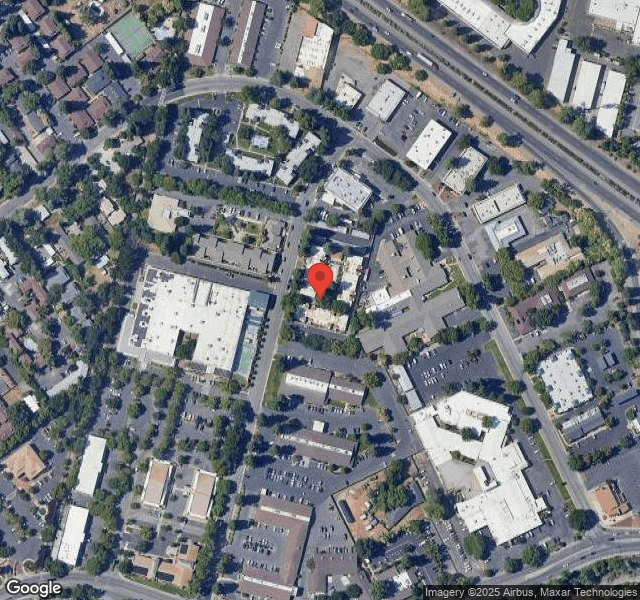
587 RIO LINDO AVENUE, CHICO, CA 95926 (530) 345-1306
For profit - Limited Liability company 184 Beds SHLOMO RECHNITZ Data: November 2025
Trust Grade
10/100
#978 of 1155 in CA
Last Inspection: February 2025

Within standard 12-15 month inspection cycle. Federal law requires annual inspections.

Overview

Autumn Creek Post Acute has received a Trust Grade of F, indicating significant concerns about the quality of care provided. Ranking #978 out of 1155 facilities in California places it in the bottom half, and #6 out of 8 in Butte County means only two local options are worse. While the facility is improving overall, with issues decreasing from 30 in 2024 to 23 in 2025, there are still troubling incidents, such as a resident developing serious pressure injuries due to inadequate care and another resident experiencing a delay in treatment for stroke symptoms, which ultimately contributed to their decline and death. Staffing is below average with a 53% turnover rate, which is concerning, and while there have been no fines, the average RN coverage means that more skilled oversight may be needed. Families should weigh these serious weaknesses against the recent trend of improvement when considering this facility for their loved ones.

Trust Score
F
10/100
In California
#978/1155
Bottom 16%
Safety Record
High Risk
Review needed
Inspections
Getting Better
30 → 23 violations
Staff Stability
⚠ Watch
53% turnover. Above average. Higher turnover means staff may not know residents' routines.
Penalties
✓ Good
No fines on record. Clean compliance history, better than most California facilities.
Skilled Nurses
⚠ Watch
Each resident gets only 22 minutes of Registered Nurse (RN) attention daily — below average for California. Fewer RN minutes means fewer trained eyes watching for problems.
Violations
⚠ Watch
96 deficiencies on record. Higher than average. Multiple issues found across inspections.
★☆☆☆☆
1.0
Overall Rating
★★☆☆☆
2.0
Staff Levels
★★★☆☆
3.0
Care Quality
★☆☆☆☆
1.0
Inspection Score
Stable
2024: 30 issues
2025: 23 issues

The Good

  • Full Sprinkler Coverage · Fire safety systems throughout facility
  • No fines on record

Facility shows strength in fire safety.

The Bad

1-Star Overall Rating

Below California average (3.1)

Significant quality concerns identified by CMS

Staff Turnover: 53%

Near California avg (46%)

Higher turnover may affect care consistency

Chain: SHLOMO RECHNITZ

Part of a multi-facility chain

Ask about local staffing decisions and management

The Ugly 96 deficiencies on record

3 actual harm
Aug 2025 2 deficiencies
CONCERN (D) 📢 Someone Reported This

A family member, employee, or ombudsman was alarmed enough to file a formal complaint

Potential for Harm - no one hurt, but risky conditions existed

Deficiency F0557 (Tag F0557)

Could have caused harm · This affected 1 resident

**NOTE- TERMS IN BRACKETS HAVE BEEN EDITED TO PROTECT CONFIDENTIALITY** This requirement was not met when a staff member reportedly spoke to a resident (Resident 1) using profane language and with a d...

Read full inspector narrative →
**NOTE- TERMS IN BRACKETS HAVE BEEN EDITED TO PROTECT CONFIDENTIALITY** This requirement was not met when a staff member reportedly spoke to a resident (Resident 1) using profane language and with a disrespectful tone. This had the potential to cause the resident to feel unsafe or that his environment was not home-like.Review of Resident 1's medical record indicated that he was admitted to the facility for Parkinson's Disease (a gradual worsening of coordination and movement caused by diseased brain cells), cognitive communication deficit (trouble speaking and thinking), depression and dementia (age related decline in brain function).A review of Resident 1's Basic Interview for Mental Status (BIMS) performed on 5/28/25 indicated his cognitive (thinking, memory) function was 12 on a scale of one to 15, or moderate cognitive impairment (lessened ability to think and remember).Review of the facility's policy titled, Residents' Rights -- Quality of Life, dated March 2015 indicated: XI. Demeaning practices and standards of care that compromise dignity are prohibited. Facility Staffpromote dignity and assist residents as needed .A review of the facility's Mission Statement and Code of Conduct (undated) indicated: Every employee must take personal responsibility for his or her own actions and behaviors. We want you to be part of developing and keeping a workplace culture of trust and respect both for your co-workers and the residents we serve, and, We also expect that you will communicate in a manner that is clear so that others will know that they can trust and depend upon what you say and do. If this is a problem for you, again, we want to know about it.Review of a report filed by the facility on 8/12/25 indicated that Certified Nursing Assistant, (CNA B) reported that she overheard CNA A state to a Resident 1, Shut the [expletive] up! Stop screaming, you are disturbing everyone around you!In an interview on 8/18/25 at 2:55 PM, Resident 1 stated that he overheard swearing by a staff member (the prior week), but was confused and could not remember which staff member he overheard or what exactly was said.In an interview on 8/18/25 at 2:58 PM, CNA A, (the CNA who allegedly spoke disrespectfully to Resident 1), stated she had no recollection of the event although she did know the resident.In a concurrent interview and record review on 8/18/25 at 3:10 PM, Administrator (ADM) confirmed that she received report of an Incident that allegedly happened 8/11/25 around 3:30 PM in which Certified Nursing Assistant (CNA A) was overheard by several staff swearing at Resident 1. ADM stated that CNA A was put on suspension for the rest of 8/11/25 until the facility investigated the incident. ADM stated that the facility's internal investigation concluded that there was insufficient evidence of abusive conduct, and that CNA A's comments might have been heard intermixed with swearing from Resident 1.In an interview on 8/19/25 at 10:20 AM, CNA B stated, I was working with the resident in C bed (in room [ROOM NUMBER]), [Resident 1] was in B bed next to me. [Resident 1] started screaming, and I overheard [CNA A say to [Resident 1]t, Shut the [expletive] up, you're disturbing everybody. CNA B indicated she could tell the difference between a male resident swearing and a CNA swearing at them.In a record review on 8/19/25 at 11:30 AM , ADM provided a printed phone text statement from CNA A that indicated: While on morning shift while I was helping another resident in C bed get up for breakfast, I overheard another CNA [CNA A] who was helping a resident in B bed to shut f up, stop screaming you are disturbing everyone around you.
CONCERN (D) 📢 Someone Reported This

A family member, employee, or ombudsman was alarmed enough to file a formal complaint

Potential for Harm - no one hurt, but risky conditions existed

Deficiency F0761 (Tag F0761)

Could have caused harm · This affected 1 resident

**NOTE- TERMS IN BRACKETS HAVE BEEN EDITED TO PROTECT CONFIDENTIALITY** Based on observation and interview this requirement was not met when one of three sampled medication carts were left unlocked an...

Read full inspector narrative →
**NOTE- TERMS IN BRACKETS HAVE BEEN EDITED TO PROTECT CONFIDENTIALITY** Based on observation and interview this requirement was not met when one of three sampled medication carts were left unlocked and unattended. This had the potential for unauthorized access including nearby residents with dementia, and the potential for harm. In an observation on 8/18/25 at 3:15 PM, one of three sampled treatment carts on nursing station 4 was observed to be unattended and unlocked. Drawers were opened and inspected; accessible supplies and medicines included six, 1-ml hypodermic syringes, and a 12-ounce bottle of what was labeled to be povidone iodine whose plastic top was broken off with brown residue visible on the cap. Residents were observed to be sitting in wheelchairs in the hallway directly adjacent to nursing station 4. No staff stopped or intervened as the drawer was inspected.In a concurrent interview and observation on 8/18/25 at 3:20 PM, the closest nurse to the cart, LVN A, stated she wasn't sure where the nurse was who was responsible for the cart. LVNA confirmed that the facility's policy was for all med carts to be locked when unattended.In an interview with Administrator (ADM) on 8/18/25 at 3:30 PM, ADM confirmed that a nurse who was accountable for the treatment cart, LVN C, had left early for the day for a family emergency.In an interview on 8/19/25 at 10:00 AM, Director of Staff Development (DSD B) stated it is absolutely the facility's policy to ensure med carts are locked when not in use.DSD B stated that she recognized that the facility was recently cited for the same med cart being unlocked in the same location, and the plan of correction was daily audits, which she has been doing daily. She stated that the nurse responsible for the cart had left for a family emergency which may have contributed to the situation. She acknowledged that some things in the cart could be a danger to residents, and if there were syringes there, that's definitely dangerous. She acknowledged that iodine in a large amount could also be dangerous around residents.In an interview on 8/19/25 at 10:15 AM, LVN C stated that the treatment cart that was observed to be left open was a shared cart among the various nursing staff providing wound treatments, etc. LVN C confirmed that she had left the previous day due to a family emergency, but denied that was the reason the cart was left unlocked. LVN C stated that the cart was left unlocked because the regular treatment nurse was out on vacation, so the only way to access the medications in the cart was for staff to leave it unlocked. LVN C stated she was aware of the facility's policy for carts to remain locked when not in use. [NAME] stated that she was aware of staff having left the cart unlocked previously.In an interview and concurrent record review, Administrator (ADM) indicated that the facility had recently undergone a plan of correction for an open medicine cart. Review of the facility's Plan of Correction included Rounds of the carts daily until no incidents of carts being found open and unattended occur for 30 days. The Plan of Correction was documented as complete on 7/22/25Review of Medication Management and Storage, (undated) provided by the facility on 8/19/25 as its standard of care for medication storage, indicated, Med cart locked and no unlocked meds in patient rooms.
Aug 2025 2 deficiencies
CONCERN (D) 📢 Someone Reported This

A family member, employee, or ombudsman was alarmed enough to file a formal complaint

Potential for Harm - no one hurt, but risky conditions existed

Deficiency F0578 (Tag F0578)

Could have caused harm · This affected 1 resident

**NOTE- TERMS IN BRACKETS HAVE BEEN EDITED TO PROTECT CONFIDENTIALITY** Based on observation, interview, and record review, the facility failed to implement Advance Directive (AD - a legal document th...

Read full inspector narrative →
**NOTE- TERMS IN BRACKETS HAVE BEEN EDITED TO PROTECT CONFIDENTIALITY** Based on observation, interview, and record review, the facility failed to implement Advance Directive (AD - a legal document that outlines a person's wishes for medical treatment in case they become unable to make their own decisions due to illness or injury) for one of three sampled resident's (Resident 1)This had the potential for Resident 1 to receive medical treatments that were against his wishes and negatively impact his quality of life.During a record review of facility policy titled, Advance Directives, revised 12/1/13, indicated Upon admission, the admission Staff of designee will obtain a copy of a resident's AD. A copy of the resident's AD will be included in the resident's medical record. Facility policy also indicated if a resident does not have an AD, the facility will provide the resident and/or resident's next of kin with information about AD upon request. Facility policy further indicated the director of social services or designee will also ask the resident whether he or she has a written AD. If the resident has an AD, the Facility shall obtain a copy of the document and place it in the resident's medical record.During a record review of Resident 1's admission record, Resident 1 was admitted to the facility on [DATE] with diagnoses that included cerebral palsy (neurological disorders that affect movement, posture, and muscle tone), acute respiratory failure with hypoxia (life-threatening condition where the lungs cannot adequately oxygenate the blood, resulting in low blood oxygen levels) and severe protein-calorie malnutrition (condition resulting from inadequate intake of both protein and calories).During a record review of Resident 1's Physician Orders for Life-Sustaining Treatment (POLST - form that outlines a seriously ill patient's preferences for medical treatment, especially regarding life-sustaining measures, and provides clear medical orders to healthcare providers) dated 3/6/25, indicated Resident 1 signed his own POLST.During a record review of Resident 1's facility documents, there was no AD or Power of Attorney (POA - a legal document that grants one person the authority to act on behalf of another to make certain decisions) found.During a concurrent observation and interview with Resident 1 on 8/1/25 at 8:00 am, Resident 1 brushed his teeth in the bathroom of his room. Resident 1 stated he was getting ready to go to work. Resident 1 made his wants and needs known. Resident 1's speech was clear. Resident 1 stated he had an AD, but he was unsure if facility had it in his chart.During an interview with Medical Records (MR) on 8/1/25 at 9:07 am, MR stated she saw a note in Resident 1's chart from December 2024, when he was originally admitted to the facility, that stated he had an AD. MR confirmed facility did not follow up with acute care hospital to retrieve a copy of the AD. MR stated facility should have followed up on securing a copy of Resident 1's AD. MR stated Resident 1 had mental capacity to make his wants and needs known. MR stated Resident 1 understood the treatment he received at the facility. MR stated Resident 1 appeared alert and oriented. During an interview with Social Services (SS) on 8/1/25 at 9:41 am, SS stated when a resident was admitted to the facility from an acute care hospital, their AD would come with all discharge/transfer paperwork. SS stated if a resident did not have an AD, facility would ask resident if they had one or wanted one. SS stated she did not remember if Resident 1 had an AD when he was admitted . SS confirmed Resident 1 did not have an AD in his chart. SS stated Resident 1 was able to make his wants and needs known. SS stated she considered Resident 1 to have mental capacity. SS stated she did not know why Resident 1 did not have an AD in his chart but stated he should have one.During an interview with Director of Nursing (DON) on 8/1/25 at 10:05 am, DON stated she agreed Resident 1 should have an AD in his chart. DON confirmed the facility did not follow its AD policy. DON confirmed Resident 1 was able to make his wants and needs known. DON stated facility failed to secure a copy of an AD for Resident 1.
CONCERN (D) 📢 Someone Reported This

A family member, employee, or ombudsman was alarmed enough to file a formal complaint

Potential for Harm - no one hurt, but risky conditions existed

Deficiency F0711 (Tag F0711)

Could have caused harm · This affected 1 resident

**NOTE- TERMS IN BRACKETS HAVE BEEN EDITED TO PROTECT CONFIDENTIALITY** Based on observation, interview and record review, the facility failed to ensure the physician's orders were appropriate for one...

Read full inspector narrative →
**NOTE- TERMS IN BRACKETS HAVE BEEN EDITED TO PROTECT CONFIDENTIALITY** Based on observation, interview and record review, the facility failed to ensure the physician's orders were appropriate for one of three sample residents (Resident 1) when Medical Director (MD) based Resident 1's ability to make healthcare decisions on a diagnosis of cerebral palsy (neurological disorders that affect movement, posture, and muscle tone) with no further explanation.This failure increased the potential for an inadequate medical evaluation of Resident 1 which could potentially result in unidentified or unmet medical and care needs.During a record review of Resident 1's admission record, Resident 1 was admitted to the facility on [DATE] with diagnoses that included cerebral palsy (neurological disorders that affect movement, posture, and muscle tone), acute respiratory failure with hypoxia (life-threatening condition where the lungs cannot adequately oxygenate the blood, resulting in low blood oxygen levels) and severe protein-calorie malnutrition (condition resulting from inadequate intake of both protein and calories).During a record review of Resident 1's Brief Interview for Mental Status (BIMS) dated 4/24/25, indicated Resident 1 had a score of 9 (scale of 0-15, moderate cognitive impairment).During a record review of Resident 1's physician orders dated 3/6/25, indicated Resident is incapable of making healthcare decisions. If incapable, state reason: cerebral palsy. Healthcare decision maker assigned to: son.During an interview with Social Services (SS) on 8/1/25 at 9:07 am, SS stated Resident 1 was able to make his wants and needs known and his speech was clear. SS stated she felt Resident 1 had mental capacity. SS stated a BIMS score of 9 was not considered mental capacity, but that Resident 1 likely received that score because His mind goes 90 miles a minute. He's always thinking about his next step in life. SS agreed that the physician order from 3/6/25 that stated Resident 1 was incapable of making his own healthcare decisions because of his diagnosis of cerebral palsy did not indicate mental incapacity. During an interview with MD on 8/1/25 at 9:30 am, MD stated cerebral palsy could be a reason to denote mental incapacity. MD stated cerebral palsy was more of a physical problem for Resident 1 than a mental problem. MD stated if cerebral palsy was only a physical problem with a resident, then resident should not be considered mentally incapacitated. MD stated if Resident 1's speech was clear and he made his wants and needs known, then he should not be considered mentally incapacitated. MD stated he would come to the facility to re-evaluate Resident 1 and update Resident 1's orders accordingly.During an interview with Medical Records (MR) on 8/1/25 at 9:41 am, MR confirmed Resident 1 made his wants and needs known. MR further confirmed Resident 1 had clear speech. MR stated Resident 1 appeared alert and oriented.During an interview with Director of Nursing (DON) on 8/1/25 at 10:05 am, DON confirmed MD should return to the facility to re-evaluate Resident 1. DON stated Resident 1 was able to make his wants and needs known and was able to be understood. DON confirmed Resident 1 needed his physician orders updated.
Jul 2025 1 deficiency 1 Harm
SERIOUS (G) 📢 Someone Reported This

A family member, employee, or ombudsman was alarmed enough to file a formal complaint

Actual Harm - a resident was hurt due to facility failures

Pressure Ulcer Prevention (Tag F0686)

A resident was harmed · This affected 1 resident

**NOTE- TERMS IN BRACKETS HAVE BEEN EDITED TO PROTECT CONFIDENTIALITY** Based on interview and record review, the facility failed to develop and implement a plan of care to prevent pressure injuries (...

Read full inspector narrative →
**NOTE- TERMS IN BRACKETS HAVE BEEN EDITED TO PROTECT CONFIDENTIALITY** Based on interview and record review, the facility failed to develop and implement a plan of care to prevent pressure injuries (damage to the skin and underlying tissue, usually over a bony prominence, caused by prolonged pressure or pressure) for one of four sampled residents (Resident 4) when:1. Resident 4 developed a pressure injury on the sacrum (bony structure located at the base of the back), that progressed to osteomyelitis (an infection of the bone).2. Resident 4 developed pressure injuries on left calf, right and left heels from wearing therapeutic moon boots (maintains proper alignment of foot and ankle from turning inward and outward) brought in from his home.This system failure resulted in Resident 4 developing multiple pressure injuries, wound deterioration, subsequent serious life-threatening infection, and unnecessary pain. Findings:1. During a review of the facility policy titled Skin Integrity Management -Nursing Manual - Skin, dated 7/31/24, indicated the facility will identify, evaluate, and intervene to prevent further pressure injury and/or heal pressure injuries and any other skin integrity conditions. That a licensed nurse will complete a skin evaluation upon any change in skin integrity and conduct weekly skin evaluations. Wound treatments and consultation from a wound care specialist will be ordered by the physician, the physician will be notified of any changes in skin integrity, treatments and their effectiveness will be documented weekly in the medical record. Regardless of the risk skin risk score the licensed nurse will develop a care plan specific to the resident's risk factors in consultation with physician, the Interdisciplinary Team (IDT- a group of healthcare disciplines who work together to discuss resident care), registered dietician, and director of rehabilitation service. IDT will document and make recommendations, and the care plan will be updated as needed. Nursing staff will implement interventions identified in the care plan based on the individual risk factors which may include pressure reducing devices in bed and chair, reposition and turning, heel protectors, off-loading, moisturizers and barrier creams to protect the skin. The care plan will start up admission and update as necessary.During a record review of the undated face sheet of Resident 4, indicated Resident 4 was admitted on [DATE], with diagnoses that included Paralytic Syndrome (the loss of the ability to move a part or all the body), stroke, difficulty speaking, muscle weakness, and the need for assistance with personal care.During a review of record titled Adv - Skin Check, dated 3/20/25, at 5:41 pm, indicated Resident 4 was admitted with the following skin integrity concerns: A pressure injury to left hip, an abrasion on the right leg, redness to coccyx (tailbone area), scrapes on the right knee and surrounding area, and scrapes on both feet and toes.A review of a Braden Scale assessment (predicting pressure injury risk) dated 3/20/25, indicated Resident 4 risk a score of 13 (moderate for acquiring a pressure injury), a score of 12 indicated a high risk.A review of a Minimum Data Set (MDS, resident assessment) dated 3/27/25, indicated Resident 4 had limited range of motion on one side (left), required substantial maximal assistance when rolling side to side, and dependent on staff for moving from a lying position to sitting on the side of the bed. Resident 4 was identified as at risk for developing pressure ulcers. Resident 4 was bed and wheelchair bound.During a record review of record titled Order Summary Report, with a date range of 3/1/25 - 3/31/25, indicated a wound consultation with an order date of 3/20/25.A review of the care plans from 3/20/25 to 5/13/25 indicated no plan of care for pressure ulcer prevention for Resident 4. The first care plan was created on 4/13/25.During a record review of record titled Adv Skin, dated 4/3/25, at 11:23 pm, indicated that Resident 4 had blanching redness (redness that turns white when pressed, indicating blood flow) to coccyx.A review of physician treatment orders from 3/20/25 to 5/13/25 indicated no skin care treatments for the blanchable redness at the coccyx or sacrum. The first treatment order for the buttocks was dated 4/13/25. During a record review of record titled Progress Note New, dated 4/11/25, at 8 pm, indicated that Resident 4 returned to the facility after spinal surgery. Resident 4's skin was described as having a surgical incision on his back, blanchable redness to coccyx, and redness on both right and left hips with patches on top.During a record review of record titled Order Summary Report, with a date range of 4/1/25 - 4/30/25, indicated a second wound consultation with an order date of 4/11/25.During a record review of record titled Progress Note New, dated 4/20/25, at 11:15 am, indicated Resident 4 had a Braden skin assessment with the risk of developing pressure ulcers Score of 10, which indicated a high risk of developing pressure ulcers.During a record review of a record titled Progress Note New, dated 4/20/25, at 11:03 am, indicated Resident 4 has a facility acquired unstageable (base of the wound is not visible to determine the stage) deep tissue pressure injury on the sacrum (bony structure located at the base of the back), measuring 6 centimeters (cm) in length and 9 cm in width. Resident 4 was described as in bed most of the day and required maximum assistance moving and being repositioned in bed.During a record review of a record titled Order Summary Report, with a date range of 4/1/25 to 4/30/25, indicated an order for a Low Air Loss Mattress (LALM, a mattress with continual air flow to help prevent skin breakdown) with a start date (date intervention to begin) of 4/22/25.A review of the IDT Progress notes for Skin from the start of admission on [DATE] through 5/13/25, indicated the first meeting was on 4/24/25.During a record review of record titled Wound Care Progress Note, dated 4/28/25, indicated Resident 4 had multiple wounds. This is the first progress note from the wound care doctor, over a month from the date of the first wound consult order, over 2 weeks from the second. The wound on Resident 4's sacrum (bony structure located at the base of the back) was described as a new unstageable pressure injury, measuring 6.5 centimeters (cm) in length,10 cm in width, with no measurable depth.During a record review of record titled Wound Care Progress Note, dated 5/12/25, indicated Resident 4's sacral wound is described as follows: Unstageable due to necrosis (death of tissue) pressure injury on sacrum (bony structure located at the base of the back), measuring 6.5 cm in length,10 cm in width, and 1 cm in depth. Wound bed is described as having 60% necrotic tissue and progress is described as deteriorated. At this time a procedure where the necrotic muscle was cut away using a surgical blade was completed by the wound care doctor. During a record review of record titled SBAR Summary for Provider, dated 5/13/25, at 2:20 pm, indicated a change in condition regarding a skin wound or ulcer. The MD (Medical Director) was notified of Resident 4's surgical wound reopening, and a decline of the wound on the sacrum. Orders were given to send Resident 4 to the acute care hospital to be evaluated.During a record review of the acute care hospital note titled ED Provider Notes, date 5/13/25, indicated that Resident 4 was admitted to the acute care hospital with diagnoses of sacral (area of the lower back and buttocks) abscess (a localized collection of infection), decubitus ulcer Stage 3 (pressure injury to the muscle) at sacrum possible to the bone, cellulitis (bacterial infection of the skin), quadriplegia (paralysis or weakness in arms and legs), and osteomyelitis (an infection of the bone). The ED note indicated sepsis due to high white blood cell count (sign of infection).2. During a review of record titled Personal Effects Inventory Form, dated 3/20/25, indicated that Resident 4 arrived at the facility with a pair of black and grey therapeutic boots.A review of physician's orders from 3/20/25 to 5/13/25, indicated no orders for the therapeutic moon boots that Resident 4 brought from home.A review of the care plans from 3/20/25 to 5/13/25 indicated no plan of care for direct care staff to utilize therapeutic moon boots.During a record review of record titled Progress Notes New, dated 4/7/25, at 2:10 am, indicated Resident 4 left the facility for a scheduled surgery. Resident 4 left the facility in his own wheelchair, wearing therapeutic boots, with family accompanying him. Resident 4 was readmitted to the facility on [DATE].During a record review of record titled Wound Care Progress Note, dated 4/28/25, indicated Resident 4 had a new unstageable pressure injury on right heel, measuring 1.5 centimeters (cm) in length, 2 cm in width, with no measurable depth, and noted to be boot caused. New unstageable pressure injury on left calf, measuring 4 cm in length, 3 cm in width, noted to be caused by Moon boot.During a record review of record titled Wound Care Progress Note, dated 5/12/25, indicated Resident 4 continued to have wounds that were cause by moon boots with the addition of a new stage 2 pressure injury to left heel, measuring 0.7 cm in length, and 1 cm in width.During a telephone interview with Resident 4's family member (FM) on 6/12/25, at 12:45 pm, the family member expressed concerns with the care provided. They stated that it took a long time to get an air mattress, at least a couple of weeks, and they were concerned about how it would affect Resident 4's skin. FM expressed concern regarding the proper use of Resident 4's air mattress. During a visit on 5/2/25 they witnessed a staff member adjusting the air setting on the bed and were told the setting wasn't correct. They had requested a pad for Resident 4'd wheelchair multiple times but claim one was never provided. They eventually brought a pad from home. On 5/7/25 they saw the pressure wound on Resident 4's bottom and were shocked at how bad it was. They stated that he went back to the local hospital on 5/13/25 and passed away on 6/7/25. They stated that Resident 4 experienced unnecessary suffering due to his wounds before his passing.During an interview with Licensed Nurse A (LN A) on 7/9/25, at 1:35 pm, LN A stated that skin assessments are completed at the time of admission. Skin issues are reported to the facility doctor and all pressure injuries are seen by the wound care doctor. It is LN A's expectation that the wound care doctor will follow up on referrals within a week, and sooner for residents with urgent needs. Wound measurements are taken on the initial assessment. All wounds are followed by a wound care nurse, including areas of redness that have the potential to progress into a pressure injury. Low Air Loss mattress (LAL, a mattress with continual air flow to help prevent skin breakdown) mattresses are typically only provided to residents with Stage 3 or greater pressure injuries, unless they have other high-risk reasons. LN A stated the LAL mattress can be considered earlier than Stage 3 and that was done by the IDT Skin team. LN A recalled Resident 4 wearing therapeutic boots. Resident 4 was wearing the boots all the time until the wound care specialist requested that they only be worn when up. LN A does not recall any special training regarding the use of the boots.During an interview with the Director of Rehab (DOR), on 7/9/25, at 2:30 pm, DOR stated that they recall working with Resident 4. DOR remembers working with Resident 4 and that Resident 4 had been wearing a pair of therapeutic boots that were brought in from home. DOR stated that training is only provided for equipment that comes from therapy, therefore there was no training provided for the boots that Resident 4 was using. DOR confirmed that Resident 4 was always wearing the boots until the wound specialist advised otherwise. DOR did not evaluate the moon boots Resident 4 brought from home.During an interview with the Director of Nursing (DON), on 7/15/25, at 1:30 pm, DON confirmed that Resident 4 had a Braden scale score of 13 on 3/20/25, which indicated they were not at high risk for pressure injuries. While reviewing Resident 4's medical records DON confirmed that Resident 4 did have factors at the time of admission that indicated a high risk for pressure injuries and that her expectation is that a care plan would be developed and implemented to address those risks. While reviewing the care plans for Resident 4, DON confirmed that there was not a care plan in place for the risk of pressure injuries until 4/13/25. Resident 4 arrived at the facility with a pair of personal therapeutic boots. DON confirmed that there was not a care plan nor physician orders for therapeutic boots in place until 4/13/25. It is her expectation that both a care plan and orders should have been in place, and that staff should have been provided with training regarding the use of the boots. DON confirmed the boots were not evaluated for appropriateness for Resident 4. DON confirmed the first documentation assessing Resident 4 by the wound care doctor was on 4/28/25, over a month after the first consult was ordered. It is her expectation that a resident would be seen a week after the first consult is made. DON confirmed that the wound care doctor does visit the facility on a weekly basis. DON confirmed that a LA mattress was not ordered for Resident 4 until 4/22/25, and that it would have been a benefit to Resident 4 if the LAL mattress was provided sooner, due to having a planned spinal surgery and his risk factors. DON stated that after the initial skin assessment is completed on admission it is the treatment nurse's responsibility to complete a second skin check. DON was unable to locate documentation supporting changes in the resident's skin condition on coccyx or sacrum prior to the wound care doctor's documentation. DON agreed that there are inconsistencies in the skin documentation and orders regarding the coccyx, buttocks, and the sacrum making the documentation difficult to follow.During an interview with CNA A, on 7/15/25, at 3:15 pm, Certified Nursing Assistant (CNA A) stated that they had not had any specific training regarding the use of therapeutic boots. CNA stated Resident 4 wore the boots all the time to keep his feet from moving side to side.During an interview with LN B, on 7/15/25, at 3:30 pm, LN B stated that they do not recall any special training regarding therapeutic boots since they have worked at the facility. It is LN B's expectation that if a resident needed special equipment such as therapeutic boots, that the instructions for use would be found in the care plan or the doctor's order. If the resident was found using equipment that was not ordered LN B would notify the doctor to ensure that the equipment was appropriate for the resident.
Jul 2025 2 deficiencies
CONCERN (D) 📢 Someone Reported This

A family member, employee, or ombudsman was alarmed enough to file a formal complaint

Potential for Harm - no one hurt, but risky conditions existed

Deficiency F0657 (Tag F0657)

Could have caused harm · This affected 1 resident

**NOTE- TERMS IN BRACKETS HAVE BEEN EDITED TO PROTECT CONFIDENTIALITY** Based on interview, observation and record review, the facility failed to meet this requirement when nursing staff failed to dev...

Read full inspector narrative →
**NOTE- TERMS IN BRACKETS HAVE BEEN EDITED TO PROTECT CONFIDENTIALITY** Based on interview, observation and record review, the facility failed to meet this requirement when nursing staff failed to develop nursing care plans (a roadmap of care to be provided) for two of 9 sampled residents (Residents 1 and 2) who were involved in resident-to-resident altercations. This had the potential for additional resident-to-resident altercations, injury, and to negatively impact residents' sense of security and well-being. A review of the facility's medical record indicated that Resident 1 was admitted on [DATE] for conditions that included stroke, morbid obesity (life-threatening weight gain), anxiety, chronic pain, and a history of alcohol abuse. A review of Resident 1's Basic Interview for Mental Status (BIMS), a test for memory and brain function, indicated that her score was 5, cognitively impaired (reduced ability to think and act).A review of the facility's medical record indicated that Resident 2 was admitted on [DATE] for conditions that included leg fracture, stroke, muscle weakness, and a need for assistance with personal care. A review of Resident 2's BIMS indicated her score was 3, or severely cognitively impaired.A review of Resident 1 and 2's facility progress notes dated 6/5/25 indicated that on that date, Resident 1 attempted to pull resident 2 from her bed by the arm after becoming upset. Resident 2 did not sustain injury. A review of Resident 1 and 2's medical record failed to show that care plans were written or updated following an altercation between them on 6/4/25. A review of the facility's policy titled, Resident to Resident Altercations, dated 11/1/15, indicated: The facility acts promptly and conscientiously to prevent and address altercations between residents. The policy further indicated that response to the altercation should include, .D. Review the events with the Charge Nurse and Director of Nursing Services, including interventions staff can take to prevent additional incidents; and, .F. Make any necessary changes in the Care Plan for any or all involved residents, as necessary.In a confirming interview and concurrent record review on 7/15/25 at 12:15 PM, Director of Nursing (DON A) was unable to locate care plans addressing Resident 1 and 2's altercation, and that it was missing. DON A stated that usually the staff who completes the reporting paperwork makes sure care plans are updated; DON A confirmed that it had not been done.In a confirming interview on 7/15/25 at 12:30 PM, Social Services Director (SSD B) confirmed that no care plan had been entered for Residents 1 and 2. SSD B further confirmed, there should have been one written into the medical records for both residents. SSD B confirmed the importance of meaningful care plans in providing care to residents, particularly following suspected abuse.
CONCERN (D) 📢 Someone Reported This

A family member, employee, or ombudsman was alarmed enough to file a formal complaint

Potential for Harm - no one hurt, but risky conditions existed

Deficiency F0761 (Tag F0761)

Could have caused harm · This affected 1 resident

Based on interview, observation and record review, the facility failed to meet this requirement when two of six medication carts were observed to be unlocked, with medication accessible, while unatten...

Read full inspector narrative →
Based on interview, observation and record review, the facility failed to meet this requirement when two of six medication carts were observed to be unlocked, with medication accessible, while unattended by nursing staff. This had the potential to result in residents, unlicensed staff, and visitors to have unauthorized access to prescribed medications and their misuse. On 7/15/25 at 10:03 AM, two medication carts were observed to be unlocked and openable at the facility's Nursing Station Three. Topical medications and creams were observed to be accessible to residents with dementia (loss of memory and ability to think). Surveyor opened the cart and was unquestioned and unobserved by nearby staff. On 7/15/25 at 10:05 AM, Licensed Vocational Nurse (LVN C) was observed returning to the cart and confirmed that she was the on-call treatment nurse responsible for the cart, and that it should have been locked.Review of the facility's policy titled Medication Storage in the Facility, dated 1/2018, indicated: Medications and biologicals are stored safely, securely, and properly, following manufacturer's recommendations or those of the supplier. The medication supply is accessible only to licensed nursing personnel, pharmacy personnel, or staff members lawfully authorized to administer medications. The policy further indicated: .B. Only licensed nurses, pharmacy personnel, and those lawfully authorized to administer medications are permitted to access medications. Medication rooms, carts, and supplies are locked when not attended by persons with authorized access .
Jun 2025 1 deficiency
CONCERN (D) 📢 Someone Reported This

A family member, employee, or ombudsman was alarmed enough to file a formal complaint

Potential for Harm - no one hurt, but risky conditions existed

Accident Prevention (Tag F0689)

Could have caused harm · This affected 1 resident

**NOTE- TERMS IN BRACKETS HAVE BEEN EDITED TO PROTECT CONFIDENTIALITY** Based on Interview, observation and record review, the facility failed to meet this requirement when the care plan for a residen...

Read full inspector narrative →
**NOTE- TERMS IN BRACKETS HAVE BEEN EDITED TO PROTECT CONFIDENTIALITY** Based on Interview, observation and record review, the facility failed to meet this requirement when the care plan for a resident who had nine falls was not followed and the resident did not have a fall mat beside the bed. This had the potential to contribute to additional falls and injuries. Findings: Review of the facility ' s medical record for Resident 1 indicated that the resident was admitted to the facility on [DATE] following cranial surgery for a brain tumor. The record indicated Resident 1 had a need for assistance with personal care, difficulty in walking, and generalized muscle weakness. Resident 1 also had visual loss in her left eye from the tumor, which was a contributor to her fall risk. Review of Resident 1's Minimum Data Set (MDS, a comprehensive nursing home assessment of the resident) indicated that Resident 1 used walker and wheelchair to move, and required Substantial/Maximum assist to get from a sitting to standing position, partial assist to transfer from bed to chair or vice-versa. Resident 1's MDS indicated that she was totally dependent to be put on and off of the toilet. Review of Resident 1 ' s history of falls indicated that she had many subsequent falls following the 4/26/25 care plan entry: 4/28/25, 5/5/25, 5/9/25 (two falls), 5/12/25, 5/13/25, 5/19/25, 5/26/25, all without injuries. Review of the facility ' s policy titled Fall Management Program, Nursing Manual—Falls revised 3/13/21, indicated that Following every resident fall, the licensed nurse will perform a post-fall evaluation and update, initiate, or revise the resident ' s care plan (a roadmap used in nursing, to plan short and long term care goals) as necessary, and The licensed nurse will evaluate the resident ' s response to the interventions on the Weekly Summary and update the resident ' s care plan as necessary. Review of the facility ' s Fall Care Plan for Resident 1 indicated that on 4/26/25, after the resident fell, the intervention Bilateral [both sides] Fall Mats was added to the Plan as an intervention, indicating the need for fall mats on both side of Resident 1 ' s bed. In an observation on 6/16/25 at 2:30 PM, Resident 1 ' s bed had only a single fall mat, located on the right side of her bed as viewed from the foot of the bed. Resident 1 was observed in bed. In an interview on 6/16/25 at 2:49 PM, Resident ' s nurse, LVN A, confirmed that There should be two fall mats per the care plan, which she stated was dated 4/26/25. LVN A instructed a certified nursing assistant (CNA) to place an additional fall mat at the left side of the bed. LVN A stated that sometimes the fall mat had been placed behind the door of Resident 1 ' s bedroom; it was not there at this time. In an interview on 6/16/25 at 2:50 PM, Resident 1 stated, I have to be careful about where I fall, so I don't fall on hard surfaces like concrete or brick. If I'm gonna fall, I need a soft surface. That's why they put the fall mat. There were two at one time, but they took one of them away. Resident 1 stated that the fall mat was kind of slippery, which might be the reason it was taken from her room. In an interview on 6/16/25 at 3:45 PM, DON B confirmed that Resident 1 ' s care plan indicated bilateral fall mats while in bed. In an interview on 6/16/25, Administrator C stated that she recalled only seeing one fall mat in Resident 1 ' s room.
Jun 2025 1 deficiency
CONCERN (D) 📢 Someone Reported This

A family member, employee, or ombudsman was alarmed enough to file a formal complaint

Potential for Harm - no one hurt, but risky conditions existed

Infection Control (Tag F0880)

Could have caused harm · This affected 1 resident

**NOTE- TERMS IN BRACKETS HAVE BEEN EDITED TO PROTECT CONFIDENTIALITY** Based on observation, interview, and record review, the facility did not follow their infection prevention protocol when Certifi...

Read full inspector narrative →
**NOTE- TERMS IN BRACKETS HAVE BEEN EDITED TO PROTECT CONFIDENTIALITY** Based on observation, interview, and record review, the facility did not follow their infection prevention protocol when Certified Nurses Assistant (CNA 1) failed to wear the appropriate personal protective equipment (PPE) when in a room with a resident that was COVID positive. This failure had the potential to spread COVID-19 to other residents. Findings: During a review of a facility document titled, Guidance for Infection Prevention and Control for Residents with Suspected or Confirmed COVID-19, section III. Personal Protective Equipment (PPE), subsection B. Respirators and Face Masks, revised September 16, 2020, indicated, N95 respirators must be worn when entering a room or care area of a Resident who has been diagnosed with COVID-19. Subsection C. Gowns, Disposable isolation gowns are worn when entering a Resident room and discarded before leaving the room. During a review of California Department of Public Health document titled, All Facilities Letter-23-12 (AFL-23-12), dated January 24,2023, Resources: COVID-19 PPE, Resident Placement/Movement, and Staffing Considerations by Resident Category (PDF), section COVID Positive Residents (Isolation Area), indicated N-95 Respirators and Gowns are required when a resident is COVID positive, along with eye protection and glove use. During a concurrent observation and interview, CNA 1 was in room [ROOM NUMBER] that had a COVID positive resident. CNA 1 was wearing a face shield and gloves. CNA 1 was not wearing a mask or a gown. When asked what the PPE protocol is for residents testing positive for COVID-19, CNA 1 stated, They only needed to wear the PPE if we are touching the COVID positive resident. During an interview on 06/10/25, at 12:45 pm, CNA 2 stated the PPE protocol for staff around COVID positive residents are goggles, gown, gloves, and a N95 respirator until the isolation period is done. During an interview on 06/10/25, at 12:46 pm, Licensed Vocational Nurse (LVN) 1 stated the PPE protocol for staff around COVID positive residents are gown, gloves, eye protection, and a N95 respirator until off of isolation. LVN 1 confirmed that not wearing the appropriate PPE could potentially spread COVID to other residents. During an interview on 06/10/25, at 12:50 pm, Unit Manager stated the PPE protocol for staff around COVID positive residents are, Complete PPE protocols, gown, gloves, N95, and goggles until the resident is off of isolation. Unit Manager confirmed COVID could be spread to other residents if appropriate PPE are not worn. Based on observation, interview, and record review, the facility did not follow their infection prevention protocol when Certified Nurses Assistant (CNA 1) failed to wear the appropriate personal protective equipment (PPE) when in a room with a resident that was COVID positive. This failure had the potential to spread COVID-19 to other residents. Findings: During a review of a facility document titled, Guidance for Infection Prevention and Control for Residents with Suspected or Confirmed COVID-19, section III. Personal Protective Equipment (PPE), subsection B. Respirators and Face Masks, revised September 16, 2020, indicated, N95 respirators must be worn when entering a room or care area of a Resident who has been diagnosed with COVID-19. Subsection C. Gowns, Disposable isolation gowns are worn when entering a Resident room and discarded before leaving the room. During a review of California Department of Public Health document titled, All Facilities Letter-23-12 (AFL-23-12), dated January 24,2023, Resources: COVID-19 PPE, Resident Placement/Movement, and Staffing Considerations by Resident Category (PDF), section COVID Positive Residents (Isolation Area), indicated N-95 Respirators and Gowns are required when a resident is COVID positive, along with eye protection and glove use. During a concurrent observation and interview, CNA 1 was in room [ROOM NUMBER] that had a COVID positive resident. CNA 1 was wearing a face shield and gloves. CNA 1 was not wearing a mask or a gown. When asked what the PPE protocol is for residents testing positive for COVID-19, CNA 1 stated, They only needed to wear the PPE if we are touching the COVID positive resident. During an interview on 06/10/25, at 12:45 pm, CNA 2 stated the PPE protocol for staff around COVID positive residents are goggles, gown, gloves, and a N95 respirator until the isolation period is done. During an interview on 06/10/25, at 12:46 pm, Licensed Vocational Nurse (LVN) 1 stated the PPE protocol for staff around COVID positive residents are gown, gloves, eye protection, and a N95 respirator until off of isolation. LVN 1 confirmed that not wearing the appropriate PPE could potentially spread COVID to other residents. During an interview on 06/10/25, at 12:50 pm, Unit Manager stated the PPE protocol for staff around COVID positive residents are, Complete PPE protocols, gown, gloves, N95, and goggles until the resident is off of isolation. Unit Manager confirmed COVID could be spread to other residents if appropriate PPE are not worn.
Jun 2025 1 deficiency
CONCERN (E) 📢 Someone Reported This

A family member, employee, or ombudsman was alarmed enough to file a formal complaint

Potential for Harm - no one hurt, but risky conditions existed

Deficiency F0919 (Tag F0919)

Could have caused harm · This affected multiple residents

**NOTE- TERMS IN BRACKETS HAVE BEEN EDITED TO PROTECT CONFIDENTIALITY** Based on observation, interview, record and facility policy review, the facility failed to ensure that call lights (an electroni...

Read full inspector narrative →
**NOTE- TERMS IN BRACKETS HAVE BEEN EDITED TO PROTECT CONFIDENTIALITY** Based on observation, interview, record and facility policy review, the facility failed to ensure that call lights (an electronic sound and light communication device in the residents room that allows a resident to alert staff when they need help), was available for use and within the residents' reach for three of five residents sampled for call lights being within their reach. (Residents 1, 2, and 12) This failure had the potential for the residents not to be able to alert staff that they needed help which could lead to unmet needs, falls, and emotional frustration for the residents. Findings: A review of the facility's policy titled, Communication-Call System revised 8/24/24, indicated that, 2.The Call alert device will be placed within the resident's reach. 3. Facility Staff will answer call alerts promptly and in a courteous manner. A review of Resident 1's admission record indicated Resident 1 was admitted on [DATE] with diagnoses that include heart failure, dysphagia (difficulty swallowing foods or liquids), and major depressive disorder. Resident 1 was unable to make his own health care decisions. A review of Resident 1's Quarterly Minimum Data Set (MDS, a data driven clinical assessment) dated 3/4/25, reflected that Resident 1's cognition (ability to solve problems, remember, and think clearly) was moderately impaired. Resident 1 was dependent (resident cannot perform the task on their own and fully relies on staff help) for toileting, dressing, personal hygiene, and transfers. A review of Resident 1's, At Risk for Falls Care Plan indicated an intervention to, Be sure the resident's call light is within reach. The resident needs prompt response to all requests for assistance. A review of Resident 2's admission record indicated Resident 2 was admitted on [DATE] with diagnoses that include parkinsonism (body tremors and stiffness), chronic pain, and anxiety. Resident 2 was unable to make his own health care decisions. A review of Resident 2's MDS, dated [DATE], reflected that Resident 2's cognition was moderately impaired. Resident 2 was dependent on staff for transferring in and out of bed, personal hygiene, and toileting hygiene. A review of Resident 2's, At Risk for Falls Care Plan indicated an intervention to, Be sure the resident's call light is within reach and encourage the resident to use it for assistance as needed. The resident needs prompt response to all requests for assistance. During an observation and interview with roommates Resident 1, Resident 2, and Certified Nursing Assistant (CNA) A on 6/2/25 at 3:35 pm, Resident 1 and Resident 2 were observed lying in their beds. Resident 2 was yelling for help and asking for water. Resident 1 and Resident 2 both indicated they could not find their call lights. Resident 1 and 2's call lights were observed sitting on a nightstand located behind and at the side of their beds, where they were not able to see or reach their call light devices. CNA A confirmed that Resident 1 and Resident 2 could not see or reach their call lights and stated, I should have put them [the call lights] back, but I forgot. A review of Resident 12's admission record indicated that Resident 12 was admitted on [DATE] with diagnoses that included Chronic Obstructive Pulmonary Disease (COPD, a serious lung disease), need for assistance with personal care, difficulty in walking, and a history of falling. Resident 12 was unable to make his own health care decisions. A review of Resident 12's MDS, dated [DATE], reflected that Resident 12's cognition was intact. Resident 12 required supervision and physical assistance with transfers in and out of bed, walking, and going to the bathroom. A review of Resident 12's, At Risk for Falls Care Plan indicated an intervention to, Be sure the resident's call light is within reach and encourage the resident to use it for assistance as needed. The resident needs prompt response to all requests for assistance. During a phone interview with Resident 12's Family Member (FM) on 6/3/25 at 1:41 pm, FM indicated that she visited Resident 12 many times and had observed his call light on the floor in his room. FM said, He will try and get up by himself. He falls quite a bit. During an interview with the Administrator (Admin) on 6/3/25 at 4:36 pm, Admin confirmed that call lights should be within all residents' reach and it was not their practice for call lights to be out of the reach of the resident.
May 2025 1 deficiency
CONCERN (E) 📢 Someone Reported This

A family member, employee, or ombudsman was alarmed enough to file a formal complaint

Potential for Harm - no one hurt, but risky conditions existed

Infection Control (Tag F0880)

Could have caused harm · This affected multiple residents

**NOTE- TERMS IN BRACKETS HAVE BEEN EDITED TO PROTECT CONFIDENTIALITY** Based on interview and record review, the facility failed to ensure an infection control program was implemented by Infection Pr...

Read full inspector narrative →
**NOTE- TERMS IN BRACKETS HAVE BEEN EDITED TO PROTECT CONFIDENTIALITY** Based on interview and record review, the facility failed to ensure an infection control program was implemented by Infection Preventionist (IP) to reduce the spread of infection in the facility for three of the three sampled residents (Resident 1, 2, and 3) when: 1. Resident 1 was tested positive for Multidrug-resistant organisms (MDROs - microorganisms or germs, such as bacteria or fungi, that are resistant to one or more classes of antimicrobial agents) in the urine (on 3/21/25) and wound (on 3/31/25). Resident 1 continued residing in a shared room (ROOM A) with two other residents (Resident 2, 3). 2. Resident 2 was transferred to ROOM A on 3/25/25, where Resident 1 resided. These failures had the potential to contribute to the spread of infection for residents who shared the room with Resident 1. Findings: During a review of The Centers for Disease Control and Prevention (CDC - the nation's leading science-based, data-driven, service organization that protects the public's health)'s website, the guideline of MDRO Management titled, Management of Multidrug-Resistant Organisms in Healthcare Settings , dated 4/12/24, in the section of Patient placement in hospitals and Long-Term-Care Facilities (LTCFs), indicated: - When single-patient rooms are available, assign priority for these rooms to patients with known or suspected MDRO colonization or infection. Give highest priority to those patients who have conditions that may facilitate transmission. - When single-patient rooms are not available, cohort (the practice of grouping together patients who are colonized or infected with the same organism to confine their care to one area and prevent contact with other susceptible patients) patients with the same MDRO in the same room or patient-care area. - When cohorting patients with the same MDRO is not possible, place MDRO patients in rooms with patients who are at low risk of acquisition of MDROs and associated adverse outcomes from infection and care likely to have short lengths of stay. During a review of the facility's policy titled, Infection control – Policies & Procedures , revised 1/1/12, indicated that the policies are intended to facilitate maintaining a safe, sanitary, and comfortable environment and to help prevent and manage transmission of diseases and infections. The Objectives are to Prevent, detect, investigate, and control infections in the Facility; Maintain a safe, sanitary, and comfortable environment for personnel, residents, visitors, and the general public; Establish guidelines for implementing isolation precautions, including standard and transmission-based precautions During a review of the facility's policy titled, Resident Isolation -Categories of Transmission-Based Precautions , revised 1/1/12, indicated: - The purpose of the policy is to ensure that transmission-based precautions are used when caring for residents with communicable diseases or transmittable infections. - Transmission-based precautions are used accordingly when caring for residents who are documented or are suspected of having communicable diseases or infections that can be transmitted to others. - Contact precautions are implemented for residents known or suspected of being infected or colonized with microorganisms that are transmitted by direct contact with the resident or indirect contact with environmental surfaces or resident-care items in the resident's environment. Example of infections requiring Contact Precautions include, but are not limited to, Gastrointestinal, respiratory, skin, or wound infections or colonization with multi-drug-resistant organisms (e.g., Methicillin-resistant Staphylococcus aureus (MRSA – a type of bacteria), Vancomycin Intermediate Staphylococcus aureus (VISA - a type of bacteria that has developed a degree of resistance to the antibiotic vancomycin.). - Residents who were placed under Contact Precautions – The resident is placed in a private room when it is not feasible to contain drainage, excretions, blood or body flids ; When a private room is not available, the Infection Control Coordinator assesses various risks associated with other resident placement options (e.g., cohorting). Resident 1 During a review of Resident 1's admission record, indicated that Resident 1 was admitted to the facility on [DATE] with diagnosis which included schizophrenia (a mental illness that is characterized by disturbances in thought), depression and low blood pressure. Resident 1 was later diagnosed with pressure-induced deep tissue damage (a damage to the skin and underlying soft tissues due to prolonged or intense pressure) of sacral region (located at the bottom of the spine, above the buttocks) and urinary tract infection (an infection in the urinary system) on 12/10/24. Resident 1 was not his own health care decision maker. During a review of Resident 1's progress note, on 3/18/25 at 10:54 pm, the note indicated that Resident 1's Foley catheter (a thin, flexible tube inserted into the bladder to drain urine) drained Cloudy yellow urine with sediment. Urinalysis (UA – a test of the urine. It is often done to check for a urinary tract infection, kidney problems, or diabetes) results pending. During a review of Resident 1's urine lab results report, dated 3/21/25, the report indicated that the urine sample was collected on 3/18/25 at 8 am, and the report was sent to the facility on 3/21/25 at 12:01 pm, indicating that Resident 1 had urinary infection with MRSA. During a review of Resident 1's progress note, on 3/27/25, the note indicated that Resident 1 was sent to Hospital W wound care clinic for wound evaluation. A review of Hospital W's visit summary report which was faxed to the facility on 3/31/25 at 3:09 pm. The summary report indicated that a wound culture (a test to identify bacteria or other germs causing a wound infection) was collated from his pressure ulcer of sacral region on 3/27/25 at 2:47 pm. The result report, dated 3/31/25 at 7:19 am, indicated that the wound had 1 or 2 colonies MRSAs . During a review of Resident 1's census list from 10/23/24 to 4/18/25, indicated Resident 1 had resided in ROOM A from 2/23/25 to 4/9/25. Resident 1 was confirmed to be infected with MRSAs on 3/21/25 and was transferred to ROOM B on 4/9/25. Resident 2 During a review of Resident 2's admission record, indicated that Resident 2 was admitted to the facility on [DATE] with diagnosis which included chronic obstructive pulmonary disease (COPD-a chronic lung disease causing difficulty in breathing), difficulty in walking, and localized edema (swelling caused by too much fluid trapped in the body's tissues). Resident 2 was his own health care decision maker. During a review of Resident 2's progress note, on 3/2/25 at 12:58 pm, the note indicated that Resident 2 was noted to have multiple skin issues during admission: - Blisters on both the ankles and right second toe. - Three scabs from an old fall on the right lower leg. - An open lesion on the back of the right lower leg, measured, 7.5 centimeter (cm) in length, 5 cm in width, and 0.2 cm in depth. During a review of Resident 2's census list, from 2/28/25 to 4/16/25, the list indicated that Resident 2, who had multiple skin issues with open wound, was transferred to ROOM A on 3/25/25 at 4:37 pm, and resided with Resident 1 who was infected with MRSAs on 3/21/25. During a review of Resident 2's progress note, on 4/8/25 at 11:19 am, indicated Resident 2 had redness, heat, and tenderness on the left lower leg, and his right lower leg was tender, with mild redness. The physician was notified, Resident 2 was diagnosed with Cellulitis (a bacterial skin infection). Resident 3 During a review or Resident 3's admission record, indicated that Resident 3 was originally admitted to the facility on [DATE], and readmitted to the facility on [DATE] with diagnosis which included diabetes (high blood sugar) with foot ulcer (an open sore on the foot), non-pressure chronic ulcer of other part of left foot (a persistent open sore or wound that develops on a specific area of the foot), hypertensive heart (heart conditions caused by high blood pressure) and chronic kidney disease with heart failure (heart can't pump blood effectively to meet the body's needs), dementia (a progressive state of decline in mental abilities). During a review of Resident 3's census list from 9/18/20 to current, the list indicated that Resident 3 had resided in ROOM A from 2/14/25 to current. Resident 3 had resided with Resident 1 from 2/23/25 to 4/9/25. Resident 1 was infected with MRSAs n 3/21/25. During a concurrent interview and record review on 4/17/25 at 1 pm, with Nursing Unit Manager (NUM) Y, in nursing station 2, Resident 1's urine lab report, dated 3/21/25, was reviewed. NUM Y stated that Resident 1 didn't move to ROOM B until she asked IP to transfer Resident 1 to a private room on 4/9/25. NUM Y confirmed that the room change did not happen until two weeks after Resident 1 was tested positive with MRSAs by stating, I told them when a resident was positive with MRSA, that resident needed to be moved to a private room. They did not know that until I told them! It should have happened much sooner. NUM Y stated, Resident 2 and Resident 3 had lots of comorbidities, they both had open wound, they were vulnerable. They shouldn't be sharing a room with a resident with MRSA. Resident 2 was discharged last week with cellulitis. We did not do a wound culture for him, we did not know whether Resident 2 was infected with MRSA or not. During a concurrent interview and record review on 4/23/25 at 1:01 pm, with IP, in the IP's office, Resident 1, 2's medical records were reviewed. IP confirmed that Resident 1 was sharing ROOM A with Resident 2, and 3 while Resident 1 was tested positive with MRSA. IP also confirmed that she was aware that Resident 2 was diagnosed with cellulitis and was prescribed with oral antibiotics before he was discharged . IP stated, If I could go back, I would definitely place Resident 1 in a private room. IP stated she was not sure whether there was a private room available on 3/21/25 and was not made aware of the room changing for Resident 2 on 3/25/25. IP stated Social Service Department (SSD) made the room change decision. During a review of the facility census list, from 3/21/25 to 4/8/25, indicated: - From 3/21/25 to 3/23/25, there was one empty room available at station 3, and three empty rooms available at station 4. - From 3/24/25 to 3/25/25, there was one empty room available at station 3, and two empty rooms available at station 4. - On 3/26/25, there were three empty rooms available at station 3, and two empty rooms available at station 4. - On 3/27/25, there were three empty rooms available at station 3, and station 4. - On 3/28/25, there were three empty rooms available at station 3, and station 4. - On 3/29/25, there were three empty rooms available at station 3, and station 4. - From 3/30/25 to 3/31/25, there were four empty rooms available at station 3, and three empty rooms available at station 4. - From 4/1/25 to 4/7/25, census records obtained were incomplete. - On 4/8/25, there were five empty rooms available at station 3, and one empty room available at station 4. During an interview on 4/23/25 at 4:10 pm, with the Director of Nursing (DON), in the survey room, DON stated, The situation could be avoided if the staff communicated better to each other. The SSD should have communicated with IP before they moved Resident 2 to ROOM A on 3/25/25.
Apr 2025 1 deficiency
CONCERN (D) 📢 Someone Reported This

A family member, employee, or ombudsman was alarmed enough to file a formal complaint

Potential for Harm - no one hurt, but risky conditions existed

Report Alleged Abuse (Tag F0609)

Could have caused harm · This affected 1 resident

**NOTE- TERMS IN BRACKETS HAVE BEEN EDITED TO PROTECT CONFIDENTIALITY** Based on observation, interview, and record review, the facility failed to report to the California Department of Public Health ...

Read full inspector narrative →
**NOTE- TERMS IN BRACKETS HAVE BEEN EDITED TO PROTECT CONFIDENTIALITY** Based on observation, interview, and record review, the facility failed to report to the California Department of Public Health (CDPH), an allegation of misappropriation of resident property when Resident 1's Bank Debit card (ATM card) was missing. This had the potential for resident financial abuse to go unrecognized and unresolved in the facility. Findings: The facility's policy revised 5/30/24, Abuse Prevention and Management , indicated, The facility does not condone any form of resident abuse, neglect, misappropriation of resident property, exploitation, and/or mistreatment. The facility will report all allegations of abuse and criminal activity as required by law and regulations to the appropriate agencies .any suspicion off crimes are promptly reported . A review of Resident 1's clinical record indicated Resident 1 was admitted to the facility on [DATE], with diagnoses that include atherosclerotic heart disease (hardening of arteries from build-up of fat, cholesterol and other substances, known as plaque), need for assistance with personal care (any type of support with tasks essential to everyday living, such as getting dressed and undressed, washing, bathing, and using the toilet ), and end stage renal disease (the kidneys can no longer filter waste product from the blood). A review of the most recent Minimum Data Set (MDS, a resident assessment tool), for Resident 1 dated 2/28/25, indicated that Resident 1 had no memory or decision making problems and had a brief interview for mental status (BIMS) score of 15 out of 15. A review of Resident 1's admission Record dated 11/24/24, indicated that the Resident was his own Responsible Party, indicating Resident 1 is able to make healthcare decisions for himself. During a record review of an Interdisciplinary Team (IDT, a group of facility supervisors and managers who discuss the quality of resident care) note dated 4/17/25, indicated Resident 1 reported his ATM card missing on 4/16/25 to the Social Services Director (SSD). SSD called Resident 1's bank to review his ATM debit card transactions and found the card had been used on 4/15/25 at the same time Resident 1 was at the Dialysis Center (center where they filter your blood to remove toxins when the kidneys do not work). SSD then filed a Police report. During a record review of the facility's, Theft/Loss Report , dated 4/17/25, indicated Resident 1's ATM card was cancelled and his charges were disputed with the bank and a Police report was filed to assist Resident 1 with his missing ATM card. During an interview on 4/25/25 at 10:59 am, Resident 1 stated on 4/15/25, while he was at the Dialysis Center, his ATM card was stolen. Resident 1 indicated that his ATM card was hidden under his tablet and a few other things on his bedside table. Resident 1 indicated that on 4/15/25, his ATM card had been used at the facility's vending machine. On 4/16/25, Resident 1's ATM card was used at a fast food restaurant. Resident 1 discovered that his ATM card was missing on the morning on 4/16/25 and notified the SSD that same day. During an interview on 4/25/25 at 12:15 pm, the SSD confirmed the facility had not reported Resident 1's alleged misappropriation of propery regarding his missing ATM card, to CDPH. SSD stated, we didn't have the name of the person who took the card, so it was not reported to you [CDPH]. During an interview on 4/29/25 at 2:22 pm, the Administrator confirmed Resident 1's missing ATM card was not reported to CDPH and should have been. Administrator stated, When it came to the filling out abuser's name on the SOC [Abuse reporting form], we didn't know it, so we didn't report it.
Apr 2025 1 deficiency
CONCERN (E) 📢 Someone Reported This

A family member, employee, or ombudsman was alarmed enough to file a formal complaint

Potential for Harm - no one hurt, but risky conditions existed

Pharmacy Services (Tag F0755)

Could have caused harm · This affected multiple residents

**NOTE- TERMS IN BRACKETS HAVE BEEN EDITED TO PROTECT CONFIDENTIALITY** Based on observation, interview and record review, the facility failed to ensure narcotic (controlled drugs, also called opioid ...

Read full inspector narrative →
**NOTE- TERMS IN BRACKETS HAVE BEEN EDITED TO PROTECT CONFIDENTIALITY** Based on observation, interview and record review, the facility failed to ensure narcotic (controlled drugs, also called opioid pain relievers with potential for abuse) medications for pain control were accurately used and documented in the medical records for one out (Resident 1) of eight sampled residents. This deficient practice had the potential for medication errors and risk of drug diversion. Findings: During a review of the facility policy titled, Medication – Administration , revised 1/1/2012, indicated: · The purpose of the policy is to ensure the accurate administrate of medications for residents in the facility. · Medication Rights: - Nursing staff will keep in mind the seven rights of medication wen administering medication. - The seven rights of mediation are: The right medication; the right amount; the right resident; the right time; the right route; Resident has right to know what the medication does; Resident has the right to refuse the medication (unless court ordered). During a review of the facility policy titled, Administration of Pain Medication , revised 11/2016, indicated that the Licensed Nurse (LN) will only administer pain medications according to the physician's order. While administrating the pain medication, the LN will review the physician orders and administer the pain medications as ordered. The LN will document the administrator of an around-the-clock (ATC) pain medication on the Medication Administration Record (MAR). During a review of the facility policy titled, Medication – Errors , revised 7/2018, indicated: · The purpose of the policy is to ensure the prompt reporting of errors in the administration of medications and treatments to residents. · All errors related to the administration of medications or treatments will be reported to the Director of Nursing Services (DNS), the attending physician, and the Administrator immediately. The DNS will notify the Attending Physician, resident, and responsible party of the medication error. · The Licensed Nurse will make an immediate assessment of the resident in relation to the nature of the error and continue to monitor the resident closely for any adverse effects from medication error. · Medication Error means the administration of medication: To the wrong resident. ; At the wrong time ; At the wrong dose ; Via the wrong route ; Which is not currently prescribed. · A Medication Error Report is completed for all mediation administration errors. · The medication given in error is documented in the Medication Administration Record (MAR). · Follow-up notes are written if any adverse effects are noted, including the monitoring of residents and therapy given. · The Director of Nursing Services or his/her designee will investigate the error to determine the cause. · The Administrator will determine if any corrective or disciplinary action is required. · The Quality Assessment and Assurance Committee reviews medication errors at their meetings. During a review of Resident 1's admission record, indicated that Resident 1 was admitted to the facility on [DATE] with diagnoses which included chronic pain, non-pressure chronic ulcer (a persistent, open sore or wound that doesn't heal, and isn't caused by prolonged pressure) of right lower leg with fat layer exposed, non-pressure chronic ulcer of left lower leg with unspecified severity, heart failure (when the heart can't pump enough blood to meet the body's need), respiratory failure (a condition where there's not enough oxygen or too much carbon dioxide in the body), and end stage of renal disease. Resident 1 was not her health care decision maker. During a review of Resident 1's most recent Minimum Data Set (MDS - an assessment and care screening tool), dated 3/18/25, indicated Resident 1's cognition was intact. Resident 1 suffered constant pain at the level of 9 out of 10 on the pain scale, and the pain had been interfering with her sleep and the therapy activities. During an interview on 3/25/25 at 2:38 pm with Resident 1 and Resident 1's Responsible Party (RP) in Resident 1's room, the RP stated Resident 1 was in pain constantly and needed to take the pain medication right on the schedule. During a review of Resident 1's physician order, indicated doctor's orders for an opioid pain medication as follow: Hydrocodone-Acetaminophen (combination pain and opioid medication) tablet 10-325 MG (a unit of measure); Give ONE tablet by mouth every 6 hours as needed for moderate pain level 5-7 or excruciating pain level 8-10; Start date 3/4/25; Order Status: Active. During a concurrent interview and record on 3/29/25 at 7:19 am with Licensed Nurse (LN) J, a comparative review of Resident 1's medical record titled, Individual Narcotic Record (INR) and the corresponding Medication Administration Record (MAR) with date range of 3/1/25 to 3/29/25, for the above order, LN J confirmed with the following inconsistencies in administration and narcotic opioid use: - 3/21/25: INR documentation for Hydrocodone-Acetaminophen 10-325 MG, ONE tablet removed at 8 pm by LN C, with a black line marked through the record, with a word written Error . There's no signature of who marked the error line; there's no indication of what Error was made; The corresponding documentation in Resident's MAR indicated one tablet given. - 3/22/25: INR documentation for Hydrocodone-Acetaminophen 10-325 MG, ONE tablet removed at 11 am by LN U, however, there was a black line marked through the record, with a word written Error , with LN U's signature next to the Error , there's no indication of what Error was made; The corresponding documentation in Resident's MAR indicated one tablet given. LN J stated she could not locate any medication error note in Resident 1's record. LN J said, From what I could tell, the medication was not given to Resident 1. I don't know what happened. But if that happened to me, I would call the Director of Nursing (DON) and ask for instructions. Usually, two nurses needed to waste that medication together and signed their names on the INR. It didn't happen here! During a concurrent interview and record review with DON, on 4/8/25 at 12:32 pm, in the survey room, Resident 1's INR was reviewed. The DON stated, The nurse cannot receive the Med Cart (or medication cart, is a wheeled, mobile storage unit used in healthcare facilities to store and transport medications and medical supplies) if there's a discrepancy on the Narcotic count. They would call me, so we would go back to the administration record to find out what had happened. If a pill was found in the Bubble Pack (also known as a Blister Pack - a card that packages doses of medication within small, clear, or light-resistant, amber-colored plastic bubbles), and not given to the resident, they had to pop it, destroy it, and both nurses cosigned it to the resident's INR. The DON confirmed that Resident 1's INR documentation for Hydrocodone-Acetaminophen, on 3/21/25 and 3/22/25, by stating, Those shouldn't mark as an Error , the staff's initial was missing on 3/21/25. They should have called me. The DON confirmed that it appeared that the medication was not given to Resident 1. The DON later identified that Resident 1 had two INR for Hydrocodone-Acetaminophen with different strengths, Page 32 was for Hydrocodone-Acetaminophen with strength of 5-325 mg; Page 33 was for Hydrocodone-Acetaminophen with strength of 10-325 mg. The DON stated, LN C was not paying attention, signed off at the different page. However, the DON could not locate an order for Hydrocodone-Acetaminophen with strength of 5-325 mg in Resident 1's record. The DON stated, I would have to do my own investigation and find out what happened. The DON agreed that if LN C had followed the Seven Medication Rights policy, LN C would have noticed that page 32 was not the right dose, right order for Resident 1. During a concurrent interview and record review on 4/17/25 at 9:30 am, with the administrator (ADMIN) and the DON, in the survey room, the ADMIN stated they had completed their investigation and concluded that LN C gave Hydrocodone-Acetaminophen 5-325 mg to Resident 1 on 3/21/25. The [NAME] stated, When the medication was changed or about to run out, we put in the new order, the pharmacy came in and gave it to the nurse. The nurse just locked them into the Med Cart. The cart could still have some old (cancelled) pill packs that had some pills left. And that's what happened to LN C. It was given but under dosage. The order for the 5-325 MG was cancelled. The new order was for 10-325 mg. A review of Resident 1's INR for Hydrocodone-Acetaminophen 5-325 MG, the ADMIN and the DON confirmed that Resident 1 was given this medication one time on 3/21/25, 3/22/25, 3/24/25, and 3/29/25, three times on 3/23/25, and twice on 3/25/25. A total of 9 medication errors by administrating at the wrong dosage in 9 days. During an interview on 4/17/25 at 11:25 am, with Resident 1's RP, in the hallway outside Resident 1's room, the RP stated he was not aware of whether the resident was getting the wrong dosage of the pain medication, RP stated, No one had told me. She just had more pian .
Feb 2025 3 deficiencies
CONCERN (D) 📢 Someone Reported This

A family member, employee, or ombudsman was alarmed enough to file a formal complaint

Potential for Harm - no one hurt, but risky conditions existed

Notification of Changes (Tag F0580)

Could have caused harm · This affected 1 resident

**NOTE- TERMS IN BRACKETS HAVE BEEN EDITED TO PROTECT CONFIDENTIALITY** Based on interview, record review, and the facility's policy, the facility failed to update a change of condition for one of thr...

Read full inspector narrative →
**NOTE- TERMS IN BRACKETS HAVE BEEN EDITED TO PROTECT CONFIDENTIALITY** Based on interview, record review, and the facility's policy, the facility failed to update a change of condition for one of three sampled residents (Resident 1) when: 1.The Licensed Nurse (LN) did not update the physician when Resident 1 needed oxygen for a new onset of shortness of breath. 2. The LN did not notify Resident 1's family or responsible party when there was a major decline in health status. This failure resulted in a poor negative clinical outcome for Resident 1. Findings: 1. During a review of the facility's policy revised [DATE], titled, Change of Condition Notification, indicated A Licensed Nurse will notify the resident's Attending Physician and legal representative or an appropriate family member when there is an: A significant change in the resident's physical, mental or psychosocial status, deterioration in health, mental or psychosocial status, life-threatening conditions or clinical complications. Any untoward response or reaction by a patient to a medication or treatment. A need to alter treatment significantly (e.g. based on lab/x-ray results, a need to discontinue an existing form of treatment due to change of condition). Reporting Information to the Attending Physician: Emergency Situations: In emergency situations, (a resident is experiencing unexpected shortness of breath, intense pain, unexpected bleeding, serious abnormal labs or x-ray) the Licensed Nurse will: Call the Attending Physician stat (Without delay, immediately). During a record review, a document titled, Licensed Vocational Nurse (LN) Job Description, indicated the LN Provides nursing care as prescribed by physician/health care professional in accordance with the legal scope of practice, any Board of Licensing restrictions, and within established standards of care, policies, and procedures. The LN administers professional services and provide care consistent with allowing residents to attain or maintain his or her highest practicable physical, mental, and emotional well-being. Provides clinical data and observations to contribute to the nursing plan of care. Admits, transfers, and discharges residents in accordance with policy and procedure. Collects clinical data and reports significant clinical findings according to policy. Prepares/administers medications as ordered by the physician and within the legal scope of practice. Presents professional image to consumers through dress, behavior, and speech. Treats residents/family members with dignity and respect. Records care information accurately, timely and concisely. Completes all required documentation including resident observations, interventions, and patient response(s) in the medical record in accordance with policy. During a review of Resident 1's clinical record titled admission Record, indicated Resident was admitted the facility on [DATE], with diagnoses that included diabetes (too much sugar in the blood), Cerebral Vascular Infarction (CVA, or stroke), congestive heart failure (CHF, (long term condition when the heart muscle cannot pump adequately), severe protein malnutrition (poor nutrition without enough energy or protein), dysphagia (difficulty swallowing), altered mental status (simply confusion), heart disease, high blood pressure, seizures (convulsions, sudden involuntary movements caused by abnormal brain activity), chronic pain (long lasting health condition), and tobacco use. A review of the most recent Minimum Data Set, (MDS, a resident assessment tool) for Resident 1 dated [DATE], indicated that Resident 1 was cognitively intact (ability to think, reason and make decisions), with a brief interview for mental status (BIMS) score of 13 out of 15, and was totally dependent for staff with all activities of daily living (ADLs, personal hygiene, dressing, toileting, transferring and bathing). During a review of Resident 9's clinical record, titled, MDS, section GG , dated [DATE], indicated Resident 9 is totally dependent on facility staff for all ADLs. During an interview on [DATE] at 10:30 am, LN E stated, I asked about [Resident 1] yesterday why he was not in the dining room, and I was told he went to lay down because he was not feeling good. During an interview on [DATE] at 10:38 am, Certified Nursing Assistant (CNA) I stated, I was told [Resident 1] told LN D he had a headache, which is unusual for him, he is always up and around in activities, he was alert and oriented. During an interview on [DATE] at 11:20 am, Resident 8 stated, Another example related to LN D is I heard a CNA in the hall ask her to call a family and LN D stated, Another nurse can do that, I am not calling the family. During an interview on [DATE] at 11:35 am, Resident 5 stated, My roommate just passed away. He had complained of a headache. He just kept coughing for days, and then he died in his sleep. He was coughing several days, the headache I remember he had a couple of days, I think worse yesterday, then he just died last night, just like that, he just died. 2. During an interview on [DATE] at 1:20 pm, LN D confirmed she did not document any notes about Resident 1's change in condition, and she did not call the the Responsible Party (RP). LN D stated, I did not inform the RP with the change of condition, I think I texted the physician when I put the oxygen on [Resident 1], he was also having diarrhea. Resident 1 said he was having a hard time breathing; I should have called the RP looking back. I did not document any notes on Resident 1's change of condition and I did not place him on alert charting. During an interview on [DATE] at 2:15 pm, the Administrator (Admin) confirmed LN D did not call the physician for Resident 1 when he was short of breath and needed oxygen, there was no alert charting for a new cough, no change of condition was documented, and did not update the RP.
CONCERN (D) 📢 Someone Reported This

A family member, employee, or ombudsman was alarmed enough to file a formal complaint

Potential for Harm - no one hurt, but risky conditions existed

Medical Records (Tag F0842)

Could have caused harm · This affected 1 resident

**NOTE- TERMS IN BRACKETS HAVE BEEN EDITED TO PROTECT CONFIDENTIALITY** Based on interview, record review, and the facility's policy, the facility failed to ensure timely, accurate, and complete docum...

Read full inspector narrative →
**NOTE- TERMS IN BRACKETS HAVE BEEN EDITED TO PROTECT CONFIDENTIALITY** Based on interview, record review, and the facility's policy, the facility failed to ensure timely, accurate, and complete documentation for one of three residents (Resident 1) when there was a change in condition. This failure resulted in an incomplete, and an inaccurate clinical medical record, for Resident 1. Findings: During a review of the facility's policy revised 4/1/2015, titled, Change of Condition Notification, Documentation: A Licensed Nurse will document the following: Date, time, and pertinent details of the incident and the subsequent assessment in the Nursing Notes. The time the Attending Physician was contacted, the method by which he was contacted, the response time, and whether or not orders were received. The time the family/responsible person was contacted. iv. Update the Care Plan to reflect the resident's current status. The incident and brief details in the 24-Hour Report. If the resident is transferred to an acute care hospital, complete an inter-facility transfer form. Complete an incident report per Facility policy. A Licensed Nurse will communicate any changes in required interventions to the CNAs involved in the resident's care. A Licensed Nurse will document each shift for at least seventy-two (72) hours. Documentation pertaining to a change in the resident's condition will be maintained in the resident's medical record and on the Twenty-Four-Hour Report. During a record review, a document titled, Licensed Vocational Nurse (LN) Job Description, indicated the LN Provides nursing care as prescribed by physician/health care professional in accordance with the legal scope of practice, any Board of Licensing restrictions, and within established standards of care, policies, and procedures. The LN administers professional services and provide care consistent with allowing residents to attain or maintain his or her highest practicable physical, mental, and emotional well-being. Collects clinical data and reports significant clinical findings according to policy. Records care information accurately, timely and concisely. Completes all required documentation including resident observations, interventions, and patient response(s) in the medical record in accordance with policy. During a review of Resident1's clinical record titled admission Record, indicated Resident 1 was admitted to the facility on [DATE] with diagnoses that included diabetes (too much sugar in the blood), Cerebral Vascular Accident (CVA, stroke), congestive heart failure (CHF, long term condition when the heart does not pump blood adequately), severe protein malnutrition (poor nutrition without enough energy or protein), dysphagia (difficulty swallowing), altered mental status (AMS, or confusion), heart disease, high blood pressure, seizures (convulsions, sudden involuntary movements caused by abnormal brain activity), chronic pain (long lasting health condition) and tobacco use. During a review of the most recent Minimum Data Set, (MDS, a resident assessment), dated 1/24/25, indicated Resident 1 was cognitively intact (ability to think, reason, and make decisions), with a brief interview for mental status (BIMS) score was 13 out of 15, and was totally dependent for staff with all activities of daily living (ADLs, personal hygiene, dressing, toileting, transferring and bathing). During a record review of Resident 1's clinical record, dated 2/12/25 through 2/13/25, there were no progress notes for nursing documentation that indicated the most recent LN D assessment to reflect Resident 1's new onset of shortness of breath, for oxygen needed, no notification to the physician, and no update to the Responsible Party (RP). Resident 1 was not added to alert charting for communication for all staff per facility policy. During an interview on 2/26/25 at 1:14 pm, LN D stated, I did not document any changes for Resident 1. I did not make any entries in the nurses' notes for Resident 1, or document I had texted the physician, and I did not add Resident 1 to alert charting to continue to monitor. During an interview on 2/26/25 at 2:15 pm, the Administrator (Admin) confirmed there was no documentation for Resident 1, there was nursing notes to identify changes in Resident 1, and Resident 1 was not put on alert charting for communication per their policy. Admin stated, There is nothing here, I cannot find any notes from LN D. There are no notes for administering oxygen to [Resident 1].
CONCERN (E) 📢 Someone Reported This

A family member, employee, or ombudsman was alarmed enough to file a formal complaint

Potential for Harm - no one hurt, but risky conditions existed

Deficiency F0557 (Tag F0557)

Could have caused harm · This affected multiple residents

Based on interview, and record review, the facility failed to ensure three of 10 sampled residents (Resident 6, 8 and Resident 9) were treated with dignity and respect when Licensed Nurse (LN) D spoke...

Read full inspector narrative →
Based on interview, and record review, the facility failed to ensure three of 10 sampled residents (Resident 6, 8 and Resident 9) were treated with dignity and respect when Licensed Nurse (LN) D spoke to the residents with a demeaning tone, was rushing with medication administration, and was not gentle with medication administration. This failure had the potential to result in emotional stress, embarrassment, feelings of neglect, increased anxiety, fear, and isolation. Findings: The facility's policy revised 1/2012, titled, Residents' Rights, indicated the purpose of this policy is to promote and protect the rights of all residents at the facility. Employees are to treat residents with kindness, respect and dignity and honor the exercise of residents' rights. The facility's policy revised 3/2017, titled, Quality of Life-Dignity, indicated that each resident shall be cared for in a manner that promotes and enhances quality of life, dignity, respect, and individuality. All residents shall be treated with dignity and respect at all times. Demeaning practices and standards of care that compromise dignity is prohibited. Verbal staff to staff communication is conducted outside the hearing range of residents and the public. During a review of Resident 9's clinical record titled admission Record, indicated Resident was admitted the facility on 12/20/24 with diagnoses that included diabetes (too much sugar in the blood), end stage renal (kidney) disease, depression (persistent feelings of sadness), suicidal ideations (thinking about or planning suicide), generalized anxiety (uncontrollable worry, persistent feel of dread interfering with daily life), Peripheral Vascular Disease (PVD, poor circulation or reduced blood flow in the legs and arms) and schizoaffective disorder (mental illness in which people experience low motivation, intense sadness, and poor attention). A review of the most recent Minimum Data Set, (MDS, a resident assessment tool) for Resident 9 dated 2/11/25, indicated that Resident 9 was cognitively intact (ability to think, reason and make decisions), with a brief interview for mental status (BIMS) score of 15 out of 15, and was totally dependent for staff with all activities of daily living (ADLs). During a review of Resident 9's clinical record, titled, MDS, section GG , dated 2/11/25, indicated Resident 9 is totally dependent on facility staff for medication administration. During an interview on 2/13/25 at 11:15 am, Resident 9 stated, I don't trust LN D and I am scared of LN D, she is paranoid. She has an attitude and and mistreats the staff. LN D yells at the staff all the time and I can hear it in my room. My personal example is she is not gentle, she is rough. The other nurses take their time giving me a shot. She has an attitude and is disrespectful. During a review of Resident 8's record titled admission Record, indicated Resident 8 was admitted the facility on 12/6/24, with diagnoses that included chronic respiratory failure, (lungs cannot exchange oxygen adequately), diabetes, congestive heart failure (long term condition when the heart muscle cannot pump adequately), atrial flutter (irregular heartbeat), and high blood pressure. A review of the most recent MDS, for Resident 8 dated 12/6/24, indicated that Resident 8 was cognitively intact with a BIMS score of 15 out of 15 and was totally dependent for staff with all ADLs. During a review of Resident 8's record titled, MDS, section GG , dated 12/6/24 , indicated Resident 8 is totally dependent on facility staff for medication administration. During an interview on 2/13/25 at 11:20 am, Resident 8 stated, Well, I don't like to talk bad about anyone, but LN D makes my anxiety worse. She is paranoid, as an example she will ask me if I am videoing her. I don't want her as my nurse, but I am afraid to tell anyone. I am scared of her but scared to report her also. LN D is not very kind, you can tell the ones who care about you, I would say she has an attitude. Please ask other residents too, I don't want to be the one to get her into trouble. During a review of Resident 6's record titled admission Record, indicated Resident 6 was admitted the facility on 3/15/24, with diagnoses that included heart disease, depression, pulmonary edema (fluid buildup in the lungs), atrial fibrillation (irregular heartbeat), lymphedema (selling caused by lymph fluid), history of falling, and kidney stones. A review of the most recent MDS, for Resident 6 dated 11/22/24, indicated that Resident 6 was cognitively intact with a BIMS score of 15 out of 15, and was totally dependent for staff with all ADLs. During a review of Resident 6's record titled, MDS, section GG , dated 11/22/24, indicated Resident 6 is totally dependent on facility staff for medication administration. During an interview on 2/13/25 at 1:50 pm, Resident 6 stated, LN D complains about everything every time she works, always complaining. She is always rude to the other staff which bothers me because the staff is good to me, I don't like to hear her fuss at them. I have heard LN D be rude to everyone, even the patients, I can hear her from my room. She huffs and puffs a lot. LN D doesn't want to work; you know people like that it is obvious they don't like their job. You can tell the only reason she is here is for the money, it is not to help others. It is a sad and bad situation for the rest of us. During an interview on 2/13/25 at 10:38 am. Certified Nursing Assistant (CNA) I stated, LN D is rude to all of us and the residents, please just go ask the residents and they will tell you. During an interview on 2/13/25 at 10:45 am, CNA G stated, I hope you are here for the nurse LN D, she yells at the staff and the residents. During an interview on 2/13/25 at 10:50 am, LN B stated, LN D is paranoid, talks to herself, and she is rude to all of us. I heard she treats the residents horrible, but I did not hear it firsthand, please go talk with some residents that are alert and oriented. I cannot report verbal abuse if I don't hear it, but I have told the staff to report any type of abuse they see or hear. I will tell you who is alert and oriented so you can investigate LN D's behaviors. During an interview on 2/13/25 at 11:50 am, LN C stated, LN D does not have a good personality. LN D is not approachable or friendly, she is paranoid at times. I have heard LN D is rude with the residents, but I have not personally seen her interact with any residents. During an interview on 2/26/25 at 12:40 pm, the Administrator (Admin) confirmed that the treatment of any resident in a rude and disrespectful way was unacceptable and would not be tolerated. Admin stated, LN D is very curt, but I did not know she is like that with the residents. I do confirm LN D has poor customer service skills. I have never heard she was rough with insulin administration, but I do know she tends to mumble out loud. During a record review titled, Corrective Action Memo, dated 9/2/24, 9/17/24, and 11/7/24, LN D was given a write up including Violation of Safety Rules , Failure to follow instructions, and Other related to pain management, involving residents in the facility. These Corrective Action Memos were signed and dated by LN D and the supervisor. During an interview on 2/26/25 at 1:14 pm, LN D stated, I am not rude, I am just straight forward.
Feb 2025 6 deficiencies
CONCERN (D)

Potential for Harm - no one hurt, but risky conditions existed

Safe Environment (Tag F0584)

Could have caused harm · This affected 1 resident

**NOTE- TERMS IN BRACKETS HAVE BEEN EDITED TO PROTECT CONFIDENTIALITY** Based on observation and interview, the facility failed to provide a safe, clean, comfortable homelike environment for all resid...

Read full inspector narrative →
**NOTE- TERMS IN BRACKETS HAVE BEEN EDITED TO PROTECT CONFIDENTIALITY** Based on observation and interview, the facility failed to provide a safe, clean, comfortable homelike environment for all residents when areas throughout the facility were unclean and/or in disrepair. 1. A trash can in the Station One shower room contained trash with no liner and was dirty 2. Resident 28's bed, restroom, bedside table, and walls were in disrepair 3. A wall mounted piece of electronics outside room three was missing from the wall. 4. The built-in wooden cabinet finishes in rooms [ROOM NUMBERS] appeared to be chipped, scratched, gouged and missing areas of finish and appear porous and uncleanable and unhomelike. 5. Resident 92's bathroom ceiling fan had an accumulation of greyish debris on the blades and did not work when it was turned on. This failure had the potential to negatively impact the residents' emotional and physical well-being. Findings: A review of the facility's policy and procedure titled, Resident Rooms and Environment, dated 12/1/12, indicated the facility will provide a safe, clean, comfortable and homelike environment. The facility will pay attention to cleanliness and comfortable levels of ventilation. A review of the facility's policy and procedure titled, Maintenance Service -Operational Manual -Physical Environment, dated 12/1/12, indicated the Maintenance Department maintains all areas of the building, grounds, and equipment. The Maintenance Department will maintain the building in good repair, free from hazards and in good working order. 1. During a concurrent observation and interview, on 2/5/25, at 3:30 pm, in the Station One shower room, Registered Nurse A (RN A) confirmed the waste basket contained trash with no plastic liner, and the inside of the basket had brown material smeared on it. 2. In an observation on 2/05/25 at 10:30 AM, the wall behind Resident 28's bed was observed to be deeply scratched into the plasterboard and over an approximately five-foot section. Paint throughout the room appeared to be scraped and damaged. In a concurrent interview, Resident 28 stated that there was damage in other areas of disrepair in his room and said in Spanish it was not good, and he didn't like it. Resident 28 indicated the following areas in his room were in disrepair: Molding on restroom door has been badly gouged and chipped. Resident 28 stated that it was being scraped by wheelchairs coming in and out of the restroom. The molding on the left side of the door was observed to be deeply gouged and chipped, raw, porous wood that appeared to be uncleanable. Resident 28's bedside table was missing a large area of laminated surface (approximately 9x6 inches), exposing raw porous fiberboard that appeared dirty and uncleanable. An open section of wallboard to the right of the toilet that remains unpainted and visibly dirty. An open area of unpainted large rectangle of white wallboard approximately 1.5 feet by 1.5 feet showing through a dark blue wall. In an interview and concurrent observation on 2/4/25 at 10:40 AM, Janitor (JAN C) observed the damaged wall in room [ROOM NUMBER]. JANC stated, That needs to be fixed. It needs to be drywalled, mudded, (plastered) and repainted. No, it's not cleanable You wouldn't like it or your grandma was in that room looking at that wall. 3. In an observation on 2/5/25 at 10:30 AM, a wall mounted piece of electronics outside room three was missing from the wall, leaving behind a broken mounting plate on the wall and an exposed electronic cord. 4. In an observation on 2/5/25 at 10:35 AM, the built-in wooden cabinet finishes in rooms [ROOM NUMBERS] appeared to be chipped, scratched, gouged and missing areas of finish and appear porous and uncleanable and unhomelike. In an interview with Infection Prevention nurse (IP J) on 2/5/25 at 10:30 AM, IP J confirmed that the scratched wall, missing laminate on the tray table, and scratched cabinet finishes were not cleanable from an infection control standpoint. In an interview on 2/05/25 at 10:45 AM, Housekeeper M (HKP M) confirmed that surfaces in room [ROOM NUMBER] were not cleanable and were porous, would absorb cleaning solution. Stated, It needs to be painted. Maintenance needs to work on it. In an interview on 2/5/25 at 4:00 PM, Maintenance Supervisor (MS H) confirmed that walls and cabinets were in disrepair in rooms [ROOM NUMBERS], and stated they are next as part of a building-wide improvement currently underway. He stated that the wallpaper border in the rooms would be removed, and the walls repaired and painted, and that the chipped finish on the wooden cabinetry would be refinished. MS H stated that missing electronic from wall was a tablet that broke off its mount. MS H stated that a new mount has been ordered to correct this. 5. During an interview on 2/3/25 at 10:35 am with Resident 92, Resident 92 stated her bathroom was dirty. During a concurrent observation and interview on 2/5/25 at 10:05 am with Maintenance Supervisor (MS) in Resident 92's bathroom, Resident 92's bathroom ceiling fan had an accumulation of greyish debris on the blades and did not work when it was turned on. MS confirmed it was dirty and the fan did not work. MS stated Resident 92's bathroom ceiling fan should have been clean and in working order.
CONCERN (D) 📢 Someone Reported This

A family member, employee, or ombudsman was alarmed enough to file a formal complaint

Potential for Harm - no one hurt, but risky conditions existed

Free from Abuse/Neglect (Tag F0600)

Could have caused harm · This affected 1 resident

**NOTE- TERMS IN BRACKETS HAVE BEEN EDITED TO PROTECT CONFIDENTIALITY** Based on interview and record review, the facility failed to prevent abuse for two of three sampled residents (Residents 16 and ...

Read full inspector narrative →
**NOTE- TERMS IN BRACKETS HAVE BEEN EDITED TO PROTECT CONFIDENTIALITY** Based on interview and record review, the facility failed to prevent abuse for two of three sampled residents (Residents 16 and 63) when Resident 16 complained to nursing staff about verbal abuse from their roommate, Resident 63, and the residents were not separated. This failure resulted in a physical altercation between the two residents, which had the potential to threaten their health and well-being. Findings: A facility policy, titled, Abuse - Prevention, Screening, & Training Program, revised 7/1/18, was reviewed. The policy's stated purpose was to address the health, safety, welfare, dignity and respect of residents by preventing abuse. The facility did not condone any form of resident abuse. Verbal abuse was defined as any use of oral, written, gestured communication, or sounds that willfully included disparaging and derogatory terms directed to residents withing their hearing distance, regardless of age, ability to comprehend, or disability. Physical abuse was defined as, but not limited to, hitting, slapping, punch, and/or kicking. To prevent abuse, the facility should have identified, corrected, and intervened in situations in which abuse, neglect, exploitation, misappropriation of resident property and/or mistreatment was more likely to occur. A facility policy, titled, Resident Safety, revised 4/15/21, was reviewed. The policy's stated purpose was to provide a safe and hazard free environment. Any facility staff member who identified an unsafe situation, practice, or risk factors should have immediately notified their supervisor or charge nurse. A facility policy, titled, Room or Roommate Change, revised 3/1/18, was reviewed. The policy's stated purpose was to ensure that a resident was able to exercise their right to change rooms or roommates. Changes in room or roommate assignment were made when the Facility deemed it necessary, or upon a resident's request. The Facility may have made an emergency change in room or roommate assignment if the change was necessary for the health, safety, or well-being of the resident. A review of Resident 16's clinical record indicated they were originally admitted to the facility on [DATE]. Resident 16's diagnoses included chronic obstructive pulmonary disease (COPD-a lung disorder), diabetes (a disorder of blood sugar regulation) and dementia (a mental disorder that caused memory loss and confusion). Resident 16's Minimum Data Set (MDS--a standardized resident assessment), dated 12/5/24, showed a Brief Interview for Mental Status (BIMS-a screening tool used in nursing homes to assess intellectual function) score of nine, which indicated a moderate level of cognitive (intellectual) impairment. A review of Resident 63's clinical record indicated they were admitted to the facility on [DATE]. Resident 63's diagnoses included hemiplegia and hemiparesis (paralysis and weakness affecting one side of the body) following cerebral infarction (a stroke), dysarthria (difficulty speaking) following cerebral infarction, and depression. Resident 63's MDS, dated [DATE], showed a BIMS score of six, which indicated severe cognitive impairment. Record review of a Health Status Note, dated 1/31/25 at 11:54 pm, by Registered Nurse A, indicated, resident [16] tolerating room change well, however [Resident 63] was giving her trouble as she went in and out of the bathroom. Will continue to monitor. Situation calmed after initial verbal insults. Record review of a Health Status Note, dated 2/1/25 at 6:15 pm, by Licensed Nurse (LN) A, indicated, [Resident 16] doing well with room change. Had a little verbal issue with roommate [Resident 63]. But altercation was over quickly as reported to me. No issues on my shift. VSS (vital signs stable). Call light within reach. Will continue to monitor. Record review of a System Note, dated 2/2/25 at 1:55 pm, by LN B, indicated, [Resident 16] not happy with room change. Resident reported roommate [Resident 63] makes derogative statements at her whenever she passes by her bed to go to BR (bathroom). Resident requesting room change. Record review of an Alert Note dated 2/2/25 at 8:36 pm, by LN A, indicated, nurse was approached by staff member at 7:20 pm on 2/2/25 that there was abuse alleged by two residents in same room. Both throwing water at each other. Resident [16] threw the roommates [Resident 63] pitcher of water on her after [Resident 63] threw the cup from water pitcher at her (water only). No hitting was done. When asked she also stated that what the other resident stated what happened is exactly what happened. During an interview, on 2/5/25 at 9:25 am, LN B stated that they passed a message verbally to the oncoming nurse on 2/2/25 about Resident 16 complaining about Resident 63, but did not notify anyone else. LN B stated Resident 63 yelled at times. When asked about what kinds of things Resident 63 yelled, LN B replied, bad words. During an interview, on 2/5/25 at 1:45 pm, with the Social Services Director (SSD), SSD stated that staff could leave a message or call the SSD if residents were not getting along or a resident wished to change rooms. SSD stated Resident 16 moved into a new room with Resident 63 on 1/31/25, a Friday. SSD returned to work on Monday and did not receive any message about Resident 16 requesting a new room. During a telephone interview, on 2/6/25 at 8:40 am, LN A stated they did not notify administration or SSD about the verbal issues between Residents 16 and 63 as documented on 2/1/25. LN A stated that if the fight was verbal, they would usually monitor the situation and pass it on to the next shift. During an interview, on 2/6/25 at 9:05 am, with Director of Staff Development (DSD) B, DSD B described the usual procedure if residents sharing a room were having verbal disputes. DSD B stated staff should contact the SSD. If during the night or weekends and SSD was not available, staff should separate the residents, because it could become physical, and contact administration.
CONCERN (D)

Potential for Harm - no one hurt, but risky conditions existed

Food Safety (Tag F0812)

Could have caused harm · This affected 1 resident

Based on observation, interview, and record review, the facility failed to ensure: 1. Parsley was stored under sanitary conditions when it was not labeled, dated or stored safely in the walk-in refrig...

Read full inspector narrative →
Based on observation, interview, and record review, the facility failed to ensure: 1. Parsley was stored under sanitary conditions when it was not labeled, dated or stored safely in the walk-in refrigerator. 2. The walk-in freezer was free from frost build up. These failures had the potential to result in foodborne illnesses. 1. During a concurrent observation and interview on the initial tour, in the walk-in freezer with Dietary Manager (DM), on 2/3/25 at 9:40 am, frost was noted to multiple areas on the ceiling of the walk-in freezer. DM confirmed frost was on multiple areas of the ceiling and confirmed frost should not be on the ceiling. During a concurrent observation and interview in the walk-in freezer, on 2/6/25 at 8:15 am with Maintenance Supervisor (MS), frost was noted on the ceiling. MS confirmed there was frost on the ceiling. MS stated frost has recently started to build up on the ceiling and the maintenance staff removed the frost but it continues to come back. 2. During a concurrent observation and interview on the initial tour, in the walk-in refrigerator with DM, on 2/3/25 at 9:50 am, a metal pan on the bottom shelf contained parsley that was not covered and appeared shriveled up and dry. In the same metal pan, was a clear plastic bag that contained a larger quantity of parsley that was not labeled or dated. DM confirmed the parsley was not covered properly and the bag of parsley was not labeled or dated. DM confirmed the parsley should be covered and the bag of parsley should be labeled and dated. During a review of the facility's policy and procedure titled, Food Storage and Handling, dated 6/4/24, indicated food items will be stored, thawed, and prepared in accordance with standard sanitary practices. All items will be correctly labeled and dated. During a review of the facility's policy and procedure titled, Maintenance Service -Operational Manual -Physical Environment, dated 12/1/12, indicated the Maintenance Department maintains all areas of the building, grounds, and equipment. The Maintenance Department will maintain the building in good repair, free from hazards and in good working order.
CONCERN (D) 📢 Someone Reported This

A family member, employee, or ombudsman was alarmed enough to file a formal complaint

Potential for Harm - no one hurt, but risky conditions existed

Medical Records (Tag F0842)

Could have caused harm · This affected 1 resident

**NOTE- TERMS IN BRACKETS HAVE BEEN EDITED TO PROTECT CONFIDENTIALITY** Based on observation, interview and record review, the facility failed to keep complete and accurate records for one of five sam...

Read full inspector narrative →
**NOTE- TERMS IN BRACKETS HAVE BEEN EDITED TO PROTECT CONFIDENTIALITY** Based on observation, interview and record review, the facility failed to keep complete and accurate records for one of five sampled residents (Resident 16) when documentation about skin assessments and treatments was inconsistent. This failure had the potential to negatively impact Resident 16's skin care and treatment, and to make it difficult to track the history and progress of any skin issues. Findings: A facility policy, titled, Skin Integrity (health) Management, revised 6/27/24, was reviewed. The policy indicated that a Licensed Nurse (LN) would have completed a skin evaluation when there was a change in skin integrity. Treatments to pressure injuries or other skin integrity conditions would have been ordered by the physician. Treatments administered would have been documented in the resident medical record. A facility policy, titled, Skin and Wound Management, revised 1/1/2012, was reviewed. The policy indicated that all Nursing Staff was responsible for the prompt reporting of any skin related conditions to the LN. The LN was to have notified the Attending Physician promptly at the first occurrence of a pressure ulcer or other skin related problems. A facility policy, titled, Dressings - Application, revised 1/1/2012, was reviewed. The policy indicated dressings were applied under the direction of an Attending Physician order or to provide for cleanliness, protection and resident comfort until the Attending Physician could be reached for further orders. A review of Resident 16's clinical record indicated they were originally admitted to the facility on [DATE]. Resident 16's diagnoses included diabetes (a disorder of blood sugar regulation), peripheral vascular disease (poor circulation) and severe chronic kidney disease (the kidneys were damaged and could not filter blood properly). During an observation, on 2/3/25 at 2 pm, Resident 16 sat in a wheelchair in their room, with a dressing present on the top of their left hand. The dressing was pink foam, approximately four inches by four inches, with nothing written on it. Record review of a Long-Term Care Evaluation, dated 1/22/25 by LN N, indicated, no skin changes since last evaluation. Record review of a Health Status Note, dated 1/25/25 at 3:20 pm, by the Director of Nursing (DON), indicated, Registered Nurse was called and notified of resident's skin tear. Went to assess and found discoloration to left in between thumb and wrist hand and some skin tear [sic]. Record review of a Health Status Note, dated 1/25/25 at 3:42 pm, by LN M, indicated, [Resident 16] reports no pain to ST (skin tear) left hand. ST covered with transparent dressing. Record review of a Wound Location Chart, dated 1/25/25, by LN E, showed an outline of the human body with an arrow and notes by the left hand, skin tear and bruising. Tx (treatment): cleanse and cover, monitor bruising per M.D. Record review of a physician's order, dated 1/29/25 (four days after skin tear documented) indicated, monitor bruising to the back of hand for s/sx (signs and symptoms) of complications or infection every shift. Record review of a Long-Term Care Evaluation, dated 1/29/25 by LN N, indicated, no skin changes since last evaluation. Record review of a Care Plan problem, revised on 1/30/25, by DON, indicated, [Resident 16] has a skin tear on left hand between thumb and wrist. She pulled her hand, hit the wheelchair when LN tries [sic] to check her blood sugar on 1/24/25. Among the interventions listed for this problem was, keep skin clean and dry. Use lotion on dry scaly skin. Record review of a Skin Check note, dated 2/2/25 at 10:27 pm, by LN A, indicated, skin warm & dry, skin color WNL (within normal limits) and turgor (elasticity) is normal. During an interview, on 2/4/25 at 11:15 am, Treatment LN D stated they could not find anything in the electronic health record about the pink foam dressing on Resident 16's left hand. LN D stated usually they write the date and time on dressings, but not always. During an interview, on 2/5/25, at 8:19 am, LN C stated they tried to get a drop of blood from Resident 16's hand on the morning of 1/24/25 while the resident sat in their wheelchair. LN C stated Resident 16 pulled their hand away and whacked it on the arm of the chair. LN C stated Resident 16 came out of their room a few minutes later and showed LN C their hand, said LN C made it bleed. LN C stated there were two small skin tears on Resident 16's hand, and they were bleeding, scant bleeding. LN C cleaned the hand and put a dressing on it, a white island dressing (a sterile bandage with a central absorbent pad and an adhesive border that protects wounds from contamination). LN C did not document anything or notify the Skin Team. LN C just applied the dressing and called it a day because they felt that it was so minor.
CONCERN (D)

Potential for Harm - no one hurt, but risky conditions existed

Infection Control (Tag F0880)

Could have caused harm · This affected 1 resident

Based on interview, observation and record review, the facility failed to meet this requirement when a nurse did not sanitize a blood pressure cuff in between using it on two of 32 sampled residents, ...

Read full inspector narrative →
Based on interview, observation and record review, the facility failed to meet this requirement when a nurse did not sanitize a blood pressure cuff in between using it on two of 32 sampled residents, (Residents 74 and 42). This practice was not supported by the facility's policy and resulted in the potential to spread infection and illness. Findings: Review of the facility's policy titled Cleaning and Disinfection of Resident Care Equipment, last revised 1/1/12, indicated that the purpose of the policy was To ensure that the cleaning and disinfection of environmental surfaces is in accordance with Centers for Disease Control and Prevention (CDC) and Occupational Safety & Health Administration. The policy further indicated, Resident care equipment, including reusable items and durable medical equipment, is cleaned and disinfected according to current CDC recommendations for disinfection and the OSHA Bloodborne Pathogens Standard. The policy indicated, Reusable items are cleaned and disinfected or sterilized between residents (e.g. stethoscopes, durable medical equipment). On 2/4/25 at 1:10 PM, Licensed Vocational Nurse (LVN K) was observed taking a blood pressure on Resident 74 before administering a medication. LVN K was then observed taking a blood pressure on another resident, Resident 42, immediately following, without sanitizing the blood pressure cuff between residents. In a concurrent interview, LVN K confirmed that she had not cleaned the cuff. LVN K stated that cleaning blood pressure cuffs between residents was standard nursing practice, and stated she forgot. In an interview on 2/5/25 at 8:30 AM, LVN L stated It's standard nursing practice to clean reusable equipment between residents. LVN L had just been observed sanitizing a blood pressure cuff between residents. LVN L stated, It's infection control. There are a lot of things going around. In an interview on 2/5/25 at 10:30 AM, Infection Prevention Nurse (IP J) stated that it is standard practice to clean blood pressure cuffs between residents and that it is necessary for infection control.
CONCERN (E)

Potential for Harm - no one hurt, but risky conditions existed

Deficiency F0725 (Tag F0725)

Could have caused harm · This affected multiple residents

**NOTE- TERMS IN BRACKETS HAVE BEEN EDITED TO PROTECT CONFIDENTIALITY** Resident #407 A review of Resident 407's medical record indicated that Resident 407 was admitted on [DATE] with diagnoses that ...

Read full inspector narrative →
**NOTE- TERMS IN BRACKETS HAVE BEEN EDITED TO PROTECT CONFIDENTIALITY** Resident #407 A review of Resident 407's medical record indicated that Resident 407 was admitted on [DATE] with diagnoses that included, Fall with Wedge Compression Fracture of Third Lumbar Vertebra with Surgical intervention, Hypertension (high blood pressure), and weakness. The Minimum Data Set (MDS, Tool for evaluating and implementing a standardized assessment) Brief Interview for Mental Status (BIMS, Section C assessing cognitive function) score dated 2/3/2025, indicated Resident 407 rates 7/15, which equates to severe cognitive impairment. Resident 407 can verbalize their own needs and preferences. During an interview on 02/03/25 at 10:55 am, with Resident 407 in resident's room, Resident 407 stated, the call light was not in reach, they never put it where she can reach it. She has to ask her roommate to call for help. Resident #132 A review of Resident 132's medical record indicated that Resident 132 was admitted on 12/9/ 2024 with diagnoses that included, Bacterial pneumonia, (lung infection caused by various bacteria), Weakness, and Need for assistance with personal care. The MDS BIMS, Section C, score dated 12/16/2024, indicated Resident 132 rates 9/15, which equates to moderate cognitive impairment. Resident 132 can verbalize their own needs and preferences. During a concurrent observation and interview on 02/03/25 at 10:58 am, with Resident 132 in resident's room, Resident 132 stated, the call light was not within reach. Resident 132 didn't even know where call bell was. Surveyor observed the call light not within the resident's reach, retrieved it and activated it, then observed four staff members walk by the resident's room, with the call light on, providing no assistance. Resident #147 A review of Resident 147's medical record indicated that Resident 147 was admitted on [DATE] with diagnoses that included, Cerebral Infarction (Stroke, blood flow to the brain is interrupted causing brain cells to die), Generalized Muscle Weakness, and Need for assistance with personal care, and COPD. The MDS BIMS, Section C, score dated 1/10/2025, indicated Resident 147 rates 6/15, which equates to severe cognitive impairment. Resident 147 can verbalize their own needs and preferences. During an interview on 02/04/25 at 11:31 am, with Resident 147 in resident's room, Resident 147 stated she has to wait 30 or more minutes for the staff to answer her call light. She only calls when she needs help going to the bathroom, and a few times she was incontinent, and it was embarrassing. Resident #408 A review of Resident 408's medical record indicated that Resident 408 was admitted on [DATE] with diagnoses that included, End Stage Renal Disease (ESRD, loss of kidney function reaching and advanced stage), Chronic Obstructive Pulmonary Disease (COPD, inflammatory lung diseases that block airflow and make it difficult to breathe), Diabetes Mellitus (DM). The MDS BIMS, Section C, score dated 2/4/2025, indicated Resident 408 rates 14/15, which equates to intact cognition. Resident 408 can verbalize their own needs and preferences. During a concurrent observation and interview on 02/03/25 at 11:22 am, with Resident 408 in resident's room, Resident 408 stated her call light was not within reach. Resident 408 didn't even know where it was. The call bell was observed and located out of reach under her pillow. I can't reach my call bell after I have been up for a while, and I am tired and need to lay down. Resident # 20 Resident 20 was admitted to the facility with difficulty walking and a need for assistance with personal care. Review of the facility's Brief Interview of Mental Status (BIMS) performed on 11/26/24 indicated that he is Resident 20 was cognitively intact, (capable of understanding). A review of Resident 20's Minimum Data Set (MDS, a scoring system for all aspects of a resident's care) section GG, Functional Abilities, performed on 11/26/24, indicated that he required a wheelchair to walk, had a prosthetic leg, and that he was unable to walk 10 feet without substantial/maximal assistance. Resident 20 was also unable to walk to the restroom. In an interview on 2/03/25 10:40 AM Resident 20 stated, Sometimes they answer the call light, sometimes never. Sometimes I push the button, and nothing happens, which is kind of irritating. I need their help. Resident # 117 Resident # 117 was admitted to the facility with diabetes, morbid obesity and a history of falling. A review of his BIMS performed on 1/8/25 indicated that he was cognitively intact. In an interview on 02/03/25 11:16 AM stated Sometimes they come when you ring the call light, sometimes they don't Resident # 52 Resident 52 was admitted for partial paralysis, muscle weakness, stroke, congestive heart failure and was oxygen dependent. A review of her BIMS performed on 12/5/25 indicated that she was cognitively intact. A review of Resident 52's functional abilities performed on 12/5/24 indicated that she was dependent for personal care including showering and bathing and was unable to rise from a sitting to a standing position on her own, depending on staff for assistance. In an interview on 02/03/25 at 11:25 AM, Resident 52 stated, I don't know what their way of getting CNAs (Certified Nursing Assistants) is, they have plenty for a week, and then these stretches when there's not a soul around. The last three days I would go for two to three hours at a time, and they wouldn't answer the buzzer. When they came, it wasn't for the buzzer, it was to bring my tray. I am very uncomfortable when I have a bowel movement, I need someone to help me. My biggest complaint is the lack of CNA help. It just doesn't happen. Based on observation, interview and record review the facility failed to assure that there was sufficient, qualified nursing staff available at all times to provide nursing and related services to meet the residents' needs safely and in a manner that promotes each resident's rights, physical, mental and psychosocial well-being for 11 of 32 residents sampled for sufficient staffing (Residents 307, 407, 132, 408, 147, 20, 117, 52, and three confidential residents) when call lights were observed and reported to be left on for extended periods of time, and/ or resident(s) could not locate their call bell, resulting in bowel and bladder incontinence, residents being left in bowel movement and urine, or waiting for assistance in bed for a variety of reasons, including attempting to go to the toilet. This failure had the potential to result in skin breakdown, infection, increase of resident accidents and falls due to frustration and attempting self-help, decline in physical health status, humiliation and diminished overall mental and psychosocial well-being. Findings: During a review of the facility's policy and procedure (P&P) titled, Communication - Call System, dated January 1, 2012, Communication - Call System indicated The facility will provide a call system to enable residents to alert the nursing staff from their rooms and toileting/bathing facilities .Nursing staff will answer call bells promptly . During a review of the facility's Job Description for Certified Nursing Assistant (CNA), undated, CNA Job Description indicated, A nursing assistant responsible for providing routine nursing care in accordance with established policies and procedures .Assure the nurse's call system is attached to the bed and within easy reach at all times when residents are bedfast .Answer resident's call lights promptly . During a review of the facility's Job Description for Licensed Vocational Nurse (LVN) Staff Nurse, undated, LVN Staff Nurse Job Description indicated, Administers professional services and provide care consistent with allowing residents to attain or maintain his or ER highest practicable physical, mental, and emotional well-being .Supervise CNAs .Assist in the supervision and direction of nursing personnel . Resident #307: A review of Resident 307's medical record indicated that Resident 307 was admitted on [DATE] with diagnoses that included, Fall with Fractured Right Rib, Chronic Obstructive Pulmonary Disease (COPD, inflammatory lung diseases that block airflow and make it difficult to breathe), and Acute Respiratory Failure and Hypoxia (Rapid decline in the body's ability to breathe properly, resulting in insufficient oxygen delivery to tissues). The Minimum Data Set (MDS, Tool for evaluating and implementing a standardized assessment) Brief Interview for Mental Status (BIMS, Section C assessing cognitive function) score dated 2/3/2025, indicated Resident 307 rates 10/15, which equates to moderate cognitive impairment. Resident 307 makes their own medical decisions and can verbalize their own needs and preferences. During an interview on 2/5/25 at 2:00 pm, with Resident 307 in resident's room, Resident 307 stated, The call light took 45 minutes or more to answer resulting in me sh***ing my pants or peeing my pants. It probably takes 30 - 40 minutes realistically. I don't want to have to do that, it's humiliating. During a confidential interview on 2/9/25 at 10:00 am, with Resident Council members, three of seven sampled residents stated it can take a very long time for some residents to get their call lights answered. Residents indicate there have been times that they cannot locate their call lights. Residents report there have been other times where they have had to actually go to the nurse's station to request help for roommates or themselves because of the length of time to answer the call light. The time taken to have a call light answered for some has resulted in bowel movement and/or urinary incontinence. During an interview on 2/9/25 at 2:30 pm, with Director of Nursing (DON) in the DON's office, DON stated the facility is working hard attempting to ensure there is plentiful staff on all shifts, they are placing advertisements to hire staff in all forms of media. DON concurred that residents have complained of call lights not being answered timely, and expects all staff ensure that the call lights are answered promptly to care for resident needs.
Jan 2025 1 deficiency
CONCERN (D) 📢 Someone Reported This

A family member, employee, or ombudsman was alarmed enough to file a formal complaint

Potential for Harm - no one hurt, but risky conditions existed

Free from Abuse/Neglect (Tag F0600)

Could have caused harm · This affected 1 resident

Based on interview, and record review, the facility failed to protect 1 out 3 residents (Resident 1) from abuse when, Licensed Vocational Nurse 1 (LVN 1) on duty told Resident 1 to mind his own f***in...

Read full inspector narrative →
Based on interview, and record review, the facility failed to protect 1 out 3 residents (Resident 1) from abuse when, Licensed Vocational Nurse 1 (LVN 1) on duty told Resident 1 to mind his own f***ing business. Resident 1 stated he backed off and that the response from LVN 1 surprised him because they had got along prior to this. Resident 1 stated he asked LVN 1 how his Resident 2 was doing after her fall. He had his phone in his hand and asked if she wanted him to call 911. LVN 1 said, If you ' re calling 911, I will f***ing kill you. This had the potential to result in psychosocial harm. Findings: A review of a facility document titled, Abuse- Prevention, Screening, and Training Program, revised July 2018, defined abuse as the willful, deliberate infliction of injury .it includes verbal abuse, sexual abuse, physical abuse, mental abuse . A review of a facility document titled, Abuse Prevention and Management, copyright 2022, stated, The facility does not condone any form of resident abuse, neglect, misappropriation of resident property, exploitation, and /or mistreatment. During an interview, on 11/15/24 at 3:58 pm, Resident 1 stated that a fellow resident, Resident 2, had fallen out of her bed. He went to check on the resident and the Licensed Vocational Nurse 1 (LVN 1) on duty told Resident 1 to mind his own f***ing business. Resident 1 stated he backed off and that the response from LVN 1 surprised him because they had got along prior to this. Resident 1 stated he asked LVN 1 how his Resident 2 was doing after her fall. He had his phone in his hand and asked if she wanted him to call 911. LVN 1 said, If you ' re calling 911, I will f***ing kill you. He stated that she has talked about residents in a mean way, and that LVN 1 has stated that residents are playing with her, to annoy her. During a record review of Resident 1 ' s Medicare/5 Day Assessment (required assessment of a resident), dated 09/11/24, the Brief Interview for Mental Status (BIMS- mental assessment of resident) score was 14/15, which indicated Resident 1 ' s mental capabilities were intact. During an interview on 11/15/24 at 4:04 pm, Certified Nursing Assistant 1 (CNA 1) stated that LVN 1 asked her, How much is he getting paid to act like this? CNA 1 stated that LVN 1 ' s words were negative towards the residents, and she had often stated that nurses were sabotaging her. CNA 1 stated she does not know why LVN 1 would say this about her fellow nurses or the negativity towards the residents. CNA 1 also stated that after Resident 2 ' s fall, Resident 2 was trying to get-up and out of her wheelchair, and LVN 1 was trying to settle her. CNA 1 then heard LVN 1 say to Resident 2, I wish you would fall, crack your head open so I can send you to the hospital. CNA 1 stated that Resident 2 has dementia. During a record review of Resident 2 ' s Quarterly Assessment (required assessment of a resident), dated 09/03/24, the BIMS score was 99, which indicated Resident 2 ' s mental capabilities were not intact. Resident 2 ' s diagnoses include dementia, mild, with generalized anxiety, and generalized Anxiety Disorder. Observed Resident 2 with a one-on-one and she was exhibiting behaviors. During an interview, on 11/15/24 at 4:24 pm, CNA 2 stated that LVN 1 has always been rude and does not have a filter with residents. CNA 2 was assigned to Resident 2 ' s hall when she fell and heard LVN 1 tell Resident 1 to mind your own g** d*** business, when Resident 1 went to check on Resident 2. CNA 2 also heard LVN 1 state to Resident 2 that she hoped she would fall and crack her head open so she could transfer her to the hospital. Resident 2 was being a bit challenging with her behaviors but did not deserve to be spoken to in that manner, stated CNA 2, even if she did not understand. During an interview on, 11/15/24 at 4:34 pm, CNA 3 stated that LVN 1 has said on occasions, that residents act out on purpose to get at her, to agitate her, and only act out when she is around, and that other staff members were out to get her. CNA 3 does not understand why LVN 1 has stated such things. During an interview, on 11/15/24 at 4:48 pm, CNA 4 was assigned a one-on-one (CNA is assigned one particular resident for their shift to keep them safe and help them with daily activities) with a resident. CNA 4 ' s resident had fallen asleep, so she got up to stretch and to find someone to cover her while she took a break. LVN 1 was at his door with the med cart and talking to a different resident. As CNA 4 walked towards the door, LVN 1 stated that CNA 4 had taken a picture of her so that CNA 4 could turn her in. CNA 4 stated LVN 1 continued to state that if she was turned in, she would know, and if CNA 4 turned her in, LVN 1 would sue her. CNA 4 stated this made the rest of her shift uncomfortable. During an interview, on 11/15/24 at 5:11 pm, LVN 2 stated that LVN 1 was a nightmare, that she was dangerous because residents are not safe with her. LVN 2 stated residents on his assigned hall were scared of her, and have said, Oh god, she ' s here, when they have noticed her in the building. He has never heard a kind word from her, she has not treated the residents well, and he would not trust her if she was his nurse. During an interview, on 11/15/24 at 5:27pm, the Administrator stated that LVN 1 was suspended until further notice. LVN 3 called the Administrator regarding the incident at 10:49 pm, and LVN 1 at 10:57 pm, via text, was to count out her cart with RN 1 and RN 1 would take over the cart. LVN 1 clocked out at 1:10 am after charting for her shift was completed, per the Administrator. During an interview, on 11/27/24 at 10:07 am, RN 1 stated that LVN 1 was very assertive and had her own way of nursing. RN 1 has worked with LVN 1 prior at a different facility and there were no issues with her there. She just had a strong personality and was always professional. Resident 1 informed RN 1 of the incident he had with LVN 1. RN 1 was also notified by two other nurses. The situation was chaotic because too many people were involved. RN 1 stated that sides were being chosen, and other staff were coaching everyone up to get LVN 1 in trouble. RN 1 also stated that Resident 1 was escalating the situation; it was a high school situation that he did not want to be involved in. RN 1 counted LVN 1 out around 11:00 pm and took over her cart. During an interview, on 11/27/24 at 10:37 am, Resident 3 stated that LVN 1 started cussing at Resident 1 when he came to check on Resident 2 after she fell. Resident 1 offered to call 911, and LVN 1 stated she would kill him if he did. Resident 3 stated that LVN 1 is unprofessional and that she does not feel safe when LVN 1 is assigned to her hall. During a record review of Resident 3 ' s Quarterly Assessment, dated 11/18/24, the BIMS score was 15/15, which indicated Resident 3 ' s mental capabilities were intact. During an interview, on 11/27/24 at 4:59 pm, LVN 3 stated that Resident 1 came to her to discuss the incident with LVN 1. LVN 3 stated that Resident 1 was very upset and stated that LVN 1 told him to mind his own business when he went to check on Resident 2 after her fall, and if he called 911, she would f***ing kill him. LVN 3 stated she notified the Administrator and the Director of Nursing (DON) of the incident around 10:30 pm or 11:00 pm. LVN 3 also stated she was on the floor at 1:40 am and LVN 1 was still in the facility, charting. During an interview, on 11/27/24 at 5:19 pm, RN 2 stated that Resident 1 spoke to her about the fall of Resident 2 and the incident with LVN 1. Resident 1 stated to RN 2 that that when he went to check on Resident 2 after her fall, LVN 1 told him she would f***ing kill him if he went into the room of Resident 2, and for him to mind his own business. RN 2 stated she had no reason to doubt Resident 1 ' s concerns. Administration was notified. RN 2 said she saw RN 1 counting out LVN 1 around 11:00 pm and saw LVN 1 charting afterwards.
Dec 2024 2 deficiencies
CONCERN (D) 📢 Someone Reported This

A family member, employee, or ombudsman was alarmed enough to file a formal complaint

Potential for Harm - no one hurt, but risky conditions existed

Free from Abuse/Neglect (Tag F0600)

Could have caused harm · This affected 1 resident

**NOTE- TERMS IN BRACKETS HAVE BEEN EDITED TO PROTECT CONFIDENTIALITY** Based on observation, interview and record review, the facility failed to protect the resident's right to be free from physical ...

Read full inspector narrative →
**NOTE- TERMS IN BRACKETS HAVE BEEN EDITED TO PROTECT CONFIDENTIALITY** Based on observation, interview and record review, the facility failed to protect the resident's right to be free from physical abuse when Certified Nursing Assistant (CNA) D insisted on changing Resident 2's brief when Resident 2 refused and asked CNA D to leave. This failure caused a 4.5-centimeter (cm) x 5-centimeter (cm) bruise between Resident 2's thumb and the 1st finger, Resident 2 was angry and humiliated. Findings: During a review of the facility policy titled Abuse – Prevention, Screening, & Training Program , revised 7/2018, indicated: · The Facility does not condone and form of resident abuse, neglect, misappropriation of resident property, exploitation, and /or mistreatment and develops Facility policies, procedures, training programs, and screening and prevention systems to promote an environment free from abuse, neglect, misappropriation of resident property, exploitation, and mistreatment. · Abuse is defined as the willful, deliberate infliction of injury · Physical abuse is defined as, but not limited to, hitting, slapping, punching, and/or kicking. It also includes corporal punishment which is physical punishment used to correct and/or control behavior. · Willful , as related to abuse, is defined as the individual acting deliberately (not inadvertent or accidental) and not that the individual must have intended to inflict injury or harm. During a review of Resident 2's clinical record, indicated that she was originally admitted to the facility on [DATE], and was readmitted on [DATE], with diagnoses which included stroke, affecting right dominant side, muscle weakness, and need for assistance with personal care. Resident 2 was her own health care decision maker. During a review of Resident 1's Minimum Data Set (MDS - an assessment and care screening tool), dated 9/24/24, the MDS indicated that Resident 2 had a brief interview for mental status (BIMS) score of 14, at section C Cognitive Patterns indicating that her cognition was intact. During a review of Resident 1's Interdisciplinary Team (IDT, a group of dedicated healthcare professionals who work together to provide the care the residents need) progress note, dated 10/22/24 at 3:02 pm, by the Director of Nursing (DON), indicated that the IDT reviewed a Recent incident with CNA D on 10/21/24 pm shift. The note indicated, .when Resident 2 went to get her bed control, the CNA pulled on it, catching Resident 2's hand in the control causing a bruise about 4.5 cm x 5 cm is size . During a review of Resident 2's progress note, dated 10/22/2024 at 00:27 am, by Licensed Nurse (LN) C, the note indicated Resident 2 called LN C into her room to report an abuse claim on CNA D. Resident 2 said to LN C that CNA D began pulling on her blankets, she told CNA D she was dry and did not need to be changed. CNA D continued pulling on her blanket, when she went to get her bed control, CNA D pulled on the remote and caught her hand in the control, causing a bruise 4.5 cm x 5 cm is size . During a concurrent observation and interview on 10/31/24 at 12:50 pm, with Resident 2, in Resident 2's room, Resident 2 was in bed, when asked about the incident happened on 10/21/24, Resident 2 showed a bruise on the back of her left thumb. Resident 2 stated the incident happened around 8 pm, CNA D just changed her brief two hours ago, We were good, I was dry and happy. Resident 2 stated the CNA D came in, stood on her right side, and said to her that she wanted to check on her brief, CNA D then proceed to pull off Resident 2's blank on her food. Resident 2 said, I couldn't get the blanket back to cover my foot. I kept telling her No! I didn't need to be changed; I was dry. She did not stop. She kept pushing me, I then started pushing her so she would leave. She did not leave. She came over to my left said. I was lying flat on the bed, I tried to reach my bed remote, so I could sit up and talk to her. When she saw me trying to push my bed remote, she grabbed the remote from my hand, the cord of the remote was around my hand, she pulled the remote and it caused the bruises on my hand. She did it deliberately It was so humiliated to go through that event What made me even more sad was that two hours ago, we were good I did not feel safe around her. I felt CNA D did that purposely to intimidate me. I believe she was angry. Something had gotten to her, and she took it on me Resident 2 stated she reported this incident to LN C. During an interview on 11/8/24 at 1:44 pm with LN C, LN C stated she was called into Resident 2's room on 10/21/24, a CNA reported to her that Resident 2 asked to speak to her. LN C stated Resident 2 told her, Couple CNAs walked in, started pulling her blanket, they told her that she needed to be changed, she kept saying no, but they kept coming LN C confirmed that she saw the bruise on Resident 2's hand, It was deep purple color. LN C stated after taking the report from Resident 2, she went to talk to CNA D, and asked why CNA D did not report the incident to her as she supposed to per the facility's policy. LN C said, I asked her, why didn't you tell me right away that you had the issue with Resident 2, CNA D said, ' I did not know who the nurse was!' I said No! you had been seeing me in and out the rooms, and asked you to do things, CNA D said, ' I didn't know you were the nurse.' I then asked 3 other staffs to go inside Resident 2's room again, they saw the bruise and they interviewed Resident 2, Resident 2 told them the same story. LN C stated that night was the first time she worked with CNA D, and she felt CNA D was not cooperative with the assignments she asked her to do, She was belligerent! I asked her to take all her residents' vital signs and wrote them down on a piece of paper, she asked why, I explained to her, and she appeared not very willingly. She said, ' why, other place I worked at, I just had it on any paper I wanted .' LN C stated that she felt CNA D was not doing her job completely, I did not feel comfortable working with her. I do believe the incident did happen, but Resident 2 might have exaggerated her. I don't believe Resident 2 was soaking wet. I do believe CNA D was not happy with Resident 2. During an interview on 11/8/24 at 2:38 pm with CNA F, CNA F stated that she was working with CNA D as a team on the night of the incident (10/21/24). CNA F said, When we changed Resident 2 earlier that night, Resident 2 was really nice. At around 9 pm, CNA D asked me to help her change her residents. We went into Resident 2's room together. I was changing Resident 2's roommate, I heard CNA D asked Resident 2, ' Can I change your brief?' I didn't hear Resident 2 said No at first, but, when I was done changing Resident 2's roommate, I heard Resident 2 said No, then CNA D asked me to help her change Resident 2 When I was taking care of Resident 2, if she said no, I would walk away and try to come back to ask her later. CNA F stated that CNA D was very demanded, It was her personality. When CNA D wanted it done, she had to get it done. CNA D usually super nice, until the resident said No, then she would become a little bit rough. During an interview on 11/8/24 at 2:54 pm with CNA D, CNA D stated the incident with Resident 2 happened around 8:30 pm to 9 pm on 10/21/24. CNA D stated, I asked if she was soiled, she said ' I don't know, go ahead and check.' I checked and she was soiled, when I started to change her, she called me b****. I asked CNA F to help me. CNA D denied that she ever heard Resident 2 said no/refused to be changed. However, CNA D stated she heard Resident 2 calling her, You are a b****, get out of my room! CNA D said Resident 2 told her to get out. However, CNA D did not leave the room, as CNA D stated that was what she would do when a resident refuse to be changed and thus caused the incident. CNA stated, If they said no, I would come back and reapproach them again CNA D stated she had abuse and resident right training.
CONCERN (E) 📢 Someone Reported This

A family member, employee, or ombudsman was alarmed enough to file a formal complaint

Potential for Harm - no one hurt, but risky conditions existed

Resident Rights (Tag F0550)

Could have caused harm · This affected multiple residents

**NOTE- TERMS IN BRACKETS HAVE BEEN EDITED TO PROTECT CONFIDENTIALITY** Based on observation, interview, and record review, the facility failed to ensure the nursing staff respond in a timely manner t...

Read full inspector narrative →
**NOTE- TERMS IN BRACKETS HAVE BEEN EDITED TO PROTECT CONFIDENTIALITY** Based on observation, interview, and record review, the facility failed to ensure the nursing staff respond in a timely manner to the resident's requests for assistance for three out of three sampled residents (Resident 3, Resident 4, and Resident 5), when: 1. Resident 3 was soiled, and the nursing staff was not available to assist Family 1 to change Resident 3. 2. Resident 4's call-light was on and was yelling for help for 12 minutes when she was leaning on the bedrail, three staff walked past Resident 4's room, and did not respond to Resident 4's calling for help. 3. Resident 5's call-light was not answer in a timely manner for multiple times. These failures resulted in Resident 3 and Resident 5 soiling their incontinence briefs which had a negative effect on the residents' self-esteem and self-worth and placing Resident 4 at risk of falling from her bed. Findings: During a review of the facility policy titled, Communication – Call System , revised 1/1/2012, indicated, The Facility will provide a call system to enable residents to alert the nursing staff from their rooms and toileting/bathing facilities. The Nursing Staff will answer call bells Promptly, in a courteous manner. In answering to request, Nursing Staff will return to resident with the item or reply promptly, and assistance will be offered before leaving. During a review of the facility policy titled, Resident Rights – Quality of Life , revised 3/2017, the policy indicated, Each resident shall be cared for in a manger that promotes and enhances the quality of life, dignity, respect, individuality and receives services in a person-centered manner, as well as those that support the resident in attaining or maintaining his/her highest practicable well-being. During a review of the facility job description manual titled, Certified Nursing Assistant Job Description , no date provided, indicated, A nursing assistant responsible for providing routine nursing care in accordance with established policies and procedures and as may be directed by the Charge Nurse, Registered Nurse Supervisor, Director of Nurse, or Administrator, to assure that the highest degree of quality resident care can be maintained at all times. Answer residents' call lights promptly. Report all complaints to the Charge Nurse. Report any resident abuse immediately (i.e , harsh/abusive language, unnecessary roughness, etc.) Report any bruise, skin tears, incidents, or accidents to the Charge Nurse immediately. 1. During a review of Resident 3's clinical record, indicated that she was admitted to the facility on [DATE], with diagnoses which included stroke, affecting left dominant side, muscle weakness, and need for assistance with personal care. Resident 3 was not her own health care decision maker. She had a Responsible Party (RP) to make decisions. During a review of Resident 3's Minimum Data Set (MDS - an assessment and care screening tool), dated 10/8/24, the MDS indicated that her Brief Interview for Mental Status (BIMS) scored an eleven (moderate cognitive impairment). Resident 3 had impairment on one side of her upper and lower extremities, she required supervision or assistance for toileting hygiene, and body dressing. During an observation in Resident 3'care conference meeting on 10/25/24 at 1:15 pm, attendees included Ombudsman X, Family 1, Resident 3, Administrator (ADMIN), Director of Nursing (DON), Business Office Manager (BOM), Assistant Director of Rehab (ADOR), Licensed Nurse (LN) A, Director of Staffing Development (DSD), Social Services (SS). The Family 1 stated Resident 3 needed Cues for everything. The Family 1 said, She won't know that she needed to go to the bathroom, or to be changed . Last Sunday, she was completely soaked. Certified Nursing Assistant (CNA) H said she was changing another resident, and she reminded herself that she would change Resident 3 after. But, by the time CNA H was done with that resident, CNA H had to take her lunch break, CNA H forgot to come back to Resident 3. When CNA H came back from lunch, I had already changed her. The Family 1 stated she then asked CNA H, Don't you have someone to cover your residents for you while you were on break? CNA H said to me,' you supposed to, but no in this facility. It didn't happen here . The ADMIN apologized to The Family 1 and Resident 3, and stated, That shouldn't be happening, the hall CNAs should cover CNA H. We would reeducate the staff . During an interview on 11/8/24 at 2:04 pm, with CNA H, CNA H stated, I told the RP that I did not know what happened, I told everyone that I was going to lunch. My teams supposed to answer the call-lights for me. 2. During a review of Resident 4's clinical record, indicated that she was originally admitted to the facility on [DATE], and readmitted on [DATE], with diagnoses which included history of falling, low back pain, and Parkinson's disease (a progressive disease of the nervous system marked by tremor, muscular rigidity, and slow, imprecise movements). Resident 4 was not her own health care decision maker. She had a RP to make decisions. During a review of Resident 4's MDS, dated [DATE], the MDS indicated that her BIMS scored an eight (moderate cognitive impairment). Resident 4 was completely dependent on her mobility. During a review of Resident 4's care plan for Risk for falls related to Parkinson's , revised on 10/17/24, the interventions indicated, Be sure the resident's call light is within reach and encourage the resident to use it for assistance as needed. The resident needs prompt response to all requests for assistance. During a concurrent observation and interview on 10/25/24 at 11:28 am, at the nursing station 1, observed Resident 4's room (near the nursing station, two rooms down the hall) call-light was on, Resident 4 was constantly yelling Nurse .Nurse At 11:30 am, observed one male staff walking past Resident 4's room, and did not answer Resident 4's call-light. At 11:33 am, observed two female CNAs walking past Resident 4's room, also did not answer Resident 4's call for help. At 11:40 am, Resident 4 had called out Nurse .Nurse . for over 12 minutes, observed LN B who was previously working on the med-cart walking inside Resident 4's room, and the call-light was turned off. When asked, LN B stated Resident 4 was leaning on her side and required assistance to be gently moved back to a more centered position. During an interview on 10/27/24 at 4 pm, at nursing station 1, with LN B, LN B stated that CNAs were supposed to let the nurse and other CNAs know when they were going to take their break. LN B stated on 10/25/24, Resident 4's assigned CNA I did not tell him where she went, and LN B did not know whether she went for a 15-minutes short break, or the 30-minutes lunch break. LN B said, Resident 4 was calling for help, so I went in and found out Resident 4 was leaning on her side, she could fall out of her bed if I did not help her LN B stated he wasn't aware how long Resident 4's call light was on, and he wound expect the CNAs who walked past by Resident 4's room to go in and assist Resident 4. During an interview on 11/8/24 at 12:55 pm with CNA I, CNA I acknowledged that Resident 4 was one of her assigned residents on 10/25/24, she said, that day, I told the nurse and the teams (CNAs) when I went for my break. The CNA I stated the team was supposed to answer the call light for her residents when she was on break. 3. During a review of Resident 5's clinical record, indicated that she was admitted to the facility on [DATE] with diagnoses which included chronic obstructive pulmonary disease (COPD-a chronic lung disease causing difficulty in breathing), muscle weakness, and need for assistance with personal care. Resident 5 was not her own health care decision maker. She had a RP to make decisions. During a review of Resident 5's MDS, dated [DATE], the MDS indicated that her BIMS scored an fifteen (Intact cognitive response). During a review of RP's complaining statement, dated 10/28/24, indicated that RP had witnessed many times that the staff did not answer Resident 5's call light timely. During a concurrent interview and record review on 11/8/24 at 11:53 am, with the DSD, the DSD stated, The CNA team should answer the call light for their team when they were on break! it's something we talked about throughout the year, and upon hiring. We talked about their roles, and how things should work on the floor. Today, we had in-service, we reeducated them on The Hall Partner. The DSD stated she also told the CNAs that if they could not find the nurse when they were going to their break, they should write their break time right next to their names on the assignment board at the nursing station. When reviewed the photo of the assignment board, taken on 10/25/24, the DSD confirmed that there was no CNA's break time written on the assignment board.
Nov 2024 1 deficiency
CONCERN (E) 📢 Someone Reported This

A family member, employee, or ombudsman was alarmed enough to file a formal complaint

Potential for Harm - no one hurt, but risky conditions existed

Deficiency F0725 (Tag F0725)

Could have caused harm · This affected multiple residents

Based on interview and record review, the facility failed to provide appropriate staffing necessary to care for 4 out of 5 Residents sampled for nursing services (Residents 1, 2, 3, 4). Residents 1, 2...

Read full inspector narrative →
Based on interview and record review, the facility failed to provide appropriate staffing necessary to care for 4 out of 5 Residents sampled for nursing services (Residents 1, 2, 3, 4). Residents 1, 2, 3, and 4 had call lights wait times of 40-50 minutes, making them feel like the facility does not care, embarrassed, and concerned for their skin. Licensed Vocational Nurses 1, 2, 3, and Registered Nurse 1 feel overwhelmed, shifts are too hard, and feel they cannot care for their residents appropriately. Findings: Review of a facility document titled, Resident Council Meeting Minutes, dated 08/27/24, noted that call light times were ok but depends who is working. During a review of a policy and procedure titled, Nursing Department- Staffing, Scheduling & Postings, revised January 1, 2012, indicated that each facility will employ sufficient nursing staff. The Director of Nursing (DON- supervises all nursing duties) and the Administrator will establish nursing hours and make adjustments to meet residents' needs. According to the State Operations Manual, issued 08/08/24, the assessment of the resident population determines the level of sufficient staff needed. The assessment of the resident population should drive staffing decisions and inform the facility about what skills and competencies staff must possess to deliver the necessary care required by the residents being served. Even if a facility meets the State's staffing regulations, that is not sufficient to show that the facility has enough staff to care for its residents. A facility may meet a state's minimum staffing ratio requirement, and still need more staff to meet the needs of its residents. During an interview with Resident 1 on 10/23/24 at 11:25 am, he stated his stay at the facility has been good. Despite enjoying the facility, Resident 1 stated that the longest he has waited for his call light to be answered was 40 minutes. On average his wait is about 20 to 25 minutes. Resident 1 stated that he does have a catheter and his bag has been full a time or two but nothing that has bothered him. The long wait times make him feel like the facility does not care. An interview on 10/23/24 at 11:44 am, Resident 2 stated that his longest call light wait was approximately 55 minutes, and the average time it takes to get his call light answered is about 15 minutes. He stated that he is just used to waiting for help now. At an interview with Licensed Vocational Nurse 1 (LVN 1) on 10/23/24 at 12:01 pm, she stated that she was having a good shift, but the workload is a lot and often feels overwhelmed. Generally, she starts at 7:00 am and several times throughout the week she won't leave until 9-9:30 pm or even 10:00 pm to finish caring for her residents. Another interview with LVN 2 on 10/23/24 at 12:14 pm, stated that his shift was going pretty well also. He stated that it is like walking on eggshells, meaning any incident on the floor becomes over time work and extends his workday. This is all overwhelming for LVN 2 and this has been the heaviest load yet at the facility. He stated he would not wish this on anyone and that this job is depressing. The workload is so heavy that he can't take care of his residents the way they deserve to be cared for. Resident 3 had an interview on 10/23/24 at 12:28 pm and stated that she likes her stay at the facility. One issue she would like to see fixed is the call light times. She states she knows the staff are busy and that there are not enough staff compared to the number of residents. She states her wait time for call lights averages 10 to 20 minutes and has infrequently had to wait while wet. She stated her skin is ok but can get concerned if she has to wait while wet for an extended time. During an interview with Resident 4 on 10/23/24 at 12:38 pm, she stated that her stay is fine, but her call light wait on average is 10 minutes, and it's just too long at times to wait 10 minutes. She stated that she has had accidents because of having to wait and that it can be embarrassing. At 12:48 pm on 10/23/24, Registered Nurse (RN) 1 stated her shift is good but hard. She too, feels overwhelmed and that this happens a lot. She stated it would be nice to have more nurses because it is a lot of work and feels like she is not caring for her residents the way they should be. One more interview with a LVN 3 on 10/23/244 at 12:53 pm, stated that her shift has been busy. She stated that some days are just too much. At this time, this is some of the tougher times she has experienced, and it would be nice to have more staff.
Aug 2024 2 deficiencies
CONCERN (D) 📢 Someone Reported This

A family member, employee, or ombudsman was alarmed enough to file a formal complaint

Potential for Harm - no one hurt, but risky conditions existed

Accident Prevention (Tag F0689)

Could have caused harm · This affected 1 resident

Based on interview and record review, the facility failed to protect one of five sampled residents (Resident 1) from being injured by staff. This resulted in a skin tear to the resident and had the p...

Read full inspector narrative →
Based on interview and record review, the facility failed to protect one of five sampled residents (Resident 1) from being injured by staff. This resulted in a skin tear to the resident and had the potential to cause psychosocial (mental/socializing) harm. Findings Resident 1 was admitted to the facility with difficulty in walking, falls and a fractured leg, colon cancer, and vascular dementia, a type of memory loss from insufficient blood flow to the brain. Resident 1 was unable to complete a mental assessment conducted on 8/6/24 and was assessed with moderate impairment of her cognitive ability (mental health). A review of the facility ' s policy titled Abuse Prevention and Management, dated 1/1/12, indicated that the facility does not condone any form of resident abuse, neglect, misappropriation of resident property, exploitation, or mistreatment. A review of a nearby hospital ' s admission record indicated that on 8/18/24 at 8:30 AM, Resident 1 was seen in the emergency room for a repair of a skin tear. Review of a report dated 8/19/24, filed by the facility to the California Department of Social Services, indicated that Resident 1 was found to have an extensive skin tear (separation of the upper layer of skin) to her left hand on 8/18/24 at approximately 7:20 AM. In an interview on 8/20/24 at 11:48 AM, Facility Administrator (ADM A) stated that Resident 1 ' s skin tear occurred after CNA (Certified Nursing Assistant) B was caring for her and abandoned her shift. ADM A stated that CNA B worked on the night shift of 8/17/24 and was assigned to Resident 1. ADM A stated that CNA B was a registry (temporary help) CNA from a staffing agency. ADM A stated that later that night, LVN C relieved the night shift nurse that morning. LVN C came in to see the Resident 1 and gave her her morning medications at 6:00 AM, assessed the resident, there was no skin tear present on her hand. ADM A stated that CNA G clocked out at 7:08 am, without reporting off to anyone. At 7:20, the next shift CNA D began rounding on his resident rooms, he was assigned to Resident 1. ADM A stated that CNA D couldn't find CNA B to get report from her. He went into Resident 1 ' s room and saw her left hand had a large skin tear and was bleeding onto the sheet into a red pool of blood. He came out immediately and notified the charge nurse, and filed a report to the state, to the police, and to the ombudsman. ADM A stated, We tried calling [CNA B] to see what happened, but she wouldn't answer her phone. In an interview on 8/20/24 at 12:30 PM, Resident 1 stated, I got attacked by a woman. She tore my hand up. I had no idea why she attacked me. Resident 1 was concurrently observed to have a curved, approximately 5 cm x 2 cm, thumb-shaped skin tear that appeared to be consistent with having been grabbed from behind. The skin tear has a deep bruise beneath the lower portion. Resident 1 stated that CNA B who injured her was dark skinned, Dark complected. Resident stated that on first night of incident she didn't sleep much and was leary about staying. In a telephone interview on 8/20/24 at 1:30 PM, CNA B denied injuring Resident 1 or being aware the resident was injured, but confirmed that she had been assigned to Resident 1 on 8/18/24. CNA G stated that Resident 1 could be characterized as having dementia and combative. In an interview on 8/20/24 at 2:05 PM, LVN C stated that she came in to work on the morning of 8/18/24 LVN C stated that she passed Resident 1 ' s medications at 6 AM and that there was no skin tear on her hand. Shortly thereafter, LVN C stated that the day CNA D came in and started to round on his residents and reported to LVN C that he had noticed nobody had (had their diapers or briefs) changed. CNA D went into Resident 1's room and came right out, saying there was a big skin tear on her hand and fresh blood on the blanket. LVN C stated that CNA B was nowhere to be found. LVN C stated, Usually registry CNAs come to me at the end of the shift to get a sign-off for their employer. She had left, wasn't interested in giving report, but it was clear she was having a rough night and was upset. LVN C described CNA B as tall and dark-skinned, never worked here before. LVN C stated that it appeared that perhaps CNA B went into the room to change Resident 1 hurriedly and grabbed Resident 1's hand to prevent her from resisting. In an interview on 8/20/24 at 3:50 PM, CNA D stated that he had relieved CNA B in providing care to Resident 1. CNA D stated, I got there at 7 AM on 8/18/24. We have our rooms assigned and we usually round with night shift. [CNA B] never came, I started looking for her. Then I noticed things hadn't been done, residents hadn't been changed. I went into Resident 1 ' s room, saw red on her bed and a big skin tear. I ran to the nurse's station to report it. If I hadn't rounded that morning, it could have fallen on me. She left without telling anyone what happened. There were two other residents on her run, they were wet, two were sitting in feces. It was a horrible job.CNA D stated that Resident 1 ' s skin tear appeared bruised and swollen, more like it had hit a surface like the bed headboard. CNA D stated that he sees a lot of skin tears and they are never bruised like that. The pattern she left looks like [CNA B] grabbed her left hand to change her. [Resident 1] does strike out.
CONCERN (D) 📢 Someone Reported This

A family member, employee, or ombudsman was alarmed enough to file a formal complaint

Potential for Harm - no one hurt, but risky conditions existed

Deficiency F0698 (Tag F0698)

Could have caused harm · This affected 1 resident

Based on interview and record review the facility failed to follow physician orders to consistently cover and protect Resident 2 ' s nephrostomy stoma (a hole in a resident ' s back with a tube to dra...

Read full inspector narrative →
Based on interview and record review the facility failed to follow physician orders to consistently cover and protect Resident 2 ' s nephrostomy stoma (a hole in a resident ' s back with a tube to drain urine from the kidney into a bag) during showers, and failed to remove the dressings for Resident 2, Resident 3, and Resident 4 following their dialysis treatments as required. This had the potential to contribute to infection, illness, and may have contributed to an interruption to Resident 2, 3 and 4 ' s care. Findings Resident 2 was admitted to the facility for conditions including end stage renal disease (kidney disease worsening), diabetes, history of stroke, dementia, and was dependent on dialysis (using a machine to do the work of the kidney to clean the blood of waste). A review of the facility ' s policy titled, Dialysis Care, dated 10/1/18, indicated that the facility will arrange for dialysis care as ordered by the attending physician. The policy indicated, Facility Staff will educate resident on the importance of complying with the care plan and attending physician orders. Review of the section Arteriovenous Shunt, a graft of a patient ' s own vein and artery to be used for dialysis treatments, Dressing will be changed in accordance with physician ' s order. Resident 2 ' s post-treatment notes were reviewed (post treatment notes are a binder prepared by the dialysis nurse that travels back and forth with the resident to communicate dialysis results and goals with the skilled nursing facility). A review of post treatment notes dated 7/29/24 indicated, Old gauze left on since last treatment! Please remove today ' s gauze after four hours! A review of physicians ' orders for resident 2 indicated that the facility ' s medical director wrote an order dated 8/12/24 indicating, Ensure that compression dressing from dialysis site is removed four hours after dialysis treatment. In an interview on 8/19/24 at 10:54 AM, an outside Dialysis Social Services (DSS F) stated that when Resident 2 left dialysis on several occasions, the nurses put a compression dressing on his access site (where needles are inserted to remove and replace dialysis blood) . DSS F stated that these dressings consistently need to be removed after four hours to prevent damage to the access site. DSA stated, Within the past month there have been at least 2 occasions when [Resident 2] returned to us two days later with the bandage still on. This is a compression bandage that is just intended to stop bleeding and can reduce circulation through the graft and cause it to clot if it is left on. We put big notes on his treatment binder that returns with him to the facility to remind staff to take off the bandage after four hours. On August 12 he came in for treatment and the access had clotted and he could not have dialysis that day because we had no access. He went to a vascular surgeon to have it de-clotted. I believe the nurse put a doctor's order in to trigger them to take the bandage off after we kept telling them. DSA stated that the pressure dressing remaining on Resident 2 ' s arm could have been a contributing factor to his clotting. A review of follow-up correspondence from DSS F dated 8/21/24, indicated that The standard of care for AV fistula or graft (the type of dialysis access Resident 2 had), is to remove the dressing four hours after treatment. It is recommended that you twist the bandaging to prevent skin or scab tears. Patients are advised not to leave the bandage on longer, or even to wear tight clothing or jewelry on their access (dialysis vein access). If the patient bleeds during bandage removal, they are advised to place new gauze and hold pressure for 10 minutes and re-check. In an interview on 8/20/24 at 12:35 PM, Licensed Vocational Nurse (LVN E) stated that there are inconsistent compliance with removing Resident 2 ' s dressing before showering or after 4 hours of it being placed on. Patients come back from dialysis with a dressing. I usually assess it in a few hours. If the shunt is dry and clean, I take off the dressing and leave it open to air, he staed. I know sometimes the other nurses don't take it off. I will come back from my day off and find that it's still on after a patient comes back from dialysis. There has been no staff inservice (on-the-job-teaching) that I know of for this particular type of dressing. We get their post-treatment binder back when they return from dialysis. Sometimes there's a yellow sticky note on the chart to removed the dressing, I'm not sure it's standard practice, but it's my practice. In an interview on 8/20/24 at 12:45 PM, LVN C stated that Resident 2 was a dialysis patient who returned from her dialysis appointment today. Resident 2 was observed to have two small folded compression dressings underneath a larger dressing on her left arm. LVN C stated, [Resident 2] came back from dialysis at 10:30. There were no instructions when to take her dressing off. I usually keep it in place for 24 hours then take it off. LVN C stated she doesn't have Resident 1 (above) as a patient, but his dressing is usually taken off the next day. In a concurrent interview and record review on 8/20/24 at 1:00 PM, LVN G stated that she was caring for Resident 3 who received dialysis that day, Resident 3. LVN D stated that Resident 3 had returned from dialysis earlier that morning at 8:20 AM, four hours and forty minutes prior to when dressing was observed to continue to remain on Resident 3 ' s arm. Resident 3 stated that she prefers to take the dressing off herself. LVN D stated that she does not usually remove pressure dressings from residents who receive dialysis. In an interview on 8/20/24 at 1:10 PM, CNA E was confused about how long dialysis dressings are to be left on residents or whether they should be covered in the shower. CNA E stated, I believe dialysis residents' dressings stay on for 30 minutes. The nurses leave them on and some ask her to take it off. Resident 4 was admitted to the facility for end stage kidney disease, muscle weakness, and lung disease. In an interview on 8/20/24 at 1:12 PM, Resident 4 stated that she receives dialysis at an outside facility. Resident 4 stated that she unwraps her dressing herself, they don't unwrap it. She stated that sometimes her bandage stays on too long and it gets irritated. In an interview on 8/20/24 at 1:20 PM, LVN F was familiar with the four-hour time frame to unwrap dialysis dressings and stated that it was a commonly known standard of care. In a follow-up interview on 8/23/24 at 10:47 AM, DSSF further stated that she had a conversation with the unit manager at the skilled nursing facility and that she knew exactly what I was talking about that the dressings were not being removed. Some days its fine. Some days not, DSS F sated, it's inconsistent and doesn't seem like all staff know what to do. It seems like the residents who are more alert and oriented and received dialysis either take it off themselves or ask to have it taken off. [Resident 2] doesn ' t know any better, or to ask them to take it off. The Unit Manager said that she would educate staff.
Jun 2024 1 deficiency
CONCERN (D) 📢 Someone Reported This

A family member, employee, or ombudsman was alarmed enough to file a formal complaint

Potential for Harm - no one hurt, but risky conditions existed

ADL Care (Tag F0677)

Could have caused harm · This affected 1 resident

**NOTE- TERMS IN BRACKETS HAVE BEEN EDITED TO PROTECT CONFIDENTIALITY** Based on interview, and record review, the facility failed to ensure that 2 of 3 residents sampled (Resident 1 and Resident 2), ...

Read full inspector narrative →
**NOTE- TERMS IN BRACKETS HAVE BEEN EDITED TO PROTECT CONFIDENTIALITY** Based on interview, and record review, the facility failed to ensure that 2 of 3 residents sampled (Resident 1 and Resident 2), for assistance with activities of daily living (ADLs) received scheduled showers or baths, when twice weekly bathing was not completed scheduled. These failures had the potential to result in residents feeling depressed with poor self-esteem, and had the potential to contribute to skin breakdown, infection, and negatively impact their ability to attain or maintain their highest practicable level of well-being. Findings: A review of the facility ' s policy revised on 1/1/2012, titled, Showering and Bathing, indicated the purpose of a tab bath or shower is given to the residents to provide cleanliness, comfort, and to prevent body odors. This facility ' s policy also indicated to observe the skin during the bath or shower. A review of the facility ' s policy dated 8/31/22, titled Bed Bath, indicated residents are given baths as scheduled to promote cleanliness, comfort, and stimulate circulation. A review of the facility ' s policy dated 1/1/2012, titled, Resident Rights, is to promote and protect the rights of all residents in the facility. This policy also indicated the facility makes every effort to assist each resident in exercising his/her rights by providing the following services to include the facility staff encourages residents to participate in planning their daily care routines, including ADLs. During a review of Resident 1 ' s medical record, the admission Record, indicated Resident 1 was admitted to the facility on [DATE], with diagnoses that included need for assistance with personal care, high blood pressure, history of falling, heart disease, Chronic Obstructive Pulmonary disease, (COPD, a progressive lung disease), and abnormal weight loss. A review of the most recent Minimum Data Set, (MDS, a resident assessment tool) dated 4/11/24, indicated that Resident 1 required maximal assistance with transfers, toileting, bathing, and dressing. This MDS also indicated Resident was not able to make his own health care decisions and had a responsible party (RP). During a review of Resident 1 ' s medical record, the ADL Look Back Report, dated 4/1/24 through 4/30/24, indicated Resident 1 only received 4 baths or showers in the month of April 2024. The dates of baths documented were 4/2/2, 4/9/24, 4/23/24, and 4/29/24. During a record review of Resident 1 ' s medical record, there were no progress notes documented indicating any refusal of bathing or updating Resident 1 ' s RP the scheduled baths/showers were not provided to Resident 1 per the facility policy. During a review of Resident 2 ' s medical record, the admission Record, indicated Resident 2 was admitted to the facility on [DATE], with diagnoses that included need for personal assistance, diabetes (a disease when there is too much sugar in the blood), chronic kidney disease, Urinary Tract Infection (UTI, a bladder infection) and muscle weakness. A review of the most recent MDS, dated [DATE], indicated that Resident 2 required maximal assistance with transfers, toileting, bathing, and dressing. This MDS indicated Resident 2 was cognitively intact, and was her own responsible party that could make her own medical decisions. During a review of Resident 2 ' s medical record, the ADL Look Back Report, dated 4/8/24 through 4/22/24, indicated Resident 2 only received 1 shower in the month of April 2024. The date of the shower was documented on 4/12/24. During a documented interview on 6/4/24 at 07:00 am, Resident 2 stated, I didn ' t get but one shower the whole time I was there. During an interview on 6/12/24 at 12:20 pm, the Licensed Nurse (LN) B confirmed showers and baths are scheduled two times weekly per the shower schedule, and per request or as needed for all residents. LN B also confirmed all refusals are documented, the RP ' s are updated, and additional attempts are tried to complete bathing. LN B stated, The Certified Nursing Assistants (CNAs) know to update update the nurses if the resident refuses. During an interview on 6/13/24 at 4:46 pm, the Director of Nursing (DON) confirmed all baths are documented on the ADL look back report sheets, and if the shower or bath is not documented then the bathing was not completed. DON also confirmed there was a shower schedule to follow, and all staff should update any refusals or not completed baths or showers as scheduled to the charge nurse to document and follow up as needed for all residents.
Jun 2024 2 deficiencies
CONCERN (D) 📢 Someone Reported This

A family member, employee, or ombudsman was alarmed enough to file a formal complaint

Potential for Harm - no one hurt, but risky conditions existed

Deficiency F0678 (Tag F0678)

Could have caused harm · This affected 1 resident

**NOTE- TERMS IN BRACKETS HAVE BEEN EDITED TO PROTECT CONFIDENTIALITY** Based on interview, and record review, the facility failed to immediately initiate Basic Life Support (BLS) including Cardiopulm...

Read full inspector narrative →
**NOTE- TERMS IN BRACKETS HAVE BEEN EDITED TO PROTECT CONFIDENTIALITY** Based on interview, and record review, the facility failed to immediately initiate Basic Life Support (BLS) including Cardiopulmonary Resuscitation (CPR- an emergency lifesaving procedure performed when the heart stops beating) when one of three sampled full code (as full support which includes cardiopulmonary resuscitation, if the patient has no heartbeat and is not breathing) residents (Resident 1) was found unresponsive and without a pulse in his bed, and staff took 10 minutes to start CPR on Resident 1. These deficient practices had the potential to delay provisions of emergency care for current residents who wish to have full treatments in a life-threatening situation. Findings: During a review of American Heart Association website page titled, What is CPR, indicated that CPR is an emergency lifesaving procedure performed when the heart stops beating. Immediate CPR can double or triple chances of survival after cardiac arrest. During a review of American Heart Association Basic Life Support (BLS) healthcare provider adult cardiac arrest algorithm, dated 2020, indicated: 1. First step: · Check for responsiveness. · Shout for nearby help. · Activate emergency response system via mobile device (if appropriate). · Get Automated External Defibrillator (AED - a medical device used to treat cardiac arrest) and emergency equipment (or sent someone to do so). 2. Second step: · Look for no breathing or only gasping and check pulse (simultaneously). Is pulse definitely felt within 10 seconds? 3. Third step: If no normal breathing, pulse felt · provide rescue breathing, 1 breath every 6 seconds or 10 breaths/min. · Check pulse, start CPR. During a review of the facility ' s policy titled, Cardiopulmonary Resuscitation, revised [DATE], indicated: 1. The purpose is to provide basic life support, including CPR, to a resident requiring such emergency care prior to the arrival of emergency medical personnel, and subject to related physician orders, and the resident ' s advance directives/expressed wishes. 2. The facility ' s procedure for administering CPR shall incorporate the guidance from the current standards established by the American Heart Association Guidelines for Cardiopulmonary Resuscitation and Emergency Cardiovascular Care or facility BLS training material. 3. If an individual is found unresponsive with no pulse and respirations, a staff member who is certified in CPR/BLS shall initiate CPR. 4. Responding to Cardiopulmonary Emergency – If the victim is unresponsive (no movement or response to stimuli, and no pulse or respirations, activate the Emergency response team). - Call for help and send someone to contact the Emergency Medical Services (EMS) OR 911 for emergency medical assistance. - Send someone for the emergency cart and supplies, and to announce your facility code for medical emergencies. - Initiate CPR in accordance with American Heart Association guidelines. - Continue CPR until the EMS arrives and assumes care of the resident. During a review of the facility ' s policy titled, Death of a Resident, revised [DATE], indicated: 1. Only a Licensed Physician may declare a resident dead. The licensed Nurse will report the resident ' s symptoms to the Attending Physician so the Attending Physician can make an official determination of death. 2. The procedure for Unexpected Death and Resident is a Full Code is that the nursing staff will use CPR and call 911 to request transport for the resident to an acute care hospital. Nursing staff will notify the Attending Physician and the resident ' s family immediately. During a review of Resident 1 ' s clinical record, the record indicated, Resident 1 was initially admitted to the facility [DATE]. He was readmitted to the facility, on [DATE], with diagnoses which included dysphagia (difficulty swallowing) following cerebral infarction (ischemic stroke-the blood supply to part of the brain is blocked or reduced stroke), other abnormalities of gait and mobility, and need for assistance with personal care. Resident 1 and Resident 1 ' s spouse were Resident 1 ' s health care decision makers. During a review of Resident 1 ' s physician order, dated [DATE], indicated that Resident 1 was full code with full treatment, long term means of artificial nutrition including feeding tubes in the event of a life-threatening situation. During a review of Resident 1 ' s clinical record titled, Physician Orders for Life-Sustaining Treatment (POLST), dated [DATE], the record indicated, Resident 1 chose to have Cardiopulmonary Resuscitation in the event of no pulse and is not breathing. During a review of Resident 1 ' s progress note, dated [DATE] at 9:24 pm by Licensed Nurse (LN) A, indicated that LN A found Resident 1 had an unexpected death on [DATE] at 5:45 pm. The note indicated: 1. At 5 pm, Resident 1 was last seen alive at 5 pm while he was changed by a Certified Nursing Assistant (CNA). 2. At 5:45 pm, - LN A found Resident 1 was unresponsive and pulseless; CPR was not initiated. - LN A went out the room and ask a nurse to go inside Resident 1 ' s room, because Resident 1 had passed away. Both LN A and the nurse did not initiate CPR. - LN A then went to check Resident 1 ' s code status (the type of emergent treatment a person would or would not receive if their heart or breathing were to stop) and found Resident 1 was full code. LN A then had another nurse call for Registered Nurse. 3. At 5:55 pm, LN A started chest compression. 10 minutes after LN A initially found Resident 1 was unresponsive and pulseless. 4. At 6 pm, code blue (generally used to indicate a patient requiring resuscitation or otherwise in need of immediate medical attention) call was placed over intercom. 5. At 6:01 pm, the nurse called Emergency Medical Services (EMS) for emergency assistance. 6. At 6:07 pm, EMS arrived and took over CPR. EMS continued with life sustaining treatment for Resident 1. 7. At 6:30 pm, EMS stopped CPR. 8. At 6:35 pm, Resident 1 was pronounced dead. During an interview on [DATE] at 3:16 pm with the Director of Nursing (DON), the DON stated the expectation for the nursing staff to initiate CPR is immediately. The DON stated LN A was following the facility ' s policy to verify the time of the death of Resident 1 with another licensed nurse. However, upon reviewing the facility ' s policy, no such policy was located, and the facility ' s policy titled, Death of a Resident, indicated that only a Licensed Physician may declare a resident dead. During an interview on [DATE] at 12:15 pm with LN A, 1. LN A stated that on [DATE] at 5:45 pm, LN A went into Resident 1 ' s room, he found Resident 1 unresponsive and pulseless. LN A went to grab another nurse, the Director of Staff Development (DSD), to check Resident 1 and DSD told LN A that Resident 1 was dead. LN A then ran to his cart to find out Resident 1 was full code. LN A went to LN C, LN C activated Code Blue and called EMS. LN A stated the CPR started at 17:55 pm. LN A confirmed that CPR did not started timely as it should have. 2. LN A stated that he wished he would have known Resident 1 code status on top of his head, so he could initiate the CPR immediately. During an interview on [DATE] at 10:55 am with LN B, 1. LN B stated the facility recently just had BLS in-service in [DATE]. LN B stated, in the BLS class, we learned that everyone should know the code status of all your residents. if you came into a room and you find someone had no pulse, no breathing, you should start CPR immediately and then you yelled for someone like go check the code status, called a code blue. You were not supposed to leave the residence. 2. LN B stated, It ' s not my scope of practice to decide who ' s dead and who's not you don ' t call it. It always will be the physician to make that call. 3. LN B stated that LN A grabbed the DSD to check on Resident 1, and the DSD did not know that she needed to start CPR, LN B said, like nobody knew that they needed to start CPR. It ' s like there ' s literally this many people did not know that they need to start CPR if you found someone without a pulse and respiration, there ' s something wrong .
CONCERN (E) 📢 Someone Reported This

A family member, employee, or ombudsman was alarmed enough to file a formal complaint

Potential for Harm - no one hurt, but risky conditions existed

Deficiency F0836 (Tag F0836)

Could have caused harm · This affected multiple residents

**NOTE- TERMS IN BRACKETS HAVE BEEN EDITED TO PROTECT CONFIDENTIALITY** Based on observation, interview, and record review, the facility failed to comply with applicable Federal, State, and local laws...

Read full inspector narrative →
**NOTE- TERMS IN BRACKETS HAVE BEEN EDITED TO PROTECT CONFIDENTIALITY** Based on observation, interview, and record review, the facility failed to comply with applicable Federal, State, and local laws, regulations, and with accepted professional standards and principles for one of three sampled residents (Resident 1) when: 1. The administrator (ADMIN) requested Registered Nurse (RN) D to reword her progress note. 2. The administrator directed Licensed Nurse (LN) B to change LN A ' s progress note. 3. The administrator directed LN A to redraft his progress note, because the time on the note was showing the delay of the care. These failures had the potential to inaccurately document the care provided to all the residents, and the inappropriate care services go undetected and unreported to the authorities. Refer to F 678. Findings: During a review of California Penal Code, Section 471.5, indicated, Any person who alters or modifies the medical record of any person, with fraudulent intent, or who, with fraudulent intent, creates any false medical record, is guilty of a misdemeanor. During a review of the facility ' s document titled, Administrator job description, indicated that the ADMIN ' s principal responsibilities and duties include, Directing and monitoring compliance with federal and state regulations and laws, and the ADMIN ' s qualifications include, Current Knowledge of local, state, and federal guidelines and regulations. During a review of the facility ' s policy titled, Completion & Correction, Medical Records Manual – General, revised [DATE], indicated: 1. The purpose is to ensure that medical records are complete and accurate. 2. The Facility will work to complete and correct medical records in a standardized manner to provide the highest quality and accuracy in documentation. 3. Only Facility Staff who are credentialed and/or have the authority to do so may document in the medical record of a resident. 4. Entries will be complete, legible, descriptive, and accurate. 5. Any person (s) making observations or rendering direct services to the resident will document in the record. 6. Documentation will reflect medically relevant information concerning the resident and will be documented in a professional manner. 7. Clarification is a type of late entry used to clarify a previous entry to avoid incorrect interpretation of information that has been previously documented and should include the following: - The current date and time. - Designate the information as clarification and state the reason for the clarification referring back to the original entry. - Sources of information are identified when used to support the clarification. During a review of the facility ' s policy titled, Progress Notes, revised [DATE], indicated: 1. Each discipline will be responsible for documenting the resident ' s progress according to Federal and State regulations and Facility policy. 2. All disciplines at the Facility will document progress notes in the appropriate section of the resident ' s medical record according to professional stands and regulations. 3. Progress notes will reflect the resident ' s current status, progress or lack of progress, changes in condition, adjustment to the Facility, and other relevant information. During a review of the facility ' s policy titled, Cardiopulmonary Resuscitation (CPR - an emergency procedure used to restart a person ' s heartbeat and breathing after one or both have stopped. It involves giving strong, rapid pushes to the chest to keep blood moving through the body), revised [DATE], at the section of Documentation, indicated: 1. Utilize CPR flowsheet to record the events of the resident emergency. 2. Document in the resident ' s medical record the event of Cardiopulmonary Resuscitation: - The condition the resident was found, or the witnessed event. - Vital signs, including blood pressure, [NAME], respiration, and oxygen saturation. - The time the resident was found and the time when CPR was started. - Any other measures taken such as administration of oxygen and liter flow, and blood sugar results if obtained, etc. - The resident ' s response to CPR. - Time Emergency Medical Services (EMS) arrived and assumed care for the resident. - The final disposition of the resident. - Notification of the attending physician. - Notification of resident representative. During a review of Resident 1 ' s clinical record, the record indicated, Resident 1 was initially admitted to the facility [DATE]. He was readmitted to the facility, on [DATE], with diagnoses which included dysphagia (difficulty swallowing) following cerebral infarction (ischemic stroke-the blood supply to part of the brain is blocked or reduced stroke), other abnormalities of gait and mobility, and need for assistance with personal care. Resident 1 and Resident 1 ' s spouse were Resident 1 ' s health care decision makers. During a review of Resident 1 ' s clinical record titled, Physician Orders for Life-Sustaining Treatment (POLST), dated [DATE], the record indicated, Resident 1 chose to have Cardiopulmonary Resuscitation in the event of no pulse and is not breathing. During a review of Resident 1 ' s progress note, dated [DATE] at 12:41 pm by RN D, indicated that RN D made strikethrough mark on her original note and created another note below. One of the sentences in the original note, went to the resident ' s room with the Responsible Party (RP) to check Resident 1 ' s wellbeing and the RP instructed the Certified Nursing Assistant (CNA) in charge at that time to sit Resident 1 on semi-Fowler ' s (Semi-Fowler position is a position in which the individual lies on their back on a bed with the head of the bed elevated at 30-45 degrees) so to prevent asphyxiation (deprivation of oxygen that can result in unconsciousness and often death) . was noticed to change to, went to the resident ' s room with the Responsible Party (RP) to check Resident 1 ' s wellbeing and the RP instructed the CNA in charge at that time to sit Resident 1 on semi-Fowler ' s for reposition . The reason for changing it was incorrect documentation. During a review of Resident 1 ' s progress note, dated [DATE] at 9:24 pm by LN A, indicated that LN A found Resident 1 had an unexpected death on [DATE] at 5:45 pm. The note indicated: 1. At 5 pm, Resident 1 was last seen alive at 5 pm while he was changed by a CNA. 2. At 5:45 pm, LN A found Resident 1 was unresponsive and pulseless in the bed. LN A went out the room and ask a nurse to go inside Resident 1 ' s room, because Resident 1 had passed away. LN A then went to check Resident 1 ' s code status (the type of emergent treatment a person would or would not receive if their heart or breathing were to stop) and found Resident 1 was full code (as full support which includes cardiopulmonary resuscitation, if the patient has no heartbeat and is not breathing). LN A then had another nurse call for Registered Nurse. 3. At 5:55 pm, LN A started chest compression. 10 minutes after LN A found Resident 1 unresponsive and pulseless. 4. At 6 pm, code blue (generally used to indicate a patient requiring resuscitation or otherwise in need of immediate medical attention) call was placed over intercom. 5. At 6:01 pm, the nurse called EMS for emergency assistance. 6. At 6:07 pm, EMS arrived and took over CPR. EMS continued with life sustaining treatment for Resident 1. 7. At 6:30 pm, EMS stopped CPR. 8. At 6:35 pm, Resident 1 was pronounced dead. During a concurrent interview and record review on [DATE] at 7:25 am with LN B, Resident 1 ' s Interdisciplinary Team (IDT - a group of dedicated healthcare professionals who work together to provide the care the patient needs) progress note, dated [DATE] at 4:09 pm, was reviewed. 1. LN B stated that she was called into the facility ' s conference room on [DATE], and the ADMIN asked LN B to edit an IDT progress note for Resident 1 for the unexpected death that happened on [DATE]. The ADMIN said to LN B, Because you wrote good notes . LN B told the ADMIN that she was not there when it happened, and she wouldn ' t know the detail. The ADMIN told LN B, just write it. While LN B was writing the note, the ADMIN asked LN B to retype the note the way the ADMIN described LN B to write. 2. LN B stated that while she was editing the IDT note, the ADMIN asked LN B to alter LN A ' s progress note that was dated [DATE] at 9:24 pm, LN B refused and said to the ADMIN, No, I could not do that, not only was it illegal, the PointClickCare (PCC - is a cloud-based Electronic Health Record software platform tailored for long-term care providers, including skilled nursing facilities .) won ' t let you do it . During a concurrent interview and record review on [DATE] at 12:15 pm with LN A, a document titled, Reporting, [DATE] Unusual Occurrence Unexpected Death, described the event of Resident 1 ' s unexpected death on [DATE] with the ADMIN ' s name typed at the bottom of the document was review. LN A stated: 1. On [DATE] at 5:45 pm, LN A went into Resident 1 ' s room, he found Resident 1 unresponsive and pulseless. LN A went to grab another nurse, the Director of Staff Development (DSD), to check Resident 1 and DSD told LN A that Resident 1 was dead. LN A then ran to his cart to find out Resident 1 was full code. LN A went to LN C, LN C activated Code Blue and called EMS. LN A stated the CPR started at 17:55 pm, exactly how he described in Resident 1 ' s progress note. 2. On [DATE] at 3 pm, LN A was requested to report to the facility and met with the ADMIN. LN A stated that the ADMIN wanted me to redraft my note, she said the time on my note was showing the delay of the care. She handed me a piece of paper and asked me to follow exactly what she wrote on the paper, basically she took away the time. I told her that is not right. I read it, I said OK, but then, I changed my mind, it does not feel right . 3. LN A acknowledged that the document reviewed was the one the ADMIN handed to him, and the document did not show when the CPR was initiated and when EMS was contacted. During a concurrent interview and record review on [DATE] at 11:30 am with RN D, 1. A signed job description for RN D was reviewed. RN D stated that after she came back from maternity leave, she lost her old position as a Minimum Data Set (MDS) nurse (a nurse assessment coordinator, collects and assesses information for the health and well-being of residents in Medicare- or Medicaid-certified nursing homes). While she was attempting to get her old job title back, the ADMIN made her sign a new job description/agreement, on the paper, there were three handwritten sentences with both the ADMIN and RN D signatures, dated [DATE]. One of the sentences indicated that RN D had to do anything what administrator may have requested. 2. RN D stated on [DATE], the ADMIN texted her to go to the conference room, while RN D met with the ADMIN in the conference room, the ADMIN asked RN D to change Resident 1 ' progress note that she wrote on [DATE] at 12:41 pm. The ADMIN told RN D to remove asphyxiation from her note, the ADMIN said to RN D, because I don ' t want them to think like that ' s the reason why he died. 3. RN D appeared to be tearing and distraught. RN D stated, I said, what ' s wrong with my note, it ' s correct. At least I was there with the RP and then we saw that he was crouched. So, we tried to elevate him to prevent asphyxiation . RN D stated that she could not say no to the ADMIN because the ADMIN made her sign the agreement. RN D stated that she was scared of the ADMIN, and she just had a baby, she could not lose her job. During an interview on [DATE] at 12:05 pm with the ADMIN, the ADMIN confirmed that she made RN D change her note. The ADMIN stated that she would ask the staff to clarify and reword the note if she thinks there ' s not enough information.
May 2024 6 deficiencies 1 Harm
SERIOUS (G) 📢 Someone Reported This

A family member, employee, or ombudsman was alarmed enough to file a formal complaint

Actual Harm - a resident was hurt due to facility failures

Notification of Changes (Tag F0580)

A resident was harmed · This affected 1 resident

**NOTE- TERMS IN BRACKETS HAVE BEEN EDITED TO PROTECT CONFIDENTIALITY** Based on observation, interview and record review, the facility failed to promptly notify the Medical Director (MD), who was the...

Read full inspector narrative →
**NOTE- TERMS IN BRACKETS HAVE BEEN EDITED TO PROTECT CONFIDENTIALITY** Based on observation, interview and record review, the facility failed to promptly notify the Medical Director (MD), who was the attending physician, for one of three residents sampled for change of condition (Resident 1), when Resident 1 was experiencing signs and symptoms of stroke (a life-threatening medical emergency, when the blood supply to part of the brain is blocked or reduced) on 4/14/2024, he was transferred to the Acute hospital on 4/16/2024. This failure resulted in a three-day delay in transferring Resident 1 to the hospital for treatment, and increased Resident 1's pain and discomfort. Resident 1 suffered significant declines on his functional abilities: slurred speech, left-sided weakness, inability to swallow. Resident 1 died on 5/11/2024, within a month of his initial admission [DATE]). Findings: During a review of the facility's policy titled, Change of Condition, revised 11/18/2021, indicated: A. The Facility will promptly inform the Resident, consult with the Resident's primary care physician, and notify the Resident's legal representative or an interested family member when the Resident experiences a significant change in their condition caused by a significant change in the Resident's physical mental or psychosocial status . B. The Facility will ensure Residents, family, legal representatives, and physicians are informed of changes in the Residents' condition in a timely manner. C. Any Facility staff member who observes a Change of Condition will report the change to the Med Tech or Licensed Nurse. The Med Tech or Licensed Nurse will assess the Change of Condition and determine what interventions are appropriate. 1. In the event of any of the following conditions, 911 will be notified immediately. a. Change in level of consciousness. b. Weakness. c. Signs and symptoms of stroke or heart attack. During a review of U.S. Center for Disease Control and Prevention (CDC) website page titled, Stroke, dated 3/2024, indicated: 1. The key points During a stroke, every minute counts. Fast treatment can lessen the brain damage that stroke can cause. 2. Signs and Symptoms Sudden numbness or weakness in the face, arm, or leg, especially on one side of the body. Sudden confusion, trouble speaking, or difficulty understanding speech. Sudden trouble seeing in one or both eyes. Sudden trouble walking, dizziness, loss of balance, or lack of coordination. Sudden severe headache with no known cause. 3. Call 9-1-1 right away if you or someone else has any of these symptoms. 4. The stroke treatments that work best are available only if the stroke is recognized and diagnosed within 3 hours of the first symptoms. Stroke patients may not be eligible for these treatments if they don't arrive at the hospital in time. During a review of [NAME] Journals (a leading global publisher of current and influential medical, nursing, and allied health research) titled, Acute Ischemic Stroke: The Golden Hour, published in Nursing 2016 Critical Care, Volume 11, Number 3, indicated: 1. Stroke continues to be the leading cause of disability in the United States, contributing to poor quality of life and billions of dollars in health care cost. 2. A door-to-treatment time of 60 minutes or less is the goal. This 60-minute period is often referred to as the Golden Hour of acute ischemic stroke treatment . 3. Appropriate evaluation and treatment can make a critical difference between independence and disability for a patient with acute ischemic stroke. Rapid evaluation and treatment within the golden hour of acute ischemic stroke requires a coordinated, multidisciplinary approach and knowledge of the best practices, therapies, and available management techniques. During a review of Resident 1's admission record, the record indicated, Resident 1 was initially admitted to the facility on [DATE] with diagnoses which included cellulitis (bacterial skin infection that causes redness, swelling, and pain in the infected area of the skin) of left lower limb, difficulty in walking, and high blood pressure. Resident 1 was his own health care decision maker. During a review of Resident 1's clinical record titled, Physician Orders for Life-Sustaining Treatment (POLST), dated 4/11/2024, the record indicated, Resident 1 chose to have Comfort-Focused Treatment - primary goal of maximizing comfort. Relieve pain and suffering with medication by any route as needed, use oxygen, suctioning, and manual treatment of airway obstruction. Do not use treatment listed in Full and elective Treatment unless consistent with comfort goal. Request transfer to hospital only if comfort needs cannot be met in current location. During a review of Resident 1's admission progress note, dated 4/11/2024 at 7:23 pm, by Licensed Nurse (LN) B, the note indicated, Resident 1 was alert and oriented to person, place, and time. Resident 1's speech was clear and able to understand and be understood when speaking. During a review of Resident 1's Minimum Data Set (MDS - an assessment and care screening tool) at section C - Cognitive Pattern, section GG - Functional Abilities and Goals, and section J - Health Conditions, Pain Management, dated 4/16/2023, the MDS indicated, 1. Resident 1 had a brief interview for mental status (BIMS) score of 12, suggesting that Resident 1's cognition was moderately impaired. 2. Resident 1 was independent at self-care (the need for assistance with bathing, dressing, using the toilet, or eating prior to the current illness .). 3. Resident 1 was Independent at indoor Mobility (ambulation - need for assistance with walking from room to room, with or without a device such as cane, crutch, or walker) prior to the current illness . 4. Resident 1 had no impairment, no limitation in his range of motion (the extent or limit to which a part of the body can be moved around a joint or a fixed point). 5. Resident 1 had no pain. During a review of Resident 1's progress note, dated 4/14/2024 at 5:41 pm, by LN C, the note indicated, Resident 1 was noted to be pale, sleeping most of shift Noted little motivation this shift to participate (to take part in self-care) . During a review of Resident 1's progress note, dated 4/14/2024 at 11:03 pm, by Registered Nurse (RN) D, the note indicated, Resident aware, mumbling but able to follow simple commands. Able to swallow medications well but in a slow manner . There's no note indicating that the MD was notified of Resident 1's change of condition. During a review of Resident 1's Social Services progress note, dated 4/15/2024 at 2:02 pm, by the Social Services Director (SSD), the note indicated, unable to do care conference related to resident not feeling well . During a review of Resident 1's Social Services progress note, dated 4/15/2024 at 5:21 pm, by RN E, the note indicated, Resident assessed and noted with decline in Level of Consciousness per Social Services Worker, Vital sign score and resident with tired appearance and increased difficulty with oral intake. The Physician was notified with orders received/noted to monitor at this time . Do-Not-Resuscitate (DNR- means that a person has decided not to have cardiopulmonary resuscitation attempted in the event their heart or breathing stops.) with comfort focused care During a review of Resident 1's progress note, dated 4/15/2024 at 11:06 pm, by RN D, the note indicated, Resident 1 was alert to drowsy, awake and needs verbal cues to take medications and fluids in a slow manner . During a review of Resident 1's progress note, dated 4/16/2024 at 11:37 am, by the Director of Nursing (DON), the note indicated, A staff reported to the DON that Resident 1 was unable to work with Occupational Therapy (OT) and could not move his left arm. The DON went to assess and found Resident 1's head leaning on his left, some drooling, Resident 1 was able to squeeze right hand, however, weakness on the left hand was noted, unable to move and wiggle left toes. The MD was notified and ordered to get Resident 1 sent out. The DON wrote, Resident 1 was his own responsible party (RP) and explained that nurse suspect stroke. He is DNR, comfort care, however, okay to get sent out for further evaluation and treatment. Emergency Medical Services (EMS) came and transported Resident 1. During a review of Resident 1's progress note, dated 4/16/2024 at 11:43, by LN B, the note indicated, Resident 1 got sent out at approximately 11:40 am due to change in mental status and increased need for help with Activities of Daily Living (ADLs). Resident 1 presented with slurred speech and left sided weakness. Patient is own RP and told RN that he would like to be sent out to get checked out EMS arrived at 11:30 am, report given to EMS. Patient taken out of facility and sent to scute . During a review of Resident 1's Acute Hospital's Emergency Department (ED) Provider note, dated 4/16/2024 at 11:59 am, the note indicated, the ED Provider received report from EMS, and was told that Patient was last seen well 4 days ago, patient had normal movement of all extremities and was conversant ., and Patient currently has no movement of the left side as well as slowed and garbled speech . Resident 1 was found to have cerebrovascular accident (CVA - stroke), Acute renal failure (sudden loss of the ability of the kidneys to excrete wastes, concentrate urine, conserve electrolytes, and maintain fluid balance), and Chronic cellulitis. During a review of Resident 1's Acute Hospital Clinical Notes, titled, Case Management Discharge Planning Note, dated 4/17/2024 at 4:16 pm, by the Acute Hospital Medical Social Worker (MSW) G, the note indicated, MSW G followed the request from the acute hospital medical doctor to locate Resident 1's Next of Kin. The MSW G completed Resident 1's Chart review and found names of Resident 1's friends and neighbors. MSW G contacted Friend H. Friend H told MSW G that she spoke to Resident 1 four days ago and Resident 1 said he was getting better and hope to discharge soon from Skill Nursing Facility. Per note, Friend H shared she is willing to talk with the medical doctor so Resident 1 does not go without treatment. During a review of Resident 1's Acute Hospital Speech Therapy Treatment note, dated 4/22/2024 at 10:55 am, the note indicated, Resident 1 was seen by the Speech Therapy (ST) for swallow treatment, Resident 1 was noted to have eggs from breakfast drooling from left side of mouth when the ST entered ., and Resident 1 was high likelihood of aspiration (accidentally inhaling the food or liquid through the vocal cords into the airway) even with use of precautions . During a review of Resident 1's Clinical admission record, dated 4/22/2024, at 9:04 pm , the record indicated, Resident 1 was readmitted to the Skill Nursing Facility with diagnoses which included Right ischemic stroke (the blood supply to part of the right side of the brain is blocked or reduced) with left hemiparesis (weakness on the left side of the body), and urinary retention (the bladder doesn't empty completely). Resident 1 was still his own health care decision maker. During a review of Resident 1's MDS at section C - Cognitive Pattern, section GG - Functional Abilities and Goals, and section J - Health Conditions, Pain Management, dated 4/29/2023, the MDS indicated, 1. Resident 1's BIMS score was 14, suggesting that Resident 1's cognition was intact. 2. Resident 1 had impairment on one side of his upper and lower extremities. 3. Resident 1 was completely dependent (the helper does all the effort), on toileting hygiene, shower/bath, and lower body dressing. 4. Resident 1 had generalized pain. During an interview on 4/19/2024, at 2:05 pm, with LN L, LN L stated, I was really upset. They kept saying Resident 1 was on comfort care, comfort care is to make the patient as comfortable as possible, it's not to let them lay there and die. They should have sent him out earlier . During an interview on 4/19/2024, at 4:14 pm, with SSD, SSD stated, I met Resident 1 on Friday, 4/12/2024, in Resident 1's room. I scheduled his care conference. He answered his question completely. He completed his BIMs, he got 12. On Monday (4/15/2024), I tried to interview him for care conference, he started talking gibberish. This is not him; he was alert and had a clear speech when I talked to him on Friday. I reported it to LN F. LN F was covering the Station 4 for the nurse, LN F usually worked at the Station 1 and was not familiar with the residents at the Station 4, so I also reported to the Assistant Director of Nursing (ADON)/RN E. Both LN F and ADON went into Resident 1's room and assessed the resident. They took his vital sign; LN F said his vitals were fine. I am not a nurse; I left the issue with them. However, I told them that he acted differently than how I saw him on Friday During an observation and interview on 4/28/2024, at 3:16 pm, with Resident 1, in Resident 1's room, Resident 1 had his eyes closed, his head turned left, and appeared to be pale. During an interview with Resident 1, Resident 1 was struggling to raise his left hand, but it was unsuccessful. Resident 1 then tried to speak several times, but most of it was slurred and unable to be understood. When asked how was the facility treating you?, Resident 1 stated, not very good! Resident 1 confirmed his answer by nodding his head. When asked what you mean by not very good? Resident 1 stated, I can't tell you. During an interview on 4/28/2024, at 3:24 pm, with RN J, RN J stated, Resident 1 needed 1:1 feeder (assisted feeding - the action of a person feeding another person who cannot otherwise feed themselves), he was not eating well. Food was coming out of his mouth. He had to use a straw to drink the food, he wasn't doing well, the food was drooling down from his mouth. During an interview on 4/28/2024 at 3:41 pm with LN B, 1. LN B stated, she admitted and interviewed Resident 1 on 4/11/2024, LN B said, Resident 1 was alert, he could eat, he could hold a normal conversation, he could move himself in the bed. 2. LN B stated, I was his nurse on 4/16/2024. When I went into his room in the morning, noticed he had a change of condition. I asked his name, he could not respond, his speech was slurred, he showed slow movement, I reported it to the DON right away. 3. LN B stated, Resident 1 now was a completely different person. He could not talk well; he could not eat and move like he used to when he first got here. During an interview on 4/28/2024, at 4:01 pm, with DON, 1. The DON stated, Comfort care is to keep them comfortable, it doesn't mean not to treat. 2. The DON stated, Resident 1 had a change of condition on 4/16/2024. I told him, he had symptoms of stroke, that he could not lift his left arm and left leg, he had slurred speech. As a nurse, I wound be the patient advocate. I notified the doctor and Resident 1 agreed to be sent out to the Acute Hospital. 3. The DON stated that she did not know what happened on 4/15/2024, however, she confirmed that the facility should have sent Resident 1 to the Acute Hospital earlier. 4. The DON stated that the licensed nursing staff should have known the signs and symptoms of stroke, we had an in-service for it. The DON said, they [licensed nursing staff] did not know what comfort care was. If you are on comfort care, it doesn't mean that I won't treat you. During a review of Resident 1's progress note, dated 4/28/2024, at 6:10 pm, by LN K, the note indicated, Resident 1 struggled with sucking honey thick liquids through a straw throughout the shift . Resident 1 had elevated blood pressure and temperature . During a review of Resident 1's clinical record titled, Interdisciplinary Team (IDT - a group of dedicated healthcare professionals who work together to provide the care the patient needs) Progress Notes - Weight Variance & Nutritional condition, dated 4/30/2024, at 3:50 pm, the note indicated, Resident 1 had significant weight loss of 12.8 pounds in a week. Resident 1 requested to be referred to the Gastrointestinal (GI) specialist to have a Gastrostomy tube (also called a G-tube, is a tube inserted through the belly that brings nutrition directly to the stomach) During a review of Resident 1's progress note, dated 4/30/2024, at 3:54 pm, by LN M, the note indicated, Resident 1 was seen by the speech therapist. Resident 1 noted to be having difficulty swallowing. Resident 1 was aspirating. Resident 1 decided he does want a G-tube. MD notified. Referral for GI consult. During a review of Resident 1's IDT skin progress note, dated 5/2/2023, at 1:40 pm, by Treatment Nurse (TN) Q, the note indicated, Resident 1 has been very lethargic and at risk for malnutrition. Resident 1 was noted to have shearing on left upper back related to being bedbound and immobile (Shearing wounds occur when forces are applied to body tissues or parts that cause these tissues to move in opposite directions. Shearing forces can put pressure on blood vessels, causing them to be closed off, resulting in reduced blood flow to an area). During a review of Resident 1's nursing progress note, dated 5/3/2024, at 1:16 pm, by LN C, the note indicated, Resident 1 continued to be unable to take in meals, food rolls out of mouth, unable to swallow. Taking Honey thickened fluids by spoon, and most of the fluids also rolled out of his mouth . During a review of Resident 1's progress note, dated 5/4/2024, at 6:05 pm, by LN S, the note indicated, Resident 1 was accepted to Hospice P services (a type of care that focuses on the care, comfort, and quality of life of a person with a serious illness who is approaching the end of life). Resident 1 was prescribed with Roxanol (morphine sulfate, a highly concentrated solution of the narcotic analgesic morphine sulfate for oral administration used for the treatment of severe pain) 5 milligram (mg), 10 mg, and 15 mg via mouth every one hour, as needed (PRN), for mild to severe pain. During a review of Resident 1's Wound care progress note, dated 5/5/2024, at 12:19 pm, by RN J, the note indicated, Resident 1 was in such pain and refused to have skin care, and the nurse was unable to console with touch or other non-pharmaceutical interventions. PRN pain medication administered. During a review of Resident 1's progress note, dated 5/8/2024, at 11:06 am, by LN O, the note indicated, Hospice P notified LN O that Resident 1 had Deep Tissue Pressure Injury (DTPI) to right buttock and abrasion (scrape) to left side (DTPI - intact skin with localized area of persistent non-blanchable deep red, maroon, purple discoloration due to damage of underlying soft tissue. This area may be preceded by tissue that is painful, firm, mushy, boggy, warmer, or cooler as compared to adjacent tissue. This injury results from intense and/or prolonged pressure and shear forces at the bone-muscle interface). Resident 1 did not have any skin issue on both his buttocks noted while he was readmitted to the facility on [DATE]. During a review of Resident 1's IDT skin progress note, dated 5/8/2024, at 2:59 pm, by TN Q, indicated Resident 1 had continued to refuse meal and medications. Resident 1 had a referral for G-tube placement, no updates for it at this time. TN Q was notified by the nurse and the nursing aids that Resident 1 was non-complaint with rotating a repositioning, and Resident 1 got aggressive and physically tried to prevent himself from being repositioned. Even after receiving pain medication still refused to turn . During a review of Resident 1's progress note, dated 5/9/2024, at 12:51 pm, by Nursing Unit Manager (NUM) R, the note indicated, NUM R received new orders for Resident 1 from Hospice P. Resident 1 was prescribed with more routine pain medications - Norco, routine and as needed, and Morphine Sulfate, routine with one milliliter (ml) via mouth, three times a day, and continue with the previous PRN order for Morphine Sulfate for pain management. During a review of Resident 1's clinical record, the record indicated that Resident 1 had passed away on 5/11/2024 at the facility. During an interview on 5/14/2024, at 12:50 am, with administrator (ADMIN), ADMIN stated that she was very upset about what happened to Resident 1. ADMIN said LN B admitted Resident 1 on 4/11/2024, and LN C took over the shift over the weekend. LN C did not know Resident 1's base line. When Resident 1 had a change of condition, LN C did not know, and LN B did not do the assessment on 4/15/2024.
CONCERN (D) 📢 Someone Reported This

A family member, employee, or ombudsman was alarmed enough to file a formal complaint

Potential for Harm - no one hurt, but risky conditions existed

Resident Rights (Tag F0550)

Could have caused harm · This affected 1 resident

**NOTE- TERMS IN BRACKETS HAVE BEEN EDITED TO PROTECT CONFIDENTIALITY** Based on interview and record review, the facility failed to ensure that a direct care staff interacted and communicated in a ma...

Read full inspector narrative →
**NOTE- TERMS IN BRACKETS HAVE BEEN EDITED TO PROTECT CONFIDENTIALITY** Based on interview and record review, the facility failed to ensure that a direct care staff interacted and communicated in a manner that promoted the mental and psychosocial well-being for one of three sampled residents (Resident 9) when the Certified Nursing Assistant (CNA) G said to Resident 9 Don't be a smartass . This failure resulted in upsetting Resident 9 and Resident was crying. Findings: During a review of Resident 9's clinical record, the record indicated, Resident 9 was originally admitted to the facility on [DATE] with diagnoses which included diabetes (high blood glucose), difficulty in walking, and need for assistance with personal care. Resident 9 was her own health care decision maker. During a review of Resident 9's Minimum Data Set (MDS - an assessment and care screening tool), dated 4/17/2024, the MDS indicated that Resident 9 had a brief interview for mental status (BIMS) score of 15, at section C Cognitive Patterns indicating that her cognition was intact. During a review of the facility's document titled, Abuse Investigation Summary Form , the form indicated that the date of the incident occurred on 4/13/2024, time of the incident occurred at 5 am, and the incident was reported at 8 am. Two CNAs, CNA G and CNA T were interviewed. The form indicated that CNA G was the perpetrator, and CNA T was the witness. 1. During a review of the investigation interview statement, made by CNA G, CNA G stated, at 5 am, I went into the room with CNA T to help with Resident 9's roommate, when Resident 9 heard us, Resident 9 started making comments like can I go to the bathroom? Do I need permission for that? It's like – I am in a prison . I frowned and looked at her, and told her, Stop being a smartass . 2. During a review of the investigation interview statement, made by CNA T, CNA T stated, at approx. 5:30 am in Resident 9's room, me and CNA G went in to do patient care. Resident 9 asked if she could use the restroom. CNA G answered Resident 9 and told Resident 9, yes, she could . CNA G then asked Resident 9 why she would ask. Resident 9 stated that we were treating her like a prisoner .CNA G told her not to be a smartass, then Resident 9 got upset and stopped talking to CNA G. 3. During a review of the investigation interview statement, Resident 9 was interviewed. Resident 9 stated, .As I was coming out of the restroom, both CNA G and CNA T were helping a roommate. CNA G asked Resident 9 to lay back in her bed, Resident 9 said I was just using the restroom, CNA G proceeded to say, stop being a dumbass , and CNA T said It's better to be a dumbass than a stupid ass . During an interview on 4/19/2024, at 10:30 am, with the administrator (ADMIN), ADMIN admitted that CNA G called Resident 9, smartass . ADMIN stated, we felt that it's inappropriate, it's more of dignity, not verbal abuse . During an interview on 4/19/2024, at 1:43 pm, with Resident 9, in Resident 9's room, Resident 9 stated, they called me a stupid dumbass! They actually called dumbass ! It was CNA G. On a Wednesday, I put myself on restriction, CNA G came in here and said that I was acting like a 2-year-old and said that I was throwing a fit. I cried . Resident 9's eyes turned red and had tears coming down her face. Resident 9 frowned her face and said the man who abused me used to call me stupid ., that brought back the bad memory .
CONCERN (D) 📢 Someone Reported This

A family member, employee, or ombudsman was alarmed enough to file a formal complaint

Potential for Harm - no one hurt, but risky conditions existed

Deficiency F0660 (Tag F0660)

Could have caused harm · This affected 1 resident

**NOTE- TERMS IN BRACKETS HAVE BEEN EDITED TO PROTECT CONFIDENTIALITY** Based on observation, interview, and record review the facility failed to develop and implement safe and successful discharge pl...

Read full inspector narrative →
**NOTE- TERMS IN BRACKETS HAVE BEEN EDITED TO PROTECT CONFIDENTIALITY** Based on observation, interview, and record review the facility failed to develop and implement safe and successful discharge plan for one of 15 residents (Resident 15) when the Interdisciplinary Team (IDT, a team composed of nursing, social work, and therapy who develop resident plan of care) did not ensure she and her family were prepared for returning home. This resulted in Resident 15 to return to the skilled nursing facility with 24 hours of discharging after falling at home. Findings: A review of a facility policy titled Discharge and Transfer of Residents , revised 02/2018, indicated To ensure that discharge planning is complete and appropriate and that necessary information is communicated to the continuing care provider. The Facility may transfer or discharge a resident with an order from the resident's physician if the resident's health has improved significantly and services provided by the facility are no longer required. A review of Resident 15's admission record indicated she was admitted to the facility on [DATE], with diagnoses which included history of falling, muscle weakness, morbid obesity, and heart disease. Resident 15 was able to make her own health care decisions. A review of a Minimum Data Set (MDS, resident assessment) dated 2/13/24, indicated Resident 15 Sit to lying: was a maximum assist, Lying to sitting on side of bed: partial to moderate assist, Sit to stand:, chair to bed, and chair to toilet was refused by resident. Walking 10 feet, 50 feet or 150 feet was not attempted due to medical condition or safety concerns. A review of a social service progress note dated 3/11/24 at 10:52 am, indicated Resident 15 needed a slide board (a piece of equipment that can be used if a person is not able to use their legs to complete a transfer between surfaces or if a standing transfer is not safe to perform) to help with transfers. She was unable to stand and safely transfer without the assistance of the slide board. Resident 15 had been working with therapy and demonstrated the ability to use a slide board safely. A review of a proposed transfer and discharge form dated 3/12/24, indicated Resident 15 was going to be discharged to home, by this is Facility and is appropriate because your health has improved sufficiently so that you no longer require services. A review of a discharge planning review dated 3/15/24, indicated Resident 15 discharge goal barriers were her physical challenges. The review indicated Resident 15 did not have a caregiver when she was admitted , and her Family Members would now be the caregivers when she discharged home. A review of a physical therapy Discharge summary dated [DATE] - 3/13/2024, indicated Resident 15 had exhausted benefits, she declined treatment. Resident 15 prognosis was indicated as excellent with strong family support. Resident 15's bed mobility to roll left and right = Independent, sit to lying = Independent, lying to sitting on side of bed = Independent, sit to stand = partial/moderate assistance, chair/bed-to-chair transfer = setup or clean-up assistance and toilet transfer = Not attempted due to medical conditions or safety concerns. Assistive Device During Transfers = Sliding Board. Resident 15 did not walk 10 feet =due to medical conditions or safety concerns. Resident uses a wheelchair and slide board (a board placed from surface to surface to allow sliding during transfers. Resident 15's mobility function score (ranges from 0 - 12; 12 being the highest function) was a 6. A review of a health status note dated 3/14/2024 at 1:41 pm, Resident 15 discharged to home in facility van. A review of a Health Status Note 03/15/2024 8:17 pm, indicated Resident 15 arrived from home via our facility van. She was alert, oriented, and cooperative. Resident 15 denied any pain from a fall at home. During a concurrent observation and interview on 4/28/24 at 3:45 pm, Resident 15 was observed in her bed. She stated, I recently went home then had to come back via ambulance Resident 15 stated I cannot walk, need an extra-large bed, had my right knee replaced, and needs another surgery on her left knee. Resident 15 stated I need a brace to be able to stand. During an interview 5/9/24 12:30 pm, Resident 15 stated her husband was older and her daughter lives with her in a mobile home. Resident 15 stated her family was not trained on how to assist her and that they really cannot help her. Resident 15 stated her family can just help getting her things. Resident 15 stated Prior to discharge, she was unable to walk or stand, and she was working with physical therapy to learn how to use transfer board. Resident 15 stated she was never able to do it independently and always had stand by assistance from staff in the facility. Resident 15 explained I came back in 24 hours later, after I could not get out of bed and got stuck on the toilet had to call 911 and went back to facility. I am a high risk for falls. I have pain in my left knee which needs a knee replacement, but I have to lose 40 pounds before they will do it. I have just been lying in bed after the last hospitalization for my urinary kidney issues, I am deconditioned. My new knee on my right side is now bothering me since I cannot use my left leg after the last readmission, I was walking when I was first admitted back in October 2023. I did want to go home. It was really hard to work with physical therapy and really had not progressed. During aconcurrent interview and record review on 5/9/24 at 1:45 pm, the Director of Therapy (DT) who participated in the discharge planning for Resident 15, stated this was an unsafe discharge. DT stated Resident 15 was still a maximum assist with walking and transferring. He confirmed there was nothing in the record to indicate family members were instructed how to assist resident at home. DT confirmed the words unsafe were not mentioned to Resident 15 during meetings nor Against Medical Advice (AMA) about going home before she was ready. DT stated Resident 15 wanted to go home. DT stated she had not really progressed since admission due to her left knee and pain. DT stated sometimes she refused to participate due to pain and frustration. During and interview on 5/9/24 at 2pm, with Business Office (BO) and Social Service Assistant (SSA) and Administrator (ADMIN), BO stated resident was informed that her days had run out, and she would need to pay share of cost and apply for assistance. Family member was on the phone during the discharge planning and stated Resident 15 could not afford to stay. BO stated found out later Family Member had applied for further assistance in the home and not yet approved. SSA stated Resident 15 was informed that she needed to stay but wanted to go home. ADMIN, BO and SSA confirmed AMA was not discussed nor the risks and benefits of returning home. ADMIN confirmed Resident 15 should have been an AMA discharge.
CONCERN (D) 📢 Someone Reported This

A family member, employee, or ombudsman was alarmed enough to file a formal complaint

Potential for Harm - no one hurt, but risky conditions existed

Room Equipment (Tag F0908)

Could have caused harm · This affected 1 resident

**NOTE- TERMS IN BRACKETS HAVE BEEN EDITED TO PROTECT CONFIDENTIALITY** Based on observation, interview, and record review the facility failed to ensure equipment in the facility was maintained when: ...

Read full inspector narrative →
**NOTE- TERMS IN BRACKETS HAVE BEEN EDITED TO PROTECT CONFIDENTIALITY** Based on observation, interview, and record review the facility failed to ensure equipment in the facility was maintained when: 1. The Central Air Conditioning (AC) system and Packaged Terminal Air Conditioners (PTAC, a standalone AC/heater, self-contained, meaning they do not rely on ducts to operate) on Station 3 and 4 were not working. This resulted in an uncomfortable temperature during the warmer months and resident discomfort. 2. A resident rooms lights did not work. This put two residents at risk for falls. Findings: During an observation on 5/9/2024 at 2 pm, the outside temperature was 83 degrees Fahrenheit (F). During a concurrent observation and interview with Maintenance Tech (MT A) on 5/9/2024 at 2:27 pm, the following room temperatures were observed in resident rooms that did not have working fans and chilling coils: - room [ROOM NUMBER]A: 76.7 F at wall thermometer - room [ROOM NUMBER]A: 76.7 F at wall thermometer -room [ROOM NUMBER]A: 79.3 F at wall thermometer During an interview with Resident 16 on 5/9/2024 at 2:35 pm, she stated that she was feeling warm and hot in her Room, 36A. MT A stated that Resident 16's PTAC fan had not been fixed yet. 2. During a concurrent observation and interview on 5/9/24 12:30 pm, room [ROOM NUMBER] was dark. Resident 15 requested a Certified Nursing Assistant to turn Bed B's light on, since Bed A and C lights did not work. Resident 15 used Bed B's light to see in the room. During a concurrent observation and interview with MT A on 5/9/2024 at 2:15 pm, he confirmed room [ROOM NUMBER] did not have working lights above Bed A and B. MT A stated he was not aware of them not working. At 2:46 pm.MT A confirmed room [ROOM NUMBER]'s window air conditioning unit needed to be pulled out and reinstalled, but had not been completed. MT A stated that Station 2 had PTAC units were not scheduled to be serviced. MT A stated that maintenance is replacing motors of all of the fans in rooms on Station 1 and 2 week by week. MT A stated that maintenance had replaced six AC fan motors that week. PT A further explained that the facility had issues with chilling coils for the AC units that were not working at Nursing Station 2.C units that were not working at nursing Station 2 on 5/9/2024.
CONCERN (E) 📢 Someone Reported This

A family member, employee, or ombudsman was alarmed enough to file a formal complaint

Potential for Harm - no one hurt, but risky conditions existed

Deficiency F0725 (Tag F0725)

Could have caused harm · This affected multiple residents

**NOTE- TERMS IN BRACKETS HAVE BEEN EDITED TO PROTECT CONFIDENTIALITY** Based on observation, interview and record review, the facility failed to provide sufficient nursing staff in the facility to me...

Read full inspector narrative →
**NOTE- TERMS IN BRACKETS HAVE BEEN EDITED TO PROTECT CONFIDENTIALITY** Based on observation, interview and record review, the facility failed to provide sufficient nursing staff in the facility to meet the need of the residents' acuity (the level of severity of residents' illnesses, physical, mental, and cognitive limitations and conditions) when: 1. Facility failed to sufficiently staff multiple nursing Stations during the week of 3/30/2024 through 4/5/2024. 2. Residents 14, 2, 3, 4, 5, 6, and 8 did not receive showers as scheduled. This failure resulted in long wait times for call lights to be answered (average 30 minutes) and residents not receiving Activities of Daily Living (ADLs) including hydration and shower assistance. This had the resulted in residents to feel neglected and affected their dignity. Findings: 1. During a concurrent observation on 4/12/2024 at 11:15 am, a call light was initiated in room [ROOM NUMBER]A. Call light was not answered by a direct care staff member until 11:45 am. During a concurrent observation and interview on 4/12/2024 at 11:18 am, Resident 14 stated call light had been unanswered for five minutes. Resident 14's colostomy bag needed to be emptied. She stated she had already ambulated to the office down the hall in her wheelchair to ask for help. Certified Nursing Assistant (CNA E) was witnessed entering Resident 14's room, turned off the call light and exited the room. CNA E and asked if she was going to assist Resident 14. CNA E went back into Resident 14's room and emptied her colostomy bag. During a concurrent observation and interview on 4/12/2024 at 11:33 am, Resident 2 stated that her call light had been on for five minutes. Resident 2 needed a boost in her bed. During an interview on 4/12/2024 at 11:21 am, Licensed Vocational Nurse (LVN A) stated that low staffing has continued to be an issue at the facility. LVN A stated that there were only two staff on Station 3 and 4 that morning. LVN A stated she helped Station 3 and 4 as much as possible. This led to multiple late resident medication administrations by 30 minutes (best practice medication administration time is one hour before to one hour after ordered time). LVN A stated that her understanding of the shower team is that it is supposed to be comprised of 4-5 CNAs. She stated that two CNAs walked out two weeks ago, and two recently quit. LVN A stated it was her understanding that there was only one staff member currently on the shower team. During a concurrent observation and interview on 4/12/2024 at 11:37 am, Resident 3 stated that he had been waiting in the hallway in his wheelchair needing to be wiped for over 30 minutes. He stated that it happens all the time where he must use his wheelchair to ambulate to the hallway to get staff assistance. Resident 3 stated that he wants to leave the facility. During a concurrent observation and interview on 4/12/2024 at 11:39 am, Resident 4 stated that he does not use his call light because he does not expect anything. Resident 4 stated he has waited up to 2 hours to have staff answer his call light. Resident 4 preferred to sit in the hallway in his wheelchair to get staff assistance. Resident 4 stated hydration is not adequate at facility and prefers to sit by the hydration cart when staff get around to giving residents water. During a concurrent observation and interview on 4/12/2024 at 11:39 am, Resident 5 stated that he received one shower per week. Resident 5 stated that he preferred to sit by the hydration cart to access liquids when the CNAs get around to it, but they're never around. Resident 5 has a history of below the knee amputation and requires hands on assistance for ADLs. During a concurrent observation and interview on 4/12/2024 at 11:39 am, Resident 6 stated that she became nauseated due to limited access to hydration. She stated she did not have access to receiving medications on time. Resident 6 stated when she has a headache, she must ambulate in wheelchair down to nurse's Station to request pain medication. During a record review of staff schedules, AM shift is defined as 7:00 am – 3:30 pm, PM shift is defined as 3:00 pm – 11:30 pm, and NOC shift is defined as 11:00 pm – 7:30 am. During an interview on 4/15/2024 at 10:46 am, CNA A stated that she is not aware of a shower team at the facility. She is a registry employee with outside agency. CNA A stated that she had one CNA staff member to help her between two Stations on her most recent NOC shift. CNA A stated that on the morning of 4/8/2024, there were lots of call outs, and there was only 1 CNA for Station 2 that day. During an interview on 4/15/2024 at 10:57 am, Registered Nurse (RN A) stated that she has been pulled onto the floor to help staff. RN A stated, call offs happen often. She felt this was due to a general overwhelming feeling among staff. RN A stated that NOC staff are given additional tasks. RN A stated she is not sure how many showers residents are receiving, but stated they should receive two a week. She was not aware of expectations or duties of shower team. RN A stated she raised staffing concerns with Admin. Admin frequently asked staff to do a double shift. Admin has utilized outside registry, but registry employees regularly do not show up for scheduled shifts. RN A stated that there was one direct care staff member at Station 4 on 4/14/2024. During an interview on 4/15/2024 at 11:17 am, Nursing Assistant (NA A) stated facility is chaotic most of the time. NA A voiced concerns to management of not feeling comfortable managing a Station on her own since she is new. NA A stated it is difficult to get staff to come in and help. NA A stated staff is calling off due to being overworked. During March 2024, NA A worked 10 days in a row due to feeling pressured to work because of the low staffing issues at facility. NA A is not familiar with the shower team. NA A has not seen any staff operating shower team. She stated that residents are supposed to receive 2-3 showers a week, and was unsure if they were receiving them. NA A is aware of resident complaints regarding not receiving showers. NA A stated that management does not come help on the floor is there is low staffing during a shift. During an interview on 4/15/2024 at 1:45 pm, CNA B stated that she has witnessed staff take 40–60-minute breaks even when there is low staffing. CNA B spoke to management regarding short staffing issues. CNA B is fearful of retaliation. She stated there is a culture of retaliation at facility. CNA B felt license at risk due to workload and emotionally stressed after witnessing staff members be mean to residents. CNA B stated comfort care residents requested pain medication and are ignored due to staff feeling overwhelmed with workload. CNA B visited a mental health crisis center after a recent shift at facility due to feeling stressed. CNA B told management that she needed time to recover, and felt they were not receptive when they asked her to return to work the following day. CNA B witnessed CNA D handle 50 residents on a shift because another CNA left their shift. No other staff were called to assist CNA D. In regard to the shower team, CNA B stated, Forget that. That's nonexistent. Residents and family members tell her that they are not receiving showers. CNA B stated that her understanding is that residents are supposed to receive 2-3 showers a week. During an interview on 4/15/2024 at 3:55 pm, CNA C stated facility felt like a roller coaster. CNA C acknowledged staffing issues and that staffing comes and goes. She felt management was working on it. CNA C believed staff is feeling pressure and overwhelmed. She stated there is resistance to change amongst the staff, and this is why staff was quitting without notice, not showing up for shifts, etc. Regarding shower team, CNA C stated there should be 4 CNAs to assist with showers Monday through Friday for an 8-hour shift. She stated that the shower team was a trial idea and not necessarily permanent. CNA C stated residents should have 2 showers every week. She stated that expectation is inconsistent, and that residents are not receiving showers mostly due to refusal. During an interview on 4/16/2024 at 11:40 am, CNA D stated that she felt there were not enough staff assigned to the Stations. She has not gone to management to discuss her concerns because she felt that she would not be heard. CNA D stated residents are supposed to receive 3 showers a week. She is not familiar with the shower team, or how it is supposed to operate. CNA D stated NOC shifts are very short-staffed and there are not enough employees. During an interview on 4/28/2024 at 3:20 pm, CNA F stated staffing is horrible on Station 4. She stated we only usually have 2 CNAs on Station 3, and 2 on Station 4. Today, we have 3 and 3. We have a shower team during the week. CNA F stated there are no showers on the weekend. CNA B stated the shower team operates only if no other CNAs call out. CNA F stated call light wait times are 30-40 minutes long when there are 2 CNAs at a Station. During an interview on 4/28/2024 at 3:30 pm, RN B stated they are short CNAs on the weekend and day shift. She stated CNAs do not have enough time to deliver meal trays and feed dependent residents. RN B stated Station 1 and 2 have Hoyer lift and dependent residents. During a record review of document titled Resident Council Meeting Minutes dated 2/27/2024, it was noted Residents concerned about slow call light response time. They feel it is ' all shifts and all Stations.' During a record review of staff schedule dated 3/30/ 2024, it was noted that Station 3 on NOC shift did not have any CNAs, and Station 4 had one CNA. During a record review of staff schedule dated 3/31/2024, it was noted that AM Station 2 had one CNA, PM Station 3 had two CNAs, and NOC Station 2 and 3 each had one CNA. During a record review of staff schedule dated 4/1/2024, it was noted that NOC Station 1 had one CNA. During a record review of staff schedule dated 4/2/2024, it was noted that AM Station 2 had two CNAs, Station 3 had one CNA, and Station 4 had one CNA. During a record review of staff schedule dated4/3/2024, it was noted that AM Station 2 and 3 both had one CNA, PM Station 1 and 4 had one CNA, and NOC Station 3 had one CNA. During a record review of staff schedule dated 4/4/2024, it was noted that AM Station 1 had one CNA, PM Station 4 had one CNA, NOC Stations 2, 3 and 4 each had one CNA. During a record review of staff schedule dated 4/5,/2024, it was noted that AM Station 2 had one CNA, PM Station 2 and 3 had one CNA each, and NOC Station 2 and 3 had one CNA each. 2. During a record review of document titled Showering and Bathing dated January 1, 2012, indicated that A tub or shower bath is given to the residents to provide cleanliness, comfort and to prevent body odors. It further states that Residents are given tub or shower baths unless contraindicated. A record review of documents titled ADL Lookbacks from 3/30/2024 to 4/12/ 2024 for seven out of fifteen sampled residents (Resident 14, Resident 2, Resident 3, Resident 4, Resident 5, Resident 6, and Resident 8) indicated: - Showers normally occur on day shift and early evening hours. - Resident 14 was scheduled for 4 showers and received 1. - Resident 2 was scheduled for 4 showers and received 1. - Resident 3 was scheduled for 4 showers and received 1. - Resident 4 was scheduled for 4 showers and received 3. - Resident 5 was scheduled for 4 showers and received 3. - Resident 6 was scheduled for 4 showers and received 1. - Resident 8 was scheduled for 4 showers and received 1. During a record review of staff schedule dated 4/1/2024, it was noted there were no direct care staff working on the shower team. During a record review of staff schedule dated 4/2/2024, it was noted that shower team had one direct care staff member present. During a record review of staff schedule dated 4/3/2024, it was noted there were no direct care staff working on the shower team. During a record review of staff schedule dated 4/4/2024, it was noted there were no direct care staff working on the shower team. During a record review of staff schedule dated 4/5/2024, it was noted there were no direct care staff working on the shower team. During a concurrent observation and interview on 4/12/2024 at 11:33 am, Resident 2 stated that she received one shower a week. Resident 2 stated that she used to receive two showers a week on Monday and Wednesdays. She stated her showers are now on Mondays only. Resident 2 stated this has been going on for four weeks now. During an interview on 4/12/2024 at 11:49 am, Administrator (ADMIN) stated facility used an outside registry for staffing. Regarding answering call lights, ADMIN stated residents' perceptions are different, we all know this. ADMIN stated her expectation for answering call lights is get there as soon as they can. Regarding the shower team, ADMIN stated I have four people Monday through Friday that do the whole building. All they do is shower residents. ADMIN stated that staff calls off all the time. ADMIN stated a CNA clocked out at 3:00 am and never returned to their shift. ADMIN stated this was a common occurrence. During an interview on 4/28/2024 at 4:02 pm, Director of Nursing (DON) stated that ADMIN has tried to weed out CNAs that do not perform and call out chronically. DON stated staffing should be 3 CNAs and 3 LVNs .on Station 3 and 4 with a split nurse in the middle and 1 on each 3 and 4.
CONCERN (E) 📢 Someone Reported This

A family member, employee, or ombudsman was alarmed enough to file a formal complaint

Potential for Harm - no one hurt, but risky conditions existed

Deficiency F0726 (Tag F0726)

Could have caused harm · This affected multiple residents

**NOTE- TERMS IN BRACKETS HAVE BEEN EDITED TO PROTECT CONFIDENTIALITY** Based on observation, interview, and record review, the facility failed to provide nursing staff with necessary competencies and...

Read full inspector narrative →
**NOTE- TERMS IN BRACKETS HAVE BEEN EDITED TO PROTECT CONFIDENTIALITY** Based on observation, interview, and record review, the facility failed to provide nursing staff with necessary competencies and skill sets to meet the care and services for residents' need for one of three sampled residents (Resident 1) when a change of condition was not promptly identified and reported to the physician. Resident 1 was experiencing signs and symptoms of stroke (a life-threatening medical emergency, when the blood supply to part of the brain is blocked or reduced) on 4/14/2024, he was transferred to the Acute hospital on 4/16/2024. This failure resulted in a three-day delay in transferring Resident 1 to the hospital for proper treatment, and increased Resident 1's pain and discomfort. Resident 1 suffered significant declines on his functional abilities: slurred speech, left-sided weakness, inability to swallow. Resident 1 died on 5/11/2024, within a month of his initial admission [DATE]). Findings: During a review of the facility's policy titled, Change of Condition , revised 11/18/2021, indicated: A. The Facility will promptly inform the Resident, consult with the Resident's primary care physician, and notify the Resident's legal representative or an interested family member when the Resident experiences a significant change in their condition caused by a significant change in the Resident's physical mental or psychosocial status . B. The Facility will ensure Residents, family, legal representatives, and physicians are informed of changes in the Residents' condition in a timely manner. C. Any Facility staff member who observes a Change of Condition will report the change to the Med Tech or Licensed Nurse. The Med Tech or Licensed Nurse will assess the Change of Condition and determine what interventions are appropriate. 1. In the event of any of the following conditions, 911 will be notified immediately. a. Change in level of consciousness. b. Weakness. c. Signs and symptoms of stroke or heart attack. During a review of U.S. Center for Disease Control and Prevention (CDC) website page titled, Stroke , dated 3/2024, indicated: 1. The key points · During a stroke, every minute counts. · Fast treatment can lessen the brain damage that stroke can cause. 2. Signs and Symptoms · Sudden numbness or weakness in the face, arm, or leg, especially on one side of the body. · Sudden confusion, trouble speaking, or difficulty understanding speech. · Sudden trouble seeing in one or both eyes. · Sudden trouble walking, dizziness, loss of balance, or lack of coordination. · Sudden severe headache with no known cause. 3. Call 9-1-1 right away if you or someone else has any of these symptoms. 4. The stroke treatments that work best are available only if the stroke is recognized and diagnosed within 3 hours of the first symptoms. Stroke patients may not be eligible for these treatments if they don't arrive at the hospital in time. During a review of [NAME] Journals (a leading global publisher of current and influential medical, nursing, and allied health research) titled, Acute Ischemic Stroke: The Golden Hour , published in Nursing 2016 Critical Care, Volume 11, Number 3, indicated: 1. Stroke continues to be the leading cause of disability in the United States, contributing to poor quality of life and billions of dollars in health care cost. 2. A door-to-treatment time of 60 minutes or less is the goal. This 60-minute period is often referred to as the Golden Hour of acute ischemic stroke treatment . 3. Appropriate evaluation and treatment can make a critical difference between independence and disability for a patient with acute ischemic stroke. Rapid evaluation and treatment within the golden hour of acute ischemic stroke requires a coordinated, multidisciplinary approach and knowledge of the best practices, therapies, and available management techniques. During a review of Resident 1's clinical record, the record indicated, Resident 1 was initially admitted to the facility on [DATE] with diagnoses which included cellulitis (bacterial skin infection that causes redness, swelling, and pain in the infected area of the skin) of left lower limb, difficulty in walking, and high blood pressure. Resident 1 was his own health care decision maker. During a review of Resident 1's clinical record titled, Physician Orders for Life-Sustaining Treatment (POLST), dated 4/11/2024, the record indicated, Resident 1 chose to have Comfort-Focused Treatment – primary goal of maximizing comfort. Relieve pain and suffering with medication by any route a needed; use oxygen, suctioning, and manual treatment of airway obstruction. Do not use treatment listed in Full and elective Treatment unless consistent with comfort goal. Request transfer to hospital only if comfort needs cannot be met in current location. During a review of Resident 1's admission progress note, dated 4/11/2024 at 7:23 pm, by Licensed Nurse (LN) B, the note indicated, Resident 1 was alert and oriented to person, place, and time. Resident 1's speech was clear and able to understand and be understood when speaking. During a review of Resident 1's MDS at section C – Cognitive Pattern, section GG - Functional Abilities and Goals, and section J – Health Conditions, Pain Management, dated 4/29/2023, the MDS indicated, 1. Resident 1's BIMS score was 14, suggesting that Resident 1's cognition was intact. 2. Resident 1 had impairment on one side of his upper and lower extremities. 3. Resident 1 was completely dependent (the helper does all of the effort), on toileting hygiene, shower/bath and lower body dressing. 4. Resident 1 had generalized pain. During a review of Resident 1's progress note, dated 4/14/2024 at 5:41 pm, by LN C, the note indicated, Resident 1 was noted to be pale, sleeping most of shift Noted little motivation this shift to participate . During a review of Resident 1's progress note, dated 4/14/2024 at 11:03 pm, by Registered Nurse (RN) D, the note indicated, Resident aware, mumbling but able to follow simple commands. Able to swallow medications well but in a slow manner . There's no note indicated that the MD was notified. During a review of Resident 1's Social Services progress note, dated 4/15/2024 at 2:02 pm, by the Social Services Director (SSD), the note indicated, unable to do care conference related to resident no feeling well . During a review of Resident 1's Social Services progress note, dated 4/15/2024 at 5:21 pm, by RN E, the note indicated, Resident assessed and noted with decline in Level of Consciousness per Social Services Worker, Vital sign score and resident with tired appearance and increased difficulty with oral intake. The Physician was notified with orders received/noted to monitor at this time . Do-Not-Resuscitate (DNR- means that a person has decided not to have cardiopulmonary resuscitation attempted in the event their heart or breathing stops.) with comfort focused care During a review of Resident 1's progress note, dated 4/15/2024 at 11:06 pm, by RN D, the note indicated, Resident 1 was alert to drowsy, awake and needs verbal cues to take medications and fluids in a slow manner . During a review of Resident 1's progress note, dated 4/16/2024 at 11:37 am, by the Director of Nursing (DON), the note indicated, A staff reported to the DON that Resident 1 was unable to work with Occupational Therapy (OT) and could not move his left arm. The DON went to assess and fund Resident 1's head leaning on his left, some drooling, Resident 1 was able to squeeze right hand, however, weakness on the left hand was noted, unable to move and wiggle left toes. The MD was notified and ordered to get Resident 1 sent out. The DON wrote, Resident 1 was his own responsible party (RP) and explained that nurse suspect stroke. He is DNR, comfort care, however, okay to get sent out for further evaluation and treatment. Emergency Medical Services (EMS) came and transported Resident 1. During a review of Resident 1's progress note, dated 4/16/2024 at 11:43, by LN B, the note indicated, Resident 1 got sent out at approximately 11:40 am due to change in mental status and increased need for help with Activities of Daily Living (ADLs). Resident 1 presented with slurred speech and left sided weakness. Patient is own RP and told RN that he would like to be sent out to get checked out EMS arrived at 11:30 am, report given to EMS. Patient taken out of facility and sent to scute . During a review of Resident 1's Acute Hospital's Emergency Department (ED) Provider note, dated 4/16/2024 at 11:59 am, the note indicated, the ED Provider received report from EMS, and was told that Patient was last seen well 4 days ago, patient had normal movement of all extremities and was conversant . , and Patient currently has no movement of the left side as well as slowed and garbled speech . Resident 1 was found to have cerebrovascular accident (CVA - stroke), Acute renal failure (sudden loss of the ability of the kidneys to excrete wastes, concentrate urine, conserve electrolytes, and maintain fluid balance), and Chronic cellulitis. During a review of Resident 1's Clinical admission record, dated 4/22/2024, at 9:04 pm , the record indicated, Resident 1 was readmitted to the Skill Nursing Facility with diagnoses which included Right ischemic stroke (the blood supply to part of the right side of the brain is blocked or reduced) with left hemiparesis (weakness on the left side of the body), and urinary retention (the bladder doesn't empty completely). Resident 1 was still his own health care decision maker. During a review of Resident 1's MDS at section C – Cognitive Pattern, section GG - Functional Abilities and Goals, and section J – Health Conditions, Pain Management, dated 4/29/2023, the MDS indicated, 1. Resident 1's BIMS score was 14, suggesting that Resident 1's cognition was intact. 2. Resident 1 had impairment on one side of his upper and lower extremities. 3. Resident 1 was completely dependent (the helper does all of the effort), on toileting hygiene, shower/bath and lower body dressing. 4. Resident 1 had generalized pain. During an interview on 4/19/2024, at 2:05 pm, with LN L, LN L stated, I was really upset. They kept saying Resident 1 was on comfort care , comfort care is to make the patient as comfortable as possible, it's not to let them lay there and die. They should have sent him out earlier . During an interview on 4/19/2024, at 4:14 pm, with SSD, SSD stated, I met Resident 1 on Friday, 4/12/2024, in Resident 1's room. I scheduled his care conference. He answered his question completely. He completed his BIMs, he got 12. On Monday (4/15/2024), I tried to interview him for care conference, he started talking gibberish. This is not him; he was alert and had a clear speech when I talked to him on Friday. I reported it to LN F. LN F was covering the Station 4 for the nurse, LN F usually worked at the Station 1 and was not familiar with the residents at the Station 4, so I also reported to the Assistant Director of Nursing (ADON)/RN E. Both LN F and ADON went into Resident 1's room and assessed the resident. They took his vital sign; LN F said his vial was fine. I am not a nurse; I left the issue with them. However, I told them that he acted differently and how I saw him on Friday During an observation and interview on 4/28/2024, at 3:16 pm, with Resident 1, in Resident 1's room, Resident 1 had his eyes closed, and his head turned left, appeared to be weak, and pale. During an interview with Resident 1, Resident 1 was struggling to raise his left hand, but it was unsuccessful. Resident 1 then tried to speak several times, but most of it was slurred and unable to understand. When asked how was the facility treating you? , Resident 1 stated, not very good! Resident 1 confirmed his answer by nodding his head. When asked what you meant by not very good ? Resident 1 stated, I can't tell you. During an interview on 4/28/2024, at 3:24 pm, with RN J, RN J stated, Resident 1 needed 1:1 feeder (assisted feeding - the action of a person feeding another person who cannot otherwise feed themselves), he was not eating well. Food was coming out of his mouth. He had to use a straw to drink the food, he wasn't doing well, the food was drooling down from his mouth. During an interview on 4/28/2024 at 3:41 pm with LN B, 1. LN B state, she admitted /interviewed Resident 1 on 4/11/2024, LN B said, Resident 1 was alert, he could eat, he could hold a normal conversation, he could move himself in the bed. 2. LN B stated, I was his nurse on 4/16/2024. When I went into his room in the morning, noticed him had a change of condition. I asked his name, he could not respond, he couldn't make common, he was slurred, he showed slow movement, I reported it to the DON right away. 3. LN B stated, Resident 1 now was a completed different person. He could not talk well; he could not eat and move like he used to when he first got here. During an interview on 4/28/2024, at 4:01 pm, with DON, 1. DON stated, Comfort care is to keep them comfortable, it doesn't mean not to treat ! 2. DON stated, Resident 1 had a change of condition on 4/16/2024. I told him, he had symptoms of stroke, that he could not lift his left arm and left leg, he had slurred speech. As a nurse, I wound be the patient advocate. I notified the doctor and Resident 1 agreed to be sent out to the Acute Hospital. 3. DON stated that she did not know what happened on 4/15/2024, however, she admitted that the facility should have sent Resident 1 to the Acute Hospital earlier. 4. DON stated that the staff should have known the sign and symptoms of stroke, we had in-service for it . DON said, they did not know what comfort care is. Your understanding is different from the resident. If you are on the comfort care, it doesn't mean that I won't treat you! During a review of Resident 1's progress note, dated 4/28/2024, at 6:10 pm, by LN K, the note indicated, Resident 1 struggled with sucking honey thick liquids through a straw throughout the shift . Resident 1 had elevated blood pressure and temperature . During a review of Resident 1's clinical record titled, Interdisciplinary Team (IDT - a group of dedicated healthcare professionals who work together to provide the care the patient needs) Progress Notes – Weight Variance & Nutritional condition , dated 4/30/2024, at 3:50 pm, the note indicated, Resident 1 had significant weight loss of 12.8 pounds in a week. Resident 1 requested to be referred to the Gastrointestinal (GI) specialist to have a Gastrostomy tube (also called a G-tube, is a tube inserted through the belly that brings nutrition directly to the stomach) During a review of Resident 1's progress note, dated 4/30/2024, at 3:54 pm, by LN M, the note indicated, Resident 1 was seen by the speech therapist. Resident 1 noted to be having a difficulty swallowing. Resident 1 aspirating. Resident 1 decided he does want a G-tube. MD notified. Referral for GI consult. During a review of Resident 1's IDT skin progress note, dated 5/2/2023, at 1:40 pm, by Treatment Nurse (TN) Q, the note indicated, Resident 1 has been very lethargic and at risk for malnutrition. Resident 1 was noted to have shearing on left upper back related to being bedbound and immobile (Shearing wounds occur when forces are applied to body tissues or parts that cause these tissues to move in opposite directions. Shearing forces can put pressure on blood vessels, causing them to be closed off, resulting in reduced blood flow to an area). During a review of Resident 1's nursing progress note, dated 5/3/2024, at 1:16 pm, by LN C, the note indicated, Resident 1 continued unable to take in meals, rolls out of mouth, unable to swallow. Taking Honey thickened fluids by spoon and most of the fluids also rolled out of his mouth . During a review of Resident 1's progress note, dated 5/4/2024, at 6:05 pm, by LN S, the note indicated, Resident 1 was accepted to Hospice P services (a type of care that focuses on the care, comfort, and quality of life of a person with a serious illness who is approaching the end of life) . Resident 1 was prescribed with Roxanol (morphine sulfate, a highly concentrated solution of the narcotic analgesic morphine sulfate for oral administration used for the treatment of severe pain) 5 milligram (mg), 10 mg, and 15 mg via mouth every one hour, as needed (PRN), for mild to severe pain. During a review of Resident 1's Wound care progress note, dated 5/5/2024, at 12:19 pm, by RN J, the note indicated, Resident 1 was in such pain and refused to have skin care, and the nurse was unable to console with touch or other non-pharmaceutical interventions. PRN pain medication administered. During a review of Resident 1's progress note, dated 5/8/2024, at 11:06 am, by LN O, the note indicated, Hospice P notified LN O that Resident 1 had Deep Tissue Pressure Injury (DTPI) to right buttock and abrasion (scrape) to left side (DTPI - intact skin with localized area of persistent non-blanchable deep red, maroon, purple discoloration due to damage of underlying soft tissue. This area may be preceded by tissue that is painful, firm, mushy, boggy, warmer, or cooler as compared to adjacent tissue. This injury results from intense and/or prolonged pressure and shear forces at the bone-muscle interface). Resident 1 did not have any skin issue on both his buttocks noted while he was readmitted to the facility on [DATE]. During a review of Resident 1's IDT skin progress note, dated 5/8/2024, at 2:59 pm, by TN Q, indicated Resident 1 had continued to refuse meal and medications. Resident 1 had a referral for G-tube placement, no updates for it at this time. TN Q was notified by the nurse and the nursing aids that Resident 1 was non-complaint with rotating a repositioning, and Resident 1 got aggressive and physically tried to prevent himself from being repositioned. Even after receiving pain medication still refused to turn . During a review of Resident 1's progress note, dated 5/9/2024, at 12:51 pm, by Nursing Unit Manager (NUM) R, the note indicated, NUM R received new orders for Resident 1 from Hospice P. Resident 1 was prescribed with more routine pain medications – Norco, routine and as needed, and Morphine Sulfate, routine with one milliliter (ml) via mouth, three times a day, and continue with the previous PRN order for Morphine Sulfate for pain management. During a review of Resident 1's clinical record, the record indicated that Resident 1 had passed away on 5/11/2024 at the facility. During an interview on 5/14/2024, at 12:50 am, with administrator (ADMIN), ADMIN stated that she was very upset about what happened to Resident 1. ADMIN said LN B admitted Resident 1 on 4/11/2024, and LN C took over the shift over the weekend. LN C did not know Resident 1's base line. When Resident 1 had a change of condition, LN C did not know, and LN B did not do the assessment on 4/15/2024!
Mar 2024 2 deficiencies
CONCERN (D) 📢 Someone Reported This

A family member, employee, or ombudsman was alarmed enough to file a formal complaint

Potential for Harm - no one hurt, but risky conditions existed

Free from Abuse/Neglect (Tag F0600)

Could have caused harm · This affected 1 resident

**NOTE- TERMS IN BRACKETS HAVE BEEN EDITED TO PROTECT CONFIDENTIALITY** Findings: A review of facility policy titled Abuse - Prevention, Screen, & Training Program dated 11/18/2021, indicated that the...

Read full inspector narrative →
**NOTE- TERMS IN BRACKETS HAVE BEEN EDITED TO PROTECT CONFIDENTIALITY** Findings: A review of facility policy titled Abuse - Prevention, Screen, & Training Program dated 11/18/2021, indicated that the facility will protect the health, safety and welfare of Facility Residents by ensuring that all reports of resident abuse, mistreatment, neglect, exploitation, injuries of an unknown source and suspicion of crimes are promptly reported and thoroughly investigated. The facility identifies, corrects, and intervenes in situations in which abuse, neglect, exploitation, misappropriation of resident property and/or mistreatment is more lily to occur. The facility ensures the health, safety, and welfare of residents regarding visitors (e.g., family members, resident representatives, friends, others. The Administrator as abuse prevention coordinator is responsible for the coordination and implementation of the facility ' s abuse prevention, screening, and training program policies. Verbal abuse is defined as any use of oral, gestured communication, or sounds that willfully includes disparaging term directed at residents. Physical abuse defined but limited to hitting, slapping, punching or kicking. Mental abuse or emotional abuse are defined but not limited to verbal or non verbal conduct that causes humiliation, intimidation, shame, agitation or degradation. During a record review of a Facility Reported Injury (FRI) to the California Department of Public Health (CDPH) on 1/19/2024, indicated an allegation of abuse that occurred on 1/18/2024. Administrator (Admin) reported that around 6 pm on 1/18/2024, that RP was observed pushing Resident 1 ' s head into her pillow and forced her mouth open for Licensed Nurse to give her medications. A review of Resident 1 ' s admission record indicated that she was admitted on [DATE], with diagnoses that included paralysis on right side of the body due to stroke, trouble swallowing and speaking. Resident 1 was unable to make her own health care decisions. A review of a Minimum Data Set (resident assessment) dated 1/8/24, indicated Resident 1 was unable to complete the Brief Interview for Mental Status (level of mental status cognition) due to her being rarely or never understood. Resident 1 was a substantial maximum assistance for all activities of daily living (dressing, eating, toileting) and was totally dependent on staff for transfers from bed to wheelchair. During a concurrent observation and interview on 2/1/2024 10:59 am, LVN A stated that on 1/18/2024, RP requested Tylenol (a mild pain reliever) for Resident 1 during RP ' s evening visit. LVN A attempted to administer medication with applesauce, Resident 1 refused. LVN A stated that RP put his hand on Resident 1 ' s forehead and chin, pushed her head down further into the pillow, and forced her mouth open. LVN A stated Resident 1 screamed and went tight. LVN A told RP no, refused to administer Tylenol to Resident 1, and left the room. LVN A stated that RP does not like Resident 1 to refuse medications. During a concurrent observation and interview on 2/1/2024 10:02 am, Admin stated that RP is a difficult person, not nice, and really aggressive. Admin stated the RP would not answer questions regarding the left bruised middle finger and holding Resident 1 down with two hands one on forehead and the other on chin/jaw for medication administration after she refused. During a concurrent interview on 2/29/2024 11:15 am, LVN C stated that RP comes off as rude and demanding. LVN C stated that she tried to give Resident 1 her scheduled medications and Resident 1 refused. RP raised his voice and yelled You have to take your medication. LVN C stated RP wanted a phone call every time resident refused to take her medications. Based on interview and record review, the facility failed to protect resident ' s rights to be free from physical, mental, and verbal abuse for one of three sampled residents (Resident 1) was free from physical abuse by the Responsible Party (RP, person legally responsible for medical decisions). This resulted in Resident 1 to be physically held down by RP when he pushed her head down into her pillow and forced her mouth open during medication administration.
CONCERN (E) 📢 Someone Reported This

A family member, employee, or ombudsman was alarmed enough to file a formal complaint

Potential for Harm - no one hurt, but risky conditions existed

Abuse Prevention Policies (Tag F0607)

Could have caused harm · This affected multiple residents

**NOTE- TERMS IN BRACKETS HAVE BEEN EDITED TO PROTECT CONFIDENTIALITY** Findings: A review of facility policy titled Abuse - Prevention, Screen, & Training Program dated 11/18/2021, indicated the faci...

Read full inspector narrative →
**NOTE- TERMS IN BRACKETS HAVE BEEN EDITED TO PROTECT CONFIDENTIALITY** Findings: A review of facility policy titled Abuse - Prevention, Screen, & Training Program dated 11/18/2021, indicated the facility will protect the health, safety, and welfare of facility residents by ensuring that all reports of resident abuse, mistreatment, neglect, exploitation, injuries of an unknown source and suspicion of crimes are promptly reported and thoroughly investigated. The facility identifies, corrects, and intervenes in situations in which abuse, neglect, exploitation, misappropriation of resident property and/or mistreatment is more lily to occur. The Facility assures that residents are free from neglect by having the structures and process to provide needed care and services. The facility ensures the health, safety, and welfare of residents with regards to visitors (e.g., family members, resident representatives, friends, others. While the investigation is being conducted, accused individuals not employed by the Facility may be denied access to the Facility and/or unsupervised access to Resident(s) the administrator (or designated representative) conducting the investigation will interview individuals who may have information relevant to the allegation or suspected crime individuals who may have information relevant to the allegation or suspected crime are; the Resident, witnesses to the incident, other Residents under the care of the staff member involved, roommates, family, visitors, etc. The Administrator as abuse prevention coordinator is responsible for the coordination and implementation of the facility ' s abuse prevention, screening, and training program policies. During a record review of a Facility Reported Incident (FRI) to the California Department of Public Health (CDPH) on 1/19/2024 at 7 am, indicated an allegation of abuse that occurred on 1/18/2024. Administrator (Admin) reported that around 6 pm on 1/18/2024, that RP was observed pushing Resident 1 ' s head into her pillow and forced her mouth open for Licensed Vocational Nurse to give her medications. Same day at 10:58 am, another FRI was reported that around 6:00 pm on 1/18/2024, RP requested Director of Nursing (DON) and Social Service Director (SSD)s presence in Resident 1 ' s room to assess an injury of unknown origin to her middle finger. Medical Director was notified and ordered an x-ray on 1/18/2024. DON indicated that Resident 1 ' s left middle finger to have minor swelling, a purple bruise that covered part of the palm of her hand. A review of Resident 1 ' s admission record indicated that she was admitted on [DATE], with diagnoses that included paralysis on right side of the body due to stroke, trouble swallowing and speaking. Resident 1 was unable to make her own health care decisions. A review of a Minimum Data Set (resident assessment) dated 1/8/24, indicated Resident 1 was unable to complete the Brief Interview for Mental Status (level of mental status cognition) due to her being rarely or never understood. Resident 1 was a substantial maximum assistance for all activities of daily living (dressing, eating, toileting) and was totally dependent on staff for transfers from bed to wheelchair. A review of an Interdisciplinary Team Note (IDT, group of multidisciplinary facility staff who discuss/update resident plan of care) dated 01/19/24 at 1:42 pm, the IDT reviewed of the alleged abuse between Resident 1 and RP on 1/18/24 at 6:30 pm. LVN A stated he was attempting to provide medication by mouth to Resident 1 who would not open her mouth, then RP grabbed her cheeks with one hand, and pushed on her forehead with a flat hand. LVN A did not administer medication at this time, and left room. Head to toe assessment was conducted, no new injuries were noted due to the alleged abuse. Resident 1 was able to verbalize the word No. Resident 1 was identified as being at risk for abuse due to being unable to verbally communicate events. Resident 1 had discoloration to middle finger of right hand, tenderness noted. RP 1 verbalized that he transfers resident by himself via stand and pivot (turn) method. Resident 1 required two staff members to transfer resident via Hoyer (device to lift and transfer residents safely). Originally it was believed that resident may have injured herself while repositioning, as is her behavior, but now there is suspicion that resident's injury may be related to RP's habit of transferring Resident 1 unsafely. Facility staff noted RP 1 was propelling Resident 1 in wheelchair before finger injury was noticed. IDT indicated it was reasonable to assume that Resident 1 ' s hand may have gotten caught on wheelchair during unsafe transfers or while being propelled IDT intervention is to monitor resident room closely when RP is visiting. During an interview on 2/1/2024 10:02 am, Administrator (Admin) stated that RP is a difficult person, not nice, and really aggressive. Admin stated that RP transfers Resident 1 on his own despite being told not to, and after informing him that this was not allowed. Admin acknowledged that Resident 1 is a Hoyer lift, which staff routinely used. Admin stated she had not reached out to Ombudsman or had care conference with RP. Admin stated that she believed the unwitnessed injury to Resident 1 ' s finger might have occurred when RP was pushing Resident 1 in wheelchair on the evening of 1/18/2024. Admin stated that when RP visited every evening, staff routinely completed visual checks. Admin stated RP would not answer questions regarding the left bruised middle finger and holding Resident 1 down with two hands on forehead and chin/jaw for medication administration when she refused. Admin confirmed that she sought no assistance from Ombudsman and no family care conference to discuss rules around Resident 1's safety. Admin was not aware that RP pulled the curtain and door closed during visits. Admin stated that she interviewed one Licensed Vocational Nurse (LVN) and a laundry aide to determine severity of the issue to take actions. During an interview on 2/1/2024 10:59 am, Licensed Vocational Nurse (LVN) A stated that on 1/18/2024, RP requested Tylenol (a mild pain reliever) for Resident 1 during RP ' s evening visit. LVN A attempted to administer with applesauce, Resident 1 refused. LVN A stated RP put his hand on Resident 1 ' s forehead and chin, pushed her head down further into the pillow, and forced her mouth open. LVN A stated Resident 1 screamed and went tight. LVN A told RP no, refused to administer Tylenol to Resident 1, and left the room. LVN A reported incident to Admin but received no response from Admin the day of the event. LVN A stated that RP does not like Resident 1 to refuse medications. LVN A did not witness RP transfer Resident 1 on his own. LVN A also stated that the unwitnessed injury to resident ' s left middle finger was black and blue, noticeable, and very swollen. LVN A stated that there was no instruction given to staff on preventable measures from DON or Admin. LVN A reported that he was not interviewed by DON or Admin after giving initial report to Admin. LVN A stated RP often pulled privacy curtain and closed door when visiting Resident 1 in the evening. During a record review of document titled Progress Note, care conference was held on 2/12/2024 1:05 pm, 3 1/2 weeks after the event, the RP, Ombudsman (an advocate for residents in long-term care), Admin, Social Services Director (SSD), Director of Nursing (DON), Assistant Director of Nursing (ADON), and Minimum Data Set nurse (MDS) attended. The progress note stated, care conference held today, RP, Ombudsman, Administrator, SSD, DON, ADON, MDS coordinator did attend. Multidisciplinary Care Conference dated 2/12/24 1:09 pm, status problem Recent report family member transferring resident. RP opening mouth for nurse to administer medication. Current evaluation/Goal is preventing RP from transferring her by himself social services indicated Current status/problem Addressed with RP transferring resident to wheelchair by himself. Resident is Hoyer lift. Reviewed current SOC with RP regarding RP holding residents ' mouth to take medication while nurse attempted to administer medication. Under Behavior/Mood history of physical and verbal aggressive behaviors During a concurrent interview on 2/29/2024 10:57 am with ADON, stated that RP was not the most pleasant of men, that staff are supposed to frequently make checks, but not every 15 minutes or anything, and that staff are supposed to report immediately if they notice anything. A review of Resident 1 ' s Care Plan for psychosocial decline dated 1/19/24, indicated Staff to monitor when suspected abuser visits resident. During a concurrent interview on 2/29/2024 11:15 am, LVN C stated that RP comes off as rude and demanding. LVN C stated that she tried to give Resident 1 her scheduled medications and resident refused. RP raised his voice and yelled You have to take your meds! LVN C is unsure about Resident 1 ' s unwitnessed finger injury. LVN C understood that observation of RP is necessary when he visited. LVN C stated RP wanted a phone call for every time resident refused to take her medications. During an interview on 2/29/2024 11:40 am, Admin spoke to RP with Ombudsman present in care conference held on 2/12/2024. Admin stated that RP was agreeable to everything discussed. Admin stated this included RP not transferring the resident, demanding staff give medications to resident despite refusal, etc. Admin felt RP was respectful of what was presented. Admin acknowledged that RP was transferring Resident 1 by himself, and that staff never communicated this to her. RP stated to Admin No one has ever told me not to. Admin felt staff should have told her, but felt they were intimidated by RP. Admin addressed unwitnessed finger injury with RP and how it was difficult to determine what caused the injury. RP voiced understanding. Admin cannot recall RP ' s response when she spoke about the witnessed incident between RP and Resident 1, because we talked about so much. Admin acknowledged that Resident 1's care plan included staff reporting intermittently if issues arise with RP when he is visiting, but that there were no major changes made to the care plan. During a concurrent interview on 2/29/2024 3:37 pm, CNA E stated that she has witnessed RP transferring Resident 1 on his own by lifting her up from a chair, twisting her right leg (paralyzed leg) due to refusing to use Hoyer lift. When asked if she had reported this to Admin or DON, she replied Everybody knows. During a concurrent interview on 2/29/2024 4:00 pm, RP stated that he was transferring Resident 1 but had never been directed not to. RP stated that he gave Resident 1 her medications when she refused. During the interview RP did not respond to questions surrounding the abuse observed when LVN A was administering medication to Resident 1. During an interview on 3/1/2024 1:17 pm, CNA F stated that she has had interactions with RP during dinner as this was the time, he would usually visit Resident 1. CNA F stated that Resident 1 has been a Hoyer lift (device used to transfer dependent residents) for approximately one year. CNA F witnessed RP transferring Resident 1 despite her objections. CNA F stated that he pivoted resident from her chair to the bed by having Resident 1 hold the back of his neck with her unaffected left arm and throws her on the bed. CNA F stated that RP usually wanted Resident 1 transferred in the middle of dinner and became irritated and impatient when staff were busy helping other residents eat. CNA F stated that staff did communicate to RP that they would help Resident 1. She acknowledged that RP is not supposed to transfer the resident and will frequently close the door to her room. She stated that she has told DON and Admin Everybody knows about this. CNA F reported that RP has been spoken to so many times. Based on interview and record review the facility failed to implement it ' s abuse policy for one of 3 sampled residents (Resident 1) when it did not identify, investigate, and protect a resident after the facility was informed of an abuse allegation involving Resident 1 and Responsible Party (RP, person legally responsible medical decisions). These failures resulted in Resident 1 to be physically held down by RP when he pushed her head down into her pillow and forced her mouth open during medication administration and put her at risk for further abuse and injuries.
Mar 2024 1 deficiency
CONCERN (D) 📢 Someone Reported This

A family member, employee, or ombudsman was alarmed enough to file a formal complaint

Potential for Harm - no one hurt, but risky conditions existed

Safe Transfer (Tag F0626)

Could have caused harm · This affected 1 resident

**NOTE- TERMS IN BRACKETS HAVE BEEN EDITED TO PROTECT CONFIDENTIALITY** Based on observation, interview and record review, the facility failed to ensure one of three residents (Resident 2) reviewed fo...

Read full inspector narrative →
**NOTE- TERMS IN BRACKETS HAVE BEEN EDITED TO PROTECT CONFIDENTIALITY** Based on observation, interview and record review, the facility failed to ensure one of three residents (Resident 2) reviewed for admission and transfer processes was readmitted to the facility after a hospitalization. This failure had the potential to cause Resident 2 further psychosocial decline by not letting her return to the facility she called home. Findings: Resident 2's clinical record was reviewed. Resident 2 was admitted on [DATE] with diagnoses that included suicide attempt, (self-harm to kill themselves), sequela (chronic result or complication of a disease or trauma), suicidal ideations (thoughts of killing yourself with or without a plan), schizoaffective disorder, (a mental health problem with psychosis, loss of reality with mood symptoms), anxiety (feelings of constant worry, tension, and fear), and end stage kidney disease requiring dialysis (a treatment to filter the blood toxins). Review of Resident 2's annual minimum data set (MDS, a resident tool assessment) dated 01/14/24, indicated Resident 2 required extensive assistance with two-person physical assist during activities of daily living such as transfers in and out of bed. Resident 1 had a BIMS (brief interview for mental status) score of 15, indicating Resident 1 was competent to make her own decisions. Review of Resident 2's progress notes dated 01/30/24 at 5:50 pm, indicated Resident 2 was transferred to acute hospital when a Certified Nursing Assistant (CNA) found resident 2 with a bed remote cord wrapped around Resident 2 ' s neck, and she refused to make a statement. This progress note indicated the resident was transferred on 1/30/24 at 6:05 pm to a local hospital per physician order for an evaluation. A review of Resident 2 ' s discharge notice dated 1/30/24, indicated the facility involuntarily discharged Resident 2 to a local hospital and was necessary for the welfare of Resident 2, and needs cannot be met in the facility. Review of Resident 2 ' s hospital record titled, History and Physical, (H&P) dated 2/7/24, page five, at 04:25 am, by Registered Nurse (RN) D, indicated, Resident 2 is in good spirits today and ready to get back to her life. No behavioral issues, no suicidal ideations, and spent time playing on her mobile device talking about her favorite dishes and making jokes with the staff. Review of Resident 2 ' s hospital H&P dated 2/7/24 at , page six, at 7:43 am, by the hospitalist (treating physician while in the local hospital), indicated, Resident 2 was seen and examined at bedside. No overnight events. Resident 2 does not have any complaint this morning. She is requesting to be discharged . I explained that we are waiting on placement. A review of Resident 2 ' s H&P dated 2/7/24, page 29, at 6:30 pm, by RN E, indicated, Resident 2 demonstrated no self-harming behaviors today. Resident seems tired but pleasant. During a concurrent record review and interview, on 3/7/24 at 11:30 am, with the Director of Marketing (DOM), an email from a local hospital dated 3/4/24 at 9:04 AM, indicated Case Manager (CM) A wrote, We were advised that while a Refusal to Readmit appeal is in progress the Skilled Nursing Facility (SNF) is obligated to allow the resident to remain at the SNF. Can you please clarify how this applies to Resident 2? We are concerned her rights are not being honored. Resident 2 continues to remain sitter-free since I have included her most recent plan of care below. The DOM confirmed Resident 2's rights were being violated when the facility did not accept Resident 2 back to the facility, and stated, All I have are copies of emails from CM A from a local hospital and multiple telephone calls trying to get us to take Resident 2 back. I am not allowed to document in the medical records, but I saved the email. I was told by the Administrator (Admin) we could not accept Resident 2 back to the facility and had to relay this information to the CM. DOM confirmed there were no suicide behaviors by Resident 2 on 2/7/24, and stated, We did not take Resident 2 back due to the Admin's decision, but the hospital said she was stable. I cannot override the Admin. A review of Resident 2 ' s progress note dated 3/5/24 at 6:30 pm, indicated Resident 2 was readmitted to the facility. Licensed Nurse (LN) C wrote, Resident 2 arrived via stretcher at 5:30 pm to the facility, no distressed noted upon arrival. All needs have been met at this time. Will continue with plan of care. A review of Resident 2 ' s progress note dated 3/5/24 at 11:26 pm, LN C wrote, Resident 2 ' s mood and behavior is pleasant, no unwanted behaviors witnessed. Resident 2 has no safety concerns, no comfort concerns. Completed clinical suggestions indicated to monitor for anxiety, offer empathy, compassion, support as needed. A review of Resident 2 ' s progress note dated 3/6/24 at 10:26 pm, LN C wrote, Resident 2 has been calm and cooperative. Resident 2 spent most of the shift socializing with other residents in the hallway and participated in activities. Will continue plan of care. During an interview with the DOM, on 3/7/24 at 10:52 am, the DOM stated, The local hospital said Resident 2 was stable on 2/7/24, but we felt she was not stable. I do not have the last say, it is the Admin. The Admin said we could not take her back due to her previous behaviors, so that is what I relayed to the hospital. During an interview on 3/7/24 at 11:10 am, the Assistant Director of Nursing stated, There was no special instructions from the Admin or the Director of Nursing for Resident 2, not to me, and I am the person in charge until tomorrow. I just heard we had to take her back because she won her appeal. During an observation and interview on 3/7/24 at 11:45 am, Resident 2 was resting in bed, no signs or symptoms of restlessness or distress, and stated, I am ok. I am glad to be back. Today is a good day. During an interview on 3/7/24 at 12:15 pm, LN C stated, I did the re-admission for Resident 2 on 3/5/24. Resident 2 was calm, cooperative, alert, and oriented, and said she was happy to be back. The facility policy and procedure titled, Readmission, revised 10/1/2013, was reviewed and indicated the purpose of this facility ' s policy is to provide for the readmission of residents who require skilled nursing care at the facility. This facility ' s policy indicated the facility will provide for the readmission of residents who require services provided by the facility and the facility will allow residents who were previously residents of the facility to be readmitted to the facility.
Feb 2024 1 deficiency
CONCERN (D) 📢 Someone Reported This

A family member, employee, or ombudsman was alarmed enough to file a formal complaint

Potential for Harm - no one hurt, but risky conditions existed

Free from Abuse/Neglect (Tag F0600)

Could have caused harm · This affected 1 resident

Based on interview and record review, the facility failed to protect one of seven sampled residents ' right to be free from verbal abuse by staff when a staff member used profanity directed to a resid...

Read full inspector narrative →
Based on interview and record review, the facility failed to protect one of seven sampled residents ' right to be free from verbal abuse by staff when a staff member used profanity directed to a resident. This resulted in the resident's rights being violated. Findings Resident 1 was admitted to the facility with a shoulder fracture, difficulty walking, and the need for assistance with his personal care. A review of the facility ' s policy titled, Abuse Reporting and Investigations, dated 2022, indicated that the facility will report all allegations of resident abuse . A review of the facility ' s record titled Elder Abuse dated 10/12/23 indicated that CNA D had been trained in reporting requirements for abuse and received training, and that verbal abuse was defined as the use of oral, written or gestured language that willfully includes disparaging and derogatory terms to residents or their families. A review of a facility-provided record from Director of Nursing (DON D) dated 2/14/24 indicated that on February 10 at around 1:40 PM, a CNA E was observed by staff using the profanity F you at Resident 1 during an argument between the CNA E and resident. A review of a facility-provided record dated 2/11/24 was composed of Restorative Nursing Aide (RNA B)'s handwritten report of the incident. That report indicated that on 2/11/24, stated he was feeding Resident 1's roommate when he overheard CNA E telling resident 1 ' F*** you ' at least three times, and saw Resident 1 getting more and more upset. RNA B described CNA E telling Resident 1, I ' ve been doing this job for 14 years, and that Resident 1 was no longer comfortable on his current nursing station, fearing that CNA E may have spit in his food. Afterwards, CNA E approached RNA B and asked him to have her back regarding his overhearing the incident. RNA B indicated that his replay was, I saw what I saw. In an interview on 2/26/24 at 11:38 AM, Administrator (ADM A) stated that on 2/11/24, it was reported to her by DON D that CNA E and Resident 1 got into a verbal argument resulting in Resident 1 swearing at CNA E. ADM A stated that the situation escalated and CNA E yelled the words F*** you! at Resident 1. When taken aside for coaching regarding her language, it was reported to her that CNA E stated I don ' t have to take this f***ing shit, slammed her badge on the counter and quit. DON D confirmed that this constituted verbal abuse per policy. In an interview on 2/26/24 at 4:20 PM, Resident 1 stated that [CNA E] was taking all the breakfast trays and I asked her for a drink of water. She told me she would get it when she came back. I asked her to get it now. She said, ' I ' ve been a CNA for 14 years, I know my job. ' I may have sworn at her, then she said F*** you! to me and went out. I heard that she quit, but she didn ' t have to. All she had to do was say she was sorry .No other CNAs act like that. Resident 1 stated that he was concerned that CNA E was going to put something in his food at lunchtime. In an interview on 2/26/24, RNA B stated that he was in Resident 1 ' s room weighing one of his roommates and overheard CNA E saying ' F*** you ' to resident 1 at least three times, maybe more. RNA B stated that we receive abuse training, and this is verbal abuse. RNA B stated that if CNA E said that in front of him, who else has she been speaking to that way? It ' s not appropriate.
Jan 2024 6 deficiencies
CONCERN (D)

Potential for Harm - no one hurt, but risky conditions existed

Assessment Accuracy (Tag F0641)

Could have caused harm · This affected 1 resident

Based on record review and interviews, the facility failed to ensure a Minimum Data Set (MDS) was accurate for 1 (Resident #2) of 2 sampled residents reviewed for hospice services. Findings included:...

Read full inspector narrative →
Based on record review and interviews, the facility failed to ensure a Minimum Data Set (MDS) was accurate for 1 (Resident #2) of 2 sampled residents reviewed for hospice services. Findings included: A review of Resident #2's admission Record revealed the facility readmitted the resident on 07/09/2023, with diagnoses that included hemiplegia and hemiparesis and type 2 diabetes mellitus. A review of Resident #3's significant change in status MDS, with an Assessment Reference Date (ARD) of 10/16/2023, revealed the resident had modified independence with cognitive skills for daily decision making based on the Staff Assessment for Mental Status (SAMS). The MDS revealed Resident #2 received hospice services. A review of Resident #2's comprehensive care plan, with an admission date of 07/09/2023, revealed no evidence to indicate the resident received hospice services. A review of Resident #2's physician orders, revealed an order with a revision date of 10/10/2023 to discontinue hospice services. During an interview on 01/18/2024 at 12:39 PM, MDS nurse #15 stated she knew Resident #2 had not been accepted to hospice care as the resident did not allow the evaluation for hospice services. MDS nurse #15 stated she should have changed the significant change in status MDS. During an interview on 01/19/2024 at 9:21 AM, the Director of Nursing stated she expected the MDS to be accurate. During an interview on 01/19/2024 at 9:35 AM, the Administrator stated she expected every MDS to be accurate and added the MDS nurse should have caught the change prior to submitting the MDS.
CONCERN (D)

Potential for Harm - no one hurt, but risky conditions existed

Comprehensive Care Plan (Tag F0656)

Could have caused harm · This affected 1 resident

Based on interviews, record review, and facility policy review, the facility failed to develop and implement a comprehensive care plan to include food allergies for 1 (Resident #97) of 3 sample reside...

Read full inspector narrative →
Based on interviews, record review, and facility policy review, the facility failed to develop and implement a comprehensive care plan to include food allergies for 1 (Resident #97) of 3 sample residents reviewed for food allergies. Findings included: Review of a facility policy titled, Comprehensive Person-Centered Care Planning, revised in November 2018, revealed the Purpose To ensure that a comprehensive person centered care plan is developed for each resident. Policy It is the policy of this Facility to provide person-centered, comprehensive and interdisciplinary care that reflects best practice standards for meeting health, safety, psychosocial, behavioral, and environmental needs of residents in order to obtain or maintain the highest physical, mental, and psychosocial well-being. Review of Resident #97's admission Record revealed the facility admitted the resident on 05/24/2023 with diagnoses that included acute on chronic systolic congestive heart failure, anxiety disorder, unspecified, chronic pain syndrome, essential primary hypertension, paroxysmal atrial fibrillation, and gastro-esophageal reflux disease with esophagitis, without bleeding. Review of Resident #97's quarterly Minimum Data Set (MDS), with an Assessment Reference Date (ARD) of 10/19/2023, revealed Resident #97 had a Staff Assessment for Mental Status (SAMS) that indicated the resident was independent with cognitive skills for daily decision. The MDS indicated the resident required set-up or clean-up assistance from staff with eating. A review of Resident #97's care plan, with a revision date of 05/26/2023, revealed the resident had a nutritional problem or potential nutritional problem related to their medical condition. Interventions directed the staff to provide and serve the resident's diet as ordered and for the Registered Dietician (RD) to evaluate and make diet change recommendations as needed. The care plan did not indicate the resident had an allergy to peaches. Review of Resident #97's Dietary Profile, dated 05/30/2023, revealed Resident #97 had an allergy/intolerance to peaches. Review of Resident #97's Dietary Profile, dated 08/14/2023, revealed Resident #97 had an allergy/intolerance to peaches. Review of Resident #97's Dietary Profile, dated 11/01/2023, revealed Resident #97 had an allergy/intolerance to peaches. Review of Resident #97's Nutrition/Dietary Note, dated 10/10/2023 at 10:35 AM, revealed Resident #97 had expressed a concern regarding eating apricots due to their allergy of peaches. A review of Resident #97's tray ticket, which was with the resident's meal tray served to the resident on 01/18/2024 at 1:10 PM, indicated the resident had an allergy to peaches and apricots. During an interview on 01/16/2024 at 9:21 AM, Resident #97's family member (FM) stated they had addressed Resident #97's allergy of peaches with the facility four times, and the resident received peaches on their tray during the previous weekend. The FM stated it was a serious allergy, and if Resident #97 had not been alert and known what they were allergic to, it could have been bad. During an interview on 01/19/2024 at 8:24 AM, the dietary supervisor (DS) stated dietary allergies were recorded on a resident's tray card and they should be listed on the care plan, which was updated by her. The DS stated Resident #97's allergy to peaches should be on the resident's care plan, and stated she usually recorded them there. During an interview on 01/19/24 at 11:54 AM, the Director of Nursing stated allergies should be listed in a resident's care plan. She stated the dietary staff were responsible to add food allergies to a resident's care plan.
CONCERN (D)

Potential for Harm - no one hurt, but risky conditions existed

Deficiency F0658 (Tag F0658)

Could have caused harm · This affected 1 resident

Based on observations, record review, interviews, and facility policy review, the facility failed to ensure physician's orders were followed for 1 (Resident #11) of 26 sampled residents. Findings inc...

Read full inspector narrative →
Based on observations, record review, interviews, and facility policy review, the facility failed to ensure physician's orders were followed for 1 (Resident #11) of 26 sampled residents. Findings included: Review of a facility policy titled, Physician Orders, revised on 11/16/2022, revealed The licensed nurse will confirm that physician orders are clear, complete and accurate as needed. A review of Resident #11's admission Record revealed the facility readmitted the resident on 08/25/2022. The admission Record revealed the resident had diagnoses that included hemiplegia and hemiparesis, chronic pain, and hereditary and idiopathic neuropathy. A review of Resident #11's quarterly Minimum Data Set (MDS), with Assessment Reference Date (ARD) of 12/22/2023, revealed the resident had a Staff Assessment for Mental Status (SAMS), which indicated Resident #11 had severely impaired cognitive skills for daily decision making with long and short-term and long-term memory problems. The MDS revealed the resident received scheduled pain medication regime, PRN (pro re nata; as needed) pain medication, and non-medication interventions for pain. A review of Resident #11's care plan, with a revision date of 03/29/2021, revealed the resident had chronic pain. Interventions directed the staff to administer medication as ordered. A review of Resident #11's Order Review History Report, for the time period 12/18/2023 t 01/18/2024, revealed an order with a start date of 12/19/2023, to apply a lidocaine patch 5 percent (%) to the right jaw one time per day for pain management. On 01/16/2024 at 8:57 AM, Resident #11 was observed with white patches on each cheek on their face. On 01/17/2024 at 11:42 AM, Resident #11 was observed with white patches on each cheek on their face. On 01/18/2024 at 2:22 PM, Resident #11 was observed with white patches on each cheek on their face. In an interview on 01/18/2024 at 2:24 PM, Licensed Vocational Nurse (LVN) #18 stated Resident #11 had always had the white lidocaine patches for both of their cheeks. He stated one lidocaine patch was cut in half and placed on both side of Resident #11's face. After LVN #18 reviewed Resident #11's physician's orders, he stated he was wrong, the patches should only be placed on the right cheek. In an interview on 01/19/2024 at 9:21 AM, the Director of Nursing (DON) stated Resident #11 had lidocaine patches for the right side of their face for pain. The DON added it should only be on the resident's right side of their face. The DON stated she expected the physician order to be followed as ordered. In an interview on 01/19/2024 at 9:35 AM, the Administrator stated Resident #11 had lidocaine patches for the right side of their face for pain. The Administrator added it should only be on the right side of Resident #11's face. The Administrator stated she expected the physician order to be followed as ordered.
CONCERN (D)

Potential for Harm - no one hurt, but risky conditions existed

Deficiency F0806 (Tag F0806)

Could have caused harm · This affected 1 resident

Based on observations, interviews, record review, and facility policy review, the facility failed to implement measures to ensure 1 (Resident #97) of 3 sampled residents reviewed for food allergies di...

Read full inspector narrative →
Based on observations, interviews, record review, and facility policy review, the facility failed to implement measures to ensure 1 (Resident #97) of 3 sampled residents reviewed for food allergies did not receive a food they were allergic to. Findings included: Review of a facility policy titled, Diet Record Maintenance, revised on 06/01/2014, revealed Purpose To ensure that the facility provides residents with meals that meet the nutritional and consistency requirements per physician orders. Policy The dietary department will maintain a system to record dietary information necessary to use on the resident's tray card. Procedure 1. The diet record system will contain the following information to be reflected on the resident's tray card: A. Name; B. Room number and bed location; C. Dining location, as applicable; D. Diet order; E. Resident's diet pattern, if different from the dietary policies or therapeutic diet extension sheet; F. Physician ordered supplemental feeding or extra nourishment provided to the resident beyond those listed on the therapeutic diet extension sheet; G. Allergies; H. Resident food preferences; I. Feeding ability; and J. Adaptive equipment, as applicable. Review of Resident #97's admission Record revealed the facility admitted the resident on 05/24/2023 with diagnoses that included acute on chronic systolic congestive heart failure, anxiety disorder, unspecified, chronic pain syndrome, essential primary hypertension, paroxysmal atrial fibrillation, and gastro-esophageal reflux disease with esophagitis, without bleeding. Review of Resident #97's quarterly Minimum Data Set (MDS), with an Assessment Reference Date (ARD) of 10/19/2023, revealed Resident #97 had a Staff Assessment for Mental Status (SAMS) that indicated the resident was independent with cognitive skills for daily decision. The MDS indicated the resident required set-up or clean-up assistance from staff with eating. A review of Resident #97's care plan, with a revision date of 05/26/2023, revealed the resident had a nutritional problem or potential nutritional problem related to their medical condition. Interventions directed the staff to provide and serve the resident's diet as ordered and for the Registered Dietician (RD) to evaluate and make diet change recommendations as needed. The care plan did not indicate the resident had an allergy to peaches. Review of Resident #97's physician orders, with a last order review date of 01/02/2024, revealed no evidence to indicate the resident had an allergy to peaches. Review of Resident #97's Dietary Profile, dated 05/30/2023, revealed Resident #97 had an allergy/intolerance to peaches. Review of Resident #97's Dietary Profile, dated 08/14/2023, revealed Resident #97 had an allergy/intolerance to peaches. Review of Resident #97's Dietary Profile, dated 11/01/2023, revealed Resident #97 had an allergy/intolerance to peaches. Review of Resident #97's Nutrition/Dietary Note, dated 10/10/2023 at 10:35 AM, revealed Resident #97 had expressed a concern regarding eating apricots due to their allergy of peaches. During an interview on 01/16/2024 at 9:21 AM, Resident #97's family member (FM) stated they had addressed Resident #97's allergy of peaches with the facility staff four times, and this past weekend the resident received peaches on their tray. The FM stated it was a serious allergy, and if Resident # 97 had not been alert and known what they were allergic to, it could have been bad. Review of the facility's dietary menu for the week of 01/08/2024 through 01/14/2024, revealed peach fluff was on the menu for Friday (01/12/2024) at lunchtime and a fruit cup on Sunday (01/14/2024) for dinner. During an interview on 01/18/2024 at 2:07 PM, Certified Nursing Assistant (CNA) #3 stated she had worked at the facility four years and passed meal trays daily. She stated the information on a tray ticket included the resident's name, allergies, and dislikes. She stated she looked at tray tickets when picking up the tray to deliver them, and that an allergy could cause a resident's throat to close. She stated if there were items on a tray that should not be, she would go to the nurse and then to the kitchen to report it. She stated that if tray tickets were not available, she could look on the kiosk for the information. She stated she was familiar with Resident #97 and did not believe the resident had any allergies. During an interview on 01/18/2024 at 2:31 PM, CNA #5 stated she had worked at the facility since September 2023, and passed food trays every day she worked. She stated the items listed on a tray ticket included the resident's name, room number, diet, dislikes, consistencies of food/liquids, and allergies. She stated that she looked at the ticket before passing the tray and if an item were present that the resident could not have, she would let the nurse know and go back to the kitchen because an allergy could kill someone. She stated that if a tray ticket was not available, she would look for allergies on the care plan in the computer or ask the nurse. She stated she worked with Resident #97 the previous Saturday (01/13/2024) and again yesterday (Wednesday 01/17/2024). She stated she did not know if the resident had any allergies without looking on the resident's electronic health record. During an interview on 01/18/2024 at 3:37 PM, CNA #8 stated she had worked at the facility for five years, and passed meal trays every day. She stated the information on a tray ticket included the resident's diet, fluid consistency, resident's name, room, allergies, and dislikes. She stated she verified tray tickets before delivering the tray, and if anything were on the tray the resident could not have, she would tell the nurse and go to the kitchen. She stated an allergy could make a resident choke or cause them to be sent the hospital. She stated that if a tray ticket was not available, she would go to the kiosk on the computer or in the hard copy health record under a nutrition tab. She stated she did not think Resident #97 had any food allergies. She stated she delivered the resident's food tray on Sunday (01/14/2024) which included an egg salad sandwich but did not remember if the resident was served any fruit. On 01/18/2024 at 12:37 PM, Resident #97's hard copy chart was located at Station 1. The allergy sticker on the front of Resident #97's paper chart did not list peaches as a food allergy. During an interview on 01/18/2024 at 2:42 PM, Licensed Vocational Nurse (LVN) # 6 stated she had worked at the facility since April 2023. She stated allergies were listed in the electronic health record, on the face sheet, and in the hard copy health record, on the front of the chart. She stated she was not familiar with Resident #97, as the resident had just transferred from Station 1 the previous week. LVN #6 searched and was unable to find the resident's hard copy chart and stated medical records must have it. LVN #6 stated there were no food allergies listed for the resident in the electronic health record. During an interview on 01/19/2024 at 8:06 AM, Dietary Aide/Cook #11 stated she had worked at the facility for 13 years, as both a cook and dietary aide. She stated residents' allergies should be listed on the residents' tray ticket, and the dietician or Assistant Dietary Manager #12 were responsible for updating the tickets. She stated she was familiar with Resident #97 and knew the resident was highly allergic to peaches, and stated the resident received gelatin for lunch and dinner. Dietary Aide/Cook #11 did not think fruit was served over the previous weekend but was not sure. She stated not having a resident's allergy listed in their medical record could result in the resident becoming sick and possibly dying, depending on the severity of the allergy. During an interview on 01/19/2024 at 8:16 AM, the Assistant Dietary Manager #12 stated that the process for documenting resident's allergies was either she or the dietary supervisor (DS) talked to the residents, asked if they were allergic to anything, and then recorded those items on the resident's tray ticket. She stated the DS was responsible for ensuring residents' allergies were recorded in the medical record, and allergies should be listed in the resident's electronic health record. She stated they highlighted allergies on the ticket, and they had four kitchen staff (the cook, cook aide, and two dietary aides) check the ticket to ensure residents did not receive food they were allergic to. She stated she was familiar with Resident #97 and knew of one time the resident had been served peaches. She stated she was unaware of the outcome. She stated she was unsure how, with four people checking the tickets, Resident #97 still received peaches. She stated residents with food allergies could have severe reactions and could die if served food they were allergic to. During an interview on 01/19/2024 at 8:24 AM, the DS stated the process for documenting a resident's allergies was to record them on a resident's tray card and list them on the care plan, which she updated. The DS stated medical records staff updated a resident's allergies on the profile list at the time of admission. She stated she was aware Resident #97 was given peaches, as a staff member had brought the peaches back to the kitchen on Friday night from the resident's tray. She stated she was told Resident #97 did not eat any as the resident knew their own allergies. The DS stated the resident's allergy should have been on the care plan and on the allergy list. She stated she usually put them on the care plan and called medical records staff to update the allergy list and stated she could have done better with her communication and the process. She stated a resident could have allergic reactions that could include an upset stomach, a sore mouth, or, if it was severe, the resident could go into anaphylactic shock. During an interview on 01/19/2024 at 8:40 AM, Medical Records Supervisor #13 stated the process for recording allergies for a resident upon admission was nursing placed the allergy sticker on the hard copy chart, recorded the allergy into the electronic health record, and filled out a dietary slip to let them know. She further stated, with an allergy update after admission, the resident typically told a nurse and then the nurse updated the electronic health record and the hard copy record. She stated that if an allergen was not placed in a resident's medical record, a reaction, including hives, rash, nausea, and not being able to breathe, could be caused.
CONCERN (E)

Potential for Harm - no one hurt, but risky conditions existed

Unnecessary Medications (Tag F0759)

Could have caused harm · This affected multiple residents

Based on observations, interviews, record reviews, and facility policy review, the facility failed to ensure the medication error rate was less than 5 percent (%). There were six errors out of 32 oppo...

Read full inspector narrative →
Based on observations, interviews, record reviews, and facility policy review, the facility failed to ensure the medication error rate was less than 5 percent (%). There were six errors out of 32 opportunities, which resulted in a medication error rate of 18.75 % for 2 (Resident #103 and Resident #88) of 3 residents observed for medication administration. Findings included: Review of a facility policy titled, Medication - Administration, revised on 01/01/2012, revealed Purpose To ensure the accurate administration of medications for residents in the Facility. The policy specified, 1. Medication will be administered directed by a Licensed Nurse and upon the order of a physician or licensed independent practitioner. 1. A review of Resident #103's admission Record, revealed the facility admitted the resident on 04/07/2023, with diagnoses included type 2 diabetes, seasonal allergic rhinitis, and chronic pain. A review of Resident #103's Order Review History Report, for the time period 12/01/2023 to 12/31/2023, revealed: - An order for fluticasone propionate nasal suspension 50 micrograms per activation, 2 sprays in each nostril one time a day for seasonal allergies, with an order start date of 04/08/2023. - An order for magnesium oral tablet, 250 milligrams (mg) by mouth one time a day for a supplement, with an order start date of 04/08/2023. - An order for sennosides-docusate sodium tablet 8.6-50 mg, one tablet by mouth two times a day for bowel management, hold for loose stools, with an order start date of 04/18/2023. - An order for lactulose oral solution 10 grams (gm)/15 milliliters (ml), 10 ml by mouth one time a day for bowel management, hold for loose stools, with an order start date of 10/06/2023. During medication administration observation on 01/18/2024 at 8:03 AM, Licensed Vocational Nurse (LVN) #1 administered one spray of fluticasone in each of Resident #103's nostrils, instead of two sprays, administered magnesium oxide 400 mg tablet instead of the ordered 250 mg tablet, docusate sodium 100 mg tablet instead of the ordered 50 mg tablet, and 15 ml of lactulose instead of the ordered 10 ml. During an interview on 01/19/2024 at 11:54 AM, the Director of Nursing (DON) verified the orders for Resident #103 sennosides-docusate sodium was for 50 mg and stated that was what should have been administered to the resident. The DON stated the order for lactulose was for 10 ml and stated LVN #1 should have verified the order. The DON stated the order for fluticasone was for two sprays in each nostril and it was a medication error if LVN #1 only administered one spray in each of the resident's nostrils. Per the DON, she would have expected LVN #1 to come to her to report any discrepancies and to call the doctor right away. 2. A review of Resident #88's admission Record revealed the facility readmitted the resident on 10/11/2023, with diagnoses that included type 2 diabetes mellitus, hypertension, anemia, dry eye syndrome, and chronic pain. A review of Resident #88's Order Review History Report for the time period 12/01/2023 to 12/31/2023, revealed the following orders: - An order for polyvinyl alcohol solution 4%, two drops in both eyes four times a day for dry eyes, with an order start date of 10/11/2023. - An order for ketotifen fumarate ophthalmic solution 0.025%, one drop in both eyes two times a day for dry eyes, with an order start date of 10/11/2023. During medication administration observation on 01/18/2024 at 8:36 AM, Licensed Vocational Nurse (LVN) #2 administered Resident #88 ketotifen fumarate 0.035% eye drops instead of the ordered 0.025% and administered only one drop of polyvinyl alcohol ophthalmic solution in each of the resident's eye instead of two drops as ordered. In an interview on 01/19/2024 at 10:47 AM, LVN #10 verified the percent of the solution in the bottle of fumarate ophthalmic solution was 0.035%, and the order was for 0.025%. LVN #10 then verified the order for polyvinyl alcohol ophthalmic drops was for two drops in each eye and stated if the nurse only gave one drop it would be a medication error. In an interview on 01/19/2024 at 11:54 AM, the Director of Nursing (DON) stated she had been made aware of the percentage discrepancy for the ketotifen eyedrops for Resident #88 and stated the order should have been clarified and the medication should not have been given to the resident. The DON verified the physician's orders for the polyvinyl eyedrops and stated if only one drop was administered, then that would be a medication error.
CONCERN (F)

Potential for Harm - no one hurt, but risky conditions existed

MDS Data Transmission (Tag F0640)

Could have caused harm · This affected most or all residents

Based on interviews, record reviews, and document review, the facility failed to transmit Minimum Data Set (MDS) assessments within 14 days of the completion date for 5 (Residents #34, #48, #57, #68, ...

Read full inspector narrative →
Based on interviews, record reviews, and document review, the facility failed to transmit Minimum Data Set (MDS) assessments within 14 days of the completion date for 5 (Residents #34, #48, #57, #68, and #100) of 5 sampled residents reviewed for resident assessments. Findings included: A review of the Centers for Medicare & Medicaid Services Long-Term Care Facility Resident Assessment Instrument 3.0 User's Manual, dated October 2023, revealed Transmitting Data: Providers must transmit all sections of the MDS 3.0 required for their State-specific instrument, including the Care Area Assessment Summary and all tracking or correction information Transmission requirements apply to all MDS 3.0 records used to meet both federal and state requirements. Care plans are not required to be transmitted. - Assessment Transmission: Comprehensive assessment must be transmitted electronically within 14 days of the Care Plan Completion Date. All other MDS assessments must be submitted within 14 days of the MDS Completion Date. 1. A review of Resident #34's admission Record, revealed the facility readmitted the resident on 02/09/2023. A review of Resident #34's quarterly Minimum Data Set (MDS), with an Assessment Reference Date (ARD) of 11/24/2023, revealed the MDS was signed as being completed on 12/07/2023. A review of the CMS [Centers for Medicare & Medicaid Services] Submission Report MDS 3.0 NH [nursing home] Final Validation Report, with a submission date and time of 01/17/2024 at 4:28 PM, revealed Resident #34's quarterly MDS with an ARD of 11/24/2023 was submitted late. 2. A review of Resident #48's admission Record, revealed the facility readmitted the resident on 12/07/2022. A review of Resident #48's annual Minimum Data Set (MDS), with an Assessment Reference Date (ARD) of 08/14/2023, revealed the MDS was signed as being completed on 08/16/2023. A review of the CMS [Centers for Medicare & Medicaid Services] Submission Report MDS 3.0 NH [nursing home] Final Validation Report, with a submission date and time of 01/17/2024 at 4:28 PM, revealed Resident #48's annual MDS with an ARD of 08/14/2023 was submitted late. 3. A review of Resident #57's admission Record, revealed the facility admitted the resident on 02/22/2023. A review of Resident #57's quarterly Minimum Data Set (MDS), with an Assessment Reference Date (ARD) of 11/10/2023, revealed the MDS was signed as being completed on 11/22/2023. A review of the CMS [Centers for Medicare & Medicaid Services] Submission Report MDS 3.0 NH [nursing home] Final Validation Report, with a submission date and time of 01/17/2024 at 4:28 PM, revealed Resident #57's quarterly MDS with an ARD of 11/10/2023 was submitted late. 4. A review of Resident #68's admission Record, revealed the facility readmitted the resident on 07/22/2022. A review of Resident #68's quarterly Minimum Data Set (MDS), with an Assessment Reference Date (ARD) of 12/05/2023, revealed the MDS was signed as being completed on 12/13/2023. A review of the CMS [Centers for Medicare & Medicaid Services] Submission Report MDS 3.0 NH [nursing home] Final Validation Report, with a submission date and time of 01/17/2024 at 4:28 PM, revealed Resident #68's quarterly MDS with an ARD of 12/05/2023 was submitted late. 5. A review of Resident #100's admission Record, revealed the facility readmitted the resident on 12/12/2022. A review of Resident #100's annual Minimum Data Set (MDS), with an Assessment Reference Date (ARD) of 11/22/2023, revealed the MDS was signed as being completed on 12/06/2023. A review of the CMS [Centers for Medicare & Medicaid Services] Submission Report MDS 3.0 NH [nursing home] Final Validation Report, with a submission date and time of 01/17/2024 at 4:28 PM, revealed Resident #100's annual MDS with an ARD of 11/22/2023 was submitted late. During an interview on 01/18/2024 at 2:25 PM, MDS Nurse #16 indicated the MDS assessments must be completed within the required timeframe. She stated that each discipline would complete their section and a registered nurse (RN) signed the assessment as being complete. Per MDS Nurse #16, one the RN signed the assessment as being complete, the facility had 14 days to transmit the assessment. She stated once the MDS was transmitted, she would wait on a validation report to identify if the MDS had been accepted or rejected. MDS Nurse #16 indicated she started her position in October 2023 and had not been given the correct access to see if an MDS had been rejected. MDS Nurse #16 stated she was not aware MDS assessment were not accepted until the regional consultants informed her. During an interview on 01/19/2024 at 9:43 AM, MDS Nurse #15 stated the regional consultants had performed an internal audit prior to the survey and discovered MDS assessment were not transmitted as required. During a follow up interview on 01/19/2024 at 10:55 AM, MDS Nurse #16 stated the MDS assessments were submitted on time but were rejected. MDS Nurse #16 stated she was not able to determine why the MDS assessments were rejected. During an interview on 01/19/2024 at 10:27 AM, the Director of Nursing stated MDS assessments should be submitted timely, complete, and accurate. During an interview on 01/19/2024 at 12:04 PM, the Administrator acknowledged the MDS assessments were not transmitted correctly. The Administrator stated she expected for the MDS assessments to be complete and timely submitted. According to the Administrator, MDS assessments were important because it gave staff the guideline for what care to provide to the resident.
Jan 2024 2 deficiencies
CONCERN (D) 📢 Someone Reported This

A family member, employee, or ombudsman was alarmed enough to file a formal complaint

Potential for Harm - no one hurt, but risky conditions existed

Resident Rights (Tag F0550)

Could have caused harm · This affected 1 resident

**NOTE- TERMS IN BRACKETS HAVE BEEN EDITED TO PROTECT CONFIDENTIALITY** Based on interview and record review, the facility failed to ensure that a direct care staff interacted and communicated in a ma...

Read full inspector narrative →
**NOTE- TERMS IN BRACKETS HAVE BEEN EDITED TO PROTECT CONFIDENTIALITY** Based on interview and record review, the facility failed to ensure that a direct care staff interacted and communicated in a manner that promoted the mental and psychosocial well-being for one of three sampled residents (Resident 3) when the Nursing Assistant (NA) 3 said to Resident 3 You got a big booty. This failure resulted in upsetting Resident 3. Findings: During a review of Resident 3 ' s clinical record, indicated that she was originally admitted to the facility on [DATE] with diagnoses which included diabetes (high blood glucose), difficulty in walking, and need for assistance with personal care. Resident 3 was her own health care decision maker. During a review of Resident 3 ' s Minimum Data Set (MDS - an assessment and care screening tool), dated 12/04/2023, the MDS indicated that Resident 1 had a brief interview for mental status (BIMS) score of 15, at section C Cognitive Patterns indicating that her cognition was intact. During a review of Resident 3 ' s Interdisciplinary Team (IDT, a group of dedicated healthcare professionals who work together to provide the care the residents need) progress note, dated 12/11/2023 at 9:56 am, by the Director of Nursing (DON), indicated that the IDT reviewed an alleged abuse that occurred on 12/8/2023 around 5:30 pm: 1. License Nurse (LN) 3 notified by the Family member that at 4:45 pm while being changed, NA 3 called Resident 3 a fat ass, then laughed at Resident 3. 2. Spoke with NA 3 and Certified Nursing Assistant (CNA) 2 who was also in room. They stated that when they finished changing the resident, the resident sat up so they could fix wrinkles in sheet under the resident. 3. They stated that they had all been joking with resident stating she was sorry that they had to deal with her big butt. 4. While adjusting sheet and back of the brief, NA 3 stated, You ' ve got a big booty honey. 5. Resident 3 turned and yelled at NA 3, stating that was no way to talk to a big person. During an interview on 12/15/2023 at 12:27 pm in Resident 3 ' s room with Resident 3, the Resident 3 stated CNA 2 came here helping me change, this woman (NA 3) came in and said, you had a big fat butt . Resident 3 stated that it was inappropriate, and it hurt her feelings. During an interview on 12/15/2023 at 12:47 pm with CNA 2, the CNA 2 stated: 1. She called NA 3 to help her changing Resident 3 on 12/8/2023. 2. After we finished changing Resident 3, she was lying down in her bed. She then got up, stood up, asked us to fix the pad on the bed. I noticed Resident 3 ' brief was down. We tried to pull her brief up. Resident 3 was making joke about her button being big. 3. The NA 3 then made that common saying oh you got a big botty. 4. Resident 3 did not take it well, she got mad. NA 3 apologized to Resident 3 and said sorry for making that comment before the NA 3 left the room.
CONCERN (D) 📢 Someone Reported This

A family member, employee, or ombudsman was alarmed enough to file a formal complaint

Potential for Harm - no one hurt, but risky conditions existed

Free from Abuse/Neglect (Tag F0600)

Could have caused harm · This affected 1 resident

**NOTE- TERMS IN BRACKETS HAVE BEEN EDITED TO PROTECT CONFIDENTIALITY** Based on observation, interview and record review, the facility failed to protect the resident ' s right to be free from physica...

Read full inspector narrative →
**NOTE- TERMS IN BRACKETS HAVE BEEN EDITED TO PROTECT CONFIDENTIALITY** Based on observation, interview and record review, the facility failed to protect the resident ' s right to be free from physical abuse when Resident 2 smacked one of three sampled residents (Resident 1) on the hand. This had the potential to negatively impact Resident 1 emotionally and psychologically. Findings: During a review of the facility policy titled Abuse – Prevention, Screening, & Training Program, revised 7/2018, indicated: 1. The Facility does not condone and form of resident abuse, neglect, misappropriation of resident property, exploitation, and /or mistreatment and develops Facility policies, procedures, training programs, and screening and prevention systems to promote an environment free from abuse, neglect, misappropriation of resident property, exploitation, and mistreatment. 2. Physical abuse is defined as, but not limited to, hitting, slapping, punching, and/or kicking. It also includes corporal punishment which is physical punishment used to correct and/or control behavior. 3. Willful, as related to abuse, is defined as the individual acting deliberately (not inadvertent or accidental) and not that the individual must have intended to inflict injury or harm. During a review of Resident 1 ' s clinical record, indicated that she was originally admitted to the facility on [DATE] with diagnoses which included diabetes (high blood glucose), dementia (general term for loss of memory, language, problem-solving and other thinking abilities that are severe enough to interfere with daily life), and muscle weakness. Resident 1 was not her own health care decision maker. During a review of Resident 1 ' s Minimum Data Set (MDS - an assessment and care screening tool), dated 11/09/2023, the MDS indicated that Resident 1 had a brief interview for mental status (BIMS) score of 3, at section C Cognitive Patterns indicating that her cognition was severely impaired. During a review of Resident 2 ' s clinical record, indicated that she was originally admitted to the facility on [DATE] with diagnoses which included dementia, mood disorder, and abnormalities of gait and mobility. Resident 2 was not her own health care decision maker. During a review of Resident 2 ' s Minimum Data Set (MDS), dated [DATE], the MDS indicated that Resident 2 was rarely/never understood the interview and the staff was not able to conduct a brief interview for mental status (BIMS). During a review of Resident 1 ' s Interdisciplinary Team (IDT, a group of dedicated healthcare professionals who work together to provide the care the residents need) progress note, dated 12/08/2023 at 9:34 am, by the Director of Nursing (DON), indicated that the IDT reviewed an alleged abuse that occurred on 12/7/2023, License Nurse (LN) 2 was informed that Resident 1 had been hit on the hand by Resident 2, which was witnessed by a staff member . During a review of Resident 2 ' s progress note, dated 12/7/2023 at 12:30 pm, by LN 2, the note indicated that Resident 2 was in the hallway in front of the nursing ' s station. When Resident 1 was passing by her in the hallway. Resident 2 swung her arm at Resident 1, hitting Resident 1 ' s hand according to the witness . During an interview on 12/15/2023 at 11:56 am at the nursing station with LN 1, LN 1 stated Resident 2 would grab people whenever she thought that they were in her way. During an interview on 12/15/2023 at 12:03 pm with Resident 1, Resident stated I was walking one way, Resident 2 was walking the other way. She came over and was acting like she was going to punch me, she grabbed my hand, I said stop it with my both hands up . Resident 1 said It made me feel that I could not control myself, I am not afraid of Resident 2 . During a concurrent observation and interview on 12/15/2023 at 12:14 pm in Resident 2 ' room, observed Resident 2 was laying in the bed, with both hands grabbing the bedrails and rattling the bed, the Certified Nursing Assistant (CNA) 1 was sitting next to Resident 2 ' s bed, asking Resident 2 Do you want to move over there? Resident 2 said Shut up. While this writer attempted to interview Resident 2, Resident 2 reached out her hands and tried to grab this writer. CNA 1 stated that she had being provided one-on-one care for Resident 2 for 1 week, and Resident 2 frequently attempt to grab her. During an interview on 12/19/2023 at 3:45 pm with Medical Record Assistant (MRA), the MRA stated I was walking down the station, I saw Resident 2 smacked Resident 1 ' s right hand. Resident 1 then grabbed Resident 2 ' s hand so Resident 2 won ' t hit her again .
Jan 2024 1 deficiency
CONCERN (E) 📢 Someone Reported This

A family member, employee, or ombudsman was alarmed enough to file a formal complaint

Potential for Harm - no one hurt, but risky conditions existed

Deficiency F0675 (Tag F0675)

Could have caused harm · This affected multiple residents

Based on interview and record review this requirement was not meant when two of four sampled residents heard staff arguing in the hall outside their rooms. This resulted in creating and environment th...

Read full inspector narrative →
Based on interview and record review this requirement was not meant when two of four sampled residents heard staff arguing in the hall outside their rooms. This resulted in creating and environment that disturbed the residents ' sense of well-being and had the potential to cause depression or symptoms to worsen in two residents who had a history of psychiatric problems. Findings 1. Resident 1 was admitted to the facility for Parkinson ' s Disease (a disease of the nervous system that causes tremors and weakness), depression, psychotic disorder (mental problem) with delusions. In an interview on 1/15/24 at 1:15 PM, Resident 1 stated that he recently overheard staff arguing in the hallway outside his room. Resident 1 stated that it upset him and that he didn ' t feel safe, adding, How can I feel safe in a place where the staff is hostile to one another? In an interview on 1/15/24 at 1:55 PM, Minimum Data Set Coordinator (MDS 1) (MDS conducts admission and follow up assessments of residents ' capabilities) confirmed that she had a disagreement regarding a medical order with Licensed Vocational Nurse (LVN 2) outside resident rooms, and that it got a bit heated. MDS1 stated that she was unaware the disagreement was heard by any residents and offered to apologize to residents who were involved. In an interview on 1/15/24 at 2:35 PM, Director of Nursing (DON 3) stated that she was aware of the disagreement that occurred between MDS1 and LVN2 regarding a medical order entry and that the communication between the two had gotten a bit heated, with LVN2 stating to MDS1, well next time don ' t ask me again! DON3 stated that both MDS1 and LVN2 received verbal coaching over the incident and about being angry on the [patient] floor. 2. Resident 2 was admitted to the facility with Parkinson ' s Disease, major depressive disorder, difficulty in walking, and morbid obesity (life-threatening weight gain). In an interview on 1/10/24 at 3:40 PM, Resident 2 stated that she heard lots of arguments—all the time, among staff outside her door, especially on night shift. Resident 2 stated further that, It is frightening that these same people who are angry are the ones caring for us. A review of the facility ' s Employee Handbook, dated January, 2017, indicated, The company considers professional conduct and compliance with the company ' s policies and procedures to be an essential responsibility of an employee ' s job. While it is not possible to provide an exhaustive list of all types of conduct that are unacceptable in the workplace, the following are examples of conduct that are prohibited and will note be tolerated: Fighting, threatening, or attempting bodily injury to another . and Inability tor refusal to respect or work in harmony or cooperation with fellow employees so as to cause friction, conflict, or lowering of group morale. A review of the facility ' s policy titled, Resident Rooms and Environment, revised January 2012, indicated that Facility staff aim to create a personalized, homelike atmosphere, paying close attention to the following: Comfortable noise levels. A review of the facility ' s policy titled, Resident rights, Quality of Live, indicated, Each resident shall be cared for in a manner that promotes and enhances the quality of life, dignity, respect, individuality and receives services in a person-centered manner, as well as those that support the resident in attaining or maintaining his/her highest practicable well-being. This included the procedure, Facility staff shall maintain an environment in which confidential clinic information is protected, for example, Verbal staff-to-staff communication is conducted outside the hearing range of residents and the public.
Jan 2024 3 deficiencies
CONCERN (D) 📢 Someone Reported This

A family member, employee, or ombudsman was alarmed enough to file a formal complaint

Potential for Harm - no one hurt, but risky conditions existed

Deficiency F0557 (Tag F0557)

Could have caused harm · This affected 1 resident

Based on interview, and record review, the facility failed to ensure one of eight sampled residents (Resident 5) was treated with dignity and respect when Resident 5 was rushed while being fed by the ...

Read full inspector narrative →
Based on interview, and record review, the facility failed to ensure one of eight sampled residents (Resident 5) was treated with dignity and respect when Resident 5 was rushed while being fed by the Certified Nursing Assistant (CNA) N, and Resident 5 was spoken to with a demeaning tone and attitude. This failure had the potential to result in emotional stress, embarrassment, feelings of neglect, and the potential for negative clinical outcomes, such as weight loss. Findings: The facility's policy revised 3/2017, titled, Quality of Life-Dignity, indicated that each resident shall be cared for in a manner that promotes and enhances quality of life, dignity, respect, and individuality. All residents shall be treated with dignity and respect at all times. Demeaning practices and standards of care that compromise dignity is prohibited. The staff shall promote dignity and assist the residents as needed by promptly responding to the residents' request for activities of daily living (adls, are activities related to personal care. Adls include bathing, dressing, getting in and out of bed or a chair, walking, toileting, and feeding) assistance. The facility ' s policy undated, titled, Residents ' Rights, indicated each and every resident in the facility has the right to be treated courteously, fairly, and with the fullest measure of dignity. During a review of Resident 5 ' s record titled admission Record, indicated Resident 5 was admitted the facility on 1/26/22 with diagnoses that included heart disease, dysphagia (difficulty swallowing), Parkinsonism, (An umbrella term that refers to brain conditions that causes slow movements), and high blood pressure. During a review of Resident 5 ' s record titled, Minimum Data Set, (MDS, a resident assessment), dated 11/16/23, indicated Resident 5 had a severe cognitive impairment and was unable to make her own decisions. During a review of Resident 5 ' s record titled, MDS, section GG, dated 11/16/23, indicated Resident 5 was totally dependent on facility staff for feeding, to complete this activity. During an evening meal on 11/20/23, witnessed by CNA L, [Resident 5] was rushed while eating by CNA N. CNA N's behaviors of being inpatient with Resident 5 during feeding was reported to Registered Nurse (RN) C immediately. During an interview on 11/28/23 at 10:03 am, LN A stated, I can see and hear that CNA N is very inpatient towards the residents, and I have heard CNA N say, it is because of my Post Traumatic Stress Disorder, (PTSD, a disorder that develops in people who have experienced a shocking, scary, or traumatic event). LN A confirmed she did not document this behavior of CNA N being inpatient. During an interview on 11/28/23 at 1:20 pm, the Director of Nursing (DON) confirmed that the treatment of any resident in a rude and disrespectful way was unacceptable, and there is no adequate communication with the facility staff related to CNA N ' s behaviors witnessed to residents, and to other staff. DON stated, I heard CNA N was a hot head from station one staff, but I have not reviewed the corrective actions. During a record review titled, Corrective Action Memo, dated 11/18/23, 11/20/23, 11/21/23, and 11/24/23, CNA N was given a write up including Violation of Safety Rules, Unsatisfactory Performance, Unsatisfactory Customer Service, and Carelessness, involving residents in the facility. These Corrective Action Memos were signed and dated by a supervisor. During an interview on 11/28/23 at 1:59 pm, Assistant Director of Nursing stated, I did not know anything about these write ups for CNA N, I confirm the CNA N needs training if this is true. During an interview on 11/30/23 at 3:50 pm, RN C stated, The treatment of [Resident 5] was reported to me by CNA L on 11/20/23. CNA L witnessed CNA N being inpatient with [Resident 5] in a rude, and disrespectful manner while rushing [Resident 5] to eat. CNA N was witnessed stating to [Resident 5], Hurry up, go eat, just eat. During an interview on 11/30/23 at 4:15 pm, RN C confirmed she completed a corrective action for CNA N and stated, CNA N is a hot head. He is not fit to be a CNA, he is inpatient, and rushes residents.
CONCERN (E) 📢 Someone Reported This

A family member, employee, or ombudsman was alarmed enough to file a formal complaint

Potential for Harm - no one hurt, but risky conditions existed

Deficiency F0657 (Tag F0657)

Could have caused harm · This affected multiple residents

**NOTE- TERMS IN BRACKETS HAVE BEEN EDITED TO PROTECT CONFIDENTIALITY** Based on observation, interview, and record review, the facility failed to review and revise a comprehensive care plan for two o...

Read full inspector narrative →
**NOTE- TERMS IN BRACKETS HAVE BEEN EDITED TO PROTECT CONFIDENTIALITY** Based on observation, interview, and record review, the facility failed to review and revise a comprehensive care plan for two of eight sampled residents, (Resident 2 and Resident 6) when: 1-Resident 2 did not have specific interventions listed for staff to provide nectar thickened (a specific type of consistency of liquids needed for problems swallowing, a common problem after a stroke), liquids for safety while drinking fluids per physician ' s orders. 2-Resident 6 did not have specific interventions for staff to provide Foley catheter (a sterile tube placed into the bladder to drian urine), care (cleansing of the tube site with soap and water to prevent infections), and to empty catheter drainage bag. This failure had the potential to have negative clinical outcomes including infection of the lungs, (aspiration pneumonia, a serious health issue, an infection caused by liquids going into the lungs instead of the stomach), Urinary Tract Infection (UTI), dehydration, and possible hospitalizations. Findings: 1.The facility policy, titled, Comprehensive Person-Centered Care Planning, revised 11/1/18, indicated the facility would have provided person-centered, comprehensive, and interdisciplinary care that reflected best practice standards for meeting health, safety, psychosocial, behavioral, and environmental needs of residents in order to obtain or maintain the highest physical, mental, and psychosocial well-being. This facility ' s policy also indicated to include an onset of new problems. During a review of Resident 2 ' s record titled, admission Record, indicated Resident 2 was readmitted to the facility on [DATE] with diagnoses that included stroke, need for assistance with personal care, heart disease, and dysphagia (difficulty swallowing). During a review of Resident 2 ' s record dated11/28/23, titled, Active Orders, indicated Resident 2 ' s diet is regular texture, nectar thick consistency liquids, serve cold. Thin liquids are not acceptable, all staff to follow orders related to dysphagia. During a review of Resident 2 ' s record dated 10/17/23, titled Care plan, indicated Resident 2 did not have nectar thickened liquids as ordered by the physician listed as a focus, or any interventions for staff to follow for safety while feeding resident and providing liquids at meals, and at the bedside table. During an interview on 11/28/23 at 11:39 am, Registered Nurse (RN) D confirmed all thickened liquids are prepared by dietary, in the kitchen. RN D stated, The residents do not have water pitchers, the staff leave a thermal mug in the room for the residents, even with thickeners. Yes, [Resident 2] is on nectar thickened liquids and she should have water at the bedside, the CNAs fill up the mugs. During a concurrent observation and interview in Resident 2 ' s room, on 11/28/23 at 11:50 am, the thermal mug on the bedside table was empty. There was no water on the inside, or any liquids in the resident ' s room. Resident 2 was non-verbal, unable to communicate when asked questions. Resident 2 did nod her head yes, and make a few facial gestures, and shrugged her shoulders. During a concurrent record review and interview on 1/9/23 at 2:55 pm, Director of Nursing (DON) confirmed Resident 2 did not have thickened liquids on the current care plan, and the facility staff would not be updated to make sure all liquids are provided as ordered for safety to prevent aspirating. 2. During a review of Resident 6 ' s record titled, admission Record, indicated Resident 6 was re-admitted to the facility on [DATE] with diagnoses that included Obstructive and Reflux Uropathy (medical condition for blocked urine flow, urine can back up into the kidneys), need for assistance with personal care, high blood pressure, and retention of urine (when the bladder does not fully empty). During a review of Resident 6 ' s record dated, 11/1/23, titled, Active Orders, indicated Resident 6 has an order as follows: Indwelling catheter size 18 French (FR, size of catheter)/10 cubic centimeters (cc, a unit of measurement), balloon via gravity drainage for Obstructive and Reflux Uropathy, Assess urinary drainage for signs and symptoms of infection, noting cloudiness, color, sediment (mobile debris particles found in urine that can block the flow of urine in a catheter), blood, odor and amount of urine output every shift, Change foley catheter (F/C) as needed (prn), dislodgement/occlusion prn, Change urinary catheter bag per schedule when foley is changed and prn for increased sediment and F/C care to be provided every shift. During a review of Resident 6 ' s record dated 7/12/23 and 10/3/23, titled Care plan, indicated Resident 6 did not have a urinary F/C on the care plans listed as a focus or any interventions, no focus or interventions for catheter care, and no focus or interventions listed to empty the drainage bag as needed. During an interview on 11/29/23 at 4:30 pm, LN F confirmed Resident 6 had a F/C and did need catheter care, and the drainage bag emptied every shift to prevent infections. During a review of a record dated 1/1/24, titled Discharge Summary, Resident 6 was admitted to a local hospital and treated on 12/28/23 for a diagnosis of Gram-negative bacteremia (bacteria in the bloodstream) of E. coli, (a bacteria found in human stool), (Urinary Tract Infection (UTI, bladder infection or any part of the urinary system), Sepsis (blood poisoning, an extreme response to an infection, a life threatening medical emergency, when an infection triggers a chain reaction in the body), hyponatremia (low sodium) and F/C was changed upon admission and Intravenous (IV) antibiotics (medication to treat an infection) was started to treat this UTI infection. During a concurrent record review and interview on 1/9/23 at 2:40 pm, the DON confirmed Resident 6 did not have F/C listed on two separate care plans dated 7/12/23 and 10/3/23. DON confirmed F/C not being listed as a focus would not provide instructions for care needed, emptying drainage bag, and reporting output for Resident 6. DON added, Resident 6 just returned from acute care, he was admitted to a local hospital on [DATE] and returned to the facility on 1/1/24. [Resident 6] was admitted for a UTI.
CONCERN (E) 📢 Someone Reported This

A family member, employee, or ombudsman was alarmed enough to file a formal complaint

Potential for Harm - no one hurt, but risky conditions existed

ADL Care (Tag F0677)

Could have caused harm · This affected multiple residents

**NOTE- TERMS IN BRACKETS HAVE BEEN EDITED TO PROTECT CONFIDENTIALITY** Based on observation, interview, and record review, the facility failed to provide activities of daily living, (adls, are activi...

Read full inspector narrative →
**NOTE- TERMS IN BRACKETS HAVE BEEN EDITED TO PROTECT CONFIDENTIALITY** Based on observation, interview, and record review, the facility failed to provide activities of daily living, (adls, are activities related to personal care. Adls include bathing, dressing, getting in and out of bed or a chair, walking, toileting, and feeding) assistance. 1-No water was provided for Resident 6 on 11/20/23 and 11/28/23 on the bedside table. 2-Incontinent care was not provided for Resident 2 and Resident 8 on 11/20/23. 3-Foley Catheter (F/C) drainage bag was not emptied for Resident 6, and F/C care was not provided on 11/18/23. 4-Resident 4 did not receive a dinner meal with assistance needed to eat when the meal trays were delivered on 11/21/23. This failure resulted in the potential for physical decline, including the potential for a bladder infection, altered skin integrity, potential for dehydration, and the potential for a decline in psychosocial wellbeing. Findings: 1-The facility ' s policy undated, titled, Residents ' Rights, indicated each and every resident in the facility has the right to be treated courteously, fairly, and with the fullest measure of dignity. The facility ' s policy also indicated all residents receive a prompt response to all responsible requests and inquiries and all residents receive adequate and appropriate health care, and protected health services. During a review of Resident 2 ' s record titled, admission Record, indicated Resident 2 was readmitted to the facility on [DATE] with diagnoses that included stroke, need for assistance with personal care, heart disease, and dysphagia (difficulty swallowing). During a review of a record dated 11/20/23. Titled, Corrective Action Memo, indicated Resident 2 was not provided thickened water at the bedside. This record was signed by a supervisor. During a review of Resident 2 ' s record dated,11/28/23, titled, Active Orders, indicated Resident 2 ' s diet is regular texture, nectar thick consistency liquids, serve cold. Thin liquids are not acceptable, all staff to follow orders related to dysphagia. During an interview on 11/28/23 at 11:39, Registered Nurse (RN) D confirmed all thickened liquids are completed by dietary in the kitchen, and staff can obtain thickened liquids in the residents ' refrigerator on the nurses ' station. RN D stated, The residents do not have water pitchers, the staff leave a thermal mug in the room for the residents, even with thickeners. Yes, [Resident 2] is on nectar thickened liquids and she should have water at the bedside, the CNAs fill up the mugs. During a concurrent observation and interview in Resident 2 ' s room, on 11/28/23 at 11:50 am, the thermal mug on the bedside table was empty. There was no water on the inside, or any liquids in the resident ' s room. Resident 2 was non-verbal, unable to communicate when asked questions, Resident 2 did nod her head yes, and make a few facial gestures, and shrugged her shoulders. During an interview with Licensed Nurse (LN) G on 11/29/23 at 2:40 pm, LN G stated, Yes, I wrote up CNA N for not providing water in the room for Resident 2; he stated he did provide liquids at the bedside, but I checked, and he was not truthful when I asked him. I passed this along to RN B to follow up with CNA D. During an interview on 11/29/23 at 3:27 pm, RN B confirmed he had received the corrective memo from LN G and discussed not providing water and incontinent care for residents with CNA N. During a phone interview with a family member (FM) on 11/29/23 at 3:39 pm, FM confirmed he was in the facility on 11/21/23 and the nurse on shift assisted Resident 2 with thickened water, and he found Resident 2 soiled with BM. FM also stated, CNA N did not even know [Resident 2] was on thickened liquids, but there was no water in the mug, and CNA N admitted he did not know [Resident 2] was paralyzed on one side to take care of her. There is no communication there. FM added, I have found [Resident 2] like this many times, they are short staffed and do not get things done like keeping her clean. I have to ask for help about 80% of the time I come in the facility. 2-During a review of Resident 2 ' s record titled, admission Record, indicated Resident 2 was readmitted to the facility on [DATE] with diagnoses that included stroke, need for assistance with personal care, heart disease, and dysphagia (difficulty swallowing). During a record review of Resident 2 ' s record dated 10/19/23, titled, Minimum Data Set (MDS, a resident assessment) section C, indicated Resident 2 is unable to make decisions and has a severe cognitive deficit. Section GG of the MDS indicated Resident 2 is totally dependent on staff for all adls, including incontinent care and personal hygiene. During a review of Resident 8 ' s record titled, admission Record, indicated Resident 8 was admitted to the facility on [DATE] with diagnoses that included stroke, need for assistance with personal care, heart disease, and diabetes. During a record review of Resident 8 ' s record dated 11/7/23, titled, MDS indicated Resident 8 is able to make decisions and is his own RP. Section GG of the MDS indicated Resident 8 needs maximum assistance (helper does more than half the work) for incontinent care and personal hygiene. During a review of a record dated 11/20/23, titled, Correction Action Memo, indicated CNA N had left multiple residents (Resident 2 and Resident 8) without providing perineal care, had bowel movement (BM) all over requiring bed changes, and BM on the residents ' floor. During an interview with Licensed Nurse (LN) G on 11/29/23 at 2:45 pm, LN G stated, Yes, I wrote up CNA N for not providing incontinent care for Resident 2 and Resident 8 on 11/20/23. At approximately 8:20 pm, Resident 2 was found soiled with BM, all in the bed, and on the floor. Resident 2 is high risk for UTI ' s. CNA N also left Resident 8 soiled with BM. Resident 8 was calling out for assistance and CNA N made [Resident 8] wait for five separate times he used his call light. During an interview on 11/29/23 at 3:27 pm, RN B confirmed he had received the corrective memo from LN G and discussed not providing water and incontinent care for residents with CNA N. During a phone interview with a family member (FM) on 11/29/23 at 3:39 pm, FM confirmed he was in the facility on 11/21/23 and the nurse on shift assisted with incontinent care. FM added, I have found [Resident 2] like this many times, they are short staffed and do not get things done like keeping her clean. I have to ask for help about 80% of the time I come into the facility. 3- During a review of Resident 6 ' s record titled, admission Record, indicated Resident 6 was re-admitted to the facility on [DATE] with diagnoses that included Obstructive and Reflux Uropathy (medical condition for blocked urine flow, urine can back up into the kidneys), need for assistance with personal care, high blood pressure, and retention of urine (when the bladder does not fully empty). During a review of Resident 6 ' s record dated, 11/1/23, titled, Active Orders, indicated Resident 6 has an order as follows: Indwelling catheter size 18 French (FR, type of catheter)/10 cubic centimeters (cc, a unit of measurement), balloon via gravity drainage for Obstructive and Reflux Uropathy, Assess urinary drainage for signs and symptoms of infection, noting cloudiness, color, sediment (mobile debris particles found in urine that can block the flow of urine in a catheter), blood, odor and amount of urine output every shift, Change foley catheter (F/C) as needed (prn), dislodgement/occlusion prn, Change urinary catheter bag per schedule when foley is changed and prn for increased sediment and F/C care to be provided every shift. During a review of Resident 6 ' s record dated 7/12/23 and 10/3/23, titled Care plan, indicated Resident 6 did not have a urinary F/C on the care plans listed as a focus or any interventions, no focus or interventions for catheter care, and no focus or interventions listed to empty the drainage bag as needed. During a review of a record dated 11/18/23. Titled, Corrective Action Memo, indicated Resident 6 ' s F/C drainage bag was not emptied on the evening shift by CNA N, and no catheter care was provided. This record was signed by a supervisor. During an interview on 11/29/23 at 4:30 pm, LN F confirmed Resident 6 has a F/C and does need catheter care every shift. LN F stated, CNA N did not empty the drainage bag on several different shifts, and 1 time he made Resident 6 wait when he was uncomfortable sitting on part of the drainage bag, he just needed to be re-positioned, but I helped him. 4-During a review of Resident 4 ' s record titled, admission Record, indicated Resident 4 was re-admitted to the facility on with diagnoses that included history of traumatic brain injury (TBI, an injury that affects how the brain works), dysphagia (difficulty swallowing), and dysarthria (difficulty speaking due to damaged speech caused by brain injury), and anarthria (complete loss of speech caused by a brain injury). During a record review of Resident 4 ' s record dated 10/9/23 , titled, MDS section C indicated Resident 8 is unable to make decisions and has a severe cognitive impairment. Section GG of the MDS indicated Resident 4 needs assistance for feeding and totally dependent on staff for incontinent care and personal hygiene. During a review of a record dated 11/21/23. Titled, Corrective Action Memo, indicated Resident 4 was not fed in a timely manner, waited over an hour from 5:30 pm to 6:30 pm, CNA N did not feed resident. Resident was later fed by CNA J once RN C found the untouched tray for Resident 4. This record was signed by a supervisor. During an interview on 11/30/23 at 3:50 pm, RN C stated, I wrote up CNA N several times, once was for not feeding a resident. Resident 4 is a feeder, CNA N knew we discussed our social dining prior to dinner. Another CNA fed Resident 4 after showing me the meal tray. The food was untouched, even the shakes were not opened. I took a picture of it, but CNA N would not sign the corrective memo. During an interview on 1/9/23 at 3:10 pm, the Director of Nursing (DON) confirmed the adls were not provided timely or at all for providing water in the room for Resident 2, incontinent care for Resident 2 and Resident 8. DON confirmed F/C care was not provided and emptying the drainage bag for Resident 6, and DON confirmed Resident 7 was not fed in a timely manner, as indicated on the corrective forms documented for CNA N, signed by the supervisors. DON also added, CNA N is no longer working here. Resident 2 and Resident 6 ' s care plans have been updated to ensure the care needed is provided by the facility staff.
Dec 2023 1 deficiency
CONCERN (D) 📢 Someone Reported This

A family member, employee, or ombudsman was alarmed enough to file a formal complaint

Potential for Harm - no one hurt, but risky conditions existed

Free from Abuse/Neglect (Tag F0600)

Could have caused harm · This affected 1 resident

**NOTE- TERMS IN BRACKETS HAVE BEEN EDITED TO PROTECT CONFIDENTIALITY** Based on interview and record review, the facility filed to protect the resident ' s right to be free from verbal abuse by the C...

Read full inspector narrative →
**NOTE- TERMS IN BRACKETS HAVE BEEN EDITED TO PROTECT CONFIDENTIALITY** Based on interview and record review, the facility filed to protect the resident ' s right to be free from verbal abuse by the Certified Nursing Assistant (CNA) 1 who used profanity while providing care for one of three sampled residents (Resident 2). This resulted in Resident 2 tearing up and withdrawing from social interaction. Findings: During a review of the facility policy titled Abuse – Prevention, Screening, & Training Program, revised 7/2018, indicated: 1. The Facility does not condone any form of resident abuse, neglect, misappropriation of resident property, exploitation, and /or mistreatment and develops Facility policies, procedures, training programs, and screening and prevention systems to promote an environment free from abuse, neglect, misappropriation of resident property, exploitation, and mistreatment. 2. Verbal abuse is defined as any use of oral, written, gestured communication, or sounds that willfully includes disparaging and derogatory terms directed to residents within their hearing distance, regardless of age, ability to comprehend, or disability. During a review of Resident 2 ' s clinical record, indicated that she was admitted to the facility on [DATE] with diagnoses which included left lung cancer, schizophrenia (a disorder that affects a person's ability to think, feel, and behave clearly), and difficulty in walking. Resident 2 was not her own health care decision maker. During a review of Resident 2 ' s Minimum Data Set (MDS - an assessment and care screening tool), dated 8/29/2023, the MDS indicated that Resident 2 had a brief interview for mental status (BIMS) score of 12, at section C Cognitive Patterns indicating that her cognition was moderately impaired. During a review of Resident 3 ' s clinical record, indicated that she was admitted to the facility on [DATE] with diagnoses which included difficulty in walking, need for assistance with personal care, and epilepsy (a disorder in which nerve cell activity in the brain is disturbed, causing seizures). She is her own health care decision maker. During a review of Resident 3 ' s MDS, dated [DATE], the MDS indicated that Resident 3 ' s BIMS score was 15, indicating that her cognition (ability to think and reason) was intact. During an interview on 12/1/2023 at 9:47 am with Resident 2, Resident 2 stated that she had memory loss, and she did not remember anything. During an interview on 12/6/2023 at 2:37 pm with Resident 3 at the lobby near the entrance of the facility, Resident 3 stated that CNA 1 was always on her headphone while she was providing care for her. One day while she was in her bed, she asked CNA 1 to bring her blanket to her, she saw CNA 1 pointed her finger at another resident who was also in her room and said to Resident 2, She had F*** dementia . Resident 3 said CNA 1 doing that to that resident, pointing the finger at her and cursing at her, that is disrespecting that resident, and the resident didn ' t deserve that . During a concurrent interview and review of the facility ' s abuse 5-days report, dated 12/4/2023, on 12/6/2023 at 2:46 pm, the administrator (ADMIN) stated that while she was investigating, she interviewed Resident 3 who had been under the care of CNA 1. Resident 3 reported to her that Resident 3 heard CNA 1 saying she had F*** dementia . ADMIN stated, It ' s confirmed. I am the abuse coordinator, I had to let her go. ADMIN stated that CNA 1 was then terminated. During an interview on 12/12/2023 at 3:28 pm with CNA 2, CNA 2 acknowledged that she was the witness of the staff to resident abuse. 1. CNA 2 stated that on 11/29/2023 at around 10:50 pm, she went to help CNA 1. CNA 1 appeared to be very angry and used profanity, CNA 1 stating how her shift was horrible, how other CNAs were not helping her, She was using F*** . CNA 2 said, you could clearly see that CNA 1 was upset and exhausted. She was very angry . 2. CNA 2 stated that Resident 2 was sliding out her wheelchair, the sling for the Hoyer Lift (an equipment that allows a person to be lifted and transferred with a minimum of physical effort) was under the resident. The charge nurse had asked CNA 1 to bring Resident 2 back to her bed. While CNA 1 and CNA 2 were using the Hoyer Lift to transfer Resident 2 back to her bed, CNA 2 heard CNA 1 said to Resident 2 xxx (Resident 2 ' s first name), I know you are F*** doing this purposely to me . CNA 2 stated, CNA 1 was raising her voice, saying that it was Resident 2 ' s fault, and CNA 1 was directly saying F word to Resident 2. CNA 2 said, during the transfer, I was facing Resident 2, I could see her eyes were watering up . Resident 2 used to be very talkative, she loved to talk back with the smaller things, which was her norm. I knew something was wrong. Resident 2 completely froze up, her emotion froze, she stopped talking . 3. CNA 2 stated, later that shift, while I was helping the night shift CNA to take care of Resident 2, I did ask Resident 2, are you ok?, she looked at me and did not say anything. Usually she would say something, but, that moment, she did not say anything to me. She was withdrawing .
Dec 2023 1 deficiency
CONCERN (D) 📢 Someone Reported This

A family member, employee, or ombudsman was alarmed enough to file a formal complaint

Potential for Harm - no one hurt, but risky conditions existed

Comprehensive Care Plan (Tag F0656)

Could have caused harm · This affected 1 resident

**NOTE- TERMS IN BRACKETS HAVE BEEN EDITED TO PROTECT CONFIDENTIALITY** Based on interview and record review, the facility failed to: 1. update the care plan for one of three sampled residents (Reside...

Read full inspector narrative →
**NOTE- TERMS IN BRACKETS HAVE BEEN EDITED TO PROTECT CONFIDENTIALITY** Based on interview and record review, the facility failed to: 1. update the care plan for one of three sampled residents (Resident 2); 2. hold an Interdisciplinary Team (IDT—a group of professionals from different disciplines who met to discuss the residents' care) meeting to address a new problem added to the Care Plan of another one of three sampled residents (Resident 1). These failures had the potential to negatively impact the residents' quality of life by failing to identify and address unmet needs. Findings: A facility policy, titled, Comprehensive Person-Centered Care Planning, revised 11/1/18, was reviewed. The policy indicated the facility would have provided person-centered, comprehensive and interdisciplinary care that reflected best practice standards for meeting health, safety, psychosocial, behavioral, and environmental needs of residents in order to obtain or maintain the highest physical, mental, and psychosocial well-being. The comprehensive care plan would have been periodically reviewed and revised by IDT at the following times: i. Onset of new problems; ii. Change of condition; iii. In preparation for discharge; iv. To address changes in behavior and care; and v. Other times as appropriate or necessary. The policy also indicated that the IDT Care Planning Conference would have been documented on a form titled, IDT Conference Record & Summary. 1. A review of Resident 2's clinical record indicated the resident was admitted to the facility on [DATE]. Resident 2's diagnoses included chronic (occurring over a long period of time) pain syndrome, and neuralgia and neuritis (nerve inflammation). A review of Resident 2's Order Summary showed a physician's order, dated 6/7/23, for Norco (hydrocodone-acetaminophen) 10-325 milligrams (a metric unit of measure) every four hours as needed for severe pain. Norco was a strong pain-relieving opiate (a drug derived from the opium plant). This was the only opiate currently prescribed for Resident 2. A review of Resident 2's Care Plan showed a problem for chronic pain, initiated on 1/5/23. Among the interventions listed to address the problem was, administer analgesia (pain relief) MS Contin (a controlled-release oral form of morphine sulfate, an opiate) as per orders. Give one half hour before treatments or care. The intervention was initiated on 11/15/22. During an interview, on 12/7/23, at 4:50 pm, the Director of Nursing (DON) confirmed the entry for MS Contin on Resident 2's current Care Plan, and also that the MS Contin had been discontinued on 11/14/22. 2. A review of Resident 1's clinical record indicated the resident was originally admitted to the facility on [DATE]. Resident 1's diagnoses included Parkinsonism (a chronic disease of the central nervous system that affected movement, thought and mood), chronic pain, and depression. Resident 1 was their own responsible party and capable of making their own healthcare decisions. A review of Resident 1's Care Plan showed a problem, initiated on 7/28/22, that indicated the resident, has made unsubstantiated (unproven) accusations, and claims [Resident 1] hasn't gotten [Resident 1's] medications for days and nobody has taken care of [Resident 1]. Review of a Health Status Note, dated 7/28/22, at 5:07 pm, by DON, indicated Resident 1 told their visiting family members they hadn't received medications or care. DON wrote about taking 20-30 minutes to listen to the family's concerns and to explain to them that Resident 1 had received medications and care that day. Review of a Health Status Note, dated 7/29/22, at 2:11 pm, by LN A, indicated, Received word from Social Services that Resident 1's family was upset with medication administration. Spoke with son and reassured him that this nurse had given resident all correct medication this shift, with a second nurse to witness. Review of a Social Services note, dated 8/2/22, at 4:13 pm, by the Social Services Assistant (SSA), indicated, Care Conference held today with resident and family members. Nursing attended to address concerns. Discharge plans were discussed. Family's and resident goal [sic] are to start working more with therapy to get stronger and DC home. During an interview, on 12/7/23, at 4:50 pm, DON confirmed there was no IDT or Care Conference note about the Care Plan problem initiated on 7/28/22 concerning the resident making accusations. And a care conference note from SSA on 8/2/22 contained no specifics about the incident that prompted creation of the Care Plan.
Dec 2023 2 deficiencies 1 Harm
SERIOUS (G) 📢 Someone Reported This

A family member, employee, or ombudsman was alarmed enough to file a formal complaint

Actual Harm - a resident was hurt due to facility failures

Accident Prevention (Tag F0689)

A resident was harmed · This affected 1 resident

**NOTE- TERMS IN BRACKETS HAVE BEEN EDITED TO PROTECT CONFIDENTIALITY** Based on interview and record review, the facility failed to ensure the plan of care for a safe transfer was implemented for one...

Read full inspector narrative →
**NOTE- TERMS IN BRACKETS HAVE BEEN EDITED TO PROTECT CONFIDENTIALITY** Based on interview and record review, the facility failed to ensure the plan of care for a safe transfer was implemented for one of 4 sampled residents (Resident 1) when Certified Nursing Assistant (CNA) l and Nursing Assistant (NA) 2 did not use a Hoyer lift (a mechanical device for lifting and transferring immobile patients) and assisted Resident 1 to a standing position. Resident 1 was unable to stand and was lowered to the floor. This failure resulted in an avoidable fall for Resident 1 and caused fractures to her right knee, pain, and delay in physical therapy treatments. Findings: A review of Resident 1's admission Record indicated she was admitted to the facility on [DATE], with diagnoses that included displaced trimalleolar fracture of right lower leg (a fracture of the bones of the ankle), morbid (severe) obesity (severely overweight) and difficulty walking. A record review of Resident l's Minimum Data Set (MDS, a process for clinical assessment of all residents of nursing homes) dated 9/26/2023 Functional Status indicated Resident 1 required assistance and support to transfer to or from bed, chair, wheelchair or standing position. For balance during transitions and walking, Resident 1 was noted as not steady, only able to stabilize with staff assistance. Resident l's Fall Risk Assessment score was 13 (greater than 13 is high risk for falls). A record review of Resident 1's Lift/ Transfer Evaluation dated 8/18/2023 indicated the resident could not bear weight and her current weight was over 200 pounds. During record review of Physical Therapy Treatment Encounter Note dated 10/25/2023 indicated Resident 1 required substantial/maximal assistance for transfers. Resident 1 's Functional Skills Assessment Mobility Performance Score was 2 (ranges from 0-12 ,12 indicating a higher functional ability) It indicated Resident 1 was a fall risk with right lower leg pain. During a record review of Resident 1's fall care plan dated 10/26/2023, indicated she was at risk for falls with a past history of fall with ankle fracture prior to admission and required use of a Hoyer lift for transfers with assist of 2. During a record review of Interdisciplinary Team (IDT, a meeting between department heads to discuss/plan care) Progress note dated 10/26/2023, indicate at 2:50 PM CNA 1 went to the nurse's station during change of shift to report that Resident 1 was on the floor. CNA 1 reported that Resident 1 was supposed to have her shower and CNA 1 and NA 2 were trying to remove her brief prior to shower. CNA 1 claimed that Resident 1 offered to stand up so they can remove her brief easily and CNA 1 assisted her to stand up. Resident 1 was unable to support her weight and was very unsteady, so CNA 1 assisted Resident 1 to slide down to the floor. Resident l's right knee gave out and it hit the floor and she was then complaining of right knee pain. The Nurse Practitioner was notified and an order for x-ray was received. Resident 1 and family refused x-ray and requested to be sent out to acute care hospital. Resident 1 was transported by ambulance at 4:15 PM to acute care hospital and was found to have subtle, nondisplaced mildly impacted fractures of the proximal tibia, fibula neck and proximal fibular neck and proximal fibular shaft (fracturs of both bones of the right knee). A soft cast was applied, and resident returned to facility at approximately 8:10 PM. During record review of Resident 1's Pain Interview dated 9/26/2023 it indicated Resident 1 had pain in the previous 5 days, pain was occasional, had no effect on sleeping, did not limit Resident 1's day-to-day activities and pain scale rating was 4/10 (0 being no pain and 10 being the worst pain). During a review of Resident 1's Medication Administration Record dated 10/1/2023 through 11/30/2023 it indicated Resident 1 was taking Hysingla ER (a extended release opiate medication used to treat chronic pain) once daily. After the fall on 10/25/2023 Resident 1 was taking Norco 5-325 (a mixture of narcotic pain medication and Tylenol used to treat severe pain) for 13 days averaging 3 pills per day with an average pain scale of 8 (severe pain). Resident 1 also took Tramadol (a narcotic pain medication) on 4 days during that time with an average pain scale of 8. A review of Resident 1's Nurse's Note, dated 10/28/23 at 4:45 am, indicated that Resident 1 was asking why her pain medication was not brought to her on time. The nurse explained that the medication is ordered as needed for pain and not a routine schedule. The nurse further explained that if Resident 1 was asleep, the nurse would not wake Resident 1 to take her pain medication. Resident 1 refused incontinent care twice, because she needed four people to help turn her. A review of In-Service Mechanical Lift/Transfer Equipment lesson plan dated 10/25/23 taught by Director of Staff Development (DSD) and Director of Physical Therapy (DPT) indicated that the best safety controls are machines, equipment and devices that do the lifting and transferring for you including gait belts and electric lifts (Hoyer lifts are electric devices that lift and transfer a resident in a sling). A resident's physical needs and abilities must be constantly checked to ensure that the safest lifting techniques are being used. Before transferring a resident, check the [NAME], care plan, care card or assignment sheet. Factors that should be considered: the individual's required level of assistance, the resident's weight and height, the person's cognitive status and physical ability. You should always try to avoid physically lifting residents. Always follow your facility's policies for lifting. NA 1 attended this in-service. CNA l did not attend this in-service. A review of Module 5 of Nursing Assistant Certification lesson plan dated 2019, completed by CNA 1 and NA 1 indicated mechanical lift devices should be used for residents who are morbidly obese, have fragile skin or are unable to bear weight. A review of Medical Doctor orders dated 10/3l /2023 indicated an order for Hoyer transfer per therapy department every shift. During an interview on 11/9/2023 at 7:57 AM, with Resident 1 in her room she recounted the circumstances at the time of the fall on 10/25/2023. Resident 1 stated at approximately 2:50 PM, she had been transferred from her wheelchair to her shower chair via mechanical lift by CNA 1 and NA 2. Resident 1 stated once in the shower chair it was noticed that she still had on her brief. CNA 1 stated she would lift Resident 1 while NA 1 pulled down her incontinence brief. Resident 1 stated she said no, but CNA I lifted her up under her arms but couldn't support her weight, so Resident 1 slithered to the floor. Resident I landed most of her weight on her right knee with immediate pain. Resident l laid on the floor while they called for help. LVN 1 (Licensed Vocational Nurse) and Registered Nurse (RN) 1 arrived quickly and assisted her into the mechanical lift sling and was put back in bed. Resident 1 texted her son, who works at the local hospital, and told him what happened. Resident 1 and her son agreed she should be taken by ambulance to the hospital where he would be waiting for her. She returned to the facility that evening with a soft cast on her right leg with a diagnosis of right medial tibial fracture (a break of the lower leg bone). She was taking Norco (a narcotic pain medication) for the first 12 days after the fall, but the medication made her loopy. Resident l's pain medication was changed to Tramadol (a pain medication) and Tylenol (an over-the-counter pain medication). Resident 1 reports that before her fall she was able to stand for 15 seconds during her Physical Therapy (PT) session earlier in the day of her fall. Resident 1 is now having PT in her room in her bed and only on her upper body. On 11/8/2023 at 2:45 PM during interview with Director of Physical Therapy/Director of Rehab (DPT/DOR) stated that on 10/25/2023 Resident 1 was assessed as dependent assist which means she requires a Hoyer lift for transfers. When asked how CNAs know what level of assistance a resident requires, DPT/DOT stated that when a resident's status changes, physical therapy (PT) in services the CNAs. When asked if they in-service all CNAs on all shifts, DPT/DOR said no, the CNAs find out from the nurses. DPT/DOR stated that Resident 1's status hasn't changed in a long time. During record review of Emergency Department provider notes dated 10/25/2023 at 4:40 PM indicated the patient (Resident 1) had a fall while transferring at the care home. Patient is non-weight bearing (not allowed to put any weight) and staff allowed her to stand where she collapsed. She was getting physical therapy and had been bed bound for 18 months. Patient reported 10/10 on a pain scale (severe worst pain) to right knee. A review of Xray results indicated Resident I was diagnosed with a right subtle, nondisplaced mildly impacted fractures of the proximal tibia and subtle nondisplaced fractures of the proximal fibular neck and proximal fibula shaft and severe osteopenia (a fracture of the bones of the knee and a loss of bone strength). A soft cast was applied to right leg and Resident 1 was discharged via ambulance back to the facility at approximately 8:20 PM. On 11/9/2023 at 4:30 PM during telephone call with CNA 1 she recounted that on 10/25/23 at approximately 2:50 PM she was getting Resident 1 ready to shower. She and NA 2 had already used the Hoyer lift to transfer Resident 1 from her wheelchair to her shower chair. Resident 1 offered to stand up so her brief could be removed. CNA 1 assisted Resident 1 to stand but Resident 1's legs gave out and CNA 1 was unable to support her weight. CNA 1 assisted Resident 1 slowly to the floor where Resident 1 hit her knee, CNA 1 immediately went to the nurse's station to get help leaving NA 2 with Resident 1. When asked how CNAs find out a resident's transfer status, she stated CNAs must ask other CNAs or the nurses. She admitted she should have used the Hoyer lift but Resident 1 stated she could stand.
CONCERN (D) 📢 Someone Reported This

A family member, employee, or ombudsman was alarmed enough to file a formal complaint

Potential for Harm - no one hurt, but risky conditions existed

Deficiency F0726 (Tag F0726)

Could have caused harm · This affected 1 resident

**NOTE- TERMS IN BRACKETS HAVE BEEN EDITED TO PROTECT CONFIDENTIALITY** Based on observation, interview and record review, the facility failed to provide competent nursing care to 1 of 4 sampled resid...

Read full inspector narrative →
**NOTE- TERMS IN BRACKETS HAVE BEEN EDITED TO PROTECT CONFIDENTIALITY** Based on observation, interview and record review, the facility failed to provide competent nursing care to 1 of 4 sampled residents (Resident 1) when Certified Nursing Assistant (CNA)1 and Nursing Assistant (NA) 2 did not implement the care plan to safely transfer Resident 1 from her wheelchair to her shower chair. This failure resulted in an avoidable fall for Resident 1 and caused fractures to her right knee, pain, and delay in physical therapy treatments. (Reference F689) Findings: A review of Resident 1's admission Record indicated she was admitted to the facility on [DATE] with diagnoses that included displaced trimalleolar fracture of right lower leg (a fracture of the bones of the ankle), morbid (severe) obesity (severely overweight) and difficulty walking. A review of Resident 1's Lift/ Transfer Evaluation dated 8/18/2023 indicated the resident could bear weight and her current weight was over 200 pounds. A review of Resident 1's Minimum Data Set (a process for clinical assessment of all residents of nursing homes) dated 9/26/2023, Resident 1's Functional Status indicated she required extensive assistance and support to transfer to or from bed, chair, wheelchair or standing position. For balance during transitions and walking Resident 1was noted as not steady, only able to stabilize with staff assistance. A record review of Physical Therapy Treatment Encounter Note dated 10/25/2023 indicated Resident 1 required substantial/maximal assistance for transfers and was able to stand for 15 seconds at a time and required extended rest breaks. A review of Resident 1's care plan dated 10/26/2023 indicated she was a risk for falls and required mechanical lift for transfers with two-person assist. A record review of Interdisciplinary Team (IDT, a meeting between department heads to discuss/plan care) Progress note dated 10/26/2023, indicated at 2:50 PM CNA 1 went to the nurse's station during change of shift to report that Resident 1 was on the floor. CNA 1 reported that Resident 1 was supposed to have her shower and CNA 1 and NA 2 were trying to remove her brief prior to shower. CNA 1 claimed that Resident 1 offered to stand up so they could remove her brief easily and CNA 1 assisted her to stand up. Resident 1 was unable to support her weight and was very unsteady, so CNA 1 assisted Resident 1 to slide down to the floor. Resident 1's right knee struck the floor, and she was then complaining of right knee pain. The Nurse Practitioner was notified and an order for x-ray was received. Resident 1 and family refused x-ray and requested to be sent out to acute care hospital. Resident 1 was transported by ambulance at 4:15 PM to acute care hospital and was found to have subtle, nondisplaced mildly impacted fractures of the proximal tibia, fibula neck and proximal fibular neck and proximal fibular shaft (fracturs of both bones of the right knee). A soft cast was applied, and Resident 1 returned to facility at approximately 8:20 PM. On 11/9/2023 at 7:57 AM during an interview with Resident 1 in her room she recounted that at the time of the fall on 10/25/2023 at approximately 2:50 PM she had been transferred from her wheelchair to her shower chair via mechanical lift by CNA 1 and Na 2. Once in the shower chair it was noted that Resident 1still had on her brief. CNA 1 said she will lift Resident 1 while NA 2 pulled down her brief. Resident 1 stated she said no but CNA 1 lifted Resident 1 up under her arms but couldn't support her weight. Resident 1 slithered to the floor, landing most of her weight on her right knee with immediate pain. She laid on the floor while they called for help. LVN 1 (Licensed Vocational Nurse) and Registered Nurse (RN) 1 arrived, assessed her, and assisted her into the mechanical lift sling and was put back in bed. She was then transported to the emergency department for care. She reports that before her fall she was able to stand for 15 seconds during her Physical Therapy (PT) session earlier in the day of her fall and now is having PT in her room in her bed and only on her upper extremities. During an interview on 11/8/2023 at 9:27 AM with NA 2 in staff locker room she stated she has worked as an aide for a long time and has a lot of experience. On the day of the fall, she volunteered to help CNA 1 get Resident 1 ready for her shower. When they realized Resident 1 still had her brief on, CNA 1 said she would lift Resident 1 up and NA 2 could pull her brief down. NA 2 said no, but CNA 1 lifted Resident 1 up but was unable to support her weight. Resident 1 slid to the floor hitting her right knee. NA 2 stated facility policy is to not move resident after a fall until they are assessed by nurse. CNA 1 went to the nurse's station to get help and LVN 1 and RN 1 came in, assessed Resident 1 and used the Hoyer lift to get Resident 1 back into bed. When asked how CNAs and NAs know what a resident's transfer status is, NA 2 stated that CNAs find out from each other or ask the nurses. NA 2 stated that CNAs don't have access to the resident's charts, care plans, transfer status, assist level or number of people needed to transfer and this information is not posted anywhere. On 11/8/2023 at 8:30 AM during interview with Director of Staff Development (DSD) stated she did an impromptu in-service about transferring residents with CNA 1 and NA 2. She was not able to provide documentation regarding what was discussed, time or date. DSD confirmed that CNA 1 had no facility provided transfer in-service trainings. DSD stated that CNA 1's trainings were provided during her CNA training course that she completed in October 2023. When asked how CNAs get information on resident's transfer status, she stated that they ask each other or the nurses and stated, I wish there was a sheet where they could look it up. On 11/8/2023 at 2:00 PM during an interview with Director of Nurses (DON) stated LVN 1 told CNA 1 to use the Hoyer lift to transfer Resident 1 from wheelchair to shower chair. CNA 1 and NA 2 used the Hoyer lift to transfer Resident 1 but realized she was still wearing her brief. Resident 1 was already siting on the Hoyer lift sling, but CNA 1 did not use Hoyer lift. Resident 1 stated she could stand while NA 2 pulled her brief down as she had just come from PT and had stood for 15 seconds. CNA 1 assisted Resident 1 to stand but Resident 1 was unable to bear weight and her knees gave out and she sank to the floor, landing on her right knee. Resident 1 was immediately assessed and returned to bed via Hoyer lift. Both CNA 1 and NA 2 were counseled for not using the Hoyer lift. When asked how CNAs find out how a resident should be transferred and the amount of assistance a resident requires, the DON stated that they ask each other or ask the nurses. DON stated that CNAs do not have access to resident's charts and there is no way for them to look up resident's specific care needs. On 11/8/2023 at 2:45 PM during interview with Director of Physical Therapy/Director of Rehab (DPT/DOR) stated that on 10/25/2023 Resident 1 was assessed as dependent assist which means she requires a Hoyer lift for transfers. When asked how CNAs know what level of assistance a resident requires, DPT/DOT stated that when a resident's status changes, physical therapy (PT) in-services the CNAs. When asked if they in-service all CNAs on all shifts, DPT/DOR said no, the CNAs find out from the nurses. DPT/DOR stated that Resident 1's status hasn't changed in a long time. On 11/9/2023 at 4:30 PM during telephone call with CNA 1 she recounted that on 10/25/23 at approximately 2:50 PM she was getting Resident 1 ready to shower. She and NA 2 had already used the Hoyer lift to transfer Resident 1 from her wheelchair to her shower chair. Resident 1 offered to stand up so her brief could be removed. CNA 1 assisted Resident 1 to stand but Resident 1's legs gave out and CNA 1 was unable to support her weight. CNA 1 assisted Resident 1 slowly to the floor where Resident 1 hit her knee. CNA 1 immediately went to the nurse's station to get help leaving NA 2 with Resident 1. When asked how CNAs find out a resident's transfer status, she stated CNAs must ask other CNAs or the nurses. She admitted she should have used the Hoyer lift but Resident 1 stated she could stand, and CNA 1 didn't know Resident 1 was not able to support herself. A review of Module 5 of Nursing Assistant Certification lesson plan dated 2019 completed by CNA 1 and NA 2 during their CNA training course completed October 2023, indicated a gait belt must be used for residents requiring one or two-person assist. Mechanical lift devices should be used for residents who are morbidly obese, have fragile skin or are unable to bear weight. A review of Facility Policy titled Gait Belt Transfer Acknowledgement last revised September 2016 indicated that a gait belt should be worn by the resident when transferring or ambulating. If a resident is unstable, the gait belt must be used properly to ensure that the resident is not injured. A review of In-Service Mechanical Lift/Transfer Equipment lesson plan dated 10/25/23 taught by Director of Staff Development (DSD) and Director of Physical Therapy (DPT) indicated that the best safety controls are machines, equipment and devices that do the lifting and transferring, including gait belts and electric lifts (Hoyer lifts are electric devices that lift and transfer a resident in a sling). A resident's physical needs and abilities must be constantly checked to ensure that the safest lifting techniques are being used. Before transferring a resident, check the [NAME], care plan, care card or assignment sheet. Factors that should be considered: the individual's required level of assistance, the resident's weight and height, the person's cognitive status and physical ability. Employees should always try to avoid physically lifting residents. Always follow the facility's policies for lifting. NA 2 attended this in-service. CNA 1 did not attend this in-service.
Sept 2023 6 deficiencies
CONCERN (D) 📢 Someone Reported This

A family member, employee, or ombudsman was alarmed enough to file a formal complaint

Potential for Harm - no one hurt, but risky conditions existed

Comprehensive Care Plan (Tag F0656)

Could have caused harm · This affected 1 resident

**NOTE- TERMS IN BRACKETS HAVE BEEN EDITED TO PROTECT CONFIDENTIALITY** Based on observation, interview and record review the facility failed to ensure one out of 3 residents (Resident 1) had an inter...

Read full inspector narrative →
**NOTE- TERMS IN BRACKETS HAVE BEEN EDITED TO PROTECT CONFIDENTIALITY** Based on observation, interview and record review the facility failed to ensure one out of 3 residents (Resident 1) had an intervention in the care plan directing nursing staff how to safely transfer Resident 1. This failure had the potential for Resident 1 to be transferred incorrectly and cause an injury. Findings: During a review of Resident 1's record titled, admission Record, Resident 1 was admitted to the facility on [DATE]. Resident 1's medical diagnoses included morbid obesity, osteoarthritis to left knee and hip, chronic respiratory failure, and lack of coordination. During a review of Resident 1's record titled, Weights, dated 1/27/2023-9/6/2023, indicated Resident 1 weighed 267 pounds in January 2023 and 290 pounds in September of 2023. During a review of facility record titled, Incidents by Incident Types, dated 1/1/2023 to 8/29/2023 indicated, Resident 1 had falls on 1/3, 2/15,3/8, 5/29 and 6/19/23. During a review of Resident 1's record titled, Care Plan, no records were found in the Intervention section (section directing the nursing staff how to care for the resident) from 1/2023-6/19/2023 indicating how the nursing staff should have transferred Resident 1. During a review of facility record titled, Physical Therapist; Job Description, dated 5/23/2019, indicated the Physical Therapist (PT) should write accurate, complete and clear documentation about the resident's needs. During a review of Resident 1's record titled, Physical Therapy (PT) Discharge summary, dated [DATE], indicated Resident 1 had physical therapy starting on 1/4/2023 and ended on 1/25/2023. Resident 1 required substantial/maximal assistance (transfer required 1 person with maximal physical assistance by staff) when being transferred from a seated to a standing position and to a wheelchair or bed. During a review of Resident 1's record titled, Physical Therapy Discharge summary, dated [DATE], indicated Resident 1 had a fall and transfer status was re-evaluated and required a Hoyer lift to be transferred (a sling is placed under a person while they are in bed then a lift is used to transfer them into a wheelchair; used for residents that cannot stand to transfer.) During a review of Resident 1's record titled, Therapy Post- Fall Screen, dated 2/15/2023 completed by Physical Therapy-Director of Rehabilitation (PT-DOR), indicated Resident 1, while waiting to be transferred back to bed with the Hoyer, tried to transfer herself and fell onto the floor. The record indicated the staff had been using a Hoyer lift in February 2023 to transfer Resident 1 which was inconsistent with Resident 1's physical therapy records. During a review of Resident 1's record titled, Fall Risk Evaluation V2, dated 3/28/2023 and 4/10/2023, indicated Resident 1 was chair bound and the walking/ balance section was marked none of the above. During a review of Resident 1's record titled, Nurse's Aide Information Sheet, on 8/29/2023 at 12:18 pm, posted on the inside of Resident 1's closet, undated, indicated Resident 1 required one-person extensive assistance with transfers. This record was not consistent with the physical therapy record that indicated Resident 1 required a Hoyer lift transfer after 6/21/2023. During a review of Resident 1's record titled, [NAME] (reference guide on the electronic record with information on a resident's specific care needs), dated 8/29/2023 indicated, Resident 1 required 1-person assistance when transferred. This record was not consistent with the physical therapy record that indicated Resident 1 required a Hoyer lift transfer after 6/21/2023. During a concurrent observation and interview on 8/16/2023 at 2:10 pm, with Resident 1 in her room, Resident 1 had a Hoyer lift sling on her wheelchair. Resident 1 stated she would be transferred to her wheelchair by two staff members using a Hoyer lift. Resident 1 stated staff had used the Hoyer lift for a long time before she fell in June of 2023. Resident 1 stated no one transferred her without the Hoyer lift because she was too heavy, and one person could not hold her. During an interview on 8/18/2023 at 12:45 pm, with PT-DOR agreed Resident 1's transferring status when discharged from therapy on 1/25/2023 was 1-person substantial/maximal assist and on 6/21/2023 was re-evaluated and required a Hoyer lift. During an interview on 8/18/2023 at 12:00 pm, with Certified Nursing Assistant (CNA) 6, stated Resident 1 required 1-person maximum assistance for transfers until Resident 1 hurt her leg and required a Hoyer lift for transfers. CNA 6 stated she did not know when Resident 1 hurt her leg or how long Resident 1 had used the Hoyer lift. During a phone interview on 8/24/2023 at 11:53 am, with CNA 12 stated, Resident 1 required a Hoyer lift before Resident 1 fell in June of 2023. CNA 12 stated Resident 1 started using a Hoyer lift in April or May 2023. CNA 12 stated Resident 1 was too large to be safely transferred by one or two staff before 6/19/2023. During an interview on 8/29/2023 at 12:25 pm, with CNA 9, stated she did not know how to find a resident's transferring status in the computer. CNA 9 stated she would be verbally told how to transfer a resident by other staff, or she could look on the sheet of paper in the resident's closet. CNA 9 did not know who filled out or updated the Nurse's Aide Information sheet. During an interview on 8/29/2023 at 2:30 pm, with Licensed Vocational Nurse (LVN) 6 stated, she started working at the facility in April and Resident 1 was being transferred with a Hoyer lift at that time. LVN 6 stated she would be verbally informed by other staff or look in the resident's closet on the Nurse's Aide Information sheet to find out how a resident should be transferred. During an interview on 8/31/2023 at 1:25 pm, with Physical Therapy Aide (PTA) 1, stated she had only worked at the facility a couple months. PTA 1 stated she does not know how the nursing staff would find a resident's transfer status. During an observation and interview on 8/31/2023 at 1:30 pm, with LVN 6 at the nurse's station on Point Click Care computer system, she was unable to show this surveyor how to find a resident's transfer status in the Point Click Care computer system. LVN 6 agreed she could not find the residents transfer status in the computer system. During an interview on 8/31/2023 at 1:40 pm, with LVN 7, stated staff would be told verbally in report how a resident should be transferred. LVN 7 stated there was a Nurse's Aide Information Sheet in the resident's closet that indicated how the staff should transfer the resident. LVN 7 stated the physical therapists was responsible for filling out and updating the sheet in the resident's closet. During an interview on 8/31/2023 at 1:41 pm, with LVN 8, stated the admission nurse, while admitting a resident, would fill out the Nurse's Aide Information Sheet. LVN 8 stated the sheet would then go with the resident to the nursing station once the resident's room was assigned. LVN stated the physical therapist would update the sheet if there were changes to the resident's transferring status. During an interview on 8/31/2023 at 1:45 pm, with PTA 2, stated he would chart in the computer if a resident had a change in transferring status and verbally tell the nursing staff working at that time. PTA 2 stated the nursing staff cannot see his notes in the computer because he charted in a different program. PTA 2 stated he would communicate with the PT-DOR, and she would enter it into Point Click Care computer system which is used by the nursing staff. PTA 2 stated the DOR would attend the team meetings with all the supervisors and would communicate the changes. PTA 2 stated the PT-DOR was in the facility two days a week. PTA 2 stated he would not use or update the Nurse's Aide Information Sheet in the resident's closet if a resident had a change in transferring status because not every resident had one. During an interview on 8/31/2023 at 1:55 pm, with Director of Staff Development (DSD) stated, the nursing staff would look in the computer or verbally be told by another staff how a resident transferred. DSD was unable to verbally explain or demonstrate in the computer system how nursing staff located a resident's transferring status. DSD agreed a resident's transferring status was important information for the nursing staff to know and the facility needed a better system. During an interview on 9/8/2023 at 2:25 pm, with PT-DOR, stated she would give direct training to the CNA and LVN taking care of the resident when there was a change in the transferring status of a resident. PT-DOR stated the CNA's do not have access to the Physical Therapy charting. PT-DOR stated on the therapy door there was a slip of paper that should be filled out by nursing staff if a resident requires a different type of transfer. PT-DOR stated when she received the paper, she would do an evaluation and make changes if needed. PT-DOR stated the DSD filled out and placed the sheets of paper in the resident's room, but PT-DOR does not use or update the sheets for resident transfers. PT-DOR stated the care plans do not have resident's transfer status and she does not update the care plan. During an interview on 9/8/2023 at 1:49 pm, with Minimum Data Set Nurse (MDSN), stated there was no record at the nurses' stations that indicated if a resident was transferred physically by staff or a Hoyer lift. MDSN stated the electronic computer system used by the CNAs had not been working for about two years and the CNA does not have access to the Physical Therapy notes showing how a resident transferred. MDSN stated she does not know who filled out, placed, or updated, the informational sheets in the resident's closet. MDSN stated the way a resident was transferred should be on the care plan and any licensed nurse or physical therapist can update the care plan when a change occurs. MDSN stated the facility does not have a clear system for communicating residents current or updated transferring status and agreed Resident 1's care plan was not updated per the policy. During a review of facility policy titled, Comprehensive Person- Centered Care Planning, dated November 2018, indicated: 1. Care plans were developed for each resident and would be updated or changed based on the assessed needs of the resident. 2.Care plans will be periodically reviewed and revised by the Interdisciplinary team (Physician, Registered Nurse, Nurse Aide, MDS nurse, Therapists, Director of Nursing, Administrator, and other individuals as appropriate or necessary) after each MDS assessment, onset of new problems, change of condition and address changes in care.
CONCERN (E) 📢 Someone Reported This

A family member, employee, or ombudsman was alarmed enough to file a formal complaint

Potential for Harm - no one hurt, but risky conditions existed

Safe Environment (Tag F0584)

Could have caused harm · This affected multiple residents

**NOTE- TERMS IN BRACKETS HAVE BEEN EDITED TO PROTECT CONFIDENTIALITY** Based on observation, interviews and record review the facility failed to ensure a clean and comfortable home-like environment w...

Read full inspector narrative →
**NOTE- TERMS IN BRACKETS HAVE BEEN EDITED TO PROTECT CONFIDENTIALITY** Based on observation, interviews and record review the facility failed to ensure a clean and comfortable home-like environment when: 1. Facility temperatures made residents on Station 1 and 2 uncomfortable during the summer. 2. Residents 8, 16, 15, 14, 13 and 34 did not have a clean and homelike environment. These failed practices resulted in disturbed sleep patterns, discomfort, skin rashes, and emotional distress. Findings: 1. On 8/16/23, during an observation of Resident Rooms 1-42 on Station 1 and 2, indicated 15 rooms had fans, 3 rooms had portable air conditioning (AC) units and 6 rooms had both fans and portable AC units. There were 7 large portable AC units located throughout the common areas of Station 1 and 2. During record review of document titled Resident Grievance/Complaint Investigation Report dated 7/17/23 the family member of Resident 5 wrote that the room is extremely hot and at times unbearable , and the dining room on Station 1 is also very hot. On 7/25/23 Director of Property Maintenance (DPM) wrote in response that the system had been turned off and was now working and that there were two portable AC units in the dining room that were working at capacity with temperatures of 80-85 degrees Fahrenheit (F) in dining room. According to the World-Weather. info/forecast, temperature high in area on 7/17/23, was 102 degrees F. During record review of a Resident Grievance/Complaint Investigation Report dated 7/18/23, indicated that a family member of Resident 6 stated that her relative's room was way too hot , was not sure why the AC system was not working, stated she will be back to make sure it's safe . DPM response dated 7/19/23, indicated that he installed a wall mounted fan in room, replaced the exhaust fan and was in the process of getting a portable AC unit for room. According to World-Weather. info/forecast, temperature high in area on 7/18/23 was 97 degrees F. On 8/15/23 at 6 AM, during interview in room [ROOM NUMBER], Resident 2 stated it gets hot as hell in here , I have a heat rash under my breasts and between my thighs , it makes me feel like they don't care. On 8/15/23 at 6:40 AM, during a concurrent observation and interview, on Station 4 Certified Nursing Assistant (CNA) 4 stated if she had to work on Station 1 or 2, she would quit as it gets too hot in the summer. Station 1 and 2 was the older hot side and Station 3 and 4 were the newer cool side . On 8/15/23 at 8 AM, during concurrent observation and interview in room [ROOM NUMBER] with Resident 4 stated it gets hot in here, makes it hard to sleep, observed personal portable AC unit on counter and tower fan in corner that her family purchased for her. On 8/15/23 at 9:25 AM, during concurrent observation and interview in room [ROOM NUMBER], Resident 5 reported it gets hot sometimes. On 8/15/23 at 11:11 AM, during concurrent observation and interview in room [ROOM NUMBER] with Resident 1 stated she used ice wrapped in towel across neck yesterday to keep cool, stated it's tough to sleep when it's too hot.No AC unit noted in room, fan only. On 8/15/23 at 11:38 AM, during concurrent observation and interview CNA 9 stated that 3 residents in room [ROOM NUMBER] were moved yesterday to the cool side by Station 4 due to the room being too hot. States she has eczema (dry, flaking, itchy inflamed skin condition) on her face and working in a hot environment makes it worse. On 8/15/23 at 11:40 AM, during concurrent observation and interview in room [ROOM NUMBER] with Resident 7 stated she can't sleep because of the heat and she has a rash under her right arm and back stating it's terrible. No AC unit in room, fan only. Fan observed to be encrusted with dust, blinds dirty/dusty. Floors observed with brownish tan substance in corners and along baseboards. On 8/15/23 at 11:45 AM, during interview at Station 1 with CNA 2 stated she had worked here previously 3-4 years ago and it was hot in here then too. During an observation on 8/15/2023 at 4:15 PM, in the activity/dining room at the end of station one, observed 8-10 residents and Activity Assistant (AA) in the room. Observed 2 large portable air conditioners on opposite sides of the room vented to the outside through windows. The air conditioner on the left side of the room showed on the monitor it was set at 64 degrees but showed the temperature of the room was 82.0 degrees. The air conditioner on the right side of the room did not show what it was set and showed the temperature of the room was 83.0 degrees. Observed on the upper wall above the entrance to the room located next to one another a white air conditioner unit and a vent. Pointing the facility temperature gun at the white air conditioner it read 88.0 degrees and the vent 98.6 degrees. During a concurrent observation and interview on 8/15/2023 at 4:18 PM, in the activity/dining room observed AA sitting at a table directly in front of the air conditioner on the left side of the room. AA stated the white air conditioner on the wall did not work properly. AA stated if the portable air conditioners were not in the room, she would not do activities because it would be too hot for the residents. AA stated it was still too hot in the room even with the portable air conditioners. During a concurrent observation and interview on 8/15/2023 at 4:20 PM, in the activity/dining room observed Resident 9 sitting in a wheelchair with wet hair around her face. Resident 9 stated it was too warm in the activity room and her bedroom was too hot. Resident 9 stated to help her cool down the facility had given her a fan, wet wash cloths and ice to eat. Resident 9 stated it was hard for her to cool down and at night she couldn't sleep due to the heat in her room. On 8/18/23 at 10:30 AM, during interview at Station with Licensed Vocational Nurse (LVN) 4 she stated she has worked here for three and a half years, and the air conditioning has been a problem all along and it gets really hot in here in the afternoons. On 8/17/23 at 8:09 AM, during concurrent observation and interview in room [ROOM NUMBER] with Resident 2 she reported rash under breasts and between legs from the heat . On 8/17/23 at 9:10 AM, during interview by Station 1, Certified Nursing Assistant (CNA I )stated, it's hot in here today , their clothing had visible sweat marks and sweat on their head and face. CNA, I stated when the nursing assistant students graduate, they leave, they don't want to work here, I don't blame them, I would too. I'm surprised Occupational Health and Safety hasn't been here. 2. On 8/17/23 at 9 AM, during concurrent observation and interview with relative of Resident 8 in room [ROOM NUMBER] stated, it's always hot in her room and the windows are dirty, place is dirty, feels like nobody cares . On 8/16/23 at 2 PM, in room [ROOM NUMBER] the AC vent frame was loose, the cover and filter were removed with exposed AC duct pipes dripping liquid into bucket on counter next to television set covered with a towel. DPM stated he empties the bucket daily. The surrounding ceiling drywall was torn, and a black discoloration was noted. The opening has the potential to allow insects and vermin into the room. DPM stated he didn't know how long it had been in this condition or when it would be repaired. On 8/16/23 at 2:05 PM, during observation a loud, rattling, rusty, dirty return vent was noted in ceiling of room [ROOM NUMBER]. On 8/16/23 at 9:20 AM, during observation in room [ROOM NUMBER], floors were dirty with some flooring tiles missing and windows were dirty, and blinds were dusty. Resident was unable to use closet due to a leak in the overhead pipes which got her clothes wet. DPM didn't know how long it had been in this condition or when it would be repaired. On 8/15/23 at 11:38 AM, during concurrent observation and interview in hallway outside of room [ROOM NUMBER], CNA 9 confirmed a fan was encrusted with dirt and dust. On 8/15/23 at 7:47 AM, during interview in office with Administrator (Admin) stated owners spent two million dollars for 2 new Chillers (combination heating and cooling system) last year, facility spends ten thousand dollars a month to rent portable AC units and now working on dampers to prevent hot air from coming into facility and from condensation leaking from ceiling into resident's rooms. Admin states owners won't retrofit building AC system. Reports this has been going on for a while . During an interview on 8/18/2023 at 8:30 AM, DPM stated an AC service company maintained the air conditioners every 6 months located on the newer side of the building, which cooled stations 3 and 4. DPM stated the facility did not have an AC company maintain the chiller and piping system that cooled Stations 1 and 2. DPM stated the chiller also worked as a boiler and heated the rooms in the winter. DPM stated they used portable air-conditioners in the summer and portable heaters in the winter for the rooms where the fans do not work in the piping system. DPM stated that he didn't get in serviced on the Chiller unit, just told to keep the coils clean . DPM stated he randomly checks the facility temperatures in the morning, not in the warmest part of the afternoon. DPM stated that he had worked there for 8 months and that when he started, he told everyone, Admin, owners, everyone about the problem with the AC system not cooling adequately.
CONCERN (E) 📢 Someone Reported This

A family member, employee, or ombudsman was alarmed enough to file a formal complaint

Potential for Harm - no one hurt, but risky conditions existed

Accident Prevention (Tag F0689)

Could have caused harm · This affected multiple residents

**NOTE- TERMS IN BRACKETS HAVE BEEN EDITED TO PROTECT CONFIDENTIALITY** Based on observation, interview and record review the facility failed to ensure the safety of all residents when: 1. The main en...

Read full inspector narrative →
**NOTE- TERMS IN BRACKETS HAVE BEEN EDITED TO PROTECT CONFIDENTIALITY** Based on observation, interview and record review the facility failed to ensure the safety of all residents when: 1. The main entrance to the facility was observed to be unsecured outside of normal working hours. This failure had the potential to allow 4 of 4 residents at risk for elopement (leaving the facility unsafely or unescorted) to leave the facility and for unrestricted and unsafe access to the facility by unwelcome and unwanted persons after hours. 2. Multiple tripping, falling, and electrical hazards caused by cooling equipment observed in resident rooms. This failure had the potential for all residents, staff and visitors to be a risk for injuries related to falling and electrical fires. Findings: 1. Upon entrance to the facility on 8/15/23 at 5:08 AM, the main entry door was observed to be propped open with a newspaper. During an interview on 8/15/23 at 5:10 AM at Nurses Station 1, Licensed Vocational Nurse (LVN) 1 stated the front door was supposed to be locked after hours to keep the wanderers (residents identified as at risk of leaving the facility unsafely) in. LVN 1 stated she had a key to the back door but not the front door but people keep propping it open. During record review of Elopement Evaluation Screenings for 4 of 4 residents: On 5/26/23, the assessment indicated Resident 9 had a history of elopement or attempted leaving the facility without informing staff. and has verbally expressed the desire to go home, packed belongings to go home or stayed near an exit door. On 6/21/23, the assessment indicated Resident 10 had a history of elopement or attempted leaving the facility without informing staff and had verbally expressed the desire to go home, packed belongings to go home or stayed near an exit door. On 7/12/23, the assessment indicated Resident 11 had a history of elopement or attempted leaving the facility without informing staff. On 8/9/23, the assessment indicated Resident 12 had a history of elopement or attempted leaving the facility without informing staff. His wandering behavior is likely to affect the privacy of others. During interview on 8/18/23 at 8:33 AM, the Administrator (Admin) stated, yes, it is my expectation that the doors should be locked at night and not propped open, it's an ongoing problem . There was an intercom phone at front entrance if someone needs to be let in at night. Admin stated there is no specific policy for securing the facility after hours. 2. On 8/16/23, during an observation of Rooms 1-42 on Station 1 and 2, 15 rooms had fans, 3 rooms had portable AC (air conditioning) units, 6 rooms had both fans and portable AC units and some rooms had 2 fans. There were 7 large portable AC units located throughout the common areas of Stations one and two. On 8/16/23 at 9:20 AM, during observation in room [ROOM NUMBER], the portable AC unit was blocking the restroom door from opening fully, an extension cord was taped to the bathroom floor. On 8/16/23 at 10:12 AM, during observation in room [ROOM NUMBER] noted portable AC unit less than 20 inches from wall, plugged into extension cord and all 4 outlets in receptacle in use. In room [ROOM NUMBER] curtains observed draped over portable AC unit less than 20 inches from wall plugged into receptacle with other plugs in use. On 8/16/23 at 2:45 PM, during concurrent observation and interview Director of Property Maintenance (DPM), in room [ROOM NUMBER] a portable AC unit less than 20 inches from wall, curtains draped over and against side of unit, plugged into extension cord sharing receptacle with 3 other plugs and exhaust tubing with tight curve. DPM stated he has read the portable AC manufacturers owner's manual, but the units must be close to the windows to vent the exhaust and if they are 20 inches from the wall, they obstruct movement in the room. DPM stated he must use extension cords to reach the receptacles. DPM stated the AC units must share receptacles with other appliances in the room because there aren't enough for it to have its own receptacle. DPM stated Admin was aware. On 8/17/23, during concurrent observation and interview at 1:00 PM with DPM in room [ROOM NUMBER] we observed portable AC unit less than 20 inches from wall, curtains draped over and against side of unit, plugged into extension cord sharing receptacle with 3 other plugs, exhaust tubing with tight curve. He stated he has read the manufacturers owner's manual and management is aware, but the units must be by the windows to vent the exhaust and if they are 20 inches from the wall they obstruct movement in the room and he has to use extension cords to reach the receptacles. During review of documents supplied by DPM for portable AC units in resident's rooms states, should maintain a minimum of 20 inches clearance around the air conditioner to not block the airflow. Keep the air conditioner free of any obstructions such as drapes, curtains, blinds etc. Do not store anything on top of the air conditioner. Do not use an extension cord, failure to do so can result in death, fire or electrical shock. Use a dedicated circuit only. Do not operate any other electrical appliances on this circuit or you may trip the circuit breaker/fuse. On 8/17/23 at 8:16 AM, during interview with Certified Nursing Assistant (CNA) 9, stated that portable Air Conditioning (AC) units in rooms makes it difficult to give care using a Hoyer Lift (a mechanism for lifting immobile people with a sling) especially with multiple residents in same room requiring use of a Hoyer Lift. CNA 9 stated she must move furniture, beds and AC units to get access to residents and it was a tripping hazard for everyone. On 8/17/23 at 8: 25 AM, during a concurrent observation and interview in room [ROOM NUMBER] with NA 2 stated the AC units get in the way and make it hard to use the Hoyer Lifts. NA 2 stated it was a tripping hazard. Portable AC unit less than 14 inches from the wall, plugged into extension cord sharing receptacle and exhaust tubing kinked.
CONCERN (E) 📢 Someone Reported This

A family member, employee, or ombudsman was alarmed enough to file a formal complaint

Potential for Harm - no one hurt, but risky conditions existed

Deficiency F0725 (Tag F0725)

Could have caused harm · This affected multiple residents

**NOTE- TERMS IN BRACKETS HAVE BEEN EDITED TO PROTECT CONFIDENTIALITY** Based on observation, interviews and record review the facility failed to provide nursing staff to meet the needs of the residen...

Read full inspector narrative →
**NOTE- TERMS IN BRACKETS HAVE BEEN EDITED TO PROTECT CONFIDENTIALITY** Based on observation, interviews and record review the facility failed to provide nursing staff to meet the needs of the residents when: 1. There was insufficient nursing staff to assure resident safety, comfort and to attain and maintain the highest practicable physical, mental and psychosocial well-being of each resident. 2. Nursing assistants did not receive orientation and mentoring post graduation from CNA program. These failures resulted in residents having to wait for extended times for assistance, not being provided scheduled baths/showers, and had the potential for unwitnessed falls, skin breakdown, and frustration when resident needs were not met. Findings: 1. On 8/15/23 at 5:08 AM, at Nurses Station 1 during interview with Licensed Vocational Nurse (LVN) 1 she stated that staffing is awful, has worked here for 15 years and there was a lot of staff turnover. During interview at 8/15/23 at 5:34 AM, Resident 1 stated other residents are being neglected at dinner time. Resident 1 stated they need more help here. Resident 1 stated about Resident 8, they give her 1 or 2 chances to eat then take her food away, they don't have enough people to help her eat. During interview with LVN 2 at Station 2 on 8/15/23 at 5:40 AM, he stated usually 2-3 Certified Nursing Assistants (CNA)s scheduled for night shift caring for approximately 49 residents on Station 1 and 2. During interview with Nurses Assistant (NA, not certified until test taken) 1 at Station 2 at 5:40 AM she stated that last night there were 2 CNAs assigned to care for 49 residents. Reports she has worked here for 6 months. NA 1 stated they try to get enough staff. During interview on 8/15/23 at 6:03 AM, at Station 4 with CNA 2 she stated, staffing is bad. CNA 2 had worked here for 2 years and states that some staff don't help out the CNAs so they quit . During concurrent observation and interview on 8/15/23 at 7:02 AM, at Station 4 with CNA 4 requested that we talk in private, stated that the registry company won't send any more staff because the facility hadn't paid their bill. CNA 4 stated previous night shift staffing was 2 CNAs for 30 residents and that staffing was better on Station 4. During interview on 8/15/23 at 7:47 AM in room [ROOM NUMBER] with Resident 3, he stated it frequently takes over 30 to 40 minutes for help after using call bell, stating they're short handed. During interview on 8/15/23 at 8:00 AM, Resident 4 stated she liked staff, doesn't like to ask for anything, someone else might need something more than me, but sometimes I need help and I have to wait a long time. During interview on 8/15/23 at 9:35 AM, Resident 6 stated she loves the staff but sometimes it takes a while for call light to be answered and sometimes baths/showers are missed. During interview on 8/15/23 at 9:30 AM, CNA I complained of teaching CNAs then when they graduate, they leave, they don't want to work here, I don't blame them, I would too. I'm surprised Occupational Health and Safety hasn't been here. During interview on 8/15/23 at 11:30 AM, with CNA 9 she stated that the work environment was toxic, she gets no support from administration, there was not enough staff, NAs (nurses aides) and CNAs are not respected. CNA 9 stated staff frequently call off and staffing doesn't replace leaving her with a heavy work load and unable to care for my residents. During a review of facility record titled, Call Off Log, dated July 2023, indicated for the month of July CNA/NA's call offs/call in sick days: 2 days had zero call offs; 3 days had one call off; 9 days had 2 call offs; 10 days had 3 call offs; 3 days had 4 call offs and 4 days had 5 call offs. The log indicated 26/31 days the facility had 2 or more CNA/NA's not available to work their shift. During an interview on 8/16/2023 at 12:21 PM, with CNA 10, stated staffing is poor and yhey were lucky to have 2 CNAs on night shift. CNA 10 stated she could be assigned to care for 24-25 residents on night shift. During an interview on 8/29/2023 at 2:30 PM, LVN 6, stated Station 2 was short staffed frequently and did not meet the needs of the residents. 2. During an interview on 8/29/2023 at 10 AM, with CNA I stated he was the current instructor of the facilities CNA training program. CNA I stated the students are hired by the facility before starting the program and are paid for their hours of attendance in the program. CNAI stated while he was in the facility and teaching the students, they are not considered staff but students and will follow his instructions per the program curriculum. CNA I stated the students are not allowed to provide care as a nursing assistant unsupervised until they have passed the written and skill test required by the state of California. CNA I stated they can share a group of residents with a CNA but need direct supervision. During an interview on 8/29/2023 at 12:55 PM, with DSD stated once the nursing assistant student had graduated from the CNA class, the facility would provide 3 weeks of orientation on the resident care stations before scheduling them to work unsupervised. DSD stated once the NA had completed with the orientation they were expected to care for their own group of residents. DSD stated she does not have a record of the orientation shifts the nursing assistants completed. During an interview on 8/29/2023 at 1 PM, with Staffing Coordinator (SC) 2, stated the nursing assistant students would receive a couple weeks of orientation with a CNA once they graduated from the CNA program. SC 2 stated after completing the orientation shifts, they would be put on the schedule and given their own group of residents. During a review of facility record titled, CNA Program, dated 2023, indicated, CNA 5 graduated from the CNA program on 7/11/2023. The record indicated CNA 5 should have received orientation until 8/1/2023 with another CNA before being assigned to care for her own group of residents. During a review of facility record titled, Staffing Sheet, dated 7/18, 7/29/2023, indicated CNA 5, one week after graduating from the CNA program, was assigned and responsible to care for her own group of residents. The staffing sheet indicated CNA 5 did not receive 3 weeks of orientation before being assigned her own group of residents. During a phone interview on 8/29/2023 at 3:06 pm with CNA 5, stated she graduated from the CNA program on 7/11/2023 and started working on the resident care stations as a nursing assistant on 7/18/2023. CNA 5 stated she was not given any orientation to the resident care stations before being scheduled. CNA 5 stated she had her own group of residents and performed all care to residents during her first scheduled shift. During a review of facility record titled, CNA Program, dated 2023, indicated NA 6 graduated from the CNA program on 7/11/2023. The record indicated NA 6 should have received orientation until 8/1/2023 with another CNA before being assigned to care for her own group of residents. During a review of facility record titled, Staffing Sheet, dated 7/28/2023, indicated NA 6 was scheduled to work a night shift on 7/28/2023. The staffing sheet indicated NA 6 was not orienting with another CNA and was responsible to provide care to a group of residents. The staffing sheet indicated that NA 6 did not receive 3 weeks of orientation before being assigned her own group of residents. During a review of facility record titled, CNA Program, dated 2023, indicated NA 5 graduated from the CNA program on 5/16/2023. The record indicated NA 5 should have received orientation until 6/6/2023 with another CNA before being assigned to care for her own group of residents. During a review of facility record titled, Staffing Sheet, dated 5/30/2023, indicated NA 5 was scheduled to work from 3:00 PM to 11:00 pm. The staffing sheet indicated NA 5 was not orienting with another CNA and was responsible to provide care to a group of residents. The staffing sheet indicated that NA 5 did not receive 3 weeks orientation before being assigned her own group of residents. During a phone interview on 8/29/2023 at 3:33 PM, NA 5 stated she graduated from the CNA program and had 3 shifts of orientation before she worked alone on the resident care stations. NA 5 stated the facility had excessive people call in sick and at times had only 2 CNA's caring for 50 residents. NA 5 stated other staff left the station leaving her to care for all the residents. NA 5 stated she was upset and cried because while performing care on one resident she would hear other residents yelling for help and she could not help them. NA 5 stated the workload was overwhelming and residents were not getting bed baths, showers, personal care, or their briefs changed. NA 5 stated the residents were not getting the care they deserved or needed. During a review of facility record titled CNA Program, dated 2023, indicated NA 7 graduated from the CNA program on 7/11/2023. The record indicated NA 7 should have received orientation until 8/1/2023 with another CNA before being assigned to care for her own group of residents. During a review of facility record titled, Staffing Sheet, dated 7/29, 7/30, 7/31/2023, indicated NA 7 was scheduled to work. The staffing sheet indicated NA 7 was not orienting with another CNA and was responsible to provide care to a group of residents. The staffing sheet indicated NA 7 did not receive 3 weeks of orientation before being assigned her own group of residents. During a review of facility record titled, CNA Assignment Sheets, dated 7/18/2023, indicated CNA 7 was scheduled to be oriented on 7/18/2023 but was assigned to care for her own group of residents. During a review of facility record titled, Staffing Sheet, dated 7/17- 7/31/2023, indicated CNA 7 was assigned and responsible for her own group of residents on 7/17, 7/ 8,7/19,7/20,7/26,7/27,7/30 and 7/31. The CNA Assignment Sheet indicated CNA 7 did not receive 3 weeks of orientation before being assigned her own group of residents. During a phone interview on 8/29/2023 at 3:44 pm with CNA 7 stated, she graduated on 7/11/2023 from the CNA program and was not given 3 weeks of orientation before she was assigned her own group of residents. CNA 7 stated she had 25 residents to care for on the night shift and because of the poor staffing, the residents at the facility were not getting the care they needed. CNA 7 stated she observed other staff with ear pods, and they would not respond to the call lights or residents calling out for help. CNA 7 stated she was unable to keep up with the work load and provide adequate residents care. During an interview on 8/29/2023 at 4:00 PM, with CNA 8, stated after graduating from the CNA program he worked unsupervised with his own group of residents without receiving any orientation to the resident care stations. CNA stated staffing was an issue especially on night shift with only 2 CNA's caring for 50 residents. During an interview on 8/16/2023 at 12:21 PM, with CNA 10 stated the NA students will sometimes work on night shift. CNA 10 stated the nursing assistance need to be supervised with a CNA to perform care until they get their certification. During an interview on 8/17/2023 at 8:05 PM, with CNA 3 stated the NA students can care for the residents but they need to be with a CNA and monitored. CNA 3 stated the CNA mentor may need to answer questions or redirect the NA while they are performing care on the residents. During an interview on 8/17/2023 at 8:12 AM, with CNA 14 stated NA are allowed to perform care depending on what the instructor allows but they always need to be supervised by another CNA mentor when performing care. During a review of facility record titled, CNA Program, dated 2023, indicated NA 8 graduated from the CNA Program on May 16, 2023. The record indicated NA 8 should have received orientation until 6/6/2023 with another CNA before being assigned to care for her own group of residents. During a review of facility record titled, Staffing Sheet, dated 5/20/2023, indicated NA 8 worked and received orientation from CNA 13 on the PM shift (3 PM -11PM). During a review of CNA 13's record titled, Timecard, dated 5/20/2023, indicated CNA 13 clocked in at 6:28 AM and out at 4:42 PM. The timecard indicated CNA 13 could not have oriented NA 8 because she clocked out at 4:42 PM. NA 8 did not receive 3 weeks of orientation before being assigned her own group of residents. During an interview on 8/28/23 at 12:20 PM, CNA 9 stated she had worked double shift caring for 14-24 residents of which half required use of Hoyer lift (large portable mechanism to lift and transfer immobile resident using a sling required 2 people to operate). CNA 9 stated it was impossible to provide personal care or give baths with just 2 CNAs. During an interview on 9/8/23 at 1:49 PM, Staffing Director (SD) explained her goal for scheduling was to have 3 CNAs for Station 1 and 2, 2 CNAs on Station 3, and 1 CNA on Station 4. SD confirmed Night shift sometimes does not have enough CNAs. SD explained all new graduates from CNA school are schedule with another CNA mentor for 3 weeks. SD identifies this on the schedule with the abbreviation of Orientation (ORT). A review of the night shift staffing schedules for Station 1 and 2 for July 2023 indicated: On 7/1/23 and 7/4/23 3 CNAs scheduled. On 7/3/23 and 7/5/23, 4 CNAs scheduled. On 7/6/23 and 7/14/23 3 CNAs and 1 NA scheduled. On 7/9/23, 4 CNAs and 1 NA scheduled. On 7/22/23, 2 CNA and 2 NA scheduled. On 7/24/23, 3 CNA and 2 NA scheduled. On 7/25/23, 3 CNA and 1 NA scheduled. During a review of staffing schedule for May 2023, it indicated NAs were schedule on evening and night shifts for orientation from May 21-31st. During an interview on 8/31/23 at 12:40 PM, Administrator (Admin) confirmed she was a part of the Governing Body (GB). Admin stated GB meets quarterly and included Director of Nurses (DON) and [NAME] President of Operations (VPR). Admin confirmed sufficient nursing staffing was an ongoing issue. Admin stated newly graduated NAs should be scheduled on the day shift with three weeks of orientation. Admin confirmed that 3 of 5 (CNA 5, 7, 14) personnel file were missing their orientation checklist (blank) of suggested training topics to be done by Director of Staff Development (DSD) or designee. During the interview, DSD joined and when asked about the orientation NAs receive before going to the floor, she was unfamiliar with the orientation form. During review of record titled Governing Body Meeting Agenda and Minutes for 4th quarter 2022, and 1st and 2nd January/April 2023, attended by Administrator (Admin), Director of Nursing (DON), and [NAME] President of Operations (VPR). The meeting minutes indicated the facility continued to increase staffing for CNAs and Nurses indicated Quality Assurance Program Improvement had been developed and implemented to increase staffing for CNAs and Nurses by utilizing the foreign RN program, partnering with local colleges and trade schools and running consecutive CNA programs. The facility secured a contract with a travel agency for long term 4-6 week contracts.
CONCERN (E) 📢 Someone Reported This

A family member, employee, or ombudsman was alarmed enough to file a formal complaint

Potential for Harm - no one hurt, but risky conditions existed

Room Equipment (Tag F0908)

Could have caused harm · This affected multiple residents

**NOTE- TERMS IN BRACKETS HAVE BEEN EDITED TO PROTECT CONFIDENTIALITY** Based on observation, interview and record review the facility failed to ensure all equipment in the facility was maintained whe...

Read full inspector narrative →
**NOTE- TERMS IN BRACKETS HAVE BEEN EDITED TO PROTECT CONFIDENTIALITY** Based on observation, interview and record review the facility failed to ensure all equipment in the facility was maintained when: 1. Central air conditioning (AC) system was not maintained. This resulted in an uncomfortable temperature range and caused resident discomfort. 2. Portable AC units were not used according to manufacturer's instructions. 3. Shower room and leaking AC pipes in a resident room ceiling exposed corroded, conduit and electrical wiring. This had the potential to put all residents at risk for building hazards and fires. Findings: 1. On 8/15/23 at 6:40 AM, during a concurrent observation and interview, on Station 4 Certified Nursing Assistant (CNA) 4 stated if she had to work on Station 1 or 2, she would quit as it gets too hot in the summer. Station 1 and 2 was the older hot side and Station 3 and 4 were the newer cool side. On 8/15/23, at 9:25 AM in room [ROOM NUMBER] Resident 5 reported it gets really hot sometimes. During an observation on 8/15/2023 at 4:15 PM, in the activity/dining room at the end of Station one, observed 8-10 residents and Activity Assistant (AA) in the room. Observed 2 large portable air conditioners on opposite sides of the room vented to the outside through windows. The air conditioner on the left side of the room showed on the monitor it was set at 64 degrees but showed the temperature of the room was 82.0 degrees. The air conditioner on the right side of the room did not show what it was set and showed the temperature of the room was 83.0 degrees. Observed on the upper wall above the entrance to the room located next to one another a white air conditioner unit and a vent. Pointing the facility temperature gun at the white air conditioner it read 88.0 degrees and the vent 98.6 degrees. On 8/16/23, at 2 PM, during an observation of resident Rooms 1-42, on Nursing stations 1 and 2, there were 15 resident rooms that had fans, 3 rooms had portable AC units, and 6 rooms had both fans and portable AC units. There were 7 large portable AC units located throughout the common areas of Nursing stations 1 and 2. On 8/16/23 at 2:30 PM, during a concurrent observation and interview with Director of Property Management (DPM), [NAME] President of Organization (VPR) on Station 1 and 2, VPR and Director of Property Maintenance Northern California (DPMNC) were visibly sweating and stated yes, it's hot in here . VPR stated he will discuss with Administrator (Admin) about a plan to move residents without portable AC units in their rooms to the cool side of the building as there are 13 empty rooms in that wing. VPR was surprised to hear that the AC issue has been a problem in facility for years despite 2 new Chiller units installed on 4/22/22. DPM, VPR and DPMNC stated that in the event of a power failure or Public Safety Power Shutoff (PSPS) the back-up generator will take over. When asked if backup generator was powerful enough to run all the extra portable AC units, they stated the facility had a contract with a portable generator company to bring in an extra generator. They did not know how long it would take for the extra generator to arrive during a power outage. DPM stated the emergency plan was to run extension cords to the red electrical outlets (energized by generator during power outage) located in all the rooms. During subsequent tour of Station 1 and 2 it was noted that there were red outlets only in hallways, not in resident rooms. On 8/18/23 at 10:30 AM, during interview at Station 1 with Licensed Vocational Nurse (LVN) 4, who stated she has worked here for three and a half years, and the air conditioning has been a problem all along and it gets really hot in here in the afternoons. 2. During review of manufacturer's instructions for the portable air conditioning units in resident's rooms indicated, should maintain a minimum 50 centimeters (cm) or 20 inches clearance around the air conditioner does not block the airflow. Keep the air conditioner free of any obstructions such as drapes, curtains, blinds etc. Do not use an extension cord, failure to do so can result in death, fire or electrical shock. Use a dedicated circuit only. Do not operate any other electrical appliances on this circuit or you may trip the circuit breaker/fuse. Exhaust hose cannot be bent or with flexure higher than 45 degrees to ensure good ventilation of exhaust hose. Do not store anything on top of AC units. On 8/15/23 at 9:20 AM, during observation in room [ROOM NUMBER], the portable AC unit was blocking the restroom door from opening fully, an extension cord was taped to the bathroom floor. Curtains were obstructing the air flow around the portable AC unit. On 8/15/23, at 9:25 AM, in room [ROOM NUMBER], Resident 5 reported it gets really hot sometimes. Portable AC unit observed by window plugged into extension cord. On 8/17/23 at 8:09 AM, observed AC unit Room measured at 10 inches from wall with portable radio on top and plugged into extension cord sharing receptacle with other plugs. AC exhaust tubing had a severe angle. On 8/17/23 at 8:02 AM, observed a large portable AC unit in hallway by room [ROOM NUMBER] with kinked exhaust tubing. On 8/17/23 at 8:25 AM, observed large AC unit in hallway outside room [ROOM NUMBER] with kinked exhaust tubing. On 8/17/23 at 8: 25 AM, during concurrent observation and interview in room [ROOM NUMBER] Nursing Assistant (NA) 2 confirmed the portable AC unit was less than 14 inches from the wall, plugged into extension cord sharing receptacle and exhaust tubing kinked. On 8/17/23 at 9 AM, during concurrent observation and interview with family member in room [ROOM NUMBER], they stated, it's always hot in her room and the windows are dirty, place is dirty and feels like nobody cares. The portable AC unit was connected to an extension cord which shared a receptacle with other plugs and exhaust tubing was kinked. On 8/17/23 at 9:01 AM, large AC unit in hallway outside room [ROOM NUMBER] observed with kinked tubing. On 8/18/ 23 at 10:12 AM, during observation in room [ROOM NUMBER], a portable AC unit less than 20 inches from wall, plugged into extension cord and all 4 outlets in the receptacle were in use. In room [ROOM NUMBER], curtains were observed draped over portable AC unit less than 20 inches from wall plugged into receptacle with other plugs in use. On 8/18/23 at 1 PM, during a concurrent observation and interview with DPM in room [ROOM NUMBER], he confirmed the portable AC unit less was than 20 inches from wall, curtains were draped over and against side of the unit, it was plugged into extension cord sharing a receptacle with 3 other plugs, and exhaust tubing with tight curve. DPM stated he had read the portable AC manufacturers owner's manual, but the units in all the resident's rooms must be by the windows to vent the exhaust and if they are 20 inches from the wall, they obstruct air flow in the room. DPM stated he must use extension cords to reach and share the receptacles with other appliances in room because there aren't enough. DPM agreed that all the units we observed in resident's rooms were not 20 inches away from the walls or furniture. DPM stated management was aware. 3. On 8/15/23 at 9:20 AM, during an observation of room [ROOM NUMBER], a 16 inch by 20-inch hole was observed in closet ceiling, exposing wet pipes, conduit and electrical wiring with black discoloration on the exposed drywall. On 8/15/23 at 6:40 AM, during a concurrent observation and interview Certified Nursing Assistant (CNA) 4 confirmed a dirty shower room by Station 4 was observed to have a broken shower head with exposed pipe that had been broken for weeks. On 8/16/23 at 2 PM, during concurrent observation and interview with DPM and DPNMC, it was observed that in room [ROOM NUMBER] the AC vent frame was loose, the cover and filter had been removed with exposed pipes dripping into bucket next to television set covered with a towel. DPM stated he emptied the bucket daily and he didn't know how long it had been in this condition or when it would be repaired. DPM confirmed the surrounding ceiling drywall was torn and a black discoloration and could allow insects and vermin into the room. DPM confirmed a loud, rattling, rusty, dirty return vent was noted in the ceiling of room [ROOM NUMBER]. During a review of facility record titled, Director of Plant Maintenance (DPM), Job Description, undated, indicated the DPM ensures a safe, comfortable, sanitary environment for residents and performs preventative maintenance procedures. DPM should maintain equipment to meet the facility's needs and maintain records and documents of the services performed. During a review of DPM's employee record dated 11/14/2022, indicated he did not receive orientation or training on the maintenance of the chiller/piping system. During an interview on 8/18/2023 at 8:30 AM, DPM stated, an AC service company maintained the air conditioners every 6 months located on the newer side of the building, which cooled stations 3 and 4. DPM stated the facility did not have an AC company maintain the chiller and piping system that cooled Stations 1 and 2. DPM stated the chiller also worked as a boiler and heated the rooms in the winter. DPM stated they used portable air-conditioners in the summer and portable heaters in the winter for the rooms where the fans do not work in the piping system. DPM stated that he didn't get in serviced on the Chiller unit, just told to keep the coils clean . DPM stated he randomly checks the facility temperatures in the morning, not in the warmest part of the afternoon. DPM stated that he had worked there for 8 months and that when he started, he told everyone, Admin, owners, everyone about the problem with the AC system. On 8/24/23 at 11:45 AM, DPMNC, stated he didn't know if DPM had any orientation/competencies on the chiller system and would have to check with the facility. On 8/15/23 at 7:47 AM, during interview the Administrator (Admin) stated owners spent two million dollars for 2 new Chillers (combination heating and cooling system) last year and the facility spends ten thousand dollars a month to rent portable AC units. Admin stated they are now working on dampers to prevent hot air from coming into facility and from water leaking into resident room from condensation in the ceiling. Admin stated owners won't retrofit building AC system. Admin confirmed this AC issue has been going on for a while.
CONCERN (F) 📢 Someone Reported This

A family member, employee, or ombudsman was alarmed enough to file a formal complaint

Potential for Harm - no one hurt, but risky conditions existed

Deficiency F0837 (Tag F0837)

Could have caused harm · This affected most or all residents

**NOTE- TERMS IN BRACKETS HAVE BEEN EDITED TO PROTECT CONFIDENTIALITY** Based on interview and record review, the facility's Governing Body (GB), legally responsible for establishing and implementing ...

Read full inspector narrative →
**NOTE- TERMS IN BRACKETS HAVE BEEN EDITED TO PROTECT CONFIDENTIALITY** Based on interview and record review, the facility's Governing Body (GB), legally responsible for establishing and implementing facility policies, failed to effectively manage the facility when: 1. The facility failed to ensure the Air Conditioning (AC) system on Station 1 and 2 were in operating condition to keep temperatures at a comfortable level for residents. 2. Facility did not ensure building was maintained in safe, secure, clean and homelike manner. This had the potential for accident and hazards when the portable AC units were not used according to manufacturer's instructions. 3. The facility failed to ensure sufficient and competent nursing staff to meet the needs of all residents. This resulted in activity of daily living resident needs not to be met. Refer to F 584, F689, F725 and F 908. Findings: 1. A review of policy titled Governing Body, dated July 22, 2021, indicated the Governing Body has full legal authority and responsibility for the management and operation of the Facility. The Governing Body is appointed by Facility Ownership. The Governing Body is responsible and accountable for the Quality Assurance and Performance Improvement (QAPI) program which includes, ensuring the facility is adequately resourced including staff time, equipment and training as needed. Identifies and prioritizes problems, corrective action addresses gaps in the system and are evaluated for effectiveness. Clear expectations are set around safety, quality, rights, choice and respect. On 8/15/23 at 2:30 PM during an observation of Rooms 1-42 on Stations one and two, 15 rooms had fans, 3 rooms had portable AC units and 6 rooms had both fans and portable AC units. There were 7 large portable AC units located throughout the common areas of Stations one and two On 8/15/23 at 7:47 AM, during interview in office with Administrator (Admin) stated owners spent two million dollars for 2 new Chillers (combination heating and cooling system) last year and facility spends ten thousand dollars a month to rent portable AC units. Admin states they are now working on dampers to prevent hot air from coming into facility and from condensation leaking from ceiling into resident's rooms. Admin states owners won't retrofit facility's AC system. Reports this has been going on for a while. On 8/16/23 at 2:30 PM, during a concurrent observation and interview with [NAME] President of Operations (VPR, corporate representative), was shown room [ROOM NUMBER] and 40 with holes in ceiling exposing dripping pipes, conduit and electrical wires and 9 portable AC units in rooms and 7 large AC units in hallways and dining room. VPR reports he will discuss with Admin the plan to move residents without portable AC units in their rooms to the cool side of the building as there are 13 empty beds in that wing. VPR was noted to be visibly sweating and when pointed out stated yes, it's hot in here. VPR appeared surprised to hear that the air conditioning issue has been a problem in facility for years despite 2 new Chiller units installed 4/22/22. On 8/31/23 at 12:40 AM, Admin stated that she was aware of the AC inadequacy in January, it was not addressed in QAPI meetings and the problem didn't go away. Admin stated, I give problems like that to people above me, VPR has oversight. 2. On 8/16/23 at 2 PM, in room [ROOM NUMBER] the AC vent frame was loose, the cover and filter were removed with exposed AC duct pipes dripping liquid into bucket on counter next to television set covered with a towel. Director of Property Maintenance (DPM) stated he emptied the bucket daily. The surrounding ceiling drywall was torn, and a black discoloration was noted. The opening has the potential to allow insects and vermin into the room. DPM stated he didn't know how long it had been in this condition or when it would be repaired. On 8/16/23 at 2:05 PM, during observation a loud, rattling, rusty, dirty return vent was noted in ceiling of room [ROOM NUMBER]. On 8/16/23 at 9:20 AM, during observation in room [ROOM NUMBER], floors were dirty with some flooring tiles missing and windows were dirty, and blinds were dusty. Resident was unable to use closet due to a leak in the overhead pipes which got her clothes wet. DPM didn't know how long it had been in this condition or when it would be repaired. On 8/16/23 at 2:30 PM, during a concurrent observation and interview with DPM and VPR on Station 1 and 2, VPR and Director of property Maintenance of Northern California (DPMNC) were visibly sweating and stated yes, it's hot in here . VPR stated he will discuss with Administrator (Admin) about a plan to move residents without portable AC units in their rooms to the cool side of the building as there are 13 empty rooms in that wing. VPR was surprised to hear that the AC issue has been a problem in facility for years despite 2 new Chiller units installed on 4/22/22. 3. During review of record titled Governing Body Meeting Agenda and Minutes 4th Quarter Review/2022 dated January 2023, indicated the facility continued to increase staffing for CNAs and Nurses indicated QAPI had been developed and implemented to increase staffing for CNAs and Nurses by utilizing the foreign RN program, partnering with Butte College and Redding Technical Institute and running consecutive CNA programs. The facility secured a contract with travel agency for long term 4-6 week contracts. Admin, DON and VPR were in attendance. During review of record titled Governing Body Meeting Agenda and Minutes 1st Quarter Review/2023 dated April 2023, indicated QAPI had been developed and implemented to increase staffing for CNAs and Nurses by utilizing the foreign RN program, using registry staff and running consecutive CNA classes. Admin, DON and VPR were in attendance. During review of record titled Governing Body Meeting Agenda and Minutes 2nd Quarter Review/2023 dated July 2023, indicated the facility continued to increase staffing for CNAs and Nurses by utilizing the foreign RN program, using registry staff and running consecutive CNA classes. Admin, DON and VPR were in attendance. During an interview on 8/31/23 at 12:40 PM, Admin confirmed she was a part of the GB. Admin stated GB meets quarterly and included Director of Nurses (DON) and [NAME] President of Operations (VPR). Admin confirmed sufficient nursing staffing was an ongoing issue. Admin stated newly graduated NAs should be scheduled on the day shift with three weeks of orientation. CNA retention rate once they graduate the CNA program it was low and now was improving.
Sept 2023 3 deficiencies
CONCERN (D) 📢 Someone Reported This

A family member, employee, or ombudsman was alarmed enough to file a formal complaint

Potential for Harm - no one hurt, but risky conditions existed

Quality of Care (Tag F0684)

Could have caused harm · This affected 1 resident

**NOTE- TERMS IN BRACKETS HAVE BEEN EDITED TO PROTECT CONFIDENTIALITY** Based on observation, interview, and record review the facility failed to provide needed care and services for one out three sam...

Read full inspector narrative →
**NOTE- TERMS IN BRACKETS HAVE BEEN EDITED TO PROTECT CONFIDENTIALITY** Based on observation, interview, and record review the facility failed to provide needed care and services for one out three sampled residents (Resident 1) when wound care orders and recommendations were not followed, and documentation was not present that reflected Resident 1's choices regarding care being provided. This failure had the potential to result in wound worsening, a decline in health status, and negatively affect Resident 1's overall well-being. Findings: During a review of the facility's policy and procedure (P&P) titled, Physician Orders, revised 8/21/20, indicated the purpose of the P&P was To have a process to verify that all physician orders are complete and accurate, and Documentation pertaining to physician orders will be maintained the Resident's medical record. During a review of the facility's P&P titled, Skin and Wound Management, revised 1/1/12, indicated facility staff would Update the resident's Care Plan as necessary. The P&P indicated documentation would be included in the resident's medical record when wound care was refused. A review of Resident 1's undated admission Record, indicated, Resident 1 was admitted to the facility on [DATE] with the diagnosis of peripheral vascular disease (a decrease in blood flow to a body part that did not include the brain or heart). Resident 1 had moderately impaired cognition (difficulty in making decisions, thinking, or remembering) and was not his own responsible party (RP, the person who made decisions about care). During a review of the Wound Care Telemedicine Follow Up Evaluation (visit note from the physician who specialized in wounds), dated 9/1/23, the dressing treatment plan for both legs, indicated, the secondary dressing (a dressing that was applied over the dressing that covered the wound) was ABD pad (ABD, used to contain wound drainage) apply three times per week for 16 days; gauze roll (Kerlix) 4.5 (unit of measure, inches), apply three times per week for 16 days. The treatment plan indicated a recommendation to elevate the legs. During an observation on 9/6/23, at 2:22 pm, Resident 1 was observed lying in bed, on his back, and his legs were not elevated. The foot of the bed was flat and there was no pillow at the end of the bed, near Resident 1's legs to indicate his legs had been elevated. During a concurrent observation and interview on 9/6/23 at 2:34 pm, with LN C, in Resident 1's room, wound care to Resident 1's legs was observed. LN C stated when dressing changes had first been ordered for Resident 1's legs, Resident 1 had declined care and would not allow staff to change the dressings, despite education provided and reason for dressing changes. LN C removed the gauze dressing that was wrapped around both of Resident 1's legs. There was a small amount of brownish discoloration, located on the gauze (an indication of wound drainage), where the wounds were located. There were no ABD pads present during wound dressing removal and ABD pads were not used when the new wound dressing was applied. Resident 1's legs were not elevated before or after the dressing change. During an observation on 9/6/23 at 2:50 pm, Resident 1 was observed lying in bed, on his back, and his legs were not elevated. The foot of the bed was flat and there was no pillow at the end of the bed, near Resident 1's legs to indicate his legs had been elevated. During an observation on 9/6/23 at 4:00 pm, Resident 1 was observed sitting up in bed and his legs were not elevated. During an observation on 9/7/23 at 8:55 am, Resident 1 was observed sitting in bed and his legs were not elevated. During a concurrent observation and interview on 9/7/23 at 9:35 am, with CNA A, in Resident 1's room, it was observed that Resident 1 was sitting up in bed and his legs were not elevated. The foot of the bed was flat and there was no pillow at the end of the bed, near Resident 1's legs to indicate his legs had been elevated. Upon leaving Resident 1's room, out in the hallway near Resident 1's room, CNA A was asked which residents assigned to CNA A should have their legs elevated. CNA A stated the names of residents who needed their legs elevated, and did not include Resident 1's name. CNA stated information for residents who required their legs to be elevated was provided verbally in report and from the nurse. During a concurrent interview and record review on 9/12/23 at 10:52 am, with LN C, Resident 1's Orders was reviewed. LN C stated, LN C would enter resident wound care orders into the system once the wound visit notes were faxed to the facility. LN C stated the Wound Care Telemedicine Follow Up Evaluation, dated 9/1/23, indicated the dressing treatment plan for both legs. The secondary dressing (a dressing applied to the top of the dressing that covered a wound) was: ABD pad apply three times per week for 16 days; gauze roll (Kerlix) 4.5 , apply three times per week for 16 days. The treatment plan indicated a recommendation to elevate the legs. LN C confirmed when providing wound care on 9/6/23, the ABD pads were not used. LN C stated having a verbal discussion with the wound care physician regarding use of the ABD pads when needed to contain wound drainage and that Resident 1 did not require ADB pads with each dressing change. LN C stated the wound care physician agreed but did not change his written order and confirmed there was no Progress Note entered that indicated LN C communicated with the wound care physician. LN C reviewed Resident 1's Orders and confirmed the wound care order LN C entered did not reflect the wound care physician's treatment plan. LN C confirmed the order did not include use of ABD pads, did not reflect the recommendation to elevate legs, and stated it should have. LN C reviewed Resident 1's Care Plan, dated 7/21/23, and confirmed the Care Plan did not reflect the recommended intervention of elevating Resident 1's legs and should have. LN C reviewed Resident 1's Progress Notes and stated there was no note entered indicating Resident 1 had refused dressing changes and there should have been. LN C stated providing verbal education to facility staff regarding elevating Resident 1's legs and would often find the pillow at the end of the bed due to Resident 1 kicking the pillow out from under his legs and stated Resident 1 didn't like to elevate his legs. LN confirmed there was no Progress Note in Resident 1's records that indicated Resident 1's choice to decline elevating his legs and there should have. During a concurrent interview and record review on 9/12/23 at 1:41 pm, with Director or Nursing (DON) 1, Wound Care Telemedicine Follow Up Evaluation, dated 9/1/23, and Orders, dated 9/4/23, was reviewed. DON 1 confirmed Orders, dated 9/4/23, entered by LN C did not reflect the wound care physician's treatment plan that was outlined in the Wound Care Telemedicine Follow Up Evaluation, dated 9/1/23. DON stated the Orders did not include use of ABD pads, did not reflect the recommendation to elevate legs, and stated it should have. DON 1 confirmed the Care Plan did not include the wound care physician recommendation to elevate legs and should have. DON 1 confirmed Progress Note in Resident 1's records that indicated Resident 1 declined elevating his legs and should have.
CONCERN (D) 📢 Someone Reported This

A family member, employee, or ombudsman was alarmed enough to file a formal complaint

Potential for Harm - no one hurt, but risky conditions existed

Medical Records (Tag F0842)

Could have caused harm · This affected 1 resident

**NOTE- TERMS IN BRACKETS HAVE BEEN EDITED TO PROTECT CONFIDENTIALITY** Based on interview and record review, the facility failed to ensure medical records were complete when: 1. There was no document...

Read full inspector narrative →
**NOTE- TERMS IN BRACKETS HAVE BEEN EDITED TO PROTECT CONFIDENTIALITY** Based on interview and record review, the facility failed to ensure medical records were complete when: 1. There was no documentation present in the medical record for one out three sampled residents (Resident 1), that indicated the physician had been notified when Resident 1 had a decrease in meal consumption (eating less). 2. Certified Nurse Assistants (CNA) did not consistently document meal percentages (amount of meal eaten), when nourishment (snacks) had been provided, or if meal substitutions (a different meal) had been offered for three out of three sampled residents (Resident 1, 2, and 3). These failures had the potential to negatively impact resident care which could lead to negative clinical outcomes and cause a delay in care for residents with weight loss. Findings: 1. During a review of the facility's policy and procedure (P&P) titled, Completion and Correction, revised 1/1/12, indicated, the purpose of the P&P was To ensure that medical records are complete and accurate , descriptive, and document content included, Each time a physician is notified via phone or in person regarding the resident's condition. A review of Resident 1's undated admission Record, indicated, Resident 1 was admitted to the facility on [DATE] with the diagnosis of dysphagia, oropharyngeal phase (swallowing problems that occurred in the mouth and or throat). Resident 1 had moderately impaired cognition (difficulty in making decisions, thinking, or remembering) and was not his own responsible party (RP, the person who made decisions about care). During a concurrent interview and record review on 9/7/23, at 9:32 am, with CNA A, Resident 1's ADL Flowsheet , dated 9/1/23 through 9/7/23 was reviewed. CNA A stated the ADL Flowsheet indicated Resident 1 had not been eating much this week and stated the CNA would alert the nurse so the nurse can assess the resident. During an interview on 9/7/23 at 2:23 pm, LN B stated when there was a change in the residents eating pattern, the facility's expectancy was to notify the physician and to document the physician notification in the resident's medical records. During a concurrent interview and record review on 9/12/23 at 2:17 PM, with the Director of Nurses (DON), the DON reviewed Resident 1's Progress Notes, dated 8/1/23 through 9/12/23. DON stated there was no documentation found in the Progress Notes that indicated the physician had been notified regarding Resident 1 not eating meals and it should have. 2. During a review of the facility's P&P titled, ADL Documentation, revised 7/1/14, indicated, The CNA will document the care provided on the facility's method of documentation, manually or electronic. During a review of the undated Certified Nursing Assistant Job Description, indicated it was the responsibility of the CNA to record resident's food and nourishment intake as directed. During a review of Resident 1's Care Plan (a document that described what care would be provided), dated 6/20/23, the Care Plan indicated, facility staff would monitor intake and record every meal. A review of Resident 2's undated admission Record, indicated, admission to the facility on 5/24/23 with the diagnoses of severe protein-calorie malnutrition (symptoms can include loss of body fat, unintended severe weight loss, being bed ridden, or a loss in body function) and adult failure to thrive (symptoms can include weight loss, poor nutrition, or inactivity). Resident 2 had poor cognition and was not his own RP. A review of Resident 3's undated admission Record, indicated, admission to the facility on 6/11/22 with the diagnoses of dysphagia, oropharyngeal phase, and protein-calorie malnutrition. Resident 3 had poor cognition and was not his own RP. During a concurrent interview and record review on 9/7/23 at 9:35 am, with CNA A, Resident 1, 2, and 3's ADL Flowsheet, dated 9/1/23 through 9/7/23 was reviewed. CNA A stated the ADL Flowsheet indicated, a meal substitute would be offered to residents that ate less than 50% of their meal, refused their meal, and if the resident ate a snack. CNA A stated if the resident refused to eat or ate less than 50% of a meal, the CNA would include a written note on the ADL Flowsheet Additional Notes page that described the meal refusal and that the LN had been notified. CNA A confirmed Resident 1, 2, and 3's ADL Flowsheets had missing meal percentages, did not reflect when a substitute meal had been offered, or if snacks had been provided. CNA A reviewed Resident 1, 2, and 3's undated ADL Flowsheet Additional Notes and confirmed the ADL Flowsheet Additional Notes contained no documentation and were blank. During a review Resident 1's ADL Flowsheet, dated 8/1/23 through 8/31/23, the ADL Flowsheet indicated, 15 out of 93 meal percentages, 50 out of 50 meal substitutions, and 61 out of 93 snacks had not been documented. During a review of Resident 1's ADL Flowsheet, dated 9/1/23 through 9/7/23, the ADL Flowsheet indicated, four out of 18 meal percentages, 18 out of 18 meal substitutions, and 11 out of 18 snacks had not been documented. During a review of Resident 2's ADL Flowsheet, dated 8/1/23 through 8/31/23, the ADL Flowsheet indicated, 11 out of 93 meal percentages, 14 out of 14 meal substitutions, and 58 out of 93 snacks had not been documented. During a review of Resident 2's ADL Flowsheet, dated 9/1/23 through 9/7/23, the ADL Flowsheet indicated, five out of 18 meal percentages and 12 out of 18 snacks had not been documented. During a review of Resident 3's ADL Flowsheet, dated 8/1/23 through 8/31/23, the ADL Flowsheet indicated, 10 out of 93 meal percentages and 54 out of 93 snacks had not been documented. During a review of Resident 3's ADL Flowsheet, dated 9/1/23 through 9/7/23, the ADL Flowsheet indicated, five out of 18 meal percentages and 11 out of 18 snacks had not been documented. During a concurrent interview and record review on 9/12/23 at 12:01 pm, with Director of Staff Development (DSD), Resident 1, 2, and 3's ADL Flowsheet, dated 8/1/23 through 8/31/23 and 9/1/23 through 9/7/23 was reviewed. DSD stated the CNAs were expected to document all meal percentages, when a meal substitute had been offered, and if the resident ate a snack or not. DSD stated the ADL Flowsheet Additional Notes was where CNAs were expected to document when a resident refused a meal, refused a substitute, and that the nurse had been notified. DSD stated the ADL Flowsheet provided the Registered Dietician with important information regarding resident meal intake and would be reviewed for residents with weight loss, while developing interventions (what will be done) for the plan of care (description of the care being provided). DSD confirmed the ADL Flowsheets did not reflect all meal percentages, did not reflect whether a substitute meal had been offered, or if snacks had been provided. DSD reviewed the undated ADL Flowsheet Additional Notes, confirmed they were blank, and stated the ADL Flowsheet Additional Notes should have described meal refusals and that the nurse had been notified. DSD stated, I am responsible to review the ADL Flowsheets. I have not been doing that.
CONCERN (E) 📢 Someone Reported This

A family member, employee, or ombudsman was alarmed enough to file a formal complaint

Potential for Harm - no one hurt, but risky conditions existed

Deficiency F0688 (Tag F0688)

Could have caused harm · This affected multiple residents

**NOTE- TERMS IN BRACKETS HAVE BEEN EDITED TO PROTECT CONFIDENTIALITY** Based on interview and record review the facility failed to provide three out of three sampled residents (Resident 1, 2, and 3) ...

Read full inspector narrative →
**NOTE- TERMS IN BRACKETS HAVE BEEN EDITED TO PROTECT CONFIDENTIALITY** Based on interview and record review the facility failed to provide three out of three sampled residents (Resident 1, 2, and 3) with appropriate services to maintain or prevent a decline in range of motion (ROM, the normal movements that a joint should be able to perform, for example bending the head down or raising an arm up) when: 1a. Restorative Nursing Program orders were not followed for Resident 1. 1b. Restorative Nursing Program orders were not followed for Resident 2. 1c. Restorative Nursing Program orders were not followed for Resident 3. This failure had the potential to cause a decline in ROM and mobility which could negatively impact resident health status out-comes and well-being. Findings: During a review of the facility's policy and procedure (P&P) titled, Restorative Nursing Program Guidelines, revised 9/19/19, indicated, This program actively focuses on achieving and maintain optimal physical, mental, and psychosocial functioning unless a decline is unavoidable based on the resident's clinical condition. During a review of the facility's P&P titled, Documentation, revised 1/1/12, indicated, Treatment provided by the Restorative Nursing Aides (RNA) will be documented on a daily basis and there will be at least weekly documentation of progress, response to treatment, and functional status of each resident in the Restorative Nursing Program. The P&P indicated if the resident refused RNA treatment, RNA would document, using an R. The P&P indicated a physician's order would be obtained that outlined what RNA services were to be provided and how often. 1a. A review of Resident 1's undated admission Record, indicated, Resident 1 was admitted to the facility on [DATE] with the diagnoses of difficulty in walking and muscle weakness. Resident 1 had moderately impaired cognition (difficulty in making decisions, thinking, or remembering) and was not his own responsible party (RP, the person who made decisions about care). During a concurrent interview and record review on 9/7/23 at 12:33 pm, with RNA, Resident 1's RNA form dated 9/1/23 through 9/7/23 was reviewed. RNA stated the RNA form indicated Resident 1 would receive Active Range of Motion (AROM, active meant the resident performed own exercises and the RNA supervised) to both arms and legs, three times a week and had the goal of maintaining function, strength, and ROM. RNA confirmed the RNA form contained no documentation that indicated RNA services had been provided during the first week of September. RNA reviewed Resident 1's RNA form dated 8/1/23 through 8/31/23 and confirmed the section labeled Week 1 was blank. RNA confirmed the sections labeled Week 2 through Week 5 indicated Resident 1 received RNA services two times a week, not the ordered three times a week. 2a. A review of Resident 2's undated admission Record, indicated, admission to the facility on 5/24/23 with the diagnoses of difficulty in walking and lack of coordination (inability to move different parts of the body together, at the same time, easily) Resident 2 had poor cognition and was not his own RP. During a concurrent interview and record review on 9/7/23 at 12:33 pm, with RNA, Resident 2's RNA form dated 9/1/23 through 9/7/23 was reviewed. RNA stated the RNA form indicated Resident 2 would receive AROM to both arms and legs and would perform sit to stand training three times a week and had the goal of maintaining and promoting strength. RNA confirmed the RNA form contained no documentation that indicated RNA services had been provided to Resident 2 during the first week of September. RNA reviewed Resident 2's RNA form dated 8/1/23 through 8/31/23 and confirmed the section labeled Week 1 was blank. RNA confirmed the sections labeled Week 2 through Week 5 indicated Resident 2 received RNA services two times a week, not the ordered three times a week. 1c. A review of Resident 3's undated admission Record, indicated, admission to the facility on 6/11/22 with the diagnoses of unsteadiness on feet and muscle weakness. Resident 3 had poor cognition and was not his own RP. During a concurrent interview and record review on 9/7/23 at 12:33 pm, with RNA, Resident 3's RNA form dated 9/1/23 through 9/7/23 was reviewed. RNA stated the RNA form indicated Resident 3 would receive AROM to both arms and legs two times a week and had the goal of maintaining strength. RNA confirmed the RNA form contained no documentation that indicated RNA services had been provided to Resident 3 during the first week of September. RNA reviewed Resident 3's RNA form dated 8/1/23 through 8/31/23 and confirmed the section labeled Week 1 through Week 5 did not indicate Resident 3 had received RNA services for the entire month of August. RNA stated Resident 3 was also being seen by the Physical Therapist and there had difficulty in coordinating both schedules and Resident 3 sometimes declined RNA services. RNA confirmed the RNA form did not indicate Resident 3 had declined RNA services. RNA stated the RNAs were responsible for obtaining monthly weights for all residents in the facility during the first week of each month. RNA stated it was difficult to obtain weights for all residents that lived in the facility and provide ordered RNA services during the first week of each month for all residents that received RNA services. RNA stated residents who received RNA services would be seen the first week of the month, if RNAs were available. A review of the Order Listing Report, dated 8/31/23, indicated 34 residents received RNA services in a facility with a census of 116 residents. During a concurrent interview and record review on 9/12/23, at 10:52 am, LN C stated in addition to being the facility's treatment nurse (performs all wound care), LN C assumed the role of RNA Manager in March or April of 2023. LN C stated there had been concerns regarding RNAs not providing ordered RNA services to residents during the first week of every month due to RNAs being required to obtain weights on all residents the first week of each month and despite verbal education to the RNAs, RNA services were not being performed as ordered. LN C reviewed RNA form dated 8/1/23 through 8/31/23 and 9/1/23 through 9/7/23. LN C confirmed the RNA forms indicated Resident 1, 2, and 3 did not receive physician ordered RNA services the first week of August and September. LN C confirmed the RNA forms for Resident 1 and 2 indicated, RNA services had been provided two times a week and not the physician ordered three times a week for Week 2 through Week 5 during the month of August. LN C confirmed the RNA forms for Resident 3 indicated Resident 3 did not receive any physician ordered RNA services for Week 1 through Week 5 during the month of August. LN C stated while performing the duties of the RNA manager it was LN C's responsibility to monitor and evaluate the RNA forms. During a concurrent interview and record review on 9/12/23 at 2:17 pm with Director of Nursing (DON), Resident 1, 2, and 3's RNA forms dated 8/1/23 through 8/31/23 and 9/1/23 through 9/7/23 was reviewed. DON confirmed the RNA forms indicated Resident 1, 2, and 3 did not receive physician ordered RNA services the first week of August and September. LN C confirmed the RNA forms for Resident 1 and 2 indicated, RNA services had been provided two times a week and not the physician ordered three times a week for Week 2 through Week 5 during the month of August. LN C confirmed the RNA forms for Resident 3 indicated Resident 3 did not receive any physician ordered RNA services for Week 1 through Week 5 during the month of August.
Aug 2023 1 deficiency
CONCERN (D) 📢 Someone Reported This

A family member, employee, or ombudsman was alarmed enough to file a formal complaint

Potential for Harm - no one hurt, but risky conditions existed

Deficiency F0726 (Tag F0726)

Could have caused harm · This affected 1 resident

**NOTE- TERMS IN BRACKETS HAVE BEEN EDITED TO PROTECT CONFIDENTIALITY** Based on interview and record review, the facility failed to ensure Certified Nursing Assistants (CNAs) had the competency and s...

Read full inspector narrative →
**NOTE- TERMS IN BRACKETS HAVE BEEN EDITED TO PROTECT CONFIDENTIALITY** Based on interview and record review, the facility failed to ensure Certified Nursing Assistants (CNAs) had the competency and skills to communicate a change of condition when CNA 1 did not report to a licensed nurse immediately after Resident 1 was injured during repositioning in bed. This failure resulted in a delay in assessments, care and pain for Resident 1. Resident 1 reported the incident to staff two days after the event and a small bruise was noted on her right wrist. Findings: A review of policy titled, Abuse and Neglect indicated all staff will receive training upon hire on elder abuse incidence, signs and symptoms and reporting requirements. A review of policy titled, Abuse-Prevention, Screening & Training Program dated July 2018 indicated the facility conducts mandatory staff training in reporting to whom and when to report without fear of reprisal, and understanding resident behavioral symptoms that may increase the risk of abuse and neglect and how to respond. A review of Resident 1's record indicated she was admitted on [DATE] with diagnoses of cognitive communication deficit (difficulty communicating), need for assistance with personal care and anxiety disorder (persistent and excessive worry). Resident 1 was on hospice care. During a review of progress note dated 5/19/23 1:42 PM, Licensed Vocational Nurse (LVN 1) documented that Resident 1 reported that on 5/17/23, during PM shift, Certified Nursing Assistant (CNA) 1 used force while turning her side to side while giving personal care. Resident 1 stated her right wrist came in contact with right bed rail, causing pain and a bruise. Resident said ouch at the time of occurrence. During an concurrent observation and interview with Resident 1 on 7/14/23 at 11:35 AM, she was seen sitting in wheelchair, well groomed, smiling. Resident 1 stated that she doesn ' t remember much about the incident but that she and CNA 1 are friends now, smiling when she talks of CNA 1. A review of a Social Services note dated 5/22/23 at 10:44 AM, Director of Social Services (SSD) documented her interview with Resident 1. Resident 1 reported she felt that CNA 1 was rushed when providing care, and when she was rolled, she hit her wrist on the bed rail. No fearfulness noted. On 5/22/23 at 1:58 PM, SSD documented that she met with Resident 1's roommate who remembered hearing an ouch while Residents receiving care. During review of Interdisciplinary Team Meeting (IDT) on 5/22/23 at 9:48 AM, a review of incident was done and the new interventions were that 2 staff members should be present during care. A review of the five day follow up investigation report by Administrator, dated 5/25/23 indicated that CNA 1 was assisting Resident 1's roommate when she began yelling that she wanted to be changed. CNA 1 stated she would be there in a moment and Resident 1 began to cry. When CNA 1 was assisting Resident 1 she reported that she was fidgety and grabbing things and when she was rolled onto her side and hit her arm on the side rail. CNA 1 stated she was sorry for not reporting it at the time. During a phone interview on 7/19/23 at 1:50 PM, CNA 1 stated while providing care Resident 1 was very impatient, flustered and reaching for things during care. CNA 1 stated that she didn't think that Resident 1 was injured when she said ouch. CNA 1 stated since the incident direct care staff go in pairs when giving care. CNA 1 stated when she has Resident 1 for the shift, she now gives care to resident first due to her being very impatient. CNA 1 stated that she should have reported it to the charge nurse at the time and made a bigger deal out of it and that in the future, she will immediately report anything out of the ordinary.
May 2023 4 deficiencies
CONCERN (D) 📢 Someone Reported This

A family member, employee, or ombudsman was alarmed enough to file a formal complaint

Potential for Harm - no one hurt, but risky conditions existed

Deficiency F0658 (Tag F0658)

Could have caused harm · This affected 1 resident

**NOTE- TERMS IN BRACKETS HAVE BEEN EDITED TO PROTECT CONFIDENTIALITY** Based on interviews and record reviews the facility failed to develop two person-centered nursing Care Plans (a plan that outlin...

Read full inspector narrative →
**NOTE- TERMS IN BRACKETS HAVE BEEN EDITED TO PROTECT CONFIDENTIALITY** Based on interviews and record reviews the facility failed to develop two person-centered nursing Care Plans (a plan that outlined what needed to be done to care for the resident) for one out of two residents (Resident 1) that had loose fitting dentures and had been diagnosed with a gingival infection that included purulent drainage (an infection that involved the gum area of the mouth with thick, milky drainage). This failure had the potential for Resident 1 to not maintain or obtain the highest physical, mental, and psychosocial wellbeing. Findings: A review of Resident 1's medical records indicated admission to the facility on [DATE] with the diagnoses of type 2 diabetes and chronic obstructive pulmonary disease (COPD, a lung disease that can cause difficulty in breathing). Resident 1 had good cognition (thinking, reasoning, remembering), and was able to make her own decisions. During a review of the record titled Clinical Notes, dated 2/14/23, the Clinical Notes indicated Resident 1 had been seen by the dentist and was diagnosed with a gingival infection, Resident 1 had loose fitting lower dentures and moderate amount of inflammation (swelling, redness, painful) to the infected area. The Clinical Note indicated Resident 1 was prescribed an antibiotic for the infection. During a concurrent interview and record review on 5/15/23, at 3:10 pm, with Director of Nursing (DON), Care Plans, dated 1/31/23 and 2/15/23 was reviewed. DON Stated the Care Plan dated 1/31/23 was a nutritional Care Plan and nursing had access to review the Care Plan. DON confirmed the Care plan dated 1/31/23 indicated Resident 1 had dentures that caused pain. DON reviewed the interventions (actions taken to improve or maintain a situation, actions taken to prevent health decline) and confirmed there the care plan was not person-centered and did not include interventions regarding pain caused by loose dentures. DON reviewed Care Plan dated 2/15/23 and stated the Care Plan was put into place when Resident 1 developed a gingival infection and placed on antibiotics. DON confirmed the Care Plan dated 2/15/23 was not person-centered and lacked interventions that included Licensed Nurses to monitor and assess Resident 1 ' s mouth for signs and symptoms of worsening infection. A review of the facility ' s policies and procedures (P&P), titled Comprehensive Person-Centered Care Planning, revised 11/1/18, indicated the facility would provide person-centered care plans that would reflect best practice standards for meeting health and safety needs of the residents. The P&P indicated changes to the resident's comprehensive care plan would be made based on the assessed needs of the resident and the care plan would be periodically reviewed and revised, based upon changes of condition and onset of new problems.
CONCERN (D) 📢 Someone Reported This

A family member, employee, or ombudsman was alarmed enough to file a formal complaint

Potential for Harm - no one hurt, but risky conditions existed

Deficiency F0726 (Tag F0726)

Could have caused harm · This affected 1 resident

**NOTE- TERMS IN BRACKETS HAVE BEEN EDITED TO PROTECT CONFIDENTIALITY** Based on interviews and record reviews, the facility failed to ensure a physician ' s order was obtained for one out of two resi...

Read full inspector narrative →
**NOTE- TERMS IN BRACKETS HAVE BEEN EDITED TO PROTECT CONFIDENTIALITY** Based on interviews and record reviews, the facility failed to ensure a physician ' s order was obtained for one out of two residents (Resident 1), prior to an invasive procedure that had been performed to collect a urine sample three times, when Licensed Nurse (LN) A performed a straight cath (an invasive procedure where a tube is inserted into the urethra to collect urine sample) from Resident 1, but an order was not received from the facility ' s physician to perform a straight cath procedure. This had the potential to cause infection or injury to residents affected. Findings: A review of Resident 1 ' s medical records indicated admission to the facility on [DATE] with the diagnoses of type 2 diabetes and chronic obstructive pulmonary disease (COPD, a lung disease that can cause difficulty in breathing). Resident 1 had good cognition (thinking, reasoning, remembering), and was able to make her own decisions. During a concurrent interview and record review on 4/28/23, at 1:10 pm, with Director of Nurses (DON), the record titled Progress Notes, dated 2/18/23, written by LN A was reviewed. The Progress Note indicated LNA received an order from the facility ' s physician to collect urine from Resident 1 and had performed a straight catheterization. The record titled Progress Note, dated 2/19/23 and 2/21/23, written by LN B was reviewed. The Progress Notes indicated LN B had attempted a straight cath on Resident 1 to collect urine. DON reviewed the record titled Physician Orders, with multiple dates, and DON confirmed there was not a physician ' s order entered in the system for a urine sample collection to be obtained from Resident 1. DON confirmed the Progress Notes dated 2/18/23, 2/19/23, and 2/23/23 indicated that LN A and LN B attempted to collect a urine sample from Resident 1 without a physician ' s order and stated prior to attempting a urine sample collection, LN was expected to obtain the physician order and enter it into the system. During a concurrent telephone interview and record review on 5/12/23, at 3:27 pm, with LN A, the record titled Progress Note, dated 2/18/23, was reviewed. LN A confirmed the Progress Note indicated LN A had obtained a physician ' s order to collect a urine sample via means of a straight cath and stated the physician ' s order had been obtained. LN A reviewed the records titled Orders, with multiple dates, and confirmed there had been no physician order entered into Resident 1 ' s medical record, instructing LN A to perform a straight cath and collect a urine sample. LN A confirmed the physician ' s order should have been entered and was LN A ' s responsibility to enter the physician ' s order. During a review of Resident 1 ' s Progress Notes, dated 2/19/23 and 2/21/23, the Progress Notes indicated LN B attempted to collect a urine sample via straight cath. During a telephone interview on 5/12/23, at 3:50 pm, LN B confirmed attempting to collect a urine sample on Resident 1. LN B stated during a verbal shift change report, LN B had been told there was a physician ' s order to collect a urine sample from Resident 1. LN B confirmed there was not a medical record review of the Physician ' s Orders performed to assure an order had been entered prior to performing a straight cath on Resident 1. During a review of the facility ' s policies and procedures (P&P) titled Physician Orders, revised 8/21/20, the Physician Orders indicated the telephone order would be entered onto the Physician ' s Order form at the time the order was taken.
CONCERN (D) 📢 Someone Reported This

A family member, employee, or ombudsman was alarmed enough to file a formal complaint

Potential for Harm - no one hurt, but risky conditions existed

Dental Services (Tag F0791)

Could have caused harm · This affected 1 resident

**NOTE- TERMS IN BRACKETS HAVE BEEN EDITED TO PROTECT CONFIDENTIALITY** Based on interviews and record reviews the facility failed to obtain a dental appointment for one out of two residents (Resident...

Read full inspector narrative →
**NOTE- TERMS IN BRACKETS HAVE BEEN EDITED TO PROTECT CONFIDENTIALITY** Based on interviews and record reviews the facility failed to obtain a dental appointment for one out of two residents (Resident 1) in a timely manner when concerns about dental pain and a possible dental infection had been discussed during a care conference meeting (meeting that included staff members, the resident, and a family member). This failure had the potential for a decline in resident health status. Findings: A review of Resident 1 ' s medical records indicated admission to the facility on [DATE] with the diagnoses of type 2 diabetes and chronic obstructive pulmonary disease (COPD, a lung disease that can cause difficulty in breathing). Resident 1 had good cognition (thinking, reasoning, remembering), and was able to make her own decisions. During an interview on 4/28/23, at 1020 am, Transportation Director (TD) stated being notified that Resident 1 needed a dental appointment and was not able to recall the date. TD stated Resident 1 ' s dental office had been called, no one answered the phone and had left a voice message stating the reason for the call. TD stated a few days later, Resident 1 ' s family member (FM) came into the facility and asked TD if the dental appointment had been made. TD stated the dental office had not called back, called the dental office a second time and left a voice message requesting a dental appointment for Resident 1. TD stated that Resident 1 ' s FM went to the dental office and made an appointment for Resident 1. TD stated when dental appointments need to be made, the request would go through the facility ' s Social Services Department, and TD would make the appointment for residents. TD stated there was no documentation available to review, TD did not document when appointments were made or if there was difficulty in making appointments. During a concurrent interview and record review on 4/28/23, at 11:47 am with Social Services Assistant (SSA) and Social Services Director (SSD), SSA reviewed the record titled Multidisciplinary Care Conference Form, dated 2/9/23 and stated the care conference note did not include documentation that FM was concerned about Resident 1 ' s dental pain or possible dental infection. SSA confirmed the care conference form should have included documentation about the dental concerns and did not. SSD reviewed a record titled Resident Grievance Complaint Investigation Form, dated 2/9/23. SSD confirmed the record indicated a delay in making an appointment, the dental appointment had been made that day, and that future dental appointments would be made in a timely manner. During an interview on 5/11/23, at 10:32 am, Dental Patient Care Coordinator (DPCC) stated there had been no voicemails on their answering machine from Resident 1 ' s facility requesting a dental appointment and stated Resident 1 ' s FM came into the dental office to schedule a dental appointment due to concerns of a dental infection. DPCC confirmed a dental appointment for Resident 1 had been made on 2/14/23 and that it was difficult to make room for the appointment on such short notice. During a review of the medical record titled Clinical Notes, dated 2/14/23, the Clinical Note indicated Resident 1 had been seen by the dentist for a sore area (painful location) to the lower, front area of the gums. The record indicated Resident 1 had inflammation (redness, swelling) to the sore area along with purulent drainage (a thick milky white discharge) that required treatment of an antibiotic and a follow up dental appointment. During an interview on 5/17/23, at 8:24 am, Ombudsman (OM) stated being in attendance at the care conference on 2/9/23. OM confirmed Resident 1 informed the staff members who attended the Care Conference about dental pain and infection concerns Resident 1 and FM had and the need for an appointment to be made. A review of the facility ' s policy and procedure titled Oral Health and Dental Services, revised on 7/14/17, indicated all requests for routine and emergency dental services should be directed to Social Services or the designee to ensure dental appointments were made in a timely manner. Social Services would document any delays that might occur.
CONCERN (D) 📢 Someone Reported This

A family member, employee, or ombudsman was alarmed enough to file a formal complaint

Potential for Harm - no one hurt, but risky conditions existed

Medical Records (Tag F0842)

Could have caused harm · This affected 1 resident

**NOTE- TERMS IN BRACKETS HAVE BEEN EDITED TO PROTECT CONFIDENTIALITY** Based on interview and record review the facility failed to maintain accurate and complete medical records for one out of two re...

Read full inspector narrative →
**NOTE- TERMS IN BRACKETS HAVE BEEN EDITED TO PROTECT CONFIDENTIALITY** Based on interview and record review the facility failed to maintain accurate and complete medical records for one out of two residents (Resident 1) when: 1. Eleven out of twelve 72-hour Monitor Notes did not accurately reflect why Resident 1 had been prescribed oral antibiotics and did not reflect an assessment of Resident 1 ' s purulent drainage (Thick, milky drainage that often indicated an infection). 2. One out of one Care Conference Note (a meeting that included facility staff, Resident 1, a family member (FM) and an Ombudsman (OM, an outside individual that assists with Resident Rights) did not accurately describe Resident 1 and FM concerns about dental pain and a possible dental infection. 3. Two out of three Licensed Nurse (LN) assessments were not documented, and one out of three LN assessment was missing required components. This failure had the potential to cause a lack of communication between Licensed Nurses (LN) and the facility ' s physician which could cause incorrect treatment and compromise Resident 1 ' s safety. Findings: 1. A review of Resident 1 ' s medical records indicated admission to the facility on [DATE] with the diagnoses of type 2 diabetes and chronic obstructive pulmonary disease (COPD, a lung disease that can cause difficulty in breathing). Resident 1 had good cognition (thinking, reasoning, remembering), and was able to make her own decisions. During a review the record titled Clinical Notes, signed by Resident 1 ' s dentist, dated 2/14/22, the Clinical Note indicated Resident 1 ' s mouth had a sore (painful) area, on the bottom, front area of the gums (pink fleshy part where teeth are located), that was infected, and required treatment with an antibiotic. During a review of the record titled Physician Orders, dated 2/14/23, indicated Resident 1 was ordered Zithromax (an antibiotic) 500 milligrams (mg, unit of measure) by mouth one time a day for gingival (gum area of the mouth) infection, to be given one time. The Physician ' s order indicated Zithromax 250 mg by mouth one time a day for gingival infection, for four days was to be administered. During a concurrent interview and record review on 5/15/23, at 3:18 pm, with Assistant Director of Nursing (ADON) and Director of Nursing (DON), the ADON reviewed the records titled Progress Notes, dated 2/14/23 through 2/19/23. During the review of the Progress Notes, ADON stated these types of Progress Notes were also called 72-hour Monitor Notes. ADON stated the 72-hour Monitor Notes should reflect Resident 1 ' s condition after the dental appointment on 2/14/23. ADON stated the 72-hour Monitor notes should reflect why the resident was on antibiotics, if there were any side effects from the antibiotic, and would include an assessment of the infected area that should include if purulent drainage was present or not. DON joined the interview and reviewed the records titled Progress Notes, dated 2/14/23 through 2/19/23, and confirmed the 72-hour Monitor note documentation expectancies as stated by ADON. DON confirmed 11 of the twelve 72-hour Monitors Notes were inaccurate or missing information. Three out of twelve 72-hour Monitor Notes did not include an assessment of Resident 1 ' s infection or state if purulent drainage was present or not. Eight of the twelve 72-hour Monitors Notes did not include an assessment of Resident 1 ' s infection or state if purulent drainage was present or not and indicated the reason Resident 1 was on Zithromax was prophylaxis (action taken to prevent or decrease risk of infection) related to a tooth extraction, rather than the diagnosed gum infection. DON confirmed the 72-hour Monitor Noted were incomplete and or inaccurate. 2. During a concurrent interview and record review on 4/28/23 at 11:47, with Social Services Assistant (SSA), the Multidisciplinary Care Conference V4 (MCC) form was reviewed. SSA stated if a family member (FM) or Resident had questions or concerns, the facility would have a care conference. SSA stated the care conference consisted of other staff members including the SSA and questions or concerns brought up during the care conference would be addressed immediately. SSA confirmed a Care Conference had been held on 2/9/23 due to Resident 1 and a FM ' s concerns regarding dental concerns. SSA did not recall the exact nature of the concerns and confirmed the MCC form did not include documentation that supported the reason the Care Conference was held. During the interview, the Social Services Director (SSD) joined and confirmed the MCC was missing documentation to support concerns for requested dental care and it should have been documented into the medical record. 3. During a concurrent interview and record review on 5/15/23, at 3:18 pm, DON and ADON reviewed Resident 1 weekly assessments (an assessment that involved assessing the resident from head to toe and included resident specific information for an entire week). DON reviewed two records titled Long Term Care Evaluation, dated 2/6/23, and 2/27/23. DON confirmed the Long-Term Care Evaluation was to be performed by LN on a weekly basis and there was one weekly assessment that was missing and should have been performed between the 2/6/23 and 2/27/23 assessment. DON Reviewed the Long-term Care Evaluation record dated 2/27/23 and confirmed the form had blank sections and the LN did not fill it out in its entirety. DON confirmed the LN did not complete the section of the form titled Dental. ADON stated after a Care Conference had been held for Resident 1, on 2/9/23, ADON had gone to Resident 1 ' s room and performed an assessment of Resident 1 ' s mouth due to resident and FM concerns. ADON was not able to provide documentation of the assessment. DON confirmed the ADON should have documented the assessment and did not. A review of the facility ' s policies and procedures (P&P) titled Completion and Correction, revised 1/1/12, the P&P indicated entries into the medical record would be complete, descriptive, and accurate. The P&P indicated documentation would reflect medically relevant information regarding the resident, and no blanks were to be left on any forms.
May 2023 1 deficiency
CONCERN (D) 📢 Someone Reported This

A family member, employee, or ombudsman was alarmed enough to file a formal complaint

Potential for Harm - no one hurt, but risky conditions existed

Medical Records (Tag F0842)

Could have caused harm · This affected 1 resident

**NOTE- TERMS IN BRACKETS HAVE BEEN EDITED TO PROTECT CONFIDENTIALITY** Based on interview and record review the facility failed to maintain complete and accurate medical records in accordance with ac...

Read full inspector narrative →
**NOTE- TERMS IN BRACKETS HAVE BEEN EDITED TO PROTECT CONFIDENTIALITY** Based on interview and record review the facility failed to maintain complete and accurate medical records in accordance with accepted professional standards for 1 of 3 sampled residents (Resident 1) when the weekly summary assessment documentation indicated the resident did not have a pacemaker (a small device implanted in the chest to help control an irregular heartbeat). This failure and lack of continued identification had the potential to result in safety issues and physical harm to the resident. Findings: A review of Resident 1's medical record indicated Resident 1 was admitted on [DATE] with diagnoses that included malignant neoplasm of the breast (breast cancer), essential hypertension (high blood pressure), atrial fibrillation (irregular heartbeat), presence of a pacemaker, chronic obstructive pulmonary disease (lung disease), diabetes mellitus (chronic condition that affects the way the body processes blood sugar), and depression. The facility's MDS (minimum data set, a standardized assessment tool) dated 3/6/23, rated Resident 1 as 11/15, moderately impaired, but able to consent and make their own decisions according to the MD. A review of Resident 1's medical record for the month of March 2023 contained 3 weekly progress notes referred to as N Adv - Long Term Care Evaluation , dated 3/6/23, 3/20/23, 3/27/23, these indicated that the resident did not have a pacemaker. Interview with Licensed Nurse (LN) 1 on 4/6/23 at 1:30 PM, stated, I am aware that the resident had a pacemaker. I would document the resident issues, history, and updates on the weekly progress note. I do not recall an area on the charting that asks about a pacemaker. Interview with LN 2 on 4/7/23 at 10:00 AM, stated, On documentation for the pacemaker, I don't think I knew at the beginning she had a pacemaker, but I did get that information later. I do not know if there is a place to document it on the weekly summary . During a concurrent Interview and record review with the Assistant Director of Nursing (ADON) on 4/7/23 at 1:00 PM, ADON stated, that is not right. Yes, that was not documented accurately. During a concurrent Interview and record review with the Director of Nursing (DON) on 4/7/23 at 2:00 PM, DON stated, That's not accurate. It is not documented correctly. A review of the facility's policy titled, Completion and Correction, Medical Records Manual - General , dated 1/12/2012, indicated that the Facility will work to complete and correct medical records in a standardized manner to provide the highest quality and accuracy in documentation.
Mar 2023 4 deficiencies
CONCERN (D) 📢 Someone Reported This

A family member, employee, or ombudsman was alarmed enough to file a formal complaint

Potential for Harm - no one hurt, but risky conditions existed

Resident Rights (Tag F0550)

Could have caused harm · This affected 1 resident

Based on observation, interview and record review, the facility failed to treat one out of two residents (Resident 3) with dignity and respect when Certified Nurse Assistant (CNA) H provided care with...

Read full inspector narrative →
Based on observation, interview and record review, the facility failed to treat one out of two residents (Resident 3) with dignity and respect when Certified Nurse Assistant (CNA) H provided care without waking up or explaining the procedure to Resident 3. This failure had the potential to cause physical and psychosocial harm. Findings: A review of Resident 3's records indicated admission to the facility on 6/9/20 with diagnoses that included schizoaffective disorder, bipolar type (a mental health illness that could affect thoughts, mood, and behavior), major depressive disorder (a sad mood), anxiety (feelings of nervousness or worry), and paraplegia (paralysis of the legs or lower body). Resident 3's cognition (ability to think, reason, and recall) was intact and made her own decisions. A review of the untitled, handwritten document dated, 2/24/23, indicated CNA H had placed a blood pressure device on Resident 3's wrist while Resident 3 had been asleep. A review of the record titled, Progress Notes, dated, 2/24/23 indicated Resident 3 made statements of right wrist pain that required treatment with pain medication after CNA H attempted to obtain Resident 3's blood pressure. During a concurrent observation and interview on 3/2/23 at 12:03 PM, Resident 3 stated being in a deep sleep and was awoken when CNA H attempted to obtain her blood pressure. Resident 3 became tearful during interview and stated she did not feel safe at the facility. During an interview on 3/2/23 at 2:16 PM, CNA H stated it was common practice to check a resident's blood pressure on the night shift while the resident was asleep and not asking for the resident's permission or explaining the procedure. CNA H confirmed attempting to take Resident 3's blood pressure without permission while Resident 3 was asleep. During an interview on 3/2/23 at 3:01 PM, Director of Staff Development (DSD) confirmed staff should never touched a resident without the resident's permission. DSD stated staff expectancy was to treat residents with respect and dignity. A review of the undated record titled, CNA Job Description, indicated routine care was to be provided in accordance with policies and procedures (P&P). A review of the facility's P&P titled, Resident Rights, revised 1/1/12, indicated staff would treat all residents with respect and dignity.
CONCERN (D) 📢 Someone Reported This

A family member, employee, or ombudsman was alarmed enough to file a formal complaint

Potential for Harm - no one hurt, but risky conditions existed

Deficiency F0561 (Tag F0561)

Could have caused harm · This affected 1 resident

Based on observation, interview and record review, the facility failed to assure one out of two residents (Resident 3) sleep cycle preference had been honored when Certified Nurse Assistant (CNA) H at...

Read full inspector narrative →
Based on observation, interview and record review, the facility failed to assure one out of two residents (Resident 3) sleep cycle preference had been honored when Certified Nurse Assistant (CNA) H attempted to perform a blood pressure while Resident 3 had been asleep. This failure caused a disruption to Resident 3's sleep cycle and had the potential to cause psychosocial harm. Findings: A review of Resident 3's records indicated admission to the facility on 6/9/20 with diagnoses that included schizoaffective disorder, bipolar type (a mental health illness that could affect thoughts, mood, and behavior), major depressive disorder (a sad mood), anxiety (feelings of nervousness or worry), and paraplegia (paralysis of the legs or lower body). Resident 3's cognition (ability to think, reason, and recall) was intact and made her own decisions. A review of the record titled, Mood, dated 1/4/23, indicated Resident 3 had trouble falling or staying asleep that occured two to six days out of the week. During a concurrent observation and interview on 3/2/23 at 12:03 PM, Resident 3 stated having difficulties with sleep and when facility staff woke her up, it was difficult to go back to sleep. Resident 3 stated she has had to remind staff over and over, for forever, to not wake her up at night. Resident 3 stated out of frustration and feelings of not being listened to, she had placed a post it note on the wall near her bed that indicated she did not want to be woken up. Resident 3 became tearful and looked down at the floor stating feelings of being ignored by facility staff. During an interview on 3/2/23 at 2:16 PM, CNA H stated on 2/23/23 she had been assigned the task of obtaining vital signs (blood pressure, heart rate, temperature) and providing water to the residents on the hall Resident 3 lived on. CNA H stated no report had been provided to her indicating there were residents who should not be woken up for vital signs. CNA H confirmed attempting to obtain Resident 3's vital signs in the middle of the night and stated Resident 3 began screaming. CNA H stated Resident 3 did not want to be woken up and that there was a small note located on the wall near Resident 3's bed, that she did not see. CNA H stated the note indicated not to wake up Resident 3. CNA H stated that Resident 3's nurse had been alerted of the incident and the nurse informed CNA H that staff did not wake up Resident 3. A concurrent observation, interview and record review on 3/2/23 at 2:29 PM, with Social Services Director (SSD). A review of the record titled, Care Plans, did not show the resident's preference of not being woken up prior to CNA H waking up Resident 3 on 2/23/23. SSD stated not being made aware that Resident 3 had sleep preferences prior to the incident where CNA H had woken Resident 3 up to obtain vital signs. SSD confirmed Resident 3 had a small post it like note that Resident 3 wrote herself indicating she did not want to be woken up. SSD provided tour of Resident 3's room that included recently placed signage that alerted staff to Resident 3's sleep preference. During an interview on 3/21/23 at 11:22 AM, Licensed Nurse (LN) B was asked what the process was when a resident had stated preferences for care. LN B stated resident preferences were discussed verbally among staff and used Resident 3 as an example. LN B stated Resident 3 did not like to be woken up and that information should be documented in the resident's medical record. During an interview on 3/21/23,at 11:45 AM, Director of Nursing (DON) DON stated residents had the right to self determination and once a request was made, for example, not to be woken up by staff, the nurse was expected to alert the Social Worker, and then that information should be reviewed during the IDT (interdisciplinary, group of facility staff who review resident care) meeting. A review of the facility's policies and procedures (P&P) titled, Resident Rights, revised 1/1/12, indicated residents were allowed to choose their own sleeping schedules. The P&P indicated the facility staff would inform the resident about their right to self determination.
CONCERN (D) 📢 Someone Reported This

A family member, employee, or ombudsman was alarmed enough to file a formal complaint

Potential for Harm - no one hurt, but risky conditions existed

Comprehensive Care Plan (Tag F0656)

Could have caused harm · This affected 1 resident

Based on interview and record review, the facility failed to develop a care plan for two out of two residents (Residents 2 and 3) when the physician ordered two nursing staff to be present when person...

Read full inspector narrative →
Based on interview and record review, the facility failed to develop a care plan for two out of two residents (Residents 2 and 3) when the physician ordered two nursing staff to be present when personal care was provided. This failure had the potential to cause inadequate supervision and placed residents at risk for accidents hazards and injuries. Findings: A review of Resident 2's records indicated admission to the facility on 2/8/22 with diagnoses that included bipolar disorder (a mental illness that caused unusual shifts in mood, energy, and activity levels), major depressive disorder (a sad mood), and psychotic disorder with delusions due to known physiological condition (may have a loss of contact with reality that could include hallucinations and disorganized speech or thoughts. Resident 2's cognition (ability to think, reason, and recall) was intact and was able to make his own decisions. A review of the record titled, Behavior, dated 1/20/23, indicated Resident 2 hallucinated (seeing things that are not present). The record indicated Resident 2 had physical behaviors directed toward others that occurred four to six days a week. During an interview on 3/2/23 at 10:01 AM, Certified Nurse Assistant (CNA) E was asked what type of interventions (action taken to improve a situation) would been in place for residents who were verbally and physically aggressive towards staff members or other residents. CNA E stated that staff would try to keep that resident busy with activities, but was not sure of any other interventions that were available. CNA E stated having no access to the resident's care plan and asked Licensed Nurse (LN) A for assistance with care plan questions. LN A directed CNA E to speak with the Director of Staff Development for access to that information. During an interview on 3/2/23 at 10:15 AM, LN A stated Resident 2 displayed verbal and physical behaviors towards facility staff and there should always be two staff members when providing Resident 2 with care. A review of Resident 3's records indicated admission to the facility on 6/9/20 with diagnoses that included schizoaffective disorder (a mental illness disorder that could affect mood, thoughts, and behaviors), bipolar type (a mental health illness that could affect thoughts, mood, and behavior), major depressive disorder, anxiety (feelings of nervousness or worry), and paraplegia (paralysis of the legs or lower body). Resident 3's cognition was intact and made her own decisions. A review of the record titled, Mood, dated 1/4/23, indicated Resident 3 had other behavioral symptoms (such as hitting self, screaming or disruptive sounds) that occurred one to three days out of the week. During an interview on 3/2/23 at 10:20, CNA F stated no instruction had been provided that indicated Resident 3 required two staff members in the room while performing personal care. During an interview on 3/2/23 at 10:33, LN C was discussing an incident of alleged abuse that Resident 3 had been involved in on 2/23/23 and stated, now if anyone went into Resident 3's room, two staff members were required to be present. During a concurrent interview and record review on 3/2/23, at 3:07 PM, Director of Nursing (DON) reviewed Resident 2 and 3's medical record. DON confirmed an order had been entered into the medical record on 1/10/23 for Resident 2 that indicated two nursing staff to be in room during personal care. DON confirmed an order had been entered into the medical record on 1/10/23 for Resident 3 that indicated two nursing staff to be in room during personal care. DON reviewed Resident 2 and 3's records titled, Care Plans, and confirmed there was no care plan in place for either resident that reflected the physician's order. DON confirmed having two nursing staff in room during personal care for Residents 2 and 3 was an intervention that should have been included in the care plan. A review of the facility's policies and procedures (P&P) titled, Comprehensive Person-Centered Care Planning, revised 10/1/18, indicated the facility's policy was to provide person-centered, comprehensive, and interdisciplinary care that reflected standards for meeting the safety of the residents. The P&P indicated additional changes or updates would be made on the assessed needs of the resident.
CONCERN (D) 📢 Someone Reported This

A family member, employee, or ombudsman was alarmed enough to file a formal complaint

Potential for Harm - no one hurt, but risky conditions existed

Deficiency F0726 (Tag F0726)

Could have caused harm · This affected 1 resident

**NOTE- TERMS IN BRACKETS HAVE BEEN EDITED TO PROTECT CONFIDENTIALITY** Based on interview and record review the facility failed to ensure a follow up assessment and resident monitoring was provided t...

Read full inspector narrative →
**NOTE- TERMS IN BRACKETS HAVE BEEN EDITED TO PROTECT CONFIDENTIALITY** Based on interview and record review the facility failed to ensure a follow up assessment and resident monitoring was provided to 1. One out of two residents (Resident 1) when the Licensed Nurse (LN) failed to assess Resident 1 for injuries after another resident allegedly hit Resident 1 in the face. 2. Two out of two residents (Residents 1 and 2) when the LN failed to initiate 72-hour alert charting for Residents 1 and 2 after Resident 2 allegedly hit Resident 1 in the face. These failures placed Residents 1 at risk for undetected acute (occurs immediately) or delayed injuries and placed resident 2 at risk for unidentified increase in behaviors. 1. A review of the record indicated Resident 1 had been admitted to the facility on [DATE] with the diagnoses of chronic diastolic congestive heart failure (a condition where the lower left chamber of the heart was not able to fill properly with blood). Resident 1's cognition (ability to think, reason, recall) was moderately impaired and made his own decisions. A review of Resident 1's record titled Care Plan, dated 2/28/23, indicated Resident 1 had been allegedly punched in the face and staff would monitor Resident 1 for fearfulness, delayed injuries, and be placed on 72-hour alert charting. 2. A review of Resident 2's records indicated admission to the facility on 2/8/22 with the diagnoses of bipolar disorder (a mental illness that caused unusual shifts in mood, energy, and activity levels), major depressive disorder (a sad mood), and psychotic disorder with delusions due to known physiological condition (may have a loss of contact with reality that could include hallucinations and disorganized speech or thoughts. The record indicated Resident 2's cognition (ability to think, reason, and recall) was intact and he was able to make his own decisions. A review of Resident 2's record titled Care Plan, dated 2/28/23, indicated Resident 2 had allegedly punched Resident 1 in the face and staff would monitor Resident 2 for aggressive behaviors and be placed on 72-hour alert charting. During a concurrent interview and record review on 3/2/23, at 1:21 PM, LN D reviewed both Resident 1 and 2's medical record had been reviewed. LN D confirmed 72-hour alert charting had not been documented in the medical record for either Residents 1 or 2. LN Confirmed there was no initial assessment completed for Resident 2 after being allegedly punched in the face by Resident 1. LN D stated the LN who reported the allegation of abuse was required to perform an initial assessment and write both resident names into the Alert Charting Book. LN D asked LN A to review the Alert Charting Book during the interview. LN A confirmed the responsible LN had not written either resident's name into the book. LN A hand wrote the resident names on document stred in the book, titled Station 2: Alert Charting/Medicar prior to the original version being provided. During a concurrent interview and record review on 3/2/23, at 3:07 PM, Director of Nurses (DON) reviewed both records for Residents 1 and 2. DON confirmed the nurse responsible for completing Resident 1's initial assessment after the alleged abuse did not document the assessment and stated documentation was expected. DON confirmed both residents should have been placed on 72-hour alert charting and were not. A review of the facility's policies and procedures (P&P), titled Alert Charting Documentation, revised 1/1/12, indicated alert charting was required for but not limited to residents who had a change of condition and for residents who had changes in mental or behavioral conditions. The P&P indicated notes pertaining to the change of condition would be maintained in the resident's medical record. A review of the facility's P&P titled Resident-To-Resident Altercations, revised 11/1/15, indicated staff was to document interventions and their effectiveness in the medical records.
Mar 2023 1 deficiency
CONCERN (E) 📢 Someone Reported This

A family member, employee, or ombudsman was alarmed enough to file a formal complaint

Potential for Harm - no one hurt, but risky conditions existed

Deficiency F0725 (Tag F0725)

Could have caused harm · This affected multiple residents

**NOTE- TERMS IN BRACKETS HAVE BEEN EDITED TO PROTECT CONFIDENTIALITY** Based on observation, interview and record review, the facility failed to ensure that there was sufficient staff to meet the car...

Read full inspector narrative →
**NOTE- TERMS IN BRACKETS HAVE BEEN EDITED TO PROTECT CONFIDENTIALITY** Based on observation, interview and record review, the facility failed to ensure that there was sufficient staff to meet the care needs for 9 of 15 sampled residents (Residents 2, 3, 5, 6, 7, 9, 10, 11 and 15), when: 1. Resident's 10 and 15 had unwitnessed falls when they needed to use the restroom and had not received help from staff and tried to toilet themselves to the bathroom. 2. Resident 3 developed a red and excoriated bottom when she had not received incontinent care and was left wet and soiled for an extended period of time. 3. Residents 2, 5, 6, 7, 9, and 11 expressed very long wait times for their call lights to be answered by staff. These failures resulted in unwitnessed falls, skin breakdown and calls lights not being answered timely and had the potential to negatively impact the residents' safety and physical, emotional and psychosocial health and prevent them from attaining or maintaining their highest practicable level of well-being by not getting their care needs met. Findings: A review of the facility's policy titled, Communication – Call System dated 1/1/12 indicated that, The facility will provide a call system to enable residents to alert the nursing staff form their rooms and toileting/bathing facilities. The record further stated, .Nursing Staff will answer call bells promptly, in a courteous manner. 1. Resident 10 was admitted to the facility on [DATE] with respiratory failure, restless legs syndrome, difficulty walking, and neuralgia (nerve pain). A review was conducted of Resident 10's Minimum Data Set (MDS, a comprehensive assessment), dated 1/10/23, and indicated that she required extensive assistance (requires at least one staff member to help) toileting, transfers and staff to support her with weight bearing. Resident 10's clinical record was reviewed and indicated that Resident 10 had three unwitnessed falls when she attempted to take herself to the toilet without help on 12/30/22, 1/15/23, and 2/9/23. A review of Resident 10's Progress Notes dated 12/30/22, indicated that Resident 10 was found sitting on the floor beside her bed and commode and that Resident 10 stated, I was trying to get into the commode when my knees gave in. In a Post-Fall Evaluation dated 12/30/22, the facility documented that the reason for Resident 10's fall was because she was, attempting to self toilet. Review of Resident 10's Progress Notes dated 1/15/23, indicated that she had an unwitnessed fall due to, Resident was attempting to self toilet at the time of the fall. A review of Resident 10's Interdisciplinary Team Notes (IDT, the facility managers who meet and discuss resident care issues), dated 2/9/23 indicated that Resident 10 fell again on 2/9/23 while, attempting to self-transfer to the bedside commode. During an interview on 3/2/23 at 12:00 PM, Resident 10 stated, I was on the edge of the bed and I slipped off. Staff could show up sooner when we need help, it takes a long time. I've given up on the call light. Resident 15 was admitted to the facility on [DATE] for chronic obstructive pulmonary disease (COPD a lung disease), heart failure, morbid obesity, and pain. A review of Resident 15's MDS, dated [DATE], indicated that she required extensive assistance and support of staff to bear weight for toileting and limited assistance (one staff needs to help guide) when moving from one surface to another. Resident 15's clinical record indicated that she had two unwitnessed falls on 1/3/23 and 2/15/23. A review of Resident 15's Post-Fall Evaluation dated 1/3/23, indicated, Fall was not witnessed. Activity at the time of fall: self-transfer. Nursing Progress Notes dated 1/3/23, indicated that Resident 15 was discovered between her floor and her bed on 1/3/23, and that Resident 15 had stated, I was trying to get from my wheelchair into bed when my damned legs gave out again. Further review of Resident 15's Nursing Progress Notes indicated that she had another unwitnessed fall on 2/15/23. An IDT note dated 2/16/23, indicated that on 2/15/23, Resident 15, asked to be transferred to the bed, and the licensed nurse, Instructed resident to wait and call a CNA [Certified Nursing Assistant]. After the CNA went to Resident 15's room, she was again asked to wait. When the CNA went back into the resident's room, the resident was sitting on the floor. In an interview on 3/2/23 at 1:15 PM, Resident 15 stated, They are really poor on staff. When you ring the call light, they don't show up. I've fallen three or four times because of that. Some of the falls have happened at times when I pressed the call light and they didn't answer or kept me waiting forever, so I got up and tried to help myself, and fell. Luckily I didn't break any bones. Resident 15 indicated that she has a clock next to her bed and timed the staff's response to her call light and stated, I would say the average wait time is 45 minutes. On one hand, they say they're short, but then you hear all talk and giggles while they walk back and forth past my flashing light. I usually am able to get up to go to the bathroom, but I've had to soil my brief. 2. Resident 3 was admitted on [DATE] with lung disease, heart failure, difficulty swallowing, difficulty walking, and an overactive bladder. In an interview on 3/2/23 at 10:03 AM, Resident 3 stated, No there are never enough staff. We don't get help when we use the call light. They turn it off and say they'll come back and never come. I've waited as long as three to four hours for them to round on me. Some days are good, some are bad. Weekends and nights are terrible, we hardly get any attention whatsoever. I sometimes go a whole weekend left in bed; I can't get in and out without help. If I had more help, I would be getting up and going to the potty with my walker. Resident 3 stated that she currently had diarrhea, which made the situation worse. As it is now, I have to go potty in my bed. Who wants to be laying in it? Resident 3 stated that her bottom was red and sore, adding, Some days one or two CNAs work all day and have the night. We have to wait to get changed, but they tell me not to get out of bed. And then if I do, and I fall, it will be my responsibility. On 3/2/23 at 10:59 AM, an interview and observation of Resident 3's buttocks was conducted with Treatment Nurse (TN) A. TN A confirmed that Resident 3 had, redness to the cheeks and requested an order from the facility's Medical Director for barrier cream. 3. In an interview on 3/2/23 at 10:06 AM, Resident 5 stated, These girls are so busy. Call lights [response time] depends on who's here. I've waited a long, long time. During an observation on 3/2/23 at 10:06 AM, Resident 2 turned on her call light. A CNA, a Physical Therapist, and a Housekeeper walked past Resident 2's call light and did not answer it. The call light remained on until 10:16 AM. During an interview and concurrent observation on 3/2/23 at 10:16 AM, with the Director of Staff Development (DSD) A, she indicated that her expectation was that call lights should be answered immediately. DSD A then called upon CNA B to answer Resident 2's call light. In an interview on 3/2/23 at 10:35 AM, Resident 6 stated that she had been ringing her bell to get a shower, but that no one came and it, took like an hour to get anyone's attention. In an interview on 3/2/23 at 10:40 AM, Resident 7 stated, It takes forever for CNAs to come. I know they're busy but they always have an excuse, We're short here, we can't get to everyone at once. I have had to poop and there wasn't help available so I was left to sit in my own poop, pretty degrading. In an interview on 3/2/23 at 11:40 AM, Resident 9 stated, Sometimes it can be up to an hour wait. I usually call because I have to be changed and I am really uncomfortable. Resident 9 stated that her bottom was red and that she had to use a skin protectant because of her redness. CNA A stated in an interview on 3/2/23 11:45 AM, Sometimes there's not enough help. We get call-outs. We try to do our best but we have so many people to take care of. CNA A had come into the room at the end of Resident 9's interview. After CNA A left the room, Resident 9 stated, That's the first time she's been in here all day, and it's almost noon. The others, the first thing they do is to come in and check on me and change me. Resident 9 indicated that her clothing was wet with urine at the time of the interview. In an interview on 3/2/23 at 12:15 PM, Resident 11 stated, It takes them too long to come. I had a fall several weeks ago. In an observation on 3/2/23 at 12:25 PM, the call light in room [ROOM NUMBER] was on and remained unanswered until 12:35 PM. A CNA walked by room [ROOM NUMBER] without answering the call light and went into another room. The call light was eventually answered by a staff member at 12:35 PM.
Feb 2023 2 deficiencies
CONCERN (D) 📢 Someone Reported This

A family member, employee, or ombudsman was alarmed enough to file a formal complaint

Potential for Harm - no one hurt, but risky conditions existed

Safe Environment (Tag F0584)

Could have caused harm · This affected 1 resident

**NOTE- TERMS IN BRACKETS HAVE BEEN EDITED TO PROTECT CONFIDENTIALITY** Based on interview and record review, the facility failed to provide one of two sampled residents (Resident 1) protection from p...

Read full inspector narrative →
**NOTE- TERMS IN BRACKETS HAVE BEEN EDITED TO PROTECT CONFIDENTIALITY** Based on interview and record review, the facility failed to provide one of two sampled residents (Resident 1) protection from potential theft and loss when the facility did not complete a resident Inventory Sheet' (an itemized list of the resident's) upon admission to the facility and Resident 1 reported $1500.00 had been taken from her purse. This failure placed Resident 1 at risk for the potential of theft and loss which could result in psychosocial harm. A review of the medical record indicated Resident 1 was admitted to the facility on [DATE] with the diagnoses of acute embolism and thrombosis of unspecified deep veins (blood clot in leg), anxiety (nervousness, worry), depression (a sad mood), and chronic pain. Resident 1 was her own responsible party with intact cognition (ability to reason and think). A review of the medical record titled, Progress Notes, dated 10/26/22, indicated Resident 1 stated $1500.00 had been taken out of her purse. A review of Resident 1's Inventory Sheet in her medical record indicated that one had not been completed upon admission, or thereafter. During an interview on 2/23/23 at 9:00 am, Certified Nurse Assistant A (CNA), stated CNAs were responsible for reviewing the resident's inventory upon admission to the facility and whenever new items were brought in. CNA A stated that they will request the assistance of a Licensed Nurse (LN) or Social Worker (SW) when a resident's inventory consists of valuables such as cash, credit cards, or an ATM card. During an interview on 2/23/23, at 9:12 am, LN B stated the CNA was responsible for the inventory of resident property upon admission, residents were encouraged to place valuables in the safe, and that the SW had been handling the inventory list since the facility changed how the Inventory document had been completed. During a concurrent record review and interview on 2/23/23, at 9:30 am, Social Services Director (SSD) reviewed Resident 1's medical record and confirmed no inventory sheet had been completed upon admission to the facility and stated that an Inventory Sheet should have been completed. During an interview on 2/23/23, at 9:53 am, the Director of Staff Development (DSD) confirmed the Inventory Sheet data collection was the responsibility of the CNA. DSD stated if a resident declined placing valuables into the facility safe, the Inventory Sheet should be itemized to reflect how much cash, how many credit cards, what kind of ATM card the resident had upon admission to the facility, and then document the encounter. During an interview on 2/23/23, at 10:26 am, CNA C stated the resident Inventory Sheet would be itemized, based on what the resident had brought in upon admission. CNA C stated the LN and SW would be notified to come inventory any resident valuables and that the CNA would not inventory items such as cash, credit cards, ATM cards, wallets or purses. During a concurrent interview and record review on 2/23/23, at 11:30, the Director of Nurses (DON) reviewed Resident 1's medical record and confirmed there was no resident Inventory Sheet completed for Resident 1 and there should have been one completed. DON stated upon admission to the facility, LN would print out the Inventory Sheet and the CNA would fill the form out with the resident. DON stated once the form was complete, it would be given back to the nurse who would then give the form to the SW. DON stated it was the responsibility of the SW to enter the information into the resident's electronic medical record. During a concurrent interview and record review on 2/23/23, at 12:09 pm, SSD reviewed the Theft Loss Report and stated that the record indicated an inability to confirm that Resident 1 had money at bedside and the alleged missing $1500.00 was not located on the resident's Inventory Sheet. A review of the facility's policy and procedure (P&P) titled, Theft and Loss, revised 7/11/17, indicated a Resident Inventory would be completed upon admission to the facility. A review of the facility's P&P titled, Personal Property, revised 7/14/17, indicated the facility would take reasonable steps to safeguard resident belongings, the CNA would conduct a personal property inventory, and the inventory would be placed in the medical record.
CONCERN (D) 📢 Someone Reported This

A family member, employee, or ombudsman was alarmed enough to file a formal complaint

Potential for Harm - no one hurt, but risky conditions existed

Medical Records (Tag F0842)

Could have caused harm · This affected 1 resident

**NOTE- TERMS IN BRACKETS HAVE BEEN EDITED TO PROTECT CONFIDENTIALITY** Based on interview and record review, the facility failed to maintain medical records that were complete for one of two sampled ...

Read full inspector narrative →
**NOTE- TERMS IN BRACKETS HAVE BEEN EDITED TO PROTECT CONFIDENTIALITY** Based on interview and record review, the facility failed to maintain medical records that were complete for one of two sampled residents (Resident 1), when the medical record was missing a resident Inventory Sheet upon admission to the facility. This failure had the potential to not easily identify lost belongings and valuables which placed Resident 1 at risk for psychosocial harm. A review of the record indicated Resident 1 was admitted to the facility on [DATE] with the diagnoses of acute embolism and thrombosis of unspecified deep veins (blood clot in leg), anxiety (nervousness or worry), depression (a sad mood), and chronic pain. Resident 1 was her own responsible party with intact cognition (ability to reason and think). A review of the medical record titled, Progress Note, dated 10/26/22, indicated Resident 1 alleged $1500.00 in cash had been taken out of her purse. A review of the record indicated a resident Inventory Sheet had not been completed for Resident 1 upon admission to the facility. During an interview on 2/23/23, at 9:00 am, Certified Nurse Assistant A (CNA), stated CNAs were responsible for reviewing the resident's inventory upon admission to the facility and when ever new items were brought in. CNA A stated requesting a Licensed Nurse (LN) or Social Worker (SW) to assist with inventory list when there were valuables (cash, credit cards, or ATM card) present. During an interview on 2/23/23, at 9:12 am, LN B stated the CNA was responsible for the inventory of resident property upon admission, residents were encouraged to place valuables in the safe, and that the SW had been handling the inventory list since the facility changed how the Inventory document had been completed. During a concurrent record review and interview on 2/23/23, at 9:30 am, Social Services Director (SSD) reviewed Resident 1's medical record and confirmed no inventory sheet had been completed upon admission to the facility and stated that an Inventory Sheet should have been completed. During an interview on 2/23/23, at 9:53 am, Director of Staff Development (DSD) confirmed the Inventory Sheet data collection was the responsibility of the CNA. DSD stated if a resident declined placing valuables into the facility safe, the Inventory Sheet should be itemized to reflect how much cash, how many credit cards, and what kind of ATM card the resident had upon admission to the facility. DSD stated that staff would document the encounter. During an interview on 2/23/23, at 10:26 am, CNA C stated the resident Inventory Sheet would be itemized, based on what the resident had brought in upon admission. CNA C stated the LN and SW would be notified to come inventory any resident valuables and that the CNA would not inventory items such as cash, credit cards, ATM cards, wallets or purses. During a concurrent interview and record review on 2/23/23, at 11:30 am, the Director of Nurses (DON) reviewed Resident 1's medical record and confirmed there was no resident Inventory Sheet completed for Resident 1. DON stated upon admission to the facility, LN would print out the Inventory Sheet and the CNA would fill the form out with the resident. DON stated once the form was complete, it would be given back to the nurse who would then give the form to the SW. DON stated it was the responsibility of the SW to enter the information into the resident's electronic medical record. During a concurrent interview and record review on 2/23/23, at 12:09 pm, SSD reviewed the Theft Loss Report and stated the record indicated an inability to confirm that Resident 1 had money at bedside upon admission to the facility and the alleged missing $1500.00 was not located on the resident's Inventory Sheet. A review of the facility's policy and procedures (P&P) titled, Theft and Loss, revised 7/11/17, indicated a Resident Inventory would be completed upon admission to the facility. A review of the facility's P&P titled, Personal Property, revised 7/14/17, indicated the facility would take reasonable steps to safeguard resident belongings, the CNA would conduct a personal property inventory, and the inventory would be placed in the medical record. A review of the facility's P&P titled, Incomplete Records, revised 1/1/12, indicated records will be assembled, reviewed and completed within 30 days of discharge.
Feb 2023 2 deficiencies
CONCERN (D) 📢 Someone Reported This

A family member, employee, or ombudsman was alarmed enough to file a formal complaint

Potential for Harm - no one hurt, but risky conditions existed

Deficiency F0726 (Tag F0726)

Could have caused harm · This affected 1 resident

**NOTE- TERMS IN BRACKETS HAVE BEEN EDITED TO PROTECT CONFIDENTIALITY** Based on interview and record review, the facility failed to ensure Certified Nursing Assistants (CNA) were consistently documen...

Read full inspector narrative →
**NOTE- TERMS IN BRACKETS HAVE BEEN EDITED TO PROTECT CONFIDENTIALITY** Based on interview and record review, the facility failed to ensure Certified Nursing Assistants (CNA) were consistently documenting meal and nourishment (snacks) intake percentages for one out of two sampled residents (Resident 1) when 132 meal intake percentages and 161 snack intake percentages had not been documented over a three-month period. This failure had the potential to cause inaccurate nutritional assessments which could negatively impact Resident 1's health status. Findings: A review of the record indicated Resident 1 had been admitted to the facility on [DATE] with diagnoses that included dementia (memory loss) and hypertension (high blood pressure). Resident 1's cognition (thought process) was severely impaired and was not her own responsible party. A review of the record titled, ADL Flowsheet, (Activities of Daily Living), dated 10/1/22 indicated 43 out of 93 meal intake percentages and 60 out of 93 snack percentages had not been documented for the month of October. A review of the record titled, ADL Flowsheet, dated 11/1/22 indicated 55 out of 90 meal intake percentages and 62 out of 90 snack percentages had not been documented for the month of November. A review of the record titled, ADL Flowsheet, dated 12/1/22 indicated 34 out of 93 meal intake percentages and 39 out of 93 snack percentages had not been documented for the month of December. During a concurrent interview and record review on 1/3/23 at 2:48 pm, CNA A stated it was expected that CNA's wrote all meal and snack percentages in the meal prep book and at the end of the shift write the percentages on the ADL Flowsheet. CNA A confirmed missing meal and snack percentages for the months of October, November, and December. During a concurrent interview and record review on 1/3/23 at 2:58 pm, Director of Staff Development (DSD) reviewed the ADL Flowsheet and confirmed missing meal and snack percentages for the months of October, November, and December. DSD confirmed CNAs were responsible for documenting meal and snack percentages and stated Medical Records (MR) had been responsible for periodic review of ADL documentation and that responsibility was transferred to the DSD about a month ago. During a concurrent interview and record review on 1/3/23 at 3:10 pm, MR reviewed the ADL Flowsheets for the months of October, November, and December. MR confirmed missing meal and snack percentages. MR stated it was currently the responsibility of DSD to periodically review and monitor CNA documentation and was not sure when the responsibility changed from MR to DSD. During an interview on 1/27/23, at 10:18 am, Registered Dietician Consultant (RDC) confirmed CNAs did not consistently document meal percentages. RD stated the calculation used to get a resident's average meal intake consisted of the meal percentages located on the ADL Flowsheet and the lack of documentation made it difficult to calculate an accurate intake percentage. A review of the facility's policy and procedure titled, ADL Documentation, revised 7/1/14, indicated staff would be consistent with documenting and the facility would ensure documentation was consistent.
CONCERN (D) 📢 Someone Reported This

A family member, employee, or ombudsman was alarmed enough to file a formal complaint

Potential for Harm - no one hurt, but risky conditions existed

Medication Errors (Tag F0758)

Could have caused harm · This affected 1 resident

**NOTE- TERMS IN BRACKETS HAVE BEEN EDITED TO PROTECT CONFIDENTIALITY** Based on observation, interview and record review, the facility failed to ensure one out of two sampled residents (Resident 1) w...

Read full inspector narrative →
**NOTE- TERMS IN BRACKETS HAVE BEEN EDITED TO PROTECT CONFIDENTIALITY** Based on observation, interview and record review, the facility failed to ensure one out of two sampled residents (Resident 1) was free from unnecessary psychotropic (also known as antipsychotic medication that effected the brain, nervous system, and altered mood) medication when: 1a. Staff failed to provide non-pharmacological interventions (a redirection that did not include use of medication) prior to medication administration of Abilify (an antipsychotic, used to treat psychosis: loss of contact with reality) and did not manage or monitor Resident 1 for potential side effects (SE, undesirable effect of medication) that could occur. 1b. Staff failed to monitor non-pharmacological interventionsprior to medication administration of Depakote (an anti-seizure medication that had been used as a psychotropic to treat mood disorder) and did not manage or monitor Resident 1 for potential side effects (SE) that could occur. This failure have contributed to somnolence (sleepiness, drowsiness), insidious weight loss (gradual weight loss over time), and had the potential to cause a decline in Residents 1's mental, physical, and psychosocial well-being. Findings: 1a. A review of the record indicated Resident 1 was admitted to the facility on [DATE], with diagnoses that included dementia (memory loss) and psychotic disorder with delusions (loss of contact with reality). Resident 1's cognition (ability to think and reason) was severely impaired, was not her own responsible party, and had a friend who acted as power of attorney to make medical decisions on Resident 1's behalf. A review of Lexicomp (an online resource that provided clinical drug information), updated 2/1/23, indicated potential SE of Abilify included fatigue (tiredness). Lexicomp indicated Abilify could cause a significant adverse (unwanted) reaction to the central nervous system (CNS, a 2-part system made up of nerves that controlled the brain and body) that could cause CNS depression, slow down brain function, and caused muscle relaxion) which could cause a sedated state (sleepiness, drowsiness). It further indicated non-pharmacologic interventions should be tried prior to starting an antipsychotic. It indicated the use of Abilify and Depakote together required monitoring and placed residents at an increase for CNS depression. A review of the undated record titled, Clinical Physician Orders, indicated Abilify 5 milligram (mg, unit of measure), give 5 mg by mouth on 5/13/22 had been ordered for Resident 1. There was no monitor in place to assess Resident 1 for potential SE of Abilify found in the Clinical Physician Orders. A request had been made for the complete Abilify order that showed medication directions and prescribing diagnosis for 5/13/22. Documentation was not provided by the facility. A review of the undated record titled, Order Listing Report, indicated a revision date of 11/10/22 for Abilify as followed: Abilify tablet 5 mg by mouth once a day related to psychosis disorder with delusions (false belief about an external reality) due to known physiological condition. The record indicated an increase to Abilify's dose on 12/03/11 as followed: Abilify 5mg give two tablets by mouth one time a day for dose to equal 10 mg daily as evidenced by territorial behaviors, not letting others in common areas. There was no monitor in place to assess Resident 1 for potential SE of Abilify found in the Clinical. 1b. A review of Lexicomp updated 2/1/23, indicated potential SE of Depakote included fatigue (tiredness), weight loss, and to use with caution as elderly patients may be more sensitive to sedating effects. Lexicomp indicated Depakote could cause a significant adverse (unwanted) reaction to the central nervous, that could cause CNS depression which could cause a sedated state. It further indicated use of Depakote and Abilify together required monitoring and placed residents at an increase for CNS depression. A review of the record titled, 'Medication Administration Record, dated 4/1/22, indicated on 4/15/22, Resident 1 had been prescribed Depakote 125 milligram (mg, unit of measure) by mouth two times a day for mood lability (mood swings) manifested by angry outburst related to unspecified mood disorder. There was no monitor in place to assess Resident 1 for potential SE of Depakote found in the record. A review of the undated record titled, Order Listing Report, indicated on 9/8/22 a new Depakote order with a dose increase as followed: Depakote 250 mg by mouth two times a day for mood lability manifested by angry outburst related to unspecified mood disorder. There was no monitor in place to assess Resident 1 for potential SE of Depakote found in the record. A review of the undated record titled, Order Listing Report, indicated on 9/22/22 a new Depakote order with a dose increase as followed: Depakote 250 mg by mouth two times a day for mood lability manifested by angry outburst related to unspecified mood disorder. There was no monitor in place to assess Resident 1 for potential SE of Depakote found in the record. During a concurrent observation and interview on 12/30/22 at 10:30 am, Resident 1 had been lying in bed with her eyes closed. Facility Sitter Assistant (FSA, staff designated to stay with resident 24 hours a day and provide one on one care) stated Resident 1 was sleeping. During an observation on 1/3/23 at 9:45 am, Resident 1 was lying in bed with eyes closed. During an observation on 1/3/23 at 12:01 pm, Resident 1 was lying in bed with eyes closed. During an observation on 1/3/23 at 12:30 pm, Resident 1 was lying in bed with eyes closed. During a concurrent observation and interview on 1/4/23 at 9:13 am, Resident 1 was observed lying in bed with eyes closed. Certified Nurse Assistant (CNA) C stated it had not been normal behavior for Resident 1 to sleep throughout the day and the change occurred a few months ago. During a concurrent interview and record review on 1/5/23 at 10:15 am, Licensed Nurse (LN) B stated that Resident 1 had a gradual change in sleeping pattern and had been sleeping more throughout the day. LN B stated that Resident 1 was not her resident and that the change in sleeping pattern should have been reported by Resident 1's normal nurse. During a review of the record, LN B was not able to provide documentation that indicated the Director of Nursing (DON) or provider had been notified of Resident 1's daytime somnolence (excess sleepiness). During a concurrent interview and record review on 1/26/23 at 9:01 am, the facility's Pharmacy Consultant (PC) reviewed the medication profile and confirmed Resident 1's Abilify and Depakote orders. CP confirmed Depakote had been used as a psychotropic and that use of Depakote and Abilify together placed Resident 1 at an increased risk for CNS depression. PC confirmed the record did not show SE monitors in place for Depakote or Abilify. PC stated SE that would be monitored should include weight loss and lethargy (lack of energy, sleepiness) and that there should have been monitors in place. PC stated having no knowledge of Resident 1 sleeping more than normal and that the facility had not informed PC of any changes in Resident 1's sleeping pattern. A review of the record titled, Weights, indicated on 9/3/22, Resident 1 weighed 145.4 pounds, on 11/3/22 weighed 140.2, on 12/4/22 weighed 138.6, and on 1/2/23 weighed 135 pounds. Resident 1 had lost 10.4 pounds since 9/3/22. During a concurrent interview and record review on 1/26/23 at 10:57 am, LN D stated that Resident 1 had been out of bed all day, could not answer questions related to Resident 1's normal sleeping pattern or behaviors. LN D stated it was the third time LN D had cared for Resident 1. LN D confirmed nursing should monitor Resident 1 for potential SE related to use of Abilify and Depakote. LN D was not able to locate SE monitors in Resident 1's medical record for either medication. LN D stated no knowledge of why SE monitors had not been present and to ask the DON. When asked about potential side effects that could occur from use of Abilify alone or in conjunction with use of Depakote, LN D did not state fatigue or weight loss as a potential SE. During an interview on 1/26/23 at 11 am, LN B stated Resident 1 appeared to be back to her normal self and not sleeping throughout the day. LN B was not able to state when this change occurred. During a concurrent interview and record review on 1/26/23 at 11:46 am, DON stated it was the responsibility and expectation of the admitting nurse to place non-pharmacological interventions and medication SE monitors into the resident's medical record. DON stated the admission nurse duties had been the responsibility of the DON and the Assistant Director of Nurses (ADON). DON reviewed Resident 1 orders and confirmed monitors had not been initiated for non-pharmacologic interventions prior to use of Abilify or Depakote and potential SE monitors related to use of both medications had not been present in Resident 1's medical record. During a concurrent record review and interview on 1/27/23 at 9:42 am, ADON stated non-pharmacological interventions for Resident 1 would be in the Care Plan. A review of the record titled Care Plan that focused on use of Abilify and Depakote, initiated 6/24/22, indicated non-pharmacological interventions were implemented. ADON confirmed that the use of non-pharmacological interventions for this specific Care Plan were consistent with a medication Care Plan' and did not reflect the use of non-pharmacological interventions that should have been initiated prior to use of Abilify or Depakote. A review of the facility's policy and procedure (P&P) titled, Behavior/Psychoactive Drug Management, revised 11/1/18, indicated antipsychotic medication was the most dangerous and powerful of medications. LN would initiate a behavior log with non-pharmacological interventions, and the resident should be monitored for side effects. The P&P indicated documentation requirements to include a care plan that reflected the non-pharmacological interventions prior to use of psychoactive medication treatment, and if the resident experienced any side effects, it would be documented, and the provider would be notified. A review of the facility's P&P titled, Dementia Care, revised 10/1/17, indicated documentation requirements that included use of a behavior log for non-pharmacological interventions and the Care Plan would reflect non-pharmacological interventions attempted prior to use of psychoactive medication treatment.
Jan 2023 2 deficiencies
CONCERN (D) 📢 Someone Reported This

A family member, employee, or ombudsman was alarmed enough to file a formal complaint

Potential for Harm - no one hurt, but risky conditions existed

Accident Prevention (Tag F0689)

Could have caused harm · This affected 1 resident

**NOTE- TERMS IN BRACKETS HAVE BEEN EDITED TO PROTECT CONFIDENTIALITY** Based on observation, interview and record review, the facility failed to provide an environment that was free from accident haz...

Read full inspector narrative →
**NOTE- TERMS IN BRACKETS HAVE BEEN EDITED TO PROTECT CONFIDENTIALITY** Based on observation, interview and record review, the facility failed to provide an environment that was free from accident hazard, adequate supervision and care interventions for one of one resident when Resident 2 had been found outside in the facility's courtyard in station 1 during a 91-degree Fahrenheit (°F) temperature in the direct sunlight. This failure resulted Resident 2 being unresponsive and a trip to the emergency room (ER) for evaluation and treatment. This failed action also placed all cognitively impaired (a person who has trouble making decisions or remembering) residents at risk for avoidable accidents that have potential to cause harm or death. Findings: A review of the record indicated Resident 2 was admitted to the facility on [DATE] with diagnosis that included unspecified dementia with other behavioral disturbance (memory loss and behaviors such as wandering or agitation). Resident 2 was not his own responsible party (inability to make own medical decisions). A review of the Minimum Data Set (MDS-resident assessment) dated 8/22/22, indicated Resident 2 had severely impaired cognition and needed extensive assistance with transfers, and bed mobility and limited assistance with locomotion with the use of wheelchair. A review of the record titled, Chico, CA Weather History, dated 9/24/22, indicated the outdoor temperature from 1:53 pm to 4:53 pm had consistently remained 91°F. A review of the record titled, Care Plan, revised 5/10/22, indicated Resident 2 was a high fall risk related to confusion, psychoactive drug use (medication that affect the brain that causes changes in mood and behavior), and lack of safety awareness. There were no interventions in place that discussed supervision requirements for safety. A review of the record titled, Care Plan, revised 5/10/22, indicated Resident 2 had impaired cognitive function and impaired decision making due to dementia. There were no interventions in place that discussed supervision requirements for safety. A review of the record titled, Care Plan, dated 9/24/22, indicated Resident 2 had been found sitting outside in the facility's Station 1 courtyard in direct sunlight. Interventions in place included: monitor for dehydration and safety measures. A review of the untitled emergency room record, dated 9/24/22, indicated Resident 2 had a blood pressure of 93/44 (normal blood pressure ranges from 120/80 to 90/60) and appeared slightly dehydrated (when the body lost water or other fluids, can be caused by sweating or not drinking enough fluid, and can cause a low blood pressure). The record indicated Resident 2 had been diagnosed with heat exposure and provided with intravenous fluids (fluids administered via a plastic cannula, into the vein) for dehydration. A review of the record titled, Corrective Action Memo, dated 9/28/22, indicated Certified Nursing Assistant (CNA) B had failed to ensure the safety of Resident 2 when Resident 2 had been left sitting outside in the facility's Station 1 courtyard for a long period of time. During a concurrent observation and interview on 12/20/22, at 1:06 pm, Resident 2 was sitting up in his bed, eating lunch. Resident 2 did not engage in conversation and repeated multiple times in a row that he wanted ham and scalloped potatoes. During a concurrent interview and record review on 12/21/22, at 2:07 pm, the record titled, Progress Note, dated 9/24/22, indicated Licensed Nurse (LN) A had been notified that Resident 2 had been found outside, in the facility's Station 1 courtyard, in direct sunlight by another resident of the facility. The Progress Note indicated Resident 2 was in his wheelchair, leaning heavily to the left. LN A confirmed Resident 2 was not responsive and required a firm sternal rub (a painful stimulus to the chest using the knuckles of a closed fist on persons who were not alert or responding to verbal stimuli). LN A confirmed Resident 2 was hot to the touch with a body temperature of 100.8 (normal body temperature was 98.6). LN A confirmed that Resident 2 required cooling measures (cold cloths or ice to bring down a person's body temperature) and Resident 2 had been transported to the ER for eavaluation and treatment. LN A stated unawareness of how long Resident 2 had been left in the courtyard unsupervised. LN A confirmed Resident 2 was not oriented, was confused, had a lack in safety awareness, and should not be left outside unsupervised. During an interview on 12/21/22, at 2:18 pm, CNA B stated, had observed Resident 2 pushed himself through the double doors that led to Station 1's courtyard. CNA B stated, telling CNA E during shift change report, at approximately 2:30 pm, that Resident 2 had been outside, at Station 1's courtyard sitting in his wheelchair. CNA B stated not having knowledge if Resident 2 required supervision while outside. During an interview on 12/21/22, at 2:51 pm, Director of Nursing (DON) stated residents that were a high fall risk and had dementia required supervision when outside and should not be left alone. DON confirmed Resident 2 was a high fall risk, lacked safety awareness, and had dementia. DON stated CNA B received corrective action due to Resident 2 being left outside in the facility's Station 1 courtyard unsupervised for an unknown amount of time. During a concurrent interview and record review on 12/21/22, at 3:04 pm, Director of Staff Development (DSD) provided in-service documentation (mandatory training for all staff) document, In-Service Meeting/Sign-In Sheet, that contained the course title, Do Not Leave High Fall Risks, Dementia Residents Unattended Outside, dated 9/31/21. DSD stated no other in-service provided to staff addressed outdoor supervision for residents who have dementia or a lack of safety awareness until Resident 2 had been left outside unattended on 9/24/22. DSD stated staff were provided with additional in-services, such as the in-service provided on 9/31/22, on an as needed basis, when avoidable incidents occur. DSD confirmed the incident that involved Resident 2 being left outside, unsupervised could have been avoided. During an interview on 12/21/22, at 3:16 pm, the facility's Administrator (ADMIN) confirmed Resident 2 had been left outside in Station 1's courtyard, unsupervised, for an unknown length of time, and required medical interventions at the emergency room. During a concurrent observation and interview on 12/22/22, at 9:15 am, a door alarm was observed on a set of double doors that led to Station 1's courtyard. LN C opened the double doors, and the alarm did not alert staff the doors had been opened. LN C confirmed the alarm did not make the alarm sound and should have. LN C reset the alarm and demonstrated the sound the alarm made once the door was opened. LN C stated it was everyone's responsibility to monitor the door alarms. LN C stated Resident 2 liked to wander aimlessly and usually would looked for his truck or his daughter and often would sit near the nurse's station during the day. An observation of the area Resident 2 like to sit at, revealed Resident 2 sat near the double doors that led to Station 1's courtyard, near the nurse station. During an interview on 12/22/22, at 9:45 am, Assistant Director of Nursing (ADON) stated all nurses were responsible for maintaining door alarms. During a concurrent interview and record review on 12/23/22, at 7:53 am, CNA E stated CNA B alerted CNA E during shift change report that Resident 2 had been outside in the courtyard at 2:30 pm and when Resident 2 was brought back from the courtyard it was approximately 2:45pm. CNA E stated resident information, including supervision required for residents who have a lack of safety awareness was obtained through verbal report during shift change. CNA E stated information could also be obtained from the record titled, Nurse's Aide Information Sheet, that had been in a binder at the nurse's station and the record titled, ADL Flowsheet located in each resident's paper chart. CNA E was unable to locate either record. CNA E confirmed Resident 2 should not be left alone outside. During a concurrent interview and record review on 12/23/22, at 8:11 am, CNA F provided the records titled, Nurse's Aide Information Sheet and ADL Flowsheet. CNA F stated the Nurse's Aide Information Sheet was in each resident's closet. CNA F confirmed the supervision requirement listed on the Nurse's Aide Information Sheet provided information on supervising residents while eating meals, bathing/showering, dressing, and grooming and did not address supervision requirements for residents who were a high fall risk, lacked safety awareness, or had dementia. During a concurrent interview and record review on 12/23/22, at 8:24 am, Activities Director (AD) stated the Nurse's Aide Information Sheet was designed to replace the [NAME] (a form that provided additional information about residents). AD stated she was being a part of the team that created the Nurse's Aide Information Form. AD confirmed the supervision listed on the Nurse's Aide Information Sheet provided information on supervising residents while eating meals, bathing/showering, dressing, grooming and did not address supervision requirements for residents who were a high fall risk, lacked safety awareness or had dementia. During an observation on 12/27/22, at 2:49 pm, a male resident was sitting in a wheelchair near the double doors that led to Station 1's courtyard. During an interview on 12/27/22, at 2:52 pm, confirmed that the male sitting near the double doors that led to Station 1's courtyard was Resident 2. Resident 2 stated he had a good day, did not want to talk, and requested a sandwich. During a concurrent observation and interview on 12/27/22, at 3:20 pm, LN G opened the double doors that led to Station 1's courtyard and the door alarm did not alert staff that the door had been opened. LN G was asked who was responsible to assure the door alarms were turned on and LN G stated, I think the morning shift forgot. LN G stated since 9/24/22, all the staff kept an eye on Resident 2 and that one month ago, Resident 2 attempted to exit the double doors that led to Station 1's courtyard, unassisted. During an interview on 12/27/22, at 3:23 pm, ADMIN confirmed it was everyone's responsibility to monitor the alarms and to assure the alarms were turned on. A review of the facility's policy and procedure (P&P) titled, Dementia Care, revised 10/1/17, indicated the facility would provide an environment that was supportive and recognized individual needs. A review of the facility's P&P titled, Wandering and Elopement, revised, 7/1/17, indicated, The IDT (Interdisciplinary Team -group of healthcare disciplines that meet to discuss resident care needs) will develop a plan of care considering the individual risk factors of the resident.
CONCERN (E) 📢 Someone Reported This

A family member, employee, or ombudsman was alarmed enough to file a formal complaint

Potential for Harm - no one hurt, but risky conditions existed

Safe Environment (Tag F0921)

Could have caused harm · This affected multiple residents

Based on observation, interview and record review, the facility failed to provide a safe, functioning environment when: 1a. One out of three dryer vents, located in the facility's laundry room, had be...

Read full inspector narrative →
Based on observation, interview and record review, the facility failed to provide a safe, functioning environment when: 1a. One out of three dryer vents, located in the facility's laundry room, had been dislodged and remained in use. 1b. Staff was not cleaning the dryer lint trap consistently. These failures resulted in an unsafe environment, an actual fire that involved the dryer vent, and had the potential for a secondary fire that could impact all residents living in the facility. Findings: 1a. During a concurrent observation and interview on 12/20/22, at 12:02 pm, Maintenance Director (MD) stated the dryer vent that protruded from the middle dryer had dislodged and tilted away from the rest of the dryer vent. MD stated having no knowledge of when the dryer vent had dislodged. MD confirmed the middle dryer vent had caught fire and stated after the fire was distinguished, possible paper like material remained on the vent. MD stated the remaining paper like material suggested that a staff member may have used something to prop the vent back into place. During an observation of the dryer vent, it was silver in color and had a blackened area where the two dryer vent sections connected. MD confirmed, the blackened area was where the fire occurred, the fire involved the outside of the vent only and the cause of the fire was due to whatever material might have been used to prop the vent. During an interview on 12/20/22, at 12:45 pm, Administrator (ADMIN) confirmed the middle dryer vent had caught fire on 12/4/22. ADMIN confirmed suspicions of unknown staff member using some type of material to prop the vent up and stated it was possible that a paper like product was used to prop the vent up. During an interview on 12/21/22, at 10:50 am, MD stated not being informed that the dryer vent had been dislodged and was not discovered until the fire occurred. During an interview on 11/21/22, at 11:19 am, Environmental Services Director (EVSD) stated no awareness of when the dryer vent became dislodged. 1b. During a concurrent interview and record review on 12/20/22 at 12:02 pm, EVSD stated the dryer lint traps were to be cleaned out every-other-load by laundry staff. A review of the record titled, Lint Trap Cleaning Log, indicated eight missing entries on 12/4/22. EVSD confirmed missing entries and stated a new laundry staff member had been forgetting to log lint trap cleaning and had been terminated. EVSD confirmed a build up of dryer lint could be a potential fire hazard. A review of the record titled, Corrective Action Memo, indicated Laundry Aide had received a corrective action due to laundry room being found in unsafe conditions. The Corrective Action Memo contained two photos of dryer lint traps that were full of lint. A review of the undated manufacturer's recommendation manual for the facility's dryer, with the brand name Uni Mac, indicated daily lint removal was required. A warning at the top of the page indicated the tumbler area needed to be kept clear of combustible materials to reduce risk of fire. A review of the facility's policy titled, Maintenance Service,revised 1/1/12, indicated the Maintenance Department was responsible for maintaining equipment in a safe and operable manner at all times.
Dec 2022 1 deficiency
CONCERN (D) 📢 Someone Reported This

A family member, employee, or ombudsman was alarmed enough to file a formal complaint

Potential for Harm - no one hurt, but risky conditions existed

Deficiency F0676 (Tag F0676)

Could have caused harm · This affected 1 resident

**NOTE- TERMS IN BRACKETS HAVE BEEN EDITED TO PROTECT CONFIDENTIALITY** Based on interview and record review, the facility failed to provide showers in accordance with standards for resident hygiene f...

Read full inspector narrative →
**NOTE- TERMS IN BRACKETS HAVE BEEN EDITED TO PROTECT CONFIDENTIALITY** Based on interview and record review, the facility failed to provide showers in accordance with standards for resident hygiene for one of three sampled residents (Resident 1). This deficient practice places a residents at potential risk for physical, mental and emotional distress and complications with regards to health status. Findings: A review of Resident 1 ' s clinical record disclosed Resident 1 was admitted on [DATE] and discharged on 10/4/22. Resident 1 had diagnosis of displaced intertrochanteric fracture of right femur with closed reduction (thigh fracture with surgery), urge incontinence (bladder leakage), and a history of vulva cancer (Vaginal cancer). A review of Resident 1 ' s Minimum Data Set (MDS a Resident scoring tool), dated 7/25/22, indicated that Resident 1 had a Brief Interview for Mental Status (BIMS) of 15 (mentally intact) and required extensive assistance with hygiene/ bathing/ showering. During an interview with Resident 1 on 12/8/22 at 2:00 PM, Resident 1 stated she did not know if she had a shower schedule and she only received about 4 showers and a couple of bed baths the entire time she was at the facility. Resident 1 stated she had a history of vulva cancer and felt an urgency for cleanliness and that she was very disturbed by not being provided adequate hygiene. During an interview on 12/16/22 at 11:00 AM, with Certified Nursing Assistant (CNA) B, she stated bathing is offered to every resident 2 times per week bathing should be documented in 2 places, on shower sheets and in ADLs and both should be documented even with refusals. During an interview on 12/16/22 at 11:20 AM, with CNA C, CNA C stated each resident gets 2 baths or showers per week unless they say differently. We are always supposed to fill out the shower sheet regardless of refusal, and document in the ADLs. During a concurrent interview and record review on 12/16/22 at 10:30 AM, with Licensed Nurse (LN) A, ADL (Activities of daily living) flow sheets dated [DATE], July - October 2022, and shower sheets dated 3/25/2021, and July - [DATE], were reviewed. LN A stated, We offer bathing for each resident 2 times week. Resident 1 always refused showers for a variety of reasons. LN A did not know why there were less sheets than should have been completed for the amount of showers that Resident 1 was entitled to, and had not known why the CNAs would not have documented on the ADL record. LN A confirmed that both should be done when a shower is either given successfully, or refused. During a concurrent interview and record review on 12/16/22 at 12:20 PM, with the Director of Staff Development (DSD), the Daily Shower Schedule was reviewed. The DSD acknowledged the numerous room changes, mostly requested by the resident, may have created confusion as the days for showering potentially change with each room change. She indicated that if a person moves rooms their shower days may change depending on where they move to and, if that was the case, staff need to make sure that staff were aware of where they are on showers. During a concurrent interview and record review on 12/16/22 at 12:20 PM, with the DSD, ADL flow sheets dated [DATE], July - October 2022, and shower sheets dated 3/25/2021, and July - [DATE], were reviewed. The DSD stated staff were inconsistent in recording the required documentation, so it is difficult to tell how many bathing opportunities this resident was provided. Eleven shower sheets indicated that Resident 1 had refused several times. The ADL documentation demonstrated 2 showers, 2 bed baths, and 2 refusals. The DSD confirmed that Resident 1 should have had 26 showers and/or baths but documentation reflected that only 6 were accounted for, The expectation for staff is they fill out a shower sheet and complete ADL documentation whether the resident was actually bathed or refused, for each opportunity. During a concurrent interview and record review on 12/16/22 at 1:30 PM, with the Director of Nursing (DON), the facility's policy titled, Showering and Bathing dated 1/1/12, was reviewed. The DON stated, The policy does not reflect 2 showers per week, but that is the standard that we uphold. Every resident receives some form of bathing 2 times per week unless they request otherwise. During a concurrent interview and record review on 12/16/22 at 1:30 PM, with the DON, ADL flow sheets dated [DATE], July - October 2022, and shower sheets dated 3/25/2021, and July - [DATE], were reviewed. The DON confirmed that the staff did not document very well in the ADLs, nor were there enough shower sheets to represent the amount of showers that Resident 1 should have been offered. The DON confirmed that based on the number of weeks Resident 1 was at the facility, she was entitled to 26 opportunities to bathe and had no knowledge of what happened and/or if Resident 1 was actually offered the showers she was entitled to.
Nov 2022 2 deficiencies
CONCERN (D) 📢 Someone Reported This

A family member, employee, or ombudsman was alarmed enough to file a formal complaint

Potential for Harm - no one hurt, but risky conditions existed

Free from Abuse/Neglect (Tag F0600)

Could have caused harm · This affected 1 resident

**NOTE- TERMS IN BRACKETS HAVE BEEN EDITED TO PROTECT CONFIDENTIALITY** Based on interview and record review, the facility failed to ensure one of two residents (Resident 1) was free from physical abu...

Read full inspector narrative →
**NOTE- TERMS IN BRACKETS HAVE BEEN EDITED TO PROTECT CONFIDENTIALITY** Based on interview and record review, the facility failed to ensure one of two residents (Resident 1) was free from physical abuse when Certified Nurse Assistant (CNA) A grabbed Resident 1, which caused bruising and pain to Resident 1 ' s left arm. This failure had the potential to cause negative adverse outcomes to Resident 1 such as possible psychosocial distress or harm. Findings: A review of the record indicated Resident 1 was admitted to the facility on [DATE] with the diagnoses which included Chronic Obstructive Pulmonary Disease (a disease affecting the lungs which can make it difficult to breath), and unspecified glaucoma (an eye condition that can cause blindness). A review of the most recent Minimum Data Set (MDS, assessment tool) dated 6/24/22, indicated Resident 1 was alert with intact cognition (able to think and reason). The MDS indicated that Resident 1 ' s vision was severely impaired, required extensive assistance to perform activities of daily living (ADLs) such as bathing, dressing, use of bathroom and getting out of bed, and did not have any behavioral issues. Resident 1 was occasionally incontinent of urine and stool (loss of bowel and bladder control). Resident 1 was her own responsible party and made her own health care decisions. A review of the record titled, Progress Note dated 9/3/22, Licensed Nurse (LN) D indicated Resident 1 alleged the PM/NOC (evening/night) CNA of abuse. The progress note indicated the CNA was yelling, rude, and held Resident 1 down causing a bruise to Resident 1's left forearm. A review of the record titled, CNA Assignment Sheet, dated 9/2/22, indicated CNA A had been assigned to care for Resident 1 for the PM shift on 9/2/22. A review of the record titled, IDT- Inter-Disciplinary Team (IDT, group of healthcare disciplines that discuss resident care needs) note, dated 9/3/22, indicated Resident 1 alleged that CNA A had been rough during personal care. The IDT note indicated Resident 1 had sat up in bed, scratched CNA A in response to the pain CNA A caused while performing personal care. The IDT note indicated Resident 1 stated CNA A grabbed Resident 1's left forearm several times and held Resident 1 down. The IDT note confirmed Resident 1 had bruising to her left arm. A review of the record titled, Wound Progress Note, dated 9/3/22, indicated Resident 1 had a 10 centimeter (cm, unit of measure) by 7.5 cm bruise to the left forearm. A review of the record titled, Health Status Note, dated 9/5/22, indicated that Resident 1 continued to have pain to the left forearm, three days after alleged abuse, and had been medicated for pain. During an interview on 9/28/22, at 10:35 am, CNA B stated on 9/3/22, Resident 1 informed her of alleged abuse that occurred on 9/2/22. CNA B stated the allegation was reported to the nurse and that Resident 1 had bruising to her left arm. During an interview on 9/28/22, at 12:20 pm, the Administrator (ADMIN) stated CNA B had reported alleged abuse against Resident 1 on 9/3/22 as soon as Resident 1 told CNA B what had happened the evening of 9/2/22. ADMIN stated the investigation for alleged abuse between Resident 1 and CNA A took place on 9/3/22 and stated during an interview on 9/3/22, CNA A stated to ADMIN, she held Resident 1 down in bed after Resident 1 scratched CNA A. ADMIN stated the abuse allegation against CNA A was substantiated and CNA A was immediately removed from the schedule. During an interview on 9/28/22, at 1:52 pm, CNA A confirmed grabbing Resident1 by the arms when Resident 1 had scratched CNA A. A review of the facility ' s policy and procedure titled, Abuse prevention, screening, and training program, revised 7/18, indicated The facility does not condone any form of resident abuse.
CONCERN (D) 📢 Someone Reported This

A family member, employee, or ombudsman was alarmed enough to file a formal complaint

Potential for Harm - no one hurt, but risky conditions existed

Deficiency F0943 (Tag F0943)

Could have caused harm · This affected 1 resident

Based on interview and record review the facility failed to provide abuse training for three out of three contracted staff (temporary staff who are employed by a staffing agency) when caring for resid...

Read full inspector narrative →
Based on interview and record review the facility failed to provide abuse training for three out of three contracted staff (temporary staff who are employed by a staffing agency) when caring for residents. This failure placed all residents at risk for abuse and psychosocial harm. Findings: A review of Certified Nursing Assistant (CNA) A's employee file indicated no abuse training had been provided by the facility prior to providing resident care. The employee records indicated CNA A started working at the facility on 8/29/22 and had a four-week contract. CNA A worked five shifts and the contract had been terminated due to allegations of abuse that had been substantiated by the facility's Abuse Coordinator. A review of CNA B's employee file indicated no abuse training had been provided prior to providing resident care. The employee records indicated CNA B started working at the facility on 8/20/22 and had worked 63 shifts. A review of CNA E's employee file indicated no abuse training had been provided by the facility prior to providing resident care and worked 45 shifts between the dates 7/25/22 through 8/27/22. A review of the records indicated abuse training had been provided on 9/8/22 with 11 staff members who provided direct resident care and on 9/13/22 with eight out of 18 staff members who provide direct resident care. During an interview on 9/28/22, at 11:58 am, the Director of Staff Development (DSD) stated abuse training was the responsibility of the DSD and that all staff had been provided with abuse training prior to providing resident care. During an interview on 9/28/22, at 12:20 pm, the Administrator (ADMIN) stated the facility had not provided contracted staff with abuse training prior to working at the facility. ADMIN stated abuse training for contracted staff did not begin until after a staff to resident abuse allegation had been made on 9/3/22. During an interview, on 9/28/22, at 1:02 pm, the DSD confirmed contracted staff had not been provided abuse training prior to providing resident care. DSD confirmed abuse training for contracted staff did not begin until after a staff to resident abuse allegation had been made on 9/3/22 and that now all staff have been provided abuse training. A review of the handwritten document provided by the facility on 10/27/22, at 8:36 am, indicated CNA B's contract had been extended and CNA B currently worked at the facility. A review of the handwritten document indicated CNA B received abuse training on 10/20/22. During an interview on 10/27/22, at 11:09 am, Director of Staff Development Assistant confirmed CNA A, CNA B, AND CNA B did not receive abuse training prior to providing resident care. A review of the facility ' s policy and procedure titled, Abuse Prevention, Screening, and Training Program, revised 7/18, indicated the facility conducts mandatory abuse staff training programs during orientation, annually, and as needed.
Nov 2022 3 deficiencies
CONCERN (D) 📢 Someone Reported This

A family member, employee, or ombudsman was alarmed enough to file a formal complaint

Potential for Harm - no one hurt, but risky conditions existed

Deficiency F0657 (Tag F0657)

Could have caused harm · This affected 1 resident

Based on interview, and record review the Facility failed to review and revise a comprehensive care plan for one of two sampled residents (Resident A ' s) when Resident A ' s Indwelling Catheter care ...

Read full inspector narrative →
Based on interview, and record review the Facility failed to review and revise a comprehensive care plan for one of two sampled residents (Resident A ' s) when Resident A ' s Indwelling Catheter care plan, dated 12/21/21, was not revised to reflect a urinary tract infection (UTI, an infection caused when bacteria enter the urethra and infect the urinary tract. These failures placed Resident A at risk for not receiving the interventions needed to monitor and assess for complications related to an infection, antibiotic therapy, and the catheter not being changed as per physician ordered. Findings: A review of the Facility ' s Policy titled Comprehensive Person-Centered Care Planning dated November 2018 stated In addition, the comprehensive care plan will also be reviewed and revised at the following times: i. onset of new problems. During a review of Resident A ' s record titled admission Record dated 11/8/21, the record indicated Resident A was readmitted to this Facility on 11/8/21. Diagnoses included benign prostatic hyperplasia (a condition in which the flow of urine was blocked due to the enlargement of prostate gland), a lung disease, muscle spasms and obesity. During an interview on, 9/13/2022 at 6:10 pm, Resident A indicated he had a foley catheter but was concerned that it was not being changed. Resident A stated the physician had told him it should be changed once a month and the facility had not been doing that. Resident A indicated he informed the nurses what the physician had told him, but the nurses indicated it was not their policy to change a catheter every month. Resident A confirmed that the last time it was changed was when he was at the physician around March 2022 (six months ago). During a review of Resident A ' s urinalysis (an analysis that includes various tests to examine the urine contents for any abnormalities that indicate a disease condition or infections) dated 4/8/22, the results indicated Resident A was positive for a urinary tract infection. During a review of Resident A ' s records from an office visit with a urologist (a doctor who specializes in the study or treatment of the function and disorders of the urinary system) dated 4/8/22, the visit revealed the urologist ordered Bactrim (an antibiotic, which have side effects of skin photosensitivity, pruritus [severe itching] of skin, dizziness, drug fever, lethargy, nausea, vomiting, diarrhea and loss of appetite), based on the urine culture on 4/8/22, and an order for Resident A ' s catheter to be changed every 30 days. During a review of Resident A ' s comprehensive care plan (CP) dated 12/21/21, the CP revealed Resident A had an indwelling catheter related to a new onset of urinary retention. The goal of the plan included The resident will show no s/sx (sign or symptom) of Urinary infection through review date. Target date of 9/26/2022 Interventions included Position catheter bag and tubing below the level of the bladder and away from entrance room door. Monitor for s/sx (signs and symptoms) of discomfort on urination and frequency. Monitor/record/report to MD (medical doctor) for s/sx UTI: pain, burning, blood-tinged urine, cloudiness, no output, deepening of urine color, increased pulse, increased temp, urinary frequency, foul smelling urine, fever, chills, altered mental status, change in behavior, change in eating patterns. There were no updated interventions to reflect that Resident A had been positive for a UTI, took antibiotics or was ordered to have the catheter changed monthly. During a concurrent interview and record review on 9/16/22, at 4:28 pm, with the Director of Nursing (DON), of Resident A ' s care plan. The DON confirmed Resident A ' s care plan was not updated on 4/8/22 to reflect the UTI, antibiotic therapy or the new order to change the catheter once a month and it should have been.
CONCERN (D) 📢 Someone Reported This

A family member, employee, or ombudsman was alarmed enough to file a formal complaint

Potential for Harm - no one hurt, but risky conditions existed

Incontinence Care (Tag F0690)

Could have caused harm · This affected 1 resident

**NOTE- TERMS IN BRACKETS HAVE BEEN EDITED TO PROTECT CONFIDENTIALITY** Based on observation, interview and record review the facility failed to provide appropriate treatment and services with a clini...

Read full inspector narrative →
**NOTE- TERMS IN BRACKETS HAVE BEEN EDITED TO PROTECT CONFIDENTIALITY** Based on observation, interview and record review the facility failed to provide appropriate treatment and services with a clinically justified indwelling catheter for one of two residents, (Resident A) when Resident A ' s foley catheter (a flexible tube that a clinician passes through the urethra and into the bladder to drain urine) was not changed monthly as per physician ' s order. This failure had the potential to cause a catheter associated urinary tract infection (CAUTI) for Resident A. Findings: During a review of the Facility policy titled Catheter-Care of, dated 6/10/21, the policy indicated their purpose was to prevent catheter-associated urinary tract infections Procedure 1. A. The attending Physician will conduct a comprehensive assessment that addresses the factors that predispose the resident to the development of urinary incontinence and the need for an indwelling urinary catheter. During record review titled admission Record dated 11/8/21, of Resident A, the record indicated Resident A was readmitted to this Facility on 11/8/21. Diagnoses included benign prostatic hyperplasia (a condition in which the flow of urine was blocked due to the enlargement of prostate gland), a lung disease, muscle spasms, constipation, and obesity. A review of Resident A ' s Minimum Data Set (MDS, a standardized resident assessment), quarterly assessment dated [DATE], revealed Resident A required extensive assistance with dressing, personal hygiene, and toileting. Resident A ' s Brief Interview for Mental Status (BIM ' s, an assessment tool to identify a resident's cognitive function) score was a 9 indicating his cognition was moderately impaired. During a record review of Resident A ' s comprehensive care plan (CP) dated 12/21/21, the CP revealed Resident A had an indwelling catheter related to a new onset of urinary retention. During an interview on 9/13/22 at 2:17, Resident A ' s urologist (a doctor who specializes in the study or treatment of the function and disorders of the urinary system) provider confirmed that Resident A had been seen in his office on 4/8/22. The provider indicated Resident A ' s urine was poor smelling, had lots of sediment in it and was positive for a urinary tract infection (UTI). The provider confirmed that Resident A returned to facility with orders to change the catheter ever month to prevent further infections. During an observation and interview on 9/16/22 at 12:13 pm, Resident A was lying in his bed, a catheter tube was coming from under the covers and connected to a collection bag which had clear yellow urine in it. Resident A indicated he had a foley catheter (F/C) and that his physician had told him the catheter was supposed to be changed every month. He stated the nurses were not changing it and that concerned him. During a review of Resident A ' s records from an office encounter with his urologist provider, a document titled Physicians Orders dated 4/8/22, revealed an order by the urologist stating to Change 16fr coude (a type of catheter) every 30 days or as needed. A review of Resident A ' s Facility record titled Order Summary Report dated 9/16/22 revealed an order for Resident A ' s indwelling catheter: insert/change indwelling catheter F#16 to Drainage bag. Change if Blockage/Leakage/Removal/Dislodged Diagnosis for use: urinary retention as needed change prn (as needed) blockage or leakage. There was no mention to change every 30 days as order stated above. During an interview and record review on 9/16/22, at 2:00 pm, with the Medical Records Coordinator (MR), MR confirmed the order written on the 4/8/22 office visit, by the urologist, to change Resident A ' s catheter every 30 days, had not been transcribed onto Resident A ' s physician order summary. The MR indicated if the order was not transcribed then the licensed nurse would not have known to change it every 30 days. During an interview and record review on 9/16/22, at 4:28 pm, with the Director of Nursing (DON), the DON confirmed the order written by the urologist at the 4/8/22 office visit had never been transcribed into Resident A ' s facility orders. The DON confirmed that the staff had not change the catheter every month like the physician ordered and they should have.
CONCERN (D) 📢 Someone Reported This

A family member, employee, or ombudsman was alarmed enough to file a formal complaint

Potential for Harm - no one hurt, but risky conditions existed

Pharmacy Services (Tag F0755)

Could have caused harm · This affected 1 resident

**NOTE- TERMS IN BRACKETS HAVE BEEN EDITED TO PROTECT CONFIDENTIALITY** Based on observation, interview and record review the facility failed follow pharmacy procedure for one of two sampled residents...

Read full inspector narrative →
**NOTE- TERMS IN BRACKETS HAVE BEEN EDITED TO PROTECT CONFIDENTIALITY** Based on observation, interview and record review the facility failed follow pharmacy procedure for one of two sampled residents (Resident A ) when Resident A ' s senna-plus (a medication to prevent constipation) was not held as per physician order. This failure caused Resident A to have incontinent episodes of diarrhea with the potential for dehydration and skin breakdown. Findings: A review of the Facility ' s policy titled Medication Administration dated January 1, 2012, indicated A. ii. Medications and treatments will be administered as prescribed to ensure compliance with dose guidelines. During a review of Resident A ' s record titled admission Record dated 11/8/21, the record indicated Resident A was readmitted to this Facility on 11/8/21. Diagnoses included benign prostatic hyperplasia (a condition in which the flow of urine was blocked due to the enlargement of prostate gland), a lung disease, muscle spasms, constipation and obesity. A review of Resident A ' s Minimum Data Set (MDS, a standardized assessment tool), quarterly assessment dated [DATE], revealed Resident A ' s required extensive assistance with dressing, personal hygiene, and toileting. Resident A ' s Brief Interview for Mental Status (BIM ' s, an assessment tool to identify a resident's cognitive function) score was a 9 indicating his cognition was moderately impaired. A review of Resident A ' s physician orders dated 4/11/22, revealed an order for Senna-Plus tablet 8.6-50 mg (Sennosides-Docusate Sodium [in milligrams], a medication to treat constipation with common side effects to include abdominal pain, nausea, and diarrhea) give 2 tablets by mouth one time a day for constipation hold for loose stools. During an observation and interview on 6/13/22, at 6:10 pm, Resident A was laying in his bed with the sheets over him and asking for assistance from a certified nursing assistant. He stated he was having diarrhea and needed to be cleaned up. Resident A indicated he had it for 5-6 days now and in the past, he blistered when feces stayed on his skin. He did not know if he had blisters at this time. During an interview on 6/16/22, at 12:13 pm, Resident A confirmed that he was still having diarrhea and he wished they would do something about it. A review of Resident A ' s activities of daily living (ADL ' s) documentation, dated September 2022, revealed the resident had diarrhea on 9/9, 9/12, 9/13, 9/14, 9/15 and 9/16. A review of Resident A ' s medication administration record dated September 2022 revealed, Resident A ' s Senna-Plus tablet 8.6-50 mg had been given every day from 9/9 thru 9/16/22. During an interview on 9/16/22, at 3:14 pm, certified nursing assistant (CNA) 1 indicated she took care of Resident A. CNA 1 confirmed Resident A had diarrhea during her shift but denied that he had any blisters. During an interview and record review on 9/16/22, at 3:16 pm, Licensed Nurse (LN) 1 stated she did not know Resident A was having diarrhea. LN 1 reviewed the ADL charting and then confirmed Resident A had diarrhea on 9/9, 9/12, 9/13, 9/14, 9/15 and 9/16. She confirmed that Resident A had a physician ' s order for Senna-Plus tablet 8.6-50 mg and the order stated to hold if resident was having loose stools. She confirmed that the medication had not been held on the days he has diarrhea, and it should have been. During an interview on 9/16/22, at 4:28 pm, the Director of Nursing (DON) confirmed that Resident A had diarrhea and that the nurses had not followed the physicians ' orders to hold the Senna-Plus tablet 8.6-50 mg for loose stools and they should have.
Aug 2021 7 deficiencies
CONCERN (D)

Potential for Harm - no one hurt, but risky conditions existed

Deficiency F0658 (Tag F0658)

Could have caused harm · This affected 1 resident

**NOTE- TERMS IN BRACKETS HAVE BEEN EDITED TO PROTECT CONFIDENTIALITY** Based on observation, interview, and record review, licensed nursing staff failed to follow manufacturers' specifications and st...

Read full inspector narrative →
**NOTE- TERMS IN BRACKETS HAVE BEEN EDITED TO PROTECT CONFIDENTIALITY** Based on observation, interview, and record review, licensed nursing staff failed to follow manufacturers' specifications and standards of practice for the safe storage and handling of medications and biologicals. This failure resulted in medications and vaccines being stored in temperatures not in accordance with professional standards of quality, and had the potential to result in decreased potency or new side effects of the medications administered to residents. Refer to tag F761 Findings: During an observation of Medication room [ROOM NUMBER], on 08/10/2021 at 1:20 PM, the medication refrigerator thermometer read 34 degrees Fahrenheit. In a concurrent interview with Licensed Vocational Nurse (LN), LN D looked in the medication refrigerator and confirmed the thermometer read 34 degrees Fahrenheit. LN D also stated that the temperature range should be between 36 to 48 degrees Fahrenheit, and if it was out-of-range she would adjust the thermostat to correct the temperature and re-check after an hour. If the temperature was not corrected LN D stated she would notify maintenance. A review of a facility record in Medication room [ROOM NUMBER], titled Medication Refrigerator & Room Temperature Log, dated 08/2021, stated Record temperature twice daily - Temperatures should be between 36 degrees Fahrenheit and 46 degrees Fahrenheit. It was noted that the temperatures for the dates 08/03/2021 to 08/10/2021 ranged from 32-34 degrees Fahrenheit, with no recorded temperatures on 08/01/2021 through 08/03/2021. Further, there was no documentation of interventions or follow-up on the out-of-range temperatures. During an observation of Medication room [ROOM NUMBER], on 08/10/2021 at 2:10 PM, the medication refrigerator thermostat read 48 degrees Fahrenheit. In a concurrent interview with a Registered Nurse (RN), RN B confirmed that the thermostat read 48 degrees Fahrenheit. A review of a facility record titled, Medication Refrigerator & Room Temperature Log, dated June 2021 in Medication room [ROOM NUMBER], indicated temperatures were: a. 30 degrees Fahrenheit - On 06/04/2021 b. 32 degrees Fahrenheit - On 06/05/2021 There was no documentation of interventions or follow-up on the out-of-date range temperatures. It was also noted that no temperatures had been recorded on these dates: a. 06/17/2021 b. 06/18/2021 c. 06/19/2021 d. 06/23/2021 A review of a facility policy and procedure titled Medication Storage in the Facility - Storage of Medications revised 08/2014, stated that Medications requiring refrigeration are kept in a refrigerator or freezer at temperatures between 36 to 46 degrees Fahrenheit. It also stated that the facility should maintain a temperature log in the storage area and if vaccines are stored in the refrigerator, the staff should monitor the temperatures at least twice a day. A review of a facility policy and procedure titled Medication Storage in the Facility - Storage of Medications revised 08/2014, stated medication storage areas are to be clean and free of extreme temperatures and humidity. The policy also stated that medication storage conditions are to be monitored on a monthly basis by the Pharmacist and take corrective actions if problems are identified. In an interview with the Pharmacist (PHM), on 08/11/2021 at 2:38 PM, he stated that temperature controls for the medication refrigerators were a problem for the past 2-4 months. PHM also stated I looked at the temp logs from the last month and made recommendations to improve the errors. In a concurrent record review of the Medication Refrigerator & Room Temperature Log dated 07/2021, PHM stated the log was not accurate because there were temperatures that had been added for some of the days after the date had already passed. A review of a facility record titled Quality Assurance & Performance Improvement [QAPI] Committe Meeting, dated 06/25/2021, indicated the faciliy initiated a Performance Improvement Plan [PIP] regarding refrigerator temperature logs. It stated the Statement Goal as Refrigerator temperatures will be taken accurately and consistenetly. Innapropriate temperature readings will be reported timely. The record also stated the status of the PIP was In Progress. It was noted that education for licenesed staff would include temperature documentation and reporting issues with the fridge.
CONCERN (D)

Potential for Harm - no one hurt, but risky conditions existed

Accident Prevention (Tag F0689)

Could have caused harm · This affected 1 resident

**NOTE- TERMS IN BRACKETS HAVE BEEN EDITED TO PROTECT CONFIDENTIALITY** Based on observation and interview, the facilty failed to make sure that two residents (Residents 10 and 46) were kept free of a...

Read full inspector narrative →
**NOTE- TERMS IN BRACKETS HAVE BEEN EDITED TO PROTECT CONFIDENTIALITY** Based on observation and interview, the facilty failed to make sure that two residents (Residents 10 and 46) were kept free of accident hazards when: 1. both residents were left unattended in beds in the high position; 2. Resident 46 was left up in a wheelchair in their room without supervision or access to their call light. Leaving beds in the high position posed a safety hazard to the residents and not having a call light within reach to call for help put the resident at risk for falls and injuries. Findings: 1. A review of Resident 10's clinical record showed an original admission to the facility on 7/11/2018 with diagnoses that included dementia, convulsions, and generalized weakness. Resident 10's Minimum Data Set (MDS--a standardized resident assessment) showed a Brief Interview for Mental Status (BIMS--a screening tool used in nursing homes to assess intellectual function) score of seven, which indicated severe mental impairment. During an observation, on 8/9/2021, at 11:59 AM, Resident 10 was lying in bed with eyes closed. The bed was flat, and elevated to a high position approximately three feet off the floor. There was nothing between the resident and the edge of the bed. The floor next to the bed was bare tile. There were no staff present in the room. During a concurrent interview and observation on 8/9/2021, at 12:09 PM, Certified Nursing Assistant (CNA) D confirmed that the bed was in a high position. CNA D stated that they left the bed like that to prepare for lunch and that resident 10 did not get out of bed and needed to be fed lunch. A review of Resident 46's clinical record showed an original admission to the facility on [DATE] with diagnoses that included dementia (a mental disorder) and generalized weakness. Resident 46's MDS showed a BIMS score of 00, which indicated severe mental impairment. During an observation, on 8/9/2021, at 11:59 AM, Resident 46 was lying in bed with eyes closed. The bed was flat, and elevated about three feet off the floor. There was nothing between the resident and the edge of the bed. The floor next to the bed was bare tile. There were no staff present in the room. During a concurrent interview and observation on 8/9/2021, at 12:09 PM, CNA D confirmed that the bed was in a high position. CNA D stated that they left the bed like that to prepare for lunch and that resident 46 did not get out of bed and needed to be fed lunch. 2. During an observation, on 8/11/2021 at 3:23 PM, Resident 46 sat in a wheelchair next to their bed. Resident 46 was alone in the room except for a roommate asleep in the bed near the window. Resident 46 moved their arms and legs, looked out the door and reached out with both hands. One slipper was off of one foot and the T.V. was on. Resident 46's blanket had slid off of their lap, and the call light was on the floor out of reach. Resident 46's feet were hanging over the foot rest. Resident 46 sat on a Hoyer lift (a mechanical device used to transfer residents who couldn't stand on their own) sling. Staff were busy with other residents while licensed staff worked at the medication carts and desk. During an observation, on 8/11/2021, at 3:44 PM, Resident 46 remained up in the chair, reaching out with both hands and making good eye contact. Staff were busy caring for residents in another room. During an observation, on 8/11/2021, at 3:45 PM, a CNA wheeled a Hoyer lift down the hall into another room while Resident 46 remained up in chair. During an observation, on 8/11/2021, at 4:09 PM, Resident 46 remained up in the chair, with a nightstand nearby. Resident 46 had opened the top drawer of the nightstand and personal items were strewn on floor. Resident 46's left leg hung over the side of the wheelchair. During an observation, on 8/11/2021, at 4:10 PM, CNA C went into Resident 46's room briefly. After CNA C left the room, Resident 46 remained in the chair with the call light and personal items on the floor. During a concurrent interview and observation, on 8/11/2021, at 4:12 PM, CNA C confirmed Resident 46's call light cord was on the floor, tangled up in the blanket, and out of reach.
CONCERN (E)

Potential for Harm - no one hurt, but risky conditions existed

Safe Environment (Tag F0584)

Could have caused harm · This affected multiple residents

**NOTE- TERMS IN BRACKETS HAVE BEEN EDITED TO PROTECT CONFIDENTIALITY** 2.a. During an observation in Resident (Resident 11) in room [ROOM NUMBER] C, on 08/09/21 at 7:54 AM, the following was noted a ...

Read full inspector narrative →
**NOTE- TERMS IN BRACKETS HAVE BEEN EDITED TO PROTECT CONFIDENTIALITY** 2.a. During an observation in Resident (Resident 11) in room [ROOM NUMBER] C, on 08/09/21 at 7:54 AM, the following was noted a 5 inch by 7 inch hole in a wall behind Resident 11's bed with sheet rock exposed and peeling wallpaper above baseboard with dried light brown, liquid stains. b. During a concurrent observation and interview with Plant Maintenance (PM A) in room [ROOM NUMBER] C, on 08/12/2021 at 8:55 AM, PM A stated he did not know about this damage to the wall and that he was going to patch it up immediately. Using a facility measuring tape, PM A measured the hole in the wall as approximately 5 inches x 7 inches. c. During a concurrent observation and interview with Resident 4 in room [ROOM NUMBER] C, on 08/10/2021 at 7:30 AM, it was noted that dried bright pink nail polish was on floor beside resident bed and on the bottom of the bedside table stand. Resident 11 stated the staff have seen it but they can't clean it up, and It doesn't bother me anymore. d. During a concurrent observation and interview with a Licensed Vocational Nurse (LN), on 08/10/2021 at 7:40 AM, LN D confirmed there was dried pink nail polish on the floor of Resident 11's room [ROOM NUMBER]C, and stated they can't remove it and have tried to clean it up. e. During an observation in room [ROOM NUMBER] C, on 08/10/2021 at 7:35 AM, it was noted that the under Resident 4's bed the laminate flooring had a large area that was broken and cracked, exposing the concrete base of the floor. f. During a concurrent observation and interview with Resident 88 in room [ROOM NUMBER] C, on 08/12/21 at 8:20 AM, it was noted the corner of the wall by directly facing resident's bed had broken plaster and chipped paint with aluminum corner exposed. Also noted was the wall under the window beside the resident's bed was damaged with multiple indentations and scraped with peeling paint and black streaks. Resident 88 stated It has been like this since I moved here and it bothers me, just look at it! It looks terrible, and I wish the staff would clean it up and fix it so it looks nice. I don't want to put nay pictures or nice things up because it just doesn't look good. g. In an interview with a Certified Nursing Assistant (CNA), on 08/12/21 at 9:21 AM, CNA C stated there was a maintenance log book for staff to report equipment not working, damages to walls or beds, etc. She stated there is a maintenance log book at each nursing station, and that repairs she has reported do happen timely. h. In a record review of a facility log titled Maintenance Log - Station 1, on 08/12/21 9:25 AM, indicated there were no reports made by staff related to damage walls or flooring in resident rooms. Based on observation, interview, and record review, the facility failed to ensure comfortable sound levels for eight of eight sampled residents and an orderly environment for two of three residents (Resident 11 and 56) when: 1. The door alarm for the smoking area was highly distrubing throughout the day and night. 2. Resident room had wall damage and broken flooring. This failure resulted in disrupted sleep and residents felt rooms were not clean or home like. Findings: 1. a. During the Resident Council meeting dated 8/10/2021 at 10:00 A.M., wherein eight residents were present, 8/8 Residents (80, 21, 71, 30, 49 ,348, 24, 61) stated the alarm linked to the door associated with the smoking area on station 2 was, highly disturbing at all hours of the day and night. It keeps people awake, or wakes you up because of the shrill noise that hurts your ears. The sound is obnoxious and loud. The door is used by residents and staff alike, staff even use the door to go out to their cars in the back parking lot. b. During an interview on 8/10/2021 at 2:00 P.M., with Resident 65, Resident 65 stated that the alarm was annoying, loud, and disturbing. c. During an interview on 8/10/2021 at 3:45 P.M., with Resident 19, Resident 19 stated that the alarm is very loud. e. During an interview on 8/11/2021 at 10:12 A.M., with Resident 61, Resident 61 stated, Are you going to be able to do anything about that alarm? Out of everything I think that is the worst most obvious problem. f. During a concurrent observation and interview on 8/12/2021 at 9:15 A.M., with LN S, at the juncture of Station 2 hallway and the smoking corridor hallway, the alarm associated with the smoking door entryway rang six times over a period of 30 minutes. During this time the door was utilized three times by residents accompanied by staff and three times by unaccompanied staff members. LN S stated, it is kind of a necessary evil .I think all the residents have complained about the noise at one time or another. g. During an interview on 8/12/2021 at 10:30, with DON, DON stated, We are aware of the alarm situation. We have had many resident complaints regarding the sound . It is very loud.
CONCERN (E)

Potential for Harm - no one hurt, but risky conditions existed

Deficiency F0725 (Tag F0725)

Could have caused harm · This affected multiple residents

**NOTE- TERMS IN BRACKETS HAVE BEEN EDITED TO PROTECT CONFIDENTIALITY** Based on observation, interview, and record review, the facility failed to provide sufficient nursing services when 1. 7 of 21 ...

Read full inspector narrative →
**NOTE- TERMS IN BRACKETS HAVE BEEN EDITED TO PROTECT CONFIDENTIALITY** Based on observation, interview, and record review, the facility failed to provide sufficient nursing services when 1. 7 of 21 sampled residents (Residents 5, 18, 20, 42, 56, 67, 74) 2. four of 8 confidentially interviewed residents reported that their call lights were not answered in a timely manner. As a result, one resident was mad and one felt humiliated. This failure had the potential to affect residents' dignity, quality of care and for the residents not to receive nursing services in a timely matter. Findings: 1.a. A review of the medical record for Resident 56, indicated, she was admitted to the facility on [DATE] with diagnoses included urinary tract infection, malnutrition and anxiety. The admission Minimum Data Set (MDS, a standardized resident assessment), indicated the resident's Brief Interview for Mental Status (BIMS. The BIMS test is used to get a quick snapshot of how well a person is functioning cognitively at the moment) score was 11 (moderately impaired cognition). During an interview on 8/09/21 at 10:11 AM, Resident 56 stated, it's not unusual to wait for an hour for them to answer my call light. b. A review of the medical record for Resident 5, indicated, he was admitted to the facility on [DATE] with diagnoses included lung disease and fracture of the right leg. The admission MDS indicated the resident's BIMS score was 7 (severely impaired cognition). During an interview on 8/09/21 at 11:34 AM, Resident 5 stated, they were shorthanded, I had to wait for a long time and peed myself. c. A review of the medical record for Resident 18, indicated, he was admitted to the facility on [DATE] with diagnoses included lung disease, left heel and back pressure ulcers (injuries to the skin and underlying tissue, primarily caused by prolonged pressure on the skin). The admission MDS indicated the resident's BIMS score was 15 (intact cognition). During an interview on 8/09/21 at 11:43 AM, Resident 18 stated, It happened often that I had to wait for one hour. d. A review of the medical record for Resident 74, indicated, she was admitted to the facility on [DATE] with diagnoses included lung disease and heart disease. The admission MDS indicated the resident's BIMS score was 8 (moderately impaired cognition). During an interview on 8/09/21 at 1:04 AM, Resident 74 stated, My call light wasn't answered in time . The longest wait was one and half hour. I am mad. I have to go, I have to go, I can't hold that long. e. A review of the medical record for Resident 20, indicated, she was admitted to the facility on [DATE] with diagnoses included kidney disease and heart disease. The admission MDS indicated the resident's BIMS score was 15 (intact cognition). During an interview on 8/09/21 at 3:09 PM, Resident 20 stated My call light wasn't answered for one and half hour. There was one time that I fell on the floor and I called for help and no one showed up for a long time. Resident 20 stated sometimes I felt I called them, and it took forever for them to come. f. A review of the medical record for Resident 42, indicated, he was admitted to the facility on [DATE] with diagnoses included paraplegia (paralysis of the legs and lower body, typically caused by spinal injury or disease) and pain. The admission MDS indicated the resident's BIMS score was 11 (moderately impaired cognition). During an interview on 8/10/21 at 8:18 AM, Resident 42 stated, My call light was not answered for a long time. g. A review of the medical record for Resident 67, indicated, he was admitted to the facility on [DATE] with diagnoses included osteomyelitis (bone infection) and hemorrhoids (swollen veins in the anus). The admission MDS indicated the resident's BIMS score was 15 (intact cognition). During an interview on 8/10/21 at 10:49 AM, Resident 67 stated, my call light waiting time is up to an hour. 2. During a confidential interview with a group of 8 residents on 8/10/21 at 10 AM, 4 of 8 residents reported waiting over an hour for help. 4 of 8 residents agreed that the facility do not have enough staff and nursing staff to work. A confidential resident stated that staff refused to give her shower and told her we do not have enough people to give you shower. A confidential resident stated staff would turn off the call light and not help. A confidential resident stated that he saw staff passing the room with the call light on, the staff did not do anything. And that was humiliating to me. During an interview on 8/9/21 at 8:29 AM with Licensed Vocational Nurses A (LN), stated, on average , I have enough time to finish my work, but there were times I had 22-25 residents during day shift and had to stay over 1 to 2 hours for charting. During an interview on 8/10/21 at 1:48 PM with Certified Nursing Assistant B (CNA), stated, we had staffing issue in the past, especially during Covid - 19, we only had 2 CNAs for night shift for one station. During an interview with Director of Nursing (DON) on 8/11/21 at 9:05 AM, stated, the facility does not have call light policy. However, the facility has been using Ambassador rounds ( the executive staff interview the residents about the care and services) to monitor and improve the staff's clinical practice. call lights answered timely is part of the daily round. She stated for solid call light, the time is between 3 - 5 minutes. For flash- light, it means someone is in the bathroom and needs assistance immediately, so it should be less than 3 minutes. She also indicated the facility has been having staffing issue since Covid - 19, she said but, we are better now. She stated the facility provides retention program to attract more staffs. During a concurrent record review of Ambassador rounds about staff call lights response for 8/5/21, 8/6/21, 8/9/2 and interview with DON, the records showed: a. On 8/5/21, one resident chose fair and stated giving fair is being nice, it is a long wait for them to answer it. ; one resident chose both fair and poor, and stated call is terrible pm shift. b. On 8/6/21, 6 residents chose fair; 4 residents chose poor and one of the residents stated call lights a bit slow on pm.' c. On 8/9/21, one resident chose fair. DON confirmed that there were residents having the problem of call light not been answered promptly.
CONCERN (E)

Potential for Harm - no one hurt, but risky conditions existed

Unnecessary Medications (Tag F0759)

Could have caused harm · This affected multiple residents

Based on observation, interview, and record review, the facility failed to ensure medications were administered per manufacturers instructions and physician orders when: 1. Respiratory rate was not as...

Read full inspector narrative →
Based on observation, interview, and record review, the facility failed to ensure medications were administered per manufacturers instructions and physician orders when: 1. Respiratory rate was not assessed prior to administration of a medication as directed. 2. Medication doses were not being delivered as instructed in physician orders or per manufacturer specifications and professional standards. This failure resulted in an error rate of 18.25 percent and had the potential to cause decreased therapeutic effects of medications, and respiratory depression. Findings: 1. a. During an observation of a medication pass with a Licensed Vocational Nurse (LN) on Station 1, on 08/10/2021 at 8:35 AM, it was observed that LN B administered Morphine Sulfate (opiate used for severe pain relief) 30 milligrams (mg) orally to Resident 11. The nurse did not assess the resident's (Resident 11) respiratory rate before giving the medication, as directed in the physician's order. b. A record review of a medication administration record (MAR) for Resident 11, dated 08/2021, stated to hold the medication dose for Morphine Sulfate tablet 30 mg if the resident's respiratory rate was less than 12 breath per minute (bpm). No respiratory rate was documented on the MAR on 08/10/2021. c. During an interview with LN B, on 8/10/2021 at 11:40 AM, the nurse confirmed he did not take Resident 11's respiratory rate before administering the Morphine dose and confirmed that he should have checked the respiratory rate first but forgot to do so. d. A review of the facility's policy, titled Specific Medication Administration Procedures - For All Medications last revised on 08/2016, stated Obtain and record any vital signs or other monitoring parameters ordered or deemed necessary prior to medication administration. 2. a. During an observation of a medication pass with a Licensed Vocational Nurse (LN D), at Station 2, on 08/10/2021 at 8:45 AM, the nurse was observed administering Iron Ferrous Sulfate (iron supplement) 325 mg orally to Resident 67, after breakfast. b. A record review of a MAR for Resident 67, dated 08/2021, indicated instructions for the medication Iron Sulfate was to be administered with meals. In a concurrent interview with LN D, the nurse stated Resident 67 just received their breakfast tray, but a certified nurse assistant (CNA A) confirmed the breakfast tray was brought to the resident 30 minutes prior at 8:15 AM on 08/10/2021. LN D agreed that the medication should be given with meals, not before or after. 3. a. During an observation of a medication pass with a Licensed Vocational Nurse (LN D), on Station 2, on 08/10/2021 at 8:45 AM, the nurse was observed administering the medication Metoclopramide (used to prevent and treat nausea) 5 mg orally to Resident 67, after breakfast. b. A record review of a MAR for Resident 67, dated 08/2021, indicated administration instructions for the medication Metoclopramide included administer with meals. In a concurrent interview with LN D, the nurse stated Resident 67 just received their breakfast tray, but CNA A confirmed the breakfast tray was brought to the resident 30 minutes prior at 8:15 AM on 08/10/2021. LN D agreed that the medication should be given with meals, not before or after. c. A review of the facility's policy titled, Specific Medication Administration Procedures - Oral Medication Administration, last revised on 08/2016, stated Review and confirm medication orders for each individual resident on the Medication Administration Record PRIOR to administering medications to each resident. 4. a. During an observation of a medication pass with a Licensed Vocational Nurse (LN C), on Station 2, on 08/10/2021 at 8:50 AM, the nurse administered Refresh Tears Solution (used to treat dry eyes) 1 drop in each eye for Resident 19 and did not pull down the lower eyelid of either eye to form a pouch when administering the drops. b. A review of the facility's policy, titled Specific Medication Administration Procedures - Eye Drop Administration, last revised 08/2016, stated one of the instructions for administering ophthalmic (eye) medication is to gently pull down lower eye lid to form a pouch with the resident's head slightly tilted back. c. In an interview with LN C, on 08/10/2021 at 1:05 PM, the nurse stated she should have created a pouch in the lower eye lid for the eye drops she administered, and that she does know how to do it. 5. a. During an observation of a medication pass with a Licensed Vocational Nurse (LN E), on Station 1, on 08/10/2021 at 9:10 AM, the nurse was observed administering Insulin Glargine (medication used to improve blood sugar levels in type I and II diabetes) 10 units in a prefilled pen to Resident 92 in his upper right arm. LN E did not prime (remove air from tip of needle by filling it with 2 units of insulin) before administering the medication. The nurse also removed the needle after 2-3 seconds from injection, instead 5-10 seconds as recommended by the manufacturer. b. A review of the manufacturer administration guidelines by Lexicomp Drug Guide (online medication resource) for Insulin Glargine prefilled pens, stated For prefilled pens, prime the needle with 2 units (Basaglar, Lantus, Semglee) or 3 units (Toujeo) or 4 units (Toujeo Max) before each injection (using a new needle). Once injected, continue to depress the button until the dial has returned to 0 and for an additional 5 seconds (Basaglar, Toujeo, Toujeo Max) or 10 seconds (Lantus, Semglee). c. In an interview with LN E, on 08/10/2021 at 11:00 AM, the nurse stated that this was her first time working on day shift, and she didn't know to prime the Glargine insulin pen before administering. LN E also stated she holds the needle in for 10 seconds but confirmed that she did not count the seconds at the time of administration.
CONCERN (E)

Potential for Harm - no one hurt, but risky conditions existed

Room Equipment (Tag F0908)

Could have caused harm · This affected multiple residents

Based on observation, interview, and record review, the facility failed to maintain kitchen equipment in safe working order when there were ice deposits on the ceiling by the freezer fan, and water le...

Read full inspector narrative →
Based on observation, interview, and record review, the facility failed to maintain kitchen equipment in safe working order when there were ice deposits on the ceiling by the freezer fan, and water leaking from a drainage pipe from the ice machine. These failures had the potential to cause contamination of the food by germs and dirt which could have made residents ill. Findings: Review of the facility policy, titled, Maintenance Service, revised 1/1/2012, indicated its purpose was to protect the health and safety of residents, visitors, and Facility Staff. The Maintenance Department maintained all areas of the building, grounds, and equipment. Functions of the Maintenance Department included maintaining the building in good repair and free from hazards. During an observation, on 8/9/2021, at 7:56 AM, there was a small puddle of water underneath the pipes that drained from the ice machine into the air gap hole in the floor. The Dietary Manager (DM) confirmed there was water on the floor. During a concurrent observation and interview, on 8/11/2021, at 9:27 AM, there was a slow drip from one of the outflow pipes from the ice machine and a small puddle of water on the floor. DM confirmed the water on the floor. During a concurrent observation and interview, on 8/9/2021, at 8:38 am, there was ice build-up on the wooden ceiling in the walk-in freezer by the freezer fans. DM confirmed the ice on the ceiling and stated that, 'someone had just been there recently working on it.' During an interview, on 8/9/2021, at 12:27 PM, Plant Maintenance (PM) A stated there was a copper pipe leak last winter in March of 2021. PM A had patched it. The water had seeped through the ceiling and froze. PM A stated they had been trying to get back up there to replace the insulation, but hadn't done it yet. PM A stated that the defrost came on and the water melted, then refroze. When asked if there had been any documentation done about the leak and ice and work to fix it since March 2021, PM A said no. During an interview, on 8/9/2021, at 2:48 PM, PM A stated that they had patched around the vent pipe on the roof where the freezer fans were. PM A showed a photo of the pipe with black patch material around its base. During an observation, on 8/11/2021, at 8:34 AM, in the walk-in freezer, there was ice on the ceiling by the freezer fans in the same location as what was seen on 8/9/2021.
CONCERN (F)

Potential for Harm - no one hurt, but risky conditions existed

Deficiency F0761 (Tag F0761)

Could have caused harm · This affected most or all residents

**NOTE- TERMS IN BRACKETS HAVE BEEN EDITED TO PROTECT CONFIDENTIALITY** Based on observation, interview, and record review, the facility failed to address and monitor the safe storage and handling of ...

Read full inspector narrative →
**NOTE- TERMS IN BRACKETS HAVE BEEN EDITED TO PROTECT CONFIDENTIALITY** Based on observation, interview, and record review, the facility failed to address and monitor the safe storage and handling of medications and biologicals in accordance with manufacturers' specifications and standards of practice. This failure resulted in medication refrigerators in Med room [ROOM NUMBER] and #2 having temperatures out of range for 20 days without documented interventions or follow-up, and 11 days with no temperatures recorded. This failure had the potential to result in decreased potency or new side effects of the medications administered to residents. Refer to F658. Findings: During an observation of Medication room [ROOM NUMBER], on 08/10/2021 at 1:20 PM, the medication refrigerator thermometer read 34 degrees Fahrenheit. In a concurrent interview with Licensed Vocational Nurse (LN), LN D looked in the medication refrigerator and confirmed the thermometer read 34 degrees Fahrenheit. LN D also stated that the temperature range should be between 36 to 48 degrees Fahrenheit, and if it was out-of-range she would adjust the thermostat to correct the temperature and re-check after an hour. If the temperature was not corrected LN D stated she would notify maintenance. A review of a facility record in Medication room [ROOM NUMBER], titled Medication Refrigerator & Room Temperature Log, dated 08/2021, stated Record temperature twice daily - Temperatures should be between 36 degrees Fahrenheit and 46 degrees Fahrenheit. It was noted that the temperatures for the dates 08/03/2021 to 08/10/2021 ranged from 32-34 degrees Fahrenheit, with no recorded temperatures on 08/01/2021 through 08/03/2021. Further, there was no documentation of interventions or follow-up on the out-of-range temperatures. During an observation of Medication room [ROOM NUMBER], on 08/10/2021 at 2:10 PM, the medication refrigerator thermostat read 48 degrees Fahrenheit. In a concurrent interview with a Registered Nurse (RN), RN B confirmed that the thermostat read 48 degrees Fahrenheit. A review of a facility record titled, Medication Refrigerator & Room Temperature Log, dated June 2021 in Medication room [ROOM NUMBER], indicated temperatures were: a. 30 degrees Fahrenheit - On 06/04/2021 b. 32 degrees Fahrenheit - On 06/05/2021 There was no documentation of interventions or follow-up on the out-of-date range temperatures. It was also noted that no temperatures had been recorded on these dates: a. 06/17/2021 b. 06/18/2021 c. 06/19/2021 d. 06/23/2021 A review of a facility policy and procedure titled Medication Storage in the Facility - Storage of Medications revised 08/2014, stated that Medications requiring refrigeration are kept in a refrigerator or freezer at temperatures between 36 to 46 degrees Fahrenheit. It also stated that the facility should maintain a temperature log in the storage area and if vaccines are stored in the refrigerator, the staff should monitor the temperatures at least twice a day. In an interview with plant maintenance staff (PM) in Medication room [ROOM NUMBER], on 08/10/2021 at 3:00 PM, PM A acknowledged that the temperatures recorded on the Medication Refrigerator & Room Temperature Log dated 08/2021, were not within the recommended range. PM A stated that he rarely takes care of maintenance issues related to the medication refrigerators, and the last time he was notified of any issues was last year. PM A also stated that staff report any maintenance issues to him by writing it in the log book for repairs, which are located at Station 1 and 2. In an interview with plant maintenance staff (PM B) on Station 1, on 08/10/2021 at 3:05 PM, PM B stated that he has not received any calls or reports about the medication refrigerators not working properly. A review of a facility maintenance log on Station 1, indicated there was no record of staff reported temperature issues with medication refrigerator #1 in 2021. A review of a facility maintenance log on Station 2, indicated there was no record of staff reported temperature issues with medication refrigerator #2 in 2021. In an interview with a Registered Nurse (RN), on 08/10/2021 at 6:43 PM, RN C stated he had recorded out-of-range temperatures for Medication refrigerator #2 and also called [NAME] Pharmacy and talked with a Pharmacist who told him the vaccines and medications stored in that fridge should be fine if it's not frozen. RN C also stated he would notify maintanence but acknowleges he did not notify maintenance for the recent temperatures he recorded that were out-of-range. RN C stated I really don't know or wasn't taught how to do this, so I will call mainenance next time. I check the temp when I start my shift during the night shift, and then I check again before I leave in the morning. In an interview with the Director of Nursing (DON), on 08/10/2021 at 3:55 PM, she stated that issues with the medication refrigerators should be reported to maintenance. DON explained that any medications and biologicals found in refrigerators with out-of-range temperatures, would be discarded and the staff would call the pharmacy and reorder a new supply. DON also stated that We almost never have to do that. A review of a facility policy and procedure titled Medication Storage in the Facility - Storage of Medications revised 08/2014, stated medication storage areas are to be clean and free of extreme temperatures and humidity. The policy also stated that medication storage conditions are to be monitored on a monthly basis by the Pharmacist and take corrective actions if problems are identified. In an interview with the Pharmacist (PHM), on 08/11/2021 at 2:38 PM, he stated that temperature controls for the medication refrigerators were a problem for the past 2-4 months. PHM also stated I looked at the temp logs from the last month and made recommendations to improve the errors. In a concurrent record review of the Medication Refrigerator & Room Temperature Log dated 07/2021, PHM stated the log was not accurate because there were temperatures that had been added for some of the days after the date had already passed. A review of a facility record titled Consultant Pharmacist Monthly Visit Summary, dated 06/16/2021, indicated PHM evaluated drug storage in the facility and identified an irregularity. PHM stated Please continue logging temps at least twice a day. A review of a facility record titled Consultant Pharmacist Monthly Visit Summary, dated 07/20/2021, indicated PHM evaluated drug storage in the facility and identified an irregularity. PHM stated Please continue logging temps at least twice a day. In an interview with DON, on 08/11/2021 at 2:45 PM, DON stated QAPI [Quality Assurance and Performance Improvement] is aware of the temp log issues, and education has been done and will continue along with training and daily audits. She also stated that 'staff reporting temperature range discrepencies' has been an issue. A review of a facility record titled Quality Assurance & Performance Improvement [QAPI] Committe Meeting, dated 06/25/2021, indicated the faciliy initiated a Performance Improvement Plan [PIP] regarding refrigerator temperature logs. It stated the Statement Goal as Refrigerator temperatures will be taken accurately and consistenetly. Innapropriate temperature readings will be reported timely. The record also stated the status of the PIP was In Progress. It was noted that education for licenesed staff would include temperature documentation and reporting issues with the fridge.
Understanding Severity Codes (click to expand)
Life-Threatening (Immediate Jeopardy)
J - Isolated K - Pattern L - Widespread
Actual Harm
G - Isolated H - Pattern I - Widespread
Potential for Harm
D - Isolated E - Pattern F - Widespread
No Harm (Minor)
A - Isolated B - Pattern C - Widespread

Questions to Ask on Your Visit

  • "What safeguards are in place to prevent abuse and neglect?"
  • "Can I speak with families of current residents?"
  • "What's your RN coverage like on weekends and overnight?"

Our Honest Assessment

Strengths
  • • No fines on record. Clean compliance history, better than most California facilities.
Concerns
  • • Multiple safety concerns identified: Federal abuse finding, 3 harm violation(s), Payment denial on record. Review inspection reports carefully.
  • • 96 deficiencies on record, including 3 serious (caused harm) violations. Ask about corrective actions taken.
  • • Grade F (10/100). Below average facility with significant concerns.
Bottom line: This facility has a substantiated abuse finding. Extreme caution advised. Explore alternatives.

About This Facility

What is Autumn Creek Post Acute's CMS Rating?

CMS assigns AUTUMN CREEK POST ACUTE an overall rating of 1 out of 5 stars, which is considered much below average nationally. Within California, this rating places the facility higher than 0% of the state's 100 nursing homes. A rating at this level reflects concerns identified through health inspections, staffing assessments, or quality measures that families should carefully consider.
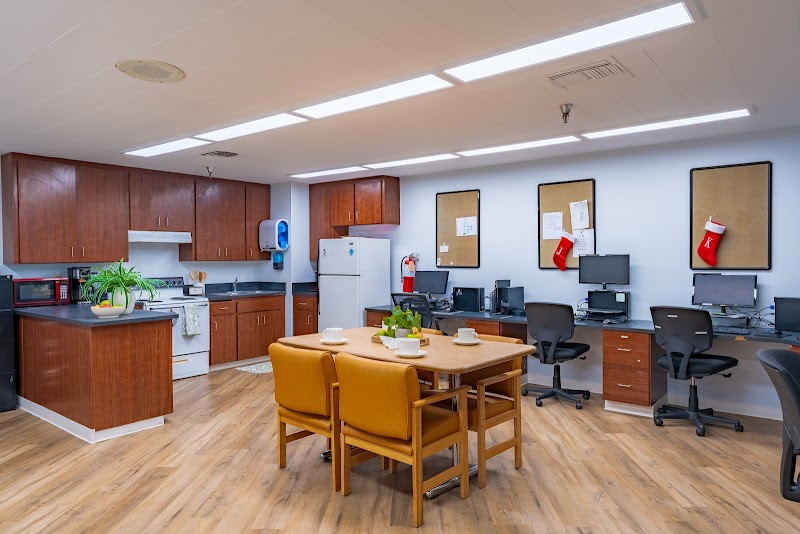
How is Autumn Creek Post Acute Staffed?

CMS rates AUTUMN CREEK POST ACUTE's staffing level at 2 out of 5 stars, which is below average compared to other nursing homes. Staff turnover is 53%, compared to the California average of 46%. RN turnover specifically is 61%, which is notably high. RNs provide skilled clinical oversight, so turnover in this role can affect medical care quality.

What Have Inspectors Found at Autumn Creek Post Acute?

State health inspectors documented 96 deficiencies at AUTUMN CREEK POST ACUTE during 2021 to 2025. These included: 3 that caused actual resident harm and 93 with potential for harm. Deficiencies causing actual harm indicate documented cases where residents experienced negative health consequences.
Who Owns and Operates Autumn Creek Post Acute?

AUTUMN CREEK POST ACUTE is owned by a for-profit company. For-profit facilities operate as businesses with obligations to shareholders or private owners. The facility is operated by SHLOMO RECHNITZ, a chain that manages multiple nursing homes. With 184 certified beds and approximately 148 residents (about 80% occupancy), it is a mid-sized facility located in CHICO, California.
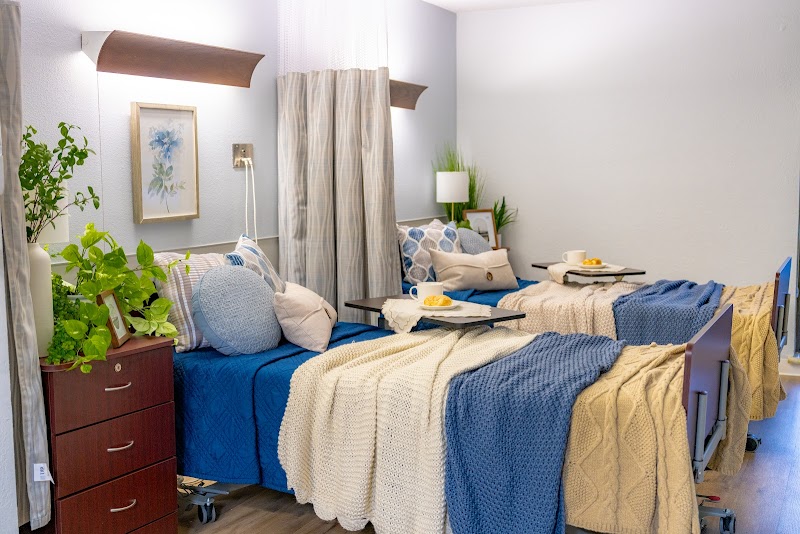
How Does Autumn Creek Post Acute Compare to Other California Nursing Homes?

Compared to the 100 nursing homes in California, AUTUMN CREEK POST ACUTE's overall rating (1 stars) is below the state average of 3.1, staff turnover (53%) is near the state average of 46%, and health inspection rating (1 stars) is much below the national benchmark.

What Should Families Ask When Visiting Autumn Creek Post Acute?

Based on this facility's data, families visiting should ask: "What safeguards and monitoring systems are in place to protect residents from abuse or neglect?" "Can you walk me through typical staffing levels on day, evening, and night shifts?" "Can I visit during a mealtime to observe dining assistance and food quality?" "How do you handle medical emergencies, and what is your hospital transfer rate?" These questions are particularly relevant given the substantiated abuse finding on record and the below-average staffing rating.

Is Autumn Creek Post Acute Safe?

Based on CMS inspection data, AUTUMN CREEK POST ACUTE has documented safety concerns. The facility has 1 substantiated abuse finding (meaning confirmed case of resident harm by staff or other residents). The facility has a 1-star overall rating and ranks #100 of 100 nursing homes in California. Families considering this facility should ask detailed questions about what corrective actions have been taken since these incidents.

Do Nurses at Autumn Creek Post Acute Stick Around?

AUTUMN CREEK POST ACUTE has a staff turnover rate of 53%, which is 7 percentage points above the California average of 46%. Moderate turnover is common in nursing homes, but families should still ask about staff tenure and how the facility maintains care continuity when employees leave.

Was Autumn Creek Post Acute Ever Fined?

AUTUMN CREEK POST ACUTE has no federal fines on record. CMS issues fines when nursing homes fail to meet care standards or don't correct problems found during inspections. The absence of fines suggests the facility has either maintained compliance or corrected any issues before penalties were assessed. This is a positive indicator, though families should still review recent inspection reports for the full picture.

Is Autumn Creek Post Acute on Any Federal Watch List?

AUTUMN CREEK POST ACUTE is not on any federal watch list. The most significant is the Special Focus Facility (SFF) program, which identifies the bottom 1% of nursing homes nationally based on persistent, serious quality problems. Not being on this list means the facility has avoided the pattern of deficiencies that triggers enhanced federal oversight. This is a positive indicator, though families should still review the facility's inspection history directly.