CALIFORNIA PARK POST ACUTE
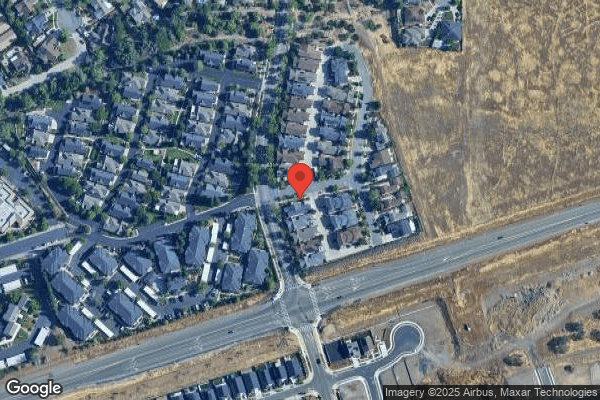
2850 SIERRA SUNRISE TERRACE, CHICO, CA 95928 (530) 894-1010
For profit - Corporation 90 Beds Independent Data: November 2025
Trust Grade
65/100
#306 of 1155 in CA
Last Inspection: March 2025

Within standard 12-15 month inspection cycle. Federal law requires annual inspections.

Overview

California Park Post Acute in Chico, California has a Trust Grade of C+, indicating it is slightly above average but not outstanding. With a state rank of #306 out of 1,155, it places in the top half of California facilities, and it holds the top position among the eight nursing homes in Butte County. The facility is currently improving, having reduced its number of issues from five in 2024 to two in 2025. Staffing is average with a turnover rate of 38%, which is on par with the state average, and there have been no fines recorded, which is a positive sign. However, there have been serious concerns, including a failure to provide a resident with prescribed pain medication, and a lack of Registered Nurse coverage on several days, which could impact the quality of care. Additionally, the facility did not report a malfunctioning water heater for 12 days, potentially exposing residents to health risks.

Trust Score
C+
65/100
In California
#306/1155
Top 26%
Safety Record
Moderate
Needs review
Inspections
Getting Better
5 → 2 violations
Staff Stability
○ Average
38% turnover. Near California's 48% average. Typical for the industry.
Penalties
✓ Good
No fines on record. Clean compliance history, better than most California facilities.
Skilled Nurses
⚠ Watch
Each resident gets only 21 minutes of Registered Nurse (RN) attention daily — below average for California. Fewer RN minutes means fewer trained eyes watching for problems.
Violations
⚠ Watch
32 deficiencies on record. Higher than average. Multiple issues found across inspections.
★★★★☆
4.0
Overall Rating
★★★☆☆
3.0
Staff Levels
★★★★☆
4.0
Care Quality
★★★★☆
4.0
Inspection Score
Stable
2024: 5 issues
2025: 2 issues

The Good

  • 4-Star Quality Measures · Strong clinical quality outcomes
  • Full Sprinkler Coverage · Fire safety systems throughout facility
  • No fines on record
  • Staff turnover below average (38%)

    10 points below California average of 48%

Facility shows strength in quality measures, fire safety.

The Bad

Staff Turnover: 38%

Near California avg (46%)

Typical for the industry

The Ugly 32 deficiencies on record

1 actual harm
Mar 2025 2 deficiencies
CONCERN (D) 📢 Someone Reported This

A family member, employee, or ombudsman was alarmed enough to file a formal complaint

Potential for Harm - no one hurt, but risky conditions existed

Report Alleged Abuse (Tag F0609)

Could have caused harm · This affected 1 resident

Based on interview, record review, and facility policy review, the facility failed to ensure a certified nursing assistant (CNA) immediately reported an allegation of rough care to facility management...

Read full inspector narrative →
Based on interview, record review, and facility policy review, the facility failed to ensure a certified nursing assistant (CNA) immediately reported an allegation of rough care to facility management so they could carry out the facility's abuse protocol for 1 (Resident #32) of 1 resident reviewed for an allegation of staff-to-resident abuse. Findings included: A facility policy titled, Abuse, Prevention of, revised 05/10/2018, indicated, PURPOSE: To ensure that residents' rights, safety and well-being are protected by providing a method for the prevention of any type of resident abuse. POLICY: It is the policy of this facility that each resident has the right to be free from verbal, sexual, physical and mental abuse, neglect, exploitation, mistreatment and involuntary seclusion. Residents must not be subjected to abuse by anyone, including, but not limited to facility staff, other residents, consultant or volunteers, staff of other agencies serving the resident, family members or legal guardians, friends, or other individuals. The section of the policy titled, G. Reporting specified, 5. First responder or first staff member informed of the incident are responsible for informing their immediate supervisor and Administrator. Resident #32's admission Record indicated the facility admitted the resident on 07/18/2024. According to the admission Record, the resident had a medical history that included diagnoses of type two diabetes mellitus, muscle weakness, difficulty walking, unsteadiness on feet, and history of falling. A quarterly Minimum Data Set (MDS), with an Assessment Reference Date (ARD) of 01/21/2025, revealed Resident #32 had a Brief Interview for Mental Status (BIMS) score of 15, which indicated the resident had intact cognition. During an interview on 03/13/2025 at 5:15 AM, CNA #12 stated last Thursday (03/06/2025) Resident #32 mentioned that they had a horrible day. According to CNA #12, the resident reported that while their usual CNA, CNA #5, was on break, CNA #17 assisted them with a transfer using a lift. CNA #12 stated the resident told her CNA #17 was a little rough. She stated she should have told the nurse about the resident's statement about CNA #17, but she did not. During an interview on 03/13/2025 at 9:57 AM, Resident #32 stated they had received care provided by CNA #17. The resident described CNA #17 as nice but stated CNA #17 was kind of rough with care and did not take his time while assisting the resident. During an interview on 03/13/2025 at 2:01 PM, the Director of Nursing (DON) stated no staff members had reported complaints from residents about rough care from CNAs. She stated if the staff had reported rough care concerns to the nurses, a note would have been made. The DON stated she reviewed Resident #32's record, and she did not find any notes concerning rough care. During an interview on 03/13/2025 at 3:26 PM, the Administrator stated CNA #12 knew better than to not report the resident's statement regarding rough care. He stated CNA #12 should have reported the resident's statement.
CONCERN (D)

Potential for Harm - no one hurt, but risky conditions existed

Assessment Accuracy (Tag F0641)

Could have caused harm · This affected 1 resident

**NOTE- TERMS IN BRACKETS HAVE BEEN EDITED TO PROTECT CONFIDENTIALITY** 3. A Transfer/Discharge Report indicated the facility admitted Resident #8 on 12/22/2019. According to the Transfer/Discharge Re...

Read full inspector narrative →
**NOTE- TERMS IN BRACKETS HAVE BEEN EDITED TO PROTECT CONFIDENTIALITY** 3. A Transfer/Discharge Report indicated the facility admitted Resident #8 on 12/22/2019. According to the Transfer/Discharge Report, the resident had a medical history that included diagnoses of gastro-esophageal reflux disease without esophagitis, type two diabetes mellitus, chronic obstructive pulmonary disease, and iron deficiency anemia. Resident #8's Weights and Vitals Summary indicated that on 09/06/2024 the resident weighed 189.6 pounds, and on 10/02/2024 the resident weighed 174.6 pounds. The summary included an entry that noted the resident had a 15-pound weight loss, which was a 7.9 percent (%) loss in approximately one month. Resident #8's Progress Notes revealed a Dietitian Note, dated 10/09/2024, that indicated the resident underwent a dietary review due to a weight loss of 15 pounds or a 7.9% weight loss in one month. The note indicated the weight loss was unintended and was likely due to decreased intake by mouth, an increased need for oxygen, and the resident getting out of the bed for meals. The note reflected a recommendation to increase nutritional supplements to three times per day. Resident #8's quarterly MDS, with an Assessment Reference Date (ARD) of 10/10/2024, and a significant change in status MDS, with an ARD 10/28/2024, revealed the resident had a Brief Interview for Mental Status (BIMS) score of 7, which indicated the resident had severe cognitive impairment. Section K of both MDS assessment reflected the resident weighed 175 pounds and had not experienced a weight loss of 5% or more in the last month or 10% or more in the last six months. During an interview on 03/12/2025 at 10:28 AM, the Registered Dietitian (RD) stated Resident #8 was noted with a 7.9% weight loss in one month in 10/2024, and the MDS dated [DATE] did not reflect it. The RD further stated the resident's significant change in status MDS dated [DATE] was inaccurate because it also did not reflect the resident's weight loss. During an interview on 03/12/2025 at 11:31 AM, the Director of Nursing (DON) stated the facility's Director of Dietary (DD) was responsible for completing section K of the MDS assessments. The DON stated the DD should also consult with the RD and review the RD's documentation to ensure MDS assessments were coded accurately. During an interview on 03/13/2025 at 9:57 AM, the Administrator stated he expected MDS assessments to accurately reflect each resident's condition. 4. An admission Record indicated the facility admitted Resident #25 on 07/03/2017. According to the admission Record, the resident had a medical history that included diagnoses of dysphagia (difficulty swallowing), unspecified dementia, and mild protein-calorie malnutrition. Resident #25's Weights and Vitals Summary indicated that on 02/05/2025 the resident weighed 147.6 pounds, and on 02/10/2025 the resident weighed 140 pounds. The summary included an entry that noted the resident had a 7.6-pound weight loss, which was a 5.1% loss in approximately one week. Resident #25's Progress Notes revealed a Dietitian Note, dated 02/12/2025, that indicated the resident underwent a dietary review due to a weight loss of 7.6 pounds or 5.1% in one week. The note indicated the weight loss was unintended due to an acute admission (hospital admission) from 02/06/2025 to 02/10/2025. Resident #25's five-day Minimum Data Set (MDS),with an Assessment Reference Date (ARD) of 02/14/2025, revealed the resident had a Brief Interview for Mental Status (BIMS) score of 2, which indicated the resident had severe cognitive impairment. Section K of the MDS assessment reflected the resident weighed 144 pounds and had not experienced a weight loss of 5% or more in the last month or 10% or more in the last six months. During an interview on 03/12/2025 at 10:38 AM, the Director of Dietary (DD) stated Resident #25's MDS dated [DATE] should have been coded to reflect weight loss. The DD stated she completed that section of the MDS and was unsure how it happened, but it was a mistake. During an interview on 03/12/2025 at 10:44 AM, the Registered Dietitian (RD) stated that Resident #25 lost 7.6 pounds or 5.1% of their body weight in one week. Per the RD, the resident's MDS dated [DATE] should have been coded to reflect significant weight loss, and not coding the MDS to reflect the weight loss was an error. During an interview on 03/12/2025 at 11:15 AM, Registered Nurse (RN) #20, who was serving as the MDS Coordinator, stated the DD may have initially completed the weight-loss section of Resident #25's 02/14/2025 MDS, but when RN #20 signed the assessment as complete, she may have overwritten the DD's initial information, and changed the MDS to reflect no weight loss. RN #20 stated MDS assessments should accurately reflect each resident's condition at the time of the assessment. During an interview on 03/12/2025 at 11:31 AM, the Director of Nursing (DON) stated the facility's Director of Dietary (DD) was responsible for completing section K of the MDS assessments. The DON stated the DD should also consult with the RD and review the RD's documentation to ensure MDS assessments were coded accurately. During an interview on 03/13/2025 at 9:57 AM, the Administrator stated he expected MDS assessments to accurately reflect each resident's condition. Based on interview, record review, facility policy review, and review of the Centers for Medicare and Medicaid Services (CMS) Long-Term Care Facility Resident Assessment Instrument (RAI) 3.0 User's Manual, the facility failed to ensure Minimum Data Set (MDS) assessments accurately reflected the classes of medications received during the assessment look-back periods for 2 (Resident #74 and Resident #70) of 2 residents reviewed as part of the Resident Assessment task and failed to ensure MDS assessments accurately reflected weight-loss statuses for 2 (Resident #8 and Resident #25) of 2 sampled residents reviewed for nutrition. Findings included: A facility policy titled, Certifying Accuracy of the Resident Assessment, revised 11/2019, indicated, 2. Any person who completes any portion of the MDS assessment, tracking form, or correction request form is required to sign the assessment certifying the accuracy of that portion of that assessment. 3. The information captured on the assessment reflects the status of the resident during the observation ('look-back') period for that assessment. The CMS Long-Term Care Facility RAI 3.0 User's Manual, version 1.19.1, dated October 2024, revealed section K0300: Weight Loss specified, -Code 0, no or unknown: if the resident has not experienced weight loss of 5% [percent] or more in the past 30 days or 10% or more in the last 180 days or if information about prior weight is unavailable. - Code 1, yes on physician-prescribed weight-loss regimen: if the resident has experienced a weight loss of 5% or more in the past 30 days or 10% or more in the last 180 days, and the weight loss was planned and pursuant to a physician's order. In cases where a resident has a weight loss of 5% or more in the past 30 days or 10% or more in 180 days as a result of a physician-ordered diet plan or expected weight loss due to loss of fluid with physician's orders for diuretics, K0300 can be coded as 1. The User's Manual further revealed section N0415: High-Risk Drug Classes: Use and Indication specified, -N0415I1. Antiplatelet: Check if an antiplatelet medication (e.g. [exempli gratia, for example], aspirin/extended release, dipyridamole, clopidogrel) was taken by the resident at any time during the 7-day observation period (or since admission/entry or reentry if less than 7 days). 1. An admission Record indicated the facility admitted Resident #74 on 01/26/2025. According to the admission Record, the resident had a medical history that included diagnoses of transient cerebral ischemic attack (brief stroke-like attack) and cerebral infarction (stroke) without residual deficits. Resident #74's Order Summary Report contained an active order dated 01/27/2025 for Plavix (clopidogrel, an antiplatelet medication) 75 milligrams (mg) by mouth one time a day. The Order Summary Report did not reflect any orders for anticoagulant medications. Resident #74's 01/2025 Medication Administration Record (MAR) revealed documentation that indicated the resident received their Plavix daily as ordered during the timeframe from 01/27/2025 through 01/31/2025. Resident #74's admission MDS, with an Assessment Reference Date (ARD) of 01/31/2025, revealed Resident #74 had a Brief Interview for Mental Status (BIMS) score of 11, which indicated the resident had moderate cognitive impairment. The MDS was coded to reflect Resident #74 received an anticoagulant medication, but not an antiplatelet medication, during the seven-day assessment look-back period. Registered Nurse (RN) #20 was interviewed on 03/12/2025 at 4:23 PM. RN #20 stated she had been working in the role of MDS Coordinator for almost one month. RN #20 stated that she was responsible for completing section N of the MDS regarding medications received by the resident. She stated that when she completed Section N of the MDS, she reviewed the MAR to see what medications were administered to the resident during the seven days prior to the ARD of the assessment, and if the resident received any medications listed in section N of the MDS she would code those medications on the MDS. RN #20 stated she completed section N of Resident #74's admission MDS, and she reviewed the resident's January 2025 MAR when she completed that section. After reviewing Resident #74's admission MDS and their January 2025 MAR, RN #20 stated that Resident #74 did not receive an anticoagulant medication at the time of the assessment and further stated, I made a mistake. Nurse Consultant (NC) #21 was interviewed via telephone on 03/12/2025 at 4:33 PM. NC #21 stated that the MDS Coordinator was trained on how to complete section N of the MDS and was trained to review the relevant medications the resident received during the seven days prior to the ARD. NC #21 stated the source of information to code section N usually included the MAR for the look-back period to determine if the medications listed in section N of the MDS were taken by the resident. NC #21 stated that when she reviewed Resident #74's January 2025 MAR, she did not see that the resident received an anticoagulant medication, but that the resident received Plavix, which should be coded as antiplatelet medication. NC #21 stated that section N of Resident #74's admission MDS was coded incorrectly, because the resident did not receive an anticoagulant medication during the seven-day look-back period for that assessment, but rather received an antiplatelet medication, which was not coded. The Director of Nursing (DON) was interviewed on 03/13/2025 at 10:07 AM. The DON stated that the current MDS Coordinator was new to that role and that there were three nurse consultants available to assist with training the current MDS Coordinator. The DON stated that the nurse consultants should assist with ensuring that the MDS assessments were completed timely and accurately. The DON stated that the nurse consultants were responsible for ensuring MDS assessments were accurate, because they were paid to review MDS assessments for accuracy. The DON stated that when completing section N of the MDS, the MDS Coordinator should run a MAR to determine which medications the resident received so that the MDS was coded correctly. The DON reviewed Resident #74's MAR and stated that the resident received Plavix, which was an antiplatelet medication, and did not receive an anticoagulant. The DON stated Resident #74's MDS was not coded correctly. The Administrator was interviewed on 03/13/2025 at 10:54 AM. The Administrator stated that he expected each MDS to accurately reflect the resident's condition. He stated that the MDS Coordinator was new in that role and nurse consultants were available for assistance. He stated that MDS assessments should be coded correctly and reviewed by the nurse consultants for accuracy. 2. An admission Record indicated the facility admitted Resident #70 on 12/31/2024. According to the admission Record, the resident had a medical history that included diagnoses of atrial fibrillation and essential hypertension. Resident #70's 12/2024 Medication Administration Record (MAR) revealed no evidence of orders for or the administration of an anticoagulant or antiplatelet medication. Resident #70's 01/2025 MAR revealed the transcription of an order started on 01/03/2025 for aspirin delayed release (an antiplatelet medication) 325 milligrams (mg) by mouth one time a day. The MAR revealed documentation that indicated the aspirin was administered as ordered for the timeframe from 01/03/2025 through 01/05/2025. The MAR revealed no evidence of the transcription of orders for or the administration of an anticoagulant medication. Resident #70's admission MDS, with an Assessment Reference Date (ARD) of 01/05/2025, revealed Resident #70 had a Brief Interview for Mental Status (BIMS) score of 14, which indicated the resident had intact cognition. The MDS was coded to reflect Resident #70 received an anticoagulant medication, but not an antiplatelet medication, during the seven-day assessment look-back period. Registered Nurse (RN) #20 was interviewed on 03/12/2025 at 4:33 PM. RN #20 stated she had been working in the role of MDS Coordinator for almost one month. RN #20 stated that she was responsible for completing section N of the MDS regarding medications received by the resident. She stated that when she completed Section N of the MDS, she reviewed the MAR to see what medications were administered to the resident during the seven-day assessment look-back period, and if the resident received any medications listed in section N of the MDS she would code those medications on the MDS. RN #20 stated she did not complete Resident #70's admission MDS assessment; it was completed by the facility's formed MDS Coordinator. Nurse Consultant (NC) #21 was interviewed via telephone on 03/12/2025 at 4:43 PM. NC #21 stated the nurse that completed Resident #70's admission MDS no longer worked at the facility. After reviewing Resident #70's admission MDS, NC #21 stated that section N of Resident #70's admission MDS was coded incorrectly, because the resident did not receive an anticoagulant during the seven-day look-back period for that assessment, but rather received an antiplatelet medication, which was not coded. The Director of Nursing (DON) was interviewed on 03/13/2025 at 10:07 AM. The DON stated that when completing section N of the MDS, the MDS Coordinator should run a MAR to determine which medications the resident received so that the MDS was coded correctly. The DON reviewed Resident #70's MAR and stated that the resident received an antiplatelet medication, and did not receive an anticoagulant. The DON stated Resident #70's MDS was not coded correctly. The Administrator was interviewed on 03/13/2025 at 10:54 AM. The Administrator stated that he expected each MDS to accurately reflect the resident's condition. He stated that MDS assessments should be coded correctly and reviewed by the nurse consultants for accuracy.
Nov 2024 1 deficiency
CONCERN (D) 📢 Someone Reported This

A family member, employee, or ombudsman was alarmed enough to file a formal complaint

Potential for Harm - no one hurt, but risky conditions existed

Resident Rights (Tag F0550)

Could have caused harm · This affected 1 resident

**NOTE- TERMS IN BRACKETS HAVE BEEN EDITED TO PROTECT CONFIDENTIALITY** Based on observation, interview, and record review, the facility failed to ensure one of 2 sampled residents (Resident 2) was tr...

Read full inspector narrative →
**NOTE- TERMS IN BRACKETS HAVE BEEN EDITED TO PROTECT CONFIDENTIALITY** Based on observation, interview, and record review, the facility failed to ensure one of 2 sampled residents (Resident 2) was treated with dignity and respect during direct patient care when privacy was not provided, and Resident 2 was rushed. This failure resulted in Resident 2 feeling embarrassed, with increased anxiety, and difficulty sleeping. Findings: A review of the facility ' s policy revised 10/20/2017, titled, Resident Rights, indicated the purpose of this policy is to assure protection of rights for residents in the facility. This facility ' s policy also indicted all residents have the right to personal privacy. Staff will protect privacy by announcing themselves or knocking on the door before entering room or privacy curtain and closing the door and pulling the privacy curtain when providing or assisting with personal care. A review of the facility ' s policy revised 9/15/2017, titled, Activities of Daily Living, indicated the purpose of this policy is to preserve the resident ' s ability to carry out one ' s own basic activities of self-care as long as possible and to receive assistance as needed to maintain one ' s dignity. Resident 2 was admitted to the facility on [DATE] with diagnoses that included right femur and hip fracture, right ulna (ulna, bone of the forearm) fracture, Chronic Obstructive Pulmonary Disease (COPD, a progressive lung disease), difficulty walking, and heart disease. A review of the most recent Minimum Data Set, (MDS, a resident assessment tool) dated 10/29/24, indicated that Resident 2 was cognitively intact (able to think and reason) and made her own decisions, and is her own responsible party (RP). A review of a the most recent MDS dated [DATE], indicated Resident 2 is dependent on staff for activities for daily living (ADLs-hygiene, toileting, grooming, dressing, and bathing) related to limited physical mobility and a history of falls with injury. This MDS indicated Resident 2 needed substantial/maximal assistance for toileting, showering, and dressing lower body. During an interview on 11/6/24 at 12:10 pm, Resident 2 stated, The Certified Nursing Assistant (CNA) 2 and CNA 3 rushed me during my shower and did not provide privacy with a towel or the curtain when the male CNA 5 popped in unexpectedly during my shower. I felt embarrassed, violated, and had increased anxiety which made me lose sleep that night. During an interview on 11/6/24 at 1:09 pm, the Director of Staff Development (DSD) stated, I was told CNA 2 and CNA 3 needed more education, and I was updated [Resident 2] would not allow both CNAs back into her room for any care. DSD confirmed rushing a resident and not providing privacy during a shower is a violation of resident rights. During an interview on 11/6/24 at 2:08 pm, Both the Director of Nursing (DON) and Assistant Director of Nursing (ADON) confirmed rushing Resident 2 and not providing privacy during a shower is a loss of dignity. ADON stated, I did not know the shower curtain was not closed for privacy. During an interview on 11/6/24 at 2:15 pm, the Administrator (Admin) confirmed there was a violation of rights related to privacy, and confirmed this would be considered a dignity issue. Admin stated, I know [Resident 2] is alert and oriented, I agree her rights were violated.
Oct 2024 2 deficiencies
CONCERN (D) 📢 Someone Reported This

A family member, employee, or ombudsman was alarmed enough to file a formal complaint

Potential for Harm - no one hurt, but risky conditions existed

Notification of Changes (Tag F0580)

Could have caused harm · This affected 1 resident

Based on interview and record review, the facility failed to ensure the licensed nurses reported changes of condition to the physician for 1 of 3 residents (Resident 1) when: 1. Resident 1 had edema ...

Read full inspector narrative →
Based on interview and record review, the facility failed to ensure the licensed nurses reported changes of condition to the physician for 1 of 3 residents (Resident 1) when: 1. Resident 1 had edema (swelling) that went from mild lower leg edema to deep pitting (leaves an indent in skin for a period of time) to the hips. This resulted in a transfer to hospital for fluid overload, ascites (fluid in abdomen), anasarca (fluid throughout all of body, puffy body), bilateral pleural effusions (fluid in the lungs), and exacerbated (make worse) his congestive heart failure. 2. Resident 1 had sudden new onset of 7/10 pain (severe pain) with as needed (PRN) pain medication given for first time on 8/18/24 and 8/19/24. This resulted in increased pain and discomfort. Findings: A review of facility's policy titled, Change in Condition Policy Assessment, revised on 9/17/17, indicated residents who experience a change of condition will be assessed promptly and follow up action will be taken as indicated in a timely manner. This includes any sudden and/or marked adverse change in signs, symptoms, or behavior exhibited by a patient. The licensed nurse is responsible for notifying the attending physician regarding all changes in a resident's condition. A review of Resident 1's record indicated he was admitted into this facility on 7/4/24 to rehabilitate from a hip replacement. Resident 1 had Parkinson's Disease (disorder of the nervous system), high blood pressure, and heart failure. Resident 1 was his own health care decision maker. During a record review of acute care hospital discharge notes for 7/4/2024, Resident 1 had +1 (mild) pitting (when one presses on the site, there is a pit or indentation) edema to right lower extremity and +2 (moderate) pitting to the left lower extremity. During record review of the physician admission orders on 7/4/24, Resident 1 had orders from Physician 1 for monitoring edema (swelling from fluid overload) every shift. During a record review of the Resident 1's medication orders, indicated on 8/2/24, a new order for Lasix (a medication used to release excess fluid from the body by urination along with a release of potassium) 20 milligrams (mg) every day for edema. On 8/17/24, a new order was placed for Lasix 40 mg every day, a dose increase for the worsening edema. During a record review of the Medication Administration Record (MAR) for August 2024 indicated Resident 1 had +2 pitting edema in both lower extremities from 8/3/24 through 8/15/24. On 8/16/24, Resident 1 advanced to +3 pitting (when one presses on the site, there is a deep pit that lasts for 30 seconds before going away) edema. There was no change in condition reported by nursing staff to the physician found in the record. During a review of the MAR for August 2024, on 8/18/24 and 8/19/24, Resident 1 had sudden 7/10 severe pain and was administered a strong narcotic pain medication. This was the first time in August of 2024 that Resident 1 reported pain. There was no physician notification about the new onset of severe pain by licensed nurses found in the record. During a review of a Nursing Note dated 8/19/2024 at 11:30 am, Licensed Vocational Nurse (LVN 1) documented that Resident 1's wife insisted on sending Resident 1 out to the hospital to be evaluated. LVN 1 documented Physician 2 spoke with the family and agreed that if the family and Resident 1 wanted to have an emergency room (ER) visit, then it is okay. LVN 1 documented that around 12 pm Resident 1 was sent with nonemergent transport for evaluation at the emergency room (ER) due to the family insisting that he had a decline in health. During an interview on 8/30/24 at 2:04 pm, Family Member (FM 1) stated that she had to insisted for two days for Resident 1 to go to the hospital. FM 1 stated nursing staff told her, If we send him out, they are just going to send him right back here because there is nothing, they can do for him. FM 1 stated the nurse did not attempt to send Resident 1 out, even after family's insistence. FM 1 stated Resident 1 was in severe pain, and it appeared like he was going to be dead within one day if not sent out to hospital. During a concurrent interview and record review on 10/9/24 at 1:30 pm, Director of Nursing (DON) confirmed that the edema went from slight +1, to moderate +2, then to severe pitting edema +3. DON confirmed there was no change of condition reported by nursing staff to the physician. DON confirmed that Resident 1's new sudden onset severe pain on 8/18/24 and 8/19/24 along with the increased edema, these changes should have been reported to the physician. DON also confirmed it was by the insistence of the family that the Resident 1 was sent out to hospital for evaluation not the licensed nursing staff. DON stated the licensed nurses should have reported these changes to the physician and that their policy was not followed. During a record review of acute care hospitals ER admission assessment on 8/19/2024, indicated Resident 1 had multiple severe health issues such as infection, low potassium (regulates a regular heart rate), diminished breath sounds, edema both lower extremities extending all the way up to Resident 1's hips, anasarca, bilateral pleural effusions, fluid overload, and was ill and weak appearing. Resident 1 received emergent care and treatment and returned to the long-term care facility on 8/27/24, eight days later.
CONCERN (D) 📢 Someone Reported This

A family member, employee, or ombudsman was alarmed enough to file a formal complaint

Potential for Harm - no one hurt, but risky conditions existed

Deficiency F0726 (Tag F0726)

Could have caused harm · This affected 1 resident

Based on interview and record review the facility failed to ensure licensed nursing staff had the skills and competencies to ensure the medical needs for one of three sampled residents (Resident 1) we...

Read full inspector narrative →
Based on interview and record review the facility failed to ensure licensed nursing staff had the skills and competencies to ensure the medical needs for one of three sampled residents (Resident 1) were met when significant changes of condition were not identified and reported to the physician. This resulted Resident 1 to be transferred to the hospital for fluid overload, ascites (fluid in abdomen), anasarca (fluid throughout all of body, puffy body), bilateral pleural effusions (fluid in the lungs), and exacerbated (make worse) congestive heart failure. Findings: A review of Resident 1's record indicated he was admitted into this facility on 7/4/24 to rehabilitate from a hip replacement. Resident had Parkinson's Disease (movement disorder of the nervous system), high blood pressure, and heart failure Resident 1 was his own health care decision maker. During a record review of acute care hospital discharge notes for 7/4/2024, Resident 1 had +1 (mild) pitting (when one presses on the site, there is a pit or indentation) edema to right lower extremity and +2 (moderate) pitting to the left lower extremity. During record review of the facility admission orders on 7/4/24, Resident 1 had orders from Physician 1 for monitoring edema every shift. During a record review of the Medication Administration Record (MAR) for August 2024, indicated Resident 1 had +2 pitting edema in both lower extremities from 8/3/24 through 8/15/24. On 8/16/24, Resident 1 advanced to +3 pitting (when one presses on the site, there is a deep pit that lasts for 30 seconds before going away) edema. There was no change in condition reported by nursing staff to the physician found in the record. During a record review of the Resident 1's medication orders, indicated on 8/2/24, a new order for Lasix (a medication used to release excess fluid from the body by urination along with a release of potassium) 20 milligrams (mg) every day for edema. During record review of Resident 1's medication orders dated 8/17/24, indicated a new order was placed for Lasix 40 mg every day, a dose increase. During a record review of Resident 1's record, there were no physician laboratory (lab) orders found to draw a baseline blood potassium (regulates a regular heart rate), level before or any monitoring after starting Lasix from 7/4/24 through 8/19/24. There were also no physicians order for any supplemental oral potassium. A review of an online resource National Institutes of Health (nih.gov) DailyMed, indicated Lasix is a potent diuretic (increases amount of urine produced) which, if given in excessive amounts, can lead to a profound diuresis with water and electrolyte (essential for basic life functioning) loss. Therefore, careful medical supervision is required and dose and dose schedule must be adjusted to the individual patient's needs laboratory tests serum electrolytes (particularly potassium), should be determined frequently during the first few months of Lasix therapy and periodically thereafter. A review of Resident 1's record, indicated a physician order dated 8/19/24, indicated labs to drawn for electrolyte (potassium) blood levels. The lab results dated 8/19/24, indicated a low potassium level of 3.1 millimoles per liter (mmol/L, normal blood potassium level for adults is between 3.5 and 5.5 mmol/L). During a review of the MAR for August 2024, on 8/18/24 and 8/19/24, Resident 1 had sudden 7/10 (severe) pain and was administered a strong narcotic pain medication. This was the first time in August of 2024 that Resident 1 reported pain. There was no physician notification about the new onset of severe pain by licensed nurses found in the record. During a review of a Nursing Note dated 8/19/2024 at 11:30 am, Licensed Vocational Nurse (LVN 1) documented that Resident 1's wife insisted on sending Resident 1 out to the hospital to be evaluated. LVN 1 documented Physician 2 spoke with the family and agreed that if the family and Resident 1 wanted to have an emergency room (ER) visit, then it is okay. LVN 1 documented that around 12 pm Resident 1 was sent with nonemergent transport for evaluation at the emergency room (ER) due to the family insisting that he had a decline in health. During record review of acute care hospital records dated 8/19/24, indicated Resident 1 had a low blood potassium level of 3.2 mmol/L (low). He was treated with potassium chloride. The ER admission assessment on 8/19/2024, indicated Resident 1 had multiple severe health issues such as infection, low potassium, diminished breath sounds, edema both lower extremities extending all the way up to Resident 1's hips, anasarca, bilateral pleural effusions, fluid overload, and was ill and weak appearing. Resident 1 received emergent care and treatment and returned to the long-term care facility on 8/27/24, eight days later. During an interview on 8/30/24 at 2:04 pm, Family Member (FM 1) stated that she had to insisted for two days for Resident 1 to go to the hospital. FM 1 stated nursing staff told her, If we send him out, they are just going to send him right back here because there is nothing, they can do for him. FM 1 stated the nurse did not attempt to send Resident 1 out, even after family's insistence. FM 1 stated Resident 1 was in severe pain, and it appeared like he was going to be dead within one day if not sent out to hospital. During an interview on 10/9/24 at 1:30 pm, Director of Nursing (DON) confirmed that the edema went from minor +1 to moderate +2 to severe pitting edema +3, and no change of condition was reported by nursing staff to the physician. DON confirmed that the patient had sudden onset severe pain on 8/18/24 and 8/19/24 which was a change in condition along with the increased edema. DON also confirmed it was by the insistence of FM 1 that the patient was sent out to an acute care facility. DON confirmed when nursing staff received the new order of Lasix, there should have been a conversation with the physician about monitoring potassium levels. DON explained nursing staff were expected to assess residents and report changes of condition to the physician timely. DON confirmed a baseline potassium level and ongoing monitoring should have happened at the facility for Resident 1 when Lasix was started, and this put Resident 1 as risk for cardiac irregularities. A review of facility's policy titled, Change in Condition Policy Assessment, revised on 9/17/17, indicated residents who experience a change of condition will be assessed promptly and follow up action will be taken as indicated in a timely manner. This includes any sudden and/or marked adverse change in signs, symptoms, or behavior exhibited by a patient. The licensed nurse is responsible for notifying the attending physician regarding all changes in a resident's condition.
Jan 2024 2 deficiencies 1 Harm
SERIOUS (G) 📢 Someone Reported This

A family member, employee, or ombudsman was alarmed enough to file a formal complaint

Actual Harm - a resident was hurt due to facility failures

Deficiency F0697 (Tag F0697)

A resident was harmed · This affected 1 resident

Based on interview and record review, this requirement was not met when the facility failed to provide pain medication as ordered to one of five sampled residents (Resident 1). This caused Resident 1 ...

Read full inspector narrative →
Based on interview and record review, this requirement was not met when the facility failed to provide pain medication as ordered to one of five sampled residents (Resident 1). This caused Resident 1 to have significant back pain, interrupted his sleeping patterns, and had the potential to negatively affect his health. Findings A review of Resident 1's admission Record, dated 1/12/24, indicated he was admitted to the facility after being hospitalized for pneumonia (an infection of the lungs), and he had a history of back pain. A review of Resident 1's discharge medication list from an acute care hospital on 1/12/24 indicated that Resident 1 should continue to receive pain medication Norco (a narcotic pain medication) Oral Tablet 5-325 MG (milligrams, a unit of measure), give 1 tablet by mouth every 6 hours as needed for pain 4-10 (a scale from zero to ten, used to measure pain) for 14 days. Begin 1/13/24 11:15 AM. A review of the facility's policy titled Pain Management, Dated 11/24/17, indicated, Pain medication is to be given before pain becomes severe. Response to pain is to be documented on the Medication Administration Record. Review of that record for Resident 1 for 1/13/24 indicated Resident 1 reported a back pain level of 7, or Severe. A review of the facility's medication administration record (MAR) for Resident 1, dated 1/12/24 to 1/16/24, indicated Norco Oral Tablet 5-325 MG, give 1 tablet by mouth every 6 hours as needed for pain 4-10 for 14 days. Begin 1/13/24 11:15 AM. No administrations of this medication were recorded up to and including Resident 1's discharge, on 1/16/23. During an interview on 1/16/24 at 3:30 PM, Resident 1's family member (FAM 1) stated, [Resident 1] didn't get hydrocodone so he was in pain for most of the weekend, Friday to Monday. He was so miserable that I had to bring in his medications from home on Sunday night 1/14/23 so that he would have them. He was so uncomfortable that he couldn't sleep. During a concurrent interview on 1/17/24 at 10:45 AM, with the facility's administrator (ADMIN A) and director of nursing (DON B) on 1/17/23 at 10:45 AM, ADMIN A stated that they were aware of pharmacy issues and were working to resolve them. ADMIN A indicated that earlier that day he had sent a letter to the pharmacy being used, terminating their contract. DON B stated that the facility was aware some medications were not being delivered, and staff had been educated to replace the meds through various means such as checking emergency drug kits. DON B reviewed the MAR and confirmed that the Norco had not been given to Resident 1 as needed, as ordered. During an interview on 1/17/24 at 11:15 AM, licensed vocational nurse (LVN C) confirmed problems with the pharmacy, They say they are going to deliver them, then we don't receive them for a few days. During an interview on 1/18/24 at 12:09 PM, Resident 1 stated that he was unable to explain how the facility's nursing staff recorded his pain rating as 0 on 1/14/24 and 1/15/24, up until discharge, since he was in pain, I was having pain in my back starting from when I first got there. I'd ask for something and they'd give me Tylenol which is nothing for me. I'd ask for something stronger-- I take hydrocodone (generic name for Norco) at home which I've been taking for years for chronic pain. The nurses would tell me that it was ordered the day before and they were waiting for it to come later in the morning. Then it never came, the next day and so on. The pain in my back would keep me up all night, just lying there wide awake. Finally, my wife had to bring some of my prescription in from home.
CONCERN (D) 📢 Someone Reported This

A family member, employee, or ombudsman was alarmed enough to file a formal complaint

Potential for Harm - no one hurt, but risky conditions existed

Deficiency F0760 (Tag F0760)

Could have caused harm · This affected 1 resident

**NOTE- TERMS IN BRACKETS HAVE BEEN EDITED TO PROTECT CONFIDENTIALITY** Based on interview and record review, this requirement was not met when the facility failed to be free of significant medication...

Read full inspector narrative →
**NOTE- TERMS IN BRACKETS HAVE BEEN EDITED TO PROTECT CONFIDENTIALITY** Based on interview and record review, this requirement was not met when the facility failed to be free of significant medication errors when a necessary heart medication was not provided to one of five sampled residents (Resident 1) after it was ordered by a physician. This had the potential to put Resident 1 at risk of heart failure, further hospitalization, or death. Findings Resident 1 was admitted to the facility after being hospitalized for pneumonia, and severe peripheral artery disease following a history of heart surgery. During his hospitalization, he was diagnosed with atrial fibrillation (Afib, a heart condition that causes the heart chambers to be chaotically and out of rhythm, dysrhythmia) and he was prescribed digoxin, an important medicine to correct this dysrhythmia, to be continued by the long-term care facility. Review of the facility's policy titled, Medication Administration, dated 11/24/17, indicated that licensed nurses must administer medications in accordance with physician orders. Review of Resident 1's record titled Discharge Summary dated 1/12/24, indicated that the acute care hospital had diagnosed Resident 1 with atrial fibrillation (chaotic, disorganized heart beats) and ventricular ectopy, (missed or extra heartbeats), which was new, from Resident 1's baseline. The record further noted that Resident 1 was then started on digoxin for better rate control. (Digoxin is a medicine that improves heart contractions, lowers heart rate, and decreases strain on the heart). Review of Resident 1's hospital Discharge summary dated [DATE] also indicated that Resident 1 had a CHA2DS2-VASc score more than two. (CHA2DS2-VASc score is a point-based system used to determine the risk of stroke and death in heart patients. Resident 1's score of more than two indicated that he was a High risk patient. Review of the hospital discharge summary also indicated that Resident 1 was to continue to take Digoxin, 125 micrograms, 1 tablet by mouth daily, start date 1/13/24. Review of the facility's Medication Administration Record (MAR) for Resident 1 indicated that Resident 1 did not receive digoxin on 1/13/24 or 1/14/24 per the prescriber's order, a period of two days. Review of The American Journal of Cardiology dated 7/15/07, indicated that discontinuation of digoxin is associated with worsening heart failure (HF) symptoms and that outcomes improved with continued therapy of digoxin. In an interview on 1/16/24 at 3:30 PM, Resident 1's family member (FAM1), stated, [the facility] was having pharmacy issues and told me they ordered his medication, but the bottom line is that he was not supposed to interrupt his digoxin, it's for his heart, and he could have gone into Afib again. In an interview on 1/17/24 at 10:45 AM, the facility's administrator (ADMIN A) and director of nursing (DON B) both acknowledged that the facility's current pharmacy had been having delivery issues since they were contracted with, in December 2023, and provided written evidence that the facility is withdrawing its contract with that pharmacy and were working to resolve them. ADMIN A indicated that previously that day he had sent a letter to the pharmacy being used, terminating their contract. In an interview on 1/17/24 at 11:25 AM, LVN D further acknowledged the facility's issues with its pharmacy and that the record showed that doses of Resident 1's digoxin were missed on 1/13 and 1/14/24. LVN D further stated that one of the meds was digoxin, a really important heart medication. LVN D stated, I'm not sure what they could have done, but they could have found a way to get it. LVN D added that digoxin is not in the facility's emergency kit, and she would have called an outside community pharmacy for the commonly prescribed medication and had someone pick up the missing doses. In an interview on 1/18/24 at 12:09 PM, Resident 1 acknowledged that he had not received all his medication, including digoxin.
Oct 2023 17 deficiencies
CONCERN (D)

Potential for Harm - no one hurt, but risky conditions existed

Notification of Changes (Tag F0580)

Could have caused harm · This affected 1 resident

**NOTE- TERMS IN BRACKETS HAVE BEEN EDITED TO PROTECT CONFIDENTIALITY** Based on observation, interview, and record review, the facility failed to ensure two of seventeen residents, (Resident 43 and R...

Read full inspector narrative →
**NOTE- TERMS IN BRACKETS HAVE BEEN EDITED TO PROTECT CONFIDENTIALITY** Based on observation, interview, and record review, the facility failed to ensure two of seventeen residents, (Resident 43 and Resident 276) were monitored and the physician updated for a change in condition. 1. Resident 43's physician was not updated with a new onset of cough, and inablity to sleep due to new cough for at least 4 days. 2. Resident 276's physician was not updated with Urinalysis (U/A, a test to diagnose a urinary tract infection (UTI) results from 10/16/23, and Culture and Sensitivity (a test to identify specific antibiotics for treatment of a UTI) results for three days. Resident 276 was not monitored for signs and symptoms of an infection during pending U/A results which indicated Resident 276 did have a UTI. This failure resulted in Resident 43 and Resident 276 to not receive daily assessments including vital signs, obtaining labs requested, and the potential for a hospitalization. Findings: 1. During a review of the facility's policy titled, Change in Condition, revised 9/15/17, the policy indicated the purpose of this policy is to keep family and physicians informed of changes in a resident's condition in a timely manner. This facility policy also indicated the licensed nurse is to assess the resident and document signs and symptoms, vital signs, physical and mental changes in condition. A change in condition can include, but is not limited to new infection, any sudden and/or marked adverse change in signs, symptoms, or behavior exhibited by a resident. During a review of Resident 43's clinical record, Resident 43 was admitted to the facility on [DATE], for diagnoses that included diabetes, heart disease, high blood pressure, Atrial Flutter (Irregular heart beat), and muscle weakness. During an interview on 10/17/23 at 9:48 AM, Resident 43 stated, I have a new cough. I have told all the nurses for four to five days now. One nurse, Licensed Nurse (LN) F told me I did not have anything ordered, but can't they call the doctor? I got my son to bring me cough drops, but I am waking up through the night coughing, so I am tired for my therapy. During an interview on 10/17/23 at 11:40 AM, the Director of Staff Development (DSD) stated, We should have called the doctor as soon as Resident 43 complained of a new cough and unable to sleep. I will call now and see what the doctor will order for [Resident 43]. All residents with new symptoms should be on alert charting, and we should have obtained vital signs every shift. DSD added, I will go listen to [Resident 43]'s lungs, and do an assessment before I call the doctor. During a review of Resident 43's clinical record, Resident 43's records titled, Active Orders, dated 10/17/23, indicated Mucinex DM Oral Tablet Extended Release 12 hour, 30/600 milligrams, give one tablet by mouth every 12 hours as needed for cough for 14 days. During a concurent record review and interview on 10/18/23 at 3:15 PM, the Assistant Director of Nursing (ADON) confirmed Resident 43 should have been on alert charting for new onset of cough, new symptoms keeping Resident 43 up at night, as soon as Resident 43 complained of a new cough. ADON also confirmed alert charting was not completed in the record for Resident 43 until 10/17/23 when DSD was updated, and [Resident 43] should have had an assessment completed including listening to lungs, and the medical doctor called for advisement. 2. During a review of Resident 276's clinical record, Resident 276 was admitted to the facility on [DATE] with diagnoses that included displaced fracture of the second cervical vertebrae (broken neck bone), heart disease, high blood pressure and muscle weakness. During an interview on 10/18/23 at 8:05 AM, Resident 276 stated, Can you find out about my urine results, I have been waiting to hear if I have an infection. They took a urine sample on 10/15/23. During a review of Resident 276's Clinical Laboratory Urinalysis (U/A), dated 10/16/23, the clinical laboratory indicated a routine U/A was received on 10/16/23, and indicated Resident 276's urine was positive for white blood cells (wbc), red blood cells (rbc), and nitrates 2 + (bacteria found in urine). These results indicated Resident 276 did have a Urinary Tract Infection (UTI). During an interview with DSD on 10/18/23 at 9:00 AM, DSD stated, We are waiting on [Resident 276]'s urine culture results. DSD confirmed Resident 276 was not on alert charting for signs and symptoms of a UTI, and they had collected a urine sample on 10/15/23 for dysuria (difficulty urinating). DSD also confirmed Resident 276 did have a history of UTIs requiring antibiotic therapy on 10/5/23. During a follow up interview on 10/18/23 at 11:35 AM, DSD confirmed Resident 276 had a positive U/A for infection and the urine culture was called to the Nurse Practioner, new orders were received to start antibiotic therapy effective 10/18/23 for five days for a new UTI. During an interview on 10/18/23 at 3:30 PM, the ADON confirmed Resident 276 should have been on alert charting since urinary complaints, vital signs should have been obtained every shift since 10/15/23. ADON stated, I will make sure and educate the staff to add to alert charting before we get the labs back. I agree we should have also updated Resident 276 with the urine results in a timely manner.
CONCERN (D)

Potential for Harm - no one hurt, but risky conditions existed

Comprehensive Assessments (Tag F0636)

Could have caused harm · This affected 1 resident

**NOTE- TERMS IN BRACKETS HAVE BEEN EDITED TO PROTECT CONFIDENTIALITY** Based on interview, and record review, the facility failed to complete the Comprehensive Minimum Data Set (MDS, a standardized r...

Read full inspector narrative →
**NOTE- TERMS IN BRACKETS HAVE BEEN EDITED TO PROTECT CONFIDENTIALITY** Based on interview, and record review, the facility failed to complete the Comprehensive Minimum Data Set (MDS, a standardized resident assessment) within 14 calendar days of admission for two of 17 sampled residents (Resident 275 and Resident 276.) This failure had the potential to delay the development of a comprehensive care plan necessary to provide appropriate individualized care and services for each resident related to the care areas that would have been identified on the Comprehensive MDS. Findings: During a review of the facility's policy and procedure (P&P) titled, Minimum Data Set (MDS)/Resident Assessment Instrument (RAI), revised 1/3/2022, the P&P indicated, All comprehensive assessments should be completed and signed (Z0500) within seven days of the Assessment Reference Date (ARD), but no later than thirteen days after the ARD or by the fourteenth day of resident's admission. During a review of Resident 275's clinical record, Resident 275 was admitted to the facility on [DATE] with diagnoses that included a stroke, high blood pressure, dysphasia (difficulty swallowing), and Chondrocostal junction syndrome (inflammation and pain to the upper ribs). During a review of Resident 276's clinical record, Resident 276 was admitted to the facility on [DATE] with diagnoses that included displaced fracture of the second cervical vertebrae (broken neck bone), heart disease, high blood pressure and muscle weakness. During a concurrent record review and interview on 10/19/23 at 1:10 PM, the Assistant Director of Nursing (ADON) confirmed [Resident 275 and Resident 276] MDS admission assessments were not completed and were late. ADON confirmed [Resident 275] assessment was eight days late and [Resident 276] assessment was two days late. ADON stated, We are behind, and I am helping to get the MDS' caught up. We have 14 days to complete after their admission. The MDS nurse is new, and I am helping to get them all done.
CONCERN (D)

Potential for Harm - no one hurt, but risky conditions existed

Comprehensive Care Plan (Tag F0656)

Could have caused harm · This affected 1 resident

**NOTE- TERMS IN BRACKETS HAVE BEEN EDITED TO PROTECT CONFIDENTIALITY** Based on observation, interview, and record review, the facility failed to complete a comprehensive care plan for one of 17 resi...

Read full inspector narrative →
**NOTE- TERMS IN BRACKETS HAVE BEEN EDITED TO PROTECT CONFIDENTIALITY** Based on observation, interview, and record review, the facility failed to complete a comprehensive care plan for one of 17 residents (Resident 53). This resulted in Resident 53 did not have a care plan to address her fluid restriction. Findings: During a review of the facility's policy and procedure (P&P) titled, Care Plans, revised 1/31/22, the P&P indicated that it is the policy of this facility that a comprehensive care plan is to be developed for each resident within seven days of the resident's comprehensive Minimum Data Set (MDS) assessment. During a review of Resident 53's clinical record, Resident 53 was admitted to the facility on [DATE] for diagnoses that included dementia (general term for impaired thinking, remembering, reasoning, and functional ability), seizures (uncontrolled signals between brain cells), and urinary tract infections (bladder infections). During a review of Resident 53's Active Orders, dated 8/28/23, indicated fluid restriction of 1200 cubic centimeter (cc, a unit of measurement) in 24 hours. During a review of Resident 53's Care Plan, revised on 8/28/23 no problem or interventions were listed for current Medical Doctors' (MD) orders for fluid restriction of 1200 cc daily. During a concurrent record review and interview on 10/19/23 at 3:45 pm, the Assistant Director of Nursing stated, The care plan is 11 days late for [Resident 53]. During a concurrent interview with the Interim Director of Nursing (IDON) and (ADON) on 10/20/23 at 12:38 PM, both confirmed fluid restrictions were not added to the care plan for [Resident 53] and interventions were not implemented to follow MD orders on 8/28/23.
CONCERN (D)

Potential for Harm - no one hurt, but risky conditions existed

Deficiency F0692 (Tag F0692)

Could have caused harm · This affected 1 resident

**NOTE- TERMS IN BRACKETS HAVE BEEN EDITED TO PROTECT CONFIDENTIALITY** Based on observation, interview, medical record review, and facility Policy and Procedure review, the facility failed to ensure ...

Read full inspector narrative →
**NOTE- TERMS IN BRACKETS HAVE BEEN EDITED TO PROTECT CONFIDENTIALITY** Based on observation, interview, medical record review, and facility Policy and Procedure review, the facility failed to ensure one of 17 final sampled residents (Resident 25) maintained acceptable parameters of nutritional status when: 1. The facility failed to provide documentation which showed the physician was notified of Resident 25's unplanned severe weight loss of 9.2 pounds, 7.2% from 9/11/23 to 9/30/23, and 13 pounds, 10% unplanned severe weight loss from 9/11/23 to 10/6/23, 2. The facility failed to reweigh Resident 25 per the facility policy when he experienced a severe weight loss of 9.2 pounds, 7.2% from 9/11/23 to 9/30/23, and 13 pounds, 10% severe weight loss from 9/11/23 to 10/6/23. 3. The facility failed to ensure the IDT (Interdisciplinary team) evaluated and monitored the effectiveness of the intervention implemented for Resident 25's unplanned severe weight loss on 10/12/23. 4. The facility failed to revise the resident centered plan of care for Resident 25 to reflect the unplanned severe weight loss of 9.2 pounds, 7.2% from 9/11/23 to 9/30/23, and 13 pounds, 10% unplanned severe weight loss from 9/11/23 to 10/6/23. As a result of these failures, Resident 25's compromised nutritional status was not monitored effectively which could lead to further medical complications. Findings: A professional reference review of American Academy of Family Physicians Journal titled, Unintentional Weight Loss in Older Adults, dated 2014 showed, Unintentional weight loss (i.e., more than a 5% reduction in body weight within six to 12 months) occurs in 15% to 20% of older adults and is associated with increased morbidity and mortality. In this population, unintentional weight loss can lead to functional decline in activities of daily living, increased in-hospital morbidity, increased risk of hip fracture in women, and increased overall mortality. Further, cachexia (loss of muscle mass with or without loss of fat) has been associated with negative effects such as increased infections, pressure ulcers, and failure to respond to medical treatments . https://www.aafp.org/afp/2014/0501/p718.html - afp20140501p718-b1. 1. Review of the facility's Policy and Procedure titled Weight revised on 1/31/22 showed in part, Significant changes in a resident's weight are to be reported to the physician and the resident's representative .11. The physician is to be notified of significant weight changes by the licensed nurse .12. The resident's care plan is to be updated with recommendations made by the dietitian and IDT upon review. Medical record review for Resident 25 was initiated on 10/18/23. Resident 25 was admitted to the facility on [DATE] with diagnoses which included cerebral palsy (a congenital disorder of movement, muscle tone, or posture), mild protein-calorie malnutrition (the condition of lack of energy due to the deficiency of all the macronutrients and many micronutrients), hyperlipidemia (elevated fat in the blood), hypertension (high blood pressure) and major depressive disorder. Review of Resident 25's Physician's Order dated 10/19/23, showed the following orders: - 5/16/23, Regular Health Shake (nutritional supplement) two times a day. - 5/27/23, a mechanical soft diet, thin liquids consistency. No corn, rice, lettuce. Regular texture cheeseburger acceptable per ST (Speech Therapist), - 10/12/23, Magic cup (nutritional supplement) two times a day. Review of the facility document titled Weights and Vitals Summary from 9/11/23 through 10/11/23, showed the following weights and comparisons for Resident 25: * On 9/11/23 = 130.6 pounds (lbs.), * On 9/30/23 = 121.4 lbs. -9.2 lbs., a 7% severe weight loss since 9/11/23, less than one month [comparison weight on 9/11/23, 130.6 lbs.], * On 10/6/23 = 117.6 lbs., -13 lbs., a 10% severe weight loss since 9/11/23 [comparison weight on 9/11/23, 130.6 lbs.]. Review of Resident 25's quarterly MDS dated [DATE], showed under Section K, Resident 25 weighed 126 pounds and had not experienced a 5% weight loss or gain in the last month or 10% weight loss or gain in the past six months. Resident 25 was not on a physician-prescribed weight loss or weight gain regimen. Review of the physician progress notes for Resident 25 signed and dated on 8/1/23 by Physician 1 showed, no loss in appetite, stable on current treatment plan at this time. Resident 25's weight or weight change was not documented on the physician progress note dated 8/1/23. Review of the physician progress notes for Resident 25 signed and dated on 9/21/23 by Physician 1 showed, no loss of appetite, stable on current treatment plan at this time. Resident 25's weight or weight change was not documented on the physician progress note dated 9/21/23. Review of the physician progress notes for Resident 25 signed and dated on 10/12/23 by Physician 1 showed, no loss of appetite, patient health status appropriate for current age, follow monthly and PRN (as needed). Resident 25's weight or weight change was not documented on the physician progress note dated 10/12/23. On 10/18/2 at 4:00 PM a review of Resident 25's electronic medical record and concurrent interview was conducted with the DSD. The DSD confirmed Resident 25 experienced an unplanned severe weight loss of 9.2 lbs., 7% from 9/11/23 to 9/30/23 and an unplanned severe weight loss of 13 lbs., 10% between 9/11/23 and 10/6/23. The DSD stated the physician must be notified of any resident significant weight changes. The DSD was not able to confirm documentation Resident 25's physician was notified of the unplanned severe weight loss of 9.2 lbs., 7% from 9/11/23 to 9/30/23 or the unplanned severe weight loss of 13 lbs., 10% between 9/11/23 and 10/6/23. On 10/19/23 at 10:33 AM a review of Resident 25's electronic medical record and concurrent interview was conducted with the ADON. The ADON confirmed Resident 25 experienced an unplanned severe weight loss of 9.2 lbs., 7% from 9/11/23 to 9/30/23 and an unplanned severe weight loss of 13 lbs., 10% between 9/11/23 and 10/6/23. The ADON stated the cart nurse was responsible to notify the physician of any significant weight loss. The ADON stated the cart nurse had notified Resident 25's physician but did not document such in the electronic medical record. The ADON added nursing should have done something and documented the weight loss. 2. Review of the facility's Policy and Procedure titled Weight revised on 1/31/22 showed in part, 7. Gross weight gains or losses should trigger an immediate reweighing of the resident. a. Re-weighs are to be completed the day after the original weight, b. Re-weighs are to be done on any resident who has a five-pound weight difference, whether it is a gain or loss . During an interview with the ADON on 10/19/23 at 10:33 AM, the ADON stated residents with significant weight changes were reweighed per the facility policy. On 10/20/23 at 9:00 AM a review of Resident 25's electronic medical record and concurrent phone interview was conducted with the Registered Dietitian (RD). The RD confirmed Resident 25 experienced an unplanned severe weight loss of 9.2 lbs., 7% from 9/11/23 to 9/30/23 and an unplanned severe weight loss of 13 lbs., 10% between 9/11/23 and 10/6/23. The RD was asked if she recommended Resident 25 be reweighed. The RD stated she had not recommended Resident 25 be reweighed because nursing had informed her the weight taken on 9/30/23 for Resident 25 was inaccurate. The RD stated Resident 25 was reweighed on 10/6/23, a week after the initial severe weight loss of 9.2 lbs., 7% on 9/30/23. Resident 25 had experienced an additional 3.8 lbs. weight loss on 10/6/23 for a total of 13 lbs., 10% since 9/11/23, less than one month. On 10/20/23 at 10:58 AM a review of Resident 25's electronic medical record review and concurrent interview was conducted with the DSD. The DSD confirmed Resident 25 had not been reweighed on 9/30/23 when he experienced a severe weight loss of 9.2 lbs., 7%. 3. Review of the facility progress note for Resident 25 written and signed by the RD on 10/4/23 showed in part, Resident 25 experienced a 9.2 lbs., 7% weight loss in one month. BMI (body mass index, a measurement of weight in comparison to a person's height) was 17.9 which indicated Resident 25 was underweight. Intake average was 67% in past seven days which was equivalent to 1340 kcal (kilocalories), health shake BID (twice a day) 100%. Weight loss possibly r/t (related to) weights with O2 (oxygen) tank on. CBW (current body weight) 121.4 lbs. Recommend: continue with (POC) plan of care. Monitor weight, skin, PO (oral) intake. Goals are for no further significant weight changes, good nutrient intake. RD to follow. Review of the facility progress note titled IDT weight variance review dated 10/4/23 showed in part, weight variance: 9.2lbs, 7% weight loss in one month. Current weight 121.4 lbs. (9/30/23), previous weight 130.6 lbs. (9/11/23). Goal: IBW (ideal body weight) 160 lbs. Average intake 67% x seven days. Supplements ordered: health shake BID 100%. Contributing factors: previous weight possible with oxygen tank. MD notified of weight change was blank. New intervention or recommendation: continue POC (plan of care). Review of the facility progress note for Resident 25 written and signed by the RD on 10/11/23 showed in part, Resident 25 experienced a 3.8 lbs., 3.1% weight loss in one week. BMI was 17.4 which indicated Resident 25 was underweight. Intake average was 68% in past seven days which was equivalent to 1360 kcals, health shake BID (twice a day) 100%. Weight loss likely r/t inadequate energy intake. CBW (current body weight) 117.8 lbs (10/6/23). Recommend: add magic cup BID (twice a day) at lunch and dinner. Goals are for no further significant weight changes, good nutrient intake. RD to follow. Review of the facility progress note titled IDT weight variance review dated 10/11/23 showed in part, weight variance: 3.8 lbs., 3.1% in one week. Current weight 117.6 lbs. (10/6/23), previous weight 121.4 lbs. (9/30/23). Goal: IBW 160 lbs. Average intake 68% x seven days. Supplements ordered: health shake BID 100%. Contributing factors: suboptimal PO intake. New intervention or recommendation: add magic cup BID at lunch and dinner. On 10/19/23 at 12:36 PM an observation of Resident 25's lunch meal and concurrent interview was conducted with the RNA. Resident 25 was alert and able to answer questions. The RNA was feeding Resident 25 his lunch meal which consisted of ground meat, a roll, green beans, lemonade, one four-ounce health shake and a magic cup. The RNA stated Resident 25 usually ate 50% of meals, sometimes 75%. The RNA stated Resident 25 preferred meat and potatoes and did not like sweet foods. The RNA stated Resident 25 would drink the health shake when it was mixed with milk. The RNA stated Resident 25 did not like lemonade or the magic cup nutritional supplement. The RNA added he usually weighed Resident 25 and noticed he was losing weight, so he encouraged Resident 25 to eat. Upon completion of the lunch meal, Resident 25 consumed 50% of the roll, 75% of the meat, 0% green beans, 0% magic cup, and 75% of the health shake supplement. The RNA confirmed Resident 25 does not receive snacks between meals but could ask for something if he wanted a snack. The RNA stated Resident 25 did not ask for snacks between meals. On 10/20/23 at 9:00 AM a review of Resident 25's electronic medical record and concurrent interview was conducted via the phone with the RD. The progress note written and signed by the RD on 10/4/23 was reviewed with the RD. The RD confirmed she assessed Resident 25's intake average to be 67% in the past seven days which was equivalent to 1340 kcals. The RD was asked if she determined 1340 kcals was meeting Resident 25's kcal needs. The RD confirmed she had not assessed if 1340 kcals was meeting Resident 25's kcal needs and agreed that should be included in her assessment. The RD confirmed no interventions were recommended or implemented when Resident 25 experienced a severe unplanned weight loss of 9.2 lbs., 7% from 9/11/23 to 9/30/23. The progress note written and signed by the RD on 10/11/23 was reviewed with the RD. The RD confirmed Resident 25 experienced an additional 3.8 lbs., 3.1% in one week for a total of 13 pounds, 10% severe weight loss from 9/11/23 to 10/6/23. The RD confirmed she recommended magic cup be added BID to Resident 25's lunch and dinner meals for additional kcals. The RD was asked if she visited Resident 25 to discuss the recommended intervention of magic cup BID. The RD stated she tried to visit the residents but could not verify if she had seen Resident 25. The RD stated she was not aware Resident 25 did not like the magic cup. The RD stated nursing should notify the CDM if a resident did not like a particular food. When asked how the IDT determined if an intervention was effective, the RD stated if the resident did not continue to lose weight the intervention was working. On 10/20/23 at 10:31 AM an interview was conducted with the CDM. The CDM stated nursing does communicate resident food preferences or dislikes to the kitchen however, she was not aware Resident 25 did not like the magic cup or sweet foods and had not received communication from nursing stating Resident 25 did not like the magic cup or sweet foods. 4. Review of the facility Policy and Procedure titled, Resident Care Plans revised on 4/30/17 showed in part, .The care plan is to be updated when the resident experiences acute, temporary changes, in the medical, psychological and functional condition. On 10/19/23 at 10:33 AM a review of Resident 25's electronic medical record and concurrent interview was conducted with the ADON. The ADON confirmed when a resident experiences a significant weight change, the resident centered plan or care should be updated to reflect the weight change. The ADON confirmed the care plan for Resident 25 had not been updated to reflect the -9.2 lbs., 7% unplanned severe weight loss on 9/30/23 or the -13 lbs., a 10% unplanned severe weight loss on 10/6/23. The ADON added it was the RD's responsibility to update the resident care plan with any significant weight changes. On 10/20/23 at 9:02 AM, a phone interview was conducted with the RD. The RD confirmed she was responsible to update resident care plans with significant weight changes. The RD confirmed she had not updated the care plan for Resident 25 to reflect the unplanned severe weight loss of -9.2 lbs., 7% on 9/30/23 or the -13 lbs., 10% unplanned severe weight loss on 10/6/23. Cross reference to F657.
CONCERN (D)

Potential for Harm - no one hurt, but risky conditions existed

Menu Adequacy (Tag F0803)

Could have caused harm · This affected 1 resident

**NOTE- TERMS IN BRACKETS HAVE BEEN EDITED TO PROTECT CONFIDENTIALITY** Based on observation, interviews and facility document review, the facility failed to ensure the menu was followed for 2 of 18 r...

Read full inspector narrative →
**NOTE- TERMS IN BRACKETS HAVE BEEN EDITED TO PROTECT CONFIDENTIALITY** Based on observation, interviews and facility document review, the facility failed to ensure the menu was followed for 2 of 18 residents who received a controlled carbohydrate diet (CCHO, a diet that contains carbohydrate rich foods in fairly equal amounts) for Residents 52 and 272. This failure had the potential to result in the resident to not receive the CCHO diet as planned. Findings: A review of the facility document titled Cooks Spreadsheet week 3 Tuesday dated 10/17/23 showed, for the lunch meal the CCHO diets should be served one serving of peanut butter cake for dessert, no icing. A review of Resident 52's medical record showed Resident 52 was admitted on [DATE] with a diagnosis including type 1 diabetes mellitus (a chronic condition where the pancreas produces little to no insulin). A review of resident 52's physician orders showed a CCHO mechanical soft texture, thin liquid consistency diet was ordered on 1/23/23. During the lunch meal dining observation on 10/17/23 in Dining room [ROOM NUMBER] at 12:13 PM, Resident 52's lunch meal tray contained one piece of peanut butter cake with icing. On 10/17/23 at 12:23 PM and interview was conducted with Licensed Vocational Nurse E (LN E) who confirmed that Resident 52 received one piece of peanut butter cake with icing on her lunch meal tray. When asked how LN E checked for accuracy of a CCHO diet, LN E stated she would ask the kitchen. LN E stated a CCHO diet would usually not be served regular cake with icing. The Certified Dietary Manager (CDM) was contacted and confirmed Resident 52 should have received one piece of peanut butter cake without icing. A review of the facility document titled Cooks Spreadsheet Week 3, Wednesday dated 10/18/23 showed, for the lunch meal the CCHO diet should be served one half cup of fresh fruit for dessert. A review of Resident 272's medical record showed Resident 272 was admitted on [DATE] with a diagnosis including type 2 diabetes mellitus. A review of resident 272's physician orders showed a CCHO regular texture, texture, thin liquid consistency diet was ordered on 8/26/23. On 10/18/23 during the tray line observation in the kitchen at 12:28 PM Resident 272's lunch meal tray contained a regular cranberry crunch square for dessert. The CDM confirmed the dessert was incorrect and replaced it with fresh fruit.
CONCERN (D)

Potential for Harm - no one hurt, but risky conditions existed

Infection Control (Tag F0880)

Could have caused harm · This affected 1 resident

Based on observation, interview, and record review the facility failed to ensure and maintain infection control practices with census of 66 when: 1. The facility failed to ensure safe cleaning and san...

Read full inspector narrative →
Based on observation, interview, and record review the facility failed to ensure and maintain infection control practices with census of 66 when: 1. The facility failed to ensure safe cleaning and sanitization of the shared glucometer (medical device used to measure blood sugar from a drop of blood) when the glucometer was not disinfected on three out of three residents (Residents 12, Resident 31, and Resident 273) tested for blood sugar level, based on standards of practice and manufacturer recommendations. 2. The facility failed to maintain infection control practices when one Housekeeping Staff (HSK A) failed to keep a clean sheet off the floor. These failures had the potential to cause the spread of germs which could have placed the vulnerable resident population at risk for infection and illness. Findings: 1. Review of facility's policy titled, Cleaning Point of Care Equipment (Blood Glucose Meter), in effect and last revised on 4/20/22, the policy indicated It is the policy of this facility to clean all point of care equipment, including blood glucose meters, according to manufacturer's recommendations. Point of care equipment will not be used between two residents without being cleaned according to the manufacturer recommendations. The policy on section 2 indicated Alcohol is not to be used for cleaning potentially contaminated surfaces with bloodborne pathogens (bugs that can infect blood). The policy on section 5 indicated The meter (glucometer) should be cleaned (remove dirt, soil or blood) and disinfected (killing the germs) prior to storage. Review of Evencare G2 glucometer (brand name glucometer used in the facility) manufacturer instructions, dated 2017, last accessed via https://www.medline.com/media/catalog/Docs/MKT/LIT316_MAN_EvenCare%20G3%20In-Service%20Gu.pdf, the document indicated there were two steps for cleaning and disinfecting the meter. Cleaning and disinfecting the meter was very important in the prevention of infectious disease. Cleaning also allowed for subsequent disinfection to ensure germs and disease-causing agents were destroyed on the meter as follow: A. To clean the meter, use a moist (not wet) lint-free cloth dampened with a mild detergent. Wipe all external areas of the meter until visibly clean. B. To disinfect the meter, wipe with one of the validated disinfecting wipes and allow to remain wet for the contact time (time needed for the disinfectant stay in touch with the outer surface of the glucometer to kill all the germs) listed on the wipe's directions for use. The glucometer manufacturer (Evercare G2's glucometer) also indicated a validated and/or EPA (A U.S. Environmental Protection Agency, a federal agency responsible for the protection of human health and the environment) endorsed wipes for disinfecting the meter should be used. During an observation on 10/17/23, at 11:34 AM, at facility's Station 1, Licensed Nurse D (LN D), with gloved hand, wiped the glucometer for less than 30 seconds with one wipe from a container labeled as Clorox Bleach Germicidal. LN D then used a plain tissue to dry the outer surface of glucometer before taking it to the Resident 12's room. LN D after measuring Resident 12's blood sugar, washed her hands and then with gloved hand wiped the outer surface of glucometer for less than 30 seconds using Clorox Bleach Germicidal wipe. During an observation at facility's Station 1, with Licensed Nurse B (LN B), on 10/17/23, at 11:52 AM, LN B took the glucometer and other supplies into the Resident 31's room to measure the blood sugar. LN B poked the finger for blood sample and measured the blood sugar by soaking the test strip with with blood attached to the glucometer. Once finished with measurement, LN B placed the glucometer in her pants pocket and exited the room. LN B then quickly cleaned the outer surface of glucometer with a 2x2 (2 inch by 2-inch size) alcohol swab and did not follow manufacturers specifications for cleaning and disinfecting the glucometer after checking Resident 31's blood glucose. During an observation at facility's Station 1, with LN B, on 10/17/23, at 12:04 PM, LN B used the same glucometer and new supplies, went into the Resident 273's room to measure the blood sugar. LN B with gloved hand poked Resident 273's finger to get drop of blood when the glucometer did not register any blood sugar number. LN B then exited the room and brought new supplies to get blood sample for testing. LN B measured the blood sugar and exited the room. LN B with same gloves, cleaned the glucometer with a 2x2 alcohol pad and did not follow manufacturers specifications for cleaning and disinfecting the glucometer after checking Resident 273's blood glucose. During an interview with LN B, at the nursing Station 1, on 10/18/23, at 12:30 PM, LN B explained that the facility expectation was to use the purple top disinfecting wipes (Medline Super Sani-Cloth Germicidal Wipe), to allow the glucometer to remain wet for the time specified on the label (2 minutes), and stated, I used an alcohol swab to clean the glucometer. LN B confirmed that using a 2x2 alcohol swab to clean the glucometer between residents was not the process taught for infection prevention. During an interview with Assistant Director of Nursing (ADON), in her office, on 10/18/23, at 2:44 PM, the ADON confirmed that all medical equipment used for more than one resident should be cleaned and disinfected after each use. And explained the facility expectation was to perform hand hygiene, wear gloves, place a barrier, use the appropriate facility supplied wipe and allow the equipment to remain wet for the time specified on the package. During an interview with Infection Prevention Nurse (IP), on 10/18/23, at 3:38 PM, the IP explained that bleach wipes should be used to clean the glucometer and that the glucometer should remain wet for the time specified on the label. And indicated that the facility has three types of wipes available, each having different instructions: a)Clorox Healthcare Bleach Germicidal Wipe (brand name product) b)Medline Super Sani-Cloth Germicidal Wipe (brand name product) c)Medline Micro-Kill One Germicidal Alcohol Wipes (brand name product; not the same as a 2x2 alcohol swab) Review of the label on the facility's wipe, titled Clorox Healthcare Bleach Germicidal Wipe, the label indicated that most bacteria and viruses are only killed when the surface remains wet for at least 3 minutes and indicated a range of 1 to 5 minutes is needed to disinfect dependent on the infective germ. Review of the label on facility's wipe, titled Medline Super Sani-Cloth Germicidal Wipe, the label indicated that to disinfect a surface, it must remain wet for 2 minutes minimum. Review of the label on facility's wipe, titled Medline Micro-Kill One Germicidal Alcohol Wipes, the label indicated that to disinfect a surface must remain wet for a minimum of 1 minute. The wipe did not cover an infectious bugs called C. Diff (or Clostridium difficile, a bug that caused severe diarrhea). During an interview on 10/18/23, at 4:16 PM, the DON, ADON, and IP all confirmed that cleaning the glucometer with a 2x2 alcohol swab was not adequate to prevent the spread of infections and two step cleaning and disinfection with required wet time should be followed in-between resident use of glucometer. 2. A facility policy, titled, Laundry and Resident Linens, revised 1/31/17, was reviewed. It's stated purpose was to prevent the spread of infections via laundry/linen. The policy indicated that all employees would have followed current infection control practices while handling residents' linens. During a concurrent interview and observation, on 10/17/23, at 11:30 AM, in the laundry room, Housekeeper (HSK) A was folding a clean sheet in the presence of two surveyors, and several inches of the bottom of sheet were on the floor. When asked by the two observing surveyors about the sheet being in contact with the floor, HSK A confirmed it was on the floor, stating, We mop the floor every day.
CONCERN (E)

Potential for Harm - no one hurt, but risky conditions existed

Deficiency F0657 (Tag F0657)

Could have caused harm · This affected multiple residents

**NOTE- TERMS IN BRACKETS HAVE BEEN EDITED TO PROTECT CONFIDENTIALITY** Based on observation, interview, and record review, the facility failed to ensure that care plans for three of 17 sampled reside...

Read full inspector narrative →
**NOTE- TERMS IN BRACKETS HAVE BEEN EDITED TO PROTECT CONFIDENTIALITY** Based on observation, interview, and record review, the facility failed to ensure that care plans for three of 17 sampled residents (Resident 25, 62, and Resident 275) were revised and updated to identify resident specific needs. This failure had the potential for residents individual care needs to go unrecognized, and a risk for a decline in residents physical, mental, and psychological status related to weight loss, communication needs, and proper transfers required to for pain management. Findings: 1. During a review of the facility's policy and procedure (P&P) titled, Care Plans, revised 1/31/22, the P&P indicated that it is the policy of this facility that the care plan is to be reviewed and revised after the resident's initial assessment, quarterly, and more often as warranted by the changes in a resident's condition. During a review of the facility's policy and procedure (P&P) titled, Change of Condition, revised 9/15/17, the P&P indicated that the licensed nurse is to update the care plan to reflect any change in condition. During a review of Resident 62's clinical record, Resident 62 was admitted to the facility on [DATE] for diagnoses that included fracture of the left femur (broken thigh bone), diabetes, high blood pressure, and Dementia (a general term for impaired thinking, remembering, reasoning and fucntional ability). During a review of 62's clinical record, Resident 62's Care Plan, dated 9/27/23, indicated a problem [Resident 62]'s preferred language was Spanish with no interventions for communication or translation line needed for specific resident needs to be met. During a concurent observation and interview on 10/17/23 at 11:00 AM, Resident 62 stated, No English, shaking her head no, and unable to answer any questions. During an interview on 10/17/23 at 11:12 AM, the Family Member (FM) of Resident 62 stated, I interpret English and my other family members do when they are here, [Resident 62] does not speak any English. During an interview on 10/20/23 at 11:55 am, the Assistant Director of Nursing (ADON) confirmed Resident 62 only spoke Spanish, and stated, I am bilingual, but I will change this immediately. I know [Resident 62] only speaks Spanish, and I will add the interpretor line to the care plan for the staff to use if needed. I have interpreted for [Resident 62], but we need access to the language line if there is a medical problem. [Resident 62]'s family can interpret also, she is not her own responsible party (RP). 2. During a review of Resident 275's clinical record, Resident 275 was admitted to the facility on [DATE] with diagnoses that included a stroke, high blood pressure, dysphasia (difficulty swallowing), and Chondrocostal junction syndrome (inflammation and pain to the upper ribs). During a review of Resident 275's clinical record, an assessment titled Brief Interview for Mental Status, dated 10/11/23, indicated Resident 275 was alert and oriented, scored 15 out of 15 (able to think and reason), and Resident 275 was her own RP for decisions. During a review of Resident 275's clinical record, Resident 275's Care Plan, dated 10/5/23, indicated a problem Resident 275 had a functional decline, needed one person assistance for activities of daily living (ADLs) such as toileting, bathing, grooming, and bed mobility. During a review of Resident 275's clinical record, Resident 275's Care Plan, dated 10/19/23, indicated a problem Resident 275 is at risk for pain with no interventions added to assist all transfers with one person, avoiding the rib area as needed for the diagnosis of Chondrocostal junction syndrome. During an interview on 10/18/23 at 8:50 AM, Resident 275 stated, I wish the staff knew how to help me transfer, it is painful if I am not helped correctly. I have to remind all the staff when they come in and help me in the bathroom or anytime they help me in and out of the bed. During an interview on 10/19/23 at 8:30 AM, the ADON confirmed Resident 275 needed new interventions for proper transfers related to chronic pain, disease process, and to not exacerbate Resident 275's pain in her rib area to update all staff providing direct care. 3. Medical record review for Resident 25 was initiated on 10/18/23. Resident 25 was admitted to the facility on [DATE] with diagnoses which included cerebral palsy (a congenital disorder of movement, muscle tone, or posture), mild protein-calorie malnutrition (the condition of lack of energy due to the deficiency of all the macronutrients and many micronutrients), hyperlipidemia (elevated fat in the blood), hypertension (high blood pressure) and major depressive disorder. Review of the facility document titled Weights and Vitals Summary from 9/11/23 through 10/11/23, showed the following weights and comparisons for Resident 25: * On 9/11/23 = 130.6 pounds (lbs.), * On 9/30/23 = 121.4 lbs. -9.2 lbs., a 7% severe weight loss since 9/11/23, less than one month [comparison weight on 9/11/23, 130.6 lbs.], * On 10/6/23 = 117.6 lbs., -13 lbs., a 10% severe weight loss since 9/11/23 [comparison weight on 9/11/23, 130.6 lbs.]. On 10/19/23 at 10:33 AM a review of Resident 25's electronic medical record and concurrent interview was conducted with the ADON. The ADON confirmed when a resident experiences a significant weight change, the resident centered plan or care should be updated to reflect the weight change. The ADON confirmed the care plan for Resident 25 had not been updated to reflect the -9.2 lbs., 7% unplanned severe weight loss on 9/30/23 or the -13 lbs., a 10% unplanned severe weight loss on 10/6/23. The ADON added it was the RD's responsibility to update the resident care plan with any significant weight changes. On 10/20/23 at 9:02 AM, a phone interview was conducted with the RD. The RD confirmed she was responsible to update resident care plans with significant weight changes. The RD confirmed she had not updated the care plan for Resident 25 to reflect the unplanned severe weight loss of -9.2 lbs., 7% on 9/30/23 or the -13 lbs., 10% unplanned severe weight loss on 10/6/23.
CONCERN (E)

Potential for Harm - no one hurt, but risky conditions existed

Pharmacy Services (Tag F0755)

Could have caused harm · This affected multiple residents

Based on observation, interview, and record review the facility failed to ensure safe handling of prescription medications with census of 66, based on standards of practice and regulatory requirements...

Read full inspector narrative →
Based on observation, interview, and record review the facility failed to ensure safe handling of prescription medications with census of 66, based on standards of practice and regulatory requirements when: 1. The Emergency Kit (or EKit, an emergency supply of drugs that used based on a doctor order for urgent needs of a resident) for injectable (or a shot) drugs was not safely secured after use and was not replaced on timely manner in the main medication room. 2. The disposition of discontinued or unusable prescription medications were not cosigned by two licensed staff in both medication rooms. These unsafe medication handling practices could contribute to risk of diversion (abuse of prescription drugs) and drug loss. Findings: 1. During an inspection of the facility's medication room, at Station 1, on 10/18/23, at 12:45 PM, accompanied by Licensed Nurse D (LN D), the Ekit for injectable medication was observed to be open and unsealed. The EKit container had a yellow carbon copy of a slip indicating it was used on 10/10/23 for a new medication order by the doctor. LN D acknowledged the finding and stated the EKit should have been re-sealed after use and replaced by the pharmacy provider. In an interview with Assistants Director of Nursing (ADON), at DON's office, on 10/18/23, at 3:22 PM, the ADON stated the EKit should have been sealed right after the use with the temporary blue tag provided inside the EKit. ADON stated when the nurse faxed the EKit usage paper to the provider pharmacy, it should have alerted the pharmacy to replace the kit with the next delivery. Review of the facility's policy, titled Emergency Pharmacy Service and Emergency Kits (E-Kits), dated 2007, the policy indicated Emergency medication and supplies are kept secure, checked periodically for integrity . stored in accordance with State Board of Pharmacy and federal regulations. The policy further indicated Upon removal of any medication . from the emergency kit, the nurse document the medication or item on an emergency kit log. One copy of this information should be immediately faxed to the pharmacy . The faxed log sheet will inform the pharmacy of items used from the emergency kit. This will notify the pharmacy to replace the kit . The policy on section 11 indicated before reporting off duty, the charge nurse indicates the opened or sealed status of the emergency kit at the shift change report . 2. During inspection of the facility's medication room, in the locked unit at Station 2, on 10/17/23, at 9:59 AM, accompanied by Licensed Nurse and Infection preventionist (IP), the two-drawer black container stored discontinued drugs and on the top of that a binder that had pages of Drug Destruction Log indicating drugs were disposed by one licensed nurse. During inspection of the facility's medication room, at the main Station 1, on 10/18/23, at 12:47 PM, accompanied by Licensed Nurse D (LN D), the three-drawer container was observed to be full of discontinued medications. LN D stated she was not sure when they got disposed and who documented in the medication destruction log. Review of the facility's document binder, at the main Station 1, titled Drug Destruction Log, on 10/18/23, at 2:30 PM, the log had pages of prescription medication destruction signed by one nurse most recently on September 2023. In an interview with ADON, on 10/18/23, at 3:40 PM, the ADON stated the disposed prescription medication were placed in a pharmaceutical waste bin and they poured coffee ground over them. ADON stated the medication destruction was recorded in a log with signature of a licensed nurse. ADON was not aware of any regulation that required two-person co-signature for prescription drug disposition. In an interview with Interim Director of Nursing (IDON) and ADON, on 10/20/23, at 10:11 AM, the IDON stated the non-narcotic prescription medications required no witness for destruction. IDON stated the risk of prescription medication loss and diversion during disposition was no different than a loss or diversion from a medication cart. Review of the facility's policy, titled Disposal of Medications, dated 2007, the policy was provided by the facility on 10/18/23, indicated non-controlled medications shall be destroyed by the nursing care center in the presence of a pharmacist or nurse. And one other witness as per state regulation. Documentation of non-controlled medication may be completed on . a medication disposition log . and shall be retained as per federal and state regulations. The policy on page 3 further indicated The medication disposition log or form shall contain the following information: a. For the State of _________(blank line), the appropriate method non-controlled medication destruction is as follows: . b. For the State of _____ (blank Line), these non-controlled medications shall be disposed of by the nursing care center in the presence of appropriately titled professional (check appropriate line): . (no line was marked). The fill in the blank section was not marked in the copy provided by the facility. In an interview with IDON and ADON, in DON's office, on 10/20/23, at 1:25 PM, when asked about the medication disposal policy provided on 10/18/23, the IDON stated the facility had a best practice policy without a co-signature for disposal of the prescription medications. The ADON stated they will look and provide the policy they are following. Review of the facility's policy, provided on 10/20/23, titled Disposal of Medications, dated 2007, last revised on 1-31-22, the policy indicated non-controlled medications shall be destroyed by the nursing care center in the presence of a pharmacist or nurse. And one other witness as per state regulation. Documentation of non-controlled medication may be completed on . a medication disposition log . and shall be retained as per federal and state regulations. The policy on page 3 further indicated The medication disposition log or form shall contain the following information: a. For the State of California (blank space handwritten), the appropriate method non-controlled medication destruction is as follows: ____ (blank space hand marked by an X) Transfer to a container for release to a pharmaceutical waste contractor . b. For the State of California (handwritten), these non-controlled medications shall be disposed of by the nursing care center in the presence of appropriately tiled professional (check appropriate line): . _______ (blank space hand marked by an X) Others as listed: ________ Lic nurse employed by nursing care center ( blank space handwritten note; Lic means licensed). The policy on page 4, indicated c. a non-controlled medication disposition log or form shall be used for documentation and shall be retained as per federal privacy and state regulations. The log shall contain the following information: . Signatures of the required witnesses. Attempts to reach to facility's Consultant Pharmacist (CP) on 10/20/23 at 12:38 PM, 1:14 PM and 1:57 PM, was not successful.
CONCERN (E)

Potential for Harm - no one hurt, but risky conditions existed

Unnecessary Medications (Tag F0759)

Could have caused harm · This affected multiple residents

Based on observation, interview, and record review the facility failed to ensure safe medication administration practices when medication error rate was more than 5% (% or percentage- number or ratio ...

Read full inspector narrative →
Based on observation, interview, and record review the facility failed to ensure safe medication administration practices when medication error rate was more than 5% (% or percentage- number or ratio that expressed as a fraction of 100) with the census of 66 residents. Medication administration observations were conducted over multiple days, at varied times, in random locations throughout the facility. The facility had a total of five errors out of 38 opportunities which resulted in a facility wide medication error rate of 13.16 % in two out of nine residents (Resident 8 and Resident 15) during medication administration observation. These failures may result in unsafe medications use, medication error, and not following the doctor's orders. Findings: 1. During a medication pass observation of Resident 15, with Licensed Nurse A (LN A), on 10/17/23, at 9:13 AM, LN A administered a total of 10 medications and called the doctor's office on not having two medications not available to administer. LN A stated a blood thinner called Eliquis and a pain medication called Meloxicam was out of supply and not available to administer. Review of Resident 15's medical record, titled Medication Administration Record (or MAR, a legal document that listed medications ordered by doctor and administered by licensed nurse), dated October 2023, the MAR record and medication observation timing indicated the following irregularities: a. Carafate Oral Tablet 1 GM (or Sucralfate, used treat and prevent stomach ulcers; GM is unit of measure); Give 1 tablet by mouth before meals and at bedtime for GERD (or Gastroesophageal Reflux Disease; when stomach contents come back up into your esophagus and causes pain) -Start Date- 3/21/23. Carafate was due to be given at 7 AM before meal and was given after the breakfast at 9:13 AM. b. Senna Oral Tablet 8.6 MG (or Sennosides, a laxative); Give 2 tablet by mouth two times a day for Bowel maintenance Hold for loose stools -Start Date- 5/07/23. Medication observation indicated LN A administered Senna-S instead (a combination product of laxative Senna and stool softener Docusate) that was a different product than what was ordered. c. Aldactone Oral Tablet 25 MG (or Spironolactone; water pill for heart disease); Give 1 tablet by mouth one time a day related to . HEART FAILURE (a type heart disease); Hold for SBP (or Systolic Blood Pressure; type of blood pressure with normal number between 80-120) less than 110 -Start Date- 1/25/23. Medication observation indicated LN A did not administer the Aldactone. The MAR was marked as given at 9 AM. Resident's SBP number was more than 110 and recorded as 138. d. Biotin Oral Tablet 5 MG (Biotin, A B vitamin Supplement); Give 1 tablet by mouth one time a day for supplement -Start Date- 4/14/23. Medication observation indicated LN A did not administer Biotin. The MAR was marked as given at 9 AM. In an interview with LN A, at the main nursing station, on 10/17/23, at 4:58 PM, LN A stated the pharmacy provider delivered the Eliquis and the Meloxicam was to be delivered during the evening shift. LN A acknowledged that she missed giving Aldactone and Biotin pills. LN A stated that she realized that she gave Senna-S instead of regular senna laxative. LN A stated she was running late on giving the 7 AM dose of Carafate before meal (breakfast). 2. During a medication pass observation of Resident 8, with Licensed Nurse C (LN C), on 10/18/23, at 8:35 AM, LN C administered a total of 11 medications. Review of Resident 8's medical record, titled Medication Administration Record (or MAR, a legal document that listed medications ordered by doctor and administered by licensed nurse), dated October 2023, the MAR record and medication observation timing indicated the following irregularities: a. Oyster-Cal 500 Tablet (Calcium supplement); Give 1 tablet by mouth one time a day for Supplement -Start Date-9/27/23. b. Ferrous Sulfate Tablet 325 MG (or iron pill, a supplement used to treat anemia or low blood iron); Give 1 tablet by mouth two times a day for supplementation; Give with Food to Minimize GI (stomach) Upset. Do Not Crush or Chew. Do not administer w/ (With) Calcium, Milk or Milk products. -Start Date- 3/27/23. Medication observation indicated both iron pill and calcium were given together at the same time on 10/18/23 at 8:35 AM. The MAR documentation was marked as given at 9 AM. In an interview with Interim Director of Nursing (IDON), on 10/20/23, at 10:29 AM, the IDON stated doctor's order and instruction on the MAR should be followed during medication administration. Review of the facility's policy, titled Nursing Responsibility, last reviewed on 1/31/22, the policy under section 17 indicated Licensed nurses are responsible for administering medications and treatments as follow: . Medications and treatments are to be administered as prescribed; Review of the facility's policy, titled Medication Administration, last reviewed on 1/31/22, the policy under Administration of Medications to Residents indicated Medications are to be administered according to physician's orders using the Six Rights of Medication Administration . Read the resident's medication administration record (MAR) in its entirety . Select appropriate medication from the medication cart .
CONCERN (E)

Potential for Harm - no one hurt, but risky conditions existed

Deficiency F0761 (Tag F0761)

Could have caused harm · This affected multiple residents

Based on observation, interview, and record review the facility failed to ensure safe medication storage practices in three out of five medication and treatment Carts (cart or container on a wheel tha...

Read full inspector narrative →
Based on observation, interview, and record review the facility failed to ensure safe medication storage practices in three out of five medication and treatment Carts (cart or container on a wheel that stored immediate use medications) with census of 66 residents when medications were not marked with beyond use date (the date a product should no longer be used) based on manufacturer recommendations. These failed practices may result in unsafe and spoiled medication use in the facility. Findings: 1. During a concurrent inspection of facility medication Cart #2, at facility's Station 1, accompanied by Licensed Nurse D (LN D), on 10/17/23, at 10:17 AM, the medication cart stored medications with no markings for when it was first opened or with a beyond use date per manufacturer recommendations as follow: a. Basaglar Insulin pen (also known as Glargine; a shot medicine used to treat blood sugar disease; the medicine in pen shape for ease of administration) was stored in the medication cart for daily use and the label on the medications was missing the Date Opened. The insulin pen had a label with handwritten note to discard after 28 days after opening. b. Latanoprost eye drop (used to treat an eye disease called glaucoma) bottle was stored in the medication cart for daily use and the not dated when first was opened. The pharmacy label for Date Opened was not marked with any date. Product label indicated that Once a bottle is opened for use, it may be stored at room temperature . for 6 weeks. c. Four boxes of single use inhalation medication called ipratropium Bromide and albuterol Sulfate Inhalation solution (or DuoNeb- a breathing treatment for asthma and lung disease) for different residents were open and out of foil with no marking for the date opened. The product label indicated once removed from the foil pouch, the individual vials should be used within two weeks. d. An opened container of inhalation medication called Fluticasone Furoate/Vilanterol inhalation Powder (or Ellipta, breathing medication to treat asthma or lung disease), was not dated when first opened. The label on the container indicated Discard the inhaler 6 weeks after opening the moisture-protective foil ray . LN D acknowledged the findings and stated she was not sure why the products were not marked with open date when it was first opened. 2. During a concurrent inspection of facility treatment Cart at Station 1, accompanied by Licensed Nurse B (LN B), on 10/17/23, at 10:39 AM, the treatment cart stored four opened containers of prescription medication called triamcinolone 0.1% Cream (also called TAC cream, % a measure of potency; used to treat rash or skin disease), marked as RX Only (means prescribed by a doctor's order) in the active storage area of the cart. The TAC cream tubes had no pharmacy label on them to show who it was belonged to or how to use them. Further inspection of the treatment cart at Station 1, indicated a bottle of medicated shampoo called Ketoconazole 2% (a medicated shampoo used to treat yeast infections), marked as RX Only, and a handwritten note indicating house supply. The bottle did not have a pharmacy label with a resident name on it. LN B acknowledged the finding and was not sure why the prescription labels were missing, or how the products were used without a label or resident name. 3. During a concurrent inspection of facility medication Cart #1 at Station 1, accompanied by Licensed Nurse B (LN B), on 10/17/23, at 10:50 AM, the medication cart stored the following medications with no markings for when it was first opened per manufacturer recommendations: a. one container of a medication called Combivent Respimat inhalation spray (a breathing medicine used to treat asthma or other respiratory diseases) was stored in active storage area with no marking on when it was first opened. The pharmacy label for beyond use date was not marked. The label on the container indicated Discard 3 months after insertion of cartridge into inhaler. b. one opened container of test strip called Evencare G2 Blood Glucose Test Strips (a testing strip used to measure blood sugar by using a device called glucometer) was not dated when it was first opened. The label on the bottle indicated Use within 6 months after first opening or before the expiration date. LN B acknowledged the findings. In an interview with Assistant Director of Nursing (ADON), on 10/18/23, at 3:22 PM, the ADON stated the nursing staff should mark the multidose container of medications with the date opened and follow the label instruction for beyond use date. ADON stated the pharmacy services provided a table with list of products with short dating that required marking the date it when opened. Review of the facility's policy, titled Medication Storage, last reviewed on 1/31/22, the policy indicated it is the policy of this facility that all medications, drugs and biologicals (class of medicines which are grown and purified) to be stored in a safe, . manner . as directed by the manufacturer . in accordance with federal and state regulations. Review of the facility's policy, titled Medication Administration, last reviewed on 1/31/22, the policy indicated Medications are to be administered from containers, . that are clearly marked with the name of medication, concentration, dose, route and expiration date.
CONCERN (E)

Potential for Harm - no one hurt, but risky conditions existed

Deficiency F0801 (Tag F0801)

Could have caused harm · This affected multiple residents

Based on observation, and interview, the facility failed to ensure federal regulations related to the education qualification requirements of the dietary manager were followed as outlined in the Calif...

Read full inspector narrative →
Based on observation, and interview, the facility failed to ensure federal regulations related to the education qualification requirements of the dietary manager were followed as outlined in the California Code, Health and Safety Code (HSC 1265.4). This failure had the potential to result in inadequate oversight of the food and nutrition services department associated with meal distribution accuracy, safe food handling and sanitation guidelines. Findings: According to the HSC 1265.4, (4) Is a graduate of a dietetic services training program approved by the Dietary Managers Association and is a certified dietary manager credentialed by the Certifying Board of the Dietary Managers Association, maintains this certification, and has received at least six hours of in-service training on the specific California dietary service requirements contained in Title 22 of the California Code of Regulations prior to assuming full-time duties as a dietetic services supervisor at the health facility. On 10/18/23 at 9:25 AM an interview was conducted with the CDM. The CDM was asked for documentation she had received six hours of California dietary service requirements contained in Title 22 of the California Code of Regulations. The CDM was not able to provide evidence of six hours of California dietary service requirements contained in Title 22 of the California Code of Regulations as specified in the HSC 1265.4.
CONCERN (E) 📢 Someone Reported This

A family member, employee, or ombudsman was alarmed enough to file a formal complaint

Potential for Harm - no one hurt, but risky conditions existed

Food Safety (Tag F0812)

Could have caused harm · This affected multiple residents

Based on observation, interview, facility document and Policy and Procedure review, the facility failed to ensure Food and Nutrition Services followed food safety and sanitation guidelines when: 1. Tw...

Read full inspector narrative →
Based on observation, interview, facility document and Policy and Procedure review, the facility failed to ensure Food and Nutrition Services followed food safety and sanitation guidelines when: 1. Two of two hand washing sinks didn't not reach 85 degrees Farenheight (° F, a unit of measuring temperature). 2. The temperature in the nourishment refrigerator located on Nursing Station 1 was 4° F above the recommended temperature range. 3. The ice machine located in kitchen was not clean. 4. The sanitizer solution in the third compartment of the manual dishwashing sink was less than 200 parts per million. 5. Time temperature control for safety foods (TCS) prepared at ambient temperature (room temperature) were not monitored on the cool down log. 6. Food preparation equipment was not air dried. 7. Food service utensils were not in sanitary condition. 8. Food service utensils were not of approved material. 9. Food was not stored properly in 1 of 2 walk in freezers. 10. The floor drain next to the ice machine was not clean. These failures had the potential to cause food borne illnesses in a medically vulnerable population of 66 who received food prepared in the kitchen. Findings: 1. According to USDA Food Code 2022, Section 5-202.12 Handwashing Sink, Installation (A) A HANDWASHING SINK shall be equipped to provide water at a temperature of at least 85° F During a review of facility's policy, Titled Hand Washing Procedure dated 2023, indicated that staff should use warm running water at 100 F to 108° F. On 10/17/23 at 8:52 AM during a concurrent interview and observation with Certified Dietary Manager (CDM) in the kitchen, she stated that the hot water heater that supplies hot water to the kitchen had been broken for a week. CDM confirmed that hot water temperature at handwashing sinks #1 was 70° F and at hand washing sink #2 hot water temperature was 62.4° F according to surveyor's digital thermometer. On 10/17/23 at 9:11 AM during an interview and with the Director of Plant Operations (DPO), he confirmed the hot water heater has been broken for a week. DPO stated he had one quote for repair and a second repair company was coming that day. On 10/17/23 at 9:13 AM during a concurrent interview and observation with the CDM, she stated that staff would mix hot water from the coffee maker and cold water in a bowl to make warm water for hand washing. No bowl was observed. Dietary Aide B (DA B) was asked to demonstrate how he washed his hands. DA B demonstrated by washing his hands with water from the faucet in sink #1 with water temperature at 70° F. 2. According to the US Food and Drug Administration titled Keep your appliances at the proper temperatures dated 1/18/23, keep the refrigerator temperature at or below 40° F or 4° Celcius (C, a metric unit of measuring temperature). The freezer temperature should be 0° F (-18° C). Check temperatures periodically. Appliance thermometers are the best way of knowing these temperatures and are generally inexpensive. http://www.fda.gov/consumers/consumer-updates/are-you-storing-food-safely A review of a facility's Nourishment Refrigerator log sheet, the maximum temperature of the refrigerator should be 41° F. On 10/19/23 at 9:06 AM, a concurrent interview and observation was conducted with Director of Staff Development (DSD) at Nurses Station #1 medication room. A nourishment refrigerator located in medication room was noted to be 46 F. All temperature entries in the log for the month of October 2023 were above 41° F. When asked if it was safe to store food above 41° F, the DSD stated she was not sure. The DSD confirmed that DPO should be notified that the refrigerator was not within approved temperature range. On 10/19/23 at 9:18 during a concurrent interview and observation with the DPO, he verified that the temperature in Nourishment Refrigerator on Station #1 was above 41° F. The DPO confirmed that the nourishment refrigerator was not noted in maintenance log. 3. According to the USDA Food Code 2022 Section 4-601.11 Equipment, Food-Contact Surfaces, Nonfood-Contact Surfaces, and Utensils, (A) Equipment, food-contact surfaces and utensils shall be clean to sight and touch. During a review of the facility's policy and procedure titled, Ice Machine Cleaning Procedures dated 2023, indicated, the ice machine needed to be cleaned and sanitized monthly. During a review of the ice machine's owner's manual, it indicated to descale and sanitize the ice machine every 6 months for efficient operation. If the ice machine requires more frequent descaling and sanitizing, consult a qualified service company. On 10/17/23 at 3:09 PM during a concurrent interview and observation with the DPO he stated he cleaned the ice machine every month. The DPO stated the ice machine was new, purchased April 2023, and the manufacturer said it didn't need to be cleaned for six months. Upon inspection of the interior of the ice machine, a white powdery substance was noted on the outside of the harvester curtain and the inside of the ice storage bin. The DPO verified white substance. When wiped with a paper towel a black substance was removed from the water trough (a tray that holds the water before it is frozen during the ice making process. The DPO confirmed the ice machine was not cleaned and he planned to clean it every three months. 4. During review of facility's policy titled 3-Compartment Procedure for Manual dishwashing it indicated that the third compartment is for sanitizing, test the concentration with the appropriate test strip, which is dipped in the sanitizer solution for 1-2 seconds before reading. Must read 200 parts per million (PPM) of sanitizer solution. On 10/17/23 at 9:40 AM during a concurrent interview and observation of the manual dish washing procedure in the kitchen with the CDM and Dietary Aide A (DA A), the DA A demonstrated the process to check the sanitizing solution concentration in the third compartment. When tested, the sanitizing solution test strip indicated 100 PPM. The CDM confirmed the sanitizing solution was not at correct concentration. 5. According to the USDA Food Code 2022 Section 3-501.14 3-501.14 Cooling (B) Time/temperature control for safety food shall be cooled within 4 hours to 41° F or less if prepared from ingredients at ambient temperature . A review of the facility policy and procedure titled Cooling and Reheating of Potentially Hazardous or Time/Temperature for Safety Food dated 2023 showed, Ambient Temperature Food: TCS food shall be cooled within four hours to 41° F or less if prepared from foods at ambient temperature . On 10/17/23 at 12:44 PM an observation and concurrent interview was conducted with [NAME] 2 with the CDM present. [NAME] 2 was preparing coleslaw for the dinner meal. The coleslaw temperature was 48.1° F, according to the surveyor's digital thermometer. [NAME] 2 stated he only took a temperature of the coleslaw before dinner tray line. When asked if [NAME] 2 was familiar with a cool down log for TCS foods, [NAME] 2 obtained a binder with a log titled, Cool Down Log. The CDM stated there was a separate log for foods prepared at ambient temperature but confirmed the log for ambient foods was not in the binder. On 10/17/23 at 3:13 PM the CDM provided a blank copy of the ambient cooling log. The CDM stated she forgot to put the log in the binder. The CDM was unable to provide any completed cooling logs for ambient foods. 6. According to the USDA Food Code 2022, Section 4-901.11 Equipment and Utensils, Air-Drying Required. After cleaning and sanitizing, equipment and utensils: (A) Shall be air-dried . During review of facility's Policy labeled Dishwashing it indicated dishes are to be air dried before stacking and storing. All items are air-dried which means no water droplets are present. On 10/18/23 at 10:52 AM in kitchen, five steam table pans were noted to be stacked and stored wet. The CDM verified the steam table pans should be air dried. 7. According to the USDA Food Code 2022 Section 4-601.11 Equipment, Food-Contact Surfaces, Nonfood-Contact Surfaces, and Utensils, (A) Equipment, food-contact surfaces and utensils shall be clean to sight and touch. During a review of facility's policy titled Sanitation dated 2023, it indicated all utensils, counters, shelves and equipment shall be kept clean . On 10/17/23 at 9:11 AM during concurrent interview and observation in kitchen with CDM, 3 skillets were noted to have a thick, hard black substance on the cooking surface of the skillets. The CDM verified and stated she was planning on ordering new skillets. 8. According to the USDA Food Code, Section 4-101.17 Wood, Use Limitation. (A) . wood and wood wicker may not be used as a FOOD-CONTACT SURFACE. On 10/18/23 at 10:52 AM during a concurrent interview and observation in the kitchen with CDM, three wooden spoons were noted in utensil storage bin. CDM asked [NAME] A if he used them, and he stated he does use them. The CDM discarded the wooden spoons. 9. During a review of facility's policy titled Storage of Food and Supplies dated 2023, it indicated all shelves and storage racks or platforms should be in accordance with federal regulations to facilitate air circulation and promote easy and regular cleaning. On 10/17/23 at 10:05 AM during concurrent interview and observation with the CDM in the walk-in freezer located in the large storeroom, three empty plastic milk crates were noted to be used to elevating food supplies off the floor. CDM stated there wasn't enough shelf space to store food. 10. During a review of the facility's policy titled General Cleaning of Food and Nutrition Services Department dated 2023 it indicated that floor drains must be scheduled for routine cleaning in order to be maintained in a functional condition. Food and nutrition staff should remove large debris as it accumulates and are encouraged to clean drains weekly. Maintenance department will assist with more thorough cleanings to ensure the viability of the plumbing features. On 10/17/23 at 3:09 PM during concurrent interview and observation with DPO in kitchen the floor drain next to the ice machine was noted to have an encrustation of a hard white substance around the drain perimeter with scattered black, grey and tan discoloration. DPO verified presence of substance, stated he will clean.
CONCERN (E)

Potential for Harm - no one hurt, but risky conditions existed

Deficiency F0813 (Tag F0813)

Could have caused harm · This affected multiple residents

Based on interviews, observations and record review the facility failed to ensure the policy for resident food brought from the outside allowed food to be reheated. In addition, family members, and vi...

Read full inspector narrative →
Based on interviews, observations and record review the facility failed to ensure the policy for resident food brought from the outside allowed food to be reheated. In addition, family members, and visitors who brought food from the outside were not informed of safe food handling practices, and employees were not educated on safe food handling practices. This failure had the potential for food brought in from the outside to not be handled in a safe manner. Findings: During review of facility's policy and procedure titled Food from Outside Source reviewed on 1/31/22, indicated facility staff are not allowed to reheat foods brought in from outside the facility. Nursing and/or dietary staff are to discuss proper food storage and handling with the family to promote food safety. On 10/18/23 at 9:11 AM during interview with Assistant Director of Nursing (ADON) when asked how families get educated on safe food handling, she stated she refers to Certified Dietary Manager (CDM). On 10/18/23 at 12:57 PM during interview with Registered Dietician (RD) she stated she is not involved with educating the family members on food brought into facility and nursing takes care of it. On 10/19/23 at 8:30 AM during interview with Director of Staff development (DSD) when asked about any education on safe food handling for staff and family, the DSD confirmed there was a sign in sheet for an in-service completed on 7/14/23, however, there was no documentation of a lesson plan which showed what was covered in the in-service. On 10/19/23 at 8:51 AM during interview with CDM she stated she is not involved with educating family on safe food handling of outside food and refers to nursing. On 10/20/23 at 12:20 PM during interview with ADON when asked if staff was allowed to reheat food brought in from outside the facility. The ADON confirmed the policy stated food could not be reheated by staff.
CONCERN (E)

Potential for Harm - no one hurt, but risky conditions existed

Garbage Disposal (Tag F0814)

Could have caused harm · This affected multiple residents

Based on observation, interview, Policy and Procedure review, the facility failed to ensure refuse was stored in a sanitary manner when: One of three outdoor refuse dumpsters was not closed, and the s...

Read full inspector narrative →
Based on observation, interview, Policy and Procedure review, the facility failed to ensure refuse was stored in a sanitary manner when: One of three outdoor refuse dumpsters was not closed, and the surrounding area was not maintained in a sanitary manner. This failure had the potential to attract vermin. Findings: During review of facility's policy titled Sanitation, dated 2023, it indicated kitchen wastes .should be kept in leak proof, non-absorbent and tightly closed containers and shall be disposed of as necessary to prevent a nuisance or unsightliness. According to USDA Food Code, Section 5-501.113 Covering Receptacles: Receptacles and waste handling units for REFUSE, recyclables, and returnables shall be kept covered .with tight-fitting lids or doors if kept outside the food establishment. According to USDA Food Code, Section 5-501.115 Maintaining Refuse Areas and Enclosures: A storage area and enclosure for REFUSE .shall be maintained free of unnecessary items . and clean. On 10/18/23 at 9:40 AM an observation of the outdoor refuse storage area and concurrent interview was conducted with the Director of Plant Operations (DPO). One of three dumpsters was overfilled with trash preventing the lid from closing completely. The DPO confirmed all dumpsters should be completely closed. The area surrounding the dumpsters was littered with used gloves, empty food containers, paper and vegetation. The DPO confirmed the area was not clean and could attract vermin
CONCERN (F)

Potential for Harm - no one hurt, but risky conditions existed

Deficiency F0727 (Tag F0727)

Could have caused harm · This affected most or all residents

Based on interview and nursing schedule review, the facility failed to ensure that there was a Registered Nurse (RN) on duty 8 hours per day/ 7 days a week. This failure had the potential to adversely...

Read full inspector narrative →
Based on interview and nursing schedule review, the facility failed to ensure that there was a Registered Nurse (RN) on duty 8 hours per day/ 7 days a week. This failure had the potential to adversely affect oversight and direction regarding resident's quality of care and quality of life directly impacting overall health and well-being. Findings: A review of the Payroll Based Journal (PBJ, an electronic system for facilities to submit staffing information), for Fiscal Year Quarter 3: (April - June 2023), indicated the facility had no RN on duty for: 4/29/23 Saturday (Sa), 5/20/23 (Sa), 5/27/23 (Sa), 6/3/23 (Sa), 6/4/23 Sunday (Su), 6/10/23 (Sa), 6/11/23 (Su), 6/12/23 Monday (M), 6/13/23 Tuesday (T), 6/14/23 Wednesday (W), 6/15/23 Thursday (Th), 6/17/23 (Sa), 6/18/23 (Su), 6/24/23 (Sa), 6/25/23 (Su) During a review of the RN monthly schedule, dated April, May, and June 2023, indicated there was no RN coverage for Saturdays or Sundays during the month of June. During an interview on 10/18/23 at 2:30 pm, the Assistant Director of Nursing (ADON) confirmed, We have had just a few shifts without a RN. During an interview on 10/19/23 at 10:00 am, the Interim Director of Nursing (IDON) confirmed, We had a few shifts during that time period we were short, but we have hired more RNs. The PBJ is linked to each facility's personnel payroll system. If an RN is even late to sign-in, the system determines there is not a RN on for that time period.
CONCERN (F) 📢 Someone Reported This

A family member, employee, or ombudsman was alarmed enough to file a formal complaint

Potential for Harm - no one hurt, but risky conditions existed

Administration (Tag F0835)

Could have caused harm · This affected most or all residents

Based on interview and record review, the facility did not report a failed water heater to state and local agencies for 12 days. This failure had the potential to place all residents at risk for expos...

Read full inspector narrative →
Based on interview and record review, the facility did not report a failed water heater to state and local agencies for 12 days. This failure had the potential to place all residents at risk for exposure to germs and illness related to a lack of hot water. Findings: A facility policy, titled, Unusual Occurrences, reviewed 4/30/22, was reviewed. The policy indicated a list of unusual occurrences that should have been reported to the California Department of Public Health (CDPH) within 24 hours by telephone and confirmed in writing. Among the reportable occurrences was any that, constituted an interference with facility operations, or which threatened the welfare, safety or health of residents, personnel, or visitors. During a concurrent interview and record review, on 10/17/23, at 11:30 AM, in the facility laundry room, Housekeeper (HSK) A stated the hot water had been off for one and a half weeks. HSK A confirmed a temperature log for the month of October 2023 contained a last recorded water temperature of 151 degrees Fahrenheit on 10/5/23 at 4:30 AM. No further temperatures had been recorded on the log. During an interview, on 10/20/23, at 10:03 AM, the Dirrector of Plant Operations (DPO) stated the kitchen notified them of no hot water on 10/5/23. DPO stated there were three water heaters on the roof of the facility, one for the kitchen and laundry, and two smaller tanks for residents' showers. The tank supplying the kitchen and laundry was the one that had failed. During an interview, on 10/17/23, at 11:50 AM, the Administrator (ADMIN) stated they hadn't called the County Health Department or CDPH about the water heater failure on 10/5/23. ADMIN stated they were still deciding on whether to repair or replace the failed water heater.
CONCERN (F)

Potential for Harm - no one hurt, but risky conditions existed

Room Equipment (Tag F0908)

Could have caused harm · This affected most or all residents

Based on interviews, observations and record review the facility failed to ensure essential equipment was maintained in safe working order when: 1. The temperature of the nourishment refrigerator loc...

Read full inspector narrative →
Based on interviews, observations and record review the facility failed to ensure essential equipment was maintained in safe working order when: 1. The temperature of the nourishment refrigerator located in nursing station one was above 41 degrees Fahrenheit (° F, a unit of measuring temperature). 2. The manufacturer guidelines were not followed for cleaning and sanitizing the ice machine. 3. A walk-in freezer located in the large storeroom in the basement had ice build-up on the inside of the door, around the fans and around a pipe. These failures had the potential for the equipment to not be maintained to ensure proper functioning. Findings: During a review of facility's policy and procedure titled Maintenance Shop dated 2023, it indicated it was the policy to maintain a Maintenance Log of service visits, repairs and inspections of the facility's fixtures, equipment, systems and buildings. 1. According to the US Food and Drug Administration titled Keep your appliances at the proper temperatures dated 1/18/23. Keep the refrigerator temperature at or below 40° F or 4° Celcius (C, metric unit of measuring temperature). The freezer temperature should be 0° F (-18° C). Check temperatures periodically. Appliance thermometers are the best way of knowing these temperatures and are generally inexpensive. http://www.fda.gov/consumers/consumer-updates/are-you-storing-food-safely According to facility's Nourishment Refrigerator log sheet, the maximum temperature of the refrigerator should be 41 ° F. On 10/19/23 at 9:06 AM, a concurrent interview and observation was conducted with Director of Staff Development (DSD), at Nurses Station #1 medication room. A nourishment refrigerator located in medication room was noted to be 46 ° F. All temperature entries in the log for the month of October were above 41 ° F. When asked if it was safe to store food above 4 ° F, the DSD stated she was not sure. The DSD confirmed that the Director of Plant Operations (DPO) should be notified that the refrigerator was not within approved temperature range. On 10/19/23 at 9:18 during a concurrent interview and observation with the DPO, he verified that the temperature in Nourishment Refrigerator on Station #1 was above 41 ° F. The DPO confirmed that the nourishment refrigerator was not noted in maintenance log. 2. During a review of the ice machine's manufacturer's descaling and sanitizing procedure instructions located on the inside cover of the ice machine showed to use [Manitowoc] ice machine descaler and sanitizer. On 10/17/23 at 3:09 PM during a concurrent interview and observation with the DPO stated the ice machine was new, purchased April 2023. Upon inspection of the ice machine cleaning and descaling chemicals provided by the DPO, it was noted that they were not the correct chemicals recommended by the manufacturer. The DPO stated he would obtain correct chemicals to clean/descale and sanitize the machine. 3. On 10/19/23 at 3:25 PM during a concurrent interview and observation with DPO in large walk-in freezer located in the basement storeroom, he confirmed the presence of ice build-up on a pipe and the ceiling above the ventilation fans and on the inside vent of door. He stated he was not aware of the ice buildup, and it should have been documented on the maintenance log. On 10/19/23 at 3:32 PM during a concurrent interview and observation with the Certified Dietary Manager (CDM) in large walk-in freezer, she confirmed the presence of ice build up on pipe and the ceiling above the ventilation fans and on the inside vent of door. She confirmed she had not entered it on the maintenance log.
Feb 2023 3 deficiencies
CONCERN (E) 📢 Someone Reported This

A family member, employee, or ombudsman was alarmed enough to file a formal complaint

Potential for Harm - no one hurt, but risky conditions existed

Accident Prevention (Tag F0689)

Could have caused harm · This affected multiple residents

**NOTE- TERMS IN BRACKETS HAVE BEEN EDITED TO PROTECT CONFIDENTIALITY** Based on observation, interview and record review, the facility failed to protect 3 out of three sampled residents (Residents 1,...

Read full inspector narrative →
**NOTE- TERMS IN BRACKETS HAVE BEEN EDITED TO PROTECT CONFIDENTIALITY** Based on observation, interview and record review, the facility failed to protect 3 out of three sampled residents (Residents 1, 2 and 3) when portable electric heaters were placed in the residents' rooms during a failure of the facility's heating system from 12/31/22 to 1/6/23 and remained in use after repairs were completed. This failure had the potential for injury by exposing the residents to a potential tripping or fire hazard source. Findings: A review of Resident 1's admission record was made; Resident 1 was admitted to the facility on [DATE] with diagnoses which included chronic obstructive pulmonary disease (a group of inflammatory lung conditions that obstruct airflow and make it hard to breathe,) congestive heart failure (the heart muscle does not pump sufficiently, causing fluid to build up in the extremities and lungs,) and chronic kidney disease (decreased functionality of the kidneys, the organs that clean the blood of toxins and waste.) He discharged [DATE]. Resident 1 had capacity to make his own decisions. A review of an Alert Note dated 1/3/23 at 6:20 pm, and created 1/9/23 at 2:20 pm, by the Director of Nurses (DON,) was made wherein she documented Resident 1 had mentioned that it was cold before the portable heater was brought into his room. During a concurrent observation, interview and record review conducted on 1/18/23 1:20 pm, with the Director of Maintenance (DM) he confirmed that some resident rooms of the facility had been affected by a heating failure from 12/31/22 to 1/6/23, and that portable electric heaters were in use which were monitored for temperatures and safety. A tour of rooms [ROOM NUMBERS] wherein Residents 2 and 3 resided, respectively, found portable electric heaters in operation, and DM performed temperature readings of room surfaces. He provided a document on company letterhead titled Heater Power Outage which outlined resident rooms affected by the heating outage and resident rooms that had portable electrical heaters supplied by the facility. A review of Resident 2's admission record was made; Resident 2 was admitted to the facility on [DATE] with diagnoses which included cerebral palsy (abnormal brain development or injury to the developing brain that affects a person's muscular control, including speech patterns.) Resident 2 had capacity to make his own decisions. During a concurrent observation and interview with Resident 2 conducted 1/24/23 1:15 pm, in room [ROOM NUMBER], it was noted that the portable electric heater had been removed. When asked if the facility had removed the heater, Resident 2 replied yes, and indicated through yes/no answers that he had requested the facility remove the heater. A review of Resident 3's admission record was made; Resident 3 was admitted to the facility on [DATE] with diagnoses which included traumatic subarachnoid hemorrhage (bleeding in the space that surrounds the brain caused by a traumatic injury). Resident 3 did not have capacity to make his own decisions. During a concurrent observation and interview with Resident 3 conducted 1/24/23 1:20 pm, in room [ROOM NUMBER], it was noted that the portable heater remained in the room, plugged into the wall socket, and was not in operation. Resident 3 indicated that the room was warm enough and he didn't need the heater running. During an interview conducted 1/24/23 1:25 pm, CNA 1 stated that the portable heater was kept in room [ROOM NUMBER] in case it got cool at night and confirmed the heater in room [ROOM NUMBER] had been removed. She recalled that the heating system had been off earlier in the month for several days though she did not recall the exact days and said that she had heard there was some sort of delay in repairs due to parts not being available. During an interview conducted on 1/18/23 12:15 pm, with the DON she stated that the back hall heating system had broken during a rainstorm, that she had asked Resident 1 if he wished to move but he wanted to stay in the room by himself, and the facility placed a space heater in his room to keep him warm.
CONCERN (E) 📢 Someone Reported This

A family member, employee, or ombudsman was alarmed enough to file a formal complaint

Potential for Harm - no one hurt, but risky conditions existed

Deficiency F0757 (Tag F0757)

Could have caused harm · This affected multiple residents

**NOTE- TERMS IN BRACKETS HAVE BEEN EDITED TO PROTECT CONFIDENTIALITY** Based on interview and record review, the facility failed to ensure five of 27 residents (Residents 1, 5, 6, 7, 8) had adequate ...

Read full inspector narrative →
**NOTE- TERMS IN BRACKETS HAVE BEEN EDITED TO PROTECT CONFIDENTIALITY** Based on interview and record review, the facility failed to ensure five of 27 residents (Residents 1, 5, 6, 7, 8) had adequate indication (the reason an antibiotic, a medication that treats various infections, is needed) required for antibiotic ordering and administration. This failure had the potential for medical complications with healthcare providers potentially unable to assess for changes in the condition being treated. Findings: During a concurrent interview and record review on 2/16/23 10:20 am, with Infection Prevention (IP), it was observed that five antibiotics on the Order Listing Report for 1/1/23 - current, a list of residents on medications being monitored for antibiotic stewardship or other reasons, were ordered without adequate indication. A total of 27 residents had been ordered antibiotics; five of the residents had inadequate indication included in the order (Residents 1, 5, 6, 7, 8). IP confirmed there was inadequate indication and said he had missed it, and that usually he does catch the omission and contacts the nurse who placed the order to correct it. A review of Resident 1's admission record was made; Resident 1 was admitted to the facility on [DATE] with diagnoses which included chronic obstructive pulmonary disease (a group of inflammatory lung conditions that obstruct airflow and make it hard to breathe,) congestive heart failure (the heart muscle does not pump sufficiently causing fluid to build up in the extremities and lungs,) and chronic kidney disease (decreased functionality of the kidneys, the organs that clean the blood of toxins and waste.) He discharged [DATE]. An order was reviewed for Resident 1 for cephalexin (an antibiotic) 500 milligrams (mg, a unit of measurement) by mouth twice daily for 10 days, ordered by Nurse Practitioner (NP) on 1/4/23. The order did not specify the reason Resident 1 was prescribed this medication. A Medication Administration Record (MAR) was reviewed for Resident 1 wherein it was documented that he was given 8 doses of cephalexin between 1/5/23 to 1/8/23. A review of Resident 5's admission record was made; Resident 5 was admitted to the facility on [DATE] with diagnoses which included chronic pulmonary edema (an abnormal buildup of fluid in the lungs that causes shortness of breath) and diabetes (a blood sugar disorder.) An order for Resident 5 for Keflex (an antibiotic) 500 mg by mouth for possible infection twice daily for 10 days was reviewed, ordered by the Medical Director (MD) on 1/14/23. The order did not specify the reason Resident 5 was prescribed this medication. A MAR for Resident 5 was reviewed wherein it was documented that he was given 13 doses of Keflex between 1/14/23 to 1/20/23. A review of Resident 6's admission record was made; Resident 6 was admitted to the facility on [DATE] withdiagnoses which included cerebral infarction (the brain's blood supply is interrupted, preventing brain tissue from getting oxygen and nutrients causing parts of brain tissue to die.) An order for Resident 6 for Ciprofloxacin (an antibiotic) 500 mg by mouth twice daily for infection for 10 days was reviewed, ordered by NP on 1/9/23. The order did not specify the reason Resident 6 was prescribed this medication. A MAR for Resident 6 was reviewed wherein it was documented he was given 20 doses of Ciprofloxacin between 1/9/23 to 1/19/23. A review of Resident 7's admission record was made; Resident 7 was admitted to the facility on [DATE] with diagnoses which included acute respiratory failure (a serious condition when the lungs cannot get enough oxygen into the blood.) An order for Resident 7 for Doxycycline Hyclate (an antibiotic) 100 mg by mouth daily for infection for 10 days was reviewed, ordered by MD on 1/3/23. The order did not specify the reason Resident 7 was prescribed this medication. A MAR for Resident 7 was reviewed wherein it was documented she was given 10 doses of Doxycycline Hyclate between 1/3/23 to 1/12/23. A review of Resident 8's admission record was made; Resident 8 was admitted to the facility on [DATE] withdiagnoses which included cerebral infarction (the brain's blood supply is interrupted, preventing brain tissue from getting oxygen and nutrients causing parts of brain tissue to die.) An order for Resident 8 for Bactrim DS (an antibiotic) 800-160 mg by mouth twice daily for infection for 10 days was reviewed, ordered by MD on 1/9/23. The order did not specify the reason Resident 8 was prescribed this medication. A MAR for Resident 8 was reviewed wherein it was documented he was given seven doses of Bactrim DS between 1/9/23 to 1/12/23. During an interview and record review with Nurse Practitioner (NP) on 1/16/23 10:55 am, he stated, In practice it should say the indication, sometimes we take shortcuts. He reviewed the order for Resident 1 for cephalexin 500mg and confirmed it was his signature under the order.
CONCERN (E) 📢 Someone Reported This

A family member, employee, or ombudsman was alarmed enough to file a formal complaint

Potential for Harm - no one hurt, but risky conditions existed

Deficiency F0761 (Tag F0761)

Could have caused harm · This affected multiple residents

**NOTE- TERMS IN BRACKETS HAVE BEEN EDITED TO PROTECT CONFIDENTIALITY** Based on observation, interview and record review, the facility failed to appropriately label and store morphine, a Schedule II ...

Read full inspector narrative →
**NOTE- TERMS IN BRACKETS HAVE BEEN EDITED TO PROTECT CONFIDENTIALITY** Based on observation, interview and record review, the facility failed to appropriately label and store morphine, a Schedule II narcotic pain reliever under the Controlled Substances Act. This failure had the potential for misuse and diversion. Findings: A review of a facility policy titled Medications, Narcotic Destruction revised 9/15/17, was conducted: Narcotics are to be removed from the medication cart when the resident no longer uses the medications; The licensed nurse is to wrap the count sheet around the medication bubble pack or bottle, whichever means of storage provided by the pharmacy, and hand them directly to the DON [Director of Nurses] (or RN other assigned to DON duties.) During an interview conducted on 2/16/23 11:30 am, Licensed Nurse (LN) 2, was asked if she had seen loose morphine tablets stored in a denture cup and kept in the locked narcotic drawer of medication cart 2; she confirmed she had seen the tablets as described earlier in the month, and that they were for Resident 4 who had discharged from the facility. A review of Resident 4's admission record was made; Resident 4 was admitted to the facility on [DATE] with diagnoses which included chronic obstructive pulmonary disease (a group of inflammatory lung conditions that obstruct airflow and make it hard to breathe,) diabetes (a blood sugar disorder,) and opioid dependence (the body is dependent upon opioids on a regular basis to prevent withdrawal symptoms.) Resident 4 had capacity to make her own decisions. A record review was made of Resident 4's order for Morphine Sulfate ER (Extended Release) 30 milligrams (mg; a unit of measurement) tablets, ordered on 1/6/23 by mouth three times daily for chronic pain. A record review was made of Resident 4's Nursing Note dated 1/26/23 2:39 pm, wherein LN 2 documented the discharge of Resident 4 from the facility and that she was sent home with 21 Morphine 30mg tablets. A concurrent observation, interview and record review with the DON was conducted on 2/16/23 11:55 am. The narcotic lock box in the DON's office was opened and Morphine ER tablets were found in an unlabeled plastic denture cup in the narcotic lock box, with a Controlled Drug Record/Individual Patient's Narcotic Record document for Resident 4 folded around the cup; the document was a countdown of the resident's morphine as it was used. The Resident 4 had signed the document on 1/26/23, confirming she was discharged with 21 tablets of morphine. The document indicated there were 18 tablets of Morphine left over. The tablets in the denture cup were counted and found to total 18, matching the documentation. The DON stated she had been absent during the time Resident 4 was discharged and Licensed Nurses 1 and 2 handled the discharge, and that she learned upon her return to work on 2/7/23 that the medication had been popped out of its card, put in a denture cup and stored in the medication cart during her absence, and the card had been sent home with the resident, so she had instructions. The Controlled Substance Destruction Log was reviewed. Another of Resident 4's narcotics was listed, but the morphine was not documented on the log; the DON volunteered that she had failed to document the morphine 30mg on the log and stated, It was an oversight on my part, and added she had missed logging the morphine because so many drugs came at me upon her return to work. She stated, 100% it was a high-risk situation, and added, It was on me. During an interview conducted on 2/16/23 12:31pm, LN 1 stated that when Resident 4 was discharged home, she had handled the discharged along with LN 2, who was in training at the time. She confirmed that she, LN 1, had sent the resident home with 21 tablets of morphine in the blister packs of the medication card so the resident would have instructions, and that she had popped the excess medication out of the card out and into a denture cup, and stored the cup in medication cart 2. She stated, We would have brought them to her (indicating the DON) to destroy but she wasn't here. The requirement that narcotics be turned over to an RN for destruction as outlined in facility policy Medications, Narcotic Destruction was referred to; LN 1 stated she did not know if there was another RN available while the DON was absent.
Jun 2022 5 deficiencies
CONCERN (D)

Potential for Harm - no one hurt, but risky conditions existed

Deficiency F0578 (Tag F0578)

Could have caused harm · This affected 1 resident

**NOTE- TERMS IN BRACKETS HAVE BEEN EDITED TO PROTECT CONFIDENTIALITY** Based on interview, policy, and clinical record review, the facility failed to revise 1 of 1 sampled resident's (Resident 32) Ph...

Read full inspector narrative →
**NOTE- TERMS IN BRACKETS HAVE BEEN EDITED TO PROTECT CONFIDENTIALITY** Based on interview, policy, and clinical record review, the facility failed to revise 1 of 1 sampled resident's (Resident 32) Physician Orders for Life Sustaining Treatment (POLST, a directive that specifies what services and treatment an individual wishes in the event of an emergency or code blue such as resuscitation (CPR), hospitalization, artificial hydration and tube feedings). This had the potential for Resident 32 to receive end of life services and treatment that were against her wishes and negatively impact her quality of life. Findings: A review of the facility's policy titled, Advance Health Care Directive (AHCD), dated [DATE], was reviewed. The policy indicated, The IDT [Interdisciplinary Team, a team of health care professionals who work in a coordinated fashion toward a common goal for the patient] is to review the resident's AHCD at the quarterly care plan conference. If there is any change in the resident's status or desire, the physician is to be notified to reassess the resident. A review of Resident 32's admission Record showed that Resident 32 was admitted on [DATE] with diagnoses that included, dementia, glaucoma (vision loss due to nerve damage from pressure in the eye), high blood pressure, atrial fibrillation (an abnormal heart beat), weakness, and anxiety. A record review of Resident 32's POLST, dated [DATE], which indicated, Do Not Attempt Resuscitation/DNR and Defined trial period of artificial nutrition by tube. A record review of a Physician's Order dated, [DATE], indicated that Resident 32 desired, DNR-COMFORT CARE. NO ARTIFICIAL MEANS OF NUTRITION. A record review of a Quarterly Interdisciplinary Care Conference, dated [DATE], held for Resident 32, indicated that Advance Directives were reviewed with the resident and/or responsible party; and POLST currently indicates: DNR-COMFORT CARE. NO ARTIFICIAL MEANS OF NUTRITION. A record review of Physician's Orders, dated 6/2022, indicated that Resident 32 did not have the capacity to make health care decisions. During an interview on [DATE], at 8:50 am, the Social Services Director (SSD) confirmed that the POLST in Resident 32's clinical record was incorrect and not consistent with the physician's order. The SSD confirmed that during Resident 32's Care Conference meeting the IDT should have recognized that the POLST was incorrect and should have been changed and a new form filled out.
CONCERN (D)

Potential for Harm - no one hurt, but risky conditions existed

Deficiency F0604 (Tag F0604)

Could have caused harm · This affected 1 resident

**NOTE- TERMS IN BRACKETS HAVE BEEN EDITED TO PROTECT CONFIDENTIALITY** Based on observation, interview, clinical record and policy review, the facility failed to ensure that their restraint policy wa...

Read full inspector narrative →
**NOTE- TERMS IN BRACKETS HAVE BEEN EDITED TO PROTECT CONFIDENTIALITY** Based on observation, interview, clinical record and policy review, the facility failed to ensure that their restraint policy was followed for 1 of 2 sampled residents (Resident 32), when a bed alarm and wheelchair alarm was initiated for Resident 32 without informed consent (information given to the resident or responsible party (RP) about the restraints and verification that they agreed to using them), a pre-restraint evaluation (a determination that the restraint is necessary before initiating), a specific diagnosis (medical reason), or reviewed by the Interdisciplinary Team (IDT, a team of health care professionals who work in a coordinated fashion toward a common goal for the patient) within 72 hours after initiation. This resulted in an unnecessary alarm restraint used on Resident 32, when there was no assessment or consent for the restraint alarm. Findings: Facility policies were provided by the facility's corporate consultant. The facility's policy titled, Alarms dated 1/31/22, was reviewed and indicated, Alarms should initially be used for 72 hours to determine its effectiveness in keeping the resident safe. The IDT should determine the effectiveness and decision to continue or discontinue the intervention. Alarms that are to be used beyond the 72-hour assessment period, require a Restraint Assessment to be completed. The resident or their representative are to consent to the alarm use. A signed consent is to be filed in the resident's medical record. The facility's policy titled, Physical Restraints dated 1/31/22, indicated, Alarms that prevent the resident the freedom to move around, or cause fear in the resident who attempts to move independently, are considered restraints. The facility's policy continued to indicate that a physician order must be obtained, and the order was to specify the reason for the restraint manifested by a behavior and the medical symptoms being treated by the restraint. Resident 32's admission Record was reviewed and indicated that Resident 32 was admitted on [DATE] with diagnoses that included, dementia, weakness, poor vision, hearing loss, and anxiety. On 6/21/22 at 12:04 pm, Resident 32 was observed in her bed and a bed alarm was attached. During an interview with Certified Nursing Assistant (CNA) E and concurrent observation of Resident 32 on 6/22/22 at 8:55 am, CNA E confirmed that Resident 32 had a bed and wheelchair alarm and stated, they are to help prevent falls. Resident 32's Physician's Orders, dated 6/2022, showed that on 6/1/22, an order was written for, Alarm: Pad Alarm while in Bed and w/c [wheelchair]. Check placement and function of alarm [every shift] for Patient Safety. The physician's order had not included the medical symptom or diagnosis that warranted the alarm. Resident 32's clinical record had not included a restraint assessment, IDT evaluation or re-evaluation, within 72 hours of initiation, and there was no consent to use the alarms. During an interview and concurrent clinical record review on 6/23/22 at 8:25 am, the Director of Nursing confirmed that Resident 32's record had not contained a restraint assessment, IDT review, medical diagnosis, or consent form.
CONCERN (D)

Potential for Harm - no one hurt, but risky conditions existed

Comprehensive Care Plan (Tag F0656)

Could have caused harm · This affected 1 resident

**NOTE- TERMS IN BRACKETS HAVE BEEN EDITED TO PROTECT CONFIDENTIALITY** 3. A review of Resident 313's medical records indicated he was readmitted to the facility on [DATE], with diagnoses that include...

Read full inspector narrative →
**NOTE- TERMS IN BRACKETS HAVE BEEN EDITED TO PROTECT CONFIDENTIALITY** 3. A review of Resident 313's medical records indicated he was readmitted to the facility on [DATE], with diagnoses that included aspiration pneumonia (when food or liquid is breathed into the lungs), lung disease, swallowing problems. A review of Resident 313's physician order, dated 6/10/22, indicated Open to hospice, do not resuscitate, comfort measures, and no artificial means of nutrition. A review of Resident 313's care plans indicated that a care plan had not been revised since Resident 313 was readmitted to the facility and placed on hospice. Resident 313's most recent care plan was dated 4/26/22 and did not include hospice care interventions. During a concurrent interview and record review on 6/23/22 at 10:20 am, Registered Nurse (RN C) stated the facility's process was to revise and complete a comprehensive nursing assessment within 72 hours of a resident's admission. RN C stated these timelines were very important so that staff were aware of what care should be delivered to each resident. RN C confirmed a hospice care plan had not been developed for Resident 313 since his re-admission and that his medical records did not include progress notes or alert notes indicating Resident 313 was on hospice care. RN C stated this was a serious problem with the communication process, especially since everybody is waiting on changes of care to be communicated. During a telephone interview on 6/23/22 at 10:51 am, Hospice Nurse Manager (RNH) and Hospice Outreach Coordinator confirmed their agency was providing hospice care to Resident 313. RNH reported their agency developed Resident 313's agency hospice care plan on 6/14/2022 and faxed it to the facility the same day. During a concurrent interview and record review on 6/23/22 at 11:10 am, Registered Nurse (RN G) confirmed that Resident 313 did not have a hospice care plan developed or implemented since his re-admission on [DATE]. RN G confirmed that the hospice agency's care plan recommendations were added to the facility's care plan so that staff were aware of Resident 313's hospice care updates. During a concurrent interview and record review on 6/23/22 at 5:20 pm, Director of Nursing (DON) stated the facility's process was to generate a resident's care plan within 72 hours of admission. The DON verified that Resident 313's care plan was not developed until 6/23/22 and that there were no progress notes or nursing notes indicating that Resident 313 was on hospice. DON stated that not creating a care plan placed Resident 313 at risk for not receiving his desired hospice services. A review of the facility's policy titled, Hospice and Comfort Care, revised 1/31/21, stated Implementing Comfort Care The resident's plan of care is to be updated to reflect any changes in the care of the resident The hospice agency providing the care and the facility is to collaborate on an updated and integrated plan of care. 2. An admission records face sheet was reviewed that indicated Resident 213 was admitted to the facility on [DATE] with a heart rhythm abnormality, a fractured arm, and dementia. A physician's order dated 4/19/22 for Resident 213 was reviewed for Seroquel 50 mg one tablet daily to reduce paranoid behaviors. A review of Resident 213's care plans was conducted; no care plan addressing the use of, and potential side effects of Seroquel was identified. During a concurrent interview and record review was conducted on 6/23/22 5:10 pm, the DON confirmed that there had been no care plan for Resident 213 for Seroquel use and confirmed that there should have been a plan of care. Based on interview and clinical record review, the facility failed to develop comprehensive care plans for 3 of 16 sampled residents. Two residents (Residents 32 and 213) were taking psychotherapeutic medications (a medication that affects the mind, emotions and behavior) and 1 resident (Resident 313) was on hospice care (supportive care to terminally ill residents that focuses on their comfort, quality of life, and being pain free). 1. Resident 32 did not have a care plan developed for the use of Ativan (an anti-anxiety psychotherapeutic medication that affects the mind, emotions and behavior). 2. Resident 213 did not have a care plan developed for the use of Seroquel (an antipsychotic psychotherapeutic medication). 3. Resident 313 did not have a care plan developed for Hospice (care that focuses on the end of life wishes of the terminally ill). This had the potential for the staff not to implement interventions that were consistent with managing the resident's behaviors, recognize the presence of adverse medication side effects, and implement end of life choices. Findings: A review of the facility's policy titled, Care Plans dated 1/31/22, was conducted and indicated, The resident's care plan is to be updated as changes occur including, but not limited to: Mood and behavior changes; New and discontinued medications A review of the facility's policy titled, Medications, Psychotherapeutic Drugs dated 1/31/22, was conducted and indicated, The IDT[Interdisciplinary Team - a team of health care professionals who work in a coordinated fashion toward a common goal for the patient] is to update the plan of care to address the resident's behavioral symptoms, based on the assessment. And, The plan of care should demonstrate interdisciplinary care planning directed toward resolution of the resident's problem. 1. Resident 32's admission record was reviewed showed that Resident 32 was admitted on [DATE] with diagnoses that included, dementia and anxiety. Resident 32's Physician's Orders for 6/2022, showed that Ativan 0.5 milligrams (mg) was ordered every 4 hours as needed for hitting, scratching and refusing care. No care plan had been developed which identified these behavior problems or the risks and adverse side effects associated with using Ativan. During an interview and concurrent care plan review on 6/23/22 at 8:25 am, the Director of Nursing (DON) confirmed that a care plan was not developed for Resident 32's use of Ativan.
CONCERN (D)

Potential for Harm - no one hurt, but risky conditions existed

Drug Regimen Review (Tag F0756)

Could have caused harm · This affected 1 resident

**NOTE- TERMS IN BRACKETS HAVE BEEN EDITED TO PROTECT CONFIDENTIALITY** Based on interview, clinical record, and policy review, the facility failed to ensure that the consultant pharmacist (CP) A iden...

Read full inspector narrative →
**NOTE- TERMS IN BRACKETS HAVE BEEN EDITED TO PROTECT CONFIDENTIALITY** Based on interview, clinical record, and policy review, the facility failed to ensure that the consultant pharmacist (CP) A identified an irregularity in the Medication Regimen Review (MRR), for 1 of 1 sampled resident who was taking Ativan (an anti-anxiety psychotherapeutic medication- medication that affects the mind, emotions and behavior), and the facility had incorrectly monitored for the adverse side effects of an antidepressant medication. (Resident 32) This had the potential for unwanted adverse side effects to go unrecognized and impair the Resident 32's quality of life. Findings: The facility's policy titled, Medications, Psychotherapeutic Drugs dated 1/31/22, was reviewed. The Psychotherapeutic Reviews section directed, The consulting pharmacist is to review the psychotherapeutic medications monthly and make recommendations as appropriate. The pharmacist is to advise physicians regarding any recommendations regarding drug or dose adjustments. A review of LexiComp, an online drug reference site for professionals, updated 6/20/22, was conducted and indicated the adverse side effects of anti-anxiety medications included drowsiness, sedation, confusion, and an increased risk for falls. These warnings were not included in the antidepressant side effects that the facility had monitored. Resident 32's admission Record was reviewed and indicated that Resident 32 was admitted on [DATE], with diagnoses that included: dementia and anxiety. Resident 32's Physician's Orders, dated 6/2022, showed that Ativan 0.5 milligrams was ordered every 4 hours as needed and included, Monitor Antidepressant side effects of Ativan. Resident 32's electronic medication administration record (E-MAR), dated 6/2022, was reviewed and indicated that side effect monitoring had been done for an antidepressant medication instead of an anti-anxiety medication. During an interview and concurrent MRR review on 6/23/22 at 8:25 am, the Director of Nursing (DON) confirmed that there were no recommendation made on Resident 32's most recent MRR, dated 5/2022. The DON confirmed that the adverse side effect monitor for an antidepressant for Resident 32 was incorrect and stated, they should have been monitoring side effects for an anti-anxiety. During an interview on 6/23/22 at 10:42 am, CP A confirmed that Resident 32 should have been monitored for the adverse side effects of Ativan instead of those from an antidepressant and that was not identified on the MRR.
CONCERN (D)

Potential for Harm - no one hurt, but risky conditions existed

Unnecessary Medications (Tag F0759)

Could have caused harm · This affected 1 resident

**NOTE- TERMS IN BRACKETS HAVE BEEN EDITED TO PROTECT CONFIDENTIALITY** Based on observation, interview and record review, the facility failed to ensure that their medication error rate did not exceed...

Read full inspector narrative →
**NOTE- TERMS IN BRACKETS HAVE BEEN EDITED TO PROTECT CONFIDENTIALITY** Based on observation, interview and record review, the facility failed to ensure that their medication error rate did not exceed 5 percent or greater for two of seven sampled residents (Resident 51 and 15) when three medication errors were observed within 32 opportunities when: 1. Resident 51 had two medications administered without following manufacturer's instructions. 2. Resident 15 was administered an inhaler without following manufacturer's instructions. This failure resulted in the facility's medication error rate to be 9.38 percent and had the potential medication to be ineffective for all residents. Findings: 1. During a record review of a document titled admission Record indicated Resident 51, was admitted to facility on 9/15/2021 for atrial fibrillation (A-fib an irregular heartbeat) and osteoarthritis (damage to joint and bone). A record review of the Resident 51's physicians orders dated 6/21/22, indicated, Allopurinol [treats arthritis] 100 milligrams (mgs), 1 tablet by mouth two times a day for osteoarthritis of the knee. A record review of the Resident 51's physicians orders on 6/22/22 at 9:22 am, indicated Xarelto [prevents blood clots for irregular heartbeat] 15 mg, give 1 tablet by mouth one time a day related to heart disease and A-fib. During an observation of medication administration on 6/22/22 at 8 am, Licensed Nurse (LN D) administered Allopurinol and Xarelto to Resident 51 before the resident's breakfast tray had arrived. Resident 51's bedside table had water only, no snacks. LN D did not offer any other food or water. A record review of the manufacturer's instructions for Allopurinol indicated that the medication should be administered after meals and with increased water. During a review of Lexicomp (online medication resource), the manufacturer's directions for Xarelto stated, Administer doses equal to or greater 15 mg with food This medication is in a class the Institute for Safe Medication Practices (ISMP) includes among it's list of drug classes which have a heightened risk of causing significant patient harm when used in error. During an interview on 6/22/22 at 11 am, LN D stated, I did not know Allopurinol and Xarelto had to be taken with food and confirmed that Resident 51's had not been delivered yet. 2. A review of Resident 15's admission Record indicated Resident 15, was admitted to the facility on [DATE] for the diagnoses of dementia, diabetes, COPD (an incurable lung disease). During a record review on 6/22/22 at 9:50 AM, titled Physician Orders indicated, Advair Diskus Aerosol Powder Breath Activated 250-50 micrograms/dose (Fluticasone-Salmeterol), 1 puff inhale orally two times a day for COPD. During a review of Lexicomp (an online medication reference) for Advair Diskus, the instructions indicated Do not tilt disk. The instructions also stated that if the specific directions for administration were not followed, it could cause ineffective use of the medication. During a record review on 6/22/22 at 9:50 AM, titled Physician Orders indicated, Advair Diskus Aerosol Powder Breath Activated 250-50 micrograms/dose (Fluticasone-Salmeterol), 1 puff inhale orally two times a day for COPD. During a review of the manufacturer's instructions for use of the Advair Diskus, indicated, Step 2: Hold the Diskus in a level, flat position with the mouthpiece towards you Do not tilt the Diskus. Step 3: Inhale your medication. Before you breathe in your dose from the Diskus, breathe out (exhale) as long as you can Remove the Diskus from your mouth and hold your breath for about 10 seconds, or for as long as comfortable for you. Breathe out slowly as long as you can. During an observation of medication pass on 6/22/22 at 8:52 AM, LN B administered Resident 15's Advair Diskus inhaler. LN B held the inhaler incorrectly in an upward position instead of flat. LN B did not ask Resident 15 to follow the proper oral inhalation procedure steps per written manufacturer's instructions; LN B did not give verbal cues for teaching Resident 15 proper use of the inhaler for effective use. During an interview on 6/22/22 at 10:40 am, LN B stated, I did not know I was holding the inhaler wrong and I did not know that the resident needed to hold her medicine for 10 seconds.
Understanding Severity Codes (click to expand)
Life-Threatening (Immediate Jeopardy)
J - Isolated K - Pattern L - Widespread
Actual Harm
G - Isolated H - Pattern I - Widespread
Potential for Harm
D - Isolated E - Pattern F - Widespread
No Harm (Minor)
A - Isolated B - Pattern C - Widespread

Questions to Ask on Your Visit

  • "Can I speak with families of current residents?"
  • "What's your RN coverage like on weekends and overnight?"

Our Honest Assessment

Strengths
  • • No fines on record. Clean compliance history, better than most California facilities.
  • • 38% turnover. Below California's 48% average. Good staff retention means consistent care.
Concerns
  • • 32 deficiencies on record, including 1 serious (caused harm) violation. Ask about corrective actions taken.
Bottom line: Mixed indicators with Trust Score of 65/100. Visit in person and ask pointed questions.

About This Facility

What is California Park Post Acute's CMS Rating?

CMS assigns CALIFORNIA PARK POST ACUTE an overall rating of 4 out of 5 stars, which is considered above average nationally. Within California, this rating places the facility higher than 99% of the state's 100 nursing homes. This rating reflects solid performance across the metrics CMS uses to evaluate nursing home quality.

How is California Park Post Acute Staffed?

CMS rates CALIFORNIA PARK POST ACUTE's staffing level at 3 out of 5 stars, which is average compared to other nursing homes. Staff turnover is 38%, compared to the California average of 46%. This relatively stable workforce can support continuity of care.

What Have Inspectors Found at California Park Post Acute?

State health inspectors documented 32 deficiencies at CALIFORNIA PARK POST ACUTE during 2022 to 2025. These included: 1 that caused actual resident harm and 31 with potential for harm. Deficiencies causing actual harm indicate documented cases where residents experienced negative health consequences.

Who Owns and Operates California Park Post Acute?

CALIFORNIA PARK POST ACUTE is owned by a for-profit company. For-profit facilities operate as businesses with obligations to shareholders or private owners. The facility operates independently rather than as part of a larger chain. With 90 certified beds and approximately 78 residents (about 87% occupancy), it is a smaller facility located in CHICO, California.

How Does California Park Post Acute Compare to Other California Nursing Homes?

Compared to the 100 nursing homes in California, CALIFORNIA PARK POST ACUTE's overall rating (4 stars) is above the state average of 3.2, staff turnover (38%) is near the state average of 46%, and health inspection rating (4 stars) is above the national benchmark.

What Should Families Ask When Visiting California Park Post Acute?

Based on this facility's data, families visiting should ask: "Can I visit during a mealtime to observe dining assistance and food quality?" "How do you handle medical emergencies, and what is your hospital transfer rate?" "Can I speak with family members of current residents about their experience?"

Is California Park Post Acute Safe?

Based on CMS inspection data, CALIFORNIA PARK POST ACUTE has a clean safety record: no substantiated abuse findings (meaning no confirmed cases of resident harm), no Immediate Jeopardy citations (the most serious violation level indicating risk of serious injury or death), and is not on the Special Focus Facility watch list (a federal program monitoring the lowest-performing 1% of nursing homes). The facility has a 4-star overall rating and ranks #1 of 100 nursing homes in California. While no facility is perfect, families should still ask about staff-to-resident ratios and recent inspection results during their visit.

Do Nurses at California Park Post Acute Stick Around?

CALIFORNIA PARK POST ACUTE has a staff turnover rate of 38%, which is about average for California nursing homes (state average: 46%). Moderate turnover is common in nursing homes, but families should still ask about staff tenure and how the facility maintains care continuity when employees leave.

Was California Park Post Acute Ever Fined?

CALIFORNIA PARK POST ACUTE has no federal fines on record. CMS issues fines when nursing homes fail to meet care standards or don't correct problems found during inspections. The absence of fines suggests the facility has either maintained compliance or corrected any issues before penalties were assessed. This is a positive indicator, though families should still review recent inspection reports for the full picture.

Is California Park Post Acute on Any Federal Watch List?

CALIFORNIA PARK POST ACUTE is not on any federal watch list. The most significant is the Special Focus Facility (SFF) program, which identifies the bottom 1% of nursing homes nationally based on persistent, serious quality problems. Not being on this list means the facility has avoided the pattern of deficiencies that triggers enhanced federal oversight. This is a positive indicator, though families should still review the facility's inspection history directly.