CHICO TERRACE CARE CENTER
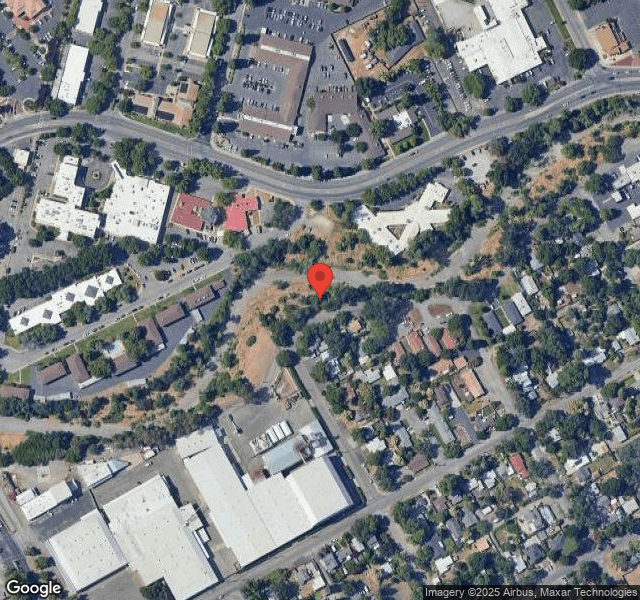
188 COHASSET LANE, CHICO, CA 95926 (530) 343-6084
For profit - Partnership 76 Beds SHLOMO RECHNITZ Data: November 2025
Trust Grade
45/100
#768 of 1155 in CA
Last Inspection: March 2025

Within standard 12-15 month inspection cycle. Federal law requires annual inspections.

Overview

Chico Terrace Care Center has a Trust Grade of D, which indicates below-average performance and raises some concerns about the care provided. It ranks #768 out of 1,155 nursing homes in California, placing it in the bottom half, and #4 out of 8 in Butte County, meaning only three local facilities are rated higher. The facility is worsening, with issues increasing from 4 in 2024 to 20 in 2025. Staffing is a weakness here, with a 2-star rating and a 44% turnover rate, which is about average for California, indicating potential instability in care. Additionally, they have concerning fines totaling $34,573, higher than 80% of facilities in the state, and the facility has less RN coverage than 90% of California nursing homes, which could impact overall care quality. Specific incidents include staff failing to clean fixed kitchen equipment properly, which could lead to hygiene issues, and not consistently following standardized recipes for meals, potentially affecting residents' nutrition and satisfaction. Furthermore, residents were not offered evening bedtime snacks as required, which could negatively impact their nutrition and overall well-being. While the facility has some strengths in quality measures, the overall concerns warrant careful consideration for families researching care options.

Trust Score
D
45/100
In California
#768/1155
Bottom 34%
Safety Record
Low Risk
No red flags
Inspections
Getting Worse
4 → 20 violations
Staff Stability
○ Average
44% turnover. Near California's 48% average. Typical for the industry.
Penalties
✓ Good
$34,573 in fines. Lower than most California facilities. Relatively clean record.
Skilled Nurses
⚠ Watch
Each resident gets only 16 minutes of Registered Nurse (RN) attention daily — below average for California. Fewer RN minutes means fewer trained eyes watching for problems.
Violations
⚠ Watch
49 deficiencies on record. Higher than average. Multiple issues found across inspections.
★★☆☆☆
2.0
Overall Rating
★★☆☆☆
2.0
Staff Levels
★★★★☆
4.0
Care Quality
★★☆☆☆
2.0
Inspection Score
Stable
2024: 4 issues
2025: 20 issues

The Good

  • 4-Star Quality Measures · Strong clinical quality outcomes
  • Full Sprinkler Coverage · Fire safety systems throughout facility
  • No fines on record
  • Staff turnover below average (44%)

    4 points below California average of 48%

Facility shows strength in quality measures, fire safety.

The Bad

2-Star Overall Rating

Below California average (3.1)

Below average - review inspection findings carefully

Staff Turnover: 44%

Near California avg (46%)

Typical for the industry

Federal Fines: $34,573

Above median ($33,413)

Moderate penalties - review what triggered them

Chain: SHLOMO RECHNITZ

Part of a multi-facility chain

Ask about local staffing decisions and management

The Ugly 49 deficiencies on record

Jun 2025 1 deficiency
CONCERN (D) 📢 Someone Reported This

A family member, employee, or ombudsman was alarmed enough to file a formal complaint

Potential for Harm - no one hurt, but risky conditions existed

Free from Abuse/Neglect (Tag F0600)

Could have caused harm · This affected 1 resident

Based on interview and record review, the facility failed to prevent abuse to one resident (RES1), when a Licensed Nurse at the facility (LVN1) was verbally abusive while providing care to RES1. This ...

Read full inspector narrative →
Based on interview and record review, the facility failed to prevent abuse to one resident (RES1), when a Licensed Nurse at the facility (LVN1) was verbally abusive while providing care to RES1. This failure had the potential to cause harm to all residents residing in the facility that had contact with LVN1. Findings: During a review of a facility policy titled, Abuse Prevention, Screening and Training Program, last revised 7/1/18, and in effect, indicated that the facility did not condone any form of abuse and would provide an environment free of abuse to all residents. Verbal abuse was defined as any oral, written, or gestured communication that is belittling or derogatory and directed at any resident regardless of age, ability to comprehend, or disability. During a review of a nursing progress note by LVN1 on 5/16/25, at 10:57 PM, it was indicated that education about the importance of nutrition for health and to rebuild strength was provided to RES1. During an interview on 5/29/25, at 11:17 AM, the Director of Staff Development (DSD) indicated that RES1's family brought in yogurt, that yogurt was a food preference choice made by RES1, that yogurt was a good source of protein, and that RES1 had been encouraged to choose foods high in protein. The DSD confirmed that LVN1 had documented in the medical record that RES1 had been educated about nutrition. During an interview on 5/29/25, at 11:18 AM, the DSD stated that LVN1 had worked at the facility since 1/17/22 and had completed the mandatory facility abuse training each year of employment. The DSD also stated that a facility investigation was completed after RES1's family reported that LVN1 had stated to RES1, you are going to leave here in a pine box. The DSD stated that LVN1 had provided dietary education to RES1 that included the statement, if you do not eat, you will die. The DSD stated that the statement LVN1 made to RES1 was abuse and indicated that LVN1 should not have made abusive statements to any resident. During an interview and concurrent employee file review with the Director of Nursing (DON), on 5/29/25, at 11:29 AM, the DON stated that LVN1 had made an abusive statement to RES1, that the abuse was overheard by another staff member, and that LVN1 had been placed on leave. The DON stated that LVN1 should not have made statements about death to RES1 while providing dietary education. A review of a document titled, Corrective Action Memo in LVN1's employee file indicated that the statements made by LVN1 were unacceptable, unprofessional, and a direct violation of the facility standards of care, resident rights, and abuse prevention policy. The DON stated that LVN1 had resigned from the facility. Based on interview and record review, the facility failed to prevent abuse to one resident (RES1), when a Licensed Nurse at the facility (LVN1) was verbally abusive while providing care to RES1. This failure had the potential to cause harm to all residents residing in the facility that had contact with LVN1. Findings: During a review of a facility policy titled, Abuse Prevention, Screening and Training Program, last revised 7/1/18, and in effect, indicated that the facility did not condone any form of abuse and would provide an environment free of abuse to all residents. Verbal abuse was defined as any oral, written, or gestured communication that is belittling or derogatory and directed at any resident regardless of age, ability to comprehend, or disability. During a review of a nursing progress note by LVN1 on 5/16/25, at 10:57 PM, it was indicated that education about the importance of nutrition for health and to rebuild strength was provided to RES1. During an interview on 5/29/25, at 11:17 AM, the Director of Staff Development (DSD) indicated that RES1's family brought in yogurt, that yogurt was a food preference choice made by RES1, that yogurt was a good source of protein, and that RES1 had been encouraged to choose foods high in protein. The DSD confirmed that LVN1 had documented in the medical record that RES1 had been educated about nutrition. During an interview on 5/29/25, at 11:18 AM, the DSD stated that LVN1 had worked at the facility since 1/17/22 and had completed the mandatory facility abuse training each year of employment. The DSD also stated that a facility investigation was completed after RES1's family reported that LVN1 had stated to RES1, you are going to leave here in a pine box. The DSD stated that LVN1 had provided dietary education to RES1 that included the statement, if you do not eat, you will die. The DSD stated that the statement LVN1 made to RES1 was abuse and indicated that LVN1 should not have made abusive statements to any resident. During an interview and concurrent employee file review with the Director of Nursing (DON), on 5/29/25, at 11:29 AM, the DON stated that LVN1 had made an abusive statement to RES1, that the abuse was overheard by another staff member, and that LVN1 had been placed on leave. The DON stated that LVN1 should not have made statements about death to RES1 while providing dietary education. A review of a document titled, Corrective Action Memo in LVN1's employee file indicated that the statements made by LVN1 were unacceptable, unprofessional, and a direct violation of the facility standards of care, resident rights, and abuse prevention policy. The DON stated that LVN1 had resigned from the facility.
Mar 2025 11 deficiencies
CONCERN (D)

Potential for Harm - no one hurt, but risky conditions existed

Deficiency F0620 (Tag F0620)

Could have caused harm · This affected 1 resident

**NOTE- TERMS IN BRACKETS HAVE BEEN EDITED TO PROTECT CONFIDENTIALITY** Based on observation, interview, and record review, the facility failed to ensure physician orders for a suprapubic (S/P, a thin...

Read full inspector narrative →
**NOTE- TERMS IN BRACKETS HAVE BEEN EDITED TO PROTECT CONFIDENTIALITY** Based on observation, interview, and record review, the facility failed to ensure physician orders for a suprapubic (S/P, a thin tube inserted directed into the bladder at the abdomen to drain urine) catheter changes and site care were obtained upon admission to the facility for one of three sampled residents, (Resident 18) for a new admission. This failure had the potential for a negative clinical outcome, re-hospitalization, and Resident 18 had specific skin treatment needs that were not identified in a timely manner. Findings: The facility's policy revised 8/22/2019, titled, admission Criteria, indicated the facility admits residents upon the order of a physician who have medical needs that require skilled nursing care. The administrator or his or her designee responsible for screening resident for admission to the facility will ensure that the facility only admits residents whom it can provide adequate care. The facility's policy revised 1/25/2024, titled, Dialysis Management, indicated the facility should ensure that each resident receives care and services consistent with professional standards of practice. The facility's policy revised 4/15/2021, titled, Catheter-Care of Suprapubic Long Term, indicated the purpose of this policy is to provide ongoing care for residents who have a long-term suprapubic catheter to prevent skin irritation around the stoma site and to prevent infection of the resident's urinary tract. The suprapubic catheter care will be performed daily and as needed. During a review of Resident 18's medical record, the admission Record, indicated Resident 18 was admitted to the facility on [DATE] for diagnosis that included bacteremia (bacteria in the blood), metabolic encephalopathy (problem in the brain with confusion), diabetes (too much sugar in the blood), end stage kidney failure, dependence on dialysis (a treatment to remove wastes and excess fluid from the blood when the kidneys stop working properly), unspecified severe protein-calorie malnutrition (poor nutrition with not enough protein or energy the body requires), and depression (constant feelings of sadness and loss of interest). During a review of Resident 18's most current minimum data set (MDS, a resident tool assessment) dated 2/1/25, indicated Resident 18 had a BIMS (brief interview for mental status) score of 15 out of 15, indicating Resident 18 had no cognitive (ability to think, reason, and make decisions) deficits and was competent to make her on decisions. During an observation and concurrent interview on 3/3/25 at 9:35 AM, Resident 18's S/P catheter site had a small amount of dried red-brownish colored drainage. Resident 18 stated, I don't have any follow up appointment for my S/P catheter to be changed and it is due this week. They have never changed it here at the facility, and they do not clean around the site. During a record review of Resident 18's medical record, an admission assessment, a re-admission assessment, and all progress notes from 12/19/24 to 3/4/25 did not contain pertinent information related to Resident 18's S/P catheter or site care needed to identify the need for specific physician orders for Resident 18's catheter care and treatment care needed for the S/P catheter. During a record review of Resident 18's record dated 3/4/25, titled, Order Summary Report, indicated there were no orders to change the S/P catheter, and there were no orders for the S/P catheter site care needed daily. During an interview on 3/5/25 at 4:01 PM, the Director of Nursing (DON) confirmed there was no S/P catheter orders for Resident 18 until 3/5/25 when they were added after calling the physician. During an interview on 3/6/25 at 7:55 AM, Licensed Nurse (LN) F confirmed he had completed the admission orders for Resident 18 on the original admission on [DATE] and the re-admission on [DATE] and did not do a physical assessment on Resident 18 to observe the S/P catheter for each admission. LN F stated, We have to treat a re-admission the same as the original admission, I did not assess [Resident 18] for either admission. There were no S/P catheter orders on the History and Physical (H&P), I look at the discharge summary. The floor nurse does the physical assessment for admissions. During an interview on 3/6/25 at 8:10 AM, LN A confirmed she had completed both physical admission assessments on Resident 18 and did not call the physician to obtain any orders related to S/P catheter changes or site care. LN A confirmed she did not review any records for Resident 18 to make sure the admission had been completed per the facility's policy LN A stated, I did see the S/P catheter, but I did not obtain any orders that were needed for maintenance, changes, irrigations in case it became occluded or site care. I confirm this was missed for [Resident 18]. During an interview on 3/6/25 at 8:25 AM, the DON confirmed the admission for Resident 18 was not complete and was missing pertinent treatments needed for S/P catheter changes, site care, and flush orders as needed. DON stated, I confirm the admission process needs improvement, we need a checklist and a process, and it is not okay to miss these important things on admission.
CONCERN (D)

Potential for Harm - no one hurt, but risky conditions existed

Deficiency F0658 (Tag F0658)

Could have caused harm · This affected 1 resident

**NOTE- TERMS IN BRACKETS HAVE BEEN EDITED TO PROTECT CONFIDENTIALITY** Based on observation, interview, and record review, the facility failed to ensure one of eight sampled residents (Resident 43) r...

Read full inspector narrative →
**NOTE- TERMS IN BRACKETS HAVE BEEN EDITED TO PROTECT CONFIDENTIALITY** Based on observation, interview, and record review, the facility failed to ensure one of eight sampled residents (Resident 43) received coordination of care to get out of bed daily, and at meals to improve quality of life, and to meet goals towards independence to discharge home. These failures had the potential to result in emotional stress, anger, depression, feelings of neglect, denial of resident rights, and prevent the resident from achieving their highest practicable level of physical and emotional well-being. Findings: During a review of a policy revised 8/21/2020, titled, Bowel and Bladder Training/Toileting Program, indicated the purpose for residents who are incontinent of bowel and/or bladder appropriate treatment and services to minimize urinary tract infections and to restore as much bowel and/or bladder function as possible to prevent skin breakdown and irritation, improve resident morale, and restore resident dignity and self-respect. The facility's policy revised 3/2017, titled, Quality of Life-Dignity, indicated that each resident shall be cared for in a manner that promotes and enhances quality of life, dignity, respect, and individuality. All residents shall be treated with dignity and respect at all times. The staff shall promote dignity and assist the residents as needed by promptly responding to the residents' request for activities of daily living (ADLs, are activities related to personal care. ADLs include bathing, dressing, getting in and out of bed or a chair, walking, toileting, and feeding) assistance. The facility's policy undated, titled, Residents' Rights, indicated each and every resident in the facility has the right to be treated courteously, fairly, and with the fullest measure of dignity. The facility's policy also indicated all residents receive a prompt response to all responsible requests and inquiries and all residents receive adequate and appropriate health care, and protected health services. During a review of a policy revised 5/25/24, titled, Pain Management, indicated a pain assessment will be completed for each resident upon admission, quarterly, when there is a new onset of pain, exacerbation of pain, or when there is a significant change in status The Licensed Nurse (LN) will complete a pain assessment for residents identified as having pain as follows: restlessness, distressed behavior, guarding of a body part, and refusal of care and repositioning. The goal for pain management will be resident centered and determined by the resident's acceptable level of pain. During a review of Resident 43's medical record, the admission Record, indicated Resident 43 was admitted to the facility on [DATE] for diagnosis that included fracture of shaft of left humerus (a broken arm bone, located in the middle portion of the bone and connects to the shoulder), heart disease, pulmonary embolism (a blood clot that travels from a leg or other part of the body and lodges in the lung, blocking blood flow), polyneuropathy (damage or disease affecting many nerves of the body causing tingling, numbness, pain, and weakness), difficulty walking, unspecified severe protein malnutrition (poor nutrition with not enough protein or energy for the body's needs), high blood pressure, and depression (constant feelings of sadness and loss of interest). A review of the most recent Minimum Data Set, (MDS, a resident assessment tool) dated 1/8/25, indicated that Resident 43 had a Brief Interview for Mental Status, (BIMS) score of 15 out of 15 and was cognitively intact (able to think and reason). This MDS also indicated Resident 43 required substantial/maximum assistance with all transfers OOB, bathing, and toileting. During a concurrent observation and interview on 3/3/25 at 2:18 PM, Resident 43 was still lying in the bed, hair not combed, hair disheveled. Resident 43 stated, I think they have given up on me, it is hard to get out of bed when you hurt, and I am not doing good in therapy. I have refused some days, but I have told them if I get my medicine first, I want to get up. Resident 43 added, I chose not to have surgery on my broken arm, but I can still use the bathroom if they get me there, I AM tired of this bed pan. I was at home living myself before I fell and broke my arm. I want to go back home. During an interview with Licensed Nurse (LN) D on 3/4/25 at 11:00 AM, LN D confirmed Resident 43's discharge plan is to go back home as soon as she gets stronger, and her arm is healed. LN D stated, You have to give the pain medicine before therapy, but she will go if you medicate her first. During an interview on 3/4/25 at 11:15 AM, the Administrator (Admin) confirmed there should be coordination of care between therapy and nursing to make sure Resident 43 meets all goals by not missing therapy related to pain for a safe discharge. Admin also confirmed Resident 43 could benefit from Occupational Therapy (OT) assisting with showers for self-care and to increase her independence. Admin also confirmed Resident 43 should be out of bed (OOB) for all meals and to toilet unless she refuses. During an interview on 3/4/25 at 11:25 AM, the Medical Director confirmed his expectations are Resident 43 is OOB for all meals, the nurses call for medication changes if pain is not managed to attend therapy, and the staff should assist Resident 43 OOB for all toileting unless she refuses. MD stated, Resident 43 has a broken arm, but there is no reason she cannot get OOB and build her endurance. I will go down and talk with Resident 43, and I will make medication changes if they are needed. During a concurrent observation and interview on 3/5/25 at 2:10 PM, Resident 43 could propel herself through the facility using her Right hand, and stated, I am glad to be up and getting around. During an interview on 3/6/25 at 12:50 PM, the Rehab Director (RD) confirmed Resident 43 could benefit with OT assisting with showers and toileting to promote independence. RD stated, I will add OT to assist with showers for Resident 43's Plan of Care right now.
CONCERN (D) 📢 Someone Reported This

A family member, employee, or ombudsman was alarmed enough to file a formal complaint

Potential for Harm - no one hurt, but risky conditions existed

Deficiency F0726 (Tag F0726)

Could have caused harm · This affected 1 resident

**NOTE- TERMS IN BRACKETS HAVE BEEN EDITED TO PROTECT CONFIDENTIALITY** Based on observation, interview, and record review, the facility failed to ensure the Certified Nursing Assistants (CNA)s, and t...

Read full inspector narrative →
**NOTE- TERMS IN BRACKETS HAVE BEEN EDITED TO PROTECT CONFIDENTIALITY** Based on observation, interview, and record review, the facility failed to ensure the Certified Nursing Assistants (CNA)s, and the Licensed Nurses (LN)s had competent skills when: 1. CNAs and LNs did not provide Dementia care for Resident 35 when resident was left in the Dining room alone and fell. 2. LNs did not verbalize understanding of phosphorus binder medication administration for Resident 18 and Resident 373. 3. LN A was not able to verbalize instructions for use for an inhaler ordered for Resident 373. These failures had the potential to result in emotional stress, anger, depression, feelings of neglect, denial of resident rights, and prevent the resident from achieving their highest practicable level of physical and emotional well-being. These failures did result in a fall for Resident 35. Findings: 1. A review of the facility's policy revised 10/2017, titled, Dementia Care, indicated the purpose is to optimize the quality of life for individuals living with a diagnosis of dementia at the facility. It is the policy of the facility to provide person-centered, comprehensive and interdisciplinary care that reflects best standards of practice for meeting health, psychosocial, and behavioral needs of residents living with dementia. This facility's policy also indicated the principles for dementia care include quality and quantity of staff-the facility will provide staff support and resources to meet the needs of the residents as determined by resident assessments and individual plans of care. Information collected about the residents' physical, functional, psychosocial, and environmental conditions may be used as a basis to understand how the resident expresses distress, pian, hunger, discomfort, thirst, anger and frustration. The residents' plan of care will be communicated across shifts and among caregivers and with the resident or representation. During a review of Resident 35's medical record, the admission Record, indicated Resident 35 was admitted to the facility on [DATE] for diagnosis that included dementia, metabolic encephalopathy (problem in the brain with confusion), atrial fibrillation (irregular and fast heart rate), diabetes (too much sugar in the blood), insomnia (trouble falling asleep, staying asleep, or getting restful sleep), transient ischemic attacks (TIA, or mini-strokes caused by a brief blood flow to the brain with symptoms that end in 24 hours), major depressive disorder, recurrent (persistent feeling of sadness and loss of interest that can lead to emotional and physical problems), heart disease and repeated falls. During a review of Resident 35's most current minimum data set (MDS, a resident tool assessment) dated 1/9/25, indicated Resident 35 had a BIMS (brief interview for mental status) score of 8 out of 15, indicating Resident 35 had a severe cognitive (ability to think, reason, and make decisions) impairment. During a review of Resident 35's medical record, a document dated 2/3/24, titled, Care Plan, indicated the following intervention, Staff to escort resident out of dining/activity room when staff are not present to cue him not to stand on his own. During an interview on 3/5/25 at 9:49 AM, LN D confirmed the CNAs had not been trained on dementia care, and this training is needed. LN D stated, [Resident 35] was left alone in the dining room with no nursing staff, and he does try to get up on his own, this is why he fell. During an interview on 3/6/25 at 8:58 AM, CNA I stated, We do let [Resident 35] stay in the dining room by himself. If he is nodding off, then we will lay him down. During an interview on 3/6/24 at 9:08 AM, CNA J stated, I was not in the dining room when [Resident 35] fell, but [Resident 40] was in there. [Resident 40] told me about it. I heard he was trying to stand up. We let [Resident 35] stay in the dining room with other residents. We usually have a movie playing to keep them occupied, and [Resident 35] just stays in there. There is usually someone in activities in there, or in their office. During an interview on 3/6/25 at 9:15 AM, CNA K stated, Yes, [Resident 35] sits in the dining room for activities. We can leave him there, there is usually someone from activities in their office. During an interview on 3/6/25 at 9:36 AM, Resident 40 stated, Yes, I was in here when [Resident 35] fell. It was awful, it was a loud thud. They should make sure someone is in here, so it doesn't happen again. Activities Assistant (AA) M was in her office. What happens is they don't know when he nods off or tries to stand up. During an interview on 3/6/25 at 10:30 AM, the Director of Nursing (DON) confirmed the care plan for Resident 35 indicate to not leave Resident 35 in the dining room without staff present, and the staff need more training. DON stated, The staff should know, but we will do more training on dementia care, and we just had a training on falls. 2. A review of the facility's policy revised 1/2/2012, titled, Medication-Administration, indicated this policy is to ensure the accurate administration of medications for residents in the facility. Medications and treatments will be administered as prescribed to ensure compliance with dose guidelines. A review of a facility job description undated, titled, LVN Job Description, indicated under general duties and responsibilities the LN provides nursing care as prescribed by the physician/health care professional in accordance with the legal scope of practice, any Board of Licensing restrictions, and within established standards of care, policies, and procedures. Administers professional services and provide care consistent with allowing residents to attain or maintain his or her highest practicable physical, mental, and emotional well-being. Provides clinical data and observations to contribute to the nursing plan of care. Attends in-services to and educational classes to maintain nursing skills competence, and current knowledge for standard of care and effective practices. The facility's policy revised 1/25/2024, titled, Dialysis Management, indicated the facility should ensure that each resident receives care and services consistent with professional standards of practice. During a review of Resident 18's medical record, the admission Record, indicated Resident 18 was admitted to the facility on [DATE] for diagnosis that included bacteremia (bacteria in your blood), metabolic encephalopathy (problem in the brain with confusion), diabetes (too much sugar in the blood), end stage kidney failure, dependence on dialysis ( a treatment to remove wastes and excess fluid from the blood when the kidneys stop working properly), unspecified severe protein-calorie malnutrition (poor nutrition with not enough protein or energy the body requires), and depression (constant feelings of sadness and loss of interest). During a review of Resident 18's medical record, a document dated 3/5/25, titled, Order Summary Report, indicated Resident 18 was ordered Sevelamer (a phosphorus binder given before or with meals to bind the phosphorus in food for end stage kidney disease) HCL 800 milligrams (mg, a unit of measure) 1 tablet by mouth three times a day before meals. During an interview on 3/3/25 at 7:45 AM, Resident 18 stated, I AM so tired of my breakfast being cold waiting on my medication. It happens every day. During an interview on 3/6/25 at 7:50 AM, LN A stated, Yes, I got busy with other things and Resident 18's medication was just given; it was scheduled for 7:00 so I AM not technically late. LN added, I did not know it has to be given before or with meals, I did not know what this medicine is for. I will know from now on. During a review of Resident 373's medical record, the admission Record, indicated Resident 373 was admitted to the facility on [DATE] for diagnosis that metabolic encephalopathy (problem in the brain with confusion), acute and chronic respiratory failure with hypoxia (lungs are not able to get enough oxygen to the blood), end stage kidney failure, dependence on dialysis (a treatment to remove wastes and excess fluid from the blood when the kidneys stop working properly), pulmonary hypertension (high blood pressure in the arteries of the lungs, causing the heart damage), and multiple myeloma (a type of cancer that effects the bone marrow, which produces antibodies to fight infections). During an interview on 3/5/25 at 11:30 AM, Resident 373's Family Member (FM) stated, I don't have any complaints about the facility except the medications he takes before he eats, I have been providing. I have been giving him his phosphorus binders we had from home at meals over the weekend, but I cannot be here for every meal every day. During an interview on 3/3/25 at 2:20 PM, LN D confirmed Resident 373 had received his phosphate binders from the family member and not the facility over the weekend and since his admission to the facility on 3/1/25. During an interview on 3/4/25 at 1:30 PM, LN D confirmed the pharmacy was scheduled to deliver a new phosphate binder substitute the physician had approved and the facility will provide this medication moving forward before meals as ordered. During an interview on 3/6/25 at with LN D confirmed the medication Sevelamer had not been given as indicated to Resident 18 and to Resident 373 for proper uses and indications. LN stated, We will provide more education, and add instructions to the computer to make sure all phosphate binders are given properly by all nurses. During an interview on 3/6/25 at 10:45 AM, the DON confirmed more education is needed for dialysis residents and the use of phosphorus binders. DON added, I will make sure I do an in-service, and I will add specific medication administration instructions for all three dialysis residents, and any new admissions moving forward. 3. A review of the facility's policy revised 1/2/2012, titled, Medication-Administration, indicated this policy is to ensure the accurate administration of medications for residents in the facility. Medications and treatments will be administered as prescribed to ensure compliance with dose guidelines. During a review of Resident 373's medical record, the admission Record, indicated Resident 373 was admitted to the facility on [DATE] for diagnosis that metabolic encephalopathy (problem in the brain with confusion), acute and chronic respiratory failure with hypoxia (lungs are not able to get enough oxygen to the blood), end stage kidney failure, dependence on dialysis (a treatment to remove wastes and excess fluid from the blood when the kidneys stop working properly), pulmonary hypertension (high blood pressure in the arteries of the lungs, causing the heart damage), and multiple myeloma (a type of cancer that effects the bone marrow, which produces antibodies to fight infections). During an observation of the medication pass on 03/05/25 at 08:05 AM on Station 1, Licensed Nurse (LN) A was preparing medication for Resident 373, which included an inhaler (a device that delivers medications into the airways to relieve congestion). LN A was asked if she was aware of what the proper procedure is for administering an inhaler. LN A stated, No. LN A was asked what the outcome would be of improperly administering the medication and she stated, The resident would not get the correct dose of medication. During an interview with the Director of Nursing (DON) on 03/06/25 at 11:58 AM, after describing the situation with LVN A and when asked if there is a competency issue the DON confirmed, Yes, there is. When asked to confirm if the resident would not get the proper dosage if the medications was administered incorrectly, he stated, Yes, the dosage would not be delivered properly to the resident.
CONCERN (E)

Potential for Harm - no one hurt, but risky conditions existed

ADL Care (Tag F0677)

Could have caused harm · This affected multiple residents

**NOTE- TERMS IN BRACKETS HAVE BEEN EDITED TO PROTECT CONFIDENTIALITY** Based on observation, interview, and record review, the facility failed to ensure two out of eight sampled residents (Resident 1...

Read full inspector narrative →
**NOTE- TERMS IN BRACKETS HAVE BEEN EDITED TO PROTECT CONFIDENTIALITY** Based on observation, interview, and record review, the facility failed to ensure two out of eight sampled residents (Resident 18 and Resident 370) received their showers as scheduled, and as needed. This failure had the potential to result in emotional stress, anger, depression, feelings of neglect, denial of resident rights, and not identifying altered skin integrity. Findings: During a review of the facility's policy revised 1/1/2012, titled, Showering and Bathing, indicated a tub or shower is given to the residents to provide cleanliness, comfort, and to prevent body odor. Observe the skin is performed during the bath. The facility's policy revised 3/2017, titled, Quality of Life-Dignity, indicated that each resident shall be cared for in a manner that promotes and enhances quality of life, dignity, respect, and individuality. All residents shall be treated with dignity and respect at all times. The staff shall promote dignity and assist the residents as needed by promptly responding to the residents' request for activities of daily living (ADLs, are activities related to personal care. ADLs include bathing, dressing, getting in and out of bed or a chair, walking, toileting, and feeding) assistance. The facility's policy undated, titled, Residents' Rights, indicated each and every resident in the facility has the right to be treated courteously, fairly, and with the fullest measure of dignity. The facility's policy also indicated all residents receive a prompt response to all responsible requests and inquiries and all residents receive adequate and appropriate health care, and protected health services. During a review of Resident 18's medical record, the admission Record, indicated Resident 18 was admitted to the facility on [DATE] for diagnosis that included bacteremia (bacteria in your blood), metabolic encephalopathy (problem in the brain with confusion), diabetes (too much sugar in the blood), end stage kidney failure, dependence on dialysis ( a treatment to remove wastes and excess fluid from the blood when the kidneys stop working properly), unspecified severe protein-calorie malnutrition (poor nutrition with not enough protein or energy the body requires), and depression (constant feelings of sadness and loss of interest). During a review of Resident 18's most current minimum data set (MDS, a resident tool assessment) dated 2/1/25, indicated Resident 18 had a BIMS (brief interview for mental status) score of 15 out of 15, indicating Resident 18 had no cognitive (ability to think, reason, and make decisions) deficits and was competent to make her on decisions. During an interview on 3/3/25 at 9:32 am, Resident 18 stated, I have only had one shower every seven to 10 days since I have been here, and that is not enough. During a record review of Resident 18's clinical record, a document dated February 2025, titled, Documentation Survey Report v2, indicated Resident 18 had only received one shower in December from 12/19/24 to 12/31/24. Resident 18 missed one shower on 12/21/24 that indicated Resident 18 was unavailable and one refusal documented on 12/25/25 with no follow up to coordinate showers on non-dialysis scheduled days. During a record review of Resident 18's clinical record, a document dated January 2025, titled, Documentation Survey Report v2, indicated Resident 18 had only received four of nine scheduled showers from 1/1/25 to 1/31/25. Resident 18 missed four showers on 1/4/25, 1/11/25, 1/18/25 and 1/24/25 that indicated Resident 18 was unavailable and one refusal documented on 1/22/25 with no follow up to coordinate showers on non-dialysis scheduled days. During a record review of Resident 18's clinical record, a document dated February 2025, titled, Documentation Survey Report v2, indicated Resident 18 had only received four of nine scheduled showers from 2/1/25 to 2/28/25. Resident 18 missed three showers on 2/5/25, 2/12/25, 1/18/25 that indicated Resident 18 was unavailable and two refusals documented on 2/15/25 and 2/22/25 with no follow up to coordinate showers on non-dialysis scheduled days. During an interview on 3/5/25 at 11:25 am, Licensed Nurse (LN) D confirmed Resident 18 had not received her showers or baths as scheduled since admitted to the facility and there had been no follow up for make-up days. LN D stated, I will change the shower days in the computer to make sure the schedule coordinates with dialysis days. There is no documentation there were further attempts by staff, or changes. The nurses are supposed to make sure the showers are completed as scheduled. The Certified Nursing Assistants (CNA) are supposed to update the nurse when any showers are missed. There is no documentation in the progress notes for any changes or follow up. During a review of Resident 370's medical record, the admission Record, indicated Resident 370 was admitted to the facility on [DATE] for diagnosis that included Multiple Sclerosis (chronic disease that affects the brain and spinal cord, an autoimmune disorder with various symptoms and severity), surgical aftercare of the digestive system with a surgical wound (open layers to the skin from surgery to the abdomen) requiring a wound vac (Vac, a mechanical device that uses negative pressure to promote wound healing) heart failure (serious heart condition that occurs when the body cannot pump enough blood to meet the body's needs), unspecified mycosis (fungal infection), respiratory failure (when the lungs do not get enough oxygen into the blood) and diabetes. During a review of Resident 370's most MDS, dated [DATE], indicated Resident 370 had a BIMS score of 15 out of 15, indicating Resident 18 had no cognitive deficits and was competent to make her on decisions. During a concurrent interview and record review on 3/4/25 at 10:18 am, LN D confirmed Resident 370 had no showers or baths since the admission on [DATE]. LN D stated, Resident 370's showers should be coordinated with the wound care nurse and the wound vac can be replaced after each shower. During an interview on 3/6/25 at 8:05 am, LN F confirmed he has never tried to coordinate showers or bathing with the wound care provided for Resident 370. LN F stated, I will talk to the CNAs from now on, and coordinate to make sure Resident 370 gets showers, and the dressing will be changed after the scheduled showers. I agree this should have been coordinated to make sure all care is provided. During an interview on 3/6/25 at 9:05 am, the Director of Nursing (DON) confirmed the showers for Resident 18 and 370 should have been made up, and no coordination of care had been initiated. DON stated, The showers should be provided on non-dialysis days for Resident 18, and the wound vac dressing changes should be completed right after the showers for Resident 370. I will make sure moving forward this coordination is completed upon admission and followed up on weekly.
CONCERN (E)

Potential for Harm - no one hurt, but risky conditions existed

Deficiency F0804 (Tag F0804)

Could have caused harm · This affected multiple residents

Based on observation, interview, and record review the facility failed to ensure food was palatable and meat easy to cut with a knife when four out of four residents interviewed (Resident 15, 18, 59, ...

Read full inspector narrative →
Based on observation, interview, and record review the facility failed to ensure food was palatable and meat easy to cut with a knife when four out of four residents interviewed (Resident 15, 18, 59, 372) stated the food needed more seasoning or salt and/or the meat was difficult to cut with the provided knife. This failure had the potential to result in decreased resident meal intakes, weight loss, and decline in health status. Findings: During an observation on 3/4/25 at 9:26 AM, [NAME] B prepared a baking sheet of Ranch-style chicken for lunch. A concurrent review of the recipe titled Ranch Style Chicken Breast, dated 2025, called for baking sheet to be greased, chicken breasts to be baked for 15 minutes, removed from oven, covered in ranch dressing, and put back in oven. Observed [NAME] B pour cooking oil into baking sheet, placed chicken breasts on baking sheet, removed from oven after 15 minutes, temperature checked with thermometer, and placed back into oven. [NAME] B was not observed putting ranch dressing onto the chicken breasts. During an observation and concurrent interview on 3/4/25 at 1:02 PM, the Regional Registered Dietitian (RRD), and two surveyors transported two test trays, one a regular diet and texture, and the second a pureed regular diet, to the Director of Staff Development (DSD)'s office for evaluation. Both trays were evaluated by the RRD and two surveyors. All present agreed the temperature of the foods were acceptable. During evaluation of the pureed tray, RRD stated if there was a dip in the mashed potatoes to hold some gravy, the plate would look nicer. RRD and surveyors agreed mashed potato tasted like it had no seasoning. RRD and surveyor agreed pureed cookie was sticky and gummy. On the regular tray, surveyor noted the chicken needed seasoning. RRD and surveyors agreed they could not taste ranch dressing flavor on chicken as recipe called for. RRD and surveyor agreed cubed potatoes had no flavor and needed seasoning. During a concurrent interview on 3/5/25 at 9:26 AM, RRD confirmed that recipe for potatoes called for one teaspoon of salt for ten pounds of potatoes. RRD agreed this was not enough salt. RRD agreed chicken from test tray did not taste like it had ranch dressing. During a concurrent interview on 3/5/25 at 9:26 AM, [NAME] B stated she used ranch dressing on the chicken breast. [NAME] B stated she did not drain the chicken after it baked for 15 minutes like recipe directed. [NAME] B confirmed she did not grease baking sheets according to recipe. [NAME] B confirmed she poured an unknown amount of cooking oil onto baking sheets. [NAME] B stated she did not use ranch dressing on some of the chicken because there were residents who were lactose intolerant at facility. [NAME] B stated she did not know why the chicken without ranch dressing was on the regular test tray. During a record review of 68 facility lunch meals tickets dated 3/4/25, indicated zero out of sixty-five residents as lactose intolerant. Further review showed one resident disliked Milk (beverage only), and Other dairy. Fourteen out of 68 lunch meal tickets showed a dislike Milk (beverage only). During a subsequent interview with the DM on 3/6/25 at 1:20 pm, DM stated they had one resident with no lactose on their tray ticket. She confirmed that dislikes Milk (beverage only), meant the resident didn't drink milk, but consumed it as an ingredient and liked another dairy. During an interview on 3/5/25 at 9:52 AM, Resident 372 stated facility chicken was way overdone. Resident 372 stated pork is also difficult to cut and needed more seasoning. During an interview on 3/5/25 at 9:54 AM, Resident 15 stated flavor of facility food is okay. Resident 15 stated facility served too much chicken, which was sometimes difficult to cut. During an interview on 3/5/25 at 10:01 AM, Resident 59 stated she did not like facility food. Resident 59 stated the meat served to residents was difficult to cut. Resident 59 wished food tasted a little better. During an interview on 3/5/25 at 10:15 AM, Resident 18 stated facility chicken is hard to chew and cut. Resident 18 stated she wished meat was easier to cut.
CONCERN (F)

Potential for Harm - no one hurt, but risky conditions existed

Deficiency F0802 (Tag F0802)

Could have caused harm · This affected most or all residents

Based on observations, interviews and record reviews, the facility failed to ensure staff were trained, competent and following their training when: *1. Staff did not clean fixed equipment (equipment ...

Read full inspector narrative →
Based on observations, interviews and record reviews, the facility failed to ensure staff were trained, competent and following their training when: *1. Staff did not clean fixed equipment (equipment that cannot be put thought a dish washer or washed in a sink, such as refrigerators, steamers, stoves, carts, counters, shelving, and small appliances) according to policy or standards of practice. *2. Staff did not consistently follow professional standards of practice to avoid cross contamination during food production processes. (Cross Reference F812). *3. Staff did not follow standardized recipes. Findings: During a record review of facility onboarding checklist for dietary staff titled Food and Nutrition Services: New Employee Onboarding Checklist (undated), indicated dietary staff were trained on twenty-two topics. The document further indicated seven of the twenty-two topics pertained specifically to the kitchen and included: location of work order maintenance and how to complete forms; dress code; job description; location and use of dietary manual, therapeutic diets, menus, spreadsheets; monthly requirements and location of in-service calendar; SDS (safety data sheets) binder; and review of current dietary QAPI (Quality Assurance and Performance Improvement). Three (Dietary Aide - DA A, [NAME] B, [NAME] D) out of five (DA A, DA C, [NAME] A, [NAME] B, [NAME] D) sampled dietary staff completed this facility onboarding checklist. During a record review of facility competency checklist titled Rockport Competencies Verification - Dietary Aides (undated), indicated dietary staff were trained on 15 competencies and included: proper handwashing; dishwashing procedure; food temperature danger zone; how to test sanitizer with test strips; how to use a hairnet; how to report high temperatures for the refrigerators and freezers; and how to calibrate thermometers and record on log. Two (Cook A, DA C) out of five (DA A, DA C, [NAME] A, [NAME] B, [NAME] D) sampled dietary staff completed this competency checklist. *1. During the survey starting on 3/3/25 at 8:04 AM and continuing through 3/6/25 at 3:00 PM, the kitchen was not sanitary (Cross Reference F812). Review of the 2022 FDA Food Code 4-601.11 showed A) Equipment food-contact surfaces and utensils shall be clean to sight and touch. B) The food-contact surfaces of cooking equipment and pans shall be kept free of encrusted grease deposits and other soil accumulations. C) Nonfood-contact surfaces of equipment shall be kept free of an accumulation of dust, dirt, food residue and other debris. During observations in the kitchen beginning on 3/3/25 at 8:04 AM, multiple shelving units in the kitchen used to store food or clean equipment were not clean. The industrial mixer had areas of dried food on the bottom of the stand and behind the bowl. The blender had dried food on the motor base and control switches, and there was a wet, brown ring under the blades inside the blender. The steamer had dried food on the control knobs and inside of the handle. The kitchen timer and two thermometers used to check resident food temperatures had dried food and dust on them. Four out of four large pots were burnt on the bottom. There was tape residue (a source of cross contamination) on counters, refrigerators in food preparation areas and on stored clean empty food storage containers. Four out of eight knives in wall mounted knife rack had food residue on them. Dust and dried liquid were noted on top of white arctic air freezer pot lids were stored in the refrigerator/freezer room. During observations and concurrent interviews on 3/4/25 beginning at 9:01 AM, and on Regional Registered Dietician (RRD) and the DM confirmed gaskets inside the white arctic refrigerator, and the top of the refrigerator were dirty, and tape residue on counters and food storage containers was a potential source of cross contamination. They confirmed the base of the industrial can opener, the kitchen timer, thermometers, steamer, and shelving were not clean, and were a potential source of cross contamination. During a record review of facility policy titled Can Opener use and Cleaning 10/1/2014, indicated the can opener will be sanitized between uses. Facility policy further indicated shank of can opener was to be removed and scrubbed, rinsed with clean water, sanitized with sanitizing solution, and air dried. Facility policy also indicated the base plate attached to the counter was to be scrubbed with hot detergent solution and brush, sanitized, and air dried. Review of multiple policies (provided by the RRD) directed staff to use the following process to clean fixed equipment: wash with detergent, rinse with clean water, sanitize with sanitizing solution, and air dry. These policies included: Cart Cleaning (10/1/14), Sanitation of Reach-in Refrigerator (7/13/23), Can Opener Use and Cleaning (10/1/14). Review of the instructions on the Diversey J-512 Sanitizer product used in the kitchen directed that after cleaning equipment, to apply the sanitizer and Allow surfaces to remain wet for at least 60 seconds. Review of documents titled Cleaning Schedule, dated 1/1/25 through 2/28/25 showed daily and intermittent cleaning assignments for the AM Cook, PM Cook, AM Diet Aide, PM Diet Aide, and Prep Cook. Assignments directed staff to either clean, clean and sanitize, or wipe down the equipment and to disinfect all food contact areas. The Cook's assignments included cleaning equipment after each use, specifically listing the blender, mixer, and steamer, among other equipment. The Diet Aides assignments included cleaning the food (resident meal) carts and black utility carts among other equipment. The Prep [NAME] assignments included bring cart outside and hose off rack top to bottoms get free of debris. It also included to dust the fans on the windows. 2,198 out of 2,397 cleaning opportunities were signed off by staff as completed, yet equipment was not clean. During an observation on 03/03/25 at 09:05 AM, DA A was cleaning resident meal carts after breakfast. In a concurrent interview she explained the process they used to clean carts after they were emptied: She dipped the rag in the sanitizer (red) bucket and wiped down the cart. There was no other part of the process. All meal carts were pressure washed outside once monthly. During an interview with DA C, on 03/03/25 at 03:15 PM he was asked how he cleaned the meal carts. DA C stated they washed the carts using the green (soap) bucket, let the soap dry; then used the red bucket to sanitize. When asked to explain again, he stated after washing with the green bucket, he let it air dry and then he wiped it with the sanitizer solution and let it air dry. DA C did not include rinsing off the soap, and he did not know if the sanitizer was supposed to stay wet for any length of time to be effective. During an interview with [NAME] C on 03/04/25 at 09:25 AM she reported this process for cleaning carts: Wipe down with soap (green bucket), wipe down with sanitizer (red bucket), wait 60 seconds before placing anything on it. She stated there were no additional steps (rinsing) between applying soap and wiping with sanitizer. During an interview with the Dietary Manager (DM) and Regional Dietary Manager (RDM) on 03/05/25 at 03:03 PM, the DM was asked how carts should be cleaned. She stated they should be washed with soapy water, then wiped with sanitizer, and air dried. She was not aware the soap needed to be rinsed off or the sanitizer needed to remain wet for 60 seconds to sanitize effectively. *2. Staff did not consistently follow professional standards of practice to avoid cross contamination in food production processes. (Cross Reference F812). Glove Use: During a record review of facility policy titled Dietary Department - Infection Control 6/4/2024, indicated proper hand washing should occur after touching bare human body parts other than clean hands and arm, and during food preparation, as often as necessary to prevent cross contamination when changing tasks. During an observation on 3/4/25 at 11:08 AM, [NAME] C was observed loading lunch meal trays with gloves on. [NAME] C scratched her face with gloved hands and continued to place items on trays without washed hands or changed gloves. [NAME] B was observed with elbow/forearm draped across Robocoupe (a food processer appliance) base during food preparation. During an observation and concurrent interview on 3/6/25 at 11:25 AM, DA A was observed with no gloves when she prepared dessert. DA A touched the tops and bottoms of the dessert bowls when she placed them on the tray. DA A was observed scratching her nose with one ungloved hand. DA A did not wash her hands. DA A continued to scoop red gelatin into the dessert cups ungloved. DA A stated she was not sure if she should wear gloves when she prepared the dessert cups. Apron Use: During a record review of facility policy titled Dietary Department - Infection Control 6/4/2024, indicated staff were to wear clean aprons and change as often as needed. During an observation on 3/4/25 at 10:10 AM, observed Dietary Aide (DA) B with no apron, stretched over soiled counter to clean the counter and back splash. DA B sprayed water to rinse counter and back splash and admitted she was sprayed with overspray. She returned to meal tray assembly processes with her potentially contaminated clothing and no apron. During an observation on 3/4/25 at 11:46 AM, [NAME] B was observed with a black apron when she cleaned the Robocoupe bowl, lids and blades. [NAME] B wore the same black apron when she returned to food production. *3. Staff did not follow standardized recipes (Cross Reference F803, F804). During resident interviews on 3/5/25 from 9:52 am through 10:15 am, four out of four residents (Residents 15, 18, 59, 372) stated the food needed more seasoning or salt and/or the meat was difficult to cut with the provided knife. During an interview with [NAME] A on 03/03/25 at 11:40 AM, she explained the facility and corporation started new menus in June or July 2024. She stated many of the new recipes were off in their yields - either way too much or not enough for the servings planned. She stated the DM communicated to the corporate Dietitians about the problem recipes. They started the new menu in June or July 2024. She stated it was a constant battle and they found a lot of errors. During a review of facility policy titled Standardized Recipes 7/1/14, indicated food products prepared and served by the dietary department will utilize standardized recipes. Facility policy further indicated DM will monitor and routinely verify the recipes used by the cooks. Facility policy also noted recipe accuracy concerns will be reported to the Dietitian for evaluation and modification as necessary. During a concurrent observation and interview on 3/3/25 at 2:36 PM, [NAME] D prepared Ham and Swiss sandwiches for the dinner meal. Recipe called for one croissant, 1 ounce (oz) of ham (two slices), and 1 oz of Swiss cheese (two pieces). Observed [NAME] D as he made sandwiches with one slice of ham, one piece of American/Swiss pasteurized cheese, tomato, lettuce, and two slices of white bread. [NAME] D weighed one slice of ham, which equaled 0.5 oz. [NAME] D weighed one piece of American/Swiss pasteurized cheese, which equaled 0.5 oz. DM confirmed [NAME] D did not follow recipe. DM confirmed recipe called for two slices of Swiss cheese and [NAME] D used one piece of American/Swiss pasteurized cheese. DM confirmed [NAME] D should have used two slices of ham instead of one. DM confirmed the recipe did not call for lettuce and tomato. [NAME] D stated he was not sure why he did not follow the recipe. DM stated they did not use croissants because they could only buy them frozen and unsliced, and the croissants fell apart when staff sliced them. She added the FRD approved them to substitute white bread, so they used white bread every time that recipe was on the menu. When asked if their vendor had other croissant products that were pre-sliced, the DM replied yes, but corporate controlled their order guide and they were not allowed to order that. During a concurrent observation and interview on 3/4/25 at 9:26 AM, [NAME] B made Ranch-style chicken for lunch. Recipe called for baking sheet to be greased, chicken breasts to be baked for 15 minutes, removed from oven, covered in ranch dressing, and put back in oven. Observed [NAME] B pour cooking oil into baking sheet, placed chicken breasts on baking sheet, removed from oven after 15 minutes, temperature checked with thermometer, and placed back into oven. [NAME] B was not observed putting ranch onto the chicken breasts. During an observation in the cook's area on 03/04/25 at 11:26 AM, [NAME] C was pureeing cookies. She assembled the cookies, some milk, and got a small empty container that she filled with thickener. She didn't measure any of the ingredients. I think we need some more cookies. She added a little more thickener. When asked if she used a recipe, she stated I'm just used to doing milk with the cookies. When asked how much milk she was supposed to use she went and looked at the recipe, reported it should be one cup. When asked how she knew what portions to make, she stated she used 2 cookies per person, plus two extra cookies. She poured her pureed cookies with runny consistency into small dessert bowls. She stated she only added a little bit of thickener. She explained that usually, if she went by what the recipe said, the consistency didn't turn out like it was supposed to. During a concurrent observation and interview on 3/4/25 at 1:02 PM during test tray task, Regional Registered Dietitian (RRD) confirmed she did not taste ranch dressing flavor in the chicken breast. The RRD agreed the pureed cookie was stiff and gummy, and stated she thought it was probably because the cook had to rush to make a new batch for the pureed test tray. During an interview on 3/5/25 at 9:26 AM, [NAME] B stated she used ranch dressing on the chicken breast when she prepared Ranch Style Chicken. [NAME] B stated she did not drain the chicken after it baked for 15 minutes like recipe directed. [NAME] B confirmed she did not grease baking sheets according to recipe. [NAME] B confirmed she poured an unknown amount of cooking oil onto baking sheets. [NAME] B stated she did not use ranch dressing on some of the chicken because there were residents who were lactose intolerant at facility. [NAME] B stated she did not know why the chicken without ranch dressing was on the test tray. During a record review of 68 facility meals tickets dated 3/4/25, indicated zero out of sixty-eight residents as lactose intolerant, but one out of 68 showed dislikes other - dairy.
CONCERN (F)

Potential for Harm - no one hurt, but risky conditions existed

Menu Adequacy (Tag F0803)

Could have caused harm · This affected most or all residents

Based on observation, interview and record review the facility failed to ensure that recipes were standardized to provide a repeatable desirable product, yield and texture; that appropriate ingredient...

Read full inspector narrative →
Based on observation, interview and record review the facility failed to ensure that recipes were standardized to provide a repeatable desirable product, yield and texture; that appropriate ingredients were available on the order guide to prepare recipes successfully and in compliance with their nutrient analysis; and to provide seasoning acceptable to the diet order and resident satisfaction. These failures had the potential to result in staff not following recipes because they didn't work or didn't produce the correct yield or consistency, and the potential to decrease resident satisfaction, meal intakes, and overall health status. Findings: Review of a facility policy titled Menus, revised 4/1/14 showed the facility provided meals that met the nutritional requirements defined by the Food and Nutrition Board of the National Research Council of the National Academy of Sciences. The Dietary Manager will develop menus in collaboration with the Dietitian. Menus are to be designed in consideration of resident preferences, Dietary Department resources, and seasonal availability of foods. Food served should adhere to the written menu. It further stated substitutions could be made under variable circumstances including when an item or ingredient was unavailable, but it had to be comparable in nutrition value, including calories and other nutrients. In addition, permanent substitutions required menus, therapeutic spreadsheets, and recipes to be updated to reflect the changes. During an interview with the Regional Registered Dietitian (RRD) on 3/05/25 at 11:07 AM, she stated their menu had a four-week cycle that repeated each month and changed seasonally. They posted the menus week to week for resident's review. During an interview with the RRD on 3/05/25 at 11:30 AM - she provided copies of the weekly menus titled Week At-a-Glance Menu, (Weeks 1-4) dated 2025, for Fall, Winter, and Updated S/S. When asked what the S/S on the menus meant, she replied those were the summer menus. She stated was unable to provide the spring menu to us because it wasn't finished yet. RRD stated the spring menu cycle would start the last Sunday of March 2025 (3/30/25). During an interview with the Dietary Manager (DM) and Regional Dietary Manager (RDM) on 3/05/25 at 3:03 PM, they were asked about the new menus. The DM stated sometimes the menus were challenging, but she received help. She stated some ingredients were not available for purchase on the purchase guide. Some language in the recipes was different for describing scoop sizes. The yield was not always accurate, so they padded the count by 6 servings or so to make sure they had enough. During an interview with the Facility Registered Dietitian (FRD) on 03/05/25 at 3:55 PM, she stated there were valid concerns with the menu that she had discussed with the RRD and the RDM, including problems with the recipes. She stated the recipes called for a lot of different ingredients that were only used occasionally in small amounts. This was a problem for tight budgets when there were so many other things the DMs had to buy, and it was also a problem to store all those ingredients when kitchens were so small. The FRD stated she was not aware of the turn-around time for menu and recipe issues to be fixed by corporate. During an interview with the DM, RDM, RRD (on the phone), and FRD (on the phone) on 3/6/25 at 1:20 pm, the RRD and RDM stated it wasn't a problem that the spring menu hadn't been rolled out yet because it was available to the DMs for their review and planning on their corporate website. When asked if the cost of ingredients in relation to budget, and the kitchen's food storage capacity for the large number of menu ingredients was a problem for her department, the DM nodded her head yes. *1. Standardized recipes were not followed, and some ingredients specified in standardized recipes were not used in preparation of food for residents (Cross Reference F802, F803) A standardized recipe is a recipe that has been developed and tested using specific quantities of specific ingredients, with specific instructions, cook times and temperatures to ensure that a consistent product (appearance, flavor, texture, nutrient content) and number of servings (yield) is produced each time it is prepared. Review of a facility policy titled Standardized Recipes, dated 7/1/14, showed food products prepared and served by the dietary department will utilize standardized recipes. Facility policy further indicated DM will monitor and routinely verify the recipes used by the cooks. Facility policy also noted recipe accuracy concerns will be reported to the Dietitian for evaluation and modification as necessary. During an interview with [NAME] A on 3/03/25 at 11:40 AM, she stated their new menu was rolled out from corporate in June or July 2024. She stated many of the new recipes were inaccurate in their yields - either way too much or not enough for servings planned. She stated the Dietary Manager (DM) communicated with the corporate dietitians about problem recipes, but it was a constant battle, and the cooks found a lot of errors in the recipes. Review of a document titled Week at A Glance menu: Rockport Winter 2024, Week 1 showed dinner on Monday, Day 2 (3/3/25), the menu was to be Ham & Swiss on Croissant, Lettuce & Tomato, Condiments, Classic Macaroni Salad, Strawberries & Bananas with Whipped Topping, and Milk/Beverage. During a concurrent observation and recipe review on 3/3/25 at 2:36 PM, [NAME] D did not prepare the Ham & Swiss on Croissant dinner sandwiches according to recipe. He used less ham and cheese than specified in the recipe. He used white bread instead of croissants. He used American/Swiss pasteurized cheese instead of Swiss cheese. [NAME] D stated he was not sure why he did not follow the recipe. In a concurrent interview, the DM confirmed [NAME] D did not follow recipe. She stated they didn't use croissants because they could only buy them frozen and unsliced, and they fell apart when staff sliced them. She stated the RD approved the substitution of white bread instead of croissant, so they use white bread every time this recipe was on the menu. When asked if their vendor had other croissant products available that would work in the recipe, the DM stated yes, but corporate controlled their order guide and they were not allowed to order the croissants that would work. A review of the Nutrition Facts for [NAME] Round Top Bread, obtained through the facility's food vendor and provided by the RRD, showed two slices of the white bread used in the Ham & Swiss Croissant sandwich provided 200 calories. The Nutrition Facts for Croissant Butter Perfect Frozen showed one croissant provided 280 calories. Cumulative substitutions over time could potentially impact the nutrients provided to residents over time, when compared to the facility's nutrient analysis of the menu. During an observation on 3/4/25 at 9:26 AM, [NAME] B prepared a baking sheet of Ranch-style chicken for lunch. A concurrent review of the recipe titled Ranch Style Chicken Breast, dated 2025, called for one gallon plus two cups of Ranch Style Dressing to be added to 18 ¾ pound of chicken breasts. [NAME] B did not follow the instructions in the recipe. She added cooking oil that was not called for in the recipe, and she was not observed putting ranch dressing onto the chicken breasts (Cross Reference F802, F804). During an observation in the cook's area on 03/04/25 at 11:26 AM, [NAME] C was pureeing cookies. She assembled cookies, milk, and thickener. She didn't measure any of the ingredients. I think we need some more cookies. She added a little more thickener. She poured her pureed cookies with runny consistency into small dessert bowls. When asked if she used a recipe, she stated that if she went by what the recipe said, the consistency didn't turn out like it was supposed to. *2. Recipes did not consistently provide a palatable product During a concurrent observation and interview on 3/4/25 at 1:02 PM, the RRD and two surveyors evaluated a pureed regular diet lunch test tray, and a regular lunch test tray for appearance, flavor, and texture. The RRD confirmed she did not taste ranch dressing flavor in the chicken breast. The RRD agreed the potatoes tasted like they had no seasoning. The RRD agreed the pureed cookie was stiff and gummy, and stated she thought the cookie didn't turn out properly because the cook rushed to make a new batch for the test tray. A review of a recipe titled Roasted Red Potatoes showed it called for 10 pounds, 13 ounces of fresh red potatoes, one teaspoon of salt, (plus oil, paprika and pepper). A review of a recipe titled Mashed Potatoes with Gravy (PU4 = pureed) showed it called for Instant Mashed Potatoes, and brown gravy mix. No salt was included in the recipe. During an interview with the RRD on 3/5/25 at 9:26 AM, she confirmed the recipe for potatoes called for one teaspoon of salt for ten pounds, 13 ounces of potatoes. RRD agreed this was not enough salt. RRD agreed chicken from test tray did not taste like it had ranch dressing. During an interview on 3/5/25 at 9:52 AM, Resident 372 stated facility pork needed more seasoning. During an interview on 3/5/25 at 10:01 AM, Resident 59 stated she wished the food tasted a little better. During an interview with the DM, RDM, RRD (on the phone), and FRD (on the phone) on 3/6/25 at 1:20 pm, the DM and RDM agreed the facility had no residents with a 2-gram sodium diet order that would prompt elimination of salt from cooking. The norm was to try to liberalize sodium restrictions to a no added salt salt diet, which allowed salt during cooking, but no extra salt packet on the resident's tray.
CONCERN (F)

Potential for Harm - no one hurt, but risky conditions existed

Deficiency F0809 (Tag F0809)

Could have caused harm · This affected most or all residents

Based on observations, interviews, and record review, the facility failed to ensure all residents were consistently offered evening bedtime snacks per facility policy for four out of four sampled resi...

Read full inspector narrative →
Based on observations, interviews, and record review, the facility failed to ensure all residents were consistently offered evening bedtime snacks per facility policy for four out of four sampled residents (Resident 372, 15, 59, 34). Facility also failed to ensure snacks were stocked at two out of two nursing stations per facility policy. This failure had the potential to negatively affect nutrition status and wellbeing of all residents. The facility census was 72. Findings: During a record review of facility policy titled Nourishment and Snacks 4/1/14, indicated Individual and/or bulk snacks are available at the nurse's station for consumption by residents. Additional snacks may be made available upon resident request. Facility policy further indicated rotation of snacks is indicated on the menu spreadsheet for hour of sleep (HS - nighttime) snacks .bulk HS snacks are provided to each nursing station daily. During an interview on 3/5/25 at 10:55 AM, Resident 372 stated he was not offered snacks by staff, but would like to be offered snacks and would take them if offered. During an interview on 3/5/25 at 10:55 AM, Resident 15 stated he was not offered snacks by staff, but would like to be offered snacks and would take them if offered. During an interview on 3/5/25 at 10:55 AM, Resident 59 stated she was not offered snacks by staff, but would like to be offered snacks and might want some if they were offered. During an interview on 3/5/25 at 10:55 AM, Resident 34 stated he had to ask for snacks from staff if he wanted them. Resident 34 stated staff did not offer him snacks. During an interview on 3/5/25 at 3:03 PM, Dietary Manager (DM) stated residents could receive snacks at 10:00 AM, 3:00 PM, and 7:30 PM. DM stated she entered snack preferences into her kitchen documentation and printed out labels to add to resident snacks. DM stated if a resident wanted a snack and kitchen was closed, staff could obtain a snack from either nursing station. DM stated snacks included sandwiches, cheese sticks, crackers, and fresh fruit. DM stated nursing staff informed her if nursing stations ran low on snack stock. During an interview on 3/5/25 at 3:45 PM, Licensed Vocational Nurse (LN) I at nursing station 2 stated residents could request snacks at night from staff. LN I stated if residents were not on the snack list, the charge nurse had a key to the kitchen and could retrieve snacks. LN I stated if nursing station 2 ran out of snacks, staff could get them at nursing station 1 or the charge nurse could restock the nursing station snacks from kitchen the kitchen. During an observation on 3/5/25 at 3:40 PM, nursing station 2 did not have resident snacks (sandwiches, cheese sticks, crackers, and fresh fruit) stocked in the refrigerator or freezer. During an observation on 3/5/25 at 3:42 PM, nursing station 1 did not have resident snacks (sandwiches, cheese sticks, crackers, and fresh fruit) stocked in the refrigerator or freezer.
CONCERN (F)

Potential for Harm - no one hurt, but risky conditions existed

Food Safety (Tag F0812)

Could have caused harm · This affected most or all residents

Based on observation, interview and record review, the facility failed to ensure food was stored, prepared and distributed in accordance with professional food safety standards when: 1) Fixed equipme...

Read full inspector narrative →
Based on observation, interview and record review, the facility failed to ensure food was stored, prepared and distributed in accordance with professional food safety standards when: 1) Fixed equipment (Fixed equipment is equipment that cannot be put thought a dish washer or washed in a sink, such as refrigerators, steamers, stoves, carts, counters, shelving, and small appliances) was not clean. 2) Apron was not changed between cleaning dishes and preparing food. Apron was not worn when soiled counter was cleaned. 3) Dietary staff touched face with gloved hands when trays were loaded onto cart and did not change gloves or wash hands. Dietary staff touched tops and bottoms of dessert bowls and scooped Jell-O into them without gloves. 4) Cabinets, floors and walls were uncleanable. 5) Evidence of roaches under one sink. 6) Chlorine concentration was outside of acceptable parameters. 7) Ice machine was not cleaned according to manufacturer recommendations. These practices had the potential to result in foodborne illness for residents from food prepared by the facility food services staff. Findings: 1) During an observation in the kitchen on 3/3/25 at 8:04 AM, rusted shelving was identified in fridge/freezer room where dried food was stored. A white, dried substance was identified on the same shelving unit. The industrial mixer had areas of dried food on the bottom of the stand and behind the bowl. The Extreme Blender had dried food on motor base, buttons and there was a wet, brown ring under the blades inside the blender. The steamer had dried food on the buttons and inside of the handle. The KitchenAid timer and thermometer used to temperature check resident food had dried food and dust on them. Three out of three large pots were burnt on the bottom and warped. The inside of all three large pots were pitted throughout. Three out of four nonstick frying pans had scratches and pitting throughout the cooking surface. One extra large pot was pitted on throughout the inside, had a burnt bottom, and a large, warped bubble on the base. There was tape residue on the stainless counter where staff taped recipes in food preparation area. Dust was noted on large green dish storage rack. The canned food storage racks in the Dietary Manager (DM)'s office were rusted. Four out of eight knives in wall storage had food residue on them. Dried liquid was noted on top of white arctic air freezer where lit pots are stored to dry in fridge/freezer room. During an observation on 3/3/25 at 10:58 AM, observed window by dishwashing sink with accumulated dust and dirt. Observed the window fan had dust collected on blades. Two out of three window fans were observed with accumulated dust. During an observation and concurrent interview on 3/4/25 at 8:57 AM, [NAME] B used a wood handled plastic bristle brush to butter rolls. [NAME] B stated brush was cleaned by dishwasher and sanitizer machine. Observed brush bristles were worn and broken. During an observation and concurrent interview on 3/4/25 at 9:01 AM, Regional Registered Dietician (RRD) confirmed top of gaskets in fridge/freezer room on white arctic fridge were dirty. RRD also confirmed top of fridge was dirty. RRD confirmed tape residue on stainless counter and containers on shelves in fridge/freezer room was a potential source of cross contamination. During a concurrent interview on 3/4/25 at 9:09 AM, DM and RRD confirmed there was dried food and food build up on the base of the industrial can opener and a potential source of cross contamination. DM and RRD confirmed KitchenAid timer and thermometers used to temperature check resident food on top of steamer were not clean. DM and RRD confirmed grease build up on hand and buttons of steamer. DM and RRD confirmed industrial mixer was not cleaned per manufacturer instructions. DM and RRD confirmed Extreme blender base was not cleaned and had food build up. RRD stated she saw dried food in blender buttons, cracks and crevices. During a record review of facility policy titled Can Opener use and Cleaning 10/1/2014, indicated the can opener will be sanitized between uses. Facility policy further indicated shank of can opener was to be removed and scrubbed, rinsed with clean water, sanitized with sanitizing solution, and air dried. Facility policy also indicated the base plate attached to the counter was to be scrubbed with hot detergent solution and brush, sanitized, and air dried. During a record review of facility policy titled Food Storage and Handling 6/4/2024, indicated the walls, ceiling, and floor should be maintained in good repair and regularly cleaned. Facility policy further indicated shelving should be .smooth and easily cleaned. 2) During an observation on 3/4/25 at 10:10 AM, observed Dietary Aide (DA) B with no apron, stretched over soiled counter to clean the counter and back splash. DA B sprayed water to rinse counter and back splash and was sprayed with overspray. During an observation on 3/4/25 at 11:46 AM, [NAME] B was observed with a black apron when she cleaned the Robocoupe (a food processor appliance) bowl, lids and blades. [NAME] B wore the same black apron when she returned to food production. During a record review of facility policy titled Dietary Department - Infection Control 6/4/2024, indicated staff were to wear clean aprons and change as often as needed. 3) During an observation on 3/4/25 at 11:08 AM, [NAME] C was observed loading lunch meal trays with gloves on. [NAME] C scratched her face with gloved hands and continued to place items on trays without washed hands or changed gloves. [NAME] B was observed with elbow/forearm draped across Robocoupe base during food preparation. During an observation and concurrent interview on 3/6/25 at 11:25 AM, DA A was observed with no gloves when she prepared dessert. DA A touched the tops and bottoms of the dessert bowls when she placed them on the tray. DA A was observed scratching her nose with one ungloved hand. DA A did not wash her hands. DA A continued to scoop red Jell-O into the dessert cups ungloved. DA A stated she was not sure if she should wear gloves when she prepared the dessert cups. During a record review of facility policy titled Dietary Department - Infection Control 6/4/2024, indicated proper hand washing should occur after touching bare human body parts other than clean hands and arm, and during food preparation, as often as necessary to prevent cross contamination when changing tasks. 4) During a concurrent observation and interview on 3/3/25 at 8:04 AM, observed worn finish on front of cabinet drawers and doors next to industrial mixer, front of cabinet doors at coffee station in corner, corners of walls in fridge/freezer room with chipped paint area. Observed floor in fridge/freezer room was damaged in three areas. DM confirmed these areas were damaged and uncleanable. DM stated there were no current plans to replace or repair these areas. DM stated Administrator (Admin) was aware of the issues. During an interview on 3/4/25 at 9:01 AM, RRD confirmed floors in fridge/freezer room were damaged and not a cleanable surface. RRD confirmed worn finish on front of cabinets and drawers in kitchen were not cleanable surfaces. During a record review of facility policy titled Floor Safety 11/1/2014, indicated that floors shall be maintained in a safe manner. 5) During an observation and concurrent interview on 3/3/25 at 8:04 AM, two roach pheromone pesticide boxes were observed under the sink at the coffee station. One box in the back right corner was dated 1/16/24. The second box was not dated. A dried brown, kidney-shaped object approximately ¾ of a centimeter in length was observed next to the second box. Observed coffee ground substance scattered under the sink in both back corners and throughout the surface of the inside of the cabinet. DM stated there was not any pest issues. DM confirmed there were two roach traps under the sink and stated the pesticide boxes were a preventative measure. During an interview on 3/4/25 at 9:01 AM, RRD confirmed two roach traps under the sink in the kitchen. During an interview on 3/5/25 at 3:57 PM, Registered Dietician (RD) stated during the two monthly kitchen inspections she completed since the start of her employment in December 2024, she noted no pest issues in the kitchen. During an interview on 3/6/25 at 9:20 AM, Maintenance Technician (MT) stated he put the roach traps under the sink in the kitchen. MT stated he forgot about them. MT stated facility pest vendor treated outside of facility only. MT stated he looked at roach traps two months ago. MT stated he did not notify DM, RD or dietary staff of evidence of pests or roach traps. MT stated he should have consulted with facility pest vendor regarding evidence of roaches in kitchen. During a record review of facility policy titled Food Storage and Handling 6/4/2024, indicated area should be monitored routinely for pest activity. 6) During a concurrent observation and interview with DA C on 3/3/25 at 2:55 PM, DA C stated chlorine level in sanitizer machine need to be between 50-100 parts per million (ppm) on a test strip. DA C tested chlorine concentration, and it was observed that chlorine concentration was 200 ppm. DA C stated chlorine was too concentrated. DA C stated he did not know if that was a problem. DM stated, using too much chlorine is not a problem. DM stated if chlorine levels were too high, she would call the company to fix the machine. 7) During an observation on 3/3/25 at 3:25 PM, MT demonstrated his procedure to clean facility ice machine. MT stated facility policy was for ice machine to be cleaned monthly. MT stated he did not clean ice machine February 2025 because February was a short month. Observed Hoshizaki ice machine located in Harmony dining hall. MT stated ice machine was six months old. MT stated ice machine was last cleaned 1/30/25. MT confirmed he did not do the sanitizer process. MT stated he only does sanitization process with bleach every few months. MT stated he was not aware that both cleaning and sanitizing processes were required each time he cleaned the ice machine. Observed mineral deposit build up inside of ice machine. MT stated mineral deposit build up was difficult to avoid with area water supply. MT stated he last changed ice machine filter 12/30/24. MT stated he would try to change ice machine filter monthly in an attempt to avoid mineral deposit build up.
CONCERN (F)

Potential for Harm - no one hurt, but risky conditions existed

Room Equipment (Tag F0908)

Could have caused harm · This affected most or all residents

Based on observation, interview and record review the facility failed to ensure conditions essential to the sanitation of the kitchen were maintained when uncleanable surfaces were not repaired or rep...

Read full inspector narrative →
Based on observation, interview and record review the facility failed to ensure conditions essential to the sanitation of the kitchen were maintained when uncleanable surfaces were not repaired or replaced. This failure had the potential to result in cross contamination, the attraction of pests, and foodborne illness for all residents consuming food from the facility. Findings: A review of the Food and Drug Administration (FDA) 2022 Food Code, Section 4-202.16, Nonfood-contact surfaces shall be free of unnecessary ledges, projections, and crevices, and designed and constructed to allow easy cleaning and to facilitate maintenance. A review of facility policy titled Maintenance Service, dated 1/1/12, showed The Maintenance Department maintains all areas of the building, grounds, and equipment .in compliance with current federal, state and local laws, regulations, and guidelines. During an observation in the kitchen on 3/03/25 at 8:04 AM, the floor in the refrigerator/freezer room was damaged and uncleanable in three locations. In addition, the walls, doorways, and doors in multiple kitchen locations had worn paint, chipped paint, creating uncleanable surfaces. During an observation in the cook's food preparation area on 3/03/25 at 8:35 AM, the wood cabinets were worn and uncleanable. The area under the corner sink did not have cleanable surfaces, was not clean, and contained two cockroach traps and evidence of cockroaches (Cross Reference F812, F925). [NAME] drawers in the cook's area held serving utensils and clean towels, had grime and gouges, were not clean or cleanable, and the cooks had difficulty opening and closing the drawers. The Formica surface in the corner food prep area was worn thin, and was broken near the trash can, creating uncleanable surfaces. In a concurrent interview, [NAME] A stated the wood drawers were often difficult to open and close. During an observation on 3/03/25 at 11:40 AM, [NAME] A had difficulty opening the cook's wood utensil drawer, and also the metal drawer near the two-compartment. During an observation and concurrent interview with the Regional Registered Dietitian (RRD) on 03/04/25 at 9:00 AM she confirmed the floor in the refrigerator/freezer room was damaged and stated, Not a cleanable surface. During an interview with the Maintenance Technician (MT) on 3/06/25 at 9:20 AM, he stated he did regular monthly inspections of the kitchen. He cleaned filters, coils, looked in corners and behind large equipment to ensure sanitation, checked grease traps, checked the vendor's weekly dish machine service was being done. He stated that as far as he knew, there was nothing in the works yet to replace the wood cabinets in the kitchen. When asked about the floor gouges, and the worn and chipped paint in the kitchen, MI stated I'm one person. I'm doing the best that I can. He stated he had no other maintenance staff to help, and he tried hard to juggle the budget to have what he needed to maintain the facility.
CONCERN (F)

Potential for Harm - no one hurt, but risky conditions existed

Deficiency F0925 (Tag F0925)

Could have caused harm · This affected most or all residents

Based on observation, interview and record review the facility failed to maintain an effective pest control program when: *1. The facility did not have an effective system in place to track and monito...

Read full inspector narrative →
Based on observation, interview and record review the facility failed to maintain an effective pest control program when: *1. The facility did not have an effective system in place to track and monitor pest control issues in the facility. *2. Cockroach traps, and evidence of cockroach presence were found in a cabinet under a food preparation sink in the facility kitchen. These failures had the potential to result in transmission of disease, or to trigger allergies or asthma for 72 residents living at the facility. Findings: The Food and Drug Administration (FDA) Food Code 2022, 6-501.111 showed: The premises shall be maintained free of insects, rodents, and other pests. The presence of insects, rodents, and other pests shall be controlled to eliminate their presence on the premises by: (A) Routinely inspecting incoming shipments of food and supplies; (B) Routinely inspecting the premises for evidence of pests; (C) Using methods, if pests are found, such as trapping devices or, other means of pest control (D) Eliminating harborage conditions (conditions that encourage pests to live and grow). During a record review of facility policy titled Pest Control 1/1/12, indicated the facility maintains an ongoing pest control program to ensure the building and grounds are kept free of insects, rodents, and other pests. Facility policy further indicated a pest control company will inspect the facility and grounds for pests that may cause damage to the facility .submit a written report to the Administrator (Admin) detailing its findings .submit a site-specific work plan for each area/department with recommendations on how to keep the facility pest-free .department staff are responsible for carrying out these recommendations to prevent pests in their respective areas. Facility policy also indicated any pesticides used must be placed in locations inaccessible to staff and away from food storage areas, and facility staff will report to the housekeeping supervisor any sign of rodents or insects. During a record review of facility policy titled Food Storage and Handling 6/4/2024, indicated area should be monitored routinely for pest activity. During an observation on 3/3/25 at 8:35 AM, two roach pheromone pesticide boxes were observed under the corner sink in the cook's food preparation area. One box in the back right corner was dated 1/16/24. The second, newer-looking box was not dated. A dried brown, kidney-shaped object approximately ¾ of a centimeter in length was observed next to the second roach pheromone pesticide box. A black splatter-looking substance resembling cockroach droppings were scattered throughout the bottom, back, sides and corner surfaces inside of the cabinet under the sink. If any of the splatter existed back to placement of pheromone boxes, it had not been cleaned, and the surfaces under the sink were not maintained in a cleanable condition. In a follow-up interview with the Dietary Manager (DM) on 3/3/25 at 9:01 AM, she stated the kitchen had no problems with pests. During a concurrent observation of the interior cabinet under the cook's prep sink with the DM and Regional Registered Dietician (RRD), the DM and RRD confirmed the cabinet contained two cockroach pheromone boxes, and the DM stated they were a preventative measure. During an interview with the Maintenance Technician (MT) on 03/04/25 at 10:45 AM, he was asked about the facility's pest control program, and documentation of the pest control services over the past year were requested. The MT responded he had no records that provided much information about the facility's pest problems, the locations where past problems occurred, or what was done by the pest control company to eradicate the pests. He explained that when pest problems were identified, he sent text messages to their pest vendor, and the vendor came out and took care of it. He stated the facility received invoices for the service calls, but the invoices did not include any information about what pests were found, the location of pests, what was actually done to eradicate the pests, or monitoring to ensure the pest control was effective. MT stated the only records of pest details were in texts on his mobile phone. MT stated he was unaware of any pest issues in the kitchen. In a concurrent observation, MT was shown the evidence of cockroaches under the sink in the cook's prep area in the kitchen. MT stated he called the Pest control vendor who stated he would get help to pull the facility's service details up in his computer and would provide them to the facility. During an interview on 3/5/25 at 3:57 PM, the Facility Registered Dietitian (FRD) stated during the two monthly kitchen inspections she completed since the start of her employment in December 2024, she noted no pest issues in the kitchen. During an interview with the Accounts Payable staff (AP) on 03/06/25 at 07:55 AM, she confirmed she never received anything from the pest control vendor other than the invoice. She had never received any reports about the pest control services provided. A review of documents provided from the pest control vender to MT were titled Service Inspection Report from the facility pest control vendor showed the facility had been combating cockroaches since 8/16/24. The facility continued to have pests: 8/16/24 Treated outside perimeter for roaches 9/4/24 Treated outside perimeter for roaches 10/2/24 Treated outside perimeter for roaches 11/19/24 Treated outside perimeter for roaches During an interview with MT on 03/06/25 at 9:20 AM, he stated he put the cockroach pheromone traps under the sink in the kitchen. He just forgot about it. He stated the pest vendor treated the outside of the building only, but the facility put traps in interior locations and tried to remove food sources. When asked about monitoring of the cockroach traps in the kitchen, MT stated they were being monitored. He stated he looked at them about 2 months previously when a drain in the kitchen was clogged with grease. When asked if anything else should be done when pest problems were discovered, he stated he consulted with the pest control vendor and went from there. When asked why the area under the sink wasn't cleaned to remove existing contamination, and why it was not painted to create a cleanable surface he did not have an answer. He stated he did not notify the food service manager, the FRD or anyone else about the pest evidence in the kitchen or the traps put in place. MT stated he should have consulted with facility pest vendor regarding evidence of roaches in kitchen.
Mar 2025 2 deficiencies
CONCERN (D) 📢 Someone Reported This

A family member, employee, or ombudsman was alarmed enough to file a formal complaint

Potential for Harm - no one hurt, but risky conditions existed

Deficiency F0624 (Tag F0624)

Could have caused harm · This affected 1 resident

**NOTE- TERMS IN BRACKETS HAVE BEEN EDITED TO PROTECT CONFIDENTIALITY** Based on interview and record review, the facility failed to ensure a Care Conference meeting, to determine that a resident may ...

Read full inspector narrative →
**NOTE- TERMS IN BRACKETS HAVE BEEN EDITED TO PROTECT CONFIDENTIALITY** Based on interview and record review, the facility failed to ensure a Care Conference meeting, to determine that a resident may be appropriate for a facility initiated discharge, occurred with the Interdisciplinary Team (IDT, a group of healthcare professionals nurses, therapists, social workers, dietitians and activities staff who work together to plan the residents care), Physician, the resident and resident ' s responsible party (RP, an individual who assumes varying degrees of responsibility for the well-being of the resident) for one of two sampled residents (Resident 1) when Resident 1 ' s RP indicated she never had a meeting with the facility about Resident 1 ' s discharge therapy levels or training on how to assist Resident 1 with his mobility at home and Resident 1 was unable to make it into the house and could not stand or transfer. This failure had the potential for a decline in Resident 1 ' s physical, psychosocial, and mental well-being after discharge from the facility. Findings: A review of the facility ' s policy titled Transfer and Discharge revised 7/2/20, indicated (1) (F) If the IDT team and the Attending Physician determine that the resident may be appropriate for discharge, Social Services staff will coordinate the discussion of discharge with IDT, the resident and the responsible party. (1)(J) Social Service Staff may coordinate a care conference to discuss discharge needs, plans, and teaching, and will involve other IDT members as appropriate. A review of Resident 1 ' s admission record indicated Resident 1 was originally admitted on [DATE] with diagnoses that included two fractures of the left leg, fracture of the fifth cervical (neck) vertebra (bone that makes up the spine), parkinsonism (a group of symptoms that include: slowness of movement, stiffness of muscles, and involuntary shaking movements), difficulty in walking, prostate cancer, anemia (low red blood cells), dementia (decrease ability to think, recall and make decisions), depression, and repeated falls. On 12/13/24 Resident 1 was transferred to the hospital due to a sustained fracture of the lower back from a fall while in the facility. On 12/16/24 Resident 1 was readmitted to the facility. Resident 1 ' s RP made health care decisions for him. A review of Resident 1 ' s admission Minimum Data Set (MDS, assessment tool to evaluate residents) dated 12/23/24, indicated Resident 1 ' s Brief Interview For Mental Status (BIMS, a tool to assess cognition [thinking, reasoning, and memory recall]) score was 8 which indicated moderate cognitive impairment. Section GG (which describes the residents ' ability to perform self-care [activities of daily living] and mobility items) indicated Resident 1 required moderate assistance with upper body dressing and personal hygiene (the ability to maintain personal hygiene, including combing hair, shaving, washing/drying face and hands). Resident 1 required maximal assistance with lower body dressing, toileting hygiene (cleaning self after going to the bathroom), showering, rolling left and right in bed, sitting to lying position, sitting to standing position, chair/ bed-chair transfer, and toilet transfer. Resident 1 was dependent for lying to sitting on the side of the bed and walking 10 feet was not attempted due to medical condition or safety concerns. A review of Resident 1 ' s progress note dated 1/7/25 at 12:14 pm, Social Service Director (SSD) documented SSD spoke with Resident ' s spouse, discussing options for discharge, Spouse is very worried about Resident ' s High Fall Risk, but shares she is confident she can manage his care alongside Home Health. She is wavering but is still discussing with Resident ' s family as they are concerned as well. A review of Resident 1 ' s progress note dated 1/14/25 at 11:25 am, indicated Patient discharged to home leaving facility at 11:20 am, with wife and son in attendance. During an interview with Family Member (FM) B on 2/4/25 at 8:59 am, FM B indicated that Resident 1 was discharged from the facility to home on 1/14/25 and was unable to make it into his house and could not stand or transfer. FM B indicated there was never a discharge meeting with the facility about his discharge abilities to determine if Resident 1 was appropriate for discharge. During a review of Resident 1 ' s Physical Therapy PT Discharge Summary filled out by the Physical Therapist Aide (PTA) for dates of service: 12/17/24 thru 1/13/24, discharge reason was discharged per Physician or Case Manager. The discharge summary indicated: *Resident 1 had not met the short-term goal of the ability to transfer from lying on the back to sitting on the side of the bed and with no back support Supervision or Touching Assistance in order to get in/out of bed and prepare for transfers. At discharge Resident 1 required substantial/maximal assistance (where helper does most of the work) to transfer from lying on the back to sitting on the side of the bed. *Five of five Long-Term therapy goals were not met upon discharge. *Resident 1 ' s living environment required him to step up one step to get into his house. One step (curb) was not attempted during therapy due to medical conditions or safety concerns. During a concurrent interview with PTA and record review on 2/4/25 at 2:51 pm, Resident 1 ' s Physical Therapy PT Discharge Summary was reviewed. PTA confirmed that Resident 1 had not met his therapy goals before discharge. PTA indicated she never saw Resident 1 walk due to him refusing therapy during his last two days in the therapy. During an interview with the Director of Rehabilitation (DOR) on 2/4/25 at 3:00 pm, DOR indicated Resident 1 ' s discharge was an impromptu because the wife wanted him to go home. The rehabilitation department was notified the day of Resident 1 ' s discharge that he was going home. The DOR indicated there was no training with the RP on how to assist Resident 1 with his needs. During an interview on 2/26/25 at 10:46 am, Social Service Director (SSD) indicated Resident 1 was discharged from the facility on 1/14/25. SSD stated, We met in our Medicare meeting (a meeting with the DOR, Medical Record Director, SSD, MDS, Business Office Director and Administrator and discuss resident ' s level of care) and from that meeting I was given the go ahead to start the discharge process. SSD was unable to provide a documentation of this meeting or a date when it occurred for Resident 1. During an interview on 2/26/25 at 11:40 am, Certified Nursing Assistant (CNA) indicated that after Resident 1 ' s fall CNA never saw him walk. CNA stated, Some days he (Resident 1) could transfer and some days he was too unsteady, and I had to ask for a second pair of hands to transfer him. He (Resident 1) was not stable enough to go home with his RP. During an interview on 2/26/25 at 11:46 am, Licensed Nurse (LN) A indicated Resident 1 was not safe to go home. He had poor safety awareness. He could walk but he was unstable. LN A indicated she assumed that at the care conference meeting they would have discussed this with the family. LN A was unaware if there was a care conference meeting with the RP. During an interview on 2/28/25 at 8:56 am, Resident 1 ' s RP stated, I said to them (the facility) ' When he (Resident 1) is ready to be released, I will want him to go home. ' I would ask ' when are you going to release him? ' Then all of a sudden, I got a call from (SSD name), and she said we had our meeting, and he (Resident 1) is good to go home. RP indicated she had not attended a meeting about discharge and had not discussed with anyone at the facility about Resident 1 ' s therapy level. RP stated, He (Resident 1) could not stand or transfer when he came home. RP indicated she signed some papers but did not know what they were. RP indicated Resident 1 was unable to make it into the house and could not stand or transfer. RP indicated Resident 1 was not safe to come home and she would have insisted that he stay longer to receive therapy if she knew he was not strong enough or safe to come home. A review of Resident 1 ' s IDT Care Conference meetings identified two care conference meetings for Resident 1 ' s entire stay at the facility. One on 11/5/24 for admission which identified to have included a nurse, the dietary department, the social worker, the activities department, the physical therapist and a family member in attendance at the meeting. A second meeting was identified on 12/18/24 for the second admission which identified that no one was in attendance for the meeting, but templets had been filled out by the dietary, activity director, a nurse, and therapy. There was no record of Resident 1 ' s discharge IDT Care Conference Meeting as per the facility ' s policy titled Transfer and Discharge. During a concurrent interview and record review with the Director of Nursing (DON) on 3/3/25 at 3:44 pm, Resident 1 ' s IDT Care Conference meetings were reviewed. DON indicated there was no IDT Care Conference meeting with the family concerning Resident 1 ' s discharge, level of care or care giver training concerning physical help that was needed for Resident 1 and there should have been.
CONCERN (D) 📢 Someone Reported This

A family member, employee, or ombudsman was alarmed enough to file a formal complaint

Potential for Harm - no one hurt, but risky conditions existed

Deficiency F0692 (Tag F0692)

Could have caused harm · This affected 1 resident

**NOTE- TERMS IN BRACKETS HAVE BEEN EDITED TO PROTECT CONFIDENTIALITY** Based on interview and record review the facility failed to ensure they provided care and services for one of two residents (Res...

Read full inspector narrative →
**NOTE- TERMS IN BRACKETS HAVE BEEN EDITED TO PROTECT CONFIDENTIALITY** Based on interview and record review the facility failed to ensure they provided care and services for one of two residents (Resident 1) sampled for unplanned weight loss when: 1. Resident 1 was not weighed as per facility policy. 2. There was no weekly monitoring of Resident 1 ' s weight by an Interdisciplinary Team (IDT, a group of healthcare professionals nurses, therapists, social workers, dietitians and activities staff who work together to plan the residents care) the first 10 weeks after admission. 3. Care plan titled Nutritional problem or potential nutritional problem was not reviewed or revised to reflect an actual weight loss and no interventions were added to his care plan. These failures delayed care and services needed for Resident 1 to prevent weight loss and had the potential to add to the cause of Resident 1 ' s 18.8-pound weight loss in two months. Findings: A review of Resident 1 ' s admission record indicated Resident 1 was originally admitted on [DATE] with diagnoses that included two fractures of the left leg, fracture of the fifth cervical (neck) vertebra (bone that makes up the spine), parkinsonism (a group of symptoms that include: slowness of movement, stiffness of muscles, and involuntary shaking movements), difficulty in walking, prostate cancer, anemia (low red blood cells), dementia (decrease ability to think, recall and make decisions), depression, influenza on 12/23/24 (during his admission at the facility) and repeated falls. On 12/13/24 Resident 1 was transferred to the hospital due to a fracture of the lower back sustained from a fall while in the facility. On 12/16/24 Resident 1 was readmitted to the facility. Resident 1 ' s Responsible Party (RP, a person who makes health care decisions for a resident) made health care decisions for him. A review of Resident 1 ' s admission Minimum Data Set (MDS, assessment tool to evaluate residents) dated 11/11/24 indicated Resident 1 ' s Brief Interview For Mental Status (BIMS, a tool to assess cognition [thinking, reasoning, and memory recall]) score was 7 which indicated severe cognitive impairment. A review of section K (which describes swallowing and nutritional status of a resident) indicated Resident 1 weighed 172 pounds on admission, had complaints of difficulty or pain with swallowing and was put on a mechanical soft diet (a modified diet with foods that are soft, easy to mash and can be cut into small pieces). A review of section GG (which describes the residents ' ability to perform self-care [activities of daily living] and mobility items) indicated Resident 1 required set-up or clean up assistance with eating. A review of Resident 1 ' s Comprehensive Care Plan on admission revised on 11/15/24, indicated Resident 1 had a care plan titled Nutritional problem or potential nutritional problem related to . and then listed Resident 1 ' s diagnoses. Care Plan Goals documented for Resident 1 were to maintain adequate nutritional status as evidenced by maintain weight within 5% of admission weight. Interventions were as follows: a. Monitor/record/report to MD (Medical Doctor) as needed for signs or symptoms of malnutrition (lack of nutrients): Emaciation (abnormally thin), muscle wasting, significant weight loss: a loss of three pounds in one week, greater than 5% (percent) weight loss in one month, and greater than 7.5% weight loss in three months. b. Obtain and monitor lab/diagnostic work as ordered. Report results to MD and follow up as indicated. c. Provide, serve diet as ordered. Monitor intake and record every meal. d. Registered Dietitian (RD) to evaluate and make diet change recommendations as needed. e. Weight on admission, then weekly x 4, then monthly/as needed. 1. A review of the facility ' s policy titled Evaluation of Weight and Nutritional Status revised date 1/30/25, indicated 1. The facility will maintain an acceptable nutritional status for residents per professional standards Residents who are at risk (for weight loss) should be weighed weekly include (but not limited to) the following: 1) Admissions/readmissions for the first 4 weeks. A review of Resident 1 ' s weights for the first 4 weeks after admission on [DATE] included. *admission weight on 11/4/24 = 172.2 lbs.(pounds). *Week one weight on 11/6/24 = 172.2 lbs. * Week two weight on 11/14/24 = 175.6 lbs. *No weights documented for week 3 (11/17/24 thru 11/ 23/24.) *No weights documented for week 4 (11/24/24 thru 11/30/24). *No weight was documented on readmission from the hospital on [DATE]. During a concurrent interview with the [NAME] Registered Dietitian (RRD) and record review on 3/3/25 at 2:30 pm, Resident 1 ' s weight record was reviewed. RRD indicated there were no weights documented for Resident 1 after his admission for week three and week four and there should have been. RRD also confirmed that Resident 1 was not weighed on his readmission [DATE] after his hospital stay and he should have been. 2. A review of the facility ' s policy titled Evaluation of Weight and Nutritional Status revised date 1/30/25, indicated 1. The facility will maintain an acceptable nutritional status for residents per professional standards by: e) Monitoring and evaluating the resident ' s response, or the lack of response to interventions. f) revising or discontinuing the approaches as appropriate or justifying the continuation of current approaches. Definitions . b) Weight Loss – unplanned weight loss in a resident. Significant weight loss (5% and or 5 pound in a month, 7.5% in three months, or 10% in six month), as well as unplanned weight loss that occurs over time that does not meet the guidelines for significant weight loss Clinical Evaluation . b) Any resident weight that varies from the previous reporting period by 5% in 30 days, 7.5% in 90 days, 10% in 180 days, or is considered insidious (weight loss that occurs over time that does not meet the guidelines for significant weight loss) weight loss, will be evaluated by the IDT to determine the cause of weight loss/gain and the interventions required i) Once a weight gain or loss as described above is identified, the IDT will: 1. Identify and implement appropriate interventions; 2. Update and revise the Care Plan, as appropriate; 3. Notify the responsible party; 4. Notify the Attending Physician and 5. Notify the registered Dietitian d) Any resident meeting the criteria for physician prescribed weight loss and any resident at risk for weight loss or gain will be weighed and documented weekly. Weekly weights will be reviewed by the IDT. A continued review of Resident 1 ' s weight record during the time of his stay included: *12/1/24 weight = 168.6 lbs. *12/6/24 weight = 168.6 lbs. *12/13/24 weight = 164.8 lbs. (3.8 pounds lost in a week) *12/19/24 weight = 162.2 lbs. lbs. (10 pounds lost in a month equaling 5.81% loss) *12/26/24 weight = 158.2 lbs. (4 pounds lost in a week) *1/2/25 weight = 156.8 lbs. (11.8 pound lost for the month of December equaling a 6.99% weight loss) *1/9/25 weight = 153.4 lbs. (in two months, from 11/4/24 to 1/9/24 Resident 1 experienced an18.8-pound weight loss). A review of Resident 1 ' s weekly IDT weight variance meeting (meeting to discuss changes in a resident ' s weight) progress notes indicated there were no weekly IDT weight variance meetings for Resident 1 for the first 10 weeks after admission. There was no documentation of monitoring/recording or reporting to MD for the 3.8-pound weight loss in one week from 12/6/24 to 12/13/24 as per Resident 1 ' s intervention on his comprehensive care plan. There was no; 1. Identify and implement appropriate interventions; 2. Update and revise the Care Plan, as appropriate; 3. Notify the responsible party; 4. Notify the Attending Physician and 5. Notify the registered Dietitian when Resident 1 had a significant weight loss of 10 pounds in a month or 5.81 percent as noted on 12/19/25. Documented IDT weight variance meetings were done on: *12/27/25, identified an 8% weight loss (14 lbs.) since admission weight (11/4/25). interventions were to continue interventions. Monitor weight weekly. Root cause: Resident 1 tested positive for influenza on 12/23/24 and was re-admitted from acute on 12/17/24. *1/3/25, identified an 8.9% weight loss (15.4 lbs.) since admission weight. Food intake was 25-75%. New interventions were to continue interventions, Monitor weight weekly, Med Pass (a high calorie nutritional drink in a reduced portion size). *1/10/25, identified weight loss of 3.4 lbs. in one week. New interventions were to Fortify diet (a diet that has been enriched with essential nutrients, such as vitamins, minerals and other micronutrients) and weekly weight and continue interventions. During a concurrent interview with the [NAME] Registered Dietitian (RRD) and record review on 3/3/25 at 2:30 pm, Resident 1 ' s weights and IDT weight variance progress notes were reviewed. RRD indicated that Resident 1 had a 3.8 weight loss for week of 12/6/24 thru 12/13/24. RRD indicated that Resident 1 was sent to the hospital on [DATE] due to a fall and he returned on 12/16/24. RRD stated an IDT review for weights should have been done on 12/16/24 when Resident 1 returned, and it was not done. RRD continued to indicate that a nutrition assessment, implementing care plan interventions and notifying the MD should have been done concerning Resident 1 ' s weight loss according to his care plan. RRD indicated that the facility did not have a Registered Dietitian (RD) from dates 11/12/24 to 12/27/24, when the new RD was hired. The RRD stated I was available, but I do not tend to cover centers(facilities). The RRD indicated there was not an RD covering and checking weights during that time. The facility is in charge and the IDT would be responsible for checking weights and updating the care plans. 3. A review of the facility ' s policy titled Comprehensive Person-Centered Care Planning revised November 2018, indicated, .the comprehensive care plan will also be reviewed and revised at the following times: i) Onset of new problems; ii) Change of condition A review of Resident 1 ' s care plans indicated there was no reviewed or revised weight loss care plan with implemented interventions to prevent weight loss for Resident 1. During a concurrent interview with the MDS Licensed Nurse (MDS LN) and record review on 2/28/25 at 3:55 pm, MDS LN indicated weight care plans were revised by the IDT weight variance team, (Registered Dietitian) RD, or the Director of Nursing (DON). MDS LN reviewed Resident 1 ' s Care Plans and indicated that there was not a weight loss care plan for Resident 1 and there were no updates with new interventions in his nutritional care plan. During a concurrent interview with the [NAME] Registered Dietitian (RRD) and record review on 3/3/25 at 2:30 pm, Resident 1 ' s care plan was reviewed. RRD confirmed that Resident 1 ' s care plan had not been reviewed and revised concerning his weight loss and it should have been. During a concurrent interview with the Director of Nursing (DON) and record review on 3/3/25 at 3:31 pm, Resident 1 ' s weights, IDT weight variance meetings and care plans were reviewed. The DON indicated he just started at the facility on 11/11/24 and he was not looking at weights in November and early December. Resident 1 ' s IDT weight variance meetings were reviewed, and DON indicated that Resident 1 ' s weight was trending down and there should have been an IDT weight variance meeting on readmission and there was not one done. Resident 1 ' s care plans were reviewed, and DON indicated there should have been an actual weight loss care plan with interventions implemented and there was not. DON stated, the missing weights and missing weekly weight IDT meetings was probably because of not having an RD and half of the IDT team was newer.
Feb 2025 6 deficiencies
CONCERN (D) 📢 Someone Reported This

A family member, employee, or ombudsman was alarmed enough to file a formal complaint

Potential for Harm - no one hurt, but risky conditions existed

Notification of Changes (Tag F0580)

Could have caused harm · This affected 1 resident

**NOTE- TERMS IN BRACKETS HAVE BEEN EDITED TO PROTECT CONFIDENTIALITY** Based on observation, interview, and record review the facility failed to identify and act upon a change in condition by notifyi...

Read full inspector narrative →
**NOTE- TERMS IN BRACKETS HAVE BEEN EDITED TO PROTECT CONFIDENTIALITY** Based on observation, interview, and record review the facility failed to identify and act upon a change in condition by notifying the physican of post fall pain for one out of six sampled residents (Resident 4). This resulted in delay of treatment which caused unnecessary pain and suffering. Findings A review of Resident 4 ' s admission record indicated he was admitted to the facility on [DATE], with diagnoses which included dysphagia and aphasia following a cerebral infarction (difficulty swallowing and talking following a stroke), muscle weakness, frequent falls at home and dementia. A review of Residents 4 ' s admission notes on 6/29/24 at 1:24 pm, by a Licensed Nurse (LN) indicated resident had no pain on admission. A review of Resident 4 ' s nursing progress note dated 7/1/24 at 5:06 am, indicated Resident 4 had an unwitnessed fall at 4:45 am on 7/1/24. Resident 4 was found on the floor with wet brief twisted around his feet. LN documented Resident 4 had a new injury of skin tear between left thumb and fingers, and new pain with movement. A review of the Medication Administration Record dated 7/1/24 at 8:33 am, Resident 4 was assessed for 3 out of 10 (mild pain). On 7/1/24 at 8:05 pm, he was assessed for 4 out of 10 (moderate pain) and received Acetaminophen 2 tabs. A review of a nursing progress note dated 7/1/24 at 1:54 pm, LN documented the physical therapist reported Resident 4 yelling out and guarded pain to right hip with movement. New order for x-ray to right hip. A review of 72-hour admission note on 7/2/24 at 12:26 am, LN documented Resident 4 alert, oriented to self only, unable to make needs known. Resident 4 calls out frequently during care. Resident 4 at 4:45 am, yells when turned. A review of a nursing progress note dated 7/2/24 12:29 am, LN documented that Resident 1 was yelling and guarding (protecting) when turned or when right lower extremity was moved. Resident 4 continued to yell out during care, calling out to staff repeatedly but unable to state what he needs. A review of Resident 4 ' s nursing progress note dated 7/2/24 at 8:29 am, indicated Resident 4 yelling and guarding when turned or right lower extremity moved. Resident 4 continued to yell out during care, calling out to staff repeatedly but unable to state needs. There was no physician notification found in the record. A review of alert note dated 7/2/24 at 10:10 am, 24 hours later an x-ray was done and indicated possible fracture to right hip, physician notified, verbal order given to send Resident 4 out to acute care hospital. Emergency medical services (transport) called at 10:20 am and Resident 4 taken to hospital for evaluation. During an interview on 11/20/24 at 11:30 am, Licenses Nurse (LN A) stated she remembered Resident 4 on admission to be very confused unable to state pain level and hollering out often. LVN A stated this can be a sign of pain. During an interview on 12/18/24 at 10:10 am, Director of Nursing (DON) stated that typically when x-rays are ordered they are done and they get the results quickly, within a few hours, and that it was not uncommon for the technician to call with abnormal results. DON confirmed that Resident 4 ' s x-ray was not timely and this delayed physician notification of the results to determine if he needed to be evaluated at the hospital. DON stated the physician should have been notified of Resident 4 ' s post fall pain. Based on observation, interview, and record review the facility failed to identify and act upon a change in condition by notifying the physican of post fall pain for one out of six sampled residents (Resident 4). This resulted in delay of treatment which caused unnecessary pain and suffering. Findings A review of Resident 4's admission record indicated he was admitted to the facility on [DATE], with diagnoses which included dysphagia and aphasia following a cerebral infarction (difficulty swallowing and talking following a stroke), muscle weakness, frequent falls at home and dementia. A review of Residents 4's admission notes on 6/29/24 at 1:24 pm, by a Licensed Nurse (LN) indicated resident had no pain on admission. A review of Resident 4's nursing progress note dated 7/1/24 at 5:06 am, indicated Resident 4 had an unwitnessed fall at 4:45 am on 7/1/24. Resident 4 was found on the floor with wet brief twisted around his feet. LN documented Resident 4 had a new injury of skin tear between left thumb and fingers, and new pain with movement. A review of the Medication Administration Record dated 7/1/24 at 8:33 am, Resident 4 was assessed for 3 out of 10 (mild pain). On 7/1/24 at 8:05 pm, he was assessed for 4 out of 10 (moderate pain) and received Acetaminophen 2 tabs. A review of a nursing progress note dated 7/1/24 at 1:54 pm, LN documented the physical therapist reported Resident 4 yelling out and guarded pain to right hip with movement. New order for x-ray to right hip. A review of 72-hour admission note on 7/2/24 at 12:26 am, LN documented Resident 4 alert, oriented to self only, unable to make needs known. Resident 4 calls out frequently during care. Resident 4 at 4:45 am, yells when turned. A review of a nursing progress note dated 7/2/24 12:29 am, LN documented that Resident 1 was yelling and guarding (protecting) when turned or when right lower extremity was moved. Resident 4 continued to yell out during care, calling out to staff repeatedly but unable to state what he needs. A review of Resident 4's nursing progress note dated 7/2/24 at 8:29 am, indicated Resident 4 yelling and guarding when turned or right lower extremity moved. Resident 4 continued to yell out during care, calling out to staff repeatedly but unable to state needs. There was no physician notification found in the record. A review of alert note dated 7/2/24 at 10:10 am, 24 hours later an x-ray was done and indicated possible fracture to right hip, physician notified, verbal order given to send Resident 4 out to acute care hospital. Emergency medical services (transport) called at 10:20 am and Resident 4 taken to hospital for evaluation. During an interview on 11/20/24 at 11:30 am, Licenses Nurse (LN A) stated she remembered Resident 4 on admission to be very confused unable to state pain level and hollering out often. LVN A stated this can be a sign of pain. During an interview on 12/18/24 at 10:10 am, Director of Nursing (DON) stated that typically when x-rays are ordered they are done and they get the results quickly, within a few hours, and that it was not uncommon for the technician to call with abnormal results. DON confirmed that Resident 4's x-ray was not timely and this delayed physician notification of the results to determine if he needed to be evaluated at the hospital. DON stated the physician should have been notified of Resident 4's post fall pain.
CONCERN (D) 📢 Someone Reported This

A family member, employee, or ombudsman was alarmed enough to file a formal complaint

Potential for Harm - no one hurt, but risky conditions existed

Deficiency F0655 (Tag F0655)

Could have caused harm · This affected 1 resident

**NOTE- TERMS IN BRACKETS HAVE BEEN EDITED TO PROTECT CONFIDENTIALITY** Based on interview and record review the facility failed to develop a Person-Centered baseline care plan within 48 hours of a re...

Read full inspector narrative →
**NOTE- TERMS IN BRACKETS HAVE BEEN EDITED TO PROTECT CONFIDENTIALITY** Based on interview and record review the facility failed to develop a Person-Centered baseline care plan within 48 hours of a resident's admission to meet the resident's immediate needs for one of the 6 sampled residents (Resident 4). This failure placed Resident 4's health at risk when resident's person centered care plan was not created upon admission. Findings: A review of Resident 4 ' s admission record stated he was admitted to the facility on [DATE], with diagnoses which include frequent falls, dysphagia and aphasia following a cerebral infarction (difficulty swallowing and talking following a stroke), muscle weakness, and dementia. A record review of Resident 4 ' s care plans, no baseline care plan was found in the record for the first admission on [DATE] for fall prevention, there was a baseline care plan on his readmission on [DATE]. During a concurrent interview and clinical record review for Resident 4 with the Director of Nursing (DON), on 12/18/24 at 10:10 am, DON was unable to find documented evidence that a baseline care plan was developed within 48 hours of Resident 4's admission to the facility on 6/29/24. DON stated the expectation would be that Resident 4's baseline care would be developed within 48 hours of the resident's admission to the facility but it was not done especially since he had a history of frequent falls. DON stated she was not aware of the severity of this residents past falls until his spouse updated them, about three days after his fall. Based on interview and record review the facility failed to develop a Person-Centered baseline care plan within 48 hours of a resident's admission to meet the resident's immediate needs for one of the 6 sampled residents (Resident 4). This failure placed Resident 4's health at risk when resident's person centered care plan was not created upon admission. Findings: A review of Resident 4's admission record stated he was admitted to the facility on [DATE], with diagnoses which include frequent falls, dysphagia and aphasia following a cerebral infarction (difficulty swallowing and talking following a stroke), muscle weakness, and dementia. A record review of Resident 4's care plans, no baseline care plan was found in the record for the first admission on [DATE] for fall prevention, there was a baseline care plan on his readmission on [DATE]. During a concurrent interview and clinical record review for Resident 4 with the Director of Nursing (DON), on 12/18/24 at 10:10 am, DON was unable to find documented evidence that a baseline care plan was developed within 48 hours of Resident 4's admission to the facility on 6/29/24. DON stated the expectation would be that Resident 4's baseline care would be developed within 48 hours of the resident's admission to the facility but it was not done especially since he had a history of frequent falls. DON stated she was not aware of the severity of this residents past falls until his spouse updated them, about three days after his fall.
CONCERN (D) 📢 Someone Reported This

A family member, employee, or ombudsman was alarmed enough to file a formal complaint

Potential for Harm - no one hurt, but risky conditions existed

Deficiency F0697 (Tag F0697)

Could have caused harm · This affected 1 resident

**NOTE- TERMS IN BRACKETS HAVE BEEN EDITED TO PROTECT CONFIDENTIALITY** Based on interview and record review the facility to ensure one of six residents (Resident 4) had a plan of care to meet his pai...

Read full inspector narrative →
**NOTE- TERMS IN BRACKETS HAVE BEEN EDITED TO PROTECT CONFIDENTIALITY** Based on interview and record review the facility to ensure one of six residents (Resident 4) had a plan of care to meet his pain management needs after a fall with substantial injury. This resulted in untreated severe pain and a delay in treatment. Findings: A review of the facility ' s policy titled, Pain management, revised November 2016, indicated: Facility staff will help the resident attain or maintain their highest level of well being while working to prevent or manage the resident ' s pain to the extent possible. Procedure includes a licensed nurse will assess each resident for pain upon admission, quarterly, when there is a new onset of pain, exacerbation of pain, or when there is a change in status. If the Licensed Nurse is unable to determine if the resident's nonverbal cures are related to pain, the nurse will advise the Attending Physician and Interdisciplinary Team {IDT), so that the Attending Physician can consider ordering a trial pain medication to alleviate symptoms or identify another underlying cause for the nonverbal cues. A review of Resident 4 ' s admission record indicated he was admitted to the facility on [DATE] with diagnoses which included dysphagia and aphasia following a cerebral infarction (difficulty swallowing and talking following a stroke), muscle weakness, frequent falls at home and dementia. A review of Residents 4 ' s admission notes on 6/29/24 at 1:24 pm by a Licensed Nurse (LN) indicated resident had no pain on admission. A review of Resident 4 ' s nursing progress note dated 7/1/24 at 5:06 am indicated Resident 4 had an unwitnessed fall at 4:45 am on 7/1/24. Resident 4 was found on the floor with wet brief twisted around his feet. LN documented Resident has new injury of skin tear between left thumb and fingers, and new pain with movement. A review of Resident 4 ' s physician orders dated 6/29/24, indicated to administer Acetaminophen (mild pain medication) 325 milligrams (mg) 2 tabs every 6 hours as needed for mild pain (1-3 on pain scale of 10) A record review dated 7/1/24 at 1:54 pm, LN documented physical therapist reported Resident 4 yelling out and guarded pain to right hip with movement. New order for x-ray to right hip. A review of the Medication Administration Record (MAR) dated 7/1/24 at 8:33 am, Resident 4 was assessed for 3 out of 10 (mild pain). On 7/1/24 at 8:05 pm, he was assessed for 4 out of 10 (moderate pain) and received Acetaminophen 2 tabs. A record review dated 7/2/24 12:29 am, LN documented that Resident 1 yelling and guarding when turned or when right lower extremity was moved. Resident 4 continues to yell out during care, calling out to staff repeatedly but unable to state what he needs. Another record review of 72-hour admission notes on 7/2/24 at 12:26 am, 18 hours post fall Resident 4 was alert, oriented to self only, unable to make needs known. LN documented Resident 4 calls out frequently during care. On monitoring for fall at 4:45 am, yells when turned. A record review of Resident 4 ' s progress note dated 7/2/24 at 8:29 am indicated resident yelling and guarding (protecting the injured area) when turned or right lower extremity moved. Resident 4 continued to yell out during care, calling out to staff repeatedly but unable to state needs. Record review of alert note on 7/2/24 at 10:10 am, indicated the x-ray completed, possible fracture to right hip, Medical Director (MD) notified, verbal order given to send out to acute care hospital. Emergency medical services transported Resident 4 to hospital for treatment at 10:35 am. Further record review showed Resident 4 return to facility on 7/9/24, new physician order for Tramadol (pain medication for moderate to severe pain) 50 mg ordered every 6 hours as needed for moderate (4-7 out of 10 pain) and severe (8-10) pain. A new order for Lorazepam (Ativan, antianxiety medication) 0.5 mg two times a day for anxiety as evidenced by inability to relax. During an interview with Licensed Vocational Nurse (LVN A), on 11/20/24 at 11:30 am, LVN A stated she remembers resident on admission to be very confused unable to stated pain level and hollering out often. LVN A stated this can be a sign of pain. During an interview with Director of Nursing (DON) on 12/18/24 at 10:10 am she stated that typically when X-rays are ordered they are done and they get the results quickly, within a few hours. DON confirmed the x-ray should have been done timely. DON stated she would expect the physician should have been notified of the severe pain and had a stronger pain medication to alleviate his pain. Based on interview and record review the facility to ensure one of six residents (Resident 4) had a plan of care to meet his pain management needs after a fall with substantial injury. This resulted in untreated severe pain and a delay in treatment. Findings: A review of the facility's policy titled, Pain management , revised November 2016, indicated: Facility staff will help the resident attain or maintain their highest level of well being while working to prevent or manage the resident's pain to the extent possible. Procedure includes a licensed nurse will assess each resident for pain upon admission, quarterly, when there is a new onset of pain, exacerbation of pain, or when there is a change in status. If the Licensed Nurse is unable to determine if the resident's nonverbal cures are related to pain, the nurse will advise the Attending Physician and Interdisciplinary Team {IDT), so that the Attending Physician can consider ordering a trial pain medication to alleviate symptoms or identify another underlying cause for the nonverbal cues. A review of Resident 4's admission record indicated he was admitted to the facility on [DATE] with diagnoses which included dysphagia and aphasia following a cerebral infarction (difficulty swallowing and talking following a stroke), muscle weakness, frequent falls at home and dementia. A review of Residents 4's admission notes on 6/29/24 at 1:24 pm by a Licensed Nurse (LN) indicated resident had no pain on admission. A review of Resident 4's nursing progress note dated 7/1/24 at 5:06 am indicated Resident 4 had an unwitnessed fall at 4:45 am on 7/1/24. Resident 4 was found on the floor with wet brief twisted around his feet. LN documented Resident has new injury of skin tear between left thumb and fingers, and new pain with movement. A review of Resident 4's physician orders dated 6/29/24, indicated to administer Acetaminophen (mild pain medication) 325 milligrams (mg) 2 tabs every 6 hours as needed for mild pain (1-3 on pain scale of 10) A record review dated 7/1/24 at 1:54 pm, LN documented physical therapist reported Resident 4 yelling out and guarded pain to right hip with movement. New order for x-ray to right hip. A review of the Medication Administration Record (MAR) dated 7/1/24 at 8:33 am, Resident 4 was assessed for 3 out of 10 (mild pain). On 7/1/24 at 8:05 pm, he was assessed for 4 out of 10 (moderate pain) and received Acetaminophen 2 tabs. A record review dated 7/2/24 12:29 am, LN documented that Resident 1 yelling and guarding when turned or when right lower extremity was moved. Resident 4 continues to yell out during care, calling out to staff repeatedly but unable to state what he needs. Another record review of 72-hour admission notes on 7/2/24 at 12:26 am, 18 hours post fall Resident 4 was alert, oriented to self only, unable to make needs known. LN documented Resident 4 calls out frequently during care. On monitoring for fall at 4:45 am, yells when turned. A record review of Resident 4's progress note dated 7/2/24 at 8:29 am indicated resident yelling and guarding (protecting the injured area) when turned or right lower extremity moved. Resident 4 continued to yell out during care, calling out to staff repeatedly but unable to state needs. Record review of alert note on 7/2/24 at 10:10 am, indicated the x-ray completed, possible fracture to right hip, Medical Director (MD) notified, verbal order given to send out to acute care hospital. Emergency medical services transported Resident 4 to hospital for treatment at 10:35 am. Further record review showed Resident 4 return to facility on 7/9/24, new physician order for Tramadol (pain medication for moderate to severe pain) 50 mg ordered every 6 hours as needed for moderate (4-7 out of 10 pain) and severe (8-10) pain. A new order for Lorazepam (Ativan, antianxiety medication) 0.5 mg two times a day for anxiety as evidenced by inability to relax. During an interview with Licensed Vocational Nurse (LVN A), on 11/20/24 at 11:30 am, LVN A stated she remembers resident on admission to be very confused unable to stated pain level and hollering out often. LVN A stated this can be a sign of pain. During an interview with Director of Nursing (DON) on 12/18/24 at 10:10 am she stated that typically when X-rays are ordered they are done and they get the results quickly, within a few hours. DON confirmed the x-ray should have been done timely. DON stated she would expect the physician should have been notified of the severe pain and had a stronger pain medication to alleviate his pain
CONCERN (D) 📢 Someone Reported This

A family member, employee, or ombudsman was alarmed enough to file a formal complaint

Potential for Harm - no one hurt, but risky conditions existed

Menu Adequacy (Tag F0803)

Could have caused harm · This affected 1 resident

Based on observation, interview, and record review, the facility failed to ensure dietary staff followed the dietary menus and a recipe for a lunch meal when: 1. An unapproved substitute meal was prov...

Read full inspector narrative →
Based on observation, interview, and record review, the facility failed to ensure dietary staff followed the dietary menus and a recipe for a lunch meal when: 1. An unapproved substitute meal was provided without reasonable effort made to ensure nutritional adequacy. 2. A recipe was not followed for creamy rice. This had the potential for all residents not to receive their nutritional requirements to maintain normal body weight. Findings: A review of a facility policy titled Menu Operational Manual Procedure, revised 04/01/2014, indicated food service should adhere to the written menu. Substitutions to the menu should be comparable in nutritional value taking into consideration vitamins, minerals, and calories. Substitutions should also be reviewed by the Dietary Manager and Dietitian for appropriateness per the diet order and recorded on Form A - Substitution List. 1. During a concurrent observation, interview and record review on 11/08/24 at 12:10 pm, a meal tray line was observed. A review of the menu dated 11/08/2024, indicated baked tilapia, creamy rice, tartar sauce, mixed vegetables, chocolate mousse, and milk/beverage. A menu change was observed, the rice served was not creamy. The [NAME] (CK) stated they did not have the required ingredient of cream for the rice recipe. CK confirmed the recipe was not followed and the Certified Dietary Manager (CDM) nor the Registered Dietician (RD) were consulted about the change. 2. During a concurrent observation, interview on 11/08/24 at 12:10 pm, CK substituted the baked tilapia for a meal of ravioli during lunch tray line. CK explained she chose the substitution due to it being available. CK confirmed the ravioli was not selected from a spreadsheet that had been reviewed for nutritional adequacy as a comparable substitute. CK confirmed the meal exchange was not followed and the CDM nor the RD were consulted about the change. During an interview on 11/20/24 10:05 pm, CDM explained space was limited for items that would be ordered in a case, items are purchased locally outside of the food orders. She stated this was the case for the changes made in the menu on 11/08/24, that she was not able to purchase the ingredients for the creamy rice due to being out sick. When a food substitution is made it should be reported to the dietician via form. During an interview on 12/18/24 at 10:40 am, RD stated the transition to the new menu system had been challenging for staff because there are more places to look for menu information. RD explained that the last system, the [NAME] could make changes to the menu based on supply, but they needed to use a spreadsheet system to ensure nutritional equivalents are in place. RD confirmed the changes made to the menu should be kept in a log where she can review them. RD agreed the dietary staff should know who to notify regarding changes when management was not available. Based on observation, interview, and record review, the facility failed to ensure dietary staff followed the dietary menus and a recipe for a lunch meal when: 1. An unapproved substitute meal was provided without reasonable effort made to ensure nutritional adequacy. 2. A recipe was not followed for creamy rice. This had the potential for all residents not to receive their nutritional requirements to maintain normal body weight. Findings: A review of a facility policy titled Menu Operational Manual Procedure , revised 04/01/2014, indicated food service should adhere to the written menu. Substitutions to the menu should be comparable in nutritional value taking into consideration vitamins, minerals, and calories. Substitutions should also be reviewed by the Dietary Manager and Dietitian for appropriateness per the diet order and recorded on Form A – Substitution List. 1. During a concurrent observation, interview and record review on 11/08/24 at 12:10 pm, a meal tray line was observed. A review of the menu dated 11/08/2024, indicated baked tilapia, creamy rice, tartar sauce, mixed vegetables, chocolate mousse, and milk/beverage. A menu change was observed, the rice served was not creamy. The [NAME] (CK) stated they did not have the required ingredient of cream for the rice recipe. CK confirmed the recipe was not followed and the Certified Dietary Manager (CDM) nor the Registered Dietician (RD) were consulted about the change. 2. During a concurrent observation, interview on 11/08/24 at 12:10 pm, CK substituted the baked tilapia for a meal of ravioli during lunch tray line. CK explained she chose the substitution due to it being available. CK confirmed the ravioli was not selected from a spreadsheet that had been reviewed for nutritional adequacy as a comparable substitute. CK confirmed the meal exchange was not followed and the CDM nor the RD were consulted about the change. During an interview on 11/20/24 10:05 pm, CDM explained space was limited for items that would be ordered in a case, items are purchased locally outside of the food orders. She stated this was the case for the changes made in the menu on 11/08/24, that she was not able to purchase the ingredients for the creamy rice due to being out sick. When a food substitution is made it should be reported to the dietician via form. During an interview on 12/18/24 at 10:40 am, RD stated the transition to the new menu system had been challenging for staff because there are more places to look for menu information. RD explained that the last system, the [NAME] could make changes to the menu based on supply, but they needed to use a spreadsheet system to ensure nutritional equivalents are in place. RD confirmed the changes made to the menu should be kept in a log where she can review them. RD agreed the dietary staff should know who to notify regarding changes when management was not available.
CONCERN (E) 📢 Someone Reported This

A family member, employee, or ombudsman was alarmed enough to file a formal complaint

Potential for Harm - no one hurt, but risky conditions existed

Deficiency F0804 (Tag F0804)

Could have caused harm · This affected multiple residents

Based on observation, interview, and record review, the facility failed to provide food that is palatable (refers to the taste and/or flavor of the food), attractive, and nutritious. Complaints of foo...

Read full inspector narrative →
Based on observation, interview, and record review, the facility failed to provide food that is palatable (refers to the taste and/or flavor of the food), attractive, and nutritious. Complaints of food that is not appetizing or palatable for three of five (Residents 3, 5 and 6). This had the potential for all residents to receive an inadequate amount of nutrition required to aid in the recovery from illness or injury or maintain a healthy body weight. Findings: A review of a facility policy titled Menu Operational Manual Policy, revised 04/01/2014, The Dietary Manager will develop menus in collaboration with the Dietitian. Menus are to be designed in consideration of resident preferences, Dietary Department resources, and seasonal availability of food. A record review of monthly Resident Council Meeting minutes from 6/26/24 to 10/24/24, included complaint/concerns regarding food including not liking the new food, wishing they had a different menu, and the food being too cold to consume. A record review of a Food & Nutrition: Resident Satisfaction Survey completed on 9/3/24, had several comments of the food having poor overall quality, food is served cold, and poor presentation of the food. Comments include menus are bad, food used to be better between March - May 2024, food was disgusting, not enough food on the plate, milk is old, getting tired of turkey and chicken, sometimes food is repeated too much, and coffee is always cold. During an interview with Resident 3 on 10/30/24 at 2:55 pm stated the food was terrible, they do not follow the menu, the food is cold, and the chef does not know how to cook. During an interview with Resident 5 on 10/30/24 at 12:30 pm she stated, I have been in a lot of hospitals, and this is the worst food I have ever had. The cooks don ' t know how to cook. The chicken is dry like a hockey puck. Noodles are dry. I won ' t touch the rice. I am lucky because I have friends and family to bring me food. Veggies are always mushy. Food has no flavor. Fish is ok with a lot of tartar sauce. During an interview on 10/30/24 at 12:40 pm, Resident 5 stated she refused the lunch entrée of fish today because it has no flavor and needs too much tartar sauce to be palatable, so she requested a grilled cheese sandwich instead. She stated veggies are usually mushy, the rice is always too dry to eat, often gets cold food and food does not have good flavor. During an interview on 11/20/24 at 10:05 am, with the Certifiied Dietary Manager (CDM) stated she had received complaints from residents that included food not being appealing, too many cold plates, food not identifiable, chicken served too frequently, and meal not appearing complete. CDM felt this was related to the recent switch of food services. CDM stated she feels they are the guinea pig with this new menu system. The spreadsheet they use to ensure nutritional equivalent was not accurate which confuses the cooks. During an interview with the Regional Dietician (RD) on 12/18/24 at 10:40 am she stated she was part of the implementation of the new menu system being used in the facility. RD stated she has not interviewed the residents but has communicated with the facility management often. RD stated the transition has been challenging for staff because there are more places to look for menu information. RD explained that the last system, the cook could make changes to the menu based on supply, but they needed to use a spreadsheet system to ensure nutritional equivalents are in place. RD confirmed the changes made to the menu should be kept in a log where she can review them. RD agreed the staff should know who to notify regarding changes when management was not available. Based on observation, interview, and record review, the facility failed to provide food that is palatable (refers to the taste and/or flavor of the food), attractive, and nutritious. Complaints of food that is not appetizing or palatable for three of five (Residents 3, 5 and 6). This had the potential for all residents to receive an inadequate amount of nutrition required to aid in the recovery from illness or injury or maintain a healthy body weight. Findings: A review of a facility policy titled Menu Operational Manual Policy , revised 04/01/2014, The Dietary Manager will develop menus in collaboration with the Dietitian. Menus are to be designed in consideration of resident preferences, Dietary Department resources, and seasonal availability of food. A record review of monthly Resident Council Meeting minutes from 6/26/24 to 10/24/24, included complaint/concerns regarding food including not liking the new food, wishing they had a different menu, and the food being too cold to consume. A record review of a Food & Nutrition: Resident Satisfaction Survey completed on 9/3/24, had several comments of the food having poor overall quality, food is served cold, and poor presentation of the food. Comments include menus are bad, food used to be better between March – May 2024, food was disgusting, not enough food on the plate, milk is old, getting tired of turkey and chicken, sometimes food is repeated too much, and coffee is always cold. During an interview with Resident 3 on 10/30/24 at 2:55 pm stated the food was terrible, they do not follow the menu, the food is cold, and the chef does not know how to cook. During an interview with Resident 5 on 10/30/24 at 12:30 pm she stated, I have been in a lot of hospitals, and this is the worst food I have ever had . The cooks don't know how to cook . The chicken is dry like a hockey puck . Noodles are dry . I won't touch the rice . I am lucky because I have friends and family to bring me food . Veggies are always mushy . Food has no flavor . Fish is ok with a lot of tartar sauce . During an interview on 10/30/24 at 12:40 pm, Resident 5 stated she refused the lunch entrée of fish today because it has no flavor and needs too much tartar sauce to be palatable, so she requested a grilled cheese sandwich instead. She stated veggies are usually mushy , the rice is always too dry to eat, often gets cold food and food does not have good flavor. During an interview on 11/20/24 at 10:05 am, with the Certifiied Dietary Manager (CDM) stated she had received complaints from residents that included food not being appealing, too many cold plates, food not identifiable, chicken served too frequently, and meal not appearing complete. CDM felt this was related to the recent switch of food services. CDM stated she feels they are the guinea pig with this new menu system. The spreadsheet they use to ensure nutritional equivalent was not accurate which confuses the cooks. During an interview with the Regional Dietician (RD) on 12/18/24 at 10:40 am she stated she was part of the implementation of the new menu system being used in the facility. RD stated she has not interviewed the residents but has communicated with the facility management often. RD stated the transition has been challenging for staff because there are more places to look for menu information. RD explained that the last system, the cook could make changes to the menu based on supply, but they needed to use a spreadsheet system to ensure nutritional equivalents are in place. RD confirmed the changes made to the menu should be kept in a log where she can review them. RD agreed the staff should know who to notify regarding changes when management was not available.
CONCERN (E) 📢 Someone Reported This

A family member, employee, or ombudsman was alarmed enough to file a formal complaint

Potential for Harm - no one hurt, but risky conditions existed

Food Safety (Tag F0812)

Could have caused harm · This affected multiple residents

**NOTE- TERMS IN BRACKETS HAVE BEEN EDITED TO PROTECT CONFIDENTIALITY** Based on observation, interview, and record review, the facility failed to ensure a food was prepared in a safe and sanitary kit...

Read full inspector narrative →
**NOTE- TERMS IN BRACKETS HAVE BEEN EDITED TO PROTECT CONFIDENTIALITY** Based on observation, interview, and record review, the facility failed to ensure a food was prepared in a safe and sanitary kitchen in accordance with professional food standards when: 1. Food was stored in a refrigerator that was not maintained at the required temperatures for storage. 2. Food storage containers were stacked wet and available for use. 3. A soiled towel was used around a floor drain to prevent splashing. This had the potential to put all residents at risk for food borne illness. Findings: 1. A record review of Facility Visit Report - Nutritional Services dated 09/26/24, the Registered Dietician (RD) kitchen audit identified an issue of concern that the [NAME] refrigerator inside temperature was 45 degrees F. During a concurrent observation and interview on 11/08/24 at 12:30 pm, Dietary Aide (DA) confirmed the [NAME] double door fridge inside temperature was 49 degrees Fahrenheit (F). During a concurrent observation and interview on 11/20/2024 at 9:55 am, the inside temperature of the double door [NAME] refrigerator was observed to be 44 degrees F. Certified Dietary Manager (CDM) confirmed that 44 degrees did not meet regulation for food safety, should be less than 40 degrees F. 2. A record review of Facility Visit Report - Nutritional Services dated 8/1/24, the RD kitchen audit identified an issue of concern that the use of a towel on the floor around the dishwasher drain had splatter from dirty water, and a floor drain that was black and in need of cleaning. A record review of Facility Visit Report - Nutritional Services dated 09/26/24, the RD kitchen audit identified an issue of concern when the floor drain under the dish machine splashes dirty water and that a towel was placed on the ground. During an observation and interview on 11/08/2024, a soiled towel was observed around a floor drain under a dishwasher. Dietary Aide (DA) stated that the towel was wrapped around the drain to prevent water from splashing and that they have been using this method for months. Another observation on 11/20/24 at 9:55 am, a dirty towel was seen wrapped around the dishwasher drain. During a concurrent observation and interview 12/13/24 at 3;15 pm, the Maintenance Director (MND) stated the towel wrapped around the air gap for the dishwasher drain to catch the splashing had been there about 12 years. must prioritize maintenance jobs by those that affect patient safety first. 3. During a concurrent observation and interview on 11/08/24 at 1230 pm, DA confirmed the plastic storage bins were wet and sitting on a shelf and stated they should not put on the shelf wet. During a concurrent observation and interview on 11/20/2024 at containers that would be used to store and prepare food were observed stacked wet. Certified Dietary Manager (CDM) confirmed that the containers were wet and that they are used for food storage and preparation and dietary staff should let them air dry before stacking them for use. CDM confirmed that having a dirty splashing water and a wet dirty towel in the kitchen under the dishwasher was not sanitary. Based on observation, interview, and record review, the facility failed to ensure a food was prepared in a safe and sanitary kitchen in accordance with professional food standards when: 1. Food was stored in a refrigerator that was not maintained at the required temperatures for storage. 2. Food storage containers were stacked wet and available for use. 3. A soiled towel was used around a floor drain to prevent splashing. This had the potential to put all residents at risk for food borne illness. Findings: 1. A record review of Facility Visit Report – Nutritional Services dated 09/26/24, the Registered Dietician (RD) kitchen audit identified an issue of concern that the [NAME] refrigerator inside temperature was 45 degrees F. During a concurrent observation and interview on 11/08/24 at 12:30 pm, Dietary Aide (DA) confirmed the [NAME] double door fridge inside temperature was 49 degrees Fahrenheit (F). During a concurrent observation and interview on 11/20/2024 at 9:55 am, the inside temperature of the double door [NAME] refrigerator was observed to be 44 degrees F. Certified Dietary Manager (CDM) confirmed that 44 degrees did not meet regulation for food safety, should be less than 40 degrees F. 2. A record review of Facility Visit Report – Nutritional Services dated 8/1/24, the RD kitchen audit identified an issue of concern that the use of a towel on the floor around the dishwasher drain had splatter from dirty water, and a floor drain that was black and in need of cleaning. A record review of Facility Visit Report – Nutritional Services dated 09/26/24, the RD kitchen audit identified an issue of concern when the floor drain under the dish machine splashes dirty water and that a towel was placed on the ground. During an observation and interview on 11/08/2024, a soiled towel was observed around a floor drain under a dishwasher. Dietary Aide (DA) stated that the towel was wrapped around the drain to prevent water from splashing and that they have been using this method for months. Another observation on 11/20/24 at 9:55 am, a dirty towel was seen wrapped around the dishwasher drain. During a concurrent observation and interview 12/13/24 at 3;15 pm, the Maintenance Director (MND) stated the towel wrapped around the air gap for the dishwasher drain to catch the splashing had been there about 12 years. must prioritize maintenance jobs by those that affect patient safety first. 3. During a concurrent observation and interview on 11/08/24 at 1230 pm, DA confirmed the plastic storage bins were wet and sitting on a shelf and stated they should not put on the shelf wet. During a concurrent observation and interview on 11/20/2024 at containers that would be used to store and prepare food were observed stacked wet. Certified Dietary Manager (CDM) confirmed that the containers were wet and that they are used for food storage and preparation and dietary staff should let them air dry before stacking them for use. CDM confirmed that having a dirty splashing water and a wet dirty towel in the kitchen under the dishwasher was not sanitary.
Jul 2024 1 deficiency
CONCERN (E) 📢 Someone Reported This

A family member, employee, or ombudsman was alarmed enough to file a formal complaint

Potential for Harm - no one hurt, but risky conditions existed

Room Equipment (Tag F0908)

Could have caused harm · This affected multiple residents

**NOTE- TERMS IN BRACKETS HAVE BEEN EDITED TO PROTECT CONFIDENTIALITY** Based on observation, interview, and record review the facility failed to ensure that facility air temperatures were at a comfor...

Read full inspector narrative →
**NOTE- TERMS IN BRACKETS HAVE BEEN EDITED TO PROTECT CONFIDENTIALITY** Based on observation, interview, and record review the facility failed to ensure that facility air temperatures were at a comfortable level for resident rooms and hallways on Station 2. These failures resulted in residents to feel uncomfortable, tired, horrible, and lost sleep. Findings: A review of a facility policy titled, Extreme Weather , revised on 01/01/12, indicated that the facility responds to extreme weather in a prompt manner to protect the health and safety of residents. The purpose is to provide residents, visitors, and staff with a comfortable and safe environment during extreme weather. A review of a facility policy titled, 4.6. Extreme Weather - Heat or Cold , undated, indicated it is the policy of the facility to protect residents, staff, and others who may be visiting from harm. The priority of the facility is to minimize stress that the residents could experience from extreme temperatures. To mitigate (to make less severe, serious, or painful), the facility rigorously maintains their systems of heating, ventilation and air conditioning, and generator. A review of an on-line weather resource at accuweather.com indicated that temperature ranges from 06/02/24, to 06/16/24, had outside temperatures of 82 degrees Fahrenheit (F) to 102 degrees F. During review of an invoice from a heating and air conditioning company, dated 05/24/24, indicated that the heating and air conditioning company had previously diagnosed this unit before on 10/25/23, the unit has the same issues, and the repairs were never made. During a review of instructions for taking ambient (current) air temperatures provided by a web based maintenance tracking system the facility used, indicated that all buildings are required to maintain an ambient temperatures in a range from 71 to 81 degrees Fahrenheit. The variance in temperature must not adversely affect resident health and safety. It also indicated that it was important to take into consideration the effective air temperature and the impact that humidity and air movement in the building may have on comfort. During a concurrent observation and interview, a facility environmental tour on 06/14/24 at 1:36 PM with the Maintenance Director (MD), room temperatures were as follows: room [ROOM NUMBER] with temperature of 80.5 to 81 degrees F, room [ROOM NUMBER] with temperatures of 81 to 81.5 degrees F, room [ROOM NUMBER] with temperatures of 81.5 to 82.5 degrees F. At 3:14 PM the temperature of Station 2 hallway was 80 degrees F, with Station 1 hallway temperature at 78 degrees F. During an interview on 06/14/24 at 2:35 PM, Resident 1 stated, The temperatures went to pot, it was ungodly hot in here and made it me feel horrible during the first few weeks of June 2024. During an interview on 06/14/024 at 2:43 PM, Resident 2 stated, the first few weeks of June 2024 were, a little warm and it made me feel tired . During an interview on 06/14/024 at 2:44 PM, Resident 3 stated that during June of this year, the weather was hot and, It was too warm in the room and hallways. I was tired and had difficulty sleeping. The portable air conditioning units help in the halls but not in the room . During an interview on 06/14/24 at 2:51 PM, Resident 4 stated, It got hot, and I was uncomfortable during the first two weeks of June 2024. During a concurrent interview and record review on 06/14/24 at 1:22 PM, the MD stated there was an estimate performed by a heating and air conditioning company on 10/25/23. He stated that he did not receive the invoice because the company did not have the correct email address on file for him. The facility received the 10/25/23 invoice when they had another estimate conducted on 05/24/24. During an interview on 06/14/24 at 2:03 PM, the Administrator (Admin) stated that in October of 2023 the facility was no longer focused on the failing air conditioning unit due to cooler weather. The Admin stated she did not follow-up on the status of the air conditioning unit, but instead left it in the hands of the MD. During an interview on 06/14/24 at 2:07 PM, the MD confirmed that the facility was not addressing the failing unit because of the cooler months coming up. The MD stated, that as far as he knows, the air conditioning unit started to have issues in August of 2023. There are 9 units for cooling the building, and Unit 1 for Station 2 will be replaced, and Unit 9 for the Lobby and Therapy area will be repaired. Currently, there are two portable air conditioning units on Station 2.
Mar 2024 2 deficiencies
CONCERN (D)

Potential for Harm - no one hurt, but risky conditions existed

Incontinence Care (Tag F0690)

Could have caused harm · This affected 1 resident

Based on observations, interviews, record review, and facility policy, the facility failed to secure urinary catheter tubing for 1 (Resident #12) of 2 sampled residents reviewed for urinary catheter. ...

Read full inspector narrative →
Based on observations, interviews, record review, and facility policy, the facility failed to secure urinary catheter tubing for 1 (Resident #12) of 2 sampled residents reviewed for urinary catheter. Findings included: Review of the facility policy titled, Catheter Care, revised on 06/15/2011, revealed, The catheter will be anchored to prevent excessive tension on the catheter. Review of Resident #12's admission Record revealed the facility admitted the resident on 01/13/2023, with diagnoses to include neuromuscular dysfunction of the bladder and overactive bladder. Review of Resident #12's quarterly Minimum Data Set (MDS), with an Assessment Reference Date (ARD) of 03/11/2024, revealed the resident had a Brief Interview for Mental Status (BIMS) score of 9, which indicated the resident had moderate cognitive impairment. The MDS revealed the resident had an indwelling catheter. Review of Resident #12's care plan initiated on 01/18/2023, revealed the resident had an indwelling urinary catheter related to a diagnosis of neurogenic bladder. On 03/25/2024 at 1:26 PM and on 03/26/2024 at 12:16 PM, the resident was noted not to have a leg strap on the tubing of their urinary catheter. On 03/27/2024 at 9:34 AM, Licensed Vocational Nurse (LVN) #2 was observed to flush Resident #12's urinary catheter and the surveyor noted the resident did not have a leg band strap on. LVN #2 stated the leg strap was important so that the resident would not pull on their catheter and so the catheter would not become dislodged. In an interview on 03/27/2024 at 9:48 AM, Certified Nursing Aide #1 stated the purpose of the leg band strap was to secure the urinary catheter so that would not be pulled or become dislodged. In an interview on 03/28/2024 at 2:04 PM, the Director of Nursing stated a catheter should be secured with a fast lock or leg strap. In an interview on 03/28/2024 at 2:20 PM, the Administrator stated she preferred for catheters to be secured unless the resident refused. She stated the catheter should be secured to prevent it from getting tugged and/or dislodged.
CONCERN (D)

Potential for Harm - no one hurt, but risky conditions existed

Medication Errors (Tag F0758)

Could have caused harm · This affected 1 resident

Based on interviews, record review, and facility policy titled, the facility failed to ensure an as-needed psychotropic medication had a 14-day end date for 1 (Resident #1) of 5 sampled residents revi...

Read full inspector narrative →
Based on interviews, record review, and facility policy titled, the facility failed to ensure an as-needed psychotropic medication had a 14-day end date for 1 (Resident #1) of 5 sampled residents reviewed for psychotropic medications. Findings included: Review of the facility policy titled, Behavior/Psychoactive Drug Management, revised in November 2018, revealed, Any Psychoactive Medication ordered on a prn basis, must be ordered not to exceed 14 days. If the physician feels the medication needs to be continued, he/she must document the reason(s) for the continued usage, and write the order for the medication; not to exceed the 14 day time frame. Review of Resident #1's admission Record revealed the facility admitted the resident on 07/26/2019, with diagnoses to include anxiety disorder and insomnia. Review of Resident #1's quarterly Minimum Data Set (MDS), with an Assessment Reference Date (ARD) of 03/14/2024, revealed the resident had a Brief Interview for Mental Status (BIMS) score of 9, which indicated the resident had moderate cognitive impairment. The MDS revealed the resident received antianxiety medication. Review of Resident #1's care plan revised on 09/22/2023, revealed the resident used antianxiety medication related to anxiety as evidenced by agitation/anxiety. Review of Resident #1's physician orders, with a last order review date of 02/26/2024, revealed an order dated 03/05/2024, for lorazepam 0.5 milligram tablet give one tablet by mouth every four hours as needed for anxiety as evidence by agitation. This order did not have an end (stop) date. In an interview on 03/28/2024 at 7:28 AM, the Director of Nursing (DON) acknowledged there was not an end date on Resident #1's order for lorazepam and there should be. According to the DON, she would talk with the physician and get it fixed. In an interview on 03/28/2024 at 10:05 AM, the Pharmacist stated as-needed medications should have a 14-day stop date unless the physician ordered the medication for a longer period and documented a rationale in the resident's medical record. In an interview on 03/28/2024 at 2:23 PM, the Administrator stated as-needed medications should be limited to 14 days. She stated the lorazepam for Resident #1 should have an end date.
Jan 2024 1 deficiency
CONCERN (D) 📢 Someone Reported This

A family member, employee, or ombudsman was alarmed enough to file a formal complaint

Potential for Harm - no one hurt, but risky conditions existed

Deficiency F0676 (Tag F0676)

Could have caused harm · This affected 1 resident

**NOTE- TERMS IN BRACKETS HAVE BEEN EDITED TO PROTECT CONFIDENTIALITY** Based on interview, observation, and record review, the facility failed to meet this requirement when one of three sampled resid...

Read full inspector narrative →
**NOTE- TERMS IN BRACKETS HAVE BEEN EDITED TO PROTECT CONFIDENTIALITY** Based on interview, observation, and record review, the facility failed to meet this requirement when one of three sampled residents (Resident 1) received no documented bathing between 12/8/23 and 12/15/23 (seven days). This potentially contributed to Resident 1's several areas of documented skin redness and breakdown. Findings: Resident 1 was admitted to the facility on [DATE] for repeated falls, encephalopathy (brain dysfunction), muscle weakeness, arthritis, and weakness. A review of the facility ' s record titled, Showers and Bathing, revised 1/1/12, indicated, a tub or shower bath is given to residents to provide cleanliness, comfort, and to prevent body odors. The record further indicated, Residents are given a tub or shower bath unless contraindicated, and observe the skin during the bath. A review of the facility ' s record titled, ADL report, looking back at the dates 12/7/23 to 12/18/23, indicated not applicable under bathing on the following dates: 12/8, 9, 10, 11, 12, 13, 14, and 12/15/23. Similarly, review of the resident ' s shower sheets (a working record to document bathing and skin conditions) for those dates were absent and could not be provided. Review of a shower sheet dated 12/18/23 indicated new redness that was not formerly present on the resident under her breasts, on her abdomen, and on her legs. On the accompanying diagram, the Certified Nursing Assistant (CNA) failed to document redness in the intragluteal fold (crease between the buttocks). Review of the facility ' s document titled, Progress Notes dated 12/29/23 at 10:55 AM, indicated that resident had large redness to lower left quarter of abdomen. Nurse assessed skin and noted large blanchable redness, warm to touch, edematous (swollen) area measuring 8 centimeters (cm) by 13 centimeters (approximately 3x5 inches). Open area within area measuring 0.5 cm x 0.5cm, right side of abdomen measuring 1.5 x 0.5 cm (less than one half inch by one half inch) and another open area above belly measuring 0.5 cm x 0.5 cm. Shearing to intragluteal fold. MD notified with new order. Further review of a wound specialist ' s assessment of patient on 1/2/23 indicted that these skin issues had since resolved. In an interview on 1/2/23 at 1:30 PM, Resident 1 ' s family member (FAM 1), stated that, [Resident 1's] skin was starting to deteriorate because the facility was notdoing daily skin exams. The day we had a meeting with them the nurse told me there were no reports of sores on her and couldn't tell me if anyone reported it, she didn't get to see a wound specialist The hospital records will show she only had one sore on her butt crack, no redness under her breasts. In an interview and concurrent review of Resident 1's bathing records on 1/3/23 at 9 AM, the Director of Nursing (DON A) stated that shower sheets were used by the facility to record bathing and skin conditions of residents. DON A further stated that the facility ' s Director of Staff Development is reviewing shower sheets to ensure their completion, noting that this example would be used as a teaching tool for staff. DON A confirmed that no other bathing records were available for Resident 1 besides those that were provided.
Dec 2023 1 deficiency
CONCERN (D) 📢 Someone Reported This

A family member, employee, or ombudsman was alarmed enough to file a formal complaint

Potential for Harm - no one hurt, but risky conditions existed

Quality of Care (Tag F0684)

Could have caused harm · This affected 1 resident

**NOTE- TERMS IN BRACKETS HAVE BEEN EDITED TO PROTECT CONFIDENTIALITY** Based on interview and record review, the facility failed to implement their Skin Integrity Management policy and procedure when...

Read full inspector narrative →
**NOTE- TERMS IN BRACKETS HAVE BEEN EDITED TO PROTECT CONFIDENTIALITY** Based on interview and record review, the facility failed to implement their Skin Integrity Management policy and procedure when two out of two sampled residents (Resident 1 and Resident 2), had wounds and the facility had not followed procedures as outlined in their policy. 1a. Resident 1 had a chronic (occurring for a long time, more than three months), infected chest wound and there were no wound measurements (written measurement that described the length, width, and depth of the wound) documented in the medical record; and 1b. Resident 1 had a chronic, infected chest wound and two weekly wound assessments did not include the effectiveness of the current treatment when the Licensed Nurse (LN) inaccurately documented there was no wound; and 1c. Resident 1 had a chronic, infected chest wound and there was no Interdisciplinary Team (IDT, a group of heath care professionals who met to discuss and make recommendations about resident care to evaluate if the resident was meeting their goals) meeting notes. 2. Resident 2 had a left great toe (large toe on the left foot) wound that was infected and there was no IDT note. This had the potential for the resident ' s wounds to worsen by IDT not having the opportunity to have discussions and/or make wound care recommendations from the IDT regarding the necessary goods and services the residents needed. Findings: During a review of the facility ' s policy and procedure (P&P) titled, Skin Integrity Management, revised 10/26/23, indicated, Licensed Nurses will document the effectiveness of current treatment for skin integrity problems in the resident ' s medical record on a weekly basis. During a review of the facility ' s P&P titled, Completion and Correction, revised 1/1/12, indicated, Any person(s) making observations or rendering direct services to the resident will document in the record. The P&P indicated, Entries will be complete . and Documentation will reflect medically relevant information 1a. During a review of Resident 1 ' s undated admission Record, indicated, Resident 1 was admitted to the facility on [DATE] with the diagnoses of infection following a procedure, other surgical site (an infection at the surgical site, a surgical site is also known as a wound) and methicillin resistant staphylococcus aureus infection (MRSA, a contagious infection that few antibiotics (medication) would cure). During a concurrent interview and record review on 12/21/23 at 1:31 pm, Resident 1 ' s Weekly Skin/Wound Assessment-V2, dated 11/11/23 and 11/27/23, was reviewed with LN A. LN A confirmed, Resident 1 ' s Weekly Skin/Wound Assessment-V2, dated 11/11/23 and 11/27/23, were missing wound measurements. LN A stated, weekly wound measurements would be documented in the Weekly Skin/Wound Assessment-V2 and measurements would show if a wound was healing or worsening. 1b. During a concurrent interview and record review on 12/21/23 at 1:31 pm, Resident 1 ' s Weekly Skin/Wound Assessment-V2, dated 10/18/23 and 11/3/23 was reviewed with LN A. LN A confirmed Resident 1 ' s Weekly Skin/Wound Assessment-V2, dated 10/18/23 and 11/3/23, indicated, there was no description of the wound, there was no mention if wound care being provided was effective, and no was selected, which inaccurately indicated, Resident 1 did not have a chest wound. LN A confirmed Resident 1 was admitted to the facility on [DATE] with an infected chest wound and stated the Weekly Skin/Wound Assessment-V2, dated 10/18/23 and 11/3/23 should have reflected that information. During a review of the facility ' s policy and procedure (P&P) titled, Skin Integrity Management, revised 10/26/23, indicated, IDT-Skin Committee will document discussion and recommendations for skin integrity issues. 1c. A review of Resident 1 ' s medical records indicated there were no IDT-Skin Committee meeting notes or progress notes documented that indicated discussions or wound care recommendations had been made from admission to facility on 10/17/23, through date of discharge on [DATE]. Seven IDT-Skin Committee meeting opportunities were missed. 2. A review of the undated admission Record, indicated, Resident 2 was admitted to the facility on [DATE] with the diagnosis of type 2 diabetes mellitus with diabetic autonomic (poly)neuropathy (nerve damage occurred because the body no longer responding to insulin). A review of Resident 2 ' s Progress Notes, dated 9/12/23 and 9/14/23 indicated, Resident 2 was seen by a podiatrist (doctor that specialized in feet) and placed on an antibiotic for a toenail infection. A review of Resident 2 ' s medical records indicated there were no IDT-Skin Committee meeting notes or progress notes documented that indicated, discussions related to the infected toenail or wound care recommendations that had been made from 9/12/23 (when the toenail became infected) to current date 12/21/23. 14 IDT-Skin Committee meeting opportunities were missed. During a concurrent interview and record review on 12/21/23 at 2:23 pm, Director of Nursing (DON) reviewed Resident 1 ' s Weekly Skin/Wound Assessment-V2, dated 11/11/23 and 11/27/23 and stated the LN did not enter wound measurements and should have. DON reviewed Resident 1 ' s Weekly Skin/Wound Assessment-V2, dated 10/18/23 and 11/3/23 and stated both Weekly Skin/Wound Assessment-V2, indicated Resident 1 did not have a chest wound. DON confirmed resident 1 had a chest wound and Weekly Skin/Wound Assessment-V2, dated 10/18/23 and 11/3/23 did not accurately reflect Resident 1 ' s wound status. DON confirmed there was no IDT-Skin Committee meeting notes in the medical record for Resident 1 or Resident 2. DON stated, there had been no IDT-Skin Committee meetings held for Resident 1 or Resident 2 and IDT-Skin Committee meetings should happen weekly to discuss wounds, wound infections, and make any needed recommendations.
Sept 2023 2 deficiencies
CONCERN (D) 📢 Someone Reported This

A family member, employee, or ombudsman was alarmed enough to file a formal complaint

Potential for Harm - no one hurt, but risky conditions existed

Resident Rights (Tag F0550)

Could have caused harm · This affected 1 resident

**NOTE- TERMS IN BRACKETS HAVE BEEN EDITED TO PROTECT CONFIDENTIALITY** Based on observation, interview and record review, the facility failed to respond timely to resident's request and treat residen...

Read full inspector narrative →
**NOTE- TERMS IN BRACKETS HAVE BEEN EDITED TO PROTECT CONFIDENTIALITY** Based on observation, interview and record review, the facility failed to respond timely to resident's request and treat resident with dignity and respect for one of three sampled residents (Resident 1). This failure resulted in Resident 1 lying in feces for a long period of time and upsetting Resident 1. Findings: During a review of Resident 1's clinical record, indicated that she was admitted to the facility on [DATE] with diagnoses which included heart disease, diabetes (high blood sugar), and difficulty in walking. Resident 1 was determined to be capable of making her own healthcare decisions on 7/22/2023. Resident 1 was discharged on 9/13/2023. During a review of Resident 1's Minimum Data Set (MDS - an assessment and care screening tool), dated 7/29/2023, the MDS indicated that Resident 1 had a brief interview for mental status (BIMS) score of 11, at section C Cognitive Patterns indicating that her cognition was moderately impaired. During a review of Resident 1's MDS at section G - Functional Status, dated 7/29/2023, the MDS indicated that Resident 1 needed extensive assistance with two persons physical assist for toilet use, which included how resident uses the toilet room, commode, bedpan, or urinal; transfers on/off toilet; cleanses self after elimination; changes pad At section GG – Functional Abilities and Goals, indicated that Resident 1 was completely dependent and needed helpers to do all the effort for toileting hygiene which included maintaining perineal hygiene, adjusting clothes before and after using the toilet, commode, bedpan Resident 1 was not able to transfer herself safely to the toilet due to her medical condition or safety concerns. During an interview on 9/1/2023 at 11:23 am with Certified Nursing Assistant (CNA) 1 outside Resident 1's room, CNA 1 acknowledged that she was the one that was called in to clean and change Resident 1. She said I was there, I saw it happened. The lady from the other facility (F1) was there. When I changed her, I could tell it had to be there at least 3-4 hour based on how the feces sticking to her skin, some were dry and sticked to the skin. I reported it to the management, the nurse . CNA 1 stated they just did not do it . During an interview on 9/1/2023 at 12:42 pm with Family friend (FF) 1 outside Resident 1's room, FF 1 stated that Resident 1 did not get change and it happened couple weeks ago. She said I was there. It was awful. Her fingernails had feces on them. Because it was left there too long, probably half of the day, and it was itching so she was scratching it. The lady from F1 also saw it, she was quiet upset. We were asking people to come and help her . During a concurrent interview and observation on 9/1/2023 at 12:55 pm in Resident 1's room, Resident 1 stated that she recalled the incident. She appeared to be upset and raised her voice stating They did not change me. They did not come. I waited for hours . During a concurrent interview and record review on 9/19/2023 at 1:50 pm, with LN 6, LN 6 stated the lady from F1 came and told me what happened. I checked and it was quite saturated. I then asked a CNA to clean up the resident .I reported it to the Director of Staff Development (DSD), I thought she would record in the resident's progress note . Resident 1's progress notes, dated 7/22/2023 through 8/28/2023, were reviewed, LN 6 confirmed that he could not locate the incident in Resident 1's progress notes, the incident was not documented in Resident 1's record.
CONCERN (D) 📢 Someone Reported This

A family member, employee, or ombudsman was alarmed enough to file a formal complaint

Potential for Harm - no one hurt, but risky conditions existed

Deficiency F0658 (Tag F0658)

Could have caused harm · This affected 1 resident

**NOTE- TERMS IN BRACKETS HAVE BEEN EDITED TO PROTECT CONFIDENTIALITY** Based on interview and record review, the facility failed to follow the facility's policy and the physician orders to prevent Pr...

Read full inspector narrative →
**NOTE- TERMS IN BRACKETS HAVE BEEN EDITED TO PROTECT CONFIDENTIALITY** Based on interview and record review, the facility failed to follow the facility's policy and the physician orders to prevent Pressure Ulcers/Injuries (localized damage to the skin and/or underlying soft tissue usually over a bony prominence or related to a medical or other device), revise individualized care plan and provide treatment for the pressure injury wound for one of three sampled (Resident 1). These failures could have the potential to delay the wound healing and increased the risk of infection. Findings: During a review of the facility's policy and procedure (P&P) titled, Pressure Injury and Skin Integrity Treatment , dated 8/12/2016, the P&P indicated, Treatments to pressure injuries and other skin integrity problems will be provided as ordered by the physicians , Treatments administered will be documented on the Treatment Administration Record , and Update the resident's Care Plan as necessary. During a review of Resident 1's clinical record, indicated that she was admitted to the facility on [DATE] with diagnoses which included heart disease, diabetes (high blood sugar), and difficulty in walking. Resident 1 was determined to be capable of making her own healthcare decisions on 7/22/2023. Resident 1 was discharged on 9/13/2023. During a review of Resident 1's progress note, dated 8/4/2023 at 2:29 am, the note indicated that Licensed Nurse (LN) alerted to resident's room by Certified Nursing Assistant (CNA); resident had a Deep Tissue Injury (DTI- A pressure-related injury to the deep tissues under intact skin) on her left inner heel, 4.5 cm x 3 cm. Licensed Nurse (LN) applied skin prep and her left leg was elevated. Medical Director (MD) and Director of Nursing (DON) notified . During a review of Resident 1's record titled, Surgical Consult , dated 8/22/2023, by Wound Care Doctor (WCD), indicated Xeroform (A petrolatum-based fine mesh gauze wound dressing, it's used as a primary dressing on low to non-exudating wound) was used as wound dressing. During a review of Resident 1's Wound Progress Note, dated 8/24/2023 at 9:07 am, by Wound Care Nurse (WCN), indicated, Resident 1 was seen by WCD and WCD wrote a new order to cleanse heel with Normal Saline (NS), pat dry and apply Xeroform, cover with foam dressing . During a review of Resident 1's physician order and Treatment admission records (MARs), dated 8/24/2023 through 9/5/2023, indicated there was no new wound care order as indicated above – to cleanse heel with Normal Saline (NS), pat dry and apply Xeroform, cover with foam dressing . During a review of Resident 1's care plan titled, .impairment to skin integrity of the left inner heel related to DPI , indicated, the care plan was initiated on 8/4/2023, there was no updated or revised with new interventions base on the new wound care order. During a review of Resident 1's Wound Care Treatment Records, dated 8/4/2023 through 9/5/2023, indicated, there were a total of 7 out of 64 shifts that Resident 1 did not have wound care treatment record. During a concurrent interview and record review on 9/19/2023 at 1:55 pm, with the Wound Care Nurse (WCN), Resident 1's physician orders, dated 8/4/2023 through 9/13/2023 were reviewed, WCN confirmed that the new wound care treatment was not ordered. WCN stated that WCD visited Resident 1 on 8/22/2023, he then faxed over the wound care progress note and new order on 8/24/2023. WCD admitted that he should have updated Resident 1's wound care order on 8/24/2023, but he did not. During a concurrent interview and record review on 9/19/2023 at 2:40 pm, with LN 4, Resident 1's Treatment Administration Records, dated 8/4/2023 through 8/31/2023 were reviewed, LN 4 admitted that she did not document Resident 1's wound care treatment on the day shift of 8/20/2023 and 8/22/2023. During a concurrent interview and record review on 9/19/2023 at 2:59 pm, with LN 5, Resident 1's Treatment Administration Records, dated 8/4/2023 through 8/31/2023 were reviewed, LN 5 acknowledged that she provided wound care for Resident 1 on the day shift of 8/28/2023 through 8/30/2023, she stated that she followed the previous wound care order, which was applying Betadine to the wound. She admitted that she was not aware of the new wound care order which was to cleanse heel with Normal Saline (NS), pat dry and apply Xeroform, cover with foam dressing .
Aug 2023 2 deficiencies
CONCERN (D) 📢 Someone Reported This

A family member, employee, or ombudsman was alarmed enough to file a formal complaint

Potential for Harm - no one hurt, but risky conditions existed

Free from Abuse/Neglect (Tag F0600)

Could have caused harm · This affected 1 resident

**NOTE- TERMS IN BRACKETS HAVE BEEN EDITED TO PROTECT CONFIDENTIALITY** Based on observation, interview, and record review, the facility failed to ensure Resident 2 was free from abuse when Resident 1...

Read full inspector narrative →
**NOTE- TERMS IN BRACKETS HAVE BEEN EDITED TO PROTECT CONFIDENTIALITY** Based on observation, interview, and record review, the facility failed to ensure Resident 2 was free from abuse when Resident 1 yelled at him aggressively, threatened him verbally and grabbed his arm. This resulted in Resident 2 to fear further encounters with Resident 2 and had the potential to put all residents in the facility at risk for abuse. Findings: During a review of the facility's policy and procedure titled, Abuse, Prevention, Screening, and Training Program, dated July 2018, indicated that abuse was defined as the willful, deliberate infliction of injury, intimidation, mistreatment, punishment with resulting physical harm, pain, or mental anguish. It also indicated ' Willful ' , as related to abuse, is defined as the individual acting deliberately (not inadvertent or accidental) and not that the individual must have intended to inflict injury or harm. The Abuse policy outlined preventions for abuse, and The facility identifies, corrects, and intervenes in situations in which abuse, neglect, exploitation, misappropriation of resident property and/or mistreatment is more likely to occur. On 4/19/23 the facility reported to California Department of Public Health (CDPH) a resident-to-resident altercation, involving Resident 1 and Resident 2, who were roommates at the time. Resident 1 had walked across the room into Resident 2's curtained bed area, yelling at him aggressively to stop making noise, threatened to physically assault him and grabbed his arm. Facility staff were alerted by Resident 2's cries for help and removed Resident 1 from the room. 1. During a review of Resident 2's (victim) admission record, dated 10/7/22, it indicated Resident 2 has medical diagnoses of alcoholic cirrhosis of liver and generalized muscle weakness. Resident 2 was unable to ambulate required wheelchair and dependent on staff for care. Resident 2 was able to make his own health care decisions. During a review of Minimum Data Set (MDS, resident assessment) dated 4/4/23, indicated Resident 2 had impairment to lower extremities and was two person maximum assist with transfers which happened only a few times and did not walk in room or hallways in this quarterly assessment period. Resident 2 had no mobility devices selected. During a review of Interdisciplinary Team (IDT) Progress Note dated 4/19/23, indicated that Resident 2 had also been verbally aggressive which escalated the situation with Resident 1. Resident 2 held a butter knife. The IDT note indicated Resident 1 grabbed Resident 2's arm. A review of Resident 2's psychology consult on 4/22/23 at 3:20 PM, Resident 2 stated that he had a difficult time with Resident 1 due to his yelling and agitation. Resident 2 explained on 4/28/23, Resident 1 yelled at him and grabbed his arm. Resident 2 stated Resident 1 was moved but can still hear him yelling at times and was not afraid of him. The physician noted Resident 2 was being provided a safe environment due to not being able to physically protect himself from aggressive behaviors from other residents. 2. During a review of admission record, indicated Resident 1 (perpetrator) was admitted on [DATE] with diagnoses of dementia, mood disturbance, and anxiety. During a review of MDS dated [DATE], Brief Interview for Mental Status (BIMS) indicated the Resident 1 had a score of 5 out of 15, which indicated lower comprehension and poor thought patterns. MDS dated [DATE], indicated Resident 1 had a high frequency of little interest or pleasure in doing things, feeling down, depressed or hopeless, trouble falling or staying asleep, feeling tired, and poor appetite. This section indicated Resident 1 Had a moderately poor mood. During a review of care plans, dated 2/24/23, indicated Resident 1 has potential to be verbally aggressive with other residents as well as staff. It also indicated interventions of Analyze of key times, places, circumstances, triggers, and what de-escalates behavior and document. During a concurrent interview and record review on 4/27/23 at 12:45 PM, the Director of Nursing (DON) confirmed that Resident 1 verbally and physically attacked Resident 2, and had several staff members remove Resident 1 from their shared room. DON stated that Resident 2 had been bed-bound (unable to ambulate on their own), has no cognitive deficits, and was generally a pleasant and cooperative individual. During an interview on 4/27/23 at 1:40 PM, Certified Nursing Assistant (CNA 1) stated Resident was very mobile (able to walk), yells a lot, verbally aggressive, and can refuse a lot of care. CNA 2 stated Resident 1 can be verbally aggressive, and that she was scared of them sometimes. During an interview 4/27/23 at 1 PM, Resident 3 stated at night Resident 1 walked in the hallways unaccompanied by staff and had previously stood in her doorway and yelled. Resident 3 further stated she does not feel safe when this happens. Resident 3's room was near Resident 1's before and after the verbal and physical altercation with Resident 2. During an interview with Resident 2 on 4/27/23 at 1:30 PM, he described previous roommate Resident 1 is big and scary, and makes me cringe. Resident 2 stated he is mostly bed-bound and cannot walk on his own. Resident 2 stated the day of the event, they had verbal argument, and it escalated when Resident 1 came over him in his bed and grabbed his throat. Resident 2 stated Resident 1 is constantly yelling and verbalizing. Staff have to double team Resident 1. He further stated that staff have had move Resident 1 a lot. Since the incident, Resident 2 stated that Resident 1 had returned to their previously shared room and walked inside. Resident 2 stated he was afraid of Resident 1. During an interview on 7/21/23 at 11:05 AM, DON stated Resident 1 had discharged on 6/7/23. DON stated Resident 1 had displayed aggressive behaviors since admission, and they had tried several interventions to minimize Resident 1's aggressive behavior before the resident-to-resident altercation. DON stated these interventions included consistent staff caregivers, especially males, and attempted 1:1 care sits a few times, but could not control where the Resident 1 ambulated. DON stated there were no further resident incidents involving Resident 1, due to changing him to a private room after his incident with Resident 2 on 4/18/23. DON was unable to provide documentation that Resident 1 was scheduled with male caregivers or the 1:1 care giving.
CONCERN (D) 📢 Someone Reported This

A family member, employee, or ombudsman was alarmed enough to file a formal complaint

Potential for Harm - no one hurt, but risky conditions existed

Deficiency F0744 (Tag F0744)

Could have caused harm · This affected 1 resident

**NOTE- TERMS IN BRACKETS HAVE BEEN EDITED TO PROTECT CONFIDENTIALITY** Based on observation, interview, and record review, the facility failed to implement interventions to address Resident 1's demen...

Read full inspector narrative →
**NOTE- TERMS IN BRACKETS HAVE BEEN EDITED TO PROTECT CONFIDENTIALITY** Based on observation, interview, and record review, the facility failed to implement interventions to address Resident 1's dementia behavior care needs. This failure resulted in resident-to-resident altercation when Resident 1 verbally and physically abused Resident 2. Findings: During a review of the facility's policy and procedure titled Behavior Management, dated 1/16/22, it indicated the facility will ensure that when a resident displays a mental disorder, psychosocial adjustment difficulties .they will receive appropriate treatment to address the problem and attain the highest practicable mental and psychosocial wellbeing. It also indicated possible non-pharmacological interventions for the IDT to consider, including Environmental conditions: adjust room temperature, decrease noise level, move resident from crowded room, offer soft music, approach resident calmly. During a review of admission record, indicated Resident 1 was admitted on [DATE] with diagnoses of dementia, mood disturbance, and anxiety. During a concurrent observation and interview on 4/27/23 at 1:33 PM, with Resident 1 was in their room and was lying in bed on their back. Upon knocking at doorway and attempting to introduce myself, Resident 1 moaned, rolled over to face away from me, and refused to answer any questions. During a review of Minimum Data Set (MDS, resident assessment) dated 2/21/23, Brief Interview for Mental Status (BIMS) indicated the Resident 1 had a score of 5 out of 15, which indicated lower comprehension and poor thought patterns. MDS dated [DATE], indicated Resident 1 had a high frequency of little interest or pleasure in doing things, feeling down, depressed or hopeless, trouble falling or staying asleep, feeling tired, and poor appetite. This section indicated Resident 1 Had a moderately poor mood. During a review of care plans, dated 2/24/23, indicated Resident 1 has potential to be verbally aggressive with other residents as well as staff. It also indicated interventions of Analyze of key times, places, circumstances, triggers, and what de-escalates behavior and document. During a review of Care Area Assessment (CAA) worksheet, dated 3/6/23, indicated Resident 1 had presence of verbal behavioral symptoms directed towards others (e.g., threatening others, screaming at others, cursing at others and behavior of this type occurred daily. The CAA Worksheet also indicated the presence of Rejection of care occurred at least 1 day in the past 7 days .[and] wandering occurred at least 1 day in the past 7 days . During a review of care plans,dated 3/9/23, indicated Resident 1 had psychosocial well-being problem (actual or potential) related to little interest/pleasure in things. It also indicated interventions of consulting with pastoral care, social services, and psychiatric services (behavioral psycho-geriatric team). During a review of Resident 1's active physician orders dated 4/2/23, indicated an order for a Psychological/Psychiatrist consult, with follow-up treatment as indicated. On 4/19/23, the facility reported to California Department of Public Health (CDPH) a resident-to-resident altercation, involving Resident 1 and Resident 2, who were roommates at the time. Resident 1 had walked across the room into Resident 2's curtained bed area, yelling at him aggressively to stop making noise, threatened to physically assault him and grabbed his arm. Facility staff were alerted by Resident 2's cries for help and removed Resident 1 from the room. During an interview 4/27/23 at 1 PM, Resident 3 stated at night Resident 1 walked in the hallways unaccompanied by staff and had previously stood in her doorway and yelled. Resident 3 further stated she does not feel safe when this happens. Resident 3's room was near Resident 1's before and after the verbal and physical altercation with Resident 2. During a review of Resident 1's psychological consult note dated 4/22/23, indicated that a licensed clinical psychologist had visited and consulted with Resident 1, only after the verbal and physical incident with Resident 2 on 4/18/23. During an interview on 4/27/23 at 1:40 PM, Certified Nursing Assistant (CNA 1) stated Resident was very mobile (able to walk), yells a lot, verbally aggressive, and can refuse a lot of care. CNA 2 stated Resident 1 can be verbally aggressive, and that she was scared of them sometimes. During an interview on 7/21/23 at 11:05 AM Director of Nursing (DON) stated Resident 1 had discharged on 6/7/23. DON stated Resident 1 had displayed aggressive behaviors since admission, and they had tried several interventions to minimize Resident 1's aggressive behavior before the resident-to-resident altercation. DON stated these interventions included consistent staff caregivers, especially males, and attempted 1:1 care sits a few times, but could not control where the Resident 1 ambulated. DON stated there were no further resident incidents involving Resident 1, due to changing him to a private room after his incident with Resident 2 on 4/18/23. DON was unable to provide documentation that Resident 1 was scheduled with male caregivers or the 1:1 care giving. During an interview on 7/21/23 at 11:30 AM, with Social Services Manager (SSM) stated that before the incident, Resident 1 had a lot of room changes, had good hearing, and would yell if other people when they made noise. SSM stated Resident 1 was easily triggered, and that he had difficult behaviors since admission in February 2023. SSM stated the change to a private room did improve Resident 1's outbursts and his participation with care and wound treatments.
May 2023 1 deficiency
CONCERN (D) 📢 Someone Reported This

A family member, employee, or ombudsman was alarmed enough to file a formal complaint

Potential for Harm - no one hurt, but risky conditions existed

Deficiency F0557 (Tag F0557)

Could have caused harm · This affected 1 resident

**NOTE- TERMS IN BRACKETS HAVE BEEN EDITED TO PROTECT CONFIDENTIALITY** Based on observation, interview, and record review, the facility failed to ensure the rights to retain personal property were re...

Read full inspector narrative →
**NOTE- TERMS IN BRACKETS HAVE BEEN EDITED TO PROTECT CONFIDENTIALITY** Based on observation, interview, and record review, the facility failed to ensure the rights to retain personal property were respected for one of three sampled residents (Resident 1), when: 1. There was no attempt to return Resident 1's belongings to the responsible party in a timely manner after his death. 2. A stuffed animal that belonged to Resident 1 was given away without asking the responsible party. These failures resulted in the responsible party of Resident 1 not having the option to decide about his personal belongings. Findings: The facility's policy titled, Resident Rights dated [DATE], indicated the purpose was, To promote and protect the rights of all residents at the facility , and to Retain . personal possessions. The facility's policy titled, ALF03 Personal Property and Theft and Loss dated [DATE], indicated, The facility will inventory the Resident's property upon admission, will establish a method of marking, to the extent feasible, the resident's personal property and will turnover personal items to the resident (or their representative) upon discharge in a timely manner. The facility's policy titled, Discharge and Transfer of Resident's dated February 2018, indicated, upon discharge, facility will provide the resident/resident representative with a copy of the resident's inventory and have the recipient sign. A review of Resident 1's admission record indicated he was admitted on [DATE] with diagnoses of fracture of right upper arm, diabetes, dementia (a condition affecting memory, thinking and social abilities), and Alzheimer's disease. He was not able to make his own health care decisions and family member (FM) A was the responsible party. A review of Resident 1's nursing progress notes dated [DATE] at 4:45 pm, Licensed Nurse (LN) C, indicated Resident 1 had expired (died). A review of Resident 1's Inventory of Personal Effects dated [DATE], revealed that Resident 1 was admitted to the facility with the following items: one black/brown reversable belt, one underpants, one dress shoes, one dark grey slacks, one white undershirt, one pair of socks, one black wallet, and one silver watch. On [DATE]th the following items were added, three sweatpants, one red sweat/jacket, and one belt. The form was signed by nursing assistant (NA) D on [DATE]. The signature line for certification of receipt on discharge for Resident 1's belongings was blank. During an interview on [DATE] at 11:40 am, FM A and FM B indicated they were never contacted by the facility about Resident 1's personal belongings and stated, we never got the option to make the decision about what to do with his belongings. FM B felt they gave some of his things away and this upset her. During a concurrent interview and record review with Medical Records (MR) on [DATE] at 2:30 pm, Resident 1's inventory sheet was reviewed. MR confirmed that his inventory sheet had not been signed by family upon his discharge from the facility and it should have been. MR indicated she thought the social service department oversaw this. During an interview on [DATE] at 2:55 pm, Social Service Director (SSD) indicated that when a resident expired the certified nursing assists (CNAs) would collect all their belongings and bring them to her office. SSD would then call the family and arrange for them to come and pick them up. During a concurrent observation, interview, and record review, with the SSD on [DATE] at 3:15 pm, Resident 1's inventory sheet was reviewed. SSD confirmed that Resident 1's inventory sheet had not been signed by the family upon his discharge. She indicated this resident expired over a month ago and she still had his belongings in her office. The SSD showed this surveyor four large bags in the corner of her office that were filled with Resident 1's personal belongings. SSD indicated Resident 1 had a stuffed animal, but she had given it to one of his friends. SSD confirmed she had not called the family about his belongings because she anticipated the family would come at some time to pick them up. When SSD was asked why she had not called the family she stated, I have no answer for that. She indicated she was unaware of any policy regarding this. 2. During an interview on [DATE] at 3:15pm, SSD indicated Resident 1 had a stuffed animal, but she had given it to one of his friends. She confirmed that she did not call the family before she gave the stuffed animal to the Residents friend. During an interview on [DATE] at 3:23 pm, CNA E indicated that Resident 1 always had a little white poodle with him wherever he went. It was special to him and sometimes it would bark.
May 2023 1 deficiency
CONCERN (D) 📢 Someone Reported This

A family member, employee, or ombudsman was alarmed enough to file a formal complaint

Potential for Harm - no one hurt, but risky conditions existed

Free from Abuse/Neglect (Tag F0600)

Could have caused harm · This affected 1 resident

**NOTE- TERMS IN BRACKETS HAVE BEEN EDITED TO PROTECT CONFIDENTIALITY** Based on interview, and record review, the facility failed to protect the resident's right to be free from physical abuse for on...

Read full inspector narrative →
**NOTE- TERMS IN BRACKETS HAVE BEEN EDITED TO PROTECT CONFIDENTIALITY** Based on interview, and record review, the facility failed to protect the resident's right to be free from physical abuse for one out of three sampled Residents (Resident 1), when Resident 1 was pushed by Resident 2. As a result, Resident 1 fell and broke his ribs. Findings: A review of the facility's policy titled, Abuse - Prevention, Screening, & Training Program , revised 7/2018, indicated: 1. The facility does not condone any form of resident abuse, neglect . 2. Abuse is defined as the willful, deliberate infliction of injury ., It includes verbal abuse, sexual abuse, physical abuse 3. Willful , as related to abuse, is defined as the individual acting deliberately (not inadvertent or accidental) and not that the individual must have intended to inflict injury or harm. A review of Resident 1's admission record, indicated that Resident 1 was admitted to the facility on [DATE] with diagnoses which included cognitive functions problem (a person has trouble remembering, learning new things, concentrating, or making decisions that affect their everyday life), history of falling, right humerus fracture, and heart disease. Resident 1 was later diagnosed with Dementia (a general term for a decline in mental ability severe enough to interfere with daily life) and Alzheimer's disease (The most common type of dementia. It is a brain disorder that slowly destroys memory and thinking skills and, eventually, the ability to carry out the simplest tasks) on 3/29/2023. A review of Resident 1's Minimum Data Set (MDS - an assessment and care screening tool), dated 2/28/2023, indicated a Brief Interview for Mental Status (BIMS-assessment of cognitive status) score of 7 out of 15 points which indicated Resident 1 had moderate cognitive impairment. His behavior assessment indicated that he wandered daily, and the wandering significantly intruded on the privacy of activities of others. A review of Resident 2's admission record, indicated that Resident 2 was admitted to the facility on [DATE] with diagnoses which included Dementia, repeated falls, and depression. He is his own health care decision maker. A review of Resident 2's MDS, dated [DATE], indicated a BIMS score of 14 which indicated Resident 2 was cognitively intact. A review of Resident 1's Interdisciplinary Team progress note (IDT- a team of health care professionals who assess, coordinate, and manage each resident's comprehensive health care, including the resident's medical, psychological, social, and functional needs), dated 4/9/2023 at 1:33 pm, indicated that earlier in the day, Resident 1 was found to be standing in the doorway of Resident 2's room. Resident 1 was redirected back to his own room. Stop sign was placed at the doorway of Resident 2's room to prevent Resident 1 from going in. At approximately 1:30 pm, a loud crash was heard, and Resident 1 was found on the floor. Resident 2 was repeating I did not push him . Interview Resident 3 who resided in next room to ROOM A, stated he saw hands from Resident 2's room pushing Resident 1 . Resident 1 returned from Hospital 1 with diagnose of four fractured ribs and new pain medication regiment . A review of Resident 1's progress note titled Transfer to Hospital Summary , dated 4/9/2023 at 2:49 pm, indicated that Resident 1 was involved in a resident-to-resident situation that afternoon with Resident 2. Resident 2 got aggressive with Resident 1. Staff stated that Resident 1 was pushed out of room and fell to the floor, hit his head on the meal cart outside of the room The resident was sent out to acute related to right sided abdominal pain and guarding . A review of Resident 1's progress note titled Transfer to Hospital Summary , dated 4/9/2023 at 3:04 pm by LN 2, indicated that while she was standing near the ROOM A, she heard Resident 1 yelled out and Resident 2 from ROOM A also yelled out in anger , when she turned around and saw Resident 1 was on the floor with back to meal tray, and his bottom on the floor. Resident 2 began yelling I did not push him . The note also indicated that Resident 1 was moaning in pain, when asked, he said his back hurt . Resident 1 continued to complain of increasing pain, Medical doctor notified, order given to transfer the resident to Acute Care emergency room for evaluation and treatment . A review of Resident 2's progress note, dated 4/9/2023 at 3:30 pm, by LN 2, indicated that Resident 2 had been heard saying he would push and/or take out Resident 1, LN 2 tried to explain to Resident 1 that Resident 1 was confused and did not mean harm. Resident 2 again repeated that he would do what he needed to do . A review of Resident 1's emergency room (ER) Provider note titled Encounter Summary , dated 4/9/2023, indicated that Resident 1 with medical fall at nursing facility, right-sided rib pain, showing rib fractures 4 through 8 on the right side . During an interview on 4/12/2023, at 9:44 am, the Certified Nursing Assistant 3 (CNA) stated that Resident 2 did not like other resident wandering into his room and Resident 2 could be verbally and physically aggressive at times . During an interview on 4/12/2023, at 1:07 pm, the Witness, Resident 3, who resided next to Resident 2's room stated, I saw him hit him .It was pretty solid . He also said that he heard Resident 2 yelling get out, get the f*** out of here . , he went out of his room and saw Resident 2 put his hands on Resident 1's chest . Resident 3 stated, He pushed him ., he fell on the food cart and hit the floor . During a concurrent interview and Resident 1's ER visit record review on 4/12/2023 at 1:15 pm, the Director of Nursing (DON), stated that Resident 1 had Chest X -Ray (a quick, painless test that produces images of the structures inside the body - particularly the bones) and CT exam ( A computed tomography scan is a medical imaging technique used to obtain detailed internal images of the body) done on 4/9/2023, the result showed that Resident 1 had multiple broken ribs (4th to 8th ), a total of five ribs were fractured from the incident. DON stated, He had to push him. The food cart was 10 feet from the door, there's no way he could fall that far He had to push him . During an interview on 4/21/2023 at 2:01 pm, the Social Service Director (SSD) stated that she interviewed Resident 3, and he told her that he saw Resident 2 pushed Resident 1.
Jan 2023 1 deficiency
CONCERN (D) 📢 Someone Reported This

A family member, employee, or ombudsman was alarmed enough to file a formal complaint

Potential for Harm - no one hurt, but risky conditions existed

Accident Prevention (Tag F0689)

Could have caused harm · This affected 1 resident

Based on observation, interview and record review the facility failed to ensure residents, visitors, and facility staff were aware that weapons were not allowed in the facility when a firearm was foun...

Read full inspector narrative →
Based on observation, interview and record review the facility failed to ensure residents, visitors, and facility staff were aware that weapons were not allowed in the facility when a firearm was found in a shared residents bathroom. This failure had the potential to put all residents at risk for injury from a weapon brought into the facility. Findings: A facility reported incident sent to the California Department of Public Health dated 12/7/22 at 10:04 am, indicated a handgun was left by a Family Member in a resident's shared bathroom on top of the toilet on 12/6/22 at 5 pm. A Restorative Nursing Assistant (RNA) found the handgun and brought it to the Administrator's (Admin) office. A review of a facility policy titled Weapons revised 1/1/12, indicated the purpose was to provide a safe environment for residents, visitors, and facility staff. Upon hire facility staff will be notified that they are not permitted to possess any weapons while at the facility. The facility prohibits residents, visitors, and facility staff from possessing any type of weapon while on the facility premises. All items designated to cause bodily harm are considered weapons including knives, firearms, brass knuckles, and blades no longer than three inches. During orientation to the facility residents will be notified that they are not permitted to possess any weapon while residing in the facility. The facility will post a sign at each entrance notifying visitors that the facility prohibits the possession of weapons on the premises. During an observation upon entry to facility on 12/9/22 at 10 am, there were no posted signs indicating weapons were not allowed in the facility. A review of the admission agreement given to residents/Responsible Parties (RP, decision makers) upon being admitted to the facility, indicated no written statement regarding weapons not being allowed on the facility premises. During an interview on 12/9/22 at 12:50 pm, Admin confirmed the two entrances with signs indicating weapons were not allowed in the facility were not posted at the front and rear door entrances until earlier today, 12/9/22. Admin stated visitors are expected to enter from the front entry only. Admin confirmed he could not find any language about the facility weapon policy in the admission packet given to residents/RPs. During an interview on 12/14/22 at 9:15 am, Director of Nursing (DON) stated there were no warning signs posted at facility entrances to inform visitors that firearms are not allowed. DON stated there was no information regarding the facility's weapon policy in the admission packet information given to residents/RPs. During an interview on 12/21/22 at 12:05 pm, Licensed Nurse 1 stated she did not attend the in-service given on 12/9/22 at 1:30 pm, about the facility weapon policy and did not remember any training around weapons upon hire. During an interview on 12/23/22 at 12:17 pm, RNA stated she did not attend the in-service given on 12/9/22 at 1:30 pm, about the facility weapon policy and was not familiar with the facility weapon policy.
Nov 2022 4 deficiencies
CONCERN (E) 📢 Someone Reported This

A family member, employee, or ombudsman was alarmed enough to file a formal complaint

Potential for Harm - no one hurt, but risky conditions existed

Deficiency F0557 (Tag F0557)

Could have caused harm · This affected multiple residents

Based on interview the facility failed to treat residents with dignity and respect when providing care for 2 of 7 Residents (Resident 3 and 4). Findings: 1. During an observation on Friday, 9/30/22 at...

Read full inspector narrative →
Based on interview the facility failed to treat residents with dignity and respect when providing care for 2 of 7 Residents (Resident 3 and 4). Findings: 1. During an observation on Friday, 9/30/22 at 9:30 am, the surveyor noted that the call bell for alert and oriented Resident 3 was not working. Maintenance staff was notified, identified the problem and ordered parts to fix the broken call bell and provided Resident 3 with a manual hand bell to ring if she needed to call for help. During a follow-up interview on Monday, 10/3/22 at 12:45 pm with Resident 3, she was angry and humiliated as she told the surveyor that over the weekend, she gave the bell back to staff because Certified Nurse's Assistant (CNA) H told her, Use your call bell as it lights up at the desk and no one out here likes it and it is disrespectful-you have a black CNA. Resident 3 stated she did not want to offend anyone. She said after she gave the bell back to staff, she tried to coordinate my care with my roommate, so once they are in the room I say, I'm next. 2. During an interview with alert and oriented Resident 3 in the lobby at 2:50 pm on Monday, 10/4/22 she told me that she was quite upset with staff because she thought her shower was supposed to be yesterday, on Sunday, but a CNA who took care of her on Sunday said it would be on Monday. She stated that when she requested her shower today the CNA was abrupt and rude to her saying, You were supposed to have it yesterday. The same CNA told her that she could not have a shower today (Monday afternoon) because the CNAs had no towels. The resident asked the CNA, Well, what were you told to do about it? and the CNA replied, We were told to make do. 3. In an interview with alert and oriented Resident 4 on 10/3 at 11:45 am, she stated, I had one nurse who was horrible to me (she is not here anymore). She said I was spoiled, and I explained that I only call when I need something. Last week another aide threw back to covers after breakfast and said, there it is I need help to get into bed and she left the room. The resident stated she felt frustrated and upset due to these incidents.
CONCERN (E) 📢 Someone Reported This

A family member, employee, or ombudsman was alarmed enough to file a formal complaint

Potential for Harm - no one hurt, but risky conditions existed

Accident Prevention (Tag F0689)

Could have caused harm · This affected multiple residents

**NOTE- TERMS IN BRACKETS HAVE BEEN EDITED TO PROTECT CONFIDENTIALITY** Based on interview and record review the facility failed to ensure that 2 of 6 residents (Resident 1 and 2) received adequate su...

Read full inspector narrative →
**NOTE- TERMS IN BRACKETS HAVE BEEN EDITED TO PROTECT CONFIDENTIALITY** Based on interview and record review the facility failed to ensure that 2 of 6 residents (Resident 1 and 2) received adequate supervision and assistive devices resulting in both residents experiencing avoidable falls. This failure resulted in Resident 1 sustaining an injury to her face and left knee and Resident 2 sustained skin tears in two avoidable falls. Findings: 1. In an interview with a family member of Resident 1 on 9/29/22 at 7:40 pm, he stated that the resident was dropped on the ground during a transfer from her bed to a chair to use the restroom and she landed on her face. He stated that Resident 1 had an amputated leg and was very heavy and that she should have had more than one nurse assisting her when transferring. He further stated that he moved Resident 1 to another nursing facility due to this incident. A clinical record review confirmed that Resident 1 was admitted on [DATE] with diagnosis that included orthopedic aftercare following surgical right below knee amputation. A review of licensed nurse's note dated 4/11/22 at 9:45 pm read in part, I was called into [Resident 1's] room for a fall. [Resident 1] was on her knees holding onto a shower chair. Upon attempting to assist [Resident 1] back onto the side of the bed, I asked the CNA (Certified Nurse's Assistant) where the gait belt (an assistive device used to aid in the safe movement of a resident) was and why there wasn't a second person assisting the transfer. [Resident 1] had swelling to the left side of her face mostly to the cheek bone area. Discoloration to the left knee which diminished over about an hour and an abrasion to the left kneecap, no bleeding. A review of Resident 1's Post Fall Evaluation, noted in the nurse's notes on 4/11/22 at 9:45 pm, read, in part, Reason for fall: improper footwear, no gait belt, no second person. Was a safety evaluation completed/documented prior to the fall: No. [Resident 1] had no shoes or nonskid socks on, [CNA A] was alone, with no gait belt. [CNA A] also positioned the shower chair to her right side, the amputation side. [CNA A] stood behind and to the right of [Resident 1] while [Resident 1] attempted to stand up which gave [CNA A] no control during the transfer and also poor positioning to prevent the [Resident 1] from falling forward and to the left. [Resident 1] sustained mild/moderate injury to her face and left knee. Bed was at an improper height. Contributing Factors Note: Poor judgement by [CNA A] performing an unsafe transfer. In a telephone interview conducted on 10/4/22 at 10:30 am, with CNA A who was involved in the fall incident, she stated, I was trying to remember to say stop, in Spanish. I didn't have the help at the time (to do a two person transfer). We were short-staffed. There was no one else to help me. I was the only aide on for the whole building. 2. In a telephone interview with a family member of Resident 2 on 10/4/22 at 9 am, she stated that the Resident 2 had way too many falls. The family member further stated that at one time Resident 2 was using a self-release seat belt in her wheelchair. Family member said, I don't know why they took the self-release belt off, but they (the facility) told me that they are not allowed to use alarms anymore. It (the self-release belt) was working. It reminded her not to get up (out of her wheelchair) without help. The record review showed that Resident 2 was admitted 9 years ago on 4/2/13 with diagnoses that included Parkinson's Disease, dementia, stroke with right sided weakness, seizure disorder and a history of falls. Her BIMS score (Brief Interview for Mental Status-a screening test used to get a quick snapshot of a resident's ability to think at the moment) on 1/16/22 was 12, meaning that Resident 2 had moderately impaired cognition. (8-12 points indicated moderate impaired cognition.) Her record indicated that due to the progression of Resident 2's Parkinson's Disease, dementia and stroke, her impaired cognitive abilities greatly affect her safety judgement and her ability to rationalize her physical limitations as well as disinhibit her ability to control impulsive behaviors. The record review documented that Resident 2 had fallen 15 times in 9 months; from January 2022 through September 2022. Seven of the 15 falls (47%) involved Resident 2's wheelchair. (3/21, 3/29, 4/6, 4/14, 4/18, 4/26, 9/15). Two of the seven falls did result in skin tears to Resident 2. The nurse's notes for the two falls read: a. 4/14/22 at 7:45 pm: found sitting on floor with wheelchair on left side-feet straight out in front of her. Skin tears noted to left hand x 2. I was trying to get to my bed from my chair. She is alert, forgetful at times and impulsive. b. 4/18/22 2:51 pm: sitting on floor next to wheelchair. Skin tears noted to right inner aspect of arm. First aid applied. Alert, forgetful at times and impulsive. The record indicated that from January-September 2022, no self-release lap belt was identified or attempted to be used as an assistive device on Resident 2's wheelchair to reduce her impulsiveness in standing up from her wheelchair and then falling. Resident 2 was alert and oriented on 10/4/22 at 1:30 pm during an interview. She stated, a self-release seat belt would remind me to call for help (when she is in the wheelchair) and I am willing to use one. I had one with an alarm at one time and I don't know why they took it off. In an interview with the MDS nurse on 10/4/22 at 2:30 pm, she stated that we (the facility) don't use self-release belts on the wheelchairs because they are restraints.
CONCERN (F) 📢 Someone Reported This

A family member, employee, or ombudsman was alarmed enough to file a formal complaint

Potential for Harm - no one hurt, but risky conditions existed

Deficiency F0725 (Tag F0725)

Could have caused harm · This affected most or all residents

**NOTE- TERMS IN BRACKETS HAVE BEEN EDITED TO PROTECT CONFIDENTIALITY** Based on observation, interview and document review, the facility failed to have a sufficient number of nurse aides to provide c...

Read full inspector narrative →
**NOTE- TERMS IN BRACKETS HAVE BEEN EDITED TO PROTECT CONFIDENTIALITY** Based on observation, interview and document review, the facility failed to have a sufficient number of nurse aides to provide care and respond to each resident's needs, as identified through the facility assessment, resident assessments and described in their plan of care. This was a systemic failure which affected all residents in the facility. The census was 55. Findings: 1. During a tour on 9/29/22 at 1:30 pm, call bell lights were showing on the panel at Station 1 for rooms 1, 6 and 12. The surveyor monitored the lights and noted that at 2:30 pm, an hour later, the call bell lights remained on for room [ROOM NUMBER] and 6. 2. During an observation and interview on 9/30/22 at 10:30 am, a call light on above the door of room [ROOM NUMBER] on Station 1 was observed. Resident 3 called out in a very loud voice, I need help! room [ROOM NUMBER] is directly across from the nurse's station where Licensed Nurse (LN) 1 was charting. After two minutes Resident 3 threw a plastic cup lid out into the hallway and yelled, I need some help! I have had this bell on for an hour! No staff responded to Resident 3's shouts for help. The surveyor intervened and asked LN 1,is there someone that can help this resident? LN 1 stated that she did not know where her (Resident 3) CNA (Certified Nurse Assistant) was. The surveyor asked LN 1 if she would be able to assist the resident and LN 1 complied with the request. The surveyor heard Resident 3 tell LN 1 I had to go to the bathroom, and no one was here to help me. I got myself on the toilet but I can't pull up my pants so I have urine on my pants and need new clothes so I can go to PT (Physical Therapy). A few minutes later CNA B, who was assigned to care for Resident 3, arrived. She stated that she was a registry CNA (from a temporary staffing agency) and that she was not aware that Resident 3 had her light on for an hour because she and another CNA were in an isolation room with two residents who needed to use a Hoyer Lift (a mechanical lift that requires two staff to operate safely) and she had been tied up in that room for an hour. LN 1 stated that the third CNA who was assigned to Station 1 had been on a break and taking care of her residents, so there was no other CNAs to answer call lights and respond to residents' requests for help. In an interview with alert and oriented Resident 3 on 10/3/22 at 12:45 pm she said that she had been in the facility since 9/11/22 to have rehabilitation for her broken ankle. She stated, Since I've been here, I've wet myself at least 8-9 times because I use the bedpan and staff just don't come when I put my call light on, so I finally try to get on and off the bedpan myself and it spills. 3. A confidential group interview was conducted with seven alert and oriented residents on 9/30/22 at 2 pm. It revealed the following: a. All seven residents agreed with the following statement made by a resident: you can never get help at shift change so don't bother to ask because you won't get it. b. Five of seven residents stated that they are not getting showers when they are supposed to. One resident stated, Sometimes we don't get any showers in a week due to lack of staff. c. Three of four female residents said they had to pee in the bed due to having to wait 20-60 minutes for staff to answer their call bell. d. Five of seven residents agreed with the following statement made by a resident: staff leaves me on the toilet and says they will come back. I ring the bathroom bell then I must sit 15-20 minutes for them to come back. It hurts (on the buttock area) because they don't come. Another resident stated that she had been left on the toilet for long periods of time and when staff don't respond, she has beat on the door and called out for help. She stated, My buttock really hurts, and it goes into spasm. When the CNA does come, she tells me that she is so busy and if I need more help just wheel myself out to the hallway to get staff. e. Two of seven residents stated that they have gotten off the toilet by themselves because they got tired of waiting for staff to come and both had sustained a fall because they had no help. f. One of seven residents said she had to go out into the hallway to summon help because, they don't respond to call lights. The surveyor noted that all seven residents in the group interview expressed a psychosocial outcome of apathy, irritability and hopelessness to their situation. 4. In a telephone interview with the ombudsman on 10/5/22 at 9 am, he confirmed that his office had received two complaints from a resident and a family member in April, 2022 (outside of this survey sample) that included call bells not being answered timely, one resident having to urinate in her bed because staff did not respond timely, one resident did not receive a shower for two weeks, and residents not getting drinking water due to lack of staff. 5. In a telephone interview with a family member of Resident 2, she said, I was on the phone with [Resident 2] about two weeks ago and she told me she had the call light on because she had to go to the bathroom. During the conversation, about 20 minutes in, she told me oops, too late. I couldn't hold it anymore. She wet the bed while I was on the phone with her. It took another 15 minutes for someone to come into the room to help her. The family member also stated that Resident 2 loved being outside in the patio garden that she developed, but the facility did not have enough staff to supervise the resident due to her high fall risk, so Resident 2 was not able to enjoy time on the patio any longer. In an interview with Administrative Staff 1 on 9/30/22 at 12:50 pm, she confirmed that Resident 2 Does not go out on the patio anymore because she is a fall risk and there isn't enough staff to supervise her. 6. During a telephone interview with a family member of Resident 7 she stated that the facility is very short-staffed. When I am there, they don't answer the call bell and I have to go find someone in the hall when I am visiting. 7. A review of Resident 4's clinical record indicated she was admitted on [DATE]. Resident 4 was alert and oriented and Minimum Data Set (MDS, a standardized resident assessment indicated she had a BIMS (Brief Interview for Mental Status) of 13, which indicated the resident was cognitively intact. An interview was conducted with Resident 4 on 10/3/22 at 11:45 am in her room. Resident 4 stated, Sometimes I have to wait up to 60 minutes (for help). Many times, I've had to pee in my bed because they didn't come. I only call when I need something. It happened three times this week where I had to go in my briefs because staff didn't respond to my bell. They will start (care) on me then leave without finishing me. One aide last week after breakfast threw back the covers (on the bed) and said there it is! I need help to get into bed and she left the room. I've never had a hot breakfast and I hate cold breakfasts. Some days the food sits in the cart outside my door for up to an hour without being delivered. In an interview with a family member of Resident 4 on 9/29/22 at 6:40 pm, she stated that she is a frequent visitor and has observed Resident 4's call bell not being answered for a long time resulting in the resident urinating in her briefs which has caused the resident to smell. She expressed concern that the facility lacked enough staff to care for her family member appropriately and that the resident often went without being showered by staff. She also stated that she had observed food sitting in the cart too long, making the food cold and not enough staff to go warm up the food. 8. Random CNA interviews were conducted over a period of five days of the abbreviated standard survey. The interviews revealed the following: a. On 9/29/22 at 1:20 pm CNA F stated that she was employed by the facility as an aide for many years. Today her assignment included caring for 10 residents. She said, Often we have 12-13 residents on the day shift, and I am not able to get everything done-especially showers. She said that while working for the previous administrator her work assignments would be 7-8 and she would be able to complete all the required care for her residents. b. On 10/3/22 at 12 noon CNA C stated that on Saturday, 10/1/22 on the day shift, she was assigned 14 residents. She said, It is difficult to get all my work done. c. On 10/3/22 at 10:30 am CNA D said she had worked both the day and evening shifts. She said she was able to handle the work assignments for 12 residents on the evening shift but is difficult to get all the work done for 12-15 residents on the day shift. I may not be able to give all my showers or pass the food trays timely. d. On 10/3/22 at 1:20 pm, CNA G stated that she was a registry aide and had worked at the facility for a couple of months. She said, Normally I have 10-12 residents. I can't get all the showers done and it takes a while to pass the trays. She also said that if the RNA (restorative nursing assistant) is not here to feed dependent residents in the RNA dining room then it takes her about 40 minutes per dependent resident to feed them. She said she had 2 dependent residents today. e. On 10/4/22 at 10:10 am, CNA A said that we were short-staffed consistently. She said no one else was working on Station 2 on the PM shift on 4/11/22. I had 15-20 residents if there were two of us. The last night I worked I was the only aide for the whole building. This happened the first part of July. We have Hoyer residents that need two staff and then there is no one left on the floor. CNA A explained that a licensed nurse asked her to check on Resident 1, who she did not think was on her assignment, around 11 pm. She said that the resident was very large and was attempting to get out of bed. She was difficult to hold. I did not know she had a below knee amputation as she was not on my list. There was no one else to help me and the resident fell to the floor injuring her face. f. On 10/4/22 at 12:15 pm, CNA E stated that she is a registry aide and normally I have 10-13 residents on the day shift. Today I have 6 residents. I work 3-4 days a week. I am not able to get all my work done. Often, I'm not able to get all my showers done but I make sure to give peri care. (Peri care is cleaning the private parts of a resident, usually with soap and water). g. On 10/4/22 at 1:30 pm, Administrator (Admin) 2 stated that she has heard residents say they wet their beds due to call bells not being answered. 9. In an interview on 10/4/22 at 2:09 pm, the RNA (Restorative Nursing Aide) confirmed that she is supposed to work four days a week as an RNA, with duties that include walking with residents, range of motion and feeding dependent residents for lunch and dinner. The fifth day that she works is spent weighing residents. She stated, 1-2 times a week I get assigned as a CNA and am unable to complete my RNA assignments. Sometimes I work four hours as an RNA and then four hours as a CNA because we are short-staffed. 10. On 10/4/22 from 9:45-11:15 am, the surveyor interviewed the Staffing Coordinator (SC) and reviewed random staffing schedules from March 2022 through September 2022. The following was revealed: a. There was no RNA coverage from March 4-April 6 as the current RNA was on vacation. Other CNAs were assigned to weigh residents and feed residents in the RNA dining program on Wednesday, Thursday and Sunday, but other RNA duties such as walking residents in the hallway, did not happen. The SC stated that the RNA had additional training for these tasks and the CNAs could walk a resident in their rooms but not in the hallway. b. The SC said, There was one night shift in July where I was the only CNA in the facility from 10 pm-2 am. I had an RN and LVN working with me that night. c. The SC confirmed that the facility used registry staff from April 25-July 15 and then started again on August 27. She stated, We had to stop because our corporation had not paid the bill. d. The SC stated that currently two of three of the staff is registry staff. e. Random staffing checks showed the facility failed to meet their staffing goals from April 26-July 14 even though overtime was used. f. The SC confirmed that there was no formal system for her to get acuity information (how much help residents required based upon individual assessments). She stated that she tries to speak with therapy and with the CNAs but in general she tries to staff eight CNAs for the day and PM shift and four for the night shift. She admitted that she rarely has been able to meet this goal. She also indicated that there were two residents on Station 1 that required the use of a Hoyer Lift and six residents that used a Hoyer Lift on Station 2.
CONCERN (F) 📢 Someone Reported This

A family member, employee, or ombudsman was alarmed enough to file a formal complaint

Potential for Harm - no one hurt, but risky conditions existed

QAPI Program (Tag F0867)

Could have caused harm · This affected most or all residents

Based on interview and document review, the facility failed to identify quality deficiencies for the high number of falls identified during the abbreviated standard survey and develop and implement ac...

Read full inspector narrative →
Based on interview and document review, the facility failed to identify quality deficiencies for the high number of falls identified during the abbreviated standard survey and develop and implement action plans to correct them. Findings: During an interview with administrative staff 3 on 10/4/22 at 10:30 am she stated that the facility reviews all falls as part of the IDT (interdisciplinary team) process soon after a fall occurs. She confirmed that at one time, over two years ago, the facility did have falls as part of their QAPI (Quality Assessment Performance Improvement) process. The documentation for all falls from January-September 2022 (nine months) revealed the following data: 1. There were 126 falls a. January 2022- 14 falls b. February 2022- 9 falls c. March 2022-13 falls d. April 2022- 27 falls e. May 2022- 8 falls f. June 2022- 16 falls g. July 2022- 9 falls h. August 2022- 10 falls i. September 2022- 20 falls 2. Resident 2 had 15 falls in nine months Resident 8 had 5 falls in seven months Resident 9 had 5 falls in one month Resident 10 had two falls on the same day Resident 11 had three falls in two months 3. Resident 2 had fallen 13 out of 15 times on the evening shift. 4. Almost half (49%) of the falls occurred on the evening shift with many happening within an hour of shift change 5. 21 residents had two or more falls. 6. 64 falls were repeat falls representing almost half of all falls. The QAA committee failed to identify the lack of action to maximize prevention of repeated falls for identified high fall risk residents. Residents 2, 4, 8, 9, 10, 11, 12, 13, 14, 15, 16, 17, 18, 19, 20. During an interview with the administrator to review the Quality Assessment and Assurance (QAA) and QAPI Plan on 10/5/22 at 9 am he stated that the QAA committee had not identified the fall trends nor had identified the fall numbers as a high-risk, high-volume issue. He stated that the IDT meets after every fall to discuss it and update the resident's care plans.
Jun 2021 13 deficiencies
CONCERN (D)

Potential for Harm - no one hurt, but risky conditions existed

Deficiency F0676 (Tag F0676)

Could have caused harm · This affected 1 resident

**NOTE- TERMS IN BRACKETS HAVE BEEN EDITED TO PROTECT CONFIDENTIALITY** Based on interview and record review, the facility failed to provide rehabilitative care services for one resident (Resident 33)...

Read full inspector narrative →
**NOTE- TERMS IN BRACKETS HAVE BEEN EDITED TO PROTECT CONFIDENTIALITY** Based on interview and record review, the facility failed to provide rehabilitative care services for one resident (Resident 33). This failure had the potential to cause Resident 33 to lose strength and balance for walking, which could have led to a loss of independence and increased risk for falls. Findings: A review of Resident 33's clinical record showed admission to the facility on 4/5/2021 with diagnoses that included Alzheimer's disease (a long-term disease that caused a loss of intellectual function) and depression. Resident 33's Minimum Data Set (MDS-a standardized resident assessment) showed a Brief Interview for Mental Status (BIMS--a screening tool used in nursing homes to assess intellectual function) score of 10, which indicated moderately impaired function. Resident 33 had been living in a facility owned by the same company since 11/8/2018, and was transferred to the present facility with existing physician orders on 4/5/2021. During an interview on 5/27/2021, at 4:34 pm, the Director of Nursing stated that Resident 33 was transferred from the other facility because that facility was having problems maintaining adequate staffing. During an interview on 5/26/2021, at 10:58 am, Resident 33 stated he used to walk at the other place but didn't now; he used up all his Physical Therapy (P.T.) days. He used to walk down the hall and hold onto the side rail, but now he just sat in the chair all the time. He didn't know why he didn't walk at this facility. Record review of a physician's order, dated 2/2/2021, showed Resident 33 was to have received treatment from a Restorative Nursing Assistant (RNA-a Certified Nursing Assistant with specialized training in restorative care) three times a week for 90 days for ambulation (walking) with a front-wheeled walker as tolerated. This order was scheduled to end on 5/3/2021. Record review of a physician's order, dated 3/11/2021, showed Resident 33 was to have received P.T. four times a week for 27 days. The treatment included therapeutic activity, therapeutic exercise, neuromuscular re-education (NMR--training or re-training of the muscles, brain, and nerves to improve movement, strength, balance and function) for gait (manner of walking). The diagnosis associated with the order was difficulty walking. This order was scheduled to end on 4/7/2021. Record review of Resident 33's MDS, section G: Activities of Daily Living (routine activities such as eating, dressing, and bathing), showed numeric codes entered to indicate the resident's level of function and assistance needed. An assessment dated [DATE] indicated that Resident 33 had been able to walk in his room with limited assistance of one person; could walk in the corridor (hallway) with limited assistance of one person; had unsteady balance during transitions, but was able to stabilize without staff assistance; and used a walker and a wheelchair for mobility. An assessment dated [DATE], after Resident 33 had moved to the new facility, showed that walking in the room or corridor had occurred only once or twice with the assistance of one person, balance during transitions was unstable and required staff assistance to stabilize, and Resident 33 had used a walker and wheelchair. Record review of a P.T. Discharge summary, dated [DATE], indicated that Resident 33 had been seen for gait training on level surfaces with emphasis on activity pacing. The treatments were to increase safety, lower fall risk, and improve independence with mobility tasks. Resident 33 was described as having made consistent progress throughout the plan of treatment. Short and long-term goals listed on 4/5/2021 were to ambulate with walker with supervision or touching assistance on a level surface. During an interview on 5/27/2021, at 2:37 pm, the Physical Therapist (PT) stated that Resident 33 had not had a P.T. evaluation since transferring to the current facility. They would have needed a physician's order or a referral from nursing to do an evaluation. They did do a screening, but they didn't assess walking during a screening. PT stated that when asked if he could walk across the room, Resident 33 said he felt too unsafe to walk. Out of respect for Resident 33's wishes, PT did not ask him to walk. Resident 33 self-mobilized in the wheelchair. During an interview on 5/27/2021, at 3:26 pm, the Director of Rehab (DOR) stated that when residents transferred they came with packets of paperwork. DOR stated that they also would have called and talked to the DOR at the transferring facility to glean any needed information. DOR stated that there wasn't any medical reason for Resident 33 to have transferred, and there was nothing in the paperwork that would have warranted a P.T. evaluation. Resident 33 had arrived not walking and his prior level of function was a wheelchair. Resident 33 never told them that he was walking before. When asked if they had received a copy of the previous P.T. Discharge Summary, DOR said no.
CONCERN (D)

Potential for Harm - no one hurt, but risky conditions existed

ADL Care (Tag F0677)

Could have caused harm · This affected 1 resident

2. Review of the facility policy titled, Certified Nursing Assistant: Job Description, undated, indicated that general work duties and responsibilities included trimming residents' fingernails, bathin...

Read full inspector narrative →
2. Review of the facility policy titled, Certified Nursing Assistant: Job Description, undated, indicated that general work duties and responsibilities included trimming residents' fingernails, bathing, and applying Vaseline or A & D ointment to dry skin in accordance with established policies. Review of Resident 46's clinical record showed admission to the facility on 4/22/2021 with diagnoses that included cerebral infarction (a stroke), aphasia (the inability to speak), and hemiplegia and hemiparesis (paralysis and muscle weakness on one side of the body). During an interview on 5/24/2021, at 3:27 pm, Resident 46's family member stated that during a recent visit at the facility, the skin on Resident 46's arms was very dry and flaky, and flakes fell onto Resident 46's dark pants. During a concurrent interview and observation on 5/25/2021, at 3:21 pm, Resident 46 was lying in bed with both arms stretched out on top of the bedspread. Resident 46 lifted up his arms when asked to show if his skin was dry. His skin appeared pale, dry, and scaly. During an observation on 5/27/2021, at 1:48 pm, Resident 46 was resting in bed. His socks were half off and sweatpants pushed up which exposed his ankles and calves. The skin on Resident 46's arms and legs appeared dry, and Resident 46's fingernails were jagged with brown material underneath them. During a concurrent observation and interview on 5/27/2021, at 1:50 pm, Licensed Nurse (LN) O confirmed that Resident 46's fingernails were dirty, skin looked dry, and there was no lotion or skin moisturizer among Resident 46's toiletries kept in the bedside stand. Based on interview and record review, the facility failed to provide residents with personal hygiene and grooming when: 1. Three residents (Residents 15, 17, and 49) refused to shower because too cold. 2. One resident (Resident 46) had dry, scaly skin and jagged, dirty fingernails. This failure had the potential to have caused the residents to experience discomfort and anxiety from poor hygiene and fear of the cold, as well as to promote the risk of infection due to the spread of bacteria from beneath the fingernails. Findings: 1. A record review of the shower record (a document that indicated bathing occurred and how it was tolerated. Also, provided documentation that skin was observed) provided by the facility for the month of April 2021, indicated that 47 showers were refused by the residents. Most of the sheets did not indicate reason for refusal, but some did state, too cold. A record review of the shower record for Resident 15, dated 4/12/2021, indicated that the resident refused to shower three times when offerred by two different Certified Nursing Assistants (CNAs) because, it was too cold. A record review of the shower record for Resident 17, dated 4/1220/21, indicated that the resident refused to shower due to being too cold. During an interview on 5/27/2021 at 11:35 am, CNA B stated, .the water takes time to warm up. During an interview on 5/27/2021 at 9:36 am, Resident 49 stated that sometimes she doesn't want to shower because the shower room is too cold. She stated that the room does have a temperature control which the CNA can control, but it is still too cold. A review of Resident 49's medical record indicated she was admitted with diagnoses that included Transient Cerebral Ischemic Attack (a brief stroke-like attack), muscle weakness, and depression. A review of Resident 49's Minimum Data Set (MDS - a comprehensive assessment) dated 5/3/2021, indicated her Brief Interview for Mental Status (BIMS) score was 15. A score of 13-15 indicates intact cognitive response. Her functional status assessment part G for bathing was that she was dependent on staff. During an interview on 5/27/2021 at 10:30 am, CNA A stated that residents will refuse showers because they don't want to get cold. She did agree that the shower room can be cold. During an interview on 5/27/2021 at 1:50 pm, the Director of Nursing (DON) stated that she had not been aware of the shower room being too cold. She also stated she had not been aware of the 47 refusals to shower. During an interview on 5/27/2021 at 3 pm, CNA B stated that she frequently receives complaints from the residents, of the shower room being too cold and that the resident doesn't want to shower.
CONCERN (E)

Potential for Harm - no one hurt, but risky conditions existed

Resident Rights (Tag F0550)

Could have caused harm · This affected multiple residents

**NOTE- TERMS IN BRACKETS HAVE BEEN EDITED TO PROTECT CONFIDENTIALITY** Based on observation, interview, and record review, the facility failed to provide privacy and treat four residents (two confide...

Read full inspector narrative →
**NOTE- TERMS IN BRACKETS HAVE BEEN EDITED TO PROTECT CONFIDENTIALITY** Based on observation, interview, and record review, the facility failed to provide privacy and treat four residents (two confidential residents and Resident's 6 and 39) with dignity and respect. This caused the residents to feel humiliation, embarrassment, a loss of dignity, and frustration while using the toilet. Findings: During a confidential interview on 5/25/2021 at 10:35 am, two Residents stated a concern regarding shared bathrooms. A resident stated that the door cannot be locked in the bathroom, and that when the bathroom is being used, the door frequently gets opened, both by other residents and by staff. A resident stated that most often it is staff coming in to either get gloves or dump something down the sink. A different resident stated that when staff knocks on the door, it is frequently a knock on the door and then the door gets opened. The resident stated that sometimes they wait for a response before opening the door, but not always. The one resident stated a feeling of humiliation when having a bowel movement and someone walks in. During an observation on 5/25/2021 at 2 pm, the bathroom between rooms [ROOM NUMBERS], revealed the door knob of the bathroom door did not lock to either room and the only gloves available were in the bathroom itself. An observation continued of two other bathrooms, one next door and one across the hallway, revealed those bathroom doors locked. During a second confidential interview on 5/25/2021 at 2:05 pm, the Resident stated that one day after she was given a shower, she went into the bathroom to put on clean clothes. She stated she sat on the toilet and was putting on her panties and otherwise had no clothes on when the door was opened by a staff member making her feel humiliated. During an interview on 05/26/2021 at 12:30 pm, Resident 6 stated she does use the bathroom and that frequently staff will knock and enter to get gloves. When asked how that made her feel, she stated, I had to check my dignity at the door when I came here. A review of Resident 6's medical record indicated admitting diagnoses that included COPD, chronic respiratory failure, and anxiety. A review of Resident 6's MDS dated [DATE] indicated a BIMS score of 15 and her functional status for toileting was with supervision. During an interview on 05/26/2021 at 12:35 pm, Resident 39 stated she uses the bathroom quite frequently and that she often gets interrupted while on the toilet. She stated it usually doesn't bother her but sometimes she finds it frustrating. A record review of Resident 39's medical record indicated she was her own responsible party and her admitting diagnoses included heart disease, hypertension (high blood pressure), and depression. A review of Resident 39's MDS dated [DATE] indicated a BIMS score of 13 and her functional ability for using the toilet as limited assistance. During an interview on 5/27/2021 at 1:50 pm, the Director of Nursing (DON) stated she was not aware that the bathroom door shared by rooms [ROOM NUMBERS] did not lock and agreed that could be a privacy issue. During an interview on 05/27/2021 at 3 pm, Certified Nurse Assistant (CNA) B stated that she frequently has to ask a resident while they are on the toilet, if she can get some gloves. CNA B stated she is embarrassed to ask them and that having gloves available in the room itself would be better. Record review of facility policy titled Resident Rights, revision dated January 01, 2012, read State and federal laws guarantee certain basic rights to all residents .Privacy and confidentiality.
CONCERN (E)

Potential for Harm - no one hurt, but risky conditions existed

Accident Prevention (Tag F0689)

Could have caused harm · This affected multiple residents

**NOTE- TERMS IN BRACKETS HAVE BEEN EDITED TO PROTECT CONFIDENTIALITY** Based on observation, interview and record review the facility failed to ensure residents were free from accidents and hazards w...

Read full inspector narrative →
**NOTE- TERMS IN BRACKETS HAVE BEEN EDITED TO PROTECT CONFIDENTIALITY** Based on observation, interview and record review the facility failed to ensure residents were free from accidents and hazards when: 1. Door closures were not maintained or closing properly. This had the potential for residents to be injured in doorways if not prepared for the swift door closures. 2. Smoking area had multiple cigarette butts near dry leaves in 2 locations. This had the potential to result in a fire close to the building. 3. Resident 4 had more than 30 falls in the last 12 months and Resident 211 had five unwitnessed falls in a two month period. This had the potential to place these resident at risk for continued falls and serious life threatening injuries. Findings: 1. Resident injury caused by broken door closer During a review of a radiology report for Resident 29, dated 05/21/2021 at 1:16 pm, it was noted that Resident 29 had an x-ray (images of internal tissues, bones, and organs) of her left hand that indicated two fractures (partial or complete break in a bone) of her second and third fingers. During an interview with Resident 29's representative, on 05/24/2021 at 1:58 pm, she stated her mom (Resident 29) had an injury on 05/21/2021 when her hand was closed in a door while she was wandering in her wheel chair down the hall. She stated that Resident 29 was following behind a staff member who was unaware of the resident placing her hand in the doorway, as the staff member walked into the staff lounge. During an observation, on 05/24/2021 at 2:30 pm, it was noted that the staff lounge door was a heavy utility door and centrally located on resident Unit 1. It was also noted that the door closed abruptly, with a close time of 2-3 seconds. During a review of of a facility report titled Investigation of Unusual Occurrence, dated 05/24/2021, it was noted that the facility is aware of Resident 29's wandering behavior and impaired memory . The Administrator (Admin) stated in the letter The resident wanders in the hallway using a wheelchair for mobility. The report also indicated that since the incident the facility adjusted the closing mechanism of the staff lounge door to slow its closing, and that in-services have been scheduled to alert staff to safety concerns and awareness. During an observation, on 05/25/21 at 10:34 am, it was noted that Resident 29 was in her wheel chair moving in the hall of Unit 1 using the hand rail with her right hand and her left hand is bruised and red with two band-aids on. The Minimum Data Set (MDS) nurse stopped to greet Resident 29 and touched her injured left hand. Resident 29 was observed saying OUCH! and the MDS finished greeting the resident and then continued to walk down the hall. In an interview with medical records staff (MR), on 05/27/2021 at 10:33 am, MR stated she saw Resident 29 in her wheel chair using the side rail to move along in hallway, and witnessed the aide greet the resident, then walk in front of resident to open the door to the staff lounge. MR stated she then heard Resident 29 call out Ow!. MR states she rushed up to Resident 29 and opened the door, and helped the resident out of harm. MR also stated that she has worked at the facility for six years, and that she knows of one other time this incident occurred with the same staff lounge door, but can't recall the date of the incident. During an Interview with a Licensed Vocational Nurse (LN Q), on 05/27/2021 at 10:40 am, LN Q stated she was the assigned staff on duty for Resident 29 the day of the injury, and was at lunch when the incident occurred. LN Q said she observed that Resident 29 had broken skin on her left hand with some bleeding. During an interview with Certified Nursing Assistant (CNA B), on 05/27/2021 at 11:35 am, she stated that staff are informed of at risk residents for wandering on assignment sheet, and use the Falling Leaf program. During an observation on unit 1, on 05/27/2021 at 1:15 PM, Resident 29 was observed mobile in wheel chair using her right hand to hold the siderail on her left side as she moved through the hallway directly in front of the staff lounge. During an interview with the Director of Nursing (DON), on 05/27/2021 at 3:05 pm, DON stated that Resident 29 is always moving in her wheel chair up and down the hallways, and said We let her go wherever. DON also stated, when a resident is injured by equipment in the facility it is expected that all equipment would be checked by maintenance, immediately following any incident. DON stated the facility would provide inservice training for staff on awareness of closing doors related to Resident 29's injury. 2. Smoking area safety: During an observation, on 05/27/21 at 11:30 am, it was noted in the designated staff smoking area, located in a courtyard on the south side of the facility, that multiple (more than 5) cigarette butts were discarded on the ground around bushes and dry leaves, and a cigarette receptacle (large outdoor ashtray) is readily available in the seating area. Patio observed to be directly in front of resident rooms, with a second smoking area in front of the entrance/exit door of the courtyard. It was noted that multiple cigarette butts were discarded on the ground under bushes, and on dry leaves near a cigarette receptacle. During a concurrent observation and interview, on 05/27/21 at 11:35 am, Occupational Therapy Assistant (COTA) confirmed that there are discarded cigarette butts on the ground, and stated the proper way to discard cigarette butts is to use the cigarette receptacle. During a record review of a facility policy Smoking by Residents, on 05/27/2021 at 1:30 pm, it was noted the purpose of the policy is To provide a safe environment for residents, staff, and visitors. The policy indicated that smoking by residents and their families was allowed outside in designated smoking areas, and all residents and visitors are informed of this policy during the admission process. The policy also stated the facility safety measures included providing ashtrays made of non-flammable or non-combustible (capable of igniting and burning) material, and metal containers with self-enclosing covers into which ashtrays can be emptied. 3. a. Review of facility policy titled Fall Management Program revised 11/7/2016, indicated the facility would implement a fall management program that supported a safe environment free from hazards and minimized complications associated with falls. Fall investigation and documentation included date, location, and description of incident. The Interdisciplinary team (IDT) would initiate a fall investigation, which included medication regimen review by pharmacist, physical and occupational therapy review and other medical conditions affecting fall risk. IDT would summarize conclusions after review of fall and circumstances surrounding the fall in an IDT note. The plan of care would be reviewed and revised as necessary to prevent further falls and injuries. Residents with recurrent falls might require more frequent observation of activities and whereabouts, and a structured environment or routine. Review of Resident 4's clinical record indicated she was admitted to the facility on [DATE] with diagnoses that included senile degeneration of brain, bi-polar disorder (a disorder associated with episodes of mood swings ranging from depression lows to manic highs), Parkinson's disease (a disorder of the central nervous system that affects movement, often including tremors) and repeated falls. The most recent Minimum Data Set (MDS, a standardized resident assessment), dated 5/8/2021, indicated the resident had severe dementia and required two person assist with activities of daily living. Resident 4 was on hospice care. During an observation on 5/24/2021 at 10:25 am, Resident 4 was observed in her room across from nurses' station 2. The area around the resident's right eye was bruised and suture stitches were visible on the right eyebrow. Review of a progress note in Resident 4's clinical record, dated 5/23/2021 at 11:34 am, indicated staff had responded to noise and yelling coming from the resident's room. Resident 4 was found lying on her right side with her head on the floor. Her legs were on the floor mat, in a fetal position with legs tucked under. The floor mat was beside the bed and was wet with nectar thickened water. Resident 4's over-bed table was off to the side. The resident was bleeding from a laceration above her right eyebrow. Resident 4's right eye was slow to react and her left eye was normal. There was swelling and bruising noted on the right side of her cheekbone. A 911 call was made and Resident 4 was transported to the hospital. Review of progress note, dated 5/23/2021 at 5:03 pm in Resident 4's clinical record, indicated Resident 4 was transferred to the hospital emergency department where she had a head CT (a computed tomography scan used in radiology to get detailed images of the body noninvasively for diagnostic purposes) and full body x-ray completed. The laceration to her right eyebrow was sutured. Resident 4 returned to the facility and did not require inpatient hospitalization. Further review of Resident 4's clinical record, indicated the resident had fallen multiple times, including more than 30 falls within the past twelve months: May 2020 - 5/8/2020, 5/12/202, and 5/18/2020 June 2020 - 6/2/2020 and 6/18/2020 July 2020 - 7/19/20 and 7/24/20 August 2020 - 8/12/20 and 8/22/20 September 2020 - 9/6/2020, 9/12/2020, 9/17/2020, and 9/29/2020 October 2020 - 10/7/2020, 10/13/2020, 10/14/2020, 10/23/2020, and 10/26/2020 November 2020 - 11/5/2020 December 2020 - 12/9/2020 January 2021 - 1/23/2021 February 2021 - 2/8/2021, 2/19/2021, and 2/24/2021 March 2021 - 3/5/2021, 3/7/2021, 3/11/2021, 3/12/2021, 3/15/2021, and 3/18/2021 April 2021 - 4/7/2021 and 4/8/2021 May 2021 - 5/9/2021, 5/11/2021, and 5/23/2021 Falls within the past three months included: Fall #1 Review of Resident 4's interdisciplinary note (IDT) dated 3/8/2021, for fall 3/5/2021 at 7:10 pm, indicated Resident 4 was found lying on the floor in her room between her bed and wheelchair, no injury. Root cause indicated memory deficit, loss of balance, with slow gait (manner of walking), repeated falls, and on psychotropic medications daily for bipolar disorder and Parkinson's. Resident 4 had impaired vision and was one person assist for transfers and ambulation and did not like to ask for help. Post fall huddle indicated she was trying to help her roommate move her wheelchair. New interventions: place her bed next to wall on her right side and place non-skid strips on floor to left of bed. Fall #2 Review of IDT note dated 3/8/2021, for fall 3/7/2021 at 2:30 pm, indicated Resident 4 was found lying on the floor in her room after being assisted to bed, with non-skid socks on her feet, opened abrasion on left elbow from previous skin tear. Root cause indicated memory deficit, loss of balance, with slow gait, repeated falls, and on psychotropic medications daily for bipolar disorder and Parkinson's. Post fall huddle indicated she was getting into her wheelchair. New intervention: place wheelchair out of the room when resident is not seated in her chair. Fall #3, #4, #5, and #6 Review of IDT note dated 3/22/2021, for fall 3/11/2021 at 9:30 am, no injury; fall 3/12/2021 at 9:50 am, no injury; fall 3/15/2021 at 6:45 pm, skin tear to left thumb; and fall 3/18/2021 at 6:27 pm, abrasion to left back; indicated Resident 4 had unwitnessed falls while self transferring. Root cause indicated memory deficit, loss of balance, with slow gait (manner of walking), repeated falls, and on psychotropic medications daily for bipolar disorder and Parkinson's. Resident 4 had impaired vision and was one person assist for transfers and ambulation and did not like to ask for help. Post fall huddle indicated the falls involved self transfers from her wheelchair to bed. New intervention: Hospice to review her medication; goal to prevent major injury. Fall #7 Review of IDT note dated 4/9/2021, for fall 4/7/2021 at 7 pm, indicated Resident 4 was found on the floor with wheelchair knocked over, no injury. No root cause noted. No post fall huddle noted. New interventions: care plans reviewed and revised as needed; wheelchair to be placed in hallway. Fall #8 Review of IDT note dated 4/12/2021, for fall 4/8/2021 at 6 pm, indicated Resident 4 was found on floor sitting up next to bed, no injury. No root cause noted. No post fall huddle noted. New intervention: Place floor mats on floor next to bed. Fall #9 Review of IDT note dated 5/10/2021, for fall 5/9/2021, no time noted, indicated Resident 4 fell with no injury. Root cause indicated memory deficit, loss of balance, with slow gait, repeated falls, and on psychotropic medications daily for bipolar disorder and Parkinson's. Resident 4 had impaired vision and was one person assist for transfers and ambulation and did not like to ask for help. Post fall huddle indicated resident self transfers from her wheelchair to bed. New intervention: when resident is up in wheelchair and tired, continue to offer toileting, assist her to bed, and remove wheelchair from room and place outside her door. Fall #10 Review of IDT note dated 5/12/2021, for fall 5/11/2021, no time noted, indicated Resident 4 fell with no injury. Root cause indicated memory deficit, loss of balance, with slow gait, repeated falls, and on psychotropic medications daily for bipolar disorder and Parkinson's. Resident 4 had impaired vision and was one person assist for transfers and ambulation and did not like to ask for help. Post fall huddle indicated resident self transfers from her wheelchair to bed. New intervention: when resident is up in wheelchair and tired, continue to offer toileting, assist her to bed, and remove wheelchair from room and place outside her door. Fall #11 Review of IDT note dated 5/24/2021, for fall 5/23/2021, no time noted, indicated Resident 4 was found lying on fall floor mats next to her bed, laceration over right eye and bruise to right cheek area. Root cause indicated memory deficit, loss of balance, with slow gait, repeated falls, and on psychotropic medications daily for bipolar disorder and Parkinson's. Resident 4 had impaired vision and was one person assist for transfers and ambulation and did not like to ask for help. Post fall huddle indicated resident self transfers from bed to wheelchair and had spilled her thickened water on the fall floor mat and floor, fall floor mats had pushed away from being next to the bed. New intervention: remove fall floor mats from next to the bed. Review of Resident 4's most recent Fall Risk Assessment, dated 5/23/21, indicated the resident had a history of falling and scored 31, high risk for falls. Review of prior fall risk assessments for the time period of 5/8/20 to 5/23/21, indicated Resident 4 consistently scored 25-36, which indicating a high risk for falls. During an observation on 5/26/21 at 3:00 pm, Resident 4 was observed in room [ROOM NUMBER]-A across from nurses' station 2. Resident 4's bed was in lowest position and against the wall; black anti-skid treads on floor in front of bed; wheelchair was by door; upper cane bed rails present (used to assist with resident mobility while in bed); call light within reach; red star by name posted outside door (indicated high fall risk). Resident 4 was lying on bed, facing the wall, and appeared to be sleeping. During an interview on 5/26/21 at 3:30 pm with Certified Nursing Assistant (CNA) B, CNA B stated Resident 4 had poor vision and was high fall risk. She stated the resident had fallen multiple times and was very impulsive. She indicated the resident had fallen recently, but not on her shift. CNA B stated she tried to keep the resident busy by folding wash clothes. She stated Resident 4 wanted to do everything herself and usually fell when attempting to stand up. CNA B stated that until recently, Resident 4 had always been good about calling for assistance when needing to go to the bathroom. When asked why the resident's wheelchair was being kept by the door, CNA B stated it was felt that if the wheelchair was not by the resident's bed, the resident would be less likely to attempt to transfer into the wheelchair without assistance. CNA B stated the resident's over-bed table had also been moved away from the resident's bed, as the resident would attempt to use it as a walker. CNA B stated a fall mat had been used in front of the resident's bed. CNA B stated she tried to monitor the resident frequently, every time she walks by the resident's room and at least every two hours. CNA B stated the resident was moved to a room across from the nurses' station so Resident 4 could be monitored more closely. CNA B stated that having Resident 4's wheelchair by the door created a greater risk for the resident, as Resident 4 could see it and would attempt to walk to it, unassisted. CNA B stated she worked PM shift and usually had 16 residents assigned to her care. She stated today she was assigned to residents in Rooms 16-27. CNA B stated sometimes on PM shift there was not sufficient staff to monitor Resident 4 closely. During an interview on 5/27/21 at 11:12 am with CNA F, CNA F confirmed Resident 4 was high fall risk and had fallen frequently. CNA F stated Resident 4 used to be really good about using her call light button when needing assistance, but recently not so good. CNA F stated the resident liked to get up by herself. She stated Resident 4 used to have a fall mat at her bedside, but it had been removed since the resident's last fall. CNA F stated she checked on the resident frequently whenever she passes by the room. She stated the resident had a 1:1 sitter for a couple of months, which seemed to work. CNA F stated current fall prevention interventions for Resident 4 included bed in lowest position and wheelchair out of reach when the resident was in bed, as it prevented the resident from wanting to reach for her wheelchair. During an interview and concurrent record review on 5/27/21 at 11:20 am with Licensed Nurse (LN) Q at nurses station 2, Resident 4's care plan was reviewed. LN Q stated Resident 4 was very prone to accidents. She stated the resident tried to help her roommate when her roommate needed assistance. LN Q stated the resident transferred slowly, lost her balance and fell. She stated everything had been tried to prevent Resident 4 from falling and nothing has worked. LN Q stated staff sometimes had the resident follow them around to keep the resident busy and occupied. She stated sometimes they had the resident fold laundry. LN Q confirmed the resident's last fall was on 5/23/21. Resident 4's fall prevention care plan included the following interventions: fall mat when resident in bed, low bed, non-skid footwear, call light within reach, take resident to bathroom after dinner and then to bed, offer toileting frequently, and auto wheelchair brakes. LN Q stated Resident 4 was impulsive and insisted on trying to get up and does things without thinking. When asked about a 1:1 sitter, LN Q stated the resident did very well having a sitter. She stated the resident had a sitter for a while on the AM and PM shifts, but not on NOC shift. LN Q stated the nurses checked on the resident frequently, since Resident 4's room was directly across from the nurses' station. During a concurrent observation and interview on 5/27/21 at 11:37 am with Hospice Aide (HA), Resident 4 was observed in her room. The resident was in bed with no fall mat at the bedside. Black anti-skid strips were on the floor in front of the bed. HA stated Resident 4 had just received a bed bath and that she came to the facility to care for Resident 4, 2-3 times per week. When asked about the resident's fall history, HA stated the resident liked to ambulate on her own, but had become weaker. She stated the resident was positioned in bed with pillows/wedges on her side to prevent the resident from rolling out of bed. HA stated the resident used to be very talkative, but was now very quiet. During an interview on 5/27/21 at 2:15 pm with Director of Nursing (DON) and Administrator (ADMIN) in the DON's office, Resident 4's most recent fall investigation was reviewed, including the initial reporting documentation and the five day report. DON confirmed Resident 4 had fallen on 5/23/21. DON stated she was called at home and informed of the fall. ADMIN stated he was in the building at the time of the fall. DON stated she immediately informed staff the resident needed to be sent out to the hospital for evaluation. DON stated the resident had a significant fall history, with a ton of falls, and over 60 falls since Resident 4 was admitted to the facility. DON stated that many fall prevention interventions had been implemented, including 1:1 monitoring by a CNA, who was on light duty. DON stated the facility did not have the resources to provide the 1:1 monitoring 24-hours per day and the 1:1 ended once the CNA was no longer on light duty. DON stated she did not have the ability to provide 1:1 on NOC shift. When asked for criteria for 1:1 monitoring, DON stated the facility did not have a policy. She stated the resident was a hospice resident and DON was frightened the resident might injure herself. DON stated that 1:1 monitoring was the next step to prevent Resident 4 from falling. She stated Resident 4 can't sustain another injury. DON stated she thought a factor in Resident 4's falling was related to COVID-19 and Resident 4's daughter not being able to visit. She stated one of the reasons the resident was placed on hospice was to make it easier for the resident's daughter to visit. DON stated the daughter was now visiting frequently. A review of Resident 211's record indicated she was readmitted to the facility on [DATE], with diagnoses which included dementia and repeated falls. Resident 211 was unable to make her own health care decisions. Fall #1 A review of Resident 211's interdisciplinary note (IDT) dated 2/16/2021, for fall 2/14/21 at 2:32 pm, indicated Resident 211 was found sitting on the floor with wheelchair behind her next to bed, no injury. Root cause indicated dementia, with repeated falls, currently here post fall hip fracture. Resident 211 receiving therapy. Post fall huddle indicated she was self transferring to wheelchair from bed. New interventions: remove wheelchair from room when not using it and high visibility room at nursing station 1. A request was sent for a pharmacy review. Fall #2 A review of an IDT note dated 2/24/2021, for fall 2/19/2021 at 2:32 pm, Resident 211 found laying on the floor with her head next to the bathroom door, complaints of pain and unable to straighten left leg, sent to emergency department. New hairline fracture of left hip. Root cause indicated dementia, history repeated falls, incontinent, impulsive and poor balance. Post fall huddle Resident 211 thought she heard doorbell son at the door. New intervention timed toileting, hypotension (low blood pressure) check blood pressures, every shift 5 days, continue high visibility room. A request was sent for a pharmacy review. A review of a hospitalist history and physical dated 2/20/2021, indicated Resident 211 had a left fracture of hip and required surgery to repair. discharged back to facility for rehabilitation. Fall #3 A review of an IDT note dated 2/24/2021, for fall 2/23/2021 4:55 pm, Resident 211 found laying on the floor with hear next to bathroom door, noted blood on the floor, small cut. Post fall huddle indicated she wanted to see what was going on. New interventions indicated place auto brakes lock on her wheelchair and timed toileting program. A request was sent for a pharmacy review. Fall #4 A review of an IDT note dated 3/31/2021, for fall on 3/30/2021, at 4:05 pm, Resident 211 had an unwitnessed noninjury fall while she ambulated to the bathroom and wheelchair brakes were not locked and that was how she slipped. Resident 311 stated she was going to the bathroom. IDT to provide non skid strips in bathroom and Resident 311 to be put on timed toileting. A request was sent for a pharmacy review. A review of a physician order dated 4/3/2021, indicated Resident 211 was to receive Serquoel (antiphyschotic medication used for mental disorders) 25 milligrams once a day related to unspecified dementia without behavioral disturbance. Fall #5 A review of an IDT note dated 4/7/2021, for a fall on 4/7/2021 at12:40 am, Resident 211 confused with poor safety awareness, and impulsive. Resident 211 indicated she was trying to go to the bathroom. She does not use call light. no injuries. Therapy floor to ceiling pole, bedside commode, night light and timed toileting. There was no request indicated for a pharmacy review. There was no documentation about the new medication Seroquel started 4/3/2021, as a potential risk factor for falls. A review of the consultant pharmacy Medication Regimen Reviews, for Resident 211, dated for 2/2021 and 3/2021, indicated no medication irregularities and did not indicate they were triggered due to any falls for Resident 211. During a concurrent interview and record review on 05/27/21 03:35 PM , the Director of Nursing (DON) confirmed that the IDT team meetings needed to include thorough root cause analysis, investigation, and Certified Nursing Assistants involvement, to create measurable and manageable interventions. DON confirmed the interventions for each fall were not evaluated for effectiveness, and could not provide any documentation the that the time toileting happened for Resident 211. DON confirmed IDT did not identify the time of day, locations of room/bathroom as a factor in determining fall interventions and Seroquel could have been a risk factor for falls. A review of quality indicators from the facility incident reports for the month of [DATE], indicated a total of 24 resident falls, 2 with major injuries, 21 repeat resident falls out of the 24, and 6 other types of injuries. The month of April had 29 total resident falls, 28 repeat resident falls, 2 major injury falls, and 9 with other injuries. DON confirmed falls in the facility were an issue and would be addressed in the Quality Assessment and Assurance Committee.
CONCERN (E)

Potential for Harm - no one hurt, but risky conditions existed

Deficiency F0725 (Tag F0725)

Could have caused harm · This affected multiple residents

Based on observation, interview, and record review, the facility failed to ensure sufficient staff were provided to meet residents shower needs. This had the potential for residents to not receive sh...

Read full inspector narrative →
Based on observation, interview, and record review, the facility failed to ensure sufficient staff were provided to meet residents shower needs. This had the potential for residents to not receive showers as scheduled or requested which could negatively affect their physical and emotional well-being. Findings: During a record review of resident shower logs, dated 04/19/2021 on the evening shift, it was noted that a certified nursing assistant (CNA S) documented, Due to being short-staffed, CNAs did not have enough time on PM shift to get any showers done. During a concurrent observation and interview, on 05/24/21 9:30 am, Resident 7 was observed lying in bed under a blanket, without a shirt on. Resident 7 stated, I only have briefs on, I'm naked because I'm waiting for a shower. During an interview with a certified nursing assistant (CNA G), on 05/24/21 12:15 pm, CNA G stated she asked Resident 7 to remove his clothes in preparation for a shower at 8:00 am, but did not get around to giving the resident a shower until 11:00 am because she was busy taking care of other residents. During an interview with Resident 38, on 05/24/21 at 12:23 pm, the resident stated that in April 2021 he was not able to get a shower for two and a half weeks, and asked the staff for a shower several times. Resident 38 said the facility told him they did not have enough staff and that was why he did not receive a shower. The Resident 38 said he often asked for something or help and no one came back. During a telephone interview with the Representative for Resident 29, on 05/24/21 at 1:53 pm, she stated that the facility had many staff changes, and issues with not having enough staff. During an interview with a Certified Nursing Assistant (CNA B), on 05/27/21 at 11:35 am, she stated, When we are short-staffed it's hard to do showers for all the residents, and the water takes time to warm up.
CONCERN (E)

Potential for Harm - no one hurt, but risky conditions existed

Pharmacy Services (Tag F0755)

Could have caused harm · This affected multiple residents

**NOTE- TERMS IN BRACKETS HAVE BEEN EDITED TO PROTECT CONFIDENTIALITY** Based on observation, interview and record review, the facility failed to ensure the safe and effective use of medication when t...

Read full inspector narrative →
**NOTE- TERMS IN BRACKETS HAVE BEEN EDITED TO PROTECT CONFIDENTIALITY** Based on observation, interview and record review, the facility failed to ensure the safe and effective use of medication when the policy for Medication Storage was not implemented for two sampled Residents (11 and 410) as evidence by the following: 1. Insulin Pen, (a device for insulin administration; insulin is injected to control blood sugar for patients with uncontrolled blood sugar), for Resident 11, remained available for use, after the expiration date 5/13/2021. 2. Eye drops (a lubricant used to keep the eye moist also known as artificial tears) for Resident 410, also had the expiration date as 5/13/2021, and it was available for use. This failure resulted in putting both Resident (11 and 410) at increased risk of harm from receiving expired and potentially contaminated or ineffective medications. Findings: 1. A review of Resident 11's record, indicated, she was admitted on [DATE] with diagnoses including type 2 diabetes (it is a disease that occurs when the blood sugar is too high.), heart problem and kidney problem. She is not her own health care decision maker. A review of the facility's policy and procedure, titled Medication Storage in The Facility revised on 1/2018, under Expiration dating (beyond-use dating), indicated: A. Section C, Certain medications or package types, such as IV solutions, multiple dose injectable vials and ophthalmic, once opened, require an expiration date shorter than manufacturer's expiration date to insure medication purity and potency . B. Section D, When the original seal of a manufacturer's container or vial is initially broken, the container or vial will be dated. (1). The nurse shall place a date opened sticker on the medication and enter the date opened and the new date of expiration. The expiration date of the vial or container will be [30] days . C. Section G, all expired medications will be removed from the active supply and destroyed in the facility. During a concurrent interview and inspection of Emergency Drug Kit- Refrigerator inside Medication storage room II on 5/25/2021 at 1:57 pm, with Licensed Vocational Nurse (LN) E. One insulin pen (for injection) Toujeo Solo Inj 300 U/ML was observed to have hand written date for the date of use (open date: 5/13/2021) and the date that the pen should not be used after that date (expiration date: 5/13/2021). The pharmacy label on the insulin pen showed that it was for Resident 11 and was dispensed on 3/11/2021. LN E acknowledged that the label was confusing and said that he would discard the pen. 2. A review of Resident 410's record, indicated, she was admitted on [DATE] with diagnoses including glaucoma (a condition of increased pressure within the eyeball), repeated falls and heart problem. She is her own health care decision maker. During a concurrent interview and inspection of Med-Cart III on 5/25/2021 at 3:50 pm, with LN E, one eye drop medication - SYSTANE SOL (a lubricant) for Resident 410 - with expiration date, dated 5/13/2021 was observed inside the cart. LN E stated that a new bottle for Resident 410 was opened on 5/24/2020. He said that I should throw the old one away. He acknowledged that the expired medication could have been used between 5/13/2021 to 5/24/2021.
CONCERN (E)

Potential for Harm - no one hurt, but risky conditions existed

Drug Regimen Review (Tag F0756)

Could have caused harm · This affected multiple residents

**NOTE- TERMS IN BRACKETS HAVE BEEN EDITED TO PROTECT CONFIDENTIALITY** Based on interview and record review, the facility failed to identify the irregularity of significant medication error that cont...

Read full inspector narrative →
**NOTE- TERMS IN BRACKETS HAVE BEEN EDITED TO PROTECT CONFIDENTIALITY** Based on interview and record review, the facility failed to identify the irregularity of significant medication error that continued for five months for one out of seven sampled residents (Resident 56). Pantoprazole 40 mg was administered instead of 20 mg to Resident 56 from 12/27/2020 to 5/26/2021 (refer to F 760). There was no documented evidence that the error was not identified or reported. This failure resulted in Resident 56 receiving double the dose of pantoprazole for more than five months. Findings: A review of Resident 56's record, indicated, she was admitted on [DATE] with diagnoses including heart , kidney and swallowing problems. She is her own health care decision maker. A review of the facility's policy and procedure titled Drug Regimen Review revised on 12/2016, indicated, Facility must ensure that a pharmacist reviews each resident's medical chart every month and perform a drug regiment review, including the following expanded requirements: A. Report any irregularities to the facility's medical director, attending physician and director of nursing or charge nurse in his/her absence. B. Document irregularities on a separate, written report that is sent to the attending physician and the facility's medical director and director of nursing and lists, at a minimum, the resident's name, the relevant drug, and the irregularity the pharmacist identified. During an observation of medication administration for Resident 56 on 5/26/2021 at 8:45 am, by Licensed Vocational Nurse (LN) E, pantoprazole 40 mg /tab 1 tablet was administered. A review of Resident 56's clinical record on 5/26/2021 at 9:15 am, showed a physician order, dated 12/26/2020, to cancel pantoprazole 40 mg /tab, 1 tablet daily, and pantoprazole 20 mg /tab, 1 tablet was ordered to be given every day starting on 12/27/2020. A review of Resident 56's MAR (medication administration record) from 12/1/2020 to 5/26/2021, showed documentation that the order for pantoprazole 40 mg /tab, 1 tablet daily was discontinued on 12/26/2020 and pantoprazole 20 mg /tab, 1 tablet daily started on 12/27/2020. However, Resident 56 was continued to be administered pantoprazole 40 mg /tab, 1 tablet daily for more than 5 months. The error of giving double the dose (40 mg instead of 20 mg) of pantoprazole for five months was confirmed by dispensing records from the providing pharmacy and by facility's staff interviews as follows: 5/26/2021 at 11:45 am, by LN E 5/26/2021 at 11:55 am, by Pharmacist S 5/26/2021 at 12:15 pm, by Director of Nursing (DON) A review of Resident 56' Drug Regimen Review records from 12/2020 to 5/2021, showed no documented evidence that Pharmacist T identified the significant medication error in any of the monthly drug regimen review report. During a telephone interview on 5/27/2021 at 10 am, with Pharmacist T, stated, he could not review the record during the phone interview. No documented evidence was provided by Pharmacist T or the facility that the significant medication error was identified by Pharmacist T. During an interview on 5/27/2021 at 2 pm, with DON, stated, the monthly medication reviews were placed in the clinical record, if this was addressed by the pharmacist, it would be in the clinical record.
CONCERN (E)

Potential for Harm - no one hurt, but risky conditions existed

Deficiency F0757 (Tag F0757)

Could have caused harm · This affected multiple residents

**NOTE- TERMS IN BRACKETS HAVE BEEN EDITED TO PROTECT CONFIDENTIALITY** Based on interview and record review, the facility failed to ensure one out of seven sampled residents (Resident 56) was free fr...

Read full inspector narrative →
**NOTE- TERMS IN BRACKETS HAVE BEEN EDITED TO PROTECT CONFIDENTIALITY** Based on interview and record review, the facility failed to ensure one out of seven sampled residents (Resident 56) was free from unnecessary drugs. Resident 56 received an excessive dose of medication intended to reduce stomach acid (pantoprazole). This failure resulted in Resident 56 was administered double the ordered does (40 milligrams instead of 20) of pantoprazole for five months and put this Resident at increased risk of harm. Findings: A review of Resident 56's record, indicated, she was admitted on [DATE] with diagnoses including heart, kidney and swallowing problem. She is her own health care decision maker. A review of the facility's policy and procedure titled Drug Regimen Review- Procedure - (IV). Unnecessary Drugs - revised on 12/2016, indicated: Each resident's drug regimen must be free from unnecessary drugs. An unnecessary drug is any drug when used - A. In excessive dose (including duplicate drug therapy); . A review of Resident 56's record on 5/26/2021 at 9:15 am, showed a physician order, dated 12/26/2020, to discontinue pantoprazole 40 mg and an order for pantoprazole 20 mg /tab, 1 tablet daily to be given starting 12/27/2020. A review of Resident 56's MAR (medication administration record) from 12/1/2020 to 5/26/2021, showed, the order for pantoprazole 40 mg /tab, 1 tablet daily was discontinued on 12/26/2020 and pantoprazole 20 mg /tab, 1 tablet daily started on 12/27/2020. However, subsequent MARs showed the documentation that Resident 56 continued to be administered pantoprazole 40 mg /tab, 1 tablet daily by the staff for more than 5 months. A review of Resident 56' physician order record showed no order on 12/26/20 for pantoprazole 40 mg to be given every day. Further review of Resident 56's clinical record, showed no documented evidence that the double pantoprazole dose was evaluated for continued use. During an interview on 5/27/2021 at 10 am with Pharmacist T and at 2 pm with Director of Nursing, no documented evidence or clinical justification was provided to warrant the continuation of the 40 mg dose of pantoprazole in the absence of specific physician order. According to drug information package insert for pantoprazole, the regular does for adults is as follow: 20 to 40 mg once daily for a 4- to 8-week trial; can be continued for a longer duration in patients with symptom improvement. Some experts recommend attempting to discontinue every 6 to 12 months to minimize the long-term risk of therapy.
CONCERN (E)

Potential for Harm - no one hurt, but risky conditions existed

Medication Errors (Tag F0758)

Could have caused harm · This affected multiple residents

**NOTE- TERMS IN BRACKETS HAVE BEEN EDITED TO PROTECT CONFIDENTIALITY** Based on interview, and record review, the facility failed to ensure one of seven residents (Resident 30) is free from unnecessa...

Read full inspector narrative →
**NOTE- TERMS IN BRACKETS HAVE BEEN EDITED TO PROTECT CONFIDENTIALITY** Based on interview, and record review, the facility failed to ensure one of seven residents (Resident 30) is free from unnecessary psychotropic drug, which affects brain activities associated with mental processes and behavior . Resident 30 continued to receive Lexapro (a medication used for depression) for six months, in the absence of clinical indication to do so. This failure resulted in Resident 30 receiving unnecessary psychotropic medication and put the resident at increased risk for drug related side effects and potential harm. Findings: A review of Resident 30's record, indicated, she was admitted on [DATE] with diagnoses including breast cancer, major depressive disorder (mood disorder that causes a persistent feeling of sadness and loss of interest) and heart problem. She is not her own health care decision marker. A review of the facility's policy and procedure titled Behavior/Psychoactive Drug Management - Intervention - (B), Psychoactive Drug Interventions - Provision for Psychoactive Medication Use , revised on 11/2018, indicated: i. Preventable causes of behavior have been ruled out. ii. The behavior presents a danger to the resident or to others or is a source of distress or dysfunction for the resident . v . 6. The continued use of the medication and dose of the medication is clinically necessary to treat and manage the symptoms of the disease . A review of Resident 30's physician orders, showed, Lexapro 5 mg/ tablet was ordered on 12/10/2020, and was to give 10 mg to the resident by month one time a day, for related major depressive disorder, single episode, unspecified mental/behavior crying spells. A review of Resident 30's MAR ( medication administration record) from 12/1/2020 to 5/26/2020, indicated, the resident was monitored for taking anti-depression medication - Lexapro - per shift for depression mental/behavior crying spells. The record showed no documentation of any behaviors as follows: A. For 12/2020, the resident had 0 episode of crying spells. B. For 1/2021, the resident had 0 episode of crying spells. C. For 2/2021, the resident had 0 episode of crying spells. D. For 3/2021, the resident had 0 episode of crying spells. E. For 4/2021, the resident had 0 episode of crying spells. F. For 5/2021, the resident had 0 episode of crying spells. During an interview on 5/27/2021 at 9 am, with Housekeeping (HSK) W, stated, he has been working here since 12/2018 and has never heard Resident 30 crying or witnessed any other behavior. During an interview on 5/27/2021 at 9:05 am, with CNA X, stated, I usually had her every two weeks/per month. I haven't noticed her crying. During an interview on 5/27/2021 at 9:15 am, with CNA A, stated, she has been working in the facility for a long time. She cared for Resident 30 every one or two weeks/per months. Resident 30 never attacked her verbally. She said Resident 30 is funny and wanted you to pay attention to her and care for her. If she felt that you didn't care for her, she would refuse to talk to you. About crying episodes, CAN A said, Resident 30 would cry when she missed her daughter; I would call her daughter's cell phone and she would be fine after she talk to her daughter. She likes to eat, especially KFC fried chicken. When she did not eat her food, she would tell me she wanted KFC and I would call her daughter to bring some over for her and she would be happy. CNA A added Resident 30 likes to sleep, she told me she can dream about her family while she was sleeping. During an interview on 5/27/2021 at 9:40 am, with Resident 30, stated I had my breakfast and it was good. Throughout the whole interview, Resident 30 kept repeating that she was hard on hearing and could not understand what we were saying . A review of Resident 30's Medication Regimen Review (MRR) for 11/2020, 12/2020, 2/2021, 3/2021, 4/2021 and 5/2021, showed no documented evidence that Pharmacist T identified any concerns or made recommendation on the use of Lexapro. A further review of Resident 30's MRRs showed a recommendation dated 3/12/2020, by Pharmacist T. The note included the following: This resident has been receiving Lexapro 5 mg PO(by mouth) QD (daily) since 9/22/19 . Please evaluate this therapy to determine if symptoms, conditions or risk can be managed by a lower dose or if the medication can be discontinued. The same MRR documented showed that the primary care provider (PCP) V responded by stating GDR (gradual dose reduction) is clinically contraindicated for this resident.; still has s/s (signs and symptoms) occasionally.; psych committee thinks this is not good idea at this time. There was no information on what types of signs or symptoms included in the PCP's response. Although Pharmacist T identified concerns with using Lexapro about 15 months ago, the facility continued to administer the medication. There was no clinical justification or documented evidence for the continued use of Lexapro in the absence of any behaviors that negatively affected Resident 30's wellbeing or others in the facility.
CONCERN (E)

Potential for Harm - no one hurt, but risky conditions existed

Deficiency F0760 (Tag F0760)

Could have caused harm · This affected multiple residents

**NOTE- TERMS IN BRACKETS HAVE BEEN EDITED TO PROTECT CONFIDENTIALITY** Based on observation, interview and record review, the facility failed to prevent significant medication error for five months, ...

Read full inspector narrative →
**NOTE- TERMS IN BRACKETS HAVE BEEN EDITED TO PROTECT CONFIDENTIALITY** Based on observation, interview and record review, the facility failed to prevent significant medication error for five months, when one out of seven sampled residents (Resident 56) was given pantoprazole 40 mg /tab without a physician order. (pantoprazole reduces the amount of acid the stomach makes. It's used for heartburn, acid reflux.) This failure resulted in Resident 56 having been given the wrong dose of pantoprazole from 12/27/2020 to 5/26/2021, and put the resident at increased risk of potential harm. Findings: A review of Resident 56's record, indicated, she was admitted on [DATE] with diagnoses including heart, kidney and swallowing problems. She is her own health care decision maker. A review of the facility's policy and procedure titled Medication - Administration (1)(A)(ii) revised on 1/1/2012, indicated, Medications and treatments will be administered as prescribed to ensure compliance with dose guidelines. During an observation of medication administration for Resident 56 on 5/26/2021 at 8:45 am, Licensed Vocational Nurse (LN) E, administered 11 medications . Pantoprazole 40 mg /tab 1 tablet was one of them . A review of Resident 56's clinical record, on 5/26/2021 at 9:15 am, showed a physician order dated, 12/26/2020, to cancel pantoprazole 40 mg /tab, 1 tablet, and pantoprazole 20 mg /tab, 1 tablet daily to be given starting on 12/27/2020. A review of Resident 56's MAR (medication administration record) from 12/1/2020 to 5/26/2021, showed, the order for pantoprazole 40 mg /tab, 1 tablet daily was discontinued on 12/26/2020 and pantoprazole 20 mg /tab, 1 tablet daily started on 12/27/2020. However, subsequent MARs showed documentation that Resident 56 continued to be administered pantoprazole 40 mg /tab, 1 tablet daily for more than 5 months. During a concurrent interview and record review of Resident 56's MAR, on 5/26/2021 at 11:45 am, LN E confirmed administrating pantoprazole 40 mg, when the MAR showed pantoprazole 20 mg to be given. During a telephone interview on 5/26/21 at 11:55 am, with Pharmacist S ,stated, pantoprazole 40 mg has been dispensed for Resident 56 from 12/2020 to 5/2021. Pharmacist S faxed the dispensing history, it showed the following: A. On 12/01/2020, 30 pantoprazole 40 mg was dispensed. B. On 12/21/2020, 30 pantoprazole 40 mg was dispensed. C. On 1/28/2021, 12 pantoprazole 40 mg was dispensed. D. On 2/6/2021, 30 pantoprazole 40 mg was dispensed. E. On 3/12/2021, 30 pantoprazole 40 mg was dispensed. F. On 4/4/2021, 30 pantoprazole 40 mg was dispensed. G. On 5/9/2021, 30 pantoprazole 40 mg was dispensed. During an interview on 5/26/2021 at 12:15 pm, with Director of Nursing (DON), stated, LN E just told me, I know it is about pantoprazole and there is an error. DON stated it was a problem that the error went for that long and it was not identified by nursing or pharmacy.
CONCERN (E)

Potential for Harm - no one hurt, but risky conditions existed

QAPI Program (Tag F0867)

Could have caused harm · This affected multiple residents

Based on observation, interview, and record review, the facility's Quality Assessment and Assurance committee (QAA) failed to identify and implement plans of actions to correct deficiencies when: 1. F...

Read full inspector narrative →
Based on observation, interview, and record review, the facility's Quality Assessment and Assurance committee (QAA) failed to identify and implement plans of actions to correct deficiencies when: 1. Fall intervention strategies to reduce injuries and falls were not implemented. Refer to F 689. 2. There was not sufficient staffing to provide activities of daily living (showers) and supervision to prevent accidents and hazards. Refer to F 725. 3. Infection Control policies did not meet current standards and staff had not implemented the procedures. Refer to F 880. 4. Building maintenance for air conditioning, shower room water and room temperatures, and monitoring door closure issues was not done. Refer to F 689, F 921. These failures had the potential to put all residents at risk for injury and to be exposed to infectious disease. Findings: Record review of the facility policy, titled, Abuse - Prevention, Screening, & Training Program, revised 7/1/2018, showed its purpose was to address the health, safety, welfare, dignity and respect of residents by preventing abuse and neglect. The definition of abuse included the neglect and deprivation of goods and services that were necessary to attain or maintain physical, mental, and psychosocial well-being. Neglect was defined as failure to provide goods and services necessary to attain or maintain physical, mental, and psychosocial well-being and avoid physical harm, pain, mental anguish, or emotional distress. The facility did not condone any form of resident abuse or neglect. In order to prevent abuse and neglect, the facility maintained adequate staffing on all shifts to ensure that each resident's needs were reasonably met. The facility assured that residents were free from neglect by having the structures and processes to provide needed care and services. Record review of a facility document, titled, Quality Assurance and Performance Improvement (QAPI) Plan & Framework, dated 1/15/2020, showed its purpose was to provide guidance for their overall quality improvement program and drive the decision making within the facility. Decisions would have been made to promote excellence in quality of care, quality of life, resident choice, person directed care and resident transitions. Among the guiding principles listed was, The outcome of QAPI in our organization is the quality of care and quality of life of our residents. The Administrator (ADMIN) and the Director of Nurses (DON) were the individuals accountable to champion QAPI. Record review of the facility policy, titled, QA&A Policy and Procedure, undated, showed that the QA&A Committee met once a month and included the ADMIN, DON, Director of Staff Development, Infection Preventionist, and the Maintenance Supervisor. The goal of the Committee was, to review key quality measures, review resident/family feedback and work toward providing better quality of care---measured by Quality Measures, and enhance the quality of life for the Residents that they served. Record review of a facility job description, titled, Administrator, undated, showed that principal responsibilities included implementing performance improvement initiatives to ensure that residents were continuously improving. 1. Falls During a concurrent interview and record review on 5/27/2021, at 3:35 pm, the DON confirmed the quality indicators from the facility incident reports for the month of February, 2021, indicated a total of 24 resident falls, two with major injuries, 21 repeat resident falls out of the 24, and six other types of injuries. The month of April, 2021, had 29 total resident falls, 28 repeat resident falls, two major injury falls, and nine with other injuries. DON confirmed resident falls were an issue in the facility. DON also confirmed that the facility's Falls Plan was not finished, and that the Interdisciplinary Team (IDT-a group of individuals from different disciplines who met to discuss a resident's care) meetings needed to include thorough root cause analysis. 2. Sufficient Staffing During an interview on 5/27/2021, at 4:38 pm, ADMIN and DON confirmed that there was no information available on staff auditing, and no registry staff worked at the facility now. When asked why, DON stated that another facility owned by the same company was in the midst of litigation with the local nurse staffing agency and this prevented them from using that particular registry. ADMIN stated that each building was a single entity, and each had their own contracts with the agencies. They were going to get another contract with a different nurse staffing agency soon. When asked what they were doing to get more staffing, ADMIN stated that they had advertisements for jobs posted in all areas. DON stated that 16 CNA candidates were supposed to interview the next week. 3. Infection Control During an interview on 5/27/2021, at 4:23 pm, ADMIN and DON confirmed they had identified Infection Control practices as an issue. When asked if they expected it to be brought to the Committee, ADMIN answered yes. ADMIN and DON confirmed that Infection Control Policies and Procedures had not been updated since 2018. They stated that something was coming in July of 2021. 4. Maintenance During an interview on 5/27/2021, at 4:25 pm, ADMIN stated that they needed to make rounds in the facility to identify needs. During an interview on 5/27/2021, at 4:26 pm, ADMIN and DON confirmed the air conditioning was not working properly and needed to be QAPI'd. During an interview on 5/27/21, at 4:31 pm, DON confirmed there were lots of cigarette butts on the ground outside in the resident patio. DON stated that an individual who lived in the neighborhood smoked and threw their cigarette butts over the fence and onto the facility property.
CONCERN (E)

Potential for Harm - no one hurt, but risky conditions existed

Infection Control (Tag F0880)

Could have caused harm · This affected multiple residents

**NOTE- TERMS IN BRACKETS HAVE BEEN EDITED TO PROTECT CONFIDENTIALITY** 6. During a concurrent observation and interview on 5/26/2021 at 4:36 pm, LN I was observed cleaning the glucose meter with one ...

Read full inspector narrative →
**NOTE- TERMS IN BRACKETS HAVE BEEN EDITED TO PROTECT CONFIDENTIALITY** 6. During a concurrent observation and interview on 5/26/2021 at 4:36 pm, LN I was observed cleaning the glucose meter with one Lysol wipe after finishing checking Resident 18's blood sugar level. LN I stated this is how we do it. After cleaning the meter, I would let the meter set there for 3 minutes. A review of Resident 18's record, indicated, she was admitted on [DATE] with diagnoses including type 2 diabetes (it is a disease that occurs when the blood sugar is too high.), kidney problem and repeated fall. She is not her own health care decision maker. A record review of the facility's policy, titled Blood Glucose Monitoring revised on 1/1/2012, indicated, The blood glucose meter will be cleaned after each use as noted in the manufacturer's instruction . A record review of the facility's policy, titled Cleaning & Disinfection of Resident Care Equipment revised on 1/1/2012, indicated: A. Resident-care equipment, including reusable items and durable medical equipment is cleaned and disinfected according to current Centers for Disease Control and Prevention recommendations for disinfection and the Occupational Safety and Health Administration (OSHA) Bloodborne Pathogens Standard (infectious microorganisms present in blood that can cause disease in humans). B. Reusable resident care equipment is decontaminated and /or sterilized between residents according to manufacturers' instructions - durable medical equipment is cleaned and disinfected before reuse by another resident. A review of the cleaning & disinfecting guidelines from the manufacturer of the glucose meter, showed: Option 1: A. Cleaning and disinfecting can be completed by using a commercially available EPA (Environmental Protection Agency) -registered disinfectant ( a chemical liquid that destroys bacteria.) detergent or germicide (an agent for killing germs) wipe. B. Many wipes act both a cleaner and disinfectant, though if blood is visibly present on the meter, two wipes must be used; use one wipe to clean and a second wipe to disinfect. Option 2: A. To clean the outside of the blood glucose meter, use a lint-free cloth dampened with soapy water or isopropyl alcohol (70-80%). B. To disinfect the meter, dilute 1 ml of household bleach (5-6% sodium hypochlorite solution) in 9 ml water to achieve a 1:10 dilution . During an interview on 5/26/2021 at 3:39 pm, with IP B, stated, We used Bleach base to clean medical equipment, such as blood pressure cuff and glucose meter, Lysol is not bleach and the staff only uses it to clean up some sticky stuff on the cart. Based on observation, interview and record review the facility failed to maintain an infection prevention and control program that provided a safe and sanitary environment for residents and staff when: 1. Staff did not follow facility hand hygiene and isolation policies/procedures while providing care to Resident 260 who was on contact precautions. 2. Resident 260, who was being ruled out for C.diff (Clostridioides difficile, a germ that causes severe diarrhea and inflammation of the colon) infection, was not cohorted in a manner to prevent risk of spread. 3. N95 respirator fit testing was not completed for five of six sampled staff. 4. Facility infection control plan and infection control policies/procedures were not reviewed annually as required. 5. Terminal cleaning of room previously occupied by Resident 260, was completed while occupied by Resident 260's former roommate Resident 21. 6. Staff did not follow facility policy for cleaning blood glucometer (a medical device used for determining the approximate concentration of glucose in the blood). These failures had the potential for cross-infection to other residents, staff and visitors, causing potential life-threatening infections from germs and bacteria. Findings: 1. Review of the clinical record for Resident 260 indicated she was admitted to the facility on [DATE] with diagnoses that included chronic respiratory failure and heart disease. The admission Minimum Data Set (MDS, a standardized resident assessment), indicated the resident was cognitively intact. During an interview on 5/24/2021 at 11:42 am with Resident 260, Resident 260 indicated she was having diarrhea and rectal bleeding. Review of Resident 260's Care Plan, dated 5/25/2021, indicated the resident was on Isolation/Contact Precautions (used when a person has a type of bacteria or virus that can be transmitted to someone else by touching the person or contaminated surfaces/equipment) to rule out C.diff. Review of Resident 260's 'Laboratory Physician Order, dated 5/25/2021, indicated obtain stool sample, test for possible C.diff r/t (related to) 3+ loose stools. Review of Health Status Note, dated 5/25/2021 at 9:04 am for Resident 260, indicated the resident was having multiple loose stools and a stool sample was sent to rule out C.diff. Resident 260 was placed in isolation with contact precautions. During an interview on 05/25/2021 at 11:56 am with Certified Nursing Assistant (CNA) U outside Resident 260's room, CNA U stated Resident 260 was being ruled out for C.diff. She stated the resident had diarrhea and a test was sent out to the lab to rule out C.diff. During an observation on 5/25/2021 at 2:02 pm, Resident 260 was observed in room [ROOM NUMBER]-B, being interviewed by Social Services Director (SSD). SSD was wearing a blue disposable isolation gown, goggles and an N95 respirator (a particulate-filtering facepiece for filtration of airborne particles). Resident 260 was sitting in a wheelchair responding to admission questions being asked by SSD. The door to the room was open and a sign was posted outside the room for droplet precautions (used when a person has an infection with germs that can be spread to others by speaking, sneezing, or coughing). An isolation supply cart was in the hallway just outside the room with a Contact Precautions sign laying on top of the cart. During a concurrent observation and interview on 5/25/2021 at 2:14 pm, SSD was observed exiting the room of Resident 260 (room [ROOM NUMBER]). SSD removed her isolation gown before exiting the room and performed hand hygiene with alcohol based hand rub (ABHR). SSD did not wash her hands with soap and water and did not remove and dispose of her N95 respirator. When asked why Resident 260 had been moved from room [ROOM NUMBER], SSD stated Resident 260 had been moved because she had a very contagious disease. When asked what disease, SSD stated the resident had C.diff. Following the interview, SSD was observed walking down the hallway, conversing with other residents through open doorways, and did not wash her hands with soap and water or remove and discard her N95 respirator after leaving the room of the resident in isolation. During an observation on 5/25/2021 between 2:26 pm and 2:34 pm, Nursing Assistant (NA) K was observed in the hallway outside of Resident 260's room. NA K was wearing an N95 respirator and goggles. Prior to entering the room of Resident 260 (room [ROOM NUMBER]) NA K donned a white isolation gown and gloves. NA K did not wash or sanitize her hands before donning PPE (personal protective equipment) and entering the resident's room. NA K was observed removing the gloves and gown before exiting the room of Resident 260 and did not perform hand hygiene. NA K walked partly down the hall, removed her N95 respirator, which she crumpled in her hands and placed in the trash. NA K donned a new N95 respirator from the isolation cart outside of room [ROOM NUMBER] and then performed hand hygiene with ABHR outside of room [ROOM NUMBER]. NA K did not wash her hands with soap and water. During an observation on 5/25/2021 between 2:44 pm and 2:50 pm, NA L was observed in the hallway outside of Resident 260's room. NA L did not perform hand hygiene prior to donning PPE, which included a white isolation gown, gloves, goggles and an N95 respirator. NA L was observed removing the gloves and gown prior to exiting the room. NA L performed hand hygiene with ABHR upon exiting the room. She did not wash her hands with soap and water or remove and discard her N95 respirator. During an interview on 5/25/2021 at 2:58 pm with NA K outside of room [ROOM NUMBER], NA K stated Resident 260 was in isolation because of a diagnosis of C.diff. She stated that prior to entering the resident's room staff were to perform hand hygiene with ABHR, don gown, gloves, goggles and an N95 respirator. NA K stated that when staff left the room, they were to remove the gown/gloves in the resident's room, perform hand hygiene or hand washing with soap and water, discard the N95 respirator and don a new one. During an observation on 5/25/2021 between 3:02 pm and 3:09 pm, Admissions Coordinator (AS) was observed outside the room of Resident 260. AS was observed donning PPE which included a gown, gloves, N95 respirator and goggles. AS did not perform hand hygiene prior to donning the PPE and entering the residents room. AS was overheard reviewing admission documents that he had taken into the room with the resident, including Resident [NAME] of Rights. Before exiting the room, AS was observed removing his gown and gloves. He did not remove his N95 respirator. NS did not perform hand hygiene or wash his hands with soap and water before walking down the hallway to his office at the opposite end of the building. During an interview on 5/25/2021 at 3:12 pm with AS in the hallway outside his office, AS confirmed he was educated on the different types of isolation and required PPE. He stated the correct PPE required for entering Resident 260's room, and described the correct steps for donning/doffing PPE and hand hygiene. When asked if he had performed hand hygiene or washed his hands with soap and water upon exiting the resident's room, he stated he did not sanitize or wash his hands after exiting the resident's room. After the interview, AS was observed performing hand hygiene with ABHR before he returned to his office. During an interview on 5/25/2021 at 4:03 pm with Administrator (ADMIN) and Director of Nursing (DON) in the DON's office, DON was asked why Resident 260 had been moved earlier today from room [ROOM NUMBER]-A to room [ROOM NUMBER]-B. DON stated the resident exhibiting C.diff symptoms and had seven loose watery stools in a row that smelled like C.diff. DON stated Resident 260 was being tested for C.diff and was awaiting the test results back from the lab to confirm a diagnosis. DON stated her expectation was staff should be treating Resident 260 as if confirmed positive, and indicated the resident had been placed in contact precautions. When asked why a contact precautions sign was laying on the top of the isolation cart outside the resident's room and not posted, DON stated the sign was to have been posted outside the resident's room. DON confirmed staff should have been following contact precautions when entering and exiting the resident's room. During a concurrent interview and staff records review on 5/27/2021 at 7:55 am with Human Resources (HR), the orientation records of six sampled staff were reviewed: NA L, NA K, CNA J, Licensed Nurse (LN) E, SSD, and AS. Each of the files contained documentation of staff education for hand hygiene, PPE use and transmission based precautions. During a concurrent interview and record review on 5/27/2021 at 9:05 am with Infection Preventionist (IPA), Infection Preventionist (IPB) and DON, documentation of audits for staff compliance with hand hygiene, PPE Use, and transmission based precautions were reviewed. IPA stated the audits were completed weekly and the audit data was reviewed in the facility's monthly QAPI (Quality Assurance Performance Improvement) meetings. IPA confirmed staff were educated on transmission based precautions, including facility policies/procedures. IPA stated respirators were to be discarded along with other PPE upon exiting the room of a resident on contact precautions. IPA indicated hand washing with soap and water was required for contact precautions, as ABHR was not effective against certain organisms such as C.diff. Review of the facility's policy/procedure Resident Isolation - Categories of Transmission-Based Precautions, dated 5/22/2016, indicated standard precautions were used when caring for residents at all times regardless of their suspected or confirmed infection status. Transmission-based precautions were used accordingly when caring for residents who were documented or suspected of having communicable diseases or infections that could be transmitted to others. Contact precautions were to be implemented for residents known or suspected to be infected or colonized with microorganisms that were transmitted by direct contact with the resident or indirect contact with environmental surfaces or resident-care items in the resident's environment. Examples of infections requiring Contact Precautions included diarrhea associated with C.diff. Review of the facility's policy/procedure Clostridioides difficile, dated 5/16/2019, indicated the facility had adopted Standard Precautions, and all resident's blood, body fluids, excretions and secretions were considered potentially infectious. Residents with Clostridioides difficile would be placed in Contact Precautions. Review of the facility's policy/procedure Hand Hygiene, dated 2/1/2013, indicated the facility considered hand hygiene the primary means to prevent the spread of infections. Staff were to be trained and regularly in-serviced on the importance of hand hygiene in preventing the transmission of healthcare-associated infections. Staff were to follow the hand hygiene procedures to help prevent the spread of infections to other staff, residents, and visitors. Facility staff were to wash hands with soap and water after contact with intact and non-intact skin, clothing and environmental surfaces of residents with active diarrhea even if gloves are worn. Alcohol-based hand hygiene products .should be used to decontaminate hands immediately upon entering a resident occupied area, immediately upon exiting a resident occupied area and after removing personal PPE. Hand hygiene is always the final step after removing and disposing of personal protective equipment. Review of the facility's policy/procedure Personal Protective Equipment, dated 1/1/2021, indicated facility staff received training in the use of PPE prior to being assigned tasks that involved potential exposure. Face masks were to be discarded into the appropriate receptacle and only be handled by the strings when being removed. Review of facility document titled Infection Control Acknowledgment, not dated, indicated staff were to use ABHR before and after exiting resident rooms and when exiting an isolation room, then go to the nearest sink and wash hands with soap and water. Mask should be worn at all times in resident care areas and N95 respirators in the facility's designated yellow zone. Masks should be changed every time staff exit an isolation room for something other than COVID-19, such as C.diff. 2. Review of the facility's policy/procedure Resident Isolation - Categories of Transmission-Based Precautions, dated 1/1/2012, indicated in B. Resident Placement that a resident would be placed in a private room when it is not feasible to contain drainage, excretions, blood or body fluids, or when the resident is incontinent on the floor. When a private room is not available, the Infection Preventionist assesses various risks associated with other placement options or cohorting. During an observation on 5/24/2021 between 11:42 am and 11:49 am, Resident 21 and Resident 260 were observed in room [ROOM NUMBER]. Resident 260 was in bed space A and Resident 21 in bed space B. During an observation on 5/25/2021 at 2:02 pm, it was observed that Resident 260 had been moved to room [ROOM NUMBER], with no other residents occupying the room. Review of the clinical record for Resident 260, indicated the resident was being ruled out for C.diff infection, and was experiencing multiple loose stools. A laboratory test was pending to confirm the diagnosis. During an interview on 5/25/2021 at 4:03 pm in DON's office with DON and ADMIN, DON was asked why Resident 260 was moved from room [ROOM NUMBER] to room [ROOM NUMBER] rather than Resident 21. DON stated she had consulted with IPB and had been advised to move Resident 260 to room [ROOM NUMBER], as the resident was closer to the door in room [ROOM NUMBER] Bed A. During an interview on 5/26/2021 at 1:17 pm with IPB, IPB stated she had advised the move of Resident 260 from room [ROOM NUMBER]-A to room [ROOM NUMBER], due to the resident being ruled out for C.diff. She stated Resident 260 was closer to the door in Bed A and that moving Resident 260 rather than Resident 21 in Bed B, would prevent her roommate, Resident 21, from being moved through the space of Resident 260. When questioned why a resident under suspicion for C.diff was moved out of the room and down the hall, rather than moving the roommate, which would have lessened the chance for spread of C.diff spores outside the room, IPB did not answer. During interview on 5/27/2021 at 9:05 am with IPA while IPB and DON were present, IPA was questioned regarding the move of Resident 260 from room [ROOM NUMBER] to room [ROOM NUMBER], rather than Resident 21. IPA stated she would have advised moving asymptomatic Resident 21 to room [ROOM NUMBER]. 3. Review of the facility's policy Respiratory Protection, not dated, indicated that after an initial N95 respirator fit test, staff would be fit tested at least annually, or more frequently if there was a change in status of the wearer or if the facility changed model or type of respirator. Staff were to be fit tested prior to wearing any respirator. During an interview on 5/27/2021 at 9:05 am with IPA while IPB and DON were present, IPA was asked about N95 respirator fit testing of staff. IPA stated N95 respirator fit testing was started this year and that staff were to be fit tested annually. During a concurrent interview and record review on 5/27/2021 at 11:47 am with IPB, staff N95 respirator fit testing documentation was reviewed. Six sampled staff records were reviewed: NA L, NA K, CNA J, LN E, SSD, and AS. IPB confirmed that only one of the six staff, LN E, had been fit tested. During an interview on 5/27/2021 at 2:15 pm with DON and ADMIN in the DON's office, results of the staff N95 respirator fit testing record review were discussed. It was shared that only one of the six sampled staff had been fit tested. DON stated she was aware and had been informed that only LN E, one of the six staff sampled, had been fit tested. ADMIN stated N95 respirator fit testing was a challenge, as the facility had not been consistently receiving the same manufacturer/model of N95 respirators. 4. During an interview and record review on 5/27/2021 at 9:05 am with IPA, while IPB and DON were present, the facility's infection control plan and infection control policy/procedure manual was reviewed. IPA stated the infection control plan/policies and procedures were reviewed annually. A review of the annual review signature page Infection Control Manual in the front of the manual indicated a review date of 7/3/2018. At the top of the page it indicated to be reviewed and updated, minimally once per year and documented as having been reviewed. When asked if the infection control plan/policies and procedures had been reviewed more recently, IPA stated she had been the facility's Infection Preventionist since May of 2020 and the manual had not been reviewed during that time. DON confirmed the manual most likely had not been reviewed since 7/3/18. 5. During an observation on 5/24/2021 between 11:42 am and 11:49 am, Resident 21 and Resident 260 were observed in room [ROOM NUMBER]. Resident 260 was in bed space A and Resident 21 in bed space B. During an observation on 5/25/2021 at 2:02 pm, it was observed that Resident 260 had been moved to room [ROOM NUMBER], with no other residents occupying the room. Review of the clinical record for Resident 260, indicated the resident was being ruled out for C.diff infection, and was experiencing multiple loose stools. A laboratory test was pending to confirm the diagnosis. Review of the clinical record for Resident 21 indicated she was admitted to the facility on [DATE] and readmitted on [DATE] with diagnoses that included heart attack and pleural effusion (a buildup of fluid between the tissues that line the lungs and the chest). The most recent MDS, dated [DATE], indicated the resident was cognitively intact. During an interview on 5/26/2021 at 1:17 pm with IPB, IPB stated she had advised the move of Resident 260 from room [ROOM NUMBER]-A to room [ROOM NUMBER], due to suspicion of C.diff, as the resident was closer to the door and it would prevent the roommate Resident 21 from having to be moved through the space of Resident 260. When asked about the terminal cleaning of room [ROOM NUMBER], after Resident 260 was moved to room [ROOM NUMBER], IPB confirmed the room had been terminally cleaned. When asked if the cubicle curtains and surfaces had been cleaned around the bed space of Resident 21, IPB indicated she wasn't sure and would need to check with Housekeeping Supervisor (HS). During an interview on 5/26/2021 at 1:20 pm with HS and IPB, HS stated he had terminally cleaned room [ROOM NUMBER], following the move of Resident 260. He stated he first completed the cleaning of bed-space A. While cleaning bed-space A, he closed the privacy curtains around Resident 21 in bed-space B. After bed-space A had been terminally cleaned, he stated he removed the privacy curtains from bed-space B, terminally cleaned all of the surfaces in bed-space B and hung clean privacy curtains. He stated the privacy curtains that were removed, were immediately laundered.
CONCERN (E)

Potential for Harm - no one hurt, but risky conditions existed

Safe Environment (Tag F0921)

Could have caused harm · This affected multiple residents

**NOTE- TERMS IN BRACKETS HAVE BEEN EDITED TO PROTECT CONFIDENTIALITY** Based on observation, interview and record review the facility failed to provide a safe and sanitary environment for residents w...

Read full inspector narrative →
**NOTE- TERMS IN BRACKETS HAVE BEEN EDITED TO PROTECT CONFIDENTIALITY** Based on observation, interview and record review the facility failed to provide a safe and sanitary environment for residents when: 1. Door closures were not maintained and closed abruptly. This failure resulted in two fractured fingers for Resident 29). 2. Air conditioning unit were not functioning in the resident dining room. This failure resulted in above normal (over 81 ° F, Fahrenheit) room temperatures in the dining room. 3. Shower room water temperatures and shower room air temperatures were not maintained at a comfortable temperature. This failure resulted in residents refusing showers due to cold water and room air temperatures in shower rooms [ROOM NUMBERS]; 4. Shower heads were not maintained in an operable condition. This failure had the potential to contribute to residents refusing showers. 5. Maintain clean and sanitary shower rooms/stalls. This failure had the potential to result in the spread of bacteria, viruses and fungal infections among the residents and potentially contribute to residents refusing showers. 6. Keep housekeeping cleaning cart and chemicals securely stored and out of reach of residents. This had the potential for confused residents to have access to unsecured chemicals, which could physically harm them. 7. A crash cart (a cart for storage and transport of supplies and equipment used in emergencies for life support protocols to save someone's life) in clean utility room was not checked daily. This failure had the potential for crash cart supplies to be unavailable for use in the event of a cardiopulmonary emergency. 8. Patient care supplies were stored under the sink in clean utility room. This failure had the potential for supplies stored under the sink to be contaminated from water in the event of a plumbing leak. Findings: 1. Broken door closers During a record review of a progress note for Resident #29, dated 05/21/2021 at 11:48 am, it indicated that the resident was moving herself in her wheel chair in the hallway in Unit 1. The Resident 29's fingers were caught in a closing door to the staff lounge. Resident 29 was following behind a Nurse Aide (NA L) as she opened the door and walk into the lounge. During a record review of an invoice from HD SUPPLY issued to the facility, dated 05/23/2021 at 10:45 am, stated the facility ordered a new door closer. During a review of a facility report titled Investigation of Unusual Occurrence, dated 05/24/2021, it was noted that the facility adjusted the closing mechanism of the door to slow its closing, and that in-services have been scheduled to alert staff to safety concerns and awareness. During a concurrent observation and interview with Maintenance Supervisor (MS), on 05/25/21 at 02:05 pm, he stated that he maybe checks the facility doors with door closers on a monthly basis and does not have a maintenance log. MS was observed opening the staff lounge door and confirmed the door closer was not working properly and it was closing too fast. It was also noted that three facility doors do not have a working door closer and close abruptly. During a record review of an invoice from HD SUPPLY issued to the facility, dated 05/25/2021 at 3:15 pm, it indicated the facility ordered a second new door closer. During an interview with the Director of Nursing (DON), on 05/27/2021 at 3:05 pm, the DON stated that when a resident is injured by equipment in the facility she expects that all equipment is checked by maintenance immediately following any incident. The DON stated, the facility provided in-service training for staff on awareness of closing doors after Resident 29 was injured. 2. Regulated room temperature and air conditioning. A record review of room temperature logs for the resident dining room, dated 07/17/2020, indicated the room temperatures were trending between 73 ° F to 77 ° F. During a concurrent observation and interview, on 05/24/2021 at 12:00 pm, the air conditioning in the residential dining hall room was not blowing any air, and the room temperature measured was 80 ° F. The air conditioner unit serves the dining room hall and staff lounge. The Maintenance Supervisor (MS) provided a portable air conditioner and stated that he did not know the air conditioning was not working properly, and will investigate it. During an interview, on 05/25/2021 at 2:10 pm, MS stated that a repairman would be at the facility on 5/26/2021 to work on the broken air conditioner in the resident dining room. During an observation in the dining room, 05/27/2021 at 2:35 PM, the air temperature in the dining room was 85 ° F. During an interview with the administrator (Admin), on 05/27/2021 at 11:45 am, Admin stated, It has never been brought to me that the air conditioning in the dining room was not working. During an interview with MS, on 05/27/2021 at 11:50 am, he stated that the air conditioning was not working last summer in the dining room and the facility had to use portable air conditioners. MS said the air conditioner was serviced on 05/25/2021, and was repaired for transformer controls and contacts, and was out of coolant. There were no facility records of recent maintenance or equipment checks on the air conditioner unit prior to 05/25/2021. During an observation of the dining room, on 05/27/2021 at 2:35 pm, the room air temperature was 85 ° F and no air could be felt blowing out of air conditioning vents in ceiling. 3. a. Regulated shower water temperatures. Record review of resident shower log for Resident 15, dated 4/02/2021, stated the resident refused showers 3 times with two different staff because It was too cold. Record review of resident shower log for Resident 17, dated 4/12/2021, stated that the resident refused a shower Due to being too cold. During an interview with a Certified Nursing Assistant (CNA B), on 05/27/21 at 11:35 am, she stated, When we are short-staffed it's hard to do showers for all the residents, and the water takes time to warm up. A record review of water temperature logs for shower room [ROOM NUMBER] were recorded as: 05/20/2021-106 ° F 05/14/2021 - 106 ° F 05/07/2021 - 105 ° F During a concurrent observation and interview in shower room [ROOM NUMBER], on 05/27/2021 at 11:55 am, the water temperature measured is 105 ° F. MS stated the water temperatures should be in the ranges of 105 ° F (minimum) and 120 ° F (maximum). During a concurrent observation and interview with MS in shower room [ROOM NUMBER], on 05/27/2021 at 12:04 pm, MS was checking the water temperature and stated, It's taking a long time to warm up. MS then walked over to the sink in front of shower and turned on the faucet to Get the water to get hot faster. It was noted that it took 5 minutes for the shower water to reach the temperature of 102 ° F. 3. b. Shower room air temperature During a concurrent observation and interview, on 05/27/2021 at 12:04 pm, the room air temperature in shower room [ROOM NUMBER] was 68 ° F, the heater ([NAME] overhead heat lamp) was turned on and it was noted that the heater is small and not efficient for the size of room. MS placed hand near heat lamp and stated that it is not hot enough. During an interview with MS, on 05/27/2021 at 12:15 pm, MS stated that the room air temperature should be between 71 ° F - 81 ° F. No facility records of shower room air temperature logs available. 4. Properly maintain shower equipment and repair nonoperable shower head(s). During a concurrent observation and interview with MS in shower room [ROOM NUMBER], on 05/27/2021 at 12:04 pm, it was noted that shower room [ROOM NUMBER] had three shower stalls, stalls 2 and 3 have non-operable shower heads, and the staff have to pull the shower head sprayer hose from stall 1 to use in stall 3 for resident showers. It was observed that the only operable shower knob is in stall 2 and is cracked with screws and the plastic interior exposed. MS stated that he did not know where to find a replacement for that particular shower knob. 5. Maintain clean and sanitary shower rooms/stalls. During an observation of shower room [ROOM NUMBER], on 05/25/2021 at 09:15 am, it was noted there was dried hair in the shower drain in stall 3. During a concurrent observation and interview with the Housekeeping Supervisor (HS), on 05/26/2021 at 10:39 am, HS stated that showers should be cleaned by staff after each use for resident showers, and showed which disinfectant cleaners to use. HS also stated that the showers are to be cleaned at the beginning of the day each morning. When asked if the facility had logs for cleaning the shower room, HS stated, No, I just make sure they are clean. 6. Keep housekeeping cleaning cart and chemicals securely stored and out of reach of residents. During a concurrent observation and interview, on 05/27/2021 at 11:55 am, it was noted in shower room [ROOM NUMBER] (located in resident hall unit 1), that the door to the shower room was not locked and a housekeeping cart was stored in the middle of the shower room, with unsecured cleaning and disinfectant products in cart. It was also noted that the cleaners and disinfectants were stored in a compartment on the bottom of the cart, with a small door that has a latch, but is not locked or secured and can be opened without a key. The cart also had brown colored water in a bucket, with a visibly soiled mop head in the water. The Housekeeper (HK) walked into the shower room, and grabbed keys from the top of the cart. When asked where he usually keeps the cart when it's not in use, he stated, I always put it in here, I am on lunch right now, the cart can't be left out. When asked if the cleaning supplies and disinfectants should be securely locked HK stated, No, I don't have to lock it because it has a latch. 7. Review of the facility policy/procedure Cardiopulmonary Resuscitation, dated 8/1/2015, did not address daily checking of the crash cart. During a concurrent observation, interview and record review on 5/26/2021 at 4 pm with Licensed Nurse (LN I), the crash cart stored in the clean utility room by nurses' station 1 was observed. When asked how frequently the integrity of the cart was checked, LN I stated it was checked every NOC shift. The Crash Cart Signature Log and Crash Cart Checklist (Check & Initial) logs kept in a 3-ring binder on the top of the cart were reviewed with LN I. The Crash Cart Signature Log included lines at the top to document Month/Year and Unit/Station. There were columns with lines for each day of the month that included Date, Signature/Title, and Lock #. The Crash Cart Checklist (Check & Initial) log included a place to record the month, a column listing the supplies stored on the cart, and columns for each day of the month to record the daily checks. Upon review of the logs, LN I confirmed the cart was not checked on 5/6/21, 5/7/21, 5/8/21, 5/12/21, 5/13/21, and 5/19/21. During a concurrent observation, interview and record review on 5/26/2021 at 4:03 pm with Director of Nursing (DON) in the clean utility room by nurses' station 1, the crash cart was observed. When asked how frequently the integrity of the cart was checked, DON stated it was to be checked daily. A review of the crash cart signature and checklist logs with DON confirmed the cart had not been checked on 5/6/2021, 5/7/2021, 5/8/2021, 5/12/2021, 5/13/2021, and 5/19/2021. 8. During a concurrent observation and interview on 5/25/2021 at 11:23 am with Certified Nursing Assistant (CNA H), the cabinet under the sink in the clean utility room near nurses' station 1 was observed. A label on the door of the cabinet indicated the cabinet was to be locked; it was unlocked. Three corrugated cardboard shipping boxes of moisturizing lotion were observed under the sink. CNA H stated the lotion should not be stored under the sink. During a concurrent observation and interview on 5/25/2021 at 11:27 am with Administrator (ADMIN) and CNA H in the clean utility room, the cabinet under the sink was observed. ADMIN confirmed the label on the cupboard door indicated Cabinet Must Be Locked and it was unlocked. He stated the boxes of moisturizing lotion should not be stored under the sink. During an interview on 5/27/2021 at 9:05 am with Infection Preventionist (IPA), IPA stated that resident care supplies should not be stored under a sink, as was not appropriate for infection control reasons.
Understanding Severity Codes (click to expand)
Life-Threatening (Immediate Jeopardy)
J - Isolated K - Pattern L - Widespread
Actual Harm
G - Isolated H - Pattern I - Widespread
Potential for Harm
D - Isolated E - Pattern F - Widespread
No Harm (Minor)
A - Isolated B - Pattern C - Widespread

Questions to Ask on Your Visit

  • "Can I speak with families of current residents?"
  • "What's your RN coverage like on weekends and overnight?"

Our Honest Assessment

Strengths
  • • No major safety red flags. No abuse findings, life-threatening violations, or SFF status.
  • • 44% turnover. Below California's 48% average. Good staff retention means consistent care.
Concerns
  • • 49 deficiencies on record. Higher than average. Multiple issues found across inspections.
  • • $34,573 in fines. Higher than 94% of California facilities, suggesting repeated compliance issues.
  • • Grade D (45/100). Below average facility with significant concerns.
Bottom line: Trust Score of 45/100 indicates significant concerns. Thoroughly evaluate alternatives.

About This Facility

What is Chico Terrace's CMS Rating?

CMS assigns CHICO TERRACE CARE CENTER an overall rating of 2 out of 5 stars, which is considered below average nationally. Within California, this rating places the facility higher than 0% of the state's 100 nursing homes. A rating at this level reflects concerns identified through health inspections, staffing assessments, or quality measures that families should carefully consider.
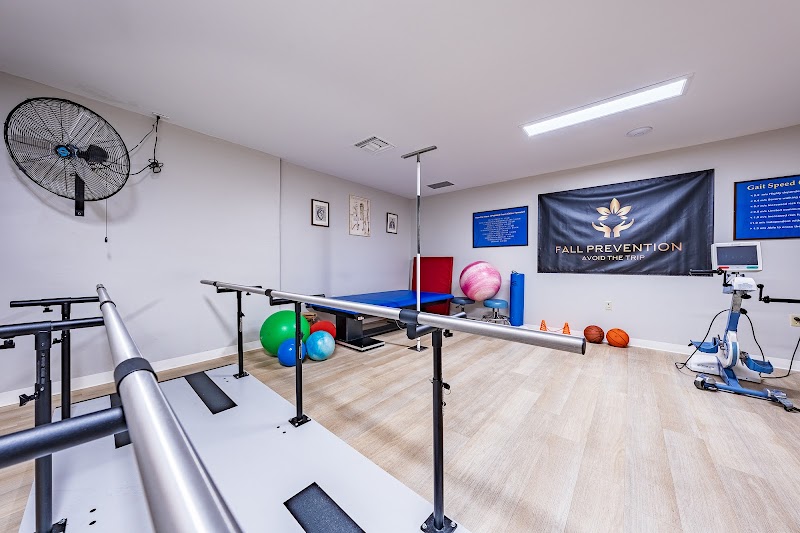
How is Chico Terrace Staffed?

CMS rates CHICO TERRACE CARE CENTER's staffing level at 2 out of 5 stars, which is below average compared to other nursing homes. Staff turnover is 44%, compared to the California average of 46%. This relatively stable workforce can support continuity of care.

What Have Inspectors Found at Chico Terrace?

State health inspectors documented 49 deficiencies at CHICO TERRACE CARE CENTER during 2021 to 2025. These included: 49 with potential for harm.
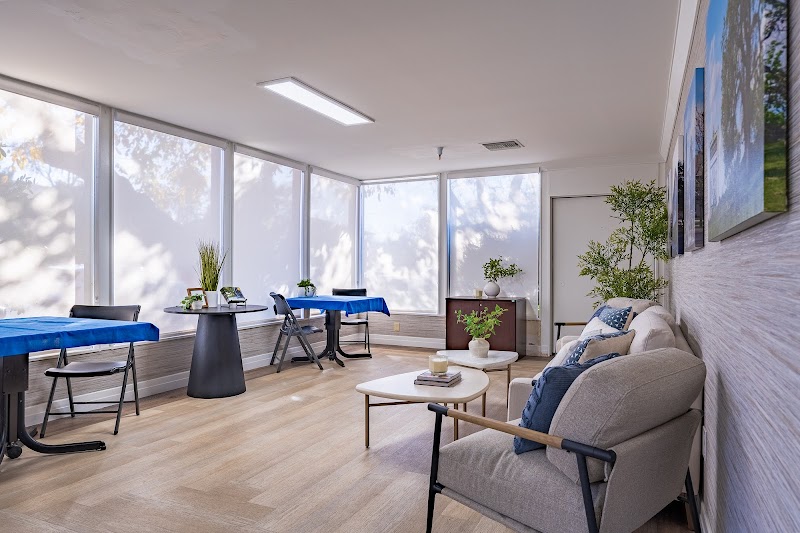
Who Owns and Operates Chico Terrace?

CHICO TERRACE CARE CENTER is owned by a for-profit company. For-profit facilities operate as businesses with obligations to shareholders or private owners. The facility is operated by SHLOMO RECHNITZ, a chain that manages multiple nursing homes. With 76 certified beds and approximately 69 residents (about 91% occupancy), it is a smaller facility located in CHICO, California.
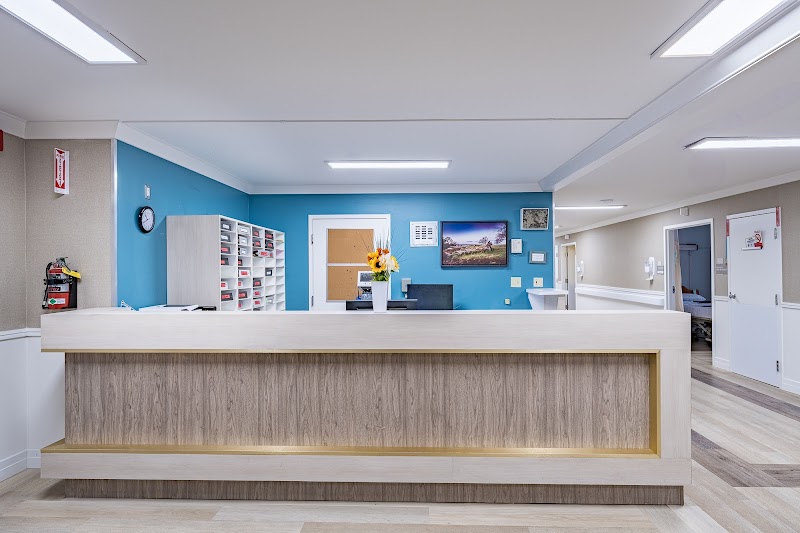
How Does Chico Terrace Compare to Other California Nursing Homes?

Compared to the 100 nursing homes in California, CHICO TERRACE CARE CENTER's overall rating (2 stars) is below the state average of 3.1, staff turnover (44%) is near the state average of 46%, and health inspection rating (2 stars) is below the national benchmark.

What Should Families Ask When Visiting Chico Terrace?

Based on this facility's data, families visiting should ask: "Can you walk me through typical staffing levels on day, evening, and night shifts?" "Can I visit during a mealtime to observe dining assistance and food quality?" "How do you handle medical emergencies, and what is your hospital transfer rate?" "Can I speak with family members of current residents about their experience?" These questions are particularly relevant given the below-average staffing rating.

Is Chico Terrace Safe?

Based on CMS inspection data, CHICO TERRACE CARE CENTER has a clean safety record: no substantiated abuse findings (meaning no confirmed cases of resident harm), no Immediate Jeopardy citations (the most serious violation level indicating risk of serious injury or death), and is not on the Special Focus Facility watch list (a federal program monitoring the lowest-performing 1% of nursing homes). The facility has a 2-star overall rating and ranks #100 of 100 nursing homes in California. While no facility is perfect, families should still ask about staff-to-resident ratios and recent inspection results during their visit.

Do Nurses at Chico Terrace Stick Around?

CHICO TERRACE CARE CENTER has a staff turnover rate of 44%, which is about average for California nursing homes (state average: 46%). Moderate turnover is common in nursing homes, but families should still ask about staff tenure and how the facility maintains care continuity when employees leave.

Was Chico Terrace Ever Fined?

CHICO TERRACE CARE CENTER has been fined $34,573 across 4 penalty actions. The California average is $33,425. While any fine indicates a compliance issue, fines under $50,000 are relatively common and typically reflect isolated problems that were subsequently corrected. Families should ask what specific issues led to these fines and confirm they've been resolved.

Is Chico Terrace on Any Federal Watch List?

CHICO TERRACE CARE CENTER is not on any federal watch list. The most significant is the Special Focus Facility (SFF) program, which identifies the bottom 1% of nursing homes nationally based on persistent, serious quality problems. Not being on this list means the facility has avoided the pattern of deficiencies that triggers enhanced federal oversight. This is a positive indicator, though families should still review the facility's inspection history directly.