OAKWOOD HEALTHCARE CENTER
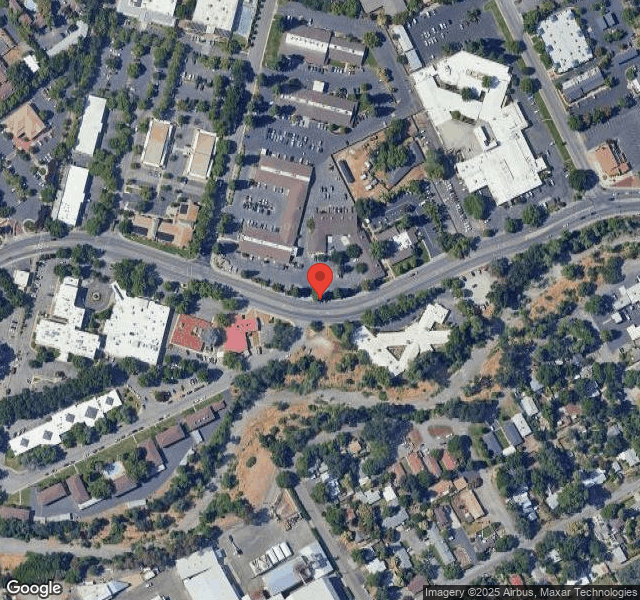
375 COHASSET RD, CHICO, CA 95926 (530) 343-5595
For profit - Limited Liability company 99 Beds Independent Data: November 2025 1 Immediate Jeopardy citation
Trust Grade
0/100
Last Inspection: August 2025

Inspected within the last 6 months. Data reflects current conditions.

Overview

Oakwood Healthcare Center has received a Trust Grade of F, indicating significant concerns about the quality of care, which is the lowest rating possible. It ranks poorly, being unlisted among California facilities and not ranking at all in Butte County, meaning there are potentially better options available. Although the facility is showing signs of improvement, as the number of issues decreased from 37 in 2024 to 29 in 2025, it still faces serious challenges, including a high staff turnover rate of 58%, which is above the state average of 38%. Additionally, the facility has incurred $59,417 in fines, which is concerning as it exceeds the fines of 84% of California facilities, suggesting ongoing compliance issues. Notably, there have been critical incidents, such as a resident developing a severe pressure ulcer that led to amputation due to inadequate care, and another resident suffered a broken nose after rolling off the bed when safety measures were not implemented as required. These findings indicate both significant weaknesses in patient safety and care quality, despite some improvement trends.

Trust Score
F
0/100
In California
#112/223
Top 50%
Safety Record
High Risk
Review needed
Inspections
Getting Better
37 → 29 violations
Staff Stability
⚠ Watch
58% turnover. Above average. Higher turnover means staff may not know residents' routines.
Penalties
✓ Good
$59,417 in fines. Lower than most California facilities. Relatively clean record.
Skilled Nurses
⚠ Watch
Each resident gets only 20 minutes of Registered Nurse (RN) attention daily — below average for California. Fewer RN minutes means fewer trained eyes watching for problems.
Violations
⚠ Watch
110 deficiencies on record. Higher than average. Multiple issues found across inspections.
☆☆☆☆☆
0.0
Overall Rating
☆☆☆☆☆
0.0
Staff Levels
☆☆☆☆☆
0.0
Care Quality
☆☆☆☆☆
0.0
Inspection Score
Stable
2024: 37 issues
2025: 29 issues

The Good

  • Full Sprinkler Coverage · Fire safety systems throughout facility
  • No fines on record

Facility shows strength in fire safety.

The Bad

Staff Turnover: 58%

12pts above California avg (46%)

Frequent staff changes - ask about care continuity

Federal Fines: $59,417

Above median ($33,413)

Moderate penalties - review what triggered them

Staff turnover is elevated (58%)

10 points above California average of 48%

The Ugly 110 deficiencies on record

1 life-threatening 3 actual harm
Aug 2025 8 deficiencies
CONCERN (D)

Potential for Harm - no one hurt, but risky conditions existed

Deficiency F0628 (Tag F0628)

Could have caused harm · This affected 1 resident

**NOTE- TERMS IN BRACKETS HAVE BEEN EDITED TO PROTECT CONFIDENTIALITY** Based on interview and record review, the facility failed to ensure one of three residents sampled for discharge (Resident 61) h...

Read full inspector narrative →
**NOTE- TERMS IN BRACKETS HAVE BEEN EDITED TO PROTECT CONFIDENTIALITY** Based on interview and record review, the facility failed to ensure one of three residents sampled for discharge (Resident 61) had the required transfer and discharge documentation in their chart when Resident 61 was transferred to a General Acute Care Hospital (GACH) and: Resident 61 was not provided with a Notice of Transfer or Discharge. Resident 61 was not provided with a notice of a bed hold (holding or reserving a resident's bed while the resident is absent from the facility for therapeutic leave or hospitalization).The Ombudsman's office (a government appointed person who actively supports the rights of residents) was not provided with Resident 61's Notice of Transfer or Discharge form. These failures had the potential in Resident 61 not being fully informed of his right to request a bed hold and to return to the facility after hospitalization, and the potential for Resident 61 not having the opportunity to have had an advocate to inform him of his right to appeal a facility-initiated discharge.FindingsA review the facility's policy titled Discharge and Transfer of Residents revised 2/27/25, indicated that prior to discharge, the facility will provide the resident/resident representative with the Notice of Proposed Transfer and Discharge document. A copy of the Notice of Proposed Transfer and Discharge will be placed in the Resident's medical Record and a copy faxed to the ombudsman. Upon transferring to the acute hospital, the resident/resident representative will be given an opportunity to execute a Bed Hold.A review of Resident 61's admission record indicated that Resident 61 was admitted to the facility on [DATE] with acute (sudden) and chronic (occurs again and again for a long time) respiratory failure with hypoxia (low levels of oxygen in the blood), and diabetes (low sugar in the blood). Resident 61 made his own health care decisions.A review of Resident 61's change in condition notes dated 6/24/25 at 00:49 am, Licensed Nurse (LN) O indicated At 00:15 am, Resident (61) had change in O2 (oxygen) levels to 65% (92-100% normal) with O2 at 4L (liters) N/C (per nasal cannula, a tube that delivers oxygen to the nose of a person). Resident (61) refused CPAP (continuous positive airway pressure mask, a breathing assistant device) even when falling asleep. Once CPAP was on resident (61) he continued to decline and became confused and disoriented. He was cold, pale and clammy with no improvement in oxygen. Resident shaking and unable to hold items. MD (medical doctor) notified of condition with order to send out to ER (Emergency Room) for assessment. Resident notified and agreed to send out.During a concurrent interview with the Medical Records Director (MRD) and record review on 8/20/25 at 2:25 pm, Resident 61's medical record was reviewed. MRD indicated that Resident 61 had been admitted to the GACH on 6/24/25 and had not returned to the facility due to Resident 61's increased needs for medical care that they were unable to provide at this facility. MRD searched through Resident 61's medical record and indicated he was unable to find a completed bed hold document, a Proposed Transfer and Discharge document, and verified that the Ombudsman had not been notified of the transfer and discharge for Resident 61's. MRD stated that these documents needed to be completed with each transfer and discharge, but there had been a problem with the nurses not completing these tasks with acute transfers and discharged to the GACH's.During an interview and record review on 8/20/25 at 2:55 pm, Licensed Nurse (LN) C reviewed Resident 61's record of discharge on [DATE] and stated that the bed hold and notice of discharge was never filled out and given to Resident 61 and, there was no verifying fax that the Ombudsman had been notified of the discharge. LN C indicated that this was supposed to have been done. During an interview with the Director of Nursing (DON) and record review on 8/21/25 at 1:22 pm, Resident 61's medical records were reviewed. DON confirmed that the documentation for the bed hold, Notice of Proposed Transfer or Discharge, and the Ombudsman notification of transfer and discharge were not in Resident 61 medical record and they should have been.
CONCERN (D)

Potential for Harm - no one hurt, but risky conditions existed

Tube Feeding (Tag F0693)

Could have caused harm · This affected 1 resident

**NOTE- TERMS IN BRACKETS HAVE BEEN EDITED TO PROTECT CONFIDENTIALITY** Based on observation, interview, and record review, the facility failed to ensure proper managing of a gastrostomy tube (G-tube,...

Read full inspector narrative →
**NOTE- TERMS IN BRACKETS HAVE BEEN EDITED TO PROTECT CONFIDENTIALITY** Based on observation, interview, and record review, the facility failed to ensure proper managing of a gastrostomy tube (G-tube, a tube inserted into the stomach through the abdominal wall to deliver liquid nutrition, fluids, and medication) for one of two residents sampled for G-tube management (Resident 45), when the Treatment Nurse (TN) placed Resident 45 in a flat position while the enteral feeding (liquid nutrition and fluids provided through a tube inserted into the stomach) pump was still on.This failure had the potential for the liquid nutrition to back up into Resident 45's esophagus (a tube from the throat to the stomach) and cause aspiration (where liquid nutrition enters the lungs) and can lead to a deadly lung infection called aspiration pneumonia. Findings:The facility policy titled Enteral Feedings was reviewed and the policy indicated The head of bed should be elevated 30 degrees during enteral feedings.A review of Resident 45's admission record indicated Resident 45 was admitted on [DATE] with diagnosis which included stroke (where blood flow to the brain is blocked causing brain cells to die and leading to damage), myotonic muscular dystrophy (a disorder that causes muscle weakness), respiratory failure, dysphagia (difficulty swallowing), and gastro-esophageal reflux disease (a condition where stomach contents frequently leak back into the esophagus).A review of Resident 45's August 2025's physician orders included: An order dated 1/31/25, indicating Enteral Feed Order every shift, Elevate HOB (head of bed) 30-45 degrees during feedings. An order dated 6/20/25, indicating Enteral Feed Order two times a day Jevity 1.5 calories (liquid nutrition that provides complete, balanced nutrition for long- or short-term tube feeding) at 70 ml/hour (milliliters per hour) for 20 hours (on at 4:00 pm, and off at 12:00 pm, the next day to equal 20 hours.)A review of Resident 45's tube feeding care plan revised 5/30/25, indicated The resident needs the HOB elevated 45 degrees during and thirty minutes after tube feeding.During an observation on 8/20/25 at 10:55 am, Resident 45 was observed in bed with the HOB up 90 degrees and the enteral feeding pump on and delivering Jevity 1.5 calories at 70 ml/hour. TN entered Resident 45's room with supplies to change a wound dressing on 45's buttocks. With the tube feeding still running, TN lowered Resident 45's HOB to a flat position and turned her on her side. TN then performed a brief (adult diaper) change and a wound dressing change which was on Resident 45's bottom.During a concurrent observation and interview with TN on 8/20/25 at 11:02 am, (seven minutes later), Resident 45 was observed laying flat in her bed and TN confirmed that the feeding pump had not been turned off while she performed patient cares and it should have been. TN then turned off the feeding until Resident 45's HOB was elevated again.During an interview on 8/21/25 at 12:03 pm, the Director of Nursing (DON) indicated that the tube feeding should be turned off when a resident was laid down and cares were being done.
CONCERN (D)

Potential for Harm - no one hurt, but risky conditions existed

Deficiency F0761 (Tag F0761)

Could have caused harm · This affected 1 resident

**NOTE- TERMS IN BRACKETS HAVE BEEN EDITED TO PROTECT CONFIDENTIALITY** Based on observation, interview, and record review, the facility failed to properly store, dispose, and document for the medicat...

Read full inspector narrative →
**NOTE- TERMS IN BRACKETS HAVE BEEN EDITED TO PROTECT CONFIDENTIALITY** Based on observation, interview, and record review, the facility failed to properly store, dispose, and document for the medication that had been discontinued in one of two observed medication rooms (Medication room [ROOM NUMBER]). This had the potential for discontinued medications to be available for resident use and/or diversion (taking without permission), by staff which could negatively impact the residents' health status. A review of facility policy titled, Medication Destruction for Non-Controlled Medications dated 2006, indicated unused, unwanted and non-returnable medications should be removed from their storage area and secured until destroyed. Medication destruction occurs only in the presence of at least two licensed healthcare professionals or according to regulation and applicable law. Licensed healthcare professionals witnessing the destruction ensure that the following information is entered on the medication disposition form.dates, signatures of witnesses.A record review of facility's, Non-Controlled Substance Destruction Log dated 7/23/25, indicated that discontinued medications had been destroyed and the log had not included the signatures of two Licensed Nurses, reasons for destruction, or dates that the medications were destroyed.During a concurrent observation and interview on 8/19/25 at 3:47 pm, medication room one was observed with Licensed Nurse (LN) G. Discontinued medications were observed in a three-tier, unsecured plastic storage container on the floor. LN G confirmed the medications in the plastic bins were not secure and that it would be, too easy for someone to steal those medications. LN G stated that she, had no idea how often discontinued medications were destroyed. LN G stated facility needed a better way of doing it.During an interview and record review on 8/21/25 at 9:51 am, with Director of Nursing (DON), the DON confirmed the facility's Non-Controlled Substance Destruction Log, dated 7/23/25, had not contained the signatures of two Licensed Nurses, dates, or the reasons that the medications had been destroyed, as their facility policy indicated.
CONCERN (D)

Potential for Harm - no one hurt, but risky conditions existed

Deficiency F0813 (Tag F0813)

Could have caused harm · This affected 1 resident

**NOTE- TERMS IN BRACKETS HAVE BEEN EDITED TO PROTECT CONFIDENTIALITY** Based on observation, interview, and facility policy and procedure review, the facility failed to ensure visitors and staff who ...

Read full inspector narrative →
**NOTE- TERMS IN BRACKETS HAVE BEEN EDITED TO PROTECT CONFIDENTIALITY** Based on observation, interview, and facility policy and procedure review, the facility failed to ensure visitors and staff who handled food brought from the outside were educated on safe food handling practices. This failure had the potential for unsafe food handling which could lead to foodborne illness in the 53 residents receiving an oral diet who resided in the facility. Findings:During a record review of facility policy titled DD14 Food Brought in by Visitors Revised 4/24/25, indicated food may be brought to a resident by visitors and the facility staff will be made aware of this policy addressing outside food being brought to residents and how to apply it, assist the family/visitors to understand safe food handling practices (such as safe cooling/reheating processes, hot/cold holding temperatures, preventing cross contamination, hand hygiene, etc.), use safe food handling practices when assisting family or visitors with reheating or other preparation activities, and provide resident/resident representative with this policy about the use and storage of [NAME] brought in by family/visitors. During an interview on 8/20/25 at 10:35 am with Licensed Nurse (LN D), when asked about how the food brought to the facility for the residents from the visitors was handled, LN D stated she is not aware of the policy and education was not provided on orientation. LN D stated she has worked at facility for 5 months and believes residents get a handout at admission about safe food handling. During an interview on 8/20/25 at 11:57 am with the Director of Staff Services (DSD). The DSD was asked if she had given an in-service training to the staff members on safe food handling. The DSD stated she has only been here one month, but she will check through the in-service binder. The DSD stated they have changed their orientation competencies, but safe food handling practices are not included. The DSD was unable to provide evidence that facility staff were educated on safe food handling practices. During an interview on 8/20/25 at 10:56 am with the Admissions Coordinator (AC), when asked if she was aware of any information on safe food handling provided to the residents or visitors, the AC stated she was not aware of any education to be provided and confirmed the admission packet did not include safe food handling education for the resident's visitors.
CONCERN (E)

Potential for Harm - no one hurt, but risky conditions existed

Resident Rights (Tag F0550)

Could have caused harm · This affected multiple residents

**NOTE- TERMS IN BRACKETS HAVE BEEN EDITED TO PROTECT CONFIDENTIALITY** Based on observation, interview, and record review, the facility failed to treat two of three residents (Resident 15 and Residen...

Read full inspector narrative →
**NOTE- TERMS IN BRACKETS HAVE BEEN EDITED TO PROTECT CONFIDENTIALITY** Based on observation, interview, and record review, the facility failed to treat two of three residents (Resident 15 and Resident 17) with respect and dignity when:1. The facility failed to ensure that Resident 17 was provided with appropriate clothing.This failure resulted in Resident 17 experiencing social isolation when unable to participate in facility activities and feeling embarrassed and undignified when required to attend outside appointments wearing only a hospital gown.2. Certified Nursing Assistant (CNA ) J did not provide Resident 15 with privacy and dignity when the privacy curtain was not pulled closed when Resident 15 was receiving personal care in their room. This failure resulted in Resident 15 being left vulnerable when staff failed to provide privacy during personal care, potentially causing emotional distress and diminishing Resident 15's sense of dignity and autonomy. Findings: 1. During a review of the facility’s policy titled, Residents Rights – Quality of Life, revised 1/2012, indicated, that residents are encouraged to dress in their own clothing rather than hospital gowns, are to be assisted in attending activities of their choice, and are to be protected from demeaning practices or standards of care that compromise dignity. The policy further states that all residents shall be cared for in a manner that promotes and enhances quality of life, dignity, respect, and individuality, and shall receive person-centered services that support them in attaining or maintaining their highest practicable well-being. During a review of the facility’s policy titled, Residents Rights, revised 1/2017, indicated, that the facility is responsible for assisting each resident in exercising their rights by encouraging participation in activities of their choice and incorporating personal preferences, such as dress, into the plan of care. The policy further states that residents are to be provided assistance as needed to engage in their preferred activities on a routine basis. A review of Resident 17’s admission Record indicated that Resident 17 was admitted on [DATE] with diagnoses that included Heart Disease, Diabetes, Depression, and an injury of the right Achilles Tendon (band that connects your calf muscles to your heel bone, enabling one to walk). Resident 17 was their own responsible party (made own decisions). During a review of Resident 17’s Minimum Data Set (MDS, a resident assessment) section C – Cognitive Patterns, dated 7/19/25, indicated that Resident 17 had a Brief Interview for Mental Status (BIMS) score of 11 which indicates moderate cognitive impairment (the ability to understand and make decisions). Resident 17’s MDS section GG – Functional Abilities, dated 7/19/25, indicated that Resident 17 required moderate assistance in dressing above the waist, was dependent (unable to dress themself) for lower body dressing, and required maximum assistance with bathing. During a review of record titled, “Inventory of Personal Effects”, dated 11/27/24, indicated that upon admission the only article of clothing Resident 17 had were one pair of shoes and one pair of socks. During an interview on 8/19/25 at 9:00 am, Resident 17 stated they have not had clothing during their stay at the facility except for one outfit provided for bingo that was never returned after laundering. Resident 17 reported they remain in a hospital gown and brief (adult diaper) for daily care and outside appointments which prevents participation in activities such as bingo and leaves them feeling embarrassed and undignified. During an interview on 8/20/25 at 2:10 pm, with CNA K, CNA K confirmed that Resident 17 currently does not have any clothing and has not had clothing for at least 3 weeks. Resident 17 was given an outfit out of the facility donations about 3 weeks ago, but it was not returned after going to laundry. CNA K stated they put a note in the Point of Care system but that nothing has changed. During an interview on 8/20/25 at 2:31 pm, Licensed Nurse (LN) D stated that they were not aware that resident 17 did not have any clothing. LN D stated that it was their expectation that if a resident had an appointment outside of the facility that the resident would be dressed before leaving the facility. LN D confirmed that Social Services are the ones who ensured residents had clothing. During an interview on 08/21/2025 at 9:26 am, with Activities Assistant (AA), AA confirmed that Resident 17 has requested to come to the day room for bingo but that they do not have any clothing at this time. At one time they had an outfit that was from facility donations, but it was not returned to the resident after it went to laundry. AA stated that it can be difficult to find Resident 17 clothing because he is a “big guy”. During an interview on 08/21/25 at 10:30 am, with Social Service Assistant (SSA), SSA confirmed that Resident 17 does not currently have any clothing. SSA described the facility’s process for obtaining clothing, which included discussing the resident’s preferences, establishing a trust account with residents who have funds, or purchasing an outfit for the resident if they have no resources. The SSA confirmed that they have not arranged clothing for Residents 17, and that there are currently no donated clothes in the residence size. The SSA stated it is the facilities expectation that residents be showered and dressed before appointments. The SSA further stated it was residence 17's preference to remain in a hospital gown. A review of all of Resident 17’s Social Services Progress Notes from the date of his admission, reflected Resident 17's lack of clothing had not been discussed until 8/21/25, three months after he was admitted to the facility. 2. During an observation on 8/19/25 at 9:15 am, Resident 15 was receiving personal care from CNA J. Resident 15 was in his room in the first bed with two other roommates. CNA J was providing care to Resident 15 which included changing her shirt and incontinence pad (a pad for leakage of urine or stool). CNA J had pulled the curtain by the door, but the two other roommates could see the care that was being provided to Resident 15. There was no other curtain available to provide complete privacy for Resident 15. During an observation on 8/19/25 at 11:06 am, Resident 15 was in bed receiving personal care from CNA J. The privacy curtain was only pulled along the door allowing Resident 15’s roommate to see the care that was being provided by CNA J. Review of Resident 15’s medical record revealed that Resident 15 was admitted on [DATE] with a diagnoses that included Parkinson Disease (a condition that affects a person’s movements), tremors (uncontrollable shaking), and difficulty swallowing. A review of an assessment of Resident 15’s Functional Abilities report dated 6/18/25 indicated that Resident 15 was fully dependent on a caregiver to provide Resident 15 with showers and bathing, toileting hygiene, and dressing the lower body. Resident 15 also needed substantial assistance (caregiver does more than half the effort) to dress the upper body. During an interview on 8/20/25 at 9:55 am, CNA J stated that in Resident 15’s room the curtain does not go all the way around. CNA J stated that there was nothing else that she could do to protect Residents 15’s privacy since the curtain does not go all the way around the bed. During an interview on 8/21/25 at 2:57 pm, with the Director of Staff Development (DSD), the DSD stated that her expectation for CNA’s when providing personal care to residents was for the CNA to introduce themselves, explain what they will be doing for the resident, and pull the curtain closed so no one can see the care that is being provided to the resident and that included the residents roommates even if they are asleep.
CONCERN (E)

Potential for Harm - no one hurt, but risky conditions existed

Deficiency F0565 (Tag F0565)

Could have caused harm · This affected multiple residents

Based on interview and record review, the facility failed to ensure resident council grievances were acted upon and promptly addressed for 12 confidentially interviewed residents when the residents st...

Read full inspector narrative →
Based on interview and record review, the facility failed to ensure resident council grievances were acted upon and promptly addressed for 12 confidentially interviewed residents when the residents stated there was an ongoing delay in answering call lights and getting care on the night shift. Refer to F726.This failure resulted in residents experiencing frustration with long wait times for needed care and had the potential to put residents at risk for unmet needs.Findings:A review of a facility policy titled, Resident Council revised 11/1/2013, indicated the purpose of the Resident Council was to promote the exercise of resident rights by providing a forum for residents to voice concerns, share input on facility operations, and for the facility to ensure issues raised are reviewed and addressed through the quality assessment and assurance committee.During a review of the facility's record titled, Resident Council Minutes, indicated:a. On 5/13/25, resident council minutes indicated that call light waiting times were still a concern at all times of the day. The response from the Director of Staff Development (DSD, administrative staff responsible for oversight of direct care staff), responded manager to monitor call light, addressed with staff at meeting, everyone answer call light. There were no in-service records provided for the staff meeting to address call light issue. b. On 5/27/25, resident council minutes indicated that call lights were still a concern at all times of the day. Call lights were turned off at night by the Certified Nurse Assistants (CNAs) without the needs of the residents being addressed. The response/action from DSD was a statement ongoing issue mandatory no one walks away. There were no direct care in-services provided or indicated in DSD response. c. On 6/13/25, resident council minutes indicated that night CNA's are taking a long-time answering call lights on both the evening and night shifts. Residents also indicated that registry staff (temporary agency staff) were walking past their call lights without answering them. The Administrator (Admin) response was a written statement in process of hiring new DSD, mandatory everyone answers call lights. There were no direct care staff in-services provided in response to the residents' complaints. d. On 6/24/25, resident council minutes indicated that call lights take a long time to be answered was due to some CNAs taking up to 45 minutes to an hour for resident showers. DSD response was an in-service on shower time management and call light response times. DSD was unable to provide a sign-in sheet for the in-service provided to the direct care staff. A review of an direct care staff in-service titled shower time related to call light response dated 7/8/25, was provided for 17 staff. There was no course content of what was presented or discussed. One of 12 confidentially interviewed residents on 8/19/25 at 10:56 am, stated CNAs on night shift do not answer call lights and when they do provide care, the staff act like they are being bothered. A resident stated that at night, they might have to wait thirty minutes to five hours for their call lights to be answered.One of 12 confidentially interviewed resident on 8/19/25 at 11:50 am, stated the wait time to get their call light answered was concerning. The resident stated that wait times have been as long as two hours that happens daily, but that it was worse at night.During confidential interviews on 8/19/25 at 2:34 pm, seven of 12 residents stated that long waiting times on call lights continue to be a problem, with the longer waiting times being during the night. Four of 12 residents stated that the waiting times are always long. Residents stated that the waiting times are over 30 minutes and that it has been this way for about a year. One of 12 stated that it feels like providing care was not a priority.During a concurrent interview and record review on 8/21/25 at 2 pm, DSD confirmed there needed to be more nursing management oversight on NOC shift to address the call light response times. DSD confirmed there was only one in-service on 7/8/25 that addressed call light response. During a concurrent interview on 8/21/25 at 3:45 pm, with the Admin, Admin confirmed they still have issues with CNA staff performance and competencies with answering call lights timely and they are working on that. Admin confirmed that after four resident council's meetings an in-service was provided for 7/8/25.
CONCERN (E)

Potential for Harm - no one hurt, but risky conditions existed

Deficiency F0726 (Tag F0726)

Could have caused harm · This affected multiple residents

Based on observation, interview and record review, the facility failed to ensure two out of five direct care nursing staff had necessary competencies and skills sets to meet the care and services when...

Read full inspector narrative →
Based on observation, interview and record review, the facility failed to ensure two out of five direct care nursing staff had necessary competencies and skills sets to meet the care and services when: 1. CNA J and F had not worn an N-95 mask (recommended when caring for residents with Covid) when providing care to Resident 28, who had Covid. Refer to F880. 2. CNA J did not ensure privacy for Resident 15 during care. Refer to F550. These failures resulted in resident care needs not to be met, residents' right to privacy violated, and had the potential to spread infection in the facility. Findings: 1. During a concurrent observation and interview on 8/19/25 at 10:52 am, with CNA F, CNA F entered Resident 28's room (who had Covid) with a surgical mask (not as effective against Covid as the N-95 mask), CNA F confirmed she wore a surgical mask. CNA F stated she did not like to wear N-95 masks because, they are too tight. CNA F stated she was aware that the facility's policy was for staff to wear N-95 masks when in Resident 28's room. CNA F stated the Infection Preventionist (IP) had told staff that morning to wear N-95 masks in Resident 28's room. During a concurrent interview and record review on 8/21/25 at 2:33 pm, with IP, the IP could not provide evidence that staff had received education on face mask use. IP could not provide evidence that staff had been educated on caring for residents with Covid. IP stated the expectation was for staff to wear N-95 masks in rooms with residents who had tested positive for Covid. IP confirmed that CNA F staff had not worn an N-95 mask in Resident 28's room and that she should have. 2. During a observation on 8/19/25 at 9:15 am, and 11:06 am, Resident 15 was receiving personal care from CNA J. Resident 15 was in a room with three beds and had the first bed on the right upon entering the room. CNA J was changing her incontinent (poor control of bowels and bladder) pad and shirt for Resident 15. CNA J had pulled the curtain by the door, but the two other roommates could see the care that was being provided to Resident 15. During an observation on 8/19/25 at 11:06 am, Resident 15 was in bed receiving personal care from CNA J. The privacy curtain was only pulled along the door allowing Resident 15's roommate to see the care that was being provided by CNA J. A review of Corrective Action Memo dated 7/28/25, CNA J was assigned to be in the dinning room and left halfway through the meal and did not return. The solution was to not leave the dining room until all residents are done eating. A Corrective Action Memo dated 8/9/25, for unsatisfactory performance CNA J did not provide care to all of CNA J's assigned residents after being informed three times. The note indicated one resident was up since breakfast and was not put to be until 2:30 pm, and another resident had no incontinence brief and had a yellow ring on the pad. The corrective action did not include any objectives or solutions for this performance issue. During a concurrent interview and record review, on 8/21/25 at 2:00 pm with the Director of Staff Development (DSD), the DSD stated that when a CNA receives a corrective action the problem should be identified, they should receive education and supervisory follow-up. DSD confirmed that there are issues with the CNAs on the night shift and that more management oversight was needed to ensure the CNAs were performing their duties. DSD was unable to provide any in-services that were provided for CNA J related to her performance issues. During an interview on 8/21/25 at 3:45 pm, with the Administrator (Admin), Admin confirmed that there were issues with the CNA staff on the night shift, day shift has improved, related to performance and competencies. Admin explained the issue was that the Licensed Nurses (LNs) do not want to oversee the CNAs or manage them. Admin was only able to provide one in-service from July 2025, that was provided to the CNAs on answering call lights. Admin confirmed they still have issues with CNA staff performance and competencies, and they are working on that. Admin stated they have had two DSDs this year as well and now have to replace another one.
CONCERN (E)

Potential for Harm - no one hurt, but risky conditions existed

Infection Control (Tag F0880)

Could have caused harm · This affected multiple residents

**NOTE- TERMS IN BRACKETS HAVE BEEN EDITED TO PROTECT CONFIDENTIALITY** Based on observation, interview and record review, the facility failed to ensure their infection control prevention program was ...

Read full inspector narrative →
**NOTE- TERMS IN BRACKETS HAVE BEEN EDITED TO PROTECT CONFIDENTIALITY** Based on observation, interview and record review, the facility failed to ensure their infection control prevention program was implemented to prevent the spread of Covid (a serious virus that causes fever, tiredness, cough, breathing difficulties, loss of smell and taste) when Certified Nursing Assistants (CNAs) were observed wearing surgical masks to care for one resident with Covid (not as effective as an N-95 in preventing the spread of the Covid virus), as their policy directed. (Resident 28) This had the potential to spread the Covid virus to other residents, visitors and staff. During a record review of facility's policy titled, Infection Control - Policies and Procedures date 1/1/12, indicated, The administrator, through the Infection Control Committees, adopts the infection control policies and practices to reflect the facility's needs and operational requirements for preventing transmission of infections and communicable disease as set forth in current CDC guidelines and recommendations.During a record review of CDC's website https://www.cdc.gov/covid/hcp/infection-control/index.html dated 6/24/24, indicated that the Infection Prevention and Control was a set of practices and strategies to stop the spread of infections in healthcare settings. The CDC website recommended, Healthcare Professionals (HCP) who enter the room of a patient with suspected or confirmed SARS-CoV-2 (Covid) infection should.use a National Institute for Occupational Safety and Health (NIOSH) approved particulate respirator (filters small particles of viruses) with N95 (have the ability to filter particulates, while surgical masks do not) filters or higher. During a record review of Resident 28's admission record, he was admitted to the facility on [DATE] with diagnoses that included rhabdomyolysis (muscle damage that affects the kidneys), encephalopathy (brain swelling and confusion or memory loss), and dorsalgia (referring to discomfort in the middle and lower spine region rather than the neck).A record review of Resident 28's care plan dated 8/16/25, indicated he had Covid-19 and was symptomatic with a cough and change in voice.During an interview on 8/19/25 at 9:51 am, with Infection Preventionist (IP), confirmed Resident 28 tested positive for Covid on 8/16/25. IP stated the facility's expectation was for staff to wear N-95 masks when they entered Resident 28's room. During a concurrent observation and interview on 8/19/25 at 10:52 am, with CNA F, CNA F entered Resident 28's room wearing a surgical mask. CNA F confirmed she wore a surgical mask and entered Resident 28's room. CNA F stated she did not like to wear N-95 masks because, they are too tight. CNA F confirmed that she was aware that the facility's policy was for staff to wear N-95 masks when entering Resident 28's room. CNA F stated the IP had told staff that morning to wear N-95 masks when going into Resident 28's room.During a concurrent observation and interview on 8/20/25 at 8:11 am, with CNA J, CNA J entered Resident 28's room wearing a surgical mask. CNA J confirmed that she was wearing a surgical mask, instead of an N-95 mask, and that she was aware that she should have been wearing an N-95.During a concurrent interview and record review on 8/21/25 at 2:33 pm, IP could not provide evidence of staff training on Covid or proper mask use. IP stated the facility's expectation was for staff to wear N-95 masks in rooms with any resident who had Covid.
Jul 2025 1 deficiency
CONCERN (D) 📢 Someone Reported This

A family member, employee, or ombudsman was alarmed enough to file a formal complaint

Potential for Harm - no one hurt, but risky conditions existed

Accident Prevention (Tag F0689)

Could have caused harm · This affected 1 resident

**NOTE- TERMS IN BRACKETS HAVE BEEN EDITED TO PROTECT CONFIDENTIALITY** Based on interview and record review, the facility failed to follow their Fall Management Program policy and procedure (P&P) for...

Read full inspector narrative →
**NOTE- TERMS IN BRACKETS HAVE BEEN EDITED TO PROTECT CONFIDENTIALITY** Based on interview and record review, the facility failed to follow their Fall Management Program policy and procedure (P&P) for one out of three residents sampled for falls (Resident 1). Specifically, the facility staff initiated the required post-fall documentation on 5/19/25, two days after Resident 1 fell, instead of initiating a Post-Fall Huddle (includes updating the care plan, interviewing witnesses and documentation in the medical record), within 15-20 minutes after Resident 1's fall on 5/17/25. This failure caused a delay in the facility-initiated fall investigation to be completed, had the potential to cause a delay in care, and placed Resident 1 at an increased risk for more falls. Findings: A review of the facility's P&P titled, Fall Management Program, revised 3/13/21, indicated, after a resident had a fall, the Licensed Nurse (LN) would perform a post-fall evaluation (assessments and documentation that were required to be completed) after a resident fell. The P&P indicated, the Physician, Director of Nursing (DON), and the residents responsible party (RP, decision maker) would be notified after a resident fell. The P&P indicated, Within 15-20 minutes after a fall, the licensed nurse will initiate a Post-Fall Huddle . that included witnesses who were able to provide additional information regarding the fall. The P&P indicated, after the post-fall huddle was completed, the LN would immediately update the care plan (a document that described resident goals that included the support and care that was required from staff to achieve their goals). The P&P indicated, after a fall, LN would complete an Incident and Accident Report that included interviewing anyone who witnessed the fall. The P&P indicated, the LN would document in the medical record the date and time the fall occurred, a description of the incident, an assessment of the resident that included resident condition after the fall occurred, and who was notified of the fall. A review of the admission Record, dated 7/2/20, indicated Resident 1 was admitted to the facility on [DATE] with the diagnoses of dementia (a general term for a group of brain disorders that caused memory loss and the ability to think, or problem solve). The admission Record, indicated, on 5/25/25, Resident 1 was diagnosed with a displaced midcervical fracture of right femur, subsequent encounter for closed fracture with routine healing (a right hip fracture that required surgery). Resident 1 was not his own RP. A review of Resident 1's care plan, titled actual witnessed fall, dated 5/20/25, indicated Resident 1 had a witnessed fall on 5/17/25 at 10:00 pm. During a concurrent interview and record review on 7/2/25, at 12:45 pm, with LN A, Resident 1's progress notes and LN assessments, dated 5/17/25 through 5/20/25 were reviewed. LN A stated, when a resident had a fall, the role and responsibility of the LN included assessing and observing the resident for injuries, contacting the Physician, DON, and RP, and documenting the fall. LN A stated, documentation included, completing a risk management form, describing the fall, the actions taken by the nurse, a head-to-toe assessment, and interviewing the residents and witnesses. We also document a change of condition, update the care plan, and create an actual fall care plan (an actual fall care plan described what happened and new care instructions). LN A reviewed the Change of Condition Follow-Up Note, dated 5/19/25, and confirmed, the Change of Condition Follow-Up Note, indicated, Resident 1 had a fall on the evening of 5/17/25. LN A confirmed, prior to 5/19/25, there was no documentation in Resident 1's medical record that indicated he had sustained a fall. LN A confirmed that the actual fall care plan was not initiated until 5/20/25. During a concurrent interview and record review on 7/2/25 at 12:59 pm, Resident 1's progress notes and LN assessments, dated 5/17/25 through 5/20/25 were reviewed. DON stated, LN expectancy after a resident fall was to follow the facility's fall policies and procedures. DON confirmed, LN were to perform a post-fall evaluation and notify the Physician, DON, and the residents RP. DON confirmed, LN were expected to initiate a post-fall huddle and complete the Incident and Accident Report. DON confirmed, LNs were expected to document a description of the fall, an assessment of the resident, that included resident condition after the fall occurred, and who was notified of the fall. DON stated, the resident is placed on alert charting [a special alert note that was entered into the medical record by the LN on each shift, that included information regarding what happened, what the resident was being monitored for, and if the resident had any side effects or complications] for 72-hours and LN would complete change of condition documentation. DON stated, I discovered what had happened on Monday, 5/19/25 and confirmed, LN C had not performed any required documentation and did not report to anyone that Resident 1 had fallen on 5/17/25 at 10:00 pm. During an interview on 7/2/25 at 2:35 pm, the facility's Administrator confirmed, Resident 1 had a fall on 5/17/25 at 10:00 pm and LN C had not reported or documented the fall. During an interview on 7/2/25 at 3:32 pm, LN C confirmed that Resident 1 had a fall on 5/17/25. LN C could not recall the time he was notified of the fall and confirmed his shifted ended at 10:30 pm. LN C stated, I was in the middle of narc count (during shift change, the nurse ending their shift and the nurse beginning their shift counted all narcotic medication to ensure none were missing) and we were notified Resident 1 fell. I performed an assessment on Resident 1 and did not document it. LN C stated, the oncoming nurse performed a head-to-toe assessment, I was on my way out the door when the fall occurred, and the oncoming nurse said she would handle it. During an interview on 7/2/25 at 4:26 pm, LN C confirmed, on 5/17/25 he was Resident 1's LN on the night shift and stated, the shift started at 10:30 pm. LN C stated, no one interrupted the narc count to say Resident 1 fell. I was not aware that Resident 1 had fallen until a few days later. LN C verbalized the facility's P&P regarding resident falls and stated, if I was notified that Resident 1 fell, I would have assessed him to ensure that he was okay.
May 2025 1 deficiency
CONCERN (E) 📢 Someone Reported This

A family member, employee, or ombudsman was alarmed enough to file a formal complaint

Potential for Harm - no one hurt, but risky conditions existed

Infection Control (Tag F0880)

Could have caused harm · This affected multiple residents

Based on interview and record review, the facility failed to comply with state and local public health authority requirements for reporting an outbreak when a total of 11 residents and 3 staff had bee...

Read full inspector narrative →
Based on interview and record review, the facility failed to comply with state and local public health authority requirements for reporting an outbreak when a total of 11 residents and 3 staff had been reported with signs and symptoms of respiratory illness, such as cough, running nose, sore throat, shortness of breath (SOB– a sensation of running out of the air) from 3/30/25 to 4/8/25. The facility did not report the occurrence to California Department of Public Health (CDPH) until 4/8/25. This failure had the potential to result in a widespread infection in the facility that could compromise the health of the residents, visitors, and staff. Findings: During a review of the facility's policy titled, Infection Control Surveillance (the ongoing process of monitoring infections and infection prevention and control processes within a healthcare facility) , revised 3/1/14, indicated: - The purpose of the policy is to, Provide surveillance of Healthcare-associated Infections (HAIs – infections that patients get while they are receiving healthcare or soon after receiving healthcare) and Community-associated Infections (CAIs - infections that are contracted outside of a healthcare setting) significantly affecting resident health outcomes. - When a communicable disease outbreak (a disease outbreak is the occurrence of cases of disease in excess of what would normally be expected in a defined community, geographical area or season) is suspected, the information is communicated to the Charge Nurse, IP, DON, ADMIN, and appropriate department managers as soon as possible. - The administrator (ADMIN), Director of Nursing (DON), and Infection Preventionist (IP), or designee, will determine of the infection is reportable according to Centers for Disease Control and Prevention (CDC) and CDPH guidelines. During a review of the State Operations Manual (SOM), revised 8/8/24, in the section of Infection Prevention and Control Program - Recognizing, Containing and Reporting Communicable Disease Outbreaks , indicated that, If an outbreak is identified, the facility must ' Comply with state and local public health authority requirements for identification, reporting, and containing communicable diseases and outbreaks. During a review of the California Code of Regulations titled Unusual Occurrences , indicated, Occurrences such as epidemic outbreaks, poisonings, fires, major accidents, death from unnatural causes or other catastrophes and unusual occurrences which threaten the welfare, safety or health of patients, personnel or visitors shall be reported by the facility within 24 hours either by telephone (and confirmed in writing) or by telegraph to the local health officer and the Department During a concurrent interview and record review of the facility record titled, Case Log of Residents with Acute Respiratory Illness and/ or Pneumonia , on 4/11/25 at 9:34 am, with IP, in the survey room, the IP confirmed: - On 3/30/25, Resident 1 had a cough, fatigue, and SOB. - On 3/31/25, Staff A had a cough, SOB, and was diagnosed with pneumonia on 4/1/25. - On 4/1/25, Resident 2 had SOB. He was transferred to the local hospital and diagnosed with pneumonia. - On 4/2/25, Residents 3, and 4 had a cough and SOB. - On 4/3/25, Resident 5 had a cough and felt fatigued; Resident 6 had a cough and SOB; Resident 7 had a cough. - On 4/4/25, Resident 8 had a cough, and SOB; Staff B had a cough, sore throat, and felt fatigued. Resident 8 was diagnosed with bronchitis. - On 4/7/25, Resident 9 had a cough, felt fatigued, and SOB. She was transferred to the emergency room (ER). - On 4/8/25, Resident 10 had a cough; Resident 11 had a cough, running nose, sore throat, and SOB; Staff C had a fever, runny nose, SOB, and was diagnosed with bronchitis. The IP stated that she was new to the position and was still learning. The IP confirmed that the report did not submit to CDPH until 4/8/25.
May 2025 5 deficiencies
CONCERN (D) 📢 Someone Reported This

A family member, employee, or ombudsman was alarmed enough to file a formal complaint

Potential for Harm - no one hurt, but risky conditions existed

Free from Abuse/Neglect (Tag F0600)

Could have caused harm · This affected 1 resident

**NOTE- TERMS IN BRACKETS HAVE BEEN EDITED TO PROTECT CONFIDENTIALITY** Based on interview and record review, the facility failed to protect one of four sampled residents (Resident 2) from verbal abus...

Read full inspector narrative →
**NOTE- TERMS IN BRACKETS HAVE BEEN EDITED TO PROTECT CONFIDENTIALITY** Based on interview and record review, the facility failed to protect one of four sampled residents (Resident 2) from verbal abuse when Resident 1 made derogatory comments and yelled profanities directed at Resident 2 while in the hallway. This failure had the potential to negatively affect the psychosocial and mental health for Resident 2 and other residents within hearing range. Findings: A review of the facilities policy titled, Abuse Prevention and Management revised 5/30/24, indicated, Verbal abuse is defined as any use of oral, written, gestured communication, or sounds that willfully include disparaging (to belittle the value or importance of someone) and derogatory (showing a disrespectful attitude) terms directed to residents within their hearing distance. A review of the facilities document titled, Resident [NAME] of Rights dated 5/11, the policy indicated patients shall have the right to be free from mental and physical abuse. A review of Resident 1's admission record showed he was initially admitted to the facility on [DATE] with diagnoses that included osteomyelitis of vertebra (a bone infection of the spine), end stage renal disease (kidney disease), diabetes (high sugars in the blood), heart failure, and paraplegia (weakness or paralysis in both legs). Resident 1 was capable of making his own healthcare decisions. A review of Resident 2's admission record showed she was initially admitted on [DATE] with diagnoses that included heart failure, kidney disease, chronic pain syndrome, depressive disorder, bipolar disorder (a mental illness characterized by extreme and persistent shifts in mood, energy and activity levels), and an anxiety disorder. Resident 2 was capable of making her own healthcare decisions. During a review of Resident 1's Behavior Note dated 3/23/25 at 8:27 am, Licensed Nurse (LN) A documented, [Resident 1] observed at nurse's station this morning more than 15 min [minutes] till smoke break screaming and cursing at another resident [Resident 2] in hallway to move her chair. After the resident [Resident 2] that was being verbally assaulted said, ' Please wait I'm trying to move' and asked the resident [Resident 1] could he please not talk to her in such a way. This resident [Resident 1] became angrier and continued using profanity in an inappropriate way toward her. During a review of Resident 1's Behavior Note dated 3/25/25 at 10:45 am, the Administrator (Admin) documented, Met with resident [Resident 1] to discuss incident of this weekend when he started yelling and cussing at a female resident [Resident 2] who was in the hallway, he told her to move, and she told him to give me a minute- when he started yelling in a loud voice and calling her a F . Bitch. During an interview on 4/22/25 at 9:50 am, Resident 2 stated Resident 1, Hurts my feelings. He screams and yells at everyone. I was in the hall, and he was just coming out of his room, and he yelled at me to get the hell out of my hallway. No one did anything, he gets away with everything. During an interview on 4/22/25 at 3:51 pm, LN B indicated that she observed Resident 1's verbal altercation with Resident 2, LN B stated, He [Resident 1] was coming down the hall for a smoke break, [Resident 2] was sitting in the way and he said get the F . out of the way. During an interview on 4/29/25 at 3:26 pm, LN A stated, [Resident 1] had come out of his room in a hurry so he would not miss his smoke break. [Resident 2] was sitting at the nursing station area where all the residents congregate after breakfast. [Resident 2] was in [Resident 1's] way and [Resident 1] went into calling [Resident 2] names and using foul language. He was so angry about [Resident 2] he just kept rolling out to the dining room fast and to the smoking area. He kept yelling profanities all the way out the door. During an interview with the Admin on 4/24/25 at 12:33 pm, the Admin indicated they have been working with Resident 1 about his behavior and have written up behavior expectations to help Resident 1 manage his outbursts.
CONCERN (D) 📢 Someone Reported This

A family member, employee, or ombudsman was alarmed enough to file a formal complaint

Potential for Harm - no one hurt, but risky conditions existed

Report Alleged Abuse (Tag F0609)

Could have caused harm · This affected 1 resident

Based on interview and record review, the facility failed to report an abuse allegation for one of four sampled residents (Resident 2), to the California Department of Public Health (CDPH), Ombudsman ...

Read full inspector narrative →
Based on interview and record review, the facility failed to report an abuse allegation for one of four sampled residents (Resident 2), to the California Department of Public Health (CDPH), Ombudsman (Resident advocate organization), and local law enforcement, within two-hours after Resident 1 made derogatory comments and yelled profanities directed at Resident 2 while in the hallway. This had the potential for Resident 2, and other residents, to be vulnerable and unprotected from mistreatment, and negatively impact their emotional and psychosocial well-being. Findings: On 4/22/25 at 9:00 am, an onsite visit was made to the facility to investigate a self-reported abuse allegation which had occurred on 3/23/25. The self-reported abuse document titled, Intake Information dated 3/26/24, indicated Nursing Supervisor (NS) reported the abuse allegation to CDPH, Ombudsman, and local law enforcement on 3/26/25, three days after the event, that Resident 1 was being verbally aggressive to Resident 2, because she wasn't able to move out of his way quick enough. Resident 1 became angrier and continued to yell profanities at Resident 2 and Resident 1 was yelling at the top of his lungs. A review of the facility policy titled, Abuse Prevention and Management revised 5/30/24, indicated, 7.a. The administrator or designated representative will notify law enforcement, by telephone immediately, or as soon as practicable possible, but no longer than two hours of an initial report and send a written SOC341 (a mandated reporting form used in California to report suspected abuse, neglect, or financial exploitation of elders or dependent adults) report to the Ombudsman, law Enforcement, and CDPH Licensing and Certification within two hours. During an interview on 4/24/25 at 3:50 pm, the Director of Nursing (DON) confirmed that the SOC341 for the abuse allegation that occurred on 3/23/25, was filled out and sent in on 3/26/25, three days after the allegation, and it should have been done within 2 hours.
CONCERN (D) 📢 Someone Reported This

A family member, employee, or ombudsman was alarmed enough to file a formal complaint

Potential for Harm - no one hurt, but risky conditions existed

Comprehensive Care Plan (Tag F0656)

Could have caused harm · This affected 1 resident

**NOTE- TERMS IN BRACKETS HAVE BEEN EDITED TO PROTECT CONFIDENTIALITY** Based on interview and record review, the facility failed to ensure one of four sampled residents (Resident 1) had a care plan d...

Read full inspector narrative →
**NOTE- TERMS IN BRACKETS HAVE BEEN EDITED TO PROTECT CONFIDENTIALITY** Based on interview and record review, the facility failed to ensure one of four sampled residents (Resident 1) had a care plan developed to address Resident 1's use of Methamphetamine (illegal drug in the form of [NAME] Meth and is highly addictive and causes feelings of euphoria and increased alertness and energy and can cause violence, paranoia, anxiety, rapid heart rate, irregular heartbeat, stroke, or even death). This deficient practice had the potential to result in a decline in Resident 1's health status related to the lack of interventions and monitoring for signs and symptoms of substance abuse which could result in a potential overdose. Findings: A review of the facility's policy titled, Comprehensive Person-Centered Care Planning revised November 2018, indicated, It is the policy of this Facility to provide person-centered, comprehensive and interdisciplinary care that reflects best practice standards for meeting health, safety, psychosocial, behavioral and environmental needs of residents in order to obtain or maintain the highest physical, mental, and psychosocial well-being. A review of Resident 1's admission record showed he was initially admitted to the facility on [DATE] with diagnoses that included osteomyelitis of vertebra (a bone infection of the spine), end stage renal disease (kidney disease), diabetes (high sugars in the blood), heart failure, and paraplegia (weakness or paralysis in both legs). Resident 1 was capable of making his own healthcare decisions. A review of Resident 1's History and Physcial dated 3/12/21, showed that the facility's Medical Director (MD) documented that Resident 1 had a history of, Meth Abuse. A review of Resident 1's Behavior Contract by Administrator (Admin) dated 10/21/24, indicated .CNA [Certified Nursing Assistant] saw a clear Ziploc type baggie containing what was described as white crystalized small size broken up rock substances under his [Resident 1's] pillow. Officer [name] of the Police Department . identified the contents as [NAME] Meth. A review of Resident 1's drug screen test, date collected 10/18/24 and date reported 10/29/24, indicated Resident 1 tested positive for Methamphetamine. During a concurrent interview and record review with Minimum Data Set Nurse (MDS) on 5/1/25 at 1:29 pm, Resident 1's care plan's were reviewed. MDS confirmed Resident 1 did not have a care plan developed with interventions to manage Resident 1's use of illegal drugs. During a concurrent interview and record review with the Director of Nursing (DON) on 5/1/25 at 4:36 pm, Resident 1's care plans were reviewed. The DON confirmed that there was no care plan developed for Resident 1's illegal drug use and there should have been.
CONCERN (D) 📢 Someone Reported This

A family member, employee, or ombudsman was alarmed enough to file a formal complaint

Potential for Harm - no one hurt, but risky conditions existed

Accident Prevention (Tag F0689)

Could have caused harm · This affected 1 resident

**NOTE- TERMS IN BRACKETS HAVE BEEN EDITED TO PROTECT CONFIDENTIALITY** Based on interview and record review, the facility failed to ensure that one of four sampled residents (Resident 1) who had a kn...

Read full inspector narrative →
**NOTE- TERMS IN BRACKETS HAVE BEEN EDITED TO PROTECT CONFIDENTIALITY** Based on interview and record review, the facility failed to ensure that one of four sampled residents (Resident 1) who had a known Substance Abuse Disorder (SUD, an individual who uses and/or abuses illegal drugs and/or alcohol), was provided with the necessary monitoring and supervision to prevent avoidable accidents and hazards when: 1. Resident 1 frequently went out of the facility on pass and was not evaluated or assessed for signs of drug use and/or overdose upon his return to the facility. 2. Nursing staff had not received training or education on how to manage potential emergencies that could arise for residents with a SUD. (Refer to F741) 3. The facility failed to develop a SUD plan of care for Resident 1 with goals and interventions to mitigate potential accidents, hazards, and drug overdose. (Refer to F656) These failures had the potential for changes in Resident 1's condition to go unrecognized and nursing staff that were not prepared to address emergencies related to Resident 1's SUD, which could result in negative clinical outcomes and harm for Resident 1. Findings: A review of the facility's policy titled, Resident Safety revised 4/15/21, indicated, To provide a safe and hazard free environment. During the comprehensive assessment period the interdisciplinary team (IDT) members will assess the Resident's safety risk .as well as any other Resident specific safety risks. Residents will be evaluated on admission, quarterly and whenever there is a change in condition to identify circumstances that pose a risk for the safety and wellbeing of the Resident. II. During the quarterly care plan review, when there is a change in condition or if an accident or incident occurs that involves the Resident's safety, the Resident's safety risk will be reevaluated. After a risk evaluation is completed, a Resident-centered care plan will be developed to mitigate safety risks factors. 1. A review of Resident 1's admission record showed he was initially admitted to the facility on [DATE] with diagnoses that included osteomyelitis of vertebra (a bone infection of the spine), end stage renal disease (kidney disease), diabetes (high sugars in the blood), heart failure, and paraplegia (weakness or paralysis in both legs), dialysis (artificial means of cleansing the bloodstream when kidneys can no longer filter the blood), and a dialysis shunt (where a vein and artery are surgically connected for direct permanent access to the bloodstream). Resident 1 was capable of making his own healthcare decisions. A review of Resident 1's History and Physical (H&P) dated 3/12/21, reflected the facility's Medical Director (MD) documented that Resident 1's had a history of Meth Abuse [Methamphetamines, illegal drug in the form of [NAME] Meth and is highly addictive and causes feelings of euphoria and increased alertness and energy and can cause violence, paranoia, anxiety, rapid heart rate, irregular heartbeat, stroke, or even death]. A review of Resident 1's Behavior Contract by Administrator (Admin) dated 10/21/24, indicated .CNA [Certified Nursing Assistant] saw a clear Ziploc type baggie containing what was described as white crystalized small size broken up rock substances under his [Resident 1's] pillow. Officer [name] of the [name] Police Department . identified the contents as [NAME] Meth. A review of Resident 1's drug screen test, that was required and requested by the Police Department, date collected 10/18/24 and date reported 10/29/24, indicated Resident 1 tested positive for Methamphetamine. A review of Resident 1's Physician's Order Summary Report, dated 2/24/25, reflected that Resident 1 had a physician's order, Standing order resident [Resident 1] allowed to sign self OOF [out of facility] daily must return to facility before midnight. During an interview with Licensed Nurse (LN) B on 4/24/25 at 8:45 am, LN B indicated that Resident 1 often leaves the facility and stays out until midnight. During an interview with LN A on 4/29/25 at 3:26 pm, LN A stated, He [Resident 1] has incidences where he goes out of the facility. A review of facility's, Resident Sign In/Sign Out document, dated from 4/8/25 thru 4/24/25, showed that Resident 1 had signed himself out of the facility on 4/8/25 at 5:30 pm, and on 4/19/25 at 2:45 pm. There was no documentation of when Resident 1 returned to the facility or his condition upon his return. During a concurrent interview and record review with the Front Desk Attendant (FDA) on 5/1/25 at 1:07 pm, the facility's, Resident Sign In/Sign Out document dated 4/8/25 thru 4/24/25 was reviewed. FDA confirmed that Resident 1 had signed himself out of the facility on 4/8/25 and 4/19/25, but did not sign back in when he returned to the facility. FDA indicated that Resident 1 goes out a couple times a week but does not always sign out or back in. A review of Resident 1's Nursing Progress notes, dated 4/8/25 and 4/19/25, had no documentation that Resident 1 had signed himself out of the facility or when he returned. During an interview with LN E on 5/1/25 at 4:09 pm, LN E indicated that Resident 1 was allowed to leave the facility on his own and comes back later at random times. LN E indicated that staff should be monitoring his condition upon return for drug use but was not sure if they were. During a concurrent interview and record review with the Director of Nursing (DON) on 5/1/25 at 4:36 pm, Resident 1's 4/8/25 and 4/19/25 Nursing Progress notes were reviewed. DON confirmed that nurses had not documented when Resident 1 left the facility or when he returned and his condition upon return, and there should have been. DON indicated that Resident 1 should be monitored and assessed for drug overuse when he returns to the facility from his leave of absence, and the facility had not been doing this. 2. During an interview on 4/22/25 at 10:53 am, Restorative Nursing Assistant (RNA, a certified nursing assistant who works with residents to restore strength) indicated Resident 1 had episodes of aggression, throws food, yells and swears at residents and staff. RNA indicated she had not had training for behavioral management of residents with SUD or signs and symptoms of being under the influence of drugs. During a concurrent interview and record review with the Director of Staff Development (DSD) on 4/22/25 at 12:26 pm, April 2024 to April 2025 staff training records were reviewed. DSD confirmed there had not been any staff training on SUD. During an interview on 4/22/25 at 2:11 pm, Social Service Director (SSD) confirmed that [NAME] Meth had been found in Resident 1's room on 10/18/24, and that she was aware that Resident 1 had a past history of drug abuse. SSD indicated she had not received training on SUD. During an interview on 4/24/25 at 8:45 am, LN B indicated that it would be helpful to have training concerning SUD and to know how to deal with Resident 1's behavior outbursts and potentials for an overdose. LN B confirmed training on the management of a resident with SUD had not happened. During an interview on 4/29/25 at 3:26 pm, LN A confirmed she has not had training for the management of a resident with SUD. During an interview on 4/24/25 at 12:33 pm, the Director of Nursing (DON) indicated that Resident 1 was found to have illegal drugs in his possession and tested positive for drugs back in October 2024. DON confirmed that Resident 1 had numerous physical and verbal altercations with other residents and staff and had had frequent outbursts of anger and using inappropriate language around facility. DON indicated the facility had not done training on SUD, but should have. 3. During a concurrent interview and record review with Minimum Data Set Nurse (MDS) on 5/1/25 at 1:29 pm, Resident 1's Care Plans were reviewed. MDS confirmed Resident 1 did not have a care plan developed with interventions to manage Resident 1's SUD and one should have been developed.
CONCERN (D) 📢 Someone Reported This

A family member, employee, or ombudsman was alarmed enough to file a formal complaint

Potential for Harm - no one hurt, but risky conditions existed

Deficiency F0741 (Tag F0741)

Could have caused harm · This affected 1 resident

**NOTE- TERMS IN BRACKETS HAVE BEEN EDITED TO PROTECT CONFIDENTIALITY** Based on observation, interview and record review, the facility failed to ensure that staff were trained and competent to care f...

Read full inspector narrative →
**NOTE- TERMS IN BRACKETS HAVE BEEN EDITED TO PROTECT CONFIDENTIALITY** Based on observation, interview and record review, the facility failed to ensure that staff were trained and competent to care for one of one sampled resident (Resident 1) who had a Substance Use Disorder (SUD, an individual who uses and/or abuses illegal drugs and alcohol) when Resident 1 had many numerous physical and verbal altercations with other residents and staff over the past year, and staff indicated they did not know how to deal with these behaviors of someone with a SUD and indicated they had not received training on it. This failure has the potential for Resident 1 not to receive care and services to safely manage his SUD and result in a decline in his physical, emotional and psychosocial well-being and put other residents' health, safety and welfare at risk. Findings: A review of the, Facility Assessment (an assessment to determine what resources are necessary to care for its residents competently during both day-to day operations [including nights and weekends] and emergencies) dated 12/6/24, indicated the facility assessment identified serving a population of residents with, Active or current substance use disorders. The Facility assessment indicated that the assessment will be used to, Inform staffing decisions to ensure that there are a sufficient number of staff with appropriate competencies and skill sets necessary to care for the residents' needs as identified through the resident assessment and plan of care. A review of Resident 1's admission record showed he was initially admitted to the facility on [DATE] with diagnoses that included osteomyelitis of vertebra (a bone infection of the spine), end stage renal disease (kidney disease), diabetes (high sugars in the blood), heart failure, and paraplegia (weakness or paralysis in both legs). Resident 1 was capable of making his own healthcare decisions. There was no documentation on Resident 1's admission record that he had a history of substance abuse. A review of Resident 1's, General History and Physical (H&P) note, dated 2/5/21, the acute hospital Physician (PHY) indicated Resident 1 had a history of methamphetamine abuse (illegal drug in the form of [NAME] Meth and is highly addictive and causes feelings of euphoria and increased alertness and energy. Some side effects from using crystal meth include violence, anxiety, and skin sores). During an interview on 4/22/25 at 10:53 am, Restorative Nursing Assistant (RNA, a certified nursing assistant who works with residents to restore strength) indicated Resident 1 had episodes of aggression, throws food, yells and swears at residents and staff. RNA indicated she had not had training for residents with SUD. During a concurrent interview and record review with the Director of Staff Development (DSD) on 4/22/25 at 12:26 pm, the DSD confirmed that the facility had never conducted any trainings to staff about SUD. After a review of all of the trainings that had been provided to staff, the DSD could only show evidence of Dementia trainings from 12/31/24 to 1/3/25. During an interview on 4/22/25 at 2:11 pm, Social Service Director (SSD) indicated that Resident 1 had behavior outbursts with yelling, screaming and using profanity toward staff and residents. SSD indicated she had offered to schedule psychiatric services for Resident 1 but that he had refused in the past. SSD indicated that [NAME] Meth had been found in Resident 1's room on 10/18/24, and he had a past history with drug abuse. SSD indicated she had not had training on SUD or what to look for concerning illegal drugs. During an observation and interview on 4/22/25 at 3:19 pm, Resident 1 was observed sitting in his wheelchair in his private room. Resident 1 stated, I have anger issues. I am set in my ways and when they cannot get it right repeatedly, I tend to get upset. During an interview on 4/24/25 at 8:45 am, Licensed Nurse (LN) B indicated that it would be helpful to have training concerning SUD and to know how to deal with Resident 1's behavior outbursts. LN B continued to say that training on the management of a resident with SUD had not happened. During an interview with the Medical Director (MD) on 4/24/25 at 2:27 pm, MD confirmed that Resident 1 had a SUD, and his admission record should have been updated to include a diagnosis of SUD and it was missed. During an interview on 4/29/25 at 3:26 pm, LN A indicated that Resident 1 was verbally abusive to residents. LN A stated, I do not know what to do or where to go. I am not trained with behavioral issues such as this. He snaps and the verbal and mental abuse is so profound. We do not know what to do it is so scary. LN A indicated she has not had training for the management of a resident with SUD. During an interview on 4/24/25 at 12:33 pm, the Director of Nursing (DON) confirmed that Resident 1 was found to have illegal drugs in his possession and tested positive for drugs back in October 2024. DON confirmed that the Resident 1 had numerous physical and verbal altercations with other residents and staff and had had frequent outbursts of anger, using inappropriate language in and around facility. DON indicated the facility had not done training on SUD but should have.
Feb 2025 10 deficiencies
CONCERN (D)

Potential for Harm - no one hurt, but risky conditions existed

ADL Care (Tag F0677)

Could have caused harm · This affected 1 resident

**NOTE- TERMS IN BRACKETS HAVE BEEN EDITED TO PROTECT CONFIDENTIALITY** 3. During a review of Resident 7's admission record, the record indicated that she was originally admitted to the facility on [D...

Read full inspector narrative →
**NOTE- TERMS IN BRACKETS HAVE BEEN EDITED TO PROTECT CONFIDENTIALITY** 3. During a review of Resident 7's admission record, the record indicated that she was originally admitted to the facility on [DATE], and was readmitted to the facility on [DATE] with diagnoses which included dementia (a progressive state of decline in mental abilities), diabetes (high blood sugar), difficulty in walking, and need for assistance with personal care. Resident 7 was not her own health care decision maker. During a review of Resident 7's MDS, dated [DATE], the MDS indicated that Resident 7 had severly impaired decision making skills and a poor memory and a BIMS score of 3. The MDS section GG (how a resident can perform ADLs), indicated that Resident 7 was dependent on the staff to perform all of her ADL care. During a review of Resident 7's Activities of Daily Living (ADL) flowsheets from 11/1/2024 to 2/17/25, at the section, Bed Bath/Shower: on Tuesday & Friday afternoon shift (PM shift), indicated that Resident 7 had not been showered twice a week for four months. During a concurrent observation and interview on 2/17/25 at 9:18 am, in Resident 7's room, Resident 7 was observed lying in bed with notable body odor. Resident 7 confirmed that she was not getting showered twice a week, Since I was admitted to the facility. During a concurrent interview and record review on 2/19/25 at 2:38 pm, with the Director of Staff Development (DSD), in the DSD's office, Residents 7's ADL flowsheets were reviewed. The DSD confirmed with the above findings, and stated, Showers are to be provided twice a week, and should indicate if the resident refused .When the resident refused, they should notify the nurse, and the nurse would document in the resident's progress notes. Based on observation, interview, and record review, the facility failed to provide showers twice a week and nail care as indicated on the residents Activities of Daily Living (ADL's refers to dressing, bathing, grooming, toileting and hygiene) record, for 3 of 18 residents who were sampled for ADL care. (Residents 5, 7, and 41) when: 1. Resident 5 missed two of his Saturday showers which were important to him, because he e attended Spiritual Meetings on Sundays. This had the potential to negatively impact Resident 5's emotional well-being. 2. Resident 7 had unwanted body odor. This had the potential for Resident 7 to experience embarassment and skin irritation. 3. Resident 41 had long fingernails with jagged sharp edges and thick dark brown substances under each nail. This had the potential to cause infection and skin tears from long sharp nails. Findings: During a review of the facility's policy revised 1/1/2012, titled, Showering and Bathing, indicated a tub or shower bath is given to the resident to provide cleanliness, comfort, and to prevent body odors. The policy indicated residents are given tub baths or showers, unless contraindicated. Observing the skin is performed during bathing and to update the resident's care plan as needed. During a review of the facility's policy revised 10/21/21, titled, Grooming Care of Fingernails and Toenails, indicated the purpose of this procedure is nail care is given to clean the nail bed and keep the nails trimmed. Fingernails are trimmed by Certified Nursing Assistants (CNAs), except for Residents with diabetes (too much sugar in the blood) or circulatory impairments, this includes all toenails for high-risk residents. Note: A licensed Nurse (LN) will trim those residents' nails. Document the procedure in the Resident's medical record and update the resident's care plan as needed. 1. A review of Resident 5's clinical record indicated Resident 5 was admitted to the facility on [DATE] with diagnoses that included fracture of left tibia (broken shin bone) and left fibula (broken calf bone), protein calorie malnutrition (the body does not get enough protein or energy from food), hyponatremia (too little sodium or too much water in the blood), Rheumatoid Arthritis (long term, painful condition, that causes joint pain, stiffness, and swelling of the joints), embolism (blocks blood flow, often a blood clot), and high blood pressure. A review of the most recent Minimum Data Set, (MDS, a resident assessment tool) for Resident 5 dated 11/3/24, indicated that Resident 5 was cognitively intact (ability to think, reason and make decisions), with a brief interview for mental status (BIMS) score of 15 out of 15, and was totally dependent on staff to provide ADL care. During an interview on 2/17/25 at 9:12 am, Resident 5 stated, I did not get my shower this past Saturday and this happens a lot on Saturday. I have my spiritual meetings on Sunday mornings, and I need my showers. My showers are important to me, and they did not make them up. During a review of a facility document revised 10/21/24 titled, Shower Schedule AM Shift, indicated Resident 5 was scheduled for showers/bathing every Wednesday and Saturday. During a record review of Resident 5's clinical record, a document dated February 2025, titled, Documentation Survey Report v2, indicated Resident 5 had not been showered twice a week for three weeks in February 2025 and two of those missed showers were on a Saturday. 2. A review of Resident 41's clinical record indicated Resident 41 was admitted to the facility on [DATE] with diagnoses that included aphasia (language disorder that affects how you communicate, having trouble finding words), dementia, atrial fibrillation (irregular heart rate), diabetes (too much sugar in the blood), and depression. A review of the most recent MDS, for Resident 41, dated 1/3/25, indicated that Resident 41 had a severe ability to think, reason and make decisions, and a BIMS score of 00. Resident 41 was totally dependent for staff to provide all ADL care. During an observation on 2/18/25 at 7:51 am, Resident 41 had long fingernails with sharp jagged edges and a thick dark brown substance under each nail. During an interview on 2/18/25 at 7:55 am, CNA L confirmed Resident 41's nails were long, with sharp jagged edges and had a thick dark brown substance under each nail. During an interview on 2/18/25 at 10:15 am, the Director of Nursing (DON) and the Admin confirmed resident showers and/or nail care had not been completed twice a week and should have been for Residents 5 and 41. DON stated, We know this is a problem.
CONCERN (D)

Potential for Harm - no one hurt, but risky conditions existed

Pharmacy Services (Tag F0755)

Could have caused harm · This affected 1 resident

Based on interview and record review, the facility failed to ensure safe use and accountability of narcotic controlled medications (prescription narcotic drugs of abuse), when: Resident 61's Norco (Hy...

Read full inspector narrative →
Based on interview and record review, the facility failed to ensure safe use and accountability of narcotic controlled medications (prescription narcotic drugs of abuse), when: Resident 61's Norco (Hydrocodone-APAP; an opioid/narcotic pain medication) was removed from Controlled Drug Record (CDR, an accountability sheet that tracked narcotic removal with nurses initial, date, and time), without the corresponding administration documentation in Resident 61's MAR (Medication Administration Record- a legal document that listed the drugs given to Resident 61). This failure could contribute to unsafe drug handling, poor pain control, and risk of drug diversion (drug loss). Findings: During a record review of Resident 61's MAR, dated 2/2025, the record indicated a doctor's order for PRN (as needed) use of pain medication called Norco as follows: Hydrocodone-Acetaminophen oral tablet 5-325 MG ( . Same as Norco a combination of opioid drug pain reliver; MG stands for Milligram, a unit of measure); Give 1 tablet by mouth every 6 hours as needed for Moderate to Severe pain . Start Date 1/9/25. The same order was renewed again on 2/6/25 by the doctor as noted in the MAR. During a record review of Resident 61's Controlled Drug Record (CDR) for Norco, with date range of 2/1/25 to 2/19/25, the record listed Norco removal for PRN (as needed) use. A comparative review of Resident 61's CDR with Medication Administration Record (MAR) record for the same time period, indicated the following: 2/3/25 at 7:30 am; the CDR removal not documented in the MAR 2/3/25 at 8:13 pm; the CDR removal not documented in the MAR 2/10/25 at 8:30 am; the CDR removal not documented in the MAR 2/16/25 at 800 am; the CDR removal not documented in the MAR The record indicated Norco removal from CDR with no corresponding documentation in the MAR. During a concurrent observation and interview with Licensed Nurse (LN) C, on 2/17/25 at 12:12 pm, LN C removed two Norco 5/325 pills from CDR for Resident 44 and immediately documented the use in the MAR. LN C stated controlled drug use or waste were documented and/or co-signed in both MAR and CDR per facility policy. During concurrent interview with Director of Nursing (DON) and record review of Resident 61's CDR and MAR records, in her office, on 2/19/25, at 1:45 p.m., the DON stated she had to further review the record to confirm the findings. DON on the same day confirmed the finding of missed documentation of Norco use in Resident 61'a MAR and was not able to explain why the medication was not documented as given on Resident 61's MAR. Review of the facility's policy titled, Medication Administration, dated 1/1/12, the policy indicated The Licensed Nurse will chart the drug, time administered and initial his or her name with each medication administration and sign full name and title on each page of Medication Administration Record . When a PRN medication is given, it will be charted on Medication Administration Record. The nurse will document the reason given, reason for the drug, route of administration, date, and time. Review of the facility's policy, titled Medication Orders: Controlled Substance Prescription, date 1/2018, the policy indicated Each controlled substance (narcotic opioid) prescription is documented in the residence medical record with date, time and signature of the person receiving the prescription. The prescription is recorded in the patients' health record and recorded on the Medication Administration Record.
CONCERN (D)

Potential for Harm - no one hurt, but risky conditions existed

Medication Errors (Tag F0758)

Could have caused harm · This affected 1 resident

Based on interview, observation, and record review the facility failed to ensure safe use of psychotropic medications (medication that alters mood, behavior and cognition (thinking, learning and under...

Read full inspector narrative →
Based on interview, observation, and record review the facility failed to ensure safe use of psychotropic medications (medication that alters mood, behavior and cognition (thinking, learning and understanding)), on one out of five residents (Resident 42) reviewed for unnecessary drug use with census of 75 when: Resident 42's PRN (as needed) use of phenobarbital (an anti-seizure medication also used to treat mood and behavior problems), was not evaluated and assessed by the facility and medical doctor for duration of use based on facility's policy. These failures could contribute to unsafe use of psychotropic medications that could have placed resident at risk for adverse consequences. Findings: Review of Resident 42's electronic medical record titled, admission Record indicated Resident 42 was admitted to the facility with diagnosis of heart disease including heart rhythm disease, depression, recurrent falls, and on 12/24/24 was started on palliative care (specialized medical care that helps people with serious illnesses manage symptoms and improve quality of life). Review of Resident 42's electronic medical record, titled Medication Administration Record (or MAR, a record that listed medications ordered by doctor and administered by nursing), dated 2/2025, the record indicated an order for phenobarbital as follows: Phenobarbital oral (by mouth) tablet 30 MG (MG, same as milligram, a unit of measure); Give 1 tablet by mouth every 8 hours as needed for delirium (a temporary state of mental confusion and disorientation that can develop rapidly) M/B (Manifested By) calling out after all needs have been met .; Start Date- 2/3/25. The MAR order did not have a duration for PRN use and there was no documentation that it was used by the Resident 42. Review of the Resident 42's medical record progress notes, written by a telehealth (the use of electronic information and telecommunications technologies to provide healthcare remotely) mental health doctor, dated 1/8/25, the record indicated a recommendation to discontinue the phenobarbital. Review of the Resident 42's medical record titled, IDT Progress Notes (IDT stands for Interdisciplinary Team, a group of care givers and clinicians), dated 1/13/24, the record indicated [Resident 42] has a PRN order used for phenobarbital PRN for delirium and has not been used or needed at this time. IDT reviewed with physician and order to D/C (discontinue) phenobarbital . The record did not show a reason or indication for the PRN phenobarbital ordered on 2/3/25. During a concurrent interview with Licensed MDS nurse (MDS, stands for Minimum Data Set, a standardized assessment tool mandated by federal government), and review of Resident 42's medication orders, on 2/20/25 at 10:29 a.m., MDS nurse stated the order for phenobarbital was written for PRN use and she did not see any doses of the drug given to the resident since started on 2/3/25. During a concurrent review of Resident 42's medical record, and interview with Infection Prevention Nurse (IP), on 2/20/25 at 10:51 a.m., the IP nurse indicated the medication orders were reviewed by a medical doctor and entered in the facility's computer system. IP nurse stated the PRN medications used for behavior or mood control should have had a 14-day duration to assess the use and effectiveness. IP nurse could not locate any doctors note to address the duration of use in Resident 42's electronic medical record. Review of the facility's policy titled, Behavior/Psychoactive Medication Management, dated 6/4/2024, the policy on section 5 indicated, Any psychoactive medication ordered on a PRN basis, must be ordered not to exceed 14 days. If the physician feels the medication needs to be continued, he/she must document the reason(s) for the continued usage and write the order for the medication; not to exceed a 90-day time frame.
CONCERN (D)

Potential for Harm - no one hurt, but risky conditions existed

Unnecessary Medications (Tag F0759)

Could have caused harm · This affected 1 resident

Based on observation, interview, and record review the facility failed to ensure safe medication administration practices when medication error rate was more than 5% (% or percentage- number or ratio ...

Read full inspector narrative →
Based on observation, interview, and record review the facility failed to ensure safe medication administration practices when medication error rate was more than 5% (% or percentage- number or ratio that expressed as a fraction of 100) with resident census of 75. Medication administration observations were conducted over multiple days, at varied times, in random locations throughout the facility. The facility had a total of three errors out of 31 opportunities which resulted in a facility wide medication error rate of 9.68% in 2 out of 9 residents (Resident 19 and Resident 71) observed for medication administration as follow: 1. The facility failed to ensure Resident 19 received food with the potassium (an essential electrolyte needed by all tissues in the body) administration. 2. The facility failed to ensure Gastric-tube (G-tube, a small tube that's surgically inserted into the stomach through the abdomen for feeding, hydration, and medicine to be delivered directly to the stomach) medications were administered one at a time for Resident 71. These failures may result in unsafe medications use affecting residents' health and well-being. Findings: Review of the Institute for Safe Medication Practices (ISMP, a nationally recognized medication and patient safety organization) safety alert, dated November 17, 2022, last access on 2/25/25, via https://www.nutritioncare.org/uploadedFiles/Documents/Guidelines_and_Clinical_Resources/ISMP%20Safety%20Alert_Medications%20and%20Enteral%20Feeding%20Tubes.pdf, the document indicated wrong tube feeding administration technique including 1) mixing multiple medications together to give at once; 2) neglecting to flush the tube prior to and after medication administration; and 3) mixing medications with enteral feedings Could lead to incompatibility issues with other medications and feedings. The safety alert additionally indicated Prepare each medication separately. Avoid mixing two or more medications together, whether solid or liquid formulations, as this can create a new unknown entity with an unpredictable release and bioavailability. Review of National Library of Medicine or NLM (a federal government information website), titled Nursing Skills: Chapter 15 Administration of Enteral Medications, last accessed on 2/25/25, via https://www.ncbi.nlm.nih.gov/books/NBK593215/, and https://www.ncbi.nlm.nih.gov/books/NBK593210/pdf/Bookshelf_NBK593210.pdf, the document indicated Liquid medication, or appropriately crushed medication dissolved in water, is administered one medication at a time. Medication should not be mixed because of the risks of physical and chemical incompatibilities, tube obstruction, and altered therapeutic drug responses. Between each medication, the tube is flushed with 15 mL of water, keeping in mind the patient's fluid volume status. 1. During review of Resident 19 electronic medical record and physician order, dated on 1/9/25, it indicated an order for Potassium tablet 10 milliequivalent (mEq, a unit of measure) by mouth one time a day. ***Take with food and a 4-8-ounce glass of water***. During a medication administration observation with Licensed Nurse (LN) B, on 2/18/25 at 9:15 am, LN B administered potassium pill to Resident 19. LN B did not administer food with the potassium. During a concurrent interview with LN B on 2/19/25 at 11:50 am, and record review of Resident 19's MD order for potassium pill, LN B confirmed potassium tablet was supposed to be given with food. 2. During a medication administration observation with LN B on 2/18/25 at 2:30 pm, for Resident 71, LN B combined two crushed medications and administered via G-tube at the same time. One medication was hydrocodone/acetaminophen pill (or Norco, for severe pain medications) and a Buspar pill (anxiety medication). In an interview with LN B, at facility's Station 2, on 2/18/25 at 3:00 pm, LN B stated she forgot she should not have mixed the crushed pills together and given via G-tube. LN B stated she had seen issues with G-Tube clogging up because of this. During an interview with Director of Nursing, (DON) on 2/19/25 1:31 pm, the DON confirmed the nurse should have given the potassium tablet with food and the gastric-tube medication administration should have been given one medication at a time with a flush in between.
CONCERN (D)

Potential for Harm - no one hurt, but risky conditions existed

Deficiency F0761 (Tag F0761)

Could have caused harm · This affected 1 resident

**NOTE- TERMS IN BRACKETS HAVE BEEN EDITED TO PROTECT CONFIDENTIALITY** Based on interview, observation, and record review, the facility failed to ensure safe medication storage practices in the medic...

Read full inspector narrative →
**NOTE- TERMS IN BRACKETS HAVE BEEN EDITED TO PROTECT CONFIDENTIALITY** Based on interview, observation, and record review, the facility failed to ensure safe medication storage practices in the medication room (a locked room used to store medications and supplies) and two out of 5 medication or treatment carts (a mobile cart stored medication and supplies for immediate use) based on manufacturer specifications with census of 75 when: 1. Medication Cart 3 at Station 2 stored an unopened and unused eye drop called latanoprost (or Xalatan- used to treat eye disease) that required refrigeration based on manufacturer specification. An undated glucometer (a device that measure blood sugar) test strips bottle (testing supply inserted in the glucometer to measure blood sugar) based on manufacturer specification. 2. Medication room at Station 1 stored expired test tube (blood test tube is a sterile, vacuum-sealed tube used to collect and store blood samples for medical testing) and throat culture swab kit (a kit used to swab the throat and check for infection) in the active storage areas. 3. Treatment Cart at Station 1 stored multiple opened and partially used wound care supplies marked as sterile per manufacturer labeling. These failed practices could contribute to unsafe medication and wound care supply use in the facility. Findings: A review of the facility's policy titled, Medication Storage in The Facility, revised [DATE], indicated, Medications and biologicals are stored safely, securely, and properly, following manufacture's recommendations or those of the supplier. The policy further indicated When the original seal of the manufacturer's container or vial is initially broken, the container or vial will be dated. 1. During a concurrent observation of the Medication Cart 3 at Station 2, and interview with Licensed Nurse (LN) F on [DATE] at 3:43 p.m., the latanoprost the eye drop medication had a manufacture's label that indicated, Refrigerate until opened. The eye drop bottle was not opened, and it was not refrigerated. LN F confirmed the finding. During a concurrent observation and interview, on [DATE], at 3:46 p.m., with LN A blood sugar test strips were opened and not dated. The manufacturer of these test strips indicated, Use within 90 days of first opening. There is no way of knowing the expiration date of these test strips as it was not marked once they were first opened. LN A confirmed the finding. 2. During a concurrent observation and interview on [DATE] at 1:43 p.m., with LN E in the medication room at Station 1, all of the blood test tubes were expired with the expiration date of [DATE]. The culture swabs were all expired with dates on them of [DATE]. LN E acknowledged the findings. 3. During a concurrent observation of the facility's treatment cart in Station 1, and interview with LN G on [DATE] at 10:21 a.m., the treatment cart stored multiple sterile wound dressings that were cut in different sized pieces and placed throughout treatment cart. There were also several single use and individually wrapped wound dressings that were cut in pieces and placed throughout the treatment cart that were marked as Do Not Reuse and Sterile on the outer labeling. LN G acknowledged the findings and stated the staff should have used smaller size products and discarded the un-used products. During an interview with Director of Nursing (DON) on [DATE], at 1:45 p.m., the DON stated not refrigerating eye drop medication such as Latanoprost, according to manufacturer's labeling was not in accordance with the facility's policy or to her expectations for nursing staff. DON stated not dating blood glucose test strips upon opening was not in accordance with the facility's policy or her expectations. DON stated having expired blood test tubes and culture swabs was not in accordance with the facility's policy or her expectations. DON stated that having cuttings of individually wrapped wound dressings that were sterile and single use was not in accordance with the facility's policy or her expectations.
CONCERN (D)

Potential for Harm - no one hurt, but risky conditions existed

Food Safety (Tag F0812)

Could have caused harm · This affected 1 resident

Based on observation, interview, and record review, the facility failed to maintain professional standards of practice to ensure food service safety for the residents of the facility when during the i...

Read full inspector narrative →
Based on observation, interview, and record review, the facility failed to maintain professional standards of practice to ensure food service safety for the residents of the facility when during the initial tour food preparation equipment was not clean. These failures had the potential for risk of contaminating food with germs and causing a food born illness. Findings: A review of the Food and Drug Administration (FDA- federal agency that protects and promotes public health by regulating various products, such as drugs, devices, food, cosmetics, and tobacco) Food Code, 2022, section 4-601.11, indicated, Equipment, Food-Contact Surfaces, Nonfood-Contact Surfaces, and Utensils, indicated, (B) The food-contact surfaces of cooking equipment and pans shall be kept free of encrusted grease deposits and other soil accumulations. (C) Nonfood-contact surfaces of equipment shall be kept free of an accumulation of dust, dirt, food residue, and other debris. During a concurrent observation and interview with the Dietary Manger (DM) in the kitchen on 02/17/25 at 8:43 am, observed were four baking sheets with a black charred substance at the edges and sides. The DM confirmed that this burnt substance could cause cross contamination (a process where bacteria are transferred from one surface to another). The DM stated that they needed to be replaced.
CONCERN (D)

Potential for Harm - no one hurt, but risky conditions existed

Medical Records (Tag F0842)

Could have caused harm · This affected 1 resident

**NOTE- TERMS IN BRACKETS HAVE BEEN EDITED TO PROTECT CONFIDENTIALITY** Based on interview and record review, the facility failed to maintain medical records that were complete for one out of 18 sampl...

Read full inspector narrative →
**NOTE- TERMS IN BRACKETS HAVE BEEN EDITED TO PROTECT CONFIDENTIALITY** Based on interview and record review, the facility failed to maintain medical records that were complete for one out of 18 sampled residents (Resident 46) when Restorative Nursing Assistant (RNA, trained in providing residents with range of motion exercises [ROM, exercises that assist with movement of the arms or leg]) did not document care that was provided. This failure caused medical records to be incomplete which caused an inability to know of physician care ordered was provided or not. Findings: A review of the facility's policy and procedure titled, Completion and Correction, revised 1/1/12, indicated, treatments provided to residents would be documented in the resident's medical record as they occurred and that medical records would be complete. A review of Resident 46's admission record, dated 10/12/20, indicated, admission to the facility on [DATE] with the diagnoses of dementia (memory loss) and trigger finger (a condition where the finger gets stuck in a bent position then snaps straight), left middle finger. Resident 46 was his own responsible party (made own decisions). During a concurrent interview and record review on 2/19/25 with RNA, a review of Resident 46's tasks tab, where RNA documented care that was provided to residents, dated 2/18/25 and 2/19/25 was reviewed. Both days were highlighted in red, and RNA stated, red meant no one documented care. RNA confirmed, there was missing documentation for Resident 46 but was not able to verbalize understanding of questions that were asked during the interview or how to locate the records in the electronic medical record (EMR). During a concurrent interview and record review on 2/19/25 at 3:10 pm, with Director of Staff Development (DSD), Resident 46's Physician Order, dated 1/6/25 was reviewed. DSD stated, the Physician Order, indicated, Resident 46 would receive PROM (passive range of motion, when another person provided the exercise with little to no help from the resident) to the left hand and fingers three times a week. DSD reviewed, the intervention/tasks section of the EMR, dated 1/1/25 through 2/19/25, and confirmed, the intervention/task section indicated, RNAs were not documenting care that was provided and should have. DSD confirmed, four weeks of documentation (1/6/25 through 2/2/25) was missing one out of three entries a week, and there was no documentation present from 2/3/25 through 2/19/25.
CONCERN (D)

Potential for Harm - no one hurt, but risky conditions existed

Deficiency F0847 (Tag F0847)

Could have caused harm · This affected 1 resident

**NOTE- TERMS IN BRACKETS HAVE BEEN EDITED TO PROTECT CONFIDENTIALITY** Based on observation, interview, and record review, the facility did not follow their Arbitration Agreement (a binding contract ...

Read full inspector narrative →
**NOTE- TERMS IN BRACKETS HAVE BEEN EDITED TO PROTECT CONFIDENTIALITY** Based on observation, interview, and record review, the facility did not follow their Arbitration Agreement (a binding contract that explained how a resident would resolve disputes against the facility) policy and procedure (P&P) for three of three residents (Residents 27, 42, and 48) that were sampled for arbitration when: 1. Resident 27 did not fully understand the terms and conditions of the arbitration agreement, stated it was not explained in a manner that was understood, and felt rushed during the process; and 2. Resident 42's responsible party (RP, decision maker/representative) stated, facility staff did not discuss the arbitration process or agreement with RP and was not aware RP had signed a binding arbitration agreement; and 3. The facility's Interdisciplinary Team, (IDT, a group of facility staff that discuss, monitor, and coordinate care that a resident received) acted as Resident 48's surrogate (representative/RP) and entered Resident 48 into a binding arbitration agreement with the facility. These deficient practices resulted in residents and resident decision makers to enter into an agreement for binding arbitration without fully understanding what they were signing. Findings: 1. A review of the facility's policy and procedure (P&P) titled Arbitration Agreement, revised 5/25/23 indicated, when facility staff presented the arbitration agreement to the resident or the resident's RP, the agreement would be explained in a manner that was understood. The P&P indicated, Residents should be given the opportunity to ask questions and clarify their understanding of the implications [the significance] of signing the agreement. A review of Resident 27's admission record, dated 4/10/23, indicated, Resident 27 was admitted to the facility on [DATE] with the diagnoses of hypertension (high blood pressure) and primary open-angle glaucoma, bilateral, mild stage (when the eyes drainage system is not functioning properly and could cause trouble seeing in both eyes). Resident 27 was her own responsible party (RP, decision maker). A review of Resident 27's Minimum Data Set (MDS, a resident assessment tool), Section C, dated 8/9/23, indicated, Resident 27 had a BIMS (Brief Interview for Mental Status, an assessment tool used by facilities to screen and identify memory, orientation, and judgement status of the resident) score of 15 out of 15, which indicated Resident 27's memory was intact. During a concurrent observation and interview on 2/19/25 at 12:17 pm, Resident 27 was observed sitting up in bed. Resident 27 was asked if Resident 27 remembered signing an arbitration agreement with the facility. Resident 27 stated, what was explained to me was, I wouldn't call an attorney and get them (the facility) in trouble. Resident 27 stated, I was told to sign it and I didn't know I had a choice. Resident 27 confirmed, not fully understanding what the arbitration agreement meant and stated she was rushed through the forms. Resident 27 stated, facility staff told me to sign here, sign here, and sign here. Resident 27 was observed acting out the scenario. Each time Resident 27 stated, sign here, Resident 27 pointed to a place on the bedside table and demonstrated signing her name. During a concurrent interview and record review on 2/19/25 at 1:46 pm, with Admissions Coordinator (AC), Resident 27's Arbitration Agreement, dated 4/11/23 was reviewed. AC stated, Resident 27 was admitted prior to AC stepping into the role and did not present Resident 27 with the arbitration agreement. AC confirmed, residents should not be rushed into signing the arbitration agreement and residents should fully understand the agreement prior to signing the form. 2. A review of Resident 42's Admissions Record, dated 10/7/24, indicated Resident 42 was admitted to the facility on [DATE] with the diagnoses of moderate dementia with psychotic disturbance (memory loss with difficulty recognizing what was real or not). Resident 42's family member was his RP. A review of Resident 42's MDS, Section C, dated, 1/2/25, indicated Resident42 had a BIMS score of 2, which indicated, Resident 42 had poor memory and judgement. During an interview on 2/17/25 at 2:32 pm, Resident 42's RP confirmed signing all the admission paperwork for Resident 42 and stated, I don't remember being talked to about an arbitration agreement or signing it. During a concurrent interview and record review on 2/19/25 at 11:51 am, with AC, Resident 42's Arbitration Agreement, dated 10/11/24, was reviewed. AC confirmed, Resident 42's RP signed the arbitration agreement and stated, residents and their RPs should be notified of the agreement prior to signing the form. 3. The facility's Arbitration policy indicated, If the resident lacks capacity [understanding] at the time of admission, or if a family member signed on their behalf, the director of admission will request documentation regarding the authority of the person signing, such as durable power of attorney [person legally responsible for making decisions or signing forms] and/or orders of conservatorship. [court appointed RP]. The P&P indicated, the documentation that named the residents power of attorney or other legal documentation that indicated the resident was conserved, would be uploaded into the medical records with the arbitration agreement. A review of Resident 48's admission Record, dated 5/14/20, indicated, Resident 48 was admitted to the facility on [DATE] with the diagnoses of anoxic brain damage (lack of oxygen to the brain) and aphasia following cerebral infarction (a stroke that affected the ability to speak or understand) and the facility's IDT acted as Resident 48's RP. A review of Resident 48's MDS, Section C, dated, 5/21/20, indicated, Resident 48 was rarely or never understood, and the BIMS assessment could not be conducted. During a review of Resident 48's medical records, there was no documentation that indicated Resident 48 was conserved or had a legal power of attorney. Subsequently, there was no documentation of authority present with the signed arbitration agreement. During a concurrent interview and record review on 2/19/25 at 1:46 pm, with AC, Resident 48's Arbitration Agreement, dated, 9/29/22 was reviewed. AC stated, Resident 48's arbitration agreement was signed by the facility's IDT [Interdisciplinary Team, managers and clinicians that oversee the facility] team. During an interview on 2/20/25 at 8:19 am, the facility's Administrator (Admin) confirmed, prior to signing the arbitration agreement, residents and the resident's RP should be fully informed and understand the arbitration agreement prior to signing. Admin confirmed, IDT signed Resident 48 into a binding arbitration agreement and stated, the IDT was allowed to make medical decisions for Resident 48 and IDT cannot sign the arbitration agreement for anyone.
CONCERN (D)

Potential for Harm - no one hurt, but risky conditions existed

Room Equipment (Tag F0908)

Could have caused harm · This affected 1 resident

**NOTE- TERMS IN BRACKETS HAVE BEEN EDITED TO PROTECT CONFIDENTIALITY** Based on observation, interview, and record review, the facility failed to ensure an electrical outlet cover in room [ROOM NUMBE...

Read full inspector narrative →
**NOTE- TERMS IN BRACKETS HAVE BEEN EDITED TO PROTECT CONFIDENTIALITY** Based on observation, interview, and record review, the facility failed to ensure an electrical outlet cover in room [ROOM NUMBER], located near a privacy curtain (a fabric curtain that hung from the ceiling and provided privacy to the residents), was maintained when the electrical outlet cover was loose and there was an exposed gap between the electrical outlet cover and the wall. The failure to maintain an electrical outlet and it's cover could be considered a safety hazard. Findings: A review of the facility's policy and procedure (P&P) titled, Maintenance Service, revised 1/1/12, indicated, the maintenance department was responsible for maintaining all areas of the facility and the purpose of the (P&P) was To protect the health and safety of residents, visitors, and Facility Staff. During an observation on 2/17/25 at 9:46 am, located in room [ROOM NUMBER], an electrical outlet cover was observed to have a gap between it and the wall and was loose. The electrical outlet cover was located near a privacy curtain, and was close enough, that when the privacy curtain was fully closed, it almost touched the electrical outlet cover. During a concurrent observation and interview on 2/20/25 at 10:38 am, with Maintenance Supervisor (MS), an electrical outlet cover, located in room [ROOM NUMBER] was observed. MS confirmed, the electrical outlet cover was loose and there was a gap between it and the wall. MS stated, the electrical outlet cover needed to be fixed and shouldn't be that way.
CONCERN (E)

Potential for Harm - no one hurt, but risky conditions existed

Infection Control (Tag F0880)

Could have caused harm · This affected multiple residents

**NOTE- TERMS IN BRACKETS HAVE BEEN EDITED TO PROTECT CONFIDENTIALITY** 2a. During a review of Resident 20's admission record, indicated that she was originally admitted to the facility on [DATE], and...

Read full inspector narrative →
**NOTE- TERMS IN BRACKETS HAVE BEEN EDITED TO PROTECT CONFIDENTIALITY** 2a. During a review of Resident 20's admission record, indicated that she was originally admitted to the facility on [DATE], and was readmitted on [DATE] with diagnoses which included cerebral infarction (a medical condition where blood flow to the brain is interrupted, leading to damage or death of brain tissue), dysphagia (difficulty swallowing) following cerebral infarction, aphasia (a disorder that makes it difficult to speak) following cerebral infarction, and gastrostomy status (a surgical opening fitted with a device to allow feedings to be administered directly to the stomach common for people with swallowing problems). Resident 20 was not her own health care decision maker. During a review of Resident 20's MDS, dated [DATE], the MDS indicated that a Brief Interview for Mental Status (BIMS) shouldn't be conducted, because Resident 20 was rarely/never understood. During a concurrent observation and interview on 2/19/25 at 7:41 am, with LN B, in Resident 20's room, an unlabeled bag full of clear liquid was observed hanging on a pole, next to Resident 20's bed. The LN B stated, They are a whole set together, the bag did not need to be labeled. During a review of Resident 48's admission record, indicated that she was originally admitted to the facility on [DATE], and was readmitted on [DATE] with diagnoses which included cerebral infraction, dysphagia following cerebral infarction, aphasia following cerebral infarction, and gastrostomy status. During a review of Resident 48's MDS, dated [DATE], the MDS indicated that a Brief Interview for Mental Status (BIMS) shouldn't be conducted, because Resident 48 was rarely/never understood. During an observation on 2/19/25 at 8:17 am, in Resident 48's room, an unlabeled bag full of clear liquid was observed hanging on a pole, next to Resident 48's bed. Based on observation, interview, and record review the facility failed to ensure safe infection prevention practices with resident census of 75 according to standards of practice and the facility's policy when: 1. Facility staff did not perform hand hygiene (cleaning hands) for three of three residents (Residents 32, 35, and 36) that were sampled for infection control while being served their lunch trays; and 2a. Bags that contained clear liquid were not labeled for three out of three gastrostomy (g-tube, a tube surgically inserted through the abdomen that delivered liquid hydration and nutrition) sampled residents (Residents 20, 36, and 48); and 2b. A plastic bottle that contained g-tube feeding was missing information for one of three sampled g-tube residents (Resident 36); and 3a. The facility failed to ensure the pill cutter (a small cutting device used to divide the pills) were cleaned after each use and a safe system of cleaning was in place to prevent cross contamination when the pill cutter in Medication Cart 3 at station 2 had white powder residues; and 3b. The facility failed to ensure safe infection control practices with use of shared Blood Pressure (BP) devices (a device that measured rate of blood flow using the arm or the wrist) in-between resident care when the BP device was not cleaned and sanitized when used on Resident 19 and Resident 54 during medication administration; and 3c. The facility failed to ensure hand hygiene and sanitization in-between resident care on Resident 19 and Resident 54 during medication administration. These failed practices could contribute to unsanitary medical device use and the spread of infection in the facility. Findings: 1. A review of the facility's policies and procedures (P&P) titled, Infection Control, revised 1/1/12, indicated, The Facility's infection control policies and procedures are intended to facilitate maintaining a safe, sanitary, and comfortable environment and to help prevent and manage transmission of diseases and infections. During an observation on 2/17/24 at 12:22 pm, Certified Nurse Assistant (CNA) M was observed touching Resident 32's food items on the meal tray with bare hands. CNA M was observed holding the cheeseburger down with a bare hand while cutting the cheeseburger in half. CNA M then walked out of Resident 32's room, cleansed hands with an alcohol gel-based hand sanitizer and removed a resident's meal tray from the cart and took the meal tray to Resident 45. Upon entry to Resident 45's room, Nurse Assistant (NA) was observed setting Resident 36 up for lunch. NA was observed touching Resident 36's cheeseburger with bare hands. CNA M asked NA for assistance with moving Resident 45 up in bed, NA wiped hands on scrub pants, walked over to Resident 45's bed. Both CNA M and NA used their bare hands to pull Resident 45 up in bed, utilizing the bed linen that Resident 45 was lying on. Immediately after, CNA M began touching food items on Resident 45's meal tray with bare hands, without performing hand hygiene. NA walked back over to Resident 36 and began opening food containers on the meal tray, bare handed. NA had not performed hand hygiene in between resident care or before touching Resident 36's food and food containers. NA stopped opening Resident 36's food containers and stated, I should put gloves on. NA put gloves on, without performing hand hygiene, touched a few more food items, removed gloves, and walked out of the room. During an interview on 2/17/25 at 12:46 pm, CNA M confirmed touching Resident 32 and 45's food with bare hands and stated, CNA M was not aware if CNA M had to wear gloves while handling resident food. During an interview on 2/17/25 at 12:49 pm, NA confirmed touching Resident 36's food with bare hands, wiping own hands-on pants, assisting CNA M to move Resident 45 up in bed, returning to Resident 36's meal tray, and touching food containers. NA confirmed during the entirety of the observation, NA did not perform hand hygiene in between resident care and stated, NA was not aware if NA had to wear gloves while handling resident food. During an interview on 2/19/25 at 3:21 pm, Director of Staff Development (DSD) stated, facility staff should not be using bare hands-on resident food and facility staff was required to perform hand hygiene in between each resident. The observations made on 2/17/25 that involved CNA M and NA were described, and DSD confirmed, lack of hand hygiene between each resident and touching resident food items with bare hands was considered an infection control concern and had the potential to spread illness. During an interview on 2/20/25 at 7:27 am, with the facility's Infection Preventionist (IP), the observations of CNA M and NA that were made on 2/17/25 were discussed. IP confirmed, lack of hand hygiene between each resident and touching resident food items with bare hands was considered an infection control concern and had the potential to spread illness. 2a. A review of the facility's P&P titled, Enteral Feedings, revised 8/2/23, indicated, facility staff would label g-tube feeding .bag and tubing with date and time hung. Hang time is for no more that 24 hours. During an observation on 2/17/25 at 9:53 am, located in Resident 36's room, an unlabeled bag full of clear liquid was observed hanging on a pole, next to Resident 36's bed. During an observation on 2/18/25 at 10:59 am, located in Resident 36's room, an unlabeled bag full of clear liquid was observed hanging on a pole, next to Resident 36's bed. During an interview on 2/20/25, with the Director of Nursing (DON) and the facility's IP, photos of the bags found in Resident 36's room, that contained clear liquid, were reviewed. Both DON and IP stated, the clear liquid was water and the bag of water should have been dated by the Licensed Nurse (LN) who prepared it. DON and IP confirmed, the bags of water should have been labeled with a date and stated, not labeling the water bottles were considered an infection control issue due to not knowing how long the water had been in the bag. 2b. During a concurrent observation and record review on 2/18/25 at 10:59 am, located in Resident 36's room, a plastic bottle that contained liquid nutrition was observed hanging on a pole near Resident 36's bed. The label on the plastic bottle was dated 2/18/25 and indicated, the plastic bottle contained liquid nutrition for Resident 36. The label did not include the time that the liquid nutrition had been prepared. During an interview on 2/20/25, with DON and the facility's IP, a photo of the plastic bottle that contained liquid nutrition was reviewed. DON and IP stated, the plastic bottle that contained liquid nutrition should be filled out completely, and should include the time it was prepared, because the liquid nutrition was only good for use for a 24-hour period after it was placed in the plastic bottle. DON and IP confirmed, the label for liquid nutrition was missing the time that it had been prepared. DON and IP stated, this was considered an infection control issue due to not knowing how long the liquid nutrition had been hanging in the plastic bottle. 3a. A review of the facility's Policy, titled Cleaning and Disinfecting Resident Care Equipment, last revised on January 1, 2012, indicates, Reusable resident care equipment is decontaminated and/or sterilized between residents according to manufacturer's instructions. During a concurrent observation and interview on 2/14/25 at 3:44 pm with a LN A, a pill cutter stored in medication cart 3, station 2 had white powder residue and was not clean. LN A confirmed it had pill powder on it. During an observation on 2/17/25 at 3:54 pm, with LN A, bleach wipes were used to clean inside of pill cutter stored in medication Cart 3 at Station 2. The labeling on the bleach wipes indicated in bold lettering, It is a violation of Federal law to use this product in a manner inconsistent with its labeling. A potable [drinkable] water rinse is required for food contact surfaces. The pill cutter was wiped with this bleach product, and it was placed back into the cart. No potable water source was used after bleach was placed on the pill cutter blade. There were no other wipes located in the medication cart, only the bleach wipes. LN A acknowledged using the wrong wipe to clean the pill cutter. 3b. During an observation with LN B on 2/18/25 at 9:15 am, LN B did not disinfect the resident blood pressure cuff equipment after taking the blood pressure for Resident 19. During an observation with LN B, on 2/18/25 at 10:01 am, LN B did not disinfect the resident blood pressure cuff and equipment after taking the blood pressure for Resident 54. 3c. A review of the facility's policy, titled Hand Hygiene (cleaning the hand with soap and water or use of alcohol-based hand sanitizer), last revised on September 1, 2020, indicates hand hygiene is to be performed before donning and doffing personal protective equipment, and immediately upon entering and exiting a resident room. During an observation with LN B, on 2/18/25 at 9:15 am, LN B did not perform hand hygiene for medication administration for Resident 19. There was no hand hygiene performed while entering and exiting resident's room. During and observation with LN B on 1/18/25 at 10:01 am, LN B did not perform hand hygiene for medication administration for Resident 54. There was no hand hygiene performed while entering and exiting resident's room. During an interview with LN B on 2/19/25 at 11:50 am, LN B confirmed not performing hand hygiene for residents 19 and 54 and that was not following the facility's policy. LN B also confirmed not disinfecting blood pressure cuff and equipment while taking blood pressure for Resident 19 and 54 and this did not follow the facility's policy. During an interview with facility's IP, on 2/20/25 at 11:02 am, IP confirmed not disinfecting blood pressure cuff and not performing hand hygiene in between residents is against facility policies on infection control. During an interview with the DON on 2/19/25 1:31 pm, the DON stated not disinfecting blood pressure cuff and not performing hand hygiene in between residents is against facility policy.
Feb 2025 1 deficiency
CONCERN (D) 📢 Someone Reported This

A family member, employee, or ombudsman was alarmed enough to file a formal complaint

Potential for Harm - no one hurt, but risky conditions existed

Report Alleged Abuse (Tag F0609)

Could have caused harm · This affected 1 resident

**NOTE- TERMS IN BRACKETS HAVE BEEN EDITED TO PROTECT CONFIDENTIALITY** Based on interview and record review, the facility failed to report a physical abuse allegation for one of two residents (Reside...

Read full inspector narrative →
**NOTE- TERMS IN BRACKETS HAVE BEEN EDITED TO PROTECT CONFIDENTIALITY** Based on interview and record review, the facility failed to report a physical abuse allegation for one of two residents (Resident 1) to the California Department of Public Health (CDPH) within two-hours after Resident 1 alleged a tall, thin, male staff member, physically abused her. This had the potential for Resident 1, and other residents, to be vulnerable and unprotected from mistreatment, and negatively impact their emotional and psychosocial well-being. Findings: A review of the facility's policy titled, Abuse Prevention and Management revised 5/30/24, indicated, The administrator or designated representative will notify law enforcement, by telephone immediately, or as soon as practicable possible, but no longer than (2) hours of initial report AND send a written SOC341 (a form used to report suspected dependent adult/elder abuse to certain entities) report to the Ombudsman (a person who investigates and tries to resolve complaints for residents), Law Enforcement, and CDPH Licensing and Certification within (2) hours. On 2/12/25, an onsite visit was made to the facility to investigate a self-reported abuse allegation dated 2/10/25, which had occurred on 2/6/25 at 5:30 pm. Resident 1 alleged that she was physically abused by an unknown male staff member. Resident 1's medical record was reviewed. Resident 1 was admitted to the facility on [DATE], with diagnoses that included: bipolar (a mental health condition causing extreme mood swings that include emotional highs and lows) disorder, anxiety, mood disorder, stroke, pain, and fracture of left leg. Resident 1 had severe cognitive (memory, thinking, and decision making) impairments, as evidenced by a cognition score of 2 out of a total of 15. A review of Resident 1's nursing progress note dated 2/6/25 at 9:00 pm, Licensed Vocational Nurse (LVN) A documented, resident (Resident 1) informed other staff members on 2/6 approx. 1730 (5:30 pm) that she was getting physically abused by an unknown male staff member. All resident was able to recall was that it was tall skinny male with brown hair A skin check was done, and police were called. During a concurrent interview and record review with the Administrator (Admin) on 2/12/25 at 11:32 am, fax transmission verification reports (a report that verifies that a fax was sent and received by the recieving party) concerning Resident 1's allegation dated 2/6/25 at 6:31 pm, was reviewed. There was a fax transmission verification report confirming that the Ombudsman had been notified but there was no fax transmission verification report confirming that CDPH had been notified of the abuse allegation. The Admin indicated she mistakenly thought CDPH had been informed but they had not been. Admin confirmed that there was no phone call made to CDPH, or fax sent to CDPH concerning this allegation within two- hours of the occurrence and there should have been.
Feb 2025 1 deficiency
CONCERN (D) 📢 Someone Reported This

A family member, employee, or ombudsman was alarmed enough to file a formal complaint

Potential for Harm - no one hurt, but risky conditions existed

Deficiency F0657 (Tag F0657)

Could have caused harm · This affected 1 resident

**NOTE- TERMS IN BRACKETS HAVE BEEN EDITED TO PROTECT CONFIDENTIALITY** Based on observation, interview, and record review, the facility failed to ensure a care plan was developed or revised to determ...

Read full inspector narrative →
**NOTE- TERMS IN BRACKETS HAVE BEEN EDITED TO PROTECT CONFIDENTIALITY** Based on observation, interview, and record review, the facility failed to ensure a care plan was developed or revised to determine interventions for one of two sampled residents (Resident 1) when Resident 1 expressed he wanted to die. This failure had the potential for Resident 1 to experience a decline in psychosocial and physical wellbeing. Findings: A review of the facility's policy titled Behavior-Threats to Harm Self revised March 2017, indicated the policy's purpose is To respond appropriately to resident who are verbalizing suicidal thoughts and/or comments about self-harm. Resident threats of suicide or self-harm must be reported immediately to the Director of Nurses, Designee and Social Services during regular business hours. The Social Service staff and/or Licensed Nurse will interview the resident to seek additional information regarding an immediate plan or intent to injure him/herself. The residents Care Plan will reflet interventions aimed at decreasing the resident's thoughts of self-harm including, but not limited to: A. Increasing activities of resident's choosing; B Decreasing environmental stimuli; C. Interventions for anxiety or pain; D. More frequent visits by family/surrogate if possible and activity staff; E. More frequent visits by social services for counseling and /or support . A review of Resident 1's admission Record (undated), indicated Resident 1 was admitted on [DATE] with the diagnoses that included hemiplegia (paralysis) to left side, major depressive (feelings of sadness, and loss of interest) disorder, and dementia (loss of memory, language and problem solving). A review of Resident 1's quarterly Minimum Data Set (MDS, an assessment tool) dated 11/10/24, indicated Resident 1's thinking, decision making, and memory, was severely impaired. Resident 1 was unable to make his own health care decisions. A review of Resident 1's physician orders indicated Resident 1 had an order dated 2/23/24, for sertraline (a medication for depression and anxiety) oral tablet 50 mg (milligrams, a unit of measurement) give 50 mg by mouth one time day for depression for statements of sadness. A review of Resident 1's December Medication Administration Record (MAR) indicated that on 12/26/24 during the day shift, Resident 1 had five documented episodes of sadness and depression behaviors. Non pharmaceutical interventions were initiated and documented as helpful. A review of Resident 1's nursing progress notes dated 12/27/24 at 1:23 pm, Licensed Vocational Nurse (LVN) A documented CNA (certified nursing assistant) had stated resident was asking for a doctor to see him, also was informed by CNA of some anxiety noticed by CNA on noc (night) shift. Supervisor alerted to resident and CNA comments. A review of LVN A's communication to Medical Doctor (MD) dated 12/27/24 indicated that LVN A informed MD that Resident 1 was feeling more anxious and wanted to see the doctor. The MD responded with orders to monitor resident. A review of Resident 1's Change in Condition (CIC) SBAR (Situation, Background, Assessment, and Recommendation, a communication tool used in nursing to share information about a resident's condition) dated 12/27/24 at 7:56 pm, LVN B documented Situation: The Change in Condition reported on this CIC evaluation are/were: Falls. Functional Status Evaluation: Fall. Behavioral Status Evaluation: Physical aggression verbal aggression personality change suicide potential. Nursing observations, evaluation and recommendations are: PT (patient/resident) had a skin tear and hematoma (localized collection of blood) caused by fall. PT extremely confused and aggressive, send out to acute to ED (emergency department) department for further evaluation. Primary Care Provider responded with the following feedback: A. Recommendations: Transfer to acute (hospital). A review of a nursing progress note dated 12/28/24 at 0:57 am, LVN B documented, Pt had a witnessed fall on pm shift around 19:45 (7:45 pm). PT became angrier and threw himself to the floor. PT has injuries r/t fall. Hematoma to right forehead and skin tear to right arm. PT was very aggressive toward staff. PT sent to acute, he wouldn't allow staff to assist with injuries or to obtain vitals. (Resident 1's name) expressed wanting to die and wanted to leave home. Pt sent to acute per MD orders for further evaluations and treatment. A review of nursing progress note dated 12/30/24 at 4:16 pm, indicated that Resident 1 was readmitted to the facility. A review of Resident 1's depression care plan dated 1/14/25, indicated interventions to administer medications, arrange for spiritual leader of choice to visit, arrange for psych consult, and assist the resident in developing/provide the resident with a program of activities that are meaningful and of interest. During a concurrent interview with the Unit Manager (UM) and record review on 2/6/25 at 1:40 pm, Resident 1's nursing progress note dated 12/28/24 at 0:57 am was reviewed. UM indicated that she was unaware that Resident 1 had expressed wanting to die. A review of Resident 1's nurses notes, dated 12/30/24 to present, with UM showed that there was no follow up by the facility concerning Resident 1's statement of wanting to die. UM confirmed that there should have been follow-up concerning this statement and there was not. A concurrent interview with the Social Service Director (SSD) and record review on 2/6/25 at 2:10 pm, Resident 1's social service notes and care plans were reviewed. SSD indicated that she was unaware that Resident 1 had stated he wanted to die. SSD indicated that if she would have known this then she would have followed thru with her protocol to make sure Resident 1 was safe in his room. SSD indicated that she should have monitored Resident 1 daily for 72 hours for psychosocial wellbeing. SSD indicated that there were no notes concerning monitoring for wanting to die and there should have been. SSD reviewed Resident 1's care plan and confirmed that there were no interventions added to a care plan for the statement of wanting to die and there should have been to ensure his safety.
Jan 2025 1 deficiency
CONCERN (D) 📢 Someone Reported This

A family member, employee, or ombudsman was alarmed enough to file a formal complaint

Potential for Harm - no one hurt, but risky conditions existed

Pharmacy Services (Tag F0755)

Could have caused harm · This affected 1 resident

**NOTE- TERMS IN BRACKETS HAVE BEEN EDITED TO PROTECT CONFIDENTIALITY** Based on interview and record review, the facility failed to ensure medications were administered per physician ' s order when o...

Read full inspector narrative →
**NOTE- TERMS IN BRACKETS HAVE BEEN EDITED TO PROTECT CONFIDENTIALITY** Based on interview and record review, the facility failed to ensure medications were administered per physician ' s order when one of three residents (Resident 1) received Tacrolimus External cream (a medicated ointment for skin rash with petroleum (a skin protectant used as a moisturizer to treat or prevent dry, rough, scaly, itchy skin) as an ingredient) in error and was allergic to it. This failure caused Resident 1 to experience burning to his back. Findings: During a review of the facility ' s policy titled, Medication Administration revised January 1, 2012, indicated, The purpose is to ensure the accurate administration of medications for residents in the Facility. Medications will be administered directed by a Licensed Nurse and upon the order of a physician or licensed independent practitioner. Orders will be reviewed for allergies, food/drug interaction. A review of Resident 1 ' s admission Record (undated), indicated Resident 1 was admitted on [DATE] with diagnoses that included pneumonia, chronic obstructive pulmonary disease (COPD, a lung disease), heart failure, and dementia. Petroleum was noted as an allergy. A review of Resident 1 ' s progress note type eINTERACT sBAR (a type of written communication to inform physicians of a change of condition of a resident) dated 11/14/24 at 2:21 pm, Licensed Nurse A (LN) documented a change of condition in Resident 1 ' s skin and color or condition. LN A documented, Nursing observation, evaluation, and recommendations are Heat rash to the back. Physician recommendations were to keep site clean and dry and offload (take the pressure off) the site. A review of Resident 1 ' s progress note type System Note dated 11/17/24 at 9:16 pm, LN B noted Pt cont (patient continued) on alert charting for a rash on his upper and lower back Rash cont (continued) to be present, dark purple red in color scattered all over. A review of Resident 1 ' s progress note type Wound Progress Note dated 11/18/24 at 7:05 am, LN C documented MD (Medical Director) alerted R/T (related to) rash on back. MD request new order for Clotrimazole (anti-fungal medication) and Tac (Triamcinolone acetonide, a steroid that treats skin conditions) cream A review of Resident 1 ' s physician orders dated 11/18/24 at 8:00 am, indicated an order for Tarcollmus External cream 0.1% (Tacrolimus Topical), instead of Tac cream, apply to back topically four times a day for heat rash for 30 days. A review of Resident 1 ' s November Medication Administration Record (MAR), indicated Resident 1 received Tacrollmus External Cream 0.1% on 11/18/24 at 8:00 am, 12:00 pm, and at 8:00 pm, and on 11/19/24 at 8:00 am. A review of Resident 1 ' s physicians orders dated 11/19/24 at 2:14 pm, indicated a discontinue order for Tacrollmus External Cream 0.1%, reason was due to Incorrect med. A review of Resident 1 ' s progress note type Alert Note dated 11/19/24 at 2:43 pm, LN E documented .Noted order entered erroneously (incorrectly) for tacrolimus ointment with petroleum base. Petroleum listed as allergy for resident. Ointment pulled from treatment cart and resident showered as to assist with removing any remaining ointment on skin from last application. Res c/o (complained) of burning pain on skin . A review of Resident 1 ' s physician discharge summary from the acute care hospital on [DATE], the summary indicated Resident 1 had a diagnosis of Candidal dermatitis (a fungal/yeast infection of the skin). Resident 1 was started on an antifungal medication. During an interview with Resident 1 on 12/4/24 at 3:31 pm, Resident 1 stated, Someone put petroleum jelly on my back, and I had to go to the hospital. It burned my back. During an interview with LN F on 12/4/24 at 3:50 pm, LN F indicated that Resident 1 has had a petroleum allergy for a long time and that tacrolimus ointment had a petroleum base and should not have been ordered and the pharmacy should have known that. During an interview with the Director of Nursing (DON) on 1/15/25 at 9:40 am, the DON indicated that the original order was supposed to be Triamcinolone. When the LN imputed the order into the computer, she used a drop-down box to identify the medication. The LN incorrectly picked the medication Tacrolimus instead of Triamcinolone which caused the medication error. DON indicated it was noted the next day during their review of new medications. The DON confirmed it was a medication error and should not have happened. During an interview with the Pharmacist (Phar) on 1/15/25 at 1:28 pm, Phar indicated that Tacrolimus does have petroleum as an inactive (the part of the medication that supports the active ingredient) ingredient. He confirmed that Resident 1 had an allergy to petroleum and should not have had this medication. It should have been flagged by our system, but it did not because it was not listed as an active ingredient, but it still should have been checked and it was not.
Jan 2025 1 deficiency
CONCERN (D) 📢 Someone Reported This

A family member, employee, or ombudsman was alarmed enough to file a formal complaint

Potential for Harm - no one hurt, but risky conditions existed

Medical Records (Tag F0842)

Could have caused harm · This affected 1 resident

Based on interview, and record review, the facility failed to ensure Licensed Nurses (LNs) documented in the electronic medical record for one of six sampled residents (Resident 1) when Resident 1 had...

Read full inspector narrative →
Based on interview, and record review, the facility failed to ensure Licensed Nurses (LNs) documented in the electronic medical record for one of six sampled residents (Resident 1) when Resident 1 had a change of condition and was transferred to the acute hospital. These failures resulted in an inaccurate record and had the potential to affect developing an accurate resident plan of care when a change of condition was not documented in the record. Findings: During a review of the facility's policy titled, Change of Condition Notification , revised 4/1/2015, at the section of Documentation , indicated: a. A Licensed Nurse (LN) will document the following: - Date, time, and pertinent details of the incident and the subsequent assessment in the Nursing Notes. - The time the Attending Physician was contacted, the method by which he was contacted, the response time, and whether or not orders were received. - The time the family/responsible person was contacted. - The incident and brief details in the 24-Hour Report. - If the resident is transferred to an acute care hospital, complete an inter-facility transfer form. - Complete an incident report per Facility policy. b. A LN will communicate any changes in required interventions to the CNAs involved in the resident's care. c. A LN will document each shift for at least seventy-two (72) hours. d. Documentation pertaining to a change in the resident's condition will be maintained in the resident's medical record and on the Twenty-Four-Hour Report During a review of Resident 1's clinical record, indicated that Resident 1 was admitted to the facility originally on 3/7/23 with diagnoses which included chronic kidney disease, diabetes (high blood sugar), and acquired absence of right leg below knee (the right leg below the knee was amputated). Resident 1 was his own healthcare decision maker. During a review of Resident 1's Minimum Data Set (MDS - an assessment and care screening tool), dated 3/14/23, the MDS indicated that Resident1 had a brief interview for mental status (BIMS) score of 12 out of 15, at section C Cognitive Patterns indicating that her cognition (ability to make decisions and memory recall) was mildly impaired. During an interview on 1/7/24 at 11:57 am, with Family A, the Family A stated that she was informed that Resident 1 was transferred to the acute hospital on 5/29/23. During a review of Resident 1's medical record titled, Skilled Nursing Facility (SNF)/Nursing Facility (NF) to Hospital Transfer Form , indicated Resident 1 was transferred to Hospital B on 5/29/23 at 1:35 am, due to Altered Mental Status (a noticeable change in a person's mental function, including their level of consciousness, awareness, cognition, or attention, which can manifest as confusion, disorientation, lethargy, or unusual behavior, often indicating an underlying medical condition requiring prompt evaluation). During a concurrent interview and record review on 1/8/25 at 12:30 pm, with the Director of Staff Development (DSD), Resident 1's medical record was reviewed, the DSD confirmed there was no documentation found in the nursing progress note about Resident 1's change of condition and was subsequent transfer to the acute hospital on 5/29/23. The DSD stated the nurses were required to assess the resident whenever there's a change of condition and document the findings in the resident's record. During a concurrent interview and record review on 1/8/25 at 12:55 pm, with the Medical Record Supervisor (MDS), in the medical record office, Resident 1's medical record was reviewed. The MDS confirmed that Resident 1 was transferred to the hospital due to an altered mental status, based on the information provided on the form titled, Skilled Nursing Facility (SNF)/Nursing Facility (NF) to Hospital Transfer Form , dated 5/29/23. However, the MDS confirmed that she could not find any nursing note in Resident 1's record that was related to this transfer. The MDS stated that the nurses were required to complete the change of condition assessment and document the findings in Resident 1's record when Resident 1 had a change of condition on 5/29/23. During a concurrent interview and record review on 1/8/25 at 2:20 pm, with the Director of Nursing (DON) in the DON's office, the DON confirmed there was no documentation found in the nursing progress note about Resident 1's change of condition and subsequent transfer to the acute hospital on 5/29/23. The DON stated the nursing staff were required to assess the condition of the resident and document the findings in the resident's record whenever there is a change of condition.
Jul 2024 5 deficiencies
CONCERN (D) 📢 Someone Reported This

A family member, employee, or ombudsman was alarmed enough to file a formal complaint

Potential for Harm - no one hurt, but risky conditions existed

Report Alleged Abuse (Tag F0609)

Could have caused harm · This affected 1 resident

Based on observation, interview, and record review, the facility failed to report allegations of abuse within 24 hours for one of four residents (Resident 1). This failure had the potential for ongoin...

Read full inspector narrative →
Based on observation, interview, and record review, the facility failed to report allegations of abuse within 24 hours for one of four residents (Resident 1). This failure had the potential for ongoing staff-to-resident abuse for all 89 residents within the facility. Findings: During a review of facility Policy and Procedure (P&P) titled Unusual Occurrence Reporting, dated 8/1/12, the P&P indicated its purpose was to ensure timely reports are made to designated agencies as required by state and federal laws and regulations. The P&P further indicated the facility will report by phone and in writing to the appropriate State or Federal agencies allegations of abuse or neglect and other unusual occurrences that interfere with facility operations and affect the welfare, safety, and health of residents, employees, or visitors. Unusual occurrences are reported to the appropriate agency within 24 hours by telephone and then confirmed in writing. The facility conducts and documents timely and thorough investigations into all unusual occurrences and takes corrective action as appropriate. Reportable events will be documented on AP-12-Form B-Reportable Events Log. During a review of record titled Minimum Data Set (MDS – a resident assessment and care screening tool), dated 4/24/24, the record indicated Resident 1 was an alert female with a score of 15 out of 15 (no mental impairment) on the Brief Interview for Mental Status (BIMS – a resident assessment tool of mental function). The MDS indicated Resident 1 required substantial/maximal assistance to move in bed or transfer to chair or shower and used a wheelchair when out of bed. The MDS indicated Resident 1 had diagnoses of previous leg fracture, debility (weakness), respiratory failure, and history of anxiety and depression. During a review of Resident 1's medical record titled Psychosocial (relating social conditions to mental health) Note, dated 5/31/24 at 3:37 pm, the record indicated Social Services Director (SSD) was notified Resident 1 was making statements of being touched on the shoulder by a male and it made her uncomfortable. SSD visited Resident 1 and asked what had happened that made her feel uncomfortable. Resident stated she had her head back, trying to fall asleep, when the male from laundry came in with clothes, rubbed her shoulder, it made me feel uncomfortable, and I froze. Resident 1 stated she wanted to fill out a grievance form, and one was provided. Resident 1's room was made into a female only room. During a review of record titled Resident Grievance/Complaint Investigation Report, dated 5/30/24, the record indicated a handwritten statement by Resident 1 reported an older man from laundry dept. came into her room, began putting clothes away, he started chit-chatting [sic] with me and getting closer . Before I knew it, he was up against my bed then he began . (handwriting stopped there). Immediate Corrective Action Taken: Room female only. No males allowed in room. Investigation Initiated: 5/31/24. Assigned Department's Response to Grievance: Laundry supervisor notified of complaint. Staff educated and in-serviced on going into female-/male-only rooms. Resident will be monitored for psychosocial wellbeing, and room will be kept female only until needed. Follow-up Required? No. During review of record titled Interdisciplinary Team (IDT) Note, dated 6/19/24 at 4:37 pm, indicated team members present were SSD, Nursing Supervisor (NS), Director of Nursing (DON), Activities Director (AD), and Administrator (ADM). The record indicated Resident 1 was at risk for decline in psychosocial well-being due to an incident on 5/30/24 of feeling uncomfortable when a male staff member touched her shoulder. The record indicated a facility consultant and SSD deemed it appropriate to open an Adult Protective Services (APS) case, and a report was filed 6/19/24. The record indicated the MD was notified. During a review of Facility-Reported Incident Intake Information received at State Agency California Department of Public Health, dated 6/20/24 at 7:56 am, the report indicated alleged physical , and psychological/mental employee-to-resident abuse occurred on 5/30/24 when a male from the laundry came into Resident 1's room and touched her shoulder, which made her uncomfortable. The record indicated the alleged abuse resulted in no physical injury. During an interview with Laundry Personnel 1 (LP1) on 7/10/24 at 12:40 pm, LP1 stated she interviewed Resident 1 shortly after receiving notice of the alleged abuse by LP2 on 5/30/24. LP1 stated Resident 1 reported she had been half asleep, dozing, saw LP2 enter the room and put clothes in the closet. LP1 stated Resident 1 reported LP2 leaned into her, caressed her shoulder, whispered something, and Resident 1 couldn't remember what he said because she froze. LP1 stated she immediately reported her findings to ADM, probably a day or two after the incident. During an interview with Resident 1 on 7/10/24 at 1:40 pm, Resident 1 stated she remembered the incident with LP2 but could not remember the words LP2 said to her. Resident 1 stated she was drowsy and nodding off in her bed, eyes closed. Resident 1 stated it sounded like someone was putting away clothes in the closet and she came to to find LP2 caressing her left shoulder and whispering in her ear. Resident 1 stated she froze because his actions made her very uncomfortable. Resident 1 stated she spoke to SSD and a grievance was filed on 5/31/24. During concurrent interview with ADM on 7/18/24 at 2:15 pm and review of LP2s timecards, dated 4/15/24 to 7/18/24, ADM stated, Within 24 to 48 hours of starting the investigation, we identified it was [LP2] as the alleged abuser of Resident 1 on 5/30/24. During review of the timecards, ADM acknowledged LP2 had been suspended with pay for three days (6/20, 6/21, and 6/22/24) while the abuse allegation was investigated 20 days after it occurred. During an interview with SSD on 7/18/24 at 3 pm, SSD stated Licensed Vocational Nurse 2 (LVN2) was the first to hear report of LP2-to-Resident 1 alleged abuse. SSD stated, We [staff] are all mandated reporters. SSD stated the facility protocol is, Usually the first person to hear about the abuse reports it; however, SSD stated she does most of the reporting because she is often the first to hear about abuse. During an interview with LVN2 on 7/18/24 at 3:46 pm, LVN2 stated she was the first person to take Resident 1's account of the allegation of staff-to-resident abuse between LP2 and Resident 1. LVN2 stated, I heard it. [Resident 1] felt it was abuse. She was scared. LVN2 acknowledged she was a mandated reporter and should have notified appropriate agencies as the first person aware of the incident. LVN2 stated she assumed SSD would report it 5/31/24. LVN2 stated she freaked out when she learned the incident had not been reported right away.
CONCERN (D) 📢 Someone Reported This

A family member, employee, or ombudsman was alarmed enough to file a formal complaint

Potential for Harm - no one hurt, but risky conditions existed

Accident Prevention (Tag F0689)

Could have caused harm · This affected 1 resident

**NOTE- TERMS IN BRACKETS HAVE BEEN EDITED TO PROTECT CONFIDENTIALITY** Based on observation, interview, and record review, the facility failed to ensure resident environments remained free from avoid...

Read full inspector narrative →
**NOTE- TERMS IN BRACKETS HAVE BEEN EDITED TO PROTECT CONFIDENTIALITY** Based on observation, interview, and record review, the facility failed to ensure resident environments remained free from avoidable accidents and hazards when Resident 5 lived in her bedroom for three days with a ceiling leak from a malfunctioning rooftop air conditioning unit. This failure resulted in a negative psychosocial (relating social conditions to mental health) outcome when Resident 5 stated she felt frustrated and worried, and put her a risk for accidents and hazards. Findings: During a review of facility records titled Administrator (ADM) Job Description, undated, the record indicated ADM is responsible for directing and monitoring compliance with federal and state regulations and laws, coordinating compliance with established policies and procedures, hiring and training competent and committed staff, and positioning the facility to operate in a successful manner. During a review of facility Policy and Procedure (P&P) titled Maintenance Service: Operational Manual – Physical Environment, dated 1/1/12, the P&P indicated its purpose is to protect the health and safety of residents, visitors, and staff by maintaining all areas of the buildings, grounds, and equipment in a safe and operable manner at all times. The Maintenance Department is responsible for maintaining heating and cooling system, plumbing fixtures, wiring, etcetera, in good working order, and for establishing priorities in providing repair service. During a review of facility record titled Maintenance Log, dated 4/30/24 to 7/18/24, the record indicated on 7/8/24, specific Issue/Problem: Ceiling leaking from curtain track in room [ROOM NUMBER]A. Date Addressed: 7/9/24.Target date: Vendors called to find location of leak. Date Completed: 7/9/24. During a review of facility record titled Open Work Order #324, created 7/8/24 at 2:45 pm by Social Services Director (SSD), the record indicated Room/Area: room [ROOM NUMBER]A. Notes: Plumber inspected on 7/9/24 said it's not a plumbing issue or a fire sprinkler issue but an HVAC issue. [HVAC company name] was called. Scheduled to be out 7/11/24. Location: In room. Priority: Medium. During a review of Resident 5's Order Summary Report: Active Orders as of 7/1/24, indicated Resident 5 had diagnoses of chronic obstructive pulmonary disease (COPD – a condition causing constrictions of the airways and difficulty breathing), heart failure, chronic kidney disease, anxiety, and depression. The record revealed an active order, dated 3/14/22, indicating Resident 5 had the mental capacity to make her own healthcare decisions. During a review of Resident 5's No Type Specified (a nursing note), dated 7/8/24 at 2:13 pm, indicated Resident 5 had increased anger regarding a maintenance issue in her room (room [ROOM NUMBER]A). During a review of Resident 5's Psychosocial Note by SSD, dated 7/10/24 at 9:30 am, indicated Resident 5 visited SSD to ask about her room ceiling leak. SSD observed resident room and found the ceiling was dripping into a bucket. The note indicated Resident 5 was concerned and wanted to know when it would be fixed. SSD offered Resident 5 a room change until the leak was fixed, but she declined and stated she did not want to leave her belongings. The note indicated Admit [sic], Maintenance were notified of Resident 5's ceiling leak. During an interview with Resident 5 on 7/10/24 at 1:45 pm, Resident 5 stated, It's raining in my room. Resident 5 stated she informed staff Sunday, 7/7/24, that water was dripping from the ceiling near her television. Resident 5 stated staff put a big bucket under the leak. Resident 5 stated she was worried her television would get ruined and did not have the money to replace it. Resident 5, who was in a wheelchair, stated she was frustrated because she had difficulty getting around the bucket to the bathroom and on one occasion almost urinated in her chair. During observation of Resident 5's bedroom (room [ROOM NUMBER]A) on 7/10/24 at 3:04 pm, observed steady drips of clear liquid streaming from a metal curtain track in the ceiling. The liquid dripped into a 50-gallon garbage can directly below the leak, between Bed A and the doorway. Bed A (Resident 5's bed) was nearest the entryway. During a concurrent observation and interview with Maintenance Supervisor (MS) on 7/10/24 at 3:07 pm, MS stated he received a call from the facility late Sunday night (7/7/24) indicating a possible leak was present in room [ROOM NUMBER]A. MS stated he called a local heating, ventilation, and air conditioning (HVAC) company on 7/8/24. MS stated a local plumber inspected the leak on 7/9/24 who informed MS the issue was not plumbing-related. MS stated he called the HVAC company again and made an appointment for 7/11/24 to fix a leaking air conditioning unit. Observed MS's mobile work phone indicating an open work order for the leak in room [ROOM NUMBER]A and photos revealing moist areas present in the attic above room [ROOM NUMBER]A and -B. During an interview with Administrator (ADM) on 7/10/24 at 4:33 pm, ADM stated he was aware room [ROOM NUMBER]A had a leak since 7/7/24. ADM stated Resident 5 had been offered a room change several times but repeatedly declined stating she liked her room and did not want to leave. ADM stated MS informed him the leak was scheduled for repair tomorrow (7/11/24) at 11 am. ADM stated the plan at that time was to let Resident 5 stay in the room. During concurrent observation of room [ROOM NUMBER] and interview with Resident 5 on 7/10/24 at 4:35 pm, observed Resident 5 sitting in her wheelchair in the hallway. Observed Resident 5 looking into her room while speaking with unknown staff member about the leak. Observation of room [ROOM NUMBER] revealed a wet towel in the doorway and a large puddle surrounding the garbage can next to Bed A. Resident 5 stated the leak was getting worse and housekeeping had been called to mop the floor. Resident 5 stated she did not want to move rooms but would be okay moving to Bed B. ADM, SSD, and Director of Staff Development (DSD) arrived at the room at that time (approximately 4:40 pm). DSD stated to Resident 5 that she must move to another room for safety reasons until the leak was fixed. During an interview on 7/10/24 at 4:41 pm with ADM and SSD, ADM stated, [MS] didn't tell me it had gotten that bad. I looked at it this morning, and it was not dripping like that. During an interview with MS on 7/18/24 at 10:59 am, MS stated he did not have invoices describing findings of damage and/or repairs performed by plumbing and HVAC companies from the week of 7/8/24. MS stated he requested copies from the vendors and would send them to State Agency via email. Invoices had not been received as of 7/24/24. During an interview with Activities Personnel 2 (ACT2) on 7/18/24 at 12:58 pm, ACT2 stated Resident 5 was upset about the leak in her room. During an interview with ADM on 7/18/24 at 2:15 pm, ADM stated the facility determined the leak was a result of the air conditioning pipes having a lot of condensation (water collects on a cold surface in the presence of humid air). ADM stated the pipes got plugged by debris from landscaping maintenance. ADM stated, The condensation mixes with the debris and makes mud and water can't pass through.
CONCERN (E) 📢 Someone Reported This

A family member, employee, or ombudsman was alarmed enough to file a formal complaint

Potential for Harm - no one hurt, but risky conditions existed

Free from Abuse/Neglect (Tag F0600)

Could have caused harm · This affected multiple residents

**NOTE- TERMS IN BRACKETS HAVE BEEN EDITED TO PROTECT CONFIDENTIALITY** Based on observation, interview, and record review, the facility failed to protect residents' rights to be free from physical, p...

Read full inspector narrative →
**NOTE- TERMS IN BRACKETS HAVE BEEN EDITED TO PROTECT CONFIDENTIALITY** Based on observation, interview, and record review, the facility failed to protect residents' rights to be free from physical, psychological (mental), or verbal sexual abuse for two of four sampled residents (Residents 1 and 3) when: 1. Resident 2 made sexually explicit comments to Resident 3 and continued to harass her after staff and law enforcement asked him to stop. 2. Laundry Personnel 2 (LP2) touched Resident 1 on the shoulder and whispered into her ear, which made Resident 1 feel very uncomfortable. These failures caused mental suffering and feelings of distress for Resident 3 and an increase in anxiety for Resident 1. Findings: During a review of facility Policy and Procedure (P&P) titled Unusual Occurrence Reporting, dated 8/1/12, the P&P indicated its purpose was to ensure timely reports are made to designated agencies as required by state and federal laws and regulations. The P&P further indicated the facility will report by phone and in writing to the appropriate State or Federal agencies allegations of abuse or neglect and other unusual occurrences that interfere with facility operations and affect the welfare, safety, and health of residents, employees, or visitors. Unusual occurrences are reported to the appropriate agency within 24 hours by telephone and then confirmed in writing. The facility conducts and documents timely and thorough investigations into all unusual occurrences and takes corrective action as appropriate. Reportable events will be documented on AP-12-Form B-Reportable Events Log. During a review of facility P&P titled AN07 Abuse-Reporting and Investigations, dated 1/3/24, the P&P indicated purpose: To protect the health, safety, and welfare of facility residents. The facility will (a) report all allegations of abuse and criminal activity as required by law and regulations to appropriate agencies and (b) will promptly report and thoroughly investigate allegations of resident abuse, mistreatment, neglect, exploitation, abuse facilitated or enabled using technology, misuse/stealing of resident property, injuries of unknown source, and any suspicion of crimes. 1. During a review of Resident 2's Interdisciplinary Team Note (IDT – a team of professionals from different disciplines who help plan residents' care), dated 4/30/24 at 1:37 pm, indicated Resident 2 was admitted [DATE], from a local hospital after hitting his head during a seizure. The record indicated current status of homelessness and methamphetamine abuse with cognitive deficits (impairment in mental processing) were noted, but no behavioral issues at that time. During a review of Resident 2's Order Summary Report: Active Orders as of 6/1/24, printed 7/18/24, the record indicated Resident 2 was capable of making his own healthcare decisions and had diagnoses of a stable fracture of the third thoracic vertebra (a bone in the low neck/upper back that protects the spine), difficulty walking, muscle weakness, and a history of transient ischemic attack (mini stroke) and cerebral infarction (death of brain tissue related to a blood clot). During a review of Resident 3's Order Summary Report: Active Orders as of 6/20/24, indicated Resident 3 had diagnoses of left-sided partial paralysis from a stroke, muscle weakness, abnormality of gait (walking) and mobility (ability to move), and anxiety disorder. The record indicated an active order was placed 5/27/24, indicating Resident 3 was not capable of making her own healthcare decisions related to her prior stroke, and ' Healthcare Decision Maker' role was assigned to Family Member 1 (FM1). During a review of a record titled Smoking Residents, interviews conducted on 6/20/24, indicated Resident 3 reported Resident 2 made sexual comments toward her the night of 6/19/24, had tried to cause a fight with Resident 4, and had used foul language about FM1. During a review of Resident 2's medical record titled Psychosocial Note, dated 6/20/24 at 11:54 am, indicated local law enforcement spoke with Resident 2 and informed him the female resident [Resident 3] did not like those comments and he was to stay away from resident if she was asking him to do so. The record indicated the Administrator (ADM), and charge nurse were notified. During a review of Resident 3's Psychosocial Note, dated 6/20/24 at 6:17 pm, indicated Resident 3 stated, I don't like it when he says I give him [Resident 2] a [NAME], and He asked me what hand I use to play with myself. Resident 3 reported Resident 2 made similar comments to a Certified Nurse Assistant (CNA) during a residents' smoke break. The record indicated Resident 2 was given a smoke break separate from Resident 3. During a review of Resident 3's Care Plan for admission indicated the Social Services Director (SSD) revised an active order on 6/20/24. The order indicated Resident 3 had a psychosocial (relating social conditions to mental health) wellbeing problem related to being harassed and receiving an inappropriate sexual statement from another resident on 6/20/24. Interventions ordered included allowing the resident time to answer questions and verbalize feelings, perceptions, and fears; consulting with pastoral care, Social Services, and/or psychology services as needed; and to encourage participation from resident who depends on others to make own decisions. During a review of Resident 3's Alert Note, dated 6/20/24 at 10:27 pm, indicated Resident 3 stated she still has feelings of distress related to the incident of being harassed and inappropriate sexual behavior by another resident. During a review of Facility-Reported Incident Intake Information received by State Agency, dated 6/21/24 at 7 am, the record indicated alleged resident-to-resident abuse occurred when Resident 2 asked Resident 3 a series of sexually oriented questions. The record indicated Resident 3 suffered sexual and psychological/mental abuse resulting in mental suffering. During a review of Resident 3's Psychosocial Note, dated 6/21/24 at 6:13 pm, indicated Social Services visited Resident 3 to check on her wellbeing. The record indicated Resident 3 had spoken with the Ombudsman (OMB - an official who investigates individuals' complaints against administration) about the incident. The record indicated Resident 2 had been writing signs and notes, and Resident 3 stated she does not like that. Resident 3 stated she felt more comfortable going out to smoke now that Resident 2 had a separate smoke break time. During a review of Resident 2's Alert Note, dated 6/21/24 at 10:26 pm, Licensed Vocational Nurse 4 (LVN4) documented Resident 2 wheeled himself to room [ROOM NUMBER] (Resident 3's room) where he is not allowed to be near, and CNA attempted to redirect him when he started yelling and cussing. The record indicated LVN4 intervened and also asked him to leave, to which Resident 2 replied he had a right to be there and nobody has asked him before to stay away. The record indicated Resident 2 asked LVN4, Do you know what I can do? Do you know where I'm from? The record indicated Resident 2 left the area still cussing at staff. During a review of Resident 2's Alert Note, dated 6/24/24 at 11:40 am, indicated Resident 2 expressed a desire to leave against medical advice rather than transfer to a suitable room within the facility. The record indicated the physician arranged for Resident 2's medications to be provided on discharge, including a two-week supply of narcotics, subject to in-house availability of the medications. The record indicated Resident 2 replied, That's okay. I can medicate myself. I've already done so this morning. During a review of Resident 2's Social Services, dated 6/24/24 at 1:46 pm, the record indicated Resident 2 was discharged from the facility against medical advice. The record indicated transportation was arranged for Resident 2 to a nearby town but that he refused to provide the facility an exact address. During a review of record titled Smoking Residents, interviews conducted 6/26/24, the record indicated Resident 3 reported she feels safer and better now that Resident 2 is gone. During a review of record titled Smoking Residents, interviews conducted 6/27/24, the record indicated Resident 3 reported feeling safer. Resident 5 reported she was scared Resident 2 would come back to the facility at night, noting that Resident 2 is mad at her and others. Resident 5 stated she is afraid the doors will be left unattended and Resident 2 will come in. Resident 15 reported feeling uncertain of knowing what Resident 2 is capable of doing, concerned he could possibly be carrying a weapon. Resident 6 reported seeing Resident 2 behind a facility fence and was afraid of him hopping over the fence. Resident 6 reported feeling uneasy, anxious, and stated Resident 2 should be arrested. Resident 14 reported feeling ok but stated she did witness Resident 2 being aggressive to others and him needs to stay away. Resident 12 reported anxiety, afraid Resident 2 may come back with a weapon. Resident 12 reported seeing Resident 2 behind the facility, feeling unsafe that he keeps showing up at the facility. During an interview with Director of Nursing (DON) on 7/3/24 at 3:45 pm, DON stated we did our best with Resident 2 while he was at the facility. DON stated Resident 2 put inappropriate notes on his door, and facility residents complained that they were intimidated or frightened by the notes. DON stated Resident 2 once informed her he had been in prison for 27 years for murder; DON believed it was to let her know he was someone she should take seriously. DON stated Resident 2 had been homeless prior to admission. DON stated Resident 2 would have erratic behavior and often had strange visitors, noting his behavior would get worse after the visitors left. DON acknowledged concern for potential substance use while he was in the facility. During an interview with OMB on 7/5/24 at 8:48 am, OMB stated she was familiar with Resident 2 and noted, while she was not a medical professional, she was sure he had a major mental illness. OMB stated his thought process was tangential (adding irrelevant or excessive details to conversation) and he willfully tried to aggravate other residents by saying very crude things to them. OMB stated he was discharged against medical advice but was coming back trying to agitate people, at one point throwing bottles toward the building. OMB stated ADM reported Resident 2 had returned to the facility twice since discharge and police had been called. OMB stated he had not hit a resident with a bottle to her knowledge. OMB stated, I'm assuming [Resident 2] will get 5150'd (an involuntary 72-hour psychiatric hospitalization for adults in danger of harming themselves or others) at one point. OMB stated the facility attempted to get a 5150 for Resident 2, but police told ADM ' Cussing and words' didn't qualify as 5150. OMB stated Resident 2 was awful, noting he was going into a young woman's room saying very inappropriate things like, ' Suck my d*ck.' OMB stated staff did a lot of work because they were concerned with his safety and others'. During an interview with Licensed Vocational Nurse 1 (LVN1) on 7/10/24 at 2 pm, LVN1 stated staff had been directed to keep [Resident 2] out of [Resident 3's] room because he kept going in there incessantly. During an interview with LVN3 on 7/10/24 at 2:33 pm, LVN3 stated Resident 2's behavior was frequently disruptive. LVN3 stated Resident 2 made other staff and residents uncomfortable and stated other resident smokers didn't feel safe with him around. LVN3 stated Resident 2 followed Resident 3 around and made really bad comments. LVN3 stated she sat in Resident 3's room with her after the incident of 6/20/24. LVN3 stated when Resident 2 walked by the room, Resident 3 asked her, Why is he here? LVN3 stated department heads began sitting in the dining room during meals, and the facility started putting extra people outside to monitor smokers during smoke breaks, not just one CNA. LVN3 stated eventually Resident 2 was separated from others for smoke breaks. During an interview with Resident 3 on 7/18/24 at 12:21 pm, resident was observed in her room eating lunch with Restorative Nurse Assistant 1 (RNA1 – cares for residents who require assistance with functional abilities) seated nearby. Asked about the incident of 6/19/24, Resident 3 stated Resident 2 was disgusting and constantly harassing her verbally. Resident 3 stated Resident 2 came to her door once in the middle of the night but nurses intervened and told him to leave her alone. Resident 3 acknowledged she was afraid and anxious. Resident 3 stated before Resident 2 was discharged , I didn't go outside anymore. If I did, I went with [Family Member 1]. Resident 3 stated she felt safe for the most part now that Resident 2 had discharged but noted Resident 2 comes back to see me. Resident 3 stated, As long as he stays gone, I'm fine. During an interview with ADM on 7/18/24 at 2:15 pm, ADM stated Resident 2 had returned to the facility after his discharge, and police had been notified. ADM stated he had called the police twice, and the facility was placed in lockdown (all doors and windows locked, staff and residents inside) at one point while law enforcement searched for Resident 2. ADM acknowledged that the lockdown should have been reported to State Agency but was not. ADM initially stated Resident 2 had not been inside the facility since his discharge but later stated, I take that back. He made it in once. ADM stated Resident 2 returned to visit a resident. ADM stated, I escorted him to the room with the receptionist, resident didn't want to see him, and we walked him out. Asked if he was aware staff and residents were reporting concern that Resident 2 kept returning, ADM stated, I have had no note of that from staff. ADM stated SSD interviewed all the residents who smoke for four weeks, and they stopped the interviews because their answers indicated all was well. ADM offered to provide copies of two police reports at a later time: one from the lockdown and one from an incident where drugs were removed by law enforcement from the property (source unknown). Police reports had not been received as of 7/24/24. 2. During a review of record titled Minimum Data Set (MDS – a resident assessment and care screening tool), dated 4/24/24, the record indicated Resident 1 was an alert female with a score of 15 out of 15 (no mental impairment) on Brief Interview for Mental Status (BIMS – a resident assessment tool of mental function). The MDS indicated Resident 1 required substantial/maximal assistance to move in bed or transfer to chair or shower and used a wheelchair when out of bed. The MDS indicated Resident 1 had diagnoses of previous leg fracture, debility (weakness), respiratory failure, and history of anxiety and depression. During a review of Resident 1's medical record titled Psychosocial (relating social conditions to mental health) Note, dated 5/31/24 at 3:37 pm, the record indicated Social Services Director (SSD) was notified Resident 1 was making statements of being touched on the shoulder by a male and it made her uncomfortable. SSD visited Resident 1 and asked what had happened that made her feel uncomfortable. Resident stated she had her head back, trying to fall asleep, when the male from laundry came in with clothes, rubbed her shoulder, it made me feel uncomfortable, and I froze. Resident 1 stated she wanted to fill out a grievance form, and one was provided. Resident 1's room was made into a female only room. During a review of record titled Resident Grievance/Complaint Investigation Report, dated 5/30/24 [sic], the record indicated Resident 1, in a handwritten statement, reported an older man from laundry dept. came into her room, began putting clothes away, he started chit-chatting [sic] with me and getting closer . Before I knew it, he was up against my bed then he began . (handwriting stopped there). Immediate Corrective Action Taken: Room female only. No males allowed in room. Investigation Initiated: 5/31/24. Assigned Department's Response to Grievance: Laundry supervisor notified of complaint. Staff educated and in-serviced on going into female-/male-only rooms. Was the grievance confirmed? No. Resident will be monitored for psychosocial wellbeing, and room will be kept female only until needed. Follow-up Required? No. During a review of records titled Corrective Action Memo, dated 5/30/24 and 6/6/24, indicated verbal and written warnings were given to Laundry Personnel 2 (LP2) for violation of policy or procedure. The records indicated LP2 was not passing residents' personal clothing items on his shift and putting clean clothes back on the dirty side to be rewashed and done by the next shift. During review of record titled Interdisciplinary Team (IDT) Note, dated 6/19/24 at 4:37 pm, indicated team members present were SSD, Nursing Supervisor (LVN2), DON, Activities Director (AD), and Administrator (ADM). The record indicated Resident 1 was at risk for decline in psychosocial well-being due to an incident on 5/30/24 of feeling uncomfortable when a male staff member touched her shoulder. The record indicated a facility consultant and SSD deemed it appropriate to open an Adult Protective Services (APS) case, and a report was filed 6/19/24. The record indicated the Medical Director (MD) was notified. During a review of Facility-Reported Incident Intake Information received by State Agency, dated 6/20/24 at 7:56 am, the report indicated alleged physical and psychological/mental staff-to-resident abuse from unknown (male) to Resident 1 occurred on 5/30/24 resulting in no physical injury. The record indicated a male from the laundry came into Resident 1's room and touched her shoulder, which made her uncomfortable. During a review of Resident 1's Psychological Evaluation and Consultation, dated 6/3/24, written by Doctor of Psychology (PSYD), the record indicated date of service 5/31/24. Referring Physician: MD. Note: Resident 1 shared a recent situation that caused her to feel upset with mild anxiety symptoms. Compared to a previous assessment approximately three months ago, this indicates an increase in anxiety. During review of record titled In-Service/Meeting Sign-In Sheet, dated 6/5/24, indicated a lecture was given on 6/5/24 titled No going into room [ROOM NUMBER] (Resident 1's room). Staff in attendance included Laundry Personnel 1 (LP1 - instructor), LP2, Housekeeper 1 (HK1), and LP3. During a review of nine written resident interviews (Residents 5, 7, 8, 9, 10, 11, 12, 13, 14), untitled, dated 6/21/24, interview questions asked the following: (a) Have any male laundry workers made you feel uncomfortable? and (b) If so, who was it, and when did it happen? Resident 5's interview indicated an older white guy made her feel uncomfortable, she noticed him just watching, and he makes her nervous. Resident 7's interview indicated an older white gentleman with glasses made her feel uncomfortable (name unknown). During an interview with SSD and ADM on 7/3/24 at 3:55 pm, SSD stated the alleged abuse to Resident 1 occurred 5/30/24, and they had identified the unknown male employee as LP2. SSD stated she spoke with the OMB who informed the facility to report the alleged abuse incident to the State Agency. SSD stated she had interviewed several residents about LP2, and two other residents also complained about him. ADM left briefly and returned with the personnel file of LP2. ADM stated I would find in the file that LP2 had been terminated effective today (7/3/24), but it was related to poor job performance, not the abuse complaint. During a review of records titled Personnel Change Notice, dated 7/3/24, the record indicated LP2 was hired 4/23/24 and terminated effective 7/3/24 due to violation of policy or procedure. During an interview with LP1 on 7/10/24 at 12:40 pm, LP1 stated she interviewed Resident 1 shortly after receiving notice of the alleged abuse by LP2 on 5/30/24. LP1 stated Resident 1 reported being half asleep, dozing, and saw LP2 enter the room and put clothes in the closet. Resident 1 reported LP2 leaned into her, caressed her shoulder, and whispered something, but Resident 1 couldn't remember what he said because she froze. LP1 stated she immediately reported her findings to ADM, probably a day or two after the incident. LP1 stated staff were notified that no male employees could enter Resident 1's room without a second party but that LP2 could not enter the room at all. LP1 stated LP2 denied any wrongdoing and repeatedly declined to write a statement telling his side of the story. LP1 stated LP2 was suspended after the abuse incident. LP1 stated LP2 returned from suspension and, when questioned, admitted going back into Resident 1's room despite being told not to do so, stating, No one was in the room. LP1 stated she spoke with a corporate consultant who advised suspending LP2 for going back into Resident 1's room despite in-service and warnings. LP1 stated she had written up LP2 for poor job performance four or five times during his employment for being insubordinate. LP1 stated she did not feel comfortable giving him verbal reprimands, however, without a male present, and she usually brought [Maintenance Supervisor]. LP1 stated in a discussion with ADM, ADM advised her to monitor him and keep reporting incidents to ADM. LP1 voiced concerns that LP2 had not returned a set of keys that open the back door of the facility and chemical rooms. LP1 stated he also knew the door codes to the laundry room, noting it was the same code for all employees and that the code opened the whole building. During an interview with Resident 1 on 7/10/24 at 1:40 pm, Resident 1 stated she remembered the incident with LP2 but could not remember the words LP2 said to her. Resident 1 stated she was drowsy and nodding off in her bed, eyes closed. Resident 1 stated it sounded like someone was putting away clothes in the closet and she came to to find LP2 caressing her left shoulder and whispering in her ear. Resident 1 stated she froze because his actions made her very uncomfortable. Resident 1 stated she spoke to SSD on 5/31/24 and a grievance was filed. Asked about residual effects from the incident, Resident 1 stated, I'm okay since he's not here. Resident 1 stated she felt Administration did the right thing by firing him, adding, I think he stayed here too long. During concurrent interview with ADM on 7/18/24 at 2:15 pm and review of records titled [LP2] 4/15/2024 – 7/18/2024 (timecards showing days/hours worked), ADM stated, Within 24 to 48 hours of starting the investigation, we identified it was [LP2] as the perpetrator of abuse to Resident 1 on 5/30/24. During review of timecard time stamps, ADM acknowledged LP2 had been suspended with pay for three days while the abuse allegation was investigated (6/20, 6/21, and 6/22/24 - 20 days after the incident). The record indicated LP2 returned to work five more days (6/26 - 6/29/24 and 7/2/24) before his termination effective 7/3/24. When asked if LP2's behavior toward Resident 1 had been unacceptable, ADM stated LP2 did a gesture that's done 5000 times a day by CNAs to residents. ADM stated Resident 1's room had been made female only while they investigated without knowing LP2's identity because of Resident 1's being uncomfortable with the incident. ADM stated their investigation of the incident revealed LP2 was determined to not be a threat. ADM stated SSD interviewed other residents, and they let him come back. During an interview with SSD on 7/18/24 at 3 pm, SSD stated a corporate consultant was reviewing facility grievances and stated Resident 1's grievance dated 5/31/24 should have been reported to state. SSD stated she didn't recognize it as abuse at the time but now thinks it could be considered that. SSD stated the consultant verbally reeducated her with abuse training and could not provide a record of that. SSD stated Licensed Vocational Nurse 2 (LVN2) was the first to hear report of LP2-to-Resident 1 abuse. SSD stated, We [staff] are all mandated reporters. SSD stated the facility protocol is, Usually the first person to hear about the abuse reports it. However, SSD stated she does most of the reporting because she is often the first to hear about abuse. During an interview with LVN2 on 7/18/24 at 3:46 pm, LVN2 stated she was the first person to take Resident 1's account of the allegation of staff-to-resident abuse between LP2 and Resident 1. LVN2 stated, I heard it. [Resident 1] felt it was abuse. She was scared. LVN2 acknowledged she was a mandated reporter and should have notified appropriate agencies as the first person aware of the incident. LVN2 acknowledged she assumed SSD would report it and stated she freaked out when she learned the incident had not been reported right away.
CONCERN (E) 📢 Someone Reported This

A family member, employee, or ombudsman was alarmed enough to file a formal complaint

Potential for Harm - no one hurt, but risky conditions existed

Administration (Tag F0835)

Could have caused harm · This affected multiple residents

Based on interview, and record review, the facility's Administrator (ADM) failed to ensure effective oversight and necessary resources to ensure resident care services were met to attain or maintain t...

Read full inspector narrative →
Based on interview, and record review, the facility's Administrator (ADM) failed to ensure effective oversight and necessary resources to ensure resident care services were met to attain or maintain the highest practicable physical, mental, and psychosocial well-being of each resident when: 1. ADM did not ensure the abuse policy was implemented to protect residents' rights to be free from physical, psychological (mental), or verbal sexual abuse, and allegations of abuse were identified/reported. Refer to F600 and F609. 2. ADM did not report an unusual occurrence of a facility lockdown. 3. ADM did not ensure the building equipment was operating and the environment was safe. Refer to F689 and F908. This put all residents at risk for ongoing abuse and accidents and hazards. Findings: During a review of the facility undated document titled, Administrator Job Description, indicated the administrator (ADM) reports to Governing Body & President of Operation. The ADM's principal responsibilities and duties are serves as liaison between Governing Body and Facility Personnel, implementing performance improvement initiatives to ensure that residents are continuously improving. Directing and monitoring compliance with federal and state regulations and laws. Coordinating compliance with established policies and procedures. Allocating resources to effectively carry out facility programs. Recruiting, hiring, and training competent and committed staff. Fostering cooperative rapport with and between departments fostering the importance of each staff member's contributions to the facility. Positioning the facility to operate in a successful manner. During a review of facility P&P titled AN07 Abuse-Reporting and Investigations, dated 1/3/24, the P&P indicated the purpose: To protect the health, safety, and welfare of facility residents. The facility will (a) report all allegations of abuse and criminal activity as required by law and regulations to appropriate agencies and (b) will promptly report and thoroughly investigate allegations of resident abuse, mistreatment, neglect, exploitation, abuse facilitated or enabled using technology, misuse/stealing of resident property, injuries of unknown source, and any suspicion of crimes. During concurrent observation of facility bulletin board at the Unit 2 nurses' station and review of posted facility P&P titled Abuse – Prevention, Screening, & Training Program dated 7/2018, the P&P indicated the facility does not condone any form of resident abuse and develops facility policies, procedures, training programs, and screening and prevention systems to promote an environment free from abuse and mistreatment. The P&P indicated the Administer as abuse prevention coordinator is responsible for implementation (putting into effect) of the facility's abuse prevention, screening, and training program policies. 1. a. During a review of record titled Resident Grievance/Complaint Investigation Report, dated 5/30/24 [sic], the record indicated Resident 1, in a handwritten statement, reported an older man from laundry dept. came into her room, began putting clothes away, he started chit-chatting [sic] with me and getting closer . Before I knew it, he was up against my bed then he began . (handwriting stopped there). Immediate Corrective Action Taken: Room female only. No males allowed in room. Investigation Initiated: 5/31/24. Assigned Department's Response to Grievance: Laundry supervisor notified of complaint. Staff educated and in-serviced on going into female-/male-only rooms. Was the grievance confirmed? No. Resident will be monitored for psychosocial wellbeing, and room will be kept female only until needed. Follow-up Required? No. During review of record titled Interdisciplinary Team (IDT) Note, dated 6/19/24 at 4:37 pm, the record indicated team members present were SSD, Nursing Supervisor (NS), Director of Nursing (DON), Activities Director (AD), and Administrator (ADM). The record indicated Resident 1 was at risk for decline in psychosocial well-being due to an incident on 5/30/24 of feeling uncomfortable when a male staff member touched her shoulder. The record indicated a facility consultant and SSD deemed it appropriate to open an Adult Protective Services (APS) case, and a report was filed 6/19/24. During a review of Facility-Reported Incident Intake Information received at State Agency California Department of Public Health, dated 6/20/24 at 7:56 am, the report indicated alleged physical , and psychological/mental employee-to-resident abuse occurred on 5/30/24 when a male from the laundry came into Resident 1's room and touched her shoulder, which made her uncomfortable. The record indicated the alleged abuse resulted in no physical injury. During an interview with Resident 1 on 7/10/24 at 1:40 pm, Resident 1 stated she remembered the incident with LP2 but could not remember the words LP2 said to her. Resident 1 stated she was drowsy and nodding off in her bed, eyes closed. Resident 1 stated it sounded like someone was putting away clothes in the closet and she came to to find LP2 caressing her left shoulder and whispering in her ear. Resident 1 stated she froze because his actions made her very uncomfortable. Resident 1 stated she spoke to SSD and a grievance was filed on 5/31/24. During an interview with SSD on 7/18/24 at 3 pm, SSD stated a corporate consultant was reviewing facility grievances and stated Resident 1's grievance dated 5/31/24 should have been reported to state. SSD stated she didn't recognize it as abuse at the time but now thinks it could be considered that. SSD stated the consultant verbally reeducated her with abuse training and could not provide a record of that. SSD stated Licensed Vocational Nurse 2 (LVN2) was the first to hear report of LP2-to-Resident 1 abuse. SSD stated, We [staff] are all mandated reporters. SSD stated the facility protocol is, Usually the first person to hear about the abuse reports it. However, SSD stated she does most of the reporting because she is often the first to hear about abuse. During concurrent interview with ADM on 7/18/24 at 2:15 pm and review of records titled [LP2] 4/15/2024 – 7/18/2024 (timecards showing days/hours worked), ADM stated, Within 24 to 48 hours of starting the investigation, we identified it was [LP2] as the perpetrator of abuse to Resident 1 on 5/30/24. During review of timecard time stamps, ADM acknowledged LP2 had been suspended with pay for three days while the abuse allegation was investigated (6/20, 6/21, and 6/22/24 - 20 days after the incident). The record indicated LP2 returned to work five more days (6/26 - 6/29/24 and 7/2/24) before his termination effective 7/3/24. When asked if LP2's behavior toward Resident 1 had been unacceptable, ADM stated LP2 did a gesture that's done 5000 times a day by CNAs to residents. ADM stated Resident 1's room had been made female only while they investigated without knowing LP2's identity because of Resident 1's being uncomfortable with the incident. ADM stated their investigation of the incident revealed LP2 was determined to not be a threat. ADM stated SSD interviewed other residents, and they let him come back. 1.b. During a review of Facility-Reported Incident Intake Information received by State Agency, dated 6/21/24 at 7 am, the record indicated alleged resident-to-resident abuse occurred when Resident 2 asked Resident 3 a series of sexually oriented questions. The record indicated Resident 3 suffered sexual and psychological/mental abuse resulting in mental suffering. During a review of Resident 3's Alert Note, dated 6/20/24 at 10:27 pm, indicated Resident 3 stated she still has feelings of distress related to the incident of being harassed and inappropriate sexual behavior by another resident. During a review of record titled Smoking Residents, interviews conducted 6/27/24, the record indicated Resident 3 reported feeling safer. Resident 5 reported she was scared Resident 2 would come back to the facility at night, noting that Resident 2 is mad at her and others. Resident 5 stated she is afraid the doors will be left unattended and Resident 2 will come in. Resident 15 reported feeling uncertain of knowing what Resident 2 is capable of doing, concerned he could possibly be carrying a weapon. Resident 6 reported seeing Resident 2 behind a facility fence and was afraid of him hopping over the fence. Resident 6 reported feeling uneasy, anxious, and stated Resident 2 should be arrested. Resident 14 reported feeling ok but stated she did witness Resident 2 being aggressive to others and him needs to stay away. Resident 12 reported anxiety, afraid Resident 2 may come back with a weapon. Resident 12 reported seeing Resident 2 behind the facility, feeling unsafe that he keeps showing up at the facility. During an interview with Director of Nursing (DON) on 7/3/24 at 3:45 pm, DON stated we did our best with Resident 2 while he was at the facility. DON stated Resident 2 put inappropriate notes on his door, and facility residents complained that they were intimidated or frightened by the notes. DON stated Resident 2 once informed her he had been in prison for 27 years for murder; DON believed it was to let her know he was someone she should take seriously. DON stated Resident 2 had been homeless prior to admission. DON stated Resident 2 would have erratic behavior and often had strange visitors, noting his behavior would get worse after the visitors left. DON acknowledged concern for potential substance use while he was in the facility. During an interview with OMB on 7/5/24 at 8:48 am, OMB stated she was familiar with Resident 2 and noted, while she was not a medical professional, she was sure he had a major mental illness. OMB stated his thought process was tangential (adding irrelevant or excessive details to conversation) and he willfully tried to aggravate other residents by saying very crude things to them. OMB stated he was discharged against medical advice but was coming back trying to agitate people, at one point throwing bottles toward the building. OMB stated ADM reported Resident 2 had returned to the facility twice since discharge and police had been called. OMB stated he had not hit a resident with a bottle to her knowledge. OMB stated, I'm assuming [Resident 2] will get 5150'd (an involuntary 72-hour psychiatric hospitalization for adults in danger of harming themselves or others) at one point. OMB stated the facility attempted to get a 5150 for Resident 2, but police told ADM ' Cussing and words' didn't qualify as 5150. OMB stated Resident 2 was awful, noting he was going into a young woman's room saying very inappropriate things like, ' Suck my d*ck.' OMB stated staff did a lot of work because they were concerned with his safety and others'. 2. During a review of facility Policy and Procedure (P&P) titled Unusual Occurrence Reporting, dated 8/1/12, the P&P indicated its purpose was to ensure timely reports are made to designated agencies as required by state and federal laws and regulations. The P&P further indicated the facility will report by phone and in writing to the appropriate State or Federal agencies allegations of abuse or neglect and other unusual occurrences that interfere with facility operations and affect the welfare, safety, and health of residents, employees, or visitors. Unusual occurrences are reported to the appropriate agency within 24 hours by telephone and then confirmed in writing. The facility conducts and documents timely and thorough investigations into all unusual occurrences and takes corrective action as appropriate. The Administrator (ADM) did not report placing the facility on lockdown (all doors and windows were locked, staff and residents remained inside) while local law enforcement searched the area for a former resident (Resident 2) who threw bottles at the building. During an interview with ADM on 7/18/24 at 2:15 pm, ADM stated Resident 2 had returned to the facility after his discharge, and police had been notified. ADM stated he had called the police twice, and the facility was placed in lockdown (all doors and windows locked, staff and residents inside) at one point while law enforcement searched for Resident 2. ADM acknowledged that the lockdown should have been reported to State Agency but was not. ADM initially stated Resident 2 had not been inside the facility since his discharge but later stated, I take that back. He made it in once. ADM stated Resident 2 returned to visit a resident. ADM stated, I escorted him to the room with the receptionist, resident didn't want to see him, and we walked him out. Asked if he was aware staff and residents were reporting concern that Resident 2 kept returning, ADM stated, I have had no note of that from staff. ADM stated SSD interviewed all the residents who smoke for four weeks, and they stopped the interviews because their answers indicated all was well. ADM offered to provide copies of two police reports at a later time: one from the lockdown and one from an incident where drugs were removed by law enforcement from the property (source unknown). Police reports had not been received as of 7/24/24. 3. During a review of facility records titled Administrator (ADM) Job Description, undated, the record indicated ADM is responsible for directing and monitoring compliance with federal and state regulations and laws, coordinating compliance with established policies and procedures, hiring and training competent and committed staff, and positioning the facility to operate in a successful manner. Resident 5 lived in her bedroom for three days with an unreported ceiling leak from a malfunctioning rooftop air conditioning unit. During an interview on 7/10/24 at 4:41 pm with ADM and SSD, ADM stated, [MS] didn't tell me it had gotten that bad. I looked at it this morning, and it was not dripping like that. During an interview with MS on 7/18/24 at 10:59 am, MS stated he did not have invoices describing findings of damage and/or repairs performed by plumbing and HVAC companies from the week of 7/8/24. MS stated he requested copies from the vendors and would send them to State Agency via email. Invoices had not been received as of 7/24/24. During an interview with Activities Personnel 2 (ACT2) on 7/18/24 at 12:58 pm, ACT2 stated Resident 5 was upset about the leak in her room. During an interview with ADM on 7/18/24 at 2:15 pm, ADM stated the facility determined the leak was a result of the air conditioning pipes having a lot of condensation (water collects on a cold surface in the presence of humid air). ADM stated the pipes got plugged by debris from landscaping maintenance. ADM stated, The condensation mixes with the debris and makes mud and water can't pass through.
CONCERN (E) 📢 Someone Reported This

A family member, employee, or ombudsman was alarmed enough to file a formal complaint

Potential for Harm - no one hurt, but risky conditions existed

Room Equipment (Tag F0908)

Could have caused harm · This affected multiple residents

**NOTE- TERMS IN BRACKETS HAVE BEEN EDITED TO PROTECT CONFIDENTIALITY** Based on observation, interview, and record review, the facility failed to maintain essential equipment in safe operating condit...

Read full inspector narrative →
**NOTE- TERMS IN BRACKETS HAVE BEEN EDITED TO PROTECT CONFIDENTIALITY** Based on observation, interview, and record review, the facility failed to maintain essential equipment in safe operating condition when: 1. An air conditioning unit leaked for three days from the ceiling in room [ROOM NUMBER]A (Resident 5's bedroom). This failure resulted in Resident 5 stating she felt frustrated and worried and had the potential for avoidable life-threatening hazards such as ceiling collapse from water damage, electrocution, and infection from mold and bacterial growth. 2. Facility staff silenced a malfunctioning fire system alarm for five hours. Failure to maintain the fire system had the potential to place all 89 residents, staff, and visitors at risk of injury or death in the event of a fire. Findings: During a review of facility Policy and Procedure (P&P) titled Maintenance Service: Operational Manual – Physical Environment, dated 1/1/12, the P&P indicated its purpose was to protect the health and safety of residents, visitors, and staff by maintaining all areas of the buildings, grounds, and equipment in a safe and operable manner at all times. The Maintenance Department is responsible for maintaining fire alarm system, heating and cooling system, plumbing fixtures, wiring, etcetera, in good working order. The Director of Maintenance is responsible for maintaining records/reports of building inspections, work order requests, and maintenance schedules. Maintenance staff follow established safety regulations to ensure the safety and well-being of all concerned. 1. During a review of facility record titled Maintenance Log, dated 4/30/24 to 7/18/24, the record indicated on 7/8/24, specific Issue/Problem: Ceiling leaking from curtain track in room [ROOM NUMBER]A.Date Addressed: 7/9/24.Target date: Vendor called to find location of leak. Date Completed: 7/9/24. During an interview with Resident 5 on 7/10/24 at 1:45 pm, Resident 5 stated, It's raining in my room. Resident 5 stated she informed staff Sunday, 7/7/24, that water was dripping from the ceiling near her television. Resident 5 stated staff put a big bucket under the leak. Resident 5 stated she was worried her television would get ruined and did not have the money to replace it. Resident 5, who was in a wheelchair, stated she was frustrated because she had difficulty getting around the bucket to the bathroom and on one occasion almost urinated in her chair. During observation of room [ROOM NUMBER] on 7/10/24 at 3:04 pm, observed a steady drip of clear liquid from a metal curtain track in the ceiling. The liquid dripped into a 50-gallon garbage can that had been placed below the leak. The room had two beds; the garbage can was located beside the foot of Bed A (Resident 5's bed) between the bed and the doorway. Bed A was nearest the entryway; Bed B was on the far side of the room near the windows and bathroom. Bed B was not occupied. During a concurrent observation and interview with Maintenance Supervisor (MS) on 7/10/24 at 3:07 pm, MS stated he had received a call late Sunday night (7/7/24) about a possible leak in room [ROOM NUMBER]. MS stated he called a local heating, ventilation, and air conditioning (HVAC) company on 7/8/24. MS stated a local plumber inspected the leak on 7/9/24 who indicated the issue was not plumbing-related. MS stated he returned a call to the HVAC company and made an appointment for 7/11/24 to stop condensation leaking from air conditioning pipes. MS showed me his mobile work phone indicating (1) an open work order for the leak in room [ROOM NUMBER]A and (2) photos revealing moist areas in the attic above room [ROOM NUMBER]. During a review of facility record titled Open Work Order #324, created 7/8/24 at 2:45 pm by Social Services Director (SSD), the record indicated Room/Area: room [ROOM NUMBER]A.Notes: Plumber inspected on 7/9/24 said it's not a plumbing issue or a fire sprinkler issue but an HVAC issue. [HVAC company name] was called. Scheduled to be out 7/11/24. Location: In room. Priority: Medium. During an interview with Administrator (ADM) on 7/10/24 at 4:33 pm, ADM stated he was aware room [ROOM NUMBER] had a leak since 7/7/24. ADM stated MS informed him the leak was scheduled for repair tomorrow (7/11/24) at 11 am with a plan to let Resident 5 stay in the room. During concurrent observation of room [ROOM NUMBER] and interview with Resident 5 on 7/10/24 at 4:35 pm, observed Resident 5 sitting in her wheelchair in the hallway, looking into her room while speaking with unknown staff member about the leak. Observation of room [ROOM NUMBER] revealed a wet towel in the doorway and a large puddle on the floor surrounding the garbage can. Resident 5 stated the leak was getting worse and housekeeping had been called to mop the floor. Resident 5 stated she did not want to move to another room but would be okay moving to the other (unoccupied) side of her room. ADM, SSD, and Director of Staff Development (DSD) arrived at the room at approximately 4:37 pm. DSD stated to Resident 5 that she must move to another room for safety reasons until the leak was fixed. During an interview on 7/10/24 at 4:40 pm with ADM and SSD, ADM stated he had observed the leak in room [ROOM NUMBER]A on the morning of 7/10/24, and it was not dripping like that. ADM stated MS had not informed him the leak had gotten that bad. During an interview with MS on 7/18/24 at 10:59 am, MS stated he did not have invoices describing findings of damage and/or repairs from plumbing and HVAC companies from 7/9/24 and 7/11/24, respectively. MS stated he had requested copies from the vendors and would send them to State Agency via email. Invoices have not been received. During an interview with ADM on 7/18/24 at 2:15 pm, ADM stated the facility determined the leak was a result of the air conditioning pipes having a lot of condensation (water collects on a cold surface in the presence of humid air). ADM stated the pipes get plugged by debris from landscaping maintenance. ADM stated, The condensation mixes with the debris and makes mud and water can't pass through. 2. During a review of [Vendor Name] Service Request by Repair Person 1 (RP1), dated 7/9/24 at 1:21 pm, the record indicated Scope of Work/Problem Code: Large Leak. Work Performed/Resolution Code: RP1 called MS before leaving. MS stated there was a sprinkler/pipe leak at site and the Fire Alarm Control Panel (FACP) and alarms were activated. Arrived on site and customer stated there was no fire sprinkler-related leak. The FACP was in alarm. Checked and tested waterflow switch (a water flow detector), adjusted the setting, and checked tamper switch on Post Indicator Valve (PIV – opens/closes the facility water supply from outside the building). Advised customer the FACP is seriously outdated and new panel needs to be installed or this problem will consist of [sic]. During a review of [Vendor Name] Service Request by RP2, dated 7/9/24 at 3 pm, the record indicated Scope of Work/Problem Code: Panel Trouble/Supervisory. Work Performed/Resolution Code: Fire alarm service for PIV. RP1 and RP2 adjusted and tested the switch. During an interview with MS on 7/10/24 at 3:07 pm, MS stated there had been a malfunction in the fire rise on 7/9/24 that set off the fire alarm early in the morning. MS stated he set one of the eight fire system zones (Zone 8) to silent until approximately 3 pm on 7/9/24 to stop the alarm. During concurrent observation of fire control panel behind Nurses' Station 1 and interview with MS on 7/18/24 at 9:58 am, MS stated a local vendor checked the system 7/9/24 because the fire riser (a pipe that connects pressurized water sources and supplies sprinkler system with water) indicated different pressures. MS stated that was the cause of the system alarm that morning. MS stated he switched Zone 8 from Alarm to Disable/Trouble and then pressed the Trouble Silence button, which he stated silenced the alarm for that zone only. MS stated Zone 8 was off from 10 or 11 am to 3 pm on 7/9/24. During an interview with ADM on 7/18/24 at 2:15 pm, ADM stated he was aware a fire alarm zone had been turned off for several hours on 7/9/24. ADM stated, The machine doesn't turn off. The rest of the building would still alarm. ADM stated a fire watch (continuous observation for fire activity) was not performed. ADM stated he was aware the fire vendor's invoices indicated the fire system was outdated. ADM stated he was awaiting a quote from [Vendor Name] to replace the fire system but would need two different quotes before corporate would fund it.
May 2024 26 deficiencies 1 IJ (1 facility-wide)
CRITICAL (L)

Immediate Jeopardy (IJ) - the most serious Medicare violation

Accident Prevention (Tag F0689)

Someone could have died · This affected most or all residents

⚠️ Facility-wide issue

**NOTE- TERMS IN BRACKETS HAVE BEEN EDITED TO PROTECT CONFIDENTIALITY** 3. A review of the facility's Fall Management Program policy, revised 3/13/21, indicated the facility will implement a Fall mana...

Read full inspector narrative →
**NOTE- TERMS IN BRACKETS HAVE BEEN EDITED TO PROTECT CONFIDENTIALITY** 3. A review of the facility's Fall Management Program policy, revised 3/13/21, indicated the facility will implement a Fall management Program that supports providing an environment free from fall hazards. The purpose of the policy is to provide residents a safe environment that minimizes complications associated with falls. A review of Resident 38's admission record indicated he was admitted to the facility on [DATE], with diagnoses that included right sided paralysis (unable to move one side of the body after a stroke) and weakness, and was unsteady on his feet. A review of a Fall Risk Evaluation dated 5/19/24, indicated that Resident 38 was at high risk for falls. A review of Resident 38's Progress Notes dated, 5/20/24, indicated that Resident 38 has had 3 falls. One fall on 3/13/24, 5/11/24, and on 5/19/24. A review of the Minimum Data Sets (MDS- an assessment and care screening tool), dated 5/15/24, indicated that Resident 38 required minimal assistance (only needs a staff member to stand by), with chair to bed transfers, toilet transfers, and walking up to 150 feet. Resident 38 was cognitively intact (ability to make decisions). A review of a Care Plan revised on 5/20/24, indicated Resident 38 was at risk for falls related to balance problems and right sided weakness. Interventions included anticipating needs of resident, call light within reach, and ensure resident was wearing appropriate footwear when ambulating. A review of Progress Notes dated 5/12/24, for a fall that occurred on 5/11/24, indicated Resident 38's fall was due to him losing his footing. There was an evaluation of the environment under contributing factors but had not included the bathroom. A review of a Progress Note written by Licensed Nurse (LN) K dated 5/19/24, indicated that Resident 38 was going to use the restroom and fell to the floor and was found on his right side and there was some bruising to right hip/thigh area. Resident 38 was assisted up to use the bathroom by staff. LN K asked resident if he would like to go the hospital to be evaluated and Resident 38 declined. A review of an Interdisciplinary Team (IDT- healthcare team that ensures residents receive quality care and improve how a facility functions), written on 5/20/24, indicated that medications contributed to Resident 38's fall. There was no record of evaluation of the environment. A review of a Post Fall Evaluation, dated 5/19/24, indicated Resident 38 had a fall due to, Attempting to self-toilet. During an interview and observation with Resident 38 in his room on 5/21/24 at 11:22 am, Resident 38 voluntarily raised his shirt and adjusted the right side of his pants to reveal dark purple discoloration at the right side below the ribs and at the hip. Resident 38 indicated that he fell because his bathroom toilet was very unsteady and not secured to the floor. This was visibly demonstrated when the resident grabbed the front edge of the toilet and spun the toilet from side-to-side. Resident 38 stated, I went to sit down, and the toilet moved. When asked if this was reported to staff, Resident 38 stated that this had been reported, a while ago. Resident 38 stated that he does not use the call light a lot because he wants to get up and do things independently. After the fall, Resident 38 yelled for help, staff came right away, and the nurse did an assessment. A review of a Progress Note by Social Services, dated 05/22/24, indicated that Resident 38 was upset because of the bruising to his right hip and pain and, He feels no one cares. During review of facility records titled, Maintenance Logs, dated 1/1/24 to 5/22/24, the records indicated the following: On 4/28/24, Special Issue/Problem: Resident 38's bathroom toilet was loose and leaking. The record did not indicate Date Addressed, Target Date, Date Completed, or Completed By (staff initials). During an interview on 5/21/24 at 11:30 am, Licensed Vocational Nurse (LVN) F and Infection Preventionist (IP), were interviewed regarding Resident 38's fall. LVN F stated that she heard he fell but did not know it involved the toilet. IP stated was not aware that the bruise was from a fall in his bathroom near the toilet. LVN F and IP both confirmed MAINT just went to get parts to fix the toilet and confirmed that Resident 38's toilet had not been repaired up to now. Based on observation, interview, and record review, the facility failed to ensure residents remained free from potential accident hazards when: 1. One Fire Door (FD) A (a door that is fire proof and helps contain smoke), which led to the outside of the facility was damaged and could not be completely closed or locked for the past year and a half. The door led to the facility backyard where there was a steep creek. 2. A staff locker room door (LD) B, that residents had access to, was not kept locked and contained rusty unlocked lockers, stainless steel chemical cleaner, personal protective equipment (eye goggles, face shield and face masks), staff belongings, food items, a broken air conditioner, TV monitors [televisions], cardboard boxes, an industrial-sized container of a chemical rust remover. These failures had the potential to negatively impact the health, safety, and welfare of 82 of 82 residents who currently resided in the facility. This put the residents at risk for serious injury, harm or death by allowing for unannounced, potentially dangerous visitors to enter the facility and for residents to wander out of the facility unsupervised, and to ingest harmful cleaning chemicals. On 5/22/24 at 11:25 am, the Administrator (ADM) was notified that an Immediate Jeopardy (IJ) situation (a situation that requires immediate correction on the facility's part to avoid harm to the residents) was identified and Substandard Quality of Care (SQC, care that is below the standard required), due to the facility's inability to close or lock FD A and LD B, which contained harmful chemicals that the residents had access to. On 5/22/24 at 12 pm, an immediate corrective action plan was requested from the ADM. On 5/22/24 at 4:25 pm, the ADM presented an immediate corrective action plan that was accepted which removed the immediate danger to the residents, by securing FD A and LD B so that they closed and locked. On 5/22/24 at 5:10 pm, the survey team was on-site and verified that the facility's immediate corrective action plan had been implemented and the ADM was informed that the IJ was removed. 3. A toilet that was loose and not secured to the floor, that the facility had knowledge of, was not repaired and contributed to the fall of one resident (Resident 38), when he sat down on the toilet and it moved. This resulted in Resident 38 sustaining a large bruise to his hip and caused him unnecessary pain and anxiety. Findings: 1. During review of facility's policy and procedure (P&P) titled, Maintenance Service: Operational Manual - Physical Environment, revised 1/1/12, the P&P indicated its Purpose was to protect the health and safety of residents, visitors, and facility staff. The P&P indicated Maintenance staff will follow established safety regulations to ensure the safety and well-being of all concerned. The P&P indicated the Maintenance Department is responsible for the following: Establishing priorities in providing service repair, Maintaining the building in compliance with current federal, state, and local laws, regulations, and guidelines, Maintaining the building in good repair and free from hazards, Maintaining the heat/cooling system, plumbing fixtures, wiring, etc., in good working order, Maintaining the grounds, sidewalks, parking lots, etc., in good order, Providing routinely scheduled maintenance service to all areas, and Other services that may become necessary or appropriate. During an outside tour of the facility grounds on 5/21/24 at 11:06 am, FD A was observed to be open approximately one-half inch, with a heavy rubber floormat across the threshold under the door. An approximate 1-inch gap was noted between the floor and the bottom of FD A nearest the hinged side. The backyard and area behind the facility contained unmaintained land with weeds and trees leading to a steep embankment which dropped into a (seasonally) dry, rocky creek bed. Observed that LD B was unlocked and there was no locking device on LD B. During concurrent observation of FD A and interview with Maintenance Director (MAINT) on 5/22/24 at 8:55 am, MAINT stated he was aware there was an issue with FD A. MAINT opened FD A and indicated that the door was cracked which caused the heavy door to pull the hinge apart so that FD A was not aligned within the doorframe. MAINT stated it was not possible to fix FD A and that this fire door needed to be replaced. MAINT stated he was waiting for a vendor to give a price quote for a new fire door. MAINT confirmed that LD B was not locked but was equipped with a Wanderguard device (a device worn by residents who tend to wander that triggers the device's alarm). MAINT stated anyone going in or out of LD B wearing a Wanderguard bracelet would set off the alarm; however, an alarm would not sound if a Wanderguard bracelet was not present. Observed that LD B had no lock present. Resident 69 was observed nearing the exit in her wheelchair. Resident 69 stated, I think I'm lost. 2. During observation of LD B and the staff locker room on 5/22/24 at 11:12 am, rusty, unlocked lockers were observed to contain stainless steel cleaner, a protective face shield and eye protection, a box of face masks, and other staff belongings to include clothing and food items. A cupboard across from the lockers contained what appeared to be broken equipment to include an air conditioner device, TV monitors, cardboard boxes, and pieces of wood and metal. An industrial-sized container of Diversey Neutralizer (rust remover) was observed in the corner of the locker room. The Diversey Neutralizer's label indicated the undiluted Diversey product could cause, severe skin burns and serious eye damage and would be harmful if swallowed, causing burns/serious damage to mouth, throat and stomach. The label advised avoiding contact of the product with eyes, skin, and clothing and to avoid inhaling product fumes by using face protection. During an interview on 5/22/24 at 9:40 am, Certified Nursing Assistant (CNA) E indicated that FD A, had not been locked for one and a half years since I have been here. CNA E confirmed residents hang out in the hallway next to FD A and could go outside because they can't be seen by staff. During review of record titled, Proposal dated 10/10/23, regarding the replacement of FD A, indicated that an outside vendor (company or business) proposed a bid (potential cost) to furnish, deliver, and install . One (1) new Hollow Metal Door for your existing opening. The record indicated this would include securing new hinges in place, alignment of the door in the opening for proper clearance, lubrication of all moving parts and our Quality Assurance & Safety Check to insure proper operation of the complete door system. A review of an email dated 10/17/23, sent by the ADM to Governing Body (GB) 1, (the GB is a high level of management that makes policies and oversees all of the affairs of the facility and secures funds), included a capital expenditure (means a high cost item that the GB needs to approve), purchase order form for one hollow metal fire door. The capital expense report indicated the current fire door was unable to close and lock due to issues beyond repair. During an interview on 5/22/24 at 4:50 pm, ADM stated he was aware that FD A needed to be replaced a year and a half ago. ADM stated he received an estimate from one vendor and GB 1 requested two estimates, before approving. ADM stated he explained to GB 1 that there was only one available vendor in the area, but the funds were not approved. During an interview on 5/23/24 at 4 pm, GB 2 stated that he had replaced GB 1 about three weeks ago and was unaware of the oustanding facility building projects needing approval. GB 2 stated the capital expense for the broken FD A, should have been approved back when it was identified as an issue.
SERIOUS (G)

Actual Harm - a resident was hurt due to facility failures

Pressure Ulcer Prevention (Tag F0686)

A resident was harmed · This affected 1 resident

Based on observation, interview, and record review, the facility failed to identify, evaluate, and intervene in a timely manner in order to prevent an avoidable pressure ulcer (localized damage to the...

Read full inspector narrative →
Based on observation, interview, and record review, the facility failed to identify, evaluate, and intervene in a timely manner in order to prevent an avoidable pressure ulcer (localized damage to the skin and/or underlying soft tissue usually over a bony prominence, where bones are close to the surface of the skin), for 1 of 3 residents who were sampled for pressure ulcers (Resident 63). This resulted in Resident 63 developing an infected Stage 4 (full thickness skin loss with damage and exposure of muscle, bone, fat and/or tendon), pressure ulcer on his right heel and subsequent right leg amputation (cut off by surgical operation), below the knee which caused the resident anxiety, depression, and uncontrolled pain. Findings: A review of the facility's policy titled, Skin Integrity Management, revised 10/26/23, indicated that the policy of the facility is to identify, evaluate, and intervene to prevent pressure ulcers and any other skin integrity conditions. The purpose of the policy is to develop a plan of care for residents who are at risk for developing skin integrity conditions and to provide guidelines for the treatment of skin integrity conditions to facilitate healing. A review of the facility's policy titled, Pressure Injury [also means pressure ulcer] Prevention, revised 3/30/23, indicated that a plan of care will be developed for residents who have risk factors, or are at risk for development of a pressure injury. The purpose of the policy is to prevent the development of pressure injury in residents identified at risk. A review of the facility's policy titled, Diabetic Care, revised 1/1/2012, indicated that the policy of the facility is to provide the necessary care and services to permit each diabetic resident to attain or maintain optimal well-being while monitoring their care in accordance with their individualized comprehensive assessment and care plan. The purpose of the policy is to ensure residents with diabetes achieve optimal well-being while recognizing the resident's right to refuse treatment and the impacts of the recognized pathology and the normal aging process. Section VII. A Licensed Nurse will assess and document the resident's skin condition at least weekly. Section VIII. A Licensed Nurse will monitor and report any signs of infection. Section XII. Licensed Nurses will provide diabetes education to residents and family, covering the following topics: H. Maintaining clean feet I. Use of white socks J. Removing shoes and socks at night; and K. Keeping heels off bed A review of Resident 63's admission Record, dated 4/19/22, indicated diagnoses of type 2 diabetes mellitus (adult onset of high blood sugars), idiopathic peripheral autonomic neuropathy (nerve damage causing numbness or weakness), and dementia (confusion and forgetfulness). A review of Resident 63's Minimum Data Set (MDS- an assessment and care screening tool), dated 7/5/23, indicated a risk for pressure ulcers. The MDS assessment indicated no pressure ulcers, other ulcers, open lesions, infections of the foot, wounds, or skin problems present. A review of Resident 63's Care Plans, initiated on 5/3/22, indicated that he had potential for pressure ulcer development related to incontinence [loss of bowel and bladder control], level of assistance needed for transfers and mobility, and cognitive deficits. On 6/7/2023, it is indicated that he had potential impairment to skin integrity related to dementia and diabetes. A review of the Weekly Skin/Wound Assessments, dated 7/27/23, indicated, Resident's skin is warm and dry. No skin issues or open wounds noted. On 8/8/23, another Weekly Skin/Wound Assessment indicated, No skin issues. During a record review of a Progress Note, dated 8/11/23, the Wound Doctor (WD) assessed Resident 63's right foot. WD found an Unstageable (full-thickness pressure ulcer covered by a scab or yellow-white material on the wound), pressure ulcer to the right heel. A review of the Weekly Skin/Wound Assessments, dated 8/15/23, indicated, No skin issues noted. On 08/22/23, the Weekly Skin/Wound Assessment indicated a pressure ulcer Stage 1 (Intact skin with an area of non-blanchable, (an area of redness that does not disappear under pressure), and was in-house acquired (happened while in the facility). A review of the WD's Progress Notes, dated 9/1/23, indicated Pressure Right Heel and staged at unstageable necrosis (the death of most or all the cells in the tissue due to failure of blood supply). The wound bed was 100 percent Eschar (a dry, dark scab), with a length of 2.5 centimeters (cm- unit of measure), width 3 cm, and depth 0 cm. WD recommended to offload (positioning the body so that pressure does not rest on top of the wound) right heel wound, dietician consult, vitamin C and Zinc Sulfate (vitamins), reposition per facility protocol, and Sponge Boot (a soft boot to relieve pressure) with offloading (to take pressure off of the area), heels. A review of the Order Summary Report of Discontinued and Completed Orders, from 2022 to 2024, indicated there was no pressure relieving interventions for Resident 63 such as floating heels, boots, or repositioning, prior to the development of the pressure ulcer to the right heel. A review of the Order Summary Report of Discontinued and Completed Orders, dated 4/19/22, there are orders for Podiatry (foot doctor) service as clinically indicated, but there are no podiatry consultations or assessments found in Resident 63's record. A review of a Progress Note, dated 9/20/23, indicated that Resident 63's pressure ulcer continued to have a foul odor with redness and swelling at the edges and that there were two types of bacteria in the right heel pressure ulcer wound bed. The Progress Note indicated that one of the bacteria was resistant (the antibiobic will not kill that type bacteria), to the antibiotics that were ordered to treat the infection. On 9/23/23, the Progress Note indicated that the wound had become worse with a strong odor, had an excessive amount of dead tissue, was non-blanchable and the resident complained of pain at his right heel. The WD was notified and requested Resident 63 be sent to the hospital for evaluation. A review of an Interdisciplinary Team Note (IDT- healthcare team that ensures residents receive quality care and improve how a facility functions), dated 9/27/23, indicated that prior to admit to local hospital, Resident 63's wound at the right heel was not healing and was deteriorating despite treatment interventions. During an interview on 5/24/24 at 2:14 pm, Certified Nursing Assistant (CNA) D indicated Resident 63 would wear heavy boots in his wheelchair, and frequently self-propelled himself throughout the facility using both heels to maneuver. CNA D explained Resident 63 would dig both heels into his mattress while in bed. CNA D stated Resident 63 was cooperative with care. CNA D described the right heel wound as being deep. During a concurrent interview and record review on 5/24/24 at 2:30 pm, the Director of Nursing (DON) stated Resident 63 was at high risk for pressure ulcers due to being a diabetic. The DON confirmed there were no podiatry visits found in the record and could not find any preventative measures put in place to prevent pressure ulcer development. The DON also confirmed there were no documented nursing skin checks on Resident 63 and stated he should have had foot, skin, and nails checks due to being a diabetic and having behaviors of digging in his heels when in the wheelchair and bed. A review of the Discharge Summary from the local hospital, dated 9/27/23, indicated diagnoses of osteomyelitis (bone infection), diabetic ulcer of right heel with fat layer exposed, diabetic ulcer of right heel associated with diabetes mellitus due to underlying condition, unspecified ulcer stage, diabetes mellitus type 2 with neurological manifestations (symptoms caused by the nervous system). The discharge summary indicated that Resident 63 had an Irrigation and Debridement (I&D- procedure where dead tissue is removed from the wound bed), 8 days prior at the facility and was also given oral antibiotics at the facility, but the wound was not healing properly. The WD was concerned and sent Resident 63 to the local hospital for further evaluation. The discharge summary indicated that Resident 63 had a bedside I&D on 9/24/23 at the local hospital, which resulted in revealing bone and the diagnosis of osteomyelitis. Resident 63 also had an ortho-surgery (branch of medicine that focuses on the care of the skeletal system) consult. The discharge summary stated Resident 63 indicated that the pain is not getting better and does want to get admitted to the hospital and get the wound cleaned up. Resident 63 was admitted to the hospital's Emergency Department on 9/23/23, admitted to the local hospital on 9/24/23, had a below the knee amputation (BKA) to his right leg on 9/25/23, and then was discharged back to the facility on 9/27/23. During a review of an IDT Note, dated 9/27/23, the experience of a BKA resulted in a decline in mobility, transfers, ADL (activities of daily living) function, and placed Resident 63 at risk for psychosocial distress (unpleasant emotions). During a review of a Progress Note, dated 9/29/23, Resident 63 stated a desire for a Hospice evaluation and just wanted to die. Resident 63 wasn't going to take anymore medications or eat, and decided this after they took the right foot off.
CONCERN (D)

Potential for Harm - no one hurt, but risky conditions existed

Grievances (Tag F0585)

Could have caused harm · This affected 1 resident

Based on interview, and record review, the facility failed to ensure required corrective action was followed in the resolution of a grievance for one of 18 sampled residents (Resident 20). This failur...

Read full inspector narrative →
Based on interview, and record review, the facility failed to ensure required corrective action was followed in the resolution of a grievance for one of 18 sampled residents (Resident 20). This failure had the potential for Resident 20 to feel her grievance was not managed properly, and therefore feel unsupported by the facility. Findings: A review was made of a facility policy titled, Theft and Loss, revised 7/11/17, which indicated that the facility investigates all reports of lost or stolen items and the Administrator (ADMIN) is to notify law enforcement within 36 hours of an incident involving theft of resident property with a value of $100 or more. Resident 20 was admitted to the facility with diagnoses which include heart failure (a condition in which the heart muscle cannot pump enough blood to meet the body's needs for nutrients and oxygen) and atrial fibrillation (the upper chambers of the heart beat fast and irregularly). During a concurrent observation and interview on 5/22/24 2:14 pm, Resident 20 stated approximately a week ago she had left her purse on the bed after withdrawing $300 from her account and demonstrated opening the pocket of the purse where she had tucked the envelope. Resident 20 then went walking in the hallway, and upon her return, found the cash was missing. She stated she informed staff and ADMIN and the Social Services Worker Supervisor (SSW) searched for the money, but it was not found, and she had not heard back from staff about the results of the investigation. During an interview on 5/23/24 10 am, SSW affirmed Resident 20 told her the $300 was missing from her purse, not last week, but the previous month. She stated Resident 20 withdrew $300 from her trust fund account, then on 4/23/24 she reported the missing money to staff; a theft and loss report was completed. SSW and ADMIN looked for the money in the resident's room, including in sheets and hamper, and could not find it. SSW states she spoke with payroll about reimbursing Resident 20 earlier this week. SSW supplied supporting documentation, stating that the form was started by the nurse who took the initial complaint from the resident, then the SSW documented the resolution and resident response, and the last to enter a signature would be the ADMIN when the incident is resolved or complete. A review was made of a document titled, Theft/Loss Report that was dated 4/23/24, for Resident 20, that was initiated by Licensed Vocational Nurse (LVN) A who documented that the resident stated $300 was missing and felt it may have been taken while she was out for a walk. Under Police notified? there is a yes/no option which was unaddressed. Under Resolution in different handwriting, was written facility will reimburse; under resident response to resolution was written resident accepted resolution. These last two entries were undated, and unsigned. The space for ADMIN signature was unaddressed and undated. A review was made of a document titled, Lost and Stolen Property Log, for the month of April 2024 which indicated that Resident 20 reported the loss of money on 4/23/24, that the loss was investigated, that the funds were not recovered, that that there was follow-up with the resident. During an interview and record review on 5/23/24 11 am, ADMIN stated that losses over $100 are reported to the police, and when asked if he had done so he stated he assumed that SSW had done that. Reviewed policy titled, Theft and Loss which directs that it is the ADMIN's role to contact police; he was surprised and stated he had not done that himself. He stated that he signs off the loss/theft form after the investigation and resolution have been completed. He looked in Resident 20's electronic medical record for a social services progress note indicating SSW had contacted police and stated there was no entry. During an interview and record review on 5/23/24 11:25 am, SSW stated she had missed this one and had not contacted the police department about the missing money. Reviewed policy titled, Theft and Loss which directed that it is the ADMIN's role to contact police, and she stated she had always done it, that the Administrator is not aware of reports of loss or theft or grievances until she brings it to his attention. She provided a completed copy of the Theft/Loss Report dated 4/23/24 for Resident 20, now with the ADMIN's signature.
CONCERN (D)

Potential for Harm - no one hurt, but risky conditions existed

Transfer Notice (Tag F0623)

Could have caused harm · This affected 1 resident

**NOTE- TERMS IN BRACKETS HAVE BEEN EDITED TO PROTECT CONFIDENTIALITY** Based on interview, and record review, appropriate procedure was not followed in the execution of an out-of-facility transfer fo...

Read full inspector narrative →
**NOTE- TERMS IN BRACKETS HAVE BEEN EDITED TO PROTECT CONFIDENTIALITY** Based on interview, and record review, appropriate procedure was not followed in the execution of an out-of-facility transfer for one of four sampled residents (Resident 84). This failure could have resulted in Resident 84 and the Ombudsman (a resident advocate) not being notified and unaware of the impending transfer. Findings: A review was made of a facility policy titled, Discharge and Transfer of Residents, revised 2/2018, the purpose of which is to ensure that discharge planning is complete and appropriate. The policy directed that prior to discharge social service staff or nursing will provide the resident with a document, Notice of Proposed Transfer and Discharge, and a copy placed in the resident's medical record. Resident 84's admission record was reviewed which indicated she was admitted on [DATE] with diagnoses which included burns to the head, face, neck, right lower leg, and left hand; diabetes mellitus (a chronic condition wherein the body can't move sugar from the bloodstream into its cells for use as fuel); bipolar disorder (a brain disorder that causes changes in a person's mood, energy, and ability to function); and stimulant drug abuse. The admission record also contains the date Resident 84 was discharged , which was 4/4/24 at 11:49 am, with a length of stay of one day, and that she was discharged to an acute care hospital. A review was made of Resident 84's interdisciplinary team (IDT a team of facility managers who oversee the quality of care residents receive), progress note dated 4/4/24 at 1:57 pm, entered into the medical record by the Director of Nurses (DON). The progress note indicated that the IDT determined that resident 84 required a higher level of care and services that were beyond the scope of practice of the facility, and that the facility cannot meet the reverse isolation (a process in which patients vulnerable to infection are protected from others), needs for her level of wound care management. The plan was to return Resident 84 to an acute care setting. During an interview and record review on 5/23/24 at 9:10 AM, the Medical Records Supervisor (MRS) could not explain why there were no transfer records found. During an interview on 5/23/24 at 9:32 am, the Administrator (ADMIN) confirmed he could not provide evidence that Resident 84 was given notice of the transfer or that the Ombudsman had been notified as there were no transfer documents in the medical record.
CONCERN (D)

Potential for Harm - no one hurt, but risky conditions existed

Deficiency F0624 (Tag F0624)

Could have caused harm · This affected 1 resident

**NOTE- TERMS IN BRACKETS HAVE BEEN EDITED TO PROTECT CONFIDENTIALITY** Based on interview, and record review, appropriate procedure was not followed in the execution of an out-of-facility transfer fo...

Read full inspector narrative →
**NOTE- TERMS IN BRACKETS HAVE BEEN EDITED TO PROTECT CONFIDENTIALITY** Based on interview, and record review, appropriate procedure was not followed in the execution of an out-of-facility transfer for one of four residents (Resident 84). This failure could have resulted in Resident 84 not being properly oriented to the purpose for the transfer and being unprepared, which could have resulted in uncertainty and anxiety. Findings: A review was made of a facility policy titled, Discharge and Transfer of Residents, revised 2/2018, the purpose of which is to ensure that discharge planning is complete and appropriate. The policy directed that prior to discharge social service staff or nursing will provide the resident with a document, Notice of Proposed Transfer and Discharge, and a copy placed in the resident's medical record. Resident 84's admission record was reviewed which indicated she was admitted on [DATE] with diagnoses which included burns to the head, face, neck, right lower leg, and left hand; diabetes mellitus (a chronic condition wherein the body can't move sugar from the bloodstream into its cells for use as fuel); bipolar disorder (a brain disorder that causes changes in a person's mood, energy, and ability to function); and stimulant drug abuse. The admission record also contains the date Resident 84 was discharged , which was 4/4/24 at 11:49 am, with a length of stay of one day, and that she was discharged to an acute care hospital. A review was made of Resident 84's interdisciplinary team (IDT) progress note dated 4/4/24 at 1:57 pm, entered into the medical record by the Director of Nurses (DON). The progress note indicated that the IDT determined that resident 84 required a higher level of care and services that were beyond the scope of practice of the facility, and that the facility cannot meet the reverse isolation (a process in which patients vulnerable to infection are protected from others) needs for her level of wound care management. The plan was to return Resident 84 to an acute care setting. During an interview and record review on 5/23/24 9:10 AM, the Medical Records Supervisor (MRS) could not explain why there were no transfer records found. During an interview on 5/23/24 9:32 am, the Administrator (ADMIN) confirmed he could not provide evidence that Resident 84 was oriented and prepared for transfer as there were no transfer documents in the medical record.
CONCERN (D)

Potential for Harm - no one hurt, but risky conditions existed

Assessment Accuracy (Tag F0641)

Could have caused harm · This affected 1 resident

**NOTE- TERMS IN BRACKETS HAVE BEEN EDITED TO PROTECT CONFIDENTIALITY** Based on interview, and record review, the facility failed to ensure regular (annual, quarterly, or as needed) IDT (an IDT is an...

Read full inspector narrative →
**NOTE- TERMS IN BRACKETS HAVE BEEN EDITED TO PROTECT CONFIDENTIALITY** Based on interview, and record review, the facility failed to ensure regular (annual, quarterly, or as needed) IDT (an IDT is an interdisciplinary team of health care providers who have knowledge of the resident and his or her needs who is involved in making decisions about the resident's care), assessment for psychotropic medication (mind altering drugs) use and behavioral data for one of five sampled residents, Resident 53. This failure resulted in Resident 53 having a schizophrenia diagnosis (a mental health disorder that affects the way a person thinks, feels, and behaves and may include hallucinations) added to the medical records, in addition to anoxic brain injury (an injury to the brain due to lack of oxygen).The addition of the schizophrenia diagnosis was not documented by a psychiatric (mental health) physician or primary care physician. Findings: A review of Resident 53's records indicated she was admitted on [DATE], with diagnoses which included, Cerebral Infarction (blockage of blood vessels in the brain from a clot), Anoxic Brain Injury (an injury to the brain due to lack of oxygen), and Psychosis (a mental disorder in which there is severe loss of contact with reality). During a review of Resident 53's May 2024 Medication Administration Record (or MAR), the record indicated an order for Resident 53 to receive Geodon (or Ziprasidone, a mind-altering drug used to control behavior or thought process) for schizophrenia manifested by auditory hallucinations (hearing unreal voices in head). Further review of Resident 53's electronic medical record, dated May 2024, the record indicated, on 5/22/24, the diagnosis or indication (the reason for use) for Geodon order was changed from schizophrenia to anoxic brain injury (an injury to the brain due to lack of oxygen) for thrashing in bed. The medical record did not show if a psychiatric consultation resulted in the change in diagnosis from schizophrenia to anoxic brain injury. During an interview with the Director of Nursing (DON), on 5/24/24 at 11:35 AM, the DON stated that only a psychiatric physician can diagnose schizophrenia. The DON also stated that Resident 53 did not have a current mental health consult with a psychiatric physician and the last order for a psychiatric consult was on 10/8/2022. The DON stated that the order for the Geodon (for schizophrenia was signed by the Medical Director and given to the Assistant Director of Nursing (ADON). During an interview on 5/24/24 at 11:55 AM, with Minimum Data Set nurse (MDSC) (MDS - health care staff that gather and transmit the required resident information to the federal government), the MDSC nurse stated that the facility found the diagnosis of schizophrenia for Resident 53 was a transcription error. The MDSC nurse admitted that this transcription error had been ongoing since at least 6/27/23. During an interview on 5/24/24 at 1:46 PM with the Medical Director (MD), the MD stated that the facility could not figure out how Resident 53 was diagnosed with schizophrenia and put on Geodon. The Medical Director agreed that a schizophrenia diagnosis must be made by a psychiatric physician. During a concurrent interview and record review, on 5/24/24 at 2:03 PM, with the Social Services Worker (SSW), the SSW reviewed Resident 53's IDT meeting notes regarding psychotropic medication. The last IDT meeting for Resident 53 was held on 10/24/23, more than 6 months ago. The SSW stated that she had been out of the facility from November 2023 to January 2024 and the facility had no psychotropic medication IDT meetings for Resident 53 during that time. During a review of Resident 53's May 2024 Medication Administration Record (MAR) the record indicated that the order for Resident 53 to receive Geodon for Schizophrenia manifested by auditory hallucinations was discontinued on 5/22/24 and an order for Geodon for anoxic brain injury for thrashing in bed was started on 5/22/24. No record is available of a psychiatric consultation to make the change in diagnosis from schizophrenia to anoxic brain injury. During a review of the facility's policy and procedure (P&P) titled, Behavior/Psychoactive Drug Management, dated November 2018, indicated, Upon admission, quarterly, annually, and upon change in condition, the Interdisciplinary Team (IDT) will collect and assess information about the resident including but not limited to .cognitive status and related abilities and medications. The P&P indicated that antipsychotic drugs should not be used for fidgeting.
CONCERN (D)

Potential for Harm - no one hurt, but risky conditions existed

Tube Feeding (Tag F0693)

Could have caused harm · This affected 1 resident

2. During an observation on 5/21/2024 at 4:02 PM, in Resident 61's room, Licensed Vocational Nurse (LVN) NN administered medication and a bolus (feeding given all at once insead of slowly through a pu...

Read full inspector narrative →
2. During an observation on 5/21/2024 at 4:02 PM, in Resident 61's room, Licensed Vocational Nurse (LVN) NN administered medication and a bolus (feeding given all at once insead of slowly through a pump), feeding through Resident 61's gastrostomy tube and did not check gastric residual volume before administration of the medication and the fluid feeding. During an interview with LVN NN on 5/21/2024 at 4:20 PM, LVN NN stated that she did not check gastric residual volume before administration of the medication and feeding. During an interview on 5/23/2024 at 9:44 AM, with the Assistant Director of Nursing (ADON), the ADON stated that her expectation was for the facility's nurses to check gastric residual volume before administration of medications or feeding to prevent risks associated with aspiration or the stomach's proper functioning. During a review of the facility's policy and procedure (P&P) titled, Feeding Tube - Administration of Medication, dated November 2018, the P&P indicated, that the nurses must check for residual before administration of medications or feedings. Based on observation, interview, and record review the facility failed to: 1. Provide the necessary care and services for dysphagia (difficulty swallowing foods or liquids) and gastrostomy feeding tube (or G-Tube, a medical device inserted into stomach surgically and used to provide liquid nourishment, fluids, and medications by bypassing oral intake) for one of two sampled residents (Resident 61), when Resident 61 was found to be lacking current Speech Therapy orders. This failure had the potential to lead to the Resident not attaining their highest level of practicable nutrition and emotional happiness. 2. Ensure safe assessment and measurement of the residents' gastrostomy feeding tube's gastric residual volume (the fluid left in the stomach after feeding or taking medication, measured to ensure that the stomach is emptying properly) during medication administration and bolus feeding (the administration of a limited volume of fluid formula over brief periods of time) for one out of two sampled residents (Resident 61). This failure had the potential to result in Resident 61 developing reflux, vomiting, or aspiration pneumonia (when fluid gets into the lung and causes infection) when the bolus feeding, or medications are given without proper assessment of residual volume. Findings: A review of Resident 61's admission record, shows Resident 61 was first admitted to facility on 3/2/2024, with medical diagnoses including Secondary Malignant Neoplasm of Brain (cancer that has spread to the brain), Dysphagia, unspecified (difficulty swallowing), Malignant Neoplasm of Thyroid Gland (cancer of a gland in the throat), and Legal Blindness. During an interview with Resident 61 on 5/21/2024 at 8:30 am, Resident 61 stated they had a feeding tube, and that they'd also like to eat regular food. Resident 61 stated they continued to be hungry at times, despite tube feedings, and wanted to eat their favorite foods again. Resident 61 stated they used to get Speech Therapy when first admitted , but hadn't seen a Speech Therapist for many weeks. Resident 61 stated the speech therapist had left on vacation I think, and has not come back. During an interview with the Director of Rehab (DOR) on 5/24/2024 at 9:20 am, the DOR stated there had been no Speech Therapist at facility for over 1 month. The DOR stated the previous Speech Therapist had left on family leave, and not returned. The DOR stated that the facility and Rehabilitation Dept had not hired or made any efforts to bring in another Speech Therapist. The DOR stated they had asked Social Services for a referral for Outpatient Speech Therapy for Resident 61 a few days ago, and that the outpatient referral was still pending. During an interview with Social Services Worker (SSW) ON 5/24/2024 at 9:45 am, SSW confirmed Resident 61 did have outpatient referral for speech therapy. SSW stated their office got the request a few days ago, and that nothing is lined up yet. The SSW stated it typically takes several days or a week to set up. A review of Resident 61's medical records on 05/24/2024 at 11:19 am, shows no current orders for Speech Therapy. A review of Resident 61's medical records titled, Order Review History Report, dated 5/24/2024, shows a range of current, completed, and discontinued orders during a date range of 4/24/2024 to 5/24/2024. This Order Report shows Resident 61's current diet order as Nothing by mouth (NPO) diet and Enteral Feed Order (by stomach tube), six times a day, meaning Resident 61 is not allowed to eat any form of food through their mouth, only by their tube. This order summary also showed the last Speech Therapy order dated 3/4/2024 of ST CLARIFICATION: effective 3/8/2024: 3x/wk/27 days (three times a week for 27 days) .one time only until 4/2/202024. These records show that Resident 61 had not had Speech Therapy available to him since 4/2/2024.
CONCERN (D)

Potential for Harm - no one hurt, but risky conditions existed

Deficiency F0697 (Tag F0697)

Could have caused harm · This affected 1 resident

**NOTE- TERMS IN BRACKETS HAVE BEEN EDITED TO PROTECT CONFIDENTIALITY** Based on observation, interview and record review, the facility failed to implement a plan of care to assess, monitor and modify...

Read full inspector narrative →
**NOTE- TERMS IN BRACKETS HAVE BEEN EDITED TO PROTECT CONFIDENTIALITY** Based on observation, interview and record review, the facility failed to implement a plan of care to assess, monitor and modify approaches to pain management for one of three sampled residents (Resident 435). This resulted in Resident 435 to experience unrelieved pain. Findings: A review of the Pain Management policy, revised 05/25/23, indicated the goal for pain management will be resident centered and determined by the resident's acceptable level of pain. It is to help the resident maintain the highest level of well-being and to ensure that pain is assessed and managed. Licensed Nurse documentation should include pain assessments. Pain is managed according to professional standards of practice. A review of Resident 435's record indicated she was admitted to the facility on [DATE], with diagnoses which include blockage (unable to have bowel movements or digest food due to a blockage in the intestines) with surgical repair, gout (arthritis in the feet/toes), depression, and difficulty in walking. A review of the Clinical admission Assessment, dated 05/02/24, indicated Resident 435 had vocalized generalized pain, with clear speech, and was able to understand and be understood. In the Care Planning section, the pain section was not completed, which included goals and interventions. A review of the, Vitals and Pain Evaluation dated 05/02/24, indicated Resident 435 had vocalized frequent, severe pain and it occasionally made it difficult to sleep at night and limited her participation in therapy, and frequently limited her day-to-day activities. A review of Resident 435's, Physician Order Summary Report indicated an order dated 05/02/24, for Acetaminophen (Tylenol- mild pain reliever), 325 milligrams (mg- unit of measure), give 2 tablets (650 mg) by mouth every 6 hours as needed for Moderate pain (for pain rated 4-7). An order dated 05/06/24, for oxycodone (strong narcotic pain medication), 10 mg, give 10 mg by mouth every 8 hours as needed for pain (for pain rated 5-10). A review of a Care Plan revised on 05/07/24, indicated that nursing staff are to anticipate Resident 435's need for pain relief and respond immediately to any complaint of pain. Nursing is to evaluate the effectiveness of pain interventions and to review for compliance, alleviating of symptoms, dosing schedules and satisfaction with results. A review of the Minimum Data Set (MDS- an assessment and care screening tool), dated 05/09/24 at 10:47 AM, indicated Resident 435 had moderate pain and had pain the previous 5 days, prior to the date of the MDS. The MDS assessment indicated Resident 435 is substantial/maximal (need one to two staff to physically help) assist with bed mobility, transfers, and wheelchair use. The MDS indicated that Resident 435 is cognitively intact. During an observation on 05/21/24 at 08:00 AM, a call light was observed from 08:00 AM to 08:35 AM. Through observation, this call light was not answered for 25 minutes. During an interview on 05/21/24 at 08:20 AM, Licensed Vocational Nurse (LVN) F stated Resident 435 often turns on the call light due to, anxiety and it does get ignored at times. During an interview on 05/21/24 at 09:11 AM, Resident 435 stated she needed repositioning due to pain. Resident 435 stated she has had to wait up to 2 hours after requesting her pain control medication to receive it, and that this has happened at least twice since her admit. During this interview she had severe pain at her backside, due to a skin issue. Resident 435 stated, They don't turn me. A review of a Medication Administration Record (MAR- a medical chart to keep track of medications given to an individual) dated May 2024, indicated Resident 435 received oxycodone on 05/21/24 at 11:05 PM, after 12 hours of reported pain. The MAR did not indicate any other pain medication was given in that 12-hour period. A review of Resident 435's Shower Sheet dated 05/21/24, indicated tail bone redness. During a concurrent observation and interview on 05/23/24 at 10:26 AM with consent from Resident 435, CNA F while in Resident 435's room, assessed Resident 435's skin, and stated, There is an area of redness surrounded by dry, flakey skin on the tailbone. A review Resident 435's of electronic MAR progress notes for May 2024, LVNs did not document location of pain. A record review of a MAR dated May 2024 indicated that Resident 435 received Tylenol twice since her admit on 05/02/024. The MAR indicated she received oxycodone for 17 days, or for a total of 22 times, and continued to voice complaints of severe pain. During an interview on 05/23/24 at 11:45 AM, CNA F stated Resident 435 complains of whole-body pain when being turned. When CNA F was asked if Resident 435 is cooperative with care, CNA F stated that the resident is. During an interview on 05/23/24 at 11:58 AM, CNA G stated that Resident 435 is cooperative. She complains of pain at her bottom. CNA G states she keeps the resident comfortable to resident's preferences- resident will request to be positioned on a pillow on open area at buttocks. CNA G states, She (Resident 435) doesn't want some CNAs in her room, but she is cooperative with me most of the time. During concurrent interview and record review on 05/24/24 at 2:30 PM, Director of Nursing (DON) confirmed that direct care staff should be answering call lights and repositioning timely and administering medications timely as well to meet her pain needs. DON stated resident may need a routine pain medication at this point since she asks for her medication as needed often. Pain can cause anxiety. DON expects nursing staff to document where the pain is located.
CONCERN (D)

Potential for Harm - no one hurt, but risky conditions existed

Pharmacy Services (Tag F0755)

Could have caused harm · This affected 1 resident

Based on observation, interview, and record review, the facility failed to ensure safe practices in handling and storage of hazardous medications (drugs that pose short- or long-term harm upon exposur...

Read full inspector narrative →
Based on observation, interview, and record review, the facility failed to ensure safe practices in handling and storage of hazardous medications (drugs that pose short- or long-term harm upon exposure to human via skin or inhalation with required special handling by National Institute for Occupational Safety and Health, or NIOSH), when a hazardous liquid medication called Depakote solution (also called Valproic acid in liquid form; used to treat mood swings or seizure disorders) was stored unsafely in medication cart and was handled without use of gloves during medication administration. These failures could contribute to unsafe medication use and exposure of hazardous medication to staff and residents. Findings: During an observation and inspection of the facility's Medication Cart #4 at Station 2, accompanied by Licensed Vocational Nurse (LVN) TT, on 5/21/24 at 3:35 PM, three bottles of liquid Depakote medication (valproic acid) were stored inside the cart. One of the bottles had sticky pink colored spills on the outer surface. The valproic acid liquid bottles were not contained in Ziplock bags to prevent cross-contamination with other medications inside the medication cart. During a medication administration observation, with LVN A on 5/22/24 at 9:24 AM, LVN A with ungloved hands poured Depakote liquid from the bottle into a cup for administration to Resident 2. LVN A then disposed of the cup with the remaining traces of medication into a trash container inside Resident 2's room. A review of Resident 2's electronic medical record titled, Medication Administration Record (MAR), dated May 2024, the MAR included an order for Depakote,VALPROIC ACID SOL (or Depakote Liquid); Give 15mL (mL is milliliter, a measure of volume) by mouth one time a day for Seizures; -NIOSH-Hazardous Med (medication)- DO Not Handle ungloved-Start Date:4/2/24. The safe handling and glove use was a listed part of the order for the Valproic Acid in the MAR and the label on the medication bottle had a warning about pregnancy and safety of medication use. During an interview on 5/23/24 at 9:44 AM, with the Assistant Director of Nursing (ADON), the ADON stated that her expectation of facility nursing staff was that if they find a bottle of hazardous liquid medication in the medication carts that was not in a plastic bag, they were to find a Ziplock bag in the facility and put the hazardous liquid medication into the Ziplock bag. The ADON stated she was unaware of using gloves or double gloving when handling hazardous liquid medications. In an interview with LVN A, on Station 2 hallway, on 5/24/24, at 10:48 AM, LVN A stated she may have missed the MAR note on using gloves when handling the Depakote and did not pay attention as this drug was not a new medication. The facility did not have a policy on handling hazardous medication when requested by the Department. Review of the drug information for Valproic acid per Lexicomp (a drug information database), indicated to handle the medication as a hazardous drug as follows, Hazardous agent (NIOSH 2016 [group 3]): Use appropriate precautions for receiving, handling, storage, preparation, dispensing, transporting, administration, and disposal. Follow NIOSH and . recommendations and institution-specific policies/procedures for appropriate containment strategy . Review of the Center for Disease Control's National Institute for Occupational Safety and Health (CDC, and NIOSH, a federal agency sets standard of safety in health care) document, titled Managing Hazardous Drug Exposures: Information for Healthcare Settings, dated 4/2023, the document indicated, Many .drugs intended for individual use can be hazardous to healthcare workers with potential occupational exposure to those who handle, prepare, dispense, administer, or dispose of these drugs. Workplace exposure to hazardous drugs can result in negative acute and chronic health effects in healthcare workers including adverse reproductive outcomes. PPE (or Personal Protective Equipment, items like gloves or mask) provides worker protection to reduce exposure to hazardous drugs. Efforts should be made to reduce all worker exposures to hazardous drugs. Occupational exposure to hazardous drugs merits serious consideration, as workers may be exposed daily to multiple hazardous drugs over many years. NIOSH suggests careful precautions and safeguards to protect workers, fetuses, and breastfed infants. Further review of the document indicated to use single gloves for handling intact tablet form and double gloves for handling oral liquid form of the hazardous medications as directed.
CONCERN (D)

Potential for Harm - no one hurt, but risky conditions existed

Medication Errors (Tag F0758)

Could have caused harm · This affected 1 resident

**NOTE- TERMS IN BRACKETS HAVE BEEN EDITED TO PROTECT CONFIDENTIALITY** Based on interview and record review, the facility failed to ensure safe monitoring and accurate documentation of psychotropic m...

Read full inspector narrative →
**NOTE- TERMS IN BRACKETS HAVE BEEN EDITED TO PROTECT CONFIDENTIALITY** Based on interview and record review, the facility failed to ensure safe monitoring and accurate documentation of psychotropic medications (medication used for mood disorder and mental health) use including diagnosis and use of non-drug interventions (methods used to address other personal, emotional, or physical interventions before giving drugs) in two out of five sampled residents assessed for unnecessary drug use (Resident 61 and Resident 53) when: 1. Nursing interventions for non-drug approaches was not implemented for Resident 61's PRN (as needed) psychotropic medication called lorazepam (or Ativan, a drug used to treat anxiety). 2. Resident 53's medical record listed schizophrenia (a mental health disorder that affects the way a person thinks, feels, and behaves and may include hallucinations) as a diagnosis and indication for the use of Geodon (or Ziprasidone, a mind-altering drug used to control behavior or thought process) since admission when prior history did not confirm the diagnosis and no mental health doctor assessment was documented. These failures could contribute to unsafe medication use and care of the residents with special mental or behavioral health needs. Findings: 1. A review of Resident 61's records indicated she was admitted on [DATE] with diagnoses including, Cancer of the brain, Cancer of the thyroid gland (gland in the neck which regulates hormones in the body), Dysphagia (difficulty swallowing), Legal Blindness, Anxiety Disorder (excessive worry), and Major Depressive Disorder (depressed mood or the loss of interest or pleasure in nearly all activities). During a review of Resident 61's medical record titled, Medication Administration Record (MAR), dated 5/2024, the MAR record indicated, Lorazepam Oral Tablet 0.5 MG (Ativan; MG is milligram, a unit of measure), Give 0.5 MG by mouth every 8 hours as needed for anxiety m/b (manifested by) calling out despite care needs met .Start Date: 5/7/24. Further review of the MAR did not show any non-drug approaches the nursing staff used to meet Resident 61's needs prior to offering Ativan. During a concurrent interview and record review on 5/24/24 at 11:19 AM, with Nursing Supervisor (NS), the NS reviewed Resident 61's medical record and stated that there were no non-drug interventions written in Resident 61's Care Plan (a plan of care in writing by nursing staff) or MAR. The NS acknowledged that the non-drug interventions should have been used and documented prior to PRN (as needed) use of Ativan. The NS confirmed the non-drug interventions for Ativan (or lorazepam) use was not initiated in the electronic medical record. During a review of the facility's policy and procedure (P&P) titled, Behavior/Psychoactive Drug Management, dated November 2018, the policy indicated, Non-Pharmacological [Drug] interventions i. Upon identification of factors that may contribute to a resident's mood or behavior symptoms, the Licensed Nurse shall initiate .behavior Log with Non-pharmacological Interventions. ii. The Licensed Nurse will notify and collaborate with the Attending Physician/Prescriber, family, resident, Responsible Party, and/or IDT [Interdisciplinary Team] members regarding the identified contributing factors to the resident's mood/behavior problems and the non-drug interventions taken to address the problems, as well as to evaluate the effectiveness of the non-drug interventions for further recommendations. iii. The Licensed Nurse will document the interventions taken and recommendations in the resident's Care Plan. 2. A review of Resident 53's records indicated she was admitted on [DATE], with diagnoses including Cerebral Infarction (blockage of blood vessels in the brain from a clot), Anoxic Brain Injury (an injury to the brain due to lack of oxygen), and Psychosis (a mental disorder in which there is severe loss of contact with reality). During a review of Resident 53's electronic medical record titled, Medication Administration Record (MAR), dated May 2024, the MAR record indicated an order for Resident 53 to receive Geodon (or Ziprasidone, a mind-altering drug used to control behavior or thought process) for schizophrenia (a mental health disorder that affects the way a person thinks, feels, and behaves and may include hallucinations) manifested by auditory hallucinations (hearing unreal voices in head), Ziprasidone Capsule 60 mg via G-Tube (or Gastrostomy Tube; a surgically inserted tube in the stomach for feeding or taking medicines) two times a day for Schizophrenia m/b (manifested by) auditory hallucination .Start Date 10/4/23. Further review of the electronic medical record for medication history indicated that Resident 53 had been receiving Geodon for schizophrenia since admission in 2022. A review of Resident 53's admission records to the facility, dated 10/4/22, the record did not include Geodon and schizophrenia on the list of transfer medications and diagnosis. Review of Resident 53's medical record titled, History and Physical (or H&P), dated 3/15/22, handwritten by MD, the H&P did not document schizophrenia as an admitting diagnosis. Review of Resident 53's multidisciplinary Care Conference, dated 6/21/23, the document marked as annual review indicated behavior/mood manifestations thrashing while in bed, auditory hallucination and psychoactive medications .Geodon .via G-tube for schizophrenia M/B (manifested by) auditory hallucinations. During a review of Resident 53's electronic MAR, dated May 2024, the record indicated on 5/22/24 the diagnosis or indication (the reason for use) for Geodon order was changed from schizophrenia to anoxic brain injury (an injury to the brain due to lack of oxygen) for thrashing in bed. The medical record did not show if a medical or mental health consultation resulted in the change in diagnosis from schizophrenia to anoxic brain injury. During an interview with the Director of Nursing (DON) on 5/24/24 at 11:35 AM, the DON stated only a psychiatric (mental health) physician can diagnose schizophrenia. The DON also stated that Resident 53 did not have a current mental health consult with a psychiatric physician. During an interview on 5/24/24 at 11:55 AM, with Minimum Data Set nurse (MDS) C she stated Resident 53's diagnosis of schizophrenia for Geodon was a transcription error. MDS C nurse confirmed that this transcription error had been ongoing since at least 6/27/23. During a telephone interview with the Medical Director (MD) on 5/24/24 at 1:46 PM, the MD stated that the facility could not figure out how the schizophrenia diagnosis was attached to the Geodon use for Resident 53. The MD stated he never used Geodon in his medical practice and this could have come from another provider or facility. The MD confirmed that a diagnosis must be made by a psychiatric physician and cannot be made by a nurse. During a concurrent interview and record review on 5/24/24 at 2:03 PM, with the Social Services Worker (SSW), the SSW reviewed Resident 53's IDT meeting notes regarding psychotropic medication. The SSW stated the last IDT meeting was held on 10/24/23, more than 6 months ago. The SSW stated that she had been out of the facility from November 2023 to January 2024 and the facility had no psychotropic medication IDT meetings for Resident 53 during that time. During a review of the facility's policy and procedure (P&P) titled, Behavior/Psychoactive Drug Management, dated November 2018, the policy indicated It is the policy of this facility to provide person-centered, comprehensive and interdisciplinary care that reflects best practice standards for meeting health, safety, psychosocial, behavioral, and environmental needs of the residents to obtain, or maintain the highest physical, mental, and psychosocial well-being. The policy on assessment section indicated Upon admission, quarterly, annually, and upon change or condition, the Interdisciplinary Team (IDT) will collect and assess information about the resident including but not limited to past life experiences, description of behaviors, preferences such as those for daily routines, presence of pain, medical conditions: cognitive status and related abilities and medications.
CONCERN (D)

Potential for Harm - no one hurt, but risky conditions existed

Deficiency F0761 (Tag F0761)

Could have caused harm · This affected 1 resident

Based on observation, interview, and record review the facility failed to ensure safe medication storage practices when: 1. The respiratory medication called Duoneb inhalation solution (or also known ...

Read full inspector narrative →
Based on observation, interview, and record review the facility failed to ensure safe medication storage practices when: 1. The respiratory medication called Duoneb inhalation solution (or also known as Ipratropium and Albuterol inhalation solution, two drugs in one, used for better breathing and shortness of breath) stored in facility's Medication Cart #2 at Station 1 and Medication Cart #4 at Station 2, were not dated upon opening and; 2. Medication refrigerator at Station 2's medication room was heavily frosted and insulin (a biological product to treat blood sugar disease) and vaccine (a biological product used to prevent and protect from infections) product were stored in close proximity of the frosted area. These failed practices could result in spoiled, ineffective, and unsafe medication use in the facility. Findings: 1a. During an observation and inspection of station 2's medication cart #4, accompanied by Licensed Vocation Nurse TT (LVN TT), on 5/21/24, at 3:34 PM, multiple containers of respiratory medication known as Duoneb inhalation solution, for 3 different residents, were observed to be open, out of foil wrap with no marking on when it was first opened. LVN TT acknowledged the findings. Review of the manufacturer information, marked on each foil wrap container, indicated Once removed from the foil pouch, the individual vials should be used within one week. LVN TT acknowledged the storage information on the Duoneb product label for a beyond use date( the date after which the product should not be used) of one week after opening. 1b. During an observation and inspection of station 1's medication cart #2, accompanied by Licensed Vocation Nurse NN (LVN NN), on 5/21/24, at 3:52 PM, two containers of respiratory medication called Duoneb for 2 different residents were observed to be open, out of foil wrap with no marking as when it was first opened. The medication cart also contained one opened Duoneb product dated for 4/24 which based on manufacturer instruction exceeded the 7 days beyond use date. LVN NN acknowledged the findings. Review of the manufacturer information for Duoneb inhalation solution, marked on each foil wrap container, indicated Once removed from the foil pouch, the individual vials should be used within one week. LVN NN acknowledged the storage information on the Duoneb product for byond use date of one week after opening. In an interview with Assistant Director of Nursing (ADON), on 5/23/24, at 10:34 AM, the ADON stated the nursing staff should follow the manufacturer storage information and mark the date it was first opened on the container. ADON stated pharmacy placed sticker on products that required a Date Open when first opened. Review of the facility's policy, titled Storage of Medications, dated 1/2018, the policy indicated Medications and biologicals are stored safely, securely, and properly, following manufacturer's recommendations . The policy on Expiration Dating (beyond- Use Dating) section indicated Certain medications or package types, . , once opened, require an expiration date shorter than the manufacturer's expiration date to ensure medication purity and potency . 2. During an observation and inspection of facility's medication room at Station 2, on 5/21/24 accompanied by LVN TT, the locked refrigerator had extensive frosting covering outside of the freezer area of the refrigerator. Further observation indicated the insulin products, the Emergency Kit (or EKit- a box where spare supplies of Insulin are stored) and a pneumonia vaccine was stored either directly attached to the frosted section or in close proximity of the frosted area. LVN TT acknowledged the findings and stated she was not sure who was responsible for monitoring, de-frosting, and maintenance of the refrigerator. Review of insulin product for brand name Novolin, the outer box label indicated Keep in a cold place and Avoid Freezing. Review of the insulin product for brand name Humalog, the storage information indicated Do not freeze. Do not use HUMALOG if it has been frozen. In an interview with Director of Nursing (DON), in her office, on 5/23/24, at 9:45 AM, the DON stated the facility purchased a new refrigerator immediately and the nursing staff should have been monitoring the refrigerator and should have reported the excess frost to the maintenance staff. DON stated it was overlooked. Review of the facility's policy titled, Storage of Medications, dated 1/2018, the policy indicated Medications and biologicals are stored safely, securely, and properly, following manufacturer's recommendations .
CONCERN (D)

Potential for Harm - no one hurt, but risky conditions existed

Deficiency F0801 (Tag F0801)

Could have caused harm · This affected 1 resident

Based on interview and facility document review, the facility failed to ensure federal regulations related to the education qualification requirements of the Certified Dietary Manager (CDM), were foll...

Read full inspector narrative →
Based on interview and facility document review, the facility failed to ensure federal regulations related to the education qualification requirements of the Certified Dietary Manager (CDM), were followed as outlined in the California Code, Health and Safety Code (HSC 1265.4). This failure had the potential to result in inadequate oversight of the food and nutrition services department associated with meal distribution accuracy, safe food handling and sanitation guidelines. Findings: According to the HSC 1265.4 a CDM, (4) Is a graduate of a dietetic services training program approved by the Dietary Managers Association and is a certified dietary manager credentialed by the Certifying Board of the Dietary Managers Association, maintains this certification, and has received at least six hours of in-service training on the specific California dietary service requirements contained in Title 22 of the California Code of Regulations prior to assuming full-time duties as a dietetic services supervisor at the health facility. On 5/21/24 at 8:30 AM an observation of the CDM's Credential Verification dated 7/23/23 and concurrent interview was conducted with the CDM. The CDM stated she was a CDM as of 7/23/23. When asked if she had completed six hours of in-service training on California Title 22 dietary service requirements, the CDM stated she was not aware of that requirement and had not completed the required six hours of in-service training on California Title 22 dietary services. )
CONCERN (D)

Potential for Harm - no one hurt, but risky conditions existed

Garbage Disposal (Tag F0814)

Could have caused harm · This affected 1 resident

Based on observation, interview, and record review, the facility failed to ensure refuse (garbage) was stored in a sanitary manner when: 1. the lids to two of three outdoor refuse dumpsters did not cl...

Read full inspector narrative →
Based on observation, interview, and record review, the facility failed to ensure refuse (garbage) was stored in a sanitary manner when: 1. the lids to two of three outdoor refuse dumpsters did not close tightly, and 2. the area surrounding the dumpsters was not maintained in a sanitary manner to prevent pest/rodent infestation. These failures had the potential to attract pests and rodents that carry diseases. Findings: During review of the 2022 Food Code, United States (U.S.) Food and Drug Administration (FDA), Section 5-501.13: Receptacles, the document indicated receptacles and waste handling units for refuse, recyclables, and returnables and for use with materials containing food residue shall be durable, cleanable, insect- and rodent-resistant, leakproof, and nonabsorbent. During review of the 2022 Food Code, USFDA, Section 5-501.110: Storing Refuse, Recyclables, and Returnables, the document indicated refuse, recyclables, and returnables shall be stored in receptacles or waste handling units so that they are inaccessible to insects and rodents. During review of the 2022 Food Code, USFDA, Section 5-501.112: Outside Storage Prohibitions, the document indicated cardboard or other packaging material that does not contain food residues and that is awaiting regularly scheduled delivery to a recycling or disposal site may be stored outside without being in a covered receptacle if it is stored so that it does not create a rodent problem. During review of the 2022 Food Code, USFDA, Section 5-501.113: Covering Receptacles, the document indicated receptacles and waste handling units for refuse, recyclables, and returnables shall be kept covered with tight-fitting lids or doors if kept outside. During review of the 2022 Food Code, USFDA, Section 5-502.11: Removal Frequency, the document indicated refuse, recyclables, and returnables shall be removed from the premises at a frequency that will minimize the development of objectionable odor and other conditions that attract or harbor insects and rodents. During a review of facility policy and procedure (P&P) titled Waste Management, dated 4/21/22, the P&P indicated its purpose was to reduce risk of contamination from regulated waste and maintain appropriate handling and disposable [sic] of all waste. During a review of facility documents titled Dietary Quality Control Review, dated 1/26/24 and 2/29/24, the records indicated Standards were Not Met for the following: 1/26/24: Dumpster open; trash littered on the ground around dumpsters. Correction: All staff close lids, pick up trash. 2/29/24: Dumpster open and with trash and debris on ground outside. Correction: All staff keep lids closed and trash off the ground. During a review of facility documents titled Dietary Quality Control Review, dated 4/30/24, the records indicated standards were Met for garbage dumpsters closed, not overflowing, with clean area around them. During an observational tour of the facility grounds on 5/21/24 at 11:05 am, three dumpsters (two for garbage, one for cardboard only) were present at the rear of the facility, behind which were weeds, trees, and a dry creek bed. The plastic dumpster lids were split in two by the manufacturer. A large orange traffic cone was observed propping open one side of the first garbage dumpster lid, and the second lid revealed multiple one-half to 1-inch gaps between lid and base. Both sides of the second garbage dumpster lids revealed multiple one-half to 1-inch gaps between lid and base. The area surrounding the dumpsters was not well maintained and contained two stacks of 10-12 (total) wooden pallets in an area containing overgrown weeds and a dead tree branch. During concurrent observation of the dumpster area and interview with Maintenance Director (MAINT) on 5/21/24 at 11:35 am, MAINT stated plastic dumpster lids should seal to the metal base and that the dumpsters are usually closed. MAINT stated propping open dumpster lids is not okay and acknowledged there should also not be gaps between the dumpster lids and bases. MAINT stated it had been his practice to call the local trash company to replace dumpsters in disrepair. MAINT stated the wooden pallets near the dumpsters were from old deliveries/shipments to the facility. MAINT stated pallets were typically picked up every week or two by a gentleman who sold them. MAINT stated he would break down pallets and get rid of the pieces if they were not picked up and started to rot.
CONCERN (E)

Potential for Harm - no one hurt, but risky conditions existed

Deficiency F0565 (Tag F0565)

Could have caused harm · This affected multiple residents

**NOTE- TERMS IN BRACKETS HAVE BEEN EDITED TO PROTECT CONFIDENTIALITY** Based on interview and record review the facility failed to ensure resident council grievances were addressed and resolved when ...

Read full inspector narrative →
**NOTE- TERMS IN BRACKETS HAVE BEEN EDITED TO PROTECT CONFIDENTIALITY** Based on interview and record review the facility failed to ensure resident council grievances were addressed and resolved when confidential interviews indicated ongoing facility issues. This resulted in the residents to express feelings of helplessness and not being wanted. Findings: A review of a facility policy titled, Resident Council revised 11/1/2013, indicated the purpose was to promote the exercise of resident rights at the facility. The residents are to have input in the operation of the facility. The resident council provides feedback on procedures that govern the facility. Make recommendations for the improvement of resident services provided by the facility. If the council raises a concern the department responsible for the issue or service is responsible for addressing the concern. The facility's Quality Assessment Assurance Committee review the resident council minutes as part of it's quality review. The Administrator reviews the minutes and any responses from departments and these are presented at the next resident council meeting or sooner if indicated. During a review of the facility's record titled, Confidential resident meeting minutes, indicated: a. On 1/18/2024, issues with call light could be answered sooner, Certified Nursing Assistant (CNA) not returning to room after stating will be right back! and never return and CNA still taking a long time to answer call light on am & pm shifts, weekend and Monday were the worst. b. On 2/29/2024, issues with shower room [ROOM NUMBER] leaking shower heads. c. On 3/14/2024, issues with Station 2 shower next to room [ROOM NUMBER], leaking while shower in use. d. On 3/28/2024, issues with meals are coming out cold again, food is not tasting good, leaking in shower Station 1 and residents requested to get new shower heads. Registry CNA being mean, rude, talking down to residents. e. On 4/11/2024, issues with food has not been good for the past couple of weeks. Not honoring residents' preferences should not be waking residents up for wheelchair cleaning, chair should be returned to residents as soon as possible in case one has to use restroom. CNAs need to clean restroom after resident care. f. On 4/25/2024, issues with how residents get seconds on meals they like, grass needs to be mowed in the courtyard. Screen missing on bathroom [ROOM NUMBER]B. Hard to get CNAs to make residents beds once they got up for the day. g. On 5/9/2024, issues with food is bad. During confidential interviews on 5/22/24 at 9:30 pm, nine of 10 residents confirmed that call lights continue to be a problem. Residents stated direct care staff come in and turn off their call lights and don't come back. Residents explained they wait a long time (one to two hours) and this has been going on forever (a year). Administrator (ADM) talks about that but that is far as it gets. Feel helpless, that we are not wanted; They don't introduce themselves when they come in the room, don't say hello, don't look us in the eye. Residents stated direct care staff wear ear pods in their ears and always are on the phone or talking to their friends while helping us and in the halls (all shifts). Residents stated complaints and grievances are not addressed. Residents stated grooming not being done, especially fingernails. Residents explained not enough activities or staff to coordinate them. Residents stated pain medications take too long to be administered. Residents stated facility temperature issues- are too warm, and room [ROOM NUMBER] was freezing. Eight of 10 residents stated do not like food and it was cold. Residents stated the sliding door was broken in dining room and shower handles finally working right before State arrived, this was going on about year and a half. During a concurrent record review and interview on 5/24/24 at 11:43 am, Activity Director (AD) stated she gives each department head the complaints and suggestions of the resident council meetings to resolve. AD confirmed there have been repeated complaints about long call light response by direct care staff and maintenance issues for the past year. During an interview on 5/24/24 at 1:15 pm, ADM was unaware of the ongoing issues identified by residents during survey and resident council regarding dietary concerns, long waits for call lights to be answered, delivery of care, and building maintenance over the past year. ADM confirmed none of these issues were collected by department staff and brought to the Quality Assurance Perfromance and Improvment (a group of managers who oversee quality care and make plans to improve the quality of care), committee in the last year.
CONCERN (E)

Potential for Harm - no one hurt, but risky conditions existed

Notification of Changes (Tag F0580)

Could have caused harm · This affected multiple residents

**NOTE- TERMS IN BRACKETS HAVE BEEN EDITED TO PROTECT CONFIDENTIALITY** Based on interviews, medical record review and facility policy and procedure review, the facility failed to ensure two of six re...

Read full inspector narrative →
**NOTE- TERMS IN BRACKETS HAVE BEEN EDITED TO PROTECT CONFIDENTIALITY** Based on interviews, medical record review and facility policy and procedure review, the facility failed to ensure two of six resident's responsible parties (Residents 63 and 4) were notified of significant unplanned weight loss. These failures resulted in a delay of communication of Residents 63 and 4's significant weight losses to their responsible parties which had the potential to negatively impact the resident's well-being. Findings: Review of the facility policy and procedure titled, Evaluation of Weight and Nutritional Status revised April 21, 2022, showed, I. Clinical Evaluation B. Any resident that varies from the previous reporting period by 5% in 30 days, 7.5% in 90 days, 10% in 180 days, will be evaluated by the IDT- Nutrition and Weight Variance Committee to determine the cause of weight loss/gain and the intervention(s) required. i. Once weight gain or loss as described above is identified, the IDT -Nutrition and Weight Variance Committee will: C. Notify the responsible party. 1. Review of Resident 63's medical record showed, Resident 63 was admitted to the facility on [DATE] with diagnoses which included osteomyelitis (bone infection), acquired absence of right leg below knee (below-knee amputation), and type 2 diabetes mellitus (a disease that causes uncontrolled blood sugar). Review of Resident 63's Weights and Vitals Summary dated 5/23/23 - 5/23/24, showed the following weights: -On 6/1/23, a weight of 192 lbs. -On 9/3/23, a weight of 185 lbs. -On 11/1/23, a weight of 163.4 lbs. -On 12/1/23, a weight of 169.8 lbs. (a 6.4 lbs., 3.8% weight gain from 11/1/23, a 15.2 lbs., 8.2% significant unplanned weight loss from 9/3/23, and 22.2 lbs., 11.6% significant unplanned weight loss from 6/1/23). Review of the MDS (Minimum Data Set) Resident Assessment and Care Screening dated 2/23/24 showed for Section K- Swallowing/Nutritional Status, Height was 73 inches, Weight was 167. Resident 63 had experienced a significant unplanned weight loss of 5% or more in the last month or 10% or more in the last six months. Review of the Weight IDT Meeting dated 12/13/23 written by the Registered Dietitian (RD) showed in part, CBW (current body weight): 169.8 lbs. (12/1), BMI (body mass index- a weight to height ratio) 22.4, Weight Variance: (+) 6.4 lbs. (3.8%) x one month, (-) 15.2 lbs. (8.2%) x three months, (-) 22lbs. )11.6%) x six months. Involuntary weight gain (desirable) related to excess energy intake as evidenced by weight gain x one month. Interventions: 3) MD/RP (doctor and responsible party) notified. 2. Review of Resident 4's medical record showed, Resident 4 was admitted to the facility on [DATE] with diagnoses which included Unspecified convulsions (a medical condition that causes rapid, involuntary muscle contractions and relaxations), aphasia (a language disorder that affects a person's ability to communicate) and major depressive disorder (clinical depression). Review of Resident 4's Weights and Vitals Summary dated 5/23/23-5/23/24 showed, the following weights: -On 6/9/23, a weight of 176.8 lbs. -On 7/5/23, a weight of 169.2 lbs. -On 8/1/23, a weight of 166.4 lbs. -On 10/1/23, a weight of 155.6 lbs. (a 6.5%, 10.8 lb. significant unplanned weight loss from 8/1/23 and 12%, 21.2 lb. significant unplanned weight loss from 6/9/23) -On 11/1/23, a weight of 151.2 lbs. (a 10.6%, 18 lb. significant unplanned weight loss from 7/5/23) -On 12/1/23, a weight of 148.4 lbs. (a 16%, 28.4 lb. significant unplanned weight loss from 6/9/23) -On 1/2/24, a weight of 137.4 lbs. (a 7.4%, 11 lb. significant unplanned weight loss from 12/1/23, a 11.7%, 18.2 lb. significant unplanned weight loss from 10/1/23, and a 18.8% 31.8 lb. significant unplanned weight loss from 7/5/23) -On 2/5/24, a weight of 131.6 lbs. (a 13%, 19.6 lb. significant unplanned weight loss from 11/1/23, and a 21%, 34.8 lb. significant unplanned weight loss from 8/1/23) -On 4/5/24, a weight of 118.6 lbs. (a 13.6%, 18.8 lbs. significant unplanned weight loss from 1/2/24, and a 23.7%, 37 lb. significant unplanned weight loss from 10/1/23) -On 5/1/24, a weight of 120.2 lbs. Review of the MDS Resident Assessment and Care Screening dated 4/6/24, showed for Section K- Swallowing/Nutritional Status, Height was 66 inches, Weight was 119. Resident 4 had experienced a significant unplanned weight loss of 5% or more in the last month or 10% or more in the last six months. Review of the Weight IDT Meeting dated 12/20/23 written by the RD showed in part, CBW: 148.4 lbs. (12/1), BMI 23.9, Weight Variance: stable x one month, (-) 28.4 lbs. (16.1%) x six months. Interventions: 3) MD/RP notified. Review of the Weight IDT Meeting dated 1/10/24 written by the RD showed in part, CBW: 136.6 lbs. (1/8), BMI 22. Weight Variance: (-) 11.8 lbs. (8%) x one month. Interventions: 5) MD/RP notified. Review of the Weight IDT Meeting dated 4/25/24 written by the RD showed in part, CBW: 118.6 lbs. (4/5), BMI 19.1, Weight Variance: (9-) 18 lbs. (13.2%) x three months, (-) 37 lbs. 23.7%) x six months. Interventions: 4) MD/RP notified. On 5/22/24 at 2:31 PM, an interview regarding resident weight loss was conducted with Licensed Vocational Nurse (LVN) B. LVN B stated the RD was in charge of resident weight loss. LVN B stated nursing did not notify the resident's Physician or responsible party regarding weight loss. LVN B added the nurse supervisors were in charge of notifying the physician and resident's responsible party regarding weight loss. On 5/23/24 at 8:00 AM, an interview and concurrent review of residents 63 and 4's medical record was conducted with the Director of Nursing (DON). The DON was asked who was responsible to notify the resident's responsible party of significant weight changes. The DON stated the facility residents had not experienced any significant weight loss since she started work at the facility approximately nine weeks ago. The DON then stated she or the nurse supervisor or a floor nurse could notify the resident's responsible party of significant weight changes. The DON confirmed Residents 63 and 4 had experienced significant unplanned weight loss in the past six months. The DON acknowledged the IDT weight meeting note written by the RD stated the resident's responsible party had been notified of the significant weight loss however the DON was not able to confirm nursing had notified Resident 63 and 4's responsible parties of the significant unplanned weight loss. On 5/23/24 at 8:52 AM an interview was conducted with the RD. The RD stated she wrote the IDT (a group of facility managers who discuss resident care and care plans), weight meeting notes. The RD added she wrote that the resident's responsible party was notified in every IDT weight meeting note however, the RD confirmed she nor the IDT notified the resident's responsible party regarding weight changes. The RD stated nursing was responsible to notify the resident's responsible party regarding resident weight loss. The RD added she was not involved in notifying the resident's responsible party regarding weight loss, she just wrote that in the IDT weight meeting notes. On 5/23/24 at 9:02 AM, an interview was conducted with the DON and Nursing Supervisor (NS). The DON and NS were informed when the RD wrote the IDT weight meeting notes she confirmed she nor the IDT notified the resident's responsible party regarding significant weight loss. The DON stated she was not sure how the resident's responsible party was notified of significant weight changes. The NS stated she would find out how a resident's responsible party was notified of significant weight changes. On 5/23/24 at 9:23 AM, an interview was conducted with the NS. The NS stated the previous DON would notify the resident's responsible party of significant weight changes but that she wasn't aware of anyone who did that now. The NS stated the Regional RN will be in the facility later today and she would get clarification from her. On 5/23/24 at 9:34 AM, an interview was conducted Regional RN (RRN). The RRN confirmed it was nursing's responsibility to notify the Physician and resident's responsible party of significant weight changes.
CONCERN (E)

Potential for Harm - no one hurt, but risky conditions existed

Safe Environment (Tag F0584)

Could have caused harm · This affected multiple residents

**NOTE- TERMS IN BRACKETS HAVE BEEN EDITED TO PROTECT CONFIDENTIALITY** Based on observation, interview, and record review, the facility failed to ensure the facility environment was maintained safe, ...

Read full inspector narrative →
**NOTE- TERMS IN BRACKETS HAVE BEEN EDITED TO PROTECT CONFIDENTIALITY** Based on observation, interview, and record review, the facility failed to ensure the facility environment was maintained safe, comfortable and homelike when: 1. Air temperatures were cold throughout the building. 2. The outside resident patio and facility grounds were not maintained. 3. Multiple screens were missing from residents rooms and dining room. This resulted in residents that were cold and had the potential for insects to enter the facility through windows without screens and violated the residents right to have a homelike environment. Findings: A review of a facility policy titled, Resident Rooms and Environment revised 1/1/2012, indicated the purpose was to provide residents with a safe, clean, comfortable and homelike environment. Ensuring comfortable temperatures and cleanliness and order. 1. During confidential interviews on 05/22/24 9:30 am, residents stated the temperature in room [ROOM NUMBER] was freezing. During an facility environmental tour on 5/23/24 at 9 am, with the Maintenance Assistant (MA) he stated he had been there three weeks. Room temperatures were as follows: room [ROOM NUMBER] temperature 65 degrees Fahrenheit (F), room [ROOM NUMBER], 65F, hallway Station 1, 67F, room [ROOM NUMBER], 70F, RM [ROOM NUMBER], 67F, and Day room/Dining room [ROOM NUMBER]F, room [ROOM NUMBER], 65F, room [ROOM NUMBER] hallway 67F, room [ROOM NUMBER] 70F, and shower room Station 3, 70F. A review of an undated facility document temperature log indicated Rooms 1-7 on Station 1, had temperatures from 66-68F. 2. During a review of the facility's record titled, Confidential resident meeting minutes, indicated on 4/25/2024, grass needs to be mowed in courtyard. During a concurrent observation and interview on 5/23/24 at 2:30 pm, Maintenance Supervisor (MS) confirmed the grasses were tall behind the facility and in the resident courtyard. MS stated the lawn and landscaping company have not been coming regularly. MS confirmed behind the facility there were multiple bags of leaves and that the gutters were full of debris. MS confirmed facility air temperatures did not meet regulation parameters. 3. During a review of the facility's record titled, Confidential resident meeting minutes, indicated window screen missing on Bathroom [ROOM NUMBER] B. During an facility environmental tour on 5/23/24 at 9 am, MS confirmed the resident's dining room and resident rooms [ROOM NUMBERS] had missing screens on their sliding glass doors.
CONCERN (E)

Potential for Harm - no one hurt, but risky conditions existed

Deficiency F0679 (Tag F0679)

Could have caused harm · This affected multiple residents

**NOTE- TERMS IN BRACKETS HAVE BEEN EDITED TO PROTECT CONFIDENTIALITY** Based on observation, interview, and record review, the facility failed to provide an ongoing activity program to meet the needs...

Read full inspector narrative →
**NOTE- TERMS IN BRACKETS HAVE BEEN EDITED TO PROTECT CONFIDENTIALITY** Based on observation, interview, and record review, the facility failed to provide an ongoing activity program to meet the needs and interests for two of two sampled residents (Residents 47 and 61) to ensure the residents maintained their highest physical, mental, and psychosocial well-being. This deficient practice had the potential not to meet the highest practicable psychosocial well-being of the residents. Findings: A review of Resident 47's admission Record shows Resident 47 was first admitted to facility on 2/14/22, with medical diagnoses including Displace bimalleolar fracture of left lower leg (a broken left lower leg), Chronic lymphocytic leukemia of B-cell type (a cancer of the blood), and Major depressive disorder, recurrent (Depression). A review of Resident 47's Minimum Data Set (MDS - a standardized comprehensive assessment and care planning tool) dated 4/9/24, shows Resident 47 has a BIMS score of 6 (Brief Interview for Mental Status), which indicates severe cognitive impairment and only sometimes understands, or has trouble expressing their needs and wants. A review of Resident 47's MDS Section F - Preference for Customary Routine and Activity, dated 1/12/24, shows Resident 47 answered that it was Very Important to be able to do their favorite activities. A review of Resident 47's written Activity Assessment, dated 2/21/22, shows Resident 47's Favorite Leisure Preferences as being movies, television, music, and radio. A review of Resident 47's Care Plan, initiated 4/1/24, shows The Resident needs assistance/escort to activity functions. During a concurrent interview and observation with Resident 47 on 5/22/24 at 11:25 AM, Resident 47 was seen laying in bed, wearing a hospital gown, resting quietly. During the interview, Resident 47 stated they like to nap a lot, but would prefer to get out of bed sometimes. Resident 47 was unable to recall the last time they got up out of bed. Resident 47 also stated they like to watch movies or listen to music as an activity, since they are bed-bound, and stated My TV [television] is broken, I think. An observation of Resident's room showed that a TV was mounted to the wall closest to resident, but was not plugged in, and no plug was visibly available in that vicinity. Resident 47 was unable to recall how long the tv had been broken. A review of Resident 61's admission record, shows Resident 61 was first admitted to facility on 3/2/24, with medical diagnoses including Secondary Malignant Neoplasm of Brain (cancer that has spread to the brain), Dysphagia, unspecified (difficulty swallowing), Malignant Neoplasm of Thyroid Gland (cancer of a gland in the throat), and Legal Blindness. A review of Resident 61's MDS, dated [DATE], shows Resident 61 is cognitively intact, with a BIMS score of 15. A review of a written Activities Assessment, dated 5/16/24, shows Resident 61's favorite activities include movies, music, news and radio. This assessment also notes Resident 61's Blindness. A review of Resident 61's Care Plan, initiated 4/17/24, shows The resident will participate in activities of choice in room activities 2-3 times per week by review date. During a concurrent interview and observation with Resident 61 on 5/21/24 at 8:30 AM, Resident 61 was laying in bed, wearing a hospital gown, and large dark sunglasses. Resident 61 stated they'd like to be able to do more activities, more often. Resident 61 stated they don't get out of bed very often, but would love to have a radio or music in their room. Resident 61 could not recall their last activity session. During an interview with Resident 61 on 5/21/24 at 12:47 PM, Resident 61 stated, They make you cry. I don't have any friends, in regard to their activity preferences and social interaction frequency. Resident 61 stated they do not attend activities, and would like to. Resident 61 stated they would like to listen to music or audio books, due to their blindness, as a preferred activity. During an interview with Activities Director (ACT) on 05/24/24 at 8:20 AM, the ACT stated that some residents will ask to participate in activities, and then refuse at the last minute, and remain in their rooms. ACT also stated that for residents that prefer to remain in their rooms, the Activities Program staff will go to resident rooms and visit with them, play cards, or read them the Daily Chronicle. When asked how ACT communicates Activity preferences and care plans for residents to other staff, such as Certified Nursing Assistants (CNAs), the ACT stated they weren't sure how other staff get that information. The ACT stated, We try to see the residents every day, or every other day. At least see them twice a week. A review of the Policy titled, Activities Program shows The Care Plan should be reviewed with the resident and/or the resident's family to ensure that the resident approves and understands the Plan .As needed, activities are tailored to meet the needs of residents with cognitive impairment or other special needs.
CONCERN (E)

Potential for Harm - no one hurt, but risky conditions existed

Deficiency F0725 (Tag F0725)

Could have caused harm · This affected multiple residents

**NOTE- TERMS IN BRACKETS HAVE BEEN EDITED TO PROTECT CONFIDENTIALITY** Based on observation, interview, and record review, the facility failed to ensure sufficient staffing to meet the needs of resid...

Read full inspector narrative →
**NOTE- TERMS IN BRACKETS HAVE BEEN EDITED TO PROTECT CONFIDENTIALITY** Based on observation, interview, and record review, the facility failed to ensure sufficient staffing to meet the needs of residents for 16 of 18 sampled residents (Resident 435, 55, 7, 33, 27, 20, 44, and nine Residents from a confidential resident meeting) when: 1. Resident 435 was observed waiting for their call lights to be answered for 30 minutes or longer. 2. Five of Eighteen sampled residents (Resident 55, 7, 33, 27, 20) reported waiting over one hour at times for staff assistance. 3. Resident 44 reported that certain Certified Nursing Assistants (CNA's) enter Resident rooms and cancel call lights without assisting Residents. 4. During a confidential resident meeting, nine of ten residents who attended stated call lights were not answered in a timely manner, which resulted in the resident's care needs not being met. These failures resulted in resident's not having their needs met in a timely manner which had the potential to result in physical and psychosocial harm. Findings: 1. During an observation on 5/21/24 at 8:00 am, Resident 435's call light was observed to be on from 8:00 am to 08:35 am, without staff answering it. During an interview on 5/21/24 with Licensed Vocational Nurse (LVN) F, they stated Resident 435 often triggers the call light due to anxiety, and it does get ignored sometimes. 2. During an interview dated 5/21/24 at 8:38 am, Resident 55 stated staff answer in time when he calls for them, but about once a day staff will answer the call light, find out he needs to be changed, and they leave and don't come back, or leave and say they'll be back in 5 minutes, but then don't return for a half hour. During an interview with Resident 7 on 5/21/24 at 8:48 am, Resident 7 stated, The real drawback here is when I need a CNA .I can wait an hour or more, my big thing is when I had a bowel movement and needed to get changed, I was waiting 2 hours. During an interview with Resident 33 on 5/21/24 at 9:31 am, Resident 33 stated they are unhappy at the facility, and feels that staff don't listen to their feelings, and don't respond to call lights. Resident 33 stated they must wait three to four hours with a dirty diaper and stated, It's embarrassing. During an interview with Resident 27 on 5/21/24 at 10:02 am, Resident 27 stated that yesterday they had waiting for over ninety minutes for help, while sitting on a bedside commode. Resident 27 stated this happened on dayshift, and can happen during the weekend, when the facility does not have adequate staffing. Resident 27 stated they had informed the Director of Staff Development (DSD) about long wait times and stated that the DSD had replied they, did not have enough time to work the magic yet. During an interview with Resident 20 on 5/21/24 at 10:52 am, Resident 20 stated, I waited 2 hours last night for Norco (a pain medication). Resident 20 stated they had started asking at 3:07 am by informing a CNA, but that the nurse did not bring a pain pill until 5 am. This Resident stated long wait times happen more on Night shift and stated, There's always some excuse why they don't answer my call lights right away. 3. During an interview with Resident 44 on 5/22/24 at 9:10 am, Resident 44 stated they can wait over an hour during the night shift for help from staff. Resident 44 stated that CNA C is bad at helping residents, won't follow Resident directions and, does what she wants, and ignores me, period. 4. During confidential interviews on 05/22/24 at 9:30 am, nine of 10 residents confirmed that call lights continue to be a problem. Residents stated direct care staff come in and turn off their call lights and don't come back. Residents explained they wait a long time (one to two hours) and this has been going on forever (a year). Administrator (ADMIN) talks about that but that is far as it gets. These Residents stated they feel helpless, that they are not wanted, and that CNA's don't introduce themselves when they come in the room, don't say hello, don't look us in the eye. Residents stated direct care staff wear ear pods in their ears and always are on the phone or talking to their friends while helping us and in the halls (all shifts). These Residents also stated complaints and grievances are not addressed. During a review of the facility's records titled, Confidential resident meeting minutes, it showed: a. On 1/18/2024, issues with call light could be answered sooner, CNA not returning to room after stating will be right back! and never return and CNA still taking a long time to answer call light on am & pm shifts, weekend and Monday were the worst. b. On 2/29/2024, issues with shower room [ROOM NUMBER] leaking c. On 3/14/2024, issues with Station 2 shower next to room [ROOM NUMBER], leaking while shower in use. d. On 3/28/2024, issues with meals are coming out cold again, food is not tasting, leaking in shower Station 1 and residents requested to get new shower heads. Registry CNA being mean, rude, talking down to residents. e. On 4/11/2024, issues with food has not been good for the past couple of weeks. Not honoring residents' preference should not be waking residents up for wheelchair cleaning, chair should be returned to residents as soon as possible in case one has to use restroom. CNAs need to clean restroom after resident care. During an interview on 5/24/24 at 10:34 am, with the DSD she stated that they were aware of complaints against CNA C for not helping Residents. The DSD stated CNA C should have had a written warning for not competently caring for Residents, but that hadn't been done yet. The DSD stated that when staff have complaints against them regarding resident care, administration or DSD will issue a verbal warning, then a written warning, then a second written warning if behavior continues, then are terminated from working at the facility after a third incident. The DSD reported that the facility has terminated one CNA for behavior since February 2024. During this interview the DSD also stated they themselves often work during Night shift and stated, we do not have a problem on night shift for waiting for call lights or toileting times. We should not have a problem. When asked if the facility or DSD perform audits of call light waiting times, the DSD stated, No, there aren't any, and stated the call light system is older so audits must be performed in person via observation.
CONCERN (E)

Potential for Harm - no one hurt, but risky conditions existed

Deficiency F0726 (Tag F0726)

Could have caused harm · This affected multiple residents

**NOTE- TERMS IN BRACKETS HAVE BEEN EDITED TO PROTECT CONFIDENTIALITY** Based on observation, interview and record review, the facility failed to provide nursing staff with necessary competencies and ...

Read full inspector narrative →
**NOTE- TERMS IN BRACKETS HAVE BEEN EDITED TO PROTECT CONFIDENTIALITY** Based on observation, interview and record review, the facility failed to provide nursing staff with necessary competencies and skill sets to meet the care and services for resident needs for 17 of 18 sampled residents (Resident 435, 55, 7, 33, 27, 20, 44, 58, and nine Residents from a confidential resident meeting) when: 1. Resident 435 was observed waiting for their call lights to be answered for 30 minutes or longer. 2. Five of Eighteen sampled residents (Resident 55, 7, 33, 27, 20) reported waiting over one hour at times for staff assistance. 3. Resident 44 reported that certain Certified Nursing Assistants (CNA's) enter Resident rooms and cancel call lights without assisting Residents. 4. During a confidential resident meeting, nine of ten residents who attended stated call lights that were not answered in a timely manner, which resulted in the resident's care needs not being met. 5. Strong urine odor coming out form Resident 58's room. These failures resulted in resident's not having their needs met in a timely manner which had the potential to result in physical and psychosocial harm. Findings: 1. During an observation on 5/21/24 at 8:00 am, Resident 435's call light was observed to be on from 8:00 am to 08:35 am, without staff answering it. During an interview on 5/21/24 with Licensed Vocational Nurse (LVN) F, they stated Resident 435 often triggers the call light due to anxiety, and it does get ignored sometimes. 2. During an interview dated 5/21/24 at 8:38 am, Resident 55 stated staff answer in time when he calls for them, but about once a day staff will answer the call light, find out he needs to be changed, and they leave and don't come back, or leave and say they'll be back in 5 minutes, but then don't return for a half hour. During an interview with Resident 7 on 5/21/24 at 8:48 am, Resident 7 stated The real drawback here is when I need a CNA .I can wait an hour or more, my big thing is when I had a bowel movement and needed to get changed, I was waiting 2 hours. During an interview with Resident 33 on 5/21/24 at 9:31 am, Resident 33 stated they are unhappy at the facility, and feels that staff don't listen to their feelings, and don't respond to call lights. Resident 33 stated they must wait three to four hours with a dirty diaper and stated, It's embarrassing. During an interview with Resident 27 on 5/21/24 at 10:02 am, Resident 27 stated that yesterday they had waiting for over ninety minutes for help, while sitting on a bedside commode. Resident 27 stated this happened on dayshift, and can happen during the weekend, when the facility does not have adequate staffing. Resident 27 stated they had informed the Director of Staff Development (DSD) about long wait times and stated that the DSD had replied they, did not have enough time to work the magic yet. During an interview with Resident 20 on 5/21/24 at 10:52 am, Resident 20 stated I waited 2 hours last night for Norco (a pain medication). Resident 20 stated they had started asking at 3:07 am by informing a CNA, but that the nurse did not bring a pain pill until 5 am. This Resident stated long wait times happen more on Night shift and stated, There's always some excuse why they don't answer my call lights right away. 3. During an interview with Resident 44 on 5/22/24 at 9:10 am, Resident 44 stated they can wait over an hour during the night shift for help from staff. Resident 44 stated that CNA C is bad at helping residents, won't follow Resident directions and does what she wants, and ignores me, period. 4. During a confidential interviews on 05/22/24 at 9:30 am, nine of 10 residents confirmed that call lights continue to be a problem. Residents stated direct care staff come in and turn off their call lights and don't come back. Residents explained they wait a long time (one to two hours) and this has been going on forever (a year). Administrator (ADMIN) talks about that but that is far as it gets. These Residents stated they feel helpless, that they are not wanted, and that CNA's don't introduce themselves when they come in the room, don't say hello, don't look us in the eye. Residents stated direct care staff wear ear pods in their ears and always are on the phone or talking to their friends while helping us and in the halls (all shifts). These Residents also stated complaints and grievances are not addressed. During a review of the facility's records titled, Confidential resident meeting minutes, it showed: a. On 1/18/2024, issues with call light could be answered sooner, CNA not returning to room after stating will be right back and never return and CNA still taking a long time to answer call light on am & pm shifts, weekend and Monday were the worst. b. On 2/29/2024, issues with shower room [ROOM NUMBER] leaking c. On 3/14/2024, issues with Station 2 shower next to room [ROOM NUMBER], leaking while shower in use. d. On 3/28/2024, issues with meals are coming out cold again, food is not tasting, leaking in shower Station 1 and residents requested to get new shower heads. Registry CNA being mean, rude, talking down to residents. e. On 4/11/2024, issues with food has not been good for the past couple of weeks. Not honoring residents' preference should not be waking residents up for wheelchair cleaning, chair should be returned to residents as soon as possible in case one has to use restroom. CNAs need to clean restroom after resident care. 5. During an observation on 5/23/2024 at 9:57 am, a strong urine odor was observed at the hallway outside Resident 58's room. During an observation on 5/23/2024 at 10:30 am, CNA K was called by LVN A to change the resident [Resident 58]. During an observation and interview on 5/23/2024 at 10:31 am, LVN H and CNA J were observed looking for CNA C at the hallway outside Resident 58's room. LVN H stated CNA C went out for lunch at 9:30 am, she supposed to come back by 10 am to relieve CNA J, so CNA J could take her lunch break. CNA J stated she had been looking all over the station, and checked all residents' room, she could not find CNA C. During an interview on 5/23/2024 at 10:40 am, with CNA K, CNA K acknowledged that she was asked to change Resident 58. CNA K stated that It looked Resident 58 hadn't been changed since last night, she said, Resident 58 smelled really bad, he smelled like urine. There was also stool all over his diaper. CNA K stated that the residents did not like CNA C because of the way she took care of them, CNA C does everything not the right way, just halfway . CNA K stated she had reported CNA C to the DSD. During an interview on 5/24/24 at 10:34 am, with the DSD, the DSD stated that they were aware of complaints against CNA C for not helping Residents. The DSD stated CNA C should have had a written warning for not competently caring for Residents, but that hadn't been done yet. The DSD stated that when staff have complaints against them regarding resident care, administration or DSD will issue a verbal warning, then a written warning, then a second written warning if behavior continues, then are terminated from working at the facility after a third incident. During this interview the DSD also stated they themselves often work during Night shift and stated we do not have a problem on night shift for waiting for call lights or toileting times. We should not have a problem. When asked if the facility or DSD perform audits of call light waiting times, the DSD stated No, there aren't any, and stated the call light system is older, so audits must be performed in person via observation.
CONCERN (E)

Potential for Harm - no one hurt, but risky conditions existed

Deficiency F0804 (Tag F0804)

Could have caused harm · This affected multiple residents

**NOTE- TERMS IN BRACKETS HAVE BEEN EDITED TO PROTECT CONFIDENTIALITY** Based on observation, interview and record review, the facility failed to prepare and serve food that maintained an appetizing f...

Read full inspector narrative →
**NOTE- TERMS IN BRACKETS HAVE BEEN EDITED TO PROTECT CONFIDENTIALITY** Based on observation, interview and record review, the facility failed to prepare and serve food that maintained an appetizing flavor, texture, appearance, and at a palatable (pleasant taste) temperature when 10 of 18 sampled residents (Residents 7, 13, and 8 Residents from a confidential resident meeting) when: 1. Resident 13 was served with a puree diet, the taste was so-so, and was cold. 2. Resident 7 stated the food was overcooked and did not have the appearance of what it should be. 3. Confidential resident interviews and resident council meeting minutes review indicated food was served cold. 4. The food on the test tray were mostly bland. These failures resulted in meals to be served cold, unpleasant, and not meet the resident food preference, which had the potential for residents to decrease meal intakes and have weight loss issues. Findings: 1. During a review of Resident 13's clinical record, the record indicated, Resident 13 was admitted to the facility on [DATE] with diagnoses which included end stage renal disease (the kidneys can no longer function normally and dialysis is required, a process utilizing medical equipment to filter waste from the bloodstream), and severe protein-calorie malnutrition (nutritional intake fails to meet the body's requirements for nutrients). Resident 13 was her own healthcare decision maker. During an interview on 5/22/24at 2:04 pm, Resident 13 stated that she eats a puree diet and the food tastes so-so, that occasionally foods do not arrive at the temperature they should be. Foods that should be cold, have warmed up, or foods that should arrive warm, have cooled down. 2. During a review of Resident 7's clinical record, the record indicated, Resident 7 was admitted to the facility on [DATE] with diagnoses which included left tibia (the large bone at the front of the lower leg) fracture, hyperparathyroidism (where the parathyroid glands (in the neck, near the thyroid gland) produce too much parathyroid hormone), and difficulty in walking. Resident 39 was her own health care decision maker. During a review of Resident 7's Minimum Data Set (MDS - an assessment and care screening tool), dated 4/2/2024, the MDS indicated that Resident 9 had a brief interview for mental status (BIMS) score of 15, at section C Cognitive Patterns indicating that her cognition was intact. During an interview on 5/21/2024 at 12:30 pm with Resident 7 in Resident 7's room, Resident 7 stated, the breakfast, I don't know if you can call that an omelet, it was something rectangle. It was a small piece . Resident 7 stated that she was weighted 200 lbs. when she was admitted in 2/2024, now she weighted 160 lbs., Resident 7 stated that she believed her weight loss, a lot of that had to do with the stinky food that they had been giving to me . During an interview on 5/23/2024 at 10:40 am with Resident 7, Resident 7 stated that she had egg over easy this morning, and she said, the egg was overcooked. Resident 7 stated that she wrote a letter to the Dietary Manager (DM) today, she said that she wrote, It does not do me good even if I got a bigger portion of food, because it does not taste good, mostly all overcooked! 3. During confidential interviews on 5/22/2024 at 9:48 am, eight out of ten residents stated that they did not like the food and the food was always served cold. During a review of the facility's record titled, Confidential resident council meeting minutes, indicated: a. On 3/28/2024, the issue with food was mentioned, meals are coming out cold again, food is not tasting. b. On 4/11/2024, the issue with food was mentioned, food has not been good for the past couple of weeks. Not honoring residents' preference. c. On 5/9/2024, the issue with food was mentioned, food is bad. 4. During a concurrent observation and interview on 5/23/2024 at 1:05 pm with the Regional Certified Dietary Manager (RCDM) and the Registered Dietitian (RD), A test tray of chicken, spinach, rice, corn bread, and cream puff was tested for taste. The chicken had little flavor, rice was sticky and lacked of flavor, corn bread was dry, and cream puff made with whip cream was not sweet, and breading was dry and tasteless. RD confirmed the findings. RCDM stated that there's no pellet (a thermal pellet tray/plate is to keep hot foods at safe temperatures for a certain time) used to keep food hot, and she agreed that a buildings this big could look into a pellet for heating.
CONCERN (E)

Potential for Harm - no one hurt, but risky conditions existed

Room Equipment (Tag F0908)

Could have caused harm · This affected multiple residents

**NOTE- TERMS IN BRACKETS HAVE BEEN EDITED TO PROTECT CONFIDENTIALITY** Based on observation, interview and record review the facility failed to ensure facility equipment was functioning when: 1. Air ...

Read full inspector narrative →
**NOTE- TERMS IN BRACKETS HAVE BEEN EDITED TO PROTECT CONFIDENTIALITY** Based on observation, interview and record review the facility failed to ensure facility equipment was functioning when: 1. Air conditioner (AC) units to cool Rooms 11-18 were not working properly and needed replacement. 2. Toilet in room [ROOM NUMBER] was not secured to the floor. 3. Shower heads in shower rooms were leaking with low water pressure. 4. Sliding glass door track bent in dining room. 5. The door at the facility entrance would not close. 6. Leaking back flow pipe left corner of the building. 7. Floor of dietary department is leaking and flooding into basement These failures resulted in an uncomfortable warm temperatures, a fall with injury, and put all residents at risk for accidents and hazards. Findings: During a review of facility policy and procedure (P&P) titled Maintenance Service: Operational Manual - Physical Environment, dated 1/1/12, the P&P indicated the Maintenance Department maintains all areas of the building, grounds, and equipment to protect the health and safety of residents, visitors, and Facility Staff. 1. During confidential interviews on 05/22/24 9:30 pm, residents stated the facility temperature issues can be too warm. A review of a project proposal from a local air conditioning company dated August 2023, indicated the facility needed to replace two AC units. A review of an email dated 8/1/23 at 1:45 pm, the Administrator (ADM) sent a quote and asked the Governing Body (GB 1) to sign so they could move forward with the replacement. 2. During review of facility records titled, Maintenance Logs, dated 1/1/24 to 5/22/24, the records indicated the following: - On 4/28/24, Special Issue/Problem: Resident 38's bathroom in room [ROOM NUMBER] toilet was loose and leaking. The record did not indicate Date Addressed, Target Date, Date Completed, or Completed By (staff initials). - On 5/20/24, Special Issue/Problem: room [ROOM NUMBER] and 13 toilet lid is broke, needs new one and comes off. The record did not indicate Date Addressed, Target Date, Date Completed, or Completed By (staff initials). During an interview with Resident 38 in room [ROOM NUMBER] on 05/21/24 at 11:22 AM, Resident 38 voluntarily raised his shirt and adjusted the right side of his pants to reveal dark purple discoloration at the right side below the ribs and at the hip, due to a fall related to the toilet being very movable. This was visibly demonstrated when the resident grabbed the front edge of the toilet and spun the toilet from side-to-side. Resident 38 stated, I went to sit down, and the toilet moved. Resident 38 stated that the toilet has had movement since the first day in his room and the toilet has only become looser over time. When asked if this was reported to staff, he stated that it had been reported, a while ago. Resident 38 stated that he does not use the call light a lot because he wants to get up and do things independently. After the fall, Resident 38 yelled for help, staff came right away, and the nurse did an assessment. During an interview on 5/21/24 at 11:30 am, Licensed Vocational Nurse F and Infection Preventionist both confirmed Maintenance Supervisor (MAINT) just went to get parts to fix the toilet and confirmed that Resident 38's toilet had not been repaired up to now. 3. During a review of the facility's record titled, Confidential resident meeting minutes, indicated: a. On 2/29/2024, issues with Shower room [ROOM NUMBER] leaking b. On 3/14/2024, issues with Station 2 shower next to room [ROOM NUMBER], leaking while shower in use. c. On 3/28/2024, leaking in shower Station 1 and residents requested to get new shower heads. A review of a Maintenance Special Issue log dated 4/10/24, indicated shower heads need to be replace. There were no dates entered in the date addressed, target date, completion date and who completed the repair. During confidential interviews on 5/22/24 9:30 pm, shower handles finally working right before State arrived and this was going on about year and a half. 4. During confidential interviews on 5/22/24 9:30 pm, residents stated sliding door broken in dining room. During review of record titled, Proposal dated 10/10/23, regarding the sliding glass door replacement, which included removing the glass sliding door and match up/replace rollers same day. A review of an email dated 10/17/23, sent by the ADM to Governing Body (GB) 1, (the GB is a high level of management that makes policies and oversees all of the affairs of the facility and secures funds), included a capital expenditure (means a high cost item that the GB needs to approve), purchase order form for a sliding glass dining room door. During an environmental tour on 5/23/24 at 2:30 pm, MAINT confirmed showers heads were leaking in all shower rooms and were recently replaced. MAINT confirmed the Day Dining room's middle sliding glass door had a bent track. ADM sent a capital expense request for a new last October 2023. MAINT confirmed hot in the summer months in Rooms 11-18 last August 2023. MAINT stated AC units not working and had no temperature logs for that time period. MAINT stated a capital expense was done for a two new units and sliding glass door was not approved by GB 1 as of today. MAINT explained he was only one person and could not get to all the work that needed to be done and not having timely approval of capital expenses for larger projects also a barrier. 5. During initial facility observational tour on 5/21/2024 at 7:37 am, the front door to the facility was observed to be fully open. During observation of the facility lobby on 5/21/24 at 10:40 am, the front door to the facility was again noted to be fully open. Insects were observed flying into the building. After pulling the door closed, the door slowly swung open approximately 2 feet and stayed open. During concurrent observation and interview with Receptionist (REC) at front desk on 5/22/24 at 9:20 am, REC stated the front door was broken. REC stated she worked Friday (five days prior), and the door was not broken at that time. REC stated she informed the Maintenance Supervisor (MAINT) who told her the door's automatic open/close system was not working. REC stated MAINT was working on fixing it. REC stated ADM informed her facility doors were locked from 8 pm to 8 am. REC stated a weekend receptionist works 8:30 am to 5:30 pm. REC stated a bell in the lobby is available for visitors to announce their presence from the time weekend receptionist leaves at 5:30 pm until the doors are locked at 8 pm (two and a half hours). REC stated we redirect unauthorized visitors who arrive in the lobby. 6. During observation of the facility grounds on 5/21/24 at 11:05 am, observed a metal pipe draped with a green plastic cover; the pipe extended from the left front corner of the building into the ground. On lifting the green cover, a steady stream of water was observed dripping from the pipe to the ground which created a puddle approximately 3 feet by 2 feet. During a review of facility document titled [Company Name] Invoice 14813, dated 11/29/23, the document indicated backflow repair labor was performed with total repair kit on 11/20/23. During concurrent observation and interview with MAINT on 5/21/24 at 11:56 am, MAINT stated the pipe was for backflow from the kitchen. MAINT stated the pipe was maintained by a local company that usually came out quarterly, but they haven't been out yet this year. MAINT stated the backflow pipe was for changes in water pressure in the kitchen. MAINT acknowledged that the pipe should not be dripping. MAINT stated fixing the line required turning off the water and checking the seals. 7. During review of facility document titled Capital Expenditure Purchase Order Form, Appendix A, dated 6/26/23, the document indicated an emergency request for replacement of floor tile under sink and dishwasher. The document indicated, Floor of dietary department is leaking and flooding into basement where emergency food and nursing supplies are stored. The documented indicated a signature by [NAME] President of Operations (undated). During review of facility email from Property Manager (PM) to MAINT on 6/26/23 at 1:38 pm, the document indicated PM recommended to move forward these repairs before it gets worse. During concurrent observation and interview with MAINT on 5/21/24 at 11:56 am, MAINT stated internal kitchen lines are jetted clean every other month for grease removal. MAINT stated there is a small leak in one area of the basement when this is performed. MAINT stated a local company was supposed to come out to perform line jetting last week but were unable to get their equipment through the parking lot; MAINT stated he thought they were rescheduled to revisit this week. During concurrent observation of the basement and interview with Infection Preventionist (IP) and MAINT on 5/21/24 at 4:05 pm, the following was observed: - Dirt and debris were noted on stairs down to the basement. The stairwell area had a musty odor. - A large hole (approximately 2 feet by 3 feet) was observed to the left wall at the bottom steps. MAINT stated a heavy box had been dropped which fell down the stairs, hit the left wall, and caused the hole. - Two doors were present to the right and left at the bottom of the stairs. On entry through the right door, two puddles approximately 2 feet by 2 feet were observed on the painted concrete floor. Above the puddles were pipes extending from a hole in the ceiling where several ceiling tiles had been removed. MAINT stated the pipes above the puddles were from the kitchen dishwasher. -Metal shelving along walls around the water leak contained cardboard boxes of nursing supplies: gauze pads for wounds, syringes, and personal protective equipment like paper face masks and shoe covers. IP stated, I don't feel good about it when asked how she felt about water dripping near the supplies. IP stated she had discussed the subject with the Administrator (ADM) several times. IP stated there had been a large leak in the same area last year, at which time she had removed all stock and reordered everything. IP stated she had observed the pipes leaking again for the last two months. IP stated, It was a little drip, but it's getting worse. IP stated she has been checking downstairs daily to make sure nursing supplies were not getting wet. - MAINT stated the basement had been remodeled by himself and ADM last year. MAINT stated the room had been repainted, the floor rebuffed, and the leak fixed. MAINT stated this leak was new in the past week or two.
CONCERN (F)

Potential for Harm - no one hurt, but risky conditions existed

Food Safety (Tag F0812)

Could have caused harm · This affected most or all residents

Based on observation, interview, and record review, the facility failed to ensure food safety and sanitation requirements were met in accordance with professional standards for food service safety whe...

Read full inspector narrative →
Based on observation, interview, and record review, the facility failed to ensure food safety and sanitation requirements were met in accordance with professional standards for food service safety when: 1. Expired food items were present in refrigerator/freezers and dry storage areas; 2. Food was not properly stored, labeled and dated; 3. Kitchen and food service equipment were not in sanitary condition; 4. The kitchen environment was not in sanitary condition; 5. An eyewash station was present in the handwashing station. These failures created a potential risk for exposure to food- and waterborne illnesses in a medically vulnerable population of 78 residents who received food prepared in the kitchen. Findings: 1. During review of facility Policy & Procedure (P&P) titled Food Storage: Operational Manual - Dietary Services, revised 7/25/19, the P&P indicated food items will be stored, thawed, and prepared in accordance with good sanitary practice, and all items will be correctly labeled and dated. During concurrent initial kitchen tour and interview with Certified Dietary Manager (CDM) on 5/21/24 at 8:07 am: - Observed a blue bag of unlabeled, undated frozen vegetables in the vegetable freezer. CDM stated the blue bag contained green beans that should go in a box and should be labeled and dated. CDM stated she was unsure of the expiration date and discarded the green beans. - Observed a premade, plastic-wrapped ham sandwich dated 5/20/24 in the refrigerator. CDM acknowledged it was expired and discarded it. - Observed a bag of diced ham in a refrigerator dated 5/20/24. CDM acknowledged it was expired and discarded it. - Observed a bag of shredded coconut with handwriting indicating opened 11/2/23 and use by 4/4/24. CDM stated opened dry storage food items were good until six months after date of opening or manufacturer's expiration date. CDM noted the six-month 'use by' date should have been 5/2/24, acknowledged the product had been open longer than six months, and discarded the coconut. During observation of emergency food supply storage in the basement on 5/21/24 at 4:05 pm, observed a case of pureed green beans which indicated received 5/11/23, use by 5/11/24. During an interview with CDM on 5/21/24 at 4:23 pm, CDM stated she would discard the expired green beans immediately. During a review of facility P&P titled Food Brought in by Visitors, dated 6/2018, the P&P indicated perishable food requiring refrigeration should be discarded after two hours at bedside, and, if refrigerated, should be labeled, dated, and discarded after 48 hours. During concurrent observation of the resident food refrigerator and interview with Nursing Supervisor (NS) on 5/22/24 at 9:41 am, NS removed a reused, plastic Parmesan cheese container from the resident refrigerator. The container was labeled with Resident 28's room number, name, dated 5/17/24 (five days old), and revealed what appeared to be cold ravioli salad with a creamy-appearing dressing. NS stated, I would say this is bad, and discarded it. 2. During concurrent observation of the kitchen and interview with CDM, observed an open, unsealed, unlabeled bag of dry pancake mix stored on a shelf above the pan storage area. CDM acknowledged that the pancake mix should be sealed, labeled, and dated. During review of the 2022 Food Code, United States Food and Drug Administration (USFDA), Section 4-601.11: Equipment, Food-Contact Surfaces, Nonfood-Contact Surfaces, and Utensils, the document indicated: - Equipment food-contact surfaces and utensils shall be clean to sight and touch; - The food-contact surface of cooking equipment and pans shall be kept free of encrusted grease deposits and other soil accumulations. 3. During concurrent initial kitchen tour and interview with CDM on 5/21/24 at 8:44 am: - Observed a knife rack containing five knives located next to the facility's internal kitchen door. The knife rack lid was sticky with brown-colored residue. CDM acknowledged the lid was not clean. - Observed an open under-counter storage space used for pots and pans. The storage space had a linoleum-lined base sticky with brown-colored residue and food crumbs/debris. The top frying pans contained food crumbs. Observed two large frying pans and one small frying pan with hard black residue on the inner surface of all three pans. One small frying pan with nonstick coating had areas of nonstick coating that were not intact. CDM acknowledged the storage space was not clean and that frying pans were not cleanable and needed to be replaced. - A musty odor was observed on opening the vegetable steamer. The steamer water contained a brown, soot-like residue. CDM stated the steamer water was drained daily and typically deep cleaned on Mondays (this was Tuesday) but acknowledged the deep clean had not been performed the day prior. - Observed maroon and black bowls being removed from the dishwasher and placed on a metal drying rack. The insides of the maroon bowls appeared worn and rough from cleaning. CDM acknowledged the maroon bowls needed to be replaced and stated, We try to only use the black [newer] bowls. During concurrent observation and interview in the kitchen with CDM and Regional Certified Dietary Manager (RCDM) on 5/21/24 at 9:07 am, observed the can opener blade was dull and worn with a particle of orange-brown, crusted debris near the blade tip. RCDM acknowledged the blade needed replacing and stated, That looks dirty to me. During concurrent observation and interview in the kitchen with CDM and RCDM on 5/23/24 at 11:05 am, observed three muffin pans with hard black residue on the top of each pan. CDM stated the batter does not touch the parts with residue. Upon discussion, CDM acknowledged the pans no longer had a cleanable surface and should be replaced. During a review of facility documents titled Dietary Quality Control Review, dated 1/26/24, 2/29/24, and 4/30/24, the records indicated Standards were Not Met for the following: - Kitchen walls, floors, baseboards, and ceilings in good repair and clean (1/26/24, 2/29/24). - Equipment clean and in working order - Oven/Steamer, top of steamer. (1/26/24). - Equipment clean and in working order - Can opener/knife holder: base of can opener needs cleaning, knife holder dusty (2/29/24). - Equipment clean and in working order - Oven/Steamer: side of oven. Correction: Dietary staff - clean area (4/30/24). - Equipment clean and in working order - Can opener/knife holder: Knife holder dusty. Correction: Dietary staff - clean (4/30/24). - Several items with no label or date - cheese, yogurt. (1/26/24). - Parmesan cheese with no date, bag open to air (2/29/24). - Refrigerated food: Several items with no label or date (1/26/24). - Refrigerated food is securely covered, labeled, and dated when opened with a use by date (2/29/24). During a review of facility documents titled Dietary Quality Control Review, dated 1/26/24, 2/29/24, and 4/30/24, the records indicated Standards were Met for the following: - Kitchen appears generally clean and organized (1/26/24, 2/29/24, and 4/30/24). - Dish wash area generally clean and organized (1/26/24, 4/30/24). - Silverware, cups, glasses, dishes, trays, and lids free of rust, chips, cracks, or excessive wear (1/26/24, 2/29/24, 4/30/24). - Cleaning schedule in place and followed (1/26/24, 2/29/24, 4/30/24). - Kitchen walls, floors, baseboards, and ceilings in good repair and clean (4/30/24). During a review of facility records titled Dietary Department Cleaning Schedule and Check List, dated 01/2024 to 05/12/2024, the records indicate the last documented weekly cleaning of vegetable steamer occurred 5/6/24. 4. During review of the 2022 Food Code, USFDA, Section 4-601.11: Equipment, Food-Contact Surfaces, Nonfood-Contact Surfaces, and Utensils, the document indicated nonfood-contact surfaces of equipment shall be kept free of an accumulation of dust, dirt, food residue, and other debris. During review of facility policy and procedure (P&P) titled Cleaning Schedule: Operational Manual - Dietary Services, revised 10/1/14, the P&P indicated dietary staff will maintain a sanitary environment in the dietary department by complying with the routine cleaning schedule developed by the CDM. The CDM will monitor the cleaning schedule to ensure compliance. During concurrent initial kitchen tour and interview with CDM on 5/21/24 at 8:44 am: - Observed a brown, sticky film and food debris present on the floor underneath the oven and in a small space between the oven and the wall. CDM stated kitchen floors are swept and mopped nightly and deep cleaned once a week but acknowledged the floor was not clean. - Observed two oven racks with hard black residue and food debris that had been placed on the floor between the oven and the pan storage area. CDM stated the oven racks may have been removed from the oven when it was last cleaned. - Crusty, dried food debris was observed on the sides of the oven and pan storage area. - Observed a sticky black residue on a metal shelf above the stovetop. CDM acknowledged the shelf was not clean. During observation and interview in the kitchen with CDM, RCDM, and Dietary Aide (DA A) on 5/21/24 at 9:17 am, observed a white wall behind the dishwashing sink with black slimy residue where water splashed from a handheld dish sprayer. DA A stated kitchen staff were responsible for cleaning the walls next to the dishwasher. During an interview in the kitchen with CDM on 5/22/24 at 8:30 am, CDM stated walls and doors were on the schedule to be cleaned weekly. CDM stated bleach takes the paint off, and kitchen staff use regular soap. CDM stated the black slimy residue was difficult to scrub off, and she has painted over the black residue every month or two with anti-mildew paint. During observation and interview in the kitchen with CDM, RCDM, and Dietary Aide (DA A) on 5/21/24 at 9:17 am, observed seven gray and three white dishwasher racks with hardened black residue on the outsides of all racks. CDM stated it was not okay for black residue to be present and would request to order new racks. During an interview with the Registered Dietitian (RD) on 5/22/24 at 9:57 am, RD was asked if there were any concerns with the cleanliness of the kitchen. RD stated, There's always room for improvement, but it's better than it was. I can't give a specific timeframe, maybe in the last six to 12 months. The cleaning logs are better. RD stated she was aware frying pans needed to be replaced and stated the CDM was in the process of reordering. RD stated kitchen floors were something I would look at on monthly kitchen audits. RD stated she had noticed the wall by the dishwashing station, adding, Part of the problem is it's really old and could use some upgrades. 5. During review of the 2022 Food Code, USFDA, Section 5-205.11: Using a Handwashing Sink, the record indicated handwashing sink may not be used for purposes other than handwashing. During a review of facility documents titled Dietary Quality Control Review, dated 1/26/24, the records indicated standards were Met for the Proper handwashing procedure is in place and can be demonstrated by staff. During concurrent kitchen observation and interview with CDM and RCDM on 5/21/24 at 9:07 am, CDM was observed to wash her hands using the eyewash faucet located in the kitchen handwashing sink. CDM acknowledged she should have used the warm-water handwashing faucet, not the eyewash faucet. During an interview with RCDM on 5/23/24 at 10:47 am, RCDM stated it was typical in a limited space for an eyewash station to be present in the handwashing sink.
CONCERN (F)

Potential for Harm - no one hurt, but risky conditions existed

Administration (Tag F0835)

Could have caused harm · This affected most or all residents

**NOTE- TERMS IN BRACKETS HAVE BEEN EDITED TO PROTECT CONFIDENTIALITY** Based on interview, and record review, the facility's Administrator (ADM) failed to ensure effective oversight and necessary res...

Read full inspector narrative →
**NOTE- TERMS IN BRACKETS HAVE BEEN EDITED TO PROTECT CONFIDENTIALITY** Based on interview, and record review, the facility's Administrator (ADM) failed to ensure effective oversight and necessary resources to ensure resident care services were met to attain or maintain the highest practicable physical, mental, and psychosocial well-being of each resident when: 1. The ADM failed to ensure the resident environment was safe, clean, and free from accident hazards. This resulted in an immediate jeopardy for failure to provide a system to ensure the safety of the resident and prevent the outsiders from entering the facility. These failures had the potential to put all the residents at risk for accident and hazards. Refer to F 689. 2. The ADM failed to ensure that the facility have sufficient nursing staff with the appropriate competencies and skills sets to provide nursing and related services. Refer to F 725, and F 726. 3. Dietary services did not follow national standards and guidelines for kitchen cleanliness, and the safety of the food storage. These failures had the potential for the spread of infection, and foodborne illness to occur in residents. Refer to F 812, 4. Dietary services did not meet the nutritional and palatability needs of residents. These failures created the potential for residents to receive food that did not comply with the physician ordered diet, did not meet resident nutritional needs, and had the potential to compromise residents' medical status, nutritional status, and quality of life. Refer to F 804. 5. Pharmacy services related to administration, storage, assessment, psychotropic medication intervention did not meet standards. Refer to F 641, F 755, F 758, F 761, and F 880. 6. Activities services did not meet the need and the preference of the residents. Refer to F 679. 7. Oversight of the administrative departmental managers to ensure they were resolving resident identified concerns with the facility. Refer to F 565, F 585. Findings: During a review of the facility undated document titled, Administrator Job Description, indicated: A. The administrator (ADM) reports to Governing Body & President of Operation. B. The ADM's principal responsibilities and duties are: - Serves as liaison between Governing Body and Facility Personnel. - Implementing performance improvement initiatives to ensure that residents are continuously improving. - Directing and monitoring compliance with federal and state regulations and laws. - Coordinating compliance with established policies and procedures. - Allocating resources to effectively carry out facility programs. - Recruiting, hiring, and training competent and committed staff. - Fostering cooperative rapport with and between departments fostering the importance of each staff member's contributions to the facility. - Positioning the facility to operate in a successful manner. 1. One fire door (a door that is fireproof and helps contain smoke), which led to the outside of the facility was damaged and could not be completely closed or locked in the past year and a half. The door led to the facility backyard where there was a steep creek. A staff locker room that residents had access to which was not kept locked, contained rusty unlocked lockers, stainless steel chemical cleaner, personal protective equipment (eye goggles, face shield and face masks), staff belongings, food items, a broken air conditioner, TV monitors, cardboard boxes, an industrial-sized container of a chemical rust remover. A review of an email dated 10/17/23, sent by the ADM to Governing Body (GB) 1, (the GB is a high level of management that makes policies and oversees all of the affairs of the facility and secures funds), included a capital expenditure (means a high-cost item that the GB needs to approve), purchase order form for one hollow metal fire door. The capital expense report indicated the current fire door was unable to close and lock due to issues beyond repair. During an interview on 5/22/24 at 4:50 pm, ADM stated he was aware that the fire door needed replaced a year and a half ago. ADM stated he received an estimate from one vendor and GB 1 requested two estimates before approving. ADM stated he explained to GB 1 that there was only one available vendor in the area, but the funds were not approved. During an interview on 5/23/24 at 4 pm, GB 2 stated that he had replaced GB 1 about three weeks ago and was unaware of the outstanding facility building projects needing approval. GB 2 stated the capital expense for the broken fire door should have been approved back when it was identified as an issue. 2. a. Confidential resident interviews and meeting minutes review indicated call lights were not answered timely. The average waiting time was over one hour. b. Resident 44 stated that certain Certified Nursing Assistants (CNAs) would enter the room and cancel call lights without providing any assistance. c. Resident 435 was observed waiting for the call light to be answered for 35 mints. During confidential interviews on 05/22/24 9:30 am, nine of 10 residents confirmed that call lights continue to be a problem. Residents stated direct care staff come in and turn off their call lights and don't come back. Residents explained they wait a long time (one to two hours), and this has been going on forever (a year). Administrator (ADMIN) talks about that but that is far as it gets. Feel helpless, that we are not wanted; They don't introduce themselves when they come in the room, don't say hello, don't look us in the eye. Residents stated direct care staff wear ear pods in their ears and always are on the phone or talking to their friends while helping us and in the halls (all shifts). Residents stated complaints and grievances are not addressed. Residents stated grooming not being done: especially fingernails. Residents explained not enough activities and staff to coordinate them. Residents stated pain medications take too long to be administered. Residents stated facility temperature issues- are too warm, and room [ROOM NUMBER] was freezing. Eight of 10 residents stated do not like food and food was cold. Residents stated sliding door broken in dining room, and shower handles finally working right before State arrived, this was going on about year and a half. During an interview on 5/24/24 at 10:34 am with Director of Staff Development (DSD), the DSD stated that they were aware of complaints against CNA C for not helping Residents. The DSD stated CNA C should have had a written warning for not competently caring for Residents, but that hadn't been done yet. The DSD stated that when staff have complaints against them regarding resident care, administration or DSD will issue a verbal warning, then a written warning, then a second written warning if behavior continues, then are terminated from working at the facility after a third incident. The DSD reported that the facility has had 1 termination for CNA behavior since February 2024. During this interview the DSD also stated they themselves often work during Night shift and stated we do not have a problem on night shift for waiting for call lights or toileting times. We should not have a problem. When asked if the facility or DSD perform audits of call light waiting times, the DSD stated No, there aren't any, and stated the call light system is older, so audits must be performed in person via observation. 3. a. Expired food items were present in refrigerator/freezers and dry storage areas. b. Food was not properly stored, labeled, and dated. c. Kitchen and food service equipment were not in sanitary condition. d. The kitchen environment was not in sanitary condition. e. An eyewash station was present in the handwashing station. 4. a. Resident 13 was served with a puree diet, the taste was so-so, and was cold. b. Resident 7 stated the food was overcooked and did not have the appearance of what it should be. c. Confidential resident interviews and meeting minutes review indicated food was served cold. d. The food on the test tray were mostly bland. 5. a. Resident 53 was diagnosed with schizophrenia (a mental health disorder that affects the way a person thinks, feels, and behaves and may include hallucinations) without a proper Interdisciplinary Team (IDT - an interdisciplinary team of health care providers who have knowledge of the resident and his or her needs who is involved in making decisions about the resident's care) assessment for psychotropic medication (mind altering drug) use and behavioral data. b. A hazardous liquid medication called Depakote solution (also called Valproic acid in liquid form; used to treat mood swings or seizure disorders) was stored unsafely in medication cart and was handled without use of gloves during medication administration. c. The use of the psychotropic medications (medication used for mood disorder and mental health) for Resident 53, and 61 was not properly monitored and documented correctly. d. medications were not storage properly. e. Glucometer (a shared device, measured blood sugar level) and Blood Pressure (or BP; measure the pressure inside blood arteries) were not cleaned and sanitized between residents' care (Resident 9, 13, 38, 54, and 286). 6. Activities department failed to provide an ongoing activity program to meet the needs and interests for Residents 47 and 61. 7. Resident Council grievances were not addressed and resolved timely when confidential interviews indicated ongoing facility issues were not resolved. A review of a facility policy titled Resident Council, revised 11/1/2013, indicated the purpose was to promote the exercise of resident rights at the facility. The residents are to have input in the operation of the facility. The resident council provides feedback on procedures that govern the facility. Make recommendations for the improvement of resident services provided by the facility. If the council raises a concern the department responsible for the issue or service is responsible for addressing the concern. The facility's Quality Assessment Assurance Committee review the resident council minutes as part of its quality review. The Administrator reviews the minutes and any responses from departments, and these are presented at the next resident council meeting or sooner if indicated. During confidential interviews on 5/22/24 9:30 pm, nine of 10 residents confirmed that call lights continue to be a problem. Residents stated direct care staff come in and turn off their call lights and don't come back. Residents explained they wait a long time (one to two hours), and this has been going on forever (a year). Administrator (ADM) talks about that but that is far as it gets. Feel helpless, that we are not wanted; They don't introduce themselves when they come in the room, don't say hello, don't look us in the eye. Residents stated direct care staff wear ear pods in their ears and always are on the phone or talking to their friends while helping us and in the halls (all shifts). Residents stated complaints and grievances are not addressed. Residents stated grooming not being done: especially fingernails. Residents explained not enough activities and staff to coordinate them. Residents stated pain medications take too long to be administered. Residents stated facility temperature issues- are too warm, and room [ROOM NUMBER] was freezing. Eight of 10 residents stated do not like food and it was cold. Residents stated sliding door broken in dining room. and shower handles finally working right before State arrived, this was going on about year and a half. During a concurrent record review and interview on 5/24/24 at 11:43 am, Activity Director (AD) stated she gives each department head the complaints and suggestions of the resident council meetings to resolve. AD confirmed there have been repeated complaints about long call light response by direct care staff and maintenance issues for the past year. During an interview on 5/24/24 at 1:15 pm, ADM was unaware of the ongoing issues identified by residents during survey and resident council. about dietary, long call lights, delivery of care, and building maintenance over the past year. ADM confirmed none of these issues were collected by department staff and brought to the Quality Assurance Performance and Improvement committee in the last year.
CONCERN (F)

Potential for Harm - no one hurt, but risky conditions existed

Deficiency F0837 (Tag F0837)

Could have caused harm · This affected most or all residents

Based on interview and record review, the facility's Governing Body (GB), legally responsible for establishing and implementing facility policies, failed to effectively manage the facility when: 1. Th...

Read full inspector narrative →
Based on interview and record review, the facility's Governing Body (GB), legally responsible for establishing and implementing facility policies, failed to effectively manage the facility when: 1. The GB did not ensure the administrator (ADM) had capital expense approval to ensure of the safety of the residents. Refer to F 689. 2. The GB did not ensure sufficient and competent staffing was present to meet the needs of all residents. Refer to F 725, F 726. 3. The GB did not ensure adequate oversight and monitoring of the dietary department. Refer to F 812. 4. The GB failed to ensure and effective Quality Assessment and Assurance Program to identify, implement corrective actions and evaluate their effectiveness. These failures led to an Immediate Jeopardy (IJ) being declared on 5/22/2024 at 11:25 am, at F 689. On 5/22/2024, at 11:25 am, an Immediate Jeopardy (IJ) was declared, when one of the seven facility doors leading to the outside was damaged and could not be completely closed and remaining partially open and unlocked. The facility failed to ensure the residents' safety and prevent the outsiders from entering the facility for one and half years. On 5/22/2024, at 4:25 pm, an immediate corrective action plan to address unsafe, insecure entrance/exit door was provided by the facility's Administrator. On 5/22/2024, at 5:10 pm, the IJ was removed based on onsite verification that IJ removal plan was implemented to ensure residents were free from accidents and hazards. Findings: Findings: During a review of the facility's policy titled, Governing Body, revised 5/23/2019, indicated: a. The Governing Body is to ensure the proper oversight of the Facility. b. The Governing Body has full legal authority and responsibility for the management and operation of the Facility. c. The Governing Body appoints a qualified Administrator, who is a licensed by the State of California, responsible for the management of the Facility and accountable to the Governing Body. d. The Governing Body is responsible and accountable for the Quality Assurance and Performance Improvement (QAPI) program. This includes: - Ensuring ongoing QAPI program is defined, maintained, and implemented. - The QAPI program is sustained during transitions in leadership and staffing. - Adequately resources including staff time, equipment, and training as needed. - Identifies and prioritizes problems and opportunities that reflect organizational process, functions, and services provided to residents based on performance indicator data and resident and staff input. - Corrective action addresses gaps in the system and are evaluated for effectiveness. - Clear expectations are set around safety, quality, rights, choice, and respect. e. Establishes and implements a system whereby resident and staff grievances and/or recommendations, including those relating to resident rights, are identified within the Facility. - The system includes a feedback mechanism through management to the Governing Body, indicating what action was taken and whether or not an amicable solution was reached. 1. One fire door (a door that is fire proof and helps contain smoke), which led to the outside of the facility was damaged and could not be completely closed or locked for the past year and a half. The door led to the facility backyard where there was a steep creek. A staff locker room that residents had access to which was not kept locked, contained rusty unlocked lockers, stainless steel chemical cleaner, personal protective equipment (eye goggles, face shield and face masks), staff belongings, food items, a broken air conditioner, TV monitors, cardboard boxes, an industrial-sized container of a chemical rust remover. A review of an email dated 10/17/23, sent by the ADM to Governing Body (GB) 1, (the GB is a high level of management that makes policies and oversees all of the affairs of the facility and secures funds), included a capital expenditure (means a high cost item that the GB needs to approve), purchase order form for one hollow metal fire door. The capital expense report indicated the current fire door was unable to close and lock due to issues beyond repair. During an interview on 5/22/24 at 4:50 pm, ADM stated he was aware that the fire door needed replaced a year and a half ago. ADM stated he received an estimate from one vendor and GB 1 requested two estimates before approving. ADM stated he explained to GB 1 that there was only one available vendor in the area, but the funds were not approved. During an interview on 5/23/24 at 4 pm, GB 2 stated that he had replaced GB 1 about three weeks ago and was unaware of the outstanding facility building projects needing approval. GB 2 stated the capital expense for the broken fire door should have been approved back when it was identified as an issue. 2. a. Resident 435 was observed waiting for their call lights to be answered for 30 minutes or longer. b. Five of Eighteen sampled residents (Resident 55, 7, 33, 27, 20) reported waiting over one hours at times for staff assistance. c. Resident 44 reported that certain Certified Nursing Assistants (CNA's) enter Resident rooms and cancel call lights without assisting Residents. d. During a confidential resident meeting, nine of ten residents who attended stated call lights that were not answered in a timely manner, which resulted in the resident's care needs not being met. e. Strong urine odor coming out form Resident 58's room. 3. a. Dietary services did not follow national standards and guidelines for kitchen cleanliness, and the safety of the food storage. b. Dietary services did not meet the nutritional and palatability needs of residents. 4. During an interview on 5/24/24 at 1:15 pm with the ADM, ADM was unaware of the ongoing issues identified by residents during survey and resident council. about dietary, long call lights, delivery of care, and building maintenance over the past year. ADM confirmed none of these issues were collected by department staff and brought to the Quality Assurance Performance and Improvement committee in the last year.
CONCERN (F)

Potential for Harm - no one hurt, but risky conditions existed

Deficiency F0865 (Tag F0865)

Could have caused harm · This affected most or all residents

Based on interview and record review, the facility failed to have an effective Quality Assurance Performance Improvement (QAPI) committee when they did not identify nor correct facility issues to ensu...

Read full inspector narrative →
Based on interview and record review, the facility failed to have an effective Quality Assurance Performance Improvement (QAPI) committee when they did not identify nor correct facility issues to ensure care and services met residents needs when: 1. The facility had two unlockable doors, one -as a fire door with a broken hinge, leading to the facility's backside parking lot that nears a creek and a busy road. The facility's QAPI Program failed to monitor and take action to improve known defects in the facility's process for obtaining the vender's quote for the cost of the fire door and the capital expense approval. This resulted in an immediate jeopardy for failure to provide a system to ensure the safety of the resident and prevent the outsiders from entering the facility. Refer to F 689. 2. Dietary services did not follow national standards and guidelines for kitchen cleanliness, and the safety of the food storage. These failures had the potential for the spread of infection, and foodborne illness to occur in residents. Refer to F 812. 3. Dietary services did not meet the nutritional and palatability needs of residents. These failures created the potential for residents to receive food that did not comply with the physician ordered diet, did not meet resident nutritional needs, and had the potential to compromise residents' medical status, nutritional status, and quality of life. Refer to F 804. 4. Pharmacy services related to the QAPI committee, when the consulting pharmacist who oversees administration, storage, assessment, psychotropic medication intervention was not included in the QAPI committee. 5. Resident council ongoing complaints were not addressed by administration and therefore left unresolved. These ongoing failures had the potential for residents needs to go unmet and to jeopardize resident safety. Findings: During a review of the facility's policy titled, Quality Assurance and Performance Improvement (QAPI) Program, revised 9/19/2019, indicated: The purpose of the QAPI program is to describe a process that identifies opportunities for improvement and leads to achievement in clinical and operational outcomes. The facility implements and maintains an ongoing, facility-wide QAPI Program designed to monitor and evaluate the quality of resident care, pursue methods to improve quality of care and resolve identified problems. The Goals of the QAPI program are to provide a structure and process to correct identified opportunities for improvement and establish benchmarks to measure outcomes, and to establish a system and process to maintain documentation relative to the QAPI program, as a basis for demonstrating that there is an effective ongoing program. The Governing Body of the facility shall be responsible to oversee the QAPI program. The Administrator is responsible for ensuring that the facility's QAPI complies with local, state and federal regulatory agency requirements. The Quality Assessment and Assurance (QAA) Committee ensures QAPI principles are utilized in the implementation of all quality improvement activities. The Administrator will appointment a QAPI Coordinator who will help other committees, individuals, departments and /or services develop quality indicators, monitoring tools, criteria and assessment methodologies and identify and evaluate concerns impacting resident care and safety. Each department or service reviews its approaches to monitoring performance and outcomes and provides a summary of its findings to the QAPI committee annually and as needed. The QAPI committee evaluates these various reports to help define issues, plan and implement actions and ensure monitoring and follow-up. 1. There were no QAPI records provided that included information about the damaged, unsecure fire door. On 5/22/2024, at 11:25 am, an Immediate Jeopardy (IJ) was declared, when one of the seven facility doors leading to the outside was damaged and could not be completely closed and remaining partially open and unlocked. The facility failed to ensure the residents' safety and prevent the outsiders from entering the facility for one and half years. On 5/22/2024, at 4:25 pm, an immediate corrective action plan to address unsafe, insecure entrance/exit door was provided by the facility's Administrator. A review of an email dated 10/17/23, sent by the ADM to Governing Body (GB) 1, (the GB is a high level of management that makes policies and oversees all of the affairs of the facility and secures funds), included a capital expenditure (means a high cost item that the GB needs to approve), purchase order form for one hollow metal fire door. The capital expense report indicated the current fire door was unable to close and lock due to issues beyond repair. During an interview on 5/22/24 at 4:50 pm, ADM stated he was aware that the fire door needed replaced a year and a half ago. ADM stated he received an estimate from one vendor and GB 1 requested two estimates before approving. ADM stated he explained to GB 1 that there was only one available vendor in the area, but the funds were not approved. During an interview on 5/23/24 at 4 pm, GB 2 stated that he had replaced GB 1 about three weeks ago and was unaware of the outstanding facility building projects needing approval. GB 2 stated the capital expense for the broken fire door should have been approved back when it was identified as an issue. 2. During an interview with the Registered Dietitian (RD) on 5/22/2024 at 9:57 am, RD was asked if there were any concerns with the cleanliness of the kitchen. RD stated, There's always room for improvement, but it's better than it was. I can't give a specific timeframe, maybe in the last six to 12 months. The cleaning logs are better. RD stated she was aware frying pans needed to be replaced and stated the CDM was in the process of reordering. RD stated kitchen floors were something I would look at on monthly kitchen audits. RD stated she had noticed the wall by the dishwashing station, adding, Part of the problem is it's really old and could use some upgrades. During a concurrent interview and record review on 5/242/2024 at 1:10 pm with the ADM, the kitchen cleaning log was reviewed. The ADM stated each department did their own audit and if there's an issue, the head of the department would discuss the issue in the QAPI meeting. The ADM admitted that the kitchen cleaning issues had never brought to him and was never discussed in QAPI meeting. 3. During an interview on 5/24/2024 at 1:10 pm with the ADM, the ADM was unaware of the ongoing dietary concerns, ADM confirmed none of these issues were collected by department staff and brought to the Quality Assurance Performance and Improvement committee in the last year. 4. During a review of the facility's document titled, QAPI Plan, indicated the Framework for QAPI included All department managers, the administrator, the director of nursing, infection control preventionist, medical director, consulting pharmacist, resident and/or family representatives (if appropriate), and additional general staff will provide QAPI leadership by serving on the QAA committee . During a concurrent interview and record review on 5/24/2024 at 1:10 pm with the ADM, the QAPI meeting minutes were reviewed, there were no signature from the pharmacy department to be located, the ADM stated the pharmacy was not part of the QAPI, the ADM said, I haven't had the ability to have him on there yet. 5. During an interview on 5/24/2024 at 1:15 pm, ADM was unaware of the ongoing issues identified by residents during survey and resident council regarding dietary concerns, long waits for call lights to be answered, delivery of care, and building maintenance over the past year. ADM confirmed none of these issues were collected by department staff and brought to the Quality Assurance Performance and Improvement committee in the last year.
CONCERN (F)

Potential for Harm - no one hurt, but risky conditions existed

Infection Control (Tag F0880)

Could have caused harm · This affected most or all residents

Based on observation, interview, and record review, the facility failed to sustain a safe and sanitary environment for 82 out of 82 residents when: 1. During an inspection of the water-borne pathogen ...

Read full inspector narrative →
Based on observation, interview, and record review, the facility failed to sustain a safe and sanitary environment for 82 out of 82 residents when: 1. During an inspection of the water-borne pathogen prevention program, the Maintenance Supervisor (MAINT) was unable to consistently provide proof that water temperatures were being monitored, and, 2. Personal protective equipment (PPE) consisting of a box of surgical masks, eye goggles and a face shield designed to be used during direct patient care were found in rusted employee lockers, and PPE and medical supplies were found to be stored in a basement around an active water leak directly below the dishwasher upstairs, and, 3. Nurses were observed to apply disinfecting agents (solutions designed to kill disease-causing pathogens) for inadequate lengths of time on shared medical equipment. These failures had the potential for contamination (the transfer of harmful pathogens from one source to another) and posed a threat to the physical well-being of residents, staff, and visitors. Findings: 1. A review was made of a facility policy titled, Infection Control Committee, Composition and Duties, revised 5/20/21, which indicated that the Infection Control Committee (ICC) provides oversight of all infection control practices in the delivery of resident care, including help monitoring the infection prevention and control processes for the facility's ventilation and water systems. A review was made of a facility policy titled, IPC412 Water Management, revised 5/25/23, which indicated that the facility will develop and utilize water management strategies to reduce the risk of growth and spread of Legionella (a type of pathogen that can cause a severe form of lung inflammation and infection called Legionnaires' Disease) and other opportunistic water-borne pathogens in facility water systems. A review was made of a facility policy titled, Water Temperatures, revised 1/1/12, which indicated that the maintenance department will check tap water temperatures and record the results in a safety log. During an inspection of the water-borne pathogen prevention program that took place on 5/24/24, 8:15 am, a concurrent interview and record review was done with MAINT who indicated there were two methods used to document water temperature checks, one computerized and the other manual. On a laptop he pulled up the data-entry page in which he documented water temperatures. There were completed tasks titled, Water Systems: Testing and Monitoring of Water Management Plan for Legionella. The description of the completion of these tasks was limited to indicating the task was done, the date done, and by whom. MAINT was not able to produce the data entered and could not provide the actual temperatures or the locations checked. MAINT was asked for the manual maintenance log. Unable to immediately locate the log, he followed up with a single document consisting of resident room numbers with hand-written hot and cold-water temperatures. A review of the document was made; the document had no year, no month, nor day of the month written on it. During a concurrent interview and record review conducted 5/24/24, 9:55 am, the Infection Preventionist (IP) confirmed the finding, stating there was no validating that water temperatures were being done timely. 2. A review was made of a facility policy titled, Infection Control Committee, Composition and Duties, revised 5/20/21, which indicated that the ICC provides oversight of all infection control practices in the delivery of resident care, including help monitoring and assessing facility-wide environmental infection control practices, and provides guidance for maintaining the facility in a sanitary condition. During an observation made on 5/22/24 11:12 am, in conjunction with Health Facility Evaluator Nurse 49418, of the unsecured back entry to the facility, it was noted that employee lockers were in poor condition, rusted and dirty appearing. Two unlocked, unlabeled locker cabinets were opened, and the following PPE was found: an opened box of disposable surgical masks (locker 1) and a face shield and eye goggles (locker 4). Photographs were taken. During a concurrent interview and record review conducted 5/24/24, 9:55 am, the IP reviewed the photographs of the PPE in the locker cabinets and stated, it's not a storage space for our PPE, it's rusted and not a clean area. During a concurrent interview and record review conducted 5/24/24, 9:35 am, the Director of Nurses reviewed the photographs of the PPE in the locker cabinets and stated, she was not aware staff were storing these items and it was not acceptable. 3. a. During a medication administration observation, with Licensed Vocational Nurse XX (LVN XX) in the facility's station 1, on 5/21/24, at 11:43 AM, LVN XX gathered the blood sugar measurement supplies including a glucometer (a device that measured blood sugar), a test strip ( used to soaked with blood to measure blood sugar) inserted into glucometer, one lancet (single use small sharp needle-like device used to poke the finger to get drops of blood for sugar measurement), and alcohol pads (small sanitizing pad) into the Resident 38's room. LVN XX measured the blood sugar and then existed the room to address low blood sugar by providing orange juice and snack to help raise the blood sugar. LVN XX placed a tissue on top of the medication cart, then used sanitizing wipe once to quickly (less than 10 seconds) wipe the outer surface of glucometer and let it air dry on top of the cart. During a medication administration observation, with LVN XX, in the facility's station 1, on 5/21/24, 12:02 PM, LVN XX used the same glucometer with test strip, lancet and alcohol pad into the Resident 54's room. LVN XX placed the glucometer on top of the bed side table, then poke the right index finger with lancet to get blood and soak the test strip attached to the glucometer. After blood sugar measured, LVN XX washer her hand and exited the room. LVN XX wiped the outer surface of glucometer with sanitizing wipe once for less than 20 seconds and placed it on tissue to air dry. In an interview with Infection Prevention (IP) nurse, on 5/23/24, at 10:06 AM, the IP stated the shared glucometer should be cleaned with facility's approved sanitizer wipes. The IP stated the nurse should wipe to sanitize the outer surface of glucometer and follow the contact time on the container of the sanitizing wipe. The IP stated no cleaning step needed unless the surface contaminant seen by the eyes. The IP stated the one step process of sanitizing with use of approved wipes was acceptable to her. The IP stated she did not time the nurses on how long they cleaned the surfaces of the glucometer. Review of CDC (Center for Disease Control, nation's leading science-based, data-driven, service organization that protects the public's health) guideline titled Infection Prevention during Blood Glucose Monitoring and Insulin Administration last accessed via https://www.cdc.gov/injectionsafety/blood-glucose-monitoring.html#anchor_1556215485 ,on 5/28/24, the guideline indicated If blood glucose meters must be shared, the device should be cleaned and disinfected after every use, per manufacturer's instructions, to prevent carry-over of blood and infectious agents. If the manufacturer does not specify how the device should be cleaned and disinfected, then it should not be shared. Review of the facility's glucometer manufacturer, called Arkray Technical Brief, with revision date of 10/23, the document under Cleaning and Disinfecting indicated The cleaning procedure is needed to clean dirt, blood, and other bodily fluids off the exterior of the meter before performing the disinfecting procedure. The disinfecting procedure is needed to prevent transmission of bloodborne pathogens. The Document under Cleaning and Disinfecting FAQ (Frequently Asked Questions) indicated Can cleaning and disinfecting be accomplished with one wipe? No, Each time the cleaning and disinfecting procedure is performed two wipes are needed. One wipe to clean the meter and a second wipe to disinfect the meter. 3. b. During a medication administration observation, with Licensed Vocational Nurse A (LVN A), on 5/22/24, at 8:32 AM, LVN A took the BP device into the Resident 13's room, measured the BP thru the left arm then existed the room. LVN A used one sanitizing wipe in the cart, with bare hands, to clean the outer surface of the BP cuff very quickly, LVN A did not cover all the areas touched the resident's skin. During a medication administration observation, with LVN A, on 5/22/24, at 8:49 AM, LVN A used the same BP device to measure the blood pressure of Resident 9. LVN A when exited the room with bare hand used one sanitizing wipe and lightly wiped the BP device. In an interview with LVN A on 5/23/24, at 10 AM, LVN A stated she could have done a better job on cleaning the BP devices in-between resident care. LVN A stated she wanted to make sure the BP were in a stable range right before BP medications were due to be administered despite having a measured BP level by CNA's (Certified Nursing Assistants) from earlier that day. In an interview with Infection Prevention (IP) nurse, on 5/23/24, at 10:06 AM, the IP stated the BP cuff should be cleaned with facility's approved sanitizer wipes. The IP stated the nurse should wipe and cover all areas of the BP cuff and follow the contact time on the container of the sanitizing wipe.
May 2024 1 deficiency
CONCERN (D) 📢 Someone Reported This

A family member, employee, or ombudsman was alarmed enough to file a formal complaint

Potential for Harm - no one hurt, but risky conditions existed

Investigate Abuse (Tag F0610)

Could have caused harm · This affected 1 resident

Based on interview and record review the facility failed to thoroughly investigate a staff to resident abuse allegation between Certified Nursing Assistant (CNA) A and Resident 1 when no further inter...

Read full inspector narrative →
Based on interview and record review the facility failed to thoroughly investigate a staff to resident abuse allegation between Certified Nursing Assistant (CNA) A and Resident 1 when no further interviews were conducted by Admin with facility residents or staff after video footage was reviewed. This had the potential for ongoing staff to resident abuse in the facility. Findings: A review of a facility policy titled, Abuse and Neglect dated 11/18/21, indicated The Facility promptly reports and thoroughly investigates allegations of resident abuse, mistreatment, neglect, exploitation, abuse facilitated or enabled using technology, misappropriation of Resident property, injuries of an unknown source and suspicion of crimes. he Administrator (or designated representative) will provide for a safe environment for the Resident, as indicated by the situation. If the suspected perpetrator is an employee, the employee is immediately removed from Resident care duties and immediately suspended pending the outcome of the investigation, in accordance with Facility policy. The administrator (or designated representative) conducting the investigation will interview Individuals who may have Information relevant to the allegation or suspected the administrator (or designated representative) conducting the investigation will interview he Resident, witnesses to the incident, other Residents under the care of the staff member involved, roommates, family, visitors, etc. A review a facility reported incident reported to the California Department of Public Health dated 5/6/24 at 3:10 pm, indicated CNA A pinched Resident 1's left breast on the way to the dining room on 4/30/24 at 11 am. During an interview on 5/15/2024 at 2:13 pm, Resident 1 stated she had interactions with a CNA that doesn ' t work here anymore. Resident 1 requested assistance getting dressed prior to answering any further questions. Resident 1 stated she was headed out to an appointment outside of facility. During an interview on 5/15/2024 at 2:20 pm, Resident 3 stated sometimes there are good CNAs, and sometimes bad ones. She stated there are some staff that have attitude and just here for the money. She stated, most CNAs are good, but the registry ones are terrible. During a record review of an Admin 5-day report received on 5/8/24, Admin did not document any interviews with facility/registry staff and facility residents. During an interview on 5/15/2024 at 2:36 pm, CNA A stated on 5/4/2024, she walked by Resident 1 in the hallway. Resident 1 was ambulating in the hallway in her wheelchair. CNA A stated as she passed by Resident 1, she tapped Resident 1 on her left shoulder to say hi. CNA A stated that there was another CNA hired by the registry that works at the facility with the same name as her and wondered if Resident 1 was confused. CNA A stated that Resident 1 was someone that is mentally ill. CNA A stated that she was shown the video footage of the alleged incident on 5/5/2024. She stated she worked the day of the incident (5/4/2024) through 5/6/2024. CNA A stated she was not suspended during the investigation. During an observation on 5/15/2024 at 2:54 pm, facility video footage was viewed. Footage showed Resident 1 ambulating down a hallway in a wheelchair away from the camera. In the footage, two CNA staff members approach her coming towards the camera. Footage showed CNA A reached out and patted Resident 1 ' s left shoulder as she passed by her and kept walking in opposite direction. Resident 1 continued ambulating down the hallway in the wheelchair. During an interview on 5/15/2024 at 2:46 pm, Admin stated he saw video footage on 5/4/2024. Admin stated Resident 1 named CNA A by first name. Admin stated he confirmed CNA identity by facility records. Admin stated he was unaware there was a registry CNA B with the same name as CNA A. Admin admitted he did not interview additional staff or residents regarding CNA A, including the other CNA in the video on the other side of Resident 1. Admin confirmed he did not suspend CNA A during the investigation.
May 2024 2 deficiencies
CONCERN (D) 📢 Someone Reported This

A family member, employee, or ombudsman was alarmed enough to file a formal complaint

Potential for Harm - no one hurt, but risky conditions existed

Deficiency F0557 (Tag F0557)

Could have caused harm · This affected 1 resident

**NOTE- TERMS IN BRACKETS HAVE BEEN EDITED TO PROTECT CONFIDENTIALITY** Based on interview and record review, the facility failed to ensure steps were taken to protect one of three sampled residents' ...

Read full inspector narrative →
**NOTE- TERMS IN BRACKETS HAVE BEEN EDITED TO PROTECT CONFIDENTIALITY** Based on interview and record review, the facility failed to ensure steps were taken to protect one of three sampled residents' (Resident 1) personal property when Resident 1 ' s inventory list (an itemized list of the personal belongings and other items the resident brought with them to the facility), was not completed on admission or at any other time during her stay. This failure failed to honor Resident 1 ' s right to have their personal belongings protected and secured which had the potential to cause loss of personal property and affect her quality of life. Findings: A review of the facility ' s policy titled, Resident Rights dated 1/12/2012, indicated the purpose of resident rights is to promote and protect the rights of all residents at the facility. A review of the facility ' s policy titled, Personal Property dated 7/14/2017, indicated, The facility will make every effort to maintain the security of the residents ' property . Upon admission, the CNA/designee will conduct a personal property inventory of the resident ' s property and place in medical record. A review of Resident 1 ' s undated admission Record indicated Resident 1 was admitted on [DATE], with diagnoses of cancer and depression. During an interview on 3/28/24 at 3:33 pm, Resident 1 ' s Family Member (FM) indicated that upon admission no inventory sheet was done for Resident 1 ' s belongings, which included some clothing and a purse. A review of Resident 1 ' s undated record titled, Inventory of Personal Effects revealed Resident 1 ' s name and room number documented on the top of the page but everything else was left blank. An interview and record review of Residents 1 ' s inventory list on 5/7/24 at 6:30 pm, the Administrator and Director of Nursing confirmed the inventory list was not done and should have been.
CONCERN (D) 📢 Someone Reported This

A family member, employee, or ombudsman was alarmed enough to file a formal complaint

Potential for Harm - no one hurt, but risky conditions existed

Assessment Accuracy (Tag F0641)

Could have caused harm · This affected 1 resident

Based on interview and record review, the facility failed to provide an accurate and complete assessment for one of three sampled residents (Resident 1), when Resident 1 ' s pressure ulcer (localized ...

Read full inspector narrative →
Based on interview and record review, the facility failed to provide an accurate and complete assessment for one of three sampled residents (Resident 1), when Resident 1 ' s pressure ulcer (localized skin and soft tissue injuries that form as a result of prolonged pressure exerted over specific areas of the body) to coccyx (a small area at the base of the spinal cord) and buttocks was not identified on their admission Minimum Data Set ( MDS, a complete clinical assessment). This failure had the potential for staff to not be fully informed of Resident 1 ' s skin condition to determine the need for further assessments and interventions that could result in delays in care and decline in Resident 1 ' s medical condition. Findings: A review of the facility ' s policy titled, admission Assessment revised 8/21/2020, indicated upon admission to the facility, licensed nursing staff will complete admission assessments on Residents. A review of the Minimum Data Set (MDS) Coordinator ' s job description indicated they are responsible for notifying and coordinating the Interdisciplinary Team (IDT) for MDS assessment completion in accordance with State and Federal regulations. A review of Resident 1 ' s admission Record (undated) indicated Resident 1 was admitted to this facility on 1/12/24, with diagnoses of cancer, high blood pressure and depression. A review of Resident 1 ' s Weekly Skin/Wound Assessment by Wound Nurse (WN), dated 1/12/24 at 11:23 pm, indicated two pressure wounds were present on admission to facility. A right outer, buttock, pressure wound, staged as unstageable (the depth is unknown due to a wound base that is covered by slough, a soft yellow or white tissue in the bed of a wound that prevents healing, or eschar; dry, hard leathery tissue), measuring 5 centimeters (cm) in length, 2.5 cm in width and 0 cm in depth. Treatment included Zinc (a skin protectant ointment), twice a day. A medial (middle) coccyx pressure wound staged as unstageable measuring 2 cm in length, 1 cm in width and 0.4 cm in depth with slough. Treatment included Zinc twice a day. A review of Resident 1 ' s admission MDS, by the MDS Coordinator, dated 1/19/24, indicated Resident 1 ' s Brief Interview for Mental Status assessment (BIMS, an assessment of cognition scored from 0-15, 15 indicating cognition intact) was 15. Section GG (mobility) recorded Resident 1 to require full assistance with the ability to maintain perineal hygiene and lower body dressing. Section H (bladder and bowel) recorded Resident 1 was always incontinent of bowel and bladder. Section M (skin condition) recorded no pressure ulcers. A concurrent interview with the MDS coordinator and record review on 5/7/24 at 3:42 pm, Resident 1 ' s MDS section M was reviewed. MDS Coordinator confirmed that Resident 1 ' s pressure ulcers were not identified on the MDS, and they should have been.
Mar 2024 1 deficiency 1 Harm
SERIOUS (G) 📢 Someone Reported This

A family member, employee, or ombudsman was alarmed enough to file a formal complaint

Actual Harm - a resident was hurt due to facility failures

Accident Prevention (Tag F0689)

A resident was harmed · This affected 1 resident

**NOTE- TERMS IN BRACKETS HAVE BEEN EDITED TO PROTECT CONFIDENTIALITY** Based on observation, interview, and record review, the facility failed to protect the safety of one of three sampled residents ...

Read full inspector narrative →
**NOTE- TERMS IN BRACKETS HAVE BEEN EDITED TO PROTECT CONFIDENTIALITY** Based on observation, interview, and record review, the facility failed to protect the safety of one of three sampled residents (Resident 1), who were reviewed for falls and injuries, from a significant avoidable injury when Resident 1 had been evaluated to benefit from bed rails (rails attached to the bed to help with turning over in bed), and Resident 1 had requested bed rails that were never put on her bed. Certified Nursing Assistant (CNA) B told Resident 1 to roll over in bed so that she could change Resident 1 ' s brief (an adult protective underwear for loss of bowel and bladder control). Resident 1 told CNA B that she did not have enough room to turn over and was going to fall off of the bed, and CNA B told her to roll over anyway. This failure to protect Resident 1, resulted in Resident 1 rolling off of her bed onto the floor where she landed on her face and broke her nose in two places and had the potential to put residents who required rolling over in bed to be changed, at risk for falls and serious injuries. Findings: The facility's policy titled, Fall Management Program, revised 3/13/2021, was reviewed and indicated the purpose was to provide residents a safe environment that minimizes complications associated with falls. The facility's policy titled, Bed Rails, revised 12/4/2020, was reviewed and indicated, A bed rail is an assistive device .The licensed nurse will complete the Bed Rail Risk Screen upon admission. The Facility ' s maintenance team is responsible for installing bed rails. The facility's Fact Sheet titled, A Guide to Bed Safety, revised 4/2010, was reviewed and indicated, The benefits and risks of bed rails are aiding in turning and repositioning within the bed, providing a feeling of comfort and security and reducing the risk of patients falling out of bed when being transported. The facility's CNA job specific competencies titled, Repositioning Competency, revised 3/2021, was reviewed and indicated, Aligns resident safely in the center of bed, away from the edge and encourages resident to use bed rails to assist during the repositioning process. Resident 1 s medical record was reviewed. Resident 1 was admitted to the facility on [DATE] with diagnoses that included epilepsy (seizures-uncontrolled body jerking or shaking), depression, weakness and difficulty in walking. Resident 1's admission Minimum Data Set (MDS, a complete clinical assessment), dated 12/20/23, was reviewed. Resident 1's Brief Interview for Mental Status (BIMS, an evaluation of memory and understanding) score was 15 (ranges from 1-15, with 15 indicating intact cognition). Section GG of the MDS indicated Resident 1 required partial assistance (minimal assistance from staff) for turning in bed, and was dependent (required full assistance from staff) for toileting (the ability to wipe, clean self, adjust clothes before and after going to the bathroom, or changing brief). Section H of the MDS indicated Resident 1 was frequently incontinent (lack of control) of urine and always incontinent of bowel. Resident 1's Interdisciplinary Team (IDT, a group of facility management staff from all departments who work together to determine a residents needs), note dated 3/1/24 at 9:51 am, written by Licensed Nurse (LN) F was reviewed. LN F documented that Resident 1 had rolled out of bed [on 2/29/24] and was found by a CNA lying on the floor by her bed. Interventions documented by LN F were to have the RNA (Restorative Nursing Assistant, a CNA that provides physical assistance to help residents improve strength). LN F documented there were no new physician's orders following the fall. Resident 1's IDT note dated 3/14/24 at 2:43 pm, was reviewed and indicated that Resident 1 had rolled out of bed again on 3/13/24, when CNA B was changing her brief, Resident ' s bed was raised up at this time to allow staff to assist her. Resident fell out of bed on her left side while hitting her face and nose at the same time. EMS [Emergency Medical Services] was called, and [Resident 1] was sent to the hospital for evaluation and treatment. Root cause: poor body position in bed while being assisted with ADL [activities of daily living], B&B [bowel and bladder] needs. New interventions: half rails [short bed rails] placed on bilateral [both] sides of bed for bed mobility, DSD [Director of Staff Development] will give 1:1 education to involved staff related to bedside safety. A review of Resident 1's CT scan report (computerized tomography scan, type of x-ray), that was done at the acute care hospital dated 3/13/24, reflected that Resident 1 had a broken nose on both sides that was comminuted (a bone that is broken in at least two places), and displaced (out of alignment). During an Interview on 3/15/24 at 10:58 am, the DSD stated that on 3/13/24, [CNA B] was in the middle of doing cares [changing Resident 1 ' s brief] when she rolled her [Resident 1] away from her and she fell off the bed. [CNA B] should have had her hand on the resident, and she did not. You should never take your hand off your resident. During a concurrent observation and interview on 3/15/24 at 12:15 pm, in Resident 1 ' s room, Resident 1 was observed lying in bed with bed rails on the upper half of both sides of her bed. Resident 1 had black and blue coloring below her eyes, on her cheeks and on her nose. Her face and nose were swollen. There was a skin tear (scrape), on the right side of her nose with some dried blood around her nose and on the bed sheets. Resident 1 was asked about her most recent fall that occurred on 3/13/24, and she stated, I was being changed by a girl and she said to roll over and I said I ' m too close and she said it ' s all right, I am right here so don ' t worry, the next thing I knew I took a header. She was not there. Resident 1 indicated that the bed rails, were not put on until yesterday. Resident 1 indicated that she had asked for bed rails to help her turn and keep her from falling out of bed after she fell out of bed, two weeks ago on 2/29/24. Resident 1 stated staff told her at that time, they would put them on, but they never did until yesterday. Resident 1 stated, I could have held on to the rail and stopped myself from falling if the rails were on. During an interview on 3/15/24 at 12:20 pm, LN A indicated that Resident 1 was asleep when she rolled out of bed the first time on 2/29/24, and confirmed that bed rails would have prevented Resident 1 from falling out of bed. During a concurrent interview and record review on 3/19/24 at 9:30 am, with MDS LN E, Resident 1 ' s admission document titled, Bed Rail Assessment dated 12/19/23, was reviewed. Section 1 identified that Resident 1 was at risk for falls, displayed poor bed mobility, and had difficulty with balance or poor trunk (middle of the body), control. The Bed Rail Assessment identified that Resident 1 had expressed a desire to have bed rails for safety and/or comfort and bilateral bed rails were recommended for both sides of her bed. The Bed Rail Assessment was signed by Nursing Supervisor (NS). MDS LN E indicated that she was unsure of how the facility implemented their interventions based on the Bed Rail Assessment. MDS LN E confirmed that bed rails had not been put on Resident 1's bed as her Bed Rail Assessment recommended on 12/19/23, and they should have been. During an interview on 3/19/24 at 10 am, CNA C indicated that he had cared for Resident 1 many times. CNA C stated that Resident 1 could assist with turning in bed, But you never knew how hard she would kick her leg over. She would take her leg and swing it right over. She was heavy on the lower end and had extra weight in her legs. She tended to roll with enthusiasm and could easily fall off the bed. I always rolled her toward me when changing her brief. During an interview on 3/19/24 at 10:10 am, CNA D indicated that she had cared for Resident 1. CNA D indicated that she always rolled Resident 1 toward her, and never away from her, when changing her brief because that was how she was trained. During a concurrent interview and record review on 3/19/24 at 10:20 am, with the NS, Resident 1 ' s admission Bed Rail Assessment, dated 12/19/23, was reviewed. NS confirmed that the Bed Rail Assessment indicated Resident 1 expressed a desire to have bed rails for safety and/or comfort and that there was a recommendation for placement of bilateral bed rails. NS confirmed that this was not followed up on, and the bed rails were not put on Resident 1's bed and they should have been. During an interview on 3/19/24 at 10:30 am, the DSD stated that CNA B, should have rolled [Resident 1] towards her and kept a hand on her, but she did not do this. During an interview on 3/19/24 at 10:40 am, CNA B confirmed she had asked Resident 1 to roll away from her while changing Resident 1 ' s brief on 3/13/24. CNA B indicated Resident 1 was in her bed and confirmed that there were no bed rails on her bed. CNA B confirmed that she told Resident 1, I got you. CNA B indicated that Resident 1 swung her top leg over and then she fell off the bed. CNA B stated, I should have rolled her toward me and that would have been safer. CNA B confirmed that bed rails would have helped in this situation because Resident 1 would have been able to hold on to them, but they were not on the bed. CNA B indicated that Resident 1 should have had bed rails placed after her first fall on 2/29/24, and that she had discussed this with, the nurses but nothing was done. A record review of Resident 1's, Falls Care Plan initiated on 12/14/24, identified Resident 1 to be at risk for falls. The intervention for bilateral bed rails had not been added until 3/14/24, three months after Resident 1's Bed Rail Assessment indicated that Resident 1 had requested and could have benefited from bed rails.
Feb 2024 1 deficiency
CONCERN (D) 📢 Someone Reported This

A family member, employee, or ombudsman was alarmed enough to file a formal complaint

Potential for Harm - no one hurt, but risky conditions existed

Respiratory Care (Tag F0695)

Could have caused harm · This affected 1 resident

**NOTE- TERMS IN BRACKETS HAVE BEEN EDITED TO PROTECT CONFIDENTIALITY** Based on interview and record review, the facility failed to consistently document the current oxygen delivery methods for two o...

Read full inspector narrative →
**NOTE- TERMS IN BRACKETS HAVE BEEN EDITED TO PROTECT CONFIDENTIALITY** Based on interview and record review, the facility failed to consistently document the current oxygen delivery methods for two of three sampled residents (Residents 1 and 3) when: 1. Resident 1 ' s physician order for supplemental oxygen was not addressed in the resident ' s Care Plan and was inaccurately documented in the weekly nursing evaluation; 2. Resident 3 ' s oxygen delivery method was inaccurately documented in the weekly nursing evaluation. This failure had the potential to communicate inaccurate information which could have threatened the residents ' health and well-being. Findings: A facility policy, titled, Licensed Nurse Weekly Progress Notes, revised 10/1/12, was reviewed. It ' s stated purpose was to ensure the resident ' s Plan of Care effectiveness was reviewed to meet the resident ' s needs. The policy indicated the Licensed Nurse (LN) would have reviewed the Plan of Care on a weekly basis and documented the resident ' s response and progress towards the goal. A facility policy, titled, Comprehensive Person-Centered Care Planning, revised 11/1/18, was reviewed. It ' s stated purpose was to ensure that a comprehensive person-centered care plan was developed for each resident. The policy indicated staff were to have provided person-centered, comprehensive and interdisciplinary care that reflected best practice standards for meeting health, safety, psychosocial, behavioral, and environmental needs of residents in order to obtain or maintain the highest physical, mental, and psychosocial well-being. 1. Review of Resident 1 ' s clinical record indicated the resident was originally admitted to the facility on [DATE]. Resident 1 ' s diagnoses included congestive heart failure (CHF--inability of the heart to pump blood adequately), pneumonia (a lung infection), and end-stage renal disease (kidney failure). Resident 1 ' s Order Review History Report, dated 1/1/24 to 1/10/24, was reviewed. The physician ' s orders included, Oxygen at two liters per minute (flow rate) via (by way of) nasal cannula (plastic tubing with prongs that fit into the nose) to keep oxygen saturation (the percentage of oxygen in the blood) above 90% every shift, ordered 12/1/23; and Change oxygen tubing every night shift every Sunday, ordered 10/22/23. Review of Resident 1 ' s Care Plan showed a problem initiated on 10/2/23, indicating shortness of breath related to decreased lung expansion and CHF. Among the interventions listed for this problem were administering respiratory medications and elevating the head of the bed, but no oxygen as ordered on 12/1/23. Review of Resident 1 ' s Long Term Care Evaluation, dated 1/8/24, by Licensed Nurse (LN) B, indicated the reason for the note was a Weekly Evaluation. Under the Vitals section, LN B ' s documentation included, Oxygen via nasal cannula. Under the Respiratory section, LN B documented, Humidification: No. No oxygen. 2. Review of Resident 3 ' s clinical record indicated the resident was originally admitted to the facility on [DATE]. Resident 3 ' s diagnoses included chronic respiratory failure (when the lungs could not adequately exchange oxygen and carbon dioxide), ischemic cardiomyopathy (the heart ' s capacity to pump blood was reduced), and anemia (low red blood cells). Review of Resident 3 ' s Long Term Care Evaluation, dated 1/9/24, by LN C, indicated the reason for the note was a Weekly Evaluation. Under the Vitals section, LN C ' s documentation included, Oxygen via nasal cannula. Under the Respiratory section, LN C documented, Humidification: Yes. No oxygen. During a concurrent interview and record review, on 2/7/24 at 1:47 pm, LN A confirmed Resident 1 ' s Long Term Care Evaluation note, dated 1/8/24, by LN B, had two differing entries about oxygen, and Resident 3 ' s Long Term Care Evaluation note, dated 1/9/24, by LN C, had two differing entries about oxygen. During a concurrent interview and record review, on 2/7/24 at 1:57 pm, the Medical Records Clerk and Director of Nursing confirmed there was no oxygen via nasal cannula listed on Resident 1 ' s Care Plan.
Jan 2024 1 deficiency
CONCERN (D) 📢 Someone Reported This

A family member, employee, or ombudsman was alarmed enough to file a formal complaint

Potential for Harm - no one hurt, but risky conditions existed

Laboratory Services (Tag F0770)

Could have caused harm · This affected 1 resident

Based on interview and record review, the facility failed to follow their Laboratory Services policy and procedure (P&P) for two out of two sampled residents (Resident 1 and Resident 2) when: 1a. The ...

Read full inspector narrative →
Based on interview and record review, the facility failed to follow their Laboratory Services policy and procedure (P&P) for two out of two sampled residents (Resident 1 and Resident 2) when: 1a. The facility did not notify the physician when Resident 1 had abnormal laboratory results on 11/16/23. 1b. Laboratory services were provided to Resident 1 on 12/27/23 without a Physician ' s order. 2. The facility did not obtain Physician ordered laboratory services on two separate occasions for Resident 2. These failures had to potential to cause a decline in resident health status. Findings: 1a. During a review of the facility ' s P&P titled, Laboratory Services, revised 1/1/12, indicated, The Facility will provide laboratory services in an accurate and timely manner to meet the needs of residents per Attending Physician order. The P&P indicated, the Licensed Nurse (LN) would notify the Attending Physician of abnormal laboratory results by: Telephone/page or fax, with a date and time noted on results. The P&P indicated; LN would document in the resident ' s medical record the Attending Physician ' s response. A review of the undated Admissions Record, indicated, Resident 1 was admitted to the facility 6/4/21 with the diagnosis of unspecified convulsions (uncontrolled shaking and muscle movement) and personal history of traumatic brain injury (TBI, damage to the brain). During a review of Resident 1 ' s Order Summary Recap, with Active Orders As Of 12/1/23, the Order Summary Recap indicated, the Physician (MD, doctor) ordered Resident 1 to have Keppra levels rechecked on 11/13/23. (Keppra was a medication that treated seizures (uncontrolled shaking and muscle movement) and TBI. Keppra levels were monitored to evaluate if the Keppra dose was correct and to assure the resident did not have toxic levels of Keppra in the bloodstream). During a review of Resident 1 ' s Lab Results Report, dated 11/16/23, indicated Resident 1 ' s Keppra level was elevated at 48.7 (the normal range was 10.0-40.0). During an interview on 12/29/23 at 12:03 pm, the MD did not recall being notified that Resident 1 ' s Keppra level was 48.7. The MD stated, if the facility had called MD, MD would have decreased Resident 1 ' s Keppra dose (amount of medication given) and reordered another Keppra level to be drawn (act of drawing blood). MD requested the facility ' s Nurse Practitioner (NP) be called; in case the facility called the NP instead of the MD. During a concurrent interview and record review on 12/29/23 at 12:13 pm, with NP, Resident 1 ' s Lab Results Report, dated 11/16/23 was reviewed. NP confirmed Resident 1 ' s Keppra level was 48.7 which was considered elevated (higher than normal). NP stated, if the facility had notified NP of Resident 1 ' s elevated Keppra level, NP would have decreased the Keppra dose and reordered another Keppra level to be drawn. NP stated having no knowledge of the facility calling NP with Resident 1 ' s elevated Keppra level. During a concurrent interview and record review on 12/29/23 at 12:29 pm, with LN A, Resident 1 ' s Lab Results Report, dated 11/16/23 was reviewed. LN A stated the Lab Results Report indicated that Resident 1 ' s Keppra level was 48.7 which was considered elevated. LN A stated, thinking LN A had called MD to report Resident 1 ' s elevated Keppra level and I think I was told to monitor Resident 1. LN A reviewed Resident 1 ' s Progress Notes and the original Lab Results Report and stated there was no documentation that supported the MD or NP had been notified (called, paged, or faxed), of Resident 1 ' s elevated Keppra level and there was no documentation that discussed MD response with the recommendation to monitor Resident 1. LN A stated, that the LN who provided daily care to Resident 1 would not know to monitor Resident 1 for potential side effects of an elevated Keppra level (confusion, feeling weak, headache, unsteady on feet), because LN A did not enter a note into Resident 1 ' s medical records that indicated LNs were required to monitor Resident 1. During a review of Resident 1 ' s Care Plan, dated 2/16/22, the Care Plan indicated staff would, Monitor labs and report any sub therapeutic or toxic levels to MD. 1b. During a concurrent interview and record review on 12/29/23 at 12:13 pm, with NP, Resident 1 ' s Progress Note, dated 12/29/23, was reviewed. NP stated the Progress Note, indicated, Resident 1 had a Keppra level lab draw on 12/27/23. NP reviewed Resident 1 ' s Orders with multiple dates, and stated NP was confused. NP stated, there was no order entered into Resident 1 ' s medical record that indicated Resident 1 ' s Keppra level was to be rechecked. During a concurrent interview and record review on 12/29/23 at 12:29 pm, with LN A, Resident 1 ' s Orders with multiple dates were reviewed. LN A confirmed there was no order in Resident 1 ' s medical records that indicated the MD or NP had ordered a Keppra level to be drawn. LN A stated the facility ' s Nurse Consultant (NC) had reviewed Resident 1 ' s medical records and stated Resident 1 needed a Keppra level to be drawn. LN A did not know who would have placed the order into Resident 1 ' s medical records. During an interview on 1/3/24 at 10:00 am, with NC, NC stated, during NC ' s chart review for Resident 1, NC discovered the hospital discharge paperwork indicated, Resident 1 needed to have a Keppra level drawn. NC stated, NC recommended to the facility, that the facility obtain the order for the Keppra lab draw. NC stated, LN B was responsible for entering the order. During a concurrent interview and record review on 1/3/24 at 4:35 pm, Director of Nursing (DON) reviewed all of Resident 1 ' s Progress Notes, Orders, and Lab Results Reports. DON confirmed there was no documentation that indicated a LN had called MD or NP on 11/16/23, when Resident 1 had an elevated Keppra level of 48.7. DON confirmed there was no order in Resident 1 ' s medical records that indicated the MD or NP had ordered a Keppra level to be drawn on 12/27/23. DON reviewed the facility ' s P&P titled, Laboratory Services, revised 1/1/12, and confirmed the facility staff did not follow their P&P. 2. During a review of the facility ' s P&P titled, Laboratory Services, revised 1/1/12, indicated, The Facility will provide laboratory services in an accurate and timely manner to meet the needs of residents per Attending Physician order. A review of Resident 2 ' s undated admission Record indicated; Resident 2 was admitted to the facility 9/8/20 with the diagnosis of epilepsy (a seizure disorder). During a concurrent interview and record review on 1/3/24 at 4:35 pm, with DON, Resident 2 ' s Orders, dated 9/5/23, was reviewed. DON indicated the Orders indicated Resident 1 was to have a Keppra level drawn every three months (Aug, Nov, Feb, May). DON reviewed Resident 2 ' s Lab Results Reports and stated the Lab Results Reports indicated the last Keppra level was drawn 2/1/23. DON stated Resident 2 ' s medical records suggested no Keppra level had been drawn for the month of August or November and should have. A review of Resident 2 ' s Care Plan, dated 2/10/23, indicated, LN would Obtain and monitor lab/diagnostic work as ordered.
Nov 2023 1 deficiency
CONCERN (E) 📢 Someone Reported This

A family member, employee, or ombudsman was alarmed enough to file a formal complaint

Potential for Harm - no one hurt, but risky conditions existed

Deficiency F0698 (Tag F0698)

Could have caused harm · This affected multiple residents

**NOTE- TERMS IN BRACKETS HAVE BEEN EDITED TO PROTECT CONFIDENTIALITY** Based on interview and record review, the facility failed to ensure the policy and procedure (P&P) for residents that received d...

Read full inspector narrative →
**NOTE- TERMS IN BRACKETS HAVE BEEN EDITED TO PROTECT CONFIDENTIALITY** Based on interview and record review, the facility failed to ensure the policy and procedure (P&P) for residents that received dialysis (procedure to remove waste and extra fluid from the body), were followed when: 1. Pre and Post Dialysis Assessments communication forms, that included an assessment of the resident before and after dialysis were not consistently performed and documented for two out of two sampled residents (Resident 1 and 2). 2. A recommendation made by the dialysis center, to discontinue a medication was not acted upon for one out of two sampled residents (Resident 2). 3. Dialysis dressings (bandages) had not been removed from the graft site (area of access for dialysis), within the required time frame for two out of two sampled residents (Resident 1 and 2). These failures placed residents who received dialysis at risk for the inability to attain or maintain their highest practicable level of physical, mental, and psychosocial well-being. Findings: 1. During a review of the facility's P&P titled, Dialysis Care, revised 10/1/18, indicated, The Facility will arrange for dialysis care as ordered by the Attending Physician. The Facility maintains a contract with a dialysis service provider which addresses communication between the Facility and Provider. The P&P indicated, the Pre/Post Dialysis Assessment form would be used to convey information between the facility and the dialysis center. The P&P indicated Dressing will be changed in accordance with Attending Physician's order. A review of the undated Admissions Record, indicated, Resident 1 was admitted to the facility on [DATE] with the diagnoses of end stage renal disease (the kidneys stopped working and the body was no longer able to remove toxins or fluid), and dependence on renal dialysis (procedure to remove waste and extra fluid from the body). Resident 1 had good cognition (ability to think, remember, and recall), and was her own responsible party (able to make own decisions about care). A review of the undated Admissions Record, indicated, Resident 2 was admitted to the facility on [DATE] with the diagnosis of end stage renal disease and dependence on renal dialysis. Resident 2 had good cognition and was his own responsible party. During a concurrent interview and record review on 11/8/23 at 11:30 am, with Associate Clinical Social Worker (ASW), Resident 1's Pre and Post Dialysis Assessments, dated 10/11/23, 10/18/23, and 11/6/23 were reviewed. ASW stated the Pre and Post Dialysis Assessments dated 10/11/23, 10/18/23, and 11/6/23 had not been completed by the facility's Licensed Nurse (LN) prior to being transported to the dialysis center and should have been. During a concurrent interview and record review on 11/9/23 at 11:02 am, with LN A, Resident 1's Pre and Post Dialysis Assessments dated 8/25/23 and 11/6/23 was reviewed. LN A stated the pre and post assessment sections had not been completed by facility LN and should have been. During a concurrent interview and record review on 11/9/23 at 1:19 pm, with Director of Nurses (DON), Resident 1's Pre and Post Dialysis Assessments dated 8/25/23, 9/4/23, 10/25/23, 11/3/23, and 11/6/23 were reviewed. DON stated the Pre and Post Dialysis Assessments communication form was expected to be filled out by a facility LN before sending the resident to the dialysis center and upon return to the facility. DON stated the pre (before) and post (after) assessment was to assure the resident was in stable condition and for communicating with the dialysis center. DON stated Resident 1's Pre and Post Dialysis Assessments dated 8/25/23 and 11/6/23, indicated, facility LN did not document an assessment of Resident 1 before or after dialysis and a LN should have. DON stated Resident 1's Pre and Post Dialysis Assessments, dated 9/14/23, 10/25/23, and 11/3/23, indicated, a facility LN did not document an assessment of Resident 1 after dialysis and should have. DON reviewed Resident 2's Pre and Post Dialysis Assessments dated 10/18/23 and 10/27/23. DON stated the Pre and Post Dialysis Assessments indicated, facility LN did not document an assessment of Resident 2 after dialysis and should have. DON reviewed an undated Pre and Post Dialysis Assessments and stated the resident name and date was missing from the form and did not include post dialysis documentation and should have. DON confirmed the Pre and Post Dialysis Assessments that had no name or date was in Resident 2's dialysis communication binder. During an interview on 11/30/23 at 3:47 pm, with LN D, LN D confirmed working the PM (evening shift) on 9/14/23 and 11/3/23, and stated LN D was responsible for filling out Resident 1's Pre and Post Dialysis Assessments when Resident 1 returned to the facility after dialysis treatment and that they were not completed. 2. During a concurrent interview and record review on 11/30/23 at 3:15 pm, with LN C, Resident 2's Pre and Post Dialysis Assessments dated 11/3/23 was reviewed. LN C stated the Pre and Post Dialysis Assessments, indicated, the dialysis center entered special instructions: Please discontinue PO [by mouth] Ferrous Sulfate [Iron supplement]. Pt is being given IV [in the vein] Venofer [an Iron supplement] weekly at dialysis. LN C stated it was not LN C's practice to read the dialysis assessment section of the Pre and Post Dialysis Assessments when residents came back from dialysis. LN C stated if there were instructions from the dialysis center, it would be on a Post-It-Note, and there was no Post-It-Note. LN C confirmed not following up with the dialysis center or the facility's Physician to obtain an order to discontinue the Ferrous Sulfate (taking too much iron can cause symptoms of vomiting and stomach pain, or serious side effects such as seizures or organ failure), due to not not knowing Resident 2's Nephrologist (a doctor that specializes in the kidney), did not want Resident 2 taking Ferrous Sulfate any longer by mouth. During a concurrent interview and record review on 11/30/23 at 4:48 pm, with Assistant Director or Nursing (ADON), Resident 2's Pre and Post Dialysis Assessments, dated 11/3/23, was reviewed. ADON stated the Pre and Post Dialysis Assessments indicated the dialysis center requested Ferrous Sulfate by mouth to be discontinued and LN C should have followed through with the recommendation. During a concurrent interview and record review on 11/30/23 at 5:00 pm, with Administrator (ADMIN) 1, Resident 2's Pre and Post Dialysis Assessments, dated 11/3/23, was reviewed. ADMIN 1 stated the Pre and Post Dialysis Assessments, indicated, the dialysis center entered special instructions of: Please discontinue PO Ferrous Sulfate. Pt is being given IV Venofer weekly at dialysis. Medication Administration Record (MAR) dated 11/1/23 through 11/30/23 was reviewed. ADMIN 1 stated the MAR indicated the Physician had ordered Ferrous Sulfate Oral tablet 325 (65 Fe) MG [milligrams]. Give 325 mg by mouth one time a day .for daily supplement. ADMIN confirmed the MAR indicated the Ferrous Sulfate was stopped on 11/6/23, four days after the dialysis center requested the medication to be stopped, and stated the LN should have followed up on 11/3/23. 3. During a concurrent interview and record review on 11/8/23 at 11:30 am, with Administrator (ADMIN) 2, Resident 1's Physician Order, dated, 4/3/23, was reviewed. ADMIN 2 stated the Physician Orders, indicated, the facility was to remove bandages from right graft site 4-5 hours after every dialysis treatment to prevent access from clotting. ADMIN 2 stated the facility did not always remove the dressing in a timely manner and when Resident 1 would return to the dialysis center, two days later, sometimes the dressing the dialysis center placed onto Resident 1's graft site, would still be on. ADMIN 2 stated many verbal communications had occurred between the dialysis center and the facility regarding the facility not removing the dressing, but the dressing was still not being removed in a timely manner. ADMIN 2 stated the physician wrote an order to remove the dressing as a reminder to the facility that Resident 1's dressing needed to be removed. During an interview on 11/8/23 at 1:07 pm, Certified Clinical Hemodialysis Technician (CCHT) stated Resident 1's dressing that had been applied following dialysis treatment was determined to have been left on by the facility. This was because the betadine (a skin disinfectant that left the skin a golden brown color after application but washes off with water and soap), being on the bandage and the area it was applied to on Resident 1's fistula site. CCHT stated Resident 1 had arrived at the dialysis center many times with the same bandage that CCHT had applied at the previous dialysis appointment. During an interview on 11/9/23 at 11:02 am, LN A stated, when a resident had dialysis, the LN was expected to remove the bandage four hours after arriving back to the facility. LN A stated, the LN that worked the PM shift was responsible for removing the bandage after residents received dialysis. LN A stated, on occasion , while working the morning shift, the day after Resident 1 and Resident 2 had dialysis, the dialysis dressing had not been removed and LN A would remove it. During an interview on 11/9/23 at 1:19 am, DON stated facility expectancy was for LN to remove the dressing four hours after returning from the dialysis center. DON stated when LN did not remove the dressing in a timely manner, the resident was at risk for developing an infection, there could be unseen bleeding, or the resident could develop a blood clot (blood that formed a clump in the vein and could slow or stop blood flow). DON stated, these complications would require medical attention immediately. During an interview on 11/30/23 at 1:12 pm, with LN B, LN B stated there was a time when the LN did not remove the dressing after Resident 1 returned from dialysis because the Resident 1's family member requested the dressing not be removed. LN B stated Resident 1's dressing was removed the following morning during LN B's shift. During an interview on 11/30/23 at 4:48 pm, Resident 2 stated, LN did not normally remove the dressing to the graft site after dialysis and Resident 2 removed the dressing to the graft site on his own. Resident 2 stated most of the time, I forget and don't remove the dressing until the next day. Resident 2 stated having no knowledge of the dangers of leaving the dressing on past four or five hours and stated, it wasn't a big deal.
Oct 2023 2 deficiencies
CONCERN (E) 📢 Someone Reported This

A family member, employee, or ombudsman was alarmed enough to file a formal complaint

Potential for Harm - no one hurt, but risky conditions existed

Accident Prevention (Tag F0689)

Could have caused harm · This affected multiple residents

**NOTE- TERMS IN BRACKETS HAVE BEEN EDITED TO PROTECT CONFIDENTIALITY** Based on observation, interview, and record review, the facility failed to ensure residents were free from potential accidents a...

Read full inspector narrative →
**NOTE- TERMS IN BRACKETS HAVE BEEN EDITED TO PROTECT CONFIDENTIALITY** Based on observation, interview, and record review, the facility failed to ensure residents were free from potential accidents and hazards by blocking access to one hand-pull (manual) fire alarm, emergency exits, and handrails (assist residents with walking). This failure put all residents at risk for falls and fire hazards. Findings: During an observational tour of the facility on 10/11/2023 at 8:03 am, the following safety issues were found: - Along the hallway wall between room [ROOM NUMBER] and the emergency exit door, an empty unmade bed, a Hoyer lift (allows staff to lift and transfer a resident with limited mobility), and a white plastic bedside portable toilet were pushed up against the wall and stuck out approximately 4 feet (ft) into the hallway. Along the hallway wall between rooms [ROOM NUMBERS], an empty unmade bed, a vitals cart, an unplugged television on top of an approximately 4 ft wide x 3 ft tall pillow cart, and an approximately 4 ft wide x 7 ft tall linen cart. Along the hallway wall between rooms [ROOM NUMBERS], two linen carts approximately 4 ft wide x 7 ft tall, and a locked medication dispenser approximately 4 ft wide x 4 ft tall. This equipment blocked resident access to handrails and the emergency door. - A door accessing the resident patio was propped open approximately 4 inches. An electrical extension cord ran into the facility through the open door from the outside patio area. - Along the hallway wall outside of the Social Services (SS) office, an approximately 2.5 ft wide x 3 ft tall whiteboard and an empty unmade bed were pushed up against the wall; the bed stuck out approximately 4 feet into the hallway. This equipment blocked resident access to handrails and the hand-pull (manual) fire alarm above the bed. During an interview on 10/11/2023 at 8:17 am with Licensed Vocational Nurse (LVN) 1 by rooms 24, 26, 27, LVN 1 stated beds in the hallways were broken. LVN 1 stated three medication carts were not in use were being stored in resident hallways. LVN 1 confirmed the equipment prevented residents from accessing side rails and an exit door. During an interview on 10/11/2023 at 8:25 am with Maintenance Supervisor (MS), stated some beds in the hallways were rented or broken. MS stated the facility did not have storage for the beds or medication carts. MS stated he was using the beautician area on another hall to store the unused medication carts. During an observation on 10/11/2023 at 8:45 am, a visitor was observed waiting for Resident 1 to move past the doorway due to equipment which prevented both visitor and Resident 1 passing at the same time. During an interview on 10/11/2023 at 8:50 am with Certified Nursing Assistance (CNA) 1, stated the wheelchairs stored outside the therapy room blocking the handrails and taking up space in the hallway had been there at least nine months. CNA 1 stated it was difficult to move the residents around safely when the beds and equipment were stored in the hallways. During an interview on 10/11/2023 at 9:12 am with Director of Rehabilitation (DOR), stated they had worked there for 7 years, and the beds, wheelchairs and equipment in the hallways have been there forever. During an interview on 10/11/2023 at 9:20 am with Housekeeping Staff (HS), stated beds are stored in every hallway and by the emergency exits. HS stated the beds have been there a long time, and it makes it hard to move around the hallways with all the equipment. During an interview on 10/11/2023 at 10:00 am with Director of Nursing (DON), confirmed the beds and equipment blocked the hand rails. DON stated the staff will help the residents around the equipment if they can't use the hand rails. DON stated the storage units outside were full of other supplies. DON confirmed the facility had no storage available for the beds and equipment in the hallways. A review of the facility's policy and procedure (P&P) titled, Fire Prevention: Operational Manual - Emergency and Disaster Preparedness, revised 01/01/2012, the P&P Procedure II indicated, Facility Staff must report observations of . (F) malfunctioning equipment and supplies and (I) violation of safety rules. Procedure III of the same form indicated, Facility Staff may refer to EDP-02-Form B-Fire Safety Precautions for specific fire safety rules. A review of the facility's P&P titled, Fire Safety Precautions: Operational Manual - Emergency and Disaster Preparedness, Form B, revised 09/2017, the P&P Procedure General Safety Rules indicated II: Electrical cords may not be run under carpet, rugs, over doors, etc., and XXVII: Keep exit ways clear at all times.
CONCERN (E) 📢 Someone Reported This

A family member, employee, or ombudsman was alarmed enough to file a formal complaint

Potential for Harm - no one hurt, but risky conditions existed

Food Safety (Tag F0812)

Could have caused harm · This affected multiple residents

Based on observation, interview and record review, the facility failed to ensure staff wore hairnets when entering the kitchen area. This failure had the potential for hair to contact and contaminate ...

Read full inspector narrative →
Based on observation, interview and record review, the facility failed to ensure staff wore hairnets when entering the kitchen area. This failure had the potential for hair to contact and contaminate food served to the residents. Findings: A review of the facility policy and procedure titled, Dietary Department-Infection Control For Dietary Employees, dated November 9, 2016, indicated personal cleanliness is required in sanitary food preparation areas. Clean hair - covered with an effective hair restraint while in all kitchen and food storage area. During an observation on 10/11/2023 at 7:50 am, hairnets were not available at the main kitchen entrance. During an observation on 10/11/2023 at 7:55, Dietary Supervisor (DS) entered the kitchen with no hair net. DS walked through the breakfast tray line area (where food was prepared). DS went into another room to get a hairnet. During an interview on 10/11/2023 at 9:02 am, with DS, confirmed there was no hair nets available for staff to put on before entering the kitchen area. DS stated hair nets should be available for staff to put them on before entering the kitchen area. DS confirmed she walked into the kitchen area without a hair net and should have put one on before entering the kitchen area.
Sept 2023 4 deficiencies 1 Harm
SERIOUS (G) 📢 Someone Reported This

A family member, employee, or ombudsman was alarmed enough to file a formal complaint

Actual Harm - a resident was hurt due to facility failures

Free from Abuse/Neglect (Tag F0600)

A resident was harmed · This affected 1 resident

**NOTE- TERMS IN BRACKETS HAVE BEEN EDITED TO PROTECT CONFIDENTIALITY** Based on observation, interview, and record review the facility failed to protect residents from abuse when: 1. One out of four ...

Read full inspector narrative →
**NOTE- TERMS IN BRACKETS HAVE BEEN EDITED TO PROTECT CONFIDENTIALITY** Based on observation, interview, and record review the facility failed to protect residents from abuse when: 1. One out of four sampled residents (Resident 1) had been struck in the face by another resident (Resident 2) when Resident 2 heard Resident 1 verbally abuse female staff members. 2. Two out seven sampled residents (Resident 6 and Resident 7) endured ongoing verbal abuse from Resident 1 during resident cigarette (smoke) breaks. This failure placed residents at an increased risk for inability to attain or maintain physical, mental, and psychosocial well-being and caused feelings of anxiety (feelings of worry, nervousness or unease, symptoms could include irritability or aggression) Findings: 1. A review of the facility's policy and procedure (P&P) titled, Abuse Prevention, Screening, and Training Program, revised 7/1/18, indicated, The facility conducted resident pre-admission, admission and ongoing assessments (screening) and care planning for appropriate interventions and monitoring of residents with needs and behaviors which might lead to conflict or neglect. The P&P indicated The facility establishes a safe environment that reasonably supports residents to the extent possible A review of Resident 1's undated admission Record indicated admission to the facility on 7/6/20 with the diagnoses of cirrhosis of the liver (a condition in which the liver is scarred and permanently damaged) and major depressive disorder (a sad mood). Resident 1 was cognitively intact (able to think and remember) and was his own responsible party (RP, made own decisions). A review of Resident 2's undated admission Record indicated admission to the facility 9/14/19 with the diagnosis of end stage renal disease (kidneys stop working). Resident 2 was cognitively intact and was his own RP. During an attempted interview on 9/26/23 at 9:52 am, Resident 1 declined an interview and stated, I don't want to talk with you. During an interview on 9/26/23 at 9:55 am, Resident 2 stated he was trying to go outside to the resident smoking area and Resident 1 was sitting in the doorway. Resident 2 stated Resident 1 would not move out of the way and Resident 1 began to verbally abuse Resident 2. Resident 2 stated Resident 1 was verbally abusing female staff members who were assisting with the resident smoke break, was tired of it, and Resident 2 struck Resident 1 in the face. During an interview on 9/26/23 at 10:38 am, Certified Nursing Assistant (CNA) D stated, Resident 1 and Resident 2 had a history of behaviors and were moody. CNA D stated Resident 1 will run out of cigarettes and go outside during the resident smoke break and ask other residents for cigarettes. CNA D stated this was against the smoking rules and Resident 1 had been educated many times about the smoking rules. CNA D stated Resident 1's behaviors included yelling at the residents and staff during the smoke break when no one would give Resident 1 a cigarette. CNA D stated Resident 1's behavior was not new and had been on going for a long time. During an interview on 9/26/23 at 11:15 am, with the Director of Nursing (DON), DON confirmed Resident 1 and Resident 2 were involved in a resident-to-resident altercation on 9/21/23 and stated reviewing the facility's video camera footage of the incident. DON stated Resident 2 was attempting to exit the facility for a resident smoke break and Resident 1 was in the doorway. DON stated hearing Resident 2 state Excuse me and then Resident 1 looked like he was about to possibly swing at or potentially hit Resident 2. DON stated Resident 2 stood up out of his wheelchair, Resident 2's hand contacted Resident 1's face, and Resident 1 sustained a bloody nose. A review of the record titled Psychiatric Visit Progress Report, dated 10/13/23, indicated, Resident 1 had a psychiatric history of anxiety and depression. The Psychiatric Visit Progress Report, indicated, Resident 1 had been involved in an alleged altercation with another resident, continued to be extremely irritable, and Lexapro (antidepressant medication) recently increased though patient still with concerning irritability and now conflict with other patients. A review of the record titled Psychiatric Visit Progress Report, dated 2/2/23, indicated, Resident 1 continues to be irritable. A review of the record titled Psychiatric Visit Progress Report, dated 4/7/23, indicated, Resident 1 was irritable and while discussing medication, Resident 1 left the visit. During an interview on 9/26/23 at 11:51 am, Director of Staff Development (DSD) stated Resident 1 and Resident 2 had issues in the past and interventions were in place to keep them both separated. DSD stated interventions had been in place for approximately three months and removed due to Resident 1 and Resident 2 no longer having behaviors. During a concurrent interview and record review on 9/26/23 at 2:33 pm, with DON, Progress Notes dated 6/21/23 was reviewed. DON stated the Progress Note indicated Resident 1 was agitated and yelling profanities at staff because Resident 1 would not be taken outside to smoke a cigarette after the resident smoke break had ended. 2. A review of the undated admission Record indicated Resident 6 was admitted to the facility on [DATE] with the diagnoses of major depressive disorder and anxiety. Resident 6 was cognitively intact and was her own RP. During a concurrent observation and interview on 9/27/23 at 1:50 pm, Resident 6 stated Resident 1 is always causing issues at the smoke break. Resident 6 stated Resident 1 was verbally abusive to all the smokers. Resident 6 stated the verbal abuse occurred when Resident 1 was out of cigarettes. Resident 6 stated Resident 1 would ask the residents who smoked for cigarettes when Resident 1 was out, and when the smokers did not give Resident 1 cigarettes, he would yell and scream at everyone. Resident 6 was observed fidgeting her hands and feet (repetitive movement), broke eye contact, lowering her eyes to the ground, and stated Resident 1 is verbally abusive to me, yells profanities at me, and blames me when he doesn't have any cigarettes. Resident 6 stated the facility rules for attending the resident smoke break included not attending the smoke break if a resident did not have cigarettes and residents were not allowed to ask other residents for cigarettes. Resident 6 stated an inability to recall how long Resident 1 had been verbally abusive during resident smoke breaks, and stated the verbal abuse had been going for more than one year, staff knew about it, and being near Resident 1 caused Resident 6 feelings of anxiety. A review of the undated admission Record indicated Resident 7 was admitted to the facility on [DATE] with the diagnosis of heart failure (inability of heart to properly pump blood), was cognitively intact and was his own RP. During a concurrent observation and interview on 9/27/23 at 2:35 pm, Resident 7 was observed to have good eye contact and was calm during the interview. Resident 7 stated when Resident 1 did not have cigarettes, Resident 1 would get obnoxious , verbally abuse everyone who was outside during resident smoke breaks including staff. Resident 7 stated Resident 1 would call them all names. Resident 7 stated when Resident 1 was outside during the resident smoke break, Resident 7 would get an uneasy feeling due to not knowing if Resident 1 was going to blow up or not and did not like how it made him feel. Resident 7 stated when Resident 1's behaviors or mood was elevated, staff would intervene and sometimes Resident 1 would realize how he acted and would leave. Resident 7 stated many times Resident 1 would yell at staff and would tell staff that Resident 1 had the right to be out here and refused to leave the resident smoke area. Resident 7 stated Resident 1 belittled all the smokers and when Resident 1 knocked on the door to come out to the resident smoke area, everyone would tense up. Resident 7 was asked how long Resident 1 had been verbally abusive to him and the other residents who smoked. Resident 7 stated Resident 1 had treated everyone this way ever since Resident 7 had been admitted to the facility. Resident 7 stated even when Resident 1 did not join the resident smoke break, Resident 7 would look over my shoulder with worry that Resident 1 was outside at the resident smoking area. Resident 7 stated smoking was Resident 7's time to relax and enjoy the company of fellow smokers and Resident 7 can't do that because of Resident 1. During an interview on 9/27/23 at 2:30 pm, CNA D confirmed Resident 1 was verbally abusive to the other residents and staff when out in the smoking area. CNA D stated not knowing what could be done to fix the situation because Resident 1 had rights and CNA D can not force Resident 1 to leave the smoking area. A review of the undated record titled List of Smoking Residents, indicated the facility had 10 residents who smoked cigarettes. During a concurrent interview and record review on 9/27/23 at 2:52 pm, with DON, Progress Note, dated 7/10/23 was reviewed. DON stated the Progress Note indicated Resident 1 had a history of aggressive behaviors, resident-to-resident alterations, verbal aggression, and sexual inappropriateness with other residents. DON confirmed many of Resident 1's behaviors revolved around not having cigarettes, has known of these behaviors for approximately six or seven months (since becoming the facility's DON), and when asked what the facility was doing to protect the other residents from Resident 1's abusive behaviors, DON stated residents have the right to not be verbally abused; but, Resident 1 had the right to be outside in the resident smoking area. During an interview on 9/27/23 at 4:08 pm, with the facility's Administrator (ADMIN), ADMIN stated Resident 1 had been educated many times and redirected to not be outside at the resident smoking area when Resident 1 was out of cigarettes. ADMIN stated Resident 1 had the right to be outside during resident smoke breaks and acknowledged residents who smoke had the right to feel safe and not be verbally abused.
CONCERN (D) 📢 Someone Reported This

A family member, employee, or ombudsman was alarmed enough to file a formal complaint

Potential for Harm - no one hurt, but risky conditions existed

Deficiency F0557 (Tag F0557)

Could have caused harm · This affected 1 resident

**NOTE- TERMS IN BRACKETS HAVE BEEN EDITED TO PROTECT CONFIDENTIALITY** Based on observation, interview, and record review the facility failed to treat three out four sampled residents (Residents 3, 4...

Read full inspector narrative →
**NOTE- TERMS IN BRACKETS HAVE BEEN EDITED TO PROTECT CONFIDENTIALITY** Based on observation, interview, and record review the facility failed to treat three out four sampled residents (Residents 3, 4, and 5) with dignity and respect when long call light wait times were experienced. This failure resulted in feelings of neglect and anxiety for Residents 3, 4, and 5. Findings: A review of the facility's policy and procedure (P&P) titled, Communication Call System, revised 1/1/12, indicated, the purpose of the call system was To provide a mechanism for residents to promptly communicate with Nursing Staff and Nursing staff will answer call bells promptly, in a courteous manner. A review of the facility's P&P titled, Resident Rights-Quality of Life, revised 3/1/17, indicated Each resident shall be cared for in a manner that promotes and enhances the quality of life, dignity, respect, individuality and receives services in a person-centered manner, as well as those that support the resident in attaining or maintaining his/her highest practicable well-being. A review of the undated admission Record indicated Resident 3 was admitted to the facility on [DATE] with the diagnosis of hypertension (high blood pressure), major depressive disorder (depression, feelings of sadness) and anxiety (feelings of nervousness, tension, or uneasiness that stems from the anticipation of danger). Resident 3 was cognitively intact (able to think, reason, and remember) and was her own responsible party (RP). A review of the undated admission Record indicated Resident 4 was admitted to the facility on [DATE] with the diagnoses of heart failure (hearts inability to pump blood properly), major depressive disorder, and anxiety Resident 4 had was cognitively intact and was her own RP. A review of the undated admission record indicated Resident 5 was admitted to the facility on [DATE] with the diagnoses of chronic obstructive pulmonary disease (a group of diseases that cause breathing difficulty), major depressive disorder, and anxiety. Resident 5 was cognitively intact. During a concurrent observation and interview on 9/26/23 at 10:36 am, upon entering Resident 3's room, Resident 3 was observed sitting on the bed with a frown on her face. Resident 3 stated having concerns that the call light was not working and one time the call light rang for two hours before a staff member responded to Resident 3's need for assistance. Resident 3 stated the call light did not always work, and after another long call light wait time, she walked out of the room to look at the light above her door, and was told by staff the call light was working. Resident 3 stated she asked staff, if the call light worked, then why would it take so long to be answered? Resident 3 maintained good eye contact during the interview and Resident 3's speech went from a normal tone to loud and high pitched. Resident 3 stated feeling as if Resident 3 was a paycheck for the facility and that it really bothered her that it takes so long for the call light to be answered by facility staff. Resident 3 lowered her head into her hands, moved her head from side to side, and stated I feel neglected and anxious. During a concurrent observation and interview on 9/27/23 at 11:38 am, upon entering Resident 4 and Resident 5's room (Residents 4 and 5 were roommates), Resident 4 was observed sitting in a wheelchair and smiling. Resident 5 was observed sitting up in bed smiling and talking with Resident 4. Resident 4 stated experiencing long call light wait times of up to an hour and had verbalized concerns at Resident Council meetings (monthly meetings where residents voice concerns about care received in the facility). Resident 4 stated feeling like a paycheck for the facility, feeling neglected when staff did not respond in a timely manner to the call light, and waiting for an extended period for assistance from facility staff, caused feelings of anxiety. Resident 4 was no longer smiling, had no eye contact, and her head was hung down. Resident 5 confirmed having the same experiences as Resident 4 and stated sometimes the call light rang for up to an hour and it caused Resident 5 to have feelings of anxiety and felt neglected. Resident 5 no longer smiled and began to stare at her feet while speaking. Resident 4 and Resident 5 both had frowns upon their faces. A review of the record titled Resident Council Minutes, dated 7/6/23, indicated, Resident 5 attended the Resident Council meeting. The Resident Council Minutes, indicated, residents discussed call lights not answered in timely manner. A review of the record titled Resident Council Minutes, dated 8/17/23, indicated, Resident 5 attended the Resident Council meeting. The Resident Council Minutes, indicated, residents discussed call lights not answered in timely manner with a 45-minute wait time on PM shift, sometimes CNA doesn't show at all. During an interview on 9/27/23 at 4:45 pm, Director of Nursing (DON) stated call light answering expectancies were for all staff to answer the call lights promptly. DON stated there has been a lot of education provided to all staff regarding answering resident call lights and confirmed call light wait times was an ongoing issue. During an interview on 9/28/23 at 8:50 am, with Director of Staff Development (DSD), DSD stated long call light wait times were an ongoing issue and verbal education was provided to facility staff during each monthly staff meeting and as needed. DSD stated the expectancy was for staff to answer call lights within 10 minutes. During an interview on 9/28/23 at 9:35 am with Certified Nurse Assistant (CNA) D, CNA D confirmed that residents had experienced long call light wait times and stated one time when CNA D had left the facility for a scheduled lunch break, CNA D had noticed a resident call light turn on. CNA D stated after the 30-minute lunch break, CNA D noticed the same resident call light was on. CNA D stated answering the call light and being told by the resident, the call light had been ringing for 30 minutes and that the resident stated to CNA D that the resident felt ignored.
CONCERN (D) 📢 Someone Reported This

A family member, employee, or ombudsman was alarmed enough to file a formal complaint

Potential for Harm - no one hurt, but risky conditions existed

Deficiency F0659 (Tag F0659)

Could have caused harm · This affected 1 resident

Based on interview and record review, the facility failed to ensure registry staff (staff that worked at the facility but were not employees) and housekeepers, who provided residents with cigarette (s...

Read full inspector narrative →
Based on interview and record review, the facility failed to ensure registry staff (staff that worked at the facility but were not employees) and housekeepers, who provided residents with cigarette (smoke) breaks, were knowledgeable of care planned (a plan that outlined a residents care) interventions (action taken, included in the residents care plan) for two out of two residents (Resident 1 and Resident 2) when Resident 1 and Resident 2 had been in a physical altercation, had interventions to be kept separated, and were outside in the resident smoking area at the same time. This failure placed Resident 1 and Resident 2 at risk for harm and abuse. Findings: During a review of the facility's policy and procedure (P&P) titled, Comprehensive Person-Centered Care Planning, revised 11/1/18, indicated, It is the policy of this Facility to provide person-centered, comprehensive and interdisciplinary care that reflects best practice standards for meeting health, safety, psychosocial, behavioral, and environmental needs of residents in order to obtain or maintain the highest physical, mental, and psychosocial wellbeing. During an interview on 9/26/23 at 10:55 am, with Certified Nurse Assistant (CNA) B, CNA B stated being a registry CNA, it was the first time CNA B had provided residents with a cigarette (smoking) break, and confirmed Resident 1 and Resident 2 smoked cigarettes. CNA B stated having no knowledge that Resident 1 and Resident 2 had been in a physical altercation during the prior week. CNA B stated having no knowledge about care planned interventions that had been put into place indicating Resident 1 and Resident 2 were to be redirected and kept separate from each other. CNA B was asked how the staff member who provided residents with a smoking break get notified of care planned interventions or specific resident needs. CNA B was not able to verbalize an answer and stated there was no verbal reports provided to staff members who provided residents with smoke breaks. During a concurrent interview and record review on 9/26/23 at 11:51 am, with Director of Staff Development (DSD), Resident 1 and Resident 2's Smoking Log, dated 9/1/23 through 9/30/23 was reviewed. DSD stated the Smoking Log indicated, Resident 1 and Resident 2 had been outside in the smoking area at the same time on 9/22/23 at 4:00 pm, 9/23/23 at 4:00 pm, and 9/25/23 at 9:00 pm. DSD stated CNAs would be educated about care planned intervention changes immediately, had notified a couple of CNAs that Resident 1 and Resident 2 had been in a physical altercation, and needed to be kept separated during resident smoke breaks. Social Services Director (SSD) joined the interview. SSD stated Licensed Nurses and CNAs provide each other with verbal report and that a group chat (electronic means of communication, like a text message) had been sent to all the CNAs to alert them of the intervention put into place to keep Resident 1 and Resident 2 separated. SSD confirmed the group chat sent to facility CNAs did not include registry CNAs. During a concurrent interview and record review on 9/26/23 at 1:24 pm, with CNA C, the CNA Floor Sheet, dated 9/25/23 was reviewed. CNA C confirmed being one of the staff members who provided residents with smoke breaks and stated the CNA Floor Sheet indicated, CNA C was scheduled to provide the residents with a 9:00 pm smoke break on 9/25/23. CNA C stated the housekeeping staff was who provided the scheduled resident smoke break at 9:00 pm and CNA C was assigned as the backup person, in case the housekeeper was not able to provide residents with a smoke break. CNA C stated CNA C was registry staff, had heard about the physical altercation between Resident 1 and Resident 2, and not been notified of the new Care Plan intervention to keep both residents separated. During a concurrent interview and record review on 9/27/23 at 4:36 pm, with Housekeeper (HK), Resident 1 and Resident 2's Smoking Log, dated 9/1/23 through 9/30/23 was reviewed. HK stated facility staff had not informed HK that Resident 1 and Resident 2 had been in a physical altercation on 9/21/23. HK stated the Smoking Log indicated HK provided three resident smoke breaks that Resident 1 and Resident 2 had both attended on 9/22/23 at 4:00 pm, 9/23/23 at 4:00 pm, and 9/25/23 at 9:00 pm. HK confirmed Resident 1 and Resident two were both attended the three smoke breaks and that HK had no knowledge of interventions to keep Resident 1 and Resident 2 separated.
CONCERN (D) 📢 Someone Reported This

A family member, employee, or ombudsman was alarmed enough to file a formal complaint

Potential for Harm - no one hurt, but risky conditions existed

Medical Records (Tag F0842)

Could have caused harm · This affected 1 resident

Based on interview and record review, the facility failed to maintain medical records that were complete for one out of two sampled residents (Resident 1) when: 1. The medical record did not contain A...

Read full inspector narrative →
Based on interview and record review, the facility failed to maintain medical records that were complete for one out of two sampled residents (Resident 1) when: 1. The medical record did not contain Alert Notes (a note that was written by Licensed Nurses (LN), each shift after Resident 1 was involved in a Resident-to-Resident altercation that described Resident 1's condition. 2. The medical record did not contain a Change of Condition note that indicated the physician had been notified when Resident 1 was struck in the face by another resident. 3. The LN did not document a physical assessment of Resident 1 after Resident 1 was stuck in the face by another resident. This failure had the potential for confusion regarding Resident 1's health status and for potential health decline to go unnoticed. Findings: 1. During a review of the facility's P&P titled, Alert Charting Documentation, revised 1/1/12, indicated, Notes pertaining to the change of condition will be maintained in the resident's medical record as narrative notes and Alert charting is required for but not limited to the following .Special Monitoring. The P&P indicated LN on each shift are responsible for assessing residents, including vital signs, and documenting the resident's status related to the change of condition. 2. During a review of the facility's P&P titled, Resident-To-Resident Altercations, revised 11/1/15, indicated, staff would notify the .attending physician of the incident and Document intervention and their effectiveness in the resident's medical record. 3. During a review of the facility's P&P titled, Change of Condition Notification, revised 4/1/15, indicated, Before notifying the Attending Physician, the Licensed Nurse must observe and assess the overall condition utilizing a physical assessment and chart review. The P&P indicated A Licensed Nurse will document each shift for at least seventy-two (72) hours. During a review of the facility's policy and procedure (P&P) titled, Complete and Correction, revised 1/1/12, indicated, Documentation will reflect medically relevant information concerning the resident and will be documented in a professional manner. During a concurrent interview and record review on 9/27/23 at 1:14 pm, with LN A, Resident 1's Progress Notes, Dated 9/21/23 through 9/26/23 was reviewed. LN A stated when there was a Resident-to-Resident altercation, LN was expected to document an Alert Note each shift for three days, a Change of Condition physician notification that described the incident, if there were any injuries, and that the physician was notified. LN A stated LN was expected to perform a physical assessment of the resident and document it under Assessments in the medical record. During a concurrent interview and record review on 9/27/23 at 2:33 pm, with Director of Nursing (DON), Resident 1's Progress Notes, Dated 9/21/23 through 9/26/23 was reviewed. DON confirmed Resident 1's medical record did not include required Alert Notes, a Change of Condition physician notification, a Physical Assessment, that described the resident condition, or any injuries sustained from the resident-to-resident altercation, and DON stated it should have.
Sept 2023 1 deficiency
CONCERN (D) 📢 Someone Reported This

A family member, employee, or ombudsman was alarmed enough to file a formal complaint

Potential for Harm - no one hurt, but risky conditions existed

Deficiency F0809 (Tag F0809)

Could have caused harm · This affected 1 resident

Based on interview and record review, the facility failed to ensure that residents received food that accommodated their schedule, needs, preference, and request for one of 8 sampled residents (reside...

Read full inspector narrative →
Based on interview and record review, the facility failed to ensure that residents received food that accommodated their schedule, needs, preference, and request for one of 8 sampled residents (resident 2), when Resident 2 was scheduled to be out of the facility for dialysis, was unable to consume food for lunch, and was not provided food upon return to the facility. This failure resulted in loss of nutritive sustenance with the potential to contribute to a decline in nutritional status, weight loss, and an overall decrease in health and wellbeing. Findings: A review of Resident 2's clinical record indicated initial admit to the facility was on 4/3/23 with diagnoses that included Chronic Obstructive Pulmonary Disease (COPD, chronic progressive inflammatory lung disease that causes obstructed air flow), End Stage Renal Disease, Type 2 Diabetes Mellitus with Hyperglycemia. The most recent Minimum Data Set (MDS, a standardized comprehensive assessment tool), dated 7/3/23, indicated that Resident 2 had a Brief Interview for Mental Status (BIMs, cognitive scoring system) 11 which equates to being cognitively (mentally) impaired. Resident 2 is considered competent to make decisions, and requires extensive assistance physically and for mobility. During an interview on 9/13/23 at 1:30 pm, with Social Services Director (SSD) stated, Resident 2 left for dialysis around 08:30 am, after breakfast. Resident 2 was sent with a sack lunch but cannot eat it because the dialysis clinic will not assist with it. Resident 2's family member (FM) had ordered a meal of a quesadilla to eat once the resident returned to the facility. Resident 2 returned to the facility after 3:30 pm and did not receive the food, quesadilla, upon return. During an interview on 9/14/23 at 09:00 am, with Licensed Nurse B (LN B) stated, the resident had returned from dialysis . Certified Nursing Assistant G (CNA G) was supposed to get Resident 2 food .and apparently Resident 2 never received the food. During an interview on 9/14/23 at 3:00 pm, with CNA G, stated I didn't hear the page that the food was done, so I didn't get the food to Resident 2. During an interview on 9/15/23 at 09:00 am, with Family Member (FM) stated, The staff at dialysis said Resident 2 cannot eat on the floor while receiving dialysis .Resident 2 returned back to the facility at 3:38 pm. I asked CNA G to get the food .Resident 2 had not received the food I ordered, and hadn't received food since 08:00 am. During an interview on 9/15/23 at 2:00 pm, with Director of Nursing (DON) stated, I understand CNA G did not hear the overhead page about the food being ready .someone else could have taken the food out of the kitchen for the resident Resident 2 did not get the food. I agree we need to make sure Resident 2 has adequate nutrition following dialysis. During an interview on 9/15/23 at 3:00 pm, with Administrator (Admin) stated, Resident 2 hadn't eaten since breakfast .was not able to eat at dialysis .and did not get the food that was ordered upon return to the facility. During a review of the facility's policy and procedure titled, Resident Rights , dated 01/01/2012, indicated, Each resident is allowed to choose activities, schedules and healthcare that are consistent with his or her eating schedules . During a review of the facility's policy and procedure titled, Dialysis Care , dated 10/01/2018, indicated, On the day of dialysis treatment, the facility will arrange . for meals.
Aug 2023 3 deficiencies
CONCERN (D) 📢 Someone Reported This

A family member, employee, or ombudsman was alarmed enough to file a formal complaint

Potential for Harm - no one hurt, but risky conditions existed

Deficiency F0726 (Tag F0726)

Could have caused harm · This affected 1 resident

**NOTE- TERMS IN BRACKETS HAVE BEEN EDITED TO PROTECT CONFIDENTIALITY** Based on interview and record review, the facility failed to ensure and evaluate that Licensed Nurses (LN) were competent and ha...

Read full inspector narrative →
**NOTE- TERMS IN BRACKETS HAVE BEEN EDITED TO PROTECT CONFIDENTIALITY** Based on interview and record review, the facility failed to ensure and evaluate that Licensed Nurses (LN) were competent and had the appropriate skills to provide quality care to 3 of 7 sampled residents (Residents 2, 4, and 6) when: 1. LN B had not followed the physician ordered hypoglycemic protocol (hypoglycemia is a life-threatening condition where the body's blood sugar is dangerously low and can cause lightheadedness, sweating, hunger, loss of consciousness, seizures, coma and death), for Residents 2 and 4, when their blood sugars were less than 70 (normal range is 80 to 130 for those who have diabetes, according to the American Diabetes Association), and she had not notified their physician. 2. LN B was not familiar with the physician ordered hypoglycemic treatment for Residents 2 and 4, when their blood sugars were dangerously low and instead of following the physician ordered treatment, she used her own judgement on how to correct the resident's hypoglycemia. LN B then had not followed through by rechecking Resident 2 and 4's blood sugars every 15 minutes, until stable, as the physician had ordered. 3. LN B had not recognized that she inaccurately recorded a blood sugar of 1 on Resident 4, and had not corrected that entry. 4. LN C had not administered medications according to the allowed time frames as specified in the facility's, Medication-Administration policy for Resident 6, and administered her medications late on several occasions, which caused her to feel anxious. 5. The facility failed to ensure that a system was in place for tracking, evaluating and ensuring that LNs were competent and that their skills were reviewed and evaluated in order to ensure that quality care was being provided to the residents. These failures had the potential for the residents to experience life threatening situations and to not have a competent nurse to care for them, which put them at risk for substandard quality of care and result in negative clinical outcomes. Findings: A review of the facility's policy titled, Blood Glucose Monitoring revised 1/1/12, indicated, The Attending Physician will be notified of a BSL [Blood Sugar Level], lower than 70 or higher than 350, unless otherwise indicated in the physician order. 1. Resident 2's admission records were reviewed and indicated that Resident 2 was admitted to the facility on [DATE] with the diagnoses of Type 2 diabetes (adult onset), and diabetic polyneuropathy (a type of nerve damage caused by high blood sugar levels). During a concurrent interview and record review, on 8/31/23 at 11:08 am, with LN B, Resident 2's, Medication Administration Record (MAR), dated 8/10/23, was reviewed. LN B confirmed being Resident 2's LN on 8/10/23 and stated the MAR indicated Resident 2 had a blood sugar level of 60 at approximately 7:30 am. LN B stated when a resident's BSL was lower than 70, she was supposed to notify the physician and document this in the nursing Progress Note. LN B reviewed Resident 2's Progress Notes and confirmed she had not documented that she notified Resident 2's physician that her blood sugar was 60, and she should have. LN B reviewed resident 2's MAR dated 8/10/23, and confirmed she had not initialled the physician's order which indicated that she followed the physicans hypoglycemic protocol; If blood glucose below 70 or above 350 call MD , and she declined to answer whether or not she had notified Resident 2's physician. During a concurrent interview and record review on 8/31/23 at 11:36 am, with Director of Nursing (DON), Resident 2's MAR and Progress Notes were reviewed. DON stated that when Resident 2's blood sugar was less than 70, LN B should have called the physician and documented this information on Resident 2's MAR and in a nursing progress note. DON confirmed there was no documentation in Resident 2's MAR or in the progress notes that indicated LN B had notified the physician that Resident 2's blood sugar was 60, and stated there should have been. Resident 4's admission records were reviewed and indicated that Resident 4 was admitted to the facility 1/11/22 with the diagnosis of Type 1 diabetes (early or childhood onset). During a concurrent interview and record review on 8/31/23 at 1:16 pm, DON reviewed Resident 4's MAR, dated 8/28/23, and confirmed that the MAR indicated Resident 4 had a blood sugar of 45 at approximately 11:00 am. DON confirmed there was no documentation in Resident 4's MAR or nursing progress notes that indicated LN B had notified the physician, and stated there should have been. DON confirmed that there was no evidence that LN B had followed the hypoglycemic protocol for Resident 4 when his blood sugar was dangerously low. 2. A review of the facility's, LVN Staff Nurse Job Description , indicated that LNs shall provide nursing care to residents, .as prescribed by physician/health care professional in accordance with legal scope of practice . and that the LN would complete, .medical treatments as indicated and ordered by the physician. During a concurrent interview and record review on 8/31/23 at 11:08 am, with LN B, Resident 2's MAR, dated 8/10/23 was reviewed. LN B confirmed being Resident 2's LN on 8/10/23 and stated the MAR indicated Resident 2 had a blood sugar level of 60 at approximately 7:30 am. LN B was asked if LNs were expected to initiate the hypoglycemia protocol, located on the MAR, when a resident had a BSL that was below 70. LN B stated that she uses her own protocol, which included providing Resident 2 orange juice and stated that she was not familiar with the facility's policy on treating hypoglycemia. LN B reviewed the hypoglycemia protocol, located on the MAR, and stated the hypoglycemia protocol indicated interventions (actions to correct the low blood sugar), were to provide the resident with either half a cup of orange juice, soda, one cup of milk, or half a cup of apple juice. LN B confirmed that the hypoglycemia protocol indicated the resident's blood sugar would be checked every 15 minutes until stable, but she was not aware of what that meant, and had not done that. During a concurrent interview and record review on 8/31/23 at 11:36 am, with DON, Resident 2's MAR, dated 8/10/23, was reviewed. DON confirmed Resident 2's BSL was 60, and stated if a resident had a BSL below 70, LN were expected to utilize the hypoglycemia protocol located in the MAR, check the resident's blood sugar every 15 minutes, and document in the resident's MAR that the hypoglycemia protocol had been initiated. DON confirmed Resident 2's MAR did not reflect that LN B had followed the hypoglycemia protocol. DON reviewed the, Weights and Vitals Summary, dated 8/10/23 and stated there was no documentation that indicated Resident 2's blood sugar levels had been monitored every 15 minutes, and should have been. DON indicated that she had no knowledge of what training or education had been provided to LN B prior to the DON assuming her position at the facility and confirmed that she had not provided any diabetic education to the LNs. During a concurrent interview and record review on 8/31/23 at 1:16 pm, DON reviewed Resident 4's MAR, dated 8/28/23, and confirmed that the MAR indicated Resident 4 had a blood sugar of 45 at approximately 11:00 am. DON confirmed there was no documentation in Resident 4's MAR or nursing progress notes that indicated LN B had notified the physician, and stated there should have been. The DON confirmed that Resident 4's blood sugars had not been checked every 15 minutes until they were in a safe range of at least 70, as the physician's order specified. 3. A review of the facility's, LVN Staff Nurse Job Description , indicated, LN would record, .care information accurately . During a concurrent interview and record review on 8/31/23 at 12:50 pm, with LN B, Resident 4's Weights and Vitals Summary, dated 8/19/23 was reviewed. LN B confirmed a BSL of 1 was recorded on 8/19/23 at 11:51 am, and stated the BSL of 1 was incorrect. During the interview, LN B struck out (drew a line through the documentation), and labeled the BSL of 1 as incorrect documentation. LN B reviewed Resident 4's MAR dated 8/9/23. There was an X on the MAR indicating the BSL had been removed. LN B confirmed documentation should be accurate and stated having no knowledge of why she recorded Resident 4's BSL as a 1. During a concurrent interview and record review on 8/31/23 at 1:16 pm, with DON, Resident 4's Weights and Vitals Summary, MAR, and Progress Notes, dated 8/19/23 was reviewed. DON confirmed the Weights and Vitals Summary indicated Resident 4 had a BSL of 1 and LN B had struck out the BSL of 1 on 8/31/23 at 12:51 pm, due to incorrect documentation. DON reviewed Resident 4's MAR and Progress Notes. DON confirmed there was no documentation that reflected an accurate BSL for Resident 4 on 8/19/23. DON stated she expected the LNs documentation to be accurate and reflect an accurate picture of the residents' condition. 4. During a review of the facility's policy titled, Medication-Administration, revised 1/1/12, the policy indicated, Medications may be administered one hour before or after the scheduled medication administration time. A review of Resident 6's admission records indicated Resident 6 was admitted to the facility on [DATE] with a diagnosis of anxiety (feelings of worry or fear that could cause an increased heart rate or muscle tension). Resident 6 made her own healthcare decisions. During an interview on 8/24/23 at 11:13 am, Resident 6 stated that she was not always getting her morning Ativan, (a sedative medication used to treat anxiety), on time. Resident 6 stated that this caused her to have increased anxiety and she did not like that feeling. During a concurrent interview and record review on 8/31/23 at 9:15 am, with the DON, Resident 6's, Physician Orders , dated 8/3/34 were reviewed. The orders indicated lorazepam (another name for Ativan) oral tablet 0.5 milligrams (mg, unit of measure), give one tablet by mouth, two times a day for anxiety manifested by inability to relax was ordered as a scheduled medication with administration times of 8:00 am and 5:00 pm. DON stated that LNs were to administer scheduled medications within 1 hour before or 1 hour after the physician ordered time. DON stated any medication that was due at 8:00 am was considered late if administered after 9:00 am. DON reviewed Resident 6's, Medication Admin Audit Report with multiple dates. DON stated on 8/4/23 LN C administered Resident 6's 8:00 am dose of Ativan at 11:45 am, over two hours late, on 8/11/23 administered the Ativan at 10:18 am, over one hour late, and on 8/13/23 Ativan was given at 9:50 am, nearly one hour late. The DON reviewed Resident 6's MAR dated 8/11/23, and stated the MAR indicated Resident 6 had exhibited behaviors of, inability to relax on the day shift, which could have been contributed to her Ativan being administered late. 5. During an interview on 9/5/23 at 9:03 am, with DON and Director of Staff Development (DSD), both indicated that they had no knowledge of the compentency or the clinical skills of the LNs currently providing care to residents in the facility. The DSD stated that a competency skills check form is given to another nurse to complete for newly hired nurses, however, the DSD does not review or evaluate those skills checks and did not know who they were given to once completed.
CONCERN (D) 📢 Someone Reported This

A family member, employee, or ombudsman was alarmed enough to file a formal complaint

Potential for Harm - no one hurt, but risky conditions existed

Deficiency F0809 (Tag F0809)

Could have caused harm · This affected 1 resident

**NOTE- TERMS IN BRACKETS HAVE BEEN EDITED TO PROTECT CONFIDENTIALITY** Based on observation, interview and record review, the facility failed to provide 4 of 7 sampled residents with snacks to eat in...

Read full inspector narrative →
**NOTE- TERMS IN BRACKETS HAVE BEEN EDITED TO PROTECT CONFIDENTIALITY** Based on observation, interview and record review, the facility failed to provide 4 of 7 sampled residents with snacks to eat in the evening when the facility's kitchen was closed. (Resident 1, 2, 3, and 4) This failure had the potential to for residents to go hungry and have dangerously low blood sugar levels at night, which could negatively impact their health, emotional and psychosocial well-being. Findings: During a review of the facility's policies and procedures (P&P) titled, Nourishment and Snacks, revised 4/4/14, indicated, Individual and/or bulk snacks are available at the nurse's station for consumption by residents. Additional snacks may be made available upon resident request. The P&P indicated snacks would be provided to residents who were on a controlled carbohydrate diet (diabetic diet). During an interview on 8/24/23 at 10:15 am, with Director of Nurses (DON), DON stated there had been an issue with facility staff eating the resident's snacks during the evening shifts. During a concurrent observation and interview on 8/24/23 at 10:25 am, with Dietary Manager (DM), the unit refrigerator located on Nurse Station 1 was observed to have two half sandwiches. DM stated the unit refrigerator, located at Nurse Station 1 was stocked every evening with bulk snacks. DM defined bulk snacks as: more than 50 half sandwiches, a variety of Jell-o, juices, and other snack items. DM stated that several residents had made statements regarding snacks not being provided to them at night and during an internal facility investigation, it was discovered that nighttime snacks were not available to the residents due to facility staff eating the resident's snacks. A review of Resident 1's admission records indicated Resident 1 had admitted to the facility on [DATE] with a diagnosis of chronic kidney disease, stage 3 (the kidneys were not able to filter waste and fluid out of the blood). Resident 1 had good cognition (ability to think, remember and recall information) and was her own responsible party (RP, able to make own decisions). During an interview on 8/24/23 at 10:54 am, Resident 1 stated that sandwiches were a main source of nutrition because Resident 1 did not always like the meals that were served and relied on sandwiches as snacks at night to avoid being hungry. Resident 1 stated not always being provided with a nighttime snack. Resident 1 stated she had a conversation with DM, and was now going to the facility kitchen every evening to obtain her own nighttime snacks. A review of Resident 2's admission records indicated Resident 2 was admitted on [DATE] with the diagnosis of Type 2 diabetes mellitus with diabetic polyneuropathy (Type 2 means the body produced very little insulin, diabetic polyneuropathy was a type of nerve damage caused by high blood sugar levels. Diabetic residents have a bedtime snack to help avoid low blood sugars during the night). Resident 2 had good cognition and was her own RP. During an interview on 8/24/23 at 11:02 am, Resident 2 confirmed Resident 1's interview and stated feeling frustrated (feelings of distress or annoyance) due to not always having nighttime snacks. Resident 2 stated, A couple of times I've been told in the middle of the night, there are no snacks. Resident 2 stated she had a conversation with DM, and was now going to the facility kitchen every evening to obtain her own nighttime snacks. A review of Resident 3's admission records indicated that Resident 3 was admitted on [DATE] with the diagnosis of Type 2 diabetes with hypoglycemia (diabetes with low blood sugars). Resident 3 had good cognition and was his own RP. During an interview on 8/24/23 at 11:06 am, Resident 3 stated not always being provided with snacks because, They don't have none. Resident 3 declined further interview. A review of Resident 4's admission records indicated Resident 4 was admitted on [DATE] with the diagnosis of Type 1 diabetes mellitus (the body was not able to produce any insulin). Resident 4 had good cognition and was her own RP. During an interview on 8/31/23 at 12:47 pm, Resident 4 stated the facility did not always provide snacks in the evenings and had purchased her own snacks. Resident 4 stated when not being provided with an evening snack, sometimes her morning blood sugar level would be low.
CONCERN (D) 📢 Someone Reported This

A family member, employee, or ombudsman was alarmed enough to file a formal complaint

Potential for Harm - no one hurt, but risky conditions existed

Food Safety (Tag F0812)

Could have caused harm · This affected 1 resident

Based on observations, interviews and record reviews, the facility failed to ensure professional food storage and sanitation practices were in place for resident food items when the unit refrigerator,...

Read full inspector narrative →
Based on observations, interviews and record reviews, the facility failed to ensure professional food storage and sanitation practices were in place for resident food items when the unit refrigerator, located in the central supply room at Nurse Station 2, was dirty, resident food items were not labeled with a use by date, and staff food items were spoiled. This failure had the potential to result in causing the residents' to become ill from bacteria and mold on their food by being stored in a dirty refrigerator. Findings: A review of the Food and Drug Administration (FDA) policy, dated 2022, indicated, 4-601.11 Equipment, Food-Contact Surfaces, Nonfood-Contact Surfaces, and Utensils, (A) Equipment food-contact surfaces and utensils shall be clean to sight and touch. During a review of the facility's policy and procedure (P&P) titled, Dietary Department-General , revised 6/1/14, indicated, The primary objectives of the dietary department include .maintenance of standards for sanitation and safety . During a review of the facility's P&P titled. Food Brought in by Visitors , revised 6/1/18, indicated Perishable food requiring refrigeration .will then be labeled, dated, and discarded after 48 hours. During a concurrent interview and observation on 8/24/23 at 10:07 am, with Licensed Nurse (LN) A, in the central supply room, located on Nurse Station 2, the unit refrigerator was observed. LN A stated the unit refrigerator was dirty, two half sandwiches that were used for resident snacks did not have a label that included the resident's name or use by date, and there was a clear, plastic container that contained spoiled watermelon. LN A stated that the watermelon belonged to staff and that dietary did not supply watermelon to residents in that type of container. LN A stated that LNs were responsible for calling the housekeeper (HK) and that HK was responsible for cleaning the unit refrigerator. During an interview on 8/24/23 at 10:13am, HK stated the kitchen staff was responsible for cleaning the unit refrigerator. During a concurrent interview and observation on 8/24/23 at 10:15 am, with Director of Nurses (DON), in the central supply room, located on Nurse Station 2, the unit refrigerator was observed. DON stated the clear plastic container of spoiled watermelon belonged to staff and confirmed the unit refrigerator was for resident food only and staff was not allowed to store personal food items in it. DON stated kitchen staff was responsible for cleaning the unit refrigerator and that LN was expected to wipe up any spills that occurred in the unit refrigerator. During a concurrent interview and observation on 8/24/23 at 10:25 am, with Dietary Manager (DM) in the central supply room, located on Nurse Station 2, the unit refrigerator was observed. DM stated the unit refrigerator was no longer being used and that all resident snacks were in the central supply room located on Nurse Station 1. DM confirmed the unit refrigerator was dirty, two half sandwiches that were used for resident snacks did not have a label that included the resident's name or use by date, and there was a clear, plastic container that contained spoiled watermelon. DM stated the watermelon most likely belonged to facility staff. DM stated if a family member brought the watermelon for a specific resident, the package would be labeled with the resident name and use by date. DM confirmed there was no label on the watermelon package that indicated the watermelon belonged to a resident.
Aug 2023 4 deficiencies
CONCERN (D) 📢 Someone Reported This

A family member, employee, or ombudsman was alarmed enough to file a formal complaint

Potential for Harm - no one hurt, but risky conditions existed

Deficiency F0804 (Tag F0804)

Could have caused harm · This affected 1 resident

Based on observations, interviews and record review the facility failed to ensure meals met resident needs for four out of five sampled residents (Residents 1, 2, 3, and 4) when food was not palatable...

Read full inspector narrative →
Based on observations, interviews and record review the facility failed to ensure meals met resident needs for four out of five sampled residents (Residents 1, 2, 3, and 4) when food was not palatable (did not taste good, had no flavor, or was burnt). This failure had the potential to result in decreased resident meal intakes, negatively impact their nutritional status, negatively impact their overall health status, and quality of life. Findings: During a review of the facility ' s policy and procedure (P&P) titled, Dietary Department-General, revised 6/1/14, the P&P indicated, dietary objectives included Preparation and provision of nutritionally adequate, attractive, well-balanced meals . The P&P indicated, The dietary department is responsible for establishing a program that meets the nutritional needs of the residents . A review of Resident 1 ' s records indicated admission to the facility on 4/2/12 with the diagnosis of type 2 diabetes mellitus with diabetic neuropathy (diabetes that included nerve damage). Resident 1 had good cognition (ability to remember, think, and recall information) and was her own responsible party (RP, made own decisions). During an interview on 8/10/23 at 8:54 am, Resident 1 stated at times, the cinnamon rolls were burnt. A review of Resident 2 ' s records indicated admission to the facility on 3/14/17 with the diagnosis of chronic obstructive pulmonary disease (a group lung diseases that caused difficulty breathing). Resident 2 had good cognition and was her own RP. During an interview on 8/10/23 at 9:00 am, Resident 2 stated having received burnt chicken, pork, and pizza in the past. Resident 2 stated burnt meat was always covered in extra gravy and would often Resident 1 would not eat the meal or ask for an alternative meal due to feelings of no one caring or listening to concerns about the food served at the facility. A review of Resident 3 ' s records indicated admission to the facility on 3/24/22 with the diagnosis chronic diastolic heart failure (a condition where the lower left part of the heart was not able to properly pump blood). Resident 3 had good cognition and was her own RP. During an interview on 8/10/23 at 9:05 am, Resident 3 stated having received burnt chicken that was covered with extra gravy, ham that was dark in color and had a burnt taste, and burnt cinnamon rolls. Resident 3 stated not always asking for an alternate meal due to the long wait times and stated by the time the alternate meal was provided, Resident 3 was no longer hungry. A review of Resident 4 ' s records indicated admission to the facility on 8/25/22 with the diagnosis of type 2 diabetes with other complications. Resident 4 had good cognition and was his own RP. During an interview in 8/10/23 at 9:13 am, Resident 4 stated having received burnt eggs and burnt meat that was covered in extra gravy. Resident 4 stated not always asking for an alternate meal due to the long wait times and stated by the time the alternate meal was provided, Resident 4 was no longer hungry. During an interview on 8/10/23 at 9:40 am, the facility ' s Dietary [NAME] (DC) stated having a hard time baking bread products and sometimes would burn bread products. DC confirmed cinnamon rolls were sometimes served to residents burnt. During an interview on 8/10/23 at 9:52 am, the Certified Dietary Manager (CDM) confirmed there had been an issue with burnt bread products and stated a staff member had informed CDM this morning that some residents had received burnt rolls. During a concurrent observation and interview on 8/10/23 at 12:21 pm, Resident 1 and Resident 2 were observed in the Social Dining Room eating lunch. Resident 1 and Resident 2 stated the corn bread muffin served with lunch had a soggy (wet) bottom and was not palatable. An observation of Resident 1 and Resident 2 ' s corn bread muffin revealed the bottom to be soggy and lighter in color when compared to the rest of the corn bread muffin. Resident 1 pushed onto the bottom of the corn bread muffin and liquid was observed to form where Resident 1 ' s finger was.
CONCERN (D) 📢 Someone Reported This

A family member, employee, or ombudsman was alarmed enough to file a formal complaint

Potential for Harm - no one hurt, but risky conditions existed

Deficiency F0806 (Tag F0806)

Could have caused harm · This affected 1 resident

Based on observations, interviews, and record reviews, the facility failed to accommodate food preferences (likes and dislikes) for two out of four sampled residents (Resident 1 and Resident 2) when: ...

Read full inspector narrative →
Based on observations, interviews, and record reviews, the facility failed to accommodate food preferences (likes and dislikes) for two out of four sampled residents (Resident 1 and Resident 2) when: 1. Resident 1 and Resident 2 ' s vegetables were not served in a bowl. 2. Resident 2 was served cooked carrots. This failure had the potential to result in decreased resident meal intakes, negatively impact nutritional status, overall health status, and quality of life. Findings: During a review of the facility ' s policy and procedure (P&P) titled, Dietary Profile and Resident Preference Interview, revised 4/21/22, the P&P indicated, The Dietary Department will provide residents with meals consistent with their preferences and Physician order as indicated on the tray card. 1. A review of Resident 1 ' s records indicated admission to the facility on 4/2/12 with the diagnosis of type 2 diabetes mellitus with diabetic neuropathy (diabetes that included nerve damage). Resident was had good cognition (ability to remember, think, and recall information) and was her own responsible party (RP, made own decisions). A review of Resident 2 ' s records indicated admission to the facility on 3/14/17 with the diagnosis of chronic obstructive pulmonary disease (a group lung diseases that caused difficulty breathing). Resident 2 had good cognition and was her own RP. During a concurrent observation, interview, and record review on 8/10/23 at 12:21 pm, Resident 1 and Resident 2 were observed eating lunch in the Social Dining Room. Resident 1 and Resident 2 had a serving of mixed vegetables on their meal plates. Resident 1 and Resident 2 both stated preferring their vegetables to be served in a bowl and not on their meal plate. A review of Resident 1 ' s dietary meal ticket (information that indicted diet, resident, and preferences) indicated Resident 1 ' s vegetables were to be placed in a bowl. A review of Resident 2 ' s dietary meal ticket indicated Resident 2 ' s vegetables were to be placed in a bowl. During a concurrent observation, interview, and record review on 8/10/23 at 12:21 pm, Resident 2 was observed eating lunch in the Social Dining Room. Resident 2 ' s meal plate had a serving of mixed vegetables that contained large pieces of cooked carrots, Resident 2 stated not liking cooked carrots and stated dietary staff knew Resident 1 disliked carrots and had placed an alert on the dietary meal ticket. A review of Resident 2 ' s dietary meal ticket indicated Resident 2 disliked cooked carrots. During an interview in 8/10/23 at 12:43 pm, Licensed Nurse (LN) A stated when the food trays come out, the LN was expected to compare the dietary meal ticket to the food on the tray. LN A stated unawareness if LN was expected to review the dietary meal ticket or the food tray for resident dislikes. During an interview on 8/10/23 at 12:52 pm, Director of Nursing (DON) stated LN were expected to read the dietary meal ticket and compare it to the meal tray. DON stated LN should be looking to see if the meal provided was the meal listed on the dietary food ticket and that included resident dislike and food preferences. During an interview on 8/10/23 at 12:56 pm, the facility ' s Dietary [NAME] (DC) stated, today, DC was responsible for calling out resident preferences and special items needed, such as vegetables served in bowls. DC stated the information being called out was needed for the staff member who assembled the resident ' s meal plate. DC confirmed not calling out vegetables that were required to be placed in a separate bowl and did not call out dislikes for cooked carrots and should have. During a concurrent interview and record review on 8/10/23 at 12:59 pm, Certified Dietary Manager (CDM) stated dietary staff were expected to honor resident food preferences. CDM reviewed pictures taken of Resident 1 and Resident 2 ' s lunch trays and confirmed vegetables were not placed in a bowl and stated they should have been. CDM confirmed Resident 2 had a dislike of cooked carrots and was served mixed vegetables that contained large pieces of cooked carrots. CDM stated Resident 2 should have received an alternate vegetable due to known food preferences.
CONCERN (D) 📢 Someone Reported This

A family member, employee, or ombudsman was alarmed enough to file a formal complaint

Potential for Harm - no one hurt, but risky conditions existed

Room Equipment (Tag F0908)

Could have caused harm · This affected 1 resident

Based on observations, interviews, and record reviews the facility failed to provide regular maintenance to the portable air conditioner (PAC), located in the dry food storage area of the Certified Di...

Read full inspector narrative →
Based on observations, interviews, and record reviews the facility failed to provide regular maintenance to the portable air conditioner (PAC), located in the dry food storage area of the Certified Dietary Manager ' s (CDM) office, when the PAC filter was not cleaned in a timely manner resulting in a room temperature of 79 degrees Fahrenheit (a unit of measure, °F). This failure had the potential to cause bread products to mold and could negatively impact the provision of safe food to residents living in the facility. Findings: 2022 FDA Food Code - 4-501.11 Good Repair and Proper Adjustment. (A) EQUIPMENT shall be maintained in a state of repair and condition that meets the requirements specified under Parts 4-1 and 4-2. FDA Food Code 2012, 6-501.11 Repairing. Physical Facilities shall be maintained in good repair. During a review of the facility ' s policy and procedure (P&P) titled, Maintenance Service, revised 1/1/12, the P&P indicated, The Maintenance Department is responsible for maintaining the buildings, grounds, and equipment in a safe and operable manner at all times. The P&P indicated the Maintenance Department was responsible for the cooling system, utilizing manufacturers recommendations for maintain equipment, and Maintenance records are filed in the Director of Maintenance ' s office. During a review of the facility ' s P&P titled, Food Storage, revised 7/25/19, the P&P indicated, the dry food storage area .should be well lit and ventilated with a temperature of 50°F to 70°F. A review of Resident 1 ' s records indicated admission to the facility on 4/2/12 with the diagnosis of type 2 diabetes mellitus with diabetic neuropathy (diabetes that included nerve damage). Resident was had good cognition (ability to remember, think, and recall information) and was her own responsible party (RP, made own decisions). During an interview on 8/10/23 at 8:54 am, Resident 1 stated a few weeks ago the bread for French dip sandwiches was moldy. A review of Resident 2 ' s records indicated admission to the facility on 3/14/17 with the diagnosis of chronic obstructive pulmonary disease (a group lung diseases that caused difficulty breathing). Resident 2 had good cognition and was her own RP. During an interview on 8/10/23 at 9:00 am, Resident 2 stated the bread for French Dip sandwiches was served to the residents moldy and it was reported to a Certified Nurse Assistant (CNA) B. During an interview on 8/10/23 at 9:27 am, CNA B confirmed residents of the facility had been served moldy bread. During an interview on 8/10/23 at 9:40 am, the facility ' s [NAME] confirmed mold bread was served to the residents. During a concurrent observation, interview, and record review on 8/10/23 at 9:52 am, the facility ' s dry food storage area, located in the CDM office was observed. A case of moldy croissants was observed on a metal storage rack, in the dry storage room along with three boxes of bread products labeled Keep Frozen. One box was labeled 3/4-inch Yellow Texas Toast Bread, one box was labeled 4-inch Hamburger Buns, and one box was labeled 1/2-inch Wheat Pullman Bread. All three boxes indicated the bread products were to remain frozen until use and were to be thawed at room temperature 12 to 24 hours prior to use. The dry storage area was warm, and the thermometer indicated the room temperature was 79°F. CDM reviewed the thermometer and confirmed the temperature was 79°F and stated the dry storage room temperature should not be higher than 70°F. CDM stated the mold that was observed on the croissants could have been a result of the dry storage room temperature being out of range and stated the boxes of bread products had been delivered today and would be used over the next few days. A review of the record titled, Dry Storage Temperature Log, dated August 2023, indicated the dry storage temperature had not been documented for five days (August 6-10, 2023). CDM confirmed the missing entries on the Dry Storage Temperature Log and stated the expectancy was for the Dietary Aides to monitor and document the temperature of the dry storage area daily. During an interview on 8/10/23 at 11:16 am, Maintenance Director (MD) stated PACs were serviced every two weeks which included a cleaning of the internal filter. MD stated the PAC in the Dry Food Storage, located in the CDM ' s office area, was overdue for service and filter cleaning. MD stated the maintenance was due two days ago and as a result there was a decrease in cool air produced from the PAC. MD stated there was not a maintenance log that indicated the PAC was being maintenance every two weeks and stated, I just know I clean them every two weeks. During an interview on 8/10/23 at 1:30 pm, the facility ' s Administrator (ADMIN) stated the facility used an online system to log all maintenance provided to equipment called Online Tels and stated the PACs might not be listed in the system. ADMIN confirmed a log indicating PACs were being maintained was expected.
CONCERN (E) 📢 Someone Reported This

A family member, employee, or ombudsman was alarmed enough to file a formal complaint

Potential for Harm - no one hurt, but risky conditions existed

Food Safety (Tag F0812)

Could have caused harm · This affected multiple residents

Based on observations, interviews and record reviews, the facility failed to ensure professional food safety and sanitation practices were in place when the Dietary [NAME] (DC) did not perform hand hy...

Read full inspector narrative →
Based on observations, interviews and record reviews, the facility failed to ensure professional food safety and sanitation practices were in place when the Dietary [NAME] (DC) did not perform hand hygiene (washing hands) after using a personal cell phone in the food prep area. This failure had the potential to result in cross contamination (means the transfer of harmful substances or disease-causing microorganisms to food by hands) for a facility with a census of 85 residents who consumed food prepared in the facility. Findings: A review of the facility ' s policy and procedure (P&P) titled, Dietary Department- Infection Control for Dietary Employees, revised 11/9/16, the P&P indicated, handwashing would be done Immediately before engaging in food preparation, including working with non-prepackaged food, clean equipment and utensils . The P&P indicated dietary staff would wash hands After engaging in any other activities that contaminated the hands. During a concurrent observation and interview on 8/10/23 at 9:40 am, the DC was observed in the food prep area of the facility ' s kitchen using a personal cell phone with bare hands. The [NAME] placed the cell phone down, turned around, and began stirring food that was cooking in a pot on the stove, without practicing hand hygiene. DC confirmed not washing hands after use of personal cell phone in the food prep area and stated hand hygiene should have been performed after touching the cell phone and prior to stirring the food in the pot. During an interview on 8/10/23, at 9:52 am, Certified Dietary Manager (CDM) stated staff expectancy was to not use personal cell phones in the kitchen and hands were to be washed prior to cooking resident food. CDM stated there had been past concerns regarding hand hygiene with the DC, which was currently being addressed.
Aug 2023 2 deficiencies
CONCERN (D) 📢 Someone Reported This

A family member, employee, or ombudsman was alarmed enough to file a formal complaint

Potential for Harm - no one hurt, but risky conditions existed

Comprehensive Care Plan (Tag F0656)

Could have caused harm · This affected 1 resident

Based on interview and record review, the facility failed to develop a comprehensive patient-centered care plan when a plan addressing urinary incontinence was not developed for one out of four reside...

Read full inspector narrative →
Based on interview and record review, the facility failed to develop a comprehensive patient-centered care plan when a plan addressing urinary incontinence was not developed for one out of four residents (Resident 3); this failure had the potential for Resident 3 not receiving the care and services necessary to maintain skin integrity and prevent tissue break down. Findings: An interview was conducted with Resident 3 on 7/6/23 7:35 pm. Resident 3 stated that she is incontinent and response time to change her varies from a few minutes to long waits, and that she has developed rashes in the past from exposure to urine. A review was made of Resident 3's admission record dated 4/10/23 wherein the resident was admitted to the facility with diagnoses including a fractured left fibula (a broken bone in the calf), chronic respiratory failure (a condition that results in the inability to effectively exchange carbon dioxide and oxygen in the lungs), atrial fibrillation (a disorder of the heart that effects its ability to pump normally), diabetes (a blood sugar disorder), and morbid obesity (defined as being 100 pounds or more above one's ideal body weight). A review was made of Resident 3's Minimum Data Set (a tool used by skilled nursing facilities to assess a resident's clinical condition, cognitive and functional status, and need for services) dated 4/17/23. The data collected included an assessment of urinary continence; Resident 3 was assessed as always incontinent, which triggered an indication that a care plan should be developed to address the incontinence issue. A review was made of Resident 3's care plans. A care plan for incontinence had not been developed until 7/6/23, the date the investigation was opened, and the interview with Resident 3 conducted. The resident had been admitted approximately three months prior. A facility policy titled, Comprehensive Person-Centered Care Planning, revised 11/2018, was reviewed which indicated that changes or updates to the resident's comprehensive care plan will be made based on the assessed needs of the resident. An interview with the Director of Nurses (DON) was conducted 8/8/23 1:30 pm, wherein the DON stated that the resident should have had a care plan addressing incontinence and the lack thereof was an oversight.
CONCERN (E) 📢 Someone Reported This

A family member, employee, or ombudsman was alarmed enough to file a formal complaint

Potential for Harm - no one hurt, but risky conditions existed

Deficiency F0557 (Tag F0557)

Could have caused harm · This affected multiple residents

Based on interview and record review, four out of four residents (Residents 1, 2, 3, and 4) were not cleaned and changed from incontinent episodes in a timely manner which had the potential for the re...

Read full inspector narrative →
Based on interview and record review, four out of four residents (Residents 1, 2, 3, and 4) were not cleaned and changed from incontinent episodes in a timely manner which had the potential for the residents to feel their dignity was not maintained or respected. Findings: A review was made of a facility policy titled, Incontinence Care, revised 9/1/14: Residents who are incontinent of urine, feces, or both, will be kept clean, dry and comfortable; Incontinence care is provided when the resident is wet or soiled. An interview was conducted with Resident 1 on 7/6/23 7:25 pm. Resident 1confirmed that she was incontinent of urine and stated, it takes forever for them to answer a call light, that it can take up to 45 minutes for staff to respond to the call light and that she is left in wet briefs and gets rashes and that this has been an ongoing situation. A review was made of an admission record dated 8/26/19 wherein Resident 1 was admitted with diagnoses which included cerebral infarction (the brain's blood supply is interrupted, preventing brain tissue from getting oxygen and nutrients and causing parts of brain tissue to die), heart failure (the heart muscle does not pump sufficiently, causing fluid to build up in the extremities and lungs), diabetes (a blood sugar disorder), and morbid obesity (defined as being 100 pounds or more above one's ideal body weight), and overactive bladder (the frequent, sudden urge to urinate that may be difficult to control). An interview was conducted with Resident 2 on 7/6/23 7:30 pm. Resident 2 stated she thought it took about 35 minutes on average for staff to respond to a call light. She stated that she was incontinent and felt that she had to remain in wet briefs for prolonged periods of time. A review was made of an admission record dated 7/16/20 wherein Resident 2 was admitted with diagnoses which included wth chronic respiratory failure (a condition that results in the inability to effectively exchange carbon dioxide and oxygen in the lungs), atrial fibrillation (a disorder of the heart that effects its ability to pump normally), and chronic obstructive pulmonary disease (a group of inflammatory lung conditions that obstruct airflow and make it hard to breathe). An interview was conducted with Resident 3 on 7/6/23 7:35 pm. Resident 3 stated that she is incontinent and response time to change her varies from a few minutes to long waits, and that she has developed rashes in the past from exposure to urine. A review was made of Resident 3's admission record dated 4/10/23 wherein the resident was admitted to the facility with diagnoses including a fractured left fibula (a broken bone in the calf), chronic respiratory failure, atrial fibrillation, diabetes, and morbid obesity. An interview was conducted with Resident 4 on 7/6/23 7:45 pm. When asked if he has problems with incontinence, Resident 4 stated that he did at times, and at times the staff change him quickly and other times he must wait and remain wet for longer periods of time. A review was made of Resident 4's admission record dated 11/8/18 with chronic embolism and thrombosis of deep veins lower extremities, bilateral (foreign matter/blood clots form in the vessels of both lower legs, restricted blood flow), rheumatoid arthritis (an autoimmune disease where the immune system attacks healthy cells in one's own body, causing inflammation/painful swelling in the affected joints), diabetes and morbid obesity. An interview with the Director of Nurses (DON) was conducted 8/8/23 1:30 pm, wherein the DON affirmed that residents should not have to wait to be changed.
Jul 2023 1 deficiency
CONCERN (D) 📢 Someone Reported This

A family member, employee, or ombudsman was alarmed enough to file a formal complaint

Potential for Harm - no one hurt, but risky conditions existed

Safe Environment (Tag F0584)

Could have caused harm · This affected 1 resident

**NOTE- TERMS IN BRACKETS HAVE BEEN EDITED TO PROTECT CONFIDENTIALITY** Based on interview, observation, the facility failed to meet this regulation when when three of eight sampled residents rooms me...

Read full inspector narrative →
**NOTE- TERMS IN BRACKETS HAVE BEEN EDITED TO PROTECT CONFIDENTIALITY** Based on interview, observation, the facility failed to meet this regulation when when three of eight sampled residents rooms measured temperatures above 80 degrees Fahrenheit. This resulted in three of four sampled residents on the affected hallway expressing that they were uncomfortable. Findings A review of the facility's policy titled Resident Rooms and Environment dated 1/1/02 indicated that the purpose of the policy was to provide residents with a safe, clean comfortable and homelike environment that emphasizes the residents' comfort, independence, and personal needs and preferences. The policy indicated further that I. Facility Staff aim to create a personalized, homelike atmosphere, paying close attention to the following: .F. Comfortable temperatures. A review of correspondence dated 7/10/23 at 2:33 PM from a county aging advocate (ADV 7) indicated that he had just returned from the facility following a complaint. ADV7 stated that at 1:30 PM on 1/10/23, he measured the temperature in room [ROOM NUMBER] at the facility to be 83 degrees. In an interview on 7/10/23 at 2:50 PM, a former resident's family member (FAM6) stated that her father (Resident 1) had been transferred to the facility from a nearby hospital. FAM6 stated that she noticed how hot the room was where her father had been staying (room [ROOM NUMBER]). FAM6 provided surveyor a cell phone video of herself calibrating a heat sensing gun and then measuring temperatures in room [ROOM NUMBER]. Surveyor observed on the videotape that the temperatures in room [ROOM NUMBER] ranged from 83.7 in the bathroom to 88.5 degrees where her father's pillow was, to 94.8 degrees on a sunny surface of the bed. FAM6 stated that she brought this to the attention of a Licensed Vocational Nurse (LVN C) and that LVNC downplayed her concerns and stated that the residents were comfortable and she should not use the word inhumane because it would upset the other residents. In an interview on 7/10/23 at 4:20 PM, DON stated that she had no recollection of any cooling problems in room [ROOM NUMBER], but that today something was wrong with the system. On 7/10/23 at 4:30 PM, interviews were conducted with the other two residents in room [ROOM NUMBER]. Resident 2 was observed to be laying on his bed without clothing and had a light sheet draped over himself for privacy. In a concurrent interview, Resident 2 stated, Yes, I would normally be wearing clothes if the AC worked. It's been hot in here all summer. In an interview on 7/10/23 at 4:30 PM, Resident 3 stated it was hot, and that yes, it bothers me. I'm in here with pneumonia for the third time. I need to be comfortable to get better. Resident stated that he was not comfortable. In an interview on 7/10/23 at 4:35 PM, Certified Nursing Assistant (CNAB) indicated that the problem was not new to the facility. CNAB stated, It's sometimes too warm in here, but it's gotten better. The fans have been here for a while. In an observation on 7/10/23 at 4:25 PM, Administrator (ADMIN D), took temperature checks at various locations in the facility. Temperatures observed included 79.2 degrees (room [ROOM NUMBER]), 88.8 degrees (room [ROOM NUMBER]). The cooling problem was observed to be isolated to the hallway where rooms 12-17 are located. In an observation on 7/10/23 at 5:00 PM, Resident 4 was observed sitting with her face approximately one foot away from a small bedside fan. Room temperatures recorded were 81.5 degrees. In an interview on 7/10/23 at 5:10 PM, LVNC acknowledged that the sunny side of the facility had been warm. LVN C stated further, It's a spot where the sun comes in at three in the afternoon. That hallway is hot, always 78-80 degrees, and stated that sometimes residents on that hall are grumpy and hot. LVNC further stated, These people grew up without air conditioning, they are used to it.
Jun 2023 1 deficiency
CONCERN (F) 📢 Someone Reported This

A family member, employee, or ombudsman was alarmed enough to file a formal complaint

Potential for Harm - no one hurt, but risky conditions existed

Safe Environment (Tag F0921)

Could have caused harm · This affected most or all residents

The facility failed to meet this regulation when a leak from the facility's kitchen continued over several months and was not repaired. The leak caused pooling water on the basement floor, saturated t...

Read full inspector narrative →
The facility failed to meet this regulation when a leak from the facility's kitchen continued over several months and was not repaired. The leak caused pooling water on the basement floor, saturated the structural ceiling and walls of the basement, caused the ceiling to collapse in one area and created odor, structural unsoundness and a potential for infection and employee injury. Findings A review of the facility's policy titled Resident Rooms and Environment dated 1/1/12 indicated as follows: Purpose: To provide residents with a safe, clean, comfortable, and homelike environment. I. Facility staff aim to create a personalized, homelike atmosphere, paying close attention to . cleanliness and order. A review of the facility's policy titled, Infection Control Committee, Composition and Duties dated 5/20/21 indicated as follows: Purpose: To provide a safe, sanitary, comfortable environment for residents by preventing the development and transmission of communicable diseases and infections .I. Duties and Responsibilities .E. Review and provide infection control guidance (as needed) for pending construction, renovation, remediation, repair, and demolition projects. A review of the facility's policy titled Maintenance-Storage Areas dated 1/1/12 indicated, Maintenance storage areas to be kept clean and safe, and Storage areas are to be kept free from accumulations of trash rubbish, and similar detritus (dead particulate organic material. Detritus typically hosts communities of microorganisms that colonize and decompose it) at all times. During an observation on 6/26/23 at 11:25 AM in the facility's basement, an area measuring approximately 3 feet by four feet of the basement ceiling was collapsed, with wet pieces on the floor as water continuously dripped. Standing water was observed on the floor, saturating wooden pallets and boxes that were near the floor containing supplies used for resident care including cases of drinking straws, urinals, bedpans, face masks for oxygen, mattreses, and Ecolab brand sterile drape venipuncture (IV, intravenous) supplies. A box of incontinence briefs was observed sitting in a pool of water. Four trash cans were observed to be collecting dripping water and were half full. Resident blankets had been placed on the floor to absorb water and prevent falls; the blankets were saturated in standing water. The room was observed to smell musty and damp. Several boxes of supplies were observed to have been moist for so long that the corrugated boxes were deteriorating and crumbling. In a concurrent interview and observation on 6/26/23 at 11:25 AM, Maintenance Director A (MAINT A) stated that the ceiling damage had been a small leak before he started working there in December 2021 and worsened over time; he has brought it to the attention of regional consultants several times but stated that nothing was done. Stated that they are not using the supplies in that room any longer and that they are ordering new ones and storing them in a storage trailer. Showed invoice/estimate for $7,460 noted simply as Replacement of floor tile under sink and dishwasher with no mention of plumbing repairs. No invoices or estimates were presented for the ceiling repair, inspection of integrity of the kitchen floor above, or mold or moisture abatement that would likely be required to meet this regulation. A concurrent interview and observation took place with Director of Nursing (DON B) and Infection Preventionist (IP C) on 6/26/23 at 1:30 PM. It is noteworthy that prior to going into basement, DON B stated that she wanted to wear an N95 (small particle filtration) mask because of a compromised immune system, underscoring the need to repair the area due to potential infection. Infection Preventionist nurse (IPN A) stated that she was aware of the leak and water, it's been going on 3-4 months, and agreed that it poses an infection control risk for patient care supplies to be contaminated and stored under humid conditions. IP C assured that the facility has not been using the supplies stored in that area and that they will be disposed of. In an interview on 6/26/23 at 1:45 PM, Resident 1, formerly the Resident Council President at the facility, stated that she was aware of the leak as were other residents. Resident 1 stated, They were supposed to have that leak fixed a long time ago. It's been more than 4-5 months but they keep telling the staff it's OK. One of the CNAs (Certified Nursing Assistant) told me that his father works in the kitchen above the basement and he is afraid that the floor is going to give out from being wet for so long, or that someone will get sick. People here don't feel safe with water leaking through the floor for months. In an interview on 6/26/23 at 2:43 PM, CNA D stated that he has been working at facility for two years and the kitchen pipe has been continuously leaking through the ceiling since that time. CNA D stated, Supplies are stored down there. it got so bad that we were supposed to ask the higher ups if we needed any supplies from that room, and we would have to ask the nurse for a key, but now we're not allowed to go down there. The supplies that were wet started to fall apart. The gloves that got humidity in the box started to stick together and fall apart when you open them. I'm worried that the floor isn't structurally sound after having that water running over it for all that time, and that the kitchen floor is going to cave in.
Jun 2023 5 deficiencies
CONCERN (D) 📢 Someone Reported This

A family member, employee, or ombudsman was alarmed enough to file a formal complaint

Potential for Harm - no one hurt, but risky conditions existed

Deficiency F0657 (Tag F0657)

Could have caused harm · This affected 1 resident

**NOTE- TERMS IN BRACKETS HAVE BEEN EDITED TO PROTECT CONFIDENTIALITY** Based on interviews and record reviews, the facility failed to revise fall care plans (a written plan that described the care a ...

Read full inspector narrative →
**NOTE- TERMS IN BRACKETS HAVE BEEN EDITED TO PROTECT CONFIDENTIALITY** Based on interviews and record reviews, the facility failed to revise fall care plans (a written plan that described the care a resident received) for one out of three sampled residents (Resident 1), with resident specific and individualized interventions (an action to improve a situation) to prevent further falls and injuries on two occasions. This failure had the potential for Resident 1 to sustain avoidable falls and serious injuries and negatively impact her potential to attain or maintain her highest practicable level of physical and emotional well-being. Findings: Resident 1 was admitted to the facility on [DATE] with the diagnoses of Alzheimer ' s Disease (a brain disorder that destroys memory, thinking skills, and the ability to carry out simple tasks, also known as dementia), difficulty in walking, and muscle weakness. Resident 1 had moderately impaired cognition (ability to remember, think, and reason) and was not her own responsible party. During an interview on 5/24/23 at 11:28 am, Licensed Nurse (LN) N stated when there was a change in a resident's condition, such as a fall, LNs were expected to update the resident ' s care plan with new interventions. LN N stated LNs would implement short term goals and the Interdisciplinary Team (ITD, a group of facility staff that discuss resident care and outcomes) would review the reasons for the change in the resident's condition. LN N stated the IDT was responsible for revising and updating the care plan with long term goals. During a concurrent interview and record review on 5/26/23 at 12:09 pm, with Director of Nursing (DON), Resident 1 ' s Fall Care Plans, dated 3/24/23, 3/30/23, and 4/21/23 were reviewed. DON reviewed the fall care plan dated 3/24/23, and stated the Care Plan was Resident 1 ' s Baseline Care Plan (made after admission to the facility) and the care plan indicated Resident 1 was at risk for falls related to deconditioning (decrease in ability to walk, think, remember who to dress or eat), gait (walking patterns) and balance problems, and weakness. Interventions included: anticipate and meet the resident ' s needs, assure the call light was in reach, encourage use of call light, respond promptly to call light, encourage the resident to participate in activities, ensure resident was wearing proper footwear, and to follow the facility ' s fall protocol. The DON reviewed Resident 1's care plan dated 3/30/23, and stated the care plan indicated that Resident 1 had a fall on 3/29/23. DON stated interventions included: Continue interventions on the at-risk plan, for no apparent acute injury determine the reason for the fall; identified as slipping in urine while attempting to self-toilet. DON stated the fall care plan had interventions for neuro-checks (a neurological assessment that indicates a head injury), and to provide Resident 1 with Activities. DON stated after each new fall, the care plan would be updated with new interventions based on the root cause of the fall in order to prevent further falls and injuries. DON confirmed the new intervention on Resident 1's fall care plan, dated 3/30/23, included neuro-checks and to determine the cause of the fall. DON confirmed both interventions were related to nursing tasks and did not reflect resident specific interventions to mitigate further falls, based on root cause analysis. DON reviewed Resident 1's fall care plan dated 4/21/23, and confirmed that Resident 1 had a fall on 4/15/23. DON stated the fall care plan indicated that seven interventions were in place that included three new interventions of: monitor, document, report as needed for 72-hours, physical therapy consult for strength and mobility, and to add Resident 1 to the falling star program. DON reviewed the IDT Fall Note, dated 3/30/23, and confirmed Resident 1 was placed on the falling star program after her first fall. DON reviewed the IDT Fall Note, dated 4/24/23 and confirmed the record indicated Resident 1 was working with Physical Therapy and Occupational Therapy prior to the second fall. DON confirmed the interventions to place Resident 1 on the falling star program and to obtain a physical therapy consult were interventions put into place prior to the second fall and the interventions to monitor, document, report as needed for 72 hours were nursing tasks. DON confirmed that Resident 1's fall care plan dated 4/23/23, did not reflect resident specific interventions based on the root cause analysis of that fall in order to prevent further falls. DON confirmed both falls involved Resident 1 attempting to self-toilet and the care plan did not reflect that a toileting program had been offered as an intervention to mitigate further falls, and should have been. A review of the facility ' s policy and procedure (P&P) titled, Fall Management Program, revised 3/13/21, indicated that the ITD team and/or the LN would develop a care plan according to the identified risk factors and root cause. A review of the facility ' s P&P titled, Comprehensive Person-Centered Care Planning, revised 11/1/18, indicated the policy of the facility was to provide person-centered, comprehensive and interdisciplinary care that reflected best practice standards for meeting health, safety, psychosocial, behavioral, and environmental needs of residents in order to obtain or maintain the highest physical, mental, and psychosocial well-being. The P&P indicated changes to the care plan would be based on the residents ' assessed needs.
CONCERN (D) 📢 Someone Reported This

A family member, employee, or ombudsman was alarmed enough to file a formal complaint

Potential for Harm - no one hurt, but risky conditions existed

Accident Prevention (Tag F0689)

Could have caused harm · This affected 1 resident

Based on interviews and record reviews, the facility failed to follow their fall policies for one out of three sampled residents (Resident 1) when: 1. The facility failed to identify the root cause of...

Read full inspector narrative →
Based on interviews and record reviews, the facility failed to follow their fall policies for one out of three sampled residents (Resident 1) when: 1. The facility failed to identify the root cause of three falls and; 2. The facility failed to provide Resident 1 with neurological checks (neuro checks, an assessment that determined if there was a head or spinal injury) and; 3. The facility failed to document 72-hour monitor notes (documentation that described the resident ' s condition) and; 4. Resident 1 ' s care plan was not updated to reflect a toileting program. These failures had the potential for Resident 1 to sustain avoidable falls and serious injuries and negatively impact her potential to attain or maintain her highest practicable level of physical and emotional well-being. Findings: 1. A review of Resident 1 ' s medical records indicated admission to the facility 3/23/23 with the diagnoses of Alzheimer ' s disease (a brain disorder that affected memory, thinking skills, and behavior also known as dementia), difficulty in walking, and weakness. Resident 1 had impaired cognition (ability to think and remember), was occasionally incontinent of urine, and required the assistance of one person to walk and use the bathroom. Resident 1 was not her own responsible party and did not make her own decisions. During a concurrent interview and record review, on 5/25/23, at 12:09 am, Director of Nurses (DON), reviewed Resident 1 ' s Interdisciplinary Team (IDT, a group of facility staff that meet and discuss resident care and concerns) Fall meeting notes. DON stated being a part of the IDT team and the IDT process for reviewing a resident fall was to determine the root cause (the reason for) of the fall. DON reviewed the IDT Fall Note, dated 3/31/23 and stated the IDT Fall Note indicated Resident 1 had fallen. DON stated the IDT team determined the root cause of Resident 1 ' s fall was due to being in a new environment, a new admit to the facility, poor safety awareness due to Alzheimer ' s and dementia (a disease of the brain that can cause memory loss, inability to think, remember, or reason), poor safety awareness, general weakness, and a decline in ADL (activities of daily living, dressing, walking, eating, bathing, and toileting). DON reviewed the section titled: Resident Status Prior to Event and stated the IDT Fall note indicated Resident 1 had urinated on the floor and slipped in it. DON reviewed the record titled, IDT Fall Note, dated 4/21/23 and stated the record indicated Resident 1 had fallen on 4/15/23. DON stated the IDT determined the root cause of the fall was due to Resident 1 being unsteady on feet with impaired balance. DON reviewed the section titled: Resident Status Prior to Event and stated the IDT Fall Note indicated Resident 1 was attempting to self-toilet. DON reviewed the IDT Fall Note dated 4/24/23 and stated Resident 1 had fallen on 4/24/23. DON stated the IDT team had determined the root cause of Resident 1 ' s fall was due to poor safety awareness, unsteady gait at times, cognitive defects (difficulty thinking, reasoning, remembering) due to Alzheimer ' s disease, resistant to care, difficult to redirect, impulsive behaviors. DON reviewed the section titled: Resident Status Prior to Event and stated the IDT Fall Note indicated Resident 1 was found on floor near her restroom. DON confirmed all three falls involved Resident 1 ' s need to urinate and stated that was the root cause and should have been addressed. 2. During a concurrent interview and record review on 6/14/23 at 11:07 am, DON reviewed Resident 1 ' s record and confirmed Resident 1 had a fall on 3/29/23, 4/15/23, and 4/24/23. DON stated Licensed Nurses (LN) were responsible for obtaining neuro checks on a resident if there was an unwitnessed fall or if the fall resulted in the resident hitting their head. Resident 1 ' s records titled, Neurological Check List (Neuro checks) were reviewed and DON found two Neurological Check Lists in Resident 1 ' s electronic medical record, dated 3/29/23 and 4/15/23. DON stated LN did not perform neuro checks consistently after Resident 1 fell on 3/29/23 and 4/14/23 and confirmed LN was expected to follow facility fall protocols. 3. During an interview on 5/25/23 at 3:37 pm, LN C stated LNs were expected to document a 72-hour monitor note for residents who sustained a fall. 4. During a concurrent interview and record review on 5/26/23 at 12:09 pm, with the DON, Resident 1 ' s Care Plans, dated 3/24/23, 3/30/23, and 4/21/23 were reviewed. DON stated Resident 1 ' s Care Plans did not reflect a toileting program (scheduled toileting). DON stated Resident 1 was occasionally incontinent and sustained three falls while staying at the facility because of attempting to self-toilet. DON confirmed Resident 1 could have benefited from a toileting program and one had not been provided. During a concurrent interview and record review on 5/25/23 at 12:09 am, DON reviewed Resident 1 ' s medical record and stated there should be documentation by the LNs every shift of Resident 1's condition for at least 72 hours after each fall to evaluate for delayed injuries. DON confirmed that evaluations of Resident 1's post fall condition were not done for 72 hours following her falls. A review of the facility ' s policies and procedures (P&P) titled, Fall Management Program, revised 3/13/21, was reviewed and indicated after every unwitnessed fall or for a witnessed fall that included a suspected head injury the LN would complete neuro checks for 72 hours following the fall and the IDT would update care plans related to identified risk factors and the root cause of the fall. A review of the facility ' s policy and procedures (P&P) titled, Change of Condition Notification, revised 4/1/15, indicated a LN would document each shift for at least 72-hours when the resident had a change in condition. A review of the facility ' s P&P titled, Comprehensive Person-Centered Care Planning, revised 11/1/18, indicated the policy of the facility was to provide person-centered, comprehensive, and interdisciplinary care that reflected best practice standards for meeting health, safety, psychosocial, behavioral, and environmental needs of residents to obtain or maintain the highest physical, mental, and psychosocial well-being. The P&P indicated changes to the care plan would be based on the residents ' assessed needs.
CONCERN (D) 📢 Someone Reported This

A family member, employee, or ombudsman was alarmed enough to file a formal complaint

Potential for Harm - no one hurt, but risky conditions existed

Deficiency F0725 (Tag F0725)

Could have caused harm · This affected 1 resident

**NOTE- TERMS IN BRACKETS HAVE BEEN EDITED TO PROTECT CONFIDENTIALITY** Based on observations, interviews, and record reviews, the facility failed to meet the needs for two of three sampled residents ...

Read full inspector narrative →
**NOTE- TERMS IN BRACKETS HAVE BEEN EDITED TO PROTECT CONFIDENTIALITY** Based on observations, interviews, and record reviews, the facility failed to meet the needs for two of three sampled residents (Resident 2 and 3) when: 1. Resident 2 ' s call light was observed to go unanswered for more than 30 minutes while waiting for assistance to use his telephone. 2. Resident 3 stated she urinated herself while waiting for staff to respond to her call light. 3. The facility was observed to smell like urine. 4. On 5/13/23, the facility had five Certified Nurse Assistants (CNA) on the AM (morning) shift and three CNAs on the PM (evening) shift and a census of 82, which was not in accordance with the Facility Assessment (the facility's assessment of the care needs for their residents). These failures had the potential for an increase in resident falls, skin break down, and a decline in their physical, mental, and psychosocial well-being by not getting their basic needs met. Findings: 1. Resident 2 was admitted to the facility on [DATE] with the diagnosis of Chronic Obstructive Pulmonary Disease (difficulty breathing). Resident 2 was not his own responsible party and did not make his own decisions. During an observation on 5/20/23, at 5:51 pm, upon arrival to Station 1, Resident 2 ' s call light was observed to be ringing. During a concurrent observation and interview on 5/20/23 at 6:28 pm, CNA J was observed answering Resident 2 ' s call light, 37 minutes after it was first observed to be on. CNA J stated Resident 2 always called at the same time of day and needed staff assistance with making a phone call. CNA J confirmed Resident 1 ' s call light wait time and stated call lights should be answered promptly. During an interview on 6/2/23 at 12:06 pm, Resident 2 confirmed that he needed help with dialing a phone number on 5/20/23, and stated he had to wait a long time before the CNA arrived. Resident 2 stated he has had to wait longer than 30 minutes for his call light to be answered in the past and that when staff walked by the room and ignored the call light, it made him feel worthless. During a concurrent interview and record review on 6/14/23 at 10:08 am, Director of Staff Development (DSD) stated call lights were to be answered within 10 minutes or less. DSD reviewed Resident Council Minutes (a meeting of residents to discuss care issues), dated 3/16/23. DSD confirmed that residents of the facility stated CNAs were not responding to call lights in a timely manner. DSD confirmed resident call light wait times were an on-going issue. 2. Resident 3 was admitted to the facility on [DATE] with the diagnoses of flaccid hemiplegia affecting right dominant side (right side of body is paralyzed) and aphasia (loss in ability to speak). Resident 3 was her own responsible party and was able to make her own decisions. During a concurrent observation and interview on 5/20/23 at 7:25 pm, Resident 3 was observed sitting in a wheelchair and motioned with her hand to come into her room. Resident 3 was asked if she ever experienced long call light wait times and if so, how long. Resident 3 had difficulty answering the open-ended question. Questions were changed to yes or no questions and Resident 3 was asked if she ever had to wait a long time for someone to answer her call light. Resident 3 motioned her head up and down (signifying yes) and stated, God yes. Resident 3 was asked if she was incontinent of urine and Resident 3 shook her head from side to side (signifying no). Resident 3 was asked if she ever accidently urinated self while waiting for call light to be answered. Resident 3 sat straight up and loudly stated, Oh God yes, in morning. Resident 3 was asked how soiling herself made her feel, and Resident 3 was unable to verbalize. When Resident 3 was asked if it made her feel bad about herself, she dropped her head and quietly stated, God yes. Resident was emotional and unable to finish the interview. Upon leaving the room, CNA K stated Resident 3 was alert and oriented and when asked simple questions Resident 3 was able to communicate. CNA K stated when Resident 3 said Oh God or God yes, that was her way of saying yes. 3. During an observation on 5/20/23 at 5:25 pm, upon opening the door to the entrance of the facility, there was a strong odor of urine. Upon reaching Station 1, the smell of urine became stronger. During an observation on 5/20/23 at 5:30 pm, there was a strong urine odor at Station 2. During an observation on 5/20/23 at 7:38 pm, two hours later, the strong odor of urine remained at both Stations 1 and 2. 4. During an interview on 5/19/23 at 2:35 pm, CNA F stated that on 5/13/23 the facility had three CNAs and one Nurse Aide (in school to become CNA, unable to provide care or work alone) on the PM shift. During a concurrent interview and record review on 6/14/23 at 1:45 pm, staff time punches were reviewed with a staff member from the payroll department (PD). The documents titled, Time Detail dated 5/13/23, indicated that the AM shift had five CNAs. One of the five CNAs had arrived two hours late for the morning shift and worked two hours into the PM shift. The Time Detail indicated that on 5/13/23, there were three CNAs working the PM shift. PD confirmed that there were not enough CNAs, and stated the AM shift usually had 10 CNAs and that two of those CNAs were not assigned to resident care, but to other job duties instead. PD stated the PM shift normally had eight CNAs or more. During a concurrent interview and record review on 6/15/23 at 9:28 am, the Administrator (ADMIN) reviewed the undated, Facility ' s Assessment Tool (the intent of the facility assessment is for the facility to evaluate its resident population and identify the resources needed to provide the necessary person-centered care and services the residents require). The ADMIN stated the Facility Assessment Tool indicated that there should be one CNA for eight residents on the AM shift, and one CNA for 12 residents on the PM shift. ADMIN confirmed that the record titled, Daily Census, showed that on 5/13/23, the facility had 82 residents which resulted in the AM CNA caring for 16 residents instead of 8 and the PM CNA caring for 27 residents, instead of 12. ADMIN confirmed these staffing ratios had the potential for the residents to experience long call light wait times and placed the residents at an increased risk for falls. A review of the facility ' s policy and procedures (P&P) titled, Communication-Call System, revised 1/1/12, indicated the call light system was a mechanism that residents could use to communicate with nursing staff promptly and that call lights would be answered promptly. A review if the facility ' s P&P titled, Nursing Department-Staffing, Scheduling, and Postings, revised 7/1/18, indicated the DON and ADMIN would establish nursing hours and adjustments would be made to meet the resident needs. A review of the facility ' s undated P&P titled, Safety and Supervision of Residents indicated resident safety, supervision, and prevention of accidents was a facility-wide priority. The P&P indicated the facility would ensure interventions were implemented. A review of the facility's undated, Facility Assessment Tool indicated staffing was based on the acuity (severity of illness and level of care needed), of the facility ' s current resident population and was adjusted throughout the day to meet the needs of the facility.
CONCERN (D) 📢 Someone Reported This

A family member, employee, or ombudsman was alarmed enough to file a formal complaint

Potential for Harm - no one hurt, but risky conditions existed

Medication Errors (Tag F0758)

Could have caused harm · This affected 1 resident

**NOTE- TERMS IN BRACKETS HAVE BEEN EDITED TO PROTECT CONFIDENTIALITY** Based on interview and record review, the facility failed to ensure that one of three sampled residents (Resident 1), was free f...

Read full inspector narrative →
**NOTE- TERMS IN BRACKETS HAVE BEEN EDITED TO PROTECT CONFIDENTIALITY** Based on interview and record review, the facility failed to ensure that one of three sampled residents (Resident 1), was free from unnecessary psychotropic (medication that alters mood, behavior and brain function) drugs when: 1. Resident 1 had orders for Xanax (an antianxiety medication) 0.25 milligrams (mg) to be given as needed (PRN), and Xanax 0.5mg PRN, without an adequate indication of when to use one over the other, the order had not included that within 14 days the medication had to be reevaluated in order to be continued, behaviors (target symtoms) and adverse side effects were not monitored, and there were no non-pharmacological (interventions apart from medication), identified and; 2. Resident 1 was given Haldol (an antipsychotic medication used for psychosis; hallucinations, delusions and paranoia), without an adequate indication for use (medical diagnosis), behaviors and adverse side effects were not monitored, and there were no non-pharmacological interventions identified to be tried before they gave Haldol and; 3. Resident 1's physician had not assessed, evaluated or documented the clinical justification which specified why Resident 1 needed Xanax and Haldol before she received these medications and; 4. Prior to administering Resident 1 Xanax and Haldol, the Licensed Nurses (LN) had not documented that there was a change in Resident 1's condition and new onset of behaviors. There was no evidence that Resident 1 had been evaluated for underlying medical conditions (thirst, hunger, pain, infection, boredom etc .), that may have contributed to her onset of behaviors. There was no documentation that non-pharmacological interventions had been tried and failed. These failures had the potential for Resident 1's behaviors to go untreated and to receive unnecessary and potentially harmful psychotropic (alters mood and behavior), medications and subject her to serious unwanted adverse medication side effects which could negatively impact her quality of life. Findings: 1. Resident 1 was admitted to the facility on [DATE] with the diagnoses of Alzheimer ' s Disease (a brain disorder that destroyed memory, thinking skills, and the ability to carry out simple tasks also known as dementia), hypertension (high blood pressure), and muscle weakness. Resident 1 had moderately impaired cognition (ability to remember, think, and reason) and was not her own responsible party. A review of Resident 1 ' s record titled, Orders, dated 4/17/23, indicated the facility ' s Nurse Practitioner (NP) ordered Xanax 0.5 milligrams (mg, unit of measure), to be given by mouth, every four hours, PRN (as needed) for anxiety as evidenced by attempting to elope (leave facility) and yelling out. Further review of Resident 1 ' s Orders indicated that on 4/23/23, a second order for Xanax 0.25 mg, to be given every four hours PRN for agitation manifested by striking out and exit seeking was ordered. During an interview on 5/25/23 at 12:16 pm, with the facility ' s Pharmacy Consultant (PC), the PC stated when Xanax was ordered for a resident on a PRN basis, the order required a 14-day stop date and behaviors and side effects should be monitored. During a concurrent interview and record review on 6/14/23 at 9:42 am, the Director of Nursing (DON) reviewed Resident 1's Orders. DON confirmed that neither of the two orders for Xanax 0.25 mg and Xanax 0.5 mg had included a 14-day stop date, for reevaluation. DON confirmed that non-pharmacological interventions had not been tried for Resident 1 prior to giving her Xanax, her physician had not conducted a clinical assessment to justify the need for Xanax, and Resident 1 had not been monitored for a target behavior or for adverse side effects. The DON confirmed that neither Xanax order contained directions which specified when to use Xanax 0.25mg, as opposed to Xanax 0.5mg. 2. A review of Resident 1 ' s document titled, Orders, dated 4/14/23, indicated the facility ' s NP ordered Haloperidol [Haldol] 0.5mg, one tablet by mouth, every six hours as needed [PRN], for anxiety as evidenced by wandering for 14 days. During an interview on 5/25/23 at 12:16 pm, the facility ' s PC stated when a resident did not have a history of behaviors and had a diagnosis of Alzheimer ' s/dementia, Haldol was contraindicated (should not be used) for use. During an interview on 5/25/23 at 3:37 pm, LN C stated when a resident was prescribed Haldol or Xanax, the Medication Administration Record (MAR) should have monitors in place. LN C stated the monitor for behaviors would assist in determining if the medication was effective (working) or not and that LN were required to assess residents to assure there were no side effects being caused by the medication. During a concurrent interview and record review on 6/14/23 at 9:42 am, DON reviewed the record titled, Orders. DON confirmed that no non-pharmacological interventions had been tried prior to administering Haldol. DON confirmed that Resident 1 had not been monitored for behaviors or for adverse side effects from Haldol, and should have been. 3. Resident 1's record was reviewed and no clinical justification, evaluation or assessment was found to have been conducted by her physician before Resident 1 was given Xanax and Haldol. On 6/14/23 at 9:42am, the DON confirmed that Resident 1's physician had not assessed or evaluated her and determined how Haldol would benefit Resident 1, or that there were serious associated risks with using the medication, before it was given to her, and he should have. On 6/15/23, the facility ' s physician was called for an interview, twice. The facility ' s Administrator also attempted to reach the facility ' s physician and the facility ' s NP. Voice messages were left and neither called back. 4. A review of Resident 1 ' s record indicated LNs had not documented when Resident 1 had a sudden onset of a change in her behaviors. During a concurrent interview and record review on 5/26/23 at 12:09 pm, the DON confirmed that a weekly nursing assessment was present, but there was nothing that indicated Resident 1 had mood or behavior changes or concerns. The DON confirmed that there was no evidence that Resident 1 had been evaluated for underlying medical conditions before she was given Xanax and Haldol. A review of Lexicomp (an approved drug resource for professionals), indicated that Haldol was not approved for the treatment of patients with dementia-related psychosis (mental problems caused by dementia), and could result in serious adverse consequences such as sudden death from irregular hear rhythms. A review of the facility ' s policies and procedures P&P titled, Dementia Care, revised 10/1/17, indicated that the use of Haldol for residents with the diagnosis of dementia should not be used. A review of the facility ' s P&P titled, Behavior/Psychoactive Drug Management, revised 11/1/18, indicated that if there was a change in the resident ' s condition, LN would assess the resident ' s mood and behavior and document. Non-pharmacological interventions would be documented, resident behaviors and potential side effects would be monitored. The resident would be provided with a psychological or psychiatric evaluation. Haldol would not be used for residents when the only indication for use was anxiety or wandering.
CONCERN (D) 📢 Someone Reported This

A family member, employee, or ombudsman was alarmed enough to file a formal complaint

Potential for Harm - no one hurt, but risky conditions existed

Medical Records (Tag F0842)

Could have caused harm · This affected 1 resident

**NOTE- TERMS IN BRACKETS HAVE BEEN EDITED TO PROTECT CONFIDENTIALITY** Based on observation, interview, and record review the facility failed to ensure one of three sampled residents (Resident 1), me...

Read full inspector narrative →
**NOTE- TERMS IN BRACKETS HAVE BEEN EDITED TO PROTECT CONFIDENTIALITY** Based on observation, interview, and record review the facility failed to ensure one of three sampled residents (Resident 1), medical records were complete and accurate when: 1. Two Informed Consent Documents (ICD- information that is provided to a resident and/or their responsible party in order for them to make an informed decision and give consent for psychotropic drugs (drugs that alter mood and behavior)), for Resident 1 were incomplete and; 2. Social Services Director (SSD) did not document a care conference (meeting to discuss resident care and concerns that included family members) in Resident 1 ' s medical records and; 3. One Weekly Nursing Evaluation was incomplete and inaccurate for Resident 1 and; 4. Three Weekly Nursing Evaluations were not completed for Resident 1 and; 5. Xanax (an antianxiety medication), was given and not documented on Resident 1 ' s Medication Administration Record (MAR). These failures had the potential for important information regarding Resident 1's care to go unrecognized and negatively impact Resident 1 ' s ability to obtain or maintain her highest practicable level of physical, emotional, and psychosocial wellbeing. Findings: 1. Resident 1 was admitted to the facility on [DATE] with the diagnoses of Alzheimer ' s Disease (a brain disorder that destroyed memory, thinking skills, and the ability to carry out simple tasks also known as dementia), hypertension (high blood pressure), and muscle weakness. Resident 1 had moderately impaired cognition (ability to remember, think, and reason) and was not her own responsible party. During a concurrent interview and record review on 6/2/23 at 2:03 pm, with Director of Nurses (DON) Resident 1 ' s ICDs for Haldol (an antipsychotic drug used for psychosis such as hallucinations, delusions and paranoia) 2 milligrams, (mg, unit of measure) to be given intramuscular (injection into the muscle) and Xanax 0.5 mg by mouth were reviewed. DON confirmed that the ICDs for Haldol and Xanax had not indicated what diagnosis, under the Medical Provider ' s Order section, that these medications had been ordered for. The ICD had not contained signatures by two Licensed Nurses (LN), under the Verification of Informed Consent section. DON stated filling out the form completely and accurately was an expectation. During a concurrent interview and record review on 6/15/23 at 6:19 am, with LN B, Resident 1 ' s ICDs for Haldol and Xanax were reviewed. LN B stated she had been responsible for completing both ICDs. LN B confirmed the ICD for Haldol and Xanax were missing the diagnosis under the Medical Provider ' s Order section and that a second LN signature had not been obtained, which verified that Resident 1 ' s responsible party had been called to ensure the facility ' s physician had obtained consent. LN B confirmed both ICDs had missing information. 2. During a concurrent interview and record review on 5/30/23 at 1:40 pm, with Social Services Regional Consultant (SSRC), Resident 1 ' s medical records were reviewed. SSRC stated there were no Care Conference (where the resident and family meet with facility managers to discuss the residents preferences, needs, goals and discharge plans) notes in Resident 1's medical record and confirmed there should have been. During a concurrent interview and record review on 6/14/23 at 11:57 am, with Social Service Director (SSD), Resident 1 ' s medical record was reviewed. SSD confirmed that Residet 1's medical record had not contained documentation of her Care Conference meeting which had been held in May 2023, and confirmed there should have been, otherwise, Resident 1 and her family's concerns would not be known. 3. A review Resident 1 ' s record titled, Weekly Evaluation, (a nursing assessement and evaluation to be completed weekly), dated 4/17/23, was conducted. The section for safety was blank and had not included that Resident 1 had a wander guard (alarm worn around the ankle that sounded if the resident tried to leave facility alone), and fell on 4/15/23. The behavior section was blank and had not included that Resident 1 had been given Haldol for behaviors and wandering. Pain evaluation section was blank. During a concurrent interview and record review on 5/25/23 at 12:09 pm, DON reviewed Resident 1 ' s medical record and confirmed that a LN performed a Weekly Nursing Assessment on 4/17/23. DON confirmed Weekly Nursing Assessments were to reflect accurate resident information and be complete. DON stated Resident 1 ' s record did not reflect that she fell on 4/15/23 and had unwanted behaviors of wandering and safety concerns of attempting to exit the facility alone and should have. DON stated the incomplete documentation made it difficult to care for residents and could cause a delay in resident care when the records did not reflect what was going on with the resident. 4. During a review of Resident 1 ' s records titled, Weekly Evaluation, three weeks of evaluations were not there. During a concurrent interview and record review on 5/25/23 at 12:09 pm, DON reviewed Resident 1 ' s medical record and confirmed that three Weekly Evaluations were missing. DON stated LNs were expected to perform Weekly Evaluations on all residents and confirmed Resident 1 should have had a Weekly Evaluation on 3/26/23, 4/2/23, and 4/9/23 and they were not done. DON stated lack of documentation made it difficult to care for residents and could cause a delay in resident care when the records did not reflect what was going on with the resident. 5. During a concurrent interview and record review on 6/15/23 at 6:19 am, LN B reviewed a record titled, Emergency Drug Form, dated 4/19/23. LN B confirmed that on 4/19/23, she signed out one Xanax 0.25mg from the facility's E-Kit (emergency drug supply) for Resident 1, but had not documented the administration of the Xanax on Resident 1's MAR, and she should have. During a concurrent interview and record review on 6/15/23 at 8:48 am, DON confirmed Resident 1's MAR was blank where Xanax 0.25mg that was administered by LN B on 4/19/23, and indicated that LN B should have recorded that she gave the medication on Resident 1's MAR. A review of the facility ' s policy and procedure (P&P) titled, Completion and Correction, revised, 1/1/12, indicated documentation would be complete and accurate and reflect medically relevant information concerning the resident and that entries would be recorded promptly as the events or observations occurred. A review of the facility ' s P&P titled, Medication Administration, revised 1/1/12, indicated LN would document the time and dose of the medication administered to residents.
May 2023 7 deficiencies
CONCERN (D) 📢 Someone Reported This

A family member, employee, or ombudsman was alarmed enough to file a formal complaint

Potential for Harm - no one hurt, but risky conditions existed

Assessment Accuracy (Tag F0641)

Could have caused harm · This affected 1 resident

**NOTE- TERMS IN BRACKETS HAVE BEEN EDITED TO PROTECT CONFIDENTIALITY** Based on observation, interview, and record review, the facility failed to ensure that the Minimum Data Set (MDS, a standardized...

Read full inspector narrative →
**NOTE- TERMS IN BRACKETS HAVE BEEN EDITED TO PROTECT CONFIDENTIALITY** Based on observation, interview, and record review, the facility failed to ensure that the Minimum Data Set (MDS, a standardized resident assessment) accurately reflected the current status of one of three sampled residents (Resident 1) when the admission assessments did not accurately reflect her oral/dental status. This failure had the potential for staff to not be fully informed of the resident ' s health status to determine the need for further assessment and care interventions. Findings: A review of the facility ' s policy titled, Oral Healthcare & Dental Services, revised 7/14/2017, at the section of Dental Assessments, indicated that The Nursing Staff conducts oral health assessments upon admission and through the MDS process thereafter to ensure that each resident receives adequate oral hygiene. A review of The Resident Assessment Instrument (RAI) Version 3.0 Manual, updated 4/2023, indicated: 1. The RAI consists of three basic components: The Minimum Data Set (MDS) Version 3.0, the Care Area Assessment (CAA) process and the RAI Utilization Guidelines. The utilization of the three components of the RAI yields information about a resident ' s functional status, strengths, weaknesses, and preferences, as well as offering guidance on further assessment once problems have been identified. 2. Minimum Data Set (MDS). A core set of screening, clinical, and functional status data elements, including common definitions and coding categories, which form the foundation of a comprehensive assessment for the residents of nursing homes. 3. The Resident Assessment Instrument (RAI) Manual offers clear guidance on how to complete the MDS correctly and effectively. The RAI helps nursing home staff gather definitive information on a resident ' s strengths and needs, which must be addressed in an individualized care plan. 4. The RAI Version 3.0 Manual, Section L, indicated, assessing for dental status can help identify residents who may be at risk for aspiration, malnutrition, pneumonia, endocarditis, and poor control of diabetes. 5. The step for assessing a resident ' s dental status includes: - Ask the resident, family, or significant other whether the resident has or recently had dentures or partials. (If resident or family/significant other reports that the resident recently had dentures or partials, but they do not have them at the facility, ask for a reason.) - If the resident has dentures or partials, examine for loose fit. Ask them to remove, and examine for chips, cracks, and cleanliness. Removal of dentures and/or partials is necessary for adequate assessment. 6. Coding instructions: - Check L0200B, no natural teeth or tooth fragment(s) (edentulous): if the resident is edentulous/lacks all natural teeth or parts of teeth. A review of Resident 1 ' s clinical record, indicated that she was admitted to the facility on [DATE] with diagnoses which included lung disease, heart disease, diabetes (high blood sugar), and end stage renal disease (the final, permanent stage of chronic kidney disease, where kidney function has declined to the point that the kidneys can no longer function on their own). Resident 1 was determined to be capable of making her own decisions on 5/10/2023. A review of Resident 1 ' s clinical record titled, Clinical admission Evaluation, dated 4/3/2023, at the section of Teeth/dentures indicated that Resident 1 has own teeth. A review of Resident 1 ' s clinical record titled, Dietary Profile, dated 4/3/2023, at the section of Eating/Chewing indicated that Resident 1 had both upper and lower dentures. A review of Resident 1 ' s admission MDS, dated [DATE], at the section L – Oral/Dental Status, there was no code for Resident 1's current oral/dental status, it did not accurately reflect her dental status. During a concurrent interview and record review on 5/9/2023 at 2:15 pm, Dietary Manager (DM) acknowledged that she interviewed Resident 1 and completed the Dietary Profile assessment. DM stated that Resident 1 said that she had full denture since 11/2022. During a concurrent interview and record review on 5/10/2023 at 11:30 am, MDS Coordinator acknowledged that Resident 1 ' s Clinical admission Evaluation, dated 4/3/2023, was inaccurately assessed by Licensed Nurse 1 (LN). MDS Coordinator stated, after we completed the Clinical admission Evaluation, we had to review it, and then, it would automatically populate into MDS .even after that, we would review it in MDS to make sure it was done correctly . it should have been coded as yes to reflect that Resident 1 had dentures . I did not know why LN 1 documented that Resident 1 had her own teeth. I could not speak for her .
CONCERN (D) 📢 Someone Reported This

A family member, employee, or ombudsman was alarmed enough to file a formal complaint

Potential for Harm - no one hurt, but risky conditions existed

Deficiency F0658 (Tag F0658)

Could have caused harm · This affected 1 resident

**NOTE- TERMS IN BRACKETS HAVE BEEN EDITED TO PROTECT CONFIDENTIALITY** Based on observation, interview and record review, the facility failed to ensure a professional scope of practice was followed a...

Read full inspector narrative →
**NOTE- TERMS IN BRACKETS HAVE BEEN EDITED TO PROTECT CONFIDENTIALITY** Based on observation, interview and record review, the facility failed to ensure a professional scope of practice was followed and provided for one of three sampled residents (Resident 2) when Resident 2 ' s oxygen tubing was not changed and recorded in the resident ' s medical record per physician's orders and the facility ' s policy. These failures had the potential to place residents, staff, and visitors at risk for an infection that could adversely affect their health and well-being. Findings: A review of the facility ' s policy titled, Oxygen Therapy, revised 11/2017, indicated that Oxygen tubing, mask, and cannulas (a medical device to provide supplemental oxygen therapy to people who have lower oxygen levels) will be changed no more than every seven days and as needed. The supplies will be dated each time they are changed. A review of Resident 2 ' s clinical record, indicated that he was admitted to the facility on [DATE] with diagnoses which included lung disease, heart disease, and kidney disease. Resident 2 was not his own health care decision maker. A review of Resident 2's Minimum Data Set (an assessment and care screening tool), dated 5/6/2023, indicated that Resident 2 had a brief interview for mental status (BIMS) score of 8, at section C Cognitive Patterns indicating his cognition was moderately impaired. A review of Resident 2 ' s physician order, Oxygen: Change Nasal Cannula, Tubing + Humidifier every night shift every Sunday, indicated that the order starting date was 1/9/2022, no end date was indicated. A review of Resident 2 ' s Medication Administration Records (MARs) from 2/1/2023 to 5/10/2023, for the order of Oxygen: Change Nasal Cannula, Tubing + Humidifier every night shift every Sunday, indicated that there were only three Sundays with the remark indicating that the Nasal Cannula was changed. There were 11 Sundays that did not have any indication to show that the Nasal Cannula was changed, or that the resident refused to have it changed. During a concurrent observation and interview on 5/9/2023 at 1:27 pm, Resident 2 ' s was observed lying in his bed. A nasal cannula hooked to an oxygen concentrator (machine) was observed on the floor. A humidifier (sterile water bottle attached to the concentrator used to prevent dryness) was observed dated 5/7/23. The nasal cannula tubing was observed with a tag dated 4/9/23. Resident 2 stated he did not recall when the tubing was changed. During a concurrent interview and observation on 5/9/2023 at 2:41 pm, Licensed Nurse 3 (LN) confirmed the finding and stated that the nasal cannula should be changed weekly on every Sunday at night shift. During a concurrent observation and interview on 5/10/2023 at 10:14 am, Resident 2 was observed wearing the same nasal cannula with the same tag dated 4/9/23. LN 10 was in the room providing care for Resident 2. Resident 2 told LN 10 that he had coughed up more phlegm lately. LN 10 confirmed that the nasal cannula had a tag dated 4/9/23. LN 10 said I ' ll go find the tube and change it . During a concurrent observation and interview on 5/10/2023 at 10:18 am, LN 3 confirmed that Resident 2 ' s nasal cannula had not been changed. LN 3 stated after I left the room, I went to tell the infection control nurse. I thought someone would change it .I guess not. I better go change it now . During a concurrent interview and record review on 5/10/2023 at 11 am, the Director of Nursing (DON) confirmed that Resident 2 ' s Medication Administration Records from 2/1/2023 to 5/10/2023, for the order of Oxygen: Change Nasal Cannula, Tubing + Humidifier every night shift every Sunday were incomplete and there was no remark indicating that the tubing was changed. DON stated that the staff should follow the order and document it.
CONCERN (D) 📢 Someone Reported This

A family member, employee, or ombudsman was alarmed enough to file a formal complaint

Potential for Harm - no one hurt, but risky conditions existed

ADL Care (Tag F0677)

Could have caused harm · This affected 1 resident

**NOTE- TERMS IN BRACKETS HAVE BEEN EDITED TO PROTECT CONFIDENTIALITY** Based on observation, interview and record review, the facility failed to ensure personal hygiene was provided to one of three s...

Read full inspector narrative →
**NOTE- TERMS IN BRACKETS HAVE BEEN EDITED TO PROTECT CONFIDENTIALITY** Based on observation, interview and record review, the facility failed to ensure personal hygiene was provided to one of three sampled residents (Resident 1), who was not able to independently perform Activities of Daily Living (ADL) without assistance. This failure had the potential to impact the resident's self-esteem and psychosocial well-being. Findings: A review of Resident 1 ' s clinical record, indicated that she was admitted to the facility on [DATE] with diagnoses which included lung disease, heart disease, diabetes (high blood sugar), and end stage renal disease (the final, permanent stage of chronic kidney disease, where kidney function has declined to the point that the kidneys can no longer function on their own). Resident 1 was determined to be capable of making her own decisions on 5/10/2023. A review of Resident 1's Minimum Data Set (an assessment and care screening tool), dated 4/10/2023, indicated that Resident 1 had a brief interview for mental status (BIMS) score of 13, at section C Cognitive Patterns indicating she was cognitively intact. At section G – Functional Status, indicated that Resident 1 needed extensive assistance with one-person physical assist for personal hygiene which included washing/drying face and hands, brushing teeth, combing hair .etc. A review of Resident 1 ' s ADL sheets from 4/3/2023 to 5/10/2023, indicated that Resident 1 was supposed to be provided with personal hygiene service on each shift. A total of 109 shifts, there were 23 shifts that Resident 1 was not provided with personal hygiene care. During a concurrent observation and interview on 5/10/2023 at 9:24 am, Resident 1 was observed sitting in her wheelchair at the hallway to the front entrance, she appeared to have yellowish crust in the corner of her right eye and light yellowish discharge in her left eye. Resident 1 stated that the staff did not clean her face in the morning, and she could not recall when the last time was that the nursing staff cleaned her face. During a concurrent interview and observation on 5/10/2023 at 9:30 am, Certified Nursing Assistant 2 (CNA) and the Administrator (ADMIN) confirmed the observation of Resident 1 ' s hygiene status. CNA 2 stated that night shift CNA was supposed to provide the personal hygiene care for the resident at around 6: 30 am to 7:30 am before breakfast time, if the night shift did not provide the care, the day shift should do it. CNA 2 admitted that she did not provide personal hygiene care for Resident 1. During an interview on 5/17/2023 at 9:08 am, Dialysis staff stated that she noticed Resident 1 ' s hair just not as neat as she used to be .and other staff had told her that they saw food on Resident 1 ' s clothes .
CONCERN (D) 📢 Someone Reported This

A family member, employee, or ombudsman was alarmed enough to file a formal complaint

Potential for Harm - no one hurt, but risky conditions existed

Deficiency F0698 (Tag F0698)

Could have caused harm · This affected 1 resident

**NOTE- TERMS IN BRACKETS HAVE BEEN EDITED TO PROTECT CONFIDENTIALITY** Based on interview and record review, the facility failed to ensure that residents who required dialysis (the process of removin...

Read full inspector narrative →
**NOTE- TERMS IN BRACKETS HAVE BEEN EDITED TO PROTECT CONFIDENTIALITY** Based on interview and record review, the facility failed to ensure that residents who required dialysis (the process of removing excess water, solutes, and toxins from the blood in people whose kidneys can no longer perform these functions naturally) receive such services with professional standards of practice when ongoing assessment and oversight of the resident after dialysis treatments were not provided for one of two sampled residents (Resident 1). These failures could have resulted in dialysis complications being unrecognized and untreated, resulting in a potential decline in the condition of the residents who received dialysis service. Findings: A review of the facility ' s policy titled, Dialysis Care, revised 10/1/2018, indicated that, AV shunt (an access made by joining an artery and vein in the arm) site will be inspected for functionality and sign and symptoms of complication and Dressing will be changed in accordance with Attending Physician ' s order. A review of Resident 1 ' s clinical record, indicated that she was admitted to the facility on [DATE] with diagnoses which included lung disease, heart disease, diabetes (high blood sugar), and end stage renal disease (the final, permanent stage of chronic kidney disease, where kidney function has declined to the point that the kidneys can no longer function on their own). Resident 1 was determined to be capable of making her own decisions on 5/10/2023. A review of Resident 1's Minimum Data Set (an assessment and care screening tool), dated 4/10/2023, indicated that Resident 1 had a brief interview for mental status (BIMS) score of 13, at section C Cognitive Patterns indicating she was cognitively intact. A review of Resident 1 ' s physician order, dated 4/3/2023, instructed: Monitor AV shunt Right arm for bruit [a rumbling sound that can be heard] and thrill [a rumbling sensation that can be felt] every shift. A review of Resident 1 ' s Medication Administration Records (MARs), dated from 4/3/2023 to 5/10/2023, indicated that there were 45 out of 110 shifts that the nursing staff did not follow the order of, Monitor AV shunt Right arm for bruit and thrill every shift and document it. During a concurrent interview and record review on 5/30/2023 at 10:54 am, the Administrator (ADMIN) and the Director of Nursing (DON) confirmed the findings.
CONCERN (D) 📢 Someone Reported This

A family member, employee, or ombudsman was alarmed enough to file a formal complaint

Potential for Harm - no one hurt, but risky conditions existed

Deficiency F0800 (Tag F0800)

Could have caused harm · This affected 1 resident

**NOTE- TERMS IN BRACKETS HAVE BEEN EDITED TO PROTECT CONFIDENTIALITY** Based on observation, interview and record review, the facility failed to implement nutrition interventions and ensure food was ...

Read full inspector narrative →
**NOTE- TERMS IN BRACKETS HAVE BEEN EDITED TO PROTECT CONFIDENTIALITY** Based on observation, interview and record review, the facility failed to implement nutrition interventions and ensure food was prepared in a form to meet the individual needs for one of three sampled residents (Resident 1) when Resident 1 ' s food texture was not changed after Resident 1 lost her bottom denture. As a result, Resident 1 was upset that she was not able to chew and enjoy her meals. Findings: A review of the facility ' s policy titled, Dietary Profile and Resident Preference Interview, revised 4/21/2022, indicated that the residents are to be properly evaluated for dietary needs on an ongoing basis and the resident preferences will be reflected in the medical record and tray-card and updated in a timely manner. A review of Resident 1 ' s clinical record indicated that she was admitted to the facility on [DATE] with diagnoses which included lung disease, heart disease, diabetes (high blood sugar), and end stage renal disease (the final, permanent stage of chronic kidney disease, where kidney function has declined to the point that the kidneys can no longer function on their own). Resident 1 was determined to be capable of making her own decisions on 5/10/2023. A review of Resident 1's Minimum Data Set (an assessment and care screening tool), dated 4/10/2023, indicated that Resident 1 had a brief interview for mental status (BIMS) score of 13, at section C Cognitive Patterns indicating she was cognitively intact. A review of Resident 1 ' s clinical record titled, Dietary Profile, dated 4/3/2023, at the section of Eating/Chewing, indicated that Resident 1 had both upper and lower dentures. At the section of Texture, indicated that Resident 1 ' s current texture of food was Mechanical soft, and the family wanted Resident 1 on mechanical soft due to oral problem (A mechanical soft diet consists of any foods that can be blended, mashed, pureed, or chopped using a kitchen tool such as a knife, a grinder, a blender, or a food processor). A review of Resident 1 ' s Alert Notes, dated 5/6/2023 at 3:06 pm, indicated that Family reports Lower dentures are missing. Suspects they were thrown away by Certified Nursing Assistant [CNA] at dinner time. Kitchen was alerted and no report of dentures were found. A review of Resident 1 ' s Social Services Notes, dated 5/9/2023 at 10:06 am, indicated that, Social Services was informed resident bottom denture were missing since Saturday (5/6/2023) . During a concurrent observation and interview on 5/9/2023 at 1:01 pm, Resident 1 was provided with tubular pasta at lunch time, Resident 1 stated that she could not chew tubular pasta because her bottom denture was missing. She said, that made me upset. They kept giving me food that I could not eat . During an interview on 5/9/2023 at 1:16 pm, Certified Nursing Assistant 4 (CNA) confirmed that Resident 1 said to her that she, could not eat without her denture . During an interview on 5/9/2023 at 2:15 pm, Dietary Manager (DM) stated that she would expect the staff to notify her immediately after Resident 1 lost her bottom denture. DM said, no one ever talked to me about her missing her denture . During an interview on 5/17/2023 at 9:08 am, Dialysis staff stated that the facility provided Resident 1 a sack lunch that she could not eat on 5/8/2023. Dialysis staff said, they sent her with no soft food. They sent her a sandwich, a string cheese She could not bite it. I saw it . Dialysis staff also stated that she contacted the facility Social Service Worker (SSW) on 5/8/2023 and informed SSW about the missing denture. She said, I talked to [SSW] regarding her missing bottom denture. [SSW] did not even know her denture was missing until I told her .
CONCERN (D) 📢 Someone Reported This

A family member, employee, or ombudsman was alarmed enough to file a formal complaint

Potential for Harm - no one hurt, but risky conditions existed

Deficiency F0801 (Tag F0801)

Could have caused harm · This affected 1 resident

**NOTE- TERMS IN BRACKETS HAVE BEEN EDITED TO PROTECT CONFIDENTIALITY** Based on interview and record review, the facility failed to ensure the Registered Dietitian (RD) carried out the functions of t...

Read full inspector narrative →
**NOTE- TERMS IN BRACKETS HAVE BEEN EDITED TO PROTECT CONFIDENTIALITY** Based on interview and record review, the facility failed to ensure the Registered Dietitian (RD) carried out the functions of the food and nutrition services and assess the nutritional needs for one of three sampled residents (Resident 1). This failure had the potential for the residents to not receive proper therapeutic diets based on their medical diagnoses and may result in putting the residents at nutritional risk, in turn further compromising the medical status of the residents. Findings: A review of the facility ' s policy titled, Nutritional Evaluation, revised 5/19/2022, indicated: 1. The purpose of Nutritional Evaluation is to assess a Resident ' s food and nutritional needs. 2. A Registered Dietitian (RD) will complete a nutritional evaluation upon admission of Residents. 3. The Initial Nutritional Evaluation must be completed by the Registered Dietitian (RD) before the 14th day after Resident ' s admission. A review of Resident 1 ' s clinical record, indicated that she was admitted to the facility on [DATE] with diagnoses which included lung disease, heart disease, diabetes (high blood sugar), and end stage renal disease (the final, permanent stage of chronic kidney disease, where kidney function has declined to the point that the kidneys can no longer function on their own). Resident 1 was determined to be capable of making her own decisions on 5/10/2023. A review of Resident 1's Minimum Data Set (an assessment and care screening tool), dated 4/10/2023, indicated that Resident 1 had a brief interview for mental status (BIMS) score of 13, at section C Cognitive Patterns indicating she was cognitively intact. A review of Resident 1 ' s MDS, dated [DATE], at section V – Care Area Assessment (CAA) Summary (a process provided guidance on how to focus on key issues identified during a MDS assessment), indicated that Resident 1 ' s Nutritional Status was triggered and was addressed in Resident 1 ' s care plan. A review of Resident 1 ' s Care Plan (a form where summarized a person's health conditions, specific care needs, and current treatments), initiated on 4/6/2023, indicated that, The resident has potential nutritional problem, at risk for malnutrition related to medical condition . The interventions indicated that, Registered Dietitian (RD) to evaluate and make diet change recommendations as needed . A review or Resident 1 ' s clinical record titled, Nutritional Risk Assessment, dated 5/2/2023, indicated that RD did not evaluate Resident 1 until 30 days after Resident 1 was admitted to the facility. A review of the document, dated 5/10/2023, provided by the administrator (ADMIN) on 5/10/2023 at 10 am, indicated the last day the former RD worked for the facility was 3/29/2023, and the first day of the current RD working for the facility was 4/12/2023. During a concurrent interview and record review on 5/10/2023 at 11 am, the Director of Nursing (DON) confirmed that Resident 1 ' s Nutritional Risk Assessment was completed on 5/2/2023, and Resident 1 was not seen by an RD within the 14 day timeline. DON stated the former RD left sometime around 3/26 2023, the new RD started in 4/2023. DON stated that RD should have been already notified by the admitting nurse. She said, That is the problem here. They did not communicate . During a concurrent interview and record review on 5/10/2023 at 1:06 pm, RD acknowledged that she had 14 days to see a newly admitted resident and she confirmed that Resident 1 was not seen within the 14 day timeline. RD stated that she was hired and started her orientation on 4/12/2023. She stated that the admission department would send her an email and notify her the estimated arrival time of a new admit resident. However, she said that she did not have access to the residents ' records during the first week of hiring and she did not receive any email from the admission department who should have notified her that Resident 1 needed to be evaluated. RD said, Took me the whole week to have access to the records, I reported it to the [ADMIN], he knew .
CONCERN (D) 📢 Someone Reported This

A family member, employee, or ombudsman was alarmed enough to file a formal complaint

Potential for Harm - no one hurt, but risky conditions existed

Deficiency F0809 (Tag F0809)

Could have caused harm · This affected 1 resident

**NOTE- TERMS IN BRACKETS HAVE BEEN EDITED TO PROTECT CONFIDENTIALITY** Based on observation, interview and record review, the facility failed to follow its policy to provide a sack lunch for one of t...

Read full inspector narrative →
**NOTE- TERMS IN BRACKETS HAVE BEEN EDITED TO PROTECT CONFIDENTIALITY** Based on observation, interview and record review, the facility failed to follow its policy to provide a sack lunch for one of two sampled residents (Resident 1) on the day of the dialysis treatment (the process of removing excess water, solutes, and toxins from the blood in people whose kidneys can no longer perform these functions naturally. In most cases, each dialysis treatment lasts for about 3-5 hours). This failure has the potential for the residents to not receive adequate nutritional intake to promote healing and maintain weight. Findings: A review of the facility ' s policy titled, Dialysis Care, revised 10/1/2018, indicated: 1. The facility will arrange meals for the residents. 2. On the day of the dialysis treatment , the diet will be served according to the facility policy and procedure. A sack lunch to be provided . A review of Resident 1 ' s clinical record, indicated that she was admitted to the facility on [DATE] with diagnoses which included lung disease, heart disease, diabetes (high blood sugar), and end stage renal disease (the final, permanent stage of chronic kidney disease, where kidney function has declined to the point that the kidneys can no longer function on their own). Resident 1 was determined to be capable of making her own decisions on 5/10/2023. A review of Resident 1's Minimum Data Set (an assessment and care screening tool), dated 4/10/2023, indicated that Resident 1 had a brief interview for mental status (BIMS) score of 13, at section C Cognitive Patterns indicating she was cognitively intact. A review of Resident 1 ' s physician order, dated 4/3/2023, indicated that Resident 1 was scheduled for Dialysis treatment every Monday, Wednesday, and Friday at 10:15 am, at the Dialysis center (Dialysis 1). A review of Resident 1 ' s MDS, dated [DATE], at section V – Care Area Assessment (CAA) Summary (a process provided guidance on how to focus on key issues identified during a MDS assessment), indicated that Resident 1 ' s Nutritional Status was triggered and was addressed in Resident 1 ' s care plan. A review of Resident 1 ' s Care Plan (a form where summarized a person's health conditions, specific care needs, and current treatments), initiated on 4/6/2023, indicated that, The resident has potential nutritional problem, at risk for malnutrition related to medical condition . During an interview on 5/9/2023 at 1:16 pm, the Family friend (FF) stated, They sent her to the Dialysis center [Dialysis 1] without any food .She was hungry, we had to bring yogurts for her . She came back here at 4 pm and they sent her a cold lunch tray that they saved from the lunch . During an interview on 5/9/2023 at 2:15 pm, the Dietary Manager (DM) stated that the residents would be given a sack lunch to take with them before they went to their dialysis treatment. DM stated, It would be either I personally handed the food to the residents or sometimes, the CNAs would come and ask for it . During a concurrent observation and interview on Wednesday, 5/10/2023 at 9:24 am, Resident 1 was observed sitting in her wheelchair at the hallway to the front entrance of the facility. Resident 1 was waiting to be transferred to Dialysis 1 and there ' s no lunch bag packed for the resident. Resident 1 stated that she did not know where her lunch bag was. She said, No one gave it to me . Certified Nursing Assistant 2 (CNA) stated that the resident did not need to have her lunch sent with her since the resident would be at the dialysis, she would miss her lunch. CNA 2 said they would give her lunch when she came back to the facility No, she did not need to take any food with her . During a concurrent interview and observation on Wednesday, 5/10/2023 at 9:35 am, DM confirmed with the findings and stated that Resident 1 ' s lunch bag was packed and ready in the kitchen, but no one came and picked it up. DM stated that the reason that she did not hand the lunch bag to the resident herself was because, I did not prepare [Resident 1 ' s] sack lunch today, someone else did .
May 2023 1 deficiency
CONCERN (D) 📢 Someone Reported This

A family member, employee, or ombudsman was alarmed enough to file a formal complaint

Potential for Harm - no one hurt, but risky conditions existed

Free from Abuse/Neglect (Tag F0600)

Could have caused harm · This affected 1 resident

**NOTE- TERMS IN BRACKETS HAVE BEEN EDITED TO PROTECT CONFIDENTIALITY** Based on observation, interview and record review the facility failed to ensure 4 out of 5 sampled residents (Residents 1, 2, 4,...

Read full inspector narrative →
**NOTE- TERMS IN BRACKETS HAVE BEEN EDITED TO PROTECT CONFIDENTIALITY** Based on observation, interview and record review the facility failed to ensure 4 out of 5 sampled residents (Residents 1, 2, 4, 5) were free from abuse when: 1. Resident 1 hit resident 2 on the forearm for coming to close to him. 2. Resident 3 hit resident 1 in a willful retaliation to the previous abuse which occurred to resident 2. 3. Resident 1 mocked, intimidated, and chased Residents 4 and 5 out of the dining/activity room when resident 1 was not being monitored adequately by staffing. This failure had the potential to result in physical harm, emotional insecurity and safety concerns, humiliation, and dignity infractions, as well as adverse health and clinical outcomes. Findings: On 4/3/23 at 08:00 AM, the California Department of Public Health (CDPH) received a Report of Suspected Dependent Adult/Elder Abuse, dated 4/1/23. The report indicated that it was witnessed that Resident 1 struck and made contact with Resident 2 ' s right forearm. On 4/3/23 at 10:16 AM, CDPH received a Report of Suspected Dependent Adult/Elder Abuse, dated 4/3/23. The report indicated that it was witnessed that Resident 3 attempted to strike out at Resident 1 assumingly making contact with resident ' s face in retaliation. A facility policy titled, Abuse – Prevention, Screening & Training Program, revised July 2018, was reviewed. The policy indicated that the facility does not condone any form of resident abuse . Abuse is defined as the willful, deliberate infliction of injury .intimidation .with resulting physical harm, pain, or mental anguish. A review of resident 1 ' s clinical record indicated that he was admitted to the facility on [DATE] with diagnoses that included Covid 19 (viral respiratory disease), Schizophrenia (mental disorder exhibited by extremely disordered thinking and behavior), Dementia (progressive brain disorder that affects memory, social skills and behavior). The most recent Minimum Data Set (MDS, standardized resident assessment tool) dated 3/13/23, indicated resident 1 had severe cognitive impairment and requires anywhere from independence once in his wheelchair (wc), limited assistance to total dependence depending on the activity. A review of resident 2 ' s clinical record indicated that she was admitted to the facility on [DATE] with diagnoses that included Diabetes Mellitus (DM), Dementia, weakness. The most recent MDS, dated [DATE], indicated that resident 2 had severe cognitive impairment and requires extensive assistance to total dependance for her care. A review of resident 3 ' s clinical record indicated that he was admitted to the facility on [DATE] with diagnoses that included Hemiplegia (condition caused by brain damage leads to paralysis on one side of the body), Diabetes, and Hypertension (high blood pressure). The most recent MDS, dated [DATE], indicated that resident 3 is cognitively intact and requires supervision for activities. A review of resident 4 ' s clinical record indicated that she was admitted to the facility 3/14/17 with diagnoses that included Congestive Heart Failure (CHF, heart does not pump blood adequately), Renal failure (one or both kidneys do not remove waste and extra water for adequate chemical balance), and Anxiety. The most recent MDS, dated [DATE], indicated that resident 4 is cognitively intact and requires limited assistance for most activities. A review of resident 5 ' s clinical record indicated that she was admitted to the facility 3/24/22 with diagnoses that included CHF, Coronary Artery Disease (CAD, plaque buildup in arteries to the heart), and Diabetes. The most recent MDS dated , 3/21/23, indicated that resident 5 is cognitively intact and requires limited assistance for most activities. A record review of Interdisciplinary Team notes (IDT, a group formed by administrative staff and staff members that oversee and manage resident needs, issues occurring, and community welfare for a facility), dated 4/4/23 at 10:17 AM, indicated Resident 1 was seated close to the dining room when Resident 2 wheeled close to Resident 1. Resident 1 struck out and contacted Resident 2's arm. Root Cause: [Resident 1] has behavioral issues with diagnoses (dx) of Alzheimer ' s disease, schizophrenia with physically aggressive behaviors of striking out at others, aggressive behavior appears to be impulsive due to cognitive impairments with psyche dx with ongoing behaviors. New Interventions: Resident is to sit next to station or in close supervision of floor staff when resident is out of bed (OOB). Resident to sit out of distance from other residents due to resident ' s history (hx) of striking out if another resident is too close. A record review of IDT note dated 4/4/23 at 10:26 AM, Indicated Resident 1 was seated at a dining room table by himself awaiting to be setup for dining, when Resident 3 ambulated towards Resident 1 and struck out and made contact with his face. Root Cause: Resident with hx of dementia and aggression, witnessed [Resident 3] striking out at female [Resident 2] in the days previous to incident. An interview on 4/14/23 at 09:00 AM, Certified Nursing Assistant (CNA) 2 indicated Resident 1 was a, Somewhat volatile resident. He can strike out when other residents get into range. The plan is to try to keep him away from other residents and vice versa. In the first incident both residents are in wheelchairs and [Resident 2] wheeled too close and he struck her forearm. The other incident occurred with [Resident 3] and [Resident 1]. [Resident 3] did not take it good that [Resident 1] hit [Resident 2]. He said he cannot let a man hit a woman, so he was sticking up for her. An interview on 4/14/23 at 11:00 AM, CNA 3 indicated Resident 1 is aggressive with staff and residents. Our goal is to keep him in his own area away from other residents. Unfortunately, other residents, especially confused ones, don ' t know to keep away. We keep him in areas we can keep an eye on him, like close to the desk where we can intervene quickly and in the dining room at his own table. In this case, [Resident 2] just wheeled within range and he struck her arm. Then [Resident 3] took it upon himself to retaliate on [Resident 2 ' s] behalf and hit [Resident 1]. [Resident 3] said it was basically revenge because a man does not hit a woman. We have kept them apart and we try to keep a CNA close to [Resident 1]. An interview on 4/20/23 at 3:00 PM, Residents 4 and 5 indicated that Resident 1 was not being monitored when he came into the dining/activity room the previous evening while they were watching television. He was, mocking at us, laughing at us, and simulating crying as he approached us in his wheelchair which they state was intimidating and ultimately resulted in them leaving the space fearful. An interview on 4/20/23 at 4:00 PM, the Director of Nursing (DON) confirmed that Resident 1 hit Resident 2, and that Resident 3 responded in a retaliatory manner on behalf of the incident that occurred to Resident 2. The DON confirmed that there was an issue with Resident 1 in the dining room last night where he chased Residents 4 and 5 out of the dining room by acting aggressive. An interview on 4/20/23 at 4:30 PM, the Admin confirmed Resident 1 hit Resident 2 because she wheeled within arms reach and Resident 3 saw the incident and took it upon himself to retaliate. The Admin indicated that Resident 1 was supposed to be observed per his care plan and obviously was not being observed.
Apr 2023 7 deficiencies
CONCERN (D) 📢 Someone Reported This

A family member, employee, or ombudsman was alarmed enough to file a formal complaint

Potential for Harm - no one hurt, but risky conditions existed

PASARR Coordination (Tag F0644)

Could have caused harm · This affected 1 resident

**NOTE- TERMS IN BRACKETS HAVE BEEN EDITED TO PROTECT CONFIDENTIALITY** Based on interview and record review the facility failed to accurately assess one out of two residents (Resident 1) during the p...

Read full inspector narrative →
**NOTE- TERMS IN BRACKETS HAVE BEEN EDITED TO PROTECT CONFIDENTIALITY** Based on interview and record review the facility failed to accurately assess one out of two residents (Resident 1) during the preadmission screening and resident review (PASARR, an assessment that determined if a resident needed specialized mental health services) when the PASARR did not reflect Resident 1's current status. This failure caused a potential lack of coordination for services that could be appropriate for Resident 1's mental health needs and placed Resident 1 at risk for psychosocial well-being decline. Findings: A review of the record indicated admission to the facility on [DATE], and a second admission date of 11/09/22, with the diagnoses of dementia without behavioral disturbance, psychotic disturbance, mood disturbance, and anxiety (dementia is a slow decline in one's ability to think, reason, or remember, this type of dementia did not include any behavioral concerns), major depressive disorder, (depression is a mood disorder that can cause feelings of sadness and loss of interest in normal activities, angry outbursts, or feelings of hopelessness), and anxiety (feelings of nervousness or worry, can include apprehensiveness about real or perceived threats and can cause avoidance behaviors). The record indicated Resident 1 had good cognition (ability to recall, think, reason) and he did not make his own decisions. During a concurrent interview and record review on 4/19/23, at 2:14 pm, Assistant Director of Nursing (ADON) stated it was the responsibility of the ADON, the Business Office Manager (BOM) and the Minimum Data Set nurse (MDS) to perform the PASARR assessment prior to resident admission to the facility. ADON reviewed two PASARRs for Resident 1 that were dated 9/13/22 and 11/9/22. ADON confirmed both PASARRs had been incorrectly answered, section three of the PASARR, titled Serious Mental Illness Screen, described anxiety and depression as a mental disorder and both PASARRs had been marked no instead of yes . ADON confirmed that if Resident 1's Level I PASARR had been filled out correctly, a Level II screening might have triggered a Level II screening ( a Level II screening would determine what, if any, recommendations for coordination of care would be needed to adequately address mental health needs in the skilled nursing facility). During an interview on 4/20/23, at 12:40 pm, BOM stated information from the resident's referral packet was utilized to answer the questions on the PASARR. BOM stated after the PASARR was completed, it was nursing's responsibility to review the PASARR for accuracy and to enter data, such as medications. BOM stated there was an issue within the PASARR system itself, they had been working on correcting the issue for one and a half years, and nursing did not have remote access. BOM stated the issues with the PASARR system did not stop nursing from updating the PASARR. A review of the referral packet that contained the record titled Hospitalist History and Physical (H&P), dated 9/6/22, indicated Resident 1 had the diagnosis of anxiety with depression. A review of the referral packet that contained the record titled Hospitalist History and Physical (H&P), dated 10/31/22, indicated Resident 1 had the diagnosis of anxiety with depression. During an interview on 4/20/22, at 1:10 pm, Licensed Nurse (LN) B stated not receiving training on the PASARR process and did not know what the PASARR was. During an interview in 4/20/23, at 1:13 pm, LN C stated not having access to the PASARR and was not able to update it. During an interview on 4/20/23, at 1:30 pm, ADON confirmed the ADON, BOM, and MDS are the only people who have access for PASARR currently and nursing could not access to make corrections. Corrections to the PASARR could be made during the quarterly review. ADON confirmed Resident 1's PASARRs had not been reviewed for accuracy.
CONCERN (D) 📢 Someone Reported This

A family member, employee, or ombudsman was alarmed enough to file a formal complaint

Potential for Harm - no one hurt, but risky conditions existed

Comprehensive Care Plan (Tag F0656)

Could have caused harm · This affected 1 resident

**NOTE- TERMS IN BRACKETS HAVE BEEN EDITED TO PROTECT CONFIDENTIALITY** Based on observation, interview, and record review, the facility failed to create a person-centered comprehensive care plan (a d...

Read full inspector narrative →
**NOTE- TERMS IN BRACKETS HAVE BEEN EDITED TO PROTECT CONFIDENTIALITY** Based on observation, interview, and record review, the facility failed to create a person-centered comprehensive care plan (a document that outlines assessed health and social care needs and how that care will be supported) for one out of two residents (Resident 1) when: 1. A care plan that addressed Resident 1's behaviors was not developed. 2. A care plan for Resident 1's current and recurrent urinary tract infections (UTI) was not developed. 3. A care plan for suicidal statements made by Resident 1 was not developed. These failures placed Resident 1 at risk for psychosocial decline, potential increase in behaviors, and an increased risk for UTI's which have caused Resident 1 to be hospitalized in the past. Refer to F865 Findings: A review of the record indicated admission to the facility on [DATE], and a second admission date of 11/09/22, with the diagnoses of dementia without behavioral disturbance, psychotic disturbance, mood disturbance, and anxiety (dementia is a slow decline in one's ability to think, reason, or remember, this type of dementia did not include any behavioral concerns), major depressive disorder, (a sad mood), anxiety (feelings of nervousness or uneasiness), and a personal history of UTIs. The record indicated Resident 1 had good cognition (ability to recall, think, reason) and he did not make his own decisions. 1. During an observation on 4/19/23, at 10:31 am, Certified Nurse Assistant (CNA) D was observed providing peri care (cleaning the private areas) of Resident 1. CNA D requested Resident 1 lower the head of the bed (HOB) down a little so CNA D could remove the soiled brief, provide peri care, and place on a dry brief. Resident 1 became upset and stated he did not want to lower the HOB and stated that CNA D should be able to perform care while Resident 1 was in this position. Resident 1's HOB was raised to an approximate 50 degrees, creating a sharp angle where Resident 1's lower back and hips met. CNA D explained to Resident 1, the safety concerns associated with the HOB being so high and Resident 1 reached to the side of his bed, grabbed his transfer pole (a pole that went from the ceiling to the floor that assisted Resident 1 to transfer out of bed) and pulled himself to the side of the bed with such force, Resident 1 almost fell out of bed. Resident 1 began yelling that if CNA D knew how to do his job, he could just do it without the HOB being lowered. Licensed Nurse (LN) E came into the room to apply barrier cream to Resident 1's buttocks and powder to the groin area. Resident 1 began yelling at LN E and demanded to know why LN E was in his room, when she had never come in to apply barrier cream before. LN E appeared to be shaken up and requested to speak after care was provided. During an interview on 4/19/23, at 10:47 am, CNA D confirmed that Resident 1 had a history of behaviors that included calling 911 if staff did not provide peri care to Resident 1's satisfaction, calling 911 if the French fries being served were cold, making inappropriate sexual statements to female staff members, and refusing to have his brief changed when soiled. During an interview on 4/19/23, at 11:06 am, LN E stated that Resident 1 was demanding and refused care from LN E when she tried to provide it. LN E confirmed Resident 1's behaviors were not new. A review of the record titled Care Plans, with multiple dates did not show a current or discontinued care plan that reflected Resident 1's behaviors. 2. A review of the record titled Care Plans, with multiple dates did not show a current or discontinued care plan that reflected Resident 1's current UTI. 3. A review of the record titled Care Plans, with multiple dates did not show a current or discontinued care plan that reflected Resident 1's suicidal statements. During a concurrent record review and interview on 4/19/23, at 2:56 pm, Assistant Director of Nursing (ADON) stated Resident 1 had been in and out of the hospital for urosepsis (the body's extreme response to an infection in the urinary tract. Sepsis is a life-threatening emergency) and confirmed that Resident one had a history of refusing care, having behaviors, and making inappropriate statements to female staff. During a review of the record titled Care Plans, with multiple dates, ADON confirmed there were no care plans that discussed Resident 1's behaviors or current UTI and there should have been. During a concurrent interview and record review on 4/19/23, at 3:33 pm, Director of Nursing (DON) confirmed Resident 1 had behaviors, a history of UTI's and a current UTI. DON confirmed that on 3/30/23, Resident 1 was placed on 15-minute checks (every 15 minutes a staff member laid eyes on the resident to ensure safety) due to Resident 1 making a suicidal statement. DON reviewed the record titled Care Plans, with multiple dates, and confirmed no Care Plan had been implemented that discussed Resident 1's behaviors, current UTI, history of UTIs, or suicidal statements that had been made. DON stated care plans should have been implemented and that it was everyone's responsibility to implement Care Plans. A review of the facility's policies and procedures (P&P) titled Comprehensive Person-Centered Care Planning, revised 11/1/18, indicated It is the policy of this Facility to provide person-centered, comprehensive and interdisciplinary care that reflects best practice standards for meeting health, safety, psychosocial, behavioral, and environmental needs of residents in order to obtain or maintain the highest physical, mental, and psychosocial well-being. The P&P indicated the resident's Care Plan would be updated and or changed based on assessed needs of the resident.
CONCERN (D) 📢 Someone Reported This

A family member, employee, or ombudsman was alarmed enough to file a formal complaint

Potential for Harm - no one hurt, but risky conditions existed

Deficiency F0726 (Tag F0726)

Could have caused harm · This affected 1 resident

**NOTE- TERMS IN BRACKETS HAVE BEEN EDITED TO PROTECT CONFIDENTIALITY** Based on observation, interview, and record review the facility failed to provide competent nursing care for one out of three re...

Read full inspector narrative →
**NOTE- TERMS IN BRACKETS HAVE BEEN EDITED TO PROTECT CONFIDENTIALITY** Based on observation, interview, and record review the facility failed to provide competent nursing care for one out of three residents (Resident 1) when: 1. Licensed Nurse (LN) assessments did not address mood or behaviors on weekly nursing summaries. Refer to State tag § 72547. 2. LN G did not adequately assess or follow through with facility's expectations for a resident who made a suicidal statement. Refer to State tag § 72547. and F740 3. Care plans were not developed for suicidal ideation (SI) statements, behaviors (refusing care or angry outbursts), history of recuring urinary tract infections (UTI) and current UTI being treated with antibiotics. Refer to tag F 656 and F657 4. Resident 1 had not been offered to have his brief (adult diaper changed) for five hours. These failures placed Resident 1 at risk for decline in health status, a decline in mental and psychosocial well-being and placed Resident 1 at an increased risk for re-hospitalization related to UTI and increased risk for further skin breakdown. Findings: 1. A review of the record indicated admission to the facility on [DATE], and a second admission date of 11/09/22, major depressive disorder, (depression is a mood disorder that can cause feelings of sadness and loss of interest in normal activities, angry outbursts, or feelings of hopelessness), anxiety (feelings of nervousness or worry, can include apprehensiveness about real or perceived threats and can cause avoidance behaviors), and a personal history of UTIs. The record indicated Resident 1 had good cognition (ability to recall, think, reason) and he did not make his own decisions. A review of the record titled Long-Term Care Evaluation, dated 4/1/23, 4/8/23, and 4/15/23, indicated the mood and behavior section of the assessment had not been addressed. During a concurrent interview and record review on 4/19/23, at 3:33 pm, Director of Nursing (DON) confirmed the record titled Long-Term Care Evaluation note, dated 4/1/23, did not address the mood and behavior section and stated the LN's weekly note should include behaviors or issues noted for the week leading up to that weekly note. DON confirmed the mood and behavior sections of the record titled Long Term Care Evaluations, dated 4/8/23 and 4/15/23 should have been addressed and is a part of the nursing assessment. 2. A review of the record titled Behavior Note, dated 3/30/23, written by LN G, indicated Resident 1 had made suicidal statements and was placed on every 15-minute checks. There were notes entered by the Social Services Director and no other documentation was noted. During a concurrent interview and record review on 4/19/23, at 3:33 pm, Director of Nursing (DON) reviewed Resident 1's medical record and confirmed the Behavior Note LN G entered on 3/30/23 was not informative or meaningful. DON stated the documentation expectation for residents who made suicidal statements included what statement had been made, notifying the resident's responsible party, notifying the facility's doctor, filling out every 15-minute observation documentation, notifying the dietary department, completing a change of condition form, and a note from the interdisciplinary team (IDT). DON confirmed none of the above-mentioned documentation was present in Resident 1's medical record and should have been. During an interview on 4/20/23, at 2:13 pm, LN G stated not working at facility today and was returning call for interview. LN G confirmed writing the behavior note dated 3/30/23 and confirmed the note was not meaningful or informative. LN G confirmed the behavior note was the only documentation LN G entered into Resident 1's medical record regarding suicidal statements. LN G stated not doing a change of condition assessment or calling the facility's physician to alert of Resident 1's change of condition. A review of the facility's policies and procedures (P&P), Alert Charting Documentation, revised 1/1/12, indicated alert charting was to ensure timely and ongoing assessments of residents, would be documented in the medical record, was required for a resident who had a change of condition such as a mental or behavioral change, and notes pertaining to the change of condition would be maintained in the residents medical record as a narrative note. A review of the facility's P&P titled Change of Condition Notification, revised 4/1/15, indicated change of condition documentation included: date, time, pertinent details, and the assessment of the resident. The P&P indicated the facility's Attending Physician would be notified, the time the family or responsible party was notified, the incident and details would be documented on the 24-hour report, and that nursing would document on each shift for at least 72-hours. 3. During a review of the records titled Care Plans, with multiple dates, there was no care plan noted for the following: statement of SI, behaviors, history of UTI, or current UTI being treated with an antibiotic (a medication to treat infections). During an observation on 4/19/23, at 10:31 am, Certified Nurse Assistant (CNA) D was observed providing peri care (cleaning the private areas) to Resident 1. CNA D requested Resident 1 lower the head of the bed (HOB) down a little so CNA D could remove the soiled brief, provide peri care, and place on a dry brief. Resident 1 became upset and stated he did not want to lower the HOB and stated that CNA D should be able to perform care while Resident 1 was in this position. Resident 1's HOB was raised to an approximate 50 degrees, creating a sharp angle where Resident 1's lower back and hips met. CNA D explained to Resident 1, the safety concerns associated with the HOB being so high and Resident 1 reached to the side of his bed, grabbed his transfer pole (a pole that went from the ceiling to the floor that assisted Resident 1 to transfer out of bed) and pulled himself to the side of the bed with such force, Resident 1 almost fell out of bed. Resident 1 began yelling that if CNA D knew how to do his job, he could just do it without the HOB being lowered. Licensed Nurse (LN) E came into the room to apply barrier cream to Resident 1's buttocks and powder to the groin area. Resident 1 began yelling at LN E and demanded to know why LN E was in his room, when she had never come in to apply barrier cream before. LN E appeared to be shaken up and requested to speak after care was provided. During an interview on 4/19/23, at 10:47 am, CNA D confirmed that Resident 1 had a history of behaviors that included calling 911 if staff did not provide peri care to Resident 1's satisfaction, calling 911 if the French fries being served were cold, making inappropriate sexual statements to female staff members, and refusing to have his brief changed when soiled. During an interview on 4/19/23, at 11:06 am, LN E stated that Resident 1 was demanding and refused care from LN E when she tried to provide it. LN E confirmed Resident 1's behaviors were not new. A review of the record titled Hospital H&P (history and physical), dated 9/6/22, indicated Resident 1 had been admitted to the hospital for sepsis, and a UTI with a history of ESBL organism (ESLB organism can cause UTIs and have an enzyme that make it harder to treat). A review of the record titled Discharge summary, dated [DATE], indicated Resident 1 had been admitted to the hospital for sepsis and a UTI. During a concurrent record review and interview on 4/19/23, at 2:56 pm, Assistant Director of Nursing (ADON) stated Resident 1 had been in and out of the hospital for urosepsis (the body's extreme response to an infection in the urinary tract. Sepsis is a life-threatening emergency) and confirmed that Resident one had a history of refusing care, having behaviors, and making inappropriate statements to female staff. During a review of the record titled Care Plans, with multiple dates, ADON confirmed there were no care plans that discussed Resident 1's behaviors or current UTI and there should have been. During a concurrent interview and record review on 4/19/23, at 3:33 pm, Director of Nursing (DON) confirmed Resident 1 had behaviors, a history of UTI's and a current UTI. DON confirmed that on 3/30/23, Resident 1 was placed on 15-minute checks (every 15 minutes a staff member laid eyes on the resident to ensure safety) due to Resident 1 making a suicidal statement. DON reviewed the record titled Care Plans, with multiple dates, and confirmed no Care Plan had been implemented that discussed Resident 1's behaviors, current UTI, history of UTIs, or suicidal statements that had been made. DON stated care plans should have been implemented and that it was everyone's responsibility to implement Care Plans. A review of the facility's policies and procedures (P&P) titled Comprehensive Person-Centered Care Planning, revised 11/1/18, indicated It is the policy of this Facility to provide person-centered, comprehensive and interdisciplinary care that reflects best practice standards for meeting health, safety, psychosocial, behavioral, and environmental needs of residents in order to obtain or maintain the highest physical, mental, and psychosocial well-being. The P&P indicated the resident's Care Plan would be updated and or changed based on assessed needs of the resident. 4. During a concurrent observation and interview on 4/20/23 at 5:18 PM, Resident 1 was on his bed with his pants around his ankles. Resident 1 was noted to have on double briefs (the practice of applying two disposable briefs for extra absorbency over time) which appeared to be saturated in urine. CNA H was in the room. CNA H stated someone had called in sick, he was called to the back hall and had just returned to the front hall. CNA H stated he had checked on Resident 1 prior to going to the back hall, but Resident 1 did not have any requests at that time. CNA H stated he did not have time to change Resident 1 since returning. Resident 1 stated I told you no one changes me. A review of Resident 1's Activities of Daily Living (ADLs-documentation of personal hygiene care provided) indicated Resident 1 was changed at 1:30 PM (4 hours earlier), with no further documentation to indicate otherwise. During a concurrent observation and interview on 4/19/23, at 9:52 am, Resident 1 was observed sitting in his bed, listening to the TV. Resident 1 stated he has had this urine issue for the past seven and a half years and felt it was destroying his body. Resident 1 had difficulty remaining on topic during the interview and was able to refocus with cues and redirections. Resident 1 stated he was left in urine all the time. Resident 1 became teary eyed and stated the urine stung and burned his skin. Resident became emotional and began to cry, shaking his head from side-to side, and his shoulders were bouncing up and down with each sob. Resident 1 stated staff at the facility left him alone and he felt like no one wanted anything to do with him. Resident 1 stated staff did not provide the proper peri care he needed and was able to articulate having a UTI. Resident 1 stated when staff provided good peri care and didn't leave him in urine-soaked briefs for hours, he felt better. Resident 1 stated he was incontinent of urine and stool. Resident 1 stated the staff at the facility did not understand how he felt, he felt depressed and had anxiety. Resident 1 stated: I am almost 83 and I feel like I'm giving up, I have to, I can't continue to live with the way they treat me. Resident stated he was not feeling suicidal and that he cannot or could not take his life due to his religion. A review of the record titled MDS (an assessment tool), dated 1/28/23, indicated Resident 1 required extensive assistance with the help of two or more people to assist with personal hygiene, was totally dependent on the assistance of one person for toileting, and required the physical help of one person to assist with bathing. During a concurrent observation and interview on 4/20/23, at 5:39 pm, Resident was sitting at the side of the bed with a white brief on. Dark, yellow-colored spots were noted from the outside of the brief. Resident 1 stated he had not been changed at all today. Discussed multiple observations where Resident was clean and dry, but Resident 1 stated no one had changed me since CNA H changed him this morning at change of shift. CNA H arrived to change Resident 1's brief and provide peri care. An observation of the brief revealed a brief that had two pads inserted inside (pad as in feminine hygiene product). Both pads and the brief were soaked with urine and the upper end of the brief had streaks of brown that appeared to be stool. CNA H confirmed the urine appeared old and stated having just taken over care for Resident 1 not to long ago due to a call off. CNA H stated his shift started at 2:30 pm, had been late to work, and was assigned a different hall when he arrived to work. CNA H stated he had not provided a brief change or peri care since he arrived to work. In attendance to observe the urine-soaked brief were the ADON, Administrator, and another Health Facility Evaluator Nurse. During an interview on 4/21/23, at 8:48 am, CNA I stated a few times in the past, he had found Resident 1's brief soaked in urine, and it appeared he had not been changed. CNA I stated discovering the soaked brief occurred during shift change when he was coming to work the morning shift. CNA I stated he reported this to the LN, but was not able to recall LN's name. During a concurrent record review and interview on 4/21/23, at 9:37 am, Director of Staff Development (DSD) reviewed an Inservice that had been provided for resident rounding and peri care. Attendance sheets showed many staff attended and the DSD stated part of the facility's education and expectation was that staff were doing walking rounds at shift change (walking wounds is both shifts looking at and checking that the resident is dry prior to the current shift going home). The DSD stated the CNAs were not always performing walking rounds. DSD provided a document titled CNA Shift Change Sheet, dated 2/8/23. The document, filled out by a CNA, indicated the oncoming CNA could not find the off going CNA and had found a resident left in a dirty brief. DSD stated CNAs were expected to provided residents with rounds every two hours, briefs should be changed every two hours or as needed. DSD provided CNA competencies and CNA job description. The CNA job description indicated resident rounds were at the beginning of each shift and every two hours and to always keep incontinent residents as clean and dry as possible. The CNA Core Competencies record indicated CNAs were competent in brief application and peri care. The DSD stated when signing off competencies, the DSD will observe the CNA to assure they are competent. During an interview on 4/21/23, at 10:36 am, CNA J stated being Resident 1's assigned CNA yesterday and today. CNA J stated after lunch on 4/21/23, Resident 1 declined a brief change by CNA J. CNA J had requested for CNA K and a student CNA to assist Resident 1 with a brief change. CNA J stated she had not changed Resident 1's brief for the rest of the shift and the shift ended at 2:30 pm. CNA J stated coming onto the morning shift and finding Resident 1 left in bed, unchanged, with a dark yellow urine soaked brief, and one time the pad that protected his bed had brown rings (dried urine leave a brown ring on linen and clothing) on it from old urine that had never been cleaned up. CNA J stated reporting each incident and was told: I should do walking rounds. During an interview on 4/21/23, at 10:49 am, CNA K stated CNA J had requested assistance with Resident 1 and along with a student CNA, had changed Resident 1's brief at 12:45 pm. CNA J confirmed not changing Resident 1's brief for the rest of the shift and that no one had asked for further assistance with Resident 1. CNA K stated having come on to a morning shift and finding residents left in solid bedding and had observed brown rings from dried urine on bed linen. CNA J stated observing this three times over a three-month period. A review of the facility's policies and procedures (P&P) titled Incontinence Care, revised 9/1/14, indicated the purpose of incontinence care was to enable the resident to retain their dignity and incontinence care is provided when the resident is wet or solid.
CONCERN (D) 📢 Someone Reported This

A family member, employee, or ombudsman was alarmed enough to file a formal complaint

Potential for Harm - no one hurt, but risky conditions existed

Deficiency F0740 (Tag F0740)

Could have caused harm · This affected 1 resident

**NOTE- TERMS IN BRACKETS HAVE BEEN EDITED TO PROTECT CONFIDENTIALITY** Based on observation, interview, and record review, the facility failed to provide an individualized approach to care for one ou...

Read full inspector narrative →
**NOTE- TERMS IN BRACKETS HAVE BEEN EDITED TO PROTECT CONFIDENTIALITY** Based on observation, interview, and record review, the facility failed to provide an individualized approach to care for one out of two sampled residents (Resident 1) when: 1. The facility failed to learn Resident 1's history in order to perform an accurate PASARR assessment. Refer to F644. 2. Develop and implement resident-centered care plans that included behavioral health or statements of suicidal ideation (SI). Refer to F656 3. Resident 1 was not offered outside services of tele psych (virtual psychologist visit). 4. Interdisciplinary Team (IDT, team members from different areas of the facility who work collaboratively to set goals and assess if care provided was meeting the needs of the resident) meetings did not the behavioral health needs of Resident 1. These failures had the potential for residents with behavioral health needs to not meet their highest practicable physical, mental, and psychosocial wellbeing. Findings: 1. A review of the record indicated admission to the facility on [DATE], and a second admission date of 11/09/22, with the diagnoses of dementia without behavioral disturbance, psychotic disturbance, mood disturbance, and anxiety (dementia is a slow decline in one's ability to think, reason, or remember, this type of dementia did not include any behavioral concerns), major depressive disorder, (depression is a mood disorder that can cause feelings of sadness and loss of interest in normal activities, angry outbursts, or feelings of hopelessness), and anxiety (feelings of nervousness or worry, can include apprehensiveness about real or perceived threats and can cause avoidance behaviors) . The record indicated Resident 1 had good cognition (ability to recall, think, reason) and he did not make his own decisions. During a concurrent interview and record review on 4/19/23, at 2:14 pm, Assistant Director of Nursing (ADON) stated it was the responsibility of the ADON, the Business Office Manager (BOM) and the Minimum Data Set nurse (MDS) to perform the PASARR assessment prior to resident admission to the facility. ADON reviewed two PASARRs for Resident 1 that were dated 9/13/22 and 11/9/22. ADON confirmed both PASARRs had been incorrectly answered. Section three of the PASARR, titled Serious Mental Illness Screen, described anxiety and depression as a mental disorder and both PASARRs had been marked no instead of yes . ADON confirmed that if Resident 1's Level I PASARR had been filled out correctly, a Level II screening might have triggered (a Level II screening would determine what, if any, recommendations for coordination of care would be needed to adequality address mental health needs in the skilled nursing facility). During an interview on 4/20/23, at 12:40 pm, BOM stated information from the resident's referral packet was utilized to answer the questions on the PASARR. BOM stated after the PASARR was completed, it was nursing's responsibility to review the PASARR for accuracy and to enter data, such as medications. BOM stated there was an issue within the PASARR system itself, they had been working on correcting the issue for one and a half years, and nursing did not have remote access. BOM stated the issues with the PASARR system did not stop nursing from updating the PASARR. A review of the referral packet that contained the record titled Hospitalist History and Physical (H&P), dated 9/6/22, indicated Resident 1 had the diagnosis of anxiety with depression. A review of the referral packet that contained the record titled Hospitalist History and Physical (H&P), dated 10/31/22, indicated Resident 1 had the diagnosis of anxiety with depression. During an interview on 4/20/22, at 1:10 pm, Licensed Nurse (LN) B stated not receiving training on the PASARR process and did not know what the PASARR was. During an interview in 4/20/23, at 1:13 pm, LN C stated not having access to the PASARR and was not able to update it. During an interview on 4/20/23, at 1:30 pm, ADON confirmed the ADON, BOM, and MDS are the only people who have access for PASARR currently and nursing could not access to make corrections. Corrections to the PASARR could be made during the quarterly review. ADON confirmed Resident 1's PASARRs had not been reviewed for accuracy. 2. During an observation on 4/19/23, at 10:31 am, Certified Nurse Assistant (CNA) D was observed providing peri care (cleaning the private areas) to Resident 1. CNA D requested Resident 1 lower the head of the bed (HOB) down a little so CNA D could remove the soiled brief, provide peri care, and place on a dry brief. Resident 1 became upset and stated he did not want to lower the HOB and stated that CNA D should be able to perform care while Resident 1 was in this position. Resident 1's HOB was raised to an approximate 50 degrees, creating a sharp angle where Resident 1's lower back and hips met. CNA D explained to Resident 1, the safety concerns associated with the HOB being so high and Resident 1 reached to the side of his bed, grabbed his transfer pole (a pole that went from the ceiling to the floor that assisted Resident 1 to transfer out of bed) and pulled himself to the side of the bed with such force, Resident 1 almost fell out of bed. Resident 1 began yelling that if CNA D knew how to do his job, he could just do it without the HOB being lowered. Licensed Nurse (LN) E came into the room to apply barrier cream to Resident 1's buttocks and powder to the groin area. Resident 1 began yelling at LN E and demanded to know why LN E was in his room, when she had never come in to apply barrier cream before. LN E appeared to be shaken up and requested to speak after care was provided. During an interview on 4/19/23, at 10:47 am, CNA D confirmed that Resident 1 had a history of behaviors that included calling 911 if staff did not provide peri care to Resident 1's satisfaction, calling 911 if the French fries being served were cold, making inappropriate sexual statements to female staff members, and refusing to have his brief changed when soiled. CNA D stated: That is just how he is. During an interview on 4/19/23, at 11:06 am, LN E stated that Resident 1 was demanding and refused care from LN E when she tried to provide it. LN E confirmed Resident 1's behaviors were not new. A review of the record titled Care Plans, with multiple dates did not show a current or discontinued care plan that reflected Resident 1's behaviors or statements of SI. During a concurrent record review and interview on 4/19/23, at 2:56 pm, Assistant Director of Nursing (ADON) stated Resident 1 Resident one had a history of refusing care, having behaviors, and making inappropriate statements to female staff. During a review of the record titled Care Plans, with multiple dates, ADON confirmed there were no care plans developed that discussed Resident 1's behaviors and there should have been. During a concurrent interview and record review on 4/19/23, at 3:33 pm, Director of Nursing (DON) confirmed Resident 1 had behaviors along with diagnoses of anxiety, depression, and dementia. DON confirmed that on 3/30/23, Resident 1 was placed on 15-minute checks (every 15 minutes a staff member laid eyes on the resident to ensure safety) due to Resident 1 making a suicidal statement. DON reviewed the record titled Care Plans, with multiple dates, and confirmed no Care Plan had been implemented that discussed Resident 1's behaviors or for the suicidal statements that had been made. DON stated care plans should have been implemented and that it was everyone's responsibility to implement Care Plans. A review of the facility's policies and procedures (P&P) titled Comprehensive Person-Centered Care Planning, revised 11/1/18, indicated It is the policy of this Facility to provide person-centered, comprehensive and interdisciplinary care that reflects best practice standards for meeting health, safety, psychosocial, behavioral, and environmental needs of residents in order to obtain or maintain the highest physical, mental, and psychosocial well-being. The P&P indicated the resident's Care Plan would be updated and or changed based on assessed needs of the resident. 3. During a review of Resident 1's medical record, there were no orders, progress notes, or assessments that indicated Resident 1 had been offered or had an appointment with tele psych. During a concurrent record review and interview on 4/20/23, at 936 am, Minimum Data Set (MDS) nurse reviewed the record titled MDS (comprehensive assessment tool), section D Mood, dated 1/28/23. MDS confirmed that the PHQ-9-OV (multipurpose instrument for screening, monitoring, and measuring the severity of depression). The assessment indicated Resident 1 made statements that he had little interest or pleasure in doing things, felt down, depressed, or hopeless, had trouble falling asleep or staying asleep, felt tired, had little energy, had a poor appetite, or overate. The total score for the assessment was 05 and each category assessed, Resident 1 stated having these feelings between two to six days over a two-week period. MDS provided documentation that indicated Resident 1 had these feelings several days. MDS stated the assessment is put through an analyzer for the depression score and then the resident would be offered tele psych. A review of the facility's policies and procedures (P&P) titled Behavior Management, revised 1/16/20, indicated the Behavior Management/Psychoactive Review Committee would complete tasks that included considering a psychiatric or psychosocial consultation. On 4/21/23, at 9:37 am, Medical Records Director provided requested documentation and confirmed there was no documentation in Resident 1's medical record to indicate tele psych had been offered or received. 4. During a review of Resident 1's medical records, Interdisciplinary Team (IDT) meetings had been noted consistently. During an interview on 4/19/23, at 2:56 pm, Assistant Director of Nursing stated IDT meetings were held quarterly and as needed. During a concurrent interview and record review on 4/19/23 at 3:33 pm, Director of Nursing (DON) reviewed Resident 1's records and confirmed there was not an IDT meeting held after Resident 1 had made SI statements on 3/30/23 and there should have been. DON confirmed IDT meetings were not occurring as needed to address Resident 1's behavioral health regarding his behaviors. A review of the facility's policies and procedures (P&P) titled Behavior Management, revised 1/16/20, indicated when behavioral problems were identified, ITD would meet to discuss, review, and update the care plan as needed and document IDT recommendations and interventions. The P&P indicated IDT would work with the resident to develop strategies, address the root cause of the problem, identify additional resources that might be needed, and evaluate the outcomes.
CONCERN (D) 📢 Someone Reported This

A family member, employee, or ombudsman was alarmed enough to file a formal complaint

Potential for Harm - no one hurt, but risky conditions existed

Deficiency F0943 (Tag F0943)

Could have caused harm · This affected 1 resident

Based on interview and record review the facility failed to provide required training for one out of two registry staff (an individual who received compensation from a third party to work at a nursing...

Read full inspector narrative →
Based on interview and record review the facility failed to provide required training for one out of two registry staff (an individual who received compensation from a third party to work at a nursing care facility) when Licensed Nurse A (LN) was not provided with abuse, neglect, misappropriation of resident property (theft or loss) or dementia (loss of thinking, remembering, or reasoning) training prior to working with residents. This failure had the potential to cause resident abuse, neglect, or misappropriation of resident property to go unidentified and had the potential to cause psychosocial harm to residents who had dementia. Findings: During an interview on 4/19/23, at 12:46 pm, LN A stated not being provided any training or orientation prior to working at this facility. LN A stated her company provided training on dementia, mental health, and abuse. During a concurrent interview and record review on 4/20/23, at 8:05 am, Director of Staff Development (DSD) reviewed a binder that contained registry staff orientation paperwork. The paperwork indicated training provided that included abuse, neglect, misappropriation of resident property and dementia training. DSD was not able to locate LN A's orientation packet and requested time to find it. During an interview on 4/20/23, at 2:08 pm, DSD confirmed there was no documentation to support LN A had received the required training prior to working with residents and stated LN A should have. A review of the record titled Registry Employee Orientation Checklist provided by the DSD indicated registry staff would be provided training for elderly abuse, resident rights, protection of health information, disaster plan and safety, daily duties, job description, and infection control. During an interview on 4/23/23, at 4:44 pm, the facility's administrator confirmed the registry agency that LN A worked for did not provide their staff with the required training. A review of the facility's policies and procedures titled Abuse Prevention, Screening, and Training Program, revised 7/1/18, indicated the facility would conduct mandatory staff training on prohibiting and preventing abuse, neglect, exploitation, and misappropriation of resident property.
CONCERN (E) 📢 Someone Reported This

A family member, employee, or ombudsman was alarmed enough to file a formal complaint

Potential for Harm - no one hurt, but risky conditions existed

Deficiency F0865 (Tag F0865)

Could have caused harm · This affected multiple residents

Based on interview and record review the facility failed to implement its Quality Assurance and Performance Improvement (QAPI, systematic, comprehensive, and data-driven approach for maintaining and i...

Read full inspector narrative →
Based on interview and record review the facility failed to implement its Quality Assurance and Performance Improvement (QAPI, systematic, comprehensive, and data-driven approach for maintaining and improving safety and quality for residents who live in a nursing home) program for care plans (a plan that said how staff would care for a resident) when a QAPI was developed and not initiated. This had the potential for a decline in resident health status. Findings: During a concurrent record review and interview on 4/20/23, at 3:54 pm, DON reviewed the record titled QAPI: Care Plans, dated 3/9/23. The record indicated care planning concerns that included a lack of education, lack of process, and care plan initiation and reviews had been sporadic. DON confirmed concerns regarding care planning had been a facility identified concern and had not implemented the care plan QAPI on 3/9/23. During a concurrent record review and interview on 4/20/23, at 4:44 pm, the facility's Administrator reviewed the record titled QAPI: Care Plans, dated 3/9/23 and confirmed the date of 3/9/23 was the date the care plan QAPI was to be initiated. A review of the facility's policies and procedure (P&P) titled Quality Assurance and Performance Improvement, revised 9/19/19, indicated the facility would implement and maintain on-going, facility-wide Quality Assurance and Performance Improvement. The P&P indicated the program was intended to monitor and evaluate the quality of resident care and resolve identified problems.
CONCERN (F) 📢 Someone Reported This

A family member, employee, or ombudsman was alarmed enough to file a formal complaint

Potential for Harm - no one hurt, but risky conditions existed

Deficiency F0949 (Tag F0949)

Could have caused harm · This affected most or all residents

Based on interview and record review the facility failed to provide all facility staff (direct care and non-direct care) and contracted staff (staff who work at the facility and were paid by a third p...

Read full inspector narrative →
Based on interview and record review the facility failed to provide all facility staff (direct care and non-direct care) and contracted staff (staff who work at the facility and were paid by a third party) with behavioral health training when a behavioral health training program had not been developed or implemented. This failure placed all residents with behavioral health concerns, that lived at the facility, at risk for negative outcomes, a decline in psychosocial health status, and had the potential for staff to not have the knowledge needed to care for residents with behavioral health issues. Findings: During an interview on 4/19/23, at 12:46 pm, Licensed Nurse (LN) A not being a staff member of the facility and was contracted staff. LN A stated the facility did not provide any behavioral health training. During an interview on 4/19/23, at 1:21 pm, Certified Nurse Assistant (CNA) D stated the facility did not provide any training related to behavioral or mental health. CNA D stated during training, the subject was touched on and not involved . During a record review on 4/19/23, at 1:51 pm, three employee records had been reviewed for behavioral health training. No documentation supporting LN A, CNA D, and LN E had been provided behavioral health training had been noted. During a concurrent record review and interview on 4/20/23, at 8:05 am, Director of Staff Development (DSD) was reviewing past in-services that had been provided to facility staff. DSD confirmed there had been no training provided to facility staff regarding behavioral health care. During a review of the record titled Facility Assessment Tool, dated 7/6/22, indicated the average facility assessment on 7/6/22 was 72 residents, 9 residents had a diagnosis of generalized anxiety (feelings of nervousness or worry, can include apprehensiveness about real or perceived threats and can cause avoidance behaviors) disorder, 18 residents had a diagnosis of major depressive disorder, single episode, mild (depression is a mood disorder that can cause feelings of sadness and loss of interest in normal activities, angry outbursts, or feelings of hopelessness), and 19 residents were diagnosed with major depressive disorder, recurrent, moderate. The Facility Assessment Tool indicated during the month of July 2022; 9 residents had behavioral health needs. The Facility Assessment tool indicated all staff were educated and trained upon hire to all applicable training topics both regulatory and facility specific. Behavioral health care was not noted to be on the training list. The Facility Assessment Tool indicated staff would be provided with competencies regarding mental health and psychosocial disorders.
Mar 2023 5 deficiencies
CONCERN (D) 📢 Someone Reported This

A family member, employee, or ombudsman was alarmed enough to file a formal complaint

Potential for Harm - no one hurt, but risky conditions existed

Deficiency F0676 (Tag F0676)

Could have caused harm · This affected 1 resident

**NOTE- TERMS IN BRACKETS HAVE BEEN EDITED TO PROTECT CONFIDENTIALITY** Based on observation, interview and record review, the facility failed to provide the necessary care and services to ensure that...

Read full inspector narrative →
**NOTE- TERMS IN BRACKETS HAVE BEEN EDITED TO PROTECT CONFIDENTIALITY** Based on observation, interview and record review, the facility failed to provide the necessary care and services to ensure that a resident's needs and choices for hygiene - bathing was met when a biweekly shower time was not honored for two of four sampled residents (Resident 1 and 2). This failure had the potential to adversely affect the resident's psychosocial well-being by not receiving showers and feeling dirty. Findings: A review of the facility's policy titled, Showering and Bathing revised 1/1/2012, indicated: 1. A tub or shower bath is given to the residents to provide cleanliness, comfort and to prevent odors. 2. Residents are given tub or shower baths unless contraindicated. 3. Observation the skin is performed during bath. 4. Report any broken skin, bruises, rashes, cut, skin discoloration or reddened areas to the Charge Nurse. A review of the facility's document titled, Station 1 Shower schedule AM revised 2/15/2023, indicated that Resident 1's shower schedule was every Monday and Thursday morning and Resident 2's shower schedule was every Wednesday and Saturday morning. A review of Resident 1's admission record, indicated that he was admitted to the facility on [DATE] with diagnoses which included the repair of a right ankle fracture, history of stroke with right sided weakness, diabetes (high blood sugar) and end stage renal disease (ESRD, failure of the kidneys to remove waste and maintain fluid and chemical balance inside the body). He was scheduled to have dialysis (the process of removing excess water, solutes, and toxins from the blood in people whose kidneys can no longer perform these functions naturally) every Tuesday, Thursday, and Saturday. A review of Resident 1's Minimum Data Set (an assessment and care screening tool), dated 10/2/2022, indicated that Resident 1 had a brief interview for mental status (BIMS) score of 15, at section C Cognitive Patterns indicating he was cognitively intact. A review of Resident 1's Activities of Daily Living (ADL) flowsheets at the section - Bathing , from 9/25/2022 to 1/22/2023, there were total of 34 shower opportunities for Resident 1, the records indicated that Resident 1 had 22 showers. During an interview with Dialysis Staff 1 on 2/10/2022 at 10:21 am, stated that before Resident 1 broke his ankle, he took care of himself .Always had clean clothes on .his nails were clean. After he was admitted to the nursing home, he often had food on his gown .his hair was unkempt and dirty .He looked so unhappy . During a concurrent observation and interview with Resident 1 on 2/17/2023 at 10:14 am, at Skilled Nursing Facility (SNF) 2, Resident 1 appeared to be angry and sad with tearing coming down his face while repeatedly saying That place is horrible, very, very horrible .The facility was not very clean . He also said that he only got showered once every 7 days and he did not refuse showers. A review of Resident 2's admission record indicated that he was admitted to the facility on [DATE] with diagnoses which included lung problem, heart problem and left heel unstageable pressure ulcer and a left ankle unstageable pressure ulcer. A review of Resident 2's MDS, dated [DATE], indicated that Resident 1 had a brief interview for mental status (BIMS) score of 13, at section C Cognitive Patterns indicating he was cognitively intact. A review of Resident 2's ADL flowsheets at the section - Bathing from 12/7/2022 to 1/31/2023, there were total of 16 shower opportunities for Resident 2, the record indicated that Resident 2 had 2 showers. During an interview with Resident 2 on 3/2/2023 at 1:07 pm, he said that he supposed to have about 2-3 showers per week, but it did not happen He said that he could not recall when the last time was when he was offered a shower. During an interview with Director of Staffing Development (DSD) on 2/15/2023 at 11:10 am, she stated that the facility provided two showers weekly and there's no shower provided on Sunday. She said that if a resident refused shower, Certified Nursing Assistants (CNAs) needed to document it and reported it to Charge Nurse. During a concurrent interview with CNA 8 on 3/16/2023 at 3:34 pm, and review of Resident 1's and Resident 2's ADL flowsheets at the section- Bathing he confirmed the record showed both of Resident 1 and Resident 2 did not have as many showers as they should have. CNA 8 said, if the resident came back from Dialysis at pm shift, we could still give them shower or a bath. If they refuse, you always indicated on ADL sheet. I always do . I couldn't speak for other CNAs, they probably were bad at charting .
CONCERN (D) 📢 Someone Reported This

A family member, employee, or ombudsman was alarmed enough to file a formal complaint

Potential for Harm - no one hurt, but risky conditions existed

Pressure Ulcer Prevention (Tag F0686)

Could have caused harm · This affected 1 resident

**NOTE- TERMS IN BRACKETS HAVE BEEN EDITED TO PROTECT CONFIDENTIALITY** Based on observation, interview, record and policy review, the facility failed to monitor the skin under a [NAME] boot (a medica...

Read full inspector narrative →
**NOTE- TERMS IN BRACKETS HAVE BEEN EDITED TO PROTECT CONFIDENTIALITY** Based on observation, interview, record and policy review, the facility failed to monitor the skin under a [NAME] boot (a medical device used after a cast is removed to support bones) and prevent avoidable pressure ulcers (localized damage to the skin and/or underlying soft tissue usually over a bony prominence or related to a medical or other device such as splints, braces, boots, oxygen tubing and urinary catheters), and provide physician ordered treatments for 1 of 3 sampled residents (Resident 1). As a result, Resident 1 suffered severe pain, emotional distress, and developed multiple infectious pressure wounds on his right foot and right heel and subsequently had his right leg amputated above the knee. Findings: A review of the facility's policy titled, Pressure Injury Prevention, revised 9/1/2020, indicated that the Purpose of the policy is to provide interventions for Residents identified as high risk for developing pressure injuries. The Licensed Nurse (LN) will develop a care plan that contains interventions for Residents who have risk factors for developing pressure injuries .The Procedure indicated that a risk assessment for developing pressure injuries will be completed upon admission, weekly for four consecutive weeks after admission; regardless of the risk score, the LN will develop an individualized care plan for the Resident's risk factors in consultation with the following: Attending Physician, Interdisciplinary Team (IDT), Registered Dietician, and Director of Rehabilitation Services; the nursing staff will implement interventions identified in the care plan which may include, but are not limited to, the following including monitor splints and casts, pressure redistributing devices for bed and chair, repositioning and turning, heel and elbow protectors, off-loading pressure from heels; Other Risk Factors to consider comorbidities such as diabetes, end state renal disease, cancer, vascular disease, stroke, prior history of pressure injuries, etc.; resident non-compliance with the treatment plan. (Note: Attempt to identify reasons for non-compliance when possible and develop alternatives); Nursing staff will observe for any signs of potential or active pressure injury daily while provide nursing care; weekly during the scheduled showers, Certified Nursing Assistants (CNAs) will complete a body check from head to toe to look for signs of potential or actual pressure injury and other skin conditions. If any are observed, the CNAs will report their findings to the Licensed Nurse; Licensed Nurses will document the effectiveness of the pressure injury prevention techniques in the Resident's medical record on a weekly basis; interventions that are not effective or that the Resident refuses; the care plan will be initiated on admission and updated as necessary; preventive interventions may be documented on Activities of Daily Living (ADL) flow sheets, medication, or treatment administration records (MARs or TARs) or with ADL documentation records. A review of the facility's policy titled, Pressure Injury and Skin Integrity Treatment revised 8/12/2016, indicated that the purpose of the policy is to provide guidelines for the treatment of pressure injury and other skin integrity conditions to facilitate healing. A. Definition of Pressure Injuries: i. Pressure Injury: A pressure injury is localized damage to the skin and/or underlying soft tissue usually over a bony prominence or related to a medical or other device. The injury can be present as intact skin or an open ulcer and maybe painful. The injury occurs as a result of intense and/or prolonged pressure or pressure in combination with shear. The tolerance of soft tissue for pressure and shear may also be affected by microclimate, nutrition, perfusion, co-morbidities and condition of the soft tissue. ii. Stage 1: Non blanchable erythema of intact skin. Intact skin with a localized area of non-blanchable erythema, which may appear differently in darkly pigmented skin. Presence of blanchable erythema or changes in sensation, temperature, or firmness may precede visual changes. Color changes do not include purple or maroon discoloration, these may indicate deep tissue pressure injury. iii. Stage 2 Pressure Injury: Partial thickness skin loss with exposed dermis. Partial-thickness loss of skin with exposed dermis. This wound bed is viable, pink or red, moist, and may also present as an intact or ruptured serum-filled blister. Adipose (fat) is not visible and deeper tissues are not visible. Granulation tissue, slough and eschar are not present. These injuries commonly result from adverse microclimate and shear in the skin over the pelvis and shear in the heel. This stage should not be used to describe moisture associated skin damage (MASD) including incontinence associated dermatitis (IAD), intertriginous dermatitis (ITD), medical adhesive related skin injury (MARSI), or traumatic wounds (skin tears, burns, abrasions). iv. Stage 3 Pressure Injury: Full- thickness skin loss. Full-thickness loss of skin, in which adipose (fat) is visible in the ulcer and granulation tissue and epibole (rolled wound edges) are often present. Slough and/or eschar may be visible. The depth of tissue damage varies by anatomical location; areas of significant adiposity can develop deeper wounds. Undermining and tunneling may occur. Fascia, muscle, tendon, ligament, cartilage and/or bone are not exposed. If slough or eschar obscures the extent of tissue loss this is an Unstageable Pressure Injury. v. Stage 4 Pressure Injury: Full-thickness skin and tissue loss. Full-thickness skin and tissue loss with exposed or directly palpable fascia, muscle, tendon, ligament. Cartilage, or bone in the ulcer. Slough and/or eschar may be visible. Epibole, undermining, and/or tunneling often occur. Depth varies by anatomical location. If slough or eschar obscures the extend to tissue loss, this is and Unstageable Pressure Injury. vi. Unstageable Pressure Injury: Obscured full-thickness skin and tissue loss. Full-thickness skin and tissue loss in which the extent of tissue damage within the ulcer cannot be confirmed because it is obscured by slough or eschar. If slough or eschar is removed, a Stage 3 or Stage 4 pressure injury will be revealed. Stable eschar (i.e., dry, adherent, intact without erythema or fluctuance) on the heel or ischemic limb should not be softened or removed. vii. Deep Tissue Pressure Injury: Persistent non-blanchable deep red, maroon or purple discoloration. Intact or non-intact skin with localized area of persistent non-blanchable deep red, maroon, purple discoloration or epidermal separation revealing a dark wound bed or blood filled blister. Pain and temperature change often precede skin color changes. Discoloration may appear differently in darkly pigmented sin. This injury results from intense and/or prolonged pressure and shear forces at the bone muscle interface. The wound may evolve rapidly to reveal the actual extent of tissue injury, or may resolve without tissue loss. If necrotic tissue, subcutaneous tissue, granulation tissue, fascia, muscle or other underlying structures is visible, this indicates a full-thickness pressure injury (Unstageable 3 or Stage 4). Do not use DTPI to describe vascular, traumatic, neuropathic, or dermatologic conditions. viii. Medical Device Related Pressure Injury: This describes an etiology. Medical device related pressure injuries result from the use of devices designed and applied for diagnostic or therapeutic purposes. The resultant pressure injury generally conforms to the pattern or shape of the device. The injury should be staged using the staging system. ix. Mucosa Membrane Pressure Injury: Mucosa membrane pressure injury is found on mucous membranes with a history of a medical device use in the location of the injury. Due to the anatomy of the tissue these injuries cannot be staged. B. Pressure Injury and Other Skin Reports. A Licensed Nurse will initiate a Pressure Injury Progress Report (SK-02-Form A) when a resident is admitted with a pressure injury or if a pressure injury develops. b. A Licensed Nurse will initi-ate a Skin Ulcer Progress Report (SK-02-Form B) when a resident is admitted with or develops a venous, arterial, diabetic, or other type skin ulcer. c. A Skin Integrity Progress Report (SK-02- Form C) will be initiated when a resident is admitted with or develops a skin problem such as skin tear, excoriation, rash, surgical wound, discoloration, burn or other skin condition. d. There will be one Pressure Injury Progress Report, Skin Ulcer Progress Report or Skin Integrity Progress Report for each individual skin problem. e. The Pressure Injury Progress Report, Skin Ulcer Progress Report or Skin Problem Progress Report will be updated weekly by the Licensed Nurse. C. Pressure and Other Skin Integrity Treatments. a. Treatments to pressure injuries or other skin integrity problems will be ordered by the physician. b. Consultation from a wound care physician will be obtained upon an order from the attending physician. c. The physician and family will be notified when there is a change in the condition of the pressure injury or skin integrity problem in order to insure that treatments and interventions are appropriate. d. Pressure Injury Dressing Selection based on Wound Characteristics are available (SK- 02- Form) and depend on the eonditioo of-the skin injury problem being treated. The goal is to provide an environment to promote healing- moist while controlling drainage, while keeping the surrounding intact skin dry. e. The dietary needs will be evaluated by the Registered Dietitian on admission and when there is a significant change in the skin condition. The diet should contain adequate calories, nutrients and fluids to support wound healing. If food and fluid needs are not met,the attending physician and Registered Dietitian will be notified by the Licensed Nurse. f. Treatments administered will be documented on theTreatment Administration Record. g. Preventive measures may be documented on the Treatment Administration Record, the ADL flowsheet, the Licensed Nurses Progress Note or the Licensed Nurses Weekly Summary. D. The Licensed Nurse will document the status of all skin conditions at least weekly or as otherwise indicated in the resident's Care Plan. i. Licensed Nurses will document effectiveness of the current treatment for skin integrity problems in the resident's medical record on a weekly basis. E. IDT-Skin Committee will document discussion and recommendations for: i. All skin integrity problems that do not respond to treatment, worsen or increase in size. ii. Complaints of increased pain, discomfort or decrease in mobility by a resident. iii. Presence of exudates, odor or necrosis. iv. Residents refusing treatment. v. Other problems that may hinder healing. A skin integrity progress report will be initiated when a resident is admitted with or develops a skin problem such as skin tear, excoriation, rash, surgical wound, discoloration, burn or other skin condition. Treatments administered will be documented on the Treatment Administration Record (TAR), the Activities of Daily Living (ADL) flowsheet, the Licensed Nurse Progress Note or the Licensed Nurse Weekly Summary. The Licensed Nurse will document the status of all skin conditions at least weekly or as otherwise indicated in the resident's Care Plan - Licensed Nurse will document effectiveness of current treatment for skin integrity problems in the resident's medical record on a weekly basis. Interdisciplinary Team (IDT) - Skin Committee will document discussion and recommendations for all skin integrity problems that do not respond to treatment, worsen, or increase in size. Complaints of increased pain, discomfort or decrease in mobility by a resident. Presence of exudates, odor, or necrosis. Residents refusing treatment. Other problems that may hinder healing. Update the resident's care plan as necessary. A review of Resident 1's medical record and the clinical admission evaluation, dated 9/25/2022, indicated that he was admitted to the facility on [DATE] with a cast on his right lower leg and diagnoses which included right ankle fracture, status post open reduction and internal fixation (ORIF - a type of surgery used to stabilize and heal a broken bone), history of stroke with right side weakness, diabetes (high blood sugar) and end stage renal disease (ESRD, failure of the kidneys to remove waste and maintain fluid and chemical balance inside the body). A review of Resident 1's Braden Scale for predicting pressure ulcer risk assessment record (a standardized, evidence-based assessment tool commonly used in health care to assess and document a patient's risk for developing pressure injuries), dated 9/25/2022, indicated that Resident 1 was At Risk for developing pressure ulcers. A review of Resident 1's Minimum Data Set (MDS - an assessment and care screening tool), dated 10/2/2022, indicated that Resident 1 had a brief interview for mental status (BIMS) score of 15, at section C Cognitive Patterns indicating he was cognitively intact, and at section M - Skin Conditions, indicated that Resident 1 did not have any pressure ulcers when he entered the facility. A review of Resident 1's orthopedic (a doctor who specializes in the treatment of disorders or injuries of the bones, joints, and associated muscles) note, dated 10/28/2022, by Medical Doctor (MD) 2, indicated that the cast was removed from Resident 1's right leg, his ankle incisions were healed and that Resident 1 was given a [NAME] boot to wear (a foam lined boot to provide support and protection to the foot). MD 2 also wrote and order for Resident 1 to, come out of the boot several times daily however, a review of Resident 1's medical record indicated no evidence that this physician's order was authenticated. A review of Resident 1's Skin only Evaluation record indicated that on 11/14/2022 at 10:18 am, Licensed Nurse (LN) 4, documented that Resident 1 was found to have two skin issues, Excoriation on right fifth toe dorsal side, and it's painful . and Medical device related pressure ulcer/injury (MDRPU) on his right foot lateral plantar [bottom] and it's unstageable. A review of Resident 1's nursing record, a staging system had never been used to describe Resident 1's pressure ulcers and the size of the pressure ulcers had never been measured. A review of Resident 1's Progress Note dated 11/14/2022 at 10:11 am, indicated, Resident noted with pressure injuries possibly due to medical device to right foot lateral [outer] plantar. New treatment orders in place .Resident also noted with superficial abrasion to dorsal side of fifth toe. Pressure associated with shearing . A review of Resident 1's Skin only Evaluation record dated from 11/14/2022 to 1/23/2023, reflected that 7 of 11 skin evaluations had not been completed and included that no skin evaluations were done in the month of December 2022. Of the 4 skin evaluations that had been done, LN 5 inaccurately documented that Resident 1 had no pressure ulcers, even though a pressure ulcer due to wearing his [NAME] boot (a medical device) was previously identified by LN 4 on 11/14/2022. A review of the facility's policy titled, Showering and Bathing revised 1/1/2012, indicated A tub or shower bath is given to the residents to provide cleanliness, comfort and to prevent body odors; observe the skin is performed during bath; report any broken skin, bruises, rashes, cut, skin discoloration or reddened areas to the Charge Nurse; update the resident's Care Plan as needed. A review of the facility's document titled, Station 1 shower schedule AM revised 2/15/2023, indicated that Resident 1 was scheduled to be showered every Monday and Thursday morning. A review of Resident 1's ADL (Activities of Daily Living) flowsheets from 10/28/2022 to 1/22/2023, indicated that Resident 1 was not given 8 of 24 showers. A review of Resident 1's shower sheets from 10/28/2022 to 1/22/2023, indicated that Resident 1 had 11 showers and 6 shower sheets indicated that he did not have any skin issues. A review of Resident 1's Treatment Administration Record (TAR), for the wound on lateral plantar pressure injury, from 11/15/2022 to 1/31/2023, indicated that there were 7 shifts which Resident 1 did not receive wound care. A review of Resident 1's orthopedic visit note, dated 11/29/2022, by MD 2, indicated that Resident 1 had pain and difficulty with walking for the past 2 weeks. The medial incision had some maceration (the softening and breaking down of skin resulting from prolonged exposure to moisture). The foot and ankle were quite swollen. An antibiotic drug was prescribed (Keflex by mouth 4 times daily). A review of Resident 1's Progress Note on 12/4/2022 at 2:17 pm, indicated, night shift reported the resident had 102 temperature A review of Resident 1's orthopedic visit note, dated 12/7/2022, by the physician assistant (PA) 1, indicated that blood tests results on 11/29/2022 showed signs of infection. Resident 1's pain level had increased to 9 out of 10 (severe on pain scale), and there's redness shown on the skin of the right ankle. Resident 1 had a decreased exercise tolerance when compared to 2 weeks ago. He was having difficulty participating in therapy due to pain. A review of Resident 1's Treatment administration records (TARs), for the wound on Right medial ankle, from 12/8/2022 to 12/26/2022, indicated that there were 13 shifts that Resident 1 did not receive wound care. A review of Resident 1's orthopedic visit note, dated 12/14/2022, by PA 2, indicated that Repeat labs were ordered on 12/7/2022, but not done [by the facility] Labs were reordered again. Resident 1's pain level was 9/10 [severe pain]. His foot was very painful and tender. Reported he couldn't walk on it due to pain . There were three wounds on his right foot: Medial malleolus wound (the bump that protrudes on the inner side of the ankle); Heel pressure wound on the posterior heel; Plantar foot (the sole of the foot), dry black eschar (thick, dry, black necrotic tissue) to plantar foot just proximal to 3-5th toes. A review of Resident 1's Treatment administration records (TARs), for the wound on Right lateral heel, from 12/15/2022 to 1/31/2023, indicated that there were 7 shifts that Resident 1 did not receive wound care. A review of Resident 1's orthopedic visit note, dated 12/22/2022, by PA 2, indicated that Labs report from 12/15/2022 showed an elevated WBC: 11,700 (an elevation indicates infection in the bloodstream, normal range is 4,500 to 11,000 WBCs per microliter). A review of Resident 1's Progress Note dated 12/22/2022 at 6:35 pm, indicated that Resident 1 continued to have hallucinations and jerking movements. Resident 1 expressed that he wasn't feeling well at all and requested he be sent out immediately . A review of Resident 1's Progress Note dated 12/24/2022 at 3:38 am, indicated that the resident continued to be confused, disoriented to place A review of Resident 1's orthopedic visit note, dated 12/28/2022, by PA 2, indicated Repeat labs were ordered twice but not done .The resident was sent to acute hospital emergency room on [DATE] for hallucination . Resident 1's foot was very painful and tender. Reported he couldn't walk on it due to pain. There were four wounds indicated on the note; Medial malleolus wound, Heel pressure would on posterior heel, Plantar foot wound with dry black eschar to plantar foot just proximal to 3-5th toes and Bruising/pressure sore to dorsal foot (the top of the foot) from [NAME] boot. A review of Resident 1's Progress Note on 1/17/2023 at 1:33 pm, indicated, per dialysis center: foot malodorous. MD 5 was notified and wound culture [a swab of the wound to collect cells that show a particular type of bacteria] was obtained . A review of Resident 1's Progress Note on 1/21/2023 at 2:38 pm, indicated that the resident was, noted foul odor to wound, dusky appearance to small toe . Resident 1 also had a fever with temperature of 100.2 - 100.7 . A review of Resident 1's Progress Note dated 1/22/2023 at 10:56 pm, indicated that the wound culture from his right foot wounds, reported on 1/24/2023, was positive of methicillin-resistant Staphylococcus aureus (Staph infection MRSA- a bacteria that is resistant to many antibiotics). A review of Resident 1's Progress Note dated 1/23/2023 at 3:34 pm, indicated that Resident 1 was seen by the wound doctor and instructed that the resident be sent to acute for eval and treatment of his food wound. A review of Resident 1's Wound progress note by Wound Doctor (WD), dated 1/23/2023, indicated that the resident had significant swelling right foot with the appearance of a 5th toe scab and a painful eruthematous [warm and red skin] foot. Appeared to be an evolving deep tissue infection of right foot which I recommended immediately hospital evaluation by the primary surgeon/emergency room. Discussed with [LN 1], who would arrange. A review of Resident 1's medical record from Skilled Nursing Facility (SNF) 2, indicated that Resident 1 was admitted to Hospital 1 on 1/23/2023 with diagnoses which included Osteomyelitis (bone infection) and Acute encephalopathy (damage or disease that affects the brain). The emergency room physician documented, may be secondary to infection . Resident 1 was then admitted to Hospital 1 and had a Right above-knee amputation (the surgical removal of the leg above the knee) on 1/31/2023 and was discharged to SNF 2 on 2/4/2023. During an interview with LN 1 on 2/15/2023 at 10:10 am, and on 3/16/2023 at 2:40 pm, stated that if the resident was out for dialysis appointment and missed the wound care, she would document it on the computer and tried to provide the wound care when the resident got back to the facility. If they did not come back before she ended her shift. She would let the next shift floor nurse know and document it. LN 1 stated that there was no wound care nurse during the weekend, and she stated that she did notice Resident 1 had missed his wound care treatment during the weekend. She had reported the issues to Assistant Director of Nursing (ADON), but they did not do anything . LN 1 acknowledged that she could not locate any nursing note indicated that Resident 1's wound care was missed, and the next shift staff needed to provide the wound care. She said the Wound consultant doctor said to her that Resident 1's pressure wounds were caused by the medical device the boot he was wearing. It was Medical Device-Related Pressure Injury. During a concurrent observation and interview with Resident 1 on 2/17/2023 at 10:14 am, at Skilled Nursing Facility (SNF) 2, Resident 1 appeared to be angry and sad with tearing coming down his face while repeatedly saying, That place is horrible, very, very horrible The facility was not very clean. There's only one staff did wound care, the other staff did not do wound care . He stated that the wound care staff did not change his dressing as much as she should have. This happened very often, especially when he had dialysis appointments. He also said that he only got showered once every 7 days and he did not refuse showers or wound care. Resident 1 started crying and saying I thought I could go home; the doctor told me it healed well .I started to walk .I don't know what happened .It's horrible, very horrible I don't know what to do . My life was completed changed . During a concurrent interview and record review of Resident 1's IDT skin progress notes with Administrator (ADMIN) on 3/2/2023 at 10:07 am, and on 3/16/2023 at 4 pm, ADMIN admitted that there were only four IDT skin progress notes could be found for Resident 1. He stated that he was very disappointed that Resident 1 did not have any IDT meeting before and right after he developed pressure ulcers. He stated that Skin assessment should be done weekly per the facility policy. During an interview with Assistant Director of Nursing (ADON) on 3/2/2023 at 2:42 pm, she stated that if the resident refused care, the nursing staff should have documented on the resident's record and reported it to the charged nurse She also stated that wound care in-service was not provided to the staff. It was for certified wound care nurse only so the regular nursing staff did not need it. However, the facility required the nursing staff to provide wound care for the residents during evening shift and the weekends. She said, I don't do IDT meeting . During a concurrent interview with Minimum Data Set (MDS) nurse 1 on 3/16/2023 at 1:40 pm, and record review of Resident 1's MDS, dated [DATE] and after visit note/instruction from MD 2, dated 10/28/2022, she stated that Resident 1's pressure ulcer care plan should have initiated and implemented to his baseline care plan withing 48 hours of his admission. She also stated that she was not aware of the note and the after visit instruction should have been processed and input to his order, treatment plan and care plan. During a concurrent interview with LN 3 and record review of Resident 1's after visit note/instruction from MD 2 on 10/28/2022, stated that she was not aware of such note and whoever received the resident on that date needed to check . During an interview with Director of Nursing (DON) on 3/21/2023 at 11:17 am, she stated that DON needed to participate in every IDT meeting and the meeting needed to be done weekly. She also agreed that the pressure ulcer care plan should be implemented for Resident 1 immediately within the first 48 hours. She said that the admitting nurse or the next shift nurse should be the one implemented the care plan. She also stated that for a resident who had cast/or boot, the expectations from the nursing staff were that there should be an order, a treatment assessment record to show how often the nursing staff checked for pulses, any skin area that was rubbing against the cast/boot, and any swelling DON stated she also could not locate Resident 1's orthopedic visit note from MD 2, dated 10/28/2022. During an interview with MD 1 on 3/23/2023 at 11: 24 am, he stated that the facility should have followed the instruction given by MD 2 on 10/28/2022 and provided with necessary care by periodically checking Resident 1's boot placement, skin condition, color and blood circulation of his right foot .He also agreed that if the residents ever refused the care, whether it was for shower or wound care, the nursing staff should have documented it.
CONCERN (D) 📢 Someone Reported This

A family member, employee, or ombudsman was alarmed enough to file a formal complaint

Potential for Harm - no one hurt, but risky conditions existed

Deficiency F0697 (Tag F0697)

Could have caused harm · This affected 1 resident

**NOTE- TERMS IN BRACKETS HAVE BEEN EDITED TO PROTECT CONFIDENTIALITY** Based on interview and record review, the facility failed to manage pain that was within an acceptable level for the resident an...

Read full inspector narrative →
**NOTE- TERMS IN BRACKETS HAVE BEEN EDITED TO PROTECT CONFIDENTIALITY** Based on interview and record review, the facility failed to manage pain that was within an acceptable level for the resident and follow physician orders for pain medication administration, for one of four sampled residents (Resident 1), when Resident 1 was not given the right pain medication for the right pain level and was not reassessed after he was medicated. This failure resulted in Resident 1 experiencing pain and discomfort that was not acceptable to him. Findings: A review of the facility's policy titled, Pain Management revised in 11/2016, showed: 1. The Facility Staff will help the resident attain or maintain their highest level of well-being while working to prevent or manage the resident's pain to the extent possible. 2. The Licensed Nurse will administer pain medication as ordered and document medication administered on the Medication Administration Record (MAR). 3. After medications/interventions are implemented, the licensed nurse will re-evaluate the resident's level of pain within one hour. 4. The Licensed Nurse will assess the resident for pain and document results on the MAR each shift using the 0-10 pain scale - The shift pain score will indicate the highest pain level that occurred on that shift. A review of Resident 1's admission record, indicated that he was admitted to the facility on [DATE] with diagnoses which included right ankle fracture, status post Open reduction and internal fixation (ORIF - a type of surgery used to stabilize and heal a broken bone), history of stroke with right side weakness, diabetes (high blood sugar) and end stage renal disease (ESRD, failure of the kidneys to remove waste and maintain fluid and chemical balance inside the body). A review of Resident 1's Minimum Data Set (an assessment and care screening tool), dated 10/2/2022, indicated that Resident 1 had a brief interview for mental status (BIMS) score of 15, at section C Cognitive Patterns indicating he was cognitively intact. A review of Resident 1's Physician's order, start date 9/25/2022, end date 1/31/2023, assess for pain every shift and chart intensity of pain, using 1-10 numeric pain scale. 0=no pain, 1-4=mild pain, 5-7=moderate pain, 8-9=severe pain, 10=excruciating pain . A review of Resident 1's Medication Administration Records (MARs) from 9/25/2022 to 1/23/2023, indicated that Resident 1's pain level had increased to a much higher pain level which was moderate to severe pain: 1. From 9/25/2022 to 9/30/2022, there was one shift indicated that his pain level was 1; there were 3 shifts indicated that his pain levels were between 5-10. 2. From 10/1/2022 to 10/31/2022, there were 5 shifts indicated that his pain levels were between 1-4; there were 9 shifts indicated that his pain levels were between 5-10. 3. From 11/1/2022 to 11/30/2022, there were 9 shifts indicated that his pain levels were between 1-4; there were 14 shifts indicated that his pain levels were between 5-10. 4. From 12/1/2022 to 12/31/2022, there were 8 shifts indicated that his pain level was between 1-4; there were 24 shifts indicated that his pain levels were between 5-10. 5. From 1/1/2023 to 1/23/2023, there were 7 shifts indicated his pain level was between 1-4; there were 22 shifts indicated that his pain levels were between 5-10. A review of Resident 1's MARs, started date, 9/25/2022, no end date indicated, an order of Acetaminophen tablet 325 milligram (mg), give 2 tablets by mouth every 4 hours as needed for pain 1-4 / 10 indicated: 1. From 9/25/2022 to 9/30/2022: this medication was given : - On 9/26/2022, at 3:28 am, for a pain level of 8. - On 9/27/2022, at 9:45 pm, for a pain level of 0. - On 9/30/2022, at 11:53 pm, for a pain level of 7. - There was no re-evaluation record that showed that the resident's pain level was reassessed within one hour after the medication was administrated. 2. From 10/1/2022 to 10/31/2022: this medication was given 3 times. There was no re-evaluation record showed that the resident's pain level was reassessed within one hour after the medication was administrated 3. From 11/1/2022 to 11/30/2022: this medication was given: - On 11/2/2022, at 11:15 pm, for a pain level of 5. - On 11/6/2022, at 11:37 pm, for a pain level of 6. - On 11/12/2022, at 3 am, for a pain level of 7. - On 11/19/2022, for a pain level of 6. - On 11/28/2022, at 5:30 am, for a pain level of 5. - On 11/28/2022, at 9:11 pm, for a pain level of 7. - On 11/30/2022, at 10:18 pm, for a pain level of 5. - There was no re-evaluation record that showed that the resident's pain level was reassessed within one hour after the medication was administrated. 4. From 12/1/2022 to 12/31/2022: this medication was given 3 times. - On 12/26/2022 at 3:49 pm, for a pain level of 5. - There was no re-evaluation record that showed that the resident's pain level was reassessed within one hour after the medication was administrated. 5. From 1/1/2023 to 1/22/2023: this medication was given 8 times. - On 1/2/2023, at 1:28 am and 1/4/2023, at 8:56 am, for a pain level of 5. - On 1/2/2023, at 3:58 pm, no pain level was given. - There was no re-evaluation record that showed that the resident's pain level was reassessed within one hour after the medication was administrated. A review of Resident 1's MARs, from 9/26/2022 to 11/28/2022, an order of Oxycodone-acetaminophen [a narcotic pain medication] tablet 5/325 mg, give 1 tablet by mouth every 8 hours as needed for right lower leg pain 5-10/10 . indicated: 1. From 9/25/2022 to 9/30/2022: this medication was given 7 times. The resident's pain assessment in 9/2022 indicated that he had only 3 shifts that were at this level of pain. - On 9/27/2022, at 6:13, for a pain level of 0. - There was no re-evaluation record showed that the resident's pain level was reassessed within one hour after the medication was administrated. 2. From 10/1/2022 to 10/31/2022: this medication was given 15 times. The resident's pain assessment in 10/2022 indicated that he had 9 shifts that were at this level of pain. There was no re-evaluation record which showed that the resident's pain level was reassessed within one hour after the medication was administrated. 3. From 11/1/2022 to 11/30/2022: this medication was given 10 times. The resident's pain assessment in 11/2022 indicated that he had 14 shifts that were at this level of pain. There was no re-evaluation record which showed that the resident's pain level was reassessed within one hour after the medication was administrated. A review of Resident 1's MARs, from 11/29/2022 to 12/22/2022, an order of Oxycodone-acetaminophen tablet 5/325 mg, give 1 tablet by mouth every 6 hours as needed for right lower leg pain 5-10/10 . indicated that this medication was given 33 times. The resident's pain assessment in 12/2022 indicated that he had 24 shifts that were at this level of pain. There was no re-evaluation record showed that the resident's pain level was reassessed within one hour after the medication was administrated. A review of Resident 1's Physician order, there was no order, or any record indicated that Resident 1 was prescribed with a pain medication for the pain level between 5-10 from 12/23/2022 to 1/23/2023. The resident was accessed to have pain level between 5-10 for 24 shifts in this period of time. A review of Resident 1's record titled, Pre and Post Dialysis Assessments dated 11/23/22, under Dialysis unit assessment showed Please administrate pain control prior to sending. We only have Tylenol which is not effective with his pain level . During an interview with Dialysis Staff 1 on 2/10/2022 at 10:21 am, stated that the nursing staff noticed the resident was always in pain. They asked the resident and he said he was in lots of pain . During a concurrent observation and interview with Resident 1 on 2/17/2023 at 10:14 am, at Skilled Nursing Facility (SNF) 2, Resident 1 appeared to be angry and sad with tearing coming down his face while repeatedly saying, That place is horrible, very, very horrible I was in a lot of pain. They did not help me .It was the medication they gave to me. I just knew it. I started to hallucinate .I was seeing things .my body was shaking It was horrible, absolutely horrible. I have never been so scared in my life . During a concurrent interview with Director of Rehabilitation (DOR) on 3/2/2023 at 11:11 am, and review of Resident 1's Physical Therapy (PT) order, he said, Usually it's us writing the order for PT extension. I won't write it for him. He was in a lot of pain and not cooperated .He did not want to bear his foot . During a concurrent interview with Licensed Nurse (LN) 3 on 3/16/2023 at 2:18 pm, and review of Resident 1's MARs, she stated, He did not like Oxycodone, and we only had Tylenol. So even his pain was 8, that was what he wanted, I gave him Tylenol . However, LN 3 agreed that she should have documented it and notified the physician. During an interview with Certified Nursing Assistant (CNA) 8 on 3/16/2023 at 3:34 pm, he said that Resident 1 appeared to have more pain and he noticed Resident 1's condition was going down after 2 to 3 months .He used to call ahead of time to use his bedside commode, after couple months, he stopped calling .he said he saw people were at the door .sit at the end of his bed .saw kids running in his room .
CONCERN (D) 📢 Someone Reported This

A family member, employee, or ombudsman was alarmed enough to file a formal complaint

Potential for Harm - no one hurt, but risky conditions existed

Deficiency F0727 (Tag F0727)

Could have caused harm · This affected 1 resident

Based on interview and record review, the facility failed to ensure a Director of Nursing (DON) was on site supervising nursing care at the facility on a full-time basis (40 or more hours a week) from...

Read full inspector narrative →
Based on interview and record review, the facility failed to ensure a Director of Nursing (DON) was on site supervising nursing care at the facility on a full-time basis (40 or more hours a week) from 11/6/2021 to 2/12/2023. This failure had the potential to result in the needs of the residents not being adequately assessed and met in a timely manner and could potentially impact the quality of care delivered by licensed and non-licensed nursing staff to the residents. Findings: A review of the facility's job description titled, Director of Nursing, undated, indicated that DON: 1. Reports to Administrator (ADMIN). 2. Supervises all licensed staff, certified and non-certified assistants and restorative nursing assistants 3. Participates in admission and discharge planning for residents. 4. Periodically visits residents to ensure maximum care and to ascertain need to additional or modified services. 5. Attends and participates in all required meetings, conferences and policy making committees in the facility. 6. Confers daily with the Administrator regarding current status of nursing services and submits written reports as requested. 7. Provide close supervision and direction to the Charge Nurses to continually improve the nursing care of residents. 8. Assures that a resident Plan of Care is established for each resident and that the plan is reviewed and modified as needed. 9. Maintains quality assurance in facility by frequent nursing rounds and continuous assessment of resident conditions from admission through discharge. 10. Assure adequate 24-hour nursing coverage in the facility each day . A review of the facility's policy titled, Interdisciplinary (IDT) Skilled Review , revised 9/5/2017, showed: 1. The purpose of IDT meeting is to ensure skilled coverage requirements are being met and that the Facility is appropriately receiving reimbursement for services provided. 2. The Facility will ensure that residents' clinical and financial needs are effectively planned, and skilled services are delivered appropriately. 3. The required attendees: Administrator, Director of Nursing Services (DON), MDS Coordinator (MDSC), Therapy Representative (Rehab), Business Office Manager (BOM), Medical Records Director/Designee (MRD), Social Services Director/Designee (SSD), Resident Assessment Coordinator Resource Nurse (RAC RN) . 4. On a weekly basis, IDT weekly skilled review form will be completed and updated, as applicable, to reflect the resident's current status . During an interview with Administrator (ADMIN) on 3/2/2023 at 10:07 am, he stated that the former DON 1 left on 10/21/2022. A temporary DON 2 worked from 10/2022 to 11/2022. Current Assistant Director of Nursing (ADON) worked as an interim DON from 11/2022 to 2/2023 until the current DON was hired and started working on 2/13/2023. During an interview with ADON on 3/2/2023 at 2:42 pm, she stated that she was an interim DON from 11/2022 and 2/2023. She said she oversaw the nursing care area, but she did not do Interdisciplinary Team (IDT) meeting . A review of the facility's payroll records of the nursing staff from 11/6/2021 to 2/12/2023, indicated that ADON worked for a total of 14 weeks as an interim DON. There were only 2 weeks that she worked 40 or more hours per week. The record indicated: 1. For the week of 11/6/2022, no working hours, but a total of sick - 16 hours . 2. For the week of 11/13/2022, a total of 40.67 working hours. 3. For the week of 11/20/2022, a total of 29.25 working hours. 4. For the week of 11/27/2022, a total of 45.59 working hours. 5. For the week of 12/4/2022, a total of 25.33 working hours. 6. For the week of 12/11/2022, a total of 32.51 working hours. 7. For the week of 12/18/2022, a total of 17 working hours. 8. For the week of 12/25/2022, a total of 30.59 working hours. 9. For the week of 1/1/2023, a total of 31.09 working hours. 10. For the week of 1/8/2023, a total of 37.67 working hours. 11. For the week of 1/15/2023, a total of 16.5 working hours. 12. For the week of 1/22/2023, a total of 38.5 working hours. 13. For the week of 1/29/2023, a total of 36.83 working hours. 14. For the week of 2/5/2023, a total of 31. 87 working hours. During an interview with ADMIN on 3/16/2023 at 4 pm, he stated that he was aware of a full time DON required 40 or more working hour per week. And he was not aware that ADON - the interim DON did not work 40 or more hours per week as he was new to the facility, and he started working at the facility in 12/2022. During an interview with current DON on 3/21/2023 at 11:17 am, she stated that one of DON's responsibilities was to participate in IDT meeting and the IDT meeting should be held weekly.
CONCERN (E) 📢 Someone Reported This

A family member, employee, or ombudsman was alarmed enough to file a formal complaint

Potential for Harm - no one hurt, but risky conditions existed

Deficiency F0698 (Tag F0698)

Could have caused harm · This affected multiple residents

**NOTE- TERMS IN BRACKETS HAVE BEEN EDITED TO PROTECT CONFIDENTIALITY** Based on interview and record review, the facility failed to ensure that residents who required dialysis (the process of removin...

Read full inspector narrative →
**NOTE- TERMS IN BRACKETS HAVE BEEN EDITED TO PROTECT CONFIDENTIALITY** Based on interview and record review, the facility failed to ensure that residents who required dialysis (the process of removing excess water, solutes, and toxins from the blood in people whose kidneys can no longer perform these functions naturally) receive such services with professional standards of practice when ongoing assessment and oversight of the resident after dialysis treatments were not provided for three of three sampled residents (Resident 1, 3, and 4). These failures could have resulted in dialysis complications being unrecognized and untreated, resulting in a potential decline in the condition of the residents who received dialysis service. Findings: A review of the facility's policy titled, Dialysis Care revised 10/1/2018, showed: 1. Specified under Dialysis care : - AV shunt (an access made by joining an artery and vein in the arm) site will be inspected for functionality and sign and symptoms of complication. - Dressing will be changed in accordance with Attending Physician's order. 2. Specified under Communication and Collaboration : The Nursing Staff, Dialysis Provider Staff, and the Attending Physician (Dialysis Staff ) will collaborate on a regular basis concerning the resident's care as follows - Nursing Staff will communicate the following information in writing to Dialysis staff: a. The resident's current vital signs; b. Weight; c. Any changes of conditions specific to the resident with each treatment. - Nursing Staff may use Pre/Post Dialysis Assessment to convey information to the Dialysis Provider. The resource, Review of Hemodialysis for Nurses and Dialysis Personnel, Eighth Edition, published by Mosby, Inc., (with dialysis treatment outcome standards drawn from the National Kidney Foundation that include, in part, assessing the patients weight before and after Dialysis treatment, assessing vital signs, particularly blood pressure, before, during and after Dialysis treatment, and assessing the access site), explains the importance of these assessments in preventing life-threatening outcomes for the patient. Weight gained between dialysis treatments is due to fluid retention secondary to the dysfunction of the kidneys. High blood pressure may indicate fluid volume overload; low blood pressure may indicate dehydration. Significantly high or low blood pressure taxes the heart and can lead to stroke and/or heart failure. If not monitored and accessed, a patient could bleed to death from the Dialysis access site. The health of the access site is critical for effective administration of the Dialysis treatment, without which the patient will die. A review of Resident 1's admission record, indicated that he was admitted to the facility on [DATE] with diagnoses which included right ankle fracture, status post Open reduction and internal fixation (ORIF: a type of surgery used to stabilize and heal a broken bone), history of stroke with right side weakness, diabetes (high blood sugar) and end stage renal disease (ESRD, failure of the kidneys to remove waste and maintain fluid and chemical balance inside the body). He was scheduled to have dialysis (the process of removing excess water, solutes, and toxins from the blood in people whose kidneys can no longer perform these functions naturally) every Tuesday, Thursday, and Saturday. A review of Resident 1's Minimum Data Set (an assessment and care screening tool), dated 10/2/2022, indicated that Resident 1 had a brief interview for mental status (BIMS) score of 15, at section C Cognitive Patterns indicating he was cognitively intact. A review of Resident 1's care plan titled, The resident is dialysis dependent related to renal failure . , initiated on 9/29/2022, with interventions which included: 1. Check and change dressing daily at access site. Document. 2. Monitor vital signs pre and post dialysis and as needed (PRN). Notify Medical Doctor (MD) of abnormalities. 3. Monitor /document/report PRN any sign/symptom of infection to access site: redness, swelling, warmth or drainage. 4. Monitor/document/report PRN for sign/symptoms of renal insufficiency: changes in level of consciousness, changes in skin turgor, oral mucosa, changes in heart and lung sounds. 5. Monitor/document/report PRN for sign/symptom of the following: bleeding, hemorrhage, bacteremia, septic shock. A review of Resident 1's Treatment Administration Records (TARs), from 9/25/2022 to 1/23/2023, order of Monitor Left Forearm AV shunt for bruit (a rumbling sound that can be heard) and thrill (a rumbling sensation that can be felt), every shift , indicated: 1. From 9/25/2022 to 9/30/2022: for a total of 15 shifts, there were 8 shifts that showed the assessment was not done. 2. From 10/1/2022 to 10/31/2022: for a total of 93 shifts, there were 51 shifts that showed the assessment was not done. 3. From 11/1/2022 to 11/30/2022: for a total of 90 shifts, there were 35 shifts that showed the assessment was not done. 4. From 12/1/2022 to 12/31/2022: for a total of 93 shifts, there were 2 shifts that showed the assessment was not done. 5. From 1/1/2023 to 1/22/2022: for a total of 66 shifts, there was one shift that showed the assessment was not done. A review of Resident 1's TARs, from 9/25/2022 to 1/23/2023, order of Observe Left Forearm AV shunt site dressing and change as directed by the physician, every shift indicated: 1. From 9/25/2022 to 9/30/2022: for a total of 15 shifts, there were 8 shifts that showed the assessment was not done. 2. From 10/1/2022 to 10/31/2022: for a total of 93 shifts, there were 51 shifts that showed the assessment was not done. 3. From 11/1/2022 to 11/30/2022: for a total of 90 shifts, there were 34 shifts that showed the assessment was not done. 4. From 12/1/2022 to 12/31/2022: for a total of 93 shifts, there were 2 shifts that showed the assessment was not done. 5. From 1/1/2023 to 1/22/2022: for a total of 66 shifts, there was one shift that showed the assessment was not done. A review of a facility's form titled, Pre and Dialysis Assessments revised on 2/11/2021, showed Skilled Nursing Facility: Pre-Dialysis Assessment: Complete top portion of form prior to resident's dialysis treatment; send form with resident to dialysis treatment; complete lower portion of form when resident return from dialysis treatment. Included on the form: 1. The top section of the form is for the facility to communicate to the dialysis center, it showed the Resident 's vital signs (blood pressure, heart rate/pulse, respiration rate, pain scale), the status of AV shunt access site (the vascular access site where the dialysis treatment is to be delivered), and any other information pertinent for the center's care of the Resident. 2. A second section of the form was to be completed by the dialysis center and sent back to the facility post-dialysis. The second section specified entries for the Resident 's pre- and post-dialysis vital signs, weights, status of the access site, and any other pertinent information to be communicated to the facility. 3. A third section of the form was to be completed by facility staff upon the Resident's return to the facility and included vital signs assessment and the status of the access site. A review of Resident 1's Pre and Dialysis Assessments form from 9/2022 to 1/2023, a total of 51 forms, there were 13 forms had either no post-treatment assessment or incomplete assessment documented by the facility in section 3. A review of Resident 3's admission record, indicated that he was admitted to the facility on [DATE] with diagnoses which included diabetes (high blood sugar) and end stage renal disease. He was scheduled to have dialysis every Monday, Wednesday, and Friday. A review of Resident 3's MDS, dated [DATE], indicated that Resident 3 had a brief interview for mental status (BIMS) score of 13, at section C Cognitive Patterns indicating he was cognitively intact. A review of Resident 3's Pre and Dialysis Assessments form from 12/2022 to 2/2023, a total of 39 forms, there were 7 forms had either no post-treatment assessment or incomplete assessment documented by the facility in section 3. A review of Resident 4's admission record, indicated that she was admitted to the facility on [DATE] with diagnoses which included diabetes (high blood sugar), end stage renal disease, and muscle weakness. She was scheduled to have dialysis every Monday, Wednesday, and Friday. A review of Resident 4's MDS, dated [DATE], indicated that Resident 4 had a brief interview for mental status (BIMS) score of 13, at section C Cognitive Patterns indicating he was cognitively intact. A review of Resident 4's Pre and Dialysis Assessments from 12/20/2022 to 2/2023, a total of 24 forms, there were 5 forms had either no post-treatment assessment or incomplete assessment documented by the facility in section 3. During a concurrent interview with Licensed Nurse (LN) 10 on 2/15/2023 at 12:34 pm, and review of Resident 1's Pre and Dialysis Assessments forms that had either no post-treatment assessment or incomplete assessment documented by the facility in section 3, LN 10 stated that the nursing staff would record it in the resident's TARS and the form did not need to be filled out. She said, I don't understand why it's a such big deal . During an interview with LN 11 on 2/25/2023 at 1 pm, stated for dialysis residents, we always checked their shunts, the access sites and documented it on MARs . For Pre and Dialysis Assessments forms, she said I filled out the top on the form as I was the person who sent the resident out for dialysis, and whoever received the resident, needed to filled out the bottom part . During a concurrent interview with Director of Staffing Development (DSD) on 2/25/2023 at 1:25 pm, and review of Resident 1's Pre and Dialysis Assessments forms that had either no post-treatment assessment or incomplete assessment documented by the facility in section 3, she stated the staff should have done post -assessment after the resident was back to the facility and documented it .I can definitely educate them on that . During an interview with Assistant Director of Nursing (ADON) on 3/2/3023 at 2:42 pm, she stated the staff needed to complete the top section of Pre and Dialysis Assessments form prior sending the resident to the dialysis center and completed the bottom - section 3 when they received the resident from the dialysis center. She confirmed that each shift needed to check the status of the AV shunt and the condition of the access site and documented it.
Understanding Severity Codes (click to expand)
Life-Threatening (Immediate Jeopardy)
J - Isolated K - Pattern L - Widespread
Actual Harm
G - Isolated H - Pattern I - Widespread
Potential for Harm
D - Isolated E - Pattern F - Widespread
No Harm (Minor)
A - Isolated B - Pattern C - Widespread

Questions to Ask on Your Visit

  • "What changes have you made since the serious inspection findings?"
  • "What safeguards are in place to prevent abuse and neglect?"
  • "Why is there high staff turnover? How do you retain staff?"
  • "Can I speak with families of current residents?"
  • "What's your RN coverage like on weekends and overnight?"

Our Honest Assessment

Strengths
  • • Licensed and certified facility. Meets minimum state requirements.
Concerns
  • • Multiple safety concerns identified: Federal abuse finding, 1 life-threatening violation(s), Special Focus Facility, 3 harm violation(s), $59,417 in fines, Payment denial on record. Review inspection reports carefully.
  • • 110 deficiencies on record, including 1 critical (life-threatening) violation. These warrant careful review before choosing this facility.
  • • $59,417 in fines. Extremely high, among the most fined facilities in California. Major compliance failures.
  • • Grade F (0/100). Below average facility with significant concerns.
Bottom line: This facility has a substantiated abuse finding. Extreme caution advised. Explore alternatives.

About This Facility

What is Oakwood Healthcare Center's CMS Rating?

OAKWOOD HEALTHCARE CENTER does not currently have a CMS star rating on record.
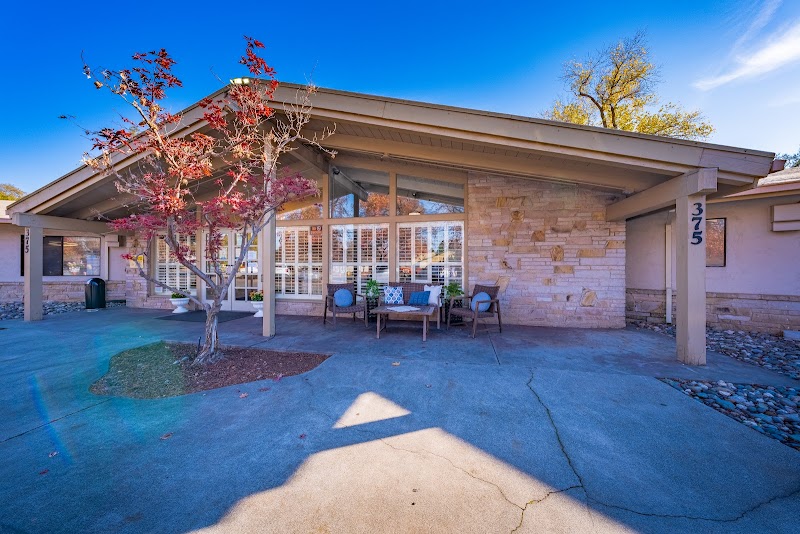
How is Oakwood Healthcare Center Staffed?

Staff turnover is 58%, which is 12 percentage points above the California average of 46%. High turnover can affect care consistency as new staff learn residents' individual needs. RN turnover specifically is 60%, which is notably high. RNs provide skilled clinical oversight, so turnover in this role can affect medical care quality.

What Have Inspectors Found at Oakwood Healthcare Center?

State health inspectors documented 110 deficiencies at OAKWOOD HEALTHCARE CENTER during 2023 to 2025. These included: 1 Immediate Jeopardy (the most serious level, indicating potential for serious harm or death), 3 that caused actual resident harm, and 106 with potential for harm. Immediate Jeopardy findings are rare and represent the most serious regulatory concerns. They require immediate corrective action.
Who Owns and Operates Oakwood Healthcare Center?

OAKWOOD HEALTHCARE CENTER is owned by a for-profit company. For-profit facilities operate as businesses with obligations to shareholders or private owners. The facility operates independently rather than as part of a larger chain. With 99 certified beds and approximately 66 residents (about 67% occupancy), it is a smaller facility located in CHICO, California.
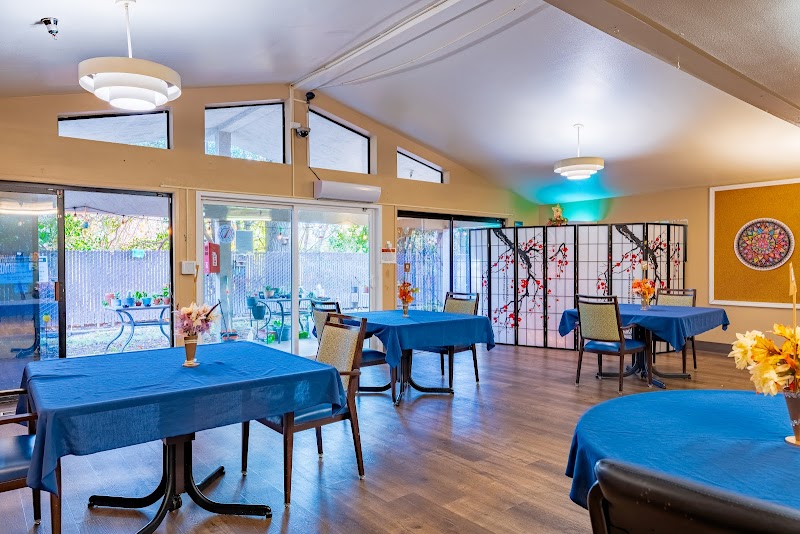
How Does Oakwood Healthcare Center Compare to Other California Nursing Homes?

Compared to the 100 nursing homes in California, OAKWOOD HEALTHCARE CENTER's staff turnover (58%) is significantly higher than the state average of 46%.

What Should Families Ask When Visiting Oakwood Healthcare Center?

Based on this facility's data, families visiting should ask: "What changes have been made since the serious inspection findings, and how are you preventing similar issues?" "What safeguards and monitoring systems are in place to protect residents from abuse or neglect?" "How do you ensure continuity of care given staff turnover, and what is your staff retention strategy?" "Can I visit during a mealtime to observe dining assistance and food quality?" These questions are particularly relevant given the facility's Immediate Jeopardy citations, the substantiated abuse finding on record, and the facility's high staff turnover rate.

Is Oakwood Healthcare Center Safe?

Based on CMS inspection data, OAKWOOD HEALTHCARE CENTER has documented safety concerns. The facility has 1 substantiated abuse finding (meaning confirmed case of resident harm by staff or other residents). Inspectors have issued 1 Immediate Jeopardy citation (the most serious violation level indicating risk of serious injury or death). The facility is currently on the Special Focus Facility watch list (a federal program monitoring the lowest-performing 1% of nursing homes nationwide). The facility has a 0-star overall rating and ranks #100 of 100 nursing homes in California. Families considering this facility should ask detailed questions about what corrective actions have been taken since these incidents.

Do Nurses at Oakwood Healthcare Center Stick Around?

Staff turnover at OAKWOOD HEALTHCARE CENTER is high. At 58%, the facility is 12 percentage points above the California average of 46%. Registered Nurse turnover is particularly concerning at 60%. RNs handle complex medical decisions and coordinate care — frequent RN changes can directly impact care quality. High turnover means new staff may not know residents' individual needs, medications, or preferences. It can also be disorienting for residents, especially those with dementia who rely on familiar faces. Families should ask: What is causing the turnover? What retention programs are in place? How do you ensure care continuity during staff transitions?

Was Oakwood Healthcare Center Ever Fined?

OAKWOOD HEALTHCARE CENTER has been fined $59,417 across 2 penalty actions. This is above the California average of $33,673. Fines in this range indicate compliance issues significant enough for CMS to impose meaningful financial consequences. Common causes include delayed correction of deficiencies, repeat violations, or care failures affecting resident safety. Families should ask facility leadership what changes have been made since these penalties.

Is Oakwood Healthcare Center on Any Federal Watch List?

OAKWOOD HEALTHCARE CENTER is currently on the Special Focus Facility (SFF) watch list. This federal program identifies the roughly 1% of nursing homes nationally with the most serious and persistent quality problems. SFF facilities receive inspections roughly twice as often as typical nursing homes. Factors in this facility's record include 1 Immediate Jeopardy finding, a substantiated abuse finding, and $59,417 in federal fines. Facilities that fail to improve face escalating consequences, potentially including termination from Medicare and Medicaid. Families considering this facility should ask for documentation of recent improvements and what specific changes have been made since the designation.