EL ENCANTO HEALTHCARE CENTER
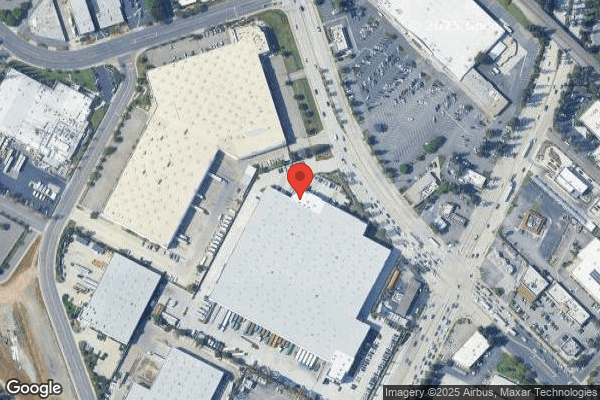
555 SOUTH EL ENCANTO ROAD, CITY OF INDUSTRY, CA 91745 (626) 336-1274
Non profit - Other 185 Beds Independent Data: November 2025
Trust Grade
65/100
#341 of 1155 in CA
Last Inspection: June 2025

Inspected within the last 6 months. Data reflects current conditions.

Overview

El Encanto Healthcare Center has received a Trust Grade of C+, indicating it is slightly above average among nursing homes. It ranks #341 out of 1,155 facilities in California, placing it in the top half, and #53 out of 369 in Los Angeles County, suggesting only a few local options are better. The facility's performance trend is stable, with 11 issues identified in both 2024 and 2025, which is consistent but not improving. Staffing is a notable strength, rated 5 out of 5 stars with a 32% turnover rate, which is lower than the state average, and they have better RN coverage than 86% of California facilities. However, there are some concerns, including a serious incident where a resident did not receive the required two-person assistance during a transfer, and issues with call lights not being within reach for residents, which could delay necessary care. On a positive note, there have been no fines reported, indicating compliance with regulations, but families should weigh both the strengths and weaknesses before making a decision.

Trust Score
C+
65/100
In California
#341/1155
Top 29%
Safety Record
Moderate
Needs review
Inspections
Holding Steady
11 → 11 violations
Staff Stability
○ Average
32% turnover. Near California's 48% average. Typical for the industry.
Penalties
✓ Good
No fines on record. Clean compliance history, better than most California facilities.
Skilled Nurses
✓ Good
Each resident gets 63 minutes of Registered Nurse (RN) attention daily — more than 97% of California nursing homes. RNs are the most trained staff who catch health problems before they become serious.
Violations
⚠ Watch
39 deficiencies on record. Higher than average. Multiple issues found across inspections.
★★★★☆
4.0
Overall Rating
★★★★★
5.0
Staff Levels
★★★★☆
4.0
Care Quality
★★★☆☆
3.0
Inspection Score
Stable
2024: 11 issues
2025: 11 issues

The Good

  • 5-Star Staffing Rating · Excellent nurse staffing levels
  • 4-Star Quality Measures · Strong clinical quality outcomes
  • Full Sprinkler Coverage · Fire safety systems throughout facility
  • No fines on record
  • Staff turnover below average (32%)

    16 points below California average of 48%

Facility shows strength in staffing levels, quality measures, fire safety.

The Bad

Staff Turnover: 32%

14pts below California avg (46%)

Typical for the industry

The Ugly 39 deficiencies on record

1 actual harm
Jun 2025 9 deficiencies
CONCERN (D)

Potential for Harm - no one hurt, but risky conditions existed

Assessment Accuracy (Tag F0641)

Could have caused harm · This affected 1 resident

**NOTE- TERMS IN BRACKETS HAVE BEEN EDITED TO PROTECT CONFIDENTIALITY** Based on interview, and record review, the facility failed to ensure one of three sampled resident's (Resident 39) discharge des...

Read full inspector narrative →
**NOTE- TERMS IN BRACKETS HAVE BEEN EDITED TO PROTECT CONFIDENTIALITY** Based on interview, and record review, the facility failed to ensure one of three sampled resident's (Resident 39) discharge destination was coded correctly in Resident 39's Minimum Data Set (MDS, a resident assessment tool). Resident 39 was discharge home but the MDS was coded as Resident 39 being discharged short term to the general hospital. This deficient practice resulted in reporting that was not accurate to the Centers of Medicare and Medicaid (CMS, a federal agency that administers the Medicare program and works with state governments to administer the Medicaid and health insurance portability standards) agency. Findings: During a review of Resident 39's admission Record (AR), the AR indicated Resident 39 was admitted to the facility 3/14/2025 with diagnoses that included hyperlipidemia (high levels of fats in the blood) and diabetes mellitus type 2 (a disease that results in elevated levels of glucose in the blood). During a review of Resident 39's Physicians Order (PO), dated 3/18/2025, the PO indicated to discharge Resident 39 home on 3/22/2025, per Resident 39's request. During a review of Resident 39's Discharge Summary, dated 3/18/2025, timed at 2:19 pm, the summary indicated Resident 39 was transferred home on 3/22/2025. During a review of Resident 39's MDS, dated [DATE], the MDS indicated Resident 39 was discharged to a short-term general hospital. During a concurrent interview and record review of Resident 39's MDS, with the MDS Coordinator (MDSC) on 6/11/2025 at 9:50 am, the MDSC stated Resident 39 was coded as discharged to a short-term general hospital. The MDSC stated, Resident 39 was discharged home on 3/22/2025 and not to the general hospital. The MDSC stated, Resident 39's MDS assessment needed to be coded as discharged home. The MDSC stated Resident 39's MDS assessment needed to be coded accurately, and CMS needed to be provided with accurate information. During a concurrent interview and record review of Resident 39's medical record (chart) with the Assistant Director of Nursing (ADON) on 6/12/2025, at 9:33 am, the ADON stated Resident 39 was discharged home on 3/22/2025 per Resident 39's request. The ADON stated, Resident 39 was discharged home after dialysis treatment. The ADON stated MDS assessments needed to be coded accurately. During a review of the facility's undated policy and procedure (P&P) titled, MDS and Resident Assessment Instrument (RAI) Process, the P&P indicated, all members of the Interdisciplinary Team (IDT, a team of health care professions who work together to establish plans of care for residents) shared responsibility for accurate completion of the RAI. The P&P indicated RN MDS Coordinator reviewed all sections of the MDS and signed to indicate completion of the assessment.
CONCERN (D)

Potential for Harm - no one hurt, but risky conditions existed

Accident Prevention (Tag F0689)

Could have caused harm · This affected 1 resident

**NOTE- TERMS IN BRACKETS HAVE BEEN EDITED TO PROTECT CONFIDENTIALITY** Based on interview and record review, the facility failed to ensure one of two sampled residents (Resident 17) was provided adeq...

Read full inspector narrative →
**NOTE- TERMS IN BRACKETS HAVE BEEN EDITED TO PROTECT CONFIDENTIALITY** Based on interview and record review, the facility failed to ensure one of two sampled residents (Resident 17) was provided adequate supervision during activities of daily living (ADL, activities such as bathing, dressing, and toileting a person performs daily) by using a two-person assist to prevent a fall occurrence. This failure resulted in a fall which had the potential to result in severe harm or injury to Resident 17. Findings: During a review of Resident 17's admission Record (Face Sheet), the admission Record indicated the facility admitted Resident 17 on 4/17/2025 with diagnoses including osteoarthritis (a progressive disorder of the joints, caused by a gradual loss of cartilage), osteoporosis (weak and brittle bones due to lack of calcium and Vitamin D), morbid obesity (a disorder that involves having too much body fat), generalized muscle weakness (a decrease in muscle strength throughout the body), and lack of coordination (an inability to smoothly and precisely control body movements). During a review of Resident 17's Minimum Data Set (MDS, a resident assessment tool) dated 4/24/2025 , the MDS indicated Resident 17 was dependent (helper did all the effort, resident did none of the effort to complete the activity, the assistance of 2 or more helpers are required for the resident to complete the activity) with eating, oral hygiene, toileting, showering, upper/lower body dressing and personal hygiene. The MDS indicated Resident 17 was dependent on staff for rolling to the left and right side. During a review of Resident 17's MDS dated [DATE], the MDS indicated Resident 17 had moderately impaired cognition (ability to understand and process information). During a review of Resident 17's CT (Computed Tomography, a type of specialized x-ray) of the head with no contrast results indicated Resident 17 had no significant abnormality (findings are all normal). During a concurrent observation and interview with Resident 17 on 6/10/2025 at 10:59 a.m., Resident 17 was observed with dark colored areas on the left arm, Resident 17 stated about two weeks ago a lady (resident was unable to identify the staff) turned me to right side, and I slid and fell while the staff was changing my diaper. Resident 17 stated she slid and fell off the bed on her right side. Resident 17 stated she was taken to the emergency room, and had no broken bones. During an interview on 6/11/2025 at 3:23 p.m. with Certified Nursing Assistant 4 (CNA 4). CNA 4 stated Resident 17 needed 2-person assistance for all ADLs and bed mobility such as turning, repositioning, changing, and cleaning. CNA 4 stated she was providing ADL care to Resident 17 when the resident slid very slowly from the bed. CNA 4 stated she was alone providing care at that time. CNA 4 stated she was holding Resident 17's shoulders but the resident was a heavy person and could not prevent the fall. CNA 4 stated she called for assistance and the charge nurse came into the room, while another CNA brought the Hoyer lift (mechanical equipment used to transfer a person support the body from one place to another) to transfer the resident back into bed. During an interview on 6/11/2025 at 3:32 p.m. with Licensed Vocational Nurse (LVN 3), LVN 3 stated Resident 17 should be cleaned and provided ADL with 2-person assistance for the safety of the resident and to prevent fall. During a concurrent interview and record review on 6/11/2025 at 3:46 p.m. with the Assistant Director of Nursing (ADON), Resident 17's nurses' notes dated 6/1/2025 and care plans dated 4/21/2025 were reviewed. The ADON stated based on the documentation, Resident 17 was provided care by only one CNA. The ADON stated Resident 17's ADL should be performed by two CNAs, one to hold the weight of Resident 17 on the other side of the bed to prevent a fall. During a review of the facility's Policy and Procedure (P&P) titled, Activities of Daily Living (ADL) Supporting, revised on 3/2018, the P&P indicated, Appropriate care and services will be provided for residents who are unable to carry out ADL's independently .including appropriate support and assistance with .hygiene (bathing, dressing, grooming and oral care).
CONCERN (D)

Potential for Harm - no one hurt, but risky conditions existed

Incontinence Care (Tag F0690)

Could have caused harm · This affected 1 resident

**NOTE- TERMS IN BRACKETS HAVE BEEN EDITED TO PROTECT CONFIDENTIALITY** Based on observation, interview, and record review, the facility failed to ensure a Foley catheter (FC, a thin, flexible, rubber...

Read full inspector narrative →
**NOTE- TERMS IN BRACKETS HAVE BEEN EDITED TO PROTECT CONFIDENTIALITY** Based on observation, interview, and record review, the facility failed to ensure a Foley catheter (FC, a thin, flexible, rubber or plastic tube used to drain urine from the bladder [hollow muscular organ that acts as a reservoir for urine]) was secured on the resident's thigh for one of two sampled residents (Resident 141). This failure had the potential to result in catheter-related complications like tissue trauma and a physical decline to Resident 141. Findings: During a review of Resident 141's admission Record (AR), the AR indicated Resident 141 was admitted to the facility on [DATE] with diagnoses that included chronic kidney disease (CKD, a progressive condition where the kidneys gradually lose their ability to filter waste and excess fluid from the blood), urine retention (inability to fully or partially empty the bladder) and dementia (a progressive state of decline in mental abilities). During a review of Resident 141's Care Plan (CP), dated 6/3/2025, the CP indicated Resident 141 had alteration in urinary elimination and required the use of a Foley catheter. The CP's approaches included to secure catheter tubing to Resident 141's leg to avoid pulling or trauma. During a review of Resident 141's History and Physical (H&P), dated 6/4/2025, the H&P indicated Resident 141 had urinary retention and used an indwelling Foley catheter. The H&P indicated Resident 141 appeared confused During a review of Resident 141's Minimum Data Set (MDS, a resident assessment tool), dated 6/9/2025, the MDS indicated, Resident 141 had an indwelling catheter (Foley catheter). During a concurrent observation inside Resident 141's room and interview on 6/10/2025 at 8:54 am with Licensed Vocational Nurse 1 (LVN 1), Resident 141 was sitting on the wheelchair and had a Foley catheter. LVN 1 stated the Foley catheter tubing was not secured on Resident 141's thigh. LVN 1 stated the Foley catheter's tubing should be secured properly to prevent pulling during movement that could cause trauma and bleeding. During an interview on 6/11/2025 at 1:29 pm with the Assistant Director of Nursing (ADON), the ADON stated, all indwelling catheters should be secured properly on the resident's (in general) thigh to hold the catheter in place and to prevent pulling and injury to the residents during movements and transfers. During a review of the facility's undated Policy and Procedure (P&P) titled, Catheter Care, General, the P&P indicated, Use leg straps to attached catheter tubing to residents' leg to avoid tension on catheter. Be sure [the] strap is attached comfortably and is not too tight.
CONCERN (D)

Potential for Harm - no one hurt, but risky conditions existed

Respiratory Care (Tag F0695)

Could have caused harm · This affected 1 resident

**NOTE- TERMS IN BRACKETS HAVE BEEN EDITED TO PROTECT CONFIDENTIALITY** Based on observation, interview, and record review, the facility failed to label the nasal cannula (NC, a small plastic tube, wh...

Read full inspector narrative →
**NOTE- TERMS IN BRACKETS HAVE BEEN EDITED TO PROTECT CONFIDENTIALITY** Based on observation, interview, and record review, the facility failed to label the nasal cannula (NC, a small plastic tube, which fits into the person's nostrils for providing supplemental oxygen [colorless, odorless gas]) tubing for one of one sampled resident (Resident 140). This failure had the potential for Resident 140 to result in infection. Findings: During a review of Resident 140's admission Record (AR), the AR indicated Resident 140 was admitted to the facility on [DATE] with diagnoses that included congestive heart failure (CHF, long term condition that happens when the heart cannot pump blood well enough to give the body a normal supply sometimes resulting in leg swelling), cirrhosis of liver (a condition where the liver is permanently scarred or damaged), and obstructive sleep apnea (a sleep disorder characterized by repeated episodes of upper airway obstruction during sleep). During a review of Resident 140's Physician Order (PO), dated 6/9/2025, the PO indicated, Resident 140 had an order for oxygen at 2 liters (L, unit of measurement) via NC as needed. During a review of Resident 140's History and Physical (H&P), dated 6/10/2025, the H&P indicated, Resident 140 had limited decision-making capacity. During a concurrent observation inside Resident 140's room and interview on 6/10/2025 at 8:31 am, with Certified Nurse Assistant 1 (CNA 1), Resident 140 was lying in bed on his back with oxygen running at 2L via NC. CNA 1 stated the NC tubing was not labeled with a date to indicate when the tubing was last changed. During an interview on 6/11/2025 at 1:28 pm with the Assistant Director of Nursing (ADON), the ADON stated NCs, and other respiratory tubing should be labeled with the date to indicate when [the oxygen] was started or the tubing was changed and for infection control [purposes]. During a review of the facility's Policy and Procedure (P&P) titled, Oxygen Administration, revised 9/2014, the P&P indicated, Label and date nasal cannula tubing and change every 7 days by Licensed Nurses.
CONCERN (D)

Potential for Harm - no one hurt, but risky conditions existed

Deficiency F0700 (Tag F0700)

Could have caused harm · This affected 1 resident

**NOTE- TERMS IN BRACKETS HAVE BEEN EDITED TO PROTECT CONFIDENTIALITY** Based on observation, interview, and record review, the facility failed to ensure a physician's order, and an informed consent w...

Read full inspector narrative →
**NOTE- TERMS IN BRACKETS HAVE BEEN EDITED TO PROTECT CONFIDENTIALITY** Based on observation, interview, and record review, the facility failed to ensure a physician's order, and an informed consent was obtained before the installation of bilateral (both sides) one-fourth (1/4) siderails/bedrails (adjustable metal or plastic bars attached to the bed) for one of three sampled residents (Resident 1). This failure placed Resident 1 at risk for entrapment (an event in which resident was caught, trapped, or entangled in the tight spaced around the bed) and injury from the use of siderails/bedrails. Findings: During a review of Resident 1's admission Record (AR), the AR indicated Resident 1 was initially admitted to the facility on [DATE] and readmitted on [DATE] with diagnoses that included hemiplegia (paralysis [complete or partial loss of muscle function] on one side of the body), hemiparesis (characterized by weakness on one side of the body), and diabetes mellitus (DM, a disorder characterized by difficulty in blood sugar control and poor wound healing). During a review of Resident 1's Minimum Data Set (MDS, a resident assessment tool), dated 3/11/2025, the MDS indicated Resident 1 was severely impaired in cognition (ability to understand and process information). The MDS indicated Resident 1 was dependent (helper did all the effort, resident did none of the effort to complete the activity) with oral hygiene, toileting, showers, upper and lower body dressing, and personal hygiene. During an observation inside Resident 1's room on 6/10/2025 at 9:24 am Resident 1 was in bed, on her left side with ¼ siderails/bedrails up on both sides of the bed. During a concurrent interview and record review on 6/10/2025 at 9:24 am with the Minimum Data Set Coordinator (MDSC), Resident 1's medical record (chart) was reviewed. The MDSC stated Resident 1 did not have a physician's order and an informed consent was not obtained before the installation of bilateral ¼ siderails/bedrails. The MDSC stated a physician's order, and a signed informed consent should be obtained before the installation of siderails/bedrails to make sure that Resident 1 and/or the representative understood the risks and benefits for the use of siderails/bedrails to prevent potential entrapment and injury. During an interview on 6/10/2025 at 9:27 am with the Assistant Director of Nursing (ADON), the ADON stated, Resident 1 should have a physician's order for the use of ¼ siderails, and an informed consent obtained and signed before the installation of the siderails [this was important] for resident's safety and to prevent potential entrapment and injury. During a review of the facility's undated Policy and Procedure (P&P) titled, Siderails, the P&P indicated, Prior to placing a siderail on the bed, informed consent will be obtained when siderail meets the definition of a physical restraint even when it can also be used as an enabler. During a review of the facility's undated P&P titled, Physician Orders, the P&P indicated, Restraint orders specify the type, reason, frequency of check and release, duration of use, and purpose of restraint.
CONCERN (D)

Potential for Harm - no one hurt, but risky conditions existed

Safe Environment (Tag F0921)

Could have caused harm · This affected 1 resident

**NOTE- TERMS IN BRACKETS HAVE BEEN EDITED TO PROTECT CONFIDENTIALITY** Based on observation, interview, and record review, the facility failed to ensure bilateral (both sides) side rails pads were fr...

Read full inspector narrative →
**NOTE- TERMS IN BRACKETS HAVE BEEN EDITED TO PROTECT CONFIDENTIALITY** Based on observation, interview, and record review, the facility failed to ensure bilateral (both sides) side rails pads were free from damaged, wear and tear, for one of one sampled resident (Resident 3). This deficient practice had potential to place Resident 3 at risk for injury from the use of damaged side rail pads. Findings: During a review of Resident 3's admission Record (AR), the AR indicated Resident 3 was admitted to the facility on [DATE] with diagnoses that included unspecified dementia (a group of conditions, decline in mental ability, that interfere with daily activities)and senile degeneration of the brain (a decline in mental abilities, particularly memory and thinking skills, often associated with old age). During a review of Resident 3's Care Plan (CP), dated 9/26/2022, the CP indicated Resident 3 was on side rail management as enabler (assistive device that aids with mobility). The CP's intervention indicated for nursing staff to check the side rails periodically for safety/security, to refer to maintenance [department] if and when necessary, and left and right one half (1/2) side rails with pads to minimize [the] risk of bruising/skin tears on [the] extremities (arms and legs). During a review of Resident 3's Order Summary Report (OSR), dated 11/14/2022, the OSR indicated a physician's order for staff to apply left and right ½ side (partial) rails with pads as enabler for bed mobility and to prevent injury of [the] skin. During a review of Resident 3's Minimum Data Set (MDS - a resident assessment tool), dated 5/13/2025, the MDS indicated Resident 3's cognition (ability to understand and process information) was severely impaired. The MDS indicated, Resident 3 was dependent (helper did all of the effort, resident did none of the effort to complete the activity) on staff for eating, oral hygiene, toileting hygiene, showers, upper/lower body dressing, putting on/taking off footwear, and personal hygiene. During an observation on 6/10/2025 at 8:28 am inside Resident 3's room, Resident 3 was awake, lying in bed on Resident 3's back with ½ bilateral side rails up. The padded side rails were ripped and damaged. During an interview on 6/10/2025 at 10:25 am with the facility's Assistant Director of Nursing (ADON), the ADON stated the pads on Resident 3's side rails needed to be changed. The ADON stated the pads needed to be presentable and not ripped or damaged for Resident 3's safety and dignity. During a review of the facility's Policy and Procedure (P&P) titled, Building Systems General Maintenance Inspection, dated 1/1/1999, the P&P indicated for staff members to report any broken, loose, or otherwise defective equipment or fixtures to their immediate supervisors and/or the administrator and document their findings on the maintenance request log.
CONCERN (E)

Potential for Harm - no one hurt, but risky conditions existed

Deficiency F0558 (Tag F0558)

Could have caused harm · This affected multiple residents

**NOTE- TERMS IN BRACKETS HAVE BEEN EDITED TO PROTECT CONFIDENTIALITY** Based on observation, interview, and record review, the facility failed to ensure call lights were within reach and were functio...

Read full inspector narrative →
**NOTE- TERMS IN BRACKETS HAVE BEEN EDITED TO PROTECT CONFIDENTIALITY** Based on observation, interview, and record review, the facility failed to ensure call lights were within reach and were functioning properly for two of three sampled residents (Residents 30 and 18). This failure had the potential for Residents 30 and 18 not to receive necessary care or receive delayed services. Findings: a. During a review of Resident 30's admission Record (AR), the AR indicated Resident 30 was initially admitted to the facility on [DATE] and readmitted on [DATE] with diagnoses that included hemiplegia (paralysis [complete or partial loss of muscle function] on one side of the body), blindness on the left eye, and dementia (a group of conditions, decline in mental ability, that interfere with daily activities). During a review of Resident 30's Care Plans (CPs), dated 9/26/2024, the CPs indicated Resident 30 was at risk for decline in activity of daily living (ADL, term used in healthcare that refers to self-care activities)/range of motion (ROM, full movement potential of a joint), had impaired vision, and was at risk for injury from falls. The CP's interventions included keeping the call light within Resident 30's reach and answering the call light promptly. During a review of Resident 30's Minimum Data Set (MDS, a resident assessment tool), dated 3/29/2025, the MDS indicated Resident 30's cognition (ability to understand and process information) was severely impaired. The MDS indicated Resident 30 was dependent (helper did all the effort, resident did none of the effort to complete the activity) with oral hygiene, toileting, showers, and personal hygiene. During a concurrent observation inside Resident 30's room and interview on 6/10/2025 at 8:39 am with Licensed Vocational Nurse 1 (LVN 1), Resident 30 was lying in bed, on Resident 30's back and the call light was located on top of Resident 30's rolling (bedside) table. The rolling table was located approximately three (3) feet (ft, unit of measurement) away from Resident 30's bed. LVN 1 stated Resident 30 could not reach the call light. LVN 1 stated the rolling table with the call light should be placed next to and close to Resident 30's bed for Resident 30 to call for help [when needed] and prevent injuries like falls. During an interview on 6/11/2025 at 1:44 pm with the Assistant Director of Nursing (ADON), the ADON stated the call light should be placed close to Resident 30's good arm and hand for Resident 30 to be able to use the call light and staff could address Resident 30's needs timely and promptly. b.During a review of Resident 18's AR, the AR indicated Resident 18 was admitted to the facility on [DATE] with diagnoses that included abnormalities of gait (a person's manner of walking) and mobility (the ability to move) and unspecified osteoarthritis (type of joint disease that results from breakdown of joint cartilage [connective tissue] and underlying bone). During a review of Resident 18's CP, dated 9/4/2015, the CP indicated Resident 18 was at risk for injury from falls as evidenced by unsteady gait and balance. The CP's interventions indicated for the nursing staff to have Resident 18's call light within reach and to answer promptly, and to remind Resident 18 to use the call light to call for help as needed. During a review of Resident 18's Fall Risk Assessment (FRA- method of assessing a patient's likelihood of falling), dated 3/17/2025, the FRA indicated Resident 18 was assessed as a high risk for falls due to history of falls in the past 3 months. The FRA indicated Resident 18's vision was impaired, had balance problems, and required assisting devices. During a review of Resident 18's MDS, dated [DATE], the MDS indicated, Resident 18 had intact cognition for daily decision making. The MDS indicated Resident 18 was dependent on staff for eating, oral hygiene, toileting hygiene, showers, upper/lower body dressing, putting on/taking off footwear, and for personal hygiene. During a concurrent observation and interview on 6/10/2025 at 8:30 am, Resident 18 was awake, sitting in Resident 18's bed, and pressing the call light button. Resident 18 stated Resident 18's call light was not working for two days and Resident 18 informed Licensed Vocational Nurse 2 (LVN 2) on 6/9/2025. Resident 18 stated no [staff] came [to check on the light]. Resident 18 stated Resident 18 pressed the call light and no [staff] came to Resident 18's room on 6/10/2025. Resident 18 stated, Resident 18 went out of Resident 18's room to look for the nurse when Resident 18 needed assistance because the call light was not working. During an interview on 6/10/2025 at 10 am with the facility's Assistant Director of Nursing (ADON), the facility's ADON stated, a resident [used the] call light to call for assistance from the staff to [the call light was important to] maintain residents' safety. The ADON stated, call lights needed to be answered by the facility staff within 15 minutes. During a review of the undated facility's Policy and Procedure (P&P) titled, Call Lights, the P&P indicated to instruct the resident to use the call button any time he/she needs to talk with a nurse or be assisted. The P&P indicated for nursing staff to check to see that the system is functioning and if any malfunction, report immediately to [the] maintenance [department]. The P&P indicated to answer all [call] lights promptly, regardless of whose resident it is to ascertain what resident's needs are. The P&P indicated call lights need to be answered within three to five minutes.
CONCERN (E)

Potential for Harm - no one hurt, but risky conditions existed

Staffing Information (Tag F0732)

Could have caused harm · This affected multiple residents

Based on observation, interview, and record review, the facility failed to post accurate nurse staffing information of actual hours worked by the licensed and unlicensed nursing staff directly respons...

Read full inspector narrative →
Based on observation, interview, and record review, the facility failed to post accurate nurse staffing information of actual hours worked by the licensed and unlicensed nursing staff directly responsible for resident care per shift daily for 6/10/25, 6/11/25, and 6/12/25 in accordance with the facility's policy and procedure titled Posting Direct Care Daily Staffing Numbers. This deficient practice of posting inaccurate nurse staffing information could mislead the residents and visitors regarding facility staffing and could affect the quality of nursing care provided to the residents. Findings: During a concurrent observation and interview on 6/13/25, at 2:37 p.m., with the Case Manager (CM), the CM stated the purpose of staff posting was to communicate how many staff were providing care to the residents. The CM stated, the 11pm-7am (night) shift & 7 am -3pm (day) shift, posted dated 6/13/25 was not completed and the staff posting should be completed with staff actual work hours. The CM stated the CM would complete the actual hours on posting the next day. During the same observation, the facility's direct staffing information was not posted in the nurses' station and/or visible areas. During an interview on 6/13/25 at 3:39 p.m. with the Assistant Director of Nursing (ADON), the ADON stated staffing hours needed to be posted at the beginning of the shift and actual hours should be posted. The ADON stated the importance of posting the actual staffing was to determine the number of patients and the number of staff working to take care of the residents. During a record review on 6/13/25, with the CM and the ADON, the Posted Nurse Staffing Information actual total hours was not completed for 6/10/25, 6/11/25, and 6/12/25 for all three shifts. During a review of facility's Policy and Procedure titled, Posting Direct Care Daily Staffing Numbers, dated 2001, the P&P indicated within 2 hours of the beginning of each shift, the number of licensed nurses (RNs, LPNs, and LVNs) and the number of unlicensed nursing personnel (CNAs and NAs) directly responsible for resident care is posted in prominent location (accessible to residents and visitors) and in clear and readable format. The actual time worked during that shift for each category and type of nursing staff, and total number of licensed and non-licensed nursing staff working for the posted shift.
CONCERN (E)

Potential for Harm - no one hurt, but risky conditions existed

Food Safety (Tag F0812)

Could have caused harm · This affected multiple residents

Based on observation, interview, and record review, the facility failed to follow food storage handling practices in accordance with its Policy and Procedure (P&P) by failing to: 1. Remove expired foo...

Read full inspector narrative →
Based on observation, interview, and record review, the facility failed to follow food storage handling practices in accordance with its Policy and Procedure (P&P) by failing to: 1. Remove expired food items from the refrigerator. 2. Label food items with food item name, use by or expired date. 3. Maintain a functional convection steamer (an oven that is designed to steam cook large quantities of food over multiple shelves). These deficient practices had the potential to result in foodborne illness (illness caused by consuming contaminated food or beverages) for the residents. Findings: 1.During initial kitchen observation on 6/10/2025 at 7:50 AM, the kitchen staff did not remove expired food items from the refrigerator. One container of prunes had a use by date of 6/3/25 and one container of puree food was dated 6/9/25 indicating to be used for sack lunch, 4 pieces of half sandwiches). During a concurrent kitchen observation and interview with Food Service Worker (FSW) on 6/10/2025 at 2:21 PM, FSW stated the container of prunes, the container of puree food and four pieces of half sandwiches in the refrigerator were expired and should have been removed from the refrigerator. The FSW stated, the following food items were not properly labeled and should have been labeled with a use by or an expiration date: 1. One container of purple grapes inside the kitchen refrigerator on the bottom shelf. 2. One tray of fruit cups inside the kitchen on the top shelf. 3. One tray of applesauce cups inside the kitchen on the second shelf. 4. One plastic bag containing three green peppers and one orange pepper inside the kitchen on the second shelf. 5. One undated plastic container of fortified milk on top of kitchen table in the fruit and vegetable preparation zone. 6. One undated plastic container of sweetener on top of kitchen table in the fruit and vegetable preparation zone. 7. One undated plastic container of thickener on top of kitchen table in the fruit and vegetable preparation zone. 8. One undated tray of raw chicken inside walk-in freezer on the middle shelf. 9. One undated tray of three pieces of pastrami meat inside the walk-in freezer in the kitchen on the bottom shelf. 10. One tray of 11 fruit cups inside the kitchen refrigerator on the top shelf. The FSW stated properly labeling the food item with a use by or an expiration date would allow the staff to identify when the food items are expiring and when not to serve to the residents. The FSW stated expired food had the potential to cause harm to the residents. 2. During a concurrent kitchen observation and interview with Dietary Aide (DA) on 6/10/2025 at 2:30 PM, the following food items were observed undated or unlabeled: 1. One plastic container of fortified milk on top of kitchen table. 2. One undated plastic container of Sweetener. 3. One undated plastic container of thickener on top of kitchen table in the fruit and vegetable preparation zone. The DA stated, when food items were received, staff must label the food and all food items should have a label indicating received by and use by date to determine when the food would expire. The DA stated, using expred food could get the residents sick. During a kitchen interview with the Dietary Service Supervisor (DSS) on 6/10/25 at 2:41 PM, the DSS stated, labels were used to identify when food was not to be used or was expired. The DSS stated it was important not to use food that was expired because it could make the residents sick. During an interview with the Infection Prevention Nurse (IPN) on 6/11/25 at 10:46 AM, the IPN stated residents' food should be labeled with received date and expiration date because residents should not be served with expired food. The IPN stated, expired food could cause GI issues such as nausea, vomiting and dehydration, causing harm to the residents. If there was no expiration date on the food or if expired food was given to the residents, it could cause food poisoning and harm to the residents. During an interview with [NAME] 1 (C1) on 6/12/25 at 10:54 AM, C1 stated all food items should be labeled with open date and expiration date. C1 stated expired foods should be thrown right away. 3. During a kitchen observation on 6/12/25 at 11:57 AM, [NAME] 2 (C2) opened the facility's convection steamer and screamed of pain when a tray of green beans from inside the commercial convection steamer fell on her and onto the floor. During a follow up kitchen observation of the commercial convection steamer on 6/12/25 at 12:00 PM, the commercial convection steamer had missing five supporting rails on the left side of the steamer. During a concurrent observation and interview with the DSS on 6/12/25 at 12:10 PM, the DSS stated the commercial convection steamer should have been fixed and deemed safe to operate before dietary staff used it to prepare residents meals. The DSS also stated Maintenance Supervisor (MS) was aware of the missing rails and was waiting for the parts to fix it. During an interview with the FSW on 6/12/25 at 12:16 PM, the FSW stated due to the commercial convection steamer accident, the tray of green beans that fell to the floor would have to be remade causing the tray line to be late and the resident meal trays go out later than usual. The FSW also stated that since C1 had left the kitchen area to get medical assistance, the food items for dinner were not being prepared and therefore, dinner for the residents would also be late. During an interview with the DSS on 6/12/25 at 12:21 PM, the DSS stated when the facility does not maintain functional equipment in the kitchen area (the commercial convection steamer) it could lead to the residents' meal trays being served late. During an interview with the MS on 6/12/25 at 1:14 PM, the MS stated, malfunctioning of the commercial convectional steamer in the kitchen had the potential to affect residents' meals served late. During a review of the facility's Policy and Procedure (P&P) titled, Food Labeling and Dating Policy, with effective date of 10/01/1995, the P&P indicated, the facility has standardized procedures for labeling and dating all food items in the dietary department to ensure food safety, prevent foodborne illness, comply with California Department of Public Health regulations, and maintain quality standards for resident care. The P&P indicated, all food items entering, stored within, or prepared in the dietary department must be properly labeled with identification and date information according to established food safety standards and regulatory requirements. B. Storage of Foods 1.Dry Storage -Opened Packages: Label with opening date and discard date -Format: Opened: MM/DD/YY and Discard: MM/DD/YY 2. Refrigerated Storage (32-40F) -Fresh Produce: Label with receiving date and use-by date -Leftovers: Label with preparation date and discard date (maximum 3 days) Frozen Storage (0F or below): Fresh Items Being Frozen: Label with contents, freezing date, and recommended use-by date. Daily Procedures: -Check all labeled items daily for expiration -Remove and discard expired items immediately During a review of the facility's undated P&P titled, Storage, the P&P indicated food, and supplies will be stored in a safe and sanitary manner to ensure that food and supplies are safe to serve and use. Dry Storage: 1. Flour, sugar and dry bulk items will be stored in metal or plastic containers with tight fitting covers .A label will be secured to the container with the name of product and date stored. During a review of the facility's undated P&P titled, Storage, the P&P indicated food, and supplies will be stored in a safe and sanitary manner to ensure that food and supplies are safe to serve and use. Prevention of Contamination Guidelines: 2. Cover, label, date and refrigerate all leftovers as soon as serving is completed. 8. Store all pre-poured beverages and pre-portioned foods in refrigerator, covered and labeled until ready to serve. During a review of the facility's P&P titled, Building Systems General Maintenance Inspection, dated 1/1/99, the P&P indicated to maintain building systems in good working order, inspecting them at intervals which comply with state, federal and company standards to repair as necessary. The P&P indicated weekly inspections are conducted by maintenance staff on the condition of physical plant and equipment for residents and staff .and kitchen equipment, permanent or portable fixtures or equipment within the facility.
Mar 2025 2 deficiencies
CONCERN (D) 📢 Someone Reported This

A family member, employee, or ombudsman was alarmed enough to file a formal complaint

Potential for Harm - no one hurt, but risky conditions existed

Pharmacy Services (Tag F0755)

Could have caused harm · This affected 1 resident

Based on interview and record review, the facility failed to ensure staff did not give medications to one of three sampled residents (Resident 1) without a current physician's order as indicated in th...

Read full inspector narrative →
Based on interview and record review, the facility failed to ensure staff did not give medications to one of three sampled residents (Resident 1) without a current physician's order as indicated in the facility's policy and procedure (P&P) titled, Medication Administration. This deficient practice had the potential to result in the unnecessary use of medication, medication errors, and adverse side effects for Resident 1. Findings: During a review of Resident 1's admission Record (AR), the AR indicated the facility originally admitted Resident 1 on 10/19/2020, with diagnoses that included non-displaced intertrochanteric fracture of right femur (a type of fracture that occurs in the upper part of the thigh bone), dementia (a group of symptoms affecting memory, thinking and social abilities), and difficulty in walking. During a review of Resident 1's Minimum Data Set (MDS - a resident assessment tool), dated 1/26/2025, the MDS indicated Resident 1 was usually understood by others and had the ability to usually understand others. The MDS indicated Resident 1 was dependent (helper does all of the effort) on staff for toileting hygiene, showering/bathing self, lower body dressing, putting on/taking off footwear, and personal hygiene. During a review of Resident 1's Order Summary Report (OSR), dated 2/22/2025, the OSR indicated there was no current physician's order for any medication as needed for nausea and vomiting. During a review of Resident 1's Licensed Nurses Progress Notes (PN), dated 3/10/2025 and timed at 11:30 pm, the PN indicated Licensed Vocational Nurse (LVN) 1 documented that Resident 1 had small amount of emesis (vomit), brown in color, liquid, similar to nighttime medications with chocolate pudding. The PN indicated Resident 1 had no further nausea or vomiting. The PN indicated Resident 1's vital signs were stable, and call light was within reach. During an interview on 3/26/2025 at 3:22 pm with LVN 1, LVN 1 stated Resident 1 had some Zofran (a medication that prevents nausea and vomiting) 4 milligrams (mg) tablets available in the medication cart, labeled with Resident 1's name on it. LVN 1 stated LVN 1 gave Zofran 4 mg (one tablet) to Resident 1 at 11:30 pm or 11:45 pm. LVN 1 stated LVN 1 did not review Resident 1's Medication Administration Record (MAR) and verify if there was a physician's order for Zofran before giving the Zofran to Resident 1. LVN 1 stated LVN 1 administered the Zofran to Resident 1 first then tried to document the medication administration in Resident 1's MAR but did not see an active order for the Zofran. LVN 1 stated before giving any resident a medication, LVN 1 needed to look at the MAR before administering any medications. LVN 1 stated LVN 1 did not look at the MAR and just obtained the Zofran 4 mg from the medication cart. During an interview on 3/26/2025 at 4 pm with the Assistant Director of Nursing (ADON), the ADON stated before staff administered any medication, staff needed to check the MAR and check the physician's order. The ADON stated if there was no physician's order, staff needed to contact the physician and inform the physician because administering a medication without a physician's order was considered a medication error. During an interview on 3/26/2025 at 4:55 pm with the Director of Nursing (DON), the DON stated when administering a medication, staff needed to check the process. The DON stated staff needed to check the physician's orders against the medication card and follow the order. During a review of the facility's P&P titled, Medication Administration, revised on 6/12/2023, the P&P indicated Medications are administered as prescribed, in accordance with good nursing principles and practices and only by persons legally authorized to do so, Personnel authorized to administer medications do so only after they familiarized with the medication. The P&P indicated, Medications are administered in accordance with written orders of the attending physician.
CONCERN (D) 📢 Someone Reported This

A family member, employee, or ombudsman was alarmed enough to file a formal complaint

Potential for Harm - no one hurt, but risky conditions existed

Medical Records (Tag F0842)

Could have caused harm · This affected 1 resident

Based on interview and record review, the facility failed to follow the facility ' s policy and procedure (P&P) titled, Charting and Documentation, by failing to document a complete assessment (the pr...

Read full inspector narrative →
Based on interview and record review, the facility failed to follow the facility ' s policy and procedure (P&P) titled, Charting and Documentation, by failing to document a complete assessment (the process of evaluating a patient's condition) for one of three sampled residents ' condition (Resident 1). This deficient practice had the potential to not provide complete information regarding Resident 1 ' s condition. Findings: During a review of Resident 1 ' s admission Record (AR), the AR indicated the facility originally admitted Resident 1 on 10/19/2020 with diagnoses that included non-displaced intertrochanteric fracture of right femur (a type of fracture that occurs in the upper part of the thigh bone), dementia (a group of symptoms affecting memory, thinking and social abilities), and difficulty in walking. During a review of Resident 1 ' s Minimum Data Set (MDS – a resident assessment tool), dated 1/26/2025, the MDS indicated Resident 1 was usually understood by others and had the ability to usually understand others. The MDS indicated Resident 1 was dependent (helper does all of the effort) on staff for toileting hygiene, showering/bathing self, lower body dressing, putting on/taking off footwear, and personal hygiene. During a review of Resident 1 ' s Licensed Nurses Progress Notes (PN), dated on 3/10/2025 and timed at 11:30 pm, the PN indicated Licensed Vocational Nurse (LVN) 1 documented that Resident 1 had small amount of emesis (vomit), brown in color, liquid, similar to nighttime medications with chocolate pudding. The PN indicated Resident 1 had no further nausea or vomiting. The PN indicated Resident 1 ' s vital signs were stable, and call light was within reach. During a review of the Facility ' s Investigation Report (IR), dated 3/11/2025, the IR indicated during an interview with Certified Nursing Assistant (CNA) 1, CNA 1 had noticed Resident 1 was moaning on 3/10/2025 at 11:30 pm and Resident 1 suddenly screamed when CNA 1 repositioned Resident 1 to Resident 1 ' s right side. The IR indicated the Registered Nurse (RN) and LVN 1 checked on Resident 1. The IR indicated at 2:30 am, CNA 1 noticed that Resident 1 had an episode of moaning each time CNA 1 repositioned Resident 1. During a review of Resident 1 ' s SBAR (Situation, Background, Appearance, Review and Notify) Communication Form and Progress Notes (SBAR), dated 3/11/2025 at 11:30 am, the SBAR indicated CNA (unknown) reported that Resident 1 was moaning and grimacing of pain when moving Resident 1 ' s right leg. The SBAR indicated Resident 1 was noted with swelling on the right knee. During a review of Resident 1 ' s Radiology Report (RR) of the right knee, dated 3/11/2025, and timed at 2:58 pm, the RR indicated findings suggestive of a fracture of the proximal lateral tibia (a fracture, or break, in the shinbone just below the knee). During a review of the IR, dated 3/12/2025, the IR indicated during an interview with LVN 1, LVN 1 stated CNA 1 was changing Resident 1 on 3/10/2025 at 11:30 pm. The IR indicated LVN 1 and RN heard moaning from Resident 1 ' s room. The IR indicated LVN 1 and RN both went into Resident 1 ' s room to ask Resident 1 if Resident 1 had any pain. The IR indicated Resident 1 did not know if there was any pain. The IR indicated LVN 1 did not evaluate Resident 1 ' s bilateral lower extremities (both legs). The IR indicated LVN 1 could not state if Resident 1 had any knee or leg swelling because LVN 1 did not see Resident 1 ' s bilateral lower extremities and that no swelling was reported to LVN 1. During an interview on 3/26/2025 at 2:48 pm, with Certified Nursing Assistant (CNA) 1, CNA 1 stated on 3/10/2025, during 11 pm – 7 am shift, Resident 1 had episodes of moaning whenever CNA 1 provided care to Resident 1. CNA 1 stated Resident 1 only moaned when CNA 1 touched and repositioned Resident 1. CNA 1 stated Resident 1 did not usually moan when touched and had never done that before. CNA 1 stated CNA 1 informed LVN 1 that maybe Resident 1 was in pain. During an interview on 3/26/2025 at 3:22 pm, with LVN 1, LVN 1 stated LVN 1 was supposed to document anything abnormal, changes in condition or on the body, and anything that needed to be reported to the physician about a resident. During an interview on 3/26/2025 at 4 pm, with the Assistant Director of Nursing (ADON), the ADON stated staff was supposed to have complete documentation of what occurred and paint a picture of what happened to the resident, for continuity of care. During a review of the facility ' s P&P titled, Charting and Documentation, revised in July 2017, the P&P indicated all services provided to the resident, progress toward the care plan goals, or any changes in the resident ' s medical, physical, functional or psychosocial condition, shall be documented in the resident ' s medical record. The medical record should facilitate communication between the interdisciplinary team regarding the resident ' s condition and response to care. The following information is to be documented in the resident medical record: objective observations, medications administered, treatments or services performed, changes in the resident ' s condition, events, incidents or accidents involving the resident and progress toward or changes in the care plan goals and objectives.
Jun 2024 10 deficiencies
CONCERN (D)

Potential for Harm - no one hurt, but risky conditions existed

Deficiency F0638 (Tag F0638)

Could have caused harm · This affected 1 resident

**NOTE- TERMS IN BRACKETS HAVE BEEN EDITED TO PROTECT CONFIDENTIALITY** Based on interview and record review, the facility failed to ensure a quarterly Minimum Data Sets (MDS - a comprehensive standar...

Read full inspector narrative →
**NOTE- TERMS IN BRACKETS HAVE BEEN EDITED TO PROTECT CONFIDENTIALITY** Based on interview and record review, the facility failed to ensure a quarterly Minimum Data Sets (MDS - a comprehensive standardized assessment and screening tool) was timely completed within the required time frame for one of one sampled resident (Resident 4). This deficient practice had the potential to negatively affect the provision of necessary care for Resident 4. Findings: During a review of Resident 4's admission Record (AR), the AR indicated the facility admitted Resident 4 on 9/16/2022, with diagnoses that included dementia (long term and often gradual decrease in the ability to think and remember severe enough to affect a person's daily functioning) and malnutrition. During a review of Resident 4's MDS dated [DATE], the MDS indicated the MDS was a quarterly MDS assessment and was not yet completed as of 6/8/2024. During a review of the Center for Medicare and Medicaid Services (CMS, a federal agency that administers the Medicare program and works with state governments to administer the Medicaid and health insurance portability standards) Submission Report, the report indicated Resident 4's Quarterly MDS was completed late. The report indicated the assessment completion date was more than 14 days after the assessment reference date. During a concurrent interview and record review on 6/19/2024 at 12:03 pm with the MDS Coordinator (MDSC), the MDSC stated MDS report needed to be submitted and completed on 6/8/2024. MDSC stated, MDSC missed to complete the quarterly MDS for Resident 4. MDSC stated, it was important to complete and submit the quarterly MDS to CMS as required to provide accurate information timely. During a review of the facility's undated Policy and Procedure titled, MDS and Resident Assessment Instrument Process, the P&P indicated, all other assessments must be submitted within 14 days of the MDS Completion Date. P&P indicated, quarterly assessment is due every quarter unless the resident is no longer in the facility
CONCERN (D)

Potential for Harm - no one hurt, but risky conditions existed

Comprehensive Care Plan (Tag F0656)

Could have caused harm · This affected 1 resident

**NOTE- TERMS IN BRACKETS HAVE BEEN EDITED TO PROTECT CONFIDENTIALITY** Based on observation, interview, and record review, the facility failed to develop a specific and individualized person-centered...

Read full inspector narrative →
**NOTE- TERMS IN BRACKETS HAVE BEEN EDITED TO PROTECT CONFIDENTIALITY** Based on observation, interview, and record review, the facility failed to develop a specific and individualized person-centered care plan to meet the resident's needs for one of one sampled resident (Resident 20) who was assessed with hearing difficulty. This deficient practice had the potential for Resident 20 not to receive the necessary care, treatment, and services. Findings: During a review of Resident 20's admission Records (AR), the AR indicated Resident 20 was admitted to the facility on [DATE] with diagnoses that included metabolic encephalopathy (a brain condition caused by a chemical imbalance in the blood) and Parkinson's disease (disease that affects the nerve cells in the brain that produces symptoms that include muscle rigidity, tremors, and changes in speech and gait) During a review of Resident 20's Minimum Data Set (MDS, a standardized assessment and care planning tool), dated 5/9/2024, the MDS indicated Resident 20 had severely impaired cognition (ability to understand) and required maximal assistance (helper does more than half the effort) with oral and toileting hygiene, shower, and upper body dressing. The MDS indicated Resident 20 had hearing difficulty. During a concurrent observation and interview on 6/20/2024 at 10:10 am inside Resident 20's room with Licensed Vocational Nurse 6 (LVN 6), LVN 6 was talking full-voiced (strong, powerful voice) to Resident 20. Resident 20 was pointing to his right ear. Resident 20 nodded when asked by LVN 6 if he could not hear on his right ear. LVN 6 stated Resident 20 speaks mostly Cantonese and minimal use of the English language. LVN 6 stated LVN 6 needed to talk louder to Resident 20 to be understood. During a concurrent observation and interview on 6/20/2024 at 10:53 am with Licensed Vocational Nurse 5 (LVN 5), Resident 20 was pointing to his ears while LVN 5 was talking to him in Cantonese. Resident 20 stated Resident 20 could not hear well on both ears. During a review of Resident 20's Care Plans (CP) and clinical record on 6/20/2024 at 10:30 am, there was no care plan initiated and developed to address Resident 20's difficulty of hearing. During an interview on 6/21/2024 at 11:09 am with the Minimum Data Set Coordinator (MDS C), MDS C stated a care plan needed to be developed on admission, quarterly, annually and during changes of condition and revised as needed. During an interview on 6/21/2024 at 11:21 am with the Director of Nursing (DON), the DON stated the care plan would guide the staff to provide care, treatment, and services to the resident. During a review of the facility's undated Policy and Procedure (P&P), the P&P indicated, It is the policy of the facility to identify the resident's need and provide a data base for resident's health assessment that begins on the day the resident is admitted in the facility. The care plans are person-centered and are used to assist the resident to reach his/her highest to reach his/her highest practicable level of physical, mental and psychosocial well-being. The facility will develop a comprehensive person-centered care plan for each resident that includes measurable goals and time-oriented objectives to meet the residents' medical, nursing, mental and psychosocial needs that are identified from a thorough assessment that includes, but not limited to the Minimum Data Base (MDS).
CONCERN (D)

Potential for Harm - no one hurt, but risky conditions existed

Deficiency F0694 (Tag F0694)

Could have caused harm · This affected 1 resident

**NOTE- TERMS IN BRACKETS HAVE BEEN EDITED TO PROTECT CONFIDENTIALITY** Based on observation, interview and record review, the facility failed to label and date the Intravenous (IV- administered into ...

Read full inspector narrative →
**NOTE- TERMS IN BRACKETS HAVE BEEN EDITED TO PROTECT CONFIDENTIALITY** Based on observation, interview and record review, the facility failed to label and date the Intravenous (IV- administered into a vein) site consistent with professional standards of practice for one of one sampled resident (Resident 93). This deficient practice had the potential to result in infection and worsen Resident 93's medical condition. Findings: During a review of Resident 93's admission Record (AR), the AR indicated Resident 93 was admitted to the facility on [DATE], with diagnoses that included dysphagia (difficulty swallowing) and malignant neoplasm of the lung (lung cancer). During a review of Resident 93's Minimum Data Set (MDS, a resident assessment and care screening tool) dated 6/13/2024, the MDS indicated Resident 93 had moderately impaired cognition (ability to understand). The MDS indicated Resident 93 was dependent (helper does all of the effort, resident does none of the effort to complete the activity) for personal hygiene, toileting and rolling left and right. During a review of Resident 93's Physician Orders (PO) for infusion therapy dated 6/16/2024, the PO indicated for Resident 93 to receive continuous infusion for 0.9% NS at the rate of 60ml/hr for 24 hours. During a review of Resident 93's Intravenous Therapy Medication Record (ITMR) dated 6/16/2024, the ITMR indicated Resident 93's peripheral line (IV access) was inserted on 6/16/2024 at 11:20 pm to Resident 93's left hand. During an observation on 6/18/2024 at 11:20 am, in Resident 93's room, Resident 93 had ongoing IV fluid of Normal Saline (NS) 0.9% (percent, 0.9 gram of salt [NaCl] per 100ml of solution) flowing at 60 milliliter per hour (ml/hr). Resident 93's IV access was located at the back of Resident 93's left hand. There was no label on the IV dressing of the date of insertion. During an interview on 6/18/2024 at 11:38 am with the Minimum Data Set Coordinator (MDSC), the MDSC stated Resident 93's IV site was not labeled. The MDSC stated IV site needed to be labeled with date of insertion so that staff would know when to change the IV site, for infection control purposes. The MDSC stated, IV access should be changed every 72 hours after insertion. The MDSC stated, Resident 93's IV was inserted on 6/16/2024. During a review of the facility's Policy and Procedure titled Short Peripheral Catheter Insertion, revised 5/1/2015, the P&P indicated label dressing with date and time, catheter gauge and length, nurse's initials.
CONCERN (D)

Potential for Harm - no one hurt, but risky conditions existed

Infection Control (Tag F0880)

Could have caused harm · This affected 1 resident

Based on observation, interview, and record review, the facility failed to follow the its Policy and Procedure (P&P) on Enhanced Barrier Precaution (EBP, precautions that include the use of a gown and...

Read full inspector narrative →
Based on observation, interview, and record review, the facility failed to follow the its Policy and Procedure (P&P) on Enhanced Barrier Precaution (EBP, precautions that include the use of a gown and gloves during high contact resident care activities for residents) to prevent the spread of infections for one of five sampled residents (Resident 35) for infection control when Licensed Vocational Nurse 7 (LVN 7) did not don (put on) personal protective equipment (PPE, equipment worn to minimize exposure to hazards ) before taking the blood pressure of Resident 35 in an EBP room. This failure had the potential to result in transmission of multidrug-resistant organisms (MDRO, bacteria that is resistant to antibiotics) to other residents in the facility. Findings: During a concurrent observation and interview on 6/19/2024 at 9:41 am with LVN 7, an EBP sign was noted outside of Resident 35's door. LVN 7 entered Resident 35's EBP room without donning on PPE and took Resident 35's blood pressure. LVN 7 stated LVN 7 did not have a gown on when taking Resident 35's blood pressure and stated LVN 7 should have worn gloves and a gown because LVN 7 was in close contact with Resident 35. LVN 7 stated LVN 7 did not follow EBP precautions and stated the risk of not following PPE precautions for an EBP room was that MDRO's can be transmitted to other residents in the facility. During an interview on 6/20/2024 at 9:22 am with the Infection Prevention Nurse (IPN- a nurse who helps prevent and identify the spread of infectious disease in the healthcare environment), the IPN stated EBP was used to reduce the transmission of MDRO's. The IPN stated an EBP sign was posted outside the resident's door for residents who have open wounds, gastrostomy tubes (G-tube, surgical insertion of a tube, creating an artificial external opening into the stomach for medication/nutritional support), foley catheter (indwelling catheter placed into the bladder to drain urine), and residents who are on dialysis (process of removing excess waste material from the blood). The IPN stated staff needed to don PPE before entering the room if staff needed to be in close contact with the resident on EBP. The IPN stated taking Resident 35's blood pressure who was inside an EBP room was considered close contact activity. The IPN stated, MDRO's can be transferred to other residents if staff do not use proper PPE. During a record review of the facility's undated P&P, titled Enhanced Barrier Precaution, the P&P stated staff are to wear gowns and gloves while performing tasks that are associated with the greatest risk for MDRO contamination of health care providers (HCP) hands, clothes, and the environment, such as, any care activity where close contact with the resident is expected to occur.
CONCERN (E)

Potential for Harm - no one hurt, but risky conditions existed

Deficiency F0558 (Tag F0558)

Could have caused harm · This affected multiple residents

**NOTE- TERMS IN BRACKETS HAVE BEEN EDITED TO PROTECT CONFIDENTIALITY** Based on observation, interview, and record review, the facility failed to ensure the resident's call light was within reach for...

Read full inspector narrative →
**NOTE- TERMS IN BRACKETS HAVE BEEN EDITED TO PROTECT CONFIDENTIALITY** Based on observation, interview, and record review, the facility failed to ensure the resident's call light was within reach for two of two sampled residents (Residents 20 and 27). These deficient practices had the potential for Residents 20 and 27 not to receive necessary care or received delayed services to meet the residents' needs. Findings: a. During a review of Resident 20's admission Records (AR), the AR indicated Resident 20 was admitted to the facility on [DATE] with diagnoses that included metabolic encephalopathy (a brain condition caused by a chemical imbalance in the blood) and Parkinson's disease (disease that affects the nerve cells in the brain that produces symptoms that include muscle rigidity, tremors, and changes in speech and gait) During a review of Resident 20's Minimum Data Set (MDS, a standardized assessment and care planning tool), dated 5/9/2024, the MDS indicated Resident 20 had severely impaired cognition (ability to understand) and required maximal assistance (helper does more than half the effort) with oral and toileting hygiene, shower, and upper body dressing. During a review of Resident 20's untitled Care Plan (CP), dated 8/2/2023, the CP indicated Resident 20 was at risk for decline in activities of daily living (ADL)/range of motion (ROM), skin breakdown, falls and injury. The CP interventions included to keep Resident 20's call light within reach and answer promptly. During an observation on 6/18/2024 at 10:30 am inside Resident 20's room, Resident 20 could not pull his call light. Resident 20's call light was hanging on the side of the bed and the cord was caught in between the bed and the bedrails. During an interview on 6/18/2024 at 10:45 am with Licensed Vocational Nurse 2 (LVN 2), LVN 2 stated the resident's call light should be reachable and accessible to the resident to call help and for the staff to meet the resident's needs. b. During a review of Resident 27's AR, the AR indicated Resident 27 was admitted to the facility on [DATE] with diagnoses that included osteoarthritis (a long term joint disease that causes the cartilage within a joint to break down over time) and history of falling. During a review of Resident 27's untitled CP, dated 6/19/2019, the CP indicated Resident 27 was at risk for injury from falls as evidenced by history of falls at home prior to hospitalization, impaired cognition with episodes of forgetfulness and history of cerebrovascular accident (CVA, also called stroke, damage to the brain from interruption of blood supply). The CP goal was to maintain functional mobility to minimize injury from falls for Resident 27. The CP interventions included to assist Resident 27 in all transfers and mobility and keep the resident's call light within reach and answer promptly. During a review of Resident 27's MDS dated [DATE], the MDS indicated Resident 27 had intact cognition and required moderate assistance (helper does less than half the effort) with toileting and shower. During a review of Resident 27's Fall Risk Assessment (FRA) dated 5/7/2024, the FRA indicated Resident 27 had a score of 8 indicating Resident 27 was moderately at risk for fall related to the resident's balance problems, requiring assistive devices. During an observation on 6/18/2024 at 11:00 am inside Resident 27's room, Resident 27 was standing on her own and Resident 27's call light was on the floor by the wall. During an interview on 6/19/2024 at 11:50 pm with LVN 4, LVN 4 stated, Resident 27's call light should be placed next to the resident in bed, on the table or close to the resident's hands so the resident could call when the resident needed help, and the staff would assist and address the resident's needs immediately. LVN 4 stated Resident 27's call light should not be on the floor or stuck in between the bed and the bedrails where the resident could not pull or reach it. During an interview on 6/19/2024 on 12:00 pm with the Director of Nursing (DON), the DON stated call light should be placed where the residents could reach it and have access to it when they need it, so the residents could call the staff and the staff could address the residents' needs. During a review of the facility's undated Policy and Procedure (P&P) titled, Call Lights, the P&P indicated, All residents will have a call light in place at all times. Reposition call light within resident's reach to assure resident can call for help.
CONCERN (E)

Potential for Harm - no one hurt, but risky conditions existed

Deficiency F0578 (Tag F0578)

Could have caused harm · This affected multiple residents

**NOTE- TERMS IN BRACKETS HAVE BEEN EDITED TO PROTECT CONFIDENTIALITY** b. During a review of Resident 2's AR, the AR indicated the facility admitted Resident 2 on [DATE] with diagnoses that included ...

Read full inspector narrative →
**NOTE- TERMS IN BRACKETS HAVE BEEN EDITED TO PROTECT CONFIDENTIALITY** b. During a review of Resident 2's AR, the AR indicated the facility admitted Resident 2 on [DATE] with diagnoses that included dementia (long term and often gradual decrease in the ability to think and remember severe enough to affect a person's daily functioning), essential hypertension (elevated blood pressure without a known cause) and type 2 diabetes mellitus 2 (a disease in which the body's ability to produce or respond to the hormone insulin is impaired, resulting in elevated levels of glucose/sugar in the blood and urine). During a review of Resident 2's MDS dated [DATE], the MDS indicated, Resident 2 's cognition for daily decision making was severely impaired. During an interview and record review of Resident 2's medical record on [DATE] at 11:51 am, together with Licensed Vocational Nurse 1 (LVN 1), LVN 1 stated LVN 1 did not find Resident 2 AD Acknowledgement Form in Resident 2's medical record. LVN 1 stated, the AD Acknowledgement Form needed to be in Resident 2's medical record for easy access. During an interview and record review of Resident 2's medical record on [DATE] at 12:12 pm, together with the facility's Case Manager (CM), the CM stated, CM was unable to find Resident 2's AD Acknowledgement Form in Resident 2's chart. The CM stated AD Acknowledgment Form needed to be in Resident 2's clinical records to determine Resident 2's wishes and medical preferences in case of an emergency. During an interview on [DATE] at 10:10 am, with the facility's Director of Nursing (DON), the DON stated the AD Acknowledgment Form needed to be in the resident's chart to guide the staff in case of an emergency and honor the resident's wishes. During a review of the facility's Policy and Procedure (P&P) titled Advance Directive Policy/Procedure, revised 6/2021, the P&P indicated, To promote a resident's right to accept or refuse medical or surgical treatment, and the right to formulate an advance directive. Further, the facility's policy is to record the resident's wishes in the medical record and to follow those wishes to the extent practicable and allowable under State law. Upon admission, all residents and their representatives are presented with written information about their rights to accept or refuse medical or surgical treatment and their right to formulate an advance directive (if the resident has capacity to do so). This information is found in the resident rights portion of the admission packet and in the Preferred Intensity of Care and Advance Directive Acknowledgement forms. Based on interview and record review, the facility failed to ensure the resident's Advance Directive/Preferred Intensity of Care Documentation form (AD, a written instruction, recognized under State law relating to the provision of health care when the individual becomes incapacitated [lacking the ability to meet essential requirements for physical health, safety, or self-care]) was in the resident's medical record for two of two sampled residents (Resident 35 and 2). These failures had the potential for staff to provide care and services against the resident's will. Findings: a. During a review of Resident 35's admission Record (AR), the AR indicated Resident 35 was admitted to the facility on [DATE] with diagnoses that included dependence of renal dialysis (treatment for kidney failure [loss of kidney function] that removes unwanted toxins, waste products and excess fluids by filtering the blood) and fracture (broken bone) of the lower leg. During a review of Resident 35's AD form dated [DATE], the AD form indicated Resident 35 chose no resuscitation (to revive from apparent death or from unconsciousness) and no tube feeding (nutrition through a flexible tube that goes in through the nose or directly into the stomach). During a review of Resident 35's Minimum Data Set (MDS, a resident assessment and care screening tool), dated [DATE], the MDS indicated Resident 35 had clear speech, had an ability to understand others and had the ability to make self-understood. The MDS indicated Resident 35's cognition (ability to understand) was intact. During an interview and concurrent record review on [DATE] at 12:26 pm with the admission Coordinator (AC), the AC stated, there was no AD and AD form in Resident 35's medical record. The AC stated, Resident 35's AD form needed to be in the resident's medical record for easy access during an emergency. The AC stated, without the AD form, staff would not know Resident 35's treatment and staff would provide care and services against the resident's will.
CONCERN (E)

Potential for Harm - no one hurt, but risky conditions existed

Deficiency F0676 (Tag F0676)

Could have caused harm · This affected multiple residents

**NOTE- TERMS IN BRACKETS HAVE BEEN EDITED TO PROTECT CONFIDENTIALITY** Based on observation, interview, and record review, the facility failed to ensure residents were provided with a communication d...

Read full inspector narrative →
**NOTE- TERMS IN BRACKETS HAVE BEEN EDITED TO PROTECT CONFIDENTIALITY** Based on observation, interview, and record review, the facility failed to ensure residents were provided with a communication device in a language that the resident understood for two of three sampled residents (Residents 20 and 34). These deficient practices had the potential to affect Residents 20 and 34's communication with the staff and had the potential for the delay of the provision of care, treatment, and services to the residents. Findings: a. During a review of Resident 20's admission Records (AR), the AR indicated Resident 20 was admitted to the facility on [DATE] with diagnoses that included metabolic encephalopathy (a brain condition caused by a chemical imbalance in the blood) and Parkinson's disease (disease that affects the nerve cells in the brain that produces symptoms that include muscle rigidity, tremors, and changes in speech and gait) During a review of Resident 20's untitled Care Plan (CP), dated 8/2/2023, the CP indicated Resident 20 spoke another language/dialect. Resident 20 spoke Cantonese/Mandarin and was at risk for social isolation and unmet needs. The CP interventions included to translate /interpret other language /dialect speaking staff as needed and to use communication board (a device that displays photos, symbols, or illustrations to help people with limited language skills express themselves) as needed to facilitate understanding. During a review of Resident 20's Minimum Data Set (MDS, a standardized assessment and care planning tool), dated 5/9/2024, the MDS indicated Resident 20 had severely impaired cognition (ability to understand) and required maximal assistance (helper does more than half the effort) with oral and toileting hygiene, shower, and upper body dressing. During a concurrent observation and interview on 6/18/2024 at 10:45 am with Licensed Vocational Nurse 2 (LVN 2) inside Resident 20's room, Resident 20 was pointing to his right ear while LVN 2 was talking to him. LVN 2 stated LVN 2 did not know if Resident 20 had difficulty hearing. LVN 2 stated LVN 2 communicated to Resident 20 by sign language and by pointing to LVN 2's body in reference to Resident 20's body parts. LVN 2 stated Resident 20 had no communication board inside the room. LVN 2 stated Cantonese/Mandarin speaking staff were not always available in the facility. LVN 2 stated an effective communication method was important to communicate better to the residents and ensure the needs of the residents were met. During an interview on 6/19/2024 at 11:50 am with LVN 4, LVN 4 stated all non-verbal, but alert and oriented residents and non-English speaking residents needed to have a communication board at bedside with pictures and description of their spoken language so the residents would communicate their needs and be understood and for the staff to address the resident's needs promptly. During an interview on 6/19/2024 at 12:00 pm with the Director of Nursing (DON), the DON stated all non-English speaking residents needed to have a communication board so the residents would express their needs and the staff would address the resident's needs appropriately. During a review of the facility's undated Policy and Procedure (P&P) titled, Communication Boards, the P&P indicated, To ensure nonverbal and non-native speaking residents always have communication boards available at bedside to use in their communication with staff and for the staff to use o communicate with residents. b. During a review of the Resident 34's AR, the AR indicated Resident 34 was admitted to the facility on [DATE], with diagnoses that included muscle weakness and pulmonary hypertension (high blood pressure in the blood vessels that supply the lungs). During a review of Resident 34's MDS dated [DATE], the MDS indicated Resident 34's preferred language was Mandarin (Chinese language). The MDS indicated Resident 34 had clear speech, usually understood others, and usually made self-understood. The MDS indicated Resident 34 required supervision for eating and partial/moderate assistance (helper does less than half the effort) for upper body dressing and personal hygiene. During an observation on 6/18/2024 at 10:47 am, in Resident 34's room, Resident 34 was lying in bed awake, there was an English-Chinese communication board on top of Resident 34's night stand. During a concurrent interview of Resident 34 by Surveyor 1 (Mandarin speaking surveyor), Resident 34 stated Resident 34 spoke Mandarin and it was hard to communicate with staff due to language barrier. Resident 34 stated the communication board had limited choices and staff normally used body language to communicate. During an interview on 6/20/2024 at 10:54 am, Licensed Vocational Nurse 3 (LVN 3) stated, the facility did not have communication services other than the communication board to non-English speaking residents. LVN 3 stated, it was hard to communicate and understand residents that English was not their primary language. LVN 3 stated, the communication board for Resident 34 did not cover all care areas and resident needs. LVN 3 stated, the facility needed to have other interpretation services in place to use when there was a language barrier between staff and residents. LVN 3 stated, staff would not be able to provide quality care and meet the needs of the resident if staff would not understand the residents. During an interview on 6/20/2024 at 11 am, Certified Nursing Assistant 1 (CNA1) stated it was difficult to communicate with Resident 34 due to language barrier. CNA1 stated CNA1 used communication board and body language to communicate with Resident 34. CNA1 stated, it was very hard to determine Resident 34's specific needs. CNA1 stated, the facility did not have other communication method to provide translation services. CNA1 stated, residents would feel frustrated and get upset when staff do not understand the residents, affecting the resident's quality of life. During an interview on 6/20/2024 at 11:29 am, Social Service Assistant (SSA) stated the facility did not have other communication methods for non-English speaking residents except the communication board. The SSA stated, residents would get anxious if they were not able to communicate with staff effectively. During a review of the facility's undated P&P titled Communication Boards Policy/Procedure, the P&P indicated When rare occasion arises that a resident needs an interpreter, Social Services and/or Nursing will locate the interpreter when available to translate information and verbal interventions to the appropriate native language.
CONCERN (E)

Potential for Harm - no one hurt, but risky conditions existed

Food Safety (Tag F0812)

Could have caused harm · This affected multiple residents

Based on observation, interview, and record review, the facility failed to store and prepare food in accordance with the facility's Policy and Procedure (P&P) on dating open food containers, refrigera...

Read full inspector narrative →
Based on observation, interview, and record review, the facility failed to store and prepare food in accordance with the facility's Policy and Procedure (P&P) on dating open food containers, refrigerated food storage labeling and dating and hair net policy, for one of one facility kitchen, by failing to: A. Label one bottle of salad dressing, one carton of milk, one canister of chopped onion seasoning, one canister of garlic herb cayenne pepper, and one canister of chicken flavor base, with the open date. B. Discard one tray of nourishments that contained yogurt, prunes, and cottage cheese from the refrigerator dated 6/12/2024. C. Wear a beard net for two staff members who had facial hair while working in the facility's kitchen area on 6/19/2024. These failures had the potential to result in food contamination and food borne illnesses (illness from ingesting contaminated food). Findings: During an observation on 6/18/2024 at 9:50 am in the kitchen, one bottle of salad dressing, one carton of milk, one canister of chopped onion seasoning, one canister of garlic herb cayenne pepper, and one canister of chicken flavor base was opened with no open date label. One tray of nourishments that contained yogurt, prunes, and cottage cheese dated 6/12/2024 was observed to be in the kitchen refrigerator. During an interview on 6/18/2024 at 3:49 pm with the Dietary Supervisor (DS), the DS stated foods that are opened should be labeled with the opened date. The DS stated the risk of not labeling foods with the open date was that staff would not know when the food was opened. During an interview on 6/19/2024 at 11:47 am with [NAME] 1, [NAME] 1 stated foods should be thrown away after three days. [NAME] 1 stated nourishments that were dated 6/12/2024 should have been thrown away on 6/15/2024. [NAME] 1 stated the risk of having opened food past three days in the refrigerator was that the resident could get a foodborne illness if food was left in the refrigerator for too long and served to the residents. During a concurrent observation and interview on 6/19/2024 at 12:10 pm with the DS in the kitchen, the DS and [NAME] Aide (CA) 1 did not have beard nets on while in the kitchen. The DS stated, DS and CA 1 did not have beard nets on and stated a beard net should be worn because hair could fall into the resident's food. During a review of the facility's undated P&P titled, Dating Open Food Containers the P&P indicated all opened or prepared food items must be clearly marked with the date of opening which applies to all potentially hazardous foods such as, prepared salads, cooked meats, opened canned goods, cut produce, dairy products, and spices and seasonings. During a review of the facility's undated P&P titled, Refrigerated Food Storage, Labeling, and Dating the P&P indicated to discard any food items past the three-day use by date. During a review of the facility's undated P&P titled, Hair Net Policy for Kitchen Workers the P&P indicated kitchen workers with facial hair, such as, beards or mustaches must wear beard nets to cover facial hair.
CONCERN (E)

Potential for Harm - no one hurt, but risky conditions existed

Deficiency F0848 (Tag F0848)

Could have caused harm · This affected multiple residents

**NOTE- TERMS IN BRACKETS HAVE BEEN EDITED TO PROTECT CONFIDENTIALITY** Based on observation, interview and record review, the facility failed to ensure its binding arbitration agreements included sel...

Read full inspector narrative →
**NOTE- TERMS IN BRACKETS HAVE BEEN EDITED TO PROTECT CONFIDENTIALITY** Based on observation, interview and record review, the facility failed to ensure its binding arbitration agreements included selection of a venue convenient to both facility and resident/resident responsible party for three of three sampled residents (Residents 16, 20 and 35). These deficient practices placed Residents 16, 20 and 35 at risk for unjust arbitration and delayed arbitration hearing in an event of an arbitration dispute. Findings: a. During a review of Resident 16's admission Record (AR), the AR indicated the facility admitted Resident 16 on 5/6/2024 with diagnoses that included dementia (long term and often gradual decrease in the ability to think and remember severe enough to affect a person's daily functioning), essential hypertension (elevated blood pressure without a known cause) and type 2 diabetes mellitus (a disease in which the body's ability to produce or respond to the hormone insulin is impaired, resulting in elevated levels of glucose/sugar in the blood and urine). During a review of Resident 16's Minimum Data Set (MDS, a standardized assessment and care planning tool), dated 5/13/2024, the MDS indicated Resident 16 's cognition (mental action or process of acquiring knowledge and understanding) for daily decision making was moderately impaired. The MDS indicated Resident 16 required maximum assistance with upper body dressing and personal hygiene. During an observation on 6/18/2024 at 10:41 am, Resident 16 was lying in bed and was communicative. During a concurrent interview and record review on 6/20/2024 at 3:55 pm with the admission Coordinator (AC), the binding arbitration agreement for Resident 16 was reviewed. The facility's arbitration agreement form titled Arbitration Agreement (AA) indicated it was signed by Resident 16's responsible party on 5/15/2024. The signed Arbitration Agreement of Resident 16 did not include information regarding selection of a neutral arbitrator and a venue convenient to both facility and resident/resident responsible party. During a review of the facility's Policy and Procedure (P&P) titled Binding Arbitration Agreements, dated 11/2023, the P&P indicated for arbitration agreements, provide for the selection of a venue that is convenient to and suitably meets the needs of both parties. The P&P indicated the venue will be agreed upon by both parties. The P&P indicated when selecting a venue for consideration, convenience for the resident (or representative) may be determined but his or her ability to get to the venue. b. During a review of Resident 20's AR, the AR indicated Resident 20 was admitted to the facility on [DATE] with diagnoses that included metabolic encephalopathy (a brain condition caused by a chemical imbalance in the blood) and Parkinson's disease (disease that affects the nerve cells in the brain that produces symptoms that include muscle rigidity, tremors, and changes in speech and gait). During a review Resident 20's History and Physical (H&P), dated 8/1/2023, the H&P indicated Resident 20 did not have the capacity to understand and make decisions. During a concurrent interview and record review on 6/20/2024 at 3:55 pm with the AC, the binding arbitration agreement for Resident 20 was reviewed. Resident 20's Arbitration Agreement (AA) dated 8/8/2023 indicated Resident 20 signed the agreement. The signed AA did not include information regarding the selection of a neutral arbitrator and a venue convenient to both the facility and the resident or the resident's responsible party. c. During a review of Resident 35's AR, the AR indicated Resident 35 was admitted to the facility on [DATE] with diagnoses that included dependence of renal dialysis (a treatment for people whose kidneys are failing) and fracture (broken bone) of lower leg. During a review of Resident 35's MDS dated [DATE], the MDS indicated Resident 35 had clear speech, had an ability to understand others and had the ability to make self-understood. The MDS indicated Resident 35 was cognitively intact. During a review of Resident 35's AA signed on 4/11/2024, the AA did not provide for the selection of a venue that was convenient to both parties.
MINOR (B)

Minor Issue - procedural, no safety impact

Staffing Information (Tag F0732)

Minor procedural issue · This affected multiple residents

Based on observation, interview, and record review, the facility failed to post actual nurse staffing data at the beginning of each shift daily for two of two sampled locations (lobby and nursing stat...

Read full inspector narrative →
Based on observation, interview, and record review, the facility failed to post actual nurse staffing data at the beginning of each shift daily for two of two sampled locations (lobby and nursing station) on 6/18/2024 and 6/20/2024. These failures had the potential to result in not providing nurse staffing information to residents and visitors and had the potential to affect the quality of care to the residents. Findings: During an observation on 6/18/2024 at 10:24 am in the lobby of the facility and nursing station, the Posted Nurse Staffing Information (PNSI) form did not have the actual number of nursing staff present for the morning shift of 6/18/2024. During an interview on 6/20/2024 at 11:32 am with the Director of Nursing (DON), the DON stated the PNSI form should be filled out at the beginning of each shift. The DON stated if the PNSI was not filled out, residents or visitors would not be able to know the actual number of staff who worked. During a concurrent observation and interview on 6/20/2024 at 11:35 AM with Registered Nurse Supervisor 1 (RN Sup 1), the PNSI form for 6/20/2024 in the nursing station did not have the actual number of staff working. RN Sup 1 stated RN supervisors were responsible for updating the form with actual number of staff working. RN Sup 1 stated the PNSI form was in the nursing station and at the lobby entrance. The RN Sup 1 stated the PNSI form should be completed at the beginning of the shift and stated RN Sup 1 did not complete the form for 6/20/2024. RN Sup 1 stated the PNSI form needed to be updated so that residents and family members would be aware of the facility's staffing. During a review of the facility's Policy and Procedure (P&P) titled, Posting Direct Care Daily Staffing Numbers revised 8/2022, the P&P indicated within two hours of the beginning of each shift, the charge nurse or designee computes the number of direct care staff and completes the Nurse Staffing Information form. The P&P indicated the charge nurse posts the staffing information in the locations designated by the administrator.
Jan 2024 1 deficiency
CONCERN (D) 📢 Someone Reported This

A family member, employee, or ombudsman was alarmed enough to file a formal complaint

Potential for Harm - no one hurt, but risky conditions existed

Report Alleged Abuse (Tag F0609)

Could have caused harm · This affected 1 resident

**NOTE- TERMS IN BRACKETS HAVE BEEN EDITED TO PROTECT CONFIDENTIALITY** Based on observation, interview, and record review, the facility failed to report an injury of unknown origin for one of two sam...

Read full inspector narrative →
**NOTE- TERMS IN BRACKETS HAVE BEEN EDITED TO PROTECT CONFIDENTIALITY** Based on observation, interview, and record review, the facility failed to report an injury of unknown origin for one of two sampled residents (Resident 1) to the Ombudsman and local law enforcement. This deficient practice had the potential for delayed investigation of abuse for Resident 1. Findings: During a review of Resident 1's admission Record, the admission record indicated the facility admitted the resident on 8/22/2016, with diagnoses that included dementia (a loss of cognitive functioning such as thinking, remembering, and reasoning that interferes with a person's daily life and activities) and Alzheimer's disease (a brain disorder that slowly destroys memory and thinking skills, and eventually, the ability to carry out the simplest tasks. During a review of Resident 1's Minimum Data Set (MDS - a standardized assessment and care planning tool) dated 11/23/2023, the MDS indicated Resident 1's cognitive (ability to understand) skills for daily decision making was severely impaired. The MDS indicated Resident 1 had no impairment to bilateral (both) upper extremities and impairment to bilateral lower extremities. The MDS indicated Resident 1 was dependent with all activities of daily living except toilet transfer and walking that was not attempted. During a review of Resident 1's document titled SBAR Communication Form dated 1/2/2024, the SBAR indicated Resident 1 had large dark purplish discoloration to left upper inner arm; the left arm was warm and swollen. During a review of Resident 1's Nurse's Notes dated 1/2/2024, the notes indicated Registered Nurse (RN) from hospice agency came and ordered antibiotics (medication to treat infection) for the resident. That same day, Resident 1's physician came and ordered to hold antibiotics until an x-ray (imaging test to see images of structures inside the body) was completed. During a review of Resident 1's x-ray result dated 1/3/2024 at 12:11 pm, the result indicated proximal ulna (the long bone in the forearm) fracture (broken bone) with distracted fragments and mild soft tissue swelling. During an interview on 1/12/2024 at 10:57 am, Certified Nursing Assistant 1 (CNA 1) stated on 1/2/2024, she was not the assigned CNA to Resident 1. CNA 1 stated she helped CNA 2 who was the assigned CNA for Resident 1.CNA 1 stated she helped CNA 2 because Resident 1 was spitting but was not hitting staff at that time. CNA 1 stated she did not see Resident 1's arms because Resident 1 was wearing long sleeve shirt. CNA 1 stated Resident 1 was able to move her arms when CNAs 1 and 2 were about to change her diaper. CNA 1 stated she remembered Resident 1 was able to move her arm because when CNA 1 showed Resident 1 the adult brief, Resident 1 gave a thumbs up to CNA 1. During an interview on 1/12/2024 at 11:16 am, the Assistant Director of Nursing (ADON) stated they were not able to find the cause of injury for Resident 1's left upper arm. During an interview on 1/12/2024 at 11:23 am, the Director of Nursing (DON) stated they did not report Resident 1's injury to the left arm to the Ombudsman and Law Enforcement because there was no suspicion of abuse. During a phone interview on 1/12/2024 at 1:17 pm, Certified Nursing Assistant 2 (CNA 2) stated she was the assigned CNA to Resident 1 on 1/2/2024. CNA 2 stated she checked Resident 1 at 10:00 am and the resident was dry. CNA 2 stated she went back to check on Resident 1 with CNA 1 and attempted to give Resident 1 a bed bath, but Resident 1 was kicking, swinging her arms, and spitting. CNA 2 stated Resident 1 did not look like she was in pain when CNAs 1 and 2 turned Resident 1 to be cleaned. CNA 2 stated she did not know how Resident 1 could have hurt her left arm. During an interview on 1/12/2024 at 2:41 pm, Restorative Nursing Assistant (RNA 1) stated Resident 1's AAROM (Active Assist Range of Motion- the person will activate the muscles to perform movements with the assistance of a helper to support during the movement) exercises were done on Mondays, Wednesdays, and Fridays. RNA1 stated the day before the injury on 1/2/2024, he did not notice anything different on Resident 1. RNA 1 stated, Resident 1 had clothes on, so he did not see the resident ' s arms. RNA stated he asked Resident 1 to perform five [NAME] and the resident was able to follow. During an interview on 1/12/2024 at 3:00 pm, Certified Nursing Assistant 3 (CNA 3) stated on 1/2/2024 around dinner time, she noticed Resident 1 did not eat much. CNA 3 stated Resident 1 ate a lot during dinner the night before and she was able to move her arms. During an interview on 1/12/2024 at 4:00 pm, the Administrator stated the facility did not report Resident 1's injury to the Ombudsman and to the Law Enforcement because they did not think it was an abuse. The Administrator stated they did not know what had caused the fracture and it could be the resident's behavior of hitting staff during care. During a review of the facility's Policy and Procedure (P&P) titled Abuse Reporting Guidelines revised 7/14/2023, the P&P did not address reporting guidelines for injuries of unknown origin.
Jul 2023 13 deficiencies
CONCERN (D)

Potential for Harm - no one hurt, but risky conditions existed

Notification of Changes (Tag F0580)

Could have caused harm · This affected 1 resident

**NOTE- TERMS IN BRACKETS HAVE BEEN EDITED TO PROTECT CONFIDENTIALITY** Based on observation, interview, and record review, the facility failed to report in a timely manner, a change of condition (COC...

Read full inspector narrative →
**NOTE- TERMS IN BRACKETS HAVE BEEN EDITED TO PROTECT CONFIDENTIALITY** Based on observation, interview, and record review, the facility failed to report in a timely manner, a change of condition (COC, a change in the resident's normal physical, mental, or behavioral state) to the physician (MD, medical doctor), for one of 15 sampled residents (Resident 11). Restorative Nursing Aide (RNA 1) reported Resident 11 was unable to walk and reported left hip pain when putting weight on the left leg on 7/5/23. A change of condition report and notification to the MD was not completed until 7/12/23 (7 days after the initial report). This failure had the potential for a delay in intervention and care and cause a decline in function and ambulation (walking) in Resident 11. Findings: During a review of Resident 11's admission Record, the admission record indicated Resident 11 was admitted to the facility on [DATE] with diagnoses including but not limited to nondisplaced intertrochanteric fracture (bone breaks, but stays in place) of left femur (thigh bone), subsequent encounter for closed fracture (broken bone that does not penetrate the skin) with routine healing, difficulty in walking, hemiplegia (weakness to one side of the body) and hemiparesis (inability to move one side of the body). During a review of Resident 11's Minimum Data Set (MDS, a comprehensive assessment and care planning tool), dated 12/19/22, the MDS indicated Resident 11 required limited assistance with bed mobility, transfers, and walking in corridor. The MDS indicated Resident 11 did not have any functional range of motion (ROM, full movement potential of a joint) limitations in both upper and lower extremities. During a review of Resident 11's care plan titled, At Risk for Decline/Further Decline in Activities of Daily Living/ROM and Skin Breakdown, dated 12/26/22, the care plan indicated a goal for Resident 11 to maintain functional mobility, continue to participate with care, with an approach to include referral to rehab (therapy services to restore, promote, and maintain function) as needed. During a review of Resident 11's care plan titled, At Risk for Spontaneous/Pathological Fracture (broken bone with no apparent force/trauma or disease) related to osteoporosis (condition in which the bones become brittle) dated 8/11/20, the care plan indicated an approach to monitor for sudden acute (new) pain, redness/discoloration, swelling/tenderness, guarded movement of extremity and report to MD promptly. During a review of Resident 11's July 2023 Restorative Nursing Aide Program (RNP, nursing aide program that help residents to maintain their function and joint mobility) treatment record, the treatment record indicated on 7/5/23, the treatment record was blank and initialed by RNA 1. The treatment record progress note indicated a note, Resident unable to ambulate today. Resident stood up five times but unable to make a step forward. Resident complained of pain to left hip when putting weight on it. Charge nurse [unidentified] notified. During a review of Resident 11's July 2023 nursing notes, the nursing notes did not indicate any nursing documentation regarding RNA 1's report of Resident 11's inability to ambulate and left hip pain with weightbearing (putting weight on an extremity). During an observation and interview of Resident 11 in Resident 11's room, on 7/12/23 at 12:10 p.m., Resident 11 was sitting upright in a lower height bed. A wheelchair was next to Resident 11's bed. Resident 11 stated her name and stated she was able to walk a little bit with RNA 1. Resident 11 stated she will report pain to staff and they would stop walking. During an interview with RNA 1 and review of Resident 11's July 2023 RNA treatment notes on 7/12/23 at 12:32 p.m., RNA 1 stated Resident 11 was walking shorter distances during RNA treatment recently and it was reported to the charge nurse (RNA 1 was not able to remember who the registry [on-call] nurse was). RNA 1 stated on 7/5/23, Resident 11 was not able to take any steps due to pain. RNA 1 stated Resident 11's change of condition was reported to the charge nurse the same day on 7/5/23 and documented in the RNA treatment note on 7/5/23. During an interview with the Assistant Director of Nursing (ADON) and review of Resident 11's clinical records on 7/12/23 at 1:43 p.m., ADON confirmed RNA 1 reported and documented Resident 11 had left hip pain and was unable to walk during RNA treatment on 7/5/23. ADON stated inability to ambulate was considered a COC for Resident 11 and the charge nurse (unidentified) should have completed a COC report and reported it to the physician immediately and at least by the end of the shift. ADON stated after review of Resident 11's clinical records, there was no evidence of any nursing documentation indicating nursing staff addressed Resident 11's inability to ambulate and complaint of left hip pain with weightbearing on 7/5/23. ADON stated the charge nurse that day (7/5/23) should have reported the COC to the Registered Nurse (RN) Supervisor and notified the physician. ADON stated the charge nurse and RN should have assessed Resident 11 to determine if there were any interventions that needed to be addressed and to monitor Resident 11 closely. ADON stated a COC was any change in the normal state of the resident's condition and could be physical, mental, or behavioral. ADON stated the LVN should assess, then notify the RN to evaluate and determine if there were any nursing measures indicated and notify the MD and the family. ADON stated the COC report was not completed until today, 7/12/23 (seven days after the initial report of a change of condition). ADON stated Resident 11 had a history of left hip surgery and the resident was at risk for dislocation of the left hip or any other injury. ADON stated a delay in reporting, assessment, and intervention of the COC could have prevented having the MD informed to identify the problem and address the problem. During an observation and interview of Resident 11 in the activities room, on 7/13/23 at 9:44 a.m., Resident 11 was sitting in a wheelchair at a table and watching a Spanish-language Catholic mass on television. Resident 11 stated she had no pain. Resident 11 was able to move both arms up and down past the shoulder and bring both hands to the mouth. Resident 11 was able to lift both knees up and down and straighten both legs a little. Resident 11 denied any pain during movement of all extremities and stated everything was fine. During a review of the facility's Policy and Procedure (P&P) revised 2/12, titled, Notification of Change in Resident Condition, the P&P indicated All symptoms and unusual signs will be communicated to the physician, resident and/or family promptly. The charge nurse is responsible for physician and family notification when a change in a resident's condition is noted. Notification will be made prior to end of assigned shift. During a review of the facility's P&P revised 7/17, titled, Charting and Documentation, the P&P indicated The following information is to be documented in the resident medical record .changes in the resident's condition.
CONCERN (D) 📢 Someone Reported This

A family member, employee, or ombudsman was alarmed enough to file a formal complaint

Potential for Harm - no one hurt, but risky conditions existed

Abuse Prevention Policies (Tag F0607)

Could have caused harm · This affected 1 resident

**NOTE- TERMS IN BRACKETS HAVE BEEN EDITED TO PROTECT CONFIDENTIALITY** Based on interview, and record review, the facility's Policy and Procedure (P&P) failed to indicate that an alleged resident abu...

Read full inspector narrative →
**NOTE- TERMS IN BRACKETS HAVE BEEN EDITED TO PROTECT CONFIDENTIALITY** Based on interview, and record review, the facility's Policy and Procedure (P&P) failed to indicate that an alleged resident abuse must be reported within two hours to the Department, Ombudsman (an official appointed to investigate individuals' complaints against maladministration), and to the local law enforcement for one of one resident (Resident 10). This failure resulted in Resident 10 potential for further abuse. Findings: During a review of Resident 10's admission Record, dated 4/24/23, the admission Record indicated, Resident 10 was admitted to the facility on [DATE], with multiple diagnoses including urinary tract infection (UTI, an infection in any part of the urinary system, including the kidneys, bladder, or urethra), type 2 diabetes mellitus (a chronic condition that affects the way the body processes blood sugar), muscle weakness. During a review of Resident 10's Minimum Data Set (MDS, a standardized assessment and care screening tool), dated 6/2/23, the MDS indicated the resident did not have impairments with cognitive skills (able to make own decisions). Resident 10 required supervision from staff for eating, toilet use, and personal hygiene. During a review of Resident 10's Licensed Nurses Progress Note (LNPN), dated 7/12/23, the LNPN indicated, Resident 29 used her walker to tap Resident 10's wheelchair multiple times while Resident 10 was sitting on it. The LNPN indicated, the incident happened at 1:45 p.m. During a review of the facility's California Report of Suspected Dependent Adult/Elder Abuse Form (SOC 341), dated 7/12/23, the SOC 341 indicated, Resident 29 used her walker to tap Resident 10's wheelchair multiple times while Resident 10 was sitting on it to push Resident 10 to go away. The incident happened on 7/12/2023 at 1:45 p.m. and the SOC 341 was faxed on 7/12/23 at 8:48 p.m. During a review of the facility's policy and procedure (P&P) titled, Policy Abuse Investigation, dated 3/2012, the P&P indicated, In the event of SUSPECTED OR WITNESSED abuse, we are required to report it to the proper agencies within the time frames listed: a. If the events causing reasonable suspicion results in serious bodily injury, the report must be made IMMEDIATELY after forming the suspicion (but not later than two (2) hours after forming the suspicion). b. If the events that cause reasonable suspicion do not result in serious bodily injury to a resident, the covered individual shall report the suspicion not later than 24 hours after forming the suspicion. During an interview on 7/13/23 at 2:34 p.m., with the Director of Nursing (DON), The DON stated and verified that the P&P was not updated to the current regulation. The DON stated the P&P should indicate that all allegations of abuse should be reported within two hours. The DON stated the P&P should be updated to reflect the current reporting timeframe. The DON stated if the abuse allegation was not reported timely, there could be a potential for [NAME]
CONCERN (D) 📢 Someone Reported This

A family member, employee, or ombudsman was alarmed enough to file a formal complaint

Potential for Harm - no one hurt, but risky conditions existed

Report Alleged Abuse (Tag F0609)

Could have caused harm · This affected 1 resident

**NOTE- TERMS IN BRACKETS HAVE BEEN EDITED TO PROTECT CONFIDENTIALITY** Based on interview and record review, the facility failed to report an allegation of resident abuse for one of one resident (Res...

Read full inspector narrative →
**NOTE- TERMS IN BRACKETS HAVE BEEN EDITED TO PROTECT CONFIDENTIALITY** Based on interview and record review, the facility failed to report an allegation of resident abuse for one of one resident (Resident 10) to the Department, Ombudsman (an official appointed to investigate individuals' complaints against maladministration), and to the local law enforcement, within two hours. This failure had the potential for Resident 10 to be at risk of further abuse. (Cross reference F607 and F943) Findings: During a review of Resident 10's admission Record, dated 4/24/23, the admission Record indicated, Resident 10 was admitted to the facility on [DATE], with multiple diagnoses including urinary tract infection (UTI, an infection in any part of the urinary system, including the kidneys, bladder, or urethra), type 2 diabetes mellitus (a chronic condition that affects the way the body processes blood sugar), muscle weakness. During a review of Resident 10's Minimum Data Set (MDS, a standardized assessment and care screening tool), dated 6/2/23, the MDS indicated the resident did not have impairments with cognitive skills (able to make own decisions). Resident 10 required supervision from staff for eating, toilet use, and personal hygiene. During a review of Resident 29's admission Record, dated 5/5/23, the admission Record indicated, Resident 29 was admitted to the facility on [DATE], with multiple diagnoses including dysphagia (difficulty swallowing foods or liquids) following cerebral infarction (also called ischemic stroke, occurs as a result of disrupted blood flow to the brain), and hyperlipidemia (a condition in which there are high levels of fat particles [lipids] in the blood). During a review of Resident 29's Minimum Data Set (MDS, a standardized assessment and care screening tool), dated 6/17/23, the MDS indicated the resident did not have impairments with cognitive skills (able to make own decisions). Resident 29 did not require assistance from staff for Activities of Daily Living (ADLs, activities related to personal care). During an interview on 7/13/23, at 10:00 a.m., with Social Service Worker (SSW), SSW stated, SSW was notified on the night of 7/12/23 for a possible resident to resident abuse related to Resident 29 using her walker to push Resident 10's wheelchair while Resident 10 was sitting on it. SSW stated, Registered Nurse Supervisor initiated the reporting process. During a review of Resident 10's Licensed Nurses Progress Note (LNPN), dated 7/12/23, the LNPN indicated, Resident 29 used her walker to tap Resident 10's wheelchair multiple times while Resident 10 was sitting on it. The LNPN indicated, the incident happened at 1:45 p.m. During an interview on 7/13/23, at 2:07 p.m., with the Assistant Director of Nursing (ADON), the ADON stated, Resident 10's assigned nurse reported the incident around 6 p.m. on 7/12/23. Then the ADON reported it the Director of Nursing (DON) as a chain of command. Stated, the ADON faxed and tried to call Ombudsman around 8:45 p.m. During a review of the facility's California Report of Suspected Dependent Adult/Elder Abuse Form (SOC 341), dated 7/12/23, the SOC 341 indicated, Resident 29 used her walker to tap on Resident 10's wheelchair multiple times while Resident 10 was sitting on it to push Resident 10 to go away. The incident happened on 7/12/2023 at 1:45 p.m. and the SOC 341 was faxed on 7/12/23 at 8:48 p.m. During an interview on 7/13/23 at 02:34 p.m., with the DON, the DON stated, abuse should be reported to law enforcement, Ombudsman, and the Department within 2 hours. The DON stated, if abuse was not reported early, there would be a potential for further altercations, and a higher risk for bodily injury.
CONCERN (D)

Potential for Harm - no one hurt, but risky conditions existed

Comprehensive Care Plan (Tag F0656)

Could have caused harm · This affected 1 resident

**NOTE- TERMS IN BRACKETS HAVE BEEN EDITED TO PROTECT CONFIDENTIALITY** Based on observation, interview and record review, the facility failed to implement a comprehensive care plan for the use of spl...

Read full inspector narrative →
**NOTE- TERMS IN BRACKETS HAVE BEEN EDITED TO PROTECT CONFIDENTIALITY** Based on observation, interview and record review, the facility failed to implement a comprehensive care plan for the use of splints (a device that safely stretches tight muscles and joints) to right elbow and left knee as ordered by the physician on 1 of 1 sampled resident, Resident 20. This failure had the potential to cause further decline of Resident 20's contractures (a permanent tightening of the muscles, tendons, skin, and nearby tissues that causes the joint to shorten and become very stiff) to the right elbow and the left knee. Findings: During an observation on 7/11/23 at 10:36 a.m., in Resident 20's room, the resident was lying in bed, asleep, with splints on the right elbow and the left knee. Resident 20 was not able to be interviewed. During a review of Resident 20's admission Record, dated 5/12/23 indicated the resident was admitted to the facility on [DATE] with diagnoses which included Alzheimer's disease (a brain disease that causes a decline in memory, thinking, learning and organizing skills over time), dementia (a loss of memory, language, problem-solving and other thinking abilities that are severe enough to interfere with daily life), heart failure (a condition that develops when your heart doesn't pump enough blood for your body's needs), dysphagia (difficulty swallowing) following cerebral infarction (also known as a stroke, refers to damage to tissues in the brain due to a loss of oxygen to the area), type 2 diabetes mellitus (a disease that occurs when your blood glucose, also called blood sugar, is too high). During a review of Resident 20's History and Physical (H&P) dated 5/03/23 indicated the resident does not have the capacity to understand and make decisions due to Alzheimer's Disease. During a review of the Minimum Data Set (MDS), a standardized care and screening tool, dated 5/30/2023, indicated the resident had total dependence on staff for bed mobility, dressing, eating, personal hygiene and toilet use. During a review of Resident 20's Order Summary Report, dated 6/24/23, indicated an active order for restorative nursing aide (RNA) to apply left splint to prevent contractures for 4 hours or as tolerated ever day shift. Order date: 5/25/23; Start date: 5/28/23. During a review of Resident 20's Order Summary Report, dated 6/24/23, indicated an active order for RNA program to apply right elbow splint for 4 hours or as tolerated every day shift: Order date: 5/15/23; Start date: 5/19/23. During A review of Resident 20's Care Plan (CP) titled Problem at risk for decline/further decline in ADL/ROM and further skin breakdown, date initiated 11/22/2019, and revised 3/7/2023, indicated no documentation related to the implementation of splints to right elbow or left knee. During an observation on 7/13/23 at 09:30 a.m., in Resident 20's room, observed splints to left knee and right elbow in place. During an interview with (RNA1) on 7/13/23 at 2:28 p.m., RNA1 stated that the resident receives passive range of motion (PROM). RNA1 stated that the splints are applied at 8:30 a.m. and removed at 12:30 p.m. every day and Resident 20 tolerates the gentle exercises well. RNA1 stated splints are applied to Resident 20 for 4 hours a day as tolerated to right elbow and left knee. RNA1 states that Resident 20 has been on the RNA program for a long time. During a review of Resident 20's Restorative Charting Records, dated 5/2023, 6/2023 and 7/2023 indicated that the RNAs did not apply splints to Resident 20's right elbow and left knee every day as ordered by the physician. The splints were applied (Monday through Friday) and were not applied on the weekends (Saturday and Sunday). During an interview on 7/13/23 at 3:04 p.m., with the MDS Coordinator (MDS), the MDS stated that her job is to do assessments on residents, complete the MDS and create a CP based on the resident's needs. The MDS stated that the facility staff uses Point Click Care (PCC), an electronic health record (EHR), to document and keep record of the MDS and the CPs. The MDS stated that a CP was not found for Resident 20's splints in the EHR and the splints were also not included in the MDS. The MDS stated that the CP may be found in the RNA charting log at the nursing station. The MDS stated that it is important to have a CP for Resident 20's splints to collaborate care and prevent decline of the resident. During a review of the facility's RNA charting log on 7/13/23 at 03:22 p.m., located at Station 3 nursing station indicated that there was no CP for splints located in the RNA charting log. During an interview on 7/13/23 at 3:38 p.m., with the Assistant Director of Nursing (ADON), the ADON stated that she is aware of Resident 20's splints and the RNA program to prevent contractures. The ADON stated that the licensed nurses are responsible for the CP. She stated that there will be negative outcomes if a CP is not developed for a resident because the staff will not be able to implement the needed interventions and there will be a delay in services. The ADON stated that there was no CP for splints in Resident 20's medical record and that a correction to the CP will be made to include a CP for splints. During a review of the facility's policy and procedure titled Care Plans, Comprehensive Person- Centered revised 12/2016, indicated a comprehensive, person center care plan that includes measurable objectives and timetables to meet the resident's physical psychosocial and functional needs is developed and implemented
CONCERN (D)

Potential for Harm - no one hurt, but risky conditions existed

Deficiency F0676 (Tag F0676)

Could have caused harm · This affected 1 resident

Based on observation, interview, and record review, the facility failed to provide functioning hearing aids for one of four sampled residents (Resident 7) . This deficient practice resulted in Reside...

Read full inspector narrative →
Based on observation, interview, and record review, the facility failed to provide functioning hearing aids for one of four sampled residents (Resident 7) . This deficient practice resulted in Resident 7 not being able to hear and feeling upset not able to hear her daughter during visitation. Findings: During a review of Resident 7's admission Record, the admission record indicated the facility admitted the resident on 5/16/18 with diagnoses including sensorineural (SNHL) hearing loss ( damage to the inner ear and is a permanent hearing loss), high blood pressure and osteoporosis ( a condition in which bones become weak and brittle). During a review of Resident 7's Minimum Data Set (MDS- a standardized assessment tool) dated 5/27/23, the MDS indicated Resident 7's hearing was highly impaired and the resident used hearing aids. Resident 7's cognitive ability (ability to understand and make decisions)was intact . Resident 7 required extensive assistance with one staff physical assist for bed mobility, extensive assistance with one-person physical assist with dressing and supervision with set up for eating. During a review of Resident 7's plan of care revised 3/6/23, the plan of care indicated Resident 7 had impaired cognition and communication as evidenced by problems understanding others due to hard of hearing, bilateral hearing loss; has hearing aid but prefers to use then when her family visits. During an observation on 7/11/23 at 10:48 am, Resident 7 was sitting on a wheelchair in the hallway. During a concurrent interview, Resident 7 stated her right hearing aid was missing. During a follow up interview on 7/11/23 at 10:50 am, Resident 7 stated she felt so bad she could not hear her daughter because her right hearing aid was missing over the weekend. During an observation on 7/11/23 at 11:10 am, Restorative Nursing Aid 1 (RNA 1) brought Resident 7's hearing aids for the right and left ear. Resident 7 placed the hearing aids on and stated she could not hear anything with them. RNA 1 replaced the old batteries of the hearing aids and Resident 7 clapped her hands close to her ears and stated she still could not hear using the hearing aids. During an interview on 7/13/23 at 8:47 am, Licensed Vocational Nurse 1 (LVN 1) stated Resident 7's right hearing aids were kept in the medication cart. LVN 1 stated Resident 7 had the same hearing aids since admission to the facility. LVN 1 stated on 7/11/23 when the unlicensed (unidentified) staff asked LVN 1 for Resident 7's right hearing aid, LVN 1 found it in the Medication cart, broken in pieces. LVN 1 stated Social Worker Designee put it back together and LVN 1 gave it to Resident 7 to wear. LVN 1 stated Resident 7 complained she could not hear with the hearing aids on. LVN 1 stated today (7/13/23), LVN 1 found the hearing aid, again broken in pieces and that she informed the Social Services Department of her observation. During an observation on 7/13/23 at 9 am, LVN 1 was going to provide the left hearing aid to Resident 7 and observed that it did not have a battery. LVN 1 attempted to replace the left hearing aid with a new battery but after several attempts she stated the battery was not staying in place. LVN 1 stated she will notify the Social Services Department of her observation. During an interview on 7/13/23 at 11:33 am with the Assistant Director of Nursing (ADON), the ADON stated Resident 7 had a consultation with the Audiologist (ear doctor) in 2019. During a concurrent record review of Resident 7's Allied Health/Nurse Visit notes dated 5/24/19, the notes indicated the reason for the visit was hearing loss. Resident 7's Progress Notes indicated to return to clinic for an annual follow up. The ADON stated it was a failure of both the Nursing Department and the Physicians who should have ensured Resident 7 had a f/u visit with the audiologist to get her hearing aids checked. The ADON stated there were no audiology follow up consults on file for Resident 7. During a review of the Facility's Policy and Procedures ( P&P) titled Sensory Impairments- Clinical Protocol, revised March 2018, the P&P indicated the physician would identify and order appropriate consultations to help manage the causes, complications, and risks of sensory impairments.
CONCERN (D)

Potential for Harm - no one hurt, but risky conditions existed

Deficiency F0806 (Tag F0806)

Could have caused harm · This affected 1 resident

**NOTE- TERMS IN BRACKETS HAVE BEEN EDITED TO PROTECT CONFIDENTIALITY** Based on observation, interview, and record review, the facility failed to ensure one of 24 sampled residents (Resident 10) was ...

Read full inspector narrative →
**NOTE- TERMS IN BRACKETS HAVE BEEN EDITED TO PROTECT CONFIDENTIALITY** Based on observation, interview, and record review, the facility failed to ensure one of 24 sampled residents (Resident 10) was served the food preferences listed on Resident 10's lunch tray card. This deficient practice had the potential to result in resident 10's frequent meals refusal, decreased meal satisfaction and consumption and potentially negatively affect Resident 10 nutritional status. Findings: During a review of Resident 10's admission record, dated 5/23/22, indicated, Resident 10 was admitted to the facility on [DATE] with diagnosis included Type 2 Diabetes Mellitus (a group of diseases that result in too much sugar in the blood), hypertension (blood pressure that is higher than normal), and hyperlipidemia (high levels of fat in the blood). During a review of Resident 10's Minimum Data Set (MDS), dated [DATE], indicated, Resident 10 had the ability to express ideas and wants, and ability to understand verbal content. MDS indicated, Resident 10 needs supervision as in oversight, encouragement or cueing regarding eating. During a review of Resident 10's Order Summary Report, dated 6/24/23, indicated, Resident 10's diet order was No added Salt diet, regular texture, low protein, low sodium fortified. During a concurrent observation and interview on 07/11/23, at 12:22PM, with CNA 4, outside Resident 10's room, CNA 4 was observed bringing Resident 10's lunch tray in and immediately brought it out. CNA 4 stated, Resident 10 has been refusing food because her daughter would bring food in every day. During an interview on 07/12/23, at 11:30AM, with Resident 10 and her daughter, in the hallway, Resident 10's daughter stated, Resident 10 wanted rice but hasn't received it for months, food was usually cold, so she had to bring food in every day. During a concurrent observation and interview on 07/12/23, at 1:18PM, with CNA 4, outside Resident 10's room, CNA 4 was observed bringing Resident10's lunch tray and brought it out to the tray cart. CNA 4 stated, Resident 10 refused lunch, CNA 4 stated, Resident 10's tray had steamed cauliflower, sweet potato puree and 3 slices of ham. No rice was observed on Resident 10's lunch tray. During a concurrent interview and record review of Resident 10's Nutritional Screening and Data Collection Form on 07/12/23, at 2:51PM, with the Registered Dietician (RD), RD stated, the form included residents' food preferences assessment. RD stated rice and soup for lunch and dinner were documented. The kitchen should have honored Resident 10's preferences for having rice. RD stated, if the residents did not get the food they like, there would be a high risk for meal refusal and potential for malnutrition. During a review of Resident 10's baseline care plan, initiated on 5/23/22, indicated the concern identified was Nutrition/Hydration/Eating related to history of weight loss, malnutrition, and the approach included respect and honor resident's food preferences. During a review of Resident 10's nursing care plan, revised on 6/9/23, indicated Resident 10 was at risk for weight fluctuation, malnutrition and dehydration, and the approach included honor and respect resident decision on meal request. During a concurrent interview and record review of Resident 10's tray card (a printed card that included resident's diet and food preferences) on 07/13/23, at 11:15AM, with Diet Technician (DT), Resident 10's tray card was reviewed. DT stated, Resident 10's tray card indicated rice and soup for lunch and dinner. DT stated, the kitchen had rice, rice should have been on Resident 10's tray. If there was no rice, staff must have overlooked it. During a review of facility's policy and procedure titled, Nutritional Screening and Assessment, revised 12/98, indicated, The Dietary Services Supervisor will visit residents within 72 hours of admission and complete the food preferences interview and document findings in the Resident Profile card and Nutritional Screening and Assessment form. Religions, cultural and/or ethnic preferences will be noted. During a review of facility's policy and procedure titled, Maintaining the [NAME] (a printed card that specify a resident's preferences) and Resident Profile Cards, revised 12/98, indicated The Resident Profile Card will be kept current, and include diet order, order changes and dates, adaptive equipment, food preferences, nourishments and snacks and allergies. During a review of facility's policy and procedure titled, Tray cards, revised 12/98, indicated to ensure that the correct diet is served, and food preferences are honored.
CONCERN (D)

Potential for Harm - no one hurt, but risky conditions existed

Food Safety (Tag F0812)

Could have caused harm · This affected 1 resident

Based on observation, interview, and record review, the facility failed to ensure safe food storage, in one of one refrigerator freezer (Ice Cream Freezer 1). The facility failed to monitor and record...

Read full inspector narrative →
Based on observation, interview, and record review, the facility failed to ensure safe food storage, in one of one refrigerator freezer (Ice Cream Freezer 1). The facility failed to monitor and record daily temperatures and ensure Ice Cream Freezer 1's thermometer was in working condition, as indicated in the facility's Policy and Procedures (P&P). In addition, the Dietary Supervisor (DS) did not check refrigerator-freezer temperatures on 7/10/2023 and falsified the facility's Refrigerator-Freezer Temperature Log (RTL) to indicate the temperatures were checked. These failures had the potential to result in harmful organism growth that could lead to food-borne illnesses (caused by contaminated food that can lead to food poisoning) for the residents who had the ability to eat by mouth. Findings: During an interview and initial kitchen tour on 7/11/2023 at 8:50 AM, with the DS, the DS showed the temperature of Ice Cream Freezer 1's external and internal temperatures (external temperatures confirm internal temperatures). The external thermometer indicated a temperature of -14 degrees Fahrenheit (F, unit of temperature measurement). The internal thermometer indicated a temperature of 40 degrees F. The DS stated the internal thermometer had been broken for a while, but the DS did not know for how long. The DS stated the DS had not placed a maintenance request to follow up on the problem. The DS stated the DS did not know if the external freezer temperature was accurate because the internal thermometer was broken [could not compare temperatures]. The DS stated there was a possibility the food could be compromised because the DS did not know Ice Cream Freezer 1's accurate temperature. The DS stated the icicles observed in the freezer were signs of melting. The DS stated the broken thermometer, and the icicles were not a big deal because the items stored in the freezer were only ice cream, butter/margarine, and popsicles. During a concurrent interview and record review of the RFT Log on 7/11/2023 at 9:00 AM, with the DS, the DS reviewed the recorded temperatures of the facility's refrigerators and freezers. The temperatures for 7/10/2023 were blank. The DS stated the DS forgot to check the temperatures 7/10/2023. The DS stated the DS had been recording interval temperatures of Ice Cream Freezer 1 despite knowing the thermometer was broken. During a review of the facility's RFT Log (provided on 7/11/20), dated 7/2023, the log indicated no temperatures were documented on 7/10/2023. During a concurrent observation Ice Cream Freezer 1's temperatures and interview on 7/13/2023 at 9:17 AM, with the DS, the DS stated the external temperature of Ice Cream Freezer 1 was 38 degrees F and the internal temperature was 38 degrees F. The DS stated the DS put in a maintenance request for Ice Cream Freezer 1 after the initial kitchen tour on 7/11/2023. The DS stated the DS replaced the internal thermometer in Ice Cream Freezer 1 and the maintenance department had not checked Ice Cream Freezer 1. The DS stated the icicles inside Ice Cream Freezer 1 were an indication the internal temperature rose then cooled back down, creating icicles. The DS stated all food items inside Ice Cream Freezer 1 had the potential to be spoiled and were still being served to the residents. The DS stated a broken freezer was an urgent matter and all food items should have been thrown out immediately. During an interview on 7/13/2025 at 9:35 AM, with the Dietary Technician (DT), the DT stated the DS was supposed to check the internal thermometer of Ice Cream Freezer 1. The DT stated if the internal and external temperatures did not match, it was an urgent issue. The DT stated melted ice and icicles were an indication the temperature inside Ice Cream Freezer 1 rose [high] enough to create condensation (water vapor becomes liquid), melted, followed by [a drop] in the temperature. The DT stated the food inside Ice Cream Freezer 1 should have been thrown out immediately because the staff did not know if the thermometers were broken and it was not safe to serve the food to the residents. During a concurrent interview and record review on 7/13/2023 at 12:04 PM, with the Maintenance Supervisor (MS), the MS reviewed the Maintenance Request Log for the Kitchen. The MS stated the MS conducted daily rounds that included viewing each department's maintenance log and there was no request for a broken thermometer on 7/11/2023. The MS stated external temperatures confirmed Ice Cream Freezer 1's internal temperature. The MS stated if the internal and external temperatures of Ice Cream Freezer 1 or the refrigerator did not match, staff were supposed to get a third thermometer to check internal temperatures and match with external temperatures. The MS stated if Ice Cream Freezer 1 had icicles this indicated there was either too much freezing or the temperature rose [resulting in water] then the water froze again. The MS stated Ice Cream Freezer 1 needed to be assessed by maintenance. The MS stated if the internal and external temperatures of Ice Cream Freezer 1 did not match or were above 0 degrees F, the food inside the freezer was at risk for spoiling and could make the residents sick. The MS stated it was not appropriate for kitchen staff to replace a potentially broken internal thermometer because maintenance needed to ensure accuracy and functioning of the thermometers and Ice Cream Freezer 1. During an interview on 7/13/2023 at 12:20 PM, with the DS, DS stated the DS did not put in a maintenance request for Ice Cream Freezer 1's broken thermometer and just replaced it himself. The DS stated the DS could not ensure the replaced thermometer was working properly because the thermometer [was not installed by] maintenance. The DS stated the DS knew maintenance should have been called. During an interview on 7/13/2023 at 12:25 PM, with the Registered Dietician (RD), the RD stated staff should not be replacing freezer internal thermometers and a maintenance request should have been submitted when the external and internal thermometer temperatures did not match. The RD stated it was not safe for [kitchen] staff to be logging temperatures knowing the thermometer was broken and icicles were present because of the possibility of a broken freezer. The RD stated it was not safe to serve the food inside Ice Cream Freezer 1 to the residents. During a concurrent interview and observation of the temperature check on 7/13/2023 at 4:30 PM, with the MS, the MS took the internal temperature of Ice Cream Freezer 1. The MS stated the external thermometer of Ice Cream Freezer 1 was 22 degrees F. Readings from two internal thermometers in Ice Cream Freezer 1 indicated, 20 degrees F and 26 degrees F. The MS stated that both the thermometer and the Ice Cream Freezer 1 needed to be assessed because the MS was not sure if Ice Cream Freezer 1 or Ice Cream Freezer 1's thermometer was broken. The MS stated according to the facility, the temperature of the freezers should be at 0 degrees F or colder [lower]. During a concurrent interview with the RD and record review of the RFT Log, on 7/14/2023 at 11:50 AM, the RD was shown a copy of the RFT log provided on 7/11/2023. The RD provided another copy of the log on 7/14/2023, the log indicated temperatures for 7/10/2023 were added. The RD stated it was not okay for the temperatures to be documented after the fact since the DS had stated the DS forgot to check the temperatures on 7/10/2023. The RD stated because the temperatures were filled in for 7/10/2023, it was falsification of the log. The RD stated the DS should have left the temperatures for 7/10/2023 blank and left a note indicating the DS forgot to check the temperatures. The RD stated the RD would talk to the DS because the DS was not supposed to go back and fill dates that were not checked. During a review of the facility's RFT Log (provide on 7/14/2023), dated 7/2023, the log indicated the temperatures for 7/10/2023 had been documented. A review of the facility's job description for Dietary Supervisor, undated, the job description indicated the DS would have position qualifications that included oral communication- ability to communicate with others using spoken word, written communication- ability to communicate in writing clearly and concisely, leadership- ability to influence others to perform their jobs effectively and to be responsible for making decisions, and self-motivated, ability to be internally inspired to perform a task to the best of one's ability using his or her own drive or initiative. During a review of the facility's P&P, titled, Storage Procedure, dated 6/1995, the P&P indicated perishable food must be refrigerated at the correct temperature. The P&P indicated frozen foods must be stored at 0 degrees F or less. During a review of the facility's P&P, titled, Preventative Maintenance Program, undated, the P&P indicated the Dietary Services Supervisor was responsible for: training all employees in the proper use of equipment, instructing employees in the proper method of reporting equipment failure, conducting periodic visual external inspections of all equipment noting condition, efficiency, loose parts, or excessive of that equipment. The P&P indicated freezer elements must be kept free of frost build-up, check thermometers routinely, and that refrigerator and freezer temperatures will be monitored daily by the Dietary Services Supervisor and recorded on the Temperature Log and abnormal temperatures will be reported to maintenance the same day.
CONCERN (D)

Potential for Harm - no one hurt, but risky conditions existed

Deficiency F0925 (Tag F0925)

Could have caused harm · This affected 1 resident

Based on observation, interview, and record review, the facility failed to remain free of pests and did not having an effective pest control for one of four planters (Planter 1) by failing to: a. Elim...

Read full inspector narrative →
Based on observation, interview, and record review, the facility failed to remain free of pests and did not having an effective pest control for one of four planters (Planter 1) by failing to: a. Eliminate harborage conditions (locations and conditions where the mosquito can live, thrive [grow strong], reproduce, and feed) for mosquitoes to live. b. Eradicate (destroy/kill) mosquitoes (small flying insects that can bite people and spread infectious diseases) observed inside the facility. This failure had the potential to result in vector-borne diseases (diseases that result from an infection transmitted to human by insects such as a mosquitoes) for all residents residing at the facility. Findings: a. During an observation on 7/12/23, at 9:10 am, in the East end of the main dining room, one live mosquito flew and landed on Surveyor 1's right back shoulder. The East end of the main dining room was partitioned off from the rest of the dining room. During a concurrent observation and interview on 7/12/23, at 10:01 am, with the Activities Director (AD), in the main dining room, four residents were observed sitting in the [NAME] section of the dining room. AD stated the dining room was used to provide activities to the residents. AD stated the East end of the main dining room was open sometimes, and that the residents also used the section. AD stated, the East section was sometimes closed to provide privacy for families to visit with residents. During an interview on 7/12/23, at 10:23 am, the Environmental Services Director (EVSD) stated a pest control company came to the facility monthly. During a concurrent interview and record review on 7/12/23, at 10:27 am, with EVSD, the facility's Service Report, dated 6/15/23, indicated the pest control company had not treated or inspected the facility for mosquitoes. EVSD stated the pest control company did not provide services to treat mosquitoes at the facility. During a concurrent observation and interview on 7/12/23, at 10:47 am, with the EVSD, in the main dining room, a potted plant was observed at the East wall of the dining room. The base of the plant was submerged (under water) within another pot, full of water. EVSD stated he could see what appeared to be mosquito larvae in the water, swimming around. EVSD stated there was a risk that residents would experience pain and discomfort if they were bitten by mosquitoes. EVSD stated the pest control company needed to address the concern regarding mosquitoes, as observed in the dining room of the facility. EVSD stated there was a risk residents could be bitten by mosquitoes if the pest control does not address the mosquitoes found inside the facility. b. During an observation on 7/12/23, at 11:35 am, in the hallway outside a resident's room, a live mosquito was observed on the surveyor's left forearm. During a concurrent observation and interview on 7/12/23, at 1:20 pm, with the Director of Nursing (DON), in the East section of the main dining room, Surveyor 2 waved one live flying mosquito away from the surveyor's left arm. The DON stated the mosquito was present because there were a lot of plants at the facility. During a review of the facility's Policy and Procedure (P&P) titled, Integrated Pest Management, reviewed 1/18/23, the P&P indicated the facility has to be maintained pest free at all times.
CONCERN (D) 📢 Someone Reported This

A family member, employee, or ombudsman was alarmed enough to file a formal complaint

Potential for Harm - no one hurt, but risky conditions existed

Deficiency F0943 (Tag F0943)

Could have caused harm · This affected 1 resident

Based on interview and record review, the facility failed to train staff to report all allegations of resident abuse to the Department, Ombudsman (an official appointed to investigate individuals' com...

Read full inspector narrative →
Based on interview and record review, the facility failed to train staff to report all allegations of resident abuse to the Department, Ombudsman (an official appointed to investigate individuals' complaints against maladministration), and to the local law enforcement, within 2 hours. Five of seven sampled staff did not know the correct timeframe (within 2 hours) of reporting any allegation of resident abuse. This failure had the potential for residents to be at risk of abuse. (Cross reference F607 and F609) Findings: During an interview on 7/13/23, at 2:07 p.m., the Assistant Director of Nursing (ADON), ADON stated, resident abuse needed to be report within two hours, if there is serious bodily injury, to the Department, Ombudsman, and law enforcement. ADON stated, if the abuse did not cause serious bodily injury, the abuse should be reported within 24 hours. ADON stated, verbal abuse should be reported within 24 hours. During a concurrent interview and record review on 7/13/23 at 2:34 p.m., with the Director of Nursing (DON), the facility's policy and procedure (P&P) titled, Policy Abuse Investigation, date 3/2012 was reviewed. The P&P indicated, In the event of SUSPECTED OR WITNESSED abuse, we are required to report it to the proper agencies within the time frames listed: a. If the events causing reasonable suspicion results in serious bodily injury, the report must be made IMMEDIATELY after forming the suspicion (but not later than two (2) hours after forming the suspicion). b. If the events that cause reasonable suspicion do not result in serious bodily injury to a resident, the covered individual shall report the suspicion not later than 24 hours after forming the suspicion. The DON stated the P&P was wrong. The DON stated the P&P should indicate that all allegations of abuse should be reported within 2 hours. The DON stated the P&P should be updated to reflect the correct reporting timeframe. The DON stated if the abuse allegation was not reported timely, then there could be a potential for further resident altercations and risk for bodily injury. During a concurrent interview and record review on 7/13/23 at 2:37 p.m., with the Director of Staff Development (DSD), the facility's training binder with all courses and trainings completed in 2023, was reviewed. The DSD stated that on 2/6/23, she trained the staff on the time frame for reporting resident abuse. The DSD stated the course content included reporting abuse no later than two hours if the resident had serious bodily injury, otherwise a report can be made within 24 hours. The DSD stated that on 5/23/23, she trained the staff on resident abuse. The DSD stated she trained the staff the reporting timeframe was two hours if the resident has serious bodily injury, otherwise a report can be made within 24 hours. The course material for the training provided to staff on 5/23/23, indicated staff did not need to report abuse within two hours if there is no serious bodily injury. During an interview on 7/13/23, at 3:15 p.m., with Activity Assistant (AA), AA stated, she did not know the timeframe of reporting an allegation of resident abuse. During an interview on 7/13/23, at 3:24 p.m., with Licensed Vocational Nurse (LVN) 3, LVN 3 stated, any incident of resident abuse must be reported within 24 hours to the Department and Ombudsman. During an interview on 7/13/23, at 3:33 p.m., with Certified Nursing Assistant (CNA) 5, CNA 5 stated, any incident of resident abuse must be reported within 24 hours to the supervisor and abuse coordinator.
CONCERN (E)

Potential for Harm - no one hurt, but risky conditions existed

Safe Environment (Tag F0584)

Could have caused harm · This affected multiple residents

**NOTE- TERMS IN BRACKETS HAVE BEEN EDITED TO PROTECT CONFIDENTIALITY** Based on observation, interview, and record review, the facility failed to ensure a comfortable and safe temperature in one of t...

Read full inspector narrative →
**NOTE- TERMS IN BRACKETS HAVE BEEN EDITED TO PROTECT CONFIDENTIALITY** Based on observation, interview, and record review, the facility failed to ensure a comfortable and safe temperature in one of two hallways in Station 2 and two of 34 resident's rooms, affecting three of 34 sampled residents (Residents 7, 19 and 33). This deficient practice had the potential to affect the resident's safety and well being. Findings: During an observation on 7/11/23 at 10:48 am, Resident 7 was sitting in the wheelchair (w/c) in the hallway. The resident was fanning her face. During a concurrent interview, Resident 7 stated it was hot in the hallway and complained that the temperature gets very hot at the facility. During an interview on 7/11/23 at 3 pm, Resident 7 was in her room, lying in bed. Resident 7 complained the room felt too hot, and she was not comfortable. During an observation on 7/11/23 at 3:02 pm, Licensed Vocational Nurse 1 (LVN 1) entered Resident 7's room and informed Resident 7 that only the maintenance department could adjust the temperature in the resident's room. Resident 7's face was flushed. During an observation and concurrent interview on 7/11/23 at 3:15 pm, the Maintenance Supervisor (MS) took the temperature in the main hallway in Station 2 and it registered 84 degrees Fahrenheit (a temperature scale). MS took the temperature in Resident 7's room and it registered between 82 - 84 degrees Fahrenheit. During an observation on 7/11/23 at 3:18 pm, Resident 33 was sitting on his wheelchair in Station 2 hallway. The hallway temperature was 84 degrees Fahrenheit. Surveyor attempted to interview Resident 33 but the resident did not answer questions asked. During an interview on 7/12/23 at 4 pm, the Assistant Director of Nursing (ADON) stated hot temperature can cause dehydration and heat stroke to the elderly, and it should be avoided. The ADON stated the facility should maintain a nice and cool temperature. During an interview on 7/13/23 at 12:45 pm, Resident 19 was in her room sitting on a wheelchair. Resident 19 stated the air conditioning in her room was broken and that it gets too warm in the room. During an interview on 7/13/23 at 3:51 pm, MS stated they would install portable air condition units in Resident 7's and Resident 19's rooms to keep the temperature cool in these rooms. During a review of Resident 7's admission Record, the admission record indicated the facility admitted the resident on 5/16/18 with diagnoses including sensorineural (SNHL) hearing loss ( damage to the inner ear and is a permanent hearing loss), high blood pressure and osteoporosis ( a condition in which bones become weak and brittle). During a review of Resident 7's Minimum Data Set (MDS- a standardized assessment tool) dated 5/27/23, the MDS indicated Resident 7's hearing was highly impaired and the resident used hearing aids. Resident 7's cognitive ability (ability to understand and make decisions)was intact . Resident 7 required extensive assistance with one staff physical assist for bed mobility, extensive assistance with one-person physical assist with dressing and supervision with set up for eating. During a review of Resident 19's admission Record, the admission record indicated the facility admitted the resident on 1/29/13 with diagnoses including fibromyalgia (a chronic [long-lasting]disorder that causes pain and tenderness throughout the body), high blood pressure and chronic pain. During a review of Resident 19's MDS dated [DATE], the MDS indicated Resident 19's cognitive abilities were intact. Resident 19 required extensive assistance with one-person physical assist for bed mobility, transfers and dressing. During a review of Resident 33's admission Record, the admission record indicated the facility admitted the resident on 5/1/23 with diagnoses including requiring surgical aftercare, muscle weakness and difficulty walking. During a review of Resident 33's MDS dated [DATE], the MDS indicated Resident 33's cognitive abilities were mildly impaired. Resident 33 required extensive assistance with one-person physical assist for bed mobility, dressing and eating. During a review of the facility's Policy and Procedures titled Building Systems, Heating, Ventilation, and Air Conditioning Systems, effective 1/1/99, the P&P indicated skilled nursing facilities must have comfortable and safe temperature levels that range from 71 to 81 degrees Fahrenheit.
CONCERN (E)

Potential for Harm - no one hurt, but risky conditions existed

Deficiency F0800 (Tag F0800)

Could have caused harm · This affected multiple residents

Based on observation, interview and record review, the facility failed to ensure safe serving of food. During a food tray line observation ( system of food preparation in which trays move along) on 7/...

Read full inspector narrative →
Based on observation, interview and record review, the facility failed to ensure safe serving of food. During a food tray line observation ( system of food preparation in which trays move along) on 7/12/23 , 20 hot food items during the 12 pm tray line were under 145 degrees Fahrenheit (F- unit of temperature measurement) for starch and vegetables, meat or entrees, and soup, according to the facility's Policy and Procedure for Resident Meal Service. This deficient practice had the potential for residents to be exposed to food-borne illness. Findings: During a tray line observation in the kitchen on 7/12/23 at 11:50 am, with Dietary Supervisor (DS), DS checked the temperature of the hot food on the steam tables just before the 12 pm tray line for lunch with the following findings: 1. Regular texture ham: 104 degrees 2. Regular texture yams: 130 degrees F 3. Turkey breast: 130 degrees F 4. Chicken patty: 140 degrees F 5. Ground cauliflower: 140 degrees F 6. Four (4) individual porridge cups: 120 degrees F each 7. Ground chicken: 130 degrees F 8. Puree cauliflower: 140 degrees F 9. Puree yams: 140 degrees F 10. Tomato soup: 140 degrees F 11. Vegetable soup: 140 degrees F 12. Mashed potatoes: 140 degrees F 13. Liquid cauliflower: 110 degrees F 14. Chicken noodle soup: 160 degrees F 15. Cream of mushroom soup: 130 degrees F 16. Chicken: 140 degrees F In a concurrent interview, DS stated the temperature of the regular texture ham needed to be 140 degrees F. DS stated the facility had two tray lines for lunch, one at 11 am and one at 12 pm. DS stated food temperatures on the steam table were only checked once at the 11 am tray line. The DS stated, cooks, or the DS do not check the temperatures for the 12 pm tray line. DS stated the food being served for the 12 pm tray line was the same food put on steam tables for the 11 am tray line. DS stated, because the temperatures of the 20 food items was below recommended temperatures, it could put the residents at risk for getting sick from the food. DS stated food served from the tray line should be served at 140 degrees F but declined to state why it was important. DS stated it was not safe to serve the turkey breast and that it needed to be reheated. DS stated the regular texture ham and yams, turkey breast, four individual porridge cups, ground chicken, liquid cauliflower, and cream of mushroom soup were not safe to be served and needed to be reheated. DS stated it was important to check food temperatures before each tray line with each meal because residents could get sick or hospitalized . DS stated food might not taste good if the recommended temperature of 140 degrees F was not met, when served. DS rechecked the food temperatures and stated turkey breast needed to be thrown away because the temperature after being reheated was 130 degrees F. During an interview on 7/12/23 at 12:36 pm, with the Registered Dietician (RD), RD stated he monitored the documentation of the tray line temperatures. RD stated, staff checked the temperatures of food on the steam tables before the tray line at 11 am but not for the 12 PM tray line. RD stated, the facility had a fragile resident population. During a concurrent interview and record review on 7/13/23 at 12:25 pm with Dietary Tech (DT), DT reviewed the facility's resident diet orders for all residents at the facility. The document included a list of all current residents and their diet orders. DT stated that there were 30 resident who ate food orally and were served food from the kitchen. DT stated the 30 residents had the potential to be served lunch from the kitchen on 7/12/2023. During a concurrent record review and interview on 7/14/23 at 11:50 am, of the facility's Policy and Procedure (P&P) titled , Resident Meal Service, effective 10/1/94 and Daily Food Temperature Log were reviewed with RD. RD stated hot food should be served as follows: starch or vegetables will be served at least 145 degrees F, meat or entrees should be served at least 145 degrees F and soups and beverages should be served at 180 degrees F. RD stated the Daily Food Temperature Log indicated hot foods should be more than 140 degrees. RD stated, the log was incorrect and should reflect what the P&P indicated. RD stated the log did not include a section for documenting the temperature of soups and porridge. RD stated, the Daily Food Temperature Log should include a section for checking and documenting the temperature of soups and porridge. RD stated, the practice of not including soups and porridge on the Daily Food Temperature Log placed the residents at risk for food-borne illness, because staff cannot confirm the temperatures were checked since staff do not document those temperatures in the log. During a review of the facility's P&P, titled, Resident Meal Service, effective 10/1/94, the P&P indicated food temperatures will be taken to ensure all hot foods had proper serving temperature and that temperatures will be recorded daily. The P&P indicated starch or vegetables will be served at least 145 degrees F, meat or entrees will be served at least 145 degrees F, soups and beverages will be served at 180 degrees F. During a review of the facility's Daily Food Temperature Log, the log indicated cold foods needed to be 40 degrees F or less and hot foods needed to be 140 degrees F or more. The log indicated to check the temperatures of regular and puree textures of vegetable, regular, chop, ground, and puree entrée, regular, ground, and puree starch, ground, and puree meat. The log indicated to document the time the temperatures were taken. The log from 7/1/23 to 7/12/23, did not indicate that food temperatures were checked after 11 am, before serving.
CONCERN (E)

Potential for Harm - no one hurt, but risky conditions existed

Deficiency F0801 (Tag F0801)

Could have caused harm · This affected multiple residents

Based on observation, interview, and record review, the facility failed to ensure necessary qualifications were met and in-services (education) were provided, for one of one kitchen staff (Dietary Sup...

Read full inspector narrative →
Based on observation, interview, and record review, the facility failed to ensure necessary qualifications were met and in-services (education) were provided, for one of one kitchen staff (Dietary Supervisor, DS) when the DS was hired without having a California Food Handler (CFH, designated to ensure employees who handle food receive reasonable level of training in food safety practices to reduce the potential for food-borne illnesses [caused by contaminated food that can lead to food poisoning) card from the American National Standards Institute (ANSI). In addition, the facility failed to ensure in-services (education) were provided to 14 of 14 kitchen staff and nursing staff, as indicated in the facility's Registered Dietician (RD) and DS job descriptions, when: These failures had the potential to result in food-borne illnesses throughout the facility and compromise the health and nutritional needs of the residents. Findings: During a kitchen tour and interview on 7/11/2023 at 8:36 AM, the DS introduced self and stated they were the Dietary Supervisor. During a concurrent interview and record review of the DS's employee file and job description, on 7/13/2023 at 2:41 PM, with the Human Resources (HR), the HR stated the HR could not find the DS's CFH card. The HR stated the DS was promoted from lead cook to dietary supervisor approximately nine months prior to the recertification survey. The HR stated it was indicated under the education portion of the job description; the dietary supervisor must hold a CFH card from an ANSI approved training provider. During a review of the facility's Dietary Supervisor job description, undated, indicated the DS would assist the dietician in the provision of food service and nutritional programs. The job description indicated the DS, Must hold a current CFH card from an ANSI approved training provider. During an interview on 7/13/2023 at 2:47 PM, with the Registered Dietician (RD) and the HR, the RD stated the DS did not have a CFH card. The RD stated the DS was hired as the DS approximately nine months and the RD did not think the DS was required to have a CFH card. The RD and the HR stated per the facility's policy/job description, the current DS was not qualified to be the DS. The RD stated it was the RD's job to hire a DS and ensure staff were qualified. The HR stated it was the HR's job to ensure qualifications were met and it was a misstep on the HR's part for not checking the qualifications of the DS. During an interview on 7/13/2023 at 3:50 PM, with the RD, the RD stated the RD did not have any documented evidence to indicate in-services were given to kitchen or nursing staff. The RD stated the RD had not done any formal in-services in at least one year. During a review of the list of kitchen staff that handle food, undated and provided by the RD, the list indicated 14 kitchen staff handled food and the DS was included in the list. During a review of the facility's job description for Registered Dietician, undated, the job description indicated to perform the job successfully, an individual must be able to perform each essential duty satisfactorily. The job description indicated the requirements listed were representative of the knowledge, skill and/or ability required. The essential job functions indicated the RD would routinely inspect the food service area(s) and practices for compliance with company policies, procedures, standards, and applicable Federal, State, and local regulations. The job description also indicated the RD would provide in-service training to nursing staff on topics related to Nutrition and Food Service and other duties may be assigned. During a review of the County of Los Angeles Public Health-Environmental Health, undated, indicated, the California Senate [NAME] No. 602 requires a food handler who is hired prior to June 1, 2011 to obtain a food handler card on or before July 1, 2011. The bill would require food handlers hired after June 1, 2011 to obtain a food handler card within 30 days of his or her date of hire. It would require each food handler to maintain a valid food handler card for the duration of his or her employment. http://publichealth.lacounty.gov/eh/business/certified-food-handler-manager.htm
CONCERN (E)

Potential for Harm - no one hurt, but risky conditions existed

Deficiency F0804 (Tag F0804)

Could have caused harm · This affected multiple residents

**NOTE- TERMS IN BRACKETS HAVE BEEN EDITED TO PROTECT CONFIDENTIALITY** Based on observation, interview, and record review, the facility failed to ensure food was served at a safe and appetizing tempe...

Read full inspector narrative →
**NOTE- TERMS IN BRACKETS HAVE BEEN EDITED TO PROTECT CONFIDENTIALITY** Based on observation, interview, and record review, the facility failed to ensure food was served at a safe and appetizing temperature for 10 of 10 residents who were served yam for lunch on 7/12/23. The temperature of the yam on the test tray from the tray line was 129.6 degrees Fahrenheit (F- unit of temperature measurement). This failure resulted in Resident 10 complaining about the temperature of food served in the facility. This deficient practice also placed the residents at risk for food-borne illness (illness caused by contaminated food). Findings: During a review of Resident 10's admission Record, dated 4/25/23, the admission Record indicated the resident was admitted to the facility on [DATE] with diagnoses that included stage 4 (severe) chronic kidney disease (damage to the kidneys so they cannot filter blood the way they should) and type II diabetes (DM2- a condition that happens because of a problem in the way the body regulates and uses sugar as fuel). During a review of Resident 10's Minimum Data Set (MDS- a standardized resident assessment and care screening tool), dated 6/2/2023, the MDS indicated the resident had intact cognition (ability to think, remember, and reason). The MDS indicated Resident 10 was independent (no help or staff oversight at any time) with bed mobility, transfers, locomotion, and dressing and Resident 10 required supervision (oversight, encouragement, cueing) with walking, eating, toilet use, and personal hygiene. During a review of the facility's undated residents' diet orders, the diet orders indicated Resident 10 was on a regular textured diet (no modifications to the texture of the food), lower (less) protein, lower sodium (salt), fortified (enriched) diet. During a concurrent observation and interview on 7/12/23 at 11:30 am, Resident 10 was in a wheelchair in the hallway with the resident's representative (RP). Resident 10's RP stated the food served in the facility was usually cold and never warm. The RP stated the bread was never warm, it was always cold. The RP stated that the meat and vegetables were always served cold, never warm to touch. The RP stated Resident 10 got soup every day and the soup was always cold. Resident 10's RP stated the RP brought food to Resident 10 every day because the food has not been good the last few months. During a concurrent observation and interview on 7/12/23 at 1:18 pm, Certified Nurse Assistant 3 (CNA) identified the food on Resident 10's plate. CNA 3 stated Resident 10 was served steamed cauliflower, sweet potato (yams), and slices of ham. During a concurrent observation and interview on 7/12/23 at 1:20 pm, with CNA 3 and Resident 10, CNA 3 removed Resident 10's tray. CNA 3 stated Resident 10 did not want her plate because Resident 10's RP usually brought the resident food every day. CNA 3 stated she did not ask Resident 10 if there was an issue with the food served or how Resident 10 liked the food served before removing the tray from Resident 10. During a concurrent temperature check and interview on 7/12/23 at 1:23 pm, with Dietary Supervisor (DS), DS confirmed the surveyor's food thermometer was calibrated accurately before checking the temperatures of the food on a test tray requested during the kitchen's 12 PM tray line. The yams (sweet potatoes) had a temperature of 129.5 degrees F. The DS stated, the temperature of the yams from the test tray were not within appropriate temperature and that it was bad for the resident but would not state the reason why. During an interview on 7/13/23 at 12:25 pm, with Registered Dietician (RD), RD stated, when staff served hot food to residents that was under the appropriate temperature range, it exposed the residents to food-borne illness and food might not taste good to eat because it was not hot enough. RD stated he was not aware residents complained that food being served was not hot. RD stated the kitchen staff do not perform spot checks or audit on the temperature of the residents' food after it leaves the tray line. RD stated, if food was served out of the acceptable temperature range, food might not taste good because it was not hot enough. RD stated, serving food not within the acceptable temperature range could potentially expose residents to food-borne illnesses. During a concurrent interview and record review on 7/13/23 at 12:35 pm, with Dietary Tech (DT), DT provided a list of residents who were served regular textured yams for lunch meal on 7/12/2023. DT stated 10 residents were served the yams on 7/12/23 for lunch out of 30 residents in the facility who eat orally. During an interview on 7/14/23 at 11:50 am, with RD, RD stated hot food should be served to residents at 145 degrees F. During a review of the facility's Policy and Procedure (P&P) titled, Scope of Service: Nutritional Services Department, effective 10/1/1994, the P&P indicated the nutritional services department sought to provide quality nutritional service to all residents, medical staff, and employees within the policies established by the facility. The P&P indicated the menu shall provide a meal that was appetizing in flavor and appearance and shall be planned to present a variety of foods to the residents.
Jun 2023 2 deficiencies
CONCERN (D) 📢 Someone Reported This

A family member, employee, or ombudsman was alarmed enough to file a formal complaint

Potential for Harm - no one hurt, but risky conditions existed

Accident Prevention (Tag F0689)

Could have caused harm · This affected 1 resident

**NOTE- TERMS IN BRACKETS HAVE BEEN EDITED TO PROTECT CONFIDENTIALITY** Based on observation, interview, and record review, the facility failed to provide interventions to prevent accidents for one of...

Read full inspector narrative →
**NOTE- TERMS IN BRACKETS HAVE BEEN EDITED TO PROTECT CONFIDENTIALITY** Based on observation, interview, and record review, the facility failed to provide interventions to prevent accidents for one of three sampled residents (Resident 1), by failing to: 1. Ensure Certified Nurse Assistant 1 (CNA1) placed Resident 1's bed at the lowest position as indicated in Resident 1' care plan for At Risk for Injury from Falls (unintentionally coming to rest on the ground). 2. Ensure CNA1 did not walk away from Resident 1's bed while Resident 1's bed was not in the lowest position, while performing resident care. These deficient practices resulted in Resident 1's fall on 6/10/2023 at 10:15 AM and Resident 1 sustained three centimeters (cm- unit of measurement) laceration (cut or skin tear) to the scalp (skin on a person's head) on the right side of Resident 1's head. Resident 1 was transferred to General Acute Care Hospital 1 (GACH 1) on 6/10/2023 and Resident 1's laceration was closed with Dermabond (sterile, liquid tissue adhesive). Findings: During a review of Resident 1's admission Record, the admission Record indicated Resident 1 was admitted to the facility on [DATE] and re admitted on [DATE] with diagnoses that included dementia (progressive impaired ability to think, remember or make decisions that interferes with doing everyday activities), generalized muscle weakness and difficulty in walking. During a review of Resident 1's Fall Risk Assessment (evaluation to test a resident's risk level for falling), dated 5/1/2023, the Fall Risk Assessment indicated Resident 1 was assessed as high risk for fall. During a review of Resident 1 Minimum Data Set (MDS- a standardized resident assessment and care screening tool), dated 5/17/2023, the MDS indicated Resident 1 had moderately impaired cognition (ability to think, remember, and reason) and the resident required extensive assistance (resident involved in activity, staff provide weight-bearing support) with bed mobility, transfers, dressing, eating, toilet use, and personal hygiene. During an interview on 6/23/2023 at 2:33 PM, CNA 1 stated the morning Resident 1 fell on 6/10/2023 at 10:15 AM, CNA 1 was getting the resident ready for the day by changing Resident 1's clothes and adult brief. CNA 1 stated Resident 1 was lying flat in the bed, with two side rails (bedrails) up, and had the bed raised from the lowest position to middle height. CNA 1 stated she forgot Resident 1's socks and walked away from Resident 1's bed while the bed was still at middle height. CNA 1 walked towards Resident 1's dresser which was in between Resident 1's bed and Resident 1's roommate's bed, across from the foot of Resident 1's bed. CNA 1 stated while she was at the dresser, CNA 1 stated she observed Resident 1 slid down the right side of the bed into a seated position on the floor with Resident 1's legs out. CNA 1 stated she noticed Resident 1's head was leaning to the right but Resident 1's head did not touch the floor. CNA 1 stated she noticed blood on Resident 1's blouse. CNA 1 stated she called for help. CNA 1 stated she thought Resident 1 hit her head on the side rail. CNA 1 stated she should not leave Resident 1's bedside without lowering Resident 1's bed to the lowest position first. CNA 1 stated, when Resident 1 fell, the bed was not in the lowest position, but at the middle height (from how high the bed can be raised). During a review of Resident 1's GACH 1 Emergency Department (ED) note dated 6/10/2023, the ED note indicated the resident's chief complaints included head trauma (damage to the scalp, skull, or brain caused by injury) and neck pain. The ED note indicated Resident 1 sustained head trauma, cervical (neck) sprain (stretching or tearing of ligaments) and three centimeters (cm- unit of measurement) laceration to the scalp (skin on a person's head). The ED note indicated Resident 1's head was cleaned and closed with Dermabond. During a concurrent interview and record review on 6/27/2023 at 3:44 PM with MDS Nurse (MDSN), Resident 1's care plan for At Risk for Injury from Falls initiated on 2/20/2020 was reviewed. The care plan indicated Resident 1 was at risk for falls as evidence by impaired cognition, muscle weakness, difficulty in walking, and unsteady gait (manner of walking) and balance. The care plan interventions included to keep Resident 1's bed in the lowest position. During a concurrent observation and interview on 6/27/2023 at 4:39 PM with Registered Nurse Manager (RNM), RNM measured the height of Resident 1's bed from the lowest, middle, and highest positions, as follows: a. RNM stated at the lowest position, the distance from the floor to the bed frame was 11.5 inches and the distance from the floor to the top of the mattress was 19 inches. b. RNM stated at middle position, the distance from the floor to the bed frame was 17.75 inches and the distance from the floor to the top of the mattress was 23.5 inches. c. RNM stated at the highest position, the distance from the floor to bed frame was 24 inches and the distance from the floor to the top of the mattress was 32 inches. During an interview on 6/27/203 at 5:26 PM with Registered Nurse Charge (RNC), RNC stated the care plan intervention to keep the bed in the lowest position is to protect the resident (in general) from injury, if the resident falls. RNC stated if a resident falls from a higher bed position, the resident could sustain greater injury. RNC stated if staff (in general) needed to step away from the resident while performing patient care, staff needed to put the bed at the lowest position before stepping away, and then raise the height of the bed back to the desired height, once the staff is back at the resident's bedside. During an interview on 6/27/2023 at 6:25 PM with the facility's Director of Nursing (DON) and RNM, DON and RNM stated the staff (in general) were not practicing resident's safety if staff leave the resident's bedside and not put the bed in lowest position, as indicated. The DON and RNM stated Resident's 1 fall with injury could have been avoided if CNA 1 had lowered Resident 1's bed to the lowest position before stepping away from the resident's bed. During a review of the facility's Policy and Procedure (P&P) titled, Fall-Prevention and Risk Reduction, revised 2/2023, the P&P indicated the MDS Coordinator will complete a comprehensive care plan for all residents who are identified at risk for falls. The P&P indicated the nursing assistant must educate residents in safety awareness, keep bed wheels in locked position, and remind residents to call when needing assistance. During a review of the facility's undated P&P titled Person Centered Care Planning, the P&P indicated the facility will identify resident's individual needs and provide a data base for the resident's health assessment that begins on the day the resident is admitted in the facility and completed within seven days after completion of the comprehensive assessment. The P&P indicated the care plans are person centered and are used to assist the resident to reach his/her highest practicable level of physical, mental, and psychosocial wellbeing.
CONCERN (D) 📢 Someone Reported This

A family member, employee, or ombudsman was alarmed enough to file a formal complaint

Potential for Harm - no one hurt, but risky conditions existed

Medical Records (Tag F0842)

Could have caused harm · This affected 1 resident

**NOTE- TERMS IN BRACKETS HAVE BEEN EDITED TO PROTECT CONFIDENTIALITY** Based on interview and record review, the facility failed to ensure accurate documentation for one of three sampled residents (R...

Read full inspector narrative →
**NOTE- TERMS IN BRACKETS HAVE BEEN EDITED TO PROTECT CONFIDENTIALITY** Based on interview and record review, the facility failed to ensure accurate documentation for one of three sampled residents (Resident 1). The Social Services Director (SSD) documented on Resident 1's Minimum Data Set (MDS- a standardized resident assessment and care screening tool) Resident 1 had moderately impaired cognition (ability to think, reason, and remember) when Resident 1 had severely impaired cognition. This deficient practice had the potential for Resident 1 not to receive the care and services needed for a resident with severely impaired cognition. Findings: During a review of Resident 1's admission Record, the admission Record indicated Resident 1 was admitted to the facility on [DATE] and re admitted on [DATE] with diagnoses that included dementia (progressive impaired ability to think, remember or make decisions that interferes with doing everyday activities), generalized muscle weakness and difficulty in walking. During a review of Resident 1's History and Physical (H&P) dated 1/19/2023, the H&P indicated Resident 1 did not have the capacity to understand and make decisions. During a review of Resident 1 Minimum Data Set (MDS- a standardized resident assessment and care screening tool), dated 5/17/2023, the MDS indicated Resident 1 had moderately impaired cognition (ability to think, remember, and reason) and the resident required extensive assistance (resident involved in activity, staff provide weight-bearing support) with bed mobility, transfers, dressing, eating, toilet use, and personal hygiene. During a review of Resident 1's care plan for impaired cognition initiated on 5/25/2023, the care plan indicated Resident 1 had short-term memory problems, long-term memory problems, impaired decision making, poor safety judgement, and episodes of confusion related to dementia and aging process. The care plan interventions included to address Resident 1 by name when initiating interaction, allow Resident 1 adequate time to absorb messages and respond to it and explain to Resident 1 in simple terms prior to doing routine and procedures. During a concurrent interview and record review on 6/27/2023 at 3:30 PM with the SSD, Resident 1's MDS was reviewed. SSD stated she completed the Cognitive Pattern section of Resident 1's MDS (Section C). SSD stated she used a Spanish interpreter to communicate with Resident 1 when she assessed the resident's cognitive ability. SSD stated Resident 1 was unable to complete the Brief Interview for Mental Status (BIMS). SSD stated she completed the section for Cognitive Skills for Daily Decision Making in Resident 1's MDS. SSD indicated in Resident 1's MDS that Resident 1's cognition was moderately impaired (decisions poor, cues/supervision required). SSD stated it was a mistake or her part to mark Resident 1 as moderately impaired because Resident 1 was severely impaired (never/rarely made decisions). SSD stated staff would not know how to accurately provide care to Resident 1 because the SSD's documentation was incorrect. SSD stated staff would not be able to provide the necessary care to Resident 1 as a severely impaired resident in terms of cognition because the SSD documented Resident 1 had moderately impaired cognition. SSD stated Resident 1 may not be getting the services needed to treat a resident with severe cognitive impairment, and that the error in documentation could affect how the staff (in general) will supervise Resident 1. During a concurrent interview and record review on 6/27/2023 at 3:44 PM with the MDS Nurse (MDSN), Resident 1's MDS was reviewed. The MDSN stated he was the MDS Coordinator for the facility. MDSN stated it was not his job to ensure the accuracy of Resident 1's MDS, but to ensure the completion of the MDS. The MDSN stated Resident 1 was not getting as much care the resident needed because the documentation was not accurate. MDSN stated this error in documentation in Resident 1's MDS could affect the delivery of care and services to Resident 1. During an interview on 6/27/2023 at 5:26 PM with the facility's Director of Nursing (DON), the DON stated the MDSN had to assess and evaluate the residents. The DON stated the MDSN needed to work with other disciplines to ensure the sections of the MDS were filled out accurately and completely before the MDSN finalized the MDS. The DON stated the inaccurate documentation on Resident 1's MDS had the potential for Resident 1 not to have a plan of care in place that accurately reflected Resident 1's current condition. During an interview on 6/27/2023 at 6:25 PM, the DON and Registered Nurse Manager (RNM) stated staff were not providing accurate care to Resident 1 because the MDS Section C was not accurate, putting Resident 1's safety at risk. A review the facility's Policy and Procedure (P&P) titled Charting and Documentation revised 2017, indicated all services provided to the resident, progress toward the care plan goals, or any changes in the resident's medical, physical, functional, or psychosocial condition, shall be documented in the resident's medical record. The medical record should facilitate communication between the interdisciplinary team regarding the resident's condition and response to care. The P&P also indicated documentation in the medical record will be objective (not opinionated or speculative), complete, and accurate.
Jan 2023 1 deficiency 1 Harm
SERIOUS (G) 📢 Someone Reported This

A family member, employee, or ombudsman was alarmed enough to file a formal complaint

Actual Harm - a resident was hurt due to facility failures

Accident Prevention (Tag F0689)

A resident was harmed · This affected 1 resident

Based on interview, and record review, Certified Nursing Assistant 1 (CNA 1) failed to provide care and services to prevent a fall (unintentionally coming to rest on a lower-level surface) for one of ...

Read full inspector narrative →
Based on interview, and record review, Certified Nursing Assistant 1 (CNA 1) failed to provide care and services to prevent a fall (unintentionally coming to rest on a lower-level surface) for one of three sampled residents (Resident 1) by failing to: 1. Ensure CNA 1 provided two-person physical assistance (help from two person) when using a Hoyer Lift (mechanical lift, a device used by staff to transfer residents from a bed to a chair or other similar places) to transfer Resident 1 from Resident 1's bed to the Geri chair (large, padded chair with wheeled bases, and are designed to assist seniors with limited mobility/ability to move). 2. Ensure CNA 1 notified Licensed Vocational 3 (LVN 3) to place Resident 1's Low Air Loss mattress (LAL, mattress that operates using a blower-based pump that was designed to circulate a constant flow of air) on a firm mode (set in place and unable or unlikely to move), before CNA 1 turned Resident 1 to the right side of the bed to place the Hoyer lift net/sling (flexible strap used to support or raise the resident) under Resident 1 while the resident was lying on the LAL mattress. 3. Ensure CNA 1 followed the facility's Policy and Procedure (P&P) on Safety and Supervision of Residents, Hoyer Lift, and the Manufacturer's Operations Manual, titled Med Aire Plus 8 Alternating Pressure and Low Air Loss Mattress. As a result, on 12/19/2022 at 8:45 am, Resident 1 fell from the LAL mattress. The facility transferred Resident 1 to a General Acute Care Hospital (GACH) Emergency Department (ED) via ambulance, and was found to have left frontal (forehead) scalp (skin on the top of the head where hair grows) hematoma (collection of blood), periorbital (pertaining to or surrounding the eye) swelling, bilateral (both) nasal (nose) bone fracture (broken bone), and an acute (immediate) nondisplaced (bones broken but the pieces were not moved far enough) transverse fracture (bone is broken perpendicular to its length) through the patella (kneecap). Resident 1 experienced pain (not rated) on her left knee. Findings: A review of Resident 1's admission Record indicated the facility admitted Resident 1 on 7/4/1998 and readmitted Resident 1 on 9/1/2022, with diagnoses including aphasia (a disorder that affects how you communicate), hemiplegia (paralysis on one side of the body), and hemiparesis (inability to move on one side of the body) following cerebral infarction (disrupted blood flow to the brain) affecting the right side of the body. A review of Resident 1's History and Physical, dated 9/7/2022, indicated Resident 1 did not have the capacity to understand and make decisions. A review of Resident 1's Care Plan, titled Risk for Fall and Injury, revised on 9/26/2022, indicated for nursing staff to minimize falls and injuries by assisting Resident 1 in all transfers and mobility. A review of Resident 1's Minimum Data Set (MDS, a standardized assessment and care planning tool), dated 12/8/2022, indicated Resident 1 had moderately impaired (poor decisions, cues/supervision required) cognition (ability to think and process information). The MDS indicated Resident 1 was totally dependent (full staff performance) with two or more persons physical assist for transfer (how the resident moves between surfaces including to or from: bed, chair, wheelchair or standing position). A review of Resident 1's Fall Risk Assessment, dated 12/8/2022, indicated Resident 1 was at high risk for falls due to Resident 1 requiring assistance due to visual impairment (eyesight is reduced) , balance problems with sitting, and ambulation (ability to walk. A review of Resident 1's Situation, Background, Appearance, Review (SBAR) and Notify Communication Form, dated 12/19/2022, timed at 2 pm, indicated on 12/19/2022 at 8:45 am, CNA 1 reported to Licensed LVN 3 that Resident 1 was on the floor. The SBAR indicated Resident 1 rolled off Resident 1's bed during morning care. The SBAR indicated LVN 3 found Resident 1 lying on the floor beside Resident 1's bed, facing up with blood flowing from the resident's face. The SBAR indicated Resident 1 had blood noted around and underneath the resident's head. The SBAR indicated Resident 1 had an abrasion (area damaged by scraping/wearing away) on the left knee, and discoloration (changing color in a bad way) on the left eye. Resident 1's nose had 0.8 centimeters (cm-unit of measurement) by 0.2 cm open wound with bleeding and Resident 1's left knee had 1.2 cm by 1 cm abrasion. The SBAR indicated Resident 1 moaned (made a long, low sound expressing physical or mental suffering) and cried. The SBAR indicated LVN 3 notified Resident 1's Primary Physician/Medical Doctor 1 (MD 1) and MD 1 recommended to transfer Resident 1 to a GACH ED for further evaluation. A review of Resident 1's Licensed Nurse Progress Notes, dated 12/19/2022, indicated on 12/19/2022 at around 8:45am, CNA 1 called LVN 3 to Resident 1's room to report a fall. The notes indicated LVN 3 found Resident 1 lying on the floor with blood on the resident's face. The notes indicated Resident 1 had a skin tear to the resident's nasal bridge (the upper, bony part of the human nose), bleeding from the lower lip, an abrasion to the left knee, and a raised area on Resident 1's left forehead. The notes indicated the facility transferred Resident 1 to the GACH ED, at 12:40 pm, via ambulance. A review of Resident 1's GACH Facial Bone's Computed Tomography (CT, a procedure that uses a computer linked to a machine to make a series of detailed pictures of areas inside the body) Report, dated 12/19/2022 at 2:27 pm, indicated Resident 1 fell from the bed, hit her face on the floor, and sustained moderate left frontal scalp hematoma, periorbital swelling, bilateral nasal bone fracture with mild displacement (moving away from the normal location/position) A review of Resident 1's GACH Left Knee X-ray (pictures of the inside of the body) Report, dated 12/19/2022 at 5:37 pm, indicated Resident 1 sustained an acute nondisplaced transverse fracture through the patella. A review of Resident 1's GACH ED Visit Summary, dated 12/19/2022, indicated for Resident 1 to follow-up with Head and Neck Surgery and Orthopedist (a doctor who specializes on injuries and diseases affecting the bones, muscles, and joints) as an outpatient (a patient who receives medical treatment without being admitted to a hospital) in three days, and to take clindamycin (an antibiotic medicine) three times a day for 10 days. A review of Resident 1's Licensed Nurse Progress Notes, dated 12/19/2022 at 10:30 pm, indicated Resident 1 returned to the facility from the GACH ED. A review of the facility's Investigation Report, dated 12/19/2022, indicated CNA 1 was putting the Hoyer lift's net under Resident 1, and Resident 1's LALM slightly slide side off the bed. The report indicated CNA 1 was unable to keep Resident 1 from rolling and falling off the bed. Resident 1 fell on her face, and CNA 1 yelled for help. A review of Resident 1's Physician Follow Progress Note, dated 12/20/2022 at 10:37 pm, indicated Resident 1 had bilateral (both) periorbital ecchymosis (discoloration of skin resulting from bleeding), both nares (nostrils) patent with dried blood. The note indicated Resident 1 groaned (made deep sound in response to pain or despair) in pain to light touch on the left knee. Resident 1's left knee had an immobilizer (a device used to support and protect a broken bone or injury). During an interview with Registered Nurse Manager (RN 1) on 1/5/2023 at 12:05 pm, RN 1 stated, LVN 3 notified her on 12/19/2022 at 8:45 am, that Resident 1 fell and was on the floor. RN 1 stated she immediately went to Resident 1's room and Resident 1's LALM's setting was on. RN 1 stated LVNs (in general) were responsible for the setting of the LALM. RN 1 stated the LALM settings needed to be paused while CNA 1 provided care for Resident 1 when the resident was lying in the bed for safety. RN 1 stated CNAs (in general) could not change, turn on/off the LALM's settings. During an interview with CNA 2 on 1/5/2023 at 1:20 pm, CNA 2 stated on 12/19/2022, he was the assigned Restorative Nurse Assistant (RNA- helps patients to maintain their function and joint mobility) for the facility. CNA 2 stated CNA 1 did not ask him for assistance to transfer Resident 1 via the Hoyer lift. CNA 2 stated it was the responsibility of the LVNs (in general) to change the LALM's settings. During an interview with LVN 1 on 1/5/2023 at 1:30 pm, LVN 1 stated Resident 1's LALM should be on static/pause mode while CNA 1 was changing or moving Resident 1 so that LALM or Resident 1 did not slip or fall off the bed. LVN 1 stated she could not remember when she was in-serviced (training and education) maybe two years ago, on the use of LALM. During an interview with CNA 1, on 1/5/2023 at 2:25 pm, CNA 1 stated on 12/19/2023, she assisted Resident 1 with morning care. CNA 1 stated she was standing on Resident 1's left side and rolled the resident onto the resident's right side while the resident was lying on the bed. CNA 1 stated while Resident 1 was on the resident's right side, CNA 1 placed the Hoyer lift's net/sling under Resident 1 and rolled the resident back on the resident's left side. CNA 1 stated she remained on Resident 1's left side while attempting to place Resident 1 on the Hoyer lift net/sling. CNA 1 stated she was not sure if the LALM was secured to the bedframe. CNA 1 stated she heard a humming, sound coming from the LALM. CNA 1 stated the mattress deflated (having been emptied of air or gas,) the head of the LALM had a bubble, the foot of the LALM was flat, and Resident 1 slid off the LALM and fell to the floor. CNA 1 stated CNAs (in general) were not supposed to touch the LALM controls/settings. CNA 1stated she was not sure if the LALM should be turned on or off while she was providing care to Resident 1. CNA 1 stated she did not ask anyone to turn the LALM's settings off while turning Resident 1 in bed. CNA 1 stated she did not remember if she received any in-services for the use of the LALM. During an interview with Registered Nurse 2 (RN 2) on 1/5/2023 at 4:41 pm, RN 2 stated CNAs (in general) could not operate the LALM controls/settings. RN 2 stated CNAs (in general) needed to inform LVNs (in general) when changing or moving a resident in bed on a LALM to prevent accidents and to keep the residents safe. During an interview with RN 1 on 1/5/2023 at 4:50 pm, RN 1 stated LVNs and CNAs did not receive in-services on the use of the LALM. A review of the facility's Policy and Procedure titled, Safety and Supervision of Residents, revised in July 2017, indicated the facility strives to make the environment as free from accidents hazards as possible. Resident safety and supervision and assistance to prevent accidents are facility-wide priorities. Employees shall be trained on potential accident hazard and demonstrate competency on how to identify and report accident hazards and try to prevent avoidable accidents. A review of the facility's Policy and Procedure titled, Hoyer Lift, dated October 2003, indicated the use of the Hoyer lift will be performed by at least two nursing assistants with the maximum use of safety principles. A review of the undated Manufacturer's Operations Manual titled, Med Aire Plus 8 Alternating Pressure and Low Air Loss Mattress, submitted by the facility, indicated for nursing staff to read the manual in its entirety before using the product. Turning the power switch on/off will start/stop the control unit. The switch lights up when the power is on, and extinguishes when the power is off. Press the auto-firm, button to set auto-firm mode to quickly inflate the air mattress to the maximum pressure which facilitates nursing and caring. The auto-firm indicator lights up (amber) when the system is in auto-firm mode. The system will automatically return to the previous mode 30 minutes after the auto-firm mode is in operation. It is also possible to cancel auto-firm mode by pressing the auto-firm button.
Dec 2022 1 deficiency
CONCERN (D) 📢 Someone Reported This

A family member, employee, or ombudsman was alarmed enough to file a formal complaint

Potential for Harm - no one hurt, but risky conditions existed

Safe Transfer (Tag F0626)

Could have caused harm · This affected 1 resident

**NOTE- TERMS IN BRACKETS HAVE BEEN EDITED TO PROTECT CONFIDENTIALITY** Based on interview and record review, the facility (Skilled Nursing Facility 1 [SNF 1]) failed to re admit Resident 1 after neph...

Read full inspector narrative →
**NOTE- TERMS IN BRACKETS HAVE BEEN EDITED TO PROTECT CONFIDENTIALITY** Based on interview and record review, the facility (Skilled Nursing Facility 1 [SNF 1]) failed to re admit Resident 1 after nephrostomy tube re insertion (small tube inserted through the skin into the kidneys to allow urine to drain from kidney into a collecting bag) on 12/1/22 at a General Acute Care Hospital 1 (GACH 1), as indicated in the facility ' s policy and procedure for Bed-holds and Return. As a result, Resident 1 remained in GACH 1 since 12/3/2022. Findings: A review of Resident 1's admission Record indicated the resident was admitted to the facility on [DATE] with diagnoses of diabetes (a chronic condition that affects the way the body processes blood sugar), abdominal aortic aneurysm (when an artery's wall weakens and causes an abnormally large bulge that can rupture and cause internal bleeding), and epilepsy (brain disorder marked by sudden recurrent episodes of sensory disturbance, loss of consciousness, or convulsions, associated with abnormal electrical activity in the brain). A review of Resident 1 ' s History and Physical (H&P) dated 2/9/2022, indicated Resident 1 had the capacity to understand and make decisions. A review of Resident 1's Minimum Data Set (MDS, a comprehensive standardized assessment and care-screening tool) dated 9/13/2022, indicated Resident 1 had moderately impaired cognition (mental action or process of acquiring knowledge and understanding). The MDS indicated Resident 1 required extensive (resident involved in activity and staff provide non weight bearing support) assistance with one person assist for bed mobility, dressing, toilet use and personal hygiene. A review of Resident 1's Physician Order dated 12/1/2022, indicated to transfer Resident 1 to General Acute Care Hospital secondary to right nephrostomy tube dislodgement (removal). A review of Resident 1's Bed hold Informed Consent dated 12/1/2022, indicated, it was the policy of the facility to provide residents the right to secure a bed hold during hospitalizations or therapeutic leave from the facility. The Bed hold Informed Consent also indicated upon admission to GACH on 12/1/2022, Resident 1 acknowledged the right to exercise bed hold to keep a bed vacant and available for the resident to return to the facility for seven (7) days. A review of Resident 1's Transfer Form dated 12/1/2022, indicated the resident was transferred to GACH 1 on 12/1/2022 for dislodgement of right nephrostomy tube. During a concurrent interview on 12/9/2022 at 11:34 am and record review of the GACH ' s Clinical Social Work Progress Notes dated 12/5/2022, timed at 11:10 am, GACH 1 Social Worker 1 (SW 1) stated Resident 1 was still in GACH1 and SNF 1 refused to readmit Resident 1. SW 1 stated, she spoke with SNF 1 ' s Case Manager 1 (CM 1) who stated SNF 1 did not have the capacity to take Resident 1 back due to being positive for Corona Virus 19 (Covid 19, a mild to severe respiratory illness that spread from person to person). The note also indicated Resident 1 felt sad as observed by SW 1 and the resident was provided emotional support. During an interview on 12/9/2022 at 12:22 pm, the facility's Director of Nursing (DON) stated SNF 1 would not accept Resident 1 until cleared from Covid 19. The DON stated, SNF 1 could not accommodate and was not readmitting Resident 1. The DON stated, SNF 1 could not open a Covid 19 unit for only one resident. During an interview on 12/9/2022 at 1:37 pm, Resident 1 ' s Responsible Party 1 (RP 1), stated Resident 1 wanted to go back to SNF 1 and did not want to go to other SNFs. During an interview on 12/9/2022 at 2:10 pm, Resident 1 stated, he wanted to go back to SNF 1. Resident 1 also stated he was used to be in SNF 1 and did not want to go to another facility. A review of the facility's Policy and Procedure (P&P) titled, Bed-holds and Returns, revised on 5/2022 indicated all residents/representatives are provided written information regarding the facility bed-hold policies which address holding or reserving a resident ' s bed during periods of absence (hospitalization or therapeutic leave). The P&P also indicated the written information regarding bed-holds provided to the residents/representatives explains in detail the duration of the state bed-hold policy, if any, during which the resident is permitted to return and resume residence in the facility. A review of the facility's Policy and Procedure titled, COVID-19 Mitigation Plan, revised on 9/6/2020 indicated the SNF will assign staff to work in the Red section exclusively to the extent. The P & P also indicated if the facility cannot maintain minimum standards for the safe care and treatment of Covid 19, they will evacuate positive residents to the nearest designated facility in conjunction with their Local Health Department.
Understanding Severity Codes (click to expand)
Life-Threatening (Immediate Jeopardy)
J - Isolated K - Pattern L - Widespread
Actual Harm
G - Isolated H - Pattern I - Widespread
Potential for Harm
D - Isolated E - Pattern F - Widespread
No Harm (Minor)
A - Isolated B - Pattern C - Widespread

Questions to Ask on Your Visit

  • "Can I speak with families of current residents?"
  • "What's your RN coverage like on weekends and overnight?"

Our Honest Assessment

Strengths
  • • No fines on record. Clean compliance history, better than most California facilities.
  • • 32% turnover. Below California's 48% average. Good staff retention means consistent care.
Concerns
  • • 39 deficiencies on record, including 1 serious (caused harm) violation. Ask about corrective actions taken.
Bottom line: Mixed indicators with Trust Score of 65/100. Visit in person and ask pointed questions.

About This Facility

What is El Encanto Healthcare Center's CMS Rating?

CMS assigns EL ENCANTO HEALTHCARE CENTER an overall rating of 4 out of 5 stars, which is considered above average nationally. Within California, this rating places the facility higher than 99% of the state's 100 nursing homes. This rating reflects solid performance across the metrics CMS uses to evaluate nursing home quality.

How is El Encanto Healthcare Center Staffed?

CMS rates EL ENCANTO HEALTHCARE CENTER's staffing level at 5 out of 5 stars, which is much above average compared to other nursing homes. Staff turnover is 32%, compared to the California average of 46%. This relatively stable workforce can support continuity of care.

What Have Inspectors Found at El Encanto Healthcare Center?

State health inspectors documented 39 deficiencies at EL ENCANTO HEALTHCARE CENTER during 2022 to 2025. These included: 1 that caused actual resident harm, 37 with potential for harm, and 1 minor or isolated issues. Deficiencies causing actual harm indicate documented cases where residents experienced negative health consequences.

Who Owns and Operates El Encanto Healthcare Center?

EL ENCANTO HEALTHCARE CENTER is owned by a non-profit organization. Non-profit facilities reinvest revenue into operations rather than distributing to shareholders. The facility operates independently rather than as part of a larger chain. With 185 certified beds and approximately 38 residents (about 21% occupancy), it is a mid-sized facility located in CITY OF INDUSTRY, California.

How Does El Encanto Healthcare Center Compare to Other California Nursing Homes?

Compared to the 100 nursing homes in California, EL ENCANTO HEALTHCARE CENTER's overall rating (4 stars) is above the state average of 3.2, staff turnover (32%) is significantly lower than the state average of 46%, and health inspection rating (3 stars) is at the national benchmark.

What Should Families Ask When Visiting El Encanto Healthcare Center?

Based on this facility's data, families visiting should ask: "Can I visit during a mealtime to observe dining assistance and food quality?" "How do you handle medical emergencies, and what is your hospital transfer rate?" "Can I speak with family members of current residents about their experience?"

Is El Encanto Healthcare Center Safe?

Based on CMS inspection data, EL ENCANTO HEALTHCARE CENTER has a clean safety record: no substantiated abuse findings (meaning no confirmed cases of resident harm), no Immediate Jeopardy citations (the most serious violation level indicating risk of serious injury or death), and is not on the Special Focus Facility watch list (a federal program monitoring the lowest-performing 1% of nursing homes). The facility has a 4-star overall rating and ranks #1 of 100 nursing homes in California. While no facility is perfect, families should still ask about staff-to-resident ratios and recent inspection results during their visit.

Do Nurses at El Encanto Healthcare Center Stick Around?

EL ENCANTO HEALTHCARE CENTER has a staff turnover rate of 32%, which is about average for California nursing homes (state average: 46%). Moderate turnover is common in nursing homes, but families should still ask about staff tenure and how the facility maintains care continuity when employees leave.

Was El Encanto Healthcare Center Ever Fined?

EL ENCANTO HEALTHCARE CENTER has no federal fines on record. CMS issues fines when nursing homes fail to meet care standards or don't correct problems found during inspections. The absence of fines suggests the facility has either maintained compliance or corrected any issues before penalties were assessed. This is a positive indicator, though families should still review recent inspection reports for the full picture.

Is El Encanto Healthcare Center on Any Federal Watch List?

EL ENCANTO HEALTHCARE CENTER is not on any federal watch list. The most significant is the Special Focus Facility (SFF) program, which identifies the bottom 1% of nursing homes nationally based on persistent, serious quality problems. Not being on this list means the facility has avoided the pattern of deficiencies that triggers enhanced federal oversight. This is a positive indicator, though families should still review the facility's inspection history directly.