CLAREMONT HEIGHTS POST ACUTE
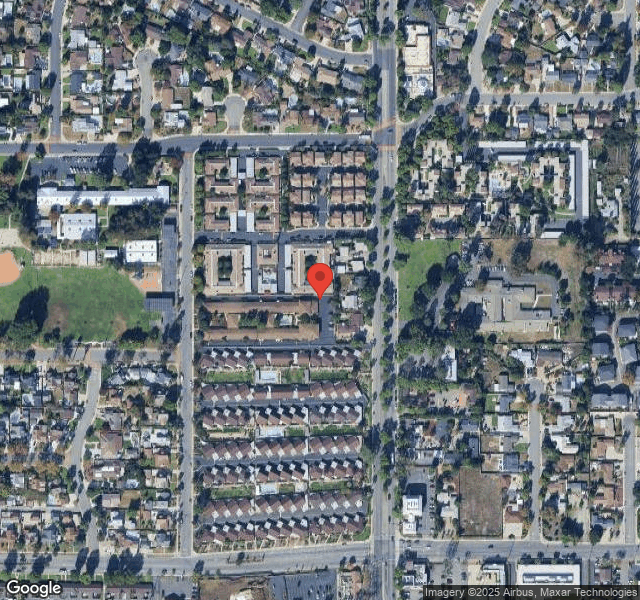
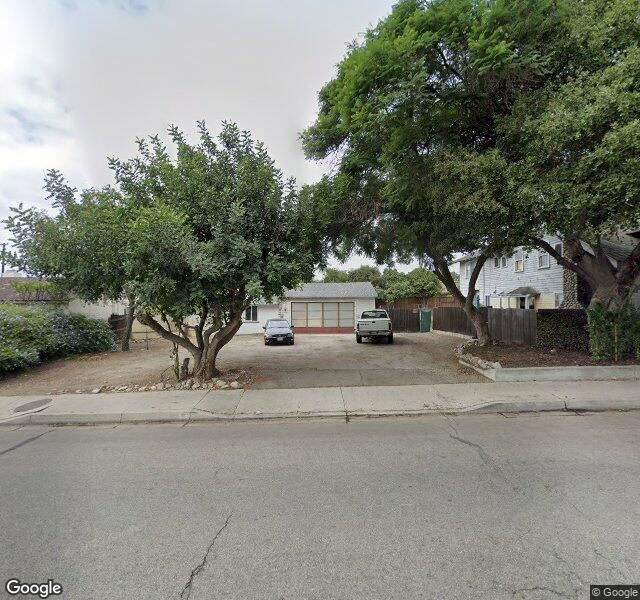
590 S. INDIAN HILL BLVD., CLAREMONT, CA 91711 (909) 624-4511
For profit - Corporation 99 Beds COUNTRY VILLA HEALTH SERVICES Data: November 2025
Trust Grade
33/100
#769 of 1155 in CA
Last Inspection: January 2025

Within standard 12-15 month inspection cycle. Federal law requires annual inspections.

Overview

Claremont Heights Post Acute has received a Trust Grade of F, indicating significant concerns and a poor overall quality of care. Ranking #769 out of 1155 facilities in California places it in the bottom half, while its county rank of #172 out of 369 shows that many local options are better. The facility's trend is worsening, with issues increasing from 5 in 2024 to 41 in 2025. Staffing is below average, with a 2/5 star rating and a high turnover rate of 61%, which is concerning compared to the state average of 38%. Additionally, there have been serious incidents, including a resident falling from their wheelchair due to inadequate monitoring and another resident being transferred improperly, leading to severe injuries. While the facility has some strengths, such as quality measures rated 5/5, the overall picture raises significant red flags for families considering this home.

Trust Score
F
33/100
In California
#769/1155
Bottom 34%
Safety Record
Moderate
Needs review
Inspections
Getting Worse
5 → 41 violations
Staff Stability
⚠ Watch
61% turnover. Above average. Higher turnover means staff may not know residents' routines.
Penalties
✓ Good
$7,443 in fines. Lower than most California facilities. Relatively clean record.
Skilled Nurses
⚠ Watch
Each resident gets only 18 minutes of Registered Nurse (RN) attention daily — below average for California. Fewer RN minutes means fewer trained eyes watching for problems.
Violations
⚠ Watch
77 deficiencies on record. Higher than average. Multiple issues found across inspections.
★★☆☆☆
2.0
Overall Rating
★★☆☆☆
2.0
Staff Levels
★★★★★
5.0
Care Quality
★☆☆☆☆
1.0
Inspection Score
Stable
2024: 5 issues
2025: 41 issues

The Good

  • 5-Star Quality Measures · Strong clinical quality outcomes
  • Full Sprinkler Coverage · Fire safety systems throughout facility
  • No fines on record

Facility shows strength in quality measures, fire safety.

The Bad

2-Star Overall Rating

Below California average (3.1)

Below average - review inspection findings carefully

Staff Turnover: 61%

15pts above California avg (46%)

Frequent staff changes - ask about care continuity

Federal Fines: $7,443

Below median ($33,413)

Minor penalties assessed

Chain: COUNTRY VILLA HEALTH SERVICES

Part of a multi-facility chain

Ask about local staffing decisions and management

Staff turnover is elevated (61%)

13 points above California average of 48%

The Ugly 77 deficiencies on record

2 actual harm
Jun 2025 3 deficiencies 1 Harm
SERIOUS (G) 📢 Someone Reported This

A family member, employee, or ombudsman was alarmed enough to file a formal complaint

Actual Harm - a resident was hurt due to facility failures

Deficiency F0744 (Tag F0744)

A resident was harmed · This affected 1 resident

**NOTE- TERMS IN BRACKETS HAVE BEEN EDITED TO PROTECT CONFIDENTIALITY** Based on interview, and record review, the facility failed to ensure one of five sampled residents (Resident 1), who had diagnos...

Read full inspector narrative →
**NOTE- TERMS IN BRACKETS HAVE BEEN EDITED TO PROTECT CONFIDENTIALITY** Based on interview, and record review, the facility failed to ensure one of five sampled residents (Resident 1), who had diagnosis of dementia (loss of memory and other mental abilities severe enough to interfere with daily life), had a history of fall (unintentionally coming to rest on a lower-level surface) on 6/1/25, and was assessed at a high fall risk on 6/1/25, received care needs and services to prevent a fall on 6/19/25 by failing to ensure:Licensed Vocational Nurse (LVN) 2 monitored (observed and checked) and promptly (quickly/rapidly/immediately) redirected Resident 1 (direct Resident 1 to a new or different place or purpose) when Resident 1 got up from Resident 1's wheelchair unassisted while Resident 1 was at Nurses' Station 1 on 6/19/25 [at around 10 am].As a result, on 6/19/25, at approximately 10 am, Resident 1 fell out of Resident 1's wheelchair, in front of Nurses' Station 1. Resident 1 sustained fractures (break in the bones) of the left 8th, 9th, and 10th ribs (are commonly referred to as false ribs [12 paired bones which form a cage to protect the lungs and the heart]. Unlike the first seven ribs, which directly connect to the sternum [breastbone]). Findings:During a review of Resident 1's admission Record (AR), the AR indicated Resident 1 was originally admitted to the facility on [DATE] with diagnoses that included dementia, a history of falling, cognitive (ability to think and understand information) communication deficit (communication difficulties stemming from impaired cognitive functions rather than direct speech or language problems), difficulty in walking and impulse disorder (inability to resist urges and impulses [acting without forethought]).During a review of Resident 1's untitled Care Plan (CP), dated 8/8/24, revised 5/9/25, the CP indicated Resident 1 was at risk for falls related to dementia, the aging process, poor safety awareness, and a history of falls. The CP interventions included anticipating and meeting Resident 1's needs, promptly response to all of Resident 1's requests for assistance and removing any potential causes of falls if possible.During a review of Resident 1's History and Physical (H&P, physician examination of a resident), dated 1/27/25, the H&P indicated Resident 1 did not have the capacity to understand and make decisions. The H&P indicated Resident 1 had an unstable gait (abnormal walking pattern characterized by a lack of coordination [the ability to use different parts of the body together smoothly and efficiently]), balance, or stability, and increasing the risk of falls.During a review of Resident 1's Minimum Data Set (MDS, resident assessment tool), dated 3/25/25, the MDS indicated Resident 1's cognitive skills (ability to make daily decisions) was severely impaired. The MDS indicated Resident 1 required partial/moderate assistance (helper does less than half the effort) from staff for transfers (moving from bed to chair or wheelchair), and walking.During a review of Resident 1's Fall Risk Evaluation (FRE), dated 6/1/25, the FRE indicated Resident 1's fall risk score was 15 due to Resident 1 required the use of assistive devices (cane, wheelchair, walker, furniture) while standing and walking, and had one to two falls in the past 3 months. The FRE indicated a score of 10 or higher, placed Resident 1 at high risk for fall. The FRE indicated Resident 1 was considered at high risk for potential falls (an increased likelihood of a person experiencing a fall, which can lead to injuries) when Resident 1's fall risk score was 10 or greater. The FRE indicated for nursing staff (in general) to focus on Resident 1's risk for falls with a goal for Resident 1 to be free of falls, and interventions to assist Resident 1 with ambulation (the ability to walk from place to place) and transfers.During a review of Resident 1's Situation, Background, Assessment, and Recommendation (SBAR - a communication tool used by healthcare workers when there is a change of condition among the residents) Form, dated 6/1/25 and timed at 11:50 pm, the SBAR indicated Resident 1 had a fall, was unresponsive to verbal questions, and sustained an open skin tear to the left side of Resident 1's face due to the fall. During a review of Resident 1's Risk for Falls Care Plan (CP), dated 6/1/25, indicated Resident 1 was transferred to General Acute Care Hospital (GACH) 2 Emergency Department (ED) (on 6/1/25) due to a fall on 6/1/25. The CP interventions included assisting Resident 1 with walking, transferring, and placing Resident 1 in front of the Nurses' Station for monitoring (observing and checking) [Resident 1's behavior to prevent falls].During a review of Resident 1's Fall Investigation Report (IR), dated 6/19/25 and timed 10:16 am, the IR indicated on 6/19/25 at 10 am, Resident 1 got up from Resident 1's wheelchair and fell on the floor in front of Nurses' Station 1. The IR indicated LVN 2 was on the computer with the Activities Director (AD) in Nurses' Station 1 on 6/19/25 [at 10 am]. The IR indicated LVN 2, and the AD saw Resident 1 walking towards Nurses' Station 1 unassisted, but LVN 2 and the AD were not able to get to Resident 1 in time due to the incident happened too fast. During a review of Resident 1's SBAR Form, dated 6/19/25 and timed at 10:25 am, The SBAR indicated [on 6/19/25, at 10 am], Resident 1 got up from Resident 1's wheelchair and fell on the floor in front of Station 1.During a review of Resident 1's SBAR Form, dated 6/20/25, and timed at 7:15 pm, the SBAR indicated Resident 1 was observed grimacing (to distort one's face in an expression usually of pain) in pain (pain was unrated) upon palpation (hands and fingers used to examine the body) of Resident 1's left lower quadrant (LLQ- the area below the belly button and to the left of the midline [the vertical line that runs down the center of the abdomen]). The SBAR indicated Resident 1's Primary Physician/Medical Doctor (MD) 1 recommended Resident 1 to get an X-ray (picture of the inside of the body).During a review of Resident 1's X-ray Report, dated 6/21/25, the X-ray Report indicated the reason MD 1 ordered an X-ray of Resident 1's ribs was due to Resident 1 having acute pain (a short-lived, sharp, and sudden onset pain that typically arises from a specific injury) due to trauma (physical injury due to violence or an accident). The X-ray Report indicated Resident 1 had an acute nondisplaced fracture (a break in a bone where the broken pieces of bone are still lined up correctly) of the left 8th, 9th, and 10th ribs.During an interview, on 6/26/25, at 10:06 am, with LVN2, LVN 2 stated Resident 1 was a fall risk and Resident 1 had a history of getting up (from bed and or wheelchair) unassisted. LVN 2 stated, on 6/19/25, at approximately 10 am, LVN 2 and the AD, were on the computer in Nurses' Station 1 looking for some information. LVN 2 stated, while looking for information on the computer, LVN 2 and the AD heard another resident (unidentified) make a sound to alert others that something was about to happen. LVN 2 stated LVN 2 and the AD went outside of Nurses' Station 1 and found Resident 1 lying on Resident 1's left side, on the floor. LVN 2 stated Resident 1 complained of pain (unable to rate the pain) but Resident 1 was not able to state where Resident 1's pain was. LVN 2 stated Resident 1 was placed near Nurses' Station 1 so LVN 2 could monitor Resident 1's behavior of getting up from Resident 1's wheelchair due to Resident 1 being at a high risk for falls and having behavior of getting up while sitting on wheelchair.During an interview, on 6/26/25, at 3 pm, with LVN 1, LVN 1 stated Resident 1 was constantly (always, continuously over a period of time) trying to get up from Resident 1's bed and or wheelchair, unassisted. LVN 1 stated Resident 1 needed one-to-one care (1:1, one staff caring for/supervising one resident). LVN 1 stated Resident 1 would get up out of the wheelchair unassisted even when a staff (in general) was sitting in front of Resident 1. LVN 1 stated, on 6/19/2025, (unable to recall exact time), Resident 1 was taken to the activity room for the morning activities (doing something such as action, movement, exercise), but Resident 1 was brought back in front of Nurses' Station 1 quickly (for additional monitoring) due to Resident 1 tried to get up (in the activity room) while sitting in Resident 1's wheelchair.During an interview, on 6/26/25, at 3:46 pm, with the Activities Director (AD), the AD stated, on 6/19/25 (unable to remember exact time), the AD walked up to Nurses' Station 1 and saw Resident 1 in Resident 1's wheelchair in front of Nurses' Station 1. The AD stated the AD went inside Nurses' Station 1 and asked LVN 2 for assistance with the AD on the computer. The AD stated while looking for information on the computer with LVN 2, the AD heard a crashing noise. The AD stated the AD walked around to the front of Nurses' Station 1 and saw Resident 1 lying on Resident 1's left side on the floor. The AD stated Resident 1 liked to stand up a lot and forgot to use Resident 1's wheelchair.During a concurrent interview and record review, on 6/26/25, at 3:53 pm, with the Assistant Director of Nursing (ADON), Resident 1's Physician's Order, dated 1/24/25, was reviewed. Resident 1's Physician' s Order, dated 1/24/25, indicated for staff to monitor Resident 1 for episodes of getting up from the wheelchair and the bed unassisted every shift (each and every designated work period within a 24-hour cycle). The ADON stated Resident 1 had a history of getting up from Resident 1's wheelchair unassisted and needed to be monitor [for the behavior of getting up from the wheelchair unassisted].During an interview, on 6/26/25, at 5:56 pm, with the Director of Nursing (DON), the DON stated, it was important to determine the root cause analysis (problem solving method used to identify the underlying reasons why a problem or event occurred) for Resident 1's fall [on 6/1/25] to prevent further fall and injuries [on 6/19/25].During a review of the facility's policy and procedure (P&P) titled, Dementia Care, dated 10/2017, the P&P indicated, The Interdisciplinary Team (IDT, a group of healthcare professionals who collaborate to provide comprehensive care for residents) would seek to identify and address the root cause of challenging resident behaviors to determine whether there is a medical, physical, environmental cause of the behavior. The P&P indicated the IDT would develop plans of care and implement interventions to understand and address behaviors as a form of communication and modify the environment and daily routines to meet the resident's needs/preferences.
CONCERN (D) 📢 Someone Reported This

A family member, employee, or ombudsman was alarmed enough to file a formal complaint

Potential for Harm - no one hurt, but risky conditions existed

Accident Prevention (Tag F0689)

Could have caused harm · This affected 1 resident

**NOTE- TERMS IN BRACKETS HAVE BEEN EDITED TO PROTECT CONFIDENTIALITY** Based on interview and record review, the facility failed to ensure one of five sampled residents (Resident 2) received adequate...

Read full inspector narrative →
**NOTE- TERMS IN BRACKETS HAVE BEEN EDITED TO PROTECT CONFIDENTIALITY** Based on interview and record review, the facility failed to ensure one of five sampled residents (Resident 2) received adequate supervision to prevent an elopement (when a patient leaves a healthcare facility without authorization or proper discharge).On 6/23/25, Resident 2 was found on the ground outside the facility with a bleeding laceration (type of open wound) on Resident 2's left eyebrow area.This failure resulted in Resident 2 sustaining bruising around the left eye and a laceration on Resident 2's left eyebrow which required 3 stitches. Resident 2 was transferred to General Acute Care Hospital (GACH) 1 for evaluation and for stitches to left eyebrow laceration after Resident 2 fell on 6/23/25.Findings:A review of Resident 2's admission Record indicated the resident was readmitted to the facility on [DATE] with diagnoses that included Parkinsonism (refers to brain conditions that cause slowed movements, rigidity (stiffness), and tremors (involuntary, rhythmic shaking movements in various parts of the body), abnormalities of gait and mobility (a range of walking or movement patterns that deviate from the typical), and unspecified macular degeneration (eye disease causing vision loss), and unspecified dementia (thinking and social symptoms that interferes with daily functioning).A review of Resident 2's History and Physical (H&P- a term used to describe a physician's examination of a resident) dated 11/25/24, indicated that Resident 2 did not have the capacity to understand and make decisions due to (d/t) dementia (thinking and social symptoms that interferes with daily functioning). Resident 2's H&P indicated Resident 2 had an unsteady gait (abnormal walking pattern characterized by a lack of coordination, balance, or stability, increasing the risk of falls).A review of Resident 2's Minimum Data Set (MDS, a standardized resident assessment and care screening tool) dated 4/11/25, indicated that Resident 2's cognition (the mental action or process of acquiring knowledge and understanding through thought, experience, and senses) was severely impaired. The MDS indicated that Resident 2 used a manual wheelchair and walker as mobility devices and required supervision/touch assistance with sit to stand.A review of Resident 2's Physician's Order, dated 6/23/25, indicated that Resident 2 may be sent out to General Acute Care Hospital (GACH) 1 for further evaluation status post (s/p) an unwitnessed fall.A review of Resident 2's Situation, Background, Assessment, and Recommendation (SBAR - used to convey information clearly and concisely to ensure that important information is shared effectively between healthcare professionals) Form dated 6/23/25 at 5:37 p.m., indicated Resident 2 had a skin tear noted above left eyebrow 3.5 centimeters (cm) x 1 cm and bleeding was noted. The SBAR indicated that Resident 2 was transferred to GACH 1.A review of Resident 2's Elopement Evaluation, dated 4/11/25, indicated Resident 2 was at risk for elopement due to a history of elopement or behavior of attempting to leave the facility without informing staff, due to verbally expressing the desire to go home, and due to wandering behavior.A review of the emergency room Discharge Summary (ERDS), dated 6/23/25, indicated that Resident 2 was admitted to GACH 1 with a facial laceration. The ERDS indicated Resident 2 had left periorbital (around the eye) bruising and three stitches.A review of Resident 2's At Risk for Falls Care Plan, revised 4/18/25, indicated to anticipate and meet the needs of the patient and to assist Resident 2 with locomotion (movement or the ability to move from one place to another) on and off the unit.A review of Resident 2's Quarterly Fall Risk Evaluation (FRE- process used to identify individuals who are at higher risk of falling) Form, dated 10/25/24 and 4/11/25, indicated Resident 2 was at risk for falls. Resident 2's admission FRE, dated 5/21/25, indicated Resident 2 was at risk for falls. The FRE indicated that Resident 2 fell on [DATE], 11/28/24, 1/22/25, 5/21/25, and 6/23/25.During a phone interview, on 6/26/25, at 1:08 p.m., with Family (FAM 1), FAM 1 stated Resident 2 frequently goes around the facility in Resident 2's wheelchair. There are double doors that lead to the lobby and out the front door and to a driveway and to the street. FAM 1 stated nobody/no staff are ever at the front desk or in the front lobby area because they all leave at 5 p.m. FAM 1 stated FAM 1 has witnessed several times there were no staff in Nurse Station 1 near an exit. FAM 1 stated Resident 2 went outside of the facility through the front doors (second set of double doors). FAM 1 stated Resident 2 was found sitting on the concrete outside in the front of the facility where there are rocks and bushes. FAM 1 stated Resident 2 sustained an injury that required sutures (threads used to close wounds) on Resident 2's left eyebrow, around temporal (lateral portion located toward the temples) and orbital (bony cavity in the skull that houses eyeball/eye socket) eye area. FAM 1 stated there was inconsistent administration and high turnover so, they don't get to know the residents well enough to anticipate certain behavior of residents.During an interview, on 6/26/25, at 2:12 p.m., with the Rehabilitation Director (RD), the RD stated that Resident 2 receives physical therapy (PT) services. The RD stated that Resident 2 self-propels all around the facility in the wheelchair. The RD stated if Resident 2 stands up from the wheelchair, Resident 2 will fall. The RD stated Resident has ataxia (lack of muscle coordination) and dyskinesia (abnormal, involuntary, and sometimes repetitive muscle movements). The RD stated Resident 2 had a history of (h/o) trying to go outside.During an interview, on 6/26/25, at 3:00 p.m., with Licensed Vocational Nurse (LVN 1), LVN 1 stated LVN 1 Desk Nurse used to be in Nurse Station 1 (in front of the facility). LVN 1 stated we have a lot of wandering residents. LVN 1 would sit in Nurse Station 1 in front of the facility. LVN 1 stated LVN 1 handled paperwork, communicated with physicians, and assisted physicians, and monitored the residents. LVN 1 stated that approximately two weeks ago, the DON moved LVN 1/the Desk Nurse to the back of the facility and now we sit in the back of the facility in Nurse Station 2.During an interview, on 6/26/25, at 3:53 p.m., with the Assistant Director of Nurses (ADON), the ADON stated the ADON heard the door alarm. The ADON stated no staff were observed at Nurse Station 1. The ADON stated that the ADON responded to the double door alarm at the front of the facility and the ADON found Resident 2 outside the facility. The ADON stated Resident 2's wheelchair was on the cement. The ADON stated Resident 2 appeared to have fallen out of the wheelchair because the wheelchair was upright. The ADON stated Resident 2's left eyebrow was bleeding, and a drip of blood was coming down Resident 2's face.During an interview, on 6/26/25, at 4:55 p.m., with LVN 3, LVN 3 stated Resident 2 was in the [NAME] leaning to left side but, in a sitting position and Resident 2's wheelchair was tilted in the direction of resident. LVN 3 stated Resident 2 had a skin tear to left eyebrow area and Resident 2 was bleeding. LVN 3 stated Resident 2 stated when asked what happened, I don't know, I was trying go out and I fell. LVN 3 stated Resident 2 has a h/o asking where the door is and verbalizing the desire to go home, and staff (in general) just must redirect Resident 2. LVN 3 stated everyone was busy with dinner and for that second or moment, things happened so quickly. LVN 3 stated it is important to prevent resident falls to prevent injury.During an interview, on 6/26/25, at 5:56 p.m., with the Director of Nurses (DON), the DON stated it is important to determine root cause analysis (problem solving method used to identify the underlying reasons why a problem or event occurred) for a fall and if the resident did not get hurt or if the fall was preventable, we can prevent injuries.During a review of the facility's Policy and Procedure (P&P) titled, Wandering and Elopement, dated 2/10/23, the P&P indicated, The Licensed Nurse, in collaboration with the Interdisciplinary Team (IDT), will assess residents upon admission, readmission, quarterly, and upon identification of significant change in condition determine their risk of elopement. The IDT will develop and implement a plan of care considering the individual risk factors of the resident.During a review of the facility's P&P titled, Fall Management Program, revised March 2021, indicated the purpose of the facility's Fall Management Program is to provide residents a safe environment that minimizes complications associated with falls. The facility will implement a Fall Management Program that supports providing an environment free from fall hazards.
CONCERN (E) 📢 Someone Reported This

A family member, employee, or ombudsman was alarmed enough to file a formal complaint

Potential for Harm - no one hurt, but risky conditions existed

Resident Rights (Tag F0550)

Could have caused harm · This affected multiple residents

**NOTE- TERMS IN BRACKETS HAVE BEEN EDITED TO PROTECT CONFIDENTIALITY** Based on observation, interview, and record review, the facility failed to maintain the residents' right for dignity for two of ...

Read full inspector narrative →
**NOTE- TERMS IN BRACKETS HAVE BEEN EDITED TO PROTECT CONFIDENTIALITY** Based on observation, interview, and record review, the facility failed to maintain the residents' right for dignity for two of five sampled residents (Residents 3 and 4) when:A. Resident 3 was observed with a large wet stain in the inner and middle area of Resident 3's pants.B. Resident 4 was observed sitting in Resident 4's wheelchair in the facility dining room with a large wet stain on both sides and the middle area of Resident 4's shorts.These failures had the potential to result in low self-esteem and humiliation for Residents 3 and 4.Findings:A. During a review of Resident 3's admission Record (AR), the AR indicated Resident 3 was admitted to the facility on [DATE] with diagnoses that included hemiplegia and hemiparesis (muscle weakness or partial paralysis on one side of the body), hepatic encephalopathy (loss of brain function when a damaged liver doesn't remove toxins from the blood), and depression (persistent low mood affecting daily living).During a review of Resident 3's History and Physical (H&P- a term used to describe a physician's examination of a resident) dated 9/18/24, the H&P indicated Resident 3 did not have the capacity to understand and make decisions.During a review of Resident 3's Minimum Data Set (MDS, a standardized resident assessment and care screening tool) dated 6/2/25, the MDS indicated Resident 3's cognitive (process of acquiring knowledge and understanding) skills for daily decision making was severely impaired. The MDS indicated Resident 3 was dependent on staff for toileting hygiene, bathing and upper/lower body dressing.B. During a review of Resident 4's AR, the AR indicated Resident 4 was admitted to the facility on [DATE] and readmitted on [DATE] with diagnoses that included Type 2 diabetes mellitus (body has trouble controlling blood sugar), acquired absence of right and left leg below the knee (loss of leg at or below the knee), and a cognitive communication deficit (difficulties in communication).During a review of Resident 4's H&P dated 3/18/25, the H&P indicated Resident 4 did not have the capacity to understand and make decisions.During a review of Resident 4's MDS dated [DATE], the MDS indicated Resident 4 had severely impaired cognitive skills, impairment on both sides in the lower extremities and used a wheelchair for mobility. The MDS indicated Resident 4 was dependent on staff for toileting hygiene.During an observation in the dining room on 6/26/25, at 5:10 p.m., Resident 3's pants had a large wet stain in the inner and middle area of Resident 3's pants.During an interview on 6/26/25 at 5:13 p.m. with Certified Nurse Assistant 1 (CNA 1), CNA 1 stated some residents wore double diapers or a towel was placed in place between the residents' legs so it cannot be seen when residents got wet.During a concurrent observation and interview on 6/26/25 at 5:21 p.m., with Resident 4 in the dining room, Resident 4's green colored shorts had a large wet stain on both sides and the middle area. Resident 4 stated Resident 4 did not spill anything on himself, and stated Resident 4 was wet from urine. Resident 4 stated Resident 4 told the nurse Resident 4 was wet, and that Resident 4 had been wet for two hours. Resident 4 stated the nurse (unidentified) told Resident 4 a nurse would take care of it but Resident 4 remained wet.During an interview on 6/26/25 at 5:25 p.m. with CNA 2, CNA 2 stated CNA 2 was assigned to Resident 3. CNA 2 stated, CNA 2 started work today, 6/26/25 at 3:00 p.m. and showered another resident. CNA 2 stated CNA 2 would change Resident 3 as soon as CNA 2 got a chance. CNA 2 stated CNA 2 did not check Resident 3 today (6/26/25) when CNA 2 came in for work because CNA 2 started passing coffee. CNA 2 stated it was important to check the residents to prevent pressure ulcers (PU- lesion/wound caused by unrelieved pressure that results in damage of underlying tissue) or rashes and to keep the residents clean.During a concurrent observation of Resident 3 and interview on 6/26/25 at 5:35 p.m. with CNA 2, CNA 2 stated Resident 3 was wet, and CNA 2 needed to change Resident 3. CNA 2 stated this was the first time today CNA 2 had a chance to change Resident 3's clothes.During an interview on 6/26/25, at 5:41 p.m. with Licensed Vocational Nurse 4(LVN 4), LVN 4 stated it was important to keep residents dry for comfort and it was the residents' right to be changed when wet. LVN 4 stated it was important for residents not to sit wet for extended period of time to prevent the development of PU.During an interview on 6/26/25 at 5:56 p.m. with the Director of Nurses (DON), the DON denied the facility had an issue with staffing.During an interview on 6/26/25, at 6:54 p.m. with CNA 3, CNA 3 stated CNA 3 was assigned to Resident 4. CNA 3 stated CNA 3 needed to check the residents assigned to CNA 3, 30 minutes to one hour of starting work. CNA 3 stated the residents (in general) were supposed to be checked before they went to the dining room and sometimes on 3:00 p.m.- 11:00 p.m. shift the residents were already in the dining room, and CNAs go to the dining room to check the residents. CNA 3 stated CNA 3's run (assignment) was switched by the Director of Staff Development (DSD) 45 minutes into CNA 3's shift. CNA 3 stated when CNA 3 got to her assigned area, Resident 4 was already in the dining room and CNA 3 assumed Resident 4 was already changed. CNA 3 stated it was important to keep residents dry to prevent skin breakdowns, chafing and rashes, and to keep the residents comfortable. CNA 3 stated the CNAs from 7:00 a.m.-3:00 p.m. (AM shift) do not change the residents before the CNAs leave because the residents were very wet and the chux pad (absorbent pad used under resident for incontinence) was wet. CNA 3 stated CNA 3 knew the residents have been sitting for a while because it shouldn't be on their chux pad, especially less alert and oriented residents. CNA 3 stated the facility was short of staff because staff quit or call off sick all the time. CNA 3 stated that residents complain all the time that night shift CNAs took a long time to respond to the call lights and/or change the residents.During a review of the facility's Policy and Procedure (P&P), titled, Resident Rights- Quality of Life, revised March 2017, the P&P indicated facility staff promote dignity and assist residents as needed by promptly responding to the resident's request for toileting assistance. The purpose of the P&P was to ensure that each resident receives the necessary care and services to attain or maintain the highest practicable physical, mental and psychosocial well-being, consistent with the resident's comprehensive assessment and plan of care.
May 2025 4 deficiencies
CONCERN (D) 📢 Someone Reported This

A family member, employee, or ombudsman was alarmed enough to file a formal complaint

Potential for Harm - no one hurt, but risky conditions existed

Resident Rights (Tag F0550)

Could have caused harm · This affected 1 resident

**NOTE- TERMS IN BRACKETS HAVE BEEN EDITED TO PROTECT CONFIDENTIALITY** Based on observation, interview, and record review, the facility failed to provide care in a manner that maintained two of five ...

Read full inspector narrative →
**NOTE- TERMS IN BRACKETS HAVE BEEN EDITED TO PROTECT CONFIDENTIALITY** Based on observation, interview, and record review, the facility failed to provide care in a manner that maintained two of five sampled residents' (Resident 3's and Resident 4's) dignity when: 1. Certified Nursing Assistants (CNAs) (unidentified) on the night shift (11 pm to 7 am shift) would sometimes leave Resident 4 uncovered and with Resident 4's gown up to assist another resident (unidentified). 2. An unidentified male staff and CNA 4 only asked what Resident 5 (Resident 3's roommate) needed and not Resident 3, when the unidentified male staff and CNA 4 answered the call light (a device used by a resident to signal their need for assistance from staff) in Resident 3's and Resident 5's room on 5/29/2025. This failure caused Resident 4 to feel that Resident 4 was put aside and the CNAs did not concentrate on Resident 4's care. This failure caused Resident 3 to feel bad that the unidentified male staff and CNA 4 only checked on Resident 5 and not on Resident 3. Findings: 1. During a review of Resident 4's Face Sheet (front page of the chart that contains a summary of basic information about the resident), the FS indicated Resident 4 was readmitted to the facility on [DATE], with diagnoses which included functional quadriplegia (paralysis from the neck down, including legs, and arms, not due to a spinal cord injury), Stage 3 pressure ulcer (full-thickness loss of skin; dead and black tissue may be visible) of the right and left buttocks, and Stage 4 pressure ulcer (full-thickness skin and tissue loss with exposed muscle, tendon, ligament, cartilage, or bone) of the sacral region (the area at the base of the spine, located in the pelvic area). During a review of Resident 4's Minimum Data Set (MDS- a resident assessment tool), dated 3/18/2025, the MDS indicated Resident 4's cognitive skills (functions that the brain uses to think, pay attention, process information, and remember things) were intact. The MDS indicated Resident 4 had an indwelling urinary catheter (a think, flexible tube inserted into the bladder to drain urine), was dependent (helper does all the effort) on staff for activities of daily living (ADLs- activities such as bathing, dressing and toileting a person performs daily), bed mobility, and transfers. The MDS indicated Resident 4 had two Stage 3 pressure ulcers (full thickness tissue loss) and one Stage 4 pressure ulcers (full thickness tissue loss with exposed bone, tendon, or muscle). During an interview on 5/28/2025 at 11:20 am with Resident 4, Resident 4 stated occasionally when CNAs (unidentified) on the night shift took care of Resident 4, another resident (unidentified) would get up out of bed or his/her wheelchair unassisted and the CNA(s) who was/were taking care of Resident 4 would rush out to assist the other resident. Resident 4 stated the unidentified CNA(s) would then leave Resident 4 uncovered with Resident 4's gown up. Resident 4 stated Resident 4 would get upset because Resident 4 felt that the CNA(s) put Resident 4 aside and did not concentrate on Resident 4's care. 2. During a review of Resident 3's FS, the FS indicated Resident 3 was readmitted to the facility on [DATE], with diagnoses which included diabetes mellitus (DM-a disorder characterized by difficulty in blood sugar control and poor wound healing) and dysphagia (difficulty swallowing). During a review of Resident 3's MDS, dated [DATE], the MDS indicated Resident 3's cognitive skills were intact. The MDS indicated Resident 3 had an indwelling urinary catheter, surgical wounds, and was dependent on staff for toileting hygiene, shower/bathing, dressing, putting on/taking off footwear, and bed mobility. The MDS indicated Resident 3 required substantial/maximal assistance (helper does more than half the effort) for transfers. During a concurrent observation and interview on 5/29/2025 at 11:49 am with Resident 3 at Resident 3's bedside, Resident 3 stated the staff (in general) only answered Resident 5's call light and never answered Resident 3's call light. Resident 3 turned on Resident 3's call light. A male staff (unidentified) came into Resident 3's room and talked to Resident 5 (Resident 3's roommate whose bed was by the door) and turned the call light off. The male staff did not look behind the privacy curtain to ask Resident 3 if Resident 3 needed assistance. Resident 3 turned on Resident 3's call light again. CNA 4 came in, stood at the foot of Resident 3's bed and looked at Resident 3 but did not ask Resident 3 if Resident 3 needed assistance. CNA 4 spoke to Resident 5 and turned the call light off. Resident 3 turned on Resident 3's call light again and CNA 4 came back and asked Resident 3 if Resident 3 needed assistance. CNA 4 then assisted Resident 3. Resident 3 stated, It makes me feel bad when they ask (Resident 5) and (do not) check on me. During an interview on 5/29/2025 at 12:46 pm with CNA 4, CNA 4 stated when CNA 4 got inside Resident 3's and Resident 5's room, Resident 5 told CNA 4, Resident 5 accidentally turned on the call light. CNA 4 stated CNA 4 needed to ask both residents in the room if they needed assistance to make sure every resident's needs were met. During an interview on 5/29/2025 at 4:15 pm with the Director of Nursing (DON), the DON stated when answering call lights, staff (in general) needed to check on both residents in the room and ask if either resident needed something so both resident's needs would be met. A review of the facility's policy and procedure (P&P) titled, Resident Rights, revised 1/1/2012, the P&P indicated, Employees are to treat all residents with kindness, respect, and dignity and honor the exercise of residents' rights .
CONCERN (D) 📢 Someone Reported This

A family member, employee, or ombudsman was alarmed enough to file a formal complaint

Potential for Harm - no one hurt, but risky conditions existed

Pressure Ulcer Prevention (Tag F0686)

Could have caused harm · This affected 1 resident

**NOTE- TERMS IN BRACKETS HAVE BEEN EDITED TO PROTECT CONFIDENTIALITY** Based on interview and record review, the facility failed to implement its policies and procedures (P&Ps) titled, Pressure Injur...

Read full inspector narrative →
**NOTE- TERMS IN BRACKETS HAVE BEEN EDITED TO PROTECT CONFIDENTIALITY** Based on interview and record review, the facility failed to implement its policies and procedures (P&Ps) titled, Pressure Injury (PI- refers to localized damage to the skin and/or underlying soft tissue usually over a bony prominence) Prevention and Skin and Wound Management, for one of five sampled residents (Resident 1) when: 1. Resident 1 developed additional pressure injuries on the left buttocks/ischium (a paired bone forming the lower and back part of the hip bone) and on both heels 22 ½ hours after Resident 1 was admitted to the facility on [DATE]. 2. Resident 1's level of risk for development of pressure ulcers (PUs/PIs) was not accurately assessed upon admission on [DATE]. 3. Resident 1's care plan to address Resident 1's PIs on both heels did not include offloading (reducing or redistributing pressure on a specific area of the body, typically the foot or leg, to promote healing and/or development of wounds) pressure on the resident's bilateral (both sides) heels. These failures resulted in Resident 1 developing additional pressure injuries on Resident 2's left buttocks/ischium and had the potential for Resident 1 to develop further pressure injuries. Findings: During a review of Resident 1's Face Sheet (FS- front page of the chart that contains a summary of basic information about the resident), the FS indicated Resident 1 was admitted to the facility from the General Acute Care Hospital (GACH) 1 on 4/2/2025, with diagnoses which included congestive heart failure (CHF- a heart disorder which causes the heart to not pump the blood efficiently, sometimes resulting in leg swelling) and paraplegia (loss of movement and/or sensation, to some degree, of the legs). During a review of Resident 1's medical records from GACH 1, dated 3/15/2025 to 4/2/2025, the hospital records indicated Resident 1 had a sacral PI. The hospital records did not indicate Resident 1 had any other pressure injuries upon discharge from GACH 1 to the facility. During a review of Resident 1's Progress Note (PN) by Licensed Vocational Nurse (LVN) 4, dated 4/2/2025 and timed 4:22 pm, the PN indicated Resident 1 arrived at the facility on 4/2/2025 at 4 pm and was admitted with a wound on the right buttock. During a review of Resident 1's Braden Scale (BS - used to assess the resident's level of risk for development of pressure ulcers or pressure injuries), dated 4/2/2025 and timed 6:48 pm, the BS indicated Resident 1 had no impairment in sensory perception (ability to respond meaningfully to pressure-related discomfort), no limitation in mobility (ability to change and control body position), and only had a potential problem with friction and shear (forces acting on the skin during movement and repositioning) when being moved and/or lifted in bed/chair. The BS indicated Resident 1 scored a 17 and was at risk for pressure ulcer/injury development (total score of 12 or less represents high risk). During a review of Resident 1's Skin Check, dated 4/2/2025 and timed 7:05 pm, the Skin Check indicated LVN 1 completed a head-to-toe assessment and a foot evaluation of Resident 1. The Skin Check indicated Resident 1 had a Stage 4 PI (full-thickness skin and tissue loss) on the sacrum (the portion of the spine between the lower back and the tailbone) present on admission. During a review of Resident 1's History and Physical (H&P- physician's clinical evaluation and examination of the resident), dated 4/3/2025, the H&P indicated Resident 1 had the capacity to understand and make decisions. During a review of Resident 1's Skin Issues assessment, dated 4/3/2025 and timed 2:27 pm, the assessment indicated Treatment Nurse (TN - a licensed nurse who is primarily involved in treating skin wounds and skin disorders) 1 completed a head-to-toe assessment of Resident 1 on 4/3/2025. The assessment indicated Resident 1's Stage 4 PI on the sacrum was healed. The assessment indicated Resident 1 had a Stage 4 PI (Full-thickness skin and tissue loss with exposed muscle, tendon, ligament, cartilage, or bone) on the left ischium, a Stage 3 PI (full-thickness loss of skin. Dead and black tissue may be visible) on the right gluteus (right buttock), and a Deep Tissue Injury (DTI - a type of pressure injury where damage occurs beneath the skin's surface) on both heels. During a review of Resident 1's BS, dated 4/3/2025 and timed 2:28 pm, the BS indicated Resident 1 had no impairment in sensory perception, had very limited mobility, and had a problem with friction and shear when being moved and/or lifted in bed/chair. The BS indicated Resident 1 scored a 15 and was at risk for pressure ulcer development. During a review of Resident 1's untitled Care Plan (CP), initiated on 4/3/2025, the CP indicated Resident 1 was admitted with a Stage 4 pressure ulcer on the sacrum. The CP interventions included the following: administer medications and treatments as ordered and monitor/document for side effects and effectiveness; assess/record/monitor wound size, wound perimeter, wound bed, healing, progress, signs of infection, and report to the physician; avoid positioning the resident in the same position for prolonged periods of time; educate the resident/family/caregivers on causes of skin breakdown, importance of frequent repositioning, and good nutrition for prevention of pressure ulcers; and to provide staff assistance to turn and reposition Resident 1 at least every 2 hours. During a review of another Resident 1's untitled Care Plan (CP), initiated on 4/3/2025, the CP indicated Resident 1 had a DTI on both heels. The CP interventions did not include offloading pressure on Resident 1's heels. During a review of Resident 1's admission Minimum Data Set (MDS - a resident assessment tool), dated 4/8/2025, the MDS indicated Resident 1 had decreased movement on both lower extremities (hips, knees, ankles, feet) and was dependent (helper does all the effort) on staff for toileting hygiene, showering/bathing, dressing, putting on/taking off footwear, rolling left and right (the ability to roll from lying on back to left and right side, and return to lying on back on the bed), and transfers. The MDS indicated Resident 1 was 68 inches tall and weighed 235 pounds. The MDS indicated Resident 1 was at risk of developing PIs. During a concurrent interview and record review on 5/28/2025 at 4:35 pm with LVN 1, Resident 1's Skin Check dated 4/2/2025 and timed at 7:05 pm and Resident 1's Skin Issues assessment dated [DATE] and timed at 2:27 pm were reviewed. LVN 1 compared Resident 1's Skin Check by LVN 1 with Resident 1's Skin Issues assessment by TN 1. LVN 1 stated, Maybe (Resident 1) had socks on (during admission skin check) and I (did not) remove them. LVN 1 stated LVN 1 relied on the treatment nurse's assessment too much. During a concurrent interview and record review on 5/29/2025 at 9:53 am with TN 1, Resident 1's Skin Check dated 4/2/2025 and timed at 7:05 pm and Resident 1's Skin Issues assessment dated [DATE] and timed at 2:27 pm were reviewed. TN 1 stated the nurse who admitted the resident (in general) needed to do the head-to-toe body check of the resident, write down what the nurse saw, and inform the resident's doctor. TN 2 stated, the following day after admission, the treatment nurses would assess the resident's (in general) skin again and would restage (wound staging is a system used to categorize wounds based on their depth and extent of tissue damage) any wounds. TN 1 compared Resident 1's Skin Check by LVN 1, dated 4/2/2025 and timed at 7:05 pm, to Resident 1's Skin Issues assessment by TN 1, dated 4/3/2025 and timed at 2:27 pm. TN 1 stated there was a big difference between the Skin Check by LVN and the Skin Issues assessment by TN 1. TN 1 stated TN 1 remembered Resident 1 only had a scar on the sacrum and Resident 1's skin on the sacrum was not open. TN 1 stated TN 1 identified a PI on Resident 1's left ischium, a PI on Resident 1's right ischium, and a DTI on Resident 1's bilateral heels when TN 1 assessed Resident 1's skin that day (4/3/2025). TN 1 stated because of the big difference between Resident 1's Skin Check and Resident 1's Skin Issues assessment, it would be difficult to determine which PIs were acquired from admission and which PIs were acquired in the facility. TN 1 stated it would only take one shift to not turn and reposition Resident 1 for Resident 1 to develop a PI. TN 1 verified the Skin Check done by LVN 1, dated 4/2/2025 and timed at 7:05 pm, only identified a PI on Resident 1's sacrum upon Resident 1's admission. TN 1 reviewed Resident 1's GACH 1 records, dated 3/15/2025 to 4/2/2025, and stated Resident 1's GACH 1 records indicated Resident 1 had a Stage 4 PI on the sacrum, but did not mention a DTI on both heels. During an interview on 5/29/2025 at 4:15 pm with the Director of Nursing (DON), the DON stated the nurse who admitted the resident (in general) would do a head-to-toe body check of the resident upon admission and write down whatever the admitting nurse found on the resident. The DON stated the treatment nurse would then do a thorough assessment the following day because we (the facility) needed to have an accurate description and staging of the wound by the treatment nurse. During a review of the facility's P&P titled, Skin and Wound Management, revised on 1/1/2013, the P&P indicated, a licensed nurse will perform a skin assessment upon admission for each resident as part of the Comprehensive Resident admission Assessment .the licensed nurse will also complete the Braden Scale upon admission/re-admission .and the licensed nurse will develop a care plan to identify interventions to prevent the development of pressure ulcers . During a review of the facility's P&P titled, Pressure Injury Prevention, revised on 8/12/2016, the P&P indicated, A risk assessment (Braden Scale) for developing pressure injuries will be completed upon admission .and regardless of the risk score the licensed nurse will develop a care plan specific to the resident's risk factors .The Nursing Staff will implement interventions identified in the care plan based on the individual risk factors, which may include .pressure redistributing devices when in bed and chair, repositioning and turning, heel and elbow protectors, increasing mobility when appropriate through a RNA program or therapy programs, offloading pressure from heels, use of pillows and wedges for positioning and pressure relief, moisturizers and barrier creams to protect the skin, bowel and bladder training, scheduled toileting, incontinence management programs, devices to reduce friction and shear when repositioning such as bed trapeze, draw sheets, mechanical lifts and positioning aides .
CONCERN (D) 📢 Someone Reported This

A family member, employee, or ombudsman was alarmed enough to file a formal complaint

Potential for Harm - no one hurt, but risky conditions existed

Deficiency F0726 (Tag F0726)

Could have caused harm · This affected 1 resident

**NOTE- TERMS IN BRACKETS HAVE BEEN EDITED TO PROTECT CONFIDENTIALITY** Based on observation, interview, and record review, the facility failed to ensure licensed nurses and certified nursing assistan...

Read full inspector narrative →
**NOTE- TERMS IN BRACKETS HAVE BEEN EDITED TO PROTECT CONFIDENTIALITY** Based on observation, interview, and record review, the facility failed to ensure licensed nurses and certified nursing assistants (CNAs) knew how to properly care for one of one sampled resident (Resident 2) with a nephrostomy tube (a tube used to drain urine directly from the kidney into a bag). Consequently, this failure resulted in Resident 2's nephrostomy tube to become dislodged and for Resident 2 to receive inappropriate care. Consequently, Resident 2 was transferred to the general acute care hospital (GACH) 2 's emergency department (ED) for evaluation and reinsertion of the nephrostomy tube on 5/17/2025 and on 5/20/2025. Findings: During a review of Resident 2's Face Sheet, the Face Sheet indicated Resident 2 was admitted to the facility on [DATE] with diagnoses that included urinary tract infection (UTI- an infection in the bladder/urinary tract) and hydronephrosis (when urine backs up into the kidneys due to a blockage in the urinary tract). During a review of the Resident 2's History and Physical (H&P, physician's clinical evaluation and examination of the resident), dated 5/12/2025, the H&P indicated Resident 2 had the capacity to understand and make decisions. The H&P indicated Resident 2 had a right nephrostomy. During a review of Resident 2's admission Minimum Data Set (MDS - a resident assessment tool), dated 5/15/2025, the MDS indicated Resident 2 required partial/moderate assistance (helper does less than half the effort) with toileting hygiene, upper body dressing, and personal hygiene, and was dependent (helper does all the effort) on staff for showering/bathing, lower body dressing, and with putting on/taking off footwear. The MDS further indicated Resident 2 required substantial/maximal assistance (helper does more than half the effort) with moving around in bed and with transfers. During a review of the Change in Condition Evaluation (CIC), dated 5/17/2025 and timed 7:55 p.m., the CIC indicated, (Resident 2) was complaining of urine leaking, when inspected, back was wet with urine from the nephrostomy insertion site and nephrostomy tubing is almost completely out, nephrostomy bag also had no output. The CIC indicated Resident 2's physician was informed on 5/17/2025 at 8 p.m. and ordered to send Resident 2 to the hospital emergency department for further evaluation and reinsertion of the nephrostomy tube. During a review of a Progress Note (PN), dated 5/17/2025 and timed 9:30 p.m., the PN indicated Resident 2 was sent out to the general acute care hospital (GACH) 2 due to dislodgement of the nephrostomy tube. The PN indicated Resident 2 was transported to GACH 2 via an emergency medical services transportation. During a review of a PN, dated 5/19/2025, the PN indicated Resident 2 was readmitted to the facility with a nephrostomy tube. During a review of the CIC, dated 5/20/2025 and timed 10:17 p.m., the CIC indicated Resident 2's nephrostomy was dislodged. The CIC indicated Resident 2's physician was informed on 5/20/2025 at 8 p.m. and ordered to send Resident 2 to the hospital emergency department for further evaluation and reinsertion of the nephrostomy tube. During a review of a PN, dated 5/20/2025 and timed 10:15 p.m., the PN indicated, Upon CNA doing rounds, the CNA noticed the nephrostomy was dislodged and tubing was on the floor. Upon assessment, the licensed nurse noticed leakage at the nephrostomy insertion site and (Resident 2's) back wet. Resident 2 is unsure how the tubing got dislodged. The Physician was aware and with orders to send out to the (ED) for reinsertion. During a review of a PN, dated 5/21/2025 and timed 7:39 p.m., the PN indicated Resident 2 returned from GACH 2 with the nephrostomy intact. During a concurrent observation and interview on 5/28/2025 at 11:53 a.m. with Resident 2, Resident 2 was observed resting in bed with clear amber urine in Resident 2's nephrostomy bag. Resident 2 stated Resident 2 did not know how the nephrostomy tube came out. Resident 2 stated the nurses (general) in the facility were terrific, they treat me well, and (are) doing their job. Resident 2 stated nurses (general) need to be more careful with turning Resident 2 side to side during care and when pulling Resident 2 up in bed. Resident 2 stated nurses (general) need to be more aware of the nephrostomy tube and bag. Resident 2 stated it was terrible in the (ED), (Resident 2) had to keep waiting to put (nephrostomy) tube in to drain my urine. During a phone interview on 5/28/2025 at 2:16 p.m. with Family Member (FM) 1, FM 1 stated Resident 2 has had a nephrostomy tube for about a year and had not had a problem with dislodgement at home. FM 1 stated the first time Resident 2's nephrostomy tube got dislodged was after Resident 2 was admitted to the facility. FM 1 stated Resident 2's nephrostomy tube might have gotten caught in the bed or in the blanket and got dislodged. During an interview on 5/28/2025 at 4:35 p.m. with licensed vocational nurse (LVN) 1, LVN 1 stated LVN 1 took care of Resident 2 on 5/20/2025. LVN 1 stated at the start of the 3 p.m. to 11 p.m. shift on 5/20/2025, Resident 2's nephrostomy tube was leaking and Resident 2's physician saw Resident 2 at the bedside and referred Resident 2 for an outside test to evaluate why Resident 2's nephrostomy was leaking. LVN 1 stated while LVN 1 was passing medications CNA 6 informed LVN 1 Resident 2's nephrostomy tube was on the floor and Resident 2's back was wet. LVN 1 stated Resident 2 did not know Resident 2's nephrostomy tube came out. LVN 1 stated there had been other residents in the facility with nephrostomy tube and LVN 1 remembered one male resident (unidentified) whose nephrostomy tube became dislodged. During an interview on 5/28/2025 at 5:02 p.m. with LVN 2, LVN 2 stated LVN 2 took care of Resident 2 on 5/17/2025 during the 3 pm to 11 pm shift. LVN 2 stated during the start of the shift on 5/17/2025, Resident 2's nephrostomy tube on the right side of Resident 2's back was draining with a dressing in place. LVN 2 stated later during LVN 2's shift on 5/17/2025, the CNA (unidentified) who took care of Resident 2 informed LVN 2 there was no urine in Resident 2's nephrostomy bag. LVN 2 checked on Resident 2 and the nephrostomy tube site dressing was a little peeled off on the corner. During an interview on 5/29/2025 at 9:44 a.m. with the Director of Nursing (DON), the DON stated CNA 2 took care of Resident 2 on the 7 a.m. to 3 p.m. shift on 5/17/2025 and CNA 2 stated Resident 2's nephrostomy tube was leaking towards the end of CNA 2's shift and informed the LVN (unidentified). The DON stated CNA 6 took care of Resident 2 on the 3 p.m. to the 11 p.m. shift on 5/20/2025. The DON stated on 5/20/2025 when CNA 6 turned Resident 2 to get the resident ready for a shower, Resident 2's nephrostomy tube was already dislodged. During an interview on 5/29/2025 at 12:38 p.m. with CNA 5, CNA 5 stated CNA 5 had never had training on how to care for a resident with a nephrostomy tube and had not worked with Resident 2 before. During an interview on 5/29/2025 at 12:46 p.m. with CNA 4, CNA 4 stated CNA 4 was not trained on how to care for a resident with a nephrostomy tube. CNA 4 stated CNA 4 had not been assigned to care for Resident 2 but assisted with pulling Resident 2 up in bed before. During a concurrent interview and record review on 5/29/2025 at 3:31 p.m. with the Director of Staff Development (DSD), the DSD stated the DSD held an in-service about nephrostomy tube care on 5/23/2025 and did not go over nephrostomy tube and how to care for a resident with a nephrostomy tube when Resident 2 was admitted to the facility. The DSD stated the Assistant Director of Nursing (ADON) oversaw the licensed nurses' skills check and the DSD oversaw the CNAs skills check. The DSD reviewed the Skills Evaluation/Skills Check for the following: a. CNA 2's CNA Skills Evaluation/Orientation Checklist (SEOC), dated 4/17/2025. b. CNA 4's CNA SEOC, dated 4/12/2025. c. CNA 5's CNA SEOC, dated 4/10/2025. d. CNA 6's CNA SEOC, dated 4/10/2025. e. LVN 1's Licensed Nurse Orientation Skills Check and Annual Skills Check (OSCASC), dated 1/10/2025. f. LVN 2's Licensed Nurse OSCASC, dated 3/26/2025. The DSD stated all the above CNA SEOC and Licensed Nurse OSCASC indicated the CNAs' and the LVNs' skills on how to care for a resident with a nephrostomy tube was not assessed. The DSD stated the DSD checked with the ADON and the DON and they both stated there was no specific skills check regarding nephrostomy tube care. The DSD stated it was important to assess CNAs and LVNs skills to ensure they knew how to properly care for the resident. During an interview on 5/29/2025 at 4:15 p.m. with the DON, the DON stated an initial in-service about nephrotomy tube management was provided on 5/23/2025 but there has not been any skills check. The DON stated staff (general) knew prior to Resident 2's admission that Resident 2 had a nephrostomy. The DON stated it was important to evaluate competency and do a skills check to assess a CNA's and an LVN's knowledge on how to handle a nephrostomy tube, and how to take care of a resident with a nephrostomy tube. During a review of the facility's policy and procedure (P&P) titled, Staff Competency or Skills Check, dated on 8/22/2019, the P&P indicated, The purpose of completing competency evaluations or skills checks is to determine knowledge and/or performance of assigned responsibilities based on standard or practice, policy and procedure .Competency evaluations or skills checks will be performed upon hire during the 90 day probation period, annually, anytime a new procedure is introduced and as needed .When a new product or equipment is introduced the employee will be provided education and skills check or competency evaluation if appropriate .
CONCERN (D) 📢 Someone Reported This

A family member, employee, or ombudsman was alarmed enough to file a formal complaint

Potential for Harm - no one hurt, but risky conditions existed

Infection Control (Tag F0880)

Could have caused harm · This affected 1 resident

**NOTE- TERMS IN BRACKETS HAVE BEEN EDITED TO PROTECT CONFIDENTIALITY** Based on observation, interview, and record review, the facility failed to implement its Infection Prevention and Control Progra...

Read full inspector narrative →
**NOTE- TERMS IN BRACKETS HAVE BEEN EDITED TO PROTECT CONFIDENTIALITY** Based on observation, interview, and record review, the facility failed to implement its Infection Prevention and Control Program for two of five sampled residents (Resident 3 and Resident 4) by failing to ensure: 1. Certified Nursing Assistant 1 (CNA 1) wore a protective gown when CNA 1 removed Resident 4's splints (devices used to immobilize a body part) while Resident 4 was in bed on 5/28/2025. Resident 4 had wounds and an indwelling urinary catheter (a flexible tube left inside the bladder and used to empty the bladder and collect urine in a drainage bag). 2. CNA 2 and CNA 3 wore a protective gown when they provided care to Resident 3 on 5/28/2025. Resident 3 had wounds and an indwelling urinary catheter. 3. CNA 2 and CNA 3 performed hand hygiene (cleaning hands by either washing them with soap and water, or by using an alcohol-based hand sanitizer) after they provided care to Resident 3 on 5/28/2025. These failures had the potential to spread infection to residents, staff, and visitors. Findings: 1. During a review of Resident 4's Face Sheet (front page of the chart that contains a summary of basic information about the resident), the Facesheet indicated Resident 4 was readmitted to the facility on [DATE] with diagnoses which included functional quadriplegia (paralysis from the neck down, including legs, and arms, not due to a spinal cord injury), Stage 3 pressure ulcer (full-thickness loss of skin; dead and black tissue may be visible) of the right and left buttocks, and Stage 4 pressure ulcer (full-thickness skin and tissue loss with exposed muscle, tendon, ligament, cartilage, or bone) of the sacral region (the area at the base of the spine, located in the pelvic area). During a review of Resident 4's physician's order (PO), dated 8/1/2024, the PO indicated to place Resident 4 on Enhanced Barrier Precautions (EBP- gown and glove use when performing specific high-contact resident care activities for residents with wounds and/or indwelling medical device [inserted into the body and remain in place for an extended period]) due to Resident 4's pressure ulcers. A PO, dated 11/6/2024, indicated to place Resident 4 on EBP due to an indwelling urinary catheter. During a review of Resident 4's Minimum Data Set (MDS- a resident assessment tool), dated 3/18/2025, the MDS indicated Resident 4's cognitive skills (functions that the brain uses to think, pay attention, process information, and remember things) are intact. The MDS indicated Resident 4 had an indwelling urinary catheter, was dependent (helper does all the effort) on staff for activities of daily living (ADLs- activities such as bathing, dressing and toileting a person performs daily), and was dependent on staff for bed mobility and transfers. The MDS also indicated Resident 4 had two Stage 3 pressure ulcers and one Stage 4 pressure ulcer. During a concurrent observation and interview on 5/28/2025 at 11:37 a.m., CNA 1 removed Resident 4's right arm, right leg, and left leg splints without a gown on. CNA 1 stated CNA 1 must use a gown when providing care to Resident 4 because Resident 4 had a catheter and wounds, but CNA 1 forgot to put a gown on. 2. During a review of Resident 3's FS, the FS indicated Resident 3 was readmitted to the facility on [DATE] with diagnoses which included diabetes mellitus (DM-a disorder characterized by difficulty in blood sugar control and poor wound healing) and dysphagia (difficulty swallowing). During a review of Resident 3's MDS, dated [DATE], the MDS indicated Resident 3's cognitive skills are intact. The MDS indicated Resident 3 had an indwelling urinary catheter, surgical wounds, and was dependent on staff for toileting hygiene, shower/bathing, dressing, putting on/taking off footwear, and bed mobility. The MDS also indicated Resident 3 required substantial/maximal assistance (helper does more than half the effort) for transfers. During a review of Resident 3's PO, dated 5/23/2025, the PO indicated to cleanse and apply hydrogel (a type of wound dressing) to Resident 3's left calf, left lower leg, left thigh, and sacral wounds. During an observation on 5/28/2025 at 12:26 p.m., CNA 2 and CNA 3 went inside Resident 3's room and dressed Resident 3. CNA 2 and CNA 3 did not have a gown on. After CNA 2 and CNA 3 dressed Resident 3, CNA 2 and CNA 3 removed their gloves and walked outside Resident 3's room without performing hand hygiene. During an interview on 5/28/2025 at 12:37 p.m. with CNA 2, CNA 2 stated EBP was when staff had to use gown and gloves for a resident with ostomy (surgical procedure to create an opening into a body organ), IV (intravenous catheter- a soft, flexible tube placed inside a vein, usually in the hand or arm, and used by health care providers to give a person medicine or fluids), catheter, and wounds. CNA 2 stated CNA2 and CNA 3 must gown up to provide care to Resident 3, but they did not put a gown on because they did not see the EBP sign by Resident 3's room door. CNA 2 stated they had to wear gown and gloves to protect themselves and Resident 3 from getting sick. CNA 2 stated they must wash hands or use hand sanitizer in between residents and when going in and out of a resident's room. During an interview on 5/28/2025 at 3:17 p.m., the Infection Prevention Nurse (IPN) stated EBP was when staff must don gloves, gown, and/or mask or face shield when providing care to a resident with wounds, catheter, or are immunocompromised. The IPN stated EBP was important to prevent cross contamination (transfer of harmful bacteria from one person, object, or place to another) and spreading infection to residents. The IPN stated hand hygiene must be performed before entering a resident room, before and after touching a resident, before exiting a resident room, and in between residents. During an interview on 5/29/2025 at 4:15 pm with the Director of Nursing (DON), the DON stated hand hygiene and EBP were important to mitigate (make less severe) infection. The DON stated staff (general) must wash their hands or use hand sanitizer and don (put on) personal protective equipment (PPE - clothing and equipment that is worn or used to provide protection against hazardous substances and/or environments) when performing high-risk activities for EBP. A review of the facility's policy and procedure (P&P) titled, Enhanced Barrier Precautions, with an effective date 5/21/2025, indicated, For residents for whom EBP are indicated, EBP is employed when performing .dressing, bathing/showering, transferring within the resident room, providing hygiene, changing linens, changing briefs or assisting with toileting .After EBP required task and before exiting room, remove and place PPE in trash and perform hand hygiene . The P&P indicated EBP applies to all residents with wounds and/or indwelling medical devices. A review of the facility's P&P titled, Hand Hygiene, with a revision date of 9/1/2020, indicated hand hygiene must be performed before donning and after doffing PPE and immediately upon entering and exiting a resident room.
Apr 2025 4 deficiencies
CONCERN (D) 📢 Someone Reported This

A family member, employee, or ombudsman was alarmed enough to file a formal complaint

Potential for Harm - no one hurt, but risky conditions existed

Pharmacy Services (Tag F0755)

Could have caused harm · This affected 1 resident

Based on interview and record review, the facility failed to ensure one of two sample resident ' s (Resident 5) controlled medication (a drug that is tightly controlled by the government), morphine su...

Read full inspector narrative →
Based on interview and record review, the facility failed to ensure one of two sample resident ' s (Resident 5) controlled medication (a drug that is tightly controlled by the government), morphine sulfate (used to treat moderate to severe pain), was accurately inventoried and reconciled to Resident 5 ' s Medication Administration Record (MAR). This failure had the potential for the diversion of Resident 5 ' s morphine sulphate. Findings: During a review of Resident 5's admission Record (AR), the AR indicated the facility admitted Resident 5 on 1/3/2023 with diagnoses including type 2 diabetes mellitus (a chronic condition that affects the way the body processes blood sugar), dementia (a group of thinking and social symptoms that interferes with daily functioning), and encounter for palliative care (specialized medical care that focuses on providing relief from pain and other symptoms of a serious illness). During a review of Resident 5 ' s Minimum Data Set (MDS, a resident assessment tool), dated 2/7/2025, the MDS indicated Resident 5 was severely impaired in cognitive skills (the ability to make daily decisions). The MDS indicated Resident 5 was dependent (helper does all the effort) on staff for dressing, bathing, and oral and toileting hygiene. The MDS indicated Resident 5 received scheduled pain medication regimen. During a review of Resident 5 ' s Order Summary Report (OSR), dated 4/25/2025, the OSR indicated Resident 5 had a physician ' s order for morphine sulfate oral solution 100 milligram (mg, a unit of measurement)/5 milliliter (ml, a unit of measurement) - give 0.5 ml orally (by mouth) every 12 hours for for pain management. During a concurrent interview and record review on 4/24/2025 at 6:43 p.m. with Licensed Vocational Nurse (LVN) 2, Resident 5 ' s Individual Narcotic Record (INR), dated 4/12/2025 was reviewed. The INR indicated Resident 5 had a supply of morphine sulfate. LVN 2 stated the facility kept track of Resident 5 ' s morphine sulfate by measuring the amount of liquid morphine sulphate used and how much was remaining, and documenting each time nurses used the morphine sulfate. During a concurrent interview and record review on 4/25/2025 at 2:15 p.m. with the Assistant Director of Nursing (ADON), Resident 5 ' s Medication Administration Record (MAR), for April 2025, and Resident 5 ' s INR, dated 4/12/2025 were reviewed. The MAR indicated nurses (in general) gave Morphine Sulfate to Resident 5 daily at 6:00 p.m. including on 4/14, 4/15, 4/20, 4/22, and 4/23/2025. The ADON confirmed the INR was missing entries from the nurses (in general) for the 6:00 p.m. doses, indicating the use and removal of the morphine sulphate on 4/14, 4/15, 4/20, 4/22, and 4/23/2025. During a review of the facility's policy and procedure (P&P) titled, Medication Storage in the Facility, revised January 2018, the P&P indicated, Medications included in the Drug Enforcement Administration (DEA) classification as controlled substances are subject to special handling, storage, disposal and recordkeeping in the facility [ .]. The P&P indicated, [ .] Controlled substance inventory is regularly reconciled to the Medication Administration Record (MAR)[ .]. The P&P indicated Current controlled substance accountability records are kept in the MAR, or designated book.
CONCERN (E) 📢 Someone Reported This

A family member, employee, or ombudsman was alarmed enough to file a formal complaint

Potential for Harm - no one hurt, but risky conditions existed

Notification of Changes (Tag F0580)

Could have caused harm · This affected multiple residents

Based on interview and record review, the facility failed to notify one of five sampled resident ' s (Resident 9) physician of Resident 9 ' s refusal of blood tests. This failure had the potential for...

Read full inspector narrative →
Based on interview and record review, the facility failed to notify one of five sampled resident ' s (Resident 9) physician of Resident 9 ' s refusal of blood tests. This failure had the potential for Resident 9 to experience a decline in health and well-being. (Cross Reference F656) Findings: During a review of Resident 9's admission Record (AR), the AR indicated the facility admitted Resident 9 on 8/28/2019 and readmitted Resident 9 on 10/11/2024 with diagnoses including metabolic encephalopathy (brain disease that alters brain function or structure), schizoaffective disorder (a mental health condition including schizophrenia and mood disorder symptoms), and Alzheimer ' s disease (a progressive disease that destroys memory and other important mental functions). During a review of Resident 9 ' s Minimum Data Set (MDS, a resident assessment tool), dated 3/30/2025, the MDS indicated Resident 9 was severely impaired in cognitive skills (ability to make daily decisions). The MDS indicated Resident 9 required partial/moderate (helper does less than half the effort) from staff for bathing and toileting hygiene. The MDS indicated Resident 9 required substantial/maximal assistance (helper does more than half the effort) assistance from staff for lower body dressing. The MDS indicated Resident 9 received psychotropic medications. During a review of Resident 9 ' s Order Summary Report (OSR), dated 4/28/2025, the OSR indicated Resident 9 had physician orders for: 1. Complete blood count (CBC, a group of blood tests that measure the number and size of the different cells in your blood) every Monday due to (d/t) Clozapine (a psychotropic medication used to treat Schizophrenia) use every Monday. The order date was 12/31/2024. 2. Valproic acid (a psychotropic medication used to treat mood swings) level on every Wednesday. The order date was 3/26/2025. During an interview and record review on 4/28/2025 at 1:30 p.m. with the Director of Nursing (DON), Resident 9 ' s Requisition, dated 1/31/2025, and the facility ' s Patient Service Log, dated 2/3/2025, were reviewed. The Requisition indicated Resident 9 refused to have Resident 9's blood drawn on 1/31/2025 and 2/3/2025. The Patient Service Log indicated Resident 9 refused to have Resident 9's blood drawn on 2/3/2025. The DON stated Resident 9 had a behavior of refusing to have Resident 9's blood drawn. The DON verified Resident 9 ' s medical record did not indicate Resident 9 ' s physician was notified of Resident 9 ' s refusals for dates 1/31/2025 and 2/3/2025. The DON verified Resident 9 ' s doctor was not notified each time Resident 9 refused the blood draws. The DON stated the CBC test was needed because the valproic acid medication could negatively affect Resident 9 ' s infection fighting blood cells. The DON stated the valproic acid level test was needed to ensure Resident 9 was getting the right amount of the valproic acid medication. The DON stated the doctor should be notified of Resident 9 ' s refusals. During a review of the facility's P&P titled, Change of Condition Notification, revised 4/1/2015, the P&P indicated, To ensure residents, family, legal representatives, and physicians are informed of changes in the resident's condition in a timely manner. The P&P indicated, Update the Care Plan to reflect the resident's current status.
CONCERN (E) 📢 Someone Reported This

A family member, employee, or ombudsman was alarmed enough to file a formal complaint

Potential for Harm - no one hurt, but risky conditions existed

Comprehensive Care Plan (Tag F0656)

Could have caused harm · This affected multiple residents

Based on interview and record review, the facility failed to develop and implement a comprehensive person-centered care plan for one of five sampled residents (Residents 9) by failing to: a. Ensure th...

Read full inspector narrative →
Based on interview and record review, the facility failed to develop and implement a comprehensive person-centered care plan for one of five sampled residents (Residents 9) by failing to: a. Ensure the facility included in Resident 9's care plan interventions addressing Resident 9 ' s behavior of refusing the ordered weekly blood tests. b. Ensure the facility included Resident 9's ordered blood tests in the interventions of the untitled care plan, initiated on 2/29/2025. These failures had the potential for Residents 9 not to receive interventions to address the Resident 9's specific needs and experiencing harm. (Cross Reference F580) Findings: During a review of Resident 9's admission Record (AR), the AR indicated the facility admitted Resident 9 on 8/28/2019 and readmitted Resident 9 on 10/11/2024 with diagnoses including metabolic encephalopathy (brain disease that alters brain function or structure), schizoaffective disorder (a mental health condition including schizophrenia and mood disorder symptoms), and Alzheimer ' s disease (a progressive disease that destroys memory and other important mental functions). During a review of Resident 9 ' s Minimum Data Set (MDS, a resident assessment tool), dated 3/30/2025, the MDS indicated Resident 9 was severely impaired in cognitive skills (ability to make daily decisions). The MDS indicated Resident 9 required partial/moderate (helper does less than half the effort) from staff for bathing and toileting hygiene. The MDS indicated Resident 9 required substantial/maximal assistance (helper does more than half the effort) assistance from staff for lower body dressing. The MDS indicated Resident 9 received psychotropic medications. During a review of Resident 9 ' s Order Summary Report (OSR), dated 4/28/2025, the OSR indicated Resident 9 had physician orders for: 1. Complete blood count (CBC, a group of blood tests that measure the number and size of the different cells in your blood) every Monday due to (d/t) Clozapine (a psychotropic medication used to treat Schizophrenia) use every Monday. The order date was 12/31/2024. 2. Valproic acid (a psychotropic medication used to treat mood swings) level on every Wednesday. The order date was 3/26/2025. During a concurrent interview and record review on 4/28/2025 at 1:30 p.m. with the Director of Nursing (DON), Resident 9 ' s untitled care plan, initiated on 2/29/2025, was reviewed. The care plan indicated resident 9 was on Clozapine and Depakote (valproic acid, a psychotropic medication used to treat mood swings). The care plan failed to indicate the intervention of drawing the weekly labs as ordered. The DON stated Resident 9 ' s care plan should also include interventions for the behavior of refusing the weekly labs (blood tests). During a review of the facility's P&P titled, Comprehensive Person-Centered Care Planning, revised 8/24/2023, the P&P indicated, the facility will provide person-centered, comprehensive, and interdisciplinary care that reflects best practice standards for meeting health, safety, psychosocial, behavioral, and environmental needs of residents in order to obtain or maintain the highest physical, mental, and psychosocial well- being.
CONCERN (E) 📢 Someone Reported This

A family member, employee, or ombudsman was alarmed enough to file a formal complaint

Potential for Harm - no one hurt, but risky conditions existed

Deficiency F0698 (Tag F0698)

Could have caused harm · This affected multiple residents

Based on interview and record review, the facility failed to ensure three of three sampled residents (Residents 10, 11, and 12), were assessed before, during, and after dialysis (the process of removi...

Read full inspector narrative →
Based on interview and record review, the facility failed to ensure three of three sampled residents (Residents 10, 11, and 12), were assessed before, during, and after dialysis (the process of removing excess water and toxins from the blood in people whose kidneys can no longer perform these functions naturally) and/or assessment documentation was placed in the residents ' medical records according to the facility ' s policy and procedure (P&P), titled, Dialysis Management, revised 1/25/2024. These failures had the potential for Residents 10, 11, and 12 to experience complications associated with dialysis and for the facility staff to not provide lifesaving interventions. Findings: During a review of Resident 10's admission Record (AR), the AR indicated the facility admitted Resident 10 on 1/11/2025 and readmitted Resident 10 on 2/4/2025 with diagnoses including type 2 diabetes mellitus (a chronic condition that affects the way the body processes blood sugar), respiratory failure (when the lungs can't get enough oxygen into the blood), and dependence on renal dialysis (a person relying on artificial kidney machines, or dialysis, to perform the functions of their kidneys, which have been damaged or are no longer functioning adequately). During a review of Resident 10 ' s Minimum Data Set (MDS, a resident assessment tool), dated 4/18/2025, the MDS indicated Resident 10 had no impairment in cognitive skills (the ability to make daily decisions). The MDS indicated Resident 10 required substantial/maximal assistance (helper does more than half the effort) assistance from staff for lower body dressing and toileting hygiene. The MDS indicated Resident 10 required partial/moderate (helper does less than half the effort) from staff for bathing and personal hygiene. The MDS indicated Resident 10 was receiving dialysis. During a review of Resident 10 ' s untitled care plan, initiated on 2/5/2025, the care plan indicated Resident 10 was transported every Monday, Wednesday, and Friday to a dialysis center to receive dialysis. The care plan indicated interventions included, prior to dialysis nurses would document time, date, general condition of resident when taken to dialysis, and post dialysis, nurses would document date, time and condition of resident when he/she comes back. During a review of Resident 11's AR, the AR indicated the facility admitted Resident 11 on 10/16/2024 and readmitted Resident 11 on 12/9/2024 with diagnoses including type 2 diabetes mellitus, end stage renal disease (ESRD, a condition in which a person's kidneys cease functioning), and dependence on renal dialysis. During a review of Resident 11 ' s MDS, dated 1/23/2025, the MDS indicated Resident 11 was severely impaired in cognitive skills. The MDS indicated Resident 11 was dependent on staff for lower body dressing, bathing, and toileting hygiene. The MDS indicated Resident 11 was receiving dialysis. During a review of Resident 11 ' s untitled care plan, initiated on 10/28/2024, the care plan indicated Resident 11 was scheduled to be transported every Monday, Wednesday, and Friday to a dialysis center to receive dialysis. During a review of Resident 12's AR, the AR indicated the facility admitted Resident 12 on 4/16/2025 with diagnoses including type 2 diabetes mellitus, end stage renal disease, and muscle weakness. During a review of Resident 12 ' s MDS, dated 4/23/2025, the MDS indicated Resident 12 had no impairments in cognitive skills. The MDS indicated Resident 12 was dependent on staff for lower body dressing and toileting hygiene. The MDS indicated Resident 12 required substantial/maximal assistance from staff for bathing and upper body dressing. The MDS indicated Resident 12 was receiving dialysis on admission and while a resident of the facility. During a review of Resident 12 ' s untitled care plan, initiated on 4/17/2024, the care plan indicated Resident 12 was transported every Tuesday, Thursday, and Saturday to a dialysis center to receive dialysis. During an interview on 4/25/2025 at 10:12 a.m. with Licensed Vocational Nurse (LVN) 1, LVN 1 stated for residents (in general) who receive dialysis, the nurse was responsible to do a pre-dialysis assessment and a post-dialysis assessment. LVN 1 stated the assessments were documented in residents ' (in general) medical record. LVN 1 stated that the resident ' s (in general) pre-dialysis assessment was printed and sent with the resident to the dialysis center. LVN 1 stated the nurse at the dialysis center would document the treatment the resident received and return the documentation with the resident when the resident returned to the facility. LVN 1 stated upon resident return, the dialysis center documentation was placed in the resident ' s medical record. During a concurrent interview and record review on 4/25/2025 at 2:39 p.m. with the Assistant Director of Nursing (ADON), Resident 11 ' s Pre-Dialysis Evaluations (PDE), dated 4/11/2025 and 4/14/25 were reviewed. The section of the PDEs, titled, Dialysis Unit to Complete were both blank (incomplete documentation). The ADON confirmed the nurse from the dialysis center should have completed the section when Resident 11 was at the dialysis center. The ADON also verified Resident 11 ' s Medical Record was missing the Post Dialysis Evaluations for 4/7, 4/11, and 4/14/2025. During a concurrent interview and record review on 4/25/2025 at 2:45 p.m. with the ADON, Resident 12 ' s medical record was reviewed. The ADON confirmed Resident 12 ' s medical record did not include any documentation from the dialysis center on treatment Resident 12 received on 4/19/2025 and 4/22/2025. During a concurrent interview and record review on 4/25/2025 at 2:50 p.m. with the ADON, Resident 10 ' s PDE, dated 4/11/2025 was reviewed. The ADON indicated, the section of the PDEs, titled, Dialysis Unit to Complete was left blank. The ADON confirmed the nurse from the dialysis center should have completed the section when Resident 10 was at the dialysis center. During a review of the facility's P&P titled, Dialysis Management, revised 1/25/2024, the P&P indicated, A pre and post dialysis evaluation will be completed by the licensed nurse. The P&P indicated, all documentation concerning dialysis services and care of the dialysis resident will be maintained in the resident's medical record [ .]. The P&P indicated the Nursing Staff will send a dialysis communication form to the dialysis center every time a resident is scheduled for off-site dialysis[ .]. The P&P indicated the dialysis provider's nurse will be responsible for documentation of dialysis treatment and providing the resident's post dialysis weight.
Apr 2025 1 deficiency
CONCERN (E) 📢 Someone Reported This

A family member, employee, or ombudsman was alarmed enough to file a formal complaint

Potential for Harm - no one hurt, but risky conditions existed

Deficiency F0761 (Tag F0761)

Could have caused harm · This affected multiple residents

**NOTE- TERMS IN BRACKETS HAVE BEEN EDITED TO PROTECT CONFIDENTIALITY** Based on observations, interviews, and record review, the facility failed to ensure safe provision of pharmaceutical services fo...

Read full inspector narrative →
**NOTE- TERMS IN BRACKETS HAVE BEEN EDITED TO PROTECT CONFIDENTIALITY** Based on observations, interviews, and record review, the facility failed to ensure safe provision of pharmaceutical services for two of two sampled residents (Resident 10 and 11) by failing to: 1. Ensure Resident 10's physician ordered medication Cilostazol and Memantine HCI were not on the desk at Nurse Station (NS) 1 unsupervised. 2. Ensure Resident 11's physician ordered medication Metoprolol was not on the desk at NS 1 unsupervised. These deficient practices had the potential for diversion of medication and/or ingestion by other residents of the facility which could lead to harm. Findings: a. During a review of Resident 10 ' s admission Record (AR), the AR indicated, Resident 10 was admitted to the facility on [DATE] with diagnoses including peripheral vascular disease (PAD- a circulatory condition where blood vessels outside the heart and brain narrow, become blocked, or spasm), dementia (progressive loss of cognitive function, including memory, thinking, and reasoning, that significantly impairs a person's ability to perform daily activities), and Parkinsonism (a syndrome characterized by tremor, rigidity, and postural instability). During a review of Resident 10 ' s Minimum Data Set (MDS, a standardized assessment and care screening tool), dated 02/28/2025, the MDS indicated, Resident 10 was severely impaired (never/rarely made decisions) in cognitive skills (the ability to make daily decisions). The MDS indicated Resident 10 was dependent on staff for toileting, oral hygiene, personal hygiene, putting on/taking off footwear, and lower body dressing. The MDS indicated, Resident 10 always needed substantial/maximal assistance (helper does more than half the effort) for eating. During a review Resident 10 ' s Order Summary Report (OSR, all active physician orders), indicated Resident 10 was prescribed Cilostazol (treats intermittent problems with blood flow in legs) 50 milligrams (mg- a unit of mass or weight equal to one thousandth of a gram) one tablet two times a day for PAD and Memantine HCI (treats dementia associated with Alzheimer ' s disease) 10 mg one tablet twice daily for dementia. b. During a review of Resident 11 ' s AR, the AR indicated, Resident 11 was admitted to the facility on [DATE], with diagnoses including type 2 diabetes mellitus (a long term condition in which the body has trouble controlling blood sugar and using it for energy), hypertension (high blood pressure), and anemia (a condition in which the blood doesn ' t have enough healthy red blood cells and hemoglobin, a protein found in red blood cells, to carry oxygen all through the body). During a review of Resident 11 ' s MDS, dated 2/20/2025, the MDS indicated, Resident 11 was dependent on staff for toileting, dressing, and bathing. During a review of Resident 11 ' s OSR, dated 4/18/2025, indicated Resident 11 was prescribed Metoprolol (treat high blood pressure, chest pain, and heart failure) 25 mg one tablet twice daily for hypertension. During a concurrent observation and interview on 4/4/2025 at 6:05 a.m. with LVN 2 at NS 1, three medication packets belonging to Resident 10 (Cilostazol and Memantine HCI) and Resident 11(Metoprolol) were observed. LVN 2 stated, I put them there on the desk because I am changing them out when I take them out the cart, I should have put them in the medication room and popped each pill out and put it in the waste (incinerator jar). LVN 2 stated the medications were not disposed of properly. LVN 2 stated other resident's of the facility could have come and taken the medication that was not prescribed to them nor supervised. During a concurrent observation and interview on 4/4/25 at 6:20 a.m. with RN 1 at NS 1, RN1 stated the medication packets did not belong on the desk. RN 1 stated LVN 2 did not follow the facility's policy and should have disposed of the medications properly. The facility policy was to remove the medication from the medication cart, document with another nurse in the medication destruction binder (name, date, medication name, prescription number, amount of medication destroyed, and the signatures of witnesses) and place the medication in the incineration container. RN 1 stated residents not prescibed the medication could have come, taken the medication, and become sick. During a review of the facility ' s updated policy and procedure (P&P) titled, Medication Destruction, dated 08/2019 indicated, discontinued medication and medications left in the facility after a resident's discharge are destroyed. The licensed nurse(s) and/or pharmacitst witnessing the destruction ensures that the fillowing information is entered on the (medication disposition form): date of destruction, resident's name, name and strength of medication, prescription number, amount of medication destroyed, and signatures of witnesses.
Feb 2025 3 deficiencies
CONCERN (D) 📢 Someone Reported This

A family member, employee, or ombudsman was alarmed enough to file a formal complaint

Potential for Harm - no one hurt, but risky conditions existed

Deficiency F0882 (Tag F0882)

Could have caused harm · This affected 1 resident

Based on interview and record review, the facility failed to designate an individual as the infection preventionist (IP, oversees the facility Infection Prevention and Control program) on 2/24/2025 to...

Read full inspector narrative →
Based on interview and record review, the facility failed to designate an individual as the infection preventionist (IP, oversees the facility Infection Prevention and Control program) on 2/24/2025 to 2/25/2025 and while the facility was having a COVID-19 (an infectious disease caused by the SARS-CoV-2 virus) outbreak (at least three COVID-19 positive cases in the facility within a seven-day period among residents and/or staff). This failure had the potential for the facility's Infection Prevention and Control program to not be implemented which could result in residents (in general), staff, and visitors contracting and spreading Covid-19. Findings: During a telephone interview on 2/26/2025 at 10:45 a.m. with the Public Health Nurse (PHN), the PHN stated the PHN had been working with the facility because the facility was currently going through a covid -19 outbreak. The PHN stated the facility's IP had quit and that the PHN did not know who would take over for the IP. During a telephone interview on 2/26/2025 at 11:35 a.m. with Licensed Vocational Nurse (LVN) 1, LVN 1 stated LVN 1 was the facility's previously designated IP and last worked as the IP on 2/21/2025. LVN 1 stated LVN 1 was no longer the facility's IP. LVN 1 stated LVN 1 had been assigned to pass medications to residents (in general) on 2/24/2025 and 2/25/2025. During an interview on 2/27/2025 at 9:04 a.m. with LVN 1, LVN 1 stated the DON assigned LVN 1 to take care of residents (in general) as a charge nurse on 2/24/2025 and 2/25/2025. The IP stated the facility management (in general) informed LVN 1 that LVN 1 would remain the facility IP until the facility found another IP to replace LVN 1. During a concurrent interview and record review on 2/27/2025 at 9:30 a.m. with the Director of Staff Development (DSD), the facility's Daily Nursing Staffing Sign-In Log, dated 2/24/2025, and the facility's Daily Nursing Staffing Sign-In Log, dated 2/25/2025 were reviewed. The DSD stated both Daily Nursing Staffing Sign-In Logs indicated IP was assigned to work as a charge nurse and not as IP on 2/24/2025 and2/25/2025. During a review of the facilities job description titled, Infection Preventionist, undated, the job description indicated, The Infection Preventionist (IP) serves as the facility's Infection Prevention and Control Officer, with oversight of the facility Infection Prevention and Control program. The IP serves as a practitioner, resource, consultant, educator, and facilitator .
CONCERN (E) 📢 Someone Reported This

A family member, employee, or ombudsman was alarmed enough to file a formal complaint

Potential for Harm - no one hurt, but risky conditions existed

Deficiency F0883 (Tag F0883)

Could have caused harm · This affected multiple residents

Based on interview and record review, the facility failed to implement the facility's influenza immunization (flu vaccination, protect against infection by influenza viruses) and/or pneumococcal immun...

Read full inspector narrative →
Based on interview and record review, the facility failed to implement the facility's influenza immunization (flu vaccination, protect against infection by influenza viruses) and/or pneumococcal immunizations (pneumococcal vaccine [PCV] protects against infections caused by the bacterium Streptococcus pneumoniae) program for four of seven sampled residents (Resident 1, 2, 3, and 4) when: a. For Resident 1, who refused the flu vaccination on 10/7/2024, the facility failed to document that education was provided regarding risk vs benefits of taking an influenza vaccination. Resident 1's medical record did not contain a signed declination for the flu vaccination. b. Facility staff administered a flu vaccination to Resident 2 on 10/1/2024. The facility staff failed to document in Resident 2's medical record the lot number (how a manufacturer keeps track of where and when the vaccination was produced) of the flu vaccination administered to Resident 2. Resident 2's medical record failed to contain a signed informed consent for Resident 2 to receive a flu vaccination. c. The facility failed to administer a PCV to Resident 3 after Resident 3's Resident Representative (RR) signed an informed consent to receive the PCV on 1/10/2025. d. The facility failed to administer a PCV and a flu vaccination to Resident 4 after Resident 4 signed informed consents on 2/5/2025 to receive both the PCV and flu vaccination. These failures had the potential for residents to not receive vaccinations that are used to protect residents from influenza viruses and/or by the bacterium Streptococcus pneumoniae and for residents to not be informed of the risks and benefits of the vaccines. (Cross Reference F887) Findings: a. During a review of Resident 1's admission Record (AR), the AR indicated the facility admitted Resident 1 on 1/25/2022, with diagnoses including hemiplegia (Muscle weakness or partial paralysis on one side of the body that can affect the arms, legs, and facial muscles) and hemiparesis (muscle weakness or partial paralysis on one side of the body) following cerebral infarction (also called ischemic stroke, occurs as a result of disrupted blood flow to the brain), respiratory failure (when the lungs can't get enough oxygen into the blood), and epilepsy (a disorder in which nerve cell activity in the brain is disturbed, causing seizures). During a review of Resident 1's Minimum Data Set (MDS, a resident assessment tool), dated 2/6/2025, the MDS indicated Resident 1 was severely impaired (never/rarely made decisions) impaired in cognitive skills (ability to make daily decisions). The MDS indicated Resident 1 required substantial/maximal assistance (helper does more than half the effort) from staff for toileting, oral, and personal hygiene and dressing. During a concurrent interview and record review on 2/26/2025, at 3:41 p.m. with the Director of Nursing (DON), Resident 1's Immunization Report, dated 2/26/2025 was reviewed. The Immunization Report indicated Resident 1 refused to receive a flu vaccination from the facility for the 2024/2025 Influenza season. The DON stated Resident 1's medical record indicated no documentation that education was provided to Resident 1 regarding risks and benefits of receiving a flu vaccination. The DON stated Resident 1's medical record did not contain a signed declination for the flu vaccination for the 2024/2025 flu season. b. During a review of Resident 2's AR, the AR indicated the facility admitted Resident 2 on 11/18/2018, and readmitted Resident 2 on 7/13/2024, with diagnoses including type 2 diabetes mellitus (a chronic condition that affects the way the body processes blood sugar), hypertension (high blood pressure), and difficulty in walking. During a review of Resident 2's MDS, dated 11/27/2024, the MDS indicated Resident 2 was moderately impaired in cognitive skills (decisions poor; cues/supervision required). The MDS indicated Resident 2 required partial/moderate (helper does less than half the effort) from staff for toileting and personal hygiene and dressing. During a concurrent interview and record review on 2/26/2025, at 3:45 p.m. with the DON, Resident 2's Progress Notes (PN), dated 10/1/2024, timed at 4:49 p.m. was reviewed. The PN indicated facility staff administered a flu vaccination to Resident 2 on 10/1/2024. The DON stated Resident 2's medical record indicated no documentation that education was provided to Resident 1 regarding risks and benefits of receiving the flu vaccination. The DON stated Resident 1's medical record did not contain a signed consent for Resident 2 to receive the flu vaccination on 10/1/2024. The DON stated Resident 2's medical record did not indicate the flu vaccine's lot number. The DON stated an informed consent was needed from residents (in general) to ensure the residents (in general) were aware of risks and benefits of receiving a vaccination. The DON stated it was the resident's (in general) right to give an informed consent. c. During a review of Resident 3's AR, the AR indicated the facility admitted Resident 3 on 1/10/2025, with diagnoses including fracture of right femur (broken bone in right leg), lack of coordination, and difficulty in walking. During a review of Resident 3's MDS, dated 2/11/2025, the MDS indicated Resident 3 had no impairment in cognitive skills. The MDS indicated Resident 3 required partial/moderate from staff for toileting hygiene, bathing, and lower body dressing. During a concurrent interview and record review on 2/26/2025, at 3:48 p.m. with the DON, Resident 3's PCV13 Informed Consent, dated 1/10/2025 was reviewed. The PCV13 Informed Consent indicated Resident 3's RR agreed for Resident 3 to receive the PCV. The DON stated facility staff did not administer the PCV to Resident 3. d. During a review of Resident 4's AR, the AR indicated the facility admitted Resident 4 on 2/5/2025, with diagnoses including chronic obstructive pulmonary disease (COPD, a group of diseases that cause airflow blockage and breathing-related problems), acute pulmonary edema (swelling caused by too much fluid trapped in the body's tissues), and muscle weakness. During a review of Resident 4's MDS, dated 2/12/2025, the MDS indicated Resident 4 was moderately impaired in cognitive skills. The MDS indicated Resident 4 was dependent (helper does all the effort) on staff for toileting hygiene and lower body dressing. The MDS indicated Resident 4 required substantial/maximal assistance from staff for bathing. During a concurrent interview and record review on 2/26/2025, at 3:55 p.m. with the DON, Resident 4's PCV Informed Consent, dated 2/5/2025 and Resident 4's Resident Influenza Vaccine Informed Consent (Flu Informed Consent), dated 2/5/2025 were reviewed. Both the PCV Informed Consent and Flu Informed Consent indicated Resident 4 agreed to receive the PCV and the flu vaccination. The DON stated facility staff did not administer the PCV or the flu vaccination to Resident 4. During a review of the facility's policy and procedure (P&P) titled, Influenza Prevention and Control, revised September 10, 2020, the P&P indicated: A. Before offering the influenza vaccine, each Resident or the Resident's representative will be given education regarding the risk and benefits and potential side effects of the immunization. The CDC Vaccination Information Statement (VIS) will be used as part of the Resident's (representative's) education B. Residents are offered an influenza immunization every year during flu season, unless the immunization is medically contraindicated, or the Resident has already been immunized during the current flu season C. The Resident or representative must give consent prior to receiving the vaccine. They can refuse the immunization-with such refusal being noted in the Resident's medical record D. The Resident's medical record will include documentation that indicates, at a minimum, the following: i. The Resident or the Resident's representative was provided education regarding the risk and benefits and potential side effects of the influenza vaccination ii. The Resident was given a copy of IC - 14 - Form A - Influenza Vaccination, Informed Consent or Refusal iii. There is a physician order to administer the influenza vaccine iv. Whether the Resident received the influenza vaccine, could not receive the vaccine due to a medical contraindication or refused the vaccine v. The medical contraindication will be documented by the healthcare provider. If the medical contraindication is resolved, the Resident or representative will be approached to obtain consent for immunization vi. The vaccine type, dose, route and nurse administrating the vaccine will be documented on the medication administration record vii. The vaccine lot number will be recorded on the immunization log During a review of the facility's P&P titled, IPC601 Pneumococcal Vaccination, revised 9/26/2023, the P&P indicated: 1. Upon admission, obtain the pneumococcal history of all residents. a. Resident or resident representative may self-report vaccination history b. Document pneumococcal vaccination history in medical record 2. Based on the resident's pneumococcal vaccination history, offer the appropriate vaccine . 3. Resident/Representative will sign the appropriate consent form. 4. Administer the appropriate vaccine per the CDC/ACIP guidance .
CONCERN (E) 📢 Someone Reported This

A family member, employee, or ombudsman was alarmed enough to file a formal complaint

Potential for Harm - no one hurt, but risky conditions existed

Deficiency F0887 (Tag F0887)

Could have caused harm · This affected multiple residents

Based on interview and record review, the facility failed to implement the facility's Covid-19 (a respiratory illness caused by a virus that easily spreads from person to person) immunization (Covid v...

Read full inspector narrative →
Based on interview and record review, the facility failed to implement the facility's Covid-19 (a respiratory illness caused by a virus that easily spreads from person to person) immunization (Covid vaccination, a vaccine intended to provide immunity against Covid-19) program for three of seven sampled residents (Resident 2, 4, and 5) and all facility staff when: a. The facility failed to offer the latest covid vaccination to Resident 2. b. The facility failed to administer a covid vaccination to Resident 4 after Resident 4 signed an informed consent on 2/5/2025 to receive the covid vaccination. c. For Resident 5, who received a covid vaccination on 4/24/2024, the facility failed to document if Resident 5 was provided education regarding the benefits and potential risks associated with the covid vaccination. d. The facility failed to maintain documentation of screening, education, offering, and current Covid-19 vaccination status for the facility's staff. These failures had the potential for residents and staff to not be vaccinated for Covid-19 which could result in the spread of Covid-19 to residents, staff, and visitors in the facility. Findings: a. During a review of Resident 2's admission Record (AR), the AR indicated the facility admitted Resident 2 on 11/18/2018, and readmitted Resident 2 on 7/13/2024 with diagnoses including type 2 diabetes mellitus (a chronic condition that affects the way the body processes blood sugar), hypertension (high blood pressure), and difficulty in walking. During a review of Resident 2's Minimum Data Set (MDS, a resident assessment tool), dated 11/27/2024, the MDS indicated Resident 2 was moderately impaired in cognitive skills (decisions poor; cues/supervision required). The MDS indicated Resident 2 required partial/moderate (helper does less than half the effort) from staff for toileting and personal hygiene and dressing. During a concurrent interview and record review on 2/26/2025, at 3:45 p.m. with the DON, Resident 2's medical record was reviewed. The DON stated Resident 2's medical records indicated no documentation that Resident 2 was offered the latest Covid-19 vaccination. The DON stated if Resident 2's medical record did not contain documentation that Resident 2 was offered the Covid-19 vaccination then the facility staff did not offer the Covid-19 vaccination to Resident 2. b. During a review of Resident 4's AR, the AR indicated the facility admitted Resident 4 on 2/5/2025 with diagnoses including chronic obstructive pulmonary disease (COPD, a group of diseases that cause airflow blockage and breathing-related problems), acute pulmonary edema (swelling caused by too much fluid trapped in the body's tissues), and muscle weakness. During a review of Resident 4's MDS, dated 2/12/2025, the MDS indicated Resident 4 was moderately impaired in cognitive skills. The MDS indicated Resident 4 was dependent (helper does all the effort) on staff for toileting hygiene and lower body dressing. The MDS indicated Resident 4 required substantial/maximal assistance from staff for bathing. During a concurrent interview and record review on 2/26/2025, at 3:55 p.m. with the DON, Resident 4's COVID-19 Vaccination, Informed Consent or Refusal (Covid Informed Consent), dated 2/5/2025 was reviewed. The Covid Informed Consent indicated Resident 4 agreed to receive the Covid-19 vaccination. The DON stated facility staff did not administer the Covid-19 vaccination to Resident 4. c. During a review of Resident 5's AR, the AR indicated the facility admitted Resident 5 on 12/6/2020 with diagnoses including spinal stenosis (the spaces in the spine narrow and create pressure on the spinal cord and nerve roots), morbid obesity, and Alzheimer's disease (a progressive disease that destroys memory and other important mental functions). During a review of Resident 5's MDS, dated 2/12/2025, the MDS indicated Resident 5 was moderately impaired in cognitive skills. The MDS indicated Resident 5 was dependent on staff for toileting hygiene, lower body dressing, and bathing. During a concurrent interview and record review on 2/26/2025, at 3:59 p.m. with the DON, Resident 5's PN, dated 4/24/2024, timed at 6:39 p.m., was reviewed. The PN indicated facility staff administered the Covid-19 vaccination to Resident 5 on 4/24/2024. The DON stated Resident 5's medical record indicated no documentation that education was provided to Resident 5 regarding risks and benefits of receiving the Covid-19 vaccination. The DON stated Resident 5's medical record did not contain a signed consent for Resident 5 to receive the Covid-19 vaccination on 4/24/2024. d. During a telephone interview on 2/26/2025 at 11:35 a.m. with Licensed Vocational Nurse (LVN) 1, LVN 1 stated LVN 1 had been hired to be the facility's Infection Preventionist (IP) on 2/11/2025. LVN 1 stated the facility did not have a system or documentation to keep track of the Covid-19 vaccination status of the facility's staff. During a review of the facility's policy and procedure (P&P) titled, COVID-19 Vaccination Program, revised March 15, 2022, the P&P indicated, The Facility will offer SARS-CoV-2 vaccinations (including additional and booster doses) to all Residents . During a review of the facility's Respiratory Virus Prevention & Control Plan (Plan), revised January 10, 2025, the Plan indicated, Facility employees will be educated and offered COVID-19 and Influenza vaccines and strongly encouraged to get vaccinated. A consent or declination form will be signed by the employee and the form will be placed in their confidential medical record. Upon hire, a copy of any immunization records for vaccines received outside of the facility will be requested and reviewed by the Director of Staff Development and/or Infection Preventionist, not as a contingency for hire, but to include in the vaccination rates as for the facility.
Feb 2025 4 deficiencies
CONCERN (D) 📢 Someone Reported This

A family member, employee, or ombudsman was alarmed enough to file a formal complaint

Potential for Harm - no one hurt, but risky conditions existed

Transfer Requirements (Tag F0622)

Could have caused harm · This affected 1 resident

**NOTE- TERMS IN BRACKETS HAVE BEEN EDITED TO PROTECT CONFIDENTIALITY** Based on interview and record review, the facility failed to ensure a safe and orderly discharge for one of six sampled resident...

Read full inspector narrative →
**NOTE- TERMS IN BRACKETS HAVE BEEN EDITED TO PROTECT CONFIDENTIALITY** Based on interview and record review, the facility failed to ensure a safe and orderly discharge for one of six sampled residents (Resident 2) by failing to ensure: 1. Resident 2's skin assessment was done and documented upon Resident 2's discharge from the facility on 2/3/25. 2. Resident 2's skin condition was communicated to the receiving facility. These failures resulted in an incomplete and unsafe discharge of Resident 2 and had the potential to negatively impact Resident 2's health, safety, and well-being. Findings: During a review of Resident 2's admission Record (AR), the AR indicated Resident 2 was admitted to the facility on [DATE], with diagnoses which included metabolic encephalopathy (brain disease, damage, or malfunction caused by an illness or organs that are not working as well as they should). During a review of Resident 2's History and Physical (H&P, physician's clinical evaluation and examination of the resident), dated 1/16/25, the H&P indicated Resident 2 did not have the capacity to understand and make decisions. During a review of Resident 2's Minimum Data Set (MDS - a resident assessment tool), dated 1/22/25, the MDS indicated Resident 2 did not speak, rarely/never made Resident 2's ideas and wants understood, and rarely/never understood others. The MDS indicated Resident 2 had impaired movement of both upper extremities and was dependent on staff (helper does all the effort) for eating, oral hygiene, toileting hygiene, showering/bathing, upper and lower body dressing, putting on/taking off footwear, personal hygiene, moving, lying and sitting in bed, and transfer from chair/bed-to-chair/wheelchair. During a review of Resident 2's Change in Condition Evaluation (CIC), created by Licensed Vocational Nurse (LVN) 2 on 1/23/25 and timed 8:54 pm, the CIC indicated Resident 2 scratched Resident 2's calf while sitting in the wheelchair and sustained a wound on the right lower leg. The CIC did not indicate how Resident 2 scratched Resident 2's right leg while seated in the wheelchair. The CIC indicated Resident 2's physician was notified of the incident on 1/23/25 at 7:45 pm and ordered a treatment for the wound on Resident 2's right leg. During a review of Resident 2's Order Summary Report (OSR), the OSR indicated Resident 2 had a physician's order (PO), dated 1/24/25, to clean Resident 2's right shin scratch, pat dry, and cover with dry dressing daily. There was no wound treatment order dated 1/23/25 found in Resident 2's clinical record. During a review of Resident 2's Medication Administration Record (MAR) for January 2025, the treatment order for Resident 2's right shin scratch was not transcribed in the MAR as ordered from 1/24/25 through 1/31/25. During a review of Resident 2's Treatment Administration Record (TAR) for January 2025, the treatment order for Resident 2's right shin scratch was not transcribed in the TAR as ordered from 1/24/25 through 1/31/25. During a review of Resident 2's clinical record, there was no documented evidence wound treatment was provided to Resident 2's right leg wound as ordered by the physician. During a review of Resident 2's Discharge Summary (DS) created by LVN 5, dated 2/4/25 and timed 1:06 am, the DS indicated Resident 2 was discharged to a group home on 2/3/25 at 6 pm. The DS indicated Resident 2 was picked up by a staff member of the group home where Resident 2 was discharged to. The DS indicated no documented assessment of Resident 2's skin condition upon discharge and no documented evidence Resident 2's skin condition was communicated to the group home staff member who picked up Resident 2. During an interview on 2/19/25 at 12:15 pm with LVN 4, LVN 4 stated licensed nurses must do a skin assessment upon resident's discharge and document the skin assessment in the resident's clinical record. During an interview and concurrent record review on 2/19/25 at 2:02 pm with the Director of Nursing (DON), the DON reviewed Resident 2's clinical record. The DON stated there was no documented skin assessment for Resident 2 upon Resident 2's discharge. During an interview on 2/19/25 at 3 pm with LVN 3, LVN 3 stated a body skin check must be done prior to resident's discharge just like on a resident's admission. During an interview on 2/19/25 at 5:57 pm with the DON, the DON stated a skin assessment must be done before a resident's discharge so a treatment order could be obtained from the physician prior to discharge and/or keep the resident in the facility if needed. During a review of the facility's policy and procedure (P&P) titled, Discharge and Transfer of Residents, dated 1/3/24, the P&P indicated, residents have rights that are intended to prevent inappropriate, unnecessary, and untimely transfers and discharges. The P&P indicated the purpose of the P&P was to ensure that discharge planning is complete and appropriate, and that necessary information is communicated to the continuing care provider.
CONCERN (D) 📢 Someone Reported This

A family member, employee, or ombudsman was alarmed enough to file a formal complaint

Potential for Harm - no one hurt, but risky conditions existed

Quality of Care (Tag F0684)

Could have caused harm · This affected 1 resident

**NOTE- TERMS IN BRACKETS HAVE BEEN EDITED TO PROTECT CONFIDENTIALITY** Based on interview and record review, the facility failed to provide needed care and services to 2 of 6 sampled residents (Resid...

Read full inspector narrative →
**NOTE- TERMS IN BRACKETS HAVE BEEN EDITED TO PROTECT CONFIDENTIALITY** Based on interview and record review, the facility failed to provide needed care and services to 2 of 6 sampled residents (Residents 2 and 4) when: 1. Resident 2's clinical record did not indicate how Resident 2 scratched Resident 2's right leg and sustained a right leg wound on 1/23/25. 2. Resident 2's treatment order, dated 1/23/25, for Resident 2's right leg wound was not transcribed (to put in written or printed form) in Resident 2's clinical record until 1/24/25 and was not transcribed in Resident 2's Treatment Administration Record (TAR). There was no documented evidence wound treatment was provided to Resident 2's right leg wound according to the physician's order. 3. There was no documented evidence in Resident 4's clinical record to indicate Resident 4 had teeth extraction at the bedside on 1/23/25. 4. There was no documented evidence in Resident 4's clinical record to indicate Resident 4 was monitored each shift for 72 hours after teeth extraction and that Resident 4's family was informed Resident 4 had teeth extraction. 5. Resident 4's physician's order, dated 1/23/25, indicated a treatment order for an excoriation (a scrape or scratch to the skin) instead of for tooth/teeth extraction (a dental procedure that involves removing a tooth from its socket in the jawbone). There was no documented evidence in Resident 4's record that the physician's order was clarified with the physician or the registered nurse (RN) who took down the physician's order. These failures had the potential for Resident 2 and Resident 4 to receive inappropriate care and services. Cross reference F842 Findings: 1. During a review of Resident 2's admission Record (AR), the AR indicated Resident 2 was admitted to the facility on [DATE], with diagnoses which included metabolic encephalopathy (brain disease, damage, or malfunction caused by an illness or organs that are not working as well as they should). During a review of Resident 2's History and Physical (H&P, physician's clinical evaluation and examination of the resident), dated 1/16/25, the H&P indicated Resident 2 did not have the capacity to understand and make decisions. During a review of Resident 2's Minimum Data Set (MDS - a resident assessment tool), dated 1/22/25, the MDS indicated Resident 2 did not speak, rarely/never made Resident 2's ideas and wants understood, and rarely/never understood others. The MDS indicated Resident 2 had impaired movement of both upper extremities and was dependent on others (helper does all the effort) for eating, oral hygiene, toileting hygiene, showering/bathing, upper and lower body dressing, putting on/taking off footwear, personal hygiene, moving, lying and sitting in bed, and transfer from chair/bed-to-chair/wheelchair. During a review of Resident 2's Change in Condition Evaluation (CIC), created by Licensed Vocational Nurse (LVN) 2 on 1/23/25 and timed 8:54 pm, the CIC indicated Resident 2 scratched Resident 2's calf while sitting in the wheelchair and sustained a wound on the right lower leg. The CIC did not indicate how Resident 2 scratched Resident 2's right leg while seated in the wheelchair. The CIC indicated Resident 2's physician was notified of the incident on 1/23/25 at 7:45 pm and ordered a treatment for the wound on Resident 2's right leg. During a review of Resident 2's Order Summary Report (OSR), the OSR indicated Resident 2 had a physician's order (PO), dated 1/24/25, to clean Resident 2's right shin scratch, pat dry, and cover with dry dressing daily. There was no wound treatment order dated 1/23/25 found in Resident 2's clinical record. During a review of Resident 2's Medication Administration Record (MAR) for January 2025, the treatment order for Resident 2's right shin scratch was not transcribed in the MAR as ordered from 1/24/25 through 1/31/25. During a review of Resident 2's Treatment Administration Record (TAR) for January 2025, the treatment order for Resident 2's right shin scratch was not transcribed in the TAR as ordered from 1/24/25 through 1/31/25. During a review of Resident 2's clinical record, there was no documented evidence wound treatment was provided to Resident 2's right leg wound as ordered by the physician. During a review of Resident 2's care plan, dated 1/27/25, the care plan indicated Resident 2 had limited range of motion of both shoulders and elbows. The care plan interventions indicated to position Resident 2 with pillows or splints to prevent further contractures, to assist Resident 2 with turning, repositioning, and with activities of daily living (ADLs). 2. During a review of Resident 4's AR, the AR indicated Resident 4 was admitted to the facility on [DATE], with diagnoses which included hemiplegia (total paralysis of the arm, leg, and trunk on the same side of the body) and hemiparesis (weakness in the arm, leg, and face on one side of the body) following cerebral infarction (damage to tissues in the brain which occurs because of disrupted blood flow to the brain). During a review of Resident 4's MDS, dated [DATE], the MDS indicated Resident 4 understood others and expressed Resident 4's ideas and wants. The MDS indicated Resident 4's cognition (mental action or process of acquiring knowledge and understanding through thought, experience, and the senses) was moderately impaired. The MDS indicated Resident 4 required supervision or touching assistance with eating, required partial/moderate assistance with oral hygiene, required substantial/maximal assistance (helper does more than half the effort) with upper body dressing and personal hygiene, and was dependent on others for toileting hygiene, showering/bathing, lower body dressing, and putting on/taking off footwear. During a review of Resident 4's clinical record, there was no documented evidence Resident 4 had teeth extraction on 1/23/25. There was no documented evidence in Resident 4's clinical record to indicate Resident 4 was monitored each shift for 72 hours after teeth extraction and that Resident 4's family was informed Resident 4 had teeth extraction. The Dental Progress Notes was not found in the clinical record. During a review of Resident 4's physician's order (PO), transcribed by Registered Nurse (RN) 1, dated 1/23/25 and timed 10:40 am, the PO indicated, Apply excoriation site until bleeding stops. During a review of Resident 4's clinical record, there was no documented evidence in Resident 4's record that the physician's order was clarified with the physician or the registered nurse (RN) who took down the physician's order. During an interview on 2/19/25 at 11:23 am with LVN 3, LVN 3 stated LVN 3 mostly worked as the treatment nurse (nurse who assessed residents' skin and administered skin/wound treatments ordered). LVN 3 stated Resident 2 had a sporadic scab on the right lateral shin. LVN 3 stated LVN 3 only monitored Resident 2's right shin scratch and did not treat it because the dressing made the scratch humid and made the scab soft. LVN 3 stated licensed nurses must follow the physician's order including treatment orders. During an interview on 2/19/25 at 12:15 pm with LVN 4, LVN 4 stated licensed nurses must document everything the licensed nurses do for the resident in the resident's clinical record to communicate care provided to the resident to other care providers. During an interview on 2/19/25 at 2:02 pm with the Director of Nursing (DON), the DON reviewed Resident 2's clinical record and was unable to find documentation of how Resident 2 scratched Resident 2's right leg while seated in the wheelchair. The DON was unable to find the treatment order for Resident 2's right leg wound in Resident 2's TAR dated 1/1/25 to 1/31/25. The DON stated physician's orders must be transcribed in the resident's clinical record and transcribed in the MAR and/or the TAR. During an interview on 2/19/25 at 3 pm with LVN 3, LVN 3 stated LVN 2 received a treatment order for Resident 2's right shin scratch on 1/23/25 but LVN 2 did not transcribe the order in Resident 2's clinical record. LVN 3 stated LVN 3 wrote the treatment order in Resident 2's clinical record on 1/24/25 but did not transcribe the order in the TAR. LVN 3 stated there was no documented evidence in Resident 2's clinical record that treatment was provided to Resident 2's right leg shin scratch because treatment administration was usually documented in the TAR. LVN 3 stated the dentist usually saw residents at the bedside. During an interview on 2/19/25 at 3:34 pm with Resident 4, Resident 4 stated the dentist came last month and extracted two of Resident 4's teeth at the bedside. During an interview on 2/19/25 at 3:38 pm with LVN 2, LVN 2 stated an activity staff (unknown) informed LVN 2 on 1/23/25 that Resident 2 was moving Resident 2's legs a lot and scratched Resident 2's right leg on the footrest of the wheelchair. LVN 2 stated when LVN 2 informed the physician about Resident 2's right leg wound, the physician ordered a wound treatment. LVN 2 did not transcribe the order in Resident 2's clinical record because LVN 2 thought all treatment orders had to go through the treatment nurse first. During an interview on 2/19/25 at 5:57 pm with the DON, the DON stated it was important to document details of what happened to the resident and what was done for the resident in the resident's clinical record because it provided the reader information regarding how incidents happened and how to prevent them. The DON stated documentation could also assist to develop the resident's care plan, to come up with the proper interventions, and to assess if staff training/education was needed. The DON stated licensed nurses must transcribe the physician's orders to the resident's clinical record and to the MAR and TAR, to show that the order(s) was/were implemented. During a telephone interview and concurrent record review on 2/21/25 at 11 am with the Medical Records Director (MRD), Resident 4's clinical record was reviewed. The MRD stated the MRD was unable to find any documentation that Resident 4 had teeth extracted on 1/23/25. On 2/21/25 at 11:23 am, the MRD provided a copy of Resident 4's Dental Progress Note (DPN), dated 1/23/25, via electronic mail (e-mail). The DPN indicated Resident 4's bottom left wisdom tooth and the tooth in front of Resident 4's bottom left wisdom tooth were extracted on 1/23/25. The DPN did not indicate where Resident 4's teeth extraction was performed. During a review of the facility's policy and procedure (P&P) titled, Completion & Correction, dated 1/1/12, the P&P indicated entries in the resident's medical record will be recorded promptly as the events or observations occur and will be complete, legible, descriptive, and accurate. The P&P also indicated, treatments, observations during treatments and effectiveness of treatments and the date and time noting physician orders must be documented in the resident's medical record. During a review of the facility's P&P titled, Change of Condition Notification, 4/1/15, the P&P indicated, a licensed nurse will notify the resident's attending physician and legal representative or an appropriate family member when there is an incident involving the resident. The P&P indicated, a licensed nurse will document the following: date, time and pertinent details of the incident and the subsequent assessment in the nursing notes; the time the attending physician was contacted, the method by which he was contacted, the response time, and whether or not orders were received; the time the family/responsible person was contacted; update the care plan to reflect the resident's current status .a licensed nurse will document each shift for at least seventy-two hours (72) hours .
CONCERN (D) 📢 Someone Reported This

A family member, employee, or ombudsman was alarmed enough to file a formal complaint

Potential for Harm - no one hurt, but risky conditions existed

Medical Records (Tag F0842)

Could have caused harm · This affected 1 resident

**NOTE- TERMS IN BRACKETS HAVE BEEN EDITED TO PROTECT CONFIDENTIALITY** Based on interview and record review, the facility failed to ensure the clinical record for 3 of 6 sampled residents (Residents ...

Read full inspector narrative →
**NOTE- TERMS IN BRACKETS HAVE BEEN EDITED TO PROTECT CONFIDENTIALITY** Based on interview and record review, the facility failed to ensure the clinical record for 3 of 6 sampled residents (Residents 2, 3, and 4) was complete and accurate when: 1. Resident 2's clinical record did not indicate how Resident 2 scratched Resident 2's right leg and sustained a right leg wound on 1/23/25. 2. Resident 2's treatment order, dated 1/23/25, for Resident 2's right leg wound was not transcribed (put into written or printed form) in Resident 2's clinical record until 1/24/25 and was not transcribed in Resident 2's Treatment Administration Record (TAR). 3. Resident 3's clinical record did not indicate where Resident 3's tooth extraction was performed on 12/9/24. 4. There was no documented evidence in Resident 4's clinical record to indicate Resident 4 had teeth extraction at the bedside on 1/23/25. 5. There was no documented evidence in Resident 4's clinical record to indicate Resident 4 was monitored each shift for 72 hours after teeth extraction and that Resident 4's family was informed Resident 4 had teeth extraction. 6. Resident 4's physician's order, dated 1/23/25, indicated a treatment order for an excoriation (a scrape or scratch to the skin) instead of tooth/teeth extraction (a dental procedure that involves removing a tooth from its socket in the jawbone). These failures had the potential for Resident 2, Resident 3, and Resident 4 to receive inappropriate care, and for Resident 2's, Resident 3's, and Resident 4's care to not be accurately evaluated for procedural and guidelines compliance, and the need for staff education and training to be evaluated. Cross reference F684 Findings: 1. During a review of Resident 2's admission Record (AR), the AR indicated Resident 2 was admitted to the facility on [DATE], with diagnoses which included metabolic encephalopathy (brain disease, damage, or malfunction caused by an illness or organs that are not working as well as they should). During a review of Resident 2's History and Physical (H&P, physician's clinical evaluation and examination of the resident), dated 1/16/25, the H&P indicated Resident 2 did not have the capacity to understand and make decisions. During a review of Resident 2's Minimum Data Set (MDS - a resident assessment tool), dated 1/22/25, the MDS indicated Resident 2 did not speak, rarely/never made Resident 2's ideas and wants understood, and rarely/never understood others. The MDS indicated Resident 2 had impaired movement of both upper extremities and was dependent on staff (helper does all the effort) for eating, oral hygiene, toileting hygiene, showering/bathing, upper and lower body dressing, putting on/taking off footwear, personal hygiene, moving, lying and sitting in bed, and transfer from chair/bed-to-chair/wheelchair. During a review of Resident 2's Change in Condition Evaluation (CIC), created by Licensed Vocational Nurse (LVN) 2 on 1/23/25 and timed 8:54 pm, the CIC indicated Resident 2 scratched Resident 2's calf while sitting in the wheelchair and sustained a wound on the right lower leg. The CIC did not indicate how Resident 2 scratched Resident 2's right leg while seated in the wheelchair. The CIC indicated Resident 2's physician was notified of the incident on 1/23/25 at 7:45 pm and ordered a treatment for Resident 2's wound on Resident 2's right leg. During a review of Resident 2's Order Summary Report (OSR), the OSR indicated Resident 2 had a physician's order (PO), dated 1/24/25, to clean Resident 2's right shin scratch, pat dry, and cover with dry dressing daily. There was no wound treatment order dated 1/23/25 found in Resident 2's clinical record. During a review of Resident 2's Medication Administration Record (MAR) for January 2025, the treatment order for Resident 2's right shin scratch was not transcribed in the MAR as ordered from 1/24/25 through 1/31/25. During a review of Resident 2's Treatment Administration Record (TAR) for January 2025, the treatment order for Resident 2's right shin scratch was not transcribed in the TAR as ordered from 1/24/25 through 1/31/25. During a review of Resident 2's care plan, dated 1/27/25, the care plan indicated Resident 2 had limited range of motion of both shoulders and elbows. The care plan interventions indicated to position Resident 2 with pillows or splints to prevent further contractures, to assist Resident 2 with turning, repositioning, and with activities of daily living (ADLs). 2. During a review of Resident 3's AR, the AR indicated Resident 3 was admitted to the facility on [DATE], with diagnoses which included chronic obstructive pulmonary disease (COPD-a chronic lung disease causing difficulty in breathing). During a review of Resident 3's H&P, dated 9/21/24, the H&P indicated Resident 3 had the capacity to understand and make decisions. During a review of Resident 3's Dental Progress Notes (DPN), dated 12/9/24, untimed, the DPN indicated Resident 3's bottom left wisdom tooth (tooth at the farthest back) was extracted (removed from the jawbone) on 12/9/24. The DPN did not indicate where Resident 3's tooth extraction was performed. During a review of Resident 3's progress notes (PN), the CIC, dated 12/9/24 and timed 1:26 pm, indicated Resident 3 had a tooth extraction by the in-house dentist. The CIC did not indicate where Resident 3's tooth extraction was performed. During a review of Resident 3's MDS, dated [DATE], the MDS indicated Resident 3 was independent with eating and oral hygiene, required supervision or touching assistance (helper provides verbal cues and/or touching/steadying and/or contact guard assistance as resident completes activity) for personal hygiene, toileting hygiene and upper body dressing, and required partial/moderate assistance (helper does less than half the effort) with showering/bathing, putting on/taking off footwear, and with lower body dressing. 3. During a review of Resident 4's AR, the AR indicated Resident 4 was admitted to the facility on [DATE], with diagnoses which included hemiplegia (total paralysis of the arm, leg, and trunk on the same side of the body) and hemiparesis (weakness in the arm, leg, and face on one side of the body) following cerebral infarction (damage to tissues in the brain which occurs because of disrupted blood flow to the brain). During a review of Resident 4's MDS, dated [DATE], the MDS indicated Resident 4 understood others and expressed Resident 4's ideas and wants. The MDS indicated Resident 4's cognition (mental action or process of acquiring knowledge and understanding through thought, experience, and the senses) was moderately impaired. The MDS indicated Resident 4 required supervision or touching assistance with eating, required partial/moderate assistance with oral hygiene, required substantial/maximal assistance (helper does more than half the effort) with upper body dressing and personal hygiene, and was dependent on staff for toileting hygiene, showering/bathing, lower body dressing, and putting on/taking off footwear. During a review of Resident 4's clinical record, there was no documented evidence Resident 4 had teeth extraction on 1/23/25. There was no documented evidence in Resident 4's clinical record to indicate Resident 4 was monitored each shift for 72 hours after teeth extraction and that Resident 4's family was informed Resident 4 had teeth extraction. The Dental Progress Notes was not found in the clinical record. During a review of Resident 4's physician's order (PO), transcribed by Registered Nurse (RN) 1, dated 1/23/25 and timed 10:40 am, the PO indicated, Apply excoriation site until bleeding stops. During a review of Resident 4's clinical record, there was no documented evidence in Resident 4's record that the physician's order was clarified with the physician or the registered nurse (RN) who took down the physician's order. During a review of Resident 4's clinical record, there was no documented evidence in Resident 4's clinical record to indicate Resident 4 was monitored each shift for 72 hours after teeth extraction and that Resident 4's family was informed Resident 4 had teeth extraction. During an interview on 2/19/25 at 11:23 am with LVN 3, LVN 3 stated LVN 3 mostly worked as the treatment nurse (nurse who assessed residents' skin and administered skin/wound treatments ordered). LVN 3 stated Resident 2 had a sporadic scab on the right lateral shin. LVN 3 stated LVN 3 only monitored Resident 2's right shin scratch and did not treat it because the dressing made the scratch humid and made the scab soft. LVN 3 stated licensed nurses must follow the physician's order including treatment orders. During an interview on 2/19/25 at 11:57 am with Certified Nursing Assistant (CNA) 6, CNA 6 stated usually when the dentist came in to see residents in the facility, the dentist saw residents in the beauty shop unless the resident was not up out of bed. During an interview on 2/19/25 at 12:15 pm with LVN 4, LVN 4 stated licensed nurses must document everything the licensed nurses do for the resident in the resident's clinical record to communicate care provided to the resident to other care providers. During an interview on 2/19/25 at 2:02 pm with the Director of Nursing (DON), the DON reviewed Resident 2's clinical record and was unable to find documentation of how Resident 2 scratched Resident 2's right leg while seated in the wheelchair. The DON was also unable to find the treatment order for Resident 2's right leg wound in Resident 2's TAR dated 1/1/25 to 1/31/25. The DON stated physician's orders must be transcribed in the resident's clinical record and transcribed in the MAR and/or the TAR. During an interview on 2/19/25 at 3 pm with LVN 3, LVN 3 stated LVN 2 received a treatment order for Resident 2's right shin scratch on 1/23/25 but LVN 2 did not transcribe the order in Resident 2's clinical record. LVN 3 stated LVN 3 transcribed the treatment order in Resident 2's clinical record on 1/24/25 but did not transcribe the order in Resident 2's TAR. LVN 3 stated there was no documented evidence in Resident 2's clinical record that treatment was provided to Resident 2's right leg shin scratch because treatment administration was usually documented in the TAR. LVN 3 stated the dentist usually saw residents at the bedside. During an interview on 2/19/25 at 3:34 pm with Resident 4, Resident 4 stated the dentist came last month and extracted two of Resident 4's teeth at the bedside. During an interview on 2/19/25 at 3:38 pm with LVN 2, LVN 2 stated an activity staff (unknown) informed LVN 2 on 1/23/25 that Resident 2 was moving Resident 2's legs a lot and scratched Resident 2's right leg on the footrest of the wheelchair. LVN 2 stated when LVN 2 informed the physician about Resident 2's right leg wound, the physician ordered a wound treatment. LVN 2 did not transcribe the treatment order in Resident 2's clinical record because LVN 2 thought all treatment orders had to go through the treatment nurse first. During an interview on 2/19/25 at 5:57 pm with the DON, the DON stated it was important to document details of what happened to the resident and what was done for the resident in the resident's clinical record because it provided the reader information regarding how incidents happened and how to prevent them. The DON stated documentation could also assist to develop the resident's care plan, to come up with the proper interventions, and to assess if staff training/education was needed. The DON stated licensed nurses must transcribe the physician's orders to the resident's clinical record and to the MAR and TAR, to show that the order(s) was/were implemented. During a telephone interview and concurrent record review on 2/21/25 at 11 am with the Medical Records Director (MRD), Resident 4's clinical record was reviewed. The MRD stated the MRD was unable to find any documentation that Resident 4 had teeth extracted on 1/23/25. On 2/21/25 at 11:23 am, the MRD provided a copy of Resident 4's Dental Progress Note (DPN), dated 1/23/25, via electronic mail (e-mail). The DPN indicated Resident 4's bottom left wisdom tooth and the tooth in front of Resident 4's bottom left wisdom tooth were extracted on 1/23/25. The DPN did not indicate where Resident 4's teeth extraction was performed. During a review of the facility's policy and procedure (P&P) titled, Completion & Correction, dated 1/1/12, the P&P indicated entries in the resident's medical record will be recorded promptly as the events or observations occur and will be complete, legible, descriptive, and accurate. The P&P also indicated, treatments, observations during treatments and effectiveness of treatments and the date and time noting physician orders must be documented in the resident's medical record. During a review of the facility's P&P titled, Change of Condition Notification, 4/1/15, the P&P indicated, a licensed nurse will notify the resident's attending physician and legal representative or an appropriate family member when there is an incident involving the resident. The P&P indicated, a licensed nurse will document the following: date, time and pertinent details of the incident and the subsequent assessment in the nursing notes; the time the attending physician was contacted, the method by which he was contacted, the response time, and whether or not orders were received; the time the family/responsible person was contacted; update the care plan to reflect the resident's current status .a licensed nurse will document each shift for at least seventy-two hours (72) hours .
CONCERN (E) 📢 Someone Reported This

A family member, employee, or ombudsman was alarmed enough to file a formal complaint

Potential for Harm - no one hurt, but risky conditions existed

Infection Control (Tag F0880)

Could have caused harm · This affected multiple residents

**NOTE- TERMS IN BRACKETS HAVE BEEN EDITED TO PROTECT CONFIDENTIALITY** Based on observation, interview, and record review, the facility failed to provide a safe and sanitary environment to prevent th...

Read full inspector narrative →
**NOTE- TERMS IN BRACKETS HAVE BEEN EDITED TO PROTECT CONFIDENTIALITY** Based on observation, interview, and record review, the facility failed to provide a safe and sanitary environment to prevent the spread of infections to all 93 residents of the facility during the Coronavirus-19 (COVID-19 an illness caused by a virus that can spread from person to person) outbreak (OB-the occurrence of disease cases in excess of normal expectancy) in the facility by failing to ensure: 1. Activity Assistant (AA) 1 did not remove AA 1's N95 mask (a respiratory protective device designed to have a very close facial fit over the nose and the mouth, and filters airborne particles) while standing in the hallway in the resident care area where residents and other staff were. 2. Certified Nursing Assistant (CNA) 1 had CNA 1's N95 mask on correctly on 2/18/25 and was able to demonstrate how to properly don (put on) an N95 mask. 3. CNA 4 performed hand hygiene (cleaning hands by either washing them with soap and water, or by using an alcohol-based hand sanitizer) properly on 2/19/25. These failures had the potential to spread COVID-19 and or other infections to the residents, staff, and visitors that could lead to hospitalization and/or death. Findings: During an observation on 2/18/25 at 11:08 am, AA 1 pulled AA 1's N95 mask down to drink out of a bottle which was on top of the activity cart. AA 1 was standing in the hallway in front of room [ROOM NUMBER] and in front of the nurses' station. There were other staff and residents walking in the hallway around AA 1 and AA 1 was standing one room away from the COVID-19 isolation zone of the facility. The COVID-19 isolation rooms were from rooms 18 - 24. During an interview on 2/18/25 at 11:11 am with AA 1, AA 1 stated AA 1 was wearing an N95 mask so AA 1 will not get COVID-19. AA 1 stated AA 1 was not supposed to remove N95 mask in resident care areas. AA 1 stated AA 1 was trained to go to the break room when drinking, eating, and or when removing N95 mask. During an observation on 2/18/25 at 12:59 pm, CNA 1 was walking down the hall to the kitchen with the bottom strap of CNA 1's N95 mask hanging loosely under CNA 1's chin. The top strap of CNA 1's N95 mask was right above CNA 1's ears. During a concurrent observation and interview on 2/18/25 at 1:01 pm with CNA 1, CNA 1 stated CNA 1 was wearing an N95 mask to prevent from getting COVID-19. When asked if the bottom strap of the N95 mask was supposed to be hanging loosely under CNA 1's chin, CNA 1 moved the bottom strap above CNA 1's ears and stated the bottom strap had to be above the ears. CNA 1 stated the N95 straps hurt CNA 1. CNA 1 left the top and bottom straps of the N95 mask above CNA 1's ears. During an observation on 2/19/25 at 9:22 am, CNA 4 exited room [ROOM NUMBER], removed CNA 4's gloves and threw the gloves away. CNA 4 did not wash CNA 4's hands and or sanitized CNA 4's hands after removing CNA 4's gloves. CNA 4 walked towards Licensed Vocational Nurse (LVN) 4 and spoke to LVN 4. LVN 4 handed CNA 4 a piece of paper and CNA 4 started walking towards the kitchen. On the way to the kitchen, CNA 4 went inside room [ROOM NUMBER] to answer a call light. CNA 4 went inside room [ROOM NUMBER] without using hand sanitizer and or washing hands. CNA 4 then walked out of room [ROOM NUMBER] without performing hand hygiene and knocked on the kitchen door. During an interview on 2/19/25 at 9:26 am with CNA 4, CNA 4 stated CNA 4 must sanitize or wash hands when going in and out of resident rooms to prevent the spread of infection. During an interview on 2/19/25 at 5:57 pm with the Director of Nursing (DON), the DON stated staff (in general) must be educated on proper N95 donning procedure and proper fit to prevent the spread of infection and to control the COVID-19 OB. The DON stated hand hygiene must be done before and after resident care, and before and after glove use, to prevent the spread of infection and to control the COVID-19 OB. During a review of the facility's policy and procedure (P&P) titled, Respiratory Protection, dated 7/14/17, the P&P indicated employees must wear an N95 mask during any infectious respiratory disease emergency to prevent employee exposure to infectious agents in the workplace. The P&P indicated it is the employee's responsibility to know the respiratory protection requirements for their work areas and to wear the appropriate respiratory protective equipment according to proper instructions. During a review of the facility's P&P titled, Hand Hygiene, dated 9/1/20, the P&P indicated facility staff must perform hand hygiene before eating, after using the bathroom, after contact with blood, other body fluids, secretions, excretions, mucous membranes, non-intact skin, wound drainage and soiled dressing, before and after food preparation, before and after assisting a resident with dining if direct contact with food is anticipated or occurs, before donning and after doffing personal protective equipment, and immediately upon entering and exiting a resident room.
Jan 2025 19 deficiencies
CONCERN (D)

Potential for Harm - no one hurt, but risky conditions existed

Notification of Changes (Tag F0580)

Could have caused harm · This affected 1 resident

**NOTE- TERMS IN BRACKETS HAVE BEEN EDITED TO PROTECT CONFIDENTIALITY** Based on interview and record review, the facility failed to ensure one of two sampled discharged residents (Resident 83's), phy...

Read full inspector narrative →
**NOTE- TERMS IN BRACKETS HAVE BEEN EDITED TO PROTECT CONFIDENTIALITY** Based on interview and record review, the facility failed to ensure one of two sampled discharged residents (Resident 83's), physician was informed of Resident 83 leaving the facility Against Medical Advice (AMA, when a resident chooses to leave the hospital before their doctor recommends discharge) as indicated by the facilits's policy and procedure (P&P) titled, Discharge Against Medical Advice. This deficient practice had the potential for Resident 83 not to be adequately prepared for a smooth transition back home. Findings: During a review of Resident 83's admission record (AR), the AR indicated Resident 83 was admitted to the facility on [DATE] with diagnosis that included hypertension (elevated blood pressure), difficulty walking, and lack of coordination. During a review of Resident 83's Minimum Data Set (MDS, a federally mandated resident assessment tool), dated 10/26/2024, indicated the resident was cognitive intact and needed supervision (helper provides cueing minimal assistance) for oral hygiene, upper body dressing and from st to laying position. During a review of Resident 83's physician ' s order, dated 10/19/2024, the order indicated Resident 83 was to be admitted to the facility. During an interview and concurrent record review of Resident 83's paper and electronic medical record, with Registered Nurse 1 (RN 1), on 1/10/2025 at 9:28 AM, RN 1 stated Resident 83 left the faciity on [DATE] AMA. RN 1 stated there were no orders indicating discharge for Resident 83 from the facility. RN 1 stated Resident 83's physician should have been informed of Resident 83 leaving the facility AMA to ensure any recommendations, post care, or medication adjustments Resident 83 may have needed after leaving the facility were done. During a review of the facility's P&P titled, Discharge Against Medical Advice dated 12/1/2014, indicated to respect the right of a resident/responsible party to make informed decision that are against medical advice and to inform them of the potential risk and consequences of their actions. A Licensed Nurse will notify the attending physician, on call physician, or medical director of the resident/responsible party's desire to leave the facility AMA. The Licensed Nurse will document in the progress notes all pertinent information concerning the resident's actions, including the resident/responsible party's stated reasons for his/her desire to leave the facility.
CONCERN (D)

Potential for Harm - no one hurt, but risky conditions existed

Safe Environment (Tag F0584)

Could have caused harm · This affected 1 resident

**NOTE- TERMS IN BRACKETS HAVE BEEN EDITED TO PROTECT CONFIDENTIALITY** Based on observation, interview, and record review, the facility failed to ensure one of two sampled residents (Resident 67) was...

Read full inspector narrative →
**NOTE- TERMS IN BRACKETS HAVE BEEN EDITED TO PROTECT CONFIDENTIALITY** Based on observation, interview, and record review, the facility failed to ensure one of two sampled residents (Resident 67) was provided with a comfortable and homelike environment during lunch in the dining room area, when, On 1/6/2025, Resident 72, repeatedly, regurgitated and spit into a trashcan located inside the dining room area without staff intervention. Due to this action, Resident 67, who witnessed the incident, felt uncomfortable, nauseated, and lost her appetite. This deficient practice had the potential to result in a decline in Resident 67's physical and psychosocial well-being and the potential for no communal dining participation by Resident 67. Findings: During a review of Resident 67's admission Record (AR), the AR indicated the facility admitted Resident 67 on 3/7/2023, with diagnosis including hemiplegia (total paralysis of the arm, leg, and trunk on the same side of the body), hemiparesis (weakness on one side of your body), and anxiety disorder. During a review of Resident 67's Minimum Data Set (MDS, a federally mandated resident assessment tool), dated 12/20/2024, the MDS indicated Resident 67's cognition (the ability to think and process information) was severely impaired. The MDS indicated Resident 67 required substantial/maximal assistance (helper does more than half the effort) with activities of daily living (ADL, term used in healthcare that refers to self-care activities) and required partial/moderate assistance (helper does less than half the effort) with mobility. During a review of Resident 72's AR, the AR indicated the facility admitted Resident 72 on 3/7/2024, and re-admitted the resident on 9/13/2024, with diagnosis including syncope (fainting) and collapse, esophageal obstruction (esophagus, when the tube that carries food from your throat to your stomach, is blocked, preventing food from passing through normally), and gastro-esophageal reflux disease (GERD- a digestive condition that occurs when stomach acid leaks into the esophagus). During a review of Resident 72's MDS, dated [DATE], the MDS indicated Resident 72's cognition was severely impaired. The MDS indicated Resident 67 required partial/moderate assistance (helper does less than half the effort) with ADL's and required partial/moderate assistance with mobility. During an observation on 1/6/2025 at 12:37 PM, Resident 72 was observed regurgitating and spitting into a trash can located inside the dining room. Certified Nursing Assistant (CNA) 1 asked Resident 72 are you okay and Resident 72 nodded his head and walked back to his table and continued eating. During an observation on 1/6/2025 at 12:45 PM and at 12:54 PM, Resident 72 was observed regurgitating and spitting into the trash can located inside the dining room area. Dining room staff did not approach Resident 72. Resident 72 walked back to his table and continued eating. During an interview on 1/6/2025 at 12:59 PM, Resident 72 stated that his acid reflux flared up when Resident 72 ate too fast. Resident 72 stated that he was okay and felt fine. During an interview on 1/6/2024 at 1:15 PM, Resident 67 stated that she felt uncomfortable witnessing the Resident 72 spitting his food into the trash can. Resident 67 stated she felt uncomfortable, [this action] made Resident 67 gag, queasy, and nauseated to the point Resident 67 lost her appetite. Resident 67 stated this wasn't the first time Resident 72 regurgitated and spit into the dining room trash can. During an interview on 1/10/2024 at 8:45 AM, with Certified Nursing Assistant (CNA) 1, CNA 1 stated when CNA 1 observed Resident 72 spitting in the trashcan located in the dining area during lunch, it could have affected the other residents in a negative way. CNA 1 stated [Resident 72's action] could have made the other residents feel uncomfortable and made them feel sick. CNA 1 stated that it could have led to residents losing their appetite or become reluctant to continue participating in communal meals. CNA 1 stated communal meals in the dining area should reflect a homelike experience for the residents, meant to feel welcoming and pleasant. CNA 1 stated CNA 1 asked Resident 72 if Resident 72 was okay and the resident nodded his head to indicate yes. CNA 1 stated Resident 72 should have been provided immediate assistance to maintain his privacy. During an interview on 1/10/2024 at 9:01 AM, with Registered Nurse (RN) 1, RN 1 stated RN 1 has observed Resident 72 spitting and hurling Resident 72 ' s food and liquid contents during mealtimes in the dining area. RN 1 stated witnessing or being near someone in that condition, especially in the dining area could cause discomfort, anxiety, or distress to other residents. RN 1 stated such occurrences might discourage other residents from gathering in the dining room for meals, isolating them, and impacting their quality of life. RN 1 stated dining spaces were often designed to promote a sense of normalcy, comfort, and social interaction, and such incidents could disrupt that homelike environment. RN 1 stated respect and compassion were key to handling such situations, prioritizing both the resident's dignity and the comfort of others in the facility. During a review of the facility's P&P titled, Resident Rooms and Environment, date revised 1/1/2012, the P&P indicated that the facility provides residents with a safe, clean, comfortable, and homelike environment. Facility staff will provide residents with a pleasant environment and person-centered care that emphasizes the resident ' comfort, independence, and personal needs and preferences. To this end, the facility encourages residents to use their personal belongings to the extent possible.
CONCERN (D)

Potential for Harm - no one hurt, but risky conditions existed

Deficiency F0655 (Tag F0655)

Could have caused harm · This affected 1 resident

**NOTE- TERMS IN BRACKETS HAVE BEEN EDITED TO PROTECT CONFIDENTIALITY** Based on observation, interview and record review, the facility failed to ensure one of two sampled residents (Resident 185) had...

Read full inspector narrative →
**NOTE- TERMS IN BRACKETS HAVE BEEN EDITED TO PROTECT CONFIDENTIALITY** Based on observation, interview and record review, the facility failed to ensure one of two sampled residents (Resident 185) had a baseline care plan (CP, provides direction on the type of nursing care an individual needs that include goals of treatment, specific nursing interventions [actions, treatments, procedures, or activities designed to meet an objective] and an evaluation plan]) as indicated in the facility's policy and procedure (P&P) titled, Comprehensive Person-Centered Care Planning. This failure resulted in Resident 185, who was readmitted with a gastrostomy tube (GT, a tube inserted through the belly to bring nutrition and/or medications directly to the stomach) and on oxygen (02, a colorless, odorless, tasteless gas essential for living) did not have a baseline CP, and had the potential for Resident 185 to not receive the right level of care due to the lack of communication among staff on how to manage Resident 185's care for GT and O2 administration which could compromise Resident 185's health and safety. Findings: During a review of Resident 185's admission Record (AR), the AR indicated, Resident 185 was originally admitted to the facility on [DATE] and readmitted on [DATE] with multiple diagnoses including chronic respiratory failure (a condition that occurs when the lungs cannot get enough oxygen into the blood or eliminate enough carbon dioxide [C02, a colorless, odorless gas that is a waste product made by the body) with hypoxia (low levels of 02 in the body), encounter for attention to gastrostomy and dependence for supplemental oxygen. During a review of Resident 185's Minimum Data Set (MDS, a resident assessment tool), dated 11/22/24, the MDS indicated, Resident 185's cognitive skills (ability to think and process information) for daily decision making was severely impaired (never/rarely made decisions). The MDS indicated, Resident 185 did not have a feeding tube and not on 02 therapy. During a review of Resident 185's History and Physical (H&P), dated 1/2/25, the H&P indicated, Resident 185 did not have the capacity to understand and make decisions. During a review of Resident 185's Order Summary Report (OSR), active orders as of 1/6/25, the OSR indicated, Enteral Feed (nutrition taken through the mouth or through a tube that goes directly to the stomach or small intestine) Order every shift Elevate HOB 30-45 degrees during feedings and oxygen at 2-4 L/min (liters per minute) via NC (nasal cannula, a small flexible tube that delivers extra 02 into your nose) to keep 02 sat (oxygen saturation [Sp02], a measurement of how much oxygen your blood is carrying) at/above 92% Hypoxia, ordered on 12/31/24. During an concurrent interview and record review on 1/10/25 at 8:08 a.m. with the Registered Nurse Supervisor (RN), Resident 185's care plans were reviewed. The RN stated, Resident 185 was readmitted on [DATE] with a GT and on 02, that's new. The RN stated, there was no specific care plan to address Resident 185's GT and O2. The RN stated, nursing created the care plan upon admission and a care plan should have been created to address Resident 185's GT and O2 upon admission so there was a plan specific for Resident 185 and the goals and interventions of the care plan so Resident 185 would be free from complications. During a review of the facility's P&P titled, Comprehensive Person-Centered Care Planning, revised November 2018, the P&P indicated, the baseline care plan would be developed and implemented, using the necessary combination of problem specific care plans, within 48 hours of the resident's admission.
CONCERN (D)

Potential for Harm - no one hurt, but risky conditions existed

Comprehensive Care Plan (Tag F0656)

Could have caused harm · This affected 1 resident

**NOTE- TERMS IN BRACKETS HAVE BEEN EDITED TO PROTECT CONFIDENTIALITY** Based on observation, interview, and record review, the facility failed to develop and implement a comprehensive person-centered...

Read full inspector narrative →
**NOTE- TERMS IN BRACKETS HAVE BEEN EDITED TO PROTECT CONFIDENTIALITY** Based on observation, interview, and record review, the facility failed to develop and implement a comprehensive person-centered care plan (a form where licensed nurses can summarize a person's health conditions, specific care needs, and current treatments), for one of one sampled resident (Resident 43), that addressed Resident 43's impaired vision. This deficient practice had the potential to result in unmet individualized needs for Resident 43 and the potential to affect the resident ' s physical and psychosocial well-being. Findings: During a review of Resident 43's admission Record, the admission Record indicated Resident 43 was admitted to the facility on [DATE] with diagnoses that included amputation (body part surgically removed due to disease or injury), End Stage Renal Disease (ESRD -irreversible kidney failure) and Diabetes Mellitus (DM-a disorder characterized by difficulty in blood sugar control and poor wound healing) with diabetic neuropathy (nerve damage caused by diabetes). During a review of Resident 43's Minimum Data Set (MDS, a federally mandated resident assessment tool), dated 12/4/2024, the MDS indicated Resident 43 had intact cognition (ability to think and make decisions) and normally used a wheelchair. During a review of Resident 43's History & Physical (H&P), dated 12/16/2024, the H&P indicated the resident had nystagmus (a vision condition in which the eyes make repetitive, uncontrolled movements), wore eyeglasses, and had the capacity to understand and make decisions. During a review of Resident 43's Order Summary Report, dated 1/10/2025, the Order Summary Report indicated Resident 43 had orders for an eye health and vision consult, with follow-up treatment as indicated, ordered on 12/16/2024 and a re-scheduled eye appointment on 1/23/2025 at 1:30 pm, ordered on 1/6/2025. During a concurrent observation and interview on 1/6/2025 at 10:53 AM with Resident 43 in the resident's room, Resident 43 was observed wearing eyeglasses. Resident 43 stated, he had blurred vision in his right eye and had last received an eye injection treatment in December 2024. During a review of Resident 43's Eye Consultation Record, dated 10/3/2024, the consult indicated Resident 43 had: worsening eye health, a family history of glaucoma (a group of eye conditions that can cause blindness or vision loss), diabetic retinopathy (when diabetes damages the blood vessels and nerve tissue in the eye causing vision problems including blindness), cataracts (clouding of the eye's lens that can cause blurry or distorted vision) in the left eye, was legally blind, and had a recent injection on the right eye. The consult indicated Resident 43 may require surgery for the right eye. During a review of Resident 43's Care Plans, there was no documented evidence that indicated Resident 43's visual impairment was care planned. During a concurrent interview and record review on 1/10/2025 at 11:06 AM with Licensed Vocational Nurse 2 (LVN 2), Resident 43's current Care Plans were reviewed, the Care Plans indicated there were no care plan in place that addressed Resident 43's impaired vision. LVN 2 stated, Resident 43 received injections on the right eye every six months and Resident 43 recently had an eye consultation rescheduled. LVN 2 stated, care plans provided interventions that helped the residents and allowed for updates to the plan of care. LVN 2 further stated Resident 43 needed a care plan for impaired vision, to allow them (nursing staff) to monitor Resident 43's care and any changes in the resident's condition. During an interview on 1/10/2025 at 12:46 pm with Registered Nurse 1 (RN 1), RN 1 stated a care plan should have been implemented for Resident 43's impaired vision. Care planning would allow them to create goals and interventions to maintain the function of his vision, improve his vision and activities of daily living (ADLs- routine tasks/activities such as bathing, dressing and toileting a person performs daily to care for themselves). RN 1 further stated, without a care plan Resident 43's vision and ADLs could decline because no plan and interventions were in place. During a review of the facility's policy and procedure (P&P) titled, Comprehensive Person-Centered Care Planning, last revised 11/2018, the P&P indicated, it was the policy of the facility to provide person-centered, comprehensive and interdisciplinary care that reflects best practice standards for meeting health, safety, psychosocial, behavioral, and environmental needs of residents in order to obtain or maintain the highest physical, mental, and psychosocial well-being. The P&P indicated, additional changes or updates to the resident's comprehensive care plan will be made based on the assessed needs of the resident and it will be reviewed and revied during the onset of new problems, change of condition, and other times as appropriate or necessary.
CONCERN (D)

Potential for Harm - no one hurt, but risky conditions existed

ADL Care (Tag F0677)

Could have caused harm · This affected 1 resident

Based on observation, interview, and record review, the facility failed to ensure one of two sampled residents (Resident 285) was provided care and services to maintain good grooming and personal hygi...

Read full inspector narrative →
Based on observation, interview, and record review, the facility failed to ensure one of two sampled residents (Resident 285) was provided care and services to maintain good grooming and personal hygiene. This deficient practice resulted in no fingernail care to Resident 285 and had the potential to negatively impact Resident 285. Findings: During a review of Resident 285's admission Record (AR), the AR indicated the facility admitted Resident 285 on 8/21/2024, and re-admitted the resident on 1/2/2025 with diagnosis including, rhabdomyolysis (the breakdown of muscle tissue that leads to the release of muscle fiber contents into the blood), diabetes mellitus (DM-a disorder characterized by difficulty in blood sugar control and poor wound healing) with foot ulcer (an open sore on your foot that won't heal properly), and pneumonia (an infection/inflammation in the lungs). During a review of Resident 285's Minimum Data Set (MDS, a federally mandated resident assessment tool), dated 8/28/2024, the MDS indicated Resident 285 was dependent (helper does all the effort) with activities of daily living (ADL, term used in healthcare that refers to self-care activities) and was dependent with mobility. During a review of Resident 285's History and Physical (H&P), dated 1/2/2025, the H&P indicated Resident 285 did not have the capacity to understand and make decisions. During an observation on 1/6/2025 at 10:16 AM, Resident 285 had black residue on the undersides and distal edge (the free end of the nail) of her fingernails on both hands. During an interview on 1/6/2025 at 3:10 PM, with the Infection Preventionist Nurse (IPN), at Resident 285's bedside, the IPN stated Resident 285 had soiled fingernails and Resident 285 should have been kept well-groomed. The IPN stated maintaining proper nail hygiene was a fundamental part of personal care and infection control. The IPN stated dirty nails could harbor bacteria (small single celled living microscopic living organism), fungi (microorganism such as yeast, molds, and mushrooms), and other pathogens (organisms that cause disease), increasing the risk of infection. During an interview and concurrent record review on 1/10/2025 at 2:58 PM, Resident 285's Order Summary Report, dated 1/7/2024 was reviewed, Registered Nurse (RN) 1 stated Resident 285 had orders for podiatry services and the referral should have been made as the orders indicated. RN 1 stated dirty nails could harbor bacteria, viruses, and fungi that can lead to infections. RN 1 stated Resident 285 had diabetes and the disease could impair the body's ability to fight infections. RN 1 stated if an infection occurred, it could have led to a slower healing process increasing the risk for the infection to spread. RN 1 stated dirty nails could create an entry point for infections. RN 1 stated staff should immediately refer a diabetic patient with dirty or unkempt nails to a podiatrist to void complications. During a review of the facility's P&P titled, Grooming Care of the Fingernails and Toenails, dated 10/21/2021, the P&P indicated: -Nail care is given to clean the nail bed and keep the nails trimmed. -Fingernails are trimmed by Certified Nursing Assistants (CNAs), except for Residents with diabetes or circulatory impairments, this includes all toenails except for high-risk Residents. Note: A licensed nurse will trim those Residents' nails. -High risk Residents and Residents with hypertonic, myotic and keratotic toenails are referred to a podiatrist.
CONCERN (D)

Potential for Harm - no one hurt, but risky conditions existed

Pressure Ulcer Prevention (Tag F0686)

Could have caused harm · This affected 1 resident

**NOTE- TERMS IN BRACKETS HAVE BEEN EDITED TO PROTECT CONFIDENTIALITY** Based on observation, interview and record review, the facility failed to ensure the low air loss mattress (LAL, a mattress desi...

Read full inspector narrative →
**NOTE- TERMS IN BRACKETS HAVE BEEN EDITED TO PROTECT CONFIDENTIALITY** Based on observation, interview and record review, the facility failed to ensure the low air loss mattress (LAL, a mattress designed to distribute body weight and prevent and treat pressure wounds) was set correctly for one of three sampled residents (Resident 76) who was at risk for developing pressure ulcer/injury (PI - localized, pressure-related damage to the skin and/or underlying tissue usually over a bony prominence). This failure had the potential to result in the development of a PI to Resident 76. Findings: During a review of Resident 76's admission Record (AR), the AR indicated Resident 76 was readmitted on [DATE] with diagnoses that included dysphagia (difficulty swallowing), muscle weakness, and quadriplegia (paralysis from the neck down, including legs and arms, usually due to a spinal cord injury). During a review of Resident 76's Minimum Data Set (MDS - a federally mandated resident assessment tool) assessment, dated 12/5/2024, the MDS indicated Resident 76's ability to make decisions regarding tasks of daily life were severely impaired (never/rarely made decisions). The MDS indicated Resident 76 needed substantial/maximal assistance (helper does more than half the effort and lifts or holds the resident's trunk or limbs) to roll left and right and move from a sitting to a lying position in bed or vice versa. The MDS further indicated, Resident 76 was at risk for developing pressure ulcers/injuries and needed a pressure reducing device for Resident 76's bed as a skin and ulcer/injury treatment. During a review of Resident 76's Order Summary Report (OSR), dated 1/10/2025, the OSR indicated Resident 76 had an order placed for a LAL mattress for wound management on 8/24/2024. During a review of Resident 76's Care Plan (CP), initiated 9/17/2024, the CP indicated Resident 76 had the potential for pressure ulcer development related to being diabetic, receiving a diuretic and tube feedings, being incontinent, and having impaired mobility and cognition. The CP's interventions indicated a LAL mattress for wound management and to follow facility policies/protocols for the prevention/treatment of skin breakdown. During a review of Resident 76's Weights and Vitals Summary, the summary indicated Resident 76 last weighed 137 pounds on 1/5/2025. During a concurrent observation and interview on 1/6/2025 at 9:48 AM with the Director of Staff Development (DSD) in Resident 76's room, Resident 76 was laying on the LAL mattress. The LAL mattress' static/alternating control (button that sets the air mattress either in static mode or alternating mode) showed static lit up and the pressure-adjust knob (soft/firm knob that uses weight to set a pressure level) was set at 350 pounds (lbs., unit of weight). The DSD confirmed these were Resident 76 ' s LAL mattress settings. During a concurrent observation and interview on 1/6/2025 at 9:51 AM with Treatment Nurse 1 (TN 1) in Resident 76's room, TN 1 verified Resident 76's mattress settings and stated, treatment nurses were responsible for LAL settings. TN 1 stated, Resident 76's LAL mattress' static control should not have been on because the bed remained still, and the mattress' air cells failed to alternate. TN 1 further stated, 350 lbs. was too firm for Resident 76 and TN 1 adjusted the pressure-adjust knob to 100 lbs. TN 1 stated, Resident 76 needed the LAL mattress [for wound management] because Resident 76 had a pressure injury history, and those settings prevented [PIs]. During an interview on 1/10/2025 at 12:57 PM with Registered Nurse 1 (RN 1), RN 1 stated Resident 76 had a history of a cerebrovascular accident (CVA-stroke, loss of blood flow to a part of the brain) and was unable to reposition herself. RN 1 stated, Resident 76's LAL mattress was important to prevent a PI and when settings were incorrect and the mattress was too firm, it could cause Resident 76 to develop a PI rather than prevent it. During a review of the facility's LAL mattress manual Drive: Med-Aire 8 Alternating Pressure Mattress Replacement System with Low Air Loss, copy righted 2012, the manual indicated the mattress was a support surface suitable for medium and high-risk pressure ulcer treatment which was specifically designed for prevention of PI and offered 24-hour pressure area care. The manual indicated, in static mode the mattress provided a firm surface and the pressure level could be adjusted to the desired firmness according to the patient's weight and comfort. During a review of the facility's policy and procedure (P&P) titled, Pressure Injury Prevention, revised 6/27/2024, the P&P indicated CP interventions should be implemented such as pressure redistributing devices for the bed and chair. During a review of the facility's P&P, titled, Mattresses revised 1/1/2012, the P&P indicated the facility provided mattresses capable of meeting resident needs by providing pressure reduction and stimulation to residents at risk for skin breakdown, relieving areas of pressure by distributing body weight, promoting comfort to the bedridden resident, helping prevent pressure injuries and other complications of immobility, and reducing pressure and evenly distributing body weight over a larger area of body surface. The P&P indicated, alternating air mattresses were routinely checked to ensure it was properly working and were used to relieve pressure as indicated by the resident's physical condition.
CONCERN (D)

Potential for Harm - no one hurt, but risky conditions existed

Tube Feeding (Tag F0693)

Could have caused harm · This affected 1 resident

**NOTE- TERMS IN BRACKETS HAVE BEEN EDITED TO PROTECT CONFIDENTIALITY** Based on observation, interview and record review, the facility failed to ensure one of four sampled residents (Resident 185) wh...

Read full inspector narrative →
**NOTE- TERMS IN BRACKETS HAVE BEEN EDITED TO PROTECT CONFIDENTIALITY** Based on observation, interview and record review, the facility failed to ensure one of four sampled residents (Resident 185) who was receiving enteral feeding (nutrition taken through the mouth or through a tube that goes directly to the stomach or small intestine) through a gastrostomy tube (GT, a tube inserted through the belly to bring nutrition and/or medications directly to the stomach) received appropriate care and services as indicated in the physician order. This failure had the potential to result in Resident 185 to aspirate (when something like a fluid or solid enters your airway or lungs by accident) that could lead to serious health problems and complications such as pneumonia (infection in the lungs). Findings: During a review of Resident 185's admission Record (AR), the AR indicated, Resident 185 was originally admitted to the facility on [DATE] and readmitted on [DATE] with multiple diagnoses including chronic respiratory failure (a condition that occurs when the lungs cannot get enough oxygen into the blood or eliminate enough carbon dioxide [C02, a colorless, odorless gas that is a waste product made by the body) with hypoxia (low levels of 02 in the body), encounter for attention to gastrostomy and pneumonitis (swelling, irritation and inflammation of your lung tissues) due to inhalation of food and vomit. During a review of Resident 185's Minimum Data Set (MDS, a resident assessment tool), dated 11/22/24, the MDS indicated, Resident 185's cognitive skills (ability to think and process information) for daily decision making was severely impaired (never/rarely made decisions). During a review of Resident 185's History and Physical (H&P), dated 1/2/25, the H&P indicated, Resident 185 did not have the capacity to understand and make decisions. During a review of Resident 185's Order Summary Report (OSR), active orders as of 1/6/25, the OSR indicated, Enteral Feed Order every shift Elevate HOB (head of bed) 30-45 degrees during feedings, ordered on 12/31/24. During a concurrent observation and interview on 1/6/25 at 9:50 a.m. with Licensed Vocational Nurse (LVN) 4, Resident 185 was positioned almost flat in bed while Resident 185's tube feeding was infusing. LVN 4 stated, Resident 185's HOB should be higher at least 30 degrees to prevent aspiration. During an interview on 1/10/25 at 8:08 a.m. with the Registered Nurse Supervisor (RN), the RN stated, one of the interventions for residents on tube feeding was to elevate the HOB for aspiration precautions.
CONCERN (D)

Potential for Harm - no one hurt, but risky conditions existed

Respiratory Care (Tag F0695)

Could have caused harm · This affected 1 resident

**NOTE- TERMS IN BRACKETS HAVE BEEN EDITED TO PROTECT CONFIDENTIALITY** Based on observation, interview and record review, the facility failed to ensure one of three sampled residents (Resident 185) r...

Read full inspector narrative →
**NOTE- TERMS IN BRACKETS HAVE BEEN EDITED TO PROTECT CONFIDENTIALITY** Based on observation, interview and record review, the facility failed to ensure one of three sampled residents (Resident 185) received proper respiratory (relating to breathing) care such as oxygen (02, a colorless, odorless, tasteless gas essential for living) therapy to meet Resident 185's needs consistent with professional standard of practice and in accordance with the physician's order. This failure had the potential to cause Resident 185's respiratory status (the movement of air in and out of the lungs and exchange of carbon dioxide [a colorless, odorless gas] and 02 at the alveolar level [alveoli, the functional units of the lung with the overall task to warrant gas exchange, i.e., 02 supply and carbon dioxide removal from the body]) to be compromised that could potentially lead to hypoxia (a medical condition that occurs when there is a lack of oxygen in the body's tissues). Findings: During a review of Resident 185's admission Record (AR), the AR indicated, Resident 185 was originally admitted to the facility on [DATE] and readmitted on [DATE] with multiple diagnoses including chronic respiratory failure (a condition that occurs when the lungs cannot get enough oxygen into the blood or eliminate enough carbon dioxide [C02, a colorless, odorless gas that is a waste product made by the body) with hypoxia (low levels of 02 in the body), encounter for attention to gastrostomy (GT, a tube inserted through the belly to bring nutrition and/or medications directly to the stomach) and dependence for supplemental oxygen. During a review of Resident 185's Minimum Data Set (MDS, a resident assessment tool), dated 11/22/24, the MDS indicated, Resident 185's cognitive skills (ability to think and process information) for daily decision making was severely impaired (never/rarely made decisions). During a review of Resident 185's History and Physical (H&P), dated 1/2/25, the H&P indicated, Resident 185 did not have the capacity to understand and make decisions. During a review of Resident 185's Order Summary Report (OSR), active orders as of 1/6/25, the OSR indicated, to administer oxygen at 2-4 L/min (liters per minute) via NC (nasal cannula, a small flexible tube that delivers extra 02 into your nose) to keep 02 sat (oxygen saturation [Sp02], a measurement of how much oxygen your blood is carrying) at/above 92% Hypoxia ((low levels of 02 in the body), ordered on 12/31/24. During a concurrent observation and interview on 1/6/25 at 9:50 a.m. with Licensed Vocational Nurse (LVN) 4, Resident 185 was positioned almost flat in bed with Resident 185's NC on the left side of Resident 185's head. The NC tubing was hooked up to the 02 tank (02 reservoir) set at 2L/min. LVN 4 stated, Resident 185 was on 2L/min 02, and the NC should be on Resident 185 (nostrils) to keep 02 sat above 94% and to prevent Resident 185 from getting short of breath and hypoxia. LVN 4 stated, we don't want that. During a review of the facility's policy and procedure (P&P) titled, Oxygen Therapy, date revised on November 2017, the P&P indicated for staff to administer oxygen per physician orders. During a review of the facility's Lesson Plan (LP), titled, Oxygen, dated 11/27/24, the LP indicated, oxygen therapy equipment should be administered properly; nasal cannula should be placed correctly in residents' nostrils. Licensed nurses should monitor the tubing and 02 therapy frequently.
CONCERN (D)

Potential for Harm - no one hurt, but risky conditions existed

Drug Regimen Review (Tag F0756)

Could have caused harm · This affected 1 resident

**NOTE- TERMS IN BRACKETS HAVE BEEN EDITED TO PROTECT CONFIDENTIALITY** Based on interview and record review, the facility failed to communicate the pharmacy recommendations for one of five sampled re...

Read full inspector narrative →
**NOTE- TERMS IN BRACKETS HAVE BEEN EDITED TO PROTECT CONFIDENTIALITY** Based on interview and record review, the facility failed to communicate the pharmacy recommendations for one of five sampled residents (Resident 68). When, for Resident 68, the facility did not follow pharmacy recommendations to obtain laboratory test (labs) for Complete Metabolic Panel (CMP, a blood test that measures the levels of various substances in blood), Complete Blood Count (CBC, a blood test that measures the number and types of cells in your blood), Lipid Panel (a blood test that measures the amount of lipids, or fats, in your blood), A1C (a blood test that measures the average level of blood sugar in your body over the past three months) and Thyroid-stimulating hormone (TSH, indicate whether your thyroid is producing the right amount of thyroid hormones) for Resident 68. This deficient practice had the potential to result in unnecessary medication administration due to inconsistent lab values and result in a physical decline to Resident 68. Findings: During a review of Resident 68's admission Record (AR), the AR indicated Resident 68 was admitted to the facility on [DATE] with diagnoses that included depression (feelings of sadness and/or a loss of interest in activities once enjoyed), atrial fibrillation (fast irregular heartbeats), and diabetes (elevated blood sugar). During a review of Resident 68's Minimum Data Set (MDS, a federally mandated resident assessment tool), dated 9/27/2024, the MDS indicated Resident 68 ' s cognition (ability to understand and process information) was moderately impaired, and Resident 68 needed maximal assistance (helper does more than half the effort) with toilet hygiene, shower/bath and lower body dressing. During a review of the facility's Consultant Pharmacist's Medication Regimen Review, created between 12/1/2024 and 12/23/2024, the review indicated a blood draw (LABS, procedure in which a needle is used to take blood from a vein, usually for laboratory testing) order request, recommended by the facility's pharmacist, dated on 12/21/2024 to obtain labs for CMP, CBC, LIPID panel, A1c, and TSH levels for Resident 68. During an interview and concurrent record review of Resident 68's paper and electronic chart, with Registered Nurse 1 (RN 1), on 1/10/2025 at 2:48 PM. RN 1 stated Resident 68 did not have physician orders for labs recommended by the pharmacist. RN 1 stated pharmacist recommendations should be followed to prevent medication interactions, provide correct monitoring, and ensure the resident's medication was effective and safe. During a review of the facility's policy and procedure (P&P) titled, Consultant Pharmacist Reports; Medication Regimen Review, dated 5/2022, the P&P indicated the consultant pharmacist performs a comprehensive review of each resident' medication regimen and clinical record at least monthly. The Medication Regimen Review (MRR) includes evaluating the resident's response to medication therapy to determine the resident maintains the highest practicable level of functioning and preventing or minimizing adverse consequences related to medication therapy. The MRR also involves a thorough review of the resident records and may include collaboration with other members of the interdisciplinary team, collaboration with the resident's family members or representatives. The MRR also involves reporting of findings with recommendations for improvement. All findings and recommendation are reported to the director of nursing and the attending physician, the medical director, and the administrator. Recommendations are acted upon and documented by the facility staff and/of the prescriber.
CONCERN (D)

Potential for Harm - no one hurt, but risky conditions existed

Deficiency F0760 (Tag F0760)

Could have caused harm · This affected 1 resident

**NOTE- TERMS IN BRACKETS HAVE BEEN EDITED TO PROTECT CONFIDENTIALITY** Based on observation, interview and record review, the facility failed to ensure one of four sampled residents (Resident 10) obs...

Read full inspector narrative →
**NOTE- TERMS IN BRACKETS HAVE BEEN EDITED TO PROTECT CONFIDENTIALITY** Based on observation, interview and record review, the facility failed to ensure one of four sampled residents (Resident 10) observed during medication pass (term used to describe the process through which medication is administered [given] to patients) was free of significant medication errors by failing to ensure Resident 10's eye drop medication, TobraDex (a medication used for eye infections caused by certain bacteria, and to help relieve eye inflammation and swelling from the infection) was administered properly in accordance with professional standard of practice and the facility's policy and procedure (P&P). This failure resulted in Resident 10's physician ordered an extra dose of TobraDex for Resident 10 and had the potential for ineffective medication (a medication that does not work as intended to treat a condition) and/or enhance systemic side effects that could potentially cause harm to Resident 10's eyes. Findings: During a review of Resident 10's admission Record (AR), the AR indicated, Resident 10 was originally admitted to the facility on [DATE] and readmitted on [DATE] with multiple diagnoses including encounter for attention to gastrostomy (GT, a tube inserted through the belly to bring nutrition and/or medications directly to the stomach), unspecified age-related cataract (clouding of the normally clear lens of the eye) and legal blindness, as defined in USA. During a review of Resident 10's Care Plan (CP), titled, The resident has impaired visual function ., date initiated 3/3/23, the CP indicated one of the interventions was to administer eyedrop and eye ointment medications as ordered. During a review of Resident 10's History and Physical (H&P), dated 7/21/24, the H&P indicated, Resident 10 did not have the capacity to understand and make decisions. During a review of Resident 10's Minimum Data Set (MDS, a resident assessment tool), dated 11/22/24, the MDS indicated, Resident 10's cognitive skills (ability to think and process information) for daily decision making was severely impaired (never/rarely made decisions). The MDS indicated, Resident 10 was dependent (helper does all of the effort) with activities of daily living. During a review of Resident 10's Order Summary Report (OSR), active orders as of 1/8/25, the OSR indicated, TobraDex ophthalmic suspension 0.3-0.1%, instill 1 drop in both eyes one time a day for blepharoconjunctivitis (irritation and inflammation of your inner eyelid, the surface of your eye, and the area around the base of your eyelids) for 7 days, ordered on 1/6/25. During an observation on 1/8/25 at 9:05 a.m. during the medication pass, Licensed Vocational Nurse (LVN) 6 instilled 1 drop of TobraDex into Resident 10's inner corner of the left eye then applied a tissue over the eye for about 3 seconds and repeated the same steps for the right eye. During a review of Resident 10's Phone Order (PO), dated 1/8/25, timed at 10:39 a.m., the PO indicated, TobraDex ophthalmic suspension 0.3-0.1%, instill 1 drop in both eyes one time only for blepharoconjunctivitis x 1 only until 1/8/25. During a review of Resident 10's Medication Administration Record (MAR), dated for the month of January 2025, the MAR indicated, TobraDex was administered on 1/8/25 at 9:00 a.m. one time at 1:33 p.m. During a concurrent interview and record review on 1/8/25 at 10:45 a.m. with the Director of Staff Development (DSD), the facility's P&P titled, Specific Medication Administration Procedures - Eye Drop Administration, update date June 2021, was reviewed. The P&P indicated, while the eye is closed, use one finger to compress the tear duct in the inner corner of the eye for 1-2 minutes. The DSD stated, LVN 6 should have pressed the inner corner of the eye for 1-2 minutes. The DSD stated, LVN 6 notified Resident 10's physician and the physician ordered to give the eyedrop again for one time only today. During an interview on 1/8/25 at 1:35 p.m. with LVN 4, LVN 4 stated, after applying the eye drop into the inner cannula, she needed to press the inner corner of the eye firmly for about at least a minute, then repeat process with the other eye. LVN 4 stated, it was important to press the inner corner of the eye for at least 1 minute to ensure the eye drop medication did not leak out so the resident got the full dose (of the TobraDex) and the medication was absorbed. During an interview on 1/10/25 at 8:08 a.m. with the Registered Nurse Supervisor (RN), the RN stated, to press the eye for about a minute after instilling the eye drop to ensure the medication spread across and dissolved into the eye area and absorbs the medication fully. During a review of the facility's policy and procedure (P&P) titled, Medication - Administration, date revised 1/1/12, the P&P indicated, to ensure the accurate administration of medications for residents in the facility.
CONCERN (D)

Potential for Harm - no one hurt, but risky conditions existed

Food Safety (Tag F0812)

Could have caused harm · This affected 1 resident

Based on observation, interview, and record review, the facility failed to follow proper sanitation and food handling practices by failing to ensure one of one kitchen staff (Cook [CK] 1) was wearing ...

Read full inspector narrative →
Based on observation, interview, and record review, the facility failed to follow proper sanitation and food handling practices by failing to ensure one of one kitchen staff (Cook [CK] 1) was wearing a beard net during the preparation of food. This deficient practice had the potential to result in foodborne illnesses (also called food poisoning caused by eating contaminated food with infectious organisms) for the residents in the facility who were able to consume the food. Findings: During an observation on 1/6/2025 at 8:30 AM, CK 1 was observed in the kitchen prepping lunch rolls and placing the rolls on a baking tray. CK 1 had a beard and CK 1 was not wearing a beard net. CK 1 was wearing a surgical mask that did not fully cover the sides of the face and exposed CK 1's beard. During an interview on 1/6/2025 at 8:35 AM, with CK 1, CK 1 stated that CK 1 should have worn a beard net while prepping food and should have placed the beard net underneath the surgical mask. CK 1 stated the purpose of the beard net was for contamination control which protected against foodborne illnesses. During an interview on 1/6/2025 at 8:40 AM, with the Dietary Supervisor (DS), the DS stated cooks that had facial hair should wear a beard net when preparing food. The DS stated this practice ensured compliance with hygiene and food safety standards, especially in environments serving vulnerable populations. The DS stated beard nets prevented loose facial hair from falling into the resident's food, minimizing the risk of contamination. The DS stated by combining a beard net with a surgical mask, food preparers maintained a higher standard of hygiene, ensuring safe and high-quality meal preparation for residents. During a review of the facility's P&P titled, Dietary Department-Infection Control for Dietary Employees, revision dated 11/9/2016, the P&P that all dietary employees will follow infection control policies as established and approved by the facility's infection control committee. -Personal cleanliness is required in sanitary food preparation. -Clean hair - covered with an effective hair restraint while in the kitchen and food storage areas. (And beard/mustache covering when applicable). During a review of the facility's P&P titled, Dietary Department-General, revision dated 6/1/2014, the P&P indicated: -The primary objectives of the dietary department include: -Maintenance of standards for sanitation and safety. -The Dietary Manager is responsible for the day-to-day education of dietary staff with regard to topics such as sanitation, food preparation, etc.
CONCERN (D)

Potential for Harm - no one hurt, but risky conditions existed

Medical Records (Tag F0842)

Could have caused harm · This affected 1 resident

**NOTE- TERMS IN BRACKETS HAVE BEEN EDITED TO PROTECT CONFIDENTIALITY** Based on observation, interview and record review, the facility failed to ensure accuracy of medical records for one of one samp...

Read full inspector narrative →
**NOTE- TERMS IN BRACKETS HAVE BEEN EDITED TO PROTECT CONFIDENTIALITY** Based on observation, interview and record review, the facility failed to ensure accuracy of medical records for one of one sampled resident (Resident 54) by failing to ensure there was a physician's order for the use of a LAL (LAL, a mattress designed to distribute body weight and prevent and treat pressure wounds) mattress in Resident 54's medical record. This deficient practice had the potential to result in inconsistent or inaccurate treatments provided to Resident 54. Findings: During a review of Resident 54's AR, the AR indicated the facility admitted Resident 54 on 10/2/2024, with diagnoses including metabolic encephalopathy (a change in how the brain works due to an underlying condition), adult failure to thrive, cognitive (the ability to think and process information) communication deficit. During a review of Resident 54's History and Physical (H&P), dated 10/2/2024, the H&P indicated Resident 54 did not have the capacity to understand and make decisions. During a review of Resident 54's MDS, dated [DATE], the MDS indicated Resident 54 was dependent (helper does all the effort) with activities of daily living (ADL, term used in healthcare that refers to self-care activities) and required partial/moderate assistance (helper does less than half the effort) with mobility. During an observation on 1/6/2025 at 9:30 AM, Resident 54 was observed with a LAL mattress connected to her bed with settings on alternating pressure and a weight set at 100lbs (lbs.-unit of weight). During an interview and concurrent record review on 1/6/2025 at 1:45 PM, Resident 54's Order Summary Report was reviewed with Treatment Nurse (TN) 1, TN 1 stated Resident 54's medical record did not have a physician ' s order for use of the LAL mattress. TN 1 stated Resident 54 had the LAL mattress for skin breakdown preventative measures. TN 1 stated a LAL mattress was a specialized medical device that required a physician's order, since it was used to prevent or treat PIs and managed patients with impaired mobility, such as Resident 54. TN 1 stated the need for a LAL mattress was required when a patient was at high risk for [developing] PIs, and a physician assessed the patient's condition to determine the most appropriate intervention. During a review of the facility's Policy and Procedure (P&P) titled, Mattresses, revision dated 1/1/2012, the P&P indicated: -An air mattress is used under the direction of the Attending Physician's order or when the resident's clinical condition warrants pressure reducing devices. During a review of the facility's P&P titled, Completion & Correction-Medical Records Manual-General, dated 1/1/2012, the P&P's purpose indicated to ensure medical records were complete and accurate. The P&P indicated the facility would work to complete and correct medical records in a standardized manner to provide the highest quality and accuracy in documentation. The P&P indicated information concerning pertinent observation, psychosocial and physical manifestations, incidents .will be documented as soon as possible. The P&P indicated, documentation will reflect medically relevant information concerning ther resident and will be documented in a professional manner.
CONCERN (D)

Potential for Harm - no one hurt, but risky conditions existed

Deficiency F0849 (Tag F0849)

Could have caused harm · This affected 1 resident

**NOTE- TERMS IN BRACKETS HAVE BEEN EDITED TO PROTECT CONFIDENTIALITY** Based on interview and record review, the facility failed to ensure one of five sampled residents (Resident 24) had coordinated ...

Read full inspector narrative →
**NOTE- TERMS IN BRACKETS HAVE BEEN EDITED TO PROTECT CONFIDENTIALITY** Based on interview and record review, the facility failed to ensure one of five sampled residents (Resident 24) had coordinated care between the facility and the hospice (provides medical services, emotional support, and spiritual resources for people who are in the last stages of a terminal illness) agency, by ensuring Resident 24 had calendars to notify staff when the hospice staff visited and/or have sign in/flow sheets indicating the type of care that was provided while the hospice staff was at the facility. This deficient practice had the potential for Resident 24 not receive the appropriate and coordinated care and/or services from the facility and the hospice agency needed by Resident 24. Findings: During a review of Resident 24's admission Record (AR), the AR indicated Resident 24 was admitted to the facility on [DATE] with diagnoses that included encephalopathy (brain disease that alters brain function or structure), and palliative care (specialized care that focuses on providing patients relief from pain and other symptoms of a serious illness, no matter the diagnosis or stage of disease). During a review of Resident 24's History and Physical (H&P), dated 3/7/2024, the H&P indicated Resident 24 did not have the capacity understand and make decisions. During a review of Resident 24's Order Summary Report (OSR), the OSR indicated hospice services were ordered for Resident 24 on 7/31/2024. During a review of Resident 24's Minimum Data Set (MDS - a federally mandated resident assessment tool), dated 11/7/2024, the MDS indicated the Resident 24 required total dependence (full staff performance every time) from staff for dressing, toileting, and bathing. During a review of Resident 24 Care Plan (CP) for, Admit to Hospice Service provided by VNA Care, dated 8/16/2024, the CP indicated to work cooperatively with the hospice team to ensure the resident's spiritual, emotional, intellectual, physical, and social needs were meet. The CP indicated to work with nursing staff to provide maximum comfort to the resident. During an interview and concurrent record review of Resident 24's medical record (chart) and hospice binder on 1/10/2025 at 10:22 am, with Registered Nurse 1 (RN 1), RN 1 stated Resident 24 was under hospice care. RN 1 stated Resident 24's hospice calendar for November 2024, located inside Resident 24 ' s hospice binder, was incomplete. RN 1 stated Resident 24 ' s hospice calendar for December 2024 was not filled out and left [blank, empty] and the January 2024 calendar was missing. RN 1 stated hospice staff communicated with the facility staff via the hospice calendar. RN 1 stated Resident 24 ' s hospice calendar was an important communication tool between hospice staff and the facility staff to indicated hospice resources wee seeing and treating Resident 24 and to ensure the overall health, including any changes of condition, was being addressed. During a review of the facility's policy and procedure (P&P) titled, Hospice Care of Residents dated 1/1/2012, the P&P indicated the facility and hospice staff will collaborate on a regular basis concerning the resident's care. The P&P indicated all documentation concerning hospice services would be maintained in the resident's medical record.
CONCERN (D)

Potential for Harm - no one hurt, but risky conditions existed

Antibiotic Stewardship (Tag F0881)

Could have caused harm · This affected 1 resident

Based on interview and record review, the facility failed to follow the facility's Policy and Procedure for Antibiotic Stewardship Program (ASP, a set of actions that work to improve how antibiotics a...

Read full inspector narrative →
Based on interview and record review, the facility failed to follow the facility's Policy and Procedure for Antibiotic Stewardship Program (ASP, a set of actions that work to improve how antibiotics are used in healthcare settings. ASPs aim to ensure that antibiotics are prescribed and used appropriately, which can lead to better patient outcomes and reduced antibiotic resistance.) for one of three sampled residents (Resident 40). This deficient practice had the potential to increase Resident 40's antibiotic resistance (occurs when bacteria no longer respond to the antibiotics, the antibiotics become ineffective and infections become difficult or impossible to treat increasing the risk of disease spread, severe illness, disability, and death). FINDINGS: During a review of Resident 40's admission Record (AR), the AR indicated the facility admitted Resident 40 on 7/5/24, with diagnoses that included Alzheimer's disease (irreversible, progressive brain disorder that slowly destroys memory and thinking skills, and eventually the ability to carry out the simplest tasks), and dementia (long term and often gradual decrease in the ability to think and remember severe enough to affect a person's daily functioning). During a review of Resident 40's Minimum Data Set (MDS - a resident assessment tool) dated 10/11/24, the MDS indicated Resident 40 sometimes understands verbal content and sometimes able to express ideas and wants. During a review of Resident 40's Order Summary Report (OSR), dated 12/3/24, the OSR indicated an active order for Trimethoprim (antibiotic used mainly in the treatment of bladder infections) oral tablet 100 milligrams (mg), give one tablet by mouth one time a day for urinary tract infection (UTI) prophylaxis (a preventive treatment against disease). During a review of Resident 40's urine culture result, dated 12/5/24, the urine culture result indicated the urine was positive for bacteria and Resident 40 had a resistance to Trimethoprim/Sulfamethoxazole. The IPN stated the facility continued to give Trimethoprim which could increase Resident 40 to develop resistance to more antibiotics. During a record review of Resident 40's Antibiotic Stewardship/Surveillance Data Collection Form and a concurrent interview on 1/10/24 at 10:08 am, The Infection Prevention Nurse (IPN) stated there was no Surveillance Data Collection Form (SDCF) filled up for Resident 40. The IPN stated the process for the facility's Antibiotic Stewardship would start when a physician ordered antibiotics, there would be a communication to the facility's computer system that a new antibiotic was ordered and the IPN would follow up that the SDCF was started by the licensed nurse who received the order, this form would guide the licensed nurses on what steps to follow. A reviewed of a blank Antibiotic Stewardship/Surveillance Data Collection Form (SDCF) for UTI without an Indwelling Catheter. The SDCF indicated 2 criteria needed to be met for Antibiotic Stewardship Program. Criteria 1 was a sign and symptom of the sub-criteria and Criteria 2 was a positive urine culture result. During a review of the facility's Policy and Procedure (P&P) titled, Antibiotic Stewardship, the P&P indicated the IP is responsible for tracking the following antibiotic stewardship processes, that included whether or not the Resident's condition met MCGeers criteria (a set of signs and symptoms used to identify infections in long-term care facilities.) when the antibiotic was ordered, if cultures were ordered. The P&P indicated the facility will provide education on antibiotic stewardship to prescribing medical providers, nursing staff, other staff (as appropriate), residents and families.
CONCERN (E)

Potential for Harm - no one hurt, but risky conditions existed

Resident Rights (Tag F0550)

Could have caused harm · This affected multiple residents

**NOTE- TERMS IN BRACKETS HAVE BEEN EDITED TO PROTECT CONFIDENTIALITY** b. During a review of Resident 19's AR, the AR indicated Resident 19 was admitted to the facility on [DATE] with diagnosis that ...

Read full inspector narrative →
**NOTE- TERMS IN BRACKETS HAVE BEEN EDITED TO PROTECT CONFIDENTIALITY** b. During a review of Resident 19's AR, the AR indicated Resident 19 was admitted to the facility on [DATE] with diagnosis that included contracture (deformity and rigidity of the muscle), dementia (a decline in mental ability severe enough to interfere with daily life), and dysphagia (difficulty swallowing). During a review of Resident 19's MDS, dated [DATE], the MDS indicated Resident 19 had unclear speech (slurred or mumbled words) and had the ability to sometimes understand others (responds to simple commands) and sometimes be understood. The MDS indicated Resident 19 needed maximal assistance (helper does more than half the work) with eating (ability to use utensils to bring food/liquids to mouth and swallow food), showering/bathing, and upper body dressing. During a review of Resident 19's Care Plan (CP) for decreased ability to perform self care related to impaired activity tolerance revised on 1/7/2025, the CP's goal indicated Resident 19 would have improved ability to self-feed by the next review. The CP's interventions indicated Resident 19 to demonstrate varying participation in self-feeding due to fluctuating cognitive (ability to understand and process information) impairment. During a dining observation and a concurrent interview with LVN 1, on 1/6/25 at 12:57 pm, in the facility's main dining room, Resident 19 was observed sitting on a wheelchair being feed by LVN 1. LVN 1 was observed sitting on an elevated chair looking down on Resident 52, above eye level. LVN 1 stated staff should be at eye level while feeding a resident. LVN 1 stated I am not really at eye level with Resident 19 to respect the resident's dignity. c. During a review of Resident 52's AR, the AR indicated Resident 52 was admitted to the facility on [DATE] with diagnosis that included Parkinson's disease (uncontrolled movement of the muscles), dementia (a decline in mental ability severe enough to interfere with daily life), and dysphagia (difficulty swallowing). During a review of Resident 52's H&P, dated 4/26/2026, the H&P indicated Resident 52 could make needs known but could not make medical decisions. During a review of Resident 52's MDS, dated [DATE], the MDS indicated Resident 52 had clear speech and had the ability to sometimes understand others (responds to simple commands) and sometimes be understood. The MDS indicated Resident 52's cognition was severely impaired, and the resident needed maximal assistance with eating, dressing, and rolling from left to right. During a dining observation and a concurrent interview with CNA 1, on 1/6/25 at 12:55 pm, in the facility's main dining room, Resident 52 was sitting on a wheelchair being feed by CNA 1. CNA 1 was sitting on an elevated counter [NAME] stool and sat next to Resident 52. CNA 1 stated while feeding residents, staff was supposed to remain at eye level with the residents. CNA 1 stated I am a little higher than eye level. CNA 1 stated it was important to sit at resident eye level so CNA 1 could see (Resident 52) chew. A review of the facility ' s P&P, titled Resident Rights - Accommodation of Needs, revised on 1/1/2012, the P&P indicated to ensure the facility provides an environment and services that meets resident's individual needs. The facility's environment is designed to assist the resident in achieving independent functioning and maintaining the resident's dignity ad well-being. The facility staff will assist residents in achieving these goals. In order to accommodate resident's individual needs and preferences, facility staff attitude and behavior are directed towards assisting the resident's in maintaining independence, dignity and well-being to the extent possible according to resident wishes. During a review of the facility's P&P titled, Resident Rights - Quality of Life, revised on 3/2017, the P&P indicated demeaning practices and standards of care that compromise dignity is prohibited. The P&P indicated facility staff promotes dignity and assist residents as needed . Based on observation, interview, and record review, the facility failed to ensure staff promoted dignity while assisting three of three sampled residents (Residents 55, 19 and 52) during meals when the facility fed Residents 55, 19 and 52 and did not maintain eye level with the residents. This deficient practice had the potential to affect Resident 55's, 19's and 52's self-worth and dignity. Findings: a. During a review of Resident 55's admission Record (AR), the AR indicated Resident 55 was admitted to the facility on [DATE] with diagnoses that included polyneuropathy (peripheral [relating to the edge of the body] nerve damage that causes problems with sensation, coordination, or other body functions), dementia (a progressive state of decline in mental abilities), chronic obstructive pulmonary disease (COPD-a long standing lung disease causing difficulty in breathing), and dysphagia (difficulty swallowing). During a review of Resident 55's History and Physical (H&P), dated 4/5/2024, the H&P indicated Resident 55 had dementia, was only alert to herself, and did not have the capacity to understand and make decisions. During a review of Resident 55's Minimum Data Set (MDS - a federally mandated resident assessment tool), dated 12/13/2024, the MDS indicated Resident 55 had severely impaired cognition (ability to think and make decisions) and needed partial/moderate assistance (helper does less than half the effort. Helper lifts holds, or supports the trunk or limbs, but provides less than half the effort) for eating. During a review of Resident 55's Order Summary Report, dated 1/10/2025, the report indicated Resident 55 had a diet order started on 11/19/2024 for a fortified diet with pureed texture, regular/thin consistency and was to receive a standard portion. During a review of Resident 55's Dietary Profile, dated 12/3/2024, the Dietary Profile indicated Resident 55 required total assistance while eating. During an observation on 1/6/2025 at 12:45 PM in the dining room, Licensed Vocational Nurse 1 (LVN 1), was seated on a chair, LVN 1's face was about one foot higher than Resident 55's face. LVN 1 bent over to provide feeding assistance to Resident 55 during lunch time. During an interview on 1/6/2025 at 12:56 PM with LVN 1, LVN 1 stated she fed Resident 55 lunch. LVN 1 further stated, residents (in general) should be fed at eye-level to observe how the resident tolerated the feeding. During an interview on 1/10/2025 at 12:55 PM with Registered Nurse 1 (RN 1), RN 1 stated when feeding residents, nursing staff should sit at eye-level, facing them (the residents) to make eye contact and give proper cues. RN 1 stated standing or being above a resident during feeding assistance was a dignity issue. During a review of the facility's policy and procedure (P&P) titled, Resident Rights - Accommodation of Needs, last revised 1/1/2012, the P&P indicated, the facility's environment is designed to assist the resident in achieving independent functioning maintaining the resident's dignity and well-being with facility staff assisting residents in achieving these goals. The P&P indicated, facility staff interacted with residents in a way that accommodated the physical or sensory limitations of the residents, promoted communication, and maintained each resident's dignity.
CONCERN (E)

Potential for Harm - no one hurt, but risky conditions existed

Medication Errors (Tag F0758)

Could have caused harm · This affected multiple residents

**NOTE- TERMS IN BRACKETS HAVE BEEN EDITED TO PROTECT CONFIDENTIALITY** Based on observation, interview, and record review, the facility failed to ensure, two of five sampled residents (Resident 54 an...

Read full inspector narrative →
**NOTE- TERMS IN BRACKETS HAVE BEEN EDITED TO PROTECT CONFIDENTIALITY** Based on observation, interview, and record review, the facility failed to ensure, two of five sampled residents (Resident 54 and 286) were free of unnecessary drugs by failing to: 1A, 1B. Indicate specific targeted behaviors for the administration of antipsychotic medications (main class of drugs used to treat people that have mental disorders like schizophrenia [mental disorder characterized by loss of contact with the environment]) for Resident 54 and 286. 2. Ensure Resident 54's physician order for Lorazepam (medication used to treat anxiety disorders) indicated the duration for the use of the medication. This deficient practice had the potential to result in overuse of antipsychotic medications, without monitoring for effectiveness and/or ineffectiveness of the medications and could have led to adverse drug events (injuries resulting from medication use including physical and mental harm, or loss of function) for Residents 54 and 286. Findings: 1A. During a review of Resident 54's admission Record (AR), the AR indicated the facility admitted Resident 54 on 10/2/2024, with diagnoses including metabolic encephalopathy (a change in how the brain works due to an underlying condition), adult failure to thrive, cognitive (the ability to think and process information) communication deficit. During a review of Resident 54's History and Physical (H&P), dated 10/2/2024, indicated Resident 54 did not have the capacity to understand and make decisions. During a review of Resident 54's Minimum Data Set (MDS, a federally mandated resident assessment tool), dated 11/20/2024, the MDS indicated Resident 54 was dependent (helper does all the effort) with activities of daily living (ADL, term used in healthcare that refers to self-care activities) and required partial/moderate assistance (helper does less than half the effort) with mobility. During a review of Resident 54 ' s Order Summary Report (OSR), active orders as of 1/7/2025, the OSR indicated Resident 54 had an active order of Lorazepam oral tablet 0.5 milligrams (mg-metric unit of measurement) give 1 tablet sublingually (under the tongue) every 6 hours as needed for anxiety/agitation with a start date of 11/13/2024. During an interview and a concurrent record review on 1/7/2025 at 1:51 PM, Resident 54's OSR, dated 1/7/2025 was reviewed with Licensed Vocational Nurse (LVN) 1, LVN 1 stated Resident 54's Lorazepam order did not include a target behavior or indicated a manifestation behavior to justify the administration of the medication. LVN 1 stated antipsychotic medication orders should have a manifestation of a behavior or a target behavior to ensure the medication was used appropriately, safely, and in compliance with best practices. LVN 1 stated staff should always clarify a psychotropic medication order with the physician when the manifestation of a behavior was not indicated in the physician order. LVN 1 stated a manifestation with a specific behavior ensured the medication was tailored to the resident ' s needs and targeted an appropriate behavior or symptom. LVN 1 stated without the physician ' s clarification, staff may administer the medication inappropriately, risking harm or unnecessary sedation. LVN 1 stated an example of a target behavior for anxiety could be pacing and a target behavior for agitation could be yelling. During an interview on 1/10/2025 at 2:31 PM, with Registered Nurse (RN) 1, RN 1 stated psychotropic medication orders were incomplete without a target behavior. RN 1 stated lorazepam is a benzodiazepine (category of medication, slow down activity in the brain and nervous system) commonly prescribed for anxiety, agitation, or as a sedative, and its use should be targeted and symptom-driven to ensure both effectiveness and safety. RN 1 stated without further clarification from the physician, it may not adequately justify the use of the antipsychotic medication. RN 1 stated orders for antipsychotic medications must be clarified and modified to a include specific behaviors to indicate what agitation looked like, such as: yelling or screaming. 1B. During a review of Resident 286's AR, the AR indicated the facility admitted Resident 286 on 12/23/2024, with diagnoses including traumatic hemorrhage (bleeding) of cerebrum (largest part of brain), chronic kidney disease (a long-term condition where the kidneys do not work as well as they should), and dementia (a progressive state of decline in mental abilities) with agitation. During a review of Resident 286's H&P, dated 12/24/2024, indicated Resident 286 did not have the capacity to understand and make decisions. During a review of Resident 286's MDS, dated [DATE], the MDS indicated Resident 285 was dependent (helper does all the effort) with activities of daily living (ADL, term used in healthcare that refers to self-care activities) and was dependent (helper does all the effort) with mobility. During a review of Resident 286's OSR, order date range: 12/23/2024 to 1/9/2025, the OSR indicated Resident 286 had an active order for Ziprasidone (used to treat symptoms of psychotic [a state of losing touch with reality] mental disorders, such as schizophrenia, mania [mental state of an extreme highs or depressive lows], or bipolar disorder [sometimes called manic-depressive disorder; mood swings that range from the lows of depression to elevated periods of emotional highs]) hydrochloride (HCL- a strong, corrosive acid commonly found in stomach acid that helps digest food, unit of measurement) oral capsule 20mg, give 1 capsule by mouth in the morning for dementia with behavioral disturbance manifested by agitation with a start date of 12/31/2024. During an interview on 1/7/2025 at 1:51 PM, with LVN 1, LVN 1 stated antipsychotic medication orders required a manifestation with a specific behavior or symptom to ensure the medication was used appropriately, safely, and in compliance with regulations and best practices. LVN 1 a specific targeted behavior ensured the medication was tailored to the resident ' s needs and targeted an appropriate behavior or symptom. LVN 1 stated without clarification, staff may administer the medication inappropriately, risking harm or unnecessary sedation. During an interview and a concurrent record review on 1/10/2025 at 2:31 PM, Resident 285's OSR, order date range: 12/23/2024 to 1/9/2025, was reviewed with RN 1, RN 1 stated Resident 285 ' s Ziprasidone order was incomplete because using agitation as a manifestation behavior for antipsychotic use was broad and could mean or describe a wide range of behaviors that may stem from multiple underlying causes. RN 1 stated without further clarification from the physician, it may not adequately justify the use of the antipsychotic medication. RN 1 stated broad terms like agitation can lead to overuse or inappropriate use of antipsychotics and the orders must be clarified and modified to include specific behaviors to indicate what agitation looked like, such as: yelling or screaming. 2. During an interview and a concurrent record review on 1/7/2025 at 1:51 PM, Resident 54's OSR, dated 1/7/2025 was reviewed with LVN 1, LVN 1 stated Resident 54's lorazepam order did not indicate the extent of how long the medication would be used for. LVN 1 stated there should be an indication of a 14-day limit on PRN (PRN-as needed) psychoactive medication orders which was designed for resident safety and to promote responsible medication use. LVN 1 stated the 14-day limit ensured residents received the right medication for the right reasons and their care was regularly reassessed. LVN 1 stated after 14 days the physician must reassess the resident's condition to determine whether it was necessary to continue the administration of the medication. LVN 1 stated if the physician determined continued use was appropriate, the order would be renewed with documentation justifying its ongoing use. LVN 1 stated each lorazepam order should indicate a 14-day window use or must have an end date after the 14 days. During an interview on 1/10/2025 at 2:31 PM, with RN 1, RN 1 stated psychotropic medications could carry significant risks, including dependency, tolerance, and withdrawal symptoms when used. RN 1stated a 14-day window allowed healthcare providers to closely monitor the patient's use patterns and prevented potential misuse or overuse of the medication. RN 1 stated psychotropic medication PRN orders should not exceed 14-days without a physician assessment to determine its continued use. RN 1 stated the order should indicate the PRN order was not to exceed the 14-day window. During a review of the facility's P&P titled, P-NP106 Behavior/Psychoactive Medication Management, revision dated 1/25/2024, the P&P indicated: Any order for Psychoactive Medications must include a specific behavior manifestation. Any Psychoactive Medication ordered on a prn basis, must be ordered not to exceed 14 days. If the physician feels the mediation needs to be continued, he/she must document the reason(s) for the continued usage and write the order for the medication; not to exceed a 90-day time frame.
CONCERN (E)

Potential for Harm - no one hurt, but risky conditions existed

Infection Control (Tag F0880)

Could have caused harm · This affected multiple residents

**NOTE- TERMS IN BRACKETS HAVE BEEN EDITED TO PROTECT CONFIDENTIALITY** B1. During a review of Resident 4's admission Record (AR), the AR indicated, Resident 4 was originally admitted to the facility ...

Read full inspector narrative →
**NOTE- TERMS IN BRACKETS HAVE BEEN EDITED TO PROTECT CONFIDENTIALITY** B1. During a review of Resident 4's admission Record (AR), the AR indicated, Resident 4 was originally admitted to the facility on [DATE] and readmitted on [DATE] with multiple diagnoses including chronic obstructive pulmonary disease (COPD, a chronic lung disease causing difficulty in breathing), heart failure, unspecified, and dementia (a progressive state of decline in mental abilities) in other diseases classified elsewhere, unspecified severity, without behavioral disturbance, psychotic (a mental disorder characterized by a disconnection from reality) disturbance, mood disturbance, and anxiety (intense, excessive, and persistent worry and fear about everyday situations). During a review of Resident 4's History and Physical (H&P), dated 1/3/24, the H&P indicated, Resident 4 did not have the capacity to understand and make decisions. During a review of Resident 4's Minimum Data Set (MDS, a resident assessment tool), dated 11/21/24, the MDS indicated, Resident 4's BIMS Summary Score (Brief Interview for Mental Status, an assessment tool used by facilities to screen and identify memory, orientation, and judgement status of the resident) was moderately impaired. The MDS indicated, Resident 4 required partial/moderate assistance (helper does less than half the effort) with toileting hygiene and required supervision or touching assistance (helper provides verbal cues and/or touching/steadying and/or contact guard assistance as resident completes activity) with personal hygiene. B2. During a review of Resident 58's AR, the AR indicated, Resident 58 was admitted to the facility on [DATE] with multiple diagnoses including type 2 diabetes mellitus (adult-onset high blood sugar) without complications, COPD, and immunodeficiency (the decreased ability of the body to fight infections and other diseases) due to conditions classified elsewhere. During a review of Resident 58's MDS, dated 10/4/24, the MDS indicated, Resident 58's BIMS Summary Score was intact. The MDS indicated, Resident 58 required substantial/maximal assistance (helper does more than half the effort) with toileting hygiene and required supervision or touching assistance with personal hygiene. During a review of Resident 58's H&P, dated 10/11/24, the H&P indicated, Resident 58 was a poor historian, awake and oriented x 2-3 (a person is alert and oriented to person, place, and time but not what is happening to them.) During a concurrent observation and interview on 1/6/25 at 10:53 a.m. with Certified Nursing Assistant (CNA) 2, inside the shared restroom of Resident 4 and Resident 58, an opened and unlabeled 7.5 Fl oz (fluid ounce, a unit to measure liquid volume) Clean & Free Full Body Wash & Peri Cleanser was stored on top of the toilet paper holder box. CNA 2 stated, the peri cleanser was used to clean the private parts (the genital organs on the outside part of the body) and should be labeled with the resident (in general) name and date and should be kept at the resident's bedside so staff would know who the peri cleanser belonged to and when the peri cleanser was opened for infection control. During an interview on 1/8/25 at 4:11 p.m. with the Infection Preventionist (IP), the IP stated, the peri cleanser was used to clean the resident's private. The IP stated, the peri cleanser was supposed to be labeled with resident's name, room number and should be kept at resident's nightstand. The IP stated, You don't want different resident using it, it's cross contamination for infection control. During a review of the facility's policy and procedure (P&P) titled, Infection Control - Policies & Procedures, date revised 1/1/12, the P&P indicated, the facility's infection control P&P were intended to facilitate maintaining a safe, sanitary, and comfortable environment and to help prevent and manage transmission of diseases and infections. During a review of the facility's P&P titled, Prevention of Cross-Contamination: Resident care items, revision date of 4/27/23, the P&P indicated, resident care items would be clearly labeled with the resident's name and/or room number upon placing them into services for that resident. The P&P indicated, the purpose was to prevent cross-contamination from use of another resident's/unidentified personal care items/belongings and to prevent healthcare associated infections. Based on observation, interview, and record review, the facility failed to ensure infection control practices were followed for four of fourteen sampled residents (Resident 72, 4, and 58) by failing to: A. Ensure Resident 7 's restroom's toilet was kept and maintained under sanitary conditions. B1 and B2. Ensure unlabeled personal toiletry was not stored inside the shared restroom of Resident 4 and 58. These deficient practices resulted in contamination of the resident's environment and had the potential to result in cross contamination (the process by which bacteria or other microorganisms are unintentionally transferred from one substance or object to another, with a harmful effect) between the residents residing at the facility. Findings: A. During a review of Resident 72's admission Record (AR), the AR indicated the facility admitted Resident 72 on 3/7/2024, and re-admitted the resident on 9/13/2024, with diagnosis including syncope (fainting) and collapse, esophageal obstruction (esophagus, when the tube that carries food from your throat to your stomach, is blocked, preventing food from passing through normally), and gastro-esophageal reflux disease (GERD- a digestive condition that occurs when stomach acid leaks into the esophagus). During a review of Resident 72's Minimum Data Set (MDS, a federally mandated resident assessment tool), dated 12/19/2024, the MDS indicated Resident 72's cognition (the ability to think and process information) was severely impaired. The MDS indicated Resident 67 required partial/moderate assistance (helper does less than half the effort) with activities of daily living (ADL, term used in healthcare that refers to self-care activities) and required partial/moderate assistance (helper does less than half the effort) with mobility. During an observation on 1/6/2025 at 9:59 AM, Resident 72's bathroom was screened. The toilet bowl in Resident 72's bathroom toilet had fecal-like matter around the toilet rim and inside the toilet bowl. The toilet seat was soiled with dark brown residue and had a pungent [strong] smell. During an interview on 1/6/2025 at 10:01 AM, Resident 72 stated his toilet had been soiled since last night. Resident 72 stated Resident 72 mentioned it to the night-shift staff, but no one cleaned it. Resident 72 stated he had been using the toilet in that condition and stated it made him feel uncomfortable, embarrassed, and frustrated. Resident 72 stated he just wanted staff to do their job. During an interview on 1/6/2025 at 11:25 AM, with the Infection Preventionist Nurse (IPN), the IPN stated visibly soiled toilets required immediate attention, thorough cleaning, and disinfection to restore sanitary conditions. The IPN stated if housekeeping staff were not available during afterhours, other direct care staff should assist with the cleaning, as long as the staff followed infection control protocols to minimize the risk of spreading infections. The IPN stated if cleaning was necessary due to an immediate sanitary issue staff should address the problem promptly to maintain the resident's comfort, dignity, and well-being. The IPN stated the restroom in that condition did not conduce a sanitary environment. During an interview on 1/6/2024 at 11:30 AM, with Housekeeper (HK) 1, HK 1 stated no one had notified her about Resident 72's toilet being soiled. HK 1 stated housekeeping was typically in the facility from 4 AM to 2 PM every day. HK 1 stated housekeeping staff was not on-site after 2 PM. HK 1 stated any direct care staff should assist with cleaning toilets if housekeeping staff were unavailable, particularly in situations where immediate action was needed to maintain sanitary conditions. HK 1 stated she was currently making her rounds and cleaning resident's rooms and had she known or been notified Resident 72's toilet needed cleaning HK 1 would have addressed the situation. During a review of the facility's P&P titled, Infection Control - Policies & Procedures, revision dated 1/1/2012, the P&P indicated: -The facility's infection control policies and procedures are intended to facilitate maintaining a safe, sanitary, and comfortable environment and to help prevent and manage transmission of diseases and infections. -Objective: Maintain a safe, sanitary, and comfortable environment for personnel, residents, visitors, and the general public. During a review of the facility's P&P titled, Resident Rights - Accommodation of Needs, revision dated 1/1/2012, the P&P indicated the facility ' s environment is designed to assist the resident in achieving independent functioning and maintaining the resident's dignity and well-being. Facility staff will assist residents in achieving these goals. During a review of the facility's P&P titled, Resident Rooms and Environment, revision dated 1/1/2012, the P&P indicated the provides residents with a safe, clean, comfortable, and homelike environment and person-centered care that emphasizes the residents' comfort, independence, and personal needs and preferences. To this end, the Facility encourages residents to use their personal belongings to the extent possible.
CONCERN (E)

Potential for Harm - no one hurt, but risky conditions existed

Deficiency F0883 (Tag F0883)

Could have caused harm · This affected multiple residents

**NOTE- TERMS IN BRACKETS HAVE BEEN EDITED TO PROTECT CONFIDENTIALITY** Based on interview and record review, the facility failed to provide and/or document the provision of vaccination (a simple, saf...

Read full inspector narrative →
**NOTE- TERMS IN BRACKETS HAVE BEEN EDITED TO PROTECT CONFIDENTIALITY** Based on interview and record review, the facility failed to provide and/or document the provision of vaccination (a simple, safe and effective way of protecting you against harmful diseases, before you come into contact with them) to three of three sampled residents (Residents 22, 23 and 32) during the flu season (per CDC, in the United States, flu viruses typically circulate during the fall and winter between December and February). This deficient practice had the potential to put Residents 22, 23 and 32 at risk for influenza infection during the flu season. Findings: a. During a review of Resident 22's admission Record (AR), the AR indicated the facility admitted the resident on 11/22/21, with diagnoses that included hemiplegia and hemiparesis (weakness and paralysis to one side of the body), and malignant neoplasm of the colon (colon cancer). During a review of Resident 22's Minimum Data Set (MDS- a resident assessment tool) dated 12/11/24, the MDS indicated Resident 22 had intact cognition and required supervision/touching assistance (helper sets up or cleans up; resident completes activity) with oral hygiene and bed mobility. b. During a review of Resident 23's AR, the AR indicated the facility admitted the resident on 12/21/21, with diagnoses that included heart failure (condition when the heart is unable to pump sufficiently to maintain blood flow to meet the body's needs), and diabetes mellitus type 2 (a disease in which the body's ability to produce or respond to the hormone insulin is impaired, resulting in elevated levels of glucose/sugar in the blood and urine). c. During a review of Resident 32's AR, the AR indicated the facility admitted the resident on 8/1/24, with diagnoses that included diabetes mellitus type 2, and chronic kidney disease, stage 4 (condition characterized by a gradual loss of kidney function over time). During a review of Resident 32's MDS dated [DATE], the MDS indicated Resident 32 had intact cognition and dependent with toileting hygiene. During a record review of the Influenza Vaccine Informed Consent and Immunization Reports and a concurrent interview with the Infection Prevention Nurse (IPN) on 1/10/24 at 11:01 am, the Resident Influenza Vaccine Informed Consent for the for Residents 22, 23 and 32 indicated the following: Resident 22's Representative (RP) signed the consent for influenza vaccine via phone on 9/27/24. Resident 23's RP signed the consent for influenza vaccine via phone on 9/27/24. Resident 32's signed an undated consent for influenza vaccine, there was a check mark for Influenza for 2024/2025. During the same record review and interview on 1/10/24 at 11:01 am, the Immunization Reports for Residents 22, 23 and 32 indicated the following: Resident 22's Immunization Report indicated Influenza vaccine was refused, the date was missing. Resident 23's Immunization Report indicated Influenza vaccine was pending consent. Resident 32's Immunization Report indicated Resident 32 was not eligible, the date was missing. The IPN stated he was planning to contact the local health department to set up a vaccination clinic. The IPN did not provide proof of such communication or contact. During a review of the facility's Policy and Procedure (P&P) titled, Influenza Prevention and Control, dated 10/10/20, the P&P indicated the purpose of the P&P would be to prevent and control the spread of influenza in the facility. The P&P indicated residents are offered an influenza immunization every year during flu season, unless the immunization is medically contraindicated, of the resident has already been immunized during the current flu season. The P&P indicated the resident of representative must give consent prior to receiving the vaccine. They can refuse the immunization- with such refusal being noted in the resident's medical record.
CONCERN (E)

Potential for Harm - no one hurt, but risky conditions existed

Deficiency F0887 (Tag F0887)

Could have caused harm · This affected multiple residents

Based on interview and record review, the facility failed to provide and/or document the provision of pertinent information regarding the immunizations (a process by which a person becomes protected a...

Read full inspector narrative →
Based on interview and record review, the facility failed to provide and/or document the provision of pertinent information regarding the immunizations (a process by which a person becomes protected against a disease [a disorder of structure or function in a human, animal, or plant]) through vaccination (a simple, safe and effective way of protecting you against harmful diseases, before you come into contact with them) for 9 of 21 residents upon admissions (Residents 43, 185, 186, 286, 335, 337, 338, 339, 340 ) regarding the benefits and potential side effects of the COVID-19 (a mild to severe respiratory illness that spread from person to person). These deficient practices resulted in Residents 43, 185, 186, 286, 335, 337, 338, 339 and Resident 340 were not provided the education regarding COVID-19 vaccination an the opportunity to decline or agree to be immunized and be at lower risk for acquiring, transmitting, or experiencing complications from the COVID-19 disease. Findings: During a review of Resident 43's admission Record, the AR indicated the facility admitted Resident 43 on 8/27/24, with diagnoses that included end stage renal disease (ESRD- is a medical condition in which a person's kidneys cease functioning on a permanent basis leading to the need for a regular course of long-term dialysis [procedure to remove metabolic waste products or toxic substances from the bloodstream] or a kidney transplant to maintain life). During a review of Resident 185's AR, the AR indicated the facility admitted Resident 185 on 11/15/24, with diagnoses that included chronic respiratory failure with hypoxia (when the body is not getting the oxygen it needs). During a review of Resident 186's AR, the AR indicated the facility admitted Resident 186 on 12/19/24, with diagnoses that included Human Immunodeficiency Virus Disease (HIV, a virus that attacks cells that help the body fight infection, making a person more vulnerable to other infections and diseases). During a review of Resident 286's AR, the AR indicated the facility admitted Resident 286 on 12/23/24, with diagnoses that included acute pulmonary edema (a condition caused by too much fluid in the lungs). During a review of Resident 335's AR, the AR indicated the facility admitted Resident 335 on 12/27/24, with diagnoses that included type 2 diabetes mellitus (a disease in which the body's ability to produce or respond to the hormone insulin is impaired, resulting in elevated levels of glucose/sugar in the blood and urine). During a review of Resident 337's AR, the AR indicated the facility admitted Resident 337 on 1/4/25. During a review of Resident 338's AR, the AR indicated the facility admitted Resident 338 on 12/21/24, with diagnoses that included chronic pulmonary edema. During a review of Resident 339's AR, the AR indicated the facility admitted Resident 339 on 1/3/25. During a review of Resident 340's AR, the AR indicated the facility admitted Resident 340 on 12/31/24, with diagnoses that included chronic respiratory failure with hypoxia. During a record review of Residents 43, 185, 186, 286, 335, 337, 338, 339, 340's Immunization Report on 1/10/24, from 11:01 am to 3:51 pm, and a concurrent interview, the Infection Prevention Nurse (IPN) stated there was no record of immunization history for the following residents because the IPN did not have access to California Immunization Registry, the IPN stated the IPN applied for access. The IPN stated the IPN was responsible for collecting the immunization data for COVID-19 and to provide education to the residents and representative regarding COVID-19 vaccine. During the same record review and interview, the IPN stated there was no log for COVID-19 vaccinations for both staff and residents. The IPN provided a print-out of the Resident's Immunization Report for 69 residents. The facility's census was 94 as of 1/6/24. During a review of the facility's Policy and Procedure (P&P) titled, COVID-19 Vaccination Program, dated 3/15/22, the P&P indicated the facility will offer SARS-CoV-2 (the virus that causes COVID-19) vaccinations (including additional and booster doses) to all residents. They will be encouraged but are not required to be vaccinated or boosted. The P&P indicated the facility will register with the California Immunization Registry (CAIR) for vaccine reporting. The P&P indicated separate logs will be maintained to track the vaccination status of residents and staff.
Jan 2025 3 deficiencies
CONCERN (D) 📢 Someone Reported This

A family member, employee, or ombudsman was alarmed enough to file a formal complaint

Potential for Harm - no one hurt, but risky conditions existed

Quality of Care (Tag F0684)

Could have caused harm · This affected 1 resident

Based on interview and record review, the facility failed to ensure one of three sampled residents (Resident 1), received medications as ordered by Resident 1's physician. This failure resulted in Res...

Read full inspector narrative →
Based on interview and record review, the facility failed to ensure one of three sampled residents (Resident 1), received medications as ordered by Resident 1's physician. This failure resulted in Resident 1 to feel uncomfortable and had the potential for Resident 1 to experience a decline in his health and well-being. Findings: During a review of Resident 1's admission Record (AR), the AR indicated the facility admitted Resident 1 on 4/18/2024, with diagnoses including quadriplegia (the condition in which both the arms and legs are paralyzed [partly or wholly incapable of movement]), chronic pain syndrome (when people have symptoms beyond pain alone, like depression and anxiety, which interfere with their daily lives), and muscle spasm (a sudden, involuntary, and forceful contraction of a muscle or group of muscles) of back. During a review of Resident 1's Minimum Data Set (MDS, a resident assessment tool), dated 10/24/2024, the MDS indicated Resident 1 had no impairment in cognitive skills (ability to make daily decisions). The MDS indicated Resident 1 was dependent (helper does all the effort) on staff for eating, bathing, toileting and personal hygiene, and dressing. During a review of Resident 1's After Visit Summary (AVS) from General Acute Care Hospital (GACH) 1 dated 12/15/2024, the AVS included physician transfer orders that indicated to continue baclofen (a medication used to treat muscle spasms) 10 milligrams (mg, unit of measurement), take two (2) tablets by mouth every six (6) hours as needed for muscle spasms and diazepam (a medication used to treat anxiety, muscle spasms, and seizures) 2 mg, take one (1) tablet by mouth every 12 hours as needed for anxiety. During a review of Resident 1's physician orders (PO) dated 12/16/2024, timed at 12:23 a.m., the PO indicated orders for baclofen oral tablet 10 mg, give 2 tablets by mouth every 6 hours as needed for muscle spasms and diazepam oral tablet 2 mg, give 1 tablet every 12 hours as needed for muscle spasm as evidenced by involuntary contractions and muscle rigidity. During an interview on 1/2/2025 at 11:11 a.m. with Resident 1, Resident 1 stated Resident 1 recently spent eight days in the hospital and when Resident 1 returned to the facility, Resident 1 was not able to get Resident 1's baclofen and Valium (brand name for diazepam). Resident 1 stated Resident 1 had been taking the baclofen and Valium at the facility before Resident 1 went to the hospital and while Resident 1 was at the hospital. During a concurrent interview and record review on 1/3/2025 at 1:17 p.m. with the Director of Nursing (DON), Resident 1's Medication Administration Record (MAR), dated December 2024 and Resident 1's physician orders, untitled, for baclofen and diazepam dated 12/16/2024 were reviewed. The DON stated Resident 1 was readmitted from the hospital late on 12/15/2024. The DON confirmed a telephone order was received on 12/16/2024 at 12:23 a.m. for Resident 1 to continue receiving baclofen and diazepam for muscle spasms. The MAR indicated Resident 1 did not receive any baclofen on 12/16/2025. The MAR indicated Resident 1 did not receive baclofen until 12/17/2024 at 8 a.m. The MAR indicated Resident 1 did not receive diazepam from 12/16/2024 until 12/27/2024. The DON stated the pharmacy needed Resident 1's Doctor (DR 1) to sign an authorization before the pharmacy would dispense the diazepam. The DON confirmed Resident 1 had been on the two medications before being hospitalized . The DON stated Resident 1 had been on diazepam since 5/11/2024. The DON stated Resident 1 was at risk of going through withdrawal if he did not receive the diazepam. The DON stated going through withdrawal could negatively affect Resident 1's health. The DON stated Resident 1 could experience, restlessness, shivering, sweating, and muscle spasms. During an interview on 1/3/2025 at 2:45 p.m. with Resident 1, Resident 1 stated Resident 1 felt like I was withdrawing when he did not get the diazepam. Resident 1 stated Resident 1 was really uncomfortable. During a telephone interview on 1/3/2025 at 3:03 p.m. with DR 1, DR 1 stated DR 1 was not aware Resident 1 did not receive diazepam from 12/16/2024 until 12/27/2024. DR 1 stated Resident 1 should have received the medications that were on Resident 1's transfer orders. DR 1 stated Resident 1 could have experienced withdrawal symptoms when Resident 1 was not getting diazepam. DR 1 stated withdrawal symptoms could include higher anxiety, changes in vital signs, and hallucinations.
CONCERN (E) 📢 Someone Reported This

A family member, employee, or ombudsman was alarmed enough to file a formal complaint

Potential for Harm - no one hurt, but risky conditions existed

Safe Environment (Tag F0584)

Could have caused harm · This affected multiple residents

**NOTE- TERMS IN BRACKETS HAVE BEEN EDITED TO PROTECT CONFIDENTIALITY** Based on observation, interview, and record review, the facility failed to ensure two of three sampled residents (Residents 1 an...

Read full inspector narrative →
**NOTE- TERMS IN BRACKETS HAVE BEEN EDITED TO PROTECT CONFIDENTIALITY** Based on observation, interview, and record review, the facility failed to ensure two of three sampled residents (Residents 1 and 3), were provided a clean, comfortable, and homelike environment. This failure resulted in Resident 3 to feel dirty and uncomfortable and had the potential for Resident 1 and other residents in the facility to not feel safe and comfortable. (Cross Reference F880) Findings: 1. During a review of Resident 1's admission Record (AR), the AR indicated the facility admitted Resident 1 on 4/18/2024, with diagnoses including quadriplegia (the condition in which both the arms and legs are paralyzed [partly or wholly incapable of movement]), chronic pain syndrome (when people have symptoms beyond pain alone, like depression and anxiety, which interfere with their daily lives), and muscle spasm (a sudden, involuntary, and forceful contraction of a muscle or group of muscles) of back. During a review of Resident 1's Minimum Data Set (MDS, a resident assessment tool), dated 10/24/2024, the MDS indicated Resident 1 had no impairment in cognitive skills (ability to make daily decisions). The MDS indicated Resident 1 was dependent (helper does all the effort) on staff for eating, bathing, toileting and personal hygiene, and dressing. 2. During a review of Resident 3's AR, the AR indicated the facility admitted Resident 3 on 5/2/2022, with diagnoses including type 2 diabetes mellitus (a chronic condition that affects the way the body processes blood sugar) and hemiplegia (muscle weakness or partial paralysis on one side of the body that can affect the arms, legs, and facial muscles) and hemiparesis (muscle weakness or partial paralysis on one side of the body) following cerebral infarction (also called ischemic stroke, occurs as a result of disrupted blood flow to the brain). During a review of Resident 3's MDS, dated 12/11/2024, the MDS indicated Resident 3 had no impairment in cognitive skills. The MDS indicated Resident 3 required partial/moderate assistance (helper does less than half the effort) from staff for toileting and personal hygiene, bathing, and dressing. During an interview on 1/2/2025 at 11:11 a.m. with Resident 1, Resident 1 stated the showers at the facility were corroded (damaged by chemical action) and moldy (covered or filled with a soft green, blue, or black growth). Resident 1 stated the grout was falling out in the front shower and in the shower next to Resident 1's room. During a concurrent observation and interview on 1/2/2025 at 3:05 p.m. with the Maintenance Supervisor (MS), the facility's shower rooms were observed. The MS stated the facility had four shower rooms. The MS confirmed shower room [ROOM NUMBER] had missing floor tiles in the shower area. The MS confirmed the door frame at the entrance of shower room [ROOM NUMBER] was rusty (covered with a red-brown substance that formed as a result of decay caused by reacting with air and water). The MS confirmed the door frame at the entrance of the shower room (unidentified) next to residents' room [ROOM NUMBER] was rusty and pulling away from the wall. During an interview on 1/3/2025 at 9:21 a.m. with Resident 3, Resident 3 stated the facility shower rooms made Resident 3 feel dirty and uncomfortable. Resident 3 stated the shower rooms smelled like mold (a fungal growth that develops on wet materials in interior spaces). Resident 3 stated some of the shower tiles were missing in the shower rooms (unidentified). During a concurrent observation and interview on 1/3/2025 at 9:30 a.m. with the Infection Preventionist (IP), in Shower room [ROOM NUMBER], grout (a mixture of sand, water, and cement used to seal any gaps or fill in spaces between tiles) was missing between tiles located on the half wall between the shower area and the entry into the shower room. The area of missing grout was black. The IP stated the black area was a buildup of dirt. The IP stated the missing grout created a risk of bacteria to build up inside the area between the tiles. The IP stated missing grout also meant staff were not able to clean the area effectively. During a concurrent observation and interview on 1/3/2025 at 9:35 a.m. with the IP, in the shower room (unidentified) next to room [ROOM NUMBER], grout was missing between tiles located on the half wall between the shower area and the entry into the shower room. Black discolorations were observed inside and around the missing grout. The metal doorframe was rusted and pulling away from the wall on both sides of the entry into the shower room. The IP stated the condition of the rusted doorframe was an area that could harbor germs. The IP stated the facility staff were not able to clean the rusted door frame in the condition it was in. During a concurrent observation and interview on 1/3/2025 at 9:43 a.m. with the IP, in Shower room [ROOM NUMBER], the right bottom side of the metal door frame was rusted. There was a line of black and green discoloration observed on the half wall next to the shower area. The shower floor was missing tiles. The IP stated the missing shower tiles was a potential harboring place for bacteria. During a review of the facility's policy and procedure (P&P) titled, Resident Rooms and Environment, revised 1/1/2012, the P&P indicated, The Facility provides residents with a safe, clean, comfortable, and homelike environment. Facility Staff will provide residents with a pleasant environment and person-centered care that emphasizes the residents' comfort, independence, and personal needs and preferences. The P&P indicated, Facility Staff aim to create a personalized, homelike atmosphere, paying close attention to the following: A. Cleanliness and order; B. Lighting that is comfortable (minimum glare) yet adequate (suitable to the task); C. Personalized furniture and room arrangements; D. Pleasant, neutral scents; .
CONCERN (E) 📢 Someone Reported This

A family member, employee, or ombudsman was alarmed enough to file a formal complaint

Potential for Harm - no one hurt, but risky conditions existed

Infection Control (Tag F0880)

Could have caused harm · This affected multiple residents

**NOTE- TERMS IN BRACKETS HAVE BEEN EDITED TO PROTECT CONFIDENTIALITY** Based on observation, interview, and record review, the facility failed to ensure three of four shower rooms (Shower Rooms 3, 7,...

Read full inspector narrative →
**NOTE- TERMS IN BRACKETS HAVE BEEN EDITED TO PROTECT CONFIDENTIALITY** Based on observation, interview, and record review, the facility failed to ensure three of four shower rooms (Shower Rooms 3, 7, and shower room next to room [ROOM NUMBER]) were clean and in good repair. This failure had the potential for the shower rooms to harbor growth of bacteria (microscopic organisms, some can make a person sick) and had the potential to cause residents to become sick with bacterial infections. (Cross Reference F584) Findings: 1. During a review of Resident 1's admission Record (AR), the AR indicated the facility admitted Resident 1 on 4/18/2024, with diagnoses including quadriplegia (the condition in which both the arms and legs are paralyzed [partly or wholly incapable of movement]), chronic pain syndrome (when people have symptoms beyond pain alone, like depression and anxiety, which interfere with their daily lives), and muscle spasm (a sudden, involuntary, and forceful contraction of a muscle or group of muscles) of back. During a review of Resident 1's Minimum Data Set (MDS, a resident assessment tool), dated 10/24/2024, the MDS indicated Resident 1 had no impairment in cognitive skills (ability to make daily decisions). The MDS indicated Resident 1 was dependent (helper does all the effort) on staff for eating, bathing, toileting and personal hygiene, and dressing. 2. During a review of Resident 3's AR, the AR indicated the facility admitted Resident 3 on 5/2/2022, with diagnoses including type 2 diabetes mellitus (a chronic condition that affects the way the body processes blood sugar) and hemiplegia (muscle weakness or partial paralysis on one side of the body that can affect the arms, legs, and facial muscles) and hemiparesis (muscle weakness or partial paralysis on one side of the body) following cerebral infarction (also called ischemic stroke, occurs as a result of disrupted blood flow to the brain) . During a review of Resident 3's MDS, dated 12/11/2024, the MDS indicated Resident 3 had no impairment in cognitive skills. The MDS indicated Resident 3 required partial/moderate assistance (helper does less than half the effort) from staff for toileting and personal hygiene, bathing, and dressing. During an interview on 1/2/2025 at 11:11 a.m. with Resident 1, Resident 1 stated the showers at the facility were corroded (damaged by chemical action) and moldy (covered or filled with a soft green, blue, or black growth). Resident 1 stated the grout was falling out in the front shower and in the shower next to Resident 1's room. During a concurrent observation and interview on 1/2/2025 at 3:05 p.m. with the Maintenance Supervisor (MS), the facility's shower rooms were observed. The MS stated the facility had four shower rooms. The MS confirmed shower room [ROOM NUMBER] had missing floor tiles in the shower area. The MS confirmed the door frame at the entrance of shower room [ROOM NUMBER] was rusty (covered with a red-brown substance that formed as a result of decay caused by reacting with air and water). The MS confirmed the door frame at the entrance of the shower room (unidentified) next to residents' room [ROOM NUMBER] was rusty and pulling away from the wall. During an interview on 1/3/2025 at 9:21 a.m. with Resident 3, Resident 3 stated the facility shower rooms made Resident 3 feel dirty and uncomfortable. Resident 3 stated the shower rooms smelled like mold (a fungal growth that develops on wet materials in interior spaces). Resident 3 stated some of the shower tiles were missing in the shower rooms. During a concurrent observation and interview on 1/3/2025 at 9:30 a.m. with the Infection Preventionist (IP), in Shower room [ROOM NUMBER], grout (a mixture of sand, water, and cement used to seal any gaps or fill in spaces between tiles) was missing between tiles located on the half wall between the shower area and the entry into the shower room. The area of missing grout was black. The IP stated the black area was a buildup of dirt. The IP states the missing grout created a risk of bacteria to build up inside the area between the tiles. The IP stated missing grout also meant staff were not able to clean the area effectively. During a concurrent observation and interview on 1/3/2025 at 9:35 a.m. with the IP, in the shower room (unidentified) next to room [ROOM NUMBER], grout was missing between tiles located on the half wall between the shower area and the entry into the shower room. Black discolorations were observed inside and around the missing grout. The metal doorframe was rusted and pulling away from the wall on both sides of the entry into the shower room. The IP stated the condition of the rusted doorframe was an area that could harbor germs. The IP stated the facility staff were not able to clean the rusted door frame in the condition it was in. During a concurrent observation and interview on 1/3/2025 at 9:43 a.m. with the IP, in Shower room [ROOM NUMBER], the right bottom side of the metal door frame was rusted. There was a line of black and green discoloration observed on the half wall next to the shower area. The shower floor was missing tiles. The IP stated the missing shower tiles was a potential harboring place for bacteria. During a review of the facility's policy and procedure (P&P) titled, Infection Control - Policies & Procedures, revised 1/1/2012, the P&P indicated, The Facility's infection control policies and procedures are intended to facilitate maintaining a safe, sanitary, and comfortable environment and to help prevent and manage transmission of diseases and infections. The P&P indicated the policy objectives included, Maintain a safe, sanitary, and comfortable environment for personnel, residents, visitors, and the general public .
Sept 2024 1 deficiency
CONCERN (D) 📢 Someone Reported This

A family member, employee, or ombudsman was alarmed enough to file a formal complaint

Potential for Harm - no one hurt, but risky conditions existed

Comprehensive Care Plan (Tag F0656)

Could have caused harm · This affected 1 resident

Based on observation, interview, and record review, the facility failed to develop and implement an individualized person-centered plan of care (CP) timely that included measurable objectives, timefra...

Read full inspector narrative →
Based on observation, interview, and record review, the facility failed to develop and implement an individualized person-centered plan of care (CP) timely that included measurable objectives, timeframes, and interventions to meet the needs of 1 of 3 sampled residents (Resident 1) as indicated in the facility's policy & procedure (P&P) titled, Comprehensive Person-Centered Care Planning, by failing to: 1. Develop an individualized/person-centered CP that included goals and interventions that addressed Resident 1's depression, Resident 1 feeling down, depressed, or hopeless and after Resident 1's Patient Health Questionnaire (PHQ, a self-administered tool that assessed mental health and used to screen for depression) evaluation, dated 9/19/2024, indicated Resident 1 had moderate depression. This deficient practice had the potential to result in unmet individualized needs for Resident 1 and the potential to affect the resident's physical and psychosocial well-being and negatively affect Resident 1. Findings: During a review of Resident 1's admission Record (AR), the AR indicated the facility admitted Resident 1 on 9/17/2024, with diagnoses including heart failure (when the heart muscle doesn't pump blood as well as it should), chronic kidney disease (a long-term condition where the kidneys do not work as well as they should), diabetes mellitus (a disease that occurs when your blood glucose [sugar in the blood], is too high) with foot ulcer (open sore or lesions [an area of abnormal or damaged tissue caused by injury, infection, or disease] that does not heal or that return over a long period of time, and homelessness (has no other residence and lacks the resources or support to obtain permanent housing). During a review of Resident 1's PHQ Evaluation dated 9/19/2024, timed at 12:15 PM, the evaluation indicated Resident 1 was feeling down, depressed, or hopeless and had little interest or pleasure in doing things. During a review of Resident 1's Minimum Data Set (MDS, a federally mandated resident assessment tool), dated 9/24/2024, the MDS indicated Resident 1 was cognitively (the ability to think and process information) intact. The MDS indicated Resident 1 required setup or clean-up assistance with activities of daily living (ADL, term used in healthcare that refers to self-care activities) and required supervision or touching-assistance (when a helper provides verbal cues and/or touching, steadying, or contact guard assistance to a patient or resident as they complete an activity) with mobility. During an interview and concurrent review of Resident 1's medical record on 9/25/2024 at 11:20 PM, with Social Services Worker (SSW) 1, Resident 1's PHQ Evaluations and CPs were reviewed. SSW 1 stated SSW 1 completed Resident 1's PHQ 9/19/2024 and the evaluation indicated Resident 1 had moderate depression. SSW 1 stated SSW 1 did not initiate and complete a depression CP until 9/23/2024. SSW 1 stated the purpose of a CP was to document the patient's needs, wishes, plans, nursing interventions, and [to include] the steps staff were to take to meet those needs. SSW 1 stated the CP was a patient-centered health document designed to facilitate communication among members of the care team and with the patient. SSW 1 stated a depression patient-centered CP should have been initiated after the PHQ evaluation was completed on 9/19/2024, given that the PHQ indicated Resident 1 was feeling down, depressed, and hopeless. SSW 1 stated developing a depression CP timely helped identify specific needs for the residents (in general), allowing for targeted interventions, consistent monitoring, and coordinated care to improve their mental health. During an interview on 9/25/2024 at 3:15 PM, with the Director of Nursing (DON), the DON stated a depression CP should have been initiated once they [the facility] identified Resident 1's depression during the PHQ evaluation. The DON stated initiating a depression CP [timely, that included] proper interventions promoted positive clinical outcomes. The DON stated residents with depression could have sudden changes in mood that could happen instantly, and some, in extreme situations may even turn to self-harm in search of relief. The DON stated the facility should have initiated interventions that included frequent monitoring and supportive treatment measures to improve Resident 1's well-being. During a review of the facility's P&P titled, Comprehensive Person-Centered Care Planning, revised on 11/2018, the P&P indicated it was the policy of the facility to provide a centered-person, comprehensive, and interdisciplinary care that reflected best practice standards for meeting health, safety, psychosocial, behavioral, and environmental needs of residents in order to obtain or maintain the highest physical, mental, and psychosocial well-being.
Mar 2024 2 deficiencies
CONCERN (D) 📢 Someone Reported This

A family member, employee, or ombudsman was alarmed enough to file a formal complaint

Potential for Harm - no one hurt, but risky conditions existed

Notification of Changes (Tag F0580)

Could have caused harm · This affected 1 resident

Based on observation, interview, and record review, Licensed Vocational Nurse 4 (LVN 4) failed notify the primary care provider (MD 1) regarding one of three sampled resident's (Resident 3) change in ...

Read full inspector narrative →
Based on observation, interview, and record review, Licensed Vocational Nurse 4 (LVN 4) failed notify the primary care provider (MD 1) regarding one of three sampled resident's (Resident 3) change in condition on 3/1/2024. Certified Nursing Assistant 5 (CNA 5) reported to LVN 4 Resident 3's seizure-like (sudden, uncontrolled body movements and changes in behavior due to abnormal electrical activity in the brain) episode and unresponsiveness on 3/1/2024 at around 8 AM and seizure precautions (additional safety measures taken to prevent injury during a seizure) were not implemented for Resident 3. On 3/1/2024, in the Activity Room and at around 2 PM. Resident 3 was observed having seizure-like activity and fell from Resident 3's wheelchair. This deficient practice resulted in Resident 2 sustaining a hematoma (swelling caused by clotted blood within the tissues) on the forehead that measured 36 millimeters (mm, unit of measurement) by 14 mm and a nasal laceration (deep cut) that measured 3 centimeters (cm, unit of measurement). Resident 2 was transferred to General Acute Care Hospital 1 (GACH 1) on 3/1/2024 at 2:22 PM and required wound repair to the right external nostril and inner septal mucosa (mucous membrane in the nasal area). Resident 2 required use of 5 sutures (stitches used to hold body tissues together and approximate wound edges) and 2 sutures, respectively. Findings: During a review of Resident 3's admission Record (AR), the AR indicated the facility admitted Resident 3 on 1/3/2023 with multiple diagnoses including history of falling, dementia (impaired ability to remember, think, or make decisions that interferes with daily activities), type 2 diabetes mellitus (chronic condition that affects the way the body processes blood sugar), encephalopathy (brain disease that alters brain function or structure, new diagnosis with onset date 3/4/2024) and convulsions (sudden, irregular movement of the limb or body caused by involuntary muscle contractions, new diagnosis with onset date 3/4/2024). During a review of Resident 3's Minimum Data Set (MDS, a standardized resident assessment and care-planning tool), dated 1/9/2024, the MDS indicated Resident 3 had severe impairment in cognition (ability to understand and process information). The MDS indicated Resident 3 required substantial/maximal assistance (staff does more than half the effort) with toileting hygiene, showers, lower body dressing, and personal hygiene. The MDS indicated Resident 3 required partial/moderate assistance with upper body dressing, walked 10 feet, sit-to-stand, and chair/bed-to-chair transfers. During a review of Resident 3's History and Physical Examination (H&P), dated 3/7/2024, the H&P indicated Resident 3 did not have the capacity to understand and make decisions. During an interview on 3/11/2024 at 11:05 AM, Physical Therapy Assistant 1 (PTA 1) stated PTA 1 was assisting another resident when PTA 1 heard a thump on the floor, in the activities room. PTA 1 stated PTA 1 turned and saw Resident 3 on the floor after Resident 3 fell from Resident 3's wheelchair. PTA 1 stated PTA 1 immediately went to Resident 3 and observed Resident 3 face down on the floor, nonverbal with eyes closed and blood dripping from Resident 3's nose. PTA 1 stated PTA 1 turned Resident 3 on her left side. PTA 1 stated Resident 3 did not seem to have used her hands to break the fall. During an interview on 3/11/2024 at 11:28 AM, Activity Staff 2 (AS 2) stated on 3/1/2024 at around 1:30 PM to 2 PM, PTA 1 and AS 2 were assisting other residents when they [PTA 1 and AS 2] heard a big thump on the floor. AS 2 stated they [PTA 1 and AS 2] saw Resident 3 on the floor with the whole body twitching or shaking. AS 2 stated it was AS 2's first time seeing Resident 3 twitch. AS 2 stated PTA 1 turned Resident 3 on Resident 3's left side, and AS 2 heard Resident 3 snoring shortly after. During a concurrent observation and interview on 3/11/2024 at 12:04 PM with CNA 3, Resident 3 was alert and confused, unable to answer questions coherently, and unable to recall the fall incident on 3/1/2024. Resident 3 was able to propel wheelchair with her feet. Resident 3 had dried scabs on the right nostril and slight discoloration on the forehead. During an interview on 3/11/2024 at 12:11 PM, Registered Nurse 1 (RN 1) stated Resident 3 had no prior episodes of shaking or twitching. RN 1 stated Resident 3 fell from Resident 3's wheelchair and was observed with moderate bleeding from the nose. RN 1 stated Resident 3 was transferred to GACH 1 on 3/1/2024 and came back to the facility on 3/4/2024. During an interview on 3/12/2024 at 10:19 AM, CNA 4 stated Resident 3 was not feeling well on 3/1/2024 in the morning. CNA 4 stated Resident 3 did not want to eat breakfast. During an interview on 3/12/2024 at 10:31 AM, CNA 5 stated, on 3/1/2024, Resident 3 was not feeling well and was not listening to CNA 5 while CNA 5 talked to Resident 3. CNA 5 stated Resident 3 was shaking. CNA 5 stated CNA 5 informed LVN 4 and LVN 3 regarding Resident 3's shaking. CNA 5 stated after approximately 30 minutes, Resident 3 was not shaking and was listening and speaking to CNA 5 again. CNA 5 stated CNA 5 brought Resident 3 to the dining/activities room on 3/1/2024 at around 9:20 AM. During an interview on 3/12/2024 at 11:01 AM, LVN 3 stated CNA 5 informed LVN 3 Resident 3 did not look good, appeared sleepier than usual, and was very lethargic. LVN 3 stated the CNA (unidentified) informed LVN 3 that Resident 3 was having a seizure. LVN 3 stated LVN 3 immediately went to Resident 3's room and saw Resident 3's eyes were closed. LVN 3 stated LVN 3 did not think it was a seizure, because Resident 3 was not moving. LVN 3 stated Resident 3 returned to Resident 3's baseline condition within 20 minutes. LVN 3 stated LVN 3 did not notify Resident 3's primary care provider. During an interview on 3/12/2024 at 12:18 PM, LVN 4 stated a CNA informed LVN 4 that Resident 3 was shaking. LVN 4 stated LVN 4 immediately went to Resident 3's room and saw Resident 3 with eyes closed, appeared very sleepy, and was loudly snoring. LVN 4 stated Resident 3 was not responding verbally, but Resident 3 was not observed shaking at the time of the assessment. LVN 4 stated this was the first time Resident 3 acted or behaved this way. LVN 4 stated LVN 4 did not administer Resident 3's morning medications at the usual time of administration for safety due to Resident 3 not being alert and at risk for aspiration (condition in which food, liquids, saliva, or vomit is breathed into the airways). LVN 4 stated LVN 4 returned to Resident 3's room within 30 minutes with LVN 5. LVN 4 stated Resident 4 had returned to Resident 4's baseline condition. LVN 4 stated LVN 4 did not notify Resident 3's primary care provider regarding the observed change in Resident 3's condition. LVN 4 stated LVN 4 did not place Resident 3 on seizure precautions. During an interview on 3/12/2024 at 1:46 PM, LVN 5 stated LVN 4 asked LVN 5 to check Resident 3 on 3/1/2024 at around 8 AM to 9 AM. because the CNA reported Resident 3 was shaking. LVN 5 stated they (LVN 4 and LVN 5) went to Resident 3's room and observed Resident 3's eyes were open but LVN 5 did not have a conversation with Resident 3. LVN 5 stated LVN 5 did not observe Resident 3 shaking. LVN 5 stated LVN 5 was more concerned that LVN 4 held Resident 3's morning routine medications due to Resident 3 being not fully awake. LVN 5 stated LVN 5 did not notify Resident 3's primary care provider. During an interview on 3/12/2024 at 11:47 AM, MD 1 stated MD 1 was not notified of Resident 3's altered level of consciousness (ALOC) and episode of shaking on 3/1/2024 in the morning. MD 1 stated licensed nurses must notify the physician regarding any changes in condition even if the condition was resolved. MD 1 stated MD 1 would have ordered STAT laboratory tests (tests needed immediately to manage medical emergencies) to check for high sodium levels, a urinalysis (test of the urine) to rule out any infection, and glucose levels. MD 1 stated MD 1 would have recommended closer monitoring of Resident 3. During an interview on 3/12/2024 at 1:14 PM with the Director of Nursing (DON), the DON stated the DON was not aware Resident 3 had a change in condition and an episode of shaking on 3/1/2024 in the morning. The DON stated the licensed nurse must report all changes in Resident 3's condition, even if resolved, to the physician to obtain any orders. The DON stated MD 1 could have ordered labs for Resident 3. The DON stated MD 1 could have ordered closer or 1:1 (constant) monitoring for Resident 3. The DON stated to ensure Resident 3's safety, the licensed nurse should have informed CNA 5 or the activity staff of Resident 3's seizure precautions, kept Resident 3 in bed for safety, and/or placed Resident 3 in front of the nurses' station for closer monitoring by the licensed nurse. During a review of the facility's policy and procedure (P&P 1), titled Change of Condition Notification, dated 4/1/2015, P&P 1 indicated the following: 1. The licensed nurse must promptly notify the attending physician when any sudden and marked adverse change in the resident's physical, mental, or psychosocial condition-which is manifested by signs and symptoms different than usual-denotes a problem, complication, or permanent change in status and requires a medical assessment, coordination, and consultation with the Attending Physician and a change in the treatment plan. 2. The licensed nurse must assess the change in condition and determine what nursing interventions are appropriate. 3. The licensed nurse must document the following: a. Date, time, and pertinent details of the incident and the subsequent assessment in the Nursing Notes. b. The time the Attending Physician was contacted, the method by which he was contacted, the response time, and whether orders were received or not. c. The time the responsible party was contacted. d. Updated care plan to reflect the resident's current status. 4. The licensed nurse must communicate any changes in the required interventions to the CNAs involved in the resident's care. 5. The licensed nurse must document each shift for at least 72 hours. During a review of the facility's P&P 2, titled Seizure, dated 4/1/2015, P&P 2 indicated the facility must provide preventative measures prior to and during seizure activity to prevent resident injury to the extent possible. P&P 2 indicated seizure precautions may include: 1) Medications as ordered by the physician, 2) Labs as ordered by the physician, 3) Adjusting the resident's bed to the lowest setting, and/or 4) padding the side rails, as applicable. P&P 2 indicated the licensed nurse must document all seizure precautions in the resident's medical record. P&P 2 indicated the licensed nurse must record each episode of seizure activity describing the times when seizure began and ended, observed resident reactions such as cyanosis, vomiting, muscle movements, aspiration and/or injury; and physician and responsible party notification.
CONCERN (D) 📢 Someone Reported This

A family member, employee, or ombudsman was alarmed enough to file a formal complaint

Potential for Harm - no one hurt, but risky conditions existed

Accident Prevention (Tag F0689)

Could have caused harm · This affected 1 resident

Based on observation, interview, and record review, the facility failed to provide a safe environment for one of three sampled residents (Resident 2) by failing to: 1. Ensure Certified Nursing Assist...

Read full inspector narrative →
Based on observation, interview, and record review, the facility failed to provide a safe environment for one of three sampled residents (Resident 2) by failing to: 1. Ensure Certified Nursing Assistant 2 (CNA 2) was aware of Resident 2's high risk for falls, prior attempts of getting up from wheelchair, and capability to propel Resident 2's wheelchair. 2. Ensure Resident 2 had the call light within reach when Resident 2 was left unsupervised (unattended, not watched) in Resident 2's room. As a result, on 2/22/2024 at 7:30 PM., Resident 2 fell when Resident 2 stood up from Resident 2's wheelchair while attempting to grab a chocolate located on a vanity (piece of furniture with a built-in basin for performing one's toilette or personal grooming) in Resident 2's room. Resident 2 sustained a laceration (wound, torn skin, tissue, and/or muscle, open cut) on the right side of Resident 2's forehead that measured 20 centimeters (cm, unit of measurement) in length. Resident 2 was transferred to General Acute Care Hospital 1 (GACH 1) on 2/22/2024 at 8:15 PM and required 14 surgical sutures (stitches used to hold body tissues together and approximate wound edges). Findings: During a review of Resident 2's admission Record (AR), the AR indicated the facility admitted Resident 2 on 3/25/2021 with multiple diagnoses including Parkinsonism (brain conditions that cause slowed movements, rigidity [stiffness], and tremors), hypertension (high blood pressure), lack of coordination, and abnormalities of gait (manner of walking) and mobility (ability to move). During a review of Resident 2's care plan (CP 1), initiated on 7/11/2022, CP 1 indicated Resident 2 was at risk for falls, CP 1's interventions included: a. Place the call light within reach and encourage the resident to use it for assistance as needed. The resident needs prompt response to all requests for assistance. b. Anticipate and meet the resident's needs. During a review of Resident 2's History and Physical Examination (H&P), dated 5/15/2023, the H&P indicated Resident 2 could make needs known but could not make medical decisions. During a review of Resident 2's Minimum Data Set (MDS, a standardized resident assessment and care-planning tool), dated 1/16/2024, the MDS indicated Resident 2 had moderate impairment in cognition. The MDS indicated Resident 2 required partial/moderate assistance (helper does less than half the effort) with sit-to-stand, chair/bed-to-chair transfer, and when walked 10 to 50 feet. The MDS indicated Resident 2 required partial/moderate assistance with toileting hygiene and upper body dressing. The MDS indicated Resident 2 required substantial/maximal assistance with lower body dressing and putting on/off footwear. During a review of Resident 2's eINTERACT Change in Condition Evaluation (COC), dated 2/22/2024, the COC indicated the licensed nurse heard a thud and went to Resident 2's room and found Resident 2's right side of the face flat on the floor. During Resident 2's assessment, licensed nurse found gushing of blood from resident's R [right side of the] forehead area. The COC indicated Resident 2 complained of 10 out of 10 pain (0 to 10 pain scale, 10 being the worst pain ever felt) on the forehead. During a review of Resident 2's Weekly Skin/Wound Assessment (SWA), dated 2/22/2024, the SWA indicated Resident 2 had a right forehead laceration due to an unwitnessed fall. The SWA indicated first aid was applied and Resident 2 was transferred to the hospital by calling 911 (emergency services) [taken] for further evaluation. During a review of Resident 2's SNF/NF to Hospital Transfer Form (HTF), dated 2/22/2024, the HTF indicated Resident 2 was alert, disoriented, but can follow simple instructions. The HTF indicated Resident 2 was transferred to GACH 1 on 2/22/2024 at 8:15 PM. The HTF indicated Resident 2 was totally dependent during transfers. During a review of Resident 2's GACH 1's ED [Emergency Department] Note Physician, titled Physician Procedure Note (PPN), dated 2/23/2024 at 6:11 AM, the PPN indicated Resident 2 sustained a 20-cm laceration on the right forehead and required 14 (5-0) Nylon sutures (non-absorbable, used for skin closure). During a review of Resident 2's Physical Therapy (discipline that uses exercises and physical activities to help condition muscles and restore or maintain strength and movement) Treatment Encounter Note (PT TEN 2), dated 2/26/2024, PT TEN 2 indicated Resident 2 had a fall on 2/22/2024 and was sent to the emergency room due to a laceration on the forehead. PT TEN 2 indicated Resident 2 wheeled her chair close to the foot of the bed, unlocked the brakes, and stood up to get some chocolates. PT TEN 2 indicated Resident 2 fell forward and to the right. PT TEN 2 indicated Resident 2 would not usually get up without calling for help and was able to ask for help or let her caregivers know what she [needed]. During a concurrent observation and interview on 3/11/2024 at 12:48 PM with Registered Nurse 1 (RN 1), Resident 2 was sitting in Resident 2's wheelchair in the activity room. Resident 2 had a bandage on the right forehead and scabbing on the partially exposed wound. Resident 2 waited for RN 1 to place Resident 2's feet on the wheelchair's footrests. Resident 2 waited to be wheeled by RN 1 to Resident 2's room. Resident 2 was alert and oriented to name, but Resident 2 could not provide details of the fall incident that occurred on 2/22/2024. RN 1 stated RN 1 observed Resident 2 attempting to get up from Resident 2's wheelchair on multiple occasions prior to the fall that occurred on 2/22/2024 by using both of Resident 2's upper extremities to push against the armrests. RN 1 stated RN 1 did not observe Resident 2 propelling her wheelchair. During an interview on 3/11/2024 at 1:44 PM, CNA 1 stated CNA 1 had been regularly assigned to Resident 2 and knew Resident 2 well. CNA 1 stated Resident 2 knew how to press the call light and would always use it when Resident 2 needed something. CNA 1 stated in the activity room, Resident 2 raised Resident 2's hand to alert staff when Resident 2 needed something or needed to use the restroom. CNA 1 stated Resident 2 could not propel Resident 2's wheelchair. CNA 1 stated Resident 2 could not get up from Resident 2's wheelchair on her own. During a telephone interview on 3/12/2024 at 11:40 AM, RN 2 stated Resident 2 was able to verbalize Resident 2's needs. RN 2 stated Resident 2 used the call light for assistance if Resident 2 needed to go to the bathroom or needed something. RN 2 stated Resident 2 could not propel Resident 2's wheelchair. RN 2 stated Resident 2 required staff assistance with transfers, bed mobility, and going to the bathroom. RN 2 stated when RN 2 heard RN 2's name being paged, RN 2 immediately went to Resident 2's room and found Resident 2 face down, flat on the floor. RN 2 stated Resident 2 stated Resident 2 was trying to reach for something and her wheelchair slid. RN 2 stated Resident 2 said at the time of the fall that the fall would not have happened if her Licensed Vocational Nurse (LVN, in general) was there. RN 2 stated Resident 2 attempted to reach for something herself, because Resident 2's call light was farther to reach. RN 2 stated Resident 2's call light was on the bed, but Resident 2 was closer to the vanity. During a telephone interview on 3/12/24 at 12:43 PM, CNA 2 stated on 2/22/2024 at around 7:30 PM to 7:40 PM, CNA 2 saw Resident 2 sitting in Resident 2's wheelchair located next to the left side of Resident 2's bed and the call light was on the bed. CNA 2 stated an activity staff (Activity Staff 1, AS 1) brought Resident 2 back to Resident 2's room at around 7 p.m. CNA 2 stated CNA 2 was about to assist Resident 2 back to bed when CNA 6 asked CNA 2 for help between 7:40 PM to 8 PM. CNA 2 left Resident 2's room, left Resident 2 sitting in Resident 2's wheelchair, and assisted CNA 6 in another resident's room located across the hallway. CNA 2 stated Resident 2 was not at a high risk for falls prior to the fall incident on 2/22/2024. CNA 2 stated Resident 2 used the call light or raised Resident 2's hand when Resident 2 needed something or needed to go to the bathroom. CNA 2 stated Resident 2 did not get up on her own and Resident 2 waited for staff assistance. CNA 2 stated she did not know how Resident 2 moved from the side of the bed to the vanity. During another telephone interview on 3/13/2024 at 11:27 PM, CNA 2 stated if CNA 2 knew Resident 2 had episodes of confusion, was able to wheel self, and/or had attempts of getting up from Resident 2's wheelchair, CNA 2 would not have left Resident 2 by herself in Resident 2's room. CNA 2 stated CNA 2 would have taken Resident 2 to the nurses' station, where a licensed nurse could supervise Resident 2, while CNA 2 assisted CNA 6 with a different resident. During a concurrent observation of Resident 2's room, bed, and call light and interview on 3/13/2024 at 12:10 PM with RN 1, RN 1 stated Resident 2's body was no more than 3 feet away from the vanity at the time of the fall. RN 1 stated the call light was observed on top of the bed and, not within reach of Resident 2. During a telephone interview on 3/13/24 at 2:20 PM, LVN 1 stated LVN 1 was regularly assigned to care for Resident 2 and knew Resident 2 well. LVN 1 stated LVN 2 heard a thump, found Resident 2 on the floor, and immediately called for help. LVN 1 stated Resident 2 was on the floor between the footboard of Resident 2's bed and the vanity. LVN 1 stated Resident 2's feet were slightly under Resident 2's wheelchair. LVN 1 stated Resident 2's wheelchair was locked on one side and unlocked on the other side. LVN 1 stated Resident 2 stated she fell as she was reaching for the chocolates on the vanity and Resident 2's wheelchair slid. LVN 1 stated the call light was not within reach of Resident 2 at the time of the fall. LVN 1 stated Resident 2 always used the call light, when it was available and within reach. LVN 1 stated Resident 2 could not get up from Resident 2's wheelchair by herself. LVN 1 stated Resident 2 rocked herself back and forth while in Resident 2's wheelchair, but Resident 2 could not propel Resident 2's wheelchair from the side of the bed to the vanity area. LVN 1 stated Resident 2 told LVN 1 at the time of the fall, If you were here, I should not be here on the floor right now. During an interview and concurrent review of Resident 2's records on 3/13/24 at 3:11 PM, with the Director of Nursing (DON). Resident 2's fall risk assessments, nursing notes, H&P, MDS, and interview records were reviewed. The interview records indicated the following: 1. RN 2's Interview Record 1 (IR 1) indicated RN 2 last saw Resident 2 in Resident 2's room, sitting in Resident 2's wheelchair next to the vanity, on 2/22/2024 at approximately 7 PM. IR 2 indicated RN 2 administered Resident 2's medications and then left to administer medications to another resident in another room. 2. RN 1's Interview Record 2 (IR 2) indicated RN 1 was alerted of the emergency in Resident 2's room at 7:45 PM and found Resident 2 on the floor face down with bleeding on Resident 2's right forehead. The DON stated during the fall assessment, dated 1/16/2024, Resident 2 was identified as a high risk for falls with a score of 20 (Standardized fall risk assessment with scores 10 and above indicated a high risk for falls. The DON stated Resident 2 was able to verbalize Resident 2's needs, but Resident 2 had moderate impairment in cognition and had hallucinations (false perception of objects or events). The DON stated Resident 2 used the call light to call the staff, and Resident 2 usually stayed in one place. The DON stated the fall could have been prevented if CNA 2 placed Resident 2 back in bed with the call light in reach before leaving Resident 2 unsupervised in Resident 2's room. During a review of the facility's policy and procedure (P&P 1), titled Communication - Call System, dated 1/1/2012, P&P 1 indicated the following: 1. The facility must provide a call system as a mechanism that enables residents to promptly communicate/alert the nursing staff from their rooms and toileting/bathing facilities. 2. Call cords must be placed within the resident's reach in the resident's room. 3. When the resident is out of bed, the call cord must be clipped to the bedspread in such a way as to be available to a wheelchair bound resident. During a review of the facility's P&P 2, titled Fall Management Program, dated 3/13/2021, P&P 2 indicated the following: 1. The facility must provide a safe environment that minimizes complications associated with falls. 2. The facility must implement a Fall Management Program that supports providing an environment free from fall hazards.
Jan 2024 2 deficiencies
CONCERN (D) 📢 Someone Reported This

A family member, employee, or ombudsman was alarmed enough to file a formal complaint

Potential for Harm - no one hurt, but risky conditions existed

Deficiency F0557 (Tag F0557)

Could have caused harm · This affected 1 resident

**NOTE- TERMS IN BRACKETS HAVE BEEN EDITED TO PROTECT CONFIDENTIALITY** Based on interview and record review, the facility failed to ensure two of three sampled residents (Resident 7 and Resident 8) w...

Read full inspector narrative →
**NOTE- TERMS IN BRACKETS HAVE BEEN EDITED TO PROTECT CONFIDENTIALITY** Based on interview and record review, the facility failed to ensure two of three sampled residents (Resident 7 and Resident 8) were treated with respect and dignity by failing to answer call lights (a visual cue that a patient needs assistance) in a timely manner. a. On 1/18/24, Resident 7 waited one hour to get Resident 7's soiled adult brief changed. b. On 1/18/24, Resident 8 waited one hour to get Resident 8's soiled adult brief changed. These failures resulted with Resident 7 to feel forgotten and like no one cared about Resident 7 and Resident 8 to feel very angry and upset. Findings: a. During a review of Resident 7's admission Record (AR), the AR, indicated Resident 7 was admitted to the facility on [DATE] with diagnoses that included fracture (partial or complete break of the bone) of the left hip joint, difficulty walking, and general muscle weakness. During a review of Resident 7's History and Physical Reports (H&P), dated 12/28/23, the H&P indicated Resident 7 had the capacity to understand and make decisions. During a review of Resident 7's Minimum Data Set (MDS, a resident assessment and care-screening tool) dated 2/22/23, the MDS indicated Resident 7 was cognitively (ability to understand and process information) intact, Resident 7 had clear speech, the ability to be understood (clear comprehension), and made self-understood. The MDS indicated Resident 7 was dependent (helper does all effort) with toilet hygiene (maintain hygiene before and after voiding or bowel movement) and lower body dressing. During a review of Resident 7's Change in Condition (COC, sudden clinically deviation from a patient's baseline) dated 1/18/24, the COC indicated Resident 7 was diagnosed with a urinary tract infection (UTI, an infection in any part of the urinary system: kidneys, bladder, or urethra [tube through which the urine leaves the body]). During a review of Resident 7's care plan (CP), titled Activity of Daily Living (ADL, term used to describe the skills required to independently care for oneself) self-care performance deficit related to impaired balance, limited mobility (impacts a person's ability to move around freely, easily, and without pain), dated 12/31/23, the CP's interventions indicated to encourage Resident 7 to use [the] bell to call for assistance. During a review of Resident 7's CP, titled UTI per Urine analysis (urine test to confirm a UTI), dated 1/18/24, indicated to perform proper perineal (an area lower in the body located between the thighs) care assistance as part of the facilities intervention. During an interview with Resident 7 in Resident 7's room on 1/19/24 at 11:30 am, Resident 7 stated on last night (1/18/24, unknown time) Resident 7 waited for one hour to have Resident 7's soiled adult brief changed. Resident 7 stated I don't like to stay in a soiled diaper [brief] at all, let alone one hour. It just makes me feel forgotten and that no one cares. b. During a review of Resident 8's admission Record (AR), the AR indicated Resident 8 was admitted to the facility on [DATE] with diagnoses that included fracture of the lower left leg and general muscle weakness. During a review of a H&P, dated 12/28/23, the H&P indicated Resident 8 had the capacity to understand and make decisions. During a review of a MDS, dated 1/3/24, the MDS indicated Resident 18 was cognitively intact, had clear speech, had the ability to be understood (clear comprehension) and make-self understood. The MDS indicated Resident 8 was dependent (helper does all effort) with toilet hygiene (maintain hygiene before and after voiding or bowel movement) and lower body dressing. During a review of Resident 8's CP, titled Activity of Daily Living (ADL, term used to describe the skills required to independently care for oneself) self-care performance deficit related to functional abilities impaired, need assist for ADL, dated 1/10/24, the CP's interventions indicated to encourage Resident 8 to use bell to call for assistance. During an interview with Resident 8 in Resident 8's room on 1/19/24 at 11:46 am, Resident 8 stated Resident 8 would wait 30 minutes to one hour for someone [staff] to respond to Resident 8's call light. Resident 8 stated Resident 8 waited up to two hours after calling for assistance to have Resident 8's soiled brief changed. Resident 8 stated on 1/18/24 at around 10 pm, Resident 8 waited an hour to be changed and that made Resident 8 very angry and upset. During an interview with Certified Nurse Assistant 5 (CNA 5), on 1/19/24 at 2:37 pm, CNA 5 stated 1/18/24 was [a] very busy [night]. CNA 5 stated CNA 5 attempted to help the residents assigned to CNA 5, but CNA 5 only had two hands. CNA 5 stated residents assigned to CNA 5 waited up to one hour to receive care. CNA 5 stated CNA 5 only had two hands and did the best CNA 5 could to assist residents (in general) and change resident's soiled [adult briefs]. During a review of the facility's Assignment Sheet (AS) for the evening shift (3 pm to 11 pm), the AS indicated CNA 5 cared for Residents 7 and Resident 8 on 1/18/24. During an interview with the Director of Nursing (DON) on 1/19/24 at 3:24 pm, the DON stated call lights should be answered with in 15 minutes. The DON stated call lights should be answered by all staff. The DON stated residents waiting 1, 2, or 3 hours to have a soiled diaper (briefs) changed was unacceptable because [there was a] risk of skin breakdown, contracting a UTI, and a risk of possible falls. The DON stated dignity also played a factor and there was a potential to affect resident's psychosocial health. During a review of the facility's policy and procedure (P&P), titled Resident Rights - Quality of Life, revised on 3/2017, indicated to ensure that each resident receives the necessary care and services to attain or maintain the highest practicable physical, mental, and psychosocial well-being, consistent with the resident's comprehensive assessment and plan of care. Each resident shall be cared for in a manner that promotes and enhances the quality of life, dignity, respect, individuality and receives services in a person-centered manner, as well as those that support the resident in attaining or maintaining his/her highest practicable well-being. During a review of the facility's (P&P), titled Resident Rights - Accommodation of Needs, revised 1/2012, the P&P indicated to ensure that the facility provided an environment and services that met resident individual needs. During a review of the facility's (P&P), titled Communication - Call System, revised 1/1/2012, the P&P's purpose indicated, to provide a mechanism for residents to promptly communicate with Nursing Staff. The P&P indicated; the facility would provide a call system to enable residents to alert the nursing staff from resident rooms. Call cords (call lights) will be placed within the resident's reach in the resident's room and Nursing Staff will answer call bells promptly, in a courteous manner.
CONCERN (D) 📢 Someone Reported This

A family member, employee, or ombudsman was alarmed enough to file a formal complaint

Potential for Harm - no one hurt, but risky conditions existed

Accident Prevention (Tag F0689)

Could have caused harm · This affected 1 resident

**NOTE- TERMS IN BRACKETS HAVE BEEN EDITED TO PROTECT CONFIDENTIALITY** Based on observation, interview, and record review, the facility failed to ensure a safe and accident-free environment for one o...

Read full inspector narrative →
**NOTE- TERMS IN BRACKETS HAVE BEEN EDITED TO PROTECT CONFIDENTIALITY** Based on observation, interview, and record review, the facility failed to ensure a safe and accident-free environment for one of three sample residents (Resident 2). This failure had the potential to result in a fall and injury to Resident 2. Findings: During a review of Resident 2's admission Record (AR), the AR indicated Resident 2 was admitted to the facility on [DATE] with diagnoses that included left-sided hemiplegia/hemiparesis (paralysis [complete or partial loss of muscle function] on one side of the body), heart failure (the heart doesn't pump as well as it should), and difficulty walking. During a review of Resident 2's History & Physical (H&P), dated 11/15/23, the H&P, indicated Resident 2 had muscle weakness, unsteadiness of feet, lack of coordination, and Resident 2 had the capacity to understand and make decisions. During a review of Resident 2's Minimum Data Set (MDS, a resident assessment and care screening tool) dated 11/22/23, the MDS, indicated Resident 2 had moderate cognitive impairment (a term referring to an individual's ability to process thoughts and the ability of an individual to perform the various mental activities), impairment on one side of the body, and Resident 2 required substantial/maximum assistance with chair to bed to chair transfers (moving a resident from one flat surface to another). During an observation on 1/19/24, at 11:35 a.m., Resident 2's bed was observed raised to and between surveyor's hip and knee area. Resident 2's bed was not in the lowest position and Resident 2 was lying in bed. During a concurrent observation and interview, on 1/19/24, at 11:38 a.m., with Licensed Vocational Nurse (LVN 1) LVN 1 in Resident 2's room. LVN 1 stated Resident 2 was a Red Star fall risk. LVN 1 stated fall precaution actions included checking residents (in general) every two hours, pad alarms for some residents to alert staff when residents were moving, floormats at the bedside, and low beds [beds at lowest position]. LVN 1 stated Resident 2's bed was not in the lowest position. LVN 1 lowered Resident 2's bed to the lowest position. LVN 1 stated it was important for the bed to stay in the lowest position, for a risk for fall resident [Resident 2], to minimize falls to Resident 2 [that can occur] from a [bed being in a] high position. During an interview, on 1/19/24, at 3:40 p.m., with the Director of Nursing (DON), the DON stated [when residents were] a Red Star fall risk, this indicated they [residents] had fallen within the last three months. The DON stated Resident 2 was a Red Star fall risk and Resident 2's bed should be in the lowest position when Resident 2 was lying in bed. During a review of the facility's Policy & Procedure (P&P), dated 8/2014, titled, Fall Prevention and Management Program, The P&P indicated [the facility was] to provide a safe environment that minimized complications associated with falls.
Dec 2023 18 deficiencies
CONCERN (D)

Potential for Harm - no one hurt, but risky conditions existed

Deficiency F0558 (Tag F0558)

Could have caused harm · This affected 1 resident

**NOTE- TERMS IN BRACKETS HAVE BEEN EDITED TO PROTECT CONFIDENTIALITY** Based on observation, interview, and record review the facility failed to ensure the resident's call light was within reach for ...

Read full inspector narrative →
**NOTE- TERMS IN BRACKETS HAVE BEEN EDITED TO PROTECT CONFIDENTIALITY** Based on observation, interview, and record review the facility failed to ensure the resident's call light was within reach for one of one sampled resident (Resident 52). This deficient practice had the potential for Resident 52 not to receive needed care and services in a timely manner. Findings: During a review of Resident 52's admission Record (AR), the AR indicated the resident was readmitted to the facility on [DATE] with diagnoses that included Huntington's disease (a condition in which nerve cells in the brain break down over time), cardiomegaly (enlarged heart), and hydrocephalus (a build-up of fluid within the brain.) During a review of Resident 52's History & Physical (H&P), dated 2/5/23, the H&P indicated Resident 52 did not have the capacity to understand and make decisions. During a review of Resident 52's Minimum Data Set (MDS, a resident assessment and care screening tool) dated 9/27/23, the MDS indicated Resident 52 had severely impaired cognition (ability to understand and process thoughts). The MDS indicated Resident 52 required extensive assistance with bed mobility/transfer and dressing, eating, and personal hygiene, and was totally dependent for toilet use. During a concurrent observation and interview, on 12/26/23, at 1:47 p.m., with Resident 52, Resident 52 stated he couldn't reach the call light and shrugged his shoulders and stated he did not know where his call light was. Resident 52 stated Resident 52 has not had the call light since admission. Resident 52's call light was observed hanging behind the headboard of Resident 52's bed and out of reach of Resident 52. During a concurrent observation and interview, on 12/26/23, at 1:54 p.m., with Certified Nursing Assistant 3 (CNA 3), CNA 3 stated Resident 52's call light was behind Resident 52's headboard and the call light should not be behind Resident 52's headboard. CNA 3 stated Resident 52 stated he could not reach the call light behind his headboard. CNA 3 stated Resident 52's call light needed to be placed back within Resident 52's reach after assisting the resident with eating. CNA 3 stated it was important for the call light to be always within resident's reach in order to get the help when help was needed. CNA 3 stated, if Resident 52 did not have the call light within his reach, staff would not know that Resident 52 needed help. During an interview, on 12/28/23, at 2:09 p.m., with the Director of Nursing (DON), the DON stated all residents should have access to their call light. The DON stated it was important to ensure all residents had access to the call light and the call light was operational because it was their lifeline and if they need anything that's what they use to let us know if they need help. The DON stated it was important to have the call light within reach for safety reasons. During a review of Resident 52's undated At Risk for Falls Care Plan, the care plan indicated Resident 52 fell on [DATE] and 5/22/23. The care plan interventions included for staff to ensure Resident 52's call light was within reach and for staff to encourage the resident to use the call light for assistance as needed. During a review of the facility's Policy & Procedure (P&P) titled, Communication - Call System, revised in 2012, the P&P indicated, the call cords will be placed within the resident's reach in the resident's room.
CONCERN (D)

Potential for Harm - no one hurt, but risky conditions existed

Deficiency F0578 (Tag F0578)

Could have caused harm · This affected 1 resident

**NOTE- TERMS IN BRACKETS HAVE BEEN EDITED TO PROTECT CONFIDENTIALITY** Based on interview and record review, the facility failed to ensure information regarding the resident's right to formulate an A...

Read full inspector narrative →
**NOTE- TERMS IN BRACKETS HAVE BEEN EDITED TO PROTECT CONFIDENTIALITY** Based on interview and record review, the facility failed to ensure information regarding the resident's right to formulate an Advance Directive (AD, a written instruction, such as a living will or durable power of attorney for health care, recognized under State law relating to the provision of health care when the individual becomes disabled) was provided to the resident's responsible party for two of two sampled residents (Residents 52 and 45). This deficient practice had the potential for Residents 52 and 45 to receive life-sustaining care and/or treatment not in accordance with the resident/responsible party's wishes. Findings: a. During a review of Resident 52's admission Record (AR), the AR indicated the resident was admitted to the facility on [DATE] and readmitted on [DATE] with diagnoses that included Huntington's disease (a condition in which nerve cells in the brain break down over time), cardiomegaly (enlarged heart), and hydrocephalus (a build-up of fluid in the cavities deep within the brain.) During a review of Resident 52's Physician Order for Life-Sustaining Treatment (POLST), signed & dated by responsible party (RP) on 2/16/22, the POLST indicated Resident 52's AD was available and reviewed. During a review of Resident 52's History & Physical (H&P), dated 2/5/23, the H&P indicated Resident 52 did not have the capacity to understand and make decisions. During a review of Resident 52's Minimum Data Set (MDS, a resident assessment and care screening tool) dated 9/27/23, the MDS indicated Resident 52 had severely impaired cognition (ability to understand and process thoughts). The MDS indicated Resident 52 required extensive assistance with bed mobility/transfer and dressing, eating, and personal hygiene, and was totally dependent for toilet use. The MDS indicated Resident 52's AD was available and reviewed. During a concurrent record review and interview, on 12/29/23, at 10:31 a.m., with the Assistant Director of Nursing (ADON), the ADON stated Resident 52's Advance Healthcare Directive Acknowledgement Form (AHCD), dated 12/13/23, indicated Resident 52 had an AD and AD was attached. There was no AD found in Resident 52's clinical record. During a concurrent record review and interview, on 12/29/23, at 11:06 a.m., with the Social Services Director (SSD), the SSD stated Resident 52 had a Power of Attorney (POA) in the clinical record for financial and not medical decisions. The SSD stated she verified with Resident 52's RP that the POA was for Resident 52's financial decisions. The SSD stated, SSD needed to update Resident 52's AHCD because Resident 52's AHCD indicated Resident 52 had an AD but Resident 52 does not have an AD. The SSD stated she thought Resident 52's POA for financial decisions included medical decisions. The SSD stated it was important that Resident 52's AD was accurate to provide accurate treatment and services to the resident. During a review of Resident 52's undated Advance Directive Care Plan, the care plan indicated Resident 52's RP signed an Advance Directive on 1/12/2012. The care plan goal was for Resident 52's Advanced Directive wishes be known. The care plan interventions included to complete/update Advanced Directive document. b. During a review of Resident 45's admission Record (AR), the AR indicated the resident was admitted to the facility on [DATE] with diagnoses that included epilepsy (brain disorder in which a person has repeated seizures [convulsions] over time) and schizophrenia (disorder affecting a person's ability to think, feel, and behave clearly). During a review of Resident 45's History & Physical (H&P), dated 6/23/23, the H&P indicated Resident 45 did not have the capacity to understand and make decisions. During a review of Resident 45's AHCD Acknowledgement Form dated 6/23/23, the AHCD form indicated Resident 45 signed the form. During a review of Resident 45's MDS dated [DATE], the MDS indicated Resident 45 had moderately impaired cognition and required substantial/maximal assistance with upper and lower body dressing, personal and oral hygiene and toileting and supervision with eating. During a concurrent record review and interview on 12/29/23, at 10:05 a.m., with the ADON, the ADON stated the AHCD was completed with the resident upon admission by the facility's Social Services. The ADON stated the AD indicated the resident's POA and who made decisions for the resident. The ADON stated a resident's cognitive ability needed to be intact to complete the AHCD/AD. The ADON stated based on Resident 45's H&P, Resident 45 would not be able to complete the AHCD if Resident 45's physician indicated the resident does not have the capacity to make medical decisions. The ADON stated, Social Services needed to contact Resident 45's case worker to complete Resident 45's AHCD. The ADON stated an AD was important to determine Resident 45's wishes and decisions when the resident was no longer able to verbalize his wishes. During an interview on 12/29/23, at 11:15 a.m., with the SSD, the SSD stated Resident 45 signed his AD. The SSD stated the AD information needed to be reviewed on a quarterly basis per facility's policy for accuracy. The SSD stated she missed to review Resident 45's AD. The SSD stated, she would have found the discrepancy on Resident 45's AD if she reviewed it quarterly. During a review of the facility's Policy and Procedure (P&P) titled, Advanced Healthcare Directives, revised 12/2013, the P&P indicated at the time of admission, admission Staff or designee will inquire about the existence of an Advance Healthcare Directive. If the resident has an Advance Directive, admission Staff or designee will place a copy of the Advance Directive in the resident's medical record and will notify the interdisciplinary team (IDT) of the existence of the document. If no Advance Healthcare Directive exists, the Facility staff provides the resident/resident representative with an opportunity to complete the Preferred Intensity of Care form. The Advance Directive is reviewed quarterly with the resident to ensure that the selection still reflect his/her wishes.
CONCERN (D)

Potential for Harm - no one hurt, but risky conditions existed

Deficiency F0604 (Tag F0604)

Could have caused harm · This affected 1 resident

Based on observation, interview, and record review, the facility failed to ensure the use of soft mitten restraints (large glove that covers the hand used to restrict freedom of movement or access to ...

Read full inspector narrative →
Based on observation, interview, and record review, the facility failed to ensure the use of soft mitten restraints (large glove that covers the hand used to restrict freedom of movement or access to one's body) was necessary and in accordance with the facility's policy and procedure titled, Restraints, for one of one sampled resident (Resident 12) by failing to: 1. Attempt to use the least restrictive alternative prior to the use of soft mitten restraints. 2. Notify Resident 12's physician and obtain an order for the use of soft mitten restraints. 3. Monitor Resident 12 and document the use of soft mitten restraints. These deficient practices had the potential to violate Resident 12's right to be free from unnecessary use of physical restraint and right to be treated with respect and dignity. Findings: During a review of Resident 12's admission Record (AR), the AR indicated the facility readmitted Resident 12 on 12/22/23, with diagnoses that included Alzheimer's disease (disease causing memory loss and other mental functions), lack of coordination, and fracture (broken bone) of the neck of the left femur (thigh bone). During a review of Resident 12's History and Physical (H&P), dated 1/9/23, the H&P indicated Resident 12 did not have the capacity to understand and make decisions. During a review of Resident 12's Minimum Data Set (MDS, a resident assessment and care-screening tool), dated 10/12/23, the MDS indicated Resident 12 was cognitively impaired. The MDS indicated the resident was dependent (helper does all effort) for sit to stand, chair to bed transfer, toilet transfer, shower, lower body dressing, and putting on/off footwear. During an observation on 12/26/23 at 11:30 am, Resident 12 was observed sitting on her bed with nasal cannula (NC, a device used to deliver oxygen) on the resident's left nostril, heparin lock (Hep-Lock, a catheter placed in a vein to administer medication or fluid) on the left upper arm and generalized small scabs on both arms. There were two (2) soft mitten restraints observed on Resident 12's bedside dresser. During an observation on 12/27/23 at 11:14 am, inside Resident 12's room, a pair of soft mitten restraints was noted inside the top drawer of Resident 12's bedside dresser. During a concurrent interview and record review on 12/28/23 at 10:19 am with the Assistant Director of Nursing (ADON), Resident 12's paper and electronic chart were reviewed. ADON stated, Resident 12 was not combative. ADON stated, soft mittens were considered a physical restraint and any restraint apparatus should not be at any resident's bedside because the staff may assume that the restraint (mittens) may be used on the resident. ADON stated, prior to the application of a restraint on any resident, the following steps needed to be completed: physical assessment of the resident, obtaining a physician's order to apply the restraint, obtaining consent from the resident's responsible party, and monitoring the resident every two hours for any pain or complications. ADON stated, there were no documentation in Resident 12's chart pertaining to the use of the restraint. ADON stated, there was no attempt to use the least restrictive measure prior to applying the mittens, no physician order documented to use soft mitten restraints, and no monitoring for the use of soft mitten restraints. During an interview with on 12/28/23 at 10:43 am with Restorative Nursing Assistant 1 (RNA 1, provides rehabilitative care), RNA 1 stated Resident 12 had a habit of removing her NC and clothes, but was not combative. RNA 1 stated, during her morning rounds on 12/25/23, RNA 1 observed Resident 12 wearing soft mitten restraints on both hands. During a concurrent observation and interview on 12/28/23 at 10:48 am with Certified Nurse Assistant 8 (CNA 8) in Resident 12's bedside, 2 soft mittens were observed inside the resident's bedside dresser. CNA 8 stated, Resident 12 had frail and fragile skin and constantly removed her NC. CNA 8 stated, she observed Resident 12 wearing the soft mittens on 12/24/23. CNA 8 stated, she removed the soft mittens when she fed the resident for lunch that day and applied the soft mittens back on the resident after lunch. CNA 8 stated, no one informed her about removing or putting on soft mittens for Resident 12. During a telephone interview on 12/28/23 at 11:20 am with Licensed Vocational Nurse 1 (LVN 1), LVN 1 stated Resident 12 had fragile skin and a habit of picking her nose that sometimes led to bleeding. LVN 1 stated, on 12/24/23, he observed Resident 12 with soft mittens on both hands. LVN 1 stated, he did not remove the soft mittens from Resident 12's hands. LVN 1 stated, he did not inform Resident 12's physician regarding the use of soft mittens and did not obtain a physician order. LVN 1 stated, Resident 12's physician should have been notified regarding the use of soft mittens because it could be a form of mistreating the resident and preventing Resident 12's freedom on whatever she wanted to do. LVN 1 stated, soft mittens were a form of restraints and use of restraints should be documented and monitored to ensure soft mittens were safe for Resident 12. During an interview on 12/28/23 at 11:37 am with RNA 2, RNA 2 stated Resident 12 had soft mittens on both hands on 12/25/23. RNA 2 stated, soft mittens were not a form of restraints because it was not tied to the bed and the resident's hands were free to move. During a concurrent interview and record review on 12/28/23 at 1:42 pm with the Director of Nursing (DON), Resident 12's paper and electronic chart were reviewed. DON stated, soft mittens were a form of physical restraints. DON stated, prior to applying soft mittens, the nurses must attempt to use the least restrictive measures (place resident closer to nurse station, family involvement, extra activity) for safety and to determine the root cause of the resident's behavior. DON stated, Resident 12's physician needed to be informed to discuss the risk and benefits of the use of soft mittens. During an interview on 12/28/23 at 3:43 pm with the Director of Staff Development (DSD), the DSD stated Resident 12's paper and electronic chart did not indicate a restraint assessment was done and documented for Resident 12. DSD stated, it was important to assess the resident for physical restraint use to ensure the necessary use of the restraint because restraints could physically hurt the resident and could be used as a form of abuse. DSD stated, a physician order was required for the use of restraints because restraints could be a form of abuse if not used properly. During a concurrent observation and interview on 12/29/23 at 2:38 pm with LVN 8, two soft mitten restraints were observed on the top drawer of Resident 12's bedside dresser. LVN 8 stated, a physician order, responsible party consent, care plan, and constant monitoring were needed prior to applying any form of restraints on the resident. A review of the facility's policy and procedure (P&P) titled, Restraints, dated 1/1/12, the P&P indicated, to ensure all restraints are used properly and only necessary on residents at the facility. The P&P indicated facility honors the resident's right to be free from any restraints that are imposed for reasons other than that of treatment of the resident's medical symptoms. If restraints are used, the facility complies with all applicable laws and regulations. The least restrictive alternatives are used for the last amount of time, and only under carefully monitored circumstances. The P&P indicated before any type of restraint is used, the licensed nurse will verify that the informed consent was obtained from the resident and has been documented in the resident's medical record. The licensed nurse will obtain an attending physician's order for use of restraints. The order must be specific to the individual resident and must include the following information: the presence of a medical symptom that requires the use of restraint; the type of restraint used; when the restraint is to be used and the period of time the restring is to be used. The P&P indicated physical restraint/device assessment will be completed upon admission, quarterly and when a restraint occurs. The licensed nurse will keep detailed records of restraint episodes in the resident's medical record, noting: type of restraint used; where the restraint was applied; name of the individual applying the restraint; efforts to release resident (at least every 2 hours); observations (at least every 15 minutes; resident activities during the restraint period; and nursing interventions undertaken during the restraint time frame.
CONCERN (D) 📢 Someone Reported This

A family member, employee, or ombudsman was alarmed enough to file a formal complaint

Potential for Harm - no one hurt, but risky conditions existed

Report Alleged Abuse (Tag F0609)

Could have caused harm · This affected 1 resident

Based on interview and record review, the facility failed to report an allegation of staff to resident verbal abuse within two hours to the California Department of Public Health (CDPH, a government a...

Read full inspector narrative →
Based on interview and record review, the facility failed to report an allegation of staff to resident verbal abuse within two hours to the California Department of Public Health (CDPH, a government agency that promotes and protects the health of people and their communities), law enforcement, and the Ombudsman (advocates for residents of nursing homes) as indicated in the facility's policy and procedure titled, Abuse - Reporting & Investigation, for one of 20 sampled residents (Resident 21). This deficient practice violated the State mandated reporting timeframe and had the potential to subject Resident 21 to further verbal abuse that could result in harm. Findings: During a review of Resident 21's admission Record (AR), the AR indicated the facility admitted Resident 21 on 9/14/21, with diagnoses that included hemiplegia and hemiparesis (muscle weakness on one side of the body) following a cerebral infarction (stroke, occurs as a result of disrupted blood flow to the brain due to problems with the blood vessels that supply it), congestive heart failure (CHF, the heart doesn't pump blood as well as it should), and major depressive disorder (feelings of sadness and/or a loss of interest in activities once enjoyed). During a review of Resident 21's care plan initiated on 6/17/22, the care plan indicated Resident 21 was at risk for pain. The interventions included for the staff to administer pain medications (Tylenol, Norco) for pain as per orders. During a review of Resident 21's Minimum Data Set (MDS, a resident assessment and care-screening tool), dated 9/15/23, the MDS indicated Resident 21 was cognitively (intellectual activity such as thinking, reasoning, or remembering) intact and had clear speech, the ability to express ideas and wants, and the ability to understand others. The MDS indicated Resident 21 needed extensive assistance (staff provided weight bearing support) with one-person physical assist with dressing, toilet use, and personal hygiene. During a review of Resident 21's annual History and Physical (H&P), dated 11/7/23, the H&P indicated Resident 21 was alert and oriented to person, place, time, and event. During a review of Resident 21's Order Review History Report (ORHR) for December 2023, the ORHR indicated the following physician orders: 1. Tylenol Extra Strength tablet 500 milligrams (mg, unit of mass or weight), give two (2) tablets every eight (8) hours as needed for mild pain, ordered on 6/23/23. 2. Norco 5-325 mg, give one (1) tablet every eight hours as needed for moderate pain, ordered on 8/29/23. During an interview on 12/26/23 at 11:49 am with Resident 21 at Resident 21's bedside, Resident 21 stated Licensed Vocational Nurse 4 (LVN 4) called her a crack head sometime last week. Resident 21 stated, she informed a nurse (unable to identify) about it. Resident 21 stated, I am not homeless. I don't take drugs. I take the medications prescribed to me because I am in pain. Resident 21 stated, I felt so dehumanized, like he was making me feel bad and ashamed. During a concurrent interview and record review on 12/26/23 at 2:38 pm with the Director of Nursing (DON), Resident 21's paper and electronic chart were reviewed. DON stated, abuse was defined as any form of emotional or verbal abuse. DON stated, on 12/19/23 or 12/20/23, Social Services Designee (SSD) informed her about Resident 21's allegation regarding LVN 4 calling Resident 21 a name. DON stated, per Resident 21, LVN 4 was joking about Resident 21's medication and called the resident a crack head. DON stated, Resident 21 reported that being called a crack head was inappropriate and Resident 21 did not find it humorous. DON stated, per Resident 21, LVN 4 would call her a name when the resident would ask for her pain medication. DON stated, Resident 4 did not want LVN 4 to be her nurse anymore. DON stated, name calling was a form of abuse if the resident felt like he or she was emotionally affected. DON stated, any allegation of abuse should be reported to CDPH, the police, and the Ombudsman because it was not up to the facility to determine if abuse happened or not. DON stated, the abuse allegation was not documented in Resident 21's paper or electronic record. During an interview on 12/29/23 at 12:07 pm with the Administrator (ADM), the ADM stated name calling was a form of verbal abuse. ADM stated, calling someone a crack head was not okay. ADM stated, in general society, crack head was implied to someone using drugs and derogatory (insulting or disrespectful). ADM stated, the allegation of abuse should have been reported immediately, within two hours of knowledge, because staff were mandated reporters and should have reported the alleged abuse to CDPH, the police, and the Ombudsman. During a review of the facility's policy and procedure (P&P) titled, Abuse - Prevention, Screening, & Training Program, dated 7/2018, the P&P indicated the facility did not condone any form of resident abuse, neglect, misappropriation of resident property, exploitation and/or mistreatment and develops facility policies, procedure, training programs and screening and prevention systems to promote and environment free from abuse, neglect, misappropriation of resident property, exploitation, and mistreatment. Verbal abuse is defines as an any use of oral, written gestured communication, or sounds that willfully includes disparaging ad derogatory terms directed to residents within their hearing distance, regardless of age, ability to comprehend or disability. During a review of the facility's policy and procedure (P&P) titled Abuse - Reporting & Investigations, revised in 3/2018, indicated the facility will report all allegations of abuse and criminal activity as required by law and regulations to the appropriate agencies. The P&P indicated, notification of outside agencies of allegation of abuse with no serious bodily injury: A. The Administrator or designated representative will notify within two (2) hours notify by telephone, CDPH, the Ombudsman and Law Enforcement. B. The Administrator or designated representative will send a written SCO341 report to the Ombudsman, law enforcement and CDPH licensing and certification within two (2) hours.
CONCERN (D)

Potential for Harm - no one hurt, but risky conditions existed

MDS Data Transmission (Tag F0640)

Could have caused harm · This affected 1 resident

**NOTE- TERMS IN BRACKETS HAVE BEEN EDITED TO PROTECT CONFIDENTIALITY** Based on interview and record review, the facility failed to transmit a Minimum Data Set (MDS) within 14 days after a resident w...

Read full inspector narrative →
**NOTE- TERMS IN BRACKETS HAVE BEEN EDITED TO PROTECT CONFIDENTIALITY** Based on interview and record review, the facility failed to transmit a Minimum Data Set (MDS) within 14 days after a resident was discharged from the facility for one of one sampled resident (Resident 18). This failure had the potential to result in inaccurate assessments of the facility's quality indicators and/or care area concerns for review. Findings: During a review of Resident 18's admission Record (AR), the AR indicated Resident 18 was admitted to the facility on [DATE] with multiple diagnosis including type 2 diabetes mellitus (a chronic condition that affects the way the body processes blood sugar), hypertension (high blood pressure), and dementia (a group of thinking and social symptoms that interferes with daily functioning). The AR indicated Resident 18 was discharged from the facility on 11/10/23. During an interview on 12/28/23 at 9:37 a.m. with the MDS Coordinator (MDSC), the MDSC stated Resident 18 was discharged from the facility on 11/10/23. The MDSC stated the Discharge Assessment has not been submitted to CMS (Centers for Medicare and Medicaid Services) since Resident 18 was discharged from the facility. The MDSC stated the Discharge Assessment needed to be submitted to CMS within 14 days after Resident 18 was discharged from the facility. The MDSC stated it was important to submit the reports timely, so that CMS would know the status of the residents (in general) and where they were. The MDSC stated a potential negative outcome of not submitting timely was there would be confusion with payment if Resident 18 needed to be admitted to a hospital. During a review of the facility's manual titled, CMS's RAI Version 3.0 Manual, dated October 2023, the Manual indicated, the Discharge Assessment needed to be submitted within 14 days after a resident was discharged from the facility. During a review of the facility's Job Description titled, Medicare/MDS Coordinator, undated, the Job Description indicated, the MDS Coordinator was responsible to coordinate the MDS Assessment in a timely manner.
CONCERN (D)

Potential for Harm - no one hurt, but risky conditions existed

Deficiency F0657 (Tag F0657)

Could have caused harm · This affected 1 resident

**NOTE- TERMS IN BRACKETS HAVE BEEN EDITED TO PROTECT CONFIDENTIALITY** Based on interview and record review, the facility failed to revise a comprehensive care plan for hemodialysis (HD, also called ...

Read full inspector narrative →
**NOTE- TERMS IN BRACKETS HAVE BEEN EDITED TO PROTECT CONFIDENTIALITY** Based on interview and record review, the facility failed to revise a comprehensive care plan for hemodialysis (HD, also called dialysis, a process that removes waste from your blood when your kidneys can no longer do their job) for one of one sampled resident (Resident 4), as indicated in the facility's policy and procedure (P&P) titled, Dialysis Care. Resident 4's care plan was not updated to include interventions that addressed Resident 4's new arteriovenous shunt (AV shunt, abnormal connections made between blood vessels for the purpose of providing HD). This failure had the potential to result in Resident 4 to not receive appropriate interventions used to prevent complications or avoid harm to Resident 4. Findings: During a review of Resident 4's admission Record (AR), the AR indicated Resident 4 was admitted to the facility on [DATE] and readmitted on [DATE] with multiple diagnoses including type 2 diabetes mellitus (a chronic condition that affects the way the body processes blood sugar), dependance on renal (kidney) dialysis, and chronic obstructive pulmonary disease (COPD, a group of diseases that cause airflow blockage and breathing-related problems). During a review of Resident 4's Minimum Data Set (MDS, a standardized assessment and care screening tool), dated 10/11/23, the MDS indicated Resident 4 had no impairment in cognitive skills (the ability to make daily decisions). The MDS indicated Resident 4 required maximum assistance from staff for toileting, bathing, and dressing. The MDS indicated Resident 4 received HD. During a concurrent interview and record review on 12/27/23 at 11:53 a.m. with the Assistant Director of Nursing (ADON), Resident 4's care plan, The Resident Needs HD Related to End Stage Renal Failure, revised 7/31/23, was reviewed. The ADON stated Resident 4 had an AV shunt located in Resident 4's left arm. The ADON stated, the care plan did not include interventions to care for Resident 4's AV shunt. During an interview on 12/27/23 at 12:19 p.m. with Resident 4, Resident 4 stated Resident 4 had an AV shunt located in Resident 4's left upper arm. Resident 4 stated the AV shunt was a few months old. During a concurrent interview and record review on 12/28/23 at 9:03 a.m. with the ADON, Resident 4's care plan, The Resident Needs HD Related to End Stage Renal Failure, revised 7/31/23, was reviewed. The care plan indicated a new intervention for the AV shunt was initiated on 12/27/23. The ADON stated the intervention was not in place until after the surveyor interviewed the ADON on 12/27/23. The ADON stated if the staff did not update Resident 4's care plan to include interventions for the new AV shunt, Resident 4's AV shunt might get clogged. The ADON stated the staff needed to know what interventions to follow to prevent Resident 4's AV shunt from clogging. The ADON stated If the AV shunt clogged, Resident 4's AV shunt site would not be usable for HD and Resident 4 would need another shunt placed. During a review of the facility's P&P titled, Dialysis Care, revised 10/1/18, the P&P indicated, The Interdisciplinary Team (IDT) will ensure the resident's Care Plan included documentation of the resident's renal condition and necessary precautions (e.g. shunt site, .no B/P on affected side, .). and the resident's Care Plan would be updated as needed.
CONCERN (D)

Potential for Harm - no one hurt, but risky conditions existed

Respiratory Care (Tag F0695)

Could have caused harm · This affected 1 resident

**NOTE- TERMS IN BRACKETS HAVE BEEN EDITED TO PROTECT CONFIDENTIALITY** Based on observation, interview and record review, the facility failed to provide two of two sampled residents (Resident 37 and ...

Read full inspector narrative →
**NOTE- TERMS IN BRACKETS HAVE BEEN EDITED TO PROTECT CONFIDENTIALITY** Based on observation, interview and record review, the facility failed to provide two of two sampled residents (Resident 37 and Resident 34) proper respiratory care in accordance with the facility's policy and procedure (P&P), titled, Oxygen Therapy. by failing to label the oxygen (02, a colorless, odorless, tasteless gas essential to living organisms) nasal cannula tubing (N/C, a medical device placed in the nostrils used to administer supplemental 02) and keep the tubing off the floor. This failure had the potential to result in unsafe delivery of 02 to Resident 37 and Resident 34 from old and compromised tubing. In addition, there was a potential for bacteria to grow in the tubing, increasing the risk for infection to Residents 37 and Resident 34. Findings: a.During a review of Resident 37's admission Record (AR), the AR indicated, Resident 37 was admitted to the facility on [DATE] with multiple diagnoses including sepsis (a life-threatening complication of an infection resulting from the presence of harmful microorganisms in the blood or tissues in the body) unspecified organism, pneumonia (infection and inflammation of air sacs in one or both of the lungs) and respiratory failure, unspecified, unspecified with hypoxia (low levels or absence of enough oxygen in your body tissues to sustain bodily functions). During a review of Resident 37's Minimum Data Set (MDS, an assessment and screening tool), dated 12/12/23, the MDS indicated, Resident 37's cognitive status for daily decision making was severely impaired and Resident 37 was receiving oxygen therapy intermittently. During a review of Resident 37's History and Physical Examination (H&P), dated 12/14/23, the H&P indicated, Resident 37 had no increased work of breathing or cough, saturating (the amount of oxygen that's circulating in your blood) normal on two liters (metric unit of volume) by nasal cannula (N/C, a medical device tubing placed in the nostrils used to administer supplemental oxygen [02, a colorless, odorless, tasteless gas essential to living organisms)] and did not have the capacity to make medical decisions. During a review of Resident 37's Order Summary Report (OSR), as of 12/29/23, the OSR indicated, an order to change 02 tubing every day shift every Sunday and prn (as needed) 02 at two to five liters (2-5L/min) via N/C to keep 02 saturation (oxygen level in the blood) at or above ninety five percent as needed for SOB (short of breath). b.During a review of Resident 34's AR, the AR indicated, Resident 34 was admitted to the facility on [DATE] with multiple diagnoses including metabolic encepalopathy (an alteration in consciousness caused due to brain dysfunction), sepsis, unspecified organism and type 2 diabetes mellitus (adult-onset high levels of sugar in the blood) with diabetic chronic (long standing) kidney (gradual loss of kidney function over time). During a review of Resident 34's MDS, dated 10/22/23, the MDS indicated, Resident 34's cognitive status for daily decision making was intact. During a review of Resident 34's H&P, dated 11/9/23, the H&P indicated, Resident 34 had decision making capacities. During a review of Resident 34's OSR, as of 12/29/23, the OSR indicated, an order for O2 at 2-4 liters per minute via N/C as needed for short of breath or wheezing (a high-pitched whistling sound when you breathe). During a concurrent observation and interview on 12/26/23 at 11:54 a.m. with Licensed Vocational Nurse (LVN) 6, Resident 37 was in bed receiving 2 liters per min 02 by N/C. The N/C tubing was unlabeled, undated, and on the floor. LVN 6 stated, the N/C tubing should be labeled and dated, and tubing was to be changed every week and should not be left on the floor for infection control [purposes]. During a concurrent observation and interview on 12/26/23 at 12:11 p.m., with Resident 34, Resident 34 was sitting up on Resident 34's bed and Resident 34 was on room air (no supplemental oxygen). On the floor at Resident 34's bedside, there was an unlabeled 02 N/C tubing attached to a 02 concentrator (device). Resident 34 stated, Resident 34 used 02 at night as needed. During a concurrent observation and interview on 12/26/23 at 12:36 p.m., with LVN 7 and at Resident 34's bedside, there was an unlabeled 02 N/C tubing attached to a 02 concentrator located on the floor. LVN 7 stated, the 02 tubing should be labeled and should not be left on the floor of course, for infection control [purposes]. During a review of the facility's P&P titled, Infection Control - Policies & Procedures, revised 1/1/12, the P&P indicated, one of the objectives was to maintain a safe, sanitary, and comfortable environment for personnel, residents, visitors, and the general public. During a review of the facility's P&P titled, Oxygen Therapy, revised 11/2017, the P&P indicated, the humidifier and tubing should be changed no more than every 7 days and labeled with the date of change and oxygen tubing, mask, and cannulas will be changed no more than every seven (7) days and as needed. The supplies will be dated each time they are changed.
CONCERN (D)

Potential for Harm - no one hurt, but risky conditions existed

Medication Errors (Tag F0758)

Could have caused harm · This affected 1 resident

Based on interview and record review, the facility failed to ensure as needed (PRN) order for psychotropic medications (any drug that affects brain activities associated with mental processes and beha...

Read full inspector narrative →
Based on interview and record review, the facility failed to ensure as needed (PRN) order for psychotropic medications (any drug that affects brain activities associated with mental processes and behavior) was limited to 14 days or had documented rationale in the resident's medical record and indicated the duration for the PRN order for one of five sampled residents (Resident 35). This deficient practice had the potential to result in unnecessary use of psychotropic medication for Resident 35 and could result in adverse side effects. Findings: During a review of Resident 35's admission Record (AR), the AR indicated the facility admitted Resident 35 on 1/3/23, with diagnoses that included acute kidney failure, dementia (a decline in mental ability severe enough to interfere with daily life), and anxiety (disorder with episodes of sudden feelings of intense anxiety and/or fear). During a review of Resident 35's History and Physical (H&P), dated 8/30/23, the H&P indicated Resident 35 did not have the capacity to understand and make decisions. During a review of Resident 35's physician order dated 9/6/23, the physician order indicated for the staff to administer Ativan (used to treat anxiety, sleeplessness, and seizures) 0.5 milligrams (mg, unit of mass or weight) by mouth every 12 hours PRN for anxiety manifested by agitation and restlessness, with a start date of 9/6/23. The physician order did not indicate the duration of the PRN medication or a stop or end date. During a review of Resident 35's Minimum Data Set (MDS, a standardized assessment and care-screening tool), dated 10/10/23, indicated Resident 35 had clear speech, usually made herself understood (difficulty communicating or finish thoughts), and usually understand others (misses some or part of the message). During a review of Resident 35's Medication Administration Record (MAR) for December 2023, the MAR indicated Resident 35 received Ativan 0.5 mg on 12/3/23, 12/6/23, 12/26/23, and 12/27/23. During a concurrent interview and record review on 12/28/23 at 3:23 pm with the Director of Nursing (DON), Resident 35's paper and electronic chart were reviewed. DON stated, Resident 35 had active Ativan 0.5 mg every 12 hours PRN order since 9/6/23 and did not have an end date. DON stated, psychotropic PRN medications should have an end date because PRN orders were not meant for long term use. During an interview on 12/29/23 at 10:42 am with the Assistant Director of Nursing (ADON), ADON stated psychotropic PRN medications were supposed to be discontinued after 14 days. ADON stated, this was important to assess if Resident 35 still needed the medication and to determine if Resident 35 still exhibited the behaviors the medication was initially prescribed for. A review of the facility's policy and procedure (P&P) titled, Behavior/Psychoactive Drug Management, dated 11/2018, indicated the facility was to provide a therapeutic environment that supports residents to obtain or maintain the highest physical, mental, and psychosocial well-being. The P&P indicated any psychoactive medication ordered on a PRN basis, must be ordered not to exceed 14 days. If the physician feels the medication needs to be continued, he/she must document the reason(s) for the continued unsafe, and write the order for the medication; not to exceed the 14-day time frame.
CONCERN (D)

Potential for Harm - no one hurt, but risky conditions existed

Deficiency F0802 (Tag F0802)

Could have caused harm · This affected 1 resident

Based on observation, interview, and record review the facility failed to ensure kitchen staff were routinely trained and evaluated for competency skills as followed: a. Dishwasher 1 (DW 1) failed to...

Read full inspector narrative →
Based on observation, interview, and record review the facility failed to ensure kitchen staff were routinely trained and evaluated for competency skills as followed: a. Dishwasher 1 (DW 1) failed to follow the manufacturer's guidelines when checking the concentration of the dish machine chlorine solution. b. Dietary Aide 1 (DA 1) failed to follow the manufacturer's guidelines when checking the Quaternary Ammonium Compounds (Quats, a group of chemicals used to disinfect surfaces and equipment) sanitizer concentration. These failures had the potential to result in cross-contamination (a transfer of bacteria from one object to another), ineffective dish machine, and unsanitized food preparation areas that could lead to food borne illness (an illness caused by contaminated food and beverages) in 90 of 92 medically compromised residents who received food and ice from the kitchen. Findings: a. During a concurrent observation of the dishwashing process and interview on 12/27/2023 at 11:17 a.m. with DW 1, DW 1 dipped the chlorine test strips into the dish machine water during the sanitizing cycle then immediately compared it to the color chart. DW 1 stated, the facility used a low temperature dish machine and checked the chlorine concentration during the end of each meal service. DW 1 stated, he dipped the chlorine paper into the dish machine water then immediately compared it to the color chart. DW 1 stated, not following manufacturer's guidelines or instructions for chlorine test strips can affect the results of the sanitizer concentration readings. DW 1 stated, sanitizer concentration was important in the ware washing process because it sanitized the residents' dishes and if it was not done properly the dishes could still be dirty and unsanitized. A review of the facility's chlorine test strips manufacturer's guidelines, indicated Dip one chlorine paper, blot dry then compare to the color chart. A review of the facility's policy and procedure (P&P) titled, Dish Machine Operation and Cleaning, dated 10/1/2014, indicated The dietary staff will use the dish machine according to the manufacturer's guidelines. The dish machine will be sanitized between uses. A review of the facility's job description for DW 1 titled, Dietary Assistant/Dishwasher, signed on 5/11/2023 by DW 1, indicated Orientation Topic: Dishwashing Procedure including (1) Temperature Controls. A review of the facility's competency checklist titled, Competencies for Food and Nutrition Services Employees, signed on 10/5/2023 by DW 1, indicated DW 1 was competent in documenting mechanical and manual ware-washing parts-per-million (ppm) temperatures. b. During a concurrent observation of red bucket sanitizing solution testing demonstration and interview on 12/27/2023 at 11:36 a.m. with Dietary Aide 1 (DA 1), Dietary Supervisor (DS), and Registered Dietitian 1 (RD 1), DA 1 filled the red bucket with sanitizer from the premix station by the three-compartment sink. DA 1 dipped the sanitizer strips in a foamy sanitizing solution and counted one, two, three, four, five, six then compared the strip to the color chart at the back of the test strip container. DS stated, the sanitizer solution for testing should not be foamy because it can affect the reading results. DS tested the sanitizer and dipped the sanitizer test strips into the solution and counted 1001, 1002, 1003, 1004, 1005, 1006, 1007, 1008, 1009, and 1010 then compared the test strips with the color chart. DS did not take the temperature of the sanitizer prior to testing. RD 1 stated, not following the manufacturer's guidelines for testing could affect the accuracy of the readings of the sanitizer and sanitizer would not be effective in sanitizing the resident's dishes causing cross-contamination. A review of the QT-10 tests strips manufacturer's guidelines indicated expiry date: 11/30/2023. Dip paper for 10 seconds. Compare color at once. pH solution no higher than pH 8.0. Temperature between 65°F and 85°F. Protect paper from moisture. A review of the facility log titled Red Bucket Sanitizer Log, revised 10/2014, indicated Note: If sanitizer is not in the appropriate range- Do not use to sanitize. Notify your supervisor immediately. A review of the facility's job description titled Dietary Assistant/Dishwasher, signed on 7/29/2015 by DA 1, indicated Maintains a safe and sanitary work environment. A review of the facility's competency checklist titled Competencies for Food and Nutrition Services Employees, signed on 11/17/2023 by DA 1, indicated DA 1 was competent in cleaning and sanitizing surfaces thoroughly using appropriate products and following manufactures required solution levels.
CONCERN (D)

Potential for Harm - no one hurt, but risky conditions existed

Menu Adequacy (Tag F0803)

Could have caused harm · This affected 1 resident

**NOTE- TERMS IN BRACKETS HAVE BEEN EDITED TO PROTECT CONFIDENTIALITY** Based on observation, interview, and record review the facility failed to provide individual food preferences for one of one sam...

Read full inspector narrative →
**NOTE- TERMS IN BRACKETS HAVE BEEN EDITED TO PROTECT CONFIDENTIALITY** Based on observation, interview, and record review the facility failed to provide individual food preferences for one of one sampled residents (Resident 195). This deficient practice had the potential to cause psychosocial harm and decrease food intake resulting in weight loss for Resident 195. Findings: During a concurrent observation of the breakfast plate waste of Resident 195 and an interview on 12/28/223 at 8:50 AM with Resident 195, eggs were left on the trays uneaten. Resident 195 stated the kitchen did not give Resident 195 what Resident 195 wanted, fruit and yogurt every breakfast. Resident 195 stated Resident 195 told the Certified Nursing Assistant in-charge of Resident 195 two days ago. Resident 195 stated Resident 195 did not eat eggs but got eggs for breakfast. Resident 195 was teary eyed and stated, Resident 195 did not want any trouble, but the staff kept saying they would see what they could do but there were no actions followed. A review of Resident 195's admission Record, indicated Resident 195 was admitted to the facility on [DATE] with diagnoses including periprosthetic fracture around internal prosthetic left hip joint (a broken bone that was around or very close to the metal and plastic parts of a hip replacement), unspecified asthma (disease that affects the lungs causing airways to become swollen), and pre-diabetes (a higher blood sugar level compared to normal). A review of Resident 195's Minimum Data Set (MDS - an assessment and care screening tool), dated 12/22/23, indicated Resident 195 was cognitively intact (able to understand and make decisions), and able to eat with supervision (helper provides verbal cues and/or touching/steadying and/or contact guard assistance when resident completes activity). A review of Resident 195's diet type report order by Physician, dated 12/28/23 indicated Regular-large portion (a diet order with no food restriction) standard portion, soft mechanical texture (a diet including foods that are chopped to help residents having chewing issues), regular thin liquid consistency. A review of the facilities' tray ticket for Resident 195 indicated Food preferences: fruit cup, yogurt, 4 ounces (oz, a unit of measurement) and 4 oz juice and milk. Dislikes: spicy foods and spinach. During an interview on 12/28/223 at 10:26 AM with Certified Nursing Assistant 1 (CNA 1), CNA 1 stated Resident 195 requested fruit and yogurt every morning. CNA 1 stated CNA 1 talked to kitchen staff about Resident 195's preferences on 12/26/23. During an interview on 12/28/23 with the Dietary Supervisor (DS), the DS stated the DS spoke to Resident 195's daughter regarding food preferences and was aware Resident 195 wanted fruit and yogurt for breakfast. The DS stated it was important to cater food preferences for the residents so they could feel at home and their needs were met, otherwise, they would not eat the food served to them and the daily nutrients would not be met. The DS stated the facility did not meet Resident 195's food preferences this morning because Resident 195 was not given fruit and yogurt. The DS stated the possible outcome for not catering food preferences for Resident 195 would be malnutrition or weight loss. A review of facilities' Policies and Procedures (P&P) titled Menus, dated 3/30/23 indicated The dietary manager will develop menus in collaboration with the Dietitian. Menus are to be designed in consideration of resident preferences, dietary department resources, and seasonal availability of foods.
CONCERN (D)

Potential for Harm - no one hurt, but risky conditions existed

Safe Environment (Tag F0921)

Could have caused harm · This affected 1 resident

**NOTE- TERMS IN BRACKETS HAVE BEEN EDITED TO PROTECT CONFIDENTIALITY** Based on observation, interview and record review, the facility failed to provide a safe, functional, sanitary, and comfortable ...

Read full inspector narrative →
**NOTE- TERMS IN BRACKETS HAVE BEEN EDITED TO PROTECT CONFIDENTIALITY** Based on observation, interview and record review, the facility failed to provide a safe, functional, sanitary, and comfortable environment for five of five sampled residents (Resident 70, 34, 72, 75 and 87) in accordance with the facility's policy and procedure (P&P) titled, Maintenance Service. This deficient practice had the potential to result in compromised safety and no home-like environment for Residents 70, 34, 72, 75 and 87. Findings: During a review of Resident 70's admission Record (AR), the AR indicated, Resident 70 was originally admitted to the facility on [DATE] and readmitted on [DATE] with multiple diagnoses including type 2 diabetes mellitus (adult-onset high levels of sugar in the blood) with diabetic neuropathy (weakness, numbness, and pain from nerve damage), heart failure and anemia (low blood count). During a review of Resident 70's History and Physical Examination (H&P), dated 11/25/23, the H&P indicated, Resident 70 had the capacity to understand and make decisions. During a review of Resident 70's Minimum Data Set (MDS, an assessment and screening tool), dated 12/7/23, the MDS indicated, Resident 70's cognitive (ability to think and process information) status was intact. During a review of Resident 34's AR, the AR indicated, Resident 34 was admitted to the facility on [DATE] with multiple diagnoses including metabolic encephalopathy (an alteration in consciousness caused due to brain dysfunction), sepsis, unspecified organism, and type 2 diabetes mellitus with diabetic chronic kidney (gradual loss of kidney function over time). During a review of Resident 34's H&P, dated 11/9/23, the H&P indicated, Resident 34 could make needs known. During a review of Resident 72's AR, the AR indicated, Resident 72 was originally admitted to the facility on [DATE] and last readmitted on [DATE] with multiple diagnoses including history of falling, difficulty in walking, and old myocardial infarction (heart attack). During a review of Resident 72's MDS, dated 11/25/23, the MDS indicated, Resident 72's cognitive status for daily decision making was severely impaired. During a review of Resident 75's AR, the AR indicated, Resident 75 was admitted on [DATE] with multiple diagnoses including hemiplegia (complete paralysis) and hemiparesis (partial weakness) following cerebral infarction (stroke, occurs as a result of disrupted blood flow to the brain) affecting left non-dominant side, schizophrenia (mental disorder characterized by loss of contact with the environment), and other abnormalities of gait and mobility. During a review of Resident 75's H&P, dated 9/20/23, the H&P indicated, Resident 75 did not have the capacity to understand and make decisions. During a review of Resident 75's MDS, dated 9/25/23, the MDS indicated, Resident 75's cognitive (ability to think and process information) skills for daily decision making was severely impaired. During a review of Resident 87's AR, the AR indicated, Resident 87 was admitted on [DATE] with multiple including diagnoses hemiplegia and hemiparesis following cerebral infarction affecting left non-dominant side, alcohol abuse and difficulty in walking, not elsewhere classified. During a review of Resident 87's H&P, dated 11/15/23, the H&P indicated, Resident 87 had the capacity to understand and make decisions. During an observation on 12/26/23 at 12:36 p.m., there was a door located between Resident 70's and Resident 34's beds (Resident 70 and Resident 34 share a restroom). The door opened and lead to a small hallway leading to the restroom and closet area. The door had a hole located on the bottom right side and the lower portions of the wall and door had dark scratch like stains. The wall had two different colors: a strip of dark beige color where the old baseboard was located and missing, the remainder of the wall was light beige in color. The wall located next to the door had a missing baseboard and portions of the drywall were peeling and were chipped. During an observation on 12/26/23 at 2:55 p.m., the wall outside of the restroom door in Resident 72's, 75's and 87's room was dirty, damaged with large holes/cracks at the bottom section and in disrepair with missing baseboards. During a concurrent observation and interview on 12/27/23 at 9:00 a.m. with the Maintenance Supervisor (MS), there was a door located between Resident 70's and Resident 34's beds that lead to the small hallway leading to the restroom and closet area. The MS stated, the door had a hole on the bottom right side of the restroom and on the lower portion of the wall was dirty and was missing baseboards. The MS stated, it was the wheelchair that bumped the wall and the door that caused the damage and the MS did not know how long the wall and door had been in that condition. During a concurrent observation and interview on 12/27/23 at 9:15 a.m. with the Maintenance Supervisor (MS). Resident 72's, 75's and 87's shared restroom had holes, cracks, and a missing baseboard at the of the wall. The MS stated, the wall located on the right and outside of Resident 72, 75, and 87's shared restroom had a hole located on the bottom of the wall, the drywall was chipped alongside the wall, drywall chips were observed on the floor by the wall, and dark dirt like residue on the base of the wall, the wall was damaged, in disrepair, and was missing a baseboard. The MS stated, it was not okay at all for the wall to be in that condition because dust could accumulate, if there were any leaks, water could go inside the walls through the hole. The MS stated the wheel of a wheelchair [resident wheelchairs] could get stuck in the hole or residents could stick their hands inside the hole and could get hurt. During an interview on 12/29/23 at 7:30 a.m. with the Assistant Director of Nursing (ADON), the ADON stated, walls and doors that were in disrepair were not safe and could potentially lead to walls breaking down and this situation was a safety issue. The ADON stated, water could get in the walls and the walls could get moist and could develop mold which could compromise the patient's [in general] health. During a review of the facility's P&P titled, Maintenance Service, revised 1/1/12, the P&P indicated, The Maintenance Department is responsible for maintaining the buildings, grounds, and equipment in a safe and operable manner at all times. The P&P indicated, Maintaining the building in good repair and free from hazards.
CONCERN (E)

Potential for Harm - no one hurt, but risky conditions existed

Comprehensive Care Plan (Tag F0656)

Could have caused harm · This affected multiple residents

**NOTE- TERMS IN BRACKETS HAVE BEEN EDITED TO PROTECT CONFIDENTIALITY** Based on observation, interview, and record review, the facility failed to develop and implement care plans for three of three s...

Read full inspector narrative →
**NOTE- TERMS IN BRACKETS HAVE BEEN EDITED TO PROTECT CONFIDENTIALITY** Based on observation, interview, and record review, the facility failed to develop and implement care plans for three of three sampled residents (Residents 193, 4, and 19). a. For Resident 193, a weight loss care plan (CP, document that outlines the facility's plan to provide personalized care to a resident based on the resident's needs) was not developed. b. For Resident 4, the facility did not implement daily cleansing of the Continuous Positive Airway Pressure (CPAP- a machine that uses constant air pressure through a mask to keep breathing airways open while sleeping) mask as indicated in the CPAP care plan. c. For Resident 19, there was no CP in Resident 19's medical record that addressed Resident 19 had missing teeth. These failures had the potential to result in a decline in physical well-being for Residents 193, 4 and 19. FINDINGS: a. During a review of Resident 193's admission Record, the admission record indicated Resident 193 was admitted to the facility on [DATE] with diagnoses that included dementia (a gradual decline in mental ability usually caused by a brain disease), disorientation, dysphagia (difficulty swallowing), benign prostatic hyperplasia (BPH - age-associated prostate gland enlargement that can cause urination difficulty), atrial fibrillation (an irregular heartbeat in which the upper chambers of the heart beat inconsistently and rapidly), anemia (a condition in which the body does not have enough healthy red blood cells) and hyponatremia (a condition where sodium levels in your blood are lower than normal). During a review of Resident 193's Minimum Data Set (MDS - a standardized resident assessment care screening tool), dated 12/9/23, indicated in Section C (ability to think, remember, and reason) Resident 193 with a brief interview for mental status (BIMS - (BIMS; brief screener that aids in detecting cognitive impairment) score of three (a severe impairment having difficulty or unable to make decisions, learn, remember things). The MDS also indicated in Section K (ability to swallow and nutrition status) Resident 193 holds food in mouth/cheeks during and after meals in addition to coughing or choking during meals. During a review of Resident 193's Weights Summary, indicated an initial weight of 154 pounds (lbs) on 12/4/23 and a second weight of 146lbs on 12/19/23. The summary indicated a weight loss of eight pounds with a percentage weight loss of 5.2. During a review of Resident 193's progress notes from the Registered Dietician (RD), dated 12/20/23, indicated Resident 193 had a significant weight loss in two weeks of eight pounds equaling 5.2 percent. During a review of the facility's policy and procedure (P&P) titled Evaluation of Weight Nutritional Status, from the Nursing Manual, dated 12/28/22, indicated significant weight loss as 5lbs or a 5 percent weight loss in one month. The P&P also indicated the facility will define and implement interventions to improve nutritional status based on the resident's needs, goals and standards of practice. During an interview on 12/29/23 at 11:07AM with Director of Nursing (DON), DON stated there was no care plan created for Resident 193's significant weight loss, when a care plan should have been initiated. DON stated the failure to develop a care plan could put Resident 193 at risk for continued weight loss, malnutrition (lack of proper nutrition, caused by not having enough to eat, not eating enough of the right things, or being unable to use the food that one does eat) and possible wound development. During a review facility's registered nurse (RN) staff duties, (undated), indicated RNs are to initiate, review, revise and update a resident's care plan an indicated. During a review of the facility's P&P titled Comprehensive Person-Centered Care Planning, dated 11/18, indicated a comprehensive care plan is to be developed for each resident, additionally the comprehensive care plan will be revised on the onset of new problems and a change of condition. The P&P also indicated the facility will provide person-centered care to allow residents to reach and maintain their highest physical, mental and psychosocial wellbeing. b. During a review of Resident 4's admission Record, indicated Resident 4 was readmitted to the facility on [DATE] with diagnoses that included chronic obstructive pulmonary disease (COPD -a lung disease characterized by long-term poor airflow), asthma (a disorder characterized by inflamed airways and difficulty breathing), obstructive sleep apnea (the blockage of the airways during sleep, which causes breathing to stop for very short periods of time), chronic pulmonary edema (condition caused by excess fluid in the lungs), morbid obesity (a severe and dangerous level of being overweight that significantly and negatively impacts health and shortens the lifespan), end stage renal disease (ESRD -a stage where the kidneys can no longer support the body's needs for waste removal and fluid balance) with a dependence on renal dialysis (a procedure to treat kidney failure in which artificial means are used to filter waste, maintain acid-base balance, and remove excess fluid from the body). During a review of Resident 4's Minimum Data Set (MDS - a standardized resident assessment care screening tool), dated 10/11/23, indicated Patient 2's brief interview of mental status (BIMS; brief screening that aids in detecting cognitive impairment) score was 13 (a score of 13-15 indicated cognitive skills for daily decision making was intact). During a review of Resident 4's CPAP Care Plan, dated 7/31/23, the care plan indicated daily cleaning of the CPAP mask with soap and water. During an interview on 12/28/23 at 2:17 PM with Licensed Vocational Nurse (LVN) 2, LVN 2 stated she was the licensed nurse currently taking care of Resident 4 for the day shift and the day shift licensed nurse is responsible for cleaning the mask. LVN 2 stated she did not clean Resident's 4 mask during her shift today and she cannot recall the last time she cleaned Resident 4's CPAP mask. LVN 2 stated the importance of cleaning the CPAP mask is to prevent infections as bacteria harbor on the mask. During an interview on 12/28/23 at 2:44 PM with LVN 3, LVN 3 stated she was the licensed nurse taking care of Resident 4 on 12/27/23 for the day shift and she did not clean Resident 4's CPAP mask during her shift. During a concurrent interview and record review on 12/29/23 at 09:11 AM with the DON, Resident 4's CPAP Care Plan, dated 7/31/23 was reviewed. The care plan indicated for the CPAP mask to be cleaned daily. The DON stated the care plan intervention of cleaning the mask is in place to make sure the resident does not experience adverse side effects (undesired harmful effect) such as infections, lung infections or pneumonia (inflammation of the lungs due to a bacterial or viral infection). During a review of the facility's policy and procedure (P&P) titled Comprehensive Person-Centered Care Planning, dated 11/2018, indicated the facility will provide person-centered care to allow residents to reach and maintain their highest physical, mental and psychosocial wellbeing. c. During a review of Resident 19's admission Record AR. The AR indicated Resident 19 was admitted to the facility on [DATE] with diagnoses that included respiratory failure (condition making breathing on your own difficult), hemiplegia and hemiparesis (muscle weakness or paralysis on one side of the body) affecting the right side, dysarthria (slurred speech) and anarthria (complete loss of speech). During a review of Resident 19's Minimum Data Set (MDS, a resident assessment and care screening tool) dated 11/10/23, the MDS indicated Resident 19 had moderate cognitive (ability to understand and process information) impairment and required substantial/maximal assistance with Activity of Daily Living (ADL, term used in healthcare that refers to self-care activities) such as dressing, oral hygiene, and toileting hygiene. During a concurrent observation and interview, on 12/26/23, at 2:16 p.m., Resident 19 was observed with missing bottom teeth. Resident 19 was not able to be interviewed. During a concurrent record review and interview, on 12/29/23, at 10:27 a.m., with the Assistant Director of Nursing (ADON), the ADON stated a CP that addressed Resident 19 had missing teeth was not found in Resident 19's electronic health record (EHR). During a review of The Golden Age Dental Care Dental Progress Notes, dated 10/5/23, the dental progress note indicated Resident 19 intraoral exam indicated edentulous (all teeth are missing) upper. During a review of the facility's P&P titled, Comprehensive Person-Centered Care Planning, revised 11/2018, the P&P indicated, it is the policy of the facility to provide a person-centered, comprehensive, and interdisciplinary care that reflected best practice standards for meeting health, safety, psychosocial, behavioral, and environmental needs of residents in order to obtain or maintain the highest physical, mental, and psychosocial well-being. Within 7 days from the completion of the comprehensive MDS assessment, the comprehensive care plan will be developed.
CONCERN (E)

Potential for Harm - no one hurt, but risky conditions existed

Drug Regimen Review (Tag F0756)

Could have caused harm · This affected multiple residents

**NOTE- TERMS IN BRACKETS HAVE BEEN EDITED TO PROTECT CONFIDENTIALITY** Based on interview and record review, the facility failed to ensure two of two sampled residents' (Resident 5 and Resident 23) p...

Read full inspector narrative →
**NOTE- TERMS IN BRACKETS HAVE BEEN EDITED TO PROTECT CONFIDENTIALITY** Based on interview and record review, the facility failed to ensure two of two sampled residents' (Resident 5 and Resident 23) pharmacy recommendations identified from the Medication Record Review (MRR, or Drug Regimen Review is a thorough evaluation of the medication regimen of a resident, with the goal of promoting positive outcomes and minimizing adverse consequences and potential risks associated with medication) were thoroughly acted upon as indicated in the facility's policy and procedure (P&P) titled, Drug Regimen Review. This deficient practice had the potential to result in Resident 5 and Resident 23 to experience clinically significant adverse consequences (a broad term referring to unwanted, uncomfortable, or dangerous effects that a drug may have) from medications that were not within therapeutic level (amount of a drug or medicine in the blood in a range that is medically helpful but not dangerous) maintained in the body. Findings: During a review of Resident 5's admission Record (AR), the AR indicated Resident 5 was originally admitted to the facility on [DATE] and readmitted on [DATE] with multiple diagnoses including unspecified dementia (a general term for loss of memory, language, problem-solving and other thinking abilities that are severe enough to interfere with daily life), schizophrenia (a serious mental disorder in which people interpret reality abnormally) and major depressive disorder (a mood disorder that causes a persistent feeling of sadness and loss of interest and can interfere with daily life). During a review of Resident 5's History and Physical Examination (H&P), dated 6/24/23, the H&P indicated, Resident 5 did not have the capacity to understand and make decisions. During a review of Resident 5's Minimum Data Set (MDS, an assessment and screening tool), dated 11/27/23, the MDS indicated, Resident 37's cognitive (ability to think and process information) status for daily decision making was severely impaired. During a review of Resident 23's AR, the AR indicated, Resident 23 was originally admitted to the facility on [DATE] and readmitted on [DATE] with multiple diagnoses including major depressive disorder, heart failure, and unspecified psychosis (a mental disorder characterized by a disconnection from reality). During a review of Resident 23's MDS, dated 9/28/23, the MDS indicated, Resident 23's cognitive status for daily decision making was intact. During a review of Resident 23's Order Summary Report (OSR), dated as of 12/29/23, the OSR, indicated, an active order of Digoxin ( a medication used to improve the strength and efficiency of the heart, or to control the rate and rhythm of the heartbeat) oral solution 0.05 mg/ml (milligrams per milliliter, unit of measure of a solution's concentration) administer 3 ml by mouth one time a day for atrial fibrillation (an irregular, often rapid heart rate that commonly causes poor blood flow). During a review of Resident 23's Medication Administration Record, dated 12/2023, the MAR, indicated, Digoxin was administered daily during this month. During a concurrent interview and record review on 12/28/23 at 1:58 p.m. with the Director of Nursing (DON), Resident 5 and Resident 23's Consultant Pharmacist's Medication Regimen Review (CPMRR), dated 11/3/23 and Resident 5 and Resident 23's Lab Results Report were reviewed. The CPMRR, indicated, recommendations for lab (laboratory) request and indicated, Please ensure to obtain cmp (comprehensive monitoring panel), cbc (complete blood count), Valproic (medication used to treat seizures and bipolar disorder), lipid (fatty compounds), Vitamin D levels for Resident 5. The CPMRR, indicated, recommendations for lab order request, Please ensure to obtain bmp (basic metabolic panel), A1c (measures the average amount of glucose (sugar) in your blood over the past three months), Digoxin (medicine to treat heart failure and heart rhythm problems) levels for Resident 23. The DON stated, the check marks and dates on the CPMRR record indicated, pharmacy recommendations were checked and communicated with the doctor. The DON stated, it was the licensed nurse or the DON who notified the doctor and got orders from the doctor to carry out pharmacy recommendations. The DON stated, the lab order was missed and only the cbc level was drawn on 12/8/23 for Resident 5 (lipids, cmp, Valproic, Vitamin D lab levels were missed-not drawn). The DON stated, the bmp and A1c were drawn on 11/6/23 but the digoxin level was missed for Resident 23. The DON stated, it was important for blood draws to be done as recommended by the pharmacy consultant to check the levels of the medication especially [for] valproic acid because it could affect the patient and [could be], contraindicated if the level [was] too high or too low and the medication would not work or not be effective. During a review of the facility's policy and procedure (P&P) titled, Drug Regimen Review, revised 12/2016, the P&P, indicated, During their monthly drug regimen review, pharmacist will report any irregularities to the attending physician and the facility's medical director and director of nursing, and these reports will be acted upon by the facility.
CONCERN (E)

Potential for Harm - no one hurt, but risky conditions existed

Deficiency F0761 (Tag F0761)

Could have caused harm · This affected multiple residents

**NOTE- TERMS IN BRACKETS HAVE BEEN EDITED TO PROTECT CONFIDENTIALITY** Based on observation, interview and record review, the facility failed to ensure all drugs and biologicals used in the facility ...

Read full inspector narrative →
**NOTE- TERMS IN BRACKETS HAVE BEEN EDITED TO PROTECT CONFIDENTIALITY** Based on observation, interview and record review, the facility failed to ensure all drugs and biologicals used in the facility were labeled properly and discarded after the expiration date for two of two sampled residents (Resident 4 and 14) in accordance with the facility's policy and procedure (P&P) titled, Medication Storage in the Facility. This deficient practice had the potential to result in administration of expired medications or medications not being effective for Residents 4 and Resident 14. Findings: a.During a review of Resident 4's admission Record (AR), the AR indicated, Resident 4 was originally admitted to the facility on [DATE] and readmitted on [DATE] with multiple diagnoses including chronic obstructive pulmonary disease (COPD, a group of lung diseases that block airflow and make it difficult to breath), end stage renal (kidney) disease and unspecified age-related cataract (clouding of the normally clear lens of the eye). During a review of Resident 4's History and Physical Examination (H&P), dated 4/11/23, the H&P indicated, Resident 4 had the capacity to understand and make decisions. During a review of Resident 4's Minimum Data Set (MDS, an assessment and screening tool), dated 10/11/23, the MDS indicated, Resident 4's cognitive (ability to think and process information) status was intact. During a review of Resident 4's Order Summary Report (OSR), dated 12/29/23, the OSR, indicated, an active order of Artificial Tears Ophthalmic Solution 1% (eye drops used to lubricate dry eyes and help keep moisture on the outer surface of your eyes) to instill 1 drop in both eyes every morning and at bedtime for dry eyes. During a review of Resident 4's Medication Administration Record (MAR), dated 12/2023, the MAR, indicated, Artificial Tears Ophthalmic Solution 1% one drop in both eyes was instilled (administered) every morning at 9:00 a.m. and at bedtime at 9 p.m. b.During a review of Resident 14's AR, the AR indicated, Resident 14 was admitted to the facility on [DATE] with multiple diagnoses including hemiplegia (paralysis of one side of the body) and hemiparesis (partial weakness) following cerebral infarction (stroke, occurs as a result of disrupted blood flow to the brain) affecting left non-dominant side, essential (primary) hypertension (high blood pressure) and unspecified age-related cataract. During a review of Resident 14's MDS, dated 10/18/23, the MDS indicated, Resident 14's cognitive status was intact. During a review of Resident 14's H&P, dated 11/7/23, the H&P indicated, Resident 4 had the capacity to make decisions. During a review of Resident 14's OSR, dated 12/29/23, the OSR, indicated, an active order of Artificial Tears Ophthalmic Solution 1% to instill one drop in both eyes two times a day for dry eyes. During a review of Resident 14's MAR, dated 12/2023, the MAR, indicated, Artificial Tears Solution 1% 1 drop was instilled in both eyes two times a day at 9 a.m. and at 5 p.m. During a concurrent observation and interview on 12/29/23 at 7:59 p.m. with Licensed Vocational Nurse (LVN) 2 during medication pass (administration), Medication Cart 1 had three open boxes of, Artificial Tears that were used. The first box was labeled with Resident 4's name and had an open date of 11/20/23. The second box had markings inside the box and indicated, 3B an open date was not indicated. The third box indicated, 38B and an open date of 11/21/23. LVN 2 stated, the medication Artificial Tears was a house (facility) supply and was only good for a month after opening. LVN 2 stated, 3B was Resident 4 and 38B was Resident 14. LVN 2 stated, it was important to label medications so nobody [no staff] accidentally used the medication on the wrong patient and it was important to discard the medication after the medication expired since the efficacy can dwindle. During a concurrent observation and interview on 12/29/23 at 2:49 p.m. with the Infection Preventionist (IP) in the Medication Storage Room, a supply of the Artificial Tear medication was amongst the house supply of medications stocked. The IP stated, house supply medications were good for thirty days after being opened and it was important to discard after thirty days because the potency of the medication will not work, not effective and residents might not get the benefits of the eye drops. During a review of the facility's policy and procedure (P&P) titled, Medication Storage in the Facility, updated 8/2019, the P&P indicated, medications and biologicals are stored safely, securely, and properly and outdated, contaminated, or deteriorated medications are immediately removed from stock, disposed of.
CONCERN (E)

Potential for Harm - no one hurt, but risky conditions existed

Deficiency F0804 (Tag F0804)

Could have caused harm · This affected multiple residents

**NOTE- TERMS IN BRACKETS HAVE BEEN EDITED TO PROTECT CONFIDENTIALITY** Based on observation, interview, and record review, the facility failed to prepare food by methods that conserved flavor and app...

Read full inspector narrative →
**NOTE- TERMS IN BRACKETS HAVE BEEN EDITED TO PROTECT CONFIDENTIALITY** Based on observation, interview, and record review, the facility failed to prepare food by methods that conserved flavor and appearance. The meatloaf was not served in correct portion sizes. This deficient practice placed 48 of 92 facility residents at risk for unplanned weight loss, a consequence of poor food intake. Findings: a. During a concurrent observation of the trayline (a place for resident's tray assembly) lunch service and interview on 12/27/23 at 12:27 PM with [NAME] 1, [NAME] 1 prepared placed a pan of meatloaf pieces in the steamtable. [NAME] 1 stated [NAME] 1 weigh one (1) meatloaf earlier today and portioned the rest without weighing. During an interview on 12/27/23 at 12:33 PM with the Dietary Supervisor (DS), the DS stated the DS could not find the weighing scale in the kitchen or in the stock room. During an interview on 12/27/23 at 12:51 PM with the Dietary Supervisor (DS), the DS stated the DS looked for the weighing scale but could not find it. The DS stated the DS trained the DS's staff regarding scoops sizes but not the use of the weighing scale. The DS stated the DS usually ordered pre-cut or pre-portioned meals however, the meatloaf was made from scratch and the staff should be weighing the meatloaf for portion accuracy. The DS stated residents could gain weight or lose weight unintentionally if the meatloaf was inaccurate in portions. b. A review of the facility's winter menu spreadsheets dated 12/27/23, indicated regular texture diet (diet with no restrictions) included the following food items on the tray: Old Fashioned meatloaf 3 ounces (oz, a unit of measurement) Scalloped Potatoes ½ cup (c) Peas with red peppers ½ c Parsley garnish Wheat Roll 1 pc Orange Blossom Parfait 1 pc Milk 4 oz During an observation and interview conducted on 12/27/23 at 1:28 PM with the DS, a regular diet test tray was requested. The test tray arrived in the red zone area at 1:33 PM, meatloaf was served into three (3) pieces, scalloped potatoes were dry and green peas with red pepper was greenish brown in color and was overcooked. The DS stated the meatloaf should be served whole on the plate, green peas with red pepper and scalloped potatoes were dry. The DS stated when foods were overcooked, nutrients could escape during long periods of cooking and residents might not eat the food causing loss of appetite and weight loss. During a resident council meeting on 12/27/23 at 2:02 PM, two (2) of six (6) residents who attended the meeting had food complaints. Resident 1 stated food sometimes is okay and sometimes it is not okay. Resident 32 stated, foods served from the kitchen were overcooked specially the meat, its texture was like leather and it was tough. Resident 32 stated tater tots were undercooked and were frozen inside. Resident 32 stated the food looked beautiful, but it did not taste like it looked. During an interview on 12/28/23 at 12:27 PM with Resident 4, Resident 4 stated, Resident 4 did not like the food in the facility and got a gummy beef for lunch. Resident 4 stated she felt awful. A review of Resident 4's admission Record, indicated Resident 4 was initially admitted to the facility on [DATE] and was readmitted on [DATE] with diagnoses including end-stage renal disease (a condition in which kidneys lose the ability to remove waste and balance fluids), hyperlipidemia (abnormally high fats in the blood) and hypothyroidism (a condition when the thyroid gland does not make enough thyroid hormones to meet the body's needs). A review of Resident 4's Minimum Data Set (MDS - an assessment and care screening tool), dated 10/11/23, indicated Resident 4 was cognitively intact (able to understand and make decisions), able to eat with set-up or clean up assistance when eating. A review of Resident 4's diet type report order by Physician, dated 12/4/23 indicated Regular (a diet order with no food restriction) standard portion, regular texture, and regular thin liquid consistency. A record review of the facility's policies and procedures (P&P) titled Menus, dated 3/30/2023, indicated Purpose: To ensure that the Facility provides meals to residents that meet the requirements of the Food and Nutrition Board of National Research Council of the National Academy of Sciences. A record review of the facility's job description titled Cook signed by [NAME] 1 on 2/24/22, indicated Principal Responsibilities: Prepares, in a timely manner, nutritious, and attractive meals and supplements for all residents according to Federal, State and Corporate requirements. A record review of the facility's staff competency titled Competencies for Food and Nutrition Services Employees, signed by [NAME] 1 and dated on 11/1/23, indicated Cook 1 was competent to appropriately interpreting the portion sizes and serving utensils for all diets on menu spreadsheet. Monitored portion sizes of meal components served to residents to ensure that meals are nutritionally adequate.
CONCERN (E)

Potential for Harm - no one hurt, but risky conditions existed

Food Safety (Tag F0812)

Could have caused harm · This affected multiple residents

**NOTE- TERMS IN BRACKETS HAVE BEEN EDITED TO PROTECT CONFIDENTIALITY** Based on observation, interview, and record review, the facility failed to ensure safe and sanitary food storage and food prepar...

Read full inspector narrative →
**NOTE- TERMS IN BRACKETS HAVE BEEN EDITED TO PROTECT CONFIDENTIALITY** Based on observation, interview, and record review, the facility failed to ensure safe and sanitary food storage and food preparation practices in one of one kitchen (Kitchen 1) when: a. A bottle of prune juice was not labeled and dated. b. Two (2) reach-in-freezers had dirt and dust debris on the bottom shelves. c. Five (5) one (1) gallon (gal., a unit of measurement) of 2% low fat milk were expired. d. One (1) green chopping board with food residue was stored with the clean chopping boards by the preparation area. e. A container full of kitchen utensils such as three (3) whisk beater (a kitchen tool used for beating eggs and cream), spatula (a kitchen utensil that had a broad flat part with narrow holes in it attached to a long handle used for turning and lifting food when cooking), food brush, two (2) serving spoons had dirt and food residue. f. Pots and pans were not air dried. g. Pots and pans storage area by the preparation area where pans and baking wares were stored had bread crumb residue. h. Red buckets containing sanitizer, wipe cloths and green buckets containing soap were not separated from food and clean kitchen utensils. (Cross-contamination- transfer of harmful bacteria from one place to another). i. Storage racks by the preparation area where chopping boards, pots, and pans were stored had dirt and dust build up. j. [NAME] drained vegetables where in the three-(3) compartment sink where dishes were washed (Cross-contamination) k. Seven (7) resident trays used for meal service were cracked and stained with black dirt. l. A pint (pt.-a unit of measurement for liquid) of ice cream and a pt. of gelato were melted and not stored at 0°F (Fahrenheit) in the resident's refrigerator. m. Ice cream and gelato were not labeled with receive date and expiration dates. These failures had the potential to result in harmful bacteria growth and cross contamination that could lead to foodborne illness (an illness caused by contaminated food and beverages) in 90 of 92 medically compromised residents who received food from the kitchen. Findings: a.During a concurrent initial kitchen tour observation and interview with the Dietary Supervisor (DS) on 12/26/23 11:50 AM, one (1) prune juice was not labeled and dated with an open date. The DS stated the prune juice should have had an open date label and stored in the refrigerator after opening. The DS stated the prune juice was not stored in its proper location and it should be stored in the refrigerator because was going to spoil and affect the residents causing foodborne illness. A review of the facility's Policy and Procedure (P&P) titled, Food Storage, dated 3/30/23, indicated, Food items will be stored, thawed, and prepared in accordance with good sanitary practice. All items will be correctly labeled and dated. A review of Food Code 2017 indicated 3-501.17 Commercially processed food, open, and hold cold, (B) except specified in (E) - (G) of this section, refrigerated, ready-to-eat time/temperature control for food safety food prepared and packed by a food processing plant shall be clearly marked, at the time the original container is opened in a food establishment and if the food is held for more than 24 hours, to indicate the date or day by which the food shall be consumed on the premises, sold, or discarded, based on the temperature and time combinations specified in (A) of this section and (1) The day the original container is opened in the food establishment shall be counted as Day 1; and (2) The day or date marked by the food establishment may not exceed a manufacture's use-by- date if the manufacturer determined the use-by date based on food safety. b.During a kitchen tour observation on 12/27/23 at 8:54 AM, Freezer Meat 3 had dust and dirt debris on the bottom shelves. During a kitchen tour observation on 12/27/2023 at 8:59 AM, Freezer Veggies 2, had dust and dirt debris on the bottom shelves. During a concurrent observation of the Freezer Meat 3 and Freezer Veggies 2 and interview with the Dietary Supervisor (DS) on 12/27/2023 at 9:08 AM, the DS stated Freezer Meat 3 and Freezer Veggies 2 had dust and dirty debris and it needed to be cleaned as it can cause physical contamination to resident's (in general) food. The DS stated freezer cleaning was done weekly and when there were food deliveries. The DS stated cleaning the freezer was very important to prevent physical contamination of dirt to food and food borne illness (an illness that comes from eating contaminated food). A review of the facility's P&P titled Food Storage, dated 3/30/2023, indicated Food items will be stored, thawed and prepared in accordance with good sanitary practice. A review of Food Code 2017 indicated 4-601.11 (A) Equipment Food Contact Surfaces and utensils shall be clean to sight and touch. (B) NonFood-Contact surfaces of equipment shall be kept free of an accumulation of dust, dirt, food residue and other debris. c.During a kitchen tour observation of the walk-in refrigerator on 12/27/23 at 8:54 AM, 5-1 gallon of 2% low fat milk had a best buy date of 12/25/23. During a concurrent kitchen observation of the walk-in-refrigerator and interview with the DS on 12/27/23 at 9:12 AM, 5-1 gallon of 2% low fat milk had an expiration date of 12/25/23. The DS stated first in first out (FIFO, process of rotating products by using the products that were delivered first) method in their deliveries and that they label and products for receive date and expiration dates. The DS stated a product storage guideline was used in determining the shelf life of foods however, they follow expiration date or best buy date for milk. The DS stated he cannot believe he missed the expired milk in the refrigerator and residents could get sick if they consumed expired food. A review of the facility's P&P attachments titled Refrigerated Storage guide, dated 3/30/23, indicated, Milk, fluid- follow expiration date. A review of Food Code 2017 indicated 3-501.17 (B) Except as specified in (E)-(G) of this section, refrigerated, ready-to-eat time/temperature control for safety food prepared and packaged by a food processing plant shall be clearly marked, at the time the original container is opened in a food establishment and if the food is held for more than 24 hours to indicate the date or day by which the food shall be consumed on the premises, sold, or discarded, based on the temperature and time combinations specified in (A) of this section and: (2) The day and date marked by the food establishment may not exceed a manufacturer's use-by-date if the manufacturer determined the use-by-date based on food safety. d.During a concurrent observation of the preparation area and interview on 12/27/23 at 9:24 AM with the DS, a green chopping board with food debris was stored with clean chopping boards. The DS stated there was dried food debris on the green chopping board that was not washed properly and stored wet. The DS stated staff needed to clean all the chopping to prevent physical contamination to food. A review of the facility's P&P titled Cleaning Schedule, dated 3/30/23, indicated The dietary staff will maintain a sanitary environment in the dietary department by complying with the routine cleaning schedule developed by the dietary manager. A review of Food Code 2017 indicated 4-601.11 (A) Equipment Food Contact Surfaces and utensils shall be clean to sight and touch. 4-701.10 Food Contact Surfaces and Utensils shall be sanitized. 4-702.11 Before use After cleaning. Utensils and Food-Contact Surfaces of Equipment shall be sanitized before use after cleaning. e.During a concurrent observation of a utensil storage container located by the preparation area and interview on 12/27/23 at 9:27 AM with the DS, 3 whisk beater, spatula, brush, 2 serving spoons in the container had dirt and food residues. A review of the facility's P&P titled Cleaning Schedule, dated 3/30/23, indicated The dietary staff will maintain a sanitary environment in the dietary department by complying with the routine cleaning schedule developed by the dietary manager. A review of Food Code 2017 indicated 3-304.11 Food Contact with Equipment and Utensils. Food shall only contact surfaces of: (A) Equipment and utensils that are cleaned as specified under Part 4-6 of this code and sanitized as specified under Part 4-7 of this code. A review of Food Code 2017 indicated 4-904.11 Kitchenware and Tableware (A) Single-service and Single-use articles and cleaned and sanitized utensils shall be handled, displayed, and dispensed so that contamination of food-and lip-contact surfaces is prevented. f.During a concurrent observation of the storage rack by the preparation and interview on 12/27/23 at 9:29 AM with [NAME] 1 and the DS, pans were stacked wet. [NAME] 1 stated the process of washing pots and pans included soak, rinse, sanitize and air drying by the three-compartment sink. The DS stated pots and pans should be air dried before storage because bacteria could grow if pots and pans were stacked wet. A review of the facility's P&P titled Pots and Pan Cleaning, dated 3/30/23, indicated, IX. Invert the pots and pans and place them on a drying rack or counter. Place small items in a flat bottom dish rack to dry. X. Allow the items to air dry. Do not use a towel. XI. When items are dry, store them in the proper storage area. A review of Food Code 2017 indicated 4-901.11 Equipment and Utensils, air-drying required. After cleaning and sanitizing equipment and utensils: (A) Shall be air-dried or used after adequate draining. (B) May not be cloth dried. g.During a concurrent observation of the baking pans storage on the bottom shelves of the preparation area and interview with the DS on 12/27/23 at 9:39 AM, the baking pan storage area had crumb debris. The DS stated the storage area was a clean area and should not have dirty or crumb debris due to physical contamination in food. The DS stated residents could get sick. A review of the facility's P&P titled Cleaning Schedule, dated 3/30/23, indicated The dietary staff will maintain a sanitary environment in the dietary department by complying with the routine cleaning schedule developed by the dietary manager. A review of Food Code 2017 indicated 4-601.11 (A) Equipment Food Contact Surfaces and utensils shall be clean to sight and touch. 4-701.10 Food Contact Surfaces and Utensils shall be sanitized. 4-702.11 Before use After cleaning. Utensils and Food-Contact Surfaces of Equipment shall be sanitized before use after cleaning. h.During a concurrent observation of the baking pans storage on the bottom shelves of the preparation area and interview with the DS on 12/27/23 at 9:39 AM, red and green buckets with soil wipe clothes were stored with the clean baking pans. The DS stated, chemicals should be separated to avoid chemical spills to the pots, pans and baking wares. A review of the facility's P&P titled Food Storage, dated 3/30/23, indicated K. Cleaning supplies must be stored in a separate area away from food. A review of Food Code 2017 indicated 3-305.14 Food Preparation. During preparation, unpackaged food shall be protected from environmental sources of contamination. A review of Food Code 2017 indicated 3-304.14 Wiping cloths, use limitation. (E) Containers of chemical sanitizing solutions specified in Subparagraph (B) (1) of this section in which wet wiping cloths are held between uses shall be stored off the floor and used in a manner that prevents contamination of food, equipment, utensils, linens, single-service, or single-use articles. i.During a concurrent observation of the storage rack by the preparation area and interview on 12/27/23 at 9:44 AM with the DS, storage rack where pots and pans were stored contained dust build up. The DS stated the last time the rack was detailed clean was 3 months ago around September. The DS stated dust could cause physical contamination to the resident's food causing them to get sick. A review of the facility's P&P titled Cleaning Schedule, dated 3/30/23, indicated The dietary staff will maintain a sanitary environment in the dietary department by complying with the routine cleaning schedule developed by the dietary manager. A review of Food Code 2017 indicated 4-601.11 (A) Equipment Food Contact Surfaces and utensils shall be clean to sight and touch. (B) NonFood-Contact surfaces of equipment shall be kept free of an accumulation of dust, dirt, food residue and other debris. j.During a concurrent observation of [NAME] 1 preparation of lunch trayline (a place where resident's food was assembled) and interview with [NAME] 1 and the DS on 12/27/23 at 9:51 AM, [NAME] 1 drained the vegetable water in the 3-compartment sink. [NAME] 1 stated [NAME] 1 used the 3-compartment sink for washing soiled and dirty pots and pans and [NAME] 1 should have drained the vegetable water using the preparation sink to prevent cross contamination of dirt in food. The DS stated instead of the 3-compartment sink, the preparation sink should have been used in draining vegetable water to prevent cross contamination. A review of the facility's P&P titled Dietary Department-Infection Control for Dietary Employees, dated 3/30/2023, indicated, To ensure that the dietary department is maintained in a sanitary condition in order to prevent food contamination and growth of disease producing organisms and toxins. A review of Food Code 2017 indicated 3-305.14 Food Preparation. During preparation, unpacked food shall be protected from environmental sources of contamination. k.During an observation of the lunch trayline service and interview with the DS on 12/27/23 at 12:19 PM, seven (7) trays had cracks with black dirt stains. The DS stated the DS was going to buy a new one but could not purchase due to budgetary reasons. The DS stated cracked trays were not acceptable due to possible bacterial growth and the tray would not look presentable. A review of the facility's P&P titled Discarding of Chipped/Cracked Dishes and Single Service Items, dated 3/30/23, indicated, The dietary staff will maintain a sanitary environment in the dietary department by discarding compromised service ware and single service items. (I) The dietary staff will discard chipped or cracked dish or glass ware. A review of Food Code 2017 indicated 4-202.11 Food-Contact Surfaces. (A) Multiuse Food-contact surfaces shall be (1) Smooth (2) Free of breaks, open seams, cracks, chips, inclusions, pits and similar imperfections. l.During a concurrent observation of the Resident's refrigerator at station 2 and interview on 12/28/23 with the Director of Nursing (DON), a pint of ice cream and a pint of gelato stored in the refrigerator was melted. The DON stated the facility did not have a freezer to store resident foods. During a concurrent observation and interview on 12/28/23 at 8:50 AM with Resident 195, Resident 195 was teary eyed and stated her relatives brought the ice cream and gelato yesterday so Resident 195 could eat it tomorrow. Resident 195 stated staff (unknown) told Resident 195 they would put the ice cream and the gelato in the freezer. Resident 195 stated Resident 195 felt terrible that Resident 195 could not eat the ice cream and gelato because it was melted due to improper storage. A review of Resident 195's admission Record, indicated Resident 195 was admitted to the facility on [DATE] with diagnoses including periprosthetic fracture around internal prosthetic left hip joint (a broken bone that was around or very close to the metal and plastic parts of a hip replacement), unspecified asthma (disease that affects the lungs causing airways to become swollen), and pre-diabetes (a higher blood sugar level compared to normal). A review of Resident 195's Minimum Data Set (MDS - an assessment and care screening tool), dated 12/22/23, indicated Resident 195 was cognitively intact (able to understand and make decisions), and able to eat with supervision (helper provides verbal cues and/or touching/steadying and/or contact guard assistance when resident completes activity). A review of Resident 195's diet type report order by Physician, dated 12/28/23 indicated Regular-large portion (a diet order with no food restriction) standard portion, soft mechanical texture (a diet including foods that are chopped to help residents having chewing issues), regular thin liquid consistency. During a telephone interview on 12/28/23 at 11:50 AM with Licensed Vocational Nurse 1 (LVN 1), LVN 1 stated, Resident 195's son brought the ice cream and gelato that needed to be stored in the freezer. LVN 1 stated LVN 1 stored the ice cream and gelato in the refrigerator. LVN 1 stated the ice cream and gelato could melt and would no longer be edible after some time when being stored in the refrigerator. LVN 1 stated the possible outcome for Resident 195 would be disappointment that Resident 195 was deprived of the ice cream Resident 195 wanted to eat. A review of the facility's P&P titled Food Storage, dated 3/30/2023, indicated (C) Storage: Store items promptly at 0°F or below. A review of Food Code 2017, indicated 3-501.11 Frozen Food. Stored frozen foods shall be maintained frozen. 3-501.16 Time/Temperature Control for safety Food, Hot and Cold Holding (A) Except during preparation, cooking or cooling, or when times is used as a public health control as specified under §3-501.19 and except under (B) and in (C) of this section, time/temperature control for safety food shall be maintained: (2) at 5°F (41°F) or less. m.During a concurrent observation of the Resident's refrigerator at station 2 and interview on 12/28/23 at 8:35 AM with the Director of Nursing (DON), a pint of gelato stored in the refrigerator had no received date or expiration date and a pint of ice cream had no received date. The DON stated LVNs labeled and dated resident's food brought into the facility from the outside. During a telephone interview on 12/28/23 at 11:50 AM with LVN 1, LVN 1 stated, Resident195's son brought gelato on 12/27/23 at around 2-3 PM. LVN 1 stated the process of receiving food for residents from the outside was to label the items with a name, room number, and date, however he did not remember dating the gelato. LVN 1 stated they keep resident's food for 3 days and they would not know if the food was still good or edible if it was not labeled. A review of the facility's P&P titled Food Storage, dated 3/30/23, indicated, Food items will be stored, thawed, and prepared in accordance with good sanitary practice. All items will be correctly labeled and dated. A review of the facility's P&P titled Food Brought in by Visitors, dated 3/30/23, indicated, B. Ensuring safe food handling once the food is brought to the facility, including safe reheating and hot/cold holding and handling of leftovers. II. Perishable food requiring refrigeration will be discarded after two (2) hours at bedside, and if refrigerated it will then be labeled, dated, and discarded after 48 hours. A review of Food Code 2017 indicated 3-501.17 Commercially processed food, open and hold cold, (B) except specified in (E) - (G) of this section, refrigerated, ready-to-eat time/temperature control for food safety food prepared and packed by a food processing plant shall be clearly marked, at the time the original container is opened in a food establishment and if the food is held for more than 24 hours, to indicate the date or day by which the food shall be consumed on the premises, sold, or discarded, based on the temperature and time combinations specified in (A) of this section and (1) The day the original container is opened in the food establishment shall be counted as Day 1; and (2) The day or date marked by the food establishment may not exceed a manufacture's use-by- date if the manufacturer determined the use-by date based on food safety.
CONCERN (E)

Potential for Harm - no one hurt, but risky conditions existed

Infection Control (Tag F0880)

Could have caused harm · This affected multiple residents

**NOTE- TERMS IN BRACKETS HAVE BEEN EDITED TO PROTECT CONFIDENTIALITY** f. During a review of Resident 4's admission Record, the admission record indicated Resident 4 was readmitted to the facility on...

Read full inspector narrative →
**NOTE- TERMS IN BRACKETS HAVE BEEN EDITED TO PROTECT CONFIDENTIALITY** f. During a review of Resident 4's admission Record, the admission record indicated Resident 4 was readmitted to the facility on [DATE] with diagnoses that included chronic obstructive pulmonary disease (COPD -a lung disease characterized by long-term poor airflow), asthma (a disorder characterized by inflamed airways and difficulty breathing), obstructive sleep apnea (the blockage of the airways during sleep, which causes breathing to stop for very short periods of time), chronic pulmonary edema (condition caused by excess fluid in the lungs), morbid obesity (a severe and dangerous level of being overweight that significantly and negatively impacts health and shortens the lifespan), end stage renal disease (ESRD -a stage where the kidneys can no longer support the body's needs for waste removal and fluid balance) with a dependence on renal dialysis (a procedure to treat kidney failure in which artificial means are used to filter waste, maintain acid-base balance, and remove excess fluid from the body). During a review of Resident 4's Minimum Data Set (MDS - a standardized resident assessment care screening tool), dated 10/11/23, indicated Patient 2's brief interview of mental status (BIMS; brief screener that aids in detecting cognitive impairment) score was 13 (a score of 13-15 indicated cognitive skills for daily decision making was intact). During a concurrent observation and interview on 12/28/23 at 1:31 PM with Certified Nurse Assistant (CNA) 2 at Resident 4's bedside, Resident 4's CPAP hose (tubing that air flows out of from the machine to the mask) had an area of dried white substance on the outer, upper mid-section and the equipment storage bag had no resident labeling or date. CNA 2 stated she was assigned to Resident 4 for the morning shift and did not see any staff clean the CPAP equipment today. CNA 2 stated the storage bag should be labeled with Resident 4's name and a date. During interviews on 12/28/23 at 2:17PM and 12/29/23 at 11:07 AM, with Licensed Vocational Nurse (LVN) 2, LVN 2 stated she was the licensed nurse currently taking care of Resident 4. LVN 2 did not state her cleaning process of Resident 4's CPAP equipment to include the CPAP hose and filter. LVN 2 stated when she provides cleaning for Resident 4's CPAP equipment, she does not clean the straps and tries to avoid getting them wet. LVN 2 also stated the importance of cleaning the CPAP is to prevent the resident from getting infections. During an interview on 12/28/23 at 2:35 PM with Assistant Director of Nursing (ADON), ADON did not state cleaning the CPAP hose and filter change as a part of Resident 4's CPAP cleaning protocol. ADON stated the mask is cleaned by whatever staff sees it's dirty or who Resident 4 asks to clean it. During an interview on 12/29/23 at 8:58 AM with DON, DON stated that CPAP filters are to be changed twice a year by the delivering company. During a concurrent interview and record review on 12/29/23 at 9:13 AM with the DON, the Bi-level Positive Airway Pressure (BiPAP- a machine that delivers two different air pressures to support breathing while sleeping) and CPAP P&P was reviewed. The P&P indicated under the cleaning instructions: a. Hose: clean hose by running thru with mild soapy water then rinse with clear water daily then drip dry b. Head Gear: soak in warm soapy water, rinse mask then dry c. Filters: change every 2 weeks d. Equipment: keep in a labeled plastic bag with resident's name the DON stated, the head gear includes the straps that hold the mask onto the head and should be soaked and cleaned per policy and the storage bag should be labeled with the resident's name and date. The DON stated per policy, nursing staff should be changing the filters every two weeks, but the last filter change was when the equipment company came to the facility 11/9/23. The DON also stated if CPAP equipment is not cleaned, risks for the resident include an infection, sepsis (an infection that causes the spread of the bacteria into the bloodstream) and death. During a review of the facility's P&P titled, Infection Control, revision date of 1/1/12, indicated one objective of infection control is to provide guidelines for the safe cleaning of reusable resident care equipment. The P&P also indicated the infection control procedures are purposed to maintain a safe and sanitary environment and to help prevent the transmission of diseases and infections. Based on observation, interview, and record review, the facility failed to follow infection control practices for six of six sampled residents (Resident 32, Resident 58, Resident 34, Resident 37, Resident 64, and Resident 4) by: a.Failing to store an unlabeled commode (a portable toilet that looks like a chair and has a bucket-like receptacle beneath it used by someone who needs help going to the toilet) bucket properly. b.Failing to keep Resident 37's oxygen (02, a colorless, odorless, tasteless gas essential to living organisms) nasal cannula tubing (N/C, a medical device placed in the nostrils used to administer supplemental 02) off the floor. c.Failing to store Resident 34's 02 N/C properly when not in use. d.Failing to keep Certified Nursing Assistant (CNA) 6's shoes off Resident 64's bed. e.Failing to ensure two of three laundry dryer's lint traps were free of lint. f.Failing to clean and store the Continuous Positive Airway Pressure (CPAP-is a machine that uses constant air pressure through a mask to keep breathing airways open while sleeping) equipment as indicated in the facility's policy and procedure (P&P) for Resident 4. These deficient practices had the potential to result in cross contamination and/or the development and transmission of disease and infection amongst residents and facility staff and the potential to result in Resident 4 using contaminated (the presence of an infectious agent on or in a surface) CPAP equipment leading to a possible respiratory infection (an infection of parts of the body involved in breathing, such as the sinuses, throat, airways or lungs) including pneumonia (inflammation and fluid in your lungs caused by a bacterial, viral or fungal infection). Findings: a.During a review of Resident 32's admission Record (AR), the AR indicated, Resident 32 was originally admitted to the facility on [DATE] and readmitted on [DATE] with multiple diagnoses including anemia (low blood count), type 2 diabetes mellitus (adult-onset high levels of sugar in the blood), and COVID-19 (a mild to severe respiratory illness infection that spread from person to person). During a review of Resident 32's History and Physical Examination (H&P), dated 5/25/23, the H&P indicated, Resident 32 had the capacity to understand and make decisions. During a review of Resident 32's Minimum Data Set (MDS, an assessment and screening tool), dated 9/14/23, the MDS indicated, Resident 32's cognitive (ability to think and process information) status was intact. During a review of Resident 58's AR, the AR indicated, Resident 58 was admitted on [DATE] with multiple diagnoses including unspecified atrial fibrillation (an irregular, often rapid heart rate that commonly causes poor blood flow), type 2 diabetes mellitus with hyperglycemia (high blood sugar) and overactive bladder (a frequent and sudden urge to urinate that may be difficult to control). During a review of Resident 58's H&P, dated 12/31/22, the H&P indicated, Resident 58 did not have the capacity to understand and make decisions. During a review of Resident 58's MDS, dated 10/11/23, the MDS indicated, Resident 58's cognitive status was severely impaired. During a concurrent observation and interview on 12/26/23 at 11:33 a.m. with Certified Nursing Assistant (CNA) 5, an unlabeled gray colored bucket was located on the floor under the sink in Resident 32 and Resident 58's shared restroom. CNA 5 stated, the bucket/tub was used as the commode. CNA 5 stated, Resident 32 used the commode only and Resident 58 sometimes used the bucket. CNA 5 stated, the bucket should be labeled with a resident's name (in general) so staff knew who the bucket belonged to, should not be on the floor, and put inside a plastic bag and stored on the resident's night stand for infection control [purposes]. b.During a review of Resident 37's AR, the AR indicated, Resident 37 was admitted on [DATE] with multiple diagnoses including sepsis (a life-threatening complication of an infection resulting from the presence of harmful microorganisms in the blood or tissues in the body) unspecified organism, pneumonia (infection and inflammation of air sacs in one or both of the lungs) and respiratory failure, unspecified, unspecified whether with hypoxia (low levels or absence of enough oxygen in your body tissues to sustain bodily functions). During a review of Resident 37's MDS, dated 12/12/23, the MDS indicated, Resident 37's cognitive status for daily decision making was severely impaired and was receiving oxygen therapy intermittently. During a review of Resident 37's H&P, dated 12/14/23, the H&P indicated, Resident 37 had no increased work of breathing or cough, saturating (the amount of oxygen that's circulating in your blood) normal on two liters (metric unit of volume) by nasal cannula and did not have the capacity to make medical decisions. During a review of Resident 37's Order Summary Report (OSR), as of 12/29/23, the OSR indicated, an order to change 02 tubing every day shift every Sunday and prn (as needed) 02 at two to five liters (2-5L/min) via N/C to keep 02 sat at or above ninety five percent as needed for SOB (short of breath). During a concurrent observation and interview on 12/26/23 at 11:54 a.m. with Licensed Vocational Nurse (LVN) 6, Resident 37 was lying in bed and was receiving 2L/min 02 by N/C. The N/C tubing was unlabeled, undated, and on the floor. LVN 6 stated, the N/C tubing should be labeled and dated because tubing was to be changed every week and the tubing should not be on the floor for infection control [purposes]. c.During a review of Resident 34's AR, the AR indicated, Resident 34 was admitted to the facility on [DATE] with multiple including diagnoses metabolic encepalopathy (an alteration in consciousness caused due to brain dysfunction), sepsis, unspecified organism and type 2 diabetes mellitus (adult-onset high levels of sugar in the blood) with diabetic chronic kidney (gradual loss of kidney function over time). During a review of Resident 34's MDS, dated 10/22/23, the MDS indicated, Resident 34's cognitive status for daily decision making was intact. During a review of Resident 34's H&P, dated 11/9/23, the H&P indicated, Resident 34 had decision making capacities. During a review of Resident 34's OSR, as of 12/29/23, the OSR indicated, an order for O2 at 2-4L/min by N/C as needed for sob (short of breath) or wheezing (a high pitched whistling sound when you breathe, can result from different health problems). During a concurrent observation and interview on 12/26/23 at 12:11 p.m., with Resident 34, Resident 34 was sitting up in bed on room air (not receiving supplemental oxygen). An unlabeled 02 N/C tubing attached to a 02 concentrator was observed on the floor at Resident 34's bedside. Resident 34 stated, Resident 34 used the 02 at night as needed. During a concurrent observation and interview on 12/26/23 at 12:36 p.m., with LVN 7, an unlabeled 02 N/C tubing attached to a 02 concentrator was observed on the floor at Resident 34's bedside. LVN 7 stated, the 02 tubing should be labeled and should not be on the floor of course, for infection control [purposes]. d.During a review of Resident 64's AR, the AR indicated, Resident 64 was originally admitted to the facility on [DATE] and readmitted on [DATE] with multiple diagnoses including unspecified atrial fibrillation, overactive bladder, and unspecified dementia (a general term for loss of memory, language, problem-solving and other thinking abilities that are severe enough to interfere with daily life). During a review of Resident 64's H&P, dated 4/11/23, the H&P indicated, Resident 64 did not have the capacity to understand and make decisions. During a review of Resident 64's MDS, dated 11/1/23, the MDS indicated, Resident 64's cognitive status was severely impaired. During a concurrent observation and interview on 12/27/23 at 7:55 a.m. Resident 64 was sitting up on a wheelchair having breakfast and pressing on Resident 64's call light. Resident 64's wheelchair was positioned in the middle between Resident 64's bed and his roommate's bed. CNA 6 attempted to walk between Resident 64's his roommate's bed to turn off the call light. CNA 6 climbed on Resident 64's bed at the head of bed and CNA 6's shoes touched Resident 64's bed as CNA 6 reached over to turn the call light off. CNA 6 stated, CNA 6 could not get to the call light located between the beds and should not have climbed on the bed because my shoes have germs, infection. CNA 6 stated, CNA 6 would change Resident 64's bed linen. e.During a concurrent observation and interview on 12/28/23 at 2:52 p.m. with the Laundry Staff (LS) in the laundry room, there were three commercial dryers. Dryer labeled #2 and #3 were observed to have thick accumulation and build-up of lint in the lint trap. The LS stated, the dryers were checked every two hours and it was another staff who checked the dryers that day. The LS stated, it was important to check and keep lint traps clear because heavy build-up could cause [a] fire and for safety. During a concurrent observation and interview on 12/28/23 at 3:03 p.m. with the Maintenance Supervisor (MS) in the laundry room, there were three commercial dryers. Dryer labeled #2 and #3 were observed to have thick, heavy build-up of lint in the lint trap. The MS stated, it was important to keep the lint traps clear because it could be a hazard for fire or could take too long for laundry to dry. During an interview on 12/28/23 at 3:27 p.m. with the Infection Preventionist (IP), the IP stated, the commode bucket should not have been on the floor for infection control. The commode bucket should be stored at the resident's bedside and labeled with the resident's name. The IP stated, N/C tubing should be labeled and when not in use, should be kept in a bag, and nothing should be touching the floor for infection control [purposes]. The IP stated, staff should not step and hop on resident beds for infection control [purposes] or staff safety and it was about dignity as well, this [the facility] is their [residents] home. The IP stated, laundry dryers should be clear of lint for safety because lint could cause a fire. During a review of the facility's P&P titled, Infection Control - Policies & Procedures, revised 1/1/12, the P&P indicated, one of the objectives was to maintain a safe, sanitary, and comfortable environment for personnel, residents, visitors, and the general public. The P&P indicated, Provide guidelines for the safe cleaning and reprocessing of reusable resident care equipment. During a review of the manufacturer's manual titled, Tumble Dryers dated 4/2018, the manual indicated, lint compartment must be cleaned daily. The manual indicated, Risk of fire, a clothes dryer produces combustible lint. Care should be taken to prevent the accumulation of lint around the exhaust opening and in the surrounding areas.
CONCERN (E)

Potential for Harm - no one hurt, but risky conditions existed

Deficiency F0919 (Tag F0919)

Could have caused harm · This affected multiple residents

**NOTE- TERMS IN BRACKETS HAVE BEEN EDITED TO PROTECT CONFIDENTIALITY** Based on observation, interview, and record review, the facility failed to ensure the call light (a device used by a resident to...

Read full inspector narrative →
**NOTE- TERMS IN BRACKETS HAVE BEEN EDITED TO PROTECT CONFIDENTIALITY** Based on observation, interview, and record review, the facility failed to ensure the call light (a device used by a resident to signal the need for assistance) system was accessible to residents and functioning as indicated in the facility's policy and procedure (P&P) titled, Communication - Call System. a. For 34 of 43 resident rooms (Rooms 1, 2, 5, 6, 7, 8, 9, 10, 11, 12, 14, 15, 16, 18, 19, 20, 21, 22, 23, 26, 29, 33, 34, 35, 36, 37, 38, 39, 40, 41, 42, 43, 44 and 45), the bathroom call lights did not have a cord long enough for residents to pull during an emergency if they were lying on the floor. b. For one of one sampled resident (Resident 2), Resident 2's call light (bedside) did not illuminate outside and above Resident 2's doorframe to alert staff Resident 2 needed assistance. c. For one of two sampled residents (Resident 46), Resident 46's call light was not within reach. These failures had the potential to result in delayed staff response, unmet resident needs, and physical harm due to residents not being able to alert staff during emergencies. In addition, the deficient practice resulted in Resident 46 not being able to call for assistance and caused Resident 46 to get frustrated and angry which could result in physical decline and increased anxiety. Findings: During a review of the facility census dated 12/25/23, the census indicated following Room numbers had the following residents: Rooms 1, 5, 6, 7, 11, 12, 14, 16, 20, 21, 22, 23, 26, 33, 35, 36, 37, 38, 39, 40, 41, 42, 43, and 45 : two residents in each room, Rooms 2, 15, 18, 19, 34, 44, : one resident in each room, room [ROOM NUMBER]: three residents, Rooms 9, 10, 29: four residents in each room. a. During a review of Resident 81's admission Record (AR), the AR indicated Resident 81 was admitted to the facility on [DATE] with multiple diagnoses including type 2 diabetes mellitus (a chronic condition that affects the way the body processes blood sugar), hypertension (high blood pressure), and fracture of left femur (broken leg bone). During a review of Resident 81's Minimum Data Set (MDS, a standardized assessment and care screening tool), dated 10/19/23, the MDS indicated Resident 81 had moderate impairment with cognitive skills (the ability to make daily decisions). The MDS indicated Resident 81 required supervision from staff for toileting and dressing. During a review of Resident 69's admission Record (AR), the AR indicated Resident 69 was admitted to the facility on [DATE] with multiple diagnoses including type 2 diabetes mellitus, and hyperlipidemia (a condition in which there are high levels of fat particles [lipids] in the blood). During a review of Resident 69's MDS, dated 10/10/23, the MDS indicated Resident 81 had no impairment in cognitive skills (the ability to make daily decisions). The MDS indicated Resident 10 was independent (no help from staff needed) of staff for toileting, hygiene, and dressing. During an observation on 12/28/23 at 11 a.m., the bathroom call light systems (a device used by a resident to signal the need for assistance by pushing a button located directly on the call light or by pulling a hanging cord) were observed in resident rooms. The following rooms did not have a cord, or the cord attached to the call light system was not long enough for residents to pull if they were lying on the floor: Shared bathroom for rooms [ROOM NUMBERS] - no cord attached. Shared bathroom for rooms [ROOM NUMBERS] - the cord was only 5 1/2 inches (in., unit of length) long. Shared bathroom for Rooms 7, and 8 - no cord attached. Bathroom for room [ROOM NUMBER] - the cord was only 7 ½ in. long. Bathroom for room [ROOM NUMBER] - no cord attached. Shared bathroom for rooms [ROOM NUMBERS] - no cord attached. Shared bathroom for rooms [ROOM NUMBERS] - the cord was only 16 1/2 in. long. Bathroom for room [ROOM NUMBER] - the cord was only 13 1/2 in. long. Shared bathroom for rooms [ROOM NUMBERS] - the cord was only 11 in. long. During a concurrent observation and interview on 12/28/23 at 11:20 a.m. Resident 81's call light located in the bathroom (Bathroom A) was observed. The call light did not have a cord attached (the cord is pulled to activate the call light an notify staff). Resident 81 stated Resident 81 used the bathroom. Resident 81 stated Resident 81 would not be able to reach the call light if Resident 81 were to fall onto the ground. During an observation on 12/28/23 at 11:22 a.m., the bathroom call light systems were observed in resident bathrooms. The following bathrooms did not have a call light cord, or the cord attached to the call light system was not long enough for residents to pull if they were lying on the floor: Bathroom for room [ROOM NUMBER] - no cord attached. Shared bathroom for rooms [ROOM NUMBERS] - no cord attached. Bathroom for room [ROOM NUMBER] - the cord was 8 in. long. Bathroom for room [ROOM NUMBER] - no cord attached. Shared bathroom for rooms [ROOM NUMBERS] - the cord was 8 in. long. Shared bathroom for rooms [ROOM NUMBERS] - the cord was 3 in. long. During a concurrent observation and interview on 12/28/23 at 11:36 a.m. with Resident 69, Resident 69's bathroom's (Bathroom B) call light was observed. The call light cord was only 13 in. long. Resident 69 stated Resident 69 used the bathroom. Resident 69 stated Resident 69 would not be able to reach the call light if Resident 69 were to fall onto the ground. Resident 69 stated Resident 69 would not be able to activate [by pulling the cord] the call light located in Bathroom B from the ground. During an observation on 12/28/23 at 11:38 a.m., bathroom call light systems were observed in residents' rooms. The following rooms did not have a cord, or the cord attached to the call light system was not long enough for residents to pull if they were lying on the floor: Bathroom for room [ROOM NUMBER] - the cord was only 16 ½ in. long. Shared bathroom for rooms [ROOM NUMBERS] - the cord was only 5 ½ in. long. Shared bathroom for rooms [ROOM NUMBERS] - no cord attached. Shared bathroom for rooms [ROOM NUMBERS] - no cord attached. Bathroom for room [ROOM NUMBER] - no cord attached. During a concurrent observation and interview on 12/28/23 at 11:50 a.m. with the Maintenance Director (MD), the bathroom for room [ROOM NUMBER] was observed. The call light was located on the wall next to the toilet. The distance from the call light to the ground was 36 in. The cord attached to the call light was only 5 ½ in. long. The MD stated residents would not be able to not reach the cord to activate the call light from the ground. The MD stated all the call lights located in the bathrooms needed a cord for residents (in general) to pull if they needed assistance. The MD stated the cords needed to be long enough for residents to reach if they were on the floor. During a concurrent observation and interview on 12/28/23 at 1:53 p.m. with the MD, Bathroom A's call light was observed. The call light was located on the wall next to the toilet. The distance from the call light to the ground was 42 in. The call light did not have a cord attached. The MD stated Resident 81 would not be able to activate the call light if Resident 81 was lying on the floor. During a concurrent observation and interview on 12/28/23 at 3:03 p.m. with the Assistant Director of Nursing (ADON), Bathroom A's call light was observed. The call light did not have a cord attached. The ADON stated the call lights should have cords attached in case residents were not able to push the button located on the call light. The ADON stated the resident [Resident 81] needed to be able to activate the call light from the floor. The ADON stated residents could be harmed or injured if residents could not alert staff from the bathroom. During a review of the facility's P&P titled, Communication - Call System, revised 1/1/12, the P&P indicated, the purpose of the call light system was to provide a mechanism for residents to promptly communicate with nursing staff. If the call bell is defective, it will be reported immediately to maintenance and replaced immediately. Call bells located within resident bathrooms are considered emergency calls due to the potential for fall and injury. c. During a review of Resident 46's admission Record (AR), the AR indicated, Resident 46 was admitted to the facility on [DATE] with multiple diagnoses including quadriplegia (paralysis of all four limbs) unspecified, unspecified intracranial (within the skull) injury without loss of consciousness, sequela (an after effect of a disease, condition, or injury) and contracture (a fixed tightening of muscle, tendons, ligaments, or skin, often leading to deformity and rigidity of joints that prevents normal movement of the associated body part) of both hands and feet. During a review of Resident 46's History and Physical Examination (H&P), dated 11/7/23, the H&P indicated, Resident 46 did not have the capacity to make Resident 46's own decisions due to A/O x2 (awake and oriented to person and place). During a review of Resident 46's Minimum Data Set (MDS, an assessment and screening tool), dated 10/12/23, the MDS indicated, Resident 46's cognitive (ability to think and process information) status was moderately impaired, had impairment on both sides of the upper and lower extremities (arms and legs) and dependent for Activity of Daily Living (ADL, term used in healthcare that refers to self-care activities). During an observation on 12/26/23 at 4:18 p.m., Resident 46 was awake and alert lying in bed and the bed was positioned low. Resident 46 looked frustrated and upset stating, I want water! and calling surveyor hey b*t*h, water! Resident 46 had limited range of motion (ROM, full movement potential of a joint) to both arms and contracted fingers. There was a bedside table that was positioned higher than the bed and located to the right side of Resident 46. Resident 46's call light was on the floor to the right of Resident 46 and by the head of the bed. During a concurrent observation and interview on 12/26/23 at 4:21 p.m. with the Director of Rehabilitation (DOR), Resident 46's call light was found on the floor on the right side of Resident 46 and by the head of the bed. The DOR stated it was important for the call light to be within reach for Resident 46 to call for help. During an interview on 12/26/23 at 4:24 p.m. with Certified Nursing Assistant (CNA) 4, CNA 4 stated, Resident 46's call light should be on Resident 46's chest but it was hard for Resident 46 to press the call light since Resident 46 was contracted. CNA 4 stated, staff knew when Resident 46 needed help because sometimes she'll [Resident 46] call, call out. CNA 4 stated, it was important for Resident 46's call light to be within reach or provide other alternative to call for help because Resident 46 was dependent and needed help and obviously, you don't want to upset her. During an interview on 12/28/23 at 2:15 p.m. with the Director of Nursing (DON), the DON stated, if residents were contracted or unable to use call light, facility had a pad call light, a touch pad call light. The DON stated, the facility used clips and clipped the call lights near resident's (in general) hands to ensure call lights did not fall off and remained within reach. During a concurrent observation and interview on 12/29/23 at 12:10 p.m. with Licensed Vocational Nurse (LVN) 5, Resident 46's call light was on the floor by the head of the bed on the right side. LVN 5 stated, Resident 46 knew how to use the call light, but LVN 5 had no idea where Resident 46's call light was. LVN 5 found the call light on the floor and placed call light on Resident 46's abdomen. Resident 46 was observed and pressed to use the call light. LVN 5 stated, it was important for the call light to stay within reach because the call light was a life saving measure for residents (in general) to call for help or ask for things like water, turning, or assistance. During a review of the facility's P&P titled, Communication - Call System, revised 1/1/12, the P&P indicated, to provide a mechanism for residents to promptly communicate with nursing staff. The P&P indicated, call [light] cords will be placed within the resident's reach in the resident's room. During a review of the facility's P&P titled, Resident Rights - Accomodation of Needs, revised 1/1/12, the P&P indicated, to ensure that the facility provided an environment and services that met resident's individual needs to assist the residents in achieving independent functioning and maintaining the resident's dignity and well-being. The P&P indicated, residents' individual needs and preferences, including the need for adaptive devices and modifications to the physical environment, are evaluated upon admission and reviewed on an ongoing basis. b. During a review of Resident 2's admission Record indicated Resident 2 was admitted to the facility on [DATE] with diagnoses that included pneumonitis (inflammation in lung tissue), respiratory failure (difficulty breathing on your own), and depression (persistent depressed mood or loss of interest in activities). During a review of Resident 2's Minimum Data Set (MDS, a resident assessment and care screening tool) dated 9/29/23, indicated Resident 2 had moderate impaired cognition (ability to understand and process information) and required extensive assistance with bed mobility, transfers (moving a resident from one flat surface to another), and personal hygiene. During an interview on 12/26/23 at 4:20 p.m., Resident 8 stated Resident 8 pressed the call light to get staff to assist Resident 2. During a concurrent interview with Resident 2, Resident 2 stated Resident 2 told the nurse [no name recall] her call light wasn't working, and Resident 2 was told [no name recall] Resident 2's call light was working. During a concurrent observation and interview on 12/26/23 4:25 p.m., Resident 2 was observed pressing the call light three times and the light above Resident 2's door frame did not light up (illuminate). During a concurrent observation and interview, on 12/26/23, at 4:30 p.m., the Maintenance Director (MD) was observed pressing Resident 2's call light located next to Resident 2's bed and the light outside Resident 2's door frame did not illuminate. The MD was observed repeatedly attempting to press Resident 2's call light and the light above Resident 2's door frame did not illuminate. The MD stated the call light must be pressed hard to get the light located above the door frame to turn on. The MD stated It was important for the call light to work correctly because if anything happened [to the resident] nobody [the staff] would know what's going on. During a review of the facility's Policy & Procedure (P&P), titled, Communication - Call System, revised date 1/1/12, indicated, if a call bell is defective, it will be reported immediately to maintenance and replaced immediately. Adaptive call bell provided to resident per resident's needs.
Oct 2023 1 deficiency
CONCERN (E) 📢 Someone Reported This

A family member, employee, or ombudsman was alarmed enough to file a formal complaint

Potential for Harm - no one hurt, but risky conditions existed

Infection Control (Tag F0880)

Could have caused harm · This affected multiple residents

**NOTE- TERMS IN BRACKETS HAVE BEEN EDITED TO PROTECT CONFIDENTIALITY** Based on observation, interview and record review, the facility failed to follow standard infection control practices during a C...

Read full inspector narrative →
**NOTE- TERMS IN BRACKETS HAVE BEEN EDITED TO PROTECT CONFIDENTIALITY** Based on observation, interview and record review, the facility failed to follow standard infection control practices during a Coronavirus (COVID-19, a mild to severe respiratory illness that spread from person to person) outbreak (a sudden increase in occurrences of a disease when cases are in excess of normal expectancy for the location or season) in accordance with the Department of Public Health ' s (DPH) guidelines and the facility ' s policy and procedures (P&P) by failing to a. Ensure Certified Nursing Assistant 1 (CNA 1) performed hand hygiene before and after contact with the Resident 7 and Resident 7's environment. b. Conduct a N95 (a respiratory protective device designed to achieve a very close facial fit and very efficient filtration of airborne particles) fit test (verify that a respirator is both comfortable and provides the wearer with the expected protection against respiratory diseases) to Kitchen Aide 1 (KA 1) annually and Staffing Coordinator (SC 1) upon hire. These deficient practices had the potential to result in the transmission of COVID-19 to the residents, staff and visitors. Findings: a. A review of Resident 7 ' s admission Record indicated Resident 7 was admitted to the facility on [DATE]. The admission Record indicated Resident 7 ' s diagnoses included difficulty in walking, Type 2 diabetes mellitus (a chronic condition that affects the way the body processes blood sugar), dementia (memory loss which interferes with daily functioning) and hyperlipidemia (high level of fats in the blood). During a review of Resident 7 ' s History and Physical (H&P), dated 8/22/2023, the H&P indicated Resident 7 did not have the capacity to understand and make decisions. During a review of Resident 7 ' s Minimum Data Set (MDS, a standardized assessment and care planning tool), dated 8/25/2023, the MDS indicated, Resident 7 required extensive assistance with one-person physical assistance for transfer (how resident moves between surfaces including to or from bed, chair, wheelchair, standing position), dressing, toilet use and personal hygiene. During a review of Resident 7 ' s laboratory test collected on 10/16/2023, result released on 10/17/2023 for SARS-Cov-2 Real Time (RT-PCR ([a diagnostic test that determines if you are infected by analyzing a sample to see if it contains genetic material from the virus]) test used to detect SARS-CoV-2, the virus that causes COVID-19) resulted positive. During a review of Resident 7 ' s undated care plan titled Actual Covid 19 Infection, the care plan indicated Resident 7 had a positive laboratory finding on 10/16/2023 via PCR test. The interventions indicated the nursing staff to implement the following transmission based precautions: (standard + droplet + contact + eye protection, used to help stop the spread of germs from one person to another). During a concurrent observation and interview on 10/17/2023 at 12:07 p.m., CNA 1 went inside Resident 7 ' s room without performing hand hygiene and did not wear gloves. CNA 1 assisted Resident 7 not to stand up and touched Resident 7 ' s wheelchair with bare hands. CNA 1 went outside Resident 7 ' s room without performing hand hygiene and went straight to storage area 3 and removed a diaper. CNA 1 stated she should wear gloves and perform hand washing before going inside and out of the residents room to prevent spread of infection. During an interview on 10/17/2023 at 12:17 p.m. with the Infection Preventionist Nurse (IPN), IPN stated Resident 7 should wear gloves and do hand hygiene before and after patient care to protect themselves and to prevent spread of infection. According to http://publichealth.lacounty.gov/acd/ncorona2019/healthfacilities/snf/prevention/, the local DPH ' s Guidelines for Preventing & Managing COVID-19 in Skilled Nursing Facilities website, the website indicated hand hygiene should preferentially be done with alcohol-based hand rub (ABHR) with at least 60% alcohol in most cases. Hand Hygiene can also be done with soap and water especially when hands are visibly soiled. Local DPH ' s Guidelines for Preventing & Managing COVID-19 in Skilled Nursing Facilities, indicated residents on isolation .staff don (put on) and doff (take off) gloves (with hand hygiene) with each resident encounter. During a review of the facility ' s P&P titled, COVID 19 Mitigation Plan revised on 9/21/2023, the P&P indicated, ensure Health Care Personnel understand the need to change gloves, perform hand hygiene between residents and with each patient encounter. b. During a concurrent observation and interview on 10/18/2023 at 11:19 a.m. with KA 1, KA 1 was wearing a N95 mask. KA 1 stated she was not fit tested with the mask she was wearing up to present day. KA 1 stated KA 1 could not recall when she was fit tested for the N95. During a concurrent observation and interview on 10/18/2023 at 11:25 a.m. with SC 1, SC 1 was wearing a N95 mask. SC 1 stated he was not fit tested with the mask SC 1 was wearing upon hire up to present day (10/18/2023). SC 1 stated he was hired last week of 9/2023. During an interview on 10/18/2023 at 11:27 a.m. with IPN, IPN stated staff should be fit tested with N95 mask upon hire, annually, and/or as needed to prevent the spread of infection especially if there ' s a Covid-19 outbreak (a sudden rise in the number of cases of a disease). IPN stated, it was her fault that 2 staff were not fit tested. According to the local Department of Public Healths ' s Guidelines for Preventing & Managing COVID-19 in Skilled Nursing Facilities website http://publichealth.lacounty.gov/acd/ncorona2019/healthfacilities/snf/prevention/#InfectionPrevention indicated all staff must wear fit tested NIOSH-approved N95 respirators per transmission-based precautions for COVID-19 and initial and annual N95 respiratory fit testing is required for all staff per California Division of Occupational Safety and Health (Cal-OSHA). During a review of the facility ' s P&P titled, COVID 19 Mitigation Plan revised on 9/21/2023, the P&P indicated, fit testing will be provided for all staff who wear a N95 respirator and they will be instructed on how to perform a seal check.
Jun 2023 1 deficiency
CONCERN (D) 📢 Someone Reported This

A family member, employee, or ombudsman was alarmed enough to file a formal complaint

Potential for Harm - no one hurt, but risky conditions existed

Report Alleged Abuse (Tag F0609)

Could have caused harm · This affected 1 resident

**NOTE- TERMS IN BRACKETS HAVE BEEN EDITED TO PROTECT CONFIDENTIALITY** Based on observation, interview, and record review, the facility failed to implement the facility ' s policy and procedure to en...

Read full inspector narrative →
**NOTE- TERMS IN BRACKETS HAVE BEEN EDITED TO PROTECT CONFIDENTIALITY** Based on observation, interview, and record review, the facility failed to implement the facility ' s policy and procedure to ensure timely reporting were made to designated agencies as required by state and federal law for for one of nine sampled residents (Resident 5) who was transferred to an general acute care hospital after a fall and was treated for blunt head trauma with a laceration to the back of the head that was activity bleeding and two lacerations (cuts) on her left arm. This deficient practice had the potential to place the resident safety at risk and to decrease the quality of care provided to the residents. Findings: During a review of Resident 5 ' s admission Record indicted Resident 5 was admitted to the facility on [DATE], with diagnoses that included lack of coordination and abnormal posture. During a review of Resident 5 ' s Minimum Data Set (an assessment and care-screening tool), dated 4/14/2023 indicated Resident 5 had the ability to understand other and be understood, needed extensive assistance (staff provided weight-bearing support) with bed mobility (moved to and from lying position), transfers (moves to and from bed to chair/wheelchair) and personal hygiene. During a concurrent observation and interview, on 6/29/23 at 1:10 pm, Resident 5 was sitting on her bed and stated, I fell. Bruises were observed on the resident ' s forehead, left elbow, right elbow, and flakes of red dry residue on her hair. During a review of Resident 5 ' s Fall Risk Evaluation dated 4/14/2023, indicated the Resident 5 was a risk for falls and had a balance problem while standing and required use of assistive devices. During a review of Resident 5 ' s Change in Condition, dated 6/27/23 at 8:50 am, indicated Resident 5 had a skin tear to left forearm, skin tear to left medial forearm, skin tear to right medial lower leg, discoloration to right and left anterior (back) forearms, discoloration to left eyebrow area, cut to back of head as a result from fall. During a review of Resident 5 ' s physician ' s orders, dated 6/27/23 at 9:30 am, indicated to transfer Resident 5 to an acute hospital via 911 after a fall. During a review of Resident 5 ' s Emergency Department Note Physician dated 6/27/2023, indicated Resident 5 was brought in by an ambulance with a chief complaint of blunt head trauma. The note indicated Resident 5 had a 10 centimeter (cm) laceration (cut) her the back of her head that was actively bleeding and received four sutures (stitches), one seven cm laceration (cut) and another 5/5 cm laceration on the back of Resident 5 ' s hand. During a concurrent interview and record review, of Resident 5 ' s paper and electronic chart, on 6/29/23 at 2:57 pm, the Director of Nursing (DON) stated, the facility reports any falls with major injury or unusual occurrence. The DON defined an unusual occurrence as, major injury or fracture.The DON stated, bleeding and generalized bruising was not an unusual occurrence. When asked if a fall resulting in a 911 transfer to an acute hospital due to a active bleeding from a head laceration that needed four stitches, bilateral bruising on her left and right elbows, and two laceration on the back of Residents left hand an unusual occurrence, the DON stated, I cannot answer. During a concurrent observation and interview, on 6/29/23 at 3:43 pm, at Resident 5 ' s bedside, the DON stated, Resident 5 had a purplish pink hematoma on her left temporal, a 10 inch purple bruise on her left elbow, a 5 inch bruise on her right elbow, scattered discoloration on the left shin and a laceration with four staples on her back of her head. During an interview, on 6/29/23 at 3:56 pm, the Assistant Director of Nursing (ADON) stated, head injuries or skin lacerations were rare after a fall. If injuries of unknown etiology or unwitnessed falls would be considered an unusual occurrence because not all falls result in lacerations, bruising or head injuries. During an interview, on 6/30/23 at 4:12 pm, the DON stated, lacerations, bruising and bleeding is not normal from a fall. The DON stated, this fall was not an unusual occurrence because it was witnessed by Certified Nurse Assistant 1 (CNA 1). During a telephone interview, on 6/30/23 at 4:24 pm, CNA 1 stated, on 6/27/23 at around 8:50 am, Resident 5 fell from her shower chair. CNA 1 stated, as he got up and stated to walk towards the back of the shower to unlock the wheel. CNA 1 stated, he was in the room when Resident 5 fell, but was unable to recall, nor did he see, how the resident fell from her shower chair. During a telephone interview, on 7/24/2023 at 3:12 pm, the DON stated, the definition of witness is, someone who say the incident. The DON was asked if a person was in the room but did not see the actual fall, is that event considered a, witnessed, fall? The DON stated, No, the person did not see the fall. Durng a review of the facility ' s policy and procedure titled, Unusual Occurrence – Operational Manual, revised on 8/1/2012, indicated to ensure that timely reports are made to designated agencies as required by state and federal law. The facility report the following events by phone and in writing to the appropriate State and Federal agencies: other occurrences that interfere with Facility operations and affect the welfare, safety, or health of residents, employees or visitors.
Jan 2023 1 deficiency 1 Harm
SERIOUS (G) 📢 Someone Reported This

A family member, employee, or ombudsman was alarmed enough to file a formal complaint

Actual Harm - a resident was hurt due to facility failures

Accident Prevention (Tag F0689)

A resident was harmed · This affected 1 resident

**NOTE- TERMS IN BRACKETS HAVE BEEN EDITED TO PROTECT CONFIDENTIALITY** Based on observation, interview, and record review, the facility failed to provide care and services to prevent a fall for one o...

Read full inspector narrative →
**NOTE- TERMS IN BRACKETS HAVE BEEN EDITED TO PROTECT CONFIDENTIALITY** Based on observation, interview, and record review, the facility failed to provide care and services to prevent a fall for one of three sampled residents (Resident 1) by failing to: 1. Ensure Certified Nursing Assistant 1 (CNA 1) and CNA 2 provided two-person physical assistance (help from two person) to transfer Resident 1 from the bed to a shower chair using a Hoyer Lift (mechanical lift, a device used by staff to transfer residents from a bed to a chair or other similar places). 2. Ensure CNA 1 and CNA 2 followed the facility ' s Policy and Procedure (P&P) on Fall Management Program, How to Safely Lift A Patient Into A Patient Lift/Hoyer Lift, and Total Mechanical Lift. As a result, on 12/21/2022, at 9:10 a.m., Resident 1 fell from the Hoyer Lift. Resident 1 experienced severe generalized body pain and was transferred to a General Acute Care Hospital (GACH) Emergency Department (ED) via 911 (emergency services) and was found to have fracture of the right kneecap (a flat movable bone forming the front part of the knee) and right lower leg. Findings: A review of Resident 1's admission Record indicated Resident 1 was admitted to the facility on [DATE] with diagnoses including unspecified quadriplegia (paralysis that affects a person ' s limbs and body from the neck down), cerebral palsy (a physical disability which affects movement and posture), muscle weakness, abnormalities of gait (manner of walking or moving on foot), and mobility (ability to move). A review of Resident 1 ' s Fall Risk Evaluation dated, 9/10/2021, indicated Resident 1 was at risk for falls due to the resident being chairbound, had balance problem while standing, walking, decreased muscular coordination, and required the use of assistive devices (cane, wheelchair, walker, furniture). A review of Resident 1's Minimum Data Set (MDS, a standardized assessment and care planning tool), dated 9/17/2021, indicated Resident 1's cognition (ability to think and process information) was severely impaired (significantly limited). The MDS indicated Resident 1 was totally dependent on two or more persons physical assist to transfer the resident from or to bed, chair, wheelchair. A review of Resident 1 ' s Change in Condition Evaluation (COC) dated 12/21/2022, timed at 9:30 a.m., indicated on 12/21/2022, at 9:10 a.m., CNA 2 called Licensed Vocational Nurse 1 (LVN 1) to come to Resident 1 ' s room. The COC indicated LVN 1 found CNA 1 with Resident 1 on the floor underneath the Hoyer Lift. LVN 1 noted Resident 1 ' s right side of the forehead was bleeding with a laceration (deep cut to the skin). LVN 1 noted Resident 1 had discoloration (change in color in a bad way) and swelling of the right knee, and redness of right shoulder. Resident 1 complained of 8/10 (severe/intense) generalized body pain on a scale of 0-10 (0 means no pain and 10 means the worst possible pain). Resident 1's Primary Physician (MD 1, Doctor of Medicine) was notified, and MD 1 recommended for Resident 1's transfer to the GACH ED for further evaluation. A review of Resident 1 ' s Facility to Hospital Transfer Form, dated 12/21/2022, timed at 9:15 a.m., indicated Resident 1 was transferred to a GACH ED via ambulance. A review of Resident 1 ' s Progress Notes, dated 12/21/2022, timed at 11:13 a.m., indicated the facility transferred Resident 1 to the GACH due to a fall. A review of CNA 1 ' s Interview Report, dated 12/21/2022, indicated CNA 2 lifted Resident 1 up on the Hoyer lift. The report indicated CNA 1 was by Resident 1 ' s side (side not specified) and holding Resident 1 while CNA 2 was standing behind and maneuvering (moving skillfully or carefully) the Hoyer lift. The report indicated CNA 2 walked away from the Hoyer lift to get the shower chair and CNA 1 walked away from Resident 1 ' s side to the back to maneuver the Hoyer Lift. Resident 1 started to cough, leaned forward, and fell off the Hoyer Lift. A review of Resident 1 ' s GACH ED Provider Note, dated 12/21/2022, indicated the GACH ED Physician (MD 2) irrigated (cleansed/washed) and anesthetized (administered medication to prevent sensation or eliminate pain) on Resident 1 ' s laceration on the right side of the forehead. MD 2 repaired the laceration with Vicryl sutures (sterile surgical threads used to repair cuts) and discussed Resident 1's case with the Orthopedic Physician (a doctor who specializes on injuries and diseases affecting the bones, muscles, and joints), who recommended to apply a splint (a rigid or flexible device that maintains in position a displaced or movable part) to prevent knee rotation (prevent movements of the knee to prevent further knee injury). A review of Resident 1's GACH X-ray (photographic or digital image of a body part) Report, dated 12/21/2022, indicated Resident 1 sustained an acute (severe and sudden onset) transverse (across) fracture (condition in which bones crack or break into pieces) of the lower patella (knee cap), acute oblique fracture (when the bone is broken at an angle) of proximal (nearer to the center of the body) tibial shaft (one of the bones of the lower leg), prepatellar (the front of the knee cap) and pretibial (the front of the large bone of the lower leg) edema (swelling), and severe osteopenia (when bones are weaker than normal). A review of Resident 1 ' s GACH Orthopedic Physician Note, dated 12/23/2022, at 3:53 p.m., indicated Resident 1 may need a cast treatment (a protective shell of fiberglass, plastic, or plaster, and bandage that is molded to hold a fractured bone in place while it heals), versus surgical fixation (a surgical procedure that stabilizes and joins the ends of fractured bones by mechanical devices such as metal). During an observation and concurrent interview with Resident 1 on 1/5/2023, at 1:19 p.m., Resident 1 was in the bed awake and alert. Resident 1 ' s forehead had a reddish colored and healed dry laceration with one staple (a piece of thin wire to fasten an open wound) on the right side of the resident ' s forehead. Resident 1 ' s right lower leg was covered with a bandage (a strip of material used to bind a wound or to protect an injured part of the body) in ace wrap dressing (elasticated bandage) and a splint. Resident 1 ' s right lower leg was elevated on a pillow. Resident 1 was unable to respond to the questions during the interview. During an interview with CNA 1 on 1/5/2023, at 2:06 p.m., CNA 1 stated on 12/21/2022, while Resident 1 was cradled (placed) in the sling (flexible strap used to support or raise the resident) on the Hoyer Lift, CNA 1 maneuvered the Hoyer Lift and CNA 2 left the Hoyer Lift to move the shower chair closer to Resident 1. CNA 1 stated Resident 1 was coughing hard. CNA 1 stated Resident 1 tried to spit her saliva by leaning forward and Resident 1 fell. CNA 1 stated Resident 1 fell fast, and the resident ' s face hit the floor. CNA 1 stated Resident 1 ' s right side of the head was bleeding. CNA 1 stated she applied pressure on Resident 1 ' s forehead while CNA 2 ran out of the room to notify the charge nurse (LVN 1). During an interview with CNA 2 on 1/5/2023, at 2:39 p.m., CNA 2 stated she left the resident while on the Hoyer Lift ' s sling and went to get the shower chair by the foot of Resident 1 roommate ' s bed next to Resident 1 ' s bed. CNA 2 stated when she turned her back on Resident 1 and CNA 1, she heard Resident 1 coughed and CNA 1 screamed, she fell. CNA 2 stated as she turned around, she saw Resident 1 on the floor. During an interview with CNA 2 on 1/25/2023, at 10:33 a.m., CNA 2 stated initially when Resident 1 was sitting on the Hoyer lift ' s sling, CNA 2 stood behind the Hoyer lift and maneuvered the lift. CNA 2 stated she left to get the shower chair located next to Resident 1 roommate ' s bed. CNA 2 left CNA 1 by herself, standing next to Resident 1 while Resident 1 was on the Hoyer Lift ' s sling. CNA 2 stated CNA 1 left Resident 1 ' s side and walked behind to take control of the Hoyer Lift and prepared to position Resident 1 on to the shower chair. CNA 2 stated one staff (in general) should be at Resident 1 ' s side, close to Resident 1 at all times while Resident 1 was on the Hoyer Lift ' s sling to prevent accidents and falls. During an observation of Resident 1 in Resident 1 ' s room on 1/25/2023, at 11:10 a.m., with CNA 2, Resident 1 was lying in bed, awake. Resident 1 had a laceration on Resident 1 ' s right side of the forehead with pinkish discoloration. Resident 1 had a splint on the right lower leg. Resident 1 complained of pain on her right foot. During a concurrent interview with LVN 1 on 1/25/2023, at 3:08 p.m. and a review of Resident 1 ' s COC Evaluation, dated 12/21/22, LVN 1 stated there was a lot of bleeding on Resident 1 ' s laceration on the right side of the forehead. LVN 1 stated Resident 1 ' s right knee had swelling with pinkish discoloration and Resident 1 complained of pain. LVN 1 stated Resident 1 said, I ' m pain. A review of Resident 1 ' s undated Care Plan, titled Safety, indicated resident will remain safe. One of the interventions in the care plan indicated safety measures for the resident including for staff to implement strategies to reduce the risk of falls, injury as appropriate. A review of the facility ' s undated P&P, titled Fall Management Program, indicated to provide residents a safe environment that minimizes complications associated with falls. The policy indicated the facility will implement a fall management program that supports providing an environment free of fall hazards. A review of the facility ' s undated P&P, titled Total Mechanical Lift, indicated a mechanical lift is used appropriately to facilitate transfers of residents. The policy indicated at least two people are present while resident is being transferred with the mechanical lift. A review of the facility undated P&P, titled How To Safely Lift A Patient Into A Patient Lift/Hoyer Lift, indicated for staff to know how to use the Hoyer lift correctly can prevent patient falls from lifts, which may cause injuries, including head trauma, fractures and death.
Jul 2021 10 deficiencies
CONCERN (D)

Potential for Harm - no one hurt, but risky conditions existed

Deficiency F0558 (Tag F0558)

Could have caused harm · This affected 1 resident

Based on observation, interview and record review, the facility failed to reasonably accommodate the needs of three of 20 sampled Residents (Residents 27, 65 and 2) in accordance with the facility pol...

Read full inspector narrative →
Based on observation, interview and record review, the facility failed to reasonably accommodate the needs of three of 20 sampled Residents (Residents 27, 65 and 2) in accordance with the facility policy. Residents' call lights were not answered timely . This failure had the potential to delay provision of necessary care and services to meet residents' needs. a. A review of a Face Sheet (admission Record) indicated the facility admitted Resident 27 on 2/26/21 with diagnoses of heart failure (heart's inability to pump an adequate supply of blood) and hypertension (chronic elevated blood pressure). A review of the Minimum Data Set (MDS, an assessment and care screening tool), dated 5/27/21, indicated Resident 27 had no impairment for cognitive (mental action or process of acquiring knowledge and understanding) skills for daily decision making. Resident 27 required limited one person assistance with personal hygiene and extensive one person assistance with toileting. During an interview on 7/26/21, Resident 27 verbalized delayed call light response time when needing assistance with personal hygiene and toileting. Resident 27 stated there was a 45 minute wait time for staff assistance mostly during the evening shift, after 6pm, every weekend. A review of the Resident Council Meeting, dated 5/21/2021, indicated call lights were not being responded in timely manner. A review of the Resident Council Meeting, dated 7/21/21, indicated Resident 27 was present during the meeting with the call light response time as an identified issue. During interview on 7/29/21 at 11:33 AM, Director of Staff Development (DSD) stated staff response time to call lights should be right away, at most within three minutes. DSD stated Residents can communicate to staff, attend, or address resident council meetings and in-services to address the issue. A review of the facility's policy titled, Communication - Call System, dated 1/1/2012, indicated nursing staff will answer call bells promptly, in a courteous manner. b. A review of a Face Sheet (admission Record) indicated the facility admitted Resident 65 on 4/15/2020 with diagnoses of spinal stenosis (narrowing of the spinal cord causing nerve pinching which leads to persistent pain in the buttocks, limping, lack of feeling in the lower extremities, and decreased physical activity) and generalized muscle weakness. A review of the Minimum Data Set (MDS, an assessment and care screening tool), dated 7/20/21, indicated Resident 65 had no impairment for cognitive (mental action or process of acquiring knowledge and understanding) skills for daily decision making. Resident 65 was totally dependent on the staff for dressing, toileting, eating, personal hygiene and bathing. A review of the Resident Council Meeting, dated 5/21/2021, indicated call lights were not being responded in timely manner. A review of the Resident Council Meeting, dated 7/21/21, indicated issue identified included was call light response time. A review of the Resident Council Meeting Response form, dated 7/21/21, indicated DSD will conduct an in-service with the Certified Nurse Assistants (CNAs) to discuss call light response. During interview on 7/29/21 at 11:33 AM, Director of Staff Development (DSD) stated staff response time to call lights should be right away, at most within three minutes. DSD stated Residents can communicate to staff, attend, or address resident council meetings and in-services to address the issue. During an interview on 7/30/21 at 1:21 pm, Resident 65 stated staff had a delayed response to call light when asking to be assisted with personal hygiene and feeding. Resident 65 stated staff took 30 minutes to one hour to respond. A review of the facility's policy titled, Communication - Call System, dated 1/1/2012, indicated nursing staff will answer call bells promptly, in a courteous manner. c. A review of a Face Sheet (admission Record) indicated the facility admitted Resident 2 on 1/21/21 with diagnoses of cerebral infarction (damage to tissues in the brain due to a loss of oxygen to the area), muscle wasting and atrophy (a loss of muscle mass due to the muscles weakening and shrinking), and difficulty in walking. A review of the Minimum Data Set (MDS, an assessment and care screening tool), dated 7/12/21, indicated Resident 2 had no impairment for cognitive (mental action or process of acquiring knowledge and understanding) skills for daily decision making and required extensive one person assistance with transfer and toileting. A review of Resident 2's care plan titled, Resident Care Plan Activities of Daily Living, dated 4/18/21, indicated intervention was to provide assistance with ADL care as needed. During a concurrent observation and interview on 7/26/21, at 10:40 am, in Resident 2's room, Resident 2 was awake and sitting up in bed. Resident 2 stated, the evening shift nursing staff took longer than half an hour to answer call lights after 6 pm during most days of the week. Resident 2 stated delayed call light response, especially when he needed his adult brief changed, made him feel frustrated. During an interview on 7/30/21, at 11:40 am, with Certified Nursing Assistant 3 (CNA 3), CNA 3 stated she usually responded to call lights immediately. CNA 3 stated delayed call light response for a resident waiting for assistance with soiled adult brief can lead to a skin breakdown. A review of the Resident Council Meeting, dated 5/21/2021, indicated call lights were not being responded in timely manner. A review of the Resident Council Meeting, dated 7/21/21, indicated issue identified included was call light response time. A review of the Resident Council Meeting Response form, dated 7/21/21, indicated DSD will conduct an in-service with the CNAs to discuss call light response. A review of the facility's policy titled, Communication - Call System, dated 1/1/12, indicated nursing staff will answer call bells promptly, in a courteous manner.
CONCERN (D)

Potential for Harm - no one hurt, but risky conditions existed

Deficiency F0578 (Tag F0578)

Could have caused harm · This affected 1 resident

**NOTE- TERMS IN BRACKETS HAVE BEEN EDITED TO PROTECT CONFIDENTIALITY** Based on interview and record review, the facility failed to have a clear indication of resuscitation (life-saving process) stat...

Read full inspector narrative →
**NOTE- TERMS IN BRACKETS HAVE BEEN EDITED TO PROTECT CONFIDENTIALITY** Based on interview and record review, the facility failed to have a clear indication of resuscitation (life-saving process) status for one of one sampled residents (Resident 47) in accordance to the facility policy. This deficiency practice had the potential for Resident 47 to receive unwanted resuscitation. Findings: During a review of Resident 47's Face Sheet (F/S, an admission record), F/S indicated the facility admitted the resident on [DATE] with diagnosis of generalized muscle weakness, viral pneumonia (lung infection caused by a virus), and dementia (impaired ability to remember, think, or make decisions). During a review of Resident 47's Physician Orders for Life-Sustaining Treatment (POLST), dated [DATE], it indicated both Do Not Attempt Resuscitation and Full Treatment - primary goal of prolonging life by all medically effective means, making Resident 47's resuscitation status unclear. Resident 47's POLST also contained, in the Additional Orders section, a handwritten note indicating DNR - is what we want. During a review of Resident 47's Minimum Data Set (MDS, an assessment and care screening tool), dated [DATE], MDS indicated resident had severe impairment for decision making and was totally dependent on facility's staff for activities of daily living (ADL, such as dressing, toilet use and personal hygiene), bed mobility, and transfer. During a review of Resident 47's Physician Orders, dated [DATE], it indicated an order of POLST: Attempt Resuscitation/CPR, Full Treatment, starting on [DATE]. During an interview on [DATE], at 8:18 am, with Licensed Vocational Nurse 1 (LVN 1), he stated that marking both Do Not Attempt Resuscitation and Full Treatment on POLST could cause confusion. LVN 1 stated that having clear communication on POLST was important, especially when the resident needed hospitalization. LVN 1 further stated that, with unclear POLST, resident might receive unwanted resuscitation at the hospital. During a concurrent interview and record review on [DATE], at 1:19 pm, with Licensed Vocational Nurse 2 (LVN 2), LVN 2 confirmed that Resident 47's electronic health record indicated the resident's resuscitation status as Attempt CPR, meaning the resident is to receive full treatment. She stated that when there was a discrepancy in resuscitation status between electronic health record and POLST, she will follow POLST because POLST was a written physician order. LVN 2 further stated that a clear indication on POLST was important to avoid issues with providing care. During a review of the facility's policy titled Advance Directives, dated [DATE], the policy defined an Advance Directive as resident's written preference regarding treatment options. It indicated that a copy of the resident's advance directive will be included in the resident's medical record. It also indicated that changes or revocations of an advance directive will be communicated to the attending physician.
CONCERN (D)

Potential for Harm - no one hurt, but risky conditions existed

Deficiency F0583 (Tag F0583)

Could have caused harm · This affected 1 resident

Based on observation, interview, and record review, the facility failed to ensure privacy was provided during wound treatment for one of two sampled residents (Resident 42). This deficient practice vi...

Read full inspector narrative →
Based on observation, interview, and record review, the facility failed to ensure privacy was provided during wound treatment for one of two sampled residents (Resident 42). This deficient practice violated Resident 42's personal privacy. Findings: A review of Resident 42's Faceheet (admission record), indicated the facility admitted the resident on 12/30/2020 with diagnoses of hemiplegia (paralysis of one side of the body), type 2 diabetes (chronic condition that affects the way the body processes glucose), major depressive disorder, and chronic viral hepatitis (infection caused by a virus that attacks the liver and leads to inflammation). A review of Resident 42's Physician Order date 6/30/2021 and the Treatment Administration Record (TAR), indicated for the residnet to receive Nystatin (anti-fungal medication)/Triamcinolone (medication that reduces swelling, itching, and redness) ointment to be applied to affected area twice a day for four weeks for Tinea corporis (rash caused by a fungal infection). During a concurrent observation and interview on 7/27/2021 at 9:39 am, the Treatment Nurse (TN) was providing wound care treatment on Resident 42's back with the privacy curtains not fully drawn. Resident 42 was in bed on her left side with her back exposed. Resident 42's roommate, Resident 75, was directly facing Resident 42. Resident 75 was able to observe wound care treatment for Resident 42. TN stated privacy curtains should have been drawn to prevent Resident 75 from observing while wound care treatment was provided. A review of the facility's policy titled, Resident Rights dated 1/1/12, it indicated state and federal laws guarantee certain basic rights to all resident in the facility which include the resident's right to privacy and confidentiality.
CONCERN (D)

Potential for Harm - no one hurt, but risky conditions existed

ADL Care (Tag F0677)

Could have caused harm · This affected 1 resident

**NOTE- TERMS IN BRACKETS HAVE BEEN EDITED TO PROTECT CONFIDENTIALITY** Based on observation, interview, and record review, facility failed to provide necessary nail care for one of one sampled reside...

Read full inspector narrative →
**NOTE- TERMS IN BRACKETS HAVE BEEN EDITED TO PROTECT CONFIDENTIALITY** Based on observation, interview, and record review, facility failed to provide necessary nail care for one of one sampled resident (Resident 42) in accordance with the care plan and facility policy. This deficient practice had the potential to result in infection. Findings: A review of the Face Sheet (admission Record) indicated Resident 42 was admitted to the facility on [DATE]. Resident 42's diagnoses included hemiplegia (paralysis of one side of the body), type 2 diabetes (chronic condition that affects the way the body processes glucose), major depressive disorder, chronic viral hepatitis (infection caused by a virus that attacks the liver and leads to inflammation), and Coronavirus disease 2019 (COVID-19, a mild to severe respiratory illness that spread from person to person). A review of the Minimum Data Set (MDS, standardized assessment and care planning tool), dated 6/10/21, indicated Resident 42 was independent with cognitive skills (mental action or process of acquiring knowledge and understanding) for daily decision-making. Resident 42 required extensive one person assistance with personal hygiene and dressing. During an observation on 7/26/21 at 10:24 am, there was a brown substance under and around all of Resident 42's fingernails on the left hand. Resident 42 was observed scratching her left lateral (from the sides) abdomen. During a concurrent observation and interview on 7/27/21 at 9:49 am, Certified Nursing Assistant 2 (CNA2) verified there was brown substance under and around all of Resident 42's fingernails on the left hand, and nails should be cleaned as needed. Resident 42 was observed scratching her left lateral abdomen. During an interview with the Infection Prevention Nurse (IPN) on 7/28/21 at 4:20 pm, IPN stated dirty fingernails should be cleaned, and a risk for infection especially if the resident was scratching their skin. During a review of Resident 42's physician's orders date 6/30/21, it indicated Nystatin/Triamcinolone ointment to be applied to affected area twice a week for four weeks for Tinea corporis (rash caused by a fungal infection). During a review of Resident 42's care plan titled, Resident Care Plan Activities of Daily Living, dated 6/9/21, indicated for staff to provide assistance with activities of daily living care as needed. During a review of the facility's policy titled, Grooming Care of the Fingernails and Toenails, dated 1/1/12, indicated nail care is given to clean the nail beds and to remove dirt from around and under each nail.
CONCERN (D)

Potential for Harm - no one hurt, but risky conditions existed

Pressure Ulcer Prevention (Tag F0686)

Could have caused harm · This affected 1 resident

**NOTE- TERMS IN BRACKETS HAVE BEEN EDITED TO PROTECT CONFIDENTIALITY** Based on observation, interview, and record review, the facility failed to implement interventions to prevent the worsening or t...

Read full inspector narrative →
**NOTE- TERMS IN BRACKETS HAVE BEEN EDITED TO PROTECT CONFIDENTIALITY** Based on observation, interview, and record review, the facility failed to implement interventions to prevent the worsening or the development of pressure injuries (localized injury to the skin and or underlying tissue usually over a bony prominence as a result of pressure or pressure in combination with shear and/or friction) for one of two sampled residents (Resident 18) who was assessed as at risk for pressure injury by failing to: 1. Ensure to turn and reposition Resident 18 every two hours. This deficient practice had the potential for Resident 18's pressure injuries to worsen or to develop new pressure injuries. Findings: A review of Resident 18's Facesheet (admission record) indicated the facility admitted the resident on 3/19/2021 with diagnoses that included End stage renal disease (the kidneys are no longer able to work as they should to meet the body's needs), Type 2 diabetes mellites (an impairment in the way the body regulates and uses sugar as a fuel), Peripheral vascular disease (a circulatory problem in which narrowed arteries reduce blood flow to the limbs), and Muscle weakness. A review of Resident 18's Resident at risk for skin break/ulcer formation related to, Care plan dated 9/30/2020, indicated Resident 18 should be assisted with turning and repositioning. A review of Resident 18's Minimum Data Set (MDS, standardized assessment and care screening tool) MDS, dated [DATE], indicated Resident 18 was moderately impaired with cognitive skills (mental action or process of acquiring knowledge and understanding) for daily decision-making. The MDS indicated Resident 18 was totally dependent on staff for bed mobility, dressing, toilet use, and bathing and was assessed as being at risk of developing pressure injuries. The MDS indicated the resident should be on a turning/repositioning program (when a resident is repositioned every two hours to prevent pressure injuries from developing). During an observation on 7/28/2021, at 9 am Resident 18 was lying in bed on her right side facing the window. During an observation on 7/28/2021, at 9:31 am, Resident 18 was lying in bed on her right side facing the window. During an interview on 7/28/2021, at 10:10 am, Certified Nursing Assistant 4 (CNA 4) stated she repositioned Resident 18 every two hours and stated she did not document in any records when she repositioned resident 18. During an interview on 7/28/2021, at 10:16 am, Registered Nurse 3 (RN 3) stated Resident 18 should be repositioned every two hours because she had a pressure injury (unidentified stage) on the right buttock. RN 3 stated Resident 18 needed to be repositioned to prevent worsening skin break down. RN 3 stated he could not confirm staff repositioned Resident 18 every two hours. During an observation on 7/28/2021, at 11:08 am, Resident 18 was lying in bed on her right side facing the window. During an interview on 7/28/2021, at 11:20 am, CNA 4 stated she did not reposition Resident 18 even though she should have repositioned the resident at 11 am, because she was helping another resident take a shower. During an interview on 7/28/2021, at 11 am, the facility's Treatment Nurse (TN) stated Resident 18 was admitted with macerated (occurs when skin is in contact with moisture for too long, may feel soft, wet, or soggy to the touch), scar tissue (fibrous tissue that forms when normal tissue is destroyed by disease, injury, or surgery) on the right buttock that developed into a stage 2 pressure injury (shallow with a reddish base, dipose [fat] and deeper tissues are not visible) on 7/26/2021. TN stated Resident 18 should be repositioned every two hours to prevent worsening skin break down. A review of the facility's policy and procedure (P&P) titled, Pressure Injury Prevention, dated 9/1/2020, indicated The nursing staff will implement interventions identified in the care plan which may include, but are not limited to, the following: B. Repositioning and turning .
CONCERN (D)

Potential for Harm - no one hurt, but risky conditions existed

Incontinence Care (Tag F0690)

Could have caused harm · This affected 1 resident

**NOTE- TERMS IN BRACKETS HAVE BEEN EDITED TO PROTECT CONFIDENTIALITY** Based on observation, interview, and record review, the facility failed to monitor for signs and symptoms of urinary tract infec...

Read full inspector narrative →
**NOTE- TERMS IN BRACKETS HAVE BEEN EDITED TO PROTECT CONFIDENTIALITY** Based on observation, interview, and record review, the facility failed to monitor for signs and symptoms of urinary tract infection (UTI - an infection in any part of the urinary system, the kidneys, bladder or urethra) for one (Resident 65) of two residents with a urinary indwelling catheter (foley catheter, tube inserted into the bladder to drain urine to a collection bag) in accordance with the care plan and facility policy This deficient practice had the potential for delayed UTI identification, delayed treatment, and UTI reoccurrence. Findings: A review of the admission Record indicated Resident 65 was admitted to the facility on [DATE]. Resident 65's diagnoses included UTI, acute kidney failure (kidneys suddenly become unable to filter waste products from your blood), and functional quadriplegia (being completely immobile due to severe disability or frailty caused by another medical condition, without physical injury or damage to the brain or spinal cord). On 11/18/2020, Resident 65's doctor added a diagnosis of neuromuscular dysfunction of bladder (urinary bladder problem due to disease or injury of the central nervous system involved in the control of urination). A review of the Minimum Data Set (MDS - a comprehensive assessment and care screening tool), dated 7/1/2021, indicated Resident 65 required total dependence (full staff support) and one-person physical assist for bed mobility (moves to and from lying position), dressing, eating, toileting, personal hygiene, and bathing. During an observation on 7/26/2021 at 10:23 am, Resident 65 had light-yellow cloudy urine with sediment (substances present in urine that separate and accumulate at the bottom of a container of urine) present in tubing of the urinary indwelling catheter. During a concurrent observation and interview of 7/27/2021 at 11:55 am, the foley catheter had sediment in the tubing. Resident 65 stated staff empties the foley bag on all three shifts. During a current observation and interview on 7/27/2021 at 4:40 pm with Registered Nurse 2 (RN 2), sediment was observed in the foley catheter tubing. RN 2 stated, There's mucus in the foley catheter, it's not normal cause I know her, she has episodes of UTI. She has frequent sediment, it will go with the tubing, it will flow. Those things plug and we flush it? A review of the care plan titled, Urinary Tract Infection Risk, dated 4/12/2021, indicated Resident 65 had history of UTIs, an indwelling urinary catheter, neurogenic bladder (), and pressure injury. The resident's care plan goals included the resident will have no signs or symptoms of a UTI. The interventions included were to assess the resident for incontinence with presence of cloudy, foul smelling urine from catheter, urine containing pus, mucus, or blood. Intervention also included to obtain labs as ordered and report findings to the medical doctor (MD). During an interview with the Director of Staff Development (DSD) on 7/30/2021 at 8:51 am, DSD stated signs and symptoms of UTI include difficulty urinating, non-regular color, hematuria (blood in the urine) or sediment in catheter. DSD stated if a Certified Nurse Assistant (CNA) observes signs and symptoms of UTI, CNA will let the charge nurse know and charge nurse will call the doctor. During an interview with DSD on 7/30/2021 at 10:13 am, DSD stated if sediment was in the foley catheter, a change of condition will be documented, the doctor will be notified and the doctor's order will be followed. DSD stated sediment in the foley catheter needs to be flushed out timely per MD order to clear sediment out and ensure urine return. A review of the facility's policy and procedure titled, Indwelling Catheter revised 9/1/2014, indicated urine return and characteristics, color, and odor are documented in the resident's record.
CONCERN (D)

Potential for Harm - no one hurt, but risky conditions existed

Medication Errors (Tag F0758)

Could have caused harm · This affected 1 resident

c. A review of Resident 231's Facesheet indicated the facility admitted Resident 231 on 7/16/2021 with diagnoses that included psychosis (abnormal condition of the mind that involves a loss of contact...

Read full inspector narrative →
c. A review of Resident 231's Facesheet indicated the facility admitted Resident 231 on 7/16/2021 with diagnoses that included psychosis (abnormal condition of the mind that involves a loss of contact with reality), depressive disorder and dementia (a decline in mental ability severe enough to interfere with daily life). A review of Resident 231's Physician Orders dated July 2021, indicated for the resident to receive Seroquel 25 milligrams (mg) at bedtime for the diagnosis of unspecified schizophrenia manifested by yelling and screaming at staff. During a review of a Resident 231's care plan titled Episodes of behavior: Yelling and screaming at staff, dated 7/16/21, the care plan indicated to monitor for episodes of behavior every shift. During an observation on 7/27/2021, at 9:15 am, Resident 231 became upset with Licensed Vocational Nurse 3 (LVN 3) who was giving Resident 231 her medications. Resident 231 stated loudly that she did not want the medications. LVN 3 used a calm voice and explained what the medication was. Resident 231 became calm and cooperative. During a concurrent interview and record review on 7/27/2021, at 3:42 PM, with LVN 3, Resident 231's Medication Administration Record (MAR), dated July 2021 was reviewed. LVN 3 stated the resident's MAR indicated Resident 231's behaviors of yelling and screaming at staff where not monitored. LVN 3 stated staff should monitor the resident for episodes of yelling and screaming as ordered by the resident's physician. LVN 3 stated the behaviors of yelling and screaming were not being tallied in the MAR. LVN 3 stated the behaviors should be monitored and recorded so the resident's physician doctor could be notified if the medication was not working for the resident. A review of the facility's policy and procedure (P&P) titled, Behavior/Psychoactive Drug Management, revised 11/2018, indicated Occurrences of behaviors for which psychoactive medication are in use will be entered with hash marks (#) on the medication administration record every shift. b. A review of Resident 59's History and Physical Examination dated 6/19/2021, indicated Resident 59 had a history of Alzheimer's disease (brain disorder that slowly destroys memory and thinking skills and, the ability to carry out the simplest tasks), schizophrenia (serious mental illness that interferes with a person's ability to think clearly, manage emotions, make decisions, and relate to others), history of falling, and weakness. A review of Resident 59's care plans for schizophrenia initiated 9/21/2020 and 6/18/2021, indicated to monitor the resident for medication side effects of Olanzapine which included postural hypotension (low blood pressure when changing positions). A review of Resident 59's physician's orders dated 6/18/2021, indicated an order for Olanzapine 10 mg given by mouth at bedtime for schizophrenia and to monitor lying and sitting orthostatic (relating to or caused by an upright posture) blood pressure every Saturday 7 am to 3 pm shift for prescribed Olanzapine. During a concurrent interview and record review on 7/30/2021 at 10:23 am, the DON stated the lying and sitting blood pressures were not documented for Resident 59 in the Medication Administration Record and not done during the 7 am to 3 pm shifts on 7/3/21, 7/10/21, and 7/23/21. A review of the facility's policy titled, Behavior/Psychoactive Drug Management, dated 11/2018, indicated whenever a resident was placed on an antipsychotic mediation, the resident's orthostatic blood pressure was monitored at least weekly and monitored for side effects and adverse consequences such as orthostatic hypotension (low blood pressure). Based on interview and record review, the facility failed to ensure three of three sampled residents (Residents 3, 59, and 231) received monitoring for the use of anti-psychotic (used to treat psychotic [loss of contact with reality] disorders) medications by failing to: a. Monitor Resident 3 for any side effects for the use of Aripiprazole (Abilify, medication used to treat schizophrenia [mental illness that effects person feels, thinks, and behaves]). b. Monitor Resident 59 for any side effects for Olanzapine (antipsychotic medication used to treat schizophrenia). c. Monitor Resident 231's behaviors for the use for Seroquel (Seroquel, medication used to treat schizophrenia [mental illness that effects how a person feels, thinks, and behaves]). These deficient practices had the potential for the residents to receive unnecessary medication and to have possible side effects resulting from the medication. Findings: a. A review of Resident 3's Facesheet (admission record) indicated the facility admitted the resident on 1/27/2021 with diagnoses that included psychosis (abnormal condition of the mind that involves a loss of contact with reality), depressive disorder and dementia (a decline in mental ability severe enough to interfere with daily life). A review of Resident 3's Care Plan titled Behavioral/Psychotropic Medication Care Plan, dated 4/18/2021, indicated to monitor the resident for antecedral (to observe of usually unspecific behaviors) as one of the facility's approach. A review of Resident 3's Physician's Order dated 7/6/2021, indicated for the resident to receive Abilify 2 milligrams (mg, a unit of measurement) one tablet every evening for unspecified schizophrenia manifested by talking to self-related auditory hallucinations, and for the staff to monitor episodes of resident talking to himself-related to hearing voices tally by hash marks. A review of Resident 3's Minimum Data Set, (MDS, a resident assessment and care-screening tool), dated 7/21/2021 indicated Resident 3 had clear speech, and had the ability to understand and be understood. The MDS indicated the resident needed limited assistance (resident involved in activity) with one-person physical assist with transfers (moved to and from bed to wheelchair), locomotion on and off unit and toilet use. During a review of Resident 3's Medication Administration Record (MAR), indicated Ability 2 milligrams (mgs) were given every evening by mouth from 7/6/21 to 7/31/21. The MAR also indicated to monitor for episode of disconnection from reality every shift tally by hash marks with an order date of 1/27/2021. A review of Resident 3's care plan titled Cognitive Loss, dated 4/18/2021, indicated to monitor the resident for changes in mental status and the approach was to report to the physician. During an observation on 7/26/2021 at 10:40 am, Resident 3 was observed sitting on his wheelchair, independently moving around the hallway of the facility. During an interview and concurrent record review, on 7/30/2021 at 9:11 am, the Director of Nursing (DON) stated Resident 3 was not accurately monitored for the use of ability. DON stated the reason why ability was ordered for the resident was due to hearing voices, not for disconnection from reality. DON stated it was important to accurately monitor because it was the basis to determine if his on where we base the medications are working or not. During a review of the facility's policy and procedure titled Behavior/Psychoactive Drug Management, revised 11/2018, indicated appropriate dosage must be prescribed for antipsychotic medications. The policy indicated the treatment should be at the lowest possible dose to improve the target symptoms being monitored.
CONCERN (D)

Potential for Harm - no one hurt, but risky conditions existed

Infection Control (Tag F0880)

Could have caused harm · This affected 1 resident

**NOTE- TERMS IN BRACKETS HAVE BEEN EDITED TO PROTECT CONFIDENTIALITY** Based on observation, interview, and record review, the facility failed to follow infection control practices for two of twenty ...

Read full inspector narrative →
**NOTE- TERMS IN BRACKETS HAVE BEEN EDITED TO PROTECT CONFIDENTIALITY** Based on observation, interview, and record review, the facility failed to follow infection control practices for two of twenty sampled residents (Residents 43 and 59) by failing to: a. Ensure Resident 43's oxygen tubing did not touch the floor. b. Ensure Resident 59's urinal (plastic or metal container to collect urine) with yellow colored liquid was not placed on the floor and then on Resident 59's bedside table. These deficient practices had the potential to spread infection. Findings: a. A review of Resident 43's Face Sheet (admission record) indicated the facility admitted the resident on 6/18/2021 with diagnoses of pneumonia (infection that inflames air sacs in the lungs), chronic obstructive pulmonary disease (COPD, lung disease that block airflow and make it difficult to breathe), type 2 diabetes (chronic condition that affects the way the body processes glucose), and sepsis (presence of harmful microorganisms in the blood or other tissues). A review of Resident 43's History and Physical dated 6/19/2021, indicated the resident did not have the capacity to understand and make decisions. A review of Resident 43's Physician Orders dated 7/1/2021, indicated for the resident to receive oxygen at two liters/minute via nasal cannula (device used to deliver supplemental oxygen) continuous to maintain oxygen saturation (amount of oxygen in the blood) more than 94%. During observation in Resident 43's room on 7/26/2021 at 10:12 am, Resident's oxygen tubing was on the floor while the resident had the nasal cannula on. During a concurrent observation and interview on 7/26/2021 at 10:16 am with Certified Nursing Assistant 1 (CNA1), CNA1 stated the tubing should have been off the floor to prevent infection and that the Licensed Vocational Nurse would be notified. During an interview with the Infection Prevention Nurse (IPN) on 7/28/2021 at 4:17 pm, IPN stated oxygen tubing must be kept off the floor to prevent infection. A review of the facility's policy titled, Oxygen Therapy dated 11/2017, it indicated that oxygen is administered under safe and sanitary conditions to meet resident needs. b. A review of Resident 59's Face Sheet indicated Resident 59 was admitted to the facility on [DATE] with diagnoses that included chronic obstructive pulmonary disease (COPD, affects an individual's ability to breathe well) and heart failure (heart muscle doesn't pump blood as well as it should). A review of Resident 59's History and Physical Examination, dated 6/19/2021, indicated Resident 59 did not have the capacity to understand and make decisions. During an observation on 7/26/2021 at 9:36 am, Resident 59's urinal was half filled with yellow colored liquid, on the floor on the right side of the resident's bed. During an observation on 7/26/21 at 10:22 am, Resident 59's urinal nearly full with yellow colored liquid, was observed directly on top of the resident's bed side table. During an observation and interview, on 7/26/2021 at 10:22 am, Infection Control Preventionalist (ICP) stated Resident 59's urinal should be emptied as soon as possible. ICP stated the resident urinal should not be placed on the bed side table due to the risk of infection and bacterial growth. A review of the facility's policy and procedure titled Infection Control - Policy and Procedure, revised 1/1/2021, indicated the facility's infection control policy and procedure were intended to facilitate maintaining a safe, sanitary and comfortable environment and to help prevent and manage transmission of disease and infection.
CONCERN (E)

Potential for Harm - no one hurt, but risky conditions existed

Pharmacy Services (Tag F0755)

Could have caused harm · This affected multiple residents

**NOTE- TERMS IN BRACKETS HAVE BEEN EDITED TO PROTECT CONFIDENTIALITY** Based on observation, interview, and record review the facility failed to ensure six of six sampled residents (Residents 3, 5, 1...

Read full inspector narrative →
**NOTE- TERMS IN BRACKETS HAVE BEEN EDITED TO PROTECT CONFIDENTIALITY** Based on observation, interview, and record review the facility failed to ensure six of six sampled residents (Residents 3, 5, 14, 33, 34 and 43) have accurate reconciliation and accounting of all controlled medications by prompt identification of loss or potential diversion of controlled medication by failing to: a. Ensure the Hydrocodone (medication used to relieve moderate to severe pain) for Resident 14 that was discontinued on 6/8/2021 was removed from the medication cart and given to the Director of Nursing (DON) on 6/8/2021. b. Ensure the controlled medications were documented in the MAR and Narcotic form when administered for residents 3, 5, 14, 33, 34 and 43 to ensure the residents received the medication and accounted for. These deficient practices had the potential to result in controlled medication loss and diversion (illegal use or misuse) of medication for residents' sample 6 of 6 (3, 5, 14, 33, 34, 43) and other residents prescribed with controlled medications. This deficient practice resulted in discharged medications to remain in the medication cart for over a month. In addition, narcotics signed on residents' narcotics log sheet as having been removed for administration were missing signatures on medication administration record (MAR) and not counted for. Findings: a. A review of the admission record indicated Resident 14 was admitted to the facility on [DATE] with diagnoses that included polyosteoarthritis (joint pain and/or swelling in multiple locations), chronic pain syndrome (persistent pain that lasts weeks to years) and muscle weakness. A review of the Minimum Data Set (MDS) a resident assessment and care screening tool, dated 05/10/21, indicated the resident was assessed having cognitive impairment (ability to think and reason with BIM score 7 out of 15). During an observation of the Medication Cart 2, from station 1, on 07/28/21 at 10:05 AM, in the presence of Licensed Vocational Nurse (LVN 1), a medication bubble pack containing 30 tablets of Hydrocodone (medication used to relieve moderate to severe pain) 5-325 mg (milligrams) was found inside the medication cart drawer. In a concurrent interview with DON and ADM on 07/28/21 at 10:56 AM and record review of MAR dated on June 2021, indicated the Hydrocodone that was administered to Resident 14 which was discontinued on 6/8/21, indicating no pain score recorded on the pain assessment flow sheet. In a concurrent interview, LVN 1 stated the Hydrocodone should not have remained in the medication cart and should had been submitted to the DON immediately when discontinued for disposal. b. A review of the admission record indicated Resident 3 was admitted to the facility on [DATE] with diagnoses that included muscle wasting, thrombus (blood clot) in unspecified deep veins of lower extremity (legs). A review of the MDS, dated [DATE], indicated Resident 3 was assessed with a BIMS score 11 out of 15 in cognitive impairment (ability to think and reason). During a concurrent observation, interview, and record review on 07/28/21 at 10:05 AM with the LVN1, it was verified that Resident 3 was to receive Tramadol HCL (medication used to relieve pain) 50 mg, 1/2 tablet by mouth every 4 hours for moderate to severe pain. There were 46 tablets observed in the bubble pack, with an expiration date of 1/27/22 and 4 medications signed on narcotics login sheet with one signature on MAR as only one tablet having been administered to resident. During interview on 07/28/2021 at 10:56 AM with the LVN 1 and DON, they both validated there was an error count, and missing signatures on MAR, and staff should have identified the errors made and notified DON during medication cart check which is done every shift. c. A review of the admission record indicated Resident 34 was admitted to the facility on [DATE] with multiple diagnoses that included muscle weakness and mechanical complication to right hip prosthesis (artificial body part). A review of the MDS, dated [DATE], indicated Resident 34 was assessed with a BIMS score 5 out of 15 cognitive impairment (ability to think and reason). During concurrent observation, interview, and record review on 07/28/21 at 10:07 AM with LVN 1, she validated the resident was to receive Hydrocodone 5-325mg (pain medication), 1 tablet by mouth every four hours as needed for pain. During a concurrent record review with LVN 1, it was verified on July 2021, MAR shows 7 administered narcotics signed on log in sheet shows 9 administered with one dated 04/13 in between July 2021 dates and no pain scores recorded for dates 06/12, 06/19. During interview with DON and LVN1 on 07/28/21 at 10:56AM, the DON stated the report may have been typed in error as 4/13. The DON validated the count errors and missing signatures with MAR inconsistency with narcotics login sheet. The DON was unable to explain the discrepancy of between the medications given and what was documented During interview on 07/28/2021 at 10:56 AM with the LVN 1 and DON, they both stated there was an error count, missing signatures on MAR, and staff should have identified the error and check the medication cart each shift. In addition, the pain score should be recorded with follow up for effectiveness. d. A review of the admission record indicated Resident 43 was admitted to the facility on [DATE] with multiple diagnosis which included diabetic neuropathy (type of nerve damage that can occur if you have diabetes ((a disease in which your blood glucose, or blood sugar, levels are too high) and difficulty walking. A review Resident 43's MDS, dated [DATE], indicated the resident was assessed with had BIMS score 8 out of 15 cognitive impairment (ability to think and reason). During concurrent observation, interview, and record review on 07/28/21 at 10:09 AM with LVN1, she verified the resident was to receive Tramadol HCl 50mg (pain medication) packet, refilled on 07/11/21, expires 7/10/22. A review of the resident's narcotics login sheet shows 10 medications were removed from the packet starting July 16. However, the MAR shows 9 administered medications starting July 12. LVN1 was unable to explain the discrepancy of between the medications given and what was documented. During interview on 07/28/2021 at 10:56 AM with the LVN 1 and DON, they both stated there was an error count, missing signatures on MAR, and that it should have staff should identified the error and check medication cart each shift. In addition, the pain score should be recorded with follow up for effectiveness and no pain assessment flowsheet available or provided. e. A review of the admission record indicated Resident 33 was admitted to the facility on [DATE] with multiple diagnoses which included diabetic neuropathy (type of nerve damage that can occur if you have diabetes (a disease in which your blood glucose, or blood sugar, levels are too high) and muscle wasting. A review Resident 33's of the MDS, dated [DATE], indicated the resident was assessed with a BIMS score 13 out of 15 in cognitive impairment (ability to think and reason). During concurrent observation, interview and record review on 07/28/21 at 10:12 AM with LVN1, LVN1 verified the resident was to receive Oxycodone (pain medication) 5-325 mg on narcotics login sheet indicates 4 signatures starting June 27 and 11 signature starting July 4 for medication removal and MAR indicates 1 signature for June and 3 signatures for July. During interview on 07/28/2021 at 10:56 AM with the LVN 1 and DON, they both stated there was an error count, missing signatures on MAR, and that staff should have identified the error and check medication cart each shift. In addition, the pain score should be recorded with follow up for effectiveness and no pain assessment flowsheet available or provided for month of July. f. A review of the admission record indicated Resident 15 was admitted to the facility on [DATE] with multiple diagnoses which included polyneuropathy (damaged nerves which run throughout your body) and muscle wasting). A review Resident 15's of the MDS, dated [DATE], indicated the resident was assessed with a BIMS score 15 out of 15 in cognitive impairment (ability to think and reason). During concurrent observation, interview, and record review on 07/28/21 at 10:15 AM with LVN1, LVN1 Oxycodone (pain medication) 5-325 mg on narcotics login sheet indicates 4 signatures and 18 medications administered on MAR for month of July. During interview on 07/28/2021 at 10:56 AM with the LVN 1 and DON, they both stated there was an error count, missing signatures on MAR, and that staff should have identified the error and check medication cart each shift. In addition, the pain score should be recorded with follow up for effectiveness. During interview on 7/28/21 11:00 AM, per LVN1 and DON, both stated Pharmacy Consultant visits the facility once a month to conduct a drug regimen review of medications for residents. During interview and record review on 7/28/21 12:00 PM of Resident 15's pain assessment flow sheet indicated pain scores for moderate pain scale of 5-7/10, severe pain scale of 8 - 9/10 and horrible pain scale of 10/10. During record review on 07/28/21 05:24 PM of Resident 15's Discontinued Narcotics for Destruction Forms indicated counting error date 06/11/21, Lorazepam count of 30 tablet recorded as 45 for number of tablets left in packet. Discontinued narcotics sheet presents missing labels being handwritten without prescription number with beginning dates of 7/13/21. During interview on 07/29/21 04:47 PM with ADM and DON, narcotics should indicate a stop date of when the narcotic medication was discontinued. During interview on 7/30/21 at 11:29 AM DON and AADM, they stated they were unable to determine a reason as to how the error narcotic count sheets were overlooked by the pharmacy consultant when since they conduct the visits monthly. Upon record review of policy and procedures, pages 54,32,33,136 indicates an inventory of all controlled medications are to be conducted by two licensed nurses at each shift change and at least once a month by licensed pharmacist.
CONCERN (E)

Potential for Harm - no one hurt, but risky conditions existed

Food Safety (Tag F0812)

Could have caused harm · This affected multiple residents

Based on observation, interview, and record review, the facility failed to: a. Ensure the water in the kitchen's hand washing sink was at least 100 to 108 degrees Fahrenheit. b. Maintain kitchen's ref...

Read full inspector narrative →
Based on observation, interview, and record review, the facility failed to: a. Ensure the water in the kitchen's hand washing sink was at least 100 to 108 degrees Fahrenheit. b. Maintain kitchen's refrigerator 1, freezer 2, and freezer 3 in good condition. c. Ensure containers used to store food products were smooth and easily cleanable. d. Ensure six trays of bread were labeled and dated. e. Ensure a bag of French fries in the freezer were labeled, dated, placed in intact container, and not freezer burned. These deficient practices had the potential to result in foodborne illnesses. Findings: a. During an observation on 7/26/2021 at 8:50 am, there was no hot water in the kitchen's handwashing sink. During an observation on 7/27/2021 at 2:53 pm, there was no hot water in the kitchen's handwashing sink. During an observation on 7/27/2021 at 2:55 pm, temperatures were taken after leaving the hot water on for three minutes. Water temperature were taken by two digital thermometers and temperatures were 76.6 degrees Fahrenheit and 77.9 degrees Fahrenheit. During an interview on 7/28/2021 at 7:54 am with the Dietary Services Supervisor (DS), she stated that there was no hot water in the kitchen's handwashing sink. According to California Code of Regulations, Title 24, Part 5 California Plumbing Code, 613.1 Domestic Hot-Water Distribution System for Health Facilities and Clinics, dated 7/1/2021, it indicated that hot water temperatures should range from 105 to 120 degrees Fahrenheit. b. During an observation on 7/27/2021 at 3:08 pm, freezer 3 had a torn gasket on the left door, measuring 1 inch. During an observation on 7/27/2021 at 3:12 pm, freezer 2 had a torn gasket on the left door, measuring 1 inch. During an observation on 7/27/2021 at 3:26 pm, refrigerator 1 had a missing light bulb, and loose gaskets on the left door. According to FDA Food Code 2017, 4-501.11 Good Repair and Proper Adjustment, it indicated that equipment shall be maintained in a state of repair and condition, and gaskets shall be kept intact and tight. c. During observation on 7/27/2021 at 3:33 pm in the dry food storage area, there was an opened bag of flour in a plastic wicker style container with gaps and crevices. According to FDA Food Code 2017, 4.202.16 Nonfood-Contact Surfaces, nonfood-contact surfaces shall be free from unnecessary ledges, projections, and crevices, and designed and constructed to allow easy cleaning and to facilitate maintenance. d. During a concurrent observation and interview on 7/26/2021 at 9:06 am with the Dietary Services Supervisor (DS), she verified there were no expiration dates on six trays of bread and that the bread should be labeled with an expiration date. The six trays of bread were in the dry storage. A review of the facility's policy titled, Food Storage dated 11/1/2014 indicated food items in dry storage should be labeled and dated. e. During a concurrent observation and interview on 7/26/2021 at 9:21 am with the [NAME] (CK), she stated the bag of French fries found in freezer 2 had a hole, were frost bitten, had no expiration date label. CK stated that the French fries' bag should have been intact, labeled with an expiration date, and not be frost bitten. A review of the facility's policy titled, Food Storage dated 11/1/2014 indicated frozen foods should be stored in airtight containers, labeled, and dated. According to FDA Food Code 2017, 3-202.15 Package Integrity, food packages shall be in good condition and protect the integrity of the contents so that the food is not exposed to adulteration or potential contaminants.
Understanding Severity Codes (click to expand)
Life-Threatening (Immediate Jeopardy)
J - Isolated K - Pattern L - Widespread
Actual Harm
G - Isolated H - Pattern I - Widespread
Potential for Harm
D - Isolated E - Pattern F - Widespread
No Harm (Minor)
A - Isolated B - Pattern C - Widespread

Questions to Ask on Your Visit

  • "Why is there high staff turnover? How do you retain staff?"
  • "Can I speak with families of current residents?"
  • "What's your RN coverage like on weekends and overnight?"

Our Honest Assessment

Strengths
  • • Licensed and certified facility. Meets minimum state requirements.
Concerns
  • • 77 deficiencies on record, including 2 serious (caused harm) violations. Ask about corrective actions taken.
  • • Grade F (33/100). Below average facility with significant concerns.
  • • 61% turnover. Above average. Higher turnover means staff may not know residents' routines.
Bottom line: Trust Score of 33/100 indicates significant concerns. Thoroughly evaluate alternatives.

About This Facility

What is Claremont Heights Post Acute's CMS Rating?

CMS assigns CLAREMONT HEIGHTS POST ACUTE an overall rating of 2 out of 5 stars, which is considered below average nationally. Within California, this rating places the facility higher than 0% of the state's 100 nursing homes. A rating at this level reflects concerns identified through health inspections, staffing assessments, or quality measures that families should carefully consider.

How is Claremont Heights Post Acute Staffed?

CMS rates CLAREMONT HEIGHTS POST ACUTE's staffing level at 2 out of 5 stars, which is below average compared to other nursing homes. Staff turnover is 61%, which is 15 percentage points above the California average of 46%. High turnover can affect care consistency as new staff learn residents' individual needs. RN turnover specifically is 100%, which is notably high. RNs provide skilled clinical oversight, so turnover in this role can affect medical care quality.

What Have Inspectors Found at Claremont Heights Post Acute?

State health inspectors documented 77 deficiencies at CLAREMONT HEIGHTS POST ACUTE during 2021 to 2025. These included: 2 that caused actual resident harm and 75 with potential for harm. Deficiencies causing actual harm indicate documented cases where residents experienced negative health consequences.

Who Owns and Operates Claremont Heights Post Acute?

CLAREMONT HEIGHTS POST ACUTE is owned by a for-profit company. For-profit facilities operate as businesses with obligations to shareholders or private owners. The facility is operated by COUNTRY VILLA HEALTH SERVICES, a chain that manages multiple nursing homes. With 99 certified beds and approximately 92 residents (about 93% occupancy), it is a smaller facility located in CLAREMONT, California.

How Does Claremont Heights Post Acute Compare to Other California Nursing Homes?

Compared to the 100 nursing homes in California, CLAREMONT HEIGHTS POST ACUTE's overall rating (2 stars) is below the state average of 3.1, staff turnover (61%) is significantly higher than the state average of 46%, and health inspection rating (1 stars) is much below the national benchmark.

What Should Families Ask When Visiting Claremont Heights Post Acute?

Based on this facility's data, families visiting should ask: "How do you ensure continuity of care given staff turnover, and what is your staff retention strategy?" "Can you walk me through typical staffing levels on day, evening, and night shifts?" "Can I visit during a mealtime to observe dining assistance and food quality?" "How do you handle medical emergencies, and what is your hospital transfer rate?" These questions are particularly relevant given the facility's high staff turnover rate and the below-average staffing rating.

Is Claremont Heights Post Acute Safe?

Based on CMS inspection data, CLAREMONT HEIGHTS POST ACUTE has a clean safety record: no substantiated abuse findings (meaning no confirmed cases of resident harm), no Immediate Jeopardy citations (the most serious violation level indicating risk of serious injury or death), and is not on the Special Focus Facility watch list (a federal program monitoring the lowest-performing 1% of nursing homes). The facility has a 2-star overall rating and ranks #100 of 100 nursing homes in California. While no facility is perfect, families should still ask about staff-to-resident ratios and recent inspection results during their visit.

Do Nurses at Claremont Heights Post Acute Stick Around?

Staff turnover at CLAREMONT HEIGHTS POST ACUTE is high. At 61%, the facility is 15 percentage points above the California average of 46%. Registered Nurse turnover is particularly concerning at 100%. RNs handle complex medical decisions and coordinate care — frequent RN changes can directly impact care quality. High turnover means new staff may not know residents' individual needs, medications, or preferences. It can also be disorienting for residents, especially those with dementia who rely on familiar faces. Families should ask: What is causing the turnover? What retention programs are in place? How do you ensure care continuity during staff transitions?

Was Claremont Heights Post Acute Ever Fined?

CLAREMONT HEIGHTS POST ACUTE has been fined $7,443 across 1 penalty action. This is below the California average of $33,153. While any fine indicates a compliance issue, fines under $50,000 are relatively common and typically reflect isolated problems that were subsequently corrected. Families should ask what specific issues led to these fines and confirm they've been resolved.

Is Claremont Heights Post Acute on Any Federal Watch List?

CLAREMONT HEIGHTS POST ACUTE is not on any federal watch list. The most significant is the Special Focus Facility (SFF) program, which identifies the bottom 1% of nursing homes nationally based on persistent, serious quality problems. Not being on this list means the facility has avoided the pattern of deficiencies that triggers enhanced federal oversight. This is a positive indicator, though families should still review the facility's inspection history directly.