MEADOWS RIDGE CARE CENTER
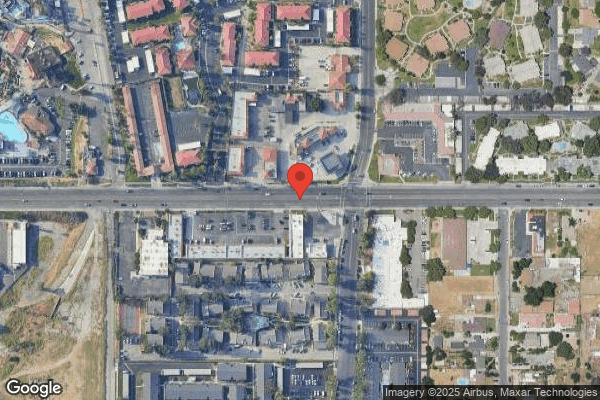
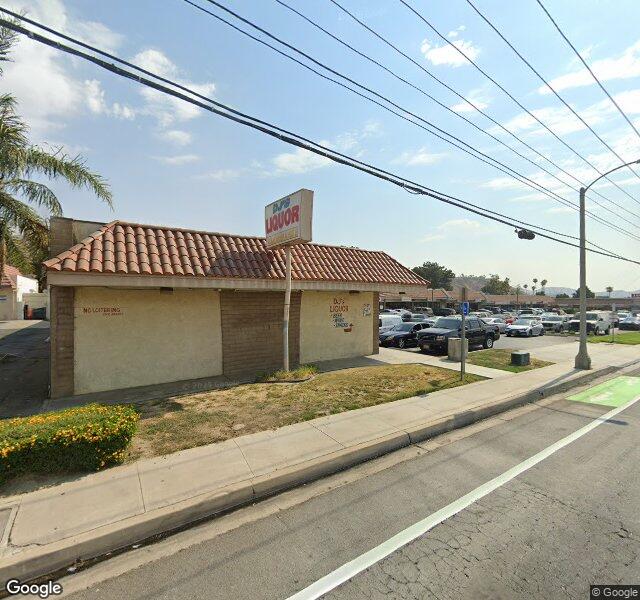
1700 E WASHINGTON STREET, COLTON, CA 92324 (909) 824-1530
For profit - Corporation 99 Beds LONGWOOD MANAGEMENT CORPORATION Data: November 2025
Trust Grade
58/100
#627 of 1155 in CA
Last Inspection: October 2024

Within standard 12-15 month inspection cycle. Federal law requires annual inspections.

Overview

Meadows Ridge Care Center has a Trust Grade of C, which means it is average and ranks in the middle of the pack. In California, it is ranked #627 out of 1155 facilities, placing it in the bottom half, and #47 out of 54 in San Bernardino County, indicating there are only a few local options that are better. The facility is showing improvement, as the number of issues reported decreased from 13 in 2024 to 4 in 2025. However, staffing is a concern with a rating of 2 out of 5 stars and a high turnover rate of 52%, which is above the state average. In terms of RN coverage, the facility has less RN support than 96% of California facilities, which may affect the quality of care. Recent inspections revealed several issues, including dirty food service areas that could lead to contamination, improper trash disposal that risks attracting pests, and failures in infection control practices, such as staff not following PPE guidelines and not performing hand hygiene, which could jeopardize resident safety. While there are strengths in some quality measures, families should weigh these concerns carefully.

Trust Score
C
58/100
In California
#627/1155
Bottom 46%
Safety Record
Low Risk
No red flags
Inspections
Getting Better
13 → 4 violations
Staff Stability
⚠ Watch
52% turnover. Above average. Higher turnover means staff may not know residents' routines.
Penalties
○ Average
$9,032 in fines. Higher than 59% of California facilities. Some compliance issues.
Skilled Nurses
⚠ Watch
Each resident gets only 13 minutes of Registered Nurse (RN) attention daily — below average for California. Fewer RN minutes means fewer trained eyes watching for problems.
Violations
⚠ Watch
45 deficiencies on record. Higher than average. Multiple issues found across inspections.
★★★☆☆
3.0
Overall Rating
★★☆☆☆
2.0
Staff Levels
★★★★☆
4.0
Care Quality
★★★☆☆
3.0
Inspection Score
Stable
2024: 13 issues
2025: 4 issues

The Good

  • 4-Star Quality Measures · Strong clinical quality outcomes
  • Full Sprinkler Coverage · Fire safety systems throughout facility
  • No fines on record

Facility shows strength in quality measures, fire safety.

The Bad

3-Star Overall Rating

Near California average (3.1)

Meets federal standards, typical of most facilities

Staff Turnover: 52%

Near California avg (46%)

Higher turnover may affect care consistency

Federal Fines: $9,032

Below median ($33,413)

Minor penalties assessed

Chain: LONGWOOD MANAGEMENT CORPORATION

Part of a multi-facility chain

Ask about local staffing decisions and management

The Ugly 45 deficiencies on record

Jun 2025 1 deficiency
CONCERN (D) 📢 Someone Reported This

A family member, employee, or ombudsman was alarmed enough to file a formal complaint

Potential for Harm - no one hurt, but risky conditions existed

Deficiency F0573 (Tag F0573)

Could have caused harm · This affected 1 resident

**NOTE- TERMS IN BRACKETS HAVE BEEN EDITED TO PROTECT CONFIDENTIALITY** Based on interview and record review, the facility failed to ensure a resident was able to exercise the right to access personal...

Read full inspector narrative →
**NOTE- TERMS IN BRACKETS HAVE BEEN EDITED TO PROTECT CONFIDENTIALITY** Based on interview and record review, the facility failed to ensure a resident was able to exercise the right to access personal and medical records for one of two residents (Resident 1), when Resident 1 requested her medical records but were not provided within 48 hours of the request as per the facility's policy. This failure resulted in a violation of Resident 1's right to have access to medical records as requested by Resident 1. Findings: During a review of Resident 1 Face Sheet (contain resident demographic), the Face Sheet indicated, Resident 1 was admitted on [DATE], with diagnosis that included polyneuropathy (a condition where multiple peripheral nerves throughout the body are damaged). During a review of Resident 1 ' s Minimum Data Set (facility assessment tool), dated April 5, 2025, under Section C, it indicated her Brief Interview for Mental Status (BIMS) score was 14. (A BIMS score of 13 to 15 suggests the patient is cognitively intact.) During an interview on June 23, 2025, at 9:55 AM with Resident 1, Resident 1 presented emails that she had sent to the Medical Record (MR 1) and the Director of Nursing (DON 1). She indicated that she has not yet received her medical record and has not received any communication from them. She expressed her desire to arrange a meeting with them to discuss this matter. During a concurrent Record Review and Interview on June 23, 2025, at 10:15 AM, in the Medical Record office with Assistant Medical Record (AMR 1). Both incoming and outgoing emails were examined. The incoming emails revealed that on May 13, 2025, the Medical Record Department had received a request for psychiatric records from resident 1. On May 20, 2025, the Medical Record Department had received a request for a complete copy of medical records from resident 1. On May 29, 2025, the Medical Record Department had received a request for a medical release form from Resident 1. On May 30, 2025, the Medical Record Department had received an urgent follow-up email regarding the failure to provide medical records from Resident 1. On June 5, 2025, the Medical Record Department had received a request for a medical record release form from Resident 1. The outgoing emails indicated that an email was sent to Resident 1 on May 23, 2025. AMR 1 confirmed that only one response email was sent to Resident 1. During a concurrent interview on June 23, 2025, at 10:59 AM with Resident 1, the Assistant Medical Record (AMR 1), and the Administrator (Admin 1). Resident 1 indicated that the records department only supplied her with the psychiatric notes she had requested through email on May 13, 2025, but did not respond to her emails concerning her medical record requests. The resident mentioned that she had requested her complete medical record via email on May 20, 2025, and followed up on her request through email on May 29, 2025, again on May 30, 2025, and once more on June 5, 2025. However, she has yet to receive her medical record or any replies to her emails regarding her medical record requests. During a concurrent Record Review and Interview on June 23, 2025, at 11:59 AM, in the Medical Record Office with the Medical Record (MR 1). MR 1 acknowledged that she had received Medical Record request via email from Resident 1 on May 20, 2025, May 29, 2025, May 30, 2025, and June 5, 2025. The MR 1 indicated that, according to her understanding of the policy, she is required to provide Resident 1 with the requested documents within 48 hours. She stated that when a resident requests medical records, it implies a request for the complete record. She acknowledged that Resident 1 has not yet received the complete medical record that was requested and admitted that she did not respond to Resident 1's emails. Furthermore, she could not provide a reason for her lack of response to the emails, nor could she explain why the records have not been released, suggesting that she is simply busy. She noted that, according to policy, in this situation, she is not meeting the expected standards. During an interview on June 23, 2025, at 12:30 PM, in the Medical Record Office with the Admin 1. The Admin 1 expressed his agreement that MR 1 is failing to meet the expectations outlined in the policy regarding the provision of requested documents to residents. A review of the facility Policy and Procedure (P&P) titled, Release of information , dated November 2009, indicate .10. A resident may obtain photocopies of his or her records by providing the facility with at least a forty-eight (48) hour (excluding weekends and holidays) advance notice of such request. A fee may be charged for copying services .
Jun 2025 1 deficiency
CONCERN (D) 📢 Someone Reported This

A family member, employee, or ombudsman was alarmed enough to file a formal complaint

Potential for Harm - no one hurt, but risky conditions existed

Quality of Care (Tag F0684)

Could have caused harm · This affected 1 resident

**NOTE- TERMS IN BRACKETS HAVE BEEN EDITED TO PROTECT CONFIDENTIALITY** Based on interview and record review the facility failed to ensure that appropriate procedures were followed after an unwitnesse...

Read full inspector narrative →
**NOTE- TERMS IN BRACKETS HAVE BEEN EDITED TO PROTECT CONFIDENTIALITY** Based on interview and record review the facility failed to ensure that appropriate procedures were followed after an unwitnessed fall of one of four sampled resident (Resident 1). There was no documentation of the fall, physician notification, and no indication that Resident 1 was monitored following the incident. This failure had the potential for Resident 1's overall medical condition to decline and go undetected by the facility. Findings: During a review of Residents 1's (R1) admission Record (general demographics), the document indicated R1 was admitted to the facility on [DATE], with diagnoses that included orthopedic after care, (period following surgery or treatment where patient receives ongoing care to receive to support recovery and healing), fracture tibia and fibula ( lower leg fracture), abnormality of gait and mobility (deviation from a normal walking pattern), type 2 diabetes mellitus (body has trouble controlling blood sugar), hyperlipidemia (high levels of fat in the blood ), kidney disease ( damage to the kidneys), hypertension ( high blood pressure), syncope (fainting spell). During an interview with R1 on May 28, 2025, at 1:15 PM, R1 stated call lights were not being answered; he needed to wait for one hour or even longer at times. R1 stated , he called during the night and waited for hours for someone to empty his urinal. He got up, slipped, and fell in the process. Shortly after he fell, a Licensed Vocational Nurse 1 (LVN1) came to his room to answer the light and saw his wheelchair had fallen off the floor. R1 told LVN 1 that he has been calling for assistance and nobody came. R1 told LVN 1 that he slipped and fell on the floor. R1 further stated, I'm not sure if the nurse documented that I fell that night. I don't think she called my doctor to let him know that I fell. During an interview with LVN 2 on May 28, 2025, at 2:10 pm, LVN 2 stated LVN 1 mentioned to him that R1 fell during her shift and did not sustain any injury. R1 also made LVN 2 aware that he had a fall incident during the night. When HFEN asked LVN 2 if there was a change of condition notification (COC), vital signs, neuro checks done by LVN 1, LVN 2 stated that he was not sure since it did not happen on his shift. LVN 2 stated there should have been a COC notification to primary physician, monitoring of R1 post fall, and the incident should have been documented. During a concurrent record review and interview with the Registered Nurse (RN 1) on May 28, 2025, at 2:25 pm, RN1 stated there was no COC notification and no documentation of the fall incident on the progress notes for R1. When RN1 was asked if there should have been a COC notification and monitoring done after the fall incident, RN1 stated documentation should have been done according to the facility's policy. The facility could not provide documentation that a COC was completed which includes situation (change in condition, symptoms, or signs observed), background (diagnosis, medication alerts, vital signs, mental status), appearance, review, and notification information or that the facility was monitoring for medical changes after this fall. During a continued interview with LVN 2, in the presence of RN 1 and the Director of Nursing (DON), on May 28, 2025, at 3:15 PM, DON stated she was not aware about R1's fall incident. LVN 2 stated LVN 1 reported to him R1 had an unwitnessed fall when he came to work that morning. RN 1 also stated there was no documentation of the fall incident and COC notification was not completed. The DON stated LVN 1 should have documented the incident, completed the COC, notified the physician, and monitored R1 after the fall incident. DON stated that she will follow up on it. The facility policy and procedure titled Changes in Residents Condition or Status revised March 2023, indicated, Our facility promptly notifies the resident, his or her attending physician, and the resident representatives of changes in the resident's medical/mental condition and/or status (e.g. changes in level of care, billing/payments, resident right, etc.). 1. The nurse will notify the resident's attending physician or physician on call when there has been a (an): a. accident or incident involving the resident 3. Prior to notifying the physician or healthcare provider, the nurse will make detailed observations and gather pertinent information for the provider, including (for example) information prompted by the interact SBAR Communication Form. RN1 and DON stated there should have been a COC notification and documentation of the fall incident.
Feb 2025 1 deficiency
CONCERN (D) 📢 Someone Reported This

A family member, employee, or ombudsman was alarmed enough to file a formal complaint

Potential for Harm - no one hurt, but risky conditions existed

Quality of Care (Tag F0684)

Could have caused harm · This affected 1 resident

**NOTE- TERMS IN BRACKETS HAVE BEEN EDITED TO PROTECT CONFIDENTIALITY** Based on observation, interview, and record review the facility failed to follow its policy and procedure for Administering Medi...

Read full inspector narrative →
**NOTE- TERMS IN BRACKETS HAVE BEEN EDITED TO PROTECT CONFIDENTIALITY** Based on observation, interview, and record review the facility failed to follow its policy and procedure for Administering Medications for one of four sampled residents (Resident 4) when licensed staff did not monitor Resident 4's blood pressure and heart rate every six hours as ordered by resident 4's physician and give Hydralazine (medication to treat high blood pressure) as needed. This failure resulted in Resident 4 a clinically compromised resident being sent to the hospital for evaluation and treatment. Findings: During a review of Resident 4's admission Record (general demographics), the document indicated Resident 4 was last admitted to the facility on [DATE], with diagnoses that included, hypertension (a condition when the blood pressure is high), hemiplegia (weakness that affect one side of the body), type 2 diabetes mellitus (a disease that occurs when your blood sugar is too high), end stage renal disease (a disease when the kidneys are no longer working). During a review of Care Plan Report, indicated, Focus: Resident is at risk for cardiac distress At risk for shortness of breath, chest pain irregular pulse, dizziness, edema, elevated BP (blood pressure), hypotension, altered mental status, headache . Goal: Will have no unrecognized s/s (signs and symptoms) of cardiac distress daily . Interventions: Observe for headache, chest pain, irregular pulse, edema, shortness of breath, elevated BP, dizziness . Monitor pulse rate and BP as ordered . During a review of Weights and Vitals Summary the last seven days prior to Resident 4 being sent to the hospital (February 18, 2025) indicated, were taken on February 17, 2025: 119/76 and February 10, 2025: 121/77. During review of Licensed Nurses Note dated, February 18, 2025, it indicated, Resident was sent to [Name of hospital], at 2340 via gurney accompanied by two from [Name of ambulance company] due to hypertension . During a concurrent interview and review on February 27, 2025, at 11:05 AM, with Licensed Vocational Nurse (LVN 1), the Medication Administration Record (MAR) was reviewed. Medications to be given included hydralazine HCI oral tablet 25 MG (Hydralazine HCI) Give 1 tablet by mouth every six hours as needed for HTN (hypertension) Hold if SBP (systolic blood pressure) < (less than) 110 or HR (heart rate) < 60. There was no blood pressure and heart rate recordings on the MAR from February 1, 2025, to February 17, 2025, except February 18, 2025. LVN 1 stated, I did not check his blood pressure every six hours. During a concurrent interview and review on February 27, 2025, at 11:10 AM, with the Director of Nursing (DON), the physician's orders (Order Summary Report) was reviewed. Orders included hydralazine HCI oral tablet 25 MG (Hydralazine HCI) Give 1 tablet by mouth every 6 hours as needed for HTN (hypertension) Hold if SBP (systolic blood pressure) < (less than) 110 or HR (heart rate) < 60. DON stated, Nurses were doing weekly blood pressure check. During a concurrent interview and record review on February 27, 2025, at 11:30 AM, with the DON, the facility's policy and procedure P&P titled, Administering Medications dated April 2019, was reviewed. The P&P indicated, . Medications are administered in a safe and timely manner, and as prescribed. DON stated, Staff did not follow physician's orders by checking the resident (Resident 4)'s blood pressure and heart rate as stated in the physician's order. I expected staff to have followed the physician's order.
Jan 2025 1 deficiency
CONCERN (D) 📢 Someone Reported This

A family member, employee, or ombudsman was alarmed enough to file a formal complaint

Potential for Harm - no one hurt, but risky conditions existed

Deficiency F0602 (Tag F0602)

Could have caused harm · This affected 1 resident

**NOTE- TERMS IN BRACKETS HAVE BEEN EDITED TO PROTECT CONFIDENTIALITY** Based on observation, interview, and record review, the facility failed to ensure that one of three sampled residents (Resident ...

Read full inspector narrative →
**NOTE- TERMS IN BRACKETS HAVE BEEN EDITED TO PROTECT CONFIDENTIALITY** Based on observation, interview, and record review, the facility failed to ensure that one of three sampled residents (Resident 1) was free from financial exploitation (taking advantage of a resident for personal gain, through the use of manipulation, intimidation, threats, or coercion) by a staff member. This failure had the potential to cause significant emotional and financial harm to Resident 1 and had the potential to place other residents at risk of abuse, neglect and exploitation. Findings: During a review of Resident 1 ' s Face Sheet (a document containing clinical and demographic information), it indicated Resident 1 was admitted to the facility on [DATE], with diagnoses which included depression (feeling sad and low motivation), anxiety (feeling restless), and colonostomy status (an opening in the abdominal wall to allow waste to exit the body through the colon). During a review of the State of California Form 341 REPORT OF SUSPECTED DEPENDENT ADULT/ELDER ABUSE, dated December 5, 2024, it indicated Resident 1 came into activities dining room [ROOM NUMBER]/4 (December 4, 2024) to paint her nails well we were seating down she asked me how my thanksgiving was I told her that it was nice but quiet, she then stating saying if I ever need anything to let her know, that she had 2,300 ($ 2,300) on her card and was able to help Employee 1 because she was able to make Thanksgiving happen to year . During an interview with Resident 1, on December 6, 2024, at 9:35 AM, Resident 1 stated that three days before Thanksgiving, Employee 1 told her she needed items for her family's Thanksgiving dinner. Resident 1 stated she voluntarily gave Employee 1 her EBT (Electronic Benefits Transfer- used in California for the delivery, redemption, and reconciliation of issued public assistance benefits) card and PIN with the condition that the total purchase does not exceed $600.00. Resident 1 further stated Employee 1 copied her EBT card number and PIN onto her phone and used it to make purchases through an online grocery delivery application. Resident 1 further stated that most items purchased were kept by Employee 1. During a concurrent phone interview and record review with the Administrator (Admin), on December 6, 2024, at 10:40 AM, the Receipts print out [name of supermarket] dated December 4, 2024, at 8:21 PM was reviewed. The receipts indicated two transactions as follows: a. November 17, 2024, a total purchase of $436.51. b. November 21, 2024, a total purchase of $225.70. The Admin acknowledged that Employee 1 used Resident 1 ' s EBT card to make the purchases, with a total purchase of $662.21 for both transactions. The Admin further stated this action violated the facility ' s policy, which explicitly prohibits employees from accepting money, gifts from the residents. During a review of Resident 1 ' s Change of Condition dated December 6, 2024, at 11:52 AM, it indicated, Resident 1 is experiencing emotional distress due to alleged financial abuse with staff member [Employee 1] . Resident was assisted to the room to lay down to relax due to emotional distress . During an interview with the Social Worker (SW 1), on December 6, 2024, at 12:14 PM, the SW 1 stated that she was not aware that Resident 1 had an EBT card in her possession, as the facility provided for all residents with their needs. The SW 1 further stated that the facility financial abuse prevention policy was not followed this case. The SW 1 emphasized that employees should not be handling or using resident financial resources. During a concurrent interview and record review with the Social Worker 1 (SW 1), on December 6, 2024, at 12:19 PM, the II. Rules of Conduct dated June 2023 was reviewed. It indicated, The following conduct is prohibited and will not be tolerated by the Company .A. Resident / Patient Care .5. Borrowing any money or accepting a gift of any type, monetary or otherwise, from a resident . The SW 1 stated Employee 1 violated the facility ' s Rule of Conduct by accepting and using Resident 1 ' s EBT card, which should not have occurred. During a concurrent phone interview and record review on January 3, 2025, at 10:38 AM, with the Admin and the Director of Nursing (DON), the facility ' s undated policy and procedure (P&P) titled Abuse & Mistreatment of Residents was reviewed. It indicated, 8. Misappropriation of Resent property means the deliberate misplacement, exploitation, or wrongful use, temporary or permanent, of a resident ' s belongings of money without the resident ' s consent. The Administrator and DON agreed that the incident was a clear case of financial abuse and confirmed that the facility ' s policies were not followed by the Employee 1. During a concurrent phone interview and record review on January 3, 2025, at 10:39 AM, with the Admin, the facility ' s policy and procedure (P&P) titled Resident Rights dated February 2021 was reviewed. It indicated C. be free from abuse, neglect, misappropriation of property, and exploitation; The Admin stated the policy was not followed by the Employee 1.
Oct 2024 1 deficiency
CONCERN (D) 📢 Someone Reported This

A family member, employee, or ombudsman was alarmed enough to file a formal complaint

Potential for Harm - no one hurt, but risky conditions existed

ADL Care (Tag F0677)

Could have caused harm · This affected 1 resident

**NOTE- TERMS IN BRACKETS HAVE BEEN EDITED TO PROTECT CONFIDENTIALITY** Based on interview and record review for one of three sampled residents (Resident 1), the facility failed to follow their policy...

Read full inspector narrative →
**NOTE- TERMS IN BRACKETS HAVE BEEN EDITED TO PROTECT CONFIDENTIALITY** Based on interview and record review for one of three sampled residents (Resident 1), the facility failed to follow their policy in providing Activities of Daily Living (ADLS) when personal hygiene was not provide as needed and failing to notify responsible party (RP) of Resident 1 ' s shower refusals. This failure has potential in putting Resident 1 ' s health and safety at risk when hygiene needs were not met. Findings: During review of Residents 1 ' s admission Record (general demographics), the document indicated Resident 1 was admitted to the facility on [DATE], with diagnoses to include: cerebral infarction (blood blocked to brain, causing tissue death), Benign Prostatic Hyperplasia (enlarged prostate) Neurogenic Bladder (bladder retention), Urinary tract infection, schizoaffective disorder (hallucination s, delusions), hypertension (high blood pressure). During a concurrent interview and record review of Resident 1 ' s Medical Record with the Director of Nursing (DON), reviewed are as follows: 1. Task ALDs Shower /Bath self from September 11, 2024- October 09, 2024, 22 bed baths recorded, only 2 showers: September 01, 2024, Hair washed, skin moisturized marked Yes (Nails trimmed and shaved marked No) September 05, 2024, hair washed, skin moisturized shaved marked, shower and skin check marked Yes, nails trimmed marked No. 2. Careplan (No documentation of shower refusals). 3. No Progress Notes of documentation of shower refusals. 4. No Change in Condition for shower refusals, No responsible party notification. During an interview on October 10, 2024, with the Director of Staff Development (DSD), the (DSD) stated, For showers, we were told to chart it down, we go back 3 times after they refuse to see if the resident changes their mind in taking a shower. The charge nurse and the Certified Nursing Assistant (CNA) documents shower refusals. I printed out the bed baths provided, but I only have 2 shower sheets since September 1, 2024, until now. I don ' t know what happened. I ' m not sure for this resident what happened, there is no documentation. During an interview on October 10, 2024, with the Director of Nurses (DON), the (DON) stated, If Resident 1 is not showering, he needs a bed bath. Showers should be as schedule if he doesn ' t refuse. The charge nurses will be the one to notify me of his refusals. For Refusals we do a Change of Condition of behaviors refusal of Care. Responsible Party and doctor will be notified. I can agree, no records on careplan, there are no refusals for showers. I did not know about the refusals of showers, I never knew of his refusals, it would have been part of his behaviors. During a review of the facility ' s policy and procedure titled, Activities of Daily Living ADL, supporting revised March 2018, the policy and procedure indicated, Residents will be provided with care, treatment, and services as appropriate to maintain or improve their ability to carry out activities of daily living (ADLs). Residents who are unable to carry out activities of daily living independently will receive the services necessary to maintain good nutrition, grooming and personal and oral hygiene .(3) refuses care and treatment to restore or maintain functional abilities and (a) the resident and or representative has been informed of the risk and benefits of the proposed care or treatment .(c) the refusal and information are documented in the residents clinical record.
Oct 2024 6 deficiencies
CONCERN (D) 📢 Someone Reported This

A family member, employee, or ombudsman was alarmed enough to file a formal complaint

Potential for Harm - no one hurt, but risky conditions existed

Deficiency F0637 (Tag F0637)

Could have caused harm · This affected 1 resident

**NOTE- TERMS IN BRACKETS HAVE BEEN EDITED TO PROTECT CONFIDENTIALITY** Based on the interview and record review, the facility failed to ensure that Significant Change of Status Assessments (SCSA- req...

Read full inspector narrative →
**NOTE- TERMS IN BRACKETS HAVE BEEN EDITED TO PROTECT CONFIDENTIALITY** Based on the interview and record review, the facility failed to ensure that Significant Change of Status Assessments (SCSA- required when a resident's condition has significantly changed, either improving or declining, and the change is expected to last longer than two weeks) of the Minimum Data Set (MDS- federally mandated assessment tool) were completed within 14 days for one of three residents reviewed for pressure ulcer (localized damage to the skin and/or underlying soft tissue usually over a bony prominence or related to a medical or other device)(Resident 39) when Resident 39 had a significant decline in her condition due to severe weight loss and changes in the stage (a system used to classify severity) of her pressure ulcers. This failure resulted in Resident 39's care plan not being updated and revised to reflect her current status, which had the potential to delay the implementation of her care and support needs. Findings: During a review of Resident 39's admission Record (a document that contains demographic and clinical data), it indicated Resident 39 was admitted to the facility on [DATE], with diagnoses which included protein calorie malnutrition (condition caused by not getting enough protein and calories in the diet, which can lead to weight loss, muscle wasting, and a weakened immune system) and unstageable (wound that we can't see how deep the sore is because it is covered with dead skin or other material) pressure ulcer of sacral (tailbone) region. During a concurrent interview and record review with the Director of Nursing (DON) and Administrator (Admin), on October 4, 2024, at 3:21 PM, the DON and the Admin reviewed Resident 39's clinical record which indicated Resident 39's weight were as follows: July 2, 2024, weight : 133 pounds; August 2, 2024, weight : 125 pounds; September 4, 2024, weight : 116 pounds. The DON and the Admin acknowledged that Resident 39 had a severe weight loss from July 2024 to September 2024 with a total of 17 pounds weight loss which was 12.8% in 3 months period. (7.5 % in three months is the suggested parameter for evaluating significance of unplanned and undesired weight loss.) During further interview and record review with the DON and the Admin, on October 4, 2024, at 3:30 PM, the DON and the Admin reviewed Resident 39's Skin Progress Report, dated July 2, 2024, which indicated . Date first observed 07/02/2024 [July 2, 2024] . site coccyx [tailbone] . length. 2.1. Width 1.2. Stage. Suspected deep tissue injury [is a type of wound happen from pressure on the skin usually looks like a purple or dark red spot, skin not open/break] . weekly progress report date 08/13/2024 [August 13, 2024]. Current stage. UTD [Unstageable] . Wound measurement (cm [unit in measurement centimeter]) 5.4 [length] x 8.5 [width] . The DON and the Admin acknowledged Resident 39's pressure ulcer was bigger in size and worsening in stage. During a follow up interview with the DON and the Admin, on October 4, 2024, at 3:40 PM, Resident 39's admission MDS assessment dated [DATE], and Quarterly MDS assessment dated [DATE], were reviewed. The DON stated that instead of Resident 39's Quarterly Assessment, the assessment completed should be SCSA MDS. The DOn further stated We missed it. (After a significant decline in Resident 39's status, of significant weight loss and pressure ulcers, a SCSA was not completed after 14 days) During a concurrent interview and record review with the DON and the Admin, on October 4, 2024, at 3:50 PM, the DON and the Admin reviewed the facility's policy and procedure (P&P) titled Weight Assessment and Intervention, revised March 2022, which indicated .the threshold for significant unplanned and undesirable weight loss will be based on following criteria [where percentage of body weight loss =(usual weight-actual weight)/(usual weight) x 100]: a. 1-month 5% weight loss is significant; greater than 5% is severe. b. 3-month 7.5% weight loss is significant; greater than 7.5% is severe. c. 6-month 10% weight loss is significant; greater than 10% is severe . A review of the facility policy and procedure titled Change in Resident's Condition or Status, revised March 2023, indicated .2. A significant assessment is major decline or improvement in resident status that will: a. Will not normally resolve itself without intervention . b. impact more than one area . c. requires interdisciplinary review and/or revision of the care plan .9. If a significant change in resident's physical or mental condition occurs, a comprehensive assessment of the resident's condition will be conducted as required by current OBRA [is a federal law that establishes regulations for nursing facilities] regulation governing resident assessment and as MDS RAI [Resident Assessment Instrument. It's a tool used in nursing homes to assess residents' health and needs] instruction manual . A review of the RAI manual, revised October 2023, indicated . The SCSA is a comprehensive assessment for a resident . It can be performed at any time after the completion of an admission assessment .The MDS completion date (item Z0500B) must be no later than 14 days from the ARD [(Assessment Reference Date) is the last day of this observation period] (ARD + 14 calendar days) and no later than 14 days after the determination that the criteria for an SCSA were met
CONCERN (D) 📢 Someone Reported This

A family member, employee, or ombudsman was alarmed enough to file a formal complaint

Potential for Harm - no one hurt, but risky conditions existed

Deficiency F0688 (Tag F0688)

Could have caused harm · This affected 1 resident

**NOTE- TERMS IN BRACKETS HAVE BEEN EDITED TO PROTECT CONFIDENTIALITY** Based on observation, interview, and record review, the facility failed to ensure one of eight residents reviewed for Range of M...

Read full inspector narrative →
**NOTE- TERMS IN BRACKETS HAVE BEEN EDITED TO PROTECT CONFIDENTIALITY** Based on observation, interview, and record review, the facility failed to ensure one of eight residents reviewed for Range of Motion (ROM- full movement potential of a joint) (Resident 39) receives appropriate treatment and services to increase ROM and/or to prevent further decrease in ROM when Resident 39's Restorative Nursing Assistant (RNA- help residents improve and maintain their physical abilities and ADLs, and prevent further decline) orders were not carried out in a timely manner. This failure could have potentially caused a delay of preventing severe contractures (a medical condition characterized by the shortening and hardening of muscles, tendons, or connective tissues, which can lead to stiffness and restricted movement in joints) of all extremities. Findings: During a review of Resident 39's admission Record (a document that contains demographic and clinical data), it indicated Resident 39 was admitted to the facility on [DATE], with diagnoses of protein-calorie malnutrition (nutritional status in which reduced availability of nutrients leads to changes in body composition and function), dystonia (movement disorder), and epilepsy (brain disorder that causes recurring, unprovoked seizures). A review of Resident 39's physician's orders, dated August 7, 2024, indicated, RNA (Restorative Nursing Assistant) for AAROM (Active Assistive Range of Motion) exercise, left (L) LE (lower extremity), 3x/week as tolerated. RNA for exercise, Right LE 3x/week as tolerated. Physician's orders, dated September 19, 2024, indicated, RNA to perform L UE (upper extremity) AAROM exercise 5x/week or as tolerated. RNA to perform R UE AAROM exercises 5x/week or as tolerated. RNA to apply rolled hand towel to R hand 5x/week or as tolerated, RNA to apply rolled hand towel to L hand 5x/week or as tolerated. (This RNA order was rewritten on September 30, 2024.) During a review of Resident 39's RNA progress notes for the months of August 2024, it indicated Resident 39 started receiving her AAROM exercises on August 14, 2024. (One week after the order was written.) During a concurrent interview and record review with RNA Supervisor and the Director of Nursing (DON), on October 4, 2024, at 3:30 PM, Resident 39's RNA orders and RNA weekly progress notes for the month of August 2024 were reviewed. RNA Supervisor and DON acknowledged that the RNA orders were not carried out timely. During a concurrent interview and record review with RNA Supervisor and the DON, on October 4, 2024, at 3:45 PM, RNA Supervisor and the DON reviewed the facility's policy and procedure, (P&P), titled, Physician Orders and Telephone Orders, dated, January 2004, indicated: .GUIDELINES: 1. A resident shall be admitted or accepted for care on the order of a physician. The admission order is to begin with Admit to and include, but not limited to, the following orders: a. Diet, . c. Treatment (specific treatment, frequency, site), d. Activity limitation. 7. Computer generated physician's order shall be reviewed by a qualified person, preferable by a licensed Nurse, prior to placement of these orders into the resident's health record. RNA Supervisor and the DON acknowledged the policy and stated Resident 39's RNA orders were not carried out timely and was started in a delay.
CONCERN (D) 📢 Someone Reported This

A family member, employee, or ombudsman was alarmed enough to file a formal complaint

Potential for Harm - no one hurt, but risky conditions existed

Pharmacy Services (Tag F0755)

Could have caused harm · This affected 1 resident

**NOTE- TERMS IN BRACKETS HAVE BEEN EDITED TO PROTECT CONFIDENTIALITY** Based on observation, interview, and record review, the facility failed to ensure medications were administered in accordance wi...

Read full inspector narrative →
**NOTE- TERMS IN BRACKETS HAVE BEEN EDITED TO PROTECT CONFIDENTIALITY** Based on observation, interview, and record review, the facility failed to ensure medications were administered in accordance with prescriber's orders and facility policy for one resident reviewed for use of antibiotic (medication used to treat bacterial infections) (Resident 39). This failure had the potential to make the antibiotic less effective and prolong the course of treatment, placing Resident 39's health at risk. Findings: During a review of Resident 39's admission Record (a document that contains demographic and clinical data), the admission Record indicated, Resident 39 was admitted to the facility on [DATE], with the diagnoses of protein-calorie malnutrition, (nutritional status in which reduced availability of nutrients leads to changes in body composition and function), dystonia (movement disorder), and epilepsy (brain disorder that causes recurring, unprovoked seizures). During a review of Resident 39's physician order, dated August 21, 2024, it indicated, Ertapenem Sodium (Ertapenem Sodium-antibiotic used to treat bacterial infections) Injection Solution Reconstituted 1 GM (gram- unit of measurement) Inject 1 gram intramuscularly (IM- a method of delivering medication directly into a muscle) in the evening for infection/UTI (urinary tract infection- infection that can occur in any part of the urinary system) for 10 days. During a review of Resident 39's Medication Administration Record (MAR) for the month of August 2024, it indicated Resident 39 received the first dose of Ertapenem Sodium on August 21, 2024. Further review indicated on August 22, 2024, Resident 39 was not administered the prescribed antibiotic. During a review of Resident 39's nursing progress notes, dated August 22, 2024, for 17:00 PM dose, documented by LVN 2, it indicated, Ertapenem Sodium Injection Solution Reconstituted 1 Waiting delivery from pharmacy. During a concurrent interview and review of Resident 39's clinical records, with a Registered Nurse (RN 1), on October 4, 2024, at 4:48 PM, RN 1 acknowledged that Resident 39 was not administered Ertapenem Sodium on August 22, 2024. RN 1 stated the medication was available in the Emergency Kit (Ekit- designed to support both staff and residents, ensuring continuity of care and safety during emergencies.) and LVN 2 should called the pharmacy to inform them that she was getting another dose in the Ekit because the antibiotic still has not arrived. During a concurrent interview and record review with RN 1, on October 4, 2024, at 5:06 PM, RN 1 reviewed the facility's policy and procedure (P&P), titled, Administering Medications, revised April 2019, which indicated Medications are administered in a safe and timely manner, and as prescribed. Policy Interpretation and Implementation - .4. Medications are administered in accordance with prescriber orders, including any required time frame. RN 1 stated the policy was not followed.
CONCERN (D) 📢 Someone Reported This

A family member, employee, or ombudsman was alarmed enough to file a formal complaint

Potential for Harm - no one hurt, but risky conditions existed

Deficiency F0808 (Tag F0808)

Could have caused harm · This affected 1 resident

**NOTE- TERMS IN BRACKETS HAVE BEEN EDITED TO PROTECT CONFIDENTIALITY** Based on observation, interview, and record review, the facility failed to ensure one of six residents reviewed for nutrition (R...

Read full inspector narrative →
**NOTE- TERMS IN BRACKETS HAVE BEEN EDITED TO PROTECT CONFIDENTIALITY** Based on observation, interview, and record review, the facility failed to ensure one of six residents reviewed for nutrition (Resident 39) received a diet prescribed by their physician in a timely manner. This failure had the potential to place Resident 39 at risk for further nutrition and medical decline. Findings: During a review of Resident 39's admission Record (contains demographic and clinical data), it indicated Resident 39 was admitted to the facility on [DATE], with diagnoses of protein-calorie malnutrition (nutritional status in which reduced availability of nutrients leads to changes in body composition and function), dystonia (movement disorder), and epilepsy (brain disorder that causes recurring, unprovoked seizures). During a review of Resident 39's Outpatient Clinic Prescription from her Primary Care Physician, dated August 8, 2024, it indicated Please d/c [discontinue] current diet and follow recommendations per Barium test result. Small quarter size chopped soft diet w/ [with] thin liquids by teaspoon or small open cup sips . A review of Resident 39's physician orders were reviewed from August 8, 2024 through August 25, 2024, there was no documented evidence to indicate the diet order from Resident 39' s PCP was written and carried out by the facility. During a review of Resident 39's physician order, dated August 26, 2024, it indicated Resident 39 had an order to have a regular diet, mechanical soft texture, thin consistency, small bites and sips, 1:1 supervision, sips need to be slow. This order was carried out 18 days after original diet order was received. During a concurrent interview and record review, on October 4, 2024, at 2:00 PM, with the Director of Nursing (DON), the DON reviewed Resident 39's Outpatient Clinic Prescription, dated August 8, 2024, and Resident 39's current diet order, dated August 26, 2024 and stated the diet order was not carried out timely. During a review of the facility's policy and procedure titled Physician Orders and Telephone Orders, dated January 2004, it indicated . 3. All orders must be specific and complete with all necessary details to carry out the prescribed order without any questions. Each order shall include the diagnosis/condition to support the order. During a review of a facility document titled Job Description - Registered Nurse (RN), dated January 27, 2022, it indicated, The Registered Nurse is responsible for assuring physician's orders are followed and quality care is provided on each shift in a skilled care facility . Makes actual patient rounds, assessing and observing the following at least three times per day .Hydration/nutritional status/feeding program.
CONCERN (D)

Potential for Harm - no one hurt, but risky conditions existed

Infection Control (Tag F0880)

Could have caused harm · This affected 1 resident

**NOTE- TERMS IN BRACKETS HAVE BEEN EDITED TO PROTECT CONFIDENTIALITY** Based on observation, interview, and record review, the facility failed to ensure infection control prevention were implemented ...

Read full inspector narrative →
**NOTE- TERMS IN BRACKETS HAVE BEEN EDITED TO PROTECT CONFIDENTIALITY** Based on observation, interview, and record review, the facility failed to ensure infection control prevention were implemented among a highly vulnerable population of 86 residents, when an oxygen tubing (thin plastic tube that connects a machine, which makes extra oxygen to a person's nose) and related oxygen supplies were not replaced in accordance with the facility's policy and procedure for one of five residents reviewed for oxygen (Resident 34). This failure has the potential to cause and increased risk of infection to Resident 34 due to prolonged use of respiratory equipment without proper replacement. Findings: During a record review of Resident 34's admission Record (contains demographic and medical information), it indicated Resident 34 was admitted to the facility on [DATE], with diagnoses of cerebrovascular disease (like a stroke, where the blood flow to part of the brain is block), dementia (general term to describe a group of symptoms related to loss of memory, judgment, language, complex motor skills, and other intellectual function,), and dysphagia (difficulty of swallowing). During a review of Resident 34's Physician Orders, dated October 4, 2024, it indicated Oxygen related supplies, including the humidifier (a small device that adds moisture to the oxygen coming from a machine that helps people breath) were to be changed every night shift every Sun [Sunday.] During an observation on October 1, 2024, at 3:48 PM, in Resident 34's room, Resident 34 was lying in the bed, resting. On the right side of Resident 34's bed, there was an oxygen concentrator (machine that helps people who have trouble breathing), which had a set up bag attached to it. The set-up bag, which contained oxygen tubing and other respiratory supplies, was inspected. The oxygen tubing and setup bag were marked with a date of January 1, 2024 (Nine months ago.) During a concurrent observation and interview on October 1, 2024, at 3:53 PM, with Registered Nurse (RN 1), in Resident 34's room, RN 1 acknowledged the findings and stated it should have been replaced weekly. RN 1 stated the night shift staff was responsible for changing and supplies every Sunday, but this was not done. During a concurrent interview and record review on October 3, 2024, at 4:44 PM, with the Administrator (Admin), the Admin reviewed the facility's undated policy and procedure (P&P) titled, Oxygen Administration, which indicted The oxygen tubing should be changed weekly and as needed, including changing the mask, cannula, nebulizer equipment, etc. When not in use, the oxygen tubing should be stored in a clean bag. The [NAME] acknowledged the policy and stated the staff failed to follow the oxygen administration policy, which mandated the weekly replacement of oxygen tubing and related supplies.
CONCERN (E)

Potential for Harm - no one hurt, but risky conditions existed

Food Safety (Tag F0812)

Could have caused harm · This affected multiple residents

Based on observation, interview, and record review, the facility failed to store, prepare, and serve food in accordance with professional standards for food service safety, when: 1. On October 1, 202...

Read full inspector narrative →
Based on observation, interview, and record review, the facility failed to store, prepare, and serve food in accordance with professional standards for food service safety, when: 1. On October 1, 2024, two unopened one-pound bags of mini marshmallows, with an expiration date of August 8, 2024, were found stored on top of a shelf in the dry storage room and was available for use. 2. On October 1, 2024, one 4 oz (ounce- a unit for measuring liquid) cup of apple juice and one 4 oz cup of cranberry juice, with the date September 29, 2024, were found on Resident 51's bedside table and were available for consumption. These failures have the potential to compromise food safety and increase the risk of foodborne illness (caused by the ingestion of contaminated food or beverages) for 84 vulnerable residents receiving food from the facility's kitchen. Findings: 1. During a concurrent observation and interview on October 1, 2024, at 8:19 AM, with the Dietary Supervisor (DSS), in the kitchen, the dry storage room was inspected. Two unopened one-pound bags of mini marshmallows, with an expiration date of August 8, 2024, were found stored on top of a shelf. (54 days expired.) The DSS acknowledged that two bags of mini marshmallows were outdated and stated those bags should be removed. During a concurrent interview and record review on October 3, 2024, at 3:38 PM, the DSS reviewed the facility's undated Policy and Procedure (P&P) titled Storage of Canned and Dry Goods which indicated, .No food item that is expired or beyond the best buy date are in stock. The DSS acknowledged that the policy was not followed. 2. During a concurrent observation and interview on October 1, 2024, at 10:26 AM, with License Vocational Nurse (LVN 1), in Resident 51's room, there were two cups of fruit juices (one apple and one cranberry) on top of Resident 51's bedside table. Both cups were labeled with the date 9/29/24 [September 29, 2024]. LVN 1 acknowledged that the juices were two days old. LVN 1 further stated that the cups were from the meal tray and should not have been left overnight. During an interview, on October 3, 2024, at 10:50 AM, with the Administrator (Admin), the Admin stated the practice for passing the tray was to come back to check if the resident consumed the food and pick up after each meal. The Admin further stated the two fruit juices found on Resident 51's room should have not been left at the bed side overnight. During a concurrent interview and record review, on October 3, 2024, at 11:00 AM, with the Admin, the facility's P&P titled Assistance with Meals revised March 2022, was reviewed. The P&P indicated, .Resident confined to bed: . 4. Nursing services . will pick up resident's food trays after each meal .All residents: . 2. To minimize the risk of foodborne illness, the time that potentially hazardous foods remain in the danger zone (41°F to 135ºF) will be kept to a minimum. Foods that are left on trays without a source of heat (for hot foods) or refrigeration (for cold foods) longer than 2 hours will be discarded . The Admin stated the facility did not follow the policy.
Sept 2024 1 deficiency
CONCERN (D) 📢 Someone Reported This

A family member, employee, or ombudsman was alarmed enough to file a formal complaint

Potential for Harm - no one hurt, but risky conditions existed

Deficiency F0726 (Tag F0726)

Could have caused harm · This affected 1 resident

**NOTE- TERMS IN BRACKETS HAVE BEEN EDITED TO PROTECT CONFIDENTIALITY** Based on observation, interview, and record review, the facility failed to ensure a certified nursing assistant was able to demo...

Read full inspector narrative →
**NOTE- TERMS IN BRACKETS HAVE BEEN EDITED TO PROTECT CONFIDENTIALITY** Based on observation, interview, and record review, the facility failed to ensure a certified nursing assistant was able to demonstrate competency in skills and techniques for one of three sampled residents (Resident 1) when a Certified Nursing Assistant (CNA 1) did not report Resident 1's redness on the nose to a licensed nurse. This failure had the potential to result in delayed treatment and care for Resident 1, placing Resident 1 ' s health at risk. Findings: During a review of Resident 1 ' s admission Record (contains demographic and medical information), the admission Record indicated Resident 1 was admitted to the facility on [DATE], with diagnoses of malignant neoplasm of the stomach (stomach tumor), malignant neoplasm of unspecified kidney (kidney tumor) and repeated falls. During a concurrent observation and interview on September 5, 2024, at 9:58 AM, with Resident 1, in Resident 1 ' s room, Resident 1 was lying in bed. Resident 1 ' s bed was in the lowest position. Resident 1 had redness on her nose, appearing like flushing on her nose. Resident 1 stated she did not know how she got it. During an interview on September 11, 2024, at 1:47 PM, with CNA 1, CNA 1 stated she noticed the redness but did not report it to the licensed vocational nurse (LVN 1) or the registered nurse (RN). CNA 1 further stated she was busy and forgot to tell the licensed staff. During an interview on September 11, 2024, at 2:08 PM, with LVN 1, LVN 1 stated he saw the redness on Resident 1 ' s nose but stated he believed it had already been identified due to Resident 1 ' s behavior of hitting her face. LVN 1 further stated it was his expectation for the CNA ' s to report any skin changes. During an interview on September 11, 2024, at 2:16 PM, with RN, the RN stated he was not informed until later that Resident 1 had redness to her nose. The RN further stated Resident 1 when asked about her nose, Resident 1 could not state what happened to her nose. The RN stated it is his expectation for the staff to report any changes with the residents. During a concurrent interview and record review on September 26, 2024, at 12:01 PM with the Administrator (Admin) and Director of Nursing (DON), the facility ' s document titled Certified Nursing Assistant (CNA) Job Description dated August 23, 2011, was reviewed. The Certified Nursing Assistant (CNA) Job Description indicated .Essential Duties and Responsibilities . observes resident ' s skin and documentations and reports skin conditions .Other Duties . Recognize and reports resident pain. Abnormal skin condition, incident, etc., to the charge nurse. The Admin stated the job description was not followed by CNA 1. During a concurrent interview and record review on September 26, 2024, at 12:02 PM, with the Admin and DON, the facility ' s policy and procedure (P&P) titled, Change In A Resident ' s Condition or Status dated revised February 2021 was reviewed. The P&P indicated, Our facility promptly notifies the resident, his or her attending physician, and the resident representative of changes in the resident ' s medical/mental condition .1. The nurse will notify the resident ' s attending physician . when there has been a(an ) a. accident or incident involving the resident; b. discovery of injuries of unknown source . The Admin stated CNA 1 did not follow the policy when CNA 1 did not report to the charge nurse the redness on Resident 1 ' s nose. The Admin further stated CNA 1 was terminated.
Sept 2024 1 deficiency
CONCERN (D) 📢 Someone Reported This

A family member, employee, or ombudsman was alarmed enough to file a formal complaint

Potential for Harm - no one hurt, but risky conditions existed

Pressure Ulcer Prevention (Tag F0686)

Could have caused harm · This affected 1 resident

**NOTE- TERMS IN BRACKETS HAVE BEEN EDITED TO PROTECT CONFIDENTIALITY** Based on observation, interview and record review, the facility failed to ensure services were provided in accordance with resid...

Read full inspector narrative →
**NOTE- TERMS IN BRACKETS HAVE BEEN EDITED TO PROTECT CONFIDENTIALITY** Based on observation, interview and record review, the facility failed to ensure services were provided in accordance with resident needs and safely for one of 3 Residents (Resident 1) when: 1.Resident 1 acquired an open wound to right hand pinkie finger. 2.No wound dressing as ordered noted on pinkie finger open wound. 3.No wound care treatment as per Treatment Record for September 23, 2024. This failure resulted in a clinically compromised resident, (Resident 1) health and safety at risk, when the developed in facility and wound was exposed with possibility for infection. Findings: During review of Residents 1 ' s admission Record (general demographics), the document indicated Resident 1 was admitted to the facility on [DATE], with diagnoses which included: enterocolitis due to clostridium difficile (disruption of normal bacteria in colon from antibiotics causing diarrhea), mononeuropathy (compression of nerve, cause loss of movement/sensation), muscle weakness, abnormal posture, dysphagia (difficulty swallowing), protein calorie malnutrition, dystonia (involuntary muscle contractions). During an observation on September 24, 2024, of Resident 1, Resident 1 right hand pinkie finger open wound with blood smearing noted in between pinkie and ring fingers and no wound dressing as ordered. During a record review of Resident 1 ' s medical records, reviewed and verified the following: 1. Wound Risk Assessment: dated July 03, 2024=Score 21 and July 10, 2024= Score 20 .High Risk skin breakdown. 2. Wound Management September 18, 2024, pinkie right finger open wound . 3. Order: September 18, 2024, at 12:33 Moisture Associated Skin Damage (MASD) right Pinkie everyday shift for skin management, cleanse with NS, pat dry apply Xeroform (yellow petroleum gauze to cover and protect wounds), cover with foam dressing. Reassess in 30 days. 4. Treatment Administration Record (TAR) for September 2024: (MASD) Right Pinkie everyday shift for skin management. Cleanse with Normal Saline, pat dry, apply Xeroform, cover with foam dressing. Reassess in 30 days. (Missing wound treatment on September 23, 2024. 5. Careplan: Altered skin integrity with open wound .5th finger pinkie right hand, interventions: administer treatments as ordered .may have hand roll on right hand with therapy, every shift assessment to determine skin status report. Date initiated September 19, 2024. (Careplan has no resident refusals of hand rolls, as per interviews with staff). During an observation and interview in resident 1 ' s room at bedside on September 24, 2024, with the Certified Nursing Assistant (CNA 1), CNA1 states, Resident 1 has the rolls in the hand, we tell her at least for one hour but she cries to take them off. When asked, did she have a wound dressing on pinkie finger? CNA states, no, but they did the dressing yesterday, no she didn ' t have the dressing on her pinkie today, I didn ' t tell the nurse because they do the treatments daily. During an observation and interview in resident 1 ' s room at bedside on September 24, 2024, with the License Vocational Nurse (LVN 1), states, I ' m doing wound treatments today, the treatment nurses are not in today. Resident 1 is supposed to have Xeroform on the wound with a dressing. I can see the right pinkie finger is supposed to have a dressing on it and does not, I ' m not sure why she doesn ' t. She did have treatment yesterday. Her wounds are right pinkie and an unstable to coccyx. During an interview on September 24, 2024, with the Director of Nursing (DON), DON states, The open wound to pinkie finger started this month, just a few days ago. Based on her comorbidities she is a high risk for skin breakdown, she has an open coccyx wound. (Acknowledgement of the pinkie finger open wound should have a dressing and was not aware of the blood in between fingers). States will have to educate staff on this. During an interview on September 24, 2024, with the Administrator (Admin), states, The open pinkie finger wound, it should have had a dressing as per the order. The nurse should have been notified by CNA staff of open wound with no dressing on. During a review of the facility ' s policy and procedure titled, Wound Care revised March 2023, the policy and procedure indicated, The purpose of this procedure is to provide guidelines for the care of wounds to promote healing .Reporting; report other information in accordance with the facility policy and professional standards of practice. During a review of the facility ' s policy and procedure titled, Prevention of Pressure Injuries revised March 2023, the policy and procedure indicated, The purpose of this procedure is to provide information regarding identification of pressure injury risk factors and interventions for specific factors .1. Keep skin clean and hydrated.
Jun 2024 1 deficiency
CONCERN (D) 📢 Someone Reported This

A family member, employee, or ombudsman was alarmed enough to file a formal complaint

Potential for Harm - no one hurt, but risky conditions existed

Accident Prevention (Tag F0689)

Could have caused harm · This affected 1 resident

**NOTE- TERMS IN BRACKETS HAVE BEEN EDITED TO PROTECT CONFIDENTIALITY** Based on interview and record review, the facility failed to ensure supervision, monitoring, and implementation of interventions...

Read full inspector narrative →
**NOTE- TERMS IN BRACKETS HAVE BEEN EDITED TO PROTECT CONFIDENTIALITY** Based on interview and record review, the facility failed to ensure supervision, monitoring, and implementation of interventions were enforced for one of three sampled residents (Resident 1) when Resident 1's whereabouts were not monitored and documented in accordance with the physician's orders and care plan after Resident 1 had an altercation with another resident on June 11, 2024. This failure had the potential for Resident 1 to have an increased risk of further altercation which could place him at risk of injuries and bodily harm. Findings: During a review of Resident 1's admission Record, (contains demographic and medical information), indicated Resident 1 was admitted to the facility on [DATE], with diagnoses of bipolar disorder (mental illness that causes unusual shifts in a person's mood, energy, activity levels, and concentration), Alzheimer's disease (brain disorder that slowly destroys memory and thinking skills, and eventually, the ability to carry out the simplest task), and anxiety disorder (a condition in which a person has excessive worry and feelings of fear, dread, and uneasiness). During a review of Resident 1's physician order, dated November 13, 2023, it indicated, . Monitor resident whereabouts every 2 hours for aggressive behavior . During a review of Resident 1's clinical record titled, Licenses Nurses Note, dated June 11, 2024, it indicated, .PT (patient) got into a physical altercation with another resident. PT struck another pt in the left eye . During a review of Resident 1's Care plan for Altered behavior patterns related to combativeness and aggressiveness, revised on June 11, 2024, it indicated, Interventions: .Monitor resident's location and activity every two hours to prevent altercations with other Nurse/Residents . During a review of Resident 1's Medication Administration Record (MAR- a document to keep precise records of all medications and treatments a patient receives) for the month of June 2024, it indicated monitoring for whereabouts were not conducted and documented on the following dates and times: a. June 13, 2024, at 8:00 PM b. June 13, 2024, at 10:00 PM c. June 19, 2024, at 6:00 PM d. June 19, 2024, at 8:00 PM e. June 19, 2024, at 10:00 PM During a concurrent phone interview and record review with the Director of Nursing (DON), on June 25, 2024, at 3:33 PM, the DON reviewed Resident 1's MAR for June 2024 and was unable to find documentation that the monitoring for Resident 1's whereabouts was conducted on June 13, 2024, at 8:00 PM, June 13, 2024, at 10:00 PM, June 19, 2024, at 6:00 PM, June 19, 2024, at 8:00 PM, and June 19, 2024, at 10:00 PM. The DON acknowledged the orders were not followed and stated it should have been. During further phone interview and record review, on June 25, 2024, at 3:37 PM, with the DON, the facility's policy and procedure (P&P) titled, Resident-to-Resident Altercations, dated September 2022, was reviewed. The P&P indicated, .g. document in the resident's clinical record all interventions and their effectiveness . The DON stated the policy was not followed and should have been. The DON further stated it was important to know where Resident 1's whereabouts were to prevent further altercations with other residents.
Apr 2024 1 deficiency
CONCERN (D) 📢 Someone Reported This

A family member, employee, or ombudsman was alarmed enough to file a formal complaint

Potential for Harm - no one hurt, but risky conditions existed

Quality of Care (Tag F0684)

Could have caused harm · This affected 1 resident

**NOTE- TERMS IN BRACKETS HAVE BEEN EDITED TO PROTECT CONFIDENTIALITY** Based on observation, interview, and record review the facility failed to follow policy and procedure to ensure call lights were...

Read full inspector narrative →
**NOTE- TERMS IN BRACKETS HAVE BEEN EDITED TO PROTECT CONFIDENTIALITY** Based on observation, interview, and record review the facility failed to follow policy and procedure to ensure call lights were answered in timely manner to provide care and services for two of three sampled residents (Resident 1 and 2). This failure had the potential to place a clinically compromised Residents (Resident 1 and 2) safety at risk. When residents were left soiled, and their activities of daily living were not met in timely manner. Findings: During interview and Records Reviewed with (Resident 1 and 2) indicates as followed: During review of Residents 1's admission Record (general demographics), the document indicated Resident 1 was admitted to the facility on [DATE], with diagnoses to include osteoarthritis of left knee ( degeneration of joint cartilage, and it causes pain and stiffness), spinal stenosis (space inside the bones of the spine gets too small), Polyneuropathy ( multiple nerves outside of the brain and spinal cord becomes damage), Hemiplegia ( paralysis of one side of the body), depression (depressed mood, loss of interest). During an interview on April 25,2024 at 11:50 am with Resident 1, Resident 1 states, Call light takes two hours at night, I sit here soiled, because of this I'm afraid to get UTI's . During review of Residents 2's admission Record (general demographics), the document indicated Resident 2 was admitted to the facility on [DATE], with diagnoses to include multiple sclerosis (a chronic, progressive disease involving damage to the nerve cells. symptoms includes numbness, impairment of speech and muscle coordination), paraplegia (paralysis of the legs and lower body), obesity (a disorder that involves having too much body fat), hyperlipidemia (high levels fat particles in the blood), hypotension ( low blood pressure ), and overactive bladder ( a problem with bladder function that causes the sudden need to urinate ). During an interview on April 25, 2024, at 12:05 pm with Resident 2, Resident 2 states,The call lights take hours, and they leave me sitting soiled for hours, the waterproof pad underneath me are soaking wet. During an interview on April 25, 2024, at 12:40PM with CNA1, CNA1 stated, When I do come on shift, we do have residents complaining that NOC shift did not clean them up and they have their call lights for about 2 hours waiting to get change. During an interview on April 25, 2024, at 12:50 PM with CNA2, CNA2 stated, Some resident complaints that it takes 2 hours for night shift to answer the lights . During an interview on April 25, 2024, at 1246 PM, with the Administrator (ADMIN), the ADMIN stated, I have not got any complaints from residents on not answering call lights and waiting over an hour. Its everyone's job to answer call lights. No resident would be left soiled 1-4 hours. During a review of the facility's policy and procedure titled, Activities of Daily Living, ADLS revised March 2023, the policy and procedure indicated, Residents will be provided with care, treatment, and services as appropriate to maintain or improve their ability to carry out activities of daily living (ADLS) .Residents who are unable to carry out activities of daily living independently will receive the services necessary to maintain good nutrition, grooming and personal and oral hygiene. During a review of the facility's policy and procedure titled, Answering the Call Light revised March 2023, the policy and procedure indicated, The purpose of the procedure is to ensure timely response to the resident's request and needs .Steps in the procedure 1a. If the resident needs assistance, indicate the approximate time it will take for you to respond. Ensure that it is within a reasonable time . During a review of the facility's policy and procedure titled, Resident Rights revised March 2023, the policy and procedure indicated, Employees shall treat all residents with kindness, respect, and dignity .1. c. be free from abuse, neglect, misappropriation of property, and exploitation.
Mar 2024 1 deficiency
CONCERN (E) 📢 Someone Reported This

A family member, employee, or ombudsman was alarmed enough to file a formal complaint

Potential for Harm - no one hurt, but risky conditions existed

Quality of Care (Tag F0684)

Could have caused harm · This affected multiple residents

**NOTE- TERMS IN BRACKETS HAVE BEEN EDITED TO PROTECT CONFIDENTIALITY** Based on observation, interview and record review the facility failed to follow policy and procedure to ensure call lights were ...

Read full inspector narrative →
**NOTE- TERMS IN BRACKETS HAVE BEEN EDITED TO PROTECT CONFIDENTIALITY** Based on observation, interview and record review the facility failed to follow policy and procedure to ensure call lights were answered in timely manner to provide care and services for six of seven sampled residents (Resident 1,2, 3,4,5, and 6). This failure had the potential to place a clinically compromised Residents (Resident 1,2, 3,4,5, and 6) health and safety at risk. When residents were left soiled, and their activities of daily living were not met in timely manner. Findings: During interview and Records Reviewed with (Resident 1,2, 3,4,5, and 6) indicates as followed: 1. During review of Residents 1 ' s admission Record (general demographics), the document indicated Resident 1 was admitted to the facility on [DATE], with diagnoses to include type 2 diabetes (condition affecting how body processes sugar), intestinal obstruction (digested material prevented from passing normally), major depressive disorder (depressed mood, loss of interest). During an interview with Resident 1, Resident 1 states, Call light takes an hour, I sit here soiled, because of this is get recurrent UTIs in this facility. 2. During review of Residents 2 ' s admission Record (general demographics), the document indicated Resident 2 was admitted to the facility on [DATE], with diagnoses to include type 2 diabetes (condition affecting how body processes sugar), chronic kidney disease (loss of kidney function), hypertension (high blood pressure), difficulty in walking. During an interview with Resident 2, Resident 2 states,The call lights take hours, and they leave me sitting soiled for hours. I don ' t like asking because they place me back in bed and tell me they won ' t put me back in the wheelchair, and I don ' t like laying down all day. It ' s so difficult getting assistance here. 3. During review of Residents 3 ' s admission Record (general demographics), the document indicated Resident 3 was admitted to the facility on [DATE], with diagnoses to include cerebral infarction (disrupted blood flow to brain), hemiplegia and hemiparesis (muscle weakness or partial paralysis on one side of body), abnormal gait and mobility. During an interview with Resident 3, Resident 3 states, It doesn ' t matter the time of day, it ' s terrible to try and get someone to answer the call lights. I had to go to the bathroom and change my own briefs. 4. During review of Residents 4 ' s admission Record (general demographics), the document indicated Resident 4 was admitted to the facility on [DATE], with diagnoses to include orthopedic aftercare fracture to left hip, abnormal gait and mobility (unusual walking), type 2 diabetes (condition affecting how body processes sugar). During an interview with Resident 4, Resident 4 states, They don ' t answer the call light in a timely manner .it ' s way more than an hour. I can see my roommate push the call light, and I see her in the restroom needing help, I got up to help her and that ' s the only reason the nurse came in, because she seen I was helping my roommate. 5. During review of Residents 5 ' s admission Record (general demographics), the document indicated Resident 5 was admitted to the facility on [DATE], with diagnoses to include orthopedic aftercare following amputation, type 2 diabetes with foot ulcer (condition affecting how body processes sugar), abnormal gait and mobility (unusual walking). During an interview with Resident 5, Resident 5 states, The call lights take hours, it depends on who ' s working, at times I do need assistance in the restroom. The NOC shift (late evening early morning shift)is the absolute worst. That ' s when we are all waiting to get help. They guy next door had a meltdown the other day because of the long wait to get changed. For my roommate who also needs assistance, it takes them hours to get her cleaned up, she needs care and can ' t do it herself. 6. During review of Residents 6 ' s admission Record (general demographics), the document indicated Resident 6 was admitted to the facility on [DATE], with diagnoses to include cerebral infarction (disrupted blood flow to brain), end stage renal disease on renal dialysis (loss of kidney function, with treatment to filter blood), hypertension (high blood pressure). During an interview with Resident 6, Resident 6 states, I wear briefs. Depending on what day it is .the longest wait to get assistance was about 3 hours, 3 hours to get any type of response from staff. It does not matter on the shift, of course its worst at night but all shifts are bad in this facility. During an interview on February 06, 2024, at 11:50AM with CNA1, CNA1 stated, When I do come on shift, we do have residents complaining that NOC shift did not clean them up and they have their call lights for about 4 hours and the staff comes in and turns them off. A couple weeks ago, in January 2024, I did my rounds, and I had a resident soiled, looked like they have been soaked a while. If the NOC shift nurse is still here, I notify the nurse. The License Vocational Nurse (LVN)s tell the Director of Staff Development (DSD) of those issues. During an interview on February 06, 2024, at 12:11 PM with CNA2, CNA2 stated, Last week I complained due to the 300 halls. There was a resident, you can see the round soiled rings on linen, as if they (the CNA) covered it with another chuck and left the sheet under fully wet. We report to the charge nurse and they will tell DSD. During an interview on February 06, 2024, with the Licenses Vocational Nurse (LVN), the LVN stated, The facility recently turned up the call light system noise in station 1, it was never that loud they recently turned it up. It ' s usually a constant beeping noise. Almost every shift I get report from CNA ' s or the residents tell me themselves they were left soiled, was not changed last night. They tell me this when I ' m actually getting report from the NOC shift nurse. During an interview on February 06, 2024, at 1246 PM, with the Administrator (ADMIN), the ADMIN stated, The expectation, staff should at least answer call light in a 10-15 minute time period. Peri care and Activities of Daily Living (ADLs) should be done as needed and if they refuse, they need to chart it. I have not got any complaints from residents on not answering call lights and waiting over an hour. Its everyone ' s job to answer call lights. No resident would be left soiled 1-4 hours. During a review of the facility ' s policy and procedure titled, Activities of Daily Living, ADLS revised March 2023, the policy and procedure indicated, Residents will be provided with care, treatment, and services as appropriate to maintain or improve their ability to carry out activities of daily living (ADLS) .Residents who are unable to carry out activities of daily living independently will receive the services necessary to maintain good nutrition, grooming and personal and oral hygiene. During a review of the facility ' s policy and procedure titled, Answering the Call Light revised March 2023, the policy and procedure indicated, The purpose of the procedure is to ensure timely response to the resident ' s request and needs .Steps in the procedure 1a. If the resident needs assistance, indicate the approximate time it will take for you to respond. Ensure that it is within a reasonable time . During a review of the facility ' s policy and procedure titled, Resident Rights revised March 2023, the policy and procedure indicated, Employees shall treat all residents with kindness, respect, and dignity .1. c. be free from abuse, neglect, misappropriation of property, and exploitation.
Mar 2024 1 deficiency
CONCERN (D) 📢 Someone Reported This

A family member, employee, or ombudsman was alarmed enough to file a formal complaint

Potential for Harm - no one hurt, but risky conditions existed

Comprehensive Care Plan (Tag F0656)

Could have caused harm · This affected 1 resident

**NOTE- TERMS IN BRACKETS HAVE BEEN EDITED TO PROTECT CONFIDENTIALITY** Based on observation, interview, and record review, the facility failed ensure the care plan (a summary of a resident's health c...

Read full inspector narrative →
**NOTE- TERMS IN BRACKETS HAVE BEEN EDITED TO PROTECT CONFIDENTIALITY** Based on observation, interview, and record review, the facility failed ensure the care plan (a summary of a resident's health conditions, specific care needs, and current treatments) was implemented for one of three sampled residents (Resident 3) when Resident 3's care plan intervention for psychology consult was not implemented after an alleged abuse was reported by Resident 3 on January 30, 2024. This failure had the potential to cause a delay in identifying Resident 3's psychological need, immediate care and support needs which could place her mental and psychosocial well-being at the higher risk. Findings: During a review of Resident 3 ' s admission Record (clinical record with demographic information), it indicated Resident 3 was admitted to the facility on [DATE], with diagnoses of hypertension (blood pressure that is higher than normal), depression (a mood disorder that causes a persistent feeling of sadness and loss of interest) and anxiety disorder (a mental disorder often worried or anxious about many things and hard to control). A review of State of California Form 341 [Report for Suspected Dependent Adult/Elder Abuse], dated January 30, 2024, indicated . A. VICTIM . [Resident 3 ' s name] . B. SUSPECTED ABUSER [CNA = Certified Nurse Assistance] . F. REPORTED TYPES OF ABUSE . a. Physical [marked] . During a concurrent observation and interview, on January 31, 2024, at 12:55 PM, with Resident 3, Resident 3 was in her reclining wheelchair, wearing clean clothes and covered with a blanket. Resident 3 stated her feelings was hurt when the incident happened, but she felt better since she does not see CNA 1 anymore after she had reported the alleged abuse. A review of Resident 3 ' s care plan, initiated on January 30, 2024, indicated Focus. Risk for negative psychosocial m/b [manifested by] claims by being hit by female CNA [Certified Nurse Assistant]. Goal. Resident will not show s/sx [sign of symptom] of psychosocial harm related to this incident. Target date: 02/09/2024. Intervention . psychology consult. Date Initiated: 01/30/2024 . A review of Resident 3 ' s Interdisciplinary Team (IDT is a group of healthcare providers who work together or toward the same goal) Notes, dated January 31, 2024, indicated, . 3. Additional Comments Interventions in place related to this incident. 1: Head to toe assessment done . 5: Patient sent to hospital for further eval . Refer to psych [psychology] by social services . During a phone interview on February 27, 2024, at 3:50 PM, with the Administrator (Admin), the Admin stated she reviewed Resident 3 ' s clinical record and confirmed that there was no evidence of Resident 3 being seen by a psychologist on or after the incident, which was January 30, 2024. During a concurrent interview and record review, on February 29, 2024, at 4:20 PM, with the Director of Nursing (DON), the DON reviewed Resident 3 ' s clinical record and was unable to find documentation that Resident 3 was seen by psychologist on or after the incident, which was January 30, 2024. The DON stated the psychologist should have been came before or on target date set for goal of the care plan which was February 9, 2024. (20 days had passed since the target date.) During a concurrent record review and interview on February 29, 2024, at 4:30 PM, with the DON, the facility ' s policy, and procedure (P&P) titled, Care Plans, Comprehensive Person-Centered revised March 2023, indicated Policy Statement. A comprehensive, person-centered care plan that includes measurable objectives and timetables to meet the resident's physical, psychosocial and functional needs is developed and implemented for each resident. Policy Interpretation and Implementation. 1. The interdisciplinary team (IDT), in conjunction with the resident and his/her family or legal representative, develops and implements a comprehensive, person-centered care plan for each resident . 4. Each resident's comprehensive person-centered care plan is consistent with the resident's rights to participate in the development and implementation of his or her plan of care, including the right to: . g. receives the services and/or items included in the plan of care; and . The DON stated the facility did not follow the policy.
Aug 2023 1 deficiency
CONCERN (D) 📢 Someone Reported This

A family member, employee, or ombudsman was alarmed enough to file a formal complaint

Potential for Harm - no one hurt, but risky conditions existed

Free from Abuse/Neglect (Tag F0600)

Could have caused harm · This affected 1 resident

**NOTE- TERMS IN BRACKETS HAVE BEEN EDITED TO PROTECT CONFIDENTIALITY** Based on observation, interview, and record review, the facility failed to protect the resident's right to be free from abuse (t...

Read full inspector narrative →
**NOTE- TERMS IN BRACKETS HAVE BEEN EDITED TO PROTECT CONFIDENTIALITY** Based on observation, interview, and record review, the facility failed to protect the resident's right to be free from abuse (the willful infliction of injury, unreasonable confinement, intimidation, or punishment with resulting physical harm, pain or mental anguish), for one of three sampled residents (Resident 1), when a Certified Nursing Assistant (CNA 1) had a verbal altercation with Resident 1, pushed his wheelchair outside the facility and closed the door, leaving Resident 1 outside the facility on July 2, 2023. This failure had the potential for Resident 1 to experience psychosocial harm. Findings: During a review of Resident 1's admission Record (clinical record with demographic information), it indicated Resident 1 was admitted to the facility on [DATE], with diagnoses which included cerebral infarction (disrupted blood flow to the brain), end stage renal disease (medical condition in which kidneys cease functioning), and hyperlipidemia (elevated fat in the blood). During a concurrent observation and interview, on July 18, 2023, at 10:30 AM, inside of Resident 1's room, Resident 1 was sitting at the edge of the bed, eating breakfast. Resident 1 stated, on July 2, 2023, during the evening shift, he was sitting on his wheelchair at the hallway, outside his room, and asked CNA 1 for assistance but CNA 1 refused to help him. Resident 1 further stated, he told CNA 1 you are lazy then CNA 1 got upset and told him to go outside, jumped behind him, open the patio door, pushed his wheelchair outside and close the door leaving him outside the patio while CNA 1 walked away. Resident 1 stated, a Licensed Vocational Nurse (LVN 2) assisted him back inside the facility. During a review of Resident 1's NC - COC (change of condition) /INTERACT ASSESSMENT FORM (SBAR - Situation, Background, Assessment, Recommendations) v1.4, (change of condition report) dated July 2, 2023, at 10:28 PM, it indicated, CNA [name of CNA 1] suggested resident [Resident 1] to come outside, I will slide you outside repeatedly and began walking to side door. Resident [Resident 1] agreed and make his way to the side door . CNA [name of CNA 1] then opened side door and grab ahold of resident's wheelchair handle and pushed resident [Resident 1] outside. CNA [name of CNA 1] closed the door with herself inside building and resident [Resident 1] outside. Resident [Resident 1] began banging on door repeatedly. During a telephone interview with a Licensed Vocational Nurse (LVN 2), on August 1, 2023, at 12:59 PM, LVN 2 stated, on July 2, 2023, at approximately 9:00 PM, she heard CNA 1 talking loud to Resident 1, Ok, let's go outside, I slide you outside! LVN 2 stated Resident 1 wheeled himself to the door that located close to the nurses' station, then CNA 1 was behind Resident 1, grabbed the wheelchair's handle, pushed it [the wheelchair] towards outside and closed the door, leaving Resident 1 outside the building. LVN 2 further stated, Resident 1 was banging at the door to get inside, LVN 2 immediately opened the door and let Resident 1 in. During a telephone interview with LVN 3, on August 1, 2023, at 1:20 PM, LVN 3 stated, on July 2, 2023, at approximately 9:20 PM, during medication pass, Resident 1 got upset because CNA 1 refused to assist him, LVN 3 step out to request assistance from another staff member, when LVN 3 returned CNA 1 and Resident 1 were yelling at each other at the hallway. LVN stated, after that, Resident 1 and CNA 1 proceed to go towards a side door located at the nurses' station 2, CNA 1 opened the door, grabbed the handle of Resident 1's wheelchair, pushed it outside the door, close it and leave Resident 1 outside while CNA 1 stay inside. LVN 3 further stated CNA 1 stepped away. LVN 3 stated, CNA 1's behavior was unacceptable, because that is abuse. During an interview with the Administrator (Admin), on August 2, 2023, at 11:56 AM, the Admin stated CNA 1 was terminated because they have confirmed CNA 1 pushed Resident 1 outside the facility and left him there. The Admin further stated, the allegation of abuse was substantiated because it was abandonment (an act of leaving a person without intending to return) . During a concurrent interview and record review, with the Admin, on August 2, 2023, at 12:02 PM, the Admin reviewed a facility document titled, Abuse Prevention and Prohibition Program, revised November 28, 2022, which indicated, . Policy . II. The facility is committed to protecting residents from abuse by anyone, including but not limited to Facility Staff, other residents, consultants, volunteers, staff from other agencies serving residents, family members, legal guardians, surrogates, sponsors, friends, and visitors. This policy statement also includes deprivation by any individual, including a caretaker, of goods, services or rights that are necessary for a resident to attain or maintain physical, mental, and psychosocial wellbeing. The Admin stated the policy was not followed.
Mar 2023 1 deficiency
CONCERN (D) 📢 Someone Reported This

A family member, employee, or ombudsman was alarmed enough to file a formal complaint

Potential for Harm - no one hurt, but risky conditions existed

Deficiency F0602 (Tag F0602)

Could have caused harm · This affected 1 resident

**NOTE- TERMS IN BRACKETS HAVE BEEN EDITED TO PROTECT CONFIDENTIALITY** Based on observation, interview, and record review, the facility failed to ensure protect one of three sampled residents (Reside...

Read full inspector narrative →
**NOTE- TERMS IN BRACKETS HAVE BEEN EDITED TO PROTECT CONFIDENTIALITY** Based on observation, interview, and record review, the facility failed to ensure protect one of three sampled residents (Resident 1) from misappropriation of property when a Certified Nurse ' s Assistant (CNA 1) used Resident 1 ' s debit card and stole money. This failure resulted in Resident 1 to lose $900, which had the potential to place him at risk of emotional and financial stress. Findings: During a record review of Resident 1 clinical record, the admission record (contains demographic and medical information) indicated Resident 1 was admitted to the facility on [DATE], with diagnoses of orthopedic aftercare following surgical amputation, (removal of a limb), type 2 diabetes mellitius (cells don ' t respond normally to insulin). A review of Resident 1 ' s History and Physical, dated February 25, 2023, indicated Resident 1 has the capacity to understand and make his own decisions. During a review of Resident 1 ' s Minimum Data Set (facility assessment tool), dated February 25, 2023, under Section C, it indicated his Brief Interview for Mental Status (BIMS) score was 14. (A BIMS score of 13 to 15 suggests the patient is cognitively intact.) During a concurrent observation and interview, with Resident 1, on March 17, 2023, at 4:05 PM, Resident 1 was lying in bed with his prosthesis (artificial body part) up against the wall. Resident 1 stated CNA 1 borrowed around $50 from him because she didn ' t have any milk for her child. Resident 1 further stated he told CNA 1 to wait until Social Services come so he can get the money, but she answered, I can't wait that long and left. Resident 1 stated he must be sleeping when CNA 1 took his debit card and its PIN information off his bedside table and used it. Resident 1 stated he didn't say anything until March 2, 2023, but the incident happened about two weeks ago. Resident 1 further stated he tried to order for a sandwich, but his debit card was declined so he called the bank. He stated he was told his account was frozen due to suspicious activity, wherein there had been three withdrawals of $300 for a total of $900. During a concurrent interview and record review, on March 24, 2023 at 9:45 AM, in Resident 1 ' s room, the Administrator (Admin) and Diector of Staff Development (DSD) reviewed the text conversations between CNA 1 and Resident 1 from Resident 1 ' s mobile phone. The Admin and the DSD acknowledged that according to the texts, CNA 1 took the sum of $ 900 from Resident 1's debit card. A concurrent telephone interview and record review was conducted with Administrator on March 28, 2023, at 5:00 PM. The Administrator reviewed and acknowledged the facility ' s undated policy and procedure, titled, Abuse & Mistreatment of Residents, which indicated, .Under Prevention Guidelines, . Facility shall also institute procedures that allow for identification, correction, and intervention in situations in which abuse, neglect, and/or misappropriate of resident property is more likely to occur. Areas of identification, correction, and intervention may include, but are limited to facility environment, staffing and supervision of staff. Under Monitoring & Supervision of Staff .d. As part of the daily and routine inspection, Director of Nurses, Director of Staff Development, Nursing Supervisors, and/or designee shall monitor resident-staff interaction to ensure that residents are treated in an environment that promotes respect, privacy, dignity, and discourages abuse.
Apr 2022 14 deficiencies
CONCERN (D)

Potential for Harm - no one hurt, but risky conditions existed

Resident Rights (Tag F0550)

Could have caused harm · This affected 1 resident

**NOTE- TERMS IN BRACKETS HAVE BEEN EDITED TO PROTECT CONFIDENTIALITY** Based on observation, interview, and record review, the facility failed to ensure dignity was maintained for one of one sampled ...

Read full inspector narrative →
**NOTE- TERMS IN BRACKETS HAVE BEEN EDITED TO PROTECT CONFIDENTIALITY** Based on observation, interview, and record review, the facility failed to ensure dignity was maintained for one of one sampled resident (Resident 11) when Resident 11's urinary catheter (flexible tube inserted into the bladder to drain urine) bag, was not covered by a dignity bag. This failure had the potential to compromise Resident 11's dignity and violate his right to privacy, which could cause psychosocial harm and lead to low self-esteem, feeling irritated, sad, and anxious. Findings: During a review of Resident 11's admission Record (clinical record with demographic information), the admission Record indicated, Resident 11 was admitted to the facility on [DATE], with diagnoses which includes chronic obstructive pulmonary disease (a lung disease that makes it difficult to breath), type 2 diabetes mellitus (a condition where body does not produce enough insulin), left hand contractures, gastro-esophageal reflux disease (condition in which stomach acid flows back into the esophagus), schizoaffective disorder (a mental disorder characterized by hallucinations, delusions and mood swings), neuromuscular dysfunction of bladder (lack of bladder control), hypothyroidism (thyroid gland do not produce enough hormones), hyperlipidemia (high levels of fat in the blood), epilepsy, insomnia, retention of urine. A review of Resident 11's Order Summary Report, printed April 7, 2022, indicated Resident 11 had an order for urinary catheter. During a concurrent observation and interview on April 4 , 2022 at 10:57 AM, with Resident 11, inside Resident 11's room, Resident 11 was lying in bed in a semi-upright position, watching television. Resident 11's urinary catheter bag (bag that collects urine) was hanging on the side of the bed. It was uncovered, with yellowish urine visible. Resident 11 stated he did not like the urinary catheter bag to be uncovered. A concurrent observation and interview were conducted with Registered Nurse (RN 5) on April 4, 2022, at 11:02 AM, in Resident 11's room. RN 5 acknowledged Resident 11's urine bag was not covered. RN 5 stated the urinary catheter bag, should be covered with a privacy bag (bag use to cover urinary drain catheter bag). During an interview with the Certified Nursing Assistant (CNA 3), on April 7, 2022, at 2:57 PM, the CNA 3 stated the urinary catheter bag should be covered with a privacy bag at all times. During a concurrent interview and record review, on April 7, 2022, at 6:16 PM, with the Director of Nursing (DON), the facility's policy and procedure (P&P) titled, Indwelling Catheter Urinary Drainage Bag Maintenance, undated, was reviewed. The P&P indicated, .5. Cover urinary collection bags with privacy bag to ensure dignity. The DON stated facility did not follow the policy.
CONCERN (D)

Potential for Harm - no one hurt, but risky conditions existed

Quality of Care (Tag F0684)

Could have caused harm · This affected 1 resident

**NOTE- TERMS IN BRACKETS HAVE BEEN EDITED TO PROTECT CONFIDENTIALITY** Based on interviews and closed record review, the facility did not ensure that one of three closed record sampled residents (Res...

Read full inspector narrative →
**NOTE- TERMS IN BRACKETS HAVE BEEN EDITED TO PROTECT CONFIDENTIALITY** Based on interviews and closed record review, the facility did not ensure that one of three closed record sampled residents (Resident A) had orthostatic blood pressures (Blood pressure is taken, lying, sitting, and standing to determine if there is a drop with position change) or do vital signs (temperature, pulse, respiration and blood pressure) every four hours as well as, the oxygen saturation level as ordered by the physician. This failure resulted in resident being transferred to a hospital (a higher level of care). Findings: During a closed record review for Resident A on [DATE], at 12:00 PM, the face sheet indicated Resident A as admitted on [DATE], with diagnoses which included : hemiplegia (paralysis on one side of the body), hemiparesis (weakness or inability to move on one side of the body), history of cerebrovascular accident (damage to the brain from interruption of its blood supply), Lewy Body dementia (a disease associated with abnormal deposits of a protein in the brain, which can lead to problems with thinking, movement, behavior, and mood). A review of the physician's history and physical upon admission indicated Resident A was Spanish speaking only and had some confusion upon admission. The resident was admitted from a community hospital with an indwelling catheter (a closed sterile system with a catheter (tube) which is inserted through the urethra to allow for bladder drainage). The resident was transferred to the general acute care hospital on [DATE], where he expired on [DATE]. During record review on [DATE], at 12:10 PM, the resident's admission orders were reviewed and included: a. COVID test - (results were received on [DATE], and were negative). b. Monitor for signs and symptoms of COVID-19 and document: Temperature 99.6 F and above, Respiratory rate, Oxygen saturation every 4 hours. c. Monitor for orthostatic hypotension. Call MD if is there is a 20 mm Hgb (millimeter of mercury unit of measurement) drop in systolic blood pressure ( the first sound heard as blood is pumped to body) or a drop of 10 mm Hgb in diastolic (The last sound heard when heart is at rest) blood pressure between the two readings every shift 14 days (SITTING POSITION) d. Monitor for Orthostatic hypotension. Call MD if there is a 20 mm Hg drop in systolic blood pressure or a drop of 10 mm Hg in diastolic blood pressure between two readings every shift 14 days (LYING POSITION). During record review on [DATE], at 12:20 PM, the resident's transfer form dated [DATE], at 4:00 PM, indicated Resident A was transferred to the general acute care hospital for ALOC (altered level of consciousness), tachycardia (rapid heart rate that may be regular or irregular), desaturation (a decrease in the oxygen saturation level of 3% or 4% or more from baseline). Resident's transfer vital signs were: Temperature - 97.7, Pulse - 140 ( normal = 80-100), Respirations - 21, BP - 141/93 ( normal = 120/80), oxygen saturation level = 80% on room air (no external oxygen being given) During concurrent interview and record review with the Director of Nursing (DON), on [DATE], at 12:30 PM, of the resident's physician orders through the facility's computer program and comparing them to the paper chart for Resident A, both records showed orders for orthostatic hypotension monitoring (blood pressure to be taken lying and sitting). A review of the vital sign record in the computer program showed there was inconsistent documentation of doing orthostatic blood pressure readings as ordered, as well as the oxygen saturation levels being obtained every four hours as ordered. The DON stated the physician orders were not followed as directed. During a review of the vital signs taken between [DATE], to [DATE], orthostatic blood pressures were taken both lying and sitting as ordered only two out of 22 times. On [DATE], Resident A's vital signs were taken at 3:34 AM, and not again until 12 hours later at 3:35 PM, at which time his oxygen saturation level had dropped to 80% on room air, temperature 97.7, Pulse - 140 (normal = 80-100), Respirations - 21, BP 141/93 (normal = 120/80). Resident A was transferred to the hospital at 4:00 PM. During concurrent interview and record review on [DATE], at 1:00 PM. with the DON regarding policy and procedure for following physician's orders, the DON stated there isn't a particular policy on following orders. The DON stated that in the RN job description dated [DATE], and approved [DATE], the job description indicated The Registered Nurse is responsible for assuring physician's orders are followed and quality care is provided on each shift in a skilled care facility. The DON stated, the RN was responsible to supervise the teams and make sure all physician orders are followed.
CONCERN (D)

Potential for Harm - no one hurt, but risky conditions existed

Accident Prevention (Tag F0689)

Could have caused harm · This affected 1 resident

**NOTE- TERMS IN BRACKETS HAVE BEEN EDITED TO PROTECT CONFIDENTIALITY** Based on observations, interviews, and record review, the facility failed to ensure adequate supervision was provided for one Re...

Read full inspector narrative →
**NOTE- TERMS IN BRACKETS HAVE BEEN EDITED TO PROTECT CONFIDENTIALITY** Based on observations, interviews, and record review, the facility failed to ensure adequate supervision was provided for one Resident (Resident 56), when the facility did not implement intervention (floor mat) to prevent future falls as indicated in the care plan and the physician orders. This failure had the potential to result in future falls and increase the risk of injury related to falls. Findings: A review of the facility document titled admission Record, (a document contains clinical and demographic data). Resident 56 was a [AGE] year-old female, admission dated November 5, 2021, with diagnoses of diabetes mellitus (increase sugar level in the blood), hypertension (increase blood pressure), generalized muscle weakness, syncope (sudden loss of consciousness). During an observation on April 4, 2022, at 11:26 AM, Resident 56 was observed to be in bed, the bed was against the left wall and there was no floor mat on the right side of the bed. During an observation on April 7, 2022, at 3:21 PM, Resident 56 was observed to be in bed, the bed was against the left wall and there was no floor mat on the right side of the bed. During an interview on April 7, 2022, at 6:24 PM, with the Certified Nurse Assistant (CNA 1), when asked if the Resident 56 was a fall risk, the CNA 1 stated, Resident 56 had no fall precautions in place because she had not fallen and she had never seen a floor mat in her room being used. During an interview on April 7, 2022, at 6:28 PM, the Licensed Vocational Nurse (LVN 3), the LVN stated, Resident 56 was not a fall risk, and she did not have orders for floor mat. During an interview on April 7, 2022, at 6:36 PM, with the Director of Nursing (DON), when asked about floor mat care plan and floor mat physician order to be followed, the DON stated, the Resident 56 had a fall and that is why she needed to have a floor mat as an intervention. The DON said staff will be in serviced about it and we will provide the resident with the floor mat right now. A review of the facility document titled, Order summary report, the active physician order indicated, order dated, November 23, 2021, May use low bed with floor mats for fall prevention when in bed for fall precaution. During a review of Resident 56's Care Plan, indicated, Resident uses low bed with mats on the floor to minimize injury from falls. During a review of Resident 56's facility document titled Progress Notes, dated November 11, 2021, the nursing progress notes indicated, Resident had an unwitnessed fall in hallway slipped on the floor, Resident was found sitting on the ground. During a further review of Resident 56's facility document titled Fall Risk Assessment, dated December 23, 2021, indicated resident was a high risk for falls. A review of the facility policy, titled Rehabilitation-Fall Assessment/Risk Assessment, undated, the policy indicated, Policy: Rehab Personnel will consult on Resident's potential for falls and need for appropriate restraints/safety devices as requested. Consultation may be requested on new admissions and on an annual basis or as necessary to ensure the resident's safety.
CONCERN (D)

Potential for Harm - no one hurt, but risky conditions existed

Deficiency F0726 (Tag F0726)

Could have caused harm · This affected 1 resident

Based on interview, and record review, the facility failed to ensure glucometer (device used to measure sugar levels in blood) calibration monitoring were complete for three of three nursing units (Un...

Read full inspector narrative →
Based on interview, and record review, the facility failed to ensure glucometer (device used to measure sugar levels in blood) calibration monitoring were complete for three of three nursing units (Unit 1, 2 and 3). These failures had the potential to get inaccurate blood glucose results for 20 residents receiving insulin. Findings: During a concurrent observation and interview on April 6, 2022, at 5:49 AM, with the License Vocational Nurse (LVN 1), medication cart for Unit 1's Quality Control Record [name of the glucometer] (QCR), dated April 2022, was reviewed. The QCR includes Operators Initials, Meter Cleaned and Disinfected, Meter Strip Lot #, Test Exp. Date, Test Strip Normal Lot #, Expiration Date, Normal Control Range, Normal Control Result, Normal High Lot #, Exp. Date, High control Range, High control Result, High Corrective Action. The QCR indicated the following: a. On April 2, 2022, all columns were left blank. b. On April 3, 2022, all columns were left blank. c. On April 4, 2022, all columns were left blank. The LVN 1 stated that the QCR had some missing documentation for the month of April 2022, and it was the night shift licensed nurses' responsibilities to document in the QCR after performing the glucometer calibration (test performed to ensure accurate blood glucose readings) and the nurses should not leave it blank. During a concurrent observation and interview on April 6, 2022, at 7:30 AM, with the License Vocational Nurse (LVN 2), medication cart for Unit 3's QCR, dated April 2022, was reviewed. The QCR indicated the following: a. On April 1, 2022, all columns were left blank. b. On April 3, 2022, all columns were left blank. The LVN 2 verified that the QCR had some missing documentation for the month of April 2022. The LVN 2 further stated the night shift licensed nurses are responsible to document in the QCR, once they perform the glucometer calibration and it should not have blank spaces. During a concurrent observation and interview on April 6, 2022, at 8:16 AM, with the Registered Nurse (RN 1), medication cart for Unit 2's QCR, dated April 2022, was reviewed. The QCR indicated on April 1, 2022, all columns were left blank. The RN 1 confirmed the QCR was not completed for April 1, 2022 and stated the night shift licensed nurses are responsible for documentation in the QCR, once they perform the glucometer calibration and there must not have blank spaces. During an interview on April 7, 2022, at 5:35 PM, with the Director of Nursing (DON), the DON stated was the night shift licensed nurse's responsibility to calibrate the glucometer and document the results in the QCR. The DON further stated that there were no policies and procedures regarding glucometer calibration, and it was part of Licensed Nurses skills competencies upon hiring.
CONCERN (D)

Potential for Harm - no one hurt, but risky conditions existed

Pharmacy Services (Tag F0755)

Could have caused harm · This affected 1 resident

**NOTE- TERMS IN BRACKETS HAVE BEEN EDITED TO PROTECT CONFIDENTIALITY** Based on observation, interview, and record review, the facility did not ensure to maintain accurate records of controlled medic...

Read full inspector narrative →
**NOTE- TERMS IN BRACKETS HAVE BEEN EDITED TO PROTECT CONFIDENTIALITY** Based on observation, interview, and record review, the facility did not ensure to maintain accurate records of controlled medications (medications that are controlled by the government because it may be abused or cause addiction) for three of three medication carts (Carts 1, 2 and 3). These failures placed the facility at potential for diversion (illegal distribution of controlled drugs for any illicit use) of controlled medications by staff. Findings: During a concurrent observation and interview on April 6, 2022, at 5:47 AM, with the License Vocational Nurse (LVN 1), medication cart 1's Floor Narcotic Release (FNR - a form used by facility to verify counting of controlled drugs at the change of shift by oncoming and off going licensed nurses), dated April 2022, was reviewed. The FNR indicated the following: a. On April 1, 2022, missing signatures from incoming nurses (IN) and outgoing nurses (OUT) at 7:00 A (7-3 IN), 3:00 P (7-3 OUT), 11:00 P (11-7 IN). b. On April 2, 2022, missing signatures from incoming nurses and outgoing nurses at 7:00 A (11-7 OUT), 3:00 P (3-11 IN), 3:00 P (7-3 OUT), 11:00 P(11-7 IN). ac. On April 3, 2022, missing signatures from incoming nurses and outgoing nurses at 7:00 A (11-7 OUT), 3:00 P (3-11 IN), 3:00 P (7-3 OUT), 11:00 P (11-7 IN). d. On April 4, 2022, missing signature from outgoing nurse at 7:00 A (11-7 OUT). The [NAME] 1 stated that FN has some missing signatures for the month of April 2022, and it was the licensed nurses' responsibilities to sign the FN during endorsement, at the beginning and at the end of the shift and don't leave any boxes blank. [NAME] 1 further stated if it was not signed, that means they did not do it During a concurrent observation and interview on April 6, 2022, at 7:24 AM, with the License Vocational Nurse ([NAME] 2), medication cart 3's FN, dated April 2022, was reviewed. The FN indicated the following: a. On April 1, 2022, missing signature from outgoing nurse at 7:00 A (11-7 OUT). B. On April 3, 2022, missing signatures from incoming nurses and outgoing nurses at 7:00 A (7-3 IN), 3:00 P (7-3 OUT), 11:00 P (11-7 IN). The [NAME] 2 confirmed missing signatures in the FN for the month of April 2022 and stated incoming and outgoing nurses must sign the FN when narcotics are counted. During a concurrent observation and interview on April 6, 2022, at 8:16 AM, with the Registered Nurse (RN 1), medication cart 2's FN, dated April 2022, was reviewed. The FN indicated the following: a. On April 1, 2022, missing signature from outgoing nurse at 7:00 A (11-7 OUT). B. On April 5, 2022, missing signature from incoming nurse at 11:00 P(11-7 IN). The RN 1 stated the licensed nurses must sign the FN during endorsement, every shift and there were missing signatures for the month of April 2022. RN 1 further stated, I forgot to sign at the beginning of the shift. During an interview on April 7, 2022, at 5:40 PM, with the Director of Nursing (DON), the DON stated the controlled drugs should be counted every shift by the oncoming and off going licensed nurses, and they are to sign in the respective box. The DON further stated if boxes are left in blank, nurses must report to the DON. The DON stated that she had not receive reports of missing signatures in the FN. During a concurrent interview and record review, on April 7, 2022, at 5:45 PM, with the DON, the facility's policy and procedure (IP&IP) titled, Controlled Medications, dated August 2014, was reviewed. The IP&IP indicated, Medications included in the Drug Enforcement Administration (DEA) classification as controlled substances are subject to special handling, storage, disposal and recordkeeping in the facility, in accordance with federal and state laws and regulations. The DON stated the policy was not followed. During a concurrent interview and record review, on April 7, 2022, at 5:48 PM, with the DON, the facility's document titled, Job Description - Licensed Vocational Nurse (LVN), dated January 27, 2022, was reviewed. The Job Description indicated, Nursing Care .Assures that documentation is accurate: Completed timely .
CONCERN (D)

Potential for Harm - no one hurt, but risky conditions existed

Deficiency F0806 (Tag F0806)

Could have caused harm · This affected 1 resident

**NOTE- TERMS IN BRACKETS HAVE BEEN EDITED TO PROTECT CONFIDENTIALITY** Based on observation, interview, and record review, the facility did not accommodate one of 78 residents (Resident 387) preferen...

Read full inspector narrative →
**NOTE- TERMS IN BRACKETS HAVE BEEN EDITED TO PROTECT CONFIDENTIALITY** Based on observation, interview, and record review, the facility did not accommodate one of 78 residents (Resident 387) preferences on a vegetarian diet (a diet that does not include any meat, poultry, or seafood) by not having a vegetarian menu available. This failure had the potential for Resident 387 to have a compromised nutritional status due to not eating a varied (a number of different types) and nutritionally balanced (the correct number of calories and nutrients) vegetarian diet due to the facility not having a vegetarian menu planned a week in advance. Findings: During an observation on April 4th, 2022, at 12:10 PM, the cook served Resident 387, scalloped potatoes, garlic spinach, and a roll. The Diet Aide grabbed the plate and put a cover on it and put it on the cart for delivery. The registered dietitian stopped the staff and said that this resident needed a protein. She told them to add a serving of cottage cheese. During a concurrent interview and record review on April 5, 2022, at 10:55 AM, with [NAME] 1. The [NAME] 1 pulled out the document titled, Vegetarian Diet, dated 2015. The document indicated, The description of a vegetarian diet, the description of different types of vegetarian diets, a list of ideas to include in a vegetarian diet, and an example of how to do a vegetarian menu. He stated that he used this document to guide him when preparing food for the resident. He stated for each meal he will ask the resident what he would like to eat. He stated that according to the document, he could offer a grilled cheese sandwich, cold cheese sandwich or salad with cheese for lunch. He stated for dinner he could serve baked beans or bean soup. During an interview, on April 7, 2022, at 10:59 AM, the Dietary Supervisor (DS) stated that they do not have a vegetarian menu because they have never had a vegetarian resident before. Resident 387 was recently admitted on [DATE]. During an interview on April 7, 2022, at 10:10 AM, the Registered Dietician (RD 1) stated that they do not have a vegetarian menu, but they go and get the food preferences of Resident 387. The RD 1 stated that they will have to find out more on getting a vegetarian menu because that is something new for them. During a record review of the facility's policy and procedure titled, Menu, dated 2019, indicated, Menus shall be planned, written, and posted at least one week in advance. A copy of the following week's menu shall be posted in the kitchen and outside at least one week prior to the period covered.
CONCERN (E)

Potential for Harm - no one hurt, but risky conditions existed

Deficiency F0578 (Tag F0578)

Could have caused harm · This affected multiple residents

**NOTE- TERMS IN BRACKETS HAVE BEEN EDITED TO PROTECT CONFIDENTIALITY** Based on interview, and record review, the facility failed to ensure the Advance Directives (A legal document that states a pers...

Read full inspector narrative →
**NOTE- TERMS IN BRACKETS HAVE BEEN EDITED TO PROTECT CONFIDENTIALITY** Based on interview, and record review, the facility failed to ensure the Advance Directives (A legal document that states a person's wishes about receiving medical care if that person is no longer able to make medical decisions), were completed for nine sampled residents (Residents 25, 432, 389, 77, 55, 58, 81, 61 and 75). This failure had the potential to result in a delay of treatment for the residents as related to advance directives, or for life sustaining measures to be rendered against what the resident wanted. Findings: 1.During a review of Resident 25's admission Record (clinical record with demographic information), the admission Record indicated, Resident 25 was re-admitted to the facility on [DATE], with diagnoses which includes end stage renal disease (a condition in which kidneys cease functioning), heart failure ( a chronic condition in which the heart does not pump blood as well as it should), cirrhosis of liver (condition where liver is permanently damaged), dependence on renal dialysis (a process of removing waste products and excess fluids from blood), type 2 diabetes mellitus (a condition where body does not produce enough insulin), hemiplegia (paralysis on one side of the body) and hemiparesis (weakness on one side of the body), left below the knee amputation (surgical removal of left lower leg), dementia (group of conditions characterized by impairment of at least two brain functions such as memory loss and judgement), hyperkalemia (elevated potassium on the blood), depression, anxiety, anemia (not enough red blood cells), schizophrenia (mental disorder in which people interpret reality abnormally), hypertension (high blood pressure). During a concurrent interview and record review on April 7, 2022, at 10:00 AM, with the Social Services Director (SSD), Resident 25's Physician Orders for Life-Sustaining Treatment (POLST) (written medical orders that addresses a limited number of critical medical decisions), signed January 22, 2022, was reviewed. The POLST indicated Section D - Information and Signatures regarding Advance Directives, was unanswered. SSD stated is not a facility practice to complete Section D. The SSD stated that facility uses Advance Directive Acknowledgment (AD) form, instead. During a concurrent interview and record review with the SSD, on April 7, 2022, at 10:05 AM, Resident 25's Advance directive Acknowledgment (AD), was reviewed. The SSD verified that AD was blank. The SSD stated AD must be completed and signed by the resident or representative and documented in the medical record. SSD was not able to find documented evidence in electronic clinical record (EHR) regarding Resident 25 had an Advance Directives. 2.During a review of Resident 58's admission Record indicated, Resident 58 was re-admitted to the facility on [DATE], with diagnoses which includes respiratory failure (a condition in which blood does not have enough oxygen or have too much carbon dioxide), type 2 diabetes mellitus, chronic kidney disease, dementia, hypertension, pressure ulcer of right heel (open area of skin), anxiety, schizophrenia, gastro-esophageal reflux disease (condition in which stomach acid flows back into the esophagus), bone cancer, arthritis (inflammation of the joints), hyperlipidemia (elevated fat in the blood), anemia, Alzheimer's disease (type of dementia that affects memory, thinking and behavior), chronic obstructive pulmonary disease (lung disease that makes it difficult to breath). During a concurrent interview and record review on April 7, 2022, at 10:10 AM, with the SSD, Resident 58's POLST, signed by representative on December 16, 2019, was reviewed. The SSD verified that Section D was unanswered. During a concurrent interview and record review with the SSD, on April 7, 2022, at 10:15 AM, Resident 58's AD, was reviewed. The SSD verified that AD was left blank. SSD was not able to find documented evidence in the EHR regarding Resident 58 having an Advance Directive. 3.During a review of Resident 61's admission Record indicated, Resident 61 was admitted to the facility on [DATE], with diagnoses which includes heart failure, atrial fibrillation (irregular rapid heart rate), cardiomyopathy (condition in which the heart muscle does not pump enough blood). During a concurrent interview and record review on April 7, 2022, at 10:20 AM, with the SSD, Resident 61's POLST, signed August 13, 2021, was reviewed. The SSD confirmed that Section D was unanswered. During a concurrent interview and record review with the SSD, on April 7, 2022, at 10:23 AM, Resident 61's AD, was reviewed. The SSD verified that AD was left blank. SSD was not able to find documented evidence EHR regarding Resident 61 having an Advance Directive. 4.During a review of Resident 75's admission Record indicated, Resident 75 was re-admitted to the facility on [DATE], with diagnoses which includes type 2 diabetes mellitus ( the body cannot produce or utilize insulin), anemia (Low red blood cells), hemiplegia and hemiparesis (weakness and paralysis on one side), heart disease, atrial fibrillation (Irregular heartbeat), anxiety, obesity, hyperlipidemia (high fat content in blood), dementia, osteoarthritis (brittle bones), bipolar disorder (mental disorder that causes mood swings). During a concurrent interview and record review on April 7, 2022, at 10:30 AM, with the SSD, Resident 75's POLST, was reviewed. The SSD stated Section D was unanswered and there was no signature of resident or legally recognized decisionmaker. During a concurrent interview and record review with the SSD, on April 7, 2022, at 10:35 AM, Resident 75's AD, was reviewed. The SSD confirmed that AD was left blank. SSD was not able to find documented evidence in EHR regarding Resident 75 having an Advance Directive. 5.During a review of Resident 432's admission Record, the admission Record indicated Resident 432 was admitted to the facility on [DATE], with the diagnoses which included congestive heart failure ( the heart cannot beat effectively causing fluid in lungs and extremities), type 2 diabetes mellitus ( The body cannot produce or utilize insulin), chronic obstructive pulmonary disease (COPD-a disorder cauign lungs to retain carbon dioxide), anxiety disorder, end stage renal disease (ESRD- kidney failure), dependent on renal dialysis ( A machine filters the blood of waste products), hypertension (high blood pressure), heart disease with heart failure (hypertension heart disease is a long-term condition that develops over many years in people who have high blood pressure). During a review of Resident 432's POLST was unsigned and undated by the physician, resident or resident representative. Section D was unanswered. During a concurrent interview and record review with the SSD, on April 7, 2022, at 10:04 AM, Resident 432's POLST was reviewed. The POLST indicated Section D was not answered. The SSD stated Section D must be completed and she missed it. The SSD also stated she had not inquired about Advance Directives of Resident 432 from family members. 6.During a review of Resident 55's admission Record, the admission Record indicated Resident 55 was admitted to the facility on [DATE], with diagnoses which includes non-ST elevation myocardial infarction (a type of heart attack that usually happens when your heart's need for oxygen is not met), disorder of arteries and arterioles (fatty deposits build up in the artery wall and reduce blood flow), epilepsy (seizures). During a review of Resident 55's POLST, signed on June 12, 2021, Section D was unanswered. During a concurrent interview and record review with the SSD, on April 7, 2022, at 9:20 AM, POLST, signed on June 12, 2021, was reviewed. The POLST indicated that Section D was left unanswered. The SSD stated Section D was not complete, and she had not inquired about Advance Directives to Resident 55 or family members. During a concurrent interview and record review on April 7, 2022, at 9:20AM, with the SSD, the facility's policy, and procedure (P&P) titled, Advanced Directive- Notice to Acute Hospital/Paramedics, undated, was reviewed. The P&P indicated, Acute hospital and transferring paramedics will be advised of advance directive status. Under the section titled, Procedure the policy indicated, .1. If a resident has change of condition and needs to be transported to the acute hospital .a. The copy of the Advance Directive or b. Written notification of DNR (do not resuscitate) status on the transfer form will be documented by nurse initiating transfer. During a concurrent interview and record review on April 7, 2022, at 11:26 AM, with the SSD, the Resident Rights, undated, was reviewed. The Resident Rights indicated, .8. The facility must comply with the requirements specified in subpart I of part 489 of this chapter relating to maintaining written policies and procedures regarding advance directives. These requirements include provisions to inform and provide written information to all adult residents concerning the right to accept or refuse medical or surgical treatment and, at the individual's option, formulate an advance directive. The SSD stated she was not able to find policies and procedures regarding Advance Directives. 7. During a review of Resident 389's admission Record, the admission Record indicated Resident 389, admission was on March 24, 2022, with diagnoses which includes, cerebral infarction (condition which occurs as a result of disrupted blood flow to the brain due to problems with the blood vessels that supply it), transient cerebral ischemic attack (a brief stroke-like attack that still requires immediate medical attention), opioid abuse (a powerful, compulsive urge to use opioid drugs when no longer required medically), other abnormalities of gait and mobility (condition where a person is unable to walk in the usual way), abnormal posture (rigid body movements and chronic abnormal positions of the body), syncope and collapse (condition of fainting or a sudden temporary loss of consciousness), neuropathy (weakness, numbness, and pain from nerve damage, usually in the hands and feet), hyperlipidemia, and anxiety disorder. The Care Plan on the EHR had no indication of Resident 389 having a POLST or Advance Directives. During a concurrent interview and record review on April 7, 2022, at 10:40 AM, with the SSD, Resident 389's POLST, signed March 24, 2022, was reviewed. The POLST indicated Section D, was unanswered. SSD stated is not a facility practice to complete Section D. The SSD stated that facility uses Advance Directive Acknowledgment (AD) form, instead. During a concurrent interview and record review with the SSD, on April 7, 2022, at 10:45 AM, Resident 389's AD, was reviewed. The SSD verified that AD had been left blank. The SSD stated AD must be completed and signed by the resident or representative and documented in the medical record. The SSD was not able to find documented evidence in EHR regarding Resident 389 having an Advance Directives. 8. During a review of Resident 77's admission Record, the admission Record indicated Resident 77 was admitted on [DATE], which diagnoses which includes, osteomyelitis unspecified (inflammation of bone caused by infection, generally in the legs, arm, or spine), acquired absence of left leg below knee (when one or more limbs are amputated, including due to congenital factors), surgical amputation (the surgical removal of all or part of a limb or extremity such as an arm, leg, foot, hand, toe, or finger), abnormal posture, abnormalities of gait and mobility, urinary tract infection (bladder infection), disorders of bone density and structure (bone disease that develops when bone mineral density and bone mass decreases), type 2 diabetes mellitus, atrial fibrillation. The Care Plan on the EHR indicated Resident 77 has a POLST and Advance Directive. During a concurrent interview and record review on April 7, 2022, at 11:05 AM, with the SSD, Resident 77's POLST, signed November 24, 2021, was reviewed. The POLST indicated Section D, was incomplete. During a concurrent interview and record review with the SSD, on April 7, 2022, at 11:10 AM, Resident 77's AD, was reviewed. The SSD verified that AD was left blank. The SSD stated AD must be completed and signed by the resident or representative and documented in the medical record. The SSD was not able to find documented evidence in the EHR regarding Resident 77 having an Advance Directive. 9. During a review of Resident 81's admission Record, the admission Record indicated Resident 81, was admitted on [DATE], which diagnoses of acute hematogenous osteomyelitis right ankle (an infection that usually affects the growing skeleton, involving primarily the most vascularized regions of the bone), type 2 diabetes mellitus, necrotizing fasciitis (a serious bacterial infection that destroys tissue under the skin), asthma (a condition in which a person's airways become inflamed, narrow and swell, and produce extra mucus), muscle weakness (decreased strength in the muscles), abnormal posture, acute kidney failure, and major depressive disorder (a mood disorder that causes a persistent feeling of sadness and loss of interest and can interfere with your daily). The Care Plan in the HER did not indicate if resident had a POLST or Advance Directive initiated. During a concurrent interview and record review on April 7, 2022, at 11:40 AM, with the SSD, Resident 81's POLST, signed March 6, 2022, was reviewed. The POLST indicated Section D, was incomplete answered. The SSD stated is not a facility practice to complete Section D. The SSD stated that facility uses AD form, instead. During a concurrent interview and record review with the SSD, on April 7, 2022, at 11:30 AM, Resident 81's AD, was reviewed. The SSD verified that AD was left blank. The SSD stated AD must be completed and signed by the resident or representative and documented in the medical record. The SSD was not able to find documented evidence in EHR regarding Resident 81 having an Advance Directive.
CONCERN (E)

Potential for Harm - no one hurt, but risky conditions existed

Deficiency F0688 (Tag F0688)

Could have caused harm · This affected multiple residents

Based on observations, interviews, and record review, the facility failed to provide appropriate treatment and services to increase range of motion or to prevent further decrease in range of motion fo...

Read full inspector narrative →
Based on observations, interviews, and record review, the facility failed to provide appropriate treatment and services to increase range of motion or to prevent further decrease in range of motion for five of 21 sampled residents (Resident 4, 9, 14, 24, 73), when range of motion exercises, splints and hand rolls were not provided as per physician orders. This failure had the potential to decrease in the range of motion and could have resulted in worsening of contractures (joint stiffness) and mobility. Findings: 1. A review of the facility document titled admission Record, (a document contains clinical and demographic data). Resident 4, admission dated January 4, 2022 (current), with the diagnoses of cerebral infarction (stroke), abnormal posture, and multiple sites contractures of muscles (joint stiffness, tightening of muscles or tendons). A review of the facility document titled, Order summary report, the active physician orders dated, January 5, 2022, indicated, Restorative Nursing Assistant (RNA) orders for range of motion exercises to bilateral lower and upper extremities five times per week. A review of the facility document titled, Documentation Survey Report, for April 2022, indicated, Resident 4 did not receive Restorative Nursing Services as per physician orders on April 4, 5, 6 and 7 of 2022. 2. A review of the facility document titled admission Record. Resident 9, admission dated March 8, 2022 (current), with the diagnoses of cerebral infarction (stroke), diabetes mellitus (high blood glucose levels), muscle weakness, and right-hand osteoarthritis (brittle bones/loss of tissues). A review of the facility document titled, Order summary report, the active physician orders dated, April 4, 2022, indicated, Restorative Nursing Assistant (RNA) orders for range of motion exercises to bilateral lower and upper extremities five times per week. And orders for left- and right-hand roll four to six hours a day five times per week as tolerated and left elbow splint four to six hours a day five times per week as tolerated. A review of the facility document titled, Documentation Survey Report, for April 2022, indicated, Resident 9 did not receive Restorative Nursing Services as per physician orders for range of motion, hand rolls or splint on April 4, 5, and 6 of 2022. During a concurrent observation and interview on April 7, 2022, at 10:27 AM, with the Restorative Nursing Assistant (RNA 1), Resident 9 was observed to be in bed, and he did not have hand rolls and splint on as per orders. The RNA stated, he needed to have the hand rolls and left elbow splint on. 3. A review of the facility document titled admission Record. Resident 14, admission dated February 19, 2019 (current), with the diagnoses of diabetes mellitus (high blood glucose levels), osteoarthritis (brittle bones/loss of tissues), muscle weakness, hypercapnia (increase level of carbon dioxide in blood). A review of the facility document titled, Order summary report, the active physician orders dated, October 20, 2021, indicated, Restorative Nursing Assistant (RNA) orders for range of motion exercises to lower extremities five times per week. Order for a right knee extension splint, may wear up to four hours daily as tolerated. A review of the facility document titled, Documentation Survey Report, for April 2022, indicated, Resident 14 did not receive Restorative Nursing Services as per physician orders for range of motion and right knee splint on April 4, 5, and 6 of 2022. During a concurrent observation and interview on April 7, 2022, at 10:18 AM, with the Restorative Nursing Assistant (RNA 1), Resident 14 was observed to be in bed, and he did not have the splint on as per physician orders. The RNA 1 stated the splint needed to be put on this morning. 4. A review of the facility document titled admission Record. Resident 24, admission dated December 18, 2021 (current), with the diagnoses of muscle weakness, end stage renal disease (kidney disease), hypertension (increase blood pressure), and diabetes insipidus (imbalance of fluids in the body) A review of the facility document titled, Order summary report, the active physician orders dated, December 20, 2021, indicated, Restorative Nursing Assistant (RNA) orders for ambulation with front wheel walker five times per week. A review of the facility document titled, Documentation Survey Report, for April 2022, indicated, Resident 24 did not receive Restorative Nursing Services as per physician orders for ambulation on April 4, 5, and 6 of 2022. 5. A review of the facility document titled admission Record. Resident 73, admission dated December 27, 2021 (current), with the diagnosis of cerebral infarction, transient cerebral ischemic attack (stroke), left and right knee contractures (joint stiffness, tightening of muscles or tendons), and abnormal posture. A review of the facility document titled, Order summary report, the active physician orders dated, February 8, 2022, indicated, Restorative Nursing Assistant (RNA) orders for bilateral hip and knee abductor pillow up to four hours daily as tolerated. A review of the facility document titled, Documentation Survey Report, for April 2022, indicated, Resident 73 did not receive Restorative Nursing Services as per physician orders for bilateral hip and knee abductor pillow on April 4, 5, and 6 of 2022. During a concurrent observation and interview on April 7, 2022, at 10:20 AM, with the Restorative Nursing Assistant (RNA 1), Resident 73 was observed to be in bed, and she did not have the hip/knee abductor pillow on. The RNA 1 stated it needed to be put on this morning, but it was not put on. During an interview on April 7, 2022, at 10:48 AM, the RNA 2 stated, the RNA program did not get done on Monday, Tuesday or Wednesday this week because the RNA's got busy doing weights on residents and catching up. During an interview on April 7, 2022, at 11:07 AM, with RNA 1 stated, the RNA program was not done for Resident's 4, 9, 14, 24, 73 and other residents as per orders for range of motion exercise and no splints or hand rolls were applied on April 4, 5, 6 of 2022, because the RNAs were doing weights on residents. During an interview on April 7, 2022, at 11:15 AM, with the Director of Nursing (DON). The DON stated it was not okay that it did not get done and the RNA program needed to get done as per orders. During a review of the facility's policy titled, Restorative Nursing Program Management, undated, the policy indicated, Content: The Nursing Director shall supervise, or assign a licensed nurse to supervise, RNAs and coordinate the restorative programs. This supervisor shall be designated the Restorative Program Nurse Coordinator. The Restorative Program Nurse Coordinator (RPNC) shall have the following responsibilities: A. Schedule and assign duties to the restorative nursing aides ., C. Oversee daily compliance to physician's orders for ROM, splinting, ambulation or any other restorative services .
CONCERN (E)

Potential for Harm - no one hurt, but risky conditions existed

Deficiency F0692 (Tag F0692)

Could have caused harm · This affected multiple residents

**NOTE- TERMS IN BRACKETS HAVE BEEN EDITED TO PROTECT CONFIDENTIALITY** Based on observation, interview, and record review, the facility failed to maintain acceptable parameters of nutritional status ...

Read full inspector narrative →
**NOTE- TERMS IN BRACKETS HAVE BEEN EDITED TO PROTECT CONFIDENTIALITY** Based on observation, interview, and record review, the facility failed to maintain acceptable parameters of nutritional status for two of 81 residents (Resident 75 and Resident 58) when: 1. Resident 75 lost 16% of her body weight from January 14th, 2022, to April 2, 2022. Her gastrostomy tube (GT- a tube placed through abdominal wall through which liquid nourishment and medications are administered) feeding rate was calculated on her adjusted body weight (adj bw) (calculation used to calculate energy needs for overweight or obese people who want to lose weight) of 56.6 kilograms (equals 124.5 pounds) which was 40 pounds less than her actual body weight. 2 Resident 58 lost 13% of his body weight in 3 months from January 2022 to April 2022. Resident 58 was improperly assessed by the Registered Dietitian (RD 1) when she did not do an in-person assessment and staff did not inform her that resident was eating with his hands. Resident 58 was observed eating with his hands on a mechanical soft diet (texture-modified diet that restricts foods that are difficult to chew or swallow. Foods can be pureed, finely chopped, blended, or ground to make them smaller, softer, and easier to chew). This failure had the potential to cause further impaired nutrition and weight loss in Resident 75 and Resident 58. FINDINGS: 1. During a review of Resident 75's admission Record, it indicated Resident 75 is elderly and was admitted to the facility on [DATE], with a diagnosis of dysphagia (difficulty swallowing) and generalized (all over) muscle weakness. During a review of Resident 75's Weights and Vitals Summary, dated April 7, 2022, records indicated Resident 75 weight was declining as follows: a 186 pounds on January 14, 2022 b. 165 pounds on February 2, 2002 c. 164 pounds on March 1, 2022 d.155 pounds on April 2, 2022 During observation and interview on April 6, 2022, at 10:05 AM, Resident 75 was lying in bed, not responsive to her name, she appeared to be sleeping. Her tube feeding was not connected or running. A Licensed Vocational Nurse 4 (LVN 4) confirmed that the tube feedings are turned off every day from 8:00 AM to 12:00 PM. During an observation and interview on April 7, 2022, at 3:03 PM, Resident 58's GT feeding was observed to be turned off. The Registered Nurse Supervisor 5 (RN 5) came in and stated that the tube feeding was supposed to be running and was not supposed to be off. RN 5 stated, I am not sure what happened. RN 5 stated that Resident 75 had received approximately 360 milliliters (mls- a unit of measurement) of tube feeding and stated, The tube feeding rate got changed at 12:00 PM to run at 60 mls per hour, but before that the rate was 50 mls/hour. During an interview and medical record review on April 7, 2022, at 11:09 AM, the Registered Dietitian (RD 1) stated that she used Resident 75's adj bw of 56.6 kilograms to calculate her estimated energy needs. She stated she used adj bw because the resident was overweight and above her ideal body weight (a calculation of someone's weight based on, height, weight and age) but agreed that when using adj bw it leads to a calorie deficit and could lead to weight loss. She stated that when the resident left the hospital on December 10, 2021, she was receiving 1350 calories per day from the tube feeding and it's the practice of [Name of management company] that they slowly increase the tube feeding by 5-10 cc (one cubic centimeter is equal to one milliliter) /hour to get to 80-100% of nutritional needs (based on the adj bw). She stated she should have used actual weight or baseline weight which would have given her 1900 calories per day. RD 1 stated that Resident 75 had edema (swelling caused by fluid in your body's tissues) and some of the weight loss was due to edema and water loss but some could also be actual body weight loss. Record review of the RD-Nutritional Assessment dated February 17, 2022, indicated that the RD 1 used 56.6 kilograms (124.5 pounds) as the adj bw to calculate the Resident 75's estimated energy needs at 1350 calories. Resident 75's actual weight indicated on the assessment was 168 pounds (76 kilograms). Document indicated see RD note. During a review of the Progress Note: Nutrition/Dietary Note, dated February 17, 2022, indicated Recommendations: increase water flush to 35 cc (one cubic centimeter is equal to on milliliter) /hr x 20 hours = 77 cc/day: due to high BUN (blood urea nitrogen- indicates kidney function) and high sodium levels. During a review of the Progress Note: Nutrition/Dietary Note, dated March 2, 2022, indicated Recommendations: increase tube feedings rx (prescription) to Glucerna 1.5 at 50 cc/hr x 20 hours = 1000 cc/1500 calories per day (provides: more than 100% of estimated nutrient needs): for weight management. During a record review of Resident 58's Care Plan, the Goals stated, Will minimize the risk of weight loss daily and will receive adequate nutrition and hydration for weight and height daily. Interventions included: nutritional assessment and follow-up by RD as indicated, monitor weights as ordered and notify MD of significant weight loss or undesirable weight gain. During a review of the facility's policy titled, Weight Loss/ Weight Gain Assessment, (undated), indicated Clinical considerations: usual body weight. During a review of the facility's policy and procedure (P&P) titled, Weight Change, (undated), indicated Dietary department is to be notified, with recommendations documented and follow-up performed. Appropriate interventions shall be taken such as change of diet. According to the Academy's Nutrition Care Manual, There is no evidence that substituting adjusted or ideal weight . results in improved accuracy. ABW (adjusted body weight) will underestimate or overestimate RMR (resting metabolic rate- energy needs) in patients depending on their weight status. In the case of overweight or obese patients, RMR (energy needs) can be underestimated by as much as 42% when using adjusted body weight . (Adjusted or Ideal Body Weight for Nutrition Assessment), Journal of the Academy of Nutrition and Dietetics, 2015) Weight reduction in adults with obesity results in loss of both fat mass and lean body mass that may trigger sarcopenia (loss of muscle mass) and functional decline. Individualized diet plans should be implemented with caution, using professional judgment based on the nutrition assessment and an individual's overall health goals and should include physical activity to assist with retention of lean body mass and increased losses of fat mass. (Individualized Nutrition Approaches for Older Adults in Health Care Communities, 2010, Journal of the American Dietetic Association) In the case of obese adults who are older than 79 years, and/or those who have serious chronic illness or disabilities, a weight maintenance approach is best advised, given the scarcity of information about the benefit/risk of weight reduction in these situations. (Excessive Body Weight in Older Adults: Concerns and Recommendations, Clinical Geriatric Medicine, August 2015) Involuntary weight loss can lead to muscle wasting, decreased immunocompetence, depression and an increased rate of disease complications. Various studies demonstrated a strong correlation between weight loss and morbidity and mortality. One study showed that nursing home patients had a significantly higher mortality rate in the six months after losing 10 percent of their body weight, irrespective of diagnoses or cause of death. In another study, institutionalized elderly patients who lost 5 percent of their body weight in one month were found to be four times more likely to die within one year. (February 15, 2002/Volume 65, Number 4 www.aafp.org/afp American Family Physician) 2. During a review of Resident 58's admission Record, it indicated Resident 58 was admitted to the facility on [DATE] with a diagnosis of dysphagia (difficulty swallowing), generalized edema (a condition characterized by an excess of watery fluid collecting in the cavities or tissues of the body), and hemiplegia (the loss of the ability to move on one side (and sometimes to feel anything) in part or most of the body, typically as a result of illness, poison, or injury) following cerebral infraction (part of the brain loses its blood supply) affecting right side of Resident 58's body and dementia. During a review of Resident 58's Weights and Vitals Summary, dated April 7, 2022, records indicated Resident 58 weighed: a.120 pounds on December 9, 2021 b.121 pounds on January 14, 2022 c.109 pounds on February 2, 2022 d.107 pounds on March 8, 2022 e.105 pounds on April 4, 2022 During an observation and interview on April 7, 2022, at 09:43 AM, with a Certified Nursing Assistant (CNA 3), CNA 3 uncovered Resident 58's tray and walked away. The tray included a cup of milk, a cup of juice, a bowl of dry cereal, scrambled eggs, and two slices of rectangular toast. Resident 58 was observed eating breakfast with his hands. He scooped the dry cereal from the bowl with his hands and put it in his mouth. He grabbed larger pieces of the scrambled eggs and put it in his mouth. Smaller pieces of the egg were left on the plate. Observed Resident 58 eat 95% of his bread, 50% of his eggs, all his dry cereal, and drink all of his milk and juice. CNA 3 stated that Resident 58 eats with his hands and does not use the utensils. During an interview with the Registered Dietitian (RD 1) on April 7, 2022, at 10:40 AM, the RD 1 stated that Resident 58's weight was trending down. She didn't know that the resident only ate with his hands and that if she had known, she would have considered a finger food diet because eating a mechanical soft diet without utensils would be difficult for this resident. She stated she was not sure how he would eat the ice cream with his hands but stated that the Director of Nursing (DON) added ice cream for lunch and dinner. The RD 1 stated that she just updated the order to sugar free ice cream and added the HPN (high protein nutrition) supplement to two meals a day. She stated that she has never seen this resident eat and she relies on the nursing staff to update her on a Resident's status. During a record review of Resident 58's Progress Notes: Nutrition/Dietary note, dated February 17, 2022, at 9:52 AM, the RD 1 recommended to add 4 ounces HPN every day with lunch for two months for weight management. On March 30, 2022, at 12:53 PM, the RD 1 recommended to discontinue the 4 oz High Protein Nutrition (HPN) with lunch every day and to discontinue the ice cream twice a day (BID). The RD 1 recommended to add 4 oz sugar free (SF) HPN BID (two times a day) with breakfast and lunch for two months for weight management and to add SF ice cream BID with lunch and dinner for 2 months for weight management. During a record review of Resident 58's physician Orders, indicated on February 17, 2022 HPN everyday with lunch for two months. This order was revised on March 30, 2022, to Add four ounces of HPN two times a day for weight management and low albumin for two months. On March 9, 2022, ice cream two times a day, this order was revised on March 30, 2022, to sugar free ice cream two times a day. During a record review of Resident 58's Documentation Survey Report, dated March 1, 2022, to March 31, 2022, Resident 58 had a 67% average meal intake for the last 30 days for breakfast, lunch, and dinner. For the timeframe of April 1, 2022, to April 7, 2022, Resident 58 had a 66% average meal intake for breakfast, lunch, and dinner. During a review of the Cook's Spreadsheet, Week 1 Monday the spreadsheet showed that there would have been a finger food diet available if staff had ordered it for Resident 58. The mechanical soft diets, dated April 4, 2022, indicated that those on a mechanical soft diet received ground chicken parmesan, soft scalloped potatoes, soft garlic spinach , and rocky road pudding for lunch. For that same day, those on a finger foods diet received, chicken parmesan cut bite sized, sliced potatoes ½ cup with ½ teaspoon margarine, seasoned broccoli florets, and rocky road pudding divided onto graham crackers. During a review of the policy and procedure titled Weight loss/Weight gain Assessment indicated, clinical considerations: feeding assistance, diet review. During a review of the Care Plan, undated, indicates Focus: the resident has unplanned/unexpected weight loss r/t (related to) poor food intake - weight loss of -16 lbs (pounds) in three months (April 5, 2022). Goal: The resident will consume (100%) two of three meals/day. The Self Care portion of the care plan indicated, Focus: Resident has self- care deficits and requires assistance with: Eating: limited and Goal: will minimize risk of decline daily and Interventions: assist with ADLs as needed, provide with adequate hydration and nutrition. The nutrition portion of the care plan indicated, Focus: Resident has alteration in nutritional status r/t (related to): missing teeth, puree diet, use of insulin, use of oral hypoglycemic medication. Diet: mechanical soft ccho (consistent carbohydrate). Goal: minimize any unplanned weight changes daily. Interventions: Set up meal tray, assist and give verbal cues if needed. The vision portion of the care plan indicated, Focus: resident has impaired visual functioning related to: aging, diabetes, cataracts, able to identify objects. Goal: residents needs will be met daily. Interventions: explain location of food on tray if needed.
CONCERN (E)

Potential for Harm - no one hurt, but risky conditions existed

Menu Adequacy (Tag F0803)

Could have caused harm · This affected multiple residents

Based on observation, interview, and record review, the facility failed to follow their daily menu for lunch when, on April 5, 2022, at 12:45 PM, the [NAME] 1 did not prepare the puree (food that is b...

Read full inspector narrative →
Based on observation, interview, and record review, the facility failed to follow their daily menu for lunch when, on April 5, 2022, at 12:45 PM, the [NAME] 1 did not prepare the puree (food that is blended until it is a thick, smooth, lump-free consistency) diet lunch correctly. The [NAME] 1 pureed regular bread for the puree diets but should have pureed garlic bread. 17 Residents received the puree diet. This failure had the potential for residents to lose their appetite and compromise the nutritional status of 17 out of 78 Residents, Findings: During a concurrent observation and interview on, April 5, 2022, at 12:45 PM, a regular diet test tray and a pureed diet test tray was sampled. The cook served the regular diet and puree diet test tray from the food on the tray-line that was prepared for the residents. The puree bread did not taste similar to the regular diet bread. The Dietary Supervisory (DS) tasted the puree bread and the regular garlic bread and stated that the pureed bread did not taste the same as the garlic bread. He stated he needed to check the spreadsheet and confirm that the puree bread was prepared incorrectly. During an interview on April 7, 2022, at 12:47 PM, with the [NAME] 1, he stated that he did not puree the garlic bread. He stated that he used wheat bread for the puree diets. [NAME] 1 stated that he should have used the garlic bread for the puree diets for lunch on April 7th. During an interview on April 7, 2022, at 10:26 AM, the Registered Dietician (RD 1) stated that the pureed bread should have been the garlic bread per the menu. The pureed diet should match the regular diet. During record review of the facility's policy and procedure titled, Menu, dated 2019, indicated, The menus will be prepared as written using standardized recipes. The Dietary Supervisor (DS) and cooks are trained and responsible for the preparation and service of therapeutic diets prescribed.
CONCERN (E)

Potential for Harm - no one hurt, but risky conditions existed

Deficiency F0925 (Tag F0925)

Could have caused harm · This affected multiple residents

**NOTE- TERMS IN BRACKETS HAVE BEEN EDITED TO PROTECT CONFIDENTIALITY** Based on observations, interviews, and record review, the facility failed to maintain an effective pest control program for two ...

Read full inspector narrative →
**NOTE- TERMS IN BRACKETS HAVE BEEN EDITED TO PROTECT CONFIDENTIALITY** Based on observations, interviews, and record review, the facility failed to maintain an effective pest control program for two residents' rooms (room [ROOM NUMBER] bed 2, and 305 bed 2), when several small flies were observed flying in room [ROOM NUMBER] bed-2's ceiling and by bedside table, and flies observed in room [ROOM NUMBER] bed 2 on the walls and ceiling. These failures had the potential to cause irritation to residents' skin and could spread infectious bacteria to the residents. Findings: 1. During an observation and an interview on April 4, 2022, at 11:41 AM, in Resident 39's room [ROOM NUMBER] bed 2, there were several small flies (gnats) on the right side of the room next to Resident 39's bed on the bedside table, on the wall of right side of the room. When asked about the flies, the Resident 39 stated, the flies had been there for a while. During an interview on April 4, 2022, at 12:53 PM, with the Certified Nurse Assistant (CNA 2), when asked about the flies in room [ROOM NUMBER] bed 2, CNA 2 stated, it was normal for her to have the flies in her room. The CNA 2 added I have worked here for about a year, and I had always seen the flies in her room. During an interview on April 4, 2022, at 3:16 PM, with the Licensed Vocational Nurse (LVN 3). The LVN 3 stated, this issue had been addressed before but the gnats are in the room on and off. During a concurrent observation and interview on April 4, 2022, at 3:36 PM, with the Assistant Director of Nursing (ADON), in room [ROOM NUMBER] bed 2, the ADON stated, the resident 39's room had the flies because the Resident 39 hoards food in the room. The ADON observed the small flies in the room and stated, We will correct this immediately. During an observation and an interview on April 5, 2022, at 9:58 AM, in Resident 39's room [ROOM NUMBER] bed 2, there were several gnats observed on Resident 39's bedside table, on the wall on the right side of the room, and on the ceiling. Resident 39 stated I don't want the flies here but there is nothing I can do about it. During an interview on April 7, 2022, at 3:26 PM, with the Maintenance Supervisor (MS), the MS stated, Staff will be in serviced if they see the gnats again to let me know. During an interview on April 7, 2022, at 5:40 PM, with the Director of Nursing (DON), the DON stated, We needed to be more vigilant and resident rooms needed to be kept clean. 2. During an observation and an interview on April 4, 2022, at 12:40 PM, with Resident 49 in room [ROOM NUMBER] bed 2, there were several small flies (gnats) on the wall by the headboard of Resident 49's bed and on the ceiling on the right side of the room. Resident 49 stated the flies are always here. During an interview with the Certified Nursing Assistant (CNA 4), on April 4, 2022, at 1:07 PM, the CNA 4 confirm there was gnats in room [ROOM NUMBER] and stated, there should not be flies inside the room. During an interview on April 4, 2022, at 1:15 PM, with the Licensed Vocational Nurse (LVN 4). The LVN 4 verified the gnats were in the wall by Resident 49's headboard and on the ceiling and stated he has never seen gnats in room [ROOM NUMBER] before. During a concurrent observation and interview on April 5, 2022, at 8:42 AM, with the Maintenance Supervisor (MS), in room [ROOM NUMBER] bed 2, several small gnats were observed on the side rails of Resident 49's bed and on the pillow. Resident 49's bilateral bed side rails were observed with reddish colored stains. The MS stated, Resident 49's room [ROOM NUMBER] bed 2 has flies because the side rails were soiled with juice. MS further stated that the side rails must be clean and without food residuals. During an interview on April 5, 2022, at 2:40 PM, with the Pest Control Technician (PCT). The PCT stated he visits the facility once a month and made rounds with the MS and address issues reported to him. PCT verbalized that facility has not reported any issue regarding gnats before, this is the first time. PCT further stated that gnats are usually attracted to sweets scents or any residual food. During a review of document titled Pest and Rodent Log, undated, the Pest and Rodent Log indicated, Pest control rounds were made on April 1, 2022. During a review of document titled [name of the company] Service Inspection Report (SIR), dated April 1, 2022, the SIR indicated the Pest Control Technician applied [name of the product] to common areas for cockroaches, treated exterior common areas for general pests. During a review of facility document from pest control company report, date of service April 5, 2022, indicated, Inspected rooms [ROOM NUMBERS] found a couple of gnats in room by beds and in ceiling. Recommend to deep clean area due to patients spilling milk or food on the side of their beds . The report indicated, Used a residual insecticide around baseboards, also knocked down live gnats with a flushing agent and sanitized area. During a review of the facility's policy, titled, Housekeeping Pest Control, undated indicated, 1. The administration arranges for a pest control company to visit and inspect the facility at least once a month, ensuring that: a. The company representative inspects the facility for insects, termites, rodents, and any other pests that may cause damage to the facility ., d. Immediate action is taken to rid the facility, or its grounds of any environmental pest as noted in the inspection report ., 2. All housekeepers should report to the housekeeping supervisor any sign of rodent or insect, including ants, in the facility. The housekeeping supervisor takes immediate action to remove the pests from the facility. If necessary, he or she calls the extermination company for assistance.
CONCERN (F)

Potential for Harm - no one hurt, but risky conditions existed

Food Safety (Tag F0812)

Could have caused harm · This affected most or all residents

Based on observation, interview, and record review, the facility failed to maintain professional standards for food service safety when: 1. The top of the mixer and the coffee maker were dusty, which ...

Read full inspector narrative →
Based on observation, interview, and record review, the facility failed to maintain professional standards for food service safety when: 1. The top of the mixer and the coffee maker were dusty, which had the potential to contaminate the food and coffee with dust. 2. The floors under the center island and behind the ice machine had food crumbs and trash, which had the potential to attract microorganism carrying pests. 3. Two plastic four-quart containers were stacked and stored wet, which had the potential for bacteria (can cause disease) growth. 4. Two metal pans, which stored clean utensils, had liners with food crumbs under the liners, which had the potential to attract microorganism carrying pests and contaminate the clean utensils 5. The ice machine had black build up in the ice chute (where ice exits the area where its formed and drops into the ice bin), which put residents who used or ingested ice from this machine, at risk for food-borne illness (illness acquired from ingesting contaminated food). 6. The dishwashing machine was not sanitizing, which led to dishes not being sanitized and could potentially cause food-borne illness. The facility's failures to ensure a safe and sanitary kitchen resulted in the increased risk of resident harm from food-borne illness to a population of 78 immuno-compromised residents who received food from the kitchen. Findings: 1. During a concurrent observation and interview with the Dietary Supervisor (DS), on April 4, 2022, at 9:17 AM, the top of the mixer and the top of the coffee maker were observed to be dusty. The DS stated that the staff should be wiping down the top of the mixer and coffee maker. The DS stated there should not be any dust on the mixer and the coffee maker. During an interview, on April 7, 2022, at 10:10 AM, the Registered Dietician (RD 1) stated that her expectation of the coffee maker and mixer is that all equipment should be clean. She stated that the equipment should be wiped down daily and not have dust on it. During record review of facility's P&P titled Sanitation and Food Handling, revised 2019 indicated, All work areas must be thoroughly cleaned and sanitized after use. All work surfaces must be kept as neat and clean as possible during preparation and service. In a review of the FDA Federal Food Code 2017, 4-601.11 titled, Equipment, Food-Contact Surfaces, Nonfood-Contact Surfaces, and Utensils indicated, (C) Nonfood-CONTACT SURFACES of EQUIPMENT shall be kept free of an accumulation of dust, dirt, FOOD residue, and other debris. 2. During a concurrent observation and interview on April 4, 2022, at 9:20 AM, the floor under the center island and behind the ice machine had food crumbs and grime (dirt ingrained on the surface of something). The DS stated that the evening dishwasher should have cleaned the floor under the island and behind the ice machine, but it must have not been done over the weekend. During an interview, on April 7, 2022, at 10:10 AM, RD 1 stated that her expectation for the floors is to have the floors mopped and swept daily and the floors should not have crumbs or grime on the floor. During a record review of a document titled Menus and Meal/Tray Line Quality Assurance dated January 13, 2022, and February 3, 2022, the RD 1 identified a similar issue when doing her monthly kitchen audit, In the kitchen, the floor, floor corners and baseboards were not meeting standards (were not clean). During a record review of facility's policy and procedure titled Sanitation and Food Handling, revised 2019 indicated, All work areas must be thoroughly cleaned and sanitized after use. During a record review of the FDA Federal Food Code 2017, (A) Physical facilities shall be cleaned as often as necessary to keep them clean. Cleaning of the physical facilities is an important measure in ensuring the protection and sanitary preparation of food. During a record review of the FDA Federal Food Code 2017, it indicated, Cleanliness of the food establishment is important to minimize attractants for insects and rodents, aid in preventing the contamination of food and equipment, and prevent nuisance conditions. 3. During a concurrent observation and interview with the DS on April 4, 2022, at 9:22 AM, there were two plastic four-quart containers that were stacked and stored wet. The DS stated that it should not have been stacked wet and should have been air dried before stacking. During an interview on, April 7, 2022, at 10:10 AM, with RD 1, she stated that her expectation for storing plastic food containers is that they should be stored dry. During a record review of a document titled Menus and Meal/Tray Line Quality Assurance dated March 2, 2022, The RD 1 identified a similar issue when doing her monthly kitchen audit, Dishes, glasses, cups, trays and special devices did not meet the standard (were not dry) for air drying before storage. During record review of facility's policy and procedure titled Dish Washing Procedures- Dish Machine, revised 2019 indicated, Dishes and utensils will be air dried before storage. 4. During a concurrent observation and interview on April 4, 2022, at 9:25 AM, there were two metal pans, which stored clean utensils, with a liner and crumbs noted underneath the liner. The DS stated that he likes to put the liners because it looks nicer, but he agreed that when crumbs fall underneath, they are covered by the liner. During an interview, on April 7, 2022, at 10:10 AM, RD 1 stated that her expectation would be no liners on any shelves or drawers. During record review of facility's policy and procedure titled Storage of Canned and Dry Goods, revised 2019, indicated All shelves and storage racks should allow air circulation and easy cleaning. Shelves and cupboards will not be lined with shelf paper or other liner. 5. During a concurrent observation and interview with the Maintenance Supervisor (MS), and the DS, on April 4, 2022, at 9:43 AM, observed one of the clear tubes, in the ice machine near the area where ice is formed, was orange in color. Observed the area in a crease around the ice chute (where ice falls down from the ice maker where it is formed into the ice bin) and with black build up. A paper towel was used to wipe inside the ice chute and a black substance was noted on the paper towel. The MS stated that he cleans the inside of the ice machine quarterly or as needed. He rotates cleaning with an in-house company and the company provides him with the cleaner. The in-house company comes out every six months. The MS stated that the tube frequently turns that orange color but should be clear in color. MS stated that the tube is hard to clean so he always replaces the tube when he cleans the machine every three months. The DS stated that he takes out the ice and cleans the bin monthly but that he does not take off the plastic shield to inspect the ice chute. The MS stated that since there is observed build-up, he will need to change his frequency of cleaning the machine. During an interview, on April 7,2022 at 10:10 AM, RD 1 stated that the ice machine should be maintained once every three months and that the ice machine should be cleaned on the outside and inside once a month. There should not be any black residue in the ice chute. RD 1 stated that when the inside is cleaned the staff do not actually go all the way inside where the chute is be to cleaned, but now they will be doing that. She stated that her inspections also did not include removing the plastic shield to inspect the ice chute. During a review of the Ice Machine Service Manual title [Company name] Service Manual: Modular Crescent Cuber, dated December 18, 2017, the manual indicated Monthly cleaning of the underside of the ice maker and top kits; bin door and snout. Use a damp cloth containing a neutral cleaner to wipe off oil or dirt build up. During a review of the facility's P&P titled Ice Machine Cleaning, revised 2019 indicated, Dietary staff to wipe inner gaskets or seals to prevent mold build up. Rinse and air dry. During a review of the FDA Federal Food Code 2017, it indicated that (A) Equipment food-contact surfaces and utensils shall be clean to sight and touch During a record review of the Federal FDA 2017 Food Code 4-204.17, indicated The potential for mold and algae growth in this area is very likely due to the high moisture environment. Molds and algae that form are difficult to remove and present a risk of contamination to the ice stored in the bin. According to the CDC's (Center for Disease Control) Guidelines for Environmental Infection Control in Health Care Facilities, Recommendations of CDC and the Healthcare Infection Control Practices Advisory Committee (HICPAC) revised July 2019, https://www.cdc.gov/infectioncontrol/pdf/guidelines/environmental-guidelines-P.pdf), microorganisms may be present in ice, ice-storage chests, and ice-making machines. The two main sources of microorganisms in ice are the potable water from which it is made and a transferal of organisms from hands. Ice from contaminated ice machines has been associated with .blood stream infections, pulmonary (having to do with the lungs) and gastrointestinal (having to do with the stomach and intestinal tract) illnesses. Recommendations for a regular program of maintenance and disinfection have been published. Some waterborne bacteria found in ice could potentially be a risk to immunocompromised patients if they consume ice or drink beverages with ice. 6. During a concurrent observation and interview with the Dishwasher and DS, on April 5, 2022, at 8:44 AM, the Dishwasher was removing food and trash from plates and then stacking them in the dish rack. He then pushed the dish rack into the dish machine. Dishes that had just exited the dish machine were on racks air drying. The Dishwasher checked the sanitation level (parts per million of chlorine used to reduce the number of microorganisms to a safe level) of the dish machine with a test strip, but the testing strip did not turn color, which meant that there was no chlorine in the dish machine. The DS verified that the test strips were correct and also tried using quaternary ammonia test strips to check the sanitation and none of the strips changed color to show that the dishwasher was sanitizing. The DS ran the dishwasher a few more times and moved the bucket below the machine holding the chlorine around and pressed the button at the top of the machine labeled San (sanitation button). The DS checked the sanitation level again with the strip and it read 50 parts per million (ppm- measurement for the mass of a chemical or contaminate per unit volume of water). The DS stated the machine gets checked monthly and the dishwasher is supposed to check the sanitation with the test strips three times a day before meals every day and record the number of ppm on the dish machine log. The Dishwasher stated that he checked the sanitation this morning but forgot to record it on the log. He proceeded to update the log from his memory. During an interview, on April 5, 2022, at 3:55 PM, with the Service Technician (ST) from [Name of company that services the ice machine] stated that he just finished testing the dishwasher machine and everything is working fine. His recommendation is to run the machine five times before using it or pressing the sanitizer button (that primes or gets the air out of the line that provides the sanitizer to the dishwashing machine). The ST stated that it is common for the machine to not have sanitizer in the line in the morning. He also recommended using the sanitizing strip before every meal so that the staff will know if the dishes are being sanitized or not. During an interview, on April 7, 2022, at 10:10 AM, the RD 1 stated that her expectation for when the dishwashing machine is not sanitizing or working properly is for them to stop and check to see what the reason is on why it is not working by checking to see the bucket with the chemicals is not empty and that the tubes are all the way in the bucket. The sanitizing button, at the top of the machine, should be pressed to make sure there is no air in the line and to call the contact company. The RD 1 stated that the staff should be recording the ppm on the log before every meal. During a record review and concurrent interview, on April 5, 2022, at 9:00 AM, the Dish Machine Temperature Log, the log was missing the Dinner (April 4, 2022) and Breakfast (April 5, 2022) data. The missing data included the wash temperature, rinse temperature, ppm, and the initials of the staff who did the checks. The DS called the Dishwasher and showed the Dishwasher the missing data. The Dishwasher wrote in the April 4, 2022, breakfast data on the Dish Machine Temperature Log. During record review of facility's P&P titled Dish Washing Procedures- Dish Machine, revised 2019, indicated Dishes will be properly sanitized through the dish machine. The dish machine will be clean and in good condition. A temperature and chlorine log will be kept and maintained by the dish washer to ensure that the dish machine is working properly. The dish washer will run the dish machine before the washing of dishes until the temperature and the chlorine level is within manufacturer's guidelines. Low temperature dish machine Chlorine level should be between 50-100 ppm.
CONCERN (F)

Potential for Harm - no one hurt, but risky conditions existed

Garbage Disposal (Tag F0814)

Could have caused harm · This affected most or all residents

Based on observation, interview, and record review, the facility did not properly dispose (get rid of by throwing away) of trash when the outside dumpster area had gloves, trash, and rotten (decomposi...

Read full inspector narrative →
Based on observation, interview, and record review, the facility did not properly dispose (get rid of by throwing away) of trash when the outside dumpster area had gloves, trash, and rotten (decomposing or break down) food on the ground. This failure had the potential to attract vermin (pest or animals that spread diseases) in the facility that cares for 81 medically compromised residents. Findings: During a concurrent observation and interview, on April 4, 2022, at 9:29 AM, with the Dietary Supervisor (DS), the outdoor garbage storage area had gloves, trash, and rotten food on the ground. The DS stated that the outdoor garbage storage area should be clean and free of food or trash. During a review of the facility's policy and procedure (P&P) titled, Waste Control and Disposal, dated 2019, indicated, Outside garbage bin should be kept closed at all times and surrounding area must be kept clean. During a review of the FDA Federal Food Code, 2017, it indicates in 5-501.11 Proper storage and disposal of garbage and refuse are necessary to minimize the development of odors, prevent such waste from becoming an attractant and harborage or breeding place for insects and rodents.
CONCERN (F)

Potential for Harm - no one hurt, but risky conditions existed

Infection Control (Tag F0880)

Could have caused harm · This affected most or all residents

**NOTE- TERMS IN BRACKETS HAVE BEEN EDITED TO PROTECT CONFIDENTIALITY** Based on observations, interviews, and records review, the facility failed to ensure infection control practices were establishe...

Read full inspector narrative →
**NOTE- TERMS IN BRACKETS HAVE BEEN EDITED TO PROTECT CONFIDENTIALITY** Based on observations, interviews, and records review, the facility failed to ensure infection control practices were established and maintained to provide a safe, sanitary, and comfortable environment to help prevent the possible development and transmission of a Coronavirus, COVID-19 (a highly contagious respiratory infection) when: 1. Resident 389 was observed not following proper personal protective equipment (PPE) guidelines when Resident was in yellow zone (Residents under isolation observation for suspected COVID-19). 2. The COVID-19 screening forms (forms that are used to screen individuals for COVID-19 symptoms prior to entry into the facility) were not completed on the visitor's COVID-19 screening forms before entering the facility. 3. One Registered Nurse (RN 1) did not perform hand hygiene or hand washing before prepping and administration of medications between three out of eight residents. (Residents 27, 56 and 11) 4. A Licensed Vocational Nurse (LVN 2) failed to wear PPE (personal protective equipment's like gown, N95 mask (respirator), gloves and face shield) when entered rooms [ROOM NUMBERS] in the yellow zone (a designated area for symptomatic, suspected COVID-19, and residents awaiting test result; COVID-19 exposed residents; and newly admitted or re-admitted residents under observation for COVID-19 and/or with unknown COVID-19 vaccination status or declined COVID-19 vaccination) to administer medication. 5. One Registered Nurse (RN 1) did not disinfect the glucometer before and after using between the residents. RN 1 removed the used strip (with blood) with bare hands. RN 1 did not perform hand hygiene or hand washing before and after using the glucometer for four out of five residents. (Residents 28, 56, 63 and 11) This failure had the potential to result in the spread of Coronavirus (COVID-19) infection from residents in isolation rooms to the other residents residing in the facility and throughout the environment. Findings: 1. During observation on April 4, 2022, at 12:10 PM, Resident 389 was observed to be eating his lunch in the dining room at a table with three other residents. Resident 389 was to dine in his room as he was identified as a Yellow Zone PUI resident (group of rooms used for the residents who are awaiting COVID-19 test results and are Persons Under Investigation). Resident was admitted on [DATE], and was on isolation per COVID 19 policy for 14 days as he is not vaccinated. Resident was not wearing his face mask properly and had it under his chin. During observation on April 4, 2022, at 2:00 PM, Resident 389 was observed participating in activities in the dining room among other residents. Resident 389 was not wearing his face mask and was required to be in isolation in his room. During observation on April 4, 2022, at 3:55 PM, Resident 389 was observed to be out of his room. Resident 389 was seen in his wheelchair rolling himself up and down the halls and back and forth to the dining room. During an interview on April 4, 2022, at 4:20 PM, with a Licensed Vocational Nurse (LVN 5), and the Infection Preventionist (IP), both were asked what the protocol was for residents residing in the Yellow Zone. Both stated that a resident in the Yellow Zone was to be in isolation and remain in their room. When asked if a resident in the Yellow Zone was allowed to eat in the dining room and participate in activities with other residents, the LVN 3 and IP both stated No, the activities are to be brought to the residents in isolation. When asked Where was the resident now? both the LVN 5 and IP stated, He is probably doing activities in dining room. The Certified Nurse Assistant (CNA), who overheard the response and was taking care of the residents in the Yellow Zone stated, I'll go get him, this is my first day as I am Registry. CNA [staff] went and returned the resident to his room. CNA [staff] was heard explaining to Resident 389 that he was on isolation and was required to stay in his room. During observation on April 5, 2022, 9:00 AM, Resident 389 was observed to be out of his room. Resident 389 was seen in the dining room with other residents not wearing his face mask. During an interview on April 5, 2022, at 9:00 AM, with the Director of Nursing, (DON), the DON stated, We try to keep the resident in his room, but he is uncooperative at times. During record review on April 7, 2022, at 1:30 PM, while reviewing the facility's Policy and Procedure, titled Policy: Covid-19 dated April 1, 2022, under section Communal Dining, Group Activities and Visitation indoors, the policy indicated that Yellow Cohorts are not to participate in communal dining and activities indoors or outdoors regardless of resident's vaccination status or facility's outbreak status. Further review of the facility's Policy and Procedure, titled Policy: COVID-19 dated April 1, 2022, under Table 3: Quarantine Guidance for the Yellow Cohorts, All new admissions/re-admissions: Residents admitted and are not up to date with their vaccination will be on isolation for 14 days from date of admission. PCR test will be collected on admission and on day 12-14 should result negative, before moving to [NAME] Zone (group of rooms where residents have not been exposed or have symptoms of COVID-19). 2. During a review of facility document titled, Visitor's Screening for COVID-19, dated April 6, 2022, the form was incomplete for questions to screen for sign and symptoms related to COVID-19 for five visitors. During a review of facility document titled, Visitor's Screening for COVID-19, dated March 29, 2022, the temperature was taken, but the form was incomplete for other questions to screen for sign and symptoms related to COVID-19 for one visitor. During a review of facility document titled, Visitor's Screening for COVID-19, dated March 27, 2022, the temperature was taken, but the form was incomplete for other questions to screen for sign and symptoms related to COVID-19 for one visitor. During a review of facility document titled, Visitor's Screening for COVID-19, dated March 25, 2022, the temperature was taken, but the form was incomplete for other questions to screen for sign and symptoms related to COVID-19 for three visitors. During a review of facility document titled, Visitor's Screening for COVID-19, dated March 24, 2022, no temperature was taken, and the form was incomplete for other questions to screen for sign and symptoms related to COVID-19 for two visitors. During a review of facility document titled, Visitor's Screening for COVID-19, dated March 23, 2022, the temperature was taken, but the form was incomplete for other questions to screen for sign and symptoms related to COVID-19 for one visitor. During a review of facility document titled, Visitor's Screening for COVID-19, dated March 22, 2022, the temperature was taken, but the form was incomplete for other questions to screen for sign and symptoms related to COVID-19 for two visitors. During a review of facility document titled, Visitor's Screening for COVID-19, dated March 19, 2022, the temperature was taken, but the form was incomplete for other questions to screen for sign and symptoms related to COVID-19 for two visitors. During a concurrent interview and record review on April 7, 2022, at 9:15 AM, with the Infection Preventionist (IP), the visitor screening logs were reviewed with the IP nurse. The IP nurse stated, the visitor screening logs needed to be completed before visitors entered the facility because if screening did not get done; the visitors could bring infection into the building. During an interview and record review on April 7, 2022, at 5:30 PM, with the Director of Nursing (DON), the COVID-19 policy was reviewed on visitation. The DON stated visitors needed to be screened and logs needed to be completed before entering the building, the temperatures needed to be taken before entering and exiting the facility. During a review of the facility's policy titled, COVID-19, dated April 1, 2022, the policy indicated, .Visitation will be conducted based on guidance by CDC, CDPH, Local Public Health is met. Visitors will be screened and to provide a healthy and safe environment for our residents, visitors must understand that they may be asked to reschedule visits to the facility. Proof of vaccination and testing will be asked as part of the screening process . 3. During a medication pass observation on April 6, 2022, at 5:57 AM, a registered nurse (RN 1) was observed to take medications out of the medication cart to administer to Residents. He did not perform hand hygiene or apply gloves prior to administering the prescribed medication, or after passing medications as follows: a. 5:57 AM, RN 1 gave medications to Resident 56. He did not wash hands or sanitized his hands before and after giving medications. b. 6:05 AM, RN 1 gave medication to Resident 27. He did not wash his hands or use hand sanitizer before or after giving medication. c. 7:22 AM, RN 1 gave medication to Resident 11. He did not wash hands or sanitized his hands before and after giving medication. During an interview on April 6, 2022, at 7:39 AM, RN 1 stated, that he did not use hand sanitizer or wash his hands before medication preparation, and after seeing the residents, and administering their prescribed medications. During a review of RN 1 competency check list dated November 23, 2021, it indicated, the Licensed Nurse will demonstrate the ability to maintain infection control by performing hand hygiene/ hand washing and using universal/ Standard precautions (standard precautions in the care of all patients to reduce the risk of transmission of microorganisms from both recognized and non-recognized sources of infection. During a review of the facility's policy and procedure titled, Infection control, undated. The Policy on page1 indicated, To provide a safe, sanitary, comfortable environment, prevent the development, transmission of disease and infection. Infection control procedure indicated that staff to clean their hands after each direct resident contact using the most appropriate hand hygiene. 4. During a medication pass observation on April 6, 2022, at 6:12 AM, a licensed vocational nurse (LVN 2) was observed passing medications to the resident in yellow zone, without wearing gown, gloves, and face shield. She did not perform hand hygiene or use gloves prior to administering the prescribed medications as follows: a. 6:12 AM, LVN 2 gave medications to Resident 358. She did not wear gown, gloves, and face shield. She did not wash or sanitized her hands before and after giving medications. b. 6:22 AM, LVN 2 went in resident 387 and 388's room to check on residents. She did not wear gown, gloves, and face shield. She did not wash her hands or use hand sanitizer before or after going into the resident's room. During an interview on April 6, 2022, at 6:25AM, LVN 2 stated, that she should have followed infection control steps as signs posted outside of each resident room and should have used PPE (personal protective equipment's like gown, N95 mask, gloves and face shield) before entering in the yellow zone. LVN 2 also stated, that IP (infection preventionist) nurse did not train her. A concurrent interview was conducted on April 6, 2022, at 8:05 AM, with IP nurse. IP nurse stated that she herself did not train LVN 2, however, LVN 2 was trained by night shift nurses. During a review of the facility's policy titled, COVID-19, dated April 1, 2022, on page 13 indicated, Staff must care for residents in multi- cohorts, staff will follow green zone then yellow zone then red zone, should doff PPE, and perform hand hygiene prior to moving between cohorts. PPE use based on cohorting signage indicated Don/doff gowns for each resident encounter. During a review of the facility's policy and procedure titled, Infection control, undated. The Policy on page 1 indicated, To provide a safe, sanitary, comfortable environment, prevent the development, and transmission of disease and infection. Infection control procedure indicated that staff to clean their hands after each direct resident contact using the most appropriate hand hygiene. 5. During a blood sugar check observation on April 6, 2022, at 6:29 AM, a registered nurse (RN 1), was observed checking blood sugars without disinfecting the glucometer (a device used to check blood sugar levels) before and after use. He left the used test strips (with blood) in the glucometer and kept it on the medication cart. RN 1 removed the used test strips (with blood) with bare hands and did not perform hand hygiene as follows: a. 6:29 AM, RN 1 checked blood sugar of Resident 28. He did not disinfect the glucometer before and after use. RN 1 left the used test strip (with blood) in the glucometer on the medication cart. He removed the used test strip without gloves and did not perform hand hygiene. b. 6:53 AM, RN 1 checked blood sugar of Resident 56. He did not disinfect the glucometer before and after use. RN 1 left the used test strip (with blood) in the glucometer on the medication cart. He removed the used test strip without gloves and did not perform hand hygiene. c. 7:22 AM, RN 1 checked blood sugar of Resident 11. He did not disinfect the glucometer before and after use. RN 1 did not perform hand hygiene before and after using the glucometer. d. 7:39 AM, RN 1 checked blood sugar of Resident 63. He did not disinfect the glucometer before and after use. RN 1 did not perform hand hygiene after using the glucometer. During an interview with RN 1, he stated, glucometer is cleaned every shift. RN 1 stated, that he did not perform hand hygiene and, also did not disinfect the glucometer before and after use for resident. During a concurrent interview with the Director of Staff Development (DSD) on April 6, 2022, 7:33 AM. She stated that, Director of Nursing (DON) does the education for nursing staff. During a concurrent interview on April 6, 2022, at 8:10 AM, with DON. She stated that, staff should perform hand hygiene, wear gloves, and disinfect the glucometer with alcohol wipe after every use per manufacturer guidelines. During a review of RN 1 competency check list, dated November 23, 2021, indicated, that the Licensed Nurse will demonstrate the ability to perform blood sugar checks using glucometer and proper disinfection of the machine and demonstrate the ability to maintain infection control by performing hand hygiene/ hand washing and using universal/ Standard precautions. During a review of the facility's undated policy and procedure titled, Cleaning Glucometers The Policy indicated, This facility will disinfect glucometers after each use. Procedure indicated, wipe glucometer thoroughly with appropriate disinfectant, such as Sani-cloth HB, Cavi Wipe, or Sani- cloth Plus, and leave for recommended time.
Jun 2019 12 deficiencies
CONCERN (D)

Potential for Harm - no one hurt, but risky conditions existed

Resident Rights (Tag F0550)

Could have caused harm · This affected 1 resident

Based on observation, interview, and record review, the facility failed to ensure two of 35 sampled residents (Residents 34 and 75) were treated with respect and dignity when a Licensed Vocational Nur...

Read full inspector narrative →
Based on observation, interview, and record review, the facility failed to ensure two of 35 sampled residents (Residents 34 and 75) were treated with respect and dignity when a Licensed Vocational Nurse (LVN 1) entered Residents 34 and 75's shared room without knocking on the door and requesting permission to enter the room. This failure had the potential to negatively affect Residents 34 and 75's sense of self-worth and self-esteem. Findings: During an observation on June 18, 2019, at 9:46 AM, LVN 1 entered Residents 34 and 75's room without knocking and requesting permission to enter the residents' room. LVN 1 went directly to Resident 75 and asked him what he needed then went to the bathroom. During an interview with LVN 1, on June 18, 2019, at 9:48 AM, LVN 1 stated she forgot to knock on the door and request permission to enter Residents 34 and 75's room. LVN 1 further stated staff are expected to knock on the door and introduce themselves prior to entering a resident's room as a sign of respect. During an interview with Resident 75, on June 18, 2019, at 12:45 PM, in Resident 34 and 75's room, Resident 75 stated it made him unhappy whenever staff enters their room without knocking or asking permission to enter. A concurrent interview and record review of the facility's undated policy and procedure titled Announcing: Staff Requesting Permission to Enter Resident Room, was conducted with the Director of Nursing (DON), on June 18, 2019, at 12:59 PM. The policy indicted, Staff members are to knock and announcement themselves and request permission to enter resident room. The DON stated the policy was not followed by LVN 1.
CONCERN (D)

Potential for Harm - no one hurt, but risky conditions existed

Deficiency F0557 (Tag F0557)

Could have caused harm · This affected 1 resident

**NOTE- TERMS IN BRACKETS HAVE BEEN EDITED TO PROTECT CONFIDENTIALITY** Based on observation, interview, and record review, the facility failed to ensure for one of 35 sampled residents (Resident 37) ...

Read full inspector narrative →
**NOTE- TERMS IN BRACKETS HAVE BEEN EDITED TO PROTECT CONFIDENTIALITY** Based on observation, interview, and record review, the facility failed to ensure for one of 35 sampled residents (Resident 37) that she was provided a bariatric wheel chair (an oversized wheelchair for obese residents), when her wheel chair was missing, which prevented Resident 37 from getting out of bed for one month. This failure resulted in Resident 37 to not be able to move around the facility or to engage in activities she enjoyed, which caused her to be isolated affecting her sense of self-worth. Findings: During an observation on June 17, 2019, at 10:38 AM, Resident 37 was lying in a semi-Fowler's position (raised head and trunk between 30 to 45 degrees) in her bed and watching television. She had a nasal cannula (soft tube used to deliver supplemental oxygen) in her nose which was connected to the oxygen cylinder. During a concurrent interview with Resident 37, she stated she always needed two nurses to assist her to get out of bed to the wheel chair. She had a wide wheel chair with a high backrest, and flat board for her feet. The wheelchair had her name on it, however the wheelchair was missing and she was not out of bed for more than a month. She further stated I was stuck in the bed, I feel very upset about it. Resident 37 stated, All I know was my wheel chair was missing, and I cannot get out of bed. During an interview with Resident 37, her roommate, Resident 49 who was present in the room stated, that ever since Resident 37's wheel chair has been missing that no one ever gets her (Resident 37) out of bed. A review of Resident 37's face sheet (demographic data), indicated Resident 37 was re-admitted to the facility on [DATE], with an initial admission date of January 1, 2012, with the diagnoses of morbid obesity (when person is 100 pounds over his/her ideal body weight), bipolar disorder (mental condition with periods of elation and depression), and multiple sclerosis (disease that affects the central nervous system). A review of the Minimum Data Set (MDS- a facility assessment tool) dated April 26, 2019, section G Transfer (to or from: bed and wheel chair) status indicated Resident 37 was totally dependent with two or more persons needed for physical assist. During an interview on June 18, 2019, at 9:30 AM, with a Licensed Vocational Nurse (LVN 4), she stated Resident 37 was wheel chair bound (relying on a wheelchair to move around) before her hospitalization on April 30, 2019, and she did not sit in the wheelchair since she came back from the hospital. She further stated Resident 37's wheelchair was missing for more than a month and she should have been provided with a different bariatric wheel chair for her to use for daily activities. During a concurrent record review with LVN 4, Resident 37's physician order dated May 1, 2019, indicated Resident 37 May be out of bed per schedule and ad lib (as desired) . A review of Resident 37's plan of care (individual specific needs) was conducted with LVN 4. She stated Resident 37 did not have the missing wheel chair addressed in her plan of care. During a review of the Certified Nursing Assistant ADL sheet for the months of May and June, 2019, indicated the mobility/activity section was documented as B=Bedrest. During an interview with the MDS (Minimum Data Set- a computerized assessment tool) Coordinator on June 18, 2019, at 9:45 AM, she stated We [facility] should have done an Interdisciplinary Team Meeting (IDT- members of the treatment team to coordinate care) to address how we accommodate her needs [mobility/transfer] while we were waiting to get her a wheel chair. During an interview with the Administrator (ADM) on June 18, 2019, at 9:48 AM, the ADM stated the facility should have had an additional wheel chair, and sometimes the facility would have borrowed wheel chairs from a sister facility. She further stated since Resident 37 needed a special bariatric wheel chair, rehabilitation services should have assessed or evaluated her to accommodate her needs in terms of transfer. The facility policy and procedure titled Residents' Rights undated, indicated Policies: .1. This facility recognizes and respect(s) the individuality of each resident and encourage expression of capabilities and independence. Therefore, compliance with the Federal and State regulations for residents' rights shall be maintained and utilized to enhance the comfort and well-being of each resident. Failure to ensure these rights will not be tolerated by facility management .13. This facility shall provide service to each resident with respect, courtesy, and consideration of resident's needs and feelings.
CONCERN (D)

Potential for Harm - no one hurt, but risky conditions existed

Grievances (Tag F0585)

Could have caused harm · This affected 1 resident

**NOTE- TERMS IN BRACKETS HAVE BEEN EDITED TO PROTECT CONFIDENTIALITY** Based on observation, interview, and record review, the facility failed to ensure staff followed their grievance policy for thef...

Read full inspector narrative →
**NOTE- TERMS IN BRACKETS HAVE BEEN EDITED TO PROTECT CONFIDENTIALITY** Based on observation, interview, and record review, the facility failed to ensure staff followed their grievance policy for theft and loss items by filing a Concern Record (CR-form to be filed for theft/loss and grievances report) for two of 35 sampled residents (Residents 37 and 86) when, 1. Resident 37's special bariatric wheel chair (designed to be stronger, sturdy, and larger to suit the needs of an obese person) was missing for a month; 2. Resident 86's upper denture (removable artificial teeth) was missing for two weeks. These failures had the potential for the facility to be unable to protect the residents' personal property from loss and theft which could affect the residents' sense of safety and well-being. Findings: 1. During an observation on June 17, 2019, at 10:38 AM, Resident 37 was lying in a semi-Fowler's position (raised head and trunk between 30 to 45 degrees) in her bed and watching television. She had a nasal cannula (soft tube used to deliver supplemental oxygen) in her nose which was connected to the oxygen cylinder. During a concurrent interview with Resident 37, she stated she reported to the social worker that her wheel chair was missing for maybe more than a month (unable to recall exactly when). She further stated she was unable to get out of bed since her wheel chair was missing. A review of Resident 37's face sheet (demographic data), indicated Resident 37 was re-admitted to the facility on [DATE], with an initial admission date of January 1, 2012, with the diagnoses of morbid obesity (when person is 100 pounds over his/her ideal body weight), bipolar disorder (mental condition with periods of elation and depression), and multiple sclerosis (disease that affects the central nervous system). During an interview with the Social Service Assistant (SSA) on June 18, 2019, at 8:25 AM, she stated that Social Services would follow the grievance policy regarding missing items by filing a grievance in a CR form followed by reporting it to the Social Service Director (SSD). She further stated she was not sure if Resident 37's wheel chair was reported as missing. During a review of the CR and Concern Log dated from April 2019 through June 2019, with the SSA in her office, she was unable to find any grievance filed for Resident 37's missing wheel chair. During a record review and concurrent interview with the Social Services Director (SSD) on June 18, 2019, at 9:00 AM, the SSD stated she was aware of Resident 37's bariatric wheel chair being missing since May 2019, and that a grievance was not filed on the CR form. She further stated according to their policy, the CR form was to be filed and processed upon staff learning there was a missing item. 2. A review of Resident 86's face sheet (demographic data), indicated Resident 86 was admitted to the facility on [DATE] with the diagnoses of left fibula (lower leg bone) fracture, dysphagia (difficulty swallowing), and urinary tract infection (urine infection). During an observation on June 17, 2019, at 2:47 PM, Resident 86 was sitting at the side of the bed dangling her feet, she was well groomed, and had no upper teeth. During a concurrent interview with Resident 86, she stated about two weeks ago she left her upper dentures on the bedside table and went to physiotherapy. When she came back the denture was missing and she reported to the staff. She further stated, They [facility] did not tell me anything whether it [denture] will be replaced, and I do not think my insurance would cover because it was less than two years. During an interview and concurrent record review with the SSD on June 19, 2019, at 8:18 AM, the SSD stated it was reported to her that Resident 86's denture was missing two weeks ago and she did not file a grievance upon receiving the report. She stated, Our policy is supposed to be to fill out the concern form [CR] for theft and loss for tracking. During an interview with the Administrator (ADM) on June 18, 2019, at 9:45 AM, the ADM stated, it was social services responsibility to file a grievance form (CR form) upon being notified about missing items as per loss/theft report. The facility policy and procedure titled Residents' Rights: Theft and Loss undated, indicated The Administrator will maintain a log book in which Theft and Loss or actions taken on theft/loss property with a value of $25.00 or more will be filed. These reports will be filed on a facility Concern Form which is then recorded in the log book. These reports will be retained for a period of one year by the Administrator. The facility form tilted Job Description for social worker, dated March 14, 2014, indicated Essential Duties and Responsibilities: .Maintains a file for theft and loss, with copies of concerns to the Administrator.
CONCERN (D)

Potential for Harm - no one hurt, but risky conditions existed

Assessment Accuracy (Tag F0641)

Could have caused harm · This affected 1 resident

**NOTE- TERMS IN BRACKETS HAVE BEEN EDITED TO PROTECT CONFIDENTIALITY** Based on observation, interview, and record review, the facility failed to accurately code the Minimum Data Set (MDS - facility ...

Read full inspector narrative →
**NOTE- TERMS IN BRACKETS HAVE BEEN EDITED TO PROTECT CONFIDENTIALITY** Based on observation, interview, and record review, the facility failed to accurately code the Minimum Data Set (MDS - facility assessment tool), for two of five residents (Residents 35 and 4) reviewed for resident assessments, when: 1. For Resident 35, the MDS assessment, dated April 25, 2019, did not indicate she received insulin (medication used to reduce high levels of sugar in the blood) during the 7-day look back assessment period. 2. For Resident 4, the MDS assessments, dated January 28, 2019 and February 3, 2019, did not indicate Resident 4's correct spelling of last name. These failures had the potential to result in unmet care needs for Resident 35 and 4, which can potentially jeopardize their health and safety. Findings: 1. During an observation and concurrent interview, on June 18, 2019, at 7:56 AM, in Resident 35's room, Resident 35 was in bed in a semi-upright position. Resident 35 stated she was a diabetic and was receiving insulin. During a review of Resident 35's clinical record, the face sheet (contains demographic information) indicated Resident 35 was admitted to the facility on [DATE], with diagnoses of type 2 diabetes mellitus (disease that results from insufficient production of insulin, causing high blood sugar), and chronic obstructive pulmonary disease (lung disorder characterized by increased breathlessness). A review of Resident 35's Medication Administration Record for April 2019, indicated Resident 35 received insulin from April 19, 2019 to April 25, 2019. A review of Resident 35's MDS, under Section N - Medications, dated April 25, 2019, indicated Resident 25 did not receive an insulin from April 19, 2019 to April 25, 2019. During a concurrent interview and record review of Resident 35's clinical record with a Minimum Data Set Nurse (MDS RN), on June 19, 2019, at 1:50 PM, MDS RN stated Resident 35's MDS assessment, dated April 25, 2019, was inaccurate. MDS RN further stated the insulin should have been coded for Resident 35 because she received it during the 7-day look back period, April 19, 2019 to April 25, 2019. The MDS RN stated MDS nurses are expected to code accurately. During a concurrent interview and record review of the Center's for Medicare and Medical Service's (CMS) RAI (Resident Assessment Instrument) Version 3.0 Manual, revised October 2018, on June 19, 2019, at 2:13 PM, with the MDS Coordinator, the MDS Coordinator stated the manual was not followed by MDS RN. The MDS Coordinator stated MDS nurses are expected to code accurately. A review of CMS's RAI Version 3.0 Manual, revised October 2018, Page N-2, indicated Record the number of days during the 7-day look back period (or since admission/entry or reentry if less than 7 days) that the resident received any type of medication, antigen, vaccine, etc., by injection. Insulin injections are counted in this item as well as in Item N0350. 2. During a review of Resident 4's closed records, the face sheet indicated Resident 4 was initially admitted to the facility on [DATE], with diagnoses of type 2 diabetes mellitus and congestive heart failure (heart disease that affects pumping action of the heart muscles). Resident 4 was discharged to home last February 19, 2019. During a concurrent interview and record review of Resident 4's clinical record with the MDS Coordinator, on June 19, 2019, at 3:16 PM, the MDS Coordinator reviewed Resident 4's MDS Assessments, under Section A, dated January 28, 2019 and February 3, 2019. She stated Resident 4's last name was coded inaccurately. The MDS Coordinator further stated it was an entry error because Resident 4's last name was spelled wrong. During a follow up interview with the MDS Coordinator, on June 19, 2019, at 3:23 PM, the MDS Coordinator reviewed CMS's RAI Version 3.0 Manual, revised October 2018, and stated the manual was not followed. A review of CMS's RAI Version 3.0 Manual, revised October 2018, Page A-9, indicated Resident's name as it appears on the Medicare card. If the resident is not enrolled in the Medicare program, use the resident's name as it appears on a Medicaid card or other government-issued document.
CONCERN (D)

Potential for Harm - no one hurt, but risky conditions existed

Deficiency F0646 (Tag F0646)

Could have caused harm · This affected 1 resident

**NOTE- TERMS IN BRACKETS HAVE BEEN EDITED TO PROTECT CONFIDENTIALITY** Based on interview, and record review, the facility failed to ensure the Pre-admission Screening and Resident Review (PASRR- a f...

Read full inspector narrative →
**NOTE- TERMS IN BRACKETS HAVE BEEN EDITED TO PROTECT CONFIDENTIALITY** Based on interview, and record review, the facility failed to ensure the Pre-admission Screening and Resident Review (PASRR- a federal requirement to help ensure individuals who have a mental disorder or intellectual disabilities are not inappropriately placed in nursing homes for long term care) was re-evaluated after a Significant Change in Status Assessment (SCSA- a comprehensive assessment done on the Minimum Data Set (MDS- a facility assessment tool) for a resident that must be completed when a resident meets the significant change guidelines for either improvement or decline), for one of three residents reviewed for PASRR (Resident 71), when Resident 71's PASRR was not re-evaluated after a SCSA was completed on May 16, 2019. This failure had the potential for Resident 71 not to receive the care and services most appropriate for his needs. Findings: During a review of Resident 71's clinical record, the face sheet (contains demographic information) indicated Resident 71 was initially admitted to the facility on [DATE], with diagnoses of schizophrenia (mental disorder characterized by delusions, hallucinations, disorganized speech and behavior), and anxiety disorder (mental illness that causes constant fear and worry). Resident 71 was re-admitted to the facility on [DATE]. A review of Resident 71's MDS indicated a SCSA was completed for Resident 71 on May 16, 2019. A concurrent interview and record review was conducted with the MDS Coordinator on June 19, 2019, at 10:06 AM, of Resident 71's MDS dated [DATE]. The MDS Coordinator stated a SCSA was completed for Resident 71 on May 16, 2019, because there was an improvement in his health status specifically in his mobility, cognition (process of acquiring knowledge and understanding), and speech. During further interview and review of Resident 71's clinical record with the MDS Coordinator, the MDS Coordinator stated Resident 71's most current PASRR was dated April 12, 2019, and Resident 71 was not re-evaluated after the completion of his SCSA for a new PASRR. A review of the DHCS Guide to Completing the PASRR Level I Screening dated May 2018, indicated Select Resident Review (RR) (Status Change) if the individual has already been admitted to your facility and you are updating the existing PASRR on file for either of the following reasons: A. The individual's stay has exceeded the 30-day exempted hospital discharge. The Resident Review Level I Screening should be submitted by the 40th calendar day after admission for such cases. B. There is a significant change in an individual's physical or mental condition. According to the MDS 3.0 manual a significant change is a decline or improvement in an individual's status that: 1. Will not normally resolve itself without intervention by staff or by implementing standard disease-related clinical interventions, is not self-limiting (for declines only) and 2. Impacts more than one area of the individual's health status and 3. Requires interdisciplinary review and/or revision of the care plan.
CONCERN (D)

Potential for Harm - no one hurt, but risky conditions existed

ADL Care (Tag F0677)

Could have caused harm · This affected 1 resident

Based on observation, interview, and record review, the facility did not ensure one out of 35 sampled residents, (Resident 78) received scheduled showers for the first two weeks of June 2019. This fa...

Read full inspector narrative →
Based on observation, interview, and record review, the facility did not ensure one out of 35 sampled residents, (Resident 78) received scheduled showers for the first two weeks of June 2019. This failure had the potential to result in further skin breakdown for a vulnerable resident with a pressure wound (Bedsores-also called pressure ulcers are injuries to skin and underlying tissue resulting from prolonged pressure on the skin.) Findings: During an observation and concurrent interview with a Licensed Vocational Nurse 6 (LVN 6) on June 17, 2019 at 10:04 AM, Resident 78 was observed in his bed. He was non-verbal with contractures (prolonged state of shortening or tightened tissue that can affect skin, muscles, joint areas, or any of the connective tissues, like tendons and ligaments) to both lower legs in a cross-legged pattern. LVN 6 stated Resident 78 had a stage IV pressure ulcer (a wound which extends into the underlying bone and muscle,) to the sacral area (sacrum, or the sacral part of the body, is where the lower spine meets the upper buttocks). During a wound care observation on June 17, 2019 at 10:22 AM, Resident 78 was noted to have dry, flaky skin to both contracted lower extremities, as well as small reddened areas noted to his left lower leg. During an interview and concurrent record review, with a Certified Nurse Assistant (CNA 1) on June 17, 2019 at 11:35 AM, she provided the Certified Nursing Assistant ADL (Activities of Daily Living) Sheet dated June 2019, for Resident 78. CNA 1 stated the document indicated whether a resident had a shower, bed bath, or other bathing care for each day of the month. CNA 1 further stated Resident 78 was scheduled for showers on the PM shift (3 PM - 11 PM) twice per week. Review of the CNA/ADL Sheet dated June 2019, indicated Resident 78 did not have a shower from June 1, 2019 through June 16, 2019, on any shift. No baths or showers were documented on the PM shift. Bed baths were documented for six days out of 16 on the AM shift (7 AM - 3:30 PM). During an interview and concurrent record review with the MDS RN (Minimum Data Set [MDS- computerized assessment] Registered Nurse) on June 17, 2019 at 11:40 AM, the MDS RN provided the Shower Schedule Binder for PM shift located at the front Nursing Station. According to the Shower Schedule Sheet, Resident 78 was scheduled to receive showers on Wednesdays and Saturdays during the PM shift, based on his room number. The MDS/RN stated each Skin Check Shower Sheet should be filled out completely for each day a resident was scheduled for a shower, even if the resident were to refuse a shower or bed bath. During an interview on June 17, 2019 at 11:50 AM, the Director of Nursing (DON) stated the Shower Skin Check Sheets should be completed for all residents each time they are scheduled for a shower, even if they refused. No documentation of Resident 78's refusal could be provided. During an interview and concurrent record review with the Assistant Director of Nursing (ADON,) on June 20, 2019, he confirmed there was no documentation that Resident 78 received a bed bath or shower on the PM shift for the month of June (1 - 16), 2019. The ADON stated Resident 78 should have been provided with a shower according to the scheduled days, Wednesdays and Saturdays on the PM shift. The only reason the ADON gave for why Resident 78 did not receive scheduled showers was that the CNAs may have been intimidated by the resident's contractures and fragile medical state. During an interview with CNA 4 on June 20, 2019 at 1:07 PM, he stated he would be responsible to check a resident's shower schedule, based on the resident's room number and to follow the schedule according to the facility's procedure. CNA 4 further stated he would also be responsible for documenting all ADL care on the CNA/ADL sheets, as well as documentation on the Shower Skin Check Sheets for each bath or shower he provided to a resident. During an interview with the Director of Staff Development (DSD) on June 20, 2019 at 1:12 PM, he stated bathing or shower schedules for residents should be followed according to the facility designated schedule based on room number. The DSD further stated the documentation for bathing/ADL care should be accurately filled out by the CNAs on ADL sheets and by CNAs and LVNs on the Shower Skin Check Sheets. The DSD was unable to provide an explanation for Resident 78 not receiving his scheduled showers for the first two weeks of June 2019. Review of Resident 78's admission Record, with admission Date of May 15, 2019, indicated Resident 78 had diagnoses that included the following; adult failure to thrive, Down Syndrome (chromosomal birth defect,) sepsis (blood infection), urinary tract infection, protein calorie malnutrition, and pressure ulcer of sacral region. Review of the undated facility policy and procedure, titled Procedure: Assisting with Shower, Objective: To promote hygiene, cleanliness, and odor control. Review of the undated facility policy and procedure, titled Policy: Pressure Sore Management .Content: All available measures shall be taken to reduce skin breakdown and pressure sores. Review of the undated facility policy and procedure, titled Policy: Documentation in Medical Record .Policy .1. All pertinent information concerning the resident shall be documented in the resident's Medical Record .6. All CNAs involved in resident care shall document daily on the CNA flow sheets, using appropriate symbols as directed.
CONCERN (D)

Potential for Harm - no one hurt, but risky conditions existed

Accident Prevention (Tag F0689)

Could have caused harm · This affected 1 resident

**NOTE- TERMS IN BRACKETS HAVE BEEN EDITED TO PROTECT CONFIDENTIALITY** Based on observation, interview, and record review, the facility failed to implement their fall policy and procedure, for one of...

Read full inspector narrative →
**NOTE- TERMS IN BRACKETS HAVE BEEN EDITED TO PROTECT CONFIDENTIALITY** Based on observation, interview, and record review, the facility failed to implement their fall policy and procedure, for one of three residents (Resident 61) reviewed for accidents when: 1. Resident 61's neuro check (brief neurological assessment that evaluates one's level of consciousness, movements of the extremities, pupils of the eyes' dilation, reactivity to light, and ability to accommodate) was not monitored and completed as ordered by the physician when she had a fall on April 30, 2019. 2. Resident 61's condition was not monitored for at least 72 hours post-fall, in accordance to the facility's policy and procedure, after she had a fall on April 30, 2019. These failures had the potential for Resident 61's safety needs to be unmet, which may place Resident 61 at risk of repeated falls, injury, or even death. Findings: 1. During an observation on June 19, 2019, at 8:06 AM, in Resident 61's room, Resident 61 was lying in bed sideways, facing the left side. Her bed was in the lowest position. A bed pad alarm (thin cushion with a sensor which triggers an alarm to alert staff the resident is attempting to rise) monitor was attached on the right side of her bed rail, and was in the on position. A safety floor mat was on the right side of her bed. During a review of Resident 61's clinical record, the face sheet (contains demographic information) indicated Resident 61 was admitted to the facility on [DATE], with diagnoses of Parkinson's disease (movement disorder), and syncope (temporary loss of consciousness caused by a fall in blood pressure). A review of Resident 61's COC/Interact Assessment Form- SBAR, dated April 30, 2019, at 7:00 PM, indicated Resident 61 had an unwitnessed fall with no injury. A review of Resident 61's Physician and Telephone Orders, dated April 30, 2019, at 7:05 PM, indicated Monitor vitals (vital signs- temperature, pulse, respirations and blood pressure) 72 hours and neuro checks. During an interview with a Licensed Vocational Nurse (LVN 2), on June 20, 2019, at 9:06 AM, LVN 2 stated residents who had an unwitnessed fall incident will be monitored for at least 72 hours. LVN 2 further stated neuro checks will be completed for the residents and are as follows Neuro checks 15 minutes x 2, then half an hour x 3, then 2 hours x 2, then every 4 hours x 4, next 48 hours every 8 hours x 6. LVN 2 further stated monitoring the residents after a fall incident is essential so they can identify any changes of condition that needed to be addressed. During a concurrent interview and record review of Resident 61's clinical record with the Assistant Director of Nursing (ADON), on June 20, 2019, at 9:18 AM, the ADON reviewed Resident 61's 72 hours neuro-check list initiated for her fall incident on April 30, 2019. The ADON stated the nurses failed to complete Resident 61's neuro checks for May 1, 2019 and May 2, 2019. The ADON further stated We have to monitor for change of condition that would necessitate MD (Medical Doctor) notification or transfer to the hospital. During a concurrent interview and record review with the Director of Nursing (DON) on June 20, 2019, at 9:58 AM, the DON reviewed the facility's undated policy and procedure titled Falls: Assessments Related to Fall, and stated the policy was not followed. The DON stated nurses are expected to complete a 72 hour neuro check, which was what is in their policy. The DON further stated monitoring the residents after a fall was important because an expected occurrence of cerebral edema (brain swelling) happens in the first 72 hours. A review of the facility's undated policy and procedure titled Falls: Assessments Related to Fall, indicated After a fall, at minimum, the following should be available, completed and/or developed: .For unwitnessed Fall 72 HRS Neuro-Check is done. 2. During an observation on June 19, 2019, at 8:06 AM, in Resident 61's room, Resident 61 was lying in bed sideways, facing the left side. Her bed was in the lowest position. A bed pad alarm (thin cushion with a sensor which triggers an alarm to alert staff the resident is attempting to rise) monitor was attached on the right side of her bed rail, and was in the on position. A safety floor mat was on the right side of her bed. During a review of Resident 61's clinical record, the face sheet indicated Resident 61 was admitted to the facility on [DATE], with diagnoses of Parkinson's disease, and syncope. A review of Resident 61's COC/Interact Assessment Form- SBAR, dated April 30, 2019, at 7:00 PM, indicated Resident 61 had an unwitnessed fall with no injury. During an interview with a Licensed Vocational Nurse (LVN 2), on June 20, 2019, at 9:06 AM, LVN 2 stated residents who had an unwitnessed fall incident will be monitored for at least 72 hours. LVN 2 further stated, monitoring the residents after a fall incident is essential so they can identify any changes of condition that needed to be addressed. During a concurrent interview and record review of Resident 61's clinical record with the ADON, on June 20, 2019, at 9:31 AM, the ADON reviewed Resident 61's clinical record including its overflow and was unable to find May 1, 2019 documentation that the AM (7 AM to 3:30 PM) shift and PM (3:00 PM to 11:30 PM) shift monitored Resident 61 after she had a fall on April 30, 2019. The ADON stated after a fall incident, the expectation was that nurses should monitor and document the resident's condition each shift for 72 hours. During a follow up interview with the ADON, on June 20, 2019, at 9:41 AM, the ADON reviewed the facility's undated policy and procedure titled Change of Condition, and stated the nurses failed to follow their policy. A review of the facility's undated policy and procedure titled Change of Condition, indicated Documenting for at least 72 hours or longer if condition change warrants.
CONCERN (D)

Potential for Harm - no one hurt, but risky conditions existed

Deficiency F0697 (Tag F0697)

Could have caused harm · This affected 1 resident

**NOTE- TERMS IN BRACKETS HAVE BEEN EDITED TO PROTECT CONFIDENTIALITY** Based on observation, interview, and record review, the facility failed to ensure the pain assessment was utilized prior to the ...

Read full inspector narrative →
**NOTE- TERMS IN BRACKETS HAVE BEEN EDITED TO PROTECT CONFIDENTIALITY** Based on observation, interview, and record review, the facility failed to ensure the pain assessment was utilized prior to the administration of PRN (as needed) pain medication, for one of two residents (Resident 68) who were reviewed for pain management. This failure had the potential for Resident 68 to have unrelieved and/or uncontrolled pain due to the inappropriate pain management caused by the lack of assessment provided for the resident. Findings: During an observation, on June 18, 2019, at 6:12 AM, in Resident 68's room, a Licensed Vocational Nurse (LVN 3) asked Resident 68 if he wanted a pain medicine. Resident 68 answered Yes. He did not indicate if his pain was mild, moderate, or severe. LVN 3 then took Percocet (pain medicine) 10/325 mg (milligram-a unit of measurement) from the narcotic drawer of the medication cart and provided it to Resident 68 along with his other medications. LVN 3 did not obtain Resident 68's pain assessment prior to administering the pain medication. During a concurrent interview with LVN 3, on June 18, 2019, at 6:27 AM, LVN 3 stated she failed to assess Resident 68's pain level. LVN 3 further stated the facility's process was to obtain the pain assessment prior to administering pain medication. LVN 3 stated pain assessments were important to see which medication will better suit the resident's current pain level. During a review of Resident 68's clinical record, the face sheet (contains demographic information) indicated Resident 68 was initially admitted to the facility on [DATE], with diagnoses of chronic kidney disease (condition characterized by a gradual loss of kidney function), alcoholic cirrhosis of the liver (degenerative disease of the liver resulting in scarring and liver failure), and hepatic failure (condition in which the liver is unable to perform its normal metabolic functions). A review of Resident 68's Order Summary Report for June 2019 indicated Resident 68 had the following PRN pain medications ordered by the physician: a. Morphine Sulfate (pain medication) Solution 15 mg (milligram- unit of measurement) by mouth every 3 hours as needed for Severe Pain, ordered March 31, 2019 b. Percocet (pain medicine) tablet 10-325 mg by mouth every 6 hours as needed for Severe Pain, ordered May 2, 2019 c. Voltaren gel (pain medication) 1% (One percent) 2 grams transdermally (route of medication wherein active ingredients are delivered across the skin) every 8 hours on right shoulder, bilateral hands/wrists, right knee as needed for Pain, ordered May 29, 2019 During a review of Resident 68's Care Plan for At Risk for Unavoidable Declines related to: Liver Cirrhosis, initiated on June 7, 2017, indicated Assess for pain or discomfort and medicate as needed. During an interview with the Director of Nursing (DON), on June 18, 2019, at 7:18 AM, the DON reviewed the facility's undated policy and procedure titled Pain Management, and stated LVN 3 did not follow their policy when she failed to assess for Resident 68's pain level prior to administration of the PRN pain medicine. The DON further stated it was important for the pain scale to be assessed so the licensed nurse can provide the appropriate pain medicine for the residents. A review of the facility's undated policy and procedure titled Pain Management, indicated Clear documentation of pain assessment and a Plan of Care are to be completed and maintained by the nursing staff .Any reassessment of pain shall utilize the appropriate pain assessment tools: a. Pain Assessment Flow sheet for ongoing evaluation, documentation of interventions, and determining efficacy of pain control .It is recommended that documentation of pain management occur every shift, unless it is determined that a different frequency of evaluation would be more appropriate . A review of a facility document titled Job Description for Licensed Vocational Nurse, revised June 26, 2018, indicated Makes ongoing assessments and interventions related to changes of patient condition: .Pain Management/intervention .
CONCERN (D)

Potential for Harm - no one hurt, but risky conditions existed

Deficiency F0761 (Tag F0761)

Could have caused harm · This affected 1 resident

**NOTE- TERMS IN BRACKETS HAVE BEEN EDITED TO PROTECT CONFIDENTIALITY** Based on observation, interview, and record review, the facility failed to ensure that the medications received from the pharmac...

Read full inspector narrative →
**NOTE- TERMS IN BRACKETS HAVE BEEN EDITED TO PROTECT CONFIDENTIALITY** Based on observation, interview, and record review, the facility failed to ensure that the medications received from the pharmacy were labeled according to the current physician's order as per facility's policy, for one of five sampled residents (Resident 49), when Resident 49's insulin pen and oral blood sugar medication were labeled with inaccurate dosages and time. This failure had the potential for the nurses to administer the incorrect dose of medications at the wrong time to Resident 49 which could result in a medication error with complication of low blood sugar. Findings: During an observation on June 18, 2019, at 6:15 AM, Resident 49 was lying on her bed sleeping. She woke up when a Licensed Vocational Nurse (LVN 5) called her name to check her blood sugar. A review of Resident 49's facesheet (demographic data), indicated Resident 49 was admitted to the facility on [DATE], with diagnoses of major depressive disorder (affects mood) and type 2 diabetic mellitus (DM- increased blood sugar). During a medication pass observation for Resident 49, on June 18, 2019, at 6:25 AM, by LVN 5, LVN 5 administered Basaglar insulin (insulin injection to control blood sugar) 25 units (a unit of measurement) subcutaneous (under the skin) and glipizide (blood sugar pill) tablet 5 milligrams (mg- a unit of measurement) by mouth. The label on the Basaglar insulin pen indicated inject 15 units subcutaneously every morning . (the administered dose was 25 units) and the label on the glipizide tablet bubble pack (a package holding an individual medicine) indicated take 1 tab[tablet] by mouth 2 times a day with meals . It was administered 30 minutes' prior to breakfast. During a concurrent interview and record review with LVN 5, the LVN 5 stated he administered both medications according to the physician's current order on the Medication Administration Record (MAR), however, both label instructions and the current physician orders did not match. A review of the MAR, dated June 2019, with LVN 5, indicated for the Basaglar insulin Inject 25 units subcutaneously in the morning . with an order date of February 28, 2019, and for the glipizide Take 1 tab by mouth 2 times a day before meals . with order date of May 25, 2019. LVN 5 verified that last refilled date for Basaglar insulin was on June 14, 2019 and for glipizide on June 1, 2019. LVN 5 further stated if there is an any discrepancy the medication nurse is responsible to send a change of order label to the dispensing pharmacy so that the pharmacy can send the correct label. LVN 5 stated having an inaccurate label would cause a medication error. During an interview on June 18, 2019, at 6:49 AM, with the Director of Nursing (DON), the DON stated the medication nurse is responsible to check the accuracy of the label placed on the medications from the pharmacy. If there is a change of order the nurse should communicate to the pharmacy by placing a change of order label, so the pharmacy will send the right medication label during the next refill from the pharmacy. A review of facility's policy and procedure titled Medication ordering and receiving from pharmacy: Medication Labels dated April 2014, indicated Procedure: .D. Improperly or inaccurately medications are rejected and returned to the dispensing pharmacy .F. (1) If the physician's directions for use change or the label is inaccurate, the nurse may place a change of order label on the container indicating there is a change in direction for use, taking care not to cover important label information. (2) When such a label appears on the container, the medication nurse checks the resident's medication administration record (MAR) or the physician's order for current information. (3) The dispensing pharmacy is informed prior to the next refill of the prescription so the new container will show an accurate order.
CONCERN (D)

Potential for Harm - no one hurt, but risky conditions existed

Deficiency F0806 (Tag F0806)

Could have caused harm · This affected 1 resident

**NOTE- TERMS IN BRACKETS HAVE BEEN EDITED TO PROTECT CONFIDENTIALITY** Based on observation, interview, and record review, the facility failed to accommodate resident food preferences in accordance t...

Read full inspector narrative →
**NOTE- TERMS IN BRACKETS HAVE BEEN EDITED TO PROTECT CONFIDENTIALITY** Based on observation, interview, and record review, the facility failed to accommodate resident food preferences in accordance to federal regulations, for one of four residents (Resident 24), reviewed for food when Resident 24 who was lactose intolerant (cow's milk causes gastric distress) was not served almond milk for lunch on June 17, 2019. This failure had the potential for Resident 24's quality of life to be negatively affected which could impair her highest mental and psychological well-being, and cause her physical discomfort such as abdominal bloating. Findings: During an observation, on June 17, 2019, at 8:00 AM, in Resident 24's room, Resident 24 was in bed in a semi-upright position, and was eating her breakfast. Resident 24's breakfast tray was on top of her over bed table. Resident 24's tray card, which was on top of the tray together with her meal, indicated Resident 24 preferred almond milk. During a concurrent interview with Resident 24, Resident 24 stated she requested a staff to change the milk on her meal tray because it was not almond milk. Resident 24 further stated she does not receive almond milk regularly and would have to often tell the staff to change it. Resident 24 stated she was lactose intolerant, and preferred to have almond milk instead of other milk substitutes. During a review of Resident 24's clinical record, the face sheet (contains demographic information) indicated Resident 24 was admitted to the facility on [DATE], with diagnoses of osteoporosis (condition where bone strength weakens and is susceptible to fracture) and chronic kidney disease (condition characterized by a gradual loss of kidney function). A review of Resident 24's Multidisciplinary Progress Record, dated October 29, 2018, indicated Current diet: MS (Mechanical Soft), Small Portions, with Almond milk . A review of Resident 24's Profile Card indicated Resident 24 was allergic to milk and preferred to have almond milk. A review of Resident 24's Care Plan for Alteration in Nutritional Status, initiated on May 23, 2017, indicated Adhere to food preferences. During an observation and interview with Resident 24, on June 17, 2019, at 12:47 PM, at Resident 24's room, Resident 24 was in bed on a semi-upright position, and eating her lunch. Resident 24's lunch tray was on top of her over bed table. Resident 24 pointed to the non-dairy mocha milk, and stated This is not almond milk. I cannot drink that. During a concurrent observation and interview with a Minimum Data Set Nurse (MDS RN), on June 17, 2019, at 12:48 PM, at Resident 24's room, the MDS RN reviewed the label on Resident 24's milk and stated that it was a non-dairy mocha milk. The MDS RN stated I will go to the kitchen and ask for almond milk. During a concurrent observation and interview with the Registered Dietitian (RD), on June 17, 2019, at 12:57 PM, at Resident 24's room, the RD explained to Resident 24 that the facility does not have almond milk at the moment and will not be able to provide it until dinner. The RD offered the non-dairy mocha milk to Resident 24. Resident 24 refused to receive it. The RD stated the delivery came in late and they were unable to deliver the almond milk. During an interview with the Dietary Services Supervisor (DSS), on June 17, 2019, at 2:43 PM, the DSS stated Resident 24 was not able to receive almond milk for lunch because the dietary department ran out of almond milk. The DSS further stated he was responsible to making sure food supplies were replenished and adequate. During a follow-up interview with the RD, on June 17, 2019, at 2:45 PM, the RD stated resident food preferences should be honored, they trump over dietary orders or recommendations. The facility was unable to provide a policy and procedure regarding resident food preference.
CONCERN (D)

Potential for Harm - no one hurt, but risky conditions existed

Medical Records (Tag F0842)

Could have caused harm · This affected 1 resident

**NOTE- TERMS IN BRACKETS HAVE BEEN EDITED TO PROTECT CONFIDENTIALITY** Based on interview, and record review, the facility failed to ensure an admission Assessment Form was completed with the signatu...

Read full inspector narrative →
**NOTE- TERMS IN BRACKETS HAVE BEEN EDITED TO PROTECT CONFIDENTIALITY** Based on interview, and record review, the facility failed to ensure an admission Assessment Form was completed with the signature and date by a licensed nurse for one of 35 sampled residents (Resident 9). This failure had the potential to result in inaccurate communication between care providers and could have resulted in insufficient medical care for Resident 9. Findings: During a record review on June 18, 2019, at 11:47 AM, Resident 9's Face sheet/admission Record (demographic information) indicated the resident was re-admitted to the facility on [DATE], with the following diagnoses; acquired absence of right leg above knee, difficulty walking, type II diabetes (body does not use insulin properly,) cardiac arrhythmia (abnormal heart rhythm,) chronic kidney disease, hypertension (high blood pressure) tobacco use, protein calorie malnutrition. During a review of Resident 9's admission assessment dated [DATE], at 8:45 PM indicated Resident 9 was readmitted to the facility with a RAKA, (RAKA- right above knee amputation), an old IV (IV=intravenous; administration into a vein) site to his left forearm, and bandage to his left lower leg. The admission Assessment was not signed or dated by the person who completed the form. During an interview and concurrent record review of admission Assessment Form dated January 29, 2019, with the Assistant Director of Nursing (ADON) on June 18, 2019 at 12:00 PM, the ADON stated a Licensed Vocational Nurse (LVN) could document data for an admission assessment with signature and date, and the form should also have a second Registered Nurse (RN) signature, as the appropriate standard of practice. The ADON reviewed and confirmed that Resident 9's admission Assessment Form did not have the signature of a licensed nurse in the designated area for signature and date; it was left blank. Review of the undated facility policy and procedure, titled Policy: Documentation in Medical Record .Policy .1. All pertinent information concerning the resident shall be documented in the resident's Medical Record . Review of the undated facility policy and procedure, titled Licensed Nurse's Notes .Content: A nursing assessment shall be completed for each resident by a licensed nurse and coordinated with the Interdisciplinary Team .Meaningful and informative notes shall be written by a licensed nurse to reflect the care and treatment, and observations and assessment, along with other appropriate entry.
CONCERN (E)

Potential for Harm - no one hurt, but risky conditions existed

Food Safety (Tag F0812)

Could have caused harm · This affected multiple residents

Based on observation, interview, and record review, the facility did not ensure beverages and food were prepared and stored with labels reflecting date of preparation when: 1. Beverages stored in the...

Read full inspector narrative →
Based on observation, interview, and record review, the facility did not ensure beverages and food were prepared and stored with labels reflecting date of preparation when: 1. Beverages stored in the walk-in refrigerator were found uncovered and not labeled with a date. 2. A lunch bag for a resident going out to dialysis (the clinical purification of blood, as a substitute for the normal function of the kidney) was found in the vegetable refrigerator without a date or name label. These failures had the potential to allow expired or unsanitary beverages and food to be served to a vulnerable population of 88 residents who eat, or 4 residents who receive dialysis lunch bag provided by the facility. Findings: During a brief initial tour of the kitchen on June 17, 2019 at 7:45 AM, five plastic drink containers were observed on a plastic tray, inside the walk-in refrigerator. Four containers with milk-like fluid were observed; three were covered with plastic lids (unlabeled,) and one was uncovered and unlabeled. One more plastic drink container with a juice-like fluid was observed, covered with an unlabeled plastic lid. In a concurrent interview with Dietary Aide 1 (DA 1,) she stated that she was not sure what the drinks were but looked like something that should be thrown away. During an interview on June 17, 2019 at 8:00 AM, with the Dietary Services Supervisor (DSS), he observed the drinks in the walk-in refrigerator and stated the beverages should not be left unlabeled and open to air in the refrigerator. The DSS further stated anything stored in the refrigerator should be labeled with a date of preparation or receipt by the facility. During an observation on June 17, 2019, at 8:04 AM, there was a small brown paper lunch bag, unlabeled, with a sandwich in a plastic bag inside. In a concurrent interview, the DSS stated the lunch bag was probably for a dialysis resident, and should not be stored in the refrigerator without date or label. Review of the facility's Dialysis List dated June 13, 2019, indicated the following: PM (evening shift) to make ALL Lunch Bags at night and leave in Vegetable Refrigerator for AM (morning) Pickup. Review of the facility's document titled, PM DIETARY AIDE- Position #4, dated March 14, 2019, indicated the following; .Check and make dialysis lunch bags, place in veggie [vegetable] cooler . Review of the undated facility policy and procedure titled Care of Resident Receiving Renal Dialysis, indicated; .12. Preparation of food for dialysis resident, a. Resident who goes out to dialysis will have a pre-packed meal prepared by the kitchen, b. Each meal will be labeled and dated accordingly, c. Licensed nurses will ensure that the resident leaves the facility with their meal. Review of the facility policy and procedure titled Refrigerator/Freezer Storage, dated 2019, indicated the following: .Procedure .11. All items should be properly covered, dated and labeled. Food items should have the following appropriate dates: Delivery Date- upon receipt. Open Date- opened containers of PHF [potentially hazardous food,] Thaw Date- any frozen items .13. Leftovers will be covered, dated, labeled, and discarded within 72 hours .
Understanding Severity Codes (click to expand)
Life-Threatening (Immediate Jeopardy)
J - Isolated K - Pattern L - Widespread
Actual Harm
G - Isolated H - Pattern I - Widespread
Potential for Harm
D - Isolated E - Pattern F - Widespread
No Harm (Minor)
A - Isolated B - Pattern C - Widespread

Questions to Ask on Your Visit

  • "Can I speak with families of current residents?"
  • "What's your RN coverage like on weekends and overnight?"

Our Honest Assessment

Strengths
  • • No major safety red flags. No abuse findings, life-threatening violations, or SFF status.
Concerns
  • • 45 deficiencies on record. Higher than average. Multiple issues found across inspections.
  • • Grade C (58/100). Below average facility with significant concerns.
Bottom line: Mixed indicators with Trust Score of 58/100. Visit in person and ask pointed questions.

About This Facility

What is Meadows Ridge's CMS Rating?

CMS assigns MEADOWS RIDGE CARE CENTER an overall rating of 3 out of 5 stars, which is considered average nationally. Within California, this rating places the facility higher than 0% of the state's 100 nursing homes. This mid-range rating indicates the facility meets federal standards but may have areas for improvement.

How is Meadows Ridge Staffed?

CMS rates MEADOWS RIDGE CARE CENTER's staffing level at 2 out of 5 stars, which is below average compared to other nursing homes. Staff turnover is 52%, compared to the California average of 46%. RN turnover specifically is 86%, which is notably high. RNs provide skilled clinical oversight, so turnover in this role can affect medical care quality.

What Have Inspectors Found at Meadows Ridge?

State health inspectors documented 45 deficiencies at MEADOWS RIDGE CARE CENTER during 2019 to 2025. These included: 45 with potential for harm.

Who Owns and Operates Meadows Ridge?

MEADOWS RIDGE CARE CENTER is owned by a for-profit company. For-profit facilities operate as businesses with obligations to shareholders or private owners. The facility is operated by LONGWOOD MANAGEMENT CORPORATION, a chain that manages multiple nursing homes. With 99 certified beds and approximately 90 residents (about 91% occupancy), it is a smaller facility located in COLTON, California.

How Does Meadows Ridge Compare to Other California Nursing Homes?

Compared to the 100 nursing homes in California, MEADOWS RIDGE CARE CENTER's overall rating (3 stars) is below the state average of 3.1, staff turnover (52%) is near the state average of 46%, and health inspection rating (3 stars) is at the national benchmark.

What Should Families Ask When Visiting Meadows Ridge?

Based on this facility's data, families visiting should ask: "Can you walk me through typical staffing levels on day, evening, and night shifts?" "Can I visit during a mealtime to observe dining assistance and food quality?" "How do you handle medical emergencies, and what is your hospital transfer rate?" "Can I speak with family members of current residents about their experience?" These questions are particularly relevant given the below-average staffing rating.

Is Meadows Ridge Safe?

Based on CMS inspection data, MEADOWS RIDGE CARE CENTER has a clean safety record: no substantiated abuse findings (meaning no confirmed cases of resident harm), no Immediate Jeopardy citations (the most serious violation level indicating risk of serious injury or death), and is not on the Special Focus Facility watch list (a federal program monitoring the lowest-performing 1% of nursing homes). The facility has a 3-star overall rating and ranks #100 of 100 nursing homes in California. While no facility is perfect, families should still ask about staff-to-resident ratios and recent inspection results during their visit.

Do Nurses at Meadows Ridge Stick Around?

MEADOWS RIDGE CARE CENTER has a staff turnover rate of 52%, which is 6 percentage points above the California average of 46%. Moderate turnover is common in nursing homes, but families should still ask about staff tenure and how the facility maintains care continuity when employees leave.

Was Meadows Ridge Ever Fined?

MEADOWS RIDGE CARE CENTER has been fined $9,032 across 1 penalty action. This is below the California average of $33,169. While any fine indicates a compliance issue, fines under $50,000 are relatively common and typically reflect isolated problems that were subsequently corrected. Families should ask what specific issues led to these fines and confirm they've been resolved.

Is Meadows Ridge on Any Federal Watch List?

MEADOWS RIDGE CARE CENTER is not on any federal watch list. The most significant is the Special Focus Facility (SFF) program, which identifies the bottom 1% of nursing homes nationally based on persistent, serious quality problems. Not being on this list means the facility has avoided the pattern of deficiencies that triggers enhanced federal oversight. This is a positive indicator, though families should still review the facility's inspection history directly.