The Canyons Post-Acute
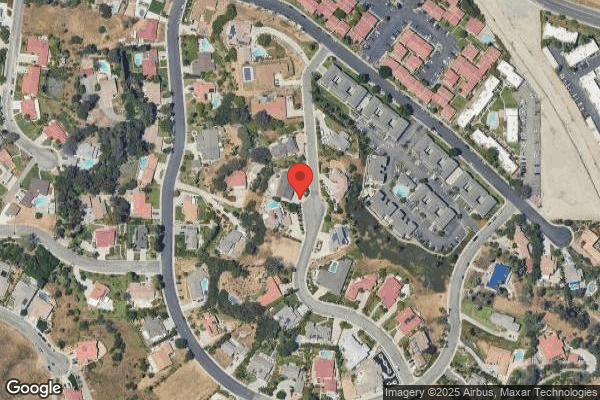
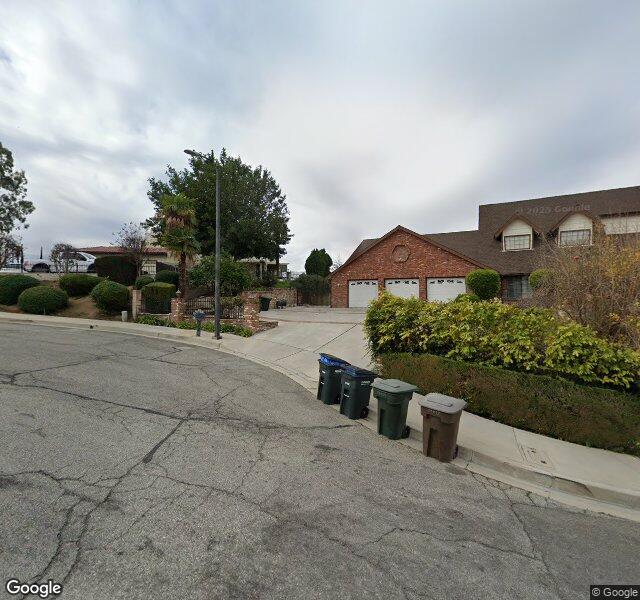
1350 RECHE CANYON RD, COLTON, CA 92324 (909) 370-4411
For profit - Limited Liability company 160 Beds Independent Data: November 2025 3 Immediate Jeopardy citations
Trust Grade
0/100
#935 of 1155 in CA
Last Inspection: March 2025

Within standard 12-15 month inspection cycle. Federal law requires annual inspections.

Overview

The Canyons Post-Acute has received a Trust Grade of F, indicating poor performance and significant concerns about care quality. With a state rank of #935 out of 1155 facilities in California and a county rank of #50 out of 54 in San Bernardino County, it is in the bottom half of options available. Although the facility is on an improving trend, with the number of issues decreasing from 11 to 9, it still has a concerning total of 44 deficiencies, including critical ones that have affected resident safety. Staffing is rated at 2 out of 5 stars, with a turnover rate of 48%, which is average, meaning staff stability could be better. Among the critical findings, one incident involved a resident's feeding tube being incorrectly connected, leading to severe complications and ultimately resulting in the resident's death, highlighting serious issues with staff training and oversight.

Trust Score
F
0/100
In California
#935/1155
Bottom 20%
Safety Record
High Risk
Review needed
Inspections
Getting Better
11 → 9 violations
Staff Stability
⚠ Watch
48% turnover. Above average. Higher turnover means staff may not know residents' routines.
Penalties
⚠ Watch
$122,155 in fines. Higher than 75% of California facilities, suggesting repeated compliance issues.
Skilled Nurses
⚠ Watch
Each resident gets only 26 minutes of Registered Nurse (RN) attention daily — below average for California. Fewer RN minutes means fewer trained eyes watching for problems.
Violations
⚠ Watch
44 deficiencies on record. Higher than average. Multiple issues found across inspections.
★★☆☆☆
2.0
Overall Rating
★★☆☆☆
2.0
Staff Levels
★★★☆☆
3.0
Care Quality
★★☆☆☆
2.0
Inspection Score
Stable
2024: 11 issues
2025: 9 issues

The Good

  • Full Sprinkler Coverage · Fire safety systems throughout facility
  • No fines on record

Facility shows strength in fire safety.

The Bad

2-Star Overall Rating

Below California average (3.1)

Below average - review inspection findings carefully

Staff Turnover: 48%

Near California avg (46%)

Higher turnover may affect care consistency

Federal Fines: $122,155

Well above median ($33,413)

Significant penalties indicating serious issues

The Ugly 44 deficiencies on record

3 life-threatening
Jul 2025 2 deficiencies
CONCERN (D) 📢 Someone Reported This

A family member, employee, or ombudsman was alarmed enough to file a formal complaint

Potential for Harm - no one hurt, but risky conditions existed

Infection Control (Tag F0880)

Could have caused harm · This affected 1 resident

Based on observation, interview, and record review, the facility failed to ensure the Certified Nursing Assistant (CNA) performed hand hygiene after doffing (removing) Personal Protective Equipment (P...

Read full inspector narrative →
Based on observation, interview, and record review, the facility failed to ensure the Certified Nursing Assistant (CNA) performed hand hygiene after doffing (removing) Personal Protective Equipment (PPE) upon leaving the isolation (to keep patients with contagious diseases separate from others) room for two of 25 (Resident 18 and 19).This failure had the potential to spread infectious disease (disease caused by bacteria, viruses, fungi or parasites) to other residents and staff in the facility.Findings:During a concurrent observation and interview on July 08, 2025, at 1:54 PM, with the Certified Nursing Assistant (CNA 3), CNA 3 was observed to enter the isolation room for Resident 18 wearing gloves and isolation gown. CNA 3 exited the room and doffed (removed) her (PPE). CNA 3 did not perform hand hygiene after doffing her PPE. CNA 3 stated she did not touch the resident or anything in the room, that is why she did not do hand hygiene.During a review of Resident 18's clinical record, the isolation list indicated Resident 18 was placed on contact precautions on July 08, 2025, due to MDRO-Multidrug Resistant Organism (a type of bacteria that has become resistant to several antibiotics that are normally used to treat infections).During a review of Resident 19's clinical record, the isolation list indicated Resident 19 was placed on contact precautions on on May 17, 2023, due to MDRO-Multidrug Resistant Organism.During an interview with the Director of Nursing (DON), DON agreed that CNA 3 should have performed hand hygiene.During a review of the Centers for Disease Control (CDC) guidelines titled Clinical Safety: Hand Hygiene for Healthcare Workers, dated February 27, 2024, the CDC recommendations included Know when to clean your hands:.(bullet 6) Immediately after glove removal, to reduce the potential spread of deadly germs to patients including those resistant to antibiotics.During a review of the facility's policy and procedure titled, Handwashing/Hand Hygiene revised August 2015, the policy and procedure indicated, This facility considers hand hygiene the primary means to prevent the spread of infections. 2. All personnel shall follow the handwashing/hand hygiene procedures to help prevent the spread of infections to other personnel, residents, and visitors. 8.Hand hygiene is the final step after removing and disposing of personal protective equipment.
CONCERN (E) 📢 Someone Reported This

A family member, employee, or ombudsman was alarmed enough to file a formal complaint

Potential for Harm - no one hurt, but risky conditions existed

ADL Care (Tag F0677)

Could have caused harm · This affected multiple residents

Based on interview and record review, the facility failed to follow their policy in providing Activities of Daily Living (ADLS) when showers/bed bath were not provide as scheduled for 17 of 25 sampled...

Read full inspector narrative →
Based on interview and record review, the facility failed to follow their policy in providing Activities of Daily Living (ADLS) when showers/bed bath were not provide as scheduled for 17 of 25 sampled residents (Residents 1, 2, 3, 4, 5, 6, 7, 8, 9, 10, 11,12,13,14,15,16, and 17).This failure had the potential to result in skin irritation, odor, and decreased quality of life for the residents.Findings:During a concurrent interview and record review of the Shower Schedule Station 2 with the Certified Nursing Assistant (CNA 2), on July 9, 2025, at 2:36 PM, CNA 2 stated they have residents who complained about not receiving showers on Saturdays. Review of the Shower Schedule Station 2 document indicated the following schedule for Wednesday's and Saturday's:a. Hallway 1, AM shift: 201B, 202B, 207B, 208B, 209A, 210Ab. Hallway 2, AM shift: 215A, 216A, 220B, 222A, 225Cc. Hallway 3, AM shift: 227B, 228B, 233A, 236Ad. Hallway 1, PM shift: 203A, 209B, 211C, 212Ae. Hallway 2, PM shift: 215B, 214A, 218Bf. Hallway 3, PM shift:228A, 230B, 236BDuring a review of the electronic medical record for Activities of Daily Living (ADLs) Bathing with the DON, on July 9, 2025, at 4:09PM, there was no documentation indicating that showers/bed baths were provided for the following residents on subacute (higher level of care and patient assistance) unit: a. Resident 1, No documentation for June 07, 14, 21 and 28, 2025. July 05, 2025b. Resident 2, No documentation for June 07, 14, 21, and 28, 2025.c. Resident 3, No documentation for June 07, 14, 21, and 28, 2025.d. Resident 4, No documentation for June 07, 21, 25 and 28, 2025.e. Resident 5, No documentation for June 11, 14, 21, and 25, 2025.f. Resident 6, No documentation for June 14, 21, and 28, 2025.g. Resident 7, No documentation for June 21, and 28, 2025.h. Resident 8, No documentation for June 14, 2025.i. Resident 9, No documentation for June 14 and 28, 2025.j. Resident 10, No documentation for June 14, 21, and 28, 2025.k. Resident 11, No documentation for June 21 and 28, 2025.l. Resident 12, No documentation for June 14 and 21, 2025.m. Resident 13, No documentation for June 07 and 21, 2025.n. Resident 14, No documentation for June 07, 14, 21, and 28, 2025.o. Resident 15, No documentation for June 14 and 28, 2025.p. Resident 16, No documentation for June 14, 21, and 28, 2025.q. Resident 17, No documentation for July 05, 2025. During an interview and record review on July 09, 2025, at 11:59 AM, with the License Vocational Nurse (LVN1), the shower binder was reviewed. LVN 1 stated there were only two shower refusals documented. LVN 1 further stated the Director of Staff Development (DSD) is responsible for checking the shower binder.During an interview and record review on July 09, 2025, at 12:41 PM, with the CNA 1, CNA 1 stated, We give resident showers and back to bed so treatments can get done. It's not my responsibility to make sure the team is completing the showers or reviewing the shower binder. CNA1 stated, on June 21, 2025, there should have been a total of nine (9) showers in AM and six (6) in PM. CNA 1 further stated the shower sheets should be in the shower binder; however, it was not, I only see 2 shower sheets.All subacute residents are dependent on staff for showers.During an interview and record review on July 09, 2025, at 3:04 PM, with the Registered Nurse (RN), the RN stated the CNAs gives baths, besides the shower team. RN 1 stated the CNA has to complete a shower form and they should document in electronic record. RN 1 further stated, There is no proof of it because it was not documented.During an interview and record review of the Shower Binder Station 2, on July 09, 2025, at 3:54 PM, with the DSD, DSD stated the shower binder is reviewed to make sure it is completed and filled by licensed staff. The DSD stated showers should be documented in shower binder and in electronic records. The DSD further stated CNAs should be reporting to charge nurse or Registered Nurse if the residents did not receive a shower, I did not receive report about this.During an interview and record review of the Shower Binder Station 2, on July 09, 2025, at 4:02 PM, with the Assistant Director of Nursing (ADON), ADON stated, the charge nurse and RN are supposed to check and follow up after the CNAs; the CNAs report to them about refusals. The nurse signs when the resident refused. ADON agreed, the staff should provide showers and document it as scheduled.During an interview and record review of the Shower Binder Station 2, on July 09, 2025, at 4:09 PM, with the Director of Nursing (DON), DON stated she was not aware of the shower binder audit. The DON further stated CNAs know when they have a shower team and when they do not. The DON agreed, the staff should provide showers and document it as scheduled.During a review of the facility's policy and procedure titled, Activities of Daily Living ADL, supporting revised March 2018, the policy and procedure indicated, Residents will be provided with care, treatment, and services as appropriate to maintain or improve their ability to carry out activities of daily living (ADLs). Residents who are unable to carry out activities of daily living independently will receive the services necessary to maintain good nutrition, grooming and personal and oral hygiene.(3) refuses care and treatment to restore or maintain functional abilities and (a) the resident and or representative has been informed of the risk and benefits of the proposed care or treatment.(c) the refusal and information are documented in the residents clinical record.2. Appropriate care and services will be provided for residents who are unable to carry out ALDs independently, with the consent of the resident and accordance with the plan of care, including appropriate support and assistance with: a. hygiene (bathing, dressing, grooming and oral care).
May 2025 1 deficiency
CONCERN (D) 📢 Someone Reported This

A family member, employee, or ombudsman was alarmed enough to file a formal complaint

Potential for Harm - no one hurt, but risky conditions existed

Room Equipment (Tag F0908)

Could have caused harm · This affected 1 resident

Based on observation, interview, and record review, the facility failed to perform timely maintenance on the ventilators (a breathing machine or breathing device that helps a resident breath when they...

Read full inspector narrative →
Based on observation, interview, and record review, the facility failed to perform timely maintenance on the ventilators (a breathing machine or breathing device that helps a resident breath when they cannot do it on their own) for two (2) of five (5) sampled residents (Residents 1 & 2). This failure has the potential to cause malfunctions of the ventilators, which may place the health of clinically compromised Residents 1 and 2 at risk. Findings: During an observation on 5/22/2025, at 12:43 p.m. in the Subacute Unit, with the respiratory therapist (RT 1) and the Assistant Director of Nursing (ADON), it was noted that the two ventilators currently in use for Resident 1 and Resident 2 were overdue for service maintenance. The maintenance sticker observed for both ventilators indicated the following: a. For Resident 1 - preventative maintenance was due on June 17, 2023. b. For Resident 2 - preventative maintenance was due on September 20, 2024. The ADON and RT 1 acknowledged that preventive maintenance for both ventilators is already past due. During a concurrent interview and review of the policy and procedure (P&P) titled Maintenance Service, on 5/22/2025, at 1:31 p.m. with the ADON, the ADON was inquired about the procedures for scheduling maintenance on ventilators. ADON stated respiratory therapist informs her when maintenance is required for a ventilator, and she will then contact the outside company for scheduling. A continued review of the policy and procedure titled Maintenance Service, dated December 2009, with the ADON, the P&P indicated .Providing routinely scheduled maintenance service of equipment according manufacturer ' s guidelines or other facility needs that may become necessary or appropriate . When the ADON was asked if this policy was being followed, the ADON replied, No. During a concurrent interview and record review on 5/22/2025, at 1:49 p.m. with the Respiratory Therapist (RT 2), RT 2 stated the RT in charge of the department is responsible to inform the ADON and Director of Nursing (DON) about any ventilator that requires servicing or are nearing their service due date. The ADON or DON will then contact an outside company to arrange for the servicing of those ventilators. The P&P titled Maintenance Service, dated December 2009, was also reviewed with RT 2. RT 2 was asked if this policy was being followed, RT 2 replied, No. During a concurrent interview and review of the (P&P) titled Maintenance Service on 5/22/2025, at 2:02 p.m. with the Administrator (ADM), the administrator explained respiratory therapists typically check the ventilators and coordinate maintenance with the ADON for those due for service. The ADON is responsible for notifying the outside company that services the ventilators. The P&P titled Maintenance Service, dated December 2009, was reviewed with the Administrator. The P&P indicated .Providing routinely scheduled maintenance service of equipment according manufacturer ' s guidelines or other facility needs that may become necessary or appropriate . The Administrator agreed the policy was not followed and further stated There is room for improvement.
Apr 2025 1 deficiency
CONCERN (D) 📢 Someone Reported This

A family member, employee, or ombudsman was alarmed enough to file a formal complaint

Potential for Harm - no one hurt, but risky conditions existed

Quality of Care (Tag F0684)

Could have caused harm · This affected 1 resident

**NOTE- TERMS IN BRACKETS HAVE BEEN EDITED TO PROTECT CONFIDENTIALITY** Based on observation, interview and record review the facility failed to follow its Activities of Daily Living ADLs policy and p...

Read full inspector narrative →
**NOTE- TERMS IN BRACKETS HAVE BEEN EDITED TO PROTECT CONFIDENTIALITY** Based on observation, interview and record review the facility failed to follow its Activities of Daily Living ADLs policy and procedure for 3 of 3 sampled Residents (Resident ' s 1,2 and 3) when: Resident ' s 1, 2 and 3 were left soiled and wet on observation April 30, 2025. This failure had the potential to cause (Resident 1,2, and 3) health and safety to be at risk for skin breakdown when their care needs were not met. Findings: 1. During review of Residents 1 ' s admission Record (general demographics), the document indicated Resident 1 was admitted to the facility on [DATE], with diagnoses to include: encephalopathy (brain disease altering function, causes: infection tumor or stroke), respiratory failure, tracheostomy status (trach tube assisting with breathing). Hypertension (high blood pressure). During a concurrent observation and interview on April 30, 2025, at 11:30AM, with License Vocational Nurse (LVN1) at bedside assisting during observation. Resident 1 brief is completely drenching wet, linen sheet wet, gown wet. LVN1 states, the Certified Nursing Assistant (CNA) is at lunch right now, he last changed, around 8AM he had Bowel Movement. I agree he is completely soiled wet, he should not be like this, the CNA is at lunch. During an interview on April 30, 2025, at 12:52 PM with the Certified Nursing Assistant (CNA1), CNA1 states, I check on the residents every 1-2 hours. I don ' t know when Resident 1 was last changed, he is not my patient, I was told to clean him up. His brief was really wet. He should not have been left to much time. We know our patients, which one we have to check on frequently and change frequently. I have 12 residents ' assign; I am able to care for all the residents. During a concurrent observation and interview on April 30, 2025, with Director of Nursing (DON), DON viewed the condition I found Resident 1, and informed Resident 2 is also completely soiled wet, briefs soiled wet. DON confirms the status of both residents, and calls for staff to clean both residents up now. 2. During review of Residents 2 ' s admission Record (general demographics), the document indicated Resident 2 was admitted to the facility on [DATE], with diagnoses to include: metabolic encephalopathy (brain disease caused by body chemical process), chronic respiratory failure, type 2 diabetes (condition affecting how body processes sugar), hypertension (high blood pressure), cerebral infarction (stroke, blood clot in brain). During a concurrent observation and interview on April 30, 2025, at 11:39AM, with License Vocational Nurse (LVN1) at bedside assisting during observation. Resident 2 brief drenched wet; gown wet. LVN1 confirms observation, same and Resident 1, can agree this resident should not be left soiled like this. 3. During review of Residents 3s admission Record (general demographics), the document indicated Resident 3 was admitted to the facility on [DATE], with diagnoses to include: cerebral infarction (stroke, blood clot in brain), acute respiratory failure, type 2 diabetes (condition affecting how body processes sugar). During a concurrent observation and interview on April 30, 2025, at 12:36PM, with CAN 2, CAN 2 states, Resident 1 and 2, I changed around 8:30-9:00AM. I checked on both at 10:30AM, got repositioned. Both are heavy wetter ' s, void a lot. I change as they void. They were both dry then I went to lunch. He got cleaned up by the CNA. Observation of Resident 3 with CNA2 at bedside, noted brief wet, moderate amount. CNA 2 states, I will change him now. During an interview on April 30, 2025, with the DON, DON states, The residents has to be dry and repositioned. The residents should not have been left soiled. The charge nurse should be checking on the residents. In Subacute there is a shower team to help the staff in AM and PM shifts, so the CNAs are not showering their residents. There is enough staff to care for the residents. During a review of the facility ' s policy and procedure titled, Activities of Daily Living (ADLs), Supportingrevised [March 2018], the policy and procedure indicated, Residents will be provided with care, treatment and services as appropriate to maintain or improve their ability to carry out activities of daily living (ADLs). Residents who are unable to carry out activities of daily living independently will receive the services necessary to maintain good nutrition, grooming and personal and oral hygiene.
Mar 2025 4 deficiencies
CONCERN (D)

Potential for Harm - no one hurt, but risky conditions existed

Comprehensive Assessments (Tag F0636)

Could have caused harm · This affected 1 resident

**NOTE- TERMS IN BRACKETS HAVE BEEN EDITED TO PROTECT CONFIDENTIALITY** Based on interview, record review, and review of the Centers for Medicare and Medicaid (CMS) Long-Term Care Facility Resident As...

Read full inspector narrative →
**NOTE- TERMS IN BRACKETS HAVE BEEN EDITED TO PROTECT CONFIDENTIALITY** Based on interview, record review, and review of the Centers for Medicare and Medicaid (CMS) Long-Term Care Facility Resident Assessment Instrument [RAI] 3.0 User's Manual, the facility failed to ensure an admission Minimum Data Set (MDS) assessment was completed no more than 13 days after the admission date for 1 (Resident #333) of 27 sampled residents for whom MDS assessments were reviewed. Findings included: On 03/06/2025 at 12:50 PM, the Administrator stated the facility did not have a policy that addressed MDS assessments, but the facility went by the RAI Manual. The CMS Long-Term Care Facility RAI 3.0 3.0 User's Manual, version 1.19.1, October 2024, revealed section 5.2 Timeliness Criteria, specified, - For the admission assessment, the MDS Completion Date (Z0500B) must be no later than 13 days after the Entry Date (A1600). An admission Record indicated the facility admitted Resident #333 on 02/11/2025. Resident #333's admission MDS, with an Assessment Reference Date (ARD) of 02/18/2025, revealed A1600. Entry Date was coded as 02/11/2025; however, according to Section Z of the MDS, Sections A, GG, H, I, J, L, M, N, O, P, and S of the MDS were not completed until 03/06/2025. Z0500B indicated MDS Coordinator #15 signed the assessment as complete on 03/06/2025. During an interview on 03/06/2025 at 10:52 AM, MDS Coordinator #15 stated admission MDS assessments should be completed no later than the 14th day of a resident's stay. She stated Resident #333 was admitted to the facility on [DATE], and their admission MDS assessment was late. MDS Coordinator #15 stated, We are very busy, and it got missed. During an interview on 03/06/2025 at 3:00 PM, the Director of Nursing (DON) stated the MDS coordinators were responsible for completing MDS assessments. She stated she expected all MDS assessments to be completed within their scheduled timeframes. During an interview on 03/07/2025 at 10:00 AM, the Administrator said he expected MDS assessments to be completed timely.
CONCERN (D)

Potential for Harm - no one hurt, but risky conditions existed

Assessment Accuracy (Tag F0641)

Could have caused harm · This affected 1 resident

**NOTE- TERMS IN BRACKETS HAVE BEEN EDITED TO PROTECT CONFIDENTIALITY** Based on interview, record review, and review of the Centers for Medicare and Medicaid (CMS) Long-Term Care Facility Resident As...

Read full inspector narrative →
**NOTE- TERMS IN BRACKETS HAVE BEEN EDITED TO PROTECT CONFIDENTIALITY** Based on interview, record review, and review of the Centers for Medicare and Medicaid (CMS) Long-Term Care Facility Resident Assessment Instrument [RAI] 3.0 User's Manual, the facility failed to ensure a discharge Minimum Data Set (MDS) assessment accurately reflected the location to which a resident was discharged for 1 (Resident #128) of 27 sampled residents for whom MDS assessments were reviewed. Findings included: On 03/06/2025 at 12:50 PM, the Administrator stated the facility did not have a policy that addressed MDS assessments, but the facility went by the RAI Manual. The CMS Long-Term Care Facility RAI 3.0 3.0 User's Manual, version 1.19.1, October 2024, revealed section A2105: Discharge Status specified, Code 09, Hospice (home/non-institutional): if the resident was discharged to a community-based program for terminally ill persons. An admission Record indicated the facility admitted Resident #128 on 11/19/2024. According to the admission Record, the resident had a medical history that included diagnoses of pneumonitis due to inhalation of food and vomit, other cirrhosis of liver, and type two diabetes mellitus. The admission Record indicated Resident #138 was discharged home on [DATE]. Resident #128's Treatment Administration Record (TAR) for 12/2024 revealed the transcription of an order dated 12/03/2024 to discharge the resident home on [DATE] with hospice services per the family's request. Resident #128's Progress Notes revealed a Discharge Summary, dated 12/03/2024, that indicated the resident was discharged home with their responsible party on 12/03/2024 at 1:45 PM. Resident #128's discharge MDS, with an Assessment Reference Date (ARD) of 12/03/2024, revealed section A2105. Discharge Status was coded 04, to indicate that the resident was discharged to a Short-Term General Hospital. During an interview on 03/06/2025 at 10:55 AM, MDS Coordinator #15 stated that when a resident discharged from the facility, a discharge MDS was completed. She stated the discharge assessment would include the date of discharge and the discharge location. MDS Coordinator #15 stated Resident #128 was discharged from the facility to their family member's home with hospice services. After reviewing Resident #128's discharge MDS, MDS Coordinator #15 stated the discharge MDS was coded to reflect the resident was discharged to a short-term general hospital and was coded incorrectly. MDS Coordinator #15 said the resident's discharge MDS should have been coded as 09 to reflect the resident went home with hospice services. During an interview on 03/06/2025 at 3:00 PM, the Director of Nursing (DON) stated the MDS coordinators were responsible for completing discharge MDS assessments. The DON stated Resident #128 was discharged home with hospice services. The DON confirmed Resident #128's discharge MDS assessment was incorrect. The DON stated the resident's discharge MDS should have been coded to reflect that the resident was discharged home with hospice services. During an interview on 03/07/2025 at 10:00 AM, the Administrator stated he expected all MDS assessment to be completed accurately.
CONCERN (D)

Potential for Harm - no one hurt, but risky conditions existed

Medication Errors (Tag F0758)

Could have caused harm · This affected 1 resident

Based on interview, record review, and facility policy review, the facility failed to ensure 1 (Resident #104) of 6 sampled residents reviewed for unnecessary medications was monitored for the presenc...

Read full inspector narrative →
Based on interview, record review, and facility policy review, the facility failed to ensure 1 (Resident #104) of 6 sampled residents reviewed for unnecessary medications was monitored for the presence of adverse drug reactions or other side effects related to the use of a prescribed antipsychotic medication. Findings included: A facility policy titled, Antipsychotic Medication Use, revised in 01/2020, indicated, 9. Nursing staff shall monitor for and report adverse consequences of antipsychotic medications to the Attending Physician. Resident #104's admission Record indicated the facility admitted the resident on 09/22/2024. According to the admission Record, the resident had a medical history that included a diagnosis of depression. Resident #104's Order Summary Report contained an order dated 12/26/2024 for Zyprexa Zydis (olanzapine orally disintegrating tablets, an atypical antipsychotic medication) 5 milligrams (mg), one-half tablet by mouth one time a day for hyperactive delirium, end of life. The Order Summary Report did not include orders to monitor for adverse drug reactions or other side effects related to the prescribed Zyprexa. Resident #104's Care Plan Report included a focus area, initiated 01/13/2025, that indicated the resident used a psychotropic medication, specifically Zyprexa, related to hyperactive delirium. Approaches dated 01/13/2025 directed staff to administer psychotropic medications as ordered by the physician and to monitor for side effects and effectiveness each shift. The focus area indicated potential adverse drug reactions included unsteady gait; tardive dyskinesia (movement disorder); symptoms of extra-pyramidal symptoms (EPS) such as shuffling gait, rigid muscles, and shaking; frequent falls; refusal to eat; difficulty swallowing; dry mouth; depression; suicidal ideations; social isolation; blurred vision; diarrhea; fatigue; insomnia; loss of appetite; weight loss; muscle cramps; nausea; vomiting; and any behavioral symptoms not usual to the person. A significant change in status Minimum Data Set (MDS), with an Assessment Reference Date (ARD) of 12/27/2024, revealed Resident #104 had a Brief Interview for Mental Status (BIMS) score of 13, which indicated the resident had intact cognition. The MDS indicated the resident was prescribed and received antipsychotic medication during the seven-day assessment look-back period. During an interview on 03/06/2025 at 1:58 PM, Licensed Vocational Nurse (LVN) #2 stated that a resident receiving Zyprexa should have orders for side effect monitoring. She stated monitoring orders should be put in place after the order for the medication was entered into the resident's electronic health record. She stated orders for side effect monitoring had to be entered independently from the medication order. After reviewing Resident #104's orders, LVN #2 stated she was unable to find orders for side effect monitoring related to the resident's prescribed Zyprexa. She stated the resident was not being monitored for side effects of the antipsychotic medication, and she saw no history of monitoring ever being ordered. During an interview on 03/06/2025 at 2:23 PM, LVN #1 stated antipsychotic medication orders were to be accompanied by orders to monitor for adverse drug reactions or side effects. After reviewing Resident #104's orders, LVN #1 stated Resident #104 should have monitoring orders in place for their Zyprexa, but she was unable to find an order. During an interview on 03/07/2025 at 10:02 AM, the DON stated she expected residents taking antipsychotic medications to have side effect monitoring in place. She stated side effects of antipsychotic medications were specified in the care plan. She stated it was important to monitor antipsychotic medications for potential side effects such as drowsiness, falls, and changes in cognition. The DON stated all residents taking antipsychotic medications needed to be monitored for potential side effects. The DON confirmed Resident #104 had no side effect monitoring orders in place until the prior day (03/06/2025). She stated monitoring orders should have been initiated when the medication was initially ordered and should have been caught during follow-up review as well. The DON stated she had been updating the care plans for residents with orders for antipsychotic medications but had not been checking their orders to ensure the monitoring was in place.
CONCERN (D)

Potential for Harm - no one hurt, but risky conditions existed

Infection Control (Tag F0880)

Could have caused harm · This affected 1 resident

Based on observation, interview, record review, and facility policy review, the facility failed to ensure nursing staff cleaned and disinfected supplies between resident uses for 2 (Resident #72 and R...

Read full inspector narrative →
Based on observation, interview, record review, and facility policy review, the facility failed to ensure nursing staff cleaned and disinfected supplies between resident uses for 2 (Resident #72 and Resident #38) of 7 residents observed during medication administration observations. Findings included: A facility policy titled, Cleaning and Disinfection of Resident-Care Items and Equipment, revised 10/2018, revealed, 1. The following categories are used to distinguish the levels of sterilization/disinfection necessary for items used in resident care, including, c. Non-critical items are those that come in contact with intact skin but not mucous membranes. (1) Non-critical resident-care items include bedpans, blood pressure cuffs, crutches, and computers. (2) Most non-critical reusable items can be decontaminated where they are used (as opposed to being transported to a central processing location). d. Reusable items are cleaned and disinfected or sterilized between residents (e.g. [exempli gratia, for example], stethoscopes, durable medication equipment). The policy specified, 3. Durable medical equipment (DME) must be cleaned and disinfected before reuse by another resident. 4. Reusable care equipment will be decontaminated and/or sterilized between residents according to manufacturer's instructions. Resident #72's admission Record revealed the facility admitted the resident on 11/14/2022. According to the admission Record, the resident had a medical history that included diagnoses of tracheostomy status (presence of an opening in the trachea from outside the neck to help oxygen reach the lungs), gastrostomy status (presence of a surgical opening into the stomach), and Klebsiella pneumoniae (a type of gram-negative bacteria with a high tendency to become antibiotic resistant). A quarterly Minimum Data Set (MDS), with an Assessment Reference Date (ARD) of 02/14/2025, revealed Resident #72 had short- and long-term memory problems and severely impaired cognitive skills for daily decision making per a Staff Assessment for Mental Status (SAMS). According to the MDS, the resident received oxygen therapy, suctioning, tracheostomy care, and required the use of an invasive mechanical ventilator while a resident of the facility. Resident #72's Care Plan Report included an undated focus area that indicated the resident was noted with a carbapenem-resistant (resistant to a class of broad-spectrum beta-lactam antibiotics) organism. The focus area indicated the resident tested positive for Klebsiella pneumoniae carbapenemase (KPC, an enzyme produced by certain strains of Klebsiella pneumoniae that makes them resistant to carbapenem antibiotics), but no date was specified. An undated approach directed staff to implement contact precautions related to a diagnosis of KPC. Resident #38's admission Record revealed the facility admitted the resident on 02/06/2023. According to the admission Record, the resident had a medical history that included diagnoses of tracheostomy status, gastrostomy status, persistent vegetative state, and Klebsiella pneumoniae. Resident #38's Order Summary Report contained an order dated 06/01/2023 for Contact Precautions every shift for CRAB [carbapenem-resistant Acinetobacter baumanni, a highly antibiotic-resistant bacteria] (KPC) infection. Resident #38's Care Plan Report included an undated focus area that indicated the resident was noted with a carbapenem-resistant organism. The focus area indicated the resident tested positive for KPC on 06/01/2023. An undated approach directed staff to implement Contact Precautions every shift for CRAB (KPC) infection. An annual MDS, with an ARD of 02/14/2025, revealed Resident #38 had a Brief Interview for Mental Status (BIMS) score of 0, which indicated the resident had severe cognitive impairment. According to the MDS, the resident received oxygen therapy, suctioning, and tracheostomy care. During observations of medication administration on 03/04/2025 at 7:51 AM, Licensed Vocational Nurse (LVN) #10 entered Resident #72 and Resident #38's shared room. The room was also shared with one additional resident. Per a sign posted on the room door, the residents required contact precautions. The sign directed, Doctors and Staff Must: Use patient-dedicated or disposable equipment Clean & [and] disinfect shared equipment. While in the room, LVN #10 placed a plastic clipboard on Resident #72's bed, pulled up the resident's bed linens to cover Resident #72's legs, and then rubbed the resident's right shoulder. LVN #10 then cleaned her hands with hand sanitizer, changed gloves, and moved the clipboard from Resident #72's bed to Resident #38's bed, and checked Resident #38's vital signs. LVN #10 did not clean or disinfect the clipboard when moving it between the residents' beds. After assessing Resident #38's vital signs, LVN #10 moved the clipboard from Resident #38's bed back to Resident #72's bed and assessed Resident #72's vital signs. At 8:01 AM, LVN #10 removed the clipboard from Resident #72's bed and placed it on top of a personal protective equipment (PPE) cart located outside the residents' room door, then moved the clipboard to the top of the medication cart without cleaning or disinfecting the clipboard. During an interview on 03/04/2025 at 8:30 AM, LVN #10 stated she should have cleaned the clipboard between the residents or not put it on the residents' beds. LVN #10 stated the top of the medication cart was possibly contaminated from placing the clipboard on top of it. LVN #10 stated she should have used Clorox wipes to clean and disinfect the clipboard but had not thought to do so. LVN #10 further stated that not cleaning and disinfecting the clipboard between residents could potentially result in contamination of equipment and the spread of infection to the next resident. During an interview on 03/05/2025 at 2:19 PM, the Nurse Liaison (NL), who also served as the Infection Preventionist, stated the nurse's clipboard should not have been placed on the residents' beds, because of the potential for cross contamination if the nurse went into another room with the clipboard. She stated staff were trained to use Clorox wipes for cleaning and disinfecting equipment. She stated the clipboard should have been disinfected between the residents and after use with Clorox wipes. During an interview on 03/05/2025 at 2:33 PM, the Assistant Director of Nursing (ADON) stated there was a risk of contamination if a nurse took a clipboard into another resident's room. During an interview on 03/05/2025 at 2:49 PM, the Director of Nursing (DON) stated the nurse should not have gone from one resident's bed to the other resident's bed with the clipboard. The DON stated she expected nurses to disinfect equipment between residents. The DON stated Clorox wipes should have been used to disinfect the clipboard. During an interview on 03/05/2025 at 3:06 PM, the Administrator stated he expected nurses to clean equipment between residents. The Administrator stated staff should use Clorox wipes, which were designed for disinfection.
Mar 2025 1 deficiency
CONCERN (D) 📢 Someone Reported This

A family member, employee, or ombudsman was alarmed enough to file a formal complaint

Potential for Harm - no one hurt, but risky conditions existed

Deficiency F0676 (Tag F0676)

Could have caused harm · This affected 1 resident

**NOTE- TERMS IN BRACKETS HAVE BEEN EDITED TO PROTECT CONFIDENTIALITY** Based on observation, interview and record review the facility failed to follow its Activities of Daily Living ADLs policy and p...

Read full inspector narrative →
**NOTE- TERMS IN BRACKETS HAVE BEEN EDITED TO PROTECT CONFIDENTIALITY** Based on observation, interview and record review the facility failed to follow its Activities of Daily Living ADLs policy and procedure for 3 of 4 sampled Residents (Resident's 1,2 and 3) when: 1. Resident 1 used call light to get staff attention for help, waiting over an hour. 2. Resident 2 used call light to get assistance, then is turned off by staff failing to return or returning after an hour wait. 3. Resident 3 used call light along with roommates to help get assistance, staff states I'm not the assigned staff will look for assigned staff, this prolonged already long wait times. This failure had the potential to cause (Resident 1,2, and 3) health and safety to be at risk for skin break down when their care needs were not met. Findings: During interview and Records Reviewed with (Resident 1,2, and 3) indicates as followed: 1. During review of Residents 1's admission Record (general demographics), the document indicated Resident 1 was admitted to the facility on [DATE], with diagnoses to include: chronic respiratory failure (difficulty to breathe), cerebral infarction (blocked blood flow to brain), hemiplegia (paralysis or weakness to one side), dependent on respirator (machine to assist to breathe). During an interview on February 25, 2025, at 10:32 AM with Resident 1 (R1) R1 states, Call lights take 2-3 hours, definitely over an hour. Last week they were short Certified Nursing Assistants (CNA) Friday and Saturday, AM to PM shift. The Respiratory Therapist {name} is found sitting there sleeping at station, when I'm in my wheelchair .I went to nurse station to wake him up and tell him, hey I need suctioning and he wakes up saying . oh, oh . The nurses don't say anything because they are sleeping too, sleeping instead of patient care. This place has gotten worse not better. 2. During review of Residents 2's admission Record (general demographics), the document indicated Resident 2 was admitted to the facility on [DATE], with diagnoses to include: necrotizing fasciitis (flesh eating disease destroying tissue under skin), diabetes type II (body does not produce enough insulin). Hypertension (high blood pressure), acute respiratory failure (difficulty in breathing). During an interview on February 25, 2025, at 10:44 AM with Resident 2 (R2) R2 states, The PM to NOC shift it does take them a while, I don't know if they are short staffed. But when I put the light to get assistance someone will come in and say oh I'm not your CNA, I will call them, turn off my light then leave. And then I have to wait yet again to have someone else to come in. It can take over an hour. The CNAs do need more help, like I said I don't know if they are short staffed but the NOC shift, another incident was, I push the light, I fall asleep waiting for someone to answer and I have to call again, at that point I don't even know how long I waited . They don't always have supplies, like just a few days ago they had a shortage of towels and the chucks. 3. During review of Residents 3's admission Record (general demographics), the document indicated Resident 3 was admitted to the facility on [DATE], with diagnoses to include: pressure ulcer of sacral stage 4(wound to bony area at base of spine), hypertension (high blood pressure), cellulitis of buttocks (skin infection). During an interview on February 25, 2025, at 10:47 AM with Resident 3 (R3) R3 states, I can agree with my roommate, they need to do better with care, sometimes we have different CNAs, and the call light is on and we both need help or assistance and only one gets the care and the other one has to wait for that CNA assigned to come in. A lot of the time it's nothing with changing, it's that we need towels or water, something simple like that. But now we have to wait until our assigned CNA as we are told, comes in because they don't want to help assist us with what we need. So now we have to wait a long time for out assigned CAN for something that staff could have helped with. During an interview on February 25, 2025, with Certified Nursing Assistant CNA (CNA1) CNA1 states, I receive residents soiled from previous shift, not repositioned in bed, very wet, every morning is the same because my residents I do get are soiled. They are short staffed, one time they had 1 CNA for the whole hallway. And only 2 in Subacute. I addressed this with management, this does affect resident care. CNAs have about 13-14 residents it's very hard to care for so many residents. They only have 2 CNAS in subacute. I have seen the RT [name] sleeping in the nurse station. During an interview on February 25, 2025, with Certified Nursing Assistant CNA (CNA2) CNA2 states, upper management, they know we are short .they leave NOC shift with 1 CAN at times per hallway. When we have a call offs, they try and call someone in. It is ridiculous to try and get the care the resident may need until management figures out who is coming in to take over. Not all nurses are willing to help with resident care. Management says everyone needs to answer the call lights, but they don't do this. I receive my resident wet and I have to change the beds, I get backed up cleaning after. This does affect the residents getting care. During an interview on February 25, 2025, with the License Vocational Nurse (LVN), LVN states, they do have call offs, last minute, they do move people around and call in people. We try to fill in spots, but I do hear the load is a lot for them (CNAs). In regard to the RT [name], I haven't worked with him, but I hear from families or other staff about him sleeping or the nurse not doing this or that, they do vent to me on what they see. Call lights are answered as soon as they come on, especially in subacute a lot of residents cannot press the light Its usually 1-2 minutes to answer. The ventilators have an alarm sound, and the call lights are a different sound. From nurse station, there is a red light ans sound to alert us of the call lights. During an interview on February 25, 2025, with the Director of Nursing (DON, DON states, the expectation is no one should be sleeping in nurse station or in lobby. I gave in service in about November 2024, the employee handbook has no sleeping . They are here to provide care to residents. The expectations of call lights are to be answered timely and get assistance. Every 2 hours all staff needs to check in on residents. The staff is expected to explain to the residents, I will go get someone and go get other staff assigned. During a review of the facility's policy and procedure titled, Activities of Daily Living (ADLs), Supporting revised [March 2018], the policy and procedure indicated, Residents will be provided with care, treatment and services as appropriate to maintain or improve their ability to carry out activities of daily living (ADLs). Residents who are unable to carry out activities of daily living independently will receive the services necessary to maintain good nutrition, grooming and personal and oral hygiene. During a review of the facility's policy and procedure titled, Answering the Call light revised [no date], the policy and procedure indicated, The purpose of this procedure is to respond to the resident request and needs .6. Some residents may not be able to use their call light. Be sure you check these residents frequently. 2. A If the resident needs assistance, indicate the approximate time it will take for you to respond. B. If the residents request requires another staff member, notify the individual. C. If the residents request is something you can fulfill, complete the task within five minutes of possible. d. If you are uncertain as to whether or not a request can be fulfilled or if you cannot fulfill the residents request, ask the nurse supervisor for assistance. During a review of the facility's Employee Handbook revised [November 2015], violating any of the following will result in disciplinary action including the possibility of immediate termination .40. Sleeping while on duty.
Oct 2024 1 deficiency
CONCERN (D) 📢 Someone Reported This

A family member, employee, or ombudsman was alarmed enough to file a formal complaint

Potential for Harm - no one hurt, but risky conditions existed

Safe Environment (Tag F0584)

Could have caused harm · This affected 1 resident

**NOTE- TERMS IN BRACKETS HAVE BEEN EDITED TO PROTECT CONFIDENTIALITY** Based on observation, interview, and record review, the facility failed to ensure a safe, comfortable, and homelike environment,...

Read full inspector narrative →
**NOTE- TERMS IN BRACKETS HAVE BEEN EDITED TO PROTECT CONFIDENTIALITY** Based on observation, interview, and record review, the facility failed to ensure a safe, comfortable, and homelike environment, when the shower room used by two of three sample residents (Resident 1 and 2) had uneven flooring, fractured tiles, and permanent residue on the wall. This failure had the potential to affect the health and wellness of Resident 1 and 2. Findings: During a telephone interview on October 21, 2024, at 8:45 AM, with Resident 1, Resident 1 stated shower room was dirty there was gloves on the floor, shower stall wasn ' t working there was no hot water at that time, the floor has mold that need to be scrubbed more. During a review of Resident 1 ' s clinical records, the admission Record (contains demographic and medical information), indicated Resident 1 was admitted on [DATE], with diagnoses which included Osteomyelitis (bone infection), type 2 diabetes (Type 2 DM – a chronic disease that occurs when the body doesn ' t produce enough insulin or doesn ' t used insulin properly resulting in high blood sugar). During an interview on October 21, 2024, at 11:08 AM, with Resident 2, Resident 2 stated the shower room floor is dirty, side walls dirty, celling dirty, often sees dirty gloves on the floor. The water is cold but sometimes can be warm too. During a review of Resident 2 ' s clinical records, the admission Record (contains demographic and medical information), indicated Resident 1 was admitted on [DATE], with diagnoses which included Chronic respiratory failure (long-term condition that makes it difficult to breathe on your own. It occurs when the longs can ' t get enough oxygen into the blood), tracheostomy (an opening in the neck and into the windpipe (trachea) to help with breathing), epilepsy (seizure disorder). During a concurrent record review and interview on October 21, 2024, at 10:14 AM, with the Director of maintenance (DM 1), the DM 1 reviewed Maintenance Assessment Log, which indicated that the hot water was not checked on some days. During a concurrent observation and interview on October 21, 2024, at 10:20 AM, with the Director of Housekeeping (DHK 1), the DHK 1 stated the bathroom floor is uneven and old, with cracks. She claimed that it makes no difference even if they use the black floor stripping pad (most aggressive scrubbing and black stripping pad. Used for stripping floors or heavy duty scrubbing on very dirty floors). She further explains that the wall has permanent residue that cannot be removed with chemicals or scrubbing. During an interview on October 21, 2024, at 10:42 AM with the Assistant Director of Nursing (ADON 1), the ADON 1 stated that the resident did not wear shoes or a sleeper when they were brought to the shower room. During an interview on October 21, 2024, at 12:50 PM with the Director of Nursing (DON 1), the DON 1 stated, yes, the shower room don ' t look clean. During a review of the facility policy and procedure (P&P) titled Maintenance Service dated December 2009, indicated, .a. Maintaining the building in compliance with current federal, state, and local laws, regulations, and guidelines. b. Maintaining the building in good repair and free from hazards .
Oct 2024 1 deficiency
CONCERN (D) 📢 Someone Reported This

A family member, employee, or ombudsman was alarmed enough to file a formal complaint

Potential for Harm - no one hurt, but risky conditions existed

Accident Prevention (Tag F0689)

Could have caused harm · This affected 1 resident

**NOTE- TERMS IN BRACKETS HAVE BEEN EDITED TO PROTECT CONFIDENTIALITY** Based on observation, interview, and record review, the facility failed to adhere to its safety and supervision of resident ' s ...

Read full inspector narrative →
**NOTE- TERMS IN BRACKETS HAVE BEEN EDITED TO PROTECT CONFIDENTIALITY** Based on observation, interview, and record review, the facility failed to adhere to its safety and supervision of resident ' s policy when one of the four sampled residents (Resident 1) was left unattended during patient care. This failure had the potential to put a clinically compromised resident (Resident 1) at risk for serious injury, resulting in Resident 1 falling and requiring transfer to an acute general hospital for evaluation and treatment. Findings: During a review of Resident 1's clinical record, the face sheet (contains demographic and medical information), indicated Resident 1 was admitted on [DATE] with a diagnosis that included persistent vegetative state (someone with brain damage appears to be awake but does not respond to their surroundings or perform purposeful actions). During an interview on 9/24/2024 at 2:07 p.m. with Licensed Vocational Nurse (LVN)1, LVN 1 stated the certified nursing assistant (CNA) was in the process of changing Resident 1. The CNA went to gather supplies, and upon returning, she found the resident on the floor, undressed. During a telephone interview on 9/25/2024 at 5:34 p.m. with Certified Nursing Assistant (CNA)1, CNA 1 stated she was finishing changing Resident 1 when he started urinating. She covered him and went to get supplies like a brief and washcloth. As she was putting these down, she heard Resident 1 fall. CNA 1 reported she was uncertain of how Resident 1 fell. During a review of Resident 1 ' s progress note, dated September 2024, the progress note indicated, Resident 1 fell on 9/21/2024 at 6:18 a.m. while the CNA was at the room door putting on an isolation gown. It was noted that Resident 1 sustained a cut to the left side of his forehead with moderate amount of blood, G-tube (Gastrostomy tube – a surgically placed tube that delivers food, medicine, and hydration, directly to a patient ' s stomach) was also dislodged as a result of the fall incident. Resident 1 was transferred to an acute general hospital for further evaluation. During an interview on 9/26/2024 at 1:00 p.m. with the assistant director of nursing (ADON) 1, ADON 1 stated when Resident 1 coughs, he tends to lean forward, which is why the nurses are monitoring him. I informed ADON 1 that if Resident 1 had the tendency to lean forward when he coughs, fall precaution and appropriate preventive measures should have been implemented such as bed alarm, and relocating the resident closer to the nurses ' station for better monitoring to prevent falls. ADON 1 did not give a direct response to my statement. Instead, ADON 1 stated the facility is trying to place Resident 1 closer to the nursing station for easier and more frequent monitoring. During a review of the undated facility provided policy and procedure (P&P) titled, Safety and Supervision of Residents, the P&P indicated, Resident supervision is a core component of the systems approach to safety. The type and frequency of resident supervision is determined by the individual resident ' s assessed needs and identified hazards in the environment.
Oct 2024 1 deficiency
CONCERN (D) 📢 Someone Reported This

A family member, employee, or ombudsman was alarmed enough to file a formal complaint

Potential for Harm - no one hurt, but risky conditions existed

Resident Rights (Tag F0550)

Could have caused harm · This affected 1 resident

**NOTE- TERMS IN BRACKETS HAVE BEEN EDITED TO PROTECT CONFIDENTIALITY** Based on observation, interviews, and record review, the facility failed to follow its policy and procedure to provide care and ...

Read full inspector narrative →
**NOTE- TERMS IN BRACKETS HAVE BEEN EDITED TO PROTECT CONFIDENTIALITY** Based on observation, interviews, and record review, the facility failed to follow its policy and procedure to provide care and services for residents and ensure call lights are answered in a timely manner for all three sampled residents (Residents 1, 2, and 3). This failure has the potential to jeopardize the health and safety of three clinically compromised Residents (Residents 1, 2, and 3) when their requests for assistance with activities of daily living were not responded to promptly. Findings: During an interview on October 11, 2024, at 9:30 AM, with Resident 1, Resident 1 in bed, is alert and oriented. Resident 1 stated it took a while for the staff to answer the call light, at night it takes more than 20 minutes. During review of Resident 1 ' s admission record (It contains important information about the patient such as their personal details, the reason for their admission, and their medical history), the document indicated Resident 1 was admitted to the facility on [DATE], with a diagnosis that included Chronic Kidney Disease (a long-term condition where the kidneys gradually lose their ability to filter blood properly), low back pain. During an interview on October 11, 2024, at 9:40 AM, with Resident 2, Resident 2 in bed, is alert and oriented. Resident 2 stated the staff typically take an hour to respond to the call light, and they are particularly slow at night. During review of Resident 2 ' s admission record, the document indicated Resident 2 was admitted to the facility on [DATE], with a diagnosis that included sepsis (an infection in the blood), pulmonary hypertension (a rare condition that occurs when blood pressure in the lungs is higher than normal making the heart work harder to pump blood). During an interview on October 2, 2024, at 4:37 PM, with Resident 3, Resident 3 I n bed, is alert and oriented. Resident 3 stated at night they don ' t answer the light, like last night she waited 6 hours. She activated the call light at 10:30 pm and waited until 4:00 am, she further explained that she has a sore on her bottom that burns from not changing her diaper. During review of Resident 3 ' s admission records the document indicated Resident 3 was admitted to the facility on [DATE], with a diagnosis that included multiple fractures of pelvis (multiple breaks in the bones between the lower abdomen and upper thighs that connect the spine to the legs). During an interview on October 11, 2024, at 10:42 AM with the Certified Nursing Assistant (CNA 1), the CNA 1 stated according to the policy, call lights should be answered within 10 to 15 minutes, She added that it does take some time for them to respond to the call light when they are understaffed. During an interview on October 11, 2024, at 11:39 AM with the CNA 2, the CNA 2 stated call light is not answered timely because they are understaffed. During an interview on October 11, 2024, at 11:54 AM with the Director of Nursing (DON 1), the DON 1 stated that she was aware that the call light was not promptly answered at night. During a review of the facility ' s policy titled Answering the Call Light undated, The policy indicated, .The purpose of this procedure is to ensure timely responses to the resident ' s requests and needs .
Aug 2024 1 deficiency
CONCERN (D) 📢 Someone Reported This

A family member, employee, or ombudsman was alarmed enough to file a formal complaint

Potential for Harm - no one hurt, but risky conditions existed

Quality of Care (Tag F0684)

Could have caused harm · This affected 1 resident

**NOTE- TERMS IN BRACKETS HAVE BEEN EDITED TO PROTECT CONFIDENTIALITY** Based on observation, interviews, and record review the facility failed to ensure 1 of 3 sampled residents (Resident 1), was pro...

Read full inspector narrative →
**NOTE- TERMS IN BRACKETS HAVE BEEN EDITED TO PROTECT CONFIDENTIALITY** Based on observation, interviews, and record review the facility failed to ensure 1 of 3 sampled residents (Resident 1), was provided proper wound care treatments and assessment. This failure placed a clinically compromised Resident (Resident 1) health and safety at risk. When skin integrity was not being treated and assessed by nursing staff that resulted in infection and hospital stay. Findings: During review of Residents 1's admission Record (general demographics), the document indicated Resident 1 was admitted to the facility on [DATE], with diagnoses to include: acute kidney failure (kidneys lose ability to remove waste), heart failure (heart doesn't pump blood as well), osteomyelitis to left ankle and foot (inflammation of bone caused by infection), diabetes type II (body does not produce enough insulin, or resist insulin), hypertension (high blood pressure). During a concurrent interview and record review of Resident 1's Medical Record with the Assistant Director of Nursing (ADON) reviewed and verified the following: 1. Treatment Administration Record (TAR) August 2024: 1.Left Flank: [NAME] -[NAME] (JP) (surgical suction drain) drain site, cleanse with normal saline, pat dry then cover with bordered dressing every day for 21 days. (signed off as completed). 2.Left flank side incision with staples: cleanse with normal saline, pat dry and apply triple antibiotic ointment then leave open to air daily for 21 days. (signed off as completed). 3.Left thigh: skin graft (donor site) monitor for signs and symptoms of infection wait for Xeroform to dry and slough off every day for 21 days. (signed off as completed). 4.Scalp: Skin graft site: cleanse with normal saline, pat dry, apply Xeroform then leave open to air every day for 21 days. (signed off as completed). On interview, Treatment Nurse states, wound care was not provided due to resident refusals for 3 days. 2. Careplan (wound care refusal): Careplan (wound care refusal): has behavior problem refusing treatment on the Left flank/thigh and at risk for further wound decline or infection .yelling that hospital told resident for nurses not to touch dressing except dressing on scalp .Administer medications as ordered. Monitor/documents for side effects and effectiveness. Teach the risk and benefits of refusing treatment as ordered .encourage to allow staff to complete wound dressing on .MD notified. 3. No documentation in Progress notes of resident wound treatment refusal, no follow up assessment notes, no education, no documentation of doctor notification in progress notes and a follow up call to notify physician refusal of 3 days. During concurrent interview and record review on August 07, 2024, with the Treatment Nurse (TXT Nurse 1) of Medical records, TAR August 2024, TXT nurse states, I took care of Resident 1 August 2nd ,3rd and 4th and he had no issues with his surgical sites. On the August 02, 2024, I tried to check the wound, he told me no and refused the treatment. For the JP drainage, I just looked at the site, there was no infection. But he did not let me change the dressing for the 3 days I had him, only looked at it. The JP drain, he did allow us to drain it and the amount was documented. For the left flank with staples, I just observed it because he did not allow me to touch it. He did not allow me to apply the antibiotic ointment. He was fully alert, he was not confused. For the 3 days I had him, I did not do the wound treatments I just did observation and output the JP drainage. I notified [name] Nurse Practitioner (NP) for doctor regarding the refusals, I care planed it and I did my notes there. I sent the NP a message, I didn't get anything back from him, I continued monitoring and endorsed to next shift. I did not document in progress note regarding the 3 days of refusal. I did not document that I called the doctor regarding the refusal. I only documented in Careplan. When asked, how would the oncoming nurse know what is going on with this resident, his refusal on surgical wound treatments if there are no Progress Notes on this issue? States, I endorsed to next shift. During an interview on August 07, 2024, with the DON, DON states, the (TXT Nurse 1) told me that the Resident 1 was screaming at them stating the hospital told me not to have anyone touch the dressing .we did a care plan of refusal and educate resident on risk and benefit. Resident 1 is currently still at hospital. The treatment nurse, she just did the care plan regarding resident refusing wound care treatment and it stated NP notified. There is no Progress Notes on resident refusal and education provided. She (treatment nurse) documented wrong on the TAR, she should have documented refused and provided a note instead of checking off as if treatment was done. She should not have documented the treatment was provided when it was not. There is no progress notes of the refusals or doctor notification of refusals. Its only care planed, it should have been documented and follow up continued care. I was not made aware this resident was refusing wound treatment for 3 days. During an interview on August 19, 2024, with the ADON, DON states, Resident 1 is still at the acute hospital, report is that resident is stable, reason he is still there is that he is on Intravenous antibiotics and [NAME] Blood Count (WBC) monitor. His WBC is out of range and they want to monitor the WBC, once he is ready they will send back to facility with documentation of hospital stay. During a review of the facility's policy and procedure titled, Wound Care revised October 2010, the policy and procedure indicated, The purpose of this procedure is to provide guidelines for the care of wounds to promote healing. Documentation .the following should be recorded in the residents' medical record: 1. Wound care provided, 2. Date and shift the wound care was provided, 4. Any change in the resident's condition, 5. Assessment data. During a review of the facility's policy and procedure titled, Charting and Documentation revised July 2017, the policy and procedure indicated, All services provided to the resident, progress toward the care plan goals, or any changes in the resident's medical, physical, functional or psychosocial condition, shall be documented in the resident's medical record. The medical record should facilitate communication between the interdisciplinary team regarding the resident's condition and response to care. 7. Documentation of procedures and treatments will include care-specific details, including: a. the date and time the procedure/treatment was provided; b. the name and title of the individual(s) who provided the care; c. the assessment data and/or any unusual findings obtained during the procedure/treatment; d. how the resident tolerated the procedure/treatment; e. whether the resident refused the procedure/treatment; notification of family, physician or other staff, if indicated; and g. the signature and title of the individual documenting.
Jul 2024 2 deficiencies 2 IJ
CRITICAL (J) 📢 Someone Reported This

A family member, employee, or ombudsman was alarmed enough to file a formal complaint

Immediate Jeopardy (IJ) - the most serious Medicare violation

Free from Abuse/Neglect (Tag F0600)

Someone could have died · This affected 1 resident

**NOTE- TERMS IN BRACKETS HAVE BEEN EDITED TO PROTECT CONFIDENTIALITY** Based on interview and record review, the facility failed to protect the resident's right to be free from neglect for one of thr...

Read full inspector narrative →
**NOTE- TERMS IN BRACKETS HAVE BEEN EDITED TO PROTECT CONFIDENTIALITY** Based on interview and record review, the facility failed to protect the resident's right to be free from neglect for one of three residents (Resident 1), when the Registered Nurses failed to perform a comprehensive nursing assessment (a detailed physical examination of the patient's entire body, to gather information about the patient's status) on Resident 1 upon his initial admission to the facility on July 3, 2024, and his readmission from the hospital on July 9, 2024,after Resident 1 was sent out due to being unresponsive. This failure resulted in Registered Nurse 6 (RN 6) being unaware of Resident 1's paracentesis drainage tube (a catheter to remove fluid from the abdominal cavity) and connecting the enteral feeding formula (liquid food designed to provide nutrition directly into the stomach) to the paracentesis drainage tube, instead of the gastrostomy tube feeding (G-tube, a tube inserted through the abdominal wall that brings nutrition directly to the stomach). The administration of the enteral feeding formula into the peritoneal cavity (space within the abdomen that contains the intestines, the stomach and the liver) caused Resident 1 to experience unnecessary abdominal pain from the retained enteral feeding formula into the peritoneal cavity Resident 1 was transferred to a general acute care hospital (GACH) in the intensive care unit (ICU), where he died. Findings: During a review of Resident 1's admission Record (contains demographic information), the admission Record indicated, Resident 1 was admitted to the facility on [DATE], with diagnoses which included, cardiac arrest (when a person's heart stop pumping blood around the body), end stage renal disease (condition in which kidneys can no longer function adequately to meet the body needs) with hemodialysis (a treatment to filter wastes and water from the blood), liver cirrhosis (condition in which liver is permanently damaged), diabetes mellitus type 2 (a condition in which pancreas can't produce enough insulin), tracheostomy status (a surgically created hole in the front of the neck and into the windpipe, to allow to insert a tube to keep it open for breathing) and gastrostomy status (a surgically that creates an opening in the stomach through the abdomen, allowing for a tube to be inserted and used for feeding). During a review of Resident 1's document [NAME], Facility: [name of the facility] . History and Physical (H&P-information about a patient's health status and to establish diagnosis), for Resident 1, dated July 5, 2024, the H&P indicated Resident 1 had diagnoses which included, tracheostomy dependence, ventilator dependence (a machine that pumps air into the lungs when a patient is unable to breathe independently), dependence on renal dialysis (a treatment to filter wastes and water from the blood), paracentesis with peritoneal drain placement (peritoneal drainage tube) and gastrostomy tube dependent. During a concurrent interview and record review on July 12, 2024, at 9:15 AM, with the Director of Nursing (DON), Resident 1's Admit/Readmit Screener V.2 (screener assessment - a basic health assessment), effective July 3, 2024, at 2:01 AM, was reviewed. The Admit/Readmit Screener V.2 indicated, Resident 1 had a PEG-TUBE (PEG - percutaneous endoscopic gastrostomy tube inserted surgically through the abdomen into the stomach), received nutrition via tube feeding and received oxygen via tracheostomy. The Admit/Readmit Screener V.2, did not include Resident 1 had a paracentesis drainage tube and it was signed by License Vocational Nurse 7 (LVN 7). The DON was not able to provide documented evidence of a Registered Nurse conducted Resident 1's comprehensive assessment upon admission on [DATE], and readmission from the hospital, on July 9, 2024. The DON stated, LVN 7 completed the screener assessment, not a comprehensive assessment. During a review of Resident 1's nursing Progress Notes . Type: Alert Note, dated July 9, 2024, at 2:26 AM, the Progress Notes indicated, @ [at] 0145 [1:45 AM] Family at bedside stated pt [patient] having difficulty breathing. RT [respiratory therapist] notified and performed interventions. Pt [Resident 1] observed unresponsive to verbal and tactile stimuli. Respirations observed, pulses palpable. Patient bagged at 100 % FiO2 [fraction of inspired oxygen - the percentage of oxygen in the air a person is breathing] via ambu-bag [ a bag valve mask used to force air into the lungs of a person who cannot breathe] and regained consciousness . @ 0210 [ 2:10 AM] RT responded to mechanical ventilator alarm. Pt unable to respond appropriately. Pt was removed from ventilator and bagged again by RT. Rapid response called. Pt noted having 3 episodes of vomiting. RT suctioned copious amount of chunky secretions from tracheostomy tube and suspected patient may have aspirated. RN supervisor called 911 to send patient to ER for further evaluation . The Progress Notes . Type: Alert Note, was signed by Registered Nurse 2 (RN 2). During a review of Resident 1's nursing Progress Notes . Type: admission Summary, dated July 9, 2024 at 2:00 PM, the Progress Notes indicated, Resident returned from [name of the GACH] ER [emergency room] via gurney and [Name of ambulance ] transport, without incident or injury, no new orders noted at this time from ER visit, resting in bed, no s/s [signs or symptoms] of distress to note, patient's wife at bedside, charge nurse aware, call light within reach, cooling measures implemented, all needs met by staff, will continue to monitor, bed in lowest position. The Progress Notes . Type: admission Summary, was signed by the Subacute Manager/LVN (SM). During a review of Resident 1's nursing Progress Notes . Type: Transfer to Hospital Summary, dated July 9, 2024, at 10:06 PM, the Progress Notes indicated, Wife asked CN [charge nurse] to connect drainage bag to paracentesis tube. When assessing the pt [patient] CN noted that the LTAD [Long Term Abdominal Drain] did not have the proper connection to connect the drain. CN noted that the tube appeared to have thick viscus cream/tan colored liquid in it. Informed RN supervisor to assess the resident. After assessment RN called NP [Nurse Practitioner] at 2045 [8:45 PM] and informed him of the situation. NP gave order to send patient out for further evaluation . The Progress Notes . Type: Transfer to Hospital Summary, was signed by Licensed Vocational Nurse 5 (LVN 5). During an interview on July 12, 2024, at 9:55 AM, with the DON, the DON stated, she received a call from Registered Nurse 2 (RN 2) on July 9, 2024, at approximately 10:00 PM, informing her that Resident 1's wife reported her husband complained of abdominal pain. The DON stated, RN 2 noticed the enteral feeding formula was infusing through Resident 1's paracentesis drainage tube. The DON further stated Resident 1 was transferred to GACH on July 9, 2024, at 1:45 AM due to difficulty breathing and returned to the facility at 2:00 PM, on the same day. The DON stated, it was Registered Nurse 6 (RN 6)'s responsibility to assess Resident 1 upon his return from GACH and connect the enteral feeding formula to the G-tube, but she did not. During an interview on July 12, 2024, at 11:35 AM, with Registered Nurse 2 (RN 2), RN 2 stated, on July 9, 2024, at approximately 8:20 PM, Resident 1's wife reported her husband was having abdominal pain. The RN 2 stated, she assessed Resident 1 and observed the enteral feeding formula was infusing through the paracentesis drainage tube, which was on the floor. RN 2 further stated, she removed the feeding from the paracentesis drainage tube and called the physician. During an interview on July 12, 2024, at 3:00 PM, with Registered Nurse 1 (RN 1), RN 1 stated, she saw Resident 1 in his room, on July 9, 2024, at 3:30 PM, when she [RN 1] was doing rounds. RN 1 stated, she did not conduct a comprehensive nursing assessment to Resident 1. RN 1 further stated she should have performed it to Resident 1, after he [Resident 1] returned from the hospital. During a follow up interview on July 12, 2024, at 3:20 PM, with the DON, the DON stated, when residents are admitted or readmitted from GACH, the license vocational nurse who admits the residents, perform Admit/Readmit Screener (a basic health assessment), not a comprehensive nursing assessment. The DON further stated, Registered Nurses are expected to complete a comprehensive nursing assessment within 24 hours of admission. During an interview and record review on July 12, 2024, at 4:23 PM, with the Subacute Manager (SM), Resident 1's medical records were reviewed. The SM was not able to find documented evidence that demonstrate a comprehensive nursing assessment was performed to Resident 1. The SM stated, there was no documented evidence to indicate a comprehensive nursing assessment was conducted for Resident 1 upon his admission on [DATE], and readmission on [DATE]. During a concurrent interview and record review on July 12, 2024, at 9:15 PM, with the DON, the DON reviewed Resident 1's medical records and was unable to find documented evidence that a comprehensive nursing assessment was performed for Resident 1 after his admission on [DATE], and his re-admission on [DATE]. During a concurrent interview and record review on July 12, 2024, at 9:48 PM, with the DON, the facility's policy and procedure (P&P), titled, admission Evaluation/Assessment & Follow Up: Role of Nurse, revised September 2012, was reviewed. The P&P indicated, The purpose of this procedure is to gather information about the resident's physical, emotional, cognitive, and psychosocial condition upon admission or readmission for the purpose of managing the resident, initiating the care plan and completing the required assessment instruments . The DON stated, the P&P did not indicate the staff responsible to perform the assessment. During an interview on July 12, 2024, at 9:58 PM with Registered Nurse 3 (RN 3), RN 3 stated it is the responsibility of the Registered Nurses to perform a comprehensive nursing assessment to the residents upon an admission or readmission to the facility. The RN 3 further stated the registered nurses would have 24 hours to complete a comprehensive nursing assessment and would need to endorse to the next shift if unable to complete a comprehensive assessment during admission. The RN 3 stated, the admission assessment must be documented in the residents' medical records. During a record review of the Registered Nurse job description, undated, the job description indicated, .4. Collect resident pre-admission and/or admission information and assist Director of Nursing Service to determine appropriate level of care . 19. Assess resident upon admission/readmission, change of condition, resident equipment, and supply needs, and make recommendations to the DON. An Immediate jeopardy (IJ- a situation in which an entity noncompliance has placed the health and safety of recipients in its care at risk for serious injury, serious harm, serious impairment, or death ) was called on July 12, 2024, at 10:15 PM under CFR 483.12(a)(1) Freedom from abuse, neglect, and exploitation. It was determined that due to the Registered Nurses lack of awareness, they failed to perform a comprehensive assessment to meet the needs of Resident 1, upon admission, on July 3, 2024, and on readmission on [DATE], and resulted in Resident 1 being transferred out to GACH, in the intensive care unit (ICU). The IJ was called in the presence of Administrator and DON. A corrective Action Plan (CAP- a plan which includes interventions to remove the potential or actual harm of an immediate jeopardy situation) was requested. The Administrator provided CAP on July 14, 2024, at 7:17 PM, the CAP was reviewed and approved on July 15, 2024, at 11:35 AM, and included the following: 1) In-Service was conducted by the DON and Assistant director of Nursing (ADON), on July 12, 2024, and completed on July 14, 2024, regarding new admissions and readmissions to be assessed by RN upon admission/arrival to include head to toe assessment as soon as practically possible or within the first 2 hours from the time of admissions to assess stability of the resident, with documented evidence of full assessment by the end of the shift and according to the regulatory standards. 2) In-Service was conducted by the DON and ADON, on July 12, 2024, and completed on July 14, 2024, regarding Licensed staff including RNs will be educated by DON or Designee on the assessment process to ensure compliance prior to starting shifts. Ongoing training will be provided via verbal education and skills-check to existing and new staff, as needed and upon orientation, respectively, to ensure compliance. Onboarding Licensed staff and staff who are away will also be oriented of the proper procedures, with documented evidence accordingly, prior to beginning shift/ floor duties. 3) In-Service was conducted by the DON and ADON on July 12, 2024, and completed on July 14, 2024, regarding the policy and procedures of admission Evaluation / Assessment & Follow-up: Role of Nurse. During a record review of three (3) residents (Resident 4, 5 and 6) admitted on [DATE], the comprehensive nursing assessment was performed by a Registered Nurse, within two (2) hours of admission. The acceptable CAP was verified with the facility through observations, interviews, and record review. The IJ was removed on July 15, 2024, at 8:00 PM, in the presence of the Administrator and DON. During a record review of the hospital H&P, dated July 9, 2024, the H&P indicated Resident 1 .presents w [with]/ 1d [one day] severe, constant, diffuse abdominal pain after received tube feeds though the peritoneal drain instead of his PEG tube [Percutaneous endoscopic gastrostomy - a feeding tube inserted through the skin and the stomach wall directly to the stomach]. MICU [Medical Intensive Care Unit] consulted d/t [due to] septic shock [when an infection causes dangerously low blood pressure and organ failure] 2/2 [secondary to] peritonitis [inflammation of the peritoneum, the thin tissue lining in the abdominal wall that covers the abdominal organs] in a trach [tracheostomy] dependent patient. During a record review of the hospital Discharge summary, dated [DATE], the discharge summary indicated, . Continue on abx [antibiotic] and bedside washout ( a procedure that involved washing the peritoneal cavity with a saltwater solution) performed by surgery team . family opting for non-surgical management given patient's overall clinical status at this time. Patient's family opting for comfort-focused care given grave prognosis [a prediction about the course of a disease]. He [Resident 1] passed surrounding by family.
CRITICAL (J) 📢 Someone Reported This

A family member, employee, or ombudsman was alarmed enough to file a formal complaint

Immediate Jeopardy (IJ) - the most serious Medicare violation

Deficiency F0726 (Tag F0726)

Someone could have died · This affected 1 resident

**NOTE- TERMS IN BRACKETS HAVE BEEN EDITED TO PROTECT CONFIDENTIALITY** Based on observation, interviews, and record review, the facility failed to ensure licensed nurses were provided training to dem...

Read full inspector narrative →
**NOTE- TERMS IN BRACKETS HAVE BEEN EDITED TO PROTECT CONFIDENTIALITY** Based on observation, interviews, and record review, the facility failed to ensure licensed nurses were provided training to demonstrate competencies with paracentesis drainage tube (a catheter to remove fluid from the abdominal cavity) and gastrostomy tube feeding (G-tube, a tube inserted through the abdominal wall that brings nutrition directly to the stomach), for one of three residents (Resident 1) when Registered Nurse 6 (RN 6) connected and infused the enteral feeding formula (liquid food designed to provide nutrition directly into the stomach) to the paracentesis drainage tube, instead of the gastrostomy tube feeding, on July 9, 2024. This failure resulted in Resident 1 to experience unnecessary abdominal pain, retained enteral feeding formula into the peritoneal cavity (space within the abdomen that is lined by the peritoneum, a thin, smooth membrane) and Resident 1 was transferred to a general acute care hospital (GACH) in the intensive care unit (ICU), where he died. Findings: During a review of Resident 1's admission Record (contains demographic information), the admission Record indicated, Resident 1 was admitted to the facility on [DATE], with diagnoses which included, cardiac arrest (when a person's heart stop pumping blood around the body), end stage renal disease (condition in which kidneys can no longer function adequately to meet the body needs) with hemodialysis (a treatment to filter wastes and water from the blood), liver cirrhosis (condition in which liver is permanently damaged), diabetes mellitus type 2 (a condition in which pancreas cannot 't produce enough insulin- a hormone that lowers the glucose in the blood), tracheostomy status (an artificial opening into the windpipe, that allows to insert a tube into the trachea, allowing a person to breathe) and gastrostomy status (a surgically created opening into the abdominal wall through which liquid nutrition and medication can be administered into the stomach). During a review of Resident 1's document titled, Facility: [name of the facility] . History and Physical (H&P-information about a patient's health status and to establish diagnosis), for Resident 1, dated July 5, 2024, the H&P indicated Resident 1 had diagnoses which included, tracheostomy dependence, ventilator dependence (a machine that pumps air into the lungs when a patient is unable to breath independently), dependence on renal dialysis (a treatment to filter wastes and water from the blood), paracentesis with peritoneal drain placement (peritoneal drainage tube) and gastrostomy tube dependent. During a review of Resident 1's nursing Progress Notes . Type: Transfer to Hospital Summary, dated July 9, 2024, at 10:06 PM, the Progress Notes indicated, Wife asked CN [charge nurse] to connect drainage bag to paracentesis tube. When assessing the pt [patient] CN noted that the LTAD [Long Term Abdominal Drain] did not have the proper connection to connect the drain. CN noted that the tube appeared to have thick viscus cream/tan colored liquid in it. Informed RN supervisor to assess the resident. After assessment RN called NP [Nurse Practitioner] at 2045 [8:45 PM] and informed him of the situation. NP gave order to send patient out for further evaluation . The Progress Notes . Type: Transfer to Hospital Summary, was signed by Licensed Vocational Nurse 5 (LVN 5). During an interview on July 12, 2024, at 9:20 AM, with License Vocational Nurse 1 (LVN 1). LVN 1 stated training and education was done regarding drainage tube in general, but not specifically on how to manage paracentesis drainage tube. During an interview and record review on July 12, 2024, at 9:55 AM, with the Director of Nursing (DON), the DON stated Registered Nurse (RN 6) reported to her she [RN 6] hung Resident 1's enteral feeding and was unaware of the paracentesis drainage tube. The DON further stated, she contacted Resident 1's wife for a follow-up and was informed Resident 1 was in ICU and 200 mL (mL - milliliters, unit of measurement) of fluid was removed from the peritoneal cavity. During an interview on July 12, 2024, at 10:37 AM, with License Vocational Nurse 2 (LVN2), LVN 2 stated he received education on how to check residual and placement of a gastrostomy tube feeding but could not differentiate between a gastrostomy tube feeding and a paracentesis drainage tube. During an interview on July 12, 2024, at 11:03 AM, with Registered Nurse 1 (RN 1), RN 1 stated she received training for gastrotomy tube feeding, but was not familiar with the management of paracentesis drainage tube. During an interview on July 12, 2024, at 11:35 AM, with Registered Nurse 2 (RN 2), RN 2 stated, on July 9, 2024, at approximately 8:20 PM, Resident 1's wife reported her husband was having abdominal pain. The RN 2 stated, she assessed Resident 1 and observed the enteral feeding formula was infusing through the paracentesis drainage tube, which was on the floor. RN 2 further stated, she removed the feeding from the paracentesis drainage tube and called the physician. RN 2 stated she did not receive training or education for management of paracentesis drainage tube. During a concurrent interview and record review on July 12, 2024, at 2:45 PM, with the DON, the facility's policy and procedure (P&P), titled, Managing Draining Tube, revised November 2018, was reviewed. The P&P indicated, Purpose . To Ensure safe Monitoring of drainage tubes such as JP [Jackson Pratt - a thin flexible tube with a bulb at the end that drains fluid away from a wound] Drains, Nephrostomy [a tube that lets urine drain from the kidney through an opening in the skin on the back], Urostomy [an opening in the abdomen that directs urine from the bladder], Paracentesis, G-Tube, etc. 1. All personnel responsible for monitoring drainage tubes will be trained, qualified and competent in his or her responsibilities . Preventing misconnection errors . 1. Assess all drainage tubes prior to treatment. 2. Regularly inspect tubing for proper and secure connections. The DON stated staff did not follow the policy. The DON further stated that education and training was conducted after the incident on July 10, 2024. The DON stated no training or education was done regarding paracentesis draining tube, prior to the incident. During a review of the facility's P&P titled, Competency of Nursing Staff, revised October 2017, the P&P indicated, 1. All nursing staff must meet the specific competency requirements of their respective licensure and certification requirements defined by state law. 2. In addition, licensed nursed and nursing assistants employed (or contracted) by the facility will: a. participate in a facility-specific, competency-based staff development and training program; and b. demonstrate specific competencies and skills sets deemed necessary to care for the needs of the residents, as identified through resident assessments and described in the plans of care. An Immediate jeopardy (IJ- a situation in which an entity noncompliance has placed the health and safety of recipients in its care at risk for serious injury, serious harm, serious impairment, or death) was called on July 12, 2024, at 10:15 PM under CFR 483.35(a)(3) Nursing Service. It was determined that nursing staff did not have competencies to take care Resident 1's paracentesis drainage tube and gastrostomy tube feeding. The IJ was called in the presence of Administrator and the DON. A corrective Action Plan (CAP- a plan which includes interventions to remove the potential or actual harm of an immediate jeopardy situation) was requested. The facility's Administrator provided CAP on July 14, 2024, the CAP was reviewed and approved on July 15, 2024, at 11:35 AM, included the following: 1) In-service initiated/conducted by Director of Nursing from July 10, 2024, and completed on July 14, 2024, on: a. Proper Infusion of G-Tubes and management of drainage tubes including, but not limited to paracentesis drainage tubes, b. Monitoring of the G-tube feeding by license staff per shift, to verify pump has been infused properly, c. Observe the status of the resident, and ensure resident's needs are met, d. As safety precaution 2 nurses will check to verify g-tube feedings for accuracy and compliance at the change of shift. e. Ongoing education and competency training to be provided to staff to verify competency of the licensed staff particularly as it relates to proper infusion and monitoring of G-tube feeding and managing paracentesis drainage tubes. f. Onboarding Licensed staff and staff who are away will also be oriented of the proper procedures, with documented evidence accordingly, prior to beginning shift/ floor duties. 2) In-service initiated/conducted by DON and Assistant Director of Nurses (ADON) from July 10, 2024, and completed on July 14, 2024, regarding identifying the different type of enteral feeding, enteral tube use and maintenance, tube occlusion: Prevention/Management, g-tube replacement, and patency. During an observation on July 15, 2024, at 7:30 PM, during shift change (AM shift- PM shift). Incoming and outgoing staff, shift report at the bedside of each patient, verifying the gastrostomy tube feedings site, patency [flushing with water], the correct formula and feeding pump settings. The acceptable CAP was verified with the facility through interview and record review. The IJ was removed on July 15, 2024, at 8:00 PM, in the presence of the Administrator and DON. During a record review of the hospital H&P, dated July 9, 2024, the H&P indicated Resident 1 .presents w [with]/ 1d [one day] severe, constant, diffuse abdominal pain after received tube feeds though the peritoneal drain instead of his PEG tube [Percutaneous endoscopic gastrostomy - a feeding tube inserted through the skin and the stomach wall directly to the stomach]. MICU [Medical Intensive Care Unit] consulted d/t [due to] septic shock [when an infection causes dangerously low blood pressure and organ failure] 2/2 [secondary to] peritonitis [inflammation of the peritoneum, the thin tissue lining in the abdominal wall that covers the abdominal organs] in a trach [tracheostomy] dependent patient. During a record review of the hospital Discharge summary, dated [DATE], the discharge summary indicated, . Continue on abx [antibiotic] and bedside washout ( a procedure that involved washing the peritoneal cavity with a saltwater solution) performed by surgery team . family opting for non-surgical management given patient's overall clinical status at this time. Patient's family opting for comfort-focused care given grave prognosis [a prediction about the course of a disease]. He [Resident 1] passed surrounding by family.
Jul 2024 2 deficiencies
CONCERN (D) 📢 Someone Reported This

A family member, employee, or ombudsman was alarmed enough to file a formal complaint

Potential for Harm - no one hurt, but risky conditions existed

Quality of Care (Tag F0684)

Could have caused harm · This affected 1 resident

**NOTE- TERMS IN BRACKETS HAVE BEEN EDITED TO PROTECT CONFIDENTIALITY** Based on observation, interviews, and record review, the facility failed to follow its policy and procedure to provide care and ...

Read full inspector narrative →
**NOTE- TERMS IN BRACKETS HAVE BEEN EDITED TO PROTECT CONFIDENTIALITY** Based on observation, interviews, and record review, the facility failed to follow its policy and procedure to provide care and services for residents and ensure call lights were answered in a timely manner for two out of four sampled residents (Residents 1 and 2). This failure has the potential to jeopardize the health and safety of clinically compromised Residents (Resident 1 & Resident 2) when their requests for assistance with activities of daily living were not responded to promptly. Findings: During the review of Resident 1's admission record (It contains important information about the patient such as their personal details, the reason for their admission, and their medical history), the document indicated Resident 1 was admitted to the facility on [DATE], with a diagnosis that included unspecified hyperlipidemia (increase levels of lipids - like cholesterol [waxy substance found in the blood] with high cholesterol increases the chance of heart problem). During an interview and observation with Resident 1 on July 3, 2024, at 11:20 AM, Resident 1 stated staff responses to call lights are typically delayed, taking an hour or two during the night shift which spans from 7:00 PM until the morning. The resident also mentioned that she was only repositioned occasionally, and sometimes not at all the whole day. Furthermore, Resident 1 affirmed that she did not have any bed sores upon arrival at the facility. During an interview and observation with Resident 2 on July 3, 2024, at 12:45 PM, Resident 2 stated sometimes it takes a long time for the staff to answer her call lights. She mentioned that it can take at least 30 minutes or longer. Additionally, Resident 2 also highlighted difficulties in receiving timely assistance with turning, meal request, and shower schedules. During the interview with the Assistant Director of Nursing (ADON 1) on July 3, 2024, I communicated my initial findings to the ADON. It was noted that two out of four sampled residents stated call lights not being answered on a timely manner by the staff. During a review of the document provided by the facility, specifically Resident 1's care plan for activities of daily living (ADL - activities related to personal care include bathing or showering, dressing, getting in and out of bed or a chair, walking using the toilet, and eating.) with an admission date of April 21, 2024, it was noted that Resident 1 has a self-care deficit related to deconditioning (declined in physical function of the body as a result of physical inactivity and/or bedrest or an extremely sedentary lifestyle [tending to spend someone seated; somewhat inactive]) The care plan specifies that one of the approaches to meet the plan's goal is to promptly respond to call lights. During a review of the facility - provided document titled Physical Therapy Discharge Summary, it indicated Resident 1 required maximum assistance (needing a staff member to perform approximately 75% of the task) for bed mobility (moving from one bed position to another) during the physical therapy (PT- a therapy that is used to preserve, enhance, restore movement and physical function threatened by disease, injury, or disability.) evaluation May 24, 2024, until the residents discharge from PT on June 6, 2024. During a review of the document provided by the facility, specifically Resident 2's care plan for activities of daily living (ADL - activities related to personal care include bathing or showering, dressing, getting in and out of bed or a chair, walking using the toilet, and eating.) with an admission date of June 9, 2024, it was noted that Resident 2 has a self-care deficit related to the following conditions: 1. Chronic kidney disease (CKD) stage 5 - most severe form of CKD, (long standing kidney disease that led to a failure of the kidney [kidney-organ that remove waste from the blood] function), that is requiring hemodialysis (process of filtering the blood of a person whose kidneys are not working) three times a week. 2. Hypertension - a condition in which the force of the blood in the artery is too high. 3. Anemia associated with chronic kidney disease - a common condition in people with CKD because the kidney cannot produce the erythropoietin hormone (a hormone that signals the bone marrow to produce red blood cells). 4. Obstructive Sleep Apnea -intermittent airflow blockage during sleep. 5. Gout - a form of arthritis that causes severe pain, swelling, redness and tenderness in joints. The care plan specifies that one of the approaches to meet the plan's goal is to promptly respond to call lights. During a review of the facility's policy and procedure (P&P) titled Answering the Call Lights. The P&P indicated, The purpose of this procedure is ensuring timely responses to the resident's requests and needs.
CONCERN (D) 📢 Someone Reported This

A family member, employee, or ombudsman was alarmed enough to file a formal complaint

Potential for Harm - no one hurt, but risky conditions existed

Pressure Ulcer Prevention (Tag F0686)

Could have caused harm · This affected 1 resident

**NOTE- TERMS IN BRACKETS HAVE BEEN EDITED TO PROTECT CONFIDENTIALITY** Based on observation, interviews, and record review, the facility failed to follow its policy and procedure for prevention of pr...

Read full inspector narrative →
**NOTE- TERMS IN BRACKETS HAVE BEEN EDITED TO PROTECT CONFIDENTIALITY** Based on observation, interviews, and record review, the facility failed to follow its policy and procedure for prevention of pressure ulcers/injuries when one of four sampled residents (Resident 1) was not repositioned in a timely manner. This failure resulted in the development of pressure ulcer of clinically compromised resident (Resident 1). Findings: During the review of Resident 1's admission record (It contains important information about the patient such as their personal details, the reason for their admission, and their medical history), the document indicated Resident 1 was admitted to the facility on [DATE], with a diagnosis that included unspecified hyperlipidemia (increase levels of lipids - like cholesterol [waxy substance found in the blood] with high cholesterol increases the chance of heart problem). During an interview and observation with Resident 1 on July 3, 2024, at 11:20 AM, the resident stated that staff responses to call lights are typically delayed, taking an hour or two during the night shift which spans from 7:00 PM until the morning. The resident also mentioned that she was only repositioned occasionally, and sometimes not at all the whole day. Furthermore, Resident 1 affirmed that she did not have any bed sores upon arrival at the facility. During an interview with the Wound Care Nurse, (WCN 1), on July 3, 2024, at 1:20 PM, WCN 1 stated Resident 1 has a mid-back unstageable (undetermined level of tissue injury) wound, and she provided treatment once a day, the wound care nurse confirmed that the wound was acquired at the facility, and it was not initially found when the initial assessment ( first assessment when a resident is admitted ) was conducted on the day after the resident's admission. During a concurrent interview and record review with WCN 1 and the Assistant Director of Nursing (ADON 1), on July 9, 2024, at 1:09 PM, ADON 1, confirmed Resident 1 was readmitted on [DATE], and a review of the Weekly Wound Evaluation (a wound assessment conducted every 7 days or whenever there is a change in the resident's condition, such as the identification of a new wound, or the admission of a new resident) record indicated that a wound care nurse (WCN 2) conducted an initial wound care assessment on May 24, 2024, did not indicate the presence of a pressure ulcer. Additionally, WCN 1 stated the presence of stage 4 (most serious pressure ulcer, sores extend below the subcutaneous fat into deep tissues, including muscle, tendons, and ligaments, in more severe cases, they can extend as far down as the cartilage or bone) open wound on Resident 1's back was first recorded on June 8, 2024, by WCN 2. Both the ADON 1 and WCN 1 acknowledged that resident's wound was acquired at the facility. During a review of the facility - provided document titled Physical Therapy Discharge Summary, it indicated Resident 1 required maximum assistance (needing a staff member to perform approximately 75% of the task) for bed mobility (moving from one bed position to another) during the physical therapy (PT- a therapy that is used to preserve, enhance, restore movement and physical function threatened by disease, injury, or disability.) evaluation May 24, 2024, until the residents discharge from PT on June 6, 2024. During a review of the undated facility's policy and procedure (P&) titled, Prevention of Pressure Ulcers/Injuries the policy specifies that residents who are dependent on staff for repositioning should be repositioned at least every two hours.
Mar 2024 1 deficiency
CONCERN (D) 📢 Someone Reported This

A family member, employee, or ombudsman was alarmed enough to file a formal complaint

Potential for Harm - no one hurt, but risky conditions existed

Quality of Care (Tag F0684)

Could have caused harm · This affected 1 resident

**NOTE- TERMS IN BRACKETS HAVE BEEN EDITED TO PROTECT CONFIDENTIALITY** Based on observation, interview, and record review the facility failed to follow Its policy and procedure to provide Activities ...

Read full inspector narrative →
**NOTE- TERMS IN BRACKETS HAVE BEEN EDITED TO PROTECT CONFIDENTIALITY** Based on observation, interview, and record review the facility failed to follow Its policy and procedure to provide Activities of Daily Living Services (ADLS) and ensure call lights are answered in timely manner for two of three sampled residents. (Resident's 2 and 3). This failure had the potential to place clinically compromised Residents (Resident 2 and 3) health and safety at risk. When residents were left soiled, and their hygiene needs were not met. Findings: During a review of Resident 2's (R2) admission Record (general demographics), the document indicated Resident 2 was admitted to the facility on [DATE], with diagnoses to include: cardiac arrest (loss of heart function), chronic respiratory failure (lungs cannot get enough oxygen, dependent on ventilator, machine to provided oxygen), type2 diabetes (body doesn't produce enough insulin, or resist insulin), anoxic brain damage (complete lack of oxygen to the brain). During a concurrent observation and interview on March 28, 2024, with Resident 2's husband in resident room, husband repositioning (R2) by himself, wiping her legs, white cream noted to sacral area. Husband states, its excoriated and she is bleeding from it now, which is why it's so important to reposition her. I'm here all day and it's so hard to get the Certified Nursing Assistant (CNA) to reposition and change my wife. She came back from the hospital, she was completely soiled, Bowel Movement to her knees. And I told the CNA to come get her cleaned up, I even help them, and the CNA told me she was almost off her shift she cannot change her. This happens all the time, and I'm here most of the time, can you imagine me not being here how my wife would be, she has excoriation and the staff not turning and repositioning is ridiculous I have to reposition her every two hours. I push the call light, and they don't come, I have to find them. During a review of Resident 3's (R3) admission Record (general demographics), the document indicated Resident 3 was admitted to the facility on [DATE], with diagnoses to include: hemiplegia and hemiparesis (muscle weakness and partial paralysis on one side of body) due to cerebral infarction (disruptive blood flow/ oxygen to the brain), hypertension (high blood pressure), type2 diabetes (body doesn't produce enough insulin, or resist insulin), slurred speech. During an interview on March 28, 2024, at 2:05 PM with Resident 3 (R3) and daughter at bedside, (R3) states, at night I was calling for the nurse, I pushed the call light, they closed my door and didn't even clean me up. I had a wet diaper. I haven't been here too long but for them to just close the door, it was dark, and I was scared. R3 daughter states, I asked for help for over an hour, pushed the call light and I've been sitting here for my mother. She needs assistance, and I actually timed how long I've been sitting here, people keep passing by and still nothing. During an interview on March 28, 2024, with Director of Nursing (DON), When the DON was updated on the observations and complaint interviews with sampled residents and family, questioned asked, should family be cleaning up their loved ones because they can't find staff to do it? DON stated, No family should be cleaning or repositing up the residents. We were in that hallway a lot, I did not see the call light, but I'm not here after hours so see what is happening. I did not know this happened. During a review of the facility's policy and procedure titled, Answering the Call light revised [no date] , the policy and procedure indicated, The purpose of this procedure is to ensure timely responses to the resident's request and needs . 6. Some residents may not be able to use their call light. Be sure you check these residents frequently .Steps in the Procedure 2.a. if the resident needs assistance, indicate the approximate time it will take for you to respond . During a review of the facility's policy and procedure titled, Activities of Daily Living, ADLS revised March 2018, the policy and procedure indicated, Residents will be provided with care, treatment, and services as appropriate to maintain or improve their ability to carry out activities of daily living (ADLS) .to maintain good nutrition, grooming and personal and oral hygiene.
Mar 2024 1 deficiency
CONCERN (D) 📢 Someone Reported This

A family member, employee, or ombudsman was alarmed enough to file a formal complaint

Potential for Harm - no one hurt, but risky conditions existed

Quality of Care (Tag F0684)

Could have caused harm · This affected 1 resident

**NOTE- TERMS IN BRACKETS HAVE BEEN EDITED TO PROTECT CONFIDENTIALITY** Based on observation, interview, and record review the facility failed to follow its policy and procedure to provide activities ...

Read full inspector narrative →
**NOTE- TERMS IN BRACKETS HAVE BEEN EDITED TO PROTECT CONFIDENTIALITY** Based on observation, interview, and record review the facility failed to follow its policy and procedure to provide activities of daily living services (ADLS) and ensure two of three residents (Resident 1 and Resident 2) received care with changing when needed. This failure had the potential to place two clinically compromised Residents (Resident 1 and 2) health and safety at risk. When residents were left soiled, and their hygiene needs were not met. Findings: During a review of Resident 1's admission Record (general demographics), the document indicated Resident 1 was admitted to the facility on [DATE], with diagnoses which include acute cholecystitis (a condition with redness and swelling of the small organ under the liver), lack of coordination (a condition which causes jerky movements), chronic kidney disease (a condition in which the kidneys are damaged and cannot filter blood as well as they should), osteoarthritis right knee (a condition in which the joint break down overtime) and, hypertension (high blood pressure). During a concurrent observation and interview and on March 13, 2024, at 10:34 AM, with Resident 1, Resident 1 stated, I was changed earlier in the night, and later I had my call light on because I needed to be changed and dry. I didn't get changed till in the morning. During a review of Resident 2's admission Record (general demographics), the document indicated Resident 2 was admitted to the facility on [DATE], with diagnoses which include fracture of right and left pubis (a condition with a break in one or more bones of the hip), epilepsy (a brain condition that suddenly cause involuntary movements of the body), hypertension (a condition with a high blood pressure) and muscle weakness. During a concurrent observation and interview and on March 13, 2024, at 9:10 AM, with Resident 2, Resident 2 stated, I got changed only one time the whole night. During a concurrent interview and record review on March 13, 2024, at 9:40 AM, with the Director of Staff Development (DSD), the DSD stated, The staff have received in-service on residents' care and providing ADLs. The DSD further stated, The staff should have checked and changed the residents (Resident 1 and Resident 2) more than once during the shift. During a concurrent interview and record review on March 13, 2024, at 10:45 AM, with the DON, the facility's policy and procedure (P&P), titled, Activities of Daily Living (ADLs), Supporting dated, March 2018, was reviewed. The P&P indicated, Policy Statement: Residents will . Residents who are unable to carry out activities of daily living independently will receive the services necessary to maintain good nutrition, grooming and personal and oral hygiene. 1. Residents will be provided with care, treatment and services to ensure that their activities of daily living (ADLs) do not diminish unless .2. Appropriate care and services will be provided for residents who are unable to carry out ADLs independently . The DON stated she expected the staff to have checked on the residents (Resident 1 and Resident 2) and provided them with care. The DON further acknowledged and stated, The staff did not follow the facility policy .
Jan 2024 1 deficiency
CONCERN (D) 📢 Someone Reported This

A family member, employee, or ombudsman was alarmed enough to file a formal complaint

Potential for Harm - no one hurt, but risky conditions existed

Abuse Prevention Policies (Tag F0607)

Could have caused harm · This affected 1 resident

**NOTE- TERMS IN BRACKETS HAVE BEEN EDITED TO PROTECT CONFIDENTIALITY** Based on observation, interview and record review, the facility failed to ensure their abuse policy and procedure was implemente...

Read full inspector narrative →
**NOTE- TERMS IN BRACKETS HAVE BEEN EDITED TO PROTECT CONFIDENTIALITY** Based on observation, interview and record review, the facility failed to ensure their abuse policy and procedure was implemented, when a Licensed Vocational Nurse (LVN 2) and a Registered Nurse (RN) did not report an allegation of rape to the Administrator and Director of Nursing (DON) immediately, for one of three sampled residents (Resident 1), on December 24, 2023. This failure had the potential for Resident 1 to experience psychosocial harm. Findings: During a review of Resident 1 ' s Face Sheet (contains demographic data), the Face Sheet indicated, Resident 1 was admitted to the facility on [DATE], with diagnoses which included, chronic respiratory failure (shortness of breath), encounter for attention to tracheostomy (a procedure to help air and oxygen reach the lungs by creating an opening from outside the neck), quadriplegia (paralysis that affects limbs and body from the neck down), major depressive disorder (a serious medical illness that negatively affects how you feel, the way you think and how you act ) and generalized anxiety disorder (persistent worrying about a number of areas that are out of proportion to the impact of the events). During an observation and interview, with Resident 1 on December 27, 2023, at 3:35 PM inside his room, Resident 1 was lying in bed, with tracheostomy tube intact, patent, calm, no emotional distress, and discomfort, watching television. Resident 1 stated, he was fine, he was able to sleep and eat well and does not want to talk about the incident. Resident 1 further stated, he just wants to go home and be with her mother. During an interview on December 27, 2023, at 3:45 PM, with the License Vocational Nurse (LVN 1). LVN 1 stated, at the beginning of the morning shift, on December 25, 2023, she received the report from LVN 2 who worked the night shift, regarding an incident happened to Resident 1, on the night of December 24, 2023, at 9:30 PM. LVN 1 stated night shift nurse reported to her [LVN 1], a police officer came in the facility to investigate Resident 1 ' s reported an unknown individual raped him. LVN 1 further stated, she [LVN 1] notified the Director of NUrsing (DON) immediately. During an interview on December 27, 2023, at 4:10 PM, with the DON, the DON stated, she was made aware of the incident happened to Resident 1, on December 25, 2023, at 8:17 AM (approximately 11 hours after the incident happened), when LVN 1 reported the incident to her and to the Administrator. The DON further stated, they immediately investigated, and reported it to State Agency. During a concurrent interview and record review on December 27, 2023, at 4:50 PM, with the DON, the DON reviewed Resident 1 ' s clinical records. The DON was not able to find documented evidence that she [DON] or Administrator were notified of Resident 1 ' s incident occurred on December 24, 2023, at 9:30 PM. The DON stated, the staff did not inform them [DON and Administrator] and document the incident. The DON further stated, staff should have had immediately reported it to her or to the Administrator who is their abuse coordinator of the facility, even in a suspected case of rape as stated in their policy. The DON stated the importance of documenting and reporting abuse at once to ensure safety and well-being of the resident. During a telephone interview on January 2, 2024, at 11:29 AM, with the LVN 2. LVN 2 stated, she did not report the incident to the Administrator or the DON because she thought the Registered Nurse (RN) supervisor will report it. During a telephone interview on January 2, 2024, at 2:33 PM, with the RN. The RN stated, he instructed LVN 2 to report it to the DON and document the incident. The RN stated, he was busy attending another resident. The RN further stated, It was a miscommunication. I should have called the DON and documented it instead. A review of the facility ' s policy and procedure (P&P) titled, Reporting Suspected Cases and/or Incidents of Rape, revised March 2012, indicated .1. Should rape of a resident be suspected, the person suspecting such incident must immediately report such information to his/her supervisor, the person in charge of the facility at the time the report is made and/or to the Director of Nursing Services .
Dec 2023 2 deficiencies
CONCERN (D) 📢 Someone Reported This

A family member, employee, or ombudsman was alarmed enough to file a formal complaint

Potential for Harm - no one hurt, but risky conditions existed

Report Alleged Abuse (Tag F0609)

Could have caused harm · This affected 1 resident

**NOTE- TERMS IN BRACKETS HAVE BEEN EDITED TO PROTECT CONFIDENTIALITY** Based on interview, and record review, the facility failed to ensure that an injury of unknown origin was promptly reported to t...

Read full inspector narrative →
**NOTE- TERMS IN BRACKETS HAVE BEEN EDITED TO PROTECT CONFIDENTIALITY** Based on interview, and record review, the facility failed to ensure that an injury of unknown origin was promptly reported to the California Department of Public Health (CDPH) in accordance with the facility's policy, for one of three residents (Resident 1). This failure had the potential for an injury of unknown origin to go uninvestigated and unreported thereby increasing the chances of harm to Resident 1. Finding: An abbreviated survey was conducted on November 22, 2023, at 2:50 PM to investigate a complaint related to accidents. A review of Resident 1's face sheet (contains demographic information) indicated, Resident 1 was admitted to the facility on [DATE], with diagnosis which included: Encephalopathy (disturbance in the way the brain functions), Alzheimer's disease (gradual decline in memory, thinking, behavior and social skills) and muscle weakness. During a review of the clinical record for Resident 1, the admission Assessment titled, Wandering Risk Scale dated November 12, 2023, indicated Resident 1 was a high risk to wander. Resident 1's Wander Risk score was 16. A score of eleven and above indicate a high risk to wander. A review of the Resident 1's clinical record indicated a care plan (outline of what needs to be done to manage the care, needs of a resident) for wandering or eloping was not completed while Resident 1 was in the facility. During a review of the clinical record for Resident 1, the Progress notes, dated November 14, 2023, indicated, Late Entry: approximately at 2300, Certified nursing assistant (CNA) reported to Charge Nurse that resident 1 was laying down facing up in the parking lot. Charge Nurse (CN) reported to Supervisor regarding resident's condition. Immediately went outside where the resident was located. Assessed the resident. Resident 1 had visualized bleeding noted in left eyebrows, mouth, back of the head, and an abrasion on the left forearm. Asked resident what happened, resident stated I wanted to go home. Asked resident what he was doing outside. Resident stated, ' I wanna go home.' CN asked resident why he didn't ask for help or a nurse? Resident stated, ' I don't need help. I can walk.' Paramedics came and took the resident to (general acute care hospital). Assistant Director of Nursing made aware. The progress note indicated Resident 1 left the facility unsupervised and unnoticed by staff. During an interview and concurrent record review with the Assistant Director of Nursing (ADON), on December 6, 2023, at 12:41 PM, ADON stated, Resident 1 is a high risk to wander. The Care plan for elopement was created on November 22, 2023. This care plan was completed after resident 1 left the facility. Resident 1 is an elopement risk/wander risk related to disoriented to place, impaired safety awareness and a diagnosis of Alzheimer's. We should have had increased monitoring for resident 1. Resident 1 was not monitored for wandering. He is a high risk for wandering. Monitoring is supposed to be as often as or at least every hour. ADON stated further, No one knew he was outside until someone saw him outside. ADON confirmed Resident 1 had eloped and that Resident 1 had an unusual occurrence (events or situations that do not happen daily or that may have had an impact on the resident). During an interview with the Administrator, on December 6, 2023, at 2:21 PM, Administrator stated, Resident 1 should not have been outside. That is definitely clear cut. That incident should have been reported. Someone should have reported it. I didn't find out about it until 9 days later. Administrator stated further If the occurrence is unusual? Its reported. The Administrator did not provide documentation to indicate Resident 1's unusual occurrence was reported to CDPH or the appropriate agencies. The facility policy and procedure titled Unusual Occurrence Reporting dated December 2007, indicated As required by federal or state regulations, our facility reports unusual occurrences or other reportable events which affect the health, safety, or welfare of our residents, .1. Our facility will report the following events to appropriate agencies .h. Other occurrences that interfere with . and affect the welfare, safety, or health of residents .2. Unusual occurrences shall be reported via telephone to appropriate agencies as required by current law and/or regulations within twenty-four (24) hours of such incident or as otherwise required by federal and state regulations .
CONCERN (D) 📢 Someone Reported This

A family member, employee, or ombudsman was alarmed enough to file a formal complaint

Potential for Harm - no one hurt, but risky conditions existed

Accident Prevention (Tag F0689)

Could have caused harm · This affected 1 resident

**NOTE- TERMS IN BRACKETS HAVE BEEN EDITED TO PROTECT CONFIDENTIALITY** Based on interview and record review, the facility failed to prevent an elopement (unsupervised wandering that leads to the resi...

Read full inspector narrative →
**NOTE- TERMS IN BRACKETS HAVE BEEN EDITED TO PROTECT CONFIDENTIALITY** Based on interview and record review, the facility failed to prevent an elopement (unsupervised wandering that leads to the resident leaving the facility) by Resident 1 when he left the facility unnoticed and was found unsupervised in the parking lot. This failure resulted in a mentally compromised resident (Resident 1) sustaining a fall with injuries and placed this residents' safety at risk. Findings: An abbreviated survey was conducted on November 22, 2023, at 2:50 PM to investigate a complaint related to accidents. A review of Resident 1's face sheet (contains demographic information) indicated, Resident 1 was admitted to the facility on [DATE], with diagnosis which included: Encephalopathy (disturbance in the way the brain functions), Alzheimer's disease (gradual decline in memory, thinking, behavior and social skills) and muscle weakness. During a review of the clinical record for Resident 1, the admission Assessment titled, Wandering Risk Scale dated November 12, 2023, indicated Resident 1 was a high risk to wander. Resident 1's Wander Risk score was 16. A score of eleven and above indicate a high risk to wander. A review of the Resident 1's clinical record indicated a care plan (outline of what needs to be done to manage the care, needs of a resident) for wandering or eloping was not completed while Resident 1 was in the facility. During an interview and concurrent record review with Minimum Data Set (MDS- set of assessments) Nurse (Licensed Vocational Nurse, LVN 1), on December 6, 2023, at 12:05 PM, LVN 1 stated, Resident 1 had an admission risk assessment for wandering completed on November 12, 2023. Resident 1 is a high risk to wander. LVN 1 stated further, Resident 1 did not have a care plan (outline of what needs to be done to manage the care, needs of a resident) in place for wandering or eloping. There's nothing in place for Resident 1's high risk to wander. He is ambulatory. There should be something (interventions) in place. MDS Nurse confirmed Resident 1 did not have interventions (actions taken to improve a situation) in place for wandering or eloping. During a review of the clinical record for Resident 1, the Progress notes, dated November 14, 2023, indicated, Late Entry: approximately at 2300, Certified nursing assistant (CNA) reported to Charge Nurse that resident 1 was laying down facing up in the parking lot. Charge Nurse (CN) reported to Supervisor regarding resident's condition. Immediately went outside where the resident was located. Assessed the resident. Resident 1 had visualized bleeding noted in left eyebrow, mouth, back of the head, and an abrasion on the left forearm. Asked resident 1 what happened, resident 1 stated I wanted to go home. Asked resident what he was doing outside. Resident 1 stated, ' I wanna go home.' CN asked resident 1 why he didn't ask for help or a nurse? Resident 1 stated, ' I don't need help. I can walk.' Paramedics came and took resident 1 to (general acute care hospital). Assistant Director of Nursing made aware. During an interview and concurrent record review with the Assistant Director of Nursing (ADON), on December 6, 2023, at 12:41 PM, ADON stated, Resident 1 is a high risk to wander. The Care plan for elopement was created on November 22, 2023. This care plan was completed after resident 1 left the facility. Resident 1 is an elopement risk/wander risk related to disoriented to place, impaired safety awareness and a diagnosis of Alzheimer's. We should have had increased monitoring for resident 1. Resident 1 was not monitored for wandering. He is a high risk for wandering. Monitoring is supposed to be as often as or at least every hour. ADON stated further, No one knew he was outside until someone saw him outside. ADON confirmed Resident 1 was not monitored for wandering or eloping and the staff did not notice when Resident 1left the facility. During an interview with the Director of Nursing (DON), on December 6, 2023, at 3:07 PM, DON stated, If the resident is a high risk for elopement. The resident should have a wanderguard (bracelets that residents wear, sensors that monitor doors and sends safety alerts), and frequent monitoring. Resident 1 should have had a care plan for elopement. He should have had a wanderguard and interventions for frequent monitoring. He did not have those in place. DON stated further, We have to put our patient's safety first. DON confirmed that Resident 1 did not have a plan of care or interventions in place to prevent Resident 1 from eloping. The facility policy and procedure titled Wandering and Elopements dated March 2019, indicated The facility will identify residents who are at risk of unsafe wandering and strive to prevent harm while maintaining the least restrictive environment for residents. 1. If identified as at risk for wandering, elopement, or other safety issues, the resident's care plan will include strategies and interventions to maintain the resident's safety.
Sept 2023 2 deficiencies
CONCERN (D) 📢 Someone Reported This

A family member, employee, or ombudsman was alarmed enough to file a formal complaint

Potential for Harm - no one hurt, but risky conditions existed

Deficiency F0657 (Tag F0657)

Could have caused harm · This affected 1 resident

**NOTE- TERMS IN BRACKETS HAVE BEEN EDITED TO PROTECT CONFIDENTIALITY** Based on interview and record review, the facility failed to update a comprehensive care plan for one of three Residents (Reside...

Read full inspector narrative →
**NOTE- TERMS IN BRACKETS HAVE BEEN EDITED TO PROTECT CONFIDENTIALITY** Based on interview and record review, the facility failed to update a comprehensive care plan for one of three Residents (Resident 1). This failure contributed to the decline and development of Resident 1 ' s pressure ulcers. Findings: An abbreviated survey was conducted on August 2, 2023, at 2:20 PM to investigate a complaint regarding Quality of Care. During a review of Resident 1's clinical record, the face sheet (contains demographic and medical information), indicated Resident 1 was admitted on [DATE], with diagnoses which included: Dysphagia and central cord syndrome of cervical spine cord sequela (injury to the spinal cord causing weakness in the arms and legs.) During a review of the clinical record for Resident 1, the change in condition note, dated May 9, 2023, indicated wound to the sacrum, deep tissue injury, 3 cm (centimeters, unit of measure) by 3 cm with scant amount of drainage noted. During a review of the clinical record for Resident 1, the Care Plans, undated indicated, Resident 1 did have an updated care plan to indicate the goals or interventions to prevent decline of the pressure ulcer to the sacrum and the neck. During a concurrent interview and record review of Resident 1 ' s clinical record with the Treatment Nurse (Licensed Vocational Nurse 1) on August 22, 2023, at 2:42 PM, LVN 1 stated, Resident 1 did develop a wound on her sacrum. Resident 1 wasn ' t really mobile so she couldn ' t reposition on her own. The CNAs were to reposition her every two hours. The wound to Resident 1 ' s neck got worst. On May 9, 2023, there was a deep tissue injury to her sacrum. It declined from the redness to a deep tissue injury. LVN1 stated further, Why Care plan? To have a goal, identify the issue and put nursing interventions in place. During a concurrent review of the clinical record for Resident 1 with MDS Nurse (completes assessments) on August 22, 2023, at 3:21 PM, LVN 2 stated, Resident 1 upon admission had redness to the sacrum and redness under the chin. Upon discharge Resident 1 had had an unstageable deep tissue injury to the sacrum. Resident 1 does not have a care plan for the cervical neck incision and no care plan for the actual pressure ulcer to the coccyx. During a concurrent interview and record review of Resident 1 ' s clinical record with the Assistant Director of Nursing, on August 22, 2023, at 4:48 PM, (ADON) stated, The care plan for Potential for pressure ulcers: it should say for staff to turn Resident 1 every two hours. Resident 1 should have had a care plan for her neck because she has the collar brace which has a high potential for skin breakdown. ADON stated further, Resident 1 should have had a care plan for her pressure to the coccyx. During a record review of the clinical record for Resident 1, the change in condition note dated May 14, 2023, indicated skin pressure ulcers to the back of neck due to neck brace, and the coccyx (bone located on the bottom of the spine). The facility policy and procedure titled Goals and Objectives, Care Plans dated April 2009, indicated Care plans shall incorporate goals and objectives that lead to the resident ' s highest obtainable level of independence .1. Care plan goals and objectives are defined as the desired outcomes for a specific resident problem . 5. Goals and objectives are reviewed and /or revised: a. when there has been a significant change in the resident ' s condition.
CONCERN (D) 📢 Someone Reported This

A family member, employee, or ombudsman was alarmed enough to file a formal complaint

Potential for Harm - no one hurt, but risky conditions existed

Pressure Ulcer Prevention (Tag F0686)

Could have caused harm · This affected 1 resident

**NOTE- TERMS IN BRACKETS HAVE BEEN EDITED TO PROTECT CONFIDENTIALITY** Based an interview, and record review, the facility failed to ensure a one of three residents (Resident 1) did not develop a pre...

Read full inspector narrative →
**NOTE- TERMS IN BRACKETS HAVE BEEN EDITED TO PROTECT CONFIDENTIALITY** Based an interview, and record review, the facility failed to ensure a one of three residents (Resident 1) did not develop a pressure ulcer when staff did not reposition and turn Resident 1 frequently or every two hours as per their policy. This failure contributed to the development of a pressure ulcer to Resident 1 ' s sacrum (bone located on the bottom of the spine). Findings: An abbreviated survey was conducted on August 2, 2023, at 2:20 PM to investigate a complaint regarding Quality of Care. During a review of Resident 1's clinical record, the face sheet (contains demographic and medical information), indicated Resident 1 was admitted on [DATE], with diagnoses which included: Dysphagia and central cord syndrome of cervical spine cord sequela (injury to the spinal cord causing weakness in the arms and legs.) During a review of the clinical record for Resident 1, the admission assessment dated [DATE], indicated Resident 1 was admitted on [DATE], with redness to the cervical neck incision, redness to the sacrum (bone located on the bottom of the spine).and redness under the chin. During a review of the clinical record for Resident 1, the Care Plan, undated indicated, the resident has potential for pressure ulcer development: Interventions: Educate the resident/caregivers importance of frequent repositioning. Teach resident importance of changing positions for prevention of pressure ulcers. Encourage small frequent changes. During a review of the Documentation Survey Report for Resident 1 titled Task Record dated May 2023 indicated: 1.On May 1, 2, 6, 10, 11, 12, 13: Resident 1 was not repositioned from midnight to 6 AM 2.On May 2, 2023, Resident 1 was not repositioned from: 10AM to 2PM, 3.On May 4, 2023, Resident 1 was not repositioned from 12 PM to 10 PM, 4.On May 10, 2023, Resident 1 was not repositioned from 4 PM to 10 PM, 5. On May 13, 2023, Resident 1 was not repositioned from 4 PM to 10 PM. The Task report indicated resident 1 was not repositioned frequently or every two hours. During a review of the clinical record for Resident 1, the change in condition note, dated May 9, 2023, indicated wound to the sacrum, deep tissue injury, 3 cm (centimeters, unit of measure) by 3 cm with scant amount of drainage noted. During a concurrent interview and record review of Resident 1 ' s clinical record with the Treatment Nurse (Licensed Vocational Nurse 1) on August 22, 2023, at 2:42 PM, LVN 1 stated, Resident was admitted with a reddened neck incision and redness to the sacrum. Resident 1 did develop a wound on the sacrum. Resident 1 wasn ' t really mobile so she couldn ' t reposition on her own. The CNAs were to reposition her every two hours. The wound to Resident 1 ' s neck got worst. On May 9, 2023, there was a deep tissue injury to her sacrum. It declined from redness to a deep tissue injury. LVN1 stated further, The wounds are not supposed to decline that is not our goal. Resident 1 ' s care plan says that she was at risk for skin breakdown. The big reason she declined would be that she was not being repositioned. Why do we reposition residents? To prevent skin breakdown. During a concurrent interview and record review of Resident 1 ' s clinical record with the Assistant Director of Nursing, on August 22, 2023, at 4:48 PM, (ADON) stated, Resident 1 was not repositioned all the time. Resident 1 should have been repositioned every 2 hours. ADON stated further, Resident 1 should not have received a pressure ulcer to her neck, and coccyx (bone located on the bottom of the spine). Resident 1 did not come in with a pressure ulcer. It is important to reposition the residents to prevent them from skin breakdown or pressure ulcers. During a record review of the clinical record for Resident 1, the change in condition note dated May 14, 2023, indicated skin pressure ulcers to the back of neck due to neck brace, and the coccyx (bone located on the bottom of the spine). During a review of the clinical record for Resident 1, the MDS (material data sheets, assessments), indicated: 1.Section M dated May 6, 2023: indicated Resident 1 had a surgical wound and a skin tear. The assessment data did not indicate Resident 1 had a pressure ulcer. Resident 1 was to be turned and repositioned. 2. Section M dated May 14, 2023: indicated Resident 1 had an unstageable pressure injury presenting as a deep tissue injury. 3. Section G dated May 14, 2023: indicated Bed mobility is how a resident moves to and from lying position, turns side to side and positions body while in the bed indicates Resident 1 is totally dependent on staff. (Full staff performance every time.) The facility policy and procedure titles, Activities of Daily living (ADLs), Supporting, dated March 2018, indicated Residents will be provided with care, treatment, and services as appropriate to maintain or improve their ability to carry out activities of daily living (ADLs). Residents who are unable to carry out activities of daily living independently will receive the services necessary .3. Care and services to prevent and/or minimize functional decline .5. A resident ' s ability to perform ADL ' s will be measured using clinical tools, including the MDS. Functional decline or improvement will be evaluated in reference to the Assessment Reference Data and the following MDS definitions: e. Total Dependence – Full staff performance of an activity with no participation by resident for any aspect of the ADL activity. Resident was unwilling or unable to perform any part of the activity .
Aug 2023 1 deficiency
CONCERN (E) 📢 Someone Reported This

A family member, employee, or ombudsman was alarmed enough to file a formal complaint

Potential for Harm - no one hurt, but risky conditions existed

Quality of Care (Tag F0684)

Could have caused harm · This affected multiple residents

**NOTE- TERMS IN BRACKETS HAVE BEEN EDITED TO PROTECT CONFIDENTIALITY** Based on observation, interview and record review the facility failed to follow policy and procedure to ensure call lights were ...

Read full inspector narrative →
**NOTE- TERMS IN BRACKETS HAVE BEEN EDITED TO PROTECT CONFIDENTIALITY** Based on observation, interview and record review the facility failed to follow policy and procedure to ensure call lights were answered in timely manner to provide care and services for three of three sampled residents (Resident 1,2, 3). This failure had the potential to place a clinically compromised Residents (Resident 1,2, 3) health and safety at risk. When residents were left soiled, and their activities of daily living were not met in timely manner. Findings: During review of Residents 1's (R1) admission Record (general demographics), the document indicated R1 was admitted to the facility on [DATE], with diagnoses to include hemiplegia and hemiparesis (weakness/paralysis on one side of body), myasthenia Gravis ( a condition causing abnormal weakness of certain muscles), Chronic Respiratory Failure ( difficult to breath ), tracheostomy dependence ( people who have breathing problems with tracheostomy and may also need breathing support from a mechanical ventilator ). During interview with R1 on July 25, 2023, at 1:45 PM. R1 stated Night shift was the worse, never answer call lights, we wait between 1 to 3 hours. I hear the nurses outside the door, but they are not answering the lights. It's awful. Management is aware, it has been an ongoing complaint. During review of Residents 2's (R2) admission Record (general demographics), the document indicated R2 was admitted to the facility on [DATE], with diagnoses to include acute encephalopathy (inflammation of the brain due to an infection), chronic respiratory failure (difficult to breath), pneumonia (lung inflammation caused by viral or bacterial infection), hypertension (high blood pressure). During interview with R2 on July 25, 2023, at 1:55 PM, R2 stated Call lights can be a while, sometimes, I wait between 1 to 2 hours, and it is unacceptable. We shouldn't have to wait that long for someone to come and respond to the call. During review of Residents 3's (R3) admission Record (general demographics), the document indicated R3 was admitted to the facility on [DATE], with diagnoses to include traumatic subdural hemorrhage (results of severe head injury), chronic kidney disease, stage 3 (mild to moderate damage to the kidneys), hypertension (high blood pressure), heart failure (heart doesn't pump blood as it should). During interview with R3 on July 25, 2023, at 2:00 PM, R3 stated Call lights take a while, I used my call light before lunch time at around 11:00 and up to now I'm still waiting to get change. It is now 2 o'clock, and I'm still waiting for my CNA to change me. I'm just so miserable. How can they treat me like this. My back is hurting. During an observation of R3 on July 25, 2023, at 2:00 PM, R3 sitting on her wheelchair, with soiled diaper and complaining of a back pain while waiting for her CNA. Resident 3 is tearful that she has been sitting on her soiled diaper. During an interview on July 25, 2023, at 2:55 PM with the Assistant Director of Nursing (ADON), ADON stated for call light issues, we have a daily round, and I come in at night shift to make rounds and do random checks. We are writing up and we have terminated some staff as well. We do on going in-services on call lights and customer service. We implemented an Ambassador Schedule, where managers and directors have an assigned resident's room number to assist with call lights. During concurrent interview and record review of council meeting minutes with ADON on July 25, 2023, at 3:15 PM, when ADON was asked if residents still have issues with call lights and she stated that resident still complaining of call lights not being answered in a timely manner. During a review of the facility's policy and procedure titled, Answering the Call light revised December 2016, the policy and procedure indicated, The purpose of this procedure is to ensure timely responses to the resident's request and needs . During a review of the facility's policy and procedure titled, Activities of Daily Living, ADLS revised March 2018, the policy and procedure indicated, Residents will be provided with care, treatment, and services as appropriate to maintain or improve their ability to carry out activities of daily living (ADLS) .to maintain good nutrition, grooming and personal and oral hygiene. During a review of the facility's policy and procedure titled, Resident Rights revised December 2016, the policy and procedure indicated, Employees shall treat all residents with kindness, respect, and dignity .1. c. be free from abuse, neglect, misappropriation of property, and exploitation.
May 2023 1 deficiency
CONCERN (D) 📢 Someone Reported This

A family member, employee, or ombudsman was alarmed enough to file a formal complaint

Potential for Harm - no one hurt, but risky conditions existed

Quality of Care (Tag F0684)

Could have caused harm · This affected 1 resident

**NOTE- TERMS IN BRACKETS HAVE BEEN EDITED TO PROTECT CONFIDENTIALITY** Based on observation, interview and record review the facility failed to ensure 1 of 4 sampled residents (Resident 1), was provi...

Read full inspector narrative →
**NOTE- TERMS IN BRACKETS HAVE BEEN EDITED TO PROTECT CONFIDENTIALITY** Based on observation, interview and record review the facility failed to ensure 1 of 4 sampled residents (Resident 1), was provided proper wound care treatments and assessment. This failure placed a clinically compromised Resident (Resident 1) health and safety at risk. When skin integrity was not being treated and assessed by nursing staff. Findings: During review of Residents 1 ' s admission Record (general demographics), the document indicated Resident 1 was admitted to the facility on [DATE], with diagnoses to include: acute osteomyelitis to right ankle and foot (inflammation of bone caused by infection), diabetes type II (body does not produce enough insulin, or resist insulin), hypertension (high blood pressure). During a review of Resident 1 ' s medical records, Skin assessment and wound treatments and orders are as follows . A. Treatment Administration Record (TAR) dated April 2023, dates for April 09 and 17 2023 are missed wound care treatments. The missing wound care treatments are as followed . 1. Left knee-Skin tear cleanse with normal saline, pat dry, apply xeroform gauze and cover with a dry dressing QDx21 (every day for 21 days) days every shift start date 04/08/2023 0700- D/C Date 04/30/2023 at 1346. 2. Left Politeal Fossa; cleanse with Normal Saline, Pat dry, apply xeroform, cover with dry dressing for 21 days start 4/16/23-4/30/23. 3. Right BKA cleanse with normal saline, pat dry, and cover with a dry dressing QDx21 days every shift start date 04/08/2023 0700- D/C Date 04/30/2023 at 1315. 4. Right groin-Surgical incision; cleanse with normal saline, pat dry and cover with dry dressing every day for 21 days. Every shift start date 04/08/23 0700 to 04/30/23 at 1316. 5. Right Inner Leg Surgical incision: cleanse with normal saline, pat dry and cover with dry dressing every day for 21 days. Every shift. 6. Right Inner Thigh surgical incision; cleanse with normal saline, pat dry and cover with dry dressing every day for 21 days. Every day shift start 04/08/23 0700. 7. Right Knee-Skin Tear; cleanse with normal saline, pat dry, apply xeroform gauze and cover with a dry dressing every day for 21 days. Start date 04/08/23 0700. B. Review of RCR Weekly Wound Evaluation (skin assessment form), missed, not done for date April 22, 2023. C. Phone order dated April 25, 2023, at 1534 prescriber Nurse Practitioner (NP), Wound culture to right surgical incision one time only for 1-day Possible WOUND INFECTION D. Careplan; The resident has actual impairment to skin integrity .Goal will maintain or develop clean and intact skin by the review date .resident will have no complications r/t surgical incision dehiscence .Approaches .follow facility protocols for treatment of injury. Monitor/document location, size and treatment of skin injury. Report abnormalities failure to heal, s/s of infection . During concurrent interview and record review on May 09, 2023, at 12:33 PM, with Assistant Director of Nursing (ADON), Medical records reviewed for Resident 1, Treatment Administration Record (TAR) for April 2023 missed treatment dates, No Weekly Wound Evaluation for April 22, 2023, Order for wound culture and results. ADON states, If the treatment nurse is not here, we have the Licensed Vocational Nurse (LVNs) take over to do the wound care treatments, I take over the time-consuming wounds. The expectation that the residents should have daily wound care with assessments. After record review with ADON, ADON is in agreeance that Resident 1 had missing wound care treatments according to TAR, weekly skin evaluation/assessment was not done on April 22, 2023, and order for wound culture for possible infection. During a review of the facility ' s policy and procedure titled, Pressure Ulcer/Injury Risk Assessment Level IIIrevised July 2017, the policy and procedure indicated, The purpose of this procedure is to provide guidelines for the structured assessment and identification of residents at risk of developing pressure ulcers/injuries. During a review of the facility ' s policy and procedure titled, Wound Care revised October 2010, the policy and procedure indicated, The purpose of this procedure is to provide guidelines for the care of wounds to promote healing. Documentation .the following should be recorded in the residents ' medical record: 1. Wound care provided, 2. Date and shift the wound care was provided, 4. Any change in the resident ' s condition, 5. Assessment data. During a review of the facility ' s policy and procedure titled, Infection Control revised October 2018, the policy and procedure indicated, This facility ' s infection control policies and practices are intended to facilitate maintaining a safe, sanitary and comfortable environment and to help prevent and manage of diseases and infections.
Apr 2023 8 deficiencies 1 IJ (1 affecting multiple)
CRITICAL (K)

Immediate Jeopardy (IJ) - the most serious Medicare violation

Infection Control (Tag F0880)

Someone could have died · This affected multiple residents

**NOTE- TERMS IN BRACKETS HAVE BEEN EDITED TO PROTECT CONFIDENTIALITY** Based on observation, interview, and record review, the facility failed to ensure their infection control program was followed w...

Read full inspector narrative →
**NOTE- TERMS IN BRACKETS HAVE BEEN EDITED TO PROTECT CONFIDENTIALITY** Based on observation, interview, and record review, the facility failed to ensure their infection control program was followed when: 1. Three dialysis caregivers (Caregiver 1, 2 and 3) from [Name of dialysis center] accessed the Central Venous Catheter (CVC, a flexible thin tube that is inserted to the vein to the large artery of the heart used for hemodialysis, (the process of removing excess water, solutes, and toxins from the blood in people whose kidneys no longer work, a life sustaining procedure) and practiced poor infection control for two of three (Residents 216, and 220) of 3 hemodialysis sampled residents. This deficient practice had the potential to promote development and spread of communicable diseases and infections to Resident 216 and Resident 220, who are vulnerable and immunocompromised (when one's immune system's defenses are low, affecting its ability to fight off infections and diseases) residents who are receiving hemodialysis. 2. One Licensed Vocational Nurse (LVN 1) entered a transmission-based precaution room (a separate room that keep residents with certain medical conditions or infections separate from other people while they receive medical care) with contact precautions (require anyone entering the room to wear gown and gloves) without a gown for one of three residents (Resident 30). This failure had the potential to cause cross-contamination of infectious pathogens (bacteria and microorganisms transferred unintentionally from one object to another) within the facility 3. One Licensed Vocational Nurse (LVN 1) did not clean and disinfect a glucometer (medical device used to measure glucose in the blood) for two of three residents (Resident 416 and Resident 417) and stated she cleaned and disinfected the glucometer only after an isolation room and at the end of her shift. This failure had the potential to result in blood-borne infections (viruses that are carried in the blood). 4. The Certified Nursing Assistant (CNA 1) entered the contact isolation room for Resident 30 without hand hygiene or personal protective equipment (PPE specialized clothing or equipment worn to protect against infectious materials) and exited the room without hand hygiene. This failure had the potential to cause cross-contamination of infectious pathogens from one resident (Resident 30) to others in the facility. 5. The Housekeeping Aide (HA 1) collected trash from one room room [ROOM NUMBER] to another room room [ROOM NUMBER] without observing hand hygiene, then walked along the hallway wearing the same used gloves going to another room. This had the potential to spread contaminants present from the contents of the trash bins into the surrounding areas of the facility. 6. Two trash bins in two resident rooms (Rooms 218 and isolation room [ROOM NUMBER] a room on contact isolation (precaution used when a patient has an infectious disease that may be spread by touching either the patient or other objects the patient has handled) were overflowing with used Personal Protective Equipment (PPE), causing the trash bin lid to remain open. This had the potential to spread infectious organisms from contaminated used PPE. 7. Four sharps containers (used for safe disposal of used needles and syringes) in Rooms 122, 218, 221, and 234, were observed filled past the fill line indicator (a line marker indicating the container needs to be replaced). This had the potential risk for infections related to needlestick injuries (injuries caused by punctures from needles used in medical procedures). These deficient infection control practices had the potential to result in the cross-contamination (the process by which bacteria or other microorganisms are unintentionally transferred from one substance or object to another with harmful effect), of infectious pathogens that increased the risk for blood-borne infections (viruses that are carried in the blood) towards all 120 vulnerable residents in the facility, including 10 residents on hemodialysis with eight residents on artificial airways using tracheostomy ventilation (an opening created at the front of the neck so a tube can be inserted into the windpipe to help you breathe). Findings: 1. During an observation on April 10, 2023 at 6:30 AM, a Dialysis Caregiver 1 (DC 1) repeatedly failed to follow infection control practices, when DC 1 changed the CVC dressing, accessed the CVC and connected the CVC blood lines (plastic tubes that connects resident's to the hemodialysis machine) to Resident 216's CVC. Resident 216 was not wearing a mask. DC 1 did not perform hand hygiene in between seven glove changes, and placed 10 opened sterile syringes on top of a non-sterile blue chux (a pad made of paper with a waterproof backing), and did not clean the exit site of Central Venous Catheter from the center towards the outside (an infection control techniques that requires to disinfect an open skin area from the least contaminated to the most contaminated skin area). During a review of Resident 216's face sheet (a document that contains resident's basic demographic information) indicated Resident 216 was admitted to the facility on [DATE], with diagnoses that included end stage renal disease (kidneys can no longer function on their own), anemia ( deficiency of red blood cells), and encounter for attention to tracheostomy (a hole that surgeons make through the front of the neck and into the windpipes, a tracheostomy tube is placed into the hole to keep it open for breathing). During a concurrent observation and interview on April 10, 2023, at 7:15 AM, DC 2 was accessing and connecting the blood lines to Resident 220's CVC, without following infection control guidelines. He placed 10 cc sterile syringes on top of the non-sterile blue chuck/pad, along with a pile of non-sterile gloves, tape, opened gauge, and alcohol pads. Tips of the sterile syringes were touching the non-sterile gloves and non-sterile chuck/pad. DC 2 did not perform hand hygiene before donning (Putting on) and/or doffing (removing) gloves. DC 2, kept the same blue chuck/pad that was laying across Resident 220's lap during CVC access, folded it and placed it on the clear bag that was hanging on the machine, he stated, I'll save and use it for the end of the treatment. During a review of Resident 220's face sheet (a document that contains resident's basic demographic information) indicated Resident 220 was admitted to the facility on [DATE], with diagnoses that included chronic kidney disease,(kidneys can no longer function on their own), tracheostomy dependence (an opening surgically created through the neck into the trachea to allow air to fill the lungs) and congestive heart failure (a chronic condition in which the heart doesn't pump blood as well as it should). During a concurrent interview and record review with the Dialysis Registered Nurse 1 (DRN 1) on April 11, 2023, at 4:47 PM. The DRN 1 reviewed the facility's policy and procedure (P&P) titled, Patients with a Central Venous Catheter (CVC), effective date December 1, 2020, which indicated, Purpose: To provide care to a resident with a Central Venous Catheter (CVC) .5. The SNF RN/ Caregiver and the resident must be masked during initiation or termination of treatment, during dressing changes, and reversing the bloodlines. DRN 1 stated that Resident 216 wasn't wearing a mask during the initiation of treatment, the policy wasn't followed. During a concurrent interview and record review with the Dialysis Registered Nurse 1 (DRN 1) on April 11, 2023, at 4:47 PM. The DRN 1 reviewed the facility's policy and procedure (P&P) titled, Dressings, Dry-Clean, effective date February 27, 2020, which indicated, Purpose: The purpose of this procedure is to provide guidelines for the application of dry, clean dressings .Steps in the Procedure: 1 .Establish a clean field .5. Wash and dry your hands thoroughly .6. Put on clean gloves .remove soiled dressing .7. Pull glove over dressing and discard .8. Wash and dry your hands thoroughly .15. Cleanse the wound with ordered cleanser. If using gauze, use clean gauze for each cleansing stroke. Clean from the least contaminated area to the most contaminated are (usually from the center outward) .17. Apply the ordered dressing .18. Discard disposable items into the designated container .19. Remove disposable gloves and discard .wash and dry hands thoroughly . DRN 1 stated that DCs 1 and 2 didn't follow the policy. A request to provide a copy of the facility's policy and procedure indicating sterile technique to be observed while initiating, terminating, and administering intravenous medication (in to the vein) through CVC, was made, but the facility was not able to provide. 2. During a concurrent observation, interview, and record review, on April 6, 2023, at 5:44 AM, with LVN 1, outside of Resident 30's room, Resident 30 was lying in her bed, and called out for LVN 1's assistance because she could not find her television remote. Outside of Resident 30's door was a facility sign titled, Contact Precautions, dated May 30, 2019, which indicated when entering and leaving the room, everyone must clean hands and put on a gown and gloves at the door. LVN 1 told Resident 30 she would help her find her television remote. LVN 1 put on a pair of gloves, entered the room, picked up the remote on the resident's bedside table, and handed the remote to the resident. LVN 1 then removed her gloves, exited the room, and cleansed her hands with hand sanitizer. LVN 1 stated, the standard practice when entering an isolation room would be to wear a gown and gloves, but if there was no physical contact, then only wearing gloves was permissible. LVN 1 further stated, if a person enters an isolation room and touches something, the person should wear a gown and gloves. During an interview, on April 6, 2023, at 10:33 AM, with the Director of Nursing (DON), she stated, it was expected that any person who entered an isolation room, use all personal protective equipment (PPE-gowns, gloves, may include face mask or face shield) for the specific isolation organism. The DON further stated no one should have entered an isolation room without a gown because of the risk of infection transmission in the environment. During an interview on April 7, 2023, at 11:52 PM, with the Infection Preventionist Nurse (IP),the IP stated, if a person passed through the doorway into a contact isolation room, he/she must have their PPE on, which included a gown and gloves. The IP further stated, the risk of isolation precautions not being followed would be to potentially spread infections to those who entered the room without the correct PPE, their families, and everyone that person came in contact with. During an interview, on April 10, 2023, at 8:57 AM, with LVN 6 regarding isolation procedure, LVN 6 stated, if at any point a person went into an isolation room, they must have been, fully dressed in a gown and gloves. During an interview, on April 10, 2023, at 9:07 AM, with LVN 4, LVN 4 stated, after having exited an isolation room and all PPE was removed, sometimes the residents would ask staff to come back into the room for assistance. LVN 4 stated, when that happens, it was still expected that staff put on a gown and gloves before they entered the isolation room. During a review of Resident 30's medical record, the admission Record, (contains admission and demographic information), dated April 7, 2023, the admission Record indicated, Resident 30 was admitted on [DATE], with a diagnosis of enterocolitis (inflammation affecting the large and small intestine) due to clostridium difficile (bacterium that causes diarrhea and colitis) and osteomyelitis (inflammation of bone tissue caused by an infection). During a record review of Resident 30's Order Summary Report, dated April 7, 2023, the Order Summary Report indicated, there was an order from a physician for the resident to be placed on Isolation for Contact Precautions with a diagnosis of Carbapenem-resistant Enterobacterales (CRE-a large order of different types of bacteria that commonly causes infections in healthcare settings) from March 16, 2023, until May 21, 2023. During a review of the facility's policy and procedure (P&P) titled, Personal Protective Equipment, dated on October 2018, the P&P indicated, .PPE required for transmission-based precautions is maintained outside and inside the resident's room. During a review of the facility document titled, CDC Guideline for Isolation Precautions: Appendix A indicated, A Transmission-Based Precautions category was assigned if there was a strong evidence for person-to-person transmission via droplet, contact, or airborne routes in healthcare or non-healthcare settings and/or if patient factors increased the risk of transmission. 3. During an observation and interview with LVN 1, on April 6, 2023, at 6:03 AM, inside Resident 417 and Resident 416's shared room, she had a tray with two medication cups with medications, labeled with the resident's room number, a glucometer (medical device used to monitor glucose in the blood), two lancets (sharp needle used to obtain blood for testing glucose), and two opened alcohol wipes. She placed the tray on Resident 417's bedside table and proceeded to check Resident 417's blood sugar. After LVN 1 administered Resident 417's medications, she picked up the tray and glucometer and placed them on Resident 416's bedside table and proceeded to check Resident 416's blood sugar. After LVN 1 checked Resident 416's blood sugar, she exited the room and placed the glucometer on her medication cart without cleaning or disinfecting the device. During an interview with LVN 1, on April 6, 2023, at 6:18 AM, when asked how often the glucometer was cleaned, LVN 1 stated, she cleaned the glucometer after the device was used in an isolation room and at the end of her shift. LVN 1 stated, she had to check seven more residents' glucose readings that morning. When asked to clarify if she would continue checking all seven residents' glucose without cleaning and disinfecting the glucometer, LVN 1 asked the surveyor to wait while she browsed the Internet on her personal cell phone. LVN 1 stated, she changed her answer, and that the glucometer should be cleaned after each resident use. During a concurrent observation and interview with LVN 1, on April 6, 2023, at 6:20 AM, LVN 1 proceeded to move her medication cart to the next room. When asked if LVN 1 will clean the glucometer before going into the next room, LVN 1 stated, Right. It's a force of habit, and cleaned the glucometer with a bleach wipe. During an interview, on April 6, 2023, at 11:10 AM, with the Director of Nursing (DON), the DON stated, the glucometer should be cleaned and disinfected with bleach wipes after each use. During an interview, on April 7, 2023, at 11:41 AM, with LVN 8, LVN 8 stated, glucometers should be cleaned before use and between patient use with a [Name of cleaning and disinfecting wipe manufacturer] wipe and air dried for five minutes. During an interview, on April 7, 2023, at 11:52 AM, with the Infection Preventionist Nurse (IP), the IP stated, it was the expectation that staff cleaned the glucometer before and after every use and the risk associated with not cleaning the glucometer would be a potential for blood infections including HIV (human immunodeficiency virus - a virus that attacks the body's immune system) and hepatitis (inflammation of the liver). The IP further stated staff were also at risk when the glucometer was not cleaned and disinfected because staff usually first touch the glucometer without gloves. During a concurrent interview and record review of the [Name of cleaning and disinfecting wipe manufacturer] bleach wipes label, on April 13, 2023, at 11:05 AM, with LVN 14, LVN 14 stated, she cleaned the glucometer after each patient use with [Name of cleaning and disinfecting wipe manufacturer] bleach wipes. The [Name of cleaning and disinfecting wipe manufacturer] bleach wipes label, undated, indicated, the wipes were intended for use in healthcare settings and was EPA (environmental protection agency - developed and enforced environmental regulations) registered. The [Name of cleaning and disinfecting wipe manufacturer] wipes indicated, when used, the treated surface should remain visibly wet for three minutes and air dried. During a review of Resident 417's History and Physical (H&P), dated March 17, 2023, the H&P indicated, Resident 417 was admitted after being hospitalized with a diagnosis of severe sepsis (organ damage as a result of severe infection), urinary tract infection, and a sacral pressure ulcer (wound formed as a result of pressure over the sacral {area between lower back and tailbone} region). During a review of Resident 416's H&P, dated March 27, 2023, the H&P indicated, Resident 416 was admitted after being hospitalized with a diagnosis of bacteremia (bacteria in the bloodstream), osteomyelitis (inflammation of the bone caused by an infection) of the second toe, septic arthritis (infection that spreads to the joint fluids and tissues) to the left knee, and Covid-19 infection (highly contagious respiratory disease). During a concurrent interview and review of the facility's policy and procedure (P&P) titled, Blood Sampling - Capillary (Finger Sticks), on April 13, 2023, at 9:37 AM, with the DON, the P&P indicated, .1. Always ensure that blood glucose meters intended for reuse are cleaned and disinfected between resident uses . 8. Following the manufacturer's instructions, clean and disinfect reusable equipment, parts, and/or devices after each use . The DON stated, the P&P was not followed when the glucometer was cleaned and disinfected only after an isolation room and at the end of the shift. During a review of the [Name of glucometer device manufacturer} manual titled, User Instruction Manual, the manual indicated, Healthcare professionals should wear gloves when cleaning the [Name of glucometer]. Wash hands after taking off gloves. Contact with blood presents a potential infection risk. We suggest cleaning and disinfecting the meter between patient use. The manual further indicated, Cleaning and disinfecting can be completed by using a commercially available EPA-registered disinfectant detergent or germicide wipe. 4. During an observation, on April 4, 2023, at 12:05 PM, CNA 1 entered the contact isolation room [ROOM NUMBER] without performing hand hygiene or wearing PPE and exited the room without performing hand hygiene. During a subsequent interview, with CNA 1, on April 18, 2023, at 12:10 PM, CNA 1 stated, she was told she doesn't have to wear PPE if she is not providing the direct patient care. CNA 1 also stated, she only put a pillow under the resident's head and did not touch the resident. CNA 1 further stated she will wash her hands at the nursing station. During an interview, with the Infection Preventionist Nurse (IP), on April 7, 2023, at 2:54 PM, the IP nurse stated, staff should don (put on) PPE when entering the contact isolation room and doff (take off) the PPE when exiting the contact isolation room. The IP nurse also stated, staff performs hand hygiene before exiting the room. The IP nurse further stated, all staff should follow the isolation signs posted outside the resident's room. During a concurrent interview and record review, with the Director of Nursing (DON), on April 13, 2023, at 9:36 AM, of facility's policy and procedure (P&P) titled, Isolation-Notice of Transmission-Based precautions, revised August 2019, indicated . Policy interpretation and Implementation .2 . b. contact precautions: (1) A notice at the doorway instructing visitors to report to the nurses' station before entering the room. (2). A sign indicating contact precautions on the door to the resident's room . The DON stated, CNA 1 should have worn PPE and should have performed hand hygiene before exiting the room. The DON also stated, CNA 1 did not follow the policy. 5. During an observation, on April 6, 2023, at 5:55 AM, HA1 was coming out from room [ROOM NUMBER] after collecting the trash. HA 1 was wearing gloves she used for collecting trash when she stepped out of the room [ROOM NUMBER], then went into room [ROOM NUMBER] wearing the same gloves. HA 1 collected the trash from room [ROOM NUMBER] then stepped out and walked along the hallway towards the back of the facility to dispose of the collected trash. During an interview, with HA 1, on April 6, 2023, at 6:05 AM, HA 1 stated she does not usually walk along the hallways with used gloves on, HA 1 further stated she went from one room to another without removing the used gloves and should have washed her hands after. During a concurrent interview and record review, with the Director of Nursing (DON), on April 11, 2023, at 4:49 PM, the DON reviewed the facility's policy and procedure (P&P) titled, Personal Protective Equipment- Using Gloves, revised September 2019, which indicated, .Objectives 1. To prevent the spread of infection .3. To protect hands from potentially infectious material .Removing gloves .4. Discard the glove into the designated waste receptacle inside the room .6. Wash hands. The DON stated HA 1 should have removed her gloves before leaving room [ROOM NUMBER], washed her hands before entering room [ROOM NUMBER], removed the gloves before leaving room [ROOM NUMBER] then washed hands before walking along the hallway. The DON stated HA 1 did not follow their policy. 6. During an observation, on April 6, 2023, at 5:44 AM, the garbage containers for rooms [ROOM NUMBERS] were overflowing, causing the top lid not to close. It was further observed that room [ROOM NUMBER] was placed on contact isolation. During a concurrent interview and record review, LVN 9, on April 6, 2023, at 6:23 AM, LVN 9 reviewed the facility's Isolation list 04/05/23 (April 5, 2023), which indicated room [ROOM NUMBER] was placed on isolation due to Carbapenem-resistant Acinetobacter Baumannii (CRAB- a bacteria resistant to nearly all antibiotics and difficult to remove from the environment). LVN 9 further stated the trash bins should not be overflowing and with the lids closed to prevent contact with contaminated PPE and prevent risk of spreading an infectious organism inside the facility. During a concurrent interview and record review, with the Director of Nursing (DON), on April 11, 2023, at 4:49 PM, of the facility's policy and procedure (P&P) titled, Garbage and Refuse (matter thrown away) Disposal, revised October 2017, which indicated, .Policy Interpretation and Implementation .2. All garbage and refuse containers are provided with tight-fitting lids or covers and must be kept covered when stored or not in use. 3. Housekeeping personnel will empty garbage and refuse containers daily and as needed taking care not to contaminate other areas while cleaning . The DON stated the trash bins should not be overflowing so the lids can close properly. The DON further stated this had the potential to expose residents and staff to infectious organisms that may be present in those used PPE. 7. During a tour of the facility, on April 6, 2023, between 6:30 AM and 6:51 AM, the following observations and interviews indicated: a. Sharps container for room [ROOM NUMBER] was full. LVN 10 stated the container needs to be replaced when full. b. Sharps container for room [ROOM NUMBER] was full. LVN 11 stated it should not be in that condition and should be replaced when full. c. Sharps container in room [ROOM NUMBER] and 221 was full. LVN 12 stated it shouldn't be full all the way to the top. During an interview, with the Infection Preventionist (IP) on April 7, 2023, at 10:12 AM, the IP stated the sharps containers should be replaced when it is three quarters (an amount equal to three of the four equal parts which make up something; equal to 75 percent) full. During a concurrent interview and record review with the DON, on April 11, 2023, at 4:49 PM, of the facility's P&P, titled, Sharps Disposal, revised January 2012, indicated, .The facility shall discard contaminated sharps into designated containers .Policy Interpretation and Implementation .3 .c. Designated individuals will be responsible for sealing and replacing containers when they are 75% to 80% full to protect employees from punctures and/or needlesticks when attempting to push sharps into the container . The DON stated they did not follow their policy. These observations and interviews of deficient infection control practices lead the survey team, to call an Immediate Jeopardy, (a clearly identifiable situation that can cause severe harm or likelihood for serious harm and the immediate need for it to be corrected to avoid further, or future serious harm to the residents) on April 10, 2023, at 5:05 PM, in the presence of Direct of Nursing (DON), Administrator, and Assistant Direct of Nursing (ADON). Facility provided the following written Corrective action plan: 1. On April 10, 2023, in-service was completed by housekeeping staff regarding the importance of ensuring trash cans in isolation rooms are not overfilled. Trash bins were immediately emptied for all the isolation rooms and any other rooms as needed. Trash bins will be emptied every 2 hours with an emphasis on isolation rooms. 2. On April 10, 2023, and in-service was completed with all staff on schedule regarding appropriate PPE for isolation rooms, and hand hygiene practices. An audit was completed on all isolation rooms to observed staff were: 3. On 4/10/23, an in-service was completed with all staff on schedule regarding appropriate PPE for isolation rooms, and hand hygiene practices. All non-scheduled staff will be in-serviced upon return to the facility. Housekeeping staff were immediately in-serviced on the importance of hand hygiene and changing gloves between the room. 4. LVN1 was terminated from the facility upon the identification of not disinfecting the glucometer between residents and not following infection control policies and procedures. All nurses were in-serviced on April 6, 2023 and April 10, 2023 on properly disinfecting glucometers before, after, and in-between use to prevent cross contamination. 5. Central supply and nursing staff were educated on not overfilling sharps containers and changing them when necessary. Over-filled sharps containers were immediately emptied upon notification. 6. Effective April 10, 2023, dialysis caregivers are no longer able to manipulate any dialysis central venous catheter except for the Dialysis Registered Nurse. On April 11, 2023, an in-service was given to the Dialysis RN by the ADON on sterile technique. The survey team verified through observations, interviews, and record reviews the Corrective Action Plan (CAP, interventions to remove the IJ) had been implemented, and the IJ was removed on April 12, 2023 at 11:18 AM, in the presence of the Administrator and DON
CONCERN (D)

Potential for Harm - no one hurt, but risky conditions existed

Resident Rights (Tag F0550)

Could have caused harm · This affected 1 resident

**NOTE- TERMS IN BRACKETS HAVE BEEN EDITED TO PROTECT CONFIDENTIALITY** Based on observation, interview, and record review, the facility failed to ensure residents were treated with dignity and respec...

Read full inspector narrative →
**NOTE- TERMS IN BRACKETS HAVE BEEN EDITED TO PROTECT CONFIDENTIALITY** Based on observation, interview, and record review, the facility failed to ensure residents were treated with dignity and respect when one of three sampled residents (Resident 420) pressed the call light for help because she felt like she could not breathe, and waited 20 minutes for assistance, despite multiple staff members passing her room as the resident loudly pleaded for help. This failure had the potential to cause Resident 420's needs go unmet, resulting in fear, anxiety, and frustration. Findings: During an observation on April 6, 2023, at 5:42 AM, the call light was on outside of Resident 420's room. Resident 420 was heard saying she could not breathe. A staff member walked past the resident's room and did not acknowledge the call light was on or the resident stating she could not breathe. Another staff, Licensed Vocational Nurse (LVN 1) also walked past the resident's room without acknowledging the call light as the resident repeatedly stated she could not breathe. During an observation on April 6, 2023, at 5:51 AM, Resident 420's call light was noted to still be on, while Resident 420 loudly stated, Please hurry. During an observation on April 6, 2023, at 5:55 AM, Resident 420's call light was noted to still be on and LVN 15 was observed preparing medications at a medication cart for the room across from Resident 420's room and did not acknowledge the resident's plea for help. During an observation on April 6, 2023, at 5:58 AM, while two rooms away from Resident 420, Resident 420 was heard screaming for a nurse. During an observation on April 6, 2023, at 6:02 AM, the Infection Preventionist Nurse (IP) was observed going into Resident 420's room and assisted Resident 420 by sitting her up. During a concurrent observation and interview with Resident 420, on April 6, 2023, at 5:19 PM, Resident 420 was noted to be the only resident in the room, and Resident 420 stated, she felt sad and afraid when she pressed her call light and saw staff members walk past her room when she was calling for help, especially because she could not breathe and was alone in the her room. During an interview with the IP, on April 7, 2023, at 11:52 AM, the IP stated, she answered Resident 420's call light because she saw Resident 420's call light on and heard the resident call for help. The IP stated, LVN 1 and LVN 15 were in the hallway when she went to answer the call light and could not explain why the staff did not acknowledge the resident's call light, especially when Resident 420 said she could not breathe. The IP further stated, all staff are responsible for answering Resident's call light, no matter what their title is. During a concurrent interview and record review with the Director of Nursing (DON), on April 13, 2023, at 9:31 AM, of the facility's policy and procedure (P&P) titled, Answering the Call Light, the P&P indicated, The purpose of this procedure is to ensure timely responses to the resident's requests and needs . The DON stated, it was everyone's responsibility to answer the call light, and it is expected that a call light is answered as soon as staff see the call light is on. The DON further stated, if staff walked past a resident's room who was calling for help, they were not following the facility's policy. During a review of Resident 420's History and Physical (H&P), dated March 28, 2023, the H&P indicated, Resident 420 was admitted to the facility on [DATE], with a diagnosis of chronic respiratory failure (when not enough oxygen travels from lungs into blood) and required the use of home oxygen, and atrial fibrillation (irregular heart rhythm). The H&P further indicated, Resident 420 had the mental capacity to understand and make decisions. During a review of the facility's P&P titled, Resident's Rights, dated December 2016, the P&P indicated, Employees shall treat all residents with kindness, respect, and dignity. 1. Federal and state laws guarantee certain basic rights to all residents of this facility. These rights include the resident's right to: a. a dignified existence; b. b treated with respect, kindness, and dignity . During a review of the facility's P&P titled, Quality of Life - Accommodation of Needs, dated August 2009, the P&P indicated, Our facility's environment and staff behaviors are directed toward assisting the resident in maintaining and/or achieving independent functioning, dignity, and well-being . staff attitudes and behaviors must be directed towards assisting the residents in maintaining independence, dignity, and well being to the extent possible .
CONCERN (D)

Potential for Harm - no one hurt, but risky conditions existed

Deficiency F0578 (Tag F0578)

Could have caused harm · This affected 1 resident

**NOTE- TERMS IN BRACKETS HAVE BEEN EDITED TO PROTECT CONFIDENTIALITY** Based on observation, interview, and record review, the facility failed to ensure that residents could exercise their rights wit...

Read full inspector narrative →
**NOTE- TERMS IN BRACKETS HAVE BEEN EDITED TO PROTECT CONFIDENTIALITY** Based on observation, interview, and record review, the facility failed to ensure that residents could exercise their rights within the facility when one of three sampled residetns (Resident 83) requested for her foley catheter (a flexible tube used to drain urine) to be discontinued but was not carried out as ordered by the attending physician. This failure had the potential for a negative psychosocial outcome for one of three sampled residents (Resident 83) related to her right to make decisions about her care and treatment. Findings: During a concurrent observation and interview on April 4, 2023, at 9:47 AM, Resident 83 was observed with an in-dwelling foley catheter. Resident 83 stated she told her doctor that she wanted her foley catheter be discontinued. She further stated, she did not have a foley catheter when she was at home. During record review of Resident 73's face sheet (a document containing basic information, demographics, and diagnoses), indicated Resident 73 was admitted to the facility on [DATE], with diagnosis of neuromuscular dysfunction of bladder (urinary conditions in people who lack bladder control due to a brain, spinal cord or nerve problem). A review of Resident 83's Custodial admission History and Physical (a formal and complete assessment of the patient and the problem), dated January 13, 2023, indicated Resident 83 has the capacity to understand and make decisions. A review of Resident 83's Physician Progress Notes, documented by Nurse Practitioner 1 (NP 1), dated March 27, 2023, indicated, .Physical Exam .Genitourinary (relating to the genital and urinary organs) .Pt (patient) wants to remove foley as she reports she did not have this when she was home .Mental Status .Able to express needs and concerns. Alert and oriented x 4 (oriented to person, place, time and event) . Further review of the same progress notes indicated, .Plan: D/C (discontinue) foley (catheter) per Pt request and reinsert if no void (urine output) in 6 hours . A review of Resident 83's Physician Order, ordered by NP 1, with order date March 27, 2023, indicated, D/C (discontinue)foley cath and monitor for retention; reinsert if no void in 6 hours. During a concurrent interview and record review with the Infection Preventionist (IP) on April 6, 2023, at 11:17 AM, IP stated the doctor's order for procedures and treatments would be documented either on the medication administration record (MAR), treatment administration record (TAR) or nurses progress notes. A record review with the IP of Resident 83's MAR, TAR and progress notes did not indicate the foley catheter was discontinued as ordered by NP 1 on March 27, 2023. A review of Resident 83's Physician Progress Notes, dated April 5, 2023, indicated, .Physical Exam .Foley: yes (last exchanged 2/24/23 [February 24, 2023]) . During a concurrent interview and record review with the Director of Nursing (DON) on April 11, 2023, at 4:49 PM, of the facility's policy and procedure (P&P), titled, Resident Rights, revised 2016, indicated, .Policy Interpretation and Implementation .1. Federal and state laws guarantee certain basic rights to all residents of this facility. These rights include the resident's right to .p. be informed of, and participate in, his or her care planning and treatment .s. choose an attending physician and participate in decision-making regarding his or her care; including the right to refuse treatment . The DON stated Resident 83 has the capacity to make decisions and the right to refuse or discontinue her treatment. The DON further stated Resident 83's request to discontinue the use of foley, and as ordered by the NP 1 should have been honored.
CONCERN (D)

Potential for Harm - no one hurt, but risky conditions existed

Assessment Accuracy (Tag F0641)

Could have caused harm · This affected 1 resident

**NOTE- TERMS IN BRACKETS HAVE BEEN EDITED TO PROTECT CONFIDENTIALITY** Based on observation, interview, and record review, the facility failed to accurately assess and document resident's current hea...

Read full inspector narrative →
**NOTE- TERMS IN BRACKETS HAVE BEEN EDITED TO PROTECT CONFIDENTIALITY** Based on observation, interview, and record review, the facility failed to accurately assess and document resident's current health status for the use of an anticoagulant (blood thinner) during Minimum Data Set (MDS, (a standardized, comprehensive assessment of an adult's functional, medical, psychosocial, and cognitive status), assessment. This failure had the potential for care and services to remain unmet for one (Resident 10) of six sampled residents. Findings: During a concurrent observation and interview on April 4, 2023, at 11:09 AM, Resident 10 was observed with skin discoloration on her right knee due to a fall that occurred at her home. Resident 10 also stated she currently takes Pradaxa as anticoagulant (a substance that is used to prevent and treat blood clots in blood vessels and the heart, also called blood thinner.) A review of Resident 10's face sheet (a document containing resident's basic information and diagnoses) indicated Resident 10 was admitted on [DATE], with a diagnosis that included atrial fibrillation (an irregular and often very rapid heart rhythm) among others. A review of Resident 10's Minimum Data Set (a standardized, comprehensive assessment of an adult's functional, medical, psychosocial, and cognitive status), dated March 14, 2023, indicated Resident 10 is not receiving anticoagulant therapy. A review of Resident 10's physician orders, dated March 10, 2023, indicated Resident 10 has an order for Dabigatran Etexilate Mesylate 110 milligrams (mg- a unit of measurement) for anticoagulation therapy. A review of Resident 10's History and Physical (H&P- a formal and complete assessment of the patient and the problem), dated March 13, 2023, indicated an .Assessment/Plan: .Atrial Fibrillation .continue Pradaxa (brand name for Dabigatran Etexilate Mesylate) 110 mg twice a day . During a concurrent interview and record review with the MDS Coordinator (MDS 1), on April 10, 2023, at 8:43 AM, the MDS 1 stated, the assessment for MDS was done and signed by the facility Consultant (FC1) on March 23, 2023. The MDS 1 further stated the assessment under Section N (Medications) did not reflect Resident 10 was receiving anticoagulant therapy. The MDS 1 stated, residents on anticoagulants are monitored for bruising and potential bleeding, and further stated the accuracy of assessment is important so Resident 10 can receive the appropriate care and services related to anticoagulant use. During a concurrent interview and record review with the Director of Nursing (DON), on April 11, 2023, at 4:49 PM, of the policy and procedure, titled, MDS Assessment Coordinator, revised February 2008, indicated, .3. Each individual who completes a portion of the assessment (MDS) must certify the accuracy of that portion of the assessment by: a. Dating and signing the assessment (MDS) . The DON stated the MDS section for medications for Resident 10 does not accurately reflect Resident 10's actual medications. The DON stated the facility did not follow their policy.
CONCERN (D)

Potential for Harm - no one hurt, but risky conditions existed

Deficiency F0698 (Tag F0698)

Could have caused harm · This affected 1 resident

**NOTE- TERMS IN BRACKETS HAVE BEEN EDITED TO PROTECT CONFIDENTIALITY** Based on observation, interview, and record review, the facility failed to provide oversight and ensure that only Dialysis (a li...

Read full inspector narrative →
**NOTE- TERMS IN BRACKETS HAVE BEEN EDITED TO PROTECT CONFIDENTIALITY** Based on observation, interview, and record review, the facility failed to provide oversight and ensure that only Dialysis (a life sustaining procedure of removing excess water and toxins from the blood in people whose kidneys can no longer perform these functions naturally) Registered Nurses were allowed to access residents' central venous catheters (CVC), (CVC- a plastic flexible tube that's located in the neck, upper chest, or groin. The CVC is connected to the bloodlines during dialysis, allowing for the transfer of blood to and from the body to the dialysis machine and back) during the provision of resident's dialysis care, according to professional standards of practices when: 1) Dialysis Caregiver 1 (DC 1) accessed (to initiate use) Resident 216's CVC 2) Dialysis Caregiver 2 (DC 2) accessed Resident 220's CVC 3) Dialysis Caregiver 3 (DC 3) accessed Resident 6's CVC These failures had the potential for resident harm and/or death, the risk of the residents acquiring blood borne infections (infection caused by direct contact with bodily fluid and blood), bleeding, and/or air embolism (a blood vessel blockage caused by one or more bubbles of air in the circulatory system) that can affect three (Residents 216, 220, and 6) out of ten vulnerable and immunocompromised ( patients with weak immunity ) residents who are receiving dialysis. Findings: 1. During an interview, on April 7, 2023, at 4:55 PM, with Dialysis Registered Nurse 1 (DRN 1), she stated, the dialysis caregivers employed by (name of the facility) Dialysis are part of the team providing dialysis service to the facility. DRN 1 further stated the dialysis caregivers were trained by the [name of dialysis company] Registered Nurse, to initiate and terminate hemodialysis ( process of filtering blood using a dialysis machine ) treatment through the CVC's, fistulas (an access for hemodialysis made by joining an artery and vein in your arm), and graft (an access made by using a piece of soft tube to join an artery and vein in your arm). DRN 1 stated the dialysis caregivers were allowed to push intravenous (IV, through the vein) medications like heparin (medication used to prevent blood clots) through the resident's CVC. She stated their dialysis caregivers were appointed by (name of the dialysis center) to provide hemodialysis to residents at this facility. She stated, the dialysis caregivers can provide this type of care and treatment as stipulated in the (name) dialysis policy. A review of the [name of dialysis company] RN Hemodialysis HHD Skills Checklist, for DRN 1, dated March 14, 2023, indicated, All procedures will be done per [name of dialysis company] Policies and Procedures and manufacturers guidelines. Verify demonstration of competency with return demonstration, along with date and preceptors initials .B) Assessment of the Central Venous Catheter (CVC) 1)Access preparation; (a) Gather all supplies and equipment needed (b) Follow good hand washing techniques (c) Follow standard precautions (d) Using aseptic technique (e) Prepare CVC for initiation (see appropriate checklist) . During an observation, on April 10, 2023, at 6:30 AM, Dialysis Caregiver ( DC 1) changed the CVC dressing, accessed the CVC and connected the blood lines (tube that connects the machine to the resident's CVC) to Resident 216's CVC. DC 1 did not put a mask on Resident 216. DC 1 did not perform hand hygiene in between seven glove changes. DC 1 had open sterile syringes (disposable and individually wrapped syringes) on top of a non-sterile blue pad. DC 1 did not clean the CVC exit site from the center to outward (from the clean open area to potentially infected area to prevent reinfection). A review of the [name of dialysis company] Care Givers HHD Skills Checklist, for DC 1, dated September 26, 2022, indicated, All procedures will be done per [name of dialysis company] Policies and Procedures and manufacturers guidelines. Verify demonstration of competency with return demonstration, along with date and preceptors initials .V) Initiating Dialysis A) Check M.D. orders B) Check care givers notes C) Verify dialysate flow D) Assessment E) Patient condition F) Vascular access G) Weight status H) Vitals signs I) Direction of blood flow J) Direction of needles K) Securing needles L) Connecting blood lines M) Administering bolus heparin N) Giving a saline bolus . There is no Assessment of the Central Venous Catheter, Initiation of Central Venous Catheter, and Termination of Central Venous Catheter noted on DC 1's Care Givers HHD Checklist. During a review of Resident 216's face sheet (a document that contains resident's basic demographic information) indicated Resident 216 was admitted to the facility on [DATE], with diagnoses that included end stage renal disease (kidneys can no longer function on their own), anemia ( deficiency of red blood cells), and encounter for attention to tracheostomy (a hole that surgeons make through the front of the neck and into the windpipes, a tracheostomy tube is placed into the hole to keep it open for breathing). During a phone interview with Resident 216's emergency contact, (Mother), on April 11, 2023, at 10:03 AM, she stated her son is getting hemodialysis through CVC at the facility. She did not designate a dialysis caregiver to provide hemodialysis care for her son. She further stated, (name of the dialysis facility) assigned their own dialysis caregiver to attend to all her son's dialysis needs. An interview and record review, with the Dialysis Registered Nurse 1 (DRN 1), on April 11, 2023, at 4:47 PM, she reviewed the facility's policy and procedure (P&P) titled, Patients with a Central Venous Catheter (CVC),dated December 1, 2020, which indicated, Purpose: To provide care to a resident with a Central Venous Catheter (CVC) .5. The SNF RN/ Caregiver and the resident must be masked during initiation or termination of treatment, during dressing changes, and reversing the bloodlines. DRN 1 stated that Resident 216 was not wearing a mask during the initiation of dialysis treatment, DC 1 did not follow infection control policy. 2. During an observation, on April 10, 2023, at 7:15 AM, DC 2 was accessing and connecting the blood lines (blood tubing that connects the dialysis machine to the resident's CVC ) to Resident 220's CVC. DC 2 placed 10 cc sterile syringes on top of the unsterile blue pad (plastic protective pad to prevent fluid leak), along with a pile of non-sterile gloves, tape, opened gauge, and alcohol pads. The tips of the sterile syringes were touching the non-sterile gloves and the unsterile blue pad. DC 2 did not perform hand hygiene before donning and/or doffing gloves. DC 2, kept the same blue pad that was laying across patient's lap during CVC access, folded it and placed it on the clear bag that was hanging on the machine, he stated, I'll save and use it for the end of the treatment. A review of the [name of dialysis company] Care Givers HHD Skills Checklist, for DC 2, dated December 9, 2022, indicated, All procedures will be done per [name of dialysis company] Policies and Procedures and manufacturers guidelines. Verify demonstration of competency with return demonstration, along with date and preceptors initials .V) Initiating Dialysis A) Check M.D. orders B) Check care givers notes C) Verify dialysate flow D) Assessment E) Patient condition F) Vascular access G) Weight status H) Vital signs I) Direction of blood flow J) Direction of needles K) Securing needles L) Connecting blood lines M) Administering bolus heparin N) Giving a saline bolus . There is no Assessment of the Central Venous Catheter, Initiation of Central Venous Catheter, and Termination of Central Venous Catheter noted on DC 2's Care Givers HHD Checklist. During a review of Resident 220's face sheet (a document that contains resident's basic demographic information) indicated Resident 220 was admitted to the facility on [DATE], with diagnoses that included chronic kidney disease, (kidneys can no longer function on their own), tracheostomy dependence (an opening surgically created through the neck into the trachea to allow air to fill the lungs) and congestive heart failure (a chronic condition in which the heart doesn't pump blood as well as it should). 3. During an observation and interview on April 10, 2023, at 11:25 AM, with DC 3, she stated her role and title is dialysis caregiver, employed by (name) dialysis, and has been a dialysis caregiver at this skilled nursing facility for five years. DC 3 was observed to remove Resident 6's old CVC dressing, clean the CVC exit site (wound opening) and placed a sterile new CVC dressing. DC 3 connected the blood lines/blood tubing to initiate the dialysis through Resident 6's CVC. DC 3 stated, that it is their common practice from when she started working at the dialysis center, for the dialysis caregivers, to change the CVC dressings, access the CVCs', initiate and terminate hemodialysis through the central venous catheters. She stated, the Dialysis RN 1 stays in the room, watches her, assesses the patients, and presses the start button on the dialysis machine. A review of the [name of dialysis company] Care Givers HHD Skills Checklist, for DC 3, dated September 26, 2022, indicated, All procedures will be done per [name of dialysis company] Policies and Procedures and manufacturers guidelines. Verify demonstration of competency with return demonstration, along with date and preceptors initials .V) Initiating Dialysis A) Check M.D. orders B) Check care givers notes C) Verify dialysate flow D) Assessment E) Patient condition F) Vascular access G) Weight status H) Vital signs I) Direction of blood flow J) Direction of needles K) Securing needles L) Connecting blood lines M) Administering bolus heparin N) Giving a saline bolus . There is no Assessment of the Central Venous Catheter, Initiation of Central Venous Catheter, and Termination of Central Venous Catheter noted on DC 3's Care Givers HHD Checklist. During an observation and interview on April 10, 2023, at 3:40 PM, DC 3 pushed one syringe to CVC's red arterial port ( larger blood vessel supplying blood away from the heart) and another syringe to the blue venous port ( smaller blood vessel supplying blood to the heart). DC 3 stated, she pushed IV heparin (anticoagulant) in both ports of the CVC for heparin lock (used to keep IV catheters open and flowing freely). During a review of Resident 6's face sheet (a document that contains resident's basic demographic information) indicated Resident 6 was originally admitted to the facility on [DATE], with diagnoses that included end stage renal disease (kidneys can no longer function on their own), dependence on respirator ventilator status (using an apparatus designed to control air that is breathed through it to assist or control pulmonary ventilation) and anemia (deficiency of red blood cells). During a review of [name of dialysis facility] Dialysis Policy and Procedure dated October 7, 2008, the policy indicated, Subject: Patient Rights and Responsibilities .Quality of Health Care, the patient has the right to quality health care resulting from high professional standards. During a review of the facility's policy titled, End-Stage Renal Disease, Care of a Resident with, Revised September 2010, indicated, Policy Statement: Resident with end-stage renal disease (ESRD) will be cared for according to currently recognized standards of care . A review of the facility's policy titled, Department: On-Site Hemodialysis Dept. Policy Description: Patients with a Central Venous Catheter (CVC), dated December 1, 2020, indicated Purpose: To provide care to a resident with a Central Venous Catheter (CVC) .Policy & Procedure. 1. All CVC procedures must be performed by a SNF Registered Nurse (RN) and/or Caregiver . A review of the facility's policy titled, On-site Hemodialysis Dept .Policy Description: Hemodialysis Access Site, dated December 29, 2020, indicated Purpose: Hemodialysis devices may only be accessed by medical personnel who have received training and demonstrated clinical competency regarding use of these devices .Guidelines 1. Verify with state Nurse Practice Act regulations regarding scope of practice for licensed staff in the care of residents with hemodialysis access devices .Central Catheters: 1. Central catheters for hemodialysis are generally inserted in the neck, chest, or groin area. 2. This is not the preferred site for long-term placement. There is more risk of clotting and infection than with either fistulas or grafts .Care of Central Dialysis Catheters .4. Flushing, drawing blood or administering medications via central hemodialysis catheters require specialized training and/or certification of an RN or caregiver. Do not allow non-dialysis personnel to access the catheter . During a review of the facility's policy titled, On-site Hemodialysis Dept . Policy Description: Facility Registered Nurse, dated March 16, 2021, indicated Position summary: The Registered Nurse is responsible and accountable for providing optimal care and services to patients with end- stage renal disease, who are dependent upon chronic dialysis therapy for life .C. Patient Care Management and Responsibilities: .3. Provide useful oversight for dialysis care 4. Supervise and delegate care of patients 5. Daily Assessments to include initiating and terminating dialysis treatments 6. Must be available to Dialysis Caregiver at all times during patient hemodialysis treatments . During a review of the facility's policy titled, On-site Hemodialysis Dept . Policy Description: Hemodialysis Caregiver, dated March 16, 2021, indicated Purpose: To provide the job description, qualifications, and responsibilities of Hemodialysis Caregiver .Certified Hemodialysis Caregivers work under the direct supervision of the Registered Nurse. Caregivers will carry out standing dialysis treatment orders from the Physicians and or Nurse Practitioner .Qualifications: Demonstrate ability and competence as a Hemodialysis Caregiver .Demonstrates understanding of Hemodialysis, theory, methods and care of dialysis patients .Duties and Responsibilities: Assess the patient as to appearance, weight, blood pressure, temperature, pulse, and general wellbeing. Report any abnormal findings to the Registered Nurse, Nurse Practitioner, or Physicians .Maintains a clean, comfortable, safe environment for the patient .Administer Heparin per Physician's Order .Able to access hemodialysis catheters, fistulas and grafts. Catheter dressing changes with aseptic technique. Proper connect and disconnect of catheters .Adheres to and enforces all policy and procedures as they pertain to Infection Control and Safety . A review of the facility's policy titled, Department: On-Site Hemodialysis Dept, Policy Description: Initiation and Completion of Hemodialysis Treatment, dated February 21, 2021, indicated, Policy: Hemodialysis Personnel will remain with the resident from initiation of hemodialysis treatment, during hemodialysis treatment, ad at the completion of hemodialysis treatment. The Hemodialysis RN will start and stop the hemodialysis treatment following the Nephrologist's Orders. Initiation of Hemodialysis Treatment: The Hemodialysis RN will conduct a pre-assessment of the resident prior to hemodialysis treatment .Completion of Hemodialysis Treatment: Upon completion of hemodialysis treatment, the Hemodialysis Personnel will report to the Hemodialysis RN. The Hemodialysis RN will terminate the hemodialysis treatment and perform a post- assessment on the resident. According to the AFL 20-66.1 dated March 8, 2021, indicated, Subject: Updated Guidance for the Provision of Home Dialysis in a Skilled Nursing Facility .Home dialysis services in a SNF: Home hemodialysis or peritoneal dialysis services rendered in a SNF under a collaborative arrangement with an approved ESRD or CDC by trained and qualified personnel who have received training and competency verification from the dialysis facility. Dialysis services in SNF's can only be administered at the resident's bedside and must follow all federal and state laws . According to the Ref: QSO-18-24-ESRD revised March 22, 2023,indicated Qualification and Training .Home Dialysis Administration: Individuals who administer home dialysis treatments in the LTC facility may include the RN, LPN/LVN, certified nursing assistant (CNA), patient care technician (PCT), resident, or the resident's existing designated caregiver .If the dialysis facility will be training staff member(s) (that are employed by either the dialysis facility or nursing home) to perform the home dialysis, they must make sure any state limitations are considered when assigning individuals to administer dialysis treatments. The individuals who initiate, monitor, and discontinue home HD and PD treatments for nursing home residents must meet the practice requirements in the State in which they are employed. According to the Nephrology Nursing Journal, March- April 2021, Vol. 48, No. 2, dated June 17, 2021 indicated, The scope of practice and duties for RN's, LPNs/ LVNs, and PCTs and the rules under which they practice in the hemodialysis setting may be determined by state statutes, regulations, Nurse Practice Acts, Boards of Nursing (BON) advisory opinions or position statements, Medical Practice Acts, and end stage kidney disease (ESKD) facility licensing rules. The scope of practice and rules vary greatly from state to state .Table 1: The Authority for Certain Clinical Tasks Performed by Unlicensed Patient Care Technicians and LPNs/ LVNs- By State .in California .Can PCT Access Central Venous Catheter? No Can LPN/ LVN Access Central Venous Catheter? No .
CONCERN (D)

Potential for Harm - no one hurt, but risky conditions existed

Pharmacy Services (Tag F0755)

Could have caused harm · This affected 1 resident

Based on observation, interview, and record review, the facility failed to ensure medications were safely prepared for six out of six residents (Resident 418, 115, 416, 417, 420, and 69) when one Lice...

Read full inspector narrative →
Based on observation, interview, and record review, the facility failed to ensure medications were safely prepared for six out of six residents (Resident 418, 115, 416, 417, 420, and 69) when one Licensed Vocation Nurse (LVN 1) prepared medications for the six residents at the same time and more than three hours in advance of when the medications were ordered for administration. This failure had the potential for these vulnerable residents to receive the wrong medications, which could lead to adverse health outcomes and/or death. Findings: During an observation and interview on April 6, 2023, at 5:44 AM, with LVN 1, outside of Resident 417's room, six clear medication cups were lined up at the back of LVN 1's medication cart (used to transport resident medications). The medication cups were labeled with resident room numbers and in the medication cups were various pills, an alcohol wipe, a lancet (sharp needle used to obtain blood for testing glucose), and test strips (small piece of plastic used to measure blood sugar) for the glucometer (medical device used to monitor glucose in the blood). LVN 1 stated, she prepared the medications for the residents at 3:00 AM. LVN 1 further stated, it was not a common practice, however LVN 1 had no choice but to prepare the medications for the residents early because the nurse-to-patient ratio was so high, she had to hurry up and did not have the ability to prepare medications for one resident at a time. LVN 1 further stated, the facility's expectation was for the staff to complete the work provided to them. During a follow up interview on April 6, 2023, at 6:51 AM, with LVN 1, LVN 1 stated, the morning medications for residents were prepared after the nighttime medications were administered, which is between 2:40 AM to 3:00 AM. LVN 1 further stated, she did not have the luxury to prepare medication for one resident at a time, so she pre-popped the medications out of the bubble pack (medications dispensed in sealed compartments) to ensure the medications were administered on time. LVN 1 further stated, the medication cups on the medication cart were unsupervised whenever she was in a resident room providing patient care. LVN 1 further stated, theoretically, preparing multiple residents' medications at one time was not safe because anyone could have come and taken the medications sitting on the cart. During an interview on April 6, 2023, at 11:10 AM, with the Director of Nursing (DON), the DON stated, staff were to prepare medications for one resident at a time and the correct process for preparing medication administration was to: open the MAR (medication administration record), look at the medication, pop the medication out from the bubble pack, go to the resident and administer the medication, come back to the computer, and document the medication was given. During an interview on April 10, 2023, at 8:57 AM, with LVN 6, LVN 6 stated, she prepared medication for one resident at a time and further stated medications can be prepared and administered one hour before and one hour after it was due. During an interview on April 10, 2023, at 9:07 AM, with LVN 7, LVN 7 stated, she prepared medications for residents about five minutes before administering the medications to the residents, and only prepared medications for one resident at a time. During an interview on April 11, 2023, at 10:36 AM, with a facility-contracted Pharmacist 1 (PHARM 1), PHARM 1 stated, it would be safe practice to prepare medications for one resident at a time to prevent a mistake. PHARM 1 further stated, it is very easy to get medications mixed up when working with multiple residents. During a concurrent interview and record review with the DON, on April 13, 2023, at 9:33 AM, of the facility's policy and procedure (P&P) titled, Administering Oral Medications, dated October 2010, the P&P indicated, .Steps in the Procedure . 2. Arrange supplies in the medication room or move the medication cart outside the resident's room . 5. Select the drug from the unit dose drawer or stock supply . 10. Confirm the identity of the resident . The DON stated, based on the policy, staff need to confirm the identity of one resident at a time and not multiple residents. During a continued interview and record review with the DON, on April 13, 2023, at 9:33 AM, of the facility's P&P titled, Administering Medications, dated April 2019, the P&P indicated, .6. Medications are administered within one (1) hour of their prescribed time . The DON stated, the one-hour timeframe means staff have a timeframe of one hour to administer and prepare medications for one resident at a time. The DON further stated, when LVN 1 prepared medications for multiple residents all at the same time, the facility's P&P and standards of practice (rules and guidelines to provide competent nursing care developed by the American Nurses' Association) were not followed. During a review of the facility's P&P titled, Adverse Consequences and Medication Errors, dated, April 2014, the P&P indicated, .A medication error is defined as the preparation or administration of drugs or biological which is not in accordance with physician's orders, manufacturer specifications, or accepted professional standards and principles of the professional(s) providing services. According to The National Coordinating Council for Medication Error Reporting and Prevention (NCCMERP), the article titled, Reducing Medication Errors Associated with At-risk behaviors by Healthcare Professionals, dated August 30, 2013, indicated, .At-risk behaviors are actions taken by some healthcare practitioners that could compromise patient safety . The article further indicated, .At-risk behaviors may include the following . 1. Leaving medications in an unlocked storage area . 1. Managing multiple priorities while carrying out complex processes . 1. Sacrificing safety for timeliness .
CONCERN (D)

Potential for Harm - no one hurt, but risky conditions existed

Deficiency F0761 (Tag F0761)

Could have caused harm · This affected 1 resident

Based on observation, interview, and record review, the facility failed to ensure resident medications were secured, when one (med cart 1) of four medication carts (used to transport resident medicati...

Read full inspector narrative →
Based on observation, interview, and record review, the facility failed to ensure resident medications were secured, when one (med cart 1) of four medication carts (used to transport resident medications) were found unlocked and unattended by a licensed nurse, with the keys to unlock the narcotics (prescription pain medications) drawer placed on top of the medication cart. This failure had the potential to compromise the security of the medications and potentially allow unauthorized staff and residents to access these medications. Findings: During an observation on April 6, 2023, at 5:30 AM, a medication cart 1 was unlocked and unattended. On top of the medication cart 1 was a yellow coil wristband with a key ring and three keys attached to it, and one key was labeled NARC. During a concurrent observation and interview on April 6, 2023, at 5:35 AM, with Licensed Vocational Nurse 2 (LVN 2), LVN 2 opened a drawer in the medication cart without using a key to unlock it. The medication drawer stored bubble packs (medications dispensed in sealed compartments) of resident medications. LVN 2 stated, the medication cart is expected to be locked and the keys are expected to be with the nurse assigned to that medication cart. LVN 2 further stated, she was not assigned to this medication cart, then proceeded to lock the medication cart and left the keys on top. During a concurrent observation and interview on April 6, 2023, at 5:44 AM, with LVN 1, LVN 1 walked out of a staff break room and to the medication cart and placed the keys on top of the medication cart into her pocket. LVN 1 stated, the keys were supposed to be with her. LVN 1 further stated, she administered a pain medication to a resident before taking a break and left the keys to the medication cart on top by accident. During a concurrent observation and interview on April 6, 2023, at 6:51 AM, with LVN 1, LVN 1 used the key labeled NARC to open the narcotics drawer and stated the other keys on the key ring unlocked the other drawers in medication cart. LVN 1 further stated, the keys used were the same set of keys that were on top of the medication cart earlier that morning. During an interview on April 6, 2023, at 11:10 AM, with the Director of Nursing (DON), the DON stated, the medication cart was supposed to be locked at all times and it was the responsibility of the nurse to ensure the cart is not left open and unlocked at all times. During an interview on April 7, 2023, at 10:00 AM, with LVN 5, LVN 5 stated, to ensure the medications in medication cart were kept safe, the keys must be kept with the nurse at all times. LVN 5 further stated, nurses were responsible for the medications in the medication cart while on duty. During an interview on April 11, 2023, at 10:36 AM, with a facility contracted Pharmacist 1 (PHARM 1), PHARM 1 stated, medications needed to be secured and stored in a locked medication room or cart. During a concurrent interview and record review with the DON, on April 13, 2023, at 9:36 AM, of the facility's policy and procedure (P&P) titled, Security of Medication Cart, dated April 2007, the P&P indicated, .4. Medication carts must be securely locked at all times when out of the nurse's view . The DON stated, if the keys were left on top of the medication cart, and the cart was left unlocked when nurse was not able to physically see the medication cart, then the policy was not followed.
CONCERN (F)

Potential for Harm - no one hurt, but risky conditions existed

Food Safety (Tag F0812)

Could have caused harm · This affected most or all residents

Based on observation, interview and record review, the facility failed to maintain a sanitary kitchen environment when: 1. The walk-in freezer that provided storage of food for 83 out of 120 resident...

Read full inspector narrative →
Based on observation, interview and record review, the facility failed to maintain a sanitary kitchen environment when: 1. The walk-in freezer that provided storage of food for 83 out of 120 residents, had a red colored dry spillage and crumbs under where the meat and chicken trays were stored. This had the potential for microorganism (small organisms which have the potential to cause disease) growth and to attract pests. 2. The floor under the oven and stove had food crumbs, trash and grime, and there were streaks of residue and grime on the sides of the oven and stove. This had the potential to promote bacterial growth within this area as well as attract microorganisms. The facility failures to ensure a safe and sanitary food preparation could result in the increased risk of resident harm related to disease-causing microorganisms contaminating the residents' food which could cause food-borne illness to a population of immunocompromised (residents who can easily get sick due to their inability to fight infection) residents who received food from the kitchen. Findings: 1. During an observation on April 4, 2023, at 8:05 AM, in the kitchen walk-in freezer, there was a red spill stain noted on the floor under the shelving, crumbs and some trash were also noted. During an interview on April 4, 2023, at 8:06 AM, Directory of Dietary (DD) stated that it is probably a spill from the meat and the expectation is to have the freezer thoroughly swept and cleaned. During a review of the facility policy's titled Sanitation, revised 2008, indicated Policy statement: The food service area shall be maintained in a clean and sanitary manner .1. All kitchens, kitchen areas and dining areas shall be kept clean, free from litter and rubbish and protected from rodents, roaches, flies and other insects .2. All utensils, counters, shelves and equipment shall be kept clean, maintained in good repair and shall be free from breaks, corrosions, open seams, cracks and chipped areas that may affect their use or proper cleaning. Seals, hinges and fasteners will be kept in good repair .3. All equipment, food contact surfaces and utensils shall be washed to remove or completely loosen soils . During a record review of the Food Code, 2022, the Food Code indicated, 4-601.11 Equipment, Food-Contact Surfaces, Nonfood-Contact Surfaces, and Utensils. (C) Nonfood-Contact Surfaces of Equipment shall be kept free of an accumulation of dust, dirt, food residue, and other debris and the Equipment is cleaned at a frequency necessary to preclude accumulation of soil residues. In addition, The objective of cleaning focuses on the need to remove organic matter from food-contact surfaces so that sanitization can occur and to remove soil from nonfood contact surfaces so that pathogenic microorganisms will not be allowed to accumulate, and insects and rodents will not be attracted. 2. During a concurrent observation and interview with the DD, on April 4, 2023, at 8:15 AM, the floor under the stove and oven had food crumbs, trash and grime, and streaks of white residue and grime were noted on the sides of the oven and the stove. The DD stated it should be clean, and would get cleaned right away. During a review of the facility policy's titled Sanitation, revised 2008, indicated Policy statement: The food service area shall be maintained in a clean and sanitary manner .1. All kitchens, kitchen areas and dining areas shall be kept clean, free from litter and rubbish and protected from rodents, roaches, flies and other insects .2. All utensils, counters, shelves and equipment shall be kept clean, maintained in good repair and shall be free from breaks, corrosions, open seams, cracks and chipped areas that may affect their use or proper cleaning. Seals, hinges and fasteners will be kept in good repair .3. All equipment, food contact surfaces and utensils shall be washed to remove or completely loosen soils . During a record review of the Food Code, 2022, the Food Code indicated, 4-601.11 Equipment, Food-Contact Surfaces, Nonfood-Contact Surfaces, and Utensils. (C) Nonfood-Contact Surfaces of Equipment shall be kept free of an accumulation of dust, dirt, food residue, and other debris and the Equipment is cleaned at a frequency necessary to preclude accumulation of soil residues. In addition, The objective of cleaning focuses on the need to remove organic matter from food-contact surfaces so that sanitization can occur and to remove soil from nonfood contact surfaces so that pathogenic microorganisms will not be allowed to accumulate, and insects and rodents will not be attracted.
Mar 2023 1 deficiency
CONCERN (D) 📢 Someone Reported This

A family member, employee, or ombudsman was alarmed enough to file a formal complaint

Potential for Harm - no one hurt, but risky conditions existed

Deficiency F0698 (Tag F0698)

Could have caused harm · This affected 1 resident

**NOTE- TERMS IN BRACKETS HAVE BEEN EDITED TO PROTECT CONFIDENTIALITY** Based on interview, and record review, the facility failed to ensure that the licensed nurse continued to properly assess one of...

Read full inspector narrative →
**NOTE- TERMS IN BRACKETS HAVE BEEN EDITED TO PROTECT CONFIDENTIALITY** Based on interview, and record review, the facility failed to ensure that the licensed nurse continued to properly assess one of three sampled residents (Resident 1), after receiving dialysis (the process of removing excess water and cleaning the blood in people whose kidneys no longer work). This failure resulted in Resident 1 change in condition with altered level of conscious and low blood pressure resulting in transfer out to hospital. Findings: During review of Residents 1's admission Record (general demographics), the document indicated Resident 1 was admitted to the facility on [DATE], with diagnoses to include paraplegia (paralysis of the legs and lower body), type 2 diabetes (a disease that result in too much sugar in the blood) , hypertensive heart/chronic kidney disease stage1-4 (high blood pressure, with loss of kidney function), dependence on renal dialysis (the process of removing excess water and cleaning the blood in people whose kidneys no longer work). During an interview with on January 31, 2023, at 3:32 PM with Respiratory Therapist (RT), RT stated, Resident 1 was asleep, not following commands, did not notice any unusual behavior. Resident on ventilator, residents' family member not at bedside yet, then family came in wanting to send resident to hospital, the nurse was notified and took over from there. During an interview with on March 03, 2023, at 11:20 AM with Registered Nurse (RN), RN stated, was assessing Resident 1, was able to open eyes, was responding, and vital signs (measurements for pulse, temperature, respiration rate and blood pressure), resident was swollen but was on medications for that, resident was not that bad, but family was upset and wanted to send out to hospital. During concurrent interview and record review on January 31, 2023, at 2:21 PM, with Assistant Director of Nursing (ADON), Resident 1's Doctor order states, hemodialysis one time a day bedside Mondays, Wednesdays and Fridays, Dialysis Treatment Sheet dated December 20, 2022, vital signs taken from 10:35 AM to 12:35 PM, access type Central Venous Catheter (CVC) (access placed under skin into large vein used for hemodialysis) Right side, edema to arms, hands, legs, and feet. Facility could not provide RCR Skilled Charting after dialysis from December 20, 2022, only from December 19, 2022. Review of careplan shows no focus plan for dialysis. ADON, states, there was no documentation of assessment after dialysis in resident chart but is was done and dialysis is not added to the resident care plan. ADON agreed if the documentation is not completed then the assessment after dialysis was not done.
Mar 2023 1 deficiency
CONCERN (D) 📢 Someone Reported This

A family member, employee, or ombudsman was alarmed enough to file a formal complaint

Potential for Harm - no one hurt, but risky conditions existed

Report Alleged Abuse (Tag F0609)

Could have caused harm · This affected 1 resident

Based on interviews and record reviews, the facility failed to report an alleged abuse to the department of health (CDPH) for one of 3 sampled residents. (Resident 1) per facility's policy when a cert...

Read full inspector narrative →
Based on interviews and record reviews, the facility failed to report an alleged abuse to the department of health (CDPH) for one of 3 sampled residents. (Resident 1) per facility's policy when a certified nurse assistant (CNA1) allegedly found the housekeeper (HK 1) on top of Resident 1. This failure has the potential to put Resident 1's health, safety, and wellbeing at risk. Findings: During review of Resident 1's Face sheet (general demographics), admitted to facility on July 5, 2020, with diagnosis (DX) hypertension (high blood pressure), hyperlipidemia (high levels of fat particles in the blood), quadriplegia ( symptom of paralysis that affects all person's limbs and body from the neck down ), neurogenic bladder ( when a person lacks bladder control due to brain, spinal cord or nerve problems), major depressive disorder ( is a mood disorder that causes a persistent feeling of sadness and loss of interest ). During a review of Resident 1's History and Physical (H&P), dated July 6, 2022, the H&P indicated, Resident 1 had the mental capacity to make medical decision. During an interview with the Clinical Support (CS 1) on 1/17/2023, at 2:45 p.m., the CS 1 stated that he did not report the incident to the state agency because he does not believe that it is an actual abuse case. CS 1 stated that during his investigative interview with Resident 1 on 1/15/2023, at 2:00p.m. Resident 1 stated that he and HK1 was eating pizza and watching a movie. CS1 stated that he also interviewed Resident 1's roommate Resident 2 (Resident 2). Resident 2 denies hearing anything sexual happening between Resident 1 and HK1. Resident 2 stated that Resident 1 and HK2 were just watching a movie. During an interview with Housekeeping Supervisor (HK 2) on 1/17/2023, at 3:15 p.m. HK 2 stated that on 1/14/2023, at 9:33 p.m. HK 2 received a phone call from Human Resources (HR) informing HK2 that HK1 was found by CNA1 naked on top of Resident1. HK 2 called HK 1 on 1/14/2023, at 9:53 p.m. and HK 1 denies having any sexual encounter with Resident 1. HK 1 stated that they were just eating pizza and watching a movie. HK 2 made HK 1 aware that she will be off work immediately until the incident was fully investigated. During a concurrent interview and record review with the Assistant Director of Nursing (ADON) on 1/17/2023, at 3:30p.m. When ADON asked if the alleged abuse was reported to the state agency, ADON stated that she does not believe that it was reported. During record reviews of the facility's policy on Abuse Investigation and Reporting with the ADON. I had her read the Reporting Section of the Policy. ADON stated that they will report it to CDPH. During a review of the facility's policy and procedure (P&P) titled, Abuse Investigation and Reporting dated October 2019, the P&P indicated all alleged violations involving abuse, neglect, exploitation, or mistreatment, including injuries of an unknown source and misappropriation of property will be reported by the facility administrator, or his/her designees to local, state, and federal agencies.
Feb 2023 1 deficiency
CONCERN (D) 📢 Someone Reported This

A family member, employee, or ombudsman was alarmed enough to file a formal complaint

Potential for Harm - no one hurt, but risky conditions existed

Accident Prevention (Tag F0689)

Could have caused harm · This affected 1 resident

Based on interview, and record review, the facility failed to follow their policy to ensure staff supervision was provided for one of three sampled residents when a staff left Resident 1 unattended in...

Read full inspector narrative →
Based on interview, and record review, the facility failed to follow their policy to ensure staff supervision was provided for one of three sampled residents when a staff left Resident 1 unattended in the wheelchair. This failure has placed a clinically compromised Resident (Resident 1) health and safety at risk due injury sustained from the fall which resulted in a Left frontal Scalp Hematoma. (A pool of mostly clotted blood that forms in a organ, tissue or body space). Findings: During review of Resident 1's admission Record (general demographics), admitted to facility on November 26,2022, with diagnosis (DX) diabetes type II (body doesn ' t produce insulin), hemiplegia and hemiparesis following cerebral infarction affecting left dominant side(left side paralysis after stroke ), hypertension (high blood pressure), hyperlipidemia (high levels of fat particles in the blood), multiple sclerosis (progressive disease involving damage to the covering of the nerve cells in the brain and spinal cord, whose symptoms may include numbness, impairment of speech and of muscular coordination, blurred vision, and severe fatigue). During an interview and concurrent record review on January 17, 2023, at 2:50 PM. with the ADON (Assistant Director of Nursing). The ADON was asked about a fall incident that occurred on December 1, 2022, for Resident 1. She stated that she was not there on the day of the incident but was made aware of the fall incident by the Charge Supervisor (CS 1) the following day and ADON reviewed the Change of Condition (COC) documentation. ADON stated that Certified Nurse Assistant (CNA 1) transferred the resident out of bed and into the wheelchair. When CNA 1 stepped out for a moment, resident 1 fell out of her wheelchair. When ADON was asked if CNA 1 should have left Resident 1 unattended, ADON stated that Resident 1 should have been supervised and not left alone inside the room. During an observation on January 17, 2024, at 2:25 PM. Resident 1 was sleeping with bruising noted on face and forehead. During a phone interview with CNA1 on February 2, 2023, at 11:04 AM. When asked if CNA1 remember the fall incident of Resident1. CNA 1 stated that it was a safe transfer and stated Yes, I remember. When asked about what had occurred after transferring Resident 1 to the wheelchair. CNA 1 stated he situated the resident in the middle of the room, in between the bed and turned the television on so Resident 1 can watch her Spanish show. CNA 1 stated that he left the room to check on other residents. Shortly after that CNA 1 heard noises stating that Resident1 fell out of Wheelchair. CNA 1 went to Resident 1 ' s room and saw the charge nurse and doctor at bedside. Resident 1 was lying on the floor and heard Physician (MD1) saying to call 911 and not to move Resident 1 off the floor. During concurrent interview and record review with CS 1 on February 2, 2023, at 12:10 PM. CS 1 stated she did COC notification documentation regarding the fall incident. CS1 stated that MD1 was in the facility at the time of the incident. MD1 was called to check on Resident 1 ' s condition and gave orders to call 911 for evaluation and treatment. Resident 1 was sent to an emergency room. Record Reviewed of CT Scan results indicated Left frontal scalp hematoma. During a review of the facility ' s policy and procedure titled, Assistive Devices and Equipment Revised July 2017. It states, Our facility provides, maintains, trains and supervises the use or assistive devices and equipment.
Jan 2023 1 deficiency
CONCERN (D) 📢 Someone Reported This

A family member, employee, or ombudsman was alarmed enough to file a formal complaint

Potential for Harm - no one hurt, but risky conditions existed

Accident Prevention (Tag F0689)

Could have caused harm · This affected 1 resident

**NOTE- TERMS IN BRACKETS HAVE BEEN EDITED TO PROTECT CONFIDENTIALITY** Based on observation, interview, and record review, the facility failed to ensure adequate supervision/assistance was provided t...

Read full inspector narrative →
**NOTE- TERMS IN BRACKETS HAVE BEEN EDITED TO PROTECT CONFIDENTIALITY** Based on observation, interview, and record review, the facility failed to ensure adequate supervision/assistance was provided to prevent an avoidable fall when one resident (Resident 1) of three sampled residents, fell off the bed unto the floor during care. This failure resulted in a fall and contributed to Resident 1 sustaining a small subarachnoid hemorrhage (bleeding in the space between the brain and the tissue covering the brain), swelling of both hands and Resident 1 needed to be transferred to the hospital. Findings: A review of Resident 1 ' admission RECORD indicated the resident was originally admitted to the facility on [DATE], with diagnoses of hypertensive heart (heart problems that occur because of high blood pressure that occur because of high blood pressure that is present over a long time), chronic kidney disease (longstanding disease of the kidneys leading to renal failure), lack of coordination (poor muscle control), chronic respiratory failure (buildup of carbon dioxide can damage tissues and organs and prevent or slow oxygen delivery to the body) , dependence on respirator (ventilator), tracheostomy (tube is placed into the hole to keep it open for breathing), A review of Resident 1 ' s Minimum Data Set (MDS - resident care assessment tool), dated September 11, 2022, under Section C, Cognitive Pattern, indicated Resident 1 had a Brief Interview for Mental Status (BIMS, it is a screening process to identify resident's current cognition) was a score of 6 out of 15 (which suggests that Resident 1 is severely impaired, a score of 13 to 15 suggests the patient is cognitively intact, 8 to 12 suggests moderately impaired and 0 to 7 suggests severe impairment). A review of Resident 1 ' s Minimum Data Set (MDS - resident care assessment tool), dated June 11, 2022, under Section G, Functional Status (activities of Daily Living ADL), indicated Resident 1 was identified as needing . 3. Extensive assistance . I. Toilet use- how resident uses the toilet room, commode, bedpan, or urinal; transfers on/off toilet; cleanses self after elimination; changes pad; [NAME] ostomy or catheter; and adjusts clothes . Coding: .3. Two + persons physical assist . A review of Resident 1 ' s care plan dated June 4, 2022, indicated, Focus Resident is at risk for ADL (Activities of Daily Living) self-care deficit r/t hypertensive heart, chronic kidney disease, lack of coordination, chronic respiratory failure, dependence on respirator (ventilator), tracheostomy, gastrostomy, and primary osteoarthritis. Care plan indicated that Resident 1 required bed mobility: max x 2 (two staff assist). During an observation on January 3, 2023, at 1:32 PM, Resident 1 was resting in the bed, had a tracheostomy (a surgical opening in front of the neck through the windpipe using a plastic tube to help resident breath.) was connected to the ventilator (machine that helps a resident breath) and was getting oxygen 1 liter via oxygen concentrator (it is a medical device that gives you extra oxygen).Resident 1 was non-verbal. During an interview on January 3, 2023, at 2:10 PM with the Licensed Vocational Nurse (LVN1), she stated, she was the nurse working with Certified Nursing Assistant (CNA 1) when the fall incident happened on November 12, 2022. The LVN1 also stated, she remembered, the Resident 1 ' s bed was in a high position, the CNA 1 was changing Resident 1 ' s dirty brief and the CNA1 turned Resident 1 to her left side by herself. Resident 1 slid from the bed and fell on the left side of the bed. Resident 1 sustained discoloration to both hands, face and was transferred to the hospital. The LVN 1 further stated, the CNA1 did not ask for help from her or any other staff. During an interview on January 3, 2023, at 3:00 PM with the Assistant Director of Nursing (ADON), ADON stated, CNA1 was changing Resident 1 and turned the Resident 1 to the left side by herself. Resident 1 was on a low air loss mattress (designed to let out air very slowly which helps keep the skin dry and absorb/[NAME] away any moisture), bed rails were up, the space between the bed rails and low air mattress was very short, Resident 1 slowly slid to the floor and Resident 1 noted to have a bump on the right side of the head. ADON further stated, Resident 1 needed two persons assist care. During an interview on January 3, 2023, 3:47 PM with DON, she stated, CNA 1 did not follow the MDS, nursing care plan and their policy and procedure to provide safety measures while providing ADL care to the resident. A review of Resident 1 ' s clinical record MC EMERGENCY DEPARTMENT, indicated, Date of Service: November 12, 2022 . PROCEDURES: - Labs were drawn, x-ray of both ankles, both hands, feet and both wrists were done. CT scan of head and spine were done .diagnoses Subarachnoid hemorrhage . A review of the facility ' s policy titled, Activities of Daily Living (ADLs), Supporting, dated revised March 2018, policy indicated, Residents will provided with care, treatment and services as appropriate to maintain or improve their ability to carry out activities of daily living (ADLs). Residents who are unable to carry out activities of daily living independently will receive the services necessary to maintain good nutrition, grooming and personal and oral hygiene . 2. Appropriate care and services will be provided for residents who are unable to carry out ADLs independently, with the consent of the resident and in accordance with the plan of care, including appropriate support and assistance with: .c. Elimination (toileting) .
Dec 2022 1 deficiency
CONCERN (D) 📢 Someone Reported This

A family member, employee, or ombudsman was alarmed enough to file a formal complaint

Potential for Harm - no one hurt, but risky conditions existed

Quality of Care (Tag F0684)

Could have caused harm · This affected 1 resident

**NOTE- TERMS IN BRACKETS HAVE BEEN EDITED TO PROTECT CONFIDENTIALITY** Based on observation, interview and record review the facility failed to ensure call lights were answered in timely manner for t...

Read full inspector narrative →
**NOTE- TERMS IN BRACKETS HAVE BEEN EDITED TO PROTECT CONFIDENTIALITY** Based on observation, interview and record review the facility failed to ensure call lights were answered in timely manner for three sampled residents (Resident 1,2 and 3). This failure had the potential to place a clinically compromised Residents (Resident 1,2 and 3) health and safety at risk. When residents were left soiled, and tracheostomy resident needed suctioning. Findings: During review of Residents 1's admission Record (general demographics), the document indicated Resident 1 was initially admitted to the facility on [DATE], with diagnoses to include osteoarthritis of hip and knee (degeneration of joint cartilage), hypertension (high blood pressure). During interview on November 09, 2022, at 10:10 AM, Resident 1 stated, I need assistance with my care, Call lights take more than an hour to answer, depending on the staff, and Night shift is the worst. There are times no one comes into their shift. You're lucky if you get changed twice a shift. I do feel when I'm wet and soiled, and I sit here in it waiting for staff. During review of Residents 2's admission Record (general demographics), the document indicated Resident 1 was initially admitted to the facility on [DATE], with diagnoses to include spinal cord injury (damage to any part of spinal cord or nerves), chronic respiratory failure (lungs cannot get enough oxygen), pressure ulcer, multiple (pressure wounds), tracheostomy (incision in windpipe to help breath). During observation and interview November 09, 2022, at 11:23 AM, Resident 2's call light was on, no staff answered call light, proceed to enter for interview. Resident 2 stated, I've been waiting a while for someone to come. I need the nurse and the Certified Nursing Assistant (CNA) to change me. And need suctioning. It takes them sometime to come in. Continued observation, proceeded to wait if staff would answer light, seen staff walking the hallway passing call Light, I then stood at doorway, observed 4 staff members in hallway no one answered, 2 additional staff passed by no answer of call light, finally one staff member seen I was a HFEN standing in doorway looking side to side, and answered call light and got the nurse for resident. During review of Residents 3's admission Record (general demographics), the document indicated Resident 1 was initially admitted to the facility on [DATE], with diagnoses to include cauda equina syndrome (dysfunction of multiple lumbar/sacral nerve roots), chronic pulmonary disease (damage to lungs, difficult to breathe) Diabetes type II (body doesn't produce enough insulin). During interview on November 09, 2022, at 11:16 AM, Resident 3 stated, I've been here 3 years and Call lights takes them a while, over an hour to help assist me. They are short staffed, on all shifts. I don't like sitting in a soiled diaper, sometimes I have to raise my voice and they get mad, but I don't like it, I do have a wound on my bottom, so I need to be dry. The last 6 months I've noticed a difference in staff and in my care here. During an interview on November 09, 2022, at 11:00AM with CNA1, CNA1 stated, there are a lot of call outs on night shift, Call lights, are answered within 5 minutes, sometimes we are with patients. The License Vocational Nurse (LVN) and other staff will answer call lights. I was with another resident at the time, regarding to Resident 2 call light. During an interview on November 09, 2022, at 11:47 AM with Assistant Director of Nursing (ADON), the ADON was asked, what is expectation of answering call lights and providing resident care? Stated, we are doing in-service on all units on resident care, it was good for a day and then it was all the same. For the new hires, they are losing motivation, it's so different, we are not short staffed. What is the expectation in providing resident care? ADON stated, all staff after we clock in, we have to check room to room to do assessment and address complaints. During an interview on November 09, 2022, at 1:55 PM with the Director of Nurses (DON), when asked what is you expectation in resident care? DON stated, after call outs, we still expect patients to be take care of. Stated the Call light Policy is, if you walk by a call light you answer it and get someone to answer it. Informed DON of my observation for Resident 2 call light, multiple staff passing and not answering light, some at end of hallway gathering and talking, DON stated, there are some call lights they are working on. Informed this call light was working and on. When asked, can you agree there is an issue here? DON stated, yes. During a review of the facility's policy and procedure titled, Answering the Call light revised March 2021, the policy and procedure indicated, The purpose of this procedure is to ensure timely responses to the resident's request and needs . 6. Some residents may not be able to use their call light. Be sure you check these residents frequently. During a review of the facility's policy and procedure titled, Activities of Daily Living, ADLS revised March 2018, the policy and procedure indicated, Residents will be provided with care, treatment, and services as appropriate to maintain or improve their ability to carry out activities of daily living (ADLS) .to maintain good nutrition, grooming and personal and oral hygiene. During a review of the facility's policy and procedure titled, Resident Rights revised December 2016, the policy and procedure indicated, Employees shall treat all residents with kindness, respect, and dignity .1. c. be free from abuse, neglect, misappropriation of property, and exploitation.
Nov 2019 5 deficiencies
CONCERN (D)

Potential for Harm - no one hurt, but risky conditions existed

Assessment Accuracy (Tag F0641)

Could have caused harm · This affected 1 resident

**NOTE- TERMS IN BRACKETS HAVE BEEN EDITED TO PROTECT CONFIDENTIALITY** Based on observation, interview, and record review, the facility failed to ensure the Minimum Data Set (MDS, facility assessment...

Read full inspector narrative →
**NOTE- TERMS IN BRACKETS HAVE BEEN EDITED TO PROTECT CONFIDENTIALITY** Based on observation, interview, and record review, the facility failed to ensure the Minimum Data Set (MDS, facility assessment tool) assessments was accurately coded, for one of five residents (Resident 84) who was receiving dialysis (process of cleaning and purifying the blood). This failed practice had the potential to result in unmet dialysis care needs for Resident 84, which can potentially affect her health and safety. Findings: During an observation of Resident 84 on November 1, 2019, at 12:35 PM, a family member (husband) was at the bedside. Resident 84 was awake, however she did not have the capacity to talk. In a concurrent interview with the family member, he stated Resident 84 was on dialysis and he was not able to recall the exact date when they stopped the treatment. He stated, Resident 84 had a dialysis catheter in her upper chest which was removed in June, 2019. A review of Resident 84's admission Record (contains demographic information), indicated, Resident 84 was admitted on [DATE], with diagnoses that included, subarachnoid hemorrhage (bleeding in to the brain), aphonia (inability to produce voiced sound), and acute kidney failure (sudden/temporary loss of kidney function). A review of Resident's 84's Physician's Orders, dated March 20, 2019, with the MDS nurse indicated to, Hold hemodialysis until further info from the nephrologist (Kidney specialist). A review of Resident 84's dialysis treatment record with the MDS nurse, indicated Resident 84's last dialysis was on March 11, 2019. A review of Resident 84's clinical record Office visit with the MDS nurse, dated May 30, 2019, indicated, Resident 84's dialysis catheter was removed on May 30, 2019. A review of Resident 84's MDS dated [DATE], with the MDS nurse, under section -O, special treatments, procedures and programs, indicated, Resident 84 received dialysis during the last 14 days (from August 29, 2019 to the present). During an interview with the MDS Nurse on November 1, 2019, at 11:50 AM, the MDS Nurse verified the MDS was miscoded and stated, prior to the MDS assessment, she should assess each resident and review their progress notes and the Medication Administration Record (MAR) to ensure accuracy of the MDS. During an interview and record review with the Director of Nurses (DON) on November 1, 2019, at 1:11 PM, the DON reviewed Resident 84's clinical records and verified Resident 84's dialysis access was removed on May 30, 2019. The DON further reviewed Resident 84's MDS dated [DATE], under Section O for special procedures as dialysis was inaccurately coded and stated the dialysis treatment was stopped since March 12, 2109.
CONCERN (D)

Potential for Harm - no one hurt, but risky conditions existed

Comprehensive Care Plan (Tag F0656)

Could have caused harm · This affected 1 resident

**NOTE- TERMS IN BRACKETS HAVE BEEN EDITED TO PROTECT CONFIDENTIALITY** Based on interview and record review, the facility failed to ensure a care plan (a plan to improve current clinical condition of...

Read full inspector narrative →
**NOTE- TERMS IN BRACKETS HAVE BEEN EDITED TO PROTECT CONFIDENTIALITY** Based on interview and record review, the facility failed to ensure a care plan (a plan to improve current clinical condition of the resident) was developed and implemented to meet the needs of one of three residents (Resident 213) after an allegation that a staff member purposely hit her bed and hurt her leg. This failure has the potential for the facility not to provide the necessary emotional care and psychosocial needs of Resident 213. Findings: During a telephone interview with Resident 213 on October 29, 2019, at 2:30 PM, Resident 213 stated on October 10, 2019 around 12:30 PM, the medication nurse got mad and hit her bed on purpose and hurt her left leg. Resident 213 stated she reported it but could not remember the nurses name and wants to know what the facility is going to do with the nurse. A review of Resident 213's clinical record, the face sheet (contains demographic information) indicated Resident 213 was admitted to the facility on [DATE] and discharged [DATE] with diagnoses which included right femur fracture, diabetes mellitus (DM-A metabolic disorder in which the body has high sugar levels for prolonged periods of time). chronic kidney failure (Kidney failure occurs when your kidneys lose the ability to filter waste from your blood sufficiently), and history of falls. A review of, Nursing- Discharge Summary, dated October 24, 2019, indicated Resident 213 was discharged with her husband, home health aide and physical therapy. discharged home by private car. A review of Resident 213 's care plans indicated no care plans were initiated after the alleged incident that a staff nurse intentionally caused pain to Resident 213's left leg on October 10, 2019. During an interview with the Director of Nursing (DON) on November 1, 2019 at 4:55 PM, the DON confirmed there was no nursing care plan initiated after the alleged abuse. The DON stated a care plan should have at least been initiated for psychosocial monitoring. A review of the facility's policy and procedure titled, Care Plans-Comprehensive, revised September 2010, indicated . An individualized comprehensive care plan that includes measurable objectives and timetables to meet the resident's medical, nursing, mental, and psychological needs is developed for each resident. 3. Each resident's comprehensive care plan is designed to: e. Reflect treatment goals, timetables and objectives in measurable outcomes.
CONCERN (D)

Potential for Harm - no one hurt, but risky conditions existed

Deficiency F0761 (Tag F0761)

Could have caused harm · This affected 1 resident

**NOTE- TERMS IN BRACKETS HAVE BEEN EDITED TO PROTECT CONFIDENTIALITY** Based on observation, interview, and record review, the facility failed to ensure proper storage of medication when the followin...

Read full inspector narrative →
**NOTE- TERMS IN BRACKETS HAVE BEEN EDITED TO PROTECT CONFIDENTIALITY** Based on observation, interview, and record review, the facility failed to ensure proper storage of medication when the following were observed: 1. One expired and discontinued medication, albuterol sulfate (medication used to treat wheezing and shortness of breath) nebulization (solution of medication in the form of a mist inhaled into the lungs) 0.63 Milligrams (MG- unit of measurement)/3 Milliliters (ML- unit of measurement) for Resident 103 was found inside medication cart (MC 1) and was readily available for use. 2. A spiked tube feeding tube (a tube to maintain nutrition to whom cannot eat or drink orally) with water in the tube feeding bag was stored in the second drawer of the medication cart (station 2 cart number 7) with other medication. These failures had the potential to cause risk of bacterial growth, medication error and medication given to residents that are not effective. Findings: During a medication storage observation and interview with a Licensed Vocational Nurse (LVN 4) on October 30, 2019, at 7:28 AM, a box of albuterol sulfate nebulization 0.63 MG/ 3 ML with an expiration date of September 2019, belonging to Resident 103 was found at the right third drawer of the medication cart. A concurrent interview LVN 4 verified albuterol sulfate 0.63 MG/3 ML expiration date (September 2019). LVN 4 stated expired medications should have not been in the medication cart and discarded immediately. A review of Resident 103's admission record (contains demographic information) indicated, Resident 103 was readmitted on [DATE], with a diagnoses of sleep apnea (temporary stoppage of breathing during sleep), dependence on supplemental oxygen and hypertension (high blood pressure). A review of Resident 103's physician order dated July 2, 2019, with the Director of Nursing (DON) indicated, Albuterol Sulfate 0.63 MG/3 ML 1 vial inhale orally via nebulizer every 12 hours as needed for SOB was discontinued on July 2, 2019, and the order was updated with a different dosage and frequency. During a concurrent interview and record review with the Director of Nurses (DON) on October 30, 2019, at 7:58 AM, the DON counted and confirmed the Albuterol sulfate was 30 counts with expiration date of September 2019. The DON reviewed Resident 103's physician order and verified the albuterol sulfate 0.63 MG/3 ML was discontinued and the resident was restarted with a different dosage and frequency. The DON stated all expired medications and discontinued medication were supposed to be removed from the medication cart. The DON stated it was the charge nurse's responsibility to check the medication cart and the expiration date prior to administering the medications. The DON stated any medications administered should be checked for expiration date before administration. During a review of facility's policy and procedure titled, Administering oral medications, revised on October 2010, indicated, . the purpose of this procedure is to provide guidelines for the safe administration of medications . Steps in the procedure . 7. Check the expiration date on the medication. Return any expired medication to the pharmacy . A review of facility's undated document titled, Job Description and Performance Standards for medication Nurse, indicated, . order, receive and store medications accurately and appropriately . 2. During a concurrent medication storage observation and interview with Registered Nurse (RN 1) on October 31, 2019, at 7:20 AM, a spiked tube feeding with water filled bag was stored in the second drawer of the medication cart (cart #7) along with other resident's bubble pack (a medication card with individual doses of medication inside small plastic bubbles). RN 1 stated the tube feeding tubes should not be spiked with formulas and should not be stored in the medication cart. During an interview with the DON on October 31, 2019, at 4:15 PM, the DON stated medication carts are meant for resident's medication storage and the spiked tube feeding formula or any personal items should not be stored with other resident's medication to prevent contamination of the medication in case of a leakage.
CONCERN (D)

Potential for Harm - no one hurt, but risky conditions existed

Food Safety (Tag F0812)

Could have caused harm · This affected 1 resident

Based on observation, interview, and record review, the facility failed to ensure sanitary food preparation and storage practices were observed as evidenced by: a. Four stainless steel serving pans s...

Read full inspector narrative →
Based on observation, interview, and record review, the facility failed to ensure sanitary food preparation and storage practices were observed as evidenced by: a. Four stainless steel serving pans stacked and stored wet. b. One clear plastic food storage container labeled White Beans was undated. One clear plastic food storage container with red colored beans and one plastic food storage container with a grain was unlabeled. Four cans of peaches and ten cans of sloppy joe mix had incomplete labeling (no year). c. One oven glove fell onto kitchen floor, staff picked the glove up and placed it on top of a clean oven glove. These failures had the potential to cause food-borne illness (stomach illness associated with ingestion of contaminated food with harmful bacteria) to medically compromised population of 89 residents who received food from the kitchen in a universe of 140 residents. Findings: a. During an observation on October 28, 2019 at 8:10 AM, four stainless steel serving pans were stacked and stored wet. During a concurrent observation and interview with the Dietary Aide (DA) on October 28, 2019, at 8:10 AM, the DA confirmed the stainless steel serving pans were stacked and stored wet. During a concurrent observation and interview with the District Dietary Manager (DDM) on October 28, 2019, at 8:10 AM, the DDM confirmed the stainless steel serving pans had been stacked and stored wet. The DDM stated pans should be stacked and stored dry. The DDM acknowledged moisture on the pans could lead to growth of harmful bacteria. A review of facility's policy and procedure titled, Warewashing revised September 2017, indicated . Procedures: 4. All dishware will be aired dried and properly stored . b. During an observation with the DDM on October 28, 2019, at 8:20 AM, the following food items were found undated and unlabelled : A clear plastic food storage container labeled White Beans was undated. One clear plastic food storage container filled with red colored beans and one clear plastic food storage container filled with a grain that was unlabeled. In a concurrent interview with DDM, the DDM acknowledged all items should be dated to indicate when the food item is to be used or discarded and labeled to determine the containers contents according to the facility's policy and procedure. During a review of the policy and procedure titled, Labeling and Dating In-service, undated, indicated .Proper labeling and dating ensures that all foods are stored rotated, and utilized in a First In First Out (FIFO) manner. This will minimize waste and ensure that items that are past their due date are discarded . During an observation on October 28, 2019, at 8:30 AM, with the DDM, four cans of peaches and ten cans of sloppy joe mix had incomplete labeling with no year on the can. In a concurrent interview the DDM confirmed four cans of peaches and ten cans of sloppy joe mix did not have a complete label. The DDM stated the label should include the month, day, and year. During a review of policy and procedure titled, Labeling and Dating In-Service undated, indicated . Guidelines for Labeling and Dating: All foods should be dated upon receipt before being stored, Food labels must include: The food item name, the date of receipt, and the use by date . c. During an observation on October 30, 2019, at 6:40 AM, one oven glove fell onto the kitchen floor, staff picked up the glove and placed it on top of a clean oven glove. During an interview with [NAME] 1 on October 30, 2019, at 7:30 AM, [NAME] 1 confirmed that the oven glove had been on kitchen floor and was placed on top of a clean oven glove. During an interview with the Dietary Supervisor (DS) on October 30, 2019, at 7:30 AM, the DS confirmed the oven glove being on kitchen floor risks contamination of food. During a review of policy and procedure titled, Employee Guidelines - Infection Control Practices, undated, indicated . Procedures: All Food and Nutrition Services Employees - Use clean dry cloths, do not wipe hands on apron or uniform. Use a wiping cloth for hands that is separate and distinct from the cloth used for wiping food spills or dishes .
CONCERN (E)

Potential for Harm - no one hurt, but risky conditions existed

Deficiency F0657 (Tag F0657)

Could have caused harm · This affected multiple residents

**NOTE- TERMS IN BRACKETS HAVE BEEN EDITED TO PROTECT CONFIDENTIALITY** Based on observation, interview, and record review, the facility failed to ensure the comprehensive care plan (an individualized...

Read full inspector narrative →
**NOTE- TERMS IN BRACKETS HAVE BEEN EDITED TO PROTECT CONFIDENTIALITY** Based on observation, interview, and record review, the facility failed to ensure the comprehensive care plan (an individualized plan for the medical care of a resident) was revised and updated in a timely manner for six of 140 residents (Resident 18, 28, 34, 35, 84 and 97) when: 1. For Resident 18's care plan for contact isolation (precautions for infections or germs that spread by touching the resident or items in the resident's room) due to Vancomycin Resistance Enterococcus (VRE-type of bacteria had developed resistance to antibiotics) and MDRO (Multi Drug Resistant Organisms-common bacteria that have developed resistance to multiple types of antibiotics) were not updated in a timely manner. 2. For Resident 34's care plan for contact isolation to treat Extended Spectrum Beta Lactamase (ESBL - a type of bacteria) in urine and on enhanced standard precaution (ESP- wear gown, gloves, eye protection and mask upon entry to resident room (regardless if contact with resident and/or the resident environment is anticipated) was not revised and updated in a timely manner after the isolation precaution was discontinued. 3. For Resident 35's care plan for contact isolation to treat ESBL in urine was not updated in a timely manner after the isolation precaution was discontinued. 4. For Resident 84's hemodialysis (HD- process of cleaning and purifying the blood) care plan was not updated in a timely manner after the HD was discontinued. 5. For Resident 28's care plan for Ativan (anti-anxiety medication) was not updated in a timely manner after the discontinuation of the medicine. 6. For Resident 97's care plan for isolation precaution was not updated in a timely manner after the isolation precautions were discontinued. These failures did not reflect Resident 18, 28, 34, 35, 84 and 97's current health status, which had the potential to result in inadequate treatment and management of the Residents medical and health conditions. Findings: 1. A review of Resident 18's admission record (contains demographic information) indicated, Resident 18 was admitted on [DATE], with a diagnoses of pneumonia (infection in the lungs), sepsis (presence of infectious bacteria in the blood), and peripheral vascular disease (PVD- poor blood circulation to the extremities causing spasms) and on contact isolation (special precautions used to prevent infections that are spread by touching the resident and items in their rooms) for Vancomycin Resistance Enterococcus (VRE-type of bacteria had developed resistance to antibiotics) and MDRO (Multi Drug Resistant Organisms-common bacteria that have developed resistance to multiple types of antibiotics). During an observation on October 28, 2019, at 9:48 AM, Resident 18 was in his bed with eyes closed. Resident 18 had a tracheostomy (a surgical opening created in the neck to place a tube to allow passage of air in to the lungs) with supplemental oxygen. There was no contact isolation precautions procedures posted outside the room. During a review of Resident 18's physician order dated July 12, 2019, indicated, contact precaution for VRE was discontinued on July 12, 2019. A further review of Resident 18's physician order dated October 30, 2019, indicated, ESP d/t increased risk of MDRO (Multi Drug Resistant Organisms-common bacteria that have developed resistance to multiple types of antibiotics) colonization and transmission was discontinued on October 30, 2019. A review of Resident 18's care plan dated July 9, 2019, indicated, under Focus- Contact isolation precaution d/t VRE/bacteremia, with an approaches listed, .2. Maintain contact isolation precaution as indicated . 4. enhanced isolation precaution as needed . A further review of Resident 18's care plan was created on July 9, 2019, indicated, under Focus - The resident has VRE colonization in the blood, with approaches listed as . instruct visitors to wear disposable gloves and gown when in residents' room and to wash hands before leaving. During an observation and interview with a Licensed Vocational Nurse (LVN 1) on November 1, 2019, at 8:55 AM, LVN 1 verified Resident 18 was not on any isolation precautions other than standard precautions (infection control practices used to prevent spread of diseases that can be acquired with contact of blood or body fluids and assumes all residents are potentially infected or colonized). During a concurrent interview and record review with the Director of Nurses (DON) on November 1, 2019, at 9:13 AM, the DON reviewed Resident 18's care plan for contact isolation and the VRE colonization and stated Resident 18 was not on any contact isolation or ESP. The DON stated they should have resolved the care plan once the approaches had been completed. A review of the facility's policy and procedure titled, Care Plans-Comprehensive, revised on September 2010, indicated, an individualized comprehensive care plan that includes measurable objectives and timetables to meet the resident's medical, nursing, mental, and psychological needs is developed for each resident . 3. Each resident's comprehensive care plan is designed to: e. Reflect treatment goals, timetables and objectives in measurable outcomes . 2. A review of Resident 34's admission Record indicated, Resident 34 was admitted on [DATE], with a diagnoses of osteomyelitis (infection in a bone), sepsis, and chronic respiratory failure (inability of the lungs to perform the normal task of gas exchange results in SOB). During an observation on October 28, 2019, at 10:20 AM, Resident 34 was lying in bed eyes closed, with tracheostomy and supplemental oxygen, however Resident 34 was non-interviewable. Resident 34 was in a shared room and there were no isolation precautions in front of the room. A review of Resident 34's physician order indicated, contact isolation precaution was discontinued on May 15, 2019. A review of Resident 34's physician order dated October 30, 2019, indicated, Resident 34 was on standard precautions for history of MDRO (Multi Drug Resistance Organisms). A review of Resident 34's care plan initiated on May 4, 2019, indicated, the following: Focus- contact isolation d/t ESBL (urine) . Goal- Infection will resolve without complications until the next review date was initiated on May 4, 2019, and revised on October 30, 2019 . A further review of Resident 34's care plan initiated on July 12, 2019, indicated, Enhanced standard precaution d/t increased risk of MDRO colonization and transmission and the goal was revised on October 30, 2019, with an approach listed as . 3. Observe enhanced precaution with dedicated/separate CNAs assigned and curtain drawn 24/7 as indicated . During a concurrent interview and record review with LVN 3 on November 1, 2019, at 9:45 AM, LVN 3 verified Resident 34 was not on any contact and ESP. LVN 3 reviewed Resident 34' s care plan for contact isolation and ESP. LVN 3 stated they should have discontinued the care plan once they discontinued Resident 34 's isolation precautions. During a concurrent interview and record review with the DON on November 1, 2019, at 9: 53 AM, the DON reviewed Resident 34's care plan for contact isolation and ESP. The DON confirmed, they should have resolved the care plan once the isolation precautions were discontinued. 3. During a review of Resident 35's admission Record indicated, Resident 35 was readmitted on [DATE], with a diagnoses of dependence on renal dialysis, cellulitis (bacterial skin infection) and ESBL resistance. During an observation on October 29, 2019, at 3:16 PM, Resident 35 was lying in bed with her eyes closed. Resident 35 had a tracheostomy and was non-interviewable. Resident 35's entrance door had a STOP sign with back of the sign indicated Resident 35 was on contact precautions and there was a caddy in front of the room with gowns, gloves and mask. LVN 2 was observed administering medications to Resident 35 without wearing a gown. During an interview with LVN 2 on October 29, 2019, at 3:19 PM, LVN 2 stated Resident 35 was not on contact isolation precautions, instead Resident 35 was on standard precautions. LVN 2 stated they verified the resident's isolation status by checking the back of the STOP sign in front of the room, which listed the type of isolation for each resident. LVN 2 reviewed the STOP sign in front of Resident 35's room and verified the Resident 35 was on contact precautions. During a concurrent interview and record review of Resident 35's physician orders with the Infection Preventionist (ICP) on October 29, 2019, at 4:00 PM, the ICP stated Resident 35 was not on contact precautions and reviewed Resident 35's physician order and was unable to find documented evidence of a current contact isolation order. During a review of Resident 35's care plan created on August 7, 2019, indicated, under Focus -Pt. on contact isolation precaution d/t ESBL/MORSA (urine)UTI (Urinary Tract Infections), Goal- indicated, Infection will resolve without complications until the next review date, created on August 7, 2019, and revised on October 30, 2019, with approaches of . 2. Maintain contact isolation precautions as indicated . 4. Enhanced precaution with dedicated /separate CNAS (Certified Nursing Assistant-CNA) assigned and curtain drawn 24/7 as indicated . During a concurrent interview and record review of Resident 35's care plan with the DON on November 1, 2019, at 9:29 AM, the DON reviewed Resident 35's contact isolation care plan and verified the facility should have resolved the care plan once the isolation precautions had been discontinued. The DON stated Resident 35 was not on any contact isolation precautions at this time and they did not revise the interventions as it was listed. 4. During an observation on October 29, 2019, at 2:58 PM, Resident 84 was lying in her bed, Resident 84 was awake, however she was non-interviewable. A review of Resident 84's admission Record indicated, Resident 84 was admitted on [DATE], with a diagnoses of subarachnoid hemorrhage (bleeding in to the brain), aphonia (inability to produce voiced sound), and acute kidney failure (sudden/temporary loss of kidney function). During an interview with LVN 2 on November 1, 2019, at 12:45 PM, LVN 2 stated Resident 84's dialysis had been discontinued. LVN 2 stated Resident 84 did not have a dialysis catheter. During a review of Resident 84's clinical record Office visit dated May 30, 2019, indicated, Resident 84's dialysis catheter was removed on May 30, 2019, because patient no longer required dialysis. A review of Resident 84's care plan indicated the following: Focus- The resident needs hemodialysis r/t acute renal failure, was initiated on March 8, 2019, and revised on March 12, 2019. Goal- The resident will have immediate intervention should any s/sx of complications from dialysis occur through the review date was created on March 12, 2019 and revised on October 30, 2019. Approaches- Check site every shift and change dressing weekly and as needed, was created on March 12, 2019, revised on March 19, 2019. Monitor VITALSIGNS (temperature, blood pressure, heart rate and respirations) before, during, after hemodialysis. Notify MD of significant abnormalities and was revised on March 12, 2019. During a concurrent interview and record review of Resident 84's HD care plan with the DON on November 1, 2019, at 1:11 PM, the DON verified Resident 84 was not on HD anymore. The DON reviewed Resident 84's care plan for HD and verified the care plan was not resolved in a timely manner. 5. A review of Resident 28's admission Record indicated, Resident 28 was admitted to the facility on [DATE], with diagnoses which included Amyotrophic Lateral Sclerosis ([NAME] Disease-ALS-loss of coordination, muscle twitching, difficulty swallowing, and difficulty breathing which has no cure). During an observation and interview with Resident 28, on October 29, 2019, at 3:20 PM, Resident 28 was sitting up in bed with his brother at his bedside. Resident 28 has a tracheostomy, and a ventilator (vent-a machine that supports breathing and provides oxygen into the lungs). A review of Resident 28's care plans revealed the following: a. Under Focus-Resident 28 has shortness of breath (SOB) related to anxiety created on September 1, 2019. Under Goal-Resident 28 will maintain normal breathing pattern as evidenced by normal skin color, and regular respiratory rate/pattern (normal respiratory rate 12 to 20 breaths per minutes) through the review date. Created on September 1, 2019 and revised on October 30, 2019. Approaches- Administered Ativan as ordered. Monitor Adverse side effects (ASE) and report to physician. Initiated on September 1, 2019. A review of Resident 28's physician order sheet dated October 30, 2019, indicated, Ativan was ordered on September 1, 2019 for 14 days as needed for anxiety. Ativan was discontinued on September 15, 2019. 6. A review of Resident 97's admission Record indicated, Resident 97 was admitted to the facility with a readmission date of September 23, 2019, with diagnosis which included sepsis, pressure ulcer of sacral region stage four (pressure injury that is deep, reaching into muscle, bone and causing extensive damage) and a persistent vegetative state (residents with severe brain damage in a state of partial arousal rather than true awareness.). During an observation of Resident 97 on October 29, 2019, at 4:43 PM, Resident 97 was in bed lying on in his back with a low air mattress and side rails up. Resident 97 has a tracheostomy, a ventilator, and a Gastrostomy (GT-a tube surgically inserted into the abdomen for feeding and medication administration). A review of Resident 97's care plans revealed the following: 1. Under Focus-Resident 97 on ESP due to increased risk of MDRO colonization and transmission. Dated July 18, 2019: Under Goal: Reduce the risk of cross-contamination and transmission of MDRO's until the next review date, Dated July 18. 2019 with a revision date of October 30, 2019. Under Approaches: 1. Administer antibiotics medications as ordered by the physician. 2. Observe ESP with appropriate PPE's used. 3. Observe ESP with dedicated/separate CNA's assigned and curtain drawn 24/seven as indicated. 4. Lab works/chest X-Ray as ordered and notify the physician of results. 5. Provide instructions to everyone on infection precautionary measures. 6. Monitor and notify of Resident 97's infection status. 7. Monitor for ASE of medications and notify his physician. Dated July 18. 2019. A review of Resident 97's physician order sheet dated October 31, 2019 it indicated: Patient is on standard precautions. During an Interview with the DON, on November 1, 2019, at 4:30 PM, the DON confirmed Resident 97's is not on isolation precautions. The DON stated we no longer place residents under enhanced precautions, we are not keeping his curtain pulled 24 hours/7 days a week and Resident 97 does not have a dedicated CNA. The DON further stated Resident 97's care plan for ESP should have been discontinued or resolved. During an interview with the DON on October 31, 2019, at 4:30 PM, regarding the care plan and physician orders of Resident 28, the DON confirmed since Resident 28's Ativan was discontinued on September 15, 2019, the care plan for the Ativan should have been resolved.
Understanding Severity Codes (click to expand)
Life-Threatening (Immediate Jeopardy)
J - Isolated K - Pattern L - Widespread
Actual Harm
G - Isolated H - Pattern I - Widespread
Potential for Harm
D - Isolated E - Pattern F - Widespread
No Harm (Minor)
A - Isolated B - Pattern C - Widespread

Questions to Ask on Your Visit

  • "What changes have you made since the serious inspection findings?"
  • "Can I speak with families of current residents?"
  • "What's your RN coverage like on weekends and overnight?"

Our Honest Assessment

Strengths
  • • Licensed and certified facility. Meets minimum state requirements.
Concerns
  • • Multiple safety concerns identified: 3 life-threatening violation(s), $122,155 in fines, Payment denial on record. Review inspection reports carefully.
  • • 44 deficiencies on record, including 3 critical (life-threatening) violations. These warrant careful review before choosing this facility.
  • • $122,155 in fines. Extremely high, among the most fined facilities in California. Major compliance failures.
  • • Grade F (0/100). Below average facility with significant concerns.
Bottom line: This facility has 3 Immediate Jeopardy findings. Serious concerns require careful evaluation.

About This Facility

What is The Canyons Post-Acute's CMS Rating?

CMS assigns The Canyons Post-Acute an overall rating of 2 out of 5 stars, which is considered below average nationally. Within California, this rating places the facility higher than 0% of the state's 100 nursing homes. A rating at this level reflects concerns identified through health inspections, staffing assessments, or quality measures that families should carefully consider.

How is The Canyons Post-Acute Staffed?

CMS rates The Canyons Post-Acute's staffing level at 2 out of 5 stars, which is below average compared to other nursing homes. Staff turnover is 48%, compared to the California average of 46%.

What Have Inspectors Found at The Canyons Post-Acute?

State health inspectors documented 44 deficiencies at The Canyons Post-Acute during 2019 to 2025. These included: 3 Immediate Jeopardy (the most serious level, indicating potential for serious harm or death) and 41 with potential for harm. Immediate Jeopardy findings are rare and represent the most serious regulatory concerns. They require immediate corrective action.

Who Owns and Operates The Canyons Post-Acute?

The Canyons Post-Acute is owned by a for-profit company. For-profit facilities operate as businesses with obligations to shareholders or private owners. The facility operates independently rather than as part of a larger chain. With 160 certified beds and approximately 136 residents (about 85% occupancy), it is a mid-sized facility located in COLTON, California.

How Does The Canyons Post-Acute Compare to Other California Nursing Homes?

Compared to the 100 nursing homes in California, The Canyons Post-Acute's overall rating (2 stars) is below the state average of 3.1, staff turnover (48%) is near the state average of 46%, and health inspection rating (2 stars) is below the national benchmark.

What Should Families Ask When Visiting The Canyons Post-Acute?

Based on this facility's data, families visiting should ask: "What changes have been made since the serious inspection findings, and how are you preventing similar issues?" "Can you walk me through typical staffing levels on day, evening, and night shifts?" "Can I visit during a mealtime to observe dining assistance and food quality?" "How do you handle medical emergencies, and what is your hospital transfer rate?" These questions are particularly relevant given the facility's Immediate Jeopardy citations and the below-average staffing rating.

Is The Canyons Post-Acute Safe?

Based on CMS inspection data, The Canyons Post-Acute has documented safety concerns. Inspectors have issued 3 Immediate Jeopardy citations (the most serious violation level indicating risk of serious injury or death). The facility has a 2-star overall rating and ranks #100 of 100 nursing homes in California. Families considering this facility should ask detailed questions about what corrective actions have been taken since these incidents.

Do Nurses at The Canyons Post-Acute Stick Around?

The Canyons Post-Acute has a staff turnover rate of 48%, which is about average for California nursing homes (state average: 46%). Moderate turnover is common in nursing homes, but families should still ask about staff tenure and how the facility maintains care continuity when employees leave.

Was The Canyons Post-Acute Ever Fined?

The Canyons Post-Acute has been fined $122,155 across 2 penalty actions. This is 3.6x the California average of $34,300. Fines at this level are uncommon and typically indicate a pattern of serious deficiencies, repeated violations, or failure to correct problems promptly. CMS reserves penalties of this magnitude for facilities that pose significant, documented risk to resident health or safety. Families should request specific documentation of what issues led to these fines and what systemic changes have been implemented.

Is The Canyons Post-Acute on Any Federal Watch List?

The Canyons Post-Acute is not on any federal watch list. The most significant is the Special Focus Facility (SFF) program, which identifies the bottom 1% of nursing homes nationally based on persistent, serious quality problems. Not being on this list means the facility has avoided the pattern of deficiencies that triggers enhanced federal oversight. This is a positive indicator, though families should still review the facility's inspection history directly.