VICTORIA HEALTHCARE AND REHABILITATION CENTER
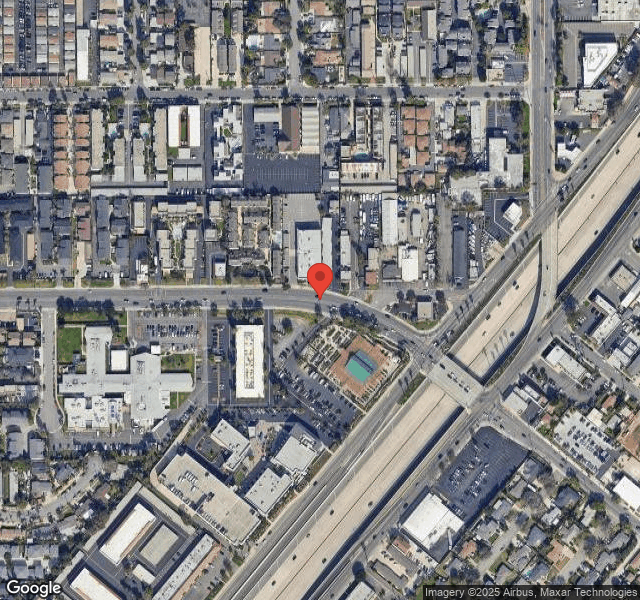

340 VICTORIA STREET, COSTA MESA, CA 92627 (949) 642-0387
For profit - Corporation 79 Beds THE ENSIGN GROUP Data: November 2025
Trust Grade
85/100
#250 of 1155 in CA
Last Inspection: July 2025

Inspected within the last 6 months. Data reflects current conditions.

Overview

Victoria Healthcare and Rehabilitation Center in Costa Mesa, California, has a Trust Grade of B+, which means it is recommended and considered above average. It ranks #250 out of 1,155 facilities in California, placing it in the top half, and #18 out of 72 in Orange County, indicating that only a few local options are better. However, the facility has seen a worsening trend, with issues increasing from 1 in 2024 to 12 in 2025. Staffing is a mixed bag, with a 3/5 star rating and a turnover rate of 24%, which is better than the California average. While the facility has not incurred any fines, which is a positive sign, recent inspections revealed serious concerns, including expired food found in the kitchen, a lack of proper hygiene practices among staff, and issues with medication administration documentation that could lead to errors. Additionally, there were incidents of improper resident transfers that could potentially cause harm. Families should weigh these strengths and weaknesses when considering this nursing home for their loved ones.

Trust Score
B+
85/100
In California
#250/1155
Top 21%
Safety Record
Low Risk
No red flags
Inspections
Getting Worse
1 → 12 violations
Staff Stability
✓ Good
24% annual turnover. Excellent stability, 24 points below California's 48% average. Staff who stay learn residents' needs.
Penalties
✓ Good
No fines on record. Clean compliance history, better than most California facilities.
Skilled Nurses
⚠ Watch
Each resident gets only 26 minutes of Registered Nurse (RN) attention daily — below average for California. Fewer RN minutes means fewer trained eyes watching for problems.
Violations
⚠ Watch
31 deficiencies on record. Higher than average. Multiple issues found across inspections.
★★★★★
5.0
Overall Rating
★★★☆☆
3.0
Staff Levels
★★★★☆
4.0
Care Quality
★★★★★
5.0
Inspection Score
Stable
2024: 1 issues
2025: 12 issues

The Good

  • 4-Star Quality Measures · Strong clinical quality outcomes
  • Low Staff Turnover (24%) · Staff stability means consistent care
  • Full Sprinkler Coverage · Fire safety systems throughout facility
  • No fines on record
  • Staff turnover is low (24%)

    24 points below California average of 48%

Facility shows strength in quality measures, staff retention, fire safety.

The Bad

Chain: THE ENSIGN GROUP

Part of a multi-facility chain

Ask about local staffing decisions and management

The Ugly 31 deficiencies on record

Sept 2025 1 deficiency
CONCERN (D) 📢 Someone Reported This

A family member, employee, or ombudsman was alarmed enough to file a formal complaint

Potential for Harm - no one hurt, but risky conditions existed

Pharmacy Services (Tag F0755)

Could have caused harm · This affected 1 resident

**NOTE- TERMS IN BRACKETS HAVE BEEN EDITED TO PROTECT CONFIDENTIALITY** Based on interview, medical record review, facility document review, and facility P&P review, the facility failed to ensure the ...

Read full inspector narrative →
**NOTE- TERMS IN BRACKETS HAVE BEEN EDITED TO PROTECT CONFIDENTIALITY** Based on interview, medical record review, facility document review, and facility P&P review, the facility failed to ensure the administration of the controlled medications were accurately documented on the MAR (Medication Administration Record) for one of three sampled residents (Resident 1). * The facility failed to accurately document the hydrocodone/APAP 5-325 mg (a controlled medication) administration to Resident 1. This failure had the potential for the medications to be administered in error and opportunities for drug diversion or drug misuse.Findings: Review of the facility's P&P titled Controlled Medications revised 12/2019 showed when a controlled medication is administered to the resident the licensed nurse enters the date, time, and amount administered on the accountability record. Review of the facility's P&P titled Recognition and Management of Pain revised 7/2017 showed the medications administered to the resident will be documented on the MAR. Medical record review for Resident 1 was initiated on 9/3/25. Resident 1 was readmitted to the facility on [DATE], and discharged to the community on 8/23/25. Review of Resident 1's Order Summary Report showed a physician's order dated 8/18/25, for the following:- for hydrocodone/APAP 5-325 mg tablets, give one tablet by mouth every four hours as needed for pain level 4-7 (in a pain scale of 0-10, 0 = no pain to 10 = severe pain); and- for hydrocodone/APAP 5-325 mg tablets, give two tablets by mouth every four hours as needed for pain level 8-10, do not take more than eight tablets in 24 hours, APAP not to exceed 4,000 mg per day. a. Review of Resident 1's Tab Narcotic and Hypnotic Record for hydrocodone/APAP 5-325 mg tablets showed on 8/20/25 at 0132 hours, one tablet of hydrocodone/APAP 5-325 mg was removed from the supply. Review of Resident 1's MAR for August 2025 showed on 8/20/25 at 0132 hours, the nurse electronically signed the administration of two hydrocodone/APAP 5-325 mg tablets to Resident 1 for a pain level of 7. On 9/4/25 at 1021 hours, an interview and concurrent record review was conducted with the DON. The DON stated the nurse accidentally signed the MAR and showed two tablets were administered instead of the one tablet removed from the controlled supply. b. Review of Resident 1's Tab Narcotic and Hypnotic Record for hydrocodone/APAP 5-325 mg tablets showed on 8/22/25 at 1930 hours, one tablet of hydrocodone/APAP 5-325 mg was removed from the supply. Review of Resident 1's MAR for August 2025 failed to show documentation if the hydrocodone/APAP controlled medication removed from the supply on 8/22/25 at 1930 hours was administered to Resident 1. On 9/4/25 at 1021 hours, an interview and concurrent record review was conducted with the DON. The DON verified the one tablet of hydrocodone/APAP 5-325 mg removed from the controlled supply on 8/22/25 at 1930, was not documented in Resident 1's MAR. The DON stated the administration of the controlled medication should have been documented.
Jul 2025 11 deficiencies
CONCERN (D)

Potential for Harm - no one hurt, but risky conditions existed

Quality of Care (Tag F0684)

Could have caused harm · This affected 1 resident

**NOTE- TERMS IN BRACKETS HAVE BEEN EDITED TO PROTECT CONFIDENTIALITY** Based on observation, interview, medical record review, and facility P&P review, the facility failed to ensure one of 17 final s...

Read full inspector narrative →
**NOTE- TERMS IN BRACKETS HAVE BEEN EDITED TO PROTECT CONFIDENTIALITY** Based on observation, interview, medical record review, and facility P&P review, the facility failed to ensure one of 17 final sampled residents (Resident 1) maintained the highest practicable well-being. * Resident 1 was transferred inappropriately, via use of Resident 1's armpits and back of Resident 1's pants. * Resident 1's change of condition to her foot was not documented. These failures had the potential to cause injury and not provide appropriate care to the resident. Findings: Medical record review for Resident 1 was initiated on 7/15/25. Resident 1 was readmitted to the facility on [DATE]. a. On 7/18/25 at 1430 hours, an observation of Resident 1 and concurrent interview was conducted with CNAs 7 and 8. Resident 1 was observed sitting in her wheelchair which was positioned to the left side of her bed. CNA 8 placed her arm underneath Resident 1's left armpit. CNA 7 placed their arm underneath Resident 1's right armpit, and used their other hand to hold the back of Resident 1's pants. Both CNAs lifted and transferred Resident 1 from her wheelchair to the edge of the bed. CNA 8 stated the therapy trained the CNAs 7 and 8 to transfer Resident 1 in that way. On 7/18/25 at 1507 hours, an observation and concurrent interview was conducted with the Director of Rehab. When asked about transferring Resident 1, the Director of Rehab verbalized a gait belt was to be used for Resident 1's transfers. The Director of Rehab stated there were hooks inside the residents' rooms to place the gait belts. The Director of Rehab was informed the staff were observed transferring Resident 1 without a gait belt. Furthermore, the Director of Rehab verified there was no gait belt inside Resident 1's room. b. Review of the facility's P&P titled Change of Condition Reporting, dated 5/2019 showed a change in condition for the residents was to be documented. On 7/18/2025 at 0807 hours, an interview was conducted with LVN 5. When asked about doing a body check on Resident 1, LVN 5 stated he completed Resident 1's wound treatment after the resident's morning shower. On 7/18/25 at 1530 hours, a head to toe assessment was conducted with LVN 5 and Resident 1's responsible party. Resident 1's right foot was observed with a superficial break in skin and redness. When asked about redness and superficial break in the skin to the outer side of Resident 1's right big toe, LVN 5 stated he had not seen nor been informed about this change to Resident 1's skin. Resident 1's responsible party verified this was a change to Resident 1's foot. On 7/18/25 at 1630 hours, an interview was conducted with CNA 10. CNA 10 verified she completed Resident 1's morning shower. When asked about documenting the break in skin and wound to Resident 1's right toe, CNA 10 verified she observed the change to Resident 1's right toe but did not document it. Further review of Resident 1's medical record failed to show documented evidence of Resident 1's change in skin condition, redness and superficial break in skin to Resident 1's right toe.
CONCERN (D)

Potential for Harm - no one hurt, but risky conditions existed

Incontinence Care (Tag F0690)

Could have caused harm · This affected 1 resident

**NOTE- TERMS IN BRACKETS HAVE BEEN EDITED TO PROTECT CONFIDENTIALITY** Based on observation, interview, medical record review, and facility P&P review, the facility failed to ensure two of three fina...

Read full inspector narrative →
**NOTE- TERMS IN BRACKETS HAVE BEEN EDITED TO PROTECT CONFIDENTIALITY** Based on observation, interview, medical record review, and facility P&P review, the facility failed to ensure two of three final sampled resident (Residents 1 and 7) reviewed for catheter care received the appropriate care and services for an indwelling urinary catheter. * The facility failed to continuously monitor Resident 7 after the resident had a change in condition when the resident's suprapubic catheter was not draining.* The facility failed to ensure Resident 1's indwelling urinary catheter did not touch the floor.These failures had the potential for the residents to develop complications associated with the use of the indwelling urinary catheter.Findings: 1. Review of the facility's P&P titled Change of Condition Reporting dated 5/2019 showed the licensed nurse should document resident’s change of condition and response in eInteract Change of Condition UDA and in nursing progress notes, and update resident care plan, as indicated. The licensed nurse responsible for the resident will continue assessment and documentation for at least 72 hours or until the condition is stable. On 7/16/25 at 1004 hours, an observation of Resident 7 and a concurrent interview was conducted with CNA 11. Resident 7 was sitting in the wheelchair inside the room. Resident 7 was non-verbal but acknowledged when his name was called by looking at the SA. Resident 7 was observed with an indwelling urinary catheter. CNA 11 stated Resident 7 had a suprapubic urinary catheter. CNA 11 stated the urine was draining fine in the suprapubic urinary catheter. CNA 11 further stated she would report to the charge nurse if there was no urine output, if the urine looked dirty with sediments, and if there was presence of foul odor. Medical record review for Resident 7 was initiated on 7/16/25. Resident 7 was admitted to the facility on [DATE]. Review of Resident 7's MDS assessment dated [DATE], showed Resident 7 had a short- and long-term memory problem. Review of Resident 7’s eInteract Change in Condition V4.2 note dated 7/1/25 at 2024 hours, showed Resident 7’s suprapubic urinary catheter was not draining. The suprapubic urinary catheter was flushed, no resistance but the side was bulging. The physician was notified with order to send Resident 7 to the acute care hospital. Review of Resident 7’s Progress Notes dated 7/2/25 at 0022 hours, showed Resident 7 would be returning to the facility from the acute care hospital ER with a new suprapubic urinary catheter and intravenous antibiotics for UTI. Further review of Resident 7's medical record failed to show documented evidence of continued monitoring/assessment for Resident 7’s change in condition related to suprapubic urinary catheter by the licensed nurses. On 7/22/25 at 1514 hours, an interview and concurrent medical record review for Resident 7 were conducted with LVN 2. LVN 2 verified Resident 7 had a change in condition on 7/1/25, related to the resident’s suprapubic urinary catheter not draining. LVN 2 stated when the resident went to the ER and came back to the facility within 24 hours, it would be considered continuity of care. LVN 2 stated for any change in condition, the licensed nurses had to monitor the resident every shift for 72 hours. LVN 2 further stated it was important to continuously monitor the resident when there was a change in condition to make sure the resident is doing well, no signs and symptoms of complications or infection, no pain, and the vital signs are within normal range because if these symptoms were present then the nurses could report it right away to the physician and necessary treatment could be provided to the resident. LVN 2 verified Resident 7 was not continuously monitored for his change in condition. On 7/23/25 at 0805 hours, an interview was conducted with the DON. The DON stated the licensed nurses should continuously monitor the resident when there was a change in condition every shift for 72 hours and could be extended as needed. The DON stated the continued monitoring was important to determine if effective interventions were provided to the resident, if the plan of care was effective, or if they needed to update it, and for the nurses to inform the physician immediately of any complications or abnormalities related to the change in condition. The DON was informed of and acknowledged the above findings for Resident 7. 2. On 7/18/25 at 1019 hours, an observation of Resident 1 and concurrent interview was conducted with LVN 5. Resident 1's indwelling urinary drainage catheter was observed inside a privacy bag to the right side of Resident 1's bed, touching the floor. LVN 5 verified the finding and stated the indwelling urinary drainage catheter bag should not be touching the floor. Medical record review for Resident 1 was initiated on 7/15/25. Resident 1 was readmitted to the facility on [DATE]. Review of Resident 1's medical record showed Resident 1 was dependent on staff for her ADLs. Resident 1 had an indwelling urinary drainage catheter bag in place for wound management.
CONCERN (D)

Potential for Harm - no one hurt, but risky conditions existed

Deficiency F0697 (Tag F0697)

Could have caused harm · This affected 1 resident

**NOTE- TERMS IN BRACKETS HAVE BEEN EDITED TO PROTECT CONFIDENTIALITY** Based on interview, medical record review, and facility P&P review, the facility failed to provide adequate and appropriate pain...

Read full inspector narrative →
**NOTE- TERMS IN BRACKETS HAVE BEEN EDITED TO PROTECT CONFIDENTIALITY** Based on interview, medical record review, and facility P&P review, the facility failed to provide adequate and appropriate pain management for one of 17 final sampled residents (Resident 9). * The facility failed to ensure the pain medication was administered per Resident 9's physician's order. This failure had the potential for residents not to receive the appropriate treatment for pain.Findings: Review of the facility's P&P titled Administration of Drugs revised 5/2007 showed it is the policy of this facility that medications shall be administered as prescribed by the attending physician. Medications must be administered in accordance with the written orders of the attending physician. 1. Medical record review for Resident 9 was initiated on 7/15/25. Resident 9 was admitted to the facility on [DATE]. Review of Resident 9's H&P examination dated 6/29/25, showed Resident 9 had the capacity to understand and make decisions. Review of Resident 9's Order Summary Report dated 7/17/25, showed the following physician's orders: - dated 6/26/25, to administer Tylenol (analgesic medication) 325 mg two tablets by mouth every four hours as needed for mild pain (pain scale 1-3; using the pain scale of 0 to 10 with 0 = no pain and 10 = worst pain). - dated 7/7/25, to administer hydrocodone-acetaminophen (narcotic medication) 5-325 mg one tablet by mouth every eight hours as needed for moderate pain (pain scale 4-6).- dated 7/7/25, to administer hydrocodone-acetaminophen 10-325 mg one tablet by mouth every eight hours as needed for severe pain (pain scale 8- 10). Review of Resident 9's MAR for 7/2025 showed: - on 7/9/25 at 0700 hours, Resident 9 received hydrocodone 5-325 mg medication one tablet for a pain level of eight.- on 7/9/25 at 2336 hours, Resident 9 received Tylenol 325 mg medication two tablets for a pain level of six.- on 7/10/25 at 0900 hours, Resident 9 received hydrocodone-acetaminophen 5-325 mg medication one tablet for a pain level of eight.- on 7/11/25 at 0111 hours, Resident 9 received hydrocodone-acetaminophen 5-325 mg medication one tablet for a pain level of eight. - on 7/13/25 at 0038 hours, Resident 9 received hydrocodone 5-325 mg medication one tablet for a pain level of eight.- on 7/13/25 at 2348 hours, Resident 9 received hydrocodone-5-325 mg medication one tablet for a pain level of eight. On 7/22/25 at 0745 hours, an interview and concurrent medical record review for Resident 9 was conducted with LVN 4. LVN 4 verified the above findings. LVN 4 verified Resident 9 did not receive the right medication for the pain and the MD order was not followed. On 7/22/25 at 1538 hours, an interview and concurrent medical record review for Resident 9 was conducted with the DON. The DON verified the above findings and stated the pain medication would be effective if it was given accurately.
CONCERN (D)

Potential for Harm - no one hurt, but risky conditions existed

Deficiency F0698 (Tag F0698)

Could have caused harm · This affected 1 resident

**NOTE- TERMS IN BRACKETS HAVE BEEN EDITED TO PROTECT CONFIDENTIALITY** Based on observation, interview, medical record review, and facility P&P review, the facility failed to provide the necessary di...

Read full inspector narrative →
**NOTE- TERMS IN BRACKETS HAVE BEEN EDITED TO PROTECT CONFIDENTIALITY** Based on observation, interview, medical record review, and facility P&P review, the facility failed to provide the necessary dialysis care to one of three final sampled residents (Resident 93) reviewed for dialysis care. The facility failed to ensure Resident 93's dialysis access site was accurately assessed. Resident 93 had a vascular dialysis access on the right upper chest, however, the resident was assessed for shunt, and bruit and thrill post-dialysis. In addition, Resident 93's care plan to address the dialysis included monitoring for the fistula. These failures had the potential for Resident 93 not being provided with appropriate dialysis care, and the possibility of medical complications related to dialysis care. Findings: Medical record review for Resident 93 was initiated on 7/15/25. Resident 93 was admitted to the facility on [DATE]. Review of Resident 93's Order Summary Report showed the following physician's orders:dated 7/9/25, for dialysis on Tuesday, Thursday, and Saturday;dated 7/9/25, to observe and maintain no pressure on the shunt or dialysis catheter on the right upper chest every shift; anddated 7/9/25, for post-dialysis, to check shunt for bleeding. Remove pressure dressing after three hours. Review of Resident 93's LN - Initial admission Record dated 7/9/25, under the Dialysis section, showed Resident 93 received hemodialysis, and had a vascular catheter on the right upper chest. The record also showed thrill and bruit are not applicable. Review of Resident 93's plan of care showed a care plan problem initiated on 7/9/25, to address Resident 93's dialysis related to renal failure, and right upper chest dialysis catheter site. The interventions included the following:- To monitor dialysis access site on the right upper chest for signs and symptoms of infection, swelling, and bleeding;- To observe and maintain no pressure on shunt or dialysis catheter on the right upper chest;- To check and change dressing daily at access site, and document;- To check arteriovenous fistula every day for bruit and thrill;- Do not draw blood or take the blood pressure in arm with graft;- To check the shunt post-dialysis for bleeding. Remove pressure dressing after three hours. Review of Resident 93's Facility - Dialysis Center Communication Record dated 7/10/25, under Facility Nurses/ Post Dialysis section showed bruit and thrill are present. Review of Resident 93's Facility - Dialysis Center Communication Record dated 7/12/25, under Facility Nurses/ Post Dialysis section, showed bruit and thrill are present. On 7/18/25 at 0815 hours, an observation and concurrent interview was conducted with Resident 93. When asked about the dialysis access site, Resident 93 stated she only had one dialysis access site on the right upper chest. On 7/18/25 at 1342 hours, an interview and concurrent medical record review was conducted with RN 1. RN 1 stated Resident 93's dialysis access site was a vascular catheter on her right upper chest. RN 1 verified the physician's orders included to check the shunt post-dialysis. RN 1 stated the resident's medical records were reviewed during the stand-up meeting. RN 1 also verified Resident 93's dialysis communication record showed documentation for the presence of bruit and thrill. RN 1 stated there should be no bruit and thrill present because the resident had a vascular catheter, not a shunt or fistula. RN 1 further verified the Resident 93's plan of care to address dialysis included interventions not applicable to the resident such as changing the dressing at access site, not drawing blood or taking the blood pressure on the arm with graft, checking the fistula daily, checking shunt post-dialysis. On 7/18/25 at 1455 hours, an interview and concurrent medical record review was conducted with the MDS Coordinator. The MDS Coordinator stated the MDS staff initiated the care plan, then the licensed nurses could update the care plan too. The MDS Coordinator stated the licensed nurses get the residents' information from the admission records, medication lists, and diagnoses then formulate the care plan. The MDS Coordinator verified Resident 93's plan of care to address the dialysis included interventions not applicable to Resident 93. The MDS Coordinator stated the resident's care plan to address dialysis was initiated by the MDS Assistant, and did not know why the MDS Assistant included the interventions not applicable to Resident 93. On 7/22/25 at 1554 hours, an interview and concurrent medical record review was conducted with the DON. The DON verified the above findings. The DON stated Resident 93 had a vascular access dialysis site so there should be no bruit and thrill. The DON stated the MDS staff initiated the care plan for all the residents, and the MDS nurse might have clicked the inapplicable interventions from the care plan library in the electronic health record.
CONCERN (D)

Potential for Harm - no one hurt, but risky conditions existed

Pharmacy Services (Tag F0755)

Could have caused harm · This affected 1 resident

**NOTE- TERMS IN BRACKETS HAVE BEEN EDITED TO PROTECT CONFIDENTIALITY** Based on interview, medical record review, facility document review, and facility P&P review, the facility failed to provide the...

Read full inspector narrative →
**NOTE- TERMS IN BRACKETS HAVE BEEN EDITED TO PROTECT CONFIDENTIALITY** Based on interview, medical record review, facility document review, and facility P&P review, the facility failed to provide the necessary pharmaceutical services as per the facility P&P for one nonsampled resident (Resident 30).* The facility failed to ensure the administration of the controlled medication for Resident 30 was documented on the MAR. This failure had the potential for the medications to be administered in error and opportunities for drug diversion or drug misuse.Findings: Review of the facility's P&P titled Pharmacy Services Controlled Medication revised 12/2019 showed when a controlled medication is administered, the licensed nurse administering the medication immediately enters all of the following information on the accountability record: Date and time of administration, amount administered, signature of the nurse administered the dose, completed after the medication is actually administered. Review of facility's P&P titled Medication Administration revised 5/2007 showed all the current drug and dosage schedules must be recorded on the resident's electronic medication administration record (eMAR). Medical record review for Resident 30 was initiated on 7/16/25. Resident 30 was admitted to the facility on [DATE]. Review of Resident 30's H&P examination dated 3/31/25, showed Resident 30 had the capacity to understand and make decisions. Review of Resident 30's Order Summary Report dated 7/16/25, showed a physician's order dated 4/6/25, to give hydrocodone-acetaminophen (controlled pain medication) 5-325 mg one tablet by mouth every eight hours as needed for moderate pain (pain level of 4-7) and two tablets for severe pain (pain level of 8-10, , using the 0-10 pain scale; zero meaning no pain and 10 meaning worst pain). Review of Resident 30's Narcotic and Hypnotic Record showed one tablet of hydrocodone-acetaminophen 5-325 mg was dispensed and signed out on 7/6/25 at 2028 hours. Review of Resident 30's July 2025 MAR failed to show the documentation one tablet of hydrocodone-acetaminophen 5-325 mg was administered on 7/6/25 at 2028 hours. On 7/16/25 at 1100 hours, an interview and concurrent medical record review for Resident 30 was conducted with the DON. The DON verified the above findings.
CONCERN (D)

Potential for Harm - no one hurt, but risky conditions existed

Deficiency F0761 (Tag F0761)

Could have caused harm · This affected 1 resident

**NOTE- TERMS IN BRACKETS HAVE BEEN EDITED TO PROTECT CONFIDENTIALITY** Based on observation, interview, medical record review, and facility P&P review, the facility failed to provide the necessary ph...

Read full inspector narrative →
**NOTE- TERMS IN BRACKETS HAVE BEEN EDITED TO PROTECT CONFIDENTIALITY** Based on observation, interview, medical record review, and facility P&P review, the facility failed to provide the necessary pharmacy services to ensure proper storage and labeling of medications. * The facility failed to ensure the medical label on the on the bubble pack of losartan (antihypertensive medication) was correct. * The facility failed to ensure LVN 1 did not leave medications unattended at bedside during medication administration observation. * The facility failed to ensure LVN 1 did not leave the medication cart (Medication Cart A) unlocked and unattended. These failures had potential to result in unsafe medication administration, cross-contamination of the medications and post the risk for non-licensed staff to have access to the medicationsFindings: 1. Review of the facility's P&P titled Medication Ordering and Receiving from Pharmacy revised 1/2018 showed each prescription medication label includes.specific directions for use. Improperly or inaccurate labeled medications are rejected and returned to the dispensing pharmacy. Review of the facility's P&P titled Medication Storage in the Facility revised 1/2018 showed only licensed nurses, pharmacy personnel, and those lawfully authorized to administer medications such as medication aides permitted to access medications. Medication rooms, carts, and medication supplies are locked when not attended by persons with authorized access. On 7/17/25 at 0903 hours, a medication administration for Resident 77 was conducted with LVN 1. The following was observed: a. The label on the bubble pack of losartan for Resident 77 showed to hold the losartan medication when SBP was more than 130 mmHg. Medical record review for Resident 77 was initiated on 7/15/25. Resident 77 was admitted to the facility on [DATE]. Review of Resident 77's Order Summary Report showed a physician's order dated 7/4/25, to administer losartan 50 mg one tablet by mouth two times a day. To hold if SBP is less than 130 mmHg, and to notify the physician if held more than 72 hours. On 7/17/25 at 0933 hours, an interview was conducted with LVN 1. LVN 1 verified the label on the bubble back for losartan medication did not match the physician's order. LVN 1 also verified there was no change of direction sticker on the bubble pack. b. LVN 1 was observed preparing medications for Resident 77 and placed all the prepared medications on a small tray. Medication Cart A was parked by LVN 1 by the resident's doorway. LVN 77 was observed entering Resident 77's room, Resident 77 was observed lying in bed, and a Resident 77's family member was seated near the bed, with the curtains drawn. LVN 1 was observed placing the tray with the medications at bedside, then LVN 1 was observed using the alcohol-based hand rub by the door and was also observed talking to a staff. The medications were left at the bedside unattended and unsupervised. Then LVN 1 went back and placed a straw on the resident's cup, and LVN 1 went to the sink to wash her hands. The medications were left at bedside unattended and unsupervised. Then LVN 1 was observed going back to the medication cart to get a spoon. The medications were left at the bedside unattended and unsupervised. Then LVN 1 administered the oral medications to Resident 77. LVN 1 was observed going back to the medication cart to get tissue papers. The nasal spray medication was left at bedside unattended and unsupervised. On 7/17/25 at 1109 hours, an interview was conducted with LVN 1. LVN 1 verified she left the medications at the bedside, while Resident 77 was lying in bed and Resident 77's family member was seated near the bedside, with the curtains drawn. LVN 1 stated she forgot to get the straw, spoon, and tissue paper so she had to go back to the medication cart. 2. On 7/17/25 at 1106 hours, an observation and interview was conducted with LVN 1. Medication Cart A was observed parked in front of the nurses' station, facing the hallway. LVN 1 was observed going inside the nurses' station, and left Medication Cart A unlocked and unattended while a CNA was observed passing by. LVN 1 verified the above findings. LVN 1 stated she forgot to lock the medication cart. On 7/22/25 at 1608 hours, an interview was conducted with the DON. The DON stated the losartan medication was initially ordered to hold if the SBP was more than 130 mmHg, but the physician's order was changed to hold if the SBP was less than 130 mmHg. The DON stated the nurses should have placed a change of direction sticker. The DON stated the medications and medication cart should not be left unattended.
CONCERN (E)

Potential for Harm - no one hurt, but risky conditions existed

Food Safety (Tag F0812)

Could have caused harm · This affected multiple residents

Based on observation and interview, the facility failed to ensure sanitary conditions were maintained and foods were stored in safe conditions. * There were expired food items stored inside the facili...

Read full inspector narrative →
Based on observation and interview, the facility failed to ensure sanitary conditions were maintained and foods were stored in safe conditions. * There were expired food items stored inside the facility's freezer.* The stock pot was observed with black discoloration, warped and dented.* Two ceiling vents were dusty and corroded. Additionally, the meat products stored under the vents were also dusty with yellow stains/discoloration.* One cook did not wear a beard restraint.* One dietary aide placed his hands in a red bucket containing sanitizing solution and a dish rag instead of performing hand hygiene. These failures posed the risk of foodborne illness to the 68 of 68 residents who received food prepared in the facility's kitchen.Findings: 1. On 7/15/25 at 0800 hours, an initial tour of the facility's kitchen was conducted with the Dietary Supervisor. The following food items were observed inside the freezer:- one bag of bread with expiration date of 7/12/25.- one bag hamburger buns, with expiration date of 7/12/25.- one bag English muffins, with expiration date of 6/8/25. The Dietary Supervisor verified the above findings. 2. On 7/15/25 at 0800 hours, an initial tour of the facility's kitchen was conducted with the Dietary Supervisor. One stock pot measuring approximately 22 quarts was observed warped, dented on one side, and with a black substance surrounding the inner top part of the pot. The Dietary Supervisor verified the above findings. s3. On 7/15/25 at 0800 hours, an initial tour observation and concurrent interview was conducted with the Maintenance Supervisor. Two air conditioner ceiling vents located above the kitchen's ice machine and freezers were observed with dust and corrosion, and the paint surrounding the vents was peeling. Additionally, the meat products underneath the ceiling vents were observed dusty, with yellow stains and yellow discoloration. The Maintenance Supervisor verified the finding. 4. On 7/17/25 at 1130 hours, during an observation, [NAME] 1 was inside the kitchen with his moustache not covered. [NAME] 1 was not wearing a beard restraint. On 7/18/25 at 0821 hours, an observation of [NAME] 1 and concurrent interview was conducted with the Dietary Supervisor. [NAME] 1 was not wearing a beard restraint while inside the kitchen. The Dietary Supervisor verified the finding and stated [NAME] 1 should be wearing a beard restraint. 5. On 7/18/25 at 0851 hours, a dishwashing observation was conducted with Dietary Aide 2. After Dietary Aide 2 rinsed dirty dishes, he placed his hands into a red bucket with a clear solution and a dish rag in it. Dietary Aide 2 stated the bucket contained sanitizing solution and the solution was used in case of emergencies to sanitize inside the kitchen. When asked why Dietary Aid 2 placed his hands inside the solution after rinsing dirty dishes, Dietary Aide 2 stated he was sanitizing his hands. When asked if this was the process for dishwashing and hand hygiene, Dietary Aid 2 acknowledged he should have performed handwashing at the kitchen sink.
MINOR (B)

Minor Issue - procedural, no safety impact

Deficiency F0554 (Tag F0554)

Minor procedural issue · This affected multiple residents

**NOTE- TERMS IN BRACKETS HAVE BEEN EDITED TO PROTECT CONFIDENTIALITY** Based on observation, interview, medical record review, and facility P&P review, the facility failed to determine if it was safe...

Read full inspector narrative →
**NOTE- TERMS IN BRACKETS HAVE BEEN EDITED TO PROTECT CONFIDENTIALITY** Based on observation, interview, medical record review, and facility P&P review, the facility failed to determine if it was safe for a resident to self-administer the medication for one of 17 final sampled residents (Resident 26). Resident 26 was observed with a medication at the bedside. Resident 26 had no physician's order, assessment, or a care plan in place for self-administration of medications. This failure had the potential for Resident 26 to administer the medication inaccurately.Findings: Review of the facility's P&P titled Self-Administration of Medication revised 12/2019 showed it is the policy of this facility to respect the wishes of alert, competent residents to self-administer prescribed medication choosing to and capable of self-administration. To determine the ability of alert residents to participate in self-administration of medications. To maintain the safety and accuracy of medication administration.- If a resident desires to participate in self-administration, the interdisciplinary team will assess and periodically re-evaluate the resident based on change in the resident's status. - If the resident is a candidate for self-administration of medications, this will be indicated in the chart. - Resident will be instructed regarding proper administration of medication by the nurse. - Storage and location of drug administration (e.g., resident's room, nurses' station, or activities room) will comply with state and federal requirements for medication storage Medical record review for Resident 26 was initiated on 7/15/25. Resident 26 was admitted to the facility on [DATE], and readmitted to the facility on [DATE]. Review of Resident 26's MDS Quarterly assessment dated [DATE], showed a BIMS score of 12, indicating the resident had moderately impaired cognition. On 7/15/25 at 0922 hours, during the initial tour of the facility, an observation, interview, and concurrent medical record review for Resident 26 was conducted with LVN 2. Resident 26 was observed sitting in a wheelchair, and a Flonase nasal spray medication (nasal spray primarily used to relieve symptoms associated with allergies and other conditions affecting the nasal passages) was observed on the resident's overbed table. Resident 26 stated the Flonase nasal spray medication was his medication and he used it to spray his nose. LVN 2 stated Resident 26 should not have the medications at the bedside because other residents could get the medication and use it. LVN 2 verified there was no physician's order for the Flonase medication, no order to self-administer, no self-administration assessment, and no care plan for the use of Flonase nasal spray medication. On 7/17/25 at 1203 hours, an interview and concurrent medical record review for Resident 26 was conducted with DON. The DON verified the above findings.
MINOR (B)

Minor Issue - procedural, no safety impact

MDS Data Transmission (Tag F0640)

Minor procedural issue · This affected multiple residents

**NOTE- TERMS IN BRACKETS HAVE BEEN EDITED TO PROTECT CONFIDENTIALITY** Based on observation, interview, medical record review, and facility P&P review, the facility failed to ensure the MDS discharge...

Read full inspector narrative →
**NOTE- TERMS IN BRACKETS HAVE BEEN EDITED TO PROTECT CONFIDENTIALITY** Based on observation, interview, medical record review, and facility P&P review, the facility failed to ensure the MDS discharge assessment was completed for one nonsampled resident (Resident 86) when the resident was discharged on 3/28/25. This failure posed the risk of not being able to monitor the resident's progress over time. Findings: Review of the facility's P&P titled Resident Assessment Instrument revised 10/2024 showed the MDS nurse will schedule each resident for an MDS assessment following the requirements for the OBRA assessments, tracking records, discharge assessments, Medicare-required scheduled, and unscheduled assessments. Review of the facility's P&P titled Resident Assessment and Associated Processes revised 4/2025 showed the facility will electronically transmit encoded, accurate, and complete MDS data to the CMS system. Transmission of MDS data will include the following documents: resident's transfer, entry, reentry, discharge, & death. Closed medical record review for Resident 86 was initiated on 7/17/25. Resident 86 was admitted to the facility on [DATE], and discharged home on 3/28/25. Review of Resident 86's Order Summary Report showed a physician's order dated 3/26/25, to discharge Resident 86 home on 3/28/25, with the remaining medications including the controlled substances if applicable with home health PT and RN and front wheel walker. Review of Resident 86's MDS assessment failed to show the discharge assessment was completed when the resident was discharged on 3/28/25. On 7/17/25 at 1529 hours, an interview and concurrent medical record review for Resident 86 was conducted with the MDS Coordinator. The MDS Coordinator stated the when the resident was discharged from the facility, a discharge assessment should be done by the MDS nurse and should be submitted to the CMS within 14 days. The MDS coordinator stated the system the facility was using would automatically populate the due dates of the resident's assessment needed to be done and that was how they monitored when to complete the resident's assessment when asked how the facility monitored who were the residents due for assessment completion in the MDS. The MDS Coordinator verified the MDS discharge assessment was not completed for Resident 86 when the resident was discharged on 3/28/25. The MDS Coordinator stated if the MDS discharge assessment was not completed and submitted to the CMS, it would show the resident was still in the facility, nothing was happening with the resident, and it would show the assessments were missed. On 7/23/25 at 0805 hours, an interview was conducted with the DON. The DON acknowledged the above findings.
MINOR (B)

Minor Issue - procedural, no safety impact

Respiratory Care (Tag F0695)

Minor procedural issue · This affected multiple residents

**NOTE- TERMS IN BRACKETS HAVE BEEN EDITED TO PROTECT CONFIDENTIALITY** Based on observation, interview, medical record review, and facility P&P review, the facility failed to ensure one of 17 final s...

Read full inspector narrative →
**NOTE- TERMS IN BRACKETS HAVE BEEN EDITED TO PROTECT CONFIDENTIALITY** Based on observation, interview, medical record review, and facility P&P review, the facility failed to ensure one of 17 final sampled residents (Resident 14) and one nonsampled resident (Resident 43) were provided with the appropriate respiratory care and services. The facility failed to ensure Resident 14 and 43's nebulizer masks and storage bags were changed every seven days. This failure had the potential to affect the respiratory health and well-being of the residents in the facility.Findings: Review of the facility's P&P titled Oxygen, Use of revised 5/2021 showed it is the policy of this facility to promote resident safety in administering oxygen. The following guidelines will be observed in oxygen administration.- The oxygen cannula or mask will be changed at least every seven days, as well as the disposable humidifier. Tubing, masks, humidifier and other disposables used for oxygen administration will be dated in an identifiable fashion.- Labeled and dated bags should be provided for cannulas and masks to be placed in when not in use. 1. On 7/15/25 at 0929 hours, during the initial tour of the facility, Resident 43's nebulizer mask was observed inside a plastic bag. The plastic bag was labeled with Resident 43's name, but did not show the date when it was changed. Medical record review for Resident 43 was initiated on 7/15/25. Resident 43 was admitted to the facility on [DATE]. Review of Resident 43's H&P examination dated 6/27/25, showed Resident 43 had the capacity to understand and make medical decisions. Review of Resident 43's Order Summary Report dated 7/16/25, showed the following physician's orders: - dated 6/26/25, to administer budesonide inhalation suspension (medication to treat and prevent breathing difficulties caused by lung disease) 0.5 mg/2 ml inhale orally via nebulizer two times a day for COPD.- dated 6/26/25, to administer ipratropium bromide (medication to treat and prevent breathing difficulties caused by lung disease) inhalation solution 0.02% one vial inhale orally via nebulizer two times a day for COPD.- dated 6/26/25, to administer levalbuterol (medication to treat and prevent breathing difficulties caused by lung disease) inhalation nebulization solution 1.25 mg/3 ml to give 3 ml inhale orally via nebulizer every six hours. 2. On 7/15/25 at 0943 hours, during the initial tour of the facility, Resident 14's nebulizer mask was observed inside a plastic bag. The plastic bag was labeled Resident 14's name, but did not show the date it was changed. Medical record review for Resident 14 was initiated on 7/15/25. Resident 14 was admitted to the facility on [DATE]. Review of Resident 14's H&P examination dated 6/23/25, showed Resident 14 had the capacity to understand and make medical decisions. Review of Resident 14's Order Summary Report dated 7/17/25, showed the following physician's orders: - dated 6/20/25, to administer acetylcysteine inhalation solution 10% (medication to relieve chest congestion by loosen thick mucus) to give 2 ml inhale orally via nebulizer two times a day for COPD.- dated 6/26/25, to administer arformoterol tartrate (medication to treat airway obstruction) inhalation nebulization solution 15 mcg/2 ml to give 2 ml inhale orally via nebulizer two times a day for COPD. On 7/15/25 at 0949 hours, an interview for Residents 14 and 43 was conducted with LVN 2. LVN 2 stated the nebulizer mask and tubing should be changed every week and should be labeled with the resident's name and the date when it was changed. LVN 2 verified the nebulizer masks/bags were not dated. On 7/22/25 at 1359 hours, an interview was conducted with the DON. The DON stated the nurses who change the nebulizer mask and tubing should label the masks/bags with the resident's name and the date when it was changed. The DON verified and acknowledged the above findings.
MINOR (B)

Minor Issue - procedural, no safety impact

Garbage Disposal (Tag F0814)

Minor procedural issue · This affected multiple residents

Based on observation and interview, the facility failed to ensure the trash bins were not overflowed with trash. This failure posed the risk of unsanitary conditions and of harboring unwanted pests. F...

Read full inspector narrative →
Based on observation and interview, the facility failed to ensure the trash bins were not overflowed with trash. This failure posed the risk of unsanitary conditions and of harboring unwanted pests. Findings: On 7/16/25 at 0730 hours, during an observation, three out of five facility trash bins were observed with the lids open and overfilled with trash. On 7/16/25 at 0858 hours, an observation was conducted of the trash bins. The trash bins were observed in an enclosed area with a wooden fence and door surrounding them. The door was open and one trash bin was visible with the lid open and overfilled with trash. On 7/16/25 at 0915 hours, an observation and concurrent interview was conducted with the Dietary Supervisor. The Dietary Supervisor verified the trash bins used for the facility had the lids open with trash overflowing.
Apr 2024 1 deficiency
MINOR (B) 📢 Someone Reported This

A family member, employee, or ombudsman was alarmed enough to file a formal complaint

Minor Issue - procedural, no safety impact

Medical Records (Tag F0842)

Minor procedural issue · This affected multiple residents

**NOTE- TERMS IN BRACKETS HAVE BEEN EDITED TO PROTECT CONFIDENTIALITY** Based on interview, medical record review, and facility document review, the facility failed to ensure the complete and accurate...

Read full inspector narrative →
**NOTE- TERMS IN BRACKETS HAVE BEEN EDITED TO PROTECT CONFIDENTIALITY** Based on interview, medical record review, and facility document review, the facility failed to ensure the complete and accurate medical record for one of five sampled residents (Resident 1). * There was no change in condition completed when Resident 1 pulled out the GT and when the GT was reinserted by the physician. This failure had the potential to negatively impact Resident 1's care and treatment. Findings: Review of the facility's P&P titled Change of Condition Reporting revised 5/2019 showed a resident'schange in condition and response should be documented in the eInteract Change of Condition. Closed Medical record review for Resident 1 was initiated on 4/24/2024. Resident 1 was admitted to the facility on [DATE], and discharged from the facility 7/21/23. Review of Residents 1's MDS dated [DATE], showed the resident had severe cognitive impairment. Review of Resident 1's H&P examination dated 7/19/23, showed Resident 1 did not have the capacity to understand and make medical decisions. Resident 1's H&P examination dated 7/19/23, also showed Resident 1 was agitated during the night and pulled out his GT. On 4/29/24 at 1000 hours, an interview and concurrent closed medical record review was conducted with the DON and Medical Records Director. Review of Resident 1's physician's progress note dated 7/19/23, showed Resident 1 was agitated during the night and pulled out his GT. Review of Resident 1's surgical consult note dated 7/19/23, showed the emergent replacement of the GT was performed. Review of Resident 1's medical record did not show a COC report addressingwhen Resident 1 pulled out his GT or when the GT was emergently replaced. The DON stated a COC report should have been completed for when the GT was pulled out and when it was replaced. On 4/29/24 at 1358 hours, an interview and concurrent closed medical record review was conducted with the Medical Records Director. The Medical Records Director stated when there wasa COC, the LVN would initiate it and the RN would follow up by contacting the physician and noting the new orders. The nursing staff were required to then monitor the resident every shift for 72 hours after the event to assess for any changes in the resident as a result of the incident.
Oct 2023 2 deficiencies
CONCERN (D)

Potential for Harm - no one hurt, but risky conditions existed

Deficiency F0554 (Tag F0554)

Could have caused harm · This affected 1 resident

Based on observations, interviews, record review, and facility policy review, the facility failed to ensure an assessment was completed to determine if a resident could safely self-administer, prior t...

Read full inspector narrative →
Based on observations, interviews, record review, and facility policy review, the facility failed to ensure an assessment was completed to determine if a resident could safely self-administer, prior to medications being left at the bedside for 1 (Resident #49) of 1 resident reviewed for self-administration. Findings included: A review of a facility policy titled, Self Administration of Medication, revised in December 2019, revealed, Purpose: To determine the ability of alert residents to participate in self-administration of medications. To maintain the safety and accuracy of medication administration. Procedures: 1. If a resident desires to participate in self-administration, the interdisciplinary team [IDT] will assess and periodically re-evaluate the resident based on change in the resident's status. 2. The resident's cognitive, communication, visual, and physical ability to carry out this responsibility will be evaluated. A review of Resident #49's admission Record indicated the facility admitted the resident on 11/07/2021 with diagnoses that included bilateral age-related cataracts. A review of Resident #49's quarterly Minimum Data Set (MDS), with an Assessment Reference Date (ARD) of 08/10/2023, revealed Resident #49 had a Brief Interview for Mental Status (BIMS) score of 8, which indicated the resident had moderate cognitive impairment. The MDS indicated the resident had functional limitations in range-of-motion one side in their upper extremity (shoulder, elbow, wrist, hand). A review of Resident #49's physician orders revealed orders dated 05/19/2022 that instructed staff to instill one drop of brimonidine tartrate solution 0.1%, twice a day into both eyes for glaucoma; and one drop of dorzolamide hydrochloride-timolol maleate solution, 22.3-6.8 milligrams per milliliter, twice a day into the right eye for glaucoma. An order dated 06/02/2022, instructed staff to instill one drop of latanoprost solution 0.005% into both eyes at bedtime for glaucoma. The physician's orders did not indicate the resident self-administered the eye drops. During an observation on 10/29/2023 at 11:07 AM in Resident #49's room, there were three prescription bottles on the resident's overbed table. Resident #49 stated the bottles contained eye drops and there were two eye drops that the resident self-administered. During an observation on 10/30/2023 at 1:39 PM, Resident #49 was in bed reading a book. The prescription bottles of eye drops were no longer on the overbed table. The resident stated someone had removed the eye drops from the resident's room against the resident's will about a week ago, and now the resident had to ask for the eye drops to administer them. During an interview on 10/30/2023 at 1:46 PM, Licensed Vocational Nurse (LVN) #1 stated if the resident had been assessed for self-administration, then there would have been a lockbox for storage of their medications. LVN #1 stated staff handed Resident #49 a bottle of eye drops and then gave the resident instructions for administering them. LVN #1 indicated the eye drops were not supposed to be left in the resident's room. LVN #1 admitted to leaving the eye drops in Resident #49's room the previous day (10/29/2023). LVN #1 stated Resident #49 had just been assessed to self-administer the eye drops but the medications would no longer be left in the resident's room. During an interview on 10/31/2023 at 12:29 PM, LVN #2 stated that if a resident wanted to self-administer medications, the resident would be assessed to make sure they were capable of self-administration, a physician's order had to be obtained, the medication would be kept on the medication cart, and the self-administration would need to be addressed on the resident's care plan. During an interview on 10/31/2023 at 1:58 PM, the Director of Nursing (DON) stated that a resident would be assessed to determine if they were capable of self-administration, the interdisciplinary team would discuss it, and a physician's order for self-administration would be obtained, prior to a resident self-administering medication. The DON acknowledged that Resident #49 was not assessed for self-administration prior to the survey. The DON said the eye drops should not have been left in the resident's room. The DON stated her expectation was that no medications be left at the bedside unless they are in a locked container. The DON stated she expected a resident to be assessed before they were allowed to self-administer. During an interview on 10/31/2023 at 2:07 PM, the Administrator stated he expected an assessment to be completed before medications were left at a resident's bedside.
CONCERN (D)

Potential for Harm - no one hurt, but risky conditions existed

Deficiency F0645 (Tag F0645)

Could have caused harm · This affected 1 resident

Based on interviews, record review, and facility policy review, the facility failed to ensure the Preadmission Screening and Resident Review (PASARR) was accurate for 1 (Resident #1) of 4 residents re...

Read full inspector narrative →
Based on interviews, record review, and facility policy review, the facility failed to ensure the Preadmission Screening and Resident Review (PASARR) was accurate for 1 (Resident #1) of 4 residents reviewed for PASARRs. Findings included: A review of facility policy titled, PASRR [PASARR], revised in July 2023, revealed, 1. A PASRR shall be completed on every resident upon admission. If the resident is coming from the general acute care hospital, the PASRR will be done by the hospital as applicable. 2. After the admission, IDT [interdisciplinary team] members will review the assessment for accuracy and the need for PASRR Level II referral. A review of Resident #1's admission Record, revealed the facility admitted Resident #1 on 09/05/2023, with diagnoses that included generalized anxiety disorder and autistic disorder. Per the admission Record, on 09/09/2023, the resident received a diagnosis of unspecified psychosis. A review of an admission Minimum Data Set (MDS), with an Assessment Reference Date (ARD) of 09/11/2023, revealed Resident #1 had a Brief Interview for Mental Status (BIMS) score of 0, which indicated the resident had severe cognitive impairment. The MDS indicated Resident #1's active diagnoses included anxiety disorder and psychotic disorder. Additionally, the MDS revealed Resident #1 received antipsychotic, antianxiety and antidepressant medications, three of seven days during the seven-day review period. A review of Resident #1's care plan with an initiation date of 09/09/2023, revealed Resident #1 received antianxiety medication due to a diagnosis of anxiety. Another care plan with an initiation date of 09/09/2023, indicated the resident received antipsychotic medication related to psychosis. A review of Resident #1's Preadmission Screening and Resident Review Level 1 Screening, dated 09/06/2023, indicated the results were negative as Resident #1 had no serious mental illness. In an interview on 10/31/2023 at 12:37 PM, Licensed Vocational Nurse (LVN) #3 stated she referenced the physician's orders and the history and physical from the hospital to make sure a PASARR was accurate. She said if it was not accurate, she resubmitted it. LVN #3 agreed Resident #1's admission PASARR dated 09/06/2023 was not correct, and she resubmitted a revised PASARR during the survey. In an interview on 10/31/2023 at 1:58 PM, the Director of Nursing stated a PASARR should include a resident's pertinent diagnoses and if an admitting PASARR was not accurate, LVN #3 would submit a new one.
Oct 2023 1 deficiency
CONCERN (D) 📢 Someone Reported This

A family member, employee, or ombudsman was alarmed enough to file a formal complaint

Potential for Harm - no one hurt, but risky conditions existed

Deficiency F0558 (Tag F0558)

Could have caused harm · This affected 1 resident

**NOTE- TERMS IN BRACKETS HAVE BEEN EDITED TO PROTECT CONFIDENTIALITY** Based on interview, medical record review, facility document review, and facility P&P review, the facility failed to provide the...

Read full inspector narrative →
**NOTE- TERMS IN BRACKETS HAVE BEEN EDITED TO PROTECT CONFIDENTIALITY** Based on interview, medical record review, facility document review, and facility P&P review, the facility failed to provide the reasonable accommodations to meet the needs for one of two sampled residents (Residents 1). * The facility failed to ensure Resident 1 was provided with assistance in a timely manner. This failure had the potential to negatively impact the residents' physical and psychosocial well-being. Findings: Medical record review for Resident 1 was initiated on 10/23/23. Resident 1 was admitted to the facility on [DATE]. Review of Resident 1's History and Physical Examination dated 10/11/23, showed Resident 1 did not have the capacity to understand and make decisions, and was diagnosed with left ICH and right hemiplegia. Review of Resident 1's care plan dated 10/11/23, showed a care plan problem addressing Resident 1's risk for falls related to recent hospitalization, intracranial hemorrhage, and dementia. The care plan interventions included to anticipate and meet the needs, ensure the call light within reach, and encourage to use the call light for assistance as needed. Review of Resident 1's Change of Condition dated 10/13/23 at 0817 hours, showed the family member (caregiver) reported Resident 1 was on the floor. Review of Resident 1's progress note dated 10/13/23 at 0849 hours, showed at 0530 hours, the caregiver reported Resident 1 found on the floor on the right of his bed leaning on his right arm and slowly laid his head on the floor. The caregiver stated Resident 1's legs were slipping out of bed. The caregiver put Resident 1's legs back on the bed. Resident 1 slowly slipped off again and slid his body down from the bed to sit on the floor. Review of the Nurse Call Activities Report dated 10/26/23 at 1018 hours, showed Room A had a call started on 10/13/23 at 0531 hours and ended at 0545 hours. The call duration was 13:56 minutes long. On 10/23/23 at 1020 hours, a telephone interview was conducted with CNA 1. CNA 1 stated around 0400 hours, CNA 1 saw Resident 1 sleeping when she passed by his room. Resident 1's caregiver was sitting on the left side of his bed. Later, CNA 1 was called to Resident 1's room and found Resident 1 was on the floor on the right side of his bed. CNA 1 stated she did not hear the call light when working in other room. CNA 1 stated Resident 1 was moving a lot, moved to the right side, and tried to get up from the right side of his bed. On 10/23/23 at 1100 hours, a telephone interview was conducted withthe caregiver. The caregiver stated Resident 1 had been restless the whole night and getting out of bed. Every time, Resident 1 put his legs out of bed, the caregiver put him back to bed. The caregiver stated Resident 1 kept getting out of bed and she could not control Resident 1, then she pressed the call light to get assistance from the nurses. No one responded for 20 minutes. The caregiver stated when Resident 1 slid out of bed, she helped him slide to the floor and lay down on the floor. The caregiver then walked to the nurses' station to get help. The caregiver stated Resident 1 wanted to get up. The resident asked why he could not get up and stated he just wanted to stand up and go home. The caregiver stated Resident 1 could not sit up in chair with one side weakness and was too heavy to be transferred by one person assistance. On 10/23/23 at 1130 hours, a telephone interview was conducted withLVN 1. LVN 1 stated during her rounding, Resident 1 was calm, quiet, and confused. Resident 1 was thrashing his leg off the bed but still in bed. LVN 1 stated around 0530 hours, when LVN 1 was in the hallway, the caregiver came out from Resident 1's room and told her that Resident 1 was on the floor. Resident 1's call light was on. LVN 1 came to the room and found Resident 1 was leaning on his arm, sitting on the floor with his head up; and Resident 1 put his head down when LVN 1 called for more help. Resident 1 fell on the right side of his bed and the caregiver was sitting on the left side of the bed. LVN 1 was asked if she saw the call light, LVN 1 stated she came out from the other resident's room when the caregiver approached her, and she did not know how long the caregiver had called. On 10/26/23 at 0925 hours, a telephone interview was conducted with RN 1. RN 1 stated the call light should be answered as soon as possible, in about one to two minutes, even at night. The nurse could see the call light ringing at the call light panel in the nurses' station.
Jun 2023 1 deficiency
CONCERN (D) 📢 Someone Reported This

A family member, employee, or ombudsman was alarmed enough to file a formal complaint

Potential for Harm - no one hurt, but risky conditions existed

Quality of Care (Tag F0684)

Could have caused harm · This affected 1 resident

**NOTE- TERMS IN BRACKETS HAVE BEEN EDITED TO PROTECT CONFIDENTIALITY** Based on interview, medical record review, and facility P&P review, the facility failed to ensure the necessary care and service...

Read full inspector narrative →
**NOTE- TERMS IN BRACKETS HAVE BEEN EDITED TO PROTECT CONFIDENTIALITY** Based on interview, medical record review, and facility P&P review, the facility failed to ensure the necessary care and services were provided to one of two sampled residents (Resident 1). * Resident 1 ' s BPs were below the set parameters with five doses of BP medications being held and the oxygen saturation levels were low on 6/19 and 6/20/23. The nursing staff failed to notify the physician and completed the change in condition assessment related to low BPs and oxygen saturation levels for Resident 1. This had the potential for a delay in providing the necessary care and services and deterioration of the resident ' s conditions. Findings: Review of the facility ' s P&P titled Policy/Procedure – Nursing Administration, under the section titled Care and Treatment, under the subject: Change of Condition Repotting showed it is the policy of this facility that all changes in resident condition will be communicated to the physician. Purpose: To clearly define guidelines for timely notification of a change in resident condition. - Any change in a resident ' s condition manifested by a marked change in physical or mental behavior will be communicated to the physician. - Document resident change of condition and response in eInteract Change of Condition UDA and in nursing progress notes, and update resident care plan, as indicated. Review of the NIH (National Library of Medicine) showed the document titled Oxygen Saturation Last Update: November 23, 2022, showing the following: - The generally accepted standard is that a normal resting oxygen saturation of less than 95% is considered abnormal. Therefore, it remains vital to observe the patients for the clinical markers of hypoxemia (low oxygen saturation level). Review of Resident 1 ' s closed medical record wasinitiated on 6/27/23. Resident 1 was admitted to the facility on [DATE], and discharged to an acute care hospital on 6/20/23. Review of Resident 1 ' s H&P Examination dated 6/2/23, showed the physician determined Resident 1 had the capacity to understand and make decisions. The document further showed Resident 1 was admitted with a diagnosis of high BP. Review of Resident 1 ' s Order Summary for June 2023 showed Resident 1 had the physician ' s orders for the following medications: - losartan potassium (antihypertensive) 100 mg one tablet by mouth one time a day for HTN (high BP) and hold if SBP <110 mmHg or HR <60 beats per minute. - metoprolol tartrate (antihypertensive) 100 mg one tablet by mouth two times a day for HTN and hold if SBP <110 mmHg or HR <60 beats per minute. On 6/28/23 at 0951 hours, a concurrent interview and closed medical record review for Resident 1 wasconducted with LVN 1. LVN 1 stated Resident 1 was wheelchair bound and had decreased alertness from admission. LVN 1 further stated at the time of transfer to the acute care hospital, Resident 1 was only alert to her name. When asked to describe the process when the resident experienced a change in condition, LVN 1 stated they would inform the physician, facility supervisor, and resident ' s family; and the CNA should make the nursing staff aware of any changes. Review of Resident 1 ' s Weights and Vitals summary from 6/15/23 – 6/20/23, showed from 6/15-6/18/23, Resident 1 ' s BPs ranged from 125-146/60-80 mmHg. Then, on 6/19 and 6/20/23, the medical record showed the following: - On 6/19/23 at 0737 hours, the BP was 100/57 mmHg and oxygen saturation level was 90% on room air. - On 6/19/23 at 1600 hours, the BP was 105/62 mmHg and oxygen saturation level was 90% on room air. - On 6/19/23 at 1626 hours, the BP was 105/62 mmHg. - On 6/20/23 at 0243 hours, the BP was 106/75 mmHg. - On 6/20/23 at 0900 hours, the BP was 103/70 mmHg. - On 6/20/23 at 1730 hours, the BP was108/66 mmHg. LVN 1 verified the above BPs and oxygen saturation levels for Resident 1. Review of the June 2023 MAR showed the following: -losartan 100 mg once a day was not administered on 6/19 and 6/20/23 at 9 AM due to BP below set parameter. - metoprolol 100 mg twice a day was not administered on 6/19/23, for the AM and PM doses, for the 6/20/23 AM dose due to BP below set parameter, and for the 6/20/23 PM dose due to refusal. LVN 1 further verified the five consecutive doses of Resident 1 ' s BP medications were held due to the resident ' s BPs being too low. When asked if the above BPs where a change for Resident 1 ' s usual BPs, LVN 1 stated yes. When asked if the above oxygen saturation levels were normal for Resident 1, LVN 1 stated no. When asked if a change in condition was completed for the low BPs on 6/19/23 or 6/20/23, LVN 1 verified they had not been completed. When asked if a change in condition had been completed for the low oxygen saturation level on 6/19/23, LVN 1 verified it had not been completed. When asked if a change in condition should have been completed as per the facility ' spolicy, LVN 1 stated yes. On 6/28/23 at 1140 hours, a concurrent interview and closed medical record review for Resident 1 was conducted with RN 1. RN 1 verified the above BP and oxygen saturation levels. RN 1 verified the facility failed to complete a Change of Condition form for the low BPs and oxygen saturation levels on 6/19 and 6/20/23. RN 1 further agreed these were a concern for Resident 1. RN 1 verified the physician should have been made aware but was not. On 7/3/23 at 0917 hours, a concurrent interview and closed medical record review of Resident 1 was conducted with the DON. When asked if the facility had a P&P which guided the staff on the normal range of vital signs and what to do when the resident ' s vital signs were out of range, the DON state no. When asked without that P&P, how the staff would know what the facility expected of staff, the DON stated the nurses were expected to do an assessment, recognize a change, complete a change of condition assessment, and notify the physician whenever something was outside of normal for the resident. When asked how thestaff would know when the vital signs were not normal, the DON stated a message came up and notified the staff in the electronic medical records system. When asked what happened when there was a change in condition for the resident, but the system did not flag it as abnormal, the DON state it was up to the nurses to identify if there was a change for the resident. When asked how long the staff could hold a medication without notifying a physician, the DON stated the staff did not need to notify a physician unless there was a trend for 3-5 days, which caused the medications to be held. When asked to clarify if it was 3-5 doses or 3-5 days, the DON clarified 3-5 day with multiple dosses of a medication being held in each day. When asked how the staff would know that3-5 days was the expectation of the facility, the DON stated she had no answer to the question. The DON further elaborated the staff should contact the physician in the event a resident refused the medications. When asked if an oxygen saturation level of 90% was normal for Resident 1, the DON stated she did not know. The DON verified a change of condition should have been completed for Resident 1 ' s low BPs and oxygen saturation levels on 6/19 and 6/20/23, but was not. The DON verified the physician should have been made aware of Residents 1 ' s vital signs on 6/19 and 6/20/23, but was not. Further review of the medical record showed the nurses ' progress note dated 6/20/23 at 1457 hours, showing the resident ' s family member visited and requested for the resident to be transferred to the acute care hospital due to poor intake and confusion. There was no documented evidence the physician was informed of the low BPs, holding of five doses of the BP medications, and low oxygen saturation levels on 6/19 and 6/20/23. Review of the Resident 1 ' s acute care hospital medical record showed Resident 1 arrived to the acute care hospital on 6/20/23 at 1817 hours. Resident 1 ' s vital signs were assessed as follows: temperature 97. 5 degrees F (Fahrenheit), pulse 165 beats per minute, respirations 20 breaths per minute, and B/P 87/72 mmHg (low BP).
Mar 2023 2 deficiencies
CONCERN (D) 📢 Someone Reported This

A family member, employee, or ombudsman was alarmed enough to file a formal complaint

Potential for Harm - no one hurt, but risky conditions existed

Accident Prevention (Tag F0689)

Could have caused harm · This affected 1 resident

**NOTE- TERMS IN BRACKETS HAVE BEEN EDITED TO PROTECT CONFIDENTIALITY** Based on interview, medical record review, and facility document review, the facility failed to ensure the post-fall neurologica...

Read full inspector narrative →
**NOTE- TERMS IN BRACKETS HAVE BEEN EDITED TO PROTECT CONFIDENTIALITY** Based on interview, medical record review, and facility document review, the facility failed to ensure the post-fall neurological assessments were completed as ordered by the physician for one of two sampled residents (Resident 2). This failure had the potential to delay the identification and treatment of a fall related brain injury. Findings: Medical record review for Resident 2 was initiated on 3/24/23. Resident 2 was admitted to the facility on [DATE]. a. Review of Resident 2's eCOC dated 3/14/23, showed at 1935 hours, Resident 2 was found on the floor next to their bed. The eCOC showed Resident 2's physician was notified with recommendation to conduct neurological assessments. Review of Resident 2's physician's orders showed an order dated 3/14/23 at 1935 hours, for neurological assessments to be conducted for 72 hours. The neurological assessments were to be performed every 15 minutes for four occurrences, then every 30 minutes for four occurrences, then every one hour four occurrences, then every four hours four occurrences, and every shift for six occurrences. Review of Resident 2's MAR for March 2023, failed to show the following 72-hour post-fall neurological assessments were conducted: - 3/14/23 at 2320 hours, and 3/15/23 at 0020, 0120, 0220 hours (for all four of the hourly assessments) - 3/15/23 at 0620 and 1420 hours (two of the four four-hour assessments) - 3/15/23 at 0500 and 2100 hours (two of the six shift assessments) b. Review of Resident 2's Fall Committee IDT note dated 3/10/23, showed on 3/9/23 at 1140 hours, Resident 2 was found on the floor next to their bed. Review of Resident 2's physician's orders showed an order dated 3/9/23 at 1140 hours, for neurological assessments to be conducted for 72 hours. The neurological assessments were to be performed every 15 minutes for four occurrences; then every 30 minutes for four occurrences; then every one hour four occurrences; then every four hours four occurrences; and every shift for six occurrences. Review of Resident 2's MAR for March 2023 failed to show the following 72-hour post-fall neurological assessments were conducted: - 3/11/23 at 1300 and 2100 hours - 3/12/23 at 0500 hours. On 3/28/23 at 1426 hours, an interview was conducted with RN 2. RN 2 stated the post-fall neurological assessments were conducted to monitor and identify neurological changes that could be a sign of a brain injury. On 3/28/23 at 1431 hours, an interview and concurrent record review were conducted with the DON. The DON reviewed the above post-fall neurological assessments for Resident 2 and verified they were not documented and should have been completed.
CONCERN (D) 📢 Someone Reported This

A family member, employee, or ombudsman was alarmed enough to file a formal complaint

Potential for Harm - no one hurt, but risky conditions existed

Medical Records (Tag F0842)

Could have caused harm · This affected 1 resident

**NOTE- TERMS IN BRACKETS HAVE BEEN EDITED TO PROTECT CONFIDENTIALITY** Based on interview and medical record review, the facility failed to ensure the complete and accurate medical record for one of ...

Read full inspector narrative →
**NOTE- TERMS IN BRACKETS HAVE BEEN EDITED TO PROTECT CONFIDENTIALITY** Based on interview and medical record review, the facility failed to ensure the complete and accurate medical record for one of two sampled residents (Resident 2). Resident 2's post-fall neurological assessments were not documented in the resident's medical record. This failure resulted in an incomplete medical record. Findings: Medical record review for Resident 2 was initiated on 3/24/23. Resident 2 was admitted to the facility on [DATE]. Review of Resident 2's eCOC dated 3/13/23, showed at 1600 hours, Resident 2 was found on the floor next to their bed. The eCOC showed Resident 2's physician was notified and recommended to conduct neurological assessments. Review of Resident 2's physician's orders showed an order dated 3/13/23 at 1600 hours, for neurological assessments to be conducted for the next 72 hours. The neurological assessments were to be performed every 15 minutes for four occurrences; then every 30 minutes for four occurrences; then every one hour four occurrences; then every four hours four occurrences; and every shift for six occurrences. Review of Resident 2's MAR for March 2023 failed to show the following 72-hour post-fall neurological assessments were documented: - 3/13/23 at 1605, 1630 and 1645 hours (for three of the four 15-minute assessments). On 3/28/23 at 1431 hours, an interview and concurrent record review were conducted with the DON. The DON reviewed the above post-fall neurological assessments for Resident 2 and verified they were not documented in the resident's medical record. On 3/28/23 at 1533 hours, and interview and concurrent record review were conducted with RN 3. RN 3 stated they conducted Resident 2's post-fall neurological assessments, but when RN 3 went to document them in the electronic MAR, there was no place in the MAR to enter them. When asked if RN 3documented the resident's neurological assessments anywhere else, RN 3 replied in the eCOC for the initial assessment, and the rest of the assessments were written on a loose piece of paper she retrieved from her work bag. The paper had a set of timed neurological assessments with no resident identifiers. RN 3 stated she did not document the assessments anywhere else, and they kept the paper with Resident 2's assessments in their work bag, which they bring home with them between shifts. On 3/28/23 at 1547 hours, a follow-up interview was conducted with the DON. The DON stated if there was no place in the MAR for the neurological assessments to be entered, they should have been entered in a nurse progress note.
Nov 2022 1 deficiency
CONCERN (D) 📢 Someone Reported This

A family member, employee, or ombudsman was alarmed enough to file a formal complaint

Potential for Harm - no one hurt, but risky conditions existed

Quality of Care (Tag F0684)

Could have caused harm · This affected 1 resident

**NOTE- TERMS IN BRACKETS HAVE BEEN EDITED TO PROTECT CONFIDENTIALITY** Based on observation, interview, medical record review, and facility P&P review, the facility failed to provide the necessary ca...

Read full inspector narrative →
**NOTE- TERMS IN BRACKETS HAVE BEEN EDITED TO PROTECT CONFIDENTIALITY** Based on observation, interview, medical record review, and facility P&P review, the facility failed to provide the necessary care and services to maintain the highest practicable well-being for one of three sampled residents (Resident 1). * RN 1 failed to initiate and file an incident report, complete the 72-hour monitoring, and notify the physician and responsible party for an episode of unwitnessed fall for Resident 1. This failure had the potential delay in treatments for Resident 1. Findings: Review of the facility's P&P titled Incident Accident Reporting Policy dated 5/2020 showed upon identification of an incident, the charge nurse on the shift when the incident/accident is discovered is required to complete the incident/accident report before the end of the shift. Notification to the resident's appropriate representative and to the attending physician are to be included on this report. If the Incident Accident involves a resident, the charge nurse will complete a nurses' note entry detailing the event. On 11/2/22 at 0848 hours, during the initial tour of the facility, Resident 1 was observed sitting in the wheelchair with an arm sling in place to the right shoulder near the nurse's station. Medical record review was initiated on 11/2/22. Resident 1 was admitted to the facility on [DATE]. Review of the MDS Quarterly assessment dated [DATE], showed Resident 1 had severe cognitive impairment. Review of the Fall Risk Eval dated 10/31/22, showed Resident 1 had a fall risk score of 14, meaning a high risk for falls. Review of Resident 1's eCOC showed the following: - The eCOC dated 10/30/22 at 0930 hours, showed Resident 1 had the right shoulder pain with a red nodule to the right temporal area. - The eCOC dated 10/30/22 at 2236 hours, showed slightly displaced distal clavicle fracture. - The eCOC dated 10/31/22 at 1630 hours, showed a reported fall started 10/30/22. Review of the Clinical Progress Notes from 10/29/22 to 10/30/22, did not show documentation addressing the resident's fall incident. Review of the x-ray result dated 10/30/22, showed the resident had a slightly displaced distal clavicle fracture. Further Review of Resident 1's medical record did not show any documentation of Resident 1's fall on 10/30/22 at 0300 hours. On 11/2/22 at 1523 hours, an interview was conducted with RN 1. When asked if a fall was an unusual occurrence, RN 1 stated yes, there should be an incident report and documented immediately. RN 1 stated it was a long shift and forgot to make an incident report regarding Resident 1's fall incident. RN 1 verified there were no progress notes written. RN 1 stated Resident 1 did not have pain after the fall at 0300 hours and did not want to bother the physician. RN 1 stated she forgot to call the physician and responsible party before the shift change on that day because she got distracted. RN 1 further stated she did not endorse Resident 1's fall to the next shift because it slipped her mind. RN 1 acknowledged and verified Resident 1 fell, unwitnessed at 0300 hours on Sunday, 10/30/22; and stated there should be an incident report, the physician should had been contacted, and family informed immediately. On 11/2/22 at 1555 hours, an interview and concurrent medical record review was conducted with the DON. The DON stated a fall investigation was started when the facility received Resident 1's x-ray result. The DON stated she did not recall of staff notifying her of Resident 1's fall incident. The DON stated if there was a resident's change of condition such as fall or elopement, there should be an initiation of change of condition in the resident's medical record, implementation of intervention, notification of the resident's physician and family as soon as the change of condition happened.
Jul 2021 11 deficiencies
CONCERN (D)

Potential for Harm - no one hurt, but risky conditions existed

Deficiency F0558 (Tag F0558)

Could have caused harm · This affected 1 resident

**NOTE- TERMS IN BRACKETS HAVE BEEN EDITED TO PROTECT CONFIDENTIALITY** Based on observation, interview, and facility P&P review, the facility failed to ensure the call lights were kept within the res...

Read full inspector narrative →
**NOTE- TERMS IN BRACKETS HAVE BEEN EDITED TO PROTECT CONFIDENTIALITY** Based on observation, interview, and facility P&P review, the facility failed to ensure the call lights were kept within the resident's reach for one nonsampled resident (Resident 464) and one of 18 final sampled residents (Resident 40). This failure led to the residents feeling helpless and upset and posed the risk the residents could not use the call light to summon help. Findings: Review of the facility's P&P titled Nursing Clinical, Call Light/Bell revised 05/2007 showed the purpose of this procedure is to provide the resident a means of communication with nursing staff .and staff was to place the call device within a resident's reach. 1. On 7/6/21 at 0811, 0836, and 0841 hours, Resident 464 was observed in bed with the call light button on the floor by Resident 464's bed. Medical record review for Resident 464 was initiated on 7/6/21. Resident 464 was admitted to the facility on [DATE]. Review of Resident 464's H&P examination showed a history of a left shoulder injury status post a fall, chronic hypoxia, and generalized muscle weakness. The H&P examination also showed Resident 464 could make decisions and needs known. On 7/6/21 at 0841 hours, an observation and subsequent interview was conducted with Resident 464. Resident 464 was observed in bed with the call light on the floor next to Resident 464's bed. Resident 464 stated she knew how to use her call light and used the call light when it was near her to ask for assistance. Resident 464 stated her biggest concern was the staff not getting to her quickly if she needed help. Resident 464 stated she was unable to find or reach her call light. Resident 464 became worried, stating she could not reach the call light on the floor. Resident 464 stated she could not get help with the call light on the floor. Resident 464 stated she had recently hurt her shoulder. Resident 464 stated she was worried she would fall out of bed trying to reach the call light on the floor. On 7/6/21 at 0847 hours, CNA 2 was observed entering Resident 464's room. CNA 2 was observed picking the call light up off the floor and pining it to her shirt. On 7/6/21 at 0851 hours, an interview was conducted with CNA 2. CNA 2 stated the purpose of the call light was for the residents to get help if they needed it. CNA 2 verified the call light was on the floor and not accessible to Resident 464 should she need assistance. Cross reference to F880, example #6. 2. On 7/8/21 at 0924 hours, an observation and concurrent interview was conducted with Resident 40. Resident 40 was observed in a wheelchair by her door and her call light was on the wall holder for the bed remote control. Resident 40 stated she needed her call light and could not reach it on the wall. Resident 40 stated a staff member had placed the call light in the holder this morning. Resident 40 stated it made her anxious not to able to get her call light. Resident 40 stated it frightened her when she could not help herself. Resident 40 stated she had to use the bathroom and was worried she would go on herself. Resident 40 stated she was scared she would wet herself. Medical record review for Resident 40 was initiated on 7/8/21. Resident 40 was originally admitted to the facility on [DATE], and readmitted on [DATE]. Review of the H&P examination dated 11/23/21, showed Resident 40 had cognitive impairment and required extensive assistance with her ADL care. On 7/8/21 at 0932 and 1028 hours, an observation and concurrent interview was conducted with CNA 1. CNA 1 verified the call light was not within Resident 40's reach and needed to be accessible to Resident 40. CNA 1 stated the call light needed to be accessible so the resident could get help from the staff when needed. CNA 1 verified the call light was not within Resident 40's reach. CNA 1 verified the above findings. On 7/9/21 at 0740 hours, an interview was conducted with the DON. The DON stated the call light needed to be within reach of the resident. The DON stated the call light should not be on the wall in the remote control holder or on the floor in the resident's room. The DON stated the resident who did not have their call light could fall trying to get the call light. The DON also stated if the resident needed to use the bathroom but could not get help in time, they could have an accident. The DON stated the resident might feel embarrassed if they soiled themselves and it would affect their self-esteem.
CONCERN (D)

Potential for Harm - no one hurt, but risky conditions existed

Deficiency F0583 (Tag F0583)

Could have caused harm · This affected 1 resident

**NOTE- TERMS IN BRACKETS HAVE BEEN EDITED TO PROTECT CONFIDENTIALITY** Based on observation and interview, the facility failed to ensure the privacy for one of 18 final sampled residents (Resident 48...

Read full inspector narrative →
**NOTE- TERMS IN BRACKETS HAVE BEEN EDITED TO PROTECT CONFIDENTIALITY** Based on observation and interview, the facility failed to ensure the privacy for one of 18 final sampled residents (Resident 48). LVN 3 left the privacy curtain open while he injected the medication to Resident 48's abdomen. This failure had the potential to violate the resident's right to privacy by unnecessarily exposing the resident's body during the provision of care. Findings: Medical record review for Resident 48 was initiated 7/6/21. Resident 36 was admitted to the facility 4/29/21. Review of the MDS dated [DATE], showed Resident 48 had severe cognitive impairment. On 7/7/21 at 0855 hours, a medication administration observation was conducted with LVN 3 for Resident 48. Resident 48's bed was by the door. LVN 3 lifted Resident 48's shirt and exposed the middle part of her abdomen and administered the Lovenox (blood thinner medication) injection. Resident 48's privacy curtain was left open. Facility staff were observed passing by in the hallway. On 7/7/21 at 1512 hours, an interview was conducted with LVN 3. LVN 3 acknowledged he did not provide Resident 48 privacy when he left the privacy curtain open during the administration of the Lovenox medication.
CONCERN (D)

Potential for Harm - no one hurt, but risky conditions existed

Tube Feeding (Tag F0693)

Could have caused harm · This affected 1 resident

**NOTE- TERMS IN BRACKETS HAVE BEEN EDITED TO PROTECT CONFIDENTIALITY** Based on observation, interview, and medical record review, the facility failed to ensure the appropriate care and services for ...

Read full inspector narrative →
**NOTE- TERMS IN BRACKETS HAVE BEEN EDITED TO PROTECT CONFIDENTIALITY** Based on observation, interview, and medical record review, the facility failed to ensure the appropriate care and services for the use of the GT for one nonsampled resident (Resident 48). The facility failed to ensure Resident 48's fluid order was provided as prescribed by the physician. This posed the risk for Resident 48 to experience complications. Findings: Medical record review for Resident 48 was initiated on 7/6/21. Resident 48 was readmitted to the facility on [DATE]. Review of the MDS dated [DATE], showed Resident 48 had severe cognitive impairment. Resident 48 was on GT feeding. Review of the Order Summary Sheet dated 7/6/21, showed the enteral feeding order dated 5/25/21, was to flush the GT with 650 ml of water one time a day. On 7/6/21 at 0913, a medication administration observation for Resident 48 was conducted with LVN 2. LVN 2 stated Resident 48 had on order to administer 650 ml of water as a bolus (single administration) daily. LVN 2 stated the volume of fluid was too much for Resident 48 and she decided to divide the 650 ml of the water flush during medication administration. LVN 2 filled up Resident 48's pitcher with 550 ml of water (instead of 650 ml) and administered the water and medications as follows: - 60 ml of water flush to the GT at the beginning of medication administration, - 25 ml of water flush after giving 10 ml of Keppra (antiseizure medication), - 30 ml of water flush after giving 2.5 ml of famotidine (medication for acid reflux), - 35 ml of water flush after giving one tablet of Vitamin D 3 (supplement), - 40 ml of water flush after giving two capsules of probiotic (supplement), and - 60 ml of water flush to the GT at the end of the medication administration. LVN 2 administered a total of 250 ml of water flush when she administered Resident 46's medications. LVN 2 then added the remaining water to Resident 48's GT feeding instead of administering it as part of the 650 ml water flush prescribed by the physician. On 7/6/21 at 1400 hours, an interview and concurrent medical record review was conducted with LVN 2. LVN 2 acknowledged the amount of water she placed in Resident 48's pitcher was only 550 ml instead of the 650 ml of water ordered by the physician. LVN 2 stated she should have administered the remaining water in the pitcher as a bolus flush. LVN 2 acknowledged Resident 48's GT water flushing was not provided as ordered by the physician. On 7/6/21 at 1551 hours, an interview was conducted with the RD. The RD stated Resident 48's fluid order should have been administered as ordered by the physician.
CONCERN (D)

Potential for Harm - no one hurt, but risky conditions existed

Pharmacy Services (Tag F0755)

Could have caused harm · This affected 1 resident

Based on observation, interview, medical record review, and facility P&P review, the facility failed to ensure accurate accounting and safeguarding of the controlled medications in order to prevent lo...

Read full inspector narrative →
Based on observation, interview, medical record review, and facility P&P review, the facility failed to ensure accurate accounting and safeguarding of the controlled medications in order to prevent loss, diversion, or accidental exposure. * LVN 3 failed to sign Resident 27's narcotic count sheet for alprazolam (anti-anxiety medication) and Resident 414's narcotic count sheet for hydrocodone (opioid medication for pain) to show when he had administered the medications. Residents 27 and 414's documented remaining counts of tablets on the narcotic count sheets did not reconcile with the actual number of tablets remaining in their medication bubble packs. This posed the risk for loss or diversion of the controlled medications. * The facility failed to ensure the incoming and outgoing licensed nurses assigned to Medication Cart A consistently signed the shift count log. This posed the risk for loss or diversion of the controlled medications. * The facility failed to ensure the emergency kits were replaced after being used. This posed the risk for the emergency medications to not be available when needed. Findings: 1. According to the facility's P&P titled Controlled Medications dated 12/2019, when a controlled medication is administered, the licensed nurse administering the medication immediately enters all of the following information on the accountability record: the date and time of administration, amount administered, and signature of the nurse administering the dose, completed after the medication is actually administered. On 7/6/21 at 1400 hours, a narcotic medication count for Medication Cart A was conducted with LVN 3. LVN 3 verified the following findings: - Resident 27's Narcotic and Hypnotic Record for alprazolam 0.5 mg tablet showed there were 29 tablets remaining. However, Resident 27's medication bubble pack for the alprazolam had only 28 tablets remaining. One tablet of Resident 27's alprazolam was not accounted for. - Resident 414's Narcotic and Hypnotic Record for hydrocodone-APAP 5-325 mg showed there were 40 tablets remaining. However, Resident 414's medication bubble pack for the hydrocodone-APAP had only 38 tablets remaining. Two tablets of Resident 414's hydrocodone-APAP were not accounted for. When asked about the tablet count discrepancies for Residents 27 and 414's controlled medications, LVN 3 stated he forgot to document the controlled medications that he gave to Residents 27 and 414 earlier in the shift. LVN 3 stated he should have signed the Narcotic and Hypnotic Record each time he removed the tablets. On 7/6/21 at 1533 hours, an interview was conducted with the DON. The DON stated the narcotic medications removed from the medication bubble pack had to be accounted for in the narcotic record. 2. According to the facility's P&P titled Controlled Medications dated 12/2019, at each shift change, a physical inventory of all controlled medications is conducted by two licensed nurses and is documented on the audit record. Review of Medication Cart A's Narcotic Check Sheet dated July 2021 showed multiple missing licensed nurses signatures on the following dates: - 7/1/21, for the 11-7 shift, - 7/2/21, for the 7-3 and 3-11 shifts, - 7/3/21, for the 7-3 shift, - 7/4/21, for the 7-3 , 3-11, and 11-7 shifts, and - 7/5/21, for the 3-11 and 11-7 shifts. On 7/6/21 at 1400 hours, an interview and concurrent facility document review was conducted with LVN 3. LVN 3 verified the missing signatures on the Narcotic Check Sheet. LVN 3 stated the narcotic reconciliation count was conducted by the incoming and outgoing nurses on each shift, and both nurses had to sign the Narcotic Check Sheet. LVN 3 stated this was to ensure the narcotic count was accurate. 7/6/21 at 1500 hours, an interview was conducted with DON. The DON stated the licensed nurses had to perform a narcotic count at the end of their shifts with the incoming nurses, and had to sign the narcotic count sheet. The DON verified the findings. 3. According to the facility's P&P titled Medication Ordering and Receiving from Pharmacy: Emergency Pharmacy Service and Emergency Kits dated 1/2/2018, when an emergency or starter dose of a medication is needed, the nurse unlocks the container and breaks the container seal and removes the required medications after informing the pharmacy about the facility's intention to use the emergency kit. The facility informs the pharmacy about replacement of the kit/dose and flags the kit with a color coded lock to indicate the need for replacement of the kit/dose. If exchanging the kits, opened kits are replaced within 72 hours after opening. On 7/6/21 at 0755 hours, an inspection of the medication room was conducted with LVN 1. Emergency Kits A and B were observed each with a red tag. When asked what the red tag meant, LVN 1 stated the red tag meant the emergency kits had been opened and medications had been removed from the kits. Emergency Kit A's IV E Kit Record showed cefepime (intravenous antibiotic) was removed from the kit on 6/29/21. Emergency Kit B's Injectable E Kit Record showed glucagon (medication diabetes) kit was removed from the kit on 6/3/21. LVN 1 verified the medications removed from Emergency Kits A and B should have been replaced. When asked when it had to be replaced, LVN 1 stated she was not sure. On 7/6/21 at 1533 hours, an interview was conducted with the DON. The DON verified the findings. The DON stated the emergency kits had to be replaced immediately after being used.
CONCERN (D)

Potential for Harm - no one hurt, but risky conditions existed

Unnecessary Medications (Tag F0759)

Could have caused harm · This affected 1 resident

Based on observation, interview, and medical record review, the facility failed to ensure the medication error rate was below 5%. The medication error rate was 15.38%. * Resident 48 received partial d...

Read full inspector narrative →
Based on observation, interview, and medical record review, the facility failed to ensure the medication error rate was below 5%. The medication error rate was 15.38%. * Resident 48 received partial doses of amiodarone (medications for irregular heart beat), docusate sodium (stool softener), magnesium oxide (supplement), and multivitamin (supplement) when some of the medications were leftover in the medication cups. This had the potential for the resident to experience decreased drug efficacy. Findings: On 7/7/21 at 0855 hours, a medication administration observation for Resident 48 was conducted with LVN 3. LVN 3 prepared the following medications: - one tablet of metoprolol (medication for blood pressure) 25 mg, - one tablet of amiodarone 200 mg, - one tablet of Vitamin C (supplement) 500 mg, - two tablets of docusate sodium 100 mg, - one table of multivitamin, - 5 ml of levetiracetam (antiseizure medication) 100 mg, - Lovenox (blood thinner) 40 mg injection, and - one coated tablet of magnesium oxide 400 mg. LVN 3 crushed each of the medications separately including the magnesium oxide coated tablet. LVN 3 added water in each of the medication cups. A portion of Resident 48's crushed magnesium oxide spilled on top of the medication cart and medication tray. LVN 3 administered Resident 48's medications via the GT. A significant amount of leftover medications were observed in the medication cups containing docusate sodium, magnesium oxide, amiodarone, and multivitamin. LVN 3 acknowledged the leftover medications were the magnesium oxide, amiodarone, and multivitamins. LVN 3 acknowledged Resident 48's magnesium oxide was a coated preparation and should not have been crushed. LVN 3 acknowledged a portion of Resident 48's crushed magnesium oxide medication was spilled on the medication cart and tray. LVN 3 acknowledged Resident 48 did not receive the full doses of the docusate sodium, magnesium oxide, amiodarone, and multivitamin as ordered by the physician. On 7/7/21 at 1043 hours, an observation of the medication cups containing the residual medications was conducted with the DON. The DON acknowledged the significant amount of leftover medication remaining in the cups that were not administered to Resident 48. The DON stated Resident 48's medications should have been diluted properly to ensure the full doses were administered. The DON stated Resident 48's magnesium oxide had to be clarified with the physician since it was a coated medication and should not have been crushed.
CONCERN (D)

Potential for Harm - no one hurt, but risky conditions existed

Deficiency F0761 (Tag F0761)

Could have caused harm · This affected 1 resident

Based on observation and interview, the facility failed to ensure the medications were stored and labeled properly. An undated vial of Tubersol (Tuberculin Purified Protein Derivative used in a skin t...

Read full inspector narrative →
Based on observation and interview, the facility failed to ensure the medications were stored and labeled properly. An undated vial of Tubersol (Tuberculin Purified Protein Derivative used in a skin test to aid in diagnosis of tuberculosis infection), an unlabeled cup of a white powdery substance, an unlabeled inhaler, and an unlabeled tube of diclofenac (pain medication) gel were observed in Medication Cart A. This had the potential for unsafe administration of medications. Findings: On 7/6/21 at 1400 hours, an inspection of Medication Cart A was conducted with LVN 3. LVN 3 verified the following findings: - an opened and undated vial of Tubersol Purified Protein Derivative, - a used, unlabeled, and undated Trelegy (medication for asthma) metered dose inhaler (MDI), - a unlabeled, undated, cup containing an unknown white powdery substance, - an opened, unlabeled, and undated 100 grams tube of diclofenac sodium topical gel 1%. LVN 3 stated he did know when the Tubersol vial was opened. LVN 3 stated the Tubersol vial had to be refrigerated and was good for only 30 days. LVN 3 verified the Trelegy MDI and diclofenac gel were not labeled with the resident's name, opened date, and instructions. LVN 3 stated he did not know what the white powdery substance was. On 7/7/21 at 1500 hours, an interview was conducted with the DON. The DON was made aware of the findings. The DON stated the medications had to be labeled and dated with the opened date.
CONCERN (D)

Potential for Harm - no one hurt, but risky conditions existed

Medical Records (Tag F0842)

Could have caused harm · This affected 1 resident

**NOTE- TERMS IN BRACKETS HAVE BEEN EDITED TO PROTECT CONFIDENTIALITY** Based on interview and medical record review, the facility failed to ensure the medical records were complete for three of 18 fi...

Read full inspector narrative →
**NOTE- TERMS IN BRACKETS HAVE BEEN EDITED TO PROTECT CONFIDENTIALITY** Based on interview and medical record review, the facility failed to ensure the medical records were complete for three of 18 final sampled residents (Residents 3, 59 and 564). * The psychiatric consultant's progress notes for 1/4 and 6/25/21, were not in the Resident 59's medical record. * The psychiatric consultant's progress notes for 1/4/21, were not in the Resident 3's medical record. * Resident 564's follow-up urology appointment progress note from 3/24/21, was not in the resident's medical record. These failures had the potential for the residents' medical statuses and plans to not be easily accessible to the multidisciplinary team for continuity of care. Findings: 1. Medical record review for Resident 59 was initiated on 7/6/21. Resident 59 was readmitted to the facility on [DATE]. Review of Resident 59's Order Summary Report dated 7/9/21, showed a physician order from 9/13/18, for psychiatric/psychogeriatric consult and follow-up as indicated. The summary also showed a physician order dated 6/25/21, for Risperdal (an antipsychotic medication) 0.5 mg two times a day for behavioral and psychological symptoms of dementia. The psychiatrist's progress note dated 5/28/21, showed a behavioral health treatment review for the resident's psychotropic medications. No other psychiatric consultant progress notes were available in Resident 59's medical record to show the resident's treatment plan and progress. On 7/8/21 at 1218 hours, an interview and concurrent record review was conducted with LVN 1. LVN 1 stated Resident 59 has been followed by the psychiatrist at the facility for awhile now. LVN 1 was unable to locate any other psychiatric progress notes and show additional dates when Resident 59 was seen by the psychiatrist. On 7/8/21 at 1514 hours, an interview and concurrent record review was conducted with the DON. The DON stated she had requested the records from the psychiatric consultant group and a progress note dated 1/4/21, was emailed to the DON that day. On 7/8/21 at 1604 hours, an interview and concurrent record review was conducted with the Medical Records Director. The Medical Records Director stated they were able to locate one psychiatric progress note in the resident's thinned records stored in the medical records department. The Medical Records Director provided a copy of progress note dated 12/9/19. On 7/9/21 at 1023 hours, the DON stated the psychiatric consultant group emailed her a progress note dated 6/25/21. When asked if the progress note was sent after the facility requested the consultant's progress notes, the DON replied yes. The DON stated there was no process for obtaining the consultant reports, simply when they received them, they printed them and placed in the resident's medical record. 2. Medical record review for Resident 3 was initiated on 7/6/21. Resident 3 was readmitted to the facility on [DATE]. Review of Resident 3's Order Summary Report dated 7/9/21, showed a physician order from 1/17/19, for psychiatric/psychogeriatric consult and follow-up as indicated. Review of the Weekly Skilled Review progress note dated 10/9/20, showed Resident 3 had increased tremors and episodes of depression and to refer the resident to the psychiatry for crying spells. On 7/9/21 at 0806 hours, an interview and concurrent record review was conducted with LVN 1. LVN 1 stated Resident 3 had been followed by the psychiatric consultant. When asked for the frequency of the visits, LVN 1 stated the consultant visited every Friday, but did not know which residents were seen by the consultant each week. LVN 1 verified there was a psychiatric progress note in the resident's record dated 8/13/20, and did not know if the Resident 3 had a consult since. On 7/9/21, LVN 1 verified they were unable to locate any other psychiatric progress notes for Resident 3. On 7/9/21 at 0840 hours, and interview and concurrent record review was conducted with the DON. The DON verified the Weekly Skilled Review progress note dated 10/9/20, showed to refer the Resident 3 to the psychiatry for crying spells. The DON was unable to show when the consult was completed. On 7/9/21 at 0909 hours, a follow-up interview and record review was conducted with LVN 1. LVN 1 stated the facility had just received a psychiatric progress note from the psychiatric group's offices dated 1/4/21. 3. Medical record review for Resident 564 was initiated on 7/6/21. Resident 564 was admitted to the facility on [DATE]. A physician's order dated 3/19/21, showed a follow-up appointment was scheduled on 3/24/21. Review of the nursing progress note dated 3/24/21 at 1055 hours, showed Resident 564's and Family Member 1 returned form a urology appointment with the new orders for antibiotics. On 7/7/21 at 1534 hours, an interview was conducted with Family Member 1. Family Member 1 stated she went with Resident 564 to the urology appointment on 3/24/21. Family Member 1 stated the urologist gave her a packet and she gave to a facility staff after the appointment. On 7/8/21 at 1433 hours, an interview and concurrent record review was conducted with LVN 2. LVN 2 stated Resident 564's went out for a urology appointment on 3/24/21, with a family member, and the new orders were obtained after the appointment. LVN 2 was unable to locate Resident 564's urology consult progress notes to show what occurred at the appointment, the residents status and plan of care as well as order recommendations.
CONCERN (D)

Potential for Harm - no one hurt, but risky conditions existed

Infection Control (Tag F0880)

Could have caused harm · This affected 1 resident

**NOTE- TERMS IN BRACKETS HAVE BEEN EDITED TO PROTECT CONFIDENTIALITY** 6. On 7/6/21 at 0811, 0836, and 0841 hours, Resident 464 was observed in bed with the call light on the floor by Resident 464's ...

Read full inspector narrative →
**NOTE- TERMS IN BRACKETS HAVE BEEN EDITED TO PROTECT CONFIDENTIALITY** 6. On 7/6/21 at 0811, 0836, and 0841 hours, Resident 464 was observed in bed with the call light on the floor by Resident 464's bed. On 7/6/21 at 0847 hours, CNA 2 was observed entering Resident 464's room. CNA 2 was observed picking the call light up from the floor then handing the call light to Resident 464 and pinning it to the resident's shirt. CNA 2 did not clean or disinfect the call light after picking it up from the floor. On 7/6/21 at 0851 hours, an interview was conducted with CNA 2. CNA 2 verified the call light was on the floor and not by Resident 464. CNA 2 verified she did not clean or disinfect the call light after picking it up from the floor and before attaching the call light clip to Resident 464's clothing. CNA 2 acknowledged the call light needed to be cleaned since the floor was dirty. CNA 2 verified she should have cleaned the call light before clipping it to Resident 464's shirt and handing her the call light. Cross reference to F588, example #1. Based on observation, interview, medical record review, and facility P&P review, the facility failed to implement the infection control practices designed to help prevent the development and transmission of diseases and infections for four of 18 final sampled residents and one nonsampled resident (Residents 5, 46, 48, 414, and 464). * The facility failed to ensure the staff maintained sanitary conditions for the indwelling urinary catheters of Residents 5, 48, and 414. * The licensed staff failed to ensure proper handling of equipment used during the medication administration for Residents 46 and 48. * CNA 2 failed to ensure the call light was cleaned after picking it up off the floor and handing it to the Resident 464. These failures had the potential for cross-contamination and spread of infectious organisms in the facility. Findings: 1. On 7/6/21 at 1538 hours, Resident 414 was observed sitting in a wheelchair with the indwelling urinary catheter tubing touching the floor. On 7/7/21 at 1615 hours, Resident 414 was observed lying in bed with the indwelling urinary catheter tubing touching the floor. On 7/7/21 at 1643 hours, an observation of Resident 414 was conducted with LVN 4. LVN 4 verified Resident 414's indwelling urinary catheter tubing should not be touching the floor, and stated the tubing touching the floor could increase the risk of infection to the resident. 2. On 7/6/21 at 0817 hours, 7/7/21 at 1000 hours, and 7/8/21 at 0715 hours, Resident 48 was observed lying in bed with the indwelling urinary catheter attached to a drainage bag. The drainage bag was covered with a cloth covering. The indwelling urinary catheter tubing was clipped to the lower part of the bed and the cloth covering surrounding the urinary drainage bag was touching the floor. On 7/8/21 at 0747 hours, an observation of Resident 48 was conducted with LVN 3. LVN 3 verified the cloth covering the catheter drainage bag was touching the floor. LVN 3 stated the catheter drainage bag should not touch the floor to help prevent the risk of infection to the resident. On 7/8/21 at 1611 hours, an interview was conducted with the DON. The DON stated to help prevent infections, the indwelling urinary catheter tubing and urinary drainage bag covers should be kept off of the floor at all times. 4. On 7/6/21 at 0913 hours, a medication administration observation for Resident 46 was conducted with LVN 2. LVN 2 took a stack of medication cups with her bare hands and touched the rim and inside of the cups. LVN 2 placed the medication in each cup. LVN 2 took plastic pill crushing bags and opened them by inserting her ungloved finger inside the bags. LVN 2 crushed each medication individually using the plastic pill crushing bags she had touched the inside of with her bare finger. LVN 2 administered the medications to Resident 46 via the GT. On 7/6/21 at 1413 hours, an interview was conducted with LVN 2. LVN 2 acknowledged she touched the inside of the medication cups and plastic pill crushing bags used to crush Resident 46's medications. LVN 2 stated she should not have used her bare fingers to open up the bags and should have only touched the outside of the medication cups to prevent contamination. 5. On 7/7/21 at 0855 hours, a medication administration observation for Resident 48 was conducted with LVN 3. LVN 3 was observed disinfecting the blood pressure apparatus and stethoscope he used on Resident 48. LVN 3 took multiple medication cups and had his finger inside the cups. LVN 3 took plastic pill crushing bags and opened them by inserting his bare finger inside the bags. LVN 3 crushed Resident 48's medications individually in the plastic pill crushing bags. LVN 3 administered Resident 48's medications via the GT. On 7/7/21 at 1512 hours, an interview was conducted with LVN 3. LVN 3 acknowledged he touched the insides of the medication cups and bags that he used when preparing Resident 48's medications. 3. Medical record review for Resident 5 was initiated on 7/6/21. Resident 5 was admitted to the facility on [DATE], and readmitted on [DATE]. On 7/6/21 at 0730 hours, Resident 5's urinary drainage bag and tubing were observed touching the floor. On 7/6/21 at 1227 hours, CNA 3 was asked to come to Resident 5's room. Resident 5's urinary drainage bag and tubing were observed touching the floor. CNA 3 verified the findings. On 7/8/21 at 1630 hours, an interview was conducted with the DON. The DON stated the urinary drainage bag and tubing should be kept off of the floor to prevent the infections.
CONCERN (D)

Potential for Harm - no one hurt, but risky conditions existed

Antibiotic Stewardship (Tag F0881)

Could have caused harm · This affected 1 resident

Based on interview and facility document review, the facility failed to establish an infection control program designed to provide a safe and sanitary environment. * The facility failed to ensure the...

Read full inspector narrative →
Based on interview and facility document review, the facility failed to establish an infection control program designed to provide a safe and sanitary environment. * The facility failed to ensure the assessment of residents' signs and symptoms were reviewed and documented for appropriateness of antibiotic use in the Infection Control Surveillance logs for the months of March, April and May 2021. This failure posed the risk of inappropriate antibiotic usage and inaccuracy of data. Findings: According to the CDC, unnecessary antibiotic use promotes development of antibiotic-resistant bacteria. Every time a person takes antibiotics, sensitive bacteria are killed, but resistant germs may be left to grow and multiply. Repeated and improper use of antibiotics is the primary cause of the increase in drug-resistant bacteria. Review of the facility's P&P titled Antimicrobial Stewardship Program revised 09/17 showed the facility may consider antibiotic time out practices. These practices include improving the evaluation and communication of clinical signs and symptoms when a resident is first suspected of having an infection, optimizing the use of diagnostic testing and implementing an antibiotic review process, also known as an antibiotic time-out for all antibiotics prescribed in the facility. Antibiotic reviews provide clinicians with an opportunity to reassess the ongoing need for and choice of an antibiotic when the clinical picture is clearer and more information available. Review of the Infection Control Surveillance Logs for the months of March to May 2021 showed the following: - For March 2021, two HAI cases met McGeer's criteria and 12 HAI cases did not meet McGeer's criteria. - For April 2021,one HAI cases met McGeer's criteria and four HAI cases did not meet McGeer's criteria. - For May 2021, two HAI cases met McGeer's criteria and nine HAI cases did not meet McGeer's criteria. Further review of the Infection Control Surveillance Logs for March, April, and May 2021 showed a list of residents who were on antibiotic. However, the Infection Prevention and Control Surveillance logs did not show any documentation of the residents' signs and symptoms of HAI which met or did not meet the McGeer's criteria during those months. On 7/8/21 at 0754 hours, an interview and concurrent review of the facility's infection control program was conducted with the Infection Preventionist. The Infection Preventionist verified the Infection Control Surveillance Logs for March, April, and May 2021 were incomplete.
MINOR (B)

Minor Issue - procedural, no safety impact

Deficiency F0637 (Tag F0637)

Minor procedural issue · This affected multiple residents

**NOTE- TERMS IN BRACKETS HAVE BEEN EDITED TO PROTECT CONFIDENTIALITY** Based on interview and medical record review, the facility failed to complete the comprehensive significant change MDS for one o...

Read full inspector narrative →
**NOTE- TERMS IN BRACKETS HAVE BEEN EDITED TO PROTECT CONFIDENTIALITY** Based on interview and medical record review, the facility failed to complete the comprehensive significant change MDS for one of three closed record residents (Resident 64). This had the potential of not providing the appropriate care and services to Residents 64 based on the resident's current status. Findings: Review of the CMS Long-Term Care Facility Resident Assessment Instrument 3.0 User's Manual Version 1.17.1 showed a significant change in status assessment is required to be performed when a terminally ill resident enrolls in a hospice program. The assessment date must be within 14 days from the effective date of the hospice election. Medical record review for Resident 64 was initiated on 7/8/21. Resident 64 was readmitted to the facility on [DATE]. A physician's order dated 5/15/21, showed to admit the resident to hospice care. Review of Resident 64's MDS assessments failed to show a significant change MDS was completed when the resident started hospice services. On 7/8/21 at 0921 hours, an interview and concurrent medical record review was conducted with the MDS Coordinator. The MDS Coordinator verified Resident 64 started hospice services on 5/15/21, and a significant change MDS was not completed. On 7/8/21 at 0930 hours, an interview and concurrent medical record review was conducted with the DON. The DON verified a significant change MDS should have been completed within 14 days of 5/15/21, when the resident entered hospice services.
MINOR (B)

Minor Issue - procedural, no safety impact

Assessment Accuracy (Tag F0641)

Minor procedural issue · This affected multiple residents

**NOTE- TERMS IN BRACKETS HAVE BEEN EDITED TO PROTECT CONFIDENTIALITY** Based on interview and medical record review, the facility failed to accurately complete the MDS assessment for one of three clo...

Read full inspector narrative →
**NOTE- TERMS IN BRACKETS HAVE BEEN EDITED TO PROTECT CONFIDENTIALITY** Based on interview and medical record review, the facility failed to accurately complete the MDS assessment for one of three closed record residents (Resident 65). This had the potential to result in the residents being incorrectly coded as discharge to an acute care hospital. Findings: Closed medical record review for Resident 65 was initiated on 7/7/21. Resident 65 was admitted to the facility on [DATE]. Review of the physician's order dated 4/23/21, showed an order to discharge to home on 4/24/21. Review of the MDS dated [DATE], showed the resident had a planned discharge to the acute care hospital. On 7/8/21 at 0939 hours, and interview and concurrent closed medical record review was conducted with the MDS coordinator. The MDS Coordinator verified Resident 65's MDS should show she was discharged to the community.
Understanding Severity Codes (click to expand)
Life-Threatening (Immediate Jeopardy)
J - Isolated K - Pattern L - Widespread
Actual Harm
G - Isolated H - Pattern I - Widespread
Potential for Harm
D - Isolated E - Pattern F - Widespread
No Harm (Minor)
A - Isolated B - Pattern C - Widespread

Questions to Ask on Your Visit

  • "Can I speak with families of current residents?"
  • "What's your RN coverage like on weekends and overnight?"

Our Honest Assessment

Strengths
  • • Grade B+ (85/100). Above average facility, better than most options in California.
  • • No major safety red flags. No abuse findings, life-threatening violations, or SFF status.
  • • No fines on record. Clean compliance history, better than most California facilities.
  • • 24% annual turnover. Excellent stability, 24 points below California's 48% average. Staff who stay learn residents' needs.
Concerns
  • • 31 deficiencies on record. Higher than average. Multiple issues found across inspections.
Bottom line: Generally positive indicators. Standard due diligence and a personal visit recommended.

About This Facility

What is Victoria Healthcare And Rehabilitation Center's CMS Rating?

CMS assigns VICTORIA HEALTHCARE AND REHABILITATION CENTER an overall rating of 5 out of 5 stars, which is considered much above average nationally. Within California, this rating places the facility higher than 99% of the state's 100 nursing homes. This rating reflects solid performance across the metrics CMS uses to evaluate nursing home quality.
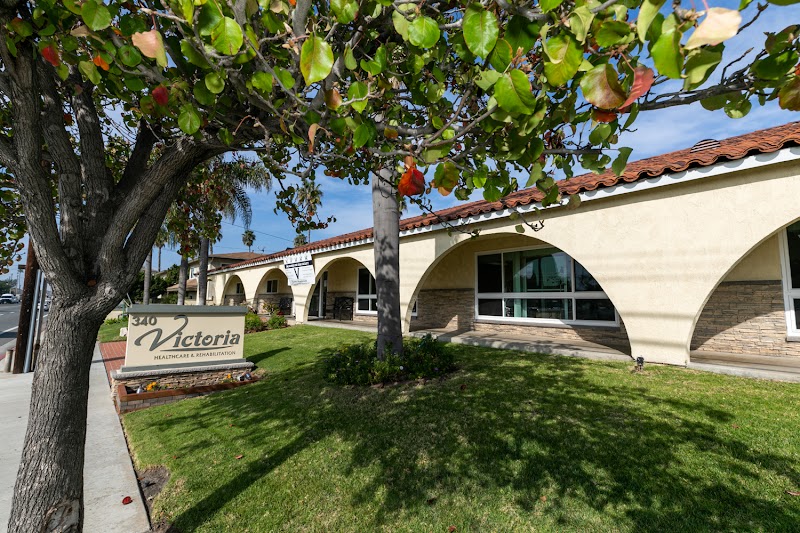
How is Victoria Healthcare And Rehabilitation Center Staffed?

CMS rates VICTORIA HEALTHCARE AND REHABILITATION CENTER's staffing level at 3 out of 5 stars, which is average compared to other nursing homes. Staff turnover is 24%, compared to the California average of 46%. This relatively stable workforce can support continuity of care.

What Have Inspectors Found at Victoria Healthcare And Rehabilitation Center?

State health inspectors documented 31 deficiencies at VICTORIA HEALTHCARE AND REHABILITATION CENTER during 2021 to 2025. These included: 24 with potential for harm and 7 minor or isolated issues.
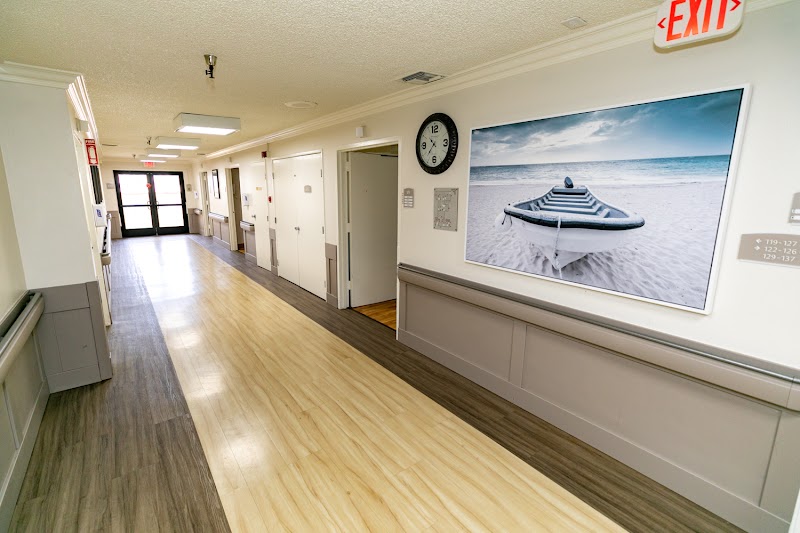
Who Owns and Operates Victoria Healthcare And Rehabilitation Center?

VICTORIA HEALTHCARE AND REHABILITATION CENTER is owned by a for-profit company. For-profit facilities operate as businesses with obligations to shareholders or private owners. The facility is operated by THE ENSIGN GROUP, a chain that manages multiple nursing homes. With 79 certified beds and approximately 74 residents (about 94% occupancy), it is a smaller facility located in COSTA MESA, California.
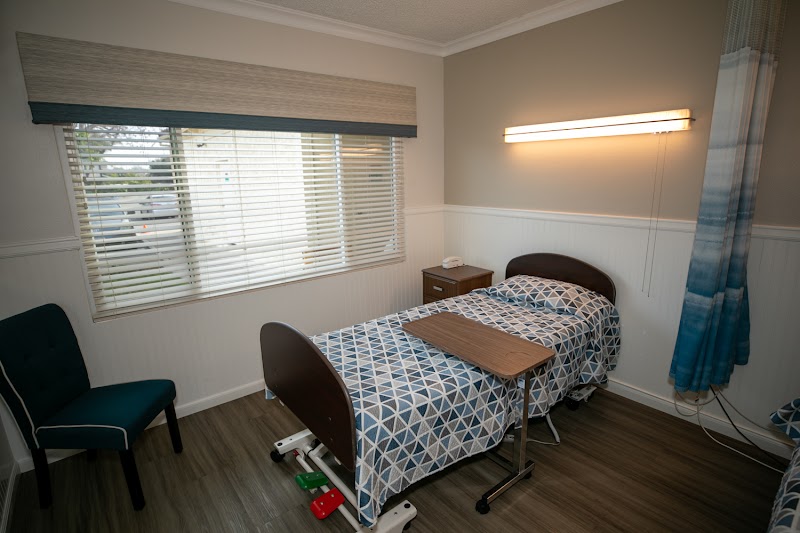
How Does Victoria Healthcare And Rehabilitation Center Compare to Other California Nursing Homes?

Compared to the 100 nursing homes in California, VICTORIA HEALTHCARE AND REHABILITATION CENTER's overall rating (5 stars) is above the state average of 3.2, staff turnover (24%) is significantly lower than the state average of 46%, and health inspection rating (5 stars) is much above the national benchmark.

What Should Families Ask When Visiting Victoria Healthcare And Rehabilitation Center?

Based on this facility's data, families visiting should ask: "Can I visit during a mealtime to observe dining assistance and food quality?" "How do you handle medical emergencies, and what is your hospital transfer rate?" "Can I speak with family members of current residents about their experience?"

Is Victoria Healthcare And Rehabilitation Center Safe?

Based on CMS inspection data, VICTORIA HEALTHCARE AND REHABILITATION CENTER has a clean safety record: no substantiated abuse findings (meaning no confirmed cases of resident harm), no Immediate Jeopardy citations (the most serious violation level indicating risk of serious injury or death), and is not on the Special Focus Facility watch list (a federal program monitoring the lowest-performing 1% of nursing homes). The facility has a 5-star overall rating and ranks #1 of 100 nursing homes in California. While no facility is perfect, families should still ask about staff-to-resident ratios and recent inspection results during their visit.

Do Nurses at Victoria Healthcare And Rehabilitation Center Stick Around?

Staff at VICTORIA HEALTHCARE AND REHABILITATION CENTER tend to stick around. With a turnover rate of 24%, the facility is 22 percentage points below the California average of 46%. Low turnover is a positive sign. It means caregivers have time to learn each resident's needs, medications, and personal preferences. Consistent staff also notice subtle changes in a resident's condition more quickly. Registered Nurse turnover is also low at 14%, meaning experienced RNs are available to handle complex medical needs.

Was Victoria Healthcare And Rehabilitation Center Ever Fined?

VICTORIA HEALTHCARE AND REHABILITATION CENTER has no federal fines on record. CMS issues fines when nursing homes fail to meet care standards or don't correct problems found during inspections. The absence of fines suggests the facility has either maintained compliance or corrected any issues before penalties were assessed. This is a positive indicator, though families should still review recent inspection reports for the full picture.

Is Victoria Healthcare And Rehabilitation Center on Any Federal Watch List?

VICTORIA HEALTHCARE AND REHABILITATION CENTER is not on any federal watch list. The most significant is the Special Focus Facility (SFF) program, which identifies the bottom 1% of nursing homes nationally based on persistent, serious quality problems. Not being on this list means the facility has avoided the pattern of deficiencies that triggers enhanced federal oversight. This is a positive indicator, though families should still review the facility's inspection history directly.