CITRUS HEIGHTS HEALTH CENTER
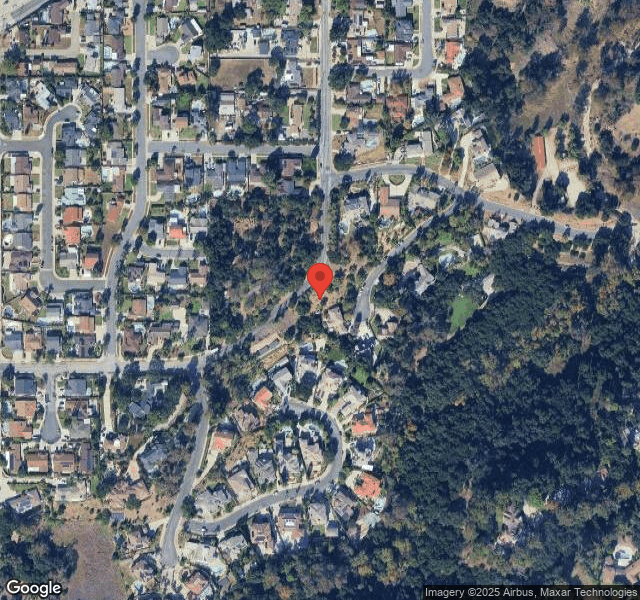

161 S. REEDER AVE, COVINA, CA 91724 (626) 251-2316
Non profit - Corporation 32 Beds Independent Data: November 2025
Trust Grade
85/100
#45 of 1155 in CA
Last Inspection: August 2025

Inspected within the last 6 months. Data reflects current conditions.

Overview

Citrus Heights Health Center has a Trust Grade of B+, which indicates it is above average and recommended for potential residents. It ranks #45 out of 1,155 facilities in California, placing it in the top half, and #7 out of 369 in Los Angeles County, meaning there are only six local facilities that perform better. However, the facility is experiencing a worsening trend, with issues increasing from 7 in 2024 to 9 in 2025. Staffing is a strong point, boasting a 5/5 star rating and a low turnover rate of 0%, significantly better than the state average of 38%. Additionally, there have been no fines reported, which is a good sign for compliance. On the downside, while there were no critical or serious issues, there were 16 concerns raised in the latest inspection. For example, the facility failed to properly maintain advance directives for two residents, which could lead to inappropriate end-of-life care. Additionally, they did not adequately monitor residents on anticoagulant therapy for bleeding risks, and there were concerns about safe food storage practices in the kitchen, with unlabeled and undated food items found. Overall, while the facility has strengths in staffing and compliance, the rising number of concerns should be carefully considered by families.

Trust Score
B+
85/100
In California
#45/1155
Top 3%
Safety Record
Low Risk
No red flags
Inspections
Getting Worse
7 → 9 violations
Staff Stability
○ Average
Turnover data not reported for this facility.
Penalties
✓ Good
No fines on record. Clean compliance history, better than most California facilities.
Skilled Nurses
✓ Good
Each resident gets 72 minutes of Registered Nurse (RN) attention daily — more than 97% of California nursing homes. RNs are the most trained staff who catch health problems before they become serious.
Violations
⚠ Watch
16 deficiencies on record. Higher than average. Multiple issues found across inspections.
★★★★★
5.0
Overall Rating
★★★★★
5.0
Staff Levels
☆☆☆☆☆
0.0
Care Quality
★★★★☆
4.0
Inspection Score
Stable
2024: 7 issues
2025: 9 issues

The Good

  • 5-Star Staffing Rating · Excellent nurse staffing levels
  • Full Sprinkler Coverage · Fire safety systems throughout facility
  • No fines on record

Facility shows strength in staffing levels, fire safety.

The Bad

No Significant Concerns Identified

This facility shows no red flags. Among California's 100 nursing homes, only 0% achieve this.

The Ugly 16 deficiencies on record

Aug 2025 9 deficiencies
CONCERN (D)

Potential for Harm - no one hurt, but risky conditions existed

MDS Data Transmission (Tag F0640)

Could have caused harm · This affected 1 resident

**NOTE- TERMS IN BRACKETS HAVE BEEN EDITED TO PROTECT CONFIDENTIALITY** Based on interview and record review, the facility failed to complete and transmit the initial minimum data set (MDS, a standard...

Read full inspector narrative →
**NOTE- TERMS IN BRACKETS HAVE BEEN EDITED TO PROTECT CONFIDENTIALITY** Based on interview and record review, the facility failed to complete and transmit the initial minimum data set (MDS, a standardized assessment and care-screening tool) assessment in a timely manner for one of one sampled residents (Resident 29) as indicated in the Centers for Medicare & Medicaid Services (CMS is a federal agency that manages health care programs in the United States) Resident Assessment Instrument (RAI, a tool used by nursing homes to assess the needs, strengths, and preferences of residents) manualThis deficient practice resulted in a late completion and transmission of MDS assessment to Centers of Medicare and Medicaid (CMS) Quality Improvement and Evaluation System (QIES) Assessment Submission and Processing (ASAP) system. This had the potential to affect the facility's quality monitoring data. Findings: During a review of Resident 29's profile face sheet indicated Resident 29 was admitted to the facility on [DATE].During a review of Resident 29's admission Diagnosis (AD), dated 4/24/2025, the AD indicated diagnoses that included venous thromboembolism (blood clots form in the vein [vessel]), anemia (not enough red blood cells in the body to carry oxygen [colorless, odorless gas]), and insomnia (difficulty sleeping). During a review of Resident 29's Physicians Orders (PO), the physician's order indicated the resident was discharged out of the facility on 5/15/5025.During a record review of Resident 29's MDS initial comprehensive assessment, dated 3/18/2025, the MDS indicated the assessment completion date was completed on 3/28/25. During an interview and concurrent record review of the MDS 3.0 NH Final Validation Report (NHFVR) with the MDS coordinator (MDSC) on 8/6/2025 at 2:46 pm, the MDSC indicated that Resident 29's entry (NT) was submitted late, the submission date is more than 14 days after the entry tracking record. The MDSC stated Resident 4's initial comprehensive assessment was submitted on 5/9/2025 but should have been submitted by 3/29/2025. The MDSC stated it was important to submit the MDS in a timely manner (within 14 days) so CMS will know that Resident 4 was assessed and properly taken care of.During an interview with the Director of Nursing (DON) on 8/6/2025 at 5:25 pm, the DON stated the MDS comprehensive assessment is done 14 days post admission to ensure proper communication is done between CMS and the facility regarding the kind of care that will be provided to Resident 29. A review of the MDS RAI Version 3.0 Manual, Chapter 5: Submission and Correction of the MDS Assessments, dated 10/2024, indicated under Assessment Transmission, . MDS assessments must be submitted within 14 days of MDS Completion Date.
CONCERN (D)

Potential for Harm - no one hurt, but risky conditions existed

Deficiency F0645 (Tag F0645)

Could have caused harm · This affected 1 resident

**NOTE- TERMS IN BRACKETS HAVE BEEN EDITED TO PROTECT CONFIDENTIALITY** Based on interview and record review, the facility failed to screen one of one of sampled resident (Resident 4) for Preadmission...

Read full inspector narrative →
**NOTE- TERMS IN BRACKETS HAVE BEEN EDITED TO PROTECT CONFIDENTIALITY** Based on interview and record review, the facility failed to screen one of one of sampled resident (Resident 4) for Preadmission Screening and Resident Review (PASARR). Resident 98 has a mental illnesses including schizophrenia (a mental disorder effecting how a person thinks and feels), bipolar (a brain disorder that causes unusual shifts in mood, energy, activity levels, and the ability to carry out day-to-day tasks) and depression (mental disorder characterized by a persistently depressed mood and long-term loss of pleasure or interest in life, often with other symptoms such as disturbed sleep, feelings of guilt or inadequacy, and suicidal thoughts) and was receiving psychotropic medication. This deficient practice had the potential to result in Resident 4 to not receive special services for treatment of mental illnesses.Findings: A review of Resident 4's admission Record indicated the resident was admitted to the facility on [DATE] with diagnoses that included schizophrenia, bipolar disorder and major depression. A review of Resident 4's Minimum Data Set (MDS, a standardized assessment and care-screening tool) dated 3/20/2025 indicated the resident was cognitively impaired and required maximal assistance (helper does more than half the effort) for transferring, dressing, oral and toileting hygiene. During an interview and concurrent record review with the Minimum Date Set Coordinator (MDS), on 8/5/2025 at 2:27 pm, the MDSN stated the last PASSAR screening on record for Resident 4 was on 12/31/2024. The MDSN stated there were no records for any type of PASSAR screening other than the one dated 12/31/2024. During an interview and concurrent record review of Resident 4's paper and electronic chart with the Director of Nursing (DON) on 8/5/2025 at 2:33 pm, the DON stated the facility did not submit a PASSAR screening for Resident 4 before and after the resident's admission. DON stated PASSR screenings were important to determine the kind of service the resident needed and to ensure the appropriate care rendered meets Resident 4's individual needs. A review of the facility's policy and procedure titled, admission Criteria for Long Term Care, dated 12/23/2021 indicated all new admission and readmission are screened for mental disorders (MD), intellectual disabilities (ID), or related disorders (RD) per the Medicaid Pre-admission Screening and Resident Review (PASARR) process. The facility conducts a Level I PASARR screen for all potential admission, regardless of payer source, to determine if the individual meets the criteria for MD, ID or RD.
CONCERN (D)

Potential for Harm - no one hurt, but risky conditions existed

Deficiency F0658 (Tag F0658)

Could have caused harm · This affected 1 resident

**NOTE- TERMS IN BRACKETS HAVE BEEN EDITED TO PROTECT CONFIDENTIALITY** Based on observation, interview, and record review, the facility failed to ensure professional standards of nursing practice wer...

Read full inspector narrative →
**NOTE- TERMS IN BRACKETS HAVE BEEN EDITED TO PROTECT CONFIDENTIALITY** Based on observation, interview, and record review, the facility failed to ensure professional standards of nursing practice were followed during a blood draw by venipuncture (a medical procedure that involves inserting a needle into a vein to draw blood) for one of one sampled resident (Resident 1) who had a Peripheral (situated on the edge) Central Catheter (PICC - a type of central venous catheter [CVC, thin flexible tube inserted into a large vein [vessel] typically in the neck, chest, or groin, and threaded into a central vein near the heart to access the bloodstream for administering medications) line for long-term central venous access.This deficient practice had the potential to result in catheter malfunction, an infection, or physical decline to Resident 1.Findings:During a review of Resident 1's Profile Face Sheet (PFS, admission record), the PFS indicated Resident 1 was originally admitted to the facility 4/14/2024 and readmitted [DATE] with diagnoses that included: overactive bladder (hollow muscular organ that acts as a reservoir for urine) and gastro-esophageal reflux disease (GERD; digestive disorder that occurs when acidic stomach juices, or food and fluids back up from the stomach into the esophagus [muscular tube through which food passes from the throat to the stomach]).During a review of Resident 1's Minimum Data Set (MDS - a resident assessment tool), dated 7/8/2025, the MDS indicated Resident 1's cognition (ability to understand and process information) was intact. During a concurrent observation and interview on 8/4/2025 at 9:25 AM, Resident 1 had a PICC line on Resident 1's left upper arm and had an antibiotic (medication used to treat infections [harmful microorganisms such as bacteria [living organism that can cause an infection] enter the body and multiply]) running through the line. There was a folded gauze dressing 1 inch below the anterior (situated in front) aspect of the left elbow. Resident 1 stated it was from a blood draw performed early that morning.During an interview on 8/4/2025 at 3:20 PM with Director of Nursing (DON) 1, DON 1 stated for residents (in general) who had PICC lines, if the resident did not want blood drawn on the other [right] arm, the lab needed to communicate with the [nursing] staff because the staff could draw blood directly from the PICC line. DON 1 stated collecting blood by needle stick (needle is used to collect blood from a vein) from the same arm as the PICC line could potentially lead to an infection and catheter damage.During an interview on 8/6/2025 at 4:20 PM with the Infection Prevention Nurse (IPN), the IPN stated the IPN could not find any nursing resources written or online, indicating it was an acceptable nursing practice to draw blood by needle stick from the same arm where the PICC line was located. The IPN stated the facility did not know when laboratory staff drew blood from Resident 1's left arm because laboratory staff did not communicate this action to the facility staff. The IPN stated the facility did not provide laboratory staff with a reminder or cautioned laboratory staff to avoid venipuncture on Resident 1's left arm. During a review of the facility's Policy and Procedure (P&P) titled CVC Dressing Change, dated July 2023, the P&P indicated (in bold and capital letters), NEVER USE SCISSORS OR ANY SHARP OBJECT AROUND THE CATHETER. During a review of the National Institute of Medicine (NIH), undated, guideline for managing central lines, the guideline indicated to avoid venipuncture, peripheral intravenous (a soft flexible tube placed inside a vein, usually in the hand or arm and used to give a person medicine or fluids) catheter insertion, and taking blood pressure on the same arm where the PICC line is located. The guideline indicated to place reminder signs for the healthcare team members. https://www.ncbi.nlm.nih.gov/books/NBK594495/
CONCERN (D)

Potential for Harm - no one hurt, but risky conditions existed

ADL Care (Tag F0677)

Could have caused harm · This affected 1 resident

**NOTE- TERMS IN BRACKETS HAVE BEEN EDITED TO PROTECT CONFIDENTIALITY** Based on observation, interview, and record review, the facility failed to ensure one of one sampled resident (Resident 3), who ...

Read full inspector narrative →
**NOTE- TERMS IN BRACKETS HAVE BEEN EDITED TO PROTECT CONFIDENTIALITY** Based on observation, interview, and record review, the facility failed to ensure one of one sampled resident (Resident 3), who was unable to carry out activities of daily living (ADL - routine tasks/activities such as bathing, dressing and toileting a person performs daily to care for themselves) received the necessary services to maintain personal and oral hygiene (refers to the maintenance of a healthy mouth, which includes not only teeth, but the lips, gums, and supporting tissues.) This failure had the potential for Resident 3 to develop mildly uncomfortable to severely painful discomfort, pain and/or bleeding from cracked lips. Findings:During a review of Resident 3's Profile Face Sheet(PFS), the PFS indicated, Resident 3 was admitted to the facility on [DATE] with multiple diagnoses including hemiplegia (hemiplegia - total paralysis of the arm, leg, and trunk on the same side of the body) following cerebral infarction, [cerebral infarction or stroke - a condition where brain tissue dies due to a lack of blood supply) affecting the right dominant side, cognitive (think, learn, remember, understand and process information) communication deficit, and vascular dementia (a type of dementia [a progressive state of decline in mental abilities] caused by reduced or blocked blood flow to the brain), unspecified severity, without behavioral disturbance/psych (psychosis - a severe mental condition in which thought, and emotions are so affected that contact is lost with reality)/mood/anx. (anxiety - intense, excessive, and persistent worry and fear about everyday situations).During a review of Resident 3's History and Physical Examination (H&P), dated 3/28/2025, the H&P indicated, Resident 3 did not have the capacity to understand and make decisions.During a review of Resident 3's Minimum Data Set (MDS - a resident assessment tool), dated 4/18/2025, the MDS indicated, Resident 3 had no speech (absence of spoken words) and Resident 3's ability to express ideas and wants were rarely/never understood. The MDS indicated, Resident 3's cognitive skills for daily decision making was severely impaired (never/rarely made decisions). The MDS indicated, Resident 3 was dependent (helper does all of the effort) for self-care and was receiving hospice care (compassionate care for people who are near the end of life provided at the person's home or within a health care facility).During a review of Resident 3's Care Plan (CP - provides direction on the type of nursing care an individual needs that include goals of treatment, specific nursing interventions [actions, treatments, procedures, or activities designed to meet an objective] and an evaluation plan), titled, (Resident 3) is at risk for impaired functional status with selfcare and mobility., date started 7/18/2025, the CP indicated, one of the interventions included to assist with ADLs as necessary.During a concurrent observation and interview on 8/4/2025 at 9:10 AM with Certified Nursing Assistant (CNA) 1, Resident 3 was in bed, awake, nonverbal and did not follow commands. Resident 3 had an enteral feeding (nutrition taken through the mouth or through a tube that goes directly to the stomach or small intestine) via a G-tube (gastrostomy tube - a tube inserted through the belly that brings nutrition directly to the stomach). Resident 3's lips were dry, chapped, rough looking with small crack areas and pieces of flaking. CNA 1 stated, Resident 3's lips were dry. CNA 1 stated, staff did mouth care after residents (in general) ate. CNA 1 stated, Resident 3 did not eat. CNA 1 stated mouth care was important to prevent chapped lips that could cause bleeding.During an interview on 8/6/2025 at 10:35 AM with the Infection Prevention Nurse (IPN), the IPN stated, Resident 3 was on hospice (compassionate care for people who are near the end of life provided at the person's home or within a health care facility) care and the hospice staff provided personal care to Resident 3 but the facility staff also provided the care including oral care. The IPN stated, Resident 3's lips should not be dry and chapped that could lead to discomfort and pain. The IPN stated, oral care was important for Resident 3's comfort, wellbeing and dignity. During an interview on 8/6/2025 at 12:03 PM with the Director of Nursing (DON), the DON stated, the facility provided care whether a resident (in general) was on hospice care or not. The DON stated it's still the same care, including oral care to prevent cracks and it's a dignity issue. During a review of the facility's policy and procedure (P&P) titled, Activities of Daily Living (ADL), Supporting, revised 3/2018, the P&P indicated residents who were unable to carry out ADLs independently would receive the services necessary to maintain good nutrition, grooming and personal and oral hygiene. During a review of the facility's P&P titled, SNF - Chapter 12 - Resident Rights 012 Resident Rights, date reviewed/revised 1/10/2022, the P&P indicated employees should treat all residents with kindness, respect, and dignity. The P&P indicated, these rights included the resident's right to a dignified existence.
CONCERN (D)

Potential for Harm - no one hurt, but risky conditions existed

Deficiency F0745 (Tag F0745)

Could have caused harm · This affected 1 resident

Based on interview and record review, the facility failed to ensure a follow-up for needed services from a Home Health (HH - medical and supportive services provided in a patient's home to help them m...

Read full inspector narrative →
Based on interview and record review, the facility failed to ensure a follow-up for needed services from a Home Health (HH - medical and supportive services provided in a patient's home to help them manage their health conditions, recover from illness or injury) Agency was completed and the service was confirmed prior to discharge home for one of one sampled resident (Resident 32) who required continuity of care at home by HH services for Diabetes management (a variety of strategies to control blood glucose [sugar] levels and minimize the risk of complications associated with Diabetes [a disease that results in elevated levels of glucose in the blood]). This deficient practice had the potential to result in Resident 32 experiencing complications due to uncontrolled Diabetes while at home and could lead to diabetic emergencies such as hypoglycemia (condition where the level of glucose in the blood is too low), hyperglycemia condition where the level of glucose [sugar] in the blood is too high), and a physical decline for Resident 32.Findings:During a review of Resident 32's Minimum Data Set (MDS - a resident assessment tool), dated 5/15/2025, the MDS indicated Resident 32's cognition (ability to understand and process information) was moderately impaired. The MDS indicated Resident 32 required moderate assistance (helper does less than half the effort. The helper lifts, holds, or supports trunk or limbs but provides less than half the effort) with personal hygiene and toileting hygiene. The MDS indicated Resident 32 had diagnoses that included Diabetes Mellitus (DM, a disease in which the body's ability to produce or respond to the hormone insulin is impaired, resulting in elevated levels of glucose in the blood and urine), end stage renal disease (ESRD - a medical condition in which a person's kidneys cease functioning on a permanent basis leading to the need for a regular course of long-term dialysis [procedure to remove metabolic waste products or toxic substances from the bloodstream] or a kidney transplant to maintain life). During a review of Resident 32's Profile Face Sheet (PFS), the PFS indicated the facility admitted Resident 32 on 6/25/2025.During an interview on 8/5/2025 at 11:17 AM with the Social Services Director (SSD), the SSD stated Resident 32 would be discharged [home] on 8/5/2025, the SSD stated the SSD sent a request via fax for a Home Health Registered Nurse (HH RN) to visit Resident 32 [at home]. The SSD stated the SSD would follow up [on the fax request for services] by calling the HH Agency [prior to Resident 32's discharge home].During an interview on 8/5/2025 at 3:05 PM, the SSD stated Resident 32 had left the facility (discharged ) with Resident 32's son. The SSD stated the SSD did not call to confirm with the HH Agency when the HH RN would visit Resident 32 [at home].During an interview on 8/5/2025 at 4:10 PM with the SSD, the SSD stated SSD was able to get hold of the HH Agency, the HH Agency informed the SSD the HH RN would visit Resident 32 on 8/5/2025.During a review of Resident 32's Interdisciplinary Notes dated 8/5/2025 at 4:14 PM, the IDT notes indicated the SSD followed up with the HH Agency with confirmation the HH RN would conduct the visit on 8/5/2025 between 6 to 7 PM. During an interview on 8/5/2025 at 4:15PM with Director of Nursing (DON) 1, DON 1 stated Resident 32 had DM. DON 1 stated Resident 1 required continuity of care at home. DON 1 stated if Resident 32's blood sugar was not managed appropriately at home [by an HH RN], Resident 32 could experience low or high blood sugar. DON 1 stated the facility needed to ensure the HH RN visited Resident 32 to ensure continuity of care at home. DON 1 stated coordination of Resident 32's discharge needs were required to ensure Resident 32's discharge teaching and instruction on diabetes management was completed and Resident 32's family members understood the teaching and instructions prior to discharge. During a review of the facility's Position Description (PD) for the Director of Social Services, the PD indicated the Director interacts with all departments and functions as a case manager in terms of coordinating all aspects of discharge and follow up to lower levels of care.During a review of the facility's Policy and Procedure (P&P) titled Skilled Nursing Facility Discharge Plan dated 5/18/2018, the P&P indicated the social services staff shall assist in determining the following: Coordination of care between various caregivers and agencies Follow up medical care and appointments Preparation needed by the resident/family for discharge.
CONCERN (E)

Potential for Harm - no one hurt, but risky conditions existed

Deficiency F0578 (Tag F0578)

Could have caused harm · This affected multiple residents

**NOTE- TERMS IN BRACKETS HAVE BEEN EDITED TO PROTECT CONFIDENTIALITY** Based on interview and record review, the facility failed to obtain and maintain a copy of the Advance Directive (AD - legal doc...

Read full inspector narrative →
**NOTE- TERMS IN BRACKETS HAVE BEEN EDITED TO PROTECT CONFIDENTIALITY** Based on interview and record review, the facility failed to obtain and maintain a copy of the Advance Directive (AD - legal document indicating resident preference on end-of-life treatment decisions) in the same section of the resident's medical record readily retrievable by any facility staff for two of two sampled residents (Resident 3 and Resident 13) who had executed an AD.This failure had the potential for Resident 3 and Resident 13 to receive inappropriate or medically unnecessary care and/or treatment or services regarding life-sustaining treatment. Findings:During a review of Resident 3's Profile Face Sheet (PFS), the PFS indicated, Resident 3 was admitted to the facility on [DATE] with multiple diagnoses including hemiplegia (hemiplegia - total paralysis of the arm, leg, and trunk on the same side of the body) following cerebral infarct (infarction), [cerebral infarction or stroke - a condition where brain tissue dies due to a lack of blood supply) affecting right dominant side, cognitive (think, learn, remember, understand and process information) communication deficit, and vascular dementia (a type of dementia [a progressive state of decline in mental abilities] caused by reduced or blocked blood flow to the brain), unspecified severity, without behavioral disturbance/psych (psychosis - a severe mental condition in which thought, and emotions are so affected that contact is lost with reality)/mood/anx (anxiety - intense, excessive, and persistent worry and fear about everyday situations).During a review of Resident 3's History and Physical Examination (H&P), dated 3/28/2025, the H&P indicated, Resident 3 did not have the capacity to understand and make decisions.During a review of Resident 3's Minimum Data Set (MDS - a resident assessment tool), dated 4/18/2025, the MDS indicated, Resident 3 had no speech (absence of spoken words) and Resident 3's ability to express ideas and wants were rarely/never understood. The MDS indicated, Resident 3's cognitive skills for daily decision making was severely impaired (never/rarely made decisions). The MDS indicated, Resident 3 was dependent (helper does all of the effort) in self-care and was receiving hospice care (compassionate care for people who are near the end of life provided at the person's home or within a health care facility).During a review of Resident 13's PFS, the PFS indicated, Resident 13 was admitted to the facility on [DATE] with multiple diagnoses including unspecified atrial flutter (a type of abnormal heart rhythm that's too fast), essential (primary) hypertension (HTN - high blood pressure), and unspecified sequelae (an aftereffect of a disease, condition, or injury) of cerebral infarction. Resident 13's H&P, dated 3/28/2025, the H&P indicated, Resident 13 had the capacity to understand and make decisions.During a review of Resident 13's MDS, dated 3/29/2025, the MDS indicated, Resident 13 had clear speech (distinct intelligible words) and Resident 13's ability to express ideas and wants were understood. The MDS indicated, Resident 13's BIMS (Brief Interview for Mental Status - an assessment tool used by facilities to screen and identify memory, orientation, and judgement status of the resident), was intact. The MDS indicated, Resident 13 required partial/moderate assistance (helper does less than half the effort) to supervision or touching assistance (helper provides verbal cues and/or touching/steadying and/or contact guard assistance as resident completes activity) for self-care.During a concurrent interview and record review on 8/5/2025 at 9:03 AM with the Infection Prevention Nurse (IPN), Resident 3 and Resident 13's Physician Orders for Life-Sustaining Treatment (POLST - a form that contains written medical orders for healthcare professionals regarding specific medical treatments that can or cannot be done at the end of life) filed in the chart (medical record) were reviewed. The POLST indicated, the POLST complemented an AD and was not intended to replace an AD. Resident 3's POLST dated 3/26/2025 indicated, an AD dated 8/19/2013 was available and reviewed. Resident 13's POLST dated 4/1/2025 indicated, an AD dated 8/19/2013 was available and reviewed. The IPN stated, the AD was kept in the resident's (in general) chart. The IPN stated, the IPN could not find a copy of Resident 3 and Resident 13's AD in the chart. The IPN stated, it was important to have a copy of the AD on file so staff would know who to reach out to with regards to resident care and decision and to know what the resident's wishes were especially in the event if life saving measures were needed or not. The IPN stated, it was the Social Services (SSD) who was responsible for obtaining a copy of the AD. During a concurrent interview and record review on 8/5/2025 at 9:39 AM with the SSD, Resident 3 and Resident 13's charts were reviewed. The SSD stated the SSD would conduct an assessment and provide information regarding the AD to the resident or responsible party upon admission and request a copy of the AD if the resident had an AD. The SSD stated, the AD was kept under the AD tab in the chart. The SSD stated, the SSD could not find a copy of Resident 3 and Resident 13's AD in the chart. The SSD stated, it was important to have a copy of the AD on file so staff would know the resident's desires whether to be resuscitated (the process of reviving or restoring a person from a state of apparent death or unconsciousness) or not. During a review of the facility's policy and procedure (P&P) titled, Advance Directives, revised 12/2016, the P&P indicated prior to or upon admission of a resident, the SSD or designee would inquire of the resident, his/her family members and/or his or her legal representative, about the existence of any written advance directives. During a review of the facility's Advance Health Care Directive Form (ADF), effective date 1/1/2019, the ADF indicated, a copy of the signed and completed form was given to the resident's physician, to any other health care providers the resident may have, to any health care institution at which the resident was receiving care, and to any health care agents the resident have named.
CONCERN (E)

Potential for Harm - no one hurt, but risky conditions existed

Quality of Care (Tag F0684)

Could have caused harm · This affected multiple residents

**NOTE- TERMS IN BRACKETS HAVE BEEN EDITED TO PROTECT CONFIDENTIALITY** Based on interview and record review, the facility failed to ensure appropriate care and services were provided for three of thr...

Read full inspector narrative →
**NOTE- TERMS IN BRACKETS HAVE BEEN EDITED TO PROTECT CONFIDENTIALITY** Based on interview and record review, the facility failed to ensure appropriate care and services were provided for three of three sampled residents (Resident 8, Resident 3, and Resident 32) by failing to ensure:a. Resident 8, who was on anticoagulant (medication that thins the blood) therapy, was monitored for bleeding in the months of May, June, and July 2025 and Resident 32 who was on anticoagulant therapy was monitored for bleeding in July and August 2025.b. Resident 3's hospice (compassionate care for people who are near the end of life provided at the person's home or within a health care facility) physician orders were followed and/or clarified.c. Resident 32's discharge teaching and instructions included an evaluation of Resident 32 and Resident 32's knowledge about diabetes management (a variety of strategies to control blood glucose [sugar] levels and minimize the risk of complications associated with Diabetes [a disease that results in elevated levels of glucose in the blood]) and provide needed education including but not limited to blood sugar checks, insulin management, and watching for signs and symptoms of hypoglycemia and hyperglycemia.These failures had the potential to result in serious health complications and hospitalization for Resident 8 and Resident 32 and the potential for Resident 3 to inappropriate hospice care.Cross Reference F745 Findings: a. During a review of Resident 8’s “Profile Face Sheet (PFS),” the “PFS” indicated Resident 8 was originally admitted to the facility on [DATE] and readmitted on [DATE] with multiple diagnoses including pneumonia (an infection/inflammation in the lungs), unspecified organism, heart failure, unspecified, and chronic atrial fibrillation (AFib - rapid, irregular heartbeat for extended periods), unspecified. During a review of Resident 8’s “History and Physical Examination (H&P),” dated 5/5/2025, the “H&P” indicated, Resident 8 could make needs know but could not make medical decisions. During a review of Resident 8’s “Minimum Data Set (MDS – a resident assessment tool),” dated 5/7/2025, the “MDS” indicated Resident 8’s “BIMS (Brief Interview for Mental Status - an assessment tool used by facilities to screen and identify memory, orientation, and judgement status of the resident),” was moderately impaired. The “MDS” indicated Resident 8 was taking high-risk drugs including an anticoagulant (e.g. warfarin, heparin, or low-molecular weight heparin). During a review of Resident 8’s “Physician’s Orders (PO),” as of 8/6/2025, the “PO” indicated, a physician’s order, dated 5/27/2025 for Xarelto (an anticoagulant) 20 mg (milligrams – metric unit of measurement) tablet [Rivaroxaban] – one tab by mouth once a day with meals for chronic AFib. During a review of Resident 8’s “Care Plan (CP),” titled, “Resident 8 is at risk for bleeding/development of skin discolorations related to usage of: Xarelto” dated start 7/1/2025, the CP indicated one of the interventions was to monitor for signs and symptoms of bleeding. During a concurrent interview and record review on 8/5/2025 at 1:39 PM with the Infection Prevention Nurse (IPN), Resident 8’s Treatment Record (TAR) and Resident 8’s Medication Record (MAR), dated for the months of May, June, and July 2025 were reviewed. The “TAR” did not indicate a monitoring for bleeding. The MAR indicated monitoring for bleeding, start date of 5/9/2025, but the “MAR” was coded with an “X” for all the dates. The IPN stated when a resident (in general) was on an anticoagulant, staff were to monitor for bleeding and care plan. The IPN stated it was important to monitor because of the risk of bleeding and for the safety of the resident. The IPN stated the monitoring was either documented in the TAR or MAR. The IPN stated the IPN would have to check with Medical Records (MR) what the “X” meant on the “MAR.” During a concurrent interview and record review on 8/5/2025 at 2:02 PM with the MR, Resident 8’s “MAR dated for the months of May, June, and July 2025 were reviewed. The MR stated, the “X” coded on the MAR meant there was no schedule for staff to document. During an interview on 8/5/2025 at 2:05 PM with the IPN, the IPN stated the MAR should not have been coded “X” because the order to monitor for bleeding could get missed or not done. During a concurrent interview and record review on 8/6/2025 at 12:03 PM with the Director of Nursing (DON), Resident 8’s MAR dated for the months of May, June, and July 2025 were reviewed. The DON stated monitoring for bleeding should be documented in the MAR. The DON stated the coding on Resident 8’s MAR was incorrect and the staff should have questioned the code “X. The DON stated it was important to monitor the resident for bleeding when the resident is on an anticoagulant, because the anticoagulant could cause bleeding, anemia (a condition where the body does not have enough healthy red blood cells) and other complications and for the resident’s safety. During a review of the facility’s revised policy and procedures (P&P) dated 11/2018, titled, Anticoagulation – Clinical Protocol, the P&P indicated residents are assessed for evidence of effects related to the subtherapeutic or greater than therapeutic drug level related to that particular drug (for example, a resident with an above therapeutic level of an anticoagulation medication should be assessed for bleeding). b. During a review of Resident 3’s “PFS,” the “PFS” indicated, Resident 3 was admitted to the facility on [DATE] with multiple diagnoses including hemiplegia (hemiplegia – total paralysis of the arm, leg, and trunk on the same side of the body) following cerebral infarction, [cerebral infarction or stroke - a condition where brain tissue dies due to a lack of blood supply) affecting right dominant side, cognitive (think, learn, remember, understand and process information) communication deficit, and vascular dementia (a type of dementia [a progressive state of decline in mental abilities] caused by reduced or blocked blood flow to the brain), unspecified severity, without behavioral disturbance/psych (psychosis - a severe mental condition in which thought, and emotions are so affected that contact is lost with reality)/mood/anx. (anxiety - intense, excessive, and persistent worry and fear about everyday situations). During a review of Resident 3’s “H&P,” dated 3/28/2025, the “H&P” indicated Resident 3 did not have the capacity to understand and make decisions. During a review of Resident 3’s MDS, dated [DATE], the MDS indicated Resident 3 had no speech (absence of spoken words) and Resident 3’s ability to express ideas and wants were rarely/never understood. The MDS indicated Resident 3’s cognitive skills for daily decision making were severely impaired (never/rarely made decisions). The MDS indicated Resident 3 was dependent (helper does all of the effort) self-care and was receiving hospice care (compassionate care for people who are near the end of life provided at the person’s home or within a health care facility). During a concurrent interview and record review, on 8/6/2025 at 12:03 PM with the DON, Resident 3’s medical records were reviewed. Resident 3 had different physicians order for hospice and for the facility. The hospice physicians orders” dated as of 4/22/2025 included an order dated 4/11/2025 for IDT (Interdisciplinary Team - a group of health care professionals with various areas of expertise who work together toward the goals for the residents) every 14 days to review Resident 3’s status and as needed and order for Lorazepam (medicine used to treat anxiety disorders) 2 mg oral every 4 hours as needed. The DON stated the facility did not conduct an IDT for hospice residents. The DON stated the DON had not “seen this kind of order for hospice.” The DON stated the hospice had standard orders, “hospice kit” when they come to the facility, but the staff followed the facility “PO.” The DON stated the facility did not follow hospice orders. The DON stated, the facility should have called the hospice to verify the hospice physician order so the staff would be able to provide the accurate plan of care for Resident 3. The DON stated the different physician order for hospice and for the facility could result in confusion to the staff which physician order to follow and would complicate and affect the care provided to Resident 3. During a review of the facility’s policy and procedure (P&P) titled, “Hospice Program,” revised date 7/2017, the P&P indicated, in general, it was the “responsibility of the facility” to meet the resident’s personal care and nursing needs in coordination with the hospice representative and ensured that the level of care provided was appropriate. c. During a review of Resident 32’s PFS, the PFS indicated the facility admitted Resident 32 on 6/25/2025. During a review of Resident 32’s MDS, dated [DATE], the MDS indicated Resident 32’s cognition (ability to understand and process information) was moderately impaired. The MDS indicated Resident 32 required moderate assistance (helper does less than half the effort. The helper lifts, holds, or supports trunk or limbs but provides less than half the effort) with personal hygiene and toileting hygiene. The MDS indicated Resident 32 had diagnoses that included Diabetes Mellitus (DM, a disease in which the body's ability to produce or respond to the hormone insulin is impaired, resulting in elevated levels of glucose in the blood and urine), and end stage renal disease (ESRD - a medical condition in which a person's kidneys cease functioning on a permanent basis leading to the need for a regular course of long-term dialysis [procedure to remove metabolic waste products or toxic substances from the bloodstream] or a kidney transplant to maintain life). During a review of Resident 32’s Physician Orders (PO) as of 7/28/2025, the PO indicated an order for Eliquis (medication used to prevent and treat blood clots) 2.5 milligrams (mg) two times a day for atrial fibrillation (AFIB - causes your heart to beat irregularly and sometimes much faster than normal). During a review of Resident 32’s CP titled “Risk for Bleeding/Development of Skin Discolorations,” dated November 2018, related to the use of Eliquis. The CP’s interventions indicated Resident 32 would be monitored for signs and symptoms of bleeding and to report/monitor/document for any presence or formation of skin discolorations. During a concurrent review of Resident 32’s Medication Administration Record (MAR), dated July and August 2025, and interview on 8/6/2025 at 4:15 PM with the Minimum Data Set Nurse (MDSN), the MARs indicated no monitoring for signs and symptoms of bleeding. The MDSN stated there was no monitoring for signs and symptoms of bleeding. The MDSN stated the MAR was the only location to document monitoring for signs and symptoms of bleeding. During an interview on 8/5/2025 at 8:33 AM with the Family Member (FM, Resident 32’s son), the FM stated the plan was to discharge Resident 32 home today, 8/5/2025. During an interview on 8/5/2025 at 11:17 AM with the Social Services Director (SSD), the SSD stated Resident 32 would be discharged [home] on 8/5/2025. The SSD stated the SSD sent a request via fax for a Home Health (HH - medical and supportive services provided in a patient's home to help them manage their health conditions, recover from illness or injury) Registered Nurse (HH RN) to visit Resident 32 [at home]. The SSD stated the SSD would follow up [on the fax requesting services] by calling the HH Agency [prior to Resident 32’s discharge home]. During an interview on 8/5/2025 at 3:05 PM, the SSD stated Resident 32 had left the facility (discharged ) with the FM. The SSD stated the SSD did not call to confirm services with the HH Agency to inquire when the HH RN would visit Resident 32 [at home]. During a concurrent interview and record review on 8/5/2025 at 3:24 PM, with Registered Nurse 1 (RN 1). Resident 32’s “Post Discharge Plan of Care,” dated 8/5/2025, the plan of care’s Special Training/Instructions indicated, accuchecks (monitoring of blood glucose levels). The plan of care indicated Resident 32 was discharged with the following medications: lantus (insulin glargine - a long acting insulin [a hormone that removes excess sugar from the blood, can be produced by the body or given artificially via medication] covers 24 hours or longer) and insulin lispro (a fast-acting insulin that starts to work about 15 minutes after the injection, peaks in about 1 hour, and keeps working for 2 to 4 hours). RN 1 stated Resident 32 was discharged [DATE] and the FM picked up Resident 32. RN 1 stated RN 1 did not know if Resident 32 or the FM knew how to check blood sugars or to administer insulin. RN 1 stated RN 1 would call Resident 32 and the FM to find out. During a follow-up interview on 8/5/2025 at 3:50 PM, RN 1 stated RN 1 was able to call the FM who stated the FM knew how to do accuchecks. RN 1 stated RN 1 was not sure if Resident 32 or the FM knew how to administer insulin. RN 1 stated RN 1 would follow up with the HH Agency to visit Resident 32 on 8/5/2025. During an interview on 8/5/2025 at 4:10 PM with the SSD, the SSD stated SSD was able to get hold of the HH Agency, the HH Agency informed the SSD the HH RN would visit Resident 32 on 8/5/2025. During an interview on 8/5/2025 at 4:15PM with Director of Nursing (DON) 1, DON 1 stated Resident 32 had DM. DON 1 stated Resident 1 required continuity of care at home. DON 1 stated if Resident 32’s blood sugar was not properly managed at home [by an HH RN], Resident 32 could experience low or high blood sugar. DON 1 stated the facility needed to ensure the HH RN visited Resident 32 to ensure continuity of care at home. DON 1 stated coordination of Resident 32’s discharge needs were required. The DON stated [it was important to] evaluate Resident 32’s and the FM’s knowledge pertaining to diabetes management and ensure they understood the teaching and instructions prior to discharge. During a review of the facility’s P&P titled “Discharging the Resident” dated December 2016, the P&P indicated if the resident is being discharged home, ensure that resident and/or responsible party receive teaching and discharge instructions.
CONCERN (E)

Potential for Harm - no one hurt, but risky conditions existed

Food Safety (Tag F0812)

Could have caused harm · This affected multiple residents

Based on observation, interview, and record review, the facility failed to ensure safe and sanitary conditions were maintained in one of one kitchen (Kitchen 1) when five cups of orange colored ice or...

Read full inspector narrative →
Based on observation, interview, and record review, the facility failed to ensure safe and sanitary conditions were maintained in one of one kitchen (Kitchen 1) when five cups of orange colored ice or cream were observed unlabeled and undated in the facility's walk-in freezer. These deficient practices had the potential to result in improper food storage, which could lead to foodborne illnesses. Findings:During an initial tour of Kitchen 1 on 8/4/2025 at 8:42 am, with the Dietary Supervisor (DS), five cups of orange colored ice or cream was observed without a label to indicate what type of food was contained within the cups and a used by or expiration date indicating when the orange substance would expire.During an interview with the DS, on 8/4/25 at 8:43 am, the DS stated the DS was unsure if the five cups contained ice cream or sorbet and did not know when they were prepared. The DS stated the five cups and the tray the cups were placed in did not have a label or a use by date. The DS stated food should always be labeled to ensure the kitchen staff know what kind of food and when the product is edible to avoid infection and for resident food safety. During a review of the facility's policy and procedure titled, Labeling and Dating of Foods, dated 2023, indicated all food items in the storeroom, refrigerator, and freezer need to be labeled and dated. Items can be dated individually or in bulk stored on a tray with a masking tape if going to be used for meal service. During a review of the facility's policy and procedure titled Leftover Foods, dated 2023, the policy indicated leftover foods will be stored and served in a safe manner. Storage of leftovers will be label and dated.
CONCERN (E)

Potential for Harm - no one hurt, but risky conditions existed

Staffing Data (Tag F0851)

Could have caused harm · This affected multiple residents

Based on interview and record review, the facility failed to ensure the required direct care staffing (employees and contract staff who, through interpersonal contact with residents or resident care m...

Read full inspector narrative →
Based on interview and record review, the facility failed to ensure the required direct care staffing (employees and contract staff who, through interpersonal contact with residents or resident care management, provided care and services to allow residents to attain or maintain the highest practicable physical, mental, and psychosocial well-being) information based on payroll data for one of two quarters (Quarter 2) was submitted in the Payroll-Based Journal (PBJ - a system implemented by the Centers for Medicare & Medicaid Services [CMS] that requires nursing homes and long-term care facilities to electronically submit auditable and verifiable staffing and payroll data) on the schedule specified by CMS, but no less frequently than quarterly.This failure had the potential to result in CMS's inability to analyze the facility's staffing patterns, monitor/evaluate adequate staffing levels, evaluate the quality of care, and ultimately inform the public through the Nursing Home Compare website and the Five-Star Quality Rating System (a valuable tool used by CMS to help consumers compare nursing homes and make informed decisions about care) which is essential for ensuring quality care to the residents and accountability within the long-term care industry. Findings:During a review of CMS's PBJ Staffing Data Report (PBJR), dated FY (Fiscal Year) Quarter 2 2025 (January 1 - March 31), the PBJR indicated the Failed to Submit Data for the Quarter was triggered (no data submitted for the quarter).During an interview on 8/6/2025 at 3:52 PM with the Administrator (ADM), the ADM stated the facility's corporate controller office in San Francisco was the one submitting the facility's PBJ data. The ADM stated, the previous (unnamed) controller resigned in March 2025. The ADM stated the facility's PBJ data was not submitted because the State had not given the facility the submitter ID (the unique identifier assigned to the individual or entity submitting the PBJ data file to CMS) yet, to the new Controller (CR), There was a transition. The ADM stated, it was important for the facility to submit the PBJ data so that We know the right staffing, the correct staffing to provide care and services to our residents, and to comply with the requirements. During a review of the facility's policy and procedure (P&P) titled, Payroll Based Journal (PBJ) Reporting, revised date 8/6/2025, the P&P indicated it was the policy of the facility to meet the CMS regulations regarding the reporting of data including PBJ data that were used to assess and improve the accuracy of staff data. The P&P indicated, reports were submitted quarterly within the time frame specified.
Sept 2024 7 deficiencies
CONCERN (D)

Potential for Harm - no one hurt, but risky conditions existed

Deficiency F0605 (Tag F0605)

Could have caused harm · This affected 1 resident

**NOTE- TERMS IN BRACKETS HAVE BEEN EDITED TO PROTECT CONFIDENTIALITY** Based on interview and record review the facility failed to identify a potential chemical restraint for one of one resident (Res...

Read full inspector narrative →
**NOTE- TERMS IN BRACKETS HAVE BEEN EDITED TO PROTECT CONFIDENTIALITY** Based on interview and record review the facility failed to identify a potential chemical restraint for one of one resident (Resident 204) by having a physician order that indicated to give Ativan (used commonly as a sedative and to relieve anxiety) if Resident 204 attempted to get out of bed unassisted. This deficiency had the potential to restrict Resident 204's movement for staff convenience or discipline. Findings: During a review of Resident 204's Detailed Summary, (DS) undated, the DS indicated Resident 204 was admitted to the facility on [DATE] with multiple diagnoses including generalized muscle weakness (lack of physical or muscle strength) and cerebral infarction (damage to tissues in the brain due to a loss of oxygen to the area). During a review of Resident 204's Minimum Data Set (MDS - a standardized assessment and care planning tool) dated, indicated Resident 204 had moderately impaired cognition (ability to think and reason) and was dependent (helper does all the effort) on staff for bathing and toileting. The MDS also indicated Resident 204 was always incontinent of bowel and bladder. During a concurrent interview and record review on 9/13/2024 at 10:03 AM with the Director of Nursing (DON), Resident 204's Physician's Orders (PO), dated as of 9/12/2024, was reviewed. The PO indicated, May give Ativan if resident tries to get up unassisted, with start date 9/9/2024. The DON stated Resident 204 was a high fall risk and the order indicated to give the medication if resident tried to get out of bed unassisted. The DON further stated the order served to restrict Resident 204's movement and did not indicate a diagnosis or symptom that the medication could relieve. The DON stated the order as written was a chemical restraint and was not an appropriate order for Resident 204 because staff need to find the reason why Resident 204 wants to get out of bed instead of restricting movement. During a review of the facility's policy and procedure (P&P) titled, Identifying Involuntary Seclusion and Unauthorized Restraint, dated 4/2021, the P&P indicated, Chemical restraint is defined as any drug that is used for discipline or staff convenience and not required to treat medical symptoms. The P&P also indicated residents are free from the use of chemical restraints not required to treat their medical condition. The P&P indicated the risk of falling is not considered a medical symptom or self-injurious behavior that warrants the use of restraints.
CONCERN (D)

Potential for Harm - no one hurt, but risky conditions existed

Comprehensive Care Plan (Tag F0656)

Could have caused harm · This affected 1 resident

Based on observation, interview, and record review, the facility failed to develop a comprehensive plan of care for one of two sampled residents (Resident 153) with a limited Range of Motion (ROM - th...

Read full inspector narrative →
Based on observation, interview, and record review, the facility failed to develop a comprehensive plan of care for one of two sampled residents (Resident 153) with a limited Range of Motion (ROM - the degree of movement a joint can make). This deficient practice had the potential for a decline in ROM for Resident 153. Findings: During a review of Resident 153's Face Sheet (FS), the FS indicated the facility admitted Resident 153 on 5/2/2024 with diagnoses that included dementia (long term and often gradual decrease in the ability to think and remember severe enough to affect a person's daily functioning) and Alzheimer's disease (irreversible, progressive brain disorder that slowly destroys memory and thinking skills, and eventually the ability to carry out the simplest tasks). During a review of Resident 153's Minimum Data Set (MDS - a standardized assessment and care planning tool) dated 5/8/2024, the MDS indicated the resident rarely/never expressed ideas and wants and rarely/never understood verbal content. The MDS indicated Resident 153 was dependent with all Activities of Daily Living (ADL). The MDS indicated Resident 153 had functional limitation to ROM to both lower extremities. During a concurrent observation and interview on 9/12/2024 at 9 AM, Physical Therapy 1 (PT 1) removed the knee splint (type of brace that supports and stabilizes the knee joint) from Resident 153's knees. During an observation on 9/12/2024 at 10:26 AM, PT 1 assessed Resident 153's joint mobility. Resident 1's both knees would only extend up to 90 degrees, the knees would not extend straight. During a concurrent record review and interview with the facility's Director of Nursing (DON) on 9/12/2024 at 1:04 PM, Resident 153's MDS was reviewed. The DON stated Resident 153 had impaired ROM to bilateral (both) lower extremities. The DON stated there was no care plan developed for Resident 153's impaired ROM. The DON stated if there was a care plan developed for impaired ROM for Resident 153, the interventions to Resident 153 would have included ROM exercises by the RNA after the Physical Therapy (PT) and Occupational Therapy (OT) screening, monitoring the resident for pain, exercise tolerance, skin integrity, and decline in ROM. The DON stated the interventions would help prevent further decline in Resident 153's ROM. The DON stated there was no documented PT/OT evaluation upon Resident 153's admission. The DON stated PT evaluation was completed on 9/11/2024 and ROM exercises for Resident 153 was started on 9/11/2024. During an interview on 9/12/2024 at 1:50 PM, Certified Nursing Assistant 4 (CNA 4) stated Resident 153 had stiffness on both legs since admission. CNA 4 stated PT 1 started training CNAs (in general) on ROM exercises for Resident 153 yesterday (9/11/2024). CNA 4 stated Resident 153 did not receive ROM exercises since admission, until 9/11/24. During a review of the facility's Policy and Procedure (P&P) titled Care Plans, Comprehensive Person-Centered dated March 2022, the P&P indicated a comprehensive, person-centered care plan that includes measurable objectives and timetables to meet resident's physical, psychosocial and functional needs is developed and implemented for each resident. During a review of the facility's P&P titled Resident Mobility and Range of Motion dated July 2017, the P&P indicated the care plan will be developed by the interdisciplinary team based on the comprehensive assessment and will be revised as needed. The care plan will include specific interventions, exercises, and therapies to maintain, prevent avoidable decline in, and/or improve mobility and range of motion. Interventions may include therapies, the provision of necessary equipment, and/or exercises and will be based on professional standards of practice and be consistent with state laws and practice acts.
CONCERN (D)

Potential for Harm - no one hurt, but risky conditions existed

Deficiency F0688 (Tag F0688)

Could have caused harm · This affected 1 resident

During an observation, interview, and record review, the facility failed to provide services to prevent a further decrease in range of motion (ROM, full movement potential of a joint) that included pe...

Read full inspector narrative →
During an observation, interview, and record review, the facility failed to provide services to prevent a further decrease in range of motion (ROM, full movement potential of a joint) that included performing an assessment of joint mobility for one of two sampled residents (Resident 153) as a baseline for monitoring decline or improvement in ROM for Resident 153 as indicated in the facility's Policy and Procedure (P&P) titled Resident Mobility and Range of Motion. This deficient practice had the potential to result in a decline to Resident 153's ROM. Findings: During a review of Resident 153's Face Sheet (FS, admission record), the FS indicated the facility admitted Resident 153 on 5/2/2024, with diagnoses that included dementia (long term and often gradual decrease in the ability to think and remember severe enough to affect a person's daily functioning,) Alzheimer's disease (irreversible, progressive brain disorder that slowly destroys memory and thinking skills, and eventually the ability to carry out the simplest tasks.) During a review of Resident 153's Minimum data Set (MDS - a standardized assessment and care planning tool) dated 5/8/2024, the MDS indicated Resident 153 rarely/never expressed ideas or wants and rarely/never understood verbal content. The MDS indicated Resident 153 was dependent with all activities of daily living (ADL, term used in healthcare that refers to self-care activities). The MDS indicated Resident 153 had functional limitations to range of motion on both lower extremities. During a concurrent observation and interview on 9/12/2024 at 9 AM, Physical Therapist 1 (PT 1) removed Resident 153's knee splints. During a concurrent record review and interview on 9/12/2024 9:07 AM with PT 1. Resident 153's Joint Mobility Screening dated 8/2/2024 for PT and Occupational Therapy (OT, profession aimed to increase or maintain a person's capability of participating in everyday life activities) dated 8/7/2024 were reviewed. The screenings indicated 26-50% loss of ROM to bilateral (both) knees. PT 1 stated 26-50% loss meant the knees could only extend a maximum of 90 degrees; the knees could not extend straight. Resident 153's PT Evaluation & Plan of Treatment dated 9/11/2024 were reviewed. PT 1 stated there was a gap between the Joint Mobility Screening to when the PT evaluation was done because Resident 153 was under hospice care and the facility was communicating with the hospice agency to get the order for therapy and , It took hospice a while. PT 1 stated the order for PT evaluation was ordered on 9/6/2024. During an observation and concurrent interview on 9/12/2024 at 10:26 AM, with PT 1, PT 1 assessed Resident 153's joint mobility, both knees extended up to 90 degrees, the knees could not extend straight. PT 1 stated, a 90-degree extension caused Resident 153 discomfort. During a concurrent record review and interview on 9/12/2024 at 1:04 PM, with the DON, Resident 153's chart (medical record) was reviewed. The DON stated the DON could not find the assessment for joint mobility. The DON stated the facility needed to have an assessment for joint mobility upon admission to have a baseline on joint mobility and be able to monitor any decline or improvement in joint mobility. The DON stated Resident 153 was admitted under hospice care and the facility did not ask the hospice agency to provide their own rehabilitation to perform Resident 153's joint mobility assessment. The DON stated there was no documented evidence the facility communicated with the hospice agency since Resident 153's admission to request an evaluation for PT/OT. The DON stated contractures (limited range of motion of a joint due to stiffness in the muscles, tendons, or skin) could develop from lack of exercise and could lead to changes in skin condition, pain ,and/or discomfort. During an interview on 9/12/2024 at 1:50 PM, with Certified Nursing Assistant 4 (CNA 4), CNA 4 stated Resident 153 had stiffness on both legs since Resident 153's admission. CNA 4 stated PT 1 started to train CNA 4 on ROM exercises for Resident 153 yesterday on 9/11/2024. CNA 4 stated when there was an order for ROM exercises, exercises were provided to each extremity (arms or legs) 10 to 15 times going up and down, lateral, circles, and bending exercises. CNA 4 stated CNA 4 did not provide ROM exercises to Resident 153 until 9/11/2024. During a review of the facility's P&P titled, Resident Mobility and Range of Motion dated July 2017, the P&P indicated residents with limited range of motion will receive treatment and services to increase and/or prevent a further decrease in range of motion. The P&P indicated as part of the resident's comprehensive assessment, the nurse will identify the resident's current range of motions of his or her joints.
CONCERN (D)

Potential for Harm - no one hurt, but risky conditions existed

Medication Errors (Tag F0758)

Could have caused harm · This affected 1 resident

During an observation, interview, and record review, the facility failed to ensure one of two sampled residents (Resident 153) was assessed for the use of Buspirone (medication used to treat anxiety [...

Read full inspector narrative →
During an observation, interview, and record review, the facility failed to ensure one of two sampled residents (Resident 153) was assessed for the use of Buspirone (medication used to treat anxiety [a feeling of fear, dread, and uneasiness]) and Clonazepam (medication used to treat seizures (sudden, uncontrolled electrical disturbance in the brain which can cause changes in behavior, movements, feelings, and consciousness), panic disorders [reoccurring unexpected panic attacks: persistent worry, intense fear, sweating, shaking, and shortness of breath], and anxiety) to treat a behavior of persistent blowing. Additionally, the facility failed to ensure Buspirone was not increased unless the behavior was clinically significant. This deficient practice had the potential to result in Resident 153 to develop an adverse reaction (unwanted, uncomfortable, or dangerous effects that a resident may have due to a medication) to the medications and could affect Resident 153's well-being. Findings: During a review of Resident 153's Face Sheet (FS, admission record), the FS indicated the facility admitted Resident 153 on 5/2/2024, with diagnoses that included dementia (long term and often gradual decrease in the ability to think and remember severe enough to affect a person's daily functioning,) Alzheimer's disease (irreversible, progressive brain disorder that slowly destroys memory and thinking skills, and eventually the ability to carry out the simplest tasks.) During a review of Resident 153's Minimum data Set (MDS - a standardized assessment and care planning tool) dated 5/8/2024, the MDS indicated Resident 153 rarely/never expressed ideas or wants and rarely/never understood verbal content. The MDS indicated Resident 153 was dependent with all activities of daily living (ADL, term used in healthcare that refers to self-care activities). The MDS indicated Resident 153 had functional limitations to range of motion on both lower extremities. During a review of Resident 153's written physician orders dated 5/17/2024, the order indicated to start Buspirone 5 milligrams (mg, unit of measurement) twice a day for anxiety. A clarification physician order dated 5/20/2024 indicated Buspirone 5 mg twice a day for anxiety manifested by persistent blowing. During a review of Resident 153's Physician's Orders (PO, summary report), the PO indicated the following medications, - Buspirone 10 milligrams (mg) two times a day for anxiety manifested by persistent blowing, ordered on 6/13/2024. - Clonazepam, 0.25 mg two times a day for anxiety manifested by persistent blowing, ordered on 9/6/24. During a concurrent record review and interview on 9/12/2024 at 3:40 PM, with the Director of Nursing (DON) Resident 153's admission orders were reviewed, the DON stated Resident 153 was not on Buspirone and Clonazepam upon admission. The DON stated Buspirone 5 mg was started on 5/17/2024 and the medication was increased to Buspirone 10 mg on 6/13/2024 for anxiety manifested by persistent blowing. The DON stated Resident 153 got restless and exhibited non-stop blowing behavior. During a concurrent record review and interview on 9/12/24 at 3:52 PM, with the DON. Resident 153's Nurse Practitioner (NP, unidentified) Progress Notes dated 5/15/2024 were reviewed. The DON was asked to provide documentation that indicated the blowing behavior caused Resident 153 discomfort or harm to the resident. The DON stated the notes found regarding resident's behavior from the NP indicated Resident 153 had screaming episodes. The DON provided NP Progress Notes dated 8/11/2024, the notes indicated Resident 153 exhibited continuous puffing, probably habits. The notes indicated no discomfort observed. During an interview on 9/12/2024 at 4 PM, with the Social Services Director (SSD), the SSD stated psychotropic medications for all residents were reviewed by the in-house psychiatrist. The SSD stated during the monthly medication review, the SSD referred to the Medication Administration Record (MAR) and the marked behavior to report to the in-house psychiatrist, the in-house psychiatrist made a recommendation to continue the prescribed medication when symptoms persisted. The SSD stated Resident 153 was not assessed by the in-house psychiatrist because Resident 153 was not following Resident 153 as his patient. The SSD stated due to persistent blowing through the mouth, the behavior could appear as anxiety. During an observation on 9/13/2024 at 8:15 AM, Resident 153 was in Resident 153's room with eyes closed and lying in bed, Resident 153 was not blowing through the mouth. During an interview on 9/13/2024 at 8:17 AM with Licensed Vocational Nurse 2 (LVN 2). LVN 2 stated Resident 153 had been having the blowing behavior since Resident 153's admission. LVN 2 stated there were days when Resident 153 had a lot of blowing behaviors and some days with no behavior. LVN 2 stated Resident 153 stopped blowing when Resident 153 ate, drank, and when Resident 153 was asleep. During a concurrent record review and interview on 9/13/2024 at 10:11 AM with the Director of Staff Development (DSD). Resident 153's MAR was reviewed with the DSD. Resident 153's Medication Administration Record (MAR, a log initialed and/or signed by the nurse with the date and time each time a medication is administered to a resident) was reviewed and indicated Resident 153 was not on Buspirone and Clonazepam upon admission. The MAR indicated an order for lorazepam (medication used to treat anxiety disorders) 0.5 mg every 4 hours as needed for shortness of breath, anxiety manifested by persistent blowing and administration of lorazepam since Resident 153's admission. The MAR indicated the following behavior monitoring: May 2024 - monitoring was not completed. June 2024 - a total of 182 episodes marked for the month. July 2024 - a total of 238 episodes marked for the month. August 2024 - a total of 679 episodes marked for the month. September 2024 - 260 episodes marked from September 1 to the 13th. During an observation on 9/13/2024 at 11:03 AM, Resident 153 was sitting on a wheelchair in the living area, Resident 153 was awake, watching TV, and smiling. Resident 153 was not blowing through the mouth. During an interview on 9/13/2024 at 1:53 PM, with the DON, the DON stated the best way to determine if Resident 153's blowing behavior was a result of anxiety was through a psychiatric consultation. The psychiatrist assessed the resident (in general) and made a clinical recommendation for Buspirone and Clonazepam for Resident 153'blowing behavior. The DON stated there was no documentation of an assessment to determine whether the behavior of blowing through the mouth was a habit or a manifestation of anxiety. During a review of the facility's undated Policy and Procedure (P&P) titled 'Clinical Care Psychoactive/Psychotropic Medications the P&P indicated the information material to a decision concerning the administration of a psychotherapeutic drug that may lead to the inability of the patient to regain use of a normal bodily function shall include at least the following: The reason for the treatment and the nature and seriousness of the patient's illness, the probable degree and duration (temporary or permanent) of improvement or remission, expected with or without such treatment, the reasonable alternative treatment and risks, and why the health professional is recommending this particular treatment. The P&P indicated if the resident does not improve on the medication ordered, the physician may request a psychiatrist and/or psychologist. When indicated, a psychiatrist may be consulted for review of diagnosis, medications and additional interventions. The P&P indicated the resident's interdisciplinary team in consultation with the facility pharmacist shall have notes to include reasons for the drug, manifestations for the drug, an analysis of the resident's response to the drug and response to psychiatric consult or recommendations for psychiatric consult if appropriate.
CONCERN (D)

Potential for Harm - no one hurt, but risky conditions existed

Unnecessary Medications (Tag F0759)

Could have caused harm · This affected 1 resident

**NOTE- TERMS IN BRACKETS HAVE BEEN EDITED TO PROTECT CONFIDENTIALITY** Based on observation, interview, and record review, the facility failed to ensure it was free of medication error rates of 5 per...

Read full inspector narrative →
**NOTE- TERMS IN BRACKETS HAVE BEEN EDITED TO PROTECT CONFIDENTIALITY** Based on observation, interview, and record review, the facility failed to ensure it was free of medication error rates of 5 percent or greater for one of three sampled residents. There were 4 medication errors out of 25 medications observed during Medication Administration Observation on 9/10/24 and on 9/12/24. The facility's medication error rate was 16 percent. 1. Licensed Vocational Nurse 1 (LVN 1) did not check Resident 152's blood pressure (BP, pressure inside the blood vessels) and heart rate (HR, the number of times the heart beats in a minute, also known as the pulse rate ) immediately before LVN 1 administered (gave) amlodipine (medication used to treat high blood pressure and/or chest pain) 10 milligrams (mg, unit of measure) to Resident 152. 2. LVN 1 did not check Resident 152's BP and HR immediately before LVN 1 administered metoprolol (medication used to treat high blood pressure and/or chest pain) 25 mg to Resident 152. 3. LVN 1 did not administer metoprolol 25 mg with food to Resident 152 as ordered by the physician. 4. LVN 1 did not administer hydroxychloroquine (medication used to treat rheumatoid arthritis [disorder that causes pain and inflammation of the joints]) 200 mg with food to Resident 152 as ordered by the physician. These failures placed Resident 152 at risk for medication side effects (unwanted effects of a drug/medication or medical treatment) and had the potential to place all residents in the facility at risk for harm that caused by a medication errors. Findings: During a review of Resident 152's Face Sheet (FS, document that contains a patient's personal and contact information, diagnoses, and medical history), the FS indicated Resident 152 was admitted to the facility on [DATE] with diagnoses which included hypertension (HTN, high blood pressure, when pressure in the blood vessels is always high) and rheumatoid arthritis (RA, disorder that causes pain and inflammation of the joints). During a review of Resident 152's History and Physical (H&P, physician's clinical evaluation and examination of the resident), dated 5/3/24, the H&P indicated Resident 152 had the capacity to understand and make decisions. During a review of Resident 152's Minimum Data Set (MDS, a standardized assessment and care planning tool), dated 5/6/24, the MDS indicated Resident 152 communicated verbally and ate independently. The MDS indicated Resident 152 required substantial/maximal assistance (helper does more than half of the effort) from staff for upper body dressing and personal hygiene, and was dependent (helper does all of the effort) on staff for toileting hygiene, showering/bathing, lower body dressing, putting on/taking off footwear, transferring to and from a bed to a chair/wheelchair, and getting on and off a toilet or commode. During a review of Resident 152's Physician's Orders (PO) on 9/12/24, the PO indicated the following: a. A PO, dated 4/30/24, indicated to administer amlodipine 10 mg to Resident 152 once a day for HTN. The PO indicated to hold amlodipine when Resident 152's systolic blood pressure (SBP, the pressure in the blood vessels when the heart pumps blood out of the heart; the top number in a BP reading) was less than 110 or HR less than 60. b. A PO, dated 5/2/24, indicated to administer hydroxychloroquine 200 mg with food to Resident 152 twice a day for RA. c. A PO, dated 5/30/24, indicated to administer metoprolol 25 mg with food to Resident 152 twice a day for HTN. The PO indicated to hold metoprolol when Resident 152's SBP was less than 110 or HR less than 60. During a concurrent observation and interview on 9/12/24 from 8:49 am to 9:07 am with LVN 1, LVN 1 prepared and administered Resident 152's medications. LVN 1 prepared all of Resident 152's medications scheduled to be administered at 9 am, which included amlodipine 10 mg, hydroxychloroquine 200 mg, and metoprolol 25 mg. LVN 1 stated LVN 1 checked BP and HR after breakfast for all residents who needed BP and HR measurements with their medications. LVN 1 administered Resident 152's medications at 9 am. LVN 1 did not check Resident 152's BP and HR before giving medications to Resident 152 and did not give Resident 152 food with Resident 152's medications. LVN 1 stated LVN 1 checked Resident 152's BP and HR when Resident 152 went back to bed at 8 am, an hour before LVN 1 administered Resident 152's medications. LVN 1 stated LVN 1 must check Resident 152's BP and HR immediately before LVN 1 administered medications to Resident 152 because Resident 152's BP and/or HR could change in an hour. LVN 1 stated Resident 152's physician ordered for metoprolol 25 mg and hydroxychloroquine 200 mg to be given with food because they (metoprolol 25 mg and hydroxychloroquine 200 mg) could cause stomach issues (nausea, vomiting, diarrhea, stomach pain, and cramps). During an interview on 9/12/24 at 10:18 am with the Director of Nursing (DON), the DON stated the resident's BP and HR must be checked immediately before administration of medication which required BP and/or HR measurements. The DON stated when a medication was ordered by the physician to be given with food, the licensed nurse must offer the resident food when they give the medication to the resident. During a review of the facility's policy and procedure (P&P) titled, Administering Medications, dated 4/2019, the P&P indicated, medications are administered in accordance with prescriber orders . The P&P indicated, the following information is checked/verified for each resident prior to administering medications: allergies to medications and vital signs (measurements of the body's basic functions, such as heart rate, breathing rate, blood pressure, and temperature), if necessary .
CONCERN (D)

Potential for Harm - no one hurt, but risky conditions existed

Garbage Disposal (Tag F0814)

Could have caused harm · This affected 1 resident

Based on observation, interview, and record review, the facility failed to ensure two of four garbage dumpster's lids were not left open as indicated in the facility's Policy and Procedure (P&P) title...

Read full inspector narrative →
Based on observation, interview, and record review, the facility failed to ensure two of four garbage dumpster's lids were not left open as indicated in the facility's Policy and Procedure (P&P) titled, Non-medical Waste Disposal. This deficient practice had the potential to result in pests and the spread of infectious diseases throughout the facility. Findings: During an observation on 9/10/2024 at 10:15 AM, facility staff (unidentified) were walking toward a shed carrying garbage trash bags and placed the bags in the shed. During a concurrent observation and interview on 9/10/2024 at 11:04 AM, there was a black insect flying around the kitchen. The Director of Dietary Services (DDS) stated it was a fly that could have entered the facility during food delivery. The DDS showed the location of the delivery door, the delivery door led to the outside of the facility and the door was close in proximity to the kitchen door. During a concurrent observation and interview on 9/11/2024 at 3:45 PM, with the DDS, there was a fly flying around in the kitchen. The DDS stated the staff had already killed a fly yesterday and this fly could have entered through the delivery door. During a concurrent observation and interview on 9/11/2024 at 4:05 PM, with the DDS, a shed located a few meters from the skilled nursing facility had 4 dumpsters inside. Two dumpsters had lids that were left open, there were garbage trash bags inside the two dumpsters, the dumpsters were more than halfway full of garbage. The DDS stated garbage from the kitchen was thrown into the dumpsters. The DDS stated the dumpster needed to remain closed at all times and when the dumpsters were left open, the garbage inside could attract rats and flies. During a concurrent record review and interview on 9/12/2024 at 5:35 PM, with the Director of Facility Engineering (DFE) the facility's Pest Management Service Report was reviewed. The DFE stated the DFE had in-serviced (training) staff regarding keeping the dumpster lids closed at all times after the surveyor's observation conducted on 9/11/24. During a review of the facility's P&P titled, Non-medical Waste Disposal dated 4/10/2024, the P&P indicated the facility shall safeguard the health and safety of its employees and patients by maintaining a system of internal control over the waste management process to ensure compliance with requirements under federal and state laws and regulations concerning waste containment, storage, and disposal. The P&P indicated all trash receptacles/bins that have covers should be covered after trash is placed inside to prevent odor, reduce transmission of communicable disease, and prevent serving as vector for insect or rodent infestation.
CONCERN (D)

Potential for Harm - no one hurt, but risky conditions existed

Infection Control (Tag F0880)

Could have caused harm · This affected 1 resident

**NOTE- TERMS IN BRACKETS HAVE BEEN EDITED TO PROTECT CONFIDENTIALITY** Based on observation, interview, and record review, Certified Nursing Assistant 3 (CNA 3) and Director of Nursing (DON) failed t...

Read full inspector narrative →
**NOTE- TERMS IN BRACKETS HAVE BEEN EDITED TO PROTECT CONFIDENTIALITY** Based on observation, interview, and record review, Certified Nursing Assistant 3 (CNA 3) and Director of Nursing (DON) failed to wear the needed personal protective equipment (PPE) for one of one resident (Resident 203) at indicated by Resident 203's physician orders, the signage posted outside of Resident 203's room and the facility's policy for Enhanced Barrier Precaution. This failure put Resident 203's risk of acquiring an infection through the indwelling foley catheter (device that drains urine from the bladder into a collection bag outside one's body). Findings: During a review of Resident 203's Detailed Summary, (DS) undated, the DS indicated Resident 203 was admitted to the facility on [DATE] with multiple diagnoses including spinal stenosis (narrowing of the space inside the spine causing pressure on the nerves that travel through the spine) and neuromuscular dysfunction of the bladder (when a problem in the brain, spinal cord or nerves makes one lose control of their bladder). During a review of Resident 203's Minimum Data Set (MDS - a standardized assessment and care planning tool) dated 5/7/2024, the MDS indicated Resident 203 had intact cognition (ability to think and reason) and was dependent (helper does all the effort) on staff for eating, toileting, and hygiene. The MDS also indicated Resident 203 had an indwelling foley catheter. During a review of review of Resident 203's Physician's Order (PO) dated as of 9/13/2024, the PO indicated, enhanced barrier precautions due to presence of urinary catheter - hand hygiene, gown and gloves to be used during high-contact care activities, with start date of 5/23/2024. During an observation on 9/10/2024 at 12:47 PM in Resident 203's room, CNA 3 was observed brushing 203's teeth and wore a surgical mask and gloves without a gown. During an observation on 9/10/2024 at 1:02 PM in Resident 203's room, CNA 3 and the DON were observed transferring Resident 203 from a wheelchair to the bed. CNA 3 and the DON each handled Resident 203's indwelling foley catheter during the transfer without wearing a gown and wore only gloves and surgical mask. During an interview on 9/11/2024 at 1:36 PM with Infection Preventionist Nurse (IPN), IPN stated under enhanced barrier precaution, staff are supposed to perform hand hygiene and wear full gown and gloves when performing any type of direct touch care with Resident 203 including repositioning. The IPN stated it is important to protect Resident 203 because the indwelling foley catheter is a source of entry for potential infection. The IPN stated if PPE are not worn, it is possible for Resident 203 to obtain an infection. During a concurrent interview and record review on 9/10/2024 at 1:49 PM with CNA 3, the signage posted outside Resident 203's room was reviewed. The signage titled Enhanced Barrier Precaution from U.S. Department of Health and Human Services, undated, the signage indicated providers and staff needed to wear a gown and gloves for high-contact resident activities. CNA 3 stated that the signage meant anyone who entered Resident 203's room needed to wear a gown and gloves. CNA 3 further stated CNA 3 would ideally wear a gown when handling Resident 203's catheter to help prevent the resident from potential infection but did not. During a review of the facility's policy and procedure (P&P) titled, Enhanced Barrier Precautions dated 8/2022, the P&P indicated enhanced barrier precautions are used as an infection prevention and control intervention to reduce the spread of multi-drug resistant organisms (MDROs) to residents. Examples of high contact resident care activities requiring the use of gown and gloves include transferring and providing hygiene.
Understanding Severity Codes (click to expand)
Life-Threatening (Immediate Jeopardy)
J - Isolated K - Pattern L - Widespread
Actual Harm
G - Isolated H - Pattern I - Widespread
Potential for Harm
D - Isolated E - Pattern F - Widespread
No Harm (Minor)
A - Isolated B - Pattern C - Widespread

Questions to Ask on Your Visit

  • "Can I speak with families of current residents?"
  • "What's your RN coverage like on weekends and overnight?"

Our Honest Assessment

Strengths
  • • Grade B+ (85/100). Above average facility, better than most options in California.
  • • No major safety red flags. No abuse findings, life-threatening violations, or SFF status.
  • • No fines on record. Clean compliance history, better than most California facilities.
Concerns
  • • 16 deficiencies on record. Higher than average. Multiple issues found across inspections.
Bottom line: Generally positive indicators. Standard due diligence and a personal visit recommended.

About This Facility

What is Citrus Heights's CMS Rating?

CMS assigns CITRUS HEIGHTS HEALTH CENTER an overall rating of 5 out of 5 stars, which is considered much above average nationally. Within California, this rating places the facility higher than 99% of the state's 100 nursing homes. This rating reflects solid performance across the metrics CMS uses to evaluate nursing home quality.

How is Citrus Heights Staffed?

CMS rates CITRUS HEIGHTS HEALTH CENTER's staffing level at 5 out of 5 stars, which is much above average compared to other nursing homes.

What Have Inspectors Found at Citrus Heights?

State health inspectors documented 16 deficiencies at CITRUS HEIGHTS HEALTH CENTER during 2024 to 2025. These included: 16 with potential for harm.

Who Owns and Operates Citrus Heights?

CITRUS HEIGHTS HEALTH CENTER is owned by a non-profit organization. Non-profit facilities reinvest revenue into operations rather than distributing to shareholders. The facility operates independently rather than as part of a larger chain. With 32 certified beds and approximately 17 residents (about 53% occupancy), it is a smaller facility located in COVINA, California.

How Does Citrus Heights Compare to Other California Nursing Homes?

Compared to the 100 nursing homes in California, CITRUS HEIGHTS HEALTH CENTER's overall rating (5 stars) is above the state average of 3.2 and health inspection rating (4 stars) is above the national benchmark.

What Should Families Ask When Visiting Citrus Heights?

Based on this facility's data, families visiting should ask: "Can I visit during a mealtime to observe dining assistance and food quality?" "How do you handle medical emergencies, and what is your hospital transfer rate?" "Can I speak with family members of current residents about their experience?"

Is Citrus Heights Safe?

Based on CMS inspection data, CITRUS HEIGHTS HEALTH CENTER has a clean safety record: no substantiated abuse findings (meaning no confirmed cases of resident harm), no Immediate Jeopardy citations (the most serious violation level indicating risk of serious injury or death), and is not on the Special Focus Facility watch list (a federal program monitoring the lowest-performing 1% of nursing homes). The facility has a 5-star overall rating and ranks #1 of 100 nursing homes in California. While no facility is perfect, families should still ask about staff-to-resident ratios and recent inspection results during their visit.

Do Nurses at Citrus Heights Stick Around?

CITRUS HEIGHTS HEALTH CENTER has not reported staff turnover data to CMS. Staff turnover matters because consistent caregivers learn residents' individual needs, medications, and preferences. When staff frequently change, this institutional knowledge is lost. Families should ask the facility directly about their staff retention rates and average employee tenure.

Was Citrus Heights Ever Fined?

CITRUS HEIGHTS HEALTH CENTER has no federal fines on record. CMS issues fines when nursing homes fail to meet care standards or don't correct problems found during inspections. The absence of fines suggests the facility has either maintained compliance or corrected any issues before penalties were assessed. This is a positive indicator, though families should still review recent inspection reports for the full picture.

Is Citrus Heights on Any Federal Watch List?

CITRUS HEIGHTS HEALTH CENTER is not on any federal watch list. The most significant is the Special Focus Facility (SFF) program, which identifies the bottom 1% of nursing homes nationally based on persistent, serious quality problems. Not being on this list means the facility has avoided the pattern of deficiencies that triggers enhanced federal oversight. This is a positive indicator, though families should still review the facility's inspection history directly.