COVINA REHABILITATION CENTER
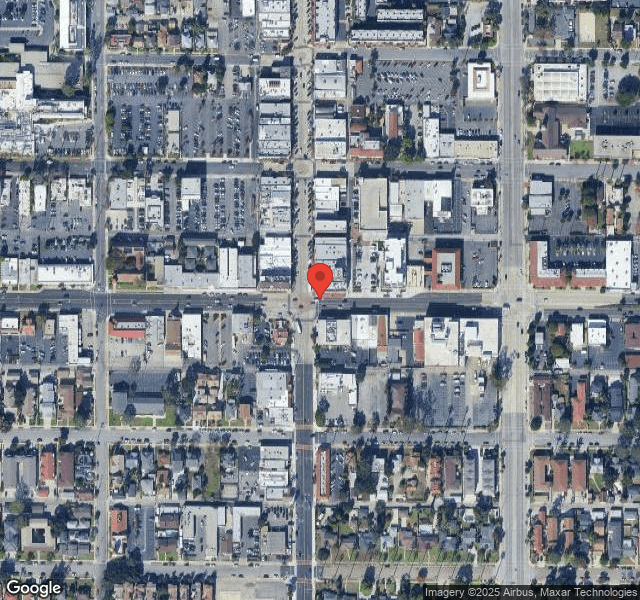

261 W. BADILLO STREET, COVINA, CA 91723 (626) 967-3874
For profit - Limited Liability company 99 Beds LONGWOOD MANAGEMENT CORPORATION Data: November 2025 2 Immediate Jeopardy citations
Trust Grade
0/100
#1005 of 1155 in CA
Last Inspection: April 2025

Within standard 12-15 month inspection cycle. Federal law requires annual inspections.

Overview

Covina Rehabilitation Center has received a Trust Grade of F, indicating significant concerns about the facility's quality and care. Ranking #1005 out of 1155 facilities in California places it in the bottom half, and #291 out of 369 in Los Angeles County suggests only a few local options are better. The facility is, however, on a trend of improvement, as the number of issues identified dropped from 33 in 2024 to 18 in 2025. Staffing is a weakness, with a rating of 2 out of 5 stars and a high turnover rate of 65%, which is above the state average. There are serious concerns, including a critical incident where a resident received unnecessary medication and another where proper transfer procedures were not followed, leading to a fall risk. While there is some RN coverage, it is only average, and fines totaling $73,328 indicate compliance issues that are higher than many other facilities in California.

Trust Score
F
0/100
In California
#1005/1155
Bottom 13%
Safety Record
High Risk
Review needed
Inspections
Getting Better
33 → 18 violations
Staff Stability
⚠ Watch
65% turnover. Above average. Higher turnover means staff may not know residents' routines.
Penalties
✓ Good
$73,328 in fines. Lower than most California facilities. Relatively clean record.
Skilled Nurses
○ Average
Each resident gets 37 minutes of Registered Nurse (RN) attention daily — about average for California. RNs are the most trained staff who monitor for health changes.
Violations
⚠ Watch
88 deficiencies on record. Higher than average. Multiple issues found across inspections.
★☆☆☆☆
1.0
Overall Rating
★★☆☆☆
2.0
Staff Levels
★★★☆☆
3.0
Care Quality
★☆☆☆☆
1.0
Inspection Score
Stable
2024: 33 issues
2025: 18 issues

The Good

  • Full Sprinkler Coverage · Fire safety systems throughout facility
  • No fines on record

Facility shows strength in fire safety.

The Bad

1-Star Overall Rating

Below California average (3.1)

Significant quality concerns identified by CMS

Staff Turnover: 65%

19pts above California avg (46%)

Frequent staff changes - ask about care continuity

Federal Fines: $73,328

Well above median ($33,413)

Moderate penalties - review what triggered them

Chain: LONGWOOD MANAGEMENT CORPORATION

Part of a multi-facility chain

Ask about local staffing decisions and management

Staff turnover is elevated (65%)

17 points above California average of 48%

The Ugly 88 deficiencies on record

2 life-threatening 1 actual harm
May 2025 3 deficiencies 1 Harm
SERIOUS (G) 📢 Someone Reported This

A family member, employee, or ombudsman was alarmed enough to file a formal complaint

Actual Harm - a resident was hurt due to facility failures

Accident Prevention (Tag F0689)

A resident was harmed · This affected 1 resident

**NOTE- TERMS IN BRACKETS HAVE BEEN EDITED TO PROTECT CONFIDENTIALITY** Based on observation, interview, and record review, the facility failed to ensure Certified Nursing Assistant (CNA) 4 provided c...

Read full inspector narrative →
**NOTE- TERMS IN BRACKETS HAVE BEEN EDITED TO PROTECT CONFIDENTIALITY** Based on observation, interview, and record review, the facility failed to ensure Certified Nursing Assistant (CNA) 4 provided care and services to prevent a fall (move downward, typically rapidly and freely without control, from a higher to a lower level) for one of four sampled residents (Resident 1), according to the facility's policy and procedure (P&P) titled, Safe Lifting and Movement of Residents, and the Inservice on the use of Hoyer lift (mechanical [made or operated by a machine] lift - a device used by staff to lift and transfer residents from bed to a chair or one location to another), dated 2/19/2025 by failing to: Ensure CNA 4 provided two-person physical assistance (help from two persons) to transfer (moving a resident from one place to another) Resident 1 from Resident 1's bed to the shower gurney (mobile bed used to assist in bathing residents) when CNA 4 used the Hoyer lift. As a result of this failure, on 5/26/2025 at 9:45 am, Resident 1 fell to the floor from the Hoyer lift. Resident 1's back of head and neck hit the floor and Resident 1's right lower leg was pinned (trapped) between the shower gurney and Hoyer lift. Resident 1 was transferred to General Acute Care Hospital (GACH) 1 on 5/26/2025 at 12:14 pm for further evaluation and was monitored for a closed head injury (any injury to the head that do not break through the skull [bone of the head that surround the brain]), right lower leg swelling, and blunt trauma (injury caused by a forceful impact, usually with a dull object or surface, that does not pierce the skin) to the neck. Cross reference F725 and F726 Findings: During a review of Resident 1's admission Record (AR), the AR indicated the facility admitted Resident 1 on 9/11/2020, and readmitted Resident 1 on 12/28/2024, with diagnoses that included morbid obesity (chronic disease characterized by excessive fat accumulation) and acute respiratory failure (a serious condition that makes it difficult to breathe on one's own) with hypoxia (low level of oxygen in the body that causes confusion, restlessness, and difficulty breathing). During a review of Resident 1's Care Plan (CP) titled, Care Plan Report, revised 3/27/2023, the CP indicated Resident 1 had activities of daily living (ADLs- activities such as bathing, dressing and toileting a person performs daily)/self-care deficit due to requiring assistance with ADLs. The CP interventions included for staff to provide Resident 1 a safe environment and follow bed mobility (ability to move around in bed)/ADL standard of care. During a review of Resident 1's Minimum Data Set (MDS- a resident assessment tool) dated 3/12/2025, the MDS indicated Resident 1 had intact cognition (ability to think, remember, and reason). The MDS indicated Resident 1 was dependent (helper does all the effort) on staff for toileting hygiene, showering/bathing self, chair/bed-to-chair transfers, toilet transfers, and tub/shower transfers. During a review of Resident 1's Change of Condition/Interact Assessment Form (COC [a change in the resident's health or functioning that requires further assessment and intervention] form) dated 5/26/2025, timed at 9:45 am, the COC form indicated on 5/26/2025 at 9:45 am, Resident 1 had an assisted fall due to weight shifted onto one side of the Hoyer lift. The COC form indicated CNA 4 called out for help from Resident 1's room and when Licensed Vocational Nurse (LVN) 2 arrived, Resident 1 was noted to be in the sling (a device which consists of cable, chain, rope, or webbing and placed under the resident and attached to the Hoyer lift to facilitate lifting) while the sling was still attached to the Hoyer lift, and the Hoyer lift was tilted on its right side. The COC form indicated the top of the Hoyer lift was caught by the shower gurney, and CNA 4's left arm was wedged between Resident 1 and the shower gurney in assist to the fall. The COC form indicated Resident 1's (right) leg was noted to be caught between the sides of the shower gurney. The COC form indicated Resident 1 had pain (pain level unrated) to Resident 1's right lower leg, bruising (skin discoloration from damaged, leaking blood vessels underneath the skin) to Resident 1's right lower leg and right finger (location unspecified), and lump (bump or a solid mass without a regular shape) on the back right side of Resident 1's head. The COC form indicated Nurse Practitioner (NP- a nurse with advanced clinical education and training) 1 was notified and ordered to transfer Resident 1 to GACH 1 for further evaluation. During a review of Resident 1's Order from NP 1, dated 5/26/2025, timed at 11:18 am, the order indicated to transfer Resident 1 to GACH 1 emergency room (ER) for a Computed Tomography (CT- medical imaging technique used to obtain detailed internal images of the body) Scan of Resident 1's head due to status post (S/P, after) fall. During a review of Resident 1's GACH 1 Emergency Department Note Physician (EDNP) dated 5/26/2025 at 12:14 pm, the EDNP indicated Resident 1 presented to GACH 1 for a mechanical fall (a type of fall that is caused by an external force or object) at the skilled nursing facility (SNF). The EDNP indicated the SNF staff was attempting to lift Resident 1 with a Hoyer lift, but Resident 1 fell causing Resident 1 to strike the back of Resident 1's head on Resident 1's bed and hit Resident 1's right shin (front lower leg below the knee) against Resident 1's bed. The EDNP indicated given Resident 1 being on blood thinners (medications that help prevent blood clots from forming), a comprehensive (a large scope; covering completely or broadly) workup was initiated for evaluation of possible brain bleed (bleeding within the skull, specifically the brain and its surrounding areas), fractures (a break or crack in a bone), spinal (backbone, the bone from the skull to the tailbone) injury, dislocation (a medical condition where the two bones forming a joint are no longer properly aligned), and neurovascular (involving both nerves and blood vessels) injury. The EDNP indicated Resident 1 was to be admitted to GACH 1's Trauma Intensive Care Unit (TICU- specialized unit within a hospital that provides critical care to patients with severe trauma injuries, requiring advanced monitoring) and started on Keppra (a medication used to treat certain types of seizures [a sudden burst of uncontrolled electrical activity in the brain]) intravenous (IV- soft, flexible tube inserted into a vein) drip (medical technique used to administer fluids, medication, or nutrients directly to the bloodstream). During a review of Resident 1's head CT Scan Report (CT Report), dated 5/26/2025, timed at 5:32 pm, the CT Report indicated there was no evidence of subarachnoid hemorrhage (SAH- serious condition where bleeding occurs in the space between the brain and the tissue covering it). During a review of Resident 1's GACH 1 EDNP Addendum dated 5/26/2025, timed at 6:44 pm, the EDNP Addendum indicated Resident 1 was cleared for discharge and was discharged in stable condition. During an interview on 5/29/2025 at 11:09 am with Resident 1, Resident 1 stated Resident 1's fall (on 5/26/2025 unable to remember exact time) was a very traumatic experience. Resident 1 stated CNA 4 prepped Resident 1 and put Resident 1 in the Hoyer lift. Resident 1 stated only CNA 4 was helping Resident 1 with the Hoyer lift the day of Resident 1's fall (5/26/2025). Resident 1 stated there were normally two staff assisting Resident 1 with the Hoyer lift, but it was just CNA 4 that day (5/26/2025). Resident 1 stated CNA 4 told Resident 1 that CNA 4 was busy because they (the facility) were short-staffed. Resident 1 stated CNA 4 suspended (hanging or being held in the air) Resident 1 in a lying position using the Hoyer lift. Resident 1 stated, All of a sudden, I felt myself falling and then I hit my head on something close to the floor. Resident 1 stated It felt metal, like maybe the foot of the bed. Resident 1 stated, My right knee was wedged (force into a narrow space) between the Hoyer lift and the shower gurney, and it (right knee) was very painful. Resident 1 stated it was a very slow process to get help into Resident 1's room, and it was, painful and frustrating. Resident 1 stated, The whole experience made me feel overwhelmed because I couldn't believe it (the fall) happened. Resident 1 stated, Usually once I'm in the (Hoyer) lift, someone comes to help CNA 4, but that day (5/26/2025) no one was helping CNA 4. Resident 1 stated Resident 1 was worried that Resident 1's (right) leg was broken. During a concurrent observation of Resident 1 inside Resident 1's room and interview on 5/29/2025 at 11:41 am with Licensed Vocational Nurse (LVN) 2, Resident 1 was lying on Resident 1's bed with noticeable injuries to Resident 1 right index (pointer) finger and right leg. LVN 2 stated Resident 1 had a bruise on the right index (pointer) finger and a bump on the back right side of Resident 1's head, near Resident 1's neck. LVN 2 stated Resident 1 had a raised bump on Resident 1's right shin that was approximately two (2) inches (in- unit of measurement) by one and a half (1.5) in with purple and yellowish tone around the bump's edges. LVN 2 stated Resident 1's (right) leg was swollen from the injury. LVN 2 stated the right outer side of Resident 1's foot was also bruised and slightly purple and greenish in color. During an interview on 5/29/2025 at 11:46 am with LVN 2, LVN 2 stated on 5/26/2024 during the morning shift (7 am to 3 pm), LVN 2 and CNA 4 were assigned to care for Resident 1. LVN 2 stated the facility was short-staffed on Station 3 (the station where Resident 1 resides) that day (5/26/2025). LVN 2 stated LVN 2 was two doors down from Resident 1's room when LVN 2 heard CNA 4 asking for help in Resident 1's room. LVN 2 stated when LVN 2 came into Resident 1's room, LVN 2 saw that the Hoyer lift was in between Resident 1's bed and Resident 1's roommate's bed, tilted over on its right side but was stopped by the shower gurney. LVN 2 stated LVN 2 found CNA 4 still assisting Resident 1 and trying to stop Resident 1 from falling by wedging CNA 4's left arm between Resident 1's right leg and the shower gurney. LVN 2 stated one of the bolts (a screw-like metal object without a point, used to fasten things together) on the Hoyer lift popped out. LVN 2 stated LVN 2 and other staff (unidentified) had to work to get the cuffs (the end part, usually thicker) off the sling to free Resident 1's (right) leg. LVN 2 stated after LVN 2 and other staff (unidentified) freed Resident 1's right leg, LVN 2 noticed Resident 1's right leg injury. LVN 2 stated Resident 1's right leg was instantly a goose egg (when blood collects between the skin and the muscle). LVN 2 stated less than 30 minutes after Resident 1 fell, Resident 1 complained of a bump on the back right side of Resident 1's head. LVN 2 stated the Treatment Nurse (TN) assessed Resident 1's head, while LVN 2 called 9-1-1 (phone number used to contact emergency services in the event of a medical emergency). During an interview with on 5/29/2025 at 1:14 pm with the TN, the TN stated on 5/26/2025 (unable to remember exact time), Registered Nurse (RN) 2 asked the TN to assess Resident 1 after, an incident with the Hoyer lift. The TN stated Resident 1 had swelling to the right shin that was mildly red and had mild redness to the right index finger. The TN stated the TN assessed Resident 1's head but did not feel anything (without abnormal findings). The TN stated about 30 to 40 minutes after the assessment was completed, Resident 1 asked the TN to assess Resident 1's head again because Resident 1 told the TN, I think I hit my head. The TN stated the TN assessed Resident 1's head again and felt a bump to the back right side of Resident 1's head. The TN stated the TN notified NP 1 and NP 1 ordered to transfer Resident 1 to ER for further evaluation. The TN stated two staff needed to operate the Hoyer lift for safety issues because it was a mechanical lift. The TN stated if two staff were operating the lift, it was possible that the resident (Resident 1) may not have fallen or gotten hurt. During a concurrent record review and telephone interview on 5/29/2025 at 3:48 pm with the Director of Staff Development (DSD), the facility's Record of In-Service Training ([NAME]) titled, Lifting/Transferring: Hoyer Lift, Slings and Gait Belts, dated 2/19/2025 was reviewed. The [NAME] indicated staff would Verbalize the understanding of facility policy requiring Two-Person Assist when using a (Hoyer) lift . Acknowledge that one-person lift will lead to suspension or possible termination. The [NAME] indicated CNA 4 signed the [NAME] to confirm CNA 4 attended the training dated 2/19/2025. The DSD stated CNA 4 needed to be operating the Hoyer lift with another staff member (two-person physical assistance) in case there was an issue with the Hoyer lift such as a malfunction. The DSD stated the second person could assist with the fall so, No one gets hurt. The DSD stated the facility provided an in-service (staff education) on Hoyer lifts around the end of 2/2025, and CNA 4 attended the in-service. The DSD stated it was possible that when two staff were operating the Hoyer lift then Resident 1's fall and injuries could have been prevented. During a telephone interview on 5/30/2025 at 12:54 pm with CNA 4, CNA 4 stated on 5/26/2025 (unable to remember exact time), CNA 4 was assigned to care for Resident 1. CNA 4 stated there were only five (5) CNAs working on Station 3 that day (5/26/2025). CNA 4 stated when CNA 4 transferred Resident 1 in the Hoyer lift, CNA 4 did not ask for a second staff to help because, Everyone was so busy and there weren't enough people on our station (Station 3). CNA 4 stated, I didn't really think to ask for help because of it (short-staffed). CNA 4 stated CNA 4 was getting Resident 1 ready for a shower and had hooked Resident 1 into the Hoyer lift sling and was using the Hoyer lift and, All of a sudden the (Hoyer) lift gave out. CNA 4 stated the Hoyer lift made a noise and CNA 4 saw the sling and Resident 1 tilting down toward the floor. CNA 4 stated, It's hard to describe the angle. CNA 4 stated Resident 1 and the Hoyer lift fell to the floor. CNA 4 stated, I was holding onto Resident 1 and got hurt myself. CNA 4 stated I'm not sure how it happened. CNA 4 stated there were supposed to be two staff operating the Hoyer lift for safety reasons. During an interview on 5/30/2025 at 1:05 pm with the Director of Nursing (DON), the DON stated two staff needed to operate the Hoyer lift for safety reasons and to avoid falls, accidents, and injuries. The DON stated the Hoyer lift was a machine so there should be at least two staff (in general) or more if needed operating the Hoyer lift. The DON stated the two staff allowed the resident (in general) to be comfortable in the Hoyer lift during transfers. The DON stated if two staff were operating the Hoyer lift when CNA 4 was transferring Resident 1, it was possible Resident 1's fall and injuries could have been prevented. The DON stated, When we don't follow our education and training, and there are not enough staff working, it can lead to consequences like injury and fall. During a review of the facility's most updated P&P titled, Safe Lifting and Movement of Residents, revised 7/2017, the P&P indicated, In order to protect the safety and well-being of staff and residents, and to promote quality of care, this facility uses appropriate techniques and devices to lift and move residents. The P&P indicated, Staff would be observed for competency in using mechanical lifts and observed periodically for adherence to policies and procedures regarding the use of equipment and safe lifting techniques. The P&P indicated only staff with documented training on the safe use and care of the machines and equipment (Hoyer lift) used in this facility will be allowed to lift or move residents. The P&P indicated, Maintenance staff shall perform routine checks and maintenance of equipment used for lifting to ensure that it remains in good working order.
CONCERN (D) 📢 Someone Reported This

A family member, employee, or ombudsman was alarmed enough to file a formal complaint

Potential for Harm - no one hurt, but risky conditions existed

Deficiency F0726 (Tag F0726)

Could have caused harm · This affected 1 resident

**NOTE- TERMS IN BRACKETS HAVE BEEN EDITED TO PROTECT CONFIDENTIALITY** Based on interview and record review, the facility failed to ensure nursing staff had the appropriate skills and competency nece...

Read full inspector narrative →
**NOTE- TERMS IN BRACKETS HAVE BEEN EDITED TO PROTECT CONFIDENTIALITY** Based on interview and record review, the facility failed to ensure nursing staff had the appropriate skills and competency necessary to provide nursing care and services to one of four sampled residents (Resident 1), according to the facility's policy and procedure (P&P) titled, Staffing, Sufficient and Competent Staffing, and the Inservice on the use of Hoyer lift (mechanical [made or operated by a machine] lift - a device used by staff to lift and transfer residents from bed to a chair or one location to another), dated 2/19/2025 by failing to: Ensure Certified Nursing Assistant (CNA) 4 provided two-person physical assistance (help from two persons) to transfer (moving a resident from one place to another) Resident 1 from Resident 1's bed to the shower gurney (mobile bed used to assist in bathing residents) when CNA 4 used the Hoyer lift. As a result of this failure, on 5/26/2025 at 9:45 am, Resident 1 fell (move downward, typically rapidly and freely without control, from a higher to a lower level) to the floor from the Hoyer lift. Resident 1's back of head and neck hit the floor and Resident 1's right lower leg was pinned (trapped) between the shower gurney and Hoyer lift. Resident 1 was transferred to General Acute Care Hospital (GACH) 1 on 5/26/2025 at 12:14 pm for further evaluation and was monitored for a closed head injury (any injury to the head that do not break through the skull [bone of the head that surround the brain]), right lower leg swelling, and blunt trauma (injury caused by a forceful impact, usually with a dull object or surface, that does not pierce the skin) to the neck. Cross reference F689 Findings: During a review of Resident 1's admission Record (AR), the AR indicated the facility admitted Resident 1 on 9/11/2020, and readmitted Resident 1 on 12/28/2024, with diagnoses that included morbid obesity (chronic disease characterized by excessive fat accumulation) and acute respiratory failure (a serious condition that makes it difficult to breathe on one's own) with hypoxia (low level of oxygen in the body that causes confusion, restlessness, and difficulty breathing). During a review of Resident 1's Care Plan (CP) titled, Care Plan Report, revised 3/27/2023, the CP indicated Resident 1 had activities of daily living (ADLs- activities such as bathing, dressing and toileting a person performs daily)/self-care deficit due to requiring assistance with ADLs. The CP interventions included for staff to provide Resident 1 a safe environment and follow bed mobility (ability to move around in bed)/ADL standard of care. During a review of Resident 1's Minimum Data Set (MDS- a resident assessment tool) dated 3/12/2025, the MDS indicated Resident 1 had intact cognition (ability to think, remember, and reason). The MDS indicated Resident 1 was dependent (helper does all the effort) on staff for toileting hygiene, showering/bathing self, chair/bed-to-chair transfers, toilet transfers, and tub/shower transfers. During a review of Resident 1's Change of Condition/Interact Assessment Form (COC [a change in the resident's health or functioning that requires further assessment and intervention] form) dated 5/26/2025, timed at 9:45 am, the COC form indicated on 5/26/2025 at 9:45 am, Resident 1 had an assisted fall due to weight shifted onto one side of the Hoyer lift. The COC form indicated CNA 4 called out for help from Resident 1's room and when Licensed Vocational Nurse (LVN) 2 arrived, Resident 1 was noted to be in the sling (a device which consists of cable, chain, rope, or webbing and placed under the resident and attached to the Hoyer lift to facilitate lifting) while the sling was still attached to the Hoyer lift, and the Hoyer lift was tilted on its right side. The COC form indicated the top of the Hoyer lift was caught by the shower gurney, and CNA 4's left arm was wedged between Resident 1 and the shower gurney in assist to the fall. The COC form indicated Resident 1's (right) leg was noted to be caught between the sides of the shower gurney. The COC form indicated Resident 1 had pain (pain level unrated) to Resident 1's right lower leg, bruising (skin discoloration from damaged, leaking blood vessels underneath the skin) to Resident 1's right lower leg and right finger (location unspecified), and lump (bump or a solid mass without a regular shape) on the back right side of Resident 1's head. The COC form indicated Nurse Practitioner (NP- a nurse with advanced clinical education and training) 1 was notified and ordered to transfer Resident 1 to GACH 1 for further evaluation. During a review of Resident 1's Order from NP 1, dated 5/26/2025, timed at 11:18 am, the order indicated to transfer Resident 1 to GACH 1 emergency room (ER) for a Computed Tomography (CT- medical imaging technique used to obtain detailed internal images of the body) Scan of Resident 1's head due to status post (S/P, after) fall. During a review of Resident 1's GACH 1 Emergency Department Note Physician (EDNP) dated 5/26/2025 at 12:14 pm, the EDNP indicated Resident 1 presented to GACH 1 for a mechanical fall (a type of fall that is caused by an external force or object) at the skilled nursing facility (SNF). The EDNP indicated the SNF staff was attempting to lift Resident 1 with a Hoyer lift, but Resident 1 fell causing Resident 1 to strike the back of Resident 1's head on Resident 1's bed and hit Resident 1's right shin (front lower leg below the knee) against Resident 1's bed. During an interview on 5/29/2025 at 11:09 am with Resident 1, Resident 1 stated Resident 1's fall (on 5/26/2025 unable to remember exact time) was a very traumatic experience. Resident 1 stated CNA 4 prepped Resident 1 and put Resident 1 in the Hoyer lift. Resident 1 stated only CNA 4 was helping Resident 1 with the Hoyer lift the day of Resident 1's fall (5/26/2025). Resident 1 stated there were normally two staff assisting Resident 1 with the Hoyer lift, but it was just CNA 4 that day (5/26/2025). Resident 1 stated CNA 4 told Resident 1 that CNA 4 was busy because they (the facility) were short-staffed. Resident 1 stated CNA 4 suspended (hanging or being held in the air) Resident 1 in a lying position using the Hoyer lift. Resident 1 stated, All of a sudden, I felt myself falling and then I hit my head on something close to the floor. Resident 1 stated It felt metal, like maybe the foot of the bed. Resident 1 stated, My right knee was wedged (force into a narrow space) between the Hoyer lift and the shower gurney, and it (right knee) was very painful. Resident 1 stated it was a very slow process to get help into Resident 1's room, and it was, painful and frustrating. Resident 1 stated, The whole experience made me feel overwhelmed because I couldn't believe it (the fall) happened. Resident 1 stated, Usually once I'm in the (Hoyer) lift, someone comes to help CNA 4, but that day (5/26/2025) no one was helping CNA 4. Resident 1 stated Resident 1 was worried that Resident 1's (right) leg was broken. During an interview on 5/29/2025 at 11:46 am with Licensed Vocation Nurse (LVN) 2, LVN 2 stated on 5/26/2024 during the morning shift (7 am to 3 pm), LVN 2 and CNA 4 were assigned to care for Resident 1. LVN 2 stated LVN 2 was two doors down from Resident 1's room when LVN 2 heard CNA 4 asking for help in Resident 1's room. LVN 2 stated when LVN 2 came into Resident 1's room, LVN 2 saw that the Hoyer lift was in between Resident 1's bed and Resident 1's roommate's bed, tilted over on its right side but was stopped by the shower gurney. LVN 2 stated LVN 2 found CNA 4 still assisting Resident 1 and trying to stop Resident 1 from falling by wedging CNA 4's left arm between Resident 1's right leg and the shower gurney. LVN 2 stated one of the bolts (a screw-like metal object without a point, used to fasten things together) on the Hoyer lift popped out. LVN 2 stated LVN 2 and other staff (unidentified) had to work to get the cuffs (the end part, usually thicker) off the sling to free Resident 1's (right) leg. LVN 2 stated after LVN 2 and other staff (unidentified) freed Resident 1's right leg, LVN 2 noticed Resident 1's right leg injury. LVN 2 stated Resident 1's right leg was instantly a goose egg (when blood collects between the skin and the muscle). LVN 2 stated less than 30 minutes after Resident 1 fell, Resident 1 complained of a bump on the back right side of Resident 1's head. LVN 2 stated the Treatment Nurse (TN) assessed Resident 1's head, while LVN 2 called 9-1-1 (phone number used to contact emergency services in the event of a medical emergency). During a concurrent record review and telephone interview on 5/29/2025 at 3:48 pm with the Director of Staff Development (DSD), the facility's Record of In-Service Training ([NAME]) titled, Lifting/Transferring: Hoyer Lift, Slings and Gait Belts, dated 2/19/2025 was reviewed. The [NAME] indicated staff would Verbalize the understanding of facility policy requiring Two-Person Assist when using a (Hoyer) lift . Acknowledge that one-person lift will lead to suspension or possible termination. The [NAME] indicated CNA 4 signed the [NAME] to confirm CNA 4 attended the training dated 2/19/2025. The DSD stated CNA 4 needed to be operating the Hoyer lift with another staff member (two-person physical assistance) in case there was an issue with the Hoyer lift such as a malfunction. The DSD stated the second person could assist with the fall so, No one gets hurt. The DSD stated the facility provided an in-service (staff education) on Hoyer lifts around the end of 2/2025, and CNA 4 attended the in-service. The DSD stated it was possible that when two staff were operating the Hoyer lift then Resident 1's fall and injuries could have been prevented. During an interview on 5/30/2025 at 1:05 pm with the Director of Nursing (DON), the DON stated two staff needed to operate the Hoyer lift for safety reasons and to avoid falls, accidents, and injuries. The DON stated the Hoyer lift was a machine so there should be at least two staff (in general) or more if needed operating the Hoyer lift. The DON stated the two staff allowed the resident (in general) to be comfortable in the Hoyer lift during transfers. The DON stated if two staff were operating the Hoyer lift when CNA 4 was transferring Resident 1, it was possible Resident 1's fall and injuries could have been prevented. The DON stated, When we don't follow our education and training, and there are not enough staff working, it can lead to consequences like injury and fall. During a review of the facility's P&P titled, Staffing, Sufficient and Competent Nursing, revised 8/2022, the P&P indicated the facility provides sufficient numbers of nursing staff with the appropriate skills and competencies necessary to provide nursing and related care and services for all residents in accordance with the resident care plans and facility assessment. The P&P indicated staff must demonstrate the skills and techniques necessary to care for resident needs including (but not limited to) person centered care, basic nursing skills, and communication. The P&P indicated competency requirements and training for nursing staff are established and monitored by nursing leadership with input from the medical director to ensure that programming for staff training results in nursing competency and that training includes critical thinking skills and managing care in a complex environment with multiple interruptions. During a review of the facility's Record of In-Service Training ([NAME]) titled, Lifting/Transferring: Hoyer Lift, Slings and Gait Belts, dated 2/19/2025, the [NAME] indicated staff would verbalize understanding of facility policy requiring two-person assist when using a lift. The [NAME] indicated CNA 4 attended the training.
CONCERN (E) 📢 Someone Reported This

A family member, employee, or ombudsman was alarmed enough to file a formal complaint

Potential for Harm - no one hurt, but risky conditions existed

Deficiency F0725 (Tag F0725)

Could have caused harm · This affected multiple residents

Based on interview and record review, the facility failed to provide sufficient number of nursing staff according to the facility's policy and procedure (P&P) titled, Staffing, Sufficient and Competen...

Read full inspector narrative →
Based on interview and record review, the facility failed to provide sufficient number of nursing staff according to the facility's policy and procedure (P&P) titled, Staffing, Sufficient and Competent, and Facility Assessment Tool (FA Tool), by failing to: 1. Ensure certified nursing assistants (CNA) were not assigned more than 12 residents on 5/6/2025, 5/7/2025, 5/14/2025, 5/15/2025, and 5/18/2025 on the 11 pm to 7 am (noc) shift on Station 3. 2. Ensure there were seven assigned CNAs on the 7 am to 3 pm (morning) shift in Station 3 on 5/26/2025. As a result of these failures, on 5/6/2025, 5/7/2025, 5/14/2025, 5/15/2025, and 5/18/2025 CNAs working in Station 3 were assigned between 24 and 25 residents during the noc shift. On 5/26/2025, there were five CNAs working in Station 3 during the AM shift. Resident 1 had a fall (move downward, typically rapidly and freely without control, from a higher to a lower level) while being transferred (moving a resident from one place to another) in a Hoyer lift (mechanical lift- a device used by staff to transfer residents from one location to another e.g., a bed to a chair) due to CNA 4 operating the lift without assistance. Resident 1 was sent to general acute care hospital (GACH) 1 for further evaluation. These failures have the potential to result in residents not receiving the appropriate care and services needed to treat their medical conditions. Cross Reference F689 Findings: 1. During an interview on 5/28/2025 at 2:56 pm, with CNA 3, CNA 3 generally worked the noc shift. CNA 3 stated it was, a common trend, where the facility is understaffed three days a week. CNA 3 stated CNA 3 was offered (by the facility) to work overtime (working outside of regular working hours) for the 3 pm to 11 pm (evening) shift because there were not enough CNAs scheduled. CNA 3 stated when the facility was short-staffed CNAs on noc shift, CNA 3 and one other CNA were generally assigned 24-25 residents on Station 3. CNA 3 stated when that happens, CNA 3 stated, I absolutely cannot provide safe and effective care to 24-25 residents. CNA 3 stated, I cannot ensure [residents] are repositioned every two hours, or make sure they are changed in a timely manner or ensure a safe environment for them. During a concurrent interview and record on 5/30/2025 at 12:07 pm, with the Director of Nursing (DON) and the Director of Staffing Development Assistant (DSDA), the Nursing Staffing Assignment and Sign-In Sheet (NSASS) for Station 3 noc shift dated 5/6/2025, 5/7/2025, 5/14/2025, 5/15/2025, and 5/18/2025 were reviewed. The DON stated on 5/6/2025, there were two CNAs working and each CNA had 24 residents. The DON stated on 5/7/2025, there were two CNAs working and each CNA had 24 residents. The DON stated on 5/14/2025 and 5/15/2025, there two CNAs working and each CNA had 24 and 25 residents both days. The DON stated on 5/18/2025, there were two CNAs working and each CNA had 24 residents. The DON stated CNAs were not supposed to be assigned 24 or 25 residents because, It's too much to take care of because it's a risk for patient care safety. 2. During a review of Resident 1's admission Record (AR), the AR indicated the facility admitted Resident 1 on 9/11/2020, and readmitted Resident 1 on 12/28/2024, with diagnoses that included morbid obesity (chronic disease characterized by excessive fat accumulation) and acute respiratory failure (a serious condition that makes it difficult to breathe on one's own) with hypoxia (low level of oxygen in the body that causes confusion, restlessness, and difficulty breathing). During a review of Resident 1's Minimum Data Set (MDS- a resident assessment tool) dated 3/12/2025, the MDS indicated Resident 1 had intact cognition (ability to think, remember, and reason). The MDS indicated Resident 1 was dependent (helper does all the effort) on staff for toileting hygiene, showering/bathing self, chair/bed-to-chair transfers, toilet transfers, and tub/shower transfers. During a review of Resident 1's Change of Condition/Interact Assessment Form (COC [a change in the resident's health or functioning that requires further assessment and intervention] form) dated 5/26/2025, timed at 9:45 am, the COC form indicated on 5/26/2025 at 9:45 am, Resident 1 had an assisted fall due to weight shifted onto one side of the Hoyer lift. The COC form indicated CNA 4 called out for help from Resident 1's room and when Licensed Vocational Nurse (LVN) 2 arrived, Resident 1 was noted to be in the sling (a device which consists of cable, chain, rope, or webbing and placed under the resident and attached to the Hoyer lift to facilitate lifting) while the sling was still attached to the Hoyer lift, and the Hoyer lift was tilted on its right side. During a review of Resident 1's Order from NP 1, dated 5/26/2025, timed at 11:18 am, the order indicated to transfer Resident 1 to GACH 1 emergency room (ER) for a Computed Tomography (CT- medical imaging technique used to obtain detailed internal images of the body) Scan of Resident 1's head due to status post (S/P, after) fall. During a review of Resident 1's GACH 1 Emergency Department Note Physician (EDNP) dated 5/26/2025 at 12:14 pm, the EDNP indicated Resident 1 presented to GACH 1 for a mechanical fall (a type of fall that is caused by an external force or object) at the skilled nursing facility (SNF). The EDNP indicated the SNF staff was attempting to lift Resident 1 with a Hoyer lift, but Resident 1 fell causing Resident 1 to strike the back of Resident 1's head on Resident 1's bed and hit Resident 1's right shin (front lower leg below the knee) against Resident 1's bed. During an interview on 5/29/2025 at 11:09 am with Resident 1, Resident 1 stated Resident 1's fall (on 5/26/2025 unable to remember exact time) was a very traumatic experience. Resident 1 stated CNA 4 prepped Resident 1 and put Resident 1 in the Hoyer lift. Resident 1 stated only CNA 4 was helping Resident 1 with the Hoyer lift the day of Resident 1's fall (5/26/2025). Resident 1 stated there were normally two staff assisting Resident 1 with the Hoyer lift, but it was just CNA 4 that day (5/26/2025). Resident 1 stated CNA 4 told Resident 1 that CNA 4 was busy because they (the facility) were short-staffed. Resident 1 stated CNA 4 suspended (hanging or being held in the air) Resident 1 in a lying position using the Hoyer lift. Resident 1 stated, All of a sudden, I felt myself falling and then I hit my head on something close to the floor. Resident 1 stated It felt metal, like maybe the foot of the bed. Resident 1 stated, My right knee was wedged (force into a narrow space) between the Hoyer lift and the shower gurney, and it (right knee) was very painful. Resident 1 stated it was a very slow process to get help into Resident 1's room, and it was, painful and frustrating. Resident 1 stated, The whole experience made me feel overwhelmed because I couldn't believe it (the fall) happened. Resident 1 stated, Usually once I'm in the (Hoyer) lift, someone comes to help CNA 4, but that day (5/26/2025) no one was helping CNA 4. Resident 1 stated Resident 1 was worried that Resident 1's (right) leg was broken. During an interview on 5/29/2025 at 11:46 am with LVN 2, LVN 2 stated on 5/26/2024 during the morning shift (7 am to 3 pm), LVN 2 and CNA 4 were assigned to care for Resident 1. LVN 2 stated the facility was short-staffed on Station 3 (the station where Resident 1 resides) that day (5/26/2025). LVN 2 stated there were supposed to be seven (7) CNAs in Station 3 that day (5/26/2025) but there were only five (5) CNAs. During a telephone interview on 5/29/2025 at 3:48 pm with the Director of Staffing Development (DSD), the DSD stated in Station 3 there should be four CNAs scheduled on the noc shift and the CNAs should not have more than 12 residents assigned to them. DSD stated if the Facility Assessment indicated nine CNAs should be scheduled in the skilled nursing area during the AM shift, then nine CNAs should be scheduled to work in Station 3 so each CNA would have seven residents so the CNAs could provide adequate care to the residents, residents could be changed as needed, kept clean, dry and comfortable, get call lights answered on time, and receive snacks and meals when requested. The DSD stated it was not appropriate for CNAs to have 20-25 assigned residents during the noc shift because, It is a huge safety concern and is too much burden on staff and the residents. The DSD stated CNAs should not have that many residents in any capacity for any length of time. During a concurrent interview and record review on 5/30/2025 at 12:07 pm, with the Director of Nursing (DON) and Director of Staffing Development Assistant (DSDA), the facility's NSASS dated 5/26/2025, morning shift, was reviewed. The DSDA stated during the morning shift on Station 3, the facility needed six to seven CNAs depending on the census. The DON stated on 5/26/2025 the NSASS indicated there were five CNAs working in Station 3. The DON stated after CNA 4 left the facility (time unspecified) there four CNAs working in Station 3. The DON stated the NSASS was redone to indicate CNA 5 was added to the NSASS, indicating five CNAs worked in Station 3 during the morning shift. During a telephone interview on 5/30/2025 at 12:54 pm with CNA 4, CNA 4 stated on 5/26/2025 (unable to remember exact time), CNA 4 was assigned to care for Resident 1. CNA 4 stated there were only five (5) CNAs working on Station 3 that day (5/26/2025). CNA 4 stated when CNA 4 transferred Resident 1 in the Hoyer lift, CNA 4 did not ask for a second staff to help because, Everyone was so busy and there weren't enough people on our station (Station 3). CNA 4 stated, I didn't really think to ask for help because of it (short-staffed). CNA 4 stated CNA 4 was getting Resident 1 ready for a shower and had hooked Resident 1 into the Hoyer lift sling and was using the Hoyer lift and, All of a sudden the (Hoyer) lift gave out. CNA 4 stated the Hoyer lift made a noise and CNA 4 saw the sling and Resident 1 tilting down toward the floor. CNA 4 stated, It's hard to describe the angle. CNA 4 stated Resident 1 and the Hoyer lift fell to the floor. CNA 4 stated, I was holding onto Resident 1 and got hurt myself. CNA 4 stated I'm not sure how it happened. CNA 4 stated there were supposed to be two staff operating the Hoyer lift for safety reasons. During an interview on 5/30/2025 at 1:05 pm with the Director of Nursing (DON), the DON stated two staff needed to operate the Hoyer lift for safety reasons and to avoid falls, accidents, and injuries. The DON stated the Hoyer lift was a machine so there should be at least two staff (in general) or more if needed operating the Hoyer lift. The DON stated the two staff allowed the resident (in general) to be comfortable in the Hoyer lift during transfers. The DON stated it was important to have sufficient staffing to ensure resident safety. During a review of Facility Assessment Tool, the FA Tool indicated nine CNAs were recommended to be scheduled during the AM shift and five CNAs during the noc shift. During a review of the facility's P&P title, Staffing, Sufficient and Competent Nursing, revised 8/2022, the P&P indicated the facility provides sufficient number of nursing staff with the appropriate skills and competency necessary to provide related care and services for all residents in accordance with resident care plans and the facility assessment. The P&P indicated staffing numbers and the skill requirements of direct care staff are determined by the needs of the resident based on each resident's care plan, the resident assessments, and the facility assessments. The P&P indicated factors considered in determining appropriate staffing ratios and skills included evaluation of diseases, conditions, physical or cognitive limitations of the resident population, and acuity. The P&P indicated minimum staffing requirements imposed by the state nursing assistant staffing ration to meet resident needs must be at a minimum of 2.4 and overall, 3.5, if applicable, were adhered to when determining staff ratios, but are not necessarily considered a determination of sufficient and competent staffing.
Apr 2025 15 deficiencies 1 IJ (1 affecting multiple)
CRITICAL (K)

Immediate Jeopardy (IJ) - the most serious Medicare violation

Deficiency F0760 (Tag F0760)

Someone could have died · This affected multiple residents

**NOTE- TERMS IN BRACKETS HAVE BEEN EDITED TO PROTECT CONFIDENTIALITY** Based on interview and record review, the facility failed to ensure two of three sampled residents (Residents 35 and 89) were no...

Read full inspector narrative →
**NOTE- TERMS IN BRACKETS HAVE BEEN EDITED TO PROTECT CONFIDENTIALITY** Based on interview and record review, the facility failed to ensure two of three sampled residents (Residents 35 and 89) were not administered Epoetin Alfa-epbx (Epogen, a medication to treat anemia [a condition when the blood does not have enough red blood cells or reduced amount of hemoglobin [Hgb, a protein in red blood cells that carries oxygen throughout the body]) injections as indicated in Residents 35 and 89's physicians orders (PO) to hold Epogen injections when Residents 35 and 89's Hgb level was > (more than) 10 grams per deciliter (g/dl, unit of measurement for Hgb). As a result, Resident 35 received 19 unnecessary (extra/not needed) doses of Epogen injections from [DATE] to [DATE] ([DATE], [DATE], [DATE], [DATE], [DATE], [DATE], [DATE], [DATE], [DATE], [DATE], [DATE], [DATE], [DATE], [DATE], [DATE], [DATE], [DATE], [DATE], and [DATE]) when Resident 35's Hgb level was at 11.5 g/dl. Resident 89 received three unnecessary doses of Epogen injections from [DATE] to [DATE] ([DATE], [DATE] and [DATE]) when Resident 89's Hgb levels were at 12.3 g/dl and 12.9 g/dl. These deficient practices placed Residents 35 and 89 at risk to experience adverse side effects (unintended effects that occur when a medication was administered incorrectly) such as polycythemia (a medical condition where there is an abnormally high number of red blood cells in the blood) and hypercoagulability (increased tendency to form blood clot), stroke (a medical condition where blood flow to part of the brain is disrupted, causing brain damage), and heart attack (a serious medical emergency where a section of the heart muscle is damaged or dies due to a lack of blood flow) from receiving excessive doses (toxic amount/ when taking more than the recommended amount) of Epogen injections, and had the potential to result in serious harm, injury or death from these significant medication errors (any preventable event that may cause or lead to inappropriate medication use or patient harm). On [DATE] at 12:43 pm, the California Department of Public Health (CDPH, the Department) called an Immediate Jeopardy (IJ, a situation in which the facility's noncompliance with one or more requirements of participation has caused or is likely to cause serious injury, impairment, or death to a resident) situation, in the presence of the Administrator (ADM), the Director of Nursing (DON) and the Assistant Director of Nursing (ADON). The ADM, DON, and ADON were informed of the facility's failure to have a system in place to ensure Residents 35 and 89 were not administered Epogen injections as ordered by Resident 35 and 89's Primary Care Physicians (PCP 1 and PCP 2). The ADM, DON, and ADON were aware that the deficient practices resulted in potential serious harm that threatened the health and safety of Residents 35 and 89, from receiving excessive doses of Epogen injections (significant medication errors). On [DATE] at 3:30 pm, the facility provided an acceptable IJ Removal Plan (IJRP, interventions to correct the deficient practice). While onsite at the facility, the survey team verified/confirmed implementation of the IJRP through observation, interview and record review, and determined the IJ situation regarding significant medication errors was no longer present. The survey team removed the IJ on [DATE] at 4:18 pm in the presence of the ADM, DON, ADON and the Clinical Nursing Consultant (CNC). The facility provided an acceptable IJRP as follows: A1. For Resident 35: 1. On [DATE], the DON notified the pharmacist regarding Resident 35 received 19 extra doses of Epogen injections from [DATE] to [DATE] when Resident 35's Hgb level was at 11.5 g/dl, which was outside of the prescribed parameter (specific instructions that can be measured), with no further recommendations. 2. On [DATE], the DON communicated with the Nephrologist (Neph 1, a medical doctor specializing in diagnosing and treating diseases and disorders of the kidneys), who recommended that the dialysis (a procedure to remove waste products and excess fluid from the blood when the kidneys stop working properly) center will administer Epogen injections based on Resident 35's lab work (medical test performed in a laboratory to analyze bodily samples, such as blood, urine, or tissue ) during dialysis treatments at the dialysis center. 3. On [DATE], the ADON followed up with Resident 35's Primary Physician (PCP 1), who agreed with Neph 1's recommendation and clarified the order as: Epogen to be given at the dialysis center. 4. On [DATE], the DON assessed Resident 35 for overall health condition and status. Resident 35 denied any distress, no pain or other symptoms suggesting adverse reaction. A2. For Resident 89: 1. On [DATE], the DON notified Resident 89's Primary Physician (PCP 2) regarding Resident 89 received three extra doses of Epogen injections on [DATE], [DATE] and [DATE] when Resident 89's Hgb was > 10 g/dl. 2. On [DATE], PCP 2 ordered to continue the Epogen order with the same parameter (hold Epogen injections when Resident 89's Hgb > 10 mg/dl), pending a complete blood count (CBC, a blood test that measures amounts and sizes of red blood cells, hemoglobin, white blood cells [part of the body's immune system] and platelets [small, colorless fragments in the blood that form clots and stop or prevent bleeding]) results on [DATE]. 3. On [DATE], the DON notified the pharmacist regarding Resident 89 received a total of three Epogen injections administered on [DATE], [DATE] and [DATE] when Resident 89's Hgb was above the prescribed parameter (Hgb > 10 mg/dl), without any further recommendations. 6. On [DATE], the DON assessed Resident 89 for overall health condition and status. Resident 89 denies any distress, no pain or other symptoms suggesting adverse reaction. B. On [DATE] and [DATE], the ADM and DON notified the Medical Director of the IJ outlined in the IJ template (a document issued to the provider/facility when an IJ is called) and the Medical Director assisted in developing the IJ removal plan. C. On [DATE], the DON notified the licensed nurses (all Licensed Vocational Nurses [LVNs] and Registered Nurses [RNs]) of the IJ findings outlined in the IJ template and provided in-services regarding the Medication Administration policy and procedure. The training covered the following topics: 1. To avoid medication error, the licensed nurse must check or verify the following information, but not limited to: resident name, medication name, dose, route time and special instruction such as parameters (guideline/measurable factor) as ordered by the physician. 2. Hold or discontinue the medication according to the specific parameter instructions. 3. Notify the physician if the resident has medication related issues e.g., signs or symptoms of medication reaction. D. On [DATE] and [DATE], the ADM and DON notified one RN (RN 1) and three LVNs (LVN 3, 6, 7) who were responsible for the identified findings in the IJ template and provided one-on-one in-services regarding medication administration policy, focusing on Epogen injection administration based on parameters, following disciplinary action. E. As of [DATE], There are a total of 48 licensed nurses, and 44 licensed nurses had completed the in-services regarding medication administration policy and procedure. Four licensed nurses could not attend the in-services due to medical and personal leave and these four licensed nurses will complete the in-services upon returning to work, before the start of their schedule shifts. F. On [DATE], the ADM and DON initiated a Quality Assurance and Performance Improvement (QAPI, a systematic approach to ensure and enhance the quality of care and services in healthcare settings) plan to address the findings outlined in the IJ template. G. On [DATE], the DON and ADON reviewed all current residents with the order of Epogen injections. Except Residents 35 and 89, the facility had one resident (Resident 244) with Epogen order, and no issues were identified with Resident 244. H. Effective [DATE], the DON would provide a monthly in-service regarding medication administration policy and procedure for all licensed nurses for three months. The training covered the following topics: 1. To avoid medication errors, the licensed nurses must check or verify the following information, but not limited to, resident name, medication name, dose, route, time and special instruction, such as parameters as ordered by the physician instructions. 2. Hold or discontinue the medication according to the specific parameter instructions. 3. Notify the physician if the resident has medication related issues e.g., signs or symptoms of medication reaction. I. Effective [DATE], the DON and/or ADON will review all residents with Epogen injection order, medication administration records, laboratory results (the outcomes of medical tests conducted in a laboratory to analyze samples of blood, urine, or other bodily fluids or tissues), after their admissions, then weekly and as needed to ensure compliance. J. On [DATE], the DON created an Epogen injection administration log which included resident name, Epogen injection order, medication administration following parameter and laboratory monitoring. K. The DON and/or ADON will review all residents with Epogen injection order, medication administration record, laboratory results, after their admissions then weekly and as needed for three months and document the findings with corrective action on the monitoring log. L. Effective [DATE], the facility will review the QAPI program every month for three months then annually thereafter or as needed. The facility will adjust the measures needed to ensure effective and ongoing compliance with the State and Federal regulations. Findings: 1. During a review of Resident 35's admission Record (AR), the AR indicated the facility admitted Resident 35 on [DATE] and readmitted Resident 35 on [DATE] with diagnoses including End Stage Renal Disease (ESRD, irreversible kidney failure), dependence on renal dialysis and anemia. During a review of Resident 35's untitled Care Plan (CP, a comprehensive personalized document outlining a patient's specific healthcare needs, goals, and preferences) revised on [DATE], the CP indicated, for licensed nurses to administer Resident 35's medications as ordered. During a review of Resident 35's PO dated [DATE], the PO indicated for licensed nurses to Administer Epogen injection solution, 10000 units per millimeter (unit/ml, unit of measurement), to inject subcutaneously (administered under the skin) in the evening. every Tuesday, Thursday and Saturday for anemia, and hold if Resident 35's Hgb was > 10 g/dl. During a review of Resident 35's laboratory report (LR, result from the blood test) dated [DATE], the LR indicated Resident 35's Hgb level was 11.5 g/dl. During a concurrent review of Resident 35's Medication Administration Record (MAR, record used to document medications taken by each resident), dated from [DATE] to [DATE], and interview with Licensed Vocational Nurse 6 (LVN 6) on [DATE] at 4:39 pm, the MAR dated from [DATE] to [DATE] indicated to administer Epogen injection solution 10000 unit/ml, inject 10000unit subcutaneously in the evening on Tuesday, Thursday and Saturday for amenia, hold if Hgb above 10 mg/dl. The MAR indicated Resident 35 received a total of 19 doses of Epogen injection ([DATE], [DATE], [DATE], [DATE], [DATE], [DATE], [DATE], [DATE], [DATE], [DATE], [DATE], [DATE], [DATE], [DATE], [DATE], [DATE], [DATE], [DATE], and [DATE]). The MAR indicated Resident 35's Hgb level was 11.5 g/dl. LVN 6 stated, LVN 6 administered Epogem injection to Resident 35 on [DATE], [DATE], [DATE], [DATE], [DATE], [DATE] and [DATE]. LVN 6 stated, Resident 35's most recent CBC result was reported on [DATE] and Resident 35's Hgb level was 11.5 g/dl. LVN 6 stated 11.5 g/dl was above the physician's order to give Epogen injection to Resident 35. LVN 6 stated, Resident 35's PO was to hold Epogen injection when Resident 35's Hgb was > 10 g/dL. LVN 6 stated LVN 6 did not check Resident 35's PO before administering Epogen injections to Resident 35. LVN 6 stated, LVN 6 need to follow Resident 35's PO and hold Epogen injections when Resident 35's Hgb was at 11.5 g/dL. LVN 6 stated that administering excessive doses of Epogen injections would increase Resident 35's blood Hgb level that could cause headache, dizziness, elevated blood pressure and polycythemia. LVN 6 stated, before Epogen administration, LVN 6 needed to check the right patient, right medication, right dose, right route, right time and relevant special instructions of the medication. During a telephone interview with the facility's Medical Director on [DATE] at 10:36 am, the MD stated the facility had residents receiving Epogen injections (Residents 35, 89 and 244) with a standing order (a pre-approved, written protocol) to hold Epogen injection if the Residents' (Residents 35, 89 and 244's) Hgb level was more than 10 g/dl. The MD stated the risk for Resident 35 receiving excessive doses of Epogen was elevated blood Hgb level and could result in polycythemia and hypercoagulability. During a telephone interview with Neph 1 on [DATE] at 10:50 am, Neph 1 stated, Resident 35 was under Neph 1's care. Neph 1 stated, Resident 35's Epogen injections should be administered at Dialysis Center (DC) 1 during Resident 35's dialysis days instead of at the facility because there was a standing order for DC 1 to check Resident 35's Hgb twice a month. Neph 1 stated licensed nurses needed to stop giving Epogen injection when Resident 35's Hgb level was >10 g/dl. Neph 1 stated, when residents (in general) receive excessive doses of Epogen injections the Hgb level would elevate and could result in stroke and heart attack. During a concurrent review of Resident 35's MAR, dated from [DATE] to [DATE] and interview with LVN 7 on [DATE] at 1:24 pm, the MAR dated from [DATE] to [DATE] indicated to administer Epogen injection solution 10000 unit/ml, inject 10000unit subcutaneously in the evening on Tuesday, Thursday and Saturday for amenia, hold if Hgb above 10 mg/dl. The MAR indicated Resident 35 received a total of 19 doses of Epogen injection ([DATE], [DATE], [DATE], [DATE], [DATE], [DATE], [DATE], [DATE], [DATE], [DATE], [DATE], [DATE], [DATE], [DATE], [DATE], [DATE], [DATE] [DATE], and [DATE]). The MAR indicated Resident 35's Hgb level was 11.5 g/dL. LVN 7 stated, LVN 7 administered Epoge injection to Resident 35 on [DATE], [DATE], [DATE], [DATE], [DATE], [DATE], [DATE], [DATE], [DATE], [DATE] and [DATE] when Resident 35's Hgb level was 11.5 g/dl. LVN 7 stated Resident 35's PO was to hold Epogen injection when Resident 35's Hgb level was > 10 g/dl but LVN 7 did not read nor check Resident 35's PO prior to administrating Epogen injections to Resident 35. LVN 7 stated LVN 7 needed to hold Resident 35's Epogen injections when the resident's Hgb level was 11.5 g/dl. LVN 7 stated, these (mistakes) were considered medication errors. LVN 7 stated high Hgb level could cause Resident 35 to have blood clots and possible stroke. During a telephone interview with the Clinical Coordinator (CC) from DC 1 on [DATE] at 9:30 am, the CC stated possible risks for high Hgb included blood clot, heart attack and stroke. During a review of DC 1's laboratory results for Resident 35 from [DATE] to [DATE], the laboratory results indicated Resident 35's Hgb level was at 10.7 g/dl on [DATE]; 11.5 g/dl on [DATE]; 12.4 g/dl on [DATE], and 12.5 g/dl on [DATE]. 2. During a review of Resident 89's AR, the AR indicated the facility admitted Resident 89 on [DATE] and readmitted Resident 89 on [DATE], with diagnoses including kidney transplant (a surgical procedure where a healthy kidney from a living or deceased donor was placed into a recipient whose kidneys were failing or no longer functioning) and anemia. During a review of Resident 89's most current LR dated [DATE], the LR indicated Resident 89's Hgb level was 12.9 g/dl. During a review of Resident 89's PO dated [DATE], the PO indicated for licensed nurses to administer Epogen injection solution 10000 unit/ml, inject subcutaneously in the morning, every Monday, Wednesday and Friday for anemia, hold if Hgb > 10 g/dl. During a review of Resident 89's untitled CP dated [DATE], the CP indicated for licensed nurses to administer Resident 89's medications as ordered. During a concurrent interview with LVN 3 and review of Resident 89's MAR dated from [DATE] to [DATE], on [DATE] at 1:40 pm, the MAR dated from [DATE] to [DATE], indicated to administer Epogen injection solution 10000 unit/ml, inject 10000unit subcutaneously in the morning on Monday, Wednesday and Friday for amenia, hold if Hgb above 10 mg/dl. The MAR indicated Resident 89 received Epogen injections on [DATE], [DATE] and [DATE]. The MAR indicated Resident 89's Hgb level was 12.3 g/dL. LVN 3 stated, LVN 3 administered Epogen injections to Resident 89 on [DATE] without checking Resident 89's latest Hgb level. LVN 3 stated based on the result of Resident 89's Hgb on [DATE] (12.9 mg/dl), Resident 89 did not need the Epogen injection on [DATE]. LVN 3 stated Resident 89's Epogen injections should have been held. LVN 3 stated, LVN 3 also administered Epogen injection to Resident 89 on [DATE] when Resident 89's Hgb level was at 12.3 g/dl. LVN 3 stated LVN 3 did not read Resident 89's PO accurately before administering Epogen injections to Resident 89. LVN 3 stated, high Hgb level could result in blood clots, heart attack and strokes to Resident 89. During an interview on [DATE] at 9:48 am, with the DON, the DON stated, It was a medication error. The DON stated the facility did not follow the physicians' order and administered Epoetin injections to Residents 35 and 89 when Residents 35 and 89's Hgb level were above the prescribed parameter (specific instructions to hold when Hgb >10 mg/dl). The DON stated, licensed nurses needed to check Residents 35 and 89's most recent/current Hgb level before administering Epogen injections to Residents 35 and 89. The DON stated, when administering medication, licenses nurses needed to follow the principle of Five Rights including right patient, right drug, right dose, right route and right time. The DON stated licensed nurses needed to double check any medication ordered with a parameter to prevent medication errors. The DON stated that high levels of Hgb would cause serious side effects including blood clots, heart attack and stroke. During a review of the facility's Policy and Procedure (P&P) titled, Administering Medications, dated 3/2023, the P&P indicated Medications are administered in a safe and timely manner, and as prescribed. Medications are administered in accordance with prescriber orders, including any required time frame. During a review of the facility's P&P titled, Adverse Consequences and Medication Errors, dated 3/2023, the P&P indicated A medication error is defined as the preparation or administration of drugs or biological which is not in accordance with physician's orders, manufacturer specifications, or accepted professional standards and principles of the professional providing services.
CONCERN (D)

Potential for Harm - no one hurt, but risky conditions existed

Resident Rights (Tag F0550)

Could have caused harm · This affected 1 resident

**NOTE- TERMS IN BRACKETS HAVE BEEN EDITED TO PROTECT CONFIDENTIALITY** Based on observation, interview, and record review the facility failed to provide privacy for one of 22 sampled residents (Resid...

Read full inspector narrative →
**NOTE- TERMS IN BRACKETS HAVE BEEN EDITED TO PROTECT CONFIDENTIALITY** Based on observation, interview, and record review the facility failed to provide privacy for one of 22 sampled residents (Resident 69) when staff did not close the privacy curtain while checking Resident 69's Gastrostomy tube (G-tube, feeding tube that is surgically placed through an opening into the stomach from the abdominal wall) site. This deficient practice violated Resident 69's right to bodily privacy and resulted in unnecessary exposure of Resident 69's abdominal area and lower extremities. This deficient practice had the potential to affect Resident 69's psychosocial (mental and emotional) well-being, self-esteem, and self-worth. Findings: During a review of Resident 69's admission Record (AR), the AR indicated Resident 69 was admitted to the facility on [DATE], with diagnoses that included encounter for attention to gastrostomy (creation of an artificial external opening into the stomach for nutritional support) and dysphagia (difficulty swallowing). During a review of Resident 69's Care Plan (CP) titled, Care Plan Report, revised 1/7/2025, the CP indicated Resident 69 required assistance with activities of daily living (ADL) due to G-tube feeding. The CP interventions indicated for staff to maintain Resident 69's privacy and respect Resident 69's rights. During a review of Resident 69's Physician Order (PO) dated 2/25/2025, the PO indicated for staff to administer Jevity 1.2 (liquid formula used for G-tube feeding) at 50 cubic centimeters per hour (cc/hr- unit of measurement) for 20 hours via enteral pump (medical device used to deliver tube feeding) to provide 1,000 cc per 1,220 kilo calories (kcal, unit of energy) per day. During a review of Resident 69's Minimum Data Set (MDS - a federally mandated resident assessment tool) dated 4/3/2025, the MDS indicated Resident 69 had moderately impaired cognition (mental action or process of acquiring knowledge and understanding) for daily decision making. The MDS indicated Resident 69 was dependent (helper does all of the effort) on staff for eating, oral hygiene, toileting, showering/bathing self, upper and lower body dressing, putting on/taking off footwear, and personal hygiene. During an observation on 4/15/2025 at 10:05 am with the Director of Staff Development (DSD), in Resident 69's room, Resident 69 was awake, lying in bed. The DSD pulled up Resident 69's gown and checked Resident 69's G-tube site. The DSD did not close Resident 69's privacy curtain to provide Resident 69 privacy, exposing Resident 69's abdominal area and lower extremities to Resident 69's roommate and possibly the hallway. During an interview on 4/15/2025 at 10:07 am with the DSD, the DSD stated the DSD pulled up Resident 69's gown to check Resident 69's G-tube site and did not close the privacy curtain to provide Resident 69 privacy, exposing Resident 69's abdomen and lower extremities. The DSD stated privacy curtain needed to be closed during ADLs to provide privacy. During an interview on 4/16/2025 at 8:36 am with the Director of Nursing (DON), the DON stated Resident 69s' privacy curtain needed to be closed during care and ADLs to maintain Resident 69's dignity and privacy by not exposing Resident 69's body parts. During a review of the facility's policy and procedure (P&P) titled, Dignity, revised 2/2021, the P&P indicated, each resident shall be cared for in a manner that promotes and enhances his or her sense of well-being, level of satisfaction with life, and feelings of self-worth and self-esteem. The P&P indicated staff would promote, maintain, and protect resident privacy, including bodily privacy during assistance with personal care and during treatment procedures.
CONCERN (D)

Potential for Harm - no one hurt, but risky conditions existed

Comprehensive Assessments (Tag F0636)

Could have caused harm · This affected 1 resident

**NOTE- TERMS IN BRACKETS HAVE BEEN EDITED TO PROTECT CONFIDENTIALITY** Based on interview and record review, the facility failed to complete a discharge assessment Minimum Data Set (MDS, a standard r...

Read full inspector narrative →
**NOTE- TERMS IN BRACKETS HAVE BEEN EDITED TO PROTECT CONFIDENTIALITY** Based on interview and record review, the facility failed to complete a discharge assessment Minimum Data Set (MDS, a standard resident assessment and care screening tool) per Center of Medicare & Medicaid Service (CMS- a federal agency that provides health coverage and focuses on improving the quality and outcome within the healthcare system) requirement for one of one sampled resident (Resident 82). This failure had the potential for inaccurate reporting to CMS and for Resident 82 not to receive necessary care and services. Findings: During a review of Resident 82's admission Record (AR), the AR indicated Resident 82 was admitted to the facility on [DATE] with diagnoses including difficulty in walking and hypertension (high blood pressure). During a review of Resident 82's Minimum Data Set (MDS, a resident assessment tool) dated 12/11/2024, the MDS indicated Resident 89 had clear speech, had the ability to understand others and make self-understood. Resident 82 required partial/moderate assistance (helper does less than half the effort, helper lifts, holds, or supports trunk or limbs, but provides less than half the effort) for personal hygiene, lower body dressing, and rolling left and right. During a review of Resident 82's Discharge Summary Report (DSR) dated 2/1/2025, the DSR indicated Resident 82 was discharged on 2/1/2025. During an interview on 4/16/2025 at 2:40 pm, with the MDS Coordinator (MDS C), the MDS C stated Resident 82 was admitted on [DATE] and discharged home on 2/1/2025. The MDS C stated the MDS C forgot to complete a discharge MDS for Resident 82 and it was due 2/15/2025. The MDS C stated once the resident was discharged home, the facility had seven to 14 days to complete a discharge assessment and transmit to CMS. The MDS C stated it was important to update CMS regarding Resident 82's health condition and whereabout at the time Resident 82 was discharged from the facility and ensure correct billing. During a review of the facility provided document titled Submission And Correction of the MDS Assessments, dated 10/2024, the document indicated Completion time frame: for all non-admission OBRA (regulations that have defined a schedule of assessments that will be performed for a nursing facility resident at admission, quarterly, and annually, whenever the resident experiences a significant change in status, and whenever the facility identifies a significant error in a prior assessment) and PPS (Prospective Payment System), MDS completion date must be no later than 14 days after the Assessment Reference Date. For a Quarterly, Significant Correction to prior Quarterly, Discharge assessment, encoding must occur within 7 days after the MDS completion date.
CONCERN (D)

Potential for Harm - no one hurt, but risky conditions existed

Comprehensive Care Plan (Tag F0656)

Could have caused harm · This affected 1 resident

**NOTE- TERMS IN BRACKETS HAVE BEEN EDITED TO PROTECT CONFIDENTIALITY** Based on observation, interview, and record review, the facility failed to develop an individualized and comprehensive communica...

Read full inspector narrative →
**NOTE- TERMS IN BRACKETS HAVE BEEN EDITED TO PROTECT CONFIDENTIALITY** Based on observation, interview, and record review, the facility failed to develop an individualized and comprehensive communication plan of care for one of one sampled resident (Resident 50) with language barrier. This failure resulted in Resident 50 not receiving individualized care and did not maintain the resident's highest physical and mental well-being. Findings: During a review of Resident 50's admission Record (AR), the AR indicated Resident 50 was readmitted to the facility on [DATE] with diagnoses that included chronic kidney disease (longstanding disease of the kidneys), Type 2 diabetes mellitus (body has trouble controlling and using blood sugar) and essential hypertension (high blood pressure with no known underlying cause). During a review of Resident 50's History & Physical (H&P) dated 2/24/25, the H&P indicated Resident 50 did not have the capacity to make medical decisions. During a review of Resident 50's Minimum Data Set (MDS, a resident assessment tool) dated 2/27/25, the MDS indicated Resident 50 had severely impaired cognition (ability to understand and process thoughts) and the resident's preferred language was Tagalog (language primarily spoken in the Philippines). The MDS indicated Resident 50 required substantial/maximal assistance with sit to stand and shower/bathing self. During a review of Resident 50's medical record, there was no Care Plan (CP) developed to address Resident 50's language needs. During an observation in Resident 50's room on 4/15/25 at 11:30 a.m., there was no communication board available at Resident 50's bedside. During an interview on 4/19/25 at 12:06 p.m. with the facility's Infection Preventionist (IP), the IP stated Resident 50 speaks Tagalog only. During an interview on 4/19/25 at 3:23 p.m. with Certified Nursing Assistant 2 (CNA 2), CNA 2 stated Resident 50 previously had a communication board with pictures at Resident 50's bedside but CNA 2 hasn't seen the communication board in a while. CNA 2 stated CNA 2 was unsure when and if the communication board was replaced. CNA 2 stated Resident 50 does not understand English, and it would be easier to communicate with Resident 50 with pictures. During a concurrent observation and interview on 4/19/25, at 4:25 p.m. with CNA 5, CNA 5 stated Resident 50 does not speak English and Resident 50 did not understand when CNA 5 asked Resident 50 if Resident 50 wanted a shower. CNA 5 stated CNA 5 was going to look for a translator (staff). During an interview on 4/19/25 at 4:51 p.m. with the Director of Nursing (DON), the DON stated Resident 50 only speaks Tagalog. During an interview on 4/19/25 at 4:56 p.m. with the Assistant Director of Nursing (ADON), the ADON stated the importance of developing an individualized and comprehensive care plan was to identify the plan of care for specific for the resident in order to provide the necessary care the resident needed. During a review of the facility's undated Policy and Procedure (P&P) titled, Resident Participation- Assessment/Care Plans, the P&P indicated resident assessments are begun on the first day of admission and completed no later than the fourteenth (14th) day after admission. A comprehensive care plan is developed within (7) days of completing the resident assessment.
CONCERN (D)

Potential for Harm - no one hurt, but risky conditions existed

Accident Prevention (Tag F0689)

Could have caused harm · This affected 1 resident

**NOTE- TERMS IN BRACKETS HAVE BEEN EDITED TO PROTECT CONFIDENTIALITY** Based on observation, interview, and record review, the facility failed to maintain the bed alarm in proper working and function...

Read full inspector narrative →
**NOTE- TERMS IN BRACKETS HAVE BEEN EDITED TO PROTECT CONFIDENTIALITY** Based on observation, interview, and record review, the facility failed to maintain the bed alarm in proper working and functional condition for one of three sampled residents (Resident 34) reviewed for accidents and hazards. This failure placed Resident 34 at risk for a preventable fall/accident. Findings: During a review of Resident 34's AR, the AR indicated Resident 34 was readmitted to the facility on [DATE] with diagnoses that included metabolic encephalopathy (disease that affects the function or structure of the brain), Parkinson's disease (disease that affects the nerve cells in the brain that produces symptoms that include muscle rigidity, tremors, and changes in speech and gait) and muscle weakness (decreased strength in muscles). During a review of Resident 34's History & Physical (H&P) dated 10/27/24, the H&P indicated Resident 34 had the capacity to make decisions for activities of daily living (ADLs- basic self-care tasks). During a review of Resident 34's Minimum Data Set (MDS, a resident assessment tool), dated 1/30/25, the MDS indicated Resident 34 had severely impaired cognition (ability to understand and process thoughts), and required substantial/maximal assistance with sit to stand, toileting, shower and bathing, personal hygiene and walking 10 feet. During a review of Resident 34's Fall Risk Assessment (FRA) dated 3/3/25, the FRA indicated Resident 34 was assessed as high fall risk. During an observation in Resident 34's room, Resident 34's bed alarm was observed hanging on the side of Resident 34's bed and Resident 34's bed alarm had no batteries. During a concurrent observation and interview on 4/15/25 at 11:33 a.m. with Licensed Vocational Nurse (LVN 9), LVN 9 stated Resident 34's bed alarm did not have batteries, and the bed alarm should have batteries. LVN 9 stated Resident 34's bed alarm cannot function properly without batteries. LVN 9 stated it was important for Resident 34's bed alarm to be functional to alert staff when the resident needed help or wanted to get out of bed. LVN 9 stated Resident 34 was on Falling Star Program (residents identified as at risk for falls). During an interview on 4/17/25, at 3:40 p.m. with the Director of Nursing (DON), the DON stated bed alarm was used as an intervention to prevent falls. The DON stated Resident 34's bed alarm was not functional without batteries. The DON stated it was important that the bed alarm was functional to help prevent a fall. The DON stated nurses (in general) making rounds every shift and the Maintenance staff needed to check the bed alarms to ensure the residents' bed alarms were functioning. During an interview on 4/19/25 at 5:35 p.m. with the Maintenance Supervisor (MS), the MS stated the MS did not know what or how to implement a system to monitor the residents' bed alarms were functioning properly and there was no system in place to monitor the bed alarms. The MS stated the bed alarms were checked once a month. During a review of Resident 34's Care Plan (CP) for Impaired Mobility, Impaired Transfers, and Impaired Ambulation, revised 10/31/24, the CP indicated Resident 34 required a Sensor Pad Alarm when in: (Wheelchair, Bed) due to spontaneous act/behavior of trying to get up unassisted. The CP interventions included for staff to monitor the alarm for good working condition and proper placement as needed. During review of the facility's Policy and Procedure (P&P), titled, Maintenance Service, revised 12/2009, the P&P indicated the maintenance department was responsible for maintaining the buildings, grounds, and equipment in a safe and operable manner at all times.
CONCERN (D)

Potential for Harm - no one hurt, but risky conditions existed

Respiratory Care (Tag F0695)

Could have caused harm · This affected 1 resident

**NOTE- TERMS IN BRACKETS HAVE BEEN EDITED TO PROTECT CONFIDENTIALITY** Based on observation, interview, and record review, the facility failed to follow its policy and procedure (P&P) to change the f...

Read full inspector narrative →
**NOTE- TERMS IN BRACKETS HAVE BEEN EDITED TO PROTECT CONFIDENTIALITY** Based on observation, interview, and record review, the facility failed to follow its policy and procedure (P&P) to change the face mask (an oxygen delivery device) for breathing treatment every seven days for one of three sampled residents (Resident 35). This failure had the potential to result in infection for Resident 35. Findings: During a review of Resident 35's admission Record (AR), the AR indicated Resident 35 was readmitted to the facility on [DATE] with diagnoses including End Stage Renal Disease (ESRD, irreversible kidney failure), dependence on renal dialysis (a treatment to cleanse the blood of wastes and extra fluids artificially through a machine when the kidney(s) have failed) and anemia (a condition where the body does not have enough healthy red blood cells). During a review of Resident 35's Minimum Data Set (MDS, a resident assessment tool) dated 3/10/2025, the MDS indicated Resident 35 had clear speech, had the ability to understand others and made self-understood. The MDS indicated Resident 35 had intact cognition (the mental process of thinking, learning, remembering, being aware of surroundings, and using judgment). The MDS indicated Resident 35 required partial/moderate assistance (helper does less than half the effort, helper lifts, holds, or supports trunk or limbs, but provides less than half the effort) for personal hygiene, upper and lower body dressing, and sit to stand. During an observation on 4/15/2025 at 10:22 am, Resident 35 was in bed with eyes closed. Resident 35 was receiving oxygen via nasal canula (NC, an oxygen delivery device) at 4 liters per minute. There was a face mask on Resident 35's bedside stand and the face mask was dated 3/10/2025. During a concurrent interview, Licensed Vocational Nurse 3 (LVN 3) stated, Resident 35 received breathing treatment using a face mask, and the face mask should be changed weekly for infection control purposes. During a review of Resident 35's Order Summary Report (OSR) dated 4/1/2025, the OSR indicated an order for Ipratropium-Albuterol Solution (medication for relaxing and opening the air passages to the lungs to make breathing easier) inhale orally every 4 hours as needed for SOB (shortness of breath) or wheezing (abnormal lung sound) via nebulizer (a medical device that converts liquid medication into a mist for inhalation, often delivered through a face mask or mouthpiece). The OSR indicated to change NC/mask every seven (7) days. During an interview on 4/17/2025 at 9:57 am with the Director of Nursing (DON), the DON stated staff should change the resident's face mask and other respiratory equipment every seven days and as needed for infection control. The DON stated unclean face mask could result in infection. During a review of the facility's undated P&P titled Oxygen Administration, the P&P indicated The oxygen tubing should be changed weekly and as needed, including changing the mask, cannula, nebulizer equipment, etc. when not in use, the oxygen tubing should be stored in a clean bag.
CONCERN (D)

Potential for Harm - no one hurt, but risky conditions existed

Deficiency F0700 (Tag F0700)

Could have caused harm · This affected 1 resident

**NOTE- TERMS IN BRACKETS HAVE BEEN EDITED TO PROTECT CONFIDENTIALITY** Based on observation, interview, and record review, the facility failed to implement its policy and procedure (P&P) titled, Bed ...

Read full inspector narrative →
**NOTE- TERMS IN BRACKETS HAVE BEEN EDITED TO PROTECT CONFIDENTIALITY** Based on observation, interview, and record review, the facility failed to implement its policy and procedure (P&P) titled, Bed Safety and Bed Rails, for one of one sampled resident (Resident 5) when staff did not attempt alternative interventions prior to the use of bed rails and did not obtain informed consent for the use of bed rails for Resident 5. These failures placed Resident 5 at risk for entrapment (an event in which resident was caught, trapped, or entangled in a tight space around the bed) and injury from the use of side rails and to be uninformed about the risks and benefits of side rails. Findings: During a review of Resident 5's admission Records (AR), the AR indicated Resident 5 was initially admitted to the facility on [DATE], and readmitted on [DATE], with diagnoses that included respiratory failure (occurs when the lungs could not properly exchange gases, causing abnormal levels of carbon dioxide and/or oxygen in the arteries), dementia (a progressive state of decline in mental abilities), and parkinsonism (a progressive disease of the nervous system marked by tremor, muscular rigidity, and slow, imprecise movements). The AR indicated Resident 5's responsible party (RP) was RP 1. During a review of Resident 5's Minimum Data Set (MDS, a resident assessment tool), dated 4/7/2025, the MDS indicated Resident 5 had severely impaired cognition (ability to understand and process information). The MDS indicated Resident 5 was dependent (helper did all the effort, resident did none of the effort) on staff for oral hygiene, toileting, showering/bathing self, upper and lower body dressing, and personal hygiene. During a concurrent observation and interview on 4/15/2025 at 10:55 am with Licensed Vocational Nurse (LVN) 1, inside Resident 5's room, Resident 5 was lying in bed, on her back with upper one-half side rails up on both sides of the bed. LVN 1 stated Resident 5 was confused. During a concurrent interview and record review on 4/15/2025 at 11:27 am with LVN 5, Resident 5's medical records (chart) and electronic medical record were reviewed. LVN 5 stated there was no documented evidence that appropriate alternative interventions were attempted and did not meet the needs of Resident 5 before the installation of bilateral one-half side rails. LVN 5 stated there was no signed informed consent for the use of the bilateral upper half side rails in Resident 5's chart and electronic medical record. LVN 5 stated staff needed to obtain informed consent from Resident 5 or Resident 5's RP for the use of side rails to make sure that Resident 5 and/or RP 1 understood and were educated on the risks and benefits of using side rails and Resident 5's bed mobility was not restricted. During a concurrent interview and record review on 4/16/2025 at 8:41 am with the Director of Nursing (DON), Resident 5's chart and electronic medical record were reviewed. The DON stated appropriate alternative interventions should be attempted and not meet the needs of the resident before the installation of side rails for the safety of Resident 5. The DON stated a signed informed consent should be obtained and a copy retained in the chart before the use and installation of side rails or bed rails or grab bars to make sure the risks and benefits were explained and understood. During a review of the facility's P&P titled, Bed Safety and Bed Rails,' revised August 2022, the P&P indicated, The use of bed rails or side rails (including temporarily raising the side rails for episodic use during care) is prohibited unless the criteria for use bed rails have been met, including attempts to use alternatives, interdisciplinary evaluation, resident assessment, and informed consent. The P&P indicated, Before using bed rails for any reason, the staff shall inform the resident or representative about the benefits and potential hazards associated with bed rails and obtain informed consent.
CONCERN (D)

Potential for Harm - no one hurt, but risky conditions existed

Medical Records (Tag F0842)

Could have caused harm · This affected 1 resident

**NOTE- TERMS IN BRACKETS HAVE BEEN EDITED TO PROTECT CONFIDENTIALITY** Based on interview and record review, the facility failed to ensure complete and accurate documentation for one of one sampled r...

Read full inspector narrative →
**NOTE- TERMS IN BRACKETS HAVE BEEN EDITED TO PROTECT CONFIDENTIALITY** Based on interview and record review, the facility failed to ensure complete and accurate documentation for one of one sampled resident (Resident 37) on a Low Air loss Mattress (LAL- a medical mattress designed to prevent and treat pressure wounds) when Resident 37's use and monitoring of LAL was not documented in Resident 37's Treatment Administration Record (TAR). This failure resulted in Resident 37's medical record to contain incomplete information and had the potential to affect Resident 37's care. Findings: During a review of Resident 37's admission Record (AR), the AR indicated Resident 37 was admitted to the facility on [DATE], with diagnoses that included chronic obstructive pulmonary disease (COPD- a chronic lung disease causing difficulty in breathing) and peripheral vascular disease (PVD - a slow progressive narrowing of the blood flow to the arms and legs). During a review of Resident 37's Physician Order (PO), dated 1/8/2025, the PO indicated Resident 37 had an order for LAL for wound care and management every shift. During a review of Resident 37's MDS dated [DATE], the MDS indicated Resident 37 had moderately impaired cognition (mental action or process of acquiring knowledge and understanding) for daily decision making. The MDS indicated Resident 37 was dependent (helper does all of the effort) on staff for eating, oral hygiene, toileting hygiene, showering/bathing self, upper and lower body dressing, putting on/taking off footwear, and personal hygiene. During a review of Resident 37's Treatment Administration Record (TAR) for the month of January 2025, the TAR indicated the LAL for wound care and management was not documented/checked/signed off as performed on the following dates and shifts: 1. 1/15/2025 for 11 pm to 7 am shift. 2. 1/20/2025 for 11 pm to 7 am shift. 3. 1/21/2025 for 3 pm to 11 pm and 11 pm to 7 am shift. 4. 1/24/2025 for 3 pm to 11 pm shift. 5. 1/26/2025 for 11 pm to 7 am shift. 6. 1/27/2025 for 11 pm to 7 am shift. During an observation on 4/15/2025 at 10:39 am, Resident 37 was asleep lying in a LAL. During a concurrent interview and record review on 4/17/2025 at 11:07 am with Treatment Nurse (TN) 1, Resident 37's electronic medical record was reviewed. TN 1 stated Resident 37's TAR had no documentation regarding the use of the LAL on 1/15/2025 for 11 pm to 7 am shift, 1/20/2025 for 11 pm to 7 am shift, 1/21/2025 for 3 pm to 11 pm and 11 pm to 7 am shift, 1/24/2025 for 3 pm to 11 pm shift, 1/26/2025 for 11 pm to 7 am shift, and 1/27/2025 for 11 pm to 7 am shift. TN 1 stated TN 1 did not know why Resident 37's TAR was not checked/signed off by the licensed nurses. TN 1 stated licensed nurses needed to monitor the LAL setting every shift and document it in the TAR. During an interview on 4/17/2025 at 12:14 pm with the Director of Nursing (DON), the DON stated resident's (in general) TAR needed to be checked off and licensed staff needed to sign the TAR immediately after performing a treatment to the resident as per physician's order. The DON stated the LAL needed to be monitored if it was working and in the correct setting. The DON stated Resident 37 had a wound and the wound might get worse if the LAL was not monitored every shift. During a review of the facility's policy and procedure P&P titled, Pressure-Reducing Mattresses, undated, the P&P indicated to provide mattresses that will prevent and/or minimize pressure on the skin and to provide comfort if resident prefers.
CONCERN (E)

Potential for Harm - no one hurt, but risky conditions existed

Deficiency F0558 (Tag F0558)

Could have caused harm · This affected multiple residents

**NOTE- TERMS IN BRACKETS HAVE BEEN EDITED TO PROTECT CONFIDENTIALITY** c. During a review of Resident 34's AR, the AR indicated Resident 34 was readmitted to the facility on [DATE] with diagnoses tha...

Read full inspector narrative →
**NOTE- TERMS IN BRACKETS HAVE BEEN EDITED TO PROTECT CONFIDENTIALITY** c. During a review of Resident 34's AR, the AR indicated Resident 34 was readmitted to the facility on [DATE] with diagnoses that included metabolic encephalopathy (disease that affects the function or structure of the brain), Parkinson's disease (disease that affects the nerve cells in the brain that produces symptoms that include muscle rigidity, tremors, and changes in speech and gait) and muscle weakness (decreased strength in muscles). During a review of Resident 34's History & Physical (H&P) dated 10/27/2024, the H&P indicated Resident 34 had the capacity to make decisions for activities of daily living (ADLs- basic self-care tasks). During a review of Resident 34's Fall Risk CP revised 1/29/2025, the CP indicated to place Resident 34's call light within easy reach. During a review of Resident 34's MDS dated [DATE], the MDS indicated Resident 34 had severely impaired cognition (ability to understand and process thoughts), and required substantial/maximal assistance with sit to stand, toileting, shower and bathing, personal hygiene and walking 10 feet. During a review of Resident 34's FRA dated 3/3/2025, the FRA indicated Resident 34 was assessed as high fall risk. During an observation on 4/15/2025 at 10:50 a.m. in Resident 34's room, Resident 34's call light was on the floor and not within Resident 34's reach. During an observation and interview on 4/15/2025 at 11:00 a.m. with the Director of Rehabilitation (DOR), the DOR stated the DOR observed Resident 34's call light on the floor. During a concurrent observation and interview on 4/15/2025 at 11:27 a.m., with Certified Nurse Assistant 2 (CNA 2), CNA 2 stated the call light should not be on the floor because the floor was dirty and for infection control. During an interview on 4/18/2025 at 10:53 a.m. with the facility's DON, the DON stated it was the facility's policy to keep the residents' call light within easy reach. The DON stated the importance of the call light being within easy reach was for the resident to access right away when the resident needed assistance and to prevent falls for residents who were assessed as high risk for fall. During an interview on 4/19/2025 at 10:34 a.m. with LVN 11, LVN 11 stated interventions for fall risk residents included low bed, frequent checks, call light within reach and floor mat. LVN 11 stated it was important that the resident's call light was within reach for access and to call for assistance and for the residents not to get up unsupervised. During a review of the facility's Policy and Procedure (P&P) titled, Safety and Supervision of Residents, revised July 2017, the P&P indicated the facility strives to make the environment as free from accident hazards as possible. Resident safety and supervision and assistance to prevent accidents are facility-wide priorities. During a review of the facility's P&P titled, Call System, Residents, dated 9/2022, the P&P indicated, Each resident is provided with a means to call staff directly for assistance from his/her bed. From toileting/bathing facilities and from the floor. If the resident has a disability that prevents him/her from making use of the call system, an alternative means of communication that is usable for the resident is provided and documented in the care plan. Based on observation, interview, and record review, the facility failed to ensure the pad sensor/call lights were within reach for three of three sampled residents (Residents 9, 14, and 34). These failures had the potential for the residents not to receive or receive delayed care that could result in a fall or accident. Findings: a. During a review of Resident 9's admission Record (AR), the AR indicated Resident 9 was admitted to the facility on [DATE] with diagnoses that included dementia (a progressive state of decline in mental abilities), osteoporosis (weak and brittle bone due to lack of calcium and vitamin D) and traumatic fracture (a bone break caused by a sudden, strong force, like a fall or car accident). During a review of Resident 9's untitled Care Plan (CP) dated 6/14/2024, the CP indicated Resident 9 was at risk for falls/injury related to impaired mobility, use of psychotropic medications and unsteady gait. The CP interventions included staff to keep the resident's call light within easy reach and to encourage the resident to use it to get assistance. During a review of Resident 9's Fall Risk Assessment (FRA) dated 3/18/2025, the FRA indicated Resident 9 was assessed as high risk for fall. During a review of Resident 9's Minimum Data Set (MDS, a resident assessment tool) dated 3/19/2025, the MDS indicated Resident 9 had severely impaired cognition (ability to understand and process information). The MDS indicated Resident 9 was dependent (helper did all the effort, resident did none of the effort to complete the activity) with eating, oral hygiene, toileting, shower, upper and lower body dressing and personal hygiene. During a concurrent observation inside Resident 9's room and interview on 4/15/2025 at 10:40 am with Certified Nurse Assistant 1 (CNA 1), Resident 9 was lying in bed, on her back with pad sensor hanging on the left siderail of the bed. CNA 1 stated Resident 9 could not reach and pull the pad sensor. CNA 1 stated Resident 9 was stronger on her right side. CNA 1 stated the pad sensor should be placed next to the strong arm and hand of Resident 9 where she could reach it and call when help was needed. b. During a review of Resident 14's AR, the AR indicated Resident 14 was initially admitted to the facility on [DATE] and readmitted on [DATE] with diagnoses that included dementia (a progressive state of decline in mental abilities), muscle weakness (decreased strength in the muscles) and hemiparesis (muscle weakness or partial paralysis on one side of the body that can affect the arms, legs, and facial muscles) affecting the left dominant side. During a review of Resident 14's untitled CP dated 9/14/2022, the CP indicated Resident 14 was at risk for falls/injury related to difficulty walking, generalized weakness and poor body balance control. The CP interventions included placing the call light within easy reach. During a review of Resident 14's FRA dated 3/27/2025, the FRA indicated Resident 14 was assessed as high risk for fall. During a review of Resident 14's MDS dated [DATE], the MDS indicated Resident 14 had severely impaired cognition. The MDS indicated Resident 14 was dependent (helper did all the effort, resident did none of the effort to complete the activity) with eating, oral hygiene, toileting, shower, upper and lower body dressing and personal hygiene. During a concurrent observation inside Resident 14's room and interview on 4/15/2025 at 10:57 am with Licensed Vocational Nurse 2 (LVN 2), Resident 14 was in bed, on her back with the call light on the floor on the left side of the bed. LVN 2 stated Resident 14 could not move her left arm and hand. LVN 2 stated the call light should be placed next to the strong arm and hand of Resident 14 for Resident 14 to call for assistance and staff could address her needs in a timely manner. During an interview on 4/16/2025 at 8:45 am with the Director of Nursing (DON), the DON stated the resident's call light should be placed next and close to the residents' strong arm and hand so the resident could call for help, communicate needs and for staff to assist the resident's needs promptly.
CONCERN (E)

Potential for Harm - no one hurt, but risky conditions existed

Assessment Accuracy (Tag F0641)

Could have caused harm · This affected multiple residents

**NOTE- TERMS IN BRACKETS HAVE BEEN EDITED TO PROTECT CONFIDENTIALITY** Based on interview and record review, the facility failed to ensure two of three sampled residents' (Resident 16 and 23's) swall...

Read full inspector narrative →
**NOTE- TERMS IN BRACKETS HAVE BEEN EDITED TO PROTECT CONFIDENTIALITY** Based on interview and record review, the facility failed to ensure two of three sampled residents' (Resident 16 and 23's) swallowing/nutritional status was accurately assessed and coded in Resident 16 and 23's Minimum Data Set (MDS- a resident assessment tool). This deficient practice resulted in inaccurate reporting to the Centers for Medicare and Medicaid Services (CMS, a federal agency that administers major healthcare programs in the United States) and had the potential for Residents 16 and 23 to not receive interventions to address specific care concerns. Findings: a. During a review of Resident 23's admission Record (AR), the AR indicated Resident 23 was admitted to the facility on [DATE], with diagnoses that included Alzheimer's disease (a disease characterized by a progressive decline in mental abilities) and convulsions (rapid, involuntary muscle contractions that cause uncontrollable shaking and limb movement). During a review of Resident 23's MDS, dated [DATE], the MDS indicated Resident 23 had severely impaired cognition (ability to think, learn, and remember) for daily decision making. The MDS indicated Resident 23 required partial/moderate assistance (helper does less than half the effort) with eating, oral hygiene, and personal hygiene. The MDS indicated Resident 23 required substantial/maximal assistance with toileting hygiene, showering/bathing self, and upper and lower body dressing. The MDS indicated Resident 23 had a weight loss of five (5) percent (%) or more in the last month or 10% or more in last six (6) months of the assessment. The MDS indicated Resident 23 had no weight gain of 5% or more in the last month or gain weight of 10% or more in last 6 months of the assessment. During a review of Resident 23's Weights and Vitals Summary (WVS) from 1/1/2024 to 4/30/2025, the WVS indicated Resident 23 had a weight gain of eight (8) pounds (lbs.- unit of weight) from 79 lbs. on 8/5/2024 to 87 lbs. on 2/5/2025 (period of six month). The WVS indicated Resident 23 had a weight gain of seven (7) lbs. from 80 lbs. on 1/6/2025 to 87 lbs. on 2/5/2025 (period of one month). During a concurrent interview and record review on 4/16/2025 at 8:58 am with the MDS Nurse (MDSN), Resident 23's MDS dated [DATE] was reviewed. The MDSN stated Resident 23's MDS needed to be coded with no weight loss and with weight gain. The MDSN stated Resident 23 had a weight gain of 7 lbs. in a month from 1/6/2025 to 2/5/2025 with a significant weight gain of 7.5%. The MDSN stated Resident 23's MDS assessment needed to be coded accurately to give accurate information to CMS. During a review of the facility's policy and procedure (P&P) titled, Certifying Accuracy of the Resident Assessment, dated 11/2019, the P&P indicated any person completing a portion of the MDS must sign and certify the accuracy of that portion of the assessment. The P&P indicated the information captured on the assessment reflects the status of the resident during the observation (look-back) period for that assessment. b. During a review of Resident 16's AR, the AR indicated Resident 16 was readmitted to the facility on [DATE] with diagnoses including dysphagia (difficulty swallowing) and respiratory failure (lungs are unable to adequately exchange oxygen). During a review of Resident 16's Minimum Data Set (MDS, a resident assessment tool), dated 3/27/2025, the MDS indicated Resident 16 had unclear speech, did not have the ability to understand others and to make self-understood. The MDS indicated Resident 16 was dependent (helper does all of the effort) for personal hygiene, upper and lower body dressing, and rolling left and right. The MDS indicated Resident 16 had a weight loss of 5% (percent) or more in the last month or weight loss of 10% or more in the last six months. During a review of Resident 16's Weight and Vitals Summary (WVS) from 8/1/1024 to 4/30/2025, the WVS indicated Resident 16's weight was 108 lbs. (pound) on 9/24/2024, 110 lbs. on 2/5/2025 and 115 lbs. on 3/5/2025. The WVS indicated Resident 16 had a weight gain of 5 lbs. from 2/5/2025 to 3/5/2025 and a weight gain of 7 lbs. from 9/24/2024 to 3/5/2025. During an interview and concurrent record review on 4/16/2025 at 10:05 am, with the MDS Coordinator (MDS C), the MDS C stated, Resident 16's MDS was coded incorrectly in Resident 16' MDS dated [DATE]. MDS C stated Resident 16 actually had a weight gain during the identified period of time. The MDS C stated, Resident 16 had weight gain of 5 lbs. from 2/5/2025 to 3/5/2025, a weight gain of 7 lbs. from 9/24/2024 to 3/5/2025, and there was no weight loss during the last month's review and last six month's review from the MDS dated [DATE]. The MDS C stated the MDS C did not check Resident 16's WVS to ensure the correct weight information before MDS C entered the data in the MDS dated [DATE]. The MDS C stated it was important to ensure accuracy of Resident 16's weight entered in the MDS because it could affect resident's quality of care.
CONCERN (E)

Potential for Harm - no one hurt, but risky conditions existed

Deficiency F0694 (Tag F0694)

Could have caused harm · This affected multiple residents

**NOTE- TERMS IN BRACKETS HAVE BEEN EDITED TO PROTECT CONFIDENTIALITY** b. During a review of Resident 63's AR, the AR indicated, Resident 63 was initially admitted on [DATE], and readmitted on [DATE]...

Read full inspector narrative →
**NOTE- TERMS IN BRACKETS HAVE BEEN EDITED TO PROTECT CONFIDENTIALITY** b. During a review of Resident 63's AR, the AR indicated, Resident 63 was initially admitted on [DATE], and readmitted on [DATE], with diagnoses that included diabetes mellitus, hemiplegia (complete paralysis [loss of the ability to move] on one side of the body) and hemiparesis (partial weakness on one side of the body). During a review of Resident 63's MDS, dated [DATE], the MDS indicated Resident 63 had an intact cognition. The MDS indicated Resident 63 required partial/moderate assistance (helper does less than half the effort) with oral hygiene, required substantial/maximal assistance with upper body dressing, and was dependent (helper does all of the effort) on staff for toileting hygiene, showering/bathing, lower body dressing, and personal hygiene. During a review of Resident 63's CP titled, Care Plan Report, dated 4/8/2025, the CP indicated Resident 63 had the potential for infection and/or complications related to IV access and medication administration. The CP interventions included for staff to change the dressing and securement device every 7 days and PRN using a transparent dressing or every 48 hours if using gauze (a very thin fabric with loose open weave) dressing. During a concurrent observation and interview on 4/15/2025 at 10:10 am with Licensed Vocational Nurse (LVN) 1, inside Resident 63's room, Resident 63 had a midline IV on Resident 63's right upper arm. LVN 1 stated the midline IV was covered with white gauze dressing. LVN 1 stated the midline IV site dressing was not labeled with the date when it was inserted or changed. LVN 1 stated the midline IV site dressing should be labeled with the date to know when it was started and the last time the dressing was changed to prevent infection to the site. During an interview on 4/16/2025 at 8:47 am with the DON, the DON stated midline dressing should be changed every 7 days and PRN. The DON stated IV site dressing should be labeled with the date of when it was inserted and the date when the dressing was changed to keep the IV site clean and for infection control. During a review of the facility's P&P titled, Peripheral and Midline IV Dressing Changes, revised March 2023, the P&P indicated, Place new dressing (TSM [transparent semi-permeable (allowing for moisture and gas exchange) membrane] or gauze) over insertions site. Label dressing with the date and time of dressing change, and initials. Based on observation, interview, and record review, the facility failed to change the dressing (a clean or sterile covering) every seven (7) days for two of two sampled residents' (Resident 63's and 294's) central line (a flexible tube inserted into a vein in the neck, chest, arm or groin) and midline intravenous (IV- existing or taking place within a vein/s) catheter (a long, thin, flexible tube that is inserted in the upper arm with the tip located just below the axilla [armpit]) in accordance with Resident 63's and Resident 294's care plan and the facility's policies and procedures (P&P) titled, Midline Catheter Dressing Change, and Peripheral and Midline IV Dressing Changes. This failure had the potential to result in an infection for Resident 63 and 294 and worsen Resident 63's and 294's health condition. Findings: a. During a review of Resident 294's admission Record (AR), the AR indicated Resident 294 was admitted to the facility on [DATE], with diagnoses that included other acute osteomyelitis (infection of the bone) and type 2 diabetes mellitus (a disorder characterized by difficulty in blood sugar control) with diabetic polyneuropathy (nerves in various part of the body are damaged by elevated blood sugar levels). During a review of Resident 294's Physicians Order (PO) dated 4/3/2025, the PO indicated for staff to change (Resident 294's) central line and midline (catheter) every day shift, every seven (7) days for site care, until 4/28/2025. The PO indicated for staff to change all central line, peripherally inserted central catheter (PICC- a type of central line inserted into a vein in the arm and threaded to a large vein near the heart) and midline transparent dressings per sterile (free from bacteria or living microorganism) technique (upon admission if not dated or site not visible for assessment). The PO indicated for staff to change injection cap to each lumen (passageway inside the catheter) and change securement device. During a review of Resident 294's Care Plan (CP) titled Care Plan Report, revised 4/3/2025, the CP indicated Resident 294 required IV therapy related to osteomyelitis and had the potential for infection and/or complications related to IV access and medication administration. The CP interventions included for the nursing staff to change the dressing, needleless access device and securement device every 7 days and as needed (PRN) using a transparent dressing for central line, PICC line, and/or midline. During a review of Resident 294's Minimum Data Set (MDS, a resident assessment tool), dated 4/8/2025, the MDS indicated Resident 294 had intact cognition (mental action or process of acquiring knowledge and understanding) for daily decision making. The MDS indicated Resident 294 needed substantial/maximal assistance (helper does more than half the effort) from staff for toileting hygiene, showering/bathing self, lower body dressing, and personal hygiene. During a concurrent observation and interview on 4/15/2025 at 9:55 a.m. with the Director of Staff Development (DSD), Resident 294 was awake, lying in bed, with a midline IV catheter on Resident 294's right arm. Resident 294's midline IV catheter dressing was observed with a date of 4/1/2025. The DSD stated Resident 294's midline IV catheter dressing was dated 4/1/2025. During an interview on 4/16/2025 at 8:48 a.m. with the Director of Nursing (DON), the DON stated the resident's (in general) midline IV transparent dressing and securement device needed to be changed every 7 days to prevent infection on the site. During a concurrent interview and record on 4/16/2025 at 9:04 am with Registered Nurse 1 (RN) 1, Resident 294's electronic medical record was reviewed. RN 1 stated RN 1 did not change Resident 294's midline IV catheter transparent dressing based on the PO since 4/1/2025. RN 1 stated Resident 294's midline IV site dressing needed to be changed every 7 days or PRN to prevent infection. During a review of the facility's P&P titled, Midline Catheter Dressing Change, revised 3/2023, the P&P indicated, dressing changes using transparent dressings are performed upon admission, at least weekly, and if the integrity of the dressing has been compromised (wet, loose or soiled). The P&P indicated to change catheter securement device every 7 days and as needed. The P&P indicated, to change antimicrobial disc every 7 days and PRN. The P&P indicated to label dressing with date, time, and nurse's initials.
CONCERN (E)

Potential for Harm - no one hurt, but risky conditions existed

Deficiency F0725 (Tag F0725)

Could have caused harm · This affected multiple residents

The facility failed to provide a 24-hour sufficient nursing staffing on one of fourteen Saturdays and one of fourteen Sundays for Quarter 1 of 2024 (10/1/2024 to 12/31/2024) consistent with Payroll Ba...

Read full inspector narrative →
The facility failed to provide a 24-hour sufficient nursing staffing on one of fourteen Saturdays and one of fourteen Sundays for Quarter 1 of 2024 (10/1/2024 to 12/31/2024) consistent with Payroll Based Journal (PBJ, a system for collecting and reporting staffing information from nursing homes and other long-term care facilities) Staffing Data Report. The facility did not meet the required 2.4 Certified Nursing Assistant (CNA) direct care hours per patient day on 12/1/2024 and 12/14/2024. These failures had the potential to affect the quality of care and negatively affect the resident's quality of life in the facility. Findings: During a review of the facility's PBJ Staffing Data Report for Quarter 1 for 2024, from 10/1/2024 to 12/31/2024, the PBJ staffing Data Report indicated the facility had an excessively low weekend staffing. During a concurrent interview and record review on 4/18/2025 at 2:18 pm with the Director of Staff Development (DSD), the Weekend Nursing Staffing Assignment and Sign in Sheet from 10/1/2024 to 12/31/2024, the weekend Direct Care Service Hours Per Patient Day (DHPPD, refers to the actual hours of work performed per patient day by a direct caregiver) from 10/1/2024 to 12/31/2024, and the Staffing Summary report from 10/1/2024 to 12/31/2024, were reviewed. The DSD stated the nursing staffing and sign in sheet and ending census were verified and calculated as actual DHPPD wherein 2.4 hours were actual CNA DHPPD. The DSD stated completed DHPPD form were transmitted to the California Department of Public Health (CDPH). The DSD stated the DHPPD on 12/1/2024 was 2.04 actual CNA hours and on 12/14/2024 was 2.15 actual CNA hours. The DSD stated the facility did not meet the required 2.4 CNA direct care hours per patient day on 12/1/2024 and 2/14/2024. During an interview on 4/19/2025 at 4:15 pm with the Director of Nursing (DON), the DON stated the quality of care could be compromised if there were fewer nursing staff working. The DON stated the facility was struggling with the CNA hours last October 2024 to December 2024. The facility DON stated facility should have sufficient staff for every shift to meet the resident's needs. During a review of the facility's Policy and Procedure (P&P) titled, Nurse/Patient Staffing Policy, undated, the P&P indicated, the facility will employ sufficient nursing staff to ensure that the following nursing staffing hours are met: minimum daily average of 2.4 actual CNA hours per patient day. During a review of the facility's P&P titled, Staffing, Sufficient and Competent Nursing, revised 8/2022, the P&P indicated, the staffing numbers and requirements of direct care staff will be in compliance with the 3.5 and 2.4 minimum standards.
CONCERN (E)

Potential for Harm - no one hurt, but risky conditions existed

Infection Control (Tag F0880)

Could have caused harm · This affected multiple residents

**NOTE- TERMS IN BRACKETS HAVE BEEN EDITED TO PROTECT CONFIDENTIALITY** b. During a review of Resident 1's AR, the AR indicated the facility readmitted the resident on 12/19/24 with diagnoses that inc...

Read full inspector narrative →
**NOTE- TERMS IN BRACKETS HAVE BEEN EDITED TO PROTECT CONFIDENTIALITY** b. During a review of Resident 1's AR, the AR indicated the facility readmitted the resident on 12/19/24 with diagnoses that included acute respiratory failure (lungs cannot properly exchange gases), schizoaffective disorder (mental illness) and chronic obstructive pulmonary disease (COPD- lung diseases that block airflow). During a review of Resident 1's History & Physical (H&P) dated 7/26/24, the H&P indicated Resident 1 had the capacity to make medical decisions. During a review of Resident 1's MDS dated [DATE], the MDS indicated Resident 1 was cognitively intact. The MDS indicated Resident 1 was on oxygen therapy. During an observation on 4/19/25 at 11:15 a.m., Resident 1's oxygen tubing was on the floor. During a concurrent observation and interview on 4/19/25 at 11:17 a.m., with Licensed Vocational Nurse 9 (LVN 9), LVN 9 stated Resident 1's oxygen tubing was not supposed to be on the floor. LVN 9 stated it was important to keep the oxygen tubing off the floor for infection control. During an interview on 4/19/25 at 4:00 p.m., with the DON, the DON stated it was important that oxygen tubing was not on the floor to deliver oxygen adequately to the resident and for infection control. During an interview on 4/19/25 at 4:07 p.m., with the Infection Preventionist (IP), the IP stated it was important to keep the oxygen tubing off the floor to prevent infection. IP stated oxygen tubing on the floor was a hazard for tripping over causing trauma to the resident/staff. During a review of the facility's undated Policy and Procedure (P&P) titled, Oxygen Administration, the P&P indicated oxygen tubing should be used in a manner that prevents it from touching the floor. Based on observation, interview, and record review, the facility failed to provide safe and sanitary environment to help prevent the development and transmission of communicable diseases for three of five sampled residents (Residents 5, 24, and 1) by failing to: a. Ensure staff implemented the facility's Policy and Procedure (P&P) titled, Enhanced Barrier Precaution (EBP, precautions that include the use of a gown and gloves during high contact resident care activities for residents), to prevent the spread of infections for Residents 5 and 24. b. Ensure Resident 1's oxygen tubing was not on the floor. These failures had the potential to result in transmission of multidrug-resistant organisms (MDRO, bacteria that is resistant to antibiotics (medicine used to stop or kill the growth of bacteria) to other residents in the facility. Findings: a1. During a review of Resident 5's admission Records (AR), the AR indicated Resident 5 was initially admitted to the facility on [DATE], and readmitted on [DATE], with diagnoses that included respiratory failure (occurs when the lungs could not suitably exchange gases, causing abnormal levels of carbon dioxide and/or oxygen in the arteries), dementia (a progressive state of decline in mental abilities), and gastrostomy (a surgical opening fitted with a device to allow feedings to be administered directly to the stomach common for people with swallowing problems). During a review of Resident 5's Minimum Data Set (MDS, a resident assessment tool), dated 4/7/2025, the MDS indicated, Resident 5 had severely impaired cognition (ability to understand and process information). The MDS indicated Resident 5 was dependent (helper did all the effort, resident did none of the effort) on staff for oral hygiene, toileting, showering/bathing, upper and lower body dressing, and personal hygiene. During a review of Resident 5's Physician Order (PO), dated 11/13/2024, the PO indicated, Resident 5 had an order for EBP due to gastrostomy tube (GT, a feeding tube surgically inserted into the stomach through the abdominal wall). a2. During a review of Resident 24's AR, the AR indicated, Resident 24 was initially admitted to the facility on [DATE], and readmitted on [DATE], with diagnoses that included stage 4 pressure ulcer (full thickness skin and tissue loss with exposed muscle, tendon, ligament, cartilage, or bone) of sacral region (triangular bone at the base of the spine that forms part of the pelvis), obstructive uropathy (a urinary tract disorder that occurs when urine flow is obstructed) and dementia (a progressive state of decline in mental abilities). During a review of Resident 24's MDS, dated [DATE], the MDS indicated, Resident 24 had severely impaired cognition. The MDS indicated Resident 24 required partial/moderate assistance (helper did less than half the effort) with eating, oral hygiene, and was dependent (helper did all the effort, resident did none of the effort to complete the activity) on staff for personal hygiene, showering/bathing, and lower body dressing. During a review of Resident 24's PO, dated 11/24/2024, the PO indicated, Resident 24 had an order EBP for sacrococcyx wound (a type of pressure injury that occurs in the sacrum and tailbone). During a concurrent observation and interview on 4/15/2025 at 10:54 am with Licensed Vocational Nurse (LVN) 1, inside Resident 5's room, LVN 1 was checking Resident 5's GT for placement and residuals. LVN 1 was wearing a yellow gown and gloves. During an observation on 4/15/2025 at 10:58 am with LVN 1, inside Resident 24's room, Resident 24 was in bed on her back with an indwelling Foley Catheter (FC, a flexible tube inserted into the bladder to drain urine). LVN 1 was checking Resident 24's FC tubing for the presence of white sediments in the tubing. LVN 1 did not change LVN 1's gown and gloves LVN 1 used while providing care for Resident 5 before proceeding to Resident 24. During an interview on 4/15/2025 at 11 am with LVN 1, LVN 1 stated Residents 5 and 24 were both on EBP precaution. LVN 1 stated LVN 1 needed to change LVN 1's gown and gloves for every encounter with residents on EBP to prevent the spread of infection. During an interview on 4/16/2025 at 8:50 am with the Director of Nursing (DON), the DON stated gown and gloves should be donned and changed when in close contact with EBP residents to prevent cross-contamination of infection between residents. During a review of the facility's &P titled, Enhanced Barrier Precaution, undated, the P&P indicated, Perform hand hygiene, wear gowns and gloves while performing the following tasks associated with residents who require Enhance Barrier precaution: Morning and evening care, device care, for example, urinary catheter, feeding tube, tracheostomy, vascular catheter, any care activity where close contact with the resident is expected to occur such as bathing, peri-care, assisting with toileting, changing incontinence briefs, transferring, respiratory care . In multi-bedrooms, consider each bed space as a separate room and change gowns and gloves and perform hand hygiene when moving from contact with one resident to contact with another resident.
MINOR (B)

Minor Issue - procedural, no safety impact

Deficiency F0730 (Tag F0730)

Minor procedural issue · This affected multiple residents

Based on interview and record review, the facility failed to ensure one of eight sampled employees (Certified Nurse Assistant [CNA] 4) had performance evaluation completed annually. This failure had t...

Read full inspector narrative →
Based on interview and record review, the facility failed to ensure one of eight sampled employees (Certified Nurse Assistant [CNA] 4) had performance evaluation completed annually. This failure had the potential for CNA 4 to not receive feedback on CNA 4's job performance and not be aware of areas that needed improvement in CNA 4's provision of patient care. Findings: During an interview on 4/19/2025 at 9:58 am with CNA 4, CNA 4 stated CNA 4 did not receive CNA 4's annual performance evaluation last year (2024). CNA 4 stated CNA 4 could not remember the last time the facility completed CNA 4's performance evaluation. During a concurrent interview and record review on 4/19/2025 at 2:23 pm with the Director of Staff Development (DSD), CNA 4's employee file was reviewed. The DSD stated CNA 4's annual performance evaluation was not done. The DSD stated the DSD, or the Director of Nursing (DON) needed to complete staff performance evaluation annually. During an interview on 4/19/2025 at 3:46 pm with the DON, the DON stated performance evaluation needed to be done annually for all the staff. During a review of the facility's policy and procedure (P&P) titled, Performance Evaluations, revised 9/2020, the P&P indicated, The job performance of each employee shall be reviewed and evaluated at least annually. The P&P indicated, A performance evaluation will be completed on each employee at least annually thereafter. The performance evaluation meeting will occur at the same time as the employee's compensation review.
MINOR (B)

Minor Issue - procedural, no safety impact

Staffing Information (Tag F0732)

Minor procedural issue · This affected multiple residents

Based on observation, interview and record review, the facility failed to post the total number of licensed and unlicensed nursing staff directly responsible for resident care per shift daily in accor...

Read full inspector narrative →
Based on observation, interview and record review, the facility failed to post the total number of licensed and unlicensed nursing staff directly responsible for resident care per shift daily in accordance with the facility's policy and procedure (P&P) titled, Posting Direct Care Daily Staffing Numbers. This deficient practice had the potential to result in residents and/or visitors not knowing the facility's nursing staffing information. Findings: During a general observation of the facility on 4/15/2025 at 10:57 am, the facility's Staffing Posting (SP) dated 4/15/2025 was observed in Nursing Station 3. The SP did not indicate the total number of licensed and non-licensed nursing staff working for all three posted shifts (7 am to 3:30 pm, 3 pm to 11:30 pm, and 11 pm to 7:30 am) on 4/15/2025. During a general observation of the facility on 4/15/2025 at 11:04 am, the facility's Sub-Acute Staffing Posting (SASP) dated 4/15/2025 was observed in Nursing Station 2. The SASP did not indicate the total number of licensed and non-licensed nursing staff working for all three posted shifts on 4/15/2025. During a concurrent interview and record review on 4/17/2025 at 3:36 pm with Director of Staff and Development (DSD), the SASP for Station 2 and SP for Station 3 dated 4/14/2025, 4/15/2025, 4/16/205, and 4/17/2024 were reviewed. The DSD stated the staffing postings did not include the total number of licensed and non-licensed staff responsible for resident care on the enumerated dates. The DSD stated the staffing posting needed to indicate the total number of licensed and non-licensed staff responsible for resident care to know how many staff were scheduled to work. During an interview on 4/17/2025 at 3:44 pm with the DSD consultant, the DSD consultant stated it was important to post the nursing staffing information with the total number of licensed and non-licensed staff responsible for resident care to know how many staff were scheduled on that day to provide care and treatment to the residents. During an interview on 4/19/2025 at 4:15 pm with the Director of Nursing (DON), the DON stated the nurse staffing information posting needed to indicate the total number of licensed and non-licensed staff responsible for resident care per shift so residents and employees would know how many staff were scheduled to work on that day. During a review of facility's P&P titled, Posting Direct Care Daily Staffing Numbers, revised 8/2022, the P&P indicated the facility will post on daily basis for each shift nurse staffing data, including the number of nursing personnel responsible for providing direct care to residents. The P&P indicated the information recorded on the form shall include the total number of licensed and non-licensed nursing staff working for the posted shift.
Oct 2024 2 deficiencies
CONCERN (D) 📢 Someone Reported This

A family member, employee, or ombudsman was alarmed enough to file a formal complaint

Potential for Harm - no one hurt, but risky conditions existed

Deficiency F0657 (Tag F0657)

Could have caused harm · This affected 1 resident

Based on interview and record review, the facility failed to revise a care plan (CP) for one of three sampled residents (Resident 1) when Licensed Vocation Nurse 1 (LVN 1) failed to provide safe seizu...

Read full inspector narrative →
Based on interview and record review, the facility failed to revise a care plan (CP) for one of three sampled residents (Resident 1) when Licensed Vocation Nurse 1 (LVN 1) failed to provide safe seizure (a sudden, uncontrolled electrical disturbance in the brain which can cause uncontrolled jerking, blank stares, and loss of consciousness) management for Resident 1 while Resident 1 experienced a seizure on 10/9/2024 as indicated in Resident 1's CP titled, Seizure Disorder and the facility's policies and procedures (P&P) titled, Emergency Procedure -Seizure Management and Care Plans, Comprehensive Person-Centered. This failure had the potential to result in inconsistent provision of treatments and services, unmet individualized needs for Resident 1, and the potential to affect Resident 1's physical and psychosocial well-being. Cross Reference F684 Findings: During a review of Resident 1's admission Record (AR), the AR indicated the facility originally admitted Resident 1 on 04/22/2022 and readmitted Resident 1 on 06/30/2024, with diagnoses that included respiratory failure (a serious condition that happens when your lungs cannot get enough oxygen into your blood or remove enough carbon dioxide [byproduct of metabolism], or both cannot be kept at normal levels), tracheostomy (a procedure where a hole is made through the front of the neck to allow breathing to help air and oxygen reach the lungs), and anoxic brain injury (brain injury from lack of oxygen to the brain). During a review of Resident 1's History and Physical (H&P), dated 07/01/2024, the H & P indicated Resident 1 did not have the capacity to understand or make decisions. During a review of Resident 1's Minimum Data Set (MDS, a federally mandated resident assessment tool), dated 08/02/2024, the MDS indicated Resident 1 had severely impaired cognition (ability to think and process information). The MDS indicated Resident 1 required substantial/maximal assistance (helper lifted or held trunk or limbs and provided more than half the effort) for showering/bathing and personal hygiene. The MDS indicated Resident 1 depended (helper provided all the effort or the assistance of two helpers was required for the resident to complete the activity) on staff (any nursing staff in general). During a review of Resident 1's CP titled, Seizure Disorder, the CP indicated Resident 1 was at risk for injury, ineffective breathing pattern secondary to seizure activity, date initiated 08/15/2022 with a target date of 07/31/2024, the interventions indicated to provide a safe environment and keeping the environment free of safety hazards. During a review of Resident 1's SBAR (Situation, background, assessment, recommendation, a verbal or written communication tool that helps provide essential and concise information regarding a resident), dated 10/9/2024, timed at 3:47 p.m. The SBAR indicated Resident 1 had unspecified convulsions (the body muscles contract and relax rapidly and repeatedly, resulting in uncontrolled shaking) and had facial twitching, jerking, and muscle spasms. During an interview on 10/18/2024 at 2 p.m. with LVN 1, LVN 1 stated LVN 1 was called to Resident 1's room when Resident 1 was seizing, LVN 1 stated LVN 1 wrapped a tongue depressor and inserted the tongue depressor in Resident 1's mouth. During a concurrent interview and record review on 10/21/2024, at 12:35 p.m. with LVN 2, the facility's P&P titled Care Plan, Comprehensive Person-Centered, revised March 2023 was reviewed. LVN 2 stated, LVN 1 should not have placed any object in Resident 1's mouth. LVN 2 stated the facility's P&P indicated Assessments of residents are ongoing and care plans are revised as information about the residents and the residents' conditions changes. LVN 2 stated the CP for Resident 1 was not updated [after Resident 1's change of condition]. During a concurrent interview and record review on 10/21/2024, at 3 p.m. with Registered Nurse (RN) 1), the facility's P&P titled, Emergency Procedure - Seizure Management, revised August 2018 and Care Plan, Comprehensive Person-Centered revised March 2023 was reviewed. RN 1 stated the P&P titled, Emergency Procedure - Seizure Management, indicated Do not attempt to place objects in the resident's mouth, and LVN 1 should not have inserted anything into Resident 1's mouth. RN 1 stated the P&P titled, Care Plan, Comprehensive Person-Centered indicated Assessments of residents are ongoing and care plans are revised as information about the residents and the residents' conditions changes. RN 1 stated the CP for Resident 1 was not revised and should have been revised after a change of condition like when a resident experienced a seizure. During a concurrent interview and record review on 10/21/2024 at 3:30 p.m. with the Administrator (ADM), the facility's P&P titled, Emergency Procedure - Seizure Management, revised August 2018 and the P&P titled Care Plan, Comprehensive Person-Centered revised March 2023 were reviewed. The P&P titled, Emergency Procedure - Seizure Management, indicated Do not attempt to place objects in the resident's mouth. The ADM stated the facility's P&P titled Care Plan, Comprehensive Person-Centered indicated Assessments of residents are ongoing, and CP are revised as information about the residents and the residents' conditions changes. The ADM stated Resident 1's CP was not updated [after a change of condition]. During a review of the facility's P&P titled, Care Plans, Comprehensive Person-Centered, revised March 2023, the P&P indicated A comprehensive, person-centered care plan that includes measurable objectives and timetables to meet the resident's physical, psychosocial and functional needs is developed and implemented for each resident. The comprehensive, person-centered care plan is developed within seven (7) days of the completion of the required MDS assessment (Admission, Annual or Significant Change in Status), and no more than 21 days after admission. Assessments of residents are ongoing and care plans are revised as information about the residents and the residents' conditions change.
CONCERN (D) 📢 Someone Reported This

A family member, employee, or ombudsman was alarmed enough to file a formal complaint

Potential for Harm - no one hurt, but risky conditions existed

Quality of Care (Tag F0684)

Could have caused harm · This affected 1 resident

Based on interview and record review, the facility failed to provide safe seizure (a sudden, uncontrolled electrical disturbance in the brain which can cause uncontrolled jerking, blank stares, and lo...

Read full inspector narrative →
Based on interview and record review, the facility failed to provide safe seizure (a sudden, uncontrolled electrical disturbance in the brain which can cause uncontrolled jerking, blank stares, and loss of consciousness) management for one of three sampled residents (Resident 1) as indicated in the facility's policy and procedure (P&P) titled, Emergency Procedure -Seizure Management and Resident 1's CP titled, Seizure Disorder. On 10/9/2024 Resident 1 experienced a seizure and Licensed Vocation Nurse (LVN 1) wrapped a tongue depressor and inserted the tongue depressor in Resident 1's mouth. This failure had the potential to result in chocking to Resident 1 and the potential to result in a decline in Resident 1's physical well-being. Cross Reference F657 Findings: During a review of Resident 1's admission Record (AR), the AR indicated the facility originally admitted Resident 1 on 04/22/2022 and readmitted Resident 1 on 06/30/2024, with diagnoses that included respiratory failure (a serious condition that happens when your lungs cannot get enough oxygen into your blood or remove enough carbon dioxide [byproduct of metabolism], or both cannot be kept at normal levels), tracheostomy (a procedure where a hole is made through the front of the neck to allow breathing to help air and oxygen reach the lungs), and anoxic brain injury (brain injury from lack of oxygen to the brain). During a review of Resident 1's History and Physical (H&P), dated 07/01/2024, the H & P indicated Resident 1 did not have the capacity to understand or make decisions. During a review of Resident 1's Minimum Data Set (MDS, a federally mandated resident assessment tool), dated 08/02/2024, the MDS indicated Resident 1 had severely impaired cognition (ability to think and process information). The MDS indicated Resident 1 required substantial/maximal assistance (helper lifted or held trunk or limbs and provided more than half the effort) for showering/bathing and personal hygiene. The MDS indicated Resident 1 depended (helper provided all the effort or the assistance of two helpers was required for the resident to complete the activity) on staff (any nursing staff in general). During a review of Resident 1's CP titled, Seizure Disorder, the CP indicated Resident 1 was at risk for injury, ineffective breathing pattern secondary to seizure activity, date initiated 08/15/2022 with a target date of 07/31/2024, the interventions indicated to provide a safe environment and keeping the environment free of safety hazards. During a review of Resident 1's SBAR (Situation, background, assessment, recommendation, a verbal or written communication tool that helps provide essential and concise information regarding a resident), dated 10/9/2024, timed at 3:47 p.m. The SBAR indicated Resident 1 had unspecified convulsions (the body muscles contract and relax rapidly and repeatedly, resulting in uncontrolled shaking) and had facial twitching, jerking, and muscle spasms. During an interview on 10/18/2024 at 2 p.m. with LVN 1, LVN 1 stated LVN 1 was called to Resident 1's room when Resident 1 was seizing. LVN 1 stated LVN 1 wrapped a tongue depressor and inserted the tongue depressor in Resident 1's mouth. LVN 1 stated, this action was not safe for Resident 1. During a concurrent interview and record review on 10/21/2024, at 12:35 p.m. with LVN 2, the facility's P&P titled Emergency Procedure - Seizure Management., revised August 2018. LVN 2 stated the P&P indicated, Do not attempt to place objects in the resident's mouth. LVN 2 stated, LVN 1 should not have placed any object in Resident 1 mouth [while Resident 1 was having a seizure]. During a concurrent interview and record review on 10/21/2024, at 2:39 p.m. with LVN 1, LVN 1 stated the facility's P&P titled, Emergency Procedure - Seizure Management., revised August 2018 indicated, Do not attempt to place objects in the resident's mouth. LVN 1 stated I should not have placed an object in Resident 1's mouth. During a concurrent interview and record review on 10/21/2024, at 3 p.m. with Registered Nurse (RN) 1), the facility's P&P titled, Emergency Procedure - Seizure Management, revised August 2018 and Care Plan, Comprehensive Person-Centered revised March 2023 were reviewed. RN 1 stated the P&P titled, Emergency Procedure - Seizure Management, indicated Do not attempt to place objects in the resident's mouth, and LVN 1 should not have inserted anything into Resident 1's mouth because this was not safe for the resident. During a concurrent interview and record review on 10/21/2024 at 3:30 p.m. with the Administrator (ADM), the facility's P&P titled, Emergency Procedure - Seizure Management, revised August 2018 was reviewed. The P&P indicated Do not attempt to place objects in the resident's mouth. During a review of the facility's P&P titled, Emergency Procedure - Seizure Management, revised August 2018. The P&P indicated, Personnel will assist in safety measures for a resident who is having a seizure, do not attempt to place objects in residents mouth.
Oct 2024 1 deficiency
CONCERN (D) 📢 Someone Reported This

A family member, employee, or ombudsman was alarmed enough to file a formal complaint

Potential for Harm - no one hurt, but risky conditions existed

Safe Transfer (Tag F0626)

Could have caused harm · This affected 1 resident

**NOTE- TERMS IN BRACKETS HAVE BEEN EDITED TO PROTECT CONFIDENTIALITY** Based on interview and record review, the facility failed to readmit one of one sampled resident (Resident 1) from General Acute...

Read full inspector narrative →
**NOTE- TERMS IN BRACKETS HAVE BEEN EDITED TO PROTECT CONFIDENTIALITY** Based on interview and record review, the facility failed to readmit one of one sampled resident (Resident 1) from General Acute Care Hospital (GACH) 1 after Resident 1 was cleared by GACH 1 to return to the facility on [DATE]. This deficient practice had the potential to result in the denial of Resident 1's rights to return to the facility. Findings: During a review of Resident 1's admission Record (AR), the AR indicated Resident 1 was admitted to facility on 9/5/2024, with diagnoses including respiratory failure (when the lungs cannot get enough oxygen into the blood), quadriplegia (the condition in which both the arms and legs are paralyzed [unable to move]), and type 2 diabetes mellitus (a chronic condition that affects the way the body processes blood sugar). During a review of Resident 1's Minimum Data Set (MDS - a federally mandated resident assessment tool), dated 9/25/2024, the MDS indicated the resident had severely impaired (never/rarely made decisions) cognitive skills (ability to make daily decisions). Resident 1 was dependent (helper does all the effort) on staff for dressing, personal hygiene, and toilet use. During an interview on 10/8/2024 at 9:46 a.m. with the Administrator (ADM), the ADM stated Resident 1 was admitted to the facility on [DATE]. The ADM stated the resident had Medi-Cal (a public health insurance program). The ADM stated Resident 1 was sent to GACH 1 on 9/26/2024. The ADM stated when Resident was ready to be discharged from GACH 1 and return to the facility (on 10/2/2024), Resident 1 was no longer eligible for Medi-Cal. During a telephone interview on 10/8/2024 at 10:08 a.m. with the GACH 1's Social Worker (GACH 1 SW), the GACH 1 SW stated Resident 1 was admitted to GACH 1 on 9/25/2024. The GACH 1 SW stated Resident 1 was ready to return to the facility on [DATE]. The GACH 1 SW stated the facility informed GACH 1 the facility could not accept Resident 1 back to the facility until Resident 1's Medi-Cal was active again. The GACH 1 SW stated Resident 1's Medi-Cal eligibility was not showing up on the Medi-Cal system that Resident 1 was eligible for Medi-Cal. The GACH 1 SW stated GACH 1 had received a verbal confirmation from Medi-Cal that Resident 1 was eligible. The GACH 1 SW stated the facility was provided the new and active Medi-Cal number for Resident 1. During an interview on 10/8/2024 at 10:28 a.m. with the facility's Admissions Coordinator (AC), the AC stated on 10/1/2024, someone (the AC could not remember who she spoke with) from GACH 1 called the AC and informed the AC that Resident 1 no longer had eligibility for Medi-Cal. The AC stated GACH 1 called back the next day (10/2/2024) with a new Medi-Cal number for Resident 1. The AC stated Resident 1's new Medi-Cal number still did not show eligibility when the AC checked on the Medi-Cal portal (website to check Medi-Cal eligibility). During a follow-up interview on 10/8/2024 at 11 a.m. with the facility's AC, the AC stated GACH 1 notified the facility on 10/2/2024, that Resident 1 was ready to return to the facility from GACH 1. The AC stated the facility had a bed available for Resident 1 (on 10/2/2024) but that the facility would not accept Resident 1 because Resident 1's Medi-Cal number did not show that Resident 1 was eligible for Medi-Cal on the Medi-Cal portal. The AC stated when AC checked Resident 1's eligibility again on 10/8/2024, Resident 1 was eligible for Medi-Cal. The AC stated the facility no longer had a bed available for Resident 1 (on 10/8/2024). The AC stated another resident was admitted to Resident 1's previous bed on 10/4/2024. During a review of the facility's policy and procedure (P&P) titled, Bed-Holds and Returns, revised March 2022, the P&P indicated, Medicaid residents who exceed the state's bed-hold limit and/or non-Medicaid residents who request a bed-hold are responsible for the facility's basic per diem rate while his or her bed is held. The P&P indicated, If a Medicaid resident exceeds the state bed-hold period, he or she will be permitted to return to the facility, to his or her previous room (if available) or immediately upon the first availability of a bed in a semi-private room provided that the resident requires the services of the facility and is eligible for Medicare skilled nursing services or Medicaid nursing services.
Oct 2024 2 deficiencies
CONCERN (D) 📢 Someone Reported This

A family member, employee, or ombudsman was alarmed enough to file a formal complaint

Potential for Harm - no one hurt, but risky conditions existed

Deficiency F0697 (Tag F0697)

Could have caused harm · This affected 1 resident

**NOTE- TERMS IN BRACKETS HAVE BEEN EDITED TO PROTECT CONFIDENTIALITY** Based on interview and record review, the facility failed to ensure one of three sampled residents (Resident 1) received his pai...

Read full inspector narrative →
**NOTE- TERMS IN BRACKETS HAVE BEEN EDITED TO PROTECT CONFIDENTIALITY** Based on interview and record review, the facility failed to ensure one of three sampled residents (Resident 1) received his pain medication as ordered by the physician. This failure resulted in Resident 1 to feel mad and had the potential for Resident 1 to experience unrelieved pain. Cross Reference F755 Findings: During a review of Resident 1's admission Record (AR), the AR indicated Resident 1 was admitted to the facility on [DATE], with diagnoses including respiratory failure (when the lungs cannot get enough oxygen into the blood), difficulty in walking, and dysphagia (difficulty swallowing foods or liquids). During a review of Resident 1's Minimum Data Set (MDS, a federally mandated resident assessment tool), dated 7/1/2024, the MDS indicated Resident 1 had no impairment in cognitive skills (ability to make daily decisions). Resident 1 was dependent (helper does all the effort) on staff for toileting and bathing. The MDS indicated Resident 1 did not have pain in the last five days. During a review of Resident 1's untitled care plan (CP), initiated 8/5/2024, the CP indicated Resident 1 was at risk for pain and discomfort. The CP interventions included for staff to assess characteristics of pain: location, duration, quality, aggravating/alleviating factors, radiation, intensity, and notify the physician as needed and administer medication as ordered. During a review of Resident 1's Order Summary Report, dated 9/26/2024, the Order Summary Report indicated Resident 1 had a physician order dated 8/1/2024, for Norco (a medication used to treat moderate to severe pain) Oral Tablet 5-325 milligram (MG, a unit of measurement), give one (1) tablet by mouth every four (4) hours as needed (PRN) for severe pain. During a concurrent interview and record review on 10/2/2024 at 10:07 a.m. with Licensed Vocational Nurse (LVN) 1, Resident 1's Medication Administration Record (MAR), dated September 2024, was reviewed. The MAR indicated Resident 1 did not receive Norco PRN for severe pain on 9/25/2024. The MAR indicated Resident 1 received Norco PRN for severe pain on 9/26/2024 at 5 p.m. LVN 1 stated Resident 1 was able to notify the nursing staff when Resident 1 was experiencing pain. LVN 1 stated in the morning of 9/26/2024 (around 9:30 a.m.), Resident 1 requested to have Norco due to Resident 1 experiencing pain. LVN 1 stated LVN 1 was not able to give Resident 1 Norco because the facility had run out of Resident 1's supply of Norco. During an interview on 10/2/2024 at 11:52 a.m. with Resident 1, Resident 1 stated the facility did not have Norco available for Resident 1 for two to three days. Resident 1 stated the nurses (in general) kept saying the missing Norco was on its way from the pharmacy. Resident 1 stated the missing Norco made Resident 1 feel mad. During a telephone interview on 10/2/2024 at 11:54 a.m. with LVN 2, LVN 2 stated LVN 2 gave Resident 1 the last Norco from Resident 1's supply of Norco on 9/24/2024. LVN 2 stated someone (unidentified) had already asked the Pharmacy for a refill of Resident 1's Norco. LVN 2 stated Resident 1 asked LVN 2 for Norco on 9/25/2024. LVN 2 stated LVN 2 was not able to give Resident 1 his Norco since Resident 1's Norco supply ran out. During a telephone interview on 10/2/2024 at 12:58 p.m. with the facility's Pharmacist (PH), the PH stated the Pharmacy received a refill request from the facility for Resident 1's Norco on 9/22/2024. The PH stated the Pharmacy needed an authorization form from Resident 1's nurse practitioner before they could resupply Resident 1's Norco. The PH stated the Pharmacy emailed the authorization form to Resident 1's nurse practitioner on 9/24/2024. The PH stated the pharmacy did not receive the authorization form until 9/26/2024, and that the authorization form was still missing information. The PH stated Resident 1's new supply of Norco was delivered on 9/27/2024 at 5:04 a.m. (Resident 1's supply of Norco was empty for 2 days). During an interview on 10/2/2024 at 1:16 p.m. with the Director of Nursing (DON), the DON stated when a resident (in general) had an order for a medication then the medication needed to be available to give to the resident. During a review of the facility's policy and procedure (P&P) titled, Pain Management, undated, the P&P indicated, Effective pain control is an important part of a resident's treatment. The P&P indicated, Health professionals are to respond quickly to a resident's reports of pain. The P&P indicated, M.D. (physician) orders are to be made for pharmacological (relating to treatment that uses drugs) and non-pharmacological interventions as needed. To be considered are the following: .Around-the-clock medication dosing in order to maintain a therapeutic (helps to heal or restore health) drug level that reduces any recurrence of pain. In addition, PRN medications may be needed for breakthrough pain.
CONCERN (D) 📢 Someone Reported This

A family member, employee, or ombudsman was alarmed enough to file a formal complaint

Potential for Harm - no one hurt, but risky conditions existed

Pharmacy Services (Tag F0755)

Could have caused harm · This affected 1 resident

Based on interview and record review, the facility failed to ensure the supply of pain medication for one of three sampled residents (Resident 1) was refilled/restocked timely (promptly/without delay)...

Read full inspector narrative →
Based on interview and record review, the facility failed to ensure the supply of pain medication for one of three sampled residents (Resident 1) was refilled/restocked timely (promptly/without delay) and readily available when Resident 1 needed the medication. This failure resulted in Resident 1 to feel mad and had the potential for Resident 1 to experience unrelieved pain. Cross Reference F697 Findings: During a review of Resident 1's admission Record (AR), the AR indicated Resident 1 was admitted to facility on 6/25/2024 with diagnoses including respiratory failure (when the lungs cannot get enough oxygen into the blood), difficulty in walking, and dysphagia (difficulty swallowing foods or liquids). During a review of Resident 1's Minimum Data Set (MDS, a federally mandated resident assessment tool), dated 7/1/2024, the MDS indicated Resident 1 had no impairment in cognitive skills (ability to make daily decisions). Resident 1 was dependent (helper does all the effort) on staff for toileting and bathing. The MDS indicated Resident 1 did not have pain in the last five days. During a review of Resident 1's untitled care plan (CP), initiated 8/5/2024, the CP indicated Resident 1 was at risk for pain and discomfort. The CP interventions included for staff to assess characteristics of pain: location, duration, quality, aggravating/alleviating factors, radiation, intensity, and notify the physician as needed and administer medication as ordered. During a review of Resident 1's Order Summary Report dated 9/26/2024, the Order Summary Report indicated Resident 1 had a physician order dated 8/1/2024, for Norco (a medication used to treat pain) Oral Tablet 5-325 milligram (MG, a unit of measurement), give one (1) tablet by mouth every four (4) hours as needed (PRN) for severe pain. During a concurrent interview and record review on 10/2/2024 at 10:07 a.m. with Licensed Vocational Nurse (LVN) 1, Resident 1's Medication Administration Record (MAR), dated September 2024, was reviewed. The MAR indicated Resident 1 did not receive Norco PRN for severe pain on 9/25/2024. The MAR indicated Resident 1 received Norco PRN for severe pain on 9/26/2024 at 5 p.m. LVN 1 stated Resident 1 was able to notify the nursing staff when Resident 1 was experiencing pain. LVN 1 stated in the morning of 9/26/2024 (around 9:30 a.m.), Resident 1 requested to have Norco due to Resident 1 experiencing pain. LVN 1 stated LVN 1 was not able to give Resident 1 Norco because the facility had run out of Resident 1's supply of Norco. LVN 1 stated the Registered Nurse (RN) supervisor, RN 1, was already aware Resident 1's supply of Norco was used up. During an interview on 10/2/2024 at 10:17 a.m. with RN 1, RN 1 stated LVN 1 informed RN 1 on 9/26/2024 that Resident 1's supply of Norco ran out. RN 1 stated when RN 1 contacted the facility's pharmacy (the Pharmacy), the Pharmacy informed RN 1 that Resident 1's new supply of Norco would arrive in the next medication delivery (9/25/2024). RN 1 stated Resident 1's supply of Norco did not arrive with the medication delivery because the Pharmacy was still missing an authorization form that needed to be filled out by Resident 1's physician or nurse practitioner. RN 1 stated the authorization forms had already been sent to the Pharmacy, but the forms were missing information from Resident 1's physician or nurse practitioner. During an interview on 10/2/2024 at 11:52 a.m. with Resident 1, Resident 1 stated the facility did not have Norco available for Resident 1 for two to three days. Resident 1 stated the nurses (in general) kept saying the missing Norco was on its way from the pharmacy. Resident 1 stated the missing Norco made Resident 1 feel mad. During a telephone interview on 10/2/2024 at 11:54 a.m. with LVN 2, LVN 2 stated LVN 2 gave Resident 1 the last Norco from Resident 1's supply of Norco on 9/24/2024. LVN 2 stated someone (unidentified) had already asked the Pharmacy for a refill of Resident 1's Norco. LVN 2 stated Resident 1 asked LVN 2 for Norco on 10/25/2024. LVN 2 stated LVN 2 was not able to give Resident 1 his Norco since Resident 1's Norco supply ran out. LVN 2 stated when LVN 2 called the Pharmacy on 9/25/2024, the Pharmacy informed LVN 2 the Pharmacy could not refill Resident 1's Norco because the Pharmacy had not received the authorization form from Resident 1's physician yet. During a telephone interview on 10/2/2024 at 12:41 p.m. with Pharmacy Technician (PT) 1, PT 1 stated facility staff needed to request refills of Norco three days before the resident's (in general) last dose of medication was used. PT 1 stated if Resident 1's last dose of Norco was given on 9/24/2024, then the facility should have requested the refill on 9/21/2024. PT 1 stated a refill of Norco could take up to three days to refill/supply because the resident's (in general) physician needed to provide authorization for the refill. During a telephone interview on 10/2/2024 at 12:58 p.m. with the facility's Pharmacist (PH), the PH stated the Pharmacy received a refill request for Resident 1's Norco on 9/22/2024. The PH stated the Pharmacy needed an authorization form from Resident 1's nurse practitioner before they could resupply Resident 1's Norco. The PH stated the Pharmacy emailed the authorization form to Resident 1's nurse practitioner on 9/24/2024. The PH stated the pharmacy did not receive the authorization form until 9/26/2024, and that the authorization form was still missing information. The PH stated Resident 1's new supply of Norco was delivered on 9/27/2024 at 5:04 a.m. (Resident 1's supply of Norco was empty for 2 days). During an interview on 10/2/2024 at 1:16 p.m. with the Director of Nursing (DON), the DON stated when a resident (in general) had an order for a medication then the medication needed to be available to give to the resident. During a review of the facility's policy and procedure (P&P) titled, Medication Ordering and Receiving from Pharmacy, dated April 2008, the P&P indicated, Schedule II controlled medications (medications with a high potential for abuse, with use potentially leading to severe psychological or physical dependence) prescribed for a specific resident are delivered to the facility only if a written prescription has been received by the pharmacy prior to dispensing. In an emergency situation, the provider pharmacy can accept a telephone order. A follow-up written prescription is sent to the provider pharmacy by the prescriber. A facsimile order may be sent to the provider pharmacy if it is written by the prescriber.
Sept 2024 1 deficiency
CONCERN (E) 📢 Someone Reported This

A family member, employee, or ombudsman was alarmed enough to file a formal complaint

Potential for Harm - no one hurt, but risky conditions existed

Safe Environment (Tag F0584)

Could have caused harm · This affected multiple residents

**NOTE- TERMS IN BRACKETS HAVE BEEN EDITED TO PROTECT CONFIDENTIALITY** Based on observation, interview, and record review, the facility failed to ensure three of five sampled residents (Residents 4, ...

Read full inspector narrative →
**NOTE- TERMS IN BRACKETS HAVE BEEN EDITED TO PROTECT CONFIDENTIALITY** Based on observation, interview, and record review, the facility failed to ensure three of five sampled residents (Residents 4, 5, and 6) had a comfortable and homelike environment for three days when the facility failed to ensure the air temperatures were safe and comfortable in nine of 20 resident rooms, according to the facility's policy and procedure (P&P) titled, Homelike Environment, revised February 2021. This failure resulted in Residents 4, 5, and 6 being uncomfortable and had the potential to negatively affect residents' (in general) health and well-being. Findings: a. During a review of Resident 4's admission Record (AR) the admission record indicated Resident 4 was admitted to the facility on [DATE] with diagnoses that included multiple sclerosis (MS, a chronic disease that affects the brain and spinal cord), quadriplegia (the condition in which both the arms and legs are paralyzed), and congestive heart failure (condition in which the heart cannot pump enough blood to all parts of the body). During a review of Resident 4's Minimum Data Set (MDS, a standardized assessment and care screening tool), dated 6/27/2024, the MDS indicated Resident 4 had no impairment in cognitive skills (the ability to make daily decisions). The MDS indicated Resident 4 was dependent on staff for toileting, dressing, and bathing. b. During a review of Resident 5's admission record, the admission record indicated Resident 5 was admitted to the facility on [DATE] with diagnoses that included acute respiratory failure (when the lungs can't get enough oxygen into the blood), chronic kidney disease (a condition in which the kidneys are damaged and cannot filter blood as well as they should), and insomnia (persistent problems falling and staying asleep). During a review of Resident 5's MDS, dated 6/12/2024, the MDS indicated Resident 5 had no impairment in cognitive skills (the ability to make daily decisions). The MDS indicated Resident 5 was dependent on staff for toileting and bathing. c. During a review of Resident 6's admission record, the admission record indicated Resident 6 was admitted to the facility on [DATE] with diagnoses that included type 2 diabetes mellitus (a chronic condition that affects the way the body processes blood sugar), infection of amputation stump (after an amputation, the bit that's left beyond a healthy joint), and cerebral infarction (also called ischemic stroke, occurs as a result of disrupted blood flow to the brain). During a review of Resident 6's MDS, dated 8/7/2024, the MDS indicated Resident 6 had no impairment in cognitive skills (the ability to make daily decisions). The MDS indicated Resident 6 required assistance from staff for toileting, bathing, and dressing. During an interview on 9/9/2024 at 2:18 p.m. with the Maintenance Supervisor (MS), the MS stated on Friday (9/6/2024), one of the Air Conditioner (AC) unit motors burned up (AC unit not working). The MS stated the AC technician arrived the same day to repair the AC unit. The MS stated rooms in Station 3 were the hottest rooms in the facility. The MS stated some of the facility staff complained about the air temperature being too hot in the facility. During a concurrent observation and interview on 9/9/2024 at 3:09 p.m. with the MS and Resident 4 in Room A, the MS used an infrared temperature gun (Temp-gun, device that measures temperatures) to measure the air temperature of Room A. The Temp-gun indicated the room temperature was 89 degrees Fahrenheit (F, unit of measurement). Resident 4 stated the room was too hot. Resident 4 stated Resident 4 had multiple sclerosis. Resident 4 stated hot temperatures could make Resident 4's MS flare up (also known as a relapse, when a person with MS experiences new or worsening symptoms). During a concurrent observation and interview on 9/9/2024 at 3:18 p.m. with the MS on the facility's roof, all 21 AC units were observed. The fan was not turning on the AC unit labeled 307-315. The MS stated the AC unit should be turning. The MS stated the AC unit was not working correctly. All other AC units on the roof had their fans running. During an interview on 9/9/2024 at 3:28 p.m. with the MS, the MS stated the facility had called the AC Technician (ACT) and that the ACT was on his way to the facility. The MS stated the MS thought another AC unit motor was broken. During a concurrent observation and interview on 9/9/2024 at 4:03 p.m. with the MS, all residents' (in general) room temperatures in Station 3 were checked. The MS used a Temp-gun to check the room temperatures. The Temp-gun indicated nine of the 20 rooms on the unit had temperatures higher than 81F. The temperatures of the nine rooms ranged from 83F - 89F. During a concurrent observation and interview on 9/9/2024 at 4:22 p.m. with the MS and Resident 5 in room B, the MS used a Temp-gun to measure the air temperature of Room B. The Temp-gun indicated the room temperature was 89 F. Resident 5 stated it had been hot at the facility for three days. Resident 5 stated Resident 5 felt weak on the previous day (9/8/2024). Resident 5 stated Resident 5 felt weak because of the heat. Resident 5 stated he wanted to stay in bed and keep his clothes off because it was too hot to get dressed. Resident 5 stated on Saturday (9/7/2024) Resident 5 wanted to paint but stayed in bed with his clothes off. During a concurrent observation and interview on 9/9/2024 at 4:25 p.m. with the MS and Resident 6 in room C, the MS used a Temp-gun to measure the air temperature of Room C. The Temp-gun indicated the room temperature was 84 F. Resident 6 stated Resident 6 felt warm. Resident 6 stated he felt uncomfortable. Resident 6 stated sometimes Resident 6 was sweaty due to the warm temperature in the facility. During an interview with ACT on 9/9/2024 at 4:55 p.m. with the ACT, the ACT stated he was at the facility to fix a different AC unit than the one the ACT fixed on Friday. During a review of the facility's revised P&P titled, Homelike Environment, revised February 2021, the P&P indicated, Residents are provided with a safe, clean, comfortable and homelike environment . The P&P indicated, The facility staff and management maximizes, to the extent possible, the characteristics of the facility that reflect a personalized, homelike setting. These characteristics include . comfortable and safe temperatures of (71 °F - 8 I °F) .
Aug 2024 10 deficiencies
CONCERN (D) 📢 Someone Reported This

A family member, employee, or ombudsman was alarmed enough to file a formal complaint

Potential for Harm - no one hurt, but risky conditions existed

Deficiency F0558 (Tag F0558)

Could have caused harm · This affected 1 resident

Based on observation, interview, and record review, the facility failed to ensure a call light was within reach for one of six sampled residents (Resident 6). This deficient practice had the potential...

Read full inspector narrative →
Based on observation, interview, and record review, the facility failed to ensure a call light was within reach for one of six sampled residents (Resident 6). This deficient practice had the potential to result in the delay of care for Resident 6 when Resident 6 was unable to reach the call light to call staff for assistance. Findings: During a review of Resident 6's admission Record (AR), the AR indicated, the facility admitted Resident 6 on 5/24/2022, with diagnoses of hemiplegia (weak or paralyzed on one side of the body) and hemiparesis (weakness or inability to move on one side of the body) following nontraumatic subarachnoid hemorrhage (bleeding in the area between the brain and the thin tissues that cover and protect it) affecting right dominant side (the side of the body that is used more), respiratory failure (occurs when the lungs cannot get enough oxygen into the blood or eliminate enough carbon dioxide from the body) with hypoxia (lack of oxygen), and dysphagia (difficulty or discomfort in swallowing). During a review of Resident 6's Minimum Data Set (MDS, a standardized assessment and care screening tool), dated 6/10/2024, the MDS indicated, Resident 6 was sometimes understood by others and had the ability to sometimes understand others. The MDS indicated, Resident 6 was dependent (helper did all the effort) on staff for toileting hygiene, showering/bathing self, lower body dressing, and putting on/taking off footwear. During an observation on 8/27/2024 at 1:13 pm with Resident 6, Resident 6 was lying in bed with the head of bed elevated. Resident 6 pointed to the call light which was dangling off the bed to the right side of Resident 6. Resident 6 was able to move the left arm but unable to move the right arm. Resident 6 was motioning that the call light was not accessible due to unable to move right arm. During an interview on 8/27/2024 at 1:15 pm with the Licensed Vocational Nurse 4 (LVN 4), LVN 4 stated Resident 6 called for assistance by using the call light. LVN 4 stated Resident 6 would either use the call light or motion for someone who was in the hallway. LVN 4 stated the call light needed to be on Resident 6's left side. LVN 4 stated it was important to have the call light near Resident 6 to get the assistance needed when Resident 6 called for help. LVN 4 stated if the call light was not accessible to Resident 6, Resident 6 would get uncomfortable and not be able to get the assistance needed. During a review of the facility's undated policy and procedure (P&P) titled, Call Lights, the P&P indicated, all staff shall know how to place the call light for a resident and how to use the call light system. The P&P indicated, nursing and care duties included ensuring that the call light was within the resident's reach when in his/her room or when on the toilet.
CONCERN (D) 📢 Someone Reported This

A family member, employee, or ombudsman was alarmed enough to file a formal complaint

Potential for Harm - no one hurt, but risky conditions existed

Safe Environment (Tag F0584)

Could have caused harm · This affected 1 resident

**NOTE- TERMS IN BRACKETS HAVE BEEN EDITED TO PROTECT CONFIDENTIALITY** Based on interview and record review, the facility failed to protect the personal property of one of six sampled residents (Resi...

Read full inspector narrative →
**NOTE- TERMS IN BRACKETS HAVE BEEN EDITED TO PROTECT CONFIDENTIALITY** Based on interview and record review, the facility failed to protect the personal property of one of six sampled residents (Resident 3) from theft and loss by failing to inventory (make a complete list of) Resident 3's personal belongings on admission as indicated in the facility's policy and procedure (P&P) titled, Personal Property. This deficient practice placed Resident 3's personal belongings at risk of theft and loss and could negatively affect Resident 3's psychosocial well-being. Findings: During a review of Resident 3's admission Record (AR), the AR indicated, Resident 3 was originally admitted to the facility on [DATE], and readmitted on [DATE], with a diagnosis that included dementia (impaired ability to remember, think, or make decisions that interfere with doing everyday tasks). During a review of Resident 3's Inventory List - Resident Clothing and Possessions (ILRCP) on discharge date d 1/15/2024, timed at 10:34 AM, the ILRCP indicated, Resident 3 was discharged with three blankets, one feet machine, and one foot pillow. During a review of Resident 3's Minimum Data Set (MDS, a standardized comprehensive assessment of each resident's functional capabilities and identifies health problems) dated 7/18/2024, the MDS indicated, Resident 3's cognitive abilities (ability to think, learn, and process information) were severely impaired. During an interview on 8/27/2024 at 2:35 PM with Registered Nurse (RN) 1, RN 1 stated RN 1 did not find a recent ILRCP form for Resident 3. RN 1 stated Resident 3 was readmitted to the facility on [DATE] but there was no ILRCP form completed on admission. RN 1 stated an ILRCP form needed to be completed upon Resident 3's admission. RN 1 stated when family members brought items from home for residents, staff were to update the resident's ILRCP form. RN 1 stated staff were to ensure the name of the resident were on the resident's belongings to identify the owner of the belonging/item. RN 1 stated the risk of not completing an ILRCP form upon resident's admission was that the resident's belongings could go missing. RN 1 stated it could make the resident feel upset if the resident's belongings went missing and were not logged on the ILRCP form. During an interview on 8/27/2024 at 3:00 PM with the Social Services Director (SSD), the SSD stated the ILRCP form was updated whenever items were brought in for the resident. The SSD stated Social Services were responsible for updating the list on the ILRCP form. The SSD stated when the resident was admitted , discharged , or when new resident items were brought in the facility, the ILRCP form needed to be completed/updated. The SSD stated the ILRCP form was used to respect the resident and individuals who bring in resident's personal belongings. The SSD stated the risk of not updating the ILRCP form was that there would be no documentation of new resident items/belongings. The SSD stated when a resident lost a personal belonging in the facility and the personal belonging was not listed on the ILRCP form, it would make the residents feel disrespected because the facility did not respect the resident's personal belongings. During an interview on 8/28/2024 at 11:07 AM with the Director of Nursing (DON), the DON stated staff were to log items into the ILRCP form. The DON stated a recent ILRCP form was not completed for Resident 3 and stated the most recent ILRCP form was dated 1/15/2024. The DON stated an ILRCP form needed to be completed on admission and stated the risk of not completing an ILRCP form was that a resident's personal belongings could go missing. During a review of the facility's P&P titled, Personal Property, revised 3/2023, the P&P indicated, the resident's personal belongings and clothing were inventoried and documented upon admission and updated as necessary.
CONCERN (D) 📢 Someone Reported This

A family member, employee, or ombudsman was alarmed enough to file a formal complaint

Potential for Harm - no one hurt, but risky conditions existed

Deficiency F0604 (Tag F0604)

Could have caused harm · This affected 1 resident

**NOTE- TERMS IN BRACKETS HAVE BEEN EDITED TO PROTECT CONFIDENTIALITY** Based on observation, interview, and record review, the facility failed to ensure one of six sampled residents (Resident 2) rema...

Read full inspector narrative →
**NOTE- TERMS IN BRACKETS HAVE BEEN EDITED TO PROTECT CONFIDENTIALITY** Based on observation, interview, and record review, the facility failed to ensure one of six sampled residents (Resident 2) remained free from physical restraint (any manual method, physical or mechanical device, equipment, or material that is attached or adjacent to a resident's body, cannot be easily removed by a residents, and restricts the resident's freedom of movement or access to their body) for use of convenience (the result of any action that has the effect of alerting a resident's behavior and requires a lesser amount of care or effort, and is not in a resident's best interest) as indicated in the facility's policy and procedure (P&P) titled, Physical Restraint, by failing to: 1. Ensure Registered Nurse (RN) 4, Licensed Vocational Nurse (LVN) 2, LVN 6, and Certified Nurse Assistant (CNA) 3 did not wrap a towel around Resident 2's right arm and inside the freedom splint (adjustable, multipurpose soft external device that helps restrict elbow movement), causing the splint to further restrict Resident 2's right elbow from bending. 2. Ensure assigned nursing staff monitored and documented Resident 2's right arm while the freedom splint was being used to ensure safety during use of the restraint. These failures had the potential to cause physical injuries and psychosocial (mental, emotional, social, and spiritual effects) harm to Resident 2 from the improper use of the physical restraint. Cross Reference F656 Findings: During a review of Resident 2's admission Record (AR), the AR indicated, Resident 2 was admitted to the facility on [DATE], with diagnoses that included difficulty, generalized muscle weakness, respiratory failure (serious condition that makes it breathe on one's own) with hypoxia (low level of oxygen in the body that causes confusion, restlessness, and difficulty breathing), and attention to tracheostomy (incision made in the windpipe to relieve an obstruction to breathing) and gastrostomy tube (g-tube- tube inserted through the belly that brings nutrition directly to the stomach). During a review of Resident 2's admission Assessment (AA) dated 8/15/2024, timed at 8:10 pm, the AA indicated, Resident 2 required two-person assistance with transfers. The AA indicated, Resident 2 was dependent (helper did all effort or the assistance of 2 or more helpers was required for the resident to complete the activity) with showering, oral hygiene, grooming, and dressing. The AA indicated, Resident 2 was alert, but unable to understand comprehension and not oriented to person, place, and time. During a review of Resident 2's physician order (PO) dated 8/16/2024, the PO indicated, an order for a freedom splint to right upper extremity (right arm) daily for prevention of pulling out life-sustaining tubes. The PO indicated, the facility obtained informed consents after explanation of the risks and benefits and verified with the physician. During a review of Resident 2 ' s care plans in Resident 2's clinical record, there was no documented evidence a care plan for the use of the freedom splint or restraint was developed. During a concurrent interview and observation on 8/27/2024 at 1 pm with LVN 2, Resident 2's right arm freedom splint was observed with the middle point of the splint at Resident 2's elbow. There was a towel wrapped around Resident 2's arm, and the splint was wrapped over the towel. LVN 2 stated the towel was wrapped inside the splint, so the splint was more padded. LVN 2 stated LVN 2 kept the towel wrapped around Resident 2's arm with the splint otherwise the splint slid down to Resident 2's wrist. LVN 2 stated the towel kept the splint in place so Resident 2 could not bend Resident 2's arm and pull on her g-tube or tracheostomy. During a concurrent observation and interview on 8/27/2024 at 1:22 pm with RN 1 and LVN 2, Resident 2's freedom splint was observed. RN 1 stated Resident 2 was not supposed to have a towel wrapped around Resident 2's right arm, inside of the splint because it made Resident 2's elbow movement more restricted. RN 1 stated Resident 2 could not bend Resident 2's elbow at all when the towel was inside of the splint. During a concurrent observation and interview on 8/27/2024 at 5:01 pm with LVN 6 and CNA 3, Resident 2's right arm freedom splint was observed. CNA 3 stated there was a towel wrapped inside of the restraint. CNA 3 stated the restraint stopped Resident 2 from bending Resident 2's arm so Resident 2 did not pull out the tracheostomy tube or g-tube. CNA 3 stated the towel was wrapped inside of the splint when CNA 3 started CNA 3's shift at 3 pm. CNA 3 stated the towel was always wrapped around the inside of Resident 2's restraint when CNA 3 was working. CNA 3 stated the towel caused Resident 2 to not bend Resident 2's elbow so Resident 2 could not pull-out Resident 2's tracheostomy tube. During the same interview on 8/27/2024 at 5:01 pm with LVN 6, LVN 6 stated the towel was not part of Resident 2's freedom splint restraint and was not intended to be used with it. LVN 6 stated the towel was in the freedom splint restraint to hinder Resident 2 from bending Resident 2's elbow. LVN 6 stated without the towel, Resident 2 could still bend Resident 2's elbow and pull Resident 2's tracheostomy tube. During a follow-up interview on 8/27/2024 at 5:35 pm with LVN 6, LVN 6 stated nursing staff needed to monitor the use of Resident 2's freedom splint restraint for safety and skin breakdown as nursing interventions. LVN 6 stated nursing staff did not document the monitoring of the freedom splint restraint. LVN 6 stated (in general) restraints needed to be released every two hours and as needed to check the resident's skin to make sure there were no issues and to check for circulation of the restrained area. LVN 6 stated Resident 2's freedom splint restraint was supposed to be worn as designed otherwise it could cause injury to Resident 2. During an interview on 8/28/2024 at 12:15 pm with the Director of Nursing (DON), the DON stated a freedom splint was used to stop residents from pulling out life-sustaining tubes like tracheostomies. The DON stated a freedom splint was considered a restraint. The DON stated when staff used a restraint, staff were supposed to observe the site being restrained and document in the resident's medical record to monitor for safety and prevent harm. The DON stated the freedom splint could cause circulation problems if the splint was too tight or there was a towel wrapped inside of the splint. The DON stated nursing staff needed to document the staff observations/assessment and monitoring of the restraint every two hours and as needed in the medication administration record (MAR) and/or progress notes. The DON stated when staff were not using Resident 2's restraint as it was intended to be used or staff were not monitoring and documenting Resident 2's restraint, it was a safety risk for skin breakdown and circulation problems. The DON stated if Resident 2 developed skin breakdown or circulation problems from the use of the restraint, it could cause pain and discomfort, infection, and emotional distress. During an interview on 8/28/2024 at 1:12 pm with the Director of Staffing Development (DSD), the DSD stated the freedom splint was designed to be applied directly to the arm to restrict the elbow from bending but not completely hinder the bending of the elbow. The DSD stated it was intended to prevent injury from the resident pulling on lines and tubes and causing self-harm. The DSD stated if a towel was wrapped around Resident 2's arm and the freedom splint was placed over the towel, then the splint would cause more restriction to the elbow than intended. The DSD stated Resident 2's elbow movement was inhibited rather than somewhat restricted. The DSD stated Resident 2's elbow could become contracted (a condition of shortening and hardening of muscles, tendons, or other tissues, often leading to deformity and rigidity of joints), develop circulation problems, or the towel could rub against Resident 2's skin and cause skin injury. The DSD stated the DSD had not provided an in-service on the use of the freedom splint. The DSD stated licensed nurses needed to document the monitoring of any restraint in the MAR and in the progress notes. During a review of the facility's P&P titled, Physical Restraint, revised 3/2021, the P&P indicated, physical restraints may be used for brief periods to administer necessary treatment of a therapeutic, non-continuous nature, however the immobilization was to be removed immediately after the administrations of such treatments. The P&P indicated, the plan of care shall specify the reason for the use of the restraint, the type, when and where it was to be used. The P&P indicated, licensed nurses were to document weekly in the licensed nurses' notes the use and effectiveness of physical restraints. The P&P indicated, CNAs were to document the use of restraints on the CNA notes. The P&P indicated, staff members were to be in-serviced on proper application of restraints.
CONCERN (D) 📢 Someone Reported This

A family member, employee, or ombudsman was alarmed enough to file a formal complaint

Potential for Harm - no one hurt, but risky conditions existed

Accident Prevention (Tag F0689)

Could have caused harm · This affected 1 resident

**NOTE- TERMS IN BRACKETS HAVE BEEN EDITED TO PROTECT CONFIDENTIALITY** Based on observation, interview, and record review, the facility failed to provide care and services to prevent a fall (move dow...

Read full inspector narrative →
**NOTE- TERMS IN BRACKETS HAVE BEEN EDITED TO PROTECT CONFIDENTIALITY** Based on observation, interview, and record review, the facility failed to provide care and services to prevent a fall (move downward, typically rapidly and freely without control, from a higher to a lower level) for one of six sampled residents (Resident 2), who was at high risk for falls, and as indicated in the facility's policies and procedures (P&P) titled, Safety and Supervision of Residents, and Falls and Fall Risk, Managing, by failing to: Ensure Resident 2's bed alarm/pad alarm (sensor pad device placed under a resident's bottom containing sensors that triggers an alarm when it detects a change in pressure, used as an early alert when a resident is trying to get out of bed) was working/functioning on the morning of 8/28/2024 prior to Resident 2 sustaining a fall. As a result of this failure, on 8/28/2024 at approximately 5:40 am, Resident 2 fell to the floor, Resident 2's medical pole (a device that holds a bag(s) of Gastrostomy Tube [G-tube- tube inserted through the belly that brings nutrition directly to the stomach] feeding in place while it is being administered through the g-tube) was found on top of Resident 2. Resident 2 sustained discoloration/bruises (mark on the skin caused by blood trapped under the surface as a result of injury to small blood vessels but does not break the skin) on Resident 2's right eye and right hand, developed a scab (dry, rough, protective crust that forms over a cut or wound during healing) on the right thumb, and had bruising on Resident 2's right lower leg. Resident 2 was anxious, stressed, and had pain (unrated) on Resident 2's right hand and right eye. Cross Reference F580, F656 and 842 Findings: During a review of Resident 2's admission Record (AR), the AR indicated Resident 2 was admitted to the facility on [DATE], with diagnoses that included difficulty walking, generalized muscle weakness (weakness of muscles caused by lack of exercise, aging, injury, or disease), respiratory failure (a serious condition that makes it hard to breathe on one's own) with hypoxia (low level of oxygen [colorless, odorless gas] in the body that causes confusion, restlessness, and difficulty breathing), tracheostomy, gastrostomy (g-tube), and dependence on respirator-ventilator (a machine that helps a person breathe or breaths for the person). During a review of Resident 2's admission Assessment (AA) dated 8/15/2024 timed at 8:10 pm, the AA indicated Resident 2 was confused, required G-tube feeding, and required two-person (staff) assistance during transfers. The AA indicated Resident 2 was dependent (helper did ALL the effort. Resident did none of the effort to complete the activity, or the assistance of 2 or more helpers was required for the resident to complete the activity) with showering, oral hygiene, grooming, and dressing. The AA indicated Resident 2 was alert but was unable to understand and was not oriented to person, place, and time. During a review of Resident 2's Fall Risk Assessment (FRA) dated 8/15/2024 timed at 8:10 pm, the FRA indicated Resident 2 had intermittent confusion, poor safety awareness, had no history of falls, was unable to stand without assistance, had unsteady gait (pattern of a person's walk, balance), and had poor sitting or standing balance. The FRA indicated Resident 2 was at high risk for falls. During a review of Resident 2's baseline care plan (CP) titled, Safety/Fall Risk, completion date 8/15/2024, the CP indicated safety devices included side rails (metal or plastic bars positioned along the side of a bed used to reduce the risk of falls), floor mats, bed alarm, and a low bed. The CP indicated nursing interventions included utilizing safety devices as ordered and release of devices during care and activity as needed. During a review of Resident 2's Order Summary Report (OSR), the active OSR indicated on 8/16/2024, Resident 2 had an order for bed alarm to be on for safety precautions per Resident 2's family request. During a review of Resident 2's Progress Notes (PN) dated 8/19/2024 timed at 11:05 am and signed by Registered Nurse 1 (RN 1), the PN indicated RN 1 was notified by charge nurse (unidentified) Resident 2 was found sitting on the floor. The PN indicated the bed was in the lowest position, and an assessment was performed. The PN indicated Resident 2 was put back to bed and Resident 2's Medical Doctor/Primary Provider (MD) 1 was notified. The PN indicated MD 1 gave instruction to just monitor Resident 2. During an observation and interview on 8/28/2024 at 10:20 am with Resident 2, Resident 2 was lying in bed in Resident 2's room. Resident 2 had a dark red bruise on Resident 2's right eye, and a dark purple on Resident 2's right hand knuckle. Resident 2 was able to answer yes or no to questions asked by nodding of head. Resident 2 nodded yes to Resident 2 falling this morning. Resident 2 indicated Resident 2 hit Resident 2's right hand and head. Resident 2 indicated Resident 2 was in pain (unable to rate) and Resident 2's right eye and right hand hurt. Resident 2 indicated Resident was stressed, anxious, and tried to get out of bed. During a concurrent observation and interview on 8/28/2024 at 10:59 am, with Licensed Vocational Nurse 2 (LVN 2) and LVN 7, Resident 2's skin was observed. LVN 2 stated Resident 2 had new discoloration on the lateral (outer) side of the right eye. LVN 2 stated there was new discoloration to Resident 2's right middle finger. LVN 2 stated the discoloration was very dark blue and purple like a deep contusion (bruise). LVN 2 stated Resident 2 had a new scab-like wound to the right thumb. LVN 2 stated the scabbed appeared to be still forming because the middle of the wound appeared to be opened. LVN 2 stated the discoloration and wound found on Resident 2's right eye and right hand could be a result of the fall Resident 2 sustained earlier that morning (8/28/2024) because they were not present on Resident 2 on 8/27/2024. LVN 7 stated LVN 7 documented Resident 2's new discoloration and wound were most likely sustained from the fall. During a concurrent observation and interview won 8/28/2024 at 11:20 am, with LVN 2 and LVN 7, Resident 2's pad alarm on the bed was observed. LVN 2 and LVN 7 lifted Resident 2 off the pad alarm. LVN 7 stated the pad alarm is supposed to sound when pressure was removed from the pad. LVN 7 stated the alarm was not working. During a telephone interview on 8/28/2024 at 2:52 pm, with LVN 8, LVN 8 stated on 8/28/2024, CNA 4 was sitting on a chair by Resident 2's room door all shift because Resident 2 seemed agitated and was moving around a lot. LVN 8 stated CNA 4 got up to go change another resident (unidentified) and that was when Resident 2 fell, (8/28/2024) at around 5:40 am. LVN 8 stated no staff was watching Resident 2 when Resident 2 fell. LVN 8 stated LVN 8 was by LVN 8's assigned medication cart, located down the hall from Resident 2's room, when LVN 8 heard the facility's janitor (unidentified) called for help because the janitor saw Resident 2 out of bed [on the floor]. LVN 8 stated LVN 8 went to Resident 2's room and found Resident 2 on the floor. LVN 8 stated Resident 2's medical pole was found on top of Resident 2. LVN 8 stated Resident 2's feed tubing was wrapped around Resident 2's body and around Resident 2's abdomen. LVN 8 stated Resident 2's left shoulder, back, and right knee were, really red. LVN 8 stated Resident 2's ventilator tubing was almost pulled out. LVN 8 stated Resident 2 had a pad alarm, but the alarm did not sound when Resident 2 got out of bed. LVN 8 stated the pad alarm (placed on the bed and underneath a resident) was supposed to sound by making a loud noise when pressure was removed (resident lifts body away from the pad) from the pad. LVN 8 stated the pad alarm sound alerted the staff and CNAs (in general) assisted residents before the fall and harm could occur. LVN 8 stated LVN 8 asked RN 4 if it was safe to move Resident 2 because Resident 2 had, a lot of redness, and Resident 2 had blood from a new laceration (cut on the skin) located on Resident 2's right hand. During a telephone interview on 8/28/2024 at 3:36 pm, with RN 4, RN 4 stated RN 4 worked from 11 pm to 7 am and Resident 2 was very confused. RN 4 was in the hallway with LVN 8 on 8/28/2024 at about 5:40 am, about four rooms away from Resident 2's room. RN 4 stated RN 4 heard a noise and went to Resident 2's room. RN 4 stated Resident 2 was on the floor on Resident 2's right side. RN 4 stated Resident 2's medical pole was found on top of Resident 2. RN 4 stated CNA 4 was sitting at Resident 2's door but went to go change another resident. RN 4 stated Resident 2 fell when no staff was supervising Resident 2. RN 4 stated RN 4 had CNA 4 sitting at Resident 2's door because Resident 2 was restless and trying to get up out of bed prior to the fall. RN 4 stated it was important to provide supervision to Resident 2 to keep Resident 2 safe and to prevent Resident 2 from falling or getting hurt. RN stated Resident 2's pad alarm was not sounding when RN 4 found Resident 2 on the floor after falling. RN 4 stated the pad alarm was supposed to warn staff that Resident 2 was trying to get out of bed so they could help Resident 2 before Resident 2 fell and/or got hurt. RN 4 stated if the pad alarm had been working as it was intended to, it was possible Resident 2's fall and injuries could have been avoided. On 8/28/2024 at 4:02 pm and at 4:28 pm CNA 4 was contacted for an interview, but CNA 4 was not reached. During an interview on 8/28/2024 at 4:29 pm, with the DON, the DON stated pad alarms were designed to warn staff when a resident got up out of bed and for staff to quickly provide assistance to the resident before they had an accident such as a fall. The DON stated pad alarms were supposed to sound when a resident removed pressure from the pad, indicating the resident was getting up from bed. The DON stated staff were supposed to ensure pad alarms were working as intended at the beginning of every shift and as needed. The DON stated it was possible for Resident 2's fall and injuries to be avoided if Resident 2's pad alarm was working properly on 8/28/2024. During a review of the facility's P&P titled, Falls and Fall Risk, Managing, revised 3/2023, the P&P indicated based on previous evaluations and current data, staff would identify interventions related to the resident's specific risks and causes and try to prevent the resident from falling, and try to minimize complications from falling. The P&P indicated position change alarms (pad alarms) would not be used as the primary or sole intervention to prevent falls, but rather would be used to assist the staff in identifying patterns and routines of the resident, and the use of alarms would be monitored for efficacy and staff would respond to alarms in a timely manner. During a review of the of facility's undated P&P titled, Alarm Monitor, the P&P indicated the facility may use an alarm monitor as a less restrictive measure to alert staff and provide immediate assistance as needed. The P&P indicated the staff would apply the alarm to the resident, following the manufacture's instruction, to ensure its functionalists.
CONCERN (D) 📢 Someone Reported This

A family member, employee, or ombudsman was alarmed enough to file a formal complaint

Potential for Harm - no one hurt, but risky conditions existed

Deficiency F0883 (Tag F0883)

Could have caused harm · This affected 1 resident

**NOTE- TERMS IN BRACKETS HAVE BEEN EDITED TO PROTECT CONFIDENTIALITY** Based on interview and record review, the facility failed to provide education for the Influenza (the Flu, contagious respirator...

Read full inspector narrative →
**NOTE- TERMS IN BRACKETS HAVE BEEN EDITED TO PROTECT CONFIDENTIALITY** Based on interview and record review, the facility failed to provide education for the Influenza (the Flu, contagious respiratory illness that affects the nose, throat, and lungs which can be prevented by getting the Flu vaccine) vaccine for one of six sampled residents (Resident 5). This failure had the potential to result in Resident 5 and/or Resident 5's responsible party being unaware of the benefits and potential side effects of the Flu vaccine. Findings: During a review of Resident 5's admission Record (AR), the AR indicated, Resident 5 was originally admitted to the facility on [DATE], and readmitted on [DATE], with diagnoses that included dementia (impaired ability to remember, think, or make decisions that interfere with doing everyday tasks), chronic kidney disease (gradual loss of kidney function), and hypertension (high blood pressure) During a review of Resident 5's History and Physical (H&P, formal document of a medical provider's examination of a patient), dated 7/18/2024, the H&P indicated, Resident 5 did not have the capacity to understand and make decisions. During a concurrent interview and record review on 8/28/2024 at 2:59 PM with the Infection Preventionist Nurse (IPN), Resident 5's Immunization Report (IR) dated 10/5/2023 was reviewed. The IR indicated no education was provided to Resident 5 and/or Resident 5's responsible party when the Flu shot was administered to Resident 5 on 10/5/2023. The IPN stated the IR indicated, No, under education provided to the resident prior to administering the Flu shot. The IPN stated the risk of not providing education prior to administering a Flu shot was that the resident and/or responsible party would not be aware of possible side effects of the Flu vaccine and what possible symptoms to report to staff. During an interview on 8/29/2024 at 10:50 AM with Registered Nurse (RN) 3, RN 3 stated if the resident wanted a Flu shot, licensed staff needed to provide education and obtain consent prior to administering the Flu shot. RN 3 stated the purpose of providing education to the resident prior to providing the Flu shot was to ensure the resident was aware of the purpose of the Flu shot and to be aware of signs and symptoms of possible side effects or reaction to the Flu vaccine. During a review of the facility's policy and procedure (P&P) titled, Influenza Vaccine dated 2021, the P&P indicated, prior to the vaccination, the resident or resident's legal representative was provided information and education regarding the benefits and potential side effects of the Flu vaccine. The P&P indicated, provision of education was documented in the resident's medical record.
CONCERN (E) 📢 Someone Reported This

A family member, employee, or ombudsman was alarmed enough to file a formal complaint

Potential for Harm - no one hurt, but risky conditions existed

Notification of Changes (Tag F0580)

Could have caused harm · This affected multiple residents

**NOTE- TERMS IN BRACKETS HAVE BEEN EDITED TO PROTECT CONFIDENTIALITY** Based on interview and record review, the facility failed to promptly (quickly/timely) notify the physician for two of six sampl...

Read full inspector narrative →
**NOTE- TERMS IN BRACKETS HAVE BEEN EDITED TO PROTECT CONFIDENTIALITY** Based on interview and record review, the facility failed to promptly (quickly/timely) notify the physician for two of six sampled residents (Resident 2 and Resident 3) who experienced a change of condition (COC- a sudden clinically important deviation from a resident/patient's baseline in physical, behavioral, or functional domains) as indicated in Resident 2's untitled care plan (CP) for fall risk, Resident 3's untitled CP for urinary catheter (a flexible tube used to empty the bladder and collect urine in a drainage bag), and the facility's policies and procedures (P&P) titled, Change in a Resident's Condition or Status, by failing to: 1. Ensure Registered Nurse (RN) 3 and Licensed Vocational Nurse (LVN) 7 notified Resident 3's primary physician/medical doctor (MD) when Resident 3 was noted with bleeding and blood clots (gel-like clumps of blood) after the removal of Resident 3's urinary catheter 2 on 6/18/2024 at 3 pm. 2. Ensure RN 4 and LVN 8 notified Resident 2's Medical Doctor/Primary Physician (MD) 1 on 8/28/2024 at 5:40 am, after Resident 2 fell to the floor and Resident 2's medical pole (a device that holds a bag(s) of Gastrostomy Tube [G-tube- tube inserted through the belly that brings nutrition directly to the stomach] feeding in place while it is being administered through the G-tube) was found on top of Resident 2. 3. Ensure RN 4 and LVN 8 endorsed (to report) to the oncoming shift (7 am to 3 pm shift) that MD 1 had not been notified regarding Resident 2's fall on 8/28/2024. As a result, on 6/18/2024, at 9:20 pm, approximately six (6) hours after staff (unidentified) noted Resident 3 with blood clots, Resident 3 became tachycardic (increased heart rate), had scant urine output (reduced amount of urine produced) and developed hypovolemia (a decrease in the volume of circulating blood in the body) and hypotension (having abnormally low blood pressure). Resident 3 was transferred to General Acute Care Hospital (GACH) 1 via emergency medical services (EMS) on 6/18/2024 for further evaluation. This failure had the potential to delay the provision of necessary care and services for Resident 3. This failure prevented MD 1 from being informed of Resident 2's fall and injuries and prevented MD 1 from providing orders as needed which had the potential to cause harm to Resident 2. Cross Reference F689 and F842 1. During a review of Resident 3's admission Record (AR), the AR indicated, the facility originally admitted Resident 3 on 6/9/2022, and readmitted Resident 3 on 8/1/2024, with diagnoses that included respiratory failure (a serious condition that makes it difficult to breathe on your own) with hypoxia (lack of oxygen), attention to tracheostomy (a procedure where a hole is made at the front of the neck that provides an alternative airway for breathing), and benign prostatic hyperplasia (enlarged prostate [part of the male reproductive system]) with lower urinary tract symptoms (trouble urinating or urinating too often). During a review of Resident 3's untitled CP, revised on 7/1/2024, the CP indicated, Resident 3 had an indwelling urinary catheter. The CP interventions included for staff to monitor Resident 3's urine for sediment (specks that make the urine look cloudy), cloudiness, odor, blood, and amount of output (amount of urine produced) and to notify Resident 3's physician and responsible party if Resident 3 had a COC. During a review of Resident 3's Minimum Data Set (MDS, a standardized assessment and care screening tool), dated 7/18/2024, the MDS indicated, Resident 3's cognitive skills for daily decision making was severely impaired. The MDS indicated Resident 3 had an indwelling (urinary) catheter. During a review of Resident 3's COC/Interact Assessment Form (Situation-Background- Assessment-Recommendation [SBAR]), dated 6/18/2024, timed at 3:22 pm, the COC/SBAR Form indicated, on 6/18/2024, at 3 pm, the treatment nurse noted resident with bleeding to Foley catheter (indwelling catheter) after unsuccessful attempt of flushing (resistance met). The COC/SBAR indicated, blood clots were noted when the urinary catheter was removed, and that the urinary catheter was discontinued due to swelling and bleeding. The COC/SBAR indicated LVN 7 endorsed the COC to the PM shift staff (3 pm - 11 pm). During a review of Resident 3's COC/ SBAR, dated 6/18/2024, timed at 10:06 pm, the COC/SBAR indicated, (on 6/18/24), at 8:40 pm, Resident 3 had tachycardia (increased heart rate), scant urine output, and hypovolemia after the removal of the urinary catheter. The COC/SBAR indicated Resident 3 was hypotensive. The COC/SBAR indicated, the facility contacted the paramedics (EMS), and Resident 3 was transferred to GACH 1 Emergency Department (ED) on 6/18/2024 at 9:20 pm. During a review of Resident 3's GACH 1 ED Note (EDN), dated 6/18/2024, timed at 10:17 pm, the EDN indicated, Resident 3 was brought in by ambulance for evaluation of gross (visible to the naked eye) blood and tachycardia following urinary catheter removal. The EDN indicated, per nursing home documentation, Resident 3 had been exhibiting distress (great mental or physical suffering) from pain status post (after an intervention) indwelling catheter removal. The EDN indicated, Resident 3 was hypotensive, tachycardic, and had diffuse edema (widespread swelling) throughout his body, prompting a call for EMS. The EDN indicated, Resident 3's indwelling catheter removal and gross blood after removal evidentially (based on evidence) elevated Resident 3's heart rate which was currently elevated in the ED. The EDN indicated, the plan of care for Resident 3 was to obtain a Computerized Tomography (CT- medical imaging technique used to obtain detailed internal images of the body) urogram (a type of scan that examines the urinary system) and replace the urinary catheter for continuous bladder irrigation (a flushing of the bladder with sterile fluid to prevent blood clots from forming and blocking the outflow of urine). During a review of Resident 3's GACH 1 Consultation Note (CN) by the urologist (a doctor who specializes in diagnosing and treating conditions of the urinary tract and reproductive system), dated 6/19/2024, timed at 8:20 pm, the CN indicated, Resident 3's chief complaint was hematuria (presence of blood in the urine). The CN indicated Resident 3 had chronic retention (a condition where a person can urinate but is unable to fully empty their bladder) with gross hematuria (blood is visible in the urine) likely from the indwelling catheter trauma. During an interview on 8/28/2024 at 12:28 pm with LVN 7, LVN 7 stated on 6/18/2024, LVN 7 was going to flush Resident 3's indwelling catheter but met resistance during flushing. LVN 7 stated as soon as LVN 7 pulled out Resident 3's indwelling catheter tubing from Resident 3, blood and blood clots came out (from Resident 3's urethra [tube through which urine leave the body]). LVN 7 stated the bleeding was going on for 30 minutes. LVN 7 stated LVN 7 left a message for the responsible party but did not contact the physician. During an interview on 8/29/2024 at 1:09 pm with RN 5, RN 5 stated when bleeding from the indwelling catheter insertion/removal happened, staff was supposed to contact and report to the physician so that the physician could give the staff directions on what to do. RN 5 stated the PM shift staff did not notify MD 2 regarding Resident 3's bleeding and blood clots (on 6/18/2024 at 3 pm) because they assumed the AM shift staff already contacted MD 2. RN 5 stated the PM shift staff only left a message for Resident 3's physician on 6/18/2024 at 9:45 pm after Resident 3 was already transferred to GACH 1 via EMS. During an interview on 8/29/2024 at 1:37 pm with RN 3, RN 3 stated RN 3 paged MD 2 on 6/18/2024, unable to recall time, but did not speak to MD 2. RN 3 verified there was no documentation in Resident 3's clinical record about RN 3 paging MD 2. RN 3 stated if it (paging MD 2) was not documented, it was not done. During an interview on 9/5/2024 at 2:49 pm with MD 2, MD 2 stated the facility did not notify MD 2 about Resident 3's COC on 6/18/2024 during the 7 am to 3 pm shift. MD 2 stated the facility notified MD 2 later that night on 6/18/2024 after the facility transferred Resident 3 to GACH 1. MD 2 stated Resident 3 should have been transferred to the ED right away when the staff noted the blood clots. MD 2 stated Resident 3 was having gross hematuria and could have had a bladder infection that had to be taken cared of right away. 2. During a review of Resident 2's AR, the AR indicated, Resident 2 was admitted to the facility on [DATE], with diagnoses that included difficulty walking (problems with joints, bones, circulation, or pain making it difficult to walk properly), generalized muscle weakness (weakness of muscles caused by lack of exercise, ageing, injury, or disease), respiratory failure with hypoxia, and attention to tracheostomy. During a review of Resident 2's admission Assessment (AA), dated 8/15/2024, timed at 8:10 pm, the AA indicated, Resident 2 required two-person assistance with transfers. The AA indicated, Resident 2 was dependent (helper did all the effort or the assistance of 2 or more helpers was required for the resident to complete the activity) with showering, oral hygiene, grooming, and dressing. The AA indicated, Resident 2 was alert, but unable to understand comprehension and not oriented to person, place, and time. During a review of Resident 2's Fall Risk Assessment (FRA), dated 8/15/2024, timed at 8:10 pm, the FRA indicated, Resident 2 was at high risk for fall due to inability to stand without assistance, unsteady gait (balance), poor sitting or standing balance, and intermittent confusion. During a review of Resident 2's untitled CP, initiated 8/16/2024, the CP indicated, Resident 2 was at risk for falls and injury. The CP interventions included for staff to visibly observe Resident 2 frequently and notify MD 1 as indicated. During a review of Resident 2's COC/SBAR dated 8/28/2024 at 7:48 am, the COC/SBAR indicated the SBAR was initiated but not filled out completely (left blank). During an interview on 8/28/2024 at 10:20 am with Resident 2, Resident 2 answered questions by nodding head up and down for yes, and side to side for no. Resident 2 stated Resident 2 fell because Resident 2 was trying to get out of bed. Resident 2 stated Resident 2's right hand and right eye hurt. Resident 2 stated Resident 2 was stressed and anxious. Resident 2 was not able to state how much pain Resident 2 had or how Resident 2 fell. During a concurrent observation and interview on 8/28/2024 at 10:59 am with LVN 2 and LVN 7, Resident 2's skin was observed. LVN 2 stated Resident 2 had new discoloration on the lateral (outer) side of the right eye. LVN 2 stated there was new discoloration to Resident 2's right middle finger. LVN 2 stated the discoloration was very dark blue and purple like a deep contusion (bruise). LVN 2 stated Resident 2 had a new scab-like wound to the right thumb. LVN 2 stated the scab appeared to be still forming because the middle of the wound appeared to still be open. LVN 2 stated the discoloration on Resident 2's right eye and wound on Resident 2's right hand could be a result of the fall Resident 2 sustained earlier that morning (on 8/28/24 at 5:40 am) because those injuries were not present on 8/27/2024. LVN 7 stated LVN 7 documented Resident 2's new discoloration and wound were most likely sustained from the fall earlier that morning. Both LVN 2 and LVN 7 stated they had not spoken to MD 1 regarding Resident 2's fall. Both LVN 2 and LVN 7 stated they assumed RN 4 and LVN 8 (from 11 pm to 7 am shift on 8/27/2024) had spoken to MD 1 regarding Resident 2's fall. During a telephone interview on 8/28/2024 at 2:52 pm with LVN 8, LVN 8 stated CNA 4 had been sitting on a chair by Resident 2's room door the entire shift because Resident 2 was moving around a lot and seemed agitated. LVN 8 stated CNA 4 left to go change another resident and when no one was watching Resident 2, Resident 2 fell. LVN 8 stated on 8/28/2024 at around 5:40 am, LVN 8 was at the medication cart down the hall from Resident 2's room, when the janitor (unidentified) called for help because Resident 2 was on the floor. LVN 8 stated LVN 8 immediately went to Resident 2's room and found Resident 2 on the floor. LVN 8 stated Resident 2 was positioned on Resident 2's right side with Resident 2's back facing the room door. LVN 8 stated Resident 2's medical pole was on top of Resident 2. LVN 8 stated Resident 2's GT formula tubing was wrapped around Resident 2's abdomen. LVN 8 stated Resident 2's ventilator (a machine that helps a resident breathe or breathes for the resident) was almost pulled out. LVN 8 stated LVN 8 asked RN 4 to notify MD 1 about Resident 2's fall. During a telephone interview on 8/28/2024 at 3:36 pm with RN 4, RN 4 stated when Resident 2 fell on 8/28/2024 at around 5:40 am, RN 4 did a head-to-toe assessment but did not notice any discoloration to Resident 2's right eye or hands. RN 4 stated RN 4 left a message for MD 1 but did not speak to MD 1 about Resident 2's fall and any potential injuries. RN 4 stated RN 4 did not inform the on-coming nurses from the 7 am to 3 pm shift that MD 1 had not been reached and that assessments and documentation had not been completed regarding Resident 2's fall. RN 4 stated it was important to notify MD 1 and complete assessments and fill out the appropriate documentation when residents (in general) fell so the appropriate care, treatment, and monitoring could be provided to the resident. RN 4 stated it was important to endorse to the oncoming shift that RN 4 had not reached MD 1 so staff could attempt to reach MD 1 for any potential orders needed after Resident 2 fell to the floor. During a concurrent interview and record review on 8/28/2024 at 4:29 pm, with the Director of Nursing (DON), Resident 2's COC/SBAR and PN dated 8/28/2024 were reviewed. The DON stated the COC/SBAR and PN indicated no documentation that the licensed nurse notified MD 1 about Resident 2's fall. The DON stated if staff spoke with MD 1, the staff needed to document the notification in Resident 2's PN. The DON stated if staff were unable to reach MD 1, staff was supposed to call MD 1 again or call the DON so the Medical Director could be reached. During a review of the facility's P&P titled, Change in a Resident's Condition, revised 4/2021, the P&P indicated, the facility promptly notified the resident, his or her attending physician, and the resident representative of changes in the resident's medical/mental condition and/or status (e.g. changes in level of care, billing/payments, resident rights, etc.). The P&P indicated, the nurse notified the resident's attending physician or physician on call when there had been a (an): accident or incident involving the resident, discovery of injuries of unknown source, significant change in the resident's physical/emotional/mental condition, need to transfer the resident to a hospital/treatment center, and/or specific instruction to notify the physician of changes in the resident's condition. The P&P indicated, prior to notifying the physician or healthcare provider, the nurse made detailed observations and gather relevant and pertinent information for the provider, including (for example) information prompted by the Interact SBAR Communication Form. During a review of the facility's P&P titled, Catheter Care, Urinary, revised 8/2022, the P&P indicated, to observe the resident for complications associated with urinary catheters. The P&P indicated, report unusual findings to the physician if urine has an unusual appearance (i.e., color, blood, etc.) and in the event of bleeding, or if the catheter was accidentally removed.
CONCERN (E) 📢 Someone Reported This

A family member, employee, or ombudsman was alarmed enough to file a formal complaint

Potential for Harm - no one hurt, but risky conditions existed

Comprehensive Care Plan (Tag F0656)

Could have caused harm · This affected multiple residents

**NOTE- TERMS IN BRACKETS HAVE BEEN EDITED TO PROTECT CONFIDENTIALITY** Based on observation, interview, and record review, the facility failed to develop and implement the care plans (CP) for one of ...

Read full inspector narrative →
**NOTE- TERMS IN BRACKETS HAVE BEEN EDITED TO PROTECT CONFIDENTIALITY** Based on observation, interview, and record review, the facility failed to develop and implement the care plans (CP) for one of six sampled residents (Resident 2), based on the facility ' s policy and procedure (P&P) titled, Care Plans, Comprehensive Person-Centered, by failing to: 1. Ensure nursing staff developed and implemented a CP for Resident 2 ' s use of physical restraint (any manual method, physical or mechanical device, equipment, or material that is attached or adjacent to a resident ' s body, cannot be easily removed by a residents, and restricts the resident ' s freedom of movement or access to their body) with a freedom splint (adjustable, multipurpose soft splints that helps restrict elbow movement to protect tubes, intravenous [IV- soft, flexible tube placed inside a vein to administer fluids and medication directly to the bloodstream] sites, or wounds) when an order for the restraint was placed on 8/16/2024. 2. Ensure Licensed Vocational Nurse (LVN) 7 developed and implemented CP for Resident 2 ' s right forearm skin tear (a wound that happens when the layers of skin separate or peel back), right-hand scab (dry, rough, protective crust that forms over a cut or wound during healing) on 8/16/2024, and a right hand skin tear on developed 8/17/2024, when the wounds were first observed. 3. Ensure Registered Nurse (RN) 1 and LVN 5 revised Resident 2 ' s untitled care plan that addressed Resident 2 ' s fall (move downward, typically rapidly and freely without control, from a higher to a lower level) risk status and implement new interventions to prevent further falls and injuries to Resident 2 and after Resident 2 ' s first fall on 8/19/2024. These failures had the potential cause physical and psychosocial (mental, emotional, social, and spiritual effects) harm to Resident 2, cause Resident 2 to be unnecessarily restrained for use of convenience (the result of any action that has the effect of alerting a resident ' s behavior and requires a lesser amount of care or effort, and is not in a resident ' s best interest), had the potential for Resident 2 to sustain further falls and injuries, and had the potential for Resident 2 to not receive the necessary care and treatment for Resident 2 ' s skin wounds. Cross Reference: F689 and F842 Findings: 1. During a review of Resident 2 ' s admission Record (AR), the AR indicated Resident 2 was admitted to the facility on [DATE], with diagnoses that included difficulty walking, generalized muscle weakness (weakness of muscles caused by lack of exercise, aging, injury, or disease), respiratory failure (a serious condition that makes it hard to breathe on one ' s own) with hypoxia (low level of oxygen [colorless, odorless gas] in the body that causes confusion, restlessness, and difficulty breathing), tracheostomy, gastrostomy (g-tube), and dependence on respirator-ventilator. During a review of Resident 2 ' s admission Assessment (AA) dated 8/15/2024 timed at 8:10 pm, the AA indicated Resident 2 was confused, required g-tube feeding, and required two-person (staff) assistance during transfers. The AA indicated Resident 2 was dependent (helper did ALL the effort. Resident did none of the effort to complete the activity, or the assistance of 2 or more helpers was required for the resident to complete the activity) with showering, oral hygiene, grooming, and dressing. The AA indicated Resident 2 was alert but was unable to understand and was not oriented to person, place, and time. During a review of Resident 2 ' s Order Summary Report (OSR, active as of 8/27/2024), the OSR indicated on 8/16/2024, Resident 2 had an order for freedom splint to right upper extremity (right arm) daily for prevention of pulling out life-sustaining tubes. The OSR indicated informed consents were obtained after explanation of the risks and benefits and was verified with the physician. During a review Resident 2 ' s untitled care plans (CP), the CP indicated there was no CP for freedom splint or restraints. During a concurrent interview and observation on 8/27/2024 at 1 pm, with LVN 2, Resident 2 ' s right arm freedom splint was observed. Resident 2 had a freedom splint on her right arm with the middle point of the splint at the elbow. There was a towel wrapped around Resident 2 ' s arm, and the splint was wrapped over the towel. LVN 2 stated there was a towel wrapped inside the splint, so the splint was more padded. LVN 2 stated LVN 2 kept the towel wrapped around Resident 2 ' s arm with the splint otherwise the splint slid down to Resident 2 ' s wrist. LVN 2 stated the towel kept the splint on so Resident 2 could not bend Resident 2 ' s arm and pull on her g-tube or tracheostomy. During a concurrent observation and interview on 8/27/2024 at 1:22 pm, with RN 1 and LVN 2, Resident 2 ' s freedom splint was observed. RN 1 stated Resident 2 was not supposed to have a towel wrapped around Resident 2 ' s right arm, inside of the splint because it made Resident 2 ' s elbow movement more restricted. RN 1 stated Resident 2 could not bend Resident 2 ' s elbow at all when the towel was inside of the splint. RN 1 proceeded to remove the towel that was wrapped around Resident 2 ' s arm, inside of the splint. RN 1 then placed the freedom splint back on Resident 2 ' s arm at the elbow, without the towel wrapped around Resident 2 ' s arm. During an observation and interview on 8/27/2024 at 5:01 pm, with LVN 6 and CNA 3, Resident 2 ' s right arm freedom splint was observed. CNA 3 stated there was a towel wrapped inside of the restraint. CNA 3 stated the restraint stopped Resident 2 from bending Resident 2 ' s arm so Resident 2 did not pull out the tracheostomy tube or g-tube. CNA 3 stated the towel was wrapped inside of the splint when CNA 3 stated CNA 3 ' s shift at 3 pm. CNA 3 stated the towel was always wrapped around the inside of Resident 2 ' s restraint when CNA 3 was working. CNA 3 stated the towel caused Resident 2 to not bend Resident 2 ' s elbow so Resident 2 could not pull-out Resident 2 ' s tracheostomy tube. During the same interview, LVN 6 stated the towel was not part of Resident 2 ' s freedom splint restraint and was not intended to be used with it. LVN 6 stated the towel was in the restraint to hinder Resident 2 from bending Resident 2 ' s elbow. LVN 6 stated without the towel, Resident 2 could still bend Resident 2 ' s elbow and pull on Resident 2 ' s tracheostomy tube. During an interview on 8/28/2024 at 12:15 pm with the Director of Nursing (DON), the DON stated (in general) when a resident had a restraint like a freedom splint, there was supposed to be a CP made to show there was potential for injury or entrapment. The DON stated the CP should be development to attempt least restrictive measures first before restraining Resident 2, such as monitoring the Resident 2. The DON stated if a resident has skin conditions or skin wounds like scabs and skin tears, they needed to be care planned so that all staff were aware of the wounds and knew what interventions to take for Resident 2 to prevent further wounds. 2. During a review of Resident 2 ' s admission Reassessment ([NAME]) dated 8/16/2024 at 2:20 pm, the [NAME] indicated Resident 2 had a right forearm skin tear that was 1.5 centimeters (cm- unit of measurement). The [NAME] indicated Resident 2 had a right hand interdigital (between fingers) skin tear. [NAME] indicated the size of the skin tear was not specified. During a review of Resident 2 ' s COC/Interact Assessment Form (SBAR [Situation, Background, Assessment/Evaluation, Request/Management Plan]) dated 8/17/2024 at 9:00 am. The SBAR indicated Resident 2 got agitated and sustained a self-inflicted skin tear on the wrist of the right hand. The SBAR did not indicate the size of Resident 2 ' s skin tear. During a concurrent observation and interview on 8/27/2024 at 1:22 pm, with LVN 2, Resident 2 ' s right arm was observed. LVN 2 stated Resident 2 had right forearm skin tear that was 1.5 cm in length. LVN 2 stated Resident 2 had a right hand skin tear to the back of Resident 2 ' s right hand. LVN 2 stated Resident 2 was being treated for a right hand interdigital skin tear that had since scabbed. During a concurrent interview and record review on 8/27/2024 at 5:35 pm, with LVN 6, LVN 6 stated Resident 2 did not have a CP for the freedom splint. LVN 6 stated Resident 2 needed to have a CP for the freedom splint so that all staff could follow the care. LVN 6 stated without a CP, staff many did not know what interventions to provide to Resident 2. LVN 6 stated there no CP for Resident 2 ' s skin wounds. LVN 6 stated if there was order to treat the wounds there should be a CP so staff knew what to do to prevent the wounds from getting worse. LVN 6 stated without any CP, there was no roadmap on the plan of care. 3. During a review of Resident 2 ' s Fall Risk Assessment (FRA) dated 8/15/2024 timed at 8:10 pm, the FRA indicated Resident 2 had intermittent confusion, poor safety awareness, had no history of falls, was unable to stand without assistance, had unsteady gait (pattern of a person ' s walk, balance), and had poor sitting or standing balance. The FRA indicated Resident 2 was at high risk for falls. During a review of Resident 2 ' s baseline care plan (CP) titled, Safety/Fall Risk, completion date 8/15/2024, the CP indicated safety devices included side rails (metal or plastic bars positioned along the side of a bed used to reduce the risk of falls), floor mats, bed alarm, and a low bed. The CP did not indicate goals for Resident 2. The CP indicated nursing interventions included to keep the call light within reach, utilizing safety devices as ordered and release of devices during care and activity as needed, and the use of alternative or less restrictive measures prior to utilization of restraints. During a review of Resident 2 ' s Progress Notes (PN) dated 8/19/2024 timed at 11:05 am, and signed by RN 1, the PN indicated RN 1 was notified by charge nurse (unidentified) Resident 2 was found sitting on the floor. The PN indicated the bed was in the lowest position, and an assessment was performed. The PN indicated Resident 2 was put back to bed and Resident 2 ' s Medical Doctor/Primary Provider (MD) 1 was notified. The PN indicated MD 1 gave instruction to just monitor Resident 2. During a review of Resident 2 ' s CPs, there was no CP that addressed Resident 2 ' s fall (found sitting on the floor) that occurred on 8/19/2024 or interventions developed to help prevent a future fall for Resident 2. During a concurrent interview and record review on 8/27/2024 at 2:25 pm, with RN 1, Resident 2 ' s PN dated 8/19/2024 timed at 11:05 am were reviewed. RN 1 stated Resident 2 was able to scoot Resident 2 ' s body and was very weak on the left side of Resident 2 ' s body. RN 1 stated (in general) if a resident could not ambulate (like Resident 2) and was found out of bed on the floor, [the incident] was considered a fall. RN 1 stated moving in a downward motion from a higher surface to a lower surface, like from the bed to the floor, was considered a fall. RN 1 stated Resident 2 ' s CP needed to be updated to include the new fall and interventions. During a telephone interview on 8/27/2024 at 3:05 pm, with LVN 5, LVN 5 stated on 8/19/2024 Resident 2 was found sitting on the floor, on the floor mats, on Resident 2 ' s knees. LVN 5 stated LVN 5 did not update Resident 2 ' s CP because, It was the RN Supervisor ' s responsibility to update the CP. During a concurrent interview and record review on 8/28/2024 at 5:11 pm, with the Director of Nursing (DON), Resident 2 ' s Electronic Health Records (EHR) dated 8/19/2024 were reviewed. The DON stated RN 1 and LVN 5 did not update and revise Resident 2 ' s CP after Resident 2 sustained a fall on 8/19/2024. The DON stated (in general) when a resident fell, the above measures were supposed to be taken to prevent another fall and potential injury in the future. During a review of the facility ' s P&P titled, Care Plans, Comprehensive Person-Centered, revised 3/2023, the P&P indicated a comprehensive, person-centered CP included measurable objectives and timetables to meet the resident ' s physical, psychosocial, and functional needs was developed and implemented for each resident. The P&P indicated the interdisciplinary team (IDT- group of health care professionals with various areas of expertise who work together toward goals of their residents), in conjunction with the resident and his/her family or legal representative, develops and implements a comprehensive, person-centered CP for each resident. The P&P indicated CP interventions were derived from a thorough analysis of the information gathered as part of the comprehensive assessment. The P&P indicated the comprehensive, person-centered CP included measurable objectives and timeframes, described the services that were to be furnished to attain or maintain the resident ' s highest practicable physical, mental, and psychosocial well-being, built on the resident ' s strengths, and reflected currently recognized standards of practice for problem areas and conditions. The P&P indicated CP interventions were chosen only after data gathering, proper sequencing of events, careful consideration of the relationship between the resident ' s problem areas and their causes, and relevant clinical decision making. The P&P indicated, when possible, the interventions addressed the underlying source(s) of the problem area(s), not just symptoms or triggers. The P&P indicated assessments of residents were ongoing and CP were to be revised as information about the residents and the resident ' s condition changed. The P&P indicated the IDT reviewed and updated the care plan when there had been a significant change in the resident ' s condition and when the desired outcome was not met.
CONCERN (E) 📢 Someone Reported This

A family member, employee, or ombudsman was alarmed enough to file a formal complaint

Potential for Harm - no one hurt, but risky conditions existed

Medical Records (Tag F0842)

Could have caused harm · This affected multiple residents

**NOTE- TERMS IN BRACKETS HAVE BEEN EDITED TO PROTECT CONFIDENTIALITY** Based on interview and record review, the facility failed to ensure two of six sampled residents (Resident 2 and Resident 3) ele...

Read full inspector narrative →
**NOTE- TERMS IN BRACKETS HAVE BEEN EDITED TO PROTECT CONFIDENTIALITY** Based on interview and record review, the facility failed to ensure two of six sampled residents (Resident 2 and Resident 3) electronic medical record (EHR) contained accurate and complete information by failing to: 1. Ensure staff completed and documented a Change of Condition (COC- a change in the resident's health or functioning that requires further assessment and intervention)/Interact Assessment Form (Situation-background-Assessment-Recommendation [SBAR- a written communication tool that helps provide essential, concise information, usually during crucial situations]) and a care plan (CP) after Resident 3 sustained a cut on the finger during trimming of fingernails. 2. Ensure Registered Nurse (RN) 1 and Licensed Vocational Nurse (LVN) 5 completed and documented a head-to-toe assessment, pain risk assessment (PRA), COC/SBAR form, and neurological checks (neuro checks- evaluates brain and nervous system function when there is accident, injury, or illness) after Resident 2 first fell on 8/19/2024 at approximately 11:05 am. 3. Ensure RN 4 and LVN 8 completed a COC/SBAR form, completed a PRA, head-to-toe assessment, and begin neuro checks immediately and consistently and documented in Resident 2's EHR after Resident 2 fell to the floor on 8/28/2024 at 5:40 am. These failures had the potential for Residents 2 and 3 to not receive the necessary care and treatment due to an incomplete and inaccurate medical record. Cross Reference F580 and F689 Findings: 1. During a review of Resident 3's admission Record (AR), the AR indicated, the facility originally admitted Resident 3 on 6/9/2022, and readmitted Resident 3 on 8/1/2024, with diagnoses that included respiratory failure (a serious condition that makes it difficult to breathe on your own) with hypoxia (lack of oxygen), attention to tracheostomy (a procedure where a hole is made at the front of the neck that provides an alternative airway for breathing), and benign prostatic hyperplasia (enlarged prostate [part of the male reproductive system]) with lower urinary tract symptoms (trouble urinating or urinating too often).During a review of Resident 3's Minimum Data Set (MDS, a standardized assessment and care screening tool), dated 7/18/2024, the MDS indicated Resident 3's cognitive skills for daily decision making was severely impaired. The MDS indicated Resident 3 required substantial/maximal assistance (helper lifted or held trunk or limbs and provided more than half the effort) with oral hygiene, toileting hygiene, showering/bathing self, upper body dressing, lower body dressing, and personal hygiene. During a telephone interview on 8/26/2024 at 4:10 pm with Resident 3's Responsible Party (RP) 1, RP 1 stated Certified Nursing Assistant (CNA) 3 informed RP 1 about Resident 3's finger sustaining a cut during trimming of Resident 3's fingernails. RP 1 stated RP 1 saw Resident 3's finger bleeding when CNA 3 informed RP 1. RP 1 stated RP 1 could not remember the exact date when it happened. During an interview on 8/28/2024 at 4:34 pm with CNA 3, CNA 3 stated CNA 3 was cutting Resident 3's fingernails approximately two to three months ago and Resident 3 sustained a small cut on the finger which bled a lot. CNA 3 stated CNA 3 did not remember when it exactly happened, and CNA 3 did not remember who CNA 3 reported the cut to or if the incident was documented. CNA 3 stated it was very important for staff to document in the chart any incidents that occur for communication reasons. During a concurrent interview and record review on 8/28/2024 at 4:47 pm with the Medical Records Director (MRD), the MRD was not able to find COC/SBAR, CP, or any other documentation in Resident 3's clinical records regarding the cut on Resident 3's finger. During an interview on 8/28/224 at 5:12 pm with RN 5, RN 5 stated RN 5 did not remember when Resident 3's finger sustained a cut. RN 5 stated if a finger got cut, there needed to be a COC/SBAR done. RN 5 stated a COC/SBAR and a CP for the cut finger should have been done. 2. During a review of Resident 2's AR, the AR indicated, Resident 2 was admitted to the facility on [DATE], with diagnoses that included difficulty walking, generalized muscle weakness, respiratory failure with hypoxia, and attention to tracheostomy. During a review of Resident 2's admission Assessment (AA) dated 8/15/2024, timed at 8:10 pm, the AA indicated, Resident 2 required two-person assistance with transfers. The AA indicated, Resident 2 was dependent (helper did all effort or the assistance of 2 or more helpers was required for the resident to complete the activity) with showering, oral hygiene, grooming, and dressing. The AA indicated, Resident 2 was alert, but unable to understand comprehension and not oriented to person, place, and time. During a review of Resident 2's Progress Notes (PN) dated 8/19/2024 at 11:05 am, and signed by RN 1, the PN indicated, the charge nurse (unidentified) notified RN 1 that Resident 2 was found sitting on the floor. The PN indicated, Resident 2 had no skin tear, no new skin discoloration, no swelling, and no redness. The PN indicated, the facility staff notified MD 1 and MD 1 ordered to just monitor Resident 2. During a review of Resident 2's untitled CP, the CP did not intake a CP was revised or implement when Resident 2 was found sitting on the floor on 8/19/2024. During a concurrent interview and record review on 8/27/2024 at 2:25 pm with RN 1, Resident 2's PN dated 8/19/2024 at 11:05 am was reviewed. RN 1 stated Resident 2 was able to scoot Resident 2's body and was very weak on the left of Resident 2's body. RN 1 stated (in general) if a resident could not ambulate (like Resident 2) and was found out of bed on the floor, that was considered a fall. RN 1 stated moving in a downward motion from a higher surface to a lower surface, like from the bed to the floor, was considered a fall. RN 1 stated when a resident had a fall, a SBAR needed to be completed. RN 1 stated the SBAR needed to be completed so appropriate monitoring of a resident could be done. RN 1 stated Resident 2's physician was notified but staff were not continuously monitoring Resident 2 after the fall on 8/19/2024. RN 1 stated the purpose of the monitoring was to observe and assess for new pain, skin discoloration/bruising, and head injury with neuro checks. RN 1 stated staff did not perform neuro checks on Resident 2 after the fall on 8/19/2024. RN 1 stated Resident 2's CP would need to be updated to include the fall incident. During a telephone interview on 8/27/2024 at 3:03 pm with LVN 5, LVN 5 stated on 8/19/2024, (at 11:05 am), Resident 2 was found sitting on the floor mats on Resident 2's knees. LVN 5 stated LVN 5 assessed Resident 2 after the fall but did not document the assessment. LVN 5 stated LVN 5 did not perform neuro checks on Resident 2. LVN 5 stated LVN 5 did not update Resident 2's CP care plan because, It was the RN Supervisor's responsibility to update the CP. During a concurrent interview and record review on 8/28/2024 at 5:11 pm, with the Director of Nursing (DON), Resident 2's EHR dated 8/19/2024 was reviewed. The DON stated RN 1 and LVN 5 did not create an incident report, perform neuro checks, complete a SBAR, PRA, or revise Resident 2's CP after Resident 2 sustained a fall on 8/19/2024. The DON stated (in general) when a resident fell, the above measures were supposed to be taken to prevent another fall and potential injury in the future. 3. During a review of Resident 2's FRA dated 8/28/2024 at 5:42 am, FRA indicated the FRA was initiated but was not completed (left blank). During a review of Resident 2's 72 Hour Neuro-Check Form (NCF) dated 8/28/2024 at 5:44 am, the NCF indicated neuro checks were not started on Resident 2 until 8/28/2024 at 7 am. During a review of Resident 2's PRA dated 8/28/2024 at 7:40 am, the PRA indicated the PRA was initiated but was not completed (left blank). During a review of Resident 2's SBAR dated 8/28/2024 at 7:48 am, the SBAR indicated the SBAR was initiated but was not completed (left blank). During an interview on 8/28/2024 at 10:20 am with Resident 2, Resident 2 answered questions by nodding head up and down for yes, and side to side for no. Resident 2 stated Resident 2 fell because Resident 2 was trying to get out of bed. Resident 2 stated Resident 2's right hand and right eye hurt. Resident 2 stated Resident 2 was stressed and anxious. Resident 2 was not able to state how much pain Resident 2 had or how Resident 2 fell. During an interview on 8/28/2024 at 10:27 am with LVN 7, LVN 7 stated Resident 2 had a fall earlier that morning and assessed new wounds to Resident 2's body. During a concurrent observation and interview on 8/28/2024 at 10:59 am with LVN 2 and LVN 7, Resident 2's skin was observed. LVN 2 stated Resident 2 had new discoloration on the lateral (outer) side of the right eye. LVN 2 stated there was new discoloration to Resident 2's right middle finger. LVN 2 stated the discoloration was very dark blue and purple like a deep contusion (bruise). LVN 2 stated Resident 2 had a new scab-like wound to the right thumb. LVN 2 stated the scabbed appeared to be still forming because the middle of the wound appeared to still be open. LVN 2 stated the discoloration and wound found on Resident 2's right eye and right hand could be a result of the fall Resident 2 sustained earlier that morning (on 8/28/2024 at 5:40 am) because those injuries were not present on Resident 2 on 8/27/2024. LVN 7 stated LVN 7 documented Resident 2's new discoloration and wound were most likely sustained from the fall earlier that morning (on 8/28/2024 at 5:40 am). During an interview on 8/28/2024 at 11:45 am with the Director of Nursing (DON), the DON stated when a resident was found on the floor, especially if unwitnessed, it was considered a fall. The DON stated whoever found the resident needed to inform the charge nurse (if not found by the charge nurse). The DON stated the physician and family needed to be notified. The DON stated nursing staff needed to perform neuro checks, PRA, and head-to-toe assessment. The DON stated the resident's CP needed to be revised and updated, and measures to prevent the fall from happening again needed to be implemented immediately. During a telephone interview on 8/28/2024 at 2:52 pm, with LVN 8, LVN 8 stated Resident 2 had new blood forming from a laceration on Resident 2's right hand at the knuckles at the time of the fall on 8/28/24 at 5:40 am. LVN 8 stated LVN 8 did not notice right eye discoloration at the time. LVN 8 stated LVN 8 did not perform an assessment or do neuro checks on Resident 2 right after the fall. LVN 8 stated LVN 8 opened a COC/SBAR form on Resident 2's electronic medical record (EHR) but did not complete it. During a telephone interview on 8/28/2024 at 3:36 pm with RN 4, RN 4 stated when Resident 2 fell on 8/28/2024 at around 5:40 am, RN 4 did a head-to-toe assessment but did not notice any discoloration to Resident 2's right eye or hands. RN 4 stated RN did not document any assessments in Resident 2's EHR. RN 4 stated RN 4 did not complete a pain assessment on Resident 2. RN 4 stated RN 4 did not start neuro checks on Resident 2 immediately after the fall. RN 4 stated RN 4 did not inform the on-coming nurses from 7 am to 3 pm shift that assessments and documentation had not been completed regarding Resident 2's fall. RN 2 stated it was important to complete assessments and fill out the appropriate documentation when a resident had a fall so appropriate care, treatment, and monitoring could be provided to the resident. RN 4 stated if not, Resident 2 could have injuries that go assessed. During a concurrent interview and record review on 8/28/2024 at 4:29 pm with the DON, Resident 2's COC/SBAR dated 8/28/2024, PRA dated 8/28/2024, PN dated 8/28/2024, and NCF dated 8/28/2024 were reviewed. The DON stated Resident 2's SBAR regarding the fall earlier that morning was incomplete. The DON stated neuro checks should have been started and documented immediately after Resident 2 fell. The DON started neuro checks were to be done every 15 minutes for the first 30 minutes, every 30 minutes for one and half hours, every hour for two hours, then every two hours for four hours, every four hours for the next 16 hours, and then every eight hours for the next 48 hours. The DON stated Resident 2's neuro checks were not started until one hour and 20 minutes after Resident 2 fell. The DON stated when neuro checks were supposed to be performed every hour for two hours for Resident 2, they were done at 9:00 am and 11 am, which was two hours apart. The DON stated nursing staff started the every-two-hour neuro checks at 1 pm and did not perform the second two-hour neuro check. The DON stated if the neuro checks were not started immediately after an accident or potential head injury, head injuries could be missed. The DON stated RN 4 or LVN 8 needed to complete the forms and document in the PN what happened to Resident 2. The DON stated the PN or SBAR did not indicate Resident 2 had right eye discoloration. The DON stated the PN did not indicate MD 1 was made aware of potential head injury from the fall and no documentation about Resident 2's medical pole possibly hitting Resident 2's face and causing Resident 2's right eye discoloration. The DON stated if nursing staff were not doing and/or documenting important information in Resident's EHR when Resident 2 fell, it could cause a delay in care and cause MD 1 to be unaware of the full incident. The DON stated RN 4 and LVN 8 not documenting Resident 2's fall caused the rest of the staff to not be aware of what happened to Resident 2 and may provide inappropriate care. During a review of the facility's P&P titled, Charting and Documentation, revised 7/2017, the P&P indicated, all services provided to the resident, progress toward the CP goals, or changes in the resident's medical, physical, functional, psychosocial condition, shall be documented in the resident's medical record. The P&P indicated the medical record would facilitate communication between the interdisciplinary team regarding the resident's condition and response to care. The P&P indicated, events, incidents, or accidents involving the resident and objective observations should be documented in the resident's medical record. The P&P indicated documentation in the medical record will be objective (not opinionated or speculative), complete, and accurate. The P&P indicated, documentation procedures and treatments would include care-specific details including, the date and time of the procedure/treatment was provided, the name and title of the individuals who provided the care, the assessment data, and/or any unusual findings obtained during the procedure/treatment, how the resident tolerated the procedure/treatment, notification of the family, physician, or other staff if indicated, and the signature and title of the individual documenting.
CONCERN (E) 📢 Someone Reported This

A family member, employee, or ombudsman was alarmed enough to file a formal complaint

Potential for Harm - no one hurt, but risky conditions existed

Infection Control (Tag F0880)

Could have caused harm · This affected multiple residents

Based on observation, interview, and record review, the facility failed to follow the facility's policy and procedure titled, COVID-19 (highly contagious disease caused by the SARS-CoV-2 virus that is...

Read full inspector narrative →
Based on observation, interview, and record review, the facility failed to follow the facility's policy and procedure titled, COVID-19 (highly contagious disease caused by the SARS-CoV-2 virus that is spread through inhalation or contact of droplet particles into eyes, nose, or mouth) Policy by failing to: 1. Ensure Maintenance Worker (MW) 1 donned on (put on) personal protective equipment (PPE, equipment worn to minimize exposure to hazards that cause serious workplace injuries and illnesses) prior to entering a COVID-19 positive room. 2. Ensure Family Member (FM) 1 donned on PPE prior to entering a COVID-19 positive room. These failures had the potential to result in the spread of COVID-19 virus to residents, staff, and visitors in the facility. Findings: 1. During a concurrent observation and interview on 8/27/2024 at 12:39 PM in the hallway, MW 1 was observed to be in a COVID-19 positive room without a face shield. A purple sign was observed posted outside of the room that indicated Stop, Novel Respiratory Precautions (newly identified respiratory organism that causes acute respiratory infections which require the use of a N95 [PPE that is used to provide a tight seal on the person's face to prevent particles or liquid contamination of the face], face shield, gown, and gloves prior to entering the room). Clean hands, wear a gown, an N-95 and face shield or goggles, and gloves on entry. MW 1 stated MW 1 was unaware MW 1 had to wear a face shield before entering a COVID-19 positive room. MW 1 stated not wearing the correct PPE could spread COVID-19 virus to other residents. During an interview on 8/27/2024 at 12:47 PM with Registered Nurse (RN) 1, RN 1 stated MW 1 was not wearing a face shield when MW 1 entered a COVID positive room. RN 1 stated the risk of not donning on the proper PPE for a droplet precaution room (isolation precaution to prevent infection caused by viruses or bacteria that are transmitted through the air droplets by coughing, sneezing, talking, and close contact with an infected person) was that the virus could spread to others in the facility. During an interview on 8/27/2024 at 12:53 PM with the Infection Preventionist Nurse (IPN), the IPN stated the facility's COVID-19 outbreak started on 8/19/2024. The IPN stated if staff members were not wearing the correct PPE prior to entering a COVID-19 positive room, this put residents, staff members, and family members at risk for developing and spreading COVID-19. 2. During a concurrent observation and interview on 8/28/2024 at 11:50 AM with FM 1 and Licensed Vocational Nurse (LVN) 1 in the hallway, FM 1 was observed sitting inside a COVID-19 positive room without face shield and gloves. FM 1 stated no one informed FM 1 what to wear before entering the COVID-19 positive room. LVN 1 stated FM 1 was not wearing the appropriate PPE for a COVID-19 positive room. LVN 1 stated FM 1 needed to don face shield and gloves. LVN 1 stated the risk of not wearing the appropriate PPE was that COVID-19 virus could spread to others. During an interview on 8/29/2024 at 10:50 AM with RN 3, RN 3 stated if family members or staff needed to enter a COVID-19 positive room, they were required to wear face shield, mask, gloves, and gown. RN 3 stated if family members or staff did not don the appropriate PPE, the virus could spread to others. During a review of the facility's policy and procedure (P&P) titled COVID-19 Policy, dated 5/1/2024, the P&P indicated, the facility must educate the staff on general infection control and prevention guidance for preventing and managing COVID. The P&P indicated, the facility regularly audited their health care providers adherence to appropriate PPE use. The P&P indicated, eye protection, which can be goggles or face shields, was considered when the facility was in an active outbreak.
CONCERN (E) 📢 Someone Reported This

A family member, employee, or ombudsman was alarmed enough to file a formal complaint

Potential for Harm - no one hurt, but risky conditions existed

Deficiency F0887 (Tag F0887)

Could have caused harm · This affected multiple residents

**NOTE- TERMS IN BRACKETS HAVE BEEN EDITED TO PROTECT CONFIDENTIALITY** Based on interview and record review, the facility failed to screen and offer the Coronavirus (COVID-19, highly contagious disea...

Read full inspector narrative →
**NOTE- TERMS IN BRACKETS HAVE BEEN EDITED TO PROTECT CONFIDENTIALITY** Based on interview and record review, the facility failed to screen and offer the Coronavirus (COVID-19, highly contagious disease caused by the SARS-CoV-2 virus that is spread through inhalation or contact of droplet particles into eyes, nose, or mouth) vaccine to four of six sampled residents (Residents 1, 2, 4, and 5) as indicated in the facility's policy and procedure (P&P) titled, COVID-19 Policy. This failure had the potential to result in Residents 1,2,4, and 5 to develop COVID-19 and serious respiratory complications. Findings: 1. During a review of Resident 1's admission Record (AR), the AR indicated, Resident 1 was originally admitted to the facility on [DATE], and readmitted on [DATE], with diagnoses that included hyperlipidemia (high levels of cholesterol in the blood) and hypertension (HTN, high blood pressure). During a review of Resident 1's Immunization Record (IR) dated 2/6/2024, the IR indicated, Resident 1 was past due to receive the COVID-19 seasonal vaccine on 2/6/2024. During a review of Resident 1's Minimum Data Set (MDS, a standardized comprehensive assessment of each resident's functional capabilities and identifies health problems) dated 7/5/2024, the MDS indicated, Resident 1's cognitive abilities (ability to think, learn, and process information) were severely impaired. During a review of Resident 1's Change of Condition form (COC) dated 8/21/2024, timed at 12:07 PM, the COC indicated, Resident 1 tested positive for COVID-19 on 8/21/2024 at 11:12 AM. 2. During a review of Resident 2's AR, the AR indicated, Resident 2 was admitted to the facility on [DATE], with diagnoses that included acute respiratory failure (inability to maintain adequate oxygen in the lung), emphysema (weakening and permanent enlargement of the air spaces in the lungs), and HTN. During a review of Resident 2's History and Physical (H&P, formal document of a medical provider's examination of a patient) dated 6/1/2024 at 2:39 AM, the H&P indicated, Resident 2 was alert and oriented to person, place, and time. During a review of Resident 2's COC dated 8/21/2024 at 1:40 PM, the COC indicated, Resident 2 tested positive for COVID-19 on 8/21/2024 at 1:00 PM. During a review of Resident 2's undated 2023-2024 COVID-19 Vaccine Record (CVR), the CVR was blank and not filled out. 3. During a review of Resident 4's AR, the AR indicated, Resident 4 was admitted to the facility on [DATE] with diagnoses that included atelectasis (collapse of part or all the lung) and acute respiratory failure. During a review of Resident 4's MDS dated [DATE], the MDS indicated, Resident 4's cognitive abilities were moderately impaired. During a review of Resident 4's COC dated 8/28/2024 at 10:30 AM, the COC indicated, Resident 4 tested positive for COVID-19 on 8/28/2024 at 9:30 AM. During a review of Resident 4's IR dated 11/16/2010, the IR indicated, Resident 4 was past due to receive the seasonal COVID-19 vaccine on 11/16/2010. 4. During a review of Resident 5's AR, the AR indicated, Resident 5 was originally admitted to the facility on [DATE], and readmitted on [DATE], with diagnoses that included HTN, dementia (impaired ability to remember, think, or make decisions that interfere with doing everyday tasks), and atelectasis. During a review of Resident 5's MDS dated [DATE], the MDS indicated, Resident 5's cognitive abilities were severely impaired. During a review of Resident 5's COVID-19 Vaccination Record Card (CVRC) dated 2/22/2021, the CVRC indicated, Resident 5's most recent COVID vaccination was on 2/22/2021. During an interview on 8/28/2024 at 2:59 PM with the Infection Prevention Nurse (IPN), the IPN stated there was no documentation that Residents 1, 2, 4, and 5 were screened on admission for the COVID-19 vaccine. The IPN stated the CVRC must be filled out on admission, and when it was not filled out then the COVID-19 vaccine was not offered to the resident. The IPN stated the risk of not screening and offering the COVID-19 vaccine to residents on admission was that the resident could develop complications related to COVID-19. The IPN stated all vaccines needed to be offered on admission to ensure measures were taken to prevent infections. During an interview on 8/29/2024 at 10:50 AM with Registered Nurse (RN) 3, RN 3 stated the IPN, or RNs were responsible for screening newly admitted residents for the COVID-19 vaccine. RN 3 stated the purpose of screening for the COVID-19 vaccine was because residents were at a higher risk for getting sick and developing complications from COVID-19. RN 3 stated when residents get sick with COVID-19, residents could develop complications, such as, hospitalizations, desaturation (low oxygen in the blood), or sepsis (medical emergency that occurs when the body's immune system has an extreme response to an infection). During a review of the facility's P&P titled, COVID-19 Policy, dated 5/1/2024, the P&P indicated, staff educated residents, responsible parties, and staff members about the benefits of receiving the COVID-19 vaccination, risks of refusals, and to offer boosters regularly. The P&P indicated, COVID-19 vaccinations were offered to residents and staff. During a review of the facility's COVID-19 Mitigation Plan (MP, plan that lists actions to eliminate or reduce the impact of natural, technological, or human caused hazard or undesirable event) dated 9/7/2021, the MP indicated, COVID-19 vaccine boosters may be administered to residents who meet the criteria based on Centers for Disease Control and Prevention (CDC) and Medical Doctor (MD) recommendations. The MP indicated, an assessment of the resident to receive the vaccine will be done, and administration of the COVID-19 vaccine booster will be done promptly.
Jul 2024 4 deficiencies
CONCERN (D) 📢 Someone Reported This

A family member, employee, or ombudsman was alarmed enough to file a formal complaint

Potential for Harm - no one hurt, but risky conditions existed

Notification of Changes (Tag F0580)

Could have caused harm · This affected 1 resident

**NOTE- TERMS IN BRACKETS HAVE BEEN EDITED TO PROTECT CONFIDENTIALITY** Based on interview and record review, the facility failed to promptly (punctually [with little or no delay]) notify the responsi...

Read full inspector narrative →
**NOTE- TERMS IN BRACKETS HAVE BEEN EDITED TO PROTECT CONFIDENTIALITY** Based on interview and record review, the facility failed to promptly (punctually [with little or no delay]) notify the responsible party (RP) for one of five sampled residents (Resident 3) who experienced a change of condition (COC- a sudden clinically important deviation from a resident/patient's baseline in physical, behavioral, or functional domains), as indicated in the facility's policy and procedure (P&P) titled, Change in a Resident's Condition or Status, by failing to: 1. Ensure Licensed Vocational Nurse (LVN) 2 notified Resident 3's RP (RP 1), promptly when LVN 2 noted bruising (mark on the skin caused by blood trapped under the surface because of injury to small blood vessels but does not break the skin) to Resident 3's right knee on 7/15/2024 at 2:34 pm. 2. Ensure facility staff notified RP 1 on 7/17/2024 when the results of Resident 3's electromagnetic radiation (X-ray- type of radiation that creates picture of the inside of the body) showed that Resident 3 sustained a fracture (a complete or partial break in a bone) to the proximal (closer to head) phalanx (toe bone) of the great toe (big toe). These failures resulted in a delay of informing and making RP 1 aware of Resident 3's change in condition timely and prevented RP 1 from being included in decision making regarding Resident 3's plan of care. Findings: During a review of Resident 3's admission Record (AR), the AR indicated, the facility admitted Resident 3 to the facility on [DATE], with diagnoses that included Alzheimer's Disease (progress disease that affects through, memory, and language, beginning with mild memory loss that leads to the loss of the ability to carry on conversation and respond to the environment), encephalopathy (disease of the brain that alters brain function or structure), and dysphagia (difficulty or discomfort in swallowing). During a review of Resident 3's Minimum Data Set (MDS- a standardized resident assessment and care screening tool), dated 6/19/2024, the MDS indicated, Resident 3 had severely impaired cognition (ability to think, remember, and function). The MDS indicated, Resident 3 was dependent (helper did all the effort or the assistance of 2 or more helpers was required for the resident to complete the activity) on staff for eating, oral, toileting and personal hygiene, upper and lower body dressing, putting on and taking off footwear, and rolling left and right in bed. During a review of Resident 3's COC/Interact Assessment Form (Situation-Background-Assessment-Recommendation [SBAR- a written communication tool that helps provide essential, concise information, usually during crucial situations]), dated 7/15/2024 at 2:34 pm, the COC/SBAR Form indicated, Resident 3 was weak and lethargic (abnormal sleepiness or deep unresponsiveness and inactivity), and noted with one bruise (mark on the skin caused by blood trapped under the surface as a result of injury to small blood vessels but does not break the skin) on the right knee. The COC/SBAR Form indicated, Resident 3's hospice (care that focuses on the care, comfort, and quality of life of a person with a serious illness who is approaching the end of life) was notified on 7/15/2024 at 2:20 pm. The COC/SBAR Form indicated, no documentation that RP 1 was notified. During a review of Resident 3's Interdisciplinary Team (IDT- group of health care professionals with various areas of expertise who work together toward goals of their residents) Narrative dated 7/17/2024 at 3:54 pm, the IDT Narrative indicated, on 7/17/2024, the IDT met and discussed Resident 3's condition. The IDT Narrative indicated, Resident 3 had bluish discolorations to the right knee and right foot. The IDT Narrative indicated, Resident 3's Responsible Party (RP 1), was present at bedside and notified of plan. The IDT Narrative indicated, staff did not report any fall incident involving Resident 3, and Resident 3 was unable to tell staff how the discolorations occurred. The IDT Narrative indicated, the Certified Nursing Assistant (CNA), unidentified, found discoloration to Resident 3's right knee and right foot, measuring one (1) by one (1) centimeter (cm- unit of measurement) and 8.3 cm by 6.2 cm, respectively, while changing Resident 3's brief and notified LVN 2. The IDT Narrative indicated, Resident 3 was unable to give a description of the incident. During a review of Resident 3's Progress Notes (PN) dated 7/17/2024 at 3:38 pm, the PN indicated, on 7/16/2024 at 2:45 pm, the Registered Nurse Supervisor (RNS), unidentified, notified the DON that RP 1 was at Resident 3's bedside and was concerned about Resident 3's right knee and foot discoloration. The PN indicated, the facility would obtain an X-ray order from Resident 3's physician (Medical Doctor [MD] 1) and would call Resident 3's family and MD 1 with the results. During a review of Resident 3's PN dated 7/17/2024 at 9:49 pm, the PN indicated, (on 7/17/2024), at 3:45 pm, Resident 3 had a fracture to the right proximal phalanx of the great toe with soft tissue (refers to skin, muscle, fat, and/or blood vessel that connects, supports, or surrounds bones and organs) swelling. During a telephone interview on 7/30/2024 at 2:15 pm with RP 1, RP 1 stated the facility did not notify RP 1 on 7/15/2024 when the facility found Resident 3's bruising to the right knee and foot. RP 1 stated RP 1 saw the bruising to Resident 3's right knee and foot while visiting Resident 3 on the afternoon of 7/16/2024. RP 1 stated RP 1 asked a nurse (unidentified) about the bruising and the nurse got the Director of Nursing (DON). RP 1 stated the DON informed RP 1 that DON had not been informed about Resident 3's bruising until seeing it with RP 1 on 7/16/2024. RP 1 stated on 7/18/2024, the hospice staff not the facility staff, notified RP 1 that Resident 3 sustained a foot fracture. RP 1 stated it was very stressful to see Resident 3's bruising to the right knee and foot and the facility staff not knowing what happened to Resident 3 regarding the bruising. During an interview on 7/31/2024 at 3:31 pm, with CNA 1, CNA 1 stated while changing Resident 3's brief on 7/15/2024 (time unknown), CNA 1 noticed a bruise on Resident 3's right knee. CNA 1 stated CNA 1 did not notice a bruise on Resident 3's right foot. CNA 1 stated CNA 1 immediately reported the bruising to LVN 2. During a telephone interview on 7/31/2024 at 3:36 pm with LVN 2, LVN 2 stated on 7/15/2024, unable to recall time, CNA 1 reported to LVN 2 that Resident 3 had bruising to Resident 3's right knee. LVN 2 stated LVN 2 reported Resident 3's right knee bruising to the hospice nurse right away. LVN 2 stated LVN 2 did not observe the bruising to Resident 3's right foot at that time. LVN 2 stated LVN 2 did not report Resident 3's right knee bruising to any other staff including the DON until 7/16/2024 (a day later) after RP 1 noticed the bruising while at Resident 3's bedside. LVN 2 stated LVN 2 did not notify RP 1 about the bruising (on 7/15/2024). During a concurrent interview and record review on 7/31/2024 at 4:18 pm with the DON, Resident 3's COC/SBAR Form dated 7/15/2024 and PN dated 7/16/2024 were reviewed. The DON stated LVN 2 did not make the DON aware of Resident 3's bruising to the right knee and foot until the afternoon of 7/16/2024 when RP 1 was visiting Resident 3. The DON stated LVN 2 did not notify RP 1 about Resident 3's bruising on 7/15/2024 when LVN 2 first noted the bruising. The DON stated LVN 2 did not notify RP 1 about Resident 3's right foot X-ray results on 7/17/2024. The DON stated it was important to ensure residents' responsible parties were notified of residents' changes in condition on the same day to keep them informed so they could be participants of the plan of care. The DON stated not notifying RP 1 of Resident 3's right knee bruising on 7/15/2024 and right foot X-ray results on 7/17/2024 kept RP 1 out of the loop and unable to ask questions or be a participant in Resident 3's plan of care. During a review of the facility's P&P titled, Change in a Resident's Condition or Status, undated, the P&P indicated, the facility promptly notified the residents, his or her attending physician, and the resident's representative of changes in the resident's medical/mental condition and/or status (e.g. changes in level of care, billing/payments, resident rights, etc). The P&P indicated, a significant change of condition was a major decline or improvement in the resident's status that would not normally resolve itself without intervention by staff or by implementing standard disease-related clinical interventions (was not self-limiting), impacted more than one area of the resident's health status, and required facility review and/or revision to the care plan. The P&P indicated, unless otherwise instructed by the resident, a nurse notified the resident's representative when the resident was involved in an accident or incident that resulted in an injury including injuries of an unknown source, and there was a significant change in the resident's physical, mental, or psychosocial status. The P&P indicated, except in medical emergencies, notifications will be made within 24 hours of a change occurring in the resident's medical/mental condition or staff.
CONCERN (D) 📢 Someone Reported This

A family member, employee, or ombudsman was alarmed enough to file a formal complaint

Potential for Harm - no one hurt, but risky conditions existed

Report Alleged Abuse (Tag F0609)

Could have caused harm · This affected 1 resident

**NOTE- TERMS IN BRACKETS HAVE BEEN EDITED TO PROTECT CONFIDENTIALITY** Based on interview and record review, the facility failed to report an injury of unknown origin/source (the source of the injury...

Read full inspector narrative →
**NOTE- TERMS IN BRACKETS HAVE BEEN EDITED TO PROTECT CONFIDENTIALITY** Based on interview and record review, the facility failed to report an injury of unknown origin/source (the source of the injury was not observed by any person and could not be explained by the resident) immediately, but not later than 24 hours to the Administrator (ADM) of the facility, the California Department of Public Health (CDPH), local law enforcement, and Ombudsman (resident advocate who investigates, reports, and helps settle complaints) as indicated in the facility's policy and procedure (P&P) titled, Abuse, Neglect, Exploitation or Misappropriation- Reporting and Investigating, for one of five sampled residents (Resident 3). This failure violated the mandated reporting timeframe and had the potential to compromise Resident 3's safety and could result in further injuries potentially related to abuse for Resident 3. Findings: During a review of Resident 3's admission Record (AR), the AR indicated, the facility admitted Resident 3 to the facility on [DATE], with diagnoses that included Alzheimer's Disease (progress disease that affects through, memory, and language, beginning with mild memory loss that leads to the loss of the ability to carry on conversation and respond to the environment), encephalopathy (disease of the brain that alters brain function or structure), and dysphagia (difficulty or discomfort in swallowing). During a review of Resident 3's Minimum Data Set (MDS- a standardized resident assessment and care screening tool), dated 6/19/2024, the MDS indicated, Resident 3 had severely impaired cognition (ability to think, remember, and function). The MDS indicated, Resident 3 was dependent (helper did all the effort or the assistance of 2 or more helpers was required for the resident to complete the activity) on staff for eating, oral, toileting and personal hygiene, upper and lower body dressing, putting on and taking off footwear, and rolling left and right in bed. During a review of Resident 3's Change of Condition (COC- a change in the resident's health or functioning that requires further assessment and intervention)/Interact Assessment Form (Situation-Background-Assessment-Recommendation [SBAR- a written communication tool that helps provide essential, concise information, usually during crucial situations]), dated 7/15/2024, timed at 2:34 pm, the COC/SBAR Form indicated, Resident 3 was weak and lethargic (abnormal sleepiness or deep unresponsiveness and inactivity), and noted with one bruise (mark on the skin caused by blood trapped under the surface as a result of injury to small blood vessels but does not break the skin) on the right knee. The COC/SBAR Form indicated, Licensed Vocational Nurse (LVN) 2 notified Resident 3's hospice (care that focuses on the care, comfort, and quality of life of a person with a serious illness who is approaching the end of life) nurse on 7/15/2024 at 2:20 pm. During a review of Resident 3's Interdisciplinary Team (IDT- group of health care professionals with various areas of expertise who work together toward goals of their residents) Narrative dated 7/17/2024, timed at 3:54 pm, the IDT Narrative indicated, the IDT met and discussed Resident 3's condition. The IDT Narrative indicated, Resident 3 had bluish discolorations to the right knee and right foot. The IDT Narrative indicated, Resident 3's Responsible Party (RP 1), was present at bedside and notified of the plan of care. The IDT Narrative indicated, staff did not report any fall incident involving Resident 3, and Resident 3 was unable to tell staff how the discolorations occurred. The IDT Narrative indicated, Certified Nursing Assistant (CNA) 1 found discoloration to Resident 3's right knee measuring one (1) by 1 centimeter (cm- unit of measurement) and discoloration to Resident 3's right foot measuring 8.3 cm by 6.2 cm while changing Resident 3's brief. The IDT Narrative indicated, CNA 1 notified LVN 2. The IDT Narrative indicated, Resident 3 was unable to give a description of the incident. During a review of Resident 3's PN dated 7/17/2024, timed at 9:49 pm, the PN indicated, (on 7/17/2024), at 3:45 pm, Resident 3 had a fracture (a complete or partial break in a bone) to the right proximal (closer to head) phalanx (toe bone) of the great toe (big toe) with soft tissue (refers to skin, muscle, fat, and/or blood vessel that connects, supports, or surrounds bones and organs) swelling. During an interview on 7/31/2024 at 3:31 pm with CNA 1, CNA 1 stated while changing Resident 3's brief on 7/15/2024, unable to recall time, CNA 1 noticed a bruise on Resident 3's right knee. CNA 1 stated CNA 1 did not notice a bruise on Resident 3's right foot at that time. CNA 1 stated CNA 1 immediately reported the bruising to LVN 2. During a telephone interview on 7/31/2024 at 3:36 pm with LVN 2, LVN 2 stated on 7/15/2024, unable to recall time, CNA 1 reported to LVN 2 that Resident 3 had bruising to Resident 3's right knee. LVN 2 stated LVN 2 reported Resident 3's right knee bruising to the hospice nurse right away. LVN 2 stated LVN 2 did not observe the bruising to Resident 3's right foot at that time. LVN 2 stated LVN 2 did not report Resident 3's right knee bruising to the Administrator. LVN 2 stated LVN 2 reported Resident 3's right knee bruising to the Director of Nursing (DON) on 7/16/2024 after RP 1 noticed the bruising while at Resident 3's bedside. During an interview on 7/31/2024 at 4:18 pm with the DON, the DON stated the facility investigated Resident 3's right foot fracture, but the origin/source of the injury could not be determined. The DON stated there were no witnesses to the incident and Resident 3 could not tell staff what happened. The DON stated the DON could not say for certain how the injury occurred. The DON stated the DON did not report Resident 3's injury of unknown origin to the CDPH and/or inform the ADM so the injury could be reported to the CDPH. The DON stated, in general, if a resident sustained an injury of unknown origin, the facility needed to inform the physician and family, complete the Change of Condition (COC) Form, and report the injury to the CDPH immediately. The DON stated staff needed to report injuries of unknown origin to the CDPH for safety purposes so the facility could attempt to prevent further occurrences. During a review of the facility's P&P titled, Abuse, Neglect, Exploitation or Misappropriation- Reporting and Investigating, revised 3/2023, the P&P indicated, if resident abuse or injury of unknown source was suspected, the suspicion must be reported immediately to the ADM and to other officials according to state law. The P&P indicated, the ADM or the individual making the allegation immediately reports his or her suspicion to the following persons or agencies: the state licensing/certification agency responsible for surveying/licensing the facility, the local/state ombudsman, the resident's representative, law enforcement officials, the resident's attending physician, and the facility medical director. The P&P indicated, immediately was defined as within two hours of an allegation involving abuse or result in serious bodily injury or within 24 hours of an allegation that did not involve abuse or result in serious bodily injury. The P&P indicated, upon receiving any allegations of injury of unknown source, the ADM was responsible for determining what actions, if any, were needed for the protection of residents. The P&P indicated, all allegations were thoroughly investigated, and that the ADM initiated investigations.
CONCERN (D) 📢 Someone Reported This

A family member, employee, or ombudsman was alarmed enough to file a formal complaint

Potential for Harm - no one hurt, but risky conditions existed

ADL Care (Tag F0677)

Could have caused harm · This affected 1 resident

**NOTE- TERMS IN BRACKETS HAVE BEEN EDITED TO PROTECT CONFIDENTIALITY** Based on observation, interview, and record review, the facility failed to follow its policy and procedure (P&P) titled, Nail Ca...

Read full inspector narrative →
**NOTE- TERMS IN BRACKETS HAVE BEEN EDITED TO PROTECT CONFIDENTIALITY** Based on observation, interview, and record review, the facility failed to follow its policy and procedure (P&P) titled, Nail Care, for two of five sampled residents (Residents 1 and 3) by failing to: 1. Ensure assigned Certified Nursing Assistants (CNAs) trimmed and cleaned the fingernails of Resident 1 who required substantial/maximal assistance (helper did more than half the effort, helper lifted or held trunk or limbs and provided more than half the effort) with personal hygiene. 2. Ensure assigned CNAs notified assigned Licensed Vocational Nurses (LVNs) regarding Resident 1's and Resident 3's long and overgrown toenails. 3. Ensure assigned LVNs notified the Social Services Assistant (SSA) that Resident 1 and Resident 3 needed to be referred and seen by a podiatrist (medical specialist who helps with problems that affect the feet or lower legs) for cleaning and trimming of Resident 1's and Resident 3's long and overgrown toenails. These failures had the potential to cause injuries and infections to Resident 1 and Resident 3. Findings: 1. During a review of Resident 1's admission Record (AR), the AR indicated, the facility admitted Resident 1 to the facility on 7/9/2024, with diagnoses that included encounter for surgical aftercare following surgery on the digestive system (organs that take in food and liquids and break them down into substances that the body can use for energy, growth, and tissue repair), cholecystitis (the swelling/inflammation of the gallbladder [a small pear shaped organ on the right side of the abdomen]), and pneumonia (an infection that inflames air sacs in one or both lungs which may fill with fluid). During a review of Resident 1's untitled care plan (CP), initiated on 7/10/2024, the CP indicated, Resident 1 had self-care deficits and needed assistance with activities of daily living (ADL- the tasks of everyday life fundamental to caring for oneself). The CP interventions included for staff to assist Resident 1 with grooming and trimming of fingernails and to assist with ADLs as needed. During a review of Resident 1's Minimum Data Set (MDS- a standardized resident assessment and care screening tool), dated 7/15/2024, the MDS indicated Resident 1 was cognitively (ability to think, remember, and function) intact. The MDS indicated, Resident 1 was dependent (helper did all the effort or the assistance of 2 or more helpers was required for the resident to complete the activity) on staff for lower body dressing and putting on and taking off footwear. The MDS indicated, Resident 1 required substantial/maximal assistance with oral hygiene, toileting hygiene, showering/bathing, upper body dressing, and personal hygiene. During a concurrent observation and interview on 7/31/2024 at 11:32 am with Resident 1, Resident 1's fingernails and toenails were long and overgrown. Resident 1's fingernails were yellow in color and had black substance under the fingernails. Resident 1 stated Resident 1 just had a shower prior to the interview. Resident 1 stated Resident 1's fingernails and toenails had not been trimmed or cleaned since Resident 1 had been admitted to the facility. Resident 1 stated Resident 1 did not like how long Resident 1's fingernails and toenails were. During a concurrent observation and interview on 7/31/2024 at 11:36 am with Registered Nurse Supervisor (RNS) 1, Resident 1's fingernails and toenails were observed. RNS 1 stated residents' fingernails (in general) needed to be cleaned and trimmed at least once a week and as needed. RNS 1 stated toenails needed to be trimmed and cleaned once a month and as needed. RNS 1 stated the facility's podiatrist came out once a month to trim and clean toenails. RNS 1 stated Resident 1's fingernails were overgrown and dirty. RNS 1 stated there was a yellow film on top of Resident 1's fingernails and black substance under Resident 1's fingernails. RNS 1 stated Resident 1's toenails were overgrown and needed to be trimmed. RNS 1 stated RNS 1 could not tell if Resident 1's toenails were dirty because they were yellow in color had had black substance on them. During an interview on 7/31/2024 at 11:49 am with RNS 1, RNS 1 stated the podiatrist last visited the facility on 7/6/2024. RNS 1 stated Resident 1's toenails did not get trimmed (on 7/6/2024) because Resident 1 was admitted to the facility on [DATE]. RNS 1 stated the podiatrist should have been called so Resident 1's toenails could be trimmed and cleaned. RNS 1 stated if residents' (in general) fingernails and toenails were long, overgrown, and dirty it put residents at risk for infection and injury. RNS 1 stated CNAs were supposed to clean and trim residents' fingernails and clean residents' toenails. During an interview on 7/31/2024 at 11:51 am with the SSA, the SSA stated the podiatrist was not scheduled to visit the facility until 8/21/2024. The SSA stated if a resident's toenails needed to be trimmed before the scheduled visit, staff were supposed to inform the SSA so the SSA could have the podiatrist come sooner. 2. During a review of Resident 3's AR, the AR indicated, the facility admitted Resident 3 to the facility on [DATE], with diagnoses that included Alzheimer's Disease (progress disease that affects through, memory, and language, beginning with mild memory loss that leads to the loss of the ability to carry on conversation and respond to the environment), encephalopathy (disease of the brain that alters brain function or structure), and dysphagia (difficulty or discomfort in swallowing). During a review of Resident 3's untitled CP, initiated on 1/3/2022, and revised on 1/7/2024, the CP indicated, Resident 3 required extensive to total assistance with ADL. The CP interventions included for staff to assist Resident 3 with grooming and trimming of fingernails and to assist with ADLs as needed. During a review of Resident 3's MDS, dated [DATE], the MDS indicated, Resident 3 had severely impaired cognition. The MDS indicated, Resident 3 was dependent on staff for eating, oral, toileting and personal hygiene, upper and lower body dressing, putting on and taking off footwear, and rolling left and right in bed. During a concurrent observation and interview on 7/31/2024 at 12:08 pm with CNA 1, Resident 3's toenails were observed. CNA 1 stated Resident 3's toenails were overgrown but was not dirty. CNA 1 stated when toenails were overgrown and needed trimming, CNA 1 needed to inform the licensed nurse. During a concurrent observation and interview on 7/31/2024 at 12:35 pm with RNS 1, Resident 3's toenails were observed. RNS 1 stated Resident 3's toenails were overgrown and needed to be trimmed. RNS 1 stated Resident 3's toenails needed to be kept clean and trimmed to prevent infection and injury. During an interview on 7/31/2024 at 5:22 pm with the Director of Nursing (DON), the DON stated the assigned CNA cleaned and trimmed residents' fingernails as needed during morning care when the residents' fingernails were long. The DON stated residents' fingernails needed to be kept cleaned and trimmed to prevent injury like skin tears and infections. The DON stated the podiatrist visited the facility to trim residents' toenails once every two months and as needed. The DON stated toenails needed to be kept cleaned and trimmed to prevent injuries and cuts to the feet and prevent infections. During a review of the facility's P&P titled, Nail Care, undated, the P&P indicated, the facility ensured residents' nails were clean and trimmed to reduce the risk of infection and promote dignity. The P&P indicated, staff conducted weekly body checks to check nail condition. The P&P indicated, nail trimming and filing as indicated.
CONCERN (E) 📢 Someone Reported This

A family member, employee, or ombudsman was alarmed enough to file a formal complaint

Potential for Harm - no one hurt, but risky conditions existed

Infection Control (Tag F0880)

Could have caused harm · This affected multiple residents

**NOTE- TERMS IN BRACKETS HAVE BEEN EDITED TO PROTECT CONFIDENTIALITY** Based observation, interview, and record review, the facility failed to ensure standard infection prevention control practices (...

Read full inspector narrative →
**NOTE- TERMS IN BRACKETS HAVE BEEN EDITED TO PROTECT CONFIDENTIALITY** Based observation, interview, and record review, the facility failed to ensure standard infection prevention control practices (a set of practices that prevent or stop the spread of infections and or diseases in the healthcare setting) were followed in accordance with the facility's policy and procedure and the Centers for Disease Control and Preventions (CDC- the nation's leading science-based, data-driven, service organization that protects the public's health) guidelines by failing to: 1. Ensure five of seven sampled staff members (Certified Nursing Assistant [CNA] 1,CNA 2, CNA 3, Housekeeper [HK] 1, and Registered Nurse Supervisor [RNS] 1 performed hand hygiene (procedures that included the use of alcohol-based hand rubs [ABHR- an alcohol-containing preparation designed for application to the hands to inactivate microorganisms and/or temporarily stop their growth] and/or hand washing with soap and water) before entering residents rooms and after providing care to three of five sampled residents (Residents 2, 3, and 4). 2. Ensure seven of seven sampled staff members (CNA 1, CNA 2, CNA 3, CNA 6, HK 1, Occupational Therapist [OT] 1, and Physical Therapist Assistant [PTA] 1) donned (to put on) personal protective equipment (PPE- equipment worn to minimize exposure to a variety of hazards) before entering residents rooms on enhanced barrier precautions (EBP- infection control intervention designed to reduce transmission of multi-drug resistant infections that requires wearing a gown and glove during patient care and when in contact with resident's belongings and equipment) to provide care for three of five sampled residents (Resident 2, 3, and 4). These failures had the potential to result in cross-contamination (the physical movement or transfer of harmful bacteria [single-celled microorganism] form one person, object, or place to another) among residents and staff and the spread of infection throughout the facility. Findings: 1. During a review of Resident 3's admission Record (AR), the AR indicated, the facility admitted Resident 3 to the facility on [DATE], with diagnoses that included Alzheimer's Disease (progress disease that affects through, memory, and language, beginning with mild memory loss that leads to the loss of the ability to carry on conversation and respond to the environment), encephalopathy (disease of the brain that alters brain function or structure), and dysphagia (difficulty or discomfort in swallowing). During a review of Resident 3's Minimum Data Set (MDS- a standardized resident assessment and care screening tool), dated 6/19/2024, the MDS indicated, Resident 3 had severely impaired cognition (ability to think, remember, and function). The MDS indicated, Resident 3 was dependent (helper did all the effort or the assistance of 2 or more helpers was required for the resident to complete the activity) on staff for eating, oral, toileting and personal hygiene, upper and lower body dressing, putting on and taking off footwear, and rolling left and right in bed. During a concurrent observation and interview on 7/31/2024 at 12:06 pm, in Resident 3's room, CNA 1 was observed entering Resident 3's room without performing hand hygiene or donning gown and gloves. CNA 1 proceeded to provide patient care to Resident 3. CNA 1 stated Resident 3 was on EBP, which meant CNA 1 needed to perform hand hygiene before entering the room and wear gown and gloves when providing care to aid in infection control. CNA 1 stated if CNA 1 did not wear gown and gloves and perform hand hygiene, CNA 1 could get Resident 3 sick and other residents sick by potentially spreading germs. During a concurrent observation and interview on 7/31/2024 at 12:21 pm with CNA 2 and CNA 3, in Resident 3's room, CNA 2 and CNA 3 entered Resident 3's room without performing hand hygiene. CNA 2 stated CNA 2 and CNA 3 were going to pull up and reposition Resident 3 in bed. CNA 2 and CNA 3 donned gloves but did not don gowns before providing care to Resident 3. CNA 2 stated Resident 3 was on EBP and at the very minimum, staff needed to perform hand hygiene upon entering and exiting Resident 3's room. CNA 2 stated CNA 2 forgot to perform hand hygiene before entering Resident 3's room and did not wear a gown before providing care to Resident 3. CNA 3 stated CNA 3 forgot to perform hand hygiene before entering Resident 3's room and did not wear a gown before providing care to Resident 3. CNA 2 stated CNA 2 and CNA 3 needed to follow EBP to prevent the spread of infection in the facility. CNA 2 stated not following EBP could get other residents sick. During a concurrent observation and interview on 7/31/2024 at 12:35 pm with RNS 1, in Resident 3's room, RNS 1 entered Resident 3's room without performing hand hygiene or donning a gown. RNS 1 proceeded to remove Resident 3's blankets to assess Resident 3's fingernails, toenails, and legs. RNS 1 stated Resident 3 was on EBP and RNS 1 was supposed to perform hand hygiene before entering the room and wear a gown and gloves when providing any sort of care to Resident 3. RNS 1 stated not wearing the appropriate PPE or performing hand hygiene could potentially spread infection from RNS 1 to other residents. 2. During a review of Resident 4's AR, the AR indicated, the facility admitted Resident 4 to the facility on 7/3/2024, with diagnoses that included Type 2 Diabetes Mellitus (DM2- a condition that happens because of a problem in the way the body regulates and uses sugar as fuel), acute kidney failure (when the kidneys suddenly stop working due to complication of another serious illness), and hemiplegia (paralysis of one side of the body) of the left side following a cerebral vascular accident (CVA- also known as a stroke- disruption of blood flow to the brain due to problematic vessels that cause lack of blood supply and oxygen to the brain). During a review of Resident 4's MDS, dated [DATE], the MDS indicated, Resident 4 had moderately impaired cognition. The MDS indicated, Resident 4 was dependent on staff for eating, toileting and personal hygiene, showering/bathing self, upper and lower body dressing, and putting on/taking off footwear. The MDS indicated, Resident 4 required substantial/maximal assistance (helper did more than half the effort, helper lifted or held trunk or limbs and provided more than half the effort) with oral hygiene. During a concurrent observation and interview on 7/31/2024 at 12:17 pm with HK 1, HK 1 was observed entering Resident 4's room without performing hand hygiene. HK 1 put a pillow in Resident 4's closet and exited the room. HK 1 did not perform hand hygiene upon exiting Resident 4's room. HK 1 stated there was a sign next to Resident 4's door that indicated Resident 4 was on EBP. HK 1 stated HK 1 needed to perform hand hygiene upon entering and exiting Resident 4's room to prevent and protect Resident 4 from infection. HK 1 stated HK 1 needed to wear gown and gloves when HK 1 was doing anything in Resident 4's room. During an observation on 7/31/2024 at 11:58 pm in Resident 4's room, Resident 4 was receiving care from the OT 1 and PTA 1. OT 1 and PTA 1 were touching Resident 4. OT 1 and PTA 1 were wearing gloves but were not wearing a gown while providing care to Resident 4. During an interview on 7/31/2024 at 12:01 pm, with OT 1 and PTA 1, PTA 1 stated Resident 4 was on EBP. PTA 1 stated PTA 1 and OT 1 were providing therapy services to Resident 4. PTA 1 stated PTA 1 was not wearing a gown while providing care to Resident 4. OT 1 stated OT 1 was not wearing a gown while providing care to Resident 4. OT 1 stated OT 1 and PTA 1 were supposed to wear the appropriate PPE when working with residents (in general) to stop the spread of infection otherwise residents could get sick. 3. During a review of Resident 2's AR, the AR indicated, the facility originally admitted Resident 2 to the facility on [DATE], and readmitted Resident 2 on 10/12/2022, with diagnoses that included Stage 4 pressure ulcer (PU- most severe form of pressure ulcer; wound that reaches the muscles, ligaments, and/or bones) of sacral (referring to sacrum [triangle-shaped bone in the lower spine) region, chronic kidney disease (damage to the kidneys so they cannot filter blood the way they should), and dementia (progressive impaired ability to think, remember or make decisions that interferes with doing everyday activities). During a review of Resident 2's MDS, dated [DATE], the MDS indicated, Resident 2 had severely impaired cognition. The MDS indicated, Resident 2 was dependent on staff for eating, oral and personal hygiene, toileting hygiene, upper and lower body dressing, and putting on and taking off footwear. During an observation on 7/31/2024 at 11:45 am, CNA 6 was observed providing a bed bath to Resident 2. There was a sign next to Resident 2's door indicating Resident 2 was on EBP. CNA 6 was not wearing a gown or gloves while providing the bed bath to Resident 2. CNA 6 refused to be interviewed. During a concurrent observation and interview on 7/31/2024 at 11:49 am with RNS 1, RNS 1 observed CNA 6 giving Resident 2 a bed bath. RNS 1 stated Resident 2 was on EBP. RNS 1 stated CNA 6 was not wearing a gown or gloves while providing a bed bath to Resident 2. RNS 1 stated CNA 6 posed an infection control risk to Resident 2 and could spread infection to Resident 2 by not wearing the appropriate PPE. During interview on 7/31/2024 at 5:04 pm with the Infection Prevention Nurse (IPN), the IPN stated residents EBP were supposed to be used during patient care for residents with open wounds, indwelling catheter (catheter which is inserted into the bladder, via the urethra or abdomen and remains in situ to drain urine), and dialysis (treatment to clean one's blood by removing waste and extra fluid when the kidneys are unable to) patients because they were more susceptible to infection. The IPN stated all staff were needed to perform hand hygiene before entering and upon exiting EBP rooms to ensure no germs were spread. The IPN stated when staff had to touch anything surrounding a resident on EBP or perform patient care, staff needed to don gown and gloves to prevent the spread of infection and cross contamination. The IPN stated when staff did not follow EBP when indicated, then residents on EBP were at risk for new infections and staff could potentially spread infection from resident to resident. During an interview on 7/31/2024 at 5:22 pm with the Director of Nursing (DON), the DON stated it was important for staff to don the appropriate PPE when indicated to prevent the transmission of infection from one resident to another. The DON stated hand hygiene was important to prevent the spread of infection. During at review of the facility's policy and procedure (P&P) titled, Handwashing/Hand Hygiene, revised 4/2023, the P&P indicated, the facility considered hand hygiene the primary means to prevent the spread of infection. The P&P indicated, all staff followed the handwashing/hand hygiene procedure to help prevent the spread of infections to other staff, residents, and visitors. The P&P indicated, to use ABHR containing at least 70% alcohol or alternatively, soap and water for the following situations: before and after coming on duty, before and after direct contact with residents, after contact with a resident's intact skin, after contact with objects (e.g. medical equipment) in the immediate vicinity of the resident, before applying non-sterile gloves, after removing gloves, and before and after entering isolation precaution settings. The P&P indicated, hand hygiene was the final step after removing and disposing of PPE. During a review of the P&P titled, Enhanced Barrier Precautions (EBPs), dated 6/5/2024, the P&P indicated, EBPs were utilized to prevent the spread of multi-drug resistant organisms (MDROs) to residents. The P&P indicated, EBPs were used as an infection prevention and control intervention to reduce the spread of MDROs to residents. The P&P indicated, EBPs targeted gown and glove use during high contact resident care activities that included dressing, bathing/showering, transferring, providing hygiene, changing linens, changing briefs, or assisting with toileting, device care or use, and wound care. The P&P indicated, EBPs were indicated for residents with wounds and/or indwelling medical devices regardless of MDRO colonization. During a review of the CDC website titled Clinical Safety: Hand Hygiene for Healthcare Workers, dated 2/27/2024, the CDC website indicated, healthcare personnel may need to clean their hands as often as 100 times during a work shift to keep themselves, patients, and staff safe. The CDC website indicated, healthcare personnel should clean their hands immediately before touching a patient, after touching a patient or patient's surroundings, and immediately after glove removal. [https://www.cdc.gov/clean-hands/hcp/clinical-safety/]
Jun 2024 1 deficiency
CONCERN (D) 📢 Someone Reported This

A family member, employee, or ombudsman was alarmed enough to file a formal complaint

Potential for Harm - no one hurt, but risky conditions existed

Deficiency F0573 (Tag F0573)

Could have caused harm · This affected 1 resident

Based on interview and record review, the facility failed to provide copies of Resident's medical record requested from the Representing Party (RP) for one of three residents (Resident 1). This failu...

Read full inspector narrative →
Based on interview and record review, the facility failed to provide copies of Resident's medical record requested from the Representing Party (RP) for one of three residents (Resident 1). This failure violated Resident 1's right and resulted in Resident 1's PR received Resident 1's medical record six days late. Findings: A review of Resident 1's admission Record, indicated the facility initially admitted Resident 1 to the facility on 5/9/2024 with diagnoses that included chronic obstructive pulmonary disease (COPD, a chronic inflammatory lung disease that causes obstructed airflow from the lungs). A review of Resident 1's History and Physical dated 5/12/2024, indicated the Resident 1 did not have the capacity to understand and make decisions. A review of Resident 1's Authorization form For the Release of Medical Information Health Insurance Portability and Accountability Act (HIPPA COMPLIANT) (Federal regulation that outline how protected health information (PHI) can be used and disclosed in the United Stated), dated 5/21/2024, indicated authorization for release of medical records from Resident 1's RP. During a concurrent interview and record review on 6/6/2024 at 12:05 p.m. with the Medical Record Assistant (MRA), the MRA stated Resident 1's medical record request was received on 5/29/2024. The MRA stated, I did not follow up on sending medical record request and it has been six days. The MRA stated the facility's policy and procedure indicated records request should be available within two working days and I did not make the records available to RP. During a concurrent interview and record review on 6/6/2024 at 1:30 p.m., the Medical Record Director (MRD) stated Resident 1's medical record request was received on 5/29/2024. The MRD stated the records should have been sent out within two working days and they were not. The MRD stated the facility's policy and procedure indicated the facility had two days to prepare and send requested records to Resident 1's RP. During a review of the facility's policy and procedure (P&P) titled, Medical Records Requests and Facility Responses, (undated,) the P&P indicated, The facility can produce records directly to the resident: IF CURRENTLY A RESIDENT: Record Requests That The Facility Can Produce Only If The Requestor Provides Further Documentation: The authorization is signed by the resident's child, spouse, sibling, parent, relative or friend and seeks records of a living resident: Permit review within 24 hours, Copies within 48 hours, but not before payment of cost.
May 2024 11 deficiencies
CONCERN (D)

Potential for Harm - no one hurt, but risky conditions existed

Deficiency F0582 (Tag F0582)

Could have caused harm · This affected 1 resident

Based on interview and record review, Resident 33's notice of Skilled Nursing Facility Advance Beneficiary Notice (SNF ABN) of non-coverage did not have documented evidence of an informed decision fro...

Read full inspector narrative →
Based on interview and record review, Resident 33's notice of Skilled Nursing Facility Advance Beneficiary Notice (SNF ABN) of non-coverage did not have documented evidence of an informed decision from Resident 33's responsible party to pay for non-covered services after Resident 33 was discharged from Medicare Part A and Resident 33 continue to reside in the facility for one of one sampled resident (Resident 33). This deficient practice placed Resident 33 at risk for payment of out-of-pocket costs for non-coverage services while in the facility. Findings: During a review of Resident 33's admission Record (AR), the AR indicated the facility readmitted Resident 33 on 3/6/2024, with diagnoses that included dementia (long term and often gradual decrease in the ability to think and remember severe enough to affect a person's daily functioning), chronic obstructive pulmonary disease ([COPD] a group of lung diseases that block airflow and make it difficult to breathe) and schizoaffective disorder (a mental disorder characterized by abnormal thought processes and an unstable mood). During a review of Resident 33's notice of SNF ABN of non-coverage, the SNF ABN indicated Resident 33's skilled nursing services under Medicare Part A would end on 2/20/24. The SNF ABN form indicated Resident 33's responsible party did not make an informed decision about financial responsibility for payment of non-covered services by not selecting one of the three options for the care listed before the SNF ABN was signed by the responsible party on 2/16/24. During a concurrent interview and a review of Resident 33's SNF ABN of non-coverage with the Administrator on 5/10/24 at 12:40 p.m., the Administrator stated it was important for Resident 33's responsible party to be aware of financial responsibility for payment of out -of- pocket costs of non-covered care or services before Resident 33 was to be discharged from Medicare Part A on 2/20/24. The Administrator stated the Business Office Manager (BOM) did not check that Resident 33's responsible party had selected the care option for non-coverage before signing the SNF ABN.
CONCERN (D)

Potential for Harm - no one hurt, but risky conditions existed

Deficiency F0583 (Tag F0583)

Could have caused harm · This affected 1 resident

**NOTE- TERMS IN BRACKETS HAVE BEEN EDITED TO PROTECT CONFIDENTIALITY** Based on observation, interview, and record review, the certified nurse assistant (CNA) failed to protect the resident's rights ...

Read full inspector narrative →
**NOTE- TERMS IN BRACKETS HAVE BEEN EDITED TO PROTECT CONFIDENTIALITY** Based on observation, interview, and record review, the certified nurse assistant (CNA) failed to protect the resident's rights by not closing the privacy curtain to ensure the resident was not visually exposed to the roommate while the CNA was cleaning the resident for one of one sampled resident (Resident 34) selected for privacy care area. This failure resulted in the violation of the resident's right for privacy. Findings: During a review of Resident 34's admission Records (AR), the AR indicated Resident 34 was admitted to the facility on [DATE] and readmitted on [DATE] with diagnoses that included hemiplegia (paralysis or weakness on one side of the body), hemiparesis (loss of strength on one side of the body) and cerebrovascular disease (a group of conditions that affect blood flow and the blood vessels in the brain). During a review of Resident 34's untitled Care Plan (CP), dated 3/25/2020, the CP indicated Resident 34 had self-care deficit for activities of daily living (ADL, activities related to personal care) because of cognitive deficits, communication deficits, and sensory deficits. The CP indicated an intervention for staff to maintain privacy and respect resident's rights. During a review of Resident 34's Minimum Data Sheet (MDS, a standardized assessment and care planning tool), dated 2/12/2024, the MDS indicated Resident 34 had severely impaired cognition (ability to understand) and dependent (helper does all of the effort, resident does none of the effort to complete the activity) on toileting and shower. The MDS indicated Resident 34 was incontinent (having no control) for bowel and bladder. During an observation on 5/8/2024 at 1:59 pm inside Resident 34's room, CNA 2 was cleaning Resident 34. Resident 34 was undressed and the privacy curtain was left open on the side of Resident 34's roommate. Resident 34's roommate was awake and looking at Resident 34 while being cleaned. During an interview on 5/8/2024 at 2:04 pm with Certified Nursing Assistant 2 (CNA 2), CNA 2 stated, the privacy curtain should be closed all the way and fully covering the resident for dignity and privacy during care. During an interview on 5/8/2024 at 2:10 pm with Licensed Vocational Nurse 3 (LVN 3), LVN 3 stated, privacy curtains should be closed all around and fully cover the resident to provide privacy when providing care. During an interview on 5/9/2024 at 12:09 pm with the facility's Director of Nursing (DON), the DON stated, privacy curtains should be closed all around the resident when providing care. The DON stated, privacy curtains should not be left open in between residents for privacy and to maintain the dignity of the resident. During a review of the facility's Policy and Procedure (P&P) titled, Dignity, revised February 2021, the P&P indicated, Residents are treated with dignity and respect at all times. Staff promote, maintain and protect resident privacy, including bodily privacy during assistance with personal care and during treatment procedures.
CONCERN (D)

Potential for Harm - no one hurt, but risky conditions existed

Incontinence Care (Tag F0690)

Could have caused harm · This affected 1 resident

**NOTE- TERMS IN BRACKETS HAVE BEEN EDITED TO PROTECT CONFIDENTIALITY** Based on observation, interview and record review, the facility failed to assess and monitor the presence of white sediments (vi...

Read full inspector narrative →
**NOTE- TERMS IN BRACKETS HAVE BEEN EDITED TO PROTECT CONFIDENTIALITY** Based on observation, interview and record review, the facility failed to assess and monitor the presence of white sediments (visible particles in the urine that could indicate infection or dehydration [fluid deficit]) in the urine for one of one sampled residents (Resident 58) with indwelling catheter (foley catheter [FC] - a tube inserted in the bladder to drain urine into a drainage bag) as indicated in the facility's policy and procedure, titled Foley Catheter Guidelines for Preventing Catheter Associated Urinary Tract Infections (CAUTI's) and the resident's care plan. This deficient practice had the potential for Resident 58 to receive no care or delayed care and treatment for urinary tract infection (UTI, condition in which bacteria invade and grow in any part the urinary system). Findings: During a review of Resident 58's admission record (AR), the AR indicated the facility admitted Resident 58 on 4/22/2022 and readmitted on [DATE] with diagnoses that included pressure ulcer stage four (ulcer that extends into the muscle and bone and causing extensive damage) of sacral region and respiratory failure (a condition when the lungs cannot get enough oxygen into the blood). During a review of Resident 58's untitled care plan initiated on 8/16/2022, the care plan indicated Resident 58 had a potential for unavoidable recurrent UTI related to FC use. The care plan interventions included for staff to notify physician for any signs and symptoms of UTI such as complaints of pain, burning, increase in frequency and urgency during urination, increased temperature, change in urine character, color, cloudy, odor, amount, clarity, etc. During a review of Resident 58's untitled care plan initiated on 11/18/2022, the care plan indicated Resident 58 was at risk for UTI secondary to use of FC due to neurogenic bladder (lack of bladder control) and wound management. The care plan interventions included for the nursing staff to monitor urine for sediments, cloudiness, odor, blood, and amount of output. During a review of Resident 58's Physician's Order Summary Report, dated 2/1/2023, the Physician's Order Summary Report indicated for nursing staff to monitor FC urinary drainage bag and document the following: color, consistency, odor, hematuria (blood in the urine), bladder distention, burning sensation and presence or absence of signs/symptoms of UTI every shift. During a review of Resident 58's History and Physical (H&P) assessment dated [DATE], the H&P indicated Resident 58 did not have the capacity to understand and make decisions. During a review of Resident 58's Minimum Data Set (MDS- a resident assessment and care planning tool), dated 2/2/2024, the MDS indicated Resident 58 had severely impaired cognition (mental action or process of acquiring knowledge and understanding) for daily decision making. The MDS indicated, Resident 58 required total dependence (totally dependent with staff for assistance of activities of daily living) with toileting hygiene, shower, lower body dressing and putting on or taking off footwear. During a review of Resident 58's Physician's Order Summary Report dated 3/4/2024, the Physician's Order Summary Report indicated to insert FC, French (a type of catheter) 22 (size of the catheter) attached to bedside drainage bag for urinary neurogenic bladder/wound management. During an observation on 5/7/2024 at 9:24 am, Resident 58 was asleep, lying in bed. Resident 58 had FC hanging on the right side of bed. Resident 58's FC tubing contained white sediments. During a concurrent observation and interview on 5/7/2024 at 9:25 am, with Licensed Vocational Nurse 1 (LVN 1), LVN 1 stated the FC tubing had white sediments. LVN 1 stated, Resident 58's FC needed to be monitored for signs and symptoms of UTI such as presence of sediments, cloudiness, hematuria, and fever by licensed nurses every shift, to prevent infection. During an interview on 5/9/2024 at 8:20 am, with Registered Nurse Supervisor 3 (RN Sup 3), RN Sup 3 stated Resident 58's FC needed to be monitored for signs and symptoms of infection such as presence of sediments, difficulty urination and hematuria by licensed nurses every shift to prevent UTI infection. During an interview on 5/9/2024 at 11:46 am with the facility's Director of Nursing (DON), the DON stated, licensed nurses needed to monitor the resident's foley catheter for presence of sediments, blood, pain during urination and signs and symptoms of UTI every 8 hours to prevent infection. During a review of the facility's undated Policy and Procedure (P&P) titled, Foley Catheter Guidelines for Preventing Catheter Associated Urinary Tract Infections (CAUTI's), the P&P indicated to monitor and report the clinical signs and symptoms of a urinary tract infection (with or without catheter) based on including odor, color, consistency, hematuria, bladder distension and burning sensation.
CONCERN (D)

Potential for Harm - no one hurt, but risky conditions existed

Tube Feeding (Tag F0693)

Could have caused harm · This affected 1 resident

**NOTE- TERMS IN BRACKETS HAVE BEEN EDITED TO PROTECT CONFIDENTIALITY** Based on observation, interview, and record review, the facility failed to provide necessary care and services for gastrostomy t...

Read full inspector narrative →
**NOTE- TERMS IN BRACKETS HAVE BEEN EDITED TO PROTECT CONFIDENTIALITY** Based on observation, interview, and record review, the facility failed to provide necessary care and services for gastrostomy tube (GT, a tube inserted through the abdomen that delivers nutrition directly to the stomach) site as ordered by the physician and as indicated in the plan of care for one of one sampled resident (Resident 26) selected for tube feeding care area. This failure had the potential for complications related to tube feedings for Resident 26. Findings: During a review of Resident 26's admission Records (AR), the AR indicated Resident 26 was admitted to the facility on [DATE] and readmitted on [DATE] with diagnoses that included gastrostomy (an opening into the stomach from the abdominal wall), dysphagia (difficulty swallowing), and tracheostomy (an incision in the windpipe made to relieve an obstruction to breathing). During a review of Resident 26's Care Plan (CP) titled Tube Feeding, initiated 8/19/2022, the CP indicated, Resident 26 was getting nutrition and hydration by GT feeding. The CP indicated Resident 26 was at risk for irritation at the GT site. The CP interventions included GT care daily and for staff to assess for redness, pain, swelling, increased temperature, discharge, and notify physician as needed. During a review of Resident 26's Minimum Data Sheet (MDS, a standardized assessment and care planning tool), dated 3/27/2024, the MDS indicated, Resident 26 had severely impaired cognition (ability to understand) and dependent (helper does all of the effort, resident does none of the effort to complete the activity) on oral and toileting hygiene, shower, upper and lower body dressing and personal hygiene. The MDS indicated Resident 26 was on feeding tube for nutrition. During a review of Resident 26's Order Summary Report (OSR), dated 3/27/2024, the OSR indicated for licensed staff to clean Resident 26's GT site with normal saline (NS), pat dry, and cover with dry dressing daily every day shift, to monitor dressing integrity daily and to change dressing as needed when soiled or pulled out. During a concurrent observation and interview on 5/7/2024 at 10:18 am inside Resident 26's room with the Registered Nurse Supervisor 1 (RN Sup 1), RN Sup 1 stated, Resident 26's GT site did not have a dressing. RN Sup 1 stated GT site should be covered to prevent skin irritation around the GT site and to prevent the GT from pulling during turning and repositioning. During an interview on 5/9/2024 at 9:22 am with the Infection Preventionist Nurse (IPN), IPN stated, GT site should be covered as ordered to prevent infection and to prevent from pulling during care. During an interview on 5/9/2024 at 12:02 pm with the facility's Director of Nursing (DON), the DON stated Resident 26's GT site needed to be covered as ordered to absorb any leaks around the GT site and to prevent trauma from being dislodged during bed mobility. During a review of the facility's undated Policy and Procedure (P&P) titled, Gastrostomy/Jejunostomy Site Care, the P&P indicated, to promote cleanliness and to protect the gastrostomy or jejunostomy site from irritation, breakdown and infection, provide GT site care as ordered by physician.
CONCERN (D)

Potential for Harm - no one hurt, but risky conditions existed

Deficiency F0698 (Tag F0698)

Could have caused harm · This affected 1 resident

**NOTE- TERMS IN BRACKETS HAVE BEEN EDITED TO PROTECT CONFIDENTIALITY** Based on observation, interview, and record review, the facility failed to ensure the dialysis (procedure to remove wastes or to...

Read full inspector narrative →
**NOTE- TERMS IN BRACKETS HAVE BEEN EDITED TO PROTECT CONFIDENTIALITY** Based on observation, interview, and record review, the facility failed to ensure the dialysis (procedure to remove wastes or toxins from the blood and adjust fluid and electrolyte imbalances) emergency kit was readily available at the bedside for one of one sampled resident (Resident 51). This deficient practice had the potential for adverse consequences in the event of emergency bleeding from the dialysis access site for Resident 51. Findings: During a review of Resident 51's admission Record, the record indicated the facility admitted the resident on 4/12/2024, with diagnoses that included end stage renal disease ( ESARD a medical condition in which a person's kidneys cease functioning on a permanent basis) and type 2 diabetes mellitus (a disease in which the body's ability to produce or respond to the hormone insulin is impaired, resulting in elevated levels of glucose/sugar in the blood and urine.) During a review of Resident 51's Minimum Data Set (MDS - a standardized assessment and care planning tool) dated 4/12/2024, the MDS indicated the resident had moderate cognitive impairment and required maximal assistance with rolling left and right, sit to lying and lying to sit types of bed mobility. During a concurrent observation and interview on 5/8/2024 at 2:40 pm, there was no dialysis emergency kit at Resident 51's bedside. Licensed Vocational Nurse 4 (LVN 4) searched for the emergency kit on top of the bedside table, inside the bedside drawer and inside the closet. LVN 4 stated there was no emergency dialysis kit at Resident 51's bedside. LVN 4 stated the bleeding kit needed to be at Resident 51's bedside in case of emergency bleeding from the dialysis access site. LVN 4 stated the emergency dialysis kit would contain gauze dressings, tape and clamp to stop the bleeding. During an observation on 5/8/2024 at 2:45 pm, Resident 51's dialysis access site located on the right chest area had an intact dressing. During a review of the facility's undated Policy and Procedure (P&P) titled Post-Dialysis - Emergency Bleeding Management, the P&P indicated emergency supplies will be available at the resident's bedside for management of bleeding from venous access sit that include: gauze dressing, wrap bandage, tape. If a resident has a central line, a [NAME] clamp will be available at bedside to manage bleeding.
CONCERN (D)

Potential for Harm - no one hurt, but risky conditions existed

Medication Errors (Tag F0758)

Could have caused harm · This affected 1 resident

**NOTE- TERMS IN BRACKETS HAVE BEEN EDITED TO PROTECT CONFIDENTIALITY** Based on observation, interview, and record review, the facility failed to ensure one of five sampled residents (Resident 33) on...

Read full inspector narrative →
**NOTE- TERMS IN BRACKETS HAVE BEEN EDITED TO PROTECT CONFIDENTIALITY** Based on observation, interview, and record review, the facility failed to ensure one of five sampled residents (Resident 33) on psychotropic drugs (any drug that affects brain activities associated with mood, emotions, and behavior) was free from unnecessary medications by failing to ensure staff attempted a gradual dose reduction ([GDR] the stepwise tapering of a dose to determine if symptoms, condition, or risks can be managed by a lower dose or if the dose or medication can be discontinued) of Resident 33's Quetiapine Fumarate ([antipsychotic drug] a drug use to treat symptoms of psychosis or disconnection from reality) 25 milligram ([mg] unit of measurement) since ordered on 9/9/2022. This deficient practice placed Resident 33 at risk for adverse drug reaction (a harmful and unintended response to a medicine). Findings: During a review of Resident 33's admission Record (AR), the AR indicated the facility readmitted Resident 33 on 3/6/2024, with diagnoses that included dementia (long term and often gradual decrease in the ability to think and remember severe enough to affect a person's daily functioning), chronic obstructive pulmonary disease ([COPD] a group of lung diseases that block airflow and make it difficult to breathe) and schizoaffective disorder (a mental disorder characterized by abnormal thought processes and an unstable mood). During a review of Resident 33's Physician Order Sheet (POS) dated 4/30/2024, the POS indicated for licensed staff to give Quetiapine Fumarate one tablet by mouth twice a day for schizoaffective disorder as manifested by constantly screaming. During a review of Resident 33's Medication Administration Record (MAR) for 5/1/2024 through 5/8/2024, the MAR indicated Resident 33 received Quetiapine Fumarate one tablet by mouth twice a day for schizoaffective disorder as manifested by constantly screaming. The MAR also indicated Resident 33 had one episode of screaming in the past eight days (5/1/2024-5/8/2024). During an observation on 5/7/2024 at 11:10 a.m., Resident 33 was lying in low bed with an oxygen inhalation at two liters (unit of measurement) per minute through nasal cannula (a device that delivers extra oxygen through a tube and into the nose). Resident 33 was non-communicative. During a concurrent interview and record review on 5/9/2024 at 12:30 p.m., with the Director of Nursing (DON), Resident 33's medical record indicated Resident 33 was on Quetiapine Fumarate 25 mg twice a day for schizoaffective disorder as manifested by constant screaming since 9/9/2022. Resident 33 was readmitted to the facility on [DATE], with the same Physician Order for Quetiapine Fumarate dosage and target behavior symptom of constant screaming. The DON stated Resident 33's Physician Order for Quetiapine Fumarate dated 4/30/2024 was a clarification of order but it was the same Physician Order as of 9/9/2022. Resident 33's medical record had no documented evidence of a past or recent failed attempt of GDR for Quetiapine Fumarate since 9/9/2022, to medically justify that GDR would be clinically contraindicated for Resident 33. The DON stated GDR was necessary to determine if Resident 33 would benefit from the smallest dose of psychotropic medication for the treatment of behavioral problem to prevent adverse drug reaction. During a review of the facility's Policy and Procedures (P&P) titled, Tapering Psychotropic Medications and Gradual Dose Reduction dated 3/2023, the P&P indicated a resident who was admitted on a psychotropic medication or after the resident has been started on a psychotropic medication, the staff and practitioner should attempt a GDR within the first year in two separate quarters (with at least one month between the attempts) unless clinically contraindicated. The P&P also indicated after the first year, the facility shall attempt GDR at least annually, unless clinically contraindicated.
CONCERN (D)

Potential for Harm - no one hurt, but risky conditions existed

Deficiency F0848 (Tag F0848)

Could have caused harm · This affected 1 resident

**NOTE- TERMS IN BRACKETS HAVE BEEN EDITED TO PROTECT CONFIDENTIALITY** Based on observation, interview and record review, the facility failed to ensure its binding arbitration agreements included sel...

Read full inspector narrative →
**NOTE- TERMS IN BRACKETS HAVE BEEN EDITED TO PROTECT CONFIDENTIALITY** Based on observation, interview and record review, the facility failed to ensure its binding arbitration agreements included selection of a neutral arbitrator and a venue convenient to both facility and resident/resident responsible party for two of two sampled residents (Residents 33 and 50). This deficient practice placed Residents 33 and 50 at risk for an unjust arbitration and delayed arbitration hearing in an event of an arbitration dispute. Findings: a. During a review of Resident 33's admission Record (AR), the AR indicated the facility readmitted Resident 33 on 3/6/2024, with diagnoses that included dementia (long term and often gradual decrease in the ability to think and remember severe enough to affect a person's daily functioning), chronic obstructive pulmonary disease ([COPD] a group of lung diseases that block airflow and make it difficult to breathe) and schizoaffective disorder (a mental disorder characterized by abnormal thought processes and an unstable mood). During an observation on 5/7/2024 at 11:10 a.m., Resident 33 was lying in low bed with an oxygen inhalation at two liters (unit of measurement) per minute through nasal cannula (a device that delivers extra oxygen through a tube and into the nose). Resident 33 was non-communicative. During a concurrent interview and record review on 5/10/2024 at 12:11 p.m., with the admission Coordinator (AC), the binding arbitration agreement for Resident 33 was reviewed. The facility's arbitration agreement form titled, Arbitration Agreement indicated it was signed by Resident 33's responsible party on 9/2/2019, when Resident 33 was originally admitted to the facility on [DATE]. The signed Arbitration Agreement of Resident 33 did not include information regarding selection of a neutral arbitrator and a venue convenient to both facility and resident/resident responsible party. The AC stated it was an old Arbitration Agreement form that was used by the previous admission Director in 2019. b. During a review of Resident 50's AR, the AR indicated the facility readmitted Resident 50 on 9/28/2022, with diagnoses that included dementia and schizoaffective disorder. During an observation on 5/7/2024 at 11:40 a.m., Resident 50 was lying on her back in bed and was non-communicative. During a concurrent interview and record review on 5/10/2024 at 12:11 p.m., with the admission Coordinator (AC), the binding arbitration agreement for Resident 50 was reviewed. Resident 50's Arbitration Agreement indicated it was signed by Resident 50's responsible party on 3/2/2021. The signed Arbitration Agreement of Resident 50 did not include information regarding selection of a neutral arbitrator and a venue convenient to both facility and resident/resident responsible party. The AC stated it was important for both facility and resident/resident's representative to have a neutral arbitrator for a fair arbitration hearing and a convenient location for the family to be able to attend the hearing.
CONCERN (E)

Potential for Harm - no one hurt, but risky conditions existed

Deficiency F0578 (Tag F0578)

Could have caused harm · This affected multiple residents

**NOTE- TERMS IN BRACKETS HAVE BEEN EDITED TO PROTECT CONFIDENTIALITY** Based on interview and record review, the facility failed to ensure the resident's Advance Directives (AD, a written preferences...

Read full inspector narrative →
**NOTE- TERMS IN BRACKETS HAVE BEEN EDITED TO PROTECT CONFIDENTIALITY** Based on interview and record review, the facility failed to ensure the resident's Advance Directives (AD, a written preferences regarding treatment options, a process of communication between individuals and their healthcare agents to understand, reflect on, discuss, and plan for future healthcare decisions for a time when individuals are not able to make their own healthcare decisions) and Consent for Medical Treatment (CMT, permission given before a resident receive any type of medical treatment, test or examination) were discussed and written information were provided to the residents and/or responsible parties for three of four sampled residents selected for advance directives care area (Residents 18, 192 and 35) in accordance with the facility's policy and procedure. These failures had the potential for facility staff to provide medical treatment and services against the resident's will. Findings: a. During a review of Resident 18's admission Record (AR), the AR indicated Resident 18 was admitted to the facility on [DATE] with diagnoses that included anemia (decrease in the total amount of red blood cells in the blood) and hyperlipidemia (high level of fats in the blood). During a review of Resident 18's Minimum Data Set (MDS- a resident's assessment and care planning tool), dated 4/1/2024, the MDS indicated Resident 18 had severely impaired cognition (mental action or process of acquiring knowledge and understanding) for daily decision making. The MDS indicated Resident 18 required total dependence (totally dependent with staff for assistance of activities of daily living) with eating, oral and toileting hygiene, shower, dressing and putting on or taking off footwear and personal hygiene. During a review of Resident 18's undated Advance Directive Acknowledgement form, the AD acknowledgement form was not completed. During an interview and concurrent record review on 5/7/2024 at 4:09 pm with the Social Service Director (SSD), the SSD stated Resident 18's AD Acknowledgement Form needed to be filled out completely. The DON stated it was the resident's right to formulate AD upon admission for the facility to provide care and treatment to meet Resident 18's wishes. The SSD stated the responsible party needed to be asked if there was an existing AD formulated by the resident. During an interview on 5/7/2024 at 4:14 pm with the facility's Assistant Social Service Director (ASSD), ASSD stated the SSD was responsible to follow up the responsible party if Resident 18 had existing AD. The ASSD stated, Resident 18's AD Acknowledgement Form needed to be filled out completely to follow Resident 18's wishes and wants. During an interview on 5/9/2024 at 11:53 am with the facility's Director of Nursing (DON), the DON stated, Social Services needed to follow up if AD was formulated for Resident 18 upon admission. The DON stated, AD Acknowledgement Form needed to be filled out completely upon admission by Social Services to assess if Resident 18 executed an AD and follow up with the responsible party if the resident formulated an AD or not. During a review of the facility's Policy and Procedure (P&P) titled, Advance Directives, revised 9/2022, the P&P indicated the resident has the right to formulate an advance directive, including the right to accept or refuse medical or surgical treatment. The P&P indicated Advance Directives are honored in accordance with state law and facility policy.c. During a review of Resident 35's AR, the AR indicated the facility admitted the resident on 2/26/2024 and readmitted on [DATE] with diagnoses that included diabetes mellitus type 2 (a disease in which the body's ability to produce or respond to the hormone insulin is impaired, resulting in elevated levels of glucose/sugar in the blood and urine) and difficulty in walking. During a review of Resident 35's MDS dated [DATE], the MDS indicated Resident 35 had moderate cognitive impairment and the resident required maximal assistance with bed mobility. The MDS indicated Resident 35 had one stage 4 pressure ulcer (wound that extends into the muscle and bone and causing extensive damage) on reentry. During a concurrent record review and interview on 5/8/2024 at 1:56 pm, the Social Services Assistant (SSA) stated Resident 35 did not have documentation that the resident's responsible party was asked regarding the availability of an advance directive. The SSA stated she contacted Resident 35's daughter today who had informed the SSA she would check if Resident 35 had an advance directive. The SSA stated the availability of an advance directive needed to be completed upon admission. b. During a review of Resident 192's AR, the AR indicated Resident 192 was admitted to the facility on [DATE] with diagnoses that included diabetes mellitus (elevated sugar level in the blood) and osteoarthritis (occurs when flexible tissue at the ends of bones wears down). During a concurrent interview and record review on 5/7/2024 at 4:26 pm with the Registered Nurse Supervisor 2 (RN Sup 2), Resident 192's AD and consent for medical treatment acknowledgement forms were reviewed. Resident 192's AD and consent for medical treatment acknowledgement forms were not completed. RN Sup 2 stated the admitting nurse needed to complete the forms upon Resident 192's admission and acknowledged by the resident and or responsible party. RN Sup 2 stated treatment could not be started without the consent for medical treatment and not having AD would affect the nature of the care provided in an event of an emergency. During an interview on 5/8/2024 at 11:34 am with the RN Sup 3, RN Sup 3 stated, the resident's AD would provide the facility information on any treatment limitation the resident wishes and consent to medical treatment before the start of any treatment. During a concurrent interview and record review of Resident 192's clinical records from 4/30/2024 to 5/8/2024 with RN Sup 3 on 5/9/2024 at 9:31 am, Resident 192's admission assessment, licensed notes, social services notes, and progress notes were reviewed. RN Sup 3 stated there were no records indicating AD and consent for medical treatment were offered to Resident 192 or to the resident's responsible party upon admission. During an interview on 5/9/2024 at 11:54 am with the facility's DON, the DON stated, all residents should have an AD and consent to medical treatment acknowledgement form filled out completely upon admission. The DON stated, AD provide the facility directive for care and the consent for medical treatment provide the facility permission for staff to provide treatment and services to the resident. During a review of the facility's P&P titled, Resident Rights, revised February 2021, the P&P indicated, Federal and state laws guarantee certain basic rights to all residents of this facility. These rights include the resident rights to refuse any treatment and the right to be informed of potential medical consequences for refusal. Consent to treatment will be included in the admission agreement for all residents. During a review of the facility's P&P titled, Advance Directives, revised September 2022, the P&P indicated, The resident has the right to formulate an advance directive, including the right to accept or refuse medical or surgical treatment. The P&P indicated Advance Directives are honored in accordance with state law and facility policy.
CONCERN (E)

Potential for Harm - no one hurt, but risky conditions existed

Pressure Ulcer Prevention (Tag F0686)

Could have caused harm · This affected multiple residents

**NOTE- TERMS IN BRACKETS HAVE BEEN EDITED TO PROTECT CONFIDENTIALITY** During observation, interview, and record review, the facility failed to provide care and services to promote the healing of pre...

Read full inspector narrative →
**NOTE- TERMS IN BRACKETS HAVE BEEN EDITED TO PROTECT CONFIDENTIALITY** During observation, interview, and record review, the facility failed to provide care and services to promote the healing of pressure ulcers (lesion/wound caused by unrelieved pressure that results in damage of underlying tissue) for three of four sampled residents (Residents 78, 241 and 35.) with existing pressure ulcers by failing to: a. Turn and reposition Residents 78 and 241 with an existing Stage 4 pressure ulcer (full-thickness skin and tissue loss with exposed or directly palpable fascia, muscle). Residents 78 and Resident 241 required assistance with turning and repositioning. b. Ensure Resident 35's Low Air Loss Mattress (LAL- a bed mattress designed to distribute the patient's body weight over a broad surface area and help prevent skin breakdown) static setting was turned off while Resident 35 was lying in bed. These deficient practices had the potential to delay healing of Residents 78, 241 and 35's pressure ulcer. Findings: a. During a review of Resident 78's admission Record (AR), the AR indicated the facility admitted the resident on 12/29/2023 and readmitted on [DATE], with diagnoses that included dementia (long term and often gradual decrease in the ability to think and remember severe enough to affect a person's daily functioning) and chronic pain syndrome. During a review of Resident 78's Interdisciplinary Team (IDT) Wound Management Care Plan dated 1/8/2024, the Wound Management Care Plan indicated Resident 78 had one stage 4 sacro coccyx pressure ulcer (the fused sacrum and coccyx. Sacrum is the large, triangular bone at the base of the spine. Coccyx is the triangular arrangement of bone that makes up the very bottom portion of the spine below the sacrum) with an onset date of 12/29/2023. The Wound Management Care Plan indicated to reposition the resident every 2 hours or as often as necessary/indicated. During a review of Resident 78's care plan for Pressure Ulcer Stage 4 to the sacral coccyx area, initiated on 1/11/2024, the care plan indicated staff will follow bed mobility/Activities of Daily Living (ADL) standard of care. During a review of Resident 78's care plan for ADL, initiated on 1/11/2024, the care plan indicated for staff to assist the resident with turning and repositioning when needed. During a review of Resident 78's Minimum Data Set (MDS - a standardized assessment and care planning tool) dated 4/4/2024, the MDS indicated Resident 78 had severe cognitive (ability to understand) impairment. The MDS indicated Resident 78 was dependent with toileting hygiene and required maximal assistance (helper lifts or holds trunk or limbs and provides more than half the effort) with rolling left and right bed mobility. The MDS indicated Resident 78 had one stage 4 pressure ulcer that was present upon admission/reentry. During a review of Resident 78's Skin Progress Report dated 5/3/2024, the report indicated Resident 78 had one stage 4 pressure ulcer with the following measurement: length 5.3 centimeter (cm), width 7.9 cm, depth of 1 cm. During an observation on 5/9/2024 at 8:22 am, Resident 78 was lying in bed, facing his right side with a pillow under his left side. During an observation on 5/9/2024 at 10:25 am, Resident 78's daughter at the bedside. Resident 78 was lying in bed facing his right side with a pillow under his left side. During an observation 5/9/24 at 11:03 am, Resident 78 was lying in bed, facing the right side with a pillow under his left side. During a concurrent observation and interview on 5/9/24 at 12:10 pm, Resident 78 was lying in bed, facing the right side with a pillow under his left side. Certified Nursing Assistant 3 (CNA 3) stated Resident 78 was turned when she changed the resident in the morning, and she will reposition the resident again when she would change the resident's adult brief. In a concurrent interview with CNA 3 and the Director of Staff Development, CNA 3 stated Resident 78 would be turned two times in a shift or more depending on how often the adult brief needed to be changed. CNA 3 stated CNA 3 would turn and reposition Resident 78 later in the day since he had a urinary catheter and the adult brief would not get wet. During an interview on 5/9/24 at 12:15 pm, the Director of Staff Development (DSD) stated residents who were unable to reposition by themselves needed to be repositioned and turned every two hours. The DSD stated, repositioning every 2 hours promotes comfort and skin integrity for Resident 78. During a review of Resident 241's AR, the AR indicated the facility admitted the resident on 4/25/2024 with diagnoses that included stage 4 pressure ulcer of the sacral region, left hip and the right hip. During a review of Resident 241's admission Reassessment dated [DATE], the admission Reassessment indicated the resident had the following pressure ulcers: 1. Stage 4 on the right trochanter measuring 6.5 cm in length, 6.3 cm in width and 1.3 cm in depth. 2. Stage 4 on the left trochanter measuring 7.5 cm in length, 6.4 cm in width and depth was UTD (unable to be determined. 3. Stage 4 on the Sacrococcyx measuring 14 cm in length, 10.2 cm in width and depth was UTD. During a review of Resident 241's MDS dated [DATE], the MDS indicated the resident had moderately impaired cognitive skills for daily decision making. The MDS indicated Resident 241 was dependent with toileting and bed mobility. The MDS indicated Resident 241 had three stage 4 pressure ulcers present during admission. During a review of Resident 241's Wound Management Care Plan dated 5/3/2024, the care plan indicated for staff to reposition the resident every 2 hours or as often as necessary/indicated. During an observation on 5/9/2024 at 9:29 am, Resident 241 was awake in bed, there was a pillow on her left side, the resident was facing her right side towards the door. During an observation on 5/9/2024 at 10:30 am, Resident 241 was lying in bed with a pillow on her left side, the resident was facing her right side towards the door. During an observation on 5/9/2024 at 12:15 pm, Resident 241 was lying in bed with a pillow on her left side, the resident was facing her right side towards the door. During an interview on 5/10/2024 at 3:04 pm, Certified Nursing Assistant 4 (CNA 4) stated Resident 241 refused turning and repositioning on 5/9/2024. CNA 4 stated she did not inform the licensed nurse that Resident 241 refused turning and repositioning. CNA 4 stated she needed to inform the assigned licensed nurse so the nurse can reinforce and encourage Resident 241 with turning and repositioning every 2 hours. CNA 4 stated she was aware Resident 241 had a pressure ulcers and turning and repositioning would help with the healing of the existing pressure ulcers. b. During a review of Resident 35's AR, the AR indicated the facility admitted the resident on 2/26/2024 and readmitted on [DATE] with diagnoses that included diabetes mellitus type 2 (a disease in which the body's ability to produce or respond to the hormone insulin is impaired, resulting in elevated levels of glucose/sugar in the blood and urine) and difficulty in walking. During a review of Resident 35's MDS dated [DATE], the MDS indicated Resident 35 had moderate cognitive impairment and the resident required maximal assistance with bed mobility. The MDS indicated Resident 35 had one stage 4 pressure ulcer on reentry. During an observation on 5/7/2024 at 9:38 am with Licensed Vocational Nurse 4 (LVN 4) Resident 35 was lying in bed on her right side with the LAL mattress Static setting on. LVN 4 verified the LAL mattress static' setting was on. During a concurrent observation and interview on 5/9/2024 at 12:26 pm, Resident 35's LAL mattress static setting was on. The Treatment Nurse (TN) stated the static setting needed to be off. When asked, TN did not answer why the static setting needed to be off. During an interview on 5/10/2024 at 9:50 am, the Director of Staff Development stated the static setting of the LAL mattress needed to be off and this setting would only be used for positioning the resident and during patient care. During a concurrent observation, the DSD checked Resident 35's LAL mattress with the static setting off. The DSD turned on the static setting and stated DSD would check the mattress after 20 minutes. During an observation on 5/10/2024 at 10:16 am, more than 20 minutes later after the LAL mattress static setting was turned on, the DSD checked the mattress. The DSD stated the mattress felt firm. During a review of the LAL Operation Manual, the manual indicated to press the static mode from the touch panel to provide a firm surface that makes it easier for the patient to transfer or reposition. Press the static button again to switch back to alternating mode. The LAL system is designed for prevention, treatment and management of pressure ulcers. The LAL mattress pump is a smart pump simple to operate and easy to use, constantly providing pressure redistribution and support to patients. During a review of the facility's Policy and Procedure (P&P) titled Prevention of Pressure Injuries dated April 2020, the P&P indicated to reposition all residents with or at risk of pressure injuries on an individualized schedule, as determined by the interdisciplinary team.
CONCERN (E)

Potential for Harm - no one hurt, but risky conditions existed

Deficiency F0726 (Tag F0726)

Could have caused harm · This affected multiple residents

Based on interview and record review, the facility failed to ensure all nursing staff possess the competencies (a measurable pattern of knowledge, skills, abilities, behaviors, and other characteristi...

Read full inspector narrative →
Based on interview and record review, the facility failed to ensure all nursing staff possess the competencies (a measurable pattern of knowledge, skills, abilities, behaviors, and other characteristics that an individual needs to perform work roles successfully) and skill sets necessary to meet the residents' needs safely when the facility failed to: a. Ensure the competency skills evaluation included pressure ulcer prevention and management for two of two sampled Certified Nursing Assistants (CNAs 3 and 4). b. Ensure all direct care staff received in-service regarding pressure ulcer prevention and management that would include turning and repositioning and the operation of the low air loss mattress (LAL- a bed mattress designed to distribute the patient's body weight over a broad surface area and help prevent skin breakdown.) Findings: a. During an interview on 5/10/2024 at 3:06 pm, CNA 3 stated she did not receive training at the facility regarding pressure ulcer prevention and management. During a review of CNA 3's employee file on 5/10/2024 at 3:11 pm, the employee file indicated: CNA 3 was hired on 10/4/2023. CNA 3's Orientation Skills Checklist dated 10/4/2023 did not include skills related to pressure ulcer prevention and management. CNA 3's Certified Nursing Assistant Competency Checklist dated 10/5/2023 did not include skills related to pressure ulcer prevention and management. During a review of CNA 4's employee file on 5/10/2024 at 3:11 pm, the employee file indicated: CNA 4 was hired on 6/13/2023. CNA 4's Certified Nursing Assistant Competency Checklist dated 6/13/2023 did not include skills related to pressure ulcer prevention and management. During a concurrent interview on 5/10/2024 at 3:11 pm, the Director of Staff Development (DSD) stated the orientation checklist and competency checklist for CNAs 3 and 4 did not include skills related to pressure ulcer and management. The DSD stated one of the skills on the orientation and competency checklist indicated Proper Positioning and this would only refer how to properly position the resident when on the chair or bed to ensure proper alignment. During a review of the facility's in-service titled Turning and Repositioning, Skin Integrity and Comfort, Skin Management dated 5/4/2024, the in-service did not indicate CNA 4 was in- serviced. b. During a review of the facility's training calendar dated 2024 and a concurrent interview with the DSD on 5/10/2024 at 4:08 pm, the training calendar did not indicate training regarding the use of low air loss mattress. The DSD stated the training calendar did not include training on the use of low air loss mattress. During a review of the facility's in-service titled Turning and Repositioning, Skin Integrity and Comfort, Skin Management dated 5/4/2024, the in-service did not include training on the use of low air loss mattress. During a review of the facility's Policy and Procedure (P&P) titled Competency Assessments dated May 2023, the P&P indicated each employee must demonstrate competency requirement related to skills, technique, and training necessary to provide nursing and related care and services for all resident in accordance with resident care plans.
CONCERN (E)

Potential for Harm - no one hurt, but risky conditions existed

Infection Control (Tag F0880)

Could have caused harm · This affected multiple residents

**NOTE- TERMS IN BRACKETS HAVE BEEN EDITED TO PROTECT CONFIDENTIALITY** d. During a review of Resident 8's AR, the AR indicated the facility admitted Resident 8 on 12/1/2010 with diagnoses that includ...

Read full inspector narrative →
**NOTE- TERMS IN BRACKETS HAVE BEEN EDITED TO PROTECT CONFIDENTIALITY** d. During a review of Resident 8's AR, the AR indicated the facility admitted Resident 8 on 12/1/2010 with diagnoses that included dysphagia (difficulty in swallowing) and encounter for attention to gastrostomy (GT - creation of an artificial external opening into the stomach for medication and nutritional support) status. During a review of Resident 8's untitled care plan initiated on 11/19/2019, the care plan indicated Resident 8 was at risk for infection secondary to enteral (gastrostomy) feeding. The care plan interventions included for staff to perform hand hygiene during care and provide standard precaution (infection prevention practices that apply to all residents, regardless of suspected or confirmed diagnosis or presumed infection status, included hand hygiene) at all times. During a review of Resident 8's untitled care plan initiated on 8/8/2022, the care plan indicated Resident 8 was at high risk for infection due to indwelling (FC) medical device. The care plan interventions included for staff to perform hand hygiene, wear gowns and gloves while performing high contact activities and provide enhanced barrier precaution. During a review of Resident 8's untitled care plan initiated on 1/11/2024, the care plan indicated Resident 8 was placed on Enhanced Standard Precaution (ESP) due to high risk for infection. The care plan interventions included for staff to perform hand hygiene during any direct contact. During a review of Resident 8's MDS dated [DATE], the MDS indicated, Resident 8's cognition for daily decision making was severely impaired. The MDS indicated Resident 8 required total dependence (totally dependent with staff for assistance of activities of daily living) with oral hygiene, toileting hygiene, shower, lower body dressing, putting on or taking off footwear and personal hygiene. During a review of Resident 2's AR, the AR indicated the facility admitted Resident 2 on 2/11/2022 and readmitted on [DATE] with diagnoses that included dysphagia and gastrostomy status. During a review of Resident 2's untitled care plan initiated on 7/8/2022, the care plan indicated Resident 2 was at high risk for infection The care plan interventions included for staff to perform hand hygiene during care. During a review of Resident 2's untitled care plan initiated on 1/11/2024, the care plan indicated Resident 2 was placed on Enhanced Standard Precaution due to high risk for infection. The care plan interventions included for staff to perform hand hygiene during any direct contact. During a review of Resident 2's MDS dated [DATE], the MDS indicated, Resident 2's cognition for daily decision making was intact. The MDS indicated Resident 2 required total dependence with oral hygiene, toileting hygiene, shower, lower body dressing, putting on or taking off footwear and personal hygiene. During a concurrent observation and interview on 5/7/2024 at 8:57 am with LVN 1, Resident 8 was awake in bed. LVN 1 touched Resident 8's GT site dressing with gloved hands. LVN 1 did not change gloves and did not perform hand hygiene before touching Resident 2 (Resident 8's roommate). LVN 1 stated she touched Resident 2's GT site without changing gloves and did not perform hand hygiene. LVN 1 stated she needed to change gloves and perform hand washing in between resident contact to prevent the spread of infection and cross contamination (the process by which bacteria or other microorganisms are unintentionally transferred from one substance or object to another, with harmful effect). During an interview on 5/9/2024 at 11:50 am with facility's Director of Nursing (DON), the DON stated staff needed to perform hand hygiene before and after Resident 8 and Resident 2's care to prevent cross contamination and spread of infection. During a record review of the facility's undated P&P titled, Infection Control, the P&P indicated to perform hand hygiene before and after assisting a resident with personal care, such as oral care, bathing, etc. Based on observation, interview, and record review, the facility failed to provide safe and sanitary environment to help prevent the development and transmission of communicable diseases (one that is spread from one person to another) for eight of eight sampled residents (Residents 191, 39, 38, 32, 30, 70, 8, and 2) selected for infection control care area, by failing to: a. Ensure signage was posted and PPE cart was provided to Resident 191 with a gastrostomy tube (GT, a tube that is placed directly into the stomach through an abdominal wall incision for administration of food, fluids, and medications) on Enhanced Standard Precaution (ESP, an approach for the use of personal protective equipment [ PPE- specialized equipment or clothing that protects against infectious materials] to reduce transmission of multidrug-resistant organisms [MDRO] between residents in skilled nursing facilities) in accordance with the facility's policy and procedure (P&P) and resident's care plan. b. Ensure signage was posted and PPE cart was provided to Resident 39 with Foley Catheter (FC- a common type of indwelling catheter, a soft, plastic or rubber tube that is inserted into the bladder to drain the urine) on ESP in accordance with the facility's P&P. c. Ensure the Infection Preventionist Nurse (IPN- a nurse who helps prevent and identify the spread of infectious disease in the healthcare environment) changed gloves and performed hand hygiene in between resident care after touching the GT sites for Residents 38, 32, 30, and 70. d. Ensure Licensed Vocational Nurse 1 (LVN 1) changed gloves and perform hand hygiene in between provision of care to Residents 8 and 2. These failures had the potential to expose Residents 191, 39, 38, 32, 30, 70, 8, and 2 and other residents in the facility to infection. Findings: a. During a review of Resident 191's admission Records (AR), the AR indicated Resident 191 was admitted to the facility on [DATE] with diagnoses that included dysphagia (difficulty swallowing) and gastrostomy. During a review of Resident 191's Minimum Data Set (MDS, a standardized assessment and care planning tool), dated 4/30/2024, the MDS indicated, Resident 191 had moderately impaired cognition (ability to understand) and required substantial/maximal assistance (helper does more than half the effort) with eating, oral hygiene, shower, upper and lower body dressing, and personal hygiene. The MDS indicated Resident 191 was on feeding tube for nutrition. During a review of Resident 191's untitled Care Plan (CP), dated 4/30/2024, the CP indicated Resident 191 was on GT feeding and was at risk for infection at GT site. The CP indicated a goal to minimize the risk of infection at GT site. During a review of Resident 191's untitled CP dated 5/7/2024, the CP indicated Resident 191 was placed on ESP due to high risk of infection with feeding tube and the CP interventions included for staff to post signage for ESP. During a concurrent observation and interview on 5/7/2024 at 9:24 am inside Resident 191's room with the Licensed Vocational Nurse 3 (LVN 3), Resident 191 was on GT feeding. Resident 191's room did not have ESP signage posted outside the room, and no cart for PPE was provided. LVN 3 stated Resident 191 should be on ESP because the resident had a GT and could easily acquire infection. During an interview on 5/9/2024 at 10:03 am with the IPN, the IPN stated residents (in general) with wounds, GT, Foley catheter, tracheostomy (an incision in the windpipe made to relieve an obstruction to breathing) and dialysis (a treatment that removes waste fluid and excess fluid from the blood when the kidneys are no longer functioning properly) residents need to be placed on ESP because they were susceptible to infection. b. During a review of Resident 39's AR, the AR indicated, Resident 39 was admitted to the facility on [DATE] with diagnoses that included urinary tract infection (UTI, an illness in any part of the urinary tract) and fracture of the right femur (broken thighbone). During a review of Resident 39's CP, dated 2/28/2024, the CP indicated Resident 39 had a FC and was at risk for complications from catheter use and recurrent UTI. The CP goal indicated to minimize risk of complications from catheter use and risk of recurrent UTI through appropriate interventions. During a review of Resident 39's MDS dated [DATE], the MDS indicated Resident 39 had intact cognition. The MDS indicated Resident 39 was dependent (helper does all of the effort, resident does none of the effort to complete the activity) with toileting and shower. During a review of Resident 39's untitled CP dated 5/7/2024, the CP indicated Resident 39 was placed on ESP due to high risk of infection with FC. The care plan goal was to reduce infection and the CP interventions included hand hygiene during any direct contact. During a concurrent observation and interview inside Resident 39's room with the IPN on 5/7/2024 at 9:44 am, Resident 39 had a FC. Resident 39's room did not have ESP signage posted outside the room and no cart for PPE was provided. The IPN stated Resident 39 should be on ESP because the resident had a FC and was susceptible to infection. During an interview on 5/9/2024 at 12:02 pm with the Director of Nursing (DON), the DON stated, residents (in general) with GT and FC needed to be placed on ESP to prevent the spread of infection. c. During a review of Resident 38's AR, the AR indicated Resident 38 was admitted to the facility on [DATE] with diagnoses that included gastrostomy and tracheostomy. During a review of Resident 32's AR, the AR indicated Resident 32 was admitted to the facility on [DATE] with diagnoses that included gastrostomy and tracheostomy. During a review of Resident 30's AR, the AR indicated Resident 30 was admitted to the facility on [DATE] with diagnoses that included gastrostomy and tracheostomy. During a review of Resident 70's AR, the AR indicated Resident 70 was admitted to the facility on [DATE] with diagnoses that included gastrostomy and tracheostomy. During an observation on 5/7/2024 at 9:53 am with the IPN, Residents 38, 32, 30, and 70 occupied the same room; the room was on ESP. IPN did not change gloves and did not perform hand hygiene after touching the GT sites of Residents 38, 32, 30, and 70. During an interview on 5/9/2024 at 10:03 am with the IPN, the IPN stated, gowns and gloves were needed in the ESP rooms. IPN stated staff needed to change gloves and perform hand hygiene for every resident encounter such as touching the resident and the surroundings to prevent cross contamination. During an interview on 5/9/2024 at 12:02 pm with the DON, the DON stated, all staff needed to change PPE for every resident especially when staff anticipated splashes or touching of bodily fluids. The DON stated staff needed to perform hand hygiene to prevent the spread of infection. During a review of the facility's undated P&P titled, Enhanced Standard Precaution, the P&P indicated, All residents will be assessed for the need of Enhanced Standard precaution upon admission, quarterly and as needed with any of the following: active infection (non-MDRO infection, colonization with an MDRO, any open wound, and indwelling medical devices. Perform hand hygiene, wear gowns and gloves while performing the following tasks associated with residents who require Enhanced Barrier precaution: morning and evening care, device care, for example, urinary catheter, feeding tube, tracheostomy, vascular catheter, any car activity where close contact with the resident is expected to occur such as bathing, per-care, assisting with toileting, changing incontinence briefs , transferring, respiratory care, any car activity involving contact with environmental surfaces likely contaminated by the resident and in multi-bed rooms, consider each bed space as a separate room and change gowns and gloves and perform hand hygiene when moving from contact with one resident to contact with another resident.
Jan 2024 1 deficiency
CONCERN (E) 📢 Someone Reported This

A family member, employee, or ombudsman was alarmed enough to file a formal complaint

Potential for Harm - no one hurt, but risky conditions existed

Report Alleged Abuse (Tag F0609)

Could have caused harm · This affected multiple residents

**NOTE- TERMS IN BRACKETS HAVE BEEN EDITED TO PROTECT CONFIDENTIALITY** Based on observation, interview, and record review, the facility failed to follow its abuse Policy and Procedure for Abuse Alleg...

Read full inspector narrative →
**NOTE- TERMS IN BRACKETS HAVE BEEN EDITED TO PROTECT CONFIDENTIALITY** Based on observation, interview, and record review, the facility failed to follow its abuse Policy and Procedure for Abuse Allegation Reporting for two of three sampled residents (Residents 1 and 3) by failing to: 1. Report an incident of injury of unknown origin which occurred on 12/25/23 to Resident 1 to the California Department of Public Health (CDPH) Licensing and Certification (State Agency) within two hours. 2. Report an incident of injury of unknown origin which occurred on 12/24/23 to Resident 3 to the California Department of Public Health Licensing and Certification. These deficient practices had the potential for delayed abuse investigation for Residents 1 and 3. Findings: During a review of Resident 1's admission Record, the admission record indicated Resident 1 was originally admitted on [DATE] and was readmitted on [DATE], with diagnoses that included paraplegia (impairment in motor or sensory function of the lower extremities) and dementia (loss of cognitive functioning such as thinking, remembering, and reasoning that interferes with a person's daily life and activities). During a review of Resident 1's Minimum Data Set (MDS - a standardized assessment and care planning tool) dated 11/3/23, the MDS indicated Resident 1 was not able to express ideas and wants and was not able to understand verbal content. The MDS indicated the resident was dependent with all activities of daily living except eating. Resident 1 had impaired range of motion to both sides of the upper and lower extremities. During a review of Resident 3's admission Record, the admission record indicated the facility admitted the resident on 7/26/22, with diagnoses that included intellectual disabilities and lack of coordination. During a review of Resident 3's MDS dated [DATE], the MDS indicated Resident 3 was not able to express ideas and wants and was not able to understand verbal content. The MDS indicated Resident 3 was dependent with all activities of daily living except eating and walking. During a review of Residents 1 and 3's Change of Condition Report, the report indicated the following. a. Resident 1's change of condition report on 12/25/23 at 8:00 am indicated Resident 1 had discoloration and swelling to the right outer eyelid. The report indicated the direct cause was unknown. The report indicated on 12/25/23 at 8:45 am, the Administrator and the Director of Nursing (DON) were notified of the incident by Registered Nurse Supervisor 1 (RNS 1). b. Resident 3's change of condition report on 12/24/23 at 11:30 pm indicated Resident 3 had black color and slight swelling to the left eyelid. The report indicated the charge nurse noted Resident 3 scratched his eyes with possible self-inflicted scratch of eyes. During a review of Resident 1's facility facsimile confirmation, the confirmation indicated the facility reported the incident to CDPH on 12/25/24 at 4:57 pm. During a review of Resident 3's document titled COC (Change of Condition), the document did not indicate Resident 3's black color and slight swelling to the left eyelid was reported to CDPH. During an observation on 1/10/24 at 10:20 am, Resident 1 had purple discoloration to his right upper eye lid. During a concurrent interview with Licensed Vocational Nurse 1 (LVN1), LVN1 stated the bruise on Resident 1's right eye lid used to be dark purple in color and had gotten lighter now. During an interview on 1/10/24 at 11:45 am with the facility's Treatment Nurse (TXN), the TXN stated she found Resident 1 with discoloration of the right eye lid on 12/25/23 at around 8:00 am, when the medication nurse reported the incident to her. The TXN stated Resident 1's right eye lid looked like a dark purple make-up on the corner of the right eye. During an observation on 1/10/24 at 1:57 pm, Resident 3 was lying in bed on his back. Resident 3 was observed moving his forearm spontaneously and no bruises noted on the resident's face or neck area. During an interview on 1/10/24 at 2:40 pm, the Administrator stated she did not give instructions to the DON to report Resident 3's incident to the State Agency because based on the DON's investigation, there were possible causes of the discoloration. The Administrator stated Resident 1's discoloration was more visible than Resident 3. During an interview on 1/10/24 at 3:30 pm, RNS 1 stated Resident 3's incident needed to be reported by the night shift to the State Agency when the incident happened. RNS 1 stated the cause of Resident 3's bruising of the left eyelid was unknown. During a review of the facility's undated Policy and Procedure titled Abuse Allegation Reporting indicated all allegations involving mistreatment, neglect or abuse, including injuries of unknown source will be reported immediately to the Administrator/Abuse Coordinator. The Administrator/Abuse Coordinator will report all alleged violations to the DHS within 2 hours and the Ombudsman within 2 hours, utilizing the SOC 341. This initial reporting may include the allegation, suspension, and continuing investigation.
Dec 2023 2 deficiencies 1 IJ
CRITICAL (J) 📢 Someone Reported This

A family member, employee, or ombudsman was alarmed enough to file a formal complaint

Immediate Jeopardy (IJ) - the most serious Medicare violation

Quality of Care (Tag F0684)

Someone could have died · This affected 1 resident

**NOTE- TERMS IN BRACKETS HAVE BEEN EDITED TO PROTECT CONFIDENTIALITY** Based on interview and record review, the facility failed to provide nursing care and services for one of five sampled residents...

Read full inspector narrative →
**NOTE- TERMS IN BRACKETS HAVE BEEN EDITED TO PROTECT CONFIDENTIALITY** Based on interview and record review, the facility failed to provide nursing care and services for one of five sampled residents (Resident 1) by failing to: 1. Ensure Registered Nurse (RN) 2 reconciled (comparing a resident's medication orders to the medications he/she has been taking to avoid medication errors) Resident 1's insulin [medication used to help the body turn food into energy and control blood-sugar/glucose (BS) levels] per Resident 1's physician order for insulin aspart (rapid-acting insulin that helps lower mealtime blood-sugar spikes) per sliding scale (varies the dose of insulin based on the BS level prior to insulin administration, the higher the BS level, the higher the insulin dose) when Resident 1 was readmitted from General Acute Care Hospital (GACH) 1 to the facility on [DATE]. 2. Ensure RN 2 reconciled Resident 1's tacrolimus (medication used to prevent the body from rejection organ-transplant/replacement) when Resident 1 was readmitted from GACH 1 to the facility on [DATE]. 3. Ensure Resident 1's Primary Care Physician (MD) 1 and Nurse Practitioner (NP) 1 reviewed Resident 1's Discharge Summary for medications ordered from GACH 1 on 11/22/2023. As a result, Resident 1 did not receive insulin aspart per sliding scale nor tacrolimus from 11/22/2023 to 11/29/2023 (eight days). These failures also had the potential to result in Resident 1 being hospitalized for uncontrolled BS levels, kidney, and pancreas (a gland that secretes enzyme/substance into the intestine/gut to help with digestion) organ transplant rejection (happens when the body's immune system treats the transplanted organ like a foreign object and attacks it), and/or death. On 11/30/2023 at 1:15 pm, while onsite at the facility, an Immediate Jeopardy (IJ, a situation in which the facility's noncompliance with one or more requirements of participation has caused, or is likely to cause, serious injury, harm, impairment, or death to a resident) was identified. The surveyor notified the Administrator (ADM) and Director of Nursing (DON) regarding the facility's failure to enter Resident 1's medications from GACH 1's discharge medication orders upon Resident 1's readmission to the facility on [DATE]. The facility's ADM and DON were aware Resident 1 who had diagnoses of type 2 Diabetes Mellitus (DM 2, chronic condition that affects the way the body processes BS), and a history of kidney and pancreas transplant, had not received insulin nor tacrolimus for eight days. On 12/1/2023 at 3:40 pm, while onsite at the facility, the IJ was removed in the presence of the ADM, after the ADM and DON submitted an acceptable IJ Removal Plan (interventions and implementations to correct the deficient practices). The surveyor verified and confirmed the facility's implementations of the IJ Removal Plan through observation, interview, and record review. The IJ Removal Plan, dated 12/1/2023, indicated the following: I. On 11/29/2023, the DON and RN Supervisor (RNS) called MD 1 and reconciled Resident 1's medications and other orders. The facility obtained orders for STAT (immediate) blood work, insulin aspart U-100 (Novolog [brand name for aspart] per sliding scale: Inject as per sliding scale: 0 - 150 millimoles per liter (mmol/L) = 0 unit (no coverage), if BS is less than 70, give 8 ounces (OZ, unit of volume) of orange juice and notify the MD. 151 - 200 = 2 units; 201 - 250 = 4 units; 251 - 300 = 6 units; 301 - 350 = 8 units; 351 - 400 = 10 units. If BS is above 400, give 12 units and notify MD, subcutaneously (injection under the skin) after meals and at bedtime and tacrolimus [1 milligram (mg, unit of volume) daily and 2 mg at bedtime]. II. On 11/29/2023, Resident 1's BS was obtained as ordered and insulin was administered accordingly per sliding scale. III. On 11/30/2023, Resident 1 started receiving tacrolimus as ordered. IV. On 11/30/2023, the DON conducted a one-on-one (1:1) in-service with RN 2 regarding the facility's policy and procedure on medication therapy with emphasis in ensuring medications and monitoring orders were reconciled and validated with MD's (in general) and resident's Responsible Party (RP, a person responsible for paying resident's bills or making healthcare decisions) upon admission or readmission. V. On 11/30/2023, DON and RNS obtained an order to monitor Resident 1 for signs and symptoms of graft rejection (transplant recipient's immune system attacks the transplanted organ or tissue) every shift for 14 days. VI. On 11/30/2023, MD 1 assessed Resident 1 for any adverse consequences of missed insulin coverage and tacrolimus. VII. On 11/30/2023, the facility obtained referrals for Nephrology (physician who specializes in kidneys) and Endocrinology (physician who specializes in hormones) consultations. VIII. On 12/1/2023, the Quality Assurance Consultant (QAC) discussed the missed medications (insulin and tacrolimus) for Resident 1 with the facility's pharmacist (PHAM 1). PHAM 1 recommended to continue tacrolimus and obtain blood work as follows: Tacrolimus blood levels (blood test to monitor therapeutic levels for organ rejection medication, tacrolimus) and liver function test (blood tests that measure different substances made by the liver). VIIII. Daily, during clinical meetings, the DON and/or designee will review admissions and readmissions medication orders to ensure the medications from the hospitals and all medications necessary to treat resident's (in general) existing conditions were verified with MD 1 and resident and/or responsible party and transcribed into the resident's record. Any findings would be corrected immediately. X. During the MD (in general) visit, the MD (in general) would verify the accuracy of verbal and telephone orders of when the orders were given and would authenticate, co-sign, and date the orders in a timely manner. Findings: a. During a review of Resident 1 admission Record, the admission Record indicated the facility admitted Resident 1 on 3/28/2022 and readmitted on [DATE] with diagnoses that included DM 2, pancreas transplant status, and kidney transplant status. During a review of Resident 1's Minimum Data Set (MDS- a standardized resident assessment and care screening tool), dated 9/26/2023, the MDS indicated Resident 1 had intact cognition (ability to think, remember, and reason). The MDS indicated Resident 1 required supervision (oversight, encouragement, or cueing) with bed mobility, and eating. The MDS indicated Resident 1 required limited assistance (resident highly involved in activity; staff provide guided maneuvering of limbs or other non-weight bearing assistance) with transfers, locomotion (movement or the ability to move from one place to another), dressing, toilet use, and personal hygiene. During a review of Resident 1's telephone order, dated 11/16/2023 at 4:35 pm, the order indicated to transfer Resident 1 to GACH 1 for evaluation and treatment of back pain and burning upon urination (resident is kidney and pancreatic transplant). During a review of Resident 1's Patient Visit Information (Discharge Summary [D/C Summary, a clinical report prepared by a health professional at the conclusion of a hospital stay]) from GACH 1, dated 11/22/2023, the D/C Summary indicated Resident 1 was discharged from GACH 1 back to the facility on [DATE]) and the discharge action plan included to continue insulin aspart U-100 sliding scale , The D/C Summary indicated blood-sugar level would be obtained prior to insulin dose (if needed) by finger stick (prick on the side of the finger with a needle to test blood-sugar levels). The D/C Summary indicated insulin would be administered per the sliding scale based on Resident 1's BS level. The D/C Summary indicated the amount of insulin to be given to Resident 1 was based on Resident 1's BS at the time of finger stick. During a review of Resident 1's admission Assessment (AA) dated 11/22/2023 at 11:58 pm, the AA indicated Resident 1 was admitted back to the facility on [DATE] at 8 pm. The AA indicated RN 2 signed the AA. During an interview on 11/29/2023 at 11:55 am, with Resident 1, Resident 1 stated Resident 1 had not received insulin medication for a week. Resident 1 stated it was possible Resident 1 had not received other medications. Resident 1 stated insulin had not been given to Resident 1 and Resident 1's BS had not been checked since Resident 1 was readmitted to the facility on [DATE]. Resident 1 stated Resident 1 asked nursing staff (unable to identify) about Resident 1's insulin but staff told Resident 1 the insulin order was discontinued. Resident 1 stated it was confusing because Resident 1 was receiving insulin before being hospitalized and Resident 1 had DM 2. Resident 1 stated Resident 1 got light-headed a few days prior to today (11/29/2023). Resident 1 stated staff gave Resident 1 juice but did not check Resident 1's BS level. Resident 1 stated Resident 1 felt brushed off by staff when asking about not receiving insulin or BS checks. Resident 1 stated it felt like staff were not taking Resident 1's concerns seriously. Resident 1 stated Resident 1 was worried something bad would happen to Resident 1 because Resident 1's BS was not being monitored. During a concurrent interview and record review on 11/29/2023 at 12:47 pm, with the MDS Nurse (MDSN), Resident 1's Order Summary Report OSR, dated 11/29/2023 was reviewed. MDSN stated Resident 1 did not have an active order for insulin per sliding scale. The MDSN stated Resident 1's insulin per sliding scale order was discontinued (unable to provide the MD order who discontinued the insulin per sliding scale order) on 11/22/2023. During a concurrent interview and record review on 11/29/2023 at 1 pm, with RN 1, Resident 1's D/C Summary, dated 11/22/2023 and the Medication Administration Record (MAR), dated November 2023 were reviewed. Resident 1's D/C Summary indicated for Resident 1 to continue to receive the insulin aspart per sliding scale: Inject as per sliding scale: 0 - 150 mmol/L= 0 unit (no coverage), if BS is less than 70, give 8 ounces (OZ, unit of volume) of orange juice and notify the MD. 151 - 200 = 2 units; 201 - 250 = 4 units; 251 - 300 = 6 units; 301 - 350 = 8 units; 351 - 400 = 10 units. If BS is above 400, give 12 units and notify MD and tacrolimus 1 mg daily and 2 mg at bedtime. RN 1 stated when Resident 1 was readmitted to the facility on [DATE] Resident 1's GACH 1 D/C Summary indicated to continue insulin aspart per sliding scale. RN 1 stated Resident 1's MAR did not indicate insulin aspart was administered per sliding scale to Resident 1 from 11/22/2023 to 11/29/2023 (eight days). RN 1 stated Resident 1 was currently not on any insulin medication since being readmitted to the facility on [DATE] as indicated by the x marks on Resident 1's MAR. RN 1 stated Resident 1 had not been monitored for Resident 1's BS since Resident 1 was readmitted to the facility on [DATE], as indicated by the x marks on Resident 1's MAR. RN 1 stated the purpose of administering Resident 1's insulin was to treat Resident 1's DM 2. RN 1 stated not receiving insulin could cause Resident 1's medical condition to decline and lead to hospitalization or death. During a concurrent telephone interview and record review on 11/29/2023 at 4:40 pm, with NP 1, NP 1 reviewed Resident 1's GACH 1 D/C Summary, dated 11/22/2023. NP 1 stated NP 1 took (accepted) Resident 1's admitting orders on 11/22/2023. NP 1 stated NP 1 was not aware Resident 1 was taking insulin. During a concurrent interview and record review on 11/29/2023 at 5:30 pm, with Medical Records Staff (MRS), MRS stated Resident 1 did not have any new orders for insulin aspart per sliding scale since Resident 1's readmission to the facility on [DATE]. During an interview on 11/29/2023 at 6:10 pm, with the Director of Nursing (DON), the DON stated when residents (in general) return from GACH (in general), the nurses (in general) need to look at the residents' (in general) D/C Summary. RN 1 stated Resident 1's nurse should have called MD 1 to reconcile medications that needed to be restarted based on the GACH 1's D/C summary list. The DON stated if medications are not reconciled with the MD 1, it was possible RN 2 missed the reconciliation. The DON stated, if residents (in general) were alert enough, the residents would tell what medication they need to take or not take. The DON stated Resident 1 was alert enough to tell staff if Resident 1 was missing medication. The DON stated if Resident 1 told Resident 1's nurses (in general) that Resident 1 did not receive certain medications, the nurse should have reviewed the D/C Summary and compared the D/C Summary to Resident 1's OSR, MAR, and call MD 1 to ask about the missing medication. During a telephone interview on 11/30/2023 at 9:02 am, with RN 2, RN 2 stated RN 2 readmitted Resident 1 back to the facility and completed the AA. RN 2 stated the MDSN assisted RN 2 with Resident 1's readmission by taking report from GACH 1. RN 2 stated RN 2 did not see sliding scale parameters for the insulin order. b. During a concurrent interview and record review on 11/29/2023 at 12:47 pm, with MDSN, Resident 1's OSR, dated 11/29/2023 was reviewed. The MDSN stated the MDSN received report from GACH 1's staff (unidentified) before Resident 1 was readmitted on [DATE]. The MDSN stated the MDSN did not remember receiving report regarding Resident 1 being on tacrolimus. The MDSN stated Resident 1's tacrolimus 1 mg daily and tacrolimus 2 mg at bedtime were discontinued (unable to provide the MD order to D/C the tacrolimus medication orders) on 11/22/2023. During a concurrent interview and record review on 11/29/23 at 1 pm, with RN 1, Resident 1's GACH 1 D/C Summary, dated 11/22/2023 and the MAR, dated November 2023 were reviewed. RN 1 stated when Resident 1 was readmitted to the facility on [DATE], the D/C Summary indicated to continue tacrolimus 1 mg (daily) and tacrolimus 2 mg (daily at bedtime). RN 1 stated tacrolimus was a transplant anti-rejection medication. RN 1 stated tacrolimus was a vital medication to Resident 1's medical conditions. RN 1 stated tacrolimus stopped Resident 1's body from rejecting Resident 1's transplanted organs. RN 1 stated without the medication (tacrolimus), Resident 1 could die. RN 1 stated Resident 1's MAR did not indicate tacrolimus was administered to Resident 1 from dates 11/22/2023 to 11/29/2023 (eight days). During a concurrent telephone interview and record review on 11/29/2023 at 4:40 pm, with NP 1, NP 1 reviewed Resident 1's GACH 1 D/C Summary, dated 11/22/2023. NP 1 stated NP 1 was not aware Resident 1 was taking tacrolimus. During a concurrent interview and record review on 11/29/2023 at 5:30 with MRS, the ORS, dated 11/29/23 was reviewed. The MRS stated Resident 1 did not have any new orders for tacrolimus 1 mg, daily nor 2 mg, at bedtime since Resident 1's readmission to the facility on [DATE]. During an interview 11/29/2023 at 6:10 pm, with the DON, the DON stated when residents (in general) return from GACH, the nurses (in general) had to look at the residents' D/C Summary. RN 1 stated Resident 1's nurse (RN 2) should have called Resident 1's MD to reconcile medications that needed to be restarted based on the D/C summary. During a telephone interview on 11/30/2023 at 9:02 am, with RN 2, RN 2 stated not receiving tacrolimus was life-threatening to Resident 1. c. During a review of Resident 1's AA, dated 11/22/2023 at 11:58 pm, the AA indicated RN 2 notified MD 1 at 9 pm that Resident 1 was readmitted back to the facility. The AA indicated RN 2 signed Resident 1's AA. During a concurrent telephone interview and record review on 11/29/2023 at 4:40 pm, with MD 1 and NP 1, MD 1 and NP 1 reviewed Resident 1's GACH 1 D/C Summary, dated 11/22/2023. NP 1 stated NP 1 was not aware Resident 1 was taking insulin and tacrolimus. NP 1 stated she informed the facility nurse (unable to identify) to resume all of Resident 1's previous medications.NP 1 stated there were communications with facility's nurses about tacrolimus and insulin, but NP 1 did not have evidence of such communications. NP 1 stated Resident 1 was assessed by NP 1 on 11/23/2023, but NP 1 did not review Resident 1's MAR nor GACH 1 D/C Summary. MD 1 stated MD 1 had too many patients to keep track of and expected the facility to continue all medications indicated in the hospital D/C Summary. During a review of the facility's policy and procedure (PP) titled, Reconciliation of Medications on Admission, revised 7/2017, the PP indicated the facility would ensure medication safety by accurately accounting for the resident's medications routes and dosages upon admission or readmission to the facility. The PP indicated to prepare by gathering the approved medication reconciliation form, D/C Summary from the referring hospital, and most recent MAR if the resident was being readmitted . The general guidelines in the PP indicated that medication reconciliation is the process of comparing pre-discharge medications to post-discharge medications by creating an accurate list of both prescription and over the counter medications that includes the drug name, dosage, frequency, route, and indication for use for the purpose of preventing unintended changes or omissions at transition points in care, and medication reconciliation reduces medication errors and enhances resident safety by ensuring that the medications the resident needs and has been taking continue to be administered without interruption, in the correct dosages and routes, during the admission/transfer process. The PP indicated to review the list carefully to determine if there were discrepancies/conflicts. The PP indicated if there was a discrepancy or conflict in medications to contact the nurse or physician from the referring facility, discuss with the resident or family, and contact the admitting physician. The PP indicated to document the medication discrepancy on the medication reconciliation form, document what actions were taken by the nurse to resolve the discrepancy and how the discrepancy was communicated to the charge nurse, physician, pharmacy and/or next shift. During a review of the facility's PP titled, admission Assessment and Follow Up: Role of the Nurse, revised 9/2012, the PP indicated to reconcile the list of medications from the medication history, admitting orders, the previous MAR (if available), and the discharge summary from the previous institution. During a review of the facility's PP titled, admission Criteria, revised 3/2023, the PP indicated the facility admits residents who had medical and nursing care needs can be met. The PP indicated prior or at the time of admission, the resident's attending physician provide the facility with information needed for the immediate care of the resident, including orders covering medication orders.
CONCERN (E) 📢 Someone Reported This

A family member, employee, or ombudsman was alarmed enough to file a formal complaint

Potential for Harm - no one hurt, but risky conditions existed

Infection Control (Tag F0880)

Could have caused harm · This affected multiple residents

**NOTE- TERMS IN BRACKETS HAVE BEEN EDITED TO PROTECT CONFIDENTIALITY** Based on observation and interview, the facility failed to ensure standard infection prevention control practices (a set of prac...

Read full inspector narrative →
**NOTE- TERMS IN BRACKETS HAVE BEEN EDITED TO PROTECT CONFIDENTIALITY** Based on observation and interview, the facility failed to ensure standard infection prevention control practices (a set of practices that prevent or stop the spread of infections and or diseases in the healthcare setting) were followed in accordance with the facility's policy and procedures by failing to: 1. Ensure three of five sampled staff (Certified Nurse Assistants [CNA] 1, Housekeeping Staff (HS) 1, and CNA 2) wore appropriate personal protective equipment (PPE- equipment worn to minimize exposure to a variety of hazards) when entering residents' room who were on transmission-based precautions (TBP- used when a resident is suspected or known to be infected with infectious agents, and require additional control measures to prevent transmission). 2. Ensure the appropriate TBP signage were posted outside of Resident 1 and Resident 2's room indicating the specific type of PPE needed before entering the rooms. 3. Ensure one of five sampled residents (Resident 2) who tested positive for COVID-19 (infectious airborne disease caused by SARS-CoV-2 virus) on [DATE] wore a mask when outside Resident 2's room. 4. Ensure 13 of 70 staff had updated N95 mask (respiratory device designed for efficient filtration of airborne particles) fit tests. These failures had the potential to transmit and spread infectious agents from resident to resident that could result in a widespread infection in the facility. Findings: 1a. During a review of Resident 2's admission Record, the admission Record indicated the facility initially admitted Resident 2 to the facility on [DATE] and readmitted on [DATE], with diagnoses that included dysphagia (difficulty or discomfort in swallowing) and cerebral infarct (disruption of blood flow to the brain due to problematic vessels that cause lack of blood supply and oxygen to the brain). During a review of Resident 2's Minimum Data Set (MDS- a standardized resident assessment and care screening tool), dated [DATE], the MDS indicated Resident 2 had intact cognition (ability to think, remember, and reason). Resident 2 required supervision (oversight, encouragement, or cueing) with eating. The MDS indicated Resident 2 required extensive assistance (resident involved activity, staff provide weight-bearing support) with bed mobility, transfers, walking, locomotion, dressing and personal hygiene. The MDS indicated Resident 2 was totally dependent (helper does ALL of the effort. Resident does none of the effort to completely the activity. Or the assistance of 2 or more helpers is required for the resident to complete the activity) with toilet use. During a review of the facility's COVID-19 Line List, dated 2023, the line list indicated Resident 2 tested positive for COVID-19 on [DATE]. During a concurrent observation and interview on [DATE] at 12:05 pm, with the Director of Staffing Development (DSD), in the hallway outside of Resident 2's room, the PPE cart outside of Resident 2's room was observed. The PPE cart was missing face shields. The DSD stated all staff had to wear face shield as part of the needed PPE before entering Resident 2's room. During an observation on [DATE] at 2:15 pm, in the hallway outside of Resident 2's room, CNA 1 was observed going into Resident 2's room without a face shield (PPE used to protect the face from infectious agent) on. During an interview on [DATE] at 2:56 pm, with CNA 1, CNA 1 stated Resident 2 was positive for COVID-19. CNA 2 stated CNA 2 did not wear a face shield as part of PPE when entering Resident 2's room. 1b. During an observation on [DATE] at 11:43 am, in the hallway outside of Resident 2's room, Housekeeping Staff (HS) 1, was observed entering Resident 2's room without a face shield on. HS 1 exited the room, swept the floor, dumped waste, and reentered Resident 2's room, without a face shield on. During an observation on [DATE] at 11:47 am, in the hallway outside of Resident 2's room, Housekeeping Staff (HS) 1, was observed exiting Resident 2's room without a face shield on. HS 1 grabbed a mop and entered Resident 2's room, without a face shield on. HS 1 exited the room. During an interview on [DATE] at 11:50 am, with HS 1, HS 1 stated when entering Resident 2's room, HS 1 was supposed to wear a gown (a form of PPE) and gloves (a form of PPE). HS 1 stated HS 1 did not have to wear a face shield. 1c. During a review of Resident 1 admission Record, the admission Record indicated the facility initially admitted Resident 1 to the facility on [DATE] and readmitted on [DATE], with diagnoses that included extended spectrum beta lactamase (ESBL- resistant infectious bacteria that causes urinary tract infections) resistance. During a review of Resident 1's MDS, dated [DATE], the MDS indicated Resident 1 had intact cognition. Resident 1 required supervision (oversight, encouragement, or cueing) with bed mobility, and eating. Resident 1 required limited assistance with transfers, locomotion, dressing, toilet use, and personal hygiene. The activity only occurred one or twice for walking in room and corridor. During an observation on [DATE] at 12:38 pm, in the hallway outside of Resident 1's room, CNA 2 was observed entering Resident 1's room without wearing a gown or gloves. CNA 2 picked up Resident 1's water pitcher, exited the room and walked to the nutrition room. During an observation on [DATE] at 12:40 pm, in the hallway outside of Resident 1's room, CNA 2 was observed entering Resident 1's room without wearing a gown or gloves. CNA 2 placed the water pitcher on Resident 1's bedside tray and poured Resident 1 a cup of water. CNA 2 exited the room. During an interview on [DATE] at 12:41 pm, with CNA 2, CNA 2 stated Resident 1 was on contact precautions (form of isolation where gown and gloves are required upon entering a room to stop the spread of infectious agent) and was supposed to wear a gown and gloves when entering Resident 1's room. CNA 2 stated CNA 2 needed to wear appropriate PPE when entering Resident 1's room to stop the spread of infection to other residents. 2a. During a concurrent observation and interview on [DATE] at 12:05 pm, with the DSD, in the hallway outside of Resident 2's room, the TBP signage outside of Resident 2's room was observed. The signage did not indicate what PPE staff were supposed to wear before entering the room. The DSD stated Resident 2 was COVID-19 positive and staff needed to wear a gown, N95 mask, gloves, and a face shield before entering Resident 2's room. During a concurrent observation and interview on [DATE] at 11:50 am, in the hallway outside of Resident 2's room, with HS 1, the signage at Resident 2's door was reviewed. HS 1 stated the signage did not indicate what type of TBP to take or what PPE was supposed to be worn before entering Resident 2's room. 2b. During a concurrent observation and interview on [DATE] at 12:35 pm, in the hall outside the room of Resident 1, with Registered Nurse (RN) 1, the signage on Resident 1's door was reviewed. RN 1 stated the sign at the door indicated for enhanced precautions (type of precaution that is preventative). RN 1 stated the sign was incorrect. RN 1 stated Resident 1 was on contact precautions for transmittable ESBL. 3a. During a concurrent observation and interview on [DATE] at 12:05 pm, with the DSD in the hallways outside of Resident 2's room, Resident 2 was observed outside the room without a mask on. The DSD stated Resident 2 was in the red zone, which meant that Resident 2 was positive for COVID-19. The DSD stated residents positive for COVID-19 were not supposed to be outside of the room. The DSD stated Resident 2 could spread the infection. During an observation on [DATE] at 1:30 pm, the hallway near Resident 2's room, Resident 2 was observed sitting in a wheelchair outside the room. Resident 2 had a mask on, but the was not covering Resident 2's nose or mouth. During an interview on [DATE] at 2:56 pm, with CNA 1, CNA 1 stated Resident 2 was positive for COVID-19. CNA 1 stated RN 1 informed CNA 1 that it was okay for Resident 2 to be outside of Resident 2's room in the hallway without a mask on. CNA 1 was unable to explain why Resident 2 should wear a mask when outside of Resident 2's room. 4. During a concurrent interview and record review on [DATE] at 4 pm, with the Infection Prevention Nurse (IPN), the facility's N95 mask fit test log was reviewed. The IPN stated 13 staff had expired fit test, were currently working in the facility, and were potentially wearing N95 masks that did not appropriately fit them as indicated. The IPN stated Licensed Vocational Nurse (LVN) 2, RN 3, Physical Therapy Assistant (PTA) 2, CNA 3, activities assistant (AA), admission Staff (AS) 1, RN 4, Central Supply Staff (CSS), Housekeeping Supervisor (HKS), Janitor Staff (JS) 1, MDS Nurse (MDSN), Administrator (ADM), and LVN 3 all had expired N95 mask fit tests. The IPN stated it was important to do fit testing upon hire and annually to ensure that staff had the correct fitting N95 masks to protect themselves and the residents against any infection that may be in the facility. The IPN stated if staffs' fit test were expired, they could be wearing a mask that did not fit them correctly and be exposed to microorganisms (living thing that is so small it must be viewed with a microscope) like COVID-19, develop COVID-19, and spread to other staff and residents. During an interview on [DATE] at 4 pm, with the IPN, the IPN stated it was important to make sure the correct TBP signage was visible at the resident's door, so staff knew what type of TBP needed to be used before entering a resident's room. The IPN stated staff could expose themselves or other residents to whatever microorganism that resident may have. The IPN stated staff not wearing a face sheild in a COVID-19 positive resident's room could cause that staff member to be exposed to COVID-19. During an interview on [DATE] at 6:10 pm, with the Director of Nursing (DON), the DON stated TBP signage needed to be posted at the door of each of resident's room, so staff knew what TBP to take. The DON stated TBP were taken to prevent the spread of infection and for the protection of residents and staff. The DON stated it was possible staff were spreading COVID-19 and ESBL in the facility by not wearing the appropriate PPE and because the appropriate TBP signs were not present. The DON stated N95 mask fit testing needed to be done upon hire and annually for all staff. The DON stated that if staff have expired fit test, the staff could not have a proper seal around their mask, and they could be breathing in and spreading germs around to other staff and residents. During a review of the facility's policy and procedure (PP) titled, Personal Protective Equipment, revised 4/2023, the PP indicated PPE provided to our personnel includes but is not necessarily limited to: gowns (disposable, cloth, and/or plastic), gloves (sterile, non-sterile, heavy-duty and/or puncture-resistant), masks, and eye wear (goggles and/or face shields). The PP indicated a supply of PPE are maintained at each nurses' station. PPE required for TBP is maintained outside and inside the resident's room, as needed. The PP indicated residents who are asked to comply with TBP are educated on the proper use of PPE and provided with equipment. During a review of the facility's policy and procedure (PP) titled, Isolation- Categories of TBP, revised 4/2023, the PP indicated TBP were initiated when a resident develops signs and symptoms of a transmissible infection. The PP indicated TBP were additional measures that protected staff, visitors and other residents from becoming infected. The three types of TBP were contact, droplet, and airborne. The PP indicated when a resident was placed on TBP, appropriate notification was to be placed on room entrance door. The PP indicated the signage informed the staff of the type of precautions, instructions for use of PPE and/or instructions to see the nurse before entering the room. During a review of the facility's PP titled, Personal Protective Equipment- Using Face Masks, revised 4/2023, the PP indicated the objective for wearing a face mask was to prevent transmission of infectious agents through the air and to protect the wearer from inhaling droplets. The PP indicated the face mask covered the nose and mouth. During a review of the facility's PP titled, COVID-19, dated [DATE], the PP indicated the purpose of the PP was to describe the facility's approach to handling the impact of COVID-19. The PP indicated to post appropriate TBP signage outside of resident's room as indicated. The PP indicated to post signage on the appropriate steps for donning (to put on) and doffing (to take off) PPE. The PP indicated initial and annual N95 respiratory fit testing was required for all staff per California Division of Occupational Safety and Health (Cal-OSHA).
Sept 2023 1 deficiency
CONCERN (D) 📢 Someone Reported This

A family member, employee, or ombudsman was alarmed enough to file a formal complaint

Potential for Harm - no one hurt, but risky conditions existed

Staffing Information (Tag F0732)

Could have caused harm · This affected 1 resident

Based on observation, interview, and record review, the facility failed to ensure the Census and Direct Care Service Hours Per Patient Day (DHPPD) and Staffing Posting were updated and posted daily at...

Read full inspector narrative →
Based on observation, interview, and record review, the facility failed to ensure the Census and Direct Care Service Hours Per Patient Day (DHPPD) and Staffing Posting were updated and posted daily at the beginning of each shift for in accordance with the facility ' s policy and procedures for two of three sampled stations. This failure resulted in the facility DHPPD/Staffing Posting not being updated and accurate for residents and visitors in a readable format on 9/11/2023. Findings: During a concurrent observation and interview on 9/11/2023 at 8:55 AM with the Director of Nursing (DON) on the second floor, Nurses Station, the DON stated, the DHPPD/Staffing Posting posted for both Skilled Nursing Unit and Sub-Acute Unit were not updated or changed to reflect the current date. The DON stated, the Skilled Nursing Unit DHPPD indicated the date 9/9/2023. The DON stated, the Sub-Acute Unit ' s Staffing Posting indicated the date 9/8/2023. During an interview, on 9/11/2023 at 9:15 AM, the DSD stated, she was responsible for updating and posting the staffing information daily. DSD stated, she printed the DHPPD/Staffing Postings for Saturdays, Sundays, and Mondays and instructed the charge nurse ' s on night shifts to change the DHPPD/Staffing Posting. The DSD acknowledged and stated the DHPPD/Staffing Postings on 9/11/2023 were not updated to reflect the current date (9/11/2023). The DSD stated, the importance of having the DHPPD/Staffing Posting posted daily were to notify residents and family members of sufficient staffing for the facility. During a review of the facility ' s policy and procedures titled, Posting Direct Care Daily Staffing Numbers, undated, indicated, our facility will post on a daily basis staffing data, including the number of nursing personnel responsible for providing direct care to residents. At the beginning of each shift, the number of licensed nurses (RNs [Registered Nurses], and LVNs) and the number of unlicensed nursing personnel (CNAs [Certified Nurses Assistants]) directly responsible for resident care was posted in a prominent location (accessible to residents and visitors) and in a clear and readable format.
Aug 2023 2 deficiencies
CONCERN (E) 📢 Someone Reported This

A family member, employee, or ombudsman was alarmed enough to file a formal complaint

Potential for Harm - no one hurt, but risky conditions existed

ADL Care (Tag F0677)

Could have caused harm · This affected multiple residents

**NOTE- TERMS IN BRACKETS HAVE BEEN EDITED TO PROTECT CONFIDENTIALITY** Based on observation, interview, and record review, the facility failed to provide incontinent (unable to hold urine or feces) c...

Read full inspector narrative →
**NOTE- TERMS IN BRACKETS HAVE BEEN EDITED TO PROTECT CONFIDENTIALITY** Based on observation, interview, and record review, the facility failed to provide incontinent (unable to hold urine or feces) care to two of two sampled residents (Resident 1 and Resident 2). This deficient practice had the potential for skin breakdown for Resident 1 and resulted to hyperpigmentation (skin darkening) with scarring (a growth of tissue marking the spot where skin has healed) on the perianal (area around the anus) area for Resident 2. Findings: a.During a review of Resident 1's admission Record, the admission Record indicated the facility admitted the resident on 9/10/2022, with diagnoses that included age related osteoporosis (brittle bones) and Alzheimer's disease (a brain disorder that causes a gradual decline in memory, thinking, behavior and social skills). During a review of Resident 1's care plan on ADL/self-care deficit revised on 12/15/2022, the care plan indicated for staff to assist Resident 1 with toileting needs and/or provide incontinent care after incontinent episodes. The care plan indicated for staff to follow bed mobility/ADL standard of care. During a review of Resident 1's Minimum Data Set (MDS- a standardized assessment and care planning tool) dated 6/12/2023, the MDS indicated Resident 1 had severe cognitive (ability to understand) impairment. The MDS indicated Resident 1 required extensive assistance (resident involved in activity, staff provide weight-bearing support) with one-person physical assistance for toilet use and dressing and minimal assistance with one-person physical assistance for transfers, walking, and personal hygiene. During an observation on 8/11/2023 at 6:42 am, Licensed Vocational Nurse 1 (LVN 1) and Certified Nursing Assistant 1 (CNA 1) entered Resident 1's room and there was a strong urine smell coming from Resident 1's room. LVN 1 and CNA 1 stated the urine smell came from Resident 1. LVN 1 assisted CNA 1 to change Resident 1's adult brief. LVN 1 stated, Resident 1's adult brief was soaked with urine. LVN 1 touched Resident 1's bed and stated the middle part of Resident 1's bed was wet. During an interview on 8/11/2023 at 6:52 am, CNA 1 stated she changed Resident 1's adult brief when she started her shift at 11 pm but could not get to the second round of adult brief change since she had to cover for half of the 51 residents on the floor. CNA 1 stated, the scheduler (unidentified) would put a staff name on the sign-in sheet and they(staff) just don't show up. During an interview on 8/11/2023 at 6:55 am, LVN 1 stated there were two CNAs and two LVNs during the 11 pm - 7am shift. LVN 1 stated, he tried helping the CNAs with incontinent care, but he had his own work to complete. b. During a review of Resident 2's admission Record, the admission record indicated the facility admitted the resident on 9/2/2019 and readmitted on [DATE], with diagnoses that included urinary tract infection (UTI- infection that affects part of the urinary tract) and schizoaffective disorder (a mental condition that causes both a loss of contact with reality (psychosis) and mood problems). During a review of Resident 2's care plan on ADL/self-care deficit revised on 11/25/2022, the care plan indicated for staff to assist Resident 2 with toileting needs and/or provide incontinent care after each incontinent episode. During a review of Resident 2's MDS dated [DATE], the MDS indicated the resident had moderately impaired (poor decision making) cognitive (ability to understand) skills for daily decision making. During an interview on 8/11/2023 at 6:58 am, CNA 2 stated he was not able to change Resident 2, the whole night. CNA 2 stated Resident 2 was combative and required 2 CNAs to provide care. CNA 2 stated he could not ask CNA 1 and the nurses because everyone was busy. CNA 1 stated there were 2 CNAs for the 11 pm - 7 am shift and he was only able to change the residents assigned to him once, except Resident 2. During an observation on 8/11/2023 at 7:20 am, staff (unidentified) were preparing to serve breakfast. During an observation on 8/11/2023 at 8:15 am, staff took out the last breakfast trays. During an observation on 8/11/2023 at 9:30 am, there was a strong urine smell from Resident 2's room. During a concurrent interview with CNA 2, CNA 2 stated he could smell urine and stated the smell came from Resident 2 because he had smelled it earlier that day. CNA 2 stated he had not changed Resident 2's adult brief because he was assisting with breakfast and the CNAs from the previous shift did not endorse to him that Resident 2's adult brief needed to be changed. CNA 2 removed Resident 2's adult brief while resident was lying in bed. Resident 2's adult brief was soaked with urine and the urine seeped through the adult brief into Resident 2's bed sheet underneath. CNA 2 turned Resident 2 towards the resident's left side in order to clean Resident 2's back. There were clear and raised bumps around Resident 2's perianal area. During a concurrent interview with CNA 2, CNA 2 stated he had not seen the clear and raised bumps around the perianal of Resident 2 and stated, This is new. During an interview with the facility's Treatment Nurse (Tx Nurse) on 8/11/2023 at 2:15 pm, the Tx Nurse stated, Resident 2's skin was clear. The Tx Nurse stated she checked Resident 2's skin that day and did not find any concerns with Resident 2's skin. During an observation of Resident 2's skin with the Tx Nurse on 8/11/2023 at 2:40 pm, there were raised bumps scattered around Resident 2's perianal area, spanning 1-2 inches around Resident 2's perianal area. During a concurrent interview with the Tx Nurse, the Tx Nurse stated there were bumps around Resident 2's perianal area and this is a new skin condition for Resident 2. During a record review of Resident 2's admission Skin assessment dated [DATE] and Resident 2's clinical record, there was no documented evidence that Resident 2 had previous skin rash, discoloration, or a skin condition on the perianal area. During a review of Resident 2's Change of Condition (COC) dated 8/11/2023, the COC indicated dry discoloration around Resident 2's perianal area. During an interview with the Minimum Data Set Nurse (MDSN 1) on 8/11/2023 at 3:29 pm, the MDSN 1 stated, being soaked wet with urine caused by incontinence can result to diaper rash and can appear with raised bumps on the skin. During a concurrent observation and interview with the Director of Nursing (DON) on 8/11/2023 at 4:32 pm, Resident 2 scratched her perineal area. DON stated there were bumps scattered around the periphery of the anal opening of Resident 2. During a review of Resident 2's record titled SNF Wound Care Progress Notes dated 8/17/2023, the progress notes indicated Resident 2's Wound 1 was described as perianal hyperpigmentation with scarring. During a review of the facility's undated Policy and Procedure titled Incontinent Care the care plan indicated to keep incontinent residents clean, dry, and free of odor, and to prevent skin breakdown.
CONCERN (E) 📢 Someone Reported This

A family member, employee, or ombudsman was alarmed enough to file a formal complaint

Potential for Harm - no one hurt, but risky conditions existed

Deficiency F0725 (Tag F0725)

Could have caused harm · This affected multiple residents

**NOTE- TERMS IN BRACKETS HAVE BEEN EDITED TO PROTECT CONFIDENTIALITY** Based on observation, interview, and record review, the facility failed to ensure sufficient nursing staff was available to prov...

Read full inspector narrative →
**NOTE- TERMS IN BRACKETS HAVE BEEN EDITED TO PROTECT CONFIDENTIALITY** Based on observation, interview, and record review, the facility failed to ensure sufficient nursing staff was available to provide nursing related services to two of three sampled residents. This deficient practice resulted in the failure to provide incontinent care to Residents 1 and 2 and Resident 2 developed skin discoloration with raised bumps on the perianal (area around the anus) area. Findings: a. During a review of Resident 1's admission Record, the admission Record indicated the facility admitted the resident on 9/10/2022, with diagnoses that included age related osteoporosis (brittle bones) and Alzheimer's disease (a brain disorder that causes a gradual decline in memory, thinking, behavior and social skills. During a review of Resident 1's Minimum Data Set (MDS- a standardized assessment and care planning tool) dated 6/12/2023, the MDS indicated Resident 1 had severe cognitive (ability to understand) impairment. The MDS indicated Resident 1 required extensive assistance (resident involved in activity, staff provide weight-bearing support) with one-person physical assistance for toilet use and dressing and minimal assistance with one-person physical assistance for transfers, walking, and personal hygiene. During an observation on 8/11/2023 at 6:30 am, there were two Certified Nursing Assistants (CNA) and two Licensed Vocational Nurse (LVN) on duty. Certified Nursing Assistant 1 was sitting in front of Nursing Station 3 and Licensed Vocational Nurse 1 was sitting inside Nursing Station 3. Licensed Vocational Nurse 2 was inside a resident's room changing a resident (unidentified) and Certified Nursing Assistant 2 was inside a resident's room changing another resident (unidentified). During an interview on 8/11/2023 at 6:34 am, Certified Nursing Assistant 1 stated there were only two CNAs for 51 residents in Station 3. During an observation on 8/11/2023 at 6:42 am, LVN 1 and CNA 1 entered Resident 1's room and there was a strong urine smell coming from Resident 1's room. LVN 1 and CNA 1 stated the urine smell came from Resident 1. LVN 1 assisted CNA 1 to change Resident 1's adult brief. LVN 1 stated, Resident 1's adult brief was soaked with urine. LVN 1 touched Resident 1's bed and stated the middle part of Resident 1's bed was wet. During an interview on 8/11/2023 at 6:52 am, CNA 1 stated she changed Resident 1's adult brief when she started her shift at 11 pm but could not get to the second round of adult brief change since she had to cover for half of the 51 residents on the floor. CNA 1 stated, the scheduler (unidentified) would put a staff name on the sign-in sheet and they (staff) just don't show up. During an interview on 8/11/2023 at 6:55 am, LVN 1 stated there were two CNA's and two LVN's during the 11-7 shift. LVN 1 stated, he tried helping the CNAs with incontinent care, but he had his own work to complete. b. During a review of Resident 2's admission Record, the admission record indicated the facility admitted the resident on 9/2/2019 and readmitted on [DATE], with diagnoses that included urinary tract infection (UTI- infection that affects part of the urinary tract) and schizoaffective disorder (a mental condition that causes both a loss of contact with reality (psychosis) and mood problems). During a review of Resident 2's MDS dated [DATE], the MDS indicated the resident had moderately impaired (poor decision making) cognitive (ability to understand) skills for daily decision making. During an interview on 8/11/2023 at 6:58 am, CNA 2 stated he was not able to change Resident 2's adult brief, the whole night. CNA 2 stated Resident 2 was combative and required 2 CNAs to provide care. CNA 2 stated he could not ask CNA 1 and the nurses because everyone was busy. CNA 1 stated there were 2 CNAs for the 11pm to 7am shift and he was only able to change the residents assigned to him once, except Resident 2. During an observation on 8/11/2023 at 7:20 am, staff (unidentified) were preparing to serve breakfast. During an observation on 8/11/2023 at 8:15 am, staff took out the last breakfast trays. During an observation on 8/11/2023 at 9:30 am, there was a strong urine smell from Resident 2's room. During a concurrent interview with CNA 2, CNA 2 stated he could smell urine and stated the smell came from Resident 2 because he had smelled it earlier that day. CNA 2 stated he had not changed Resident 2's adult brief because he was assisting with breakfast and the CNAs from the previous shift did not endorse to him that Resident 2's adult brief needed to be changed. CNA 2 removed Resident 2's adult brief while the resident was lying in bed. Resident 2's adult brief was soaked with urine and the urine seeped through the adult brief into Resident 2's bed sheet underneath. CNA 2 turned Resident 2 towards the left side in order to clean Resident 2's back. There were clear and raised bumps around Resident 2's perianal area. During a concurrent interview with CNA 2, CNA 2 stated he had not seen the clear and raised bumps around the perianal of Resident 2 and stated, This is new. During an interview with the facility's Treatment Nurse (Tx Nurse) on 8/11/2023 at 2:15 pm, the Tx Nurse stated, Resident 2's skin was clear. The Tx Nurse stated she checked Resident 2's skin that day and did not find any concerns with Resident 2's skin. During an observation of Resident 2's skin with the Tx Nurse on 8/11/2023 at 2:40 pm, there were raised bumps scattered around Resident 2's perianal area, spanning 1-2 inches around Resident 2's perianal area. During a concurrent interview with the Tx Nurse, the Tx Nurse stated there were bumps around Resident 2's perianal area and this is a new skin condition for Resident 2. During a review of the facility's census dated 8/11/2023, the census indicated there were 51 residents at Station 3. During a record review of Resident 2's admission Skin assessment dated [DATE] and Resident 2's clinical record, there was no documented evidence that Resident 2 had previous skin rash, discoloration, or a skin condition on the perianal area. During an interview with the Minimum Data Set Nurse (MDSN 1) on 8/11/2023 at 3:29 pm, the MDSN stated, being soaked wet with urine caused by incontinence can result to diaper rash and can appear with raised bumps on the skin. During a concurrent observation and interview with the Director of Nursing (DON) on 8/11/2023 at 4:32 pm, Resident 2 scratched her perineal area. DON stated there were bumps scattered around the periphery of the anal opening of Resident 2. During a review of Resident 2's record titled SNF Wound Care Progress Notes dated 8/17/2023, the progress notes indicated Resident 2's Wound 1 was described as perianal hyperpigmentation with scarring. During a review of the facility's Staff Schedule for July 2023, the schedule indicated Station 3 had a projected CNA staffing of 3-4 CNAs for the 11 pm - 7am shift except on 7/24/2023 and 7/29/2023 where only two CNAs were scheduled on the projected staffing for 7/24/2023 and 7/29/2023. During a review of the facility's Sign-in Sheet dated 7/29/2023, the sign in sheet indicated two CNAs signed in to work with a census of 50 residents and one CNA from the 3 pm to 11 pm shift who worked up to 3 am. During a review of facility's Sign-In Sheets for July 2023, the sign in sheets indicated the following call-off trends for Station 3: 7/15/2023, 7/18/2023, 7/20/2023, 7/21/2023, 7/22/2023, 7/27/2023 and 7/28/2023. During a review of the facility's schedule for August from 8/1/2023 to 8/9/2023, the schedule indicated Station 3 CNA staffing for the 11 pm to 7am am shift projected to have 3 to 4 CNAs on schedule. During a review of the facility's Sign-In Sheets for August 2023, the sign in sheets indicated call-off trends from CNAs on the following dates, 8/4/2023, 8/6/2023 and 8/8/2023. During a review of the facility's Assessment Tool dated 8/1/2023, the assessment tool indicated the facility considered both census numbers and acuity levels that impact staffing needs, and staffs accordingly. The assessment indicated the facility had 47 residents that required one to two staff assistance, 40 residents were totally dependent, and three residents were independent with toileting; 41 residents required one to two staff for assistance and 50 residents were totally dependent with bathing. During a review of the facility's undated Policy and Procedure(P&P) titled Incontinent Care the P&P indicated to keep incontinent residents clean, dry, and free of odor, and to prevent skin breakdown.
Jul 2023 2 deficiencies
CONCERN (E) 📢 Someone Reported This

A family member, employee, or ombudsman was alarmed enough to file a formal complaint

Potential for Harm - no one hurt, but risky conditions existed

Comprehensive Care Plan (Tag F0656)

Could have caused harm · This affected multiple residents

**NOTE- TERMS IN BRACKETS HAVE BEEN EDITED TO PROTECT CONFIDENTIALITY** Based on observation, interviews, and record review, the facility failed to develop and/or implement an individualized care plan...

Read full inspector narrative →
**NOTE- TERMS IN BRACKETS HAVE BEEN EDITED TO PROTECT CONFIDENTIALITY** Based on observation, interviews, and record review, the facility failed to develop and/or implement an individualized care plan for three of three sampled residents (Residents 1, 2, and 3) by failing to: A. For Resident 1 1. Update the falls risk care plan to include the interventions to place a pad alarm (a pad with an alarm which sounds if the resident attempts to get up out of the bed) as ordered by the physician and the floor mat, which was observed to the left side of Resident 1's bed during an observation on 7/11/2023. 2. Implement the seizure disorder care plan intervention to place pillows next to Resident 1's bilateral side rails as ordered by the physician during an observation on 7/11/2023. B. For Resident 2 1. Implement the falls risk care plan intervention to put Resident 2's bed alarm, which was not present on Resident 2's bed during an observation on 7/11/2023. 2. Monitor the effectiveness and update the seizure disorder care plan intervention of placing pillows next to Resident 2's upper side rails as Resident 2's head was observed in direct contact with the left side rails without a pillow during an observation on 7/11/2023. C. For Resident 3 1. Implement the intervention to place pillows next to Resident 3's upper side rails during an observation on 7/11/2023. These failures had the potential to result in negatively affecting the residents' physical and psychosocial well-being related to increased risks for injury or death. (Cross Reference with F689) Findings: A. During a review of Resident 1's admission Record indicated the facility readmitted the resident on 3/28/2023 with multiple diagnoses including dementia (loss of mental functioning—affecting memory, reasoning, and judgment—that interferes with daily life and activities), convulsions (condition in which muscles contract and relax quickly and cause uncontrolled shaking of the body), difficulty in walking, lack of coordination, hypertensive heart disease (heart problems due to persistent high blood pressure), and chronic obstructive pulmonary disease (group of lung diseases that cause shortness of breath, wheezing, or chronic cough). During a review of Resident 1's Minimum Data Set (MDS, a standardized resident screening and care-planning tool), dated 6/2/2023, indicated Resident 1 had severe impairment in cognition (mental action or process of acquiring knowledge and understanding), required extensive assistance with dressing, toilet use, and bathing. Resident 1 required limited assistance with transfers, walking, and personal hygiene. Resident 1's balance during transitions and walking was not steady and she was only able to stabilize with staff assistance when moving from seated to standing position, walking, moving on and off toilet, and during transfers between bed and chair or wheelchair. During a review of Resident 1's Order Summary Report dated 7/11/2023, indicated the following physician's orders: 1. On 4/7/2023 – Resident may have pad alarm in bed/wheelchair to alert staff when resident is getting up unassisted 2. On 6/15/2023 – Low bed with bilateral upper ¼ side rails up with pillows in bed for ADL's (activities of daily living) changes, mobility, positioning, and seizure disorder. During a concurrent observation and interview, on 7/11/2023 at 10:59 a.m. with Infection Preventionist 1 (IP 1-nurse who helps prevent and identify the spread of infectious agents like bacteria and viruses in a healthcare environment), Resident 1 was lying in bed with a floor mat on the left side of the bed but with no floor mat on the right side. The side rails were not padded, and there were no pillows placed by both upper side rails. There was no bed alarm. Resident 1 was able to answer simple questions. Resident 1 stated, she was able to get up on her own and preferred to get up on her right side. IP 1 stated, the nursing interventions for fall precautions included floor mats and bed alarms. IP 1 stated, the interventions for seizure precautions included removing any objects within the resident's immediate surroundings that could cause harm in the event of a seizure episode. IP 1 stated, padding the side rails was not routinely done unless ordered by the physician. During a concurrent observation and interview, on 7/11/2023 at 11:36 a.m. with Certified Nursing Assistant 1 (CNA 1), Resident 1 was lying in bed, asleep but easily arousable, with both legs dangling from the left edge of the bed. CNA 1 stated, Resident 1 could stand up and ambulate to the bathroom. CNA 1 stated, she did not know if Resident 1 needed bed alarms and only had a floor mat on the left side of the bed, because Resident 1 would only get up from the left side of the bed. CNA 1 stated, Resident 1 did not have pillows next to both upper side rails, because she did not know that Resident 1 needed pillows and was on seizure precautions. During an interview, on 7/11/2023 at 12:12 p.m., Licensed Vocational Nurse 1 (LVN 1) stated, if there was a new physician's order or a change in condition documented, the assigned Registered Nurse Supervisor (RNS, in general) must initiate or update the care plan of the resident/s. During a concurrent interview and record review, on 7/11/2023 at 12:51 p.m. with LVN 2, Resident 1's clinical records were reviewed. LVN 2 stated, Resident 1 has a physician's order for bed alarm and pillows on both side rails for seizure precautions, but there was no physician's order for floor mats. LVN 2 stated, the falls care plan did not indicate the placement of bed alarm as ordered and the floor mats. LVN 2 stated, Resident 1 needed a bed alarm because she would attempt to get up on her own. LVN 2 stated, the seizure disorder care plan indicated the interventions: Provide pillows to support head on bilateral upper part of the bed and check pillows for proper placement providing comfort and protection daily every shift and make adjustment as necessary. B. During a review, of Resident 2's admission Record indicated the facility readmitted Resident 1 on 4/9/2023 with multiple diagnoses that included convulsions, long-term use of anticoagulants (medications to prevent heart attack and stroke, but increases risk of prolonged bleeding), reduced mobility and lack of coordination, and Wernicke's encephalopathy (degenerative brain disorder due to lack of vitamin B1 or Thiamine). During a review of Resident 2's MDS, dated [DATE], indicated Resident 1 had severe impairment in cognition, was totally dependent on staff with locomotion on/off unit, toilet use, and bathing while required extensive assistance with bed mobility, transfers, dressing, eating, and personal hygiene. Resident 2's balance during transitions and walking was not steady and she was only able to stabilize with staff assistance. During a review of Resident 2's Order Summary Report, dated 7/11/2023, indicated the following physician's orders: 1. On 4/9/2023 – Apply alarm in bed as nursing intervention to alert staff when resident is getting out of bed unassisted. 2. On 7/11/2023 - Resident with low bed against the wall with bilateral ¼ side rails up with pillows with one floor mat to decrease potential fall/injury. During a concurrent observation and interview, on 7/11/2023 at 11:08 a.m. with IP 1, Resident 2's room was on contact isolation (additional precautions implemented by wearing a gown and gloves for all interactions to prevent further transmission of infections or diseases) for Candida auris (C. auris, germ resistant to many medications and cause a fungal infection in humans). Resident 2 was observed lying in the center of the bed with the head of the bed slightly lower than the center and lower parts of the bed. IP 1 stated, this prevented Resident 2 from sliding down the bed as what had happened several times in the past. The following were also observed: A floor mat to the right side of the bed; one regular and one log pillow next to the right side rail of the bed; and one regular pillow next to the left side rail. Resident 2 was nonverbal, unable to make any eye contact, and did not follow any directions. During a concurrent observation and interview, on 7/11/2023 at 12:10 p.m. with LVN 1, Resident 2 was observed lying horizontal in bed with the back of her head lying directly on top of the bed's left side rail. LVN 1 stated, there was no cushioning on the side rail where Resident 2's head was in contact with and no bed alarms in place. During an interview, on 7/11/2023 at 12:22 p.m., CNA 2 stated, Resident 2 had episodes when she continuously tried to get out of bed, but she did not use her call light. CNA 2 stated, Resident 2 did not have a bed alarm and that Resident 2's roommate, who was alert and oriented, would alert the staff when Resident 2 was getting out of bed. CNA 2 stated, she was not aware Resident 2 was on seizure precautions. During a concurrent interview and record review, on 7/11/2023 at 12:51 p.m. with LVN 2, Resident 2's clinical records were reviewed. LVN 2 stated, Resident 2 had physician's orders for a bed alarm and pillows. LVN 2 stated, Resident 2's fall risk care plan interventions included, tab alarm in bed to alert staff when she is getting up unassisted. LVN 2 stated, the seizure disorder care plan included interventions to provide pillows to support head on bilateral upper part of the bed during seizure activity and as needed and to check pillows for proper placement providing comfort and protection daily every shift and make adjustment as necessary. During an interview, on 7/11/2023 at 2:21 p.m., the Director of Nursing (DON) stated, if the physician ordered a bed alarm for the resident (in general), the facility has available bed alarms, and the nurses must be able to follow the physician's order and implement this falls care plan intervention. DON stated, for seizure precautions, if the pillows were ineffective in preventing injury due to inadequate cushioning of the side rails, the facility must identify other ways and consult with Resident 2's responsible party to protect the resident from hazards in the immediate surroundings in case of a possible seizure episode and update the care plan as necessary. C. During a review, of Resident 3's admission Record indicated the facility admitted the resident on 7/17/2022 with multiple diagnoses that included dementia, history of stroke, convulsions, and quadriplegia (paralysis of the individual's limbs and body from the neck down). During a review, of Resident 3's MDS, dated [DATE], indicated Resident 3 had severe impairment in cognition, required extensive assistance with bed mobility, transfers, dressing, toilet use, and personal hygiene. During a review, of Resident 3's Order Summary Report, indicated a physician's order, dated 5/2/2023, Low bed with bilateral ¼ side rails up with pillows and bilateral floor mats to decrease potential fall/injury and due to seizure disorder. During a concurrent observation and interview, on 7/11/2023 at 11:05 a.m. with IP 1, Resident 1 was able to respond to simple questions. The floor mats were observed to both sides of the bed, but there were no pillows next to the side rails. During a concurrent observation and interview, on 7/11/2023 at 11:46 a.m., Responsible Party 1 (RP 1), who was at the bedside of Resident 3, stated one of the nurses informed her that morning that she would place the pillows next to Resident 3's side rails to secure the resident in bed and prevent any falls. RP 1 stated, the nurses have not done it before and she was not informed of the reason of the intervention prior to that morning. During an interview, on 7/11/2023 at 12:36 p.m., CNA 3 stated, he was not aware Resident 3 was on seizure precautions and of any directives to place pillows next to Resident 3's side rails. During a concurrent review of clinical records and interview, on 7/11/2023 at 12:51 p.m., LVN 2 stated, Resident 3 had a physician's order to put pillows to the side rails due to potential for injury and seizure disorder. LVN 2 stated, Resident 3's seizure disorder care plan indicated the intervention, Provide pillows to support head on bilateral upper part of the bed. Check pillows for proper placement providing comfort and protection daily every shift and make adjustment as necessary. LVN 2 stated, the licensed nurses must communicate the nursing interventions to the CNAs when a resident's (in general) care plan is updated. During an interview, on 7/11/2023 at 1:29 p.m., RN 1 stated, putting pillows and padding the side rails were part of seizure precautions to prevent injury in case of a seizure episode. RN 1 stated, the physician's order for seizure precautions must be followed, regardless of the resident's (in general) frequency of seizure episodes. RN 1 stated, RN Supervisors (in general) must update the care plan to communicate to the licensed nurses the residents' (in general) goal and the nursing interventions to achieve the goal. During a review of the facility's policy and procedures titled, The Resident Care Plan, undated, indicated the following: 1. The DON was responsible in ensuring that each professional involved in the care of the resident is aware of the written plan of care, including its location, the current problems of the resident, and the goals or objectives of the plan. 2. The licensed nurse was responsible in ensuring that the plan of care was initiated and evaluated. 3. The facility must provide an individualized nursing care plan and to promote continuity of resident care. 4. The nursing care plan must act as a communication instrument between nurses and other disciplines. 5. The, personnel on all tours of duty, were responsible for developing and updating the care plan every 3 months or more often, if necessary, as new entries must be dated. During a review of the facility's policy and procedures titled, Initial Fall Risk Assessment, undated, indicated the plan of care must be reviewed by the interdisciplinary team (IDT, a group of health care professionals with various areas of expertise who work together toward the goals of their clients) quarterly and as needed for update of the resident's current needs.
CONCERN (E) 📢 Someone Reported This

A family member, employee, or ombudsman was alarmed enough to file a formal complaint

Potential for Harm - no one hurt, but risky conditions existed

Accident Prevention (Tag F0689)

Could have caused harm · This affected multiple residents

**NOTE- TERMS IN BRACKETS HAVE BEEN EDITED TO PROTECT CONFIDENTIALITY** Based on observation, interviews, and record review, the facility failed to implement and monitor the effectiveness of nursing i...

Read full inspector narrative →
**NOTE- TERMS IN BRACKETS HAVE BEEN EDITED TO PROTECT CONFIDENTIALITY** Based on observation, interviews, and record review, the facility failed to implement and monitor the effectiveness of nursing interventions to reduce the risks for fall or injury for three of three sampled residents (Residents 1, 2, and 3) by failing to: A. For Resident 1 1) Follow the physician's order to place Resident 1's pad alarm (a pad with an alarm which sounds if the resident attempts to get up out of the bed) in bed to alert the staff when Resident 1 was getting up unassisted. 2) Follow the physician's order to put Resident 1's side rails up with pillows next to them for seizure disorder. B. For Resident 2 1) Follow the physician's order to place a bed alarm (alarm sounds if resident attempts to get out of bed) on Resident 2's bed to alert staff when the resident was getting out of bed unassisted. 2) Monitor the effectiveness of the physician's order to put Resident 2's side rails up with pillows next to them to decrease the potential for injury and modify interventions when needed. C. For Resident 3 1) Follow the physician's order to place Resident 3's side rails up with pillows next to them due to seizure disorder. These failures had the potential to result in significantly increasing the residents' (Residents 1, 2, and 3) risks for injury or death. (Cross Reference with F656) Findings: A. During a review of Resident 1's admission Record indicated the facility readmitted the resident on 3/28/2023 with multiple diagnoses including dementia (loss of mental functioning—affecting memory, reasoning, and judgment—that interferes with daily life and activities), convulsions (condition in which muscles contract and relax quickly and cause uncontrolled shaking of the body), difficulty in walking, lack of coordination, hypertensive heart disease (heart problems due to persistent high blood pressure), and chronic obstructive pulmonary disease (group of lung diseases that cause shortness of breath, wheezing, or chronic cough). During a review of Resident 1's Minimum Data Set (MDS, a standardized resident screening and care-planning tool), dated 6/2/2023, indicated Resident 1 had severe impairment in cognition (mental action or process of acquiring knowledge and understanding), required extensive assistance with dressing, toilet use, and bathing. Resident 1 required limited assistance with transfers, walking, and personal hygiene. Resident 1's balance during transitions and walking was not steady and she was only able to stabilize with staff assistance when moving from seated to standing position, walking, moving on and off toilet, and during transfers between bed and chair or wheelchair. During a review of Resident 1's Order Summary Report dated 7/11/2023, indicated the following physician's orders: 1. On 4/7/2023 – Resident may have pad alarm in bed/wheelchair to alert staff when resident is getting up unassisted 2. On 6/15/2023 – Low bed with bilateral upper ¼ side rails up with pillows in bed for ADL's (activities of daily living) changes, mobility, positioning, and seizure disorder. During a concurrent observation and interview, on 7/11/2023 at 10:59 a.m. with Infection Preventionist 1 (IP 1-nurse who helps prevent and identify the spread of infectious agents like bacteria and viruses in a healthcare environment), Resident 1 was lying in bed with a floor mat on the left side of the bed but with no floor mat on the right side. The side rails were not padded, and there were no pillows placed by both upper side rails. There was no bed alarm. Resident 1 was able to answer simple questions. Resident 1 stated, she was able to get up on her own and preferred to get up on her right side. IP 1 stated, the nursing interventions for fall precautions included floor mats and bed alarms. IP 1 stated, the interventions for seizure precautions included removing any objects within the resident's immediate surroundings that could cause harm in the event of a seizure episode. IP 1 stated, padding the side rails was not routinely done unless ordered by the physician. During a concurrent observation and interview, on 7/11/2023 at 11:36 a.m. with Certified Nursing Assistant 1 (CNA 1), Resident 1 was lying in bed, asleep but easily arousable, with both legs dangling from the left edge of the bed. CNA 1 stated, Resident 1 could stand up and ambulate to the bathroom. CNA 1 stated, she did not know if Resident 1 needed bed alarms and only had a floor mat on the left side of the bed, because Resident 1 would only get up from the left side of the bed. CNA 1 stated, Resident 1 did not have pillows next to both upper side rails, because she did not know that Resident 1 needed pillows and was on seizure precautions. During a concurrent observation and interview, on 7/11/2023 at 11:55 a.m., Registered Nurse 2 (RN 2) stated, Resident 1 would attempt to get out of bed on her own and her balance was unstable, so she needed a bed alarm. RN 2 stated, he did not know why the bed alarm was not in placed at this time. RN 2 stated, Maybe it broke or needed new batteries. RN 2 stated, the bed alarm was important to alert the staff when resident was attempting to get up or stand up, so the staff could rush to the room to assist the resident and prevent a possible fall. RN 2 stated, floor mats were placed to prevent an injury related to a fall. RN 2 stated, Resident 1 did not have any pillows because, perhaps they were removed for washing. RN 2 stated, a long time ago, we used to have pads for the side rails, but due to cross contamination risks, we were told to cushion side rails with pillows. During a concurrent interview and record review, on 7/11/2023 at 12:51 p.m. with Licensed Vocational Nurse 2 (LVN 2), Resident 1's clinical records were reviewed. LVN 2 stated, Resident 1 has a physician's order for bed alarm and pillows on both side rails for seizure precautions, but there was no physician's order for floor mats. LVN 2 stated, the falls care plan did not indicate the placement of bed alarm as ordered and the floor mats. LVN 2 stated, Resident 1 needed a bed alarm because she would attempt to get up on her own. LVN 2 stated, the seizure disorder care plan indicated the interventions: Provide pillows to support head on bilateral upper part of the bed and check pillows for proper placement providing comfort and protection daily every shift and make adjustment as necessary. B. During a review, of Resident 2's admission Record indicated the facility readmitted Resident 1 on 4/9/2023 with multiple diagnoses that included convulsions, long-term use of anticoagulants (medications to prevent heart attack and stroke, but increases risk of prolonged bleeding), reduced mobility and lack of coordination, and Wernicke's encephalopathy (degenerative brain disorder due to lack of vitamin B1 or Thiamine). During a review of Resident 2's MDS, dated [DATE], indicated Resident 1 had severe impairment in cognition, was totally dependent on staff with locomotion on/off unit, toilet use, and bathing while required extensive assistance with bed mobility, transfers, dressing, eating, and personal hygiene. Resident 2's balance during transitions and walking was not steady and she was only able to stabilize with staff assistance. During a review of Resident 2's Order Summary Report, dated 7/11/2023, indicated the following physician's orders: 1. On 4/9/2023 – Apply alarm in bed as nursing intervention to alert staff when resident is getting out of bed unassisted. 2. On 7/11/2023 - Resident with low bed against the wall with bilateral ¼ side rails up with pillows with one floor mat to decrease potential fall/injury. During a concurrent observation and interview, on 7/11/2023 at 11:08 a.m. with IP 1, Resident 2's room was on contact isolation (additional precautions implemented by wearing a gown and gloves for all interactions to prevent further transmission of infections or diseases) for Candida auris (C. auris, germ resistant to many medications and cause a fungal infection in humans). Resident 2 was observed lying in the center of the bed with the head of the bed slightly lower than the center and lower parts of the bed. IP 1 stated, this prevented Resident 2 from sliding down the bed as what had happened several times in the past. The following were also observed: A floor mat to the right side of the bed; one regular and one log pillow next to the right side rail of the bed; and one regular pillow next to the left side rail. Resident 2 was nonverbal, unable to make any eye contact, and did not follow any directions. During a concurrent observation and interview, on 7/11/2023 at 12:10 p.m. with LVN 1, Resident 2 was observed lying horizontal in bed with the back of her head lying directly on top of the bed's left side rail. LVN 1 stated, there was no cushioning on the side rail where Resident 2's head was in contact with and no bed alarms in place. During an interview, on 7/11/2023 at 12:22 p.m., CNA 2 stated, Resident 2 had episodes when she continuously tried to get out of bed, but she did not use her call light. CNA 2 stated, Resident 2 did not have a bed alarm and that Resident 2's roommate, who was alert and oriented, would alert the staff when Resident 2 was getting out of bed. CNA 2 stated, she was not aware Resident 2 was on seizure precautions. During a concurrent interview and record review, on 7/11/2023 at 12:51 p.m. with LVN 2, Resident 2's clinical records were reviewed. LVN 2 stated, Resident 2 had physician's orders for a bed alarm and pillows. LVN 2 stated, Resident 2's fall risk care plan interventions included, tab alarm in bed to alert staff when she is getting up unassisted. LVN 2 stated, the seizure disorder care plan included interventions to provide pillows to support head on bilateral upper part of the bed during seizure activity and as needed and to check pillows for proper placement providing comfort and protection daily every shift and make adjustment as necessary. During an interview, on 7/11/2023 at 2:21 p.m., the Director of Nursing (DON) stated, if the physician ordered a bed alarm for the resident (in general), the facility has available bed alarms, and the nurses must be able to follow the physician's order and implement this falls care plan intervention. DON stated, for seizure precautions, if the pillows were ineffective in preventing injury due to inadequate cushioning of the side rails, the facility must identify other ways and consult with Resident 2's responsible party to protect the resident from hazards in the immediate surroundings in case of a possible seizure episode and update the care plan as necessary. C. During a review, of Resident 3's admission Record indicated the facility admitted the resident on 7/17/2022 with multiple diagnoses that included dementia, history of stroke, convulsions, and quadriplegia (paralysis of the individual's limbs and body from the neck down). During a review, of Resident 3's MDS, dated [DATE], indicated Resident 3 had severe impairment in cognition, required extensive assistance with bed mobility, transfers, dressing, toilet use, and personal hygiene. During a review, of Resident 3's Order Summary Report, indicated a physician's order, dated 5/2/2023, Low bed with bilateral ¼ side rails up with pillows and bilateral floor mats to decrease potential fall/injury and due to seizure disorder. During a concurrent observation and interview, on 7/11/2023 at 11:05 a.m. with IP 1, Resident 1 was able to respond to simple questions. The floor mats were observed to both sides of the bed, but there were no pillows next to the side rails. During a concurrent observation and interview, on 7/11/2023 at 11:46 a.m., Responsible Party 1 (RP 1), who was at the bedside of Resident 3, stated one of the nurses informed her that morning that she would place the pillows next to Resident 3's side rails to secure the resident in bed and prevent any falls. RP 1 stated, the nurses have not done it before and she was not informed of the reason of the intervention prior to that morning. During an interview, on 7/11/2023 at 12:36 p.m., CNA 3 stated, he was not aware Resident 3 was on seizure precautions and of any directives to place pillows next to Resident 3's side rails. During a concurrent review of clinical records and interview, on 7/11/2023 at 12:51 p.m., LVN 2 stated, Resident 3 had a physician's order to put pillows to the side rails due to potential for injury and seizure disorder. LVN 2 stated, Resident 3's seizure disorder care plan indicated the intervention, Provide pillows to support head on bilateral upper part of the bed. Check pillows for proper placement providing comfort and protection daily every shift and make adjustment as necessary. During an interview, on 7/11/2023 at 1:29 p.m., RN 1 stated, putting pillows and padding the side rails were part of seizure precautions to prevent injury in case of a seizure episode. RN 1 stated, the physician's order for seizure precautions must be followed, regardless of the resident's (in general) frequency of seizure episodes. RN 1 stated, she did not know why Resident 3 was observed with no pillows next to the side rails as ordered by the physician. During a review of the facility's policy and procedures titled, Physician Orders and Telephone Orders, dated 1/2004, it indicated the following: 1. The physician's order must be obtained prior to the initiation of any treatment from a person lawfully authorized to prescribe for and treat human illness. 2. All orders must be specific and complete with all necessary details to carry out the prescribed order without any questions. 3. Computer-generated physician's order must be reviewed for accuracy, completeness, and clarity by a qualified person, preferably a licensed nurse, and the new month's orders must be compared with the previous month's orders and subsequent telephone orders. During a review of the facility's policy and procedures titled, Super Star Program – For Severely High-Risk Residents at Risk for Falls & Injuries undated, indicated procedures that included, In-service to staff on both Falling Star Program and Super Star Program, and, Take photo of interventions, e.g., padded bathroom, low bed, mat, alarm, etc. and place in an envelope in clinical record overflow. During a review of the facility's policy and procedures titled, Procedure: In Case of Seizure, undated, indicated the objective to reduce the chance of injury to the individual during a seizure and one of steps included protecting the resident's head from injury.
Feb 2023 1 deficiency
CONCERN (E) 📢 Someone Reported This

A family member, employee, or ombudsman was alarmed enough to file a formal complaint

Potential for Harm - no one hurt, but risky conditions existed

Deficiency F0558 (Tag F0558)

Could have caused harm · This affected multiple residents

**NOTE- TERMS IN BRACKETS HAVE BEEN EDITED TO PROTECT CONFIDENTIALITY** Based on interview and record review, the facility failed to ensure that call lights were answered in a timely manner for three ...

Read full inspector narrative →
**NOTE- TERMS IN BRACKETS HAVE BEEN EDITED TO PROTECT CONFIDENTIALITY** Based on interview and record review, the facility failed to ensure that call lights were answered in a timely manner for three of four sampled residents (Resident 1, 2 and 4). This deficient practice had the potential for Resident 1, 2 and 4 not to receive the care needed to meet the residents' individualized needs. Findings: a. A review of Resident 1's Face Sheet indicated that Resident 1 was admitted on [DATE], and readmitted on [DATE], with diagnoses of chronic obstructive pulmonary disease (COPD, a chronic inflammatory lung disease that causes obstructed airflow from the lungs) and anxiety (intense, excessive, and persistent worry and fear about everyday situations). A review of Resident 1's Minimum Data Set (MDS, a resident assessment and care screening tool), dated 10/31/2022, indicated Resident 1's cognitive level (ability to think and process information) for daily decision making was moderately impaired. The MDS indicated Resident 1 was totally dependent on the staff for transfer, dressing, toilet use, and personal hygiene. b. A review of Resident 2's Face Sheet indicated that Resident 2 was admitted on [DATE], and readmitted on [DATE], with diagnoses of end-stage renal disease (ESRD, a medical condition in which a person's kidneys cease functioning on a permanent basis leading to the need for a regular course of long-term dialysis or a kidney transplant to maintain life), and type 2 diabetes (an impairment in the way the body regulates and uses sugar/glucose as a fuel. A review of Resident 2's MDS dated [DATE], indicated Resident 2's cognitive level for daily decision making was intact. The MDS indicated Resident 2 required extensive assistance (resident involved in activity, staff provide weight bearing support) with one person physical assist for transfer, dressing, toilet use, and personal hygiene. c. A review of Resident 4's Face Sheet indicated that Resident 4 was admitted on [DATE], with diagnoses of hemiplegia (paralysis on one side of the body) and hemiparesis (weakness on one side of the body) affecting right dominant side, and generalized muscle weakness. A review of Resident 4's MDS dated [DATE], indicated Resident 4's cognitive level for daily decision making was intact. The MDS indicated Resident 4 required extensive assistance (resident involved in activity, staff provide weight bearing support) with one person physical assist for transfer, dressing, toilet use, and personal hygiene. A review of the Resident Council Minutes dated 10/19/2022, indicated four of 13 residents complained that call lights were not being answered in a timely manner. The Resident Council Minutes indicated that 3 PM. to 11 PM. shift took over an hour to answer the call light. A review of the Resident Council Minutes dated 11/16/2022, indicated five of 13 residents complained that call lights were not being answered in a timely manner. The Resident Council Minutes indicated all shifts took long to answer the call light. A review of the Resident Council Minutes dated 12/21/2022, indicated four of 11 residents complained that call lights were not being answered in a timely manner. The Resident Council Minutes indicated all shifts took long to answer the call light. A review of the Resident Council Minutes dated 1/18/2023, indicated 12 of 20 residents complained that call lights were not being answered in a timely manner. The Resident Council Minutes indicated 3 PM. to 11 PM. shift and 11 PM. to 7 AM. shift took long to answer the call light. A review of the Resident Council Minutes dated 2/15/2023, indicated 9 of 15 residents complained that call lights were not being answered in a timely manner. The Resident Council Minutes indicated 3 PM. to 11 PM. shift and 11 PM. to 7 AM. shift took a while to answer the call light. During an interview on 1/19/2023 at 11:46 AM., Resident 4 stated it took a long time for staff to help and answer his call light. During an interview on 1/19/2023 at 12:26 PM., Resident 1 stated he knew how to use the call light, but it took a long time for staff to come and help him when he used the call light. Resident 1 stated he had to yell to get staff attention. During an interview on 1/19/2023 at 12:39 PM., Resident 2 stated sometimes staff did not come to answer his call light. Resident 2 stated it took a long time for staff to answer his call light in the afternoon shift than the morning shift. During an interview and concurrent record review of the Resident Council Minutes from 10/2022 to 2/2023, on 2/16/2023 at 1:53 PM., the Activity Director (AD) verified the concerns regarding call light response time. The AD stated if there was any concern regarding call lights, he would usually forward the concern to the Director of Staff Development (DSD), so the DSD could provide in-service (training and education) to the staff. The AD stated his duty was just to compile the data from the resident monthly meetings. During an interview on 2/16/2023 at 2:07 PM., the DSD stated every month staff were being in-serviced regarding the call light issue. The DSD stated there was no monthly evaluation regarding improvement of the call light response time issue. The DSD stated if there was no improvement with the call light issue, the Administrator would be the one to answer that. During an interview on 2/16/2023 at 2:12 PM., the Administrator stated she was not aware that the call light response time was still an issue. The Administrator stated there was no monthly evaluation that call light response time was getting worse. A review of facility's undated policy and procedures titled, Call Lights, indicated the purpose of call lights were to assure residents receive prompt assistance. The policy indicated nursing and care duties include monitoring the lights and making sure that lights were answered promptly, regardless of who was assigned to each resident.
Feb 2023 1 deficiency
CONCERN (D) 📢 Someone Reported This

A family member, employee, or ombudsman was alarmed enough to file a formal complaint

Potential for Harm - no one hurt, but risky conditions existed

Infection Control (Tag F0880)

Could have caused harm · This affected 1 resident

**NOTE- TERMS IN BRACKETS HAVE BEEN EDITED TO PROTECT CONFIDENTIALITY** Based on observation, interview, and record review, the facility failed to implement infection control practices and precautions...

Read full inspector narrative →
**NOTE- TERMS IN BRACKETS HAVE BEEN EDITED TO PROTECT CONFIDENTIALITY** Based on observation, interview, and record review, the facility failed to implement infection control practices and precautions in accordance with Centers of Disease Control and Prevention (CDC) guidelines and the facility ' s policy and procedures by failing to screen two of three sampled visitors (Family Member [FM] 1 and 2) for COVID-19 (minor to severe respiratory illness caused by a new virus and spread from person to person) symptoms (fever or chills, new or unexplained cough, shortness of breath, or difficulty breathing, muscle or body aches and/or loss of taste or smell) and instructed to wear proper personal protective equipment (PPE refers to protective clothing, helmets, gloves, face shields, goggles, facemasks and/or respirators or other equipment designed to protect the wearer from injury or the spread of infection or illness) prior to entering the facility. These deficient practices had the potential to affect the residents and staff who were at risk for contracting COVID-19. Findings: During an unannounced onsite visit on 2/3/2023 at 12:25 pm, an unattended lobby with no staff was observed on the first level of the facility. No signs or postings were noted to indicate to self-screen for COVID-19 symptoms prior to entering the facility. During a concurrent observation of the facility's lobby and interview, with the Administrator (ADM), on 2/3/2023 at 12:37 pm, the ADM stated, there was supposed to be always someone in the lobby to screen visitors and staff for COVID-19 symptoms and remind them (visitors) to wear a mask prior to going into the facility (upstairs). The ADM stated screening was important to prevent the spread of COVID-19. A review of Resident 1's admission Record, indicated the resident was admitted to the facility on [DATE] with diagnoses that included chronic respiratory failure (airways to your lungs become narrow and damaged) and amenia (low red blood cells). During a concurrent observation and interview with FM 1, on 2/3/2023 at 12:30 pm, FM 1 was observed entering the lobby and walked past the COVID-19 screening sheet and thermometer. FM 1 proceeded to ride up the elevator and went to the third floor, unscreened and enter Resident 1's room. FM 1 stated, she did not sign-in nor answer any COVID-19 screening questions. A review of Resident 2's admission Record, indicated Resident 2 was re-admitted to the facility on [DATE] with diagnoses that included respiratory failure (airways to your lungs become narrow and damaged) and dysphagia (difficulty in swallowing). During a concurrent observation and interview with FM 2, on 2/3/2023 at 1:37 pm, FM 2 was observed sitting on Resident 2's bed, not wearing a mask. FM 2 stated, he did not sign-in nor was screened for COVID-19 symptoms prior to entering the facility. FM 2 stated there was no staff in the lobby to ask him to sign-in or gave him a mask to wear. During an interview with the Infection Preventionist (IP, nurse who helps prevent and identify the spread of infectious agents like bacteria and viruses in a healthcare environment), on 2/3/2023 at 2:42 pm, the IP stated COVID-19 screening was important to ensure visitors and staff were not experiencing any COVID-19 symptoms, remind the visitors to stay six feet apart and to wear a surgical mask while in the facility. IP stated, COVID-19 screening was necessary to prevent the spread of COVID-19. A review of the facility's form titled, Visitor's Screening for COVID-19, dated 2/3/2023, indicated FM 1 and 2 did not sign-in nor answer any COVID-19 questions. A review of the facility's policy and procedure titled, COVID-19 Preparedness, dated 6/15/2021, indicated anyone that will enter the facility will be screened upon entry. Visitation will be conducted based on guidance by Center for Disease Control of Prevention (CDC), California Department of Public Health (CDPH), Local Public Health is met. Visitors will be screened and to provide a healthy and safe environment for the residents, visitors must understand that they may be asked to reschedule visitation to the facility. The guidance indicated appropriate PPE and infection control measure will be followed by the visitors while inside the facility. A review of the CDC guidelines titled, Notice on Facility Access, dated 9/18/2022, indicated before entering the facility, staff and visitors must screen for COVID-19 symptoms such as fever or chills, new or unexplained cough, shortness of breath, or difficulty breathing, muscle or body aches and/or loss of taste or smell. https://www.cdc.gov/screening/privacy-notice.html. A review of the CDC guidelines titled, Interim Infection Prevention and Control Recommendations for Healthcare Personnel During the Coronavirus Disease 2019 (COVID-19) Pandemic, dated 9/23/2022, indicated facilities should provide instruction, before visitors enter the patient ' s room, on hand-hygiene, limiting surfaces touched and use of PPE according to current facility policy. The guideline indicated visitors should be instructed to only visit patient's room and they should minimize their time spent in other locations in the facility. A review of the facility's policy and procedure titled COVID-19 Policy, dated 12/20/2022 indicated all visitors will conduct screening and document the screening information on a visitor's log.
Jan 2023 3 deficiencies
CONCERN (D) 📢 Someone Reported This

A family member, employee, or ombudsman was alarmed enough to file a formal complaint

Potential for Harm - no one hurt, but risky conditions existed

Quality of Care (Tag F0684)

Could have caused harm · This affected 1 resident

**NOTE- TERMS IN BRACKETS HAVE BEEN EDITED TO PROTECT CONFIDENTIALITY** Based on observation, interview and record review, the facility staff failed to administer Levemir (a long-acting medication to ...

Read full inspector narrative →
**NOTE- TERMS IN BRACKETS HAVE BEEN EDITED TO PROTECT CONFIDENTIALITY** Based on observation, interview and record review, the facility staff failed to administer Levemir (a long-acting medication to treat elevated blood sugar levels) on 1/4/23, as ordered, for one of 3 sampled residents (Resident 2). This deficient practice had the potential to result in adverse (unfavorable) consequences to Resident 2 including harm. Findings: A review of Resident 2's admission Record indicated Resident 2 was admitted to the facility on [DATE] and readmitted on [DATE] with diagnoses of type 2 diabetes mellitus (a chronic condition that affects the way the body processes blood sugar /glucose), and generalized muscle weakness. A review of Resident 2's Minimum Data Set (MDS, a resident assessment and care screening tool), dated 12/23/22, indicated Resident 2's cognitive level (ability to think and process information) for daily decision making was intact. The MDS indicated Resident 2 required extensive assistance (resident involved in activity, staff provide weight bearing support) with one person assist in transfer, dressing, toilet use, and personal hygiene. A review of Resident 2's Active Order Summary Report for the month of 1/2023, indicated for Resident 2 to receive Levemir FlexTouch Subcutaneous (injecting a drug into the tissue layer between the skin and the muscle) through Solution Pen injector 100 unit/ml (unit per milliliter-unit of measurement), to inject 14 units subcutaneously at bedtime. The order date started on 12/5/22. A review of Resident 2's Medication Administration Record (MAR, a form used by the facility to document the medication being administered) for 1/2023 indicated Levemir was left blank on 1/4/23. During a concurrent record review of Resident 2's clinical record and interview with Licensed Vocational Nurse 1 (LVN 1) on 1/24/23 at 10:57 AM, LVN 1 stated Resident 2 was assigned to him on 1/4/23. LVN 1 stated Levemir insulin for Resident 2 was not documented on 14/23 at 9PM in the resident's MAR. LVN 1 stated if it was not documented, that means it was not given. LVN 1 stated he did not notify anyone that Resident 2's medication was not administered on 1/4/23. LVN 1 stated he must have missed administering Levimir medication to Resident 2 on 1/4/23. During a concurrent record review of Resident 2's MAR and interview with the facility's Administrator (ADM) on 1/25/23 at 12:42 PM., the ADM stated there was no documentation that Levemir was administered to Resident 2 on 1/4/23. The ADM stated when it was not documented in the MAR, then the medication was not given. The ADM stated it was important to administer medications as ordered; otherwise, the physician needed to be notified. The ADM stated there was no documentation that Resident 2's physician was notified of the missed administration of Levimir to Resident 2 on 1/4/23. A review of the facility's undated Policy and Procedure titled Med Pass ; indicated that a medication error is a violation in the 5 rights (right resident, right medications, right dose, right route/method, right time) or in medication regulations; or in approved medication policy or current standards of practice. If medication error occurs, monitor resident closely, notify MD, notify supervisor, complete medication error or incident report.
CONCERN (D) 📢 Someone Reported This

A family member, employee, or ombudsman was alarmed enough to file a formal complaint

Potential for Harm - no one hurt, but risky conditions existed

Medical Records (Tag F0842)

Could have caused harm · This affected 1 resident

**NOTE- TERMS IN BRACKETS HAVE BEEN EDITED TO PROTECT CONFIDENTIALITY** Based on observation, interview, and record review, the facility staff failed to ensure accurate documentation in the resident's...

Read full inspector narrative →
**NOTE- TERMS IN BRACKETS HAVE BEEN EDITED TO PROTECT CONFIDENTIALITY** Based on observation, interview, and record review, the facility staff failed to ensure accurate documentation in the resident's clinical record for one of 3 sampled residents (Resident 2). Restorative Nursing Assistant 1 (RNA1- helps patients to maintain their function and joint mobility) documented in the resident's record before providing exercises to Resident 2. This deficient practice had the potential for inaccurate treatment that may result in further decline of Resident 2's condition. Findings: A review of Resident 2's admission Record indicated Resident 2 was admitted to the facility on [DATE] and readmitted on [DATE] with diagnoses of type 2 diabetes mellitus (a chronic condition that affects the way the body processes blood sugar /glucose), and generalized muscle weakness. A review of Resident 2's Minimum Data Set (MDS, a resident assessment and care screening tool), dated 12/23/22, indicated Resident 2's cognitive level (ability to think and process information) for daily decision making was intact. The MDS indicated Resident 2 required extensive assistance (resident involved in activity, staff provide weight bearing support) with one person assist in transfer, dressing, toilet use, and personal hygiene. During an interview on 1/10/23 at 12:17 PM, Restorative Nursing Assistant 1 (RNA1) stated she has not performed exercises for Resident 2 on 1/9/23 but she already documented 15 minutes exercises was provided. RNA 1 stated she will provide the exercises later today to catch up . RNA 1 stated she did not know the policy of documentation. RNA 1 stated she was aware that she must carry out the order first prior to documentation. RNA 1 stated inaccurate documentation could result in inaccurate or missed RNA treatment and may cause further decline of resident's Range of Motion (ROM, full movement potential of a joint). During a concurrent record review of Resident 2's clinical record and interview with the facility's Administrator (ADM)on 1/25/23 at 12:42 PM., the ADM stated documentation has to be done accurately. The ADM stated documentation has to be done after providing the service, not before. A review of facility undated Policy and Procedure titled Documentation in Medical Record indicated that all Certified Nursing Assistant (CNA) involved in resident care shall document daily on the CNA flow sheets, using the appropriate symbols as directed. If any changes in condition are noted, the Charge Nurse shall be notified as needed.
CONCERN (E) 📢 Someone Reported This

A family member, employee, or ombudsman was alarmed enough to file a formal complaint

Potential for Harm - no one hurt, but risky conditions existed

Deficiency F0688 (Tag F0688)

Could have caused harm · This affected multiple residents

**NOTE- TERMS IN BRACKETS HAVE BEEN EDITED TO PROTECT CONFIDENTIALITY** Based on observation, interview, and record review, the facility staff failed to provide Passive Range of Motion (PROM - therapi...

Read full inspector narrative →
**NOTE- TERMS IN BRACKETS HAVE BEEN EDITED TO PROTECT CONFIDENTIALITY** Based on observation, interview, and record review, the facility staff failed to provide Passive Range of Motion (PROM - therapist or equipment moves the joint through the range of motion with no effort from the patient) to the Left Upper Extremities (LUE- left arms and hands), five times a week as ordered by the physician, from 12/1/22 to 1/9/23, for one of 3 sampled residents (Resident 2). This deficient practice had the potential to result in decline of Resident 2's Range of Motion (ROM, full movement potential of a joint). Findings: A review of Resident 2's admission Record indicated Resident 2 was admitted to the facility on [DATE] and readmitted on [DATE] with diagnoses of type 2 diabetes mellitus (a chronic condition that affects the way the body processes blood sugar /glucose), and generalized muscle weakness. A review of Resident 2's Minimum Data Set (MDS, a resident assessment and care screening tool), dated 12/23/22, indicated Resident 2's cognitive level (ability to think and process information) for daily decision making was intact. The MDS indicated Resident 2 required extensive assistance (resident involved in activity, staff provide weight bearing support) with one person assist in transfer, dressing, toilet use, and personal hygiene. A review of Resident 2's Active Order Summary Report for the month of January 2023, indicated Restorative Nursing Assistant (RNA- restorative aides help with exercises, such as walking, that do not need the direct supervision of a therapist or nurse) to do gentle PROM to Resident 2's LUE followed by application of left hand resting splint five times per week for four to six hours as tolerated. The order date started on 10/31/22. During a concurrent observation of Resident 2 and interview on 1/10/23 at 11:18 AM, Resident 2 stated a staff member used to help with exercises, but that person has resigned two weeks ago. Resident 2 stated she has not received any exercises since then. Resident 2 stated it was more difficult to move especially with no exercises being provided to her. During the same interview, RNA 1 stated she has not seen Resident 2 for that day (1/10/23), but she stated she has seen Resident 2 on the previous week to provide exercises. During an interview on 1/10/23 at 12:17 PM, RNA1 stated PROM on LLE , and left hand splinting has not been performed because Resident 2 had back discomfort. A review of Resident 2's RNA Flow Sheet (record of RNA treatment sessions) from 12/1/22 to 1/9/23, indicated gentle PROM to LUE was not provided five times per week as ordered. Resident 2's RNA's Flow Sheet was blank on 12/7/22, 12/14/22, 12/16/22, 12/19/22, 1/3/23 and 1/4/23. During an interview with the facility's Rehabilitation Director (RD) on 1/24/23 at 10:45 AM, RD stated Resident 2 needed RNA to help with performing ROM on lower extremities three times per week, and 5 times per week for upper extremities. RD stated that she would need to be notified if these exercises were missed so she can evaluate Resident 2's condition, despite Resident 2's refusals. During a concurrent record review of Resident 2's clinical record and interview with the facility's Administrator (ADM) on 1/25/23 at 12:42 PM, ADM stated documentation for Resident 2's RNA service for the month of [DATE] and [DATE] were inconsistent. The ADM stated, when it's not documented, that means it was not done. The ADM stated she was not aware of the inconsistent PROM exercises given to Resident 2. The facility ADM stated there was no RNA staff shortage in the facility. The ADM stated she was not sure why this has happened. The ADM stated it was important to provide exercises to the residents as ordered to prevent further decline of the resident's condition. A review of the facility's undated Policy and Procedure (P&P) titled Restorative Nursing Program (nursing aid program that helps patients to maintain their function and joint mobility) indicated the purpose of the Restorative Nursing Program was to maintain functional ability, and to reduce further decline. A Restorative Nursing Program has to be provided in the facility under the direction of the Rehabilitation Team, Physician, Director of Nursing, and other disciplines as needed.
Nov 2022 3 deficiencies
CONCERN (D) 📢 Someone Reported This

A family member, employee, or ombudsman was alarmed enough to file a formal complaint

Potential for Harm - no one hurt, but risky conditions existed

Quality of Care (Tag F0684)

Could have caused harm · This affected 1 resident

**NOTE- TERMS IN BRACKETS HAVE BEEN EDITED TO PROTECT CONFIDENTIALITY** Based on observation, interview, and record review, the facility failed to ensure 1. A report made by Certified Nursing Assistan...

Read full inspector narrative →
**NOTE- TERMS IN BRACKETS HAVE BEEN EDITED TO PROTECT CONFIDENTIALITY** Based on observation, interview, and record review, the facility failed to ensure 1. A report made by Certified Nursing Assistant 2 was followed up, acted upon as a change of condition for one of two sampled residents (Resident 1). 2. Padded side rails were placed in accordance to the facility ' s policy and procedure and care plan for one of two sampled residents (Resident 1). This deficient practice had the potential to lead to injury and harm. Findings: A review of Resident 1 ' s admission Records indicated that the facility admitted the resident on 8/6/2021. Resident 1 ' s diagnoses included [NAME] ' s encephalopathy (a disease characterized by mental status changes with confusion, the inability to coordinate voluntary movement and eye abnormalities), cognitive communication deficit (difficulty communicating because of injury to the brain that controls the ability to think), muscle weakness. A review of Resident 1 ' s History and Physical dated 8/8/2022 indicated that Resident 1 did not have the capacity to understand and make decisions. A review of Resident 1 ' s Minimum Data Set (MDS- a resident assessment and care screening tool) dated 8/8/2022 indicated that Resident 1 ' s cognitive skills (ability to think and make decisions) regarding tasks of daily life are severely impaired, required extensive assistance with two-person physical assist with bed mobility (how the resident moves to and from lying position, turns side to side, and positions body while in bed), transfers (how the resident moves between surfaces including to or from bed, chair, wheelchair, standing position), and toilet use. 1. During an observation on 11/3/2022 at 2:35 pm with Licensed Vocational Nurse 2 (LVN 2). Resident 1 had missing teeth on the upper left side. Resident 1 had the blanket inside her mouth and she was chewing on the blanket. LVN 2 removed the blanket from Resident 1 ' s mouth in order to check Resident 1 ' s teeth, the resident kept her teeth clamped on the blanket. During an interview on 11/3/2022 at 2:46 pm, Certified Nursing Assistant 2 (CNA 2) stated Resident 1 tends to bite on her clothes and her blanket. CNA 2 stated she had observed the teeth on the resident ' s left side a little wiggly because of the tugging and reported it to the charge nurse. A review of Resident 1's Change of Condition (COC) documentation since admission, there was no COC documentation on the loose tooth. During an interview on 11/3/2022 at 3:48 pm, the Social Services Director (SSD) stated, when a facility staff would observe a loose tooth, the staff needed to notify the nurse and the SSD so the dentist would be contacted to remove the loose tooth. During an interview on 11/3/2022 at 3:57 pm, the Director of Nursing (DON) stated, communication from a CNA to the nurses regarding resident status was usually verbal, there was no written communication regarding resident status so there would be no documentation of reports made by the CNA ' s. The DON stated, missing teeth or loose tooth is a change of condition and it would be the nurse ' s responsibility to follow up and verify the report made by the CNA. During an interview on 11/3/2022 at 4:08 pm, CNA 2 stated, she could not remember who was the charge nurse she reported the loose tooth to since there had been staffing changes. CNA 2 stated they do not document their report to the charge nurse. A review of Resident 1's Hygiene Notes dated 2/15/2022, tooth number 6, 7, 8, 9, 10, 11 upper teeth were not marked with an X (indicates they were missing) or a line across the tooth. During an interview on 11/9/2022 at 9:25 am, the Dentist stated, based on the Hygiene Notes dated 2/15/2022, Resident 1 still had tooth numbers 6, 7, 8, 9, 10, 11 since these were not marked with an X. A review of Resident 1's Dental Notes dated 11/9/2022, Resident 1 had tooth numbers 6, 7, 8 and 9. Tooth number 10 marked with an X and tooth number 11 had a line across the tooth. A review of the facility ' s undated policy and procedure titled, Change of Condition, indicated Certified Nursing Assistants provide daily care to residents and usually notice changes in overall resident condition. CNA ' s will report changes in condition for residents for whom they provide care to the Charge Nurse as soon as possible. CNA ' s will make a note of the finding in the narrative section of the Daily CNA Notes, including that the Charge Nurse was notified. 2. During a concurrent record review and interview on 10/21/2022, at 4:44 pm, a review of Resident 1 ' s care plan for Seizure disorder indicated to provide padded siderails if indicated. The DON stated, Resident 1 had a history of seizures. The DON stated the interventions that needed to be implemented for residents with a history of seizures were to have padded siderails, monitor residents for any seizure episodes. During an observation on 10/21/22 at 4:47 pm with the DON, Resident 1 had the upper side rails up and there were no padding on the siderails. The DON stated Resident 1 needed padded siderails to prevent injury during agitation or during seizures. During an interview on 10/21/22 at 4:55 pm, the Assistant Director of Nursing (ADON) stated Resident 1 had room changes on 10/12/2022 and the padding on the siderails was not brought to the new room. The ADON stated Resident 1 needed the padded siderails because the resident had a history of seizures. A review of Resident 1 ' s care plan on the use of physical device such as half side rails up with pads to decrease potential injury due to history of seizures. The care plan indicated to apply low bed with bilateral half upper padded side rails. A review of the facility ' s undated policy and procedure titled, Accident Reduction, indicated useful interventions will be utilized to reduce accidents and injuries such as padding to prevent injuries.
CONCERN (D) 📢 Someone Reported This

A family member, employee, or ombudsman was alarmed enough to file a formal complaint

Potential for Harm - no one hurt, but risky conditions existed

Incontinence Care (Tag F0690)

Could have caused harm · This affected 1 resident

**NOTE- TERMS IN BRACKETS HAVE BEEN EDITED TO PROTECT CONFIDENTIALITY** Based on observation, interview, and record review, the facility failed to assess one of two sampled residents (Resident 1) for ...

Read full inspector narrative →
**NOTE- TERMS IN BRACKETS HAVE BEEN EDITED TO PROTECT CONFIDENTIALITY** Based on observation, interview, and record review, the facility failed to assess one of two sampled residents (Resident 1) for incontinence episodes in accordance with the facility's policy and procedures. This deficient practice placed Resident 1 at risk of skin breakdown and urinary tract infection (UTI- An infection in any part of the urinary system). Findings: A review of Resident 1 ' s admission Records indicated that the facility admitted the resident on 8/6/2021. Resident 1 ' s diagnoses included [NAME] ' s encephalopathy (a disease characterized by mental status changes with confusion, the inability to coordinate voluntary movement and eye abnormalities), cognitive communication deficit (difficulty communicating because of injury to the brain that controls the ability to think), and muscle weakness. A review of Resident 1 ' s History and Physical (H&P) dated 8/8/2022 indicated that Resident 1 does not have the capacity to understand and make decisions. A review of Resident 1 ' s Minimum Data Set (MDS- a resident assessment and care screening tool) dated 8/8/2022 indicated Resident 1 ' s cognitive skills (ability to think and make decisions) regarding tasks of daily life were severely impaired and required extensive assistance with two-person physical assist with bed mobility (how the resident moves to and from lying position, turns side to side, and positions body while in bed), transfers (how the resident moves between surfaces including to or from bed, chair, wheelchair, standing position), and toilet use. A review of the Resident 1 ' s Bowel and Bladder Program Screener dated 5/16/2022 indicated that Resident 1 was never aware of the need to use the toilet and was a poor candidate for retraining/scheduled toileting. A review of Resident 1 ' s care plan titled, Alteration in elimination patterns related to bladder, always incontinent (loss of bladder control), dated 9/1/2021 and revised 8/22/22, indicated the goal was Resident 1 will be clean, dry, and odor-free daily. The interventions included to assist with toileting prior to bedtime, upon awakening, before and after meals, and as needed (prn) while awake. A review of Resident 1 ' s care plan titled, Alteration in elimination patterns related to bowel, always incontinent (fecal incontinence is the inability to control bowel movements), dated 9/1/2021 and revised 8/22/22, indicated the goal was Resident 1 will be clean, dry and odor-free daily. The interventions included to assist with toileting prior to bedtime, upon awakening, before and after meals, and as needed (prn) while awake. During an observation on 10/20/2022 at 12:16 pm, a call light turned on from Resident 1 and 2 ' s room. Resident 2 was overheard saying, I need to be turned. Certified Nurse Assistant 1 (CNA 1) donned an isolation gown and went inside to respond to the call light from Resident 2 who was Resident 1 ' s roommate. During an observation on 10/20/2022 at 12:40 pm, CNA 1 brought another resident into the dining room and prepared the resident's tray for lunch. During an observation on 10/20/2022 at 12:52 pm, CNA 1 brought another resident's lunch tray into the resident's room. During an observation on 10/202022 at 1:20 pm, CNA 1 went inside Resident 1and 2 ' s room then left when Resident 2 requested a food item. During an observation on 10/20/2022 at 1:25 pm, CNA 1 was coming out of Resident 1 ' s room and was removing her isolation gown. CNA 1 stated she just finished assisting Resident 1 with lunch. During an interview on 10/20/2022 at 3:20 pm, CNA 1 stated that she changed Resident 1 ' s soiled adult brief at 9:30 am, and then again around 2 to 3 pm. CNA 1 stated that she did not check the resident for episodes of incontinence before lunch. During an interview on 10/20/2022 at 3:45 pm, the Director of Nursing (DON) stated that the nurses have to assess the residents for bowel and bladder incontinence (loss of bladder control) every two hours according to the facility ' s policy. Before and after breakfast, before and after lunch and before and after dinner. For the residents who are unable to call for help or press the call light. The nurses have to do rounds at least every two hours. During an interview on 10/26/22 at 11:20 am, the DON stated that it was important that the CNAs follow the facility protocol of assessing for incontinence episodes and changing the resident ' s adult briefs per facility protocol every two hours, before and after meals and as needed. It was important to prevent skin breakdown, to make the resident feel clean and fresh, to prevent confused residents from getting up to use the toilet and suffer potential falls, and to prevent the risk for urinary tract infection (UTI). A review of the facility ' s policy and procedures titled, Incontinence Care, undated, indicated the objective was to keep incontinent residents clean, dry, and free of odor, and to prevent skin breakdown. The steps were to check to see if the resident was in need of changing.
CONCERN (E) 📢 Someone Reported This

A family member, employee, or ombudsman was alarmed enough to file a formal complaint

Potential for Harm - no one hurt, but risky conditions existed

Infection Control (Tag F0880)

Could have caused harm · This affected multiple residents

**NOTE- TERMS IN BRACKETS HAVE BEEN EDITED TO PROTECT CONFIDENTIALITY** Based on observation, interview, and record review, the facility failed to ensure the following; 1. Routine cleaning of 14 out o...

Read full inspector narrative →
**NOTE- TERMS IN BRACKETS HAVE BEEN EDITED TO PROTECT CONFIDENTIALITY** Based on observation, interview, and record review, the facility failed to ensure the following; 1. Routine cleaning of 14 out of 20 resident rooms on the third floor was performed on a daily basis in accordance to the facility ' s policy and procedures. 2. Routine deep cleaning of 4 resident rooms out of 20 resident rooms on the third floor was performed once a month in accordance to the facility ' s deep cleaning schedule. These deficient practices had the potential for an unsanitary environment that could lead to the spread of infection. Findings: 1. During a concurrent record review and interview on 10/20/2022 from 12:22 pm to 12:40 pm, the daily cleaning log indicated on 10/6/2022, 10/17/2022 and on 10/18/2022, there were rooms not cleaned. The daily cleaning log indicated the following: On 10/6/2022, Rooms 304, 305, 306, 309, 310, 315, 316 and room [ROOM NUMBER] were not cleaned. On 10/17/2022, Rooms 301, 302, 303, 304, 315, 316, 320, 321 were not cleaned. On 10/18/2022, Rooms 304, 305, 309, 314, 320, 321 were not cleaned. Housekeeping Staff 1 (HK 1) stated, these rooms were not cleaned because two of the janitors left and they used to assist during deep cleaning, she had been unable to finish her work because there ' s no workers. HK 1 stated, there were days when it got too busy with room changes during the days she was by herself and could not finish everything. During an interview on 10/20/2022 at 1:04 pm, the Housekeeping Supervisor (HKS) stated, she was covering the second floor today because the assigned housekeeper for the second floor called off sick and there was no alternate housekeeper. During an interview on 10/21/2022 at 1:35 pm, the HKS stated the residents in room [ROOM NUMBER] was on isolation for Candida auris (C. auris is a type of fungus that causes severe infections and can spread in healthcare setting) During an interview on 10/21/2022 at 2:05 pm, the HKS stated, she was unable to oversee the work of the other housekeeping staff because she was covering for the work of the housekeeper assigned on the second floor. The HKS stated, daily cleaning was important to have a clean and sanitary environment that could help prevent spread of infection 2. During a concurrent record review and interview on 10/20/22 from 12:22 pm to 12:40 pm, the monthly deep cleaning schedule indicated Rooms 309, 310, 311, and room [ROOM NUMBER] were not cleaned as scheduled. HK 1 stated, she was not able to do the deep cleaning because there were days when it got too busy with room changes during the days when I am by myself and could not finish everything. During an interview on 10/20/2022 at 1:04 pm, the HKS stated, she was unable to oversee the work of the other housekeeping staff because she was covering for the work of the housekeeper assigned on the second floor. The HKS stated she did not know that those rooms were not cleaned and was not able to follow up. A review of the facility ' s policy and procedure titled, Cleaning Resident Rooms, Procedure: General, reviewed on 1/26/2022, indicated the housekeeping staff was responsible for completing the daily, weekly, and monthly cleaning procedures posted by the housekeeping supervisor. A review of the facility ' s policy and procedure titledp Cleaning Resident Rooms, Purpose and Policies, reviewed on 1/26/2022, indicated in order to ensure the health and safety of residents, staff and visitors, it is critical that the facility be kept clean, sanitary, and in good repair at all times. A review of the facility ' s policy and procedure titled, Infection Control, revised 1/16, indicated the facility had established and will maintain an infection control program designed to provide a safe, sanitary, and comfortable environment and to help prevent the development and transmission of disease and infection.
Oct 2021 22 deficiencies
CONCERN (D)

Potential for Harm - no one hurt, but risky conditions existed

Deficiency F0558 (Tag F0558)

Could have caused harm · This affected 1 resident

**NOTE- TERMS IN BRACKETS HAVE BEEN EDITED TO PROTECT CONFIDENTIALITY** Based on observation, interview and record review, the facility failed to ensure call light was within reach for two of 22 sampl...

Read full inspector narrative →
**NOTE- TERMS IN BRACKETS HAVE BEEN EDITED TO PROTECT CONFIDENTIALITY** Based on observation, interview and record review, the facility failed to ensure call light was within reach for two of 22 sampled Residents (Residents 30 and 52) as indicated on the facility policy. This deficient practice had the potential to result in the delay of care and treatments for the residents. Findings: a) A review of the admission Record indicated Resident 30 was admitted to the facility on [DATE]. Resident 30's diagnosis included other abnormality of gait (the way a person walks) and mobility, type 2 diabetes mellitus (impairment in the way the body regulates and uses sugar as a fuel), lymphedema (a condition in which excess fluid collects in tissue and causes swelling, can occur in the arm or the leg), unstageable pressure ulcer (injuries to the skin and underlying tissue, caused by prolonged pressure on the skin) of left buttock. A review of Resident 30's Minimum Data Set (MDS, a standardized resident assessment and care screening tool), dated 8/16/2021, indicated Resident 30's cognitive skills (mental action or process of acquiring knowledge and understanding) was intact for daily decision making. The MDS indicated Resident 30 was always incontinent for urine and bowel movement. MDS further indicated Resident 30's functional status was totally dependent on staff requiring one to two-person assist for moving in bed, dressing, toilet use, and personal hygiene. During an observation on 10/27/2021 at 7:22 AM in Resident 30's room, Resident 30 was resting in bed with call light on the floor. A review of the facility's undated policy and procedure titled, Call Lights, indicated the purpose of the call lights was to assure residents receive prompt assistance. The policy indicated the call light must be within the resident's reach when in his/her room. b. A review of the admission Record indicated Resident 52 was initially admitted to the facility on [DATE] with multiple diagnoses including history of fall and traumatic fracture (broken bone resulting from trauma), feeding difficulties, and Alzheimer's disease (progressive disease that destroys memory and other mental functions). A review of Resident 52's History and Physical Examination, dated 7/9/2021, indicated the resident did not have the capacity to understand and make decisions. During a concurrent observation and interview with Registered Nurse 3 (RN 3) in Resident 52's room on 10/26/2021 at 10:49 AM, Resident 52 was observed without a call light. RN 3 stated there should be a call light for every resident. RN 3 stated call lights must be within the resident's reach at all times to ensure staff was able to attend to the resident's needs promptly. During a concurrent observation and interview with the Assistant Director of Nursing (ADON) in Resident 52's room on 10/27/2021 at 9:34 AM, Resident 52's call light was observed on the floor mat on the right side of Resident 52's bed. ADON immediately picked up the call light and placed on top of Resident 52, who was lying in bed. ADON stated, Resident 52 was able to use the call light sometimes and could reach the call light from the floor. A review of the facility's undated policy and procedure titled, Call Lights, indicated the purpose of the call lights was to assure residents receive prompt assistance. The policy indicated the call light must be within the resident's reach when in his/her room.
CONCERN (D)

Potential for Harm - no one hurt, but risky conditions existed

Abuse Prevention Policies (Tag F0607)

Could have caused harm · This affected 1 resident

Based on interview and record review, the facility failed to ensure two of five facility staff (Registered Nurse 1 [RN 1] and Licensed Vocational Nurse 1 [LVN 1]) were aware to report allegation of ab...

Read full inspector narrative →
Based on interview and record review, the facility failed to ensure two of five facility staff (Registered Nurse 1 [RN 1] and Licensed Vocational Nurse 1 [LVN 1]) were aware to report allegation of abuse to State Agency, as indicated in the facility policy and procedure. This deficient practice had the potential to result in delay or non-reporting of abuse to State agency, which could lead to possible harm and risk of further abuse of the residents. Findings: During an interview on 10/29/2021 at 10:32 AM, RN 1 stated, since he was a mandated reporter, if the Administrator (Adm) or Director of Nursing (DON) were not available to report abuse then he had to report it to the Ombudsman and law enforcement. RN 1 did not state he had to report any kind of abuse to the State Agency During an interview on 10/29/2021 at 10:41 am, LVN 1 stated, since she was a mandated reporter, if Adm or DON were not available to report abuse then she had to report it to the Ombudsman and law enforcement. LVN 1 stated she could not remember what other agency to report it too. During an interview on 10/29/2021 at 11:01 am, Adm stated, it was the facility's policy that the staff should report any kind of abuse to CDPH. Adm stated it was important to notify the CDPH for any kind of abuse happened in the facility even during weekends. Adm stated this will allow CDPH to do a thorough investigation just like the law enforcement and ombudsman. A review of the facility's undated policy and procedure (P&P) titled, Abuse Allegation Reporting, the P&P, indicated that it is the facility's policy for any mandated reporter working in a facility to report abuse to their supervisor as well as the CDPH.
CONCERN (D)

Potential for Harm - no one hurt, but risky conditions existed

Comprehensive Assessments (Tag F0636)

Could have caused harm · This affected 1 resident

**NOTE- TERMS IN BRACKETS HAVE BEEN EDITED TO PROTECT CONFIDENTIALITY** Based on interview and record review, the facility failed to ensure a comprehensive assessment for one of 22 sampled residents (...

Read full inspector narrative →
**NOTE- TERMS IN BRACKETS HAVE BEEN EDITED TO PROTECT CONFIDENTIALITY** Based on interview and record review, the facility failed to ensure a comprehensive assessment for one of 22 sampled residents (Resident 191) was completed within 14 days of the resident's initial admission to the facility as indicated on the facility's policy. This deficient practice had the potential to cause a delay in the care plan development, which can cause delay on the delivery of care and services needed by Resident 191. Findings: A review of the admission Record indicated Resident 191 was initially admitted to the facility on [DATE] with multiple diagnoses including dislocation of right ankle joint and schizophrenia (serious mental disorder in which one interpret reality abnormally). During the initial facility tour observation on 10/26/2021 at 10:30 AM, Resident 191 was observed sitting on her bed with a cast on her right lower leg. During a concurrent interview, Resident 191 stated she was admitted to the facility in 9/2021. During a concurrent review of Resident 191's electronic health records (EHRs) and interview with the Minimum Data Set (MDS, a standardized resident assessment and care-planning tool) Nurse 1 (MDSN 1) on 10/28/2021 at 8:47 AM, MDSN 1stated Resident 191 was admitted to the facility on [DATE], but her comprehensive admission MDS assessment was completed only a few days ago. During a concurrent review of Resident 191's MDS assessments, it indicated the resident's admission MDS assessment was completed by MDSN 2 on 10/24/2021 or 32 days after Resident 191's initial admission to the facility. MDSN 1 stated it was hard to get assessments done on time because there was not enough help. MDSN 1 stated Resident 191's admission MDS assessment should have been done within 14 days of the resident's initial admission to the facility, but it was not done immediately due to the lack of MDS nurses. MDSN 1 stated a delay in the resident's admission MDS assessment could result in a delay in the necessary care and treatment for the resident. A review of the undated facility's policy and procedures titled, Resident Assessment, indicated the MDS must be completed for each resident regardless of payer status. The policy indicated the registered nurse must act as the Resident Assessment Coordinator (RAC), who was responsible for coordinating the input from appropriate health professionals in the completion of the Resident Assessment Instrument (RAI). The policy indicated the comprehensive assessment must be used to develop a comprehensive care plan to allow the resident to reach his/her highest practicable level of physical, mental, and psychosocial functioning. The policy indicated the sources of information to complete the MDS/RAI included the review of resident's record, communication with the resident, observation of the resident, communication with the healthcare provider, communication with the physician/s, and communication with the family. The policy indicated after validating the completion of all sections of the MDS, the RAC must sign and date the MDS, which could be done prior to, but not to exceed, 14 days upon resident's admission to the facility.
CONCERN (D)

Potential for Harm - no one hurt, but risky conditions existed

MDS Data Transmission (Tag F0640)

Could have caused harm · This affected 1 resident

**NOTE- TERMS IN BRACKETS HAVE BEEN EDITED TO PROTECT CONFIDENTIALITY** Based on interview and record review, the facility failed to electronically transmit completed Minimum Data Set (MDS, a resident...

Read full inspector narrative →
**NOTE- TERMS IN BRACKETS HAVE BEEN EDITED TO PROTECT CONFIDENTIALITY** Based on interview and record review, the facility failed to electronically transmit completed Minimum Data Set (MDS, a resident assessment and care screening tool) assessment timely for one of five sampled residents ( Resident 1). This deficient practice resulted to a late transmission of MDS assessment to Centers of Medicare and Medicaid (CMS) Quality Improvement and Evaluation System (QIES) Assessment Submission and Processing (ASAP) system, which had the potential to affect the facility's quality monitoring data and could also result to the facility to not be able to provide the necessary care and services to the Residents. Findings: A review of the admission Record indicated Resident 1 was admitted to the facility on [DATE] with diagnoses that included depression (mood disorder that results in feeling of severe sadness and hopelessness) and left hip bursitis ( a closed fluid-filled sac that works as a cushion and gliding surface to reduce friction between tissues of the body. A review of the MDS, dated [DATE], indicated Resident 1 had unclear speech, sometimes able to understand others and usually able to understand others. The MDS indicated Resident 1 required total assistance with bed mobility, toilet use and extensive assistance with eating and personal hygiene. The MDS indicated was not transmitted to the CMS Data System by the scheduled date of completion and transmission on 9/17/21. During a concurrent record review an interview with the ADON on 10/28/21 at 9:04 AM, ADON confirmed delay in the transmission of MDS. ADON stated the delayed in the MDS assessment and transmission were due to the lack of MDS Nurse who worked full time at the facility from July 2021 to present since the MDS Nurses who were hired to assume the responsibility left on July 2021 due to medical reason, ADON also stated the MDS Nurse who was hired full time in August 2021 decided to work only on the weekends. A review of the MDS Resident Assessment Instrument (RAI) indicated all Medicare and/or Medicaid-certified nursing homes and swing beds, or agents of those facilities, must transmit required MDS data records to CMS QIES ASAP system. The MDS must be transmitted (submitted and accepted into the MDS database) electronically no later than 14 calendar days after the MDS completion date (Z0500B + 14 calendar days). The ARD must be within 92 days after the ARD of the previous OBRA assessment (Quarterly, Admission, SCSA, SCPA, or Annual assessment + 92 calendar days). The MDS completion date (Item Z0500B) must be no later than 14 days after the ARD (ARD + 14 calendar days).
CONCERN (D)

Potential for Harm - no one hurt, but risky conditions existed

Assessment Accuracy (Tag F0641)

Could have caused harm · This affected 1 resident

**NOTE- TERMS IN BRACKETS HAVE BEEN EDITED TO PROTECT CONFIDENTIALITY** Based on observation, interview and record review, the facility failed to ensure the Minimum Data Set (MDS, a standardized resid...

Read full inspector narrative →
**NOTE- TERMS IN BRACKETS HAVE BEEN EDITED TO PROTECT CONFIDENTIALITY** Based on observation, interview and record review, the facility failed to ensure the Minimum Data Set (MDS, a standardized resident screening and care-planning tool) admission assessment accurately reflected the resident's episodes of hallucinations (perceptual experiences in the absence of real external sensory stimuli) for one of 22 sampled residents (Resident 33). This deficient practice resulted to not developing a care plan addressing Resident 33's hallucination, which had the potential to result in a delay of the delivery of the necessary care and services. Cross reference F656 Findings: A review of the admission Record indicated Resident 33's was initially admitted to the facility on [DATE] with diagnoses including breast cancer (cells in the breast grow and divide in an uncontrolled way, creating a mass of tissue called a tumor) and seizures (sudden, uncontrolled electrical disturbance in the brain which can cause changes in behavior, movements, feelings, and consciousness). A review of Resident 33's History and Physical, dated 11/3/2020, indicated the resident had the capacity to understand and make decisions. A review of Resident 33's Minimum Data Set (MDS, a standardized screening and care-planning too), dated 7/26/2021, indicated Resident 33 did not have an impairment in cognition (mental action or process of acquiring knowledge and understanding). The MDS indicated Resident 33 did not have any hallucinations (perceptual experiences in the absence of real external sensory stimuli). During an observation and interview on 10/26/2021 at 10:08 AM, Resident 33 was lying in bed, and was alert, oriented to the date, time, and her situation. Resident 33 was observed, by herself and not on the phone, having a conversation with an unidentifiable person (due to the absence of a real person) about the surveyor's interview with her. During an interview on 10/26/2021 at 10:26 AM, Registered Nurse 3 (RN 3) stated Resident 33 would talk to herself sometimes. During an interview on 10/28/2021 at 1:32 PM, Licensed Vocational Nurse 1 (LVN 3) stated Resident 33 would have episodes of talking with her physician in-person while LVN 3 would administer her medications and would be the only other person in the room with her. LVN 3 stated since this behavior was not continuously occurring, LVN 3 decided not to report to Resident 33's primary care physician (PCP 1). During a concurrent review of Resident 33's medical records and an interview with MDS Nurse 1 (MDSN 1) on 10/29/2021 at 9:03 AM, MDSN 1 stated he has not witnessed Resident 33 having hallucinations. MDSN 1 stated he was unable to tell at times whether Resident 33 was talking to herself or thinking out loud. MDSN 1 stated when completing the MDS assessments, he would observe and interview the resident and interview the certified nursing assistants and charge nurses (in general) about the resident's condition. During a telephone interview on 10/29/2021 at 9:37 AM, PCP 1 stated he was aware of Resident 33's delusions (persistent false beliefs) and hallucinations, which were present upon the resident's admission to the facility. PCP 1 stated it was consistent with her diagnosis of cancer metastasis to the brain and she does not need any treatment interventions at this time. PCP 1 stated the licensed nurses must continue to implement non-pharmacologic interventions and monitor the resident's hallucinations due to safety concerns. PCP 1 stated the licensed nurses must report to PCP 1 if hallucinations worsen, so more tests could be conducted, and an appropriate plan of care could be determined. During an interview and a concurrent review of Resident 33's medical records on 10/29/2021 at 2 PM, the DON stated there were no documented evidence of the presence of hallucinations in all MDS assessments, dated 11/10/2020, 1/28/2021, 4/27/2021, and 7/26/2021. The DON stated there was no care plan for Resident 33's hallucinations to ensure consistent implementation of interventions. A review of the undated facility's policy and procedures titled, Resident Assessment, indicated health care professionals completing portions of the MDS are to certify the accuracy of the section(s) they have completed by entering the signature, title, date completed, and the section(s) completed. It indicated the accuracy of transcription of the date and computer data entry are important and special attention must be given to correct these errors.
CONCERN (D)

Potential for Harm - no one hurt, but risky conditions existed

Comprehensive Care Plan (Tag F0656)

Could have caused harm · This affected 1 resident

**NOTE- TERMS IN BRACKETS HAVE BEEN EDITED TO PROTECT CONFIDENTIALITY** Based on observation, interview, and record review, the facility failed to develop or implement the care plan interventions for ...

Read full inspector narrative →
**NOTE- TERMS IN BRACKETS HAVE BEEN EDITED TO PROTECT CONFIDENTIALITY** Based on observation, interview, and record review, the facility failed to develop or implement the care plan interventions for three of 22 sampled residents (Residents 52, 31, & 33). a. For Resident 52, care plans for fall and nutrition were not consistently implemented. b. For Resident 31, the care plan for fall was not consistently implemented. c. For Resident 33, the care plan for active hallucinations (perceptual experiences in the absence of real external sensory stimuli) was not initiated. These deficient practices had the potential to negatively affect the physical and/or psychosocial well-being of the residents. Findings: a. A review of the admission Record indicated Resident 52 was initially admitted to the facility on [DATE] with multiple diagnoses including history of fall and traumatic fracture (broken bone resulting from trauma), feeding difficulties, and Alzheimer's disease (progressive disease that destroys memory and other mental functions). A review of Resident 52's physician's order, dated 2/27/2019, indicated Resident 52 was to have a low bed with bilateral upper half side rails up with floor mat to decrease potential injury. A review of Resident 52's care plan for falls, initiated on 11/15/2019, indicated the following: 1. Resident 52 would sometimes roll from her low bed to the floor mat/s and has a history of falls. 2. Staff interventions included bed with floor mat/s and placing her call light and frequently used items within easy reach. A review of Resident 52's physician's order, dated 9/14/2020, indicated Resident 52 was to be on the Restorative Nursing Assistant (RNA) Feeding Program (program aimed to improve or maintain resident's self-performance in eating in the presence of a trained staff) every breakfast and lunch. A review of Resident 52's care plan for nutritional needs, initiated on 11/28/2020, indicated interventions included were to provide assistance with eating and give verbal cues as needed, staff to help set up the resident's meal tray, and RNA feeding program as indicated. A review of Resident 52's History and Physical Examination, dated 7/9/2021, indicated Resident 52 did not have the capacity to understand and make decisions. A review of Resident 52's Minimum Data Set (MDS, a standardized screening and care-planning too), dated 8/17/2021, indicated Resident 52 needed extensive assistance with bed mobility (moving to and from lying position, side-to-side, and positioning body while in bed), transfers, eating, and toilet use. During the initial facility tour on 10/26/2021 at 10:40 AM, Resident 52 was observed awake, sitting 45 degrees in bed, and mumbling words. The floor mat to Resident 52's left side was observed not laid on the floor and was leaning against the left side of the bed. The floor mat to Resident 52's right side was shared with the roommate. During a concurrent observation and interview with Registered Nurse 3 (RN 3) on 10/26/2021 at 10:49 a.m., RN 3 stated the floor mats should be laid on the floor to prevent potential injury to Resident 52. RN 3 stated they (staff in general) must have forgotten to put it back down after the floor was mopped. At the same time, there was also no call light observed within Resident 52's reach. RN 3 stated call light should be within reach to ensure staff could attend to the resident's needs. RN 3 stated Resident 52 should have a fall risk band, but Resident 52 was observed with no fall risk band at this time. During a dining observation on 10/26/2021 at 12:55 p.m., Resident 52 was observed without staff assistance while attempting to drink water from a cup covered with a plastic film, and consequently, spilling water on herself. Upon prompting, Assistant Director of Nursing (ADON) immediately assisted Resident 52 with feeding, while ADON was standing beside Resident 52's bed. During an interview on 10/26/2021 at 1:07 PM, ADON stated Resident 52 was able to eat independently but needed a lot of encouragement. ADON stated the staff was supposed to assist Resident 52 with feeding during mealtimes. ADON stated without feeding assistance, Resident 52 could experience further weight loss. During a concurrent record review and interview with the Director of Nursing (DON) on 10/29/2021 at 1:24 p.m., DON stated Resident 52 had a history of attempting to get out of bed. DON stated floor mats should have been correctly placed on the floor to protect the resident from injury. DON stated there was no documented evidence Resident 52 was on the RNA Feeding Program as ordered by the physician. DON stated based on Resident 52's MDS assessment, the staff would have to be present at all times to assist Resident 52 during mealtimes to prevent malnutrition or dehydration. b. A review of the admission Record indicated Resident 31 was initially admitted to the facility on [DATE] with multiple diagnoses including dementia (group of conditions characterized by impairment of at least two brain functions, such and memory and judgment) and history of falling. A review of Resident 31's History and Physical, dated 8/6/2021, indicated Resident 31 did not have the capacity to understand and make decisions. A review of Resident 31's MDS, dated [DATE], indicated Resident 31 required extensive assistance with bed mobility, transfer, and toilet use. A review of Resident 31's physician's order, dated 2/4/2021, indicated Resident 32 to have a low bed with bilateral half side rails up with floor mats when in bed to prevent or reduce resident injury/fall. A review of Resident 31's care plan for falls, revised on 2/4/2021, indicated one of the interventions included was to ensure Resident 31's bed was in lowest position and floor mats were in place as ordered. During a concurrent observation inside Resident 31's room and interview with Certified Nursing Assistant 2 (CNA 2) on 10/26/2021 at 11:22 AM, Resident 31's right floor mat was observed leaning against the bed, not laid on the floor. CNA 2 stated the housekeeping staff (unspecified) must have forgotten to place the floor mat back down after mopping. CNA 2 stated it was necessary to ensure the correct placement of the mats to prevent resident injury. CNA 2 stated Resident 31 had incidents of fall previously due to attempts of getting out of bed. During a concurrent observation inside Resident 31's room and interview with RN3 on 10/27/2021 9:09 AM, Resident 31's right floor mat was observed leaning against the bed, not laid on the floor. RN 3 stated the floor mat would not prevent injury of the resident if leaning against the bed and not laid on the floor. During an observation on 10/27/2021 at 9:19 AM, Housekeeping Staff 1 (HS 1) was observed coming out of the resident room across Resident 31's room. During a concurrent interview, HS 1 stated after cleaning and disinfecting residents' floor mats with a towel, she lifts the floor mats up and leans it against the side of the bed while she mops the floor underneath. HS 1 stated she has to wait until the floor is dry before laying the floor mats on the floor, so she cleans and disinfects other residents' area or room first. HS 1 stated leaving the floor mats leaning against the bed while she was away could lead to resident falls and/or injury, but she needed to clean many rooms. During a concurrent record review of Resident 31's medical records and an interview with the Director of Nursing (DON) on 10/29/2021 at 1:55 PM, DON stated Resident 31 had a fall incident on 5/31/2021. DON stated the care plan was not implemented due to incorrect placement of floor mats on the floor to protect the resident from injury. c. A review of the admission Record indicated Resident 33 was initially admitted to the facility on [DATE] with diagnoses including breast cancer (cells in the breast grow and divide in an uncontrolled way, creating a mass of tissue called a tumor) and seizures (sudden, uncontrolled electrical disturbance in the brain which can cause changes in behavior, movements, feelings, and consciousness). A review of Resident 33's History and Physical, dated 11/3/2020, indicated the resident had the capacity to understand and make decisions. A review of Resident 33's Minimum Data Set (MDS, a standardized screening and care-planning too), dated 7/26/2021, indicated Resident 33 did not have an impairment in cognition (mental action or process of acquiring knowledge and understanding). The MDS indicated Resident 33 did not have any hallucinations (perceptual experiences in the absence of real external sensory stimuli). During an observation and interview on 10/26/2021 at 10:08 AM, Resident 33 was lying in bed, and was alert, oriented to the date, time, and her situation. After the interview, Resident 33 was observed, by herself and not on the phone, having a conversation with an unidentifiable person (due to the absence of a real person) about the surveyor's interview with her. During an interview on 10/26/2021 at 10:26 AM, RN 3 stated Resident 33 would talk to herself sometimes. During an interview on 10/28/2021 at 1:32 PM, Licensed Vocational Nurse 3 (LVN 3) stated Resident 33 would have episodes of talking with her physician in-person while LVN 3 would administer her medications and would be the only other person in the room with her. LVN 3 stated since this behavior was not continuously occurring, LVN 3 decided not to report Resident 33's hallucinations to her primary care physician (PCP 1). During a concurrent record review of Resident 33's medical records and interview on 10/29/2021 at 9:03 AM, MDS Nurse 1 (MDSN 1) stated he has not witnessed Resident 33 having hallucinations. MDSN 1 stated he was unable to tell at times whether Resident 33 was talking to herself or thinking out loud. MDSN 1 stated when completing the MDS assessments, he would observe and interview the resident and interview the certified nursing assistants and charge nurses (in general) about the resident's condition. During a telephone interview on 10/29/2021 at 9:37 AM, Primary Care Physician 1 (PCP 1) stated he was aware of Resident 33's delusions (persistent false beliefs) and hallucinations, which were present upon the resident's admission to the facility. PCP 1 stated it was consistent with her diagnosis of cancer metastasis to the brain and she does not need any treatment interventions at this time. PCP 1 stated, however, the licensed nurses must continue to implement non-pharmacological interventions and monitor the resident's hallucinations due to safety concerns. PCP 1 stated the licensed nurses must report to PCP 1 if hallucinations worsen, so more tests could be conducted, and an appropriate plan of care could be determined. During an interview and a concurrent review of Resident 33's medical records on 10/29/2021 at 2 PM, DON stated there was no care plan for Resident 33's hallucinations to ensure consistent implementation of interventions. A review of the facility's undated policy and procedures titled, The Resident Care Plan, indicated the resident care plan must be implemented for each resident on admission and developed throughout the assessment process. The policy indicated the DON was responsible for ensuring that each professional involved in the care of the resident was aware of the written plan of care, including its location, the current problems of the resident, and the goals or objectives of the plan. The policy indicated the licensed nurse must ensure that the plan of care is initiated and evaluated. The policy indicated if a resident requires the services of a professional not currently involved in the resident's care, the assigned staff must arrange for the appropriate services, and request the professional visit the resident; that the professional chart observations, treatment, and opinions; and that the professional contribute to the resident care plan.
CONCERN (D)

Potential for Harm - no one hurt, but risky conditions existed

Deficiency F0676 (Tag F0676)

Could have caused harm · This affected 1 resident

**NOTE- TERMS IN BRACKETS HAVE BEEN EDITED TO PROTECT CONFIDENTIALITY** Based on observation, interview and record review, the facility failed to provide a communication device for one of 22 sampled r...

Read full inspector narrative →
**NOTE- TERMS IN BRACKETS HAVE BEEN EDITED TO PROTECT CONFIDENTIALITY** Based on observation, interview and record review, the facility failed to provide a communication device for one of 22 sampled residents (Resident 141) who spoke and understood foreign language and limited English language. This deficient practice had the potential for Resident 141 not to receive the necessary care and treatment needed, which can contribute to Resident's decline in well-being. Findings: A review of the admission Record indicated Resident 141 was admitted to the facility on [DATE] with diagnoses that included Parkinson's Disease (a progressive brain disorder that affects mobility, movement and balance) and dementia (a brain disorder that affects the memory and thought processes). A review of the MDS (Minimum Data Set, a resident assessment and care screening tool), dated 10/17/2021, indicated Resident 141 was unable to speak, rarely or never understand others and sometimes make self understood with severely impaired cognitive skills (ability to think and reason) for daily decision making. The MDS indicated Resident 142 was totally dependent with one person on personal and had no symptoms of feeling down, depressed and hopeless. During an observation on 10/27/21 at 10:14 AM, Resident 141 was observed lying in bed watching television. In a concurrent interview, Resident 141 stated, she spoke only a foreign language and speak and understand very little English. Resident 141 stated, there was only one staff in the facility that spoke her language. During a concurrent observation and interview with Licensed Vocational Nurse (LVN 3) on 10/27/21 at 10:30 AM, Resident 141's room was observed without a communication tool or device to assist Resident 141 communicate her needs to staff who did not speak her language. LVN 3 stated, Resident 141 should have a communication tool/device at the bedside so that she can tell us what she needs. LVN 3 added the staff who spoke her primary language was off and only worked during the day shift and no one else at the facility could speak her language.
CONCERN (D)

Potential for Harm - no one hurt, but risky conditions existed

ADL Care (Tag F0677)

Could have caused harm · This affected 1 resident

**NOTE- TERMS IN BRACKETS HAVE BEEN EDITED TO PROTECT CONFIDENTIALITY** Based on observation, interview, and record review, the facility failed to provide assistance with activities of daily living pr...

Read full inspector narrative →
**NOTE- TERMS IN BRACKETS HAVE BEEN EDITED TO PROTECT CONFIDENTIALITY** Based on observation, interview, and record review, the facility failed to provide assistance with activities of daily living promptly for two of 22 sampled residents (Resident 68 and 52) as indicated on resident's care plan and facility policy by failing to: a. Provide timely assistance to change Resident 68's adult brief after a bowel movement. b. Provide feeding assistance to Resident 52, who had a history of weight loss and a physician's order for Restorative Nursing Assistant (RNA) Feeding Program (program aimed to improve or maintain resident's self-performance in eating in the presence of a trained staff). These deficient practices caused a delay for the residents to receive assistance with ADL and had the potential for harm. Findings: a. A review of the admission Record indicated Resident 68 was admitted to the facility on [DATE]. Resident 68's diagnoses included other abnormality of gait (the way a person walks) and mobility, type 2 diabetes mellitus (impairment in the way the body regulates and uses sugar as a fuel) with diabetic polyneuropathy (a general deterioration of superficial nerves that spreads toward the center of the body). pressure ulcer (injuries to the skin and underlying tissue, caused by prolonged pressure on the skin) of sacral (region related to the bones of the lower back) region and left heel of foot. A review of Resident 68's MDS, dated [DATE], indicated Resident 68's cognitive skills (mental action or process of acquiring knowledge and understanding) was intact for daily decision making. The MDS indicated Resident 68 was frequently incontinent for urinary incontinence and frequently incontinent for bowel incontinence. The MDS indicated Resident 68's functional status as needing extensive two-person assistance from staff for moving in bed, transferring between surfaces including to or from bed, chair, wheelchair, standing position, dressing, toilet use, and personal hygiene. During a concurrent observation and interview on 10/26/2021 at 10:25 am, Resident 68's room had a bad unpleasant odor smell, Resident 68 was observed resting in bed, call light was within reach. Resident 68 stated the staff took a long time to get him cleaned up when he soiled himself. Resident 68 stated that it has taken the staff four hours to come and change him. Resident 68 stated when he asked the staff why it took them so long, they told him they did not have enough help. Resident 68 stated this morning at 7 am, staff came in to change him and he told the staff to wait to change him because he felt he was going to go some more and to come back. Resident 68 stated he pressed the call light and staff came in to turn off his light and they said they would come back to change him. Resident 68 stated this was 30 minutes ago. During an interview on 10/26/2021 at 10:48 am, Resident 68's Responsible Party (RP 1), stated he came to visit Resident 68 almost every day at the same time during the day. RP 1 stated that almost every day he found Resident 68 soiled. RP 1 stated the resident's room smelled bad. During an interview on 10/26/2021 at 11:05 am, Certified Nursing Assistant 1 (CNA 1) stated she had seen residents (unidentified) soiled from the night shift. CNA 1 stated this has been happening for the last month and mostly on the weekends. CNA 1 stated she informed the Administration (ADM) and the ADM told her they were short of staff. CNA 1 stated residents left soiled for long periods of time can have skin breakdown. A review of Resident 68's care plan titled, Self-Care Deficits, indicated Resident 68 required extensive two-person assistance with activities of daily living (ADL). Interventions included were to assist resident with ADLs, provide incontinent care, shower/bathing as scheduled and assist as needed, assist with grooming, and to turn resident. A review of Resident 68's care plan for titled, Risk for Developing Pressure Sore and Other Types of Skin Breakdown, indicated Resident 68 required extensive assistance. Interventions included were to provide good skin care every shift, turn and position as needed when in bed or wheelchair, and to clean after each episode of incontinence. A review of Resident 68's care plan titled, Alteration in Elimination Patterns Related to Bladder and Bowel Incontinence, indicated interventions included were to monitor incontinent episodes, change brief promptly when soiled/soaked, good incontinent care with each episode, keep clean, dry and odor free, observe good peri-care, observe for redness or any skin breakdown and report immediately. A review of the facility's undated policy and procedure titled, Incontinent Care Procedure, indicated an objective to keep incontinent residents clean, dry, and free of odor, and to prevent skin breakdown. It also indicated under the section Steps, to check to see if resident is in need of changing. b. A review of the admission Record indicated Resident 52 was initially admitted to the facility on [DATE] with multiple diagnoses including history of fall and traumatic fracture (broken bone resulting from trauma), feeding difficulties, and Alzheimer's disease (progressive disease that destroys memory and other mental functions). A review of Resident 52's History and Physical Examination, dated 7/9/2021, indicated the resident did not have the capacity to understand and make decisions. A review of Resident 52's Minimum Data Set (MDS, a standardized screening and care-planning too), dated 8/17/2021, indicated Resident 52 needed extensive assistance with eating. A review of Resident 52's physician's order, dated 11/23/2020, indicated Resident 52 to be on the RNA Feeding Program for breakfast and lunch. A review of Resident 52's care plan for nutritional needs, revised on 9/17/2021, indicated some of the interventions included staff to provide assistance with eating as needed, and staff to help set up the resident's meal tray. During a dining observation on 10/26/2021 at 12:55 PM, Resident 52 was observed without staff assistance while attempting to drink water from a cup covered with a plastic film, and consequently, spilling water on herself. Upon prompting, the ADON immediately assisted Resident 52 with feeding, while the Assistant Director of Nursing (ADON) was standing beside Resident 52's bed. During an interview on 10/26/21 at 1:05 PM, CNA stated Resident 52's average meal intake was 60% - 65%. CNA stated Resident 52 would eat by herself, and staff only assisted her when she would not eat. During an interview on 10/26/2021 at 1:07 PM, ADON stated Resident 52 was able to eat independently but needed a lot of encouragement. ADON stated the staff was supposed to assist Resident 52 with feeding during mealtimes. ADON stated without feeding assistance, Resident 52 could experience further weight loss. During an interview and concurrent review of Resident 52's medical records on 10/29/2021 at 1:24 PM, the Director of Nursing (DON) stated there was no documented evidence that Resident 52 was on the RNA Feeding Program as ordered by the physician. DON stated based on Resident 52's MDS assessment, the staff would have to be present during all mealtimes. A review of the facility's undated policy and procedure titled, Nutritional Risk, indicated when a resident is found to be at nutritional risk, individualized care plan with nutritional intervention procedure would be implemented. A review of the facility's undated policy and procedure titled, Feeding Residents, indicated the facility must ensure proper and safe feeding of residents. The policy indicated the staff should be sitting down within eye level of the resident. The policy indicated the facility would supply chairs for seating during feeding in patients' rooms and dining rooms.
CONCERN (D)

Potential for Harm - no one hurt, but risky conditions existed

Quality of Care (Tag F0684)

Could have caused harm · This affected 1 resident

**NOTE- TERMS IN BRACKETS HAVE BEEN EDITED TO PROTECT CONFIDENTIALITY** Based on interview and record review, the facility failed to provide wound treatment for one of 22 sampled Residents (Resident 4...

Read full inspector narrative →
**NOTE- TERMS IN BRACKETS HAVE BEEN EDITED TO PROTECT CONFIDENTIALITY** Based on interview and record review, the facility failed to provide wound treatment for one of 22 sampled Residents (Resident 49) as indicated on the physician order and care plan. There was no documented evidence of wound treatment performed to Resident 49's left head wound on 10/1/2021, 10/5/2021, 10/6/2021, 10/7/2021, 10/12/2021, 10/13/2021, 10/19/2021, 10/22/2021, and 10/23/2021. This deficient practice had the potential to result in poor wound healing, infection and deterioration of Resident 49's wound on the left head. Findings: A review of the admission Record indicated Resident 49 was initially admitted to the facility on [DATE] with diagnoses of dysphagia (difficulty swallowing) following nontraumatic intracerebral hemorrhage and diabetes (a condition that affects the way the body processes blood sugar). A review of Resident 49's Minimum Data Set (MDS, a standardized assessment and care screening tool), dated 8/23/2021, indicated Resident 49's cognitive skills (ability to think, understand, and reason) for daily decision making was severely impaired. Resident 49 was totally dependent on the staff for transfer, dressing, eating (via gastrostomy feeding, surgical procedure wherein a tube is inserted through the abdomen wall and into the stomach used for nutrition and medication administration), toileting, personal hygiene and bathing. A review of Resident 49's Physician's Order, dated 10/10/2021, indicated to cleanse left head with normal saline, pat dry, apply with Xeroform oil emulsion Gauze pad (used to promote efficient wound healing), cover with Xerofoam for 30 days. A review of Resident 39's untitled Care Plan, revised on 9/13/2021, indicated Resident 49 was readmitted with open wound to the left side of the head. Care plan also indicated nursing intervention included was to administer treatment as ordered. During a concurrent record review and interview with Director of Nursing (DON) on 10/28/2021, at 11: 32 am, DON stated Resident 49's Treatment Administration Record (TAR) did not reflect that treatment was done on Resident 49's wound on the left head on 10/1/2021, 10/5/2021, 10/6/2021, 10/7/2021, 10/12/2021, 10/13/2021, 10/19/2021, 10/22/2021, and 10/23/2021. DON also stated if it was not documented it meant treatment was not done. DON also stated if treatment was not provided it could worsen the wound.
CONCERN (D)

Potential for Harm - no one hurt, but risky conditions existed

Pressure Ulcer Prevention (Tag F0686)

Could have caused harm · This affected 1 resident

**NOTE- TERMS IN BRACKETS HAVE BEEN EDITED TO PROTECT CONFIDENTIALITY** Based on interview and record review, the facility failed to provide wound treatment to prevent the development of a pressure ul...

Read full inspector narrative →
**NOTE- TERMS IN BRACKETS HAVE BEEN EDITED TO PROTECT CONFIDENTIALITY** Based on interview and record review, the facility failed to provide wound treatment to prevent the development of a pressure ulcer (localized injury to the skin and or underlying tissue usually over a bony prominence as a result of pressure or pressure in combination with shear and/or friction) for one of four sampled Residents (Resident 39) as indicated on the physician order, care plan, and facility policy. There was no documented evidence of wound treatment performed to Resident 39's sacrococcyx (sacral, a triangular shaped bone at the bottom of the spine, coccyx, tailbone) pressure ulcer on 10/1/2021, 10/5/2021, 10/6/2021, 10/7/2021, 10/12/2021, 10/13/2021, 10/19/2021, 10/22/2021, and 10/23/2021 This deficient practice had the potential to result in poor wound healing and deterioration of Resident 39 's pressure ulcer. Findings: A review of the admission Record indicated Resident 39 was initially admitted to the facility on [DATE] with diagnoses of dysphagia (difficulty swallowing) and diabetes (a condition that affects the way the body processes blood sugar). A review of the Minimum Data Set (MDS, a standardized assessment and care screening tool), dated 8/18/2021, indicated Resident 39's cognitive skills (ability to think, understand, and reason) for daily decision making was severely impaired. Resident 39 was totally dependent on the staff for transfer, dressing, eating (via gastrostomy feeding, surgical procedure wherein a tube is inserted through the abdomen wall and into the stomach used for nutrition and medication administration), toileting, personal hygiene and bathing. A review of Resident 39's Physician's Order, dated 10/10/2021, indicated to cleanse sacrococcyx with normal saline, pat dry, apply Silvasorb Gel (used to promote efficient wound healing), cover with dry dressing for 30 days. A review of Resident 39's untitled Care Plan, revised on 9/1/2021, indicated Resident 39 was readmitted with unstageable pressure ulcer to sacrococcyx area. The care plan also indicated Resident 39's nursing interventions Included were to administer treatment as ordered. During a concurrent record review and interview with Director of Nursing (DON) on 10/28/2021, at 11: 32 am, she stated Resident 39's Treatment Administration Record (TAR) did not reflect that treatment was done on Resident 39's sacrococcyx on 10/1/2021, 10/5/2021, 10/6/2021, 10/7/2021, 10/12/2021, 10/13/2021, 10/19/2021, 10/22/2021, and 10/23/2021. DON stated if it was not documented, it meant treatment was not done. DON also stated if treatment was not provided, the pressure ulcer could worsen. A review of the facility's undated policy and procedure titled, Care and Prevention of Pressure Sores, indicated treatment is to be initiated immediately and preventive measures taken to prevent further deterioration of the skin. In cases where the residents condition presents a high risk for skin breakdown, preventive measures are to be employed routinely.
CONCERN (D)

Potential for Harm - no one hurt, but risky conditions existed

Incontinence Care (Tag F0690)

Could have caused harm · This affected 1 resident

**NOTE- TERMS IN BRACKETS HAVE BEEN EDITED TO PROTECT CONFIDENTIALITY** Based on observation, interview and record review, the facility failed to ensure one of two sampled residents (Resident 79) with...

Read full inspector narrative →
**NOTE- TERMS IN BRACKETS HAVE BEEN EDITED TO PROTECT CONFIDENTIALITY** Based on observation, interview and record review, the facility failed to ensure one of two sampled residents (Resident 79) with indwelling catheter (a tube inserted into the bladder used to drain urine from the bladder to the tube and the drainage bag) was assessed and monitored for presence of white sediments (presence of cells, especially white blood cells, or pus in the tube) in the urine as indicated on the physician order and care plan. This deficient practice had the potential for Resident 79 to develop urinary tract infection (UTI, condition in which bacteria invade and grow in any part the urinary system which includes the kidneys, bladder, ureters [tube that carries urine from the kidney to the urinary bladder], and urethra [canal from the bladder) and/or received delayed treatment for UTI or/and dehydration (condition that occurs when the loss of body fluids, mostly water, exceeds the amount that is taken in). Findings: A review of the admission Record indicated Resident 79 was admitted to the facility on [DATE] with diagnoses that included respiratory failure (failure of the lungs to transport the oxygen into the blood to meet the body's oxygen demand) and neuromuscular dysfunction (lack of bladder control due to brain, spinal cord or nerve problems) of the bladder. A review of the Minimum Data Set (MDS, a resident assessment and care screening tool), dated 9/14/2021, indicated Resident 79 was unable to speak, rarely or never understand others or make self understood and was severely impaired in cognitive skills (ability to think and reason) for daily decision making. The MDS indicated Resident 79 was totally dependent with one person on personal hygiene. A review of the physician order, dated 9/3/2021, indicated to monitor the foley (indwelling) catheter urinary drainage bag for consistency, color and for signs and symptoms of UTI every shift. A review of the plan of care, dated 10/20/2021, indicated Resident 79 had alteration in urinary elimination and was at risk for UTI. Staff interventions to reduce the risk for infection, included were for facility staff to monitor the resident for sediment, cloudiness and odor, and to report urine output findings to the physician. During a concurrent observation in Resident 79's room and interview with the Treatment Nurse (TN) on 10/26/21 at 3:56 PM, Resident 79 was observed asleep connected to a ventilator (a machine that helps deliver oxygen to the lungs) with a urinary catheter tube with yellow urine and white sediments. TN stated Resident 79 should had been monitored for the presence of sediment in the urine because the resident might have UTI and the sediment can clog up the indwelling urinary catheter. During a concurrent record review and interview with the Registered Nurse Supervisor (RN 2) on 10/26/21 at 4:01 PM, RN 2 stated the presence of sediment in the urine could be due to dehydration or UTI. RN 2 stated this should be reported to the physician so an order can be obtained to flush the urinary catheter or obtain an order for laboratory test to determine if the resident had infection or dehydrated. During a review of Resident 79's clinical record on 10/26/21 at 4:05 PM with the RN 2 he stated there was no documented evidence that the presence of the sediment in the urine of Resident 79 was reported to the physician to ensure proper interventions were implemented.
CONCERN (D)

Potential for Harm - no one hurt, but risky conditions existed

Tube Feeding (Tag F0693)

Could have caused harm · This affected 1 resident

**NOTE- TERMS IN BRACKETS HAVE BEEN EDITED TO PROTECT CONFIDENTIALITY** Based on observation, interview, and record review, the facility failed to provide the correct gastrostomy tube (GT- a tube inse...

Read full inspector narrative →
**NOTE- TERMS IN BRACKETS HAVE BEEN EDITED TO PROTECT CONFIDENTIALITY** Based on observation, interview, and record review, the facility failed to provide the correct gastrostomy tube (GT- a tube inserted through the abdomen that delivers nutrition directly to the stomach) feeding formula for one of one sampled resident (Resident 39) as indicated on the physician's order, care plan and the facility policy. Findings: A review of Resident 39's admission Record indicated the resident was initially admitted to the facility on [DATE] with diagnoses of dysphagia (difficulty swallowing) and diabetes (a condition that affects the way the body processes blood sugar). A review of Resident 39's Minimum Data Set (MDS, a standardized assessment and care screening tool), dated 8/18/2021, indicated Resident 39's cognitive skills (ability to think, understand, and reason) for daily decision making was severely impaired. Resident 39 was totally dependent on the staff for transfer, dressing, eating (via GT), toileting, personal hygiene and bathing. A review of Resident 39's Care Plan untitled, initiated 9/01/2021, indicated that Resident 39's on specify GT feeding. Care plan indicated that nursing interventions were to administer feedings as ordered. A review of Resident 39's Physician's Order, dated 10/10/2021, indicated to receive Glucerna 1.2 (formula) at 75 cubic centimeter (cc, measurement of volume) per hour (hr) via pump to provide 1500 cc/1800 kcal per day. Turn pump on at 2pm and turn off at 10am (or until dose is completed). During a concurrent observation and interview with the Registered Nurse 1 (RN 1) on 10/26/2021 at 9:56 am, Resident 39 was observed in bed with GT feeding of Glucerna 1.5. RN 1 stated it had a higher calories and it was important to have the correct and proper feeding should be administered to the resident for them to get the proper calories the resident needed. During an interview on 10/27/2021 at 12:16 pm, DON stated, it was important to administer the correct GT feeding to the resident because if the resident receive a greater amount calories of GT feeding, resident could possibly have weight gain, and blood sugar will be affected. A review of Resident 39's plan of care, Resident 39 on specify GT feeding related to dysphagia, revised 9/1/2021, indicated care plan interventions included were to administer enteral feedings as ordered. A review of the Policy and Procedure (P&P) titled, Enteral Feeding Monitoring, undated, indicated the facility will ensure that the total enteral feeding prescribed is administered as ordered. It indicate that the Licensed Nurse will check the physician's order for formula type, rate, hours and total cc's that are to be delivered. P&P indicated that enteral feeding pump will be set with total number of cc's to be delivered.
CONCERN (D)

Potential for Harm - no one hurt, but risky conditions existed

Deficiency F0761 (Tag F0761)

Could have caused harm · This affected 1 resident

**NOTE- TERMS IN BRACKETS HAVE BEEN EDITED TO PROTECT CONFIDENTIALITY** Based on observation, record review, and interview, the facility failed to label and date a multi dose Diclofenac Sodium topical...

Read full inspector narrative →
**NOTE- TERMS IN BRACKETS HAVE BEEN EDITED TO PROTECT CONFIDENTIALITY** Based on observation, record review, and interview, the facility failed to label and date a multi dose Diclofenac Sodium topical (applied to a particular place on or in the body) gel (pain relief medication) for Resident 25. This deficient practice had the potential to result in the loss of efficacy of Diclofenac Sodium topical gel. Findings: A review of Resident 25's admission Record indicated the resident was initially admitted to the facility on [DATE] with diagnoses of dysphagia (difficulty swallowing) and osteoarthritis (degenerative joint disease). A review of Resident 25's Physician's Order, dated 8/27/2020, indicated to apply Voltaren Gel 1% (Diclofenac Sodium) two (2) gram (gm, a unit of measurement) transdermally (through the skin) four times a day to wrist/ hands/knees/ankle for arthritis pain. A review of Resident 25's History and Physical (H&P) dated 7/29/2021, indicated Resident 60 did not have the capacity to understand and make decisions. A review of Resident 25's Minimum Data Set (MDS, a standardized assessment and care screening tool), dated 10/18/2021, indicated Resident 25's required extensive assistance for bed mobility and personal hygiene. The MDS indicated Resident 25 was totally dependent on the staff for transfer and dressing. During a medication pass observation on 10/27/2021, at 8:40 am, Licensed Vocational Nurse 1 (LVN 1), used a multi dose topical gel of Diclofenac Sodium 1% was opened without a label of open date. During an interview on 10/27/2021 at 8:42 am, LVN 1 stated there was no label of open date on the medication and the staff missed to label it. LVN 1 stated it was important to label the medications with an open date to made sure medication was potent and to know the medication was still effective. LVN 1 stated that based on the facility's policy, every medication should be labeled with open dates. During an interview on 10/27/2021 at 12:25 pm, the Director of Nursing (DON), stated the medications should be labeled with the date when it was first opened. DON stated the efficacy of the medication would be affected if the facility's licensed nurses (in general) did not know when the medication was first opened. A review of the facility's undated policy and procedure titled, Medications Requiring Notation of Date Opened,, the P&P, indicated that all medication requiring an open date, would be dated immediately upon opening. The policy indicated date would be applied using a Date Open label or written directly on the packaging: never on the prescription label.
CONCERN (E)

Potential for Harm - no one hurt, but risky conditions existed

Accident Prevention (Tag F0689)

Could have caused harm · This affected multiple residents

**NOTE- TERMS IN BRACKETS HAVE BEEN EDITED TO PROTECT CONFIDENTIALITY** Based on observation, interview, and record review, the facility failed to implement the fall prevention interventions in accord...

Read full inspector narrative →
**NOTE- TERMS IN BRACKETS HAVE BEEN EDITED TO PROTECT CONFIDENTIALITY** Based on observation, interview, and record review, the facility failed to implement the fall prevention interventions in accordance with the care plan for two of two sampled residents (Residents 52 and 31). This deficient practice had the potential to lead to injury and harm to the residents. Findings: a. A review of the admission Record indicated Resident 52 was initially admitted to the facility on [DATE] with multiple diagnoses including history of fall and traumatic fracture (broken bone resulting from trauma), feeding difficulties, and Alzheimer's disease (progressive disease that destroys memory and other mental functions). A review of Resident 52's History and Physical Examination, dated 7/9/2021, indicated the resident did not have the capacity to understand and make decisions. A review of Resident 52's Minimum Data Set (MDS, a standardized resident screening and care-planning tool), dated 8/17/2021, indicated the resident needed extensive assistance with bed mobility (movement to and from lying position, side-to-side, body-positioning while in bed), transfers, and toilet use. A review of Resident 52's physician's order, dated 2/27/2019, indicated Resident 52 to have a low bed with bilateral upper half side rails up with floor mat to decrease potential injury. A review of Resident 52's care plan for falls, initiated on 11/15/2019, indicated the following: 1. Resident 52 sometimes rolled from her low bed to the floor mat/s and has a history of falls. 2. Staff interventions included using a bed with floor mat/s and placing Resident 52's call light and frequently used items within easy reach. During the initial facility tour on 10/26/2021 at 10:40 AM, Resident 52 was observed awake, sitting 45 degrees in bed, and was mumbling words. The floor mat to Resident 52's left side was observed not laid on the floor and was leaning against the left side of the bed. The floor mat to Resident 52's right side was shared with the roommate. During a concurrent observation and interview with Registered Nurse 3 (RN 3) on 10/26/2021 at 10:49 a.m., RN 3 stated the floor mats should be laid on the floor to prevent potential injury to Resident 52. RN 3 stated they (staff in general) must have forgotten to put it back down after the floor was mopped. At the same time, there was also no call light observed within Resident 52's reach. RN 3 stated call light should be within reach to ensure staff could attend to the resident's needs. RN 3 stated Resident 52 should have a fall risk band, but Resident 52 was observed with no fall risk band at this time. During a concurrent observation and interview on 10/27/2021 at 9:34 AM, Resident 52's call light was observed on the floor, and Assistant Director of Nursing (ADON) immediately placed the call light within Resident 52's reach. ADON stated Resident 52 was able to use the call light at times. During a concurrent record review and interview with the Director of Nursing (DON) on 10/29/2021 at 1:24 p.m., DON stated Resident 52 had a history of attempting to get out of bed. DON stated floor mats should have been correctly placed on the floor to protect the resident from injury. b. A review of the admission Record indicated Resident 31was initially admitted to the facility on [DATE] with multiple diagnoses including dementia (group of conditions characterized by impairment of at least two brain functions, such and memory and judgment) and history of falling. A review of Resident 31's History and Physical, dated 8/6/2021, indicated Resident 31 did not have the capacity to understand and make decisions. A review of Resident 31's MDS, dated [DATE], indicated Resident 31 required extensive assistance with bed mobility, transfer, and toilet use. A review of Resident 31's physician's order, dated 2/4/2021, indicated Resident 31 to have a low bed with bilateral half side rails up with floor mats when in bed to prevent or reduce resident injury/fall. A review of Resident 31's care plan for falls, revised on 2/4/2021, indicated one of the interventions included was to ensure Resident 31's bed was in lowest position and floor mats were in place as ordered. During a concurrent observation inside Resident 31's room and interview with Certified Nursing Assistant 2 (CNA 2) on 10/26/2021 at 11:22 AM, Resident 31's right floor mat was observed leaning against the bed, not laid on the floor. CNA 2 stated the housekeeping staff (unspecified) must have forgotten to place the floor mat back down after mopping. CNA 2 stated it was necessary to ensure the correct placement of the mats to prevent resident injury. CNA 2 stated Resident 31 had incidents of fall previously due to attempts of getting out of bed. During a concurrent observation inside Resident 31's room and interview with RN3 on 10/27/2021 9:09 AM, Resident 31's right floor mat was observed leaning against the bed, not laid on the floor. RN 3 stated the floor mat would not prevent injury of the resident if leaning against the bed and not laid on the floor. During an observation on 10/27/2021 at 9:19 AM, Housekeeping Staff 1 (HS 1) was observed coming out of the resident room across Resident 31's room. During a concurrent interview, HS 1 stated after cleaning and disinfecting residents' floor mats with a towel, she lifts them up and leans them against the side of the bed while she mops the floor underneath. HS 1 stated she has to wait until the floor is dry before laying the floor mats on the floor, so she cleans and disinfects other residents' area or room first. HS 1 stated leaving the floor mats leaning against the bed while she was away could lead to resident falls and/or injury, but she needed to clean many rooms. A review of the facility's undated policy and procedures titled, Initial Fall Risk Assessment, indicated if a resident was considered moderate to high risk of fall, a plan of care would be established immediately for implementation of interventions to attempt prevention of a fall. The policy indicated some of the recommended interventions included lower bed, bean bag chair, and floor mats. A review of the facility's undated policy and procedures titled, Promoting Safety, Reducing Falls, indicated preventing falls is the responsibility of everyone in the facility.
CONCERN (E)

Potential for Harm - no one hurt, but risky conditions existed

Respiratory Care (Tag F0695)

Could have caused harm · This affected multiple residents

**NOTE- TERMS IN BRACKETS HAVE BEEN EDITED TO PROTECT CONFIDENTIALITY** Based on observation, interview, and record review, the facility failed to provide respiratory care including oral suction for o...

Read full inspector narrative →
**NOTE- TERMS IN BRACKETS HAVE BEEN EDITED TO PROTECT CONFIDENTIALITY** Based on observation, interview, and record review, the facility failed to provide respiratory care including oral suction for one of four sampled residents (Resident 48) who received continuous ventilation via a ventilator (machine used to oxygen deliver) via tracheostomy tube ( a tube inserted into the opening of the neck to the trachea and to the lungs). Resident 48 was observed with thickened yellow secretion and saliva that bubbled in the mouth, and dried up sputum on the left side of the mouth on two separate occasions. This deficient practice had the potential for the resident to aspirate (inhale fluids) that could result in pneumonia (a severe lung infections) or blockage of the airway and choking from sputum that could lead to a resident's decline in well being. Findings: A review of Resident 48's admission Record indicated Resident 48 was admitted to the facility on [DATE] with diagnoses that included acute respiratory failure (a condition in which your blood doesn't have enough oxygen or has too much carbon dioxide due to the lungs failure to meet the body's demand). A review of Resident 48's plan of care dated 5/6/2021, revised on 8/5/2021, indicated Resident 48 was dependent on a ventilator due to respiratory failure. To maintain clear airway and prevent infection, the facility will suction the resident's secretion as needed and as ordered. A review of Resident 48's Physicians Order, dated 8/10/2021, recapitulated (summarized) on 10/27/21, indicated to maintain patent airway for Resident 48, orally remove the saliva eight times a day and as needed. A review of Resident 48's Minimum Data Set (MDS, a resident assessment and care screening tool), dated 8/17/2021, indicated Resident 48 was unable to speak, never understood and was severely impaired in cognitive skills (ability to think and reason) for daily decision making. The MDS indicated Resident 48 was totally dependent with one person on personal hygiene, toilet use and bed mobility. During an observation and an interview on 10/26/2021 at 12:15 pm, Resident 48 was observed with a thickened yellow secretion around the mouth while receiving continuous ventilation via tracheostomy tube with the head of the bed (HOB) less than 30 degrees angle. Registered Nurse (RN 1), stated Resident 48' secretion should be suctioned, provided oral care and elevated the HOB to prevent aspiration pneumonia. RN 1 stated the resident should receive oral care and suctioning every six hours or as needed. During an observation and interview on 10/26/2021 at 12:19 pm, the Respiratory Therapist (RT 1) stated she had not provided Resident 48 with oral care since she care on her shift at 7 am, and stated Resident 48 had a lot of secretions. During an observation and concurrent interview on 10/27/21 at 7:20 am, the RT stated Resident 48 was observed with thickened sputum and dried secretion around the mouth and sputum on the left side of the mouth. RT 1 stated resident should be suctioned frequently since she had plenty of sputum.
CONCERN (E)

Potential for Harm - no one hurt, but risky conditions existed

Deficiency F0725 (Tag F0725)

Could have caused harm · This affected multiple residents

**NOTE- TERMS IN BRACKETS HAVE BEEN EDITED TO PROTECT CONFIDENTIALITY** c. A review of the admission Record indicated Resident 30 was admitted to the facility on [DATE] with diagnoses of other abnorma...

Read full inspector narrative →
**NOTE- TERMS IN BRACKETS HAVE BEEN EDITED TO PROTECT CONFIDENTIALITY** c. A review of the admission Record indicated Resident 30 was admitted to the facility on [DATE] with diagnoses of other abnormality of gait (the way a person walks) and mobility, Type 2 Diabetes Mellitus (impairment in the way the body regulates and uses sugar as a fuel), Lymphedema (a condition in which excess fluid collects in tissue and causes swelling, can occur in the arm or the leg), Unstageable Pressure Ulcer (injuries to the skin and underlying tissue, caused by prolonged pressure on the skin) of left buttock (a person's backside). A review of Resident 30's MDS dated [DATE], indicated Resident 30's cognitive skills intact for decision making. The MDS indicates Resident 30 was always incontinent for urinary incontinence and always incontinent for bowel incontinence. The MDS indicated Resident 30's functional status as totally dependent on staff for moving in bed, dressing, toilet use, and personal hygiene. All of these requiring one to two-person assist to complete those activities of daily living (ADLs). During an interview on 10/26/2021 at 11:11 am, Resident 30 stated she has been at this facility since August 2021 and she had not had a regular Certified Nurse Assistant (CNA) assigned to her. Resident 30 stated she was able to move with assistance but the problem was getting the help and stated she had concerns regarding staffing. Resident stated she has spoken with the social worker about the staffing and the social worker told her that they were short of staff and the facility struggled to employ staff. During an interview on 10/27/2021 at 7:22 am Resident 30 stated she usually got her blood sugar checked before meals but the day before, her blood sugar had not been checked before the dinner meal. Resident stated she did not see the medication nurse until 9 pm. Resident 30 stated she was told by a staff (unidentified) that the other nurse went home which was why the resident did not get her blood sugar checked. A review of Resident 30's CNA ADL Flowsheet for the month of October 2021, indicated there was no documentation for Bathing, Bed Mobility, Dressing, Personal Hygiene, Toilet Use, Transferring, Bowel Elimination, Bladder Elimination, Monitor-Bed-Pressure Relieving device, Monitor-Chair-Pressure Relieving device, Turn and Reposition every two hours or as needed, Range of Motion (ROM) by CNA with daily care, Safety-Safety measures/equipment, Eating, Nutritional-Amount Eaten, on 10/20/2021 and 10/27/2021 during the day shift. d. A review of the admission Record indicated Resident 68 was admitted to the facility on [DATE]. Resident 68's diagnosis included other abnormality of gait (the way a person walks) and mobility, Type 2 Diabetes Mellitus (impairment in the way the body regulates and uses sugar as a fuel) with Diabetic Polyneuropathy (a general deterioration of superficial nerves that spreads toward the center of the body). Pressure Ulcer (injuries to the skin and underlying tissue, caused by prolonged pressure on the skin) of sacral (region related to the bones of the lower back) region and left heel of foot. A review of Resident 68's MDS, dated [DATE], indicated Resident 68's cognitive skills intact for decision making. The MDS indicated Resident 68 was frequently incontinent for urinary incontinence and frequently incontinent for bowel incontinence. It further indicated Resident 68's functional status as needing extensive assistance from staff for moving in bed, transferring between surfaces including to or from: bed, chair, wheelchair, standing position, dressing, toilet use, and personal hygiene. All of these requiring two-person assist to complete those activities of daily living (ADLs) and for Eating, Resident 68 requires supervision with one-person physical assist. During a concurrent observation and interview on 10/26/2021 at 10:25 am, inside Resident 68's room had a bad unpleasant odor smell, Resident 68 was observed resting in bed, call light was within reach. Resident 68 stated the staff took a long time to get him cleaned up when he soiled himself. He stated that it has taken the staff four hours to come and change him. Resident 68 stated when he asked the staff why it took them so long, they told him they did not have enough help. Resident 68 stated he was concerned because he was a diabetic and what would he do if his blood sugar drops, and he needed help. Resident 68 stated this morning at 7 am, staff came in to change him and he told the staff to wait to change him because he felt he was going to go some more and to come back. He ate breakfast and then he went some more in his adult brief. Resident 68 stated he pressed the call light and staff came in to turn off his light and they said they would come back to change him. He states this was 30 minutes ago. During an interview on 10/26/2021 at 10:48 am, Resident 68's Responsible Party (RP 1), stated he came to visit resident almost every day at the same time during the day. RP 1 stated that almost every day he found Resident 68 soiled. RP 1 stated the resident's room smelled bad. During an interview on 10/26/2021 at 11:05 am, Certified Nursing Assistant 1 (CNA 1) stated she had seen residents (unidentified) soiled from the night shift. CNA 1 stated this has been happening for the last month and mostly on the weekends. CNA 1 stated she informed the Administration (ADM) and the ADM told her they were short of staff. During a concurrent observation and interview on 10/27/2021 at 7:13 am with Resident 68, in Resident 68's room, Resident 68's call light was on and answered by a nurse. Resident 68 states he pressed the call light because his adult brief needed to be changed. During an observation on 10/27/2021 at 7:33 am in Resident 68's room, staff brought resident his breakfast tray. Resident 68 told her to leave it at the bedside, he would eat later. His breakfast tray is sitting at the bedside. During an interview on 10/27/2021 at 7:36 am, LVN 1 stated staff from previous shift had left to go home already. LVN 1 stated she went in to tell Resident 68 they were waiting for the CNA on the morning shift to come in and they would change him. LVN 1 said she told the Director of Staff Development (DSD) that Resident 68 needed to be changed and they were waiting for the day shift staff to come in to change Resident 68. LVN 1 stated she was busy setting up other things and she had asked the resident if he could wait a minute for the nurse to come and change him. LVN 1 stated the resident could get skin breakdown in left soiled for long periods of time. e. A review of the admission Record indicated Resident 291 was admitted to the facility on [DATE] with diagnoses of Type 2 Diabetes Mellitus (impairment in the way the body regulates and uses sugar as a fuel) and Epilepsy (a disease of the central nervous system in which brain activity becomes abnormal causing seizures or periods of unusual behavior, sensations and sometime loss of awareness), nontraumatic Subdural Hemorrhage (a type of bleeding that often occurs outside the brain). Review of Resident 291's doctor's orders include bilateral upper half side rails up and locked when in bed for safety, balance and positioning secondary to seizure disorder, monitor for seizure activity every shift, Bowel management program: monitor bowel elimination and document. During a concurrent observation and interview on 10/26/2021 at 1:28 pm in Resident 291's room Resident 291 stated during the nightshift he had to wait one hour for help to come when he presses the call light. A review of Resident 291's CNA ADL Flowsheet for October 2021, indicated no documentation for Bathing, Bed Mobility, Toilet Use, Bowel Elimination, Bladder Elimination, Level of Awareness, Safety-Safety measures/equipment for October 20, 2021 during the night shift. f. During the Resident Council Meeting on 10/27/2021 at 9:50 am, Resident 61 stated staff took more than one hour to answer his call light because they did not have enough help. Resident 241 stated only one staff assigned to take care of all of them. Residents 33 and 61 stated this happens mostly at night at 10 pm. A review of the Resident Council Meeting minutes dated 9/15/2021, indicated four out of nine residents indicated their call lights were not answered in a timely manner during all shifts. A review of the Resident Council Meeting minutes dated 8/18/2021, indicated eight of 15 residents their call lights were not being answered in a timely manner during all shifts. A review of the Grievance Log, on 9/10/2021, Resident 81 submitted a Concern Record indicating call lights not answered during 11 pm to 7 am shift. Based on observation, interview, and record review, the facility failed to ensure sufficient nursing staff were provided to nine of sampled residents (Resident 22, 24, 30, 33, 61, 68, 81, 241, and 291). 1.For residents 22, 24, 30, 68 and 291 residents reported the facility did not have sufficient staff to meet their needs. 2. The facility did not have a full time Minimum Data Set, (a resident assessment and care planning tool) Nurse on the schedule from July 2021 to present and the Assistant Director of Nursing (ADON) assumed the responsibility of the MDS Nurse. 3.Residents 33, 61, 81, and 241 who attended the resident council meeting reported there was insufficient staff in the facility to meet their needs. These deficient practices resulted in the residents not to receive the necessary care and services needed timely and the MDS assessments of the residents were incomplete or not transmitted to the MDS data as scheduled. Findings: a. A review of the admission Record indicated Resident 22 was admitted to the facility on [DATE] with diagnoses that included cerebrovascular accident (CVA) or stroke ( an interruption of blood flow to the brain due to blood clot or injury) and multiple sclerosis ( a nerve damage that disrupts communication between the brain and the body and cause vision loss, pain, fatigue, and impaired coordination). A review of the Minimum Data Set (MDS) a resident assessment and care screening tool, dated 7/11/21, indicated Resident 22 had no cognitive and memory impairment, able to verbalized ideas and wants. The MDS indicated Resident 22 required total assistance with one person assistance with transfers and extensive assistance with toilet use, and personal hygiene. During an observation and interview on 10/27/21 at 10:02 am, Resident 22 was observed lying in bed and was unable to move the right side of the body and weakness on the left side of the body. In a concurrent interview, Resident 22 stated, there was not enough staff in the facility to help with the resident's care. Resident 22 stated the shortage of staff was observed on day/evening/and night shifts but mostly in the morning shift. b. During a review of the staffing in the facility on 10/27/21 at 8:45 am, the MDS Nurse/ADON stated the facility did not have a fulltime MDS Nurse on the schedule since he assumed the responsibility of the ADON in July 2021. During an interview and record review on 10/28/2021 at 9:04 am, with the MDS Nurse/ADON stated the delayed in the MDS assessment and transmission was due to the lack of the MDS Nurse who worked full time at the facility from July 2021 to present since the MDS Nurses that were hired to assume the responsibility left on July 2021 to medical reason and the MDS Nurse that was hired full time in August 2021 decided to work only on the weekends. The MDS Nurse stated a delayed MDS assessment could result for some reason the assessment not done-not care plan and missed treatments.
CONCERN (E)

Potential for Harm - no one hurt, but risky conditions existed

Pharmacy Services (Tag F0755)

Could have caused harm · This affected multiple residents

**NOTE- TERMS IN BRACKETS HAVE BEEN EDITED TO PROTECT CONFIDENTIALITY** 2. During a medication cart observation and concurrent interview with Licensed Vocational Nurse (LVN 5), on 10/29/2021, 1:26 pm,...

Read full inspector narrative →
**NOTE- TERMS IN BRACKETS HAVE BEEN EDITED TO PROTECT CONFIDENTIALITY** 2. During a medication cart observation and concurrent interview with Licensed Vocational Nurse (LVN 5), on 10/29/2021, 1:26 pm, a clear30 cubic centimeter (cc, a unit of measurent) medication cup was observed sitting inside the top medication drawer of the medication cart. The medication cup was not labeled with medication name or resident name. LVN 5 stated Resident 63 was in the shower and she knew it was for the resident. During an observation and concurrent interview with LVN 5, on 10/29/2021, at 1:28 pm, AneCream 5/Lidocaine 5% (Anorectal cream) was observed opened in the medication cart and did not have an open date. Diclofenac Sodium Topical Gel (pain relieve) 1% was observed with no open date. LVN 5 stated the medication was opened without an opened date. LVN 5 stated all opened medications should have an open date. During an observation and concurrent interview with Registered Nurse 4 (RN 4), and LVN 5, on 10/29/2021, at 1:37 pm, Dutasteride (urinary retention medication) 0.5mg medication had no expiration or open date on the bottle. LVN 5 stated the medication had not been used. The medication bottle indicated the bottle's total quantity was 90 pills and 19 pills were counted when a pill count was conducted with LVN 5. During an observation, interview, and concurrent record review of the Antibiotic or Controlled Drug Record with LVN 5, on 10/29/2021, at 1:46 pm, Resident 85's Modafinil (medication for sleep disorder)100 milligrams (mg) tablet, twice a day, was observed and counted with nine tablets in the bubble pack and no signature on line #10 indicating pill #10 was administered to the resident. Resident 59's Tramadol (narcotic-pain relief medication) 50mg was observed with five pills in the bubble pack with no signature on line #6 for pill #6 administration to the resident. Resident 35's Ativan 1mg tablet, twice a day, there were 26 pills observed and counted in the bubble pack and line #27 had no signature pill #27 was administered to the resident. During the concurrent onservation and interview, LVN 5 stated she administered these medications today and stated the facility's policy was a witness signed off the medication was given when count was done with oncoming nurse at change of shift. During an observation of the narcotic drawer of the medication cart and concurrent interview with LVN 5, on 10/29/2021, at 1:58 pm, a white round tablet was observed loose in the bottom of the drawer and not in a container or pack. LVN 5 stated she did not know where the pill came from. LVN 5 stated it was important not to have loose medications because they did not know what it was, and it was popped so it was supposed to be given and it was not given. Discontinued medications, Lorazepam 2mg injection and Morphine 100mg, for Resident 44 were observed in a clear bag in the narcotic drawer and discontinued medication Lorazepam 0.5mg tablets for an expired resident, Resident 93's was observed in the same clear bag in the narcotic drawer. LVN 5 stated it had been a few weeks since the resident expired. LVN 5 stated discontinued medications were bagged and the RN Supervisor checked the medications and was supposed to give them to the Director of Nursing (DON). During an interview 10/29/2021, at 4:10 pm, RN 1 stated at the beginning of the shift incoming and outgoing nurse counted the narcotics and signed the count sheet. RN 1 stated the nurse signed at the time she gave the narcotic. During an interview with the DON, on 10/29/2021, at 6:07 pm, stated the process for administering a narcotic was to get the narcotic, signed off on narcotic count sheet. The DON stated the policy was to sign off immediately and this was important for accountability of medication. DON stated discontinued narcotics were disposed by pharmacist and RN (in general) or DON. DON stated if a medication was still in the narcotic drawer, it had to be counted and enclosed in a paper with count written on outside. DON stated discontinued narcotics should not be in the narcotic drawer. The DON stated the narcotic could get stolen or could get lost/diversion. The DON stated it was not the practice of the facility to have medications prepared and in the drawer or pre pour medications, it was considered a medication error and it could be given to another resident. A record review of the facility's policy and procedure (P&P), dated April 2008, titled, titled Medication Ordering and Receiving from Pharmacy, indicated medication included in the Drug Enforcement Administration (DEA) classification as controlled substances by state law, were subject to special ordering, receipt, and recordkeeping requirements in the facility, in accordance with federal and state laws and regulations. A record review of the facility's policy and procedure (P&P), dated August 2014, titled, Disposal of Medication and Medication-Related Supplies, indicated when medications were expired, discontinued by a prescriber, a resident was transferred or discharged and did not take medications with him/her, or in the event of a resident's death, the medications were marked as discontinued, or stored in a separate location and later destroyed. The policy indicated if a medication expired, or a prescriber discontinued a medication, the discontinued drug container should be marked or otherwise identified and should be stored in a separate location designated solely for this purpose. The policy indicated medications were removed from the medication cart or storage area prior to expiration, and immediately upon receipt of an order to discontinue. Based on observation, interview, and record review, the facility failed to: 1. Ensure accurate documentation of all discontinued medications of residents or medications of discharged residents in accordance with the facility's procedures in one of two medication storage rooms (MR 1). 2. Provide accountability of controlled medications and ensure safe medication administration as indicated on the facility policy by failing to: a) label all open medications. b)Ensure a white round tablet (unidentified) was observed in the bottom of the narcotic drawer. c) Write an open date and expiration date on medications in use (general). d) Sign antibiotic or controlled drug record sheet for Residents 85, 59, 35. e) Safeguard discontinued Lorazepam for Resident 93 and discontinued lorazepam (medication that works by slowing activity in the brain to allow for relaxation) and morphine (a narcotic medication to relieve pain) for Resident 44 were found in the narcotic drawer. These deficient practices had the potential to cause drug diversion (illegal distribution or abuse of prescription drugs or their use for purposes not intended by the prescriber) and residents were put at risk to take expired medications. Findings: During a concurrent observation of the Medication room [ROOM NUMBER] (MR 1), accessible only with a passcode entry, with the Assistant Director of Nursing (ADON) on 10/26/2021 at 12:12 pm, an unlocked cabinet designated for discontinued medications or medications for discharged residents was noted. On the cabinet door, a reminder was posted that read, Before D/C (discontinued) meds (medications) are put in cabinet they must be written on D/C record below. [NAME] (thank you) for your cooperation. On the record, 21 different medications were listed from 9/15/2021 to 10/22/2021. Inside the D/C meds cabinet, there were 72 medication blister packs, 2 lactulose (medication to treat constipation or liver disease complications) bottles, 1 Megace bottle (medication to treat loss of appetite), and 3 boxes of breathing treatments. Among the 72 blister packs, the following five (5) blister packs were randomly selected and determined not on the D/C log: 1. Trazodone 50 mg - 11 tablets (medication to treat depression) 2. Clonidine 0.1 mg - 29 tablets (medication to treat high blood pressure) 3. Two blister packs of Risperidone 0.5 mg - 14 tablets (total of 28 tablets) (medication to treat mental or mood disorders) 4. Pentoxifylline (Trental) - 440 mg - 7 tablets (medication that improves blood flow by affecting its viscosity). During an interview on 10/26/2021 at 12:45 pm, the ADON stated the licensed nurses (in general) were supposed to log the non-controlled D/C medications on the log prior to storing in the D/C medications cabinet to prevent drug diversion. The ADON stated the controlled D/C medications were given directly to the Director of Nursing (DON). A review of the facility's policy and procedures, titled Disposal of Medications and Medication-Related Supplies, dated 8/2014, indicated expired, discontinued, and medications of discharged or transferred residents must be marked as discontinued or stored in a separate location designated solely for this purpose and later destroyed. The policy indicated medications awaiting disposal or return must be stored in a locked secure area designated for that purpose until destroyed or picked up by pharmacy.
CONCERN (E)

Potential for Harm - no one hurt, but risky conditions existed

Medication Errors (Tag F0758)

Could have caused harm · This affected multiple residents

**NOTE- TERMS IN BRACKETS HAVE BEEN EDITED TO PROTECT CONFIDENTIALITY** 2. A review of Resident 35's admission Record indicated the resident was initially admitted to the facility on [DATE] with multi...

Read full inspector narrative →
**NOTE- TERMS IN BRACKETS HAVE BEEN EDITED TO PROTECT CONFIDENTIALITY** 2. A review of Resident 35's admission Record indicated the resident was initially admitted to the facility on [DATE] with multiple diagnoses including heart failure, liver cancer, chronic kidney disease, and anxiety disorder (mental health disorder characterized by worry, anxiety, or fear, which affect one's daily activities). A review of Resident 35's History & Physical Examination, dated 10/11/2021, indicated the resident was very confused, agitated, and restless. A review of Resident 35's Physician's Order, dated 10/22/2021, indicated for the resident to receive Ativan (lorazepam, medication that acts on the brain and nerves to treat anxiety) 1 mg tablet by mouth every eight hours PRN for anxiety manifested by aggressive behavior, hitting staff. A review of Resident 35's physician's order, dated 10/22/2021, indicated for the resident to receive Restoril (temazepam, sedative/hypnotic medication to treat short-term insomnia or inability to fall/stay asleep) 15 mg capsule by mouth PRN for insomnia (a sleep disorder). A review of Resident 35's Medication Administration Record (MAR) for the period 10/1/2021 - 10/26/2021 indicated the PRN lorazepam 1-mg tablet ordered had not been administered to Resident 35, and the PRN temazepam 15-mg capsule ordered was administered orally to Resident 35 on 10/16/2021, 10/18/2021, 10/21/2021, 10/23/2021, and 10/24/2021. During an interview on 10/29/2021 at 10:28 pm, the Director of Nursing (DON) stated hypnotics would be evaluated and discontinued if not used by 90 days. DON stated all psychotropic medications must be reevaluated within 14 days. The DON stated if the physician would like to extend beyond 14 days, he/she would document the rationale/s to prevent the administration of unnecessary medications and/or potential adverse effects of the psychotropic medications. During a concurrent review of Resident 35's medical records on 10/29/2021 at 1:24 pm, the DON stated Resident 35's physician's orders for PRN Ativan and PRN Restoril were not ordered for 14 days and did not indicate the duration or rationale of the order. A review of the facility's policy and procedures, titled Psychotherapeutic Medications, undated, indicated psychotherapeutic medications must be provided for adjunct behavioral management to the least amount possible in consideration of a resident's overall health and well-being. It indicated all PRN medication orders would be discouraged. Based on observation, interview and record review the facility failed to: 1. Ensure one of five sampled residents (Resident 142) did not receive Cymbalta (a medication used to treat depression [feeling severe sadness and hopelessness]) without adequate indication of use. Resident 142 who was unable to speak and make meaningful conversation received Cymbalta for extreme sadness and sad facial expression. 2. Ensure the physician's PRN (as needed) orders for psychotropic medications (psychotherapeutic medications that control behavior or treat thought disorder processes by affecting the brain and nerves) were limited to 14 days or included the duration with a specified rationale for one of five sampled residents (Resident 35). These deficient practices had the potential to result in adverse reaction (undesired effect) or experience side effects of Cymbalta for Resident 142, and had the potential to cause Resident 35 to experience adverse effects related to administration of unnecessary medications. Findings: A review of Resident 142's admission Record indicated Resident 142 was admitted to the facility on [DATE] with diagnoses of chronic respiratory failure (progressive failure of the lungs to transport the oxygen into the blood to meet the body's oxygen demand) and unspecified speech disturbance. A review of Resident 142's Informed Consent, dated 10/12/2021, indicated for Resident 142 to receive Cymbalta 30 milligrams (mg, a unit of measurement) at HS ( hour of sleep) for depression, manifested by extreme sadness causing social withdrawal affecting daily living activities. A review of Resident 142's Physician Order, dated 10/12/2021, indicated to for the resident to receive Cymbalta 30 mg via gastrostomy tube (GT is a tube inserted through the belly that brings nutrition and medications directly to the stomach), at bedtime for depression. The physician did not indicate the manifested behavior for depression. A review of Resident 142's Physician Order, dated 10/12/2021, indicated to monitor Resident 142 for side effects of Cymbalta such as sedation (feeling sleepy), drowsiness, postural hypotension (low blood pressure when moving from one position to another), urinary retension (retaining urine in the bladder), tachycardia ( rapid heart rate), skin rash and headache, weight loss and weight gain. A review of Resident 142's MDS (Minimum Data Set), a resident assessment and care screening tool, dated 10/17/2021, indicated Resident 142 was unable to speak, rarely or never understand others and sometimes make self understood with severely impaired in cognitive skills (ability to think and reason) for daily decision making. The MDS indicated Resident 142 was totally dependent with one person on personal and had no symptoms of feeling down, depressed and hopelessness. A review of Resident 142's Physician Order, dated 10/27/2021, indicated to administer Cymbalta 30 mg via GT at bedtime for depression, manifested by facial sad affect. A review of Resident 142's clinical record did not indicate the resident verbalized or indicated feeling depressed. During an observation on 10/27/2021 at 10:36 am, Resident 142 was observed lying in bed awake, with flat affect (emotional expressions don't show), unable to talk or carry out a conversation. When Resident 142 was asked how he was doing, the resident held the surveyors hands and nodded his head. During an interview on 10/28/2021 at 8:30 am, Licensed Vocational Nurse 4 (LVN 4) stated Resident 142 was dependent from staff and had a sad affect but was not able to verbalize sadness or depression. During the concurrent interview, Registered Nurse (RN 1), stated Resident 142 was unable to verbalize his feelings or say he was depressed and only have sad affect and no other indication for the use of Cymbalta. A review of the facility's undated policy and procedure, title Psychotropic Medications indicated the use of psychotropic medication shall only be used to specific behavior by the resident, with specific diagnosis on behavior per thought process justifying the medication for psychotropic medication are identified in clinical record.
CONCERN (E)

Potential for Harm - no one hurt, but risky conditions existed

Food Safety (Tag F0812)

Could have caused harm · This affected multiple residents

Based on observation, interview, and record review, the facility failed to ensure food items were stored separately from the cleaning and disinfecting chemicals under the sink. This deficient practic...

Read full inspector narrative →
Based on observation, interview, and record review, the facility failed to ensure food items were stored separately from the cleaning and disinfecting chemicals under the sink. This deficient practice had the potential for food contamination and could cause foodborne illnesses to the residents. Findings: During the initial tour of the kitchen on 10/26/2021 at 9:05 am, bottles of salad oil, soy sauce, and apple cider vinegar were observed stored under the sink together with the sanitizing bucket and quaternary solution (chemical solution used to clean and disinfect kitchen surfaces). [NAME] 1 immediately removed the three food items under the sink. During a concurrent interview, [NAME] 1 stated she did not know why there were food items stored under the sink, but she stated they were not supposed to be stored there together with the other chemicals. During an interview on 10/29/2021 at 11:50 am, the Dietary Supervisor (DS) stated food items were not supposed to be stored under the sink for potential contamination and/or hazard to the residents. A review of the facility's policy and procedures, titled Storage of Canned and Dry Goods, dated 2019, indicated food and supplies must be stored properly and in a safe manner. The policy indicated no chemicals or cleaning products must be stored with food items. The policy indicated separate storage area should be available for chemical and cleaning products.
CONCERN (E)

Potential for Harm - no one hurt, but risky conditions existed

Deficiency F0865 (Tag F0865)

Could have caused harm · This affected multiple residents

Based on observation, interview, and record review, the facility failed to monitor and evaluate the effectiveness of the corrective action for the QAPI (Quality Assurance and Performance Improvement (...

Read full inspector narrative →
Based on observation, interview, and record review, the facility failed to monitor and evaluate the effectiveness of the corrective action for the QAPI (Quality Assurance and Performance Improvement (is the specification of standards for quality of care, service and outcomes, and systems throughout the facility for assuring that care is maintained at acceptable levels in relation to those standards) program to ensure: 1. Residents' call lights (device used by a resident to signal his or her need for assistance from a professional staff),were answered timely and residents were assisted with their needs such as toileting and feeding assistance. 2. The staff provided and documented wound treatments as ordered by the physician. These deficient practices had the potential for the residents not to receive the necessary care. Findings: a. During a resident council interview on 10/27/2021 at 9:50 am, five of ten residents (unidentified) alert and oriented residents stated staff did not answer their call lights timely. During an interview with the Director of Nursing (DON) stated she was part of the QAPI that focused on the staff's response to call lights. The DON was asked what measures were implemented to ensure the staff answer call lights timely to assist the residents during the day, evening and night shifts. The DON stated she and the Director of Staff Development (DSD) performed random checks of residents and stated there was no audit tool or surveillance form used on all shifts to determine if the staff were compliant with answering the call lights. The DON stated if the call lights were not answered timely, it could result to poor resident care and the residents' needs were not met especially on other shifts. b. During an interview on 10/28/2021 at 11:22 am, the Administrator (ADM) and the DON stated the facility was working on the QAPI related to pressure injuries (PI, injures to the skin and underlying tissue resulting from prolonged pressure on the skin) because there were twenty nine residents (unidentified) in the facility with pressure injuries. The DON stated the QAPI plan had no surveillance and monitoring system to ensure the licensed staff performed and documented the wound care treatment of the residents because if it was not documented it was not done. The DON stated the Medical Record Director should check the charts routinely to identify any gaps in the treatment records. The DON stated the QAPI for call light and pressure injuries did not indicate the goals for performance measurement to determine which areas to improve and if the goals were met or unmet. A review of the facility's policy and procedure, titled Continuous Quality Improvement Program, indicated the facility will establish the development, implementation, monitoring, and follow up of the Contnuous Quality Improvement Program.
CONCERN (E)

Potential for Harm - no one hurt, but risky conditions existed

Infection Control (Tag F0880)

Could have caused harm · This affected multiple residents

**NOTE- TERMS IN BRACKETS HAVE BEEN EDITED TO PROTECT CONFIDENTIALITY** Based on observation, interview, and record review, the facility failed to follow infection control measures by failing to: a. E...

Read full inspector narrative →
**NOTE- TERMS IN BRACKETS HAVE BEEN EDITED TO PROTECT CONFIDENTIALITY** Based on observation, interview, and record review, the facility failed to follow infection control measures by failing to: a. Ensure Certified Nurse Assistant 1 (CNA 1) disinfected and cleaned Resident 41's call light (a device used by a patient to signal his or her need for assistance)after the call light was on the floor and was replaced on resident's bed for Resident 41. b. Ensure to screen all staff and visitors for Corona Virus19 (COVID 19 a severe infection primarily lung infection that can spread from person to person) signs and symptoms prior to entering the facility. c. Ensure Resident 60's nasal cannula tubing (a device used to deliver oxygen to a resident) was labeled and provided a clean storage bag. d. Clean and disinfect Resident 52's call light after it was observed on the floor mat. e. Separately store unlabeled, opened beverage bottles in the Medication room [ROOM NUMBER] (MR 1) refrigerator. These deficient practices had the potential to spread infection to the residents, staff, and visitors. Findings: a. During an observation on 10/26/2021 at 9:55 am inside Resident 41's room, resident's call light was on the floor and not within reach of the resident. During an interview and concurrent observation on 10/26/2021 at 10:03 am, inside Resident 41's room, CNA 1 picked the resident's call light off the floor and replaced it within the resident's reach without cleaning the call light first. During an interview on 10/29/2021 at 9:10 am, the facility's Infection Preventionist Nurse (IP, nurse who helps prevent and identify the spread of infectious agents like bacteria and viruses in a healthcare environment)stated staff should clean call lights before placing them within reach for the resident. The IP stated the staff should wait the specified amount of time for the sanitizing disinfectant wipe used before placing the call light at the resident's bedside. IP stated potential risks of not cleaning and sanitizing the call light was the spread of germs to the residents and had the potential to develop an infection if the resident touched the dirty call light and then the resident touched their nose, eyes, or mouth. b. During an observation on 10/26/2021 at 8:07 am, at the entrance there were no staff at the entrance screening visitors or staff. Surveyors rang the doorbell to the facility but nobody answered. During the concurrent observation, a doctor (unidentified) came inside the facility and used his mobile phone to call the facility phone number to have someone come down from the second floor to answer the door. Once staff came to open the door, staff member asked the surveyors to check their temperatures and to fill out the visitor's log. The visitor's log had temperatures checks missing for some of the previous visitors. During the same observation, visitors came in while surveyors waited for the Administrator (ADM). The visitors screened themselves into the facility and wrote their names into the visitor's log. The facility staff did not review their answers to the questions. During an interview on 10/26/2021 at 8:14 am, PS 1 stated there were usually three staff members (unidentified) assigned to screen staff and visitors, and stated they were probably running late. PS 1 stated the process for screening visitors was to take their temperatures and log it into the visitor's log and to read and answer the screening questions. PS 1 stated it was important to check the visitor's temperature because a high temperature was a symptom of COVID-19 infection. PS 1 stated that not checking visitor's temperatures and improper screening of visitors could lead to spread of infection to staff and residents in the facility. During an interview on 10/28/2021 at 3:46 am, IP stated the screening process was as follows: screening staff ask visitors for their vaccination record, and if the visitor was not vaccinated, staff asked visitor to present a Polymerase Chain Reaction (PCR, test used to diagnose people infected with SARS-CoV-2, the virus that causes COVID-19) test result no more than 72 hours before the visit. IP stated if the visitor did not have either test result or proof of vaccination, the facility would offer a rapid COVID test. IP stated if the visitor refused the rapid test, the visitor was not allowed to visit. IP stated once the testing criteria were met, the visitor was instructed to take their temperature and the visitor was asked the screening questions. IP stated the screener should ask the questions, not just have the visitor read the questions and answer them to prevent the spread of infection to the resident and staff. IP stated in and out temperature checks were important to assess the baseline (an initial measurement of a condition that is taken at an early time point and used for comparison over time to look for changes) temperature of the visitors and staff. During a review of the facility's policy and procedure titled, COVID-19 MITIGATION PLAN, dated 9/7/2021, under Infection Prevention and Control section, 5, indicated the facility screened and documented every individual entering the facility (including staff) for COVID-19 symptoms. Proper screening includes temperature checks. Under Housekeeping section, Environmental cleaning will be done of highly, frequently touched areas (such as doorknobs, grabrails, telephones, elevator etc.) at least twice per shift. During a review of the facility's policy and procedure titled COVID-19 Visitations dated 9/7/2021, indicated under the facility would actively screen and would restrict visitation by those who meet the following criteria: Signs and symptoms of COVID-19, such as fever or chills, cough, shortness of breath, sore throat, headache, muscle or body ache, fatigue, new loss of taste or smell, congestion (blocked or clogged with fluid and especially mucus), nausea or vomiting, and/or diarrhea. c. A review of Resident 60's admission Record indicated the resident was admitted to the facility on [DATE] with diagnoses of asthma (a condition which airways become inflamed, narrow and swell) hypertension (high blood pressure) A review of Resident 60's Physician Order, dated 2/26/2021, indicated to administer oxygen (O2) at two (2) liters per minute (l/min) via nasal cannula (device placed in the nostrils to deliver oxygen) if O2 saturation less than 92% as needed for shortness of breath (SOB - difficulty breathing) or wheezing (high pitched whistling sound when breathing). A review of Resident 60's History and Physical (H&P) dated 2/28/2021, indicated that Resident 60 did not have the capacity to understand and make decisions. A review of Resident 60's Minimum Data Set (MDS - a comprehensive standardized assessment and care-screening tool), dated 8/24/2021, indicated Resident 60 required extensive assistance for bed mobility, transfer, toilet use and personal hygiene. During a concurrent observation and interview on 8/26/2021, at 10:24 am, together with Director of Staff Development (DSD), observed Resident 60's oxygen (O2) tube was undated and no storage bag. DSD stated the staff (unidentified) changed the O2 tubing and storage bag every Sunday. DSD stated there should be a label of the date and initial in the tubing and storage bag to know when was it last changed and to prevent infection. During an interview on 10/27/2021 at 12:20 pm, the Director of Nursing (DON), stated the facility's policy indicated O2 tubing should be labeled with the date and initial of the employee who changed it, and bag should be changed every seven (7) days or every Sunday. DON stated if O2 tubing was unlabeled and there was no O2 storage bag it might touch the floor and could cause potential infection to the resident. A review of the undated facility's policy and procedure (P&P) titled, Oxygen Administration, the P&P, indicated oxygen tubing should be changed weekly and as needed. When not in use, oxygen tubing should be stored in a clean bag; for example a Ziplock bag. d. During a concurrent observation on 10/27/2021 at 9:34 am, Resident 52's call light was on the floor mat to the right side of the Resident 52's bed. The Assistant Director of Nursing (ADON) was observed immediately picking up the call light and placing it back on top of Resident 52, who was lying in bed, without cleaning/disinfecting the call light. During a concurrent interview, the ADON stated Resident 52 was able to use the call light sometimes, and could reach the call light from the floor. During a concurrent interview, the ADON stated he should have cleaned and disinfected the call light with the disinfecting wipes to prevent the resident from developing an infection from contaminated items or surfaces, such as the floor. e. During a concurrent observation of MR 1 on 10/26/2021 at 12:12 pm with the ADON, the following items were observed inside the MR 1 refrigerator: 1. One (1) opened, unlabeled beverage bottle of vitamin water 2. Two (2) opened, unlabeled juice bottles. The ADON immediately threw away the vitamin water bottle. During a concurrent interview, the ADON stated the two juice bottles were for a specific resident (unidentified), but he was not certain because the juice bottles were unlabeled. During an interview on 10/29/2021 at 9:46 am, the Infection Preventionist (IP) stated no resident or staff food or drinks, especially those brought from outside, must be stored in MR 1 refrigerator to prevent contamination and spread of infection in the facility. A review of the facility's policy and procedures, titled Infection Control, undated, indicated standard precautions apply to all residents, regardless of known infected status. A review of the guidelines from the Centers for Disease Control and Prevention (CDC), titled Guidelines for Environmental Infection Control in Health-Care Facilities, updated on 7/23/2019, indicated one of the recommendations with regard to cleaning and disinfecting strategies for environmental surfaces in patient-care areas included cleaning noncritical medical equipment surfaces with a detergent/disinfectant. It indicated it might be followed with an application of an EPA-registered hospital disinfectant with or without a tuberculocidal claim, in accordance with disinfectant label instructions. [Source: https://www.cdc.gov/infectioncontrol/guidelines/environmental/index.html] A review of the guidelines from the CDC, titled Vaccine Storage and Handling, updated on 8/18/2021, indicated placing or storing any items other than vaccines, diluents, and water bottles inside storage units must be avoided. The CDC recommended that other medications and biological products must be clearly marked and stored in separate containers or bins from vaccines. If they must be stored in the same unit as vaccines. The CDC recommended potentially contaminated items should be properly contained and stored below vaccines to avoid contamination from drips or leaks. [Source: https://www.cdc.gov/vaccines/pubs/pinkbook/vac-storage.html]
MINOR (B)

Minor Issue - procedural, no safety impact

Staffing Information (Tag F0732)

Minor procedural issue · This affected multiple residents

Based on observation, interview, and record review, the facility failed to ensure the nurse staffing information posted reflecting the actual hours worked and the total number of staff on 10/26/2021 a...

Read full inspector narrative →
Based on observation, interview, and record review, the facility failed to ensure the nurse staffing information posted reflecting the actual hours worked and the total number of staff on 10/26/2021 and 10/27/2021 was accurate. This deficient practice had the potential to result in misinformation to the residents and the public of the facility's nursing staffing data. Findings: During an observation on 10/26/2021 at 9:40 am, a daily nurse staffing information was posted by the sub-acute nursing station, and in nurses station three. During a concurrent record review and interview on 10/28/2021, at 9:35 am, the Director of Staff Development (DSD 1), stated the nurse staffing information and the actual staffing sign in sheet for the staff who worked in subacute unit reflected the following: 1. On 10/26/2021 for the 11 pm to 7 am shift, there were two Certified Nurse Assistants (CNAs) on the nursing staffing posting while the sign in sheet reflected one CNA. 2. On 10/27/2021 for the 7am to 3pm shift, there were two CNAs on the nursing staffing posting while the sign in sheet reflected 1 CNA. During a concurrent record review and interview on 10/28/2021, at 9:51 am, DSD 1 stated the nurse staffing information and the actual staffing sign in sheet for the staff who worked in Skilled Nursing Facility (SNF) unit reflected the following: 1. On 10/26/2021 for the 11 pm to 7 am shift, there was one Registered Nurse (RN) on the nursing staffing posting while the sign in sheet reflected zero RN. 2. On 10/27/2021 for the 11 pm to 7 am shift, there were seven CNAs on the nursing staffing posting while the sign in sheet reflected five CNAs. During an interview on 10/28/2021 at 10:04 am, DSD 1 stated daily staff posting on 10/26/2021 and 10/27/2021 must be accurate and updated for the visitors and family members to know exactly how many employees provided care to the residents. During an interview on 10/29/2021 at 8:46 am, the Director of Nursing (DON) stated daily staffing posting must be up to date and current for the facility to be aware who was working for that day and for the visitors and staff to know how many nurses working and taking care of the residents. A review of the undated facility's policy and procedure (P&P) titled, Post Nursing Staffing Information, the P&P, indicated the facility would post nurse staffing information in a prominent place to ensure that the nurse staffing information is accessible to all residents and visitors on a daily basis. The policy indicated the posted nurse staffing information would include the total number of staff and actual hours worked per shift for Registered Nurses, License Nurses and Certified Nurse Aids.
Understanding Severity Codes (click to expand)
Life-Threatening (Immediate Jeopardy)
J - Isolated K - Pattern L - Widespread
Actual Harm
G - Isolated H - Pattern I - Widespread
Potential for Harm
D - Isolated E - Pattern F - Widespread
No Harm (Minor)
A - Isolated B - Pattern C - Widespread

Questions to Ask on Your Visit

  • "What changes have you made since the serious inspection findings?"
  • "Why is there high staff turnover? How do you retain staff?"
  • "Can I speak with families of current residents?"
  • "What's your RN coverage like on weekends and overnight?"

Our Honest Assessment

Strengths
  • • Licensed and certified facility. Meets minimum state requirements.
Concerns
  • • Multiple safety concerns identified: 2 life-threatening violation(s), 1 harm violation(s), $73,328 in fines, Payment denial on record. Review inspection reports carefully.
  • • 88 deficiencies on record, including 2 critical (life-threatening) violations. These warrant careful review before choosing this facility.
  • • $73,328 in fines. Extremely high, among the most fined facilities in California. Major compliance failures.
  • • Grade F (0/100). Below average facility with significant concerns.
Bottom line: Trust Score of 0/100 indicates significant concerns. Thoroughly evaluate alternatives.

About This Facility

What is Covina Rehabilitation Center's CMS Rating?

CMS assigns COVINA REHABILITATION CENTER an overall rating of 1 out of 5 stars, which is considered much below average nationally. Within California, this rating places the facility higher than 0% of the state's 100 nursing homes. A rating at this level reflects concerns identified through health inspections, staffing assessments, or quality measures that families should carefully consider.
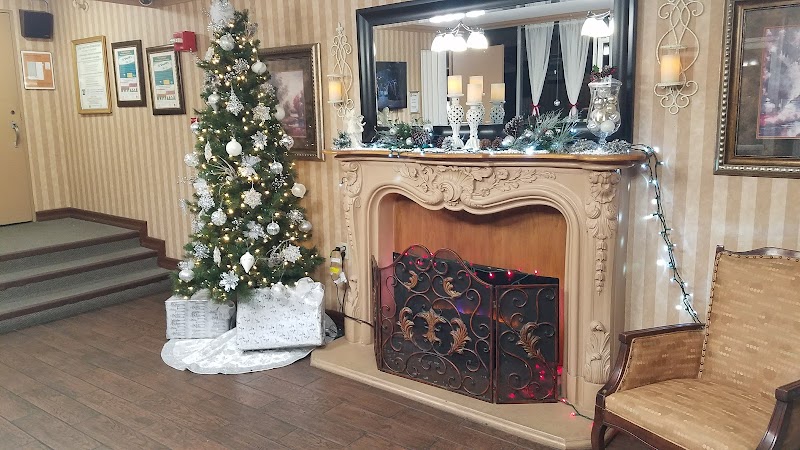
How is Covina Rehabilitation Center Staffed?

CMS rates COVINA REHABILITATION CENTER's staffing level at 2 out of 5 stars, which is below average compared to other nursing homes. Staff turnover is 65%, which is 19 percentage points above the California average of 46%. High turnover can affect care consistency as new staff learn residents' individual needs. RN turnover specifically is 65%, which is notably high. RNs provide skilled clinical oversight, so turnover in this role can affect medical care quality.

What Have Inspectors Found at Covina Rehabilitation Center?

State health inspectors documented 88 deficiencies at COVINA REHABILITATION CENTER during 2021 to 2025. These included: 2 Immediate Jeopardy (the most serious level, indicating potential for serious harm or death), 1 that caused actual resident harm, 82 with potential for harm, and 3 minor or isolated issues. Immediate Jeopardy findings are rare and represent the most serious regulatory concerns. They require immediate corrective action.
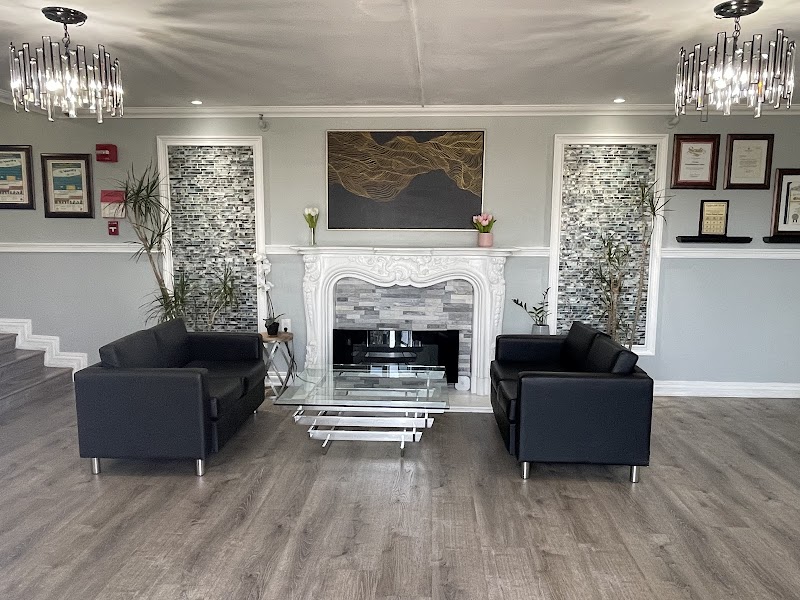
Who Owns and Operates Covina Rehabilitation Center?

COVINA REHABILITATION CENTER is owned by a for-profit company. For-profit facilities operate as businesses with obligations to shareholders or private owners. The facility is operated by LONGWOOD MANAGEMENT CORPORATION, a chain that manages multiple nursing homes. With 99 certified beds and approximately 91 residents (about 92% occupancy), it is a smaller facility located in COVINA, California.
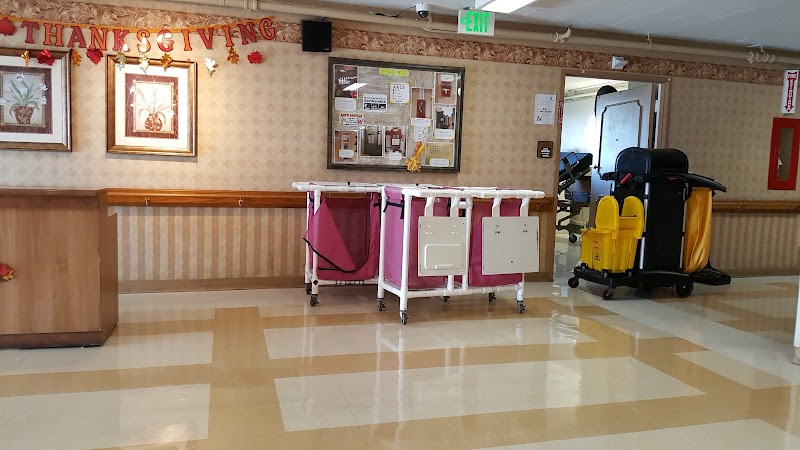
How Does Covina Rehabilitation Center Compare to Other California Nursing Homes?

Compared to the 100 nursing homes in California, COVINA REHABILITATION CENTER's overall rating (1 stars) is below the state average of 3.1, staff turnover (65%) is significantly higher than the state average of 46%, and health inspection rating (1 stars) is much below the national benchmark.

What Should Families Ask When Visiting Covina Rehabilitation Center?

Based on this facility's data, families visiting should ask: "What changes have been made since the serious inspection findings, and how are you preventing similar issues?" "How do you ensure continuity of care given staff turnover, and what is your staff retention strategy?" "Can you walk me through typical staffing levels on day, evening, and night shifts?" "Can I visit during a mealtime to observe dining assistance and food quality?" These questions are particularly relevant given the facility's Immediate Jeopardy citations, the facility's high staff turnover rate, and the below-average staffing rating.

Is Covina Rehabilitation Center Safe?

Based on CMS inspection data, COVINA REHABILITATION CENTER has documented safety concerns. Inspectors have issued 2 Immediate Jeopardy citations (the most serious violation level indicating risk of serious injury or death). The facility has a 1-star overall rating and ranks #100 of 100 nursing homes in California. Families considering this facility should ask detailed questions about what corrective actions have been taken since these incidents.

Do Nurses at Covina Rehabilitation Center Stick Around?

Staff turnover at COVINA REHABILITATION CENTER is high. At 65%, the facility is 19 percentage points above the California average of 46%. Registered Nurse turnover is particularly concerning at 65%. RNs handle complex medical decisions and coordinate care — frequent RN changes can directly impact care quality. High turnover means new staff may not know residents' individual needs, medications, or preferences. It can also be disorienting for residents, especially those with dementia who rely on familiar faces. Families should ask: What is causing the turnover? What retention programs are in place? How do you ensure care continuity during staff transitions?

Was Covina Rehabilitation Center Ever Fined?

COVINA REHABILITATION CENTER has been fined $73,328 across 3 penalty actions. This is above the California average of $33,812. Fines in this range indicate compliance issues significant enough for CMS to impose meaningful financial consequences. Common causes include delayed correction of deficiencies, repeat violations, or care failures affecting resident safety. Families should ask facility leadership what changes have been made since these penalties.

Is Covina Rehabilitation Center on Any Federal Watch List?

COVINA REHABILITATION CENTER is not on any federal watch list. The most significant is the Special Focus Facility (SFF) program, which identifies the bottom 1% of nursing homes nationally based on persistent, serious quality problems. Not being on this list means the facility has avoided the pattern of deficiencies that triggers enhanced federal oversight. This is a positive indicator, though families should still review the facility's inspection history directly.