EMANATE HEALTH INTER-COMMUNITY HOSPITAL- D/P SNF
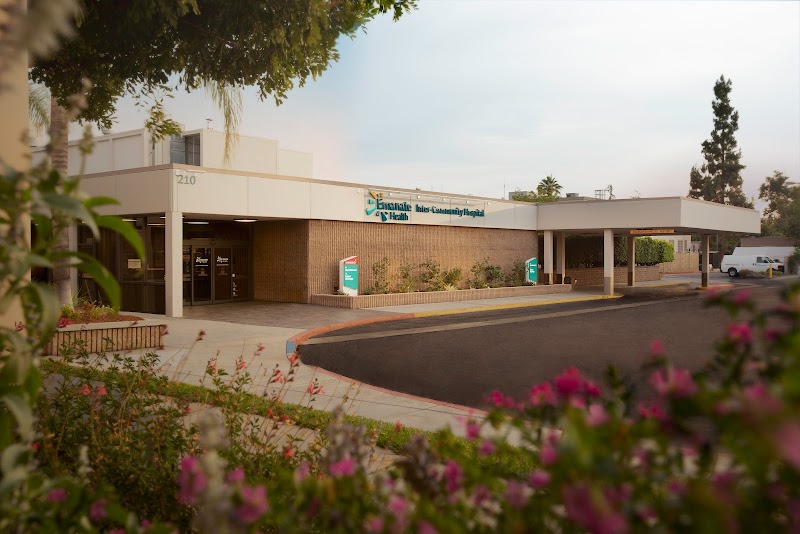
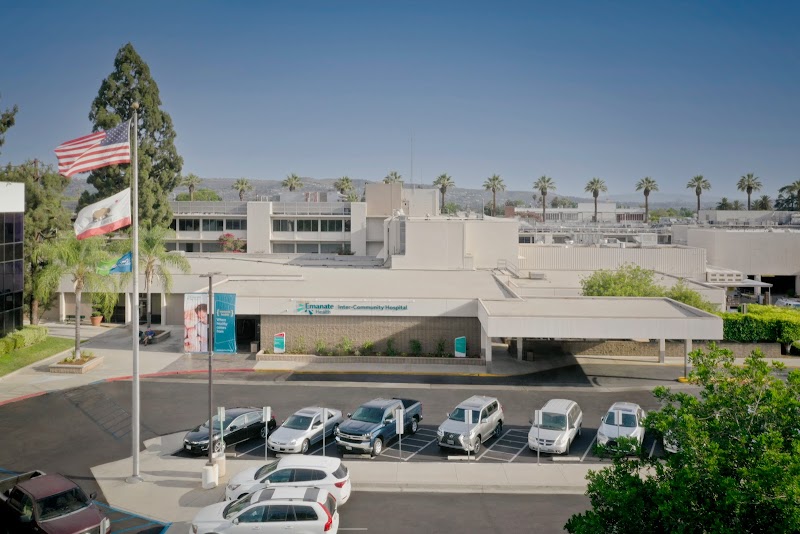
210 W. SAN BERNARDINO RD., COVINA, CA 91723 (626) 915-6215
Non profit - Other 25 Beds Independent Data: November 2025
Trust Grade
90/100
#70 of 1155 in CA
Last Inspection: May 2025

Inspected within the last 6 months. Data reflects current conditions.

Overview

Emanate Health Inter-Community Hospital - D/P SNF in Covina, California, has earned a Trust Grade of A, indicating it is highly recommended and excels in quality care. It ranks #70 out of 1,155 facilities in California, placing it in the top half, and #14 out of 369 in Los Angeles County, which shows it is a strong option locally. The facility is improving, with a decrease in issues reported from 8 in 2024 to 5 in 2025, and it boasts excellent staffing ratings, with only 19% turnover, far below the state average. Notably, there have been no fines, and it has more RN coverage than 99% of California facilities, ensuring attentive care. However, recent inspections revealed concerns, such as failing to develop individualized care plans for residents with specific health needs, which could potentially lead to declines in their well-being. While there are strengths in staffing and oversight, families should be aware of these care plan deficiencies.

Trust Score
A
90/100
In California
#70/1155
Top 6%
Safety Record
Low Risk
No red flags
Inspections
Getting Better
8 → 5 violations
Staff Stability
✓ Good
19% annual turnover. Excellent stability, 29 points below California's 48% average. Staff who stay learn residents' needs.
Penalties
✓ Good
No fines on record. Clean compliance history, better than most California facilities.
Skilled Nurses
✓ Good
Each resident gets 257 minutes of Registered Nurse (RN) attention daily — more than 97% of California nursing homes. RNs are the most trained staff who catch health problems before they become serious.
Violations
⚠ Watch
19 deficiencies on record. Higher than average. Multiple issues found across inspections.
★★★★★
5.0
Overall Rating
★★★★★
5.0
Staff Levels
★★★★★
5.0
Care Quality
★★★★★
5.0
Inspection Score
Stable
2024: 8 issues
2025: 5 issues

The Good

  • 5-Star Staffing Rating · Excellent nurse staffing levels
  • 5-Star Quality Measures · Strong clinical quality outcomes
  • Low Staff Turnover (19%) · Staff stability means consistent care
  • Full Sprinkler Coverage · Fire safety systems throughout facility
  • No fines on record
  • Staff turnover is low (19%)

    29 points below California average of 48%

Facility shows strength in staffing levels, quality measures, staff retention, fire safety.

The Bad

No Significant Concerns Identified

This facility shows no red flags. Among California's 100 nursing homes, only 1% achieve this.

The Ugly 19 deficiencies on record

May 2025 5 deficiencies
CONCERN (D)

Potential for Harm - no one hurt, but risky conditions existed

Resident Rights (Tag F0550)

Could have caused harm · This affected 1 resident

**NOTE- TERMS IN BRACKETS HAVE BEEN EDITED TO PROTECT CONFIDENTIALITY** Based on observation, interview, and record review the facility failed to ensure one of three sampled residents (Resident 11) ha...

Read full inspector narrative →
**NOTE- TERMS IN BRACKETS HAVE BEEN EDITED TO PROTECT CONFIDENTIALITY** Based on observation, interview, and record review the facility failed to ensure one of three sampled residents (Resident 11) had their urine collection bag fully covered. This deficient practice had the potential for Resident 11 to feel embarrassed and feel a loss of dignity. Findings: During a review of Resident 11's admission Record (AR), the AR indicated Resident 11 was admitted to the facility on [DATE] and the reason for visit was for aftercare following joint replacement. During a review of Resident 11's History and Physical (H&P) dated 4/11/2025, the H&P indicated Resident 11's chief complaint was aftercare following joint replacement and Resident 11 had a past medical history of colon (longest part of the large intestine [long tubed-shaped organ in the abdomen that completes the process of digestion [breakdown of food]) cancer (type of cancer that develops in the colon, which is the longest part of the large intestine), heart disease (problems with the heart's ability to pump blood properly) and hypertension (condition where the force of your blood pushing against the artery walls is consistently too high.) During a review of Resident 11's current undated Minimum Data Set (MDS - a resident assessment tool) provided by the facility, the MDS indicated Resident 11's primary medical condition category that best described the primary reason for admission was hip and knee replacement. The MDS indicated Resident 11 used an external catheter (device placed outside the body, to help collect urine.) The MDS further indicated Resident 11 had intact cognition (ability to understand and process information) and was dependent (helper does more than half the work) on staff for toileting and bathing. During a concurrent observation and interview on 5/14/2025 at 8:31 AM with Certified Nursing Assistant (CNA) 1, Resident 11's urine collection bag was observed hanging on the left side of Resident 11's bed with a cover attached to the top of the bag. CNA 1 stated CNA 1 could see the bottom half of the urine collection bag and the bag should be fully covered for privacy of Resident 11 and to protect the resident's dignity. During an interview on 5/15/2025 at 3:29 PM with the Resource Nurse (RSN), the RSN stated the urine collection bag should be fully covered to protect Resident 11's privacy. During a review of the facility's policy and procedure (P&P) titled, Resident Rights, last approved 10/2024, the P&P indicated the unit must provide care for residents in a manner and in an environment that maintains or enhances each resident's dignity and respect in full recognition of his/her individuality.
CONCERN (D)

Potential for Harm - no one hurt, but risky conditions existed

Deficiency F0604 (Tag F0604)

Could have caused harm · This affected 1 resident

**NOTE- TERMS IN BRACKETS HAVE BEEN EDITED TO PROTECT CONFIDENTIALITY** Based on observation, interview, and record review the facility failed to ensure one of one sampled resident (Resident 70) did n...

Read full inspector narrative →
**NOTE- TERMS IN BRACKETS HAVE BEEN EDITED TO PROTECT CONFIDENTIALITY** Based on observation, interview, and record review the facility failed to ensure one of one sampled resident (Resident 70) did not have more than three bed side rails while the bed was in the raised position. This deficient practice had the potential to result in Resident 70 to feel trapped in Resident 70's bed. Findings: During a review of Resident 70's admission Record (AR), the AR indicated Resident 70 was admitted to the facility on [DATE] and indicated the reason for visit was respiratory failure with hypoxia (when the lungs cannot provide the body with enough oxygen [colorless, odorless gas]) During a review of Resident 70's History and Physical (H&P), dated 5/2/2025, the H&P indicated Resident 70 had multiple diagnoses including congestive heart failure (condition where the heart muscle weakens and can't pump enough blood to meet the body's needs). During a review of Resident 70's current undated Minimum Data Set (MDS - a resident assessment tool) provided by the facility, the MDS indicated Resident 70 had intact cognition (ability to understand and process information) and required maximal assistance (helper does more than half the work) for eating, toileting, and bathing. During a concurrent observation and interview on 5/12/2025 at 11:19 AM with Certified Nursing Assistant (CNA) 1, Resident 70 was observed in bed with four of four side rails in the raised position. CNA 1 stated Resident 70 should only have three side rails up in the raised position. CNA 1 also stated having all four side rails raised had the potential for Resident 70 to feel as if Resident 70 was in prison or feel trapped in bed. During an interview on 5/15/2025 at 2:13 PM with the Resource Nurse (RSN), the RSN stated Resident 4 should not have all four side rails in the up position because it could be considered a restraint. During a review of Resident 70's Orders - All Active (OAA), dated as of 5/14/2025, the OAA indicated Resident 70 had an active physician's order for up to three side rails, the order's start date was 4/30/2025. During a review of Resident 70's Transitional Care Unit - Side Rails Assessment (SRA) dated 4/30/2025, the SRA indicated the number of side rails used at resident/ resident representative preferences or request was up to three side rails. The SRA further indicated the number of side rails indicated to assist in bed mobility was up to three side rails. During a review of the facility's policy and procedure (P&P) titled, Side/Bed Rail Use Policy, last approved 10/2024, the P&P indicated no more than three (3) side/ bed rails will be used, unless resident is on seizure precautions with padded side rails or if the resident or resident representative exercises their right(s) to have all four (4) side rails up.
CONCERN (D)

Potential for Harm - no one hurt, but risky conditions existed

Pressure Ulcer Prevention (Tag F0686)

Could have caused harm · This affected 1 resident

**NOTE- TERMS IN BRACKETS HAVE BEEN EDITED TO PROTECT CONFIDENTIALITY** Based on observation, interview, and record review the facility failed to ensure pressure ulcer/injury [PU/PI, localized injury ...

Read full inspector narrative →
**NOTE- TERMS IN BRACKETS HAVE BEEN EDITED TO PROTECT CONFIDENTIALITY** Based on observation, interview, and record review the facility failed to ensure pressure ulcer/injury [PU/PI, localized injury to the skin and or underlying tissue usually over a bony prominence as result of pressure or pressure in combination with shear (mechanical force that cause the skin to break off) and/or friction [movement of one surface of the skin against the others]) prevention interventions were implemented for one of two sampled residents (Resident 10) to minimize the risk of developing PIs. Additionally, the facility failed to treat Resident 10's existing moisture associated skin damage (MASD) by failing to: a. Ensure Resident 10's heels were not touching the mattress b. Ensure Resident 10 was turned every two hours c. Ensure the facility's protocol for MASD was implemented This deficient practice had the potential to result in the development of PIs to Resident 10 and result in further damage to Resident 10's skin, pain, discomfort, and an infection. Findings: a. During a review of Resident 10's Inpatient Facesheet (IF, admission record), the IF indicated Resident 10 was admitted to the facility on [DATE]. The IF indicated the reason for visit was urinary a tract infection (UTI - an infection of the urinary system, which includes the kidneys, ureters, bladder, and urethra). During a review of Resident 10's Family Practice History and Physical (H&P), dated 4/5/2025, the H&P indicated Resident 10 had multiple diagnoses including cerebrovascular accident (medical condition where blood flow to the brain is interrupted) with hemiparesis (muscle weakness on one side of the body), and seizures (sudden and uncontrolled waves of electrical activity in the brain, causing involuntary movement or loss of consciousness). During a review of Resident 10's undated Minimum Data Set (MDS - a resident assessment tool) provided by the facility, the MDS indicated Resident 10 had moderate impaired cognition (ability to understand and process information), was dependent (helper does all of the effort) on staff for toileting, and required maximal assistance (helper does more than half of the effort) with bathing and rolling left to right. The MDS further indicated Resident 10 was at risk for developing PIs. During a review of Resident 10's physician order titled, Pressure Injury: Prevention Protocol with a start date 4/5/2025, the order indicated to float both heels off the bed by placing pillows under both calves. During a review of Resident 10's Braden Scale, Pressure Injury Prevention Assessment, dated 5/12/2025, the assessment indicated Resident 10 was at high risk for developing PIs. During an observation on 5/14/2025 at 9:23 AM in Resident 10's room, Resident 10 was observed with one pillow underneath both legs and both heels were touching the mattress. During a concurrent observation and interview on 5/15/2025 at 9:54 AM with Certified Nursing Assistant (CNA) 2, Resident 10 was observed with a pillow underneath both legs and both heels were touching the mattress. CNA 2 stated Resident 10's heels were touching the mattress and Resident 10 needed a second pillow underneath the legs to lift the heels off the mattress. CNA 2 stated to float a resident's heels meant the heels should not be touching the mattress and should hang off the pillows to prevent any potential injury. During an interview on 5/15/2025 at 2:13 PM with the Resource Nurse (RSN), the RSN stated to float a resident's heels, a pillow should be placed underneath the calves and ensure the heels were not touching the mattress. This was important to prevent any deep tissue injury or blanchable redness. The RSN stated the heels were especially prone to pressure injuries. b. During a review of Resident 10's physician order titled, Pressure Injury: Prevention Protocol with a start date 4/5/2025, the order indicated to turn patients every 1-2 hours. During a review of Resident 10's TCU High Risk Turning Protocol dated 5/2/2025 to 5/15/2025, the following dates and times did not indicate Resident 10 was turned every two hours: - On 5/2/2025 at 8 AM, 10 AM, and 12 PM Resident 10's position was supine (a person lying flat on their back). - On 5/3/2025 at 8 AM, 10 AM, 12 PM, 2 PM, 4 PM, and 6 PM Resident 10's position was supine. - On 5/5/2025 at 8 AM, 10 AM, and 12 PM Resident 10's position was supine. - On 5/6/2025 at 8 AM, 10 AM, and 12 PM Resident 10's position was supine. - On 5/9/2025 at 8 AM, 10 AM, 12 PM, 2 PM, 4 PM, 6 PM, and 8 PM Resident 10's position was supine. - On 5/10/2025 at 8 AM, 10 AM, and 12 PM Resident 10's position was supine. - On 5/13/2025 at 8 AM, 9:56 AM, and 12 PM Resident 10's position was supine. During an interview on 5/14/2025 at 4:04 PM with Registered Nurse (RN) 3, RN 3 stated Resident 10 was at high risk for skin breakdown because Resident 10 could not really move independently and needed maximum assistance to reposition. RN 3 further stated interventions to prevent skin breakdown included turning residents every two hours. During an interview on 5/15/2025 at 9:54 AM with CNA 2, CNA 2 stated interventions to help prevent skin breakdown included turning residents every two hours and as needed. During an interview on 5/15/2025 at 2:13 PM with the RSN, the RSN stated residents were turned even if they were sleeping and if a resident was not turned, the nurses should document a comment indicating the reason. The RSN stated Resident 10 was at increased risk of developing PIs by not getting turned every two hours. c. During a review of Resident 10's TCU - admission Physical Assessment (APA), dated 4/4/2025, the APA did not indicate Resident 10's skin had any MASD. During a review of Resident 10's physician order titled, Pressure Injury: Prevention Protocol with a start date of 4/5/2025, the order indicated to keep skin clean and dry. During a review of Resident 10's TCU - Physical Assessment (PA) dated 5/2/2025, the PA indicated Resident 10 had MASD on the right groin. During a concurrent observation and interview on 5/14/2025 at 9:23 AM with CNA 1, Resident 10 was observed with redness and raised bumps on the upper inner bilateral thigh area near the groin and redness to the right abdominal fold and buttocks. CNA 1 stated Resident 10's left buttock had a small pink area that looked like an opened blister. CNA 1 was observed placing a moisture barrier cream to Resident 10's buttocks. CNA 1 stated the cream was to treat the redness on Resident 10's buttocks but Resident 10 did not have a cream to treat the redness near the thighs and groin. CNA 1 further stated CNA 1 was unaware of when the redness first occurred. During a concurrent observation and interview on 5/14/2025 at 4:04 PM with RN 3, Resident 10 was observed lying in bed on a soiled disposable absorbent pad. RN 3 stated Resident 10 was wet because Resident 10's external catheter (device placed outside the body, to help collect urine) sometimes leaked urine. RN 3 stated Resident 10 had MASD to the groin area which did not have any treatments other than keeping the skin dry. RN 3 stated Resident 10 had dermatitis (skin inflammation) or irritation from the external catheter on the inner thighs. RN 3 was observed assessing Resident 10's left buttock and stated Resident 10 had an open area of skin. RN 3 stated CNA 1 did not report the opened skin to RN 3. RN 3 stated RN 3 would take a picture of the opened skin and consult with the wound care nurse. RN 3 stated interventions to prevent skin breakdown included keeping the resident's skin clean and dry. During an interview on 5/15/2025 at 1:52 PM with the Wound Care Nurse (WCN), the WCN stated Resident 10 had existing MASD on the bilateral (both) inner buttocks, the perineal (area extending from the anus to the genitals) area, and the right groin abdominal fold. The WCN stated the facility's protocol for MASD included taking pictures of the area and using a moisture barrier product to the affected skin. The WCN stated, per the facility's protocol, a picture should have been taken when the MASD was first identified but WCN had not seen one. The WCN stated the purpose of the picture was to show if the skin was getting better or worse with treatment. The WCN stated Resident 10's nurse should have initiated the MASD protocol in the facility's charting system to ensure the appropriate orders were implemented when the MASD was first identified but the protocol had not been activated prior to 5/14/2025. The WCN stated Resident 10 was first noted to have MASD on 5/2/2025 according to the nurse's documentation on the PA. The WCN stated Resident 10 had a Braden score (tool used by health care professionals to assess a patient's risk of developing pressure ulcers) of 12 which indicated Resident 10 was a high risk. During an interview on 5/15/2025 at 2:13 PM with the RSN, the RSN stated the RSN could not find any documentation that indicated Resident 10's MASD was being treated prior to 5/14/2025. The RSN stated it should have been documented if there was treatment for Resident 10's MASD. The RSN stated that without treatment, the MASD could develop further injury, cause more pain and discomfort, and potentially lead to an infection. The RSN stated skin treatment could not be proven unless it was documented. During a review of the facility's policy and procedure (P&P) titled, Skin Care Wound Care, dated 10/2023, the P&P indicated pictures will be taken of all wounds, pressure injury, abrasions, bruising, etc., at time of admission, transfer, discharge, and /or change in wound condition and once weekly. The P&P indicated after admission, any skin impairment will be documented in the shift or physical assessment and may be documented in patient care notes. The P&P further indicated documentation in the electronic medical record included stage or level of injury, care plan and interventions initiated. The P&P indicated residents with total Braden Score of 10-12 is considered high risk, and 9 or less considered very high risk. Interventions include: a. frequent turning a minimum of every 2 hours b. keep skin moisturizer at bedside and apply as needed c. incontinence management
CONCERN (D)

Potential for Harm - no one hurt, but risky conditions existed

Incontinence Care (Tag F0690)

Could have caused harm · This affected 1 resident

**NOTE- TERMS IN BRACKETS HAVE BEEN EDITED TO PROTECT CONFIDENTIALITY** Based on observation, interview, and record review, the facility failed to reassess the continued need for an indwelling urinary...

Read full inspector narrative →
**NOTE- TERMS IN BRACKETS HAVE BEEN EDITED TO PROTECT CONFIDENTIALITY** Based on observation, interview, and record review, the facility failed to reassess the continued need for an indwelling urinary catheter (a hollow tube inserted into the bladder to drain or collect urine) and failed ensure a physician's order was obtained for the use of the device for 1 of five 5 sampled residents (Resident 121) upon admission from the intensive care unit (ICU, a special area in a hospital where patients receive very intensive care, including monitoring and treatment, for serious illnesses or injuries). Resident 121 remained with a urinary catheter for 2 days without a physician order indicating the medical necessity or indication in accordance with the facility's policy and procedure (P&P) titled, Catheterization, Urinary, #C-110. This failure had the potential to result in unnecessary invasive treatment and increased the risk for catheter-associated urinary tract infections (CAUTIs, germs enter the urinary tract through a urinary catheter and cause infection) to Resident 121. Findings: During a review of Resident 121's History and Physical (H&P), dated 5/6/2025, the H&P indicated Resident 121 had a diagnosis of pneumonia (an infection/inflammation in the lungs), acute respiratory failure (an inability to maintain adequate oxygenation for tissues or adequate removal of carbon dioxide [a gas formed when carbon and oxygen combine] from tissues) with hypoxemia (the body isn't getting enough oxygen), and acute kidney injury (a sudden and often reversible decline in kidney function). During a review of Resident 121's admission Record (AR), the AR indicated the facility admitted Resident 121 on 5/9/2025. During a review of Resident 121's Care Assessment - admission Physical Assessment, dated 5/9/2025, the Care Assessment indicated Resident 121 was awake, alert, oriented to person, place, time, situation, and was able to follow commands. During a review of Resident 121's Discharge summary, dated [DATE], the summary's plan indicated Resident 121 was hemodynamically stable (when a person has a stable blood flow, with consistent blood pressure [the force of your blood pushing against the walls of your arteries as your heart pumps blood throughout your body] and heart rate, ensuring adequate blood circulation and oxygen delivery to tissues) and was cleared to be discharged to transitional care unit (TCU, a specialized part of a hospital or medical facility that provides a bridge between acute care and a patient's return home or to another care setting) to continue physical therapy and intravenous (fluids or medications given directly into the blood stream) antibiotics. There was no documented indication in the summary of the need to continue the use of the urinary catheter. During a review of Resident 121's Orders - All Active, dated 5/09/2025, the orders did not indicate the initiation or continuation of the use of the urinary catheter. The orders indicated a physician's order for the urinary catheter that indicated place and manage urinary catheter for acute urinary retention, this order was dated 5/11/2025 (2 days after Resident 121's admission to TCU). During a review of Resident 121's Care Assessment - Physical Assessment, dated 5/9/2025 and 5/10/2025, the following entries were documented: - On 5/9/2025 at 08:00 PM, Resident 121 had a urinary (foley) catheter for retention. - On 5/10/2025 at 08:00 AM, Resident 121 had a foley catheter for retention. - On 5/10/2025 at 08:00 PM, Resident 121 had a foley catheter. These entries indicate the urinary catheter remained in use from 5/9/2025 through 5/10/2025 without a physician order with an indication (necessity) for the medical device. During a review of Resident 121's Nursing Note (NN), dated 5/10/2025, the following entries were documented: - At 04:03 AM, Registered Nurse (RN) 4 documented Resident 121 had a urinary catheter in place for retention and CAUTI protocol was observed. The catheter line was assessed as patent and draining appropriately. - At 08:19 AM, RN 5 documented Resident 121's urinary catheter was intact with pale, clear yellow urine. - At 07:05 PM, RN 5 documented Resident 121's urinary catheter was in place. The entries in the NN indicated Resident 121's urinary catheter remained in place throughout 5/10/2025 without a physician order with an indication (necessity) for the medical device. During an observation on 5/12/2025 at 10:45 AM, Resident 121 was lying in Resident 121's bed and Resident 121 had a urinary catheter in place. During a concurrent interview and record review on 5/15/2025 at 11:58 AM, with the Director of Nursing (DON), Resident 121's Orders - All Active and ICU Discharge summary, dated [DATE] were reviewed. The DON confirmed there was no order for a urinary catheter dated 5/9/2025 (admission). The DON acknowledged the discharge summary did not include an indication to continue the use of the catheter. The DON stated staff should have clarified with the physician the continued medical necessity for the urinary catheter and should have obtained a physician order. The DON stated Resident 121 went 2 days without a physician order indicating the medical necessity of the urinary catheter. The DON stated staff should have removed the catheter on admission if there was no indication from the physician to continue the use. The DON stated urinary catheters should be removed as soon as possible when there was no physician order because prolonged use increased the risk of urinary tract infections (UTI, an infection in any part of the urinary system: kidneys, bladder, or urethra [tube through which the urine leaves the body]), including CAUTIs, which could lead to serious complications. During a review of the facility's P&P titled, Catheterization, Urinary, #C-110, revision dated 12/2024, the policy indicated: - Avoid the use of an indwelling urinary catheter if possible. - All patients should be assessed daily for the need for an indwelling catheter. - Indwelling catheters should be removed as soon as possible. - If the patient does not meet criteria for retaining/maintaining an indwelling catheter and there is not a specific provider order to continue the catheter, the RN shall remove the indwelling urinary catheter. - If the RN is uncertain as to whether to remove the indwelling urinary catheter, the provider shall be contacted.
CONCERN (D)

Potential for Harm - no one hurt, but risky conditions existed

Infection Control (Tag F0880)

Could have caused harm · This affected 1 resident

**NOTE- TERMS IN BRACKETS HAVE BEEN EDITED TO PROTECT CONFIDENTIALITY** Based on observation, interview, and record review the facility failed to uphold its infection prevention and control program fo...

Read full inspector narrative →
**NOTE- TERMS IN BRACKETS HAVE BEEN EDITED TO PROTECT CONFIDENTIALITY** Based on observation, interview, and record review the facility failed to uphold its infection prevention and control program for 1 of 5 sampled residents (Resident 119) by failing to inform Resident 119's family Resident 119 was on Enhanced Barrier Precaution (EBP, an approach to use Personal Protective Equipment [PPE, protective clothing or equipment, designed to protect the wearer from injury or the spread of infection or illness] to reduce transmission of multi-drug-resistant organism), the purpose of the precautions, and the appropriate times and procedures for donning (putting on) gowns. This deficient practice had the potential to result in the transmission of infectious microorganisms and increased the risk of infection for Resident 119. Findings: During a review of Resident 119's admission Record (AR), the AR indicated the facility admitted Resident 121 on 5/6/2025. During a review of Resident 119's History and Physical (H&P), dated 5/6/2025, the H&P indicated Resident 119 had diagnoses including diabetes (DM, a disorder characterized by difficulty in blood sugar control and poor wound healing) with neuropathy (a disease or dysfunction of one or more nerves, typically causing numbness or weakness in the hands and feet), aortic stenosis (a condition where the aortic valve, which controls blood flow from the heart to the body, becomes narrowed), and urinary tract infection (UTI, an infection in the bladder/urinary tract). During a review of Resident 119's Care Assessment - admission Physical Assessment, dated 5/6/2025, the Care Assessment indicated Resident 119 was awake, alert, oriented to person, place, and was able to follow commands. During a review of Resident 119's Care Plans (CP), dated 5/14/2025, the CPs indicated Resident 119 had an active CP for pressure ulcer (a partial-thickness skin loss, meaning it damages the top two layers of skin [epidermis and dermis]). The CP identified the presence of a stage two (2) pressure ulcer located on the right lateral heel. The CPs indicated Resident 119 had an active CP for at risk of infection and was on EBP for the wound. During an observation on 5/12/2025 at 9:58 AM, there was signage indicating EBP located outside of Resident 119's room. During an observation on 5/12/2025 at 10:34 AM, Family Member (FM) 1 was at Resident 119's bedside. FM 1 was leaning in closely and directly over Resident 119, making contact with the resident's linens and clothing. FM 1 was not wearing a gown or gloves. Resident 119 remained in bed during the interaction. During an interview on 5/12/2025 at 10:38 AM, with FM 1 at Resident 119's bedside, FM 1 stated no facility staff had explained anything to FM 1 about EBP. FM 1 stated the facility had not provided sufficient information regarding EBP and FM 1 was unaware her father was on these precautions. FM 1 stated FM 1 had been helping take care of Resident 119 since he got to the facility. FM 1 stated FM 1 would lean over Resident 119's bed to help feed him, adjust his pillows, and sit close to talk to him. FM 1 stated no staff made FM 1 aware FM 1 needed to wear a gown or gloves. FM 1 stated Resident 119 was admitted on [DATE], and she and her sister alternated daily visits, but neither of them had been informed that he was on EBP. During an interview on 5/15/2025 at 10:15 AM, with the Director of Nursing (DON), the DON stated the facility followed Centers for Disease Control and Prevention (CDC, national public health agency of the United States), guidance for EBP. The DON stated EBP was implemented to prevent the spread of multidrug-resistant organisms (MDRO, bacteria that are resistant to three or more classes of antimicrobial drugs), especially in residents with wounds. The DON stated the facility's protocol was to notify the resident's family representative at the time of admission if EBP was in place, or any time EBP was implemented thereafter. The DON stated staff provided education materials from CDC to help them understand the reason and the importance in preventing the spread of MDROs. The DON stated if a resident was on EBP, family members were not permitted to provide high-contact care unless they wore appropriate PPE. The DON stated that if staff observed family members attempting or performing high-contact care, staff were expected to remind and re-educate family immediately, as this was critical to infection control. The DON stated all visitors were required to wear a gown and gloves if they engaged in high-contact resident activities, such as leaning over a patient, repositioning pillows, or brushing clothing against a resident's linens. The DON stated this practice helped prevent the spread of MDROs. The DON stated Resident 119's family representatives should have been educated on EBP. The DON stated staff should have ensured the family was aware of and followed EBP protocols. During a review of the facility's Policy and Procedure (P&P) titled, TCU - Enhanced Barrier Precautions, revision date 6/2024, the P&P indicated: The Transitional Care Unit strives to reduce the transmission of MDROs by adhering to enhanced barrier precautions as clinically indicated during high-contact activities for residents with chronic wounds or indwelling medical devices, regardless of their MDRO status, in addition to residents who have an infection or colonization with a CDC-targeted or other epidemiologically important MDRO when contact precautions do not apply. High-contact resident care activities: Dressing Bathing/showering Transferring Providing hygiene Changing linens Changing briefs or assisting with toileting Device care or use: central line, urinary catheter, feeding tube, tracheostomy/ventilator Wound care: any skin opening requiring a dressing during therapy. When anticipating close physical contact while assisting with transfers/mobility When working with residents in the therapy gym During bathing in a shared/common shower room The P&P indicated EBP are used in conjunction with standard precautions and expand the use of PPE to donning of gown and gloves during high-contact resident care activities that provide opportunities for transfer of MDROs to staff hands and clothing. The P&P indicated EBP are to be in place for the duration of a resident's stay in the facility or until resolution of the wound or discontinuation of the indwelling medical device that placed them at higher risk. The P&P indicated nursing will be responsible for initiation/discontinuation of the care plan for EBP. The P&P indicated residents and/or their family/representatives will be notified upon admission on the use of EBP with information from the CDC website related to resident/family education.
May 2024 8 deficiencies
CONCERN (E)

Potential for Harm - no one hurt, but risky conditions existed

Comprehensive Care Plan (Tag F0656)

Could have caused harm · This affected multiple residents

Based on interviews and record review, the facility failed to develop an individualized care plan (CP) and implement the CP to address the physical and psychosocial needs of four of four sampled resid...

Read full inspector narrative →
Based on interviews and record review, the facility failed to develop an individualized care plan (CP) and implement the CP to address the physical and psychosocial needs of four of four sampled residents (Residents 76, 16, 74, & 77) by failing to: A. Develop and implement a CP with interventions that addressed Resident 76's scrotal edema (swelling of the sac-like male reproductive structure). B. Develop and implement a CP with interventions that addressed Resident 16's alteration in nutrition. C. Develop and implement a CP with interventions that addressed Resident 74's uncontrolled diabetes mellitus (DM, metabolic disease involving inappropriately high blood sugar levels). D. Develop and implement a CP with interventions that addressed Resident 77's DM and insulin (hormone injected to treat DM) administration. These failures had the potential to cause a decline in Residents 76, 16, 74, & 77's physical and psychosocial well-being. (Cross Reference with F684, F758, & F692) Findings: A. During a review of Resident 76's Inpatient Facesheet (AR, admission record), the AR indicated the facility admitted Resident 76 on 5/5/2024 with a left comminuted intertrochanteric fracture (broken hip) as the reason for visit. During a review of Resident 76's General Acute Care Hospital 1's Discharge Summary (GACH 1's DS), dated 5/5/2024, GACH 1's DS indicated Resident 76 was alert and oriented. GACH 1's DS indicated Resident 76's low blood pressure (BP, force of blood against the walls of blood vessels) and modest urine output (UO, normal 24-hour UO ranges from 800 milliliters (ml, unit of measurement) to 1,200 ml per day) on 5/3/2024. GACH 1's DS indicated Resident 76's kidney function was noted to get worse, so the diuretic (medication that causes kidneys to make more urine) was held and gentle intravenous fluids (IVF, liquids injected into a vein) were given. GACH 1's DS indicated Resident 76 had scrotal edema. GACH 1's DS indicated the plan to closely monitor Resident 76's UO and [fluid] volume status. During a review of Resident 76's H&P, dated 5/6/2024, the H&P indicated Resident 76 had other medical problems including acute kidney injury (AKI) superimposed on chronic (long standing) kidney disease (CKD) (decline in the kidney's abilities to perform normal function), hypertension (abnormally high BP), and congestive heart failure (CHF, inefficient pumping of blood by the heart). The H&P indicated Resident 76's oral intake was modest, and the BP was low. The H&P indicated Primary Care Physician 1 (PCP 1) ordered to discontinue the diuretic (Lasix, type of diuretic), continue the IVF, and recommended to monitor the electrolytes (chemicals in the body that help regulate bodily functions like the balance between fluids inside and outside the cells) and UO closely. The H&P indicated a nephrologist (medical doctor specializing in kidney diseases) was consulted. During a review of Resident 76's Active [physician] Orders (AO) for 5/2024, the AO indicated the following: 1. Order Date: 5/5/2024 - measure weight daily at 6 AM. 2. Order Date: 5/6/2024 - Fluid restriction every shift, 2000 ml per day - 750 ml in the AM [morning], 750 ml in the PM [after noon], and 500 ml in the NOC [night]. 3. Order Date: 5/11/2024 - Moist ground textured consistent carbohydrate (same amount of carbohydrates daily), low-sodium (chemical element found in salt) diet (less than 2,300 milligrams [mg, unit of measurement] of sodium content in salt) with thin liquids (no thickeners required). During a review of Resident 76's Nephrology Progress Note (NPN 1), dated 5/13/2024, NPN 1 indicated Resident 76 had scrotal (the bag of skin that holds and helps protect the testicles) swelling that was painful with movement, swelling on both lower extremities, and some difficulty with breathing. NPN 1 indicated the plan was to administer 1 dose of Lasix 20 mg. NPN 1 indicated Resident 76's total intake was 110 ml and total output was 2,775 ml. During a review of Resident 76's NPN 2, dated 5/14/2024, NPN 2 indicated Resident 76 had a total intake of 610 ml and total output of 4,330 ml. NPN 2 indicated Resident 76 was making a lot of urine. During a concurrent interview and record review of Resident 76's medical records on 5/14/2024 at 8:58 AM with Registered Nurse 2 (RN 2), Resident 76's physician orders, physician notes, I&O, and care plans were reviewed. RN 2 stated there was no specific care plan that addressed scrotal edema and fluid restrictions (in general). RN 2 stated the urology (branch of medicine specializing in urinary systems) consult was ordered on 5/10/2024 but not included in the care plan. RN 2 stated there was no urology consult done at this time and RN 2 would follow up. RN 2 stated it was important to individualize the care plans to remind all the nurses what to do regarding resident problems with the goals and interventions to address these problems. B. During a review of Resident 16's AR, the AR indicated the facility admitted Resident 16 on 4/17/2024 with acute (sudden) kidney failure as the reason for visit. During a review of Resident 16's H&P, dated 4/18/2024, the H&P indicated Resident 16 was alert, followed commands, and the chief complaint was generalized weakness. The H&P indicated Resident 16 had a history of chronic myeloid leukemia (rare, slowly progressing blood cancer), iron deficiency anemia (abnormally low healthy red blood cells due to low iron in the body), diabetes, and end-stage renal disease (ESRD, permanent kidney failure) on hemodialysis (HD, treatment to filter wastes and water from the blood). During a review of Resident 16's AO's for 5/2024, the AO indicated the following: 1. Order Date: 4/20/2024 - Measure weight daily at 6 AM 2. Order Date: 5/6/2024 - Consult with Dietitian due to poor oral intake; Calorie Count (monitoring and documenting resident consumption of meals for the purpose of estimating the total calories consumed) for 72 hours due to resident not eating well need to assess caloric intake. During a concurrent interview and record review on 5/14/2024 at 2:14 PM with RN 3, Resident 16's physician orders, weights, I&O, and nutrition/dietary notes, nursing notes, and care plans were reviewed. RN 3 stated there was no individualized care plan [that addressed] Resident 16's nutritional deficit to reflect the interventions implemented to address Resident 16's poor oral intake. C. During a review of Resident 74's AR, the AR indicated the facility admitted Resident 74 on 5/2/2024 with DM with ketoacidosis (DKA, life-threatening complication of DM that could lead to diabetic coma or death) as the reason for visit. During a review of Resident 74's H&P, dated 5/3/2024, the H&P indicated Resident 74 was initially admitted to General Acute Care Hospital 3 (GACH 3) with altered level of consciousness (change in the state of awareness) and uncontrolled DM with extremely, high blood sugar of more than 1,500 milligrams per deciliter (mg/dL, unit of measurement with normal fasting blood sugar level range between 70 mg/dL to 99 mg/dL). During a review of Resident 74's AOs for 5/2024, AOs indicated the following: 1. Order Date: 5/2/2024 - Blood sugar check before meals and at bedtime 2. Order Date: 5/2/2024 - Dietitian Consult due to Resident 74's poor oral intake related to severe DKA, DM, and A1C (test that reflects average blood glucose levels over the past 3 months with normal A1C level below 5.7%) of 10.2%. 3. Order Date: 5/2/2024 - Dextrose Gel 40% (treatment of severely low blood sugar) 1 each po (by mouth) daily as needed. 4. Order Date: 5/2/2024 - Dextrose 50% (type of sugar, treatment for severely low blood sugar) 50 ml IV push as directed as needed. 5. Order Date: 5/12/2024 - Insulin aspart (synthetic version of human insulin, short acting, to treat DM and/or DKA) administer according to protocol subcutaneously (beneath the skin) with meals and at bedtime. During a concurrent interview and record review on 5/14/2024 at 1:22 PM with Registered Nurse 3 (RN 3), Resident 74's physician orders and care plans were reviewed. RN 3 stated Resident 74's CPs did not indicate interventions regarding DM or DKA. RN 3 stated it was important to develop and implement a care plan to use as a guide for all staff to be aware of the resident's problems, goals, and interventions and to address the problems. D. During a review of Resident 77's AR 4, the AR 4 indicated the facility admitted Resident 77 on 4/30/2024 with Guillain Barre Syndrome (GBS, a rare autoimmune disorder wherein body's immune system attacks the peripheral [situated on the edge] nerves) as the main reason for the visit. During a review of Resident 77's H&P, dated 4/30/2024, the H&P indicated Resident 77 was alert and oriented. The H&P indicated Resident 77 had progressive weakness the past few months and lost the ability to walk, completed 5 days of intravenous immunoglobulin therapy (IVIG, healthy antibodies given through a vein to treat GBS) on 4/29/2024, and would start steroids. The H&P indicated Resident 77 had type 2 DM. During a review of Resident 77's AO for 5/2024, the AO indicated the following: 1. Order Date: 4/30/2024 - Glucose check before meals and at bedtime 2. Order Date: 4/30/2024 - Insulin aspart administer according to protocol subcutaneously with meals and at bedtime 3. Order Date: 5/1/2024 - Regular diet 4. Order Date: 5/10/2024 - Insulin Detemir (long-acting insulin that works slowly over 24 hours to treat DM) 10 units subcutaneously twice a day at 8 AM and 9 PM. During a concurrent interview and record review on 5/14/2024 at 1:22 PM with RN 3, Resident 77's physician orders and care plans were reviewed. RN 3 stated Resident 77's CPs did not indicate interventions that addressed DM. During an interview on 5/15/2024 at 11:44 AM, the DON stated care plans must be initiated by the admitting registered nurse (in general), individualized for resident conditions, and must be updated to reflect the specific interventions. The DON stated it was important to develop and implement an individualized care plan to guide the staff in consistently providing care to address the specific problem. During a review of the facility's policy and procedure (P&P), titled Nursing Standards #N-103, effective date 11/2023, the P&P indicated the following: 1. The nursing diagnosis/problem statement must be documented on the plan of care, reviewed and revised as necessary to reflect the current resident status, and including in the communication between caregivers upon transfer of care. 2. The nursing interventions must be implemented to promote resident's, family's significant other's participation in the health maintenance, health restoration, education, independence and self-care, and rehabilitation. 3. The resident's plan of care must be revised to include identification of new problems, reprioritization of identified problems, establishment of new interventions, and new or revised goals.
CONCERN (E)

Potential for Harm - no one hurt, but risky conditions existed

Quality of Care (Tag F0684)

Could have caused harm · This affected multiple residents

Based on interviews and record review, the facility failed to accurately assess the fluid volume balance (balance between the amount of fluid entering and leaving the body) for one of one sampled resi...

Read full inspector narrative →
Based on interviews and record review, the facility failed to accurately assess the fluid volume balance (balance between the amount of fluid entering and leaving the body) for one of one sampled resident (Resident 76), who had fluid restrictions ordered by the physician. The facility failed to accurately monitor and document Resident 76's intake and output (I&O, the amount of fluids that enter and leave the body) and the daily weight in accordance with the facility's policy and procedures (P&Ps). These failures had the potential cause a decline in Resident 76's physical and psychosocial well-being related to excess fluid in the body (fluid overload, condition in which the liquid portion of the blood [plasma] is too high causing signs such rapid weight gain, shortness of breath, high blood pressure, and swelling/edema on the arms, legs, face, and abdomen). (Cross Reference with F656) Findings: During a review of Resident 76's Inpatient Facesheet (AR, admission record), the AR indicated the facility admitted Resident 76 on 5/5/2024 with a left comminuted intertrochanteric fracture (broken hip) as the reason for visit. During a review of Resident 76's General Acute Care Hospital 1's Discharge Summary (GACH 1's DS), dated 5/5/2024, GACH 1's DS indicated Resident 76 was alert and oriented. GACH 1's DS indicated Resident 76's low blood pressure (BP, force of blood against the walls of blood vessels) and modest urine output (UO, normal 24-hour UO ranges from 800 milliliters (ml, unit of measurement) to 1,200 ml per day) on 5/3/2024. GACH 1's DS indicated Resident 76's kidney function was noted to get worse, so the diuretic (medication that causes kidneys to make more urine) was held and gentle intravenous fluids (IVF, liquids injected into a vein) were given. GACH 1's DS indicated Resident 76 had scrotal edema (swelling of the sac-like male reproductive structure). GACH 1's DS indicated the plan to closely monitor Resident 76's UO and [fluid] volume status. During a review of Resident 76's H&P, dated 5/6/2024, the H&P indicated Resident 76 had other medical problems including acute kidney injury (AKI) superimposed on chronic (long standing) kidney disease (CKD) (decline in the kidney's abilities to perform normal function), hypertension (abnormally high BP), and congestive heart failure (CHF, inefficient pumping of blood by the heart). The H&P indicated Resident 76's oral intake was modest, and the BP was low. The H&P indicated Primary Care Physician 1 (PCP 1) ordered to discontinue the diuretic (Lasix, type of diuretic), continue the IVF, and recommended to monitor the electrolytes (chemicals in the body that help regulate bodily functions like the balance between fluids inside and outside the cells) and UO closely. The H&P indicated a nephrologist (medical doctor specializing in kidney diseases) was consulted. During a review of Resident 76's Active [physician] Orders (AO) for 5/2024, the AO indicated the following: 1. Order Date: 5/5/2024 - measure weight daily at 6 AM. 2. Order Date: 5/6/2024 - Fluid restriction every shift, 2000 ml per day - 750 ml in the AM [morning], 750 ml in the PM [after noon], and 500 ml in the NOC [night]. 3. Order Date: 5/11/2024 - Moist ground textured consistent carbohydrate (same amount of carbohydrates daily), low-sodium (chemical element found in salt) diet (less than 2,300 milligrams [mg, unit of measurement] of sodium content in salt) with thin liquids (no thickeners required). During a review of Resident 76's Nephrology Progress Note (NPN 1), dated 5/13/2024, NPN 1 indicated Resident 76 had scrotal (the bag of skin that holds and helps protect the testicles) swelling that was painful with movement, swelling on both lower extremities, and some difficulty with breathing. NPN 1 indicated the plan was to administer 1 dose of Lasix 20 mg. NPN 1 indicated Resident 76's total intake was 110 ml and total output was 2,775 ml. During a review of Resident 76's NPN 2, dated 5/14/2024, NPN 2 indicated Resident 76 had a total intake of 610 ml and total output of 4,330 ml. NPN 2 indicated Resident 76 was making a lot of urine. During a concurrent interview and record review of Resident 76's medical records on 5/14/2024 at 8:58 AM with Registered Nurse 2 (RN 2), Resident 76's AO and I&O were reviewed. RN 2 stated the following I&O for Resident 76 were documented: 1. 5/11/2024 AM shift - 480 ml oral intake, 1,000 ml urine output 2. 5/12/2024 AM shift - No documented oral intake, 1,300 ml urine output, 110 ml IVF amount 3. 5/12/2024 PM shift - No documented oral intake, 1,475 ml urine output ***5/12/2024 total intake = 110 ml and total output = 2,775 ml*** 4. 5/13/2024 AM shift - No oral intake, 1,230 ml urine output, 110 ml IVF amount 5. 5/13/2024 PM shift - 500 ml oral intake, 3,100 ml urine output ***5/13/2024 total intake = 610 ml and total output = 4,330 ml*** RN 2 stated there was no documented evidence of Resident 76's oral intake assessment from 5/12/2024 AM shift through 5/13/2024 AM shift. RN 2 stated she RN 2 documented 0 if Resident 76 did not have any oral intake. RN 2 stated it was important to maintain accurate documentation of Resident 76's I&O to be able to monitor Resident 76's kidney problem and adjust the fluid restriction as necessary and to monitor the swelling and note if it was improving or getting worse. During a concurrent interview and record review on 5/15/2024 at 11:44 AM with the Director of Nursing (DON), Resident 76's physician orders, daily weights, and I&Os, and the facility's P&Ps were reviewed. The DON stated there was no documented evidence Resident 76 was weighed on 5/7/2024, 5/8/2024, 5/9/2024, 5/10/2024, and 5/11/2024. The DON stated maintaining accurate I&O and daily weights was important in monitoring Resident 76's possible fluid overload. During a review of the facility's P&P 1, titled Intake and Output #1-210, revised 6/2021, P&P 1 indicated the following: 1. Residents receiving IVF or with a diagnosis of CHF and/or CKD require I&O to be done every shift or as ordered by the physician. 2. All oral fluids including enteral feedings and ice chips, all IVF must be measured and recorded as intake and all urine, emesis, liquid stools, drainage must be measured and recorded as output. 3. The physician must be notified of any significant variance. 4. The I&O must be documented in the electronic medical record. During a review of the facility's P&P 2, titled Weights, effective date 1/2023, P&P 2 indicated weights must be taken per physician's order, as indicated for evaluation of fluid volume status (that is, use of diuretics), or if a resident has a history of CHF or CKD. P&P 2 indicated daily weight must be recorded on the electronic medical record. During a review of the facility's P&P 3, titled Fluid Restriction, effective date 4/2023, P&P 3 indicated all the intake must be documented on the Intake and Output Record.
CONCERN (E)

Potential for Harm - no one hurt, but risky conditions existed

Deficiency F0692 (Tag F0692)

Could have caused harm · This affected multiple residents

Based on interview and record review, the facility failed to consistently monitor a resident's weight and implement Calorie Count (monitoring and documenting resident consumption of meals for the purp...

Read full inspector narrative →
Based on interview and record review, the facility failed to consistently monitor a resident's weight and implement Calorie Count (monitoring and documenting resident consumption of meals for the purpose of estimating the total calories consumed) in accordance with the facility's policy and procedures (P&P) for one of one sampled resident (Resident 16). These failures had the potential to result in unmet nutritional needs due to a delay in the necessary interventions, which could lead to a physical decline to Resident 16. (Cross Reference with F656) Findings: During a review of Resident 16's admission Record (AR), the AR indicated the facility admitted Resident 16 on 4/17/2024 with acute (sudden) kidney failure as the reason for visit. During a review of Resident 16's H&P, dated 4/18/2024, the H&P indicated Resident 16 was alert, followed commands, and the chief complaint was generalized weakness. The H&P indicated Resident 16 had a history of chronic myeloid leukemia (rare, slowly progressing blood cancer), iron deficiency anemia (abnormally low healthy red blood cells due to low iron in the body), diabetes, and end-stage renal disease (ESRD, permanent kidney failure) on hemodialysis (HD, treatment to filter wastes and water from the blood). During a review of Resident 16's Active [physician] Orders (AO) for 5/2024, the AOs indicated the following: 1. Order Date: 4/20/2024 - Measure weight daily at 6 AM 2. Order Date: 5/6/2024 - Consult with Dietitian due to poor oral intake; Calorie Count for 72 hours due to resident not eating well need to assess caloric intake. 3. Order Date: 5/7/2024 - Calorie Count for 72 hours starting on 5/7/2024 during dinner During a concurrent interview and record review on 5/14/2024 at 2:14 PM with Registered Nurse 3 (RN 3), Resident 16's physician orders, weights, intake and output, dietitian consult notes, and nursing notes were reviewed. RN 3 stated no weights were recorded for Resident 16 on 4/18/2024, 4/19/2024, 4/20/2024, 5/6/2024, and 5/11/2024. RN 3 stated the Clinical Dietitian Consult Note, dated 5/10/2024, indicated calorie count was incomplete. During a concurrent interview and record review on 5/14/2024 at 4:30 PM with Registered Dietitian 1 (RD 1), Resident 16's physician orders, calorie count, meal intake, and dietitian consult notes were reviewed. RD 1 stated Resident 16 initially had low appetite (meal intake), so the calorie count was initiated. RD 1 stated the calorie count for 5/8/2024 dinner (10% meal intake), 5/9/2024 breakfast (50% meal intake), and 5/9/2024 lunch (50% meal intake) were not accurately recorded because the menus were not saved in the calorie count envelope (facility practice, RD 1 put an envelope in the resident's room [in general] and after the resident's meal, nursing staff placed the menu with circled food items consumed by the resident. RD 1 then used the information to count calories) and meal intakes were not included in the calorie count. RD 1 stated calorie counts were important because they were [used] in developing Resident 16's plan of care by identifying if Resident 16 was meeting the required caloric needs. RD 1 stated if the resident (in general) was able to eat more than 50% of the meals provided, the resident could get the calories from the diet and did not require tube feedings (liquid nutrition formula directly delivered into the digestive system). RD 1 stated monitoring the resident's weight was important in determining if the resident had any weight loss or gain and was at risk for altered nutrition (less than adequate intake or absorption of food or nutrients). During an interview on 5/15/2024 at 11:44 AM, the Director of Nursing (DON) stated Resident 16 had lost weight due to poor appetite. The DON stated RD 1 ordered a calorie count to determine if Resident 16 was eating enough and to meet Resident 16's caloric needs. The DON stated if the documentation of the meal item consumed was not accurate, the calorie count would be inaccurate. The DON stated the RD (in general) would review residents' weights, but the DON was uncertain of how often the RD checked the weights. The DON stated there was no licensed nurse designated to review the daily weights to identify any significant weight gain or loss experienced by residents. The DON stated the RD must monitor weight trends of each resident to ensure any unplanned weight loss and/or gain related to nutritional issues that must be identified and addressed promptly. During a review of the facility's P&P, titled Weights, dated 1/2023, the P&P indicated weights must be taken per physician's order, as indicated for evaluation of the fluid volume status (that is, use of diuretics), or if a resident had a history of CHF or CKD. The P&P indicated daily weights must be recorded on the electronic medical record. During a review of the facility's P&P, titled Calorie Count, dated 3/2023, the P&P indicated the following: 1. Intake analysis of calories and protein also known as calorie count must be initiated within 24 hours of receipt of a physician order or is instituted by the dietitian as part of a needs assessment, protocol, or physician-ordered consult. 2. The duration of the intake analysis must be 3 days unless specified otherwise. Changes must be documented in the electronic medical record. 3. A calorie count envelope is posted in the resident's room by the dietitian or designee. 4. Nursing must record percentages of all food and beverage intake next to the food item on the menus and place in the posted calorie count envelope. 5. The dietitian or designee instructs the resident/family/nursing to list and record intake of all additional foods not on the menu or brought from home. 6. At the end of the calorie count, the dietitian must calculate and report the result of intake and appropriate nutrition intervention or plan of care in the electronic medical record.
CONCERN (E)

Potential for Harm - no one hurt, but risky conditions existed

Deficiency F0698 (Tag F0698)

Could have caused harm · This affected multiple residents

**NOTE- TERMS IN BRACKETS HAVE BEEN EDITED TO PROTECT CONFIDENTIALITY** The facility failed to ensure one of two residents (Resident 175) received dialysis (a procedure to remove waste products and ex...

Read full inspector narrative →
**NOTE- TERMS IN BRACKETS HAVE BEEN EDITED TO PROTECT CONFIDENTIALITY** The facility failed to ensure one of two residents (Resident 175) received dialysis (a procedure to remove waste products and excess fluid from the blood when the kidneys stop working properly) care consistent with facility policies by failing to assess Resident 175's atrioventricular shunt (AV shunt-a surgically created connection between vein and artery that allows direct access to the bloodstream for dialysis) every shift and take daily weights. This failure had the potential to cause a delay in care for Resident 175 and decline in overall health. Findings: During a review of Resident 175's admission Record (AR), the AR indicated Resident 175 was admitted to the facility on [DATE]. During a review of Resident 175's Family Practice Progress Note (FPPN), dated 5/11/2024, the FPPN, indicated multiple diagnoses including mild cognitive (ability to think and process information) impairment, diabetes mellitus (chronic [long standing] disease that occurs when blood sugar is too high in the bloodstream) and end stage renal disease (medical condition in which a person's kidneys permanently stop functioning) on dialysis. During a review of Nurse Note (NN) dated 5/14/2024, the NN indicated Resident 175 required one person for moderate assist with bed mobility. During a review of Resident 175's Active Orders (AO) dated as of 5/14/2024, the AO indicated measuring weight daily. During a review of Resident 175's care plan (CP) titled, TCU Dialysis- Risk for Injury, dated 5/8/2024 the CP indicated interventions that included, assess AV access, and monitoring for signs and symptoms of bleeding. During a review of Resident 175's CP titled, TCU Fluid Volume Excess, dated 5/8/2024 the CP indicated an intervention for body weight monitoring. During a concurrent interview and record review on 5/14/2024 at 4:37 PM with the DON, Bruit (abnormal sound generated by flow of blood in an artery due to localized high rate of blood flow) Description (BD), and Thrill (abnormal vibration felt on the skin) Description (TD), was reviewed. The BD, and TD, indicated that during the morning shift, there was no documentation for 5/11/2024 and on 5/13/2024 [to indicate the monitoring was done]. The DON stated if it wasn't documented then it was not done. The DON stated the AV shunt needed to be assessed every shift to check if the shunt was still functioning so the resident could maintain access and be able to get dialysis. The DON stated if the dialysis access was not maintained it could lead to a delay in care of the resident and risk further decline. During a concurrent interview and record review on 5/14/2024 at 4:58 PM with the Director of Nursing (DON), Resident 175's Weight log, date range from 5/9/2024 to 5/14/2024 was reviewed. The weight log indicated weights were recorded on 5/9/2024, 5/13/2024, and on 5/14/2024. The DON stated if the weights were not documented, it [weights] was not done. During an interview on 5/15/2024 at 10:37 AM with the Registered Nurse (RN), the RN stated facility policy indicated to measure weights daily for any resident receiving dialysis. The RN stated it was important to measure the resident's weight to help avoid any potential fluid overload (too much fluid in the body) which could lead to aspiration (condition in which food, liquids, saliva, or vomit is breathed into the airways) or pneumonia (infection that inflames the air sacs of the lungs) and could further cause a decline in the resident's health. During a review of the facility's P&P titled, Weights #W-100, revised 10/2019 the P&P indicated under Daily Weights, 2. Weights will be taken d. patients with history of Congestive Heart Failure (CHF, condition that develops when your heart doesn't pump enough blood for your body's needs) or Chronic Renal Failure (CRF, gradual loss of kidney function). During a review of the facility's policy and procedure (P&P) titled, Care of the Patient with Arteriovenous Access #P-116 (CPAA), revised 7/2022, the CPAA indicated, the purpose of the policy was to provide information on care of a patient with vascular (relating to blood vessels) access used for hemodialysis and under Procedure 4. AV fistula/ graft: a. evaluate patency of the vascular access every shift. The CPPA further indicated, Note: if bruit or thrill is not present, then the shunt may be clotted. Notify surgeon.
CONCERN (E)

Potential for Harm - no one hurt, but risky conditions existed

Medication Errors (Tag F0758)

Could have caused harm · This affected multiple residents

Based on interview and record review, the facility failed to ensure adequate monitoring of fluoxetine (trade name Prozac, a psychotropic [any drug that affected brain activities associated with mental...

Read full inspector narrative →
Based on interview and record review, the facility failed to ensure adequate monitoring of fluoxetine (trade name Prozac, a psychotropic [any drug that affected brain activities associated with mental processes and behavior] medication used to treat depression) for one of five sampled residents (Resident 77) by failing to provide documented evidence of any assessment of medication side effects/adverse effects (undesired harmful effect resulting from a medication) after multiple instances of Prozac administration. This failure had the potential to cause a decline in Resident 77's physical and/or psychosocial well-being due to possible unidentified adverse effects. Findings: During a review of Resident 77's admission record (AR 4), AR 4 indicated the facility admitted Resident?77 on 4/30/2024, with Guillain Barre Syndrome (GBS, a rare autoimmune disorder wherein body's immune system attacked the peripheral [situated on the edge] nerves) as the main reason for the visit. During a review of Resident 77's History and Physical (H&P), dated 4/30/2024, the H&P indicated Resident 77 was alert and oriented. The H&P indicated Resident 77 had progressive weakness the past few months and lost the ability to walk, completed 5 days of intravenous immunoglobulin therapy (IVIG, healthy antibodies given through a vein to treat GBS) on 4/29/2024, and would start steroids. The H&P indicated Resident 77 had a diagnosis of anxiety disorder (persistent and excessive worry that interfered with daily activities), and the plan was for Resident 77 to continue the resident's home medications including Prozac. During a review of Resident 77's Active Physician Orders (APO) for 5/2024, the APO indicated a physician's order dated 5/8/2024 for Prozac 10 mg by mouth daily for depression manifested by verbalization of feeling sadness and crying episodes. During an interview on 5/14/2024 at 11:25 AM with Pharmacist 1 (Pharm 1), Pharm 1 stated the licensed nurses were responsible for monitoring and documenting any behavior episodes and adverse effects of the psychotropic medication administered to residents (in general). Pharm 1 stated this was important to ensure residents on psychotropic medication were receiving the optimal lowest effective dose while minimizing the adverse reactions of the psychotropic medication administered. During a concurrent interview and record review on 5/14/2024 at 1:22 PM with Registered Nurse 3 (RN 3), Resident 77's physician orders, care plans, nursing notes, and medication administration records were reviewed. RN 3 stated licensed staff had administered Prozac to Resident 77 since 5/8/2024 with no adverse effects. RN 3 stated there was no documented evidence of succeeding monitoring of possible adverse effects of Prozac for Resident 77. During an interview on 5/15/2024 at 11:44 AM with the Director of Nursing (DON), the DON stated the RN administering the psychotropic medication must also monitor and document any adverse drug effects and target behaviors to determine the drug efficacy (ability to produce the desired beneficial effect). The DON stated it was important to achieve the optimal (most likely to bring success) effective dose to address resident's behavior without causing adverse effects due to a high dose. During a review of the facility's policy and procedure (P&P) titled, Psychotherapeutic Drug Management #P115, dated 12/2013, the P&P indicated the following: 1. Informed consent included how the facility and prescriber monitored and responded to any adverse side effects and informed the resident of side effects. 2. Nurses provided the resident and/or responsible party with the black box warning (warning for certain medications that carried serious safety risks) for each prescribed psychotherapeutic medication. 3. Nurses ensured that targeted behavior manifestations were recorded on the Medication Administration Record to facilitate behavior monitoring data collection. 4. The resident's care plan included the diagnosis and drug manifestation/s for which the psychotropic medication was employed, concurrent non-drug interventions, and adverse effects monitored.
CONCERN (E)

Potential for Harm - no one hurt, but risky conditions existed

Food Safety (Tag F0812)

Could have caused harm · This affected multiple residents

Based on observation, interview, and record review, the facility failed meet food safety requirements in one of one kitchen (Kitchen 1) when: a. There was a bag of leftover food observed in the patie...

Read full inspector narrative →
Based on observation, interview, and record review, the facility failed meet food safety requirements in one of one kitchen (Kitchen 1) when: a. There was a bag of leftover food observed in the patient nourishment refrigerator that was not dated or labeled with a 3-day expiration date and patient's name according to the facility's Policy and Procedure (P&P) titled, Food Brought into Patients from the Outside. b. There were trays of fresh eggs observed in the dairy and poultry refrigerator without labels indicating if the eggs were pasteurized (heated to destroy potential pathogens). These failures had the potential to result in residents to experience food-borne illnesses. Findings: a. During a concurrent observation and interview on 5/13/2024 at 9:58 AM with the Director of Nursing (DON), a brown paper bag contained a sandwich and was observed inside the refrigerator that was in the activity room. The brown bag was not labeled with a resident name or dated. The DON stated the refrigerator was for resident use only. The DON stated the sandwich in the brown paper bag was fast food from a local sandwich shop down the street from the facility. The DON stated resident's leftover food could be stored in the refrigerator for up to three days. The DON stated the brown bag was not labeled. The DON stated left over food needed to be labeled with a resident's name and dated to make sure the food was not given to the wrong resident. The DON stated left over food needed to be dated and discarded after three days. The DON stated if a resident was given old food, they could get sick. During a review of the facility's P&P titled, Food Brought into Patients from the Outside, revised 7/2022, indicated, if patient food was brought into the facility and needed to be stored, it could be placed in the patient nourishment refrigerator in the unit. It needed to be covered, dated, and labeled with a 3-day expiration date and a patient's name. b. During a concurrent observation and interview on 5/13/2024 at 8:21 AM with the Executive Chef (EC), one tray of fresh eggs was observed in the dairy and poultry walk-in refrigerator located Kitchen 1. The eggs were not labeled to indicate if they were pasteurized. The EC stated the eggs were used in the cafeteria grill for staff and visitors. During a concurrent observation and interview on 5/13/2024 at 12:10 PM with the Director of Food Services (DFS), seven trays of fresh eggs were observed in the dairy and poultry walk-in refrigerator located in Kitchen 1. The eggs were not labeled to indicate if they were pasteurized. During a concurrent interview and record review on 5/13/2024 at 12:15 PM with the DFS, the facility's Customer's Original Invoice .(Invoice), dated 5/13/2024 was reviewed. The Invoice indicated the fresh eggs were not pasteurized. The DFS confirmed the eggs were not pasteurized. The DFS stated the eggs were used for the cafeteria. The DFS stated the only way residents could get unpasteurized eggs was if family members ordered the eggs from the cafeteria. During a concurrent interview and record review on 5/13/2024 at 12:36 PM with the DFS, the facility's P&P titled, Food Handling Guidelines, effective date 4/2024, indicated Fresh shell eggs that are not pasteurized are used only for hard cooked, fried, or hard poached eggs and must be cooked for immediate service to a minimum internal temperature of 145°F for 15 seconds. For all other purposes, liquid pasteurized egg products are used. The DFS stated the facility would start ordering pasteurized eggs only since the facility's vendor offered fresh eggs that were pasteurized.
CONCERN (E)

Potential for Harm - no one hurt, but risky conditions existed

Deficiency F0868 (Tag F0868)

Could have caused harm · This affected multiple residents

Based on interview and record review, the Medical Director (MD) failed to attend the quarterly Quality Assessment and Assurance (QAA) Committee meeting for three of three sampled meetings, according t...

Read full inspector narrative →
Based on interview and record review, the Medical Director (MD) failed to attend the quarterly Quality Assessment and Assurance (QAA) Committee meeting for three of three sampled meetings, according to the facility's Policy and Procedure (P&P) titled, Quality Assurance & Performance Improvement (QAPI) Program. This deficient practice had the potential to negatively affect the care delivered to the residents residing at the facility. Findings: During a concurrent interview and record review on 5/15/2024 at 11:12 AM with the Director of Nursing (DON), the facility's attendance logs for the QAA Committee meetings, titled Transitional Care Unit - Virtual Meeting, dated 9/18/2023, 12/18/2023, and 3/21/2023, were reviewed. The attendance logs indicated the MD did not attend the last three QAA meetings. The DON confirmed the MD did not attend the QAA meetings on 9/18/2023, 12/18/2023, and 3/21/2023. The DON stated the MD should attend the meetings to provide oversight and input. The DON stated the MD can provide input on how to communicate with providers and provide input on QAPI and Performance Improvement Projects (PIP). During a review of the facility's TCU QAA Committee - 2024, undated, the TCU QAA Committee - 2024 indicated the MD was a member (key personnel) of the QAA committee. The TCU QAA Committee - 2024 indicated the committee would meet quarterly. During a review of the facility's P&P titled, Quality Assurance & Performance Improvement (QAPI) Program, effective date 11/2023, the P&P indicated the QAPI PIP team included the MD. The P&P indicated the QA committee would meet at least quarterly.
CONCERN (E)

Potential for Harm - no one hurt, but risky conditions existed

Infection Control (Tag F0880)

Could have caused harm · This affected multiple residents

Based on observation, interview, and record review, the facility failed to follow infection prevention and control practices and implement interventions to prevent and control the spread of infections...

Read full inspector narrative →
Based on observation, interview, and record review, the facility failed to follow infection prevention and control practices and implement interventions to prevent and control the spread of infections in the facility for two of six sampled residents (Residents 19 & 77), who had a peripheral intravenous (IV, into the vein) catheter, in accordance with the facility's policy and procedure (P&P) on IV Therapy Peripheral: Access and Care. a. Resident 19's peripheral IV site was observed undated/unlabeled on 5/13/2024. b. Resident 77's peripheral IV site was observed undated/unlabeled on 5/13/2024. These failures had the potential to result in an increased spread of infection in the facility. a. During a review of Resident 19's admission record (AR 1), AR 1 indicated the facility admitted Resident 19 on 4/25/2024 with diagnoses including requiring aftercare following right knee replacement surgery and lower extremity weakness. During a review of Resident 19's Minimum Data Set 1 (MDS 1, a standardized resident assessment and care-planning tool), dated 5/1/2024, MDS 1 indicated Resident 19 did not have an impairment in cognition (ability to think, remember, and reason). MDS 1 indicated Resident 19 had multiple diagnoses including opioid dependence (condition wherein it is difficult to stop taking potent pain relievers), chronic pain, dorsalgia (chronic pain in the chest, shoulder, neck, and arm regions due to spine posture), and cervicalgia (neck pain). MDS 1 indicated Resident 1 received scheduled pain medication regimen due to almost constant pain that frequently affected sleep. During a review of Resident 19's admission physician orders (APO 1) for 5/2024, APO 1 indicated an active order for hydromorphone (Dilaudid, potent opioid to treat severe pain) 0.5 mg IV push every 4 hours as needed and ketorolac (Toradol, non-steroidal anti-inflammatory drug to treat moderate to severe pain) 15 mg IV push every 8 hours. During a concurrent observation and interview on 5/13/2024 at 11:48 AM with Registered Nurse 3 (RN?3), Resident 19's peripheral IV site was observed. RN 3 stated Resident 19's IV site was not dated and needed to be removed for infection control. RN 3 stated peripheral IV sites needed to be changed every 96 hours. b. During a review of Resident 77's admission record (AR 4), AR 4 indicated the facility admitted Resident?77 on 4/30/2024 with diagnoses including Guillain Barre Syndrome (GBS, a rare autoimmune disorder wherein body's immune system attacks the peripheral nerves) and weakness. During a review of Resident 77's H&P 2, dated 4/30/2024, H&P 2 indicated Resident 77 was alert and oriented. H&P 2 indicated Resident 77 had progressive weakness the past few months and lost the ability to walk, completed 5 days of intravenous immunoglobulin therapy (IVIG, healthy antibodies given through a vein to treat GBS) on 4/29/2024, and steroids would be started. H&P?2 indicated Resident 77 had type 2 diabetes mellitus (DM, metabolic disease involving inappropriately high blood sugar levels). During a review of Resident 77's APO 2 for 5/2024, APO 2 indicated an active order dated 5/6/2024 for Resident 77 to receive Methylprednisolone Succinate (Solu-Medrol, potent anti-inflammatory steroid to treat GBS) 60 milligrams (mg) IV push daily. During a concurrent observation and interview on 5/13/2024 at 10:38 AM with Resident 77, Resident 77's peripheral IV site had no label or date when it was inserted, and the tape was coming off on one side. Resident 77 stated the peripheral IV site was inserted about 2 weeks ago before Resident 77 was admitted to the facility. During a concurrent observation and interview on 5/13/2024 at 11:57 AM with RN 1, Resident?77's peripheral IV site was observed. RN 1 stated peripheral IV sites needed to be changed every 3 days to prevent infection. RN 1 stated if the resident (in general) arrived at the facility with no labeled peripheral IV site or the IV insertion date could not be identified, the admitting nurse needed to remove the IV site and insert a new one. RN 1 stated the IV site also needed to be secured with tape to prevent accidental dislodgement. During an interview on 5/15/2024 at 11:44 AM, the Director of Nursing (DON) stated peripheral IV sites needed to be changed every 96 hours per facility policy and procedure to prevent infection due to a potential entry for germs. The DON stated the RN who inserted the IV needed to label the IV site with the date of IV insertion. During a review of the facility's P&P, titled IV Therapy Peripheral: Access and Care #I-290, dated 9/2022, the P&P indicated IV therapy must be used to provide fluid, medications, and nutrition to residents. The P&P indicated all peripheral IV sites must be changed every 96 hours unless veins are difficult to assess and maintain.
Sept 2023 1 deficiency
CONCERN (D) 📢 Someone Reported This

A family member, employee, or ombudsman was alarmed enough to file a formal complaint

Potential for Harm - no one hurt, but risky conditions existed

Pressure Ulcer Prevention (Tag F0686)

Could have caused harm · This affected 1 resident

Based on observation, interview, and record review, the facility failed to ensure staff provide preventive care by consistently turning residents every 2 hours on two of two sampled residents (Residen...

Read full inspector narrative →
Based on observation, interview, and record review, the facility failed to ensure staff provide preventive care by consistently turning residents every 2 hours on two of two sampled residents (Resident 41 and Resident 42). This failure had the potential to result in worsening of pressure injury (bed sore, injury to skin and underlying tissue resulting from prolonged pressure on skin) for Resident 41 and developing new pressure injury for Resident 42. Findings: During a review of Resident 41's History and Physical (H&P), dated 07/14/2023, the H&P indicated, Resident 41 was admitted to transitional care unit (where assists patients as they transition from a stay in the hospital to home or another level of care) for hypotension (low blood pressure). Patient had hemiparesis (weakness to move on side of body) affecting left side as late effect of cerebrovascular accident (damage to brain from interruption of its blood supply) and generalized weakness. During a review of Resident 41's care assessment dated 07/14/2023, the care assessment indicated, Resident 41 ' s Braden Scale (a tool to assess risk for developing pressure injury) Score was 12 (indicates high-risk for developing a pressure injury). During a review of Resident 42's History and Physical (H&P), dated 09/15/2023, the H&P indicated, Resident 42 was admitted to transitional care unit for rehabilitation. Patient had sepsis (a life-threatening complication of an infection), hypertension (high blood pressure), diabetes mellitus (high blood sugar), cellulitis (bacterial skin infection) and debility (physical weakness). During a review of Resident 42's PCS Open Chart dated 09/14/2023, the PCS Open Chart indicated, Resident 42's Braden Scale (a tool to assess risk for developing pressure injury) Score was 14 (indicates moderate-risk for developing a pressure injury). During an interview, on 09/19/2023 at 11:07 a.m., with Wound Care Ostomy Nurse (WCON) 1, WCON 1 stated with Braden Scale (a tool to assess risk for developing pressure injury) score of 18 or below, high risk turning protocol will be triggered to prompt nurses to document turning every 2 hours. During an interview, on 09/21/2023 at 11:16 a.m., with Resident 42, Resident 42 stated he could only turn a little and the staff turned him when changing him and when therapy comes once a day. During an interview on 09/21/2023 at 11:19 a.m., with director of TCU (DIR), DIR confirmed both Resident 41 and Resident 42 were on high risk turning protocol which required turning every 2 hours. DIR stated turning patient every 2 hours was to prevent pressure over the bony prominence. During a concurrent interview and record review on 09/21/2023 at 11:39 a.m., with DIR, Resident 42's Photographic Wound Documentation dated 09/20/2023 was reviewed. The Photographic Wound Documentation indicated, a picture of Resident 42 ' s right buttock has an open wound without measurement. DIR stated nurse discovered the open wound on 09/20/2023. During a concurrent interview and record review on 09/21/2023 at 11:53 a.m., with DIR, Resident 42's care assessments was reviewed. The care assessments indicated, the last documented patient position was right side on 09/21/2023 at 4 a.m. DIR confirmed there was no documentation of turning since then. During a concurrent interview and record review on 09/21/2023 at 11:58 a.m. with Corporate Director of Nursing (CDN), Resident 42's care assessments from 09/14/2023 to 09/21/2023 was reviewed. The care assessments indicated, patient position was not documented every 2 hours on multiple dates. CDN stated the documentation did not reflect turning patient every 2 hours. During a review of Resident 41's care assessment from 08/19/2023 to 08/25/2023, the care assessment indicated there was no patient position documentation from 2 p.m. to 10 p.m. on 08/21/2023. During a review of Resident 41's Wound Consultation Note dated 08/22/2023, the Wound Consultation Note indicated Resident 41 ' s stage 2 (partial thickness of dermis loss) coccyx (tailbone) pressure injury became stage 3 (full thickness tissue loss). During a review of the facility's policy and procedure (P&P) titled, Skin Care Wound Care #S-200 dated 06/2021, the P&P indicated, Total Braden Score of 13 -14 is considered moderate risk. Intervention include: Frequent turning a minimum of every 2 hours .Total Braden Score of 10 - 12 is considered high risk .Intervention include: Frequent turning a minimum of every 2 hours.
May 2023 5 deficiencies
CONCERN (D)

Potential for Harm - no one hurt, but risky conditions existed

Deficiency F0578 (Tag F0578)

Could have caused harm · This affected 1 resident

**NOTE- TERMS IN BRACKETS HAVE BEEN EDITED TO PROTECT CONFIDENTIALITY** Based on observation, interview, and record review, the facility failed to offer and/or assist Resident 5 to formulate an advanc...

Read full inspector narrative →
**NOTE- TERMS IN BRACKETS HAVE BEEN EDITED TO PROTECT CONFIDENTIALITY** Based on observation, interview, and record review, the facility failed to offer and/or assist Resident 5 to formulate an advance directive (a written statement of a person's wishes regarding medical treatment) at the time of admission for one of one sampled resident (Resident 5). This deficient practice had the potential for the staff to violate Resident 5's right to refuse treatment and implement the resident's preferred medical interventions. Findings: A review of Resident 5's admission Record indicated the resident was admitted on [DATE], with diagnosis of sepsis (a life-threatening complication of an infection). A review of Resident 5's Minimum Data Set ([MDS] a standardized assessment and care planning tool) dated 4/12/23, indicated the resident was assessed with good short and long- term memory recall ability. The MDS also indicated Resident 5's hearing was adequate, speech was clear, able to make self-understood and understand others during communication with staff. During an observation and interview on 5/17/23 at 9:50 a.m., Resident 5 was lying on her back in bed. She stated she did not have an advance directive. Resident 5 stated upon admission staff did not offer or let her know that she could be assisted to formulate an advance directive. Resident 5 stated, I do not want any machine to keep me going when seriously ill. During an interview and concurrent record review of Resident 5's clinical record on 5/17/23 at 2:47 p.m., the Director of Nursing (DON) stated there was no documented evidence that an advance directive was offered to Resident 5. The DON stated advance directive would let the staff know the wishes of the resident regarding medical treatment. A review of the facility's Policy and Procedures titled, Advance Directive dated 03/2023, indicated an interim advance directive on admission will be given to the patient to complete if the patient does not have an advance directive and will be placed in the medical record.
CONCERN (E)

Potential for Harm - no one hurt, but risky conditions existed

Comprehensive Care Plan (Tag F0656)

Could have caused harm · This affected multiple residents

**NOTE- TERMS IN BRACKETS HAVE BEEN EDITED TO PROTECT CONFIDENTIALITY** Based on observation, interview, and record review, the facility failed to develop an individualized person-centered care plan f...

Read full inspector narrative →
**NOTE- TERMS IN BRACKETS HAVE BEEN EDITED TO PROTECT CONFIDENTIALITY** Based on observation, interview, and record review, the facility failed to develop an individualized person-centered care plan for two of two sampled residents (Residents 117 and 119). a. There was no care plan developed for Resident 117 who was observed with edema (excess fluid in tissues of the body) on bilateral (both) legs and feet. b. There was no care plan developed For Resident 119 for the use of side rails (a barrier attached to the side of a bed). These deficient practices had the potential to result in inconsistent implementation of care and services to Residents 117 and 119. Findings: a. During a review of Resident 117's Inpatient Face Sheet (admission record) indicated, Resident 117 was admitted to the facility on [DATE]. During a review of Resident 117's History and Physical (H&P), dated May 2023, the H&P indicated, Resident 117 was alert and oriented, and in no acute distress. During a review of Resident 117's Care Assessments (CA), dated from 5/12/2023, 5/13/2023, 5/14/2023 and 5/15/2023, the CA indicated, Resident 117 had pitting (when pressure is applied to the swollen area, a pit or indentation will remain) edema on both left and right legs and left and right feet. During a review of Resident 117's Nurse's Notes, (NN), dated 5/12/2023, the NN indicated, swelling was noted on Resident 117's both lower extremities (legs and ankles) and swelling on both feet. During an observation on 5/16/23 at 10:52 am, of Resident 117 in Resident 117's room and a concurrent interview with Resident 117, Resident 117 was alert and oriented and noted with swelling of both legs and ankles. Resident 117 stated I have had swollen ankles before I got here (the facility). During an interview on 5/16/23 at 11:47 am, with Registered Nurse 1 (RN 1) and concurrent record review of Resident 117's electronic chart (EC), RN 1 stated, there was no care plan developed to address Resident 117's swelling on both lower extremities and both feet. RN 1 stated, a care plan to address Resident 117's swelling of both lower extremities and both feet should have been developed that indicated interventions to help decrease the edema on Resident 117's legs and feet. b. During a review of Resident 119's Inpatient Face Sheet indicated, Resident 119 was admitted to the facility on [DATE]. During a review of Resident 119's H&P dated May 2023, the H&P indicated, Resident 119 was alert and oriented, and in no acute distress. During an observation on 5/16/23 at 10:45 am, in Resident 119's room, Resident 119 was asleep on her bed with bilateral (left and right) upper and lower side rails up, surrounding Resident 119. During a concurrent interview on 5/17/23 at 2:32 pm, with RN1 and review of Resident 119's electronic chart (EC), RN 1 stated, a care plan was not created regarding Resident 119's use of bilateral upper and lower side rails. RN 1 stated, care plans were important to list the purpose and track interventions for the use of side rails. During a review of the facility's policy and procedure (P&P) titled, Multidisciplinary Plan of Care, reviewed on 12/2022, the P&P indicated, Planning for medical, nursing, and other clinical discipline care, treatment, and services is individualized to meet the patient's unique needs. The first step in the process includes creating an initial plan of care, treatment, and services that is appropriate to the patient's specific assessed needs.
CONCERN (E)

Potential for Harm - no one hurt, but risky conditions existed

Respiratory Care (Tag F0695)

Could have caused harm · This affected multiple residents

Based on observation, interview, and record review, the facility failed to follow its Policy and Procedure, titled Equipment Change for three of three sampled residents (Residents 2, 8, and 167) who h...

Read full inspector narrative →
Based on observation, interview, and record review, the facility failed to follow its Policy and Procedure, titled Equipment Change for three of three sampled residents (Residents 2, 8, and 167) who had orders for oxygen (air/gas needed for human life) administration, consistent with professional standards of practice, by failing to: 1. Ensure the nasal cannula (tube which on one end splits into two prongs which are placed in the nostrils to deliver oxygen) tubing for Resident 2 was changed every Wednesday of the week. 2. Ensure the nasal cannula tubing for Residents 8 and 167 was dated and labeled when it was changed. These deficient practices had the potential to expose Residents 2, 8 and 167 to infection. Findings: a. A review of Resident 2's admission Record, indicated the facility admitted Resident 2 on 4/11/2023, with diagnoses including chronic obstructive pulmonary disease (COPD - a group of lung diseases that block airflow and make it difficult to breathe) exacerbation (increase in severity) and pneumonia (lung inflammation caused by infection). A review of Resident 2's Physician Order, dated 4/11/2023 at 9:12 p.m., indicated for Resident 2 to receive continuous oxygen administration of 0.5 liters per minute to 5 liters per minute (oxygen flow rate) via (through) nasal cannula, may titrate (adjust) to keep oxygen saturation (refer to the percentage of oxygen in the blood) greater than 88 percent (%). During an observation and interview on 5/16/2023 at 11:33 a.m., RN 5 stated Resident 2 was on two liters of oxygen via nasal cannula. Resident 2's nasal cannula tubing had a label and date of 5/4/2023. RN 5 stated the date (5/4/2023) indicated the nasal cannula tubing was changed on 5/4/2023. RN 5 stated the respiratory therapist should change the nasal cannula tubing every Wednesday of the week to decrease or prevent the risk of infection. b. A review of Resident 8's admission Record, indicated the facility admitted Resident 8 on 5/11/2023, with diagnoses including hemorrhage (blood loss) due to vascular prosthetic device (implanted device intended to repair, replace a missing part of the body or make a part of the body work better). A review of Resident 8's Physician Order, dated 5/11/2023 at 9:26 p.m., indicated for Resident 8 to receive PRN (as needed) oxygen administration of 0.5 liters per minute to 5 liters per minute via nasal cannula for shortness of breath/wheezing (high-pitched whistling sound during breathing), may titrate to keep oxygen saturation greater than 90%. During an observation and interview on 5/16/2023 at 11:48 a.m., RN 2 stated Resident 8 was on 2 liters of oxygen via nasal cannula. Resident 8's nasal cannula tubing was hanging on the side of Resident 8's bed with the tip of the tubing touching the floor. Resident 8's nasal cannula tubing was not dated and labeled. Resident 8 stated she used her nasal cannula occasionally (unspecified dates). c. A review of Resident 167's admission Record, indicated the facility admitted Resident 167 on 5/15/2023, with diagnoses including displaced (not aligned) comminuted fracture (the bone snaps into two or more parts and moves so that the two ends are not lined up straight) of left femur (thigh bone). A review of Resident 167's Physician Order, dated 5/15/2023 at 8:34 p.m., indicated for Resident 167 to receive PRN oxygen administration of 2 liters per minute via nasal cannula to keep oxygen saturation greater than 92 %. During an observation and interview on 5/16/2023 at 11:03 a.m., Registered Nurse 4 (RN 4) stated Resident 167 was on 2 liters of oxygen via nasal cannula. Resident 167's nasal cannula tubing was not dated and labeled. During an interview on 5/17/2023 at 9:16 a.m., the facility's Infection Preventionist (IP- a nurse who helps prevent and identify the spread of infectious disease in the healthcare environment) stated, the nasal cannula tubing (in general) should be dated and labeled to keep track when it was changed. The IP stated, resident's nasal cannula should be changed every Wednesday because of the risk of infection. During an interview on 5/19/2023 at 10:12 a.m., the facility's Respiratory Therapist (RT) stated, she changed the resident's nasal cannula tubing every Wednesday of the week and whenever the tubing was dirty or dropped or touched the floor. RT stated, the resident's nasal cannula tubing should be dated and labeled to indicate who it belonged to, when it was changed and to prevent infection. During an interview on 5/19/2023 at 10:32 a.m., the facility's Director of Nursing (DON) stated, resident's nasal cannula tubing should be changed regularly because of the risk of infection. The DON stated, resident's nasal cannula tubing should be dated and labeled to indicate who it belonged to and when it was changed. A review of the facility's policy and procedure, titled Equipment Change, revised 9/2020, indicated O2 delivery devices were change every Wednesday by day shift and PRN; include patient label and ear/mask foam if needed.
CONCERN (E)

Potential for Harm - no one hurt, but risky conditions existed

Deficiency F0700 (Tag F0700)

Could have caused harm · This affected multiple residents

**NOTE- TERMS IN BRACKETS HAVE BEEN EDITED TO PROTECT CONFIDENTIALITY** b. During a review of Resident 119's Inpatient Facesheet indicated, Resident 119 was admitted to the facility on [DATE] During ...

Read full inspector narrative →
**NOTE- TERMS IN BRACKETS HAVE BEEN EDITED TO PROTECT CONFIDENTIALITY** b. During a review of Resident 119's Inpatient Facesheet indicated, Resident 119 was admitted to the facility on [DATE] During a review of Resident 119's History and Physical (H&P), dated May 2023, indicated, Resident 119 was alert and oriented, and in no acute distress. During an observation in Resident 119's room, on 5/16/23, at 10:45 a.m., and on 5/17/23, at 10:28 a.m., Resident 119 was observed laying the bed and on her side, alert, and coherent, bilateral upper and lower side rails were up (total of 4). During a record review of Resident 119's Side Rail Assessment, (SRA) dated 5/11/23, the SRA indicated, one or two side rail(s) were indicated to assist Resident 119 with bed mobility. The SRA indicated three split side rails were used per Resident 119's preferences and the use of four split side rails was not indicated for Resident 119. The SRA did not indicate if appropriate alternatives were attempted prior to installation of the side rails. During an interview on 5/16/23, at 3:58 p.m., with the Corporate Director (CD), the CD stated, entrapment was a risk if all four side rails were up for residents (in general). The CD stated, Resident 119 would not be able to physically remove the bed rails and this posed a risk for entrapment. During an interview on 5/17/23, at 10:28 a.m., Resident 119 stated, the bed rails were attached to her bed when Resident 119 first arrived at her room. Resident 119 stated I did not ask for them [bed rails] to be up, it was that way when I got here. During an interview and concurrent record review on 5/17/23, at 2:32 p.m., with Registered Nurse 1 (RN 1), Resident 119's electronic chart (EC) was reviewed. RN 1 stated, there was no documented evidence that appropriate alternatives were attempted prior to the installation of Resident 119's bed rails. c.During a review of Resident 120's Inpatient Facesheet indicated, Resident 120 was admitted to the facility on [DATE]. During a review of Resident 120's Internal Medicine H&P (H&P), dated 5/9/23, indicated, Resident 120 was alert and in no acute distress. During an observation in Resident 120's room, on 5/16/23, at 11:46 a.m., and on 5/17/23, at 10:30 a.m., Resident 120 was observed laying on her bed, alert and coherent, bilateral upper and lower bed rails were up (total of 4). During a record review of Resident 120's Side Rail Assessment, (SRA), dated 5/1/23, the SRA indicated, one or two side rails were to be used to assists Resident 120 with bed mobility. The SRA also indicated three split side rails were used per resident preferences and the use of four split side rails was not indicated. The SRA did not indicate if appropriate alternatives were attempted prior to installation of the side rails. During an interview and concurrent record review on 5/17/23, at 2:32 p.m., to 2:43 pm, with Registered Nurse 1 (RN 1), Resident 120's electronic chart was reviewed. RN 1 stated there was no documented evidence that appropriate alternatives were attempted prior to the installation of Resident 120's bed rails. During an interview on 5/16/23, at 3:58 p.m., the CD stated, entrapment was a risk if all four bed rails were up for Resident 120. The CD stated, Resident 120 would not be able to physically remove the bed rails and posed a risk for entrapment. During an interview on 5/17/23, at 3:07 p.m., the Director of Nursing (DON) stated, alternative measures should be attempted prior to the use of bed rails to prevent entrapment, injury, or even death. During a review of the facility's undated policy and procedure (P&P) titled, Side/Bed Rail Use Policy #S-101-a, indicated, This facility will ensure that the appropriate alternatives are attempted prior to use of side/bed rails. Based on observation, interview and record review, the facility failed to ensure appropriate alternatives were used before the installation of bed rails for three of three sampled residents (Residents 5, 119 and 120). This deficient practice placed Resident 5, 119 and 120 at risk for entrapment and injury from the use of bed rails. Findings: a. During a review of Resident 5's Inpatient Facesheet (admission record) indicated Resident 5 was admitted to the facility on [DATE] with diagnosis that included sepsis (a life-threatening complication of an infection). During a review of Resident 5's Minimum Data Set (MDS, a standardized assessment and care planning tool), dated 4/12/23, indicated Resident 5 was assessed with good short and long- term memory recall ability. Resident 5 required extensive assistance (staff provide weight- bearing support) in most levels of activities of daily living with physical assistance from one-person. During observations on 5/16/23, at 10:12 a.m., and on 5/17/23, at 9:50 a.m., Resident 5 was lying on her back in bed. Resident 5's bilateral (both sides) full length bed rails were up. Resident 5 stated, upon admission her bed had bed rails and she did not know why the bed rails were always up. During an interview and concurrent record review on 5/17/23, at 2:32 p.m., the Director of Nursing (DON) stated, Resident 5's medical record did not contain information that indicated appropriate alternatives to bed rails were tried before installation on Resident 5'a bed. The DON stated, the facility's beds had attached bed rails when they were bought. The DON stated the use of appropriate alternatives to bed rails were necessary to prevent entrapment, injury and/or death of the residents.
CONCERN (E)

Potential for Harm - no one hurt, but risky conditions existed

Infection Control (Tag F0880)

Could have caused harm · This affected multiple residents

Based on interview and record review, the facility failed to ensure two of five Infection Prevention and Control Program (IPCP, a facility wide program to prevent, recognize, control the onset, and sp...

Read full inspector narrative →
Based on interview and record review, the facility failed to ensure two of five Infection Prevention and Control Program (IPCP, a facility wide program to prevent, recognize, control the onset, and spread of infections to the extent possible) policy and procedures (Discontinuation of Transmission-Based Precautions and Disposition of Patient with COVID-19 and Covid-19: Monitoring of Employees) were reviewed annually. This deficient practice had the potential to result in outdated IPCP policies, noncompliance with federal and state regulations, and lack of infection control guidance for the facility staff. Findings: A review of the facility's IPCP policy titled Discontinuation of Transmission-Based Precautions and Disposition of Patient with COVID-19 (A highly contagious respiratory disease caused by the coronavirus) #IC046, indicated a revision date of 8/2020, and the next review would be completed on 8/2023. A review of the facility's IPCP policy titled Covid-19: Monitoring of Employees, #IC049, indicated a revision date of 1/2021, and the next review would be completed on 1/2024. During an interview and concurrent review of the two IPCP policies IC046 and IC049 on 5/19/2023, at 10:04 AM, the Infection Preventionist (IP) stated she was the IP for the hospital including the Transitional Care Unit (TCU, is an important part of the medical center, a skilled nursing facility that assists patients as they transition from a stay in the hospital to home or another level of care). The IP stated IC046 and IC049 policies applied to all hospital sites including the TCU. The IP stated the hospital scheduled and reviewed all IPCP policies every three years. The IP stated she did not know that TCU IPCP policies needed to be reviewed annually. The IP stated a yearly review of policies could ensure the facility's program was up to date with State and Federal regulations. A review of the facility's policy and procedure titled Policy and Procedure Review, #P-111, effective 7/2022, indicated policies, procedures, and standards of care shall be reviewed annually and revised as necessary.
Understanding Severity Codes (click to expand)
Life-Threatening (Immediate Jeopardy)
J - Isolated K - Pattern L - Widespread
Actual Harm
G - Isolated H - Pattern I - Widespread
Potential for Harm
D - Isolated E - Pattern F - Widespread
No Harm (Minor)
A - Isolated B - Pattern C - Widespread

Questions to Ask on Your Visit

  • "Can I speak with families of current residents?"
  • "What's your RN coverage like on weekends and overnight?"

Our Honest Assessment

Strengths
  • • Grade A (90/100). Above average facility, better than most options in California.
  • • No major safety red flags. No abuse findings, life-threatening violations, or SFF status.
  • • No fines on record. Clean compliance history, better than most California facilities.
  • • 19% annual turnover. Excellent stability, 29 points below California's 48% average. Staff who stay learn residents' needs.
Concerns
  • • 19 deficiencies on record. Higher than average. Multiple issues found across inspections.
Bottom line: Generally positive indicators. Standard due diligence and a personal visit recommended.

About This Facility

What is Emanate Health Inter-Community Hospital- D/P Snf's CMS Rating?

CMS assigns EMANATE HEALTH INTER-COMMUNITY HOSPITAL- D/P SNF an overall rating of 5 out of 5 stars, which is considered much above average nationally. Within California, this rating places the facility higher than 99% of the state's 100 nursing homes. This rating reflects solid performance across the metrics CMS uses to evaluate nursing home quality.
How is Emanate Health Inter-Community Hospital- D/P Snf Staffed?

CMS rates EMANATE HEALTH INTER-COMMUNITY HOSPITAL- D/P SNF's staffing level at 5 out of 5 stars, which is much above average compared to other nursing homes. Staff turnover is 19%, compared to the California average of 46%. This relatively stable workforce can support continuity of care.

What Have Inspectors Found at Emanate Health Inter-Community Hospital- D/P Snf?

State health inspectors documented 19 deficiencies at EMANATE HEALTH INTER-COMMUNITY HOSPITAL- D/P SNF during 2023 to 2025. These included: 19 with potential for harm.

Who Owns and Operates Emanate Health Inter-Community Hospital- D/P Snf?

EMANATE HEALTH INTER-COMMUNITY HOSPITAL- D/P SNF is owned by a non-profit organization. Non-profit facilities reinvest revenue into operations rather than distributing to shareholders. The facility operates independently rather than as part of a larger chain. With 25 certified beds and approximately 17 residents (about 68% occupancy), it is a smaller facility located in COVINA, California.
How Does Emanate Health Inter-Community Hospital- D/P Snf Compare to Other California Nursing Homes?

Compared to the 100 nursing homes in California, EMANATE HEALTH INTER-COMMUNITY HOSPITAL- D/P SNF's overall rating (5 stars) is above the state average of 3.2, staff turnover (19%) is significantly lower than the state average of 46%, and health inspection rating (5 stars) is much above the national benchmark.

What Should Families Ask When Visiting Emanate Health Inter-Community Hospital- D/P Snf?

Based on this facility's data, families visiting should ask: "Can I visit during a mealtime to observe dining assistance and food quality?" "How do you handle medical emergencies, and what is your hospital transfer rate?" "Can I speak with family members of current residents about their experience?"

Is Emanate Health Inter-Community Hospital- D/P Snf Safe?

Based on CMS inspection data, EMANATE HEALTH INTER-COMMUNITY HOSPITAL- D/P SNF has a clean safety record: no substantiated abuse findings (meaning no confirmed cases of resident harm), no Immediate Jeopardy citations (the most serious violation level indicating risk of serious injury or death), and is not on the Special Focus Facility watch list (a federal program monitoring the lowest-performing 1% of nursing homes). The facility has a 5-star overall rating and ranks #1 of 100 nursing homes in California. While no facility is perfect, families should still ask about staff-to-resident ratios and recent inspection results during their visit.

Do Nurses at Emanate Health Inter-Community Hospital- D/P Snf Stick Around?

Staff at EMANATE HEALTH INTER-COMMUNITY HOSPITAL- D/P SNF tend to stick around. With a turnover rate of 19%, the facility is 27 percentage points below the California average of 46%. Low turnover is a positive sign. It means caregivers have time to learn each resident's needs, medications, and personal preferences. Consistent staff also notice subtle changes in a resident's condition more quickly. Registered Nurse turnover is also low at 20%, meaning experienced RNs are available to handle complex medical needs.

Was Emanate Health Inter-Community Hospital- D/P Snf Ever Fined?

EMANATE HEALTH INTER-COMMUNITY HOSPITAL- D/P SNF has no federal fines on record. CMS issues fines when nursing homes fail to meet care standards or don't correct problems found during inspections. The absence of fines suggests the facility has either maintained compliance or corrected any issues before penalties were assessed. This is a positive indicator, though families should still review recent inspection reports for the full picture.

Is Emanate Health Inter-Community Hospital- D/P Snf on Any Federal Watch List?

EMANATE HEALTH INTER-COMMUNITY HOSPITAL- D/P SNF is not on any federal watch list. The most significant is the Special Focus Facility (SFF) program, which identifies the bottom 1% of nursing homes nationally based on persistent, serious quality problems. Not being on this list means the facility has avoided the pattern of deficiencies that triggers enhanced federal oversight. This is a positive indicator, though families should still review the facility's inspection history directly.