HARVARD CREEK POST ACUTE
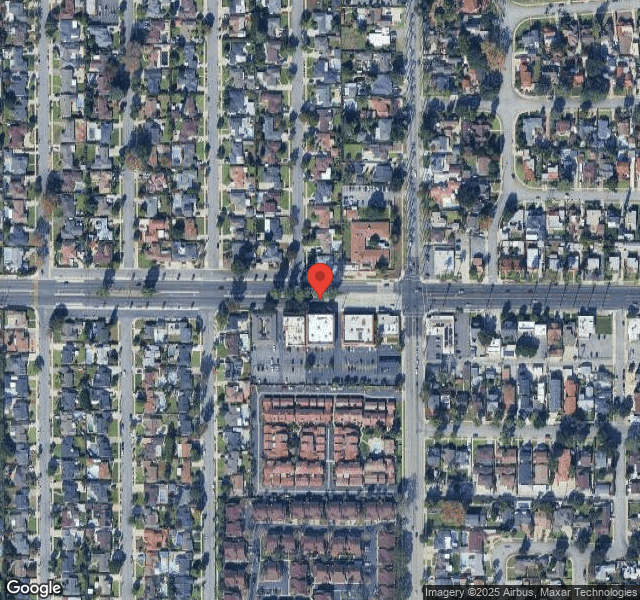
519 W. BADILLO ST., COVINA, CA 91722 (626) 915-5621
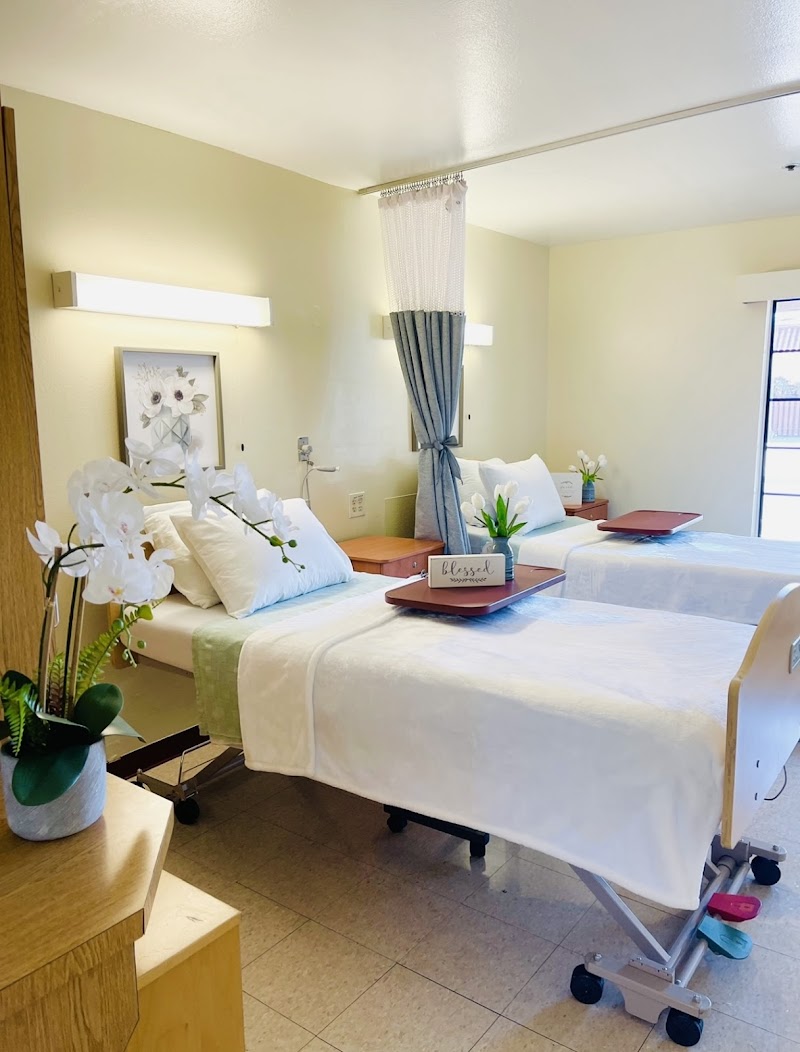
For profit - Limited Liability company 59 Beds Independent Data: November 2025
Trust Grade
80/100
#91 of 1155 in CA
Last Inspection: December 2024

Within standard 12-15 month inspection cycle. Federal law requires annual inspections.

Overview

Harvard Creek Post Acute in Covina, California, has a Trust Grade of B+, indicating it is above average and recommended for families considering care options. It ranks #91 out of 1,155 facilities in California, placing it in the top half statewide and #21 out of 369 in Los Angeles County, meaning there are only 20 local facilities rated higher. The facility is showing an improving trend, with issues decreasing from 9 in 2024 to 5 in 2025. Staffing is rated average with a 3/5 star rating and a turnover rate of 38%, which is on par with the California average. Notably, there have been no fines, which is a positive sign, but the RN coverage is concerning as it is lower than 80% of California facilities, potentially impacting the quality of care. However, there are some weaknesses to be aware of. Inspector findings revealed that staff failed to ensure proper safety measures for residents at risk of falls, such as not keeping call lights within reach or addressing their fall risk adequately. Additionally, there were issues with the improper use of bed rails for some residents and failure to follow food safety practices, which could lead to foodborne illnesses. While there are strengths in the facility's overall care and a lack of fines, families should consider these concerns when evaluating Harvard Creek Post Acute.

Trust Score
B+
80/100
In California
#91/1155
Top 7%
Safety Record
Low Risk
No red flags
Inspections
Getting Better
9 → 5 violations
Staff Stability
○ Average
38% turnover. Near California's 48% average. Typical for the industry.
Penalties
✓ Good
No fines on record. Clean compliance history, better than most California facilities.
Skilled Nurses
⚠ Watch
Each resident gets only 18 minutes of Registered Nurse (RN) attention daily — below average for California. Fewer RN minutes means fewer trained eyes watching for problems.
Violations
⚠ Watch
38 deficiencies on record. Higher than average. Multiple issues found across inspections.
★★★★★
5.0
Overall Rating
★★★☆☆
3.0
Staff Levels
★★★★★
5.0
Care Quality
★★★★☆
4.0
Inspection Score
Stable
2024: 9 issues
2025: 5 issues

The Good

  • 5-Star Quality Measures · Strong clinical quality outcomes
  • Full Sprinkler Coverage · Fire safety systems throughout facility
  • No fines on record
  • Staff turnover below average (38%)

    10 points below California average of 48%

Facility shows strength in quality measures, fire safety.

The Bad

Staff Turnover: 38%

Near California avg (46%)

Typical for the industry

The Ugly 38 deficiencies on record

Jun 2025 1 deficiency
CONCERN (D) 📢 Someone Reported This

A family member, employee, or ombudsman was alarmed enough to file a formal complaint

Potential for Harm - no one hurt, but risky conditions existed

Deficiency F0688 (Tag F0688)

Could have caused harm · This affected 1 resident

Based on observation, interview, and record review, the facility failed to ensure one of two sampled residents (Resident 1), received appropriate treatment to prevent further decrease in Resident 1's ...

Read full inspector narrative →
Based on observation, interview, and record review, the facility failed to ensure one of two sampled residents (Resident 1), received appropriate treatment to prevent further decrease in Resident 1's range of motion (ROM, the full movement potential of a joint or body part) in Resident 1's left shoulder. This failure resulted in Resident 1 experiencing pain and joint stiffness on Resident 1's left shouder due to a decrease in range of motion. Findings: During a review of Resident 1's admission Record (AR), the AR indicated the facility admitted Resident 1 on 11/29/2019 and readmitted Resident 1 on 6/10/2022 with diagnoses including chronic obstructive pulmonary disease (COPD, a group of diseases that cause airflow blockage and breathing-related problems), dementia (a group of thinking and social symptoms that interferes with daily functioning), and hemiplegia (muscle weakness or partial paralysis on one side of the body that can affect the arms, legs, and facial muscles) and hemiparesis (muscle weakness or partial paralysis on one side of the body) following cerebral infarction (also called ischemic stroke, occurs as a result of disrupted blood flow to the brain) affecting left side. During a review of Resident 1's Minimum Data Set (MDS, a resident assessment tool), dated 3/27/2025, the MDS indicated Resident 1 was severely impaired in cognitive skills (ability to make daily decisions). The MDS indicated Resident 1 was dependent (helper does all the effort) on staff for dressing, bathing, and personal, oral, and toileting hygiene. During a concurrent interview and record review on 6/23/2025 at 1:59 p.m. with Restorative Nursing Assistant (RNA) 1, Resident 1's RNA record, for June 2025, was reviewed. The RNA record indicated RNAs (in general) provided passive range of motion (PROM, a caregiver moving a resident's joint through its full range of motion without the resident actively contracting their muscles) to Resident 1's right arm, right leg, and left leg. RNA 1 stated RNA 1 did not provide PROM to Resident 1 ' s left arm. During a concurrent interview and record review on 6/23/2025 at 2:10 p.m. with the Director of Rehabilitation (DOR), Resident 1's Joint Mobility Assessment (JMA), dated 3/25/2025 was reviewed. The DOR confirmed the JMA indicated Resident 1 had impaired mobility (the ability to move or be moved freely and easily) to Resident 1's left shoulder. The DOR stated the RNA (in general) should be providing PROM to Resident 1's left shoulder to prevent joint stiffness. During a concurrent observation and interview on 6/23/2025 at 2:20 p.m. with the DOR, The DOR provided PROM to Resident 1's left shoulder. Resident 1 yelled out and had grimacing on Resident 1's face. The DOR stated Resident 1's left shoulder had some mobility limitation, and that Resident 1 was in pain when the DOR provided PROM to the left shoulder. The DOR stated the DOR was under the impression Resident 1 was being provided PROM to Resident 1's left shoulder. During a concurrent interview and record review on 6/24/2025 at 1:54 p.m. with the Director of Nursing (DON), Resident 1's untitled care plan, initiated on 4/8/2025, was reviewed. The care plan indicated Resident 1 was at risk for decline in ROM of Resident 1's arms and legs. The care plan indicated interventions to include providing PROM to Resident 1's left arm. The DON stated the goal of the interventions was to prevent a decline in Resident 1's ROM for right and left arms and legs. During a review of the facility's policy and procedure (P&P) titled, Joint Mobility Assessment, dated 1/1/2025, the P&P indicated, A resident, who enters the facility without a limited range of motion, shall not experience reduction in range of motion unless the resident's clinical condition and associated diagnoses demonstrates that a reduction in range of motion is unavoidable . A resident with a limited range of motion or contracture shall receive appropriate treatment and services, based on the comprehensive assessment of the resident, to increase range of motion and/or to prevent further decrease if possible depending on resident clinical condition. During a review of the facility's P&P titled, Care Plans, Comprehensive Person-Centered, revised December 2016, the P&P indicated, A comprehensive, person-centered care plan that includes measurable objectives and timetables to meet the resident's physical, psychosocial and functional needs is developed and implemented for each resident.
Jun 2025 3 deficiencies
CONCERN (D) 📢 Someone Reported This

A family member, employee, or ombudsman was alarmed enough to file a formal complaint

Potential for Harm - no one hurt, but risky conditions existed

Comprehensive Care Plan (Tag F0656)

Could have caused harm · This affected 1 resident

Based on interview and record review, the facility failed to incorporate Assessments and Care Planning Goals and Objectives in the Care Plans that lead to the residents' highest obtainable level of in...

Read full inspector narrative →
Based on interview and record review, the facility failed to incorporate Assessments and Care Planning Goals and Objectives in the Care Plans that lead to the residents' highest obtainable level of independence for one of five residents (Resident 1). Resident 1's care plan did not include Resident 1's behavior of crawling on the floor. This failure result in no nursing interventions for Resident 1's behavior of crawling on the floor and placed Resident 1 at risk for not reaching Resident 1's highest obtainable level of independence. Findings: During a review of Resident 1's admission Record (AR), the AR indicated the facility admitted Resident 1 on 2/7/2025 with diagnoses which included cerebral infarction (also called ischemic stroke, occurs as result of disrupted blood flow to the brain) and cognitive communication deficit (impaired attention, memory, perception, organization, language, and lack of coordination, symptoms and signs involving the musculoskeletal system). A review of Resident 1's fall risk care plan (CP), dated 2/7/2025, the CP indicated Resident 1 was at risk for falls secondary to history of falls prior to admission, and due to confusion, gait (a person's way of walking) and balance problems, and antihypertensive medication (medication used to treat high blood pressure with common side effects of dizziness and fatigue) use. The fall risk care plan goal was for Resident 1 to be free from injury through 5/7/2025. The fall risk care plan interventions indicated to provide bilateral floor mats for all fall precautions, to keep the resident call light within easy reach and answer the call lights promptly and within reasonable time, provide resident with a safe and clutter-free environment. During a review of Resident 1's Fall Risk Evaluation, dated 2/9/2025, the Fall Risk Evaluation indicated Resident 1 had confusion, had balance problem while standing and walking, had decreased coordination (ability to use different parts of the body together smoothly and efficiently), and was at risk for falls. During a review of Resident 1's History Physical (H&P) Examination, dated 2/10/2025, the H&P indicated Resident 1 did not have the capacity to understand and make decision. During a review of Resident 1's Minimum Data Set (MDS, a Resident assessment and care planning tool), dated 5/9/2025, the MDS indicated Resident 1 had severely impaired cognitive (ability to think and reason) skills for decision making and required extensive assistance of staff to move around in bed, to move to or from bed, chair, wheelchair, or standing position, to dress, to eat, to use the toilet, and to maintain personal hygiene (includes combing hair, brushing teeth, shaving, washing/drying face and hands). During a concurrent observation and interview 6/10/2025 at 11:35 am, Resident 2 was sitting in bed watching television. Resident 2 stated my roommate Resident 1 crawls down to the floor every day, multiple times a day, and crawls to my side of the room near my bedside table right here. During an interview with Certified Nurse Assistant 1(CNA 1- a healthcare professional who provides support and care for patients under the direction of licensed nurses) on 6/10/2025 at 12:30 pm, CNA 1 stated Resident 1 had periods of confusion, he crawled out of bed, and we transferred him back to his bed or on his wheelchair. CNA 1 stated This occurs several times a day. CNA 1 stated there have been times Resident 1 crawled out of the room to the hallway, and he assisted in picking himself up by grabbing onto the hallway rails and we slide the wheelchair under him and sat down. During an interview with Licensed Vocational Nurse 1 (LVN 1- an entry level health professional who provides basic medical assistance and works under a registered nurse) on 6/10/2025 at 2:17 pm, LVN 1 stated LVN 1 was assigned to care for Resident 1 on 6/5/2025 and 6/6/2025. LVN 1 stated Resident 1 had a wander guard (device worn by individuals at risk of wandering, often residents in assisted living or memory care facilities, to trigger alerts when they move outside of a designated safe zone) on Resident 1's ankle. During an interview with the Director of Nursing (DON) on 6/10/2025 at 3:30 pm, the DON stated the floor mats were placed for fall precautions and the expectation was for staff to assist the resident back to bed once they find the resident crawling on the floor mats. The DON stated Resident 1 crawls in his room, and when staff see him, staff need to monitor and assist Resident 1 back to bed. The DON stated It is not safe for Resident 1 to crawl to Resident 2's bedside because Resident 1 could hold onto objects and hurt himself. The DON stated Resident 1's fall risk care plan should have been updated per the facility's policy and procedure (P&P) to include crawling on the floor as one of Resident 1's behavior. A review of the facility's P&P titled, Goals and Objectives, Care Plans, dated 2001, (Revised April 2009), the P&P indicated, care plans shall incorporate goals and objectives that lead to the resident's highest obtainable level of independence. Care plans goals and objectives are derived from information contained in the resident's comprehensive assessment and are behaviorally stated.
CONCERN (D) 📢 Someone Reported This

A family member, employee, or ombudsman was alarmed enough to file a formal complaint

Potential for Harm - no one hurt, but risky conditions existed

Accident Prevention (Tag F0689)

Could have caused harm · This affected 1 resident

Based on interview and record review, the facility failed to implement its Policy and Procedure, titled Falls and Fall Risk, Managing, for one of five sampled residents (Resident 1) when: 1. Resident ...

Read full inspector narrative →
Based on interview and record review, the facility failed to implement its Policy and Procedure, titled Falls and Fall Risk, Managing, for one of five sampled residents (Resident 1) when: 1. Resident 1 was not assessed for injury whenever staff (in general) found Resident 1 on floor crawling on the floor mats (a padded cushion placed on the floor next to the bed to help reduce injuries from a fall) as indicated in Resident 1's fall risk care plan. 2. Resident 1's care plan did not include Resident 1's behavior of crawling on the floor. 3. Licensed Vocational Nurse (LVN) 1 did not document Resident 1's wander guard trial in Resident 1's medical record. This failure placed Resident 1 at risk for harm and injury. Cross reference F656, F842 Findings: During a review of Resident 1's admission Record (AR), the AR indicated the facility admitted Resident 1 on 2/7/2025 with diagnoses which included cerebral infarction (also called ischemic stroke, occurs as result of disrupted blood flow to the brain) and cognitive communication deficit (impaired attention, memory, perception, organization, language, and lack of coordination, symptoms and signs involving the musculoskeletal system). A review of Resident 1's fall risk care plan (CP), dated 2/7/2025, the CP indicated Resident 1 was at risk for falls secondary to history of falls prior to admission, and due to confusion, gait (a person's way of walking) and balance problems, and antihypertensive medication (medication used to treat high blood pressure with common side effects of dizziness and fatigue) use. The fall risk care plan goal was for Resident 1 to be free from injury through 5/7/2025. The fall risk care plan interventions indicated to provide bilateral floor mats for all fall precautions, to keep Resident 1's call light within easy reach and answer the call light promptly and within reasonable time, provide resident with a safe and clutter-free environment. During a review of Resident 1's Fall Risk Evaluation, dated 2/9/2025, The Fall Risk Evaluation indicated Resident 1 had confusion, had balance problem while standing and walking, had decreased coordination (ability to use different parts of the body together smoothly and efficiently), and was at risk for falls. During a review of Resident 1's Minimum Data Set (MDS, a resident assessment and care planning tool), dated 5/9/2025, the MDS indicated Resident 1 had severely impaired cognitive (ability to think and reason) skills for decision making and required extensive assistance of staff to move around in bed, to move to or from bed, chair, wheelchair, or standing position, to dress, to eat, to use the toilet, and to maintain personal hygiene (includes combing hair, brushing teeth, shaving, washing/drying face and hands). During a concurrent observation and interview 6/10/2025 at 11:35 am, Resident 2 was sitting in bed, watching television. Resident 2 stated my roommate Resident 1 crawls down to the floor every day multiple times a day, and crawls to my side of the room near my bedside table right here. During an interview with Certified Nurse Assistant 1(CNA 1- a healthcare professional who provides support and care for patients under the direction of licensed nurses) on 6/10/2025 at 12:30 pm, CNA 1 stated Resident 1 had periods of confusion, he crawled out of bed, and we transferred him back to his bed or on his wheelchair. CNA 1 stated This occurs several times a day. CNA 1 stated there have been times Resident 1 crawls out of the room to the hallway, and he assists in picking himself up by grabbing onto the hallway rails and slide the wheelchair under him and sit down. During an interview with LVN 1 on 6/10/2025 at 2:17 pm, LVN 1 stated LVN 1 was assigned to care for Resident 1 on 6/5/2025 and 6/6/2025, Resident 1 had a wander guard (device worn by individuals at risk of wandering, often residents in assisted living or memory care facilities, to trigger alerts when they move outside of a designated safe zone) on Resident 1's ankle and LVN 1 did not document the Wander guard trial in Resident 1's medical record. LVN 1 stated per facility's policy and procedure (P&P) It is my responsibility to document in medical record and I did not follow the policy. During an interview with the Director of Nursing (DON) on 6/10/2025 at 3:30 pm, the DON stated the floor mats were placed for fall precautions and the expectation was for staff to assist Resident 1's back to bed once staff find Resident 1 crawling on the floor mats. The DON stated Resident 1 crawls in his room, and when staff see him, staff need to monitor and assist Resident 1's back to bed. The DON stated, It is not safe for Resident 1 to crawl to Resident 2's bedside because Resident 1 could hold onto objects and hurt himself. The DON stated Resident 1's fall risk care plan should have been updated per the facility's P&P to include crawling behavior. The DON stated a change in condition like a wander guard should have been endorsed from one staff to another, but it was not. The DON stated the assigned LVNs should have endorsed and documented in Resident 1's medical record per the facility's policy, but it was not done. A review of the facility's P&P titled, Fall and Fall Risk, Managing, dated 2001 (Revised March 2018), the P&P indicated Based on previous evaluations and current data, the staff will identify interventions related to the resident's specific risks and causes to try to prevent the resident from falling and to try to minimize complications from falling According to the MDS, a fall is defined as: Unintentionally coming to rest on the ground, floor or other lower level, but not as a result of an over whelming external force (e.g., a resident pushes another resident) Unless there is evidence suggesting otherwise, when a resident is found on the floor, a fall is considered to have occurred.
CONCERN (D) 📢 Someone Reported This

A family member, employee, or ombudsman was alarmed enough to file a formal complaint

Potential for Harm - no one hurt, but risky conditions existed

Medical Records (Tag F0842)

Could have caused harm · This affected 1 resident

Based on interview and record review, the facility failed to implement its Policy and Procedure titled, Charting and Documentation, for one of five sampled residents (Resident 1) when: Licensed Vocati...

Read full inspector narrative →
Based on interview and record review, the facility failed to implement its Policy and Procedure titled, Charting and Documentation, for one of five sampled residents (Resident 1) when: Licensed Vocational Nurse 1 (LVN 1) did not document Resident 1's wander guard trial in Resident 1's medical record. This failure result in incomplete documentation for Resident 1 and placed Resident 1's inter disciplinary team at risk for miscommunication regarding the Resident 1's condition and response to care. Cross Reference: F689 and F656 Findings: During a review of Resident 1's admission Record (AR), the AR indicated the facility admitted Resident 1 on 2/7/2025 with diagnoses which included cerebral infarction (also called ischemic stroke, occurs as result of disrupted blood flow to the brain) and cognitive communication deficit (impaired attention, memory, perception, organization, language, and lack of coordination, symptoms and signs involving the musculoskeletal system). A review of Resident 1's fall risk care plan (CP), dated 2/7/2025, the CP indicated Resident 1 was at risk for falls secondary to history of falls prior to admission, and due to confusion, gait (a person's way of walking) and balance problems, and antihypertensive medication (medication used to treat high blood pressure with common side effects of dizziness and fatigue) use. The fall risk care plan goal was for Resident 1 to be free from injury through 5/7/2025. The fall risk care plan interventions indicated to provide bilateral floor mats for all fall precautions, to keep Resident 1's call light within easy reach and answer the call light promptly and within reasonable time, provide resident with a safe and clutter-free environment. During a review of Resident 1's Fall Risk Evaluation, dated 2/9/2025, The Fall Risk Evaluation indicated Resident 1 had confusion, had balance problem while standing and walking, had decreased coordination (ability to use different parts of the body together smoothly and efficiently), and was at risk for falls. During a review of Resident 1's Minimum Data Set (MDS, a resident assessment and care planning tool), dated 5/9/2025, the MDS indicated Resident 1 had severely impaired cognitive (ability to think and reason) skills for decision making and required extensive assistance of staff to move around in bed, to move to or from bed, chair, wheelchair, or standing position, to dress, to eat, to use the toilet, and to maintain personal hygiene (includes combing hair, brushing teeth, shaving, washing/drying face and hands). During a concurrent observation and interview 6/10/2025 at 11:35 am, Resident 2 was sitting in bed, watching television. Resident 2 stated my roommate Resident 1 crawls down to the floor every day multiple times a day, and crawls to my side of the room near my bedside table right here. During an interview with LVN 1 on 6/10/2025 at 2:17 pm, LVN 1 stated LVN 1 was assigned to care for Resident 1 on 6/5/2025 and 6/6/2025. LVN 1 stated Resident 1 had a wander guard (device worn by individuals at risk of wandering, often residents in assisted living or memory care facilities, to trigger alerts when they move outside of a designated safe zone) on Resident 1's ankle, but LNV 1 did not document in Resident 1's wander guard trial in Resident 1's medical record. LVN 1 stated per the facility's policy and procedure (P&P) Tt is my responsibility to document in medical record and I did not follow the policy. During an interview with the Director of Nursing (DON) on 6/10/2025 at 3:30 pm, the DON a change in condition like a wander guard trial should have been endorsed from one staff to another but It was not. The DON stated the assigned LVNs should have endorsed and documented information regarding Resident 1's wander guard trial in Resident 1's medical record per the facility's policy. A review of the facility's P&P titled, Goals and Objectives, Care Plans, dated 2001, (Revised July 2017), indicated All medical record should facilitate communication between the interdisciplinary team regarding the resident's condition and response to care Documentation in the medical record may be electronic, manual or a combination The following information is to be documented in the resident's medical record: Treatments or services.
Jan 2025 1 deficiency
CONCERN (D) 📢 Someone Reported This

A family member, employee, or ombudsman was alarmed enough to file a formal complaint

Potential for Harm - no one hurt, but risky conditions existed

Laboratory Services (Tag F0770)

Could have caused harm · This affected 1 resident

Based on interview and record review, the facility failed to follow a physician's order to collect a stool sample for one of three sampled residents (Resident 1). This deficient practice had the poten...

Read full inspector narrative →
Based on interview and record review, the facility failed to follow a physician's order to collect a stool sample for one of three sampled residents (Resident 1). This deficient practice had the potential for a delay of care and services to Resident 1. Findings: During a review of Resident 1's admission Record (AR), the AR indicated the facility originally admitted Resident 1 on 3/25/2024, and recently admitted Resident 1 on 11/27/2024, with diagnoses of acute respiratory failure with hypoxia (a serious medical condition that occurs when the body does not have enough oxygen in its tissues), end stage renal disease (irreversible kidney failure), and dependence on renal dialysis (a treatment that removes waste and extra fluid from the blood when the kidneys are no longer functioning properly). During a review of Resident 1's Minimum Data Set (MDS - a resident assessment tool), dated 12/2/2024, the MDS indicated Resident 1 was understood by others and had the ability to usually understand others. The MDS indicated Resident 1 required substantial/maximal assistance (helper does more than half the effort) with toileting hygiene, showering/bathing self, lower body dressing, and putting on/taking off footwear. The MDS indicated Resident 1 was always incontinent (unable to voluntarily control) of urinary and bowel. During a review of Resident 1's SBAR (Situation, Background, Assessment, Request) Communication Form and Progress Note (SBAR), dated 12/12/2024, untimed, the SBAR indicated Resident 1 was having signs and symptoms of loose stools (diarrhea). The SBAR indicated Resident 1 had two episodes of loose stools during the morning (AM) shift. During a review of Resident 1's Physician and Telephone Orders (PO), dated 12/13/2024, timed at 12:20 pm, the PO indicated Resident 1 had an order for stool for c. difficile (C. diff - a test that looks for toxins produced by the clostridioides difficile bacteria in a person's stool) to be collected. During an interview on 1/23/2025 at 2:41 pm with the Assistant Director of Nursing (ADON), the ADON stated it was important to follow the physician's order (to collect stool to test for C. diff) so the facility staff could have started the treatment and interventions for Resident 1 right away. The ADON stated the order for Resident 1's stool sample to be collected was not completed. During an interview on 1/23/2025 at 3:55 pm with the Director of Nursing (DON), the DON stated it was important to follow a physician's order so the facility staff could provide the proper care and intervention for a resident. During a review of the facility's policy and procedure (P&P) titled, Stool Specimen, revised October 2010, the P&P indicated, The purpose of this procedure is to collect a stool specimen for laboratory testing. The P&P indicated, Verify that there is a physician's order for this procedure . The following information should be recorded in the resident's medical record: 1. The date and time the specimen was collected. 2. The name and title of the individual(s) who performed the procedure. 3. All assessment data obtained during the procedure. 4. How the resident tolerated the procedure. 5. If the resident refused the procedure, the reason(s) why and the intervention taken. 6. The signature and title of the person recording the data. The P&P indicated, Notify the supervisor if the resident refuses the procedure. Report other information in accordance with facility policy and professional standards of practice.
Dec 2024 9 deficiencies
CONCERN (D)

Potential for Harm - no one hurt, but risky conditions existed

Deficiency F0552 (Tag F0552)

Could have caused harm · This affected 1 resident

**NOTE- TERMS IN BRACKETS HAVE BEEN EDITED TO PROTECT CONFIDENTIALITY** Based on observation, interview, and record review, the facility failed to ensure one of one sampled resident (Resident 21) was ...

Read full inspector narrative →
**NOTE- TERMS IN BRACKETS HAVE BEEN EDITED TO PROTECT CONFIDENTIALITY** Based on observation, interview, and record review, the facility failed to ensure one of one sampled resident (Resident 21) was informed in advance, of the risks and benefits of a psychoactive medication (a drug that changes brain function and results in alterations in perception, mood, consciousness, or behavior). This failure violated the residents' right to make an informed decision regarding the use of a psychoactive medication. Findings: During a review of Resident 21's admission Record (AR), the AR indicated Resident 21 was admitted to the facility on [DATE] with diagnoses that included diabetes mellitus (DM-a disorder characterized by difficulty in blood sugar control), anemia (a condition where the body does not have enough healthy red blood cells), and dysphagia (difficulty swallowing). During a review of Resident 21's History & Physical (H&P) dated 6/12/2024, the H&P indicated the resident had the capacity to understand and make decisions. During a review of Resident 21's Order Summary Report (OSR- active orders as of 12/1/2024) dated 6/17/2024, the OSR indicated Resident 21 had an order for Mirtazapine (a medication used to treat depression- common and serious illness that negatively affects how one feels, thinks and acts) oral tablet 45 milligrams (mg) to be given once by mouth at bedtime for depression manifested by inability to sleep. During a review of Resident 21's consent for Mirtazapine 45 mg- one tablet by mouth at night for depression manifested by inability to sleep, dated 6/17/2024, the informed consent was not signed nor dated by the resident. During a review of Resident 21's Minimum Data Set (MDS, a resident assessment tool), dated 9/18/2024, the MDS indicated Resident 21 had moderately impaired cognition (ability to understand) and needed supervision or touching assistance (helper provides verbal cue and/or touching/steadying and/or contact guard assistance as the resident completes the activity with assistance provided throughout the activity or intermittently) with moving from a sitting to standing position, transferring to and from a bed to a chair, wheelchair or side of the bed, and the ability to move on or off a toilet. During a review of Resident 21's Medication Administration Record (MAR) for December 2024, the MAR indicated Resident 21 received Mirtazipine 45 mg at bedtime from 12/1/2024 to 12/16/2024. During an observation on 12/17/2024 at 10:57 am in Resident 21's room, Resident 21 was sitting up in bed. During an interview on 12/17/2024 at 2:02 pm with the Assistant Director of Nursing (ADON), the ADON stated Resident 21's dosage of Mirtazapine was increased from 30 mg to 45 mg and Resident 21 should have consented prior to medication use. The ADON further stated it was important to have informed consent for all psychotropic medications for the residents to be aware of the medications they were taking including the risks, benefits, and adverse side effects. During a review of the facility's Policy and Procedure (P&P) titled, Informed Consent Antipsychotic Medications, dated 1/12/2022, the P&P indicated, physician's orders related to the use of psychotherapeutic drug and/or antipsychotic drug, shall not be initiated until the facility is able to verify that the resident or their authorized representative has given informed consent. The P&P further indicated, the licensed nurse shall complete the informed consent document in the resident's health record prior to administering the medication or treatment and an increase in dosage shall require informed consent to be obtained verified and documented in the resident's health record.
CONCERN (D)

Potential for Harm - no one hurt, but risky conditions existed

Assessment Accuracy (Tag F0641)

Could have caused harm · This affected 1 resident

**NOTE- TERMS IN BRACKETS HAVE BEEN EDITED TO PROTECT CONFIDENTIALITY** Based on interview and record review, the facility failed to ensure the Minimum Data Set (MDS, a resident assessment tool) refle...

Read full inspector narrative →
**NOTE- TERMS IN BRACKETS HAVE BEEN EDITED TO PROTECT CONFIDENTIALITY** Based on interview and record review, the facility failed to ensure the Minimum Data Set (MDS, a resident assessment tool) reflected an accurate assessment for one of one resident (Resident 51). This failure resulted in inaccurate reporting to the Centers for Medicare and Medicaid Services (CMS, a federal agency that administers the Medicare program and works with state governments to administer the Medicaid and health insurance portability standards) agency and had the potential for Resident 51 not to receive interventions to address the resident's specific care concerns. Findings: During a review of Resident 51's admission Record (AR), the AR indicated Resident 51 was admitted to the facility on [DATE] with diagnoses that included surgical aftercare (the treatment and care the patient received after surgery) following surgery on the digestive system (group of organs that work together to digest and absorb nutrients from food) and chronic kidney disease (progressive damage and loss of function of the kidneys). During a review of Resident 51's Physician's Order (PO) dated 10/1/2024, the PO indicated Resident 51 had an order to discharge home on [DATE] with home health nurse (a registered nurse who provides medical and personal care to patients in their homes), physical therapy/occupational therapy (PT/OT), walker (a mobility aid that helps provide stability and balance while walking), wheelchair (a chair fitted with wheels for use as a means of transport by a person who is unable to walk) and bedside commode (a portable toilet) as requested by the family. During a review of Resident 51's MDS dated [DATE], the MDS indicated Resident 51 was discharged to an acute hospital. During a review of Resident 51's Licensed Personnel Progress Notes (LPPN) dated 10/8/2024, the LPPN indicated Resident 51 was discharged home and left the facility in stable condition. During a concurrent interview and record review on 12/18/2024 at 2:24 pm with Minimum Data Set Coordinator (MDS C), Resident 51's MDS, dated 10/8//2024 was reviewed. The MDS C stated Resident 51's discharge status was coded in error in the MDS and did not reflect the accurate information where the resident was discharged . The MDS C stated the MDS discharge status should be coded as discharge home under the care of organized home health service organization. During an interview on 12/18/2024 at 3:36 pm with the Director of Nursing (DON), the DON stated accurate assessment reflected the condition and care the resident needs. The DON stated accurate assessment and documentation were important for accurate reporting to the CMS. During a review of the facility's Policy and Procedure (P&P) titled, Resident Assessments, revised November 2019, the P&P indicated, The resident assessment coordinator is responsible for ensuring that the interdisciplinary team conducts timely and appropriate resident assessments and reviews according to the OBRA and PPS required assessments.
CONCERN (D)

Potential for Harm - no one hurt, but risky conditions existed

Accident Prevention (Tag F0689)

Could have caused harm · This affected 1 resident

**NOTE- TERMS IN BRACKETS HAVE BEEN EDITED TO PROTECT CONFIDENTIALITY** Based on observation, interview, and record review, the facility failed to utilize bilateral landing mats as ordered, for one of...

Read full inspector narrative →
**NOTE- TERMS IN BRACKETS HAVE BEEN EDITED TO PROTECT CONFIDENTIALITY** Based on observation, interview, and record review, the facility failed to utilize bilateral landing mats as ordered, for one of three sampled residents (Resident 13) who had a history of falls. This deficient practice had the potential to result in serious consequences that may accompany a fall for Resident 13. Findings: During a review of Resident 13's admission Record (AR), the AR indicated Resident 13 was admitted to the facility on [DATE] with diagnoses that included Parkinson's disease (disease that affects the nerve cells in the brain that produces symptoms that include muscle rigidity, tremors, and changes in speech and gait) without dyskinesia (a movement disorder that involves involuntary muscle movements) and unspecified dementia (long term and often gradual decrease in the ability to think and remember severe enough to affect a person's daily functioning). During a review of Resident 13's Order Summary Report (OSR) dated 2/27/2022, the OSR indicated for staff to place bilateral floormat for fall precaution every shift, for Resident 13. During a review of Resident 13's Care Plan (CP) titled Fall Risk, dated 2/20/2023, the CP indicated Resident 13 was at risk for falls secondary to history of falls prior to admission, impaired balance, and poor safety awareness. The CP interventions indicated for nursing staff to place floor mat on both sides of Resident 13's bed. During a review of Resident 13's Minimum Data Set (MDS - a federally mandated resident assessment tool) dated 11/14/2024, the MDS indicated Resident 13 had severely impaired cognition for daily decision making. The MDS indicated Resident 13 was dependent to staff for oral/toileting hygiene, shower, upper and lower body dressing, putting on/taking off footwear and personal hygiene. During a review of Resident 13's Fall Risk Assessment (FRA- method of assessing a patient's likelihood of falling), dated 12/17/2024, the FRA indicated Resident 13 was assessed as at high risk for fall due to disorientation, being chair bound, requiring the use of assistive devices and presence of predisposing disease condition. During an observation on 12/17/2024 at 9:59 am in Resident 13's bedroom, Resident 13 was awake and lying in bed. Resident 13's right landing floor mat was placed approximately 1 foot away from Resident 13's bed. During an interview on 12/17/2024 at 10:01 am with the facility's Assistant Director of Nursing (ADON), the ADON stated floor mats needed to be placed closer to Resident 13's bed to catch Resident 13 in case of a fall and to prevent fatal injuries that could happen associated with a fall. During an interview on 12/18/2024 at 3:29 pm with the facility's Director of Nursing (DON), the DON stated Resident 13's floor mats needed to be placed closer to Resident 13's bed. The DON stated, the purpose of the floor mat was to minimize injury to Resident 13 in case accident happened, such as a fall. During a review of the facility's Policy and Procedure (P&P) titled, Fall Risk Assessment, revised 3/2018, the P&P indicated, the staff and attending physician will collaborate to identify an address modifiable fall risk factors and interventions to try to minimize the consequences of risk factors that are modifiable. Such intervention may include the use of a landing mattress to minimize the effects of any potential injury which may occur.
CONCERN (D)

Potential for Harm - no one hurt, but risky conditions existed

Respiratory Care (Tag F0695)

Could have caused harm · This affected 1 resident

**NOTE- TERMS IN BRACKETS HAVE BEEN EDITED TO PROTECT CONFIDENTIALITY** Based on observation, interview, and record review, the facility staff failed to ensure one of one sampled resident (Resident 40...

Read full inspector narrative →
**NOTE- TERMS IN BRACKETS HAVE BEEN EDITED TO PROTECT CONFIDENTIALITY** Based on observation, interview, and record review, the facility staff failed to ensure one of one sampled resident (Resident 40) received two liters of oxygen as needed according to physician's order and monitor the resident's oxygen usage in accordance with professional standards of practice. This deficient practice had the potential to cause complications associated with oxygen therapy for Resident 40. Findings: During a review of Resident 40's admission Record (AR), the AR indicated Resident 40 was admitted to the facility on [DATE] with diagnoses that included sepsis (a life-threatening blood infection), respiratory failure (a condition caused by inadequate supply of oxygen and/or the inability to remove carbon dioxide from the lungs), and urinary tract infection (UTI- an infection in the bladder/urinary tract). During a review of Resident 40's Order Summary Report (OSR) of Active Orders dated 7/15/2024, the OSR indicated Resident 40 had an order for two liters per minute (L/min) of oxygen via (through) nasal cannula (NC- tubing used to deliver oxygen that has two prongs that rest in the nostrils and connects to the oxygen concentrator) as needed to keep oxygen saturation above 92% for acute respiratory failure with hypoxia (low levels of oxygen in your body tissues). During a review of Resident 40's History & Physical (H&P) dated 7/21/2024, the H&P indicated the resident had the capacity to understand and make decisions. During a review of Resident 40's Minimum Data Set (MDS, a resident assessment tool) dated 10/22/2024, the MDS indicated Resident 40 had intact cognition (ability to understand) and needed supervision or touching assistance (helper provides verbal cue and/or touching/steadying and/or contact guard assistance as the resident completes the activity with assistance provided throughout the activity or intermittently) for eating and was dependent (helper does all the effort. Resident does none of the effort to complete the activity or the assistance of two or more helpers is required for the resident to complete the activity) for toileting hygiene and showering/bathing. During an observation on 12/17/2024 at 11:06 am in Resident 40's room, Resident 40 was in bed receiving five L/min of oxygen with humidification through a NC. During another observation on 12/17/2024 at 12:39 pm in Resident 40's room, Resident 40 was in bed receiving five L/min of oxygen with humidification through a NC. During a review of Resident 40's Pain Assessment Flow Sheet for December 2024 and Medication Administration Record (MAR) for December 2024, the documents indicated Resident 40 was receiving opioid analgesics (a class of drugs used to treat pain that can cause respiratory depression) of Tramadol (narcotic pain medication used to treat moderate to severe pain) 50 mg and Norco (hydrocodone-acetaminophen- narcotic analgesic for the treatment of moderate to moderately severe pain) oral tablet 10-325 mg for pain, almost daily. During a concurrent interview and record review on 12/19/2024 at 10:08 am with Licensed Vocational Nurse 2 (LVN 2), Resident 40's Medication Administration Record (MAR) for December 2024 was reviewed. The MAR did not indicate documentation (charting) on Resident 40 for the use of two L/min of oxygen via NC as needed to keep oxygen saturation above 92% for the month of December. LVN 2 stated Resident 40 was receiving two L/min of oxygen and last received Norco 10-325mg on 12/19/2024 at 6:30 am. LVN 2 further stated, Resident 40's oxygen use should be documented to ensure the resident was receiving sufficient oxygen. During a concurrent observation and interview on 12/19/2024 at 10:16 am with LVN 2 in Resident 40's room, Resident 40 had ongoing oxygen at five L/min via NC. LVN 2 stated, the licensed nurse was responsible for monitoring the resident's oxygen to ensure it was set at the correct level and that the physician's order was followed. LVN 2 further stated, Resident 40 should only receive two L/min of oxygen as ordered. During an interview on 12/19/2024 at 12:20 pm with the Assistant Director of Nursing (ADON), the ADON stated Resident 40 was on oxygen continuously and that monitoring the resident's oxygen levels was necessary to check for respiratory distress and determine if interventions were effective or if the resident needed more supplemental oxygen. The ADON further stated, licensed staff should have been charting and monitoring Resident 40's oxygen usage to determine how often oxygen was needed and to assist the facility staff in obtaining appropriate orders for Resident 40 based on the resident's needs. During a review of the facility's Policy and Procedure (P&P) titled, Oxygen Administration, revised October 2010, the P&P indicated the purpose of the P&P was to provide guidelines for safe oxygen administration. The P&P indicated, to review the physician's orders, adjust the oxygen delivery device so proper flow of oxygen is being administered, and to record oxygen administration in the resident's medical record.
CONCERN (D)

Potential for Harm - no one hurt, but risky conditions existed

Infection Control (Tag F0880)

Could have caused harm · This affected 1 resident

**NOTE- TERMS IN BRACKETS HAVE BEEN EDITED TO PROTECT CONFIDENTIALITY** Based on observation, interview, and record review, the facility failed to ensure a safe and sanitary environment to help preven...

Read full inspector narrative →
**NOTE- TERMS IN BRACKETS HAVE BEEN EDITED TO PROTECT CONFIDENTIALITY** Based on observation, interview, and record review, the facility failed to ensure a safe and sanitary environment to help prevent the development and transmission of communicable diseases for a resident on hemodialysis (a treatment to cleanse the blood of wastes and extra fluids artificially through a machine when the kidney(s) have failed) with indwelling medical device placed on Enhanced Barrier Precautions (EBP, infection control measures used to prevent the spread of multidrug-resistant organisms [MDROs] in healthcare settings) for one of six sampled residents (Resident 44). This failure had the potential to expose Resident 44 to infection. Findings: During a review of Resident 44's admission Records (AR), the AR indicated Resident 44 was initially admitted to the facility on [DATE] and readmitted on [DATE] with diagnoses that included end stage renal disease (ESRD, irreversible kidney failure) hemiplegia (total paralysis of the arm, leg, and trunk on the same side of the body) and hemiparesis (weakness on one side of the body). During a review of Resident 44's Minimum Data Set (MDS, a resident assessment tool) dated 12/6/2024, the MDS indicated Resident 44 had moderately impaired cognition (ability to understand). The MDS indicated Resident 44 required moderate assistance (helper did less than half the effort) with eating and dependent (helper did all of the effort, resident did none of the effort to complete the activity) with oral and toileting hygiene, shower, upper and lower body dressing, and personal hygiene. During a review of Resident 44's Care Plan (CP) titled Dialysis dated 12/3/2024, the CP indicated Resident 44 was on hemodialysis due to ESRD and had a quinton catheter (non-tunneled central line catheter used to provide temporary access to a vein for hemodialysis) on the right upper chest. The interventions included for staff to monitor dialysis access site for signs and symptoms of infection. During a concurrent observation and interview on 12/17/2024 at 10:03 am with the Assistant Director of Nursing (ADON), Resident 44 was in bed on her back. Resident 44 had a permacatheter (a flexible tube inserted into a vein to provide long-term access to the bloodstream) dialysis access site on the right upper chest. The ADON stated Resident 44 was not on EBP. During an interview on 12/17/2024 at 1:11 pm with the Director of Nursing (DON), the DON stated Resident 44 had a central line and should be placed on EBP to prevent the spread of infection. During a review of the facility's Policy and procedure (P&P) titled, Infection Control: Enhanced Barrier Precautions (EBP), dated 6/18/2024, the P&P indicated, Indwelling medical device examples include central lines, urinary catheters, feeding tubes, and tracheostomies. EBP should be used for any residents who meet the above criteria, wherever they reside in the facility.
CONCERN (E)

Potential for Harm - no one hurt, but risky conditions existed

Deficiency F0558 (Tag F0558)

Could have caused harm · This affected multiple residents

**NOTE- TERMS IN BRACKETS HAVE BEEN EDITED TO PROTECT CONFIDENTIALITY** b. During a review of Resident 13's AR, the AR indicated Resident 13 was admitted to the facility on [DATE] with diagnoses that ...

Read full inspector narrative →
**NOTE- TERMS IN BRACKETS HAVE BEEN EDITED TO PROTECT CONFIDENTIALITY** b. During a review of Resident 13's AR, the AR indicated Resident 13 was admitted to the facility on [DATE] with diagnoses that included Parkinson's disease (disease that affects the nerve cells in the brain that produces symptoms that include muscle rigidity, tremors, and changes in speech and gait) without dyskinesia (a movement disorder that involves involuntary muscle movements) and unspecified dementia (long term and often gradual decrease in the ability to think and remember severe enough to affect a person's daily functioning). During a review of Resident 13's CP titled Fall Risk dated 2/20/2023, the CP indicated Resident 13 was at risk for falls secondary to history of falls prior to admission and impaired balance and poor safety awareness. The CP interventions indicated for nursing staff to keep call lights and bed controls within easy reach, encouraging the resident to call for assistance and for staff to answer the call light in a timely manner. During a review of Resident 13's MDS dated [DATE], the MDS indicated Resident 13 had severely impaired cognition for daily decision making. The MDS indicated Resident 13 was dependent to staff for oral/toileting hygiene, shower, upper and lower body dressing, putting on/taking off footwear and personal hygiene. During a review of Resident 13's Fall Risk Assessment (FRA- method of assessing a patient's likelihood of falling) dated 12/17/2024, the FRA indicated Resident 13 was assessed as high risk for fall due to disorientation, being chair bound, required the use of assistive devices and presence of predisposing disease condition. During an observation on 12/17/2024 at 10:12 am in Resident 13's room, Resident 13 was awake and lying in bed. Resident 13's call light was clipped at the upper right side of the bed. Resident 13 was not able to reach the call light. During a concurrent observation and interview on 12/17/2024 at 10:18 am with Certified Nursing Assistant 1 (CNA 1), CNA 1 stated Resident 13's call light was on the upper right side of the bed and the resident was unable to reach the call light. The CNA 1 stated, Resident 13's call light needed to be within reach all the time for Resident 13 to use to ask for assistance or help. c. During a review of Resident 35's AR, the AR indicated Resident 35 was admitted to the facility on [DATE] with diagnoses that included epilepsy (brain disorder in which a person has repeated seizures (convulsions) over time) and right hand contracture (shortening and hardening of muscles, tendons, or other tissue, often leading to deformity and rigidity of joints). During a review of Resident 35's CP titled Fall Risk, dated 8/15/2023, the CP indicated Resident 35 was at risk for falls secondary to impaired balance and poor safety awareness. The CP interventions indicated for nursing staff to keep call lights and bed controls within easy reach, encourage the resident to call for assistance and staff to answer call light in a timely manner. During a review of Resident 35's MDS dated [DATE], the MDS indicated Resident 35 had severely impaired cognition for daily decision making. The MDS indicated Resident 35 was dependent (helper did all the effort and lifted or held trunk or limbs) to staff for oral/toileting hygiene, shower, upper and lower body dressing, putting on/taking off footwear and personal hygiene. During a review of Resident 35's FRA dated 12/17/2024, the FRA indicated Resident 35 was assessed as high risk for fall due to disorientation, being chair bound, requiring the use of assistive devices and presence of predisposing disease condition. During an observation on 12/17/2024 at 9:59 am in Resident 35's room, Resident 35 was asleep, lying in bed. Resident 35's call light was hanging on top of the headboard. During a concurrent observation and interview on 12/17/2024 at 10 am, with the facility's Assistant Director of Nursing (ADON), the ADON stated Resident 35 was unable to reach the call light because it was hanging on the top of the headboard. The ADON stated Resident 35's call light needed to be within reach for Resident 35 to use to call staff if Resident 35 needed assistance. During an interview on 12/17/2024 at 10:19 am with the facility's ADON, the ADON stated residents call light needed to be within reach for residents to use when needed and staff could assist residents in a timely manner. During an interview on 12/18/2024 at 3:16 pm with the facility's Director of Nursing (DON), the DON stated residents call light needed to be within reach, for staff to attend to the resident's needs immediately. During a review of the facility's Policy and Procedure (P&P) titled, Answering the Call Light, dated 3/2021, the P&P indicated when the resident is in bed or confined to a chair, be sure the call light is within easy reach of the resident. Based on observation, interview, and record review, the facility failed to ensure call lights were within reach for three of three sampled residents (Residents 13, 17 and 35). These deficient practices had the potential for the residents not to receive necessary care or receive delayed services to meet the residents' needs that could result in a fall or injury. Findings: a. During a review of Resident 17's admission Record (AR), the AR indicated, Resident 17 was initially admitted to the facility on [DATE] and readmitted on [DATE] with diagnoses that included osteoarthritis (a progressive disorder of the joints caused by gradual loss of cartilage), epilepsy (a disorder in which nerve cell activity in the brain is disturbed causing seizures) and chronic obstructive pulmonary disease (COPD, a chronic lung diseases causing difficulty in breathing). During a review of Resident 17's Minimum Data Set (MDS, a resident assessment tool), dated 9/6/2024, the MDS indicated Resident 17 had severely impaired cognition (ability to understand). Resident 17 required moderate assistance (helper did less than half the effort) with oral hygiene, toileting hygiene and lower body dressing and maximal assistance (helper did more than half the effort) with shower. During a review of Resident 17's Care Plan (CP) titled Fall Risk, dated 3/7/2024, the CP indicated Resident 17 was at risk for falls secondary to history of falls and impaired balance (a condition that makes it difficult to maintain orientation and feel steady). The CP interventions included to keep the resident's call light and bed control within easy reach. During a concurrent observation in Resident 17's room and interview on 12/17/2024 at 10:03 am with the Activity Director (AD), Resident 17's call light was behind the headboard. The AD stated Resident 17 could not reach the call light. The AD stated Resident 17's call light should be close and next to the resident for the resident to use to call and ask for help and assistance.
CONCERN (E)

Potential for Harm - no one hurt, but risky conditions existed

Deficiency F0700 (Tag F0700)

Could have caused harm · This affected multiple residents

**NOTE- TERMS IN BRACKETS HAVE BEEN EDITED TO PROTECT CONFIDENTIALITY** Based on observation, interview, and record review, the facility failed to implement its Policy and Procedure (P&P) on the use o...

Read full inspector narrative →
**NOTE- TERMS IN BRACKETS HAVE BEEN EDITED TO PROTECT CONFIDENTIALITY** Based on observation, interview, and record review, the facility failed to implement its Policy and Procedure (P&P) on the use of side rails/bed rails (adjustable metal or rigid plastic bars attached to the bed) for three of three sampled residents (Residents 21, 33 and 48) by failing to: a. (1). Ensure appropriate alternative interventions were attempted before the installation of side rails for Resident 21. (2). Assess Resident 21 for risk of entrapment (an event in which a resident is caught, trapped, or entangled in the space in or about the bed rail) and obtained an informed consent to review the risks and benefits prior to installing bed rails. b. Ensure appropriate alternative interventions were attempted and did not meet the needs of Resident 33 before the installation of side rails. c. Ensure appropriate alternative interventions were attempted and did not meet the needs of Resident 48 before the installation of side rails. These failures placed Residents 21, 33 and 48 at risk for entrapment, injury or death from the use of side rails. Findings: a. During a review of Resident 21's admission Record (AR), the AR indicated Resident 21 was admitted to the facility on [DATE] with diagnoses that included diabetes mellitus (DM-a disorder characterized by difficulty in blood sugar control), anemia (a condition where the body does not have enough healthy red blood cells), and dysphagia (difficulty swallowing). During a review of Resident 21's History & Physical (H&P) dated 6/12/2024, the H&P indicated the resident had the capacity to understand and make decisions. During a review of Resident 21's Minimum Data Set (MDS, a resident assessment tool) dated 9/18/2024, the MDS indicated Resident 21 had moderately impaired cognition (ability to understand) and needed supervision or touching assistance (helper provides verbal cue and/or touching/steadying and/or contact guard assistance as the resident completes the activity. Assistance may be provided throughout the activity or intermittently) with moving from a sitting to standing position, transferring to and from a bed to a chair, wheelchair or side of the bed, and the ability to move on or off a toilet. During a review of Resident 21's Order Summary Report (OSR) - Active orders as of 12/1/2024, the OSR indicated the following: 1. Resident 21 was capable of giving informed consent and/or able to participate in his treatment plan, ordered on 6/11/2024. 2. Bilateral half side rails to aid with bed mobility and transfers, every shift, ordered 6/11/2024. During an observation on 12/17/2024 at 10:57 am, in Resident 21's room, Resident 21 was sitting up on the side of the bed and both half side rails on the bed were up. During a concurrent interview and record review on 12/17/2024 at 2:09 pm with the Assistant Director of Nursing (ADON), Resident 21's medical record (MR) was reviewed. The MR did not have Resident 21's Entrapment Risk Evaluation for Bedrails and the Bedrails Assessment and Consent. The ADON stated, Resident 21 had a history of falls and the bedrail consent and assessments should have been completed to determine if bedrails were appropriate to use for Resident 21. The ADON further stated, the facility failed to use alternative measures prior to bedrail usage for Resident 21. During an interview on 12/20/2024 at 9:19 am with the facility's Director of Nursing (DON), the DON stated as specified in the facility's Bed Rails policy and procedure, the facility should use the least restrictive, alternative interventions and approaches before using bedrails as bed rails could be an entrapment risk for the residents. b. During a review of Resident 33's AR, the AR indicated Resident 33 was admitted to the facility on [DATE] with diagnoses that included chronic obstructive pulmonary disease (COPD- type of obstructive lung disease characterized by long-term poor airflow) and unspecified dementia (long term and often gradual decrease in the ability to think and remember severe enough to affect a person's daily functioning). During a review of Resident 33's OSR dated 11/5/2024, the OSR indicated an order for staff to apply upper bilateral one fourth (1/4) side rail for bed mobility every shift for Resident 33. During a review of Resident 33's MDS dated [DATE], the MDS indicated Resident 33 had severely impaired cognition for daily decision making. The MDS indicated, Resident 33 was dependent to staff for toileting hygiene, shower, lower body dressing, putting on/taking off footwear and personal hygiene. During an observation on 12/17/2024 at 10:27 am with Assistant Director of Nursing (ADON) inside Resident 33's room, Resident 33 was lying in bed on her back and bilateral upper side rails were up. During a concurrent interview and record review on 12/17/2024 at 1:12 pm with the facility's Director of Nursing (DON), Resident 33's MR was reviewed. The DON stated there was no clinical documentation that appropriate alternatives were attempted before bedrail/siderails were used on Resident 33. The DON stated, when Resident 33 was re-admitted back to the facility, side rails were placed automatically. During a concurrent interview and record review of the facility's Policy and Procedure (P&P) titled, Proper Use of Side rails, on 12/20/2024 at 9:19 am with the facility's DON, the DON stated, use of appropriate alternatives should have been attempted before the use of bed rails as indicated in the policy. The DON stated bed rails could cause serious injury such as entrapment to the resident. c. During a review of Resident 48's AR, the AR indicated Resident 48 was admitted to the facility on [DATE] with diagnoses that included fracture (a complete or partial break in a bone) of the first and second lumbar vertebrae (bones that make up the lower part of the spine) and acute kidney failure (a condition in which the kidneys can't filter waste from the blood). During a review of Resident 48's MDS dated [DATE], the MDS indicated Resident 48 had intact cognition. The MDS indicated Resident 48 required maximum assistance (helper did more of the effort) with oral hygiene, upper body dressing and personal hygiene and was dependent (helper did all of the effort, resident did none of the effort to complete the activity) with toileting hygiene, shower, and lower body dressing. During a concurrent observation and interview on 12/17/2024 at 10:06 am inside Resident 48's room, Resident 48 was in bed on her back with ¼ side rails up on both sides of the bed. Resident 48 was alert and oriented. Resident 48 stated she did not know why she had the side rails up. Resident 48 was not using the side rails. During a concurrent interview and record review on 12/18/2024 at 9:00 am with the Assistant Director of Nursing (ADON), Resident 48's medical records (chart) were reviewed. The ADON stated, there were no documentation that alternative interventions were attempted to use before side rails were installed on Resident 48's bed. During a review of the facility's Policy and Procedure (P&P) titled, Proper Use of Side Rails, revised 12/2016, the P&P indicated, the purpose of the guideline was to ensure the safe use of side rails as resident mobility aids and to prohibit the use of side rails as restraints unless necessary to treat a resident's medical symptoms. The P&P indicated documentation will indicate if less restrictive approaches are not successful, prior to the considering the use of side rails, risks and benefits of side rails will be considered for each resident, and consent for side rail use will be obtained from the resident after presenting potential benefits and risks. The P&P indicated, An assessment will be made to determine the resident's symptoms, risk of entrapment and reason for using side rails. The P&P indicated, documentation will indicate if less restrictive approaches are not successful, prior to considering the use of side rails. P&P indicated consent for side rail use will be obtained from the resident or legal representative, after presenting potential benefits and risks.
CONCERN (E)

Potential for Harm - no one hurt, but risky conditions existed

Food Safety (Tag F0812)

Could have caused harm · This affected multiple residents

Based on observation, interview, and record review, the facility failed to follow proper food handling practices by failing to ensure food items were dated when it was first opened in one of two facil...

Read full inspector narrative →
Based on observation, interview, and record review, the facility failed to follow proper food handling practices by failing to ensure food items were dated when it was first opened in one of two facility refrigerators. This deficient practice had the potential risk for food borne illnesses (infections caused by ingesting contaminated food or beverages) to the residents. Findings: During an observation and initial tour of the kitchen on 12/17/2024 at 9:24 am, together with the Lead [NAME] (LC), one unlabeled bag of tortilla and 2 pound (lbs.- unit of measurement) open bag of corn tortilla did not have a label or date when it was first opened, inside one facility refrigerator. The LC stated the bags of tortillas were not labeled nor dated when it was first opened. The LC stated the staff who opened the food item needed to label it with the date opened to keep track of how long the food item was opened. During an interview on 12/18/2024 at 12:01 pm with the Dietary Supervisor (DS), the DS stated, all food items needed to have a label with date opened to determine the use by date and to identify the life span of the food item. During a review of the facility's Policy and Procedure (P&P) titled, Labeling and Dating of Goods, dated 2020, the P&P indicated newly opened food items will need to be closed and labeled with a delivery and open date and use by the date.
MINOR (B)

Minor Issue - procedural, no safety impact

Deficiency F0912 (Tag F0912)

Minor procedural issue · This affected multiple residents

**NOTE- TERMS IN BRACKETS HAVE BEEN EDITED TO PROTECT CONFIDENTIALITY** Based on observation, interview, and record review, the facility failed to meet the 80 square feet (sq. ft., a unit area of meas...

Read full inspector narrative →
**NOTE- TERMS IN BRACKETS HAVE BEEN EDITED TO PROTECT CONFIDENTIALITY** Based on observation, interview, and record review, the facility failed to meet the 80 square feet (sq. ft., a unit area of measurement) per resident in multiple resident bedrooms requirement for 18 of 24 resident rooms (Rooms 101,103, 104, 105, 106, 107, 108, 109, 110, 111, 112, 114, 115, 116, 117, 118, 119 and 122) in the facility. This failure had the potential to affect residents' privacy and result in the residents not having adequate space for nursing care and emergency services. Findings: During an observation on 12/17/2024 at 10:41 am in Station 1 and 2, Rooms 101,103, 104, 105, 106, 107, 110, 111, 112, 114, 115, 116, 117, 118, and 119 had 2 beds inside. Rooms 108, 109 and 122 had 4 beds inside. The residents and staff were able to move wheelchairs, front wheel walkers and shower chairs in the rooms and provide care to the residents without difficulty and with enough space. During an interview on 12/18/2024 at 10:22 am with the facility's Administrator (ADM), the ADM stated the facility had 18 out of 24 resident rooms that did not meet the minimum requirement of 80 sq. ft. per resident in multiple resident rooms. The ADM submitted a room waiver for the above 19 rooms. During a review of the facility's Room Waiver Request (RWR), dated 12/18/2024, the RWR indicated the rooms had enough space for each resident's care and dignity and privacy issues were all in compliance. The RWR indicated each resident's necessity of equipment and fixtures had no negative effect on the care and movement of staff and other residents. The room waiver request indicated the following: Rm # # of beds Total sq. ft. Required sq. ft. 101 2 154 160 103 2 154 160 104 2 154 160 105 2 154 160 106 2 154 160 107 2 154 160 108 4 280 320 109 4 280 320 110 2 154 160 111 2 154 160 112 2 154 160 114 2 147 160 115 2 147 160 116 2 154 160 117 2 154 160 118 2 154 160 119 2 154 160 122 4 280 320 During an observation on 12/19/2024 at 9:45 am inside room [ROOM NUMBER], room [ROOM NUMBER] had 4 residents. CNAs 2 and 3 were cleaning and changing Resident 35 inside the room. During an interview on 12/19/2024 at 10:00 am with Certified Nurse Assistant 2 (CNA 2), CNA 2 stated staff had enough space to move around the resident's room. CNA 2 stated the room could fit a wheelchair, front wheel walker and a rolling shower chair with no difficulty. During an interview on 12/19/2024 at 10:04 am with CNA 3, CNA 3 stated CNA 3 was able to move wheelchairs and walkers inside the resident's room with ease and move with enough space when providing resident care.
Dec 2023 15 deficiencies
CONCERN (D)

Potential for Harm - no one hurt, but risky conditions existed

Resident Rights (Tag F0550)

Could have caused harm · This affected 1 resident

**NOTE- TERMS IN BRACKETS HAVE BEEN EDITED TO PROTECT CONFIDENTIALITY** Based on observation, interview, and record review, the facility failed to provide bilateral handsocks (a type of glove that cov...

Read full inspector narrative →
**NOTE- TERMS IN BRACKETS HAVE BEEN EDITED TO PROTECT CONFIDENTIALITY** Based on observation, interview, and record review, the facility failed to provide bilateral handsocks (a type of glove that covers the hands) for one of two sampled residents (Resident 8) in accordance with the physician's order. This deficient practice had the potential to affect Resident 1's self-esteem (self-worth) and psychosocial well-being. Findings: During a review of Resident 8's admission Record (AR), the AR indicated, Resident 8 was admitted to the facility on [DATE], with diagnoses that included dementia (progressive loss of intellectual functioning, impairment of memory and thinking) and contracture (shortening and hardening of muscles, tendons and other tissue leading to deformity and rigidity of joints) of the left elbow. During a review of Resident 8's Minimum Data Set (MDS- standardized assessment and care planning tool) dated 10/20/2023, the MDS indicated Resident 8 had severely impaired cognition (ability to understand) and was totally dependent on staff with oral hygiene, toileting, shower, and personal hygiene. During a review of Resident 8's Physician's Order (PO), dated 11/21/2023, the PO indicated, Resident 8 had an order for bilateral handsocks to maintain good quality care to prevent scratching self. During a review of Resident 8's untitled Resident Care Plan (RCP) dated 11/21/2023, the RCP indicated, Resident 8 was at risk for skin alteration related to resident scratching self. The RCP interventions included for staff to apply bilateral hand socks to Resident 8 to maintain good quality care and prevent the resident from scratching. During a concurrent observation and interview on 12/19/2023 at 11:02 am with the Assistant Director of Nursing (ADON) inside Resident 8's room, Resident 8 had non-slippery foot socks on bilateral hands. The ADON stated non-slippery foot socks were used to prevent Resident 8 from scratching the gastrostomy tube (GT, surgical insertion of a tube, creating an artificial external opening into the stomach for nutritional support) site and arms. During a concurrent interview and record review on 12/20/2023 at 2:59 pm with the ADON, Resident 8's PO dated 11/21/2023 was reviewed. The ADON stated Resident 8 had an order for bilateral handsocks and not a non-slippery foot socks. The ADON stated non-slippery foot socks should not be used on Resident 8 to replace hand socks as ordered, because it affects Resident 8's dignity. The ADON stated hand socks were intended for the hands and foot socks were intended for the feet. During a review of the facility's Policy and Procedure (P&P) titled, Quality of Life - Dignity, with a revised date of February 2020, the P&P indicated, Each resident shall be cared for in a manner that promotes and enhances his or her sense of well-being, level of satisfaction with life, feeling of self-worth and self-esteem. Residents are treated with dignity and respect at all times. Demeaning practices and standards of care that compromise dignity are prohibited. Staff are expected to treat cognitively impaired residents with dignity and sensitivity.
CONCERN (D)

Potential for Harm - no one hurt, but risky conditions existed

Deficiency F0558 (Tag F0558)

Could have caused harm · This affected 1 resident

**NOTE- TERMS IN BRACKETS HAVE BEEN EDITED TO PROTECT CONFIDENTIALITY** Based on observation, interview, and record review, the facility failed to ensure the call light (an alerting device for staff t...

Read full inspector narrative →
**NOTE- TERMS IN BRACKETS HAVE BEEN EDITED TO PROTECT CONFIDENTIALITY** Based on observation, interview, and record review, the facility failed to ensure the call light (an alerting device for staff to assist a resident in need) was within reach for one of one sampled resident (Resident 42). This deficient practice had the potential to result in Resident 42 not receiving care and assistance in a timely manner. Findings: During a review of Resident 42's admission Record, the admission record indicated Resident 42 was admitted on [DATE], with diagnoses that included difficulty walking, muscle wasting and atrophy (loss of muscle mass) and malignant neoplasm of the brain (brain cancer). During a review of Resident 42's Minimum Data Set (MDS, a resident assessment and care screening tool) dated 10/9/2023, the MDS indicated Resident 42 had clear speech, had ability to express ideas and wants and had ability to understand others. The MDS indicated Resident 42 was cognitively intact (able to think and reason). The MDS indicated Resident 42 required substantial/maximal assistance (helper does more than half the effort, helper lifts or holds trunk or limbs and provides more than half the effort) for sit to lying, toilet transfer and personal hygiene, and was dependent (helper does all of the effort, resident does none of the effort to complete the activity) for chair/bed-to-chair transfer. During a concurrent observation and interview on 12/19/2023 at 9:49 am, in Resident 42's room, Resident 42 was lying in bed. Resident 42's call light was on the floor at the back of Resident 42's head of bed. Resident 42 stated she was not able to find the call light and not able to reach it. During an interview on 12/19/2023 at 9:58 am, Licensed Vocational Nurse 2 (LVN 2) stated, Resident 42's call light was on the floor and was not within reach of Resident 42. LVN 2 stated Resident 42's call light should be within reach of the resident so Resident 42 could use to call for help when needed. LVN 2 stated, residents would get hurt trying to get out of bed by themselves if the call light was not within reach. During a review of the facility's Policy and Procedure (P&P) titled, Answering the Call Light, revised 3/2021, the P&P indicated, when the resident is in bed or confined to a chair, be sure the call light is within easy reach of the resident.
CONCERN (D)

Potential for Harm - no one hurt, but risky conditions existed

Deficiency F0578 (Tag F0578)

Could have caused harm · This affected 1 resident

**NOTE- TERMS IN BRACKETS HAVE BEEN EDITED TO PROTECT CONFIDENTIALITY** Based on interview and record review, the facility failed to ensure to provide information of advance care planning (a process o...

Read full inspector narrative →
**NOTE- TERMS IN BRACKETS HAVE BEEN EDITED TO PROTECT CONFIDENTIALITY** Based on interview and record review, the facility failed to ensure to provide information of advance care planning (a process of communication between individuals and their healthcare agents to understand, reflect on, discuss, and plan for future healthcare decisions for a time when individuals are not able to make their own healthcare decisions.) for one of one sampled resident (Resident 42). This deficient practice had the potential for facility staff to provide treatment against the resident's will. Findings: During a review of Resident 42's admission Record, the admission record indicated Resident 42 was admitted on [DATE], with diagnoses that included difficulty walking, muscle wasting and atrophy (loss of muscle mass) and malignant neoplasm of brain (brain cancer). During a review of Resident 42's Minimum Data Set (MDS, a resident assessment and care screening tool) dated 10/9/2023, the MDS indicated Resident 42 had clear speech, had ability to express ideas and wants and had ability to understand others. Resident 42 was cognitively intact (able to think, reason and organize). Resident 42 required substantial/maximal assistance (helper does more than half the effort, helper lifts or holds trunk or limbs and provides more than half the effort) for sit to lying, toilet transfer and personal hygiene, and was dependent (helper does all of the effort, resident does none of the effort to complete the activity) for chair/bed-to-chair transfer. During a review of Resident 42's Advance Directive (AD, a written instruction, such as a living will or durable power of attorney for health care relating to the provision of health care when the individual is incapacitated) Acknowledgement form, dated 10/5/2023, the AD acknowledgement form was not completed. During an interview on 12/19/2023 at 3:13 pm, Social Service Director (SSD) stated, there was no AD offered to Resident 42 in Resident 42's medical record. SSD stated the AD should be screened upon admission to get to know the resident's choices and treatment preferences. SSD stated, the AD provides care guidance for the residents so the facility could provide care and treatment to meet their wishes. SSD stated it was resident's right to formulate AD and complete the AD acknowledgement form. During a review of the facility's Policy and Procedure titled, Advance Directives, revised 12/2016, the P&P indicated, prior to or upon admission of a resident, the Social Service Director or designee will inquire of the resident, his/her family members and/or his or her legal representative, about the existence of any written advance directives.
CONCERN (D)

Potential for Harm - no one hurt, but risky conditions existed

Safe Environment (Tag F0584)

Could have caused harm · This affected 1 resident

Based on observation, interview, and record review, the facility failed to provide a comfortable and home like environment for one of one sampled resident (Resident 42). This failure had the potential...

Read full inspector narrative →
Based on observation, interview, and record review, the facility failed to provide a comfortable and home like environment for one of one sampled resident (Resident 42). This failure had the potential to result in Resident 42 not residing in a comfortable environment that could affect Resident 42's quality of life. Findings: During a review of Resident 42's admission Record, the admission Record indicated the facility admitted Resident 42 on 10/2/2023, with diagnoses that included difficulty walking, muscle wasting and atrophy (loss of muscle mass), and malignant neoplasm of brain (brain cancer). During a review of Resident 42's Minimum Data Set (MDS, a resident assessment and care screening tool) dated 10/9/2023, the MDS indicated Resident 42 had clear speech, had ability to express ideas and wants and had ability to understand others. Resident 42 was cognitively intact (able to think, reasoning and organize). Resident 42 required substantial/maximal assistance (helper does more than half the effort, helper lifts or holds trunk or limbs and provides more than half the effort) for sit to lying, toilet transfer and personal hygiene, and was dependent (helper does all of the effort, resident does none of the effort to complete the activity) for chair/bed-to-chair transfer. During a concurrent observation and interview on 12/19/2023 at 9:49 am in Resident 42's room, Resident 42 was lying in bed. There was a suction device (a medical device used to eliminate fluids or gases like mucus, vomit, blood, saliva, serum, or other secretions from the body cavities) and canister (a container that holds the patient's secretions) on Resident 42's bedside nightstand and another suction device and canister in the opened drawer of the nightstand. The top of the nightstand surface and drawer were fully occupied by suction devices and canisters with tubes. Resident 42 stated, it is too messy here, it takes away my spaces. Resident 42 stated, she did not know why there were two sets of suction devices in her room. During an interview on 12/19/2023 at 9:58 am with Licensed Vocational Nurse 2 (LVN 2), LVN 2 stated one set of the suction device was from the facility and the other set was from the hospice (end of life care) agency. LVN 2 stated, the staff should not leave two sets of suction devices at the bedside because it took away drawer spaces from Resident 42. LVN 2 stated, the environment for Resident 42 was messy and not homelike. LVN 2 stated, the facility should provide clean, comfortable, and homelike environment to the residents to promote residents' quality of life. During a review of the facility's policy and procedure (P&P) titled, Environment-Homelike, revised in 5/2017, the P&P indicated, The facility staff and management shall maximize, to the extent possible, the characteristics of the facility that reflect a personalized, homelike setting. These characteristics include clean, sanitary, and orderly environment.
CONCERN (D)

Potential for Harm - no one hurt, but risky conditions existed

Comprehensive Care Plan (Tag F0656)

Could have caused harm · This affected 1 resident

**NOTE- TERMS IN BRACKETS HAVE BEEN EDITED TO PROTECT CONFIDENTIALITY** Based on interview and record review the facility failed to develop and implement an individualized a person-centered plan of ca...

Read full inspector narrative →
**NOTE- TERMS IN BRACKETS HAVE BEEN EDITED TO PROTECT CONFIDENTIALITY** Based on interview and record review the facility failed to develop and implement an individualized a person-centered plan of care (details why a person is receiving care, assessed health or care needs, medical history, personal details, expected and aimed outcomes, and what care and support will be delivered, how, when and by whom) with measurable objectives and interventions to meet the residents' needs for one of one sampled resident (Resident 5) as indicated in the facility's Policy and Procedure, titled Care Plans, Comprehensive. This deficient practice had the potential for Resident 5 not to receive appropriate care, treatment and/or services. Finding: During a review of Resident 5's admission record, the admission record indicated, the facility readmitted Resident 5 on 11/26/2023 with diagnoses that included unspecified dementia (long term and often gradual decrease in the ability to think and remember severe enough to affect a person's daily functioning) with mood disturbance and Alzheimer's Disease (a progressive disease with specific brain abnormalities marked by memory loss and progressive inability to function normally at even the simplest tasks). During a review of Resident 5's Order Summary Report, dated 11/26/2023, the report indicated for Resident 5 to receive Lexapro (Escitalopram, a medication to treat depression [a feeling of severe sadness or hopelessness]) 20 milligrams (mg) one tablet by mouth, one time a day for depression, manifested by self-report of feelings of sadness. During a review of Resident 5's Elopement Risk Evaluation, dated 11/26/2023, the evaluation indicated Resident 5 was assessed as moderate risk for elopement. The form indicated Resident 5 required care planning for risk for elopement. During a review of Resident 5's History and Physical (H&P) assessment dated [DATE], the H&P indicated Resident 5 did not have the capacity to understand and make decisions. During a review of Resident 5's Minimum Data Set (MDS, a standardized assessment and care planning tool), dated 12/1/2023, the MDS indicated, Resident 5 required maximum assistance (helper does more than half of the effort) with toileting hygiene, shower and lower body dressing. During a concurrent interview and record review on 12/19/2023 at 2:55 pm with the facility's Director of Nursing (DON), Resident 5's medical record was reviewed. The DON stated there was no clinical documentation that a care plan was developed for Resident 5 who was on Lexapro. The DON stated a care plan was needed to be initiated and implemented for Resident 5's use of Lexapro for the resident to receive proper care and effective interventions from the nursing staff. During a concurrent interview and record review on 12/19/2023 at 3:18 pm with the facility's DON, Resident 5's medical record was reviewed. The DON stated there was no clinical documentation that a care plan was developed for Resident 5 who was risk for elopement. The DON stated a care plan should have been initiated and implemented to address Resident 5's risk for elopement for the resident to receive required care and services. During a record review of the facility's Policy and Procedure (P&P) titled, Care Plans, Comprehensive Person-Centered, revised 12/2016, the P&P indicated, the interdisciplinary team (IDT), in conjunction with the resident and his/her family or legal representative, develops and implements a comprehensive, person-centered care plan for each resident. P&P indicated each resident's comprehensive person centered care plan will be consistent with [NAME] resident's rights to participate in the development and implementation of his or her plan of care.
CONCERN (D)

Potential for Harm - no one hurt, but risky conditions existed

Deficiency F0657 (Tag F0657)

Could have caused harm · This affected 1 resident

Based on observation, interview and record review the facility failed to revise a plan of care for one of one sampled resident (Resident 15), who sustained a fall from his bed on 9/25/2023 as indicate...

Read full inspector narrative →
Based on observation, interview and record review the facility failed to revise a plan of care for one of one sampled resident (Resident 15), who sustained a fall from his bed on 9/25/2023 as indicated in the facility's policy Care Plans, Comprehensive. This deficient practice had the potential to place Resident 15 at risk for recurrent falls. Findings: During a review of Resident 15's admission record indicated, the facility admitted Resident 15 on 11/14/2021 with diagnoses that included Parkinson's disease (an age-related brain condition that affects movement resulting in lack of coordination and tremors) and unspecified dementia (long term and often gradual decrease in the ability to think and remember severe enough to affect a person's daily functioning). During a review of Resident 15's Minimum Data Set (MDS, a standardized assessment and care planning tool), dated 11/16/2023, the MDS indicated, Resident 15's cognition for daily decision making was severely impaired. The MDS indicated Resident 15 required total dependence with eating, oral and toileting hygiene, shower, upper and lower body dressing, and personal hygiene. During a review of Resident 15's Care Plan titled, Fall Risk, initiated on 2/20/2023, the care plan indicated Resident 15 had history of falls prior to admission. Resident 15's care plan did not indicate Resident 15 had a fall on 9/25/2023. The care plan interventions indicated for nursing staff to keep the resident's bed at lowest position and to place bilateral floor mat. During a review of Resident 15's Post Fall Assessment, dated 9/25/2023, the Post Fall Assessment indicated Resident 15 was found lying next to the bed on Resident 15's floor mat. The Post Fall Assessment indicated Resident 15's care plan was revised. During a review of the Interdisciplinary Team (IDT) Conference Record dated 9/26/2023, the record indicated Resident 15 was found lying on her left side on the floor on 9/25/2023. During a review of Resident 15's Fall Risk Assessment (method of assessing a patient's likelihood of falling), dated 9/27/2023, the assessment indicated Resident 15 was assessed as high risk for fall. During a concurrent interview and record review on 12/20/2023 at 4:10 pm, with the facility Director of Nursing (ADON), Resident 15's medical record was reviewed. The DON stated, Resident 15's care plan was not revised to address interventions for Resident 15 after a fall on 9/25/2023. The DON stated, Resident 15's care plan needed to be revised to determine if fall interventions were effective or not. During a record review of the facility's Policy and Procedure (P&P) titled, Care Plans, Comprehensive, revised December 2016, the P&P indicated assessments of residents are ongoing and care plans are revised as information about the residents and the resident's conditions change.
CONCERN (D)

Potential for Harm - no one hurt, but risky conditions existed

Deficiency F0676 (Tag F0676)

Could have caused harm · This affected 1 resident

Based on observation, interview, and record review, the facility failed to provide an effective communication method for one of one non-English speaking sampled resident (Resident 18). This failure h...

Read full inspector narrative →
Based on observation, interview, and record review, the facility failed to provide an effective communication method for one of one non-English speaking sampled resident (Resident 18). This failure had the potential for Resident 18 to not receive the necessary care and services due to the lack of effective communication aids. Findings: During a review of Resident 18's admission Record, the admission Record indicated the facility admitted Resident 18 on 9/29/2023, with diagnoses that included chronic obstructive pulmonary disease (COPD, a lung disease causing restricted airflow and breathing problems) and type 2 diabetes mellitus (a disease that occurs when the blood sugar is too high). During a review of Resident 18's Minimum Data Set (MDS, a resident assessment and care screening tool) dated 11/20/2023, the MDS indicated Resident 18 had clear speech, usually understood others, and usually made self-understood. The MDS indicated Resident 18 was dependent (helper does all of the effort, resident does none of the effort to complete the activity) on staff for eating, personal hygiene, and transfer. During a concurrent observation and interview on 12/19/2023 at 10:12 am, Resident 18 was lying in bed awake. There was a communication board (paper pamphlet that displays photos, symbols, or illustrations to help people with limited language skills express themselves) next to Resident 18's bedside stand. The communication board indicated the translation language was Arabic (the language of the Arabs, spoken in a variety of dialects). During an interview on 12/19/2023 at 10:26 am with Certified Nursing Assistant 1 (CNA 1), CNA 1 stated Resident 18 did not speak English and Resident 18 spoke Arabic. CNA 1 stated, it was hard to communicate with Resident 18 due to language barrier and the communication board was not enough to understand the Resident 18's needs. CNA 1 stated, Resident 18's family member translated for Resident 18 when the family member visited the resident in the facility. CNA 1 stated, there was no other method for the staff to communicate with non-English speaking residents except the use of communication board. During an interview on 12/19/2023 at 2:16 pm with Social Service Director (SSD), SSD stated Resident 18 spoke Arabic and the facility did not have a staff that spoke Arabic. SSD stated, the facility used a communication board as a translation tool between the staff and non-English speaking residents. SSD stated, the facility needed to have more communication methods for non-English speaking residents when the communication board was not enough. SSD stated, it was important for the staff to be able to communicate with the residents so the staff can know their needs and the facility could assess the residents and provide the necessary care without delay. During a review of the facility's policy and procedure (P&P) titled, Environment-Homelike, revised in 5/2017, the P&P indicated, Providing and assisting residents with communication aids through the use of interpreters, staff members who can converse with the residents in their native language and/or communication boards.
CONCERN (D)

Potential for Harm - no one hurt, but risky conditions existed

Quality of Care (Tag F0684)

Could have caused harm · This affected 1 resident

Based on interview and record review, the facility failed to assign a designated staff to coordinate with hospice care (end of life care) for one of one sampled resident (Resident 42). This failure h...

Read full inspector narrative →
Based on interview and record review, the facility failed to assign a designated staff to coordinate with hospice care (end of life care) for one of one sampled resident (Resident 42). This failure had the potential for Resident 42 to not receive individualized compassionate care that could affect Resident 42's quality of life. Findings: During a review of Resident 42's admission Record, the admission Record indicated the facility admitted Resident 42 on 10/2/2023, with diagnoses that included difficulty walking, muscle wasting and atrophy (loss of muscle mass), and malignant neoplasm of brain (brain cancer). During a review of Resident 42's Minimum Data Set (MDS, a resident assessment and care screening tool) dated 10/9/2023, the MDS indicated Resident 42 had clear speech, ability to express ideas and wants, and ability to understand others. Resident 42 was cognitively intact (able to think, reasoning and organize). Resident 42 required substantial/maximal assistance (helper does more than half the effort, helper lifts or holds trunk or limbs and provides more than half the effort) for sit to lying, toilet transfer and personal hygiene, and was dependent (helper does all of the effort, resident does none of the effort to complete the activity) for chair/bed-to-chair transfer. During a review of Hospice 1's Care Visit Schedule for 10/2023, the Care Visit Schedule indicated, a Certified Home Health Aid (CHHA) was scheduled to visit Resident 42 on 10/4/2023, 10/7/2023, 10/11/2023, 10/14/2023, 10/18/2023, 10/21/2023, 10/25/2023, 10/28/2023, and 10/31/2023. There was no care visit schedule provided for 11/2023 and 12/2023. During a review of Hospice 1's Patient Care Sign In Sheet, undated, for Resident 42, the Patient Care Sign In Sheet indicated, CHHA 1 signed in and signed out on 10/5/2023, 10/6/2023, and 10/10/2023. During a review of Resident 42's Order Summary Report for 12/2023, the Order Summary Report indicated Resident 42 was admitted to the facility under care of Hospice 1 on 10/2/2023. During a concurrent interview and record review on 12/19/2023 at 2:41 pm with the Director of Nursing (DON), Resident 42's medical record was reviewed. DON stated, the facility had a communication binder at the nursing station for Resident 42 with Hospice 1. DON stated, Resident 42 had a monthly care visit schedule from Hospice 1 for CHHA and licensed nurse care, and the monthly schedule should be placed in the binder. DON stated, there was no care visit schedule for 11/2023 and 12/2023 in the binder. DON stated, CHHA 1 needed to sign in and sign out each time CHHA 1 provided hospice services and communicate with the facility staff to keep the facility staff informed. DON stated, there was no designated facility staff to coordinate services with hospice care. DON stated, it was important to have a designated staff to follow up and make sure hospice care was provided and resident needs were met. DON stated, there must be good communication between the hospice agency and the facility to provide hospice residents with consistent quality care to improve residents' quality of life. During a review of the facility's policy and procedure (P&P) titled Hospice Program, revised in 7/2017, the P&P indicated, it is the responsibility of the facility to meet the resident's personal care and nursing needs in coordination with the hospice representative, and ensure that the level of care provided is appropriately based on the individual resident's needs. A member of the IDT (interdisciplinary team) will coordinate care provided to the resident by our facility staff and the hospice staff.
CONCERN (D)

Potential for Harm - no one hurt, but risky conditions existed

Tube Feeding (Tag F0693)

Could have caused harm · This affected 1 resident

Based on observation, interview, and record review, the facility failed to follow the physician's order to set up Gastrostomy tube (G-tube, a tube that is placed directly into the stomach through an a...

Read full inspector narrative →
Based on observation, interview, and record review, the facility failed to follow the physician's order to set up Gastrostomy tube (G-tube, a tube that is placed directly into the stomach through an abdominal wall incision for administration of food, fluids, and medications) feeding of Fibersource HN (nutritionally complete tube feeding formula) via pump (a machine used to infuse nutrition formula through G-Tube to the stomach) for one of four sampled residents with tube feeding (Resident 28). This failure had the potential to result in weight loss and malnutrition for Resident 28 and could affect Resident 28's health condition. Findings: During a review of Resident 28's admission Record, the admission Record indicated the facility readmitted Resident 28 on 12/15/2022, with diagnoses that included gastrointestinal hemorrhage (bleeding in digestive tract) and dysphagia (difficulty swallowing). During a review of Resident 28's Minimum Data Set (MDS, a resident assessment and care screening tool) dated 10/31/2023, the MDS indicated Resident 28 had clear speech, usually understood others, and sometimes made self-understood. Resident 28 was dependent (helper does all of the effort, resident does none of the effort to complete the activity) for personal hygiene and bed-to-chair transfer. During an observation and concurrent interview on 12/19/2023 at 10:49 am, Resident 28 was sitting in the activity room watching TV. Resident 28 was on G-tube feeding. Resident 28's G-tube feeding pump was running at 80 milliliters (ml, unit of measurement) per hour (ml/hr) of water with a total of 320 ml water infused. Resident 28's G-tube feeding pump monitor screen indicated the pump was running the Fibersource HN formula at 0 ml/hr. Licensed Vocational Nurse 2 (LVN 2) stated, Resident 28's feeding pump was set up wrong and Resident 28 received 320 ml of water instead of 320 ml of formula in the last 4 hours of infusion. LVN 2 stated, the tube feeding formula was Resident 28's primary nutrition intake, and not receiving the nutrition as ordered might cause weight loss and malnutrition for Resident 28. LVN 2 stated, she needed to double check Resident 28's physician order to make sure the feeding pump was set up correctly to avoid possible decline of Resident 28's health condition. During a review of Resident 28's Order Summary Report for 12/2023, the Order Summary Report indicated Resident 28 was ordered Fibersource HN via pump at 80 ml/hr for 20 hours and water flushing of 30 ml/hr for 20 hours. During a review of the facility's policy and procedure (P&P) titled, Enteral Feeding Protocol, revised on 6/22/2021, the P&P indicated, Verify physician enteral order; confirm the following information prior to initiating enteral therapy: right resident to receive therapy, right time for therapy, right formula as prescribed in the enteral order, right route in order for the resident to received therapy. Each nursing shift is designated to check and insure correct enteral infusion rates and dose limits at the start of each shift.
CONCERN (D)

Potential for Harm - no one hurt, but risky conditions existed

Deficiency F0730 (Tag F0730)

Could have caused harm · This affected 1 resident

Based on interview and record review, the facility failed to complete a performance evaluation for at least once every 12 months for one of two sampled Certified Nursing Assistants 3 (CNA 3). This fa...

Read full inspector narrative →
Based on interview and record review, the facility failed to complete a performance evaluation for at least once every 12 months for one of two sampled Certified Nursing Assistants 3 (CNA 3). This failure had the potential for the facility to not be aware of CNA 3's competency skills and techniques and miss the opportunity to provide the necessary in-service education specific to CNA 3's performance which could negatively affect the provision of care to residents. Findings: During a review of CNA 3's personnel file and Employee Evaluation Report, the report indicated CNA 3 had a general performance evaluation on 3/7/2022. There was no evaluation report for 2023 in CNA 3's personnel file. During an interview on 12/21/2023 at 10:21 am with the Director of Staff Development (DSD), DSD stated CNA 3's last performance evaluation was completed on 3/7/2022 and there was no performance evaluation completed for CNA 3 in 2023. DSD stated, CNA 3's annual performance evaluation should have been completed in 3/2023. DSD stated, performance evaluation should be done at least every 12 months for all staff to make sure staff skills were up to date and the facility was aware of staff weaknesses and strengths to provide quality and competent care to residents. During a review of the facility's policy and procedure (P&P) titled, Performance Evaluations, revised in 6/2010, the P&P indicated, A performance evaluation will be completed on each employee at the conclusion of his/her 90-day probationary period, and at lease annually thereafter.
CONCERN (D)

Potential for Harm - no one hurt, but risky conditions existed

Drug Regimen Review (Tag F0756)

Could have caused harm · This affected 1 resident

Based on interview and record review, the facility failed to act upon the pharmacist's monthly medication regimen review (MRR, a thorough evaluation of the medication regimen of a resident, with the g...

Read full inspector narrative →
Based on interview and record review, the facility failed to act upon the pharmacist's monthly medication regimen review (MRR, a thorough evaluation of the medication regimen of a resident, with the goal of promoting positive outcomes and minimizing adverse consequences associated with medication) recommendation to obtain an informed consent for the use of Venlafaxine (medication used to treat depression, anxiety disorder and panic disorder) for one of five sampled residents (Resident 38) on psychotropic medication (medication that affects brain activities associated with mental process and behavior). This failure had the potential to result in Resident 38 receiving an unnecessary medication and could prevent Resident 38 from maintaining the resident's highest practicable level of physical, mental, and psychosocial well-being. Findings: During a review of Resident 38's admission Record, the admission Record indicated the facility admitted Resident 38 on 9/20/2023, with diagnoses that included Type 2 diabetes mellitus (a disease in which there is a high level of sugar in the blood) and hemiplegia (paralysis on one side of the body). During a review of Resident 38's Minimum Data Set (MDS, a resident assessment and care screening tool) dated 9/25/2023, the MDS indicated Resident 38 had clear speech, usually understood others, and usually made himself understood. The MDS indicated Resident 38 was totally dependent (full staff performance every time during entire 7-day period) with one-person physical assist for bed mobility, toilet use, and personal hygiene. During a review of Resident 38's Consultant Pharmacist's Medication Regimen Review (MRR), dated 10/5/2023, the MRR indicated, Resident 38 was on Venlafaxine and for the facility to make sure informed consent was obtained by the prescriber. During a review of Resident 38's Order Summary Report for 12/2023, the Order Summary Report indicated Venlafaxine 37.5mg (milligram) one tablet by mouth two times a day for neuropathic pain (pain caused by dysfunction in the nervous system) ordered on 9/20/2023. During an interview on 12/21/2023 at 8:47 am with the Assistant Director of Nursing (ADON), ADON stated she was in charge of reviewing the MRR report from the facility's pharmacist. ADON stated, she would review and act upon the pharmacist's recommendations. ADON stated, she was aware of the pharmacist's recommendation regarding obtaining an inform consent from the prescriber for Resident 38's use of Venlafaxine. ADON stated, she did not notify Resident 38's physician regarding the pharmacist's recommendation to obtain informed consent for the use of Venlafaxine. ADON stated, it was important to communicate with the resident's physician regarding the pharmacist's MRR to avoid possible medication error and unnecessary use of medications. During a review of the facility's policy and procedure (P&P) titled, Drug Regimen Review, undated, the P&P indicated, licensed charge nurse, if needed, shall follow up with primary care physician for actions recommended by the pharmacy consultant.
CONCERN (D)

Potential for Harm - no one hurt, but risky conditions existed

Infection Control (Tag F0880)

Could have caused harm · This affected 1 resident

Based on observation, interview, and record review, the facility failed to ensure the nasal cannula (NC, small flexible tube with two prongs that sit inside the nostrils to deliver supplemental oxygen...

Read full inspector narrative →
Based on observation, interview, and record review, the facility failed to ensure the nasal cannula (NC, small flexible tube with two prongs that sit inside the nostrils to deliver supplemental oxygen) was labeled and dated, the tubing was not touching the floor, and the NC prongs were not touching the oxygen humidifier (device used to provide moistened oxygen) when not in use for one of three sampled residents (Resident 20) on oxygen therapy in accordance with the facility's policy and procedure titled, Oxygen Therapy. This deficient practice had the potential to result in an increased risk of spread of infection to the residents, staff, and other visitors in the facility. Findings: During a review of Resident 199's admission Record, the admission Record indicated the facility admitted Resident 199 on 12/12/2023, with diagnoses that included Chronic Obstructive Pulmonary Disease (COPD, a chronic inflammatory lung disease that block airflow and make it difficult to breathe). During a review of Resident 199's History and Physical (H&P), dated 12/15/2023, the H&P indicated, Resident 199 did not have the capacity to understand and make medical decisions. During a review of Resident 199's Order Summary Report, dated 12/12/2023, the Order Summary Report indicated, to administer oxygen at two (2) liters per minute (L/min) via nasal cannula and may titrate between 2 to 5 L/min every shift for shortness of breath. During a review of Resident 199's Care Plan titled, Oxygen Therapy, dated 12/12/2023, the care plan indicated, Resident 199 was on oxygen therapy. The care plan interventions included for the nursing staff to administer oxygen at 2 L/min via nasal cannula as ordered and to change the oxygen tubing and humidifiers every Sunday and as needed. During an observation on 12/19/2023 at 9:46 am with Licensed Vocational Nurse 2 (LVN 2), Resident 199 was asleep, lying in bed with the oxygen concentrator on. Resident 199's undated nasal cannula was not on the resident's nostrils. The nasal cannula tubing was hanging on the oxygen concentrator and touching the floor and the nasal cannula prongs were touching the oxygen humidifier. During a concurrent observation and interview on 12/19/2023 at 9:48 am with LVN 2, Resident 199's nasal cannula was observed. LVN 2 stated, Resident 199's nasal cannula tubing should not be touching the floor. LVN 2 stated, the tubing should be labeled with the date and the tubing should be stored in a bag when not in use to keep the tubing clean and for infection control. LVN 2 stated, the nasal cannula prongs should not be touching the oxygen humidifier and the tubing should not be touching the floor to prevent cross contamination (the process by which bacteria or other microorganisms are unintentionally transferred from one substance or object to another, with harmful effect). LVN 2 stated, she would replace the whole tubing. During an interview on 12/19/2023 at 9:50 am with the Infection Prevention Nurse (IPN), the IPN stated the nasal cannula tubing should be labeled and not touching the floor because the floor was dirty and to prevent cross contamination. The IPN stated, nasal cannula should be stored in the storage bag if not in use. During an interview on 12/20/2023 at 2:34 pm with the Director of Nurses (DON), the DON stated nasal cannula prongs should not be touching anything and should be stored in a bag if not in use to keep it clean. The DON stated, oxygen tubing should be off the floor because the floor was dirty and to prevent infection. The DON stated, nasal cannula tubing should not be touching the floor because it could cause cross contamination. During a review of the undated facility's policy and procedure (P&P) titled, Oxygen Therapy, the P&P indicated, all apparatus shall be changed, labeled, and dated once a week on Sundays and as needed.
CONCERN (E)

Potential for Harm - no one hurt, but risky conditions existed

Accident Prevention (Tag F0689)

Could have caused harm · This affected multiple residents

**NOTE- TERMS IN BRACKETS HAVE BEEN EDITED TO PROTECT CONFIDENTIALITY** Based on observation, interview, and record review the facility failed to implement fall intervention to utilize bilateral landi...

Read full inspector narrative →
**NOTE- TERMS IN BRACKETS HAVE BEEN EDITED TO PROTECT CONFIDENTIALITY** Based on observation, interview, and record review the facility failed to implement fall intervention to utilize bilateral landing mats for two of two sampled residents (Resident 15 and Resident 17) who had history of falls as indicated in residents care plan titled Fall Risk. These deficient practices had the potential to result in serious consequences like fractures (break in the bone) and bleeding that may accompany with falls. Findings: a. During a review of Resident 15's admission record indicated, the facility admitted Resident 15 on 11/14/2021 with diagnoses that included Parkinson's disease (an age-related brain condition that affects movement resulting in lack of coordination and tremors) and unspecified dementia (long term and often gradual decrease in the ability to think and remember severe enough to affect a person's daily functioning). During a review of Resident 15's Minimum Data Set (MDS, a standardized assessment and care planning tool), dated 11/16/2023, the MDS indicated, Resident 15's cognition for daily decision making was severely impaired. The MDS indicated Resident 15 required total dependence with eating, oral and toileting hygiene. During a review of Resident 15's Care Plan titled, Fall Risk, initiated on 2/20/2023, the care plan indicated Resident 15 had history of falls prior to admission. The care plan did not indicate Resident 15 had an incident of fall for the last two to six months. The care plan interventions indicated for nursing staff to keep Resident 15's bed at the lowest position and place bilateral floor mat. During a review of Resident 15's Order Summary Report, dated 2/26/2022, the order indicated for staff to place bilateral floor mats for Resident 15 for fall precaution. During a review of Resident 15's Fall Risk Assessment (method of assessing a patient's likelihood of falling), dated 9/27/2023, the assessment indicated Resident 15 was assessed as high risk for fall. During a concurrent observation and interview on 12/19/2023 at 10:06 am, with Infection Prevention Nurse (IPN), Resident 15 was asleep in bed. The floor mat was placed next to the wall, approximately 1 foot and ½ away from the Resident 15's bed. The IPN stated, Resident 15's floor mat needed be closer to the resident's bed for it to catch the resident in case of a fall. The IPN stated Resident 15 had history of fall and the purpose of the floor mat was to prevent severe injury if Resident 15 had another fall. During a concurrent interview and record review on 12/19/2023 at 2:06 pm with the facility's Director of Nursing (DON), Resident 15's Fall Risk care plan was reviewed. The DON stated nursing staff needed to place bilateral floor mats next to Resident 15's bed. During a concurrent interview and record review on 12/19/2023 at 3:37 pm with the DON of the facility's Policy and Procedure (P&P) titled, Falls and Fall Risk, Managing, revised 3/2018, the P&P indicated examples of approaches include rearranging room furniture, etc. that included to place bilateral floor mats. b. During a review of Resident 17's admission Record (AR), the AR indicated, Resident 17 was admitted to the facility on [DATE], with diagnoses that included abnormalities of gait (a person's manner of walking) and mobility (the ability to move), osteoarthritis (degeneration of joint cartilage and bone), epilepsy (brain disorder in which a person has repeated seizures [convulsions]over time and dementia (long term and often gradual decrease in the ability to think and remember severe enough to affect a person's daily functioning). During a review of Resident 17's Resident Care Plan (RCP) titled Falls dated 12/5/2022, the RCP indicated Resident 17 was at risk for falls/injury related to poor body balance/control, poor safety awareness/judgement, history of falls, seizure disorder (sudden, uncontrollable burst of electrical activity in the brain), arthritis (inflammation on one or more joints causing pain and stiffness) and osteoporosis (bones become brittle and fragile from loss of tissue). The RCP indicated the interventions included to provide Resident17 with a safe and clutter-free environment. During a review of Resident 17's MDS dated [DATE], the MDS indicated, Resident 17's cognition (ability to understand) for daily decision making was severely impaired. The MDS indicated Resident 17 required supervision with eating, oral, toileting hygiene and upper body dressing and moderate assistance with shower, lower body dressing, putting on/taking off footwear and personal hygiene. During a concurrent observation and interview on 12/19/2023 at 10:23 am with Licensed Vocational Nurse 1 (LVN 1) inside Resident 17's room, Resident 17 had a landing pad (bedside fall mats that are placed along the side of the bed and designed to help prevent injury from potential falls) all the way to the wall and away from Resident 17's bed. On top of the landing pad were a bedside table, a walker (a mobility aid used to help people walk) and a trash bin. LVN 1 stated Resident 17's landing pad needed to be clutter-free and placed close and next to Resident 17's bed to prevent injury in case of a fall or seizure. During a review of Resident 17's Physician's Oder dated 12/19/23 at 5:00 pm, the order indicated for staff to provide landing pad to Resident 17. During an interview on 12/22/2023 at 9:56 am with the Assistant Director of Nursing (ADON), the ADON stated landing pad should be placed next to the bed for the resident to land on the pad and not on the floor in the event of a fall or seizure. During a review of the facility's policy and procedure (P&P) titled, Fall Risk Assessment. With a revised date of March 2018, the P&P indicated, Assessment data shall be used to identify underlying medical conditions that may increase the risk of injury from falls (such as osteoporosis or osteopenia). The staff and the attending physician will collaborate to identify and address modifiable fall risk factors and interventions to try to minimize the consequences of risk factors that are not modifiable. Such interventions may include the use of landing mattress to minimize the effects of any potential injury which may occur.
CONCERN (E)

Potential for Harm - no one hurt, but risky conditions existed

Respiratory Care (Tag F0695)

Could have caused harm · This affected multiple residents

**NOTE- TERMS IN BRACKETS HAVE BEEN EDITED TO PROTECT CONFIDENTIALITY** Based on observation, interview, and record review, the facility failed to administer oxygen therapy (treatment that provides su...

Read full inspector narrative →
**NOTE- TERMS IN BRACKETS HAVE BEEN EDITED TO PROTECT CONFIDENTIALITY** Based on observation, interview, and record review, the facility failed to administer oxygen therapy (treatment that provides supplemental oxygen) for three of three sampled residents (Residents 199, 149 and 8) according to standards of practice and with the facility's Policy and Procedure (P&P) titled, Oxygen Therapy. a. Resident 199 did not receive two liters of oxygen as ordered by the physician. b. Resident 149 received continuous oxygen therapy without a physician's order. c. Resident 8 received continuous oxygen therapy without a physician's order. These deficient practices placed Residents 199, 149 and 8 at risk for shortness of breath and/or hypoxia (low levels of oxygen in the body tissues) which can lead to serious complications. Findings: a. During a review of Resident 199's admission Record, the admission record indicated the facility admitted Resident 199 on 12/12/2023 with diagnoses that included Chronic Obstructive Pulmonary Disease (COPD- a type of obstructive lung disease characterized by long term poor airflow). During a review of Resident 199's Care Plan titled, Oxygen Therapy, dated 12/12/2023, the care plan indicated Resident 199 was on oxygen therapy. The care plan interventions included for nursing staff to administer oxygen at two liters per minute (L/min) through nasal cannula, as ordered and to change oxygen tubing and humidifiers every Sunday and as needed. During a review of Resident 199's History and Physical (H&P), dated 12/15/2023, the H&P indicated Resident 199 did not have the capacity to understand and make medical decisions. During an observation on 12/19/2023, at 9:46 am, with Licensed Vocational Nurse 2 (LVN 2), Resident 199 was asleep, lying in bed with oxygen concentrator on. Resident 199's nasal cannula tubing was hanging on the oxygen concentrator (a medical device that concentrates oxygen from environmental air and delivers it to the resident in need of supplemental oxygen) and the nasal cannula tubing prongs were not placed in Resident 199's nares. During a concurrent observation and interview on 12/19/2023, at 9:48 am with LVN 2, LVN 2 stated oxygen concentrator should be turned off if not in used and the nasal prongs should be placed in the resident's nares when in use. During a concurrent record review and interview on 12/20/2023 at 2:36 pm with the facility's Director of Nursing (DON), Resident 199's Order Summary Report was reviewed. The Order Summary Report dated 12/12/2023 indicated to administer oxygen at two liters per minute via nasal cannula, may titrate between two to five L/min every shift for shortness of breath. The DON stated Resident 199 needed to receive continuous oxygen of two liters per minute via nasal cannula to ensure the desired oxygen needed by the resident was administered as ordered by the physician and to prevent shortness of breath. During a review of the facility's undated P&P titled, Oxygen Therapy, the P&P indicated oxygen therapy shall be administered as ordered by the physician. The P&P indicated licensed nurse shall also check and ensure that correct oxygen flow rate is administered in accordance with physician order. The nasal cannula or face mask shall be checked for appropriate placement. b. During a review of Resident 149's admission Record (AR), the AR indicated Resident 149 was admitted to the facility on [DATE], with diagnoses that included perforation of intestine (loss of continuity of the bowel wall) and cirrhosis of liver (liver is scarred and permanently damaged). During a review of Resident 149's Resident Care Plan (RCP) titled Oxygen Therapy dated 12/15/2023, the RCP indicated, Resident 149 was on oxygen (colorless and odorless gas) therapy due to episodes of shortness of breath related to abdominal wound incision (a surgical cut made anywhere on the abdomen). The RCP indicated the interventions included to administer oxygen at 2 liter/minute (l/min, flow rate) via nasal cannula (a device that gives additional oxygen through the nose) as ordered. During a record review of Resident 149's Order Summary Report (OSR), dated 12/15/2023, the OSR did not indicate Resident 149 had an order for oxygen at 2 l/min via nasal cannula. During a concurrent observation and interview on 12/19/2023 at 10:18 am with the Assistant Director of Nursing (ADON) inside the Resident 149's room, the ADON stated Resident 149 had a continuous oxygen of 2 liters via nasal cannula. During a concurrent interview and record review on 12/20/2023 at 2:05 pm with the ADON, Resident 149's OSR, dated 12/15/2023 was reviewed. The OSR did not indicate an order for continuous use of oxygen for Resident 149. The ADON stated continuous or as needed use of oxygen required a doctor's order to determine the parameters (a numerical or measurable factor forming one of a set that defines a system or sets the condition of its operation) to ensure Resident 149 was not getting too little or too much oxygen. During an interview on 12/20/2023 at 2:15 pm with the Director of Nursing (DON), the DON stated continuous or as needed use of oxygen needed a doctor's order to support the plan of care for Resident 149. c. During a review of Resident 8's admission Record (AR), the AR indicated, Resident 8 was admitted to the facility on [DATE] with diagnoses that included chronic obstructive pulmonary disease (COPD, a condition involving constriction of the airways and difficulty or discomfort in breathing) and heart failure (a chronic condition in which the heart doesn't pump blood as it should). During a review of Resident 8's Minimum Data Set (MDS- standardized assessment and care planning tool) dated 10/20/2023, the MDS indicated Resident 8 had severely impaired cognition and was totally dependent on staff with oral hygiene, toileting, shower, and personal hygiene. During a concurrent observation and interview on 12/19/2023 at 11:02 am with the ADON inside Resident 8's room, the ADON stated Resident 8 had a continuous oxygen of 3 liters per minute via nasal cannula. During a concurrent interview and record review on 12/20/2023 at 2:47pm with the ADON, Resident 8's Order Summary Report (OSR), dated 11/2023 and 12/2023 were reviewed. The OSR did not indicate an order for continuous use of oxygen for Resident 8. The ADON stated continuous or as needed use of oxygen required a doctor's order to determine the parameters to ensure Resident 8 was not getting too little or too much oxygen. During a review of the facility's undated P&P titled, Oxygen Therapy, the P&P indicated, It is the facility's policy to provide oxygen to residents, in a safe and therapeutic manner. Oxygen therapy shall be administered as ordered by the physician or as an emergency measure, such as signs and symptoms of respiratory distress. In which case administration of oxygen shall be done as a nursing measure. Once oxygen is applied, notify physician for further orders.
MINOR (B)

Minor Issue - procedural, no safety impact

Deficiency F0912 (Tag F0912)

Minor procedural issue · This affected multiple residents

Based on observation, interview, and record review, the facility failed to meet the 80 square feet (sq. ft., a unit area of measurement) per resident in multiple resident bedrooms requirement for 18 o...

Read full inspector narrative →
Based on observation, interview, and record review, the facility failed to meet the 80 square feet (sq. ft., a unit area of measurement) per resident in multiple resident bedrooms requirement for 18 of 24 resident rooms (Rooms 101, 103, 104, 105, 106, 107, 108, 109, 110, 111, 112, 114, 115, 116, 117, 118, 119 and 122) in the facility. This failure had the potential to affect residents' privacy and result in the residents not having adequate space for nursing care and emergency services. Findings: During an interview on 12/19/2023 at 9:39 am with the administrator (ADM), the ADM stated the facility had 18 out of 24 resident rooms that did not meet the minimum requirement of 80 sq. ft. per resident in multiple resident rooms. The ADM submitted a room waiver for the 18 rooms. During an observation on 12/19/2023 at 2:14 pm in Station 1 and 2, rooms 101, 103, 104, 105, 106, 107, 110, 111, 112, 114, 115, 116, 117, 118, and 119 had 2 beds inside. Rooms 108, 109 and 122 had 4 beds inside. The residents and staff were able to move wheelchairs in the rooms and provide care without difficulty and with enough space. During a review of the facility's room waiver request, dated 12/19/2023, the room waiver request indicated, the rooms had enough space for each resident's care and dignity and privacy issues were all in compliance. The room waiver request indicated, each resident's necessity of equipment and fixtures had no negative effect on the care and movement of staff and other residents. The room waiver request indicated the following: Rm # # of beds Total sq. ft. Required sq. ft. 101 2 154 160 103 2 154 160 104 2 154 160 105 2 154 160 106 2 154 160 107 2 154 160 108 4 280 320 109 4 280 320 110 2 154 160 111 2 154 160 112 2 154 160 114 2 147 160 115 2 147 160 116 2 154 160 117 2 154 160 118 2 154 160 119 2 154 160 122 4 280 320 During an interview on 12/21/2023 at 2:45 pm with Certified Nurse Assistant 4 (CNA 4), CNA 4 stated she was able to move wheelchairs and walkers inside the residents' rooms with ease and move with enough space when providing resident care.
Feb 2023 1 deficiency
CONCERN (D) 📢 Someone Reported This

A family member, employee, or ombudsman was alarmed enough to file a formal complaint

Potential for Harm - no one hurt, but risky conditions existed

Assessment Accuracy (Tag F0641)

Could have caused harm · This affected 1 resident

**NOTE- TERMS IN BRACKETS HAVE BEEN EDITED TO PROTECT CONFIDENTIALITY** Based on observation, interview and record review, the facility staff failed to accurately assess one of 4 sampled residents (Re...

Read full inspector narrative →
**NOTE- TERMS IN BRACKETS HAVE BEEN EDITED TO PROTECT CONFIDENTIALITY** Based on observation, interview and record review, the facility staff failed to accurately assess one of 4 sampled residents (Resident 1). Resident 1 ' s right forearm discoloration was not assessed and documented according to the facility ' s policy and procedure. This deficient practice had the potential for inaccurate care and services provided to the resident. Findings: A review of Resident 1's admission Record indicated Resident 1 was initially admitted to the facility on [DATE] with diagnoses of dementia (long term and often gradual decrease in the ability to think and remember severe enough to affect a person's daily functioning) and bipolar disorder (mental disorder with periods of depression and periods of elevated mood). A review of Resident 1's History and Physical dated 6/12/22 indicated Resident 1 does not have the capacity to understand and make decision. A review of Resident 1's care plan titled Risk for Skin Breakdown dated 6/10/22 indicated that Resident 1 is at risk for skin breakdown related to fragile and sensitive skin to old age. The care plan interventions indicated that skin will be assessed daily during care, and to notify changes to charge nurse, and physician. A review of Resident 1's Minimum Data Set (MDS, a resident assessment and care screening tool, dated 7/4/22, indicated Resident 1's cognitive level (ability to think and process information) for daily decision making was moderately impaired. The MDS indicated Resident 1 was totally dependent from one person to assist in transfer, dressing, toilet use, and personal hygiene. A review of Resident 1's Licensed Progress Notes from 10/28/22-11/8/22 indicated Resident 1's skin was intact and free from any discoloration. A review of Resident 1's record titled Skin Inspection from 10/28/22-11/8/22 indicated Resident 1's skin was intact and free from any skin problem. A review of the facility's report and conclusion sent to the State Agency Department dated 11/2/22 indicated Resident 1's body check was done and did not indicate any injuries on Resident 1's arm or head. During an observation of Resident 1 on 11/9/22 at 2:55PM., Resident 1's right forearm had dark bruising (discoloration appearing on the skin after a trauma). Resident 1 stated the discoloration was related to injection shot. Resident 1 was unable to respond to other questions asked. During an interview on 11/9/22 at 3:07 PM., CNA 1 stated Resident 1 was assigned to her that day (11/9/22). CNA 1 stated full body check was done daily while providing care and she did not notice any sign or injuries or skin discoloration on Resident 1's body. CNA 1 stated the treatment nurse of the facility will be notified for any abnormalities on residents' skin. During an interview on 11/9/22 at 3:15PM., CNA 2 stated she was assigned to Resident 1 two days ago and she did not notice any skin abnormalities /discoloration during Resident 1's skin body checks. CNA 2 stated any skin abnormalities will be reported to the charge nurse. During an interview on 11/9/22 at 3:20PM., Licensed Vocational Nurse 1(LVN 1) stated Resident 1's skin discoloration may be related to blood draw performed on Resident 1 in the previous week. During an interview on 11/9/22 at 3:45 PM., the facility's Treatment Nurse (TN) stated she will be notified by staff of any skin abnormalities to residents. TN stated she was not aware of Resident 1's right forearm discoloration not until today (11/9/22). During an interview on 2/1/23 at 12:50PM., the Director of Nursing (DON) stated Resident 1 had the tendency to fold her right arm to her abdomen and refused to be touched. DON stated Resident 1 refused to be showered and CNAs (in general) were not able to provide extensive body checks on Resident 1. The DON stated skin assessments are done daily. A review of the facility ' s Interdisciplinary Team Conference Record dated 11/10/22 indicated blood draw was done on 11/4/22 and upon discussion with the CNA and phlebotomist, a good amount of blood sample was obtained from Resident 1's right hand after unsuccessful attempt to draw blood on the right forearm. A review of facility ' s Policy and Procedure (P&P) titled Resident Examination and Assessment, revised on 2/2014 indicated the purpose of the procedure was to examine and assess the resident for any abnormalities in health status, which provides a basis for care plan. The P&P indicated the following information should be recorded in resident ' s medical record. The P&P indicated for skin assessment include intactness, moisture, color, texture, and presence of bruises, pressure sores, rednedd, edema and rashes. A review of facility ' s P&P titled Acute Condition Changes-Clinical Protocol, revised on 3/2018 indicated: 1. Nurses shall assess and document/report the following baseline information . all active diagnoses. 2. Direct care staff, including nursing assistants will be trained in recognizing subtle but significant changes in the resident ( for example, chnages in skin color or condition) and how to communicate these changes to the nurse. 3. The staff and physician will discuss possible causes of the condition change based on factors including resident/patient history, current symptoms, medication regimen, and diagnostic test results. A review of facility ' s P&P titled Investigating Resident Injuries, revised on 4/2021, indicated the DON or a designee assesses all resident injuries and document findings in the medical record.
Nov 2021 8 deficiencies
CONCERN (D)

Potential for Harm - no one hurt, but risky conditions existed

Safe Environment (Tag F0584)

Could have caused harm · This affected 1 resident

Deficiency Text Not Available

Read full inspector narrative →
Deficiency Text Not Available
CONCERN (D)

Potential for Harm - no one hurt, but risky conditions existed

Deficiency F0685 (Tag F0685)

Could have caused harm · This affected 1 resident

**NOTE- TERMS IN BRACKETS HAVE BEEN EDITED TO PROTECT CONFIDENTIALITY** Based on observation, interview, and record review, the facility failed to ensure one of two sampled residents (Resident 12) rec...

Read full inspector narrative →
**NOTE- TERMS IN BRACKETS HAVE BEEN EDITED TO PROTECT CONFIDENTIALITY** Based on observation, interview, and record review, the facility failed to ensure one of two sampled residents (Resident 12) received proper treatment to maintain her hearing abilities. Resident 12's hearing aid (a small electronic device that you wear in or behind your ear, makes some sounds louder so that a person with hearing loss can listen) batteries was not replaced since August 2021. This deficient practice had the potential to result for Resident 12 to experience a decline in hearing. Findings: A review of Resident 12's admission Record indicated Resident 12 was admitted to the facility on [DATE] with diagnoses that included anxiety (intense, excessive, and persistent worry and fear about everyday situations), hypertension (elevated blood pressure) and glaucoma (eye conditions that can cause blindness). A review of Resident 12's Physician's order dated 8/2/2021, indicated for the resident to receive an audiology (hearing) consult as needed. A review of Resident 12's Minimum Data Set (MDS, a resident assessment and care-screening tool), dated 8/9/2021, indicated Resident 12 was cognitively intact, had clear speech, was usually understood (some difficulty communication some words) and usually understood orders. The MDS indicated listing to music, keeping up with the news and do her favorite activities were very important to Resident 12. A review of Resident 12's Audiology Consultation report, dated 9/27/21, indicated Resident 12 had stuffy/ears discomfort with chronic hearing loss and an audiogram (hearing test) was ordered for the resident. The report also indicated the resident's hearing aids no longer worked, needed batteries and per the Social Services Worker (SW), the batteries would be ordered for the resident's hearing aids. During an observation and concurrent interview, on 11/1/2021 at 11:17 am, the resident signaled to come closer to her ear and stated, I cannot hear you. When asked if she had difficulty hearing, Resident 12 nodded, placed her hands together and stated please, please, and stated she needed to hear the tv. The resident continued to retrieve two pairs of hearing aids from her bedside drawer and stated, they don't work, they need batteries. During an interview on 11/3/2021 at 11:12 am, Resident 12's Family Member 1 (FM 1) stated the resident had difficulty hearing and used hearing aids. During an interview on 11/3/2021 at 5:23 pm, the facility's Social Worker (SW) stated Resident 12 had some difficulty hearing and she was aware the resident utilized the use of hearing aids. SW stated at the time of Resident 12's admission, the resident stated she needed batteries for her hearing aids and again inquired about the battery replacement after her consultation with the audiologist on 9/27/2021. SW stated her batteries have not yet been replaced. During an interview on 11/3/2021 at 5:28 pm, the Director of Nursing (DON) stated batteries for Resident 12 should have been replaced to improve the resident's overall hearing. A review of the facility's policy titled Social Services, revised on 10/2010, indicated the facility provided medially related social services to assure that each resident can attain or maintain his/her highest practicable physical, mental, or psychosocial well-being. The policy indicated medically related social services was provided to maintain or improve each resident's ability to control everyday physical need (e.g. appropriate adaptive equipment for eating ambulation, etc.); and mental and psychosocial needs.
CONCERN (D)

Potential for Harm - no one hurt, but risky conditions existed

Deficiency F0687 (Tag F0687)

Could have caused harm · This affected 1 resident

Based on observation, interview, and record review, the facility failed to ensure one of 15 sampled residents (Resident 16) received prompt services for foot care. Resident 16 was observed with long a...

Read full inspector narrative →
Based on observation, interview, and record review, the facility failed to ensure one of 15 sampled residents (Resident 16) received prompt services for foot care. Resident 16 was observed with long and discolored toenails on the resident's right foot. This deficient practice had potential to cause foot discomfort to Resident 1. Findings: A review of Resident 16's admission Record indicated the facility admitted the resident on 8/16/2021 with diagnoses that included Type 2 diabetes mellitus (a chronic condition that affects the way the body processes blood sugar), chronic kidney disease (longstanding disease of the kidneys leading to kidney failure), morbid obesity (over 100 pounds above their ideal body weight). A review of Resident 16's Minimum Data Set (MDS, a standardized assessment and care planning tool), dated 8/19/2021 indicated he had no cognitive impairment (involves ability to remembering things, making decisions, concentrating, or learning), and required extensive assistance with activities of daily (ADL's). During an observation and concurrent interview on 11/1/2021, at 11:30 am, observed Resident 16's right foot big toenail was long and discolored. Resident 16 stated he had not seen a podiatrist (a medical doctor who specializes in treating the feet) since his admission to the facility in August 2021. During an interview on 11/4/2021 at 1:39 pm, and a concurrent record review of Resident 16's Weekly Assessment, dated 10/27/2021, the Director of Nursing (DON) stated Resident 16's toenails were cut by the Podiatrist on 10/27/2021 and stated it was a documentation error because the resident's toenails were not cut. The DON stated podiatry management of a resident with a diagnosis of diabetes was important to prevent infections of the foot. A review of the facility's policy and procedure (P&P), titled Activities of Daily Living (ADLs), Supporting, with a revised date of March 2018, indicated residents who were unable to carry out activities of daily living independently would receive the services necessary to maintain good nutrition, grooming and personal and oral hygiene.
CONCERN (D)

Potential for Harm - no one hurt, but risky conditions existed

Infection Control (Tag F0880)

Could have caused harm · This affected 1 resident

Based on observation, interview, and record review, the facility failed to follow standard infection control practices and in accordance with the facility's policy and procedures (P&P) by failing to p...

Read full inspector narrative →
Based on observation, interview, and record review, the facility failed to follow standard infection control practices and in accordance with the facility's policy and procedures (P&P) by failing to perform hand hygiene in the kitchen. This deficient practice had the potential to result in cross contamination which could cause food borne illness and/or the spread of infection and placed residents and staff at risk. Findings: During a concurrent observation on 11/1/2021, at 9:37 am, with Dietary Supervisor (DS), in the initial brief tour of the kitchen, DS was observed to touch and move a trash bin without a lid by the handwashing sink without gloves on, did not perform hand hygiene then opened refrigerator B. During a concurrent observation and interview on 11/1/2021, at 9:43 am, with DS, DS was observed to touch and move the same trash bin without gloves on, did not perform hand hygiene then opened the freezer located in the dry pantry storage area. DS stated, I should have washed my hands first, its infection control issues. During an interview on 11/4/2021, at 8:27 am, the facility's Infection Preventionist (IP, nurse who helps prevent and identify the spread of infectious agents like bacteria and viruses in a healthcare environment), stated hand hygiene was very important even for staff who did not have resident contact, because of this whole pandemic (a disease outbreak that spans several countries and affects a large number of people), you never know where the hand last touched, it could be phones, charts, doorknobs, side rails, the trash even if they have foot pedal, its important to wash their hands for infection control. A review of the facility's P&P titled, Hand Washing Procedure, dated 2020, indicated Hand washing is important to prevent the spread of infection. Touching trash can or lid is listed as one of the indications when hands need to be washed.
CONCERN (D)

Potential for Harm - no one hurt, but risky conditions existed

Deficiency F0912 (Tag F0912)

Could have caused harm · This affected 1 resident

Based on observation, interview, and record review, the facility failed to provide 80 square feet (sq/ft, a unit of area measurement) per resident room in a multiple resident room for 18 of 24 residen...

Read full inspector narrative →
Based on observation, interview, and record review, the facility failed to provide 80 square feet (sq/ft, a unit of area measurement) per resident room in a multiple resident room for 18 of 24 residents' rooms (Rooms 101, 103, 104, 105, 106, 107, 108, 109, 110, 111, 112, 114, 115, 116, 117, 118, 119 and 122). Failure of the facility to provide adequate square footage per resident had the potential to negatively affect the resident's privacy and adequate space for nursing care and emergency services. Findings: During entrance conference, on 11/1/2021 at 9:30 am, the Administrator (ADM) stated 18 of 24 resident rooms did not meet the minimum requirement of 80 sq./ft. per resident in multiple resident rooms and submitted a room waiver for those 18 rooms. During an initial tour observation on 11/1/2021, from 10:15 am to 11:50 am, rooms 101, 103, 104, 105, 106, 107, 110, 111, 112, 114, 115, 116, 117, 118, 119, had two beds inside, and rooms 108, 109 and 122 had four beds inside. The residents and staff were observed able to mobilize with the wheelchairs and furniture's in the room and staff were observed able to provide care to the residents with adequate space. During an interview with the Resident Council on 11/2/2021 at 11:30 am, the residents reported not having any issues with the rooms being too small to have any mobility or delivery of services/nursing issues. A review of the facility's room waiver request dated 11/1/2021, indicated residents had enough space for each resident's care as well as the dignity and privacy issues were all in compliance. The waiver request indicated there was adequate space for nursing care and the health and safety of the residents occupying them. The room waiver showed the following: Room # # of beds sq./ft. required sq./ft. 101 2 154 160 103 2 154 160 104 2 154 160 105 2 154 160 106 2 154 160 107 2 154 160 108 4 280 320 109 4 280 320 110 2 154 160 111 2 154 160 112 2 154 160 114 2 154 160 115 2 154 160 116 2 154 160 117 2 154 160 118 2 154 160 119 2 154 160 122 4 280 320
CONCERN (E)

Potential for Harm - no one hurt, but risky conditions existed

Deficiency F0578 (Tag F0578)

Could have caused harm · This affected multiple residents

**NOTE- TERMS IN BRACKETS HAVE BEEN EDITED TO PROTECT CONFIDENTIALITY** e. A review of the admission Record indicated Resident 6 was originally admitted on [DATE] and readmitted on [DATE] with multipl...

Read full inspector narrative →
**NOTE- TERMS IN BRACKETS HAVE BEEN EDITED TO PROTECT CONFIDENTIALITY** e. A review of the admission Record indicated Resident 6 was originally admitted on [DATE] and readmitted on [DATE] with multiple diagnoses including type 2 diabetes mellitus (DM, characterized by high levels of sugar in the blood), chronic obstructive pulmonary disease (COPD, a group of lung diseases that block airflow and make it difficult to breathe), atherosclerotic heart disease (a buildup of fats, cholesterol, and other substances in and on the walls of arteries causing obstruction of blood flow), and unspecified dementia (a condition in which a person loses the ability to think, remember, learn, make decisions, and solve problems). A review of Resident 6's Minimum Data Set (MDS, a standardized assessment and care screening tool), dated 7/23/2021, indicated Resident 6 was severely impaired with cognitive skills (ability to think and reason) for daily decision making. A review of Resident 6's Advance Directive Acknowledgement (ADA), dated 7/16/2021, signed by Resident 6's Responsible Party 1 (RP 1), indicated form was incomplete and no indications if RP 1 was informed about AD. During a review of Resident 6's Physician Orders for Life-Sustaining Treatment (POLST, a form designed to improve care by creating a portable medical order form that records patients' treatment wishes so that emergency personnel know what treatments that patient wants in the event of a medical emergency, taking the patient's current medical condition into consideration. A POLST paradigm form is not an advance directive.), signed 4/21/2018 by Resident 6, the POLST indicated, No Advance Directive. During a concurrent record review of Residents 6, 7, 11 and 18's clinical record and interview with Assistant Director of Nursing (ADON) on 11/2/2021, at 10:50 a.m., ADON stated there was no documented evidence in the clinical record that education was provided to Residents 6, 7, 11 and 18 regarding formulating an Advance Directive. ADON stated, it was important for residents to have an AD, which was a legal paperwork, to know what the residents' wishes regarding their care including end of life treatments. During a concurrent record review and interview with Social Worker (SW), on 11/3/2021, at 7:53 a.m., the POLST of Residents 6, 7, 11 and 18's and the Advance Directive Acknowledgement (ADA) of Residents 6 and 7 were reviewed. SW stated, upon admission, the resident or representative is provided with a packet that includes an ADA and POLST. SW stated, Residents should have an AD, the written statement of the wishes of the resident, like a living will and should be done right away, as soon as possible. SW stated Residents should have an advance directive and POLST on file. SW stated the ADA form should be initialed on the following statements #s1, 2, 3, and #'s 4, 5, 6 if they want. SW added, did not know why the forms were not completed for the residents. During a review of the facility's policy and procedure (P&P), revised October 2020, titled, Advance Directive, indicated this facility shall provide written information to the resident or resident representative at the time of admission regarding their right to accept or refuse medical treatment and the right to formulate an advance directive. The P&P further indicated, Include documentation in the resident's health record at the time of admission that the resident has been provided with written information regarding advance directive and whether the resident has executed such a document. f. A review of the admission Record indicated Resident 7 was originally admitted on [DATE] and readmitted on [DATE] with multiple diagnoses including chronic obstructive pulmonary disease (COPD, a group of lung diseases that block airflow and make it difficult to breathe), atherosclerotic heart disease (a buildup of fats, cholesterol, and other substances in and on the walls of arteries causing obstruction of blood flow), hypertension (high blood pressure) and unspecified dementia (a condition in which a person loses the ability to think, remember, learn, make decisions, and solve problems). A review of Resident 7's Minimum Data Set (MDS, a standardized assessment and care planning tool), dated 7/23/2021, indicated Resident 6 was moderately impaired with cognitive skills (ability to think and reason) for daily decision making. A review of Resident 7's Advance Directive Acknowledgement (ADA), dated 7/16/2021, signed by Resident 7, indicated form was incomplete and no indications if Resident 7 was informed about formulating an Advance Directive. During a concurrent record review of Residents 6, 7, 11 and 18's clinical record and interview with Assistant Director of Nursing (ADON) on 11/2/2021, at 10:50 a.m., ADON stated there was no documented evidence in the clinical record that education was provided to Residents 6, 7, 11 and 18 regarding formulating an Advance Directive. ADON stated, it was important for residents to have an AD, which was a legal paperwork, to know what the residents' wishes regarding their care including end of life treatments. During a concurrent record review and interview with Social Worker (SW), on 11/3/2021, at 7:53 a.m., the POLST of Residents 6, 7, 11 and 18's and the Advance DIrective Acknowledgement (ADA) of Residents 6 and 7 were reviewed. SW stated, upon admission, the resident or representative is provided with a packet that includes an ADA and POLST. SW stated, Residents should have an AD, the written statement of the wishes of the resident, like a living will and should be done right away, as soon as possible. SW stated Residents should have an advance directive and POLST on file. SW stated the ADA form should be initialed on the following statements #s1, 2, 3, and #'s 4, 5, 6 if they want. SW added, did not know why the forms were not completed for the residents. During a review of the facility's policy and procedure (P&P), revised October 2020, titled, Advance Directive, indicated this facility shall provide written information to the resident or resident representative at the time of admission regarding their right to accept or refuse medical treatment and the right to formulate an advance directive. The P&P further indicated, Include documentation in the resident's health record at the time of admission that the resident has been provided with written information regarding advance directive and whether the resident has executed such a document. g. A review of the admission Record indicated Resident 11 was originally admitted on [DATE] and last readmitted on [DATE] with multiple diagnoses including type 2 diabetes mellitus (DM, characterized by high levels of sugar in the blood), chronic obstructive pulmonary disease (COPD, a group of lung diseases that block airflow and make it difficult to breathe), cerebral infarction (damage to tissues in the brain due to a loss of oxygen to the area), and unspecified dementia (a condition in which a person loses the ability to think, remember, learn, make decisions, and solve problems). A review of Resident 11's Minimum Data Set (MDS, a standardized assessment and care planning tool), dated 7/23/2021, indicated Resident 11 was moderately impaired with cognitive skills (ability to think and reason) for daily decision making. A review of Resident 11's Physician Orders for Life-Sustaining Treatment (POLST, a form designed to improve care by creating a portable medical order form that records patients' treatment wishes so that emergency personnel know what treatments that patient wants in the event of a medical emergency, taking the patient's current medical condition into consideration. A POLST paradigm form is not an advance directive.), signed 3/25/2018 by Resident 11's Responsible Party 2 (RP2), indicated No Advance Directive. There was no ADA on Resident 11's file. During a concurrent record review of Residents 6, 7, 11 and 18's clinical record and interview with Assistant Director of Nursing (ADON) on 11/2/2021, at 10:50 a.m., ADON stated there was no documented evidence in the clinical record that education was provided to Residents 6, 7, 11 and 18 regarding formulating an Advance Directive. ADON stated, it was important for residents to have an AD, which was a legal paperwork, to know what the residents' wishes regarding their care including end of life treatments. During a concurrent record review and interview with Social Worker (SW), on 11/3/2021, at 7:53 a.m., the POLST of Residents 6, 7, 11 and 18's and the Advance Directive Acknowledgement (ADA) of Residents 6 and 7 were reviewed. SW stated, upon admission, the resident or representative is provided with a packet that includes an ADA and POLST. SW stated, Residents should have an AD, the written statement of the wishes of the resident, like a living will and should be done right away, as soon as possible. SW stated Residents should have an advance directive and POLST on file. SW stated the ADA form should be initialed on the following statements #s1, 2, 3, and #'s 4, 5, 6 if they want. SW added, did not know why the forms were not completed for the residents. During a review of the facility's policy and procedure (P&P), revised October 2020, titled, Advance Directive, indicated this facility shall provide written information to the resident or resident representative at the time of admission regarding their right to accept or refuse medical treatment and the right to formulate an advance directive. The P&P further indicated, Include documentation in the resident's health record at the time of admission that the resident has been provided with written information regarding advance directive and whether the resident has executed such a document. h. A review of the admission Record indicated Resident 18 was originally admitted on [DATE] and last readmitted on [DATE] with multiple diagnoses including type 2 diabetes mellitus (DM, characterized by high levels of sugar in the blood), atherosclerotic heart disease (a buildup of fats, cholesterol, and other substances in and on the walls of arteries causing obstruction of blood flow), and unspecified dementia (a condition in which a person loses the ability to think, remember, learn, make decisions, and solve problems). A review of Resident 18's Minimum Data Set (MDS, a standardized assessment and care planning tool), dated 11/1/2021, indicated Resident 18 was moderately impaired with cognitive skills (ability to think and reason) for daily decision making. A review of Resident 18's Physician Orders for Life-Sustaining Treatment (POLST, a form designed to improve care by creating a portable medical order form that records patients' treatment wishes so that emergency personnel know what treatments that patient wants in the event of a medical emergency, taking the patient's current medical condition into consideration. A POLST paradigm form is not an advance directive.), signed 11/7/2012 by Resident 18's Responsible Party 3 (RP3), indicated No Advance Directive. There was no ADA on Resident 18's file. During a concurrent record review of Residents 6, 7, 11 and 18's clinical record and interview with Assistant Director of Nursing (ADON) on 11/2/2021, at 10:50 a.m., ADON stated there was no documented evidence in the clinical record that education was provided to Residents 6, 7, 11 and 18 regarding formulating an Advance Directive. ADON stated, it was important for residents to have an AD, which was a legal paperwork, to know what the residents' wishes regarding their care including end of life treatments. During a concurrent interview and record review on 11/3/2021, at 7:53 a.m., with Social Worker (SW), Residents 6, 7, 11 and 18's POLST and Residents 6 and 7's ADA were reviewed. SW stated, upon admission, the resident or representative is provided with a packet that includes an ADA and POLST. Residents should have an AD, the written statement of the wishes of the resident, like a living will and should be done right away, as soon as possible. They should have an advance directive and POLST on file. The Advance Directive Acknowledgement form should be initialed on the following statements #'s1, 2, 3, and #'s 4, 5, 6 if they want. SW added, did not know why the forms were not completed. A review of the facility's undated P&P titled, Physician Orders for Life-Sustaining (POLST), the P&P indicated, the facility will review the existing POLST for completeness. During a review of the facility's policy and procedure (P&P), revised October 2020, titled, Advance Directive, indicated this facility shall provide written information to the resident or resident representative at the time of admission regarding their right to accept or refuse medical treatment and the right to formulate an advance directive. The P&P further indicated, Include documentation in the resident's health record at the time of admission that the resident has been provided with written information regarding advance directive and whether the resident has executed such a document. Based on interview and record review, the facility failed to ensure eight of eight sampled residents (Resident 4, 6, 7, 9, 11, 14, 18 and 21) or resident's representative were provided written information concerning option to formulate an advance directive (AD, a legal document that states a person's wishes about receiving medical care if that person is no longer able to make medical decisions because of a serious illness or injury) and ensure a current copy of an AD was in the resident's medical record, as indicated in the facility policy. This failure had the potential to result with inability to make medical decisions when residents cannot make them for themselves and could lead to the delivery of unnecessary or inappropriate medical services which are against the resident's goals and wishes. Findings: a. A review of the admission Record (Face Sheet) indicated Resident 4 was readmitted to the facility on [DATE] with diagnoses that included chronic obstructive pulmonary disease (COPD, a group of lung diseases that block airflow), chronic kidney disease (longstanding disease of the kidneys leading to kidney failure), and schizophrenia (a disorder that affects a person's ability to think, feel, and behave clearly). A review of Resident 4's Minimum Data Set (MDS, a standardized assessment and care planning tool), dated 7/8/2021, indicated Resident 4 was moderately impaired (has a hard time remembering things, making decisions, concentrating, or learning) with cognitive skills for daily decision making. MDS indicated Resident 4 did not have an advance directive. During a concurrent record review of Resident 4's clinical record and interview with the Medical Records Director (MRD), on 11/02/2021, at 3:40 p.m., MRD stated an Advance Directive Acknowledgement form was not found in Resident 4's clinical record. MRD also stated there was no documented evidence in the clinical record that education was provided to Resident 4 regarding formulating an Advance Directive. During a review of the facility's policy and procedure (P&P), revised October 2020, titled, Advance Directive, indicated this facility shall provide written information to the resident or resident representative at the time of admission regarding their right to accept or refuse medical treatment and the right to formulate an advance directive. The P&P further indicated, Include documentation in the resident's health record at the time of admission that the resident has been provided with written information regarding advance directive and whether the resident has executed such a document. b. A review of the admission Record (Face Sheet) indicated Resident 9 was readmitted on [DATE] with diagnoses that included viral pneumonia (lung infection cause by a virus), chronic obstructive pulmonary disease (COPD. a group of lung diseases that block airflow), and post-traumatic stress disorder (a disorder in which a person has difficulty recovering after experiencing or witnessing a terrifying event). A review of Resident 9's Minimum Data Set (MDS, a standardized assessment and care planning tool), dated 4/18/2021, indicated Resident 9 was severely impaired (has a hard time remembering things, making decisions, concentrating, or learning) with cognitive skills for daily decision making. MDS indicated Resident 9 did not have an advance directive. During a concurrent record review of Resident 9's clinical record and interview with the Medical Records Director (MRD), on 11/02/2021, at 4:35 p.m., MRD stated an Advance Directive Acknowledgement form was not found in Resident 9's clinical record. MRD also stated there was no documented evidence in the clinical record that education was provided to Resident 9 regarding formulating an Advance Directive. During a review of the facility's policy and procedure (P&P), revised October 2020, titled, Advance Directive, indicated this facility shall provide written information to the resident or resident representative at the time of admission regarding their right to accept or refuse medical treatment and the right to formulate an advance directive. The P&P further indicated, Include documentation in the resident's health record at the time of admission that the resident has been provided with written information regarding advance directive and whether the resident has executed such a document. c. A review of the admission Record (Face Sheet) indicated Resident 14 was readmitted on [DATE] with diagnoses that included displaced intertrochanteric fracture right femur (a type of hip fracture or broken hip involving the femur or the pelvis), acute respiratory failure with hypoxia (you don't have enough oxygen in your blood), unspecified dementia without behavioral disturbance (a mental disorder in which a person loses the ability to think, remember, learn, make decisions, and solve problems). A review of Resident 14's Minimum Data Set (MDS, a standardized assessment and care planning tool), dated 8/23/21, indicated Resident 14 was severely impaired (has a hard time remembering things, making decisions, concentrating, or learning) with cognitive skills for daily decision making. MDS indicated Resident 14's Advance Directive was not complete. During a concurrent record review of Resident 14's clinical record and interview with the Medical Records Director (MRD), on 11/02/2021, at 3:58 p.m., MRD stated an Advance Directive Acknowledgement form was not found in Resident 14's clinical record. MRD also stated there was no documented evidence in the clinical record that education was provided to Resident 14 regarding formulating an Advance Directive. During a review of the facility's policy and procedure (P&P), revised October 2020, titled, Advance Directive, indicated this facility shall provide written information to the resident or resident representative at the time of admission regarding their right to accept or refuse medical treatment and the right to formulate an advance directive. The P&P further indicated, Include documentation in the resident's health record at the time of admission that the resident has been provided with written information regarding advance directive and whether the resident has executed such a document. d. A review of the admission Record (Face Sheet) indicated Resident 21 was admitted on [DATE] with diagnoses that included chronic obstructive pulmonary disease (COPD, a group of lung diseases that block airflow), atherosclerotic heart disease (the build-up of fats, cholesterol, and other substances in and on the artery walls), unspecified dementia without behavioral disturbance (a mental disorder in which a person loses the ability to think, remember, learn, make decisions, and solve problems). A review of Resident 21's Minimum Data Set (MDS, a standardized assessment and care planning tool), dated 7/3/2021, indicated Resident 21 was moderately impaired (has a hard time remembering things, making decisions, concentrating, or learning) with cognitive skills for daily decision making. MDS indicated Resident 21 did not have an advance directive. During a concurrent record review of Resident 21's clinical record and interview with the Medical Records Director (MRD), on 11/02/2021, at 4:09 p.m., MRD stated an Advance Directive Acknowledgement form was not found in Resident 21's clinical record. MRD also stated there was no documented evidence in the clinical record that education was provided to Resident 21 regarding formulating an Advance Directive. During a review of the facility's policy and procedure (P&P), revised October 2020, titled, Advance Directive, indicated this facility shall provide written information to the resident or resident representative at the time of admission regarding their right to accept or refuse medical treatment and the right to formulate an advance directive. The P&P further indicated, Include documentation in the resident's health record at the time of admission that the resident has been provided with written information regarding advance directive and whether the resident has executed such a document.
CONCERN (E)

Potential for Harm - no one hurt, but risky conditions existed

Comprehensive Care Plan (Tag F0656)

Could have caused harm · This affected multiple residents

**NOTE- TERMS IN BRACKETS HAVE BEEN EDITED TO PROTECT CONFIDENTIALITY** Based on observation, interview, and record review, the facility failed to develop an individualized care plan for four of 15 sa...

Read full inspector narrative →
**NOTE- TERMS IN BRACKETS HAVE BEEN EDITED TO PROTECT CONFIDENTIALITY** Based on observation, interview, and record review, the facility failed to develop an individualized care plan for four of 15 sampled residents (Resident 12, Resident 16, Resident 21 and Resident 36) as indicated in the facility policy. a. For Resident 12, the facility failed to develop a specific plan of care to address the resident's hard of hearing condition. b. For Resident 16, the facility failed to develop a plan of care to address Resident 16's foot care. c. For Resident 21, the facility failed to develop a sepcific plan of care to address the resident's hard of hearing condition. d. For Resident 36, the facility failed to develop a plan of care to address Resident 36's communication barrier. These deficiencies had the potential to result in inconsistent implementation of care and missed opportunities in identifying risks. Findings: a. A review of Resident 12's admission Record indicated the facility admitted Resident 12 on 8/2/2021 with diagnoses that included anxiety (intense, excessive, and persistent worry and fear about everyday situations), hypertension (elevated blood pressure) and glaucoma (eye conditions that can cause blindness). A review of Resident 12's Physician's order dated 8/2/2021, indicated for the resident to receive an audiology (hearing) consult as needed. A review of Resident 12's Minimum Data Set (MDS, a resident assessment and care-screening tool), dated 8/9/2021, indicated Resident 12 was cognitively intact, had clear speech, was usually understood (some difficulty communication some words) and usually understood orders. The MDS indicated listing to music, keeping up with the news and do her favorite activities were very important to Resident 12. A review of Resident 12's Audiology Consultation report, dated 9/27/2021, indicated Resident 12 had stuffy/ears discomfort with chronic hearing loss and an audiogram (hearing test) was ordered for the resident. The report also indicated the resident's hearing aids (a small electronic device that you wear in or behind your ear, makes some sounds louder so that a person with hearing loss can listen) no longer worked, needed batteries and per the Social Services Worker (SW), the batteries would be ordered for the resident's hearing aids. During an observation and concurrent interview, on 11/1/2021 at 11:17 am, the resident signaled to come closer to her ear and stated, I cannot hear you. When asked if she had difficulty hearing, Resident 12 nodded, placed her hands together and stated please, please, and stated she needed to hear the tv. The resident continued to retrieve two pairs of hearing aids from her bedside drawer and stated, they don't work, they need batteries. During an observation and concurrent interview, on 11/1/2021 at 12:45 pm, Certified Nurse Assistant 1 (CNA 1) stated Resident 12 was hard of hearing. CNA 1 stated she needed to raise her voice of be close the resident's ears to communicate with her. CNA 1 stated she had informed the Social Services Worker (SW) but could not remember the date or time. During an interview and concurrent record review or Resident 12's chart, on 11/1/2021 at 3:16 pm, the Medical Records Director (MRD) stated the resident did not have a care plan that indicated the resident was hard of hearing and utilized bilateral hearing aids. During an interview on 11/3/2021 at 11:12 am, Resident 12's Family Member 1 (FM 1) stated the resident had difficulty hearing and uses hearing aids. FM 1 stated she had the hearing aid with her since her admission. During an interview on 11/3/2021 at 5:23 pm, SW stated Resident 12 had some difficulty hearing and she was aware the resident utilized the use of hearing aids. SW stated at the time of Resident 12's admission, the resident stated she needed batteries for her hearing aids and again inquired about the battery replacement after her consultation with the audiologist on 9/27/2021. SW stated her batteries have not yet been replaced. During an interview on 11/3/2021 at 5:28 pm, the Director of Nursing (DON) stated batteries for Resident 12 should have been replaced to improve the resident's overall hearing. A review of the facility's policy titled Social Services, revised on 10/2010, indicated the facility provided medially related social services to assure that each resident can attain or maintain his/her highest practicable physical, mental, or psychosocial well-being. The policy indicated medically related social services was provided to maintain or improve each resident's ability to control everyday physical need (e.g. appropriate adaptive equipment for eating ambulation, etc.); and mental and psychosocial needs. b. A review of Resident 16's admission Record indicated the facility admitted the resident on 8/16/2021 with diagnoses that included Type 2 diabetes mellitus (a chronic condition that affects the way the body processes blood sugar), chronic kidney disease (longstanding disease of the kidneys leading to kidney failure), morbid obesity (over 100 pounds above their ideal body weight). A review of Resident 16's MDS, dated [DATE] indicated he had no cognitive impairment (involves ability to remembering things, making decisions, concentrating, or learning), and required extensive assistance with activities of daily (ADL's). During an observation and concurrent interview on 11/1/2021, at 11:30 am, observed Resident 16's right foot big toenail was long and discolored. Resident 16 stated he had not seen a podiatrist (a medical doctor who specializes in treating the feet) since his admission to the facility in August 2021. During an interview and concurrent record review of resident Care Plans, with the Director of Nursing (DON), on 11/4/2021, at 1:39 pm, DON stated there was no Care Plan to adress Resident 16's toenail and foot care and stated providing foot care and a Care Plan was important to address any potential foot complications. A review of the facility's policy and procedure (P&P), titled Activities of Daily Living (ADLs), Supporting, with a revised date of March 2018, indicated residents who were unable to carry out activities of daily living independently would receive the services necessary to maintain good nutrition, grooming and personal and oral hygiene. c. A review of Resident 21's admission Record indicated the facility admitted the resident on 2/27/2021, with diagnoses that included chronic obstructive pulmonary disease (COPD)- (a group of lung diseases that block airflow), atherosclerotic heart disease (the build-up of fats, cholesterol, and other substances in and on the artery walls), unspecified dementia without behavioral disturbance (a mental disorder in which a person loses the ability to think, remember, learn, make decisions, and solve problems). A review of Resident 21's MDS dated [DATE], indicated she was moderately cognitively impaired (has a hard time remembering things, making decisions, concentrating, or learning), and required extensive assistance with toilet use, walking and dressing. During an interview and concurrent record review of the Audiology Consultation, dated 9/27/21, with the DON, on 11/1/21, at 4:16 p.m., indicated Resident 21 had hearing loss. The DON stated there was no Care Plan in the resident's clinical record for hearing loss. During an interview, on 11/03/21, at 5:37 p.m., with the DON she stated a hearing loss or hard of hearing Care Plan was very important in the Resident 21's plan of care to attend to her needs so her needs could be addressed. d. A review of Resident 36's admission Record indicated the resident was admitted on [DATE] with diagnoses that included cerebral infarction (disrupted blood flow to the brain), trigeminal neuralgia (a chronic pain condition affecting trigeminal nerve in the face), aphasia (loss of ability to understand or express speech). A review of Resident 36's MDS dated [DATE], indicated the resident had severe cognitive impairment (has a hard time remembering things, making decisions, concentrating, or learning), and required extensive assistance with activities of daily (ADL's), such as mobility and dressing. During an interview and concurrent record review, on 11/4/2021, at 2:04 pm, the DON stated Resident 36 spoke a foreign language and there was no Communication Care Plan for the resident. DON stated it was important for the staff and the resident to be able to communicate so her needs would be met. A record review of the facility's policy and procedure (P&P) with a revised date of December 2016, titled, Care Plans, Comprehensive, indicated a comprehensive care plan that included measurable objectives and timetables to meet the resident's physical, psychosocial and functional needs was developed and implemented for each resident.
CONCERN (E)

Potential for Harm - no one hurt, but risky conditions existed

Food Safety (Tag F0812)

Could have caused harm · This affected multiple residents

**NOTE- TERMS IN BRACKETS HAVE BEEN EDITED TO PROTECT CONFIDENTIALITY** Based on observation, interview, and record review, the facility failed to follow safe food storage in accordance with the facil...

Read full inspector narrative →
**NOTE- TERMS IN BRACKETS HAVE BEEN EDITED TO PROTECT CONFIDENTIALITY** Based on observation, interview, and record review, the facility failed to follow safe food storage in accordance with the facility's policy and procedure (P&P) by failing to: 1. Cover, label, and date prepared food items stored in the kitchen's refrigerator. 2. Discard moldy produce items stored in the kitchen's refrigerator. These deficient practices had the potential for food contamination. Findings: During the initial tour observation inside the facility's kitchen and an interview on 11/1/2021, at 9:34 am, the facility's Dietary Supervisor (DS) stated there was an uncovered, unlabeled, and undated large rectangular pan of prepared jello stored at the bottom shelf in the kitchen's refrigerator (A). DS stated, it was a Frosty Sherbet, and should be covered, so nothing can go in, to prevent cross contamination. During a concurrent observation and interview on 11/1/2021, at 9:37 am, DS stated there were two 16-ounce containers of [NAME] brand fresh strawberries with a delivery tag date of 10/7/2021, with multiple moldy strawberries, stored on the top shelf inside the kitchen refrigerator (B). DS stated, we use it within 10 days or less from the delivery date or I would have to check the guidelines. These should have been thrown out, not good for the residents, its already moldy, could cause food borne illness. A review of the facility's P&P titled Storage of Food and Supplies, dated 2020, indicated, Food and supplies will be stored properly and in a safe manner. Some of the procedures for refrigerated storage include: Food should be covered. Prepared perishables such as salads, puddings and other desserts should be stored in the refrigerator. Food items should be arranged so that older items will be used first. Dating the packages or containers will facilitate this practice. All refrigerated foods are to be kept the amount of time per Refrigerated Storage Guidelines, pages. 1.13. The Refrigerated Storage Guidelines indicated, maximum refrigeration time for desserts, prepared, including puddings & cream pies is 3 days; gelatin, prepared, plain or with fruit is 5 days. The guidelines did not indicate maximum refrigeration time for fresh produce.
Understanding Severity Codes (click to expand)
Life-Threatening (Immediate Jeopardy)
J - Isolated K - Pattern L - Widespread
Actual Harm
G - Isolated H - Pattern I - Widespread
Potential for Harm
D - Isolated E - Pattern F - Widespread
No Harm (Minor)
A - Isolated B - Pattern C - Widespread

Questions to Ask on Your Visit

  • "Can I speak with families of current residents?"
  • "What's your RN coverage like on weekends and overnight?"

Our Honest Assessment

Strengths
  • • Grade B+ (80/100). Above average facility, better than most options in California.
  • • No major safety red flags. No abuse findings, life-threatening violations, or SFF status.
  • • No fines on record. Clean compliance history, better than most California facilities.
  • • 38% turnover. Below California's 48% average. Good staff retention means consistent care.
Concerns
  • • 38 deficiencies on record. Higher than average. Multiple issues found across inspections.
Bottom line: Generally positive indicators. Standard due diligence and a personal visit recommended.

About This Facility

What is Harvard Creek Post Acute's CMS Rating?

CMS assigns HARVARD CREEK POST ACUTE an overall rating of 5 out of 5 stars, which is considered much above average nationally. Within California, this rating places the facility higher than 99% of the state's 100 nursing homes. This rating reflects solid performance across the metrics CMS uses to evaluate nursing home quality.

How is Harvard Creek Post Acute Staffed?

CMS rates HARVARD CREEK POST ACUTE's staffing level at 3 out of 5 stars, which is average compared to other nursing homes. Staff turnover is 38%, compared to the California average of 46%. This relatively stable workforce can support continuity of care.

What Have Inspectors Found at Harvard Creek Post Acute?

State health inspectors documented 38 deficiencies at HARVARD CREEK POST ACUTE during 2021 to 2025. These included: 36 with potential for harm and 2 minor or isolated issues.
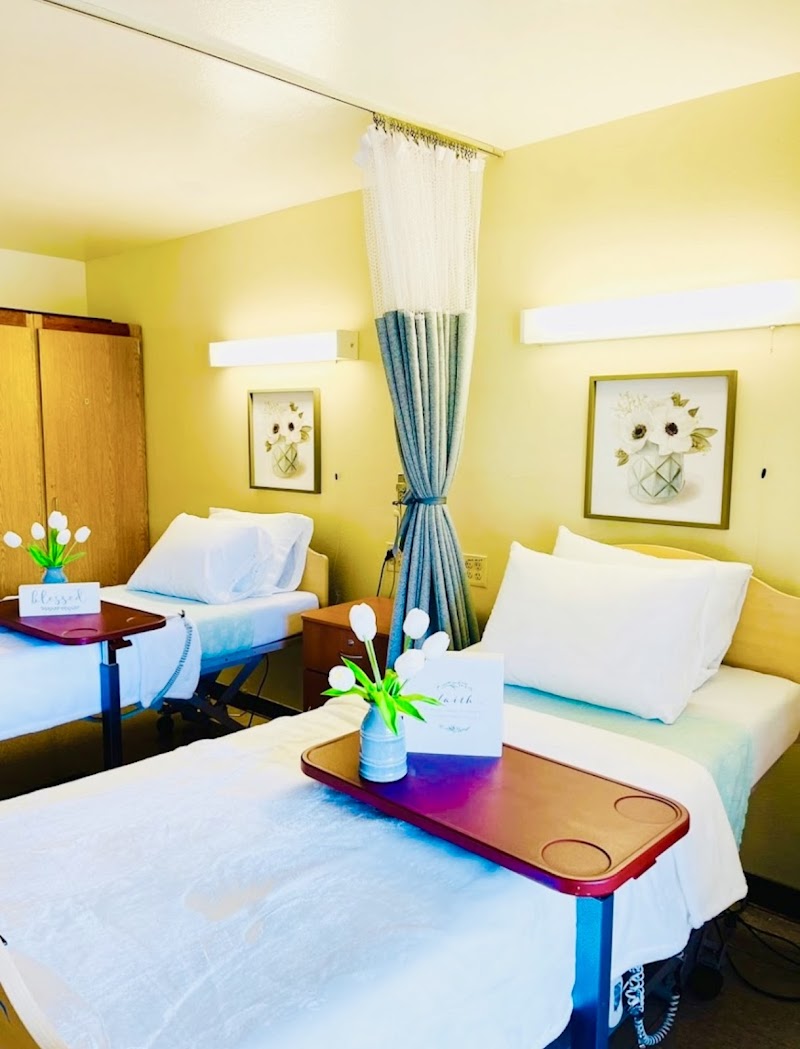
Who Owns and Operates Harvard Creek Post Acute?

HARVARD CREEK POST ACUTE is owned by a for-profit company. For-profit facilities operate as businesses with obligations to shareholders or private owners. The facility operates independently rather than as part of a larger chain. With 59 certified beds and approximately 50 residents (about 85% occupancy), it is a smaller facility located in COVINA, California.
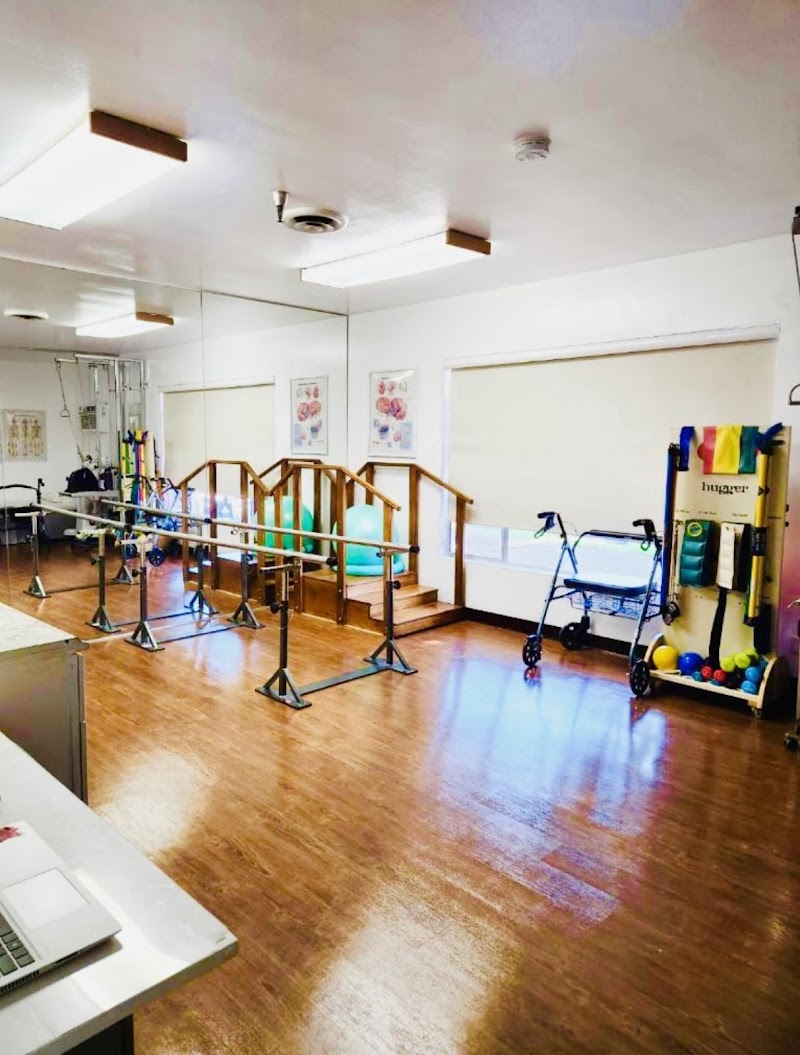
How Does Harvard Creek Post Acute Compare to Other California Nursing Homes?

Compared to the 100 nursing homes in California, HARVARD CREEK POST ACUTE's overall rating (5 stars) is above the state average of 3.2, staff turnover (38%) is near the state average of 46%, and health inspection rating (4 stars) is above the national benchmark.

What Should Families Ask When Visiting Harvard Creek Post Acute?

Based on this facility's data, families visiting should ask: "Can I visit during a mealtime to observe dining assistance and food quality?" "How do you handle medical emergencies, and what is your hospital transfer rate?" "Can I speak with family members of current residents about their experience?"

Is Harvard Creek Post Acute Safe?

Based on CMS inspection data, HARVARD CREEK POST ACUTE has a clean safety record: no substantiated abuse findings (meaning no confirmed cases of resident harm), no Immediate Jeopardy citations (the most serious violation level indicating risk of serious injury or death), and is not on the Special Focus Facility watch list (a federal program monitoring the lowest-performing 1% of nursing homes). The facility has a 5-star overall rating and ranks #1 of 100 nursing homes in California. While no facility is perfect, families should still ask about staff-to-resident ratios and recent inspection results during their visit.

Do Nurses at Harvard Creek Post Acute Stick Around?

HARVARD CREEK POST ACUTE has a staff turnover rate of 38%, which is about average for California nursing homes (state average: 46%). Moderate turnover is common in nursing homes, but families should still ask about staff tenure and how the facility maintains care continuity when employees leave.

Was Harvard Creek Post Acute Ever Fined?

HARVARD CREEK POST ACUTE has no federal fines on record. CMS issues fines when nursing homes fail to meet care standards or don't correct problems found during inspections. The absence of fines suggests the facility has either maintained compliance or corrected any issues before penalties were assessed. This is a positive indicator, though families should still review recent inspection reports for the full picture.

Is Harvard Creek Post Acute on Any Federal Watch List?

HARVARD CREEK POST ACUTE is not on any federal watch list. The most significant is the Special Focus Facility (SFF) program, which identifies the bottom 1% of nursing homes nationally based on persistent, serious quality problems. Not being on this list means the facility has avoided the pattern of deficiencies that triggers enhanced federal oversight. This is a positive indicator, though families should still review the facility's inspection history directly.