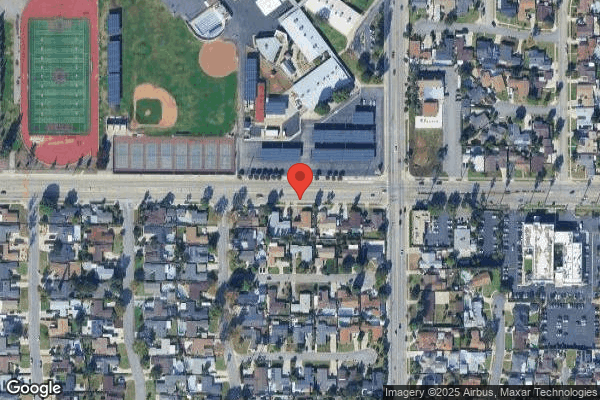

THE ROWLAND

330 W. ROWLAND STREET, COVINA, CA 91723 (626) 967-2741
For profit - Corporation 126 Beds Independent Data: November 2025 2 Immediate Jeopardy citations
Trust Grade
36/100
#698 of 1155 in CA
Last Inspection: May 2025

Inspected within the last 6 months. Data reflects current conditions.

Overview

The Rowland nursing home has received a Trust Grade of F, which indicates significant concerns and poor overall quality of care. It ranks #698 out of 1155 facilities in California, placing it in the bottom half of all nursing homes in the state, and #146 out of 369 in Los Angeles County, meaning only a few local options are better. While the facility is improving, with issues decreasing from 21 in 2024 to 16 in 2025, it still has a concerning number of total issues, including critical findings regarding unsafe food handling practices that affected many residents and failures in ensuring proper supervision for smoking residents. Staffing appears to be a strength, with a turnover rate of 16%, which is well below the state average, but RN coverage is below average, which raises concerns about the level of nursing care. Additionally, the facility has incurred $49,921 in fines, which is higher than 77% of California facilities, indicating potential ongoing compliance problems.

Trust Score
F
36/100
In California
#698/1155
Bottom 40%
Safety Record
High Risk
Review needed
Inspections
Getting Better
21 → 16 violations
Staff Stability
✓ Good
16% annual turnover. Excellent stability, 32 points below California's 48% average. Staff who stay learn residents' needs.
Penalties
✓ Good
$49,921 in fines. Lower than most California facilities. Relatively clean record.
Skilled Nurses
⚠ Watch
Each resident gets only 18 minutes of Registered Nurse (RN) attention daily — below average for California. Fewer RN minutes means fewer trained eyes watching for problems.
Violations
⚠ Watch
66 deficiencies on record. Higher than average. Multiple issues found across inspections.
★★★☆☆
3.0
Overall Rating
★★★☆☆
3.0
Staff Levels
★★★★★
5.0
Care Quality
★★☆☆☆
2.0
Inspection Score
Stable
2024: 21 issues
2025: 16 issues

The Good

  • 5-Star Quality Measures · Strong clinical quality outcomes
  • Low Staff Turnover (16%) · Staff stability means consistent care
  • Full Sprinkler Coverage · Fire safety systems throughout facility
  • No fines on record
  • Staff turnover is low (16%)

    32 points below California average of 48%

Facility shows strength in quality measures, staff retention, fire safety.

The Bad

3-Star Overall Rating

Near California average (3.1)

Meets federal standards, typical of most facilities

Federal Fines: $49,921

Above median ($33,413)

Moderate penalties - review what triggered them

The Ugly 66 deficiencies on record

2 life-threatening
May 2025 16 deficiencies
CONCERN (D)

Potential for Harm - no one hurt, but risky conditions existed

Resident Rights (Tag F0550)

Could have caused harm · This affected 1 resident

**NOTE- TERMS IN BRACKETS HAVE BEEN EDITED TO PROTECT CONFIDENTIALITY** Based on observation, interview, and record review, the facility failed to ensure staff promoted dignity while assisting one of ...

Read full inspector narrative →
**NOTE- TERMS IN BRACKETS HAVE BEEN EDITED TO PROTECT CONFIDENTIALITY** Based on observation, interview, and record review, the facility failed to ensure staff promoted dignity while assisting one of one sampled resident (Resident 64) during meals by feeding the resident at eye level to maintain face-to-face contact with the resident. This deficient practice had the potential to affect Resident 64's self-worth, dignity, and safety. Findings: During a review of Resident 64's admission Record (AR), the admission Record indicated Resident 64 was admitted on [DATE] with diagnoses that included Parkinson's disease (a progressive disease of the nervous system marked by tremor, muscular rigidity, and slow, imprecise movements), dementia (a progressive state of decline in mental abilities), and diabetes mellitus (DM-a disorder characterized by difficulty in blood sugar control and poor wound healing). During a review of Resident 64's Order Summary Report, dated 1/10/2025, the Order Summary indicated Resident 64 had a diet order started on 7/8/2024 for a puree diet with pureed texture. During a review of Resident 64's Minimum Data Set (MDS - a resident assessment tool) assessment, dated 4/11/2025, the MDS indicated Resident 64 had severely impaired cognition and was dependent (helper does all the effort and the resident does none of the effort to complete the activity) in eating and required assistance. During a review of Resident 64's Dietary Profile, dated 7/9/2024, the Dietary Profile indicated Resident 64 required total assistance while eating. During an observation on 5/13/2025 at 12:45 p.m. while in Resident 64's room, Resident 64 was sitting up in bed and Certified Nurse Assistant 6 (CNA 6) was standing over Resident 64 while providing feeding assistance during lunch time. During an interview on 5/13/2025 at 12:51 p.m. with CNA 6, CNA 6 stated residents should be fed at eye-level to allow the residents to see who was working with them. CNA 6 adjusted the bed and tray table upward and remained standing over Resident 64. During an interview on 5/16/2025 at 12:26 p.m. with the Director of Nursing (DON), the DON stated when nursing staff are feeding residents they should sit at eye-level with the resident to monitor how the resident was tolerating the feeding. The DON further stated, standing above a resident during feeding assistance was a dignity issue. During a review of the facility's policy and procedure (P&P) titled, Assistance with Meals, last revised 7/2017, the P&P indicated, residents shall receive assistance with meals in a manner that meets the individual needs of each resident. The P&P indicated, for residents requiring full assistance residents who cannot feed themselves will be fed with attention to safety, comfort and dignity, for example, not standing over residents while assisting them with meals.
CONCERN (D)

Potential for Harm - no one hurt, but risky conditions existed

Deficiency F0558 (Tag F0558)

Could have caused harm · This affected 1 resident

**NOTE- TERMS IN BRACKETS HAVE BEEN EDITED TO PROTECT CONFIDENTIALITY** Based on observation, interview, and record review, the facility failed to ensure one of one sampled resident (Resident 47) call...

Read full inspector narrative →
**NOTE- TERMS IN BRACKETS HAVE BEEN EDITED TO PROTECT CONFIDENTIALITY** Based on observation, interview, and record review, the facility failed to ensure one of one sampled resident (Resident 47) call light was within reach. This failure had the potential to result in Resident 47 not receiving the necessary care or delayed services. Findings: During a review of Resident 47's admission Record (AR), the AR indicated Resident 47 was admitted to the facility on [DATE] with diagnoses that included hemiplegia (total paralysis of the arm, leg, and trunk on the same side of the body) affecting the right dominant side, muscle weakness (lack of muscle strength), and anxiety (intense, excessive, and persistent worry and fear about everyday situations). During a review of Resident 47's Care Plan (CP), dated 8/14/2023, the CP indicated Resident 47 required assistance with activities of daily living (ADLs). The CP interventions included keeping the call light within the resident's reach. During a review of Resident 47's Minimum Data Set (MDS, a resident assessment tool), dated 2/27/2025, the MDS indicated Resident 47 had intact cognition. The MDS indicated Resident 47 was dependent (helper did all the effort, resident did none of the effort to complete the activity) with oral hygiene, toileting, shower, lower body dressing, and personal hygiene. During an observation, while inside Resident 47's room and a concurrent interview on 5/13/2025 at 9:17 a.m. with Certified Nurse Assistant 3 (CNA 3), Resident 47 was observed in bed, lying on her back with the call light on the floor and on the right side of the bed. Resident 47's right hand was contracted (a stiffening/shortening at any joint, that reduces the joint's range of motion). CNA 3 stated Resident 47 could not reach the call light on the floor. CNA 3 stated the call light should be placed next to the strong arm and hand of Resident 47 where Resident 47 could reach and use the call light when assistance was needed. During an interview on 5/15/2025 at 3:57 p.m. with the Director of Nursing (DON), the DON stated the call light should be placed close and on the good arm and hand of the resident so the resident can be able to use, and the staff could address the resident's needs timely and promptly. During a review of the facility's undated policy and procedures (P&P) titled, Call Light, the P&P indicated, CNAs & Licensed Nurses are trained to ensure the call light is kept within the resident's reach at all times.
CONCERN (D)

Potential for Harm - no one hurt, but risky conditions existed

Deficiency F0578 (Tag F0578)

Could have caused harm · This affected 1 resident

**NOTE- TERMS IN BRACKETS HAVE BEEN EDITED TO PROTECT CONFIDENTIALITY** Based on interview and record review, the facility failed to ensure the resident's Advance Directive (AD, a legal document indic...

Read full inspector narrative →
**NOTE- TERMS IN BRACKETS HAVE BEEN EDITED TO PROTECT CONFIDENTIALITY** Based on interview and record review, the facility failed to ensure the resident's Advance Directive (AD, a legal document indicating a resident's preference for end-of-life treatment decisions) and AD Acknowledgement Form was in the resident's medical record for one of three sampled residents (Resident 16). This failure had the potential to result in the staff providing care and services against the will of Resident 16. Findings: During a review of Resident 16's admission Record (AR), the AR indicated Resident 16 was initially admitted to the facility on [DATE] and readmitted on [DATE] with diagnoses that included malignant neoplasm (cancerous tumor) of the lung, pneumonia (an infection/inflammation in the lungs) and chronic kidney disease (gradual loss of kidney function). During a review of Resident 16's Minimum Data Set (MDS, a resident assessment tool), dated 3/23/2025, the MDS indicated Resident 16 had moderately impaired cognition (ability to understand and process information). The MDS indicated Resident 16 required substantial/maximal assistance (helper did more than half the effort) with eating, upper and lower body dressing and was dependent (helper did all the effort, resident did none of the effort to complete the activity) with oral hygiene, toileting, showering and personal hygiene. During a concurrent interview and record review on 5/13/2025 at 11:38 am with the Registered Nurse Supervisor (RN), Resident 16's medical record (chart) and electronic medical record were reviewed. The RN stated there was no copy of an AD or AD acknowledgement form in Resident 16's chart or electronic medical chart. The RN stated a copy of an AD and ADA form should be updated and, in the chart, and/or uploaded into the electronic medical chart with each admission or readmission for the staff to know the resident's wishes and preferences in case of an emergency and how to care for the resident while residing in the facility. During an interview on 5/15/2025 at 3:48 p.m. with the Director of Nursing (DON), the DON stated, all residents should have an updated copy of an AD and ADA form in the chart and/or uploaded into the electronic medical chart and indicating residents and/or resident's representative were provided with information of their rights to refuse or receive medical treatment and how to formulate an AD upon admission or readmission. The DON stated that an AD and ADA form needs to be filled out and signed with each admission and readmission to honor the resident's wishes, preferences and changes in the plan of care while in the facility. During a review of the facility's undated policy and procedure (P&P) titled, Advance Directives, the P&P indicated, Upon admission, the resident will be provided with written information concerning the right to refuse or accept medical or surgical treatment and to formulate an advance directive if he or she chooses to do so. Information about whether or not the resident has executed an advance directive shall be displayed prominently in the medical record.
CONCERN (D)

Potential for Harm - no one hurt, but risky conditions existed

Abuse Prevention Policies (Tag F0607)

Could have caused harm · This affected 1 resident

Based on interview and record review, the facility failed to screen one of two randomly selected employees (Certified Nurse Assistant 2 [CNA 2]) with the Office of Inspector General (OIG - investigate...

Read full inspector narrative →
Based on interview and record review, the facility failed to screen one of two randomly selected employees (Certified Nurse Assistant 2 [CNA 2]) with the Office of Inspector General (OIG - investigates alleged violations of criminal and civil laws) data base prior to hire in accordance with the facility's Policy and Procedure (P&P) titled Abuse, Neglect, Exploitation and Misappropriation Prevention Program. This deficient practice had the potential for employees with a history of abuse get hired, which could lead to possible harm and abuse of the residents. Findings: During a concurrent interview and record review of CNA 2's employee file on 5/15/2025 at 2:08 pm with the Director of Staff and Development (DSD), the DSD stated CNA 2 was hired on 8/1/2024. The DSD stated there was no documented evidence that CNA 2's background check was done prior to hire or recently. The DSD stated that the administrator did the staff background check before hire. The DSD stated it was important to do a background check to ensure employees were safe to work, with no criminal records and residents' well-being were protected. During an interview on 5/15/2025 at 3:31 pm with the facility's Director of Nursing (DON), the DON stated background check needed to be completed prior to hiring for staff and residents' safety. During a review of the facility's undated P&P titled, Abuse, Neglect, Exploitation and Misappropriation Prevention Program, the P&P indicated, The facility will conduct employee background checks and not knowingly employ or otherwise engage any individual who has been found guilty of abuse, neglect, exploitation, misappropriation of property, or mistreatment by a court of law.
CONCERN (D)

Potential for Harm - no one hurt, but risky conditions existed

Incontinence Care (Tag F0690)

Could have caused harm · This affected 1 resident

**NOTE- TERMS IN BRACKETS HAVE BEEN EDITED TO PROTECT CONFIDENTIALITY** Based on observation, interview, and record review, the facility failed to provide necessary care and services for a resident wi...

Read full inspector narrative →
**NOTE- TERMS IN BRACKETS HAVE BEEN EDITED TO PROTECT CONFIDENTIALITY** Based on observation, interview, and record review, the facility failed to provide necessary care and services for a resident with Foley catheter (FC, a medical device that helps drain urine from the bladder) in accordance with the facility's Policy and Procedure (P&P) on catheter care for one of one sampled resident (Resident 257). This failure had the potential to result in catheter-related complications for Resident 257. Findings: During a review of Resident 257's admission Record (AR), the AR indicated Resident 257 was admitted to the facility on [DATE] with diagnoses that included type 2 diabetes mellitus (DM, a disorder characterized by difficulty in blood sugar control), hypertension (HTN, high blood pressure) and chronic kidney disease (CKD- a progressive condition where the kidneys gradually lose their ability to filter waste and excess fluid from the blood.) During a review of Resident 257's Order Summary Report (OSR) dated 5/2/2025, the OSR indicated for licensed staff to check every shift to ensure the FC is in place. During a review of Resident 257's untitled Care Plan (CP) dated 5/2/2025, the CP indicated Resident 257 needed an indwelling Foley catheter due to urinary retention and skin management. The CP interventions included for staff to monitor position of the catheter tubing to ensure descending urine flow to the collection bag. During a review of Resident 257's Minimum Data Set (MDS, as resident assessment tool), dated 5/12/2025, the MDS indicated Resident 257 had intact cognition (ability to understand and process information). The MDS indicated Resident 257 was dependent (helper does all the effort) with toileting hygiene, shower, lower body dressing and putting on /taking off footwear. The MDS indicated Resident 257 needed substantial/maximal assistance (helper did more than half the effort) with oral and personal hygiene. During an observation inside Resident 257's room and interview on 5/13/2025 at 9:05 am, Resident 257 was awake lying in bed with FC tubing not secured on the thigh. During a concurrent observation and interview with Registered Nurse 1 (RN 1) on 5/13/2025 at 9:07 am, Resident 257 was lying in bed with FC tubing not secured on the thigh. RN 1 stated Resident 257's FC tubing was not secured on the thigh, and the securement device was not taped. RN 1 stated the FC tubing should be secured to prevent from tagging and pulling during movement and cause pain to Resident 257. During an interview on 5/15/2025 at 3:28 pm with the facility's Director of Nursing (DON), the DON stated FC tubing needed to be properly secured on the thigh to hold the catheter in place and to prevent pulling and injury during movements. During a review of the undated facility's policy and procedure (P&P) titled, Foley Catheter Care Indication, the P&P indicated to ensues tubing will be attached to resident leg to prevent pulling and injury.
CONCERN (D)

Potential for Harm - no one hurt, but risky conditions existed

Deficiency F0691 (Tag F0691)

Could have caused harm · This affected 1 resident

**NOTE- TERMS IN BRACKETS HAVE BEEN EDITED TO PROTECT CONFIDENTIALITY** Based on observation, interview, and record review, the facility failed to ensure one of one sampled resident (Resident 307), wh...

Read full inspector narrative →
**NOTE- TERMS IN BRACKETS HAVE BEEN EDITED TO PROTECT CONFIDENTIALITY** Based on observation, interview, and record review, the facility failed to ensure one of one sampled resident (Resident 307), who had a biliary drain (biliary drain- allows bile to flow out from a blocked bile duct from the liver into a collection bag outside the body) did not have biliary drainage on the resident's floor. This failure had the potential to result in the transmission of infection from bodily fluids. Findings: During a review of Resident 307's admission Record (AR), the admission Record indicated Resident 307 was readmitted on [DATE] with diagnoses that included bladder cancer and anemia (a condition where the body does not have enough healthy red blood cells). During a review of Resident 307's Minimum Data Set (MDS - a federally mandated resident assessment tool) assessment, dated 2/13/2025, the MDS indicated Resident 307 had intact cognition (ability to understand) and needed substantial/maximal assistance (helper does more than half the effort. Helper lifts or holds trunk or limbs and provides more than half the effort) when moving from the sitting to standing position. During a review of Resident 307's Order Summary Report, dated 5/14/2025, the Order Summary indicated Resident 307 had an order dated 5/7/2025 to monitor and document the biliary drain output three times a day. During a review of Resident 307's Medication Administration Records (MAR - a daily documentation record used by a licensed nurse to document medications and treatments given to a resident), dated 5/1/2025 to 5/31/2025, the MAR indicated Resident 307 had a recorded biliary drain output of 300 milliliters documented on 5/13/2025 at 6:30 a.m. During a concurrent observation and interview on 5/13/2025 at 9:07 a.m. with Licensed Vocational Nurse 6 (LVN 6), Resident 307's right biliary drainage bag had a yellow liquid on the floor beneath it. LVN 6 stated, each LVN empties the drainage bag during their shift, and it should not be dripping onto the floor. During an interview on 5/16/2025 at 12:19 p.m. with the Director of Nursing (DON), the DON stated, Resident 307's biliary fluid should not have been on the floor for infection control reasons. The DON stated organisms in the fluid could be a source of illness or infection and could be transmitted to others by people stepping on the floor. During a review of the facility's undated policy and procedure (P&P) titled, How to Manage Biliary Drain, the P&P indicated, a biliary drain is placed to relieve obstruction of the bile ducts and to allow bile to exit the body. The P&P indicated, proper care helps prevent infection, ensure drainage, and maintain the position of the catheter.
CONCERN (D)

Potential for Harm - no one hurt, but risky conditions existed

Drug Regimen Review (Tag F0756)

Could have caused harm · This affected 1 resident

**NOTE- TERMS IN BRACKETS HAVE BEEN EDITED TO PROTECT CONFIDENTIALITY** Based on interview and record review, the facility failed to act upon the pharmacist's medication regimen review (MRR, a thoroug...

Read full inspector narrative →
**NOTE- TERMS IN BRACKETS HAVE BEEN EDITED TO PROTECT CONFIDENTIALITY** Based on interview and record review, the facility failed to act upon the pharmacist's medication regimen review (MRR, a thorough evaluation of the medication regimen of a resident, with the goal of promoting positive outcomes and minimizing adverse consequences associated with medication) recommendation for one of five sampled residents (Resident 72). This failure had the potential for Resident 72 to receive unnecessary medications and result in undesirable or non-therapeutic effect of the medication to the resident. Findings: During a review of Resident 72's admission Record (AR), the AR indicated Resident 72 was initially admitted to the facility on [DATE] and readmitted on [DATE] with diagnoses that included osteomyelitis (inflammation of bone or bone marrow, usually due to infection), diabetes mellitus (DM, a disorder characterized by difficulty in blood sugar control and poor wound healing), and chronic obstructive pulmonary disease (COPD, a chronic lung disease causing difficulty in breathing). During a review of Resident 72's Order Summary Report, dated 3/25/2025, the OSR indicated Resident 72 had an order for Enoxaparin Sodium Injection (Brand Name Lovenox, an anticoagulant, blood thinner) 30 milligrams/0.3 milliliter (mg/ml, unit of mass and volume), inject subcutaneously (SQ, an injection given into the fatty tissue beneath the skin), for deep vein thrombosis (DVT, blood clot forms in a deep vein, usually in the legs or pelvis) prophylaxis (preventive care). During a review of the Consultant Pharmacist's MRR, dated 4/14/2025, the MRR indicated to provide a duration therapy for the medication Lovenox. During a review of Resident 72's Minimum Data Set (MDS, a resident assessment tool), dated 4/23/2025, the MDS indicated Resident 72 had intact cognition (ability to understand and process information). The MDS indicated Resident 72 required partial/moderate assistance (helper did less than half the effort) with toileting and personal hygiene and required substantial/maximal assistance (helper did more than half the effort) with showers. During a concurrent interview and record review on 5/15/2025 at 2:21 p.m. with Licensed Vocational Nurse 4 (LVN 4), Resident 72's MRR dated 4/14/2025, medical record (chart), and electronic medical record were reviewed. LVN 4 stated there was no documentation indicating Resident 72's attending physician was notified of the pharmacist's recommendation to provide duration therapy on the use of Lovenox. LVN 4 stated the attending physician should have been notified of the pharmacist's recommendation to prevent unnecessary side effects like bleeding. During an interview on 5/15/2025 at 3:37 p.m. with the Director of Nursing (DON), the DON stated the attending physician should be notified after receiving the pharmacist's recommendation to prevent unnecessary medication given that could affect the resident's overall health condition. During a review of the facility's undated Policy and Procedure (P&P) titled, Pharmacists Medication Regimen Review, the P&P indicated, The Consultant Pharmacist review the medication regimen of each resident at least monthly. Findings and recommendations are reported to the Administrator, Director of Nursing, the physician responsible, and the Medical Director, where appropriate. The consultant pharmacist documents potential or actual medication therapy problems and communicates them to the physician responsible and the director of nursing. A written report is provided to the physician within seven working days, with a copy to the facility. In the event of a problem requiring the immediate attention of a physician, the responsible physician or his designee is contacted by the consultant pharmacist or the nurse caring for the resident, and the physician response is documented on the consultant pharmacist review record or elsewhere in the resident's medical record.
CONCERN (D)

Potential for Harm - no one hurt, but risky conditions existed

Antibiotic Stewardship (Tag F0881)

Could have caused harm · This affected 1 resident

**NOTE- TERMS IN BRACKETS HAVE BEEN EDITED TO PROTECT CONFIDENTIALITY** Based on interview and record review, the facility failed to implement their policy on the use of an antibiotic and a change in ...

Read full inspector narrative →
**NOTE- TERMS IN BRACKETS HAVE BEEN EDITED TO PROTECT CONFIDENTIALITY** Based on interview and record review, the facility failed to implement their policy on the use of an antibiotic and a change in condition for one of five sampled residents (Resident 84) for a urinary tract infection (UTI- an infection in the bladder/urinary tract). This failure resulted in Resident 84 receiving antibiotics without meeting facility criteria and had the potential to result in Resident 84 developing antibiotic resistance. Findings: During a review of Resident 84's admission Record (AR), the admission Record indicated Resident 84 was admitted on [DATE] with diagnoses that included Alzheimer's Disease (a disease characterized by a progressive decline in mental abilities), dementia (a progressive state of decline in mental abilities), and depression (a mood disorder that may cause persistent sadness or loss of interest in activities). During a review of Resident 84's Minimum Data Set (MDS - a federally mandated resident assessment tool) assessment, dated 4/11/2025, the MDS indicated Resident 84 had moderately impaired cognition (ability to understand). During a review of Resident 84's Lab Results Report, dated 5/3/2025, the lab result report indicated Resident 84 had an abnormal urinalysis (a test of one's urine used to detect/manage UTI, kidney disease and diabetes). During a review of Resident 84's Physician Orders, the Physician Orders indicated Resident 84 had an order dated 5/5/2025 to administer Cephalexin (antibiotic used for the treatment of bacterial infections) oral tablets 500 milligrams (mg), one tablet by mouth three times a day for a urinary tract infection for 10 days. During a review of Resident 84's Infection Criteria Checklist, dated 5/6/2025, the checklist indicated to meet a symptomatic UTI Resident 84 needed three of the following symptoms when a urinary catheter was not in place: fever, new/increased pain or urination, frequency or urgency with urination, new flank or suprapubic pain or tenderness, or change in urine characteristics that were bloody, foul smell, sediment, pyuria (urine containing white blood cells or pus) and none were documented for Resident 84 (no urinary catheter in place). During a review of Resident 84's Medication Administration Records (MAR - a daily documentation record used by a licensed nurse to document medications and treatments given to a resident), dated 5/1/2025 to 5/31/2025, the MAR indicated Resident 84 was administered Cephalexin oral tablet 500 mg from 5/5/2025 to 5/15/2025. During an interview on 5/15/2025 at 2:41 p.m. with the Infection Preventionist Nurse (IPN), the IPN stated Resident 84's signs and symptoms of UTI were not documented in the medical record. The IPN further stated, it was important to complete the infection criteria for data collection to ensure the right thing was being done, to promote antibiotic stewardship, and prevent antibiotic resistance for the resident. During an interview on 5/16/2025 at 12:11 p.m. with the Director of Nursing (DON), the DON stated, the antibiotic stewardship program was used to confirm residents were receiving an effective and appropriate medication for their condition and to prevent any complications. The DON stated, Resident 84's UTI signs and symptoms were not documented. The DON stated, the facility needed to monitor resident data and complete tracking to meet the criteria to determine if the antibiotic was necessary for treatment. During a review of the facility's policy and procedure (P&P) titled, Doctor Notification, Change Residents Status, undated, the P&P indicated, its purpose was to define the procedures for notifying a physician or licensed practitioner of changes in a resident's condition to promote timely medical intervention and compliance with federal and state regulations. The P&P indicated, a change of condition was a deviation from the resident's baseline and included new or worsening signs or symptoms. The P&P indicated, the licensed nurse will document in the progress notes, summary of the discussion and if a new order is received. During a review of the facility's policy and procedure (P&P) titled, Infection Control Antibiotic Stewardship Program, dated 10/2017, the P&P indicated, the facility implements an Antibiotic Stewardship Program (ASP) to promote appropriate use of antibiotics while optimizing the treatment of infections, at the same time reducing possible adverse events associated with antibiotic use. The P&P indicated, it has the potential to limit antibiotic resistance in the post-acute care setting, while improving treatment efficacy and resident safety, and reducing treatment-related costs. The P&P indicated, ASP activities should, at a minimum, include the basic elements of leadership, accountability, drug expertise, action to implement recommended policies or practices, tracking measures, reporting data .
CONCERN (E)

Potential for Harm - no one hurt, but risky conditions existed

Deficiency F0694 (Tag F0694)

Could have caused harm · This affected multiple residents

**NOTE- TERMS IN BRACKETS HAVE BEEN EDITED TO PROTECT CONFIDENTIALITY** Based on observation, interview, and record review, the facility failed to follow professional standards of practice of infusion...

Read full inspector narrative →
**NOTE- TERMS IN BRACKETS HAVE BEEN EDITED TO PROTECT CONFIDENTIALITY** Based on observation, interview, and record review, the facility failed to follow professional standards of practice of infusion therapy for peripheral intravenous catheter (PIV - small flexible tube placed into a vein to administer fluids and/or medications) and total parenteral nutrition (TPN- a medication used to manage and treat malnourishment) care for two of two sampled residents (Resident 55 and 307) by failing to: a. Ensure Resident 55's PIV site was labeled with a date and initials upon insertion. b. Ensure Resident 307's total parenteral nutrition (TPN- a medication used to manage and treat malnourishment) administration set was labeled with a date and time when hung. These failures had the potential to result in infection at Resident 55's IV site, and contamination of Resident 307's TPN and/or TPN tubing that could have led to further infection. Findings: a. During a review of Resident 55's admission Record (AR), the AR indicated Resident 55 was admitted to the facility on [DATE] with diagnoses that included gangrene (condition where tissue dies due to a loss of blood supply) and peripheral vascular disease (PVD - a slow progressive narrowing of the blood flow to the arms and legs.) During a review of Resident 55's Minimum Data Set (MDS, as resident assessment tool), dated 4/8/2025, indicated, Resident 55 had moderately impaired cognition (mental action or process of acquiring knowledge and understanding) for daily decision making. The MDS indicated Resident 55 was dependent (helper does all the effort) with lower body dressing and putting on/taking off footwear. The MDS indicated Resident 55 needed substantial/maximal assistance (helper did more than half the effort) with toileting hygiene, shower, upper body dressing and personal hygiene. During a review of Resident 55's Order Summary Report (OSR) dated 5/6/2025, the OSR indicated to change IV tubing every forty-eight (48) hours (hrs.) During a review of Resident 55's care plan indicated Resident 55 was at risk for infection for IV site on the right hand dated 5/6/2025. The Resident 55 care plan indicated for nursing staff to change dressing every week and as needed. During a concurrent observation and interview on 5/13/2025 at 8:34 am together with Registered Nurse 1 (RN 1), Resident 55 was awake, lying and in bed with peripheral IV site on the right arm was not dated to when the dressing was changed. The RN 1 stated Resident 55's peripheral IV site needed to be labeled with date to know when the dressing was changed for infection control. The RN 1 stated, peripheral IV site needed to be changed every 72 hrs. During an interview with facility's Director of Nursing (DON) on 5/15/2025 at 3:31 pm, the facility DON stated IV site needed to be labeled with date and licensed nurse's initial to know who and when was it change to prevent infection. During a review of the facility's undated P&P titled, IV Peripheral Line Care and Management, the P&P indicated, to change the dressing every seven (7) days or as needed and dressing to be dated and timed when changed. b. During a review of Resident 307's AR, the AR indicated Resident 307 was readmitted on [DATE] with diagnoses that included bladder cancer and anemia (a condition where the body does not have enough healthy red blood cells). During a review of Resident 307's MDS assessment, dated 2/13/2025, the MDS indicated Resident 307 had intact cognition and needed substantial/maximal assistance (helper does more than half the effort. Helper lifts of holds trunk or limbs and provides more than half the effort) when moving from the sitting to standing position. During a review of Resident 307's OSR, dated 5/14/2025, the OSR indicated Resident 307 had active orders for TPN 1680 milliliters (ml) at 70 ml per hour (hr.) for 24 hours through the right jugular central venous catheter on Tuesday, Thursday, Saturday, and Sunday and TPN at 70 ml/hr. 10ml Multivitamin via the right jugular central venous Cather on Monday, Wednesday, Friday for nutrition supplement. During a review of Resident 307's Medication Administration Records (MAR - a daily documentation record used by a licensed nurse to document medications and treatments given to a resident), dated 5/1/2025 to 5/31/2025, the MAR indicated Resident 307 was receiving TPN at 70 ml/hr. for nutrition that was started on 5/12/2025 at 1800. During a concurrent observation and interview on 5/13/2025 at 9:20 a.m. with Registered Nurse Supervisor 1 (RN 1), while in Resident 307's room, Resident 307's TPN tubing was unlabeled. RN 1 stated, the TPN tubing was unlabeled and should be labeled with date and time when changed, the rate of the drip, the resident's name and the nurse's initials. RN 1 stated, it was necessary to label the tubing to allow the other nurses to know when it was changed for infection control measures. During an interview on 5/16/2025 at 12:20 p.m. with the Director of Nursing (DON), the DON stated, TPN comes with tubing and the nurse should label the tubing with the date when hung. The DON stated, if it's not labeled the nurses cannot prove when it was hung. The DON stated, the TPN could become contaminated and become a source of bacterial infection to the resident. During a review of the facility's untitled and undated policy and procedure (P&P), the P&P indicated, for IV peripheral line care management it should be dated and timed when changed. The P&P indicated, TPN tubing be changed every 24 hours.
CONCERN (E)

Potential for Harm - no one hurt, but risky conditions existed

Respiratory Care (Tag F0695)

Could have caused harm · This affected multiple residents

**NOTE- TERMS IN BRACKETS HAVE BEEN EDITED TO PROTECT CONFIDENTIALITY** c. During a review of Resident 73's AR, the AR indicated the facility admitted to the facility on [DATE] with diagnoses that inc...

Read full inspector narrative →
**NOTE- TERMS IN BRACKETS HAVE BEEN EDITED TO PROTECT CONFIDENTIALITY** c. During a review of Resident 73's AR, the AR indicated the facility admitted to the facility on [DATE] with diagnoses that included pulmonary fibrosis (chronic lung disease), Type 2 diabetes mellitus (body has trouble controlling blood sugar), and major depressive disorder (persistent feeling of sadness or loss). During a review of Resident 73's History & Physical (H&P), dated 2/3/25, the H&P indicated Resident 26 had the capacity to make medical decisions. During a review of Resident 73's MDS, dated [DATE], the MDS indicated Resident 73 was cognitively intact, and was not ambulatory, required partial/moderate assistance with lying to sitting onside of bed, and was dependent on assistance with personal hygiene. The MDS indicated Resident 73 was receiving oxygen therapy. During a record review of Resident 73's Physician Order (PO), dated 3/5/25, the PO indicated to administer oxygen (O2) at 4 liter per minute (LPM) via nasal cannula (gives additional oxygen through your nose) continuously for shortness of breath (SOB). During a concurrent observation and interview, 5/13/25, at 10:35 a.m., Resident 73 was observed lying in bed was receiving oxygen via nasal cannula. Resident 73's oxygen tubing (used to administer oxygen) was observed on the floor and Resident 73's nebulizer (a medical device that converts liquid medication into a fine mist that is inhaled through the lungs) tubing was observed on the floor. During a concurrent observation and interview, on 5/13/25, at 11:14 a.m., with Certified Nurse Assistant (CNA 5), CNA 5 stated Resident 73's oxygen and nebulizer tubings were on the floor. CNA 5 stated the tubings got contaminated because we stepped around on the floor. During an interview, on 5/15/25, at 1:24 p.m., with the Director of Nursing (DON), the DON stated it is important for oxygen, nebulizer, and equipment tubing not to be on the floor because it's infection control. The DON stated once it is on the floor It's contaminated and is another source of infection inhaled by the resident. Based on observation, interview, and record review, the facility failed to provide necessary care and services for residents receiving oxygen therapy (treatment that provides supplemental, or extra oxygen) in accordance with professional standards of practice for four of four sampled residents (Residents 16, 73, 206, and 256) by failing to: a. Ensure Resident 16 received oxygen therapy as ordered by the physician and ensure that the nebulizer face mask (a soft pliable mask that covers the nose and mouth used to deliver liquid medication in the form of a mist directly into the lungs) was stored in a sanitary condition when not in use. b. Ensure a sign Oxygen No Smoking, No Open Flames, was posted outside Resident 206's room in accordance with the facility's policy and procedure. c. Ensure Resident 73's oxygen and nebulizer tubings were not on the floor. d. Ensure Resident 256's nasal cannula was not on the floor with the nasal prongs directly touching the floor. These failures had the potential to result in Residents 16, 73, 206, and 256 experiencing serious respiratory complications and infections related to oxygen therapy. Findings: a. During a review of Resident 16's admission Record (AR), the AR indicated Resident 16 was initially admitted to the facility on [DATE] and readmitted on [DATE] with diagnoses that included malignant neoplasm (cancerous tumor) of the lung, pneumonia (an infection/inflammation in the lungs) and chronic kidney disease (gradual loss of kidney function). During a review of Resident 16's Minimum Data Set (MDS, a resident assessment tool), dated 3/23/2025, the MDS indicated Resident 16 had moderately impaired cognition (ability to understand and process information). The MDS indicated Resident 16 required substantial/maximal assistance (helper did more than half the effort) with eating, upper and lower body dressing and dependent (helper did all the effort, resident did none of the effort to complete the activity) with oral hygiene, toileting, shower and personal hygiene. During a review of Resident 16's Care Plan (CP), dated 4/18/2025, the CP indicated Resident 16 had oxygen therapy related to shortness of breath. The CP goal indicated Resident 16, would not have signs and symptoms of poor oxygen absorption. During a review of Resident 16's Order Summary Report (OSR), dated 4/25/2025, the OSR indicated Resident 16 had an order to infuse oxygen (O2) at two (2) liters/minute (L/min, unit of flow rate) via nasal cannula (NC, a medical device used to deliver supplemental oxygen through the nostrils). The OSR indicated Resident 16 had an order for Ipratropium-Albuterol Inhalation Solution (combination medication of bronchodilators) every three hours as needed for shortness of breath and wheezing. During an observation, while inside Resident 16's room and a concurrent interview on 5/13/2025 at 8:48 a.m. with Licensed Vocational Nurse 2 (LVN 2), Resident 16 was observed lying in bed and on her back with oxygen nasal prongs (small, flexible pieces at the end of a nasal cannula inserted into the nostrils to deliver supplemental oxygen) on the left side of the face and a nebulizer face mask on top of the bedside table. LVN 2 stated oxygen nasal prongs should be inside the nostrils to make sure Resident 16 received adequate oxygen to prevent hypoxia (low levels of oxygen) and shortness of breath. LVN 2 stated the nebulizer face mask should be inside the clean, transparent bag when not in use to prevent getting contaminated. During an interview on 5/15/2025 at 3:39 p.m. with the Director of Nursing (DON), the DON stated CNAs and nurses should make sure the nasal oxygen prongs were inside the resident's nostrils to make sure the resident received the desired oxygen as ordered by the physician to prevent shortness of breath. The DON stated the nebulizer face mask should be placed inside the clean transparent bag at bedside intended for the resident's respiratory supplies to prevent contamination and risk of infection. b. During a review of Resident 206's AR, the AR indicated Resident 206 was admitted to the facility on [DATE] with diagnoses that included anxiety (intense, excessive, and persistent worry and fear about everyday situations), hypertension (HTN, high blood pressure) and asthma (chronic lung condition characterized by recurrent episodes of wheezing, shortness of breath, chest tightness, and coughing). During a review of Resident 206's OSR, dated 5/7/2025, the OSR indicated Resident 206 had an order for oxygen (O2) inhalation at 2L/min via nasal cannula continuously. During an observation, while inside Resident 206's room and a concurrent interview on 5/13/2025 at 8:59 a.m. with LVN 2, Resident 206 was lying in bed on her back with oxygen infusing via nasal cannula at 2L. There was no oxygen sign, Oxygen No Smoking, No Open Flames, posted outside Resident 206's room indicating oxygen was in use and smoking was prohibited while inside the room. LVN 2 stated the oxygen sign needed to be posted outside the resident's room to remind visitors and other residents that a resident was using oxygen and not to smoke while inside the room because of fire hazards. During an interview on 5/15/2025 at 3:39 p.m. with the DON, the DON stated all residents on oxygen should have a sign indicating Oxygen No Smoking, No Open Flames, posted outside the room to indicate resident inside was using oxygen for the safety of the resident because oxygen was highly combustible and could ignite and cause fire. During a review of Resident 256's AR, the AR indicated Resident 256 was admitted to the facility on [DATE] with diagnoses that included diabetes mellitus type 2 (a disease in which the body's ability to produce or respond to the hormone insulin is impaired, resulting in elevated levels of glucose/sugar in the blood and urine) and anemia (decrease in the total amount of red blood cells in the blood) in chronic kidney disease (CKD, a progressive condition where the kidneys gradually lose their ability to filter waste and excess fluid from the blood.) During a review of Resident 256's MDS dated [DATE], the MDS indicated, Resident 256 had intact cognition for daily decision making. The MDS indicated, Resident 256 has maximum assistance (helper does more than half the effort) to staff for toileting hygiene, shower, lower body dressing and putting on/off footwear. During a review of Resident 256's OSR, dated 4/28/2025, indicated to apply oxygen at two (2) liters per minute (L/min) via nasal cannula as needed for shortness of breath (SOB). During an observation on 5/13/2025 at 8:21 am, Resident 256 was inside Resident 256's room sitting on her wheelchair and the nasal cannula was on the floor with the nasal prongs directly touching the floor. During an interview on 5/13/2025 at 8:23 am with the Registered Nurse 1 (RN 1), RN 1 stated, Resident 256's nasal cannula was on the floor. RN 1 stated, nasal cannula needed to be inside the plastic bag when not in used for infection control. During an interview on 5/15/2025 at 3:34 pm, with the facility's Director of Nursing (DON), the facility's DON stated nasal cannula needed to be inside the plastic or respiratory bag if not in use for infection control to prevent cross contamination (the process by which bacteria or other microorganisms are unintentionally transferred from one substance or object to another, with harmful effect). During a review of the facility's undated P&P titled, Oxygen Administration/Respiratory Supply, the P&P indicated, a licensed nurse or nursing staff should initiate to apply oxygen per order of primary care physician either via nasal cannula or mask with appropriate settings and calibration. The P&P indicated inform patient of the procedure and place a sign outside the door indicating No Smoking/Oxygen in Use. The P&P indicated all supplies, including tubing, nasal cannula, masks, nebulizer, and nebulizer tubing should be changed weekly, documenting the date and time. The P&P indicated all supplies not in use should be placed in a bag for infection control.
CONCERN (E)

Potential for Harm - no one hurt, but risky conditions existed

Deficiency F0700 (Tag F0700)

Could have caused harm · This affected multiple residents

**NOTE- TERMS IN BRACKETS HAVE BEEN EDITED TO PROTECT CONFIDENTIALITY** Based on observation, interview and record review, the facility failed to implement its Policy and Procedure (P&P) on the use of...

Read full inspector narrative →
**NOTE- TERMS IN BRACKETS HAVE BEEN EDITED TO PROTECT CONFIDENTIALITY** Based on observation, interview and record review, the facility failed to implement its Policy and Procedure (P&P) on the use of bedrails/siderails (adjustable metal or rigid plastic bars attached to the bed) for two of three sampled residents (Residents 56 and 75). These failures placed Residents 56 and 75 at risk for entrapment (an event in which resident was caught, trapped, or entangled in the tight spaces around the bed), and injury from the use of bedrails/siderails. Findings: a. During a review of Resident 56's admission Record (AR), the AR indicated Resident 56 was admitted to the facility on [DATE] with diagnoses that included dementia (a progressive state of decline in mental abilities), anxiety (intense, excessive, and persistent worry and fear about everyday situations) and Alzheimer's disease (a disease characterized by a progressive decline in mental abilities). During a review of Resident 56's Minimum Data Set (MDS, a resident assessment tool), dated 3/16/2025, the MDS indicated Resident 56 had moderately impaired cognition (ability to understand and process information). The MDS indicated Resident 56 required partial/moderate assistance (helper did less than half the effort) with oral hygiene and upper body dressing; substantial/maximal assistance (helper did more than half the effort) with personal hygiene and dependent (helper did all the effort, resident did none of the effort) with toileting and shower. During a concurrent observation inside Resident 56's room and interview on 5/13/2025 at 9:36 am with Licensed Vocational Nurse 7 (LVN 7), Resident 56 was in bed, on her back with full rails up on both sides of the bed. LVN 7 stated Resident 56 was confused and could not roll on either side of the bed. During a concurrent interview and record review on 5/13/2025 at 3:22 pm with Minimum Data Set Coordinator 2 (MDSC 2), Resident 56's medical record (chart), electronic medical record and hospice binder were reviewed. MDSC 2 stated there was no documented evidence that a bedrail/siderail use assessment was completed, a physician's order was obtained and an informed consent on the use of bedrail/siderail was signed by Resident 56 or his/her representative before the installation of bilateral full bedrails/siderails. MDSC 2 stated Resident 56 should be assessed for potential safety and risk on the use of bedrail/siderail, obtained a physician's order and signed an informed consent before the installation and application of bilateral full bedrails/siderails to make sure that Resident 56 and/or his/her representative understood the risks and benefits on the use of bedrails/siderails to prevent potential entrapment and injury. During a review of the facility's undated Policy and Procedures (P&P) titled, Proper Use of Side Rails, the P&P indicated, An assessment will be made to determine the resident's symptoms or reason for using side rails. When used for mobility or transfer, an assessment will include a review of the resident's bed mobility, and ability to change positions, transfer to and from bed or chair, and to stand and toilet. Consent for using restrictive devices will be obtained from the resident or legal representative per facility protocol. Facility staff in conjunction with the attending physician will assess and document the resident's risk for injury due to neurological disorders or other medical condition. b. During a review of Resident 75's AR, the AR indicated Resident 75 was admitted to the facility on [DATE] with diagnoses that included anxiety disorder (group of mental disorders characterized by feelings of anxiety [an unpleasant state of inner turmoil] and fear) and muscle weakness. During a concurrent observation and interview on 5/13/2025 at 8:22 a.m. with Resident 75 while inside Resident 75's room, Resident 75 was lying in bed on her back and both (bilateral) upper side rails were up. Resident 75 stated the siderails have been up since she got admitted to the facility. Resident 75 stated They never asked me about a consent for the siderails. During a review of Resident 75's dated 4/18/2025, the MDS indicated, Resident 75 had intact cognitive skills (mental action or process of acquiring knowledge and understanding) for daily decision making. The MDS indicated, Resident 75 needed partial/moderate assistance (helper does less than half the effort) by staff for toileting hygiene, lower body dressing, putting on/taking off footwear and personal hygiene. During a concurrent interview and record review on 5/13/2025 at 3:45 p.m. with the facility's Director of Nursing (DON), Resident 75's medical records (chart) were reviewed. The DON stated there was no clinical documentation that appropriate alternatives were attempted before bedrail/siderails were installed. The DON stated, when Resident 33 was re-admitted back to the facility, side rails were placed automatically. The DON stated there was no order from the attending physician and there was no informed consent obtained before side rails were installed for Resident 75. The DON stated, the MD order and a consent needed to be obtained before side rails were installed for residents' safety to avoid injury and entrapment. During a concurrent interview and record review of the facility's undated Policy and Procedure (P&P) titled, Proper Use of Side rails, on 12/19/2024 at 9:19 a.m. with the facility's DON, the DON stated, use of appropriate alternatives should have been attempted before the use of bed rails as indicated in the policy. The facility's DON stated bed rails could cause serious injury such as entrapment to the residents.
CONCERN (E)

Potential for Harm - no one hurt, but risky conditions existed

Pharmacy Services (Tag F0755)

Could have caused harm · This affected multiple residents

**NOTE- TERMS IN BRACKETS HAVE BEEN EDITED TO PROTECT CONFIDENTIALITY** Based on observation, interview, and record review, the facility failed to ensure medications were administered in a timely mann...

Read full inspector narrative →
**NOTE- TERMS IN BRACKETS HAVE BEEN EDITED TO PROTECT CONFIDENTIALITY** Based on observation, interview, and record review, the facility failed to ensure medications were administered in a timely manner and as prescribed to meet the therapeutic (treatment, therapy, or drug) needs of the resident for one of one sampled resident (Resident 62). This failure had the potential to increase the risk of adverse drug reactions and potential medical complications for Resident 62. Findings: During a review of Resident 62's admission Record (AR), the AR indicated Resident 62 was admitted to the facility on [DATE] with diagnoses that included paraplegia (loss of movement and/or sensation, to some degree, of the legs), depression (characterized by persistent feelings of sadness, hopelessness, and loss of interest or pleasure in activities), and dementia (a progressive state of decline in mental abilities). During a review of Resident 62's Minimum Data Set (MDS, a resident assessment tool), dated 2/17/2025, the MDS indicated Resident 62 had severely impaired cognition (ability to understand and process information). The MDS indicated Resident 62 was dependent (helper did all the effort, resident did none of the effort) with eating, oral hygiene, toileting, shower, upper and lower body dressing and personal hygiene. The MDS indicated Resident 62 had a feeding tube for nutrition. During an observation while inside Resident 62's room on 5/15/2025 at 7:45 a.m. with Licensed Vocational Nurse 5 (LVN 5), LVN 5 was observed administering medications through Resident 62's gastrostomy tube (GT, a feeding tube surgically placed directly into the stomach through the abdomen). During an interview on 5/15/2025 at 7:54 a.m. with LVN 5, LVN 5 stated a total of five medications were administered to Resident 62 at 7:45 a.m. LVN 5 stated the five medications administered were as follows: 1. Tylenol Extra Strength 1000 milligrams (mg, unit of mass) via GT two times a day for pain management. 2. Ferrous Sulfate Liquid 220 mg/5 milliliters (ml, unit of volume) via GT three times a day for supplement. 3. Folic Acid 400 mg via GT once a day for supplement. 4. Sertraline 50 mg via GT once a day for depression manifested by continuous crying. 5. Docusate Sodium 100 mg via GT two times a day for constipation. LVN 5 stated all 5 medications were scheduled at 9:00 am. LVN 5 stated he administered the 5 medications earlier than the scheduled time. LVN 5 stated administering the medications early or late might change the effectiveness of the medication. During an interview on 5/15/2025 at 3:53 p.m. with the Director of Nursing (DON), the DON stated medications should be given one hour before and after the scheduled prescribed time. The DON stated administering the medications late or early could cause harm to the residents, especially if given late or too close to another scheduled dose. The DON stated all medications should be given in a timely manner to achieve the desired effect of the medications. During a review of the facility's undated Policy and Procedure (P&P) titled, Administration of medications-Medication Passing, the P&P indicated, Medications must be given on a timely basis. A two-hour time span is allowed within one hour either way from the designated time.
CONCERN (E)

Potential for Harm - no one hurt, but risky conditions existed

Unnecessary Medications (Tag F0759)

Could have caused harm · This affected multiple residents

**NOTE- TERMS IN BRACKETS HAVE BEEN EDITED TO PROTECT CONFIDENTIALITY** Based on observations, interviews, and record reviews, the facility failed to ensure the medication error (any preventable event...

Read full inspector narrative →
**NOTE- TERMS IN BRACKETS HAVE BEEN EDITED TO PROTECT CONFIDENTIALITY** Based on observations, interviews, and record reviews, the facility failed to ensure the medication error (any preventable event that may cause or lead to inappropriate medication use or patient harm) rate was five (5) percent (%) or lower during medication administration on 5/15/2025 for one of four sampled residents (Resident 62). This failure resulted in five medications errors out of twenty-eight (28) opportunities for errors, which resulted in medication administration error rate of seventeen and eighty-six hundredths (17.86) %. Findings: During a review of Resident 62's admission Record (AR), the AR indicated Resident 62 was admitted to the facility on [DATE] with diagnoses that included paraplegia (loss of movement and/or sensation, to some degree, of the legs), depression (characterized by persistent feelings of sadness, hopelessness, and loss of interest or pleasure in activities), and dementia (a progressive state of decline in mental abilities). During a review of Resident 62's Minimum Data Set (MDS, a resident assessment tool), dated 2/17/2025, the MDS indicated Resident 62 had severely impaired cognition (ability to understand and process information). The MDS indicated Resident 62 was dependent (helper did all the effort, resident did none of the effort) with eating, oral hygiene, toileting, shower, upper and lower body dressing and personal hygiene. The MDS indicated Resident 62 had a feeding tube for nutrition. During a concurrent observation inside Resident 62's room on 5/15/2025 at 7:45 a.m. with Licensed Vocational Nurse 5 (LVN 5), LVN 5 was observed administering medications through Resident 62's gastrostomy tube (GT, a feeding tube surgically placed directly into the stomach through the abdomen). During an interview on 5/15/2025 at 7:54 a.m. with LVN 5, LVN 5 stated a total of five medications were administered to Resident 62 at 7:45 a.m. LVN 5 stated the five medications administered were as follows: 1. Tylenol Extra Strength 1000 milligrams (mg, unit of mass) via GT two times a day for pain management. 2. Ferrous Sulfate Liquid 220 mg/5 milliliters (ml, unit of volume) via GT three times a day for supplement. 3. Folic Acid 400 mg via GT once a day for supplement. 4. Sertraline 50 mg via GT once a day for depression manifested by continuous crying. 5. Docusate Sodium 100 mg via GT two times a day for constipation. LVN 5 stated all five medications were scheduled at 9 a.m. LVN 5 stated he administered the five medications earlier than the scheduled time. LVN 5 stated administering the medications early or late might change the effectiveness of the medication. LVN 5 stated he should make sure to administer the right dose of medications to the right resident at the right time and route to prevent medication error. During an interview on 5/15/2025 at 3:53 p.m. with the Director of Nursing (DON), the DON stated medications should be given one hour before and after the scheduled prescribed time. The DON stated administering the medications late or early could result in a medication error and cause harm to the residents, especially if given late or too close to another scheduled dose. The DON stated all medications should be given in a timely manner to achieve the desired effect of the medications and to prevent medication error. During a review of the facility's undated Policy and Procedure (P&P) titled, Medication Errors, the P&P indicated, To ensure safe medication practices and protect resident health. Follow the five (5) rights of medication administration: right resident, drug, dose, route and time.
CONCERN (E)

Potential for Harm - no one hurt, but risky conditions existed

Deficiency F0761 (Tag F0761)

Could have caused harm · This affected multiple residents

**NOTE- TERMS IN BRACKETS HAVE BEEN EDITED TO PROTECT CONFIDENTIALITY** Based on observation and interview, the facility failed to ensure medications were kept secure with limited access by failing to...

Read full inspector narrative →
**NOTE- TERMS IN BRACKETS HAVE BEEN EDITED TO PROTECT CONFIDENTIALITY** Based on observation and interview, the facility failed to ensure medications were kept secure with limited access by failing to: 1. Ensure to lock the medication cart (Med Cart) that contained residents' medications on North Station when not attended and outside of view. 2. Ensure the Wixela Inhub Inhalation Aerosol Powder Breath (used to control and prevent symptoms (wheezing and shortness of breath) caused by asthma or ongoing lung disease) was in Resident 34's possession. These deficient practices had the potential to result in residents' medications to be accessible to others not authorized to have access to drugs (medications) and biologicals (drugs derived from natural sources) and increased the risk for loss of control, safety, and security of all medications necessary to meet the health care needs of residents. Findings: 1. During a medication Pass Observation on 5/15/2025 at 8:03 a.m. with a Licensed Vocational Nurse 1 (LVN 1) on the North Station, LVN 1 left the medication cart (Med Cart) in the hallway unlocked where the residents and staff passed by. During an interview on 5/15/2025 at 8:06 a.m., with LVN 1 on the North Station, LVN 1 stated, I did not lock my Med Cart when I went to get his (Resident 34) medication from the medication room. I should have locked the Med Cart and not left it unlocked for safety. During an interview on 5/16/2025 at 3:28 p.m. with the facility's Director of Nursing (DON), the DON stated, the Med Cart needed to be locked if it was outside of Licensed Nurse view. 2. During a review of Resident 34's admission Record (AR), the AR indicated Resident 34 was admitted to the facility on [DATE] with diagnoses that included essential hypertension (high blood pressure) and depression (a feeling of severe sadness or hopelessness.) During a review of Resident 34's Order Summary Report (OSR) dated 12/2/2024, the OSR indicated to administer Wixala Inhub Inhalation Aerosol Powder Breath Activated 500 - 50 microgram per actuation (mcg/act) one (1) puff to inhale orally two (2) times a day for chronic obstructive pulmonary disease (COPD, type of obstructive lung disease characterized by long-term poor airflow) to rinse mouth well after use. During a review of Resident 34's dated 4/14/2025, the Minimum Data Set (MDS - a federally mandated resident assessment tool) indicated, Resident 34 had intact (mental action or process of acquiring knowledge and understanding) for daily decision making. The MDS indicated, Resident 34 needed partial/moderate assistance (helper does less than half the effort) from staff for toileting hygiene and shower. The MDS indicated, Resident 34 needed substantial/maximal assistance (helper does more than half the effort) from staff for lower body dressing and putting on and taking off footwear. During an observation on 5/15/2025 at 8:27 a.m., Resident 34 was inside his room sitting in his wheelchair. Resident 34 stated, I have my medication in my drawer. During a concurrent observation and interview on 5/15/2025 at 8:30 a.m., with LVN 1, LVN 1 stated the Wixela Inhub Inhalation Aerosol Powder Breath was inside Resident 34's drawer. LVN 1 stated, medication needed not to be in resident's bedside for safety. During an interview on 5/15/2025 at 3:28 p.m. with the facility's Director of Nursing (DON), the DON stated residents were not allowed to have medication at their bedside unless they were assessed for safe self-administration. During a review of the facility's undated Policy and Procedure titled, Administration of Medications-Medication Passing, the P&P indicated, Absolute security of medications must be maintained. The P&P indicated, The Nurse must lock the medicine cart if it is to be out of sight/control for even a moment. During a review of the facility's undated Policy and Procedure titled, Storage of Medications, the P&P indicated, Medications are stored in locked medication carts and locked in medicine rooms. During a review of the facility's undated P&P titled, Self-Administration of Medication, the facility's P&P indicated, A resident may not be permitted to administer or retain any medication in his/her room unless so ordered, in writing, by the attending physician. During a review of the facility's undated P&P titled, Self-Administration of Medication by Residents, the facility's P&P indicated, The interdisciplinary committee meets to determine if each resident is qualified to self-control and administer medications.
CONCERN (E)

Potential for Harm - no one hurt, but risky conditions existed

Food Safety (Tag F0812)

Could have caused harm · This affected multiple residents

Based on observation, interview, and record review, the facility failed to maintain safe food handling practices by failing to ensure: a. Two of four red sanitization buckets with chemical that used i...

Read full inspector narrative →
Based on observation, interview, and record review, the facility failed to maintain safe food handling practices by failing to ensure: a. Two of four red sanitization buckets with chemical that used in the kitchen to sanitize kitchen surfaces was maintained at the correct chemical concentration to maintain effectiveness of the disinfectant. b. One of one plastic container of expired red tomato salsa, with an open date of 5/4/25, and one plastic container of green salsa, with an open date of 5/2/25, were inside the walk-in refrigerator. c. One of one bag of open penne pasta noodles and one bag of open spaghetti pasta noodles was in dry storage area and was not labeled with an open date and use by date. These deficient practices had the potential to result in food surfaces not being properly sanitized and foodborne illness (illness caused by contaminated food) due to expired food. Findings: During an observation, on 5/13/25, at 8:33 a.m., with the Dietary Supervisor (DS), one pack of penne pasta noodles and one pack of spaghetti pasta noodles was observed in the dry storage (shelf-stable food) and was not labeled with an open date and a use by date. During an interview, on 5/13/25, at 8:51 a.m., the DS stated labeling food packets with an open date is important to make sure the food is safe to give to the residents. During a concurrent observation and interview, on 5/13/25, 8:52 a.m., one plastic container of tomato sauce was labeled with an open date of 5/4/25 and one plastic container of green salsa was labeled with an open date of 5/2/25. The DS stated, It is important not to serve expired food or serve food after a use by date because we are putting patients at risk for foodborne illness. During a concurrent observation and interview, on 5/13/25, at 8:55 a.m., with the DS, two of four red sanitization buckets tested results were not within the manufacturer's recommended chemical concentration of 200-400 parts per million (ppm). The Quat Sanitizer Spray Bottle/Buckets log (LOG) indicated the red bucket concentration is checked at 8:00 a.m., 10:00 a.m., 2:00 p.m., and 4:00 p.m. The LOG, dated 5/13/25, indicated the red buckets' concentration was not checked at 8:00 a.m. The DS stated the red buckets are used to sanitize the work areas (kitchen surfaces). During a record review of the facility's Policy and Procedure (P&P), titled, Sanitation And Infection Control: Refrigerated Storage, dated, 2018, indicated leftover food or unused portions of packaged foods should be covered, labeled, and dated to assure they will be used first. During a record review of the facility's Policy and Procedure (P&P), titled, Refrigerator Shelf Life, dated 2020, indicated opened salsa expiration date is 3 days and opened tomato sauce expiration date is 5 days. During a record review of the facility's Policy and Procedure (P&P), titled, Directions For Use: Food Contact Sanitizer, indicated use as directed at 200-400ppm.
CONCERN (E)

Potential for Harm - no one hurt, but risky conditions existed

Infection Control (Tag F0880)

Could have caused harm · This affected multiple residents

**NOTE- TERMS IN BRACKETS HAVE BEEN EDITED TO PROTECT CONFIDENTIALITY** b. During a review of Resident 16's AR, the AR indicated Resident 16 was initially admitted to the facility on [DATE] and readmi...

Read full inspector narrative →
**NOTE- TERMS IN BRACKETS HAVE BEEN EDITED TO PROTECT CONFIDENTIALITY** b. During a review of Resident 16's AR, the AR indicated Resident 16 was initially admitted to the facility on [DATE] and readmitted on [DATE] with diagnoses that included malignant neoplasm (cancerous tumor) of the lung, pneumonia (an infection/inflammation in the lungs) and chronic kidney disease (gradual loss of kidney function). During a review of Resident 16's MDS, dated [DATE], the MDS indicated Resident 16 had moderately impaired cognition (ability to understand and process information). The MDS indicated Resident 16 required substantial/maximal assistance (helper did more than half the effort) with eating, upper and lower body dressing and dependent (helper did all the effort, resident did none of the effort to complete the activity) with oral hygiene, toileting, shower and personal hygiene. During a review of Resident 16's Order Summary Report (OSR), dated 5/12/2025, the OSR indicated Resident 16 had an order for Enhanced Barrier Precautions due to Stage 3 pressure injury (full-thickness loss of skin. Dead and black tissue may be visible). During a review of Resident 16's Care Plan (CP), dated 5/12/2025, the CP indicated Resident 16 was on EBP due to Stage 3 pressure injury. The CP interventions included post signage on the door for everyone to see and follow the EBP protocol. During a concurrent observation while outside Resident 16's room and interview on 5/13/2025 at 12:40 p.m. with the Infection Prevention Nurse (IPN), Resident 16 did not have an EBP signage posted and an isolation cart for personal protective equipment (PPE, equipment worn to minimize exposure to hazards) outside Resident 16's room. The IPN stated Resident 16 should have an EBP signage posted and an isolation cart for PPE outside the room for the staff to know and follow the facility's protocol on EBP to prevent the spread of infection. c. During a review of Resident 62's AR, the AR indicated Resident 62 was admitted to the facility on [DATE] with diagnoses that included paraplegia (loss of movement and/or sensation, to some degree, of the legs), depression (characterized by persistent feelings of sadness, hopelessness, and loss of interest or pleasure in activities), and dementia (a progressive state of decline in mental abilities). During a review of Resident 62's OSR, dated 6/24/2024, the OSR indicated Resident 62 had an order for Enhanced Barrier Precautions due to gastrostomy tube (GT, a feeding tube surgically placed directly into the stomach through the abdomen) site. During a review of Resident 62's Minimum Data Set (MDS, a resident assessment tool), dated 2/17/2025, the MDS indicated Resident 62 had severely impaired cognition (ability to understand and process information). The MDS indicated Resident 62 was dependent (helper did all the effort, resident did none of the effort) with eating, oral hygiene, toileting, shower, upper and lower body dressing and personal hygiene. The MDS indicated Resident 62 had a feeding tube for nutrition. During an observation, inside Resident 62's room on 5/15/2025 at 7:45 a.m. with Licensed Vocational Nurse 5 (LVN 5), was observed administering medications through Resident 62's GT without donning a gown. During an interview on 5/15/2025 at 2:03 p.m. with LVN 5, LVN 5 stated Resident 62 was on EBP. LVN 5 stated he should have donned a gown before administering Resident 62's medications to prevent cross-contamination. During the interview on 5/15/2025 at 3:53 p.m. with the Director of Nursing (DON), the DON stated all residents with wounds, indwelling medical devices and history of multidrug-resistant organisms (MDROs) would be placed on EBP to prevent and control the transmission of infection. During a review of the facility's undated P&P titled, Enhanced Barrier Precautions, the P&P indicated, Facility will communicate to the staff which residents require the use of EBP using the following methods: Sign posted outside the room door indicating the use of EBP and for which resident(s) EBP are to be used for, e.g. resident in A bed, resident in B bed, resident in C bed (if applicable), or all residents in the room, indicator in the EMR. Based on observation, interview and record review, the facility failed to implement and follow infection prevention procedures to prevent the transmission of infectious organisms for four of six sampled residents (Residents 55, 16, 62 and 307) and the facility's Water Management, by failing to: a. Ensure a disposable gown was not left hanging on Resident 55's doorknob inside her room, who was on contact isolation (precautions used for infections, diseases, or germs that are spread by touching the patient or items in the room) for multidrug-resistant organisms (MDRO, bacteria that resist treatment with more than one antibiotic). b. Place a personal protective equipment (PPE, equipment that protects people from injury or illness in hazardous environments) cart and post a Contact Isolation Sign outside of Resident 16's door when Resident 16 had physician orders for Contact Precautions. c. Ensure Licensed Vocational Nurse 5 (LVN 5) wore a gown while administering medications through Resident 62's Gastrostomy Tube (GT, a feeding tube surgically placed directly into the stomach through the abdomen). Resident 62 was on Enhanced Barrier Precautions (EBP - precautionary measures that involve using a glove and gown during high-contact resident care activity). d. Post an Enhanced Barrier Precaution Sign outside of Resident 307's door. e. Ensure an infection control program that assesses building water systems using a diagram where Legionella/other waterborne organisms could grow. These deficient practices had the potential to transmit infectious microorganisms and increase the risk of infection for Residents 55, 16, 62 and 307 and had the potential to result in all residents being affected by opportunistic waterborne pathogens. Findings: a. During a review of Resident 55's AR, the AR indicated Resident 55 was admitted to the facility on [DATE] with diagnoses that included gangrene (condition where tissue dies due to a loss of blood supply) and peripheral vascular disease (PVD - a slow progressive narrowing of the blood flow to the arms and legs.) During a review of Resident 55's Minimum Data Set (MDS, as resident assessment tool), dated 4/8/2025, indicated, Resident 55 had moderately impaired cognition (mental action or process of acquiring knowledge and understanding) for daily decision making. The MDS indicated Resident 55 was dependent (helper does all the effort) with lower body dressing and putting on/taking off footwear. The MDS indicated Resident 55 needed substantial/maximal assistance (helper did more than half the effort) with toileting hygiene, shower, upper body dressing and personal hygiene. During a review of Resident 55's care plan, the care plan indicated Resident 55 was on contact isolation due to MDRO of the urine dated 5/6/2025. Resident 55's care plan indicated to educate staff on proper PPE and Inservice to prevent spread of infection. During a review of Resident 55's Order Summary Report (OSR) dated 5/12/2025, the OSR indicated to place Resident 55 on contact isolation for MDRO. During a concurrent observation and interview on 5/13/2025 at 8:34 a.m. together with Registered Nurse 1 (RN 1), Resident 55 was awake, lying in bed and a disposable gown was hanging on the doorknob inside Resident 55's room. RN 1 stated, there should not be a disposable gown hanging on the doorknob. RN 1 stated, disposable gowns needed to be discarded in the trash bin and should not be left hanging for it might spread infection to residents and staff. During a concurrent observation and interview on 5/15/2025 at 3:35 p.m. the facility Director of Nursing (DON), the facility DON stated, disposable gowns once taken out from the isolation cart needed to be disposed directly and should not be hung anywhere to prevent spread of infection. During a review of the facility's policy and procedure (P&P) titled, Isolation Categories of Transmission - Based Precautions, revised on 10/2010, the P & P indicated, contact precautions are implemented for residents known or suspected to be infected with microorganisms that can be transmitted by direct contact with the resident or indirect contact with environmental surfaces or resident-care items in the resident's environment. The P&P indicated contact precautions are used for residents infected or colonized with MDRO's in the following situations: when a resident has wounds, secretions or excretions that are unable to be covered or contained. d. During a review of Resident 307's admission Record (AR), the admission Record indicated Resident 307 was readmitted on [DATE] with diagnoses that included bladder cancer and anemia (a condition where the body does not have enough healthy red blood cells). During a review of Resident 307's Minimum Data Set (MDS, a resident assessment tool) assessment, dated 2/13/2025, the MDS indicated Resident 307 had intact cognition (ability to understand) and needed substantial/maximal assistance (helper does more than half the effort. Helper lifts of holds trunk or limbs and provides more than half the effort) when moving from the sitting to standing position. During a review of Resident 307's Order Summary Report, the Order Summary indicated Resident 307 had an order to be placed on Enhanced Barrier Precautions (EBP- an infection control intervention designed to reduce transmission of multidrug-resistant organisms (MDROs) that employs targeted gown and glove use during high contact resident care activities and are indicated for residents with infections, wounds, and indwelling medical devices) due to the biliary drain in Resident 307's abdomen, ordered on 5/11/2025. During a concurrent observation and interview on 5/13/2025 at 9:27 am with Registered Nurse Supervisor 1 (RN 1) outside of Resident 307's room, the lack of EBP signage was observed. RN 1 stated, Resident 307 had a central line (or central venous catheter- a longer intravenous (IV) line that could be used to administer medicine, fluids, blood, or nutrition and draw blood), biliary drain, and an order for EBP. RN 1 further stated, all licensed nurses could implement EBP and it should have been done immediately to make staff or visitors aware of infection control measures needed to protect the patient and staff members from spreading any MDROs. During an interview on 5/16/2025 at 12:22 pm with the Director of Nursing (DON), DON stated, EBP should be started upon admission or when the resident meets the criteria. DON stated, an EBP sign should be posted outside the resident's door. DON further stated, EBP was used to prevent the transmission of infection to everyone in the facility and when personal protective equipment (PPE - clothing and equipment that is worn or used to provide protection against hazardous substances and/or environments) was not used, the source of transmission was not being controlled. During a review of the facility's policy and procedure (P&P) titled, Enhanced Barrier Precautions Policy and Procedures, undated, the P&P indicated, the facility strives to reduce the transmission of MDROs by adhering to EBP as clinically indicated during high contact activities for residents with chronic wounds or indwelling medical devices. The P&P indicated, EBP are to be in place for the duration of a resident's stay in the facility or until resolution of the wound or discontinuation of the indwelling medical device that placed them at higher risk with nursing responsible for screening every shift for possible initiation or discontinuation of the care plan for EBP. The P&P indicated, one method the facility will communicate to staff which residents require the use of EBP by posting a sign outside the room door indicating the use of EBP and for which resident(s). e. During a review of the undated Legionella Prevention Weekly QAPI (Quality Assurance and Performance Improvement-a data driven proactive approach to improvement used to ensure services are meeting quality standards) binder, the documentation in the binder did not provide any text and/or flow diagrams to assess where Legionella and other opportunistic waterborne pathogens could grow, spread and were controlled. During an interview on 5/15/2025 at 3:58 p.m. with the Administrator (ADM), the ADM stated the facility did not have any text or flow diagrams to show assessments of where waterborne organisms could grow. During a review of the facility's undated policy and procedure (P&P) titled, Legionella Water Management Program, the P&P indicated, the facility is committed to the prevention, detection, and control of waterborne contaminants, including Legionella. The P&P indicated, as part of the infection prevention and control program, the facility has a water management program which includes the following elements: a detailed description and diagram of the water system in the facility, including the following: 1. Receiving. 2. Cold water distribution. 3. Heating. 4. Hot water distribution. 5. Waste. The P&P indicated, the water management program also includes a diagram of where Legionella control measures are applied.
Oct 2024 1 deficiency
CONCERN (D) 📢 Someone Reported This

A family member, employee, or ombudsman was alarmed enough to file a formal complaint

Potential for Harm - no one hurt, but risky conditions existed

Infection Control (Tag F0880)

Could have caused harm · This affected 1 resident

**NOTE- TERMS IN BRACKETS HAVE BEEN EDITED TO PROTECT CONFIDENTIALITY** Based on observation, interview, and record review, the facility failed to implement their Policy and Procedure (P&P) titled, Ha...

Read full inspector narrative →
**NOTE- TERMS IN BRACKETS HAVE BEEN EDITED TO PROTECT CONFIDENTIALITY** Based on observation, interview, and record review, the facility failed to implement their Policy and Procedure (P&P) titled, Handwashing and Hand Hygiene for one of eight sampled residents (Resident 3), when Certified Nursing Assistant 1 (CNA 1) did not wash CNA 1's hands after touching the overbed table and bed linens of a resident who tested positive for clostridium difficile (C. diff; bacteria that can cause diarrhea, enterocolitis [inflammation of the small and large intestines], and other intestinal conditions) infection. This failure had the potential to spread infection to other residents, staff, and visitors in the facility. Findings: 1. During a review of Resident 3's admission Record (AR), the AR indicated Resident 3 was admitted to the facility on [DATE] with diagnoses that included end stage renal disease (ESRD; irreversible kidney failure) and enterocolitis due to C. diff. During a review of Resident 3's History and Physical (H&P; a physician's clinical evaluation and examination of the resident), dated 7/20/24, the H&P indicated Resident 3 has the capacity to understand and make decisions. During a review of Resident 3's Minimum Data Set (MDS; a standardized assessment and care planning tool), dated 7/24/24, the MDS indicated Resident 3 communicated verbally and was continent of urination and bowel movement (had voluntary control over urination and/or bowel movement). The MDS indicated Resident 3 required partial/moderate assistance (helper does less than half the effort) with toileting hygiene, upper body dressing, and personal hygiene and required substantial/maximal assistance (helper does more than half the effort) with showering/bathing, lower body dressing, and putting on/taking off footwear. During a review of Resident 3's care plan, dated 9/28/24, the care plan indicated Resident 3 was on contact isolation due to C. diff. The care plan interventions indicated to adhere to complete duration of isolation precautions, educate the resident on what contact precautions are and why it was important, and to educate staff on proper use of personal protective equipment (PPE, protective clothing or equipment worn to protect the wearer from injury, diseases, or infection) and how to prevent the spread of infection. During a review of Resident 3's physician's order, dated 10/11/24, the physician's order indicated to place Resident 3 on contact isolation precautions (precautions used to prevent the spread of diseases through direct or indirect contact with a patient or their environment. Contact precautions are used when a patient has an infection that can be spread through skin, mucous membranes, feces, vomit, urine, wound drainage, and other body fluids) for C. diff until 11/11/24. 2. During a review of Resident 4's AR, the AR indicated Resident 4 was admitted to the facility on [DATE] with diagnoses which included diabetes mellitus (DM-a disorder characterized by difficulty in blood sugar control and poor wound healing) and a wound on the left foot. During a review of Resident 4's progress note (PN), dated 10/8/24 and timed 3 pm, the progress note indicated the licensed nurse (unknown) was informed by the laboratory that Resident 4's stool tested positive for C. diff. The PN indicated Resident 4 was placed on contact isolation precautions. During a review of Resident 4's physician's order, dated 10/10/24, the physician's order indicated Resident 4 was on contact isolation precautions for C. Diff. During an observation on 10/18/24 at 1 pm while inside Resident 3's room, CNA 1 moved Resident 3's overbed table, and asked Resident 3 if `Resident 3's briefs were soiled. CNA 1 straightened Resident 3's bed sheets and blanket. Then CNA 1 removed CNA 1's isolation gown and gloves and exited Resident 3's room without washing CNA 1's hands and/or using alcohol-based hand sanitizer. CNA 1 walked to the nurses' station sink and washed CNA 1's hands. During an interview on 10/18/24 at 1:15 pm with CNA 1, CNA 1 stated CNA 1 must wash hands before exiting Resident 3's room. CNA 1 stated CNA 1 did not wash hands in Resident 3's bathroom because Resident 3 touched everything in the bathroom and CNA 1 did not want to risk getting an infection. During an interview on 10/18/24 at 1:40 pm with CNA 4, CNA 4 stated Resident 4 was on contact isolation precautions because of C. diff. CNA 4 stated before going inside Resident 4's room, CNA 4 must wash hands and then put gown and gloves on. CNA 4 stated after providing care to Resident 4, CNA 4 must remove CNA 4's gown and gloves, wash hands in Resident 4's bathroom, then exit Resident 4's room and use alcohol-based hand sanitizer outside Resident 4's room. During an interview on 10/18/24 at 1:50 pm with CNA 7, CNA 7 stated after providing care to a resident with C. diff, CNAs must remove their gown and gloves inside the room, wash their hands in the bathroom, then exit the room. CNA 7 stated C. diff is very infectious and is found in the stool. CNA 7 stated nursing staff can spread C. diff if they don't wash their hands properly. During a phone interview on 10/18/24 at 2:30 pm with the Infection Prevention Nurse (IPN), the IPN stated residents with C. diff infection must be placed on contact isolation. The IPN stated for contact isolation precautions nursing staff must wear gloves and a gown and must perform hand hygiene (cleaning hands by either washing them with soap and water, or by using alcohol-based hand sanitizer) before and after providing care to the resident. The IPN stated handwashing with soap and water, instead of using alcohol-based hand sanitizer, is recommended to prevent the spread of C. diff. The IPN stated nursing staff must wash their hands before exiting the room of a resident on contact isolation. During a review of the facility's P&P titled, undated Handwashing and Hand Hygiene, the P&P indicated the facility considers hand hygiene as their primary means to prevent the spread of infection. The P&P indicated, All personnel shall follow the handwashing/hand hygiene procedures to help prevent the spread of infections to other personnel, residents, and visitors .Wash hands with soap (antimicrobial or non-antimicrobial) and water for the following situations .after contact with a resident with infectious diarrhea including, but not limited to infections caused by norovirus, salmonella, shigella and C. difficile . and . n. Before and after entering isolation precaution settings.
Jun 2024 20 deficiencies 2 IJ (2 affecting multiple)
CRITICAL (K)

Immediate Jeopardy (IJ) - the most serious Medicare violation

Accident Prevention (Tag F0689)

Someone could have died · This affected multiple residents

**NOTE- TERMS IN BRACKETS HAVE BEEN EDITED TO PROTECT CONFIDENTIALITY** b. During a review of Resident 36's AR, the AR indicated the facility admitted Resident 36 on 3/18/2023 with diagnoses that incl...

Read full inspector narrative →
**NOTE- TERMS IN BRACKETS HAVE BEEN EDITED TO PROTECT CONFIDENTIALITY** b. During a review of Resident 36's AR, the AR indicated the facility admitted Resident 36 on 3/18/2023 with diagnoses that included nicotine dependence and depression (persistent feelings of sadness and worthlessness and a lack of desire to engage in formerly pleasurable activities). During a review of Resident 36's untitled CP, dated 3/31/2023, the CP indicated Resident 36 had impaired visual function (poor vision) related to aging process. The CP interventions included for staff to alert Resident 36 to changes in the environment. During a review of Resident 36's untitled CP dated 2/27/2024, the CP indicated Resident 36 was at risk for a smoking related injury due to noncompliant behavior with smoking hours and designated areas. The CP goal was for Resident 36 to smoke with staff supervision. The CP interventions included for staff to accompany Resident 36 to smoke in the designated area, observe the resident during smoking hours, set limits with noncompliant behavior, and to monitor Resident 36 in safe handling and disposing of cigarette butts and ashes. During a review of Resident 36's Minimum Data Set (MDS, a standardized assessment and care planning tool) dated 3/25/2024, the MDS indicated Resident 36 had intact cognition (ability to understand). The MDS indicated Resident 36 used a walker and wheelchair for ambulation (walking/moving) and required supervision with walking for 10 feet (ft, unit of measurement). The MDS indicated Resident 36 required partial/moderate assistance (helper does less than half of the effort) for oral hygiene, toileting, and personal hygiene. During a review of Resident 36's SE form, dated 3/27/2024 at 9:27 am, the SE form indicated Resident 36 had poor vision and required supervision when smoking. During a review of Resident 36's History and Physical (H&P, formal document of a medical provider's examination of a patient) dated 4/10/2024, the H&P indicated Resident 36 had the capacity to understand and make decisions. During a review of Resident 36's untitled CP dated 5/25/2024, the CP indicated Resident 36 was a smoker. The CP goal indicated for Resident 36 not to smoke without supervision. The CP interventions included for staff to educate Resident 36 on proper disposal of cigarettes after smoking, explain the purpose of supervision for safety, and instruct Resident 36 that cigarettes and lighters were not allowed in Resident 36's possession. During an interview on 6/4/2024 at 10:46 am with the Assistant Administrator (AADM), the AADM stated there were no designated smoking times because all residents who smoke were alert and oriented. During a concurrent observation and interview on 6/4/2024 at 11:01 am with Resident 36 in the patio, Resident 36 was sitting in a chair, alone and unsupervised, next to a sliding glass door that was connected to Resident 36's room. Resident 36 placed a black cigarette pack into the basket of the front wheeled walker (FWW, an assistive device with four legs and two wheels on the front two legs) that was in front of Resident 36. Resident 36 stated Resident 36 just finished smoking in the patio and stated Resident 36 kept the cigarettes and lighters in Resident 36's possession for over a year. Resident 36 stated staff never supervised Resident 36 when Resident 36 smoked. Resident 36 stated Resident 36 had extra cigarette lighters in Resident 36's room in a tin container. Resident 36 stated Resident 36's roommate had an oxygen machine in Resident 36's room. Resident 36 stated Resident 36 was legally blind (the vision was less than 20 degrees which means if an object was 200 feet away, the resident/patient had to stand 20 feet from it in order to see it clearly). Resident 36 stated Resident 36 had difficulty using the ashtrays in the patio. Resident 36 stated Resident 36 placed cigarette butts inside a plastic bottle and threw the bottle in the trash can in the resident's bedroom when Resident 36 filled the bottle with cigarette butts. During a concurrent observation and interview on 6/4/2024 at 11:15 am with Registered Nurse Supervisor 1 (RN Sup 1) in Resident 36's room, an oxygen machine was next to Resident 36's roommate bed. A sign was posted outside Resident 36's door with red text that indicated Danger, Oxygen, No Smoking, No Open Flame. RN Sup 1 stated there was an oxygen machine in Resident 36's room and a Danger Sign was posted outside Resident 36's room. RN Sup 1 stated Resident 36 would smoke alone, outside in the patio in front of Resident 36's room. RN Sup 1 stated RN Sup 1 was unsure if Resident 36 could keep cigarettes and cigarette lighters at Resident 36's bedside. RN sup 1 stated RN sup 1 was unaware if Resident 36 could smoke unsupervised. During a concurrent interview and record review on 6/4/2024 at 11:16 am with RN Sup 1, Resident 36's untitled CP, dated 5/25/2024 was reviewed. The CP indicated Resident 36 required supervision during smoking and staff to instruct and educate Resident 36 that cigarettes and lighters were not allowed in Resident 36's possession. RN Sup 1 stated it was a fire hazard having a lighter at Resident 36's bedside or in Resident 36's possession because Resident 36's roommate had an oxygen machine in the room. RN Sup 1 stated Resident 36 needed supervision during smoking according to Resident 36's CP. RN Sup 1 stated Resident 36 needed to use the ashtray that was provided in the patio because the plastic bottle could catch fire when the cigarette butt was not extinguished (put out) completely. During a concurrent observation and interview on 6/4/2024 on 11:36 am with CNA 4 in Resident 36's room, there were seven disposable lighters, one unopened cigarette pack (20 cigarettes/pack) and one opened cigarette pack with two and half cigarettes in the box. CNA 4 stated all seven disposable lighters were functional. CNA 4 stated CNA 4 was unsure when Resident 36 got the seven lighters and kept them in Resident 36's room. During an interview on 6/4/2024 at 4:56 pm with the DON, the DON stated cigarette lighters should not be at Resident 36's bedside especially when there was an oxygen machine in Resident 36's room because it could cause an explosion or fire. The DON stated staff needed to remove the lighters immediately from Resident 36 for Resident 36 and other residents' (other residents in the facility) safety. The DON stated Resident 36 needed supervision during smoking according to Resident 36's CP and SE form. The DON stated Resident 36's safety would be at risk when staff did not provide supervision during smoking. The DON stated residents who smoke (smokers in general) needed to use the ashtrays to dispose cigarette butts appropriately. The DON stated cigarette butts should not be placed inside of a used plastic bottle because it could cause fire when cigarette butts were not extinguished completely. During a review of the facility's undated Policy and Procedure (P&P) titled, Smoking Policy-Residents, the P&P indicated Residents without independent smoking privileges may not have or keep any smoking articles, including cigarettes, tobacco, etc. The P&P indicated Ashtrays are emptied into designated receptacles and the use of oxygen is prohibited in smoking areas. The P&P indicated Residents who smoked (smokers) needed to be evaluated on admission to determine if the residents had the ability to smoke safety with or without supervision. The P&P indicated Any resident with restricted smoking privileges requiring monitoring shall have the direct supervision of a staff member, family member, visitor, or volunteer worker at all times while smoking. The P&P further indicated Staff should consult with the attending physician and DON to determine if safety restrictions was needed on the residents' smoking privileges based on Safe Smoking Evaluation. Based on observation, interview, and record review, the facility failed to ensure residents had an environment free of accident hazards (risks) for two of four residents (Residents 8 and 36) who were smokers (tobacco users) by failing to: 1. Implement the facility's smoking policy titled, Smoking Policy-Residents, for Residents 8 and 36 who did not have smoking privileges to smoke with staff supervision, and for staff to keep Residents 8 and 36's smoking articles including cigarettes and cigarette lighters for Residents 8 and 36. 2. Implement the facility's smoking policy titled, Smoking Policy-Residents, to evaluate Resident 8's ability to smoke safely with the consultation from the facility's Director of Nursing (DON) and Resident 8's Attending Physician when safety restriction for smoking was needed in accordance with facility's Safe Smoking Evaluation Form. 3. Implement the facility's smoking policy titled, Smoking Policy-Residents, not to allow Resident 36 smoked in an area with an oxygen (gas needed for breathing, when combined with fuel, it released heat and generated combustion/ignition/fire) machine present in Resident 36's room. 4. Implement Resident 36's untitled Care Plan (CP), dated 5/25/2024 indicating not to allow Resident 36 to have cigarettes and lighters on her possession, and for Resident 36 to dispose cigarettes in the proper receptacle (facility's ashtrays). 5. Implement Resident 36's smoking intervention in Resident 36's Smoking Evaluation (SE) form, dated 3/27/2024 indicating Resident 36 had poor vision and required supervision when smoking. These failures had the potential for Resident 8 and Resident 36 to turn on the lighters, cause a fire that could affect the health, safety, and wellbeing of all 90 residents in the facility, facility staff and visitors and result in serious harm, injuries, hospitalization, and death. On 6/4/2024 at 5:15 pm, while onsite at the facility, the survey team called an Immediate Jeopardy (IJ, a situation in which the facility's noncompliance with one or more requirements of participation has caused, or is likely to cause, serious injury, harm, impairment, or death to a resident) situation regarding the facility's failure to ensure Residents 8 and 36, who were smokers, had an environment that was free of accident hazard by allowing both residents to have cigarettes and cigarette lighters in possession inside their rooms. Resident 8 was on Seroquel (an antipsychotic [medicine to treat mental illness] medication) for hearing voices telling him to hurt himself and others in the facility. Resident 36's roommate had an oxygen machine used whenever necessary (PRN) with a posted Danger sign in red color that indicated, Oxygen, No Smoking, No Open Flames posted outside Resident 36's room. The IJ was called in the presence of the facility's Administrator (ADM) and DON. On 6/6/2024, at 4:06 pm, the facility submitted an acceptable IJ Removal Plan ([IJRP] a plan with interventions to correct the deficient practice). While onsite at the facility, the survey team verified and confirmed the facility's implementation of the IJRP through observation, interview, and record review. The survey team determined an IJ situation was no longer present and removed the IJ situation on 6/6/2024 at 6:19 pm in the presence of the DON. A review of the IJRP included the following immediate actions: 1. On 6/4/2024, cigarettes and cigarette lighters were removed from Resident 8 and Resident 36's rooms and placed under supervision of the charge nurses (Licensed Vocational Nurses [LVNs] and Registered Nurses [RNs]). 2. On 6/4/2024, Resident 8 and Resident 36's CPs were updated by LVNs and the DON. 3. On 6/4/2024, Resident 8 and Resident 36 were educated by the facility's DON on smoking and cigarette lighter safety and why cigarette lighters cannot be in residents' possession. 4. On 6/4/2024, Resident 8 was informed by the ADM for safety and importance of using appropriate and approved ashtrays for cigarette butts (the part of the cigarette that was left after it had been smoked). 5. On 6/4/2024, the Supervised Designated Smoking Area Map for smokers was created which included the following: a. Patio in front of the facility by the front entrance. b. Patio outside the facility by the back entrance/parking lot. c. Patio outside the facility exit located between rooms [ROOM NUMBERS]. 6. On 6/4/2024, the Designated Smoking Time Schedule for residents who required smoking supervision was created which included the following: a. Morning after breakfast from: 8:00 am to 8:30 am, 9:00 am to 9:30 am and 11:30 am to 12:00 pm b. Afternoon after lunch from: 1:00 pm to 1:30 pm, 2:30 pm to 3:00 pm and 4:30 pm to 5:00 pm c. Evening after dinner from: 6:00 pm to 6:30 pm 7. On 6/4/2024, the Director of Staff Development (DSD) provided an in-service to 26 Certified Nursing Assistants (CNAs), nine LVNs, four RNs, one Social Services Designee, one Medical Records Designee, three activity staff, and one housekeeper on the facility's revised smoking policies regarding supervised smoking, designated smoking areas, and designated smoking time schedules. Findings: a. During a review of Resident 8's admission Record (AR), the AR indicated the facility admitted Resident 8 on 8/6/2019 and readmitted on [DATE] with diagnoses that included diabetes mellitus (a disease in which the body does not control the amount of glucose (a type of sugar) in the blood and the kidneys make a large amount of urine), nicotine (chemical found in tobacco) dependence (an addiction to tobacco product) and paranoid schizophrenia (mental disorder characterized by abnormal social behavior and failure to understand what is real). During a review of Resident 8's Nurses Notes (NN) dated 5/22/2024, timed 7:46 pm, the NN indicated Resident 8 was transferred to General Acute Care Hospital 1 (GACH 1) emergency room on a 5150 (the number of the section of the Welfare and Institutions Code, which allows an adult who was experiencing a mental health crisis to be involuntarily detained for a 72- hour psychiatric hospitalization when evaluated to be a danger to others, or to himself or herself, or gravely disabled) hold due to confusion, agitation, wanting to commit suicide, threatening to kill the DON and threatening to blow up the hospital. During a review of Resident 8's Order Summary Report (OSR) dated 6/3/2024, the OSR indicated for licensed staff to administer Seroquel (antipsychotic drug) 100 milligram ([mg] unit of measurement) one tablet in the morning, and three tablets at bedtime by mouth, daily for paranoid schizophrenia to Resident 8, as manifested by hearing voices telling Resident 8 to hurt himself and others. During a review of Resident 8's Medication Administration Record (MAR) dated 6/3/2024 through 6/10/2024, the MAR indicated Resident 8 received Seroquel 100 mg one tablet at 9 a.m., and three tablets at 10 p.m. by mouth every day from 6/3/2024 through 6/10/2024. During a concurrent observation and interview on 6/4/2024 at 10:58 am, Resident 8 stated he just came back from a smoke break in the patio. Resident 8 stated he smoked in the patio by himself without staff supervision. Resident 8 had one opened pack of cigarette with 17 cigarettes, three disposable lighters on Resident 8's bedside table, and three unopened packs of cigarettes in Resident 8's cabinet drawer. Resident 8 demonstrated the three cigarette lighters were working (lighting up). Resident 8 stated he was a smoker and consumed 20 cigarettes per day (one pack of cigarette per day). Resident 8 stated staff (unable to recall the name) gave him the cigarettes and lighters (unable to recall the date) so he could smoke anytime without asking for the cigarettes and lighters from staff. Resident 8 stated he had been smoking without staff supervision (did not indicate timeframe). During a concurrent observation and interview with the DON in Resident 8's room on 6/4/2024 at 11:02 am, the DON stated she did not know why Resident 8 had four packs of cigarettes (one opened and three unopened) with three disposables lighters in Resident 8's room. The DON stated Resident 8 had not been evaluated for safe smoking and had no plan of care (CP) to address smoking when she checked Resident 8's medical record at around 10 am this morning (6/4/2024). The DON stated Resident 8 should not be in possession of cigarettes and lighters because it was an accident hazard. The DON stated the lighter could cause burns (damage to the skin caused by fire) to Resident 8 or cause fire in the facility. The DON stated Resident 8 could not smoke without staff supervision due to Resident 8's behavior of hearing voices telling him to hurt himself and others in the facility. During an interview with the Social Services Director (SSD), and concurrent review of Resident 8's SE form, dated 6/4/2024, on 6/4/2024 at 2 pm, Resident 8's SE form indicated Resident 8 was not safe to have cigarette lighter in Resident 8's room and Resident 8 needed to be supervised by staff during smoke break. The SSD stated she was responsible for evaluation for all smokers, including Resident 8 in the facility. The SSD stated Resident 8 should not have cigarettes and lighter in Resident 8's possession and should be supervised by staff when smoking. The SSD stated she has not completed the SE for Resident 8 until this morning (6/4/2024) around 11:43 am after she was informed by the DON that Resident 8 had cigarettes and lighters in his possession in his room
CRITICAL (K)

Immediate Jeopardy (IJ) - the most serious Medicare violation

Food Safety (Tag F0812)

Someone could have died · This affected multiple residents

Based on observation, interview, and record review, the facility failed to maintain safe food handling practices by failing to: A.1. Store one of one ice scoop in a sanitary condition. The ice scoop w...

Read full inspector narrative →
Based on observation, interview, and record review, the facility failed to maintain safe food handling practices by failing to: A.1. Store one of one ice scoop in a sanitary condition. The ice scoop was stored in the ice scooper container that had approximately 100 milliliters (ml-unit of measurement) of brown liquid substance. The ice scoop was touching the brown liquid substance. Certified Nursing Assistant 1 (CNA 1) and CNA 3 used the contaminated ice scooper to fill up two ice chests (containers) with ice and distributed the ice chests to the North and South Nursing Stations. CNAs 1, 2 and 3 distributed the contaminated ice to 42 of 90 residents (Residents 1, 2, 3, 4, 5, 6, 8, 11, 12, 13, 16, 17, 18, 20, 22, 23, 25, 27, 29, 36, 37, 38, 43, 46, 53, 54, 57, 58, 63, 64, 68, 71, 75, 76, 80, 84, 188, 189, 190, 238, 290 and 291) who received ice in the facility during breakfast and lunch on 6/6/2024. A.2. Ensure one of one ice scooper container used to store the ice scooper was cleaned and sanitized daily in accordance with the facility's Policy and Procedure (P&P) titled, Cleaning and Sanitizing Ice Scooper and Container for Ice Machine. These deficient practices placed Residents 1, 2, 3, 4, 5, 6, 8,11,12,13,16,17,18, 20, 22, 23, 25, 27, 29, 36, 37, 38, 43, 46, 53, 54, 57, 58, 63, 64, 68, 71, 75, 76, 80, 84, 188, 189, 190, 238, 290 and 291 at risk for consuming contaminated ice and result in serious harm, hospitalization, and death from water-borne illnesses (illnesses caused by contaminated water). B.Ensure safe food storage in accordance with the facility's policy and procedure (P&P) on Sanitation and Infection Control and P&P on Food Receiving and Storage by failing to ensure (1) stored food items were dated when it was received in one of two kitchen freezers, (2) mixed and prepared salad dressings were discarded after its indicated shelf life (the length of time for which an item remains usable and fit for consumption) in the kitchen refrigerated storage, (3) stored food items were dated when it was received in the kitchen's dry and canned storage area and (4) stored food items were labeled with the resident's name and date when it was stored and use by date in one of two unit refrigerators. These deficient practices placed the residents at risk for food-borne illnesses (illness caused by ingesting contaminated food or beverages). On 6/6/2024 at 5:34 pm, while onsite at the facility, the survey team called an Immediate Jeopardy (IJ, a situation in which the facility's noncompliance with one or more requirements of participation has caused, or is likely to cause, serious injury, harm, impairment, or death to a resident) situation regarding the facility's failure to ensure food safety standards were met by storing the food equipment in a sanitary condition. The ice scoop was stored in the ice scooper container that had approximately 100 ml of brown liquid substance which was used by CNAs 1 and 3 to scoop the ice from the ice machine intended for the residents in the facility. CNAs 1, 2 and 3 distributed the contaminated ice to 42 residents during breakfast and lunch on 6/6/2024. The facility had no records of cleaning and sanitizing the ice scooper container as indicated in the facility's P&P for Cleaning and Sanitizing Ice Scooper and Container for Ice Machine. The IJ was called in the presence of the facility's Director of Nursing (DON) and Director of Staff Development (DSD). On 6/7/2024 at 3:42 pm, the facility submitted an acceptable IJ Removal Plan ([IJRP] a plan with interventions to correct the deficient practice). While onsite at the facility, the survey team verified and confirmed the facility's implementation of the IJRP through observation, interview, and record review. The survey team determined an IJ situation was no longer present and removed the IJ situation on 6/7/2024 at 4:47pm in the presence of the administrator (ADM) and assistant administrator (AADM). A review of the IJRP included the following immediate actions: 1. On 6/6/2024, the ice scoop and ice scoop container were placed in the kitchen dishwasher to be cleaned and sanitized. 2. On 6/6/2024, the two ice chests in the north and south nursing stations were sanitized. 3. On 6/6/2024, the ice machine located in the facility's dining room was locked and put into temporary out of service. 4. On 6/6/2024, all residents' water pitchers and cups for 90 residents (total census) were replaced with new/uncontaminated water pitchers and cups. 5. On 6/6/2024, The Dietary Supervisor (DS) in-serviced four dietary aides on the cleaning of the ice scooper and ice scooper container. 6. On 6/7/2024, 200 pounds of ice was purchased by the ADM. 7. On 6/7/2024, a new ice scooper and container sanitation log was created for the dietary aides on duty to log in the time of the day when they sanitize the ice scooper and the ice scooper container. The DS would check the log to ensure the ice scooper and the ice scooper container were sanitized daily. 8. On 6/7/2024, a water company service had been contracted and scheduled maintenance of the ice machine and replacement of water filter every six months. 9. On 6/7/2024, the facility's (P&P) titled, Cleaning and Sanitizing the Ice Scooper and Container for Ice Machine, was revised to include daily cleaning of the ice scooper, the ice scooper container and document in the cleaning log. 10. On 6/7/2024, a new clear ice scooper container with lid and new ice scooper was purchased. Findings: A. During a concurrent observation and interview on 6/6/2024 at 8:47 am with the DS inside the facility's dining room, the facility had one ice machine as the source of ice for all 90 residents in the facility. There was one ice scoop used to transfer ice from the ice machine to the two ice chests (ice containers) and one ice scooper container to hold the ice scoop. The ice scooper container was mounted on the wall, five feet (ft, unit of measurement) above the floor and was removable. The ice scooper container was blue in color and was not transparent. The ice scooper container lid was not able to close completely. The DS removed the ice scooper container and refused to show it to the surveyor. The DS stated the ice scooper container was dirty with brown-colored liquid substance at the bottom. The DS stated the brown colored liquid substance was approximately 100 ml. The DS stated the ice scoop was touching the brown liquid substance inside the ice scooper container. During a concurrent observation of the ice scooper container in the dining room and an interview on 6/6/2024 at 10:12 am with the Dishwasher Staff (DWS), the DWS looked at the ice scooper container with brown liquid and stated, Eww (used to express disgust or distaste). When the DS handed the ice scooper container to the DWS, the DWS stated the ice scooper container was nasty and dirty. The DWS stated the liquid substance inside the ice scooper container was brown in color, dirty and was not the normal color of water. During a concurrent interview and record review on 6/6/2024 at 10:15 am with the DS, the Ice Machine Scoop Sanitation Log (IMSSL) for the months of May and June 2024 were reviewed. The DS stated there were no records of the ice scooper container sanitation log. The DS stated she did not know when the ice scooper container was cleaned and sanitized. The DS stated ice from the ice machine were transferred to the ice chests using the contaminated ice scoop. The DS stated each nursing station (North and South Nursing Station) had one ice chest. The DS stated she did not know what was in the brown liquid substance at the bottom of the ice scooper container. The DS stated the DS did not know how long the brown liquid substance had been in the ice scooper container. The DS stated the ice scoop inside the ice scooper container was touching the brown liquid substance and the contaminated ice scooper was used to scoop ice from the ice machine all day (6/6/2024). The DS stated the ice were contaminated. The DS stated contaminated ice could cause the residents to get sick with water related illnesses such as diarrhea (loose stools) and or vomiting. During an interview on 6/6/2024 at 10:27 am with the facility's Infection Preventionist Nurse (IPN- a nurse who help prevent and identify the spread of infectious disease in the healthcare environment), the IPN stated the ice scoop and ice scooper container needed to be cleaned and sanitized daily to prevent contamination of the ice which could result in water-borne illnesses. During an interview on 6/6/2024 at 10:40 am with Resident 2, Resident 2 stated Resident 2 drank water with ice during breakfast. During an interview on 6/6/2024 at 10:45 am with Resident 37, Resident 37 stated Resident 37 drank water with ice during breakfast. During an interview on 6/6/2024 at 10:49 am with Resident 36, Resident 36 stated Resident 36 drank water with ice during breakfast. During an interview on 6/6/2024 at 10:54 am with Resident 290, Resident 290 stated Resident 290 always ask water with ice with every meal and drank the iced water during breakfast. During a concurrent review of the facility's list of residents who received ice, dated 6/6/2024 and lunch observation on 6/6/2024 from 12 noon to 12:55 pm, the facility's list of residents indicated 42 of 90 residents (Residents 1, 2, 3, 4, 5, 6, 8, 11, 12, 13, 16, 17, 18, 20, 22, 23, 25, 27, 29, 36, 37, 38, 43, 46, 53, 54, 57, 58, 63, 64, 68, 71, 75, 76, 80, 84, 188, 189, 190, 238, 290 and 291) in the facility received ice from the ice chests. CNAs 1, 2 and 3 distributed contaminated ice from the two ice chests from the North and South Nursing Station to Residents 1, 2, 3, 4, 5, 6, 8, 11, 12, 13, 16, 17, 18, 20, 22, 23, 25, 27, 29, 36, 37, 38, 43, 46, 53, 54, 57, 58, 63, 64, 68, 71, 75, 76, 80, 84, 188, 189, 190, 238, 290 and 291. During an interview on 6/6/2024 at 12:02 pm with Certified Nurse Assistant 1 (CNA 1), CNA 1 stated, CNA 1 got ice from the ice machine in the dining room and used the contaminated ice scoop to fill up the ice chest with ice for the South Nursing Station. During an interview on 6/6/2024 at 12:10 pm with CNA 2, CNA 2 stated, she used the contaminated ice scoop inside the ice scooper container that had brown liquid substance to scoop ice for the residents. During an interview on 6/6/2024 at 12:19 pm with CNA 3, CNA 3 stated, she filled up the ice chest for the North Nursing Station with ice from the ice machine using the contaminated ice scoop inside the ice scooper container. During an interview on 6/6/2024 at 5:34 pm with the Director of Nursing (DON), the DON stated a dirty ice scoop could contaminate the ice. The DON stated contaminated ice could cause the residents to get sick with water-borne illnesses such as abdominal pain or diarrhea and would result to hospitalization. During a review of the facility's undated policy and procedure (P&P) titled, Cleaning and Sanitizing Ice Scooper and Container for Ice Machine, the P&P indicated, Ice scooper and ice scooper container, located next to the ice machine, must be washed and sanitized daily in the dietary department dishwasher. During a review of an article titled, Ice Machines and Food Safety (plus, How to Sanitize), dated 5/5/2024, the article indicated for safe handling, ice scoop should be cleaned and sanitized at least daily. https://foodsafepal.com/ice-machines-food-safety/#:~:text=Like%20a%20spatula%2C%20pair%20of,sanitize%20it%20at%20least%20daily. B.1. During an initial tour of the kitchen on 6/4/2024 at 8:46 am with the Dietary Supervisor (DS), one of two kitchen freezers had two boxes of frozen pies and one bag of frozen strawberry fruits without label of the date when it was received. During an interview on 6/4/2024 at 8:48 am with the DS, DS stated, food should be labeled with the date it was received to ensure the kitchen was serving food safe for the residents. B.2. During an initial tour of the kitchen on 6/4/2024 at 8:51 am with the DS, the refrigerated storage had one gallon of plastic container, halfway filled with mixed and prepared thousand island dressing dated 5/20/2024 and one gallon of plastic container, a quarter filled with mixed and prepared ranch dressing dated 5/20/2024. During an interview on 6/4/2024 at 8:55 am with the DS, DS stated, mixed salad dressings had a shelf life of two weeks. DS stated mixed salad dressings should be discarded after its shelf life to prevent food-borne illnesses. During an interview on 6/6/2024 at 11:47 am with the Lead [NAME] (LC), LC stated, he prepared the thousand island and ranch dressings. LC stated, thousand island and ranch dressings had a shelf life of two weeks. LC stated mixed and prepared salad dressings should be thrown away after two weeks because they were considered expired. LC stated residents could get sick when expired foods were consumed. During a review of the facility's shelf-life list of food, the shelf-life list indicated mixed salad dressings had a shelf life of two weeks when refrigerated. B.3.During an initial tour of the kitchen on 6/4/2024 at 9:00 am with the Dietary Aide (DA) inside the canned and dry goods storage, one can of mixed fruit jelly and two bottles of grape concord jelly did not have a label with the date when it was received. During an interview on 6/4/2024 at 9:03 am with the DA, DA stated, foods needed to be dated to guarantee older supply/stock would be used first. B. 4. During a concurrent observation and interview on 6/7/2024 at 9:27 am inside the North Station medication room with Licensed Vocational Nurse 3 (LVN 3), a unit/snack refrigerator was located above the medication refrigerator. Inside the unit/snack refrigerator were a 12 ounces (oz, a unit of weight) plastic cup of cream-colored fluid covered with a saran wrap and labeled mocha mix without a date or name of the resident, a 64 fluid ounce (fl. oz) of opened, and unlabeled coffee French vanilla zero sugar, and a half peanut/butter jelly sandwich wrapped in saran wrap inside the freezer section of the unit refrigerator did not have a date or name of the resident. LVN 3 stated food should be labeled with the resident's name and date to determine who owned the food and when the food was opened or prepared. During a review of the facility's undated P&P titled, Sanitation and Infection Control-Freezer Storage, the P&P indicated, Upon receipt, frozen foods should be immediately stored in the freezer. Frozen food should be labeled with the date it was placed in the freezer. During a review of the facility's undated P&P titled, Sanitation and Infection Control-Canned and Dry Storage, the P&P indicated, New stock must be placed behind the old stock so oldest items will be used first. Products should be dated to assure FIFO-First in-First out. During a review of the facility's undated P&P titled, Sanitation and Infection Control-Refrigerated Storage, the P&P indicated, Leftover food or unused portions of package foods should be covered, labeled and dated to assure they will be used first. During a review of the facility's undated P&P titled, Food Receiving and Storage, the P&P indicated. All foods stored in the refrigerator or freezer will be covered, labeled, and dated (use by date). All foods belonging to residents must be labeled with the resident's name, the item, the date stored and the use by date. Stored food will be discarded after 3 days.
CONCERN (D)

Potential for Harm - no one hurt, but risky conditions existed

Deficiency F0578 (Tag F0578)

Could have caused harm · This affected 1 resident

**NOTE- TERMS IN BRACKETS HAVE BEEN EDITED TO PROTECT CONFIDENTIALITY** Based on interview and record review the facility failed to follow the facility's policy on Advance Directives (AD, a legal docu...

Read full inspector narrative →
**NOTE- TERMS IN BRACKETS HAVE BEEN EDITED TO PROTECT CONFIDENTIALITY** Based on interview and record review the facility failed to follow the facility's policy on Advance Directives (AD, a legal document that informs healthcare providers what kind of care a person would want to receive if the individual was unable to speak for self) to ensure a current copy of a resident's AD was in the medical chart for one of three sampled resident (Resident 288). This failure had the potential for Resident 288's AD to not be followed by the facility staff. Findings: During a review of Resident 288's admission Record (AR), the AR indicated Resident 288 was admitted to the facility on [DATE] with diagnoses that included urinary tract infection (UTI, occurs when bacteria enters the urethra [tube through which urine leaves the body] and multiply), hyperlipidemia (high levels of cholesterol in the blood), and constipation (stool becomes hard and difficult to pass). During a review of Resident 288's History and Physical (H&P, formal document of a medical provider's examination of a patient) dated 5/8/2024, the H&P indicated Resident 288 was alert and oriented to person, place, and time. The H&P indicated Resident 288 had both an Advance Directive and Physician Orders for Life Sustaining Treatment (POLST, form completed by a physician that gives people with serious illnesses control over own care by specifying types of medical treatment the individual would want to receive during serious illness. A POLST does not replace an AD but provides guidance for healthcare providers in the case of an emergency). During a review of Resident 288's Minimum Data Set (MDS, a standardized assessment and care planning tool) dated 5/20/2024, the MDS indicated Resident 288's cognitive abilities (ability to think, learn, and process information) were intact. During a review of Resident 288's Advance Directive/POLST Acknowledgement form (ADPA), dated 5/8/2024, the ADPA form indicated Resident 288 had executed an AD or POLST form and AD was circled out in the ADPA form. During a concurrent interview and record review on 6/5/2024 at 11:14 AM with the Social Services Director (SSD), Resident 288's ADPA form was reviewed. The ADPA form indicated Resident 288 had executed an AD or a POLST form. SSD stated the ADPA form for Resident 288 was not specific if the resident had an AD or a POLST. SSD stated the ADPA form should be specific because the resident's AD form could be missed. SSD stated a current copy of the AD form was not in Resident 288's medical chart and only a copy of the POLST was listed in the medical chart. SSD stated the risk of not having a current copy of the AD was that the wishes of the resident would not be respected if the AD was different from the POLST. SSD stated the ADPA form should specify if the resident had a POLST or AD so staff could inform the resident of the right to create an AD. During an interview on 6/10/2024 at 11:33 AM with the Director of Nursing (DON), the DON stated an AD needed to be placed in the front of each resident's medical chart. The DON stated if the AD was not placed in Resident 288's chart, the risk was that Resident 288's wishes would not be honored. During a review of the facility's undated policy and procedure (P&P) titled, Advance Directives the P&P indicated prior to or upon admission of a resident, the SSD or designee will inquire of the resident, his/her family members and or his or her legal representatives about the existence of any written advance directives. The P&P indicated information about whether the resident has executed an AD shall be displayed prominently in the medical record.
CONCERN (D)

Potential for Harm - no one hurt, but risky conditions existed

Deficiency F0583 (Tag F0583)

Could have caused harm · This affected 1 resident

Based on observation, interview, and record review, the facility failed to provide privacy during a bed bath to one of one sampled resident (Resident 28.) This deficient practice had the potential to ...

Read full inspector narrative →
Based on observation, interview, and record review, the facility failed to provide privacy during a bed bath to one of one sampled resident (Resident 28.) This deficient practice had the potential to cause embarrassment and lowered self-esteem for Resident 28. Findings: During a review of Resident 28's admission Record (AR), the AR indicated the facility admitted the resident on 12/10/2023, with diagnoses that included dementia (long term and often gradual decrease in the ability to think and remember severe enough to affect a person's daily functioning) and epilepsy (brain disorder in which a person has repeated seizures (convulsions) over time). During a review of Resident 28's Minimum Data Set (MDS - a standardized assessment and care planning tool) dated 1/24/2024, the MDS indicated the resident had moderately impaired cognition (ability to understand). The MDS indicated Resident 28 was dependent with showers, self-bathing and toileting and required moderate (helper does less than half the effort) assistance with bed mobility. During an observation on 6/4/2024 at 10:03 am to 10:30 am, Certified Nursing Assistant 6 (CNA 6) gave Resident 28 a bed bath. CNA 6 started the procedure by removing Resident 28's clothes. There was a blanket covering the lower part of the resident's body. CNA 6 washed Resident 28's face, neck, chest, abdomen and under the breast and dried the areas with a towel. CNA 6 then removed the blanket covering the lower part of the resident's body and removed Resident 28's adult brief. Resident 28's upper body was not covered while CNA 6 washed the resident's perineal area using the same water used to wash Resident 28's upper body. Resident 28 was still not covered when CNA 6 asked Resident 28 to turn to wash the resident's back. Resident 28 was still not covered when another CNA entered the room to go to Resident 28's roommate's bed. The privacy curtain separating Resident 28 and Resident 28's roommate was open. During an interview on 6/4/2024 at 10:31 am, CNA 6 stated Resident 28 was exposed during the time CNA 6 washed other areas of Resident 28's body and when another CNA entered the room. CNA 6 stated she needed to close the curtain on the other side even if the roommate was not present so Resident 28 would not be exposed in case someone entered the room. During a review of the facility's undated Policy and Procedure (P&P) titled Giving a Bed Bath, the P&P indicated to wash only one part of the body at a time. Wash, rinse, and dry each part well. Cover each area as you complete the procedure. The P&P indicated to change the bath water as often as necessary during the bath, before washing the legs, back and
CONCERN (D)

Potential for Harm - no one hurt, but risky conditions existed

Deficiency F0676 (Tag F0676)

Could have caused harm · This affected 1 resident

Based on observation, interview, and record review, the facility failed implement its policy and procedure (P&P) on Translation and Interpretation services to ensure needs and questions from the resid...

Read full inspector narrative →
Based on observation, interview, and record review, the facility failed implement its policy and procedure (P&P) on Translation and Interpretation services to ensure needs and questions from the resident with limited English proficiency (LEP) were addressed by staff for one of one sampled resident (Resident 289). This failure had the potential to not meet Resident 289's needs. Findings: During a review of Resident's 289 admission Record (AR) the AR indicated the facility admitted Resident 289 on 5/10/2024 with diagnoses that included wedge compression fracture (bone in front of the spine collapsing forming a wedge shape) of first lumbar vertebra (bones in spine to provide support to the body), unspecified hearing loss, and a history of falling. During a review of Resident 289's History and Physical (H&P, a formal document of a medical provider's examination of a patient) dated 5/11/2024, the H&P indicated Resident 289 had the capacity to understand and make decisions. During a review of Resident 289's Minimum Data Set (MDS, a standardized assessment and care planning tool) dated 5/17/2024, the MDS indicated Resident 289's preferred language was Chinese. During a review of Resident 289's untitled care plan (CP), dated 5/11/2024, the CP indicated Resident 289 had a communication problem related to being hard of hearing. The CP intervention indicated for staff to assess for adequate communication. During a concurrent observation and interview on 6/4/2024 at 10:29 AM with Licensed Vocational Nurse 1 (LVN 1) in Resident 289's room, Resident 289 called out in Spanish, Enfermera as LVN 1 walked out of Resident 289's room. LVN 1 stated Resident 289 was calling for a family member and stated Resident 289 spoke Chinese and Spanish languages. LVN 1 stated LVN 1 pointed to body parts to communicate to Resident 289 when passing medications. LVN 1 stated there was no way to ensure Resident 289 would understand the purpose of the medication if LVN 1 pointed to various body parts. LVN 1 stated there was no communication board at the bedside to communicate simple phrases to Resident 289. LVN 1 stated Resident 289's need would not be met if there were no tools to help communicate with the resident in a language the resident can understand. During an interview on 6/6/2024 at 9:32 AM with the Activities Director (AD), the AD stated the facility had four communication boards in Spanish, Arabic, Filipino, and Mandarin. The AD stated the AD was responsible for passing out the boards to residents who cannot communicate in English and the communication boards needed to be at the bedside. The AD stated residents and staff would not be able to communicate with each other and resident's needs would not be met if the communication boards were not at the bedside, readily available to use. During a review of the facility's undated P&P titled, Translation and/or Interpretation of Facility Services the P&P indicated the facility would ensure that individuals with LEP would have meaningful access to information and services provided by the facility. The P&P indicated the facility required LEP resident's needs and questions were accurately communicated to the staff.
CONCERN (D)

Potential for Harm - no one hurt, but risky conditions existed

ADL Care (Tag F0677)

Could have caused harm · This affected 1 resident

Based on observation, interview, and record review, the facility failed to answer the call light and provide assistance to a resident in a timely manner in accordance with the resident's care plan (CP...

Read full inspector narrative →
Based on observation, interview, and record review, the facility failed to answer the call light and provide assistance to a resident in a timely manner in accordance with the resident's care plan (CP) and the facility's Policy and Procedure (P&P) on answering call lights, for one of one sampled resident (Resident 289). This failure had the potential to result in fall or injury to Resident 289 who had a history of falling. Findings: During a review of Resident's 289 admission Record (AR) the AR indicated the facility admitted Resident 289 on 5/10/2024 with diagnoses that included wedge compression fracture (bone in front of the spine collapsing forming a wedge shape) of first lumbar vertebra (bones in spine to provide support to the body), unspecified hearing loss, and a history of falling. During a review of Resident 289's History and Physical (H&P, a formal document of a medical provider's examination of a patient) dated 5/11/2024, the H&P indicated Resident 289 had the capacity to understand and make decisions. During a review of Resident 289s untitled CP, dated 5/11/2024, the CP indicated Resident 289 required assistance in activities of daily living (ADL) and indicated for staff to provide help or assistance as needed. During a review of Resident 289's Minimum Data Set (MDS-a standardized assessment and care planning tool) dated 5/17/2024, the MDS indicated Resident 289 cognitive abilities (ability to think, learn, and process information) were intact. The MDS indicated Resident 289 required maximal assistance with sitting on the side of the bed and required moderate assistance with sit to stand and toilet transfers. During a concurrent observation and interview on 6/5/2024 at 9:55 AM with Resident 289 in Resident 289's room, the call light was observed to be on from 9:55 AM to 10:26 AM. Resident 289 stated Resident 289 needed help to use the restroom and had been waiting for a long time for staff to come. Resident 289 stated a nurse (unidentified) came inside her room and did not come back to assist Resident 289 to the restroom. During an interview on 6/5/2024 at 10:59 AM with Certified Nursing Assistant 5 (CNA 5), CNA 5 stated call lights needed to be answered as soon as possible. CNA 5 stated it was not acceptable for residents to wait 30 minutes for assistance to use the restroom. CNA 5 stated the risk of not responding to call lights in a timely manner was that the resident could get up to use the restroom and the resident could fall or sustain an injury. During an interview on 6/5/2024 at 9:44 AM with the Registered Nurse Supervisor 1 (RN Sup1), RN Sup 1 stated if the resident's call light was on, staff needed to check on the resident and respond within three to five minutes. RN Sup 1 stated it was not acceptable if Resident 289 waited 30 minutes for assistance to use the restroom. RN Sup 1 stated Resident 289 would get out of bed without assistance and fall if the resident's call light was not answered timely. During a review of the facility's undated P&P titled, Call Light, the P&P indicated CNA's and Licensed Nurses were trained to always answer call lights courteously within five to six minutes of the call light being activated.
CONCERN (D)

Potential for Harm - no one hurt, but risky conditions existed

Quality of Care (Tag F0684)

Could have caused harm · This affected 1 resident

**NOTE- TERMS IN BRACKETS HAVE BEEN EDITED TO PROTECT CONFIDENTIALITY** Based on observation, interview, and record review, the facility failed to ensure interventions were developed and implemented t...

Read full inspector narrative →
**NOTE- TERMS IN BRACKETS HAVE BEEN EDITED TO PROTECT CONFIDENTIALITY** Based on observation, interview, and record review, the facility failed to ensure interventions were developed and implemented to address the resident's positioning preference for one of one sampled resident (Resident 16.) Resident 16 had a non-healing wound to the left lateral (side) ankle and left medial (middle) ankle and Resident 16 preferred to lie on the left side. This deficient practice had the potential to delay wound healing for Resident 16. Findings: During a review of Resident 16's admission Record (AR), the AR indicated the facility admitted the resident on 7/27/2021 and readmitted on [DATE], with diagnoses that included benign neoplasm of endocrine pancreas (non-cancerous tumors of the pancreas) and infection and inflammatory reaction (pain, swelling, and discomfort) due to internal orthopedic prosthetic devices, implants, and grafts (medical devices or tissues placed inside or on the surface of the body). During a review of Resident 16's Minimum Data Set (MDS - a standardized assessment and care planning tool) dated 8/4/2023, the MDS indicated the resident had moderate cognitive (ability to understand) impairment. The MDS indicated Resident 16 was totally dependent with toilet use and required extensive assistance (resident involved in activity, staff provide weight-bearing support) with bed mobility. The MDS indicated Resident 16 had open lesions on the foot with skin and ulcer/injury treatments including pressure reducing device for the bed, turning and repositioning program. During an observation on 6/4/2024, the following were observed: At 10:46 am, Resident 16 was asleep on her back with her legs curled upwards to the waist with the legs towards the left side. At 12:40 pm, Resident 16 was facing the left side. At 1:10 pm, Resident 16 was facing the left side. At 2:45 pm, Resident 16 was facing the left side. During an observation on 6/5/2024, the following were observed: At 8:50 am, Resident 16 had a pillow on resident's left side and Resident 16 was facing the left side. At 11:16 am, Resident 16 had a pillow on resident's right side and Resident 16 was facing the left side. At 1:00 pm, Resident 16 had a pillow on the resident's right side and Resident 16 was facing the left side. At 2:37 pm, Resident 16 had a pillow on resident's right side and Resident 16 was facing the left side. During an interview on 6/6/2024 at 2:50 pm with Certified Nursing Assistant 6 (CNA 6), CNA 6 stated she would reposition the resident to the right side, but Resident 16 would go back to stay on the left side. CNA 6 stated Resident 16 preferred to lie on the left side. CNA 6 stated other CNAs also confirmed Resident 16 preferred to lie on her left side. During an observation on 6/7/2024 at 8:22 am, CNA 5 and RNA 2 provided incontinent (management for incontinence [inability to control urine or stool]) care to Resident 16. Resident 16 tolerated turning to her right side with no signs and symptoms of pain. There was an intact dressing to the left lateral ankle and left medial ankle. During a concurrent observation and interview on 6/7/2024 at 4:38 pm, Registered Nurse Supervisor 2 (RN Sup 2) removed the pillow positioned on Resident 16's left side. Resident 16 was still positioned towards the left side. RN Sup 2 stated Resident 16 would still position herself towards the left side because that was her preference. RN Sup stated staff should position the resident to a different position other than the left side. RN Sup 2 stated the facility needed to use other alternatives to position Resident 16 to face the right side or supine such as using two pillows instead of just one pillow or using other positioning device such as bolsters to keep her off the left side most of the time. During a wound observation on 6/10/2024 at 8:39 am, there was an open wound to the left lateral and left medial ankle with a metal visible from inside the wound. During an interview on 6/10/2024 at 3:05 pm, the Wound Care Nurse (WCN) stated Resident 16 needed to be repositioned and not lie on the left side all the time. WCN stated Resident 16 needed to get up to the chair more often instead of lying in bed most of the time and offload the area where the wound was located. The WCN stated Resident 16 preferred to stay on her left side. The WCN did not respond when asked what would happen to the wound if Resident 16 was lying on one side for an extended period of time. During a review of Resident 16's untitled care plans, the care plans indicated the following: On 3/13/2022, Resident 16 had a left ankle open skin with interventions that included to offload foot. The care plan was resolved. On 10/13/2023, Resident 16 had an infected hardware on the resident's left lower extremity with interventions to administer antibiotics (medication to treat infection). On 11/30/2023, Resident 16 had left lateral and medial surgical wound. There were no interventions developed for Resident 16's preference to stay on the left side where the wound was located. On 2/25/2024, Resident 16 had an infected left lateral ankle. There were no interventions developed for Resident 16's preference to stay on the left side where the wound was located. On 5/29/2024, Resident 16 had a left medial ankle surgical wound. There were no interventions developed for Resident 16's preference to stay on the left side where the wound was located. During a review of the facility's undated Policy and Procedure (P&P) titled Wound Care, the P&P indicated to review the resident's care plan to assess for any special needs of the resident.
CONCERN (D)

Potential for Harm - no one hurt, but risky conditions existed

Pressure Ulcer Prevention (Tag F0686)

Could have caused harm · This affected 1 resident

**NOTE- TERMS IN BRACKETS HAVE BEEN EDITED TO PROTECT CONFIDENTIALITY** Based on observation, interview, and record review, the facility failed to ensure care and services was provided to prevent pres...

Read full inspector narrative →
**NOTE- TERMS IN BRACKETS HAVE BEEN EDITED TO PROTECT CONFIDENTIALITY** Based on observation, interview, and record review, the facility failed to ensure care and services was provided to prevent pressure ulcer (lesion/wound caused by unrelieved pressure that results in damage of underlying tissue) for one of five sampled residents (Resident 16.) Resident 16 developed redness at the base of the left lateral toe and redness at the base of the right big toe. This deficient practice had the potential for the development of pressure ulcer. Cross Reference: F684 Findings: During a review of Resident 16's admission Record (AR), the AR indicated the facility admitted the resident on 7/27/2021 and readmitted on [DATE], with diagnoses that included benign neoplasm of endocrine pancreas (non-cancerous tumors of the pancreas) and infection and inflammatory reaction (pain, swelling, and discomfort) due to internal orthopedic prosthetic devices, implants, and grafts (medical devices or tissues placed inside or on the surface of the body). During a review of Resident 16's Minimum Data Set (MDS - a standardized assessment and care planning tool) dated 8/4/2023, the MDS indicated the resident had moderate cognitive (ability to understand) impairment. The MDS indicated Resident 16 was totally dependent with toilet use and required extensive assistance (resident involved in activity, staff provide weight-bearing support) with bed mobility. The MDS indicated Resident 16 had open lesions on the foot with skin and ulcer/injury treatments including pressure reducing device for the bed, turning and repositioning program. During an observation on 6/4/2024, the following were observed: At 10:46 am, Resident 16 was asleep on her back with her legs curled upwards to the waist with the legs towards the left side. At 12:40 pm, Resident 16 was facing the left side. At 1:10 pm, Resident 16 was facing the left side. At 2:45 pm, Resident 16 was facing the left side. During an observation on 6/5/2024, the following were observed: At 8:50 am, Resident 16 had a pillow on resident's left side and Resident 16 was facing the left side. At 11:16 am, Resident 16 had a pillow on resident's right side and Resident 16 was facing the left side. At 1:00 pm, Resident 16 had a pillow on the resident's right side and Resident 16 was facing the left side. At 2:37 pm, Resident 16 had a pillow on resident's right side and Resident 16 was facing the left side. During an interview on 6/6/2024 at 2:50 pm with Certified Nursing Assistant 6 (CNA 6), CNA 6 stated she would reposition the resident to the right side, but Resident 16 would go back to stay on the left side. CNA 6 stated Resident 16 preferred to lie on the left side. CNA 6 stated other CNAs also confirmed Resident 16 preferred to lie on her left side. During an observation on 6/7/2024 at 8:22 am, CNA 5 and RNA 2 provided incontinent (management for incontinence [inability to control urine or stool]) care to Resident 16. Resident 16 tolerated turning to her right side with no signs and symptoms of pain. There was redness at the base of the left lateral toe and the base of the right big toe of Resident 16. During a concurrent observation and interview on 6/7/2024 at 4:38 pm, Registered Nurse Supervisor 2 (RN Sup 2) removed the pillow positioned on Resident 16's left side. Resident 16 was still positioned towards the left side. RN Sup 2 stated Resident 16 would still position herself towards the left side because that was her preference. RN Sup stated staff should position the resident to a different position other than the left side. There was blanchable redness at the base of the left lateral toe and the base of the right big toe of Resident 16. During an interview on 6/10/2024 at 3:05 pm, the Wound Care Nurse (WCN) stated Resident 16 needed to be repositioned and not lie on the left side all the time. WCN stated Resident 16 needed to get up to the chair more often instead of lying in bed most of the time and offload the area where the wound was located. The WCN stated Resident 16 preferred to stay on her left side. The WCN did not respond when asked what would happen to the wound if Resident 16 was lying on one side for an extended period of time. During a review of the facility's undated Policy and Procedure (P&P) titled Prevention of Pressure Ulcers, the P&P indicated pressure ulcers were usually formed when a resident remained in the same position for an extended period of time causing increased pressure or a decrease of circulation (blood flow) to that area and subsequent destruction of tissue. The most common site of a pressure ulcer was where the bone was near the surface of the body including the back of the head, around the ears, elbows, shoulder blades, backbone, hips, knees, heels, ankles, and toes. For a person in bed, change position at least every two hours or more frequently if needed. For residents with a risk factor of lowered mental awareness, choose preventive actions appropriate to individual risk factors and adjust for cognitive impairment of the resident, adjust for any limitations in resident's understanding of instructions or ability to participate in preventive actions.
CONCERN (D)

Potential for Harm - no one hurt, but risky conditions existed

Deficiency F0688 (Tag F0688)

Could have caused harm · This affected 1 resident

**NOTE- TERMS IN BRACKETS HAVE BEEN EDITED TO PROTECT CONFIDENTIALITY** Based on interview and record review, the facility failed to follow its policy and procedure (P&P) on Restorative Services (care...

Read full inspector narrative →
**NOTE- TERMS IN BRACKETS HAVE BEEN EDITED TO PROTECT CONFIDENTIALITY** Based on interview and record review, the facility failed to follow its policy and procedure (P&P) on Restorative Services (care designed to improve or maintain the functional ability of residents) to provide restorative services in accordance with Medical Doctor's (MD-physician) order for one of four sampled residents (Resident 2). This failure had the potential to result in a decrease in range of motion (ROM, full movement potential of a joint [where two bones meet]) in Resident 2's bilateral (both) legs. Findings: During a review of Resident 2's admission Record (AR), the AR indicated Resident 2 was admitted to the facility on [DATE] and readmitted on [DATE] with diagnoses that included spinal stenosis (narrowing of spinal canal in lower part of the back) of the lumbar region (lower part of the back) and bilateral artificial knee joints. During a review of Resident 2's untitled Care Plan (CP) dated 8/6/2021, the CP indicated Resident 2 required variable assistance with activities of daily living (ADL, basic tasks that include eating, dressing, getting in or out of bed or a chair, taking a bath or shower, and using the toilet). The CP indicated for the RNA to ambulate Resident 2 daily, five times a week as tolerated. During a review of Resident 2's Minimum Data Set (MDS, a standardized assessment and care planning tool) dated 3/30/2024, the MDS indicated Resident 2's cognitive abilities (ability to think, learn, and process information) were intact. The MDS indicated Resident 2 used a wheelchair and required moderate assistance with walking. During a review of Resident 2's Order Details (OD) dated 6/21/2023 at 5:12 PM, the OD indicated Resident 2 had MD order for Restorative Nursing Assistant (RNA, performs transfers, bed mobility, positioning, ROM, and general strengthening exercises) program for ambulation (walking) every five days a week. The OD indicated one time a day every Monday, Tuesday, Wednesday, Thursday, and Friday. During a concurrent interview and record review on 6/7/2024 at 7:54 AM with Restorative Nursing Aide (help residents maintain their function and mobility) 1 (RNA 1), Resident 2's Treatment Administration Record (TAR) dated 5/2024 was reviewed. Resident 2's TAR indicated blank spaces for RNA program for ambulation on 5/2/2024, 5/13/2024, 5/21/2024, and 5/27/2024. RNA 1 stated the blank spaces in Resident 2's TAR indicated treatment was not performed. RNA 1 stated if the resident refused it would be documented as refused. RNA 1 stated the risk of not performing treatment as ordered was that there could be a decrease in Resident 2's ROM and not following MD's orders. During an interview on 6/10/2024 at 11:31 AM with the Director of Nursing, the DON stated blank spaces in Resident 2's TAR on 5/2/2024, 5/13/2024, 5/21/2024, and 5/27/2024 indicated the task was not completed. The DON stated, not performing RNA exercises per MD order placed the resident at risk for contractures (permanent stiffness in a joint) or a decline in ADL function. During a review of the facility's P&P titled Restorative Services, the P&P indicated staff to assist residents to carry out the prescribed physical therapy exercises between visits of the physical therapist.
CONCERN (D)

Potential for Harm - no one hurt, but risky conditions existed

Incontinence Care (Tag F0690)

Could have caused harm · This affected 1 resident

**NOTE- TERMS IN BRACKETS HAVE BEEN EDITED TO PROTECT CONFIDENTIALITY** Based on observation, interview, and record review, the facility failed to provide necessary care and services for a resident wi...

Read full inspector narrative →
**NOTE- TERMS IN BRACKETS HAVE BEEN EDITED TO PROTECT CONFIDENTIALITY** Based on observation, interview, and record review, the facility failed to provide necessary care and services for a resident with foley catheter (FC, thin, sterile tube inserted into the bladder to drain urine into a bag outside the body) as indicated in the resident's plan of care for one of two sampled residents (Resident 189). This failure had the potential to result in catheter-related complications for Resident 189. Findings: During a review of Resident 189's admission Records (AR), the AR indicated Resident 189 was admitted to the facility on [DATE] with diagnoses that included urinary tract infection (UTI, an illness in any part of the urinary tract, the system of organs that makes urine) and benign prostatic hyperplasia (BPH, prostate gland enlargement that can cause urination difficulty). During a review of Resident 189's Minimum Data Set (MDS) dated [DATE], the MDS indicated Resident 189 had intact cognition. Resident 189 was dependent (helper does all of the effort, resident does none of the effort to complete the activity) with toileting, shower, upper and lower body dressing. During a review of Resident 189's untitled Care Plan (CP), dated 6/1/2024, the CP indicated Resident 189 was at risk for infection due to the presence of a foley catheter. The CP interventions included to position to promote optimum drainage, tape the FC to inside of the thigh securing bag to the side of the bed , below the level of bladder for proper drainage. During an observation on 6/4/2024 at 9:26 am inside Resident 189's room, Resident 189 had a FC hanging on the left side of Resident 189's bed. Resident 189's FC was not secured or taped on the resident's inside of the thigh, as indicated in the CP. During an interview on 6/4/2024 at 9:30 am with Registered Nurse Supervisor 1 (RN Sup 1), RN Sup 1 stated, Resident 189's FC needed to be secured to prevent accidental pulling causing trauma to the resident. During an interview on 6/4/2024 at 10:46 am with RN Sup 3, RN sup 3 stated, Resident 189's FC should be anchored with a secured device to prevent pulling or dislodgement during peri-care (washing of genitals and anal area) causing tear or trauma to the urethra (tube through which urine leaves the body)/ urinary bladder (body organ that hold urine). During a review of the facility's undated policy and procedure (P&P) titled, Catheter Care, Urinary, the P&P indicated, Ensure that the catheter remains secured with a leg strap to reduce friction and movement at the insertion site (Note: Catheter tubing should be strapped to the resident's inner thigh).
CONCERN (D)

Potential for Harm - no one hurt, but risky conditions existed

Deficiency F0692 (Tag F0692)

Could have caused harm · This affected 1 resident

**NOTE- TERMS IN BRACKETS HAVE BEEN EDITED TO PROTECT CONFIDENTIALITY** Based on observation, interview and record review, the facility failed to accurately monitor the resident's fluid intake (measur...

Read full inspector narrative →
**NOTE- TERMS IN BRACKETS HAVE BEEN EDITED TO PROTECT CONFIDENTIALITY** Based on observation, interview and record review, the facility failed to accurately monitor the resident's fluid intake (measurement of the fluids that enter the body) for one of one sampled resident (Resident 30) as ordered by the physician. This failure had the potential for complications related to electrolyte imbalance for Resident 30. Findings: During a review of Resident 30's admission Records (AR), the AR indicated Resident 30 was admitted to the facility on [DATE] with diagnoses that included hypertension (high blood pressure), anemia (a condition that occurs when the body doesn't have enough red blood cells to carry oxygen to the body's tissues) and atrial fibrillation (irregular, often rapid heart rate that commonly causes poor blood flow). During a review of Resident 30's untitled Care Plan (CP), dated 8/5/2021, the CP indicated Resident 30 had hypertension. The CP interventions included for staff to implement diet restrictions as ordered, monitor for compliance, monitor laboratory work and notify medical doctor (MD) for abnormal laboratory values. During a review of Resident 30's Order Summary Report (OSR), dated 9/2/2022, the OSR indicated Resident 30 had an order for fluid restriction (FR, limits the amount of fluids a person consumes each day) of 1200 cubic centimeter/24 hours (cc/24 hr., measure of volume per day) allotting 720 cc for dietary and 480 cc for nursing in which 200 cc was allotted for breakfast, 200 cc for lunch and 80 cc for dinner. During a review of Resident 30's untitled CP, dated 9/23/2022, the CP indicated Resident 30 had hyponatremia (a condition where the level of sodium was lower than normal). The CP interventions included for staff to implement fluid restrictions 1200 cc/24 hours, document fluid intake, explain the importance of adhering to FR and monitor laboratory as ordered. During a review of Resident 30's Sodium (Na) Level result, dated 2/6/2024, Resident 30's Na level was 132 milliequivalents per liter (mEq/L, unit of measurement). Normal Na range was 135-145 mEq/L. During a review of Resident 30's Na Level result dated 5/1/2024, Resident 30's Na level was 128 mEq. During a review of Resident 30's Minimum Data Sheet (MDS, a standardized assessment and care planning tool), dated 5/1/2024, the MDS indicated, Resident 30 had an intact cognition (ability to understand) and required moderate assistance (helper does less than half the effort) with toileting, shower, upper and lower body dressing. During a review of the Resident 30's Fluid Restriction Monitoring (FRM) for Nursing and Fluid Intake (FI) for Dietary, the following were documented: FRM (Nursing-480 cc) FI (Dietary-720 cc) 6/1/2024 480 cc 760 cc 6/2/2024 1000 cc 885 cc 6/3/2024 1000 cc 1160 cc 6/4/2024 880 cc 1550 cc During an observation on 6/4/2024 at 10:34 am inside Resident 30's room, Resident 30 did not have a water pitcher or cups on the table. Resident 30 had one case of 50 milliliters (ml, a measure of volume) of water bottles on the floor. During a review of Resident 30's Na Level result, dated 6/5/2024, Resident 30's Na level was 132 mEq. During an interview on 6/5/2024 at 11:34 am with Certified Nurse Assistant 6 (CNA 6), CNA 6 stated she did not know any resident on fluid restriction in the facility. CNA 6 stated the fluid the resident consumed from their meal tray were documented under Dietary. During an interview on 6/5/2024 at 11:40 am with Licensed Vocation Nurse 4 (LVN 4), LVN 4 stated, she asked Resident 30 how much he drank from the water bottle. One water bottle was 480 to 500 ml. LVN 4 stated the amount of fluid intake was estimated. LVN 4 stated LVN 4 did not use a measuring cup to measure fluid intake for Resident 30. During an interview on 6/5/2024 at 12:49 pm with CNA 6, CNA 6 stated CNA 6 measured fluid intake from what the resident took/had from their tray. CNA 6 stated a regular cup contained 160 ml and a small cup had 120 ml. CNA 6 stated he did not know how to measure if a resident drink from the water bottle. During an interview on 6/5/2024 at 1:55 pm with LVN 5, LVN 5 stated, residents (in general) on fluid restriction were communicated to the kitchen staff and to the CNAs. LVN 5 stated adhering to the fluid restriction was important to prevent complications. During an interview on 6/5/2024 at 2:34 pm with the facility's Director of Nursing (DON), the DON stated, low sodium level was not good because it would cause health and medical complications. During a review of the facility's undated policy and procedure (P&P) titled, Fluid Restriction, the P&P indicated, Dietary and nursing staff will coordinate, so that both departments concur on the amount of fluid distribution they are allowed to give the resident daily. The resident's fluid intake and output will be recorded by a licensed nurse in the MAR. Licensed nursing staff on the 11:00 pm - 7:00 am shift will be responsible for recording and documenting the resident's total daily intake and output.
CONCERN (D)

Potential for Harm - no one hurt, but risky conditions existed

Pharmacy Services (Tag F0755)

Could have caused harm · This affected 1 resident

**NOTE- TERMS IN BRACKETS HAVE BEEN EDITED TO PROTECT CONFIDENTIALITY** Based on observation, interview, and record review, Licensed Vocational Nurse 2 (LVN 2) failed to ensure enteric coated (barrier...

Read full inspector narrative →
**NOTE- TERMS IN BRACKETS HAVE BEEN EDITED TO PROTECT CONFIDENTIALITY** Based on observation, interview, and record review, Licensed Vocational Nurse 2 (LVN 2) failed to ensure enteric coated (barrier to prevent gastric acids in the stomach from dissolving or degrading medications after being swallowed) Aspirin (medication to prevent blood clot) was not crushed for one of four sampled residents (Resident 7) during medication administration. This deficient practice had the potential to affect Resident 7's medication efficacy and placed the resident at risk for adverse complications. Findings: During a review of Resident 7's admission Record (AR), the AR indicated the facility admitted the resident on 5/2/2016 and readmitted on [DATE] with diagnoses that included gastroesophageal reflux disease with esophagitis (a condition in which stomach acid repeatedly flows back up into the tube connecting the mouth and stomach) dementia (long term and often gradual decrease in the ability to think and remember severe enough to affect a person's daily functioning) and atherosclerotic heart disease (condition where the arteries become narrowed and hardened due to a buildup of plaque around the artery wall). During a review of Resident 7's Minimum Data Set (MDS - a standardized assessment and care planning tool) dated 2/27/2024, the MDS indicated the resident sometimes understands verbal content and rarely/never able to express ideas and wants. The MDS indicated Resident 7 was dependent with all activities of daily living. During a medication administration observation on 6/6/2024 from 8:23 am to 8:31 am, LVN 2 prepared a total of 8 scheduled medications for Resident 7, including Aspirin. LVN 2 crushed the medications and mixed with apple sauce. LVN 2 administered all the medications mixed in apple sauce. During a concurrent interview and observation on 6/6/2024 at 8:43 am, LVN 2 stated she would always crush Resident 7's medications because Resident 7 could not swallow the medications in whole. LVN 2 checked Resident 7's medication bottle for Aspirin and the bottle indicated enteric coated Aspirin 81 milligrams (mg-unit of measurement.) LVN 2 stated she did not know if she could crush enteric coated Aspirin. During an interview on 6/10/2024 at 4:35 pm, the Director of Nursing (DON) stated delayed release/enteric coated medications should not be crushed and the facility needed to call the physician for an alternative medication and a physician's order to crush medications. The DON stated the alternative form of oral enteric coated Aspirin could be in a liquid form or sublingual form (applied under the tongue) During a review of Resident 7's active Physician Orders as of 6/2/2024, the physician's order indicated for Resident 7 to receive Aspirin EC (enteric coated) tablet delayed release, one tablet by mouth one time a day for prophylaxis. During a review of the facility's undated Policy and Procedure (P&P) titled The Med Pass, the P&P indicated a list of medications not to be crushed should be available for reference in the Medication Administration Record. During a review of the facility's undated P&P titled Physician Medication Orders, indicated medications shall be administered only upon the written order of a person duly licensed and authorized to prescribe such medications.
CONCERN (D)

Potential for Harm - no one hurt, but risky conditions existed

Deficiency F0761 (Tag F0761)

Could have caused harm · This affected 1 resident

**NOTE- TERMS IN BRACKETS HAVE BEEN EDITED TO PROTECT CONFIDENTIALITY** Based on observation, interview, and record review, the facility failed to follow its policy and procedure (P&P) on Storage of M...

Read full inspector narrative →
**NOTE- TERMS IN BRACKETS HAVE BEEN EDITED TO PROTECT CONFIDENTIALITY** Based on observation, interview, and record review, the facility failed to follow its policy and procedure (P&P) on Storage of Medications to ensure drugs and biologicals (class of medicines which were grown and purified) were stored in the Medication Refrigerator (MR) at required temperature for one of one sampled Medication Storage room [ROOM NUMBER] (MSR 1). This failure had the potential to result in medications to become unstable and ineffective. Findings: During a concurrent observation and interview on 6/7/2024 at 9:27 AM with Licensed Vocational Nurse 4 (LVN 4) in MSR 1, the MR thermometer inside MR indicated a temperature of 62 degrees Fahrenheit (F, unit to measure temperature). LVN 4 stated the temperature reading inside the MR was 62 degrees F. LVN 4 stated the thermometer was unsure if the thermometer was broken. LVN 4 stated the temperature in the MR was rechecked and indicated a temperature of 56 degrees F. LVN 4 stated the required MR temperature needed to be between 36 degrees F and 46 degrees F according to the facility's temperature log. LVN 4 stated having a broken thermometer in the MR had the potential to decrease the effectiveness or stability of the medications inside the MR. During an interview on 6/7/2024 at 4:56 PM with Registered Nurse Supervisor 2 (RN Sup 2), RN Sup 2 stated the MR temperature should be between 36 to 46 degrees F. The RN Sup 2 stated the risk of not maintaining the MR at the required temperature was that it can affect the potency of the medication and bacteria could grow. During a review of the facility's policy and procedure (P&P) titled, Storage of Medication the P&P indicated MR must contain working thermometers which licensed nurses use to log the temperature twice daily to ensure the temperature stays between 36 degrees F and 46 degrees F.
CONCERN (E)

Potential for Harm - no one hurt, but risky conditions existed

MDS Data Transmission (Tag F0640)

Could have caused harm · This affected multiple residents

Based on interview and record review, the facility failed to transmit assessments within 14 days of completion for 23 of 23 sampled residents (Residents 1, 4, 17, 21, 22, 26, 28, 29, 31, 33, 35, 41, 4...

Read full inspector narrative →
Based on interview and record review, the facility failed to transmit assessments within 14 days of completion for 23 of 23 sampled residents (Residents 1, 4, 17, 21, 22, 26, 28, 29, 31, 33, 35, 41, 49, 52, 56, 61, 62, 70, 71, 72, 78, 79, and 80). This failure had the potential to result in inaccurate facility information submitted to the Centers for Medicare and Medicaid Services (CMS, federal agency that works with the health care community to improve quality, equity, and outcomes in the health care system) and would affect the quality of care to the residents. Findings: During record review of the Minimum Data Set (MDS, a standardized assessment and care planning tool) 3.0 Final Validation Report, the MDS 3.0 Final Validation Report indicated it was submitted on 6/6/2024 for Residents 1, 4, 17, 21, 22, 26, 28, 29, 31, 33, 35, 41, 49, 52, 56, 61, 62, 70, 71, 72, 78, 79, and 80. During an interview on 6/6/2024 at 8:46 AM with the MDS Nurse, the MDS Nurse stated the Assistant Administrator (AADM) was responsible for transmitting the MDS assessments to CMS. During an interview on 6/6/2024 at 9:22 AM with the AADM, the AADM stated the AADM was part of the MDS staff and stated MDS assessments for 23 residents (Residents 1, 4, 17, 21, 22, 26, 28, 29, 31, 33, 35, 41, 49, 52, 56, 61, 62, 70, 71, 72, 78, 79, and 80) were not transmitted within the 14 days of completion. The AADM stated each resident would have a different due date based on the type of assessment. The AADM stated the risk of not submitting the MDS assessments timely would create inaccurate information and could affect the facility star rating and quality. AADM stated the AADM did not realize the MDS assessments were due for 23 residents and missed the transmission due dates. During an interview on 6/6/2024 at 1:28 PM with the AADM, the AADM stated the facility has not trained other MDS staff on how to transmit MDS assessments to CMS. During a review of the facility's undated policy and procedure (P&P), the P&P indicated MDS staff were responsible for transmitting MDS data timely in accordance with the MDS RAI Instruction Manual.
CONCERN (E)

Potential for Harm - no one hurt, but risky conditions existed

Tube Feeding (Tag F0693)

Could have caused harm · This affected multiple residents

**NOTE- TERMS IN BRACKETS HAVE BEEN EDITED TO PROTECT CONFIDENTIALITY** Based on observation, interview, and record review, the facility failed to provide necessary care and services for gastrostomy t...

Read full inspector narrative →
**NOTE- TERMS IN BRACKETS HAVE BEEN EDITED TO PROTECT CONFIDENTIALITY** Based on observation, interview, and record review, the facility failed to provide necessary care and services for gastrostomy tube (GT, a tube inserted through the abdomen that delivers nutrition directly to the stomach) tubing and site as ordered by the physician and as indicated in the plan of care for two of three sampled residents (Residents 193 and 195). These failures had the potential for infection and adverse consequences related to tube feedings for Residents 193 and 195. Findings: a. During a review of Resident 193's admission Records (AR), the AR indicated Resident 193 was admitted to the facility on [DATE] with diagnoses that included subdural hemorrhage (a pool of blood between the brain and its outermost covering) and epilepsy (a seizure disorder) During a review of Resident 193's untitled Care Plan (CP), dated 5/1/2024, the CP indicated Resident 193 had a feeding tube related to dysphagia (difficulty swallowing). The CP goal was for Resident 193 to tolerate tube feeding without complications. During a review of Resident 193's Minimum Data Sheet (MDS, a standardized assessment and care planning tool), dated 5/8/2024, the MDS indicated, Resident 193 had an intact cognition (ability to understand) and required moderate assistance (helper does less than half the effort) with shower, upper and lower body dressing. The MDS indicated Resident 193 was on tube feeding for nutrition. During a concurrent observation and interview on 6/4/2024 at 10:07 am with Licensed Vocational Nurse 2(LVN 2) inside Resident 193's room, Resident 193 had a GT tubing with the end of the tubing open and left hanging on the pole. LVN 2 stated the end of the tubing needed to be covered with a cap to maintain the quality of the feeding formula and for infection control. During an interview on 6/4/2024 at 10:46 am with Registered Nurse Supervisor 3 (RN Sup 3), RN Sup 3 stated, the end tubing of the GT should not be left open to air to prevent infection. During an interview on 6/7/2024 at 11:49 am with the Director of Nursing (DON), the DON stated, the end of the GT should be covered with a cap when disconnected from the resident to prevent spoilage and contamination of the feeding formula and to prevent infection. b. During a review of Resident 195's AR, the AR indicated Resident 195 was admitted to the facility on [DATE] with diagnoses that included senile degeneration of the brain (mental decline associated with aging) and altered mental status (change in mental function). During a review of Resident 195's untitled CP, dated 6/3/2024, the CP indicated Resident 195 had a feeding tube related to dysphagia. The CP goal was for Resident 195 to tolerate tube feedings without complications. During a review of Resident 195's Order Summary Report (OSR) dated 6/3/2024, the OSR indicated for licensed staff to clean Resident 195's GT site with normal saline (NS), pat dry, and apply dry dressing daily every day shift. During a concurrent observation and interview on 6/4/2024 at 10:23 am with LVN 2, Resident 195's GT site did not have a cover or dressing. LVN 2 stated Resident 195's GT site needed to be covered to prevent infection and to prevent pulling when performing care and/or during turning/repositioning the resident. During an interview on 6/6/2024 at 8:39 am with the Infection Preventionist Nurse (IPN - a nurse who helps prevent and identify the spread of infectious disease in the healthcare environment), IPN stated, Resident 195's GT site should be covered as ordered. IPN stated the cover served to absorb any leakage from the site to prevent skin irritation and infection. During an interview on 6/7/2024 at 11:49 am with the Director of Nursing (DON), the DON stated, GT site should be covered as ordered by the physician to protect the skin from irritation and to prevent accidental pulling during movement. During a review of the facility's undated policy and procedure (P&P) titled, Enteral Feedings - Safety Precautions, the P&P indicated, When formula is not in use, a licensed nurse will ensure that the resident's enteral tube is securely capped and closed. Preventing skin breakdown - apply new dressing per physician order, label the dressing with the date & time it was applied, coil the tubing off to the side of the enteral feeding site and tape to the resident's body to prevent tagging and kinks or knots in the tube.
CONCERN (E)

Potential for Harm - no one hurt, but risky conditions existed

Respiratory Care (Tag F0695)

Could have caused harm · This affected multiple residents

**NOTE- TERMS IN BRACKETS HAVE BEEN EDITED TO PROTECT CONFIDENTIALITY** c. During a review of Resident 2's AR, the AR indicated the facility admitted Resident 2 on 7/30/2019 and readmitted on [DATE] w...

Read full inspector narrative →
**NOTE- TERMS IN BRACKETS HAVE BEEN EDITED TO PROTECT CONFIDENTIALITY** c. During a review of Resident 2's AR, the AR indicated the facility admitted Resident 2 on 7/30/2019 and readmitted on [DATE] with diagnoses that included chronic obstructive pulmonary disease (COPD, disease that prevents lungs to fully expand causing restricted airflow). During a review of Resident 2's History and Physical (H&P, a formal document of a medical provider's examination of a patient) dated 12/30/2023, the H&P indicated Resident 2 had the capacity to understand and make decisions. During a review of Resident 2's untitled CP dated 4/11/2024, the CP indicated Resident 2 had oxygen therapy as needed (PRN) for COPD. The CP indicated for staff to provide oxygen at two liters (L-unit of measurement) through a nasal canula (NC, device that delivers oxygen through a tube into the nose) PRN. During a review of Resident 2's OSR dated 4/11/2024, the OSR indicated Resident 2 had an active physician's order for staff to administer oxygen at two liters per minute through NC, PRN for shortness of breath (SOB). During a review of Resident 2's untitled CP dated 4/15/2024, the CP indicated Resident 2 was at risk for ineffective breathing related to COPD. The CP indicated for staff to administer oxygen at two L via NC as ordered. During a concurrent observation and interview on 6/4/2024 at 10:52 AM with Registered Nurse Supervisor 1 (RN Sup 1) in Resident 2's room, an oxygen concentrator machine (medical device used to deliver oxygen) was at Resident 2's bedside with the NC tubing coiled into a plastic bag. RN Sup 1 stated there was no date on the oxygen tubing to indicate when it was last changed. RN Sup 1 stated the risk of not labeling oxygen tubing was that bacteria can grow inside of the NC tubing. During an interview on 6/6/2024 at 8:36 AM with the IPN, the IPN stated the IPN was responsible for placing the date on the oxygen tubing and stated all oxygen tubing should be labeled with the date it was last changed. IPN stated if the oxygen tubing was not labeled, the resident would have an old oxygen tube with bacteria growth due to moisture accumulating in the tubing. During an interview on 6/10/2024 at 11:30 AM with the facility's' Director of Nursing (DON), the DON stated oxygen tubing needed to be replaced every Friday. The DON stated there was an assigned nurse to check if there was a date on the oxygen tubing. The DON stated oxygen tubing should be dated of when it was changed and the risk of not having a date on the oxygen tubing was that resident would be inhaling oxygen through a dirty and old tube. During a review of the facility's undated P&P titled, Oxygen Administration the P&P indicated the NC will be changed once a week on Fridays and nursing staff will be responsible for changing the resident's NC tubing and tubing's storage bag. The P&P indicated a label noting the date changed will be adhered to the tubing and the plastic storage bag. Based on observation, interview, and record review, the facility failed to provide necessary care and services for residents on oxygen therapy (a treatment that provides with extra oxygen to breathe in) as ordered by the physician, as indicated in the residents' plan of care and in accordance with the facility's Policy and Procedure (P&P) on Oxygen Administration for four of seven sampled residents (Residents 2, 31, 64 and 189). These failures had the potential to result in respiratory complications and infection for Residents 2, 31, 64 and 189. Findings: a. During a review of Resident 189's admission Record (AR), the AR indicated the facility admitted Resident 189 on 4/7/2024 with diagnoses that included hypertension (high blood pressure), morbid obesity (a disorder that involves having too much body fat) and atherosclerosis of the aorta (a condition that occurs when plaque builds up on the inner walls of the aorta). During a review of Resident 189's Minimum Data Set (MDS, a standardized assessment and care planning tool), dated 4/17/2024, the MDS indicated Resident 189 had intact cognition (ability to understand). The MDS indicated Resident 189 was dependent (helper does all of the effort, resident does none of the effort to complete the activity) with toileting, shower and upper and lower body dressing. During a review of Resident 189's Order Recap Report (ORR), dated 6/3/2024, the ORR indicated Resident 189 had an order for continuous oxygen at 2 liters/nasal cannula (L/NC, amount of oxygen delivered by nasal cannula) for shortness of breath. During a review of Resident 189's untitled Care Plan (CP), dated 6/6/2024, the CP indicated Resident 189 was on oxygen therapy related to shortness of breath due to morbid obesity. During an observation on 6/4/2024 at 9:26 am inside Resident 189's room, Resident 189 had ongoing oxygen flowing at 2L/NC. The oxygen tubing did not have a label with the date when it was changed or started. b. During a review of Resident 31's AR, the AR indicated the facility admitted Resident 31 on 2/21/2023 with diagnoses that included congestive heart failure (a condition in which the heart doesn't pump blood), respiratory failure (a serious condition that makes it difficult to breathe on your own) and pneumonia (infection that inflames air sacs in one or both lungs). During a review of Resident 31's MDS dated [DATE], the MDS indicated Resident 31 had moderately impaired cognition. The MDS indicated Resident 31 was dependent (helper does all of the effort, resident does none of the effort to complete the activity) with shower and required moderate assistance (helper does less than half the effort) with toileting, upper and lower body dressing, and personal hygiene. During a review of Resident 31's Order Summary Report (OSR), dated 5/23/2024, the OSR indicated Resident 31 had an order for oxygen at 2 liters per minute/nasal cannula (L/NC), as needed for shortness of breath. During a review of Resident 31's untitled CP, revised on 5/7/2024, the CP indicated Resident 31 was on oxygen therapy related to chronic (persisting for a long time) respiratory failure. During an observation on 6/4/2024 at 10:40 am inside Resident 31's room, Resident 31 had ongoing oxygen at 2L/NC. Resident 31's oxygen tubing did not have a label with the date when it was changed or started. During an interview on 6/4/2024 at 10:46 am with Registered Nurse Supervisor 3 (RN Sup 3), RN Sup 3 stated, Resident 31's tubing needed to be have a label with the date it was changed to know that oxygen tubing was changed on schedule and for infection control. During an interview on 6/6/2024 at 8:39 am with the facility's Infection Preventionist Nurse (IPN- a nurse who helps prevent and identify the spread of infectious disease in the healthcare environment), IPN stated, oxygen tubing needed to be changed regularly and labeled with the date it was changed to keep it clean and prevent infection.d. During a review of Resident 64's AR, the AR indicated the facility admitted Resident 64 on 7/27/2022, with diagnoses that included hypertensive chronic kidney disease (elevated blood pressure caused by kidney disease) and dependence on supplemental oxygen (long term oxygen therapy). During a review of Resident 64's OSR dated 4/1/2024, the OSR indicated an order for licensed staff to provide Resident 64 two liters (unit of measurement) of oxygen continuously through nasal cannula (a flexible soft tube that delivers extra oxygen through a tube and into the nose) for chronic respiratory failure (lungs cannot get enough oxygen into the blood). During an observation on 6/4/2024 at 9:25 a.m. and 9:50 a.m., Resident 64 was lying on her back in bed with ongoing oxygen inhalation at two liters per minute through nasal cannula. Resident 64 was asleep, and the nasal prongs (flexible soft two prongs that go inside the nostrils that deliver oxygen) was under Resident 64's chin. During a concurrent observation and interview on 6/4/2024 at 10:04 a.m., Resident 64 was awake in bed with ongoing oxygen at two liters per minute while the nasal prongs was under her chin. Resident 64 stated she fell asleep after eating breakfast and woke up with the nasal prongs under her chin. Resident 64 stated staff came to see her, but the nasal prongs was not placed back into her nostrils (two openings in the nose) for her to receive the necessary amount of oxygen she needed. The Registered Nurse Supervisor 1 (RNS 1) was present in Resident 64's room and RNS 1 observed the nasal prongs was under Resident 64' chin. RNS 1 stated RNS 1 did not check Resident 64 for proper placement of nasal prongs when RNS 1 made rounds at around 9 a.m. today (6/4/2024). RNS 1 stated nasal prongs needed to be properly positioned in Resident 64's nostrils for Resident 64 to receive adequate amount of oxygen to prevent shortness of breath, as ordered. During a review of the facility's undated P&P titled, Oxygen Administration, the P & P indicated nasal cannula should be placed approximately one-half inch in the resident's nose and the licensed nurse should monitor the placement of cannula at all times.
CONCERN (E)

Potential for Harm - no one hurt, but risky conditions existed

Deficiency F0698 (Tag F0698)

Could have caused harm · This affected multiple residents

b. During a review of Resident 44's AR, the AR indicated the facility admitted Resident 44 on 8/7/2023, with diagnoses that included end stage renal disease (medical condition in which a person's kidn...

Read full inspector narrative →
b. During a review of Resident 44's AR, the AR indicated the facility admitted Resident 44 on 8/7/2023, with diagnoses that included end stage renal disease (medical condition in which a person's kidneys cease functioning on a permanent basis) and dependence on renal dialysis. During a review of Resident 44's Minimum Data Set (MDS - a standardized assessment and care planning tool) dated 5/16/2024, the MDS indicated the resident had intact cognition. The MDS indicated Resident 44 required supervision or touching assistance (helper provides verbal cues and/or touching/steadying and/or contact guard assistance as resident completes activity) with bed mobility such as rolling left and right, sit to lying, lying to sitting on the side of the bed). During a concurrent observation and interview on 6/4/2024 at 8:46 am, there was no emergency dialysis kit at the bedside of Resident 44. Registered Nurse Supervisor 4(RN Sup 4) checked inside Resident 44's drawers and could not find the emergency dialysis kit or emergency dressing kit. During a concurrent observation and interview on 6/4/2024 at 8:55 am, RN Sup 4 stated the dialysis emergency kit would be used in cases of bleeding from the dialysis access site. RN Sup 4 stated it was important to have the emergency dialysis kit readily available to use in case of emergency. During an interview on 6/10/2024 at 4:19 pm with the Director of Nursing (DON), the DON stated the facility did not have policies and procedure to keep dialysis emergency kits at the bedside. Based on observation, interview, and record review, the facility failed to ensure dialysis emergency kit was readily available for staff use in case of bleeding in resident's dialysis (a type of treatment that helps the body remove extra fluid and waste products from the blood when the kidneys are not able to) access site for two of two sampled residents on dialysis (Residents 44 and 85). This deficient practice placed Residents 44 and 85 at risk for excessive bleeding from dialysis access site. Findings: a. During a review of Resident 85's admission Record (AR), the AR indicated the facility admitted Resident 85 on 4/6/2024, with diagnoses that included diabetes mellitus (a condition that happens when the blood sugar [glucose] is too high) and dependence on renal dialysis. During an observation on 6/4/2024 at 11:09 a.m., Resident 85 was lying on his back in bed, alert and coherent. Resident 85's left upper arm dialysis access site was intact. During a concurrent observation and interview with the Treatment Nurse (TN) in Resident 85's room on 6/4/2024 at 11:17 a.m., the TN stated she did not find the dialysis emergency kit of Resident 85 after looking at Resident 85's bedside table, drawer, and closet. The TN stated dialysis emergency kit should be readily available at Resident 85's bedside to immediately control the bleeding in the dialysis access site in an emergency, to prevent excessive blood loss that might result in serious harm and/or death of the resident.
CONCERN (E)

Potential for Harm - no one hurt, but risky conditions existed

Staffing Information (Tag F0732)

Could have caused harm · This affected multiple residents

Based on observation, interview, and record review, the facility failed to post accurate nurse staffing information of actual hours worked by the licensed and unlicensed nursing staff directly respons...

Read full inspector narrative →
Based on observation, interview, and record review, the facility failed to post accurate nurse staffing information of actual hours worked by the licensed and unlicensed nursing staff directly responsible for resident care per shift daily. The staffing information was not posted in a prominent location for two of four days during the recertification survey. This deficient practice had the potential to mislead the residents and visitors of the actual hours worked by licensed and unlicensed nursing staff directly providing resident care and had the potential to affect the quality of nursing care provided to the residents. Findings: During a concurrent observation and interview on 6/4/2024 at 9:30 a.m. and 6/5/2024 at 9 a.m., the facility's staffing information was posted inside the North Nurses' Station and no staffing information was posted in the South Nurse's Station of the facility. The staffing information indicated actual hours worked by the nursing staff on all shifts (7 am-3 pm, 3pm-11 pm and 11 pm-7 am). During a concurrent interview and review on 6/5/2024 at 10 a.m., the Director of Staff Development (DSD) stated staffing information was projected actual hours worked by nursing staff on all shifts. The DSD stated she was not aware staffing information needed to be posted in a prominent location that should be accessible for review by the residents, family, and visitors to determine if the facility had enough staff to take care of the residents. The DSD stated staffing information posted inside the North Nurses' Station was not accessible for residents, family, and visitors because they are not allowed to enter the nurses' station. DSD stated she was responsible for the nurse staffing information completion and posting at the beginning of each shift, daily. During a review of the facility's undated Policy and Procedures (P&P) titled, Posting Direct Care Daily Staffing Numbers, the P&P indicated staffing information should count only the total number of hours the staff was scheduled to work for the shift being posted and should be posted in a prominent location by the Supervisor within two hours of the beginning of each shift.
CONCERN (E)

Potential for Harm - no one hurt, but risky conditions existed

Medication Errors (Tag F0758)

Could have caused harm · This affected multiple residents

**NOTE- TERMS IN BRACKETS HAVE BEEN EDITED TO PROTECT CONFIDENTIALITY** B.1. During a review of Resident 13's AR, the AR indicated the facility admitted Resident 13 on 7/1/2023 and readmitted on [DATE...

Read full inspector narrative →
**NOTE- TERMS IN BRACKETS HAVE BEEN EDITED TO PROTECT CONFIDENTIALITY** B.1. During a review of Resident 13's AR, the AR indicated the facility admitted Resident 13 on 7/1/2023 and readmitted on [DATE] with diagnoses that included anxiety (emotion characterized by an unpleasant state of inner turmoil and fear) and depression (persistent feelings of sadness and worthlessness and a lack of desire to engage in formerly pleasurable activities). During a review of Resident 13's untitled care plan (CP), dated 12/11/2023, the CP indicated Resident 13 was on antianxiety medication for anxiety manifested by self-reports of feeling anxious. The CP indicated for staff to administer Ativan (medication used to treat anxiety) 0.5 milligram (mg, a unit of measurement) orally (by mouth) every eight hours as needed (PRN) on 12/11/2023. During a review of Resident 13's MDS dated [DATE], the MDS indicated Resident 13's cognitive abilities (ability to think, learn, and process information) were intact. During a review of Resident 13's OSR dated 6/7/2024, the OSR indicated Resident 13 had a physician's order for Ativan oral tablet 0.5 milligram for anxiety manifested by restlessness and panic attacks every eight hours, PRN. During a review of Resident 13's MAR dated 5/2024 to 6/2024, the MAR indicated Resident 13 received Ativan 0.5 mg daily from 5/22/2024 to 6/6/2024. During an interview on 6/7/2024 at 10:39 AM with the Minimum Data Set Nurse (MDS Nurse), the MDS Nurse stated PRN antipsychotics are to be ordered for only 14 days and then reevaluated by the physician. The MDS Nurse stated the physician needed to put a stop order after 14 days, evaluate the resident, and provide a new order. The MDS nurse stated the order for Ativan for Resident 13 should have been discontinued and stated the risk of continuing a PRN antipsychotic medication past 14 days was that the resident would receive unnecessary medication. During an interview on 6/10/2024 at 11:23 AM with the Director of Nursing (DON), the DON stated PRN antipsychotics should only be used for 14 days in accordance with regulations. The DON stated Resident 13's PRN order for Ativan should have been discontinued and reevaluated by the physician for appropriateness of continued use. The DON stated the risk of not stopping the medication was the resident would have a decline in function due to the side effects of the medication. During a review of the facility's undated P&P titled, Antipsychotic Medication Use the P&P indicated PRN orders for antipsychotic mediations will not be renewed beyond 14 days unless the healthcare practitioner has evaluated the resident for the appropriateness of the medication. B.2. During a review of Resident 41's AR, the AR indicated the facility admitted the resident on 6/21/2019 and readmitted on [DATE], with diagnoses that included Alzheimer's' disease and dementia. During a review of Resident 41's MDS dated [DATE], the MDS indicated the resident had severe cognitive impairment and had zero symptoms for mood problems. The MDS indicated the resident was dependent with eating and toilet hygiene and required maximal assistance (helper lifts or holds trunk or limbs and provides more than half the effort) with bed mobility. During a review of Resident 41's recapped Physician Orders, the physician's orders indicated for Resident 41 to receive alprazolam 0.25 mg. for more than 14 days as ordered: On 8/18/2022, alprazolam tablet 0.25 mg, 1 tablet by mouth every 8 hours PRN for agitation/yelling out was ordered. On 4/3/2023, alprazolam tablet 0.25 mg, 1 tablet by mouth every 8 hours PRN for anxiety as manifested by verbalization of nervousness leading to agitation was ordered. On 5/21/2024, alprazolam tablet 0.25 mg, 1 tablet by mouth every 8 hours PRN for anxiety as manifested by verbalization of nervousness leading to agitation was ordered. During a concurrent record review and interview on 6/7/2024 at 3:53 pm, Registered Nurse Supervisor 3 (RN Sup 3) stated PRN orders for alprazolam for Resident 41 needed a duration of 14 days only and the physician needed to assess or evaluate the need for the continued use of alprazolam for Resident 41. B.3. During a review of Resident 77's AR, the AR indicated the facility admitted the resident on 4/22/2024 with diagnoses that included dementia and anxiety disorder (group of mental disorders characterized by feelings of anxiety [an unpleasant state of inner turmoil] and fear.) During a review of Resident 77's MDS dated [DATE], the MDS indicated the resident had severe cognitive impairment and had zero symptoms for problems or behaviors related to mood. The MDS indicated Resident 77 was dependent with toileting and required maximal assistance with bed mobility. During a review of Resident 77's recapped Physician Orders, the physician's orders indicated for Resident 77 to receive Ativan oral tablet 0.5 mg., 1 tablet by mouth every 2 hours as needed for anxiety manifested by agitation, ordered since 5/6/2024. During an interview on 6/10/24 at 8:21 am with the DON, the DON stated Ativan order for Resident 77 needed to be ordered for a duration of 14 days only and the physician needed to reevaluate the resident every time the Ativan order was renewed for Resident 77. Based on observation, interview and record review, the facility failed to ensure five of five sampled residents (Residents 13, 25, 41, 47 and 77) on psychotropic drugs (any drug capable of affecting the mood, emotions, and behavior) were free from unnecessary medication by failing to: A. Attempt a Gradual Dose Reduction (GDR- tapering of a dose) for Residents 25 and 47 B. Ensure PRN (as needed) orders for psychotropic medications were limited to 14 days use for Residents 13, 41, and Resident 77. These deficient practices had the potential for the facility to use psychotropic drugs inappropriately and had the potential to affect residents' physical, emotional and psychosocial wellbeing. Findings: A.1. During a review of Resident 25's admission Record (AR), the AR indicated the facility admitted Resident 25 on 4/28/2023, under Hospice Care (a program that gives special care to people who are near the end of life and have stopped treatment to cure or control their disease) due to diagnosis of end stage Alzheimer's disease (a progressive disease that destroys memory and other important mental functions). During an observation on 6/4/2024 at 10:47 a.m., Resident 25 was lying on his back in a low bed, awake and non-communicative. During a review of Resident 25's Order Summary Report (OSR), the physician orders indicated the following: 1. Seroquel (antipsychotic [medication to treat mental illness] medication) 25 milligrams (mg-unit of measurement) one tablet in the morning and 50 mg one tablet at bedtime, by mouth for agitation related to dementia (long term and often gradual decrease in the ability to think and remember severe enough to affect a person's daily functioning); order date was 4/28/2023 2. Haloperidol Lactate oral concentrate 2mg/ml (antipsychotic medication) 2 mg sublingual (under the tongue) every six hours as needed (PRN) for agitation related to dementia; order date was 4/10/2024. During a review of Resident 25's Medication Administration Record (MAR) dated 6/1/2024 through 6/7/2024, the MAR indicated Resident 25 received Seroquel 25 mg one tablet at 9 a.m. and 50 mg one tablet at 10 p.m. by mouth, every day. During a review of Resident 25's monthly behavior monitoring of agitation due to dementia dated 4/28/2023 through 6/7/2024, the monthly behavior monitoring indicated Resident 25 had only two episodes of agitation since Seroquel and Haldol PRN were ordered for Resident 25. During a concurrent interview and record review with the Director of Nursing (DON) on 6/7/2024 at 4:32 p.m., the DON stated she was responsible for checking residents on psychotropic medication had gradual dose reduction (GDR- tapering of medication) unless clinically contraindicated. The DON stated, Resident 25's antipsychotic drug (Seroquel) was ordered by the Hospice physician upon admission to the facility on 4/28/2023. The DON stated she notified the Hospice Registered Nurse (HRN) by phone about a month ago to discontinue Resident 25's Seroquel and Haldol due to absence of behavior problem of agitation but the DON stated she missed to follow up if the order was obtained. The DON stated Resident 25's medical record did not have documented evidence of a failed past or recent attempt of GDR for Seroquel to medically justify it would be clinically contraindicated for Resident 25. The DON stated there was no documented evidence Resident 25's physician made an evaluation for the appropriateness of the use of Haldol beyond 14 days. The DON stated antipsychotic PRN drug should not exceed 14 days, but it was overlooked. The DON stated GDR was necessary to determine if Resident 25's agitation would be managed by a lower dose with the use of non-drug interventions to prevent adverse drug reactions. A.2. During a review of Resident 47's AR, the AR indicated the facility admitted the resident on 12/18/2020, with diagnoses that included Alzheimer's disease (irreversible, progressive brain disorder that slowly destroys memory and thinking skills, and eventually the ability to carry out the simplest tasks) and dementia (long term and often gradual decrease in the ability to think and remember severe enough to affect a person's daily functioning.) During a review of Resident 47's Minimum Data Set (a standardized assessment and care planning tool) dated 3/24/2024, the MDS indicated the resident had severe cognitive impairment and had no symptoms for problems with mood. The MDS indicated Resident 47 was dependent with toileting and required maximal assistance with eating, bed mobility. During a review of Resident 47's OSR, the OSR indicated the following order history for the use of Seroquel for Resident 47: On 3/30/21, Seroquel 50 milligrams (mg.-unit of measurement) at bedtime and Seroquel 25 mg. once a day, was ordered. On 5/28/21, Seroquel 50 mg. at bedtime and 25 mg. once a day, was ordered. On 6/30/21, Seroquel 50 mg. at bedtime and 25 mg. once a day, was ordered. On 8/4/21, Seroquel 50 mg. two times a day, was ordered. On 11/10/21, Seroquel 50 mg. two times a day, was ordered. On 7/20/22, Seroquel 50 mg. at bedtime and 25 mg. once a day, was ordered. On 7/26/22, Seroquel 50 mg. at bedtime and 25 mg. once a day. was ordered. On 10/20/22, Seroquel 50 mg. at bedtime and 25 mg. once a day. was ordered. On 3/4/23, Seroquel 50 mg. at bedtime and 25 mg. once a day. was ordered. On 10/7/23, Seroquel 50 mg. at bedtime and 25 mg. once a day. was ordered. Seroquel 50 mg at bedtime and 25 mg. once a day had been ordered since 7/20/2022 and was reordered for the same dose on 7/26/22, 10/20/22, 3/4/23 and 10/7/23. During multiple observations on 6/4/2024 at 12:16 pm and on 6/5/2024 at 8:35 am and at 11:16 am, Resident 47 was quietly watching TV while in bed. During a concurrent record review and interview with Registered Nurse Supervisor 2 (RN Sup 2) on 6/7/2024 at 5:55 pm, Resident 47's behavior monitoring on the following dates were as follows: - On 9/2023, there was zero episodes of hallucinations and one episode of Resident 47 talking to people not present. - On 10/2023 there was one episode on 10/18/2023, 10/25/2023, 10/26/2023 of Resident 47 talking to others not there and two episodes on 10/9/23 of Resident 47 talking to others not present. RN Sup 2 stated there was no record of GDR for the use of Seroquel on Resident 47. RN Sup 2 stated Seroquel dose was re-ordered on 10/7/2023. RN Sup 2 stated the behavior monitoring did not indicate several behavior incidents for Resident 47. RN Sup 2 stated at the time the dose was reordered on 10/7/23, Resident 47 was getting more active and trying to get out of bed. During a review of the facility's undated Policy and Procedure (P&P) titled Tapering Medications and Gradual Dose Reduction indicated within the first after a resident is admitted on an antipsychotic medication or after the resident has been started on an antipsychotic medication, the staff and practitioner shall attempt a GDR in two separate quarters (with at least one month between the attempts,) unless clinically contraindicated. After the first year, the facility shall attempt a GDR at least annually, unless clinically contraindicated.
CONCERN (E)

Potential for Harm - no one hurt, but risky conditions existed

Infection Control (Tag F0880)

Could have caused harm · This affected multiple residents

**NOTE- TERMS IN BRACKETS HAVE BEEN EDITED TO PROTECT CONFIDENTIALITY** Based on interview and record review the facility failed to provide a safe and sanitary environment to help prevent the developm...

Read full inspector narrative →
**NOTE- TERMS IN BRACKETS HAVE BEEN EDITED TO PROTECT CONFIDENTIALITY** Based on interview and record review the facility failed to provide a safe and sanitary environment to help prevent the development and transmission of disease and infection by failing to: a. Establish facility wide systems and water safety management based on national standards of practice and the facility assessment for the prevention, identification, investigation, and control to prevent the growth of Legionella (bacteria that causes Legionnaires [severe form of pneumonia [lung infection caused by bacteria] and other opportunistic waterborne pathogens [any organisms or agent that can cause disease]) in the building water systems. b. Ensure signage was posted and personal protective equipment (PPE, specialized equipment or clothing that protects against infectious materials) cart was provided to one of one sampled resident (Resident 189) with Foley catheter (FC, thin, sterile tube inserted into the bladder to drain urine into a bag outside the body) who was on Enhanced Barrier Precaution (EBP, an approach for the use of PPE to reduce transmission of multi-drug resistant microorganisms [MDRO] between residents in skilled nursing facilities) in accordance with the facility's policy and procedure (P&P) on Enhanced Barrier Precaution and resident's care plan. These failures had the potential to result in cross contamination (movement of harmful bacteria from one object/person to another), development and transmission of infection and growth of infectious agents which could compromise the health and safety of residents and staff. Findings: a. During an interview on 6/7/2024 at 4:32 PM with the Administrator (ADM), the ADM stated the facility does not monitor water management because the facility does not have stagnant waters. The ADM stated there was no preventative processes to assess or measure the growth of Legionella and other waterborne opportunistic pathogens. The ADM stated the facility needed to have measures in place to monitor for legionella and infection. During an interview on 6/7/2024 at 5:04 PM with the Infection Preventionist Nurse (IPN- a nurse who helps prevent and identify the spread of infectious disease in the healthcare environment), the IPN stated the facility followed the policy and procedure (P&P) titled, Legionella Surveillance and Detection since it was a part of Infection Prevention. The IPN stated the facility does not have implementations for surveillance and detection of Legionella. During a review of the facility's policy and procedure (P&P) titled Legionella Surveillance and Detection, the P&P indicated as part of the Infection Prevention and Control Program, all cases of pneumonia that are diagnosed in residents 48 hours after admission will be investigated for possible Legionnaire's disease. The P&P indicated the facility was to prevent, detect and control water-borne contaminants, including Legionella. b. During a review of Resident 189's admission Records (AR), the AR indicated Resident 189 was admitted to the facility on [DATE] with diagnoses that included urinary tract infection (UTI, an illness in any part of the urinary tract, the system of organs that makes urine) and benign prostatic hyperplasia (BPH, prostate gland enlargement that can cause urination difficulty). During a review of Resident 189's Minimum Data Set (MDS- a standardized assessment and care planning tool) dated 4/17/2024, the MDS indicated Resident 189 had intact cognition. Resident 189 was dependent (helper does all of the effort, resident does none of the effort to complete the activity) with toileting, shower, upper and lower body dressing. During a review of Resident 189's untitled Care Plan (CP), dated 5/1/2024, the CP indicated Resident 189 was placed on EBP due to foley catheter. The CP interventions included continuous monitoring to ensure EBP was being observed, post signage on the door for everyone to see and proper wearing of PPE to anyone entering the room. The CP goal was to adhere to prevent cross infection. During an observation on 6/4/2024 at 9:26 am inside Resident 189's room, Resident 189 had a FC. Resident 189's room did not have an EBP signage posted outside the room and no cart for PPE was provided. During an interview on 6/4/2024 at 9:46 am with Registered Nurse Supervisor 3 (RN Sup 3), RN Sup 3 stated residents with FC should be on EBP and signage needed to be posted on the door for every staff to know to prevent the spread of infection. During an interview on 6/6/2024 at 8:39 am with the IPN, the IPN stated residents with FC had an increased risk of infection and should be on EBP. IPN stated signage should be posted on the door and a PPE cart should be outside the room to prevent cross contamination or infection. During a review of the facility's undated policy and procedure (P&P) titled, Enhanced Barrier Precautions, the P&P indicated, To reduce the transmission of MDROs by adhering to enhanced barrier precautions as clinically indicated during high contact care activities for residents with chronic wounds or indwelling medical devices. EBP are used in conjunction with standard precautions and expand the use of PPE to donning of gowns and gloves during high-contact resident care activities and signage posted outside the room door indicating the use of EBP.
Sept 2023 1 deficiency
CONCERN (E) 📢 Someone Reported This

A family member, employee, or ombudsman was alarmed enough to file a formal complaint

Potential for Harm - no one hurt, but risky conditions existed

Infection Control (Tag F0880)

Could have caused harm · This affected multiple residents

**NOTE- TERMS IN BRACKETS HAVE BEEN EDITED TO PROTECT CONFIDENTIALITY** Based on observation, interview and record review, the facility failed to provide a safe and sanitary environment to prevent the...

Read full inspector narrative →
**NOTE- TERMS IN BRACKETS HAVE BEEN EDITED TO PROTECT CONFIDENTIALITY** Based on observation, interview and record review, the facility failed to provide a safe and sanitary environment to prevent the spread of infection during a Coronavirus (COVID-19 an illness caused by a virus that can spread from person to person) outbreak (a sudden increase in occurrences of a disease when cases are in excess of normal expectancy for the location or season), as evidenced by failing to: a. Ensure the Activities Director (AD) performed hand hygiene after contact with objects in the immediate vicinity of two of two residents (Residents 4 and 5). b. Ensure Certified Nursing Assistant 1 (CNA 1) changed gloves and performed hand hygiene before and after providing care to two of two residents (Residents 6 and 7). c. Ensure one of one shower chair was disinfected with EPA( Environmental Protection Agency- an agency that develops and enforces environmental regulation to protect people and environment from significant health risk) approved disinfectant (chemical that destroys bacteria). These deficient practices had the potential to result in the transmission of infection to the residents. Findings: a. During a review of Resident 4's admission Record, the admission record indicated the facility admitted Resident 4 on 12/18/2020 with diagnoses that included pressure ulcer (bedsore) of the sacral region (near the tailbone) and dementia (a general term for loss of memory and other thinking abilities severe enough to interfere with daily life). During a review of Resident 4's Minimum Data Set (MDS- a standardized assessment and screening tool) dated 6/29/2023, the MDS indicated the resident had severe cognitive (ability to understand) impairment. The MDS indicated Resident 4 required extensive assistance (resident involved with activity, staff provide weight-bearing support) with bed mobility, dressing and personal hygiene and totally dependent with transfers and toileting. During a review of Resident 5's admission Record, the admission record indicated the facility admitted the resident on 10/8/2021 with diagnoses that included pneumonia (lung infection) and chronic obstructive pulmonary disease (COPD - a chronic lung disease that causes obstructed airflow from the lungs.) During a review of Resident 5' MDS dated [DATE], the MDS indicated the resident had no cognitive impairment. The MDS indicated Resident 5 required limited assistance (resident highly involved in activity, staff provide non-weight-bearing assistance) with transfers and supervision with bed mobility, locomotion (how resident moves between locations), toilet use, and the resident was independent with eating. During an observation on 9/5/2023 at 10:50 am, AD came out of a resident's (unidentified) room without performing hand hygiene and went inside Resident 4's room without hand hygiene. AD adjusted Resident 4's table, picked up an object from the floor, touched Resident 4's curtain and the closet door inside Resident 4's room. AD did not perform hand hygiene upon leaving Resident 4's room. During an observation on 9/5/2023 at 10:54 am, AD went inside Resident 5's room, AD touched and moved Resident 5's table and removed Resident 5's meal tray from the table. AD placed Resident 5's meal tray into the meal cart and without performing hand hygiene, AD entered another resident's (unidentified) room without washing her hands. During an interview on 9/5/2023 at 10:56 am, AD stated she forgot to wash her hands and stated she needed to sanitize her hands upon exiting a resident's room. A review of the facility's undated Policy and Procedure (P&P) titled Handwashing/Hand Hygiene, the P&P indicated the facility consider hand hygiene the primary means to prevent the spread of infections. The P&P indicated to use an alcohol-based hand rub containing at least 62% alcohol; or alternatively, soap and water for the following situations .before and after direct contact with residents, after contact with objects in the immediate vicinity of the resident, after removing gloves . b. During a review of Resident 6's admission Record, the admission record indicated the facility admitted the resident on 9/21/2017, with diagnoses that included chronic obstructive pulmonary disease (COPD - a chronic lung disease that causes obstructed airflow from the lungs) and diabetes (high blood sugar level). During a review of Resident 6's MDS dated [DATE], the MDS indicated the resident sometimes was able to understand verbal content and sometimes able to express ideas and wants. The MDS indicated Resident 6 required moderate assistance with bed mobility, dressing, and personal hygiene and totally dependent with toilet use. During a review of Resident 7's admission Record, the admission record indicated the facility admitted the resident on 12/2/2021 with diagnoses that included COVID-19 and COPD. During a review of Resident 7's MDS dated [DATE], the MDS indicated the resident was moderately impaired for daily decision making. The MDS indicated the resident was totally dependent with transfers, dressing, and toilet use and required extensive assistance (resident involved in activity, staff provide weight-bearing support) with bed mobility, eating and personal hygiene. During an observation on 9/5/2023 at 12:30 pm, Hospice Staff 1 assisted Resident 6 back to her room after a shower, using the shower chair. During an observation on 9/5/2023 at 12:33 pm, CNA 1 provided massage with lotion to Resident 7's back who complained of discomfort to the back. Hospice Staff 1 asked CNA 1 for assistance to transfer Resident 6 from the shower chair to the bed. CNA 1 went from Resident 7's bed to Resident 6's bed without removing her gloves and using the same gloves, CNA 1 assisted Hospice Staff 1 to transfer Resident 6 back to bed. CNA 1 proceeded to straighten the bed cover under Resident 6 after the transfer, using the same gloves. During an interview with CNA 1 on 9/5/2023 at 12:36 pm, CNA 1 stated she forgot to change gloves when the Hospice Staff 1 asked for assistance to transfer Resident 6. CNA 1 stated she needed to change gloves when providing care in between residents. A review of the facility's P&P titled Standard Precautions indicated to remove gloves promptly, before touching non-contaminated surfaces, and before going to another resident and wash hands immediately to avoid transfer of microorganisms to other residents or environments. c. During an observation on 9/5/2023 at 12:37 pm, Hospice Staff 1 brought the shower chair from Resident 6's room after using the shower chair to provide a shower to Resident 6. Hospice Staff 1 got a paper towel and poured hand sanitizer on the paper towel to wipe the shower chair. During a concurrent interview, Hospice Staff 1 stated he could not find disinfecting wipes, so he used the paper towel soaked with hand sanitizer to clean the shower chair. During an observation on 9/5/2023 at 2:06 pm with the Administrator, there were no disinfectant wipes available close to the residents' rooms. The disinfectant wipes were found at the nurse's station and inside the locked medication carts. During a review of the facility's undated P&P titled Standard Precautions with the Administrator on 9/5/2023 at 2:10 pm, the P&P indicated to ensure reusable equipment is not used for the care of another resident until it has been appropriately cleaned. During a concurrent interview with the Administrator, using the disinfecting wipes is the appropriate cleaning material for the shower chair. During a review of the United States EPA guideline, the guideline indicated a review of the disinfectant list indicated hand sanitizers was not on the list of disinfectants for hard nonporous surfaces. A review of the Center for Disease Control and Preventions (CDC) guidelines for disinfection and sterilization in healthcare facilities dated 2008, the guideline indicated noncritical surfaces (e.g., dialysis bed or chair, countertops, external surfaces of dialysis machines, and equipment [scissors, hemostats, clamps, blood pressure cuffs, stethoscopes]) should be disinfected with an EPA-registered disinfectant.
Feb 2023 1 deficiency
CONCERN (E) 📢 Someone Reported This

A family member, employee, or ombudsman was alarmed enough to file a formal complaint

Potential for Harm - no one hurt, but risky conditions existed

Infection Control (Tag F0880)

Could have caused harm · This affected multiple residents

Based on observation, interview, and record review, the facility failed to implement interventions to prevent and control the spread of COVID-19 (minor to severe respiratory illness caused by a new vi...

Read full inspector narrative →
Based on observation, interview, and record review, the facility failed to implement interventions to prevent and control the spread of COVID-19 (minor to severe respiratory illness caused by a new virus and spread from person to person) in accordance with the Public Health guidelines and the facility's policies and procedures on Infection Prevention and Control Program, by failing to: a. Ensure Licensed Vocational Nurse 1 (LVN 1) wore the required Personal Protective Equipment (PPE, worn to protect the wearer's body from injury or infection) while in Resident 6's room, indicated as a Yellow Zone room (YZ room with a resident suspected to be or quarantined due to close contact with a confirmed COVID-19 case). b. Ensure Licensed Vocational Nurse 2 (LVN 2) wore the required PPE while in Resident 3's room, indicated as a YZ room. c. Ensure Transport Staff 1 (TS 1) and Transport Staff 2 (TS 2) wore the required PPE while transporting Resident 7 in the Red Zone room (RZ room with a confirmed positive COVID-19 resident). These deficient practices had the potential to cause the spread of COVID-19 infection in the facility. Findings: On 2/28/2023 at 9:55 a.m., a complaint visit related to infection control was conducted the facility. a. A review of Resident 6's admission Record indicated the facility admitted the resident on 2/14/2023 with diagnoses including osteoporosis (bones become brittle and weak due to tissue loss) and displaced intertrochanteric fracture of left femur (left hip fracture). A review of Resident 6's care plan for isolation precautions related to exposure to COVID-19 on 2/22/2023, initiated on 2/23/2023, indicated the following: 1. May continue isolation after 7 days if no COVID-19 signs and symptoms and may do COVID-19 testing per protocol. 2. Staff to wear proper PPE (face shield, N95 mask, disposable gown, and gloves) before entering the room. During a concurrent observation of Resident 6's room with the facility's Director of Nursing (DON) on 2/28/2023 at 2:04 p.m., LVN 1 exited Resident 6's YZ room and immediately re-entered Resident 6's room without a gown on. During an interview with LVN 1 on 2/28/2023 at 2:26 p.m., LVN 1 stated she had removed her PPE, exited Resident 6's room, and was going to close the room door. LVN 1 stated, she had to re-enter Resident 6's room to get closer to Resident 6 because Resident 6 could not hear what she was saying. LVN 1 stated the facility's protocol was to wear the required PPE prior to entering the resident in the YZ room to prevent possible transmission of COVID-19 infection. b. A review of Resident 3's admission Record indicated the facility admitted the resident on 8/9/2019 with diagnoses including type 2 diabetes mellitus (chronic condition wherein body does not produce enough or resists insulin resulting to high blood sugar), chronic kidney disease, chronic obstructive pulmonary disease (group of diseases that cause airflow blockage and breathing-related problems), and heart failure (condition when the heart is unable to pump sufficiently to maintain blood flow to meet the body's needs). A review of Resident 3's care plan for isolation precautions related to exposure to COVID-19, initiated on 2/22/2023, indicated the following: 1. May discontinue isolation after 7 days if no COVID-19 signs and symptoms and may do COVID-19 testing per protocol. 2. Staff to wear proper PPE (face shield, N95 mask, disposable gown, and gloves) before entering the room. During a concurrent observation of Resident 3's room with the DON on 2/28/2023 at 2:13 p.m., LVN 2 was inside Resident 3's YZ room talking to Resident 3 at the bedside without a gown on. During an interview with Resident 3 on 2/28/2023 at 2:17 p.m., Resident 3 stated some staff members (unidentified) do not wear gown and gloves upon entering his room when rushing. During an interview with LVN 2 on 2/28/2023 at 2:38 p.m., LVN 2 stated she had removed her PPE in Resident 3's bathroom when Resident 3 called her back to ask a question. LVN 2 stated she did not wear a new gown and gloves before going to Resident 3's bedside, because she was already inside the room. LVN 2 stated if a staff member enters the YZ room without the required PPE, there would be an increased risk of cross contamination. During an interview with the facility's Infection Preventionist 1 (IP 1) on 2/28/2023 at 2:54 p.m., IP 1 stated if a staff member removed his/her gown and gloves in the YZ room, he/she must wear a new gown and gloves if she needed to re-enter the YZ room or go back to the resident's bedside due to possible transmission of COVID-19 infection. c. A review of Resident 7's admission Record indicated the facility admitted the resident on 11/11/2011 with diagnoses including type 2 diabetes mellitus with chronic kidney disease. A review of Resident 7's Physician Orders for 2/2022 indicated an order for the resident to have hemodialysis (procedure when a machine filters the blood when the kidneys are unable to work adequately) at an outside dialysis center, every Tuesday, Thursday, and Saturday. A review of Resident 7's Nurses Notes, dated 2/26/2023, indicated Resident 7 tested positive for COVID-19 and was transferred to the RZ and placed on isolation for 10 days. During an observation of Resident 7's room with LVN 3 on 2/28/2023 at 3:10 p.m., TS 1 and TS 2 were inside Resident 7's RZ room and transferred Resident 7 from the gurney to the bed, without wearing the required PPE. LVN 3 called the attention of TS 1 and TS 2 to remind them to wear a gown. During a concurrent interview, LVN 3 stated Resident 7 came back from hemodialysis and transportation staff (in general) were usually non-compliant when being reminded to wear the proper PPE. During a concurrent interview after exiting the RZ room, TS 1 stated the facility staff in the nearby nursing station saw them (TS 1 and TS 2) entered Resident 7's RZ room but did not advise them to wear the proper PPE before they entered Resident 7's room. A review of the facility's Policy and Procedure, titled Infection Prevention and Control Program, dated 10/2018, indicated the following important considerations of infection prevention: 1. Educating staff and ensuring that they adhere to proper techniques and procedures 2. Implementing the appropriate isolation precautions when necessary, and 3. Following established general and disease-specific guidelines such as those of the Centers for Disease Control and Prevention (CDC). A review of the CDC guidance, titled Interim Infection Prevention and Control Recommendations for Healthcare Personnel During the Coronavirus Disease 2019 (COVID-19) Pandemic, dated 9/27/2022, indicated the following: 1. When performing an outbreak response to a known case, facilities should always defer to the recommendations of the jurisdiction's public health authority. 2. In the event of ongoing transmission within a facility that is not controlled with initial interventions, strong consideration should be given to use of Empiric use of Transmission-Based Precautions for residents and work restriction of HCP with higher-risk exposures. [Source: https://www.cdc.gov/coronavirus/2019-ncov/hcp/infection-control-recommendations.html] A review of the local health department's guidance, titled Coronavirus Disease 2019: Guidelines for Preventing & Managing COVID-19 in Skilled Nursing Facilities, dated 2/1/2023, indicated the following: 1. As part of transmission-based precautions for COVID-19, gowns should be worn prior to providing direct care or entering rooms/care areas where residents are in isolation (Red Cohort or isolating in place). It indicated care areas include but are not limited to resident rooms, shower rooms, rehab gyms, etc. 2. Quarantining close contacts could be directed to help control transmission. Quarantine involves staff wearing full PPE per COVID transmission-based precautions when providing care or entering a room where the resident is. 3. Gowns should be doffed prior to exiting resident care areas and re-entering common areas, such as hallways. Gowns should be changed (i.e., doff used gown and don new gown) for every resident encounter, including in multioccupancy rooms. [Source: http://publichealth.lacounty.gov/acd/ncorona2019/healthfacilities/snf/prevention/#fig1]
Nov 2022 1 deficiency
CONCERN (E) 📢 Someone Reported This

A family member, employee, or ombudsman was alarmed enough to file a formal complaint

Potential for Harm - no one hurt, but risky conditions existed

Infection Control (Tag F0880)

Could have caused harm · This affected multiple residents

Based on observation, interview, and record review, the facility failed to implement interventions to prevent and control the spread of COVID-19 (minor to severe respiratory illness caused by a new vi...

Read full inspector narrative →
Based on observation, interview, and record review, the facility failed to implement interventions to prevent and control the spread of COVID-19 (minor to severe respiratory illness caused by a new virus and spread from person to person) in accordance with Public Health guidelines and the facility ' s policies and procedures by failing to: a. Ensure all staff were aware of the updated guidelines regarding the reuse (practice of wearing same N95 respirators [N95-is a respiratory protective device designed to achieve a very close facial fit and very efficient filtration of airborne particles] for multiple shifts) and extended use (practice of wearing the same N95 for repeated close contact encounters with several different residents, without removing the respirator between resident encounters) of N95 respirators. b. Ensure one of five sampled staff interviewed donned the proper N95 respirator for which the staff was last fit-tested (test to verify that a respirator is both comfortable and provides the wearer with expected protection) for. These deficient practices had the potential to cause the spread of COVID-19 infection in the facility. Findings: a. During an interview on 11/29/2022 at 1:09 p.m., Certified Nursing Assistant 1 (CNA 1) stated, when taking her meal breaks, she would remove her N95, place it in a paper bag and put it back on after her break. CNA 1 stated, she would dispose of it at the end of her shift. During an interview on 11/29/2022 at 1:23 p.m., CNA 2 stated, when taking her meal breaks, she would remove her N95 and place in a paper bag and put it back on after her break. CNA 2 stated, she would dispose of it at the end of her shift. During an interview on 11/29/2022 at 1:42 p.m., Registered Nurse 1 (RN 1) stated, when taking her meal breaks, she would remove her N95 and place in a brown paper bag and put it back on after her break. RN 1 stated. she would dispose of it at the end of her shift. During an interview on 11/29/2022 at 2:02 p.m., Licensed Vocational Nurse 1 (LVN 1) stated when taking her meal breaks, she would remove her N95 and place in a plastic or paper bag and would put it back on after her break. LVN 1 stated, she would dispose of it at the end of her shift. During an interview on 11/29/2022 at 2:19 p.m., LVN 2 stated when taking her meal breaks, she would remove her N95 and place in a brown paper bag and would put it back on after her break. LVN 2 stated, she would dispose of it at the end of her shift. During an interview on 11/29/2022 at 4 p.m., the Director of Nursing (DON) stated, the facility staff were instructed to place the N95s in a brown paper bag during meal breaks and put it back on after their break and dispose of them at the end of their shift. The DON stated, she was not aware of the most updated Centers for Disease Control and Prevention (CDC-a federal government agency whose mission is to protect public health by preventing and controlling disease, injury, and disability) guidelines on the N95 disposal. A review of the facility ' s policy and procedures titled, Infection Prevention and Control Program, dated 10/2018, indicated that important facets of infection prevention include following established general and disease-specific guidelines such as those of the Centers for Disease Control and Prevention and educating staff and ensuring that they adhere to proper techniques and procedures. A review of the CDC guidelines on the extended use of N95s titled, Strategies for Optimizing the Supply of N95 Respirators, updated on 9/16/2021, indicated the following: 1. N95 respirators were intended to be used once and then properly disposed of and replaced with a new N95 respirator. 2. When practicing extended use of N95 respirators over the course of a shift, considerations should include: 1) the ability of the N95 respirator to retain its fit, 2) contamination concerns, 3) practical considerations (e.g., meal breaks), and 4) comfort of the user. N95 respirators must be discarded immediately after being removed. If removed for a meal break, the respirator must be discarded and a new respirator put on after the break. [Source: https://www.cdc.gov/coronavirus/2019-ncov/hcp/respirators-strategy/] A review of Los Angeles County Department of Public Health (DPH) guidelines, updated on 9/27/2022, indicated that California Division of Occupational Safety and Health (Cal-OSHA-assure a safe and healthful working conditions for all California working men and women) no longer allows for re-use of N95 respirators or extended use when used for respiratory protection for confirmed or suspected cases (e.g., Yellow and Red cohorts). However, staff may wear N95s in an extended fashion if they are not interacting with confirmed or suspect cases of COVID-19. [Source: http://publichealth.lacounty.gov/acd/ncorona2019/healthfacilities/snf/prevention/] b. During a concurrent observation and interview, on 11/29/2022 at 1:42 p.m., RN 1 was wearing an N95 labeled, Conscience FFP2 NR, on the outside. RN 1 stated, she was fit-tested for this brand and model in 2021. A review of RN 1 ' s last fit-testing, dated 1/12/2022, indicated RN 1 passed the last fit-testing for a, Honeywell DF300 N95. During a telephone interview on 12/5/2022 at 4:30 p.m., the DON stated, it was important to wear the exact type and model of the N95 used during fit-testing to ensure proper seal and ensure protection against infection and prevent the transmission of COVID-19. A review of the facility ' s COVID-19 Mitigation Plan, dated 11/29/2022, indicated initial and annual N95 respiratory and fit testing must be conducted for all staff per Cal-OSHA. A review of the Centers for Disease Control and Prevention guidelines titled, Fit Testing, updated on 9/3/2021, indicated the following: 1. The Occupational Safety and Health Administration (OSHA) (29 CFR 1910.134) requires respirator users to be fit tested to confirm the fit of any respirator that forms a tight seal on the wearer ' s face before using it in the workplace to ensure the expected level of protection is provided by minimizing the total amount of contaminant leakage into the facepiece through the face seal. 2. Fit testing must be done at least annually and each time a new brand/manufacturer type, or size is worn to ensure proper respirator fit. Fit testing must be done if the wearer had weight changes or facial/dental alterations to ensure the respirator remains effective. 3. Fit test only qualifies the wearer to use the specific brand/make/model/size of respirator for which the wearer successfully passed a fit test. The wearer must only don the specific brand, model, and size respirator worn during the successful fit test. [Source: https://www.cdc.gov/niosh/npptl/topics/respirators/disp_part/respsource3fittest.html]
Jun 2021 26 deficiencies
CONCERN (D)

Potential for Harm - no one hurt, but risky conditions existed

Safe Environment (Tag F0584)

Could have caused harm · This affected 1 resident

**NOTE- TERMS IN BRACKETS HAVE BEEN EDITED TO PROTECT CONFIDENTIALITY** Based on observation, interview and record review the facility failed to maintain a clean and homelike environment in three of 4...

Read full inspector narrative →
**NOTE- TERMS IN BRACKETS HAVE BEEN EDITED TO PROTECT CONFIDENTIALITY** Based on observation, interview and record review the facility failed to maintain a clean and homelike environment in three of 44 residents rooms (Rooms 313, 314 and 315). The privacy curtains in the rooms had brown and black stains. This deficient practice had the potential to result in an unsanitary environment, which may lead to wide spread infection in the facility and promote a non-homelike environment to the residents. Findings: During a concurrent facility tour with the Licensed Vocational Nurse (LVN 1) on 6/10/21 at 11:37 AM, the privacy curtain in room [ROOM NUMBER] was observed stained with a grey brown substance. During a concurrent observation and interview with the Registered Nurse Supervisor 2 (RN 2) on 6/10/21 at 12:10 PM, the privacy curtain in room [ROOM NUMBER] had grey and brown stains. RN 2 stated the curtains were washed, but the stains remained and should be cleaned again. During a concurrent observation and interview with the Director of Nursing (DON) on 6/11/21 at 10:11 AM, the privacy curtains in room [ROOM NUMBER] was observed with multiple splashes of dried brown substance. DON stated, the privacy curtain should be replaced. A review of the policy and procedure (P&P) titled, Cleaning and Disinfecting of Environmental Surfaces, dated 10/2009, indicated the walls, blinds and window curtains in resident areas will be cleaned when these surfaces are visibly contaminated or soiled.
CONCERN (D)

Potential for Harm - no one hurt, but risky conditions existed

Employment Screening (Tag F0606)

Could have caused harm · This affected 1 resident

Based on interview and record review, the facility failed to do background checks (a process a person or company uses to verify that an individual is who they claim to be, and this provides an opportu...

Read full inspector narrative →
Based on interview and record review, the facility failed to do background checks (a process a person or company uses to verify that an individual is who they claim to be, and this provides an opportunity to check and confirm the validity of someone's criminal record, education, employment history, and other activities from their past), for two staff (Licensed Vocational Nurse [LVN] 3 and LVN 5) prior to employment in accordance to the facility's policy and procedure. This deficient practice had the potential to place the residents at risk for harm and abuse. Findings: During an interview on 6/10/2021 at 3:28 pm, the Director of Staff Development (DSD) stated LVN 5's date of hire was 3/3/2021. During the concurrent interview and a review of LVN 5's employee file, DSD stated LVN 5's Office of the Inspector General (OIG, identifies individuals or entities that have been excluded from participation in Medicare), search result was dated 4/15/2021 (after the hire date), and LVN 5's California Megan's Law (provides information on registered sex offenders) Website (a set of pages or information in the internet) search result was dated 4/15/2021 (after the hire date). DSD stated the search date indicated the day the background check was done and stated the background check was done after LVN 5 was hired and not done prior. During an interview on 6/10/2021 at 3:45 pm, and review of LVN 3's file, DSD stated LVN 3's date of hire was 11/18/2019. DSD stated they conducted a background check through OIG and the California Megan's Law Website but there was no background check included in LVN 3's file as evidence. During an interview and a review of the facility's policies, on 6/11/2021 at 12:38 pm, DSD stated the facility's undated Abuse (treat a person with cruelty) Policy and Procedure (P&P) undated, indicated the facility would provide a safe environment for each resident by screening potential employees prior to hiring based on verification and documentation that employee had no known history of abuse or other negative actions. DSD stated this was the procedure they were supposed to follow, and it was important to make sure the staff did not have any criminal background such as abuse prior to hiring to ensure residents were safe as well as the other staff's safety. A review of the facility's Background Screening Investigation Policy revised 3/2019, indicated the facility designee conducted background checks and criminal conviction (have been found guilty of a crime by a court or that you have agreed to plead guilty to a crime) checks on all potential direct access employees (with direct access to residents). The policy indicated background check and criminal checks were initiated within two days of an offer of employment and completed prior to employment.
CONCERN (D)

Potential for Harm - no one hurt, but risky conditions existed

Comprehensive Care Plan (Tag F0656)

Could have caused harm · This affected 1 resident

**NOTE- TERMS IN BRACKETS HAVE BEEN EDITED TO PROTECT CONFIDENTIALITY** Based on observation, interview and record review, the facility failed to develop and implement the individualized plan of care ...

Read full inspector narrative →
**NOTE- TERMS IN BRACKETS HAVE BEEN EDITED TO PROTECT CONFIDENTIALITY** Based on observation, interview and record review, the facility failed to develop and implement the individualized plan of care for one of 24 sampled residents (Residents 7) as indicated in the facility policy. Resident 7 did not have a care plan to prevent the recurrent dehydration (a dangerous loss of body fluid caused by illness, sweating, or inadequate intake). Resident 7's care plan to assess and monitor urine output, color, clarity, consistency and signs and symptoms of infection were not implemented. These deficient practices resulted to Resident 7 failing to receive necessary assessment, monitoring and interventions to prevent dehydration, bruises and bleeding. Findings: A review of the admission Record indicated Resident 7 was readmitted to the facility on [DATE]. Resident 7 diagnoses included chronic kidney disease (CKD, a failure of the kidney to filter extra fluids and toxins) and dementia (a progressive brain disorder that affects the thought process). A review of the Minimum Data Set (MDS, a resident assessment and care screening tool), dated 3/24/21, indicated Resident 7 had severe impairment in cognitive (ability to think and reason) skills for daily decision making. Resident 7 required extensive assistance with bed mobility and personal hygiene. Resident 7 was totally dependent with staff for transfer, dressing and toilet use. A review of the General Acute Care Hospital (GACH) record, indicated on 5/20/21, Resident 7 was admitted to the hospital with diagnoses that included renal failure, urinary tract infection (UTI, condition in which bacteria invade and grow in any part the urinary system which includes the kidneys, bladder, ureters [tube that carries urine from the kidney to the urinary bladder], and urethra [canal from the bladder]), sepsis (infectin of the blood)and dehydration ( a state of losing more fluids than one take in or fluid depleted). During a facility tour on 6/8/21 at 10:31 AM, Resident 7 was observed asleep with a gastrostomy tube (GT, a tube inserted into the stomach to deliver nutritional formula, fluids and medications) feeding pump (machine) at bedside. During a concurrent record review and interview with the Licensed Vocational Nurse 2 (LVN 2) on 6/8/21 at 9:32 AM, she stated, Resident 7 was recently hospitalized for dehydration. LVN 2 stated, Resident 7 should have a care plan to address dehydration to ensure intake and output was done and the signs and symptoms of dehydration were monitored and documented. LVN 2 stated this was important to prevent recurrent dehydration. LVN 2 stated she could not find a documentation in Resident 7's clinical record that a plan of care was developed. A review of Resident 7's care plan, dated 4/7/21, indicated Resident 7 was at risk for infection due to presence of Foley Catheter (urinary indwelling catheter, tube inserted into the bladder to drain urine to a collection bag). The interventions included for Resident 7 to be free of infection were to assess, monitor urine output, color, clarity, consistency and signs and symptoms of infection. During a concurrent record review of Resident 7's care plan and interview with RN 2 on 6/10/21 at 12:41 PM, she stated there was no documented evidence the care plan to assess and monitor urine output, clarity, color, consistency and signs and symptoms of infection were implemented. A review of the facility's policy and procedure titled, Comprehensive Care Plans, dated 10/2010, indicated an individualized comprehensive care plan that includes measurable objectives and timetables to meet the resident's medical, nursing, mental and psychological needs is developed for each resident. It also indicated care plan interventions are designed after careful consideration of the relationship between the resident's problem areas and their causes.
CONCERN (D)

Potential for Harm - no one hurt, but risky conditions existed

Deficiency F0679 (Tag F0679)

Could have caused harm · This affected 1 resident

**NOTE- TERMS IN BRACKETS HAVE BEEN EDITED TO PROTECT CONFIDENTIALITY** Based on observation, interview, and record review, the facility failed to provide one of two sampled residents (Resident 39) an...

Read full inspector narrative →
**NOTE- TERMS IN BRACKETS HAVE BEEN EDITED TO PROTECT CONFIDENTIALITY** Based on observation, interview, and record review, the facility failed to provide one of two sampled residents (Resident 39) an activity based on the activity assessment, care plan and facility policy. This deficient practice had the potential not to meet the residents' interest and activity needs, which could affect the physical, mental, and psychosocial well-being of each resident. Findings: A review of the admission Record indicated Resident 39 was readmitted to the facility on [DATE]. Resident 39's diagnoses included epilepsy (seizure, a brain disorder caused by uncontrolled electrical activity which can result in convulsions, sensory disturbances or loss of consciousness) without status epilepticus (seizure that lasts longer than 5 minutes without a return to consciousness), cerebral palsy (a disorder that affects the ability to move and maintain balance and posture), stress incontinence (inability to control urge to urinate), intellectual disabilities and osteoarthritis (degenerative joint disease). A review of the quartely Minimum Data Set (MDS, standardized assessment and care screening tool), dated 4/9/21 indicated Resident 39's cognitive skills (mental action or process of acquiring knowledge and understanding) for daily decision-making was modified independence. Resident 39 required extensive assistance with bed mobility, transfer, and dressing. Resident 39 was totally dependent on the staff with toilet use and personal hygiene. A review of the annual MDS, dated [DATE] indicated activity preferences very important to Resident 39 were keep up with the news, do your favorite activities, and participate in religious services or practices. During an observation on 6/9/21 at 10:08 a.m., in the hallway, Resident 39 was upset and was crying loudly as the Activity Director (AD) pushed her wheelchair back to her room. Resident 39 stated she did not want to go back to her room. A review of Resident 39's physician order, dated 6/1/2021, indicated may participate in activity, as tolerated, and if not in conflict with plan of care. During an interview on 6/9/21 at 10:09 a.m., Resident 39 stated she wanted to stay in the dining room, but the AD did not let her. Resident 39 stated she liked being in the dining area and did not want to go back to her room. Resident 39 stated she did not want to be in her room because it was boring. On 6/9/21 at 10:10 a.m., during an interview, AD stated she brought Resident 39 back to her room because there was no supervision available to watch the residents in the dining room. The AD stated it was Coffee Time and staff were busy going around pouring coffee for the residents in their rooms. The AD stated Resident 39 did not require supervision in the room. A review of the Resident Activities Assessment, dated 10/15/20 indicated activity preferences very important to Resident 39 were to do things with groups of people, do favorite activities, and go outside to get fresh air when the weather is good. A review of Care Plan titled, Activities, dated 3/20/21, indicated Resident 39's interventions were to assess activity of choice, allow to have choices with activities, provide alternative choices and provide ongoing resident centered activities that promotes mental and psycho-social needs. A review of the facility policy and procedure (P&P) titled, Activities and Social Services, revised 12/2006, P&P indicated Residents shall have the right to choose the types of activities and social events in which they wish to participate as long as such activities do not interfere with the rights of other residents in the facility. The policy also indicated the facility will provide activities, social events, and schedules that are compatible with the resident's interest, physical and mental assessment, and overall plan of care.
CONCERN (D)

Potential for Harm - no one hurt, but risky conditions existed

Quality of Care (Tag F0684)

Could have caused harm · This affected 1 resident

**NOTE- TERMS IN BRACKETS HAVE BEEN EDITED TO PROTECT CONFIDENTIALITY** Based on observation, interview and record review, the facility failed to provide the necessary care and treatment for two of 24...

Read full inspector narrative →
**NOTE- TERMS IN BRACKETS HAVE BEEN EDITED TO PROTECT CONFIDENTIALITY** Based on observation, interview and record review, the facility failed to provide the necessary care and treatment for two of 24 sampled residents (Resident 7 and 15) as indicated on the care plan and facility policy. a.1. There was no documented evidence Resident 7 was monitored for the presence of bruises (reddish purple discoloration) on both hands. a.2. There was no documented evidence Resident 7's moisture-associated skin damage (MASD, skin injury characterized by the inflammation and skin erosion due to prolonged exposure to moisture and irritants such as urine, stool, perspiration and wound exudates [discharge]) on the left and right buttock was assessed and documented daily for size and appearance. b. There was no documented evidence Resident 15's MASD on the sacrococcyx (tailbone) was assessed and monitored for any changes in status. This deficient practice had the potential to result in lack or delayed care, which could worsen Resident 7 and 15's bruises and MASD. Findings: a.1. A review of the admission Record indicated Resident 7 was readmitted to the facility on [DATE]. Resident 7's diagnoses included chronic kidney disease (CKD, a failure of the kidney to filter extra fluids and toxins) and dementia (a progressive brain disorder that affects the thought process). A review of the Minimum Data Set (MDS, a resident assessment and care screening tool), dated 3/24/21, indicated Resident 7 had severe impairment in cognitive (ability to think and reason) skills for daily decision making. Resident 7 required extensive assistance with bed mobility and personal hygiene. Resident 7 was totally dependent with staff for transfer, dressing and toilet use. During a facility tour on 6/8/21 at 10:31 AM, Resident 7 was observed in bed asleep and with bruises on both hands. During a record review and concurrent interview with Licensed Vocational Nurse 2 (LVN 2) on 6/8/21 at 9:32 AM, she stated Resident 7 was receiving Pentoxifylline ER (medication used to improve blood flow in patients with circulation problems to reduce aching, cramping, and tiredness in the hands and feet. It works by decreasing the thickness of the blood) with the side effect of bruising. LVN 2 stated, Resident 7 should be monitored for bruises because of the medication as indicated on the care plan. LVN 2 stated she could not find a documentation that Resident 7 was assessed and monitored for the appearance and size of bruising. LVN 2 stated this was important to determine if the bruises were getting worse or better. During a review of Resident 7's care plan titled, On Pentoxifylline for Cerebrovascular Accident (CVA, death of some brain cells due to lack of oxygen when the blood flow to the brain is impaired) Prophylaxis (prevent) - At Risk for Bruising and Bleeding Easily, dated 4/7/21, indicated interventions included were to monitor for development of bruise, bleeding from body orifice and careful handling and avoid injury. a.2. During a concurrent observation and interview with the Director of Nursing (DON) on 6/10/21 at 3:11 PM, Resident 7 was observed wearing a diaper. Upon removal of diaper, Resident 7's right and left buttock were observed with skin redness and breakdown and were covered with white ointment. The DON stated, Resident 7 developed MASD due to bowel incontinence. The DON added to prevent MASD, the resident should be kept clean, dry and wound should be open to air to prevent moisture. During a review of Resident 7's care plan titled, Resident Has MASD of the Left and Right Buttock, dated 5/25/21, indicated interventions included were to monitor site, condition of MASD, signs and symptoms of infection, redness, drainage, and odor. During a record review and concurrent interview with the Registered Nurse Supervisor (RN 2) on 6/11/21 at 8:47 AM, she stated Resident 7's clinical record did not have a documented evidence the MASD was assessed and documented for measurement and appearance to determine if the MASD was getting worse or better. b. A review of the admission Record indicated Resident 15 was readmitted to the facility on [DATE]. Resident 15's diagnosis included chronic obstructive pulmonary disease (COPD, lung disease marked by permanent damage to tissues in the lungs, which makes breathing difficult). A review of the Minimum Data Set (MDS, a resident assessment and care screening tool), dated 3/22/21, indicated Resident 15 had no memory and cognitive (ability to think and reason) impairment. Resident 15 required extensive assistance with bed mobility and was totally dependent on the staff for transfer, toilet use, and personal hygiene. During an observation on 6/10/21 at 3:26 PM, Resident 15 was observed receiving skin treatment to the sacrococcyx area from Licensed Vocational Nurse 1 (LVN 1). Resident 15's sacrococcyx area was observed bleeding. LVN 1 stated, Resident 15 developed MASD due to bowel incontinence and prolonged sitting in the chair while in the Dialysis (process of removing waste products and excess fluid from the body) Center. During a review of Resident 15's care plan titled, Resident Has On and Off Skin Breakdown (MASD) to Buttock and Sacrococcyx Area, dated 5/1/21, indicated interventions included were to monitor/document/reports as needed any changes in skin status: appearance, color, wound healing, signs and symptoms of infection, wound size and stage. During a record review and concurrent interview with the Registered Nurse Supervisor (RN 2) on 6/10/21 at 3:47 PM, she stated there was no documented evidence Resident 15' MASD was assessed for the size, presence of bleeding or appearance to determine if it was getting worse or better with current treatment. A review of the facility's policy and procedure titled, Pressure Ulcer/Skin Breakdown, dated 10/2009, indicated the facility will routinely assess and document the condition of the resident's skin. Per facility wound and skin care program, for any signs and symptoms of irritation or breakdown, immediately report any signs of a developing pressure ulcer to the supervisor.
CONCERN (D)

Potential for Harm - no one hurt, but risky conditions existed

Pressure Ulcer Prevention (Tag F0686)

Could have caused harm · This affected 1 resident

**NOTE- TERMS IN BRACKETS HAVE BEEN EDITED TO PROTECT CONFIDENTIALITY** Based on observation, interview, and record review, the facility failed to offload (to suspend or take off pressure) left heel f...

Read full inspector narrative →
**NOTE- TERMS IN BRACKETS HAVE BEEN EDITED TO PROTECT CONFIDENTIALITY** Based on observation, interview, and record review, the facility failed to offload (to suspend or take off pressure) left heel for one of three sampled residents (Resident 16) as indicated in the care plan and facility policy. This deficient practice had the potential to result in the development of pressure ulcer (localized injury to the skin and or underlying tissue usually over a bony prominence as a result of pressure or pressure in combination with shear and/or friction) and complications, which could affect resident's total well-being. Findings: A review of the admission Record indicated Resident 16 was admitted to the facility on [DATE]. Resident 16's medical diagnoses included high blood pressure and functional quadriplegia (complete immobility due to severe physical disability or frailty). A review of Resident 16's Minimum Data Set (MDS, standardized assessment and care screening tool), dated 3/26/21 , indicated Resident 16 had severe cognitive impairment (mental action or process of acquiring knowledge and understanding) for daily decision making, with short and long term memory problems. Resident 16 was totally dependent with two person physical assist for bed mobility, transfers and personal hygiene. During a concurrent observation and interview with the facility's Case Manager/Licensed Vocational Nurse (CM), on 6/8/21 at 11:52 AM, Resident 16 was lying on her back, on an air loss mattress (special mattress that distributes air to relieve pressure). There was one pillow placed under Resident 16's lower extremities, with the left heel resting directly on the mattress. CM stated Resident 16's left heel should not be resting directly on the mattress because it could result in a bed sore. There was a sign observed located on the wall of Resident 16's room, which indicated to offload the resident's heels. CM stated, the sign was meant to remind the staff to offload Resident 16's heels to prevent pressure sores. During an observation on 6/08/21 at 12:33 PM, Resident 16 was in bed on her right side, one pillow under bilateral lower extremities and the left heel resting directly on the air loss mattress. During an observation on 6/9/21 at 9:30 AM, Resident 16 was lying in bed, turned to the right side with one pillow under both lower legs. Resident 16's right heel was offloaded and the left heel was resting directly on the mattress. During an observation on 6/9/21 at 2:42 PM, Resident 16 was lying on the right side with one pillow under bilateral lower extremities. Resident 16's right heel was offloaded and the left heel touching the mattress. During a concurrent observation and interview with Licensed Vocational Nurse 6 (LVN 6) on 6/9/21 at 2:46 pm, LVN 6 verified Resident 16's heel was touching the mattress. LVN 6 stated Resident 16's heel should be elevated to prevent the development of bed sores. A review of Resident 16's plan of care titled, At Risk for Skin Breakdown, revised 3/9/21, indicated to assist the resident with turning and repositioning, careful handling and gentle positioning when turning or moving the resident. A review of Resident 16's plan of care titled, Blanchable ( turns white when pressed with a fingertip, and then immediately turns red again when pressure is removed) Redness to Left Heel, initiated 6/8/21, indicated to offload both heels when in bed. A review of the facility's policy and procedures titled, Prevention of Pressure Ulcers revised October 2010, indicated that the most common site of a pressure ulcer (bed sore) is where the bone is near the surface of the body, including the back of the head around the ears, elbows, shoulder blades, backbone, hips, knees, heels, ankles, and toes. It indicated when Resident is in bed, every attempt should be made to float heels (keep heels off of the bed) by placing a pillow from knee to ankle or with other devices as recommended by therapist and prescribed by the physician.
CONCERN (D)

Potential for Harm - no one hurt, but risky conditions existed

Deficiency F0688 (Tag F0688)

Could have caused harm · This affected 1 resident

**NOTE- TERMS IN BRACKETS HAVE BEEN EDITED TO PROTECT CONFIDENTIALITY** Based on observation, interview, and record review, the facility failed to provide appropriate treatment and services to maintai...

Read full inspector narrative →
**NOTE- TERMS IN BRACKETS HAVE BEEN EDITED TO PROTECT CONFIDENTIALITY** Based on observation, interview, and record review, the facility failed to provide appropriate treatment and services to maintain or improve the highest level of range of motion (ROM, the full movement potential of a joint) for one of five sampled Residents (Resident 19) as indicated in the facility policy. This deficient practice had the potential for Resident 19 to experience a deterioration of the contracture (deformity from permanent shortening of muscle, tendon, or scar tissue) of the right hand. Findings: A review of the admission Record indicated Resident 19 was readmitted to the facility on [DATE]. Resident 19's diagnoses included hemiplegia (loss of muscle movement on one side of the body) and hemiparesis (weakness of one side of the body) following cerebrovascular disease (conditions caused by problems that affect the blood supply to the brain) affecting unspecified side and encephalopathy (disease, damage, or malfunction of the brain manifested by an altered mental state sometimes accompanied by physical changes). A review of Resident 19's Minimum Data Set (MDS, a comprehensive standardized assessment and screening tool), dated 3/29/21 indicated Resident 19's was independent with cognitive skills (thinking and memory skills) for daily decision making. The MDS indicated Resident 19 had functional limitations in range of motion in both lower extremities and one side of the upper extremity. Resident 19 required extensive assistance with dressing and was totally dependent on the staff for bed mobility, transfer, eating and personal hygiene. During an observation, on 6/08/21, at 11:09 AM, Resident 19 was unable to stretch open his fingers of his right hand from a closed fist position. During a concurrent observation and interview, on 6/9/21, at 1:35 PM, Restorative Nurse Assistant 1 (RNA, nursing aide program that helps residents maintain their function and joint mobility) placed a rolled-up wash towel within the grip of resident 19's right hand. Resident 19 stated his fingers have been closed shut for a long time. During a review of Resident 19's Physical Therapy (PT, profession with an established theoretical and scientific base and widespread clinical applications in the restoration, maintenance, and promotion of optimal physical function) Evaluation dated, 11/19/20, it indicated moderate ROM deficits with all extremities with active ROM. During a review of Resident 19's Discharge summary, dated [DATE], it indicated moderate to severe ROM deficits with all extremities especially with right upper extremity. During an interview, on 6/11/21, at 9:20 AM, PT 1 stated he should have recommended a splint be applied to Resident 19's right hand to prevent the contracture from deteriorating. During a review of the facility's policy and procedure (P&P) titled, Functional Impairment, dated 10/2010, P&P indicated in conjunction with the physician and staff, therapists will propose a rehabilitation of restorative care plan that provides an appropriate intensity, frequency and duration of interventions to help achieve anticipated goals and expected outcomes efficiently using available resources.
CONCERN (D)

Potential for Harm - no one hurt, but risky conditions existed

Accident Prevention (Tag F0689)

Could have caused harm · This affected 1 resident

**NOTE- TERMS IN BRACKETS HAVE BEEN EDITED TO PROTECT CONFIDENTIALITY** Based on observation, interview and record review, the facility failed to supervise one of 24 sampled Residents (Resident 41) wh...

Read full inspector narrative →
**NOTE- TERMS IN BRACKETS HAVE BEEN EDITED TO PROTECT CONFIDENTIALITY** Based on observation, interview and record review, the facility failed to supervise one of 24 sampled Residents (Resident 41) while eating lunch in the dining room as indicated in the facility policy and procedure. This deficient practice had the potential for the resident not to receive immediate care in an event of accidental aspiration (inhalation of food and fluid that could lead to choking or infection of the lungs). Findings: A review of the admission Record indicated Resident 41 was admitted to the facility on [DATE] with diagnosis of senile degeneration of the brain (a progressive decline in memory and thought process due to aging). A review of the Minimum Data Set (MDS) a resident assessment and care-screening tool, dated 3/2/21, indicated Resident 41 was moderately impaired with cognitive skills (mental action or process of acquiring knowledge and understanding) for daily decision making. Resident 41 required supervision (oversight, encouragement or cuing) with one-person assistance with eating. During a dining observation on 6/8/21 at 12:45 PM, Resident 41 was observed eating lunch in the dining room without staff supervision. There were also four other residents sitting in the dining room who just completed eating lunch. During an interview with the Activity Director (AD) on 6/8/21 at 12:55 PM, AD stated she was not able to supervise and monitor the residents in the dining room because she had to take a Resident back to the room. AD stated there were no other staff who could monitor the Residents in the dining room. During an interview with Registered Nurse 2 (RN 2) on 6/11/21 at 9:40 AM, RN 2 stated Resident 41 should have been monitored while eating to prevent accidents and for staff to assist during emergency such as aspiration. A review of the policy and procedure (P&P) titled, Safety and Supervision of Residents,dated 12/2007, indicated the facility will strive to make the environment as free from accident hazard as possible. P&P indicated implementing interventions to reduce accident risks and hazards shall include communicating specific interventions to all relevant staff, assigning responsibility for carrying out interventions and ensuring that interventions are implemented.
CONCERN (D)

Potential for Harm - no one hurt, but risky conditions existed

Deficiency F0692 (Tag F0692)

Could have caused harm · This affected 1 resident

**NOTE- TERMS IN BRACKETS HAVE BEEN EDITED TO PROTECT CONFIDENTIALITY** Based on observation, interview and record review, the facility failed to ensure nutritional care and services were provided to ...

Read full inspector narrative →
**NOTE- TERMS IN BRACKETS HAVE BEEN EDITED TO PROTECT CONFIDENTIALITY** Based on observation, interview and record review, the facility failed to ensure nutritional care and services were provided to two of five sampled residents (Residents 7 and 25) as indicated in the physician's order, care plan, and/or facility policy by failing to: a. Assess, identify the risk and evaluate Resident 7 who was recently readmitted from the General Acute Care Hospital (GACH) due to dehydration (a dangerous loss of body fluid caused by illness, sweating, or inadequate intake). There were no documented evidence of interventions such as monitoring signs and symptoms of dehydration and monitoring intake and output implemented. This deficient practice had the potential to result in the resident to have fluid loss not immediately replaced and lead to a recurrent dehydration. b. Provide Resident 25 fortified diet, as ordered by the physician and adequate assistance during meals, according to the resident's nutritional plan of care. These deficient practices placed Resident 25 at risk for weight loss. Findings: a. A review of the admission Record indicated Resident 7 was readmitted to the facility on [DATE]. Resident 7's diagnoses included chronic kidney disease (CKD, a failure of the kidney to filter extra fluids and toxins) and dementia (a progressive brain disorder that affects the thought process). A review of the Minimum Data Set (MDS, a resident assessment and care screening tool), dated 3/24/21, indicated Resident 7 had severe impairment in cognitive (ability to think and reason) skills for daily decision making. Resident 7 required extensive assistance with bed mobility and personal hygiene. Resident 7 was totally dependent with staff for transfer, dressing and toilet use. A review of the Medication Administration Record, dated, 6/2021, indicated to provide Resident 7 with a gastrostomy tube (GT, a tube inserted into the stomach to deliver nutritional formula, fluids and medications) feeding of Glucerna 1.2 at 65 cubic centimeters (cc) via pump with total 1430 cc and H20 ( water) flush 48 cc for 22 hours for a total of 10 cc ( GT feeding off at 9 AM to 11 AM). During a concurrent record review and interview with Licensed Vocational Nurse (LVN 2) on 6/08/21 at 9:32 AM, she stated, she was unable to obtain records of the intake and output of the Resident 7 in the new computerized system. During on observation on 6/09/21 at 8AM, Resident 7 was lying in bed asleep receiving Glucerna (nutritional formula) via GT. During a concurrent record review and interview with Registered Nurse 2 (RN 2) on 6/10/21 at 12:41 PM, GACH record, dated 5/20/21, indicated Resident 7 was admitted to the GACH with dehydration. RN 2 stated there was no care plan to address on how to prevent dehydration such as intake and output for daily monitoring. RN 2 stated there was no MD order to monitor for intake and output or laboratory test. RN 2 stated there was no documented evidence that Resident 7 was assessed and monitored for signs and symptoms of dehydration daily such as dry mouth/mucosa, skin turgor poor, confused, decreased urine output and laboratory test. A review of the facility's policy and procedure titled, Resident Hydration and Prevention of Dehydration, dated 10/2011, indicated the facility will assess residents for signs and symptoms of dehydration. P& P indicated if potential inadequate intake and/or signs and symptoms of dehydration are observed, intake and output monitoring will be initiated and incorporated into the care plan. Laboratory test maybe ordered to assess hydration if intake and symptoms indicate possible significant hydration. b. A review of the admission Record indicated Resident 25's was admitted to the facility on [DATE]. Resident 25's diagnoses included type 2 diabetes (sugar imbalance in the blood) and chronic obstructive pulmonary disease (COPD refers to a group of diseases that cause airflow blockage and breathing-related problems). A review of Resident 25's Minimum Data Set (MDS, standardized assessment and care screening tool), dated 4/5/21, indicated Resident 25 had severe cognitive impairment (mental action or process of acquiring knowledge and understanding) for daily decision making, with short and long term memory problems. Resident 25 required extensive assistance with one person physical assist for bed mobility and transfers. Resident 25 required extensive assistance with one person physical assist for dressing. (eating?) A review of Resident 25's Weights and Vitals Summary, indicated Resident 25 had a total weight loss of 9.46% from 1/6/21 to 6/4/21. A review of Resident 25's Clinical Nutrition Recommendations, dated 5/13/21, indicated to change diet to fortified diet (foods that have nutrients added to them, which were meant to improve nutrition and add health benefits), mechanical soft diet (softer texture, which includes chopped or ground meats raw fruits and vegetables used when there are problems with chewing and swallowing). A review of Resident 25's physician's orders, dated 5/13/21, indicated fortified mechanical soft diet. A review of Resident 25's plan of care, initiated 5/10/21, indicated that Resident 25 had a weight loss related to variable food intake. The care plan goal was for Resident 25 to consume 50-75% two or three meals per day. Interventions included were to supervise all meals, feed slowly, and document meal intake. On 6/8/21 at 12:53 PM, during a dining observation, Certified Nursing Assistant 3 ( CNA 3) set up Resident 25's lunch tray. CNA 3 exited the room when Resident 25 started eating her lunch. Resident 25 was observed to have stopped eating once CNA 3 exited the room. On 6/8/21 at 1:04 PM, during an observation, CNA 3 entered Resident 25's room and assisted Resident 25 with drinking juice. During a concurrent interview, CNA 3 stated that Resident 25 did not require assistance with eating, but that Resident 25 was forgetful and required reminders to eat. On 6/8/21 at 1:05 PM, a review of Resident 25's dietary card did not indicate fortified diet. Diet card indicated chopped meat, no added salt (NAS), but did not indicated fortified diet. On 6/9/21 at 4:56 PM, during a concurrent record review of Resident 25's medical record and interview with the facility's case manager/licensed vocational nurse (CM), CM stated, according to the plan of care, it indicated Resident 25 required assistance with eating. CM stated, Resident 25's plan of care indicated to feed the resident slowly. On 06/10/21 at 12:51 PM, during concurrent a review of Resident 25's dietary card and interview with the Dietary Supervisor (DS), DS verified Resident 25's dietary card did not indicate fortified diet. On 6/10/21 12:59 PM, during an interview, dietary aide 1 (DA 2) stated, he works in the tray line. DA 2 stated the tray line staff was responsible for updating the dietary cards when the nurses submit a slip with new dietary order. DA 2 stated, the tray line staff would refer to the resident's dietary card while the charge nurses on the floor were responsible for comparing the dietary card against the physician's orders to make sure the resident received the right diet. On 6/10/21 at 1:18 PM, during a concurrent record review and an interview with Licensed Vocational Nurse 1 (LVN 1), she stated, she was not aware what to look for when it came to fortified diet. LVN stated, it would be clearer for the staff if the dietary card specified a specific item to look for, such as, a soup or gravy. LVN 1 stated, she would check the tray to make sure that it was mechanical soft diet, NAS, no sweets, and would also check the consistency of the liquids. LVN 1 stated, she will verify with the director of nursing (DON) and come up with a better way of identifying the correct diet type, especially for fortified diets. A review of the Facility's Policy and Procedures titled, Nutrition Impaired/Unplanned Weight Loss- Clinical Protocol, revised December 2011, indicated the staff and the physician will identify pertinent interventions based on identified causes and overall resident condition, prognosis, and treatment wishes.
CONCERN (D)

Potential for Harm - no one hurt, but risky conditions existed

Respiratory Care (Tag F0695)

Could have caused harm · This affected 1 resident

**NOTE- TERMS IN BRACKETS HAVE BEEN EDITED TO PROTECT CONFIDENTIALITY** Based on observation, interview, and record review, the facility failed to ensure one of three sampled residents (Resident 15) r...

Read full inspector narrative →
**NOTE- TERMS IN BRACKETS HAVE BEEN EDITED TO PROTECT CONFIDENTIALITY** Based on observation, interview, and record review, the facility failed to ensure one of three sampled residents (Resident 15) received two liters of oxygen as indicated in the physician's order and facility policy. This deficient practice had the potential for Resident 15 to receive excessive amount of oxygen, which could lead to respiratory distress. Findings: A review of the admission Record indicated Resident 15 was readmitted to the facility on [DATE]. Resident 15's diagnosis included Chronic Obstructive Pulmonary Disease (COPD, progressive lung disease that results in difficulty breathing). A review of the Minimum Data Set (MDS, a resident assessment and care screening tool), dated 3/22/21, indicated Resident 15 did not have a memory and cognitive ( ability to think and reason) impairment. Resident 15 required total assistance with one person for toilet use, transfer and personal hygiene. A review of the Resident 15 physician's order, dated 5/3/21, indicated to administer oxygen inhalation at two liters per minute via nasal cannula (a plastic tube inserted into the nostril used to deliver oxygen) continuously for shortness of breath (SOB) and or congestion three times a day. During an observation with the Licensed Vocational Nurse (LVN 2) on 6/8/21 at 10:12 AM, Resident 15 was receiving 2.5 liters per minute oxygen via nasal cannula. During an interview on 6/8/21 at 12:20 PM, the Director of Nursing (DON) stated, Resident 15 should have received 2 liters oxygen per minute if ordered by the physician. A review of the facility's undated policy and procedure, titled Oxygen Administration,/Respiratory Supply, indicated a licensed nurse or nursing staff should initiate to apply oxygen per order of primary care physician either via nasal cannula or mask with appropriate settings fans calibration.
CONCERN (D)

Potential for Harm - no one hurt, but risky conditions existed

Deficiency F0711 (Tag F0711)

Could have caused harm · This affected 1 resident

Based on observation, interview, and record review the facility failed to ensure the physician for one of 24 sampled residents (Resident 7) reviewed the resident's total program of care and documented...

Read full inspector narrative →
Based on observation, interview, and record review the facility failed to ensure the physician for one of 24 sampled residents (Resident 7) reviewed the resident's total program of care and documented a history and physical assessment that included medications and treatments within 72 hours of readmission to the facility. The facility readmitted Resident 7 on 5/24/2021 from the hospital after the resident was diagnosed with dehydration (a dangerous loss of body fluid caused by illness, sweating, or inadequate intake of fluids), sepsis (severe blood infection) and acute renal failure (failure of the kidney to filter toxins and extra fluid in the body). This deficient practice had the potential for the resident and other potential residents not to receive the necessary care and treatments timely. Findings: A review of Resident 7's admission Record indicated the facility admitted Resident 7 to the facility on 5/16/2014 and readmitted the resident on 5/24/2021, with diagnosis that included chronic kidney disease (CKD, a failure of the kidney to filter extra fluids and toxins), dementia (a progressive brain disorder that affects the thought process). A review of Resident 7's Minimum Data Set (MDS, a resident assessment and care screening tool), dated 3/24/2021, indicated Resident 7 had severe impairment in cognitive (ability to think and reason) skills and daily decision making that required extensive assistance with one person assist on personal hygiene and toilet use. During an interview and a review of Resident 7's medical record on 6/8/2021 at 10:41 am conducted with Medical Record Director (MRD)/Licensed Vocational Nurse (LVN 2) indicated the following: a. Resident 7's General Acute Care Hospital 1 (GACH 1) record, indicated GACH 1 admitted the resident on 5/20/2021 with diagnoses of renal failure, urinary tract infection (UTI, infection in any part of the urinary system), sepsis (life-threatening response to infection that can lead to tissue damage, organ failure, and death), and dehydration (a state of losing more fluids than one take in or fluid depleted). b. Resident 7's History and Physical form contained a blank assessment and plan of care portion was blank, but the form was signed by a physician. c) No physician's order to monitor the resident for UTI-or monitor for signs and symptoms (s/s) of UTI and dehydration that included monitoring the labs and the intake and output every shift. In a concurrent interview with the LVN 2 on 6/8/2021 at 10:41 am, LVN 2 stated according g to the facility's policy and procedure the physician should assess, recommend treatments, and plan of care within 72 hours of admission or readmission to the facility. LVN 2 stated the history and physical assessment form was blank and not signed by the physician on 5/24/2021 when the resident was readmitted to the facility until the investigation on 6/8/2021. During an observation on 6/9/2021 at 8 am, Resident 7 was lying in bed asleep receiving Glucerna (nutritional formula) via a gastrointestinal tube (a tube surgically inserted into the stomach used to deliver fluids and medications). Resident 7 observed with bruises on both hands. A review of the facility's policy and procedure, dated 8/2006, titled Physician Services, indicated the physician would participate in the resident's assessment, and care planning, monitoring changes in resident's medical status, providing consultation and treatments. The policy indicated the physician must perform an initial comprehensive visit for all newly admitted residents within 72 hours of admission and every 30 days thereafter.
CONCERN (D)

Potential for Harm - no one hurt, but risky conditions existed

Drug Regimen Review (Tag F0756)

Could have caused harm · This affected 1 resident

**NOTE- TERMS IN BRACKETS HAVE BEEN EDITED TO PROTECT CONFIDENTIALITY** Based on interview and record review, the facility failed to review and take timely action on medication regimen review (MRR) ir...

Read full inspector narrative →
**NOTE- TERMS IN BRACKETS HAVE BEEN EDITED TO PROTECT CONFIDENTIALITY** Based on interview and record review, the facility failed to review and take timely action on medication regimen review (MRR) irregularity and ensure the MRR was conducted for the month of 5/2021 for three of 24 sampled residents (Residents 56, 32 and 27) as indicated in the facility policy. a. For Resident 56, the physician failed to review and take timely action on MRR irregularity identified by the pharmacy consultant. The MRR, dated 3/2021 indicated for the physician to consider increasing metformin (used to treat high blood sugar levels caused by a type of diabetes mellitus [persistently high levels of sugar in the blood]) dose based on tolerance and renal function. The facility also failed to ensure Resident 56's medication regimen was reviewed for 5/2021. b. For Resident 32, the facility failed to ensure the resident's medication regimen for 5/2021 was reviewed. Resident 32 was taking two medications for the same condition. c. For Resident 27, the facility failed to ensure the resident's medication regimen was reviewed for 5/2021. These failures had the potential to result in possible use of unnecessary medications for these residents, excessive dose, adverse drug reaction to the medication, complication and decline in the residents' status. Findings: a. A review of the admission Record indicated Resident 56 was admitted to the facility on [DATE]. Resident 56's diagnoses included schizophrenia (mental disorder characterized by loss of contact with reality and the environment) and major depressive disorder (mood disorder that causes a persistent feeling of sadness and loss of interest). A review of the Minimum Data Set (MDS, a standardized assessment and care screening tool), dated 5/16/21, indicated Resident 56 was cognitively intact (mental action or process of acquiring knowledge and understanding) for daily decision making. Resident 56 was independent for bed mobility and required supervision with locomotion off unit (how the resident moves to and returns from off-unit locations- areas set aside for dining, activities or treatment). A review of Resident 56's physician's order, dated 4/6/21 indicated Metformin 1000 milligrams (mg) one tablet by mouth one time a day for Diabetes. A review of Resident 56's physician's order, dated 4/6/21 indicated Metformin 850 mg, one tablet by mouth one time a day for Diabetes. A review of the Medication Regimen Review (MRR), dated 3/2021, indicated a pharmacy consultant's recommendation for the physician to evaluate increasing metformin dose based on tolerance and renal function. On 6/10/21 at 4:30 p.m., during a concurrent record review and interview with the case manager/Licensed Vocational Nurse (CM), she stated there was no documented evidence the MRR was done for Resident 56 for 5/2021 and the MRR recommendation for the physician to evaluate increasing metformin dose based on tolerance and renal function was followed up. A review of the facility's policy and procedure titled, Medication Regimen Reviews, revised 4/2001 indicated the consultant pharmacist shall review the medication regimen of each resident at least monthly. A review of the facility's policy and procedure titled, Medication Therapy, revised 4/2007, indicated upon or shortly after admission, and periodically thereafter, the staff and practitioner (assisted by the consultant pharmacist) will review the individual's current medication regimen, to identify whether there is a clear indication for treating that individual with the medication, the dosage is appropriate, the frequency of administration and duration of use are appropriate; and potential or suspected side effects are present. The consultant pharmacist shall review each resident's medication regimen monthly, as requested by the staff or practitioner, or when a clinically significant adverse consequences are confirmed or suspected. b. A review of the admission Record printed indicated Resident 32 was admitted to the facility on [DATE]. Resident 32's diagnoses included Type 2 Diabetes Mellitus with diabetic neuropathy (type of nerve damage that can occur with diabetes, which most often damages the nerves in the legs and feet). A review of Resident 32's Minimum Data Set (MDS, a standardized resident assessment and care screening tool), dated 10/5/2020, indicated Resident 32 has intact cognitive skills for decision making. Resident 32 required supervision with bed mobility, walking in the room and limited assistance with transfer and toilet use. A review of Resident 32's physician's order, dated 9/28/20, indicated Cymbalta (used to treat depression [(mood disorder that causes a persistent feeling of sadness and loss of interest], anxiety [excessive worry or fear] and for pain caused by nerve damage associated with diabetes) capsule delayed release particles 30 milligrams (mg), give one capsule by mouth one time a day for diabetic neuropathy related to type 2 diabetes mellitus. A review of Resident 32's physician's order, dated 9/28/20, indicated Gabapentin (used to relieve pain for certain conditions in the nervous system) capsule 300 mg, give one capsule by mouth every eight hours for Neuropathy. A review of Resident 32's care plan, dated 9/30/20, indicated Resident 32 has episodes of pain in both legs. Interventions included were to provide Cymbalta 30 mg daily and Neurontin 300 mg every eight hours as routine. During an interview on 6/10/2021 at 3:07 p.m., case manager (CM) stated a Medication Regimen Review was not conducted on 5/ 2021 because the pharmacist did not come to conduct an MRR in 5/2021. CM stated it was important to conduct a monthly MRR to ensure residents were appropriately cared for and receive the appropriate medications with the correct doses. A review of the Medication Administration Record (MAR), dated 6/2021, indicated Resident 32 received both Gabapentin and Cymbalta for neuropathy from 6/1/21 to 6/10/21. During an interview on 6/11/21 at 12:49 p.m., the Director of Nursing (DON) stated the pharmacy consultant did come in 5/2021, but did not do a comprehensive MRR because the pharmacist did not have access to the electronic health records (EHR). DON stated the pharmacy consultant was only given access to the EHR on 6/9/2021. A review of the facility's policy and procedure titled, Medication Regimen Reviews, revised 4/2001 indicated the consultant Pharmacist shall review the medication regimen of each resident at least monthly. c. A review of the admission Record printed indicated Resident 27 was readmitted to the facility on [DATE]. Resident 27's diagnoses included atrial fibrillation (irregular heart beat), depression (mood disorder that causes a persistent feeling of sadness and loss of interest) and chronic kidney disease (CKD, progressive loss in kidney function) A review of Resident 27's recapped physician's orders, dated 6/2021, indicated 17 active medications, which included, but not limited to the following, ordered on 3/30/21: 1. Remeron (antidepressant) tablet 45 milligrams (mg) one tablet by mouth at bedtime for depression 2. Xarelto (medication to treat and prevent blood clots) tablet 20 mg one tablet once a day for chronic atrial fibrillation. During an interview, on 6/11/21 at 9:36 a.m., case manager stated Resident 27's Medication Regimen Review was not done for 5/2021. During a review of Resident 27's clinical records, there was no documented evidence the Medication Regimen Review was not done for 5/2021. A review of the facility's policy and procedure titled, Medication Regimen Reviews, revised 4/2001 indicated the consultant Pharmacist shall review the medication regimen of each resident at least monthly
CONCERN (D)

Potential for Harm - no one hurt, but risky conditions existed

Deficiency F0757 (Tag F0757)

Could have caused harm · This affected 1 resident

**NOTE- TERMS IN BRACKETS HAVE BEEN EDITED TO PROTECT CONFIDENTIALITY** Based on observation, interview, and record review, the facility failed to monitor one of 24 sampled residents (Resident 7) for ...

Read full inspector narrative →
**NOTE- TERMS IN BRACKETS HAVE BEEN EDITED TO PROTECT CONFIDENTIALITY** Based on observation, interview, and record review, the facility failed to monitor one of 24 sampled residents (Resident 7) for the side effects of Pentoxifylline ER (medication used to improve the symptoms of a certain blood flow problem in the legs/arms with side effects that included brushing and bleeding) as indicated in the plan of care. This deficient practice had the potential for Resident 7 to bleed and experience other adverse (undesired) effects of the medication. Findings: A review of Resident 7's admission Record indicated the facility admitted Resident 7 on 5/16/2014 and readmitted on [DATE], with diagnoses of chronic kidney disease (CKD, a failure of the kidney to filter extra fluids and toxins), dementia (a progressive brain disorder that affects the thought process). A review of Resident 7's Minimum Data Set (MDS), a resident assessment and care screening tool, dated 3/24/2021, indicated Resident 7 had severe impairment in cognitive (ability to think and reason) skills and daily decision making that required extensive assistance with one person assist on personal hygiene and toilet use. During an observation on 6/8/2021 at 10:31 am, Resident 7 was observed asleep and with bruises on his hands. During a record review of Resident 7's medical record with Registered Nurse Supervisor (RN 2) on 6/10/2021 at 12:30 pm, indicated the following: 1. Resident 7's Physician order, dated 5/25/2021, indicated Resident 7 received Pentoxifylline ER (medication used to improve the symptoms of a certain blood flow problem in the legs/arms with side effects that included brushing and bleeding) tablet extended release 400 milligrams one tablet via gastrostomy tube (GT, tube placed directly into the stomach for long-term feeding), twice a day for prophylaxis (prevention). 2. Resident 7's Plan of care, dated 4/7/2021, indicated Resident 7 was at risk of bruising and bleeding easily related to the use of Pentoxifylline ER, the care plan indicated the nursing staff would monitor the resident for the development of bruise, bleeding from body orifice, monitor and report abnormal labs. In a concurrent interview on 6/10/2021 at 12:30 pm, RN 2 stated there was no documented evidence in the Medication Administration Record, Treatment Record and the Nursing Progress Notes that Resident 7 was monitored for bruising and bleeding while receiving Pentoxifylline ER. Reference https://www.rxlist.com/consumer_pentoxifylline_trental/drugs-condition.htm
CONCERN (D)

Potential for Harm - no one hurt, but risky conditions existed

Medication Errors (Tag F0758)

Could have caused harm · This affected 1 resident

Based on observation, interview, and record review, the facility failed to monitor the behaviors for one of three sampled residents from a total sample of 24 residents (Resident 52) for the use of psy...

Read full inspector narrative →
Based on observation, interview, and record review, the facility failed to monitor the behaviors for one of three sampled residents from a total sample of 24 residents (Resident 52) for the use of psychotropic (any drug that affects brain activities associated with mental processes and behavior) medication as indicated in the resident's care plan and the facility's policy. This deficient practice had the potential for inadequate monitoring for effectiveness, dose adjustments and adverse (harmful) consequences to Resident 52. Findings: A review of Resident 25's Face Sheet (admission Record), indicated the facility admitted Resident 52 on 2/22/2021 with diagnoses of major depressive disorder (mental disorder characterized by a persistently depressed mood and long-term loss of pleasure or interest in life, often with other symptoms such as disturbed sleep, feelings of guilt or inadequacy, and suicidal thoughts), diabetes (a condition that affects the way the body processes blood sugar), and hyperlipidemia (high level of fats in the blood). A review of Resident 52's Minimum Data Set (MDS, a standardized assessment and care screening tool), dated 5/11/2021, indicated Resident 52 had intact cognitive response. MDS indicated Resident 52 did not have any behavioral or mood symptoms and required extensive assistance for bed mobility, transfer, dressing, toilet use and personal hygiene. During a review of Resident 52's Care Plan untitled, initiated 5/18/21, indicated Resident 52 was on Zoloft for major depressive disorder m/b verbalization of sadness and the interventions were to monitor or to document for the side effects and effectiveness. A review of Resident 52's Physician's order dated 6/1/2021, indicated for the resident to receive Zoloft (medication to treat schizophrenia [serious mental disorder in which people interpret reality abnormally]) tablet 100 milligram (mg, a unit of measurement) by mouth one time a day for depression manifested by (m/b) verbalization of loneliness. During an interview on 6/8/2021 at 2:12 pm, the Case Manager (CM 1) stated that there was no behavior monitoring ordered by the physician. A review of the facility's Antipsychotic Medication Use policy and procedure with a revised date of April 2007, indicated antipsychotic medication therapy should be used only when it was necessary to treat a specific condition and the physician and the facility staff would gather and document information to clarify a resident's behavior, mood, function, medical condition, symptoms, and risks. The policy indicated the nursing staff would document in detail an individual's target symptom (s).
CONCERN (D)

Potential for Harm - no one hurt, but risky conditions existed

Deficiency F0761 (Tag F0761)

Could have caused harm · This affected 1 resident

Based on observation, interview and record review, the facility failed to provide safe storage of medication for one of 24 sampled residents (Resident 16). This deficient practice had the potential f...

Read full inspector narrative →
Based on observation, interview and record review, the facility failed to provide safe storage of medication for one of 24 sampled residents (Resident 16). This deficient practice had the potential for Resident 16 to receive expired or non-potent medication. Findings: A review of Resident 16's admission Record indicated the facility admitted the resident on 10/31/2010 with diagnoses of ataxia (the loss of full control of bodily movements) following cerebral infarction (occurs because of disrupted blood flow to the brain due to problems with the blood vessels that supply it, a lack of adequate blood supply to brain cells deprives them of oxygen and vital nutrients which can cause parts of the brain to die off) and functional quadriplegia (complete inability to move due to severe disability). A review of Resident 16's History and Physical (H&P) Examination dated 3/25/2021, indicated Resident 16 did not have the capacity to understand and make decisions. A review of Resident 16's Minimum Data Set (MDS, a standardized assessment and screening tool) dated 3/26/2021, the MDS indicated the resident was severely impaired with her cognitive (mental action or process of acquiring knowledge and understanding) skills for daily decision making and was total dependent (needs full staff assistance) with bed mobility (ability to move easily), eating and on personal hygiene (practices conducive to maintaining health and preventing disease, especially through cleanliness). A review of Resident 16's Medication Administration Record (MAR) dated 3/2021, the MAR indicated the Lactulose (stool softener) was given on 3/1/2021 and 3/7/2021. A review of Resident 16's Physician Telephone Order dated 5/4/2021, indicated Lactulose 20 gram (gm, unit of measurement) per 30 milliliters (ml, unit of measurement) administer 30 cubic centimeter (CC, unit of measurement same with ml) via enteral tube (food or medication taken through a tube that goes directly to the stomach or small intestine) as needed two (2) times a day for constipation (person passes less than three bowel movements a week, or has difficult bowel movements), was on 9/16/2020 and was discontinued on 5/4/2021. During observation of the facility's Medication Cart 2 (MC 2) and interview with the Licensed Vocational Nurse 4 (LVN 4) on 6/10/2021 at 12:45 pm, the MC 2 contained Resident 16's one bottle of Enulose (lactulose) 10 gm per 15 ml with date delivered on 3/2/2021. LVN 4 sated the bottle was more than half way empty and there was no date labeled of when it was initially opened and used. During the concurrent interview, LVN 4 stated it was important to indicate in the medication bottle for when it was opened and first used to determine if when to discard and replace the medication bottle. In addition, LVN 4 stated it was important to make sure residents did not get expired medications or it was not effective anymore since it was opened for a long period of time. During concurrent interview with Director of Staff Development (DSD) on 4/11/2021 at 8 am and review of the facility's policy for Storage of Medications revised 4/2007, the DSD stated the policy indicated the nursing staff was responsible for maintaining medication storage in a safe manner and facility shall not use discontinued and outdated drugs. DSD stated they followed the policy by ensuring the label of medication when received from pharmacy indicated the expiration date and for the licensed nurse to label in the bottle the date of when the medication bottle was first opened and used. The DSD stated if the medication was discontinued, the licensed nurses were to remove resident's information and the medication must be discarded in the appropriate bin. DSD stated it was important to indicate the date the medication bottle was opened so all licensed nurses accessing the medication knows when it should be discarded and to ensure residents are getting potent medication (effective medication).
CONCERN (D)

Potential for Harm - no one hurt, but risky conditions existed

Deficiency F0801 (Tag F0801)

Could have caused harm · This affected 1 resident

Based on observation, interview, and record review, the facility failed to provide sufficient dietetic service oversight when dietetic service supervisor (DS) was not working full time while registere...

Read full inspector narrative →
Based on observation, interview, and record review, the facility failed to provide sufficient dietetic service oversight when dietetic service supervisor (DS) was not working full time while registered dietitian worked on a consulting basis, as evidenced by lapses in the delivery of food services associated with staff competency (Cross Reference F802), therapeutic diet accuracy and following of puree recipes (Cross Reference F803 and F808), and food safety and sanitation (Cross Reference F812). This deficient practice could result in compromising the safety and nutritional status of residents through the potential transmission of foodborne illness, incorrect serving of physician ordered therapeutic diets, and/or decreased nutritional intake due to poor resident acceptance of pureed diets. Findings: During the annual recertification survey from 6/8/2021 to 6/10/2021, multiple issues surrounding the delivery of dietetic services were unmet in relation to: 1) The oversight of food safety, sanitation, and storage of food in the kitchen (cross reference F812). 2) The evaluation of dietary staff competency (cross reference F802). 3) The overall evaluation of food production in relation to therapeutic diets and puree diets (cross reference F803 and F808). During an interview with the dietary manager (DM) on 6/8/2021 at 8:38 am, regarding kitchen supervision, DM stated the dietary supervisor (DS) was in charge of supervising kitchen staffs and she was in charge of meetings and paperwork. A review of the kitchen manager and supervisor credentials indicated that DS had a certification for food safety manager through national registry of food safety professionals, effective from 5/7/2019 to 5/7/2024. However, the DS did not have a certification from an accredited (officially authorized) dietetic service supervisor program or an accredited certified dietary manager program. The DM had the certificate of completion from Los Angeles City College for dietetic Service supervisor since 6/7/1991. During an interview with the DS on 6/8/2021 at 8:56 am, regarding DS role and responsibility of DS, DS stated he was a chef who worked the cook position here, but he was in charge of supervising kitchen staffs and he worked about 38-40 hours a week from Monday to Thursday. During an interview with the DM on 6/8/2021 at 10:23 am, regarding working status and hours on site, DM stated she worked full time for 32-36 hours a week, but she could not provide her hours as she did not clock in and out. During an interview with the Administrator on 6/8/2021 at 10:25 a.m., Administrator stated managers did not clock in and out, but he had written work hour logs from the DM for payroll for 2021. A review of DM written work hour log indicated DM working hours were from 2 pm to 5pm, or 5:30 pm for four days a week. The log indicated January 2021, DM worked a total of 34 hours a month. In February 2021, DM worked a total of 52 hours a month. In March 2021, DM worked a total of 62.5 hours a month. In April 2021, DM worked a total of 51 hours a month. No log submitted for May or June 2021 yet according to the Administrator. An interview with the DM on 6/8/2021 at 10:50 am, to clarify her working status, DM stated she confirmed she only worked about 3-3.5 hours a day for four days a week and she had been working like this for about three years now. DM stated she knew kitchen needed to have a full-time dietetic service supervisor credentialed through an approved program when registered dietitian was only working on a consulting basis and not full time. DM stated RD consulted about one day a week. A review of the DM's employee file indicated DM had been hired to work at the facility since December 1, 2015. A review of facility's undated job description for Dietary Supervisor, indicated Dietary supervisor must be a graduate of a state approved course providing 90 or more hours of classroom instruction in foodservice management, and has experience as a supervisor in a health care institution with consultation from a dietitian. One of the duties of the dietary supervisor included: develops and maintains sanitary practices in the Dietary Department.
CONCERN (D)

Potential for Harm - no one hurt, but risky conditions existed

Deficiency F0804 (Tag F0804)

Could have caused harm · This affected 1 resident

**NOTE- TERMS IN BRACKETS HAVE BEEN EDITED TO PROTECT CONFIDENTIALITY** Based on observation, interview, and record review, the facility failed to ensure food brought to resident by family members wer...

Read full inspector narrative →
**NOTE- TERMS IN BRACKETS HAVE BEEN EDITED TO PROTECT CONFIDENTIALITY** Based on observation, interview, and record review, the facility failed to ensure food brought to resident by family members were appropriate, palatable (pleasant to taste), at a safe temperature, and was in accordance to resident's therapeutic (meal plan that controls the intake of certain food or nutrients for the treatment of a medical condition) diet for one of three sampled residents (Resident 51) as indicated in the physician's order, care plan and facility policy. Findings: A review of the Admissions Record indicated Resident 51 was admitted to the facility on [DATE]. Resident 51's diagnosis included Cerebral Infarction (disrupted blood flow to the brain due to problems with the blood vessels that supply it). A review of Resident 51's Nutrition Assessment, dated 5/4/2021, indicated a diet order of mechanical soft finely chopped (diet that involves only foods physically soft, with the goal of reducing or eliminating the need to chew the food) with thin liquids (liquids that become thin at room temperature). A review of Resident 51's care plan initiated on 5/10/2021 and revised 6/10/2021, indicated the risk for nutritional problem related to diet restrictions and recent stroke. Interventions included were to provide and serve diet as ordered, which was mechanical soft, no concentrated sweets (NCS) finely chopped. During observation and interview on 6/8/2021 at 10:40 a.m., Resident 51 stated, he does not like and does not eat the food at the facility. Resident 51 stated, he preferred food brought by the family member. Resident 51 was observed with a Ziploc bag with two round items wrapped in yellow paper and a package of crackers. Resident 51 stated, these were brought by the family member who comes to visit and brings food every two days. Resident 51 had a jar of peanut butter and bread at bedside. Resident 51 stated he eats the peanut butter and bread for his snack. During an observation and interview on 6/10/21 at 12:56 p.m., Resident 51 was observed with a facility lunch tray at bedside. Resident 51 stated he will not eat any of the food on the tray except for the coffee. Resident 51 stated has a container of food with white rice , which the family member brought from home yesterday. During an interview and record review with Case Manger (CM) on 06/11/21 9 AM, she stated there were no documentation in the clinical record or care plan to indicate food brought by Resident 51's family member were appropriate according to the physician's order. During an interview with the Director of Nursing (DON) on 6/11/21 at 1:10 PM, DON stated there was were no documentation in the clinical record or care plan indicating Resident 51's family member was educated about bringing in food in accordance to the physician's order. A review of the facility policy and procedure (P&P) titled, Foods Brought by Family/Visitors revised 12/2008, indicated family members should inform nursing staff of their desire to bring foods into the facility. P&P also stated the Director or a Nurse Supervisor should assure food is not in conflict with the resident's prescribed diet plan. P&P indicated the Dietitian will counsel residents or families about requests that conflict with residents' dietary restrictions and whenever diets cannot be liberalized. It also indicated the Dietitian or a nurse will document any such discussions in the residents' medical records.
CONCERN (D)

Potential for Harm - no one hurt, but risky conditions existed

Deficiency F0806 (Tag F0806)

Could have caused harm · This affected 1 resident

**NOTE- TERMS IN BRACKETS HAVE BEEN EDITED TO PROTECT CONFIDENTIALITY** Based on observation, interview, and record review, the facility failed to ensure one of 24 sampled residents (Resident 27) was ...

Read full inspector narrative →
**NOTE- TERMS IN BRACKETS HAVE BEEN EDITED TO PROTECT CONFIDENTIALITY** Based on observation, interview, and record review, the facility failed to ensure one of 24 sampled residents (Resident 27) was served the food preferences listed on Resident 27's lunch tray card. This deficient practice had the potential to result in decreased meal satisfaction and consumption and negatively affect Resident 27 nutritional status. Findings: A review of Resident 27's care plan initiated on 3/31/2021, indicated the concern identified was Alteration in nutrition status, and the approach included Adhere to dietary preferences and restrictions and the responsible disciplines included dietary and nursing. A review of Resident 27's clinical record under Nutrition Note, and Nutrition Assessment, indicated food preference was reviewed and documented on 4/2/2021 and 6/8/2021. During an observation on 6/8/2021 at 12:50 pm, Resident 27's tray on the bedside table had mashed potatoes, ground meats with gravy, mixed vegetables, milk, and a cup of chocolate colored beverage labeled Hi Pro. During an interview with Resident 27 on 6/8/2021 at 12:51 pm, Resident 27 stated she did not like the food and would not eat it. Resdient 27 stated she would only drink the milk and she disliked the chocolate beverage that labeled Hi Pro. Resident 27 stated she kept getting that and she never drank it. A review of Resident 27's lunch tray card preference indicated Dislike: No Mashed potatoes, No Rice, No Pizza, Mexican Food, and likes Ice Cream. During an interview with Licensed Vocational Nurse 1 (LVN 1) on 6/8/2021 at 1:02 pm, LVN 1 stated she checked lunch meal trays to ensure diet matches the order but would also check for preferences listed on the meal card. LVN 1 stated Resident 27 received mashed potato even though it was listed as a dislike, and Resident 27 did not receive ice cream when it was listed as liked. LVN 1 stated she did not see that during tray check and stated Resident 27 just did not like to eat in general. During an interview with the Dietary Manager (DM) on 6/9/2021 at 10:04 am, DM stated she was responsible to obtain resident's food preferences for all residents. DM stated she tried to do it in three to five days within resident's admission, and would update preferences quarterly, annually, or as needed. During an interview on 6/9/2021 at 11:00 am, LVN 2 stated Resident 27's medical record had documentation from the dietary staff was on 4/2/2021 and 6/8/2021, and stated there was no other documentation from the time Resident 27 readmission on [DATE] to 6/8/2021. A review of facility's policy and procedure titled Nutrition care - resident/ patient food preferences, dated 2018, indicated 1. The director of Food and Nutrition Services or designee would visit resident/ patient within 24-48 hours of admission to determine food preferences, and 3. The food preferences should be minimally reviewed quarterly with the resident/patient by the DSS (dietetic service supervisor) and as needed with a clinical risk.
CONCERN (D)

Potential for Harm - no one hurt, but risky conditions existed

Deficiency F0808 (Tag F0808)

Could have caused harm · This affected 1 resident

Based on observation, interview, and record review, the facility failed to provide fortified diet (diet enhanced to increase caloric content) as ordered by the physician for two of 24 sampled resident...

Read full inspector narrative →
Based on observation, interview, and record review, the facility failed to provide fortified diet (diet enhanced to increase caloric content) as ordered by the physician for two of 24 sampled residents (Resident 27 and Resident 45). This deficient practice had the potential to result in decrease caloric intake and lead to undesirable weight loss. Findings: a.A review of Resident 27's meal tray card indicated Resident 27 was on a fortified mechanical soft NCS (no concentrated sweets) diet. During an observation on 6/8/2021 at 12:50 pm, Resident 27's tray on the bedside table had mashed potatoes, ground meats with gravy, mixed vegetables, milk, and a cup of chocolate milk labeled Hi Pro. A review of facility's lunch spreadsheet (food portion serving guidelines) indicated to provide Super Soup 6 oz for fortified diets. During an interview with Resident 27 on 6/8/2021 at 12:55 pm, Resident 27 stated she did not receive soup at lunch. During an interview with the Dietary Manager (DM) on 6/8/2021 at 1:05 pm, DM stated if the spreadsheet indicated to provide Super Soup, kitchen staff should put Super Soup on the tray for the fortified diets. During an interview with the cook (Cook 1) on 6/8/2021 at 1:07 pm, [NAME] 1 stated she did not know what Super Soup was and never made it before. During an interview with the dietary supervisor (DS) who oversaw food production on 6/8/2021 at 2:33 pm, DS stated they changed menu system about one month ago and he forgot to bring the Super Soup recipe to the cooks. DS stated he did not have documented in-service training when changing to the new menu and spreadsheet system. b. During an observation on 6/9/2021 at 12:29 pm, Resident 47's tray card on the tray indicated Resident 47 was on a Fortified mechanical soft NAS (no added salt), diet but there was no soup on the tray. During an interview with Certified Nursing Assistant 2 (CNA 2) on 6/9/2021 at 12:30 pm, CNA 2 stated she did not see a soup on the tray. CNA 2 stated she was not aware soup should be provided with fortified diet trays. During an interview with Licensed Vocational Nurse 1 (LVN 1) on 6/9/2021 at 12:33 pm, LVN 1 stated she did not know fortified diet required to have soup on the tray during tray check, so she did not know Resident 47 was missing a soup.
CONCERN (E)

Potential for Harm - no one hurt, but risky conditions existed

Incontinence Care (Tag F0690)

Could have caused harm · This affected multiple residents

**NOTE- TERMS IN BRACKETS HAVE BEEN EDITED TO PROTECT CONFIDENTIALITY** b. A review of the admission Record indicated Resident 162 was admitted to the facility on [DATE]. Resident 162's diagnoses incl...

Read full inspector narrative →
**NOTE- TERMS IN BRACKETS HAVE BEEN EDITED TO PROTECT CONFIDENTIALITY** b. A review of the admission Record indicated Resident 162 was admitted to the facility on [DATE]. Resident 162's diagnoses included neuropathic bladder (also known as neurogenic bladder, bladder does not empty or store urine properly due to neurological condition), hyperlipidemia (high level of fats in the blood), and hypertension (high blood pressure). A review of Resident 162's Minimum Data Set (MDS, a standardized assessment and care screening tool), dated 6/4/21, indicated Resident 162's cognitive skills for daily decision making was independent. The MDS also indicated Resident 162 required extensive assistance from staff for bed mobility, transfer, toilet use and personal hygiene. The MDS also indicated Resident 162 has a urinary indwelling catheter. A review of the care plan, initiated on 6/2/21, indicated Resident 162 has an indwelling catheter for neurogenic bladder. The care plan interventions included were to monitor/record/report to Medical Doctor for signs and symptoms of UTI: pain, burning, blood tinged urine, cloudiness, no output, deepening of urine color, increased pulse, increased temperature, urinary frequency, foul smelling urine, fever, chills, altered mental status, change in behavior, and change in eating patterns. During a concurrent record review and interview with the Licensed Vocational Nurse 1 (LVN 1) on 6/9/21 at 8:29 AM, she stated there was no documentation that Resident 162 was assessed and monitored for signs and symptoms of UTI. During an interview on 6/10/21 at 12:20 PM, Director of Nursing (DON) stated staff should assess and monitor the signs and symptoms of UTI if the resident has a on foley catheter. DON also stated it was important to assess and monitor for signs and symptoms of UTI because Resident 162 was prone to infection. A review of the policy and procedure titled, Urinary Catheter Care, dated 10/2010, indicated to prevent catheter associated urinary tract infection, the facility will observe the resident for unusual urine appearance such as presence of blood and color), resident complaints of burning with urination, tenderness and/or pain in the urethral area and report findings to the physician. Based on observation, interview, and record review, the facility failed to ensure two of two sampled residents (Resident 7 and 162) with a urinary indwelling catheter (tube inserted into the bladder to drain urine to a collection bag) receive appropriate care, as indicated in the facility policy. Residents 7 and 162 were not assessed and monitored for signs and symptoms of urinary tract infection (UTI, condition in which bacteria invade and grow in any part the urinary system which includes the kidneys, bladder, ureters [tube that carries urine from the kidney to the urinary bladder], and urethra [canal from the bladder]). This deficient practice had the potential to result in delayed or no treatment for UTI, which could lead to sepsis (severe life threatening infection). Findings: a. A review of the admission Record indicated Resident 7 was readmitted to the facility on [DATE]. Resident 7's diagnosis included chronic kidney disease (CKD, failure of the kidney to filter extra fluids and toxins) and history of UTI. A review of the Minimum Data Set (MDS, a resident assessment and care screening tool), dated 3/24/21, indicated Resident 7 had severe impairment in cognitive (ability to think and reason) skills for daily decision making. Resident 7 required one person-extensive assistance with personal hygiene and toilet use. During an observation on 6/9/21 at 10:59 AM, Resident 7 was asleep with a urinary indwelling catheter bag hanging on the side of his bed. A review of the General Acute Care Hospital (GACH) record indicated on 5/20/21, Resident 7 was admitted to GACH with diagnoses of UTI, sepsis and dehydration ( a state of losing more fluids than one take in or fluid depleted). A review of the plan of care, dated 4/7/21, indicated Resident 7 was at risk for infection due to presence of Foley Catheter (urinary indwelling catheter). Resident 7's plan of care indicated interventions to be free of infection included were to assess and monitor resident for urine output, color, clarity, consistency and signs and symptoms of infection. During a record review and concurrent interview with Registered Nurse 2 (RN 2) on 6/10/21 at 12:41 PM, she stated there was no documented evidence Resident 7 was assessed and monitored for the signs and symptoms of infection and the urine output, clarity, color and consistency as indicated in the plan of care.
CONCERN (E)

Potential for Harm - no one hurt, but risky conditions existed

Menu Adequacy (Tag F0803)

Could have caused harm · This affected multiple residents

Based on observation, interview, and record review, the facility failed to ensure puree diet (composed of food of a pasty consistency: smooth, with no lumps or pips), was prepared according to the men...

Read full inspector narrative →
Based on observation, interview, and record review, the facility failed to ensure puree diet (composed of food of a pasty consistency: smooth, with no lumps or pips), was prepared according to the menus and standardized recipes when: a. [NAME] 2 prepared pureed ground pork and pureed green beans prior to regular lunch entrées were made and without following puree recipes. b. Puree vegetables texture on the test tray tasted gritty with small chunks and not smooth. These deficient practices had the potential to result in decreased puree food quality, different tastes from the regular menu entrée and had the potential to result in decreased food intakes for residents who were on a pureed diet. Findings: a. During an observation and concurrent interview with the [NAME] 2 on 6/9/2021 at 8:40 am, observed two pans of puree-like food products with a layer of water floating on top of the pan on the stove. [NAME] 2 stated the pans were pureed pork and pureed green beans for lunch. [NAME] 2 stated he usually made puree early in the morning then reheat it later closer to lunch time. [NAME] 2 stated he did not make puree foods on 6/9/2021 regular entrée barbeque (BBQ) pork and sea greens, he stated he used five pounds (lbs) of ground pork with four to five cups of water to puree six servings of pureed pork. [NAME] 2 stated he did the same for puree green beans, he added water to the green bean during pureeing then he would add thickener to it when puree green bean was heated. During an interview with the [NAME] 2 on 6/9/2021 at 8:45 am, [NAME] 2 stated he had been cooking for 14 years and this was how he always made pureed foods. [NAME] 2 stated he was trained when he first started working at the facility, but kitchen managers did not train him again on puree food preparation. During an interview with the Dietary Manager (DM) on 6/9/2021 at 9:31 am, regarding pureed food preparation in-services, DM stated there was no puree in-service documentation. At 9:34 am, DM stated the expectation for cooks would be making puree from the regular entrée and puree entrée with liquids from the cooked meats or vegetables, not adding water to puree. A review of facility's undated recipe titled BBQ Pork Rib, indicated puree would be made by placing cooked BBQ pork rib portions needed into food processor and for every 10 serving, 10 pieces of 3.5 ounces of BBQ pork ribs would be used. b. During a test tray sampling with the DM on 6/9/2021 at 12:40 pm, the pureed green bean tasted gritty with small chunks inside that required some chewing before swallowing. During an interview with the DM on 6/9/2021 tat 12: 41 pm, DM stated she could also taste small chunks inside and stated green beans should be pureed longer to a smoother texture. A review of facility's undated recipe titled Seas Greens, which was the vegetable on the 6/9/2021 lunch menu, indicated to Remove portions needed from regular recipe; drain and reserve cooking liquid. Place drained portions into a food processor Process until smooth. The recipe also indicated any variety of greens may be substituted in this recipe . example: collard, turnip, spinach, mustard green, kale, chard.
CONCERN (E)

Potential for Harm - no one hurt, but risky conditions existed

Garbage Disposal (Tag F0814)

Could have caused harm · This affected multiple residents

Based on observation, interview, and record review, the facility failed to ensure the trash stored in the dumpster area was maintained in a sanitary manner. Two of two garbage dumpsters were overfille...

Read full inspector narrative →
Based on observation, interview, and record review, the facility failed to ensure the trash stored in the dumpster area was maintained in a sanitary manner. Two of two garbage dumpsters were overfilled, uncovered, and cardboard boxes were scatter on the floor. This deficient practice had the potential for harborage and feeding of pests. Findings: During an observation on 6/9/2021 at 7:34 am, two garbage dumpsters outside in the parking lot were both overfilled. One dumpster lid was opened and another one was unable to close tightly due to overfilling trash. There were five empty cardboard boxes scattered outside of the kitchen door by the parking lot. During an interview with the Maintenance Supervisor (MS) on 6/9/2021 at 8:24 am, MS stated it would be everyone's responsibility to keep dumpster lids closed, and stated the facility did not have a designated staff to routinely inspect the cleanliness and environment of the dumpster area. MS stated whoever took out the trash should close the lids after trash disposal. MS stated the cardboard boxes were trash after the kitchen staff put away deliveries and could not be stored in the dumpster as both dumpsters were already full. A review of facility's undated policy and procedure titled Outdoor dumpster maintenance, indicated Dumpsters stored outside the establishment shall be easily cleanable, shall be provided with tight-fitting lids, doors or covers and shall be kept covered when not in actual use. Reference According to the 2017 U.S. Food and Drug Administration Food Code, proper storage and disposal of garbage and refuse are necessary to minimize the development of odors, prevent such waste from becoming an attractant and harborage or breeding place for insects and rodents, and prevent the soiling of food preparation and food service areas. Improperly handled garbage creates nuisance conditions, makes housekeeping difficult, and may be a possible source of contamination of food, equipment, and utensils. In addition, storage areas must be large enough to accommodate all the containers necessitated by the operation in order to prevent scattering of the garbage and refuse. All containers must be maintained in good repair and cleaned as necessary in order to store garbage under sanitary conditions as well as to prevent the breeding of flies. https://www.fda.gov/media/110822/download (p. 172).
CONCERN (E)

Potential for Harm - no one hurt, but risky conditions existed

QAPI Program (Tag F0867)

Could have caused harm · This affected multiple residents

Based on interview and record review the facility failed to: a. Ensure the quality assessment and assurance committee (the specification of standards for quality of care, service and outcomes, and sys...

Read full inspector narrative →
Based on interview and record review the facility failed to: a. Ensure the quality assessment and assurance committee (the specification of standards for quality of care, service and outcomes, and systems throughout the facility for assuring that care is maintained at acceptable levels in relation to those standards), reported to the facility's governing body (refers to individuals such as facility owner(s), Chief Executive Officer(s), or other individuals who are legally responsible to establish and implement policies regarding the management and operations of the facility), at least quarterly as indicated in the facility's policy and procedure. This deficient practice had the potential for the facility not to identify quality deficiencies and appropriate plans of action that could affect the residents' wellbeing. b. Develop and implement an appropriate plan of action to correct identified quality deficiencies regarding the medication regimen review (MRR, is a thorough evaluation of the medication regimen of a resident, with the goal of promoting positive outcomes and minimizing adverse consequences and potential risks associated with medication). The MRR was not done for 24/24 sampled residents for the month of May 2021. This deficiency had the potential to result in possible use of unnecessary medications for these residents, excessive doses, and adverse drug reactions to the medication, complications and decline in the resident's status. Findings: a. During an interview on 6/11/2021 at 12:12 pm, with the Director of Nursing (DON), she stated the facility did not have a formal Quality Assurance and Performance Improvement QAPI meeting from January 2021 to June 2021. DON a stated she did a one on one meeting with the Medical Director (MD) on May 2021 and not with the whole committee. DON stated they did not have a formal QAPI meeting with the committee and they did not have any documents to provide they did the quarterly meeting with the QAPI committee. During an interview on 6/11/2021 at 12:27 pm, with the Administrator (ADM), he stated they were unable to provide documentation that QAPI committee met at least quarterly from January 2021 to June 2021. ADM stated it was important to meet with the QAPI committee to be able to analyze any problems. During an interview on 6/11/21 at 12:49 pm, the DON stated it was important to meet with the QAPI committee to know the overall facility standing and to assess the plan and if any intervention was being done. A review of the undated facility's Policy and Procedure (P&P) titled, Governance and Leadership, indicated the Quality Assessment and Assurance (QA&A) committee consists of Medical Director, Administrator, Director of Nursing Services, Infection Prevention and Control Officer, Case Manager, Medical Records Designee, Assistant Administrator, Social Services Director and Activities Director. P&P indicated QA and A Committee reports to the executive leadership and Governing Body and was responsible for meeting, at minimum, on a quarterly basis or more frequently, if necessary. b. During an interview and a record review of the facility's MRR, on 6/10/2021 at 4:30 pm, the facility's Case Manager (CM) stated the facility did not have documented evidence the MRR was done for the month of May 2021. CM stated not being aware of the reason the consultant pharmacist did not do the MRR for May 2021. During an interview on 6/11/2021 at 11:42 am, the DON stated the pharmacy consultant got access to the facility's computer software on 6/8/2021. The DON stated the pharmacist consultant did not have access to the facility's computer software during the month of May 2021 due to troubles with security permissions. The DON stated the pharmacist could have done the MRR through paper, however, the resident's medications were not reviewed for the month of May 2021. During an interview on 6/11/2021 at 11:45 am, the facility's Assistant Administrator (AADM) stated the facility had problems with the security permission for outside staff (including the pharmacy consultant staff), the AADM stated the facility could have done it on paper but the option was not provided. A review of the facility's undated Quality Assurance (QA) Process policy indicated the Quality Assessment & Assurance Committee (QA&A) reported to the executive leadership and Governing Body and its responsibilities included, identifying and prioritizing problems based on performance indicator data and developing and implementing appropriate plans of action to correct identified quality deficiencies.
CONCERN (E)

Potential for Harm - no one hurt, but risky conditions existed

Infection Control (Tag F0880)

Could have caused harm · This affected multiple residents

Based on observation, interview, and record review, the facility failed to implement appropriate infection control practices, by failing to: a. Ensure Restorative Nursing Assistant 1 (RNA 1) donned (p...

Read full inspector narrative →
Based on observation, interview, and record review, the facility failed to implement appropriate infection control practices, by failing to: a. Ensure Restorative Nursing Assistant 1 (RNA 1) donned (put on) protective personal equipment (PPE, protective clothing, gloves, face shields, goggles, facemasks and/or respirators or other equipment designed to protect the wearer from the spread of infection or illness), when he (RNA 1), repositioned Resident 462 in bed in the facility's yellow zone (area where patients under investigation are allocated). b. Screen five visitors from the Department of Public Health (DPH) for signs and symptoms of Corona Virus Disease 2019 (COVID - 19, a respiratory illness that can spread from person to person). c. Ensure Resident 33's oxygen plastic tubing did not touch the floor. d. Ensure to follow safe/clean handling of the resident's liquid beverages. These deficient practices had the potential to spread infections, including but not limited to COVID-19 to residents, staff, and visitors. Findings: a. During an observation on 6/9/2021, at 4:25 pm, RNA 1 entered Resident 462's room in the yellow zone and did not wear a N95 respirator or a face shield. RNA 1 assisted Licensed Vocational Nurse 8 (LVN 8) repositioned Resident 462 in bed for wound treatment. During an interview on 6/9/2021, at 4:25 pm, RNA 1 stated he forgot to put on a face shield and N95 (is a respiratory protective device designed to achieve a very close facial fit and very efficient filtration of airborne particles), when he worked in the yellow zone. During the concurrent interview on 6/9/2021, at 4:25 pm, LVN 8 stated staff should don a N95 and a face shield (a protective covering for all or part of the face), when inside the yellow zone rooms, to prevent the possible spread of covid-19 to the facility. During a review of Resident 462's Order Summary Report, dated 6/9/21, the Order Summary Report indicated Resident 462 was placed on isolation precautions for admission observation for possible exposure to COVID-19. During a review of the undated facility's Resident Cohorting System, indicated N95 respirators and eye protection were to be worn by the staff while in the yellow zone. d. During an observation on 6/8/2021 at 12:41 pm, the coffee cart in the hallway had one meal tray at the bottom shelf. There was also several tray dome lids and coffee mugs on the middle and bottom shelf. Certified Nursing Assistant 1 (CNA 1) poured coffee from the coffee cart but did not cover the coffee with a lid. During an interview with CNA 1 on 6/8/2021 at 12:42 pm, CNA 1 stated CNAs usually keep lids from the residents' room on the coffee cart. CNA 1 checked the meal tray at the bottom shelf and stated it was a tray that had already been eaten. CNA 1 also stated they poured coffee from the coffee cart but did not cover the coffee mug since there were no lids on the coffee cart. CNA 1 stated they never covered coffee when delivering coffee to the residents' rooms. During an interview with the Registered Nurse supervisor (RN 1) on 6/8/2021 at 12:49 pm, RN 1 stated anything brought out from the residents' room should not be placed on the clean cart. RN 1 stated lids and cups from the residents' room and eaten food trays should be stored on a separate cart. RN 1 stated coffee poured in the hallway should be covered when CNAs walked through the hallway to delivery meal trays. b. During observation and upon entrance of the facility on 6/9/2021 at 7:30 am, Screener 1 checked the temperature of four surveyors (DPH 1, DPH 2, DPH 3 and DPH 4). Screener 1 did not ask for the COVID- 19 screening questions indicated in the facility's Visitor Screening Log: experiencing signs and symptoms of COVID- 19, history of close contact with any person with COVID- 19 and history of international travel for the past 14 days. During an interview with the facility's Infection Preventionist Nurse (IP, nurse who helps prevent and identify the spread of infectious agents like bacteria and viruses in a healthcare environment), on 6/9/2021 at 3:30 pm and review of the facility's undated Visitor Screening Process Policy, the IP nurse stated the policy indicated the facility actively screened all visitors for fever and symptoms of COVID- 19 with results logged into a screening binder. The IP nurses stated the policy indicated visitors would answer a series of symptoms related questions asked and logged in the screening log by assigned screener. IP stated the screener must ask the visitor if they had signs and symptoms of COVID- 19 by reading each question indicated in their Visitor Screening Log. During interview with Screener 1 on 6/9/2021 at 4:05 pm and review of the facility's Visitor Screening Log dated 6/9/2021, the Visitor Screening Log indicated No, answers to the COVID- 19 screening questions for DPH 1, DPH 2, DPH 3 and DPH 4. Screener 1 was asked if she screened and asked DPH 1, DPH 2, DPH 3 and DPH 4 the questions indicated in the Visitor Screening Log on 6/9/2021 from 7:30 am to 7:40 am, Screener 1 stated, No, I forgot. Screener 1 stated she assumed the DPH surveyors did not have the COVID- 19 symptoms, so she answered No, for to the COVID- 19 screening questions. During an observation at the facility's entrance and interview with Screener 2 on 6/11/2021 at 7:30 am, Screener 1 checked DPH 5's temperature but did not asked the COVID- 19 screening questions indicated in the Visitor Screening Log. Screener 1 stated she did not ask DPH 5 of the COVID- 19 screening questions included in the Visitor Screening Log. Screener 1stated she forgot to ask and thought the answers were No, since surveyors have been in the facility from the previous days. During an interview with DPH 5 on 6/11/2021, DPH 5 stated he was not asked about the COVID- 19 screening questions before being allowed to enter the facility. During interview with Director of Staff Development (DSD) on 6/11/2021 at 1:25 pm and record review of the facility's Coronavirus Disease 2019 (COVID- 19) Mitigation Plan (MP, plan to reduce the risk of spreading COVID- 19 in the facility) updated 6/9/2021, indicated visitors who entered the facility were screened for fever and symptoms of COVID- 19. DSD stated the screeners were supposed to screen the visitors who entered the facility. c. A review of Resident 33's Face Sheet (admission Record), indicated the facility admitted Resident 33 on 9/26/2020 with diagnoses of chronic obstructive disease (COPD, a long-term exposure to irritants that damage the lungs and airways), respiratory failure (a condition in which not enough oxygen passes from the lungs into the blood), and dementia (long term and often gradual decrease in the ability to think and remember severe enough to affect a person's daily functioning). A review of Resident 33's Minimum Data Set (MDS, a standardized assessment and care screening tool), dated 4/5/21 indicated the resident was severely impaired for cognitive skills for daily decision making. The MDS indicated Resident 33 required total dependence from staff for bed mobility, transfer, and walk in room and toilet use. During an observation and interview on 6/8/2021 at 10:47 am, inside Resident 33's room, Case Manager (CM 1) stated Resident 33's oxygen tubing was touching the floor. CM 1 stated, oxygen tubing should not be touching the floor because the floor was dirty. CM 1 stated the oxygen tubing should not be touching the floor because resident might get an infection. During an interview on 6/9/2021 at 3:13 pm and concurrent record review of the facility's policy and procedure titled, IP Infection Control Guidelines for all Nursing Procedures, the Director of Staff and Development (DSD) stated the policy indicated to refer to procedures for any specific infection control precautions that may be warranted also referred to oxygen tubing should be not touching the floor because it might spread respiratory infection to Resident 33.
CONCERN (F)

Potential for Harm - no one hurt, but risky conditions existed

Deficiency F0802 (Tag F0802)

Could have caused harm · This affected most or all residents

Based on observation, interview, and record review, the facility failed to ensure kitchen staff were routinely trained and evaluated for competency related to their duties when: a. Diet Aide 1 (DA 1)...

Read full inspector narrative →
Based on observation, interview, and record review, the facility failed to ensure kitchen staff were routinely trained and evaluated for competency related to their duties when: a. Diet Aide 1 (DA 1) and [NAME] 1 did not know sanitary food storage policy related to storing scoop inside the bulk container(cross reference F812). b. Dishwasher 1 (DW 1) and DA 1 did not know the proper sanitizer test strip to use for the dish machine sanitizer and quaternary ammonium (QUAT, a type of sanitizing solution) sanitizer. DA 1 and dietary supervisor (DS) did not know the concentration strength of the quaternary ammonium sanitizer. c. [NAME] 2 did not follow standardized recipes when preparing pureed diet and was not evaluated for competency related to puree preparation (cross reference F803). d. Dietary manager (DM) and dietary supervisor (DS) did not have documented routine staff competency evaluation to ensure all kitchen staff were competent in their job related duties. These deficient practices had the potential to result in unsafe and unsanitary food production that could place 59 out of 68 residents in the facility who received food at risk for foodborne illnesses, and making puree food without following recipes had the potential to result in decreased nutrient intakes for 7 out of 68 residents who received the pureed diet. Findings: a. During an observation and a concurrent interview with DA 1 on 6/8/2021 at 7:58 am, there was a scoop inside the salt container and a scoop inside the thickener container. DA 1 stated she did not know if scoops could be stored in the container, DA 1 stated the cook would know. During an interview with [NAME] 1 on 6/8/2021 at 7:59 am, [NAME] 1 stated scoop should not be stored inside the bulk container; however, [NAME] 1 stated they always kept scoop inside the thickener container so the measuring scoop would not get lost. b. During an observation on 6/8/2021 at 8:23 am, to check dish machine sanitizer concentration when requested, observed DW 1 attempted to use the QUAT sanitizer test strip to test the sanitizer concentration in the dishmachine. DW 2 stopped DW 1 and provided another test strip. DW 2 stated he should have used a chlorine test strip to test the dish machine sanitizer and not the QUAT test strip. During an interview with DW 1 using DW 2 as interpreter on 6/8/2021 at 8:24 am, DW 1 stated he was trained by another dishwasher, but not by the DM or the DS. During an observation on QUAT sanitizer concentration check on 6/8/2021 at 9:06 am, observed DA 1 used the chlorine sanitizer strip to check QUAT sanitizer inside the red bucket and the test strip did not change color. During an interview with the DS on 6/8/2021 at 9:08 am, DS stated DA 1 should have used the QUAT sanitizer test strip. After the correct test strip was used, the strip showed the sanitizer was at 100 parts per million (PPM- unit of concentration measurement). DS and DA 1 both stated 100 ppm would be acceptable for the QUAT sanitizer. During an interview with the DM on 6/8/2021 at 9:09 am, DM stated QUAT solution concentration should be at least 200 ppm. A review of facility's policy and procedure titled Sanitization and infection control: Sanitizing equipment and surfaces with quaternary ammonium (QUAT) sanitizer, dated 2018, indicated 2. Staff will check for appropriate QUAT level by inserting a QUAT test strip into the bucket of solution. 3. Testing strips can range between 150 - 400 PPM, or per manufacturer's guidelines. c. During an observation and a concurrent interview with the [NAME] 2 on 6/9/2021 at 8:40 am, observed two pans of puree-like food products with a layer of water floating on top of the pans on the stove. [NAME] 2 stated the pans were pureed pork and pureed green beans for lunch. [NAME] 2 stated he usually make puree early in the morning then reheat it later closer to lunch time. [NAME] 2 stated he did not make puree foods from today's regular entrée barbeque (BBQ) pork and sea greens, he used 5 pounds (lbs) of ground pork with four to five cups of water to puree six servings of pureed pork. [NAME] 2 stated he did the same for puree green beans, he added water to the green bean during pureeing then he would add thickener to it when puree green bean was heated. (cross reference 803) d. During a concurrent in-service record review and interview with the dietary manager (DM) on 6/9/2021 at 9:31 am, DM stated there was no in-service documentation on puree diet preparation or proper sanitizer test strip or acceptable sanitizer concentration in the in-service binder for the year. During an interview with the DM on 6/8/2021 at 9:35 am, regarding staff competency evaluation, DM stated they did not perform competency verification for staff. DM stated facility had new hire orientation checklist form, but no annual competency verification system in place. During an interview with the DS who assisted DM for kitchen supervisor on 6/8/2021 at 9:38 a.m, DS stated he did not do a competency evaluation for staff annually and there were no check lists to evaluate staff skills to ensure they were following food safety and sanitation procedures. DS stated there were no recent new hires, and stated he did not use orientation checklist form. A review of facility's employee orientation checklist titled Checklist of areas to be covered and competence verified, dated 2018, indicated area to be covered and competence verified should include Food protection, personal hygiene, cleanliness, and general habit.
CONCERN (F)

Potential for Harm - no one hurt, but risky conditions existed

Food Safety (Tag F0812)

Could have caused harm · This affected most or all residents

**NOTE- TERMS IN BRACKETS HAVE BEEN EDITED TO PROTECT CONFIDENTIALITY** Based on observation, interview, and record review, the facility failed to ensure safe and sanitary food storage and food prepar...

Read full inspector narrative →
**NOTE- TERMS IN BRACKETS HAVE BEEN EDITED TO PROTECT CONFIDENTIALITY** Based on observation, interview, and record review, the facility failed to ensure safe and sanitary food storage and food preparation practices in the kitchen when: a. One Diet Aide 1 (DA 1) and one cook (Cook 3) did not wear hair covering that covered hair completely in the food preparation area. b. Equipment, floor, drains and shelving in the food storage and food preparation area were dirty. Chemicals were stored directly on the dirty floor and one detergent without covering. c. Several food items were not dated, labeled, and sealed after opened in the food preparation area, walk-in freezer, and dry storage area. Grape Jelly were stored at room temperature after opened. Some breads in the dry storage area were past best by dates and two can goods were dented. d. Scoops stored inside bulk thickener container and salt container. e. DA 2 did not wash hands after discarding trash when returning to the kitchen and entered walk-in refrigerator to put away delivery. f. Resident meal trays, muffin tins and cooking pans were not air dried after washing and stacked wet. g. Personal water and keys were stored on the shelf in the food preparation area. h. Reach-in freezer did not have a thermometer and there were several gaps on the June 2021 temperature log. i. Ice machine internal compartments were dirty. j. Large amount of ice buildup inside the walk-in freezer ceiling, wall, condenser, and on the food box. k. Egg salad, leftover meats and leftover pasta in the walk-in refrigerator were not monitored for safe cool down process (hot food cooled down within a certain time frame to prevent harmful bacterial growth). l. Raw salmon stored on top and next to ready to eat foods in the walk-in refrigerator. These failures had the potential to result in harmful bacteria growth and cross contamination (transfer of harmful bacteria from one place to another) that could lead to foodborne illness in 59 out of 68 medically compromised residents who received food and ice from the kitchen. Findings: a. During an observation on 6/8/2021 at 7:52 am, DA 1 was wearing a baseball cap in the food preparation area and the hair below the cap were not covered with a hairnet. During an interview on 6/8/2021 at 7:52 am with DA 1 with translation assistance from DA 2, DA 2 stated DA 1 forgot to wear a hairnet and stated he should be wearing hairnet underneath the baseball cap. During a concurrent observation and interview with [NAME] 3 on 6/9/2021 at 2:30 pm, [NAME] 3 was wearing a cap without a hairnet underneath and hair was extending out under the cap. [NAME] 3 stated he had forgotten to put on a hairnet. During an interview with the dietary manager (DM) on 6/9/2021 at 2:31 pm, DM stated staff should wear a hairnet underneath the cap to cover all hair. b. During a kitchen tour observation on 6/8/2021 at 7:54 am, the can opener blade was dirty. There was grime build up on the can opener blade attachment, around the base and the chute cavity. During an interview with [NAME] 1 on 6/8/21 at 7:55 am, [NAME] 1 stated they washed can opener in the afternoon, but it should be cleaned as needed as well. On 6/8/2021 at 7:56 am, observed the counter shelf above food preparation counter where menu was place was very dusty. At 8:05 am., observed there were spills and splatter makes on the cart where standing mixer was stored. The blender next to the mixer had a dirty base. On 6/8/2021 at 8:13 am, observed the drain under coffee machine was dirty with debris and [NAME] build up on the metal cover and around the drain. On 6/8/2021 at 8:18am, observed five chemical containers stored directly on the floor in the dishwashing area. On 6/8/2021 at 8:20 am, observed the floor under dishwashing machine was dirty. There was [NAME] and trash in the dishwashing area. An interview with the dishwasher (DW 2) on 6/8/2021 at 8:21 am, DW 2 stated they sweep the floor after each shift and the chemicals were on the floor because they were waiting on the metal shelving to be ordered for storage. On 6/8/2021 at 8:28 am, there were two fans in the kitchen by the dishwashing area. One on the floor and one on the shelf above food preparation counter, both fan covers were dusty. The trays storing cups next to the fan was dusty and sticky to touch. During an interview with Dietary Manager (DM) on 6/8/2021 at 8:33 am, DM stated fans should be cleaned at least monthly, but it should be cleaned more often as needed. On 6/8/2021 at 8:36 am, observed one container of laundry detergent was opened without a lid under the three-compartment sink. An interview with DM on 6/8/2021 at 8:38 a.m., DM stated the chemical was pot and pan detergent. Staff reused the laundry detergent container to fill pot and pan detergent. DM Stated they should not use laundry detergent container for refill and the detergent should be covered. During a concurrent observation and interview with the DM on 6/8/2021 at 8:41 am, observed black grease build up on the back splash of the stove and along the grill. There was some grease build up on the hood. DM stated stove, grill and hood should be cleaned weekly. During a concurrent observation and interview with the DM on 6/8/2021 at 8:52 am, observed food like debris, dusts and [NAME] build up under the shelves inside the dry storeroom. DM stated she could see it was dirty under the shelves. During an interview with the DM on 6/8/2021 at 9:17 am, regarding kitchen cleanliness and cleaning schedule, DM provided a copy of the daily cleaning schedule and the schedule were not signed off by kitchen staff. DM stated staff should sign off the cleaning log after completing their assigned task. During a concurrent observation and interview with the DM on 6/8/2021 at 10:06 am, observed walk-in refrigerator fan cover was dusty on the condenser and the ceiling by the condenser was very dusty. DM Stated it should be cleaned by the kitchen staff every three months. A review of facility's undated policy titled Daily cleaning schedule, indicated can opener, floor drains, ranges should be cleaned daily, and floor swept three times daily. A review of facility's policy Routine schedule for cleaning designated kitchen area indicated hoods and storeroom would be cleaned weekly and ceiling should be cleaned monthly. There was no instruction on walk in refrigerator condenser cleaning and fan cover cleaning indicated on the cleaning schedule. c. During a concurrent observation and interview with [NAME] 1 on 6/8/2021 at 7:57 am, observed several spices including red hot seasoning, siracha, rotisserie chicken seasoning, fajita seasoning, whole bay leaves, paprika, oregano, low sodium beef broth and black pepper on the food preparation counter were not dated to indicated when spices were received or opened, or when to use it by. [NAME] 1 stated their practice was to date item upon receive and when it was opened. During a concurrent observation and interview with [NAME] 1 on 6/8/2021 at 8 am, observed two opened bottles of grape jelly on the food preparation counter shelf. The instruction on the bottle indicated to refrigerate after opened. [NAME] 1 stated they always kept grape jelly outside at room temperature, she did not know it required refrigeration after opened. During an observation on 6/8/2021 at 8:04 am, observed one container of confectioner sugar left opened and not sealed, there's also not a date on the sugar container. There was a bottle of burgundy cooking wine next to the sugar that did not have a date indicating when it was received, opened or to use it by. On 6/8/2021 at 8:12 am, there was one box of hot cocoa, one box of Sanka instant coffee, one box of tea tag without dates indicating when they were received, opened or to use it by. On 6/8/2021 at 8:45 am, observed one bulk container of creamer with a broken lid that did not cover the creamer completely. During an interview on 6/8/2021 at 8:46 am, with the DM regarding food storage process, DM stated all foods should be dated upon receive and when opened. On 6/8/2021 at 8:49 am, in the dry storage area, observed one crushed tomato can and one applesauce can were dented on the shelf. On 6/8/2021 at 8:53 a.m. in the dry storage area, observed one box of grape jelly, one box of syrup and five bottle of vanilla blends, two boxes of potatoes, one bulk bin of flour and one box of dry pasta do not have a date indicating when they were received. On 6/8/2021 at 8:59 am, observed one bag of hamburger buns with best by date of 6/7/2021 and two bags of white bread with best by date 6/7/2021. Dietary supervisor (DS 2) who was assisting the DM stated foods should be rotated and discarded as needed during delivery and restock time. On 6/8/2021 at 9:03 am, observed one ice cream not covered in the reach-in freezer, and there were two trays of ice cream without dates. During a concurrent observation and interview with DM on 6/8/21 at 10:05 a.m, there was one tray of yogurt and dessert bowls without dates and no label indicating what food was in the dessert bowls inside the walk-in refrigerator. DM stated foods should be labeled to show the content. On 6/8/2021 at 10:09 am, observed cheeses, waffles and tator totes in the walk-in freezer do not have dates on the products. One bag of frozen corn was not sealed after opened and was exposed to the air inside the walk-in freezer. A review of facility's policy and procedure titled Sanitation and infection control - canned and dry good storage, indicated all the food and nonfood items would be stored properly, and all opened food items would have an open date and used-by-date per manufacturer's guidelines. The procedure indicated canned food items should be routinely inspected for damage such as dented, bulging or leaking cans. A review of facility's policy and procedure titled Employee orientation checklist, dated 2018, indicated staff should verify for competence on food protection to ensure all foods stored only in kitchen areas and in properly closed containers, dated and sated as per policy. d. During an observation and a concurrent interview with DA 1 on 6/8/2021 at 7:58 am, there was a scoop inside the salt container and a scoop inside a container labeled as thickener. DA stated she did not know if scoops could be stored in the container, DA 1 stated cook would know. An interview with [NAME] 1 on 6/8/2021 at 7:59 am, [NAME] 1 stated scoop should not be stored inside the bulk container; however, [NAME] 1 stated they kept scoop inside the thickener container so scoops would not get lost. A review of facility's policy and procedure titled Sanitation and infection control - canned and dry good storage, indicated all the food and nonfood items would be stored properly. The policy indicated all opened food items would have an open date and used-by-date per manufacturer's guidelines. The procedure indicated scoops were to be stored in a separate area, not inside food containers, and need to be cleaned each time they are used. e. During an observation on 6/8/2021 8:08 am, diet aide 2 (DA 2) entered kitchen from the side door and walked directly into the walk-in refrigerator. DA 2 did not wash his hands when returned to the kitchen, and DA 2 came out of the walk-in refrigerator with a watermelon in his hand. During an interview with the DA 2 on 6/8/2021 at 8:09 am, DA 2 stated he went outside to discard empty boxes after putting delivery away. DA 2 stated he should have wash hands after he returned to the kitchen, but he forgot. A review of facility's undated policy and procedure titled Handwashing, indicated Dietetic department personnel should wash their hands before starting work .after handling garbage. f. During a concurrent observation and interview with [NAME] 1 on 6/8/2021 at 8:14 am, there were five muffin tins stacked together under the food preparation counter. The muffin tins were wet with water still in between each muffin tins. Two of the trays also had food-like debris stuck on the muffin tin. [NAME] 1 stated the trays should not be stacked when they were still wet. [NAME] 1 also stated those muffin tins were not washed thoroughly and should be washed again. During an observation on 6/8/2021 at 8:15 am, there were a stack of resident's food trays on the cart by the steam table counter. The trays were wet with water still in between each tray. During an interview with dishwasher 2 (DW 2) on 6/8/2021 at 8:16 am, DW 2 stated they should air dry everything that were washed for about three to four minutes before stacking. DW 2 stated residents food trays were washed last night and not from this breakfast, he was not sure why water would still be on the trays. A review of facility's policy and procedure titled Sanitation and infection control - dishwashing procedures, dated 2018, indicated allow racks of dishes/ trays/ utensils to air dry. If drying space is not ample for dishes to air dry, use utility carts Do not rack and stack wet dishes or trays. Reference According to the 2017 Federal FDA Food Code section 4-901.11 titled Equipment and Utensils, Air-Drying Required, indicates .Items must be allowed to drain and to air-dry before being stacked or stored. Stacking wet items .may allow an environment where microorganisms can begin to grow. https://www.fda.gov/media/110822/download g. During a concurrent observation and interview with the [NAME] 1 on 6/8/2021 at 8:15 am, there was an opened bottle of water on the counter by the steam table. [NAME] 1 stated she did not know which staff this belonged to, but staff should not be keeping personal item on the food preparation counter. During a concurrent observation and interview with the DM on 6/8/2021 at 8:43 am, there was a key hanging on the food preparation counter shelf. DM stated that was staff's keys and it should not be there. DM stated personal belonging should be placed inside of their designated locker. A review of facility's policy and procedure titled Employee orientation checklist, dated 2018, indicated staff should be verified for competence on General habit . Personal items stored in employee area, not kitchen. h. During a concurrent observation and interview with DS on 6/8/2021 at 9:03 am, there was not a thermometer inside the reach-in freezer. DS stated it might have dropped during restock. A review of the temperature log posted by the freezer titled Temperature log, dated June 2021, showed temperature were logged only on 6/1, 6/7 and 6/8 morning shift. There was no documentation of temperature records from 6/2-6/6 morning and 6/1 to 6/8 afternoon shift. A review facility's policy and procedure titled Food receiving and storage of cold foods, dated year 2018, indicated 4. Each refrigerator must have a thermometer that is easily visible . and 5. Temperatures will be logged twice daily on all refrigerators and freezers by assigned foodservice employee. i. During a concurrent observation and interview with the Administrator on 6/8/2021 at 9:28 am, the Administrator opened the ice machine upper compartment cover for inspection. There were black residues build up along the plastic cover around the water curtain and water distribution tube (area where water runs to form ice). The Administrator stated maintenance supervisor (MS) cleaned the machine monthly and last cleaning should be done in May. The administrator stated the inside of the ice machine upper compartment was dirty and not safe for consumption and he would purchase ice instead of using ice from the ice machine. During an interview with MS on 6/9/2021 at 8:17 am, MS stated he cleaned the ice machine lower bin monthly, but he did not clean upper compartment every month, it was last done about four months ago. MS could not find manufacturer's cleaning instruction and stated he followed the cleaning instruction policy. A review of the cleaning log provided by the MS indicated last cleaning was done on 5/1/2021. A review of facility's undated policy and procedure titled Procedure for cleaning ice machine, indicated the cleaning frequency would be monthly and to Follow manufacturer's instructions. j. During an observation on 6/8/2021 at 10:09 am, there was large amount of ice buildup inside the walk-in freezer ceiling, wall, condenser, and on the food box. There were four icicles hanging down the condenser pipes and one large chunk of ice build up on another pipe. A layer of ice and frost were building up on the ceiling and wall behind the condenser. One chunk of ice was building up on a box of cheese. During an interview with the diet aide 2 (DA 2) on 6/8/2021 at 10:12 am, DA 2 stated he tried to clean the ice buildup every Tuesday and Friday when he put away deliveries. DA 2 stated ice started building up for about one month, but he never reported to anyone about it. During an interview with the DS on 6/8/2021 at 10:13 am, DS stated they never reported the ice build up to maintenance to check for repair or maintenance, DS stated kitchen staff just cleaned the ice off if there's build up in the freezer. k. During a concurrent observation and interviews with the DM on 6/8/2021 at 10:02 am, there was a bin of ground beef and a bin of cooked pasta dated 6/7/2021 in the walk-in refrigerator. DM stated ground meats beef should not be kept as leftover food and should be discarded. During a concurrent observation and interview with the DM on 6/8/2021 at 10:07 am, there was a container of egg salad dated 6/5/21. DM stated it was made on 6/5/2021 but it should be discarded because they should only keep it for a day. During an interview with the DM on 6/8/2021 at 10:21 regarding cooling log for the leftover foods and egg salad found in the walk-in refrigerator. DM stated they did not implement cool down monitoring as they try to cook roasts and meat on the same day and minimize leftovers. However, DM stated if leftover were saved, they should be monitored for safe cooling. During an observation on 6/9/2021 at 9:25 a.m., there was a bin of diced chicken dated 6/8/21, one pan of pork dated 6/8/2021 inside the walk-in refrigerator. There was no cooling log implemented for the leftover chicken and pork. During an interview with the DM on 6/9/2021 at 9:30 a.m., DM stated she had not in-serviced or implement the cooling log monitoring system for the leftover foods yet. A review of facility's undated policy and procedure titled Policy for safe cooling process, indicated Food will be cooled in a safe manner that avoids the risk of foodborne illness. The procedure indicated 1. Any food item cooked or prepared hot and placed in the refrigerator or freezer to cool will be monitored .41 degrees F (Fahrenheit- unit of measurement) or below within 6 hours. l. During a concurrent observation and interview with the DM on 6/8/2021 at 10:03 am, there was one bag of raw salmon stored the shelf above a container of leftover cooked pasta and next to ready to eat foods in the walk-in refrigerator. DM stated salmon should not be stored there. A review facility's policy and procedure titled Food receiving and storage of cold foods, dated year 2018, indicated 13. Cooked foods will be stored on shelves above raw food to prevention contamination from drippings.
Understanding Severity Codes (click to expand)
Life-Threatening (Immediate Jeopardy)
J - Isolated K - Pattern L - Widespread
Actual Harm
G - Isolated H - Pattern I - Widespread
Potential for Harm
D - Isolated E - Pattern F - Widespread
No Harm (Minor)
A - Isolated B - Pattern C - Widespread

Questions to Ask on Your Visit

  • "What changes have you made since the serious inspection findings?"
  • "Can I speak with families of current residents?"
  • "What's your RN coverage like on weekends and overnight?"

Our Honest Assessment

Strengths
  • • 16% annual turnover. Excellent stability, 32 points below California's 48% average. Staff who stay learn residents' needs.
Concerns
  • • Multiple safety concerns identified: 2 life-threatening violation(s), $49,921 in fines. Review inspection reports carefully.
  • • 66 deficiencies on record, including 2 critical (life-threatening) violations. These warrant careful review before choosing this facility.
  • • $49,921 in fines. Higher than 94% of California facilities, suggesting repeated compliance issues.
  • • Grade F (36/100). Below average facility with significant concerns.
Bottom line: Trust Score of 36/100 indicates significant concerns. Thoroughly evaluate alternatives.

About This Facility

What is The Rowland's CMS Rating?

CMS assigns THE ROWLAND an overall rating of 3 out of 5 stars, which is considered average nationally. Within California, this rating places the facility higher than 0% of the state's 100 nursing homes. This mid-range rating indicates the facility meets federal standards but may have areas for improvement.

How is The Rowland Staffed?

CMS rates THE ROWLAND's staffing level at 3 out of 5 stars, which is average compared to other nursing homes. Staff turnover is 16%, compared to the California average of 46%. This relatively stable workforce can support continuity of care.

What Have Inspectors Found at The Rowland?

State health inspectors documented 66 deficiencies at THE ROWLAND during 2021 to 2025. These included: 2 Immediate Jeopardy (the most serious level, indicating potential for serious harm or death) and 64 with potential for harm. Immediate Jeopardy findings are rare and represent the most serious regulatory concerns. They require immediate corrective action.

Who Owns and Operates The Rowland?

THE ROWLAND is owned by a for-profit company. For-profit facilities operate as businesses with obligations to shareholders or private owners. The facility operates independently rather than as part of a larger chain. With 126 certified beds and approximately 98 residents (about 78% occupancy), it is a mid-sized facility located in COVINA, California.

How Does The Rowland Compare to Other California Nursing Homes?

Compared to the 100 nursing homes in California, THE ROWLAND's overall rating (3 stars) is below the state average of 3.1, staff turnover (16%) is significantly lower than the state average of 46%, and health inspection rating (2 stars) is below the national benchmark.

What Should Families Ask When Visiting The Rowland?

Based on this facility's data, families visiting should ask: "What changes have been made since the serious inspection findings, and how are you preventing similar issues?" "Can I visit during a mealtime to observe dining assistance and food quality?" "How do you handle medical emergencies, and what is your hospital transfer rate?" "Can I speak with family members of current residents about their experience?" These questions are particularly relevant given the facility's Immediate Jeopardy citations.

Is The Rowland Safe?

Based on CMS inspection data, THE ROWLAND has documented safety concerns. Inspectors have issued 2 Immediate Jeopardy citations (the most serious violation level indicating risk of serious injury or death). The facility has a 3-star overall rating and ranks #100 of 100 nursing homes in California. Families considering this facility should ask detailed questions about what corrective actions have been taken since these incidents.

Do Nurses at The Rowland Stick Around?

Staff at THE ROWLAND tend to stick around. With a turnover rate of 16%, the facility is 29 percentage points below the California average of 46%. Low turnover is a positive sign. It means caregivers have time to learn each resident's needs, medications, and personal preferences. Consistent staff also notice subtle changes in a resident's condition more quickly.

Was The Rowland Ever Fined?

THE ROWLAND has been fined $49,921 across 3 penalty actions. The California average is $33,578. While any fine indicates a compliance issue, fines under $50,000 are relatively common and typically reflect isolated problems that were subsequently corrected. Families should ask what specific issues led to these fines and confirm they've been resolved.

Is The Rowland on Any Federal Watch List?

THE ROWLAND is not on any federal watch list. The most significant is the Special Focus Facility (SFF) program, which identifies the bottom 1% of nursing homes nationally based on persistent, serious quality problems. Not being on this list means the facility has avoided the pattern of deficiencies that triggers enhanced federal oversight. This is a positive indicator, though families should still review the facility's inspection history directly.