MARINA POINTE HEALTHCARE & SUBACUTE
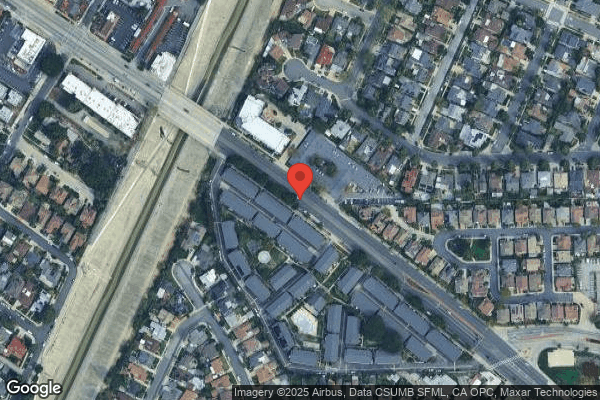

5240 SEPULVEDA BLVD, CULVER CITY, CA 90230 (310) 391-7266
For profit - Limited Liability company 116 Beds ASPEN SKILLED HEALTHCARE Data: November 2025
Trust Grade
35/100
#846 of 1155 in CA
Last Inspection: February 2025

Within standard 12-15 month inspection cycle. Federal law requires annual inspections.

Overview

Marina Pointe Healthcare & Subacute has received a Trust Grade of F, indicating significant concerns about care quality and safety. They rank #846 out of 1155 facilities in California, placing them in the bottom half, and #208 out of 369 in Los Angeles County, suggesting only a few local options are better. While the facility is improving, having reduced issues from 24 in 2024 to 19 in 2025, there are still serious problems, including a two-month delay in treating a resident's severe skin condition and failures in providing necessary nutrition for another resident, leading to significant weight loss. Staffing is average with a turnover rate of 32%, which is better than the state average, but the facility has incurred $27,475 in fines, pointing to ongoing compliance issues. Overall, while there are some strengths, such as decent staffing levels, the serious incidents and low trust grade raise substantial concerns for families considering this nursing home.

Trust Score
F
35/100
In California
#846/1155
Bottom 27%
Safety Record
Moderate
Needs review
Inspections
Getting Better
24 → 19 violations
Staff Stability
○ Average
32% turnover. Near California's 48% average. Typical for the industry.
Penalties
○ Average
$27,475 in fines. Higher than 71% of California facilities. Some compliance issues.
Skilled Nurses
○ Average
Each resident gets 37 minutes of Registered Nurse (RN) attention daily — about average for California. RNs are the most trained staff who monitor for health changes.
Violations
⚠ Watch
62 deficiencies on record. Higher than average. Multiple issues found across inspections.
★★☆☆☆
2.0
Overall Rating
★★★☆☆
3.0
Staff Levels
★★★☆☆
3.0
Care Quality
★★☆☆☆
2.0
Inspection Score
Stable
2024: 24 issues
2025: 19 issues

The Good

  • Full Sprinkler Coverage · Fire safety systems throughout facility
  • No fines on record
  • Staff turnover below average (32%)

    16 points below California average of 48%

Facility shows strength in fire safety.

The Bad

2-Star Overall Rating

Below California average (3.1)

Below average - review inspection findings carefully

Staff Turnover: 32%

13pts below California avg (46%)

Typical for the industry

Federal Fines: $27,475

Below median ($33,413)

Moderate penalties - review what triggered them

Chain: ASPEN SKILLED HEALTHCARE

Part of a multi-facility chain

Ask about local staffing decisions and management

The Ugly 62 deficiencies on record

2 actual harm
May 2025 2 deficiencies
CONCERN (D) 📢 Someone Reported This

A family member, employee, or ombudsman was alarmed enough to file a formal complaint

Potential for Harm - no one hurt, but risky conditions existed

Deficiency F0627 (Tag F0627)

Could have caused harm · This affected 1 resident

**NOTE- TERMS IN BRACKETS HAVE BEEN EDITED TO PROTECT CONFIDENTIALITY** Based on interview and record review, the facility failed to implement its policy and procedure (P&P) titled, Bed-Holds (when a ...

Read full inspector narrative →
**NOTE- TERMS IN BRACKETS HAVE BEEN EDITED TO PROTECT CONFIDENTIALITY** Based on interview and record review, the facility failed to implement its policy and procedure (P&P) titled, Bed-Holds (when a nursing home holds [reserve] a bed for seven (7) days) when the resident goes to the hospital) and Returns, by failing to hold the sub-acute bed (specialized unit of the facility providing care and services to residents with tracheostomy [surgical opening in the neck area for breathing]) for 7 days, when one of four residents' (Resident 1), was sent to the General Acute Care Hospital (GACH 1). This failure resulted in Resident 1 not re-admitted back to the facility within the 7-day bed-hold period. Findings: During a review of Resident 1's admission Record, the admission Record indicated Resident 1 was admitted to the facility in room [ROOM NUMBER]A, in Sub-acute unit on 12/31/2024. The admission Record indicated Resident 1 had a history of tracheostomy ([trache] a surgical opening in the neck for breathing), gastrostomy (a surgical opening fitted with a device to allow feedings to be administered directly to the stomach common for people with swallowing problems), hemiplegia (total paralysis of the arm, leg, and trunk on the same side of the body), and recurrent major depressive disorder (a mood disorder that causes a persistent feeling of sadness and loss of interest). The admission Record indicated Resident 1 had a responsible party. The admission Record indicated Resident 1 was discharged to GACH 1 on 4/28/2025. During a review of Resident 1's physician's order dated 12/31/2024, the physician's order indicated to connect Resident 1's trache to a T-Bar (T- shaped tubing connected to the trache and oxygen) with oxygen at 2 liters per minute. The physician's orders indicated to suction tracheal secretions and tracheostomy care every shift. During a review of Resident 1's Bed Hold Notification, Informed Consent form on admission, dated 12/31/2024, the Bed Hold Notification form indicated a resident/family representative signature indicating Resident 1 was informed of the right to request a 7-day bed-hold should the resident be transferred to a GACH. The bed-hold notification form indicated that on 4/28/2025 at 7:30 (am or pm not indicated), Family Member 1 (FM 1) notified the facility representative, to hold the bed for Resident 1. During a review of Resident 1's History and Physical (H&P), dated 1/1/2025, the H&P indicated Resident 1 did not have the ability to make medical decisions. During a review of Resident 1's Minimum Data Set (MDS – a resident assessment tool), dated 1/7/2025, the MDS indicated Resident 1 did not speak and was never or rarely able to understand others or express ideas and wants. The MDS indicated Resident 1 was dependent (helper does all the effort) to roll left and right, perform personal hygiene, and dress herself. During a review of Resident 1's Progress Notes, dated 4/22/2025, the notes indicated Resident 1 had a planned transfer to GACH 1 on 4/28/2025 for a cardiology clearance (an assessment of the cardiovascular system [heart, blood vessels, and circulatory system] to identify any potential issues that could complicate a surgery). During a review of Resident 1's Progress Notes, dated 4/28/2025 at 3:35 p.m., the notes indicated Resident 1 was admitted to GACH 1 for cardiology clearance. During a review of Resident 1's Physician Order, dated 4/28/2025 at 3:29 p.m., the order indicated a 7-day bed hold for Resident 1. During a review of the facility's daily census dated 4/28/2025, the census indicated Resident 1 was discharged from the facility on 4/28/2025 and Resident 1's name was transferred from room [ROOM NUMBER]A (sub-acute) to room [ROOM NUMBER]B (Skilled Nursing unit where resident without trache is admitted ). During a review of the facility's daily census for 4/28/2025 until 5/4/2025, the census sheets indicated Resident 1's name was in room [ROOM NUMBER]B. During an interview on 5/28/2025 at 9:55 a.m. with Registered Nurse (RN 1), RN 1 stated Resident 1 had a right to a 7-day bed-hold. RN 1 stated Resident 1 had the potential to cognitively deteriorate and become anxious and withdrawn if she cannot return to the facility. During a concurrent interview and record review on 5/28/2025 at 3:45 p.m. with the Director of Nursing (DON), Resident 1's Nurses Notes dated 4/22/2025, Resident 1's Bed Hold Notification dated 4/28/2025, the facility's Daily Census dated 4/28/2025, the facility's P&P titled Bed-Holds and Returns dated 10/2022, and the P&P titled Transfer/Discharge Documentation, dated 10/2022, were reviewed. The DON stated the Nurses Notes indicated Resident 1's transfer to GACH 1 on 4/28/2025 was planned on 4/22/2025. The DON stated the Daily Census indicated Resident 1's bed-hold was transferred from the sub-acute side of the facility (room [ROOM NUMBER]A) to the basic skilled nursing side (room [ROOM NUMBER]B). The DON stated regarding the bed-hold notification, the facility should have kept a bed vacant and available in the sub-acute side for the resident, for seven days from the date Resident 1 was transferred (4/28/2025) to GACH 1 for the resident's readmission to the facility. The DON stated Resident 1's new room assignment (room [ROOM NUMBER]B, skilled nursing side) was not equipped to accommodate Resident 1's medical needs. The DON stated Resident 1 who had a tracheostomy, was not readmitted back to the facility because the bed held was on the skilled nursing side and could not accommodate the resident's medical needs. The DON stated Resident 1 was not provided an appropriate bed-hold. The DON stated Resident 1's bed held while in GACH 1 should have not been moved to another room (room [ROOM NUMBER]B, skilled nursing side). During a review of the facility's P&P titled, Bed-Holds and Returns, dated 10/2022, the P&P indicated residents who seek to return to the facility within the bed-hold period must be allowed back to their room, if available, regardless of payor source or outstanding debt.
CONCERN (E) 📢 Someone Reported This

A family member, employee, or ombudsman was alarmed enough to file a formal complaint

Potential for Harm - no one hurt, but risky conditions existed

Deficiency F0628 (Tag F0628)

Could have caused harm · This affected multiple residents

**NOTE- TERMS IN BRACKETS HAVE BEEN EDITED TO PROTECT CONFIDENTIALITY** Based on interview and record review, the facility failed to follow its policy and procedure (P&P), titled Bed-Holds and Returns...

Read full inspector narrative →
**NOTE- TERMS IN BRACKETS HAVE BEEN EDITED TO PROTECT CONFIDENTIALITY** Based on interview and record review, the facility failed to follow its policy and procedure (P&P), titled Bed-Holds and Returns and the Transfer/Discharge Documentation, by not providing the written Notice of Discharge and the written Notice of Bed-hold (to save the bed for 7 days) upon the residents' transfer to a general acute care hospital (GACH 1), for three of four residents (Residents 1, 2 and 3) or their family representatives. This failure had the potential to result in Resident 1, Resident 2, and Resident 3 and their representatives not knowing their rights. Findings: 1). During a review of Resident 1's admission Record, the admission Record indicated Resident 1 was admitted to the facility on [DATE] and discharged to General Acute Care Hospital (GACH 1) on 4/28/2025. The admission Record indicated Resident 1 had a history of tracheostomy (a surgical opening fitted with a device to allow air to be administered through the neck, common for people with breathing problems), gastrostomy (a surgical opening fitted with a device to allow feedings to be administered directly to the stomach common for people with swallowing problems), hemiplegia (total paralysis of the arm, leg, and trunk on the same side of the body), and recurrent major depressive disorder (a mood disorder that causes a persistent feeling of sadness and loss of interest). The admission Record indicated Resident 1 had a responsible party. During a review of Resident 1's History and Physical (H&P), dated 1/1/2025, the H&P indicated Resident 1 did not have the ability to make medical decisions. During a review of Resident 1's Minimum Data Set (MDS – a resident assessment tool), dated 1/7/2025, the MDS indicated Resident 1 did not speak and was never or rarely able to understand others or express ideas and wants. The MDS indicated Resident 1 was dependent (helper does all the effort) to roll left and right, perform personal hygiene, and dress herself. During a review of Resident 1's Nurses Notes, dated 4/22/2025, the Nurses Note indicated Resident 1 had a planned transfer to GACH 1 on 4/28/2025 for a procedure. During a review of Resident 1's Physician Order, dated 5/28/2025, the Physician Order indicated a bed hold for seven days was ordered for Resident 1. During a review of Resident 1's Bed Hold Notification on admission, dated 12/31/2024, the Bed Hold Notification indicated Resident 1 was aware of the option to request a 7-day bed-hold to keep a bed vacant and available for return to the facility. On 4/28/2025 at 7:30 (am or pm not indicated), the Bed Hold Notification indicated the facility representative was notified within 24 hours by Family Member 1 (FM 1) to hold the bed for Resident 1. During a review of the facility's Daily Census dated 4/28/2025, the census indicated Resident 1 was discharged from the facility on 4/28/2025 and Resident 1's name was transferred from room [ROOM NUMBER]A to 8B. Resident 1's name was at the census sheet in room [ROOM NUMBER]B from 4/28/2025 until 5/4/2025. During a concurrent interview and record review on 5/28/2025 at 3:45 p.m. with the Director of Nursing (DON), Resident 1's Nurses Notes dated 4/22/2025, Resident 1's Bed Hold Notification dated 4/28/2025, the facility's Daily Census dated 4/28/2025, P&P titled Bed-Holds and Returns dated 10/2022, and P&P titled Transfer/Discharge Documentation dated 10/2022, were reviewed. The DON stated the Nurses Notes indicated Resident 1's transfer to GACH 1 on 4/28/2025 was planned on 4/22/2025. The DON stated the facility's P&P titled Bed-Holds and Returns was not followed because Resident 1 and her resident representative were not provided a written notice of bed-hold within 24 hours of transfer. The DON stated the facility's P&P titled Transfer/Discharge Documentation dated 4/28/2020, was not followed because Resident 1 and Resident 1's representative was not notified of Resident 1's transfer in writing. The DON stated the facility did not have a process in place to create and deliver a written Notice of Transfer/Discharge and Bed-Hold Notification. The DON stated these failures to provide written notices could have resulted in Resident 1 and her resident representative's rights not being upheld During an interview on 6/2/2025 at 10:25 a.m. with Resident 1's Family Member (FM 1), FM 1 stated she did not receive written Notice of Transfer/Discharge and written notice of bed-hold policies at the time of transfer and not informed of Resident 1's rights when Resident 1 was transferred to GACH 1 on 5/28/2025. FM 1 stated the facility never informed her about Resident 1's room change. 2). During a review of Resident 2's admission Record, the admission Record indicated Resident 2 was admitted to the facility on [DATE] and readmitted on [DATE]. The admission Record indicated Resident 2 had a history dementia (a progressive state of decline in mental abilities) and major depressive disorder. During a review of Resident 2's MDS, dated [DATE], the MDS indicated Resident 2 had severe cognitive impairment and always needed assistance reading written material. The MDS indicated Resident 2 required substantial assistance (helper does more than half the effort) from staff to bathe and dress himself. The MDS indicated Resident 2 required substantial assistance to stand up form a sitting position and roll left and right. During a review of Resident 2's eInteract Transfer Form, dated 4/28/2025, the eInteract Transfer Form indicated Resident 2 was transferred to GACH 2 on 4/28/2025. During a concurrent interview and record review 5/28/2025 at 3:45 p.m. with the DON, P&P titled Bed-Holds and Returns dated 10/2022, and P&P titled Transfer/Discharge Documentation dated 10/2022, were reviewed. The DON stated Resident 2 was not provided a written Notice of Transfer/Discharge and written notice of bed-hold when he was transferred out of the facility on 4/28/2025. The DON stated the facility did not have a process in place to create and deliver a written Notice of Transfer/Discharge and Bed-Hold Notification. The DON stated the facility's P&P titled Bed-Holds and Returns was not followed because Resident 2 and his resident representative were not provided a written notice of bed-hold within 24 hours of transfer. The DON stated the facility's P&P titled Transfer/Discharge Documentation dated 4/28/2020, was not followed because Resident 2 or his representative was not notified of Resident 2's transfer in writing. The DON stated these failures to provide written notices resulted in Resident 2 and his resident representative not knowing about their rights and rights being violated. 3). During a review of Resident 3's admission Record, the admission Record indicated Resident 3 was admitted to the facility on [DATE] and readmitted on [DATE]. The admission Record indicated Resident 3 had a history of tracheostomy, gastrostomy, and ventilator dependence. During a review of Resident 3's H&P, dated 5/20/2025, the H&P indicated Resident 3 did not have the ability to make medical decisions. During a review of Resident 3's Minimum Data Set (MDS), dated [DATE], the MDS indicated Resident 3 was moderately cognitively impaired, was not able to speak, and often needed help to read written material. The MDS indicated Resident 3 was dependent on staff for personal hygiene and to dress herself. The MDS indicated Resident 3 required substantial assistance to roll left and right and move from sitting to lying. During a review of Resident 3's eInteract Transfer Form, dated 5/13/2025, the eInteract Transfer Form indicated Resident 3 was transferred to GACH 2 on 5/13/2025. During a concurrent interview and record review 5/28/2025 at 3:45 p.m. with the DON, P&P titled Bed-Holds and Returns dated 10/2022, and P&P titled Transfer/Discharge Documentation dated 10/2022, were reviewed. The DON stated Resident 3 was not provided a written Notice of Transfer/Discharge and written notice of bed-hold when she was transferred out of the facility on 4/28/2025. The DON stated the facility did not have a process in place to create and deliver a written Notice of Transfer/Discharge and Bed-Hold Notification. The DON stated the facility's P&P titled Bed-Holds and Returns was not followed because Resident 3 and her resident representative were not provided a written notice of bed-hold within 24 hours of transfer. The DON stated the facility's P&P titled Transfer/Discharge Documentation dated 4/28/2020, was not followed because Resident 3 and her representative was not notified of Resident 3's transfer in writing. The DON stated these failures to provide written notices resulted in Resident 3 and her resident representative not knowing about their rights and rights being violated. During a review of the facility's P&P titled, Bed-Holds and Returns , dated 10/2022, the P&P indicated residents must be provided written notice of bed-hold policies at the time of transfer, or within 24 hours. The P&P indicated multiple attempts must be made to provide the written notice and all attempts must be documented. During a review of the facility's P&P titled Transfer/Discharge Documentation dated 10/2022, the P&P indicated residents and resident's representatives must be notified in writing as soon as practicable before a resident's transfer or discharge. The P&P indicated the facility may not transfer a resident to another room unless given prior reasonable notice.
May 2025 1 deficiency
CONCERN (D) 📢 Someone Reported This

A family member, employee, or ombudsman was alarmed enough to file a formal complaint

Potential for Harm - no one hurt, but risky conditions existed

Respiratory Care (Tag F0695)

Could have caused harm · This affected 1 resident

**NOTE- TERMS IN BRACKETS HAVE BEEN EDITED TO PROTECT CONFIDENTIALITY** Based on observation, interview, and record review, the facility failed to ensure two of five sampled residents (Resident 4 and ...

Read full inspector narrative →
**NOTE- TERMS IN BRACKETS HAVE BEEN EDITED TO PROTECT CONFIDENTIALITY** Based on observation, interview, and record review, the facility failed to ensure two of five sampled residents (Resident 4 and Resident 5) received respiratory care and services according to professional standards, by failing to ensure: 1.Resident 4 ' s ventilator (a medical device to help a person breathe when they are unable to do so on their own) alarm (visual and/or audible warnings that alert caregivers to changes in a patient's condition or the ventilator's status) located outside Resident 4 ' s room (secondary alarm) was turned on in a timely manner. 2. Resident 5 ' s ventilator alarm located at the bedside (primary alarm) was set to high. These failures had the potential to result in a delay in care and services, respiratory compromise and death for Residents 4 and 5. Findings: a. During a review of Resident 4 ' s admission Record, the admission Record indicated Resident 4 was originally admitted to the facility on [DATE] and re-admitted on [DATE]. The admission Record indicated Resident 4 ' s diagnoses included anoxic brain damage (occurs when the brain is deprived of oxygen), tracheostomy (surgical procedure to create an opening in the trachea [windpipe] for breathing), and respiratory failure (a condition where the lungs fail to adequately oxygenate the blood, leading to a deficiency of oxygen in the tissues). During a review of Residents 4 ' s Care Plan for impaired gas exchange dated 12/8/2023, the Care Plan indicated interventions included Respiratory Therapist (RT) to monitor the settings of Resident 4 ' s ventilator. During a review of Resident 4 ' s History and Physical (H&P) dated 6/18/2024, the H&P indicated Resident 4 did not have the capacity to understand and make medical decisions. During a review of Residents 4 ' s Minimum Data Set (MDS – a resident assessment tool) dated 4/16/2025, the MDS indicated Resident 4 was cognitively (ability to think and reason) impaired. The MDS indicated Resident 4 was totally dependent on staff for Activities of daily living (ADLs) such as dressing, toilet use, personal hygiene, transfer (moving between surfaces to and from bed, chair, and wheelchair) and bed mobility (how residents move from lying to turning side to side). The MDS indicated Resident 4 had oxygen therapy, tracheostomy and a mechanical ventilator. During a concurrent observation and interview on 5/7/2025 at 10:35 a.m. with RT 1, Resident 4 ' s ventilator alarm outside Resident 4 ' s room (secondary ventilator alarm), was observed to be turned off. RT 1 stated she turned Resident 4 ' s alarm off when the resident had to take a shower. RT 1 stated did not turn the ventilator back on as soon as the resident returned from the shower (approximately 25 minutes ago). During an interview on 5/7/2025 at 11:15 a.m. with Certified Nursing Assistance (CNA) 1, CNA 1 stated when residents return to the room after a shower, the RT was responsible for reconnecting the resident to the ventilator machine and turning on the ventilator alarms. CNA 1 stated Resident 4 received a shower in the morning (on 5/7/2025) at around 9:30 a.m. and came back at around 10:10 a.m. CNA 1 stated RT 1 connected Resident 4 to the ventilator and left the room. CNA 1 stated I am not sure if RT 1 turned the resident ' s ventilator (secondary) alarm on. b. During a review of Resident 5 ' s admission Record, the admission Record indicated Resident 5 was originally admitted to the facility on [DATE] and re-admitted on [DATE]. The admission Record indicated Resident 5 ' s diagnoses included dependence on respiratory ventilator status (need for mechanical ventilation), chronic obstructive pulmonary disease (COPD-a chronic lung disease causing difficulty in breathing), and chronic respiratory failure with hypoxia (low oxygen in the tissues of the body). During a review of Resident 5 ' s H&P dated 6/3/2024, the H&P indicated Resident 5 could make needs known but could not make medical decisions. During a review of Residents 5 ' s MDS dated [DATE], the MDS indicated Resident 5 had moderate cognitive impairment. The MDS indicated Resident 5 required substantial to maximal assistance (staff does more than half the effort) for ADLs such as dressing, toilet use, personal hygiene, and transfers. During a concurrent observation and interview on 5/7/2025 at 10:38 a.m. there was no ventilator alarm outside Resident 5 ' s room (secondary ventilator alarm). RT 1 stated Resident 5 ' s ventilator alarm was broken, and she had dropped it off to maintenance for repair earlier in the morning. During a concurrent interview and record review on 5/7/2025 at 11:00 a.m., with Resident 5, and RT 2, in the resident ' s room, Resident 5 stated her bedside ventilator alarm (primary ventilator alarm) was set to low and was difficult to hear when the room door was closed. Resident 5 stated it was too low for her (Resident 5) to hear, and it must be difficult for staff to also hear it. RT 2 stated Resident 5 ' s ventilator alarm volume setting was set to low. RT 2 stated the ventilator volume should always be set to medium or high and was not sure why the ventilator volume was set to low. RT 2 stated if Resident 5 ' s (primary) ventilator alarm was set to low inside the room and the residents (secondary) ventilator alarm outside the room was not in place, Resident 5 was at risk of not being assisted in a timely manner in case the resident ' s ventilator was disconnected or the resident needed to be suctioned (clearing the airway of mucus). RT 2 also stated yes, it was very important to have the ventilator alarm set to high and the backup alarm outside the room in place. RT 2 stated Resident 5 could not be without oxygen for more than 15 seconds because it could cause brain anoxia to the resident. During an interview on 5/7/2025 at 3:36 p.m. with the Maintenance Supervisor (MS). The MS stated he did not see Resident 5 ' s ventilator alarm at his office when he arrived to work at 7:30 am. The MS stated he saw Resident 5 ' s ventilator alarm at around 10:30 a.m. and gave it back to the RT (unnamed) at around 10:45 a.m. The MS stated nobody had informed him about the resident ' s broken alarm that needed to be fixed until he saw it in his office. During an interview on 5/7/2025 at 4:45 p.m. with the Director of Nursing (DON), the DON stated both ventilator alarms (primary and secondary) were connected to residents ' ventilators, and should sound if residents were in respiratory distress, needed suction or tubing was kinked. The DON stated if the alarm is broken it should be fixed right away and put it back. The DON stated it is very important that alarms should be always set high volume, so Resident can get a prompt care. The risk for Resident 4 and Resident 5 not having (both) ventilator alarms on could cause a delay in care in any episodes of respiratory distress or hypoxia. During a review of the facility ' s undated policy and procedures (P&P) titled Respiratory Policies and Procedures, the P&P indicated Respiratory Therapy is an Allied Health Specialty employed under medical direction and supervision in the treatment, management, control, diagnostic evaluation and care of individuals with deficiencies and abnormalities associated with the cardiopulmonary system. This includes the measurement of ventilator volume, pressures, flows, blood gas analysis, and other related physiological monitoring. During a review of the facility ' s undated P&P titled, Ventilator Alarms and Corrective Action, the P&P indicated It is the responsibility of all health care provides to respond immediately to all ventilator alarms. Personnel will perform corrective action within their scope of practice to resolve the problem.
Feb 2025 14 deficiencies
CONCERN (D)

Potential for Harm - no one hurt, but risky conditions existed

Deficiency F0578 (Tag F0578)

Could have caused harm · This affected 1 resident

**NOTE- TERMS IN BRACKETS HAVE BEEN EDITED TO PROTECT CONFIDENTIALITY** During an interview and record review the facility failed to: 1. Ensure one out of six sampled residents (Resident 69) Physician...

Read full inspector narrative →
**NOTE- TERMS IN BRACKETS HAVE BEEN EDITED TO PROTECT CONFIDENTIALITY** During an interview and record review the facility failed to: 1. Ensure one out of six sampled residents (Resident 69) Physician Orders for Life-Sustaining Treatment ([POLST] - a form designed to improve patient care by creating a portable medical order form that records patients' treatment wishes so that emergency personnel know what treatments the patient wants in the event of a medical emergency) was completed. This deficient practice of not completing the POLST for Resident 69 placed the resident at risk for not receiving goods and services based on their needs. Findings: During a review of Resident 69's admission Record ([Face Sheet] front page of the chart that contains a summary of basic information about the resident), the Face Sheet indicated Resident 69 was initially admitted to the facility on [DATE] and readmitted on [DATE]. Resident 69's diagnoses included chronic obstructive pulmonary disease ([COPD] - a chronic lung disease causing difficulty in breathing), respiratory failure (when the body's respiratory system is unable to exchange oxygen and carbon dioxide properly), and diabetes mellitus ([DM] -a disorder characterized by difficulty in blood sugar control and poor wound healing). During a review of Resident 69's History and Physical (H&P), dated 3/8/2024, the H&P indicated, Resident 69 had the capacity to understand and make decisions. During a review of Resident 69's Minimum Data Set ([MDS] a resident assessment tool), dated 12/3/2024, the MDS indicated Resident 69's cognition (ability to learn, reason, remember, understand, and make decisions) was moderately impaired. The MDS indicated Resident 69 required partial assistance from staff for showering, dressing, and personal hygiene. During a review of Resident 69's POLST, dated 3/7/2024, the POLST indicated part D was incomplete. During a concurrent interview and record review on 2/19/2025 at 1:00 p.m. with Registered Nurse (RN) 3, the POLST, dated 3/7/2024 was reviewed. The POLST indicated part D was incomplete. RN 3 stated the POLST part D was incomplete, and it was unclear if Resident 69 had an advance directive or not. RN 3 stated all the nurses are responsible for filling out the POLST. RN 3 stated part D does not indicate if Resident 69 had an advance directive (a legal document indicating resident preference on end-of life treatment decisions). RN 3 stated once Resident 69 was admitted we are to identify her medical wishes. RN 3 stated it was important complete part D so we know what the resident wishes will be after a change of condition. During a review of facility policy and procedure (P&P) titled, Advance Directive, dated 9/2022, the P&P indicated the residents has the right to formulate an advance directive. The P&P indicated if the resident does not have an Advance Directive information about whether or not the resident has executed an advance directive is displayed in the medical record in a section retrievable by any staff.
CONCERN (D)

Potential for Harm - no one hurt, but risky conditions existed

Safe Environment (Tag F0584)

Could have caused harm · This affected 1 resident

**NOTE- TERMS IN BRACKETS HAVE BEEN EDITED TO PROTECT CONFIDENTIALITY** Based on observation and interview, the facility failed to: 1. Ensure a comfortable sound level, when staff was setting off the ...

Read full inspector narrative →
**NOTE- TERMS IN BRACKETS HAVE BEEN EDITED TO PROTECT CONFIDENTIALITY** Based on observation and interview, the facility failed to: 1. Ensure a comfortable sound level, when staff was setting off the alarm when exiting the emergency door for two of 19 sampled residents (Residents 33 and 56). This deficient practice resulted in Resident 33 and 56 feeling annoyed and not being able to sleep or rest. Findings: a. During a review of Resident 33's admission Record, dated 2/20/2025, the admission Record indicated, Resident 33 was initially admitted to the facility on [DATE] and last readmitted on [DATE]. Resident 33's diagnoses included cellulitis (a skin infection that causes swelling and redness) to right and left leg, chronic kidney disease (CKD-condition which the kidneys are damaged and cannot filter blood as well as they should), congestive heart failure (CHF-a heart disorder which causes the heart to not pump the blood efficiently, sometimes resulting in leg swelling. A review of Resident 33's Minimum Data Set (MDS-a resident assessment tool), dated 12/24/2024, the MDS indicated the resident was assessed to have a clear cognition in daily decision making. The MDS indicated Resident 33 required moderate assistance from staff for activities of daily living (ADLs) such as toileting, personal hygiene, and showering. b. During a review of Resident 56's admission Record, dated 2/20/2025, the admission Record indicated, Resident 56 was initially admitted to the facility on [DATE] and last readmitted on [DATE]. Resident 56's diagnoses included cardiomegaly (An enlarged heart), anxiety disorder (persistent and excessive worry that interferes with daily activities), anemia (a condition where the body does not have enough healthy red blood cells). During a review of Resident 56's History and Physical (H&P), dated 10/27/24, the H&P indicated Resident 56 did have the capacity to understand and make decisions. During a review of Resident 56's Minimum Data Set (MDS-a resident assessment tool), dated 11/26/2024, the MDS indicated the resident was assessed to have a clear cognition in daily decision making. The MDS indicated Resident 56 required moderate assistance from staff for activities of daily living (ADLs) such as toileting, personal hygiene, and dressing. During a concurrent observation and interview on 2/18/2025 at 10:20 a.m., with Resident 33 in the resident's room, the exit door alarm went off frequently. On 2/18/2025 while interviewing Resident 33 the door alarm was heard at 10:20 a.m., 10:25 a.m., 10:28 a.m., and 10:36 a.m. Resident 33 stated the door alarm was constantly going off during the day and into the night. Resident 33 stated the ringing is annoying. Resident 33 stated the alarm sometimes would wake me up. During an observation on 2/20/2025 in the hallway next to room [ROOM NUMBER] and the exit door, the staff would go out with carts of the door setting off the alarm when they exited and entered. The alarm was heard at 9:39 a.m., 9:54 a.m., 10:05 a.m., 10:58 a.m., 11:59 a.m., 12:01 p.m., 12:15 a.m., 12:16 p.m. During an interview on 2/20/2025 at 12:21 p.m., with Licensed Vocational Nurse (LVN) 1, LVN 1 stated the alarm did go off all day. LVN 1 stated the staff had to use that door go out to take carts out and to get the shower chairs. LVN 1 stated it would not be good to hear the alarm all day. LVN 1 stated residents could potentially get woken up by the alarm and get annoyed that it went off so often. During an interview on 2/20/2025 at 12:30 p.m., with Resident 56, Resident 56 stated that the alarm went off all day long. Resident 56 stated it was very annoying to hear that noise all day. During an interview on 2/20/2025 at 12:35 p.m., with the Director of Nursing (DON), the DON stated the alarms went off every time the door was opened. The DON stated this door is used to get the shower chairs that are outside, to take carts and to get to the trash bins. The DON stated the alarm going off so much was annoying. The DON stated this would affect the resident by possibly making them feel annoyed and not able to sleep. During a review of the policy and procedure (P&P) titled, Quality of Life - Homelike Environment, dated May 2017, the P&P indicated, residents are provided with safe, clean, comfortable and homelike environment. The facility staff and management shall maximize, to the extent possible, the characteristics of the facility that reflect a personalized, homelike setting. These characteristics include comfortable noise levels.
CONCERN (D)

Potential for Harm - no one hurt, but risky conditions existed

Assessment Accuracy (Tag F0641)

Could have caused harm · This affected 1 resident

**NOTE- TERMS IN BRACKETS HAVE BEEN EDITED TO PROTECT CONFIDENTIALITY** Based on interview and record review the facility failed to ensure one out of six sampled residents (Resident 69) was accurately...

Read full inspector narrative →
**NOTE- TERMS IN BRACKETS HAVE BEEN EDITED TO PROTECT CONFIDENTIALITY** Based on interview and record review the facility failed to ensure one out of six sampled residents (Resident 69) was accurately assessed for smoking. This deficient practice had the potential for the facility to not develop and implement an individualized plan of care for resident 69. Findings: During a review of Resident 69's admission Record ([Face Sheet] front page of the chart that contains a summary of basic information about the resident), the Face Sheet indicated Resident 69 was initially admitted to the facility on [DATE] and readmitted on [DATE]. Resident 69's diagnoses included chronic obstructive pulmonary disease ([COPD] - a chronic lung disease causing difficulty in breathing), respiratory failure (when the body's respiratory system is unable to exchange oxygen and carbon dioxide properly), and diabetes mellitus ([DM] -a disorder characterized by difficulty in blood sugar control and poor wound healing). During a review of Resident 69's History and Physical (H&P), dated 3/8/2024, the H&P indicated, Resident 69 had the capacity to understand and make decisions. During a review of Resident 69's Minimum Data Set ([MDS] a resident assessment tool), dated 12/3/2024, the MDS indicated Resident 69's cognition (ability to learn, reason, remember, understand, and make decisions) was moderately impaired. The MDS indicated Resident 69 required partial assistance from staff for showering, dressing, and personal hygiene. During an observation on 2/19/2025 at 10:30 a.m. Resident 69 outside on patio smoking. During a review of Resident 69's MDS, dated [DATE] there was no indication that Resident 69 currently used tobacco. During a concurrent interview and record review on 2/20/2025 at 12:24 p.m. with Minimum Data Set (MDS) Nurse, Resident 69's MDS, dated [DATE] was reviewed. The MDS indicated Resident 69 currently was not using tobacco. The MDS Nurse stated the MDS was coded that Resident 69 was not using tobacco, yet she does smoke. The MDS Nurse stated the MDS is updated annually, quarterly, and could be modified. The MDS Nurse stated the MDS needed to be coded accurately to assess the resident to prevent harm while smoking and when using oxygen. During a review of facility's policy and procedure (P&P) titled, Resident Assessment Instrument, date unknown, the P&P indicated this facility to establish an organized Resident Assessment Instrument (RAI) process based on the needs of the Resident. The P&P indicated the facility will utilize and apply the most updated RAI guidelines related to administrative, clinical, compliance requirement on resident assessment, care planning, and resource utilization. The P&P indicated the MDS Nurse will be responsible to update assessment schedule manually or electronically for reference.
CONCERN (D)

Potential for Harm - no one hurt, but risky conditions existed

Comprehensive Care Plan (Tag F0656)

Could have caused harm · This affected 1 resident

**NOTE- TERMS IN BRACKETS HAVE BEEN EDITED TO PROTECT CONFIDENTIALITY** Based on interview and record review the facility failed to: 1. Ensure a care plan (the process of identifying a patient's needs...

Read full inspector narrative →
**NOTE- TERMS IN BRACKETS HAVE BEEN EDITED TO PROTECT CONFIDENTIALITY** Based on interview and record review the facility failed to: 1. Ensure a care plan (the process of identifying a patient's needs and facilitating holistic care and ensures collaboration among nurses, patients, and other healthcare providers) was formulated for one of 19 sampled residents (Residents 76). This failure placed Resident 19 at risk of not having his care needs met. Findings: During a review of Resident 76's admission Record, dated 2/20/2025, the admission Record indicated, Resident 76 was initially admitted to the facility on [DATE] and last readmitted on [DATE]. Resident 76's diagnoses included chronic respiratory failure with hypoxia (a serious condition where the lungs can't get enough oxygen into the blood), major depressive disorder (a mood disorder that causes a persistent feeling of sadness and loss of interest), bipolar disorder (sometimes called manic-depressive disorder; mood swings that range from the lows of depression to elevated periods of emotional highs), and seizures (a sudden, uncontrolled electrical disturbance in the brain which can cause uncontrolled jerking, blank stares, and loss of consciousness). During a review of Resident 76's History and Physical (H&P), dated 7/5/2024, the H&P indicated Resident 76 did not have the capacity to understand and make decisions. During a review of Resident 76's Minimum Data Set ([MDS], a resident assessment tool), dated 2/7/2025, the MDS indicated the resident was assessed to have severely impaired cognition in daily decision making. The MDS indicated Resident 76 required dependent assistance from staff for activities of daily living (ADLs) such as toileting, showering, and dressing. During a concurrent interview and record review, on 5/9/2024 at 1:05 p.m., with Licensed Vocational Nurse (LVN) 1, LVN 1 stated care plans were initiated upon admission and with any residents' change of condition. LVN 1 stated care plans were guides on the care a resident should have. LVN 1 stated there should have been a care plan for the use of hand mittens. LVN 1 stated a care plan not competed was as if staff only did half the care for the resident. LVN 1 stated we may not have followed all the interventions for the total care of the resident. During a concurrent interview and record review on 2/20/2025 at 2:20 p.m., with Registered Nurse (RN) 2, Resident 76's electronic medical record, care plan was reviewed. There was no care plan for the hand mittens or restraints. RN 2 stated there was not a care plan for the use of hand mittens or restraints. RN 2 stated a care plan should have been created for the hand mittens. RN 2 stated a care plan was to show the interventions needed to achieve resident goals. RN2 stated if a care plan was not completed, potentially a resident's goals would not be met. During an interview on 2/21/2025 at 10:45 a.m., with the Director of Nursing (DON), the DON stated care plans were to implement the plan of care to meet the resident's needs. The DON stated the staff incorporated the goals and interventions for the resident. The DON stated a care plan was needed when a resident had restraints. The DON stated if a care plan was not developed the needs of the residents may not be met. During a review of the policy and procedure (P&P) titled, Care Plans, Comprehensive Person-Centered, dated December 2016, the P&P indicated, a comprehensive, person-centered care plan that includes measurable objectives and timetables to meet the resident's physical, psychosocial and functional needs is developed and implemented for each resident. During a review of the policy and procedure (P&P) titled, Use of Restraints, dated April 2017, the P&P indicated, Care plans for residents in restraints will reflect interventions that address not only the immediate medical symptoms(s), but the underlying problems that may be causing the symptom(s). Care plans shall also include the measures taken to systematically reduce or eliminate the need for restraint use.
CONCERN (D)

Potential for Harm - no one hurt, but risky conditions existed

Deficiency F0657 (Tag F0657)

Could have caused harm · This affected 1 resident

**NOTE- TERMS IN BRACKETS HAVE BEEN EDITED TO PROTECT CONFIDENTIALITY** Based on observation, interview, and record review the facility failed to: 1. Ensure one out of six sampled residents (Resident ...

Read full inspector narrative →
**NOTE- TERMS IN BRACKETS HAVE BEEN EDITED TO PROTECT CONFIDENTIALITY** Based on observation, interview, and record review the facility failed to: 1. Ensure one out of six sampled residents (Resident 69) had a revised care plan (a previously established care plan for a patient that has been updated to reflect changes in their condition, needs, or response to treatment) to wear protective gear while smoking. This deficient practice had the potential to place the Resident at risk burns. Findings: During a review of Resident 69's admission Record ([Face Sheet] front page of the chart that contains a summary of basic information about the resident), the Face Sheet indicated Resident 69 was initially admitted to the facility on [DATE] and readmitted on [DATE]. Resident 69's diagnoses included chronic obstructive pulmonary disease ([COPD] - a chronic lung disease causing difficulty in breathing), respiratory failure (when the body's respiratory system is unable to exchange oxygen and carbon dioxide properly), and diabetes mellitus ([DM] -a disorder characterized by difficulty in blood sugar control and poor wound healing). During a review of Resident 69's History and Physical (H&P), dated 3/8/2024, the H&P indicated, Resident 69 had the capacity to understand and make decisions. During a review of Resident 69's Minimum Data Set ([MDS] a resident assessment tool), dated 12/3/2024, the MDS indicated Resident 69's cognition (ability to learn, reason, remember, understand, and make decisions) was moderately impaired. The MDS indicated Resident 69 required partial assistance from staff for showering, dressing, and personal hygiene. During an observation on 2/19/2025 at 10:30 a.m. Resident 69 was on the patio smoking a cigarette without protective gear. During a review of Resident 69's care plan titled, Resident wishes to smoke and is designated as an impaired smoker, dated 3/6/2024, the care plan indicated Resident 69 needs the following while smoking 1. Observation 2. Constant supervision and 3. Protective gear. The care plan did not indicate under interventions for Resident 69 to wear protective gear. During a concurrent interview and record review with Registered Nurse (RN) 3, the care plan titled, Resident wishes to smoke and is designated as an impaired smoker, dated 3/6/2024 was reviewed. The care plan indicated Resident 69 needs the following while smoking 1. Observation 2. Constant supervision and 3. Protective gear. The care plan did not indicate under interventions for Resident 69 to wear protective gear. RN 3 stated the protective gear would be an apron to protect the resident from accidents to prevent burns while smoking. RN 3 stated the care plan was to be revised every three months. RN 3 stated Resident 69 had refused to wear the protective gear while smoking. RN 3 stated when the resident was non-complaint that was a change, and the care plan should be revised to reflect the refusal of not wearing the protective gear. During a review of the facility's policy and procedure (P&P) titled, Care Plans, Comprehensive Person-Centered, dated 12/2016, the P&P indicated to identify problem areas and their causes, and developing interventions that are targeted and meaningful to the resident. The P&P indicated assessments of residents are ongoing and care plans are revised as information about the resident and the resident's conditions change.
CONCERN (D)

Potential for Harm - no one hurt, but risky conditions existed

Pressure Ulcer Prevention (Tag F0686)

Could have caused harm · This affected 1 resident

**NOTE- TERMS IN BRACKETS HAVE BEEN EDITED TO PROTECT CONFIDENTIALITY** Based on observation, interview, and record review the facility failed to: 1. Ensure one out of six sampled residents (Resident ...

Read full inspector narrative →
**NOTE- TERMS IN BRACKETS HAVE BEEN EDITED TO PROTECT CONFIDENTIALITY** Based on observation, interview, and record review the facility failed to: 1. Ensure one out of six sampled residents (Resident 6) had heel protectors on while lying in bed. This had the potential of Resident 6 not receiving the appropriate care and services. Findings: During a review of Resident 6's admission Record ([Face Sheet] front page of the chart that contains a summary of basic information about the resident), the Face Sheet indicated Resident 6 was initially admitted to the facility on [DATE] and readmitted on [DATE]. Resident 6's diagnoses included metabolic encephalopathy (a brain dysfunction that occurs due to an imbalance of chemicals in the blood), respiratory failure (when the body's respiratory system is unable to exchange oxygen and carbon dioxide properly), and diabetes mellitus ([DM] -a disorder characterized by difficulty in blood sugar control and poor wound healing). During a review of Resident 6's History and Physical (H&P), dated 10/30/2024, the H&P indicated, Resident 6 had limited capacity. During a review of Resident 6's Minimum Data Set ([MDS] a resident assessment tool), dated 12/16/2024, the MDS indicated Resident 6's rarely had the ability to understand. The MDS indicated Resident 6 was dependent on staff for showering, dressing, and personal hygiene. The MDS indicated Resident 6 was at risk of pressure injury (localized, pressure-related damage to the skin and /or underlying tissue usually over a bony prominence). During a review of Resident 6's physician orders titled, Order Summary Report, dated 12/26/2023, the Order Summary Report indicated, Resident 6 was to have heel protectors on while in bed for skin management (the care of the skin to promote healing and prevent infection). During an observation on 2/18/2025 at 4:35 p.m. Resident 6 was not wearing heel protectors while lying in bed. During a concurrent observation and interview on 2/20/2025 at 10:53 a.m. with Licensed Vocational Nurse (LVN) 4, in Resident 6's room, Resident 6 was lying in bed with no heel protectors on heels. LVN 4 stated there were no heel protectors on Resident 6 and there were no heel protectors in Resident 6's room. LVN 4 stated the heel protectors were to prevent the resident from rubbing her heels on the sheets and to prevent pressure on her legs when she crossed her legs. LVN 4 stated not having the heel protectors on while the resident was lying in the bed could cause the resident to have pressure sores (areas of damage to the skin and the underlying tissue caused by constant pressure or friction) on the heels. During a review of facility's policy and procedure (P&P) titled, Support Surface Guidelines, dated 9/2013, the P&P indicated the purpose of this procedure is to provide guidelines for the assessment of appropriate pressure reducing and relieving devices for residents at risk of skin breakdown. The P&P indicated redistributing support surfaces are to promote comfort for all bedbound or chair bound residents, prevent skin breakdown, promote circulation and provide pressure relief or reduction.
CONCERN (D)

Potential for Harm - no one hurt, but risky conditions existed

Deficiency F0711 (Tag F0711)

Could have caused harm · This affected 1 resident

**NOTE- TERMS IN BRACKETS HAVE BEEN EDITED TO PROTECT CONFIDENTIALITY** Based on interview and record review the facility failed to: 1. Ensure one out of six sampled residents (Resident 6) staff follo...

Read full inspector narrative →
**NOTE- TERMS IN BRACKETS HAVE BEEN EDITED TO PROTECT CONFIDENTIALITY** Based on interview and record review the facility failed to: 1. Ensure one out of six sampled residents (Resident 6) staff followed physician orders. This deficient practice had the potential to cause a delay in Resident's 6 plan of care. Findings: During a review of Resident 6's admission Record ([Face Sheet] front page of the chart that contains a summary of basic information about the resident), the Face Sheet indicated Resident 6 was initially admitted to the facility on [DATE] and readmitted on [DATE]. Resident 6's diagnoses included metabolic encephalopathy (a brain dysfunction that occurs due to an imbalance of chemicals in the blood), respiratory failure (when the body's respiratory system is unable to exchange oxygen and carbon dioxide properly), and diabetes mellitus ([DM] -a disorder characterized by difficulty in blood sugar control and poor wound healing). During a review of Resident 6's History and Physical (H&P), dated 10/30/2024, the H&P indicated, Resident 6 had limited capacity. During a review of Resident 6's Minimum Data Set ([MDS] a resident assessment tool), dated 12/16/2024, the MDS indicated Resident 6's rarely had the ability to understand. The MDS indicated Resident 6 was dependent on staff for showering, dressing, and personal hygiene. The MDS indicated Resident 6 was at risk of pressure injury (localized, pressure-related damage to the skin and /or underlying tissue usually over a bony prominence). During a review of Resident 6's physician orders titled, Order Summary Report, dated 12/26/2023, the Order Summary Reported indicated, Resident 6 was to have heel protectors on while in bed for skin management (the care of the skin to promote healing and prevent infection). During an observation on 2/18/2025 at 4:35 p.m. Resident 6 was not wearing heel protectors while lying in bed. During a concurrent observation, interview, and record review on 2/20/2025 at 10:47 a.m. with Licensed Vocational Nurse (LVN) 4, in Resident 6's room, Resident 6 was lying in bed with no heel protectors on heels. The Order Summary Report, dated 12/26/2023, was reviewed. The Order Summary Reported indicated, Resident 6 was to have heel protectors on while in bed for skin management. LVN 4 stated the physician orders does say to put the heel protectors on while lying in bed. LVN 4 stated its important to follow the physician orders because it's the physician who decides the skin treatment for the residents. LVN 4 stated the physicians orders needed to be followed to prevent skin breakdown. During a review of the facility's policy and procedure (P&P) titled, Physician's Order-Recapping, dated 1/2020, the P&P indicated it is the policy of this facility to review all physician orders for accuracy on a monthly basis. The P&P indicated the Order Summary Report will be reviewed.
CONCERN (D)

Potential for Harm - no one hurt, but risky conditions existed

Deficiency F0761 (Tag F0761)

Could have caused harm · This affected 1 resident

Based on observation, interview, and record review, the facility failed to: 1. Ensure a bottle of Pro-Stat (a liquid protein supplement) and drawer in medication cart #4 was free of a sticky substance...

Read full inspector narrative →
Based on observation, interview, and record review, the facility failed to: 1. Ensure a bottle of Pro-Stat (a liquid protein supplement) and drawer in medication cart #4 was free of a sticky substance. This deficient practice had the potential to result in cross contamination (movement of bacteria from one place to another) that could result in an infection. Findings: During a current observation and interview on 2/20/2025 at 7:41 a.m. with Licensed Vocational Nurse (LVN) 1 at medication cart #4, a bottle of Pro-Stat was found with a large amount of sticky spillage down the container. There was a plastic bag with another medication stuck to the Pro-Stat bottle. Pro-Stat was spilled inside the medication drawer. LVN1 stated, It's sticky, staff are supposed to clean it. LVN1 stated there could be cross contamination that can lead to infection. During a review of the facility's policy and procedure (P&P) titled, Storage of Medications, dated April 2007, the P&P indicated the nursing staff shall be responsible for maintaining storage and preparation areas in a clean and sanitary manner.
CONCERN (D)

Potential for Harm - no one hurt, but risky conditions existed

Laboratory Services (Tag F0770)

Could have caused harm · This affected 1 resident

**NOTE- TERMS IN BRACKETS HAVE BEEN EDITED TO PROTECT CONFIDENTIALITY** Based on interview and record review, the facility failed to: 1. Ensure one of four sampled residents (Resident 71) had a Depako...

Read full inspector narrative →
**NOTE- TERMS IN BRACKETS HAVE BEEN EDITED TO PROTECT CONFIDENTIALITY** Based on interview and record review, the facility failed to: 1. Ensure one of four sampled residents (Resident 71) had a Depakote level (a blood test to check the amount of this drug in your body) completed on the first Monday of every month per physician's order. Depakote is a drug given to control seizures (a sudden, uncontrolled electrical disturbance in the brain which can cause uncontrolled jerking, blank stares, and loss of consciousness). This deficient practice had the potential to result in Resident 71 not receiving appropriate dosing of his Depakote. Findings: During a review of Resident 71's admission Record, the admission Record indicated Resident 71 was admitted to the facility on [DATE] with diagnoses including hypertension (HTN-high blood pressure), diabetes (DM-a disorder characterized by difficulty in blood sugar control and poor wound healing), and seizure. During a review of Resident 71's History and Physical (H&P), dated 9/3/2024, the H&P indicated Resident 71 had mental retardation and is non-verbal. The H&P indicated the plan of action was to order relevant labs to monitor the resident's overall health and specific conditions. During a review of Resident 71's Minimum Data Set ([MDS] a resident assessment tool) dated 2/11/2025, the MDS indicated Resident 71 was dependent on staff for showering, toileting, and dressing. During a review of Resident 71's care plan, dated 2/11/2025, the care plan indicated for recurrent seizures the facility would complete lab work as ordered and report abnormal results to the doctor. During a concurrent interview and record review on 2/20/2025 at 11:06 a.m. with Registered Nurse (RN) 1, Resident 71's medical record was reviewed. The record indicated on 12/26/2024 the physician entered an order to complete a Depakote level every 1st Monday of the month. RN1 stated the Depakote level was last completed on 1/6/2025. RN1 stated the next Depakote level should have been completed on 2/3/2025. The Depakote level was not completed on 2/3/2025. RN1 stated the Depakote level is ordered so you can monitor the level of the drug in the resident's system. The dose can be increased/decreased based on the level. If the level is too low the resident can have a seizure. If the level is too high the resident can have a negative outcome. During a review of the facility's policy and procedure (P&P) titled, Lab and Diagnostic Test Results-Clinical Protocol, dated November 2018, the P&P indicated the staff will arrange for tests. The nurse will try to determine whether the test was done to monitor a drug level.
CONCERN (D)

Potential for Harm - no one hurt, but risky conditions existed

Medical Records (Tag F0842)

Could have caused harm · This affected 1 resident

**NOTE- TERMS IN BRACKETS HAVE BEEN EDITED TO PROTECT CONFIDENTIALITY** Based on interview, and record review, the facility failed to: 1. Ensure one of three sampled residents (Resident 87) had docume...

Read full inspector narrative →
**NOTE- TERMS IN BRACKETS HAVE BEEN EDITED TO PROTECT CONFIDENTIALITY** Based on interview, and record review, the facility failed to: 1. Ensure one of three sampled residents (Resident 87) had documentation related to the insertion and discontinuation of the intravenous (IV- a long thin catheter in the vein to deliver medications or fluids) line. This deficient practice had the potential to negatively affect the delivery of necessary care and services for Resident 87. Findings: During a review of Resident 87's Face Sheet, it indicated Resident 87 was readmitted on [DATE] with diagnoses that included sepsis (a life-threatening blood infection), and urinary tract infection (UTI- an infection in the bladder/urinary tract). During a review of Resident 87's Order Summary Report, it indicated Resident 87 was prescribed Zosyn (an antibiotic) 3.375 grams (gm- a unit of measurement) to be administered via IV every 8 hours for sepsis for 10 days until 9/18/2024. During a review of Resident 87's IV Administration Record, dated 9/8/2024, an order indicated for the nurse staff to ensure the IV site is without signs and symptoms of complication and no adverse reaction and to restart the IV every 72 hours and as needed for complications and may extend the IV site for poor venous (vein) access. During a review of Resident 87's Minimum Data Set (MDS- a resident assessment tool), dated 2/7/2025, it indicated Resident 87 is rarely/never understood and has issues with short and long-term memory. During a review of Resident 87's care plan, dated 9/7/2024, it indicated Resident 87 would not have any complications related to IV therapy. During a record review with Registered Nurse (RN) 2, Resident 87's Nurses Notes were reviewed and were documented as follows: 9/7/2024 9:15 p.m. Resident had IV lines on both arms 9/8/2024 6:17 p.m. Resident noted with two IV sites on left and right arm. 9/9/2024 3:22 p.m. Resident had IV lines on the back of the right hand. 9/10/2024 6:58 a.m. Resident had IV lines on both arms. 9/11/2024 7:08 a.m. Resident had IV lines on both arms. 9/11/2024 2:02 p.m. Resident had an IV line on the right forearm. 9/13/2024 1:36 p.m. Resident had an IV line on the right forearm. 9/14/2024 12:37 a.m. Resident had an IV line on the right forearm. 9/14/2024 6:42 a.m. Resident had an IV line on the right forearm. 9/15/2024 5:18 a.m. Resident had an IV line on the right forearm. 9/16/2024 1:12 p.m. Resident had an IV line on the right forearm. 9/17/2024 1:21 a.m. Resident had an IV line on the right forearm. 9/17/2024 6:19 a.m. Resident had an IV line on the right forearm. 9/18/2024 3:53 p.m. Resident had IV line intact. During an interview on 2/20/2025 at 11:05 a.m. with RN 2, RN 2 stated Resident 87 does not have any IV's anymore. RN 2 stated Resident 87 was originally readmitted to the facility on [DATE] with an IV on both arms. RN 2 stated Resident 87 suddenly had an IV on the right hand on 9/9/2024 at 3:22 p.m. but there was no documentation prior to that in the medical records of when or who placed the IV in the right hand because the resident did not come with it. In addition, there was also no more mention of the IV in the right hand after 9/9/2024 so it was also unsure when the IV in the right hand was removed. RN 2 also stated that between the nurse's notes on 9/11/2024 at 7:08 a.m. and 9/11/2024 at 2:02 p.m., Resident 87 went from having an IV in both arms to only having an IV in the right forearm, and there was no documentation that the IV on the left arm was removed. RN 2 stated after 9/18/2024, there was no more documentation about the IV's and it is unknown when the IV on the right forearm was removed. RN 2 stated it is important for the nurses to document if they remove an IV or place a new IV because this is how you communicate to the other nurses what happened on the shift, and each documentation can tell the reader useful reader important information regarding the resident. During a review of the facility's policy and procedure titled Charting and Documentation, dated 7/2017, it indicated all services provided to the resident shall be documented in the resident's medical record. It also indicated treatments or services performed is to be documented and must be objective, complete, and accurate.
CONCERN (E)

Potential for Harm - no one hurt, but risky conditions existed

Accident Prevention (Tag F0689)

Could have caused harm · This affected multiple residents

**NOTE- TERMS IN BRACKETS HAVE BEEN EDITED TO PROTECT CONFIDENTIALITY** b. During an observation on 2/20/2025 at 12:17 p.m. in the hallway next to room [ROOM NUMBER] and the emergency exit door, staff...

Read full inspector narrative →
**NOTE- TERMS IN BRACKETS HAVE BEEN EDITED TO PROTECT CONFIDENTIALITY** b. During an observation on 2/20/2025 at 12:17 p.m. in the hallway next to room [ROOM NUMBER] and the emergency exit door, staff would come in and out of the unlocked door. On the door there was a notice to keep door closed and locked at all times. The gate outside of the door was unlocked throughout the day. During a concurrent observation and interview on 2/20/2025 at 12:21 p.m., with Licensed Vocational Nurse (LVN) 1, at the door next to room [ROOM NUMBER] that exited to the outside gate. LVN 1 stated the door was kept unlocked during the day. LVN 1 stated this exit door is used by the staff. LVN 1 stated the door should be locked. LVN 1 stated the gate to the outside should always be locked. LVN 1 stated if both doors were unlocked it would be a safety issue. LVN 1 stated a resident could possibly leave the facility and get hurt. During a concurrent observation and interview on 2/20/2025 at 12:25 p.m., with the Dietary Supervisor (DS), outside side gate that led out to the street where the gate was unlocked. The DS stated that the gate was left unlocked. The DS stated the gate should always be locked. The DS stated if the gate had to be opened for any reason it should be locked as soon as the task is done. The DS stated if the gate was not locked it would be a safety concern, a resident could potentially leave the facility and get hurt. During an interview on 2/20/2025 at 12:35 p.m., with the Director of Nursing (DON), the DON stated we do not lock this exit door during the day, the staff used this door to take out the carts, the trash, and shower chairs. The DON stated the door did have a sign that showed to always keep door locked. The DON stated that the staff needed to use that specific door, it would be a lot if we kept unlocking the door. The DON stated the outside gate should always be locked. The DON stated if the gate was not locked it would be a safety issue. The DON stated a resident could possibly leave the facility and be harmed or have an accident. During a review of the policy and procedure (P&P) titled, safety and Supervision of Residents, dated December 2007, the P&P indicated, our facility strives to make the environment as free from accident hazards as possible. Resident safety and supervision and assistance to prevent accidents are facility-wide priorities. Based on observation, interview, and record review, the facility failed to: 1. Ensure one of seven sampled residents (Resident 9) received supervision while smoking This deficient practice had the potential to result in Resident 9 being injured while smoking. 2. Ensure the entrance and exit doors were monitored to prevent the resident from leaving the facility unattended. This deficient practice had the potential for a resident to sustain an accidental injury while outside the facility's premises without staff supervision. Findings: a. During a review of Resident 9's admission Record, the admission Record indicated Resident 9 was admitted to the facility on [DATE] with diagnoses including hypertension (HTN-high blood pressure), dementia (a progressive state of decline in mental abilities), and congestive heart failure ([CHF]-a heart disorder which causes the heart to not pump the blood efficiently). During a review of Resident 9's History and Physical (H&P), dated 9/29/2024, the H&P indicated Resident 9 has the capacity to understand and make decisions. During a review of Resident 9's Minimum Data Set ([MDS] a resident assessment tool) dated 2/5/2025, the MDS indicated Resident 9 needed supervision for showering, dressing the lower body, and performing personal hygiene. During a review of Resident 9's care plan, dated 1/22/2020, the care plan indicated Resident 9 required supervision while smoking. The care indicated the facility will supervise Resident 9 per the Smoking Assessment. During a review of Resident 9's Smoking Safety Evaluation, dated 2/5/2025, the evaluation indicated Supervision will be required for all Residents during designated smoking times. This evaluation will be utilized for the Resident's smoking care plan on admission and as indicated. During a review of the facility's Smokers Supervision Times form, (no date), the form indicated the daily smoking times are 8:30 a.m., 10:00 a.m., 2:00 p.m., 4:00 p.m., and 7:00 p.m. The form indicated there was a dedicated staff member assigned to supervise at the specified times. During an observation on 2/19/2025 at 1:58 p.m. on the smoking patio, Resident 9 was observed entering the patio with a cigarette in his hand. Resident 9 sat at the table, pulled a lighter from his pocket, and lit the cigarette. Resident 9 stated the cashier gives the cigarettes and he keeps his lighter. There were no staff on the patio supervising. Resident 9 left the patio at 2:03 p.m. after smoking the cigarette. During a concurrent observation and interview on 2/19/2025 at 2:16 p.m. with the Activity Assistant (AA) on the smoking patio, the AA stated the smoking time started at 2:00 pm. The AA was observed entering the smoking patio at 2:16 p.m. The AA stated she was not on the patio at 2:00 p.m. because she was on her break. The AA stated her role is to supervise the residents and ensure they don't burn themselves. The AA stated since no staff were on the patio monitoring someone could have burned themselves. During a review of the facility's policy and procedure (P&P) titled, Safe Smoking-Resident, dated August 2022, the P&P indicated the facility will provide residents who wish to smoke the opportunity to do so with optimal safety of themselves and others.
CONCERN (E)

Potential for Harm - no one hurt, but risky conditions existed

Deficiency F0694 (Tag F0694)

Could have caused harm · This affected multiple residents

**NOTE- TERMS IN BRACKETS HAVE BEEN EDITED TO PROTECT CONFIDENTIALITY** Based on interview and record review, the facility failed to 1. Provide appropriate intravenous (IV- a long thin catheter in the...

Read full inspector narrative →
**NOTE- TERMS IN BRACKETS HAVE BEEN EDITED TO PROTECT CONFIDENTIALITY** Based on interview and record review, the facility failed to 1. Provide appropriate intravenous (IV- a long thin catheter in the vein to deliver medications or fluids) care for one of three sampled residents (Resident 87) by not changing the IV dressing every 7 days and not changing the IV site every 72 hours as ordered. 2. Ensure one of three sampled resident's (Resident 5) intravenous line ([IV]- a thin, flexible tube inserted into a vein) site was labeled with the date/time of insertion. These deficient practices had the potential for Resident 87 and Resident 5 to experience complications associated with having an IV. Findings: a. During a review of Resident 87's Face Sheet, it indicated Resident 87 was readmitted on [DATE] with diagnoses that included sepsis (a life-threatening blood infection), and urinary tract infection (UTI- an infection in the bladder/urinary tract). During a review of Resident 87's Order Summary Report, it indicated Resident 87 was prescribed Zosyn (an antibiotic) 3.375 grams (gm- a unit of measurement) to be administered via IV every 8 hours for sepsis for 10 days until 9/18/2024. During a review of Resident 87's IV Administration Record, dated 9/8/2024, an order indicated for the nurse staff to ensure the IV site is without signs and symptoms of complication and no adverse reaction and to restart the IV every 72 hours and as needed for complications and may extend the IV site for poor venous (vein) access. During a review of Resident 87's Minimum Data Set (MDS- a resident assessment tool), dated 2/7/2025, it indicated Resident 87 is rarely/never understood and has issues with short and long-term memory. During a review of Resident 87's care plan, dated 9/7/2024, it indicated Resident 87 would not have any complications related to IV therapy. During a record review with Registered Nurse (RN) 2, Resident 87's Nurses Notes were reviewed and were documented as follows: 9/7/2024 9:15 p.m. Resident had IV lines on both arms 9/8/2024 6:17 p.m. Resident noted with two IV sites on left and right arm. 9/9/2024 3:22 p.m. Resident had IV lines on the back of the right hand. 9/10/2024 6:58 a.m. Resident had IV lines on both arms. 9/11/2024 7:08 a.m. Resident had IV lines on both arms. 9/11/2024 2:02 p.m. Resident had an IV line on the right forearm. 9/13/2024 1:36 p.m. Resident had an IV line on the right forearm. 9/14/2024 12:37 a.m. Resident had an IV line on the right forearm. 9/14/2024 6:42 a.m. Resident had an IV line on the right forearm. 9/15/2024 5:18 a.m. Resident had an IV line on the right forearm. 9/16/2024 1:12 p.m. Resident had an IV line on the right forearm. 9/17/2024 1:21 a.m. Resident had an IV line on the right forearm. 9/17/2024 6:19 a.m. Resident had an IV line on the right forearm. 9/18/2024 3:53 p.m. Resident had IV line intact. During an interview on 2/20/2025 at 11:05 a.m. with RN 2, RN 2 stated IV sites should be changed approximately every 7 days or as needed if there are complications with the IV. RN 2 stated Resident 87 should have their IV site changed every 72 hours per the order documented in the IV administration record. RN 2 stated there were no documentations that stated the IV site was changed, and therefore it wasn't done. RN 2 also stated there were no documentations that showed the nurse changed the transparent dressing on the IV site every 7 days as they typically do. RN 2 stated it is important to change the IV site and change the IV dressing to prevent infection or other complications. During a review of the facility's policy and procedure titled Peripheral Catheter Dressing Change, dated 2/2023, it indicated transparent dressings are changed each site rotation and/or at least every 7 days or if the integrity of the dressing is compromised. b. During a review of Resident 5's admission Record, the admission Record indicated Resident 5 was admitted to the facility on [DATE] with diagnoses including hypertension (HTN-high blood pressure), dementia (a progressive state of decline in mental abilities), and diabetes (DM-a disorder characterized by difficulty in blood sugar control and poor wound healing). During a review of Resident 5's History and Physical (H&P), dated 1/7/2025, the H&P indicated Resident 5 has the capacity to understand and make decisions. During a review of Resident 5's Minimum Data Set ([MDS] a resident assessment tool) dated 2/5/2025, the MDS indicated Resident 5 was dependent on staff for toileting and dressing the lower body. Resident 5 needed substantial assistance showering and dressing the upper body. During a concurrent observation and interview on 2/20/2025 at 11:03 a.m. with the Director of Staff Development (DSD), at the bedside of Resident 5, Resident 5's IV dressing was noted without an insertion date/time. The DSD stated the IV should be dated so staff will know when it was inserted so you know when it needs to be changed. You need to be able to monitor. The DSD stated if you leave the IV in too long it can cause an infection. During a review of the facility's policy and procedure (P&P) titled, Peripheral Venous Catheter Insertion dated March 2023, the P&P indicated nurses will write the date, time, and initials on the dressing label after IV insertion.
CONCERN (F)

Potential for Harm - no one hurt, but risky conditions existed

Infection Control (Tag F0880)

Could have caused harm · This affected most or all residents

**NOTE- TERMS IN BRACKETS HAVE BEEN EDITED TO PROTECT CONFIDENTIALITY** Based on observation, interview, and record review, the facility failed to: 1. Ensure two out of six sampled residents (Resident...

Read full inspector narrative →
**NOTE- TERMS IN BRACKETS HAVE BEEN EDITED TO PROTECT CONFIDENTIALITY** Based on observation, interview, and record review, the facility failed to: 1. Ensure two out of six sampled residents (Resident 67 and 147) nasal cannulas (a small plastic tube, which fits into the person's nostrils for providing supplemental oxygen) were not dated and labeled. This deficient practice of not dating and labeling the nasal cannulas placed Residents 67 and 147 at risk for respiratory infection (an infection affecting the nose, throat, sinuses, airways, and lungs). 2. Ensure there were not two bags of opened and emptied bottles of water, sparkling water, iced coffee, fruit juice, and energy drinks in the laundry room next to a washing machine. This deficient practice had the potential for attracting pests to the laundry room. a. During a review of Resident 67's admission Record ([Face Sheet] front page of the chart that contains a summary of basic information about the resident), the Face Sheet indicated Resident 67 was initially admitted to the facility on [DATE] and was readmitted on [DATE]. Resident 67's diagnoses included chronic obstructive pulmonary disease ([COPD]- a chronic lung disease causing difficulty in breathing), respiratory failure (when the body's respiratory system is unable to exchange oxygen and carbon dioxide properly), and diabetes mellitus ([DM]-a disorder characterized by difficulty in blood sugar control and poor wound healing). During a review of Resident 67's History and Physical (H&P), dated 1/30/2025, the H&P indicated, Resident 67 had the d capacity to understand and make decisions. During a review of Resident 67's Minimum Data Set ([MDS] a resident assessment tool), dated 1/3/2025, the MDS indicated Resident 67's cognition (ability to learn, reason, remember, understand, and make decisions) was moderately impaired. The MDS indicated Resident 67 required moderate assistance on staff for showering, dressing, and personal hygiene. The MDS indicated Resident 67 required respiratory treatment with oxygen therapy (providing a patient with supplemental oxygen, which is extra oxygen beyond what they can breathe from the air). During an observation on 2/18/2025 at 12:40 p.m., in Resident 67's room, the nasal cannula was attached to an oxygen tank on the wheelchair. The nasal cannula was not dated and labeled. During a concurrent observation and interview on 2/19/2025 at 12:29 p.m. with Licensed Vocational Nurse (LVN) 3, in Resident 67's room, Resident 67 had a nasal cannula not dated and labeled attached to an oxygen tank on his wheelchair. LVN 3 stated the nasal cannula was not dated and labeled. LVN 3 stated when the nasal cannula is not dated and labeled it places the resident at risk for an infection. LVN 3 stated Resident 67 at risk for inhaling dust or dirt which could build up over time and could put him at risk for respiratory infection. b. During a review of Resident 147's admission Record ([Face Sheet] front page of the chart that contains a summary of basic information about the resident), the Face Sheet indicated Resident 147 was initially admitted to the facility on [DATE] and was readmitted on [DATE]. Resident 147's diagnoses included chronic obstructive pulmonary disease ([COPD]- a chronic lung disease causing difficulty in breathing), respiratory failure (when the body's respiratory system is unable to exchange oxygen and carbon dioxide properly), and pneumonia (an infection/inflammation in the lungs). During a review of Resident 147's History and Physical (H&P), dated 2/13/2025, the H&P indicated, Resident 147 could make needs known but cannot make medical decisions. During a review of Resident 147's Minimum Data Set ([MDS] a resident assessment tool), dated 12/30/2024, the MDS indicated Resident 147's cognition (ability to learn, reason, remember, understand, and make decisions) was severely impaired. The MDS indicated Resident 147 was dependent on staff for showering, dressing, and personal hygiene. The MDS indicated Resident 147 required respiratory treatment with oxygen therapy. During an observation on 2/18/2025 at 12:45 p.m. in Resident 147's room, the nasal cannula was not dated and labeled. During a concurrent observation and interview on 2/19/2025 at 12:39 p.m. with Licensed Vocational Nurse (LVN) 3, in Residents 147's room, Resident 147's nasal cannula was not dated and labeled. LVN 3 stated Resident 147's nasal cannula had condensation (water which collects as droplets) build up inside the nasal cannula. LVN 3 stated the condensation trapped in the nasal cannula could potentially create trapped bacteria and place the resident at risk for a respiratory infection. During a review of facility's policy and procedure (P&P) titled, Oxygen administration (Mask, Cannula, Catheter), dated 12/2016, the P&P indicated the purpose of the oxygen therapy was to provide sufficient oxygen to the blood stream and tissues. The P&P indicated oxygen tubing is to be replaced every seven days. c. During a review of Resident 147's admission Record ([Face Sheet] front page of the chart that contains a summary of basic information about the resident), the Face Sheet indicated Resident 147 was initially admitted to the facility on [DATE] and was readmitted on [DATE]. Resident 147's diagnoses included chronic obstructive pulmonary disease ([COPD]- a chronic lung disease causing difficulty in breathing), respiratory failure (when the body's respiratory system is unable to exchange oxygen and carbon dioxide properly), and pneumonia (an infection/inflammation in the lungs). During a review of Resident 147's History and Physical (H&P), dated 2/13/2025, the H&P indicated, Resident 147 could make needs known but cannot make medical decisions. During a review of Resident 147's Minimum Data Set ([MDS] a resident assessment tool), dated 12/30/2024, the MDS indicated Resident 147's cognition (ability to learn, reason, remember, understand, and make decisions) was severely impaired. The MDS indicated Resident 147 was dependent on staff for showering, dressing, and personal hygiene. The MDS indicated Resident 147 required respiratory treatment with oxygen therapy. During an observation on 2/18/2025 at 12:45 p.m. in Resident 147's room, the nasal cannula was not dated and labeled. During a concurrent observation and interview on 2/19/2025 at 12:39 p.m. with Licensed Vocational Nurse (LVN) 3, in Residents 147's room, Resident 147's nasal cannula was not dated and labeled. LVN 3 stated Resident 147's nasal cannula had condensation (water which collects as droplets) build up inside the nasal cannula. LVN 3 stated the condensation trapped in the nasal cannula could potentially create trapped bacteria and place the resident at risk for a respiratory infection. During a review of facility's policy and procedure (P&P) titled, Oxygen administration (Mask, Cannula, Catheter), dated 12/2016, the P&P indicated the purpose of the oxygen therapy was to provide sufficient oxygen to the blood stream and tissues. The P&P indicated oxygen tubing is to be replaced every seven days.
MINOR (B)

Minor Issue - procedural, no safety impact

Deficiency F0912 (Tag F0912)

Minor procedural issue · This affected multiple residents

**NOTE- TERMS IN BRACKETS HAVE BEEN EDITED TO PROTECT CONFIDENTIALITY** Based on observation, interview, and record review, the facility failed to: 1. Ensure residents in rooms 1, 2, 3, 4, 5, 6, 7, 8,...

Read full inspector narrative →
**NOTE- TERMS IN BRACKETS HAVE BEEN EDITED TO PROTECT CONFIDENTIALITY** Based on observation, interview, and record review, the facility failed to: 1. Ensure residents in rooms 1, 2, 3, 4, 5, 6, 7, 8, 9, 10, 11, 12, 13, 14, 15, 16, 17, 18, 19, 21, 23, 34, 35, 36, 38, and 40 had at least 80 sqft of living space. This deficient practice had the potential to result in residents not being able to move around freely or store personal items. Staff may also have difficulty providing care due to a lack of space. Findings: During a review of the Client Accommodation Analysis, dated 2/19/2025, the analysis indicated the facility had the following room measurements: Room # # of beds Floor square footage 1 3 235 2 3 235 3 3 235 4 3 235 5 3 235 6 3 235 7 3 235 8 3 235 9 3 235 10 3 235 11 3 235 12 3 235 13 3 235 14 3 235 15 3 235 16 3 235 17 3 235 18 3 235 19 3 235 20 2 245 21 3 235 22 2 245 23 3 235 24 2 245 25 2 245 26 2 245 27 2 245 28 2 245 29 2 245 30 2 245 31 2 245 32 2 245 33 2 245 34 3 235 35 3 235 36 3 235 37 1 244 38 2 235 39 3 244 40 3 244 During a review of the Room Variance Waiver request letter, dated 2/20/2025, the letter indicated rooms 1, 2, 3, 4, 5, 6, 7, 8, 9, 10, 11, 12, 13, 14, 15, 16, 17, 18, 19, 21, 23, 34, 35, 36, 38, and 40 measure 235 sqft. The letter indicated the required room size is 240 sqft. During an observation on 2/21/2025 at 11:00 a.m., rooms [ROOM NUMBERS] were noted to contain 3 beds. During an interview on 2/21/2025 at 11:16 a.m. with the Administrator (Adm), the Adm stated the smaller room size could have a psychosocial effect on the resident. A smaller room can affect resident safety and comfort.
Feb 2025 2 deficiencies
CONCERN (D) 📢 Someone Reported This

A family member, employee, or ombudsman was alarmed enough to file a formal complaint

Potential for Harm - no one hurt, but risky conditions existed

Deficiency F0658 (Tag F0658)

Could have caused harm · This affected 1 resident

**NOTE- TERMS IN BRACKETS HAVE BEEN EDITED TO PROTECT CONFIDENTIALITY** Based on observation, interview, and record review, the facility failed to ensure a physician's order was obtained for ankle-foo...

Read full inspector narrative →
**NOTE- TERMS IN BRACKETS HAVE BEEN EDITED TO PROTECT CONFIDENTIALITY** Based on observation, interview, and record review, the facility failed to ensure a physician's order was obtained for ankle-foot orthotic (a device to provide support and stability to the ankle and foot, correct foot and ankle deformities, improve walking and mobility, reduce pain and inflammation, and control muscle spasms) device, before being implemented to one of three residents (Resident 1). This failure resulted in Resident 1 wearing ankle foot orthosis without an order. This failure placed Resident 1 at risk to receive inappropriate care resulting in skin breakdown and joint complications. Findings: During a review of Resident 1's admission Record, the admission Record indicated Resident 1 was admitted to the facility on [DATE] and readmitted on [DATE]. The admission Record indicated Resident 1 had a history of dementia (a progressive state of decline in mental abilities) and osteoarthritis (a progressive disorder of the joints, caused by a gradual loss of cartilage). During a review of Resident 1's History and Physical (H&P), dated 1/3/2025, the H&P indicated Resident 1 had a history of hemiplegia (total paralysis of the arm, leg, and trunk on the same side of the body) affecting the left side (arm and leg). The H&P indicated Resident 1 was able to make decisions. During a review of Resident 1's active physician orders, dated February 2025, the physician orders did not indicate an order for a medical device on the left leg. During a concurrent observation and interview on 2/3/2025 at 9:23 a.m. with Licensed Vocational Nurse (LVN 1) in Resident 1's room, Resident 1 had an ankle-foot orthotic on the left leg. LVN 1 stated Resident 1 wore the ankle-foot orthotic any time Resident 1 was out of bed. LVN 1 stated staff must follow Resident 1's physician orders to guide application of orthotics. During an interview on 2/3/2025 at 11:46 a.m. with the Director of Rehabilitation (DOR), the DOR stated Resident 1's ankle-foot orthotic helped to maintain neutral ankle position and should be applied any time Resident 1 walked or stood. The DOR stated Resident 1 needed the orthotic device when out of bed to prevent abnormal positioning and injury. During a concurrent interview and record review on 2/3/2025 at 12:50 p.m. with LVN 1, Resident 1's active physician orders dated 2/2025 and care plans dated 2/2025 were reviewed. LVN 1 stated the ankle-foot orthotic was a medical device and should have a physician's order and care plan to avoid improper use, skin breakdown, and joint complications. LVN 1 stated Resident 1 did not have a physician orders or care plans for an ankle-foot orthotic. During a concurrent interview and record review on 2/3/2025 at 3:15 p.m. with the Director of Nursing (DON), the policy and procedure (P&P) titled Care Plans, Comprehensive, Person-Centered, dated December 2016 was reviewed. The DON stated the P&P indicated care plans must describe all services to be provided to a resident. The DON stated Resident 1 did not have a care plan for the ankle-foot orthotic. The DON stated licensed nurses should have updated Resident 1's care plans to include ankle-foot orthotic use. During a review of the P&P titled Care Plans, Comprehensive, dated 12/2016, the P&P indicated care plans must identify and describe services provided to prevent decline of the resident's functional status. The P&P indicated care plans will reflect currently recognized standards of practice for problem areas and conditions. During a review of the P&P titled Attending Physician Responsibilities, dated 8/2014, the P&P indicated the physician will identify and verify treatments and services, including rehabilitation services, are medically necessary and appropriate with each individual's diagnosis, condition, and wishes.
CONCERN (D) 📢 Someone Reported This

A family member, employee, or ombudsman was alarmed enough to file a formal complaint

Potential for Harm - no one hurt, but risky conditions existed

Quality of Care (Tag F0684)

Could have caused harm · This affected 1 resident

**NOTE- TERMS IN BRACKETS HAVE BEEN EDITED TO PROTECT CONFIDENTIALITY** Based on interview, and record review, the facility failed ensure the physician's order to apply buddy strap (a hook and loop st...

Read full inspector narrative →
**NOTE- TERMS IN BRACKETS HAVE BEEN EDITED TO PROTECT CONFIDENTIALITY** Based on interview, and record review, the facility failed ensure the physician's order to apply buddy strap (a hook and loop straps used to treat injured fingers by taping them to an uninjured finger) to one of three residents (Resident 1), were implemented for nine (9) days (from 1/21/2025 through 1/29/2025). The failure had the potential to delay the healing of Resident 1's right index finger (finger next to thumb) fracture (broken bone) and placed the resident at risk for complications. Findings: During a review of Resident 1's admission Record, the admission Record indicated Resident 1 was admitted to the facility on [DATE] and readmitted on [DATE]. The admission Record indicated Resident 1 had a history of dementia (a progressive state of decline in mental abilities) and osteoarthritis (a progressive disorder of the joints, caused by a gradual loss of cartilage). During a review of Resident 1's History and Physical (H&P), dated 1/3/2025, the H&P indicated Resident 1 had a history of hemiplegia (total paralysis of the arm, leg, and trunk on the same side of the body) affecting the left side (arm and leg). The H&P indicated Resident 1 was able to make decisions. During a review of Resident 1's physician orders, dated 1/20/2025, the physician's order indicated for Resident 1 to wear a buddy strap during the day for Resident 1's right index finger fracture. During a review of Resident 1's Treatment Administration Record (TAR) for 1/2025, the TAR dated 1/21/2025 through 1/29/2025 were blank (did not indicate staff initials). During an interview on 2/3/2025 at 11:46 a.m. with the Director of Rehabilitation (DOR), the DOR stated Resident 1's buddy strap was to promote bone healing by keeping the fractured bones aligned. The DOR stated Resident 1's fracture could heal incorrectly or slowly if the buddy strap was not applied. During a concurrent interview and record review on 2/3/2025 at 2:15 p.m. with Licensed Vocational Nurse (LVN 3), Resident 1's TAR, for 1/ 2025 was reviewed. LVN 3 stated the blank spaces on the TAR from 1/21/2025 through 1/29/2025 indicated the buddy strap was not applied to Resident 1's right index finger for 9 days. LVN 3 stated buddy strap was a type of splint (a medical device used to stabilize and hold a part of the body in place). LVN 3 stated the licensed nursing staff were responsible to ensure Resident 1 had the buddy strap on the right index finger. LVN 3 stated Resident 1 was at risk for contractures (joint deformity), pain, and limited mobility if the buddy strap was not provided according to physician's order. During a concurrent interview on 2/3/2025 at 3:15 p.m. with the Director of Nursing (DON), the DON stated the treatment nurse, and licensed vocational nurses were responsible for providing and documenting the ordered treatment for Resident 1's buddy strap to the right index finger. During a review of the Treatment Nurse Job Description, dated 2003, the job description indicated the Treatment Nurse was responsible to provide therapeutic services and assist in resident rehabilitative services. During a review of the Charge Nurse LVN Job Description, dated 2003, the job description indicated charge nurses must coordinate nursing services to maintain a resident's total regimen and ensure all nursing prescribed treatments and rehabilitative programs were administered.
Oct 2024 1 deficiency
CONCERN (D) 📢 Someone Reported This

A family member, employee, or ombudsman was alarmed enough to file a formal complaint

Potential for Harm - no one hurt, but risky conditions existed

Accident Prevention (Tag F0689)

Could have caused harm · This affected 1 resident

**NOTE- TERMS IN BRACKETS HAVE BEEN EDITED TO PROTECT CONFIDENTIALITY** Based on observation, interview and record review, the facility failed to provide a safe environment for one of 4 sampled reside...

Read full inspector narrative →
**NOTE- TERMS IN BRACKETS HAVE BEEN EDITED TO PROTECT CONFIDENTIALITY** Based on observation, interview and record review, the facility failed to provide a safe environment for one of 4 sampled residents by failing to: 1.Provide adequate supervision and implement interventions for one of 4 sampled residents (Resident 1), who verbalized wanting to go Out on Pass ([OOP] short term leave from facility) and had previous episodes of leaving the facility without an Out on Pass ([OOP] short leave from facility) physician ' s order. 2. Implement Resident 1 ' s Care Plan to monitor Resident 1 ' s behavior symptoms such as wandering, inappropriate response to verbal communication and document. 3.Accurately assess Resident 1 ' s Elopement Risk 4.Ensure the facility ' s exit doors alarms were activated and monitored. These failures resulted in Resident 1 eloping (the act of leaving a facility unsupervised and without prior authorization) and placed other residents at risk for eloping which could lead to accidents, injuries, and death. Findings: During a review of Resident 1 ' s admission Record, the admission Record indicated Resident 1 was initially admitted to the facility on [DATE] and re-admitted on [DATE]. Resident 1 ' s diagnoses included encephalopathy (any brain disorder, disease, or damage that affects the brain's structure or function), atrial fibrillation (a heart condition that causes an irregular heartbeat), bipolar disorder (sometimes called manic-depressive disorder; mood swings that range from the lows of depression to elevated periods of emotional highs), major depressive disorder (a mood disorder that causes a persistent feeling of sadness and loss of interest), and chronic back pain During a review of Resident 1 ' s Physician ' s Order dated 7/13/2024, the Order indicated Resident 1 may go out on pass with responsible party. During a review of Resident 1 ' s Interdisciplinary Care Team ([IDT] a group of healthcare professionals from different disciplines who work together to manage the resident ' s care) Notes dated 9/27/2024, the IDT Notes indicated on 9/27/2024, Resident 1 was seen moving a vehicle on the facility parking lot. The IDT notes indicated Resident 1 purchased the vehicle from his friend and planned on driving the vehicle (working for ride share/delivery service) to earn money for a down payment on rent once discharged . The IDT Note indicated Resident 1 did not want to leave the facility to be discharged to an Assisted Living Facility or Board and Care. The IDT Note indicated the following recommendations for the resident: Discontinue OOP order and resident will be discharged (DC ' D) Against Medical Advice (AMA) if resident insisted to leave the premises, Social Services Director to assist Resident 1 to find an apartment to stay as soon as possible. During a review of Resident 1 ' s Physician ' s Order dated 9/27/2024, the Order indicated Resident 1 may not go OOP. During a review of Resident 1 ' s Nurse Note dated 9/27/2024, the Note indicated the Director of Nursing (DON) discussed with the physician that Resident 1 was not safe to go out of the facility and received an order to discontinue OOP. During a review of Resident 1 ' s Release of Responsibility for Leave of Absence (OOP) log dated 8/2024-10/2024, the log indicated Resident 1 ' s last signed out on pass from the facility to go to the bank on 10/2/2024 at 4:03 (p.m.) and returned on 10/2/2024 at 4:57 p.m. During a review of Resident 1 ' s Nurse Notes dated 10/5/2024, the Note indicated, on 10/5/2024 at 12:50 p.m., Resident 1 left the facility without authorization and OOP order. During a review of Resident 1 ' s IDT Notes dated 10/7/2024, the IDT notes indicated on 10/5/2024 at 5:00 p.m., Resident 1 went OOP with a friend without signing out himself despite multiple attempts by staff to stop the resident from leaving since there was no OOP order given by the physician. The IDT Notes indicated Resident 1 refused to sign AMA. The IDT notes indicated the resident was considered DC ' D AMA from the facility, however on 10/5/2024 at 5:00 p.m., Resident 1 returned to the facility and insisted to go in the facility. The IDT Notes indicated Resident 1 indicated leaving to find a place to go once he was discharged from the facility. The IDT Notes indicated Resident 1 had a history of drug-seeking behavior and illicit drug use especially while the resident was out of the facility by himself. The IDT Notes indicated Resident 1 would be allowed to go OOP for 4 hours only with staff supervision and for discharge planning related situation. During a review of Resident 1 ' s Minimum Data Set ([MDS] a federally mandated resident assessment tool) dated 10/8/2024, the MDS indicated Resident 1 was able to understand others and make self understood. The MDS indicated Resident 1 was independent with Activities of Daily Living (ADLs) such as eating, personal hygiene and walking. During a review of Resident 1 ' s Care plan with a focus on Resident 1 ' s high risk for recurrent illicit drug use while OOP, dated 10/5/2024, the Care Plan indicated Resident 1 had a history of opioid (group of medicines used to relieve pain) abuse and episode of drug seeking behaviors (Narcotics). The Care plan also indicated Resident 1 went OOP against physician ' s orders, non-compliant (not obeying a particular rule or law, especially one that controls a particular industry, or type of work or activity) with treatment/regulations in the facility. The Care Plan nursing interventions included to analyze of key times, places, circumstances, triggers, what de-escalates behavior, document and anticipate the resident ' s needs. During a review of Resident 1 ' s Physician ' s Order dated 10/8/2024, the Order indicated Resident 1 may go OOP for 4 hours only with staff supervision and for discharge planning related situation. During a review of Resident 1 ' s Psychiatric Consultation Note dated 10/8/2024, the Note indicated Resident 1 had a depressed mood, fair impulse control, marginal judgement, flight of ideas (rapid, erratic speech that switches quickly between thoughts and ideas). During a review of Resident 1 ' s Care Plan with a focus on Resident 1 ' s use of anti-anxiety medication dated 10/8/2024, the Care plan indicated Resident 1 had anxiety disorder manifested by irritability/inability to relax. The Care Plan indicated Resident 1 was taking anti-anxiety medication which were associated with an increased risk of confusion, loss of balance and cognitive (ability to think and reason) impairment. The Care Plan indicated nursing interventions included monitoring the resident for safety and monitor/record occurrence of target behavior symptoms such as pacing, wandering, inappropriate response to verbal communication, violence/aggression towards others and document. During a review of Resident 1 ' s Care Plan addressing the residents OOP dated 10/8/2024, the Care Plan indicated Resident 1 was allowed to go OOP for 4 hours with staff supervision or with family related to discharge planning. The Care Plan indicated staff interventions included making sure the resident signed OOP binder before leaving and making sure staff or family member accompanied the resident during OOP. During a review of Resident 1 ' s Elopement Screening dated 10/8/2024, the Elopement Screening indicated Resident 1 was a Low Risk for elopement. The Elopement Screening indicated Resident 1 had no history of elopement, no diagnosis that would affect his judgment and safety awareness and had no exit seeking behavior. The Elopement Screening did not indicate Resident 1 ' s diagnoses of encephalopathy, bipolar disorder and major depressive disorder. The Elopement Screening did not indicate Resident 1 ' s history of leaving the facility without authorization or physician ' s order. During a review of Resident 1 ' s Leaving Facility Against Medical Advice form, dated 10/22/2024 at 12:40 a.m., the form indicated Resident 1 left the facility without notifying staff. The form did not indicate Resident 1 signed to Leave the facility Against Medical Advice. During a review of the General Acute Care Hospital (GACH) records dated 10/22/2024, the GACH records indicated Resident 1 presented in the emergency room Department with dental pain and requesting opioids. During a review of the IDT Notes dated 10/23/2024, the IDT Notes indicated Resident 1 went out of the facility without notifying staff. The IDT Notes indicated Resident 1 was on visual monitoring every 15-30 minutes and was last seen by staff in his room at around 12:00 a.m. The IDT notes indicated, Resident 1 was in the nursing station on 10/22/2024 at 11:45 p.m. asking staff if he could go OOP and staff informed the resident, he did not have an order for OOP without supervision. The IDT Notes indicated on 1/22/2024 at around 12:15 a.m., Resident 1 was not in his room and staff immediately initiated a search. The IDT Notes indicated the staff noted that the resident ' s car which was parked in the facility ' s parking area was also missing. The IDT Notes indicated has episodes of going OOP unsupervised without signing himself out despite multiple attempts by staff to stop him from leaving without supervision and a physician ' s order. During a concurrent observation and interview on 10/28/2024 at 10:50 a.m. with the Dietary Supervisor (DS), the Emergency exit/Ambulance entrance door alarm was turned off, and no sound was heard upon entering or exiting the door. The door opens to the parking lot and approximately 400 feet away was a busy 4-lane street. DS stated, staff would not hear the alarm to alert them if a resident tried to leave the facility, and the resident may get hit by a car. During an interview on 10/28/2024 at 1:10 p.m., with the Director of Nursing (DON), the DON stated the door alarms should always be on and activated. The DON stated staff failed to activate the alarm when the ambulance left. During a concurrent observation and interview on 10/30/2024 at 12:00 p.m. with Central Supplies Staff (CS), the Emergency exit/Ambulance entrance door alarm was turned off, and no alarm sound was heard upon entering/exiting the door. CS stated she unlocked the door at 9:30 a.m. (on 10/30/2024) to bring shipment of supplies inside. CS stated she went to lunch at 11:30 a.m. and did not turn the alarm on. CS stated, failing to turn the door alarm on could result in accidents and residents leaving the facility without staff hearing the alarm. During a concurrent record review and interview on 10/30/2024 at 12:35 p.m. with the DON, the Elopement Screening form dated 10/08/2024 was reviewed. The Elopement Screening form indicated Resident 1 has a low-risk score of 4 for elopement, based on no history of elopement, no exit seeking behavior/expression of wanting to go home, and no reported episodes of elopement in the past 6 months. The DON stated Resident 1 was not cognitive impaired and not exit seeking. The DON stated Resident 1 left AMA on 10/5/2024 and did not elope. During a concurrent record review and interview on 11/14/2024 at 3:19 p.m. with the DON, Resident 1 ' s Care Plans, IDT Notes and OOP physician ' s orders were reviewed. The DON stated Resident 1 ' s Care Plan indicated for nurses to monitor the resident ' s behavior symptoms manifested by wandering. The DON stated, there was no supporting documentation to indicate this was done. The DON stated, Resident 1 verbalized wanting to leave the facility on 10/22/2024 at around 11:45 p.m. The DON stated, nurses (unnamed) notified Resident 1 he could not go OOP. The DON stated, it was expected for the nurses to monitor the resident and increase supervision of the resident due to the resident ' s history of noncompliance and leaving without authorization, however, was not done. The DON stated, she does not know how the resident left the facility. The DON stated, none of the nurses heard the alarm go off and if nurses were supervising the resident, was not sure how the resident was able to leave unnoticed. The DON stated, it was important to ensure nurses implemented Care Plan interventions and provided adequate supervision to ensure safety for the resident. During a review of the facility ' s Policy and Procedure (P&P) titled, Safety and Supervision of Residents dated 12/2007, the P&P indicated Resident safety, supervision, and assistance to prevent accidents are facility-wide priorities. The P&P indicated staff should use various sources to identify risk factors for residents, including information obtained from the medical history, physical exam, observation if the resident, and the MDS. The P&P indicated the IDT care team shall analyze information obtained from assessments and observations to identify any specific accident hazards or risk for the resident and target interventions to reduce the potential for accidents. The P&P also indicated resident supervision is a core component of the systems approach to safety and the type and frequency of resident supervision is determined by the individual resident ' s assessed needs and identified hazards. During a review of the facility ' s P&P titled, Elopement, dated 5/25/2022, the P&P The policy indicated Resident ' s will be screened by a licensed nurse on admission/readmission, quarterly, upon identification of significant change in condition and at least within 24 to 72 hours post-elopement situation. The P&P indicated how to identify residents who are at risk are as follows: Resident with a history of wandering or elopement, who has reported incident of attempt to leave the facility premises, who has reported of exit-seeking behavior and who have impaired cognition and decision-making skills yet verbalizes wanting to leave the facility without supervision. The P&P indicated, if the staff member observes a resident leaving the premises without having followed proper procedure, he/she may: get help from other facility staff member and inform nursing supervisor, if the resident exits the facility despite efforts to stop the resident, a staff member shall accompany or follow the resident to ensure safety until assistance arrives.
Aug 2024 1 deficiency
CONCERN (D) 📢 Someone Reported This

A family member, employee, or ombudsman was alarmed enough to file a formal complaint

Potential for Harm - no one hurt, but risky conditions existed

Quality of Care (Tag F0684)

Could have caused harm · This affected 1 resident

**NOTE- TERMS IN BRACKETS HAVE BEEN EDITED TO PROTECT CONFIDENTIALITY** Based on interview and record review, the facility failed to ensure one of three sampled residents (Resident 1) who was admitted...

Read full inspector narrative →
**NOTE- TERMS IN BRACKETS HAVE BEEN EDITED TO PROTECT CONFIDENTIALITY** Based on interview and record review, the facility failed to ensure one of three sampled residents (Resident 1) who was admitted in the facility with cellulitis (skin infection caused by bacteria) of the right and left lower limb (leg) received care and services to meet the resident ' s needs by failing to: 1. Ensure Resident 1 received wound treatment as ordered by the physician. 2. Complete a weekly assessment of Resident 1 ' s wound. This deficient practice placed Resident 1 at risk for worsening, complications, and poor healing of the resident ' s skin condition. Findings: During a review of Resident 1 ' s admission Record, the admission Record indicated Resident 1 was admitted on [DATE], and re-admitted on [DATE] with diagnoses including infection of the skin and subcutaneous tissue ( bacterial, viral, or fungal – that enters any break in the skin and invade the subcutaneous tissue), lymphedema (swelling caused by a buildup of fluid in the body between the skin and muscle), and venous stasis dermatitis of both lower extremities (condition in which skin of the lower legs becomes swollen or inflamed). During a review of Resident 1 ' s Minimum Data Set ([MDS] a standardized assessment and care screening tool), dated 6/25/2024, the MDS indicated Resident 1had the ability of understand and be understood by others. The MDS indicated Resident 1 required partial/ moderate assistance with activities of daily living (ADLs) such as dressing, toilet use, personal hygiene, transfer (moving between surfaces to and from bed, chair, and wheelchair) and bed mobility (how resident moves from lying to turning side to side). During a review of Resident 1 ' s physician order dated 7/14/2024, the order indicated to cleanse Resident 1 ' s Left and Right lower extremity (legs) with Dakin ' s solution (a dilute sodium hypochlorite (NaClO) solution commonly known as bleach) x 7 days, apply Bactroban ointment (treatment of certain types of skin infections) to open areas and cover with kerlix every day shift for 7 days. During a review of Resident 1 ' s Progress Notes dated 7/16/2024 at 2:40 p.m., the Notes indicated, Resident 1 refused wound treatment and stated he did not have time as he was going out. The Progress Notes indicated the treatment would be endorsed to oncoming shift. There were no supporting documentation to indicated Resident 1 ' s wound treatments were completed on 7/16/2024 after returning to the facility. During a review of Resident 1 ' s Treatment Administration Record (TAR) dated 7/2024, the TAR indicated there was no supporting documentation wound treatment to Resident 1 ' s left and right lower extremities was completed on 7/16/2024. The TAR indicated 2 (refused) was marked on 7/16/2024. During a review of Resident 1 ' s Weekly Non-pressure Ulcer Observation Tool dated 07/20/2024, the Tool indicated there were no supporting documentation of weekly nursing assessment of the wound was conducted for the week of 7/12/2024 and 7/19/2024. During a review of Resident 1 ' s Interact Change of Condition (COC) Evaluation dated 7/22/2024, the COC indicated, Licensed Vocational Nurse (LVN) 3 noticed maggots on the gauze while performing wound treatment to the left lower extremity. The COC indicated Resident 1, Registered Nurse (RN) and physician were notified. During an interview on 8/7/2024 at 1:25 p.m., with LVN 1, LVN 1 stated, Resident 1 refused one time and he did not complete the wound care for the resident on 7/16/2024. During an interview on 8/7/2024 at 3:40 p.m. with the Assistant Director of Nursing (ADON), The ADON stated, when residents refuse treatment, the nurse should notify the physician. The ADON stated, not completing wound treatment could lead to infection and worsening of the resident ' s wounds. During a subsequent interview on 8/14/2024 at 1:00 p.m. with LVN 1, LVN 1 stated, nurses complete weekly summary every Friday. LVN 1 stated he was doing treatments and may have not been able to complete the weekly summary for Resident 1. LVN 1 also stated, it was important to document the resident ' s wound progress. During a review of the facility ' s Policies and Procedures (P&P) titled Wound Care dated 1/2023, the P&P indicated the purpose was to provide guidelines for the care of wounds to promote healing. The P&P indicated to apply treatments as indicated and the following information should be recorded in the resident ' s medical record: the type of wound care given, date and time the wound care was given, all assessment data, obtained when inspecting the wound weekly.
Jul 2024 1 deficiency
CONCERN (D) 📢 Someone Reported This

A family member, employee, or ombudsman was alarmed enough to file a formal complaint

Potential for Harm - no one hurt, but risky conditions existed

Accident Prevention (Tag F0689)

Could have caused harm · This affected 1 resident

**NOTE- TERMS IN BRACKETS HAVE BEEN EDITED TO PROTECT CONFIDENTIALITY** Based on observation, interview, and record review, the facility failed to: 1. Ensure all doors that lead to the outside of the ...

Read full inspector narrative →
**NOTE- TERMS IN BRACKETS HAVE BEEN EDITED TO PROTECT CONFIDENTIALITY** Based on observation, interview, and record review, the facility failed to: 1. Ensure all doors that lead to the outside of the facility had an alarm to prevent one of five sampled residents (Resident 1), who was assessed as a high risk for elopement, (leaving the health care facility unsupervised and undetected) from leaving the facility without staff knowledge. This deficient practice had the potential for Resident 1 to be injured while out of the facility premises without supervision from staff. Findings: a. A review of Resident 1 ' s admission Record (Face Sheet), indicated Resident 1 was originally admitted on [DATE] and readmitted on [DATE] with diagnoses that included dementia (a general term for loss of memory, language, problem-solving and other thinking abilities that are severe enough to interfere with daily life), and toxic encephalopathy (brain dysfunction caused by exposure to toxic substances). A review of Resident 1 ' s Minimum Data Set ([MDS]- a standardized assessment and care planning tool), dated 6/12/2024, indicated Resident 1 had severe cognitive impairment (ability to reason, understand, remember, judge, and learn). A review of Resident 1 ' s Elopement Screening, dated 6/12/2024, indicated Resident 1 was at high risk for elopement from the facility. A review of Resident 1 ' s care plan, dated 6/24/2024, indicated Resident 1 was at risk for wandering or elopement and interventions included to call attention of the resident and redirect when seen going towards the exit door, and frequent check of the resident ' s whereabouts. During an interview on 7/10/2024 at 4:15 PM with Licensed Vocational Nurse (LVN) 1, LVN 1 stated he was notified by the Registered Nurse (RN) Supervisor on shift that Resident 1 was missing and began to search for Resident 1. He stated he and others looked for Resident 1 inside and outside the facility and drove around the neighborhood but was unable to locate Resident 1. LVN 1 stated he did not hear any alarms on any of the doors that lead outside of the facility go off during the shift, and Resident 1 did not have any devices on her that would notify the staff if she left the facility. LVN 1 stated if he heard an alarm that went off, that would alert him and other staff to check in the area in case a resident left through the door where the alarm sounded. During an interview on 7/11/2024 at 9:58 AM with the Director of Nursing (DON), the DON stated she believed Resident 1 left the facility through the front door, but it can ' t be confirmed because nobody watched her leave and the staff that night did not hear the alarms on the emergency exit doors go off. During an interview on 7/11/2024 at 10:55 AM with Certified Nursing Assistant (CNA) 2, CNA 2 stated there was only one door in and out of the facility for staff, residents, and visitors to come in and out and that was the front door. During an interview on 7/11/2024 at 12:33 PM with RN 1, RN 1 stated she last saw Resident 1 on 6/27/2024 around 10:30 PM while she was making her last check on the residents that night. She stated she saw Resident 1 in bed but awake. RN 1 stated around 11:00 PM, a nurse from the next shift stated Resident 1 was not in the room and they immediately began to search for Resident 1. RN 1 stated there were no alarms she heard during her shift that would have alerted the staff a resident may have left the facility. She stated if an alarm went off, you would be able to hear it because it is very loud. RN 1 stated it was very possible Resident 1 left through the front door undetected because there was no alarm on the front door that night. During an interview on 7/11/2024 at 2:10 PM with a Maintenance Personnel (MP), MP stated there was no exit alarm ever installed on the front door. MP stated the exit alarms placed at the doors is to let the staff know if the door has been opened and someone is trying to come in or leave. If there is no alarm, or the alarm is broken, there will be no sound to alert the staff. During an interview on 7/11/2024 at 3:15 PM with the DON, the DON stated there was no exit alarm installed on the front door, and because there was no alarm, if the door was opened, there would be no sound to alert the staff that a resident could have potentially left through the front door undetected. A review of the policy and procedure titled, Elopement, undated, indicated the facility shall safeguard (something that protects) exit doors with devices such as audible (capable of being heard) alarms, if possible, to alarm staff whenever resident attempts to leave the facility unsupervised.
Apr 2024 1 deficiency
CONCERN (D) 📢 Someone Reported This

A family member, employee, or ombudsman was alarmed enough to file a formal complaint

Potential for Harm - no one hurt, but risky conditions existed

Deficiency F0726 (Tag F0726)

Could have caused harm · This affected 1 resident

**NOTE- TERMS IN BRACKETS HAVE BEEN EDITED TO PROTECT CONFIDENTIALITY** Based on observation, interview, and record review, the facility failed to ensure Certified Nursing Assistance (CNA) had the spe...

Read full inspector narrative →
**NOTE- TERMS IN BRACKETS HAVE BEEN EDITED TO PROTECT CONFIDENTIALITY** Based on observation, interview, and record review, the facility failed to ensure Certified Nursing Assistance (CNA) had the specific competencies and skill sets necessary to document and monitor three of 3 residents' (Resident 1, Resident 2, and Resident 3) meal intake percentage. This deficient practice increased the risk that Resident 1, Resident 2, and Resident 3 could have experienced undernourishment, which could result in weight loss, medical complications leading to hospitalization. Findings: a). A review of Resident 1 ' s admission record indicated Resident 1 was originally admitted to the facility on [DATE] and readmitted on [DATE], with a diagnosis of hyperlipidemia (high levels of fat particles (lipids) in the blood), unspecified protein-calorie malnutrition (The lack of sufficient energy or protein to meet the body ' s metabolic demands), and iron deficiency anemia (a condition in which blood lacks adequate healthy red blood cells). A review of Resident 1 ' s history and physical (H&P) dated 3/25/2023, indicated Resident 1 did not have the mental capacity to make needs known but cannot make medical decisions. A review of Resident 1 ' s minimum data set ([MDS] (a standardized care assessment and care screening tool), dated 1/8/2024, indicated Resident 1 was able to make self understood and understand others. The MDS indicated Resident 1 was dependent with activities of daily living (ADL) such as dressing, toilet use, personal hygiene, transfer (moving between surfaces to and from bed, chair, and wheelchair) and bed mobility (how resident moves from lying to turning side to side). A review of Resident 1 ' s physician orders dated 12/7/2023, indicated Resident 1 had an order for Regular diet, regular texture, thin liquids consistency, fortified. A review of Resident 1 ' s document titled Documentation Survey Report v2 indicated the following: 1. For 12/2023, Resident 1 refused meals 39 times. 2. For 1/2024, Resident 1 refused meals 60 times. 3. For 2/2024, Resident 1 refused meals 15 times. b). A review of Resident 2 ' s admission record indicated Resident 2 was originally admitted on [DATE] and readmitted on [DATE], with a diagnosis of hyperlipidemia (high levels of fat particles (lipids) in the blood), unspecified protein-calorie malnutrition (The lack of sufficient energy or protein to meet the body's metabolic demands), and dysphagia, oropharyngeal phase (swallowing problems occurring in the mouth and/or the throat). A review of Resident 2 ' s MDS dated [DATE] indicated, Resident 2 had cognitive impairment. The MDS indicated Resident 2 was dependent with activities of daily living (ADL) such as dressing, toilet use, personal hygiene, transfer (moving between surfaces to and from bed, chair, and wheelchair) and bed mobility (how resident moves from lying to turning side to side). A review of Resident 2 ' s physician orders dated 4/23/2024, indicated Resident 2 had an order for Regular diet, pureed texture, thin liquids consistency, fortified. A review of Resident 2 ' s document titled Documentation Survey Report v2, did not indicate meal intake percentage on 4/9/2024 and 4/10/2024. c). A review of Resident 3 ' s admission record indicated Resident 3 was originally admitted on [DATE] and readmitted on [DATE], with a diagnosis of iron deficiency anemia (a condition in which blood lacks adequate healthy red blood cells) unspecified protein-calorie malnutrition (The lack of sufficient energy or protein to meet the body's metabolic demands), and dysphagia, oropharyngeal phase (swallowing problems occurring in the mouth and/or the throat). A review of Resident 3 ' s MDS dated [DATE], indicated Resident 3 had cognitive impairment. The MDS indicated Resident 3 was dependent with ADLs such as dressing, toilet use, personal hygiene, transfer and bed mobility. A review of Resident 3 ' s physician orders dated 3/28/2024, the physician orders indicated Resident 3 had an order for consistent, constant, or controlled carbohydrate diet (CCHO/NAS) diet mechanical soft texture, thin liquids consistency. A review of Resident 3 ' s document titled Documentation Survey Report v2, did not indicate meal intake percentage on 4/9/2024 and 4/15/2024. During an interview on 4/25/2024 at 11:20 a.m., with CNA 1, CNA 1 stated, when residents received food from outside, it needs to be reported to the charge nurse to ensure the ordered diet was followed. CNA 1 stated, CNAs need to check the amount of outside food resident consumed. CNA 1 stated, Resident 1 refused the food from the facility and liked to eat food from outside. CNA 1 stated, the number 98 documented under nutrition amount eaten, means Resident 1 refused, the facility food. CNA 1 stated the documentation in Resident 1 ' s meal intake indicated Resident 1 have not eaten for several days. CNA 1 stated, Resident 2 always ate her food and amount consumed should have been documented. CNA 1 also stated Resident 3 ate facility food and the amount eaten when family brings food, must also be documented. CNA 1 stated the importance of documenting accurate amount of food consumed for Residents 1, 2 and 3, was for the facility to know nutrition status of the residents. During an interview with Licensed Vocational Nurse (LVN) on 4/25/2024 at 1:41 p.m., LVN stated, when families bring food to the resident, the staff must document accurate amount the resident consumed. LVN stated, the dietician will refer to the nurse ' s meal percentage documentation and identifies which residents needed additional nutrition or any modifications. During an interview and record review on 4/25/2024 at 2:40 p.m., with Director of Nursing (DON), the DON stated, the nurses must be aware and should check the food brought by families for the residents to ensure it is the correct type of diet. DON stated, Resident 1 used to order food from outside or his family will bring food, the amount of food eaten must be documented. The DON stated, the nurses need to make sure Resident 1, Resident 2 and Resident 3 ' s food intakes had been document to ensure residents received enough nutrients, otherwise, it could lead to weight loss. A review of the facility ' s policy and procedures (P&P) titled, Charting and Documentations dated 7/2017, indicated documentations in the medical record should be complete and accurate.
Jan 2024 20 deficiencies
CONCERN (D)

Potential for Harm - no one hurt, but risky conditions existed

Deficiency F0554 (Tag F0554)

Could have caused harm · This affected 1 resident

**NOTE- TERMS IN BRACKETS HAVE BEEN EDITED TO PROTECT CONFIDENTIALITY** Based on observation, interview and record review, the facility failed to ensure two medications were not left at a resident's b...

Read full inspector narrative →
**NOTE- TERMS IN BRACKETS HAVE BEEN EDITED TO PROTECT CONFIDENTIALITY** Based on observation, interview and record review, the facility failed to ensure two medications were not left at a resident's bedside table, who was not capable of self-administering oral medications, for one of 19 sampled residents (Resident 71). This deficient practice had the potential to result in unsafe medication application or omission of medication. Findings During observation, on 1/23/2024, at 9:55 a.m., Resident 71 was lying in bed watching a movie on his tablet. A medicine cup containing 5 mL of a yellow liquid was observed on the bedside table in front of the resident, along with a plastic cup of a pink liquid with powder at the bottom of it. During an interview with the resident at the same time, he stated the liquid was medication for protein and wound healing and the pink drink with powder at the bottom of the cup was for protein. During a review of the admission record indicated Resident 71 was initially admitted to the facility on [DATE], and readmitted on [DATE], with diagnoses that included multiple sclerosis (A disease in which the immune system eats away at the protective covering of nerves), paraplegia (Paralysis that affects all or part of the trunk, legs, and pelvic organs), polyneuropathy (the simultaneous malfunction of many peripheral nerves throughout the body) and chronic respiratory failure (a condition that results in the inability to effectively exchange carbon dioxide and oxygen, and induces chronically low oxygen levels or chronically high carbon dioxide levels. During a review of Resident 71's Minimum Data Set (MDS - assessment and care screening tool) dated 11/9/2023, indicated the resident was assessed to be cognitively intact, and required partial/moderate assistance with activities of daily living except in bathing, toileting and lower body dressing which Resident 71 was dependent on staff assistance. During a record review of Resident 71's physician orders showed no documented evidence that the resident was assessed for self-administration of oral (taken by mouth) medication. During a concurrent observation and interview, on 1/23/2023, at 10:10 a.m., with Licensed Vocational Nurse 1 (LVN 1), LVN 1 stated she was the one who passed medications to Resident 71. LVN stated the yellow liquid was Prostat and the pink liquid with powder in it was Juven. LVN 1 stated medication should not be left at the bedside. LVN 1 stated the risk of leaving medication at the bedside could result in the resident not taking the medication. During an interview, on 1/26/2024, at 10:30 a.m., with the Director of Staff Development (DSD), DSD stated when administering medications to residents, medication should not be left at bedside unless there is a doctor's order. DSD stated all licensed staff are to check residents' mouths during medication administration to ensure medications aren't being held and to ensure all medications was taken. DSD stated that the licensed staff are to stay with the residents during med pass to ensure medication was taken by resident. DSD stated the risk of leaving medication at a resident's bedside can result in the resident not taking their medications and/or another resident can take the medication resulting in a medication error. During an interview, on 1/26/2024, at 11:30 a.m., with the Director of Nursing (DON), DON stated the facility's protocol for medication administration is to stay with residents until all medication has been taken. DON stated medication should not be left at resident's bedside table. DON stated the risk of medication being left at the bedside table can result in the resident not taking the medication.
CONCERN (D)

Potential for Harm - no one hurt, but risky conditions existed

Deficiency F0558 (Tag F0558)

Could have caused harm · This affected 1 resident

**NOTE- TERMS IN BRACKETS HAVE BEEN EDITED TO PROTECT CONFIDENTIALITY** Based on observation and interview the facility failed to ensure two of 19 sampled residents (Resident 23 and 35) call light dev...

Read full inspector narrative →
**NOTE- TERMS IN BRACKETS HAVE BEEN EDITED TO PROTECT CONFIDENTIALITY** Based on observation and interview the facility failed to ensure two of 19 sampled residents (Resident 23 and 35) call light device was placed within reach at all times. This deficient practice had the potential to result in a delay in or in an inability for the residents to obtain necessary care and services. Findings: During a review of Resident 35's admission Record, the admission Record indicated Resident 35 was initially admitted to the facility on [DATE] and last readmitted on [DATE]. Resident 35's diagnoses included epilepsy (a chronic disorder of the brain characterized by recurrent brief episodes of involuntary movement that may involve a part of the body or the entire body), chronic obstructive pulmonary disease (COPD, lung disease that causes blocked airflow from the lungs), and hemiplegia (paralysis of one side of the body) and hemiparesis (weakness or the inability to move on one side of the body, making it hard to perform everyday activities like eating or dressing). During a review of Resident 35's History and Physical (H&P), dated 10/31/2023, the H&P indicated Resident 35 did have the capacity to understand and make decisions. During a review of Resident 35's Minimum Data Set ([MDS], a standardized assessment and care planning tool), dated 1/8/2024, the MDS indicated Resident 35 had moderate cognitive (ability to learn, reason, remember, understand, and make decisions) impairment. During a concurrent observation and interview on 1/23/2024 at 3:16 p.m. with Certified Nursing Assistant (CNA) 3, in resident 35's room, Resident 35's call light was hanging from the wall on the other side of the curtain. CNA3 stated the call light was not within reach of the resident. CNA3 stated call lights should always be on the side of the bed within reach for the residents. CNA3 stated that a resident could get frustrated and yell because there is no way they are capable to call for help when they need it. During a review of Resident 23's admission Record, the admission Record indicated Resident 23 was admitted to the facility on [DATE]. Resident 23's diagnoses included cerebral infarction (damage to tissues in the brain due to a loss of oxygen to the area), chronic kidney disease ([CKD], condition which the kidneys are damaged and cannot filter blood as well as they should), and Alzheimer's disease (a progressive disease beginning with mild memory loss and possibly leading to loss of the ability to carry on a conversation and respond to the environment). During a review of Resident 23's H&P, dated 10/4/2023, the H&P indicated Resident 23 did have the capacity to understand and make decisions, and could make needs known but could not make medical decisions. During a review of Resident 23's MDS, dated [DATE], the MDS indicated Resident 23 had severe cognitive impairment. During a concurrent observation and interview on 1/23/2024 at 3:35 p.m. with Director of Staff Development (DSD), in Resident 23's room, Resident 23's call light was hanging from the right upper bed rail. DSD stated the call light was not within reach of the resident it was hanging on the bed rail. DSD stated that the call light is for the residents to use for emergencies and for their needs. DSD stated it could be dangerous if the call light is not within reach. DSD stated that if a resident cannot alert us we have no way of knowing something is wrong or they need help. During an interview on 1/26/2024 at 4:34 p.m. with Director of Nursing (DON), DON stated call lights should be at the bedside within reach. DON stated that if the call light is not within reach it could affect the resident by not getting help in a timely manner. DON stated this could potentially get the resident upset, frustrated and yell at staff. During a review of the facility's policy and procedure (P&P) titled, Call Light Answering, dated 12/2023, the P&P indicated, It is the policy of this facility to provide the resident a means of communication with nursing staff. Leave the resident comfortable. Place the call device within resident's reach before leaving the room. The nursing staff will check the placement of the call light during care.
CONCERN (D)

Potential for Harm - no one hurt, but risky conditions existed

Deficiency F0582 (Tag F0582)

Could have caused harm · This affected 1 resident

**NOTE- TERMS IN BRACKETS HAVE BEEN EDITED TO PROTECT CONFIDENTIALITY** Based on interview and record review, the facility failed to ensure two of three residents (Residents 36 and Resident 153) chose...

Read full inspector narrative →
**NOTE- TERMS IN BRACKETS HAVE BEEN EDITED TO PROTECT CONFIDENTIALITY** Based on interview and record review, the facility failed to ensure two of three residents (Residents 36 and Resident 153) chose one of 3 billing options on the facility's SNF Beneficiary Notification form when there was a change in Medicare coverage related to skilled nursing needs. This deficient practice had the potential for residents to be unaware of their financial responsibilities for the services received at the facility, and for related standard claim appeal rights. Findings: a. During a review of the admission record indicated Resident 36 was originally admitted to the facility on [DATE] with a re-admission date of 6/22/2023 with diagnoses that included, but not limited to toxic encephalopathy, acute and chronic respiratory failure, type 2 diabetes and dementia. During a review of Resident 34's SNF Beneficiary Protection Notification Review form (Medicare beneficiaries have specific rights and protections related to financial liability and the right to appeal a denial of Medicare services under the Fee for Service (Original) Medicare Program) indicated the resident's last covered day for Medicare Part A Skilled Services was 8/8/2023. Further review of SNF Beneficiary Protection Notification Review Skilled Nursing Facility Advance Beneficiary Notice of Non-coverage (SNFABN), the options sections for Resident 34's financial liability was not completed. b. During a review of the admission record indicated Resident 153 was originally admitted to the facility on [DATE] with a re-admission date of 6/22/2023 with diagnoses that included, but not limited severe protein-calorie malnutrition, cachexia, chronic kidney disease and hydronephrosis. During a review of Resident 153's SNF Beneficiary Protection Notification Review form (Medicare beneficiaries have specific rights and protections related to financial liability and the right to appeal a denial of Medicare services under the Fee for Service (Original) Medicare Program) indicated the resident's last covered day for Medicare Part A Skilled Services was 7/31/2023. Further review of SNF Beneficiary Protection Notification Review Skilled Nursing Facility Advance Beneficiary Notice of Non-coverage (SNFABN), the options sections for Resident 153's financial liability was not completed. During a concurrent interview and record review, on 01/26/24, at 2:42 a.m., with the Social Services Director (SSD), SSD stated the beneficiary notices was a collaboration between social services and the facility's business office. SSD stated she was responsible for explaining the forms to Resident 34 and Resident 153's Responsible Party. SSD stated one of 3 billing options on the facility's SNF Beneficiary Notification form for Resident 34 and Resident 153 was not checked due to SSD not being familiar with the options or form. SSD stated the risk of not having a resident or their representative made aware of the options on the beneficiary form was, I don't know the risk, I am not sure what can happen, I am not familiar with the form or options. During an interview, on 1/26/23 at 3:26 p.m., with the Administrator (Admin)., Admin stated Notice of Medicare Non-Coverage and Advance Beneficiary Notice of Non-Coverage should be explained to residents and/or their Responsible Party and they should be informed of the financial liability for the services provided. During a review of the facility's policy and procedure titled, Medicare Denial Process Beneficiary Notices, dated 11/27/2023, indicated Ensure that the appropriate form is used (CMS 10055) when providing beneficiary information about potential financial liability on non-covered service and Ensure that all areas are complete and signed.
CONCERN (D)

Potential for Harm - no one hurt, but risky conditions existed

Deficiency F0604 (Tag F0604)

Could have caused harm · This affected 1 resident

**NOTE- TERMS IN BRACKETS HAVE BEEN EDITED TO PROTECT CONFIDENTIALITY** Based on observation, interview, and record review, the facility failed to ensure residents who had physical restraint were eval...

Read full inspector narrative →
**NOTE- TERMS IN BRACKETS HAVE BEEN EDITED TO PROTECT CONFIDENTIALITY** Based on observation, interview, and record review, the facility failed to ensure residents who had physical restraint were evaluated regularly and less restrictive measures were attempted for one of two sampled residents (Resident 31). This deficient practice had the potential to place residents at risk for unnecessary prolonged use of restraint that could lead to decline in physical functioning and residents not being treated with respect and dignity. Findings: During a review of Resident 31's admission Record, the admission Record indicated the facility originally admitted Resident 31 on 7/7/2022 and was readmitted on [DATE] with diagnoses including acute and chronic respiratory failure (a condition that occurs when the lungs cannot get enough oxygen into the blood or eliminate enough carbon dioxide from the body), gastrostomy tube placement (a tube inserted through the belly that brings nutrition directly to the stomach), and Parkinson (a motor syndrome that manifests as rigidity, tremors, and slowness of movement). During a review of Resident 31's Order Summary Report dated 1/1/2024, the Order Summary Report indicated, Resident 31 has an active order to apply both hand mittens (a large glove that covers the hand) at all times to prevent pulling out tracheostomy (a surgically created hole in your windpipe that provides an alternative airway for breathing) and gastrostomy tube that may result to respiratory failure and acute re-hospitalization, release during supervise care and check for skin integrity, pain and range of motion every 2 hours, call MD (medical doctor) for change of condition. During a review of Resident 31's Minimum Data Set ([MDS] resident assessment and care screening tool) quarterly assessment, dated 11/21/2023, the MDS indicated, Resident 31's cognitive skills for daily decision making was severely impaired. The MDS indicated Resident 31 required totally dependent in oral hygiene, toileting, and personal hygiene and had functional limitation in range of motion on upper and lower extremities. During a concurrent observation and interview on 1/23/2024 at 11:52 a.m. with Licensed Vocational Nurse 4 (LVN 4) in Resident 31's room, observed Resident 31 lying on top of an overlay alternating pressure relieving mattress with eyes closed, wearing hand mittens (a large gloves that covers the hands) on both hands. Resident 31 had gastrostomy and tracheostomy tubes. LVN 4 stated Resident 31 had the hand mittens restraint for a long time and does not had an episode of pulling out medical device. During a concurrent interview and record review on 1/26/2024 at 10:13 a.m. with Registered Nurse 2 (RN 2), Resident 31's Physical Restraint Screen/Assessment form for hand mittens, dated 10/11/2022, the Physical Restraint Screen/Assessment form, indicated family companion, 1:1 activities, scheduled rest times, scheduled pain medications, normal schedule/individual routine, and medication review were attempted as alternatives to reduce the risk of harm to resident or other prior to the application of the restraint. The Physical Restraint Screen/Assessment form indicated to refer Resident 31 to Interdisciplinary team (team members from different disciplines working collaboratively, with a common purpose, to set goals, make decisions and share resources and responsibilities) to review for possible restraint reductions. RN 2 stated the facility performed restraint assessment for Resident 31 only one time since he was admitted . RN 2 stated it is the responsibility of the MDS nurse to complete a quarterly Physical Restraint Assessment. During an interview on 1/26/2024 at 10:26 a.m. with the MDS nurse. The MDS nurse stated hand mitten is considered as a physical restraint since it impedes Resident 31's functional capability. MDS nurse could not provide any additional documentation of Physical Restraint Assessment including the actual trial dates when the less restrictive measures were attempted. The MDS nurse stated physical restraint is not a permanent order, it should be re-assessed frequently and attempt a trial reduction and discontinue based on resident needs. During a concurrent interview and record review on 1/26/2024 at 10:43 a.m. with the Director of Nursing (DON), the facility's policy and procedure (P&P) titled, Use of Restraints, dated 4/2017 was reviewed. The P&P indicated, Restrained individuals shall be reviewed regularly (at least quarterly) to determine whether they are candidates for restraint reduction, less restrictive methods of restraint, or total restraint elimination. The DON stated it was very important to review the need of physical restraint frequently because it restricts resident's movement that would cause complications and affects residents dignity. The DON stated the facility did not follow their P&P for Use of Restraints.
CONCERN (D)

Potential for Harm - no one hurt, but risky conditions existed

Assessment Accuracy (Tag F0641)

Could have caused harm · This affected 1 resident

**NOTE- TERMS IN BRACKETS HAVE BEEN EDITED TO PROTECT CONFIDENTIALITY** Based on observation, interview, and record review. The facility failed to provide accurate information in the Minimum Data Set ...

Read full inspector narrative →
**NOTE- TERMS IN BRACKETS HAVE BEEN EDITED TO PROTECT CONFIDENTIALITY** Based on observation, interview, and record review. The facility failed to provide accurate information in the Minimum Data Set ([MDS] resident assessment and care screening tool) for one of one sampled resident (Resident 31). This deficient practice had the potential to result inaccurate care and services for Resident 31 due to inappropriate MDS care screening and assessment tool practices. Findings: During a review of Resident 31's admission Record, the admission Record indicated the facility originally admitted Resident 31 on 7/7/2022 and was readmitted on [DATE] with diagnoses including acute and chronic respiratory failure (a condition that occurs when the lungs cannot get enough oxygen into the blood or eliminate enough carbon dioxide from the body), gastrostomy tube placement (a tube inserted through the belly that brings nutrition directly to the stomach), and Parkinson (a motor syndrome that manifests as rigidity, tremors, and slowness of movement). During a review of Resident 31's Order Summary Report dated 1/1/2024, the Order Summary Report indicated, Resident 31 has an active order to apply both hand mittens (a large glove that covers the hand) at all times to prevent pulling out tracheostomy (a surgically created hole in your windpipe that provides an alternative airway for breathing) and gastrostomy tube that may result to respiratory failure and acute re-hospitalization, release during supervise care and check for skin integrity, pain and range of motion every 2 hours, call MD (medical doctor) for change of condition. During a review of Resident 31's MDS quarterly assessment, dated 11/21/2023, the MDS indicated, Resident 31's cognitive skills for daily decision making was severely impaired. The MDS indicated Resident 31 required totally dependent in oral hygiene, toileting, and personal hygiene. During an observation on 1/23/2024 at 11:52 a.m. in Resident 31's room, observed Resident 31 lying on top of an overlay alternating pressure relieving mattress wearing hand mittens on both hands. During a concurrent interview and record review on 1/26/2024 at 10:26 a.m., with MDS nurse, the MDS quarterly assessment dated [DATE] and 11/21/2023 were reviewed. MDS nurse stated Resident 31 MDS assessment under Section P (records frequency of restraint use) limb restraint used in bed and used in chair or out of bed were coded and assessed inaccurately. MDS nurse stated it should be coded as 1 (used less than daily), not 0 (not used) as per reference to Resident Instrument Assessment Manual ([RAI] a system for client evaluation and documentation in long-term care). MDS nurse stated it was very important to have an accuracy of assessment because it would affect the of care of residents. During an interview on 1/26/2024 at 10:43 a.m. with the Director of Nursing (DON), the DON stated it is essential to submit MDS assessment accurately for facility's reimbursement purposes. During a review of the facility's policy and procedure (P&P), titled Resident Assessment Instrument, dated 10/1/2023, the P&P indicated, The facility will utilize and apply the most updated RAI guidelines related to administrative, clinical and compliance requirements on resident assessment, care planning and resource utilization.
CONCERN (D)

Potential for Harm - no one hurt, but risky conditions existed

Deficiency F0646 (Tag F0646)

Could have caused harm · This affected 1 resident

**NOTE- TERMS IN BRACKETS HAVE BEEN EDITED TO PROTECT CONFIDENTIALITY** Based on interview and record review, the facility failed to ensure one of 19 sampled residents (Residents 43), change of condit...

Read full inspector narrative →
**NOTE- TERMS IN BRACKETS HAVE BEEN EDITED TO PROTECT CONFIDENTIALITY** Based on interview and record review, the facility failed to ensure one of 19 sampled residents (Residents 43), change of condition PASRR was submitted to the Department of Health Care Services (DHCS). Resident 43's level one PASRR was not resubmitted after a change of condition to ensure the resident was re-evaluated. This failure had the potential to cause harm due to not receiving care and services in the most appropriate setting for the resident's needs. Findings: During a review of Resident 43's admission Record, the admission Record indicated Resident 43 was initially admitted to the facility on [DATE] and last readmitted on [DATE]. Resident 43's diagnoses included pulmonary edema (a condition in which fluid builds up in the lungs, making it difficult to breathe), acute and chronic respiratory failure (a serious condition that makes it difficult to breathe on your own), and type 2 diabetes mellitus (abnormal blood sugar), generalized anxiety disorder (persistent and excessive worry that interferes with daily activities). During a review of Resident 43's History and Physical (H&P), dated 10/31/2023, the H&P indicated Resident 43 did have the capacity to understand and make decisions. During a review of Resident 43's Minimum Data Set ([MDS], a standardized assessment and care planning tool), dated 9/28/2023, the MDS indicated Resident 43 had clear cognition (ability to learn, reason, remember, understand, and make decisions). The MDS section I active diagnoses included anxiety disorder, depression, and schizophrenia. During a concurrent interview and record review on 1/26/2024 at 2:36 p.m. with Director of Nursing (DON), the facility's policy and procedure (P&P) titled, Preadmission Screening & Resident Review (PASARR), dated 03/09/21 was reviewed. The P&P indicated, Notify the state mental health authority or state intellectual disability authority as applicable, promptly after a significant change in the mental or physical condition of a resident who has mental illness or intellectual disability for resident review. The DON stated we should have resubmitted PASSAR for a change of condition. The DON stated that no we did not resubmit Resident 43's PASSAR after she started medication. DON stated that I did not know we needed to resubmit for a change of condition.
CONCERN (D)

Potential for Harm - no one hurt, but risky conditions existed

Deficiency F0679 (Tag F0679)

Could have caused harm · This affected 1 resident

**NOTE- TERMS IN BRACKETS HAVE BEEN EDITED TO PROTECT CONFIDENTIALITY** Based on observation, interview, and record review, the facility failed to provide appropriate and consistent activities of inte...

Read full inspector narrative →
**NOTE- TERMS IN BRACKETS HAVE BEEN EDITED TO PROTECT CONFIDENTIALITY** Based on observation, interview, and record review, the facility failed to provide appropriate and consistent activities of interest for one of one sampled resident (Resident 66). This deficient practice had the potential to decrease Resident 66's social interaction, sense of belongings, depression, and emotional health. Findings: During a review of Resident 66'2 admission Record, the admission Record indicated Resident 66 was admitted to the facility on [DATE] with diagnoses including legal blindness (unable to see because of injury, disease, or congenital condition), chronic kidney disease (a condition in which the kidneys are damaged and cannot filter blood as well as they should), and type 2 diabetes mellitus (a disease that occurs when your blood sugar is too high). During a review of Resident 66's History and Physical (H&P), dated 12/29/2023, the H&P indicated, Resident 66 can make needs known but can not make medical decisions. During a review of Resident 66s Minimum Data Set ([MDS] resident assessment and care screening tool) assessment, dated 12/29/2023, the MDS indicated, Resident 66's BIMS (Brief Interview for Mental Status) summary score was 14 (cognition is intact). The MDS indicated, Resident 66's preferred activities that included (listening to music, keeping up with the news, participate with groups of people, be outside to get fresh air, and participate in religious activities). During an observation on 1/24/202 at 9:50 a.m. at Resident 66's room, observed Resident 66 in bed awake, Television was on. No radio at nightstand. During an observation on 1/24/2024 at 12:35 p.m. observed Resident 66 still in bed. No radio at nightstand. Resident 66 stated she hopes facility staff would visit her and provide some activities because she feels lonely and bored in her room. Resident 66 stated she requested to have a radio since last month and she is using her personal phone to listen to music. Resident 66 stated she is legally blind and she wants to go out in the recreation area to participate with other residents. Resident 66 stated she likes entertainment music. During an observation on 1/25/2024 at 10:00 a.m. observed Resident 66 in her room awake. No radio at nightstand. During an interview on 1/25/2024 at 10:10 a.m. with Licensed Vocational Nurse 3 (LVN 5), LVN 5 stated she had not seen any activity staff visited Resident 66 in her room and there was no reason why Resident 66 could not attend activities. LVN 5 stated Resident 66 stayed in bed all day for the past few weeks. During a review of Resident 66's Activity Assessment Form, dated 1/8/2024, the Activity Assessment Form indicated, Resident 66 general activity categories of interest includes live music entertainment, social events in the dining room, discussion group, resident council, voting, trivia, reminiscing, and sensory enrichment. During a concurrent interview and record review on 1/25/2024 at 10:22 a.m. with Activity Program Director (APD), Resident 66's Activity Attendance Record form for 1/2024 was reviewed. The Activity Attendance Record, indicated Resident 66 was provided with independent activity coded as 2 (watching TV/Movie) on 1/5/2024, 1/6/2024, 1/7/2024, 1/8/2024, 1/9/2024, 1/10/2024, 1/11/2024, 1/12/2024, 1/13/2024, 1/14/2024, 1/15/2024, 1/17/2024, 1/18/2024, 1/20/2024, 1/21/2024, 1/22/2024, 1/23/2024, and 1/24/2024. The Activity Attendance Record, indicated the facility did not provide activity for Resident 66 on 1/3/2024, 1/16/2024, and 1/19/2024. APD stated the facility did not provide the preference and appropriate activity of Resident 66. APD stated Resident 66 is legally blind and watching TV/Movies does not provide sensory stimulation. APD stated there was no reason for Resident 66 not to get up in wheelchair and participate in activities. APD stated for not providing the right activity of resident could result to feelings of isolation and depression. During a review of the facility's policy and procedure (P&P) titled, Activity Programs, dated 6/2018, the P&P indicated, Activities offered are based on the comprehensive resident-centered assessment and the preferences of each resident. Activities are scheduled 7 days a week and residents are given an opportunity to contribute to the planning, preparation, conducting, cleanup and critique of the programs.
CONCERN (D)

Potential for Harm - no one hurt, but risky conditions existed

Tube Feeding (Tag F0693)

Could have caused harm · This affected 1 resident

**NOTE- TERMS IN BRACKETS HAVE BEEN EDITED TO PROTECT CONFIDENTIALITY** Based on observation, interview, and record review, the facility failed to provide treatment and services for one of two sampled...

Read full inspector narrative →
**NOTE- TERMS IN BRACKETS HAVE BEEN EDITED TO PROTECT CONFIDENTIALITY** Based on observation, interview, and record review, the facility failed to provide treatment and services for one of two sampled residents (Resident 31) who received gastrostomy tube feedings ([GT] tube surgically placed into the stomach for nutrient and medication administration) to ensure that feeding formula was labeled in accordance with the facility's policy and procedure. This deficient practice had a potential for feeding tube formula to be outdated that could cause side-effect to resident. Findings: During a review of Resident 31's admission Record, the admission Record indicated the facility originally admitted Resident 31 on 7/7/2022 and was readmitted on [DATE] with diagnoses including acute and chronic respiratory failure (a condition that occurs when the lungs cannot get enough oxygen into the blood or eliminate enough carbon dioxide from the body), Parkinsonism (a motor syndrome that manifests as rigidity, tremors, and slowness of movement), and gastrostomy tube placement. During a review of Resident 31's Order Summary Report dated 1/1/2024, the Order Summary Report indicated, Resident 31 has an active order of Glucerna 1.5 at 60 milliliters(ml)/hour for 20 hours via GT via enteral pump (mechanical pump which delivers the tube feeding into the stomach) to provide 1200ml/1800 kilocalories (kcal) from 12 p.m. to 8.am. or until dose limit is set. During a review of Resident 31's Minimum Data Set ([MDS] resident assessment and care screening tool) quarterly assessment, dated 11/21/2023, the MDS indicated, Resident 31's cognitive skills for daily decision making was severely impaired. The MDS indicated Resident 31 required totally dependent in oral hygiene, toileting, and personal hygiene and had functional limitation in range of motion on upper and lower extremities. During a concurrent observation and interview on 1/23/2024 at 11:52 a.m. with Licensed Vocational Nurse 4 (LVN 4) in Resident 31's room, Resident 89 was observed to have a Glucerna 1.5 bottled, one liter, unlabeled, with 850 ml left and a second bag of clear liquid, infusing via enteral pump machine. LVN 4 confirmed there was no identifying label on the tube feeding formula to include: resident name, room number, date and start time the bottle were hung, and the rate for infusion. LVN 4 stated it was the responsibility of the night nurse to change the syringe and tube feeding formula. LVN 4 stated complications for getting old tube feeding formula includes vomiting, abdominal pain, and gastrointestinal infection. LVN 4 stated she will change and label the tube feeding formula. During an interview on 1/25/2024 at 1:15 p.m. with Registered Nurse 2 (RN 2), RN 2 stated the facility policy for enteral feeding was to run for 20 hours from 12 p.m. to 8 a.m. or until dose limit completed. RN 2 stated tube feeding formula should be changed every 24 hours and it is a standard of practice to label the bottle to include resident name, date and time feeding was started, and rate to run. During a concurrent interview and record review on 1/26/2024 at 8:35 a.m. with the Director of Nursing (DON), the facility's policy and procedure (P&P) titled, Enteral Feeding Administration-Pump Method, dated 3/2010 was reviewed. The P&P indicated, Label bag with formula, resident's name, amount, date, time and initials. The DON stated this was the facility's policy when it comes to labeling of tube feeding formula.
CONCERN (D)

Potential for Harm - no one hurt, but risky conditions existed

Deficiency F0761 (Tag F0761)

Could have caused harm · This affected 1 resident

Based on observation, interview, and record review, the facility failed to label one medication with an open date for a floor stock or house supply in medication cart two. This deficient practice had...

Read full inspector narrative →
Based on observation, interview, and record review, the facility failed to label one medication with an open date for a floor stock or house supply in medication cart two. This deficient practice had the potential to result in the prolonged use and loss of strength of the floor stock medication. Findings: During a concurrent observation and interview on 1/25/2024 at 9:50 a.m. with Registered Nurse 2 (RN 2) at medication cart two. RN 2 stated there was no open date for one bottle of loratadine (antihistamine). RN 2 stated she will change the bottle to a new one and put a date. RN 2 stated it is important to put the date on the bottle once you opened because the medication can lose its potency. During an interview on 1/25/2024 at 12:10 p.m. with the Director of Nursing (DON), the DON stated our policy for the house supply medications or floor stock was to label with an opened date and we have to discard the medication if there is no documented opened date so residents don't get expired medications. During a review of the facility's policy and procedure (P&P) titled, Medication Labels, dated 4/2014, the P&P indicated, Medications are labeled in accordance with facility requirements and state and federal laws.
CONCERN (D)

Potential for Harm - no one hurt, but risky conditions existed

Medical Records (Tag F0842)

Could have caused harm · This affected 1 resident

**NOTE- TERMS IN BRACKETS HAVE BEEN EDITED TO PROTECT CONFIDENTIALITY** Based on observation, interview, and record review, the facility failed to accurately document the dialysis (a treatment that re...

Read full inspector narrative →
**NOTE- TERMS IN BRACKETS HAVE BEEN EDITED TO PROTECT CONFIDENTIALITY** Based on observation, interview, and record review, the facility failed to accurately document the dialysis (a treatment that removes wastes and extra fluid from your blood) access type for one of two sampled residents (Resident 15). This deficient practice had the potential for Resident 15 to receive misinformation and not receiving the appropriate care and services and poor continuity of care. Findings: During a review of Resident 15's admission Record, the admission Record indicated the facility originally admitted Resident 15 on 12/20/2023 and was readmitted on [DATE] with diagnoses including end stage renal disease (a medical condition in which a person's kidney cease functioning on a permanent basis leading to the need for a regular course of long-term dialysis or a kidney transplant to maintain life), type 2 diabetes mellitus (a disease that occurs when your blood sugar is too high), and cerebrovascular disease (group of conditions that affect blood flow and the blood vessels in the brain) with hemiplegia (paralysis of one side of the body) and hemiparesis (weakness or the inability to move on one side of the body). During a review of Resident 15's History and Physical (H&P), dated 12/28/2023, the H&P indicated, Resident 15 does not have the capacity to understand and make decisions. During a review of review of Resident 15's Minimum Data Set ([MDS] resident assessment and care screening tool) assessment, dated 12/22/2023, the MDS indicated, Resident 15 required moderate assistance in eating and oral hygiene and dependent in toileting hygiene, lower body dressing, and personal hygiene. During a review of Resident 15's Order Summary Report dated 1/1/2024, the Order Summary Report indicated, Resident 15 has an active order to observe Permacath (a flexible tube placed into the blood vessel in neck or upper chest used for dialysis treatment) every shift for signs and symptoms of redness, swelling, and bleeding. During a review of Resident 15's admission Progress Notes, dated 12/20/2023, the admission Progress Notes indicated, Resident 15 has dialysis access type of arteriovenous fistula ([AV] irregular connection between an artery and a vein, type of access used for hemodialysis) on left upper arm and Permacath on right upper chest. During a review of Resident 15's readmission Progress Notes, dated 12/27/2023, the readmission Progress Notes indicated, Resident 15 has dialysis access type of AV fistula on left upper arm. During an observation on 1/23/2024 at 11:09 a.m. in Resident 15's room, Resident 15 observed resting comfortably in bed awake with dry dressing on left upper arm. During a concurrent observation and interview on 1/25/2024 at 11:10 a.m. with Licensed Vocational Nurse 5 (LVN 5) in Resident 15's room, LVN 5 stated Resident 15 dialysis access type is AV fistula on left upper arm. LVN 5 confirmed Resident 15 does not have Perma catheter on her left or right upper chest and neck. LVN 5 stated she is not documenting the correct dialysis access type of Resident 15 in her medical records. During a concurrent interview and record review on 1/25/2024 at 11:30 a.m. with Registered Nurse 3 (RN 3), Resident 15's Medication Administration Record (MAR), for the month of January 2024 was reviewed. The MAR indicated to observe Perma catheter for signs and symptoms of redness, swelling, and bleeding every shift. RN 3 stated Resident 15's Perma catheter was removed in the hospital last year. RN 3 stated the MAR does not accurately reflect Resident 15's dialysis access type. During a review of the facility's policy and procedure (P&P), titled Charting and Documentation, dated 1/2023, the P&P indicated, the Documentation in the medical record will be objective (not opinionated or speculative), complete, and accurate.
CONCERN (D)

Potential for Harm - no one hurt, but risky conditions existed

Deficiency F0865 (Tag F0865)

Could have caused harm · This affected 1 resident

Based on interview and record review, the facility's Quality Assurance Performance Improvement committee ([QAPI] takes a systemic, interdisciplinary, comprehensive, and data driven approach to maintai...

Read full inspector narrative →
Based on interview and record review, the facility's Quality Assurance Performance Improvement committee ([QAPI] takes a systemic, interdisciplinary, comprehensive, and data driven approach to maintaining and improving safety and quality in nursing homes while involving residents and families, and all nursing home caregivers in practical and creative problem solving) failed to identify facility and resident care issues, and develop and implement appropriate plans of action which included to evaluate measures to maintain resident supervision practices by having the dietary supervisor (DS) overseeing maintenance, dietary and housekeeping concerns. This had the potential to negatively impact resident safety, care and outcomes. Findings: During an interview on 1/26/2024, at 12:15 p.m., with the registered dietitian (RD), the RD stated she comes once or twice a week on a consulting basis. The RD stated the facility needed a full time DS at least 32 to 40 hours a week. The DS was in charge overseeing the kitchen, food, and training staff. During an interview on 1/26/2024, 1:14 p.m., with the DS, the DS stated he was overseeing maintenance, housekeeping and kitchen at the facility. The DS stated he was on salary basis and working 40 to 48 hours a week and usually work 10 to 12 hours as a maintenance supervisor and housekeeping supervisor. The DS stated it was a lot to handle three departments. The DS stated he was in charge of providing in-services and training to the dietary, maintenance, and housekeeping department. During an interview on 1/26/2024, 1:50 p.m., with the Director of Nursing (DON), the DON stated there was currently no housekeeping and maintenance supervisor and the DS was currently overseeing the housekeeping and maintenance department while overseeing the dietary department. The DON stated that it was important for the dietary staff to be skilled and competent for resident food safety and that the DS was in charge of providing training and in-services to the dietary staff. During an interview on 1/26/2024, 1:50 p.m., with Administrator (ADM), the ADM stated the current DS was working full time and was working at least 32 to 40 hours a week. The DS was helping the current Maintenance trainee due to language barrier and the DS was also assisting to translate, organize and coordinate with the vendors. The ADM stated the DS was also doing in-services for maintenance and housekeeping along with the Maintence trainee. The ADM stated that DS was the supervisor of housekeeping. During a review of the Sub acute Monthly QAPI sheet, dated 10/27/2023,11/30/2023 and 12/28/2023, the attendance sheet indicated the DS was also in charge of Maintenance and Dietary Manager.
CONCERN (D)

Potential for Harm - no one hurt, but risky conditions existed

Infection Control (Tag F0880)

Could have caused harm · This affected 1 resident

**NOTE- TERMS IN BRACKETS HAVE BEEN EDITED TO PROTECT CONFIDENTIALITY** Based on observation, interview, and record review, the facility failed to implement infection control measures by: 1. Failing t...

Read full inspector narrative →
**NOTE- TERMS IN BRACKETS HAVE BEEN EDITED TO PROTECT CONFIDENTIALITY** Based on observation, interview, and record review, the facility failed to implement infection control measures by: 1. Failing to ensure staff was performing proper hand hygiene when going and out of a resident room. This deficient practice had the potential to transmit infectious microorganisms and increase the risk of infection and hospitalization. Findings: During an observation on 1/23/2024 at 3:38 p.m. in resident room [ROOM NUMBER], Licensed Vocational Nurse (LVN) 3 was observed entering the resident's room without performing hand hygiene. LVN 3 went to check on the resident in room [ROOM NUMBER] touching the curtain next to the resident and pressed the button to turn off the call light. LVN 3 exited the room without performing hand hygiene. During an interview on 1/23/2024 at 3:39 p.m. with LVN 3, LVN 3 stated hand hygiene is to be performed when you enter a room, soiled hands, when you touch resident's items or resident, and when you exit a room. LVN 3 stated hand hygiene is important as you can transfer germs from one resident to another. LVN 3 stated this could potentially be harmful to a resident. LVN3 stated hand hygiene is very important. During an interview on 1/26/2024 at 2:21 p.m. with Director of Staff Development (DSD), the DSD stated hand hygiene is very important to protect the resident, the staff and visitors from infections. The DSD stated you should perform hand hygiene before and after entering a room. DSD stated yes, I did observe that LVN 3 did not perform hand hygiene when entering and exiting the resident's room in room [ROOM NUMBER]. During an interview on 1/26/2024 at 4:23 p.m. with the Infection Preventionist (IP), the IP stated hand hygiene should be performed before and after entering a resident room. The IP stated doing hand hygiene is very important to prevent transmission and infection. The IP stated we must use standard precautions. During a review of the facility's Policy and Procedures (P&P) titled, Handwashing/Hand Hygiene, dated 6/2021, the P&P indicated, this facility considers hand hygiene the primary means to prevent the spread of infections. All personal shall be trained and in-serviced on the importance of hand hygiene in preventing the transmission of healthcare-associated infections. All personnel shall follow the Handwashing/hand hygiene procedures to help prevent the spread of infections to other personnel, residents, and visitors. The P&P indicated to use an alcohol-based hand rub containing at least 62% alcohol; or, alternatively, soap and water for the following situations: before and after direct contact with residents, after contact with a resident's intact skin, after contact with objects in the immediate vicinity of the resident.
CONCERN (E)

Potential for Harm - no one hurt, but risky conditions existed

Deficiency F0578 (Tag F0578)

Could have caused harm · This affected multiple residents

**NOTE- TERMS IN BRACKETS HAVE BEEN EDITED TO PROTECT CONFIDENTIALITY** Based on interview and record review, the facility failed to ensure three of 12 sampled residents (Resident 2, 69, and 23) medic...

Read full inspector narrative →
**NOTE- TERMS IN BRACKETS HAVE BEEN EDITED TO PROTECT CONFIDENTIALITY** Based on interview and record review, the facility failed to ensure three of 12 sampled residents (Resident 2, 69, and 23) medical records were updated to show documentation that advance directive's (written statement of a person's wishes regarding medical treatment made to ensure those wishes are carried out should the person be unable to communicate them to a doctor) were discussed and written information were provided to the residents and/or responsible parties. This deficient practice had the potential for the residents not to receive necessary information, treatments and care regarding the end of life issues according to their wishes. Findings: a. During a review of Resident 2's admission Record, the admission Record indicated Resident 2 was initially admitted to the facility on [DATE] and readmitted on [DATE]. Resident 2's diagnoses included chronic respiratory failure (a serious condition that makes it difficult to breathe on your own), and contracture of muscle (a permanent tightening of the muscles and surrounding tissues that causes the joints to shorten and stiffen). During a review of Resident 2's History and Physical (H&P), dated 11/9/2023, the H&P indicated Resident 2 did not have the capacity to understand and make decisions. During a review of Resident 2's Minimum Data Set ([MDS], a standardized assessment and care planning tool), dated 11/7/2023, the MDS indicated Resident 2 did not have clear cognition (ability to learn, reason, remember, understand, and make decisions), decision making severely impaired. During a concurrent interview and record review on 1/25/2024 at 3:42 p.m. with Admissions Director (AD), Resident 2's electronic medical record was reviewed. AD stated Resident 2 did not have an advance directive acknowledgement. AD stated it was not done. b. During a review of Resident 23's admission Record, the admission Record indicated Resident 23 was admitted to the facility on [DATE]. Resident 23's diagnoses included cerebral infarction (damage to tissues in the brain due to a loss of oxygen to the area), chronic kidney disease ([CKD], condition which the kidneys are damaged and cannot filter blood as well as they should), and Alzheimer's disease (a progressive disease beginning with mild memory loss and possibly leading to loss of the ability to carry on a conversation and respond to the environment). During a review of Resident 23's H&P, dated 10/4/2023, the H&P indicated Resident 23 did have the capacity to understand and make decisions, and could make needs known but could not make medical decisions. During a review of Resident 23's MDS, dated [DATE], the MDS indicated Resident 23 had severe cognitive (ability to learn, reason, remember, understand, and make decisions) impairment. During a concurrent interview and record review on 1/25/2024 at 3:42 p.m. with AD, Resident 23's electronic medical record was reviewed. AD stated Resident 23 did have an advance directive acknowledgment in the chart which was not filled out. AD stated that there is no way of knowing if information or education was given to resident representative. c. During a review of Resident 69's admission Record, the admission Record indicated Resident 69 was admitted to the facility on [DATE]. Resident 69's diagnoses included Acute respiratory failure (a serious condition that makes it difficult to breathe on your own), type 2 diabetes mellitus (abnormal blood sugar), and epilepsy (a chronic disorder of the brain characterized by recurrent brief episodes of involuntary movement that may involve a part of the body or the entire body). During a review of Resident 69's H&P, dated 10/4/2023, the H&P indicated Resident 69 did not have the capacity to understand and make decisions. During a review of Resident 69's MDS, dated [DATE], the MDS indicated Resident 69 did not have clear cognition, and decision making severely impaired. During a concurrent interview and record review on 1/25/2024 at 3:42 p.m. with AD, Resident 69's electronic medical record was reviewed. AD stated Resident 69 did not have an advance directive acknowledgement in the chart. AD stated since the advance directive acknowledgment is not in the chart there is no way to tell if the information or education was given to the resident or family. AD stated that it is important to give information and education regarding advance directives so the resident or resident representative would be informed and make an informed decision to create one or not. AD stated an advance directive acknowledgement form is to show what the information and education was given to the resident and/or resident representative. AD stated if the information is not given to the resident, it would affect them as they would not be able to make their wishes known. AD stated if a resident is not able to make an informed decision regarding advance directives it would definitely affect their dignity by not having their wishes known and followed. During an interview on 1/26/2024 at 4:34 p.m. with Director of Nursing (DON), DON stated advance directives are the wishes of the residents when they cannot make their wishes known. DON stated information and education is given to the resident or family/resident representatives so they can make an informed decision. DON stated the Advance directive acknowledgement form is filled out and then put in chart. DON stated it is important that this information is given for the resident so they can make an inform decision regarding their wants, needs and wishes be met when they are not able to verbalize it. During a review of the facility's Policy and Procedure (P&P) titled, Advance Directives, dated December 2016, the P&P indicated, upon admission, the resident will be provided with written information concerning the right to refuse or accept medical or surgical treatment and to formulate an advance directive if he or she chooses to do so. Written information will include a description of the facility's policies to implement advance directives and applicable state law. If the resident is incapacitated and unable to receive information about his or her right to formulate an advance directive, the information may be provided to the resident's legal representative. Information about whether or not the resident has executed an advance directive shall be displayed prominently in the medical record.
CONCERN (E)

Potential for Harm - no one hurt, but risky conditions existed

Accident Prevention (Tag F0689)

Could have caused harm · This affected multiple residents

**NOTE- TERMS IN BRACKETS HAVE BEEN EDITED TO PROTECT CONFIDENTIALITY** Based on observation, interview and record review, the facility failed to: 1. Ensure adequate supervision was provided to a resi...

Read full inspector narrative →
**NOTE- TERMS IN BRACKETS HAVE BEEN EDITED TO PROTECT CONFIDENTIALITY** Based on observation, interview and record review, the facility failed to: 1. Ensure adequate supervision was provided to a resident who was at risk for falls for one of 19 sampled residents (Resident 95). 2. Ensure personal extension cord was free of electrical safety hazards for one of 19 sampled residents (Resident 71). 3. Ensure the main ventilator was plugged into an emergency back-up power outlet (red plug outlet) instead of an extension cord for one of 19 sampled residents (Resident 68). Findings: a. During an observation on 1/25/24 at 10:24 a.m. at Resident 95's bedside, it was noted there was no padded mat on the floor for protection if a fall occurred. During an interview on 1/25/24 at 10:31 a.m. with LVN1, LVN1 stated when a resident is at risk for a fall the facility places a padded floor mat, ensures the bed is in a low position, and ensures the call light is within reach. LVN1 stated the resident could get out of bed and be injured if there is no padded mat. During an interview on 1/25/24 at 10:36 a.m. with RN2, RN2 stated when residents are at risk for a fall the facility uses a low bed and padded floor mats. If the resident falls, they could be injured. The padded floor mat minimizes injury. During a review of Resident 95's admission Record (Face Sheet), the Face Sheet indicated Resident 95 was admitted to the facility on [DATE] with diagnoses of fracture of the right femur (thigh bone), kidney disease, hypertension (high blood pressure), and abnormality of gait (walking) and mobility. During a review of Resident 95's History and Physical (H&P) dated 12/7/23, the H&P indicated Resident 95 is able to make decisions. During a review of Resident 95's Minimum Data Set (MDS) dated [DATE], a standardized assessment and care screening tool, the MDS indicated Resident 95 needs assistance walking. Resident 95 needs assistance with remembering. Resident 95 is dependent on staff to change from sitting to standing. During a review of Resident 95's SBAR Communication Form (a document that provides the situation, background, assessment, and recommendation after a change of condition), the SBAR indicated Resident 95 was found on the floor next to the bed on 1/17/24 at 11:25 p.m. During a review of the Interdisciplinary Team [IDT] (a group of health professionals with different skill areas) note dated 1/18/24, the IDT indicated Resident 95 was alert and oriented, with periods of confusion. During a review of Resident 95's care plan dated 12/7/23, the care plan indicated Resident 95 had a high risk of falls and injury related to functional range of motion limitations and poor balance. During a review of Resident 95's care plan dated 1/18/24, the care plan indicates the resident had a high risk of falls and injury related to attempting to get out of bed unassisted. During a review of the facility's policy and procedure (P&P) titled, Falls Management Program, the P&P indicated the facility will provide the resident with a safe environment. The P&P indicated the facility will reduce the incidence of additional falls and minimize potential for injury. b. During an observation, on 1/23/24, at 9:55 A.M., Resident 71 was observed asleep in bed. Resident 71 was noted to have a personal extension cord attached to his bedside table with multiple cables piggybacking to another extension cord which was plugged into the wall. During a review of the admission record indicated Resident 71 was initially admitted to the facility on [DATE], and readmitted on [DATE], with diagnoses that included multiple sclerosis (A disease in which the immune system eats away at the protective covering of nerves), paraplegia (Paralysis that affects all or part of the trunk, legs, and pelvic organs), polyneuropathy (the simultaneous malfunction of many peripheral nerves throughout the body) and chronic respiratory failure (a condition that results in the inability to effectively exchange carbon dioxide and oxygen, and induces chronically low oxygen levels or chronically high carbon dioxide levels. During a review of Resident 71's Minimum Data Set (MDS - assessment and care screening tool) dated 11/9/2023, indicated the resident was assessed to be cognitively intact, and required partial/moderate assistance with activities of daily living except in bathing, toileting and lower body dressing which Resident 71 was dependent on staff assistance. c. During an observation, on 1/23/24, at 3:42 P.M., Resident 28 was observed laying in bed with ventilator plugged into an extension cord outlet which was plugged into a red plug outlet. During a review of the admission record indicated Resident 28 was initially admitted to the facility on [DATE], and readmitted on [DATE], with diagnoses that included dependence on respirator (ventilator) status (a serious medical condition in which a person cannot breathe on their own and uses a ventilator machine to breathe for them), chronic respiratory failure (a condition that results in the inability to effectively exchange carbon dioxide and oxygen, and induces chronically low oxygen levels or chronically high carbon dioxide levels), asthma (A condition in which a person's airways become inflamed, narrow and swell, and produce extra mucus, which makes it difficult to breathe) and anoxic brain damage (a complete lack of oxygen to the brain, which results in the death of brain cells after approximately four minutes of oxygen deprivation). During a review of Resident 28's Minimum Data Set (MDS - assessment and care screening tool) dated 11/9/2023, indicated the resident was assessed to be severely impaired with daily decision making and dependent on staff for all activities of daily living. During an interview, on 1/23/24, at 2:55 PM, with the Maintenance Aide (MA), MA stated extension cords/power strips aren't allowed to be used with residents. MA stated if a resident does have any type of extension cord/power strip, it has to a 3-prong cord and be approved by the facility for safety reasons. MA stated 2 extension cords should not be connected and plugged into an outlet. MA stated the risk of having extension cords/power strips can be a fire hazard. During a concurrent observation and interview, on 1/23/24, at 3:50 PM, with Maintenance Aide (MA), MA looks at the extension cord in Resident 28's room. MA stated Resident 28's ventilator was plugged into an extension cord when it should not be. MA stated Resident 28's ventilator was plugged into an extension cord which was plugged into the red plug outlet. MA stated the risk of having a ventilator plugged into an extension cord could be a fire/safety hazard and could result in harm to a resident if it were to malfunction. During an interview, on 1/23/24, at 4:00 PM, with the Respiratory Therapist (RT), RT stated the red plug outlet is the main continuous power supply for ventilators. RT stated ventilators should not be plugged into an extension cord/power strip. RT stated Resident 28's ventilator was plugged into an extension cord/power strip and not the red plug outlet as required. RT stated the risk of having a ventilator plugged into an extension cord/power strip is an electrical safety hazard. RT stated, It should have been plugged into the red plug outlet. During a review of the facility's policy and procedure titled, Electrical Safety for Residents, dated 1/2011, indicated Extension cords shall not be used as a substitute for adequate wiring in the facility. And Power strips shall not be used with medical devices in resident-care areas.
CONCERN (E)

Potential for Harm - no one hurt, but risky conditions existed

Respiratory Care (Tag F0695)

Could have caused harm · This affected multiple residents

**NOTE- TERMS IN BRACKETS HAVE BEEN EDITED TO PROTECT CONFIDENTIALITY** Based on observation, interview, and record review, the facility to label the oxygen tubing weekly in accordance with the facili...

Read full inspector narrative →
**NOTE- TERMS IN BRACKETS HAVE BEEN EDITED TO PROTECT CONFIDENTIALITY** Based on observation, interview, and record review, the facility to label the oxygen tubing weekly in accordance with the facility's policy and procedure, for two of three sampled residents (Resident 12 nad 71). This deficient practice had the potential for infection due to prolonged use of the oxygen tubing. Findings: a. During a review of Resident 12's admission record, the admission Record indicated, Resident 12 was admitted to the facility on [DATE], with diagnoses including pneumonitis (inflammation of lung tissue), acute respiratory failure with hypoxia (a condition where you don't have enough oxygen in the tissues in your body), and ischemic heart disease (a heart damage caused by poor blood flow to your heart). During a review of review of Resident 12's Minimum Data Set ([MDS] resident assessment and care screening tool) assessment, dated 12/15/2023, the MDS indicated, Resident 12's BIMS (Brief Interview for Mental Status) summary score was 11 (moderate cognitive impairment). The MDS indicated, Resident 12 was dependent to staff in oral hygiene, upper and lower body dressing, and personal hygiene. During a review of Resident 12's Order Summary Report dated 1/1/2024, the Order Summary Report indicated, Resident 12 has an active order of oxygen at 2 liters per minute via nasal cannula (small flexible tube that has two prongs that sit inside the nostrils used to deliver oxygen) continuously and change oxygen cannula tubing every Sunday and as needed for soilage. During a concurrent observation and interview on 1/23/2024 at 10:21 a.m. with Registered Nurse 3 (RN 3), Resident 12 was in her room receiving oxygen at 2 liters per minute via nasal cannula. RN 3 stated oxygen tubing for Resident 12 was not labeled and dated. RN 3 stated the oxygen tubing needs to be changed once a week and it should be dated and labeled for infection control purposes. During a review of facility's policy and procedure (P&P), titled Oxygen Administration dated 12/2016, the P&P indicated Oxygen tubing is to be replaced every seven days. Oxygen masks or nasal prongs are to be replaced every seven days. b. During a review of the admission record indicated Resident 71 was initially admitted to the facility on [DATE], and readmitted on [DATE], with diagnoses that included multiple sclerosis (A disease in which the immune system eats away at the protective covering of nerves), paraplegia (Paralysis that affects all or part of the trunk, legs, and pelvic organs), polyneuropathy (the simultaneous malfunction of many peripheral nerves throughout the body) and chronic respiratory failure (a condition that results in the inability to effectively exchange carbon dioxide and oxygen, and induces chronically low oxygen levels or chronically high carbon dioxide levels. During a review of Resident 71's Minimum Data Set (MDS - assessment and care screening tool) dated 11/9/2023, indicated the resident was assessed to be cognitively intact, and required partial/moderate assistance with activities of daily living except in bathing, toileting and lower body dressing which Resident 71 was dependent on staff assistance. During a record review of Resident 71's physician orders showed Resident 71 was to receive oxygen at 2 liters/min as needed. On 1/26/24, Resident 71 received a new physician order for continuous oxygen at 2 liters per minute. During an observation, on 1/23/24, at 9:55 A.M., Resident 71 was observed asleep, receiving 2 liters of oxygen through a nasal cannula. Resident 71's oxygen tubing was dated for 1/15/23. During an interview, on 1/24/24, at 9:28 AM, Resident 71 stated his oxygen tubing was last changed on 1/15/24. Resident 71 stated his oxygen tubing was changed on 1/15/24 due to him asking. Resident 71 stated that staff usually wait as long as they can to change his oxygen tubing. During a concurrent observation and interview, on 1/24/24, at 10:39 A.M., with LVN 1, LVN 1 stated that licensed nurses are responsible for changing residents' oxygen tubing. LVN 1 stated residents oxygen tubing every 7 days. LVN 1 stated the risk of not changing oxygen tubing could lead to possible infection. During an interview, on 1/24/24, at 4:15 P.M., with the Director of Staff Development (DSD), DSD stated that residents' oxygen tubing is changed every 7 days. DSD stated that licensed nursing staff are responsible for changing the nasal cannula tubing connected to the oxygen machine. DSD stated we do not document when oxygen tubing is changed. DSD stated the risk of not changing oxygen tubing within 7 days could result in not knowing if a resident is receiving the adequate amount of oxygen as ordered and the tubing may not be patent. During a concurrent observation and interview, on 1/26/24, at 11:54 A.M., with the Director of Nursing (DON), DON stated the protocol for changing a resident's oxygen tubing is once a week. DON observed picture of oxygen tubing labeled 1/15/24 on 1/23/24. DON stated oxygen tubing for Resident 71 should have been changed by 1/22/23. DON stated the risk of not changing oxygen tubing within the proper time frame could result in a risk of infection control. DON stated You guys got here on the 23rd . I don't know what to say. During a review of the facility's policy and procedure titled, Oxygen Administration (Mask, Cannula, Catheter), dated 12/2026, indicated Oxygen tubing is to be replaced every seven (7) days. Oxygen masks or nasal prongs are to be replaced every seven (7) days.
CONCERN (E)

Potential for Harm - no one hurt, but risky conditions existed

Drug Regimen Review (Tag F0756)

Could have caused harm · This affected multiple residents

**NOTE- TERMS IN BRACKETS HAVE BEEN EDITED TO PROTECT CONFIDENTIALITY** Based on interview and record review, the facility failed to ensure the pharmacy consultant recommendation to consider discontin...

Read full inspector narrative →
**NOTE- TERMS IN BRACKETS HAVE BEEN EDITED TO PROTECT CONFIDENTIALITY** Based on interview and record review, the facility failed to ensure the pharmacy consultant recommendation to consider discontinuing PRN (as needed) psychotropic (drug that affects behavior, mood, thoughts, or perception) was acknowledged and acted upon for two out of five sampled residents (Resident 86, Resident 2 and Resident 43). This deficient practice for failing to respond to recommendation from the pharmacy consultant places Residents at risk for unnecessary medication administration. Findings: During a review of Resident 86's admission Record, the admission Record indicated the facility originally admitted Resident 86 on 8/7/2023 and was readmitted on [DATE] with diagnoses including acute and chronic respiratory failure (a condition that occurs when the lungs cannot get enough oxygen into the blood or eliminate enough carbon dioxide from the body), type 2 diabetes mellitus (mellitus (a disease that occurs when your blood sugar is too high), and cerebral infarction (damage to tissues in the brain due to a loss of oxygen to the area). During a review of Resident 86's History and Physical (H&P), dated 10/8/2023, the H&P indicated, Resident 86 does not have the capacity to understand and make decisions. During a review of Resident 86's Order Summary Report, dated 1/1/2024, the Order Summary Report, indicated Resident 86 as an order to give lorazepam (medication used to treat anxiety) 1mg every six hours as needed for anxiety manifested by continuous restlessness. The lorazepam was ordered by the physician on 12/1/2023. During a review of the Consultant Pharmacist Medication Regimen Review (MRR), dated 12/19/2023, indicated This resident (Resident 86) has had an order for a PRN psychotropic (Ativan-Lorazepam) beyond 14 days.) Per Centers for Medicare and Medicaid (CMS) regulations the PRN antipsychotic medications are limited to 14 days. The MRR report indicated, the consultant pharmacist made a recommendation to Resident 86's physician to discontinue the Ativan order or a new order can be written if the attending physician or prescribing practitioner evaluates the resident for the appropriateness of the medication and documents their rationale in the resident's medical record and indicates the duration for the PRN order. During a concurrent interview and record review on 1/26/2024 at 3:32 p.m. with Registered Nurse 4 (RN 4), Resident 86's Electronic Health Record, was reviewed. RN 4 stated she did not find any documentation that the attending physician was notified regarding the consultant pharmacist recommendation to Resident 89. During a review of facility's policy and procedure (P&P), titled Consultant Pharmacist Reports dated 06/2021, the P&P indicated Recommendations are acted upon and documented by the facility staff and or the prescriber. b. During a review of Resident 2's admission Record, the admission Record indicated Resident 2 was initially admitted to the facility on [DATE] and readmitted on [DATE]. Resident 2's diagnoses included chronic respiratory failure (a serious condition that makes it difficult to breathe on your own), and contracture of muscle (a permanent tightening of the muscles and surrounding tissues that causes the joints to shorten and stiffen), generalized anxiety disorder (persistent and excessive worry that interferes with daily activities). During a review of Resident 2's H&P, dated 11/9/2023, the H&P indicated Resident 2 did not have the capacity to understand and make decisions. During a review of Resident 2's Minimum Data Set ([MDS], a standardized assessment and care planning tool), dated 11/7/2023, the MDS indicated Resident 2 did not have clear cognition (ability to learn, reason, remember, understand, and make decisions), decision making severely impaired. During a review of Resident 2's Order Summary Report, dated 1/1/2024, the Order Summary Report, indicated Resident 2 had an order to give lorazepam 1mg every six hours as needed for anxiety manifested by hyperventilation. The lorazepam was ordered by the physician on 9/8/2023. During a review of the Consultant Pharmacist Medication Regimen Review (MRR), dated 12/18/2023, indicated The resident (Resident 2) has had an order for a PRN psychotropic (Ativan-Lorazepam) beyond 14 days.) Per Centers for Medicare and Medicaid (CMS) regulations the PRN antipsychotic medications are limited to 14 days. The MRR report indicated, the consultant pharmacist made a recommendation for Resident 2's physician to discontinue the Ativan order or a new order can be written if the attending physician or prescribing practitioner evaluates the resident for the appropriateness of the medication and documents their rationale in the resident's medical record and indicates the duration for the PRN order. During a concurrent interview and record review on 1/26/2024 at 3:32 p.m. with RN 4, Resident 2's Electronic Health Record, was reviewed. RN 4 stated it was not documented in the system that the attending physician was notified regarding the consultant pharmacist recommendation for Resident 2. c. During a review of Resident 43's admission Record, the admission Record indicated Resident 43 was initially admitted to the facility on [DATE] and last readmitted on [DATE]. Resident 43's diagnoses included pulmonary edema (a condition in which fluid builds up in the lungs, making it difficult to breathe), acute and chronic respiratory failure (a serious condition that makes it difficult to breathe on your own), and type 2 diabetes mellitus (abnormal blood sugar). During a review of Resident 43's H&P, dated 10/31/2023, the H&P indicated Resident 43 did have the capacity to understand and make decisions. During a review of Resident 43's MDS, dated [DATE], the MDS indicated Resident 43 had clear cognition. During a review of Resident 43's Order Summary Report, dated 1/1/2024, the Order Summary Report, indicated Resident 43 had an order to give lorazepam 1mg every six hours as needed for anxiety manifested by hyperventilation. The lorazepam was ordered by the physician on 9/12/2023. During a review of the Consultant Pharmacist Medication Regimen Review (MRR), dated 12/18/2023, indicated The resident (Resident 43) has had an order for a PRN psychotropic (Ativan-Lorazepam) beyond 14 days.) Per Centers for Medicare and Medicaid (CMS) regulations the PRN antipsychotic medications are limited to 14 days. The MRR report indicated, the consultant pharmacist made a recommendation for Resident 43's physician to discontinue the Ativan order or a new order can be written if the attending physician or prescribing practitioner evaluates the resident for the appropriateness of the medication and documents their rationale in the resident's medical record and indicates the duration for the PRN order. During a concurrent interview and record review on 1/26/2024 at 3:32 p.m. with RN 4, Resident 43's Electronic Health Record, was reviewed. RN 4 stated it was not documented int the system that the attending physician was notified regarding the consultant pharmacist recommendation for Resident 43. RN4 stated that if the physician is not notified the resident may keep getting medication when the physician would have changed the order which could affect, the resident negatively. During an interview on 1/26/2024 at 4:34 p.m. with Director of Nursing (DON), DON stated after reviewing the pharmacy recommendations I give to the nurses to follow up and notify the primary physician of the recommendations. DON stated that once the nurses talk to the physician then it is documented in the system whether they agree or not. DON stated I should be following up that this is done. DON stated that the pharmacy recommendation needs to be followed up and acted upon, as the medication can be decreased or increased or limit to 14 days. DON stated if recommendations are not followed up it would affect the resident. During a review of facility's policy and procedure (P&P), titled Consultant Pharmacist Reports dated 06/2021, the P&P indicated Recommendations are acted upon and documented by the facility staff and or the prescriber.
CONCERN (E)

Potential for Harm - no one hurt, but risky conditions existed

Deficiency F0801 (Tag F0801)

Could have caused harm · This affected multiple residents

Based on interview, and record review, the facility failed to provide sufficient dietetic service oversight when the dietary supervisor (DS) was overseeing three departments (housekeeping, maintenance...

Read full inspector narrative →
Based on interview, and record review, the facility failed to provide sufficient dietetic service oversight when the dietary supervisor (DS) was overseeing three departments (housekeeping, maintenance, and dietary services) all at the same time, while registered dietitian worked on a consulting basis. This deficient practice resulted on the oversight of food safety, sanitation, and storage of food in the kitchen, lack of in-services and evaluation of competency of [NAME] 1 and [NAME] 2 on how to validate (verify that the measuring instrument continues to be suitable for its purpose) and calibrate (test its accuracy in a substance with a known temperature and adjust the thermometer to match that temperature) thermometer and had a potential to affect 77 out of 92 residents who received food from the facility. Findings: During the annual recertification survey from 1/23/2024 to 1/26/2024, multiple issues surrounding the delivery of dietetic services were unmet in relation to: a. The oversight of food safety, sanitation, and storage of food in the kitchen (cross reference F812). b. The evaluation of dietary staff competency with validation and accuracy of thermometer (cross reference F802). During an interview on 1/26/2024, at 12:15 p.m., with the registered dietitian (RD), the RD stated she comes once or twice a week in a consulting basis. The RD stated the facility needed a full time DS at least 32 to 40 hours a week. The RD stated the DS was in charge of overseeing the kitchen, food, and training staff. During an interview on 1/26/2024, 1:14 p.m., with the DS, the DS stated he was the Director of Food Services and was in charge of overseeing maintenance, housekeeping and kitchen at the facility. The DS stated he was on salary basis and working 40 to 48 hours a week and usually work 10 to 12 hours as a maintenance supervisor and housekeeping supervisor. The DS stated it was a lot to handle three department. The DS stated he was in charge of providing in-services and training to the dietary, maintenance, and housekeeping department. During a concurrent interview and record review on 1/26/2024 at 1:11 p.m., the Dietary Staff in-services from January 2023 to January 2024 were reviewed, the DS stated he was in charge of providing in-services to the dietary staff and he was not able to provide in-services regarding how to calibrate and validate accuracy of thermometer. The DS stated it was important to ensure that the dietary staff knew how to validate and calibrate the thermometer to ensure the food were safe to serve and consume. During an interview on 1/26/2024, 1:50 p.m., with the Director of Nursing (DON), the DON stated there was currently no housekeeping and maintenance supervisor and the DS was currently overseeing the housekeeping and maintenance department while overseeing the dietary department. The DON stated that it was important for the dietary staff to be skilled and competent for resident food safety and that the DS was in charge of providing training and in-services to the dietary staff. During an interview on 1/26/2024, 1:50 p.m., with Administrator (ADM), the ADM stated the current DS was working full time and was working at least 32 to 40 hours a week. The DS was helping the current lead of maintenance due to language barrier and the DS was assisting to translate, organize and coordinate with the vendors. The ADM stated the DS was also doing in services and overseeing maintenance and housekeeping along with the maintenance lead. The ADM stated that the DS was the supervisor of housekeeping. During a review of facility's Monthly QAPI sheet, dated 10/27/2023, 11/30/2023 and 12/28/2023, the attendance sheet indicated the DS was also the Maintenance and Dietary Manager. During a review of the facility's policy and procedure (P&P) titled, demonstrating food safety and job competency for food and nutrition services employees, dated 2023, indicated Each Food and Nutrition Services employee must be able to demonstrate competency in the food safety principles and job skills the facility requires and The Director of the Food and Nutrition Services and/or Facility Registered Dietitian will conduct the test on each employee and complete the form as it is written. During a review of the facility's job description titled, Director of Food Services, dated 2023, indicated Assist in developing and maintaining written job descriptions and performance evaluations for each level of food services personnel., assist the food service staff in the development and use of departmental policies, procedures, equipment, supplies, etc., Review and check competence of food services personnel and make necessary adjustment/corrections as required or that may become necessary.
CONCERN (E)

Potential for Harm - no one hurt, but risky conditions existed

Deficiency F0802 (Tag F0802)

Could have caused harm · This affected multiple residents

Based on observation, interview, and record review, the facility failed to ensure: 1. Staff were following the facility's policy when checking the accuracy and calibrating the thermometer. 2. Facilit...

Read full inspector narrative →
Based on observation, interview, and record review, the facility failed to ensure: 1. Staff were following the facility's policy when checking the accuracy and calibrating the thermometer. 2. Facility failed to ensure [NAME] 1 and [NAME] 2 has the competency to validate and calibrate thermometer. These failures had a potential to result the temperatures of food are not accurate resulting to possible food borne illnesses (an illness caused by contaminated food and beverages) or growth of bacteria in food in 77 of 92 medically compromised residents who received food from the kitchen. Finding: During an observation on 1/24/2024, at 11:34 a.m., in kitchen, observed [NAME] 1 and [NAME] 2 cleaning the thermometer with alcohol wipes. [NAME] 1 placed the manual thermometer stem into a glass of water with ice floating. The tip of thermometer was touching the bottom of the glass and resulted to temperature of 32 degree Fahrenheit. [NAME] 1 placed all the seven digital thermometer in the glass with the stems touching the bottom and side of the glass and the thermometer had a result of 42, 8, 40,1, 38, 8,39,41 and was not reaching 32. During a concurrent observation and interview on 1/24/2024, at 11:45 a.m., with the dietary supervisor (DS), the DS stated the thermometer should read 32°F when submerged in a glass of waiter with ice in order to say the thermometer was accurate. The DS stated the seven thermometers inside the glass of ice water were not reaching 32 and that there was not enough ice on the cup to use for validating thermometer accuracy. The DS demonstrated how to calibrate and validate the thermometer using ice bath method by grabbing a Styrofoam cup, filled the cup with ice and water, then placed the seven thermometers in the cup and stirred it for one minute. The DS stated six thermometers resulted with 32 and one thermometer was not reaching 32 and the DS threw the thermometer in the trash. During a concurrent interview and record review on 1/26/2024 at 1:11 p.m., the Dietary Staff in-services from January 2023 to January 2024 were reviewed, the DS stated he was in charge of providing in-services to the dietary staff and he was not able to provide in-services regarding how to calibrate and validate accuracy of thermometer. The DS stated it was important to ensure that the dietary staff knew how to validate and calibrate the thermometer to ensure the food were safe to serve and consume. During a review of the facility's policy and procedure (P&P) titled Thermometer use and calibration, indicated Put the thermometer's stem into the ice water so that the sensing area is completely submerged (a dimple marks the end of the sensing area). Do not let the stem touch the bottom or sides of the glass. The thermometer stem or probe must remain in the ice water one minute and during calibration process. If the thermometer does not read 32°F, then the thermometer must be calibrated or discarded, Digital Thermometer-Follow manufacturer's instructions. There is generally a reset button on the face of the thermometer that when pressed will recalibrate to 32 degrees. If the thermometer can't be reset to read 32 degrees, then discard the thermometer.
CONCERN (E)

Potential for Harm - no one hurt, but risky conditions existed

Food Safety (Tag F0812)

Could have caused harm · This affected multiple residents

**NOTE- TERMS IN BRACKETS HAVE BEEN EDITED TO PROTECT CONFIDENTIALITY** Based on observation, interview and record review, the facility failed to ensure foods were handled, prepared, and stored in a m...

Read full inspector narrative →
**NOTE- TERMS IN BRACKETS HAVE BEEN EDITED TO PROTECT CONFIDENTIALITY** Based on observation, interview and record review, the facility failed to ensure foods were handled, prepared, and stored in a manner that prevented foodborne illness by ensuring to: 1. Remov expired items from the walk-in refrigerator. 2. Keep food boxes off the floor. 3. Check refrigerator and freezer temperatures as scheduled. 4. Maintain the ice machine for cleanliness. 5. Keep the ice scoop outside the ice chest to prevent contamination. These failures had the potential to result in harmful bacteria growth and cross- contamination (transfer of harmful bacteria from one place to another) that could lead to foodborne illness in 77 out of 92 medically compromised residents who received food and ice from the kitchen. Findings: a. During a concurrent observation and interview on 1/23/2024, at 9:06 a.m., with [NAME] 1, inside the walk-in refrigerator in the kitchen, the following were observed: Beef inside a red bin labeled as beef prep (preparation) dated 1/19/2024 and a use by date of 1/22/2024. Pork bacon inside a red bin labeled pork bacon dated 1/18/2024 and a use by date of 1/22/2024. Chicken meat inside a yellow bin labeled chicken dated 1/21/2024 and a use by date 1/23/2024. Chicken meat inside a yellow bin labeled chicken dated 1/19/2024 and a use by date 1/22/2024. A stainless-steel tray covered with aluminum foil with salad labeled dated 1/22/2024. A box of sealed strawberry shakes undated. Cook 1 confirmed there were no dates on the box of strawberry shakes and the bins of beef, chickens, pork bacon were past use by dates and should not be in the refrigerator because the residents could get sick if it was consumed. [NAME] 1 stated the salad tray should be labeled and dated properly because it can cause confusion if the date was the prep date or use by date. During a review of facility's policy and procedure (P&P) titled, Procedure for Refrigerated storage, dated 2023, indicated, Supplemental shakes which are taken from the frozen state and thawed in the refrigerator must be dated as soon as they are placed in the refrigerator. During a review of policy and procedure titled, Procedure for Refrigerated storage, dated 2023, indicated, individual packages of refrigerated or frozen food taken from the original packing box need to be labeled and dated. b. During a concurrent observation, on 1/23/2024, at 9:20 a.m., in the dry storage room, a box of [NAME] sauce, diced sweet red peppers, a sack of non-fat dry milk, a box of mayonnaise was observed placed directly at the floor. During a concurrent observation and interview with dietary supervisor (DS), on 1/23/2024, at 9:20 a.m., in front of the refrigerator, a box of fish, beef, waffles and chicken were observed placed directly at the kitchen floor. The DS confirmed that food should not be stored directly in the floor and should be placed in a rack above the ground. The DS stated they just received the delivery 30 minutes ago and the delivery guy just place it in the floor. The DS also stated the rack does not fit in the dry storage room, the boxes were just left it in the floor until they can find a better solution. During a review of policy and procedure titled, Food Receiving and Storage, dated Revised October 2017, indicated, Food in designated dry storage shall be kept off the floor (at least 18 inches) and clear of sprinkler heads, sewage/waste disposal pipes and vents. c. A review of the facility's document titled, Refrigerator/Freezer Temperature Log, dated 1/2024, the log indicated refrigerator three and four, does not have the temperatures on 1/22/2024 p.m. and 1/23/2024 p.m. During a concurrent interview and record review on 1/26/2024 at 2:30 p.m., with the DS, Refrigerator/Freezer Temperature Log dated 1/2024 were reviewed. The DS stated the missing signature and temperature on 1/22/2024 p.m. and 1/23/2024 p.m. indicated that on those days the temperatures were not checked. During a review of policy and procedure titled, Procedure for Refrigerated storage, dated 2023, indicated, A temperature will be logged twice daily by a designated employee upon opening of the kitchen and upon closing of the kitchen. d. During a concurrent observation and interview on 1/25/2024, at 10:37 a.m., in staff break room, with Maintenance Aide (MA) 2, a white paper towel was used to wipe the ice maker drip tray and whitish brownish particles were noted on the paper towel used to wipe the drip tray. Another white paper towel was used to wipe the drip tray catcher and black particles were noted on the paper towel that was used to wipe the drip tray catcher. MA 2 stated that the ice machine log posted in front of ice machine wall indicated it was last cleaned on 1/24/2024. MA 2 stated the ice machine should be clean everyday by housekeeper every shift three times a week. MA 2 stated it was important to clean the ice machine because the residents were using the ice, and the residents could get sick if it was not clean. e. During an observation on 1/25/2024, at 10:37 a.m., in staff break room, the ice machine was noted not working and found an ice cooler in the table with a note ice prep date 1/25/2024 used by 1/25/2025 with an ice scoop left inside the cooler. During an interview on 1/25/2024, at 4:27 p.m., with CNA (Certified Nursing Assistant) 1, CNA 1 stated that the scoop was not supposed to be inside the cooler and supposedly outside the cooler, in a clean container because it breaks infection control that could cause residents to be sick. During an interview on 1/26/2024 at 2:35 p.m., with the DS, The DS stated the scooper for the ice machine should not be left inside the cooler to prevent the ice from being contaminated. The DS also stated the ice machine should be cleaned daily and that it should be free from dirt to prevent residents from being sick from contaminated ice. During a review of policy and procedure titled, Ice Machine Cleaning Procedures, dated 2023, indicated, the ice scoop is to be cleaned daily. The ice machine needs to be cleaned and sanitized monthly. The internal components cleaned monthly or per manufacturer's recommendations, and the date recorded when cleaned.
MINOR (B)

Minor Issue - procedural, no safety impact

Deficiency F0912 (Tag F0912)

Minor procedural issue · This affected multiple residents

**NOTE- TERMS IN BRACKETS HAVE BEEN EDITED TO PROTECT CONFIDENTIALITY** Based on observation, interview and record review, the facility failed to meet a minimum of 80 square feet (sq. ft.) per residen...

Read full inspector narrative →
**NOTE- TERMS IN BRACKETS HAVE BEEN EDITED TO PROTECT CONFIDENTIALITY** Based on observation, interview and record review, the facility failed to meet a minimum of 80 square feet (sq. ft.) per resident in multiple resident bedrooms in the following rooms 1, 2, 3, 4, 5, 6, 7, 8, 9, 10, 11, 12, 13, 14, 15, 16, 17, 18, 19, 21, 23, 34, 35, 36, 38, and 40. The failure to provide adequate space created the potential for adversely affecting the residents' quality of life, safety, and health, and the provision of care who occupied rooms 1, 2, 3, 4, 5, 6, 7, 8, 9, 10, 11, 12, 13, 14, 15, 16, 17, 18, 19, 21, 23, 34, 35, 36, 38, and 40. Findings: During the entrance conference on 1/23/20 at 9:13 A.M., the facility's administrator (ADM) stated the facility had requested and submitted a room waiver for the variance. The ADM provided a copy of room waiver request letter to continue with the waiver request, dated 11/13/23, indicating the resident rooms 1, 2, 3, 4, 6, 7, 8, 9, 11, 12, 13, 15, 16, 17, 18, 19, 20, 21, 22, 23, 24, 25, 26, 27, 28, 29, 30, 31, 32, 33, 34, 35, 37, 38, 39, and 40 (thirty-four rooms in total in size from 234 square feet to 235.5 square feet while the required room size was 240 square feet per room. A review of the facility's Room Variance waiver letter form, dated 11/13/23, indicated the actual square footage of Resident rooms 1, 2, 3, 4, 5, 6, 7, 8, 9, 10, 11, 12, 13, 14, 15, 16, 17, 18, 19, 21, 23, 34, 35, 36, 38, and 40 not meeting the required room size as followed: Room number Floor square footage Bed per room room [ROOM NUMBER] 235 sq.ft. 3 room [ROOM NUMBER] 235 sq.ft. 3 room [ROOM NUMBER] 235 sq.ft. 3 room [ROOM NUMBER] 235 sq.ft. 3 room [ROOM NUMBER] 235 sq.ft. 3 room [ROOM NUMBER] 235 sq.ft. 3 room [ROOM NUMBER] 235 sq.ft. 3 room [ROOM NUMBER] 235 sq.ft. 3 room [ROOM NUMBER] 235 sq.ft. 3 room [ROOM NUMBER] 235sq.ft. 3 room [ROOM NUMBER] 235 sq.ft. 3 room [ROOM NUMBER] 235 sq.ft. 3 room [ROOM NUMBER] 235 sq.ft. 3 room [ROOM NUMBER] 235 sq.ft. 3 room [ROOM NUMBER] 235 sq.ft. 3 room [ROOM NUMBER] 235 sq.ft. 3 room [ROOM NUMBER] 235 sq.ft. 3 room [ROOM NUMBER] 235 sq.ft. 3 room [ROOM NUMBER] 235 sq.ft. 3 room [ROOM NUMBER] 234 sq.ft. 3 room [ROOM NUMBER] 234 sq.ft. 3 room [ROOM NUMBER] 234 sq.ft. 3 room [ROOM NUMBER] 234 sq.ft. 3 room [ROOM NUMBER] 234 sq.ft. 3 room [ROOM NUMBER] 234 sq.ft. 3 room [ROOM NUMBER] 235 sq.ft. 3 During an interview on 1/26/24 at 9:45 A.M., with Administrator (Admin), Admin stated the facility had been applying for waiver letters for years. Admin stated he began working in the facility in July 2023 and continued sending the waiver letter for approval due to That's what was being done before I got here. Multiple observations made to the rooms through 1/23/24 to 1/26/24, indicated the room sizes of the above rooms did not adversely affect the residents' health and or safety.
Dec 2023 1 deficiency
CONCERN (D) 📢 Someone Reported This

A family member, employee, or ombudsman was alarmed enough to file a formal complaint

Potential for Harm - no one hurt, but risky conditions existed

Infection Control (Tag F0880)

Could have caused harm · This affected 1 resident

**NOTE- TERMS IN BRACKETS HAVE BEEN EDITED TO PROTECT CONFIDENTIALITY** Based on observation, interview, and record review, the facility failed to implement reporting guidelines of All facilities Lett...

Read full inspector narrative →
**NOTE- TERMS IN BRACKETS HAVE BEEN EDITED TO PROTECT CONFIDENTIALITY** Based on observation, interview, and record review, the facility failed to implement reporting guidelines of All facilities Letter (AFL) 23-09, dated 1/18/2023, by failing to report the facility's COVID-19 (an infectioous disease caused by the SAR-CoV-2 virus) outbreak (at least one confirmed case of COVID-19 who had resided in the facility for at least 7 days) for 2 of 4 sampled residents (Resident 1 and Resident 2) to the California Department of Public Health (CDPH) District Office. This deficient practice resulted in the delay of the investigation by CDPH and had the potential to spread COVID-19 infection to the residents, staff, and visitors. Findings: During a review of Resident 1 ' s admission record dated 12/14/23, the admission ' s record indicated Resident 1 was re-admitted to the facility on [DATE] with diagnosis of hypertension (high blood pressure), acute upper respiratory infection (a contagious infection of your upper respiratory tract), and cerebral infraction (occurs because of disrupted blood flow to the brain due to problems with the blood vessels that supply it). During a review of Resident 1 ' s Minimum Data Set (MDS-an assessment and care planning tool), dated 12/5/23, the MDS indicated Resident 1 had clear speech, the ability to express ideas and wants, and clear comprehension (understands). The MDS indicated Resident 1 required moderate assistance (helper does more than half the effort) with toileting, shower/bath, and personal hygiene. During a review of Resident 1 ' s COVID-19 Point of Care (POC) Test Result, dated 12/6/23. The POC test result indicated Resident 1 was positive for COVID-19. During a review of Resident 1 ' s SBAR (Situation, Background, Assessment and Recommendation) Communication Form, dated 12/6/23 at 2:15 a.m., the SBAR indicated Resident 1 was observed with running nose, COVID-19 test was positive, and was receiving oxygen. During a review of Resident 1 ' s care plan created on 12/6/23, the care plan indicated Resident 1 requires isolation precautions due to COVID-19 positive test result on 12/6/2023. The care plan goal indicated staff will prevent cross contamination through next review date. The care plan interventions included to monitor Resident 1 for change in condition and notify medical doctor, instruct resident, family, and visitor regarding proper use of personal protective equipment, and observe contact isolation precautions. During a review of Resident 2 ' s admission record dated 12/14/23, the admissions record indicated Resident 2 was admitted to the facility on [DATE] with diagnosis of hypertension, cerebral infarction, and cognitive communication deficit (difficulty with thinking and how someone uses language). During a review of Resident 2 ' s MDS, dated [DATE], the MDS indicated Resident 2 had unclear speech, difficulty communicating some words or finishing thoughts, and understands. During a review of Resident 2 ' s POC Test Result, dated 12/9/23. The POC test result indicated Resident 2 was positive for COVID-19. During a review of the eInteract Change in Condition (COC)Evaluation V5 dated 12/9/23, the COC indicated Resident 2 had a on and off cough, and a fever 103.5. During a review of Resident 2 ' s physician order dated 12/9/23, the physician order indicated to transfer Resident 2 to the general acute care hospital due to fever and on and off cough for further evaluation and management. During an interview on 12/21/23 at 1:50 p.m., with the Infection Preventionist (IP), the IP stated the COVID-19 outbreak was reported to The Department of Public Health and Red cap (CDPH infection control unit) because Resident 1 and Resident 2 tested positive with the Antigen (rapid COVID-19 test)test and thought she was following policy and procedure. The IP stated the lack of reporting had no effect on the residents. During a review of the AFL 23-09, dated 1/18/23, indicated the AFL reminds licensed health facilities of requirements to report outbreaks and unusual infectious disease occurrences to their local health department (LHD) and Licensing and Certification District Office and provides investigation and reporting thresholds for reporting for COVID-19. This AFL is pursuant to Title 17 CCR sections 2500, 2501, and 2502, and to their Licensing and Certification District Office pursuant to Title 22 CCR sections 70737, 70739, 72523, 72539, and 72541. During a review of the facility ' s policy and procedure (P/P) titled Infection Prevention and Control Program, revised dated 6/2021, the P/P indicated an infection prevention and control program (IPCP) is established and maintained to provide a safe, sanitary, and comfortable environment and to help prevent the development and transmission of communicable disease and infections. The program is based on accepted national infection prevention and control standards. Outbreak management is a process that consist of determining the presence of an outbreak, managing the affected resident, preventing the spread to other residents, and reporting the information to appropriate public health authorities.
Aug 2023 1 deficiency 1 Harm
SERIOUS (G) 📢 Someone Reported This

A family member, employee, or ombudsman was alarmed enough to file a formal complaint

Actual Harm - a resident was hurt due to facility failures

Notification of Changes (Tag F0580)

A resident was harmed · This affected 1 resident

**NOTE- TERMS IN BRACKETS HAVE BEEN EDITED TO PROTECT CONFIDENTIALITY** Based on interview and record review the facility failed to notify the physician regarding one of five sampled resident's (Resid...

Read full inspector narrative →
**NOTE- TERMS IN BRACKETS HAVE BEEN EDITED TO PROTECT CONFIDENTIALITY** Based on interview and record review the facility failed to notify the physician regarding one of five sampled resident's (Resident 1) skin integrity. Resident 1 had an increase in moisture associated skin damage ([MASD] skin damage due to prolonged exposure to different sources of moisture such as feces, urine, sweat, or saliva), underneath both breasts and groin areas. As a result, there was a two-month delay in treatment to Resident 1's MASD. Resident 1 endured constant skin irritation under her right and left beast and groin area and was transferred to a general acute care hospital (GACH) on 7/25/2023. Resident 1 was found to have skin breakdown to both breast with malodorous (unpleasant or offensive odor), grey, and thick discharge extending to the perineal area (located between the anus and vagina). Resident 1 also had skin breakdown to the lower abdominal wall in the groin area that was malodorous and wet. Resident 1 remained in the GACH until 8/4/2023. Findings: During a review of Resident 1's face sheet (admission record) dated 8/9/2023, the face sheet indicated Resident 1 was admitted to the facility on [DATE] and re-admitted on [DATE] with diagnosis including diabetes (abnormal blood sugar), cardiomegaly (enlargement of the heart), and dementia (a term used to describe a group of symptoms affecting memory, thinking and social abilities). During a review of Resident 1's History and Physical (H/P) dated 11/14/2022, indicated Resident did not have the capacity to understand and make decisions. During a review of Resident 1's Minimum Data Set ([MDS] an assessment and care planning tool), dated 3/23/2023, the MDS indicated Resident 1 could sometimes understand and be understood by others. The MDS indicated Resident 1 was totally dependent on staff for bed mobility, transfer, locomotion (moving from one area of the unit to another), dressing, eating, toilet use and personal hygiene. The MDS indicated Resident 1 had MASD. During a review of Resident 1's Baseline Admission/readmission Screen (BARS), dated 3/10/2023, the BARS indicated Resident 1 had right and left breast fold MASD with moist fragile skin, and abdominal fold MASD with moist tender fragile skin. During a review of Resident 1's Braden Scale ([BS] a standardized, evidence-based assessment tool commonly used in health care to assess and document a resident's risk for developing pressure injuries), dated 3/10/2023, the BS indicated a score of 13, indicating Resident 1 had a moderate risk for developing a pressure ulcer (injury to the skin and underlying tissue) related to moist skin, very limited mobility, and the resident requiring moderate to maximum assistance moving. During a review of Resident 1's care plan (CP) titled, The resident has potential/actual impairment to skin integrity of the Right Breast Fold Related to MASD, dated 3/11/2023, the CP goal indicated Resident 1 would maintain or develop clean and intact skin through the review date. The CP nursing interventions indicated to: 1. Identify and document potential causative factors and eliminate/resolve where possible. 2. Keep Resident 1's skin clean and dry. 3. Educate Resident 1 to avoid scratching her skin and to keep her hands or any body parts from excessive moisture. During a review of Resident 1's Skin Check Sheet (SCS), dated 5/16/2023, the SCS indicated Resident 1 had a very bad rash with skin discoloration, redness, and rash under her breast and private (groin) area. The SCS was signed and dated by the Certified Nursing Assistants (CNAs) and the charge nurse. During a review of Resident 1's Order Summary Report, dated 5/31/2023, the Order Summary Report did not indicate a physician order for treatment of Resident 1's MSAD to the left and right breast and groin area. During a review of Resident 1's Treatment Administration Record (TAR), dated May 2023, the TAR did not indicate treatment for Resident 1's MASD to the right and left breast and groin area. During a review of Resident 1's SCS for the month of June 2023, the SCS indicated Resident 1 had a rash underneath her breast on the following dates: 6/4, 6/6, 6/8, 6/12/ 6/17, 6/28, 6/21, and 6/22/2023. During a review of Resident 1's SCS for the month of July 2023, the SCS indicated Resident 1 had a rash underneath her breast on the following dates: 7/2, 7/5-6, 7/9, 7/13, 7/17-18, and 7/20- 22/2023. During a review of Resident 1's Interact Transfer Form V5 (ITV5), dated 7/25/2023, the form indicated Resident 1 was transferred to a general acute care hospital (GACH) for epigastric (upper abdomen) pain. The ITV5 form section for skin/wound care area was left blank and did not indicate Resident 1 had rashes, wounds, bruises, or any skin condition. During a review of the GACH's report titled, Consult to Social Work, dated 7/25/2023, the report indicated Resident 1 reported severe infections under her breast and groin area which the facility staff did not treat. The report indicated Resident 1 requested a proper wound care assessment and insisted the facility be evaluated for lack of care. During a review of the GACH report titled, Emergency Department, Physical Exam, dated 7/25/2023, the report indicated Resident 1 had hygiene issues with skin breakdown. The report indicated Resident 1 had skin breakdown to both breasts with malodorous, grey, and thick discharge going down to the perineal area, and skin breakdown at the lower abdominal wall in the groin area that was malodorous and wet. During a concurrent interview and record review on 8/18/2023 at 12 p.m., with the Wound Treatment Nurse (Licensed Vocational Nurse 1 [LVN 1]), Resident 1's TARs for the months of May, June and July 2023 were reviewed. LVN 1 stated he (LVN 1) did not review Resident 1's skin check sheet. LVN 1 stated not assessing Resident 1's skin and reviewing the skin log, may cause important skin changes go untreated and cause skin irritation to the resident. LVN 1 stated the facility needed a better system in place to communicate the residents' skin changes. LVN 1 stated he did not perform any treatments to Resident 1's breast and groin area in May, June, and July of 2023. LVN 1 stated he saw the CNAs documentations on the SCS but did not notify Resident 1's physician. During a review of the facility's Treatment Nurse's job description, dated 2003, the job description indicated the primary purpose of the Treatment Nurse was to provide primary skin care to residents under the medical direction and supervision of the resident's attending Physicians, the Director of Nursing Services, or the Medical Director of the facility, with an emphasis on treatment and therapy of skin disorders. The job description indicated the Treatment Nurse's duties and responsibilities included conferring with the Director of Nursing Services and/or other Licensed Nursing Personnel regarding dermatologic disorders of residents in the facility and examine the resident and his/her records and charts and discriminate between normal and abnormal findings, to recognize when to refer the resident to a Physician for evaluation, supervision, or directions. During a concurrent record review and interview on 8/18/2023 at 1:30 p.m., with the Director of Nursing (DON), Resident 1's skin check log for May 16 through July 24, 2023, physician order summaries for March through July 31, 2023, the TAR for March through July 2023 and the skin care plan were reviewed. The DON stated Resident 1's skin integrity care plan was not updated to reflect Resident 1's skin impairment underneath the left and right breast and groin area. The DON stated there was no documentation to indicate there was observation, monitoring or assessments performed on Resident 1's right and left breast and groin area. The DON stated there was no documentation to indicate the physician was notified from 3/10/2023 through 5/16/2023, regarding the rash underneath Resident 1's left and right breast and groin area. The DON stated, the rash underneath Resident 1's right and left breast and groin were not treated from May through July of 2023. The DON also stated Charge Nurses, Supervisors and Treatment Nurses were responsible for assessing skin changes, and communicating with the physicians, implementing physician orders, documenting the COC, and updating care plans. During a telephone interview on 8/21/2023, with Resident 1's family member (FM) 1. FM 1 stated Resident 1 had MASD underneath her abdomen and buttocks, when she was admitted to the facility and to the GACH. FM 1 stated Resident 1 complained of staff rough handling her during diaper changes and felt staff was removing her skin each time staff cleaned her buttocks. FM 1 stated the facility neglected Resident 1. During a review of the facility's policy and procedure (P/P) titled, Change in a Resident's Condition or Status, dated 5/2017, the P/P indicated the facility shall promptly notify the resident, his or her Attending Physician, and representative of changes in the resident's medical/mental condition and/or status including changes in the level of care. The P/P indicated the nurse will notify the resident's Attending Physician or physician on call when there was an incident involving the resident; significant change in the resident's physical/emotional/mental condition; a need to alter the resident's medical treatment, and or specific instruction to notify the Physician of changes in the resident's condition. The P/P indicated a significant change of condition is a major decline or improvement in the resident's status that: a. Will not normally resolve itself without intervention by staff or by implementing standard disease related clinical interventions. B. Impacts more than one area of the resident's health status; c. Requires interdisciplinary review and/or revision to the care plan; and d. Ultimately is based on the judgment of the clinical staff and the guidelines outlined in the Resident's assessment. During a review of the facility's P/P titled, Bath Shower /Tub, dated February 2018, the P/P indicated its purpose was to promote cleanliness, provide comfort to the resident and observe the condition of the resident's skin. The P/P indicated the staff will dry residents from the head to the waist before assisting him or her from the tub or shower, observe skin residents for any rashes, reddened areas or skin discoloration and document all assessment data (any reddened areas, sores, etc., on the resident's skin) obtained during the shower/tub bath. The P/P indicated to notify the physician of any skin areas that may need to be treated. Report other information in accordance with facility policy and professional standards of practice.
Apr 2023 1 deficiency
CONCERN (D) 📢 Someone Reported This

A family member, employee, or ombudsman was alarmed enough to file a formal complaint

Potential for Harm - no one hurt, but risky conditions existed

Deficiency F0557 (Tag F0557)

Could have caused harm · This affected 1 resident

**NOTE- TERMS IN BRACKETS HAVE BEEN EDITED TO PROTECT CONFIDENTIALITY** Based on observation, interview, and record review, the facility failed to transfer one of three resident's (Resident 1) clothin...

Read full inspector narrative →
**NOTE- TERMS IN BRACKETS HAVE BEEN EDITED TO PROTECT CONFIDENTIALITY** Based on observation, interview, and record review, the facility failed to transfer one of three resident's (Resident 1) clothing when the resident was moved to another room. This failure had potential to violate the resident rights for respect and dignity. Findings: During a record review of Residents 1's admission record (Face Sheet), the record indicated Resident 1 was admitted to the facility originally on 11/2/2020 and readmitted on [DATE]. Resident 1's diagnoses consisted of malignant neoplasm of bronchus and lung (lung cancer), chronic heart failure (the heart has trouble pumping blood through the body), chronic kidney disease (loss of kidney function), prostatic hyperplasia (enlarged prostate gland). During a record review of Resident 1's History and Physical (H&P), dated 1/4/2023 the H&P indicated Resident 1 had the capacity to understand and make decisions. During a review of Residents 1's Minimum Data Set ([MDS] an assessment and care screening tool), dated, 1/12/2023 indicated Resident 1 had the capacity to understand and be understood. Resident 1 required supervision with activities of daily living (ADL), such as mobility, transfers from bed to wheelchair, dressing, eating, toileting, personal hygiene. During an observation of Resident 1's closet, on 3/16/2023 at 12:00 p.m., Resident 1 had one dress shirt on a hanger and a box with personal paperwork. During an interview on 3/16/2023 at 12:00 p.m., Resident 1 stated, I'm missing t-shirts, underwear, jeans, sweatpants, and a hoodie. Resident 1 further stated that these items were in my last room and I spoke with the facility socialworker about my missing items. During an interview on 3/16/23 at 2:36 p.m. with Maintenance (MN 1), MN stated he had to cut the lock off the closet door, when Resident 1 was not at the facility. MN further stated Resident 1's items were put in storage and are no longer there. MN said the social worker was notified. During an interview on 3/16/23 at 3:45 p.m. with Social Worker (SW 1), stated, I can't remember when the Resident 1 started to be concerned about clothing missing. I do remember the shoes missing, but not the clothes. During an interview and record review on 3/16/23 at 4:15 p.m. with Director of Nursing (DON) Resident 1 has been in and out of the hospital and items have not been replaced. The DON stated Resident 1 room changes were because he was out of the facility greater than seven days. She further stated, when items are missing social services should have addressed these issues in a timely manner. During a review of Resident 1's inventory list dated on 2/2/22 disclosed the following: 1. Two pair of glasses 2. One blue t-shirt and one blue pant 3. One regular shirt 4. One black cell phone 5. One black seater with logo wolf of wall street and one pair of black shoes. All clothing items were not located. A review of the policy and procedure (P&P) titled Resident Rights dated 12/2026 indicated, employees shall treat all residents with kindness, respect, and dignity treated with respect, kindness, and dignity . be free from abuse, neglect, misappropriation of property, and exploitation voice grievances to the facility, or other agency that hears grievances, without discrimination or reprisal and without fear or reprisal . have the facility respond to his or her grievances A record review of facility's (P&P) titled Personal Property dated 2/2012, indicated Residents are permitted to retain and use personal possessions and appropriate clothing, as space permits. The resident's personal belongings and clothing shall be inventoried and documented upon admission and as such items are replenished. The facility will promptly investigate any complaints of misappropriation or mistreatment of resident property.
Jan 2023 15 deficiencies 1 Harm
SERIOUS (G)

Actual Harm - a resident was hurt due to facility failures

Deficiency F0692 (Tag F0692)

A resident was harmed · This affected 1 resident

Based on observation, interview, and record review, the facility failed to provide nutrition to prevent weight loss for one of two sampled resident (Resident 87) by failing to: 1. Ensure Resident 87 r...

Read full inspector narrative →
Based on observation, interview, and record review, the facility failed to provide nutrition to prevent weight loss for one of two sampled resident (Resident 87) by failing to: 1. Ensure Resident 87 received bolus feeding (a type of feeding where a syringe is used to send formula through your feeding tube) as ordered by physician and as recommended by the Registered Dietitian (RD, food, and nutrition expert) to meet the recommended daily nutritional intake and prevent severe weight loss (a loss of greater than [>] 7.5 percent [%] in 3 months). 2. Revise the care plan to reflect current diet orders or to develop a care plan to modify nutritional interventions. 3. Monitor the Resident 87's calorie (a unit of energy) intake as ordered by the physician dated 11/1/2022. 4. Provide a one-on-one (1:1, one resident assisted and supervised by one staff) feeding assistance at all times for poor po (mouth) intake as ordered by the physician on 12/26/2022. These deficient practices resulted in Resident 87 loss of 16 pounds (lbs, a unit of measure) or 8.9% of the usual weight within 3 months (from 10/1/2022 to 1/11/2023) and placed the resident at risk for further decline in nutritional status and delayed in pressure ulcer (full-thickness skin loss potentially extending into the subcutaneous [under the skin] tissue layer) healing. Findings: During an observation in Resident 87's room on 1/9/2023 at 1:16 PM, Resident 87 was lying in bed and a meal tray was on the bedside table and out of the resident's reach. Certified Nursing Assistant (CNA) 2 was standing on the other side of the room and was having a conversation with the resident's roommate. During a concurrent observation and interview with CNA 2 on 1/9/2023 at 1:16 PM, CNA 2 stated that Resident 87 did not want to eat today when offered food. CNA 2 attempted to offer food and asked Resident 87 while standing over the resident, Do you want to eat? but the resident turned his head away from the food. CNA 2 did not encourage Resident 87 to eat by stating See, he does not want to eat, and I cannot make him. CNA 2 took the tray away from the resident's bedside and stated, I will notify the charge nurse that he refused food. CNA 2 stated when the resident did not eat, she notified the charge nurse to give the resident a bolus feeding through the gastrostomy tube (G-tube, a tube inserted through the wall of the abdomen directly into the stomach). CNA 2 stated that she was not aware of the resident's dietary needs or the Registered Dietitian's (RD's) recommendation other than to notify charge nurse when resident did not eat. During the same observation, on 1/9/2023 at 1:16 PM, CNA 2 left Resident 87's room with the meal tray and placed the tray in the meal cart in the hallway, to be taken away. CNA 2 entered another room to assist in feeding another resident. During a concurrent observation and interview with the charge nurse, Licensed Vocational Nurse (LVN) 5 in Resident 87's room on 1/11/2023 at 7:51 AM, Resident 87's breakfast tray was on bedside table and out of the resident's reach. The surveyor asked LVN 5 why the resident's breakfast was still on the (bedside) table. LVN 5 stated she would call the CNA. CNA 1 and CNA 2 entered the resident's room and both CNAs stated, We will pull him up then feed him. During a concurrent observation and interview on 1/11/2023 at 8 AM, CNA 1 and CNA 2 lifted Resident 87 to sit up in bed, then CNA 1 tried to feed the resident while standing over the resident. Resident 87 refused the food. CNA 1 stated Resident 87 was not eating and left the room. CNA 2 noted that the surveyor was still standing in the room and started to feed Resident 87 while standing over the resident. During an interview with CNA 1 on 1/11/2023 at 10:32 AM, CNA 1 stated that the resident most of the time ate by himself. CNA 1 said that she would report to the charge nurse and speech therapist (a health professional who assesses, diagnoses, and treats speech disorders and communication problems) that the resident was not eating. CNA 1 stated if the resident did not eat, he would lose weight. CNA 1 stated she did not know about the current recommendations from the dietitian (RD). During an interview and record review Medication Administration Record (MAR) and nursing notes with Registered Nurse (RN) Supervisor (RN 3) on 1/11/2023 at 10:41 AM, RN 3 stated the nurse who was responsible for the resident would review the recommendation of the Registered Dietitian, the doctor's order, and the resident meal status, and the nurse would notify the doctor, the kitchen staff, and then the CNA of any changes. RN 3 stated that Resident 87 should receive a bolus feeding when his meal intake was less than [<] than 50%. There was no documentation when a bolus was given (on or after breakfast). During a concurrent interview and record review of the MAR and nursing notes with LVN 5 on 1/11/2023 at 12:03 PM, LVN 5 stated she was responsible for Resident 87. LVN 5 stated she have not given a bolus feeding to Resident 87 (on or after breakfast). She said the CNA would notify her if the resident was not eating well. LVN 5 stated the resident's CNA had not notified her. LVN 5 stated she does not look at the CNA's meal intake documentation records. LVN 5 stated there were no bolus feedings given to the resident for January 2023. LVN 5 stated the resident's CNA did not notify her when the resident refused lunch on 1/9/2022. There was no documentation that the doctor was notified of the resident not eating. During an interview with Registered Dietitian (RD) on 1/12/2023 at 11:26 AM, RD stated she worked in the facility two days a week. She stated that her duties included assessment of new admissions and re-admissions, monitor weight changes that are significant, follow up progress notes, and assess monthly the residents on tube feeding (feeding through G-tube). RD stated the residents with weight loss are highest priority. She stated that she gives the recommendations to the charge nurse. RD stated that she expected the recommendations would be carried out, and the charge nurse would inform the doctor. RD stated that for Resident 87, she recommended PRN (as needed) bolus feeding when PO intake was less than 50% and for the resident to have a one-on-one feeding assistance. RD stated that she did not know where to look to see if the resident received bolus feedings. During an interview on 1/12/2023 at 11:46 AM, RD stated she discontinued the PRN bolus feeding for meals that are less than 50% and changed to a bolus feeding to make sure the resident received calories. A review of Resident 87's admission Record indicated the facility admitted the resident on 3/22/2022 and re-admitted the resident on 10/10/2022 with a diagnoses including type 2 diabetes mellitus (DM, a condition that affect the way the body processes blood sugar), pressure ulcer of the sacral region (bottom of the spine), chronic respiratory failure (a condition in which not enough oxygen passes from the lungs into the blood) , developmental disorder of speech and language (a communication disorder that interferes with learning, understanding, and using language), and iron deficiency anemia (a condition in which blood lacks adequate healthy red blood cells.) A Review of Resident 87's Weight and Vital Summary (signs of life including heart beats and temperature) and weight record log dated 3/23/2022 to 1/11/2023 indicated Resident 87's weights were as follows: 1. 3/23/2022 =195 lbs 2. 4/09/2022 =195 lbs 3. 4/20/2022 =192 lbs 4. 5/12/2022 =190 lbs 5. 6/10/2022=193 lbs 6. 7/13/2022=197 lbs 7. 8/6/2022=190 lbs 8. 8/27/2022 = 182 lbs 9. 9/13/2022=182 lbs 10. 10/01/2022 =179 lbs 11. 10/10/2022 = 176 lbs 12. 11/1/2022 = 173lbs 13.12/13/2022 =168 lbs 14.1/11/2023 = 163 lbs A review of Residents 87's Registered Dietitians Note, dated 9/13/2022, indicated the resident with orders for weekly weights for four (4) weeks and recommended continuing (the weekly weights). A review of Registered Dietitian Note, dated 10/6/2022, indicated RD consulted due to resident having loose stools. The resident currently on regular, pureed diet (food that are blended into smooth texture without any lumps) with nectar liquids (liquids are easily pourable and are comparable to heavy syrup found in canned fruit) with variable intake from refusal to 100% intake. Resident 87 was tolerating Jevity 1.5 (nutritional supplement) at 70 milliliters (ml, a unit of measure) per (/) hour (hr) plus 35 ml/hr water flush for 2 hours via G-tube. RD noted that a speech therapist reported that Resident 87 often did not eat meals but ate several yogurts per day. A review of Resident 87's Physician Orders, dated 10/10/2022, indicated Pro-Stat Sugar Free (a medical food providing complete protein [functions as building blocks for bones, muscles, skin, and blood] for wound healing and malnutrition) in the morning for supplement 30 ml via G-tube. A review of Resident 87's care plan for nutrition, dated 10/13/2022 indicated the resident had impaired nutrition and hydration (balance between water inputs and water outputs) status related to chewing problems, dysphagia (difficulty swallowing), and G-tube feeding. Resident 87 had a significant weight loss for 3 months. The goal was for the resident to have adequate calories and protein via enteral nutrition (also known as tube feeding) to promote weight gain back towards usual body weight and wound healing. Resident 87 was on a regular diet and pureed texture. A review of Resident 87's Nutrition Screening and Assessment, dated 10/13/2022, indicated the resident's current body weight was 176 lbs and residents usual body weight was 179 to 197 lbs. The assessment indicated resident had gradually been losing weight over the past year with significant weight loss of 9.1% for 3 months related to failed attempts at weaning tube feedings, decreased food intake and pressure ulcers. The resident's estimated calorie needs were 1477 to 1773 kcal (kilocalorie, another word for calorie) per (25 to 30kcal per 59 kg [kilogram, a unit of measure] ideal body weight [IBW]) 80 to 96 grams (g, a unit of measure) (1 to 1.2 g/80 kg current body weight) and 1477 to 1773 ml fluids (1 ml/kcal). Recommended to increase Fibersource 1.2 (a nutritionally complete tube feeding formula with fiber) 70 ml/hr and 25 ml/hr water flush for 20 hrs equals 1780 kcal (including Pro-Stat) and 91 grams protein (includes Prostat) and 1634 ml water (H2O). Resident was receiving Jevity and not Fibersource. A Review of Resident 87's History and Physical (H&P), dated 10/14/2022, indicated the resident was nonverbal, bed bound and with Stage IV sacral (tailbone area) pressure ulcer (deep wound reaching the muscles, ligaments [tissues that connects the bones], and bones). A review of Residents 87's physician orders dated 11/1/2022, indicated to monitor the resident's calorie intake. A review of Resident 87's Registered Dietitians Note, dated 11/3/2022, indicated the physician ordered to stop the G-tube feeding. The note indicated there was an order for calorie count in the system, but there was no calorie count (a method of monitoring that estimates how much energy [calories] we consume each day) recorded by the CNAs for meal intakes. RD recommended for PRN bolus feeds (when the resident eats less than [<] 50% meals) Jevity 1.5, 240 ml three times a day (TID) plus 50 ml water flush before after each feed equals 1585 kcals (including Prostat), 78 grams protein (including Prostat), 1152ml water (includes extra flushes) between bolus feeds as needed. RD also requested calorie count results. There were no calorie count results documented in resident records. A review of Resident 87's Physician Orders, dated 11/04/2022, indicated for staff to administer via G-tube Jevity 1.5, 240 ml and 50 milliliters water (H2O) flush before and after each feed, every six (6) hours as needed, bolus feeds PRN (when the resident eats less than [< ] 50% at meal) TID (three times a day). A review of Resident 87's CNA-ADL (Certified Nurse Assistant-Activities of Daily Living [activities related to personal care]) Tracking form dated November 2022, indicated resident ate less than 50% and there was no documentation on G-tube feeding. A review of Resident 87's MAR, from November 2022 to January 2023, indicated an enteral (tube feeding) feed order every 6 hours as needed bolus feeds prn (when the resident eats reats <50% at meal) TID, Jevity 1.5, 240 ml plus 50 ml H2O flush before and after each feed. The MAR indicated that no bolus feeding was given when resident ate less than 50% of meal. A review or Resident 87's Minimum Data Set (MDS, standardized assessment and care planning tool) dated 12/14/2022, indicated the resident had no speech (absence of spoken words) and was severely impaired in cognitive skills (ability to think and process information). The MDS indicated Resident 87 was totally dependent (full staff performance every time during entire seven [7] day period) on staff for activities of daily living and required one-person physical assist with bed mobility, transfers, eating, dressing, and personal hygiene. The MDS indicated Resident 87 had a G-tube for medication and nutrition administration. The MDS indicated the resident had a weight loss of 5% or more in the last month or loss of 10% or more in the last 6 months, and the resident was not on physician prescribed weight loss regimen. The MDS indicated that 26% to 50% of proportion of total calories the resident received through parenteral (intravenous or into the vein route) or tube feeding and the average fluid intake per day by intravenous (IV) or tube feeding was 500 cubic centimeter (cc, a unit of measure) per day or less. A review of resident 87's Registered Dietitians Note, dated 12/20/2022 indicated resident weight was 168 lbs, a 3% weight loss in 3 months and 13% weight loss in 6 months. RD indicated the resident's weight loss was significant. Resident 87 on regular diet, pureed texture, mildly thick consistency, Pro-Stat every day via G-tube. Resident 87 still had as needed PRN bolus feeds (when resident eats <50% meal) Jevity 1.5, 240ml TID plus 50 ml H2O flush before and after each feed. RD notes indicated resident PO intake varies per CNA notes. RD notes indicated the resident had a pressure ulcer sacrococcyx (tail bone) and the measurement, 2.2 (length) by 2.5 (width) 0.5 (depth, the distance from the top of the surface to the bottom of something), had not unchanged. RD notes indicated weight loss is related to poor intake at meals, and per CNA, the resident ate more when someone is feeding him. RD recommended 1:1 feeding at all meals for poor intake. A review of Resident 87's Physician Orders, dated 12/26/2022 Resident 87 should have 1:1 feeder at all meals for poor PO intake. A review of Resident 87's Interdisciplinary (IDT, team meeting amount healthcare professionals to discuss the Resident's plan of care) notes, dated 12/27/22, indicated Resident 87 current weight is 168 lbs and has a significant weight loss of 14 lbs from previous weight of 182 lbs (9/13/2022) for September weight. The report indicated the resident on regular, puree diet, nectar thick liquid, water flushing (via G-tube) 200 ml every 6 hours, G-tube flush 30 ml before and after medication administration, Jevity 1.5, 240 ml and 50 ml H2O if PO intake is less than 50%. The plan was to increase Pro-Stat in between meals (10 am and 2pm) via G-tube and 1:1 feeder at all meals for poor oral feeding. A review of Resident 87's CNA-ADL Tracking form dated December 2022, indicated Resident 87 ate less than 50% of meals on 4 occasions and refused food eight times. A review of Resident 87's MAR dated December 2022, indicated no bolus feeding was given to the resident. A review of Resident 87's CNA-ADL Tracking form dated January 2022, indicated Resident 87 ate less than 50% of meals on six occasions and refused food on seven occasions without a bolus feeding given. A review of Resident 87's MAR dated January 2022, indicated no bolus feeding was given to the resident. During a review of the facility's policy and procedure titled, Weight Monitoring and Management dated 2019 indicated, A plan of care addressing the significant weight variance (weight loss/weight gain) will be initiated by the licensed nurse/Dietary Supervisor/RD upon identification of the significant weight variance. Resident meeting the criteria for significant weight loss and weight gain will be weighed weekly and the director of nursing services and the weight variance committee will determine the need to initiate the weight risk note with the attending physician to address contributing factors to weight loss and interventions to manage them. During a review of the facility's policy and procedure titled, Weight change Protocol (dated 2018) indicated, the following criteria define significant for insidious weight changes: Unplanned weight loss trend that has occurred 2 times or more. 3lbs weight loss in 1 week, 5lbs weight loss in 1 month, 7.5% weight loss in 3 months and 10% weight loss in 6 months. The policy also indicated, Interventions are weekly weights, or more often, Monitors: The care plan must be revised as the goals and interventions change. The goals, interventions in the care plan should match the latest assessment.
CONCERN (D)

Potential for Harm - no one hurt, but risky conditions existed

Resident Rights (Tag F0550)

Could have caused harm · This affected 1 resident

**NOTE- TERMS IN BRACKETS HAVE BEEN EDITED TO PROTECT CONFIDENTIALITY** Based on observation, interview, and record review, the facility failed to promote dignity, necessary care, and services for one...

Read full inspector narrative →
**NOTE- TERMS IN BRACKETS HAVE BEEN EDITED TO PROTECT CONFIDENTIALITY** Based on observation, interview, and record review, the facility failed to promote dignity, necessary care, and services for one out of one sampled resident (Resident 197). For Resident 197 who did not received care in a timely manner after informing the Licensed Vocational Nurse (LVN 3) she needed to be cleaned. This deficient practice had the potential to result in skin breakdown and loss of dignity for Resident 197. Findings: During a review of Residents 197's Face Sheet (admission record), indicated Resident 197 was admitted to the facility on [DATE], with diagnosis of paraplegia (the inability to voluntarily move the lower parts of the body) and abnormalities of gait (walk) and mobility. During a review of Resident 197's History and Physical (H/P) dated 12/30/2022, the H/P indicated Resident 197 had the capacity to understand and make decisions. During a review of Resident 197's Care plan titled High Risk for Skin Breakdown Related to Anemia dated 12/30/2022, the care plan interventions included to clean Resident 197 skin after each episode of incontinence. During a review of Resident 197's Minimum Data Set ([MDS] a standardized care assessment and care screening tool), dated 1/3/2023, the MDS indicated Resident 197 usually had the ability to understand and be understood by others. The MDS indicated Resident 197 required one-person assist for bed mobility, eating, toilette, and personal hygiene. The MDS indicated Resident 197 was always incontinent of bowel. During a concurrent observation and interview on 1/9/2023, at 11:06 a.m., with Resident 197, Resident 197 stated the staff at the facility took a very long time to answer her call lights. Resident 197 stated it made her feel angry and sad not get assistance when she needed it. Resident 197 pressed the call light at 11:07 a.m. to cleaned because she had a bowel movement. During an observation on 1/9/2023, at 11:08 a.m., Licensed Vocational Nurse (LVN 3) answered the call light and told Resident 197 he would call the Certified Nurse Assistant (CNA) to assist her. During a concurrent observation and interview on 1/9/2023, at 11:30 a.m., with Licensed Vocational Nurse (LVN 10) and Resident 197, Resident 197 stated she was waiting for the staff to assist in cleaning her since 11:07 a.m. LVN 10 stated she was going to get the CNA to get her cleaned and left the room. During an interview with LVN 3 on 1/9/2023, at 11:33 a.m., LVN 3 stated it was not okay for a resident to wait for 30 minutes for assistance after the resident had a bowel movement. LVN 3 stated Resident 197 was at risk for skin breakdown and psychosocial feelings such as anger or sadness for not being cleaned. LVN 3 stated it was everyone's responsibility to assist the residents with their care. During an observation on 1/9/2023, at 11:40 a.m., Restorative Nursing Assistant (RNA 1) entered the room to assist Resident 197. During a review of the facilities policies and procedures (P/P) titled Call Light Answering revised 7/2012, the P/P indicated staff should respond to the resident's request. The P/P indicated to leave the resident comfortable. During a review of the facilities P/P Quality of Life-Dignity revised 2/2020,the P/P indicated demeaning practices and standards of care that compromised dignity were prohibited and the staff was expected to promote dignity and assist residents promptly responding to the residents' request for toileting assistance.
CONCERN (D)

Potential for Harm - no one hurt, but risky conditions existed

Deficiency F0557 (Tag F0557)

Could have caused harm · This affected 1 resident

**NOTE- TERMS IN BRACKETS HAVE BEEN EDITED TO PROTECT CONFIDENTIALITY** Based on observation, interview, and record review, the facility failed to maintain the respect and dignity of one of four sampl...

Read full inspector narrative →
**NOTE- TERMS IN BRACKETS HAVE BEEN EDITED TO PROTECT CONFIDENTIALITY** Based on observation, interview, and record review, the facility failed to maintain the respect and dignity of one of four sampled residents (Resident 72) by failing to locate or replaced Resident 72's missing shoes since 11/2022. Resident 72 who went to his chemotherapy ( a type of cancer treatment) appointment without shoes. This deficient practice resulted in Resident 72 feeling frustrated and had the potential to negatively affect Resident 72's psychosocial wellbeing. Findings: During a review of resident 72's Face Sheet, the Face Sheet indicated Resident 72 was originally admitted to the facility on [DATE] and readmitted on [DATE]. Resident 72's diagnoses included malignant neoplasm of unspecified bronchus and lungs (lung cancer) unspecified atrial fibrillation (irregular and often very rapid heart rhythm), and congestive heart failure (condition in which the heart doesn't pump blood as efficiently). During a review of Resident 72's History and Physical (H&P), dated 1/4/2023, the H&P indicated Resident 72 had the capacity to understand and make decisions. During a review of Residents 72's Minimum Data Set ([MDS] a standardized assessment and care screening tool) dated 12/3/2022, the MDS indicated Resident 72 was able to understand and be understood by others. The MDS indicated Resident 72 required supervision for bed mobility, transfer, walking, eating, personal hygiene and toileting. During a concurrent observation and interview on 1/9/2023, at 12:18 p.m., in Resident 72's room, Resident 72 wore white socks but did not have shoes. Resident 72 stated his shoes were lost in the facility about four months. Resident 72 stated around four months ago, when he returned from his chemotherapy appointment, the facility had switched his room. Resident 72 stated when his room was switched his shoes were not retrieved from his previous room. Resident 72 stated, today, the Social Worker Director (SWD) talked to him about his missing shoes. Resident 72 stated he complained about his missing shoes many times before. During an interview on 1/10/2023, at 10:01 a.m., with Social Worker Assistance (SWA), SWA stated when residents were admitted the Certified Nursing Assistances (CNA) made an inventory of the resident's belongings and placed a copy in the chart. SWA stated when a resident lost an item, the staff looked at the inventory list and tried to find the item. SWA stated, if the item is not found the Social Worker Director (SWD) would file a theft and lost report and give the report to the administrator for a review and possible refund. SWA stated this process usually took seven to 10 days for the investigation and about three weeks for a refund. During a concurrent interview and record review on 1/10/2023, at 10:15 a.m., with SWD, SWD stated Resident 72 Notified me of missing shoes at the beginning of November. SWD stated she filed a theft and lost report and gave it to the administrator. SWD stated her notes on 11/17/2022, at 3:21 p.m., indicated Resident 72 refused having his belongings transferred to another room. SWD stated since 11/2023 she had not followed up with Resident 72's regarding his missing belongins. During a concurrent interview and record review on 1/10/2023, at 10:30 a.m., SWA stated Resident 72 had agreed to go to chemotherapy without shoes. SWA stated she offered Resident 72 another pair of shoes, but Resident 72 declined. SWA stated she did not documente Resident 72 refusal in the medical records. SWA stated going to a chemotheraphy appointment without shoes was a dignity issue for Resident 72. During an interview on 1/10/2023, at 10:35 a.m., with SWD, SWD stated, I had not addressed the shoes problem since November. SWD stated, Yes we should have looked for Resident 72 shoes earlier and done something earlier to prevent Resident 72 from feeling upset for not having shoes to go to his chemotheraphy appointment. During an interview on 1/10/23, at 10:50 a.m., with Resident 72. Resident 72 stated he did not have any shoes. Resident 72 stated when he reported to SWD on 11/2023, SWD told him she would look for the shoes. Resident 72 stated the facility did not offered him a different pair of shoes. Resident 72 stated, on 12/1/2023 the SWD told him to complete a form to get a refund and he never heard from the SWD again. Resident 72 stated he started pressing the SWD for the shoes because was raining whe he went to chemotherapy and he needed to walk. Resident 72 stated without his shoes his socks were getting wet. Resident 72 stated he felt bad that he did not have shoes to use for his appointment. During an interview on 1/10/2023, at 1:36 p.m., with Registered Nurse (RN) 1, RN 1 stated was not acceptable to send a resident to an appointment without shoes. RN 1 stated Resident 72 must wear shoes when he goes out of the facility. RN 1 stated was important to follow up with the residents and their needs. RN 1 stated Resident 72 could be emotionally impacted with low self steem for not having shoes to wear to his appointment. A review of the facility's policy and procedures (P&P) titled, Personal Property dated 9/2012 indicated, indicated the resident's personal belongings and clothing should be inventoried and documented upon admission and when such items are replenished. The P&P indicated the facility would promptly investigate any complaints of misappropriation or mistreatment of resident property.
CONCERN (D) 📢 Someone Reported This

A family member, employee, or ombudsman was alarmed enough to file a formal complaint

Potential for Harm - no one hurt, but risky conditions existed

Report Alleged Abuse (Tag F0609)

Could have caused harm · This affected 1 resident

**NOTE- TERMS IN BRACKETS HAVE BEEN EDITED TO PROTECT CONFIDENTIALITY** Based on interview and record review, the facility failed to follow its policy and procedure to ensure an allegation of verbal a...

Read full inspector narrative →
**NOTE- TERMS IN BRACKETS HAVE BEEN EDITED TO PROTECT CONFIDENTIALITY** Based on interview and record review, the facility failed to follow its policy and procedure to ensure an allegation of verbal abuse was reported to the State Licensing Agency (SA) and local law enforcement, within two (2) hours for two of two residents (Resident 36 and Resident 72) after Resident 36 expressed Resident 72 had attacked him with a butter knife. This deficient practice had the potential to place Resident 36 at risk for further abuse and resulted in a delay in the investigation for the abuse allegation. Findings: During a review of Resident 36's admission record (Face sheet), the face sheet indicated Resident 36 was admitted on [DATE] with a diagnosis that included cerebral infarction (disrupted blood flow to the brain), aphasia (language disorder), and epilepsy (a disorder of the nerve cell activity in the brain. During a review of Resident 36's minimum data set ([MDS] a standardized care assessment and care screening tool), dated 10/10/2022, the MDS indicated Resident 36's cognitive skills (thought process) was intact and could understand and be understood by others. The MDS indicated Resident 36 required supervision with setup with activities such as bed mobility, transfer (moving between surfaces to and from bed, chair, wheelchair), dressing, toilet use, and personal hygiene. Resident 36 required supervision bathing and is dependent on a cane for mobility. During a review of Resident 36's history and physical (H&P), dated 10/12/2022, the H&P indicated Resident 36 was able to make needs known but not able to make medical decisions. During a review of Resident 36's nursing progress notes (NPN) dated 1/11/2023 at 12 a.m., the NPN indicated Resident 36 was standing outside of room [ROOM NUMBER] and stated his roommate Resident 72, used a butter knife, and made a cut on his finger. The NPN indicated Resident 36 had a one (1)-centimeter (cm-unit of measurement) laceration (cut) on the anterior (front) side of the right thumb. The NPN indicated a dressing change was administered to Resident 36, he was assisted to a different room, and he denied pain or discomfort. The NPN indicated Resident 36's physician was made aware as well as the administrator and the interim director of nursing (DON). During a review of Resident 36's social service notes (SSN) dated 1/11/2023 at 3 p.m., the SSN indicated Resident 36 reported that Resident 72 asked him why he turned off his television as he was walking out of the bathroom. The SSN indicated Resident 36 stated Resident 72 took his butter knife and started slashing him with it and cut his finger. The SSN indicated Resident 36 stated he locked himself in the restroom and exited through the other door that connects to room [ROOM NUMBER] to get a nurse to help him. The SSN indicated Resident 36 informed the nurse that he wanted his room changed and the nurses moved him immediately. During a review of Resident 36's change in condition (COC) dated 1/11/2023 at 12 a.m., the COC indicated Resident 36 claimed that his roommate used a butter knife and inflicted a cut on his finger. The COC Indicated Resident 36 sustained a one cm laceration on his right thumb. During a review of Resident 72's admission record (Face sheet), the face sheet indicated Resident 72 was initially admitted on [DATE] and re-admitted on [DATE] with a diagnosis that included malignant neoplasm of the lung (lung cancer), congestive heart failure (a condition in which the heart does not pump blood as well as it should), and atrial fibrillation (an irregular and often rapid heart rate). During a review of Resident 72's history and physical (H&P), dated 1/4/2023, the H&P indicated Resident 72 had the capacity to understand and make decisions. During a review of Resident 72's minimum data set ([MDS] a standardized care assessment and care screening tool), dated 10/13/2022, the MDS indicated Resident 72's cognitive skills (thought process) was intact, and he could understand and be understood by others. The MDS indicated Resident 72 required supervision with setup for activities such as bed mobility, transfer (moving between surfaces to and from bed, chair, wheelchair), dressing, toilet use, and personal hygiene. Resident 72 required physical help with bathing and is dependent on a walker and a wheelchair for mobility. During a review of Resident 72's care plan titled alleged behavior related to attacking roommate with a butter knife with an initiation date of 1/11/2023, the care plan interventions indicated to explain and reinforce why behavior is inappropriate and unacceptable. The care plan interventions indicated to intervene as necessary to protect the rights and safety of others. During a review of Resident 72's nursing progress notes dated 1/11/2023 at 12:15 a.m., the NPN indicated Resident 72 was interviewed and he stated he was laying in his bed and heard a noise and saw people standing outside of his room. The NPN indicated Resident 72 stated he did not hurt Resident 36 because he could barely walk. The NPN indicated an assessment was done on Resident 72, no injuries were noted, and the nurses checked Resident 72's surroundings and were unable to find a butter knife. During a review of Resident 72's social service notes (SSN) dated 1/11/2023 at 3:04 p.m., the SSN indicated Resident 72 heard noises and banging coming from the restroom, and then he saw three women and his roommate trying to talk to him. The SSN indicated Resident 72 saw that the staff moved Resident 36 from his room and that is all he knows. The SSN indicated Resident 72 did not appear emotionally distressed and he expressed he is doing fine in his current room and with his other roommate. During a review of the facility's abuse in-service, reporting elder and dependent adult abuse, the Abuse training log indicated License Vocational Nurse 1 (LVN 1) completed the training on 6/25/2022. During an interview with the Administrator (Admin.) on 1/11/2023 at 8:30 a.m. with the Admin, the Admin stated she read the text message from LVN 1 at 7 a.m. on 1/11/2023 indicating that there was a resident-to-resident altercation between Resident 36 and Resident 72. The Admin. stated the incident should have been reported within two hours and it was not. During an interview with Resident 72 on 1/11/2023, Resident 72 stated his roommate was moved to a different room because he was accused of hurting him. Resident 72 stated that his roommate walked in the bathroom, started making a lot of noise, and then he heard Resident 36 exit the restroom but from the other room. Resident 72 stated three (3) nurses came to his room asking him what he did he do to Resident 36, and he responded that he did not do anything to him. Resident 72 stated that has never had issues with Resident 36. During a concurrent interview and observation on 1/11/2023 at 2:27 p.m. with Resident 36, Resident 36 stated he got attacked by his roommate with a butter knife. Resident 36 stated he was coming out of the restroom and Resident 72 attacked him and cut his hand. Resident 36 stated his hands are fine, it was a tiny cut, and it went away. Residents 36's right hand was observed with no cuts, or blood. During an interview with LVN 1 on 1/12/2023 at 9:27 a.m., LVN 1 stated after she cleaned Resident 36's wound, stabilized him, and changed his room, she reported the incident to the Admin, the resident's physician, and the family. LVN 1 stated that she did not make a report to the SA because she did not know there was a 2-hour time frame to report alleged abuse. LVN 1 stated she was later informed by the interim DON that all alleged abuse should be reported within a 2-hour time frame. LVN 1 stated she did not call the police department either because Resident 36 advised her not to. LVN 1 stated she has received training on reporting abuse. During a review of the facility's policies and procedures (P&P) titled Abuse reporting and Investigation dated 12/1/2022, the P&P indicated All alleged violations involving abuse, neglect, exploitation or mistreatment, including injuries of unknown source and misappropriation of resident property, shall be reported by the abuse prevention coordinator/designee to the local California Department of Public Health (CDPH), Long Term Care (LTC) ombudsman, and local law enforcement either by telephone, email or in writing immediately within 2 hours after allegation is made or reported.
CONCERN (D)

Potential for Harm - no one hurt, but risky conditions existed

Deficiency F0688 (Tag F0688)

Could have caused harm · This affected 1 resident

**NOTE- TERMS IN BRACKETS HAVE BEEN EDITED TO PROTECT CONFIDENTIALITY** Based on observation, interview, and record review, the facility failed to provide restorative nursing program ([RNA] care that ...

Read full inspector narrative →
**NOTE- TERMS IN BRACKETS HAVE BEEN EDITED TO PROTECT CONFIDENTIALITY** Based on observation, interview, and record review, the facility failed to provide restorative nursing program ([RNA] care that emphasizes the evaluation of residents' underlying capabilities with regard to function and helping them to optimize and maintain functional abilities) for one of 5 residents (Resident 32). These deficient practice had the potential to place Resident 32 at increased risk for range of motion (the extent of movement of a joint) decline, muscle stiffness, pain, and contractures (condition of shortening and hardening of muscles, tendons, or other tissue, often leading to deformity and rigidity of joints). Findings: During a review of Residents 32's Face Sheet indicated Resident 32 was originally admitted to the facility on [DATE], with diagnoses that included Parkinson's disease (disorder that affects a specific area of the brain causing a person to have tremors at rest, limb rigidity, and balance problems), and schizophrenia (serious mental illness that affects how a person thinks, feels, and behaves). During a review of Resident 32's History and Physical (H&P), dated 7/22/2022, the H&P indicated Resident 32 did not have the capacity to understand and make decisions. During a review of Resident 32's Minimum Data Set ([MDS] a standardized care assessment and care screening tool) dated 10/11/2022, the MDS indicated Resident 32 rarely or never had the ability to understand and be understood by others. The MDS indicated Resident 32 required one-person assistance with bed mobility, transfers, walking in room, locomotion (moving from place to place), dressing, eating, toilet use and personal hygiene. During a review of Residents 32's Order Summary Report dated 9/16/2022, indicated Resident 32 had orders for RNA services for passive ROM exercise of both lower and upper extremities, five times a week, or as tolerated, every day shift. During a review of Resident 32's RNA schedule for 1/2023, indicated on 1/4/2023 and 1/5/2023 Resident 32 did not received RNA services. During an interview with RNA 1, on 1/11/2023, at 11:12 a.m., RNA1 stated Certified Nurse Assistant (CNA 11) was assigned to Resident 32 from 1/2/2023 to 1/6/2023. During an interview with CNA 11, on 1/11/2023, at 11:12 a.m., CNA 11 stated she did not have time to provide RNA services for Resident 32 on 1/4/2023 and on 1/5/2023, because she was helping to do patient care. CNA 11 stated she did not think Resident 32 was negatively affected for not receiving RNA services because she was doing patient care and she moved the resident around. CNA 11 stated she thought that was sufficient for the residents. During an interview with Rehabilitation Director (RHD) on 1/11/2023, at 11:28 a.m., RHD stated that RNA services were not the same as patient care. RHD stated RNA services was a type of restorative assistance and exercise to maintain and/or prevent decline for the residents. RHD stated if the residents did not receive the RNA services, they were at risk of suffering functional decline, especially when the residents lack mobility. A review of the facility's policy and procedures (P&P), titled, Job Description Restorative Nursing Aide undated, indicated the RNA performed all restorative services ordered by the physician or care planning team.
CONCERN (D)

Potential for Harm - no one hurt, but risky conditions existed

Deficiency F0726 (Tag F0726)

Could have caused harm · This affected 1 resident

**NOTE- TERMS IN BRACKETS HAVE BEEN EDITED TO PROTECT CONFIDENTIALITY** Based on observation, interview, and record review, the facility failed to ensure one of five licensed vocational nurses (LVN4) ...

Read full inspector narrative →
**NOTE- TERMS IN BRACKETS HAVE BEEN EDITED TO PROTECT CONFIDENTIALITY** Based on observation, interview, and record review, the facility failed to ensure one of five licensed vocational nurses (LVN4) have the specific competencies and skill sets necessary to administered medications by failing to obtain a physician order before crushing medications and follow manufacturer specific recommendation not to crush Isosorbide Mononitrate ER ([extended release- formulated so that the drug is released slowly over time] medication to prevent chest pain) tablet for Resident 11. These deficient practices increased the risk that Resident 11 could have experienced adverse effects (unwanted effects) related to medication administration errors which could result in medical complications possibly leading to hospitalization or death. Findings: During a review of Resident 11's admission Record (face sheet), the face sheet indicated Resident 11 was originally admitted to the facility on [DATE] and re admitted on [DATE]. Resident 11 ' s diagnoses included atherosclerotic heart disease (buildup of fats, cholesterol, in and on the artery walls), hypertensive chronic kidney disease (high blood pressure caused by the narrowing of arteries that carry blood to kidneys), and dysphagia (difficulty with feeding or swallowing). During a review of Residents 11's Minimum Data Set ([MDS] a standardized assessment and care screening tool) dated 1/18/2023, the MDS indicated Resident 11 could sometimes understood and had a limited ability to make concrete request. The MDS indicated Resident 11 required total dependence of staff assistance for bed mobility, transfer, walking, eating, personal hygiene and toileting. During a review of Resident 11's Medications Bubble Pack Label dated 1/28/2023, the bubble pack for Isosorbide Mononitrate ER tablet Extended Release 24-hour 30 mg indicated to give 1 tablet PO BID for hypertension hold for systolic blood pressure (SBP) less than 120 and label indicated Do not crush or chew before swallowing. During a review of Resident 11's physician orders dated 2/1/2023, the physician order indicated to give Isosorbide Mononitrate ER tablet extended release 24-hour 30 mg ([milligram] unit of measurement) one (1) tablet PO (by mouth) BID ( twice a day) for hypertension and to hold for systolic blood pressure (SBP) less than 120. During a review of Resident 11's physician order 1/2023 to 2/14/2023, there was no order indicating Resident 11 medications can be crush before administrations. During a concurrent observation and interview on 2/14/2023 at 9:46 a.m., at Resident 11 ' s room Licensed Vocational Nurse (LVN) 4 was observed preparing Residents 11 morning medications. LVN 4 removed Isosorbide Mononitrate ER tablet 30 mg from bubble pack and placed it in a medications cup, then placed in a plastic bag, crushed the medication and mixed with apple sauce. LVN 4 stated Resident 11 had difficulty swallowing medications and had to crush the medications. LVN 4 stated I cannot find the order to crush medications and requested assistance from LVN 12 to look for the order. During a concurrent record review and interview of physician orders from 4/18/2022 to 2/14/2023 on 2/14/2023 at 10:22 a.m., with LVN 12, LVN 12 stated Resident 11 had a diagnosis of dysphagia and cannot swallow whole pill. LVN 12 stated there was no order to crush Resident 11 medications and she just called the doctor for an order to crush Resident 11 ' s medication. LVN 12 stated nurses must verify all medication order before passing medications and it was not acceptable to crush medications without a physician order. During an interview on 2/14/2020 at 1:00 p.m., with LVN 4, LVN 4 stated, Resident 11 had difficulty swallowing medication and thought Resident 11 had an order to crush medication. LVN4 stated they needed an order to crush medications before administration. LVN 4 stated, it was the nurse responsibility to call the doctor if residents were unable to swallow whole pills. LVN 4 admitted she crushed all Resident 11 medications. During an interview on 2/14/2023 at 1:20 p.m., with Director of Nursing (DON), DON stated, crushing medication could possibly not produce the desired clinical effect. DON stated, it was the facility ' s policy to require the nurses to be competent in their nursing skill and assess the resident for any changed in resident condition and obtain orders if needed. DON stated they should have informed the physician when the resident needed the medications to be crushed and obtain an order to crush medication. DON stated the nurses cannot make the decision to crush the medication and must clarify with the physician before crushing medications to avoid any medication error. During an interview on 2/14/2023 at 3:07 p.m., with LVN 10, LVN 10 stated, it was essential to follow physician orders to protect residents. LVN 10 stated, the nurses were responsible in calling the doctor to clarified or obtain new orders. LVN 10 stated, we needed a doctor ' s order to crush medications. LVN 10 stated, if resident was not able to swallow, she would contact the doctor and responsible party to inform resident was having difficulty swallowing. LVN 10 stated she will get an order for speech evaluations, an order to crush medications and make sure all medications were safe to be crushed. LVN 10 stated, when the nurses give medications to residents, it was the nurses responsibility to check the expiration date and all the information about the medications in the bubble pack label. During an interview and record review on 2/14/2023 at 3:23 p.m., with Registered Nurse (RN) 7 stated, it was the nurse' s responsibility to check the medications labels before administrations, such as, expiration date, or any instructions before medication administration. RN 7 stated, if nurses do not have the knowledge of the medications, like if medications can be crush or not, we need to call the Pharmacist for clarifications. RN 7 stated crushing ER medications could lose the intended effect of the medications. RN 7 stated crushing the Isosorbide Mononitrate ER tablet could place Resident 11 at risk of having increase or decrease in blood pressure and could cause Resident 11 to be hospitalize. RN 7 stated, she looked at Resident 11 bubble pack medications for Isosorbide MN ER 30mg tablet and it indicated Do not crush or chew before swallowing. RN 7 stated, nurses must follow the medication label instructions to avoid medications error. During an interview on 2/14/2023 at 2:33 p.m., with Pharmacist (Pharmd 2) stated, the medications supplied for nursing homes are in a bubble packs. Pharmd 2 stated, we do not apply a sticker on bubble packs for do not crush medications. Pharmd 2 stated, the precautions and information of medications were written on the medications label. Pharmd 2 stated, ER medications means extended-release medications, it is a long-acting medications it will work in an extended period. Pharmd 2 stated, crushing an ER medication will lose the effect of medication, and will not work as indicated by the manufacturer. Pharmd 2 stated, Resident 11 was on Isosorbide MN ER 30 mg BID and in the lower half corner of the medication label indicated cannot be chew or crush before swallowing. Pharmd 2 stated, crushing these medications can affect Residents 11 BP. During a review of the facility's policy and procedure (P/P) titled, Medications Administration (General) dated 8/18/2022, the P/P indicated it was the facility's policy to ensure to be able to safely administer in a timely manner, and as prescribed, in accordance to nursing scope and practice. Medications shall be administered in accordance with the orders, including any required time frame. The licensed nursing or medical personnel administering the medications shall check the label at least three (3) times to verify the right resident, right medications, right dosage, right time, and right method of administration before giving the medication. During a review of the facility's P/P titled, Charge Nurse dated 2002, the P/P indicated nursing care functions, must review the resident ' s chart for specific treatments, medications orders, diets, etc., as necessary. The P/P indicated nurses must demonstrated knowledge and skill necessary to provide care appropriate to the age-related needs of the residents. The P/P indicated nurses must be knowledgeable of nursing and medical practice and procedures and guidelines that pertain to nursing care facilities. During a review of the facility's P/P titled, Comprehensive Assessments and the Care Delivery Process dated 2016, the P/P indicated make decision about care and treatment, apply clinical reasoning to assessment information and determine the most appropriate interventions for residents.
CONCERN (D)

Potential for Harm - no one hurt, but risky conditions existed

Drug Regimen Review (Tag F0756)

Could have caused harm · This affected 1 resident

**NOTE- TERMS IN BRACKETS HAVE BEEN EDITED TO PROTECT CONFIDENTIALITY** Based on interview and records review, the facility failed to perform a Medication Regiment Review (MRR) monthly for two out of ...

Read full inspector narrative →
**NOTE- TERMS IN BRACKETS HAVE BEEN EDITED TO PROTECT CONFIDENTIALITY** Based on interview and records review, the facility failed to perform a Medication Regiment Review (MRR) monthly for two out of five sampled residents (Resident 32 and Resident 83). These deficient practices had the potential to result in adverse effects (unwanted, uncomfortable, or dangerous effects that a medication may have) for Residents 83 and 32. Findings: 1a. During a review of Resident 83's Face Sheet, the Face Sheet indicated Resident 83 was originally admitted to the facility on [DATE] and readmitted on [DATE]. Resident 83's diagnoses included major depressive disorder ([MDD] a mood disorder that causes a persistent feeling of sadness and loss of interest in daily activity) unspecified psychosis (refers to a set of symptoms characterized by a loss of touch with reality due to a disruption in the way that the brain processes information) not due to a substance or know physiological condition, dementia (memory loss). During a review of Resident 83's History and Physical (H&P) dated 8/22/2022, the H&P indicated Resident 83 had the capacity to understand and make decisions. During a review of Residents 83's Minimum Data Set ([MDS] a standardized assessment and care screening tool) dated 10/20/2022, the MDS indicated Resident 83 sometimes was able to understand and be understood by others. The MDS indicated Resident 83 required extensive assistance for bed mobility, transfer, walking, eating, personal hygiene, and toileting. During a review of Resident 83's Medication Regimen Review (MRR), the MRR indicated: 1. From 10/1/2022 to 10/30/2022, Resident 83 name was not listed for an MRR 2. From 11/12022 to 11/30/2022, Resident 83 name was not listed for an MRR 3. From 12/1/2022 to 12/30/2022, Resident 83 name was not listed for an MRR During an interview on 1/11/2023, at 12:49 p.m., with Pharmacist (PHARM), PHARM stated the pharmacy did not review the MRR on a regular basis. The PHARM stated if the facility did not request a monthly MRR, the pharmacy did not review the resident's medications. PHARM stated, no MRR was done or requested by the facility for Resident 83. During a concurrent interview and record review on 1/11/2023, at 1:16 p.m., with Registered Nurse (RN 1), RN 1 stated the psychiatrics (a medical doctor who has special training in preventing, diagnosing, and treating mental, emotional, and behavioral disorders) was responsible to review the medications and the pharmacy consultant reviewed the resident's chart. RN 1 stated Resident 83 did not have a MRR documented monthly. During an interview on 1/19/2023, at 11:45 a.m., with Nurse Practitioner (NP), NP stated was important to evaluate the resident's MRR so the medications could be decrease or discontinue. During an interview on 1/11/2023, at 1:16 a.m., with Registered Nurse (RN 1), RN 1 stated the pharmacy was responsible to do the MRR. A review of the facility'ds policy titled Consultant Pharmacist dated 8/2014, indicated the consultant pharmacist performed a comprehensive review of MRR for each resident at least montly or more if necessary. The pharmacist findings are submitted to the Director of Nursing (DON) or designee and the physician is notified if needed. A reviewed of the facility's policy titled Unnecessary Medication dated 10/1/2022, indicated a facility's purpose was to ensure that each resident's medication regimen was managedand monito red to promote and maintainthe resident's highest practicable mental, physical, and psychosocial well-being and to ensure each resident's drug regimen was free from unnecessary drugs. 1b. During a review of Resident 32's Hospital H&P dated 5/2/2022, indicated Resident 32 had a history of Parkinson disease (disorder that affects a specific area of the brain causing a person to have tremors at rest, limb rigidity, and balance problems), dementia (memory loss), and depression (mood disorder that causes a persistent feeling of sadness and loss of interest in daily activity). During a review of Residents 32's Face Sheet, indicated Resident 32 was admitted to the facility on [DATE], with diagnoses that included Parkinson's disease, and schizophrenia (serious mental illness that affects how a person thinks, feels, and behaves). During a review of Resident 32's Care plan titled High Risk for Black Box Warning Signs and Symptoms Related to the Use of Antipsychotic Quetiapine (Seroquel) dated 7/20/2022, the care plan's interventions included pharmacy to review the drug regimen monthly. During a review of Resident 32's H&P, dated 7/22/2022, the H&P indicated Resident 32 did not have the capacity to understand and make decisions. During a review of Resident 32's MDS dated [DATE], the MDS indicated Resident 32 rarely or never had the ability to understand and be understood by others. The MDS indicated Resident 32 required one-person assistance for bed mobility, transfers, walking in room, locomotion (moving from place to place), dressing, eating, toilet use and personal hygiene. During a record Review of the facility's MRR, indicated Resident 32 did not had an MRR from 7/2022 till 12/2022. During an interview on 1/11/2023, at 11:56 a.m., with Registered Nurse (RN 1), RN 1 stated she was not able to find the MRR for Resident 32. During an interview on 1/11/2023, at 12:49 p.m., with Pharmacist (PHARM), PHARM stated the pharmacy did not do MRR on a regular basis. PHARM stated the pharmacists only reviewed medications when the facility sent a request to them or if there were any incidents. PHARM stated if the facility did not submit a request, the pharmacists did not do anything with the antipsychotic medications. During an interview on 1/11/2023, at 1:16 a.m., with Registered Nurse (RN 1), RN 1 stated the pharmacy was responsible to do the MRR. A review of the facility'ds policy titled Consultant Pharmacist dated 8/2014, indicated the consultant pharmacist performed a comprehensive review of MRR for each resident at least montly or more if necessary. The pharmacist findings are submitted to the Director of Nursing (DON) or designee and the physician is notified if needed. A reviewed of the facility's policy titled Unnecessary Medication dated 10/1/2022, indicated a facility's purpose was to ensure that each resident's medication regimen was managedand monito red to promote and maintainthe resident's highest practicable mental, physical, and psychosocial well-being and to ensure each resident's drug regimen was free from unnecessary drugs.
CONCERN (D)

Potential for Harm - no one hurt, but risky conditions existed

Medication Errors (Tag F0758)

Could have caused harm · This affected 1 resident

**NOTE- TERMS IN BRACKETS HAVE BEEN EDITED TO PROTECT CONFIDENTIALITY** Based on observation, interview, and record review, the facility failed to ensure two out of five residents (Resident 83 and Res...

Read full inspector narrative →
**NOTE- TERMS IN BRACKETS HAVE BEEN EDITED TO PROTECT CONFIDENTIALITY** Based on observation, interview, and record review, the facility failed to ensure two out of five residents (Resident 83 and Resident 32) were free from unnecessary medication: 1a. Resident 83 was not evaluated for continuous need to use psychotropic medications (any drug that affects brain activities associated with mental processes and behavior) and a Gradual Dose Reduction ([GDR] is the stepwise tapering of a dose to determine if symptoms, conditions, or risks can be managed by a lower dose or if the dose or medication can be discontinued) of the medication was not provided 1b. Resident 32 was not provide an adequate indication for the use of the psychotropic Seroquel ( [genetic name - Quetiapine], was not evaluated for the continue need to use the medication, and a GDR was not provided. These deficient practices had the potential to result in adverse effects (unwanted, uncomfortable, or dangerous effects that a medication may have) for Resident 83 and Resident 32. Findings: During a review of Resident 83's Face Sheet, the Face Sheet indicated Resident 83 was originally admitted to the facility on [DATE] and readmitted on [DATE]. Resident 83's diagnoses included major depressive disorder ([MDD] a mood disorder that causes a persistent feeling of sadness and loss of interest in daily activity) unspecified psychosis (refers to a set of symptoms characterized by a loss of touch with reality due to a disruption in the way that the brain processes information) not due to a substance or know physiological condition, dementia (memory loss) During a review of Resident 83's History and Physical (H&P) dated 8/22/2022, the H&P indicated Resident 83 had the capacity to understand and make decisions. During a review of Residents 83's Minimum Data Set ([MDS] a standardized assessment and care screening tool) dated 10/20/2022, the MDS indicated Resident 83 sometimes was able to understand and be understood by others. The MDS indicated Resident 83 required extensive assistance for bed mobility, transfer, walking, eating, personal hygiene, and toileting. The MDS indicated Resident 83 had 0 for mood symptom presence and 0 for symptom frequency. The MDS indicated Resident 83 did not exhibited behavior. During a review of resident 83's Physician Orders dated 10/1/2022, 11/1/2022, 12/1/2022 and 1/1/2023 the Physician Orders indicated Resident 83 had orders for Risperidone ([brand name Risperdal] a type of psychotropic medication used to treat mental disorders) Tablet 0.25 milligrams ([mg] unit of measurement), every 12 hours, for psychosis (disconnection from reality) manifested by angry outburst. The physician's orders indicated to monitor Resident 83 for episodes of angry outburst as evidenced by throwing objects, food, and care items on the floor, and document the number of episodes every shift. During a review of Resident 83's Medication Administration Record (MAR), indicated the MAR with time periods of: 1. 10/1/2022 to 10/30/2022. Resident 83 had 0 episodes of angry outburst in all shifts 2. 11/12022 to 11/30/2022. Resident 83 had 0 episodes of angry outburst in all shifts 3. 12/1/2022 to 12/30/2022. Resident 83 had 0 episodes of angry outburst in all shifts 4. 1/1/2023 to 1/10/2023. Resident 83 had 0 episodes of angry outburst in all shifts During an observation and interview on 1/9/2023, at 10:37 p.m., with Resident 83, in Resident 83's room, Resident 83 was on the bed awake, calm, and able to have a conversation. During an observation on 1/10/2023, at 12:03 p.m., Resident 83 was sitting, reading a magazine, and appeared calm. During a concurrent interview and record review on 1/11/2023, at 12:45 p.m., with Licensed Vocational Nurse (LVN) 4, LVN 4 stated Resident 83 MAR for 10/2022 through 1/2023 had 0 behaviors documented for episodes of angry outburst. LVN 4 stated he/she had not seen Resident 83 with episodes of angry outburst. LVN 4 stated he/she believed Resident 83 Risperidone medication was used to keep Resident 83's behavior under control. LVN 4 stated the Doctor should evaluate Resident 83 medication and decided if could be reduced or discontinue. During an interview on 1/11/2023, at 12:49 p.m., with Pharmacist (PHARM), PHARM stated he/she had not reviewed the medications for Resident 83 because the facility did not request a review. PHARM stated, when Residents were seen by the psychiatrist (a medical doctor who has special training in preventing, diagnosing, and treating mental, emotional, and behavioral disorders), the pharmacy checked if there were any changes in medications. During an interview with a concurrent record review, on 1/11/2023, at 1:16 p.m., with RN 1, RN 1 stated the psychiatrist was responsible to review the residents psychotropic medications. RN 1 stated the risk of not evaluating the psychotropic medication for the residents was mortality. RN 1 stated the psychiatrist was responsible to attemp the a GDR of the medication, while the pharmacist reviewed if there were changes in the resident's behavior. RN 1 stated Risperidone could lead to adverse side effects to resident 83 such as fast heart rhythm, urinary retention (inability to completely empty the urine in the bladder), blurred vision, and sedation (a state of calmness and/or sleepiness cause by a medication) and had an increased risk of mortality in elderly residents with demented psychoses. RN 1 stated was important to try a GDR for Resident 83 who had not expressed any behavioral issues in 3 months. RN 1 stated the facility must talk to the psychiatrist to reduce or discontinue the Risperidone for Resident 83. During an interview on 1/19/2023, at 11:45 a.m., with Nurse Practitioner (NP), the NP stated was important to try a GDR to ensure a psychotropic medication could be decrease or discontinued to prevent adverse side effects from the medication. A review of the facility's policy and procedures (P&P), titled, Psychotropic Medication Use, dated 10/2017 indicated antipsychotic medications used to treat behavioral or psychological symptoms of dementia (BPSD) must receive gradual dose reduction and behavioral interventions, unless contradicted. The P&P further indicated the physician/prescriber should document the clinical rationale for why any additional attempted dose reduction at that time would be likely to impair the resident's function or increase distressed behavior. A review of the facility's P&P titled, Unnecessary Medications dated 10/1/2022 indicated, the facility would ensure that each resident's drug regimen was free from unnecessary drugs. The P&P indicated the facility should initiate, and document attempts for gradual dose reduction for psychotropic medications. The P&P indicated prescribed medications should have a written diagnosis and be clinically indicated to manage a resident's symptoms or condition where other causes have been ruled out. 1 b. During a review of Resident 32's General Acute Care Hospital (GACH) History and Physical (H/P) dated 5/2/2022, indicated Resident 32 had a history of Parkinson's disease (disorder that affects a specific area of the brain causing a person to have tremors at rest, limb rigidity, and balance problems), dementia (memory loss), and depression (a mood disorder that causes a persistent feeling of sadness and loss of interest in daily activity). During a review of Residents 32's Face Sheet (admission record), indicated Resident 32 was originally admitted to the facility on [DATE], with diagnoses that included Parkinson's disease, dementia, and schizophrenia (serious mental illness that affects how a person thinks, feels, and behaves) During a review of Resident 32's History and Physical (H&P), dated 7/22/2022, the H&P indicated Resident 32 did not have the capacity to understand and make decisions. During a review of Resident 32's MDS dated [DATE], the MDS indicated Resident 32 rarely or never had the ability to understand and be understood by others. The MDS indicated Resident 32 required one-person assist for bed mobility, transfers, walking in room, locomotion (moving from place to place), dressing, eating, toilet use and personal hygiene. The MDS indicated Resident 32 did not have mood and behavioral symptoms. During a review of Residents 32's Order Summary Report dated 7/20/2022, indicated Resident 32 had orders for Seroquel, oral, 50 mg, give one tablet, two times a day for Schizophrenia manifested by striking out. The Order Summary Report indicated Resident 32 also had orders for Seroquel oral tablet 100 mg (quetiapine fumarate) at bedtime for schizophrenia manifested by pulling out medical devices. During a review of Resident 32's Multidisciplinary Care Conference dated 10/14/2022, indicated Resident 32 did not have a recent dose reduction or dosage change(s) attempted. During a review of Resident 32's Psychotropic Summary, indicated with time periods of: 1. 7/19/2022 to 7/31/2022, Resident 32 had 0 episodes of angry outburst in all shifts 2. 8/1/2022 to 8/30/2022, Resident 32 had 0 episodes of angry outburst in all shifts 3. 10/1/2022 to 10/8/2022, Resident 32 had 0 episodes of angry outburst in all shifts. 10/9/2022 to 10/31/2022, Resident 32 had 0 episodes of angry outburst in all shifts 4. 11/1/2022 to 11/30/202, Resident 32 had 0 episodes of angry outburst in all shifts 5. 12/1/2022 to 12/30/2022, Resident 32 had 0 episodes of angry outburst in all shifts. Observation and comments indicated continue with the same order. During an observation on 1/9/2023, at 10:44 a.m., Resident 32 was lying on the bed, non-verbal, calm, without any movement to his extremities, without blinking. Resident 32 did not blink nor nodded when asked questions. During an interview with Licensed Vocational Nurse (LVN 10) on 1/9/2023, at 10:55 a.m., LVN 10 stated individuals with schizophrenia typically had paranoia, visual hallucinations, and heard things. LVN 10 stated Resident 32 did not displayed symptoms of paranoia. LVN 10 stated she had not witnessed Resident 32 attempting to pull out the medical devices or strike others while caring for him. During an interview with Family Member (FM 1) on 1/10/2023, at 3:33 p.m., FM 1 stated Resident 32 was recently diagnosed with schizophrenia. FM 1 stated Resident 32 did not have any hallucinations, heard things, had paranoia or thoughts of people were out to get him. During an interview with Registered Nurse (RN 1) on 1/11/2023, at 1:16 a.m., RN 1 stated if the resident came to facility with psychotropic the psychiatrist (a medical doctor who has special training in preventing, diagnosing, and treating mental, emotional, and behavioral disorders) was supposed to assess the resident to verify the need of the medication. RN 1 stated schizophrenia was a mental condition in which a person was disconnected from reality. RN 1 stated Seroquel was not a treatment used for dementia patients with psychosis according to the manufacturer. RN 1 stated she was unable to find a GDR documentation for Seroquel for Resident 32. During an interview with Pharmacist (PHARM) on 1/11/2023, at 12:49 p.m., PHARM stated the pharmacist only reviewed psychotropic medications for the residents when the facility sent a request or if there were any incidents with the resident. PHARM stated if the facility did not request a medication review, the pharmacist did not do anything with the psychotropic medications. During a concurrent phone interview and record review with Nurse Practitioner (NP) on 1/12/2023, at 11:53 a.m., NP stated he determined the diagnosis of schizophrenia for Resident 32 from Resident 32's medical history. The NP stated Resident 32 was non-verbal and could not be interviewed. NP stated he did not interview the family to confirm the diagnosis of schizophrenia. The NP stated he did not investigate when Resident 32 was initially diagnosed with schizophrenia. The NP stated he ordered the psychotropic based on Resident 32's agitation and striking out. The NP stated it was hard to determine if Resident 32 in fact had schizophrenia because Resident 32 was intubated (a process where a healthcare provider inserts a tube through a person's mouth or nose, then down into their trachea [airway/windpipe]). NP stated Resident 32's Psychotropic Summary dated 7/19/2022 and 10/9/2023 indicated Resident 32 did not have any behavioral episodes for the last 90 days. NP stated a GDR should have been attempted or done. NP stated he did not know the reason a GDR was not done for Resident 32. NP stated he went by what the facility staff told him A review of the facility's P&P, titled, Psychotropic Medication Use, dated 10/2017 indicated psychotropic mediations should not be used to address behaviors without first determining if there was a medical, physical, functional, psychological, social, or environmental cause for the resident's behaviors. The P/P indicated psychotropic medications may be used to address behaviors only if non-drug approaches and interventions were attempted prior to their use. The P/P indicated when a physician/prescriber ordered a psychotropic medication for a resident, the facility should ensure that physician/prescriber had conducted a comprehensive assessment of the resident and had documented in the clinical record that the medication was necessary. The policy indicated antipsychotic medications used to treat behavioral or psychological symptoms of dementia must receive gradual dose reduction and behavioral interventions, unless contradicted. The P&P indicated the physician/prescriber should document the clinical rationale for why any additional attempted dose reduction at that time would be likely to impair the resident's function or increase distressed behavior
CONCERN (D)

Potential for Harm - no one hurt, but risky conditions existed

Unnecessary Medications (Tag F0759)

Could have caused harm · This affected 1 resident

**NOTE- TERMS IN BRACKETS HAVE BEEN EDITED TO PROTECT CONFIDENTIALITY** Based on observation, interview and record review, the facility failed to ensure it was free of medication error rate of five pe...

Read full inspector narrative →
**NOTE- TERMS IN BRACKETS HAVE BEEN EDITED TO PROTECT CONFIDENTIALITY** Based on observation, interview and record review, the facility failed to ensure it was free of medication error rate of five percent (%) or greater as evidenced by two medication errors out of 27 opportunities for error to yield a medication error rate of 7.4 percentage (%), for one of five residents (Residents 5) observed during medication administration (MedPass). (Ref. F755 1) The observed errors were as follow: 1. Facility failed to ensure Resident 5's physician order for potassium chloride (a medicine used to prevent or treat low potassium levels in the body, side effects include stomach bloating, severe vomiting, severe stomach pain, throat irritation, or chest pain) was administered with sufficient fluid in accordance with manufacturer's specification 2. Facility failed to ensure unrefrigerated, expired or deteriorated injectable medication Forteo (an injectable medication used to treat bone loss (osteoporosis) which causes risk of fractures [broken bone]) was not available inside the medication cart for administration to Resident 5. These deficient practices of medication administration error rate of 7.4 % exceeded the five (5) percent threshold. Findings: Durin a review of Resident 5's Face Sheet (admission Record) indicated Resident 5 was originally admitted on [DATE] and readmitted on [DATE] with diagnoses that included Celiac artery (first major branch of the abdominal aorta [main blood vessel that leads away from the heart]) compression syndrome (rare condition characterized by recurrent abdominal pain), Crohn's disease (a condition in which the gastrointestinal tract [pathway by which food enters the body and solid wastes are expelled] is inflamed over a long period of time), angioneurotic edema (recurring episodes of non-pitting edema [swelling, water retention]), and osteoarthritis (disease that causes joint pain and reduces joint mobility and function). During a review of Resident 5's Minimum Data Set ([MDS], a standardized assessment and care screening tool) dated 12/13/2022, indicated the Resident 5 had intact cognition (mental action or process of acquiring knowledge and understanding through thaught and the senses). During a review of Resident 5's Physician Order Summary Report, dated 1/23, the Physician orders included orders for: 1. Forteo Solution Pen-injector 600 micrograms (mcg, unit of weight) per 2.5 milliliter (ml, unit of volume), order date 5/22/22, instructions indicated, inject 0.8 ml subcutaneously (under the skin) one time a day for Osteoporosis. 2. Potassium Chloride ER Tablet Extended Release 20 mEq (milliequivalents, unit of measure), order date 1/8/22, instructions indicated, give 20 mEq by mouth in the morning for taking while on Lasix (prescription water pill). During a medication pass observation on 1/9/23 from 10:39 AM to 11:27 AM., with Licensed Vocational Nurse (LVN 8) on Nursing Station 2 at Medication Cart (MedCart 2), LVN 8 was observed preparing Resident 5's medications with a 9 a.m. administration time. LVN 8 prepared the following medications that included but was not limited to the two following medications: a. Forteo injectable 20 micrograms ([mcg] unit of measurement), 20 mcg per 0.08 milliliters ([ml] unit of volume) b. Potassium Chloride Extended Release (ER) 20 milliequivalents ([mEq] unit of measurement), one tablet, LVN 8 added a little water to the tablet inside the medication cup to soften the potassium tablet. During a concurrent observation and interview on 1/9/23, at 10:51 AM, with LVN 8 inside Nursing Station 2 medication room, LVN 8 looked inside the medication room refrigerator and stated that Resident 5's medication Forteo was not in the refrigerator. During an observation and interview on 1/9/23, at 10:58 AM, with LVN 8, LVN 8 found inside the bottom drawer of MedCart 2 the medication Forteo stored unrefrigerated and labeled for Resident 5. During an interview on 1/9/23, at 11:16 AM, with LVN 8, LVN 8 stated she did not know how long the Forteo was stored unrefrigerated inside of MedCart 2. LVN 8 read the label on the Forteo that indicated a fill date of 12/8/2022 and the manufacturer label indicated, keep refrigerated. During an observation on 1/9/23, at 11:22 AM, LVN 8 offered the soften tablet of Potassium Chloride ER 20 mEq to Resident 5 and then prepared to administer Forteo injection to Resident 5. Surveyor stopped LVN 8 at Resident 5's bedside just before administration of both Potassium Chloride ER 20 mEq and again before administration of Forteo. During an interview on 1/9/23, at 11:27 AM, with LVN 8, outside of Resident 5's room, at Station 2, MedCart 2, LVN 8 stated she did not know how long the Forteo was stored unrefrigerated inside of MedCart 2. At 1/9/23, at 11:29 AM, LVN 8 continued and stated, she poured a little water on top of the Potassium tablet to moisten the tablet, but not to dissolve the tablet. LVN 8 stated the Potassium tablet could not be crushed or broken because it changed the mechanism of how the medication worked. LVN 8 stated she was not aware how much water was required to administer with Potassium Chloride ER 20 mEq tablet. During an interview on 1/9/23, at 11:40 AM, with Resident 5, inside of the Resident 5's room, Resident 5 stated he/she could not take the Potassium tablet whole and had to have the tablet crushed to take the tablet. During an interview on 1/11/23, at 3:17 PM, with Registered Nurse (RN 1) Supervisor, RN 1 stated Forteo should be stored in the refrigerator and not in the MedCart as indicated by the manufacturer. RN 1 stated medications stored inappropriately may not be effective for the residents as indicated. A review of the facility's Policy and Procedure (P&P) titled, Medication Administration-General Guidelines, dated 10/17, indicated, Personnel authorized to administer medications do so only after they have familiarized themselves with the medication .Long-acting or enteric coated dosage forms should generally not be crushed; an alternative should be sought .An adequate amount of water or other acceptable liquid are given to facilitate swallowing with oral medications. A review of the facility's P&P titled, Storage of medications, dated 4/08, indicated, Medications and biologicals are stored safely, securely, and properly, following manufacturer's recommendation .Outdated, contaminated, or deteriorated medications .are immediately removed from stock . A review of the manufacturer labeling for Forteo, dated 9/22 indicated, How to store your FORTEO Delivery Device: The FORTEO Delivery Device has enough medicine for 28 days. It is set to give a 20-microgram dose of medicine each day. The label indicated to Keep your FORTEO Delivery Device in the refrigerator between 36° Fahrenheit ([F] scale for measuring temperature) to 46° F. The label indicated not to freeze the FORTEO Delivery Device and not to use FORTEO if it had been frozen and/or after the expiration date printed on the delivery device and packaging. The label indicated to throw away the FORTEO Delivery Device after 28 days even if it had medicine in it. A review of the manufacturer labeling for Potassium Chloride ER 20mEq, dated 1/9/23, indicated: Administration: Take potassium chloride extended-release tablets with meals and with a glass of water or other liquid. Do not take on an empty stomach because of its potential for gastric irritation. Swallow tablets whole without crushing, chewing, or sucking. Gastrointestinal Adverse Reactions: Solid oral dosage forms of potassium chloride can produce ulcerative and/or stenotic lesions of the gastrointestinal tract, particularly when the drug remains in contact with the gastrointestinal mucosa for a prolonged period of time. Consider the use of liquid potassium in patients with dysphagia, swallowing disorders, or severe gastrointestinal motility disorders.
CONCERN (D)

Potential for Harm - no one hurt, but risky conditions existed

Deficiency F0760 (Tag F0760)

Could have caused harm · This affected 1 resident

**NOTE- TERMS IN BRACKETS HAVE BEEN EDITED TO PROTECT CONFIDENTIALITY** Based on observation, interview, and record review, the facility failed to ensure one of five sampled residents (Resident 11) wa...

Read full inspector narrative →
**NOTE- TERMS IN BRACKETS HAVE BEEN EDITED TO PROTECT CONFIDENTIALITY** Based on observation, interview, and record review, the facility failed to ensure one of five sampled residents (Resident 11) was free from significant medication error by crushing Isosorbide Monitrate (MN) ER ([extended release- formulated so that the drug is released slowly over time] medication to prevent chest pain). These deficient practice of not administering medication in accordance with the physician order or manufacturer specifications had a potential to place Residents 11 at risk of experiencing adverse effect (unwanted effects such as low or high blood pressure) negatively impacting their health or overall well-being. Findings: During a review of Resident 11's admission Record (face sheet), the face sheet indicated Resident 11 was originally admitted to the facility on [DATE] and re admitted on [DATE]. Resident 11's diagnoses included atherosclerotic heart disease (buildup of fats, cholesterol, in and on the artery walls), hypertensive chronic kidney disease (high blood pressure caused by the narrowing of arteries that carry blood to kidneys), and dysphagia (difficulty with feeding or swallowing). During a review of Residents 11's Minimum Data Set ([MDS] a standardized assessment and care screening tool) dated 1/18/2023, the MDS indicated Resident 11 could sometimes understood and had a limited ability to make concrete request. The MDS indicated Resident 11 required total dependence of staff assistance for bed mobility, transfer, walking, eating, personal hygiene and toileting. During a review of Resident 11's physician orders dated 2/1/2023, the physician order indicated to give Isosorbide Mononitrate ER tablet extended release 24-hour 30 mg ([milligram] unit of measurement) one (1) tablet PO (by mouth) BID (twice a day) for hypertension and to hold for systolic blood pressure (SBP) less than 120. During a review of Resident 11's Medication Administration Record (MAR), dated 2/1/2023 through 2/15/2023, the MAR indicated Resident 11 received Isosorbide Mononitrate ER tablet Extended Release 24-hour 30 mg 1 tablet PO BID for hypertension and was held for systolic blood pressure (SBP) less than 120, from 2/1/2023 through 2/15/2023 at 9:00 a.m. and 5:00 p.m. During a review of Resident 11's physician order from January 2023 to February 2/14/2023, there was no order indicating Resident 11 medications can be crush before administrations. During a concurrent observation and interview on 2/14/2023 at 9:46 a.m., at Resident 11's room Licensed Vocational Nurse (LVN) 4 was observed preparing Residents 11 morning medications. LVN 4 removed Isosorbide Mononitrate ER tablet 30 mg from bubble pack and placed it in a medications cup, then placed in a plastic bag, crushed the medication and mixed with apple sauce. LVN 4 stated Resident 11 had difficulty swallowing medications and had to crush the medications. LVN 4 stated I cannot find the order to crush medications and requested assistance from LVN 12 to look for the order. During an interview and concurrent record review of Resident 11's physician order from 4/18/2022 to 2/14/2023, on 2/14/2023 at 10:22 a.m., with LVN 12, LVN 12 stated Resident 11 had a diagnosis of dysphagia and cannot swallow whole pill. LVN 12 stated there was no order to crush Resident 11 medications and she just called the physician for an order to crush Resident 11's medication. LVN 12 stated nurses must verify all medication order before passing medications and it was not acceptable to crush medications without a physician order. During a review of Resident 11's Medications Bubble Pack Label, dated 1/28/2023, the bubble pack for Isosorbide Mononitrate ER tablet Extended Release 24-hour 30 mg indicated to give 1 tablet PO BID for hypertension hold for systolic blood pressure (SBP) less than 120 and label indicated Do not crush or chew before swallowing. During an interview on 2/14/2020 at 1:00 p.m., with LVN 2, LVN 4 stated Isosorbide MN ER should not be crushed. LVN 4 stated ER medications means extended-release medications and it will last longer to take effect in resident system. LVN 4 stated, if we crush ER medications, it could lose the medications effectiveness and Residents 11 could be at risk of high or low BP. LVN 4 stated, Yes I crushed all Resident 11 medications including Isosorbide MN ER. During an interview on 2/14/2023 at 1:20 p.m., with Director of Nursing (DON) stated, Extended-Release medications meant that medication will be released in certain time, will be in resident system for an extended period and the medications will work little by little. DON stated, when the medications should not be crushed, the pharmacy will put a sticker on the bubble pack, or it will be written on the label. DON stated ER medications were not acceptable to be crushed until it was checked with pharmacist, must be clarified with the physician before crushing medications to avoid any error and the nurses cannot make the decision of crushing the medications. DON stated if resident had an order of extended-release medications and there was an order to crush medications, nurses must call pharmacy and request to change for something similar that can be crushed and informed the physician of the change. DON stated crushing Isosorbide Mononitrate ER tablet could possibly cause the medication to lose the intended effect of medication and placed Resident 11 health at danger, and risk of high or low BP. During an interview on 2/14/2023 at 2:33 p.m., with Pharmacist (Pharmd)2 stated, the medications supplied for nursing homes are in a bubble packs. Pharmd 2 stated, we do not apply a sticker on bubble packs for do not crush medications. Pharmd 2 stated, the precautions and information of medications were written on the medications label. Pharmd 2 stated, ER medications means extended-release medications, it is a long-acting medications it will work in an extended period. Pharmd 2 stated, crushing an ER medication will lose the effect of medication, and will not work as indicated by the manufacturer. Pharmd 2 stated, Resident 11 was on Isosorbide MN ER 30 mg BID and in the lower half corner of the medication label indicated cannot be chew or crush before swallowing. Pharmd 2 stated, crushing these medications can affect Residents 11 BP. During a review of the facility's policy and procedure (P/P) titled, Medications Administration (General) dated 8/18/2022, the P/P indicated the licensed nursing or medical personnel administering the medications shall check the label at least three (3) times to verify the right resident, right medications, right dosage, right time, and right method of administration before giving the medication. During a review of the facility's P/P titled, Medications Therapy dated 4/2007, the P/P indicated all medications orders will be supported by appropriate care process and practice.
CONCERN (D)

Potential for Harm - no one hurt, but risky conditions existed

Food Safety (Tag F0812)

Could have caused harm · This affected 1 resident

Based on observation, interview, and record review, the facility failed to ensure safe and sanitary food storage and labeling in the kitchen and properly storage of wet kitchen equipment. 1. Several f...

Read full inspector narrative →
Based on observation, interview, and record review, the facility failed to ensure safe and sanitary food storage and labeling in the kitchen and properly storage of wet kitchen equipment. 1. Several food items were not dated, labeled, and sealed after opening in the walk- in refrigerator. Two cheese loaf where open, wrapped with plastic wrap with no label or date of when it was open or used and not securely sealed. 2. Pots and pan were stacked with water droplets on several dishes and was not completely air dried prior to stacking them These deficient practices had the potential to result in cross contamination causing foodborne illness (illness caused by food contaminated with bacteria, viruses, parasites, or toxins) in 66 out of 89 residents in the facility. Findings: 1.During an observation on 01/09/2023 at 09:19 AM Two Cheese logs were opened with no label or use by date. Cheese was exposed to refrigerator environment. During a concurrent interview with the Dietary Supervisor (DS) on 01/09/2023 at 09:19 DS stated during preparation, the cheese was placed back in the walk-in refrigerator after being use. (DS) stated the cheese should be covered and labeled after use, then he removed the cheeses loafs out of the walk-in refrigerator. DS stated he will provide an in-service on labeling of used food with open date and use by date. A review of the facility's policy and procedure titled General Receiving of Delivery of Food and Supplies (6.3) (dated, 2018), indicated, Label all items with the delivery date or a use by date. A review of the facility's policy and procedure titled Procedure for Refrigerated Storage (6.11) (dated, 2018) indicated, Leftovers will be covered, labeled, and dated. Reference: According to the 2017 U.S. Food and Drug Administration Food Code, Ready-to-eat, Time/Temperature control for safety food should be marked by date or day of preparation, with a procedure to discard the food on or before the last date or day by which the food must be consumed, sold or discarded. The U.S. Food Code further states Time/Temperature control for safety refrigerated food must be consumed, sold or discarded by the expiration date. 2.During an observation on 1/9/23 at 10:22 AM observed Pots & Pans stacked on top of each other on the storage shelf, with water droplets. During an observation and interview 01/09/2023 at 10:36 AM Dishwasher (DW) demonstrated how the pot and pan were washed, sanitizer, monitored and where the pot and pans were stacked. DW said after washing, the pots and pans are spread out on counter next to the dishwasher to air dry, then stored away. DS stated on 01/09/2023 at 10:40 AM the pots and pans should be air dried prior to stacking, and he would do an in-service. He also said storing wet pots and pans could lead to growth of microorganism which could contaminate food. A review of the facility's policy and procedure titled 3 Compartment Procedure for Manual Dish washing (8.46) (dated, 2018) indicated all items are air-dried, which means no water droplets are present. Reference: According to the 2017 Federal FDA Food Code section 4-901.11 titled Equipment and Utensils, Air-Drying Required, indicates .Items must be allowed to drain and to air-dry before being stacked or stored. Stacking wet items .may allow an environment where microorganisms can begin to grow. https://www.fda.gov/media/110822/download
CONCERN (D)

Potential for Harm - no one hurt, but risky conditions existed

Medical Records (Tag F0842)

Could have caused harm · This affected 1 resident

**NOTE- TERMS IN BRACKETS HAVE BEEN EDITED TO PROTECT CONFIDENTIALITY** Based on interview, and record review, the facility failed to accurately document the restorative nursing program ([RNA] care th...

Read full inspector narrative →
**NOTE- TERMS IN BRACKETS HAVE BEEN EDITED TO PROTECT CONFIDENTIALITY** Based on interview, and record review, the facility failed to accurately document the restorative nursing program ([RNA] care that emphasizes the evaluation of residents' underlying capabilities with regard to function and helping them to optimize and maintain functional abilities) provided for one out of 5 sampled residents (Resident 68). The deficient practice had the potential to result in Resident 68 not receiving optimal care. Findings: During a review of resident 68's Face Sheet, the Face Sheet indicated Resident 68 was originally admitted to the facility on [DATE] and was readmitted on [DATE]. Resident 68 diagnoses included other lack of coordination (uncoordinated movement, coordination impairment, or loss of coordination) cerebrovascular disease (conditions that affect blood flow in the brain) other symptoms and signs involving the musculoskeletal system (conditions affecting bones, joints, muscles, and other body tissues). During a review of Resident 68's History and Physical (H&P) dated 5/4/2022, the H&P indicated Resident 68 did not have the capacity to understand and make decisions. During a review of Residents 68's Minimum Data Set ([MDS] a standardized assessment and care screening tool) dated 8/15/2022, the MDS indicated Resident 68 was rarely or never understood. The MDS indicated Resident 68 is a total dependent with bed mobility, transfer, walking, eating, personal hygiene and toileting. During a review of Resident 68's Order Summary dated 11/1/2022, 12/1/2022, and 1/1/2023, indicated Resident 68 had an order for active range of motion ([AROM] when the therapist partially assists a person with the exercises) exercises to right upper extremities and passive range of motion ([PROM] when a therapist moves the limb or body part around a stiff joint) exercise to the left lower extremity, with Restorative Nursing Aide (RNA), 5 times a week or as tolerated, during day shift. The Order Summary, indicated RNA would apply a carrot hand roll (device used to treat contractures [condition of shortening and hardening of muscles, tendons, or other tissue, often leading to deformity and rigidity of joints]) to the left hand for six hours, as tolerated, 5 times a week, during day shift. During a review of Residents 68's Restorative Paper Documentation Log Schedule for 1/2023, indicated Resident 68 did not received RNA therapy on 1/2/2023. During a review of Resident 68's Restorative Nursing Weekly Summary (RNWS) for splint (a device used to support or immobilization of a limb or a spine) /handroll/brace ( a device fitted to something, in particular a weak or injured part of the body, to give support care and range of motion), indicated on week 1, dated 1/1/2023, and on week 2, dated 1/8/2023 there was no documentation reflecting Resident 68 had an application of a left carrot hand roll applied or had received a AROM and PROM. During a concurrent interview and record review, on 1/11/2023, at 10:46 a.m., with Rehabilitation Director (RHD), RHD stated was important to applied hand roll in Resident 68 daily to prevent further contractions or decrease in range of motion. RHD stated was important to continue with PROM and AROM in upper and lower extremities to prevent decline in ROM and maintain Resident 68 current functional level. RHD stated the RNA was responsible for documenting the therapy was provided to resident 68. RHD stated the RNA must document the hand roll was on, and Resident 68 received ROM therapy as ordered. During an interview on 1/11/2023, at 11:33 a.m., with RNA 2, RNA 2 stated Resident 68 received PROM and AROM and the hand roll to the left as ordered. RNA 2 stated was important to provide therapy services to resident 68 to keep her mobility and prevent further contractions. RNA 2 stated the RNA services provided to resident 68 must be document because that shows we are doing our job. During a record review on 1/11/2023, at 11:15 a.m., with RNA 2, RNS 2 stated the RNWS for splint/ handroll/ brace care did not have documentation for the week of 1/1/2023. RNA 2 stated she should have documented the RNWS services he/she provided for Resident 68, but she did not document. During an interview on 1/11/2023 at 3:34 p.m., with RN 1, RN 1 stated was important to document any therapy we have done in Resident's records. RN 1 stated RNA services must be documented as these services help to prevent residents from further contractions. RN 1 stated when the therapy was not documented by the RNA aid it means the therapy was not provided. A review of the facility's policy and procedures (P&P), titled Job Description Restorative Nursing Aide undated, indicated the RNA could provide accurate and timely documentation of all the care provided. The P&P indicated the RNA accurately recorded the patient's progress and program in the medical record.
CONCERN (D)

Potential for Harm - no one hurt, but risky conditions existed

Infection Control (Tag F0880)

Could have caused harm · This affected 1 resident

**NOTE- TERMS IN BRACKETS HAVE BEEN EDITED TO PROTECT CONFIDENTIALITY** Based on observation, interview, and record review the facility failed to prevent the spread of infection in accordance with the...

Read full inspector narrative →
**NOTE- TERMS IN BRACKETS HAVE BEEN EDITED TO PROTECT CONFIDENTIALITY** Based on observation, interview, and record review the facility failed to prevent the spread of infection in accordance with the facility's policy and procedures by 1. Use the face mask personal protective equipment ([PPE], equipment worn for protection against infectious materials), by not covering both nose and mouth with a face mask during preparation and administration of medications to residents for two out of five residents (Resident 246 and Resident 72). The deficient practice had the potential to result in the spread of diseases and infection to residents during medication pass (MedPass) 2. keeping Foley catheter (a flexible plastic tube inserted into the bladder to provide continuous urinary drainage) bag of the floor for 1 out of four sampled residents (Resident 32) . These deficient practices had the potential to lead to urinary tract infection ([UTI] a type of infection in the urinary organs). Findings: 1. During a review of Resident 246's Face Sheet (admission Record) indicated Resident 246 was originally admitted on [DATE] and readmitted on [DATE] with diagnoses that included bacteremia (the presence of bacteria in the bloodstream), acute renal failure (a condition in which the kidneys suddenly cannot filter waste from the blood), acute respiratory failure (occurs when the lungs cannot release enough oxygen into the blood) with hypoxia (low levels of oxygen in the body tissues), and dementia (the impaired ability to remember, think, or make decisions that interferes with doing everyday activities). During a review of Resident 72's admission Record indicated Resident 72 was originally admitted on [DATE] and readmitted on [DATE] with diagnoses that included Malignant (a term used to describe cancer) neoplasm (a type of abnormal and excessive growth of tissue) of bronchus (a large air passages that lead from the windpipe to the lungs) and lung and Pleural effusion (a buildup of fluid between the layers of tissue that line the lungs and chest cavity) During a MedPass observation on 1/9/23, between 9:12 AM until 9:44 AM, with a Licensed Vocational Nurse (LVN 6), on Nursing Station 1, at Medication Cart (Medcart 3), LVN 6 was wore a face mask under the nose while preparing Resident 246's morning medication with a 9 AM administration time. LVN 6 face mask remained under the nose as LVN 6 entered Resident 246 room and while LVN 6 administered the prepared medications to resident 246. During a second MedPass observation on 1/9/23, between 9:46 AM until 10:04 AM, with LVN 6, on Nursing Station 1, at Medcart 3, LVN 6 face mask remained under the nose while preparing Resident 72's morning medication with a 9 AM administration time, and while speaking to the resident, and during the administration of resident's medications. During an interview on 1/9/23, at 10:16 AM, with LVN 6, LVN 6 stated the face mask should be worn to cover the nose and mouth. LVN 6 stated the purpose of the face mask was to protect staff and the residents from COVID ([COVID-19] a highly contagious infection, caused by a virus that can easily spread from person to person) and to prevent the spread of infections. During an interview on 1/11/23, at 3:13 PM, with a Registered Nurse Supervisor (RN 1), RN 1 stated, the facility staff face mask must be worn to cover the nose and mouth, that was the proper way to use the PPE mask. RN 1 stated the face mask was used for infection control to protect from the spread of infection by coughing, sneezing, and to prevent others from getting sick. A review of the facility's Policy and Procedure titled, Personal Protective Equipment - Using Face Masks, dated 9/2010, indicated, Objectives: To prevent transmission of infectious agents through the air; To protect the wearer from inhaling droplets; To prevent transmission of some infections that are spread by direct contact with mucous membranes .Be sure that face mask covers the nose and mouth while performing treatment or services for the patient. 2. During a review of Resident 32's Hospital History and Physical (H/P) dated 5/2/2022, indicated Resident 32 had a history of Parkinson disease (disorder that affects a specific area of the brain causing a person to have tremors at rest, limb rigidity, and balance problems), dementia, and depression (mood disorder that causes a persistent feeling of sadness and loss of interest in daily activity). During a review of Residents 32's admission Record, indicated Resident 32 was admitted to the facility on [DATE], with diagnoses that included Parkinson's disease, and benign prostatic hyperplasia with lower urinary tract symptoms [(BPH) an enlarged prostate gland). During a review of Resident 32's H/P, dated 7/22/2022, the H/P indicated Resident 32 did not have the capacity to understand and make decisions. During a review of Resident 32's Care plan titled High Risk for Developing Complications Including UTI due to the use of Foley Catheter related to Wound (an injury to the body) management review date 1/20/2023, the care plan's interventions included to keep Resident 32's foley catheter bag off the floor and to not allow the bag to touch the floor. During a review of Resident 32's Minimum Data Set ([MDS] a standardized assessment and care screening tool) dated 10/11/2022, the MDS indicated Resident 32 rarely or never had the ability to understand and be understood by others. The MDS indicated Resident 32 required one-person assist for bed mobility, transfers, walking in room, locomotion (moving from place to place), dressing, eating, toilet use, and personal hygiene. During a concurrent observation and interview on 1/9/2023, at 10:55 a.m., with LVN 3, LVN 3 stated Resident 32 foley catheter bag should have not been on the floor because the floor was a very dirty surface and the bacteria on the floor could travel up to the resident and cause infections. A review of the facilities P/P titled Catheter Care, Urinary revised 9/2014, indicated the purpose of the procedure was to prevent catheter associated urinary tract infections by ensuring catheter tubing and drainage bag were kept off the floor.
CONCERN (E)

Potential for Harm - no one hurt, but risky conditions existed

Pharmacy Services (Tag F0755)

Could have caused harm · This affected multiple residents

Based on observation, interview, and record review, the facility failed to: 1. Ensure a resident (Resident 5) was administered Potassium chloride (a medicine used to prevent or treat low potassium lev...

Read full inspector narrative →
Based on observation, interview, and record review, the facility failed to: 1. Ensure a resident (Resident 5) was administered Potassium chloride (a medicine used to prevent or treat low potassium levels in the body) with Furosemide (Brand name - Lasix, a water pill used to relieve swelling from extra fluids in the body) as ordered and failed to notify the physician when resident was not administered the medications together to meet the resident's needs. This deficient practice had the potential to result in an adverse reactions and may result in painful swelling, stiffness, difficulty walking, and swollen areas are at increased risk of skin ulcers and infection. 2. Accurately account for the use of three controlled substances (medications with a high potential for abuse) for three residents (Residents 3, 16, and 87) in three of six inspected medication carts (Station 1 Medication Cart 1 and 2 and Subacute Medication Cart 1). 3. Ensure controlled medications (medications with a high abuse potential) that was ordered discontinued or on hold for a hospitalized resident (Resident 18) did not remain inside the Medication Cart together with current residents' medications. 4. Maintain secure access by only the director of nursing (DON) or designee to have access to controlled substances awaiting destruction. These deficient practices increased the risk that medications may not be administered as ordered for Resident 3, 5, 16, and 87, when needed and increased the facility's risk for the potential loss, diversion (transfer of a medication from a legal to an illegal use), medication errors, or accidental exposure to controlled substances. Findings: 1. A review of Resident 5's Face Sheet (admission Record) indicated the facility originally admitted Resident 5 on 12/30/19 and readmitted Resident 5 on 1/8/22 with diagnoses that included hypertension (high blood pressure), Angioneurotic edema (recurring episodes of non-pitting edema [swelling, water retention]), osteoarthritis (disease that causes joint pain and reduces joint mobility and function), celiac artery (first major branch of the abdominal aorta [main blood vessel that leads away from the heart]) compression syndrome (rare condition characterized by recurrent abdominal pain), and Crohn's disease (a condition in which the gastrointestinal tract [pathway by which food enters the body and solid wastes are expelled] is inflamed over a long period of time). A review of Resident 5's Minimum Data Set ([MDS], a standardized assessment and care screening tool) dated 12/13/2022, indicated the Resident 5 had intact cognition (mental action or process of acquiring knowledge and understanding through thought and the senses). During a medication pass observation on 1/9/23, from 10:39 AM to 11:27 AM., with Licensed Vocational Nurse (LVN 8), on Nursing Station 2, at Medication Cart (MedCart 2), LVN 8 prepared Resident 5's medications with a 9 a.m. administration time. LVN 3 prepared the following medications that included the following medications: a. Forteo injectable 20 micrograms ([mcg] unit of measurement), 20 mcg per 0.08 milliliters ([ml] unit of volume). Manufacturer label indicated Keep in refrigerator at 2 to 8 C (36 - 46 F) filled 12/8/22 b. Potassium Chloride Extended Release (ER) 20 milliequivalents ([mEq] unit of measurement), one tablet, LVN 8 added a little water to the tablet inside the medication cup to soften the potassium tablet. c. Enoxaparin ([Brand name - Lovenox] an injectable medication used to prevent blood clot) 80 milligrams ([mg] unit of measurement/0.8 ml) d. Metamucil (an over-the-counter medication used to treat occasional constipation or bowel irregularity) 3.4 grams ([g] unit of measure) oral powder packet e. Tramadol ER (medicine used to treat symptoms of moderate to severe pain) 100 mg, one tablet f. Buspirone (used to treat anxiety [a feeling of fear, dread, and uneasiness]) 10 mg, one tablet g. Multivitamin with mineral (supplement), one tablet During a review of Resident 5's Physician Order Summary Report, dated 1/23, the Physician orders included orders for: Potassium Chloride ER Tablet Extended Release 20 mEq, order date 1/8/22, instructions indicated, give 20 mEq, by mouth, in the morning, for taking while on Lasix (prescription water pill). Lasix Tablet 20 mg, order date 8/14/22, instructions indicated, give one tablet, by mouth, one every 24 hours, as needed, for Foot Swelling. Administer once daily at 9:00 AM. During a concurrent interview and record review, on 1/11/23, at 4:15 PM, with a Registered Nurse (RN 1), Resident 5's physician orders for 10/2022, 11/2022, 12/2022, and 1/2023 and Medication Administration Records (MAR) were reviewed. RN 1 stated Resident 5 last documented administration of Lasix was on 10/6/2022. During a concurrent interview and record review, on 1/11/23, at 4:38 PM, with RN 1, Resident 5's order for Potassium Chloride ER was reviewed. RN 1 stated the order indicated to administer to Resident 5 Potassium with Lasix. RN 1 acknowledged the Resident 5 was not receiving Lasix. RN 1 stated Resident 5's Lasix order was as needed (PRN) for feet swelling. RN 1 stated the order should have been clarified with the physician when the resident was not receiving Lasix and still received Potassium. RN 1 acknowledge the continued administration of Potassium without Lasix was not in accordance with the physician's order. During an interview on 1/11/23, at 4:47 PM, with RN 1, RN 1 stated she reviewed Resident 5's nursing progress notes for 12/2022 and 1/2023 and there was no documentation that Resident 5's physician was notified that Resident 5 was not administered Lasix. RN 1 stated there was no documentation that Resident 5's physician was notified Resident 5 was administered Potassium daily and not receiving Lasix. RN 1 stated there was no documentation that Resident 5's physician was notified Resident 5 refused blood draws to check the potassium level. During another interview on 1/11/23, at 4:53 PM, with RN 1, RN 1 stated Resident 5 was ordered Lasix for swelling in her feet. RN 1 stated she assessed Resident 5 and stated the resident right foot was currently swollen. A review of Resident 5's MAR between 12/2022 to 1/11/2023, indicated Resident 5 was administered Potassium Chloride ER 20 mEq daily in 12/2022, for 31 days, and daily in 1/2023, for 11 days. Resident 5's MARs indicated the resident was administered Lasix 20 mg zero (0) times during the months of 12/1/2022, to 1/11/2023, which was not in accordance with the physician's order for Potassium to be administered while on Lasix. A review of the facility's Policy and Procedure (P&P) titled, Medication Administration-General Guidelines, dated 10/2017, indicated, Medications are administered in accordance with written orders of the attending physician. If the dose seems excessive considering the resident's age and condition, or a medication order seems to be unrelated to the resident's current diagnosis or conditions, the nurse calls the provider pharmacy for clarification prior to administration of the medication or if necessary, contacts the prescriber for clarification. This interaction with the pharmacy and/or prescriber and the resulting order clarification are documented in the nursing notes and elsewhere in the medical record as appropriate. 2. a. During a concurrent observation and record review, on 1/10/23, between 10:52 AM to 11:24 AM, of Station 1 MedCart 2, with LVN 4 and Minimum Data Set (MDS)/ Registered Nurse (MDS), the following discrepancy was found between the Controlled Drug Record (a log signed by the nurse with the date and time each time a controlled substance is given to a resident) and the Medication Administration Record ([MAR] a written record of all medications given to a resident) for Resident 16: Resident 16's Controlled Drug Record indicated licensed nurse initialed the removal of Ativan ([Generic name - Lorazepam] a medication to treat anxiety [a mental disorder characterized by persistent feelings of worry, nervousness, or unease strong enough to interfere with daily activities]) 1 (one) milligram ([mg] unit of measure of weight) for administration to Resident 16 on 12/16/22 at 8:00 PM, 12/17/22 at 9 PM, 1/4/23 at 4 AM, one date unclear at 12 AM, 1/6/23 at 9 PM, 1/7/23 at 9 AM, 1/9/23 at 9 AM, and 1/9/23 at 6 PM. Resident 16's MAR for 12/22 and 1/23 was missing licensed nurse's initials to indicate Resident 16 was administered Ativan 1 mg on 12/16/22 at 8:00 PM, 12/17/22 at 9 PM, 1/4/23 at 4 AM, 1/6/23 at 9 PM, 1/7/23 at 9 AM, 1/9/23 at 9 AM, and 1/9/23 at 6 PM. During a concurrent interview and record review on 1/10/23, at 11:15 AM, with MDS and Registered Nurse Supervisor (RN 6) stated of Resident 16's Ativan administration documentation in the MAR and Controlled Drug Record for the months of 12/22 and 1/23. RN 6 stated documentation of the administration of Resident 16's Ativan was missing; the nurses did not document Resident 16's Ativan administration on the MAR. During an interview on 1/10/23, at 11:26 AM, RN 6 stated the MAR should match the Controlled Drug Record to ensure appropriate administration to the resident and for controlled medication accountability. RN 6 stated failure to accurately document controlled medication administration could result in overdosing or double dosing a resident with the worst case leading to a resident's death. RN 6 stated the medication if not documented correctly could result in the wrong resident being administered the medication or creating opportunities for controlled drug loss or diversion. 2 b. During a concurrent observation and record review on 1/10/23, between 11:44 AM to 12:01 PM, of Subacute 1 MedCart 1, with LVN 7, the following discrepancy was found between the Controlled Drug Record and the MAR for Resident 3: Resident 3's Controlled Drug (medication) Record indicated licensed nurse initialed the removal of Ativan 1 mg for administration to Resident 3 on 12/3/22 at 10:00 AM and 1/8/23 at 7:30 AM. Resident 3's MAR for 12/22 and 1/23 was missing licensed nurse's initials to indicate Resident 3 was administered Ativan 1 mg on 12/3/22 and 1/8/23. During an interview on 1/10/23, at 12:01 PM, LVN 7 stated Resident 3's Ativan administration documentation in the MAR and Controlled Drug (medication) Record did not match. LVN 7 stated it was important that each dose was signed for to ensure the resident was administered their medications and for controlled medication accountability. 2 c. During a concurrent observation and record review on 1/10/23, at 12:35 PM, on Station 1 MedCart 1, with LVN 5, the following discrepancy was found between the Controlled Drug Record and the MAR for Resident 87: Resident 87's Controlled Drug Record indicated licensed nurse initialed the removal of Hydrocodone 5 mg plus Acetaminophen (non-controlled medication for pain) 325 mg on 12/8/22 at 8:00 AM, 12/8/22 at 2 PM, 12/23/22 at 6 AM, 12/31/22 at 7 AM, 1/2/23 at 2 AM, 1/2/23 at 9 AM, and 1/2/23 at 8 PM Resident 87's MAR for 12/22 and 1/23 was missing licensed nurse's initials to indicate Resident 87 was administered Hydrocodone/Acetaminophen 5mg/325 mg on 12/8/22 at 8:00 AM, 12/8/22 at 2 PM, 12/23/22 at 6 AM, 12/31/22 at 7 AM, 1/2/23 at 2 AM, 1/2/23 at 9 AM, and 1/2/23 at 8 PM. Resident 87's MAR documented an administration of Hydrocodone/Acetaminophen 5mg/325 mg on 1/2/23 at 8 PM that was not documented on the Controlled Drug Record for Resident 87. During an interview on 1/10/23, at 12:56 PM, with LVN 5, LVN 5 stated sometimes the nurses forget to document the administration for as needed (PRN) pain medications. During an interview on 1/11/23, at 3:23 PM, with RN 1, RN 1 stated facility's licensed nurses must document in the MAR after administration of controlled medications to residents before going to the next resident. RN 1 stated the next nurse may give another dose to the resident if the administration was not signed in the MAR which may result in either an overdose or the resident may not be administered the medication as ordered. RN 1 stated there was a potential risk for controlled medication diversion if administration was not documented accurately after each administration to a resident. A review of the facility's P&P titled, Medication Administration Record - General Guidelines, dated 10/2017, indicated, The individual who administers the medication dose records the administration on the resident's MAR directly after the medication is given .In no case should the individual who administered the medication report off-duty without first recording the administration of any medication. A review of the facility's P&P titled, Controlled Medication Disposal, dated 1/2013, indicated, Medications included in the Drug Enforcement Administration (DEA) classification as controlled substances are subject to special handling, storage, disposal, and recordkeeping .The director of nursing and the consultant pharmacist are responsible for the facility's compliance with federal and state laws and regulations in the handling of controlled medications. 3. A review of Resident 18's Face Sheet indicated the facility admitted Resident 18 on 12/12/22 with diagnoses that included hypertension (high blood pressure), dementia (loss of memory), dependence on a respirator (a machine used to help a patient breathe), and rheumatoid arthritis (a form of arthritis that causes pain, swelling, stiffness and loss of function in your joints). A review of Resident 18's History and Physical (H&P), the H&P indicated Resident 18 did not have the capacity to understand and make decisions. A review of the facility's form titled, SNF/NF to Hospital Transfer Form, indicated Resident 18 was transferred to the hospital on 1/7/23, at 10:45 AM A review of Resident 18's Physician Order Summary Report for 1/2023, indicated two orders for Hydrocodone/Acetaminophen 5 mg/325 mg (Brand Name - Norco) First order dated 12/19/22, instructions indicated, give one tablet via g-tube (a tube inserted through the wall of the abdomen directly into the stomach for nutrition and medication adminstration), every day shift, for wound management. The order indicated to administer 30 minutes prior to the wound treatment. Second order dated 12/19/22, instructions indicated, give one tablet, via G-tube, every eight (8) hours, as needed (PRN), for moderate to severe pain. A review of Resident 18's Nursing Progress Notes dated 1/7/22, and timed 10:48 AM, indicated Resident 18 was transferred to the hospital. A review of nursing progress notes dated 1/8/22 thru 1/12/22, indicated Resident 18 was hospitalized During a concurrent observation an interview on 1/10/23, at 12:03 PM, with LVN 7, on the Subacute Nursing Station, inside of Subacute Medication Cart (MedCart 1), a controlled medication Hydrocodone 5 mg plus Acetaminophen (non-controlled medication for pain) 325 mg, with five tablets, remaining labeled for Resident 18. LVN 7 stated Resident 18 was transferred to the hospital a few days ago. LVN 7 stated the controlled medication remained in the MedCart with current residents' medications for 7 days. LVN 7 stated If the resident did not return to the facility after seven day the controlled medication was counted and then given to the Director of Nursing (DON). During an interview on 1/10/23, at 2:14 PM, with LVN 10, LVN 10 stated all medications including controlled medication were discontinued when a resident was transferred out of the facility to the hospital, even for seven-day bedhold (bed is held in anticipation of resident's return). LVN 10 stated controlled medication placed on hold for seven days were stored in the MedCart were when resident went out to the hospital and after seven days of not returning the staff would give the controlled medications to the DON. During an interview on 1/11/23, at 2:58 PM, with RN 1, RN 1 stated, controlled medications for bedhold residents needed to be given to the DON or RN Supervisor after discharge to the hospital. RN 1 stated the nurses were not supposed to keep discharged residents' medications in the MedCart. A review of the facility's undated P&P titled, Discontinued Medications, indicated, When medications are expired, discontinued by a prescriber, a resident is transferred or discharged .the discontinued drug container shall be marked or otherwise identified and shall be stored in a separate location designated solely for this purpose .Medications are removed from the medication cart or storage area prior expiration, and immediately upon receipt of an order to discontinue. 4. During a concurrent observation and interview on 1/11/23, at 2:44 PM, with RN 1, inside the DON's office, RN 1 opened an unlocked drawer in the presence of three clinical resource staff (Resource 1, 2, 3) and removed a key to open a locked drawer that contained controlled medication labeled for individual residents awaiting destruction. During an interview on 1/11/23, at 3:02 PM, with RN 1, RN 1 stated only the DON had access to the controlled medications awaiting destruction. RN 1 stated she was covering for the DON while DON was on vacation. RN 1 stated the key for the controlled medications was stored in an unlocked drawer in the DON's office. RN 1 acknowledged that Resource 1, 2, and 3 were unlicensed staff and stated they were using the DON's office space to work. RN 1 stated she was not in constant possession of the controlled medication key and would not know if the key in the unlocked drawer in the office was used or if controlled medications were removed from the locked drawer by someone that was not supposed to have access to controlled medications. RN 1 stated she should have kept the controlled medication key secure to limit access. A review of the facility P&P titled, Controlled Medication Disposal, dated 1/2013, indicated, Only authorized licensed nursing and pharmacy personnel have access to controlled medications. A review of the facility's P&P titled, Medication Destruction, dated 4/2014, indicated, Controlled substances are retained in a securely locked area using double-lock procedures, with restricted access until destroyed by the facility director of nursing or a registered nurse employed by the facility and a consultant pharmacist.
CONCERN (E)

Potential for Harm - no one hurt, but risky conditions existed

Deficiency F0761 (Tag F0761)

Could have caused harm · This affected multiple residents

**NOTE- TERMS IN BRACKETS HAVE BEEN EDITED TO PROTECT CONFIDENTIALITY** Based on observation and interview the facility failed to: 1. Store three medications at the correct temperature as required by ...

Read full inspector narrative →
**NOTE- TERMS IN BRACKETS HAVE BEEN EDITED TO PROTECT CONFIDENTIALITY** Based on observation and interview the facility failed to: 1. Store three medications at the correct temperature as required by the manufacturer's specification for three of three medication carts (MedCart 2, MedCart 1, and Subacute MedCart 1) observed. This deficient practice had the potential to expose residents (Resident 5, 14, and 78) to medications inappropriately stored, decrease in therapeutic effectiveness (the desired response after a treatmentor) and potency. The deficient practice had the potential to result in creating a risk for resident to not receive the desired effects of the medication as intended to meet their needs. 2. Ensure medications stored inside one of six medication carts (MedCart 4) was able to securely lock and limit access to medications stored inside MedCart 4. This deficient practice had the potential to result in increasing the risk of medications stored in MedCart 4 to be accessible to residents, staff, and others not licensed or authorized to have access. Findings: 1a. During a review of Resident 5's Face Sheet (admission Record) indicated the Resident 5 was originally admitted on [DATE] and readmitted on [DATE] with diagnoses that included osteoarthritis (disease that causes joint pain and reduces joint mobility and function). During a review of Resident 5's Minimum Data Set ([MDS], a standardized assessment and care screening tool ) dated 12/13/2022, indicated Resident 5 had intact cognition (mental action or process of acquiring knowledge and understanding through thaugh and the senses). During a concurrent observation and interview on 1/9/23, at 10:51 AM, with Licensed Vocational Nurse (LVN 8), inside Nursing Station 2 medication room. LVN 8 was observed looking inside the medication room refrigerator and stated that Resident 5's medication (Forteo, an injectable medication used to treat bone loss (osteoporosis) which causes risk of fractures [broken bone]) was not in the refrigerator. During a concurrent observation and interview on 1/9/23, between 10:58 AM to 11:16 AM, with LVN 6, observed inside the bottom drawer of MedCart 2 was the medication Forteo labeled for Resident 5. LVN 6 stated she did not know how long the Forteo was stored unrefrigerated inside of MedCart 2. LVN 6 read the label on the Forteo that indicated a fill date of 12/8/22 and the manufacturer label indicated, keep refrigerated. During an interview on 1/11/23, at 3:17 PM, with Registered Nurse (RN 1) Supervisor, RN 1 stated insulin should be stored in the refrigerator until opened and dated with an open date when first used. RN 1 stated Forteo should be stored in the refrigerator and not in the MedCart as indicated by the manufacturer. RN 1 stated medications stored inappropriately may not be effective for the residents as indicated. A review of the manufacturer labeling for Forteo, dated 9/22 indicated, How to store your FORTEO Delivery Device: The FORTEO Delivery Device has enough medicine for 28 days. It is set to give a 20-microgram dose of medicine each day. Keep your FORTEO Delivery Device in the refrigerator between 36° F (Fahrenheit - scale for measuring temperature) to 46° F (2° C [Celsius - scale for measuring temperature] to 8° C). Do not freeze the FORTEO Delivery Device. Do not use FORTEO if it has been frozen. Do not use FORTEO after the expiration date printed on the delivery device and packaging. Throw away the FORTEO Delivery Device after 28 days even if it has medicine in it. 1b. During a review of Resident 14's Face Sheet indicated Resident 14 was initially admitted on [DATE] and readmitted on [DATE] with diagnoses that included type 2 diabetes ( abnormal blood sugar) with diabetic neuropathy (a condition where there is damage to the nerves [a bundle of fibers that receives and sends messages between the body and the brain]) A review of Resident 14's MDS dated [DATE], indicated Resident 14 had moderately impaired cognition. During a concurrent observation and interview on 1/10/23, at 10:11 AM, with LVN 4, on Station 1, stored inside MedCart 1 was an unopened and unrefrigerated Lantus Solostar insulin pen (an injection device with a needle that delivers insulin subcutaneously [injection under the skin]) labeled for Resident 14 with a fill date of 12/18/22. LVN 4 stated, the Lantus insulin did not have an open date to indicate the insulin had been used. LVN 4 stated he did not know how long Resident 14's Lantus insulin was stored in MedCart 1 unopened and unrefrigerated. LVN 4 stated insulin pens were supposed to be stored in the refrigerator until ready to open and use. A review of the manufacturer's product labeling for Lantus Solostar insulin pens, indicated the Lantus Solostar insulin pens should be stored in the refrigerator and used or discarded with 28 days of opening or once they've been stored at room temperature. 1c. A review of Resident 78's Face Sheet indicated Resident 78 was originally admitted on [DATE] and readmitted on [DATE] with diagnoses that included type 2 diabetes. A review of Resident 78's MDS dated [DATE], indicated the Resident 78 had severely impaired cognition. During a concurrent observation and interview on 1/10/23, at 11:52 AM, with LVN 7, on the Subacute Station, stored inside Subacute MedCart 1, was an unopened and unrefrigerated Novolog Flexpen (an injection device with a needle that delivers insulin subcutaneously) labeled for Resident 78 with a fill date of 11/29/22. LVN 7 stated, the Novolog pen did not have an open date and had not been used. LVN 7 stated the insulin should be refrigerated and if not refrigerated the medication may lose the effectiveness to lower blood sugar for the resident. LVN 7 stated she did not know how long Resident 78's Novolog insulin was stored unrefrigerated inside of Subacute MedCart 1. During an interview on 1/11/23, at 3:17 PM, with Registered Nurse (RN 1) Supervisor, RN 1 stated insulin should be stored in the refrigerator until opened and dated with an open date when first used. RN 1 stated Forteo should be stored in the refrigerator and not in the MedCart as indicated by the manufacturer. RN 1 stated medications stored inappropriately may not be effective for the residents as indicated. A review of the manufacturer's product labeling for Novolog Flexpen insulin, indicated the Novolog Flexpen insulin should be stored in the refrigerator and used or discarded with 28 days of opening or once they've been stored at room temperature. A review of the facility's Policy and Procedure titled, Medication Storage in the Facility - Storage of Medications dated 4/2008, indicated, Medications and biologicals are stored safely, securely, and properly, following manufacturer's recommendations or those of the supplier .Medications requiring refrigeration or temperatures between 2° C (36° F) and 8° C (46° F) are kept in a refrigerator with a thermometer to allow temperature monitoring. 2. During a concurrent observation and interview on 1/11/23, at 9:39 AM, with LVN 5, on Nursing Station 1, at MedCart 4, after LVN 5 engaged the lock on MedCart 4 the drawers were able to pull out and was not securely locked. LVN 5 stated MedCart 4 did not lock, and pharmacy was notified and had came out a month ago, but did not have a part to fix the MedCart. LVN 5 stated the drawers could fly open if not locked, someone could get hurt by the drawer opening, or by someone could take medication out inappropriately. During an interview on 1/11/23, at 4:28 PM, with facility's Pharmacy Maintenance staff (Pharm Maint), Pharm Maint stated, because of the severity of a lock not working on a medication cart, the pharmacy once aware would fix it as quickly as possible, because someone could get into the medication cart. Pharm Maint stated he was notified either last night (1/10/23) or today (1/11/23) and sent out a technician today, 1/11/23 to fix the medication cart lock. A review of the facility's Policy and Procedure titled, Medication Storage in the Facility - Storage of Medications dated 4/2008, indicated, Medications and biologicals are stored safely, securely, and properly .The medication supply is accessible only to licensed nursing personnel, pharmacy personnel, or staff members lawfully authorized .Medication rooms, carts, and medication supplies are locked or attended by persons with authorized access.
Dec 2022 1 deficiency
CONCERN (D) 📢 Someone Reported This

A family member, employee, or ombudsman was alarmed enough to file a formal complaint

Potential for Harm - no one hurt, but risky conditions existed

Pharmacy Services (Tag F0755)

Could have caused harm · This affected 1 resident

**NOTE- TERMS IN BRACKETS HAVE BEEN EDITED TO PROTECT CONFIDENTIALITY** Based on observation, interview, and record review, the facility failed to ensure medications were administered within the one h...

Read full inspector narrative →
**NOTE- TERMS IN BRACKETS HAVE BEEN EDITED TO PROTECT CONFIDENTIALITY** Based on observation, interview, and record review, the facility failed to ensure medications were administered within the one hour of the time prescribed, were not marked as administered when they were left unattended at the bedside table of one of three sampled residents (Resident 1). This deficient practice resulted in Resident 1 not receiving his medication on time as prescribed and had the potential for ineffective medication management. Findings: During a review of Resident 1's admission Record (face sheet), the face sheet indicated Resident 1 was initially admitted to the facility on [DATE] and readmitted on [DATE] with diagnoses including malignant neoplasm (cancer) of the lungs and pleural effusion (a buildup of fluid between the lungs and the chest). During a review of Resident 1's Minimum Data Set ([MDS] a standardized assessment and care screening tool), dated 10/13/2022, the MDS indicated Resident 1 could understand and be understood by others. The MDS indicated Resident 1 required supervision with activities such as bed mobility, transfers (moving between surfaces to and from bed, chair, wheelchair), dressing, toilet use, and personal hygiene. The MDS indicated Resident 1 required physical help in bathing and was dependent on a walker for mobility. During a review of Resident 1's Physician Orders dated 11/2022, Resident 1 was prescribed the following medications: 1. Apixaban tablet 5 milligrams ([mg] a unit of measurement) two times daily for the treatment of arterial fibrillation (abnormal heart rhythm), to be given at 9 a.m. and 5 p.m. 2. Ergocalciferol capsule 1.25 mg daily as a supplement, to be given at 9 a.m. 3. Metoprolol 25 mg two times daily for high blood pressure, to be given at 8 a.m. and 6 p.m. 4. Multivitamins with minerals 1 tablet daily as a supplement, to be given at 9 a.m. 5. Oyster-Cal 500, 1 tablet daily as a supplement, to be given at 9 a.m. 6. Docusate 100 mg two times daily to prevent constipation, to be given at 9 a.m. and 5 p.m. 7. Tamsulosin 0.4 mg in the morning for urinal retention, to be given at 8:00 a.m. 8. Vitamin E 1200 units daily as a supplement, to be given at 9 a.m. During and observation on 11/17/2022, at 12 p.m., a medication cup with eight medications was noted on Resident 1's bedside table. During a review of Resident 1's Medication Administration Record (MAR) dated 11/2022, the MAR indicated the following medications were administered to Resident 1. 1. Ergocalciferol 1.25 mg at 9 a.m. 2. Multivitamins with minerals 1 tablet at 9 a.m. 3. Tamsulosin 0.4 mg at 8 a.m. 4. Vitamin E-400 1 capsule at 9 a.m. 5. Apixaban 5 mg at 9 am 6. Docusate 100 mg at 9 a.m. 7. Metoprolol 25 mg at 8 am During an interview on 11/17/2022 at 12:30 p.m., with Resident 1, Resident 1 stated he woke up and saw the medications on his bedside table. Resident 1 stated the nurse most have left it there while he was asleep. During an interview on 11/17/2022 at 1:34 p.m., with Licensed Vocational Nurse 1 (LVN 1), LVN1 stated she left the medication on Resident 1's bedside table at 9 a.m., for him to take. LVN 1 stated Resident 1 does not like taking his medications while staff is in his room and will ask staff to leave his room before he takes his medications. LVN 1 stated Resident 1 was aware she left the medication on his bedside table. LVN 1 stated she marked Resident 1's medications as given on the MAR because she gave Resident 1 his medications at 9 a.m. During an interview on 11/17/2022 at 2:43 p.m., with the Director of Nursing (DON), the DON stated staff were taught not to leave any medication unattended and to document on the MAR after medication was administered. During a review of the facility's policy and procedure (P&P) titled, Administering Medications revised 12/2012, the P&P indicated: 1. Medications must be administered in accordance with the orders, including any required time frame. 2. Medications must be administered within one hour of their prescribed time. 3. Medications should be kept close and locked when out of sight by the medication nurse. 4. The individual administering the medication must initial the resident's MAR in the appropriate line after giving each medication and before administering the next ones.
Understanding Severity Codes (click to expand)
Life-Threatening (Immediate Jeopardy)
J - Isolated K - Pattern L - Widespread
Actual Harm
G - Isolated H - Pattern I - Widespread
Potential for Harm
D - Isolated E - Pattern F - Widespread
No Harm (Minor)
A - Isolated B - Pattern C - Widespread

Questions to Ask on Your Visit

  • "Can I speak with families of current residents?"
  • "What's your RN coverage like on weekends and overnight?"

Our Honest Assessment

Strengths
  • • 32% turnover. Below California's 48% average. Good staff retention means consistent care.
Concerns
  • • 62 deficiencies on record, including 2 serious (caused harm) violations. Ask about corrective actions taken.
  • • $27,475 in fines. Higher than 94% of California facilities, suggesting repeated compliance issues.
  • • Grade F (35/100). Below average facility with significant concerns.
Bottom line: Trust Score of 35/100 indicates significant concerns. Thoroughly evaluate alternatives.

About This Facility

What is Marina Pointe Healthcare & Subacute's CMS Rating?

CMS assigns MARINA POINTE HEALTHCARE & SUBACUTE an overall rating of 2 out of 5 stars, which is considered below average nationally. Within California, this rating places the facility higher than 0% of the state's 100 nursing homes. A rating at this level reflects concerns identified through health inspections, staffing assessments, or quality measures that families should carefully consider.

How is Marina Pointe Healthcare & Subacute Staffed?

CMS rates MARINA POINTE HEALTHCARE & SUBACUTE's staffing level at 3 out of 5 stars, which is average compared to other nursing homes. Staff turnover is 32%, compared to the California average of 46%. This relatively stable workforce can support continuity of care.

What Have Inspectors Found at Marina Pointe Healthcare & Subacute?

State health inspectors documented 62 deficiencies at MARINA POINTE HEALTHCARE & SUBACUTE during 2022 to 2025. These included: 2 that caused actual resident harm, 58 with potential for harm, and 2 minor or isolated issues. Deficiencies causing actual harm indicate documented cases where residents experienced negative health consequences.

Who Owns and Operates Marina Pointe Healthcare & Subacute?

MARINA POINTE HEALTHCARE & SUBACUTE is owned by a for-profit company. For-profit facilities operate as businesses with obligations to shareholders or private owners. The facility is operated by ASPEN SKILLED HEALTHCARE, a chain that manages multiple nursing homes. With 116 certified beds and approximately 98 residents (about 84% occupancy), it is a mid-sized facility located in CULVER CITY, California.

How Does Marina Pointe Healthcare & Subacute Compare to Other California Nursing Homes?

Compared to the 100 nursing homes in California, MARINA POINTE HEALTHCARE & SUBACUTE's overall rating (2 stars) is below the state average of 3.1, staff turnover (32%) is significantly lower than the state average of 46%, and health inspection rating (2 stars) is below the national benchmark.

What Should Families Ask When Visiting Marina Pointe Healthcare & Subacute?

Based on this facility's data, families visiting should ask: "Can I visit during a mealtime to observe dining assistance and food quality?" "How do you handle medical emergencies, and what is your hospital transfer rate?" "Can I speak with family members of current residents about their experience?"

Is Marina Pointe Healthcare & Subacute Safe?

Based on CMS inspection data, MARINA POINTE HEALTHCARE & SUBACUTE has a clean safety record: no substantiated abuse findings (meaning no confirmed cases of resident harm), no Immediate Jeopardy citations (the most serious violation level indicating risk of serious injury or death), and is not on the Special Focus Facility watch list (a federal program monitoring the lowest-performing 1% of nursing homes). The facility has a 2-star overall rating and ranks #100 of 100 nursing homes in California. While no facility is perfect, families should still ask about staff-to-resident ratios and recent inspection results during their visit.

Do Nurses at Marina Pointe Healthcare & Subacute Stick Around?

MARINA POINTE HEALTHCARE & SUBACUTE has a staff turnover rate of 32%, which is about average for California nursing homes (state average: 46%). Moderate turnover is common in nursing homes, but families should still ask about staff tenure and how the facility maintains care continuity when employees leave.

Was Marina Pointe Healthcare & Subacute Ever Fined?

MARINA POINTE HEALTHCARE & SUBACUTE has been fined $27,475 across 2 penalty actions. This is below the California average of $33,354. While any fine indicates a compliance issue, fines under $50,000 are relatively common and typically reflect isolated problems that were subsequently corrected. Families should ask what specific issues led to these fines and confirm they've been resolved.

Is Marina Pointe Healthcare & Subacute on Any Federal Watch List?

MARINA POINTE HEALTHCARE & SUBACUTE is not on any federal watch list. The most significant is the Special Focus Facility (SFF) program, which identifies the bottom 1% of nursing homes nationally based on persistent, serious quality problems. Not being on this list means the facility has avoided the pattern of deficiencies that triggers enhanced federal oversight. This is a positive indicator, though families should still review the facility's inspection history directly.