ADVENTIST HEALTH DELANO
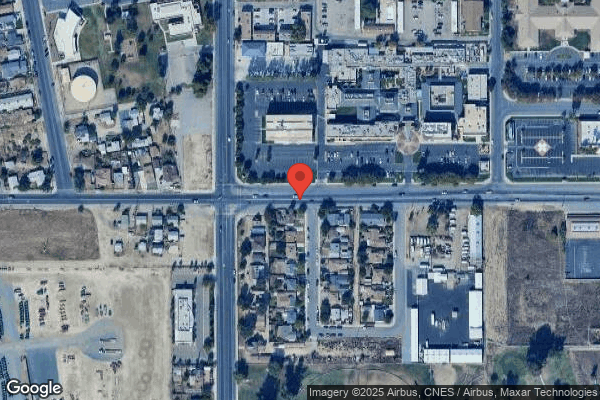

1401 GARCES HWY, DELANO, CA 93215 (661) 721-5591
Non profit - Corporation 51 Beds ADVENTIST HEALTH Data: November 2025
Trust Grade
45/100
#518 of 1155 in CA
Last Inspection: April 2025

Within standard 12-15 month inspection cycle. Federal law requires annual inspections.

Overview

Adventist Health Delano has a Trust Grade of D, indicating below-average performance with some concerns about care quality. It ranks #518 out of 1,155 facilities in California, placing it in the top half, and #1 of 17 in Kern County, meaning it's the best option locally. The facility is improving, having reduced its issues from 28 in 2024 to 17 in 2025. Staffing is a strength, with a rating of 3 out of 5 stars and a low turnover rate of 21%, which is significantly better than the California average. However, the $45,702 in fines is concerning, as it is higher than 90% of California facilities, suggesting ongoing compliance issues. Specific incidents noted in inspections include a failure to administer necessary eye drops for a resident, resulting in pain and potential vision loss, and delays in podiatry care that led to surgical intervention for another resident's foot infection. Additionally, several residents developed pressure ulcers due to inadequate repositioning, indicating weaknesses in care procedures. Overall, while there are strengths in staffing and local ranking, the facility must address significant care deficiencies.

Trust Score
D
45/100
In California
#518/1155
Top 44%
Safety Record
High Risk
Review needed
Inspections
Getting Better
28 → 17 violations
Staff Stability
✓ Good
21% annual turnover. Excellent stability, 27 points below California's 48% average. Staff who stay learn residents' needs.
Penalties
○ Average
$45,702 in fines. Higher than 50% of California facilities. Some compliance issues.
Skilled Nurses
✓ Good
Each resident gets 80 minutes of Registered Nurse (RN) attention daily — more than 97% of California nursing homes. RNs are the most trained staff who catch health problems before they become serious.
Violations
⚠ Watch
59 deficiencies on record. Higher than average. Multiple issues found across inspections.
★★★☆☆
3.0
Overall Rating
★★★☆☆
3.0
Staff Levels
★★★★★
5.0
Care Quality
★★☆☆☆
2.0
Inspection Score
Stable
2024: 28 issues
2025: 17 issues

The Good

  • 5-Star Quality Measures · Strong clinical quality outcomes
  • Low Staff Turnover (21%) · Staff stability means consistent care
  • Full Sprinkler Coverage · Fire safety systems throughout facility
  • No fines on record
  • Staff turnover is low (21%)

    27 points below California average of 48%

Facility shows strength in quality measures, staff retention, fire safety.

The Bad

3-Star Overall Rating

Near California average (3.1)

Meets federal standards, typical of most facilities

Federal Fines: $45,702

Above median ($33,413)

Moderate penalties - review what triggered them

Chain: ADVENTIST HEALTH

Part of a multi-facility chain

Ask about local staffing decisions and management

The Ugly 59 deficiencies on record

3 actual harm
Aug 2025 1 deficiency
CONCERN (D) 📢 Someone Reported This

A family member, employee, or ombudsman was alarmed enough to file a formal complaint

Potential for Harm - no one hurt, but risky conditions existed

Abuse Prevention Policies (Tag F0607)

Could have caused harm · This affected 1 resident

Based on interview and record review, the facility failed to implement their policy and procedure on abuse for one of three sampled residents (Resident 1) when the staff accused was not separated from...

Read full inspector narrative →
Based on interview and record review, the facility failed to implement their policy and procedure on abuse for one of three sampled residents (Resident 1) when the staff accused was not separated from providing resident care. This failure had the potential for other residents to be abused. Findings: During a review of Resident 1's CODING SUMMARY (CS), dated 4/10/25, the CS indicated Resident 1 had a diagnosis of Tracheostomy (a surgical procedure that creates an opening in the trachea [windpipe] through the front of the neck. This opening allows a tube to be inserted to maintain an airway and allow breathing) status, and cerebral infarction (loss of blood flow to a part of the brain resulting in brain tissue death).During a review of Resident 1's Minimum Data Set (MDS) Assessment (a standardized assessment to evaluate a resident's functional abilities and healthcare needs), dated 7/10/25, under the section titled, Brief Interview for Mental Status (BIMS - an assessment of cognition [how well a person thinks, remembers, and learns] with scores ranging from 0 - 15, the higher the score the more intact the resident's cognition is), the BIMS score was 15 (cognition intact). During a review of Resident 1's Investigation Report Summary (INRS), dated 8/18/25, the INRS indicated on 8/17/25 Resident 1 made an allegation using a communication/letter board (a tool used to facilitate communication for patients who may have difficulty expressing their needs verbally) that Certified Nursing Assistant (CNA) 1 was, bullying him. The INRS indicated, Per investigation the resident (1) expressed his concern on 8/17/2025. He is alert and able to express wants and needs using a letter board to communicate. During an interview on 8/20/25 at 11:08 a.m. with Nursing Facility Supervisor (NFS) and Quality Assurance Nurse (QAN), NFS stated he was made aware that Resident 1 made an allegation of abuse on 8/17/25 when he arrived at work on 8/18/25. NFS stated he is the abuse coordinator for the facility. NFS and QAN both stated CNA 1 was not removed from the facility nor supervised after the allegation of abuse was made. During a review of the facility's Employee Timecards (ETC), dated 8/17/25 (date allegation of abuse was made), the ETC indicated, CNA 1 worked on 8/17/25 from 6:57 a.m. to 7:28 p.m. During an interview on 8/20/25 at 2:44 p.m. with CNA 1, CNA 1 stated on 8/17/25 she assisted CNA 2 with providing care to Resident 1 sometime in the morning (time not specific). CNA 1 stated around 11:48 a.m. Resident 1 made an allegation of abuse that she was bullying him. CNA 1 stated Registered Nurse (RN) 1 was made aware of the allegation and instructed CNA 1 to no longer go into Resident 1's room. CNA 1 stated she continued to work her shift but did not return to Resident 1's room. CNA 1 stated she was not supervised nor asked to be removed from the facility after the allegation of abuse was made.During an interview on 8/20/25 at 3:27 p.m. with RN 1, RN 1 stated she worked on 8/17/25. RN 1 stated sometime during late morning (specific time not given) CNA 2 reported to her that Resident 1 made an allegation of abuse regarding CNA 1 bullying him. RN 1 stated she spoke with CNA 1 and asked her to stay away from Resident 1's room. RN 1 stated she did not remove CNA 1 from the facility and/or have her supervised.During a review of the facility's policy and procedure (P&P) titled, ,Suspected Child, Adult, Disabled Person or Elderly Abuse/Neglect/Exploitation dated 5/2/24, the P&P indicated, Patients (Residents) have the right to be free from mental, physical, sexual and verbal abuse, neglect and exploitation. It is the policy of this (facility) to protect patients from real or perceived abuse, neglect or exploitation from anyone, including staff members . In instances of investigations concerning a staff member's behavior, it is preferable to assign the involved staff member non-patient care activities, if possible. The (facility) has the obligation and responsibility to protect both the rights of the staff member and the rights of the patient. The staff member's investigation should be conducted fairly and in a confidential manner, involving only those individuals in the investigation that have a need to know. The staff member should not be unjustly accused because an allegation has been rendered. All allegations should be immediately and thoroughly investigated until conclusion. However, the rights and protection of the patient should not be compromised in the essence of fairness toward the staff member. Therefore, it is the responsibility of the hospital to separate the staff member and the patient until conclusion of the investigation. The hospital must also protect other patients from the acts of the staff member should these acts prove true. Therefore, assignment of the involved staff member to non-patient care activities would be optimum. If circumstances do not allow for this option, the staff member's interaction with patients must be monitored at all times during the investigation.
Jul 2025 2 deficiencies 1 Harm
SERIOUS (G) 📢 Someone Reported This

A family member, employee, or ombudsman was alarmed enough to file a formal complaint

Actual Harm - a resident was hurt due to facility failures

Deficiency F0685 (Tag F0685)

A resident was harmed · This affected 1 resident

**NOTE- TERMS IN BRACKETS HAVE BEEN EDITED TO PROTECT CONFIDENTIALITY** Based on observation, interview, and record review, the facility failed to provide services to maintain vision for one of three ...

Read full inspector narrative →
**NOTE- TERMS IN BRACKETS HAVE BEEN EDITED TO PROTECT CONFIDENTIALITY** Based on observation, interview, and record review, the facility failed to provide services to maintain vision for one of three sampled residents (Resident 1) when the facility failed to: 1. Administer Lumigan (prescription medicated eye drops that helps reduce intraocular pressure-the fluid pressure in the eyes. If the pressure is too high, it can cause irreversible vision loss) as ordered by the ophthalmologist (OPTH - medical doctors who specialize in all aspects of eye care). 2. Arrange the follow-up appointment with OPTH as ordered for continued eye assessment and care management. These failures resulted in Resident 1 experiencing pain, headaches, photosensitivity (sensitivity to light), blurry vision, increased intraocular pressure, and potential to result in neovascularization (abnormal blood vessel growth that can result in bleeding, swelling, and vision loss) in the left eye due to presumed (suppose that something is the case on the basis of probability) ischemia (lack of blood supply).Findings:1. During a review of the facility Resident Appointment Calendar (RAC), dated 2025, the RAC indicated Resident 1 was seen by OPTH on 2/11/25. During a review of Resident 1's OPTH Notes (OPTHN), dated 2/11/25, the OPTHN indicated Resident 1 was to start Lumigan eye drops at night. During a review of Resident 1's ORDER SHEET (OS), dated 2/11/25, the OS indicated Resident 1 was to start Lumigan one drop to both eyes for 12 months starting on 2/11/25. During a review of the facility Social Services Concern Log (SSCL), dated 4/9/25, the SSCL indicated, Resident 1 wanted all the lights in his room to remain off due to pain in his eyes from the light. The SSCL indicated Social Services Director (SSD) informed Resident 1 that his roommate (Resident 2) had the right to have his side of the room light on. The SSCL indicated Resident 1 requested to be moved to another room where the entire room lights can remain off, but the facility was not able to accommodate. On 6/17/25 the SSCL indicated, Resident [1] attended [OPTH appointment] on 6/17/25. Found out his [Resident 1] drops (Lumigan) had not been continuous [sic] and did not attend March [2025] f/u [follow up appointment]. During an interview on 7/2/25 at 9:57 a.m. with Family Member (FM) 1, FM 1 stated Resident 1 had a loss of vision to his left eye due to the facility not giving his Lumigan eye drops as ordered by the OPTH. During a review of Resident 1's CODING SUMMARY (CS), dated 4/10/25, the CS indicated Resident 1 had a diagnosis of Tracheostomy (a surgical procedure that creates an opening in the trachea [windpipe] through the front of the neck. This opening allows a tube to be inserted to maintain an airway and allow breathing) status, and cerebral infarction (loss of blood flow to a part of the brain resulting in brain tissue death). During a review of Resident 1's Minimum Data Set (MDS - comprehensive assessment tool), dated 7/10/25, the MDS indicated Resident 1's Brief Interview for Mental Status (BIMS - an assessment of how well a person thinks, remembers, and learns) score was 15 (score of 13-15 means mentally intact). During a concurrent observation and interview on 7/15/25 at 2:01 p.m. with Resident 1 in Resident 1's room, Resident 1 was lying in bed in his darkened room with all lights off. Resident 1 had reddened lines to the white portion of his left eye. Resident 1 was using a communication board (a board with letters, symbols, and/or photos that allow a person who cannot speak to communicate) and using his head in a yes or no fashion. Resident 1 stated, I am going blind. Resident 1 stated he had pain in both eyes at a level of 9 out of 10 pain scale (A pain scale score of 9 signifies excruciating, very severe pain that is difficult to bear). During an interview on 7/15/25 at 2:15 p.m. with Registered Nurse (RN) 1, RN 1 stated, she was assigned to Resident 1 and had been assigned to him in the past several months. RN 1 stated Resident 1's room is kept dark because the light bothers his eyes. RN 1 stated there was recently an issue with Resident 1 not getting his medicated eye drops (was not specific on name of medication) for approximately a month and a half. During an interview on 7/15/25 at 2:40 p.m. with SSD, SSD stated during an interdisciplinary meeting (IDT - a gathering of healthcare professionals from various disciplines to discuss and coordinate a patient's care plan) (date not given) with FM 1 regarding Resident 1. SSD stated Resident 1's Lumigan eye drops were stopped after he had to go to the emergency department (ED) for chest pain (date not specific) and when he returned there was a miscommunication (not specified) about the Lumigan eye drop orders, and they (eye drops) were not resumed despite no order to discontinue. During an interview on 7/15/25 at 3:17 p.m. with Nursing Facility Supervisor (NFS), NFS stated Resident 1 was sent to the ED (Emergency Department/Hospital) on 4/10/25 for complaints of chest pain and was admitted to the acute hospital. NFS stated Resident 1 returned to the facility on 4/12/15 but the orders for his Lumigan eye drops were dropped for some unknown reason. NFS stated Resident 1 did not start his Lumigan eye drops again until after his OPTH appointment on 6/17/25 (two months and five days after his last dose). NFS stated, My opinion is they [acute hospital] dropped the ball [Resident 1's Lumigan eye drop order] and we [facility staff] should picked it [Lumigan eye drop] back up. During a review of Resident 1's Medication Administration Record Report ([NAME]), dated 2025, the [NAME] indicated the following: a. 4/1/25 until 4/9/25, Resident 1 received his Lumigan eye drops to both eyes. b. 4/12/25 4/30/25 - After returning from the acute hospital, Resident 1 was not given his Lumigan eye drops. c. 5/1/25 until 5/31/25, Resident 1 did not receive his Lumigan eye drops. d. 6/1/25 until 6/17/25, Resident 1 did not receive his Lumigan eye drops. e. 6/18/25 until 6/30/25, Resident 1 was restarted on Lumigan eye drops to both eyes. During a review of Resident 1's OPTH Specialist Note (OPTHSN), dated 7/29/25, the OPTHSN indicated, On December 19, 2024, [Resident 1] . intraocular pressure was 17 mmHg [millimeters of mercury, a unit of measurement of pressure exerted by a column of mercury one millimeter high] in the right eye and 46 (mmHg) in the left eye. Moderate ptosis [drooping/sagging of the upper eyelid] was present as well as cataract [a medical condition in which changes to the lens of the eye causes blurred vision and whitening] changes. Lumigan drop(s) was ordered to the left eye for his elevated intraocular pressure. His next visit was in three to four weeks. On February 11, 2025, he [Resident 1] was seen for a follow up examination. He was not on the eyedrops (Lumigan) that were prescribed. His intraocular pressure was 13 and 34 in the right and left eye respectively. Corneal edema [a condition where the cornea, the clear front surface of the eye, swells due to excess fluid] was present in the left eye. He was reordered the Lumigan to the left eye . His next follow up was in approximately next month. He was seen on June 17, 2025. The patient relayed a history of pain with headaches, photosensitivity and blurry vision. Ascertained (found out) at 20/400 (mmHg) in the right eye and no light perception [the ability to detect the presence or absence of light, distinguishing it from darkness] in left eye. The examination is noteworthy for dense milky white cataract, left eye much worse than right. He also was not using his prescribed eyedrops. Patient [Resident 1] was also noted to have neovascularization in the left eye due to presumed ischemia. Orders for the Lumigan . to both eyes were prescribed. During a review of the facility's policy and procedure (P&P) titled, MEDICATION ADMINISTRATION (MA), dated 4/10/24, the P&P indicated, All patient care areas where medications are administered are affected by this policy . Medications at [facility] will be administered only upon the order of physicians . Nursing staff assumes the responsibility of retrieving and administering medications based on complete and validated orders. In all areas, this includes responsibility for accurate documentation of medication administration. 2. During a review of Resident 1's RESIDENT PROGRESS NOTES (RPN), dated 2/11/25, the RPN indicated, Resident 1's OPTH scheduled Resident 1 to be seen again on 3/11/25 at 2:30 p.m. During a review of the facility RAC, dated 2025, the RAC indicated Resident 1 was not scheduled by the facility for the 3/11/25 appointment per OPTH. During an interview on 7/2/25 at 9:57 a.m. with FM 1, FM 1 stated Resident 1 did not go to his OPTH appointment on 3/11/25. FM 1 stated she was unaware of Resident 1's appointment on 3/11/25 until Resident 1 was seen by OPTH in June 2025. During an interview on 7/15/25 at 2:40 p.m. with SSD, SSD stated Resident 1 missed his OPTH appointment on 3/11/25 because the nurse (not specified who) did not place it into the RAC. During an interview on 7/17/25 at 1:22 p.m. with NFS, NFS stated the process the facility takes for resident appointments is to verify the order, log the appointment in the facility RAC, notify family of appointment, and ensure appropriate staff are scheduled to go with the resident. NFS stated it appeared as, the nurse (not specified) who received orders on 2/11/25 for Resident 1's follow up with OPTH on 3/11/25 did not verify the order nor place it into the facility RAC. During an interview on 8/8/25 at 1:49 p.m. with Quality Assurance Nurse (QAN), QAN stated the facility did not have a policy and procedure for resident appointments.
CONCERN (D) 📢 Someone Reported This

A family member, employee, or ombudsman was alarmed enough to file a formal complaint

Potential for Harm - no one hurt, but risky conditions existed

Deficiency F0837 (Tag F0837)

Could have caused harm · This affected 1 resident

**NOTE- TERMS IN BRACKETS HAVE BEEN EDITED TO PROTECT CONFIDENTIALITY** Based on interview and record review the facility failed to follow their policy and procedure on, ADVERSE EVENT (an undesirable ...

Read full inspector narrative →
**NOTE- TERMS IN BRACKETS HAVE BEEN EDITED TO PROTECT CONFIDENTIALITY** Based on interview and record review the facility failed to follow their policy and procedure on, ADVERSE EVENT (an undesirable medical occurrence) REPORTING, for one of three sampled residents (Resident 1) when a medication error resulting in harm was not reported to the California Department of Public Health (CDPH). This failure had the potential for Resident 1 continually experience adverse health outcomes. Findings:During an interview on 7/2/25 at 9:57 a.m. with Family Member (FM) 1, FM 1 stated Resident 1 had a loss of vision to his left eye due to the facility not giving his Lumigan (prescription medicated eye drops) for intraocular pressure (the fluid pressure in the eyes. If the pressure is too high, it can cause irreversible vision loss. Normal pressure is from 10 and 21 mmHg [millimeters of mercury - a unit of measurement]) as ordered by his ophthalmologist (OPTH - medical doctor who specialize in all aspects of eye care). During a review of Resident 1's ORDER SHEET (OS), dated 2/11/25, the OS indicated, Resident 1 was to start Lumigan one drop to both eyes for 12 months starting on 2/11/25.During an interview on 7/15/25 at 2:15 p.m. with Registered Nurse (RN) 1, RN 1 stated, she was assigned to Resident 1 and had been assigned to him in the past several months. RN 1 stated Resident 1's room is kept dark because the light bothers his eyes. RN 1 stated there was recently in issue with Resident 1 not getting his medicated eye drops (not specified) for approximately a month and a half. During an interview on 7/15/25 at 2:40 p.m. with SSD, SSD stated during an interdisciplinary meeting (IDT - a gathering of healthcare professionals from various disciplines to discuss and coordinate a patient's care plan) (date not given) with FM 1 regarding Resident 1. SSD stated Resident 1's Lumigan eye drops were stopped after he had to go to the emergency department (ED) for chest pain and when he returned there was a miscommunication (not specified) about the Lumigan eye drop orders, and they were not resumed despite no order to discontinue. During an interview on 7/15/25 at 3:17 p.m. with Nursing Facility Supervisor (NFS), NFS stated Resident 1 was sent to the ED on 4/10/25 for complaints of chest pain and was admitted to the acute hospital. NFS stated Resident 1 returned to the facility on 4/12/15 but the orders for his Lumigan eye drops were dropped for some unknown reason. NFS stated Resident did not start his Lumigan eye drops again until after his OPTH appointment on 6/17/25 (two months and five days after his last dose). NFS stated, My opinion is they [acute hospital] dropped the ball [Resident 1's Lumigan eye drop orders] and we should of picked it [Lumigan eye drop] back up. During a review of Resident 1's Medication Administration Record Report ([NAME]), dated 2025, the [NAME] indicated the following:a. April 1st to the 9th - Resident 1 received his Lumigan eye drops to both eyes. b. April 12th to the 30th - After returning from the acute hospital, Resident 1 was not given his Lumigan eye drops.c. May 1st to the 31st - Resident 1 did not receive his Lumigan eye drops. d. June 1st to the 17th - Resident 1 did not receive his Lumigan eye drops.e. June 18th to June 30th - Resident 1 was restarted on Lumigan eye drops to both eyes.During a review of OPTH Specialist Note (OPTHSN), dated 7/29/25, the OPTHSN indicated, On December 19, 2024, [Resident 1] . intraocular pressure was 17 [mmHg-millimeter mercury, unit of pressure measurement] in the right eye and 46 [mmHg] in the left eye. Moderate ptosis [drooping of the upper eyelid] was present as well as cataract [a medical condition in which changes to the lens of the eye causes blurred vision and whitening] changes. Lumigan drop(s) was ordered to the left eye for his elevated intraocular pressure. His next visit was in three to four weeks. On February 11, 2025, he [Resident 1] was seen for a follow up examination. He was not on the eyedrops [Lumigan] that were prescribed. His intraocular pressure was 13 and 34 in the right and left eye respectively. Corneal edema (a condition where the cornea, the clear front surface of the eye, swells due to excess fluid) was present in the left eye. He was reordered the Lumigan to the left eye . His next follow-up was in approximately next month. He was seen on June 17, 2025. The patient relayed a history of pain with headaches, photosensitivity and blurry vision. Ascertained [found out] at 20/400 (mmHg) in the right eye and no light perception [the ability to detect the presence or absence of light, distinguishing it from darkness] in left eye. The examination is noteworthy for dense milky white cataract, left eye much worse than right. He also was not using his prescribed eyedrops. Patient [Resident 1] was also noted to have neovascularization in the left eye due to presumed ischemia. Orders for the Lumigan . to both eyes were prescribed. During a concurrent interview and record review on 7/15/25 at 3:35 p.m. with Quality Assurance Nurse (QAN), the facility's policy and procedure (P&P) titled, ADVERSE EVENT REPORTING, dated 5/9/23 was reviewed. The P&P indicated, This policy ensures complaint with the requirements of applicable federal and state laws and the standards of applicable accrediting organizations as they relate to reportable event requirements. In addition this policy clarifies and delineates the responsibilities of staff members with respect to reportable events and provides opportunities for integrating risk reduction strategies into patient safety activities. Adverse events are events that include any of the following . Patient death or serious disability associated with a medication error, including, but not limited to, an error involving the wrong drug, the wrong dose, the wrong patient, the wrong time, the wrong rate, the wrong preparation, or the wrong route of administration, excluding reasonable differences in clinical judgment or drug selection and dose. QAN stated the facility had not reported the adverse event regarding Resident 1's Lumigan eye drops. QAN stated, We [facility] obviously did not follow the policy [on adverse event reporting].
Apr 2025 7 deficiencies
CONCERN (D)

Potential for Harm - no one hurt, but risky conditions existed

Deficiency F0552 (Tag F0552)

Could have caused harm · This affected 1 resident

Based on interview and record review, the facility failed to obtain and complete informed consent (a process in which residents are given important information about medical procedures and medications...

Read full inspector narrative →
Based on interview and record review, the facility failed to obtain and complete informed consent (a process in which residents are given important information about medical procedures and medications) for psychotropic medications (drugs that affect a person's mental state) for two of four sampled residents (Resident 21 and Resident 13). This failure had the potential for Resident 21 and Resident 13 to not be aware of the risks and benefits of taking psychotropic medications. Findings: During a concurrent interview and record review on 4/9/25 at 9:40 a.m. with Minimum Data Set Coordinator/Registered Nurse (MDSC), Resident 21's Consent for the administration of psychotropic medications (Consent), dated 2/12/25 was reviewed. The Consent indicated, Resident 21 was on Seroquel (a medication used for mental illness) 25 mg at bedtime. The Consent indicated nurses signed on 2/12/25 and physician signed on 2/20/25. MDSC stated nurses obtain consent from family/resident and physician signs the consent when they visit the resident. During a concurrent interview and record review on 4/10/25 at 2:22 p.m. with RN 1, Resident 13's Consent dated 9/25/24 was reviewed. The Consent indicated, Resident 13 was on Risperidone (medication for mental illness) 1 mg at bedtime. The Consent indicated nurses signed on 9/25/24 and the physician signed on 10/14/24. RN 1 stated nurses obtain the medication consents from family and resident in the facility. During a review of the facility's policy and procedure (P&P) titled, Antipsychotic Medication Consent, dated 3/27/2023, the P&P indicated, It is the responsibility of the physician to review medication information with the patient/legal guardian and obtain informed consent. To obtain informed consent, the prescribing physician reviews medication information with the patient/legal guardian prior to initial administration of medication. A. The physician may obtain informed consent for antipsychotic medication from the patient/legal guardian/conservator in person or over the telephone. If the consent is obtained by telephone, a licensed nursing staff must listed (sic) to both parties in the conversation, and directly hear the patient/legal guardian give verbal consent in order to act as the witness to the patient's signature on the consent form.
CONCERN (D)

Potential for Harm - no one hurt, but risky conditions existed

PASARR Coordination (Tag F0644)

Could have caused harm · This affected 1 resident

Based on interview and record review, the facility failed to review and accurately complete the annual Pre-admission Screening Assessment and Resident Review (PASRR - federal requirement to help ensur...

Read full inspector narrative →
Based on interview and record review, the facility failed to review and accurately complete the annual Pre-admission Screening Assessment and Resident Review (PASRR - federal requirement to help ensure that individuals are not incorrectly placed in nursing homes or long-term care instead of a psychiatric setting) for one of one sampled resident (Resident 13). This failure had the potential for Resident 13 to be placed in an inappropriate setting and not receive required services. Findings: During a review of Resident 13's Preadmission Screening Resident Review (PASRR) Level 1 Screening, dated 5/6/24, the PASRR indicated, 10. Does the individual have a serious diagnosed mental disorder such as Depressive Disorder [a mental health condition characterized by persistent sadness and loss of interest], Anxiety Disorder [excessive worry, fear and other physical and behavioral symptoms that interfere with daily life], Panic Disorder [frequent and unexpected panic attacks], Schizophrenia/Schizoaffective Disorder [a chronic and severe brain disorder that disrupts a person's ability to think clearly, manage emotion, make decisions, and relate to others], or symptoms of Psychosis [a state where an individual experiences a loss of touch with reality, often characterized by hallucinations [seeing or hearing things that aren't there] and delusions [false beliefs), Delusions, and/or Mood Disturbance [significant and persistent changes in mood, energy levels, and behavior that can indicate a mood disorder]? Indicated No. The PASRR indicated, 12. The Individual has been prescribed psychotropic [drugs that affect a person's mental state] medications for mental illness. Indicated No. During a concurrent interview and record review on 4/7/25 at 2:40 p.m. with Registered Nurse (RN) 1, Resident 13's Diagnosis List was reviewed. The DL indicated Resident 13 has Bipolar Disorder [a mental health condition characterized by extreme mood swings, including periods of intense emotional highs and lows] disease, chronic upon admission. RN 1 stated diagnoses are listed on the Diagnosis List but not on the PASRR. During a review of Resident 13's Orders dated 9/25/24, the Orders indicated Resident 13 was on Risperidone (medication to treat bipolar disorder) 1 mg at bedtime for Bipolar Disorder. During an interview on 4/7/25 at 2:44 p.m. with Administrative Assistant (AA), AA stated PASRR was completed by the hospital upon admission but once the resident was admitted to the facility, it was the facility's responsibility to review and determine the need to complete an additional PASRR if necessary. During an interview on 4/9/25 at 11:53 a.m. with Risk and Regulatory Analyst (RRA), RRA stated the facility did not have a policy for PASRR.
CONCERN (D)

Potential for Harm - no one hurt, but risky conditions existed

Deficiency F0658 (Tag F0658)

Could have caused harm · This affected 1 resident

Based on observation, interview, and record review, the facility failed to ensure Licensed Vocational Nurse (LVN) 2 followed the facility policy and procedure (P&P) titled MEDICATION ADMINISTRATION TH...

Read full inspector narrative →
Based on observation, interview, and record review, the facility failed to ensure Licensed Vocational Nurse (LVN) 2 followed the facility policy and procedure (P&P) titled MEDICATION ADMINISTRATION THROUGH A FEEDING TUBE, and professional standards for one of five sampled residents (Resident 4) with a Gastrostomy Tube (GTube-a device to allow feedings and medications to be administered directly to the stomach) when LVN 2 did not flush with water between medications. This failure had the potential for medications to clog or block the GTube resulting in Resident 4 not receiving the medication. Findings: During an observation on 4/9/25 at 8:22 a.m. in Resident 4's room, LVN 2 administered Docusate Sodium (medication to manage or treat constipation) via GTube to Resident 4. LVN 2 administered the next medication. LVN 2 did not flush the GTube with water after administering Docusate Sodium and prior to administring the next medication. During an interview on 4/9/25 at 8:29 a.m. with LVN 2, LVN 2 stated she did not flush the GTube with water after administering the Docusate Sodium. LVN 2 stated she should have flushed the GTube after administering the Docusate Sodium. During a review of Resident 4's Registration Record, (RR) dated 8/25/23, the RR indicated Resident 4's admission date was 8/25/23. During a review of Resident 4's Order Information for: Tube Feeding, Continuous, and NPO [Nothing by Mouth], (OIFTFCAN) dated 11/22/24, the OIFTFCAN indicated, Feeding Type - My Multi Select Tube Feeding. During a review of the facility's policy and procedure (P&P) titled, MEDICATION ADMINISTRATION THROUGH A FEEDING TUBE, undated, the P&P indicated, PROCEDURE: COMPLIANCE - KEY ELEMENTS . J. Administer medication using a 60 ml [milliliter] syringe into resident's feeding tube slowly. (IF giving multiple medications, flush tube with 5-10 mL water in between meds [sic]).
CONCERN (D)

Potential for Harm - no one hurt, but risky conditions existed

Deficiency F0868 (Tag F0868)

Could have caused harm · This affected 1 resident

Based on interview and record review, the facility failed to ensure its Quality Assessment and Assurance (QAA) committee met at least quarterly, as required by regulation, when the QAA committee met o...

Read full inspector narrative →
Based on interview and record review, the facility failed to ensure its Quality Assessment and Assurance (QAA) committee met at least quarterly, as required by regulation, when the QAA committee met only three times from May 2024 to April 2025. This failure had the potential for the QAA committee to not identify and correct facility quality deficits placing all 45 residents at risk for poor care. Findings: During a concurrent interview and record review on 4/10/25 at 2:03 p.m. with the facility's Registered Nurse Manager (RNM) 2, the minutes of the facility's QAA committee dated 1/20/25, 9/12/24, and 5/23/24 were reviewed. The RNM 2 stated the above minutes reflected the meetings of the facility's QAA committee during the past 12 months. The RNM 2 stated the facility's QAA committee met at least quarterly but was not able to hold quarterly meetings during the past year. During a review of the facility's policy and procedure (P&P) titled [Facility's Name] Quality Assurance and Performance Improvement Plan (QAPI) . 2025, dated 2025, the P&P did not indicate the frequency of QAA committee meetings.
CONCERN (E)

Potential for Harm - no one hurt, but risky conditions existed

Deficiency F0680 (Tag F0680)

Could have caused harm · This affected multiple residents

**NOTE- TERMS IN BRACKETS HAVE BEEN EDITED TO PROTECT CONFIDENTIALITY** Based on observation, interview, and record review, the facility failed to have a qualified full-time Director of Activities (th...

Read full inspector narrative →
**NOTE- TERMS IN BRACKETS HAVE BEEN EDITED TO PROTECT CONFIDENTIALITY** Based on observation, interview, and record review, the facility failed to have a qualified full-time Director of Activities (the staff responsible for facility's resident activities program), for 45 of 45 residents. This failure had the potential for residents' activities needs to go unmet. Findings: During an interview on 4/9/25 at 3:10 p.m. with Certified Nursing Assistant (CNA) 1, CNA 1 stated she was taught how to fill out the Activities Evaluation in CERNER (an electronic health record charting system) and in paper chart by a unit clerk last month. CNA 1 stated the Director of Activities had been out on medical leave since February 2025. During an interview on 4/9/25 at 3:59 p.m. with Registered Nurse Manager (RNM) 1, RNM 1 stated the facility's Director of Activities had been out on medical leave since February 2025. RNM 1 stated the facility did not have an interim Director of Activities. RNM 1 stated there were CNAs who were trained to assess and complete the Activities Evaluation and to ensure activities were conducted in the facility. RNM 1 stated the facility did not currently have a Director of Activities. The facility was unable to provide a Job Description for Activities Director upon request. During a review of the facility's policy and procedure (P&P) titled, FACILITY POLICY: ACTIVITIES PROGRAM - GENERAL POLICIES, dated 5/2/24, the P&P indicated, POLICY SUMMARY/INTENT: The purpose of the activities program is to provide the highest quality of life possible for each resident. f. Responsibilities .ii. It is the responsibility of the Director of Nursing of Adventist Health [NAME] [sic] to see that the activities person is hired, trained and provided with necessary equipment to run the program .iv. It is the responsibility of the activities person for the daily activities functions of the program and for developing a quality assurance program for the unit .D. ACTIVITIES PROGRAM SUPERVISON 1. The resident activity program is under the direct supervision of an Activities Coordinator. 2. The Activities Coordinato [sic] is responsible for: a. Planning, Coordinating, and directing a program of activities that provides entertainment, Intercommunication, exercise, relaxation, opportunity to express creative talents, and to fulfill basic psychological, social and emotional needs .c. Working with the residents attending physician and with nursing services, as well as other support services, in planning the residents individualized activities plan .e. Paticipating [sic] in resident assessents [sic], resident care meeting, etc., in planning for the resident's total plan of care. 3. The Activities Coordinator, in conjunction with the Clinical Director, has the responsibility and accountability to implement the esblished [sic] resident activity policies and procedures.
CONCERN (E)

Potential for Harm - no one hurt, but risky conditions existed

Food Safety (Tag F0812)

Could have caused harm · This affected multiple residents

Based on observation, interview, and record review, the facility failed to follow the facility's policy and procedure (P&P) titled, FACILITY PROCEDURE: STORAGE OF FOODS/PHYSICAL ENVIRONMENT, when two ...

Read full inspector narrative →
Based on observation, interview, and record review, the facility failed to follow the facility's policy and procedure (P&P) titled, FACILITY PROCEDURE: STORAGE OF FOODS/PHYSICAL ENVIRONMENT, when two of six canned garbanzo beans with dents (Can 1 and Can 2) were not removed from the dry storage room. This failure had the potential to cause foodborne illness (illness caused by the ingestion of contaminated food or beverages) in all 12 of 45 residents who received food from the kitchen. Findings: During a concurrent observation and interview on 4/7/25 at 7:40 a.m. with Lead [NAME] (LC), in the Dry Food Storage Room, LC inspected the 12 ounce cans of garbanzo beans for dents. LC removed two cans from the six cans of garbanzo beans. Can 1, 12-ounce garbanzo bean can, had a dent at the seam approximately 2 inch long and ½ inch deep; Can 2 had an approximately 2 inch long and ½ deep dent. LC stated the dented garbanzo bean cans should not be in the dry food storage area with other canned foods for resident use. LC stated two out of six garbanzo bean cans had dents. LC stated the dented garbanzo bean cans posed a food safety risk and should be removed. During a concurrent interview and record review on 4/7/25 at 10:25 a.m. with LC, the facility's policy and procedure (P&P) titled, FACILITY PROCEDURE: STORAGE OF FOODS/PHYSICAL ENVIRONMENT, dated 5/1/24 was reviewed. The P&P indicated, Department food equipment and products must be maintained in a manner that ensures an acceptable level of safety and quality. 2. Separate storage area shall be provided for the following items. A. Food (canned) . R. Any dented can shall be placed in the dented can section for return/credit. LC stated the P&P was not followed and should have been.
CONCERN (E)

Potential for Harm - no one hurt, but risky conditions existed

Infection Control (Tag F0880)

Could have caused harm · This affected multiple residents

2a. During a concurrent observation and interview on 4/7/25 at 8:10 a.m. with LVN 1, in Resident 37's room doorway, a Contact (type of precautions to take) ICP sign was on the door. LVN 1 stated Resid...

Read full inspector narrative →
2a. During a concurrent observation and interview on 4/7/25 at 8:10 a.m. with LVN 1, in Resident 37's room doorway, a Contact (type of precautions to take) ICP sign was on the door. LVN 1 stated Resident 37 was on Contact precautions. LVN 1 stated she did not know about the different types of infection control precautions. LVN 1 stated she would need to ask the charge nurse what contact precautions were and why Resident 37 had contact precautions. LVN 1 stated she should know about the different types of ICPs and the reason a resident was on ICP. During a concurrent interview and record review on 4/7/25 at 8:21 a.m. with Registered Nurse (RN) 1, Resident 37's Medical Record Isolation Section (MRIS) was reviewed. The MRIS indicated Resident 37's current ICP was standard (no additional precautions). The MRIS did not indicate Resident 37 currently had contact precautions ordered. RN 1 stated Resident 37's Contact ICP signage was incorrect. RN 1 stated the facility's residents were on Enhanced Barrier Precautions (EBP, set of precautions designed to reduce the transmission of multidrug-resistant organism germs [MDRO]) unless other precautions were ordered. RN 1 stated Contact ICP was different from EBP. RN 1 stated Contact ICP was ordered and implemented when a resident had an existing infection. RN 1 stated Resident 37 did not have an existing infection. RN 1 stated Resident 37 should be on EBP. During an observation on 4/8/25 at 8:10 a.m. EBP signage was posted on Resident 32's door. During a concurrent interview and record review on 4/8/25 at 9:05 a.m. with Minimum Data Set (resident assessment tool) Coordinator (MDSC), Resident 32's MRIS was reviewed. The MDSC stated Resident 32's MRIS indicated Resident 32' was on contact precautions. During a concurrent observation and interview on 4/8/25 at 9:07 a.m. with MDSC, an EBP sign was posted on Resident 32's door. MDSC stated Contact precautions were ordered for Resident 32 MDSC stated she did not know why EBP signage was posted when the current order was contact. During a concurrent interview and record review on 4/8/25 at 9:14 a.m. with MDSC, Resident 32's Order Sheet (OS), dated 6/10/24 was reviewed. The OS indicated, Isolation. Continuous Order, Contact Precautions, C-Auris [Candida Auris, MDRO] Positive. MDSC stated Resident 32 should have the most current isolation order implemented. MDSC stated Resident 32's current order was for contact precaution. During a concurrent observation and interview on 4/7/25 at 9:30 a.m. with LVN 3, at Resident 12's room, an enhanced barrier precautions (EBP- infection control to protect high risk for infection residents) sign was posted on the door. LVN 3 stated Resident 12 was on EBP's, and she did not know what EBP meant. LVN 3 stated she should know about the different types of ICPs and the reason a resident was on ICP. During a concurrent interview and record review on 4/9/25 at 9 a.m. with Registered Nurse Manager (RNM) 2 the facility's document titled, Sign In Sheet, dated 6/3/24 was reviewed. The Sign In Sheet indicated, Meeting Title: EBP Meeting Begins: 0900 Ends: 09:10 Length: 10 mins Location SCU. Name. [LVN 3 attendance signature]. [LVN 4 attendance signature]. ENM 2 stated LVN 1 signature was not on the attendance training log. During a concurrent interview and record review on 4/9/25 at 1:56 p.m. with Registered Nurse Manager (RNM) 2, the facility's document titled, Contact Isolation LIST SPECIAL CARE UNIT undated was reviewed. The Contact Isolation LIST indicated four residents were on contact isolation. RNM 2 stated the Contact Isolation List was last updated on 4/7/25. The Contact Isolation LIST indicated Resident 32 was on the list of four residents on the Contact Isolation List. RNM 2 stated Resident 32 was on contact precautions. During a review of the facility's ICP sign titled, Contact Precautions (undated), the ICP sign indicated Everyone must:/Todos deben: [spanish translation] Clean hands when entering and leaving the room .Wear a gown before entering the room .Wear gloves before entering the room .Equipment/upplies: Dedicate the use of non-critical patient care equipment to a single patient when possible (Thermometer, stethoscope, blood pressure cuff) Disinfect reusable equipment with a hospital approved disinfectant wipe after use on a patient. During a review of the facility's ICP sign titled, Enhanced Barrier Precautions (undated), the ICP sign indicated Everyone must: Clean their hands, including before entering and leaving the room. Providers and Staff must also: Wear gloves and a gown for the following High-Contact Resident Care Activities. Dressing, Bathing/Showering/ Transferring, Changing Linens, Providing Hygiene .Do not wear the same gown and gloves for the care of more than one person. During an interview on 4/10/25 at 11:41 a.m. with IPI, IPI stated he was responsible for updating the precaution levels for residents. IPI stated ICP's were expected to be accurate, current, and implemented as ordered. IPI stated the nurses were expected to be up to date with ICP education and knowledgeable regarding the ICPs. 2b. During an observation on 4/8/25 at 10:07 a.m., in the doorway of Resident 2's room, EBP sign was posted on Resident 2's door. EMTT assisted transfer of Resident 2 from a gurney (bed on wheels) back to Resident 2's bed wearing a gown and gloves. During an observation and interview on 4/8/25 at 10:12 a.m., in the hallway near Resident 2's room, with LVN 4, EMTT exited Resident 2's room with his gown and gloves on. EMTT did not remove his gown, gloves, and clean his hands before exiting Resident 2's room. LVN 4 stated EMTT should have removed the used gown, gloves, and cleansed his hands prior to exiting Resident 2's room. During an interview on 4/8/25 at 10:14 a.m. with EMTT, EMTT stated he should have removed his used gown, gloves, and cleansed his hands prior to exiting Resident 2's room. EMTT stated it was important to follow infection control procedures to prevent the spread of germs. During a review of the facility's ICP sign titled, Enhanced Barrier Precautions (undated), the EBP sign indicated, EVERYONE MUST: Clean their hands, including.when leaving the room. During an interview on 4/10/25 at 11:41 a.m. with IPI, IPI stated all staff including transportation services were expected to follow ICP's and perform hand hygiene before and after provided care. During a review of the Centers for Disease Control and Preventions (CDC, National Health Organization) document titled Standard Precautions for All Patient Care dated 4/3/24. the document indicated Standard Precautions are used for all patient care. They're based on a risk assessment and make use of common sense practices and personal protective equipment use that protect healthcare provides from infection and prevent the spread of infection from patient to patient. During a review of the facility's P&P titled, FACILITY POLICY:ENHANCED BARREIR PRECAUTIONS IN SCU, dated 4/7/25, the P&P indicated, Special Care Unit (SCU) adopts the following California Department of Public Health (CDPH) Enhanced Barrier Precautions (EBP) to prevent transmission of multidrug-resistant organisms (MDRO). C. Implement Enhanced Barrier Precautions (EBP) for high-risk residents: 1. Use of EBP is based on the resident's characteristics that are associated with a high risk of MDRO colonization and transmission. 3. Use of Gloves and Gowns. b Hand hygiene, gowns and gloves prevent the transfer of infectious agents from the resident's skin, clothing, bedding and environmental surfaces to the HCP skin and clothing. d. Gowns and gloves should always be removed inside the room when the care activity is complete. Gowns and gloves should not be worn outside of the room when resident care is not being performed. Perform hand hygiene after glove removal. During a review of the facility's P&P titled, FACILITY POLICY: Infection control in SCU [Special Care Unit], dated 5/2/24, the P&P indicated, POLICY SUMMARY/INTENT: To provide a safe environment for residents in Special Care Unit. and to prevent the development and transmission of diseases and infection. C. Care of the Residents. 9. Personal protective equipment will be utilized by staff members during care of residents as needed and to be disposed of immediately at the point of use. D. In-service Education: 2. At least one in-service Education Program will be conducted by the Infection Control Nurse annually. 3. Additional Education programs will be presented by Infection Control Nurse as needed depending upon observed practice of the problems within the department. Based on observation, interview, and record review, the facility failed to: 1. Ensure nursing staff disinfected a glucometer (a device that measures the amount of sugar in the blood) with approved wipes for three of three sampled residents (Resident 17, and Resident 40). This failure had the potential to cause infection and spread of bacteria to residents. 2. Implement their policies and procedures titled FACILITY POLICY:ENHANCED BARREIR PRECAUTIONS IN SCU [Specialty Care Unit], and FACILITY POLICY: Infection Control in SCU for four of four sampled residents (Resident 37, Resident 32, Resident 12 and Resident 2) when: 2a.Correct Infection Control Precaution (ICP, actions taken to reduce potential of transmitting infections/germs) signage was not posted for two of four sampled residents (Resident 37, Resident 32, and Resident 12). This failure had the potential to spread disease causing organisms (germs) to other residents, staff and ultimately the community. 2b. Emergency Medical Technician Transport (EMTT) did not dispose of his personal protective equipment (PPE- disposable gown, gloves, mask, and eye protection) and clean his hands after providing care for one of four sampled residents (Resident 2). This failure had the potential to spread germs to other residents, staff and ultimately the community. Findings: 1. During a concurrent observation and interview on 4/8/25 at 11:25 a.m. with Licensed Vocational Nurse (LVN) 1, LVN 1 used a Super Sani-Cloth Germicidal Disposable Wipe (cleaner and disinfectant) to disinfect the glucometer after checking Resident 17's finger stick blood sugar (FSBS). LVN 1 stated she always used the purple top (Super Sani-Cloth Germicidal Disposable Wipe) Sani-Cloth to clean the glucometer after each resident use. During an observation on 4/8/25 at 11:34 a.m. in the hallway, LVN 1 used a Sani-Cloth wipe to disinfect the glucometer after checking Resident 40's FSBS. During an observation on 4/8/25 at 11:42 a.m. in the hallway, LVN 1 used a Sani-Cloth wipe to disinfect the glucometer after checking Resident 34's FSBS. During an interview on 4/9/25 at 9:54 a.m. with Infection Preventionist Interim (IPI), IPI stated the facility uses the Sani-Cloth wipes to disinfect glucometers. IPI stated the Sani-Cloth wipes do not contain bleach. IPI stated the Sani-Cloth wipes contain 55% Isopropyl Alcohol. During a review of the glucometer machine's manufacturer guidelines titled MODEL PROCEDURE: POINT OF CARE TESTING NOVA STATSTRIP GLUCOSE METER, (Manufacturer Guidelines), dated 5/9/24, the Manufacturer Guidelines indicated, 2. Clean the meter .b. Clean the meter with hospital approved germicidal bleach products that are EPA [Environmental Protection Agency]-registered to be bactericidal, virucidal . During a review of the Super Sani-Cloth Germicidal Wipes Material Safety Data Sheet (MSDS, provides information about product including chemical make-up), dated 09/07/2023, the MSDS indicated 3. Composition/information on ingredients .Isopropyl alcohol, Quaternary ammonium compounds [antimicrobial, preservative], n-Alkyl Dimethyl Benzyl Ammonium Chloride [cleaning agent]. During a review of the facility's policy and procedure (P&P) titled, INFECTION CONTROL IN SCU, dated 5/2/24, the P&P indicated, POLICY SUMMARY/INTENT: To provide a safe environment for residents in Special Care Unit for a prolonged period of time, if not for the remainder of their lives, and to prevent the development and transmission of disease and infection.
Jan 2025 2 deficiencies
CONCERN (D) 📢 Someone Reported This

A family member, employee, or ombudsman was alarmed enough to file a formal complaint

Potential for Harm - no one hurt, but risky conditions existed

Deficiency F0604 (Tag F0604)

Could have caused harm · This affected 1 resident

Based on observation, interview, and record review, the facility failed to follow its policy and procedure (P&P) on restraint management for one of six sampled residents (Resident 1) when Resident 1's...

Read full inspector narrative →
Based on observation, interview, and record review, the facility failed to follow its policy and procedure (P&P) on restraint management for one of six sampled residents (Resident 1) when Resident 1's restraint was not monitored every two hours and the order for restraint was not renewed every three days. These failures had the potential to result in Resident 1 developing injuries and adverse health outcomes. Findings: During a review of Resident 1's Order Sheet (OS), dated 10/26/24, the OS indicated, Restraint Monitor. Right hand mitten to prevent pulling medical devices. Monitor every 2 hours and release for 15 minutes and check for circulation and skin integrity. During an observation on 1/29/25 at 1:48 p.m. in Resident 1's room. Resident 1 was wearing mittens on his right hand. During an interview on 1/29/25 at 2:56 p.m. with Licensed Vocational Nurse (LVN) 1, LVN1 stated Resident 1 was wearing mittens on his right hand because he had a behavior of pulling medical devices like GT (Gastrostomy tube – feeding tube that is surgically inserted through the abdomen and into the stomach). LVN 1 stated Resident 1 was being monitored every two hours for his restraints to check for skin and circulation. During a concurrent interview and record review on 1/29/25 at 3:42 p.m. with Risk and Regulatory Analyst (RRA), Resident 1's Flowsheet Print Request (FPR [Restraint flowsheet]), the FPR indicated missing documentation of restraint monitoring on: a. 1/20/25 at 2 a.m., 4 a.m., and 6 a.m. b. 1/20/25 at 10 p.m. c. 1/24/25 at 4 a.m. and 6 a.m. d. 1/27/25 at 12 p.m., 2 p.m., 4 p.m., and 6 p.m. RRA stated there were missing documentation on the FPR. During a concurrent interview and record review on 1/29/25 at 3:42 p.m. with RRA, the facility's P&P titled, Restraint Management (Mechanical, Chemical, Seclusion), dated 1/20/21 was reviewed. The P&P indicated, To outline an organizational approach to restraints that protects the patient's health and safety and preserves their dignity, rights and well-being. Assessment and monitoring will be conducted at minimum, every 2 hours. RRA stated the P&P to monitor was not followed. During an interview on 1/31/25 at 2:09 p.m. with Manager for the Special Care Unit Manager (MSCU), MSCU stated, We document every two hours (monitoring of restraints). Documentation is supposed to be done timely. If the documentation is not done, we're not justifying why the person is on restraints. During a concurrent interview and record review on 1/31/25 at 2:17 p.m. with Registered Nurse (RN) 1, Resident 1's Orders, dated 1/31/25 was reviewed. The Orders indicated Resident 1's restraint was ordered by the physician on 10/26/24. RN 1 stated, It (Resident 1's order for restraint) has not been renewed every three days. The facility's P&P titled, Restraint Management (Mechanical, Chemical, Seclusion), dated 1/20/21 was reviewed. The P&P indicated, Orders will be renewed every 3 days if continued restraint(s) are needed. RN 1 stated the P&P was not followed.
CONCERN (E) 📢 Someone Reported This

A family member, employee, or ombudsman was alarmed enough to file a formal complaint

Potential for Harm - no one hurt, but risky conditions existed

ADL Care (Tag F0677)

Could have caused harm · This affected multiple residents

**NOTE- TERMS IN BRACKETS HAVE BEEN EDITED TO PROTECT CONFIDENTIALITY** Based on observation, interview, and record review, the facility failed to ensure four of six sampled residents (Resident 1, Res...

Read full inspector narrative →
**NOTE- TERMS IN BRACKETS HAVE BEEN EDITED TO PROTECT CONFIDENTIALITY** Based on observation, interview, and record review, the facility failed to ensure four of six sampled residents (Resident 1, Resident 2, Resident 3, and Resident 4) were provided nail care. This failure had the potential for Resident 1, Resident 2, Resident 3, and Resident 4 to develop an infection and skin breakdown. Findings: During a review of Resident 1's Minimum Data Set (MDS – an assessment tool), dated 1/29/25, the MDS Section GG (functional abilities and goals) indicated Resident 1 required total assist with maintaining personal hygiene. During a review of Resident 1's Care Plan (CP), dated 10/26/24, the CP indicated, Total dependent in all ADL (Activities of Daily Living - basic personal tasks performed daily) needs due to immobility. Interventions. Provide Assistance to Support Level of Need. During a review of Resident 2's MDS, dated [DATE], the MDS Section GG indicated Resident 2 required total assist with maintaining personal hygiene. During a review of Resident 2's CP, dated 8/6/24, the CP indicated, ADL Function. Interventions. Provide Assistance to Support Level of Need. During a review of Resident 3's MDS, dated [DATE], the MDS Section GG indicated Resident 3 required total assist with maintaining personal hygiene. During a review of Resident 3's CP, dated 11/12/24, the CP indicated, ADL Function. Interventions. Provide Assistance to Support Level of Need. During a review of Resident 4's MDS, dated [DATE], the MDS Section GG indicated Resident 4 required total assist with maintaining personal hygiene. During a review of Resident 4's CP, dated 10/8/23, the CP indicated, ADL Function. Interventions. Provide Assistance to Support Level of Need. During a concurrent observation and interview on 1/29/25 at 1:55 p.m. with Infection Preventionist (IP) in Resident 1's room. Resident 1 had long fingernails with dark gray debris on both hands. IP stated Resident 1 was at risk for developing infection because he also had a behavior of digging or putting his hand in his briefs. IP stated Resident 1's fingernails should have been trimmed. During an interview on 1/29/25 at 2:56 p.m. with Licensed Vocational Nurse (LVN) 1, LVN 1 stated the LVNs were assigned to trim the residents' fingernails. LVN 1 stated, It (Resident 1's fingernails) should've been done (trimmed). During a concurrent observation and interview on 1/29/25 at 3:04 p.m. with LVN 2 in Resident 2's room, Resident 2 had long fingernails with dark gray debris on both hands. LVN 2 stated Resident 2 needed assistance with trimming his fingernails. LVN 2 stated he should have trimmed Resident 2's fingernails. During a concurrent observation and interview on 1/29/25 at 3:15 p.m. with IP in Resident 3 and Resident 4's room, Resident 3 had long fingernails with dark gray debris on both hands. IP stated Resident 3's fingernails should have been trimmed. Resident 4's both hands were contracted (tightening of the muscles, tendons, skin, and nearby tissues that causes the joints to shorten and become very stiff) and had long fingernails with dark gray debris touching his palms. IP stated Resident 4 was at risk for skin breakdown because of his long fingernails and contracted hands. IP stated Resident 4's fingernails should have been trimmed. During a concurrent interview and record review on 1/29/25 at 3:42 p.m. with Risk and Regulatory Analyst (RRA), the facility's P&P titled, Facility Procedure: Resident Care Management, dated 12/5/23 was reviewed. The P&P indicated, The resident care management is designed to assure a systematic comprehensive approach by assessing, planning for, and meeting residents' needs. The team will develop and implement a comprehensive, individualized plan of care. RRA stated the P&P was not followed.
Jan 2025 4 deficiencies
CONCERN (D) 📢 Someone Reported This

A family member, employee, or ombudsman was alarmed enough to file a formal complaint

Potential for Harm - no one hurt, but risky conditions existed

Deficiency F0658 (Tag F0658)

Could have caused harm · This affected 1 resident

Based on observation, interview, and record review, the facility failed to provide home medications for one of 34 sampled residents (Resident 12). This failure resulted in Resident 12 not being dispen...

Read full inspector narrative →
Based on observation, interview, and record review, the facility failed to provide home medications for one of 34 sampled residents (Resident 12). This failure resulted in Resident 12 not being dispensed his home medications upon discharge and had the potential for negative health outcomes. Findings: During an observation on 1/22/25 at 3:48 p.m. in the facility medication room (FMR), two boxes with Resident 12's name on it were observed. The boxes had a label that indicated, Albuterol Sulfate (medication used to prevent and treat breathing difficulties) 2.5mg (milligram – a unit of measurement)/3 ml (milliliter – a unit of measurement). Inhale (breathe in) 3 ml (2.5 mg) via nebulizer (a tool used to turn liquid medicine into a mist to breath in) every 6 hours. The boxes had 120 vials (a small container) of Albuterol Sulfate left. The boxes had a date indicated 12/22/24. On the boxes was a note indicating Resident 1 was discharged (no date indicated). During an interview on 1/22/25 at 3:48 p.m. with Facility Manager (FM), FM stated Resident 1 was discharged home a month ago (did not know exact date). FM stated Resident 1's Albuterol should have been sent home with him since his insurance had purchased the medication. During a review of Resident 1's order summary (OS), dated 1/22/25, the OS indicated, Resident 1 was discharged on 12/27/24. During an interview on 1/22/25 at 3:50 p.m. with FM, a request for the facility policy and procedure for discharge medications was made and none was provided.
CONCERN (E) 📢 Someone Reported This

A family member, employee, or ombudsman was alarmed enough to file a formal complaint

Potential for Harm - no one hurt, but risky conditions existed

Accident Prevention (Tag F0689)

Could have caused harm · This affected multiple residents

Based on observation, interview, and record review, the facility has failed to implement their policy on hazardous (dangerous and involves risk to someone's health) materials for 25 of 34 sampled resi...

Read full inspector narrative →
Based on observation, interview, and record review, the facility has failed to implement their policy on hazardous (dangerous and involves risk to someone's health) materials for 25 of 34 sampled residents (Resident 1, Resident 3, Resident 9, Resident 13, Resident 14, Resident 15, Resident 16, Resident 17, Resident 18, Resident 19, Resident 20, Resident 21, Resident 22, Resident 23, Resident 24, Resident 25, Resident 26, Resident 27, Resident 28, Resident 29, Resident 30, Resident 31, Resident 32, Resident 33, and Resident 34). This failure had the potential to result in physical harm to the residents. Findings: During a concurrent observation and interview on 1/22/25 at 3:24 p.m. with Quality Assurance (QA) in the activities room, the following was observed not secured and accessible by residents: a. Eight oz (ounce – unit of measurement) can of dust/lint remover (a flammable can of chemicals that removes dirt and lint). b. 18 oz bottle of foaming germicidal cleaner (a chemical cleaning product used on surfaces to kill bacteria and viruses). c. Eight cans of 8.23 oz of liquid glycol with wick (a type of fuel that is lit and used to keep foods hot). QA stated these items should not be in resident care areas, because it poses a risk to the residents. QA stated these items should be stored and locked away from resident care areas. QA stated the liquid glycol should not be used in the facility. QA stated liquid glycol should not be used because there were residents in the facility using oxygen and participate in activities in the activities room. QA stated, Oxygen is flammable, it (liquid glycol) can (combined with oxygen) explode and harm and/or kill the resident (s). During a review of the facility document titled Full list of residents with Oxygen Orders (FLROO), undated, the FLROO indicated, residents requiring oxygen frequently in the activities room were Resident 1, Resident 3, Resident 9, Resident 13, Resident 14, Resident 15, Resident 16, Resident 17, Resident 18, Resident 19, Resident 20, Resident 21, Resident 22, Resident 23, Resident 24, Resident 25, Resident 26, Resident 27, Resident 28, Resident 29, Resident 30, Resident 31, Resident 32, Resident 33, and Resident 34. During a review of the facility's policy and procedure (P&P) titled, FACILITY PROCEDURE: HAZARDOUS MATERIALS, WASTE MANAGEMENT HANDLING, STORAGE, TRANSPORT & DISPOSAL (HMWM), 3/28/23, the P&P indicated, To ensure that the hazardous wastes generated or hazardous chemicals used within the hospital are properly identified, segregated, contained, stored, transported, treated, and disposed of in a manner that will minimize health risk to patients, staff, visitors, and community. DEFINITIONS . Hazardous Substance/Material - Any substance or mixture of substances that; is toxic; corrosive; an irritant; a strong sensitizer; flammable or combustible; generates pressure through decomposition, heat, or other means. If the substance or mixture of substances may cause substantial harm to the environment, personal injury or substantial illness during or as a proximate result of any customary or reasonably foreseeable handling or use, including reasonably foreseeable ingestion by children. Hazardous chemicals will be stored according to manufacturers guidelines .
CONCERN (E) 📢 Someone Reported This

A family member, employee, or ombudsman was alarmed enough to file a formal complaint

Potential for Harm - no one hurt, but risky conditions existed

Deficiency F0813 (Tag F0813)

Could have caused harm · This affected multiple residents

Based on observation, interview, and record review, the facility failed to implement their policy on residents food storage for 11 of 34 sampled residents (Resident 1, Resident 2, Resident 3, Resident...

Read full inspector narrative →
Based on observation, interview, and record review, the facility failed to implement their policy on residents food storage for 11 of 34 sampled residents (Resident 1, Resident 2, Resident 3, Resident 4, Resident 5, Resident 6, Resident 7, Resident 8, Resident 9, Resident 10, and Resident 11). This failure had the potential for food borne illness. Findings: During a concurrent observation and interview on 1/21/25 at 3:57 p.m. with Facility Manager (FM) in the activities room, a refrigerator had a sign indicated, FOR [facility] RESIDENTS ONLY! THANK YOU! The refrigerator also had another sign that stated, NO OPEN BOTTLES LABEL ALL FOOD ITEMS WITH DATE AND TIME NO PLASTIC BAGS! In the refrigerator the following was observed: a. Approximately 24 inch (a unit of measurement) long piece of chocolate cake with a use by date of 12/20/24. b. Approximately 12 inch lemon pie with a use by date of 12/20/24. c. Liter (unit of measurement) of diet soda that was 1/4th (a unit of measurement) full, with no open date listed. d. 32 oz (ounce - a unit of measurement) bottle of cheese dip that was half full, with no open date. e. 23 oz jar of salsa that was half full, with no open date. f. 16.5 oz bottle of relish that was half full, with no open date. g. 20 oz bottle of ketchup that was half full, with no open date. h. 15.5 oz bottle of green salsa that was almost finished, with no open date. i. 14 oz container of mustard with the seal missing (indicated that it had been used), with no open date. j. Seven lemons that had turned brown in color and dry. k. Two containers approximately 23 oz containing a beige pudding like texture food item with no label, no date, and no identification of what it was or who it is for. l. One container approximately 23 0z containing an orange pudding like texture food item with no label, no date, and no identification of what it was or who it is for. m. 32 oz bottle of jalapenos that was half gone with, no open date. n. One slice of what appears to be cheesecake, with no label, date, or indication of who it was for. o. 12 oz bottle of hot wing sauce that was half full, with no open date. p. 64 oz container of vanilla creamer that was half empty, with no open date. q. One 8 0z Styrofoam cup of uncooked rice that was not covered, not labeled, and not dated. r. 1.5 quart (a unit of measurement) of ice cream that was half full, with no open date. FM stated the food items should have been labeled and dated but were not. FM stated, I'm going to throw it [food items] out right now. FM stated the food items did not indicate which resident the food belonged to. During a concurrent observation and interview on 1/22/25 at 3:24 p.m. with FM in the activities room, in the resident refrigerator the following was observed: a. Two liter bottle of orange soda that was half full, with no open date. In the activities room resident cabinets, the following was observed: a. Seven oz container of coffee grounds that was almost finished, with no open date. b. 9.6 oz container of coffee grounds that was 1/4th full, with no open date. c. 9 oz box of thin mint cookies containing two packages of cookies. One of two packages had been finished. There is no open date. d. Plastic bag with approximately half a pound (unit of measurement) of what appeared to be uncooked rice. The bag is not labeled or dated. e. Five approximately two oz tubes of brown colored syrupy type substances that were not labeled or dated. FM stated he did not know what the five brown colored tubes were but they could possibly be honey. FM stated all the food items should have been labeled and dated. FM stated, There should have been no other unlabeled food items or food items without an open date especially after yesterday's (1/21/25) findings. FM stated the food items did not state which resident the food belonged to. During a review of the facility record Oral diet (OD), dated 1/30/25, the OD indicated, Resident 1, Resident 2, Resident 3, Resident 4, Resident 5, Resident 6, Resident 7, Resident 8, Resident 9, Resident 10, and Resident 11 were residents in the facility who ate food orally (by mouth). During a review of the facility's policy and procedure (P&P) titled, Use and Storage of Foods Brought to Residents by Family and Visitors (USFB), undated, the P&P indicated, To ensure safe and sanitary storage, handling and consumption of foods brought into the facility by residents (sic) family and visitors. The facility provides safe and sanitary storage and handling of foods brought in from the outside by family and visitors, and ensures staff assist residents to access and consume these foods. Food brought in from the outside will be checked by a member of the food and nutrition department or a licensed nursing staff to perform the following steps . Food item(s) will be labeled with the resident's name, content, the date it was prepared, if known, and a discard/use by date. Foods brought in for a potluck event will be inspected by a licensed nurse or food service personnel and either served immediately or labeled/dated and immediately refrigerated in designated spaces. If the food is an item to be served hot, reheat to >165 F (one time only) in the facility designated microwave oven, just prior to service. Non-perishable foods, specifically foods not requiring refrigeration, with the exception of fresh fruits with their peels intact, will be stored in an airtight container or ziplock bag to prevent staleness and pest infestation. The container will be labeled with the resident's name, content and date. The container may be stored in the resident room or in the designated food storage space on each nursing unit. Residents' perishable food will be kept in refrigeration units separate from the main facility kitchen food storage. Those designated areas include the Activity room . Temperature monitoring, disposal of outdated food and cleaning procedures for these areas will follow facility food safety and sanitation practices and the tasks will be completed by the Activities Director or other designee.
CONCERN (F) 📢 Someone Reported This

A family member, employee, or ombudsman was alarmed enough to file a formal complaint

Potential for Harm - no one hurt, but risky conditions existed

Deficiency F0761 (Tag F0761)

Could have caused harm · This affected most or all residents

Based on observation, interview, and record review, the facility failed to monitor medication room temperatures for 34 out of 34 (Resident 1, Resident 2, Resident 3, Resident 4, Resident 5, Resident 6...

Read full inspector narrative →
Based on observation, interview, and record review, the facility failed to monitor medication room temperatures for 34 out of 34 (Resident 1, Resident 2, Resident 3, Resident 4, Resident 5, Resident 6, Resident 7, Resident 8, Resident 9, Resident 10, Resident 11, Resident 12, Resident 13, Resident 14, Resident 15, Resident 16, Resident 17, Resident 18, Resident 19, Resident 20, Resident 21, Resident 22, Resident 23, Resident 24, Resident 25, Resident 26, Resident 27, Resident 28, Resident 29, Resident 30, Resident 31, Resident 32, Resident 33, Resident 34) sampled residents. This failure had the potential to alter medication effectiveness (the ability of a medication to produce the desired effect). Findings: During a concurrent interview and record review on 1/22/25 at 3:48 p.m. with Facility Manager (FM), the facility medication room temperature logs (MRTL), dated were reviewed. The MRTL indicated the following days had missing entries: a. January 2025, there were missing signatures for 1/2 and 1/6. b. December 2024, there were missing signatures for 12/20 and 12/30. c. November 2024, there were missing signatures for 11/2, 11/3, and 11/30. d. October 2024, there were missing signatures for 10/3, 10/8, 10/10, 10/11, 10/24 and 10/31. e. September 2024, there was a missing signature for 9/15. f. August 2024, there were missing signatures for 8/6, 8/9, 8/11, 8/12, 8/22, 8/24 and 8/25. h. June 2024, there were missing signatures for 6/13, 6/23, and 6/31. FM stated there should be no missing entries on any of the dates. FM stated the purpose of the MRTL is, To ensure temperature of the room is appropriate so the (resident) medications do not go bad. FM stated all residents in the facility had medication in this medication room, including Resident 1, Resident 2, Resident 3, Resident 4, Resident 5, Resident 6, Resident 7, Resident 8, Resident 9, Resident 10, Resident 11, Resident 12, Resident 13, Resident 14, Resident 15, Resident 16, Resident 17, Resident 18, Resident 19, Resident 20, Resident 21, Resident 22, Resident 23, Resident 24, Resident 25, Resident 26, Resident 27, Resident 28, Resident 29, Resident 30, Resident 31, Resident 33, and Resident 34. During a review of the facility's policy and procedure (P&P) titled, MODEL PROCEDURE: AIR EXCHANGE RATE, FILTRATION, AIR PRESSURE RELATIONSHIP, TEMPERATURE, AND HUMIDITY, dated 7/27/22, the P&P indicated, Room temperature is measured in the Patient Vicinity. Wall thermostats and their read-outs are for control of the space ventilation and for a frame of reference, but not used as the space temperature used to demonstrate compliance or non-compliance with adopted code. On a daily basis, results must be documented in the Air Pressure Relationship, Temperature and Humidity - Mitigation form (Appendix C), including any mitigation and corrective actions (ex: work orders) for failures. The notification process will be followed by the defined mitigation plan. Daily is defined as when the department is open. May exclude weekends and holidays if closed. If the area is opened for an emergency case/procedure, the area department leader or designee will conduct a manual temperature and document on the Air Pressure Relationship, Temperature and Humidity- Mitigation form.
Jan 2025 1 deficiency
CONCERN (D) 📢 Someone Reported This

A family member, employee, or ombudsman was alarmed enough to file a formal complaint

Potential for Harm - no one hurt, but risky conditions existed

Abuse Prevention Policies (Tag F0607)

Could have caused harm · This affected 1 resident

**NOTE- TERMS IN BRACKETS HAVE BEEN EDITED TO PROTECT CONFIDENTIALITY** Based on interview and record review, the facility failed to implement their policy and procedure for abuse for one of three sam...

Read full inspector narrative →
**NOTE- TERMS IN BRACKETS HAVE BEEN EDITED TO PROTECT CONFIDENTIALITY** Based on interview and record review, the facility failed to implement their policy and procedure for abuse for one of three sampled residents (Resident 1) when: 1. An allegation of abuse was not reported within twenty-four hours to the California Department of Public Health (CDPH). 2. The investigation for the allegation of abuse was not completed within five days. 3. Two Certified Nursing Assistants (CNA 1 and CNA 2) with an allegation of abuse were not removed from working in the facility immediately and/or monitored while the investigation for the allegation of abuse towards Resident 1 was still being conducted. These failures had the potential for delayed investigation and continued abuse for Resident 1. Findings: 1. During a review of Resident 1's Minimum Data Set (MDS- an assessment tool) under the section BIMS (Brief Interview for Mental Status – an assessment of cognition [mental processes including perception, memory, and thought]), dated 10/10/24, the BIMS indicated, Resident 1 had a score of 15 (cognition intact). During an interview on 1/8/25 at 12:09 p.m. with Department Manager (DM), DM stated on 12/30/24 a care conference (a meeting to discuss a resident's plan of care) with Resident 1's family Member (FM 1) was conducted. DM stated during the care conference FM 1 stated Resident 1 had made an allegation of abuse regarding a staff taking away his call light (no name or specific date given). DM stated Resident 1 is unable to speak (uses a communication board [a visual tool with pictures, symbols and words that a person can indicate what they are saying by using their head in a yes or no manner] to indicate needs) or move and is dependent on staff for all aspects of care. DM 1 stated Resident 1 uses the call light by applying pressure with his head to call staff for assistance. During a concurrent interview and record review on 1/8/25 at 12:12 p.m. with DM, Resident 1's ABUSE REPORTING PACKAGE ([NAME]), dated 1/3/25 was reviewed. The [NAME] indicated, All suspected cases must be reported within . 24HOURS. The [NAME] indicated Resident 1 made an allegation of abuse regarding neglect (the act of not giving enough care or attention to someone or something). The [NAME] indicated a report to CDPH about the allegation of abuse was not made until 1/3/25 at 2:06 p.m. DM stated the facility had not followed their policy and procedure regarding reporting abuse. DM stated, We (facility) needed to report (allegation of abuse) within twenty four hours. 2. During an interview on 1/8/25 at 12:16 p.m. with DM, DM stated he was not sure who was the abuse coordinator in the facility for handling allegations of abuse. DM stated the facility was in the middle of their investigation in the allegation of abuse FM 1 made for Resident 1 on 12/30/24. DM stated the investigation should have been done by 1/4/25 (within five days) but was not completed. During a review of the facility Investigation Report Summary (IRS), dated 1/9/25, the IRS indicated, the facility completed their investigation on 1/9/25 (10 days after the allegation of abuse was made). 3. During a concurrent interview and record review on 1/8/25 at 12:12 p.m. with DM, Resident 1's [NAME], dated 1/3/25 was reviewed. DM reviewed the [NAME] and stated Certified Nursing Assistant (CNA) 1 and CNA 2 had an allegation of abuse made towards them by FM 1 on 12/30/24. DM stated he had not read the [NAME] prior to this interview. DM stated CNA 1 and CNA 2 had been working in the facility since the allegation of abuse was made (12/30/24) despite the investigation not being completed. DM stated CNA 1 and CNA 2 were not being observed while working with the facility residents as the facility abuse policy and procedure indicated. DM stated CNA 1 and CNA 2 were not taken off the schedule until the investigation was completed as they should have been. During a review of the facility timesheets (TS), dated 1/2025, the TS indicated: a. CNA 1 worked in the facility after the allegation of abuse was made on 12/30/24 from 7 p.m. to 7:30 a.m. on 1/2/25, 1/3/25, 1/6/25, and 1/7/25. b. CNA 2 worked after the allegation of abuse was made on 12/30/25 from 7 a.m. to 7:30 p.m. on 1/1/25, and 1/2/25. During a review of the facility's policy and procedure (P&P) titled, SUSPECTED CHILD, ADULT, DISABLED PERSON OR ELDERLY ABUSE/NEGLECT/EXPLOITATION, dated 9/28/20, the P&P indicated, Patients have the right to be free from mental, physical, sexual and verbal abuse, neglect and exploitation. It is the policy of this hospital to protect patients from real or perceived abuse, neglect or exploitation from anyone, including staff members, students, volunteers, other patients, visitors or family members. This hospital mandates that, under the guidance of applicable laws, any healthcare worker having reasonable cause to believe that any person is in the state of abuse, exploitation or neglect shall report the information to the appropriate regulatory agency. Cases of suspected sexual assault, physical abuse or neglect will be given priority and will be investigated thoroughly. All cases of suspected abuse/neglect must be reported to authorities. A person (including an employee, volunteer or other person) associated with the hospital, who reasonably believes or who knows of information that would reasonably cause a person to believe that the physical or mental health or welfare of a patient of the hospital, who is receiving medical services, has been, is or will be adversely affected by abuse or neglect by any person shall, as soon as possible, report the information supporting the belief to the Department of Health, or the appropriate healthcare regulatory agency, by telephone, in writing or by personal visit. A healthcare provider who fails to report shall be referred by the Department of Health to the individual's licensing board for appropriate disciplinary action. The department manager, or his/her designee, shall be notified prior to making a report. If allegations exist that the patient is experiencing abuse, neglect or exploitation caused by a staff member(s), that staff member will not be assigned to the involved patient. A thorough investigation will be conducted, during which time his or her immediate supervisor will monitor the staff member's performance until the allegations are proven or disproved. At no time will a staff member suspected of improper actions toward a patient be allowed to interact with any patient without a second staff member in attendance. The hospital must also protect other patients from the acts of the staff member should these acts prove true. Therefore, assignment of the involved staff member to non-patient care activities would be optimum. If circumstances do not allow for this option, the staff member's interaction with patients must be monitored at all times during the investigation.
Oct 2024 3 deficiencies 1 Harm
SERIOUS (G) 📢 Someone Reported This

A family member, employee, or ombudsman was alarmed enough to file a formal complaint

Actual Harm - a resident was hurt due to facility failures

Deficiency F0687 (Tag F0687)

A resident was harmed · This affected 1 resident

Based on observation, interview, and record review, the facility failed to: 1. Ensure podiatry (the medical field that specializes in the diagnosis, treatment, and study of disorders affecting the foo...

Read full inspector narrative →
Based on observation, interview, and record review, the facility failed to: 1. Ensure podiatry (the medical field that specializes in the diagnosis, treatment, and study of disorders affecting the foot, ankle, and lower leg) care and treatment for one of three sampled residents (Resident 1). This failure resulted in Resident 1 requiring surgical intervention (a procedure performed on the body to treat a medical condition) and Intravenous (IV – given through the vein) antibiotics (medicines that treat bacterial infections [invasion and growth of germs in the body] by killing bacteria or preventing them from reproducing) for the infection to his left (first and second) foot and right (fourth) foot. 2. Administer IV antibiotics as ordered by the physician for one of three sampled residents (Resident 1) infection to his left (first and second) foot and right (fourth) foot. This failure resulted in a delay in care and had the potential for continued skin breakdown and infection. 3. Follow the physician order for podiatry consult for one of three sampled residents (Resident 2). This failure had potential to affect the resident's foot health and contribute to injury and/or infection. Findings: 1. During an interview on 10/9/24 at 8:50 a.m. with Family Member (FM) 1, FM 1 stated she had been asking the facility for almost a year to get Resident 1 seen by a podiatrist due to issues (not specific) with his left and right toenails. FM 1 stated, I never got a response and Resident 1 was finally, seen by a podiatrist recently (9/25/24) and was diagnosed with three ingrown toenails (occurs when the toenail grows into the skin next to it. It's a problem that can cause pain, inflammation, and infection) (not specific on what foot the ingrown toenails were) that were infected and required IV antibiotics. During a review of Resident 1's CODING SUMMARY (CS), dated 11/14/23, the CS indicated, Resident 1 diagnosis including Quadriplegia (paralysis from the neck down, including legs, and arms, usually due to a spinal cord [bone structure that supports your body] injury), Chronic Obstructive Pulmonary Disease (COPD - a chronic lung disease causing difficulty in breathing). Tracheostomy (an incision in the windpipe made to relieve an obstruction to breathing), Diabetes Mellitus (DM – condition characterized by high blood sugar). Resident 1's annual Minimum Data Set (MDS- an assessment tool) under the section BIMS (Brief Interview for Mental Status – an assessment of cognition [mental processes including perception, memory, and thought]), dated 10/10/24, the BIMS indicated, Resident 1 had a score of 15 (cognition intact). The MDS under the section GG (an assessment of the level a care a resident requires), dated 7/10/24, the GG indicated, Resident 1 was dependent on staff for lower body dressing and taking off/putting on footwear. During a review of Resident 1's Physician Orders (PO), dated 10/1/23, the PO indicated, Resident 1 had an order for podiatry consult for foot care. During a review of Resident 1's care plan for skin integrity (CPSI – skin integrity is the overall health and condition of your skin) dated 2/12/24, the CPSI indicated, Resident 1 had a, right 4th toe redness/ingrown (toenail). Interventions included, Skin Evaluation Scheduled with Care. There was no care plan noted for Resident 1 left (first and second) foot infection. During a review of Resident 1's Podiatry Note (PN), dated 9/25/24, the PN indicated, Resident 1 was seen by a podiatrist for complaint of painful nails (did not specify where). The PN indicated Resident 1 had infected ingrown toenails to both left and right foot. The PN indicated Resident 1 had mechanical debridement (the removal of damaged or infected tissue from the nail bed and surrounding areas) of the toenails to both left and right foot. The PN indicated the left first and second toe and the right fourth toe required partial avulsion (a surgical procedure that removes part or all the nail plate from the nail bed. Commonly used for ingrown toenails and nail infections). The PN indicated Resident 1 would start on IV antibiotics (9/25/24) for the infected toenails to the left and right foot. During a review of Resident 1's General Surgery Consultation (GSC), dated 10/2/24, the GSC indicated, Resident 1 was one-week post-(after) surgery for nail avulsion to the left hallux (big toe), left second toe and right fourth toe. During a concurrent interview and record review on 10/9/24 at 1:18 p.m. with Registered Nurse (RN 1), Resident 1's Podiatry Service Note (PSN), dated 2/23/24 was reviewed. The PSN indicated Resident 1 had Onychomycosis (a fungal infection of the nail that causes discoloration, thickening, and separation from the nail bed) to both left and right foot which gradually worsened. The PSN indicated, Resident 1 had long thick toenails to both left and right foot requiring care and Resident 1 was to return for further podiatry care in 9 weeks as needed. RN 1 stated Resident 1 was seen recently by a podiatrist in September 2024 (approximately 30 weeks) after his last appointment on 2/23/24. During an interview on 10/22/24 at 2:25 p.m. with Risk and Regulatory Analyst (RRA), RRA stated the facility did not have any documentation of any type regarding assessments or monitoring of Resident 1's left and right foot prior or after his podiatry appointment on 2/23/24. 2. During a review of Resident 1's Prescription Order (RX), dated 9/25/24, the RX indicated, Resident 1 was to start Ancef (an antibiotic used to treat different types of bacterial infection including infections of the skin, bone, and joints [IV]) 500 mg (milligram – a unit of measurement) every eight hours. During a review of Resident 1's ORDER SHEET (OS), dated 9/28/24, the OS indicated, Resident 1 was started on Ancef 500 mg IV every 8 hours for infected toenails (left and right foot) on 9/28/24 (three days after order was made) for 7 days (end date 10/5/24). The Medication Administration Record dated 9/28/24 was reviewed and there was no documentation regarding the Ancef 500 mg IV every 8 hours for infected toenails (left and right foot) on 9/28/24. During an interview on 10/9/24 at 8:50 a.m. with FM 1, FM 1 stated she visited Resident 1 on 9/27/24 and noticed Resident 1 did not have IV access to provide the IV antibiotics for Resident 1's left and right foot infection. FM 1 stated she called the facility nurse (cannot recall name) to see if Resident 1 was getting his IV antibiotics and the nurse told FM 1 the IV antibiotics order was not carried out and Resident 1 had not been receiving the antibiotics as he should have. During an interview on 10/9/24 at 1:16 p.m. with Registered Nurse (RN) 1, RN 1 stated Resident 1's podiatrist ordered IV antibiotics after the procedure on 9/25/24. RN 1 stated the IV antibiotics was not started timely (not sure of exactly when it was started) due to the physician order being missed. RN 1 stated the expectation was for IV antibiotics to be started as soon as the order is received from the physician. During a review of the facility's policy and procedure (P&P) titled, Physician Services - Physician Orders, dated 2/28/24, the P&P indicated, This policy outlines the management of physician orders . All orders will be double-checked by the night nurse every 24 hours to be sure they have been carried out or reviewed. 24-hour Chart Checks are documented in the resident's electronic medical record. 3. During a review of Resident 2's Physician Orders (PO), dated 10/1/23, the PO indicated, Resident 2 had an order for podiatry consult every two months for foot care. Resident 2's CPSI dated 10/7/23, the CPSI indicated, Skin Evaluation Scheduled with Care. During a review of Resident 2's CODING SUMMARY (CS), dated 11/21/23, the CS indicated, Resident 2 diagnosis including Diabetes Mellitus (DM – condition characterized by high blood sugar), and Bed confinement status. Resident 2's Quarterly MDS under the section BIMS, dated 6/28/24, the BIMS indicated, Resident 2 had a score of 14 (cognitively intact). The MDS under the section GG, indicated, Resident 2 was dependent on staff for lower body dressing and taking off/putting on footwear. During a concurrent observation and interview on 10/9/24 at 12:23 p.m. with Resident 2 in Resident 2's room, Resident 2 was in bed watching TV. Resident 2 stated she had been in the facility for a few years (not specific). Resident 2 stated she gets her toenails trimmed to both feet occasionally, but it had been almost a year since the last time they were trimmed. Resident 2's toenails on her left and right foot were overgrown approximately 1/8thof an inch (a unit of measurement) past the tips of the toes. The toenails to Resident 2's both feet appeared discolored, thick, and brittle with areas of jagged (rough) sharpness. During a concurrent interview and record review on 10/9/24 at 1:04 p.m. with Quality Assurance (QA), Resident 2's PSN, dated 2/23/24, was reviewed. QA stated the last time Resident 2 was seen by a podiatrist was on 2/23/24 with a note to see podiatrist again in nine weeks as needed. The PSN indicated Resident 2 had long thick toenails on both feet requiring care. The PSN indicated Resident 2 had a diagnosis of Onychomycosis to both feet in which the progress had worsened. QA stated Resident 2 had not been seen by the podiatrist since 2/23/24. During a concurrent observation and interview on 10/9/24 at 1:16 p.m. with RN 1, RN 1 stated the nurses know residents are to be referred to podiatry when there are noted issues with the feet which included long toenails. RN 1 observed Resident 2's toenails to both feet and stated Resident 2 needed to be referred to podiatry. During an interview on 10/22/24 at 2:25 p.m. with RRA, RRA stated the facility did not have any documentation of any type regarding assessments or monitoring of Resident 2's feet prior or after her podiatry appointment on 2/23/24. Requested for the facility podiatry policy and procedure and none was provided.
CONCERN (D) 📢 Someone Reported This

A family member, employee, or ombudsman was alarmed enough to file a formal complaint

Potential for Harm - no one hurt, but risky conditions existed

Notification of Changes (Tag F0580)

Could have caused harm · This affected 1 resident

Based on interview and record review, the facility failed to notify Family Member (FM) 1 regarding a change in condition for one of three sampled residents (Resident 1). This failure resulted in FM 1 ...

Read full inspector narrative →
Based on interview and record review, the facility failed to notify Family Member (FM) 1 regarding a change in condition for one of three sampled residents (Resident 1). This failure resulted in FM 1 not being aware of a change in condition for Resident 1. Findings: During an interview on 10/9/24 at 8:50 a.m. with FM 1, FM 1 stated the facility had issues with notifying the family regarding Resident 1's change in condition. FM 1 stated when Resident 1 had a podiatry appointment (specific date not given), FM 1 noticed Resident 1 right heel was black with a possible skin injury. FM 1 stated she asked facility staff (not specific) what was going on with Resident 1's right heel and they (not specific) stated the heel had been like that for a while and FM 1 should had been informed about it. During an interview on 10/9/24 at 1:16 p.m. with Registered Nurse (RN) 1, RN 1 stated Resident 1's right heel had a dry callus (a thickened area of skin that forms when the skin is repeatedly irritated, rubbed, or pressed) with a black color. RN 1 stated a wound consultant had seen it (no date given) and podiatry will follow up with Resident 1 to see if it can be scraped off. RN 1 stated she was not sure how long Resident 1's heel had been discolored black. RN 1 stated she was not sure if FM 1 was contacted about this change in condition. During a concurrent interview and record review on 10/9/24 at 1:56 p.m. with Quality Assurance (QA), Resident 1's Medication Electronic Medical Record (EMR), was reviewed. QA reviewed the EMR and stated Resident 1's issue with his right heel was first noted on 8/28/24. QA stated there was nothing in the EMR indicating FM 1 was notified of a change in condition for Resident 1's right heel. During an interview on 10/22/24 at 2:25 p.m. with Risk and Regulatory Analyst (RRA), A request for the facility change of condition policy and procedure was made and no facility policy and procedure was provided.
CONCERN (D) 📢 Someone Reported This

A family member, employee, or ombudsman was alarmed enough to file a formal complaint

Potential for Harm - no one hurt, but risky conditions existed

Grievances (Tag F0585)

Could have caused harm · This affected 1 resident

Based on interview and record review, the facility failed to follow their grievance policy and procedure for one of three sampled residents (Resident 1). This failure resulted in grievances regarding ...

Read full inspector narrative →
Based on interview and record review, the facility failed to follow their grievance policy and procedure for one of three sampled residents (Resident 1). This failure resulted in grievances regarding Resident 1's provision of care to not be addressed. Findings: During a review of Resident 1's CODING SUMMARY (CS), dated 11/14/23, the CS indicated, Resident 1 diagnosis including Quadriplegia (paralysis from the neck down, including legs, and arms, usually due to a spinal cord injury), Chronic Obstructive Pulmonary Disease (COPD - a chronic lung disease causing difficulty in breathing), Acute (present) on chronic (persisting) respiratory failure (condition where it is difficult to breath on your own) with hypoxia (low oxygen), Tracheostomy (an incision in the windpipe made to relieve an obstruction to breathing). During a review of Resident 1's Minimum Data Set (MDS- an assessment tool) under the section BIMS (Brief Interview for Mental Status – an assessment of cognition [mental processes including perception, memory, and thought]), dated 10/10/24, the BIMS indicated, Resident 1 had a score of 15 (cognitively intact). During a review of Resident 1's MDS under the section GG (an assessment of the level a care a resident requires), dated 7/10/24, the GG indicated, Resident 1 was completely dependent on staff for oral hygiene, toileting, showering/bathing, upper/lower body dressing, personal hygiene, rolling left and right and sitting up/laying down in bed. During an interview on 10/9/24 at 8:50 a.m. with Family Member (FM) 1, FM 1 stated she verbally made a grievance to facility staff (not specific) for almost a year the resident (Resident 1) needed to see podiatry for his foot issues. FM 1 also stated she had a meeting on 10/4/24 with Registered Nurse (RN) 1, Social Services Director (SSD), an activities person (not specific), and a Respiratory Therapist (not specific) about issues with Resident 1's provision of care by staff causing foul odor to his hair/beard, pain to his face, redness and discharge to his eye, staff not getting him up out of bed and FM 1 not being notified when Resident refused care. FM 1 stated the issues with pain to Resident 1's face was brought up to staff (not specific) two months ago. FM 1 stated she had not receive a response to these grievances from the facility despite some of them being months old. During an observation on 10/9/24 at 12:49 p.m. in Resident 1's room, Resident 1 was observed sleeping in bed. Resident 1's hair and beard appeared greasy with thick discolored white waxy material noted to the ends of his hair strands. During an interview on 10/9/24 at 2:15 p.m. with SSD, SSD stated on 10/4/24 she participated in an IDT (Interdisciplinary Team – a group of various professionals that meet to discuss various resident issues) with FM 1. SSD stated FM 1 brought up during the meeting issues with Resident 1's eyes, sensitivity to his face, podiatry services, communication issues, issues with having his face cleaned and wanting to use a specific type of body wash. SSD stated the issues brought forth were not followed through as a grievance. SSD stated complaints submitted during an IDT meeting should have been made into grievance. SSD stated she was not sure if any of the complaints FM 1 stated during the IDT meeting were addressed or followed up on. During a review of the facility policy and procedure (P&P) titled, FACILITY PROCEDURE: RESIDENT GRIEVANCE PROCEDURE IN THE (facility), dated 7/27/22, the P&P indicated, Each resident is encouraged and assisted, throughout his period of stay, to exercise his rights as a resident and as a citizen, and to this end may voice grievances and recommend changes in policies and services to facility staff and/or to outside representatives of his choice, free from restraint, interference, coercion, discrimination, or reprisal. Resident may present grievances on behalf of themselves or others to the facility staff, to public officials or to any person without fear of reprisal, any form, and to join with other residents within or outside the facility to work for improvements in patient care.Grievances must be reduced to writing and signed by the resident and or legal representative before submission to the Administrative Director of Long Term Care. Upon receipt of a written grievance, an impartial team to investigate the allegations set forth will be organized by the Administrative Director of Long Term Care. Should the report of the investigating team indicate that the allegations are groundless and recommend that the complaint be dropped, the Administrative Director of Long Term Care will meet with the resident or his/her legal representative and members of the Resident Council to discuss the allegations, the scope of the investigation, the findings, and the recommendations of the investigating team. In any case, the resident and/or legal representative will be informed of the result of the investigation, the recommendations made by the investigating team, and of the action(s) contemplated by the Administrative Director of Long Term Care. In absence of a residence council, the Social Worker and Activity Director will monitor residence on a regular basis to ensure no unmet needs or concerns exist. If a concern or grievance is identified a grievance/complaint reporting from will be provided to the individual and the social worker will assist the individual in completing the form. The social worker will ensure that the grievance/complaint is investigated and if possible corrected. Resolution of the complaint will be discussed with the reporting individual and a copy of the complaint report will be given to the resident. This procedure continues to support the rights of the individual to voice grievances and recommend changes in policies free from interferences, discrimination, or reprisal.
May 2024 3 deficiencies
CONCERN (D) 📢 Someone Reported This

A family member, employee, or ombudsman was alarmed enough to file a formal complaint

Potential for Harm - no one hurt, but risky conditions existed

Abuse Prevention Policies (Tag F0607)

Could have caused harm · This affected 1 resident

Based on interview and record review, the facility failed to follow their policy and procedure (P&P) on abuse for one of 13 sampled residents (Resident 13), when the alleged abuser Licensed Vocational...

Read full inspector narrative →
Based on interview and record review, the facility failed to follow their policy and procedure (P&P) on abuse for one of 13 sampled residents (Resident 13), when the alleged abuser Licensed Vocational Nurse (LVN) 1 was not removed from the working schedule and/or monitored until cleared from the abuse allegation. This failure had the potential to place Resident 13 at risk for further abuse and had the potential to place other residents at risk for abuse and serious harm. Findings: During a review of Resident 13's CODING SUMMARY (CS), dated 1/13/24, the CS indicated, Resident 13's diagnosis including history of chronic respiratory failure (condition when the lungs cannot get enough oxygen into the blood), dependence on respirator (means of providing oxygen to support or replace breathing), Tracheostomy (an incision into the wind pipe to provide a means for a person to breathe) and myoneural disorder (a disease that affects the nerves that control voluntary muscles). During a review of Resident 13's MDS (Minimum Data Set – an assessment tool) under the section Brief Interview for Mental Status (BIMS – an assessment of cognition [cognition - mental processes that take place in the brain, including thinking, attention, language, learning, memory and perception), dated 1/24/24, the BIMS indicated, Resident 13 was not assessed due to being rarely or never understood, under the section Cognitive Patterns (CP) the CP indicated Resident 13 had problems with her short- and long-term memory. The CP also indicated Resident 13 had severe impairment in her cognitive skills for daily decision making. During an interview on 5/1/24 at 10:52 a.m. with Registered Nurse (RN) 1, RN 1 stated on 4/24/24 at approximately 6:30 p.m. Resident 13's sister called and stated Resident 13 alleged LVN 1 hit and aggressively pushed Resident 13's head. RN 1 stated LVN 1 went home at her regularly scheduled time on 4/24/24 and returned to work on 4/25/24 but was not assigned to Resident 13. During an interview on 5/1/24 at 11:05 a.m. with Social Services Director (SSD), SSD stated LVN 1 was identified as the staff member Resident 13 made an allegation of abuse against. SSD stated LVN 1 was not taken off schedule but continued to work after the abuse allegation. SSD stated LVN 1 worked on 4/25/24 and 4/30/24 but the investigation to the allegation of abuse was unknown since it had not been completed. During an interview on 5/1/24 at 12:15 p.m. with Risk and Regulation Analyst (RRA), RRA stated it is the facility P&P to remove staff accused of abuse from caring for the resident that made the allegation. RRA stated the staff member may be allowed to continue to work while the investigation is ongoing but must be directly monitored. RRA stated LVN 1 was allowed to continue to work while the investigation was ongoing but was not directly monitored. RRA stated the facility investigation to the allegation of abuse was still ongoing as of today 5/1/24. During a review of the facility Time Sheets (TS), the TS indicated, LVN 1 worked on 4/25/24 from 7 a.m. to 7 p.m. and 4/30/24 from 7 a.m. to 7 p.m. During a review of the facility's policy and procedure (P&P) titled, FACILITY POLICY: SUSPECTED CHILD, ADULT, DISABLED PERSON OR ELDERLY ABUSE/NEGLECT/EXPLOITATION, dated 9/28/20, the P&P indicated, Patients have the right to be free from mental, physical, sexual, and verbal abuse, neglect and exploitation. It is the policy of this hospital to protect patients from real or perceived abuse, neglect, or exploitation from anyone, including staff members, students, volunteers, other patients, visitors or family members. All allegations, observations or suspected cases of abuse, neglect, or exploitation that occur in the hospital will be investigated by the hospital. If allegations exist that the patient is experiencing abuse, neglect or exploitation caused by a staff member(s), that staff member will not be assigned to the involved patient. A thorough investigation will be conducted, during which time his or her immediate supervisor will monitor the staff member's performance until the allegations are proven or disproved. At no time will a staff member suspected of improper actions toward a patient be allowed to interact with any patient without a second staff member in attendance.
CONCERN (D) 📢 Someone Reported This

A family member, employee, or ombudsman was alarmed enough to file a formal complaint

Potential for Harm - no one hurt, but risky conditions existed

Report Alleged Abuse (Tag F0609)

Could have caused harm · This affected 1 resident

Based on interview and record review, the facility failed to complete an investigation for one of 13 sampled residents (Resident 13) allegation of abuse within five (5) working days. This failure had ...

Read full inspector narrative →
Based on interview and record review, the facility failed to complete an investigation for one of 13 sampled residents (Resident 13) allegation of abuse within five (5) working days. This failure had the potential for the abuse allegation to not be thoroughly investigated and could result in further abuse. Findings: During an interview on 5/1/24 at 10:52 a.m. with Registered Nurse (RN) 1, RN 1 stated on 4/24/24 at approximately 6:30 p.m. Resident 13's sister called and stated Resident 13 alleged Licensed Vocational Nurse (LVN) 1 had hit and aggressively pushed Resident 13's head. During an interview on 5/1/24 at 11:05 a.m. with Social Services Director (SSD), SSD stated an allegation of abuse was made on 4/24/24. SSD stated the investigation for the allegation of abuse had not been completed at this time. During an interview on 5/1/24 at 12:15 p.m. with Risk and Regulation Analyst (RRA), RRA stated the Director of Nursing (DON) had been investigating the allegation of abuse made by Resident 13, but the DON was unavailable due to being at a conference. RRA stated the Patient Care Executive (PCE) is covering for the DON while the DON is at the conference but is unaware of the allegation of abuse. RRA stated she was not sure regarding the timeframe for the facility to complete an investigation for an allegation of abuse. During a review of the facility Investigative Report Summary (IRS), dated 5/7/24, the IRS indicated, the facility completed the investigation on 5/7/24 for allegation of abuse made on 4/24/24 by Resident 13. During an interview on 5/13/24 at 2:53 p.m. with RRA, RRA stated (via email) the 5-day timeframe for an abuse investigation to be completed does not exist in the facility policy and procedure. RRA stated, We [facility] have identified this gap [timeframe not indicated in the policy and procedure] and are working on making some corrections.
CONCERN (E) 📢 Someone Reported This

A family member, employee, or ombudsman was alarmed enough to file a formal complaint

Potential for Harm - no one hurt, but risky conditions existed

Deficiency F0725 (Tag F0725)

Could have caused harm · This affected multiple residents

Based on observation, interview, and record review, the facility failed to staff appropriately to meet the needs of the residents for 12 of 13 sampled residents (Resident 1, Resident 2, Resident 3, Re...

Read full inspector narrative →
Based on observation, interview, and record review, the facility failed to staff appropriately to meet the needs of the residents for 12 of 13 sampled residents (Resident 1, Resident 2, Resident 3, Resident 4, Resident 5, Resident 6, Resident 7, Resident 8, Resident 9, Resident 10, Resident 11, and Resident 12). This failure resulted in diminished ability to provide effective care to the residents, had potential to have negative impacts on other residents from lack of staffing and resulted in new skin wounds for two residents (Resident 10 and Resident 12). Findings: During a review of Resident 1's CODING SUMMARY (CS), dated 11/17/23, the CS indicated, Resident 1 diagnosis including functional quadriplegia (complete immobility due to severe disability or frailty) and Guillain Barre Syndrome (a rare disorder in which your body's immune system attacks your nerves). During a review of Resident 1's Minimum Data Set (MDS – an assessment tool) under the section Brief Interview for Mental Status (BIMs – an assessment tool for cognition [the mental processes including perception, memory, and thought], dated 4/4/24, the BIMs indicated, Resident 1 had a score of 15 (cognition is intact). During a review of Resident 1's MDS under the section Functional Assessment (FS), dated 4/4/24, the FS indicated Resident 1 required the following from facility staff: Dependence (residents who need complete assistance with all aspects of care) on staff for oral hygiene, toilet hygiene, shower/bathing, lower body dressing, putting on/off footwear, personal hygiene, rolling left/right, chair to bed transfers and tub to shower transfers. During an interview on 5/16/24, at 11:41 a.m. with Resident 1, Resident 1 stated the facility does not have enough staff to meet the needs of the residents. Resident 1 stated the issue with not enough staff had been going on for about a month. Resident 1 stated she is incontinent (unable to control) of bowel and bladder and would have to wait 20 to 30 minutes before staff could help her change due to the lack of staff. Resident 1 stated her roommate (Resident 2) is unable to turn herself in bed and cannot speak. Resident 1 stated Resident 2 was only turned twice a day (once in the morning and once at night) instead of every two hours required due to lack of staff. During a review of Resident 2's CS, dated 11/16/23, the CS indicated, Resident 2 had diagnosis of chronic respiratory failure (a serious condition making it difficult to breathe on your own), anoxic brain injury (brain injury caused by lack of oxygen) and persistent vegetative state (a chronic disorder in which an individual with severe brain damage appears to be awake but shows no evidence of awareness of their surroundings). During a review of Resident 2's MDS under the section BIMs, dated 4/24/24, the BIMs indicated, unable to assess. During a review of Resident 2's MDS under the section FS, dated 4/24/24, the FS indicated Resident 2 was completely dependent on staff for all aspects of care. During an observation on 5/16/24 at 11:45 a.m. in Resident 2's room, Resident 2 was observed laying on her back with a pillow to each of her sides. Resident 2 does not respond to verbal stimuli; her eyes do not have purposeful movement and she does not show any signs of being able to communicate. During a review of Resident 3's CS, dated 11/15/23, the CS indicated, Resident 3 diagnosis including chronic respiratory failure and cerebral infarction (damage to tissues in the brain due to a loss of oxygen to the area). During a review of Resident 3's MDS under the section BIMs, dated 4/18/24, the BIMs indicated, Resident 3 had a score of 13 (cognitively intact). During a review of Resident 3's MDS under the section FS, dated 4/18/24, the FS indicated Resident 3 was completely dependent on staff for all aspects of care. During an interview on 5/16/24 at 12:01 p.m. with Resident 3, Resident 3 stated he is turned every two hours, sometimes. During an interview on 5/16/24 at 1 p.m. with Licensed Vocational Nurse (LVN) 2, LVN 2 stated over the last few weeks the facility has had issues with staffing to meet the resident needs. LVN 2 stated providing care to the residents in the facility with low staffing is overwhelming. During an interview on 5/16/24 at 1:07 p.m. with Certified Nursing Assistant (CNA) 1, CNA 1 stated the facility has been short on staffing over the last few weeks. CNA 1 stated all the residents in the facility were to be checked for incontinence and turned every two hours (check and change). CNA 1 stated the check and change was not getting done as it should be. During an interview on 5/16/24 at 1:14 p.m. with CNA 2, CNA 2 stated staffing had been very short over the last few weeks. CNA 2 stated yesterday (5/15/24) she was assigned 21 residents (not identified) with another CNA (not identified), and they were all total care which required two staff members at a time. CNA 2 stated the way the facility staffed in the past to meet the resident needs was 12 to 13 total care residents for two CNAs. During an interview on 5/16/24 at 1:20 p.m. with CNA 3, CNA 3 stated check and change of the residents was to be done every two hours. CNA 3 stated with staffing being low it was hard to accomplish the check and change every two hours. During an interview on 5/16/24 at 1:26 p.m. with CNA 4, CNA 4 stated the facility is constantly short on staff over the last month. CNA 4 stated all the residents in the facility were total care which requires two staff members to provide care. CNA 4 stated meeting the residents needs was not being done due to the shortage in staffing. CNA 4 stated turning the residents every two hours was not being accomplished as it should be. During an observation on 5/16/24 at 1:37 p.m. in Resident 2's room, Resident 2 was observed continuing to lay on her back with a pillow to each of her sides. During a concurrent observation and interview on 5/16/24 at 2:19 p.m. with Quality Assurance Professional (QAP) in the Resident 2's room, Resident 2 was observed remaining on her back with a pillow to each of her sides. QAP verbalized that Resident 2 was on her back. During a review of Resident 4's CS, dated 5/8/24, the CS indicated, Resident 4 diagnosis including chronic respiratory failure, traumatic brain injury (an injury that affects how the brain works and is a major cause of death and disability) and bed confinement (unable to get up from bed). During a review of Resident 4's MDS under the section BIMs, dated 3/3/24, the BIMs indicated, Resident 4 was not assessed. During a review of Resident 4's MDS under the section FS, dated 3/3/24, the FS indicated Resident 4 was completely dependent on staff for all aspects of care. During an observation on 5/22/24 at 10:05 a.m. in Resident 4's room, Resident 4 was observed laying on her back. Resident 4 is non-responsive to verbal stimuli. During a review of Resident 5's CS, dated 11/16/23, the CS indicated, Resident 5 diagnosis including respiratory failure, unspecified coma (state of deep unconsciousness) and persistent vegetative state (chronic state of brain dysfunction in which a person shows no signs of awareness). During a review of Resident 5's MDS under the section BIMs, dated 5/3/24, the BIMs indicated, Resident 5 was not assessed. During a review of Resident 5's MDS under the section FS, dated 5/3/24, the FS indicated Resident 5 was dependent on staff for all aspects of care. During an observation on 5/22/24 at 10:06 a.m. in Resident 5's room, Resident 5 was observed laying on her back with one pillow under her right arm. During a review of Resident 6's CS, dated 11/15/23, the CS indicated, Resident 6 diagnosis including chronic respiratory failure and epilepsy (a brain disorder). During a review of Resident 6's MDS under the section BIMs, dated 5/2/24, the BIMs indicated, Resident 6 was not assessed. During a review of Resident 6's MDS under the section FS, dated 5/2/24, the FS indicated Resident 6 was dependent on staff for all aspects of care. During an observation on 5/22/24 at 10:10 a.m. in Resident 6's room, Resident 6 was observed laying on her back with a pillow to each side of her body and a pillow under her knees. Resident 6 is non-responsive to verbal stimuli. During a review of Resident 7's CS, dated 11/16/23, the CS indicated, Resident 7 diagnosis including chronic respiratory failure, anoxic brain injury (injury to brain due to no oxygen), cardiac arrest (heart attack) and chronic obstructive pulmonary disease (COPD – disease of the lungs that obstructs airflow). During a review of Resident 7's MDS under the section BIMs, dated 4/12/24, the BIMs indicated, Resident 7 was not assessed. During a review of Resident 7's MDS under the section FS, dated 4/12/24, the FS indicated Resident 7 was completely dependent on staff for all aspects of care. During an observation on 5/22/24 at 10:17 a.m. in Resident 7's room, Resident 7 was observed laying on her back with a pillow to each side of her body and one pillow under her knees. Resident 7 is non-responsive to verbal stimuli. During a review of Resident 8's CS, dated 11/16/23, the CS indicated, Resident 8 diagnosis including chronic respiratory failure, history of falling and pulmonary edema (excess fluid in the lungs). During a review of Resident 8's MDS under the section BIMs, dated 3/30/24, the BIMs indicated, Resident 8 was not assessed. During a review of Resident 8's MDS under the section FS, dated 3/30/24, the FS indicated Resident 8 was dependent on staff for all aspects of care. During an observation on 5/22/24 at 10:20 a.m. in Resident 8's room, Resident 8 was observed laying on his back with a pillow to each side of his body and a wedge type pillow to under his knees. Resident 8 is non-responsive to verbal stimuli. During a review of Resident 9's CS, dated 11/17/23, the CS indicated, Resident 9 diagnosis including pulmonary edema, chronic respiratory failure, COPD and anoxic brain damage. During a review of Resident 9's MDS under the section BIMs, dated 5/9/24, the BIMs indicated, Resident 9 had a score of zero. During a review of Resident 9's MDS under the section FS, dated 5/9/24, the FS indicated Resident 9 was dependent on staff for all aspects of care with the exception of upper body dressing and rolling left/right in which he required substantial/maximal assistance. During an observation on 5/22/24 at 10:22 a.m. in Resident 9's room, Resident 9 was observed laying on his back with a pillow to each side of his body. During a review of Resident 10's CS, dated 11/17/23, the CS indicated, Resident 10 diagnosis including pulmonary edema, chronic respiratory failure and quadriplegia (a severe medical condition characterized by the partial or total loss of function in all four limbs and the torso). During a review of Resident 10's MDS under the section BIMs, dated 3/22/24, the BIMs indicated, Resident 10 had a score of 15. During a review of Resident 10's MDS under the section FS, dated 3/22/24, the FS indicated Resident 10 was dependent on staff for all aspects of care. During an interview on 5/22/24 at 10:42 a.m. with Resident 10, Resident 10 stated the facility over the last month had not staffed to meet the needs of the residents. Resident 10 stated she had not been changed or turned since six in the morning until just a few minutes ago and on most days, she would not have been changed or turned until two or three in the afternoon. Resident 10 stated she was not turned every two hours as she should be but turned every four to five hours. Resident 10 stated, I am starting to get wounds on my bottom because of it (not being turned or changed every two hours). I have been here five and a half years, and this is the first time I have ever started to get a wound.The staff keep telling me they are understaffed, and they are doing the best they can. I know it is not the CNAs fault it is the facility for not staffing us appropriately, we are all [residents] that are in need of large levels of care. During an interview on 5/22/24 at 10:58 a.m. with Family Member (FM) 1, FM 1 stated staffing had worsened in the facility over the last month. FM 1 stated she observed CNAs providing care by themselves on total care residents when it should be two staff members. FM 1 stated her sister (Resident 11) was frequently noted with a brief (adult diaper) full of bowel movement and urine. FM 1 stated she comes to visit Resident 11 every day at nine or 10 in the morning, stay for approximately 45 minutes and then return in the evening at 4:30 or 5 PM. FM 1 stated when she returns to the facility, she observed Resident 11 in the same position she was left in in the morning. During an interview on 5/22/24 at 11:47 a.m. with Wound Nurse (WN), WN stated staffing in the facility had been bad since March 2024 but has worsened over the last month. WN stated there were two new wounds recently acquired in the facility. WN stated Resident 10 had a sore on her buttocks found yesterday (5/21/24), Resident 12 had a large blister to his left foot due to pressure and a wound to the coccyx (lower portion of the spine) due to incontinence (inability to control bowel or bladder). WN stated these new wounds were preventable but occurred due to lack of staffing to meet residents needs. WN stated, it is really important that the resident(s) be turned every two hours and it is not happening. [wound] issues are caused by lack of staffing and inability to turn the residents. WN stated Despite the check and change not being done every two hours staff are still charting that it is done so that when they get audited, they won't get in trouble. During a review of the facility NON-DECUB WEEKLY REPORT (NDWR), dated 4/28/24 to 5/22/24, the NDWR indicated the following: a. Resident 10 on 5/21/24 had acquired a pimple like sore to her left upper buttock. b. Resident 12 on 5/16/24 had acquired a blister to the left first metatarsal (bone of the foot) plantar (sole of the foot). c. Resident 12 on 5/21/24 had an abrasion (skin worn away from the surface due to friction) to the coccyx. During an observation on 5/22/24 at 12:39 p.m. in Resident 4's room, Resident 4 was observed laying on her back and with no change in her body position or her pillows from earlier. During an observation on 5/22/24 at 12:41 p.m. in Resident 5's room, Resident 5 was observed laying on her back and with no change in her body position or her pillows from earlier. During an observation on 5/22/24 at 12:43 p.m. in Resident 6's room, Resident 6 was observed laying on her back and with no change in her body position or her pillows from earlier. During an observation on 5/22/24 at 12:45 p.m. in Resident 7's room, Resident 7 was observed laying on her back and with no change in her body position or her pillows from earlier. During an observation on 5/22/24 at 12:47 p.m. in Resident 8's room, Resident 8 was observed on his back and with no change in his body position or his pillows from earlier. During an observation on 5/22/24 at 12:49 p.m. in Resident 9's room, Resident 9 was observed on his back and with no change in his body position or his pillows from earlier. During an interview on 5/22/24 at 12:50 p.m. with CNA 5, CNA 5 stated she had not turned Resident 9 since 8:30 a.m. CNA 5 stated she had not had time to turn Resident 9 because she had been busy with other residents and did not have anyone else to help her. During an interview on 5/22/24 at 1:03 p.m. with CNA 6, CNA 6 stated she had not had time to turn Resident 5 since before 10 a.m. and had not been able to turn Resident 6 since 8 a.m. because she was busy with other residents. CNA 6 stated staffing had not been appropriate to meet the needs of the residents for over a month. CNA 6 stated there were four CNAs typically assigned to 44 total care residents in the facility which is not possible to meet the residents' needs. During an interview on 5/22/24 at 1:12 p.m. with CNA 7, CNA 7 stated It is not possible to turn the residents every two hours due to being short on staff. CNA 7 stated he was assigned nine residents on his own at this time that were total care, and he has to wait until another employee gets a chance to help him provide the care which requires two people. CNA 7 stated the staffing issues had been going on for almost two months. During an interview on 5/22/24 at 1:21 p.m. with Director of Nursing (DON), DON stated she believed approximately 98 percent of the residents in the facility were total care. DON stated one CNA cannot handle a total care resident on their own, it needs to be the CNA and another staff member. DON stated the facility had been short on staff over the last few weeks. DON stated the number of CNAs assigned to residents does not meet the needs of the residents. During a review of the facility's policy and procedure (P&P) titled, MODEL POLICY: PRESSURE INJURY OR SKIN/WOUND CONDITIONS -ASSESSMENT, PREVENTION AND MANAGEMENT, dated 5/4/22, the P&P indicated, POLICY/SUMMARY INTENT . To assess and document patient skin risk, develop a plan of care for prevention and/or management of skin condition, wound or pressure injury . Pressure Injury Prevention Involves The Following . If appropriate, offload bony prominence and utilize redistribution devices and protective dressings in high risk patients. Unless contraindicated, reposition the patient at least every 2 hours if they are unable to reposition themselves. This can be accomplished through but not limited to repositioning in the bed, bed to chair, chair to bed, sit to stand, etc. During a review of the facility's P&P titled, PLAN: PLAN FOR THE PROVISION OF CARE AND SCOPE OF SERVICE-SCU, dated 6/2/23, the P&P indicated, The Unit only serves adults that require intensive skilled services and or sub-acute level of care [a level of care that is defined as a level of care needed by a patient who does not require hospital acute care but who requires more intensive licensed skilled nursing care than is provided to the majority of patients in a skilled nursing facility]. [The facility] is supported by a License Administrator, Charge Nurses, House Supervisor, eight (8) hours clerical, MOS Coordinator, Activity Director, Staff Development Coordinator, Social Services, Rehabilitation Therapist and Respiratory Therapy. The max census is fifty-one (51), staffing needs are projected shift by shift. The staffing is regulated by state and federal regulations. During a review of the facility's P&P titled, MODEL POLICY: STAFFING ASSIGNMENT BY ACUITY, dated 2/14/23, the P&P indicated, [The facility] adopts the following system wide Adventist Health policy to standardize the process of defining patient acuity and need as they are used for determining staffing assignments, in addition to any state mandated ratio requirements and collective bargaining agreements. Demand - is a component of the electronic staffing solution that calculates workload based on patient turnover and when combined with Outcomes-Driven Acuity, factors in the patient's clinical condition and fluctuating staffing needs. CNA- means any person who holds himself or herself out as a certified nurse assistant and who, for compensation, performs basic patient care services directed at the safety, comfort, personal hygiene, and protection of patients, and is certified as having completed the requirements of this article. These services shall not include any services which may only be performed by a licensed person and otherwise shall be performed under the supervision of a registered nurse. Acuity levels are based on the patient's clinical condition and care needs. Factors that are taken into consideration when developing staffing plans include . Staffing solution provided Demand hours based on the patient's acuity.
Apr 2024 15 deficiencies
CONCERN (D) 📢 Someone Reported This

A family member, employee, or ombudsman was alarmed enough to file a formal complaint

Potential for Harm - no one hurt, but risky conditions existed

Respiratory Care (Tag F0695)

Could have caused harm · This affected 1 resident

Based on observation, interview and record review, the facility failed to follow their Policy and Procedure (P&P) titled Tracheostomy [surgical opening in the neck] Tube and inner Cannula [flexible tu...

Read full inspector narrative →
Based on observation, interview and record review, the facility failed to follow their Policy and Procedure (P&P) titled Tracheostomy [surgical opening in the neck] Tube and inner Cannula [flexible tube] Changing, for one of one sampled resident (Resident 24) did not have a spare tracheostomy tube at the bedside. This failure had the potential to result in a delay in care in the event of an emergency. Findings: During an observation on 4/7/24 at 10:24 a.m., in Resident 24's room, Resident 24 had no ambu bag (manual breathing bag), no emergency blow by (method to supply oxygen) and no spare tracheostomy tube or supplies at bedside. During a concurrent observation and interview on 4/9/24 at 8:37 a.m. with Licensed Vocational Nurse (LVN) 6, in Resident 24's room, there were no emergency supplies: ambu bag, blow by or spare tracheostomy tube and supplies. LVN 6 stated the supplies are supposed to be hanging at bedside or the hook at the closet area. During an interview on 4/9/24 at 10:49 a.m. with Respiratory Therapist (RT) 2, RT 2 stated when the resident got moved, they did not move the emergency tracheostomy supplies for the Resident 24. During a review of the facility's policy and procedure (P&P) titled, Facility Procedure: Tracheostomy Tube and inner Cannula Changing, of Special Care Unit Patients, dated 2/22/23, the P&P indicated, Always keep a second trach [tracheostomy tube] at the bedside.
CONCERN (D) 📢 Someone Reported This

A family member, employee, or ombudsman was alarmed enough to file a formal complaint

Potential for Harm - no one hurt, but risky conditions existed

Deficiency F0757 (Tag F0757)

Could have caused harm · This affected 1 resident

Based on interview and record review, the facility failed to ensure one of six sampled resident's (Resident 48) on a psychotropic (used to treat mental health disorders) medication, behavior was monit...

Read full inspector narrative →
Based on interview and record review, the facility failed to ensure one of six sampled resident's (Resident 48) on a psychotropic (used to treat mental health disorders) medication, behavior was monitored consistently. This failure had the potential for staff to not be able to identify when changes occurred in Resident 48's mood/behavior. Findings: During a review of Resident 48's Physician Orders (PO), dated 1/13/24, the PO indicated, Sertraline (a psychotropic medication) daily for depression. During an interview on 4/9/24 at 9:30 p.m. with Licensed Vocational Nurse (LVN) 3, LVN 3 stated Resident 48 expressed signs of frustrations when she could not communicate her needs. LVN 3 stated Resident 48 was also sad because she was homesick and wanted to go home. During an interview on 4/9/24 at 9:53 a.m. with Certified Nursing Assistant (CNA) 5, CNA 5 stated she did not regularly document Resident 48's behavior or mood. During a concurrent interview and record review on 4/9/24 at 11:26 a.m. with Pharmacist Supervisor (PS), Resident 48's Drug Regimen Review (DRR), dated 3/27/24 was reviewed. The DRR indicated Resident 48's behaviors were not reviewed. PS stated he could not tell if the DRR was reviewed correctly; there was no documentation the pharmacist reviewed the behaviors. PS stated behaviors should have been reviewed to make a recommendation. During an interview on 4/9/24 at 2:08 p.m. with Director of Nursing (DON), DON stated there was a paper monitoring sheet titled Anti-Depressant Medication Sheets (ADMS) to monitor behaviors for the month of January but there were no paper monitoring sheets for the months of February and March 2024. During a concurrent interview and record review on 4/10/24 at 12:15 p.m. with DON, Resident 48's ADMS, dated January 2024 was reviewed. The ADMS indicated, there was no documentation on sign & symptoms of behavior for Resident 48 on 1/15/24, 1/16/24, 1/18/24, 1/19/24, 1/22/24, 1/28/24, 1/29/24, and 1/31/24. DON stated her expectation was to have correct documentation. DON stated the behaviors were not monitored daily for January, and no monitoring sheets for February 2024, and March 2024. During a review of the facility's policy and procedure (P&P) titled, Monthly Drug Regimen Review - SCU, dated 10/19/2021, the P&P indicated, 2. The drug regimen review will include a review of unnecessary medication. Unnecessary medications are defined based upon: .d. Inadequate monitoring. C. The Pharmacist will review that the following are monitored: 1. Behavioral expressions 2. Indications of distress 3. Onset or worsening of signs and symptoms. D. The Pharmacist will request:. 3. Signs, symptoms, or related causes are persistent or clinically significant enough (causing functional decline) to warrant initiation or continuation of medication therapy.
CONCERN (D) 📢 Someone Reported This

A family member, employee, or ombudsman was alarmed enough to file a formal complaint

Potential for Harm - no one hurt, but risky conditions existed

Medication Errors (Tag F0758)

Could have caused harm · This affected 1 resident

**NOTE- TERMS IN BRACKETS HAVE BEEN EDITED TO PROTECT CONFIDENTIALITY** Based on interview and record review, the facility failed to ensure one of three sampled residents (Resident 45) was provided wi...

Read full inspector narrative →
**NOTE- TERMS IN BRACKETS HAVE BEEN EDITED TO PROTECT CONFIDENTIALITY** Based on interview and record review, the facility failed to ensure one of three sampled residents (Resident 45) was provided with gradual dose reduction (GDR - reduce dose gradually over time) of an anti-depressant medication (medication used to reduce depressed mood). This failure had the potential for Resident 45 to continue taking a medication unnecessarily. Findings: During a concurrent interview and record review on 4/9/24 at 11:46 a.m. with Pharmacist Supervisor (PS), Resident 45's Medical Record (MR) was reviewed. PS stated Resident 45 was admitted on [DATE] and was prescribed Sertraline (medication for depressed mood) on 10/25/23. PS stated the start of review should have been November 2023. PS stated there was no documentation for a GDR. PS stated pharmacy review was suppose to every 3 months. PS stated it can be potentially an unnecessary medication. During a review of the facility's policy and procedure (P&P) titled, Monthly Drug Regimen Review - SCU, dated 10/19/21, the P&P indicated, 6. Gradual dose reduction (GDR) a. Within the first year of residency or after initiation of medication, at least 2 attempts in separate quarters with at least one month between attempts.
CONCERN (D) 📢 Someone Reported This

A family member, employee, or ombudsman was alarmed enough to file a formal complaint

Potential for Harm - no one hurt, but risky conditions existed

Deficiency F0761 (Tag F0761)

Could have caused harm · This affected 1 resident

Based on observation, interview, and record review, the facility failed to: 1. Label and date an Intravenous (IV, in the vein) solution (fluid) and tubing (carries fluid from bag to the vein) for one ...

Read full inspector narrative →
Based on observation, interview, and record review, the facility failed to: 1. Label and date an Intravenous (IV, in the vein) solution (fluid) and tubing (carries fluid from bag to the vein) for one of three sampled residents (Resident 13). This failure had the potential of medication being administered to the wrong resident and the potential for Resident 13 to acquire an infection due to increased time of use. 2. Date the glucose (sugar) Quality Control (QC) testing strips vial (small container) upon opening on one of four sampled medication carts (Cart 3). Findings: 1. During an observation on 4/7/24 at 10:09 a.m. in Resident 13's room, an IV solution was being administered to Resident 13. The IV solution did not have a patient identifier label or date. The IV tubing did not have a label with a date of first use. During an interview on 4/7/24 at 10:16 a.m. with Registered Nurse (RN) 1, RN 1 stated the IV bag was changed this morning, but she did not get a chance to date it or put a label on it. RN 1 stated the IV bag should have been labeled and the tubing should have been dated. During an interview on 4/9/24 at 12:09 p.m. with Director of Nursing (DON), DON stated if there was no label RN 1 would have been unable to complete triple check procedure. DON stated the IV bag and tubing should have been labeled. During a review of the facility's policy and procedure (P&P) titled, IV Labeling, dated 9/24/20, the P&P indicated, the following labeling process will be done to validate the appropriate medication is administered to the appropriate patient. The nurse will .Affix a patient identification sticker to the product .Fill in on the sticker the following information .Date and time hung on patient. 2. During a concurrent observation and interview on 4/9/24 at 10:09 a.m. with LVN 3, the vial containing the QC test strips was not dated. LVN 3 stated they [test strips] are supposed to be dated when opened. During an interview on 4/10/24 at 9:20 a.m. with Charge Nurse (CN), CN stated when QC strips were opened, they should be dated. QC strips were only good for six months after opening, if used beyond, the QC strips could give an inaccurate QC reading. During a review of the Manufacturers Guidelines (MG) for Stat Strip Glucose Hospital Meter Test Strips, (undated), the MG indicated, The expiration date is printed on the vial of test strips. Once opened .Test strips are stable when stored as indicated for up to 6 months or until the expiration date, whichever comes first.
CONCERN (E) 📢 Someone Reported This

A family member, employee, or ombudsman was alarmed enough to file a formal complaint

Potential for Harm - no one hurt, but risky conditions existed

Deficiency F0638 (Tag F0638)

Could have caused harm · This affected multiple residents

**NOTE- TERMS IN BRACKETS HAVE BEEN EDITED TO PROTECT CONFIDENTIALITY** Based on interview and record review, the facility failed to ensure Minimum Data Set (MDS - assessment tool) quarterly (every th...

Read full inspector narrative →
**NOTE- TERMS IN BRACKETS HAVE BEEN EDITED TO PROTECT CONFIDENTIALITY** Based on interview and record review, the facility failed to ensure Minimum Data Set (MDS - assessment tool) quarterly (every three months) assessments were completed for five of nine sampled residents (Resident 1, Resident 19, Resident 21, Resident 34 and Resident 13). This failure had the potential for the delay in the development and implementation of Resident 1, Resident 19, Resident 21, Resident 34 and Resident 13's individualized care plans. Findings: During a concurrent interview and record review on 4/8/24 at 9:23 a.m. with Minimum Data Set Coordinator (MDSC), MDSC stated, I'm behind with my assessments. MDSC stated quarterly MDS assessments need to be completed within 14 days of the Assessment Reference Date (ARD-the specific end point of look-back periods in the MDS assessment process). The following residents' quarterly MDS assessments were reviewed: a) Resident 1's quarterly MDS assessment dated [DATE] indicated the MDS assessment was not completed. b) Resident 19's quarterly MDS assessment dated [DATE] indicated the MDS assessment was not completed. c) During a concurrent interview and record review on 4/8/24 at 11:26 a.m. with MDSC, Resident 21's MDS assessment, dated 12/21/23 was reviewed. MDSC stated Resident 21's last MDS was completed 12/21/23. MDSC stated Resident 21 should have had a quarterly assessment completed in March and she did not. d) During a concurrent interview and record review on 4/8/24 at 11:29 a.m. with MDSC, Resident 34's MDS assessment, dated 12/26/23 was reviewed. MDSC stated she was behind, but there was no staff to help because nobody else was trained to do MDS assessments. MDSC stated she used to do MDS 10 years ago, but had not received any recent training. MDSC stated Resident 34's last quarterly MDS was done in December and was out of compliance. e) During a concurrent interview and record review on 4/8/24 at 11:35 a.m. with MDSC, Resident 13's MDS assessment, dated 12/24/23 was reviewed. MDSC stated MDS for Resident 13 was last done 12/24/23, Resident 13's quarterly MDS was overdue. During a review of the Resident Assessment Instrument Manual (RAI), dated October 2023, the RAI indicated, The MDS completion date . must be no later than 14 days after the ARD (ARD + 14 calendar days). The Quarterly assessment is an OBRA [Omnibus Budget Reconciliation Act - quality of care of nursing homes] non-comprehensive assessment for a resident that must be completed at least every 92 days following the previous OBRA assessment of any type. It is used to track a resident's status between comprehensive assessments to ensure critical indicators of gradual change in a resident's status are monitored. As such, not all MDS items appear on the Quarterly assessment. The ARD . must be not more than 92 days after the ARD of the most recent OBRA assessment of any type.
CONCERN (E) 📢 Someone Reported This

A family member, employee, or ombudsman was alarmed enough to file a formal complaint

Potential for Harm - no one hurt, but risky conditions existed

Deficiency F0658 (Tag F0658)

Could have caused harm · This affected multiple residents

4. During a concurrent interview and record review on 3/26/24 at 3:17 p.m. with DON, Resident 45's PO, dated 10/1/23 was reviewed. The PO indicated, Resident 45 had a physician order for Psych Consult...

Read full inspector narrative →
4. During a concurrent interview and record review on 3/26/24 at 3:17 p.m. with DON, Resident 45's PO, dated 10/1/23 was reviewed. The PO indicated, Resident 45 had a physician order for Psych Consult every 3 months. DON stated no psych consult was done after the physician order in October. DON stated this order was missed and not completed timely. During a review of the facility's P&P titled, Physician Services - Physician Orders, dated 3/1/2022, the P&P indicated, All orders will be double-checked by the night nurse every 24 hours to be sure they have been carried out or reviewed. 24-hour Chart Checks are documented in the resident's electronic medical record. Based on observation, interview, and record review, the facility failed to ensure professional standards of quality were followed when: 1. One of one sampled resident's (Resident 18) nephrostomy tube (tube placed directly into the kidney to drain urine) was not secured and maintained in a clean environment. This failure had the potential for Resident 18's nephrostomy tube to be displaced and urine to flow back into the kidney and the potential for infection. 2. Multiple medications were crushed and administered together through a (G-tube, inserted through the belly, directly into the stomach) for two of four sampled residents (Resident 25 and Resident 17). This failure had the potential to cause a blockage in the G-tube and violated Resident 25 and Resident 17's right to refuse a medication. 3. One of eight sampled Certified Nursing Assistants (CNA 7) performed work outside of the Certified Nursing Assistant scope of practice when CNA 7 reconnected Resident 28 to Blow By (a method used to deliver humidified air or oxygen to a resident with a tracheostomy[surgical incision in the neck]) oxygen therapy. This failure had the potential to result in improper oxygenation to Resident 28. 4. Physician order (PO) for psychiatric consult was not followed for one of one sampled resident (Resident 45). This failure resulted in a delay of care for Resident 45. Findings: 1a. During a concurrent observation and interview on 4/8/24 at 10:54 a.m. with Licensed Vocational Nurse (LVN) 2, Resident 18's nephrostomy bag was on the floor next to the bed. LVN 2 stated Resident 18 already had renal impairment (poor function of the kidneys). LVN 2 stated the nephrostomy bag should not be on the floor because it could cause an infection, or the nephrostomy bag or tubing could get stepped on and get pulled out. During an interview on 4/9/24 at 10:56 a.m. with IP, IP stated the nephrostomy bag should not have been on the floor. IP stated the nurse should have changed the nephrostomy bag when it became contaminated from being on the floor on 4/8/24. 1b. During an interview on 4/8/24 at 11:42 a.m. with LVN 4, LVN 4 stated Resident 18's nephrostomy site was on the right side. LVN 4 stated Resident 18's nephrostomy site did not get covered with any dressing and Resident 18 did not have an order for a dressing since she was admitted with it. During an interview on 4/10/24 at 3:41 p.m. with LVN 6, LVN 6 stated she had been providing care for Resident 18's nephrostomy, but she had not been trained. LVN 6 stated, I wipe it down, usually with tap water or normal saline. LVN 6 stated she did not realize it was supposed to be a sterile procedure. LVN 6 stated there had been no dressing on Resident 18's nephrostomy site since Resident 18's admission. LVN 6 stated there were no instructions for how to care for the nephrostomy site in Resident 18's physician's order. LVN 6 stated she did not clarify the order for nephrostomy site care and should have. During an interview on 4/10/24 at 3:46 p.m. with LVN 4, LVN 4 stated she did not receive training for nephrostomy site care or how to clean it. During an interview on 4/11/24 at 9:08 a.m. with IP, IP stated cleaning the nephrostomy site or changing the nephrostomy bag should be a sterile procedure. IP stated Resident 18 had multiple urinary tract infections (UTIs). IP stated the nephrostomy tube had not been kept sterile which could have led to Resident 18's repeated UTI's. IP stated there had been a lack of communication and training regarding nephrostomy procedure and infections. 2. During an observation on 4/9/24 at 8:17 a.m. in the hallway, LVN 1 was preparing medications for Resident 25. LVN 1 crushed a multivitamin and fenofibrate (used to treat high cholesterol) together, sprinkled the contents of two Gabapentin (used for numbness and pain) capsules, and mixed all three medications together in the same medicine cup. During an observation on 4/9/24 at 8:37 a.m. in Resident 25's room, LVN 1 administered the three previously mixed medications through Resident 25's G-tube. LVN 1 did not flush the G-tube with water before or after medication administration. During an observation on 4/9/24 at 8:59 a.m. in the hallway, LVN 1 was preparing medications for Resident 17. LVN 1 crushed amlodipine (used to treat high blood pressure), calcium carbonate (supplement), and losartan (used to treat high blood pressure) and mixed the three medications together in the same medicine cup. During an observation on 4/9/24 at 9:08 a.m. in Resident 17's room, LVN 1 administered the three previously mixed medications into Resident 17's G-tube. LVN 1 did not flush the G-tube with water before or after the medication administration. During an interview on 4/9/24 at 9:22 a.m. with LVN 1, LVN 1 stated she should have given each medication separately. LVN 1 stated she should have flushed the G-tube with water before and after medication administration. During an interview on 4/9/24 at 12:11 p.m. with Charge Nurse (CN), CN stated medications should have been given separately in the G-tube. During a review of the facility's policy and procedure (P&P) titled, Medication Administration Through A Feeding Tube, dated 10/2/20, the P&P indicated, Do not mix medications with each other. If giving multiple medications, flush tube with 5-10 mL [milliliters] water in between meds [medications].Flush tube with 15-30 cc [cubic centimeters] warm water before and after all medications are given. 3. During a review of Resident 28's Physician Order (PO), dated 4/1/24, the PO indicated, Oxygen Therapy.per Blow By, tit [titrate] to keep sats [saturation] > [greater than] 92% [percent]. During an observation on 4/8/24 at 11:05 a.m. in Resident 28's room, Two staff members brought Resident 28 back to his room and placed Resident 28 into bed. During a concurrent observation and interview on 4/8/24 at 11:07 a.m. in Resident 28's room, Resident was in bed connected to his Blow By oxygen therapy via his tracheostomy. CNA 7 stated herself and the other staff member in the room were both CNA's. CNA 7 stated they just brought Resident 28 back from the activities room. CNA 7 stated she connected Resident 28 back up to his Blow By oxygen and that she also re-adjusted the tubing when Resident 28 was turned and repositioned. CNA 7 stated this was in her job description and she was trained when she was in orientation. During an interview on 4/10/24 at 10:42 a.m. with Respiratory Therapist Manager (RTM), RTM stated to her knowledge CNAs and nursing staff were not connecting and disconnecting residents from their Blow By oxygen. RTM stated the Respiratory Therapists (RT) were responsible to provide this care. During an interview on 4/10/24 at 10:43 a.m. with RT 3, RT 3 stated when resident's need to be connected to Blow By oxygen therapy, CNAs were supposed to call for the RT to connect resident. RT 3 stated Registered Nurses (RN) and LVNs were also able to connect resident using Blow By oxygen therapy. During an interview on 4/10/24 at 2:42 p.m. with Director of Nursing (DON), DON stated she was unaware of what staff were able to connect and disconnect residents from Blow By oxygen therapy. During an interview on 4/10/24 at 2:46 p.m. with DON, DON stated it was not in the CNA's scope of practice to connect or disconnect resident Blow By oxygen tubing. DON stated CNAs should not be touching or repositioning any tubing that was connected to resident tracheostomy. DON stated CNAs should ask an LVN or RT for assistance. During a review of the facility's policy and procedure (P&P) titled, Facility Policy: Unlicensed Personnel: CNA Scope Of Practice, dated 1/4/24, the P&P indicated, Unlicensed personnel shall not be assigned to perform nursing functions in lieu of a registered nurse and may not be allowed to perform functions under the direct clinical supervision of a registered nurse that requires a substantial amount of scientific knowledge and technical skills. These include, but are not limited to, the following.invasive procedure including.tracheal suctioning.discontinuing invasive devices.performing sterile procedures. tacheostomy [sic] care. Requested policy and procedure for Blow By oxygen therapy, no policy was provided.
CONCERN (E) 📢 Someone Reported This

A family member, employee, or ombudsman was alarmed enough to file a formal complaint

Potential for Harm - no one hurt, but risky conditions existed

Pressure Ulcer Prevention (Tag F0686)

Could have caused harm · This affected multiple residents

Based on interview and record review, the facility failed to implement their policy and procedure (P&P) titled, Pressure Injury or Skin/Wound Conditions- Assessment, Prevention and Management when sta...

Read full inspector narrative →
Based on interview and record review, the facility failed to implement their policy and procedure (P&P) titled, Pressure Injury or Skin/Wound Conditions- Assessment, Prevention and Management when staff did not turn and reposition one of seven sampled residents (Resident 15) every two hours. This failure had the potential to result in impaired healing or worsening of a pressure injury (PI-localized damage to the skin and/or underlying tissue as a result of prolonged pressure). Findings: During a review of Resident 15's Clinical Data Flowsheet (CDF) dated 4/1/24, the CDF indicated, Resident 15 was Completely immobile (unable to make even the slightest changes in body or extremity position without assistance) with a Braden Scale Score (an assessment tool used in health care to determine a patient's risk of developing a pressure injury) of 9 (very high risk for skin breakdown). During a review of Resident 15's Physician Orders (PO) dated 3/22/24, the PO indicated, Wound Assessment.Q [every] Week, Site Coccyx [small bone at the bottom of the spine], continue to assess and measure coccyx pressure injury. During a review of Resident 15's Wound Pressure Injury Photo Note (WPIPN) dated 4/3/24, the WPIPN indicated, Wound Care Consultant (WCC) assessed Resident 15's Pressure injury stage: Stage 4 [full thickness tissue loss with exposed bone, tendon or muscle] to Resident 15's coccyx.Assessment.[Patient 15] was laying on his back.proper placement was not done.education provided to bedside RN [Registered Nurse] on the importance of frequent at least every 2 hours turning and repositioning body to prevent skin breakdown.Recommendations.Reposition every 2 hours using a wedge @ [at] 30 degrees. During an interview on 4/10/24 at 11:53 a.m. with WCC, WCC stated the main intervention to help promote healing Resident 15's PI to the coccyx was ensuring Resident 15 was being turned every two hours. During a concurrent interview and record review on 4/11/24 at 10:26 a.m. with RN 1, Resident 15's Hourly Rounding Report (HRR), dated 4/1/24 through 4/8/24 was reviewed. The HRR indicated, Resident 15's position on the following dates and times: On 4/1/24 at 6:31 a.m., lying on left side, on 4/1/24 at 9:20 a.m., lying on left side, on 4/1/24 at 12:42 p.m., lying on right side. RN 1 stated it was unacceptable for Resident 15 to go six hours without being turned. On 4/1/24 at 10:03 p.m., lying supine (lying on back with face upward), on 4/2/24 at 12:04 a.m., lying supine, on 4/2/24 at 4:05 a.m., lying supine, on 4/2/24 at 6:05 a.m., lying on left side. RN 1 stated Resident 15 should be turned Q2 [hours] and not just on his back. On 4/3/24 at 9:04 a.m., lying on right side, on 4/3/24 at 11:32 a.m., lying on right side, on 4/3/24 at 2:09 p.m., lying on right side, on 4/3/24 at 5:00 p.m., lying on right side, on 4/3/24 at 6:35 p.m., lying on left side. RN 1 stated Resident 15 should have been turned every two hours. On 4/3/24 at 8:01 p.m., lying supine, on 4/4/24 at 12:07 a.m., lying supine, on 4/4/24 at 2:22 a.m., lying on left side. RN 1 stated Resident 15 should have been turned every two hours. On 4/6/24 at 6:12 a.m., lying on left side, on 4/6/24 at 9:20 a.m., lying on right side. RN 1 stated Resident 15 should have been turned every two hours. On 4/7/24 at 6:10 a.m., lying on left side, on 4/7/24 at 9:29 a.m., lying on right side. RN 1 stated Resident 15 should have been turned every two hours. On 4/8/24 at 6:29 a.m., lying on left side, on 4/8/24 at 10:30 a.m., lying on left side, on 4/8/24 at 12:53 p.m., lying on right side. RN 1 stated Resident 15 should have been turned every two hours. RN 1 stated Resident 15 not being turned every two hours could compromise the healing process of the wound. During a review of the facility's P&P titled, Pressure Injury or Skin/Wound Conditions- Assessment, Prevention and Management, dated 5/4/22, the P&P indicated, Pressure Injury Prevention Involves The Following.implement prevention strategies for all patients identified as being at risk.Unless contraindicated, reposition the patient at least every 2 hours if they are unable to reposition themselves. This can be accomplished through but not limited to repositioning in the bed, bed to chair, chair to bed, sit to stand.Document all preventative measures in the EHR [electronic health record].
CONCERN (E) 📢 Someone Reported This

A family member, employee, or ombudsman was alarmed enough to file a formal complaint

Potential for Harm - no one hurt, but risky conditions existed

Deficiency F0688 (Tag F0688)

Could have caused harm · This affected multiple residents

**NOTE- TERMS IN BRACKETS HAVE BEEN EDITED TO PROTECT CONFIDENTIALITY** 1b. During a concurrent observation and interview on 4/7/24 at 11:29 p.m. with Resident 354 in Resident 354's room, Resident 354...

Read full inspector narrative →
**NOTE- TERMS IN BRACKETS HAVE BEEN EDITED TO PROTECT CONFIDENTIALITY** 1b. During a concurrent observation and interview on 4/7/24 at 11:29 p.m. with Resident 354 in Resident 354's room, Resident 354 had limited range of motion on both of her arms and legs. Resident 354 stated, I don't get my exercises. During a review of Resident 354's MDS (Minimum Data Set - an assessment tool), dated 10/3/23, the MDS indicated, Resident 354 had a BIMS (Brief Interview for Mental Status) of 15 (cognitively intact). During a review of Resident 354's Orders, dated 10/1/23, the Orders indicated, RNA to do daily PROM [passive range of motion - assistance is provided for the resident to perform the ROM]/AAROM [assisted active range of motion - resident performs the ROM but may require some help] to BUE [bilateral upper extremities - part of the body that includes the arm, forearm, wrist, and hand] x [for] 15 minutes daily. During a review of Resident 354's Flowsheet, dated April 2024, the Flowsheet indicated no ROM exercises documented for the following dates: 4/1/24, 4/2/24, 4/5/24, 4/7/24, 4/8/24, and 4/10/24. 1c. During a concurrent observation and interview on 4/8/24 at 9:58 a.m. with Resident 19 in Resident 19's room, Resident 19 had limited range of motion on both of his arms and legs. Resident 19 stated, They're [facility] using CNAs to take up that slack of the therapists. Before, they [nursing staff] ask me to do range of motion exercises almost every day but now they just ask once or twice a week sometimes. During a review of Resident 19's MDS, dated [DATE], the MDS indicated Resident 19 had a BIMS of 14 (cognitively intact). During a review of Resident 19's Orders, dated 10/1/23, the Orders indicated, RNA to do daily BUE passive ROM exercises x 15 min [minutes] and positioning. During a review of Resident 19's Orders, dated 10/16/23, the Orders indicated, Restorative Program Splint/Brace Assist. [assistance] Nursing staff to apply AFO [ankle foot orthoses - used on lower limbs to stabilize joints] to BLE [bilateral lower extremities - part of the body that includes the hip, thigh, knee, leg, ankle, and foot] for 6 hours twice a day or as tolerated. During a review of Resident 19's Flowsheet, dated March 2024, the Flowsheet indicated, no ROM exercises documented for the following dates: 3/2/24 and 3/5/24. The Flowsheet also indicated no AFO applied for the following dates: 3/2/24, 3/3/24, 3/4/24, 3/5/24, 3/6/24, 3/7/24, 3/11/24, 3/12/24, 3/13/24, 3/19/24, 3/20/24, 3/21/24, 3/24/24, 3/28/24, and 3/29/24. 1d. During an observation on 4/7/24 at 10:30 a.m. in Resident 1's room, Resident 1 had limited range of motion on both hands. During a review of Resident 1's Orders, dated 10/1/23, the Orders indicated, ROM daily by RNA to do AAROM ex [exercises] to BUE x 15 min daily. During a review of Resident 1's Flowsheet, dated March 2024, the Flowsheet indicated, no ROM exercises documented for the following dates: 3/5/24, 3/6/24, and 3/26/24. During an interview on 4/8/24 at 11:33 a.m. with CNA 1, CNA 1 stated, They make us do the RNA exercises. I was trained only one time, but I need more training. I told them I need to be trained again but they told me the team leader will help me. It's hard because sometimes we get 16 patients. 1e. During an interview on 4/10/24 at 10:47 a.m. with Regulatory Specialist (RS) 2, RS 2 stated, There is no March 2024 RNA [Flowsheet] for [Resident 27]. During a concurrent interview and record review on 4/10/24 at 10:51 a.m. with Minimum Data Set Coordinator (MDSC), Resident 27's Orders, dated 3/25/24 were reviewed. Resident 27's Orders indicated, RNA to do PROM exercises x 15 min to BUE and provide proper positioning of UE (support on pillows). MDSC stated the PROM exercises were started on 4/1/24. MDSC stated the nursing staff should have started the RNA program on 3/25/24. During a review of the facility's policy and procedure (P&P) titled, SPLINT AND HAND ROLLS ASSESSMENT OF SPECIAL CARE PATIENTS, dated 1/25/24, the P&P indicated, Provide range of motion to affected hand/hands. Record the use and effectiveness of assistive devices in the electronic medical record. During a review of the facility's Patient Oriented Council (POC), dated 2/23/24, the POC indicated, NEW CONCERNS AND SUGGESTIONS. Support for Range of Motion & turning and repositioning pts [residents]. Pt. [resident] concerned about when other RNA comes back. During an interview on 4/9/24 at 10:49 a.m. with Risk and Regulatory Analyst (RRA), RRA stated they do not have a policy that speaks to CNA doing RNA care. During an interview on 4/10/24 at 2:48 p.m. with CNA 2, CNA 2 stated, We do RNA exercises, but we have a lot of work, getting up the resident, showers, repositioning. We can only do the RNA exercises after when we're free, so we just prioritize those alert residents. During an interview on 4/11/24 at 9:56 a.m. with RN (Registered Nurse) 1, RN 1 stated CNAs don't have access on the computer to view the residents' orders for RNA exercises. During an interview on 4/11/24 at 9:57 a.m. with CNA 3, CNA 3 stated, They just gave it [providing RNA program for the residents] to us out of nowhere. We don't know how to chart it [RNA program]. We can't get into the computer to check their RNA orders. At the same time, we are busy we don't have time to do the exercises. Some are daily. [For] some residents, it takes an hour to do the exercises. I was not trained with charting and doing the RNA exercises. 2. During an interview on 4/10/24 at 12:06 p.m. with DON, DON stated she attended the Patient Oriented Council (POC), on 2/23/24. DON stated she was aware of the residents' concerns regarding the range of motion exercises and RNA. During an interview on 4/11/24 at 2:26 p.m. with DON, DON stated, The RNAs we did have are no longer here. DON stated there was no plan to replace the RNAs at this time. During a review of the facility's Director, RN Job Summary, dated 3/2/24, the Director, RN Job Summary indicated, Maintains responsibility for coordinating services of departments including staffing, operational policies and procedures, systems, and programs. Supervises the quality and effectiveness of patient care delivered by assigned employees in the patient care units in consultation with other members of the management and exerts influence and gives direction to employees for patient teaching and other activities as needed. Based on observation, interview, and record review, the facility failed to: 1. Provide Restorative Nursing Assistant (RNA) program (provided by RNA to help maintain or improve mobility for the residents) for five of 35 sampled residents (Resident 31, Resident 354, Resident 19, Resident 1, and Resident 27). 2. Ensure the Director of Nursing (DON) implemented the RNA program. These failures had the potential for reduced mobility and range of motion (ROM - limit to which a part of the body can be moved around a joint) for Resident 31, Resident 354, Resident 19, Resident 1, and Resident 27. Findings: 1a. During an interview on 4/8/24 at 3:22 p.m. with Resident 31's Family Member (FM) 1, FM 1 stated Resident 31 was to get RNA care by a CNA three times a week for ROM (Range of Motion) and did not think that was happening. FM 1 stated she came in the evening to keep the Resident 31's movement (ROM) going. During an interview on 4/9/24 at 8:29 a.m. with Resident 31, Resident 31 stated no staff have done RNA care. During a review of Resident 31's Brief Interview for Mental Status (BIMS, 15 point scale: 0-7 severe impairment, 8-12 moderate impairment, 13-15 cognitively intact) dated 1/9/24, the BIMS indicated, Resident 31 had a total score summary of 15 (cognitively intact). During a concurrent interview and record review on 4/9/24 at 8:45 a.m. with Registered Nurse (RN) 1, the facility's Staffing Pink Sheets (SPS), dated 3/1/24 to 4/8/24 were reviewed. The SPS indicated the following on the following dates: 3/10/24 at 1 p.m., one staff member was assigned as RNA. 3/11/24 at 7 a.m. to 7 p.m., two staff members were assigned as RNA. 3/12/24 at 7 a.m. to 7 p.m., two staff members were assigned as RNA. 3/15/24 at 7 a.m. to 7 p.m., two staff members were assigned as RNA. 3/16/24 at 7 a.m. to 7 p.m., one staff member was assigned as RNA. 3/19/24 at 7 a.m. to 7 p.m., one staff member was assigned as RNA. 3/25/24 at 7 a.m. to 7 p.m., one staff member was assigned as RNA. 3/26/24 at 7 a.m. to 7 p.m., one staff member was assigned as RNA. 3/27/24 at 7 a.m. to 7 p.m., one staff member was assigned as RNA. 3/28/24 at 7 a.m. to 7 p.m., two staff members were assigned as RNA. 3/29/24 at 7 a.m. to 7 p.m., one staff member was assigned as RNA. 4/1/24 through 4/8/24, there were no staff assigned as RNA. RN 1 stated if a Licensed Vocational Nurse or CNA was assigned to do RNA duties for the day that would be their assignment and not resident care on the floor. During a review of Resident 31's Range of Motion Order Sheet ([NAME]), dated 10/1/23, the [NAME] indicated, Daily, RNA to provide Passive ROM to BLE for 15-30 minutes or as tolerated. During an interview on 4/10/24 at 9:04 a.m. with CNA 2, CNA 2 stated he does RNA care with ROM with the residents during care. CNA 2 stated he had not been scheduled a full day of care or seen a CNA scheduled for RNA care only. During an interview on 4/10/24 at 9:06 a.m. with CNA 7, CNA 7 stated ROM was done by CNAs in between getting the resident up for the day, going to activities or coming back from activities or getting a shower.
CONCERN (E) 📢 Someone Reported This

A family member, employee, or ombudsman was alarmed enough to file a formal complaint

Potential for Harm - no one hurt, but risky conditions existed

Food Safety (Tag F0812)

Could have caused harm · This affected multiple residents

Based on observation, interview, and record review, the facility failed to maintain safe and sanitary food handling practices for: 1. One of three sampled freezers (Freezer #6) 2. One of three sample...

Read full inspector narrative →
Based on observation, interview, and record review, the facility failed to maintain safe and sanitary food handling practices for: 1. One of three sampled freezers (Freezer #6) 2. One of three sampled refrigerators (Refrigerator #5) when food items were not dated after opening. These failures had the potential to result in decreased palatability (tastiness) and foodborne illnesses for residents. Findings: 1. During a concurrent observation and interview on 4/7/24 at 10:06 a.m. with Dietary Aide (DA) 1 in the kitchen, Freezer #6 had one open four-pound bag of frozen mixed peas and carrots without an open date, one open four-pound bag of sliced carrots without an open date, and one open large half empty bag of tater tots (bite size portions of shredded potatoes) without an open date. DA 1 stated there should have been an open date on all open food items. 2. During a concurrent observation and interview on 4/7/24 at 10:08 a.m. with DA 1 in the kitchen, Refrigerator #5 had a one-gallon jar of mayonnaise that was half empty without an open date, and a one-gallon jar of dill pickle relish that was half empty without an open date. DA 1 stated there should have been an open date on all open containers of food. During an interview on 4/9/24 at 10:22 a.m. with Certified Dietary Manager (CDM), CDM stated all food items should be labeled with a use by date and opened date per policy. During a review of the facility's policy and procedure (P&P) titled, MODEL POLICY: FOOD STORAGE, (undated), the P&P indicated, B. Food Labeling and Dating.1. All stored food must be properly labeled and dated with: a. Product name.b. Date product was opened or prepared. c. Use-by-date.
CONCERN (E) 📢 Someone Reported This

A family member, employee, or ombudsman was alarmed enough to file a formal complaint

Potential for Harm - no one hurt, but risky conditions existed

Deficiency F0813 (Tag F0813)

Could have caused harm · This affected multiple residents

Based on observation and interview, the facility failed to create a policy and procedure (P&P) to ensure safe food handling/storage guidelines were being followed for food brought to residents by fami...

Read full inspector narrative →
Based on observation and interview, the facility failed to create a policy and procedure (P&P) to ensure safe food handling/storage guidelines were being followed for food brought to residents by family/visitors from outside of the facility. This failure had the potential to result in foodborne illness for residents. Findings: During a concurrent observation and interview on 4/10/24 at 8:28 a.m. with Activities Director (AD) in the activities room, AD stated the refrigerator was for resident use. Resident refrigerator had ice cream and orange juice, dated with patient labels. AD stated if residents want to store food in the refrigerator, she would store it for them. AD stated she was responsible for cleaning the refrigerator and checking the temperature daily. AD stated she was not sure if the facility had a P&P to ensure safe food handling/storage for food brought to residents from family/visitors. During an interview on 4/10/24 at 3:57 p.m. with Regulatory Specialist (RS), RS stated the facility did not have a P&P regarding food handling/storage of food brought to residents from family/visitors. During an interview on 4/11/24 at 10:03 a.m. with Registered Nurse (RN) 2, RN 2 stated residents were allowed to have food brought in by family. RN 2 stated there was a resident refrigerator in the activities room if residents would like to store perishable food items. RN 2 stated she was not sure if the facility had a P&P to ensure safe food handling/storage for food brought to residents from family/visitors. During an interview on 4/11/24 at 11:04 a.m. with RN 1, RN 1 stated she was not sure what the process was for outside food that was brought to residents by family/visitors. RN 1 stated the activities room had a refrigerator for resident use. RN 1 stated she was not sure if the facility has a P&P to ensure safe food handling/storage for food brought to residents from family/visitors. During an interview on 4/11/24 at 11:08 a.m. with Director of Nursing (DON), DON stated outside food brought to residents from family/visitors can be labeled and stored in the resident refrigerator that was in the activities room. DON stated it was the AD's responsibility to monitor the resident refrigerator. DON stated the facility does not have a P&P to ensure safe food handling/storage for food brought to residents from family/visitors. DON stated the facility should have had a P&P.
CONCERN (E) 📢 Someone Reported This

A family member, employee, or ombudsman was alarmed enough to file a formal complaint

Potential for Harm - no one hurt, but risky conditions existed

Antibiotic Stewardship (Tag F0881)

Could have caused harm · This affected multiple residents

Based on interview and record review, the facility failed to perform the antibiotic stewardship program (a program that promotes the appropriate use of antibiotics) for three of three sampled resident...

Read full inspector narrative →
Based on interview and record review, the facility failed to perform the antibiotic stewardship program (a program that promotes the appropriate use of antibiotics) for three of three sampled residents (Resident 19, Resident 20, and Resident 27) when the surveillance data collection form and infection surveillance log was not completed. This failure had the potential to result in unmonitored and unnecessary use of antibiotics for Resident 19, Resident 20, and Resident 27. Findings: During a concurrent interview and record review on 4/9/24 at 9:43 a.m. with Infection Preventionist (IP), the facility's Infection Surveillance Log (ISL), dated March 2024 was reviewed. The ISL indicated the following residents had missing information: a. For Resident 19 - Date of onset of symptoms, criteria for antibiotic use, organism, re-cultured (laboratory test used to check for bacteria or germs) date, and date resolved. b. For Resident 27 - Results of culture, start date of antibiotic treatment, onset date, organism, re-cultured date, and date resolved. c. For Resident 20 - Date of onset of symptoms, criteria for antibiotic use, culture, onset date, organism, re-cultured date, and date resolved IP stated, That's my mistake, it [missing information on the ISL] should be documented all the time. During an interview on 4/11/24 at 9:23 a.m. with Director of Infection Prevention (DIP), DIP stated, I don't review that [ISL]. I don't look at the log [ISL]. During a review of the facility's policy and procedure (P&P) titled, Antibiotic Stewardship Committee (ASC) - SCU [Special Care Unit] Medication Orders, dated 12/16/22, the P&P indicated, Procedure Summary/Intent: To optimize clinical outcomes and improve the appropriate use of antimicrobials for residents of SCU. To identify opportunities to optimize clinical outcomes, assess appropriate antimicrobial use, and minimize antimicrobial resistance.
CONCERN (F) 📢 Someone Reported This

A family member, employee, or ombudsman was alarmed enough to file a formal complaint

Potential for Harm - no one hurt, but risky conditions existed

Deficiency F0725 (Tag F0725)

Could have caused harm · This affected most or all residents

**NOTE- TERMS IN BRACKETS HAVE BEEN EDITED TO PROTECT CONFIDENTIALITY** Based on observation, interview, and record review, the facility failed to provide enough direct care staff to ensure the daily ...

Read full inspector narrative →
**NOTE- TERMS IN BRACKETS HAVE BEEN EDITED TO PROTECT CONFIDENTIALITY** Based on observation, interview, and record review, the facility failed to provide enough direct care staff to ensure the daily needs were met for four of four sampled residents (Resident 21, Resident 18, Resident 34, and Resident 31) when: 1. Resident 21, Resident 18, Resident 34, and Resident 31 were not turned every two hours. This failure had the potential for Resident 21, Resident 18, Resident 34, and Resident 31 to develop pressure injuries (damage that can occur as a result of being in the same position for extended periods of time). 2. Resident 21's call light was not answered timely. This failure had the potential for Resident 21 to feel devalued and helpless. 3. Resident 21 face and hands were not cleaned before meals without asking. This failure had the potential for Resident 21 to feel helpless and neglected. 4. Resident 21, Resident 34, and Resident 19's Restorative Nursing Assistant (RNA) program (provided by RNA to help maintain or improve mobility for the residents) was not performed as ordered. This failure had the potential for residents to develop contractures (permanent tightning of muslces that cause joint to shorten and become stiff). Findings: 1. During an interview on 4/7/24 at 10:30 a.m. with Resident 21, Resident 21 stated the care had gotten worse recently. Resident 21 stated she told the Director of Nursing (DON), the CNAs are not turning her every two hours. During an interview on 4/8/24 at 11:09 a.m. with CNA 4, CNA 4 stated the facility started assigning each CNA eight residents, a total of 16 residents per team. CNA 4 stated recently the facility gave the CNAs the additional responsibility for the RNA exercises. CNA 4 stated there was not enough time to complete the RNA exercises and turn the residents every two hours. During an interview on 4/8/24 at 11:47 a.m. with CNA 5, CNA 5 stated the workload was too much, she did her best to turn the residents every two hours but sometimes it was longer than two hours because there was not enough time. During a concurrent interview and record review on 4/11/24 at 10:12 a.m. with RN 1, Resident 18's Hourly Rounding Report (HRR), dated 4/1/24 through 4/10/24 were reviewed. Resident 18's HRR indicated the following on: 4/2/24 12:05 a.m. Indicate resident's position: Lying on the left side 4/2/24 2:11 a.m. Indicate resident's position: Lying on the left side 4/3/24 10:01 a.m. Indicate resident's position: Lying on the left side 4/3/24 12:47 p.m. Indicate resident's position: Lying on the left side 4/3/24 2:21 p.m. Indicate resident's position: Lying on the right side 4/3/24 4:53 p.m. Indicate resident's position: Lying on the right side 4/5/24 8:28 a.m. Indicate resident's position: Lying on the right side 4/5/24 11:40 a.m. Indicate resident's position: Supine 4/7/24 8:45 a.m. Indicate resident's position: Lying on the right side 4/7/24 10:49 a.m. Indicate resident's position: Lying on the right side 4/7/24 11:55 a.m. Indicate resident's position: Lying on the right side 4/7/24 4:41 p.m. Indicate resident's position: Lying on the right side 4/7/24 8:19 p.m. Indicate resident's position: Lying on the right side 4/9/24 4:11 a.m. Indicate resident's position: Lying on the right side 4/9/24 6:01 a.m. Indicate resident's position: Lying on the right side 4/9/24 8:31 a.m. Indicate resident's position: Lying on the right side RN 1 stated according to the HRR documentation Resident 18, was not always turned every 2 hours. RN 1 stated the policy for turning was not followed. During a concurrent interview and record review on 4/11/24 at 10:12 a.m. with RN 1, Resident 34's HRR, dated 4/1/24 through 4/10/24 were reviewed. Resident 34's HRR indicated the following on: 4/1/24 3:09 a.m. Indicate resident's position: Lying on the right side 4/1/24 4:51 a.m. Indicate resident's position: Lying on the right side 4/1/24 10:11 a.m. Indicate resident's position: Lying on the left side 4/2/24 12:08 a.m. Indicate resident's position: Lying on the left side 4/2/24 2:12 a.m. Indicate resident's position: Lying on the left side 4/2/24 6:06 a.m. Indicate resident's position: Lying on the left side 4/2/24 9:07 a.m. Indicate resident's position: Lying on the right side 4/3/24 2:30 p.m. Indicate resident's position: Lying on the right side 4/3/24 4:56 p.m. Indicate resident's position: Lying on the right side 4/5/24 8:39 a.m. Indicate resident's position: Lying on the right side 4/5/24 11:41 a.m. Indicate resident's position: Sitting in chair 4/7/24 10:52 a.m. Indicate resident's position: Lying on the right side 4/7/24 5:28 p.m. Indicate resident's position: Lying on the right side 4/7/24 8:03 p.m. Indicate resident's position: Lying on the right side RN 1 stated according to the HRR documentation Resident 34, was not always turned every 2 hours. RN 1 stated the policy for turning was not followed. During a concurrent interview and record review on 4/11/24 at 10:12 a.m. with RN 1 Resident 21's HRR, dated 4/1/24 through 4/10/24 were reviewed. Resident 21's HRR indicated the following on: 4/1/24 4:03 a.m. Indicate resident's position: Lying on the right side 4/1/24 6:23 a.m. Indicate resident's position: Lying on the right side 4/1/24 8:27 a.m. Indicate resident's position: Lying on the right side 4/1/24 10:09 p.m. Indicate resident's position: Lying on the left side 4/2/24 12:05 a.m. Indicate resident's position: Lying on the left side 4/2/24 2:11 a.m. Indicate resident's position: Lying on the left side 4/2/24 8:41 a.m. Indicate resident's position: High Fowlers 4/2/24 12:19 p.m. Indicate resident's position: High Fowlers 4/3/24 6:11 a.m. Indicate resident's position: Lying on the left side 4/3/24 9:59 a.m. Indicate resident's position: Lying on the right side 4/5/24 8:29 a.m. Indicate resident's position: Lying on the right side 4/5/24 11:40 a.m. Indicate resident's position: Sitting in chair 4/7/24 12:37 p.m. Indicate resident's position: Supine 4/7/24 5:25 p.m. Indicate resident's position: Lying on the right side 4/8/24 6:19 a.m. Indicate resident's position: Lying on the left side 4/8/24 9:02 a.m. Indicate resident's position: Lying on the right side RN 1 stated according to the HRR documentation Resident 21 was not always turned every 2 hours. RN 1 stated the policy for turning was not followed. RN 1 stated the turning chart on wall was the turning schedule and the turning schedule did not account for when residents were on their back. During an interview on 4/11/24 at 10:29 a.m. with CNA 2, CNA 2 stated the CNAs were instructed to follow turning schedule hung in the hallways which allow for left and right only, no back. CNA 2 stated they (CNAs) try to get the RNA exercises done but multiple residents require total assistance with care, and it was hard to get all of their (CNA/RNA) tasks completed. CNA 2 stated, We prioritize the alert patients [residents], or they [residents] will just keep complaining. During a concurrent interview and record review on 4/11/24 at 10:38 a.m. in Resident 18's room with LVN 4, the turning chart on the wall was reviewed. The turning chart indicated, Resident 18 should have been turned onto her left side. LVN 4 stated the CNAs had just turned Resident 18 to 30 minutes ago. LVN 4 stated they [the CNAs] are behind because they do not have time. Resident 18 was on the right side but according to the turning chart should have been turned onto the left side. LVN 4 stated the CNAs do not have time to turn the residents every two hours, especially during first rounds. During a review of facility's policy and procedure (P&P) titled, Turning Schedule, dated 10/2/20, the P&P indicated, All residents on the unit will be turned every (2) hours.Each staff member altering the resident's position in bed for routine and necessary activities is to consult turning schedule and reposition the resident accordingly. 2. During an interview on 4/7/24 at 10:30 a.m. with Resident 21, Resident 21 stated sometimes there were not enough CNAs, and she has had to wait up to 30 minutes for someone to answer her call light. Resident 21 stated, I already feel so helpless, I can't move any part of my body. During a review of Resident 21's BIMS, dated 12/18/23, the BIMS indicated, Resident 1 had a BIMS Summary Score 14. (indicated cognition intact). 3. During an interview on 4/7/24 at 10:30 a.m. with Resident 21, Resident 21 stated the care had gotten worse recently and she told the Director of Nursing (DON) the CNAs are not cleaning her face and hands for meals. Resident 21 stated, I already feel so helpless, I can't move any part of my body. During an interview on 4/9/24 at 2:02 p.m. with Resident 21, Resident 21 stated, My understanding is our CNAs had eight patients [residents] each but now they have 16 patients [residents]. They are always in a hurry. They do not fix my hair or wipe my face. They do it only if I ask. During a review of Resident 21's MDS, dated [DATE], the MDS indicated, Resident 21 had a BIMS of 14 (indicated cognitively intact). 4. During an interview on 4/7/24 at 10:30 a.m. with Resident 21, Resident 21 stated the care had gotten worse recently and she told the Director of Nursing (DON) the CNAs are not doing her RNA exercises. During an interview on 4/7/24 at 11:45 a.m. with FM 2, FM 2 stated she was not sure if Resident 34 was getting her RNA exercises. FM 2 stated the facility had been short staffed. During an interview on 4/8/24 at 9:58 a.m. with Resident 19, Resident 19 stated, They pull in CNAs and LVNs to cover and do those job duties that the therapists are supposed to do. Before they ask me to do range of motion [limit to which a part of the body can be moved around a joint] exercises almost every day but now, they just ask once or twice a week. During a review of Resident 19's MDS (Minimum Data Set - an assessment tool), dated 10/3/23, the MDS indicated, Resident 19 had a BIMS of 14 (indicated cognitively intact). During an interview on 4/8/24 at 11:09 a.m. with CNA 4, CNA 4 stated recently the facility gave the CNAs the additional responsibility for the RNA exercises. CNA 4 stated there was not enough time to complete the RNA exercises. During an interview on 4/8/24 at 11:47 a.m. with CNA 5, CNA 5 stated a week ago the DON told all CNAs they were now responsible for RNA exercises. CNA 5 stated the workload was too much. During an interview on 4/11/24 at 10:15 a.m. with Charge Nurse (CN), CN stated when there are only three teams the CNAs were not able complete all duties required of them. CN stated the CNAs had come to the RNs and LVNs stating they did not know how to complete or chart RNA tasks. CN stated DON had been made aware of staffing concerns and was already aware CNAs were having trouble completing their assigned duties. During an interview on 4/11/24 at 10:19 a.m. with CN, CN stated they are currently short one LVN. CN stated when they are short an LVN, CNAs cannot utilize LVNs to assist with completing residents' care. During an interview on 4/8/24 at 11:33 a.m. with CNA 1, CNA 1 stated, Sometimes there are only 3 teams, and we get 16 patients [for each CNA]. During a review of the facility's Patient Oriented Council (POC - resident council meeting minutes), dated 2/23/24, the POC indicated, NEW CONCERNS AND SUGGESTIONS. Support for Range of Motion & turning and repositioning. Pt [resident] concerned about when other RNA comes back. Pts [Residents] feel that there isn't enough staffing support . During a review of the facility's POC, dated 3/27/24, the POC indicated, NEW CONCERNS AND SUGGESTIONS. CNA are overload c [with] pts [residents]. They [CNAs] don't have time to give us [residents] quality care. CNA been call out to assist other resident while they are not finish what they're doing they rushing all the time. CNA make only 3 rounds a day and NOC [night shift]. During an interview on 4/10/24 at 2:48 p.m. with CNA 2, CNA 2 stated, It started in February when we did the RNA exercises and the three teams with 16 patients for one CNA, also sometimes they make us leave early.
CONCERN (F) 📢 Someone Reported This

A family member, employee, or ombudsman was alarmed enough to file a formal complaint

Potential for Harm - no one hurt, but risky conditions existed

Deficiency F0726 (Tag F0726)

Could have caused harm · This affected most or all residents

Based on observation, interview and record review, the facility failed to ensure 41 of 41 licensed nurses were competent to: 1. Care and manage the nephrostomy (tube placed directly into the kidney to...

Read full inspector narrative →
Based on observation, interview and record review, the facility failed to ensure 41 of 41 licensed nurses were competent to: 1. Care and manage the nephrostomy (tube placed directly into the kidney to drain urine) tube for one of one sampled resident (Resident 18). This failure had the potential for the urine to flow backwards into Resident 18's kidney and may have contributed to multiple infections. 2. Administer medications through a gastrostomy (G-tube, tube inserted into stomach for nutrition and medication) tube for two of two sampled residents (Resident 25 and Resident 17). This failure had the potential for medication reactions, blockage of the G-tube, and insufficient water provided to Resident 25 and Resident 17. Findings: 1a. During a concurrent observation and interview on 4/8/24 at 10:54 a.m. with Licensed Vocational Nurse (LVN) 2, Resident 18's nephrostomy bag was on the floor next to the bed. LVN 2 stated Resident 18 already had renal impairment (decreased kidney function). LVN 2 stated the nephrostomy bag should not be on the floor because it could cause an infection, or the bag or tubing could get stepped on and get pulled out. During an interview on 4/9/24 at 10:56 a.m. with Infection Preventionist (IP), IP stated the nephrostomy bag should not have been on the floor. IP stated the nurse should have changed the nephrostomy bag when it became contaminated from being on the floor on 4/8/24. 1b. During an interview on 4/8/24 at 11:42 a.m. with LVN 4, LVN 4 stated Resident 18's nephrostomy site is on the right side. LVN 4 stated Resident 18's nephrostomy site did not get covered with any dressing. LVN 4 stated Resident 18's did not have an order for a dressing since she was admitted with it. During an interview on 4/10/24 at 3:41 p.m. with LVN 6, LVN 6 stated she had been providing care for Resident 18's nephrostomy. LVN 6 stated she had not been trained in nephrostomy care. LVN 6 stated, I wipe it down, usually with tap water or normal saline. LVN 6 stated she did not realize it was supposed to be a sterile procedure. LVN 6 stated there had been no dressing on Resident 18's nephrostomy site since resident's admission. LVN 6 stated there were no instructions for how to care for the nephrostomy site in Resident 18's physician's orders. LVN 6 stated she did not clarify the order for nephrostomy site care and should have. During an interview on 4/10/24 at 3:46 p.m. with LVN 4, LVN 4 stated she did not receive training for a nephrostomy site care or how to clean it. During an interview on 4/11/24 at 9:08 a.m. with IP, IP stated cleaning the nephrostomy site or changing the nephrostomy bag should be a sterile procedure. IP stated Resident 18 had multiple urinary tract infections (UTIs). IP stated she did not know Resident 18 had a nephrostomy until a few days ago. IP stated the nephrostomy tube had not been kept sterile which could have led to Resident 18's repeated UTI's. IP stated there had been a lack of communication and training regarding nephrostomy procedure and infections. During an interview on 4/10/24 at 2:39 p.m. with Director of Nursing (DON), DON stated there were no competencies in place for nephrostomy tube management for any of the licensed nurses. DON stated the nurses should have had a competency before being required to provide nephrostomy care. 2a. During an observation on 4/9/24 at 8:17 a.m. in the hallway, LVN 1 was preparing medications for Resident 25. LVN 1 crushed a multivitamin and fenofibrate (used to treat high cholesterol) together, sprinkled the contents of two Gabapentin (used for numbness and pain) capsules, and mixed the three medications together in the same medicine cup. During an observation on 4/9/24 at 8:37 a.m. in Resident 25's room, LVN 1 administered the three previously mixed medications through Resident 25's G-tube. LVN 1 did not flush the G-tube with water before or after medication administration. 2b. During an observation on 4/9/24 at 8:59 a.m. in the hallway, LVN 1 was preparing medications for Resident 17. LVN 1 crushed amlodipine (used to treat high blood pressure), calcium carbonate (supplement), and losartan (used to treat high blood pressure) and mixed the three medications together in the same medicine cup. During an observation on 4/9/24 at 9:08 a.m. in Resident 17's room, LVN 1 administered the three previously mixed medications into Resident 17's G-tube. LVN 1 did not flush the G-tube with water before or after the medication administration. During an interview on 4/9/24 at 9:22 a.m. with LVN 1, LVN 1 stated she should have given each medication separately. LVN 1 stated she should have flushed the G-tube with water before and after medication administration. During a concurrent interview and record review on 4/10/24 at 12:12 p.m. with Clinical Nurse Educator (CNE), LVN 1 and LVN 2's 2023 Annual Skills Checklist (2023 ASC), dated 3/13/23 were reviewed. 2023 ASC indicated, Medications. Administration via PO (by mouth), IM (injection into muscle), IV (injected into a vein), TPN (nutrition given through a vein). CNE stated the competency did not cover the administration of medications through a G-tube. During an interview on 4/10/24 at 2:39 p.m. with DON, DON stated there were no competencies in place for administration of medications through a G-tube for any of the licensed nurses. DON stated the nurses should have had a competency before being required to administer medications through a G-tube. During a review of the facility's policy and procedure (P&P) titled, Medication Administration Through A Feeding Tube, dated 10/2/20, the P&P indicated, Do not mix medications with each other . If giving multiple medications, flush tube with 5-10 mL [milliliters] water in between meds [medications] . Flush tube with 15-30 cc [cubic centimeters] warm water before and after all medications are given. During a review of the facility's P&P titled, Employee Competency Process, dated 8/10/23, the P&P indicated, Compliance-Key Elements . Adequately orient employees for specific job duties and responsibilities . Evaluate employees routinely to ensure competent performance on the job. During a review of the facility's P&P titled, Competency, Clinical Staff, dated 1/24/23, the P&P indicated, the content of the competency will be based on current information and standards.
CONCERN (F) 📢 Someone Reported This

A family member, employee, or ombudsman was alarmed enough to file a formal complaint

Potential for Harm - no one hurt, but risky conditions existed

QAPI Program (Tag F0867)

Could have caused harm · This affected most or all residents

Based on interview and record review, the facility failed to implement and maintain an effective Quality Assurance Performance Improvement Program (QAPI- a systematic, comprehensive, and data-driven a...

Read full inspector narrative →
Based on interview and record review, the facility failed to implement and maintain an effective Quality Assurance Performance Improvement Program (QAPI- a systematic, comprehensive, and data-driven approach to maintaining and improving safety and quality in nursing homes). This failure had the potential to result in facility issues not identified, recognized, addressed, and corrected appropriately. Findings: During a review of the facility's Special Care Unit (SCU) Quality Assurance Meeting Minutes (QAPI), dated 10/19/23 and 1/30/24, the QAPI indicated, the final survey findings during the onsite visit from 3/13/24 - 3/16/23.2. F658: Service provided meet professional standards. 3. F686: Treatment & services to prevent & heal pressure ulcers. 4. F688: Increase/prevention in ROM/mobility.6. F695: Respiratory/tracheostomy care and suctioning 7. F725: Sufficient nursing staff.11. F761: Label/store drugs & biologicals 12. F880: Infection prevention & control.Action column: blank. During a concurrent interview and record review on 4/11/24 at 1:59 p.m. with Quality Manager (QM), the facility's QAPI dated 10/19/23 and 1/31/24 was reviewed. The QAPI indicated the 2023 Survey Action column was blank. QM stated QAPI was not collaborative before. QM stated there was no data provided to present in QAPI because she was unable to pull reports. During an interview on 4/11/24 at 2:34 p.m. Director of Nursing (DON), DON stated, It [QAPI] wouldn't be effective if we don't have data to support. During a review of the facility's Quality Assurance and Performance Improvement Plan (QAPI) Special Care Unit (SCU) (QAPI), dated 2023-2024, the QAPI indicated, Performance Improvement Model.Identify opportunities for improvement. Develop a plan for improvement that can be tested. Identify how improvement will be measured.Collect date identified in the plan.Document observations and input from front line staff.organize and analyze data.determine if the change resulted in the expected outcome.F.ensure that data and other information necessary to monitor and improve performance is consistently gathered and assessed at the department level and in collaboration with other departments.G.The Quality/Risk Coordinator.shall be responsible for the overall management and coordination of the performance improvement activities within the hospital.
CONCERN (F) 📢 Someone Reported This

A family member, employee, or ombudsman was alarmed enough to file a formal complaint

Potential for Harm - no one hurt, but risky conditions existed

Infection Control (Tag F0880)

Could have caused harm · This affected most or all residents

Based on interview and record review, the facility failed to: 1. Conduct infection control surveillance that included collection of data, analysis, tracking and trending, and follow up of outcomes of ...

Read full inspector narrative →
Based on interview and record review, the facility failed to: 1. Conduct infection control surveillance that included collection of data, analysis, tracking and trending, and follow up of outcomes of infections for 46 of 46 residents. 2. Ensure the Infection Preventionist (IP) and Director of Infection Prevention (DIP) performed their duties to complete infection control surveillance for 46 of 46 residents. 3. Store and label oxygen tubing to prevent contamination for one of three sampled residents (Resident 201). 4. Ensure nephrostomy (tube placed directly into the kidney to drain urine) was secured and maintained in a clean environment to prevent infections for one of one sampled resident (Resident 18). 5. Ensure hand hygiene was performed after administration of medications through a gastrostomy (G-tube, tube inserted into stomach for nutrition and medication) and before staff provided oral care and suctioning of a tracheostomy (surgical opening in the neck) for two of three sampled residents (Resident 25 and Resident 6). These failures had the potential for serious infections to develop and spread to all residents, staff, and visitors in the facility. Findings: 1. During a review of the facility's Infection Surveillance Log (ISL), dated March 2024, the ISL indicated, the following residents had missing information: a. For Resident 19 - Organism, re-cultured date, date resolved b. For Resident 27 - Onset date, organism, re-cultured date, date resolved c. For Resident 20 - Onset date, organism, re-cultured date, date resolved During an interview on 4/9/24 at 9:43 a.m. with IP, IP stated she did not complete the ISL. During a review of the facility's policy and procedure (P&P) titled, SURVEILLANCE, dated 3/28/24, the P&P indicated, Policy: Compliance - Key Elements: .3. To trace source(s) of infections . 5. To provide a system for evaluating the results of new control measures or policies. 6. To accurately trend surveillance data over time within the facility and compare rates between facilities. 2. During an interview on 4/11/24 at 9:08 a.m. with IP, IP stated Resident 18 had multiple urinary tract infections (UTIs). IP stated she did not know Resident 18 had a nephrostomy until a few days ago. IP stated she had limited access to residents' medical record and relied only on communication from nursing staff. During an interview on 4/9/24 at 9:43 a.m. with IP, IP was unable to provide tracking and trending of infection control surveillance and overall data analysis. IP stated, When I took over, it's [ISL] been left out like that. That's my mistake it should be documented all the time. The floor map [facility floor map used for tracking and mapping the patterns of the facility's cases of infection] is not updated every month. Only if they [residents] move rooms, I update my map. I never change the map unless there are major changes. It was last updated in January 2024 and before that, was December 2023. It was the new year that's why. During an interview on 4/11/24 at 9:43 a.m. with DIP, DIP stated, I don't review that [ISL]. The IP should complete the [ISL]. During a review of the facility's job description for Infection Preventionist, dated 3/2/24, the job description indicated, Essential Functions: Conducts ongoing surveillance investigation and follow up of infections through review of. culture results, isolation orders, patient records, consultation requests, post-discharge surveillance. Analyzes trends and risk factors and designs and evaluates prevention and control strategies. Compiles and interprets surveillance reports for committees and specialty areas on a regular basis. During a review of the facility's job description for Director, Infection Prevention, dated 3/2/24, the job description indicated, Essential Functions: Conducts ongoing surveillance investigation and follow up of infections through review of. culture results, isolation orders, patient records, consultation requests, post-discharge surveillance. Analyzes trends and risk factors and designs and evaluates prevention and control strategies. Reviews all mandated infection data on a monthly basis and determines what qualifies as reportable to the California Department of Public Health. 4a. During a concurrent observation and interview on 4/8/24 at 10:54 a.m. with Licensed Vocational Nurse (LVN) 2, Resident 18's nephrostomy bag was on the floor next to the bed. LVN 2 stated Resident 18 already had renal impairment (decreased kidney function). LVN 2 stated the nephrostomy bag should not be on the floor because it could cause infection, could get stepped on and get pulled out. During an interview on 4/9/24 at 10:56 a.m. with Infection Preventionist (IP), IP stated the nephrostomy bag should not have been on the floor. IP stated the nurse should have changed the nephrostomy bag when it became contaminated from being on the floor on 4/8/24. 4b. During an interview on 4/8/24 at 11:42 a.m. with LVN 4, LVN 4 stated Resident 18's nephrostomy site did not get covered with any dressing. LVN 4 stated Resident 18 did not have an order for a dressing since Resident 18 was admitted with a nephrostomy. During an interview on 4/10/24 at 3:41 p.m. with LVN 6, LVN 6 stated she had been providing care for Resident 18's nephrostomy, but she had not been trained. LVN 6 stated, I wipe it down, usually with tap water or normal saline. LVN 6 stated she did not realize it was supposed to be a sterile procedure. LVN 6 stated there had been no dressing on Resident 18's nephrostomy site since resident's admission. During an interview on 4/10/24 at 3:46 p.m. with LVN 4, LVN 4 stated she did not receive training for nephrostomy site care or how to clean it. During an interview on 4/11/24 at 9:08 a.m. with IP, IP stated cleaning the nephrostomy site or changing the nephrostomy bag should be a sterile procedure. IP stated Resident 18 had multiple urinary tract infections (UTIs). IP stated she did not know Resident 18 had a nephrostomy until a few days ago. IP stated the nephrostomy tube had not been kept sterile which could have led to Resident 18's repeated UTI's. 5. During an observation on 4/9/24 at 8:43 a.m. LVN 1 administered medications through Resident 25's G-tube, but did not change her gloves, or perform hand hygiene before providing oral care to Resident 25. During an interview on 4/9/24 at 9:21 a.m. with LVN 1, LVN 1 stated she should have changed gloves and performed hand hygiene before moving to the oral care. During an interview on 4/9/24 at 10:59 a.m. with IP, IP stated the nurses should change gloves and perform hand hygiene between administering medications through the G-tube and performing oral care. IP stated the nurses are supposed to perform hand hygiene when moving from one area of the body to another. During an observation on 4/10/24 at 8:51 a.m. LVN 5 administered medications through Resident 6's G-tube and then suctioned resident 6's tracheostomy without changing gloves or performing hand hygiene. During an interview on 4/10/24 at 8:53 a.m. with LVN 5, LVN 5 stated she should have performed hand hygiene and changed her gloves before moving to the next task and suctioning Resident 6's tracheostomy. During a review of the facility's P&P titled, Administration On Medications Via Gastrostomy and Jejunostomy [inserted through the belly, directly into the small intestine] Tubes, dated 9/11/20, the P&P indicated, Flush tube with 100ml warm water after all medications are given or water per physician's order. Wash hands after procedure. 3. During an observation on 4/7/24 at 11:05 a.m., in Resident 201's room Resident 201's oxygen tubing was undated on wall connected to water filter, hanging on a metal hook. During a concurrent observation and interview on 4/7/24 at 11:46 a.m. with Licensed Vocational Nurse (LVN) 7 in Resident 201's room, Resident 201's oxygen tubing had no label and was hanging from a metal hook with no plastic bag. LVN 7, stated respiratory therapist was usually the one who changes the tubing. During an interview on 4/7/24 at 11:49 a.m. with Respiratory Therapist (RT) 1, RT 1 stated the oxygen tubing was to change every 7 days. RT stated if the tubing falls on the floor or gets dirty it should be changed. During a review of Respiratory Therapist Skills Checklist (RTSC), dated 4/23/23, the RTSC indicated, demonstrates safety, keeping respiratory equipment clean, bagged, and properly labeled. Requested a policy and procedure guide for storage, labeling oxygen supplies, no policy was provided.
Mar 2024 1 deficiency
CONCERN (D) 📢 Someone Reported This

A family member, employee, or ombudsman was alarmed enough to file a formal complaint

Potential for Harm - no one hurt, but risky conditions existed

Deficiency F0919 (Tag F0919)

Could have caused harm · This affected 1 resident

Based on observation, interview, and record review, the facility failed to provide one of three sampled residents (Resident 1) with a means to call for assistance when needed. This failure had the pot...

Read full inspector narrative →
Based on observation, interview, and record review, the facility failed to provide one of three sampled residents (Resident 1) with a means to call for assistance when needed. This failure had the potential for Resident 1's needs to not be met, had the potential for feelings of low self-esteem and had the potential for serious harm and other negative consequences. Findings: During a review of Resident 1's CODING SUMMARY (CS), dated 11/14/23, the CS indicated, Resident 1 had a diagnosis of Quadriplegia (life altering condition that results in loss of control of both arms and legs), Tracheostomy (a tube surgically placed into the neck/wind pipe in order to allow air to fill the lungs), chronic respiratory failure and Gastrostomy tube (a tube surgically placed into the stomach to provide nutrition and/or medication). During a review of Resident 1's MDS (Minimum Data Set – an assessment tool) under the section Functional Abilities and Goals (FG), dated 1/9/24, the FG indicated, Resident 1 was completely dependent of care from staff for: Eating, Oral hygiene, Toileting hygiene, Shower/bathe self, Upper body/dressing, Lower body/dressing, Putting on/taking off footwear, Personal hygiene, Roll left and right, Sit to lying, Lying to sitting on side of bed, Chair/bed-to-chair-transfer, and Tub/shower transfer. During a review of Resident 1's MDS under section BIMS (Brief Interview for Mental Status – an assessment tool for cognition [cognition -the mental processes that take place in the brain, including thinking, attention, language, learning, memory and perception), dated 1/9/24, the BIMS indicated, Resident 1 had a score of 15 (score of 13-15 means cognitively intact). During a concurrent observation and interview on 2/26/24 at 11:22 a.m. with Resident 1 in Resident 1's room, Resident 1 was lying in bed unable to move any portion of his body except for his head. Resident 1 is unable to verbally communicate but was able to communicate using a letter board and nodding to yes and no questions. Resident 1 stated he uses the side of his head to press on a pressure pad that activated the facility call system for assistance. Resident 1 stated the night of 2/9/24 to 2/10/24 he pressed his call light, and no one responded throughout the night. Resident 1 stated he pressed the call light for assistance because he needed to be changed due to an incontinence (unable to control bowel and/or bladder) episode. Resident 1 stated he felt staff were purposely not answering his call light. During an interview on 2/26/24 at 1:07 p.m. with Family Member (FM) 1, FM 1 stated on 2/10/24 family visited Resident 1 and noticed his call light was not working. FM 1 stated staff (not identified) had stated Resident 1's call light had not been working for a few days, but they would place a staff member outside Resident 1's room at all times to attend any of his (Resident 1's) needs until the call light was fixed. FM 1 stated she visited Resident 1 on 2/12/24 at approximately 6 p.m. and noticed there were no staff members around Resident 1's area. FM 1 stated Resident 1 had stated to her that no staff members were responding to his call for assistance and that he felt he was being punished for some reason. FM 1 stated she spoke with staff (not identified), and she was told Resident 1's call light was still not working. During an interview on 2/28/24 at 10:35 a.m. with Social Services (SS), SS stated Resident 1 was able to communicate using a communication board and yes or no questions. SS stated Resident 1 does request to be repositioned by staff frequently especially to his left arm/hand due to pain issues. SS stated Resident 1's call light had not been working properly since 2/9/24 and on 2/10/24, Resident 1 had complained that staff were not responding to his request for help after pressing the call light. SS stated Resident 1 told her that he waited five hours during the night of 2/9/24 to 2/10/24 to get assistance. SS stated she spoke with FM 1 and told her the facility would have staff always close to Resident 1's room until the call light issue was resolved. During an interview on 2/28/24 at 10:56 a.m. with Director of Staff Development (DSD), DSD stated Resident 1 required total care from staff, used a communication board to indicate his needs and used his forehead to press a pressure pad that activated his call light. DSD stated on 2/9/24 Resident 1's call light was not working appropriately. DSD stated an intervention was put in place for Resident 1 for staff to monitor him at least every 15 to 30 minutes. DSD stated there should be documentation to prove that every 15-to-30-minute monitoring was done for Resident 1 until his call light was fixed. During an interview on 2/28/24 at 11:20 a.m. with Registered Nurse (RN) 1, RN 1 stated she was assigned to Resident 1 on 2/10/24 but did not receive any report regarding issues with the call light or interventions in place for Resident 1 secondary to the call light not working properly. During an interview on 2/28/24 at 11:29 a.m. with Quality Assurance (QA), QA stated the maintenance worker the facility contracted to fix the call light, did not put in documentation regarding the call light being fixed until 2/19/24. QA stated there is no documentation that indicated when maintenance received the request to fix the call lights. During an interview on 3/11/24 at 9:26 a.m. with DSD, DSD stated there was no documentation to show Resident 1 was monitored by staff every 15 to 30 minutes when his call light was not working. DSD stated there was also no specific education provided to staff about Resident 1's call light not working and no education to staff regarding an intervention of monitoring Resident 1 at least every 15 to 30 minutes was to be done. DSD stated there should have been documentation in Resident 1's chart that he was monitored every 15 to 30 minutes while the call light was not working, but none was found. During a review of the facility's policy and procedure (P&P) titled, SAFETY STANDARDS, dated 10/2/20, the P&P indicated, Patient Safety . Insure that call lights, telephone and other essential bedside articles are functional and within easy reach of the patient.
Feb 2024 3 deficiencies
CONCERN (E) 📢 Someone Reported This

A family member, employee, or ombudsman was alarmed enough to file a formal complaint

Potential for Harm - no one hurt, but risky conditions existed

Deficiency F0657 (Tag F0657)

Could have caused harm · This affected multiple residents

Based on interview and record review, the facility failed to implement their policy and procedure on Team Conferences after a change of condition for seven of eight sampled residents (Resident 1, Resi...

Read full inspector narrative →
Based on interview and record review, the facility failed to implement their policy and procedure on Team Conferences after a change of condition for seven of eight sampled residents (Resident 1, Resident 3, Resident 4, Resident 5, Resident 6, Resident 7, Resident 8). This failure resulted in the reason for the change of condition to be unknown, had the potential for the skin conditions to worsen, and had the potential for lapse in continuity of care, and had the potential for harm. Findings: During a concurrent interview and record review on 1/11/24 at 2:04 p.m. with Director of Nursing (DON), the following Resident Electronic Records (RER) were reviewed: a. Resident 1 – On 10/8/23 Resident 1 was noted to have right breast redness of unknow cause. b. Resident 3 – On 10/21/23 Resident 3 was noted to have left buttock crease redness of unknown cause. On 12/18/23 Resident 3 was noted to have a left buttock sore (a wound that develops on the skin) of unknown cause. During a concurrent interview and record review on 1/12/24 at 8:22 a.m. with DON, the following Resident Electronic Records (RER) were reviewed: a. Resident 3 – On 11/28/23 Resident 3 was noted to have a sore to the shaft of his penis of unknown cause. b. Resident 4 – On 10/26/23 Resident 4 was noted to have skin redness to her chest and neck of unknown cause. c. Resident 5 – On 11/17/23 Resident 5 was noted with abdominal redness of unknow cause. d. Resident 6 – On 11/13/23 Resident 6 was noted with left foot metatarsal (toe) redness of unknown cause. e. Resident 7 – On 11/12/23 Resident 7 was noted with peri-rectal (surrounding the rectum) and bilateral inner thigh redness of unknown cause. f. Resident 8 – On 1/3/24 Resident 8 was noted to have Moisture associated dermatitis (skin redness/irritation secondary to prolonged periods of time being left wet) to his bilateral buttocks. DON stated the skin issues/wounds identified for Resident 1, Resident 3, Resident 4, Resident 5, Resident 6, Resident 7, and Resident 8, were considered a change of condition. DON stated a team conference to determine the cause of the skin issues was not done. DON stated a team conference should have been done for all staff to be aware of the skin issues/wounds and in order to identify the cause of the skin issues/wounds. During a review of the facility ' s policy and procedure (P&P) titled, PROCEDURE: TEAM CONFERENCES, dated 10/2020, the P&P indicated, To ensure that the plan of care is appropriate with set goals that are meant to meet residents' needs and geared towards the provision of the highest quality care possible. The team conference will also ensure that residents meet criteria to remain in the [facility]. All patients shall be evaluated on admission, quarterly, annually and when there is a significant change of condition and as needed to address any medical or social needs by an interdisciplinary team [a team of various professionals that meet to discuss identified issues]. Document if any recommendations from the Team in the patient's electronic medical record (EMR).
CONCERN (E) 📢 Someone Reported This

A family member, employee, or ombudsman was alarmed enough to file a formal complaint

Potential for Harm - no one hurt, but risky conditions existed

Quality of Care (Tag F0684)

Could have caused harm · This affected multiple residents

Based on interview and record review, the facility failed to accommodate and meet the needs of six of eight sampled residents (Resident 1, Resident 2, Resident 3, Resident 4, Resident 6, Resident 7). ...

Read full inspector narrative →
Based on interview and record review, the facility failed to accommodate and meet the needs of six of eight sampled residents (Resident 1, Resident 2, Resident 3, Resident 4, Resident 6, Resident 7). This failure had the potential for negative outcomes up to and including harm. Findings: During a review of Resident 1 ' s Minimum Data Set (MDS- comprehensive assessment) under Brief Interview for Mental Status (BIMS – an assessment tool for cognition), dated 12/6/23, the BIMS indicated, Resident 1 had a score of 14 out of 15 points (cognition is intact.) During an interview on 11/14/23 at 12:11 p.m. with Resident 1, Resident 1 stated there were not enough nurses in the facility. During an interview on 11/14/23 at 12:42 p.m. with Certified Nursing Assistant (CNA) 1, CNA 1 stated the facility sends CNAs home early toward the end of the shift. CNA 1 stated day shift works from 7 a.m. to 7:30 p.m. CNA 1 stated CNAs were sent home around 6 p.m., 6:30 p.m. or at 7 p.m. CNA stated the facility CNAs were sent home early consistently over the last few months. CNA 1 stated Residents complain that the call lights were not answered when the CNAs were sent home early, and no one responded to their needs. CNA 1 stated there was no one to cover the CNA workload when they were all sent home early until the night shift comes in and begins their assignments at around 7:30 p.m. CNA 1 stated Licensed Vocational Nurses (LVN), or Registered Nurses (RN) were to cover the CNA work, but they were busy doing their jobs. CNA 1 stated the last time all CNAs got sent home early was yesterday (11/13/23) when they were all sent home at 7 p.m. During a review of Resident 2 ' s BIMS, dated 12/14/23, the BIMS indicated, Resident 2 had a score of 14 out of 15 points. During an interview on 11/14/23 at 12:52 p.m. with Resident 2, Resident 2 stated she had been a resident in the facility for the last five years. Resident 2 stated the staff are friendly and kind but overwhelmed. Resident 2 stated due to there not being enough staff, she is not being turned every two hours as she is supposed to be. Resident 2 stated for example if she is turned at 5 a.m. then she will not be turned again until around 10 a.m. Resident 2 stated the facility was sending the CNAs home early and the licensed nurses were expected to cover, but they (licensed nurses) were busy doing their assigned duties and unable to accommodate for the lack of CNAs. Resident 2 stated it feels like there was no one around to provide care or answer the call lights. Resident 2 stated she wears a brief (adult diaper) secondary to incontinence (inability to control bowel and/or bladder) and at times had to wait up to four hours to be changed. During an interview on 11/14/23 at 1:09 p.m. with LVN 1, LVN 1 stated CNAs were sent home early often (unable to be specific). LVN 1 stated when the CNAs were sent home early the licensed nurses try to cover the work. LVN 1 stated it was hard to cover the work because the call lights were going off, and the licensed nurses still must complete their work as well, which includes passing medications and charting. LVN 1 stated she last worked on 11/11/23, the day all five CNAs working during the day shift were sent home by 6:30 p.m. During an interview on 11/14/23 at 1:15 p.m. with CNA 2 and CNA 3, CNA 2 stated they (CNA 2 and CNA 3) were sent home early every shift they work. CNA 3 stated this had been going on since February 2023. CNA 2 stated residents had been complaining about the lack of care when all the CNAs were sent home early. CNA 3 stated the licensed nurses are expected to take over care. CNA 2 stated the reason given for being sent home early was due to the facility budget. During a review of Resident 3 ' s BIMS, dated 10/9/23, the BIMS indicated, Resident 3 had a score of 14 out of 15 points. During an interview on 11/14/23 at 1:24 p.m. with Resident 3, Resident 3 can answer questions via yes or no responses with his head. Resident 3 stated he had not been turned in bed to prevent wounds due to the lack of staff. Resident 3 stated the issue with not being turned in the evenings was due to lack of staff, and it had been going on for a long time but was unable to indicate how long. During a review of Resident 4 ' s BIMS, dated 7/3/23, the BIMS indicated, Resident 4 had a score of 15 out of 15 points. During an interview on 11/14/23 at 1:30 p.m. with Resident 4, Resident 4 stated she had been in the facility since April of 2021. Resident 4 stated she used to work as a CNA prior to becoming ill. Resident 4 stated it feels like the facility is more worried about money than the residents. Resident 4 stated the facility had been sending CNAs home early every day since before October of this year. Resident 4 stated the licensed nurses that were to cover the call lights are either unable to cover them due to their workload or not willing to cover them. Resident 4 stated the CNAs were sent home around 6 to 6:30 p.m. Resident 4 stated she sits in her urine and/or feces when this happens for an hour to an hour and a half due to no one being able to answer the call lights. During an interview on 11/14/23 at 1:52 p.m. with LVN 2, LVN 2 stated she does the wound care in the facility. LVN 2 stated there were issues at times with residents getting skin redness from laying too long on one side. LVN 2 stated the staff were expected to turn all residents every two hours. During an interview on 11/14/23 at 2:08 p.m. with LVN 3, LVN 3 stated CNAs are sent home in the evening as early as 6 p.m. LVN 3 stated this had been going on for over a month. LVN 3 stated the licensed nurses were expected to take over the care the CNAs provide. LVN 3 stated staff are unable to meet the residents needs timely due to the workload. During an interview on 11/14/23 at 2:18 p.m. with RN 1, RN 1 stated CNAs had their hours cut since about December of last year. RN 1 stated CNAs were sent home as early as 6 p.m. RN 1 stated licensed and registered nurses were expected to take over care. RN 1 stated It is tough to keep up with the needs of the residents and the staff try their best. RN 1 stated care had to be prioritized due to medications and other things needing to be completed as well as the CNAs care. RN 1 stated resident every two-hour turning had not been done due to the lack of CNAs and the licensed nurses being too busy. RN 1 stated residents had been complaining about the lack of CNAs and provision of care in the evenings. During an interview on 11/14/23 at 2:35 p.m. with RN 2, RN 2 stated CNAs were sent home early often. RN 2 stated the facility census of residents at this time is 44. RN 2 stated they were not able to meet the needs of the residents timely due to all the CNAs being sent home early. RN 2 stated CNAs had been sent home early since November of last year. During a review of the facility document titled Census Log (CL), dated 2023, the CL indicated the following: a. On 11/14/23 – Four CNAs (CNA 4, CNA 5, CNA 6, CNA 2 [who were working the 7 a.m. to 7:30 p.m. shift]) were sent home early at 7:15 p.m. Six CNAs (CNA 7. CNA 8, CNA 9, CNA 10, CNA 11, CNA 12 [who were working the 7 p.m. shift to 7:30 a.m. shift]) were sent home early at 6:30 a.m. b. On 11/13/23 – Three CNAs (CNA 5, CNA 14, CNA 15 [working the 7 a.m. to 7:30 p.m. shift]) were sent home early at 7 p.m. Five CNAs (CNA 9, CNA 16, CNA 17, CNA 18, CNA 19 [working the 7 p.m. to 7:30 a.m. shift]) were sent home early at 6:30 a.m. c. On 11/12/23 – Four CNAs who were working the 7 a.m. to 7:30 p.m. shift were sent home early. Three (CNA 20, CNA 21, CNA 23) at 6:30 p.m. and one (CNA 22) at 3:30 p.m. Two CNAs (CNA 25, CNA 28 [working the 7 p.m. to 7:30 a.m. shift]) were sent home at 6:30 a.m. Three CNAs (CNA 24, CNA 26, CNA 27) were sent home at 7 a.m. d. On 11/11/23 – Five CNAs (CNA 22, CNA 23, CNA 20, CNA 29, CNA 30 [working the 7 a.m. to 7:30 p.m. shift]) were sent home at 6:30 p.m. Two CNAs (CNA 24, CNA 26 [working the 7 p.m. to 7:30 a.m. shift]) were sent home at 6:30 a.m. Three CNAs (CNA 25, CNA 31, CNA 28 [working the 7 p.m. to 7:30 a.m. shift]) were sent home at 7 a.m. e. On 11/10/23 – Three CNAs (CNA 24, CNA 25, CNA 27 [working the 7 p.m. to 7:30 a.m. shift]) were sent home at 7 a.m. Two CNAs (CNA 26, CNA 31 [working the 7 p.m. to 7:30 a.m. shift]) were sent home at 6:30 a.m. f. On 11/9/23 – Five CNAs (CNA 5, CNA 15, CNA 13, CNA 32, CNA 33 [working the 7 a.m. to 7:30 p.m. shift]) were sent home early at 6 p.m. g. On 11/8/23 – Four CNAs (CNA 5, CNA 4, CNA 2, CNA 3 [working the 7 a.m. to 7:30 p.m. shift]) were sent home early at 6:30 p.m. h. On 11/6/23 – Four CNAs (CNA 20, CNA 22, CNA 23, CNA 30 [working the 7 a.m. to 7:30 p.m. shift]) were sent home early at 5:30 p.m. One CNA (CNA 34) working the 7 a.m. to 7:30 p.m. shift was sent home at 6 p.m. During an interview on 11/14/23 at 3:03 p.m. with Director of Nursing (DON), DON stated she was aware of residents complaining regarding staffing in the evenings. DON stated the last time she had a complaint from a resident regarding staffing was a few weeks ago. DON stated the facility is a special care unit (a special care unit for the chronically critically ill is a unit that is physically separate from the regular intensive care unit of a hospital. It is a section of a hospital for residents who have experienced prolonged periods of critical illness). During a concurrent interview and record review on 1/12/24 at 8:22 a.m. with DON, the following Resident Electronic Records (RER) were reviewed: a. Resident 6 – On 11/13/23 Resident 6 was noted with left foot metatarsal (toe) redness. b. Resident 7 – On 11/12/23 Resident 7 was noted with peri-rectal (surrounding the rectum) and bilateral inner thigh redness. DON stated some of the interventions the facility staff use to prevent skin issues with residents were to turn and reposition residents, moisturize their skin, keep the skin clean and dry, change resident briefs when they have an incontinence episode and offset pressure points to prevent wounds or redness from developing. DON stated she was, not sure, if the cause of the skin issues with residents related to lack of staff. DON stated, All wounds are preventable. During an interview on 11/14/23 at 3:17 p.m. with Quality Assurance (QA), QA stated the facility does not have a policy and procedure regarding staffing.
CONCERN (E) 📢 Someone Reported This

A family member, employee, or ombudsman was alarmed enough to file a formal complaint

Potential for Harm - no one hurt, but risky conditions existed

Pressure Ulcer Prevention (Tag F0686)

Could have caused harm · This affected multiple residents

Based on interview and record review, the facility failed to document resident information and follow up assessments after a change of condition for seven of eight sampled residents (Resident 1, Resid...

Read full inspector narrative →
Based on interview and record review, the facility failed to document resident information and follow up assessments after a change of condition for seven of eight sampled residents (Resident 1, Resident 3, Resident 4, Resident 5, Resident 6, Resident 7, Resident 8). This failure had the potential for worsening skin conditions to go unnoticed, prolong healing, lack in continuity of care and other negative consequences. Findings: During a concurrent interview and record review on 1/11/24 at 2:04 p.m. with Director of Nursing (DON), the following Resident Electronic Records (RER) were reviewed: a. Resident 1 – On 10/8/23, Resident 1 was noted to have right breast redness of unknow cause. b. Resident 3 – On 10/21/23, Resident 3 was noted to have left buttock crease redness of unknown cause. On 12/18/23, Resident 3 was noted to have a left buttock sore (a wound that develops on the skin) of unknown cause. DON stated there was no documentation or follow up assessment documentation in regard to size or any other detailed information noted for Resident 1, and Resident 3 ' s identified skin issues. During a concurrent interview and record review on 1/12/24 at 8:22 a.m. with DON, the following Resident Electronic Records (RER) were reviewed: a. Resident 3 – On 11/28/23 Resident 3 was noted to have a sore to the shaft of his penis of unknown cause. b. Resident 4 – On 10/26/23 Resident 4 was noted to have skin redness to her chest and neck of unknown cause. c. Resident 5 – On 11/17/23 Resident 5 was noted with abdominal redness of unknow cause. d. Resident 6 – On 11/13/23 Resident 6 was noted with left foot metatarsal (toe) redness of unknown cause. e. Resident 7 – On 11/12/23 Resident 7 was noted with peri-rectal (surrounding the rectum) and bilateral inner thigh redness of unknown cause. f. Resident 8 – On 1/3/24 Resident 8 was noted to have Moisture associated dermatitis (skin redness/irritation secondary to prolonged periods of time being left wet) to his bilateral buttocks. DON stated the skin issues noted for Resident 1, Resident 3, Resident 4, Resident 5, Resident 6, Resident 7, and Resident 8 were considered a change of condition. DON stated skin issues when identified should have measurements taken, follow up measurements and assessments taken weekly until healed, and all relevant detailed information (color, size, appearance) documented in the resident chart. DON verified measurements and relevant detailed information was not documented in Resident 1, Resident 3, Resident 4, Resident 5, Resident 6, Resident 7, and Resident 8 ' s chart. DON stated the information should have been documented. During an interview on 11/14/23 at 3:17 p.m. with Quality Assurance (QA) a request for policy and procedure in regards to skin assessment was made but none was provided.
Jan 2024 3 deficiencies
CONCERN (D) 📢 Someone Reported This

A family member, employee, or ombudsman was alarmed enough to file a formal complaint

Potential for Harm - no one hurt, but risky conditions existed

Report Alleged Abuse (Tag F0609)

Could have caused harm · This affected 1 resident

Based on interview and record review, the facility failed to report two separate allegations of abuse, for one of four sample residents (Resident 1). These failures resulted in delayed investigation o...

Read full inspector narrative →
Based on interview and record review, the facility failed to report two separate allegations of abuse, for one of four sample residents (Resident 1). These failures resulted in delayed investigation of abuse for Resident 1 and had the potential for Resident 1 to be at risk for further abuse. Findings: During an interview on 11/8/23 at 1:47 p.m. with Family Member (FM 1), FM 1 stated Resident 1 told her certified nursing assistant (CNA 5) hit him and called him a mother fucker. FM 1 stated on Wednesday FM 1 reported the abuse to Registered Nurse Manager (RNM). FM 1 stated, I told [RNM] [Resident 1] is telling me he is being abused. FM 1 stated this all started three weeks ago. FM 1 stated RNM and Registered Nurse (RN 1) went to Resident 1 ' s room and Resident 1 told RNM and RN 1 about the alleged abuse. During an interview on 11/9/23 at 9:06 a.m. with Resident 1, Resident 1 stated Certified nursing Assistant (CNA 4) called him queer. Resident 1 stated he has not reported it. Resident 1 stated CNA 5 hit him on his leg, Resident 1 believes CNA 5 hit him intentionally to hurt him. Resident 1 stated he reported CNA 5 for hitting him to RNM. During an interview on 11/9/23 at 12:15 p.m. with RNM, RNM stated no allegations of abuse were made to her. RNM stated around a week and a half ago Resident 1 ' s sister called me in Resident 1 ' s room and Resident 1 stated he felt CNA 5 did not like him. RNM stated she removed the CNA 5 from Resident 1 care. RNM stated she did not document the conversations. RNM stated Resident 1 ' s daughter came in yesterday (11/8/23) and reported Resident 1 ' s roommate and CNA 4 were talking and joking around toward Resident 1. RNM was made aware of Resident 1 ' s allegation (CNA 5, hitting Resident 1 intentionally to hurt him, and CNA 4 calling Resident 1 a queer). RNM stated, Maybe I did not ask the right questions. During an interview on 11/9/23 at 12:41p.m. with RN 1, RN 1 stated RNM told her not to assign a certain CNA to Resident 1 because Resident 1 reported CNA (CNA 5) was mean and hurt Resident 1 ' s legs. RN 1 stated Resident 1 reported his leg hurts when (CNA 5) reposition Resident 1 ' s legs. RN 1 stated Resident 1 reported CNA 5 was not gentle when repositioning. During an interview on 1/18/24 at 9:46 a.m. with RNM, RNM confirmed the abuse allegations for Resident 1 were not reported. RNM stated I assumed because you (Health Facility Nurse Evaluator) were already out here, I thought that was all I had to do. RNM reviewed the facility ' s policy and procedure (P&P) titled, Procedure: Abuse, Elder and Dependent Adult, revised 10/7/22. revised 10/7/22. RNM confirmed he P&P indicated, It is the policy of this facility that any instance of physical or verbal abuse, or any reportable abuse as is listed in this policy, . Physical a. Any physical threat or act in which the resident is struck , hit, slapped, . Physical abuse could also result in purposeful rough treatment of a resident. 2. Verbal a. Making any statement which causes the resident to be degraded, embarrassed or otherwise attacks the resident right to be treated with dignity. RNM stated, My misunderstanding of what was going on. RNM stated she has not read the P&P. During a review of the facility ' s P&P titled, Procedure: Abuse, Elder and Dependent Adult, revised 10/7/22, the P&P indicated, B. It is the policy of this facility that any instance of physical or verbal abuse, or any reportable abuse as is listed in this policy, involving a resident will be reported in accordance with Section 15632 of the Welfare and Intuitions Code of the State of California. Section 15632 requires: 1. Any care custodian, health practitioner . who has knowledge of or observe a dependent adult in his or her professional capacity or within the scope of his or her professional capacity or within the scope of his or her employment who he or she knows has been a victim of physical abuse or has injuries under circumstances that abuse has occurred, to report the known or suspected instance of physical abuse to an adult protective services or local law enforcement agency immediately or as soon as practically possible by telephone and to prepare and send a written report thereof within (2) two working days of the abuse.2. Such reports must be made either the Long Term Care Ombudsman Office, State Licensing Agency, or the Local Law Enforcement Agency when the abuse is alleged to have occurred in a Long Term Care Facility. A. There are 7 types of the abuse which are considered reportable: 1. Physical a. Any physical threat or act in which the resident is struck , hit, slapped, . Physical abuse could also result in purposeful rough treatment of a resident. 2. Verbal a. Making any statement which causes the resident to be degraded, embarrassed or otherwise attacks the resident right to be treated with dignity.
CONCERN (E) 📢 Someone Reported This

A family member, employee, or ombudsman was alarmed enough to file a formal complaint

Potential for Harm - no one hurt, but risky conditions existed

Deficiency F0558 (Tag F0558)

Could have caused harm · This affected multiple residents

Based on interview and record review, the facility failed to ensure call lights were: 1. Answered timely for three of four sampled residents (Resident 1, Resident 2, and Resident 3). 2. Within reach f...

Read full inspector narrative →
Based on interview and record review, the facility failed to ensure call lights were: 1. Answered timely for three of four sampled residents (Resident 1, Resident 2, and Resident 3). 2. Within reach for one of four sampled residents (Resident 1) These failures had the potential for unmet care needs and negatively impact Resident 1, Resident 2, and Resident 3's safety and dignity. Findings: 1.During a review of Resident 2' s Minimum Data Set, (MDS - an assessment tool) dated 8/27/23, the MDS indicated, Resident 2' s BIMS (Brief Interview for Mental Status) score was 14 (a score of 13-15 suggests the resident is cognitively intact). During a concurrent observation and interview on 11/8/23, at 8:36 a.m., with Resident 2, Resident 2 stated, I look at the clock and I have a very good memory. A clock was observed on Resident 2 ' s wall. Resident 2 stated call lights were being answered late. Resident 2 stated the longest she had waited for call light to be answered was 45 minutes. Resident 2 stated, When I need to be changed it makes me frustrated and angry sometimes because I see LVNs (licensed vocational nurse) passing by all the time, and they don ' t answer [call lights]. They always say that anyone can answer [call lights]. During a review of Resident 3' s MDS, dated 9/5/23, the MDS indicated, Resident 3 ' s BIMS score was 14. During an interview on 11/9/23 at 8:52 a.m. with Resident 3, Resident 3 stated the call light can take a little while to be answered. Resident 3 stated the nurse would come and say to wait for the Certified Nursing Assistant (CNA). Resident 3 stated she has gotten a rash due to the long wait to have somebody to come. During a review of Resident 1' s MDS, dated 10/9/23, the MDS indicated, Resident 1 ' s BIMS score was 14. During a concurrent observation and interview on 11/9/23 at 9:06 a.m. with Resident 1, in Resident 1 ' s room. Resident 1 stated call light can take 30-40 minutes to be answered. Resident 1 stated he looks at the clock on the wall. Clock was observed on the wall. During an interview on 11/9/23 at 9:46 a.m. with CNA 1, CNA 1 stated call light was supposed to be answered by everyone. CNA 2 stated, Honestly not really [not all staff answer call lights]. During an interview on 11/9/23 at 10:14 a.m. with CNA 2, CNA 2 stated everyone is responsible for answering call light. CNA 2 stated some LVNs just pass by rooms when the call light is on. During a review of the facility ' s policy and procedure (P&P) titled Resident ' s Rights, revised 10/2/2020, the P&P indicated, 1. All patients shall have the rights which include, [sic] but are not limited to the following: . x. To be treated with consideration, respect and full recognition of his /her dignity and individuality, including privacy in treatment and in care for his/her personal needs, 2. During an interview on 11/8/23 at 1:47 p.m. with Family Member (FM 1), FM 1 stated Resident 1 call light is out of reach. FM 1 stated, [ Resident 1] is trached [tracheostomy A tracheostomy is an opening created at the front of the neck so a tube can be inserted into the windpipe (trachea) to help breathe.] connected to a ventilator (breathing machine that helps keep the lungs working), cannot move his hands because he (Resident 1) was afraid his trache would be dislodged, and cannot call for help. During a concurrent observation and interview on 11/9/23 at 9:06 a.m. with Resident 1, in Resident 1 ' s room. Resident 1 ' s call light was noted at the right side of resident 1 ' s head. Resident 1 stated he could not always reach call light with his face. Resident 1 was observed unable to reach his call light, the call light moved as he moved his face. During an interview on 11/9/23 at 9:46 a.m. with CNA 1, CNA 1 stated there were times she came on shift when call light was not in a place. During a review of the facility's policy and procedure (P&P) titled, Safety Standards, dated 2020, the P&P indicated, Insure that call lights, telephone and other essential bedside articles are functional and within easy reach of the patient.
CONCERN (E) 📢 Someone Reported This

A family member, employee, or ombudsman was alarmed enough to file a formal complaint

Potential for Harm - no one hurt, but risky conditions existed

Deficiency F0725 (Tag F0725)

Could have caused harm · This affected multiple residents

**NOTE- TERMS IN BRACKETS HAVE BEEN EDITED TO PROTECT CONFIDENTIALITY** Based on observation, interview, and record review, the facility failed to ensure consistent sufficient staffing to meet the nee...

Read full inspector narrative →
**NOTE- TERMS IN BRACKETS HAVE BEEN EDITED TO PROTECT CONFIDENTIALITY** Based on observation, interview, and record review, the facility failed to ensure consistent sufficient staffing to meet the needs for two of four sampled residents (Resident 1 and Resident 2). This failure resulted in unmet care needs, and negatively impacted the safety, physical, mental, and psychosocial well-being for Resident 1 and Resident 2. Findings: During a review of Resident 1 ' s Minimum Data Set, (MDS - an assessment tool) dated 8/27/23, the MDS indicated, Resident 1's BIMS (Brief Interview for Mental Status) score was 14 (a score of 13-15 suggests the resident is cognitively intact). During a concurrent observation and interview on 11/8/23 at 8:36 a.m. with Resident 2, Resident 2 stated she will not get changed after 5 a.m. in morning until they come back at 10 or 11 a.m. Resident 2 stated the facility sends the staff home early and this has been going on for a while mostly in the mornings. Resident 2 stated, When we complain they always say the hospital is run like a business, so we have to cut cost. Resident 2 stated, Here in this unit we need a 100 % care we cannot turn ourselves we need total care not halfway they don ' t have time to come around every two hours to turn us. Resident 2 stated, I look at the clock and I have a very good memory. A clock was observed on Resident 2 ' s wall. Resident 2 stated the longest she had waited for call light to be answered was 45 minutes. Resident 2 stated, When I need to be changed it makes me frustrated and angry sometimes because I see LVNs (licensed vocational nurse) passing by all the time, and they don ' t answer. They always say that anyone can answer [call lights]. During a review of Resident 1' s MDS, dated 10/9/23, the MDS indicated, Resident 2 ' s BIMS score was 14. During a concurrent observation and interview on 11/9/23 at 9:06 a.m. with Resident 1, in resident 1 ' s room. Resident 1 stated call light can take 30 to 40 minutes to be answered. Resident 1 stated he looks at clock on wall. Clock was observed on the wall. During an interview on 11/9/23 at 9:46 a.m. with Certified Nursing Assistant (CNA 1), CNA 1 stated she is assigned 14 to 16 residents per shift. CNA 1 stated she always feels rushed and hurried. CNA 1 stated she is not able to take her breaks sometimes. CNA 1 stated most of the residents are totally dependent. CNA 1 stated, We try to [meet the residents ' needs], we get the showers but if you are saying turning and changing every two-hours no. During an interview on 11/9/23 at 10:14 a.m. with CNA 2, CNA 2 stated he cares for 12 to 16 resident per shift. CNA 2 stated he always feels rushed. CNA 2 stated, We cannot reposition them [the residents] and some are scheduled for get up it is hard to do every two hours we cannot. and It ' s sad though, we do not give report, yesterday we went home early at at 6 30, it has been happening for a long time, we do not get report in the morning. CNA 2 stated he felt like patient care is sacrificed due to not getting report. CNA 2 stated residents are soaking wet every day when he comes on shift. During an interview on 11/9/23 at 10:31 a.m. with LVN 1, LVN 1 stated she has 15 to 16 residents per shift. LVN 1 stated she is not able to meet residents ' needs without feeling rushed. LVN 1 stated, to be real, sometimes CNAs, cannot do that [turn and reposition and check and change the residents] every two hours. LVN 1 stated when the CNAs go home early, the LVNs are responsible for the residents ' care, rounds, and charting so we have to provide care for everyone, and it is hard. During a concurrent interview and record review on 12/18/23 at 1:44 p.m. with Risk and Regulatory Analyst (RRA) and Administrative Assistant (AA), AA stated all the facility ' s residents have routine turning every two hours and upon family or resident request. AA stated staff is educated to monitor/check bowel and bladder at least every two hours and if the resident is alert and oriented upon request. RRA stated, All of our resident gets turned every two hours and upon request. RRA reviewed Resident 1 and Resident 2 ' s Bowel and Bladder Detailed Entry Report, (B&BR) for date range 11/1/23 to 11/9/23 and Hourly Rounding Report, (HRR) for date range 11/1/23 to 11/9/23 and confirmed the following: Resident 1 ' s B&BR indicated: 11/1/23 checked 8:29 a.m. (from 11/1/23 starting 12 a.m. approximately 8.25 hours [hrs.] between checks) 11/1/23 checked 6:39 p.m. (approximately 10 hrs. between checks) 11/2/23 checked 4:23a.m. (approximately 10 hrs. between checks) 11/2/23 checked 7:58 a.m. (approximately 3.5 hrs. between checks) 11/2/23 checked 6:34 p.m. (approximately 10.5 hrs. between checks) 11/3/23 checked 3:20 p.m. (approximately 21 hrs. between checks) 11/3/23 checked 7:20 p.m. (4 hrs. between checks) 11/3/23 checked 8:06 p.m. 11/4/23 checked 6:29 a.m. (approximately 11.25 hrs. between checks) 11/4/23 checked 8:11 a.m. 11/4/23 checked 6:47p.m. (approximately 11.5 hrs. between checks) 11/5/23 checked 8:14 a.m. (approximately 13.5 hrs. between checks) 11/5/23 checked 6:35 p.m. (approximately 10.25 hrs. between checks) 11/6/23 checked 6:08 a.m. (approximately 11.5hrs. between checks) 11/6/23 checked 6:37 p.m. (approximately 12.5 hrs. between checks) 11/7/23 checked 8:22 a.m. (approximately 14 hrs. between checks) 11/8/23 checked 2:19 a.m. (18 hrs. between checks) 11/8/23 checked 6:12 a.m. (approximately 4 hrs. between checks) 11/8/23 checked 8:20 a.m. 11/8/23 checked 12:38 p.m. (approximately 4 hrs. between checks) 11/8/23 checked 6:35 p.m. (approximately 6 hrs. between checks) 11/9/23 checked 8:23a.m. (approximately 14 hrs. between checks) Resident 2 ' s B&BR indicated: 11/1/23 checked 8:13 a.m.( from 11/1/23 starting 12 a.m. approximately 8hrs. between checks) 11/1/23 checked 3 p.m.( approximately 4.75 hrs. between checks) 11/1/23 checked 9:07 p.m. (approximately 5.75 hrs. between checks) 11/2/23 checked 12:24 a.m. (approximately 3.25hrs. between checks) 11/2/23 checked 2:10 a.m. 11/2/23 checked 6:06 a.m. (approximately 4 hrs. between checks) 11/2/23 checked 8:04 a.m. 11/2/23 checked 12:03 p.m. (approximately 4 hrs. between checks) 11/2/23 checked 2:09 p.m. 11/2/23 checked 6:37 p.m. (approximately 4.5 hrs. between checks) 11/2/23 checked 10:14 p.m. (approximately 3.5 hrs. between checks) 11/3/23 checked 2:22 a.m. 11/3/23 checked 2:58 p.m. (approximately 12.5 hrs. between checks) 11/4/23 checked 12:23 a.m. (approximately 8.5 hrs. between checks) 11/4/23 checked 4:21 a.m. 11/4/23 checked 12:12 p.m. (approximately 8 hrs. between checks) 11/4/23 checked 4:58 p.m. (approximately 4.5 hrs. between checks) 11/4/23 checked 10:24 p.m. (approximately 5.5 hrs. between checks) 11/5/23 checked 1:17 a.m. 11/5/23 checked 4:37 a.m. (approximately 3.25 hrs. between checks) 11/5/23 checked 12:06 p.m. (approximately 7.5 hrs. between checks) 11/5/23 checked 6:31 p.m. (approximately 6.5 hrs. between checks) 11/6/23 checked 12:53 a.m. (approximately 6.5 hrs. between checks) 11/6/23 checked 5:33 a.m. (approximately 4.5 hrs. between checks) 11/6/23 checked 8:10 a.m. 11/6/23 checked 1:02 p.m. (approximately 5 hrs. between checks) 11/6/23 checked 4:45 p.m. (approximately 3.5 hrs. between checks) 11/6/23 checked 6:10 p.m. 11/6/23 checked 10:37 p.m. (approximately 4.25 hrs. between checks) 11/7/23 checked 12:13 a.m. 11/7/23 checked 4:25 a.m. (approximately 4 hrs. between checks) 11/7/23 checked 8:33 a.m. (approximately 4 hrs. between checks) 11/7/23 checked 10:43 a.m. 11/7/23 checked 3:34 p.m. (approximately 5 hrs. between checks) 11/7/23 checked 8:35 p.m. (approximately 5 hrs. between checks) 11/7/23 checked 11:33 p.m. (approximately 3 hrs. between checks) 11/8/23 checked 2:10 a.m. (approximately 2.5 hrs. between checks) 11/8/23 checked 5:51 a.m. (approximately 3.5 hrs. between checks) 11/8/23 checked 8:29 a.m. 11/8/23 checked 12:45 p.m. (approximately 4.25 hrs. between checks) 11/8/23 checked 2:43 p.m. 11/8/23 checked 10:25 p.m. (approximately 7 hrs. between checks) 11/9/23 checked 2:12 a.m. (approximately 3.75 hrs. between checks 11/9/23 checked 4:30 a.m. 11/9/23 checked 4:40 p.m. (approximately 12 hrs. between checks) Resident 1 ' s HRR indicated: 11/1/23 Resident 1 was repositioned at 12:01 a.m. to left side. 11/1/23 Resident 1 was repositioned at 2:17 a.m. to left side. 11/1/23 Resident 1 was repositioned at 4:57 a.m. to right side (approximately 5 hours on left side). 11/1/23 Resident 1 was repositioned at 6:22 a.m. to left side. 11/1/23 Resident 1 was repositioned at 8:19 a.m. to left side. 11/1/23 Resident 1 was repositioned at 9:25 a.m. to left side. 11/1/23 Resident 1 was repositioned at 11:09 a.m. to right side (approximately 4.5 hours on left side). 11/1/23 Resident 1 was repositioned at 6:39 p.m. to right side. 11/1/23 Resident 1 was repositioned at 10:18 p.m. to left side (approximately 3.5 hours on right side). 11/2/23 Resident 1 was repositioned at 2:13 a.m. to left side. 11/2/23 Resident 1 was repositioned at 6:08 a.m. to left side. 11/2/23 Resident 1 was repositioned at 7:58 a.m. to right side (approximately 5.75 hours on left side). 11/2/23 Resident 1 was repositioned at 12:23 p.m. to right side. 11/2/23 Resident 1 was repositioned at 2:27pa.m. to right side. 11/2/23 Resident 1 was repositioned at 4:33 p.m. to sitting up in chair (approximately 4 hours on right side). 11/2/23 Resident 1 was repositioned at 6:33 p.m. to right side. 11/2/23 Resident 1 was repositioned at 10:28 p.m. to left side (approximately 4 hours on right side). 11/3/23 Resident 1 was repositioned at 2:14 a.m. to right side (approximately 3.75 hours on left side). 11/3/23 Resident 1 was repositioned at 10:05 a.m. to left side (approximately 9 hours on right side). 11/3/23 Resident 1 was repositioned at 12:19 p.m. to supine (on back). 11/3/23 Resident 1 was repositioned at 4:47 p.m. to left side (approximately 4 hours supine). 11/4/23 Resident 1 was repositioned at 12:16 p.m. supine. 11/4/23 Resident 1 was repositioned at 4:51 p.m. to right side (approximately 4.25 hours supine). 11/4/23 Resident 1 was repositioned at 8:07 p.m. to left side. 11/4/23 Resident 1 was repositioned at 10:17 p.m. to left side. 11/5/23 Resident 1 was repositioned at 12:15 a.m. to right side (approximately 4 hours on left side). 11/5/23 Resident 1 was repositioned at 1:18 a.m. to left side. 11/5/23 Resident 1 was repositioned at 4:18 a.m. to right side (approximately 3 hours on left side). 11/5/23 Resident 1 was repositioned at 12:09 p.m. supine. 11/5/23 Resident 1 was repositioned at 4:22 p.m. to left side (approximately 4 hours supine). 11/5/23 Resident 1 was repositioned at 6:35 p.m. supine. 11/5/23 Resident 1 was repositioned at 9:45 p.m. to left side (approximately 3 hours supine). 11/6/23 Resident 1 was repositioned at 1:53 a.m. on left side. 11/6/23 Resident 1 was repositioned at 4:15 a.m. to left side. 11/6/23 Resident 1 was repositioned at 6:07 a.m. to left side. 11/6/23 Resident 1 was repositioned at 8:07 a.m. to right side (approximately 6 hours on left side). 11/6/23 Resident 1 was repositioned at 6:10 p.m. to right side. 11/6/23 Resident 1 was repositioned at 10:22 p.m. to left side (approximately 4 hours on right side). 11/7/23 Resident 1 was repositioned at 2:13 a.m. to left side. 11/7/23 Resident 1 was repositioned at 6:14 a.m. to left side. 11/7/23 Resident 1 was repositioned at 8:26 a.m. to right side (approximately 10 hours on left side). 11/7/23 Resident 1 was repositioned at 10:33 a.m. to left side. 11/7/23 Resident 1 was repositioned at 2:44 p.m. to right side (approximately 4 hours on left side). 11/7/23 Resident 1 was repositioned at 4:23 p.m. to left side. 11/7/23 Resident 1 was repositioned at 6:28 p.m. to left side. 11/7/23 Resident 1 was repositioned at 8:07 p.m. to right side (approximately 4 hours on left side). 11/8/23 Resident 1 was repositioned at 6:34 p.m. supine. 11/8/23 Resident 1 was repositioned at 10:14 p.m. to left side (approximately 3.75 hours supine). 11/9/23 Resident 1 was repositioned at 8:23 a.m. to right side. 11/9/23 Resident 1 was repositioned at 11:27 a.m. to left side (approximately 3 hours on right side). Resident 2 ' s HRR indicated: 11/1/23 Resident 2 was repositioned at 2:59 p.m. to left side. 11/1/23 Resident 2 was repositioned at 7:37 p.m. semi-flower ' s (approximately 4.5 hours on left side). 11/2/23 Resident 2 was repositioned at 12:24 a.m. position not indicated (approximately 5 hours on semi-flower ' s). 11/2/23 Resident 2 was repositioned at 2:09 a.m. to right side. 11/2/23 Resident 2 was repositioned at 6:06 a.m. to left side (approximately 4 hours on right side). 11/2/23 Resident 2 was repositioned at 8:04 a.m. to right side. 11/2/23 Resident 2 was repositioned at 12:03 p.m. high [NAME] ' s left side (approximately 4 hours on right side). 11/2/23 Resident 2 was repositioned at 6:38 p.m. high [NAME] ' s. 11/2/23 Resident 2 was repositioned at 10:14 pm. to left side (approximately 3.75 hours high [NAME] ' s). 11/3/23 Resident 2 was repositioned at 2:22 a.m. to right side. 11/3/23 Resident 2 was repositioned at 10:56 a.m. to left side (approximately 8.5 hours on right side). 11/3/23 Resident 2 was repositioned at 2:58 p.m. to right side. 11/3/23 Resident 2 was repositioned at 8:27 p.m. to right side/ 11/3/23 Resident 2 was repositioned at 10:45 pm. to left side (approximately 7.75 hours on right side). 11/4/23 Resident 2 was repositioned at 8:20 a.m. to right side. 11/4/23 Resident 2 was repositioned at 12:12 p.m. to left side (approximately 4 hours on right side). 11/4/23 Resident 2 was repositioned at 4:59 p.m. to sitting in a chair (approximately 4.5 hours on left side). 11/4/23 Resident 2 was repositioned at 10:24 p.m. to left side (approximately 5.25 hours sitting in chair). 11/5/23 Resident 2 was repositioned at 1:16 a.m. to left side. 11/5/23 Resident 2 was repositioned at 4:37 a.m. to right side (approximately 3.25 hours on left side). 11/5/23 Resident 2 was repositioned at 12:06 p.m. supine. 11/5/23 Resident 2 was repositioned at 2:21 p.m. resident 2 preferred not to participate. 11/5/23 Resident 2 was repositioned at 6:31 p.m. semi-Fowler ' s (approximately 6.25 hours supine). 11/5/23 Resident 2 was repositioned at 10:24 p.m. to left side (approximately 4 hours semi-Fowler ' s). 11/6/23 Resident 2 was repositioned at 2:25 a.m. to left side. 11/6/23 Resident 2 was repositioned at 5:33 a.m. to right side (approximately 3 hours on left side). 11/6/23 Resident 2 was repositioned at 8:09 a.m. to right side. 11/6/23 Resident 2 was repositioned at 1:02 p.m. sitting up in chair (approximately 5 hours on right side). 11/6/23 Resident 2 was repositioned at 2:20 p.m. sitting up in chair. 11/6/23 Resident 2 was repositioned at 4:40 p.m. sitting up in chair. 11/6/23 Resident 2 was repositioned at 6:09 p.m. on right side (approximately 5 hours sitting up in chair). 11/6/23 Resident 2 was repositioned at 10:36 p.m. to left side (approximately 4hours on right side). 11/7/23 Resident 2 was repositioned at 12:13 a.m. to left side. 11/7/23 Resident 2 was repositioned at 2:15 a.m. to right side(approximately 3.75 hours on left side). 11/7/23 Resident 2 was repositioned at 8:35 p.m. supine. 11/7/23 Resident 2 was repositioned at 11:33 p.m. to left side(approximately 3 hours supine). 11/8/23 Resident 2 was repositioned at 2:09 a.m. no position indicated. 11/8/23 Resident 2 was repositioned at 5:51 a.m. to left side. 11/8/23 Resident 2 was repositioned at 8:29 a.m. to right side (approximately 9 hours on left side). 11/8/23 Resident 2 was repositioned at 12:44 p.m. on left side (approximately 4.25 hours on right side). 11/8/23 Resident 2 was repositioned at 4:07 p.m. sitting in chair. 11/8/23 Resident 2 was repositioned at 10:24 p.m. supine (approximately 6.25 hours sitting in chair). 11/9/23 Resident 2 was repositioned at 12:28 a.m. supine. 11/9/23 Resident 2 was repositioned at 2:12 a.m. to left side (approximately 3.75 hours supine). During a concurrent interview and record review on 12/18/23 at 2:07 p.m. with RRA, RRA stated, If it is not documented it was not done. During a review of the facility's policy and procedure (P&P) titled, Braden Scale and Prevention of Skin Breakdown, revises 9/14/2020, the P&P indicated, Each resident shall be given care to prevent the [sic] information or progression of pressure ulcers. Procedure: 1. The licensed nurse completes a Risk Assessment using the Braden Scale, to determine resident's potential for skin breakdown.2. For a score of 16 or less on the Braden Scale risk Assessment the licensed nurse is responsible to initiate the use of appropriate prevention protocol . i. Assist and encourage turning and repositioning every two hours while in bed or chair. B. Skin Care: .ii. Skin care after each incontinent episode. During a review of the facility's P&P titled Procedure: Turning Schedule, revised 10/2/20, the P&P indicated, A. All residents in the unit will be turned every two (2) hours. B. The turning schedule is initiated on all residents within two (2) hours of admission to the unit, C. The residents are to be turned routinely or as prescribed by physician.
Sept 2023 1 deficiency
CONCERN (E) 📢 Someone Reported This

A family member, employee, or ombudsman was alarmed enough to file a formal complaint

Potential for Harm - no one hurt, but risky conditions existed

Deficiency F0657 (Tag F0657)

Could have caused harm · This affected multiple residents

Based on interview and record review, the facility failed to implement its policy and procedure for TEAM CONFERENCES for six of six sampled residents (Resident 1, Resident 2, Resident 3, Resident 4, R...

Read full inspector narrative →
Based on interview and record review, the facility failed to implement its policy and procedure for TEAM CONFERENCES for six of six sampled residents (Resident 1, Resident 2, Resident 3, Resident 4, Resident 5 and Resident 6) when: 1. Resident 5 and Resident 6 had new onset pressure ulcers (wounds caused by prolonged pressure). 2. Resident 1, Resident 2, Resident 3 and Resident 4 had fall incidents. These failures resulted in Care Plans (CP - helps nurses and other care team members organize aspects of patient care according to a timeline) not being updated and had the potential for the cause of the falls and pressure ulcers to not be identified, had the potential for increased risk of pressure injury and falls for all residents and had the potential for lack of appropriate prevention/care to be implemented resulting in negative consequences. Findings: 1. During a concurrent interview and record review on 8/23/23 at 11:32 a.m. with Quality Assurance Professional (QAP), Resident 5 and Resident 6's Electronic Medical Chart (EMC), was reviewed. The EMC indicated, Resident 5 had a left lower occipital (back of the head) Stage 2 pressure ulcer (break in the top two layers of skin) identified on 8/21/23. The EMC indicated, Resident 6 had a Stage 2 pressure ulcer to his left buttocks identified on 8/20/23. QAP stated she could not find any documentation the IDT (interdisciplinary team – a group of various professionals that meet to discuss resident issues and determine interventions and/or solutions) met to discuss regarding Resident 5 and Resident 6's pressure ulcers. QAP stated an SBAR (Situation, Background, Assessment, Recommendation – a form/process in which the facility utilizes to determine the best course of action for a resident incident or change of condition) was not done for Resident 5 or Resident 6's new pressure ulcers. QAP stated an IDT and SBAR should have been done. During an interview on 8/23/23 at 12:58 p.m. with Registered Nurse (RN) 1, RN 1 stated a pressure ulcer was considered an unusual occurrence/change of condition. RN 1 stated the facility P & P for an unusual occurrence/change of condition is to meet as an IDT to discuss the cause of the pressure ulcers and discuss appropriate interventions to treat the pressure ulcers. 2. During a concurrent interview and record review on 8/23/23 at 11:34 a.m. with QAP, Resident 1's EMC, was reviewed. The EMC indicated, Resident 1 had fallen twice on 7/21/23. QAP stated she could not find any documentation an IDT had met regarding Resident 1's falls. QAP stated an SBAR was not done for Resident 1's falls. QAP stated the SBAR should had been completed but the facility was busy with other things at that time. QAP stated the facility process for residents with falls, accidents, and other unusual occurrences was the facility will notify the QAP, an SBAR is done and then a call between the Director of Nursing (DON), Chief Nursing Officer (CNO), QAP, Medical Doctor (MD) for the resident, facility staff and risk management is done to determine interventions. QAP stated After the call is completed the facility will conduct an Inservice for all staff for them (staff) to be aware of interventions to implement for the residents as well as update the resident's CP. QAP stated this process is to be done as soon as possible. QAP stated the facility process was not done even though Resident 1 fell twice over a month ago. QAP stated there had been an increase in resident falls in the facility over the last few months (no specific dates or information given), but the facility had not discussed causes at this time. During a concurrent interview and record review on 8/23/23 at 11:45 a.m. with QAP, Resident 2, Resident 3 and Resident 4's Electronic EMC was reviewed. The EMC indicated the following: A. Resident 2 had a fall incidents on 7/18/23. IDT, SBAR, CP update and staff Inservice had not been done. QAP stated it should have been done. B. Resident 2 had a fall incident on 8/12/23. IDT, SBAR, CP update and staff Inservice had not been done. QAP stated it should have been done. C. Resident 3 had a fall incident on 8/5/23. SBAR was done but the call between CNO, QAP, DON, MD was not done until 8/16/23. QAP stated the call was not done as soon as possible. QAP could not find any documentation an Inservice for staff was conducted or an update to the CP. QAP stated it should have been done. D. Resident 4 had a fall incident on 8/8/23. Revision to Resident 4's CP were not done until 8/23/23. QAP stated It should have been done earlier. During an interview on 8/23/23 at 12:20 p.m. with QAP, QAP stated the facility did not have policies on SBAR or falls. During a review of the facility's policy and procedure (P&P) titled, TEAM CONFERENCES, dated 10/2/2020, the P&P indicated, ALL [residents] shall be evaluated on admission, quarterly, annually and when there is a significant change of condition and as needed to address any medical or social needs by an interdisciplinary team. Document if any recommendations from the Team in the [residents] electronic medical record (EMR).
Mar 2023 12 deficiencies 1 Harm
SERIOUS (G)

Actual Harm - a resident was hurt due to facility failures

Pressure Ulcer Prevention (Tag F0686)

A resident was harmed · This affected 1 resident

**NOTE- TERMS IN BRACKETS HAVE BEEN EDITED TO PROTECT CONFIDENTIALITY** Based on interview and record review, the facility failed to implement their policy and procedures (P&P's) titled, Braden Scale ...

Read full inspector narrative →
**NOTE- TERMS IN BRACKETS HAVE BEEN EDITED TO PROTECT CONFIDENTIALITY** Based on interview and record review, the facility failed to implement their policy and procedures (P&P's) titled, Braden Scale and Prevention of Skin Breakdown and Turning Schedule, when staff did not turn and reposition three of nine sampled residents (Resident 3, Resident 19 and Resident 37) every two hours. This failure resulted in: 1. Resident 3 developed a new pressure ulcer (breakdown of skin and underlying tissue resulting from prolonged pressure and a loss of blood flow), stage II (partial skin loss, may look like a wearing away of the skin, a blister, or a shallow crater) on right hip. 2. Resident 19 developed two new pressure ulcers on right occipital (back of the head) pressure injury stage III (extends to the tissue beneath skin forming small crater), left occipital pressure injury stage II, and a worsening pressure ulcer of the coccyx (bone at the base of the spine). 3. Resident 37's worsening of coccyx pressure ulcer stage 4 (deep wound reaching the muscles, ligaments or bones). Findings: 1. During a review of Resident 3's History and Physical Reports (HPR), dated 9/16/22, the HPR indicated, Resident 3 was admitted to the facility on [DATE] with diagnoses including but not limited to respiratory failure (a condition in which a patients' blood does not have enough oxygen), Mental Retardation, Cerebral Palsy (group of disorders that affect a person's ability to move and maintain balance and posture), Percutaneous Endoscopic Gastrostomy (PEG - placement of feeding tube insertion through the skin and the stomach wall), and Epilepsy (a disorder marked by problems in the normal functioning of the brain which can produce seizures, unusual body movements and loss of consciousness). During a review of Resident 3's Minimum Data Set (MDS - screening assessment tool), dated 1/5/23, the MDS indicated, Resident 3's cognition (a mental process including perception, memory, and thought) as assessed by staff, was severely impaired - never or rarely made decisions. The MDS indicated, Resident 3 required total dependence (staff performed all the activity without assistance from patient/resident) from staff for bed mobility, transfer, eating, toilet use and personal hygiene. During a review of Resident 3's Pressure Ulcer/Injury Plan of Care (IPOC), dated 3/1/23, the IPOC indicated, Resident 3 had right hip pressure injury. The IPOC indicated, reposition every two hours while in bed; or every one hour while in chair. During a review of Resident 3's Incision/wound flowsheet (IWF), dated 3/1/23, the IWF indicated, Resident 3 had a new stage II pressure injury on the right hip, measuring 0.5 centimeters (cm - unit of measurement) length X (by) 0.2 cm width. During a review of Resident 3's Braden Score flowsheet (BSF- a tool to assess patient's risk in developing pressure ulcers score of 19-23 no risk; 15-18 mild risk; 13-14 moderate risk; less than 9-severe risk), dated 3/2/22 and 3/9/22, the BSF indicated, Resident 3's Braden scale score for both dates were 13 and at moderate risk in developing pressure ulcer. During a review of Resident 3's IWF, dated 3/9/23, the IWF indicated, Resident 3's pressure injury stage II, on the right hip, had increased in size to 1.8 cm length X 3.0 cm width X 0.1 cm depth. During a review of Resident 3's Resident Rounding (RR), dated 3/1/23 through 3/16/23, the RR indicated Resident 3's position at the following dates and times:, on 3/2/23, at 6:41 AM, lying on right side, on 3/2/23, at 10:48 AM, lying on right side, on 3/2/23, at 12:23 PM, lying on left side; on 3/2/23, at 9:52 PM, lying on left side, at 2:20 AM, lying on left side, on 3/3/23, at 4:28 AM, supine (on back); on 3/3/23, at 6:18 PM, lying on left side, on 3/2/23, at 10:59 PM, lying on left side, to 3/3/23, at 11:07 PM, supine; on 3/4/23, at 2:41 PM, lying on left side, on 3/4/23, at 5:30 PM, lying on left side; at 9:39 PM, lying on left side, to 3/5/23, at 12 AM (midnight), supine; on 3/6/23, at 8:18 PM, supine, on 3/6/23, at 10:59 PM, supine; on 3/7/23, at 12:53 AM, lying on left side on 3/7/23, at 12:53 AM, lying on left side, on 3/7/23, at 2:38 AM, lying on left side, on 3/7/23, at 4:32 AM, supine; on 3/7/23, at 6:16 AM, lying on left side, on 3/7/23, at 8:17 AM, lying on left side, on 3/7/23, at 10:36 AM, lying on right side; on 3/7/23, at 9:50 PM, Semi-Fowler's (head of bed elevated), on 3/8/23, at 12:50 AM, Semi-Fowler's, on 3/8/23, at 3:26 AM, supine; on 3/8/23, at 6:17 AM, lying on left side, on 3/8/23, at 8:20 AM, lying on left side, on 3/8/23, at 12:27 PM, lying on right side; on 3/10/23, at 10:59 PM, lying on left side, on 3/10/23, at 12:26 AM, lying supine; on 3/10/23, at 2:44 AM, lying on left side, on 3/10/23, at 8:41 AM, lying on left side, on 3/10/23, at 12:41 AM, lying supine, on 3/10/23, at 4:40 AM, lying supine,; on 3/11/23, at 4:46 AM, lying supine, on 3/11/23, at 11:17 AM, lying supine, on 3/11/23, at 12:50 PM, lying on left side, on 3/11/23, at 6:37 AM, lying on left side, on 3/11 23, at 10:54 PM, lying on left side, on 3/11/23, at 5:28 PM, lying supine; on 3/12, 12:51 AM, lying supine, on 3/12/23, at 8:20 AM, lying on left side, on 3/12/23, at 6:34 AM, lying on left side, on 3/12/23, at 12:32 PM, lying on left side, on 3/12/23, at 2:02 PM, lying on left side, on 3/12/23, at 8:21 PM, lying on left side; on 3/13/23, at 2:49 PM, lying on left side; on 3/14/23, at 6:03 PM, lying on left side, on 3/14/23, at 9:17 PM, lying on left side; on 3/15/23, at 3:53 AM, lying supine, on 3/15/23, at 4:57 PM, lying supine. 2. During a review of Resident 19's Face Sheet, dated 11/2/18, the Face Sheet indicated, the facility admitted Resident 19 on 11/2/18. During a review of Resident 19's Minimum Data Set (MDS, Resident Assessment Tool) dated 9/4/22, the MDS indicated, Resident 19's Brief Interview of Mental Status (BIMS, assesses mental processes, Score of 0 to 7 severely impaired, 8 to 12 moderately impaired, 13 to 15 cognitively intact) score was 8. The MDS indicated, Resident 19 was Total Dependence - full staff performance every time during entire 7-day period for all Activities of Daily Living (ADL's). During a review of Resident 19's BSF, dated 3/1/23 through 3/15/23, the BSF indicated, Resident 19's score was between 11-13. During an interview, on 3/14/23, at 10:53 AM, with Treatment Nurse (TXN), TXN stated, Resident 19 had two new skin injuries, a stage III, on the right occipital and a stage II on the left occipital, identified on 3/9/23. TXN stated, residents are not being turned often enough and that puts the residents at risk for pressure ulcers. During a review of Resident 19's Nursing Note (NN), dated 3/9/23, the NN indicated, Wound consultant made her rounds, she add [sic] no sting barrier [film to protect skin] as TX [treatment] for right Ear, for coccyx cont [continue] same tx, and there are new skin issue on his [Resident 19's] right and left occipital head pressure injury. see order for treatment. During a review of Resident 19's IPOC dated 3/9/23, the IPOC indicated, Outcomes Right occipital pressure injury stage III will be healed. Interventions: Reposition Q [every] 2h [two hours] While in Bed; or Q1h[every hour] While in Chair (INT). The IPOC indicated, Outcomes Pressure injury to left occipital stage II will be healed. Interventions: Reposition Q2h While in Bed; or Q1h While in Chair (INT). During an interview, on 3/16/23, at 2:30 PM, with Licensed Vocational Nurse (LVN) 8, LVN 8 stated, last Thursday (3/2/23) Resident 19's pressure ulcer injury to the coccyx was almost healed, but this week (3/16/23) the pressure ulcer was worse. LVN 8 stated, Resident 19's wounds were deteriorating because he was not turned every two hours. During a review of Resident 19's IWF, dated 5/3/22-3/17/23, the IWF indicated, on 3/2/23 the coccyx pressure injury was improving and measured 0.5cm length, 0.4cm width and 0cm depth. The IWF indicated, on 3/9/23, the coccyx pressure injury measured 1.2 cm length, 1.0cm width and 0.1cm depth. During a concurrent interview and record review, on 3/16/23, at 10:24 AM, with Registered Nurse (RN) 2, Resident 19's RR, dated 2/23/23 through 3/15/23, indicated Resident 19's position on the following dates and times: on 2/24/23, at 8:33 PM, lying supine, on 2/24/23, at 10:28 PM, lying supine, on 2/25/23, at 12:31 AM, lying on right side. on 2/25/23, at 2:20 AM, lying on left side, on 2/25/23, at 4:06 AM, lying on left side, at 6:23 AM, lying on right side. on 2/25/23, at 6:23 AM, lying on right side, on 2/25/23, at 10:23 AM, lying on right side, on 2/25/23, at 2:29 PM, lying on right side, on 2/25/23, at 8:02 PM, lying on left side. on 2/25/23, at 10:16 PM, lying on right side, on 2/26/23, at 12:09 AM, lying on right side, on 2/26/23, at 2:12 AM, lying on right side, on 2/26/23, at 4:17 AM, lying on left side. on 2/26/23, at 6:02 AM, lying on right side, on 2/26/23, at10:42 AM, lying on right side, on 2/26/23, at 2:20 PM lying on right side, on 2/26/23, at 6:13 PM, lying on left side, on 2/26/23, at 8:21 PM, lying supine. on 2/26/23, at 8:21 PM, lying supine, on 2/26/23, at 10:25 PM, lying supine, on 2/27/23, at 12:12 AM, lying on right side. on 2/27/23, at 10:13 PM, lying on right side, on 2/28/23, at 12:03 AM, lying on right side, on 2/28/23, at 2:09 AM, lying on right side, on 2/28/23, at 4:04 AM, lying supine. on 2/28/23, at 12:08 PM, lying on left side, on 2/28/23, at 2:12 PM, lying on left side, on 2/28/23, at 4:28 PM, lying on left side, on 2/28/23, at 6:19 PM, lying on right side. on 2/28/23, at 10:18 PM, lying on right side, on 2/29/23, at 12:06 AM, lying on right side, on 2/29/23, at 4:04 AM, lying on left side. on 3/1/23, at 2:15 PM, lying on left side, on 3/1/23, at 6:08 PM, lying on right side. on 3/1/23, at 8:10 PM, lying on left side, on 3/1/23, at 11:02 PM, lying on left side, on 3/2/23, at 1:28 AM, lying on left side, on 3/2/23, at 2:35 AM, lying on right side. on 3/2/23, at 8:08 AM, lying on left side, on 3/2/23, at 12:10 PM, lying on right side. on 3/2/23, at 2:28 PM, lying on left side, on 3/2/23, at 6:29 PM, lying on right side. on 3/2/23, at 8:16 PM, lying on left side, on 3/2/23, at 11:17 PM, lying on right side. on 3/3/23, at 1:09 AM, on left side, on 3/3/23, at 3:15 AM, lying on left side, on 3/3/23, at 8:07 AM, lying on left side, on 3/3/23, at 2:15 PM, lying on right side. on 3/4/23, at 6:03 AM, lying on right side, on 3/4/23, at 9:52 AM, lying on left side. on 3/4/23, at 9:52 AM, lying on left side, on 3/4/56, at 2:37 PM, lying on right side. on 3/4/23, at 5:17 PM, lying supine, on 3/4/23, at 8:36 PM, lying on left side. on 3/4/23, at 10:27 PM, lying on right side, on 3/5/23, at 2:31 AM, lying on right side, on 3/5/23, at 4:04 AM, lying supine. on 3/5/23, at 12:36 PM, lying on right side, on 3/5/23, at 5:50 PM, lying on right side, on 3/5/23, at 8:23 PM, lying on left side. on 3/6/23, at 10:15 AM, lying on right side, on 3/6/23, at 2:17 PM, lying on left side. on 3/7/23, at 2:07 AM, lying supine, on 3/7/23, at 6:05 AM, lying on left side. on 3/7/23, at 6:05 AM, lying on left side, on 3/7/23, at 8:04 AM, lying on left side, on 3/7/23, at 10:04 AM, lying supine. on 3/7/23, at 3:52 PM, lying supine, on 3/7/23, at 8:06 PM, lying supine, on 3/7/23, at 10:37 PM, lying on left side. on 3/8/23, at 6:05 AM, lying on right side, on 3/8/23, at 10:11 AM, lying on left side. on 3/8/23, at 10:11 AM, lying on left side, on 3/8/23, at 12:22 PM, lying on left side, on 3/8/23, at 2:21 PM, lying on left side, on 8/8/23, at 4:12 PM, Resident 19 lying on left side, on 3/8/23, at 6:16 PM, lying on right side. on 3/8/23, at 8:18 PM, lying on left side, on 3/9/23, at 12:05 AM, lying supine. on 3/10/23, at 2:13 PM, lying on left side, on 3/10/23, at 5:11 PM, lying on left side, on 3/10/23, at 6:23 PM, lying on right side. on 3/10/23, at 6:23 PM, lying on right side, on 3/10/23, at 9:27 PM, lying on left side. on 3/10/23, at 9:27 PM, lying on left side, on 3/11/23, at 1:03 AM, lying on right side. on 3/12/23, at 1:58 AM, lying on left side, on 3/12/23, at 4:26 AM, on left side, on 3/12/23, at 6:25 AM, lying on right side. on 3/12/23, at 6:41 PM, lying on right side, on 3/12/23, at 9:46 PM, lying on left side. on 3/12/23, at 9:46 PM, lying on left side, on 3/13/23, at 1:18 AM, lying on right side. on 3/13/23, at 8:25 PM, lying on left side, 3/14/23, at 2 AM, lying on right side. on 3/14/23, at 2 AM, lying on right side, on 3/14/23, at 5:54 AM, lying on right side, on 3/14/23, at 2:23 PM, lying on right side, on 3/14/23, at 6:07 PM, lying on right side, on 3/14/23, at 10:04 PM, lying on left side. on 3/14/23, at 10:04 PM, lying on left side, on 3/14/23, at 1 AM, lying in Semi-Fowler's (body position with head of bed up at 30 degrees). on 3/15/23, at 1 AM, in Semi Fowler's, on 3/15/23, at 5:57 AM, lying on right side. on 3/15/23, at 5:57 AM, lying on right side, on 3/15/23, at 9:46 AM, lying on left side. RN 2 stated, Resident 19 was not being turned every two hours. RN 2 stated, the expectation was that all residents, including Resident 19, should be turned every two hours since they are all completely dependent and at risk for skin integrity issues. During an interview, on 3/15/23, at 10:42 AM, with LVN 9, LVN 9 stated, there used to be two CNAs per team, now it was one CNA and one LVN. LVN 9 stated, one CNA and one LVN were assigned to 11 residents who were completely dependent for care. LVN 9 stated, It is hard to get everything done with just the two of us. LVN 9 stated, they were not able to meet all of the resident's needs. During an interview, on 3/15/23, at 11:16 AM, with CNA 4, CNA 4 stated, all the residents were completely dependent on staff for care. CNA 4 stated, our care team was one CNA and one LVN, and we had to work together to provide care to all 11 of our residents. CNA 4 stated, we were not able to turn the residents every two hours, it was sometimes three or more hours. 3. During a review of Resident 37's HPR, dated 5/3/22, the HPR indicated, the facility admitted Resident 37 on 5/3/22 with diagnoses including anemia (not enough healthy red blood cells), Small Bowel Obstruction (a partial or complete blockage of the small intestine), and acute hypoxia (decrease in the oxygen supply to a tissue). During a review of Resident 37's MDS, dated 2/5/23, the MDS indicated, the facility was unable to assess Resident 37's mental status on 5/9/22, 8/9/22, 11/7/22, or 2/5/23. The MDS indicated, Resident 37 required total dependence from staff for bed mobility, transfer, eating, toilet use and personal hygiene. During a review of Resident 37's IPOC, dated 1/1/23, the IPOC indicated, Resident 37 had coccyx decubitus (pressure injury). The IPOC indicated, interventions included reposition every two hours while in bed; or every one hour while in chair. During a review of Resident 37's Pressure ulcer/injury flowsheet, dated 3/2/23, the flowsheet indicated, Resident 37 had pressure injury stage 4 on her coccyx measuring 3.3 cm length X 2.2 cm width X 1.0 depth. During a review of Resident 37's Pressure ulcer/injury flowsheet, dated 3/9/23, the Pressure ulcer/injury flowsheet, indicated, Resident 37's pressure injury stage 4 on the coccyx measured 3.6 cm length X 3.3 cm width X 1.4cm depth, surrounding tissue with maceration (softening and breaking down of skin as a result of prolonged exposure to moisture), wound tunneling (passageways under the skin), undermining (passageways under the skin) location/depth of 12 to 6 o'clock (imaginary clock, the head is 12:00 and the feet are 6:00 - essential elements of wound evaluation). During a review of Resident 37's RR, dated 3/1/23 through 3/16/23, RR indicated Resident 37's position on the following dates and times: on 3/2/23, at 8:11 AM, lying on left side, on 3/2/23, at 12:07 PM, lying on left side, on 3/2/23, at 2:26 PM, lying on right side, on 3/2/23, at 2:26 PM, lying on right side, on 3/2/23, at 6:34 PM, lying on right side, on 3/2/23, at 9:55 PM, lying on right side, on 3/3/23, at 2:22 AM, lying on left side; on 3/4/23, at 12:08 PM, lying on left side, on 3/4/23, at 4:04 PM, lying on left side, on 3/4/23, at 6:04 PM, lying on right side; on 3/4/23, at 9:41 PM, lying on left side, on 3/5/23, at 12:28 AM, lying on left side, on 3/5/23, at 2:38 AM, lying on right side; on 3/5/23, at 12:18 PM, lying on left side, on 3/5/23, at 2:05 PM, lying on left side, on 3/5/23, on 3/5/23, at 4:02 PM, lying on left side, on 3/5/23, at 5:47 PM, lying on right side, on 3/9/23, at 12:28 PM, lying on left side, on 3/9/23, at 2:05 PM, lying on left side, on 3/9/23, at 4:23 PM, lying on left side, on 3/9/23, at 4:23 PM, lying on right side; on 3/12/23, at 2:04 PM, lying on right side, on 3/12/23, at 6:28 PM lying on right side, on 3/12/23, at 8:23 PM, lying on left side; on 3/14/23, at 2:18 PM, lying on right side, on 3/14/23, at 6:04 PM, lying on right side, on 3/14/23, on 3/14/23, at 9:28 PM, lying on left side; on 3/15/23, at 6:41 PM, lying on left side, on 3/15/23, at 10:05 PM, lying on left side, on 3/15/23, at 11:09 PM, lying on right side; on 3/16/23, at 6:31 AM, lying on right side, on 3/16/23, at 10:43 AM, lying on right side. During an interview on 3/15/23, at 2:13 PM, with Registered Nurse (RN) 2, RN 2 stated, the CNAs cannot reposition and change the residents without the LVNs' supervision. During an interview on 3/16/23, at 9:09 AM, with RN 1, RN 1 stated, she prepared the nursing staffing assignment by following the (staffing) grid which started on March 1st. The (staffing) grid for 47 patients needed nine licensed nurses and four CNAs. On Thursdays, the Wound Consultant (WC) comes in and both our two wound nurses go with the WC to assess patient's wounds and pressure ulcers. RN 1 stated, the four LVNs and the four CNAs in each team were assigned to 12 patients. Each team of one LVN and one CNA shared the task of performing RNA exercises, but it was impossible to do all [RNA Exercises] because it was a lot for the [Teams]. The Grid was impossible to work effectively because the patients would suffer. The patients would not be attended to with their needs faster and would not be turned and repositioned every two hours. During an interview on 3/16/23, at 11:22 AM, with CNA 2, CNA 2 stated, they (CNAs) cannot do turning and repositioning every two hours. When they (CNAs) come in at 7 AM they (CNAs) wait for the LVN to help them turn, reposition and provide care to their 12 assigned patients. CNA 2 stated, this care was provided between 9 AM to 11 AM, between 1 PM to 3 PM, and between 4 PM to 6 PM. During an interview on 3/16/23, at 11:39 AM, with LVN 7, LVN 7 stated, Four CNAs have 12 patients each. The CNAs are tasked with patient care, RNA [restorative nursing assistant] exercises, and turning and repositioning the patients every two hours. Since December when it was eight patients for each CNA, CNA could no longer complete their tasks. LVN 7 stated, now that CNAs have 12 patients each, the patient care, changing, turning and repositioning of patients was only done three times per day at 9 AM, 1 PM, and 4 PM only. During an interview on 3/16/23, at 11:39 AM, with LVN 6, LVN 6 stated, There were two treatment nurses per shift. I do my rounds and get supplies at the start of my shift, if the treatment is at patient's bottom, I wait for the CNA's assistance. The patient's turning and repositioning every two hours was not done and it was potentially the reason why patients have pressure injuries. During a review of the facility's P&P titled, Procedure: Braden Scale and Prevention of Skin Breakdown, dated 3/1/22, the P&P indicated, Procedure Summary/Intent: Each resident shall be given care to prevent the formation or progression of pressure ulcers. A. Goal: 1. Identify at risk individuals needing prevention and the specific factors placing them at risk. To maintain and improve tissue tolerance to pressure in order to prevent injury. B. Procedure: The licensed nurse completes a Risk Assessment using the Braden Scale, to determine resident's potential for skin breakdown . 2. For a score of 16 or less on the Braden Scale Risk Assessment the licensed nurse is responsible to initiate the use of appropriate prevention protocol. Some suggested preventive protocols are listed below. a. Prevent Pressure: i. Assist and encourage turning and repositioning every two hours while in bed or in chair. During a review of the facility's P&P titled Procedure: Turning Schedule, dated 10/2/20, the P&P indicated, A. All residents in the unit will be turned every two (2) hours. B. The turning schedule is initiated on all residents within two (2) hours of admission to the unit, C. The residents are to be turned routinely or as prescribed by physician.
CONCERN (D)

Potential for Harm - no one hurt, but risky conditions existed

Deficiency F0558 (Tag F0558)

Could have caused harm · This affected 1 resident

Based on observation, interview, and record review, the facility failed to ensure a call light was easily accessible for one of 23 sampled residents (Resident 32). This failure resulted in Resident 32...

Read full inspector narrative →
Based on observation, interview, and record review, the facility failed to ensure a call light was easily accessible for one of 23 sampled residents (Resident 32). This failure resulted in Resident 32 being unable to call staff for assistance and unmet care needs. Findings: During a review of Resident 32's Minimum Data Set (MDS- a standardized assessment of each resident's functional capabilities and health needs), dated 1/9/23, the MDS indicated, Resident 32 had Total dependence(staff performed entire activity without any assistance from resident) with A. Bed mobility- how a resident moves to and from lying position, turns side to side, and positions body while in bed or alternative sleep furniture.G. Dressing- how a resident puts on, fastens and takes off all items of clothing.J. Personal Hygiene- how a resident maintains personal hygiene. washing/drying face and hands. During a concurrent observation and interview on 3/13/23, at 10:12 AM, with Resident 32, in Resident 32's room, Resident 32 had yellow liquid coming from his mouth, down to his chest and saturated (soaked) his tracheostomy (a tube inserted into the windpipe to help a person breath) dressing and gown. Resident 32 was non-verbal but was able to answer yes and no questions by nodding his head. Resident 32 was asked if he had been saturated with this yellow liquid for a long period of time/over one hour. Resident 32 responded by nodding his head up and down in a yes motion. Resident 32 was asked if he had a call light. Resident 32 responded by moving his head back and forth to motion no. Resident 32's call light was hanging from the left side of Resident 32's bed out of Resident 32's reach. During a concurrent observation and interview on 3/13/23, at 10:13 AM, with Licensed Vocational Nurse (LVN) 5, in Resident 32's room, LVN 5 stated, Resident 32's call light was hanging from the left side of Resident 32's bed, out of reach. LVN 5 stated, Resident 32 should have had the call light within reach. LVN 5 stated, it looked like Resident 32 had vomited (to empty the contents of the stomach through the mouth). During a review of the facility's policy and procedure (P&P) titled, Safety Standards, dated 2020, the P&P indicated, Insure that call lights, telephone and other essential bedside articles are functional and within easy reach of the patient.
CONCERN (D)

Potential for Harm - no one hurt, but risky conditions existed

Deficiency F0658 (Tag F0658)

Could have caused harm · This affected 1 resident

Based on interview and record review, the facility failed to follow their Policy and Procedure (P&P) titled, [Facility] Model Policy: Consent and Informed Consent-California to obtain an informed cons...

Read full inspector narrative →
Based on interview and record review, the facility failed to follow their Policy and Procedure (P&P) titled, [Facility] Model Policy: Consent and Informed Consent-California to obtain an informed consent (the process in which a health care provider educates a patient about the risks, benefits, and alternatives of a medication) for an antipsychotic (affect the person's mental state) medication for one of one sampled resident (Resident 36). This failure had the potential for Resident 36 and the Responsible Party to be uninformed of the risks of the antipsychotic medication Seroquel. Findings: During a concurrent interview and record review, on 3/15/23, at 3:50 PM, with Registered Nurse (RN) 2, Resident 36's Medication Administration Record (MAR), dated January 2022, was reviewed. The MAR indicated, Resident 36's Seroquel was started on 1/15/22 for anxiety manifested by restlessness and pulling out medical devices. RN 2 stated, Resident 36 received their first dose of Seroquel on 1/15/22. During a concurrent interview and record review, on 3/16/23, at 11:21 AM, with RN 1, dated 1/15/22, Resident 36's MAR was reviewed. The MAR indicated, Resident 36 was administered the first dose of Seroquel on 1/15/22. RN 1 stated, Resident 36 received their first dose of Seroquel on 1/15/22. During a concurrent interview and record review, on 3/16/23, at 12:09 PM, with RN 2, Resident 36's Consent for The Administration of Psychotropic Medications, was reviewed. RN 2 stated, the date the physician electronically signed the form could be seen by hovering over the signature. The consent form indicated, Resident 36's Physician electronically signed Resident 36's consent form on [7/13/xx no year indicated]. RN 2 stated, Resident 36's consent for psychotropic medication was not signed prior to first administration of Seroquel. RN 2 stated, it is the expectation of staff to follow the facility's policy on obtaining consent. During a review of the facility's P&P titled, [Facility] Model Policy: Consent and Informed Consent-California, dated revision 5/04/2022, the P&P indicated, E. Treatments/Procedures That Require an Informed Consent: 2. Special requirements. i. Antipsychotic medications. 4. Responsibility: a. The practitioner who ordered the procedure is responsible for providing the patient or patient's legal representative with the information that is necessary to allow an informed decision. The informed consent or refusal must be obtained and documented prior to performance of the procedure.F. Documentation: a. The consent form should include:. vi. Ensure where signature is applied that it is accompanied with a date and time. 4. The nursing staff shall be responsible for verifying that the documentation has been included in the chart PRIOR to the surgery/procedure. if these conditions are not met, the proceduralist performing the procedure must be contacted to obtain the required documentation.
CONCERN (D)

Potential for Harm - no one hurt, but risky conditions existed

Pharmacy Services (Tag F0755)

Could have caused harm · This affected 1 resident

Based on observation, interview, and record review, the facility failed to ensure medication was labeled accurately for two of eight sampled residents (Resident 8, Resident 26). This failure had the p...

Read full inspector narrative →
Based on observation, interview, and record review, the facility failed to ensure medication was labeled accurately for two of eight sampled residents (Resident 8, Resident 26). This failure had the potential for medication errors. Findings: 1. During an observation on 3/14/23, at 9:10 AM, outside Resident 8's room, Licensed Vocational Nurse (LVN) 4 prepared Resident 8's medication Midodrine (medication to increase blood pressure [BP-measure of force that the heart uses to pump blood around the body]) 10 milligrams (mg-unit of measure) via gastrostomy tube (G-tube- feeding tube inserted into the stomach through abdomen to administer medication and nutrition) and administered via G-tube. During a review of Resident 8's Medication Card (MC), dated March 2023, The MC indicated, to hold for BP less than 120/80 mmhg (millimeters of mercury-unit of measure). During a concurrent interview and record review, on 3/14/23, at 2:28 PM, with Pharmacist (Pharm) 1, Resident 8's Physician Order (PO) was reviewed. The PO indicated, hold Midodrine for BP more than 120/80mmhg. Pharm 1 stated, the label on the MC and PO directions do not match. During a concurrent interview and record review, on 3/14/23, at 2:46 PM, with LVN 4, Resident 8's MC for Midodrine, dated March 2023 was reviewed. The MC indicated, to hold for BP less than 120/80mmhg. LVN 4 stated, I didn't notice there is discrepancy. LVN 4 stated, PO indicated hold Midodrine for BP more than 120/80mmhg. 2. During an observation, on 3/14/23, at 11:16 AM, with LVN 1, LVN 1 prepared Resident 26's medication Ferrous Sulfate (An iron supplement). LVN 1 had a prepared amount of Ferrous Sulfate in a measurement cup. LVN 1 stated, Resident 26's Ferrous Sulfate medication amount is 5 milliliters (mL-metric unit measurement for volume) to administer. Resident 26's Ferrous Sulfate medication bottle had two different labels one side indicated to administer 5mL, the other side indicated to administer 6.8mL. During a interview, on 3/14/23, at 3:58 PM, with Pharm 1 and Pharm 2. Pharm 2 stated, the incorrect labeling of Resident 26's Ferrous Sulfate was a system break issue. Pharm 1 stated, the correct label was the 6.8 mL based on Resident 26's Physician order. During a review of the facility's policy and procedure (P&P) titled, [Facility] Procedure: Prescription Labeling, Furnishing and Dispensing, dated 12/10/20, The P&P indicated, Procedure: Compliance- Key Elements A. The prescription label contains all the required information. (B&PC 4076) B. The prescription label is formatted in accordance with CCR 1707.5. D. The label on a drug container dispensed to a patient in California conforms to the following format: (CCR 1707.5[a]) 1. The name of the patient, name of the drug and strength of the drug, the directions for use of the drug, the condition or purpose for which the drug was prescribed. the prescription is checked for accuracy by a licensed pharmacist and that pharmacist initials the prescription label. (B&PC 4115, CCR 1793.7, CCR 1712).
CONCERN (D)

Potential for Harm - no one hurt, but risky conditions existed

Unnecessary Medications (Tag F0759)

Could have caused harm · This affected 1 resident

Based on observation, interview, and record review, the facility failed to ensure that its medication error rate was less than 5 percent for three of eight sampled residents (Resident 6, Resident 26, ...

Read full inspector narrative →
Based on observation, interview, and record review, the facility failed to ensure that its medication error rate was less than 5 percent for three of eight sampled residents (Resident 6, Resident 26, Resident 34) when: 1. Licensed Vocational Nurse (LVN) did not flush Resident 6's Gastrostomy Tube (G-tube- into the stomach through the abdominal wall to administer medications and nutrition) between medications. 2. LVN administered an incorrect dose of Ferrous Sulfate (iron supplement) to Resident 26. 3. Resident 34's 9 AM dose of Eliquis (a blood thinner medication, treatment for blood clots) was not available. These failures had the potential for negative health outcomes. Findings: 1. During a concurrent observation and interview on 3/15/23, at 9:59 AM, with LVN 3, in Resident 6's room, during Resident 6's medication administration. LVN 3 did not flush Gastrostomy Tube (G-tube- into the stomach through the abdominal wall to administer medications and nutrition) between medications. LVN 3 stated, I forgot to flush in between medications. During a review of the facility's policy and procedure (P&P) titled, ADMINISTRATION ON MEDICATIONS VIA GASTROSTOMY AND JEJUNOSTOMY TUBES dated 9/11/20, the P&P indicated, Flush tubing with 20ml (milliliters-unit of measurement) - 30ml water. 2. During a concurrent observation and interview, on 3/14/23, at 11:16 AM, with LVN 1, LVN 1 prepared Resident 26's medication Ferrous Sulfate. LVN 1 had Resident 26's prepared amount of Ferrous Sulfate in a measurement cup. LVN 1 stated, Resident 26's Ferrous Sulfate medication amount was 5 milliliters (mL-metric unit for volume) to administer. During a concurrent observation and interview, on 3/14/23, at 11:29 AM, with LVN 1, LVN 1 administered Ferrous Sulfate 5 mL to Resident 26, and LVN 1 stated she administered Resident 26's Ferrous sulfate. During an interview on 3/14/23, at 3:58 PM, with Pharm 2, Pharm 2 stated Resident 26's Ferrous Sulfate administration amount is 6.8 milliliters and not 5 milliliters. Pharm 2 stated, the nursing staff should use a syringe to measure the medication amount for Resident 26 according to the Physician order for 6.8 milliliters of Ferrous Sulfate liquid. During a review of the P&P titled, [Facility] Model Policy: Verbal/Telephone orders, dated 10/3/18, indicated, Policy: Compliance-Key elements.B. Medication Orders. I. right Patient II. right Drug III. right Dose IV. right Route of administration V. right Time/Frequency and VI. right Indications for use. 3. During a concurrent interview and record review, on 3/14/23, at 10:55 AM, with LVN 2, Resident 34's Medication Administration Record (MAR) was reviewed. The MAR indicated, Resident 34's had a 9 AM dose of Eliquis scheduled. LVN 2 stated, Resident 34's Eliquis was requested from Pharmacy on 3/13/23 and the Pharmacy had not delivered Resident 34's Eliquis at this time. During a concurrent observation and interview, on 3/14/23, at 11:11 AM, with LVN 2, LVN 2 administered Resident 34's scheduled 9 AM medications LVN 2 stated, Resident 34's 9 AM medication administration was completed. During a concurrent interview and record review, on 3/14/23, at 2:26 PM, with Pharm 1, Resident 34's MAR, dated March 2023 was reviewed. Pharm 1 stated, Resident 34's MAR indicated the 9 AM scheduled dose of Eliquis was not given on 3/14/23. During a review of the P&P titled [Facility] Policy Department Pharmacy Policy Medication Hours, dated 10/1/20, indicated E. Time critically 1. Defined as a medication for which early or late administration of greater than 30 minutes might cause significant negative impact on the intended therapeutic effect 2. Must be administered within 30 minutes before or 30 minutes after scheduled dosing time. 3. Time critical medication. c. Anticoagulants.Medications prescribed more frequently than daily but less frequently than every 4 hours. Frequency Twice Daily Every 12 Hours Times 0900, 2100.
CONCERN (D)

Potential for Harm - no one hurt, but risky conditions existed

Deficiency F0760 (Tag F0760)

Could have caused harm · This affected 1 resident

Based on observation, interview and record review, the facility failed to ensure the facility was free from a significant medication error for one of five sampled residents (Resident 34) when an antic...

Read full inspector narrative →
Based on observation, interview and record review, the facility failed to ensure the facility was free from a significant medication error for one of five sampled residents (Resident 34) when an anticoagulant (a blood thinner medication, treatment for blood clots) was not administered as ordered. This failure had the potential to result in a significant negative impact on the intended therapeutic effect of the medication including additional blood clots for Resident 34. Findings: During a concurrent interview and record review, on 3/14/23, at 10:55 AM, with LVN 2, Resident 34's Medication Administration Record (MAR) was reviewed. The MAR indicated, Resident 34 had a 9 AM dose of Eliquis (anticoagulant, reduces blood clotting medication) scheduled. LVN 2 stated, Resident 34's Eliquis was requested from Pharmacy on 3/13/23 and has not been dispensed by Pharmacy. During a concurrent observation and interview on 3/14/23, at 11:11 AM, LVN 2 administered Resident 34's scheduled 9 AM medications. LVN 2 stated, Resident 34's 9 AM medication administration was completed. During a concurrent interview and record review, on 3/14/23, at 2:26 PM, with Pharmacist (Pharm) 1, Resident 34's MAR, dated March 2023 was reviewed. Pharm 1 stated, Resident 34's MAR indicated, the 9 AM scheduled dose of Eliquis was not given on 3/14/23. During an interview, on 3/15/23, at 10:44 AM, Pharm 1 stated, Resident 34 did not have a Physician order to hold the Eliquis medication administration and Resident 34 did not receive the 9 AM Eliquis medication. During a review of the Policy and Procedure (P&P) titled, [Facility] Department: Pharmacy Policy: Time Frames for Medication orders, dated review date 1/20/23, The P&P indicated 1. Routine Orders b. The approximate turn-around time from receipt of the order in Pharmacy to the administration of the medication is two (2) hours. Medications ordered as Routine will be administered at the next regularly scheduled medication administration time. During a review of the P&P titled [Facility] Policy Department Pharmacy Policy Medication Hours, dated 10/1/20, The P&P, indicated E. Time critically 1. Defined as a medication for which early or late administration of greater than 30 minutes might cause significant negative impact on the intended therapeutic effect 2. Must be administered within 30 minutes before or 30 minutes after scheduled dosing time. 3. Time critical medication. c. Anticoagulants. Medications prescribed more frequently than daily but less frequently than every 4 hours. Frequency Twice Daily Every 12 Hours Times 0900, 2100.
CONCERN (D)

Potential for Harm - no one hurt, but risky conditions existed

Deficiency F0761 (Tag F0761)

Could have caused harm · This affected 1 resident

**NOTE- TERMS IN BRACKETS HAVE BEEN EDITED TO PROTECT CONFIDENTIALITY** Based on observation, interview, and record review, the facility failed to ensure all drugs and biologicals (drug made from a bi...

Read full inspector narrative →
**NOTE- TERMS IN BRACKETS HAVE BEEN EDITED TO PROTECT CONFIDENTIALITY** Based on observation, interview, and record review, the facility failed to ensure all drugs and biologicals (drug made from a biological source) were stored appropriately in two of two medication carts, in patient care areas. This failure had the potential for the medications to lose their potency and effectiveness. Findings: 1. During a concurrent observation and interview on [DATE], at 3:19 PM, with Licensed Vocational Nurse (LVN) 2, in the hallway, Insulin Regular (fast acting insulin, medication used to lower the sugar in blood), with an expiration date of [DATE], was in med-cart 1. LVN 2 stated, the Insulin was expired. During a concurrent observation and interview on [DATE], at 3:20 PM, with LVN 2, in the hallway, Olivamine ointment (Skin protectant), with an expiration date of 2/21, was in med-cart 1. LVN 2 stated, olivamine was expired. 2. During a concurrent observation and interview, on [DATE], at 3:45 PM, with LVN 4, in the hallway, an opened bottle of Lantus Insulin (medication for blood sugar control) without an opened date written on label was in md cart 1. LVN 4 stated, opened medications should have an open date indicated on the medication label. During an interview, on [DATE], at 9:44 AM, with Registered Nurse (RN) 2, RN 2 stated, the expectation of the nursing staff was to date and label medications, like Insulin when opened with the purpose to know when to discard the medication. During a review of the manufacturers guidelines, titled, Instructions for use Lantus (insulin glargine) injection, for subcutaneous use Vial: 100 Units/ml (U-100), dated [DATE], indicated, After Lantus vials have been opened (in-use): Store in-use (opened) LANTUS vials.at room temperature. for up to 28 days.Do not use LANTUS after the expiration date stamped on the label or 28 days after you first use it. During a review of the facility's policy and procedure (P&P) titled, Storage of Pharmaceuticals dated [DATE], the P&P indicated, Medications shall not be kept in stock after the expiration date on the label and no contaminated or deteriorated drugs shall be available for use at any time.
CONCERN (E)

Potential for Harm - no one hurt, but risky conditions existed

Deficiency F0688 (Tag F0688)

Could have caused harm · This affected multiple residents

Based on interview, and record review, the facility failed to ensure staff provided physician ordered range of motion (ROM- extent of a movement of a joint) Restorative Nurse Assistant [RNA- specializ...

Read full inspector narrative →
Based on interview, and record review, the facility failed to ensure staff provided physician ordered range of motion (ROM- extent of a movement of a joint) Restorative Nurse Assistant [RNA- specialized training in therapeutic nursing care] exercises to eight of 23 sampled residents (Resident 3, Resident 12, Resident 19, Resident 22, Resident 24, Resident 35, Resident 37) with limited mobility. This failure had the potential to place Resident 3, Resident 12, Resident 19, Resident 22, Resident 24, Resident 35, and Resident 38) at increased risk of further decline in ROM. Findings: 1. During an interview on 3/16/23, at 9:09 AM, with Registered Nurse (RN) 1, RN 1 stated, I am the morning charge nurse assigned to 18 rooms. The new staffing [grid] was followed since March 1st, 2023. Nine licensed nurses and four CNAs [Certified Nursing Assistants] were assigned to take care of a census of 47 patients. Four LVNs [Licensed Vocational Nurses] pass medications. RNA [Restorative Nurse Assistant] exercises were provided if there was an available licensed nurse. Today, we don't have an available nurse to do RNA exercises. The four LVNs and the four CNAs in each team share the task of performing RNA exercises, but it is impossible to do all [RNA Exercises] because it was a lot of work for the teams. During a review of Resident 37's Minimum Data Set (MDS-assessment screening tool to determine residents care needed), dated 2/5/23, the MDS indicated, Resident 37 required total dependence (staff performed all activities without assistance from patient/resident) from staff for bed mobility, transfers, eating, toilet use and personal hygiene. During a review of Resident 37's Order Sheet (OS, active physician orders for the month), dated 7/28/22, the OS indicated, RNA to do Passive Range of Motion (PROM) to bilateral (both) upper extremities (BUE, arms) X (for) 15 minutes daily and maintain proper UE positioning. Daily RNA to do Passive Range of Motion PROM to bilateral lower extremities (BLE, legs) X 15 minutes daily. Please do gentle achilles (tendon on back of foot) stretch hold for 20-30 seconds and for 5 sets each leg. During a review of Resident 37's Flowsheet Print Request (FPR for RNA), dated 3/1/23 to 3/15/23, the FPR for RNA was not provided on the following dates: 3/2/23, 3/4/23, 3/7/23. During a concurrent interview and record review, on 3/16/23, at 2:30 PM, with Licensed Vocational Nurse (LVN) 8, LVN 8's RNA assignment, dated 1/17/23, was reviewed. The LVN 8's RNA assignment indicated, 11 patients were listed under Wound Nurse task and 38 patients under Licensed Nurse/CNA Task. LVN 8 stated, I was tasked to provide RNA exercises. Every Thursday, I need to go with the wound consultant to assess patients. We start at 9 AM to 12:30 PM. Today is Thursday and I have not started with my 11 RNA assignments yet, we only have 1 CNA per team, RNs help the LVNs passing their meds. CNAs would call me for help, and If I partner with the CNAs it's like 20 minutes for each patient care and, if the patient had several areas of wounds that will take at least 40 minutes each still because we need to change and reposition without providing RNA exercises. 2. During an interview on 3/14/23, at 9:35 AM, with Resident 24, Resident 24 stated, RNA had missed treatments within the last two weeks. Resident 24 stated, when RNA services were missed, staff informed her the reason was due to not having an RNA for the day, or the RNA did not have time to complete the ordered treatments. During a review of Resident 24's PO, dated 7/9/20, the PO indicated, Daily, RNA to do daily PROM/AAROM . x 15 minutes to BLU. During a review of Resident 24's PO, dated 2/22/23, the PO indicated, Daily, RNA to do AAROM to AROM to BLE x 15 minutes daily. During a review of Resident 24's ROM flowsheet, dated 3/1/23 through 3/15/23, the flowsheet indicated, ROM was not completed for the following dates: 3/2/23, 3/8/23, 3/13/23 and 3/14/23. 3. During a review of Resident 19's PO, dated 11/12/18, the PO indicated, Daily, RNA to do daily PROM/AAROM to B UE for at least 15 minutes daily. During a review of Resident 19's ROM flowsheet, dated 3/1/23 through 3/15/23, the flowsheet indicated, ROM was not completed for the following dates: 3/1/23, 3/2/23, 3/7/23, and 3/14/23. 4. During a review of Resident 22's PO, dated 8/22/22, the PO indicated, Daily, RNA to do daily B UE Passive ROM exercises x15 min and positioning. During a review of Resident 22's PO, dated 8/23/22, the PO indicated, Daily, RNA to do PROM of BLE x 15 minutes daily. During a review of Resident 22's ROM flowsheet, dated 3/1/23 through 3/15/23, the flowsheet indicated, ROM was not completed for the following dates: 3/1/23, 3/2/23, 3/7/23, and 3/14/23.
CONCERN (E)

Potential for Harm - no one hurt, but risky conditions existed

Tube Feeding (Tag F0693)

Could have caused harm · This affected multiple residents

Based on observation, interview, and record review, the facility failed to ensure the head of bed was raised at least 30 degrees while receiving gastrostomy tube (G-Tube, a tube inserted directly into...

Read full inspector narrative →
Based on observation, interview, and record review, the facility failed to ensure the head of bed was raised at least 30 degrees while receiving gastrostomy tube (G-Tube, a tube inserted directly into the stomach through the abdominal wall, for administration of nutrition and medication) feedings, for seven of 23 sampled residents (Resident 3, Resident 5, Resident 11, Resident 12, Resident 35, Resident 37, Resident 42). This failure had the potential for aspiration (inhaling into lungs) of feeding tube contents. Findings: During an observation on 3/13/23, at 10:14 AM, Resident 11's head of bed was observed to be in the 15 degree position while G-tube feeding was being administered automatically via G-tube pump at bedside. During an observation on 3/13/23, at 11:43 AM, Resident 5's head of bed was observed to be in the 20 degree position while G-tube feeding was being administered automatically via G-tube pump at bedside. During a concurrent observation and interview on 3/13/23, at 12:25 PM, with Registered Nurse (RN) 3, in Resident 37's room, Resident 37's head of bed was observed to be in the 20 degree position. RN 3 stated, the bed was at 20 degrees with G-tube feeding on. RN 3 stated, it should be in the 30 degree position, especially with the G-tube infusing. During a concurrent observation and interview on 3/13/23, at 12:27 PM, with RN 3, in Resident 3's room, Resident 3's head of bed was observed to be in the 26 degree position. RN 3 stated, the bed was at 26 degrees with G-tube feeding on. RN 3 stated, it should be in the 30 degree position. During a concurrent observation and interview on 3/13/23, at 12:29 PM, with RN 3, in Resident 12's room, Resident 12's head of bed was observed to be in the 20 degree position. RN 3 stated, the bed was at 20 degrees with G-tube feeding on. RN 3 stated, it should be in the 30 degree position. During a concurrent observation and interview on 3/13/23, at 12:30 PM, with Certified Nurse Assistant (CNA) 1, in Resident 35's room, Resident 35's head of bed was observed to be in the 25 degree position. CNA 1 stated, the bed was at 25 degrees with G-tube feeding on. During a concurrent observation and interview on 3/13/23, at 12:35 PM, with Licensed Vocational Nurse (LVN) 1, in Resident 42's room, Resident 42's head of bed was observed to be in the 20 degree position. LVN 1 stated, the bed was at 20 degrees with the G-tube feeding on. LVN 1 stated, the head of bed should be in the 30-45 degree position. During a concurrent observation and interview on 3/13/23, at 12:32 PM, with LVN 1, in Resident 11's room, Resident 11's head of bed was observed to be in the 15 degree position. LVN 1 stated, the bed was at 15 degrees with the G-tube feeding on. LVN 1 stated, the head of bed should be in the 30-45 degree position. During a concurrent observation and interview on 3/13/23, at 12:39 PM, with LVN 1, in Resident 5's room, Resident 5's head of bed was observed to be in the 20 degree position. LVN 1 stated, the bed was at 20 degrees with the G-tube feeding on. LVN 1 stated, the head of bed should be in the 30-45 degree position. During an interview on 3/16/23, at 11:25 AM, with Director of Nursing (DON), DON stated, it was her expectation that staff follow all orders, plans of care, and facility policies for all residents. During a review of Resident 5's Nutritional Status IPOC (Plan of Care), dated 1/25/20, the Plan of Care indicated, Keep Head of Bed at least 30 degrees. During a review of Resident 11's Nutritional Status IPOC, dated 8/22/21, the Plan of Care indicated, Keep Head of Bed at least 30 degrees. During a review of the facility's policy and procedure (P&P) titled, Procedure: Gastrostomy Feedings dated 2023, the P&P indicated, Elevate head of bed 30 degrees during feeding to prevent regurgitation and aspiration.
CONCERN (E)

Potential for Harm - no one hurt, but risky conditions existed

Respiratory Care (Tag F0695)

Could have caused harm · This affected multiple residents

Based on observation, interview, and record review, the facility failed to ensure respiratory therapists (RT) followed the facility policy and procedure titled, Procedure: Suctioning/Tracheostomy, End...

Read full inspector narrative →
Based on observation, interview, and record review, the facility failed to ensure respiratory therapists (RT) followed the facility policy and procedure titled, Procedure: Suctioning/Tracheostomy, Endotracheal and Nasotracheal to hyperoxygenate (providing oxygen at 100% concentration to prevent a drop in blood oxygen levels) three of six sampled residents (Resident 19, Resident 20, and Resident 346) prior to suctioning tracheostomy (surgically created opening in the neck to the windpipe, allowing direct oxygen administration) site. During a concurrent observation and interview on 3/15/23, at 9:44 AM, with RT 1, in Resident 20's room, RT 1 suctioned Resident 20's tracheostomy site without hyperoxygenating Resident 20 prior to or after procedure. RT 1 stated, we are not required to hyperoxygenate before or after suctioning. During a concurrent observation and interview on 3/15/23, at 10:15 AM, with RT 1, in Resident 19's room, RT 1 suctioned Resident 19's tracheostomy site without hyperoxygenating Resident 19 prior to or after procedure. RT 1 stated, we are not required to hyperoxygenate before or after suctioning for residents in this unit, usually only Intensive Care Unit (ICU) patients. During a concurrent observation and interview on 3/15/23, at 11:05 AM, with RT 2, in Resident 346's room, RT 2 suctioned Resident 346's tracheostomy site without hyperoxygenating Resident 346 prior to procedure. RT 2 was observed to suction for approximately 5 seconds, waited approximately 5 seconds, did not hyperoxygenate, then suctioned Resident 346 for a second time for approximately 7 seconds, and did not hyperoxygenate after procedure. RT 2 stated, we are not required to hyperoxygenate these residents. During a concurrent interview and record review, on 3/16/23, at 1:25 PM, with Respiratory Manager (RM), Procedure: Suctioning/Tracheostomy, Endotracheal and Nasotracheal policy, (undated), was reviewed. The policy indicated, D. Suctioning removes air as well as secretions. To avoid hypoxemia [low blood oxygen level], restrict the time to not exceed 5-10 seconds and always hyperoxygenate prior to, during, and after suctioning. RM stated, she oversees the whole respiratory department for the skilled nursing unit and the acute care hospital. RM stated, RT's do not need to hyperoxygenate residents prior to suctioning, it is not our policy to do so. RM stated, I was not aware that was in our policy to hyperoxygenate prior to suctioning.
CONCERN (E)

Potential for Harm - no one hurt, but risky conditions existed

Deficiency F0725 (Tag F0725)

Could have caused harm · This affected multiple residents

Based on observation, interview and record review, the facility failed to provide sufficient nursing staff to meet the daily needs for seven of 23 sampled residents (Resident 17, Resident 19, Resident...

Read full inspector narrative →
Based on observation, interview and record review, the facility failed to provide sufficient nursing staff to meet the daily needs for seven of 23 sampled residents (Resident 17, Resident 19, Resident 22, Resident 24, Resident 35, Resident 38, and Resident 39). This failure resulted in Resident 17, Resident 19, Resident 22, Resident 24, Resident 35, Resident 38, and Resident 39 not being repositioned and had the potential to cause emotional and physical harm. Findings: 1. During a concurrent observation and interview on 3/13/23, at 10:31 AM, with Resident 24, in Resident 24's room, Resident 24 was lying in bed, on her right side. Resident 24 stated, the facility recently made a lot of changes and now she felt she no longer received the same quality of care. Resident 24 stated, only four Certified Nursing Assistants (CNA) were working on the floor and the CNAs must wait for the Licensed Vocational Nurses (LVN) to help them reposition residents. Resident 24 stated, she had not been repositioned since 5:30 AM. During a review of Resident 24's Minimum Data Set (MDS- a standardized assessment of each resident's functional capabilities and health needs), dated 2/28/23, the MDS indicated, Resident 24 had Total dependence-full staff performance every time with A. Bed mobility- how a resident moves to and from lying position, turns side to side, and positions body while in bed or alternative sleep furniture. During a concurrent interview and record review, on 3/14/23, at 11:44 AM, with Registered Nurse (RN) 1, Resident 24's Braden Score Flowsheet (BFS), (undated), was reviewed. The BFS indicated, Resident 24's Braden Scale (a scale that is used in healthcare to help healthcare professionals assess a resident's risk of developing a pressure ulcer [a breakdown of skin and underlying tissue resulting from prolonged pressure and a loss of blood flow]. A Braden score of 15-18 is mild risk, 13-14 is moderate risk, 10-12 is high risk and less than 9 is severe risk) score is 14. RN 1 stated, Residents with a Braden score below 16 should have a skin protocol. RN 1 stated, a skin protocol was keeping the skin clean and turning residents every 2 hours. RN 1 stated, Resident 24 should be turned every two hours. During a review of Resident 24's SCU [Special Care Unit] Pressure Ulcer/Injury IPOC [Interdisciplinary plan of care] (PU-IPOC), dated 1/20/20, the PU-IPOC indicated, [Resident 24] is at risk for pressure injury/skin breakdown due to immobility, quadriplegia [permanently unable to move your arms and legs], incontinent [lack of control] of bowel and bladder.secondary to medical condition.Interventions. Reposition Q 2h[every 2 hours] While in Bed; or Q 1h [every 1 hour] While in Chair. During a concurrent interview and record review, on 3/14/23, at 12:01 PM with Registered Nurse (RN) 1, Resident 24's Resident Rounding (RR), dated 3/6/23 through 3/14/23 was reviewed. The RR indicated, Resident 24's position on the following dates and times: on 3/6/23, at 1:59 AM, lying on left side, on 3/6/23, at 3:55 AM, lying on left side, on 3/6/23, at 6:02 AM, lying on right side. on 3/6/23, at 12:19 PM, lying on right side, on 3/6/23, at 6:33 PM, lying on right side, on 3/6/23, at 10:07 PM, lying on left side. on 3/7/23, at 6:04 AM, lying on right side, on 3/7/23, at 11:52 AM, lying on right side, on 3/7/23, at 3:50 PM, lying supine. on 3/7/23, at 11:00 PM, lying on left side, on 3/8/23, at 3:14 AM, lying on left side, on 3/8/23, at 5:52 AM, lying on right side. on 3/9/23, at 5:55 AM, lying on right side, on 3/9/23, at 10:48 AM, lying supine. on 3/9/23, at 2:54 PM, sitting in chair, on 3/9/23, at 6:03 PM, lying on right side. on 3/9/23, at 8:11 PM, lying on left side, on 3/10/23, at 12:01 AM, lying on right side. on 3/10/23, at 6:08 AM, lying on right side, on 3/10/23, at 9:49 AM, lying supine. on 3/10/23, at 9:49 AM, lying supine on 3/10/23, at 3:36 PM, lying supine, on 3/10/23, at 6:34 PM, lying on right side. on 3/11/23, at 2:23 AM, lying on left side, on 3/11/23, at 5:54 AM, lying supine. on 3/11/23, at 6:38 AM, lying on right side, on 3/11/23, at 11 AM, lying on left side. on 3/11/23, at 2:24 PM, lying on left side, on 3/11/23, at 5:25 PM, sitting in chair. on 3/11/23, at 6:27 PM, lying on right side, on 3/11/23, at 11:55 PM, lying supine. on 3/12/23, at 12:24 AM, lying on right side, on 3/12/23, at 4:55 AM, lying supine. on 3/12/23, at 6:43 AM, lying on right side, on 3/12/23, at 10:02 AM, lying supine. on 3/12/23, at 10:02 AM, lying supine, on 3/12/23, at 1:40 PM, lying supine, on 3/12/23, at 6:54 PM, lying on right side. on 3/12/23, at 8:08 PM, lying supine, on 3/12/23, at 11:09 PM, lying on left side. on 3/13/23, at 12:44 PM, lying on right side, on 3/13/23, at 4:36 PM, sitting in chair. on 3/13/23, at 8:20 PM, lying on left side, on 3/14/23, at 12:15 AM, lying on left side, on 3/14/23, at 2 AM, lying on right side. on 3/14/23, at 6:19 AM, lying on right side, on 3/14/23, at 9:17 AM, lying supine. on 3/14/23, at 6:03 PM, lying on right side, on 3/14/23, at 10:40 PM, lying on left side. RN 1 stated, Resident 24 should have been repositioned every two hours. 2. During an Interview on 3/13/23, at 11:44 AM, with Resident 39's family member (FM) 1, FM 1 stated, Resident 39 was not being repositioned every two hours. During a review of Resident 39's MDS, dated 3/3/23, the MDS indicated, Resident 39 had Total dependence-full staff performance every time with A. Bed mobility- how a resident moves to and from lying position, turns side to side, and positions body while in bed or alternative sleep furniture. During a review of Resident 39's BFS, (undated), the BFS indicated, Resident 39's Braden Scale score was 13. During a review of Resident 39's PU-IPOC, dated 3/23/22, the PU-IPOC indicated, [Resident 39] was at risk to develop pressure ulcer or injury secondary to incontinent of bowel, immobility and physical impairment.Interventions. Reposition Q 2h While in Bed; or Q 1h While in Chair. During a concurrent interview and record review, on 3/16/23, at 10:41 AM, with RN 1, Resident 39's RR, dated 3/5/23 through 3/14/23 was reviewed. RR indicated, Resident 39's position on the following dates and times: on 3/5/23, at 8:18 PM, lying on left side, on 3/5/23, at 11:55 PM, lying on right side. on 3/6/23, at 12:20 PM, sitting in chair, on 3/6/23, at 6:31 PM, lying on right side. on 3/7/23, at 6:02 AM, lying on right side, on 3/7/23, at 11:52 AM, lying on right side, on 3/7/23, at 3:50 PM, lying supine. on 3/8/23, at 8:43 AM, lying on left side, on 3/8/23, at 11:43 AM, sitting in chair. on 3/8/23, at 5:08 PM, lying supine, on 3/8/23, at 8:36 PM, lying on left side. on 3/9/23, at 5:52 AM, lying on right side, on 3/9/23, at 9:27 AM, lying supine. on 3/9/23, at 1:36 PM, lying on right side, on 3/9/23, at 6:11 PM, lying on right side, on 3/9/23, at 8:09 PM, lying on left side. on 3/10/23, at 6:07 AM, lying on right side, on 3/10/23, at 9:50 AM, lying supine. on 3/10/23, at 9:50 AM, lying supine, on 3/10/23, at 3:47 PM, lying supine, on 3/10/23, at 6:36 PM, lying on right side. on 3/11/23, at 2:23 AM, lying on left side, on 3/11/23, at 5:55 AM, lying on left side, on 3/11/23, at 6 AM, lying supine. on 3/11/23, at 6:39 AM, lying on right side, on 3/11/23, at 11:02 AM, lying on left side. on 3/11/23, at 2:25 PM, lying on left side, on 3/11/23, at 5:27 PM, lying on right side. on 3/11/23, at 6:28 PM, lying on right side, on 3/12/23, at 12:20 AM, lying on right side, on 3/12/23, at 4:58 AM, lying supine. on 3/12/23, at 6:44 AM, lying on right side, on 3/12/23, at 10:02 AM, lying supine. on 3/12/23, at 10:02 AM, lying supine, on 3/12/23, at 1:39 PM, lying supine, on 3/12/23, at 8:10 PM. Lying supine, on 3/12/23, at 11:10 PM, lying on left side. on 3/13/23, at 12:16 AM, lying on right side, on 3/13/23, at 3:11 AM, lying supine. on 3/13/23, at 12:45 PM, lying on right side, on 3/13/23, at 4:38 PM, lying supine. on 3/13/23, at 8:22 PM, lying on left side, on 3/14/23, at 12:17 AM, lying on right side. on 3/14/23, at 2:27 PM, lying on left side, on 3/14/23, at 6:04 PM, lying on right side. RN 1 stated, Resident 39 should have been repositioned every two hours. During an interview on 3/15/23, at 10:14 AM, with CNA 3, CNA 3 stated, residents are supposed to have their position changed every two hours, but the facility made changes to the workload and turning was not being provided on time. CNA 3 stated, she had to wait for her assigned LVN to finish passing medication and then they would provide patient care and change residents' positions together. CNA 3 stated, there used to be two CNAs per care team, but one month ago it was changed to only one CNA and one LVN per team. CNA 3 stated, she was unable to change residents' positions alone because all of her residents are dependent and need two person assistance. During an interview on 3/15/23, at 10:30 AM, with LVN 3, LVN 3 stated, since the facility made changes to staffing, Residents are not being turned Q2 like they are supposed to. LVN 3 stated, During med [medication] pass [administration], I feel like I can't be safe because I have a CNA waiting for me to help her turn residents. During an interview on 3/16/23, at 11:22 AM, with LVN 9, LVN 9 stated, she was able to get all of her work done, but not on time. LVN 9 stated, when she was on orientation she had two CNAs on her care team, but in January 2023 the CNAs were reduced to one CNA per care team. During an interview on 3/16/23, at 11:39 AM, with LVN 7, LVN 7 stated, she only provided patient care three times per shift. LVN 7 stated, turning and patient care was hard to do because she was also required to complete residents' medication pass. LVN 7 stated, in December 2022 her workload was 8 residents with one CNA. LVN 7 stated, the current workload was 12 residents with one CNA. LVN 7 stated, it was hard with 8 residents, now it was undoable with 12 residents. 3. During a concurrent interview and record review, on 3/15/23, at 3:09 PM, with RN 2, Resident 38's RR dated 2/1/23 Through 2/12/23 was reviewed. RR indicated, Resident 38's position on the followin dates and times: On 2/1/23 at 8:22 PM, lying on his left side, on 2/1/23, at 9:49 PM, lying on his left side, 2/2/23, at 12:58 AM, lying on left side. On 2/9/23, at 12:13 AM, lying on his left side, on 2/9/23, at 4:11 AM lying on his left side. On 2/10/23, at 12:05 AM, lying on his left side, on 2/10/23, at 4:10 AM, lying on his right side,o n 2/10/23, at 8:08 AM, lying on his left side. On 2/12/23, at 12:43 AM, lying on his left side, on 2/12/23, at 1:55 AM, lying on his left side, on 2/12/23, at 4:28 AM, lying on his left side. RN 2 stated the resident should have been turned every two hours. During a review of Resident 38's Minimum Data Set (MDS- a standardized assessment of each resident's functional capabilities and health needs), dated 12/20/22, the MDS indicated, Resident 38 had Total dependence-full staff performance every time with A. Bed mobility- how a resident moves to and from lying position, turns side to side, and positions body while in bed or alternative sleep furniture. 4. During a review of Resident 22's MDS section C, dated 8/26/22, the MDS indicated, Resident 22's Brief Interview for Mental Status (BIMS, assesses mental processes) score of 15 (score of: 13-15 cognitively intact, 8-12 moderate impairment, 0-7 significant impairment). During a review of Resident 22's BSF, dated 3/1/23-3/15/23, the BSF indicated, Resident 22's score was between 12-14 (severe risk less than 9, high risk 10-12, moderate risk 13-14, mild risk 15-18). During an interview, on 3/15/23, at 11:55 AM, with Resident 22, Resident 22 stated, he was paralyzed (inability to move) from the neck down and was completely dependent on others for care. Resident 22 stated, the staff do not turn him every two hours, and sometimes it's a long time in between. Resident 22 stated, one LVN and one CNA were assigned to his care and the facility does not have enough staff to care for all the residents. During a concurrent interview and record review, on 3/16/23, at 10:24 AM, with RN 2, Resident 22's RR, dated 3/9/23 through 3/15/23 was reviewed. RR indicated, Resident 22's position on the following dates and times: on 3/9/23, at 8:07 PM, lying on right side, on 3/9/23, at 11:59 PM, lying on right side. on 3/10/23, at 6:05 AM, lying on right side, on 3/10/23, at 8:55 AM, lying on left side. on 3/10/23, at 10:47 AM, lying on right side, on 3/10/23, at 2:11 PM, lying on left side. on 3/10/23, at 2:11 PM, lying on left side, on 3/10/23, at 5:07 PM, lying on left side, on 3/10/23, at 6:19 PM, lying on right side. on 3/10/23, at 6:19 PM, lying on right side, on 3/11/23, at 12:48 AM, lying on right side, on 3/11/23, at 2:24 AM, lying on right side, on 3/11/23, at 5:56 AM, lying supine. on 3/11/23, at 2:44 PM, lying on right side, on 3/11/23, at 5:14 PM, lying on right side, on 3/11/23, at 6:06 PM, lying on right side, on 3/12/23, at 4:55 AM, lying supine. on 3/12/23, at 10:23 AM, lying on right side, on 3/12/23, at 2:01 PM lying on right side, on 3/12/23, at 3:48 PM, lying on left side. on 3/12/23, at 8:11 PM, lying on left side, on 3/12/23, at 11:12 PM, lying on right side. on 3/13/23, at 12:17 AM, lying on left side, on 3/13/23, at 3:10 AM lying on right side. on 3/13/23, at 10:27 AM, lying on right side, on 3/13/23, at 12:36 PM, lying on right side, on 3/13/23, at 2:26 PM, lying on left side. on 3/13/23, at 4:34 PM, lying supine, on 3/13/23, at 8:21 PM, lying on left side. on 3/13/23, at 8:21 PM, lying on left side, on 3/14/23, at 12:16 AM, lying on left side, on 3/14/23, at 2:01 AM, lying on right side. on 3/14/23, at 6:21 AM, lying on right side, on 3/14/23, at 2:20 PM, lying on right side, on 3/14/23, at 6:02 PM, lying on right side, on 3/14/23, at 9:30 PM, lying on left side. on 3/14/23, at 9:30 PM, lying on left side, on 3/15/23, at 12:51 AM, lying on right side. on 3/15/23, at 12:51 AM, lying on right side, on 3/15/23, at 4:51 AM, lying on right side. RN 2 stated, the expectation is that all residents, including Resident 22, should be turned every two hours since they are all completely dependent (rely on others for repositioning) and at risk for skin integrity issues (injuries to the skin). 5. During a review of Resident 19's MDS section C, dated 9/4/22, the MDS indicated, Resident 19 had a BIMS score of 8 (moderate cognitive impairment). During a review of Resident 19's BSF, dated 3/1/23-3/15/23, the BSF indicated, Resident 19 had a score between 11-13 (high risk 10-12, moderate risk 13-14). During a concurrent interview and record review, on 3/16/23, at 10:24 AM, with RN 2, Resident 19's RR, dated 2/23/23 through 3/15/23, RR indicated, Resident 19's position on the following dates and times: on 2/24/23, at 8:33 PM, lying supine, on 2/24/23, at 10:28 PM, lying supine, on 2/25/23, at 12:31 AM, lying on right side. on 2/25/23, at 2:20 AM, lying on left side, on 2/25/23, at 4:06 AM, lying on left side, at 6:23 AM, lying on right side. on 2/25/23, at 6:23 AM, lying on right side, on 2/25/23, at 10:23 AM, lying on right side, on 2/25/23, at 2:29 PM, lying on right side, on 2/25/23, at 8:02 PM, lying on left side. on 2/25/23, at 10:16 PM, lying on right side, on 2/26/23, at 12:09 AM, lying on right side, on 2/26/23, at 2:12 AM, lying on right side, on 2/26/23, at 4:17 AM, lying on left side. on 2/26/23, at 6:02 AM, lying on right side, on 2/26/23, at10:42 AM, lying on right side, on 2/26/23, at 2:20 PM lying on right side, on 2/26/23, at 6:13 PM, lying on left side, on 2/26/23, at 8:21 PM, lying supine. on 2/26/23, at 8:21 PM, lying supine, on 2/26/23, at 10:25 PM, lying supine, on 2/27/23, at 12:12 AM, lying on right side. on 2/27/23, at 10:13 PM, lying on right side, on 2/28/23, at 12:03 AM, lying on right side, on 2/28/23, at 2:09 AM, lying on right side, on 2/28/23, at 4:04 AM, lying supine. on 2/28/23, at 12:08 PM, lying on left side, on 2/28/23, at 2:12 PM, lying on left side, on 2/28/23, at 4:28 PM, lying on left side, on 2/28/23, at 6:19 PM, lying on right side. on 2/28/23, at 10:18 PM, lying on right side, on 2/29/23, at 12:06 AM, lying on right side, on 2/29/23, at 4:04 AM, lying on left side. on 3/1/23, at 2:15 PM, lying on left side, on 3/1/23, at 6:08 PM, lying on right side. on 3/1/23, at 8:10 PM, lying on left side, on 3/1/23, at 11:02 PM, lying on left side, on 3/2/23, at 1:28 AM, lying on left side, on 3/2/23, at 2:35 AM, lying on right side. on 3/2/23, at 8:08 AM, lying on left side, on 3/2/23, at 12:10 PM, lying on right side. on 3/2/23, at 2:28 PM, lying on left side, on 3/2/23, at 6:29 PM, lying on right side. on 3/2/23, at 8:16 PM, lying on left side, on 3/2/23, at 11:17 PM, lying on right side. on 3/3/23, at 1:09 AM, on left side, on 3/3/23, at 3:15 AM, lying on left side, on 3/3/23, at 8:07 AM, lying on left side, on 3/3/23, at 2:15 PM, lying on right side. on 3/4/23, at 6:03 AM, lying on right side, on 3/4/23, at 9:52 AM, lying on left side. on 3/4/23, at 9:52 AM, lying on left side, on 3/4/56, at 2:37 PM, lying on right side. on 3/4/23, at 5:17 PM, lying supine, on 3/4/23, at 8:36 PM, lying on left side. on 3/4/23, at 10:27 PM, lying on right side, on 3/5/23, at 2:31 AM, lying on right side, on 3/5/23, at 4:04 AM, lying supine. on 3/5/23, at 12:36 PM, lying on right side, on 3/5/23, at 5:50 PM, lying on right side, on 3/5/23, at 8:23 PM, lying on left side. on 3/6/23, at 10:15 AM, lying on right side, on 3/6/23, at 2:17 PM, lying on left side. on 3/7/23, at 2:07 AM, lying supine, on 3/7/23, at 6:05 AM, lying on left side. on 3/7/23, at 6:05 AM, lying on left side, on 3/7/23, at 8:04 AM, lying on left side, on 3/7/23, at 10:04 AM, lying supine. on 3/7/23, at 3:52 PM, lying supine, on 3/7/23, at 8:06 PM, lying supine, on 3/7/23, at 10:37 PM, lying on left side. on 3/8/23, at 6:05 AM, lying on right side, on 3/8/23, at 10:11 AM, lying on left side. on 3/8/23, at 10:11 AM, lying on left side, on 3/8/23, at 12:22 PM, lying on left side, on 3/8/23, at 2:21 PM, lying on left side, on 8/8/23, at 4:12 PM, Resident 19 lying on left side, on 3/8/23, at 6:16 PM, lying on right side. on 3/8/23, at 8:18 PM, lying on left side, on 3/9/23, at 12:05 AM, lying supine. on 3/10/23, at 2:13 PM, lying on left side, on 3/10/23, at 5:11 PM, lying on left side, on 3/10/23, at 6:23 PM, lying on right side. on 3/10/23, at 6:23 PM, lying on right side, on 3/10/23, at 9:27 PM, lying on left side. on 3/10/23, at 9:27 PM, lying on left side, on 3/11/23, at 1:03 AM, lying on right side. on 3/12/23, at 1:58 AM, lying on left side, on 3/12/23, at 4:26 AM, on left side, on 3/12/23, at 6:25 AM, lying on right side. on 3/12/23, at 6:41 PM, lying on right side, on 3/12/23, at 9:46 PM, lying on left side. on 3/12/23, at 9:46 PM, lying on left side, on 3/13/23, at 1:18 AM, lying on right side. on 3/13/23, at 8:25 PM, lying on left side, 3/14/23, at 2 AM, lying on right side. on 3/14/23, at 2 AM, lying on right side, on 3/14/23, at 5:54 AM, lying on right side, on 3/14/23, at 2:23 PM, lying on right side, on 3/14/23, at 6:07 PM, lying on right side, on 3/14/23, at 10:04 PM, lying on left side. on 3/14/23, at 10:04 PM, lying on left side, on 3/14/23, at 1 AM, lying in Semi-Fowler's (body position with head of bed up at 30 degrees). on 3/15/23, at 1 AM, in Semi Fowler's, on 3/15/23, at 5:57 AM, lying on right side. on 3/15/23, at 5:57 AM, lying on right side, on 3/15/23, at 9:46 AM, lying on left side. RN 2 confirmed the findings and stated Resident 19 was not being turned every two hours. RN 2 stated, the expectation is that all residents, including Resident 19, should be turned every two hours since they are all completely dependent and at risk for skin integrity issues. 6. During a review of Resident 17's MDS Section G (Functional Status), dated 3/27/22, the MDS indicated, Resident 17 had Total Dependence - full staff performance every time during entire 7-day period for all Activities of Daily Living (ADL's). During a review of Resident 17's BSF, dated 3/1/23-3/15/23, the BSF indicated, Resident 17's score was between 11-13 (high risk 10-12, moderate risk 13-14). During a concurrent interview and record review, on 3/16/23, at 10:24 AM, with RN 2, Resident 17's RR, dated 3/1/23 through 3/15/23 was reviewed. RR indicated, Resident 17's position on the following dates and times: on 3/1/23, at 2:17 PM, lying on left side, on 3/1/23, at 6:09 PM, lying on right side. on 3/2/23, at 8:10 AM, lying on left side, on 3/2/23 at 12:09 PM, lying on right side. on 3/2/23, at 2:27 PM, lying on left side, on 3/2/23, at 6:32 PM, lying on right side. on 3/2/23, at 8:19 PM, lying on left side, on 3/2/23, at 11:19 PM, lying on right side. on 3/3/23, at 3:17 AM, lying on left side, on 3/3/23, at 6:07 AM, lying on right side. on 3/3/23, at 6:07 AM, lying on right side, on 3/3/23, at 10:20 AM, lying on right side, on 3/3/23, at 12:26 PM lying on right side, on 3/3/23, at 2:16 PM, lying on left side. on 3/3/23, at 2:16 PM, lying on left side, on 3/3/23, at 5:02 PM, lying on left side, on 3/3/23, at 6:15 PM, lying on right side. on 3/4/23, at 12:03 AM, lying on right side, on 3/4/23, at 1:55 AM, lying on right side, on 3/4/23, at 4:07 AM, lying on left side. on, 3/4/23, at 6:05 AM, lying on right side, on 3/4/23, at 9:54 AM, lying on left side. on 3/4/23, at 9:54 AM, lying on left side, on 3/4/23, at 2:40 PM, lying on right side. on 3/4/23, at 2:40 PM, lying on right side, on 3/4/23, at 5:24 PM, lying on right side, on 3/4/23, at 8:39 PM, lying supine. on 3/4/23, at 10:28 PM, lying on right side, on 3/5/23, at 2:33 AM, lying on left side. on 3/5/23, at 10:16 AM, lying on right side, on 3/5/23, at 5:51 PM, lying on right side, on 3/5/23 at 8:25 PM, lying supine. on 3/6/23, at 10:18 AM, lying on right side, on 3/6/23, at 2:18 PM, lying on left side. on 3/6/23, at 10:06 PM, lying on right side, on 3/7/23, at 12:20 AM, lying on right side, on 3/7/23, at 2:10 AM, lying on right side, on 3/7/23, at 6:06 AM, lying on right side, on 3/7/23, at 8:05 AM, lying on left side. on 3/8/23, at 2:48 AM, lying supine, on 3/8/23, at 6:08 AM, lying on right side. on 3/8/23, at 6:08 AM, lying on right side, on 3/8/23, at 10:26 AM, lying on left side. on 3/8/23, at 8:16 PM, lying supine, on 3/9/23, at 12:06 AM, lying supine. on 3/9/23, at 1:05 PM, lying on right side, on 3/9/23, at 2:14 PM, lying on right side, on 3/9/23, at 4:32 PM, lying Semi-Fowler's. on 3/9/23 at 9:57 PM, lying supine, on 3/10/23, at 12:01 AM, lying supine, on 3/10/23, at 1:57 AM, lying on right side. on 3/10/23, at 5:59 AM, lying on right side, on 3/10/23, at 8:58 AM, lying on left side. on 3/10/23, at 10:50 AM, lying supine, on 3/10/23, at 2:14 PM, lying on left side. on 3/10/23, at 2:14 PM, lying on left side, on 3/10/23, at 5:12 PM, lying supine. on 3/10/23, at 6:24 PM, lying on right side, on 3/10/23, at 10:15 PM, lying on left side. on 3/10/23, at 10:15 PM, lying on left side, on 3/11/23, at 1:04 AM, lying on right side. on 3/11/23, at 11:14 AM, lying on right side, on 3/11/23, at 12:46 PM, lying on right side, on 3/11/23, at 2:52 PM, lying on right side, on 3/11/23, at 5:22 PM, lying on left side. on 3/11/23, at 6:11 PM, lying on right side, on 3/11/23, at 9:41 PM, lying on left side. on 3/11/23, at 9:41 PM, lying on left side, on 3/12/23, at 1:57 AM, lying on right side. on 3/12/23, at 2:04 AM, lying supine, on 3/12/23, at 4:25 AM, lying supine, on 3/12/23, at 6:23 AM, lying on right side. on 3/12/23, at 10:27 AM, lying on right side, on 3/12/23, at 2:04 PM, lying on left side. on 3/12/23, at 6:42 PM, lying on right side, on 3/12/23, at 9:44 PM, lying supine. on 3/12/23, at 9:44 PM, lying supine, on 3/13/23, at 1:14 AM, lying on right side. on 3/13/23, at 5:27 AM, lying on right side, on 3/13/23, at 8:12 AM, lying on right side, on 3/13/23, at 10:30 AM, lying supine. on 3/13/23, at 12:39 PM, lying on left side, on 3/13/23, at 2:29 PM, lying on left side, on 3/13/23, at 4:37 PM, lying supine. on 3/13/23, at 8:25 PM, lying on left side, on 3/14/23, 2:01 AM, lying Semi Fowler's. on 3/14/23, at 2:01 AM, lying Semi Fowler's, on 3/14/23, at 5:55 AM, lying on right side. on 3/14/23, at 5:55 AM, lying on right side, on 3/14/23, at 2:25 PM, lying on right side, on 3/14/23, at 6:16 PM, lying on right side, on 3/14/23, at 9:58 PM, lying on left side. on 3/14/23, at 9:58 PM, lying on left side, on 3/15/23, at 1:08 AM, lying Semi Fowler's. on 3/15/23 at 1:08 AM, lying Semi Fowler's, on 3/15/23, at 5:42 AM, lying on right side. on 3/15/23, at 5:42 AM, lying on right side, on 3/15/23, at 11:24 AM, lying on left side. RN 2 stated, the expectation is that all residents, including Resident 17, should be turned every two hours since they are all completely dependent and at risk for skin integrity issues. 7. During an interview on 3/14/23, at 4:26 PM, with Resident 35, Resident 35 stated, The quality of care went down and it's not good anymore, because before January there were more CNAs taking care of us and they were able to turn and change us every two hours and now it was every four to six hours. Last Sunday, I had RNA [Restorative Nurse Assistant] exercises, but none yesterday and today. During an interview on 3/14/23, at 4:31 PM, with CNA 5 and CNA 6, CNA 5 stated, Before, we were six CNAs assigned per shift, we partner as CNA to CNA and we were able to perform quality care and not rush on each patient care. Now, we have to wait for the LVNs before we can change and turn our patients, [wait] can take at least three to four hours. CNA 6 stated, Our residents were complaining about their care, but we can't do anything about it. During a review of the facility's policy and procedure (P&P) titled, Braden Scale and Prevention of Skin Breakdown, dated 2022, the P&P indicated, Each resident shall be given care to prevent the [sic]information or progression of pressure ulcers.Procedure: 1. The licensed nurse completes a Risk Assessment using the Braden Scale, to determine resident's potential for skin breakdown.2. For a score of 16 or less on the Braden Scale risk Assessment the licensed nurse is responsible to initiate the use of appropriate prevention protocol.i. Assist and encourage turning and repositioning every two hours while in bed or chair. During a review of the facility's P&P titled Procedure: Turning Schedule, dated 10/2/20, the P&P indicated, A. All residents in the unit will be turned every two (2) hours. B. The turning schedule is initiated on all residents within two (2) hours of admission to the unit, C. The residents are to be turned routinely or as prescribed by physician.
CONCERN (F)

Potential for Harm - no one hurt, but risky conditions existed

Infection Control (Tag F0880)

Could have caused harm · This affected most or all residents

**NOTE- TERMS IN BRACKETS HAVE BEEN EDITED TO PROTECT CONFIDENTIALITY** Based on interview and record review, the facility failed to implement a Water Management Program, for 23 of 23 sampled resident...

Read full inspector narrative →
**NOTE- TERMS IN BRACKETS HAVE BEEN EDITED TO PROTECT CONFIDENTIALITY** Based on interview and record review, the facility failed to implement a Water Management Program, for 23 of 23 sampled residents, when it did not assess risk, identify areas, monitor and identify measures to prevent growth of opportunistic waterborne pathogens (germs that grow well in water) within the facility's water system. This failure had the potential to result in serious illness or death of the facility's vulnerable residents. Findings: During a concurrent interview and record review, on 3/16/23, at 9:23 AM, with Facilities Manager (FM), the Water Management Plan [NAME] Regional Medical Center (WMP), dated 2/5/2018 was reviewed. The WMP indicated a generalized plan that did not address the specific needs of the Skilled Nursing Facility (SNF). The FM stated, the WMP was directed more to the hospital portion of the campus, not specific to the SNF, had not been updated since 2018 and did not have documentation of annual review. During an interview, on 3/16/23, at 10:47 AM, with Infection Prevention Director (IPD) and facility Infection Preventionist (IP), IPD stated the facility had not assessed for areas at risk for waterborne pathogens. IPD stated the facility did not monitor for or have interventions in place to prevent growth of waterborne pathogens. During an interview, on 3/16/23, at 11:25 AM, with FM, FM stated they had not identified specific areas of concern for growth of waterborne pathogens and were not monitoring the water supply within the SNF for those pathogens. During a review of the facility's Resident Census and Conditions of Residents, dated 3/13/23, Resident Census and Conditions of Residents indicated 45 out of 47 residents required tracheostomy care, 45 out of 47 residents required suctioning, and 35 out of 47 residents received tube feedings. During a review of the Centers of Disease Control and Prevention (CDC, National Health Organization) document titled, Healthcare Water Management Program Frequently Asked Questions (FAQ), dated 3/25/21, the FAQ indicated, Healthcare facilities, such as hospitals and nursing homes, usually serve the populations at highest risk for Legionnaires' disease (pneumonia caused by opportunistic waterborne pathogen). These include older people and those who have certain risk factors, such as being a current or former smoker, having a chronic disease, or having a weakened immune system. Also, healthcare facilities can have large complex water systems that promote Legionella (the bacterium that causes Legionnaires' disease) growth if not properly maintained. For these reasons, the Centers for Medicare & Medicaid Services (CMS) and the Centers for Disease Control and Prevention (CDC) consider it essential that hospitals and nursing homes have a water management program that is effective in limiting Legionella and other opportunistic pathogens.
Jan 2023 1 deficiency
CONCERN (E) 📢 Someone Reported This

A family member, employee, or ombudsman was alarmed enough to file a formal complaint

Potential for Harm - no one hurt, but risky conditions existed

Safe Environment (Tag F0921)

Could have caused harm · This affected multiple residents

**NOTE- TERMS IN BRACKETS HAVE BEEN EDITED TO PROTECT CONFIDENTIALITY** Based on observation, interview, and record review, the facility failed to maintain a comfortable environment when temperatures ...

Read full inspector narrative →
**NOTE- TERMS IN BRACKETS HAVE BEEN EDITED TO PROTECT CONFIDENTIALITY** Based on observation, interview, and record review, the facility failed to maintain a comfortable environment when temperatures for 18 of 18 sampled resident (Resident 1, Resident 2, Resident 3, Resident 4, Resident 5, Resident 6, Resident 7, Resident 8, Resident 9, Resident 10, Resident 11, Resident 12, Resident 13, Resident 14, Resident 15, Resident 16, Resident 17, and Resident 18) rooms/shower room were out of temperature range and a notification process was not followed. This failure had the potential for residents to be cold and experience negative consequences. Findings: During a concurrent observation and interview on 11/7/22, at 2:13 PM, with Maintenance Technician (MT), the following were observed: 1. Resident 1 and Resident 2's room had a temperature of 66.9 degrees Fahrenheit (°F). 2. Resident 3 and Resident 4's room had a temperature of 69 °F. 3. Resident 5 and Resident 6's room had a temperature of 69.5 °F. 4. Resident 7 and Resident 8's room had a temperature of 69 °F. 5. Resident 9 and Resident 10's room had a temperature of 69.4 °F. 6. Resident 11 and Resident 12's room had a temperature of 69.4 °F. 7. Resident 13 and 14's room had a temperature of 68.3 °F. 8. Resident 15's room had a temperature of 69.9 °F. 9. Resident 16's room had a temperature of 69.2 °F. 10. Resident 17 and 18's room had a temperature of 69.2 °F. 11. The west shower room for residents had a temperature of 69.4 °F. MT confirmed the findings. During a concurrent interview and record review, on 11/7/22, at 2:56 PM, with MT, the facility DAILY/WEEKLY/MONTHLY ROUNDS LOG (DWMRL), for the month of 10/22, was reviewed. The DWMRL indicated the following: 1. On 10/31/22 - Resident room [ROOM NUMBER] was 68 °F. Resident room [ROOM NUMBER] was 68°F. Resident room [ROOM NUMBER] was 69 °F. Resident room [ROOM NUMBER] was 66 °F. Resident room [ROOM NUMBER] was 68°F. 2. On 10/30/22 - Resident room [ROOM NUMBER] was 68 °F. Resident room [ROOM NUMBER] was 68 °F. Resident room [ROOM NUMBER] was 69 °F. Resident room [ROOM NUMBER] was 67 °F. 3. On 10/28/22 - Resident room [ROOM NUMBER] was 68 °F. Resident room [ROOM NUMBER] was 68 °F. Resident room [ROOM NUMBER] was 65 °F. Resident room [ROOM NUMBER] was 67°F. 4. On 10/27/22 - Resident room [ROOM NUMBER] was 68 °F. Resident room [ROOM NUMBER] was 68 °F. Resident room [ROOM NUMBER] was 65 °F. Resident room [ROOM NUMBER] was 69 °F. 5. On 10/26/22 - Resident room [ROOM NUMBER] was 68 °F. Resident room [ROOM NUMBER] was 69 °F. Resident room [ROOM NUMBER] was 68 °F. Resident room [ROOM NUMBER] was 68 °F. 6. On 10/25/22 - Resident room [ROOM NUMBER] was 68°F. Resident room [ROOM NUMBER] was 65 °F. Resident room [ROOM NUMBER] was 68 °F. Resident room [ROOM NUMBER] was 67 °F. The DWMRL indicated the resident room temperature ranges should be between 71 and 78 °F. MT confirmed the temperatures were out of range and stated the resident room temperatures should be between 71 and 78 °F. MT stated when resident room temperatures are out of range the person checking the temperatures should readjust the thermostat and recheck the temperatures. MT reviewed the DWMRL and stated he could not find any indication the thermostat was adjusted nor were the resident room temperatures rechecked. MT stated the temperature recheck should be documented. MT stated there was no indication the temperatures were adjusted to be back within range. MT stated there was no indication the nursing staff were informed of the temperatures being out of range. During an interview on 11/7/22, at 3:38 PM, with Director of Nursing (DON), DON stated she was never informed of the resident room temperatures being out of range. DON stated she should have been made aware of the temperatures being out of range each time it occurred. DON stated if she was made aware, the nursing staff could have implemented interventions to assure the residents were warm and comfortable. DON confirmed the residents were mostly non-verbal and could not communicate needs, therefore it was up to the staff to ensure their needs were met. During a review of the facility policy and procedure (P&P) titled, MODEL PROCEDURE: MONITORING OF AIR PRESSURIZATION, TEMPERATURE, AND HUMIDITY, undated, the P&P indicated, the facilities department or designee (such as department) is responsible for monitoring and documenting the temperature on a daily basis. When temperature is out of range is discovered, the Notification Process will be followed.
Understanding Severity Codes (click to expand)
Life-Threatening (Immediate Jeopardy)
J - Isolated K - Pattern L - Widespread
Actual Harm
G - Isolated H - Pattern I - Widespread
Potential for Harm
D - Isolated E - Pattern F - Widespread
No Harm (Minor)
A - Isolated B - Pattern C - Widespread

Questions to Ask on Your Visit

  • "Can I speak with families of current residents?"
  • "What's your RN coverage like on weekends and overnight?"

Our Honest Assessment

Strengths
  • • 21% annual turnover. Excellent stability, 27 points below California's 48% average. Staff who stay learn residents' needs.
Concerns
  • • Multiple safety concerns identified: 3 harm violation(s), $45,702 in fines, Payment denial on record. Review inspection reports carefully.
  • • 59 deficiencies on record, including 3 serious (caused harm) violations. Ask about corrective actions taken.
  • • $45,702 in fines. Higher than 94% of California facilities, suggesting repeated compliance issues.
  • • Grade D (45/100). Below average facility with significant concerns.
Bottom line: Trust Score of 45/100 indicates significant concerns. Thoroughly evaluate alternatives.

About This Facility

What is Adventist Health Delano's CMS Rating?

CMS assigns ADVENTIST HEALTH DELANO an overall rating of 3 out of 5 stars, which is considered average nationally. Within California, this rating places the facility higher than 0% of the state's 100 nursing homes. This mid-range rating indicates the facility meets federal standards but may have areas for improvement.

How is Adventist Health Delano Staffed?

CMS rates ADVENTIST HEALTH DELANO's staffing level at 3 out of 5 stars, which is average compared to other nursing homes. Staff turnover is 21%, compared to the California average of 46%. This relatively stable workforce can support continuity of care.

What Have Inspectors Found at Adventist Health Delano?

State health inspectors documented 59 deficiencies at ADVENTIST HEALTH DELANO during 2023 to 2025. These included: 3 that caused actual resident harm and 56 with potential for harm. Deficiencies causing actual harm indicate documented cases where residents experienced negative health consequences.
Who Owns and Operates Adventist Health Delano?

ADVENTIST HEALTH DELANO is owned by a non-profit organization. Non-profit facilities reinvest revenue into operations rather than distributing to shareholders. The facility is operated by ADVENTIST HEALTH, a chain that manages multiple nursing homes. With 51 certified beds and approximately 44 residents (about 86% occupancy), it is a smaller facility located in DELANO, California.
How Does Adventist Health Delano Compare to Other California Nursing Homes?

Compared to the 100 nursing homes in California, ADVENTIST HEALTH DELANO's overall rating (3 stars) is below the state average of 3.1, staff turnover (21%) is significantly lower than the state average of 46%, and health inspection rating (2 stars) is below the national benchmark.

What Should Families Ask When Visiting Adventist Health Delano?

Based on this facility's data, families visiting should ask: "Can I visit during a mealtime to observe dining assistance and food quality?" "How do you handle medical emergencies, and what is your hospital transfer rate?" "Can I speak with family members of current residents about their experience?"

Is Adventist Health Delano Safe?

Based on CMS inspection data, ADVENTIST HEALTH DELANO has a clean safety record: no substantiated abuse findings (meaning no confirmed cases of resident harm), no Immediate Jeopardy citations (the most serious violation level indicating risk of serious injury or death), and is not on the Special Focus Facility watch list (a federal program monitoring the lowest-performing 1% of nursing homes). The facility has a 3-star overall rating and ranks #100 of 100 nursing homes in California. While no facility is perfect, families should still ask about staff-to-resident ratios and recent inspection results during their visit.

Do Nurses at Adventist Health Delano Stick Around?

Staff at ADVENTIST HEALTH DELANO tend to stick around. With a turnover rate of 21%, the facility is 25 percentage points below the California average of 46%. Low turnover is a positive sign. It means caregivers have time to learn each resident's needs, medications, and personal preferences. Consistent staff also notice subtle changes in a resident's condition more quickly.

Was Adventist Health Delano Ever Fined?

ADVENTIST HEALTH DELANO has been fined $45,702 across 1 penalty action. The California average is $33,536. While any fine indicates a compliance issue, fines under $50,000 are relatively common and typically reflect isolated problems that were subsequently corrected. Families should ask what specific issues led to these fines and confirm they've been resolved.

Is Adventist Health Delano on Any Federal Watch List?

ADVENTIST HEALTH DELANO is not on any federal watch list. The most significant is the Special Focus Facility (SFF) program, which identifies the bottom 1% of nursing homes nationally based on persistent, serious quality problems. Not being on this list means the facility has avoided the pattern of deficiencies that triggers enhanced federal oversight. This is a positive indicator, though families should still review the facility's inspection history directly.