BROOKFIELD HEALTHCARE CENTER
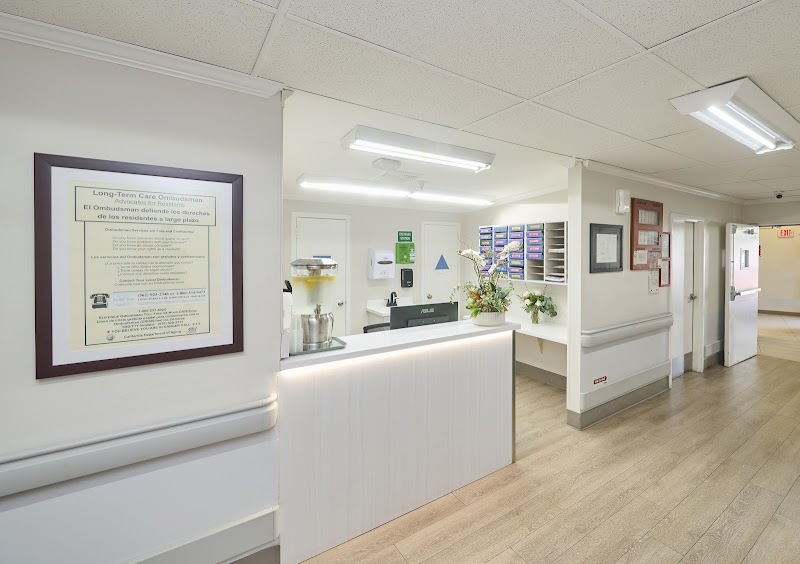
9300 TELEGRAPH ROAD, DOWNEY, CA 90240 (562) 869-2567
For profit - Corporation 70 Beds THE ENSIGN GROUP Data: November 2025
Trust Grade
65/100
#303 of 1155 in CA
Last Inspection: October 2024

Within standard 12-15 month inspection cycle. Federal law requires annual inspections.

Overview

Brookfield Healthcare Center has a Trust Grade of C+, which indicates it is slightly above average in quality but still has room for improvement. It ranks #303 out of 1,155 facilities in California, placing it in the top half, and #48 out of 369 in Los Angeles County, meaning only 47 local options perform better. The facility is showing an improving trend, having reduced issues from 11 in 2024 to just 2 in 2025. Staffing is a relative strength, with a 3/5 star rating and a turnover rate of 34%, which is below the state average, indicating that staff members tend to stay longer and build relationships with residents. However, there have been some concerning incidents, including a failure to provide the required two-person assistance for a resident during transfers, which led to a fall and injury, and issues with administering medications on time or as prescribed, which could pose risks to residents' health. Overall, while Brookfield Healthcare Center has strengths in staffing and is improving, families should be aware of specific incidents that highlight areas needing attention.

Trust Score
C+
65/100
In California
#303/1155
Top 26%
Safety Record
Moderate
Needs review
Inspections
Getting Better
11 → 2 violations
Staff Stability
○ Average
34% turnover. Near California's 48% average. Typical for the industry.
Penalties
✓ Good
No fines on record. Clean compliance history, better than most California facilities.
Skilled Nurses
○ Average
Each resident gets 40 minutes of Registered Nurse (RN) attention daily — about average for California. RNs are the most trained staff who monitor for health changes.
Violations
⚠ Watch
30 deficiencies on record. Higher than average. Multiple issues found across inspections.
★★★★☆
4.0
Overall Rating
★★★☆☆
3.0
Staff Levels
★★★☆☆
3.0
Care Quality
★★★★☆
4.0
Inspection Score
Stable
2024: 11 issues
2025: 2 issues

The Good

  • Full Sprinkler Coverage · Fire safety systems throughout facility
  • No fines on record
  • Staff turnover below average (34%)

    14 points below California average of 48%

Facility shows strength in fire safety.

The Bad

Staff Turnover: 34%

12pts below California avg (46%)

Typical for the industry

Chain: THE ENSIGN GROUP

Part of a multi-facility chain

Ask about local staffing decisions and management

The Ugly 30 deficiencies on record

1 actual harm
Jul 2025 2 deficiencies
CONCERN (D) 📢 Someone Reported This

A family member, employee, or ombudsman was alarmed enough to file a formal complaint

Potential for Harm - no one hurt, but risky conditions existed

Assessment Accuracy (Tag F0641)

Could have caused harm · This affected 1 resident

**NOTE- TERMS IN BRACKETS HAVE BEEN EDITED TO PROTECT CONFIDENTIALITY** Based on interview and record review, the facility failed to conduct an accurate fall reassessment for one of seventeen resident...

Read full inspector narrative →
**NOTE- TERMS IN BRACKETS HAVE BEEN EDITED TO PROTECT CONFIDENTIALITY** Based on interview and record review, the facility failed to conduct an accurate fall reassessment for one of seventeen residents (Resident 3), after a fall.This deficient practice had the potential for Resident 3 not to receive the proper interventions to prevent further falls and injuries. Findings: During a review of Resident 3's admission Record, the admission Record indicated Resident 3 was admitted to the facility on [DATE], with diagnoses including muscle weakness and diabetes mellitus (DM- abnormal blood sugar level), hemiplegia (paralysis on one side of the body).During a review of Resident 3's History and Physical (H&P), dated 10/17/2024, the H&P indicated Resident 3 did not have the capacity to understand and make decisions. During a review of Resident 3's Fall Risk Evaluation dated 10/15/2024, the evaluation did not indicate Resident 3 had a fall in the past 3 months. The evaluation indicated Resident 3 was incontinent, had balance problems with standing/walking and required use of assistive devices (i.e. cane, walker, wheelchair). The evaluation indicated Resident 3 had a score of 12, indicating a high risk of fall. During a review of Resident 3's SBAR Communication Form ([Situation, Background, Assessment, Recommendations] form that ensures all relevant information is conveyed in a structured manner) dated 10/29/2024, the SBAR indicated Resident 3 was found sitting on the floor in the room, on his bottom touching the ground and leaning on his shoulder against the glass sliding door. During a review of Resident 3's Fall Risk evaluation dated 10/29/2024 at 5:40 p.m., the evaluation did not indicate Resident 3's fall on 10/29/2024. The fall risk evaluation score was 7, indicating Resident 3 was a medium fall risk. The evaluation did not include Resident 3's incontinence, and the use of assistive device (wheelchair).During a review of Resident 3's Minimum Data Set ([MDS] a standardized assessment and care screening tool), dated 4/19/2025, the MDS indicated Resident 3 was able to understand and be understood by others. The MDS indicated Resident 3 required set up for eating and oral hygiene. The MDS indicated Resident 3 was dependent (helper does all the effort, resident does not) for toileting hygiene and maximal assistance (helper does more than half the effort to complete the activity, helper lifts or holds trunk or limbs and provides more than half the effort) with shower/bath, dressing, upper/lower dressing, and putting on taking off footwear. The MDS indicated Resident 3 required moderate assistance (helper does less than half the effort, helper lifts, holds or supports trunk or limbs, but provides less than half the half the effort) to roll left and right side, sit to lying, and lying to sit on side of bed. The MDS indicated Resident 3 required maximal assistance with sitting to stand, chair/bed to chair transfer, tub/shower transfer, and with walking 10 feet. During a concurrent interview and record review on 7/24/2025 at 3:00 p.m. with the MDS Nurse, the MDS Nurse stated the fall risk evaluation was not done properly and did not include Resident 3's incontinence and the resident's use of wheelchair. The MDS Nurse stated the fall risk re-evaluation score of 7 indicating medium fall risk, after the fall was incorrect. The MDS Nurse stated not having a complete and correct assessment could lead to improper care planning and interventions for Resident 3. The MDS Nurse stated, it could also lead to recurrent fall. The MDS Nurse stated the nurse (unidentified) should have completed an accurate reassessment, by determining the correct score, to determine the resident's risk of falling. During a review of the facility's Policy and Procedures (P&P) titled, Fall Management System, dated 12/2023, the P&P indicated the facility should provide each resident appropriate assessment and interventions to prevent falls and to minimize complications, if a fall occurred.
CONCERN (D) 📢 Someone Reported This

A family member, employee, or ombudsman was alarmed enough to file a formal complaint

Potential for Harm - no one hurt, but risky conditions existed

Comprehensive Care Plan (Tag F0656)

Could have caused harm · This affected 1 resident

**NOTE- TERMS IN BRACKETS HAVE BEEN EDITED TO PROTECT CONFIDENTIALITY** Based on interview and record review, the facility failed to develop a resident-centered plan of care after one of three sampled...

Read full inspector narrative →
**NOTE- TERMS IN BRACKETS HAVE BEEN EDITED TO PROTECT CONFIDENTIALITY** Based on interview and record review, the facility failed to develop a resident-centered plan of care after one of three sampled residents (Resident 3), had a fall.This deficient practice resulted in the facility not having a care plan to implement for the resident's safety after the fall and had the potential to cause recurrent falls.Findings:During a review of Resident 3's admission Record, the admission Record indicated Resident 3 was admitted to the facility on [DATE], with diagnoses including muscle weakness and diabetes mellitus (DM- abnormal blood sugar level), hemiplegia (paralysis on one side of the body).During a review of Resident 3's History and Physical (H&P), dated 10/17/2024, the H&P indicated Resident 3 did not have the capacity to understand and make decisions.During a review of Resident 3's SBAR Communication Form ([Situation, Background, Assessment, Recommendations] form that ensures all relevant information is conveyed in a structured manner) dated 10/29/2024, the SBAR indicated Resident 3 was found sitting on the floor in his room, on his bottom touching the ground and leaning on his shoulder against the glass sliding door.During a review of Resident 3's Minimum Data Set ([MDS] a standardized assessment and care screening tool), dated 4/19/2025, the MDS indicated Resident 3 was able to understand and be understood by others. The MDS indicated Resident 3 required set up for eating and oral hygiene. The MDS indicated Resident 3 was dependent (helper does all the effort, resident does not) for toileting hygiene and maximal assistance (helper does more than half the effort to complete the activity, helper lifts or holds trunk or limbs and provides more than half the effort) shower/bath, dressing, upper/lower dressing, and putting on taking off footwear. The MDS indicated Resident 3 required moderate assistance (helper does less than half the effort, helper lifts, holds or supports trunk or limbs, but provides less than half the half the effort) to roll left and right, sit to lying, and lying to sit on side of bed. The MDS indicated Resident 3 required maximal assistance for sitting to stand, chair/bed to chair transfer, tub/shower transfer, tub/shower transfer, and walk 10 feet.During a concurrent interview and record review on 7/24/2025 at 3:00 p.m. with the MDS Nurse, the MDS Nurse stated there was no care plan initiated for Resident 3's fall on 10/29/2024. The MDS Nurse stated the facility should have initiated a care plan with specific interventions to address Resident 3's fall. The MDS Nurse stated that not having a care plan for Resident 3 could result in a recurrent fall and could lead to injury and hospitalization.During a review of the facility's Policy and Procedures (P&P) titled, Fall Management System, dated 12/2023, the P&P indicated the facility should develop care plan interventions to prevent falls by addressing the risk factors and should consider the particular elements of the evaluation that put the resident at risk and update the care plan after a fall.During a review of the facility's P&P titled, Comprehensive Person-Centered Care Planning, dated 12/2023, the P&P indicated the interdisciplinary team (IDT) should develop a comprehensive person centered care plan for each resident that includes measurable objectives and time frames to meet a resident's medical, nursing, mental and psychosocial needs that are identified in the comprehensive assessment.
Oct 2024 10 deficiencies
CONCERN (D)

Potential for Harm - no one hurt, but risky conditions existed

Deficiency F0552 (Tag F0552)

Could have caused harm · This affected 1 resident

**NOTE- TERMS IN BRACKETS HAVE BEEN EDITED TO PROTECT CONFIDENTIALITY** Based on interview and record review, the facility failed to ensure a complete informed consent form (voluntary agreement to acc...

Read full inspector narrative →
**NOTE- TERMS IN BRACKETS HAVE BEEN EDITED TO PROTECT CONFIDENTIALITY** Based on interview and record review, the facility failed to ensure a complete informed consent form (voluntary agreement to accept treatment and/or procedures after receiving education regarding the risks, benefits, and alternatives offered) included the medication dosage, frequency, and behavioral manifestations prior to the administration of citalopram (medication used to treat major depressive disorder [a mood disorder that causes a persistent feeling of sadness and loss of interest]) for one of five sampled residents (Resident 32). This deficient practice had the potential to result in Resident 32 and their Responsible Party (RP) being unaware of the medication treatment ordered, thus, being unable to make an informed decision regarding Resident 32's care. Findings: During a review of Resident 32's admission Record (Face Sheet), indicated Resident 32 was initially admitted to the facility on [DATE] and readmitted to the facility on [DATE]. Resident 32's diagnoses included Parkinson's disease (a progressive disease of the nervous system marked by tremor, muscular rigidity, and slow, imprecise movements), osteoarthritis (a progressive disorder of the joints, caused by a gradual loss of cartilage), and hypertension (elevated blood pressure). During a review of Resident 32's Minimum Data Set ([MDS], a federally mandated resident assessment tool), dated 9/20/2024, the MDS indicated Resident 32's cognition (process of thinking) was moderately impaired. The MDS indicated over a two-week period Resident 32 had felt down, depressed, or hopeless for half or more of the days (seven to eleven days). The MDS indicated Resident 32 was dependent on staff for oral hygiene, toileting, showering, and bathing. The MDS indicated Resident 32 received antidepressant medication while in the facility. During a review of Resident 32's History and Physical (H&P), dated 9/17/2024, the H&P indicated Resident 32 had the capacity to understand and make decisions. During a review of Resident 32's Psychiatric Follow-Up Note, dated 9/3/2024, the Psychiatric Follow-Up Note indicated Resident 32 was diagnosed with major depressive disorder. During a review of Resident 32's Order Summary Report, order date 10/3/2024, the Order Summary Report indicated to give citalopram 10 milligrams (mg, a unit of measurement) by mouth, one time a day, for depression as manifested by anxiety (feelings of fear, dread, and uneasiness) and loss of appetite. During a review of Resident 32's Medication Administration Record (MAR), dated 10/2024, the MAR indicated Resident 32 was administered citalopram 10 mg 10/4/2024 through 10/16/2024, with the exception of 10/10/2024 and 10/13/2024 when Resident 32 had refused the medication. During an interview on 10/17/2024 at 9:45 a.m., with Registered Nurse (RN) 4, RN 4 stated when a physician orders any kind of psychotropic medication (medication that affects the mind, emotions, and behavior), they physician would have to inform the resident and/or their RP of the medication being ordered, the indication of use, and the risks and benefits. RN 4 stated the licensed nurse was then responsible for verifying with the resident and/or their RP that they were fully informed of the mediation and agree with the plan of care. RN 4 stated the licensed nurse was responsible for completing the Facility Verification of Resident Informed Consent by indicating the medication name, dosage, frequency, indication, and behavioral manifestations. RN 4 stated it was important to indicate the full medication order to ensure the correct documentation because any changes in the medication would warrant a new informed consent process to occur, such as an increase in the medication's dosage or frequency. During a concurrent interview and record review on 10/17/2024 at 9:50 a.m., with RN 4, Resident 32's Facility Verification of Informed Consent, dated 10/4/2024 was reviewed. The Facility Verification of Informed Consent indicated the proposed treatment of psychotropic medication was citalopram for depression. RN 4 stated the Facility Verification of Informed Consent was incomplete because it did not indicate the dosage, frequency, and behavioral manifestations for the use of citalopram. RN 4 stated the verifying nurse should have documented everything that was verified to ensure clear documentation that Resident 32's RP understood the medication therapy Resident 32 was to receive. RN 4 stated without the complete documentation, Resident 32 and her RP could potentially not have been fully informed of the use of citalopram to treat Resident 32's depression and could not have made a fully informed decision regarding Resident 32's care. During an interview on 10/17/2024 at 2:10 p.m., with the Director of Nursing (DON), the DON stated when the licensed nurse verified with Resident 32 and their RP regarding the use of citalopram, they were responsible for verifying they understood and agreed to the medication use, the dosage, frequency, and behavioral manifestations. The DON stated without that verification, Resident 32 and RP would be misinformed and they could be agreeing to a treatment they were not fully aware of. During a review of the facility's policy and procedure (P&P) titled, Psychotropic Medications, revised 12/2023, the P&P indicated the facility's Interdisciplinary Team ([IDT], a group of healthcare professionals with various areas of expertise who work together towards the goals of the residents) would ensure informed consent was obtained prior to medication use.
CONCERN (D)

Potential for Harm - no one hurt, but risky conditions existed

Assessment Accuracy (Tag F0641)

Could have caused harm · This affected 1 resident

**NOTE- TERMS IN BRACKETS HAVE BEEN EDITED TO PROTECT CONFIDENTIALITY** Based on interview and record review, the facility failed to ensure the assessment entries on the Minimum Data Set ([MDS], a fed...

Read full inspector narrative →
**NOTE- TERMS IN BRACKETS HAVE BEEN EDITED TO PROTECT CONFIDENTIALITY** Based on interview and record review, the facility failed to ensure the assessment entries on the Minimum Data Set ([MDS], a federally mandated resident assessment tool) were accurate for four of six sampled residents (Residents 3, 9, 32, and 253) when the facility failed to: 1. Include a diagnosis of depression (a mood disorder that causes a persistent feeling of sadness and loss of interest) per information in Resident 32 and Resident 3's medical record. 2. Include Resident 9's five (5) percent (%) weight loss in one month. 3. Include a diagnosis of seizure disorder (a disorder where a sudden, uncontrolled electrical disturbance in the brain which can cause uncontrolled jerking, blank stares, and loss of consciousness) per information in Resident 253's medical record. These deficient practices had the potential to negative affect Residents 3, 9, 32, and 253's plan of care and delivery of necessary care and services. Findings: a. During a review of Resident 32's admission Record (Face Sheet), the admission Record indicated Resident 32 was initially admitted to the facility on [DATE] and readmitted to the facility on [DATE]. Resident 32's diagnoses included Parkinson's disease (a progressive disease of the nervous system marked by tremor, muscular rigidity, and slow, imprecise movements), osteoarthritis (a progressive disorder of the joints, caused by a gradual loss of cartilage), and hypertension (elevated blood pressure). During a review of Resident 32's MDS, dated [DATE], the MDS indicated Resident 32's cognition (process of thinking) was moderately impaired. The MDS indicated over a two-week period Resident 32 had felt down, depressed, or hopeless for half or more of the days (seven to eleven days). The MDS indicated Resident 32 was dependent on staff for oral hygiene, toileting, showering, and bathing. The MDS indicated Resident 32 received antidepressant medication while in the facility. During a review of Resident 32's History and Physical (H&P), dated 9/17/2024, the H&P indicated Resident 32 had the capacity to understand and make decisions. During a review of Resident 32's Psychiatric Follow-Up Note, dated 9/3/2024, the Psychiatric Follow-Up Note indicated Resident 32 was diagnosed with major depressive disorder. During a review of Resident 32's Order Summary Report, order date 10/3/2024, the Order Summary Report indicated to give citalopram (an antidepressant) 10 milligrams (mg, a unit of measurement) by mouth, one time a day, for depression as manifested by anxiety (feelings of fear, dread, and uneasiness) and loss of appetite. During a review of Resident 32's Order Summary Report, order date 10/8/2024, the Order Summary Report indicated to give mirtazapine (an antidepressant) 22.5 mg, by mouth, at bedtime for depression as manifested by decreased appetite and increased verbalization of sadness. During an interview on 10/17/2024 at 8:27 a.m., with the MDS Coordinator (MDSC), the MDSC stated she was responsible for conducting the MDS assessment for the residents on admission, quarterly, and annually and to transmit in a timely manner. The MDSC stated when she conducts her assessments she would do a physical assessment with the resident, speak with the family if she needed any clarification, and review the resident's hospital records and other medical records. The MDSC stated conducting an accurate assessment for the residents would allow for the development of a patient-centered care plan to provide the care and address the needs of each resident. During a concurrent interview and record review on 10/17/2024 at 8:29 a.m., with the MDSC, Resident 32's MDS, dated [DATE] was reviewed. The MDSC stated depression was not marked as one of Resident 32's diagnoses. The MDSC stated Resident 32 had been seen by a psychologist and psychiatrist and had indicated Resident 32 had been diagnosed with depression and had been treated with antidepressants. The MDSC stated depression should have been marked on Resident 32's MDS assessment to ensure the facility provides the necessary interventions to help treat Resident 32's depression. b. During a review of Resident 3's admission Record (Face Sheet), the admission Record indicated Resident 3 was initially admitted to the facility on [DATE] and readmitted to the facility on [DATE]. Resident 3's diagnoses included dementia (a progressive state of decline in mental abilities), cerebral infarction (stroke, loss of blood flow to a part of the brain), and osteoarthritis. During a review of Resident 3's MDS, dated [DATE], the MDS indicated Resident 3's cognition was severely impaired. The MDS indicated Resident 3 required setup or clean-up assistance with eating and moderate assistance (helper does less than half the effort) with toileting, dressing, and personal hygiene. The MDS indicated Resident 3 received antidepressant medication in the facility. During a review of Resident 3's H&P, dated 7/30/2024, the H&P indicated Resident 3 did not have the capacity to understand and make decisions. During a review of Resident 3's Psychiatric Progress Note, dated 7/19/2024, the Psychiatric Progress Note indicated Resident 3's diagnosis of major depressive disorder. During a review of Resident 3's Order Summary Report, order date 10/20/2023, the Order Summary Report indicated to give Zoloft (an antidepressant) 25 mg, via gastrostomy tube (g-tube (a surgical opening fitted with a device to allow feedings to be administered directly to the stomach common for people with swallowing problems), one time a day for depression as manifested by self-report of feeling sadness. During a concurrent interview and record review on 10/17/2024 at 8:37 a.m., with the MDSC, Resident 3's MDS, dated [DATE] was reviewed. The MDSC stated depression was not marked as one of Resident 3's diagnoses. The MDS stated Resident 3 has had long-term depression and had been taking on antidepressants for a long period of time. The MDSC stated depression should have been marked on Resident 3's MDS assessment to ensure the facility provides the necessary interventions to help treat Resident 3's depression. c. During a review of Resident 9's admission Record (Face Sheet), the admission Record indicated Resident 9 was initially admitted to the facility on [DATE] and readmitted to the facility on [DATE]. Resident 9's diagnoses included end stage renal disease ([ESRD], irreversible kidney failure), congestive heart failure ([CHF], a chronic condition in which a weakness of the heart leads to a buildup of fluid in the lungs), and Alzheimer's disease (a disease characterized by a progressive decline in mental abilities). During a review of Resident 9's MDS, dated [DATE], the MDS indicated Resident 9 was dependent on staff for oral hygiene, toileting, bathing, dressing, and personal hygiene. During a review of Resident 9's H&P, dated 9/19/2024, the H&P indicated the resident had the capacity to understand and make decisions. During a review of Resident 9's Weights and Vitals Summary, dated 7/7/2023 through 10/9/2024, the Weights and Vitals Summary indicated on 8/7/2024, Resident 9 weighed 140 pounds (lbs, unit of measurement) and on 9/4/2024, Resident 9 weighed 133 lbs. Resident 9 had a 7 lbs weight loss which was a 5 percent (%) loss. During a concurrent interview and record review on 10/17/2024 at 8:49 am., with the MDSC, Resident 9's MDS, dated [DATE], was reviewed. The MDSC stated Resident 9's MDS was marked no for weight loss of 5% or more in the last month. The MDSC stated Resident 9 had an exact 5% weight loss from 8/7/2024 to 9/4/2024 and that weight loss should have been indicated on Resident 9's MDS so they could monitor Resident 9's nutritional status and provide the appropriate interventions to prevent further weight loss. d. During a review of Resident 253's admission Record (Face Sheet), the admission Record indicated Resident 253 was initially admitted to the facility on [DATE] and readmitted to the facility on [DATE]. Resident 253's diagnoses included hydrocephalus (condition where too much fluid builds up in and around the brain and spinal cord), myoclonus (a sudden, brief involuntary twitching or jerking of a muscle or group of muscles), and encephalopathy (damage or disease of the brain that changes how the brain functions). During a review of Resident 253's MDS, dated [DATE], the MDS indicated Resident 253's cognition was severely impaired. The MDS indicated Resident 253 was dependent on staff for eating, oral hygiene, toileting, bathing, and dressing. During a review of Resident 253's H&P, dated 8/13/2024, the H&P indicated Resident 253 did not have the capacity to understand and make decisions. During a review of Resident 253's general acute care hospital (GACH) Consultation Note, dated 8/7/2024, the Consultation Note indicated Resident 253 was admitted to the GACH with a diagnosis of seizures. During a review of Resident 253's admission Note, dated 8/9/2024, the admission Note indicated Resident 253 was admitted to the facility with the primary diagnosis of seizures. During a concurrent interview and record review on 10/17/2024 at 9 a.m., with the MDSC, Resident 253's MDS, dated [DATE] was reviewed. The MDSC stated seizure disorder was not marked as one of Resident 253's diagnoses. The MDSC stated Resident 253 was readmitted from the GACH for having seizures and seizure disorder should have been indicated on the MDS. The MDSC stated accurately indicating Resident 253's diagnosis of seizures would communicate Resident 253's medical condition to the rest of Resident 253's healthcare team to provide the necessary care. During an interview on 10/17/2024 at 2:13 p.m., with the Director of Nursing (DON), the DON stated having an accurate MDS was essential to provide the most appropriate patient centered care to each resident. The DON stated diagnoses, such as depression and seizures, and weight loss should be accurately indicated on the MDS so the facility could meet each residents' needs. During a review of the facility's policy and procedure (P&P) titled, Resident Assessment and Associated Processes, revised 12/2023, the P&P indicated residents would be assessed comprehensively and accurately and would be made of the resident's needs, strengths, goals, life history and preferences and would include physical functioning, disease diagnosis, and health conditions.
CONCERN (D)

Potential for Harm - no one hurt, but risky conditions existed

Comprehensive Care Plan (Tag F0656)

Could have caused harm · This affected 1 resident

**NOTE- TERMS IN BRACKETS HAVE BEEN EDITED TO PROTECT CONFIDENTIALITY** c. During a review of Resident 21's admission Record, the admission record indicated Resident 21 was admitted to the facility on...

Read full inspector narrative →
**NOTE- TERMS IN BRACKETS HAVE BEEN EDITED TO PROTECT CONFIDENTIALITY** c. During a review of Resident 21's admission Record, the admission record indicated Resident 21 was admitted to the facility on [DATE] and readmitted on [DATE]. Resident 21's diagnoses included infection of the ileostomy surgical site and acute kidney failure. During a review of Resident 21's MDS, dated [DATE], the MDS indicated Resident 21's cognition was intact. The MDS indicated Resident 21 was dependent on staff for toileting and showering, required supervision when eating, and required maximal assistance when dressing. During a review of Resident 21's Physician Orders, dated 9/23/2024, the Physician Orders indicated to change Resident 21's [ileostomy] bag (a bag connected to Resident 21's ileostomy to collect waste) when the bag was one-fourth or one-half full. The orders also indicated to wash [the ileostomy] with soap and water every shift and as needed. During a review of Resident 21's Care Plans dated 9/2024 to 10/2024, it was indicated there were no care plans initiated that identified specific interventions for the care and monitoring of Resident 21's stoma (a surgically created opening in the abdomen that allows waste to exit the body into a collection bag) or ileostomy bag. During a concurrent interview and record review, on 10/18/2024, at 8:44 a.m., with RN 2, all of Resident 21's care plans were reviewed. RN 2 stated there were no care plans specific to the care and assessment of Resident 21's ileostomy. RN 2 stated that care plans were important to be developed to guide the care of residents. RN 2 stated the care for Resident 21's ileostomy included monitoring and checking the stoma for any bleeding or infection, changing the bag, and cleaning the stoma and surrounding skin daily. RN 2 stated that without a care plan, there would not be a guide for the nurses to follow when care was provided for Resident 21's ileostomy and stoma. During a review of the facility's policy and procedure (P&P) titled, Comprehensive Person-Centered Care Planning, revised 12/2023, the P&P indicated, The interdisciplinary team ([IDT], a group of healthcare professionals with various areas of expertise who work together towards the goals of the residents) shall develop a comprehensive person-centered care plan for each resident that includes measurable objectives and timeframes to meet a resident's medical, nursing, mental, and psychosocial needs. b. During a review of Resident 42's admission Record (Face Sheet), the admission record indicated Resident 42 was initially admitted to the facility on [DATE] and readmitted to the facility on [DATE]. Resident 42's diagnoses included peritonitis (redness and swelling of the lining of the abdomen), intestinal obstruction (blockage in the small or large intestine that prevents food, liquid, gas, and stool from passing though normally), and acute embolism and thrombosis of the deep veins of the lower extremity (a blood clot that forms in a vein deep in the body). During a review of Resident 42's MDS, dated [DATE], the MDS indicated Resident 42's cognition was intact. The MDS indicated Resident 42 required setup or clean-up assistance with eating and oral and personal hygiene. The MDS indicated Resident 42 required supervision with toileting and upper and lower dressing. During a review of Resident 42's Physician admission Progress Note, dated 4/8/2024, the Progress Note indicated Resident 42 was alert (actively aware of the world, anticipating actions, and responding appropriately). During a review of Resident 42's Order Recap Report, dated 5/1/2024 through 10/31/2024, the Order Recap Report indicated: 1. Apply one nicotine patch 14 milligrams (mg, unit of measurement) per 24 hours (14 mg/24hr), transdermally (on the skin), one time a day for smoking cessation (process of stopping smoking tobacco) for six weeks and remove per schedule. Order date was 5/21/2024 and the duration of therapy was 5/22/2024 through 7/3/2024. 2. Apply one nicotine patch 7 mg/24 hr, transdermally, one time a day for smoking cessation for two weeks and remove per schedule. Order date was 5/21/2024 and the duration of therapy was 7/3/2024 through 7/17/2024. 3. Apply one nicotine patch 21 mg/24 hr, transdermally, one time a day for smoking cessation and remove per schedule. Order date was 8/9/2024 and the duration of therapy was 8/10/2024 through 8/13/2024. 4. Apply one nicotine patch 21 mg/24 hr, transdermally, one time a day for smoking cessation and remove per schedule. Order date was 8/13/2024 and the duration of therapy was 8/14/2024 through 9/21/2024. 5. Apply one nicotine patch 14 mg/24 hr, transdermally, one time a day for smoking cessation for two weeks and remove per schedule. Order date was 8/13/2024 and the duration of therapy was 9/21/2024 through 10/5/2024. 6. Apply one nicotine patch 7 mg/24 hr, transdermally, one time a day for smoking cessation for two weeks and remove per schedule. Order date was 8/13/2024 and the duration of therapy was 10/5/2024 through 10/16/2024. During an interview on 10/17/2024 at 8:12 a.m., with the MDS Coordinator (MDSC), the MDSC stated her role was to assess the residents upon admission and quarterly to complete the MDS and to develop patient-centered care plans. The MDSC stated care plans were used as a tool that would guide the staff to provide the necessary care to the residents. The MDSC stated care plans were developed based on the resident's assessment, medical diagnoses, and medications. The MDSC stated she based the planning and interventions on the resident's conditions and ensure the care plans were patient-centered to reach a goal. The MDSC stated care plans were developed for medications to ensure proper monitoring for any side effects and to evaluate if the medication was effective. The MDSC stated care plans should be developed as soon as possible so they could monitor the effectivity of the medication and the potential side effects. During a concurrent interview and record review on 10/17/2024 at 8:15 a.m., with the MDSC, Resident 42's Care Plan titled, Resident on nicotine patch for smoking cessation, initiated on 10/16/2024, was reviewed. The Care Plan indicated a goal for Resident 42 would refrain from smoking and interventions of the staff to ask resident about his tobacco use and to assess the resident's motivation to participate and continue with the smoking cessation plan. The MDSC stated she had initiated this care plan on 10/16/2024 because Resident 42 was seen that day in the smoking patio smoking a cigarette. The MDSC stated Resident 42 has had the nicotine patch applied on him daily starting in May 2024. The MDSC stated Resident 42's care plan for the use of the nicotine patch should have been developed at that time to help Resident 42 continue with his smoking cessation plan. The MDSC stated if the care plan had been developed earlier and the interventions had been implemented, the staff could have monitored Resident 42's desire to smoke closer. During an interview on 10/17/2024 at 2:15 p.m., with the DON, the DON stated Resident 42's care plan that addressed Resident 42's use of a nicotine patch should have been developed when it was initially ordered in May 2024. The DON stated Resident 42 wanted to stop smoking and was placed on the nicotine patch in hope he would not smoke again. The DON stated Resident 42 had smoked on 10/15/2024 for the first time and if Resident 42's care plan was developed and implemented earlier, that could have possibly prevented Resident 42 from smoking again. Based on observation, interview, and record review, the facility failed to develop a person-centered care plan (document that helps nurses and other team care members organize aspects of resident care) with interventions (actions a nurse takes to implement a care plan, intend to improve the resident's comfort and health) in a timely manner for three out of six sampled residents (Resident 153, Resident 42, and Resident 21) when the facility failed to ensure the following: 1. Ensure a care plan was developed after the discovery of Resident 153's cancer of the left eye and skin. 2. Ensure a care plan was developed for Resident 42's use of a nicotine patch (a patch worn on the skin by a person trying to give up smoking). 3. Ensure care plan interventions were developed for the care of Resident 21's ileostomy (a surgical procedure that creates an opening in the abdominal wall to divert waste from the body through the small intestine instead of the anus), and stoma (a surgically created opening in the abdomen that allows waste to exit the body into a collection bag). These deficient practices had the potential to negatively affect the provision of care for Residents 153, 42, and 21. Findings: a. During a review of Resident 153's admission Record, indicated Resident 153 was originally admitted to the facility on [DATE] with a diagnosis of kidney failure (occurs when kidneys suddenly become unable to filter waste products from the blood, kidneys lose their filtering ability, dangerous levels of wastes may accumulate, and blood's chemical makeup may get out of balance) and congestive heart failure (heart disorder which causes the heart to not pump the blood efficiently, sometimes resulting in leg swelling). During a review of Resident 153's History and Physical (H&P) dated 9/12/2024, the H&P indicated Resident 153 had the capacity to understand and make decisions. During a review of Resident 153's Minimum Data Set ([MDS], a federally mandated resident assessment tool), dated 9/23/2024, the MDS indicated Resident 153's cognitive skills (mental action or process of acquiring knowledge and understanding) for daily decision making was moderately impaired. The MDS indicated Resident 153 required maximal assistance (helper does more than half the effort) for toileting hygiene, shower/bathing, and putting on/taking off shoes. During a review of Resident 153's Electronic Medical Record (EMR), the EMR did not have a care plan developed for Resident 153's cancer of the skin and left eye. During an interview on 10/16/2024 at 8:22 a.m. with Resident 153, in Resident 153's room, Resident 153 stated she lost her vision to her left eye due to cancer. Resident 153 stated she had skin cancer and that her nurse was aware. Resident 153 stated she was told she had a dermatologist (a medical doctor who specializes in conditions that affect the skin, hair, and nails) appointment but was not sure when because staff did not inform her. Resident 153 stated the facility did not provide new treatments to her skin or asked her about her vision. Resident 153 stated she wanted to see a specialist for her skin and left eye because she wanted to get the care she needed. During an interview on 10/17/2024 at 12:49 p.m. with Registered Nurse (RN 4), RN 4 stated she was informed by Resident 153's family member (FM 1) the resident had skin cancer and needed to see a dermatologist. RN 4 stated a care plan should have been initiated for Resident 153's diagnosis of cancer but she did not initiate one. RN 4 stated it was important to develop a care plan for Resident 153's cancer diagnosis to have a proper plan of care and create goals and interventions for the resident's health. RN 4 stated if Resident 153 cancer diagnoses was not care planned there would not be any follow up of the resident's cancer and there would not be a plan of care for her diagnoses of cancer. During an interview on 10/18/2024 at 1:27 p.m. with the Director of Nursing (DON), the DON stated it was important to develop a care plan because it was the framework for a patients care. The DON stated staff developed interventions and a resident plan of care to direct care. The DON stated if something was not care planned the plan of care might not be followed. The DON stated when RN 4 was notified of Resident 153's cancer, RN 4 should have developed a care plan for continuity of care.
CONCERN (D)

Potential for Harm - no one hurt, but risky conditions existed

Deficiency F0657 (Tag F0657)

Could have caused harm · This affected 1 resident

**NOTE- TERMS IN BRACKETS HAVE BEEN EDITED TO PROTECT CONFIDENTIALITY** Based on interview and record review, the licensed nurses failed to review, update, and/or revise a care plan (written document ...

Read full inspector narrative →
**NOTE- TERMS IN BRACKETS HAVE BEEN EDITED TO PROTECT CONFIDENTIALITY** Based on interview and record review, the licensed nurses failed to review, update, and/or revise a care plan (written document developed for each individual by the support team using a person-centered approach that describes the supports, services, and resources provided or accessed to address the needs of the individual) to reflect the attempts to prevent future falls for one out of one sampled resident (Resident 21). This deficient practice resulted in the facility having no interventions in the prevention for further falls for Resident 21 and could have potentially led to Resident 21's third fall. Findings: During a review of Resident 21's admission Record, the admission record indicated Resident 21 was originally admitted to the facility on [DATE] and was readmitted on [DATE]. Resident 21's diagnoses included history of falls and dementia (the loss of cognitive functioning, thinking, remembering, and reasoning, to such an extent that it interferes with a person's daily life and activities). During a review of Resident 21's History and Physical (H&P) dated 9/30/2024, the H&P indicated Resident 21 was alert and had appropriate mood, affect and insight. During a review of Resident 21's Minimum Data Set (MDS, a federally mandated resident assessment tool), dated 8/2/2024, the MDS indicatedResident 21's cognitive skills (mental action or process of acquiring knowledge and understanding) for daily decision making was severely impaired. The MDS indicated Resident 21 required moderate assistance (helper does less than half the effort) for toileting hygiene, upper body dressing and personal hygiene. During a review Resident 21's Care Plan dated 8/19/2021, the care plan indicated Resident 21 was at risk for falls due to generalized weakness, poor cognition, and history of falls. The care plan indicated Resident 21's goal was to minimize the risk of injuries and not to sustain a serious injury due to a fall. The staff's interventions indicated to anticipate Resident 21's needs, place the call light within reach and encourage the resident to use it, maintain Resident 21's bed in the lowest position, and encourage the resident to wear appropriate footwear when ambulating (walking) or wheeling in a wheelchair. The care plan indicated no revisions were made after Resident 21 had a fall on 8/9/2024 and 9/16/2024. During a review of Resident 21's Situation Background Assessment Recommendation (SBAR) Communication form, dated 8/9/2024 9/16/2024 and 10/4/2024, the SBAR indicated Resident 21 had a fall on 8/9/2024 9/16/2024 and 10/4/2024. During an interview on 10/17/2024 at 2:45 p.m. with Registered Nurse (RN 3), RN 3 stated after a resident has a fall their clan plan must be revised. RN 3 stated it was important to revise care plans to offer guidance in preventing future falls. RN 3 stated if a care plan was not revised it would delay treatment and the resident could fall again. During an interview on 10/18/2024 at 1:27 p.m. with the Director of Nursing (DON), the DON stated a care plan was an outline for a resident's care. The DON stated it was important to have care plans because it was a resident's framework to their care. The DON stated after Resident 21's falls the care plan should have been revised. The DON stated care plan revisions introduced new interventions to prevent further falls. During a review of the facility's Policy and Procedure (P&P) titled ,Fall Management System dated 12/2023, the P&P indicated it was the facility's policy to provide an environment that remains as free of accidents hazards as possible. The P&P indicated the facility would provide each resident with appropriate assessment and interventions to prevent falls and to minimize complications if a fall occurs. The P&P indicated the care plan must be updated after every fall.
CONCERN (D)

Potential for Harm - no one hurt, but risky conditions existed

Quality of Care (Tag F0684)

Could have caused harm · This affected 1 resident

**NOTE- TERMS IN BRACKETS HAVE BEEN EDITED TO PROTECT CONFIDENTIALITY** Based on observation, interview, and record review the facility failed to ensure an interdisciplinary team (IDT, group of differ...

Read full inspector narrative →
**NOTE- TERMS IN BRACKETS HAVE BEEN EDITED TO PROTECT CONFIDENTIALITY** Based on observation, interview, and record review the facility failed to ensure an interdisciplinary team (IDT, group of different disciplines working together towards a common goal of a resident) meeting was held after a resident fall on 9/16/2024 for one of one sampled resident (Resident 21). This deficient practice delayed the plan of care for reducing the risk of falls and could potentially have caused Resident 21 to sustain another subsequent fall. Findings: During a review of Resident 21's admission Record, the admission Record indicated Resident 21 was originally admitted to the facility on [DATE] and was readmitted on [DATE]. Resident 21's diagnoses included history of falls and dementia (the loss of cognitive functioning, thinking, remembering, and reasoning, to such an extent that it interferes with a person's daily life and activities). During a review of Resident 21's History and Physical (H&P) dated 9/30/2024, the H&P indicated Resident 21 was alert and had appropriate mood, affect and insight. During a review of Resident 21's Minimum Data Set (MDS, a federally mandated assessment tool), dated 8/2/2024, the MDS indicated Resident 21's cognitive skills (mental action or process of acquiring knowledge and understanding) for daily decision making was severely impaired. The MDS indicated Resident 21 required moderate assistance (helper does less than half the effort) for toileting hygiene, upper body dressing and personal hygiene. During a review of Resident 21's Situation Background Assessment Recommendation (SBAR) Communication forms, dated 8/9/2024, 9/16/2024, and 10/4/2024, the SBARs indicated Resident 21 had falls on 8/9/2024, 9/16/2024, and 10/4/2024 . During a review of Resident 21's IDT notes, dated 8/9/2024 and 10/4/2024, the IDT notes indicated Resident 21 had a fall on those two dates. During a review of Resident 21's electronic medical record (EMR), the EMR indicated there were no IDT notes for Resident 21's fall on 9/16/2024. During an interview on 10/17/2024 at 1:10 p.m. with Registered Nurse (RN 4), RN 4 stated after every fall there must be an IDT meeting to plan the care for a resident. RN 4 stated a fall was a change of condition which should be documented and an IDT meeting done. RN 4 stated during an IDT meeting, staff develop a plan to prevent future falls. RN 4 stated if there was no IDT meeting done after a fall, there would be no interventions to follow and the resident could potentially fall again. During an interview on 10/18/2024 at 1:27 p.m. with the Director of Nursing (DON), the DON stated an IDT meeting was held after a resident had a fall to have a collaborated talk about the plan of care for the resident. The DON stated if an IDT was not done, fall interventions could be delayed and could potentially lead to another fall. The DON stated Resident 21 had a high risk for falls and an IDT meeting could develop interventions to reduce the risk for injury. The DON stated a fall was a change of condition and all change of conditions resulted in an IDT meeting. The DON stated Resident 21 should have had an IDT meeting after the resident's fall on 9/16/2024. During a review of the facility's Policy and Procedure (P&P) titled Significant change of conditions dated 12/2023, the P&P indicated when a fall or other related incidents occurred, the IDT shall collaborate with the attending physician, resident, and/or resident representatives to review risk indicators and the plan of care. The P&P indicated the IDT will document this collaboration in the EMR.
CONCERN (D)

Potential for Harm - no one hurt, but risky conditions existed

Accident Prevention (Tag F0689)

Could have caused harm · This affected 1 resident

**NOTE- TERMS IN BRACKETS HAVE BEEN EDITED TO PROTECT CONFIDENTIALITY** Based on observation, interview, and record review, the facility failed to ensure two of 12 sampled residents (Residents 253 and...

Read full inspector narrative →
**NOTE- TERMS IN BRACKETS HAVE BEEN EDITED TO PROTECT CONFIDENTIALITY** Based on observation, interview, and record review, the facility failed to ensure two of 12 sampled residents (Residents 253 and 21) were free of accidents and hazards by failing to: 1. Ensure floor mats (a cushioned floor pad designed to help prevent injury should a person fall) were utilized for Resident 253. 2. Ensure Resident 21 had an interdisciplinary team ([IDT], a group of healthcare professionals with various areas of expertise who work together towards the goals of the residents) review after a fall on 9/16/2024. These deficient practices had the potential to result in Resident 253 sustaining injuries during a seizure (a disorder in which nerve cell activity in the brain is disturbed) by potentially falling and hitting his head or other body parts on the bare floor. These deficient practices also resulted a delay in the plan of care for reducing the risk of falls and could have potentially caused Resident 21 to fall for a third time. Findings: a. During a review of Resident 253's admission Record (Face Sheet), the admission Record indicated Resident 253 was initially admitted to the facility on [DATE] and readmitted to the facility on [DATE]. Resident 253's diagnoses included hydrocephalus (condition where too much fluid builds up in and around the brain and spinal cord), myoclonus (a sudden, brief involuntary twitching or jerking of a muscle or group of muscles), and encephalopathy (damage or disease of the brain that changes how the brain functions). During a review of Resident 253's Minimum Data Set ([MDS], a federally mandated resident assessment tool), dated 8/12/2024, the MDS indicated Resident 253's cognition (process of thinking) was severely impaired. The MDS indicated Resident 253 was dependent on staff for eating, oral hygiene, toileting, bathing, and dressing. During a review of Resident 253's History and Physical (H&P), dated 8/13/2024, the H&P indicated Resident 253 did not have the capacity to understand and make decisions. During a review of Resident 253's Order Summary Report, dated 8/12/2024, the Order Summary Report indicated to place the floor mat adjacent (close or near) to the bed for safety and seizure precautions. During a review of Resident 253's Care Plan, dated 8/14/2024, the Care Plan indicated Resident 253 had the potential for injury and the potential for episodes of seizure activity. The staff's interventions indicated was to place the floor mat adjacent to the bed for safety and seizure precautions. During an observation on 10/15/2024 at 10:01 a.m. and 10/16/2024 at 9:02 a.m., in Resident 253's room, Resident 253 was observed lying in bed. One floor mat was observed on the right side of Resident 253's bed. No floor mat on the left side of Resident 253's bed was observed. During a concurrent observation and interview on 10/15/2024 at 2:30 p.m., with Licensed Vocational Nurse (LVN) 1, in Resident 253's room, Resident 253 was observed lying in bed and only one floor mat was observed on the right side of Resident 253's bed. LVN 1 stated Resident 253 only had a floor mat on the right side of his bed and did not have a floor mat on the left side of his bed. LVN 1 stated Resident 253's physician ordered a floor mat adjacent to Resident 253's bed for safety in the event Resident 253 had a seizure. LVN 1 stated if Resident 253 had a seizure, the resident potentially could move to his left or his right and could fall to the floor. LVN 1 stated there should have been a floor mat on both sides of Resident 253's bed because he could have a fall and have a serious injury such as a fracture (broken bone) or a head injury. During an interview on 10/17/2024 at 2:20 p.m., with the Director of Nursing (DON), the DON stated floor mats were utilized for Resident 253 as a seizure precaution. The DON stated Resident 253 should have had bilateral (both sides) floor mats. The DON stated Resident 253 was at risk for injury if he were to have a seizure and if he did not have bilateral floor mats, Resident 253 could fall to the ground and hit his head or sustain other injuries ranging from minor to major. During a review of the facility's policy and procedure (P&P) titled, Fall Management System, revised 12/2023, the P&P indicated the facility was to provide an environment that remains as free of accidents hazards as possible and to provide each resident with appropriate interventions to prevent falls and minimize complications. b. During a review of Resident 21's admission Record, the admission Record indicated Resident 21 was originally admitted to the facility on [DATE] and was readmitted on [DATE]. Resident 21's diagnoses included history of falls and dementia (the loss of cognitive functioning, thinking, remembering, and reasoning, to such an extent that it interferes with a person's daily life and activities). During a review of Resident 21's History and Physical (H&P) dated 9/30/2024, the H&P indicated Resident 21 had the capacity to understand and make decisions. During a review of Resident 21's MDS, dated [DATE], the MDS indicated Resident 21's cognitive skills for daily decision making was severely impaired. The MDS indicated Resident 21 required moderate assistance (helper does less than half the effort) for toileting hygiene, upper body dressing and personal hygiene. During a review of Resident 21's Situation Background Assessment Recommendation (SBAR) Communication form, dated 8/9/2024 9/16/2024 and 10/4/2024, the SBARs indicated Resident 21 had a fall. During a review of Resident 21's IDT notes, dated 8/9/2024 and 10/4/2024, the IDT notes indicated Resident 21 had a fall on 8/9/2024 and 10/4/2024. During a review of Resident 21's electronic medical record (EMR), the EMR indicated there were no IDT notes for Resident 21's fall on 9/16/2024. During an interview on 10/17/2024 at 1:10 p.m. with Registered Nurse (RN 4), RN 4 stated after every fall there must be an IDT meeting to plan the care for a resident. RN 4 stated a fall was a change of condition and should be documented and an IDT meeting should be done. RN 4 stated during an IDT meeting staff should develop a plan to prevent future falls. RN 4 stated if there was no IDT meeting done after a fall, there would be no interventions to follow and the resident could potentially fall again. During an interview on 10/18/2024 at 1:27 p.m. with the DON, the DON stated an IDT meeting was held after a resident had a fall to have a collaborated talk about plan of care for the resident. The DON stated if an IDT was not done, fall interventions could be delayed and could potentially lead to another fall. The DON stated Resident 21 was a high risk for falls and an IDT meeting could develop interventions to reduce the risk for injury. The DON stated a fall was a change of condition and all change of conditions resulted in an IDT meeting. The DON stated Resident 21 should have had an IDT meeting after his fall on 9/16/2024. During a review of the facility's P&P titled Significant change of conditions dated 12/2023, the P&P indicated when a fall or other related incidents occurred, the IDT shall collaborate with the attending physician, resident, and/or resident representatives to review risk indicators and the plan of care. The P&P indicated the IDT will document this collaboration in the EMR.
CONCERN (D)

Potential for Harm - no one hurt, but risky conditions existed

Pharmacy Services (Tag F0755)

Could have caused harm · This affected 1 resident

**NOTE- TERMS IN BRACKETS HAVE BEEN EDITED TO PROTECT CONFIDENTIALITY** Based on observation, interview, and record review, the facility failed to ensure licensed nursing staff practiced safe and effe...

Read full inspector narrative →
**NOTE- TERMS IN BRACKETS HAVE BEEN EDITED TO PROTECT CONFIDENTIALITY** Based on observation, interview, and record review, the facility failed to ensure licensed nursing staff practiced safe and effective medication administration practices for four out of five sampled residents (Resident 19, 25, 48, and 49) when: 1. Registered Nurse (RN 2) did not administer medication to Resident 19 in a timely manner. 2. RN 3 left Resident 25's medications at the resident's bedside to self-administer. 3. Licensed Vocational Nurse (LVN) 2 did not administer medication to Resident 25 in a timely manner. 4. LVN 2 did not administer medication to Resident 48 in a timely manner. 5. LVN 1 signed the medication administration audit report for Resident 49 after another LVN administered pain medication. These deficient practices caused Resident 19, 25, 48, and 49 to have an interruption with their medication therapy and exposed the residents to a potential medication error and adverse effect to their medications. Findings: 1. During an observation on 10/17/2024 at 10:15 a.m., in Resident 19's room, Resident 19 was observed with a medicine cup containing five pills at her bedside. During a review of Resident 19's admission Record, the admission Record indicated Resident 19 was originally admitted to the facility on [DATE] and was readmitted on [DATE]. Resident 19's diagnoses included diabetes mellitus ([DM] a disorder characterized by difficulty in blood sugar control and poor wound healing) and hypertension ([HTN] high blood pressure). During a review of Resident 19's History and Physical (H&P) dated 9/30/2024, the H&P indicated Resident 19 was able to make her own decisions and was alert and oriented. During a review of Resident 19's Minimum Data Set (MDS, a federally mandated resident assessment tool), dated 9/16/2024, the MDS indicated Resident 19's cognitive skills (mental action or process of acquiring knowledge and understanding) for daily decision making was intact. The MDS indicated Resident 19 required maximal assistance (helper does more than half the effort) for oral hygiene, upper body dressing and personal hygiene. During a review of Resident 19's Medication Administration Audit Report dated 10/16/2024, the report indicated Resident 19 had an order to receive medications at 9:00 a.m. The report indicated Resident 19 received the following medications on 10/16/2024 at 11:36 a.m.: 1. Pro-Stat oral liquid, 30 milliliters by mouth, for supplement. 2. Enulose solution 10/15ml, 30 ml by mouth one time a day for bowel management. 3. Miralax oral powder 17gm/scoop, 1 scoop by mouth one time a day for bowel management. 4. Docusate sodium oral tablet 100 mg, 1 tablet by mouth two times a day for bowel management. 5. Oxybutynin chloride 5 mg, 1 tablet by mouth one time a day for overactive bladder. 6. Metformin 1000mg, give 1 tablet by mouth two times a day for DM. 7. Valsartan-hydrochlorothiazide tablet 320-12.5 mg, give 1 tablet by mouth one time a day for HTN. 8. Hydralazine 50 mg, give 1 tablet by mouth two times a day for HTN. 9. Jardiance 10 mg, give 1 tablet by mouth one time a day for DM. 10. Doxazosin mesylate 2 mg, give 1 tablet by mouth one time a day for HTN. 11. Aspirin 81 mg, give 1 tablet by mouth two times a day for deep vein thrombosis ([DVT] a condition where a blood clot forms in a large vein deep within the body). During an interview on 10/16/2024 at 10:55 a.m. with Resident 19, Resident 19 stated she was worried that she had not received her medications for that day (10/16/2024). Resident 19 stated she was worried she had not received her medication for her blood pressure and blood sugar. Resident 19 stated she had not seen her nurse yet. During an interview on 10/16/2024 at 11:15 a.m. with Registered Nurse (RN) 2, RN 2 stated he had not given Resident 19 medication yet because Resident 19 was in therapy and he (RN 2) was running a little behind on medication pass. RN 2 stated he was supposed to give Resident 19 her medications at 9:00 a.m. RN 2 stated he would give Resident 19 her medication after he was finished with his current task. During an interview on 10/17/2024 at 8:15 a.m. with Resident 19, Resident 19 stated RN 2 came to her room to give her the morning medications. Resident 19 stated she had not taken the medication yet because she was eating. Resident 19 stated RN 2 gave her a medicine cup that contained her medication and asked her to self-administer the medications when she was done eating. Resident 19 stated she had five pills in the medicine cup, two pills were for her blood pressure, one pill was for her blood sugar and she did not know wat the other two were. 2. During a review of Resident 25's admission Record, the admission Record indicated Resident 25 was admitted to the facility on [DATE]. Resident 25's diagnoses included diabetes mellitus ([DM] a disorder characterized by difficulty in blood sugar control and poor wound healing) and heart failure (a chronic condition in which the heart doesn't pump blood as well as it should. Heart failure can occur if the heart cannot pump [systolic] or fill [diastolic] adequately). During a review of Resident 25's H&P dated 10/7/2024, the H&P indicated Resident 25 had good judgement and insight and was alert and oriented to person, place, time, and event. During a review of Resident 25's MDS, dated [DATE], the MDS indicated Resident 25's cognitive skills for daily decision making was severely impaired. The MDS indicated Resident 25 needed maximal assistance (helper does more than half the effort) for oral hygiene. The MDS indicated Resident 25 was dependent on staff for toileting hygiene, dressing, and shower/bathing. During a review of Resident 25's Medication Administration Audit Report dated 10/17/2024, the report indicated Resident 25 had an order to receive medications at 8:00 a.m. The report indicated the following medications were administered at on 10/17/2024 at 11:44 a.m.: 1. Ferrous Sulfate 325mg tablet,1 tablet by mouth three times a day for supplement. 2. Dextromethorphan oral syrup10-100mg/5ml, 5 ml by mouth every 4 hours for cough. 3. Calcium 250 mg, 2 tablets by mouth every 12 hours for supplement. 4. Lasix 40 mg oral tablet, 1 tablet by mouth one time a day for bilateral lower extremities edema (swelling). 5. [NAME]-Vite tablet, 1 tablet by mouth one time a day for supplement. 6. Cyanocobalamin tablet 100 micrograms ([mcg] metric unit of measurement, used for medication dosage and/or a mount), 1 tablet by mouth one time a day for supplement. 7. Docusate Sodium tablet 100mg, 1 tablet by mouth one time a day for bowel management. 8. Farxiga oral tablet 5 mg, 1 tablet by mouth one time a day for DM. During an interview on 10/17/2024 at 10:18 a.m. with Resident 25, Resident 25 stated she did not remember receiving her medications that day (10/17/2024). Resident 25 stated it was important for her to receive her medication on time to prevent getting sicker. During an interview on 10/17/2024 at 1058 a.m. with Licensed Vocational Nurse (LVN) 2, LVN 2 stated she had not given Resident 25's 9:00 a.m. medication because she was running late and got sidetracked. LVN 2 stated it was not acceptable to administer medications to residents two hours late because the residents need their medications. LVN 2 stated she was running late with her medication pass because she was new. During an interview on 10/17/2024 at 2:21 p.m. with RN 3, RN 3 stated it was acceptable to administer a medication 1 hour before the scheduled time and 1 hour after the scheduled time. RN 3 stated she provided a medicine cup with medications to Resident 25 to take after the resident finished eating. RN 3 stated it was not an acceptable practice to let Resident 25 self-administer medications because there was no way of knowing if the resident took the medications or if resident had a reaction to the medication. RN 3 stated she documented she administered medications to Resident 25 at on 10/16/2024 at 8:09 a.m., but she handed the medications to Resident 25 and did not know if Resident 25 took the medication. RN 3 stated it was not acceptable to document she administered the medication because she did not see Resident 25 take the medication. 3. During a review of Resident 48's admission Record, the admission Record indicated Resident 48 was initially admitted to the facility on [DATE] and was readmitted on [DATE]. Resident 48's diagnoses included respiratory failure (a serious condition that makes it difficult to breathe on your own, lungs can't get enough oxygen into the blood) and kidney failure (occurs when kidneys suddenly become unable to filter waste products from the blood, kidneys lose their filtering ability). During a review of Resident 48's H&P dated 9/30/2024, the H&P indicated Resident 48 had fluctuating capacity to understand and make decisions. During a review of Resident 48's MDS, dated [DATE], the MDS indicated Resident 48's cognitive skills for daily decision making was intact. The MDS indicated Resident 48 required set up assistance for eating and oral hygiene. The MDS indicated Resident 48 was dependent on staff for toileting hygiene, dressing, and putting on/taking off shoes. During a review of Resident 48's Medication Administration Audit Report dated 10/17/2024, the report indicated Resident 48 had an order to receive medications at 9:00 a.m. The report indicated the following medications were administered on 10/17/2024 at 11:50 a.m.: 1. Cozaar oral tablet, 25 mg by mouth one time day for HTN. 2. Citalopram hydrobromide oral tablet 20 mg, 1 tablet by mouth one time a day for depression (feelings of sadness). 3. Carvedilol oral tablet 6.25 mg, 1 tablet by mouth two times a day for HTN. 4. Pro Stat oral liquid, 30 ml by mouth one time a day for skin management/wound healing. 5. Ferrous Sulfate tablet 325 mg, 1 tablet by mouth one time a day for supplement. 6. Zinc Sulfate capsule 220 mg, 1 capsule by mouth one time a day for skin management/wound healing. 7. LidoRx external gel 1%, apply to affected area topically three times a day for pain management. 8. Gabapentin oral capsule 30 mg, 1 capsule by mouth 3 times a day for neuropathy (weakness, numbness, and pain from nerve damage, usually in the hands and feet). 9. Ascorbic acid tablet 500 mg, 1 tablet by mouth one time a day for skin management/wound healing. During an interview on 10/17/2024 at 10:28 a.m. with Resident 48, Resident 48 stated she had not received her morning medications. Resident 48 stated the nurses sometimes ran late giving her the medications. Resident 48 stated she knew the nurses sometimes got busy but it was important for her to get her medications. During an interview on 10/17/2024 at 1058 a.m. with LVN 2, LVN 2 stated she had not given Resident 48's 9:00 a.m. medication because she was running late and got sidetracked. LVN 2 stated it was not acceptable to administer medications to residents two hours late because the residents need their medications. LVN 2 stated she was running late with her medication pass because she was new. 4. During a review of Resident 49's admission Record, the admission Record indicated Resident 49 was admitted to the facility on [DATE]. Resident 49's diagnoses included diabetes mellitus and hypertension. During a review of Resident 49's H&P dated 9/24/2024, the H&P indicated Resident 49 was alert and oriented to person, place, time, and event. During a review of Resident 49's MDS, dated [DATE], the MDS indicated that Resident 49's cognitive skills for daily decision making was intact. The MDS indicated Resident 49 required maximal assistance for toileting hygiene, shower/bathing, lower body dressing and personal hygiene. During a review of Resident 49's Medication Administration Audit Report dated 10/15/2024, the report indicated Resident 49 had an order to receive oxycodone - acetaminophen (medication used to treat moderate to severe pain) oral tablet 325 mg, 1 tablet by mouth every 12 hours as needed for severe pain. The audit report indicated LVN 1 administered the medication to Resident 49. During an interview on 10/15/2024 at 12:22 p.m. with Resident 49, Resident 49 stated she was given her routine morning medications by a female nurse. Resident 49 stated she was confused when a male nurse came to give her pain medication and no one told her why the nurses were changed. Resident 49 stated she thought it was weird to send another nurse to give her pain medication. During a concurrent interview and record review on 10/15/2024 at 1:02 p.m. with LVN 1, Resident 49's Medication Administration Audit Report dated 10/15/2024 was reviewed. The audit report indicated LVN 1 administered oxycodone -acetaminophen 325 mg for pain control to Resident 49 at 10:57 a.m. LVN 1 stated Resident 49 received the pain medication when the resident requested it. LVN 1 stated she documented she administered the pain medication to Resident 49 but it was another nurse that actually gave it to the resident. LVN 1 stated she was not supposed to document she administered a medication when she did not do it because it was not a safe practice. During an interview on 10/18/2024 at 1:27 p.m. with the Director of Nursing (DON), the DON stated it was not acceptable for a nurse to leave medications at a resident's bedside for them to self-administer because the resident might not take medication. The DON stated it was important to give residents their medication at the scheduled time to avoid taking it close to their next dose of the same medication. The DON stated a nurse should not document that they administered a medication to a resident when they did not. The DON stated it was not an acceptable practice because the nurse could not confirm the resident actually received the medication. The DON stated the acceptable time for a resident to wait for their medication was one hour after their scheduled time. The DON stated if a resident did not receive their blood pressure medication on time, the resident's blood pressure would rise and it would not be controlled. The DON stated any late medication would not help the residents' health. The DON stated it was important for residents to receive their medications on time to avoid any negative effects from not getting the medications at their scheduled time. During a review of the facility's Policy and Procedure (P&P) titled, Administration Procedures for all Medications dated 6/2021, the P&P indicated it was the facility's policy to administer medications in a safe and effective matter. The P&P indicated after licensed nurse administered medication, the licensed nurse must document medication administration. The P&P indicated the licensed nurse should monitor for side effects or adverse drug reactions immediately after administration. During a review of facility's P&P titled, Medication Administration-General Guidelines dated 11/2021, the P&P indicated the facility had sufficient staff and a medication distribution system to ensure safe administration of medications without unnecessary interruptions. The P&P indicated medications were to be administered within 60 minutes of the scheduled time. The P&P indicated the individual who administers the medication dose records the administration on the resident's medication administration record after the medication pass is complete.
CONCERN (D)

Potential for Harm - no one hurt, but risky conditions existed

Drug Regimen Review (Tag F0756)

Could have caused harm · This affected 1 resident

**NOTE- TERMS IN BRACKETS HAVE BEEN EDITED TO PROTECT CONFIDENTIALITY** Based on interview and record review, the facility failed to identify a drug irregularity (any deviation in the proper use, dosa...

Read full inspector narrative →
**NOTE- TERMS IN BRACKETS HAVE BEEN EDITED TO PROTECT CONFIDENTIALITY** Based on interview and record review, the facility failed to identify a drug irregularity (any deviation in the proper use, dosage, or administration of medication) during the Monthly Regimen Review (MRR - a regular assessment of a resident's medication and treatment plan every month to ensure it is effective, safe, and still necessary) for one of three residents (Resident 30) receiving duplicate drug therapy in the use of two orally inhaled medications, Serevent Diskus (salmeterol, a long-acting bronchodilator used to treat asthma by relaxing and opening air passages in the lungs, making it easier to breathe) and Advair Diskus (a medication that contains both salmeterol and fluticasone propionate, an anti-inflammatory medicine, used to treat asthma and chronic obstructive pulmonary disease (COPD - lung disease that makes it difficult to breathe) between 9/13/2024 through 10/15/2024. (Cross Reference F757) This deficient practice created the risk for Resident 30 to receive excessive dosages of salmeterol which are contained in both Advair and Serevent which could lead to the resident experiencing serious side effects that include, high blood pressure, fast heart rate, irregular heart rhythm, which could result in an overdosage or hospitalization. Findings: During a review of Resident 30's admission Record (document containing diagnostic and demographic information), the admission Record indicated Resident 30 was admitted to the facility on [DATE] and readmitted on [DATE]. Resident 30's diagnoses included asthma (chronic inflammatory disease of the lungs) and chronic obstructive pulmonary disease (COPD - a chronic lung disease causing difficulty in breathing). During a review of Resident 30's Minimum Data Set (MDS - a federally mandated resident assessment tool), dated 9/17/2024, the MDS indicated Resident 30 had intact cognition (ability to understand and process information). During a review of Resident 30's physician order indicated, the physician order indicated the resident was prescribed: 1. Advair Diskus (fluticasone and salmeterol) 250 micrograms ([mcg] - unit of measure of weight)/ 50 mcg, instructions indicated, one inhalation by mouth every 12 hours for COPD (Rinse mouth with water after use), order date 9/13/2024. 2. Serevent Diskus (salmeterol) 50 mcg, instructions indicated, one inhalation by mouth every 12 hours for COPD, order date 9/13/2024. During a review Resident 30's MRR form titled, Clinically Significant Medication Regimen Review Communication Form, date 9/13/2024, the MRR form indicated, A drug regimen review was conducted to identify potential clinically significant medication issues, Upon completion of this review the following has been identified for your patient, a boxed was marked to indicated, No issues found during the drug regimen review. The spaces for Drug-Drug Interactions and Drug Duplications were both left blank, unmarked. During an interview on 10/17/2024 at 1:11 PM, in the presence of the Director of Nursing (DON), with the facility's Consultant Pharmacist (Pharm 1) via telephone, Pharm 1 stated, he had not reviewed Resident 30's medications. Pharm 1 stated had he seen the two medications (Advair and Serevent) he would have written a note to ask Resident 30's doctor if the doctor wanted the resident to be on both medications. Pharm 1 stated side effects of using both medications may include tachycardia (a fast heart rate), heart palpitations (fast or irregular heartbeat) or jitteriness (feeling of nervousness or shakiness). Pharm 1 stated his job included pointing out to the physician the overuse of salmeterol and medications that may cause increased risk of harm to the residents. During an interview on 10/17/2024 at 1:36 PM, in the presence of the DON, with the facility's dispensing Pharmacist (Pharm 2) via telephone, Pharm 2 reviewed Resident 30's medication orders and stated, that it did look like Serevent had salmeterol and Advair also have salmeterol and both medications were taken by the resident twice daily and that would be a duplicate therapy. Pharm 2 stated the duplicate therapy should have alerted when the dispensing pharmacist reviewed the orders for Serevent and Advair. Pharm 2 stated there was no documentation that Resident 30's doctor was called to clarify the order. Pharm 2 stated if there are any drug interactions it should be documented on the drug (medication) regimen review (MRR) when the resident was admitted to the facility. Pharm 2 stated that giving Advair and Serevent together with both having salmeterol as the active ingredient were considered drug duplication and the resident (Resident 30) could experience increase in side effects that include chest pain or chest palpitations. During a review of the facility's policy and procedure (P&P) titled, Medication (Drug) Regimen Review (MRR), dated 12/2023, the P&P indicated, A medication regimen review (MRR) includes a review of the resident's medical chart. Identified irregularities will be documented on a separate written report that includes the resident's name, the relevant drug, and the irregularity identified. The report will be sent to the attending physician, the facility's Medical Director, and the Director of Nursing Services (DNS) to be acted upon .The MRR includes identification of irregularities, medication-related errors, adverse consequences, and use of unnecessary drugs. Unnecessary drug is defined as medications ordered: 1. In excessive dosage (including duplicate drug therapy); or 2. For excessive duration; or 3. Without adequate monitoring; or 4. Without adequate indications for its use; or 5. In the presence of adverse consequences which indicate the dose should be reduced or discontinued .
CONCERN (D)

Potential for Harm - no one hurt, but risky conditions existed

Deficiency F0761 (Tag F0761)

Could have caused harm · This affected 1 resident

**NOTE- TERMS IN BRACKETS HAVE BEEN EDITED TO PROTECT CONFIDENTIALITY** Based on observation and interview, the facility failed to ensure opened boxes of oral inhalation medications with a shortened e...

Read full inspector narrative →
**NOTE- TERMS IN BRACKETS HAVE BEEN EDITED TO PROTECT CONFIDENTIALITY** Based on observation and interview, the facility failed to ensure opened boxes of oral inhalation medications with a shortened expiration date once opened, had an open date (the date the medication was first opened) for three of three sampled residents (Resident 30, Resident 53, and Resident 54). The deficient practice of failing to label oral inhalation medications, per the manufacturers' requirements increased the risk that residents with asthma (chronic inflammatory disease of the lungs) or chronic obstructive pulmonary disease (COPD - a chronic lung disease causing difficulty in breathing) could have received expired or ineffective medications which could result in health complications, difficulty breathing, or hospitalization. Findings: During a review of Resident 30's admission Record (document containing diagnostic and demographic information), the admission Record indicated Resident 30 was admitted to the facility on [DATE] and readmitted on [DATE]. Resident 30's diagnoses included asthma and COPD. During a review of Resident 30's Minimum Data Set (MDS - a federally mandated resident assessment tool), dated [DATE], the MDS indicated Resident 30 had intact cognition (ability to understand and process information). During a review of Resident 53's admission Record, the admission Record indicated Resident 53 was admitted to the facility on [DATE]. Resident 53's diagnoses included COPD. During a review of Resident 53's MDS, dated [DATE], the MDS indicated Resident 53 had moderate impaired cognitive skills. During a review of Resident 54's admission Record, the admission Record indicated Resident 54 was admitted to the facility on [DATE] and readmitted on [DATE]. Resident 54's diagnoses included pulmonary fibrosis (a lung disease that causes scarring in the lungs, making it difficult to breathe), pneumonia (an infection/inflammation in the lungs), and acute respiratory failure (a serious condition that makes it difficult to breathe on your own) with hypoxia (a low level of oxygen in the blood), and COPD. During a review of Resident 54's MDS, dated [DATE], the MDS indicated Resident 54 had intact cognition. During an observation on [DATE] at 10:14 AM with Licensed Vocational Nurse (LVN) 1, on Nursing Station 1, the MedCart was inspected, and the following oral inhalers used to treat breathing difficulty was observed inside of the MedCart opened without an open date for: 1. Resident 30, two inhalers, one inhaler of Advair Diskus (a medication that contains both an anti-inflammatory medicine (fluticasone propionate) and a long-acting bronchodilator (salmeterol), used to treat asthma and COPD) 250 micrograms ([mcg] - unit of measure of weight)/ 50 mcg and one inhaler of Serevent (salmeterol) 50 mcg. 2. Resident 53, one inhaler of Arnuity Ellipta (fluticasone furoate, used to prevent and control symptoms of asthma for better breathing) 100 mcg. 3. Resident 54, one inhaler of Advair 250 mcg/50 mcg. During a concurrent observation and interview on [DATE] at 10:14 AM, with LVN 1, LVN 1 stated, the four inhalers (two Advair Diskus inhaler, one Serevent Diskus inhaler, and one Arnuity Ellipta inhaler) observed inside of Nursing Station 1 MedCart were open and did not have an open date. LVN 1 stated there should have been an open date indicated on the medication containers to ensure the inhalers would be good to use for the residents (Resident 30, Resident 53, and Resident 54) and to know when the medications should be discarded. LVN 1 stated if the inhalers were administered after expired, the medications may not be as effective for the residents and could lead to respiratory issues, that included shortness of breath or symptoms of oxygen desaturation (low levels of oxygen in the blood and symptoms include shortness of breath, rapid heart rate, rapid breathing, and confusion) During an interview on [DATE] at 3:24 PM with the Director of Nursing (DON), the DON stated the inhalers with shortened expiration dates, that include Advair Diskus, Serevent Diskus, and Arnuity Ellipta should have an open date. The DON stated expired inhalers may not be effective for the residents (Resident 30, Resident 53, and Resident 54) and residents could experience shortness of breath, respiratory concerns or result in an emergency transfer to the hospital. During a review of the facility's policy and procedures (P&P), titled, Administration Procedures For All Medications, dated 6/2021, the P&P indicated, If unfamiliar with the medication, consult a drug reference, manufacturer package insert, or pharmacist for more information .Check expiration date on package/container before administering any medication. When opening a multidose container, place the date on the container. During a review of the manufacturer's labeling for Advair Diskus, dated 2/2019, the manufacturer's labeling indicated, Write the date you opened the foil pouch in the first blank line on the label .Write the use by date in the second blank line on the label .That date is 1 (one) month after the date you wrote in the first line. During a review of the manufacturer's labeling for Serevent Diskus, dated 10/2022, the manufacturer's labeling indicated, Safely throw away SEREVENT DISKUS in the trash 6 weeks after you open the foil pouch or when the counter reads 0, whichever comes first. Write the date you open the pouch on the label on the inhaler. During a review of the manufacturer's labeling for Arnuity Ellipta, dated 3/2023, the manufacturer's labeling indicated, Safely throw away ARNUITY ELLIPTA in the trash 6 weeks after you open the tray or when the counter reads 0, whichever comes first. Write the date you open the tray on the label on the inhaler.
CONCERN (E)

Potential for Harm - no one hurt, but risky conditions existed

Deficiency F0757 (Tag F0757)

Could have caused harm · This affected multiple residents

**NOTE- TERMS IN BRACKETS HAVE BEEN EDITED TO PROTECT CONFIDENTIALITY** Based on interview and record review, the facility failed to ensure one of three sampled residents (Residents 30) would not be a...

Read full inspector narrative →
**NOTE- TERMS IN BRACKETS HAVE BEEN EDITED TO PROTECT CONFIDENTIALITY** Based on interview and record review, the facility failed to ensure one of three sampled residents (Residents 30) would not be administered any unnecessary medication in the form of duplicate drug therapy. (Cross Reference F756) The deficient practice created the risk for Resident 30 to receive excessive dosages of salmeterol (long-acting bcta2-adrcnergic agonist [[NAME]] medication, used to treat asthma - chronic inflammatory disease of the lungs) which are contained in both oral inhalers, Serevent Diskus (salmeterol) and Advair Diskus (a medication that contains both salmeterol and fluticasone propionate, an anti-inflammatory medicine, used to treat asthma and chronic obstructive pulmonary disease (COPD - lung disease that makes it difficult to breathe) which could lead to the resident experiencing serious side effects that include, high blood pressure, fast heart rate, irregular heart rhythm, which could result in an overdosage or hospitalization. Findings: During a review of Resident 30's admission Record (document containing diagnostic and demographic information), the admission Record indicated Resident 30 was admitted to the facility on [DATE] and readmitted on [DATE]. Resident 30's diagnoses included asthma and COPD. During a review of Resident 30's Minimum Data Set (MDS - a federally mandated resident assessment tool), dated 9/17/2024, the MDS indicated Resident 30 had intact cognition (ability to understand and process information). During a review of Resident 30's physician order, the physician order indicated the resident was prescribed: 1. Advair Diskus (fluticasone and salmeterol) 250 micrograms ([mcg] - unit of measure of weight)/ 50 mcg, instructions indicated, one inhalation by mouth every 12 hours for COPD (Rinse mouth with water after use), order date 9/13/2024. 2. Serevent Diskus (salmeterol) 50 mcg, instructions indicated, one inhalation by mouth every 12 hours for COPD, order date 9/13/2024. During a review of Resident 30's Medication Administration Records (MAR - a document that tracks medications given to a resident, including dosages, times, and the person administering them to ensure accurate and safe administration) for the months of 9/2024 and 10/2024. Resident 30's 9/2024 and 10/2024 MARs indicated the resident was administered both Advair and Serevent daily from 9/13/2024 through 10/15/2024. During a clinical record review on 10/16/2024 at 2:41 PM, Resident 30's physician orders and MARs between 9/13/2024 through 10/15/2024 were reviewed. Resident 30's MAR documentation, indicated by licensed nurses' initials that Resident 30 was administered both Advair and Serevent together for a total of 65 doses of Advair and 64 doses of Serevent for 33 days from 9/13/2024 through 10/15/2024. During a concurrent interview and record review on 11/17/2024 at 11:02 AM, with Registered Nurse (RN) 3, Resident 30's MARS for 9/2024 and 10/2024 were reviewed. RN 3 stated the initials on 9/20/2024 at 9 AM belonged to RN 3. RN 3 stated Resident 30 was administered Advair and Serevent inhalers at the same time. RN 3 acknowledged that Advair inhaler and Serevent inhaler both contain the same active ingredient salmeterol. RN 3 stated, I thought because they (Advair and Serevent) were scheduled at the same time that it was okay to give at the same time. RN 3 stated that she did not ask another nurse, a supervisor, call a pharmacist or use any drug reference to determine if the two inhalers, Advair and Serevent were okay to be administered together to Resident 30. During a concurrent interview and record review on 11/17/2024 at 11:22 AM, with Licensed Vocational Nurse (LVN) 2, Resident 30's MARs for 9/2024 and 10/2024 were reviewed. LVN 2 stated that she administered both inhalers, Advair and Serevent together to Resident 30 on 10/2/2024 and 10/4/2024, but did not recall which inhaler was administered first. During an interview on 10/17/2024 at 11:38 AM, with the Director of Nursing (DON), the DON stated once the surveyor identified there was no open date (the date the medication was first opened) on Resident 30's opened inhalers of Advair and Serevent, that was when the DON saw that the two inhalers contained the same active ingredient salmeterol. The DON stated she reached out to the pharmacist and the pharmacist informed her that one of the medications should be discontinued. The DON stated the facility's pharmacist missed the duplication in drug therapy when the Monthly Regimen Review (MRR - a regular assessment of a resident's medication and treatment plan every month to ensure it is effective, safe, and still necessary) was reviewed on 9/13/2024. The DON read the manufacturer's labeling for Serevent that indicated a warning of an increased risk for overdose when an active ingredient salmeterol was given together with another medication containing the same active ingredient. During an interview on 10/17/2024 at 1:11 PM, in the presence of the DON, with the facility's Consultant Pharmacist (Pharm 1) via telephone, Pharm 1 stated, he had not reviewed Resident 30's medications. Pharm 1 stated side effects of using both medications may include tachycardia (a fast heart rate), heart palpitations (fast or irregular heartbeat) or jitteriness (feeling of nervousness or shakiness). Pharm 1 stated his job included pointing out to the physician the overuse of salmeterol and medications that may cause increased risk of harm to the residents. During an interview on 10/17/2024 at 1:36 PM, in the presence of the DON, with the facility's dispensing pharmacist (Pharm 2) via telephone, Pharm 2 stated that giving Advair and Serevent together with both having salmeterol as the active ingredient was considered drug duplication and the resident (Resident 30) could experience an increase in side effects that include chest pain or chest palpitations. During a review of the facility's policy and procedure (P&P) titled, Administration Procedures for All Medications, dated 6/2021, the P&P indicated, To administer medications in a safe and effective manner .If unfamiliar with the medication, consult a drug reference, manufacturer package insert, or pharmacist for more information . During a review of the facility's P&P titled, Medication (Drug) Regimen Review (MRR), dated 12/2023, the P&P indicated, Unnecessary drug is defined as medications ordered: o In excessive dosage (including duplicate drug therapy); or o For excessive duration; or o Without adequate monitoring; or o Without adequate indications for its use; or o In the presence of adverse consequences which indicate the dose should be reduced or discontinued . During a review of the manufacturer's labeling for Advair Diskus, dated 2/2019, the manufacturer's labeling indicated, ADVAIR DISK US is a combination product containing a corticosteroid and a long-acting bcta2-adrcnergic agonist ([NAME]) . ADVAIR DISKUS should not be used more often than recommended, at higher doses than recommended, or in conjunction with other medicines containing [NAME], as an overdose may result. Clinically significant cardiovascular effects and fatalities have been reported in association with excessive use of inhaled sympathomimetic drugs. Patients using ADVAIR DISKUS should not use another medicine containing a [NAME] (e.g., salmeterol, formoterol fumarate, arformoterol tartrate, indacaterol) for any reason. During a review of the manufacturer's labeling for Serevent Diskus, dated 10/2022, the manufacturer's labeling indicated under Warnings and Precautions, indicated, Do not use in combination with an additional medicine containing a [NAME] because of risk of overdose . SEREVENT DISKUS should not be used more often than recommended, at higher doses than recommended, or in conjunction with other medicines containing [NAME], as an overdose may result. Clinically significant cardiovascular effects and fatalities have been reported in association with excessive use of inhaled sympathomimetic drugs.
Jul 2024 1 deficiency
CONCERN (D) 📢 Someone Reported This

A family member, employee, or ombudsman was alarmed enough to file a formal complaint

Potential for Harm - no one hurt, but risky conditions existed

Deficiency F0658 (Tag F0658)

Could have caused harm · This affected 1 resident

**NOTE- TERMS IN BRACKETS HAVE BEEN EDITED TO PROTECT CONFIDENTIALITY** Based on interview and record review, the facility failed to ensure one of three residents' (Resident 1) itchy area was assessed...

Read full inspector narrative →
**NOTE- TERMS IN BRACKETS HAVE BEEN EDITED TO PROTECT CONFIDENTIALITY** Based on interview and record review, the facility failed to ensure one of three residents' (Resident 1) itchy area was assessed, location/ site identified and ensure the physician's order contained the site of treatment order administration. This failure had the potential for Resident 1's skin itchiness not resolved. Findings: During a review of Resident 1's admission Record, the admission Record indicated, Resident 1 was initially admitted to the facility on [DATE] and readmitted to the facility on [DATE] with diagnoses including primary generalized (osteo) arthritis (a disease that worsens over time, caused by the breakdown of cartilage, a rubbery material that eases the friction in joints), other seizures (a sudden, uncontrolled burst of electrical activity in the brain), and acute (severe and sudden) kidney failure (a condition in which the kidneys stop working and are not able to remove waste and extra water from the blood or keep body chemicals in balance). During a review of Resident 1's Minimum Data Set (Minimum Data Set [MDS] a standardized assessment and care screening tool), dated 6/18/2024, the MDS indicated Resident 1 had severe (intense) cognitive (the ability to think and reason) impairment (loss of part or all a physical or mental ability). Resident 1's MDS indicated Resident 1 required set up or clean-up assistance (staff sets up or cleans up prior to or following the activity) for Activities of Daily Living (ADLs) such as upper body dressing (ability to dress and undress about the waist) and personal hygiene (ability to maintain personal hygiene, including combing hair, shaving, applying makeup, washing/drying face, and hands). During a review of Resident 1's Medication Administration Record (MAR), dated May 2024, the MAR indicated Resident 1 had a physician's order of Triamnicolone Acetonide Ointment 0.1%, apply to area of itching topically two times a day for itching for 14 days. Apply 6 grams (a metric unit of mass equal to one thousandth of a kilogram) to all areas of itching x BID (two times a day). During a review of Resident 1's progress notes dated 6/1/2024, the progress notes did not indicate Resident 1's location of itching under the integumentary system (the system of the body that includes skin, hair, and fingernails) assessment. During an interview on 7/30/2024 at 1:40 p.m., with Licensed Vocational Nurse (LVN) 1, LVN 1 stated they should have assessed Resident 1's skin or any resident who would report itching and would inform the doctor to ensure the resident is being monitored. During an interview on 7/30/2024 at 2:41 p.m., with Registered Nurse (RN) 1, RN1 stated RN 1 stated they were not sure why Resident 1 was itching. During an interview on 8/1/2024 at 2:29 p.m., with Director of Nursing (DON), the DON stated when receiving orders from a physician., the route, site, dosage, frequency and duration should be part of the physician's order. The DON stated, the MAR indicating to apply Triamnicolone Acetonide Ointment 0.1%, to area of itching is not complete. The DON stated the areas of itching, was not specific because it could not always be the same area and should have been further investigated or assessed. Without orders specific to area of itching, there was a chance that the medication could not be given correctly.
Oct 2023 7 deficiencies 1 Harm
SERIOUS (G)

Actual Harm - a resident was hurt due to facility failures

Accident Prevention (Tag F0689)

A resident was harmed · This affected 1 resident

Based on observation, interview, and record review, the facility failed to implement interventions to prevent a fall with injury for one of three residents (Resident 19) with history of falls by faili...

Read full inspector narrative →
Based on observation, interview, and record review, the facility failed to implement interventions to prevent a fall with injury for one of three residents (Resident 19) with history of falls by failing to: 1. Ensure Resident 19 performed toilet transfers toward the left, unaffected side and did not place weight onto the right leg after toileting. 2. Provide Resident 19 with two-persons assistance for toilet transfers and toilet hygiene (toileting, includes managing undergarments, clothing, and incontinence products and performing cleansing before or after voiding or having a bowel movement). 3. Provide Resident 19 with two-persons assistance for sit to stand transfers (transfers from a seated position to a standing position) after toileting. These failures resulted in Resident 19 falling from a standing position onto the floor in the restroom on 7/30/2023. On 7/31/2023, Resident 19 complained of right shoulder pain and received an X-ray (used to create images of the inside of the human body) which indicated Resident 19 had a right humeral (shoulder bone) fracture (break in the bone). The facility transferred Resident 19 to the general acute care hospital (GACH 2) on 8/1/2023 where Resident 19 underwent right shoulder surgery on 8/3/2023. Findings: During a review of Resident 19's Discharge Summary from the general acute care hospital (GACH) 1, dated 6/28/2023, the Discharge Summary indicated Resident 19 had a history of cerebral vascular accident (CVA or stroke, brain damage due to blocked blood flow) with right sided weakness and had worsening right knee pain after a fall onto the right knee at home. The Discharge Summary indicated Resident 19 had a distal femur (thigh bone close to the knee) fracture with hardware fracture (breaking of surgically placed pins, plates, or screws to help fix a broken bone). The Discharge Summary indicated Resident 19 underwent surgery on 6/26/2023 for rodding (operative insertion of a straight metal rod) with cement augmentation (injection of bone cement into a fracture) of the right leg and should maintain non-weight bearing (NWB, inability to place any weight through the limb, including an operated limb to allow healing) on the right leg for at least six weeks. During a review of Resident 19's admission Record, the admission record indicated the facility admitted Resident 19 on 6/29/2023 with diagnoses including periprosthetic fracture around internal prosthetic right knee joint (fracture of the thigh bone occurring close to metal parts of a previous right knee surgery), encounter for other orthopedic aftercare, muscle weakness, difficulty walking, and hemiplegia and hemiparesis (weakness and paralysis [inability to move] to one side of the body) affecting the right dominant side. During a review of Resident 19's Physician's Order, dated 6/29/2023, the physician's order indicated Resident 19 was NWB on the right leg for six weeks. During a review of Resident 19's Fall Risk Evaluation, dated 6/29/2023, the fall risk evaluation indicated the facility assessed Resident 19 as a high risk for falls. During a review of Resident 19's care plan titled, At Risk For Falls, initiated on 7/11/2023, the interventions included placing the bed in the lowest position and maintain a clear pathway free of obstacles. During a review of Resident 19's Physical Therapy (PT, profession aimed in the restoration, maintenance, and promotion of optimal physical function) Evaluation and Plan of Treatment, dated 6/29/23, the PT Evaluation indicated Resident 19's was NWB on the right leg for at least six weeks. The PT Evaluation indicated Resident 19 was dependent (required more than 75% physical assistance to perform the task) requiring the assistance of two-persons with bed mobility from lying to sitting on the side of the bed. The PT Evaluation indicated Resident 19 was unable to perform sit to stand transfers, bed-to-chair transfers, and toilet transfers due to medical conditions or safety concerns. The PT Plan of Treatment included therapeutic exercises (movement prescribed to correct impairments and restore muscle function), neuromuscular reeducation (technique used to restore movement patterns through repetitive motion to retrain the brain), gait (manner of walking) retraining therapy, therapeutic activities [tasks that improve the ability to perform activities of daily living (ADLs, tasks related to personal care including bathing, dressing, hygiene, eating, and mobility)], and wheelchair management training (training on proper positioning and ability to propel the wheelchair), five times per week for four weeks. During a review of Resident 19's Occupational Therapy (OT, profession aimed to increase or maintain a person's capability of participating in everyday life activities [occupations]) Evaluation and Plan of Treatment, dated 6/29/2023, the OT Evaluation indicated Resident 19 was NWB on the right leg for at least six weeks. The OT Evaluation indicated Resident 19 was dependent for toileting, showering, upper body dressing, and lower body dressing. The OT Evaluation indicated toilet transfers were not attempted with Resident 19 due to medical conditions or safety concerns. The OT Plan of Treatment included therapeutic exercises, neuromuscular reeducation, therapeutic activities, and self-care management training, five times per week for four weeks. During a review of Resident 19's Minimum Data Set (MDS, a comprehensive assessment and care planning tool), dated 7/3/2023, the MDS indicated Resident 19 had clear speech, clearly understood verbal content, and had moderately impaired cognition (ability to think, understand, learn, and remember). The MDS indicated Resident 19 was dependent for transfers (how resident moves between surfaces included to or from the bed, chair, wheelchair, and standing position) with at least two-persons physical assistance, dependent for dressing with one-person physical assistance, dependent for toilet use with one-person physical assistance, and bathing with one-person physical assistance. During a review of Resident 19's ADL flow sheet (record of nursing assistance provided) for 7/2023, the ADL flow sheet indicated Resident 19 received assistance with toilet use with one-person assistance on 7/25/2023, 7/26/2023, 7/27/2023, 7/28/2023, and 7/29/2023. During a review of Resident 19's PT Recert [sic] (Recert, re-evaluation documenting the need for continued therapy), Progress Report, and Updated Therapy Plan, dated 7/27/2023, the PT Recert indicated Resident 19 required maximum assistance with two-persons for sit to stand transfers and dependent with two-persons for functional transfers. During a review of Resident 19's OT Recert, Progress Report, and Updated Therapy Plan, dated 7/27/2023, the OT Recert indicated Resident 19 was dependent for toilet hygiene and dependent with two-persons for toilet transfers. During a review of Resident 19's Progress Note for eMAR-Medication Administration, dated 7/30/2023 at 9:57 AM, the progress note indicated Licensed Vocational Nurse (LVN) 3 administered one (1) Hydrocodone-Acetaminophen (pain medication) 5-325 milligrams (mg, unit of measurement) tablet to Resident 19 by mouth for severe pain. During a review of Resident 19's Progress Note for Nursing, dated 7/30/2023 at 12:00 PM, the nursing progress note indicated LVN 3 noted Resident 19 had an episode of weakness during transfers from wheelchair to toilet on 7/30/23 at approximately 10:20 AM that resulted in the Certified Nursing Assistant (CNA) slowly lowering Resident 19 to the ground in a sitting position. LVN 3's Nursing Progress Note further indicated Resident 19 stated she (Resident 19) felt weak upon transfer and both legs gave out. LVN 3's Nursing Progress Note indicated Resident 19 had no apparent injury, denied hitting head, and was assisted back to bed with three staff members. LVN 3's Progress Note also indicated Resident 19's physician and family members were notified. During a review of Resident 19's care plan titled, At risk for falls, initiated 7/31/2023, the care plan indicated the staff's interventions for fall included to increase staff assistance to two-persons assist during transfers as needed. During a review of Resident 19's Progress Note for Therapy, dated 7/31/2023 at 12:00 PM, the progress note indicated Physical Therapist (PT) 1 screened Resident 19 after the assisted fall on 7/30/23. PT 1's Therapy Progress Note indicated Resident 19 complained of right shoulder pain, right knee pain, and Resident 19 refused further assessment on the right shoulder and knee. PT 1's Progress Note for Therapy indicated nursing was aware and recommended an X-ray of the right shoulder and right knee. During a review of Resident 19's Radiology Results Report, dated 7/31/2023 at 9:41 PM, the right shoulder X-ray indicated Resident 19 had a comminuted fracture (broken bone in at least two places) of the right humeral neck (part of the upper arm just below the shoulder joint). During a review of Resident 19's Progress Note for Laboratory/Radiology, dated 7/31/2023 at 11:51 PM, the progress note indicated LVN 4 reported the X-ray results from 7/31/23 to Resident 19's physician (MD 1) without any new orders. During a review of Resident 19's Progress Note for eMAR-Medication Administration, dated 8/1/2023 at 8:57 AM, the progress note indicated LVN 5 administered one (1) Hydrocodone-Acetaminophen 5-325 mg tablet to Resident 19 by mouth for severe pain in the right shoulder. During a review of Resident 19's Progress Note for Transfer Out, dated 8/1/2023 at 11:11 AM, the progress note indicated Registered Nurse (RN) 2 noted Resident 19's X-ray results were received on 8:50 AM which had a significant finding of a right comminuted humeral neck fracture. RN 2's Progress Note indicated Resident 19 had sharp pain in the right shoulder which was swollen and warm to touch. RN 2's Progress Note indicated RN 2 placed a sling (bandage used to support an injured arm) on the right shoulder to ensure the right arm was NWB. RN 2's Progress Note indicated MD 1 was notified and provided orders to transfer Resident 19 to GACH 2 for further evaluation and treatment. During a review of GACH 2's Emergency Department Note, dated 8/1/2023 at 11:14 AM, the GACH 2 Emergency Department Note indicated GACH 2 admitted Resident 19 for right shoulder pain after a fall in the restroom. During a review of GACH 2's X-ray Report, dated 8/1/2023 at 12:46 PM, the GACH X-ray Report indicated Resident 19's right shoulder had diffuse osteopenia (bones weaker than normal) with a displaced (bone came out of alignment) and comminuted fracture through the right humeral head (shoulder joint) and neck. During a review of GACH 2's X-ray Report, dated 8/3/2023 at 6:00 PM, the GACH X-ray Report indicated Resident 19's right shoulder underwent an open reduction internal fixation (ORIF, surgical procedure where fractured bones are realigned and then stabilized in place with screws, plates, or rods) of the right humeral fracture. During a review of GACH 2's Progress Note, dated 8/4/2023 at 7:57 AM, the GACH Progress Note indicated Resident 19 had to be transferred to the Intensive Care Unit (ICU, department of the hospital for patients who are dangerously ill requiring constant observation) due to acute hemorrhagic shock (severe blood loss which leads to inadequate oxygen delivery) and required a blood transfusion (process of transferring blood into the veins of a patient). During a review of Resident 19's Physician's Orders, dated 8/7/2023, the physician's orders indicated the facility re-admitted Resident 19 with diagnoses including displaced comminuted fracture of the right humerus and subsequent encounter for fracture with routine healing. During a concurrent observation and interview on 10/10/2023 at 10:01 AM with Resident 19, in the resident's room, Resident 19 was observed lying in bed with the head-of-bed elevated. Resident 19 appeared to understand questions but had limited ability to speak. Resident 19 stated she fell three months ago at home and broke the right leg. Resident 19 had difficulty lifting the right arm and raising the right leg. Resident 19 stated there was a problem with the right arm and the right leg but was unable to explain in further detail. During an observation on 10/10/2023 at 11:48 AM, in the Resident 19's room, Resident 19 was seated in a wheelchair and observed using the left arm to operate a touch screen tablet. During an interview on 10/11/2023 at 9:23 AM with Resident 19, in Resident 19's room, Resident 19 stated Resident 19 was assisted to the restroom with one staff member when Resident 19 fell (7/30/2023). Resident 19 was unable to explain the incident in further detail. Resident 19 stated having right arm pain after the fall and had surgery, which Resident 19 stated relieved the pain. During an observation on 10/11/2023 at 10:45 AM, in Resident 19's restroom, the small room contained a toilet on the right side and a sink on the left side, which was approximately two feet (unit of measure) immediately in front of the toilet. During a follow-up observation on 10/11/2023 at 12:51 PM, in the restroom, there was a vertical grab bar (safety devices a person can grab onto to maintain balance and hold some body weight while transferring) mounted to the wall on each side of the toilet. During an interview on 10/11/23 at 10:45 AM, in Resident 19's bathroom, LVN 3 recounted the events with Resident 19 on 7/30/2023. LVN 3 stated LVN 3 administered pain medication to Resident 19 in the morning due to right knee pain. LVN 3 stated Certified Nursing Assistant (CNA) 1 called LVN 3 through the facility's two-way radio earpiece for assistance in Resident 19's restroom. LVN 3 stated Resident 19 was already sitting on the floor with CNA 1 positioned behind Resident 19. LVN 3 stated CNA 1 reported Resident 19 stood at the sink after using the toilet. LVN 3 stated CNA 1 reported being positioned behind Resident 19 for toilet hygiene when Resident 19's knees gave out and CNA 1 reportedly lowered Resident 19 to the ground. LVN 3 stated Resident 19 denied any pain while seated on the floor during the assessment. LVN 3 stated CNA 1 and CNA 2 lifted Resident 19 back into the wheelchair, and all three staff members assisted Resident 19 from the wheelchair to the bed. LVN 3 stated Resident 19 did not complain of any pain throughout LVN 3's work shift. During a concurrent interview and record review with Physical Therapy Assistant (PTA) 2 on 10/11/2023 at 12:12 PM, PTA 2 reviewed Resident 19's PT Recert, dated 7/27/2023. PTA 2 stated Resident 19 was NWB on the right leg, required maximum assistance with two-persons for sit to stand transfers, and dependent with two-persons assistance for transfers. PTA 2 stated Resident 19 required the assistance of two-persons for safety and to maintain the NWB precautions on the right leg. During an interview on 10/11/2023 at 12:51 PM with CNA 1, in Resident 19's restroom, CNA 1 stated Resident 19 was sitting up in a wheelchair and requested to use the restroom on 7/30/2023. CNA 1 wheeled Resident 19 to the restroom, close to the toilet, and transferred Resident 19 from the wheelchair to the toilet toward the right side. CNA 1 stated Resident 19 used the grab bar on the right side of the toilet to assist with the transfer. CNA 1 stated CNA 1 assisted Resident 19 from sitting on the toilet to standing while CNA 1 stood on Resident 19's left side. CNA 1 stated Resident 19 took a step forward to hold onto the sink directly in front of the toilet. CNA 1 stated Resident 19 stood on both legs at the sink while CNA 1 was behind Resident 19 to clean and fasten Resident 19's incontinence brief. CNA 1 stated CNA 1 noticed Resident 19's right leg was getting weak and bent more. CNA 1 then grabbed the waist of Resident 19's pants to lower Resident 19 to the ground. CNA 1 stated CNA 1 called LVN 3 for assistance over the two-way radio, saw CNA 2 walk by Resident 19's room, and asked CNA 2 for assistance with Resident 19. During a concurrent interview and record review on 10/11/2023 at 1:35 PM with Occupational Therapist (OT) 1, OT 1 reviewed Resident 19's OT Recert, dated 7/27/2023. OT 1 stated Resident 19 was dependent with the assistance of two-persons for toilet transfers due to Resident 19's prior history of stroke affecting the right side and the NWB status on the right leg. OT 1 stated the transfer required two-persons since one person had to lift or support Resident 19's right leg during the transfer to ensure Resident 19 maintained NWB on the right leg. OT 1 stated a resident's level of assistance (in general) for transfers were communicated verbally to the nurses. OT 1 stated it would be unsafe for Resident 19 to transfer into the restroom's toilet toward right side due to Resident 19's NWB status on the right leg and weakness on the right side from the previous stroke. OT 1 stated Resident 19 was not allowed to place any weight on the right leg including standing on both legs. OT 1 stated placing any weight on Resident 19's right leg could result in pain, re-injury of the right leg, buckling (bending) of the right leg, or a fall. During an interview on 10/11/2023 at 2:05 PM with CNA 2, CNA 2 recounted the events with Resident 19 on 7/30/2023. CNA 2 stated CNA 2 looked into Resident 19's room and saw CNA 1 in the restroom asking for assistance. CNA 2 stated CNA 1 was behind Resident 19, who was already on the floor in a seated position, both legs were in front of Resident 19's body, and Resident 19's back was leaning against CNA 1. LVN 3 came into the restroom and assessed Resident 19. CNA 2 stated Resident 19 was anxious due to the fall but did not have any pain. CNA 2 stated LVN 3 was behind the wheelchair, holding it into place, while CNA 2 was positioned on the left side and CNA 1 was on the right side of Resident 19. CNA 2 demonstrated how CNA 1 and CNA 2 lifted Resident 19 from the floor and into the wheelchair. CNA 2 hooked CNA 2's elbow underneath the arm pit and stated using the other arm to grab behind Resident 19's waist pants to lift Resident 19 up into the wheelchair. During a concurrent interview and record review on 10/12/2023 at 10:30 AM with PT 1, PT 1 reviewed Resident 19's PT Evaluation dated 6/29/2023, PT Recert dated 7/27/2023, and Resident 19's Progress Note for Therapy dated 7/31/2023. PT 1 stated Resident 19 had NWB precautions on the right leg since the initial PT Evaluation on 6/29/2023. PT 1 reviewed the PT Recert, dated 7/27/2023, and stated Resident 19 required maximum assistance of two-persons for sit to stand transfers due to Resident 19's limited ability to perform the activity. PT 1 stated Resident 19 required two-persons assistance to ensure to not place any weight onto the right leg for safety since Resident 19 was placing all body weight onto the left leg. PT 1 stated Resident 19 did not stand on both legs during therapy sessions due to the NWB status on the right leg. PT 1 stated Resident 19's NWB status, need for two-persons during transfers, and need to transfer towards the left, strong side was verbally communicated to nursing staff (in general). Pt 1 stated nursing staff also observed Resident 19 perform two-person transfers with the therapists. PT 1 stated PT 1 performed the post-fall assessment on 7/31/2023. PT 1 stated Resident 19 usually had right knee pain after the surgery but complained of new right shoulder pain, which was a significant change. PT 1 stated Resident 19 did now allow PT 1 to assess the right shoulder because of the pain. PT 1 reported this finding to nursing and recommended an X-ray of the right shoulder and right knee. During a concurrent interview and record review on 10/12/2023 at 10:51 AM with Certified Occupational Therapy Assistant (COTA) 1, COTA 1 stated Resident 19 performed toilet transfers and toileting during OT treatment on 7/26/2023. COTA 1 stated Resident 19 was dependent with two-persons assistance for safety due to Resident 19's history of stroke and NWB precautions on the right leg. COTA 1 stated Resident 19 never stood on both legs during treatment since Resident 19's right leg was NWB. COTA 1 stated the therapy staff (in general) were in constant verbal communication with nursing staff regarding Resident 19's need for two-person assistance during toileting. During a telephone interview on 10/12/2023 at 12:24 PM with Resident 19's Family Member (FM) 1, FM1 stated the facility notified FM 1 immediately after Resident 19 fell on 7/30/2023. FM 1 stated Resident 19 understood everything but had difficulty speaking. FM 1 stated Resident 19 explained the fall to FM 1 as best as possible. FM 1 stated Resident 19 went to the bathroom toilet with CNA 1. FM 1 stated Resident 19 stood at the sink after using the toilet when Resident 19's right, surgical knee buckled. FM 1 stated Resident 19 had some pain on the right shoulder, and FM 1 asked for an ice pack for the right shoulder which relieved some pain. During a concurrent interview and record review on 10/12/2023 at 2:00 PM with the Director of Nursing (DON), the DON reviewed Resident 19's clinical record. The DON stated the facility admitted Resident 19 on 6/29/2023 after a fall at home, requiring surgery for the right distal femur fracture and was NWB on the right leg. The DON stated Resident 19 scored a 13 on the initial fall assessment, which indicated Resident 19 was a high risk for fall. The DON stated Resident 19's care plan for a high risk for fall included interventions to anticipate and meet needs, ensure the call light was in reach, encourage resident to use call light for assistance, and maintain a clear pathway free of obstacles. The DON stated Resident 19's LVN (in general) knew Resident 19's NWB status on the right leg since it was a physician's order. The DON stated the LVN should verbally communicate Resident 19's NWB status to the CNAs (in general) before each shift. The DON reviewed the PT Recert, dated 7/27/2023, and stated Resident 19 required maximum assistance with two-persons for sit to stand and functional transfers. The DON reviewed the OT Recert, dated 7/27/2023, and stated Resident 19 was dependent for toileting and dependent with two-persons assistance for toilet transfers. The DON stated the PT's and OT's assessments of Resident 19 requiring two-persons assistance with transfers were verbally communicated to the direct care CNA staff. The DON reviewed Resident 19's ADL Flow Sheet for 7/2023 and stated multiple CNAs, including CNA 1, had transferred Resident 19 onto the toilet and performed toileting successfully with one-person assistance. The DON stated Resident 19 did not have the assistance of two-persons during the fall on 7/30/2023. The DON stated Resident 19 had severe osteoporosis (medical condition in which bones become brittle and fragile) and believed Resident 19 fractured the right arm during the transfer from the floor into the wheelchair since CNA 1 and CNA 2 had an elbow under each of Resident 19's arm pits. The DON did not answer when asked whether Resident 19's fall was avoidable but stated Resident 19's right shoulder fracture was related to the fall. During a review of the facility's policy and procedure (P&P) titled, Fall Management System, revised on 1/2022, the P&P indicated the facility provided each resident an appropriate assessment and interventions to prevent falls and to minimize complications if a fall occurs.
CONCERN (D)

Potential for Harm - no one hurt, but risky conditions existed

Deficiency F0561 (Tag F0561)

Could have caused harm · This affected 1 resident

**NOTE- TERMS IN BRACKETS HAVE BEEN EDITED TO PROTECT CONFIDENTIALITY** Based on interview and record review, the facility failed to ensure a code status (the type of emergent treatment a person would...

Read full inspector narrative →
**NOTE- TERMS IN BRACKETS HAVE BEEN EDITED TO PROTECT CONFIDENTIALITY** Based on interview and record review, the facility failed to ensure a code status (the type of emergent treatment a person would or would not receive if their heart or breathing were to stop) was ordered and an Advance Directive (a written statement of a person's wishes regarding medical treatment, made to ensure those wishes are carried out should the person be unable to communicate them to a doctor) was readily available to facility staff for one of three sampled residents (Resident 2) This failure had the potential for harm to Resident 2 as staff and emergency medical personnel would perform life-sustaining measures in the event of an emergency, which did not align with the wishes expressed and documented by Resident 2 and her family. Findings: During a review of Resident 2's admission Record, the admission record indicated Resident 2 was admitted to the facility on [DATE] with diagnoses that included acute respiratory failure (when the respiratory system [nose, mouth, throat, voice box, windpipe, and lungs] cannot adequately provide oxygen to the body) with hypoxia (when the body or a region of the body is deprived of adequate oxygen supply), and end stage renal disease (a medical condition in which a person's kidneys cease functioning on a permanent basis leading to the need for a regular course of long-term dialysis or a kidney transplant to maintain life). During a review of Resident 2's History and Physical (H&P), dated [DATE], the H&P did not indicate whether Resident 2 had an Advance Directive. Further review of the document indicated the section related to Resident 2's code status was left blank. During a review of Resident 2's Interdisciplinary Team (IDT, group of different disciplines working together towards a common goal of a resident) meeting notes, dated [DATE], the IDT meeting notes indicated code statuses had been discussed with Resident 2 and Resident 2's family, and indicated Resident 2 did not want life-sustaining treatment in the event of a medical emergency. During a review of Resident 2's medical record document titled, Physician Order for Life Sustaining Treatment (POLST, a form designed to improve patient care by creating a portable and physical medical order form that records patients' treatment wishes so that emergency personnel know what treatments the patient wants in the event of a medical emergency), dated [DATE], the POLST indicated Resident 2 did not want cardiopulmonary resuscitation (CPR, an emergency procedure used to restart a person's heartbeat and breathing after one or both have stopped) performed if Resident 2 was found without a pulse or not breathing. The POLST required a provider's signature (e.g., a physician, nurse practitioner, physician assistant) to be considered valid, and the section where the provider would sign was left blank. During a review of Resident 2's active Physician's Orders, the physician's orders indicated there was no electronic code status ordered. During a review of the facility document titled, Advance Directive Notification, dated [DATE], the Advance Directive Notification indicated Resident 2 had an Advance Directive and that family would provide a copy. The Advance Directive was not readily available in Resident 2's paper chart. During a concurrent interview and record review on [DATE] at 9:23 AM with the Director of Social Services (DSS), the DSS stated the purpose of the Advance Directive was to ensure the wishes of the resident were respected, which included emergency healthcare decisions. The DSS stated the POLST form was a physician order that reflected the wishes of the resident and stated Resident 2's POLST form indicated Resident 2 did not want life-sustaining measures implemented in an emergency. The DSS stated Advance Directives and POLST forms were kept in the residents' physical and electronic medical records because the electronic medical record was not always accessible due to technical difficulties. The DSS stated it was important for staff to have physical copies in the event of an emergency to ensure the residents' wishes were respected. The DSS stated the POLST was not signed by the physician, and stated there was no copy of Resident 2's Advance Directive in her physical medical record. During a concurrent interview and record review on [DATE] at 9:43 AM with the Director of Nursing (DON), the DON reviewed Resident 2's POLST form and stated it reflected Resident 2's desired code status and stated the form should have been signed by the physician. The DON then reviewed Resident 2's electronic medical record (EMR) and stated there was no electronic code status ordered by the physician. The DON also stated Resident 2's Advance Directive was also not readily available in the physical medical record. The DON stated that in an emergency, staff would be unable to ensure Resident 2's wishes were carried out because the POLST had not been signed and no code status had been ordered. During a review of the facility's policy and procedure (P&P) titled, Advance Directives and Associated Documentation dated 1/2022, the P&P indicated it is the policy of this facility that a resident's choice about advance directives will be recognized and respected. The P&P further indicated it is the policy of this facility to implement the resident decisions and directives, and that staff were supposed to obtain a copy of the Advance Directive .documents and place in the resident health record. During a review of the facility's P&P titled, Advance Directives, dated 11/2019, the P&P indicated it is the policy of this facility that a resident's choice about advance directives will be recognized and respected, and further indicated the facility will be utilizing the POLST form for residents .and legal representatives to communicate their choices .and end-of-life decisions. The P&P further indicated that if the resident has an Advance Directive, the facility will require that a copy of such directives be included in the medical record, and that the facility will also notify the attending physician of advance directives so that .appropriate orders can be documented in the resident's medical record and plan of care.
CONCERN (D)

Potential for Harm - no one hurt, but risky conditions existed

Deficiency F0582 (Tag F0582)

Could have caused harm · This affected 1 resident

**NOTE- TERMS IN BRACKETS HAVE BEEN EDITED TO PROTECT CONFIDENTIALITY** Based on interview and record review, the facility failed to ensure the responsible party (RP) for one of three sampled resident...

Read full inspector narrative →
**NOTE- TERMS IN BRACKETS HAVE BEEN EDITED TO PROTECT CONFIDENTIALITY** Based on interview and record review, the facility failed to ensure the responsible party (RP) for one of three sampled residents (Resident 11) was appropriately notified regarding changes to Resident 11's Medicare coverage through provision of the Notice of Medicare Non-Coverage (NOMNC) form and the Skilled Nursing Facility Advance Beneficiary Notice of Non-Coverage (SNFABN) form. This deficient practice had the potential to result in Resident 11, or Resident 11's RP, not being able to exercise their right to file an appeal and to unknowingly paying for non-covered care expenses. Findings: During a review of Resident 11's admission Record, the admission record indicated Resident 11 was admitted to the facility on [DATE], with admitting diagnoses that included Alzheimer's disease (a progressive disease that involves parts of the brain that control thought, memory, and language; begins with mild memory loss, and possibly leads to loss of the ability to carry on a conversation and respond to the environment). During a review of Resident 11's Minimum Data Set (MDS, a standardized assessment and care-screening/care-planning tool), dated 8/9/2023, the MDS indicated Resident 11 had severe cognitive impairment (ability to think and reason) with disorientation to time and inability to recall information. During a review of Resident 11's assessment titled, Social History, dated 4/1/2020, the assessment indicated Resident 11's had a RP (Family Member [FM] 2). During a review of the facility document titled, Advance Beneficiary Notice of Non-Coverage (ABN), undated, the document indicated the purpose of the form was to allow the recipient to make an informed decision about [their] care. The document indicated Resident 11 wanted to continue to receive skilled services, would be responsible for payment, and would not be able to appeal the payments. Resident 11 signed the document on 8/25/2023. During a review of the facility document titled, Notice of Medicare Non-Coverage, undated, the document indicated facility staff were unable to reach FM 2 by telephone on 8/28/2023 to notify her that Resident 11's coverage was ending on 8/30/2023. Resident 11 signed the document on 8/28/2023. During an interview on 10/12/2023 at 3:09 PM with the Director of Social Services (DSS), the DSS stated she was responsible for provision of the forms titled Advance Beneficiary Notice of Non-Coverage (ABN) and Notice of Medicare Non-Coverage. The DSS stated the forms informed the resident or their RP of potential coverage discontinuation and informed them of their right to appeal. The DSS stated FM 2 was responsible for making decisions for Resident 11 because Resident 11 was confused. The DSS stated FM 2 was supposed to be the recipient of the forms, but facility staff were unable to reach FM 2 so Resident 11 was asked to sign the documents instead. The DSS stated they did not attempt to identify an alternate RP for Resident 11. During an interview on 10/12/2023 at 3:53 PM with Resident 11, Resident 11 was provided with a copy of the signed documents titled Advance Beneficiary Notice (ABN) and Notice of Medicare Non-Coverage. Resident 11 stated, That looks like my handwriting, but I don't remember signing that. Resident 11 stated he could not recall anyone talking to him about his Medicare coverage and stated he could not explain what the forms indicated. At the time of the interview, Resident 11 could only state his first name, but could not state where he was, why he was there, or what year it was. During an interview on 10/12/2023 at 4:22 PM with the Director of Nursing (DON), the DON stated Resident 11 had a diagnosis of Alzheimer's disease and severe cognitive impairment. The DON stated it was not appropriate for staff to ask Resident 11 to sign the Advance Beneficiary Notice (ABN) and Notice of Medicare Non-Coverage forms, stating the individual signing the forms should be able to understand the information being provided. The DON stated the forms should have been provided to FM 2, or an alternate decision maker should have been identified if FM 2 was not available. During a review of the facility's policy and procedure (P&P) titled, Medicare Notice of Non-Coverage (NOMNC) Generic Form CMS-10123, dated 7/2013, the P&P indicated the NOMNC must be validly delivered, and further indicated valid delivery means that the .patient was able to understand its purpose and contents in order to sign a receipt of it. The P&P further indicated when the patient is unable to comprehend the contents of the NOMNC, it must be delivered to and signed by a patient representative. During a review of the facility's P&P titled, Advanced Beneficiary Notice of Non-Coverage (Part A), dated 3/2018, the P&P indicated the Advance Beneficiary Notice must be delivered far enough in advance that the beneficiary or representative has time to make an informed decision. The P&P further indicated the Advance Beneficiary Notice must be verbally reviewed with the beneficiary or his/her representative and any questions raised during that review must be answered before [the form] is signed.
CONCERN (D)

Potential for Harm - no one hurt, but risky conditions existed

Deficiency F0697 (Tag F0697)

Could have caused harm · This affected 1 resident

**NOTE- TERMS IN BRACKETS HAVE BEEN EDITED TO PROTECT CONFIDENTIALITY** Based on observation, interview, and record review, the facility failed to effectively manage a resident's pain for one of five ...

Read full inspector narrative →
**NOTE- TERMS IN BRACKETS HAVE BEEN EDITED TO PROTECT CONFIDENTIALITY** Based on observation, interview, and record review, the facility failed to effectively manage a resident's pain for one of five sampled residents (Resident 21). This failure caused Resident 21 to endure pain for almost three (3) hours before being treated with pain medication. Findings: During a review of Resident 21's admission Record, the admission Record indicated Resident 21 was initially admitted to the facility on [DATE] and readmitted on [DATE]. The admission Record indicated Resident 21 had diagnoses of displaced (out of alignment) fracture of the right femur (broken thigh bone), periprosthetic fracture (a broken bone that occurs around the implants of a hip replacement) around internal prosthetic right hip joint and reduced mobility (ability to move). During a review of Resident 21's Minimum Data Set (MDS- a comprehensive assessment), dated 8/5/2023, the MDS indicated Resident 21's cognition (ability to think and reason) was moderately impaired. The MDS indicated Resident 21 required extensive assistance with bed mobility, when transferred from bed to chair and when she performed personal hygiene. During an interview, on 10/10/2023, at 10:00 AM, with Resident 21, Resident 21 stated, They are slow. I wait for more than 30 minutes sometimes. I ring for a pain pill, and it takes a long time. Resident 21 stated she notified the Certified Nursing Assistant (CNA) she was in pain at 8 AM. During a concurrent interview and record review, on 10/10/2023, at 2:45 PM, with Licensed Vocational Nurse (LVN) 1, the Medication Administration Record (MAR), for the month of October 2023, was reviewed. The MAR indicated Resident 21 received Norco (a brand name for hydrocodone-acetaminophen, a combination medication used to treat pain) Oral Tablet 10-325 milligram (mg - a unit of measurement) at 10:47 AM on 10/10/2023 and Resident 21's pain was documented as an eight out of 10. The reassessment of Resident 21's pain was performed and documented as a zero out of 10 at 1:37 PM. LVN 1 stated she performed and documented Resident 21's pain reassessment late and it should have been documented at 11:47 AM, or an hour after the pain medication administration. LVN 1 stated it was important to document the reassessment of pain timely to verify with the resident if the pain was managed with the medication. During an interview, on 10/10/2023, at 3:36 PM, with LVN 1, LVN 1 stated she had knowledge Resident 21 was in pain at 9 AM on 10/10/2023. LVN 1 stated an acceptable time frame to administer pain medication was within five to ten minutes. LVN 1 stated Resident 21 had pain due to her femur fracture and for this kind of diagnosis, a resident should be treated right away so the resident did not have to be uncomfortable for an extended amount of time. During an interview, on 10/11/2023, at 12:15 PM, with Registered Nurse Supervisor (RN 1), RN 1 stated, At least 30 minutes is an acceptable time frame to administer pain meds when a resident is in pain. During an interview, on 10/11/2023, at 1:10 PM, with the Director of Nursing (DON), the DON stated, Pain should be addressed as soon as possible. It depends on the severity of the pain, but waiting for a medication for an hour is acceptable, not over an hour. During an interview, on 10/12/2023, at 9:23 AM, with LVN 2, LVN 2 stated it was not acceptable to allow a resident to wait an hour before receiving pain medicine. LVN 2 stated, Pain medicine should be administered right away because we do not want the resident to be uncomfortable unnecessarily. During a review of Resident 21's Physician's Orders, dated 10/11/2023, the Physician's Orders indicated Norco Oral Tablet 10-325mg was ordered to be given every eight hours as needed for moderate pain. During a review of Resident 21's care plan, titled, Has potential for acute pain/ discomfort related to right femur fracture status post open reduction internal fixation (surgery that requires putting pieces of bone into place), recent mechanical trip and fall at home 7/23/2023, initiated 8/2/2023, the care plan indicated the facility was to anticipate Resident 21's need for pain relief and respond immediately to any complaint of pain. During a review of the facility's policy and procedure (P&P) titled, Pain Management, dated 2/1/2020, the P&P indicated the facility was to assist each resident with pain to maintain or achieve the highest practicable of well-being and functioning . by using pharmacologic and/or non-pharmacologic interventions to manage the pain consistent with the resident's goals. The P&P also indicated, Resident pain is assessed and managed by an interdisciplinary team who work together to achieve the highest practicable outcome.
CONCERN (E)

Potential for Harm - no one hurt, but risky conditions existed

Pharmacy Services (Tag F0755)

Could have caused harm · This affected multiple residents

**NOTE- TERMS IN BRACKETS HAVE BEEN EDITED TO PROTECT CONFIDENTIALITY** Based on observation, interview, and record review, the facility failed to administer Folic Acid (a medication used as a supplem...

Read full inspector narrative →
**NOTE- TERMS IN BRACKETS HAVE BEEN EDITED TO PROTECT CONFIDENTIALITY** Based on observation, interview, and record review, the facility failed to administer Folic Acid (a medication used as a supplement for heart health) 1 mg tablet as ordered by the physician for one of four sampled residents during medication administration (Resident 28) and failed to administer Norco (a brand name for hydrocodone-acetaminophen, a combination medication used to treat pain) on time for one of five sampled residents (Resident 21.) As a result, Residents 21 and 28 did not receive medication in accordance with the physician's orders and standards of practice and had the potential to experience adverse effects (unwanted effects from a medication) and negative impact to their health and well-being. Findings: a. During a review of Resident 21's admission Record, the admission Record indicated Resident 21 was initially admitted to the facility on [DATE] and readmitted on [DATE]. The admission Record indicated Resident 21 had diagnoses of displaced (out of alignment) fracture of the right femur (broken thigh bone), periprosthetic fracture (a broken bone that occurs around the implants of a hip replacement) around internal prosthetic right hip joint and reduced mobility (ability to move). During a review of Resident 21's Minimum Data Set (MDS- a comprehensive assessment), dated 8/5/2023, the MDS indicated Resident 21's cognition (ability to think and reason) was moderately impaired and Resident 21 required extensive assistance with bed mobility, when transferred from bed to chair and when she performed personal hygiene. During a review of Resident 21's Physician Orders, dated 10/11/2023, the Physician Orders indicated Norco 10-325 milligrams (mg, unit of measurement) oral tablet was ordered to be given every eight hours as needed for moderate pain. During a review of Resident 21's care plan titled, Has potential for acute pain/ discomfort related to right femur fracture status post (after) open reduction internal fixation (a surgery that requires putting pieces of bone into place), recent mechanical trip and fall at home on 7/23/2023, initiated 8/2/2023, the care plan indicated the facility was to anticipate need for pain relief and respond immediately to any complaint of pain. During an interview, on 10/10/2023, at 10:00 AM, with Resident 21, Resident 21 stated, They are slow. I wait for more than 30 minutes sometimes. I ring for a pain pill, and it takes a long time. Resident 21 stated Resident 21 notified the certified nursing assistant (CNA) Resident 21 was in pain on 10/10/2023 at 8 AM. During a concurrent interview and record review, on 10/10/2023, at 2:45 PM, with Licensed Vocational Nurse (LVN) 1, the Medication Administration Record ([MAR] - a document of the medications administered to a resident that is part of the resident's permanent medical record], dated October 2023, was reviewed. The MAR indicated Resident 21 received Norco oral tablet 10-325 mg at 10:47 AM on 10/10/2023. Resident 21's pain was documented as eight out of 10. The reassessment of pain was performed and documented as zero out of 10 at 1:37 PM on 10/10/2023. LVN 1 stated LVN 1 performed and documented the pain reassessment late and it should have been at 11:47 AM, or an hour after administration of the Norco. LVN 1 stated it was important to document the reassessment timely to verify with the resident if the pain was managed with the medication. During an interview, on 10/10/2023, at 3:36 PM, with LVN 1, LVN 1 stated LVN 1 had knowledge Resident 21 was in pain at 9 AM (on 10/10/2023). LVN 1 stated an acceptable time frame to administer pain medication was within 5 to 10 minutes. LVN 1 stated Resident 21 had pain due to her femur (thigh bone) fracture (partial or complete break in the bone) and for this kind of diagnosis, a resident should be treated right away so the resident did not have to be uncomfortable for an extended amount of time. During an interview, on 10/11/2023, at 12:15 PM, with the Registered Nurse Supervisor (RN 1), RN 1 stated, At least 30 minutes is an acceptable time frame to administer pain meds when a resident is in pain. During an interview, on 10/11/2023, at 1:10 PM, with the Director of Nursing (DON), the DON stated pain should be addressed as soon as possible. The DON stated, It depends on the severity of the pain, but waiting for a medication for an hour was acceptable, not over an hour. During an interview, on 10/12/2023, at 9:23 AM, LVN 2 stated it was not acceptable to allow a resident to wait an hour before receiving pain medicine. LVN 2 stated pain medicine should be administered right away because the facility did not want the resident to be uncomfortable unnecessarily. b. During a review of Resident 28's admission Record, dated 10/12/2023, the admission Record indicated Resident 28 was originally admitted to the facility on [DATE] and readmitted on [DATE] with diagnoses including atrial fibrillation (irregular, fast heart rate caused by poor blood flow) and presence of cardiac pacemaker (small device placed under the skin to prevent irregular heartbeats.) During a review of Resident 28's Order Summary Report (a report listing the physician order for the resident), dated 10/8/2023, the order summary report indicated Resident 28 was prescribed Folic Acid 1 mg tablet by mouth one time a day starting 4/19/2023. During a review of Resident 28's MAR, for the month of October 2023, the MAR indicated Resident 28's dose of Folic Acid 1 mg was due every day at 9 AM. There was no documentation for the Folic Acid 1 mg administration on 10/12/2023. Review of the Pharmacy document History Manifests, indicated the facility's contracted Pharmacy faxed the authorization request form for Folic Acid 1 mg for Resident 28 to the facility on [DATE] at 6:24 AM. During a concurrent observation and interview on 10/12/2023 at 9:29 AM, with LVN 6, LVN 6 was observed not administering Folic Acid 1 mg tablet by mouth to Resident 28. LVN 6 stated LVN 6 did not administer the Folic Acid 1 mg to Resident 28 because it was not available in the medication cart or in the facility. LVN 6 stated the Pharmacy was notified to refill the folic acid 3 days prior and the refill requests were faxed on 10/8/2023 and 10/9/2023. LVN 6 stated the folic acid was not available to administer at the scheduled time on 10/12/2023. LVN 6 stated LVN 6 would follow up with the Pharmacy to expedite the refill of the folic acid and call the physician to inform the physician the morning dose on 10/12/2023 was not administered and obtain an order to administer once it arrived. LVN 6 stated medications should be ordered from the Pharmacy when there were 3 days of doses left, and followed up as needed, to ensure timely availability of medications. During an interview on 10/12/2023 at 11:01 AM with LVN 6, LVN 6 stated LVN 6 spoke with the Pharmacy that day (10/12/2023) and the Pharmacy was unable to refill the Folic Acid 1 mg since the medication was already filled at a pharmacy chain store. LVN 6 stated LVN 6 also called the physician on 10/12/2023 and the physician changed the order to administer the Folic Acid 1 mg once it arrived at 5 pm. During an interview on 10/12/2023 at 12:38 PM, with the Pharmacist in Charge (PIC) and Pharmacist, the PIC stated the facility should request refills at least 3 days prior to the last dose of a medication to ensure timely delivery of medications to the facility. The Pharmacist stated the Pharmacy submitted the refill authorization form for Resident 28's Folic Acid 1 mg to the facility on [DATE] requesting an approval for the refill. The Pharmacist stated the Pharmacy records indicated no approval was submitted back by the facility for the refill of Resident 28's Folic Acid 1 mg. During an interview on 10/12/23 at 12:55 PM, with LVN 6, LVN 6 stated the faxed refill authorization forms from the Pharmacy were usually forwarded to the DON to sign off and submit back to the Pharmacy for medications to be refilled. During an interview on 10/12/2023 at 12:57 PM, with the DON, the DON stated that refills should be ordered from the Pharmacy about 3 to 5 days before the last dose to prevent medications from not being available to the residents at their scheduled times. The DON stated LVN 6 called Resident 28's physician to inform the physician Resident 28's Folic Acid 1 mg tablet was not available, and the dose was missed. The DON stated the physician changed the order to administer the Folic Acid 1 mg tablet to Resident 28 at 5 pm once the medication arrived. The DON stated the DON did not see the Pharmacy faxed refill authorization form for Resident 28's Folic Acid 1 mg on 10/4/2023 and did not recall signing or submitting the form back to the Pharmacy. The DON stated the DON would sign the Pharmacy authorization request form immediately to have the Pharmacy begin the refill process. The DON stated the current process for medication refills and proper follow-up and documentation needed to be revisited and addressed with the nursing staff and the Pharmacy to ensure medications were readily available to residents. During an interview on 10/12/2023 at 3:54 PM, with the DON, the DON stated while the LVNs were administering medications the LVNs were expected to follow-up on medication refills to ensure medications were available to residents. The DON stated the licensed nurses should have followed up after the fax requests on 10/8/2023 and 10/9/2023 for the refill of Folic Acid 1 mg for Resident 28, to prevent the unavailability and interruption in the medication therapy. The DON stated there needed to be a more proactive approach and better communication to prevent the failure in the future. Review of the facility's policy and procedures (P&P), titled Medication Administration - General Guidelines, dated November 2021, the P&P indicated that the facility has sufficient staff and a medication distribution system to ensure safe administration of medications without unnecessary interruptions. The P&P indicated medications are administered in accordance with written orders of the attending physician. The P&P indicated medications are administered within (60 minutes) of scheduled time. During a review of the facility's P&P, titled Ordering and Receiving Non-Controlled Medications from the Dispensing Pharmacy, dated August 2020, the P&P indicated that medications and related products are received from the dispensing pharmacy on a timely basis. During a review of the facility's P&P titled, Pain Management, dated 2/1/2020, the P&P indicated the facility was to assist each resident with pain to maintain or achieve the highest practicable of well-being and functioning . by using pharmacologic and/or non-pharmacologic interventions to manage the pain consistent with the resident's goals. The P&P also indicated, Resident pain is assessed and managed by an interdisciplinary team who work together to achieve the highest practicable outcome.
CONCERN (E)

Potential for Harm - no one hurt, but risky conditions existed

Food Safety (Tag F0812)

Could have caused harm · This affected multiple residents

Based on observation, interview, and record review, the facility failed to ensure safe and sanitary food storage and food preparation practices in the kitchen when: a. Margarine was observed at 74 De...

Read full inspector narrative →
Based on observation, interview, and record review, the facility failed to ensure safe and sanitary food storage and food preparation practices in the kitchen when: a. Margarine was observed at 74 Degrees (º) Fahrenheit (F). b. The ice machine baffle (slanted component used to keep ice from falling out of the bin when the door is opened) was observed with black and pink residues. c. The storage areas for the pots and pans were observed with dust and dirt residue. d. The mixer attachments were found with oil residue. e. Seven (7) resident's food trays were observed chipped and cracked. f. The refrigerator shelves were observed chipped with black and orange metal discoloration exposed. g.The trayline area was observed with black, reddish dirt and grease build up. h. One expired resident yogurt in the resident's refrigerator. These failures had the potential to result in harmful bacteria growth and cross contamination that could lead to foodborne illness in sixty (60) of sixty-one (61) medically compromised residents who received food and ice from the kitchen. Findings: a. During a concurrent observation of the margarine on top of the stove in the kitchen and interview with [NAME] 1 and the Dietary Services Supervisor (DSS) on 10/10/2023 at 8:52 AM, the margarine temperature read 74°F. [NAME] 1 stated the margarine had been out since 6:00 AM (on 10/10/2023). The DSS stated the manufacturer's guidelines for margarine was to be refrigerated for best use but the margarine did not have to be refrigerated if staff used it for four (4) hours. The DSS stated she wanted the product to be at its best quality and that margarine was not a self-stable product (a product that can stand in room temperature without spoiling) compromising food safety of the residents. During a review of the facility's policy and procedure (P&P) titled, Meal Service, dated 2023, the P&P indicated cold food items would be placed on the trays as close to the serving time as possible to assure the temperature was below 41°F. The P&P indicated to accomplish that, all cold foods would be pre-poured and kept in the refrigerator or freezer and pulled out on small quantities at a time. During a review of Food Code 2017, the Food Code 2017 indicated stored frozen foods shall be maintained frozen. The Food Code 2017 indicated Time/Temperature Control for safety Food, Hot and Cold Holding (A) Except during preparation, cooking or cooling, or when times is used as a public health control as specified under §3-501.19 and except under (B) and in (C) of this section, time/temperature control for safety food shall be maintained: (2) at 5°F (41°F) or less. b. During an observation of the ice machine on 10/10/2023 at 10:18 AM, the ice machine baffle had black and pink residues upon wiping it with a paper towel. During a concurrent observation of the ice machine and interview with the DSS on 10/10/2023 at 10:26 AM, the ice machine baffle had black and pink dirt particles after wiping it with a paper towel. The DSS stated the last time the ice machine had a detailed cleaning was on 9/21/2023 by the maintenance department. The DSS stated the ice machine should be free from any residue to prevent possible cross contamination (transfer of bacteria from one thing to another). The DSS stated nursing staff would get ice from the kitchen for resident consumption and having cross contamination of ice was not a good food safety practice. During a review of the facility's P&P titled, Ice Machine Cleaning Procedures Mixer-Operation and Cleaning, dated 2023, the P&P indicated the ice machine needs to be cleaned and sanitized monthly. The P&P indicated the internal components were cleaned monthly or per manufacturer's recommendation, and the date recorded when cleaned. During a review of the document titled, Food Code 2017, Food Code 2017 indicated 4-601.11 (A) Equipment Food Contact Surfaces and utensils shall be clean to sight and touch. 4-701.10 Food Contact Surfaces and Utensils shall be sanitized. 4-702.11 Before use After cleaning. Utensils and Food-Contact Surfaces of Equipment shall be sanitized before use after cleaning. c. During an observation of the clean area for pots and pans storage on 10/10/2023 at 10:42 AM, the storage area where pots and pans were stored had visible dust. During an interview with the DSS on 10/10/2023 at 10:55 AM, the DSS stated the storage area for pots and pans was in the clean area of the kitchen. The DSS stated the area was wiped clean and cleaned once a week as needed. The DSS stated there was dirt residue in the storage area and it was not okay for it to be dusty. The DSS stated the possible harm for residents was cross contamination. During a review of the facility's P&P titled, Sanitation, dated 2023, the P&P indicated all utensils, counters, shelves and equipment shall be kept clean, maintained in good repair and shall be free from breaks, corrosions, open seam, cracked and chipped areas. During a review of Food Code 2017, the Food Code 2017 indicated 4-601.11 (A) Equipment Food Contact Surfaces and utensils shall be clean to sight and touch. (B) NonFood-Contact surfaces of equipment shall be kept free of an accumulation of dust, dirt, food residue and other debris. d. During an observation of the mixer on 10/10/2023 at 10:46 AM, the mixer attachment was observed with yellow oil debris. During an interview with the DSS on 10/10/2023 at 10:55 AM, the DSS stated mixer was used only once a week and it was cleaned after each use. The DSS stated the mixer attachments were oily to touch and had a grease residue. The DSS stated the mixer should be always clean to prevent possible cross contamination. During a review of the facility's P&P titled, Electrical Food Machines, dated 2023, the P&P indicated to keep and maintain all food machines in good operating, sanitary condition, including the mixer, grinders, and toasters. During a review of Food Code 2017, Food Code 2017 indicated the food contact surfaces of cooking and baking equipment shall be cleaned at least every 24 hours. e. During a concurrent observation of randomly selected resident's food trays located on the clean cart and interview with the DSS on 10/10/2023 at 11:01 AM, seven (7) resident's trays were observed to be cracked and pending use for lunch service. The DSS stated cracked trays should not be used due to safety. The DSS stated cracked trays could attract bacteria and could cause possible cross contamination. During a review of the facility's P&P titled, Sanitation, dated 2023, the P&P indicated all utensils, counters, shelves, and equipment shall be kept clean, maintained in good repair and shall be free from breaks, corrosions, open seam, cracked and chipped areas. The P&P indicated plastic ware, china, and glassware that becomes unsightly, unsanitary, or hazardous because of chips, cracks, or loss of glaze shall be discarded. During a review of Food Code 2017, Food Code 2017 indicated multiuse food-contact surfaces shall be (1) smooth and (2) free of breaks, open seams, cracks, chips, inclusions, pits and similar imperfections. f. During an initial kitchen tour observation of the refrigerator shelves near the trayline on 10/10/2023 at 8:32 AM, the refrigerator shelves were observed chipped with metal exposing. During an interview with the DSS on 10/10/2023 at 11:01 AM, the DSS stated the refrigerator shelves were old and needed replacing as it had black and orange debris. The DSS stated the refrigerator shelves were chipped and metal was exposed. The DSS stated the shelves needed to be cleaned to prevent possible contamination. During a review of the facility's P&P titled, Refrigerator and Freezer, dated 2023, the P&P indicted Maintaining a clean refrigerator and freezer can improve the safety and quality of your foods. For the best cleaning results, always refer to your owner's manual. How to keep your refrigerator and freezer working efficiently (9) Periodically inspect shelves and replace if coating is chipped away exposing meal shelves. During a review of Food Code 2017, Food Code 2017 indicated nonfood-contact surfaces of equipment that are exposed to spillage, or other food spoiling or that require frequent cleaning shall be constructed of a corrosion-resistant, nonabsorbent, and smooth material. g. During an observation of the trayline area on 10/10/2023 at 11:11 AM, the trayline metal roof was observed with black, reddish buildup. During a concurrent observation and interview with the DSS on 10/11/2023 at 8:27 AM, the DSS stated the trayline area had detailed cleaning every Sunday and the area was wiped daily. The DSS was observed wiping the trayline roof with a paper towel. The DSS stated the trayline roof had grease build up. The DSS stated the buildup had been there for over a night. The DSS stated it was not okay as the dirt build up could fall into the resident's food. The DSS stated the trayline should be free from debris, grease, dust, food particles, corrosion or rust to prevent cross contamination. During a review of the facility's P&P titled, Sanitation, dated 2023, the P&P indicated, The FNS Director is responsible for instructing Food and Nutrition Services personnel I the use of equipment. Each employee shall know how to operate and clean all equipment in his specific work area. During a review of Food Code 2017, the Food Code 2017 indicated 4-601.11 (A) Equipment Food Contact Surfaces and utensils shall be clean to sight and touch. 4-701.10 Food Contact Surfaces and Utensils shall be sanitized. 4-702.11 Before use After cleaning. Utensils and Food-Contact Surfaces of Equipment shall be sanitized before use after cleaning. h. During a concurrent observation of the resident's refrigerator located near the nursing unit and interview with Licensed Vocational Nurse 3 (LVN 3) on 10/11/2023 at 11:05 AM, a yogurt for Resident 7 had an expiration date of 10/5/2023. There were 3 unopened yogurts observed with no resident name. LVN 3 stated the yogurt should have been discarded as residents could get sick from consuming expired food. During a review of the facility's P&P titled, Sanitation and Infection Control Subject: Foods Brought by Family or Visitor, revised 11/2021 indicated, the P&P indicated food/fluid(s) brought to a resident by family/visitors must be accepted by the resident, inspected before facility storage, and stored and served in accordance with food safety professional standards. The P&P indicated perishable manufactured foods/fluids stored in the manufacturer packaging will be discarded as per the best by or use by date. The P&P indicated perishable prepared foods/fluids or perishable foods/fluids without date will be discarded after 3 days of storage.
CONCERN (E)

Potential for Harm - no one hurt, but risky conditions existed

Room Equipment (Tag F0908)

Could have caused harm · This affected multiple residents

Based on observation, interview, and record review, the facility failed to maintain equipment in safe operating condition in the kitchen and the rehabilitation room by failing to: a. Maintain the kit...

Read full inspector narrative →
Based on observation, interview, and record review, the facility failed to maintain equipment in safe operating condition in the kitchen and the rehabilitation room by failing to: a. Maintain the kitchen refrigerator by the preparation area in a safe operating condition. b. Annually calibrate (process of setting a measure device to conform with a reference standard) three of three physical agent modalities (treatments to produce a response in soft tissue through the use of light, water, temperature, sound, or electricity) in accordance with the facility's policy, including one diathermy (use of electric currents to generate heat in layers of the skin below the surface) unit and two combination ultrasound (use of sound waves to penetrate soft tissues which increases blood flow) and electrical stimulation (use of mild electrical pulses through the skin to help stimulate injured muscles or manipulate nerves to reduce pain) units. These deficient practices had the potential to result in food stored in the danger zone temperatures (a temperature range in which disease-causing bacteria grow best) that could lead to foodborne illness in sixty (60) of sixty-one (61) medically compromised residents who received food from the kitchen and had the potential to prevent effective use on residents requiring these modalities. Findings: a. During an initial kitchen observation of the refrigerator, located by the hand washing sink near the trayline (an area used for assembling food of the residents) on 10/10/2023 at 8:32 AM, the tuna salad was observed to be 56 degrees (°) Fahrenheit (F, unit of measurement). During a concurrent observation of the refrigerator, located by the hand washing sink near the trayline, and interview with [NAME] 1 on 10/10/2023 at 8:39 AM, the refrigerator temperatures were observed to be 46°F on the outside gauge and 50°F on the internal thermometer. The refrigerator was observed full of food and food boxes and there was no proper air circulation. The tuna salad temperature was observed to be 53°F and the cottage cheese temperature was observed to be 44°F. [NAME] 1 stated the temperature for tuna and cottage cheese were not acceptable because it needed to be at 41°F and below. [NAME] 1 stated the tuna salad was from the other single refrigerator by the preparation area and it needed to be transferred as the temperature of the single refrigerator was 52°F that morning (10/10/2023). [NAME] 1 stated residents could get sick if they ate foods that were not on the acceptable temperatures. During a concurrent observation of the right-side refrigerator, located by the preparation area, and interview with [NAME] 1 on 10/10/2023 at 8:42 AM, the refrigerator temperatures were observed to be 34°F on the outside gauge and 60°F on the internal thermometer. Foods inside the refrigerator were observed 53°F for ham, 55°F for turkey and 64°F for ground meat. [NAME] 1 stated the refrigerator was not working that morning (10/10/2023) since 8:00 AM. [NAME] 1 stated he did not have time to transfer the food in a different refrigerator due to the lunch meal preparation. During a concurrent observation of the left-side refrigerator, located by the preparation area, and interview with the Dietary Service Supervisor (DSS) on 10/10/2023 at 8:50 AM, the sliced cheese temperature was observed 47°F. The DSS stated the refrigerator was not working and food needed to be thrown away. During a review of the facility's policy and procedure (P&P) titled, Procedure for Refrigerated Storage, dated 2023, the P&P indicated (1) Refrigerator: 41°F. To keep food at a specific temperature, the air temperature in the refrigerator usually must be about 2°F lower. For example, to hold chicken at 41°F, the air temperature must be 39°F. (5) Food should be covered and stored loosely to permit circulation of air. Do not overload the refrigerator. Overloading may prevent airflow and make the unit work harder to stay cold. b. During an observation on 10/10/2023 at 8:24 AM, in the rehabilitation gym, there were two combination units for ultrasound and electrical stimulation. No calibration label (label indicating the date of the last calibration and the due date for the next calibration) was located on either combination units. One diathermy unit was observed in the rehabilitation gym but did not have a calibration label. During a concurrent observation and interview on 10/11/2023 at 9:30 AM, with the Director of Rehabilitation (DOR), in the rehabilitation gym, the DOR was unable to locate the calibration label and did not know when the diathermy unit and two combination units for ultrasound and electrical stimulation were last calibrated. The DOR stated calibration was important to ensure the rehabilitation equipment worked properly. During an interview on 10/11/2023 at 10:11 AM, with the Maintenance Supervisor (MS), the MS stated the rehabilitation equipment was checked monthly but did not keep a log of the monthly inspections. The MS did not know whether the rehabilitation equipment required calibration. During an observation on 10/11/2023 at 3:13 PM, with the DOR, in the rehabilitation gym, the diathermy unit had a touch screen which indicated system information. The diathermy's system information indicated the last calibration was on 8/17/2021. During a concurrent interview and record review on 10/12/2023 at 10:13 AM with the DOR, the facility's rehabilitation calibration records, titled, Certificate of Conformance, were reviewed. The diathermy unit was last calibrated on 8/17/2021 and was due for inspection on 8/17/2023. The two to combination units for ultrasound and electrical stimulation were last calibrated on 6/30/2022 and were due for inspection on 6/30/2023. The DOR stated a representative would be coming that day (10/12/2023) to calibrate all therapy equipment. During a review of the facility's undated P&P titled, Rehab Equipment Maintenance, the P&P indicated all equipment involving the modalities of water, heat, light, electricity and sound will be inspected yearly by the Therapy Director and the Maintenance Director. The P&P also indicated Inspection will include general condition of equipment and calibration if necessary and a log will be kept for each piece of equipment to be inspected.
Aug 2023 1 deficiency
CONCERN (D) 📢 Someone Reported This

A family member, employee, or ombudsman was alarmed enough to file a formal complaint

Potential for Harm - no one hurt, but risky conditions existed

Deficiency F0657 (Tag F0657)

Could have caused harm · This affected 1 resident

**NOTE- TERMS IN BRACKETS HAVE BEEN EDITED TO PROTECT CONFIDENTIALITY** Based on interview and record review, the nursing staff failed to revise a care plan for falls for one of three sampled resident...

Read full inspector narrative →
**NOTE- TERMS IN BRACKETS HAVE BEEN EDITED TO PROTECT CONFIDENTIALITY** Based on interview and record review, the nursing staff failed to revise a care plan for falls for one of three sampled residents (Resident 1), who was found sitting on the floor at his bedside while attempting to ambulate to the restroom. This deficient practice had the potential to place Resident 1 at risk for recurrent falls. Findings: A review of the admission record indicated Resident 1 was admitted to the facility on [DATE], with diagnoses that included encephalopathy (a decrease in blood flow or oxygen to the brain), urinary tract infection (bacterial infection in any part of the kidneys, bladder, or urethra), and abnormality of gait and mobility. A review of the Minimum Data Set ([MDS] a standardized assessment and care screening tool) dated 7/4/2023, indicated Resident 1 did not have the capacity to understand and make decisions. The MDS indicated Resident 1 required extensive assistance from one staff with bed mobility, locomotion (how resident moves in and around the facility), dressing, eating, toilet use and personal hygiene. The MDS indicated Resident 1 required extensive assistance from two staff with transfers. A review of Resident 1's care plan tilted at risk for falls related to shortness of breath, urinary tract infection, generalized weakness, hypertension (high blood pressure) and cerebrovascular accident (damage to the brain by interruption of blood supply) dated 3/19/2022, indicated staff will assist Resident 1 with toileting, before and/or after meals, at bedtime and as needed. The interventions indicated staff will anticipate and meet the resident's needs and be sure the resident's call light is within reach and encourage resident to use it. A review of a Change in Condition Evaluation form indicated Resident 1 had a fall on 7/19/2023. A review of an interdisciplinary team ([IDT] a group of healthcare professionals from complementary fields who works together to treat a residents) conference record, dated 7/19/23, indicated Resident 1 was found sitting on the floor at his bedside on 7/19/2023. The IDT conference record indicated staff to offer toileting before/after meals, at bedtime and as needed to prevent reoccurring falls. On 8/1/2023 at 2:20 p.m., during a concurrent interview and record review of Resident 1's care plan with Registered Nurse Supervisor (RNS 2), RNS 2 stated staff would also initiate, update, and revise a resident's care plan and implement the interventions required. RNS 2 stated Resident 1 did not have a revised care plan after the fall that occurred on 7/19/2023. RNS 2 stated that Resident 1's care plan for falls should have been updated and revised. RNS 2 stated the risk of not updating or revising a care plan for a resident's change of condition could result in not providing the correct care needed by the resident. On 8/1/2023 at 12:55 p.m., during an interview, the Administrator stated a care plan should be completed or revised on admission and/or as soon as possible if a resident has any change of condition. The Administrator stated Resident 1's care plan should have been updated after the fall on 7/19/2023. The Administrator the risk of not having a care plan can cause us to miss helping/treating a resident and their condition. A review of the facility's policy dated 5/2019, titled Change of Condition Reporting, indicated it is the facility's policy to document resident change of condition and response in eInteract Change of Condition UDA and in nursing progress notes, and update resident care plan, as indicated.
Feb 2023 1 deficiency
CONCERN (D) 📢 Someone Reported This

A family member, employee, or ombudsman was alarmed enough to file a formal complaint

Potential for Harm - no one hurt, but risky conditions existed

Deficiency F0573 (Tag F0573)

Could have caused harm · This affected 1 resident

**NOTE- TERMS IN BRACKETS HAVE BEEN EDITED TO PROTECT CONFIDENTIALITY** Based on interview and record review, the facility failed to provide a copy of a resident's medical records upon written request...

Read full inspector narrative →
**NOTE- TERMS IN BRACKETS HAVE BEEN EDITED TO PROTECT CONFIDENTIALITY** Based on interview and record review, the facility failed to provide a copy of a resident's medical records upon written request from an authorized representative for one of two sampled residents (Resident 1). This deficient practice violated the rights of Resident 1's representative to obtain a copy of the resident's medical records. Findings: During a record review of Resident 1's admission Record, the admission Record indicated Resident 1 was admitted to the facility on [DATE] with diagnoses which included diabetes mellitus (a chronic condition that affects the way the body processes blood sugar), unspecified dementia (a group of thinking and social symptoms that interferes with daily functioning), and hypertension (high blood pressure). During a record review of Resident's 1 Minimum Data Set (MDS- a standardized assessment and care screening tool) dated 10/25/2022, the MDS indicated Resident 1 was able to usually able to be understood and usually able to understand others. The MDS indicated Resident 1 required extensive assistance with bed mobility, dressing, toilet use and personal hygiene, total assistance with locomotion on and the off unit, eating, transfer and bathing. During a record review of the Request for Medical Records from Resident 1's Representative (Rep 1) dated 1/26/2023, the request indicated Rep 1 requesed a copy of Resident 1's medical records, billing records, photographs, chart, and writings related to the resident, all admission agreements, reviews, utilization review committee records, x-rays, and access to the facility's Administrative and Patient Care Policies and Procedures. During an interview on 2/1/2023 at 11:01 a.m. with the Medical Records Director (MRD), the MRD stated she received an electronic fax on 1/26/2023 which was forwarded to the facility's legal department the following day. The MRD stated she had a binder of all requests for medical records, but it did not indicate if the requests for records were readily available by the next two business days. The MRD stated the date of the resident's or their representative's request was only noted and not the date when the requests were given to the resident or their representative. The MRD stated she was not sure if the request was already forwarded to the requesting party. The MRD stated if the request was received on 1/26/2023, the expected receiving party should have received a response from the facility on 1/30/2023. The MRD stated the facility's legal department responded to her on 1/31/2022 asking the MRD to forward them a copy of Resident 1's chart. The MRD stated it was important the request of documents was readily accessible when requested by a resident's responsible party or by a resident because it was the resident's right. The MRD stated she did not contact Rep 1 at all to ensure she was working on making the requested copies. During an interview on 2/1/2023 at 12:11 a.m. with the Director of Nursing (DON), the DON stated a valid, authorized request for Resident 1's medical records was received via fax on 1/26/2023. The DON stated she was carbon copied (cc'd) on an email request with the facility's legal team. The DON stated the requested medical records should have been sent by 1/30/2023. The DON stated the facility should have notified Rep 1 when the facility was unable to meet the 48 hour requirement. The DON stated It was important to provide the requested documents within the timeframe because it was the resident's right. A review of the facility's policy and procedure (P&P) titled, Resident Rights Information, Release of, revised 9/2020, the P&P indicated the resident may initiate a request to release such information contained in his/her records and chart to anyone he/she wishes. Such request will be honored only upon the receipt of a written, signed and dated request from the resident or representative (sponsor). The P&P indicated a resident may have access to his or her records within twenty four (24) hours (excluding weekends or holidays) of the resident's written or oral request. A resident ma obtain photocopies of his/her records by providing the facility with a forty eight (48) hour (excluding weekends and holidays) advance notice of such request. A fee may be charge for copying services.
Oct 2022 8 deficiencies
CONCERN (D)

Potential for Harm - no one hurt, but risky conditions existed

Deficiency F0697 (Tag F0697)

Could have caused harm · This affected 1 resident

**NOTE- TERMS IN BRACKETS HAVE BEEN EDITED TO PROTECT CONFIDENTIALITY** Based on observation, interview and record review the facility failed to provide timely assessment and intervention for one of o...

Read full inspector narrative →
**NOTE- TERMS IN BRACKETS HAVE BEEN EDITED TO PROTECT CONFIDENTIALITY** Based on observation, interview and record review the facility failed to provide timely assessment and intervention for one of one resident (Resident 18), when Resident 18 was complaining of tooth pain on 9/28/2022. This failure resulted Resident 18's continued toothache, delay in treatment order and had the potential to negatively affect the resident's mood, food intake which could cause a decline in nutritional health status of Resident 18. Findings: During a review of Resident 18's admission Record, dated 9/29/2022, the admission Record indicated Resident 18 was admitted to the facility on [DATE], with diagnoses not limited to type 2 diabetes mellitus (an impairment in the way the body regulates and uses sugar [glucose] as a fuel.), sepsis (blood infection), dysphagia (difficulty swallowing), muscle weakness (lack of strength), anemia (lack of healthy blood cells making person tired and weak), dementia (impaired ability to think, remember, or make decisions that interferes with doing everyday activities), and atrial fibrillation (irregular heartbeat). During a review of Resident 18's Minimum Data Set (MDS), a standardized assessment and care screening tool, dated 7/14/2022, MDS indicated the cognitive (the ability to understand or to be understood by others) skills for daily decisions making was severely impaired, and required supervision with eating, and extensive assistance from staff with his activities of daily living (ADL) like bed mobility, transfer, dressing, toilet use, and personal hygiene. During a review of Resident 18's physician orders prescribed on 3/4/2022, orders indicated for mild pain (pain level of 1- 3) Resident 18 may receive two Tylenol (medication used to treat minor aches and pain) tablets of 325 milligram each by mouth every four hours as needed. During a concurrent observation and interview with Resident 18 on 9/28/2022 at 1:09 p.m., Resident 18 stated his two front tooth hurts for three days. Resident 18 opened his mouth to show his teeth and pointed his finger to the aching two front teeth. Resident 18's mouth was noted with some missing teeth, was not wearing dentures (artificial teeth replacement), and the teeth to be covered with unidentified whitish colored pasty substance (dirt or old food particles). During an interview on 9/29/2022 at 11:33 a.m., with Licensed Vocational Nurse 1 (LVN 1), LVN 1 stated she was aware about Resident 18's complain of tooth ache on 9/28/2022. But admitted she did not document any pain assessment, initiate and document a COC ([Change of Condition] an improvement or a deterioration in a resident's physical or mental condition that causes the resident's need for direct care to decrease or increase), notify the physician or responsible party, and offer comfort measures including pain medication. During a concurrent interview with LVN 1 and record review of Resident 18's medical records, on 9/29/2022 at 11:35 a.m., LVN 1 stated there was no record that indicated someone documented of Resident 18's complaints of tooth ache on 9/28/2022, no care plan, no progress notes, no pain assessment, no change of condition documentation, no physician notification, and no treatment order for tooth ache found. LVN 1 stated she should have documented Resident 18's complaints of pain on 9/28/2022 and pain medication should have been offered. LVN 1 admitted Resident 18 did not receive any treatments, comfort measures or any pain medication for his pain. During an interview on 10/04/2022 at 8:34 a.m., with the Director of Nursing (DON), DON stated residents' pain should be managed, addressed and care rendered needed to be documented to ensure continuity of care. Resident 18 should have been offered pain medication or comfort measures when he complained of tooth ache. During a review of Resident 18's care plan for pain created on 10/13/2021, care plan indicated an intervention to anticipate need for pain relief and respond immediately to any complaints of pain; follow pain scale to medicate resident as ordered; Monitor and document for probable cause of each pain episode. Remove and limit probable causes if possible; Monitor and record any signs and symptoms of non-verbal pain: changes in breathing, vocalizations, moaning, mood/ behavior changes, face grimacing. During a review of facility's policy and procedure (P&P) titled, Recognition and Management of Pain revised 7/2017, P&P indicated facility to ensure that pain management was provided to residents consistent with professional standards of practice, the comprehensive person-centered care plan, and the residents' goals and preferences. The resident will be evaluated for pain upon admission, quarterly, and with any change in their status. Pain will be documented in the electronic health record (EHR) using a scale of l - l 0. Medication(s) received, refused and response to medication will be documented on the Electronic Medication Administration Record (e-MAR). The Interdisciplinary Care Plan will reflect the location and type of pain, pharmacological, and non-pharmacological interventions, with evaluation and revision as indicated. P&P also indicated facility will be evaluating pain and work with the resident to develop a plan of care that considers their needs preferences and goals; and develop and implement a plan, using non - pharmacologic and/or pharmacologic interventions to manage and or prevent pain.
CONCERN (D)

Potential for Harm - no one hurt, but risky conditions existed

Deficiency F0760 (Tag F0760)

Could have caused harm · This affected 1 resident

**NOTE- TERMS IN BRACKETS HAVE BEEN EDITED TO PROTECT CONFIDENTIALITY** Based on observation, interview, and record review, the facility failed to ensure one of six sample residents (Resident 37) was ...

Read full inspector narrative →
**NOTE- TERMS IN BRACKETS HAVE BEEN EDITED TO PROTECT CONFIDENTIALITY** Based on observation, interview, and record review, the facility failed to ensure one of six sample residents (Resident 37) was free of significant medication errors when blood pressure medications were given 45 times outside of the physician order for administration hold (not give) parameters between 8/2022 and 9/2022. This deficient practice had the potential for Resident 37 to become hypotensive (low blood pressure, which can cause fainting or dizziness) and may have led to loss of balance, falling, injury, and hospitalization. Findings: During a review of Resident 37's admission Record (face sheet), the face sheet indicated Resident 37 was originally admitted to the facility on [DATE] and was readmitted on [DATE] with the diagnoses including hypertension (condition present when blood flows through the blood vessels with a force greater than normal), end stage renal disease (the final permanent stage of chronic kidney disease, where the kidneys can no longer filter waste from the blood), dependence on renal dialysis (a procedure to remove waste products and excess fluid from the blood when the kidneys stop working properly), and difficulty in walking. During a review of Resident 37's Physician admission Progress Note, dated 9/9/2022, the progress note indicated Resident 37 was alert and had the capacity to understand and make decisions. During a review of Resident 37's Minimum Data Set ([MDS], a standardized resident assessment and care screening tool), dated 2/23/2022, the MDS indicated Resident 37 usually had the ability to understand verbal content and the ability to express ideas and wants. The MDS indicated Resident 37 required extensive assistance, one-person assistance for bed mobility, transfers out of bed, dressing, toilet use and personal hygiene, and required supervision and setup for eating. The MDS indicated Resident 37 ' s active diagnoses included anemia (a condition in which the blood does not have enough health red blood cells, which may lead to symptoms such as fatigue, lightheadedness, and dizziness), peripheral vascular disease (a circulatory condition in which narrowed blood vessels reduce blood flow to the limbs). During a medication administration observation on 9/29/2022, at 1:07 p.m., at Resident 37's room, Licensed Vocational Nurse (LVN) 1 checked the blood pressure at Resident 37 ' s right arm and stated the blood pressure was 138/72. LVN 2 stated she would administer blood pressure medications, Clonidine HCL (medication used to treat hypertension) 0.3 mg and Hydralazine (medication used to treat hypertension) 50 mg by mouth and was observed giving both blood pressure medications to Resident 37. During a review of Resident 37's Order Summary Report, dated 9/30/2022, indicated his attending physician ordered the following medication: 1. Clonidine HCl tablet 0.3 milligrams (mg) one tablet by mouth three times a day and hold if systolic blood pressure ([SBP] the top number of your blood pressure which measures the force the heart exerts on the walls of the arteries each time it beats) was less than 150. 2. Hydralazine HCl tablet 25 mg two tablets by mouth three times a day and hold if SBP was less than 150. During a review of Resident 37's progress notes for medication administration, dated 7/31/2022, the progress notes indicated blood pressure medications parameter was clarified and per medical doctor, ordered to change parameters for Hydralazine and Clonidine and to hold for SBP less than 150 to keep between 160-180 per hospital renal and vascular team. During a review of Resident 37's Medication Administration Record (MAR), dated 8/2022 and 9/2022, the MAR indicated Clonidine 0.3 mg was given 45 times and Hydralazine 50 mg was given 45 times outside of the medical doctor ' s ordered parameters between 8/2022 and 9/2022. During a concurrent interview and record review, on 9/30/2022, at 9:15 a.m., with Registered Nurse (RN) 3, Resident 37's Order Summary Report, dated 9/30/2022, was reviewed. RN 3 stated the Order Summary Report indicated Resident 37 had an order to hold Clonidine HCl 0.3 milligrams (mg) and Hydralazine HCl tablet 50 mg if the SBP was less than 150. RN 3 reviewed the blood pressure documented on 9/29/2022 at 1:24 p.m. and stated it was 138/72. RN 3 stated the medications Clonidine HCL and Hydralazine HCl should not have been administered to Resident 37. RN 3 stated it was important to follow the doctor ' s order instructions and to follow the medication's parameters because the medications may drop the blood pressure and lead to dizziness, muscle weakness, orthostatic hypotension which may lead to the resident feeling fatigued, have an unsteady gait, and falling. RN 3 stated if the resident fell, it may lead to an injury and hospitalization. During an interview on 10/4/2022, at 8:38 a.m., with the Director of Nursing (DON), the DON stated it was important to follow the medical doctor's ordered parameters for blood pressure medications because it may lead to the resident becoming hypotensive which may lead to resident experiencing dizziness, loss of balance and may lead to a fall resulting in the resident sustaining an injury. During a review the facility's policy and procedure (P&P) titled, Policy/Procedure-Nursing Clinical Section: Medication Administration Subject Administration of Drugs, dated 2/2020, the P&P indicated, Medications must be administered in accordance with the written orders of the attending physician.
CONCERN (E)

Potential for Harm - no one hurt, but risky conditions existed

Comprehensive Care Plan (Tag F0656)

Could have caused harm · This affected multiple residents

**NOTE- TERMS IN BRACKETS HAVE BEEN EDITED TO PROTECT CONFIDENTIALITY** Based on observation, interview, and record review, the facility failed to develop a care plan for three of twenty-six (26) samp...

Read full inspector narrative →
**NOTE- TERMS IN BRACKETS HAVE BEEN EDITED TO PROTECT CONFIDENTIALITY** Based on observation, interview, and record review, the facility failed to develop a care plan for three of twenty-six (26) sampled residents (Resident 18, 20 and 11). Resident 18 was taking anticoagulant (medication that slows down the process for making clots) medication; Residents 20 and 11's were taking supplemental oxygen (chemical element found in air needed for life) but, the facility did not develop care plans to ensure to monitor potential adverse effect, safe and effective administration of medication and oxygen. These deficient practices had the potential for Resident 18, 20 and 11 to have complications without proper interventions. Findings: a. During a review of Resident 18's admission Record, dated 9/29/2022, the admission Record indicated Resident 18 was admitted to the facility on [DATE], with diagnoses not limited to atrial fibrillation (irregular heartbeat). During a review of Resident 18's Minimum Data Set (MDS), a standardized assessment and care screening tool, dated 7/14/2022, MDS indicated the cognitive (the ability to understand or to be understood by others) skills for daily decisions making was severely impaired, and required supervision with eating, and extensive assistance from staff with his activities of daily living (ADL) like bed mobility, transfer, dressing, toilet use, and personal hygiene. During a review of Resident 18's physician order dated 3/16/2022 at 5:44 p.m., document indicated an order for Eliquis ([apixaban] medication used to prevent serious blood clots from forming due to atrial fibrillation) 2.5 milligrams (mg) one tablet by mouth two times a day. During a review of Resident 18's medical record, medical record revealed no documented evidence of a care plan for Eliquis ordered on 3/16/2022. During a concurrent interview and record review of Resident 18's medical record, on 9/29/2022 at 12:16 p.m., with Registered Nurse (RN) 2, RN2 looked through Resident 18's care plans but was unable to locate a care plan related to use of the anticoagulant therapy. RN 2 stated care plan for Eliquis should have been initiated on 3/16/2022 when Resident 18 started taking the medication because the care plan guides the staff how to care for the resident taking anticoagulant. During an interview on 10/04/22 8:34 a.m., with Director of Nursing (DON), DON stated Residents 18 should have care plans related to anticoagulant use because the care plan provides guidance of what care we give the residents for safe and effective administration of anticoagulant. b. During a review of Resident 20's admission Record, dated 9/29/2022, the admission Record indicated Resident 20 was admitted to the facility on [DATE], with diagnoses not limited to chronic obstructive pulmonary disease (group of diseases that cause airflow blockage and breathing related problems) and heart failure (heart not pumping as well as it should). During a review of Resident 20's MDS, dated [DATE], MDS indicated the cognitive (the ability to understand or to be understood by others) skills for daily decisions making was moderately impaired, required supervision with eating, and extensive assistance from staff with his activities of daily living (ADL) like bed mobility, dressing, toilet use, and personal hygiene. During a review of Resident 20's physician order printed 9/29/2022, document indicated on 7/29/2022 there was an order for oxygen 2 liters per minute via nasal canula continuously to maintain oxygen saturation (measure of how much oxygen is in the body) at 92 percent and above. During a review of Resident 20's medical record, medical record revealed no documented evidence of a care plan for supplemental oxygen ordered on 7/29/2022. During a concurrent interview and record review of Resident 20's medical record, on 9/29/2022 at 9:44 a.m., with Minimum Data Set Coordinator (MDSC), MDSC looked through Resident 20's care plans, but was unable to locate a care plan related to use of oxygen therapy and stated the care plan for oxygen should have been initiated to help staff guide for Resident 20's care. c. During a review of Resident 11's admission Record (face sheet), the record indicated Resident 11 was originally admitted to the facility on [DATE] and readmitted on [DATE], with a diagnoses of cerebrovascular disease (a group of conditions that affect blood flow and the blood vessels in the brain) and pneumonia (lung inflammation caused by bacterial or viral infection, in which the air sacs fill with pus and may become solid.) During a review of Resident 11's MDS, dated [DATE], record indicated Resident 11's cognitive skills for daily decision making was not intact and needed extensive assistance from staff for activities of daily living. During a review of Resident 11's care plans, dated from 4/26/2022 to 9/30/2022, record indicated that there was no care plan to address safe and effective oxygen administration. During an observation on 9/28/2022 at 9:58 a.m., Resident 11 was in bed, with head of the bed elevated and was observed with nasal cannula in his nose with the tubing connected to an oxygen concentrator (an oxygen concentrator takes in air and separates the oxygen and delivers it into a person via a nasal cannula) at 1.5 liter per minute (L/min, unit of rate). During an interview on 9/29/2022 at 9:41 a.m., with LVN 2, LVN 2 stated Resident 11 was currently receiving oxygen through a nasal cannula and stated nurses should have initiated a care plan for oxygen administration but stated unable to locate a care plan related to oxygen administration for Resident 11. LVN 2 stated that it was important to have a care plan for oxygen administration to have a guide how to carry out interventions that physician ordered. During an interview on 10/04/22 8:34 a.m., with DON, DON stated Residents 20 and 11 should have care plans related to supplemental oxygen use because the care plan provides guidance of what care we give the residents for safe and effective use of oxygen. During a review of facility policy and procedure (P&P) titled, Care Plan and Care Plan Update, revised 2/2021, P&P indicated it was the policy of the facility to ensure each resident receives quality of care and services to attain and maintain the highest practicable physical mental and psychosocial wellbeing in accordance with the interdisciplinary comprehensive assessment and plan of care. Care plan will be initiated based on identified problem and medical change of condition.
CONCERN (E)

Potential for Harm - no one hurt, but risky conditions existed

Deficiency F0658 (Tag F0658)

Could have caused harm · This affected multiple residents

**NOTE- TERMS IN BRACKETS HAVE BEEN EDITED TO PROTECT CONFIDENTIALITY** c. During a review of Resident 11's admission Record (face sheet), the record indicated Resident 11 was originally admitted to t...

Read full inspector narrative →
**NOTE- TERMS IN BRACKETS HAVE BEEN EDITED TO PROTECT CONFIDENTIALITY** c. During a review of Resident 11's admission Record (face sheet), the record indicated Resident 11 was originally admitted to the facility on [DATE] and readmitted on [DATE], with a diagnoses of cerebrovascular disease (a group of conditions that affect blood flow and the blood vessels in the brain) and pneumonia (lung inflammation caused by bacterial or viral infection, in which the air sacs fill with pus and may become solid.) During a review of Resident 11's MDS, dated [DATE], record indicated Resident 11's cognitive skills for daily decision making was not intact and needed extensive assistance from staff for activities of daily living. During a review of Resident 11's physician orders, there was no order for the oxygen administration found. During an observation on 9/28/2022 at 9:58 a.m., Resident 11 was in bed, with head of the bed elevated and was observed with nasal cannula in his nose with the tubing connected to an oxygen concentrator (an oxygen concentrator takes in air and separates the oxygen and delivers it into a person via a nasal cannula) at 1.5 LPM. During an interview on 9/29/2022, at 9:41 a.m., with LVN 2, LVN 2 stated she was the LVN assigned to care for Resident 11 and stated Resident 11 was currently receiving oxygen through a nasal cannula but unable to verbalized reason why Resident 11 was receiving oxygen and what should be the correct oxygen setting. During an interview on 9/30/2022, at 10:15 a.m., with LVN 2, LVN 2 stated residents receive oxygen according to the physician orders. LVN 2 stated before administering oxygen, a nurse must first check the physician order, check when to give oxygen and what should be the oxygen setting. LVN 2 stated Resident 11 had always been on oxygen, and she had never questioned why Resident 11 needed the oxygen. LVN 2 stated Resident 11 is on two LPM of oxygen and stated she was not aware Resident 11 did not have an order for oxygen administration because she did not check for the oxygen order. LVN 2 stated it was important to check the doctor's orders before placing a resident on oxygen because there was a potential risk of over-oxygenating or under-oxygenating a resident. Based on observation, interview and record review, the facility failed to follow professional standards of nursing practice for three of 15 sampled residents (Resident 11, 66, and 37) by: 1. Administering two blood pressure medications outside of the physician's ordered hold parameters (when not to give) to Resident 37. 2. Not obtaining an order for the use of oxygen in accordance with professional standards for Resident 11 and 66. These deficient practices had the potential for Resident 11 and Resident 66 to be at risk for not getting enough oxygen [element in the air needed to live])). These can cause coughing, trouble breathing and in severe cases even death. This deficient practice had the potential for Resident 37 to be at risk to become hypotensive (low blood pressure, which can cause fainting or dizziness) and may have led to loss of balance, falling, injury, and hospitalization. Findings: a. During a review of Resident 37's admission Record (face sheet), the face sheet indicated Resident 37 was originally admitted to the facility on [DATE] and was readmitted on [DATE] with the diagnoses including hypertension (condition present when blood flows through the blood vessels with a force greater than normal), end stage renal disease (the final permanent stage of chronic kidney disease, where the kidneys can no longer filter waste from the blood), dependence on renal dialysis (a procedure to remove waste products and excess fluid from the blood when the kidneys stop working properly), and difficulty in walking. During a review of Resident 37's Physician admission Progress Note, dated 9/9/2022, the progress note indicated Resident 37 was alert and had the capacity to understand and make decisions. During a review of Resident 37's MDS, dated [DATE], the MDS indicated Resident 37 usually had the ability to understand verbal content and the ability to express ideas and wants. The MDS indicated Resident 37 required extensive assistance, one-person assistance for bed mobility, transfers out of bed, dressing, toilet use and personal hygiene, and required supervision and setup for eating. The MDS indicated Resident 37's active diagnoses included anemia (a condition in which the blood does not have enough health red blood cells, which may lead to symptoms such as fatigue, lightheadedness, and dizziness), peripheral vascular disease (a circulatory condition in which narrowed blood vessels reduce blood flow to the limbs). During a medication administration observation on 9/29/2022, at 1:07 p.m., Licensed Vocatinal Nurse (LVN1) entered Resident 37's room and checked the blood pressure of Resident 37 on the resident's right arm. LVN 1 stated the blood pressure was 138/72. LVN 2 stated she would administer blood pressure medications, Clonidine HCL 0.3 mg and Hydralazine 50 mg by mouth. Observed LVN 1 administer both blood pressure medications to Resident 37. During a review of Resident 37's Order Summary Report, dated 9/30/2022, indicated his attending physician ordered the following medication: 1. Clonidine HCl tablet 0.3 milligrams (mg) one tablet by mouth three times a day and hold if systolic blood pressure ([SBP] the top number of your blood pressure which measures the force the heart exerts on the walls of the arteries each time it beats) was less than 150. 2. Hydralazine HCl tablet 25 mg two tablets by mouth three times a day and hold if SBP was less than 150. During a review of Resident 37's progress notes for medication administration, dated 7/31/2022, the progress notes indicated blood pressure medications parameter was clarified and physician ordered to change parameters for Hydralazine and Clonidine to hold for SBP less than 150 to keep between 160-180 per hospital renal and vascular team. During a review of Resident 37's medication administration record (MAR), dated 8/2022 and 9/2022, the MAR indicated Clonidine 0.3 mg was given 45 times and Hydralazine 50 mg was given 45 times outside of the physician's ordered hold parameters from 8/2022 and 9/2022. During a concurrent interview and record review of Resident 37's Order Summary Report, dated 9/30/2022, on 9/30/2022, at 9:15 a.m., with Registered Nurse (RN) 3, RN 3 stated the Order Summary Report indicated Resident 37 had an order to hold Clonidine HCl 0.3 milligrams (mg) and Hydralazine HCl tablet 50 mg if the SBP was less than 150. RN 3 reviewed the blood pressure documented on 9/29/2022 at 1:24 p.m. and stated it was 138/72. RN 3 stated the medications Clonidine HCL and Hydralazine HCl should not have been administered to Resident 37 according to hold parameters. RN 3 stated it was important to follow the physician' s order for hold parameters because the medications may drop the blood pressure and lead to dizziness, muscle weakness, orthostatic hypotension which may lead to the resident feeling fatigued, have an unsteady gait, and falling. During an interview on 10/4/2022, at 8:38 a.m., with the Director of Nursing (DON), the DON stated it was important to follow the physician's ordered hold parameters for blood pressure medications because it may lead to the resident becoming hypotensive which may lead to resident experiencing dizziness, loss of balance and may lead to a fall resulting in the resident sustaining an injury. During a review the facility's policy and procedure (P&P) titled, Policy/Procedure-Nursing Clinical Section: Medication Administration Subject Administration of Drugs, dated 2/2020, the P&P indicated, Medications must be administered in accordance with the written orders of the attending physician. b. During a review of Resident 66's face sheet, the face sheet indicated Resident 66 was originally admitted to the facility on [DATE] and was readmitted on [DATE] with the diagnoses including chronic obstructive pulmonary disease ([COPD] a group of diseases that cause airflow blockage and breathing problems) and congestive heart failure (a chronic condition in which the heart does not pump blood as well as it should). During a review of Resident 66's Physician admission Progress Note, dated 2/28/2022, the progress note indicated Resident 66 was alert and had good judgement and insight. During a review of Resident 66's MDS, dated [DATE], the MDS indicated Resident 66 had the capacity to understand and make decisions. The MDS indicated Resident 66 required extensive assistance for bed mobility, toilet use, and personal hygiene. The MDS indicated Resident 66 had an active diagnosis of COPD. During an observation on 9/28/2022, at 9:05 a.m., Resident 66 was asleep in his bed. Observed Resident 66 was wearing a nasal cannula and was receiving oxygen at 3.5 LPM (Liter per minute). During a review of Resident 66's physician orders, dated 9/15/2022, there was no order for oxygen found. During a review of Resident 66's Order Summary Report, dated 9/30/2022, the report indicated Resident 66 had an order for oxygen on 9/29/2022. During a concurrent interview and record review of Resident 66 medical record, on 9/30/2022, at 11:40 a.m., with LVN 3, LVN 3 stated Resident 66 had COPD and could become easily short of breath and needed an oxygen therapy. LVN 3 stated if the resident was not receiving the appropriate amount of oxygen, it could negatively affect the resident and could possibly lead to respiratory failure. Reviewed the order summary with LVN 3 and verified Resident 66 did not have an order for oxygen on 9/28/2022. LVN 3 stated a resident should not have oxygen administered without a doctor's order. During an interview on 10/4/2022, at 8:35 a.m., with the DON, the DON stated there should be a physician's order prior to administering oxygen to the resident. During a review of the facility's policy and procedure (P&P) titled, Oxygen Administration, dated 2/2020, the P&P indicated, It is the policy of this facility that oxygen therapy is administered, as ordered by the physician or as an emergency measure until the order can be obtained. The P&P indicated the procedure was to Obtain appropriate physician's order for oxygen therapy. Based on observation, interview and record review, the facility failed to follow professional standards of nursing practice for four (4) of fifteen (15) sampled residents (Resident 11, 66, 37, 58) by: 1. Staff Nurses did not clarify Resident 58's physician orders dated 5/28/2022 for transmission-based precaution (set of practices specific for patients with known or suspected infectious agents that require additional control measures to prevent transmission) respiratory (anyone entering the room must wear a mask), droplet, and contact (staff needs to wear gown and gloves when entering the room) every shift. Resident 58 was not on isolation as ordered. 2. Not checking if there were current orders for oxygen administration for Resident 11 and administering oxygen to Resident 11 without physician's indication of the oxygen flow rate. 3. Administering two blood pressure medications outside of the physician's ordered parameters to Resident 37. 4. Administering oxygen to Resident 66 without a physician's order. These deficient practices had the potential to negatively affect the residents. 1. Resident 58's not being on isolation but needing to be potentially could have cause an outbreak (sudden occurrences in the facility of infections) in the facility 2. Resident 11 and Resident 66's was at risk for being under-oxygenated (not getting enough oxygen [element in the air needed to live]) and/or over-oxygenated (too much oxygen). These can cause coughing, trouble breathing and in severe cases even death. 3. Resident 37 was at risk to become hypotensive (low blood pressure, which can cause fainting or dizziness) and may have led to loss of balance, falling, injury, and hospitalization. Findings: 1) During a review of Resident 58's admission Record, dated 9/30/2022, the admission Record indicated Resident was admitted to the facility on [DATE], with diagnoses not limited to pressure ulcer (injuries to the skin and underlying tissue, primarily caused by prolonged pressure on the skin) of sacral region (lower back and tail bone) stage 4 (deep wound reaches to muscles, ligaments or bones) and colostomy (operation creates an opening for the colon through the abdomen[stomach])status. During a review of Resident 58's Minimum Data Set (MDS), a standardized assessment and care screening tool, dated 9/8/2022, MDS indicated the cognitive (the ability to understand or to be understood by others) skills for daily decisions making was intact, and she required supervision with eating, limited assistance with transfer, and extensive assistance from staff with bed mobility, dressing, toilet use, and personal hygiene. During a review of Resident 58's physician orders, an order dated 5/28/2022 indicated Resident 58 needed transmission-based precaution: respiratory, droplet, and contact every shift. During a review of Resident 58's medication administration record (MAR) for 9/1/2022 to 9/30/2022, MAR indicated Resident 58 had been on isolation precautions from 9/1/2022 to 9/29/2022 and each shift the nurse with the resident confirmed with their signature that Resident 58 had been on transmission-based precautions. During the entrance conference with registered nurse 1 (RN 1) and record review of the facility color coded map on 9/28/2022 at 8:56 a.m., RN 1 stated room [ROOM NUMBER] did not have any residents on isolation in that room. Facility map indicated room [ROOM NUMBER] had no isolation precautions. During an observation on 9/28/2022 at 1:17 p.m. Resident 58 was observed in room [ROOM NUMBER]B and resident was not on any isolation precautions. The room did not have any signs at the door indicating Resident 58 was on contact, respiratory, or droplet precautions. During an interview with licensed vocational nurse 1 (LVN 1) and record review of Resident 58's physician orders on 9/29/2022 at 10:40 a.m. LVN 1 confirmed there was an order for isolation for Resident 58 that started on 5/28/2022. Per LVN 1, Resident 58 has not been on isolation in a long time, more than a month. Per LVN 1, orders should have been updated to reflect current care. During an interview with the director of nursing on 10/04/2022 at 8:34 a.m., DON stated the facility should have updated the physician orders to show Resident 58 was not on isolation anymore. During a review of facility's job description for the licensed vocational nurse (LVN) (dated 12/17/2021), form indicated LVN was to provide primary care specific to residents under the medical direction and supervision of the resident's attending physician. LVN was also to assist in modifying treatment regimen to meet resident's needs.
CONCERN (E)

Potential for Harm - no one hurt, but risky conditions existed

Medication Errors (Tag F0758)

Could have caused harm · This affected multiple residents

**NOTE- TERMS IN BRACKETS HAVE BEEN EDITED TO PROTECT CONFIDENTIALITY** Based on observation, interview and record review, the facility failed to ensure to monitor for adverse effect (unwanted dangero...

Read full inspector narrative →
**NOTE- TERMS IN BRACKETS HAVE BEEN EDITED TO PROTECT CONFIDENTIALITY** Based on observation, interview and record review, the facility failed to ensure to monitor for adverse effect (unwanted dangerous side effects of medications) and effectiveness of psychotropic drugs (any drug that affects brain activities associated with mental processes and behavior) for one out of 15 sampled residents (Resident 59) between 9/1/2022 and 10/2/2022. This deficient practice had the potential to increased risk for adverse reaction related to the use of psychotropic medications possibly causing a negative impact to the physical, mental, or psychosocial well-being for Residents 59. Findings: During a review of Resident 59's admission Record (face sheet), the record indicated Resident 59 was originally admitted to the facility on [DATE], with a diagnosis of psychosis (a severe mental disorder in which thought, and emotions are so impaired that contact is lost with external reality) and depressive disorder (a common and serious medical illness that negatively affects how you feel, the way you think and how you act. Depression causes feelings of sadness and/or a loss of interest in activities you once enjoyed). During a review of Resident 59's Minimum Data Sheet (MDS, a standardized assessment and care planning tool), dated 9/13/2022, indicated Resident 59's cognitive skills (mental action or process of acquiring knowledge and understanding) for daily decision making was intact after cueing and needed supervision for locomotion in the unit and needed extensive assistance for bed mobility, dressing, toilet use and personal hygiene from staff. During a review of Resident 59's physician orders dated from 9/9/2022 to 9/30/2022, the physician orders indicated Sertraline 100mg and Quetiapine Fumurate 50mg was ordered on 9/9/2022 and started on 9/10/2022 but there was no order to monitor side effects for Sertraline and Quetiapine Fumurate medication found. During a review of Resident 59's medication administration record (MAR-a comprehensive record of all medications and monitoring provided to a resident), dated 9/10/2022 to 9/30/2022, there was no documented monitoring of side effects for Sertraline and Quetiapine medication found. During a review of Resident 59's physician orders dated 10/2/2022, record indicated that Alprazolam 0.25mg was ordered on 10/2/2022 and started on 10/3/2022 with no order to monitor side effects of medication found. During a review of Resident 59's MAR, dated from 10/3/2022 to 10/4/2022, there was no documented monitoring of side effects on 10/3/2022 for Alprazolam medication found. During an interview on 9/30/2022 at 10:30 a.m., with Resident 59, Resident 59 stated she does not like the way she feels, her hallucinations were causing her anxiety and wanted to get better. During an interview on 10/4/2022 at 12:00 p.m., with Registered Nurse (RN) 1, RN 1 stated residents must be monitored for adverse reactions if they were prescribed antipsychotic medications and documented in the electronic medication administration record (eMAR) every shift. RN 1 stated that if the monitoring was not documented on the eMAR, it means that it was not done. During a review of facility's policy and procedure (P&P) titled Psychotropic Drug use, dated 8/2017, the P&P indicated residents who have not used psychotropic drugs are not given these drugs unless the medication is necessary to treat a specific condition as diagnosed and documented in the clinical record. P&P indicated that facility will ensure that monitoring for adverse consequences and effectiveness of medications are in place.
CONCERN (E)

Potential for Harm - no one hurt, but risky conditions existed

Unnecessary Medications (Tag F0759)

Could have caused harm · This affected multiple residents

**NOTE- TERMS IN BRACKETS HAVE BEEN EDITED TO PROTECT CONFIDENTIALITY** Based on observation, interview, and record review, the facility failed to ensure that its medication error rate was less than f...

Read full inspector narrative →
**NOTE- TERMS IN BRACKETS HAVE BEEN EDITED TO PROTECT CONFIDENTIALITY** Based on observation, interview, and record review, the facility failed to ensure that its medication error rate was less than five percent (%). Two medication errors out of 25 total opportunities contributed to an overall medication error rate of 18 % affecting one of six sampled residents (Resident 37) observed for medication administration, by failing to ensure Licensed Vocational Nurse (LVN 1) followed hold (not give) parameters for blood pressure medication for Resident 37. This deficient practice had the potential to significantly lower Resident 37's blood pressure causing dizziness, confusion and fall. Findings: During a review of Resident 37's admission Record (face sheet), the face sheet indicated Resident 37 was originally admitted to the facility on [DATE] and was readmitted on [DATE] with the diagnoses including hypertension (condition present when blood flows through the blood vessels with a force greater than normal), end stage renal disease (the final permanent stage of chronic kidney disease, where the kidneys can no longer filter waste from the blood), dependence on renal dialysis (a procedure to remove waste products and excess fluid from the blood when the kidneys stop working properly), and difficulty in walking. During a review of Resident 37's Physician admission Progress Note, dated 9/9/2022, the progress note indicated Resident 37 was alert and had the capacity to understand and make decisions. During a review of Resident 37's Minimum Data Set ([MDS], a standardized resident assessment and care screening tool), dated 2/23/2022, the MDS indicated Resident 37 usually had the ability to understand verbal content and the ability to express ideas and wants. The MDS indicated Resident 37 required extensive assistance, one-person assistance for bed mobility, transfers out of bed, dressing, toilet use and personal hygiene, and required supervision and setup for eating. The MDS indicated Resident 37's active diagnoses included anemia (a condition in which the blood does not have enough health red blood cells, which may lead to symptoms such as fatigue, lightheadedness, and dizziness), peripheral vascular disease (a circulatory condition in which narrowed blood vessels reduce blood flow to the limbs). During a medication administration observation on 9/29/2022, at 1:07 p.m., at Resident 37's room, Licensed Vocational Nurse (LVN) 1 checked the blood pressure at Resident 37's right arm and stated the blood pressure was 138/72. LVN 2 stated she would administer blood pressure medications, Clonidine HCL (medication used to treat hypertension) 0.3 mg and Hydralazine (medication used to treat hypertension) 50 mg by mouth and was observed giving both blood pressure medications to Resident 37. During a review of Resident 37's Order Summary Report, dated 9/30/2022, indicated his attending physician ordered the following medication: 1. Clonidine HCl tablet 0.3 milligrams (mg) one tablet by mouth three times a day and hold if systolic blood pressure ([SBP] the top number of your blood pressure which measures the force the heart exerts on the walls of the arteries each time it beats) was less than 150. 2. Hydralazine HCl tablet 25 mg two tablets by mouth three times a day and hold if SBP was less than 150. During a review of Resident 37's progress notes for medication administration, dated 7/31/2022, the progress notes indicated blood pressure medications parameter was clarified and per medical doctor, ordered to change parameters for Hydralazine and Clonidine and to hold for SBP less than 150 to keep between 160-180 per hospital renal and vascular team. During a review of Resident 37's medication administration record (MAR), dated 8/2022 and 9/2022, the MAR indicated Clonidine 0.3 mg was given 45 times and Hydralazine 50 mg was given 45 times outside of the physician's ordered hold parameters between 8/2022 and 9/2022. During a concurrent interview and record review of Resident 37 Order Summary Report, dated 9/30/2022, on 9/30/2022, at 9:15 a.m., with Registered Nurse (RN) 3, RN 3 stated Resident 37 had an order to hold Clonidine HCl 0.3 milligrams (mg) and Hydralazine HCl tablet 50 mg if the SBP was less than 150. RN 3 reviewed the blood pressure documented on 9/29/2022 at 1:24 p.m. and stated it was 138/72. RN 3 stated the medications Clonidine HCL and Hydralazine HCl should not have been administered to Resident 37 and it was important to follow the medication ' s parameters because the medications may drop the blood pressure and lead to dizziness, muscle weakness, orthostatic hypotension which may lead to the resident feeling fatigued, have an unsteady gait, and falling. RN 3 stated if the resident fell, it may lead to an injury and hospitalization. During an interview on 10/4/2022, at 8:38 a.m., with the Director of Nursing (DON), the DON stated it was important to follow the physician's ordered parameters for blood pressure medications because it may lead to the resident becoming hypotensive which may lead to resident experiencing dizziness, loss of balance and may lead to a fall resulting in the resident sustaining an injury. During a review the facility's policy and procedure (P&P) titled, Policy/Procedure-Nursing Clinical Section: Medication Administration Subject Administration of Drugs, dated 2/2020, the P&P indicated, Medications must be administered in accordance with the written orders of the attending physician.
CONCERN (E)

Potential for Harm - no one hurt, but risky conditions existed

Deficiency F0761 (Tag F0761)

Could have caused harm · This affected multiple residents

Based on observation, interview, and record review, the facility failed to: 1. Ensure two opened bottles of Aplisol ([brand name of a solution for Tuberculin Purified Protein Derivative]- used to aid...

Read full inspector narrative →
Based on observation, interview, and record review, the facility failed to: 1. Ensure two opened bottles of Aplisol ([brand name of a solution for Tuberculin Purified Protein Derivative]- used to aid in the detection of infection with mycobacterium tuberculosis, [TB - a highly contagious infection of the lungs]) were labeled with an open date in one of one medication refrigerator. This deficient practice had the potential to cause inaccurate test results in the detection of TB and can lead to untreated mycobacterium tuberculosis and spread of infection. 2. Ensure facility's medication refrigerator was in the recommended temperature range between 36-46 degrees Fahrenheit ([°F] scale of temperature). The temperature was 50 °F. This deficient practice increased the risk that Residents could have received medications that had become ineffective or toxic due to improper storage possibly leading to health complications resulting in hospitalization or death. 3. Ensure emergency kits (storage receptacle that contains a drug supply that can be used for residents during emergencies [e-kits]) were replaced within 72 hours of opening per facility policy. This deficient practice had the potential to result in the unavailability of medication for the residents during an emergent situation. Findings: a. During the medication storage inspection and concurrent interview with Registered Nurse (RN) 1, on 9/28/2022 at 1:34 p.m., two (2) opened Aplisol vial was noted inside the medication refrigerator. RN 1 confirmed the Aplisol vial did not indicate the date of when it was opened. RN 1 stated the medication should have been labeled with the date when the Aplisol vial was opened because the vial was only good for one month after opening. During an interview on 10/04/2022 at 8:34 a.m., with the Director of Nursing (DON), The DON stated the Aplisol vials should have been dated after opening so the staff will know when it should be discarded. During a record review of Aplisol Information Sheet provided by the facility (printed 9/29/2022), the printout indicated Aplisol vials in use for more than 30 days should be discarded. During a record review of the facility's policy and procedure (P&P) titled, Vials and Ampules of Injectable medications (effective date 2/23/2015), P&P indicated vials and ampules of injectable medications were used in accordance with the manufacturer's recommendations or the provider pharmacy's directions for storage, use, and disposal. Per policy, the date opened and the initials of the first person to use the vial are recorded on multidose vials on the vial label or an accessory label affixed. b. During the medication storage inspection and concurrent interview with RN 1, on 9/28/2022 at 1:34 p.m., the thermometer outside the medication refrigerator was noted to be at 50°F. RN 1 confirmed the thermometer inside the medication refrigerator was at 48 °F. Per RN 1, the temperature needed to be between 36 to 46 °F. During a follow up observation and interview with RN 1, on 9/28/2022 at 2:53 p.m., the thermometer in the medication refrigerator was noted to be at 50 °F. RN 1 confirmed the thermometer in the medication refrigerator was at 50 °F. Per RN 1, temperature needed to be maintained between 36 to 46 °F to ensure medications don ' t lose efficacy. During a record review of the facility's P&P titled Medication Storage in the Facility, dated 2/23/2015, the P&P indicated medications and biologicals (a substance that is made from a living organism or its products and is used in the prevention, diagnosis, or treatment of cancer and other diseases) are stored safely, securely, and properly, following manufacturer's recommendations or those of the supplier. Per P&P, medications requiring refrigeration or temperatures between 36°F) and 46°F are kept in a refrigerator with a thermometer to allow temperature monitoring. During an interview with the director of nursing (DON) on 10/04/2022 at 8:34 a.m., DON stated refrigerators for medication storage needed to also be maintained at required temperatures between 36 to 46 °F to ensure viability of the medications. c. During a concurrent observation and interview, on 9/28/2022 at 1:34 p.m., with Registered Nurse (1), the facility's refrigerated emergency kit (e-kit 1765) and 2 controlled emergency kit (e-kit C-II, e-kit 3189) were noted to be opened, RN1 confirmed that the e-kits were accessed by licensed nurses and medications from the kits were used. RN 1 stated each e-kit had its own log, and the nurses documented the date and time medication was removed, name of the resident, name of the drug, number of doses and ordering physician. RN 1 stated the nurses should re-sealed the e-kit with a red colored lock to indicate it was used, call pharmacy the same day to notify them they need to replace the e-kit, then pharmacy was supposed to replace the e-kit within 72 hours as per policy. During a concurrent interview and record review of Emergency Kit log for September 2022, on 9/28/2022 at 1:34 p.m., with RN 1 and record review of the e-kit Logs, with RN 1 on 9/28/2022 at 1:34 p.m., RN 1 stated e-kit 1756 and 3189 were all past due for replacement by the pharmacy and the facility should have notified the pharmacy in a timely manner. RN1 verified the ekit log indicated the following: 1. E-kit 1756 was opened on 9/9/2022 at 8:30 p.m. and NovoLog flex pen (medication to treat high blood sugar) was accessed for Resident 63. 2. E-kit 3189 was accessed six times and the last time the kit was opened was on 9/27/2022 at 7:15 p.m. oxycodone/ acetaminophen 5milligrams (mg)/ 325 mg (medication to treat pain) was removed for Resident 11. During an interview on 10/04/2022 at 8:34 a.m., with the DON, DON stated the e-kit needed to be replaced after opening the e-kit and within 72 hours per policy. During a record review of the facility's P&P titled, Emergency Pharmacy Service and Emergency Kits, dated 1/2/2018, P&P indicated an emergency supply of medications was supplied by the provider pharmacy in limited quantities in portable and sealed containers. The policy indicated the facility informs the pharmacy about replacement of the kit/dose and flags the kit with a color-coded lock to indicate need for replacement of kit/dose. It further indicated that if exchanging kits, opened kits are replaced with sealed kits within 72 hours of opening. Further, if replacing used doses of medication, the nurse replaces the medication in the appropriate area of the kit and a new seal is placed on the kit after the replacement medication has been added.
CONCERN (E)

Potential for Harm - no one hurt, but risky conditions existed

Deficiency F0919 (Tag F0919)

Could have caused harm · This affected multiple residents

**NOTE- TERMS IN BRACKETS HAVE BEEN EDITED TO PROTECT CONFIDENTIALITY** Based an observation, interview, and record review, the facility failed to ensure the call light system in station 1 had audible...

Read full inspector narrative →
**NOTE- TERMS IN BRACKETS HAVE BEEN EDITED TO PROTECT CONFIDENTIALITY** Based an observation, interview, and record review, the facility failed to ensure the call light system in station 1 had audible signals to alert and relay the residents' needs to the staff for two of twenty-six residents (Resident 6 and Resident 13). This deficient practice had a potential in a delay in meeting the resident's needs for assistance and can lead to frustration, falls and accidents. FINDINGS: a. During the facility tour on 9/28/2022 at 9:48 a.m., room [ROOM NUMBER], which was in front of the Nursing Station 1, was observed with the call light on top of the door frame flashing with no audible alarm. During a concurrent observation inside Nursing Station 1, the call light monitor screen was noted with notification alerts highlighted in red indicating four (4) unidentified residents had call lights on with no audible alarm heard in the nursing station. During a concurrent continued observation of the lit call light of room [ROOM NUMBER] from Nurses station 1, and an interview with Licensed Vocational Nurse (LVN) 1 on 9/28/2022 at 9:51 a.m., LVN 1 stated there should be an audible alarm in the nursing station when the call lights were on, but LVN 1 verified there was no audible alarm heard. LVN 1 stated the on-screen notifications of the call light monitor indicated that from 9:32 a.m. to 9:51 a.m., there were four (4) call lights (including room [ROOM NUMBER]) activated and no one had answered the call lights. LVN 1 stated the call light monitoring system indicated the four call lights activated have not been answered for nineteen (19) minutes. b. During a review of Resident 13's admission Record, dated 9/30/2022, the admission Record indicated Resident 13 was admitted to the facility on [DATE], with diagnoses not limited to rheumatoid arthritis (inflammatory [swelling] condition that can affect joints and organs), muscle weakness, and difficulty walking. During a review of Resident 13's Minimum Data Set (MDS), a standardized assessment and care screening tool, dated 7/17/2022, MDS indicated the cognitive (the ability to understand or to be understood by others) skills for daily decisions making was moderately impaired. Resident 13 had the ability to understand and make her needs known. Resident 13 needed supervision with eating and required extensive assistance with one-person with bed mobility, transfer, dressing, toilet use, and personal hygiene. During an interview with Resident 13 on 9/28/2022 at 9:53 a.m., Resident 13 stated sometimes the staff took a long time to answer call light and had waited for 30 minutes to get assistance. c. During a review of Resident 6's admission Record, dated 4/5/2022, the admission Record indicated Resident 6 was admitted to the facility on [DATE], with diagnoses not limited to primary osteoarthritis (breakdown of joints causes pain), generalized weakness, dementia (general term for the impaired ability to remember, think, or make decisions that interferes with doing everyday activities), cognitive communication deficit (difficulty with thinking and how someone uses language). During a review of Resident 6's MDS, dated [DATE], MDS indicated the cognitive (the ability to understand or to be understood by others) skills for daily decisions making was severely impaired. Resident 6 usually had the ability to understand and make her needs known. Resident 6 required extensive assistance with one-person with eating, bed mobility, dressing, toilet use, and personal hygiene. During an observation and interview on 9/28/2022 at 10:25 a.m., at Resident 6's room, Resident 6 was observed pressing her call light and Resident 6 stated she needed help. The call light flashed on top of Resident 6 ' s door but no audible sound signal was heard from outside. At 10:27 a.m. an unidentified staff and LVN 2 were observed passing Resident 6's room but did not enter the room to check if Resident 6 needed assistance. During continued observation on 9/28/2022 at 10:29 a.m., at Resident 6's room, the administrator (ADM) stopped by in front of Resident 6 ' s room but did not go inside the Resident 6 room to answer the call light even when the call light on top of the door was flashing. During continued observation and interview on 9/28/2022 at 10:32 a.m., at Resident 6's room, the infection preventionist (IP) passed by Resident 6 ' s room but did not enter the room to answer the call light. IP stated she did not answer the call light because she did not hear the call light was on. During an interview with the minimum data set coordinator (MDSC) on 9/29/2022 at 9:44 a.m., MDSC stated Resident 6 can get up with one-person physical assist but mostly stayed in bed and was incontinent (no voluntary control of urination), needed extensive assistance with her activities of daily living and relied on the call light system to make her needs known. MDSC stated the call light system should have an audible alarm in the resident ' s room and in the nursing station to alert staff that resident needed assistance. During an interview with the Director of Nursing (DON) on 10/04/2022 at 8:34 a.m., DON stated call lights needed to be both audible and visually operable so nurses will have a communication system to relay the calls to the staff and can meet the residents' needs timely. During a review of facility's policy and procedure P&P titled, Call light/ bell, dated 2/2020, P&P indicated the call light will be provided to the residents to facilitate communication with nursing staff. Per P&P, Answer the call lights within a reasonable time (and will maintain an average of 5 to 7 minutes response time. Staff will listen to the residents' request/ need and will attend to resident request. If the call light was defective immediately report to the unit supervisor.
Understanding Severity Codes (click to expand)
Life-Threatening (Immediate Jeopardy)
J - Isolated K - Pattern L - Widespread
Actual Harm
G - Isolated H - Pattern I - Widespread
Potential for Harm
D - Isolated E - Pattern F - Widespread
No Harm (Minor)
A - Isolated B - Pattern C - Widespread

Questions to Ask on Your Visit

  • "Can I speak with families of current residents?"
  • "What's your RN coverage like on weekends and overnight?"

Our Honest Assessment

Strengths
  • • No fines on record. Clean compliance history, better than most California facilities.
  • • 34% turnover. Below California's 48% average. Good staff retention means consistent care.
Concerns
  • • 30 deficiencies on record, including 1 serious (caused harm) violation. Ask about corrective actions taken.
Bottom line: Mixed indicators with Trust Score of 65/100. Visit in person and ask pointed questions.

About This Facility

What is Brookfield Healthcare Center's CMS Rating?

CMS assigns BROOKFIELD HEALTHCARE CENTER an overall rating of 4 out of 5 stars, which is considered above average nationally. Within California, this rating places the facility higher than 99% of the state's 100 nursing homes. This rating reflects solid performance across the metrics CMS uses to evaluate nursing home quality.
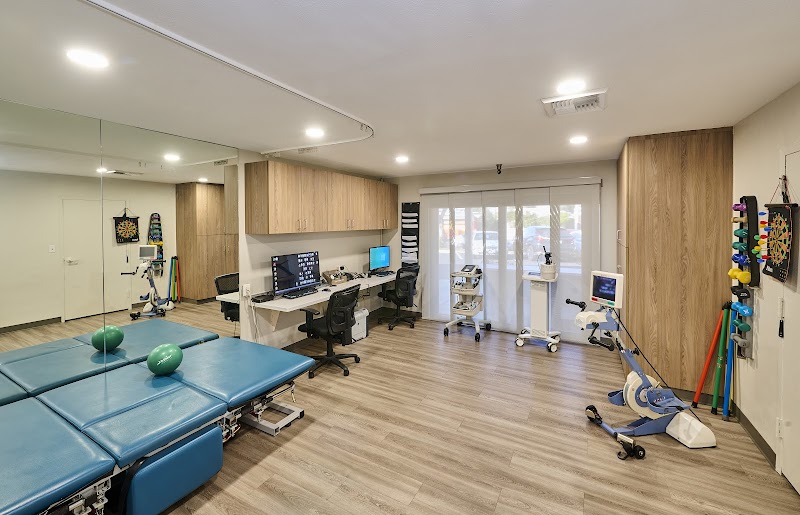
How is Brookfield Healthcare Center Staffed?

CMS rates BROOKFIELD HEALTHCARE CENTER's staffing level at 3 out of 5 stars, which is average compared to other nursing homes. Staff turnover is 34%, compared to the California average of 46%. This relatively stable workforce can support continuity of care.

What Have Inspectors Found at Brookfield Healthcare Center?

State health inspectors documented 30 deficiencies at BROOKFIELD HEALTHCARE CENTER during 2022 to 2025. These included: 1 that caused actual resident harm and 29 with potential for harm. Deficiencies causing actual harm indicate documented cases where residents experienced negative health consequences.
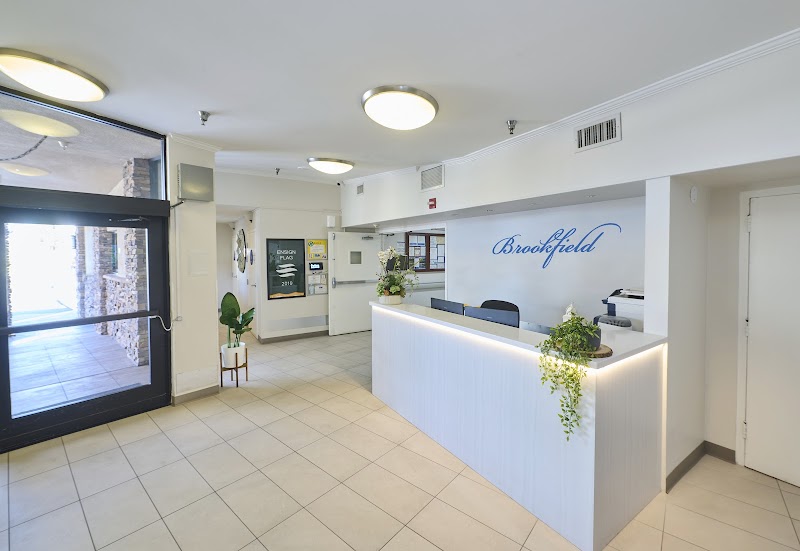
Who Owns and Operates Brookfield Healthcare Center?

BROOKFIELD HEALTHCARE CENTER is owned by a for-profit company. For-profit facilities operate as businesses with obligations to shareholders or private owners. The facility is operated by THE ENSIGN GROUP, a chain that manages multiple nursing homes. With 70 certified beds and approximately 64 residents (about 91% occupancy), it is a smaller facility located in DOWNEY, California.
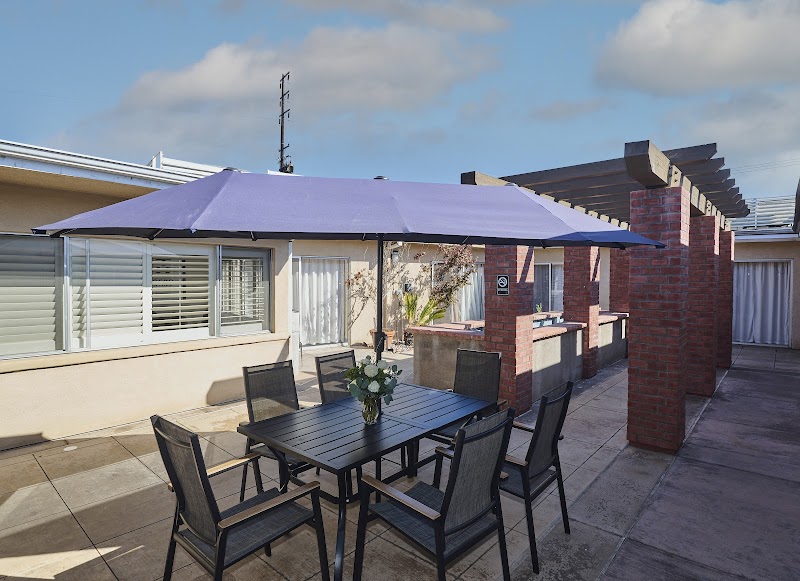
How Does Brookfield Healthcare Center Compare to Other California Nursing Homes?

Compared to the 100 nursing homes in California, BROOKFIELD HEALTHCARE CENTER's overall rating (4 stars) is above the state average of 3.2, staff turnover (34%) is significantly lower than the state average of 46%, and health inspection rating (4 stars) is above the national benchmark.

What Should Families Ask When Visiting Brookfield Healthcare Center?

Based on this facility's data, families visiting should ask: "Can I visit during a mealtime to observe dining assistance and food quality?" "How do you handle medical emergencies, and what is your hospital transfer rate?" "Can I speak with family members of current residents about their experience?"

Is Brookfield Healthcare Center Safe?

Based on CMS inspection data, BROOKFIELD HEALTHCARE CENTER has a clean safety record: no substantiated abuse findings (meaning no confirmed cases of resident harm), no Immediate Jeopardy citations (the most serious violation level indicating risk of serious injury or death), and is not on the Special Focus Facility watch list (a federal program monitoring the lowest-performing 1% of nursing homes). The facility has a 4-star overall rating and ranks #1 of 100 nursing homes in California. While no facility is perfect, families should still ask about staff-to-resident ratios and recent inspection results during their visit.

Do Nurses at Brookfield Healthcare Center Stick Around?

BROOKFIELD HEALTHCARE CENTER has a staff turnover rate of 34%, which is about average for California nursing homes (state average: 46%). Moderate turnover is common in nursing homes, but families should still ask about staff tenure and how the facility maintains care continuity when employees leave.

Was Brookfield Healthcare Center Ever Fined?

BROOKFIELD HEALTHCARE CENTER has no federal fines on record. CMS issues fines when nursing homes fail to meet care standards or don't correct problems found during inspections. The absence of fines suggests the facility has either maintained compliance or corrected any issues before penalties were assessed. This is a positive indicator, though families should still review recent inspection reports for the full picture.

Is Brookfield Healthcare Center on Any Federal Watch List?

BROOKFIELD HEALTHCARE CENTER is not on any federal watch list. The most significant is the Special Focus Facility (SFF) program, which identifies the bottom 1% of nursing homes nationally based on persistent, serious quality problems. Not being on this list means the facility has avoided the pattern of deficiencies that triggers enhanced federal oversight. This is a positive indicator, though families should still review the facility's inspection history directly.