DOWNEY COMMUNITY HEALTH CENTER
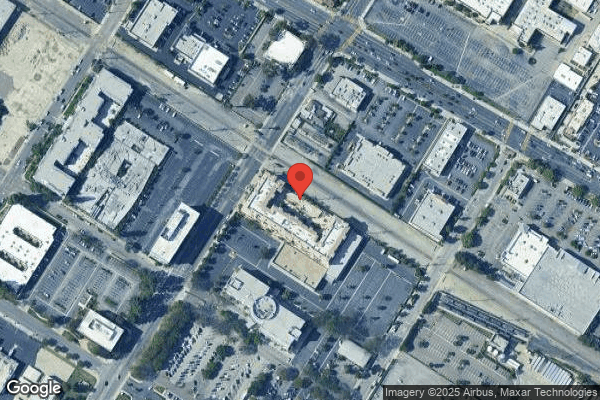
8425 IOWA STREET, DOWNEY, CA 90241 (562) 862-6506
For profit - Partnership 198 Beds Independent Data: November 2025
Trust Grade
55/100
#789 of 1155 in CA
Last Inspection: April 2025

Within standard 12-15 month inspection cycle. Federal law requires annual inspections.

Overview

Downey Community Health Center has a Trust Grade of C, which means it is average and falls in the middle of the pack among nursing homes. It ranks #789 out of 1155 facilities in California, placing it in the bottom half, and #179 out of 369 in Los Angeles County, indicating that there are better local options. Unfortunately, the facility is worsening, with issues increasing from 19 in 2024 to 23 in 2025. Staffing is a positive aspect, as they have a 4/5 rating with a low turnover rate of 21%, suggesting that staff members are dedicated and familiar with the residents' needs. On the downside, the facility has concerning incidents, such as failing to ensure staff received proper training on abuse reporting guidelines, which could delay necessary investigations, and the Infection Preventionist Nurse did not complete required continuing education, potentially risking updated infection control practices.

Trust Score
C
55/100
In California
#789/1155
Bottom 32%
Safety Record
Low Risk
No red flags
Inspections
Getting Worse
19 → 23 violations
Staff Stability
✓ Good
21% annual turnover. Excellent stability, 27 points below California's 48% average. Staff who stay learn residents' needs.
Penalties
✓ Good
No fines on record. Clean compliance history, better than most California facilities.
Skilled Nurses
⚠ Watch
Each resident gets only 28 minutes of Registered Nurse (RN) attention daily — below average for California. Fewer RN minutes means fewer trained eyes watching for problems.
Violations
⚠ Watch
72 deficiencies on record. Higher than average. Multiple issues found across inspections.
★★☆☆☆
2.0
Overall Rating
★★★★☆
4.0
Staff Levels
☆☆☆☆☆
0.0
Care Quality
★★☆☆☆
2.0
Inspection Score
Stable
2024: 19 issues
2025: 23 issues

The Good

  • 4-Star Staffing Rating · Above-average nurse staffing levels
  • Low Staff Turnover (21%) · Staff stability means consistent care
  • Full Sprinkler Coverage · Fire safety systems throughout facility
  • No fines on record
  • Staff turnover is low (21%)

    27 points below California average of 48%

Facility shows strength in staffing levels, staff retention, fire safety.

The Bad

2-Star Overall Rating

Below California average (3.1)

Below average - review inspection findings carefully

The Ugly 72 deficiencies on record

Aug 2025 2 deficiencies
CONCERN (D) 📢 Someone Reported This

A family member, employee, or ombudsman was alarmed enough to file a formal complaint

Potential for Harm - no one hurt, but risky conditions existed

Deficiency F0726 (Tag F0726)

Could have caused harm · This affected 1 resident

Based on interview and record review, the facility failed to ensure the nursing staff was aware of what the facility used visual identifiers (icons placed by resident to identify special needs or acco...

Read full inspector narrative →
Based on interview and record review, the facility failed to ensure the nursing staff was aware of what the facility used visual identifiers (icons placed by resident to identify special needs or accommodations) meant that were posted in resident rooms.This deficient practice had the potential to result in staff not providing the appropriate care for the residents.Findings:During a review of the facility's Lesson Plan titled Visual Identifier, undated, the Lesson Plan indicated the course content covered what visual identifiers were used in the facility. The visual identifier of a 5- fingers sign meant more than 2-persons assistance during transfer. The evaluation for the Lesson Plan included a question that asked the participants what the 5- fingers visual identifier meant in the facility.During an interview on 8/27/2025 at 10:10am with Certified Nurse Assistant (CNA) 2, CNA 2 was asked if she knew what the visual identifier with 5-fingers on a red hand posted up at the head of a resident's bed meant. CNA 2 stated she was not sure if she had ever seen that sign before and did not know what that visual identifier was meant to signify if it was posted up. During a review of the facility's In-service Training for Certified Nurse Assistants titled, Visual Identifiers, dated 3/10/2025, the In-Service Training for Certified Nurse Assistants indicated CNA 2 attended the Visual Identifiers training on 3/10/2025.During an interview on 8/28/2025 at 2:38 p.m. with the Director of Staff Development, the DSD stated the expectations from staff after receiving an in-service training are that the staff would apply what they have learned in class into practice. The DSD further stated the facility expected the staff to remember what they were taught and apply it during the care for the residents, and it was important to do so because it ensured resident and staff safety.During a review of the facility's policy and procedures (P&P) titled Visual Identifiers, dated 1/2024, the P&P indicated the 5-fingers visual identifier meant a resident required more than 2 persons during transfers and staff should check for visual identifiers before providing care or services, follow any precautions associated with the identifier.
CONCERN (D) 📢 Someone Reported This

A family member, employee, or ombudsman was alarmed enough to file a formal complaint

Potential for Harm - no one hurt, but risky conditions existed

Medical Records (Tag F0842)

Could have caused harm · This affected 1 resident

**NOTE- TERMS IN BRACKETS HAVE BEEN EDITED TO PROTECT CONFIDENTIALITY** Based on interview, and record review, the facility failed to ensure accurate documentation in accordance with professional stan...

Read full inspector narrative →
**NOTE- TERMS IN BRACKETS HAVE BEEN EDITED TO PROTECT CONFIDENTIALITY** Based on interview, and record review, the facility failed to ensure accurate documentation in accordance with professional standards of practice for one of two sampled residents (Resident 1) by documenting Resident 1 received Restorative Nurse Aide (RNA- a Certified Nursing Assistant with specialized training in restorative care to help residents regain physical and cognitive functions and maintain independence) services when they did not. This deficient practice had the potential to affect future care provided to the resident due to inaccurate documentation practices.Findings:During a review of Resident 1's Face Sheet (front page of the chart that contains a summary of basic information about the resident), the Face Sheet indicated Resident 1 was originally admitted on [DATE], and readmitted on [DATE] with diagnoses that included osteoporosis (weak and brittle bones due to lack of calcium and Vitamin D) and rheumatoid arthritis (a chronic progressive disease-causing inflammation in the joints and resulting in painful deformity and immobility). During a review of Resident 1's History and Physical (H&P), dated 3/11/2025, the H&P indicated Resident 1 did not have the capacity to make and understand decisions. During a review of Resident 1's Minimum Data Set (MDS - a resident assessment tool), dated 6/18/2025, the MDS indicated Resident 1 did not have the ability to understand others or make themselves understood. The MDS further stated Resident 1 was severely cognitively impaired (ability to reason, understand, remember, judge, and learn) and did had limitations in range of motion to the upper and lower extremities (related to the arms and legs). During a review of Resident 1's Order Summary Report, dated 7/27/2025, the Order Summary Report indicated Resident 1 had an order for the right and left lower extremity (related to the legs) passive range of motion (PROM- exercises by a therapist to improve mobility, increase circulation, and prevent stiffness, especially for those who cannot move their own limbs) 5 times per week, and a Pressure Relief Ankle Foot Orthosis (PRAFO- a boot used to prevent and treat heel ulcers and muscle tightness in those who spend extended periods in bed) to be applied to the right and left extremities for 3-4 hours per day, 5 days each week. During a review of Resident 1's RNA Program Administration Report, dated 8/2025, the RNA Program Administration Report indicated the ordered tasks assigned to the RNA Program were signed off as performed on 8/18/2025 by RNA 1. During a review of the facility's Interview Record as part of the facility's investigation, dated 8/20/2025, the Interview Record indicated Restorative Nursing Aid (RNA) 1 was not able to see Resident 1 on 8/18/2025. During a concurrent interview and record review on 8/27/2025 at 11:50 a.m. with RNA 1, RNA 1 stated he did not observe Resident 1's lower extremities on 8/18/2025 because he was not able to perform the RNA orders for Resident 1 because there was not enough RNA for the whole building that day. RNA 1 reviewed the RNA Program Administration Report and stated the initial under the date of the RNA task indicated it was performed. RNA 1 stated he just signed off on it, but it should have been noted with a reason why the task was not performed because it looked like the tasks were performed on that day. During an interview on 8/28/2025 at 2:38 p.m. with the Director of Staff Development (DSD), the DSD stated nursing documentation should be accurate. The DSD further stated the nurse should never document a task was performed when it was not, because this could affect future treatment that would be given to the resident later due to inaccurate documentation. During a review of the facility's policy and procedures (P&P) titled Documentation, dated 1/2024, the P&P indicated documentation in the medical record would be objective, complete, and accurate.
Jul 2025 1 deficiency
CONCERN (D) 📢 Someone Reported This

A family member, employee, or ombudsman was alarmed enough to file a formal complaint

Potential for Harm - no one hurt, but risky conditions existed

Accident Prevention (Tag F0689)

Could have caused harm · This affected 1 resident

**NOTE- TERMS IN BRACKETS HAVE BEEN EDITED TO PROTECT CONFIDENTIALITY** Based on interview and record review, the facility failed to ensure a two-person assist was used when using the Hoyer Lift (a me...

Read full inspector narrative →
**NOTE- TERMS IN BRACKETS HAVE BEEN EDITED TO PROTECT CONFIDENTIALITY** Based on interview and record review, the facility failed to ensure a two-person assist was used when using the Hoyer Lift (a mechanical device used to lift and/or transfer a person) for one of three sampled residents (Resident 1).This deficient practice had the potential to result in Resident 1 falling from the Hoyer Lift.Findings:During a review of Resident 1's admission Record (Face Sheet), the Face Sheet indicated Resident 1 was initially admitted to the facility on [DATE] and readmitted on [DATE] with diagnoses that included metabolic encephalopathy (a condition where your brain's ability to function properly is impaired by a chemical imbalance in your body), vascular dementia (a progressive state of decline in mental abilities caused by an impaired blood supply to the brain), and cerebral infarction (also known as a stroke, where a loss of blood flow to a part of the brain occurs). During a review of Resident 1's Minimum Data Set (MDS- a resident assessment tool), dated 5/29/2025, the MDS indicated Resident 1's cognitive skills (process of thinking) for daily decision making was moderately impaired. The MDS indicated Resident 1 was dependent (helper does all the effort or the assistance of two or more helpers is required) on staff's assistance with oral hygiene, bathing, personal hygiene, and chair/bed-to-chair transfer.During a review of Resident 1's History and Physical (H&P), the H&P indicated Resident 1 did not have the capacity to understand and make any decisions.During a review of Resident 1's Care Plan titled, Activities of Daily Living (ADL) Self-Care Performance Deficit, dated 3/18/2025, the Care Plan's interventions indicated to assist in transfers as needed.During a review of Resident 1's Physical Therapy (PT) Discharge summary, dated [DATE], the Discharge Summary indicated Resident 1 was total dependent with transfers.During an interview on 7/29/2025 at 10:32 a.m., with Responsible Party (RP) 1, RP 1 stated, on 7/25/2025, Certified Nursing Assistant (CNA) 1 transferred Resident 1 from the wheelchair to the bed. RP 1 stated CNA 1 did not have another staff member present when CNA 1 transferred Resident 1 back to bed. RP 1 stated she was told Resident 1 required a two-person assist when the Hoyer Lift was used. During an interview on 7/29/2025 at 11:21 a.m., with Licensed Vocational Nurse (LVN) 1, LVN 1 stated, on 7/25/2025, RP 1 requested for Resident 1 to be assisted back to bed. LVN 1 stated she informed CNA 1 of RP 1's request and CNA 1 went to Resident 1's room to transfer Resident 1 back to bed. LVN 1 stated CNA 1 used the Hoyer Lift to transfer Resident 1 from the wheelchair to the bed and did not have another staff member to assist him. LVN 1 stated, He should have asked me because a two-person assist was required when operating the Hoyer Lift. LVN 1 stated a two-person assist was required to ensure Resident 1's safety where one person operated the Hoyer Lift while the second person supported and guided Resident 1 to the bed. During an interview on 7/29/2025 at 11:58 a.m., with CNA 1, CNA 1 stated, on 7/25/2025 at 6:45 p.m., he was told to transfer Resident 1 from his wheelchair to the bed. CNA 1 stated he used the Hoyer Lift to transfer Resident 1 back to bed and did not have another staff member to assist him. CNA 1 stated when operating the Hoyer Lift, he was supposed to have another person there to ensure Resident 1 had a safe transfer from the wheelchair to the bed. During an interview on 7/29/2025 at 12:02 p.m., with Registered Nurse (RN) 1, RN 1 stated Resident 1 was very confused and did not always have the awareness of what was happening. RN 1 stated Resident 1 was unable to support himself with his legs therefore the Hoyer Lift was used to transfer Resident 1 from the bed to the wheelchair and vice versa. RN 1 stated due to Resident 1's impaired cognition, a two-person assist was necessary to ensure Resident 1's safety during a Hoyer Lift transfer. RN 1 stated if Resident 1 were to fall from the Hoyer Lift, CNA 1 would not have been able to safely guide Resident 1 to the floor or to his bed. During an interview on 7/29/2025 at 12:15 p.m., with the Director of Nursing (DON), the DON stated the manufacturer's guideline for the Hoyer Lift recommended a two-person assist when operating the Hoyer Lift for the safety of the residents. The DON stated a two-person assist was recommended if the Hoyer Lift was to shift, the second person would be there to help guide the residents to bed or to the chair. The DON stated all residents were at risk for falls and injuries. During an interview on 7/29/2025 at 1:09 p.m., with the Director of Rehab (DOR), the DOR stated a two-person assist was the safest way to operate the Hoyer Lift. The DOR stated Resident 1 was dependent on the staff's assistance with transfers. The DOR stated Resident 1 had poor cognition, often very confused, and had days where Resident 1 may or may not follow commands. The DOR stated due to Resident 1's overall condition, a two-person assist was necessary during Hoyer Lift transfers to ensure Resident 1's safety and to prevent falls and major injuries.During a review of the facility's document titled, Invacare Reliant (brand of Hoyer Lift) Battery-Powered Patient Lift User Manual), dated the year 2023, the document indicated Invacare recommended two assistants be used for lifting preparation and transfers and was based on the evaluation of the healthcare professional for each individual use.
Apr 2025 17 deficiencies
CONCERN (D)

Potential for Harm - no one hurt, but risky conditions existed

Deficiency F0558 (Tag F0558)

Could have caused harm · This affected 1 resident

**NOTE- TERMS IN BRACKETS HAVE BEEN EDITED TO PROTECT CONFIDENTIALITY** Based on observation, interview, and record review, the facility failed to ensure the call light was within reach for one of sev...

Read full inspector narrative →
**NOTE- TERMS IN BRACKETS HAVE BEEN EDITED TO PROTECT CONFIDENTIALITY** Based on observation, interview, and record review, the facility failed to ensure the call light was within reach for one of seven sampled residents (Resident 100). This deficient practice had the potential to result in a delay in meeting the residents' needs for assistance and could lead to falls and accidents. Findings: During an observation on 4/8/2025 at 8:46 a.m., in Resident 100's room, Resident 100 was awake and lying on her bed. The call light cord was observed hanging around the left-upper side rail with the touch pad touching the floor. During an observation on 4/8/2025 at 2:10 p.m., in Resident 100's room, Resident 100 was awake and lying on her bed. The call light touch pad was touching the floor. During a review of Resident 100's admission Record, the admission Record indicated Resident 100 was initially admitted to the facility on [DATE] and readmitted on [DATE] with diagnoses of generalized muscle weakness, dementia (a progressive state of decline in mental abilities), and history of falling. During a review of Resident 100's Minimum Data Set (MDS - a resident assessment tool), dated 2/13/2025, the MDS indicated Resident 100's cognition (ability to think, remember, and reason) was severely impaired. The MDS indicated Resident 100 was dependent (helper did all the effort) with self-care (eating, oral hygiene, toileting hygiene, showering/ bathing self, and personal hygiene) and mobility (rolling left and right, chair/bed-to-chair transfer, and tub/shower transfer). During a review of Resident 100's History and Physical (H&P), dated 2/10/2025, the H&P indicated Resident 100 did not have the capacity to understand and make decisions. During a review of Resident 100's care plan for fall risk, undated, the care plan indicated to ensure the resident's call light is within reach. During a concurrent interview and picture review of Resident 100's call light, on 4/9/2025 at 2:20 p.m. with Certified Nursing Assistant (CNA) 5, the pictures dated 4/8/2025 at 8:46 a.m. and 2:10 p.m. were reviewed. The pictures showed Resident 100's call light touching the floor and not within reach. CNA 5 stated it was not acceptable that Resident 100's call light was not within reach because it was on the floor. CNA 5 stated the call light should be within the resident's reach. CNA 5 stated the purpose of the call light was for emergencies to call for help when needed. CNA 5 stated the call light was for resident safety. CNA 5 stated she checked call light placement visually during rounds every 20 to 30 minutes. CNA 5 stated all staff were responsive to ensure the call light was within reach. During a concurrent interview and picture review on 4/9/2025 at 2:38 p.m., with Licensed Vocational Nurse (LVN) 7, the pictures dated 4/8/2025 at 8:46 a.m. and 2:10 p.m. were reviewed. The pictures showed Resident 100's call light was touching the floor and not within reach. LVN 7 stated the call light touch pad was not reachable to the resident because it was on the floor. LVN 7 stated the purpose of the call light was safety and to address the resident's needs. LVN 7 stated if Resident 100 was not able to press the call light, the call light touch pad needed to be placed on the resident's chest when in bed for easy access. LVN 7 stated she checked the call light placement in the morning, during the medication pass and every time she attended to the residents. LVN 7 stated everyone was responsible for ensuring the call light was within reach. During a review of the facility's Policy and Procedure (P&P) titled, Call Light, dated 1/2024, the P&P indicated Check the placement of call light during rounds. Make sure it is within reach.
CONCERN (D)

Potential for Harm - no one hurt, but risky conditions existed

Notification of Changes (Tag F0580)

Could have caused harm · This affected 1 resident

**NOTE- TERMS IN BRACKETS HAVE BEEN EDITED TO PROTECT CONFIDENTIALITY** Based on observation, interview, and record review, the facility failed to promptly notify the physician and the resident's repr...

Read full inspector narrative →
**NOTE- TERMS IN BRACKETS HAVE BEEN EDITED TO PROTECT CONFIDENTIALITY** Based on observation, interview, and record review, the facility failed to promptly notify the physician and the resident's representative (RR 1) of a change in condition (COC) of skin tears (separation of the skin) and bleeding on both forearms for one of four sampled residents (Resident 89). This deficient practice resulted in a delay in medical assessment and treatment for Resident 89 and placed the resident at risk of harm. Findings: During a review of Resident 89's admission Record, the admission Record indicated Resident 89 was admitted to the facility on [DATE] with diagnoses which included dementia (a progressive state of decline in mental abilities), cerebrovascular accident ([CVA]- stroke, loss of blood flow to a part of the brain), major depression (a mood disorder that causes a persistent feeling of sadness and loss of interest), diabetes mellitus ([DM]- a disorder characterized by difficulty in blood sugar control and poor wound healing), and hypertension ([HTN]- high blood pressure). During a review of Resident 89's Minimum Data Set ([MDS] - a resident assessment tool), dated 3/26/2025, the MDS indicated Resident 89's cognitive (the ability to think and process information) skills for daily decision making was severely impaired. During a review of Resident 89's History and Physical (H&P), dated 3/10/2025, the H&P indicated Resident 89 did not have the capacity to understand and make decisions. During a review of Resident 89's care plan with a focus of Resident was at risk for skin breakdown related to stroke, dated 3/20/2025, the care plan indicated the facility would monitor Resident 89 for skin breakdown and report injuries to the physician. During an observation on 4/10/2025 at 10:05 a.m., in Resident 89's room, Resident 89 was observed with dressings (materials applied to wounds to promote healing) on her right and left forearms. During a telephone interview on 4/10/2025 at 11:39 a.m., with Resident 89's RR 1, RR 1 stated she has visited Resident 89 daily since the resident's admission to the facility. RR 1 stated on the morning of 4/7/2025 at approximately 12:00 p.m., Resident 89 was observed with dressings on both of her forearms which were not present during her previous visits. RR 1 stated staff were not able to explain what happened. RR 1 stated on 4/7/2025 around 3:00 p.m., upon an assessment by Treatment Nurse (TX 1), Resident 89 was observed with two skin tears on her left forearm, one skin tear on her right forearm with bleeding, and new bruises on both forearms. RR 1 stated TXN 1 was not able to explain how Resident 89 developed skin tears and bruises on her forearms. RR 1 stated she was not made aware of Resident 89's skin tears and new bruises. RR 1 stated she was upset and disappointed the facility failed to notify her of Resident 89's change of condition. During an interview on 4/10/2025 at 11:55 a.m., with TXN 1, TXN 1 stated on 4/7/2025 around 2:30 p.m., she (TXN 1) was notified by Licensed Vocational Nurse (LVN 6) that Resident 89 had dressings to her forearms and needed a skin assessment. TXN 1 stated upon removal of the old dressings she observed Resident 89 with skin tears to the left and right forearms with bleeding and bruises. TXN 1 stated she did not know how Resident 89 developed skin tears on her forearms and who originally applied the dressings. TXN 1 stated she notified the Director of Nursing (DON) regarding Resident 89's change of condition. During a concurrent interview and record review on 4/10/2025 at 1:10 p.m., with LVN 6, Resident 89's Electronic Medical Record (EMR) dated 4/6/2025 to 4/7/2025 was reviewed. LVN 6 stated Resident 89's EMR indicated there was no documented evidence how Resident 89 sustained the skin tears, bleeding, and bruises, and who applied the dressings. LVN 6 stated there was no documentation Resident 89's assigned 11 p.m. to 7 a.m. Certified Nursing Assistant (CNA 2) reported to the licensed nurses regarding the change of condition. LVN 6 stated the physician was not notified until after the concern was brought to the licensed nurses' attention by RR 1 on 4/7/2025 around 2:30 p.m. LVN 6 stated Resident 89's skin tears, bleeding, and bruises was a significant change of condition and staff should have notified the physician and RR 1 immediately to prevent delayed medical assessment, care, and treatment. During a telephone interview on 4/14/2025 at 9:32 a.m., with CNA 2, CNA 2 stated on the morning of 4/7/2025 around 4:00 a.m., while she was providing personal hygiene care to Resident 89, Resident 89 was moving her arms and struck the bed siderails. CNA 2 stated this resulted in skin tears and bleeding to both forearms. CNA 2 stated she applied the dressings to Resident 89's forearms but did not report the incident to the licensed nurse because she was scared and afraid that she would be suspended. CNA 2 stated she should have notified the charge nurse immediately so the resident could receive timely evaluation and treatment. During a review of the facility's policy and procedure (P&P) titled Condition Change of Resident, dated 1/2024, the P&P indicated the facility would observe, record, and report changes in condition to the physician and resident's representative.
CONCERN (D) 📢 Someone Reported This

A family member, employee, or ombudsman was alarmed enough to file a formal complaint

Potential for Harm - no one hurt, but risky conditions existed

Report Alleged Abuse (Tag F0609)

Could have caused harm · This affected 1 resident

**NOTE- TERMS IN BRACKETS HAVE BEEN EDITED TO PROTECT CONFIDENTIALITY** Based on interview and record review, facility staff failed to report an allegation of resident-to-resident physical abuse to th...

Read full inspector narrative →
**NOTE- TERMS IN BRACKETS HAVE BEEN EDITED TO PROTECT CONFIDENTIALITY** Based on interview and record review, facility staff failed to report an allegation of resident-to-resident physical abuse to the State Agency within two (2) hours, for two of four sampled residents (Resident 44 and Resident 42). This failure resulted in delayed notification to the State Agency and increased the potential for additional resident-to-resident abuse incidents to occur. Cross reference F-tag F943. Findings: During a review of Resident 44's admission Record, the admission Record indicated Resident 44 was originally admitted to the facility on [DATE] and was most recently readmitted on [DATE]. Resident 44's admitting diagnoses included schizoaffective disorder (a mental illness that can affect thoughts, mood, and behavior), paranoid schizophrenia (a mental illness that is characterized by disturbances in thought), and psychosis (a severe mental condition in which thought, and emotions are so affected that contact is lost with reality). During a review of Resident 44's History and Physical (H&P), dated 10/20/2024, the H&P indicated Resident 44 did not have the capacity to understand or make decisions. During a review of Resident 44's Minimum Data Assessment (MDS, a resident assessment tool), dated 3/3/2025, the MDS indicated Resident 44 did not have cognitive impairments (problems with thinking and memory). The MDS indicated Resident 44 required supervision and/or touch assistance from staff for mobility while in and out of bed. During a review of Resident 42's admission Record, the record indicated Resident 42 was originally admitted to the facility on [DATE] and was most recently re-admitted on [DATE]. Resident 42's admitting diagnoses included schizoaffective disorder, paranoid schizophrenia, anxiety disorder (mental health conditions characterized by excessive fear or worry that interferes with daily life), and psychosis. During a review of Resident 42's MDS, dated [DATE], the MDS indicated Resident 42 did not have cognitive impairments. The MDS indicated Resident 42 exhibited verbal behavioral symptoms one to three days out of seven days observed. The MDS indicated Resident 44 did not have impairments to her upper extremities (shoulder, elbow, wrist, hand) or lower extremities (hip, knee, ankle, foot). The MDS indicated Resident 42 was independent to reposition herself while in bed and required set-up or clean-up assistance from staff (staff set up or clean up, but resident completes the activity) to get out of bed and to walk. During an interview on 4/7/2025 at 9:50 a.m., with Resident 44, Resident 44 stated her previous roommate (Resident 42) threw a chair at her. Resident 44 could not state the date that the altercation occurred. When asked where the alleged incident occurred, Resident 44 stated it occurred in Room A, and stated she was moved to her current room (Room B) after the alleged incident occurred. Resident 44 stated this was her first and only altercation with Resident 42. During a concurrent interview and record review, on 4/8/2025 at 10:05 a.m., with Social Worker (SW) 1, Resident 44's progress note, dated 3/10/2025 at 10:45 a.m., was reviewed. SW 1 stated the progress note indicated Resident 44 was moved to another room on 3/10/2025 due to incompatibility with her roommate. SW 1 stated that on 3/10/2025, Resident 44 did not report Resident 42 threw a chair at her. The State Agency Surveyor informed SW 1 of Resident 44's allegation that Resident 42 threw a chair at her. During an interview on 4/8/2025 at 4:04 p.m., with the facility's Program Director (PD), the PD stated she was made aware on 4/8/2024 of the alleged resident-to-resident altercation between Resident 44 and Resident 42, that occurred on an unspecified date. The PD stated she was responsible for reporting the allegation to the State Agency. The PD stated the allegation was not yet reported to the State Agency District Office because they had 24 hours to report. During a review of the document titled Fax Transmission Details, dated 4/8/2025, the document indicated the SOC-341 (a mandated reporting form used when someone suspects elder or dependent adult abuse or neglect) was sent to the State Agency District Office on 4/8/2025 at 4:52 p.m. During a review of the document titled Report of Suspected Dependent Adult/Elder Abuse (SOC-341), dated 4/8/2025, the SOC-341 indicated it was completed by the PD, and indicated social services staff were made aware of Resident 44's abuse allegation on 4/8/2025 around 10am. During an interview on 4/10/2025 at 11:57 a.m., with the Director of Nursing (DON), the DON stated timely reporting of alleged abuse was important for the safety of the facility residents and stated that failing to report timely could negatively impact the safety of the residents. During an interview, on 4/10/2025 at 12:41 p.m., with the Administrator (ADM), the ADM stated it was the facility's policy and process to report resident-to-resident altercations to the State Agency within two (2) hours. During a review of the facility P&P titled Prevention, Reporting and Correction of Inappropriate Conduct Including Abuse, Neglect and Mistreatment of Residents and Investigations of Injuries of Unknown Origin, reviewed 2018, the P&P indicated all allegations of abuse were to be reported in accordance with state and federal regulations.
CONCERN (D)

Potential for Harm - no one hurt, but risky conditions existed

Assessment Accuracy (Tag F0641)

Could have caused harm · This affected 1 resident

**NOTE- TERMS IN BRACKETS HAVE BEEN EDITED TO PROTECT CONFIDENTIALITY** Based on interview and record review, the facility failed to ensure one of six sampled residents' (Resident 129) assessment entr...

Read full inspector narrative →
**NOTE- TERMS IN BRACKETS HAVE BEEN EDITED TO PROTECT CONFIDENTIALITY** Based on interview and record review, the facility failed to ensure one of six sampled residents' (Resident 129) assessment entry on the Minimum Data Set ([MDS], a resident assessment tool) was accurate and included the depression (a mood disorder that causes a persistent feeling of sadness and loss of interest) diagnosis. This deficient practice had the potential to negatively affect Resident 129's plan of care and delivery of necessary care and services related to depression. Findings: During a review of Resident 129's admission Record, the admission Record indicated Resident 129 was initially admitted to the facility on [DATE] and readmitted on [DATE] with diagnoses that included psychosis (a state where a person loses touch with reality by experiencing things that are not real), dementia (a progressive state of decline in mental abilities), and schizophrenia (a mental illness that is characterized by disturbances in thought). During a review of Resident 129's MDS, dated [DATE], the MDS indicated Resident 129's cognition (process of thinking) was moderately impaired). The MDS indicated Resident 129 required moderate assistance (helper does less than half the effort) with oral hygiene, toileting, bathing, dressing, and personal hygiene. The MDS indicated Resident 129 received antidepressant medication (medication used to treat depression). During a review of Resident 129's History and Physical (H&P), dated 3/14/2025, the H&P indicated Resident 129 did not have the capacity to understand and make decisions. During a review of Resident 129's Orders, start date 3/14/2025, the Orders indicated to give bupropion (an antidepressant medication) 150 milligrams (mg, a unit of measurement), by mouth, in the morning, for depression as manifested by lack of interest in participating in daily activities. During a review of Resident 129's General Acute Care Hospital (GACH) Psychiatric Evaluation Note (a note recording the findings from a psychiatrist's periodic assessment), dated 2/25/2025, the Note indicated Resident 129 had psychiatric diagnoses that include major depressive disorder and schizophrenia. During a concurrent interview and record review on 4/9/2025 at 1:45 p.m., with the Minimum Data Set Coordinator (MDSC), Resident 129's MDS, dated [DATE], was reviewed. The MDSC stated Resident 129's MDS did not indicate Resident 129 had depression as an active diagnosis. The MDSC stated Resident 129's diagnosis of depression should have been coded in the MDS, dated [DATE], due to Resident 129's use of antidepressant medication and depression diagnosis from the GACH. The MDSC stated an accurate MDS assessment was necessary to capture the needs of the resident and to develop the best patient-centered plan of care for the resident. The MDSC stated Resident 129's inaccurate MDS assessment could negatively impact care planning, which could increase the risk of Resident 129's needs not being fully met. During a review of the facility's policy and procedure (P&P) titled, Resident Assessment, undated, the P&P indicated, It is this facility's policy to provide appropriate care and services to residents by conducting initial and periodical comprehensive assessment of each resident's functional capacity . Each resident assessment must be conducted and coordinated with the appropriate participation of health professionals knowledgeable about the resident's status and needs.
CONCERN (D)

Potential for Harm - no one hurt, but risky conditions existed

Comprehensive Care Plan (Tag F0656)

Could have caused harm · This affected 1 resident

Based on interview, and record review, the facility failed to ensure a care plan (a document that outlines a resident's care needs, diagnosis, and treatment goals) for Pregabalin (medication to treat ...

Read full inspector narrative →
Based on interview, and record review, the facility failed to ensure a care plan (a document that outlines a resident's care needs, diagnosis, and treatment goals) for Pregabalin (medication to treat nerve pain by calming overactive nerves in the body was developed and implemented for one of four sampled residents (Resident 479). This deficient practice placed Resident 479 at risk for delayed monitoring and implementing interventions. Findings: During a review of Resident 479's admission Record [(Face Sheet) front page of the chart that contains a summary of basic information about the resident], the admission Record indicated the facility admitted Resident 479 on 3/25/2025, with diagnoses including arthritis (a condition that causes inflammation and pain in the joints), muscle weakness (a reduced ability to contract or exert force with muscle), polyneuropathy (the simultaneous malfunction of many peripheral nerves throughout the body) and acute pulmonary edema (a medical emergency characterized by a rapid buildup of fluid in the lungs, making it difficult to breath). During a review of Resident 479's Minimum Data Set (MDS - a resident assessment tool), dated 3/28/2025, the MDS indicated Resident 479's cognition (ability to think, remember, and reason) was intact. The MDS indicated Resident 479 required maximal (helper does more than half the effort) assistance from staff for Activities of Daily Living (ADLs- activities such as bathing, dressing and toileting a person performs daily). During a review of Resident 479's History and Physical (H&P), dated 3/27/2025, the H&P indicated Resident 479 had the capacity to understand and make decisions. During a review of Resident 479's physician order dated 3/26/2025, the physician order indicated an order for Pregabalin oral capsule 75 milligrams ([mg]- metric unit of measurement, used for medication dosage and/or amount) by mouth two times a day for neuropathic pain (pain that caused by nerve damage). During a concurrent interview and record review on 4/9/2025 at 12:04 p.m. with Licensed Vocational Nurse (LVN) 1, Resident 479's care plans were reviewed. LVN 1 stated a care plan for Resident 479's pregabalin medication could not be found. LVN 1 stated having a care plan for pregabalin was important to monitor parameters, potential side effects and have the appropriate interventions in place. During an interview on 4/10/2025 at 11:00 a.m. with the Director of Nursing (DON), the DON stated care plans were the nurse's bible and are initiated upon admission, during any change of condition and be revised as needed. The DON stated care plans were in place for proper delivery of resident care and needs. During a review of the facility's policy and procedure (P&P) titled Care Plans, dated 1/2024, the P&P indicated It is the policy of this facility to develop a plan of care for residents to manage risks and promote improvement in general condition.
CONCERN (D)

Potential for Harm - no one hurt, but risky conditions existed

Deficiency F0657 (Tag F0657)

Could have caused harm · This affected 1 resident

**NOTE- TERMS IN BRACKETS HAVE BEEN EDITED TO PROTECT CONFIDENTIALITY** Based on interview and record review, the facility failed to revise the person-centered care plan (document that helps nurses an...

Read full inspector narrative →
**NOTE- TERMS IN BRACKETS HAVE BEEN EDITED TO PROTECT CONFIDENTIALITY** Based on interview and record review, the facility failed to revise the person-centered care plan (document that helps nurses and other team care members organize aspect of resident care) for one of seven sampled residents (Resident 328) who was on dual (two) antiplatelet medication (medication to prevent blood clots from forming). This deficient practice had the potential to result in confusion between licensed nurses regarding Resident 328's appropriate use of dual antiplatelet medication and navigation of Resident 328's plan of care. Findings: During a review of Resident 328's admission Record, the admission Record indicated Resident 328 was initially admitted to the facility on [DATE] and readmitted on [DATE] with diagnoses that included hemiplegia (paralysis on one side of the body) and hemiparesis (weakness on one side of the body) affecting the right dominant side following a cerebral infarct (also known as stroke, a loss of blood flow to a part of the brain) and nontraumatic intracerebral hemorrhage (a collection of blood that accumulates between the brain the inner lining of the skull without any prior head trauma). During a review of Resident 328's Minimum Data Set ([MDS], a resident assessment tool), dated 4/1/2025, the MDS indicated Resident 328's cognition (process of thinking) was intact. The MDS indicated Resident 328 required maximal assistance (helper does more than half the effort) with toileting, bathing, and dressing. The MDS indicated Resident 328 received antiplatelet medication. During a review of Resident 328's History and Physical (H&P), dated 3/30/2025, the H&P indicated Resident 328 did not have the capacity to understand and make decisions During a review of Resident 328's Orders, start date 6/17/2024, the Orders indicated to give: 1. Aspirin (an antiplatelet medication) 81 milligrams (mg, a unit of measurement), by mouth, in the morning for stroke prophylaxis (prevention). 2. Clopidogrel (an antiplatelet medication) 75mg, by mouth, in the morning for stroke prophylaxis. During an interview on 4/9/2025 at 12:25 p.m., with Physician 1, Physician 1 stated Resident 328 had a previous stroke and was on dual antiplatelet medication to help prevent future strokes. Physician 1 stated although there is an increased risk for bleeding, the concurrent use of aspirin and clopidogrel was beneficial for Resident 328's health. During a concurrent interview and record review on 4/9/2025 at 1:49 p.m., with the Minimum Data Set Coordinator (MDSC), Resident 328's Care Plan, initiated 6/17/2025 and revised on 9/19/2024, was reviewed. The MDSC stated the Care Plan indicated Resident 328 was on dual antiplatelet therapy with aspirin and clopidogrel. The MDSC stated the Care Plan's staff interventions indicated to review the medication list for adverse interactions and to avoid the use of aspirin. The MDSC stated when a care plan was initiated, standardized interventions were available to include, the author of the care plan was responsible for revising the interventions to ensure the care plan was patient-centered and specific to the resident's current plan of care. The MDSC stated Resident 328 was on the dual antiplatelet therapy since his admission to the facility and his care plan should have been revised to indicate the allowed the concurrent use of aspirin and clopidogrel. The MDSC stated due to the inaccurate information on Resident 328's Care Plan, the information could cause confusion to the licensed nurses on how to proceed with Resident 328's antiplatelet therapy. During a review of the facility's policy and procedure (P&P) titled, Care Plans, undated, the P&P indicated the facility was to develop of a plan of care for residents to manage and promote improvement. The P&P indicated care plans could be updated of new risk factors, new goals, or new interventions, as necessary.
CONCERN (D)

Potential for Harm - no one hurt, but risky conditions existed

ADL Care (Tag F0677)

Could have caused harm · This affected 1 resident

**NOTE- TERMS IN BRACKETS HAVE BEEN EDITED TO PROTECT CONFIDENTIALITY** Based on observation, interview, and record review, the facility failed to provide care and services to maintain good grooming a...

Read full inspector narrative →
**NOTE- TERMS IN BRACKETS HAVE BEEN EDITED TO PROTECT CONFIDENTIALITY** Based on observation, interview, and record review, the facility failed to provide care and services to maintain good grooming and personal hygiene for two of four sampled residents (Residents 112, and 75) by failing to keep the residents' fingernails clean and neat. This failure had the potential to result in negative impact on Residents 112 and 75's quality of life and self-esteem, and had the potential for development of infection. Findings: a. During a concurrent observation and interview on 4/7/2025 at 9:47 a.m., with Resident 112, in Resident 112's room, observed Resident 112's fingernails long with black substance underneath. Resident 112 stated her fingernails looked long and that she would like to have her fingernails cut and cleaned. During a review of Resident 112's admission Record, the admission Record indicated Resident 112 was admitted to the facility on [DATE] with diagnoses which included diabetes mellitus ([DM]- a disorder characterized by difficulty in blood sugar control and poor wound healing), hypertension ([HTN]- high blood pressure), and dysphagia (difficulty swallowing). During a review of Resident 112's Minimum Data Set ([MDS] - a resident assessment tool), dated 2/18/2025, the MDS indicated Resident 112's cognitive (the ability to think and process information) skills for daily living was severely impaired. The MDS indicated Resident 112 required maximal (helper does more than half the effort) assistance from staff for activities of daily living ([ADLs]- routine tasks/activities such as bathing, dressing and toileting a person performs daily to care for themselves). During a review of Resident 112's care plan with a focus of Resident has an ADL self-care deficit related to impaired cognitive skills, date initiated 2/19/2025, the care plan indicated the facility would assist Resident 112 with ADLs daily and as needed. During a concurrent observation and interview on 4/8/2025 at 12:45 p.m., with Certified Nursing Assistant (CNA 4), in Resident 112's room, Resident 112 had black substance underneath her fingernails. CNA 4 stated Resident 112's fingernails were dirty. CNA 4 stated CNAs were responsible for cleaning the residents' fingernails daily and trimming as needed. CNA 4 stated ensuring the residents' fingernails were clean was essential to prevent infection. b. During a review of Resident 75's admission Record, the admission Record indicated Resident 75 was originally admitted to the facility on [DATE] and readmitted on [DATE] with diagnoses which included schizoaffective disorder (a mental illness that can affect thoughts, mood, and behavior), dementia (a progressive state of decline in mental abilities), bipolar disorder (sometimes called manic-depressive disorder; mood swings that range from the lows of depression to elevated periods of emotional highs), and DM. During a review of Resident 75's MDS, dated [DATE], the MDS indicated Resident 75's cognitive skills for daily living was severely impaired. The MDS indicated Resident 75 required supervision or touching (helper provides verbal cues and/or touching assistance as resident completes activity) assistance from staff for ADLs. During a review of Resident 75's History and Physical (H&P), dated 1/24/2025, the H&P indicated Resident 75 did not have the capacity to understand and make decisions. During a review of Resident 75's care plan with a focus of Resident has an ADL self-care deficit related to impaired cognitive skills, date initiated 2/6/2025, the care plan indicated the facility would assist Resident 75 with ADLs daily and nail care trimmings as needed. During a concurrent observation and interview on 4/7/2025 at 11:00 a.m., with CNA 3, in Resident 75's room, Resident 75 was observed with long fingernails with a brown substance underneath. CNA 3 stated Resident 75's fingernails were long and dirty. CNA 3 stated it was important to keep Resident 75's fingernails clean and trimmed to prevent the growth of bacteria (infection). CNA 3 stated long, dirty fingernails had the potential for the resident to scratch his skin and if Resident 75 scratched himself hard enough, it could create an open wound and increased risk of infection. CNA 3 stated having dirty fingernails was not sanitary because the resident will use her hands to hold utensils when eating and any bacteria could transfer into the body. During an interview on 4/10/2025 at 3:20 p.m., with the Director of Nursing (DON), the DON stated residents should be provided with care and services necessary to maintain good personal hygiene. During a review of the facility's policy and procedure (P&P) titled Activities of Daily Living (ADLs), dated 1/2024, the P&P indicated the facility would provide assistance to residents in meeting their ADLs needs and nail care. During a review of the facility's P&P titled Job Description Certified Nursing Assistant (CNA), undated, the P&P indicated the CNAs would assist residents with personal grooming, e.g., trimming fingernails.
CONCERN (D)

Potential for Harm - no one hurt, but risky conditions existed

Pharmacy Services (Tag F0755)

Could have caused harm · This affected 1 resident

**NOTE- TERMS IN BRACKETS HAVE BEEN EDITED TO PROTECT CONFIDENTIALITY** Based on observation, interview, and record review, the facility failed to ensure the accurate and complete documentation on the...

Read full inspector narrative →
**NOTE- TERMS IN BRACKETS HAVE BEEN EDITED TO PROTECT CONFIDENTIALITY** Based on observation, interview, and record review, the facility failed to ensure the accurate and complete documentation on the Controlled Record for two of two sampled residents (Residents 155 and 178). This deficient practice resulted in the inaccurate count of medications left in the medications bubble packs (a card used to store medications for the resident) and had the potential to result in an additional dose administered, for drug diversion (the act of health care providers stealing prescription medicine for their own use), and/or the potential for medication error to occur. Findings: a. During a review of Resident 178's admission Record, the admission Record indicated Resident 178 was admitted to the facility on [DATE] with diagnoses that included radiculopathy (also known as pinched nerve where the nerve root in the spine is compressed or irritated), cervicalgia (neck pain), and low back pain. During a review of Resident 178's History and Physical (H&P), dated 4/9/2025, the H&P indicated Resident 178 had fluctuation capacity to understand and make decisions. During a review of Resident 178's Orders, dated 4/10/2025, the Orders indicated to give pregabalin (medication used to treat nerve pain) 25 milligrams (mg, unit of measurement) by mouth, three times a day for pain management. During a review of Resident 178's electronic Medication Administration Record ([eMAR], a daily documentation record used by a licensed nurse to document medications and treatments given to a resident), dated 4/10/2025, the eMAR indicated pregabalin 25mg was administered to Resident 178 on 4/10/2025 at 8:46 a.m. During an observation on 4/10/2025 at 9:26 a.m., at Station 1 Cart 3, with Licensed Vocational Nurse (LVN) 1 present, Resident 178's bubble pack for pregabalin was observed with seven capsules left in the bubble pack. During a concurrent interview and record review on 4/10/2025 at 9:28 a.m., with LVN 1, Resident 178's Controlled Drug Record, undated, was reviewed. LVN 1 stated the last documentation on the record was 4/9/2025 at 9 a.m. and the Record indicated there should be eight doses left in the bubble pack. LVN 1 stated she administered Resident 178 the morning dose of pregabalin 25mg and she did not document on the Controlled Drug Record. LVN 1 stated the facility's procedure for administering controlled medication (medications highly regulated by the government due to the high potential of abuse and misuse) was to document the date and time the medication was removed from the bubble pack onto the Controlled Drug Record. LVN 1 stated the purpose of the Controlled Drug Record was to keep the licensed nurses accountable for the number of doses of the controlled medication was left in the bubble pack. LVN 1 stated keeping an accurate count helped to prevent confusion whether the resident received the medication and to prevent drug diversion. b. During a review of Resident 155's admission Record (Face Sheet), the Face Sheet indicated Resident 155 was admitted to the facility on [DATE] with diagnoses that included surgical amputation (removal of a limb or part of a limb) and stage three pressure ulcer (full-thickness loss where the fatty tissue beneath the skin is visible) of the sacral region (bottom part of the spine). During a review of Resident 155's Minimum Data Set ([MDS, a resident assessment tool), dated 3/1/2025, the MDS indicated Resident 155's cognition (process of thinking) was moderately impaired. The MDS indicated Resident 155 required supervision with eating and personal hygiene. The MDS indicated Resident 155 received scheduled pain medication regimen. During a review of Resident 155's H&P, dated 2/28/2025, the H&P indicated Resident 155 had the capacity to understand and make decisions. During a review of Resident 155's Orders, order date 2/26/2025, the Orders indicated to give tapentadol (medication used to treat pain) 100mg, by mouth, two times a day for pain management. During a review of Resident 155's eMAR, dated 4/10/2025, the eMAR indicated tapentadol 100mg was administered to Resident 155 on 4/10/2025 at 7:29 a.m. During an observation on 4/10/2025 at 9:45 a.m., at Station 3 Cart 1, with LVN 2 present, Resident 155's bubbe pack for tapentadol was observed with four tablets left in the bubble pack. During a concurrent interview and record review on 4/10/2025 at 9:47 a.m., with LVN 2, Resident 155's Controlled Drug Record, undated, was reviewed. LVN 2 stated the last documentation on the record was 4/9/2025 at 7:25 a.m. and the Record indicated there should be five doses of tapentadol left in the bubble pack. LVN 2 stated she administered Resident 155 tapentadol earlier in the morning and she thought she documented on the Controlled Drug Record but did not. LVN 2 stated after removing the tablet from the bubble pack, she was responsible for documenting on the Controlled Drug Record to indicate the number of remaining doses. LVN 2 stated having an inaccurate count of remaining doses of Resident 155's tapentadol could cause confusion whether Resident 155 received the medication. During a review of the facility's policy and procedure (P&P) titled, Controlled Drug Handling, undated, the P&P indicated, Licensed nurses must record the controlled medication administered on the resident on the MAR and narcotic count sheet.
CONCERN (D)

Potential for Harm - no one hurt, but risky conditions existed

Deficiency F0757 (Tag F0757)

Could have caused harm · This affected 1 resident

Based on observation, interview, and record review, the facility failed to monitor Resident 479 for signs of being over medicated while on Pregabalin (medication to treat nerve pain by calming overact...

Read full inspector narrative →
Based on observation, interview, and record review, the facility failed to monitor Resident 479 for signs of being over medicated while on Pregabalin (medication to treat nerve pain by calming overactive nerves in the body) for one of four sampled residents (Resident 479). This deficient practice placed Resident 479 at risk for adverse medication side effects. Findings: During an observation on 4/7/2025 at 10:21 a.m. in Resident 479's room, Resident 479 was observed lying in bed with eyes closed. During an observation on 4/7/2025 at 11:53 a.m., in Resident 479's room, Resident 479 was observed lying in bed with eyes closed. During an observation on 4/9/2025 at 10:00 a.m., in Resident 479's room, Resident 479 was observed lying in bed with eyes closed. During an observation on 4/10/2025 at 11:18 a.m. in Resident 479's room, Resident 479 was observed lying in bed with eyes closed. During a review of Resident 479's admission Record [(Face Sheet) front page of the chart that contains a summary of basic information about the resident], the admission Record indicated the facility admitted Resident 479 on 3/25/2025, with diagnoses including arthritis (a condition that causes inflammation and pain in the joints), muscle weakness (a reduced ability to contract or exert force with muscle), polyneuropathy (the simultaneous malfunction of many peripheral nerves throughout the body) and acute pulmonary edema (a medical emergency characterized by a rapid buildup of fluid in the lungs, making it difficult to breath). During a review of Resident 479's Minimum Data Set (MDS - a resident assessment tool), dated 3/28/2025, the MDS indicated Resident 479's cognition (ability to think, remember, and reason) was intact. The MDS indicated Resident 479 required maximal (helper does more than half the effort) assistance from staff for Activities of Daily Living (ADLs- activities such as bathing, dressing and toileting a person performs daily). During a review of Resident 479's History and Physical (H&P), dated 3/27/3025, the H&P indicated Resident 479 had the capacity to understand and make decisions During a review of Resident 479's physician order dated 3/26/2025, the physician order indicated an order for Pregabalin oral capsule 75 milligrams ([mg]- metric unit of measurement, used for medication dosage and/or amount) by mouth two times a day for neuropathic pain (pain that's caused by nerve damage) with parameters to hold medication for sedation. During a concurrent interview and record review on 4/9/2025 at 12:04 p.m., with Licensed Vocational Nurse (LVN) 1, Resident 479's medication administration record (MAR) from 3/2025 to 4/2025 were reviewed. LVN 1 stated monitoring for sedation was important and to hold medication if needed. LVN 1 was unable to locate any documentation on monitoring for sedation on Resident 479 MAR. During an interview on 4/10/2025 at 11:00 a.m., with the Director of Nursing (DON), the DON stated following the parameters listed on the order was important to avoid potential side effects. The DON stated the doctor should be notified if Resident 479 was constantly observed lying in bed sleeping. During a review of the facility's policy and procedure (P&P) titled, Medication Side Effects, dated 1/2024, the P&P indicated Residents of the facility receiving medications are monitored for potential side effects and adverse drug reactions (ADRs), with documentation, communication, and response to safeguard resident health.
CONCERN (D)

Potential for Harm - no one hurt, but risky conditions existed

Deficiency F0760 (Tag F0760)

Could have caused harm · This affected 1 resident

**NOTE- TERMS IN BRACKETS HAVE BEEN EDITED TO PROTECT CONFIDENTIALITY** Based on interview and record review, the facility failed to ensure one of eight sampled resident (Resident 230) was free from s...

Read full inspector narrative →
**NOTE- TERMS IN BRACKETS HAVE BEEN EDITED TO PROTECT CONFIDENTIALITY** Based on interview and record review, the facility failed to ensure one of eight sampled resident (Resident 230) was free from significant medication error (one which causes the resident discomfort or jeopardizes his or her health and safety) by failing to: 1. Ensure Resident 230 received glipizide (lowers blood sugar) 30 minutes before breakfast. 2. Ensure licensed nurses followed the physician's orders. These deficient practices placed Resident 230 at a higher risk to experience extremely lower blood sugar levels. Findings: During a review of Resident 230's admission Record, the admission Record indicated Resident 230 was admitted to the facility on [DATE] with diagnoses of diabetes mellitus ([DM] a disorder characterized by difficulty in blood sugar control and poor wound healing) and long-term use of insulin (a hormone that helps regulate blood sugar levels). During a review of Resident 230's History and Physical (H&P) dated 4/3/2025, the H&P indicated Resident 230 had the capacity to understand and make decisions. During a review of Resident 230's electronic medical record, unable to locate Minimum Data Set ([MDS] a required resident assessment tool) due to Resident 230's recent admission to the facility. During a review of Resident 230's Order Summary Report, dated 4/2/2025, the order summary report indicated Resident 230 was to receive glipizide 10 milligrams (mg, unit of measurement), two tablets by mouth, two times a day for DM, 30 minutes before breakfast and dinner. During a review of Resident 230's Medication Administration Record (MAR), dated 4/3/2025 - 4/9/2025, the MAR indicated Resident 230 received glipizide 10 mg, two tablets twice a day. The MAR indicated Resident 230 was ordered to receive glipizide 10 mg at 6:30 a.m. and 4:30 p.m. The MAR indicated from 4/3/2025 - 4/9/2025, Resident 230 received glipizide 10 mg at 6:30 a.m. and 4:30 p.m. During a review of Resident 230's Medication Administration Audit report, dated 4/1/2025 - 4/9/2025, the medication administration audit report indicated Resident 230 was to receive glipizide 10mg, two times a day for DM 30 minutes before breakfast. The Medication administration audit report indicated Resident 230 received glipizide on the following dates and times: 1. 4/3/2025 at 7:18 a.m. 2. 4/5/2025 at 7:12 a.m. 3. 4/7/2025 at 6:33 a.m. 4. 4/8/2025 at 7:04 a.m. 5. 4/9/2025 at 6:50 a.m. During an interview on 4/8/2025 at 1:46 p.m. with Resident 230, in Resident 230's room, Resident 230 stated nurses insisted on administering glipizide medication at 630 a.m. but did not want to take it at that time. Resident 230 stated she was instructed by her physician to take the medication within 30 minutes before having breakfast. Resident 230 stated the earliest she had breakfast was 8:00 a.m. Resident 230 stated she did not understand why the nurses wanted to administer glipizide one and half hours before she eats. Resident 230 stated this was an unsafe practice that jeopardized her health. During an interview on 4/10/2025 at 8:39 a.m. with Resident 230, Resident 230 stated she did not refuse glipizide. Resident 230 stated she asked the nurse if glipizide could be administered closer to the time that she ate breakfast. Resident 230 stated the nurse said no because the medication administration time was at 6:30 a.m. Resident 230 stated no one came to her and offered her the medication after 6:30 a.m. Resident 230 stated the facility should change the time of the medication administration or offer her a snack when they want to administer the medication. Resident 230 stated it was in her best interest to refuse the medication if the licensed nurses did not follow the physician's directions of administering glipizide 30 minutes before breakfast. Resident 230 stated if she took glipizide on an empty stomach her blood sugar will get very low and she will get hypoglycemic (a condition where the blood sugar (glucose) levels drop below normal). Resident 230 stated her blood sugar level was high and were not under control. During an interview on 4/10/2024 at 11:39 a.m. with Licensed Vocational Nurse (LVN) 1, LVN 1 stated the night shift charge nurse informed her that Resident 230 did not want to take her glipizide. LVN 1 stated this was the first time she heard that Resident 230 refused to take the glipizide. LVN 1 stated when a resident refused a medication the nurse was to go back and offer the resident the medication again. LVN 1 stated when she did morning medication pass, she did not offer the glipizide to Resident 230. LVN 1 stated medications that required to be administered close to breakfast must be held until breakfast was available or given with a snack if breakfast was not ready. LVN 1 stated breakfast trays were served at 8:00 a.m. LVN 1 stated she did not know why medication was schedule to be administered early and not close to breakfast time. During an interview on 4/10/2025 at 1:43 p.m. with Registered Nurse (RN) 1, RN 1 stated she was not aware Resident 230 refused the glipizide. RN 1 stated this type of information should have been endorsed to her but it was not. RN 1 stated she expected the licensed nurses to offer residents the medication two times after the initial refusal. RN 1 stated she did not know why medication was scheduled to be administered at 6:30 a.m. if it was supposed to be given 30 minutes before breakfast. RN 1 stated she would expect the licensed nurses to find out why residents refused a medication and for them to call the physician to ask if the medication administration time could be adjusted. RN 1 stated licensed nurses could recommend giving medication with the meal or provide a supplement at 6:30 a.m. RN 1 stated it was important to administer glipizide 30 minutes before a meal because the medication affects a person's blood sugar. RN 1 stated if medication was administered and a resident had not eaten it will lower the residents blood sugar and potentially cause the resident to become hypoglycemic. RN 1 stated not administering glipizide within 30 min of breakfast was not following the physician's orders. RN 1 stated physician's provide directions to indicate the appropriate time is to administer medication and the licensed nurses must follow the directions. RN 1 stated it was important to follow the physician's orders because the physicians know their residents' medical condition and the orders are what benefit the residents' health. During a review of the facility's Policy and Procedure (P&P) titled Medication Refusal, dated 1/2024, the P&P indicated a licensed nurse would determine why the resident refused medication in order to try to address his/her concerns and explain the consequences. The P&P indicated a licensed nurse will assess the resident's needs and would re-offer the medication. During a review of facility's P&P titled Medication Administration, dated 1/2024, the P&P indicated medications are prepared and administered by a licensed nurse in accordance with written orders of the attending physician. The P&P indicated medications are administered within 60 minutes of scheduled time, except before and after meal order, which are administered based on mealtimes.
CONCERN (D)

Potential for Harm - no one hurt, but risky conditions existed

Deficiency F0813 (Tag F0813)

Could have caused harm · This affected 1 resident

**NOTE- TERMS IN BRACKETS HAVE BEEN EDITED TO PROTECT CONFIDENTIALITY** Based on observation, interview, and record review, the facility failed to remove outside food from the bedside after two hours ...

Read full inspector narrative →
**NOTE- TERMS IN BRACKETS HAVE BEEN EDITED TO PROTECT CONFIDENTIALITY** Based on observation, interview, and record review, the facility failed to remove outside food from the bedside after two hours for one out of seven residents (Resident 79) in accordance with the facility's Policy and Procedure (P&P) titled, Foods brought by family or visitors. This deficient practice had the potential to result in food-borne illnesses (food poisoning) for Resident 79, with symptoms including upset stomach, stomach cramps, nausea, vomiting, diarrhea, and fever. It could lead to other serious medical complications (a medical problem that occurred during a disease) and hospitalization. Findings: During a review of Resident 79's admission Record, the admission Record indicated Resident 79 was initially admitted to the facility on [DATE] and readmitted on [DATE] with diagnoses of metabolic encephalopathy (a brain dysfunction caused by imbalances in the body's chemistry, like electrolyte or blood chemical problems, due to other health issues) and gastroesophageal reflux disease (GERD, a condition where stomach acid frequently flows back up into the esophagus [food pipe]). During a review of Resident 79's Minimum Data Set (MDS - a resident assessment tool), dated 2/13/2025, the MDS indicated Resident 79's cognition (ability to think, remember, and reason) was severely impaired. The MDS indicated Resident 79 required supervision with eating; substantial assistance (helper did more than half the effort) with oral hygiene and personal hygiene; and was dependent (helper did all the effort) with toileting hygiene and showering/ bathing self. During a review of Resident 79's History and Physical (H&P), dated 2/13/2025, the H&P indicated Resident 79 had the capacity to understand and make decisions. During a review of Resident 79's Order Summary Report, dated 4/9/2025, the report indicated Resident 79 had an active order for a regular diet. During a concurrent observation and interview on 4/8/2025 at 11:07 a.m. with Resident 79, in Resident 79's room, observed Resident 79 receive outside food. Resident 79 stated he ordered outside food because it was good, and he did not eat the food the facility provided. Resident 79 stated staff did not check his food. During an observation on 4/8/2025 at 2:55 p.m., in Resident 79's room, observed the ordered food items on the resident's bedside table (approximately 4 hours later). During an interview on 4/9/2025 at 2:33 p.m. with Licensed Vocational Nurse (LVN) 2, left-over outside food items should not be stored at the bedside for more than an hour because the food could spoil and cause an upset stomach. LVN 2 stated staff should prevent foodborne illness by not keeping outside food items at the bedside for more than an hour. LVN 2 stated staff should encourage residents to discard the left-over food to prevent sickness. LVN 2 stated staff should educate residents on food safety. During a concurrent interview and picture review of Resident 79's outside food items on 4/9/2025 at 3:21 p.m. with the Dietary Supervisor (DS), the pictures dated on 4/8/2025 at 11:07 a.m., 1:07 p.m., and 2:55 p.m., were reviewed. The pictures showed Resident 79's outside food items left at the bedside for more than two hours. The DS stated it was not acceptable to have chili with cheese at the bedside for more than two hours because bacteria would grow. The DS stated the nurse should throw away the food. The DS stated the chili with cheese was perishable. The DS stated the left-over chili with cheese should be put in the refrigerator, and staff should label with a use-by date, receive date, resident's name and room number on the food container. The DS stated the facility labeled the food so staff would know when it was received. The DS stated the food should not be kept for a long time because of bacteria. The DS stated staff should make sure the resident did not eat the left-over food. The DS stated if the resident still wanted the food, the staff needed to keep the food in the refrigerator. The DS stated the nurse was responsible for the outside food storage. During a review of the facility's P&P titled, Foods brought by family or visitors, undated, the P&P indicated Potentially hazardous foods that are left out for the resident without a source of heat or refrigeration longer than 2 hours will be discarded.
CONCERN (D)

Potential for Harm - no one hurt, but risky conditions existed

Medical Records (Tag F0842)

Could have caused harm · This affected 1 resident

**NOTE- TERMS IN BRACKETS HAVE BEEN EDITED TO PROTECT CONFIDENTIALITY** Based on interview and record review, the facility failed to ensure the clinical records were maintained in accordance with acce...

Read full inspector narrative →
**NOTE- TERMS IN BRACKETS HAVE BEEN EDITED TO PROTECT CONFIDENTIALITY** Based on interview and record review, the facility failed to ensure the clinical records were maintained in accordance with accepted professional standards and accurately complete the Advance Directives Acknowledgement ([ADA]- a form gives you the right to give instructions about your own health care) for one of four sampled residents (Resident 132). This deficient practice resulted in inaccurate and incomplete medical records and had the potential to result in confusion in the resident's care and services. This also placed Resident 132 at risk of not receiving necessary care or not receiving care based on the resident's wishes due to inaccurate and incomplete information. Findings: During a review of Resident 132's admission Record, the admission Record indicated Resident 132 was originally admitted to the facility on [DATE] and readmitted on [DATE] with diagnoses which included major depressive disorder (a mood disorder that causes a persistent feeling of sadness and loss of interest), gastrostomy (a surgical opening fitted with a device to allow feedings to be administered directly to the stomach common for people with swallowing problems), and anemia (a condition where the body does not have enough healthy red blood cells). During a review of Resident 132's Minimum Data Set ([MDS] - a resident assessment tool), dated 1/29/2025, the MDS indicated Resident 132's cognitive (the ability to think and process information) skills for daily living was intact. The MDS indicated Resident 132 was dependent (helper does all the effort) from staff for Activities of Daily Living (ADLs- routine tasks/activities such as bathing, dressing and toileting a person performs daily to care for themselves). During a concurrent interview and record review on 4/9/2025 at 8:15 a.m., with the admission Coordinator, Resident 132's ADA form was reviewed. The admission Coordinator stated she was responsible for completing the ADA form for residents upon admission to the facility. The admission Coordinator stated Resident 132's ADA form was incomplete and was missing Resident 132's initials. The admission Coordinator stated the ADA form was a legal document included in the resident's medical record which reflected the resident's medical needs and wishes. The admission Coordinator stated the form should have been completed accurately per the facility's policy to ensure the resident would receive treatment, and services needed. The admission Coordinator stated inaccuracies could lead to actions that could harm the resident. During a review of the facility's policy and procedure (P&P) tilted Documentation, dated 1/2024, the P&P indicated the medical record will be complete and accurate.
CONCERN (D)

Potential for Harm - no one hurt, but risky conditions existed

Deficiency F0919 (Tag F0919)

Could have caused harm · This affected 1 resident

**NOTE- TERMS IN BRACKETS HAVE BEEN EDITED TO PROTECT CONFIDENTIALITY** Based on observation, interview, and record review, the facility failed to provide a touch pad (button activated by light touch)...

Read full inspector narrative →
**NOTE- TERMS IN BRACKETS HAVE BEEN EDITED TO PROTECT CONFIDENTIALITY** Based on observation, interview, and record review, the facility failed to provide a touch pad (button activated by light touch) call light for one out of eight residents (Resident 86). This deficient practice had the potential to cause a delay or an inability in Resident 86 obtaining necessary care and services. Findings: During an observation on 4/9/2025 at 2:19 p.m., in Resident 86's room, the call light was observed near Resident 86's left hand. Resident 86 unsuccessfully attempted to press the call light button. During a review of Resident 86's admission Record, the admission Record indicated Resident 86 was originally admitted to the facility on [DATE] and readmitted on [DATE] with diagnoses of left body hemiplegia (total paralysis of the arm, leg, and trunk on the same side of the body) and hemiplegia and hemiparesis (weakness) of the right dominant side. During a review of Resident 86's History and Physical (H&P) dated 11/30/2024, the H&P indicated Resident 86 did not have the capacity to understand and make decisions. During a review of Resident 86's Minimum Data Set ([MDS] a required resident assessment tool), dated 1/16/2025, the MDS indicated Resident 86's cognitive skills for daily decision making was impaired (ability to think and reason). The MDS indicated Resident 86 was dependent on staff for oral hygiene, toileting hygiene, and showering/bathing. The MDS indicated Resident 86 required maximal assistance (helper does more than half the effort) for dressing and personal hygiene. During an interview on 4/9/2025 at 2:21 p.m. with Certified Nursing Assistant (CNA) 1, in Resident 86's room, CNA 1stated Resident 86 could not move his right hand. CNA 1 stated Resident 86 could move his left hand but could not easily move his fingers. During a concurrent observation and interview on 4/9/2025 at 2:25 p.m. with CNA 1, in Resident 86's room, Resident 86 attempted to push the call light button with his left hand. Resident 86 attempted to place his thumb over the call light button but was unable to the press the button. CNA 1 asked Resident 86 to use his call light but Resident 86 was not able to push the button. CNA 1 stated Resident 86 could not use the call light and would not be able to call for help when needed. CNA 1 stated the call light system was not beneficial for Resident 86 because the resident was not physically able to use the call light. CNA 1 stated Resident 86 would benefit from a pad call light system because it did not require the resident to push any buttons. During an interview on 4/10/2025 at 10:51 a.m. with CNA 1, CNA 1 stated she did not notify anyone Resident 86 was not able to use his call light. CNA 1 stated she was supposed to notify her charge nurse or maintenance personnel to get another call light system for Resident 86 but she did not. CNA 1 stated Resident 86 could not call for help. CNA 1 stated Resident 86 needed a pad call light system because Resident 86 could not use the call light with a button. During an interview on 4/10/2025 at 11:17 a.m. with the Director of Staff Development (DSD), the DSD stated it was important to make sure call lights were in working condition and residents were able to use the call light and ensure their needs are met. During an interview on 4/10/2025 at 2:04 p.m. with Registered Nurse (RN) 1, RN 1 stated it was every staff's responsibility to check on all resident call lights. RN 1 stated staff must check if the call lights work, if it was accessible and if the resident was able to use their call light. RN 1 stated the purpose of the call lights was to allow residents to ask for help when staff are not nearby. RN 1 stated it was important for residents to be able to use a working call light to meet their needs and assist them if there was an emergency. During a review of the facility's Policy and Procedure (P&P) titled Call Light, dated 1/2024, the P&P indicated staff would assess residents' ability to use the facility call system, and alternative ways of calling for assistance would be accommodated as needed. The P&P indicated if the call light is not functional for the resident, the facility must provide an alternative way to call for help.
CONCERN (E)

Potential for Harm - no one hurt, but risky conditions existed

Food Safety (Tag F0812)

Could have caused harm · This affected multiple residents

Based on observation, interview, and record review, the facility failed to ensure: 1. Kitchen staff wore a hair covering in the food service or preparation areas of the kitchen. 2. All food items in t...

Read full inspector narrative →
Based on observation, interview, and record review, the facility failed to ensure: 1. Kitchen staff wore a hair covering in the food service or preparation areas of the kitchen. 2. All food items in the storeroom were labeled and dated. These deficient practices had the potential to result in improper food safety practice and could lead to food contamination, and possible food borne illness in residents who received food from the kitchen. Findings: 1. During a concurrent observation and interview on 4/7/2025 at 8:35 a.m., in the kitchen, with Dishwasher 1, observed Dishwasher 1 without the required hair covering while working in the dishwashing area, near the food preparation station. Dishwasher 1 stated he did not realize that his hair netting had fallen, and he believed his hair was still covered. During an interview on 4/7/2025 at 8:45 a.m., in the kitchen, with Dietary Supervisor (DS 1), DS 1 stated a hair covering not properly secured could result in hair falling into the food, clean dishes, or food preparation area, and increased risk of food contamination. 2. During a concurrent observation and interview on 4/7/2025 at 9:00 a.m., in the dry food storage room, with DS 1, observed one large plastic container filled with a powdered substance unlabeled and undated. DS 1 stated the container held powdered nutritional supplement and should have been labeled and dated according to facility protocol. DS 1 stated all items in the storage room should be labeled with both the delivery and expiration dates to ensure safe usage. During a review of the facility's policy and procedure (P&P) titled Infection Control- Dietary, dated 1/2024, the P&P indicated personnel would wear a hair covering in food preparation, food service, and food storage areas. During a review of the facility's P&P titled Labeling and Dating of Foods, undated, the P&P indicated all food items in the storeroom would be labeled and dated. The P&P indicated food delivered to the facility would be marked with a received date.
CONCERN (E)

Potential for Harm - no one hurt, but risky conditions existed

Deficiency F0847 (Tag F0847)

Could have caused harm · This affected multiple residents

**NOTE- TERMS IN BRACKETS HAVE BEEN EDITED TO PROTECT CONFIDENTIALITY** Based on observation, interview, and record review, the facility failed to ensure one of three sampled residents (Resident 142) ...

Read full inspector narrative →
**NOTE- TERMS IN BRACKETS HAVE BEEN EDITED TO PROTECT CONFIDENTIALITY** Based on observation, interview, and record review, the facility failed to ensure one of three sampled residents (Resident 142) fully understood the Arbitration Agreement (an agreement between the facility and the resident where they would resolve any disputes through a neutral person rather than going to court) in a language Resident 142 understood. This deficient practice resulted in Resident 142 not fully understanding what entering a binding Arbitration Agreement meant. Findings: During a review of Resident 142's admission Record, the admission Record indicated Resident 142 was admitted to the facility on [DATE] with diagnoses that included major depressive disorder (a mood disorder that caused a persistent feeling of sadness and loss of interest) and dementia (a progressive state of decline in mental abilities). The admission Record indicated Resident 142's primary language was Spanish. During a review of Resident 142's Minimum Data Set (MDS, a resident assessment tool), dated 2/17/2025, the MDS indicated Resident 142's preferred language was Spanish and needed an interpreter to communicate with a doctor or health care staff. The MDS indicated Resident 142's cognition (process of thinking) was moderately impaired. The MDS indicated Resident 142 required supervision with eating, oral hygiene, toileting hygiene, and transferring in-and-out of bed/ chair. The MDS indicated Resident 142 required partial assistance (helper did less than half the effort) with showering/ bathing self and personal hygiene. During a review of Resident 142's History and Physical (H&P), dated 3/11/2025, the H&P indicated Resident 142 had the capacity to understand and make decisions. During a review of Resident 142's Arbitration Agreement, dated 1/22/2024, the Arbitration Agreement indicated Resident 142 signed and entered the binding agreement. The Arbitration Agreement was in English. During an interview on 4/9/2025 at 8:52 a.m. with Resident 142, Resident 142 stated she did not remember the arbitration agreement, and she needed an explanation for what an arbitration was. Resident 142 stated she was unable to read English. Resident 142 stated she would like to have the Arbitration Agreement in Spanish because it was easier for her to understand. During an interview on 4/10/2025 at 9:05 a.m. with the admission Coordinator, the admission Coordinator stated the Arbitration Agreement was only available in English. The admission Coordinator stated she would speak with the resident in Spanish if the resident's preferred language was Spanish. The admission Coordinator stated she would explain the Arbitration Agreement word by word upon requests. The admission Coordinator stated the facility should have the Arbitration Agreement in Spanish available for residents, whose primary language was Spanish, because it was resident's right to know what they were signing. During a review of the facility Policy and Procedure (P&P) titled Resident Arbitration, dated 1/2024, the P&P indicated the facility must ensure the agreement is explained to the resident and his or her representative in a form and manner that he or she understands, including in a language the resident and his or her representative understands.
CONCERN (F)

Potential for Harm - no one hurt, but risky conditions existed

Deficiency F0882 (Tag F0882)

Could have caused harm · This affected most or all residents

Based on interview and record review, the facility failed to ensure the Infection Preventionist Nurse (IPN) completed ten hours of continuing education in the field of Infection Prevention and Control...

Read full inspector narrative →
Based on interview and record review, the facility failed to ensure the Infection Preventionist Nurse (IPN) completed ten hours of continuing education in the field of Infection Prevention and Control on an annual basis. This deficient practice had the potential to result in the IPN being unaware and be unable to educate the facility's staff of updated information regarding Infection Prevention and Control. Findings: During a concurrent interview and record review on 4/8/2025 at 10:18 a.m., with the IPN, the IPN's Nursing Home Infection Preventionist Training Court Certification, dated 11/14/2023, was reviewed. The IPN stated he completed his certification to become the facility's IPN on 11/14/2023 but did not complete any documented continuing education in the filed of Infection Prevention and Control since then. The IPN stated he was responsible for completing at least ten hours of continuing education in Infection Control on an annual basis to keep up to date with all guidelines and protocols. The IIPN stated without the completion of continuing education, he may not be educating the facility's staff on the best way to treat infections in the facility. During a review of the California Department of Public Health (CDPH) All Facilities Letter (AFL, official letter from the CDPH to facilities to keep them informed about changes in regulations, enforcement actions, new technologies, and other important updates), dated 11/4/2020, the AFL indicated, The IP should complete 10 hours of continuing education in the field of [Infection Prevention and Control] on an annual basis. Facilities should provide encouragement and support for IP staff to stay abreast of current news and training sources through a nationally recognized infection prevention and control association. During a review of the facility's Infection Control Coordinator Job Description, undated, the Job Description indicated the Infection Control Coordinator was responsible for promoting professional growth and development by educational activities and participating in educational trainings.
CONCERN (F)

Potential for Harm - no one hurt, but risky conditions existed

Deficiency F0943 (Tag F0943)

Could have caused harm · This affected most or all residents

Based on interview and record review, the facility failed to ensure the training provided to all facility staff, specifically related to abuse reporting, was consistent with federal reporting guidelin...

Read full inspector narrative →
Based on interview and record review, the facility failed to ensure the training provided to all facility staff, specifically related to abuse reporting, was consistent with federal reporting guidelines. This failure had the potential to affect all facility residents due to late reporting of abuse, and delayed investigations by the State Agency. Findings: During a concurrent interview and record review, on 4/10/2025 at 11:27 a.m., with the Director of Staff Development (DSD), the facility's lesson plan titled Abuse Definition, Prevention, Reporting, and Investigation, dated 3/30/2025 to 4/6/2025, was reviewed. The DSD stated the lesson plan indicated allegations of abuse were to be reported to the State Agency within 24 hours, unless the allegation involved injury. The DSD stated he was not sure what the federal requirements were for reporting abuse. The DSD stated this lesson plan was approved by the Director of Nursing (DON) prior to being taught to facility staff. The DSD stated timely reporting of allegations of abuse was to ensure the safety of the facility's residents, and stated delayed reporting could result in repeat incidents of abuse and/or negatively impact the safety of the facility's residents. During an interview on 4/10/2025 at 11:54 a.m., with the DON, the DON stated the DSD was the primary individual responsible for providing abuse training to all facility staff. The DON stated she reviewed the abuse lesson plans created by the DSD to ensure the lesson plan teachings were accurate. The DON stated the lesson plans were based on guidance provided in the All Facilities Letters (AFLs, letters sent from the Center for Health Care Quality (CHCQ), Licensing and Certification (L&C) Program to health facilities, including changes in requirements in healthcare, enforcement, new technologies, scope of practice, or general information that affects the health facility) and the facility's policies and procedures (P&P) for abuse. During a concurrent interview and record review, on 4/10/2025 at 11:57 a.m., with the DON, the facility's lesson plan titled Abuse Definition, Prevention, Reporting, and Investigation, dated 3/30/2025 to 4/6/2025, was reviewed. The DON stated the lesson plan indicated abuse allegations were to be reported within 24 hours if the allegation did not include bodily injury. The DON stated the lesson plan was based on AFL 21-26, dated 7/26/2021, and stated she reviewed it and approved for it to be taught to all facility staff. The DON stated the importance of timely reporting of abuse was to keep the facility residents safe. During an interview, on 4/10/2025 at 12:41 p.m., with the Administrator (ADM), the ADM stated it was the facility's policy and process to report resident-to-resident altercations to the State Agency within two (2) hours. During a concurrent interview and record review, on 4/10/2025 at 12:44 p.m., with the ADM, the facility's P&P titled Prevention, Reporting and Correction of Inappropriate Conduct Including Abuse, Neglect and Mistreatment of Residents and Investigations of Injuries of Unknown Origin, reviewed 2018, was reviewed. The ADM stated the P&P indicated staff were to follow the state and federal guidance for reporting abuse, and stated the federal guidance required abuse to be reported within two (2) hours. During a review of the facility P&P titled Prevention, Reporting and Correction of Inappropriate Conduct Including Abuse, Neglect and Mistreatment of Residents and Investigations of Injuries of Unknown Origin, reviewed 2018, the P&P indicated all allegations of abuse were to be reported in accordance with state and federal regulations. During a review of AFL 21-26, dated 7/26/2021, the AFL indicated the purpose of the letter was to remind facilities of the federally mandated reporting requirements of potential abuse, neglect, exploitation, or mistreatment of elders or dependent adults. AFL 21-26 indicated incidents involving abuse were to be reported to the State Agency, in writing or by electronic report, within two (2) hours.
Apr 2025 2 deficiencies
CONCERN (D) 📢 Someone Reported This

A family member, employee, or ombudsman was alarmed enough to file a formal complaint

Potential for Harm - no one hurt, but risky conditions existed

Investigate Abuse (Tag F0610)

Could have caused harm · This affected 1 resident

**NOTE- TERMS IN BRACKETS HAVE BEEN EDITED TO PROTECT CONFIDENTIALITY** Based on interview and record review, the facility failed to ensure a Certified Nursing Assistant (CNA 1) did not continue to ha...

Read full inspector narrative →
**NOTE- TERMS IN BRACKETS HAVE BEEN EDITED TO PROTECT CONFIDENTIALITY** Based on interview and record review, the facility failed to ensure a Certified Nursing Assistant (CNA 1) did not continue to have access to one of two sampled residents (Resident 1) after an allegation of physical abuse. This deficient practice resulted in CNA 1 still being assigned to the care of Resident 1 ' s roommates after Resident 1 ' s allegation of abuse. Findings: During a review of Resident 1 ' s admission Record (Face Sheet), the Face Sheet indicated Resident 1 was admitted to the facility on [DATE] with diagnoses that included low back pain, muscle weakness (when muscles did not have the strength they normally do), and diabetes mellitus (DM- a disorder characterized by difficulty in blood sugar control and poor wound healing). During a review of Resident 1 ' s Minimum Data Set ([MDS], a resident assessment tool), dated 1/8/2025, the MDS indicated Resident 1 ' s cognition (process of thinking) was intact. The MDS indicated Resident 1 required supervision with eating; partial assistance (helper did less than half the effort) with oral hygiene and showering/bathing; substantial assistance (helper did more than half the effort) with personal hygiene and getting in-and-out of bed/ chair; and was dependent (helper did all the effort) with toileting hygiene. The MDS indicated Resident 1 used a walker and wheelchair for mobility. During a review of Resident 1 ' s History and Physical (H&P), dated 1/30/2025, the H&P indicated Resident 1 was alert and oriented to person, place, and time. During a review of Resident 1 ' s Social Service Progress Notes, dated 3/17/2025 at 5:50 p.m., the notes indicated Resident 1 informed Social Service Designee (SSD) 1 that on the night of 3/15/2025, CNA 1 hit her (Resident 1) on the back near the right shoulder followed by pressing on Resident 1 ' s back while in bed. The notes indicated Resident 1 stated she yelled for help when CNA 1 ran out of the room and closed the door behind her. The notes indicated Resident 1 reported the incident to her nurse (unidentified). During an interview on 4/1/2025 at 9:59 a.m. with Resident 1, Resident 1 stated on 3/15/2025 during the night, CNA 1 shoved her into the bed during a transfer from the wheelchair to the bed. Resident 1 stated CNA 1 pushed her and she hit her head on the side rail. Resident 1 stated CNA 1 grabbed her by the back of the legs, pushed her, and hit her on the right upper back during repositioning. Resident 1 stated while repositioning to the left side, CNA 1 squeezed her on the back. Resident 1 stated she told CNA 1 not to hit her. Resident 1 stated CNA 1 told her to be quiet and to not scream. Resident 1 stated on 3/15/2025 she told LVN 1 that CNA 1 hit her. During a telephone interview on 4/1/2025 at 12:20 p.m. with CNA 1, CNA 1 stated on 3/15/2025, as she was assisting Resident 1 with repositioning and adjusting the resident in bed Resident 1 screamed. CNA 1 stated she stepped out of the room and asked Licensed Vocational Nurse (LVN) 1 for assistance. CNA 1 stated LVN 1 told her not to go to Resident 1 anymore because Resident 1 stated CNA 1 was hitting her (Resident 1). CNA 1 stated LVN 1 told her that she had to continue providing care to Resident 1 ' s roommates (Resident 3 and Resident 4). CNA 1 stated she worked the rest of the shift on 3/15/2025. During a telephone interview on 4/1/2025 at 1:14 p.m. with Resident 1 ' s responsible party (RP 1), RP 1 stated on 3/16/2025, during her visit with Resident 1 in the facility, Resident 1 was crying. RP 1 stated Resident 1 stated that CNA 1 hit her on the back with CNA 1 ' s fist. RP 1 stated Resident 1 stated she was scared, felt lots of fear, and could not sleep because of what happened on 3/15/2025. During an interview on 4/2/2025 at 7:41 a.m. with LVN 1, LVN 1 stated on 3/15/2025, CNA 1 informed her that Resident 1 would like to speak with her. LVN 1 stated Resident 1 did not share anything with her during care. LVN 1 stated she did not ask Resident 1 what happened with CNA 1 because it was Resident 1 ' s baseline behavior (referred to a resident's typical or usual way of acting and reacting in a specific situation, serving as a reference point) to have preferred CNAs. LVN 1 stated she informed CNA 1 that she would reassign Resident 1 to another nurse because of Resident 1 ' s preferences. LVN 1 stated if she did not know Resident 1 ' s baseline behavior, she would have asked Resident 1 why she wanted another CNA and what the problem was. LVN 1 stated the negative outcome of not investigating the abuse allegation was a delayed investigation. LVN 1 stated something might have happened which was also a safety concern. LVN 1 stated it put other residents at risk when CNA 1 was still working on the floor on 3/15/2025. During a review of the facility ' s P&P titled Abuse Investigations, dated 10/30/2019, the P&P indicated, All reports of resident abuse, neglect and injuries of unknown source shall be promptly and thoroughly investigated by facility management. The P&P indicated The Director of Nursing or designee, will start an immediate investigation of the alleged incident. The P&P indicated, Employees who have been accused of resident abuse will be immediately reassigned or suspended from duty until the Administrator has reviewed the results of the investigation.
CONCERN (D) 📢 Someone Reported This

A family member, employee, or ombudsman was alarmed enough to file a formal complaint

Potential for Harm - no one hurt, but risky conditions existed

Medical Records (Tag F0842)

Could have caused harm · This affected 1 resident

**NOTE- TERMS IN BRACKETS HAVE BEEN EDITED TO PROTECT CONFIDENTIALITY** Based on interview, and record review, the facility failed to document records completely for one of two sampled residents (Resi...

Read full inspector narrative →
**NOTE- TERMS IN BRACKETS HAVE BEEN EDITED TO PROTECT CONFIDENTIALITY** Based on interview, and record review, the facility failed to document records completely for one of two sampled residents (Resident 1) when: 1. Resident 1 had concerns with Certified Nurse Assistant (CNA) 1 during care on 3/15/2025. 2. The facility failed to document a change of condition when Resident 1 had an allegation of abuse on 3/17/2025. These deficient practices had the potential to result in a lack of or a delay in communication between the staff and could interrupt provision of care/intervention to Resident 1. Findings: 1.During a review of Resident 1 ' s admission Record (Face Sheet), the Face Sheet indicated Resident 1 was admitted to the facility on [DATE] with diagnoses which included low back pain, muscle weakness (when muscles did not have the strength they normally do), and diabetes mellitus (DM-a disorder characterized by difficulty in blood sugar control and poor wound healing). During a review of Resident 1 ' s Minimum Data Set (MDS, a resident assessment tool), dated 1/8/2025, the MDS indicated Resident 1 ' s cognition (process of thinking) was intact. The MDS indicated Resident 1 required supervision with eating; partial assistance (helper did less than half the effort) with oral hygiene and showering/bathing self; substantial assistance (helper did more than half the effort) with personal hygiene and getting in-and-out of bed/ chair; and was dependent (helper did all the effort) with toileting hygiene. The MDS indicated Resident 1 had impairments on extremities and used walker and wheelchair for mobility devices. During a review of Resident 1 ' s History and Physical (H&P), dated 1/30/2025, the H&P indicated Resident 1 was alert and oriented to person, place, and time. During a review of Resident 1 ' s Social Service Progress Notes, dated 3/17/2025 at 5:50 p.m., the notes indicated Resident 1 informed Social Service Designee (SSD) 1 on 3/15/2025 on the night shift, CNA 1 hit her (Resident 1) on the back near the right shoulder followed by pressing on Resident 1 ' s back while in bed. The notes indicated Resident 1 stated she yelled for help when CNA 1 ran out and closed the door behind her. The notes indicated Resident 1 reported the incident to her nurse (unidentified). During an interview on 4/1/2025 at 9:59 a.m. with Resident 1, Resident 1 stated on 3/15/2025 night, she told Licensed Vocational Nurse (LVN) 1 that CNA 1 hit her. During a concurrent interview and record review on 4/2/2025 at 10:36 a.m. with the Director of Nursing (DON), Resident 1 ' s Nursing Progress Notes, dated 3/2025, was reviewed. The DON stated there was no documentation regarding Resident 1 ' s concerns of not liking CNA 1 on 3/15/2025. The DON stated any concerns brought up by the residents, should be in a grievance, so facility would know how to educate staff and the area to focus to improve. The DON stated the goal was to keep residents safe. The DON stated LVN 1 should have documented on the Progress Notes when made aware of Resident 1 ' s concerns of not liking CNA 1, and implemented interventions. The DON stated staff need to document so others would know what happened and continue to care for residents. The DON stated LVN 1 documented on the 24-hour communication that Resident 1 requested not to have CNA 1 as the assigned nurse. The DON stated LVN 1 did not document on Resident 1 ' s Progress Note because it was Resident 1 ' s baseline behavior (referred to a resident's typical or usual way of acting and reacting in a specific situation, serving as a reference point) of picking a preferred CNA. The DON stated it was not considered a concern and was just Resident 1 ' s behavior. During a review of the facility ' s policy and procedure (P&P) titled Grievance, dated 1/2024, the P&P indicated Any complaint or grievance, either submitted verbally or in writing, shall be recorded and submitted promptly to facility Administrator or designee. 2. During a review of Resident 1 ' s Change of Condition (COC) Assessment, dated 3/17/2025, the COC Assessment indicated Resident 1 stated on 3/15/2025 at night, CNA 1 shook both her (Resident 1) shoulders and hit her back with a fist during care. During a concurrent interview and record review on 4/2/2025 at 10:36 a.m. with the DON, Resident 1 ' s Nursing Progress Notes, dated 3/2025, was reviewed. The DON stated there was no documentation regarding Resident 1 ' s COC on 3/18/2025, 7 a.m. to 3 p.m. (morning) shift. The DON stated the nurses were required to document per shift and as needed on the nurse progress notes when there was a COC. The DON stated the purpose of documenting was for resident ' s safety. The DON stated if there were any changes of condition, staff could intervene as needed. The DON stated it was the standard of practice to follow protocol to document every shift. During a concurrent interview and record review on 4/2/2025 at 10:36 a.m. with the DON, the facility ' s P&P titled Condition Change of Resident, dated 12/2018, was reviewed. The P&P indicated, Document per facility policy. The DON stated facility did not have a policy specify to document on COC every shift, but it was a good standard of practice for nurse to monitor and document accordingly. During a concurrent interview and record review on 4/2/2025 at 10:36 a.m. with the DON, the Job Description for LVN, undated, was reviewed. The Job Description indicated the duties and responsibilities of LVN was to assure that documentation is complete in the resident's medical record, and record and monitor all progress of residents. The DON stated Progress Notes were part of the medical record, and it was not complete when there was no documentation.
Mar 2025 1 deficiency
CONCERN (D) 📢 Someone Reported This

A family member, employee, or ombudsman was alarmed enough to file a formal complaint

Potential for Harm - no one hurt, but risky conditions existed

Deficiency F0658 (Tag F0658)

Could have caused harm · This affected 1 resident

**NOTE- TERMS IN BRACKETS HAVE BEEN EDITED TO PROTECT CONFIDENTIALITY** Based on interview and record review, the facility failed to follow professional standards of practice for one of the 3 sampled ...

Read full inspector narrative →
**NOTE- TERMS IN BRACKETS HAVE BEEN EDITED TO PROTECT CONFIDENTIALITY** Based on interview and record review, the facility failed to follow professional standards of practice for one of the 3 sampled residents (Resident 1) by failing to ensure the physician order to check Resident 1 ' s blood sugar (BS) levels were implemented on 2/28/2025, 3/1/2025 and 3/2/2025. This failure placed Resident 1 at risk for hypoglycemia (low blood sugar) and/or hyperglycemia (high blood sugar) episodes, and potential for complications and hospitalization. Findings: During a review of Resident 1 ' s admission Record, the admission Record indicated Resident 1 was admitted to the facility on [DATE], with a diagnosis including diabetes (DM-high blood sugar), hypertension (HTN-high blood pressure) and anxiety disorder (a feeling of fear, dread, and uneasiness). During a review of Resident 1 ' s History and Physical (H&P) dated 2/24/2025, the H&P indicated Resident 1 had the mental capacity to understand and make medical decisions. During a review of residents 1 ' s Minimum Data Set (MDS – a federally mandated resident assessment tool), dated 11/25/2025, the MDS indicated Resident 1 had the capacity of make self-understood and the ability to understand others. The MDS indicated Resident 1 required partial to moderate assistance with activities of daily living (ADLs) such as dressing, toilet use, personal hygiene, transfer (moving between surfaces to and from bed, chair, and wheelchair). During a review of Resident 1 ' s general acute care hospital (GACH) Discharge Medication list dated 2/27/2025 timed 1:39 p.m., the discharge medication list indicated insulin regular 100 unit/ml human recombinant injectable solutions (medicine for DM), inject 4 times a day (before meals and at bedtime) per sliding scale (a diabetes management method where insulin dosage is adjusted based on pre-defined blood glucose ranges). During a review of Resident 1 ' s progress notes dated 2/27/2025 timed 8:27 p.m., the progress notes indicated Resident 1 was readmitted to the facility with diagnosis of DM type 2 with hyperglycemia. The progress notes indicated the medication lists werereviewed with Resident1 and Resident 1 requested to continue all the medications prescribed at the GACH. The progress notes indicated the admission orders were verified with the physician and ordered to continue all medications from GACH. During a review of Resident 1 ' s Medication Administration Record (MAR) for 2/2025, the MAR did not indicate the blood sugar levels were checked as ordered on 2/28/2025, at 6:30 a.m. 11:30 a.m., 4:30 pm and 9:00 p.m. During a review of Resident 1 ' s MAR for 3/2025, the MAR did not indicate the blood sugar levels were checked on 3/1/2025 and 3/2/2025 as ordered by the physician. During a review of Resident 1 ' s blood sugar (BS) summary, the summary did not indicate Resident 1 ' s BS were monitored from 2/28/2025 until 3/2/2025. The BS indicated Resident 1 ' s BS level at 11:02 p.m. was 491 milligrams/deciliter (mg/dl- a unit of measurement). During a review of Resident 1 ' s physician order for 3/2025, the physician order indicated an order of insulin regular 100 unit/ml, inject subcutaneously before meals and at bedtime (under the skin) per the following sliding scale: 201-250= 2 units; 251-300= 4 units; 301-350= 6 units; 351-400= 8 units and to give 10 units if the blood sugar is more than 400 and call MD (Medical Doctor), was ordered 3/2/2025. On 3/2/2025 at 10:45 p.m., Resident 1 had change of condition (COC). The COC indicated Resident 1 had a BS level of 491 mg/dl. The COC indicated Resident 1 requested to be transferred out to a GACH. During an interview on 3/6/2025 at 10:28 a.m. with Resident 1, Resident 1 stated the facility nurses were aware that he had DM since 2/22/2025 when he was admitted to the facility and were checking his BS. Resident 1 stated 2 days after he returned to the facility from GACH (on 2/28/2025), the facility stopped checking his BS. Resident 1 stated on 3/2/2025, Resident 1 asked a Licensed Vocational Nurse 1 (LVN 1) to check his BS. Resident 1 stated the LVN checked his BS, and the result was 490 mg/dl. Resident 1 stated he felt very scared and anxious and requested to be sent to GACH. During a concurrent interview and record review on 3/6/2025 at 1:30 p.m. with LVN 1, Resident 1 ' s MAR for 2/28/2025, 3/1/2025 and 3/2/2025 were reviewed. LVN 1 stated the x indicated in the MAR administration box on 2/28/2025, 3/1/2025 and 3/2/2025, means Resident 1 ' s BS levels were not monitored/ checked. LVN 1 stated if Resident 1 ' s BS were not checked, the nurses would be unaware of the BS levels, can delay the care and could result in Resident 1 experience hyperglycemic episodes. LVN 1 stated when residents are admitted to the facility, the nurses would check the discharge orders from GACH, call the doctor to verify and write the doctor ' s orders. During an interview on 3/6/2025 at 2:33 p.m. with the Registered Nurse (RN), the RN stated when resident returns to the facility, the hospital sends us a discharge medication orders then the nurses will call the doctor to verify and obtain orders. The RN stated when the insulin was entered in the computer system, the insulin was marked as indefinite, meaning the order will continue even though these residents were transferred to the GACH. The RN stated the facility ' s policy is for nurses to be familiar with residents ' diagnosis. The RN stated it is standards of resident care to follow doctor ' s orders. During an interview on 3/6/2025 at 3:26 p.m. with the Director of Nursing (DON), the DON stated Resident 1 had an order to continue with insulin sliding scale. The DON stated Resident 1 ' s BS were not monitored by nurses on 2/28/2025, 3/1/2025 and 3/2/2025. The DON stated the risk involved when BS are not monitored, was that Resident 1 could have hypoglycemia or hyperglycemia episodes. The DON stated Resident 1 end up having a hyperglycemic episode and was transferred to GACH. During a review of the facility ' s policy and procedures (P&P) titled, Physician Orders, dated 1/2024, the P&P indicated facility licensed nurses should administer medications and treatments in accordance with the MD orders. During a review of the facility ' s P&P titled, Standard of Care, dated 1/2024, the P&P indicated care should be provided in accordance with physician ' s orders. The P&P indicated, decisions must be made based on clinical evidence, patient preferences, and profession judgment. During a review of the facility ' s P&P titled, Diabetic Management, dated 1/2024, the P&P indicated frequency of blood sugar monitoring will be determined by the MD. The licensed nurses will monitor the blood sugar as ordered and will record results on the clinical record, either on MAR or nursing notes.
Sept 2024 1 deficiency
CONCERN (D) 📢 Someone Reported This

A family member, employee, or ombudsman was alarmed enough to file a formal complaint

Potential for Harm - no one hurt, but risky conditions existed

Safe Transfer (Tag F0626)

Could have caused harm · This affected 1 resident

**NOTE- TERMS IN BRACKETS HAVE BEEN EDITED TO PROTECT CONFIDENTIALITY** Based on interview and record review, the facility failed to ensure one of three sampled residents (Resident 1) was readmitted t...

Read full inspector narrative →
**NOTE- TERMS IN BRACKETS HAVE BEEN EDITED TO PROTECT CONFIDENTIALITY** Based on interview and record review, the facility failed to ensure one of three sampled residents (Resident 1) was readmitted to the facility after Resident 1 was transferred and treated at the General Acute Care Hospital (GACH). This deficient practice resulted in Resident 1 remaining at the GACH for two additional days after Resident 1 was deemed appropriate for discharge back to the facility but was denied readmission by the facility. Findings: A review of Resident 1 ' s admission Record, the admission record indicated Resident 1 was admitted to the facility on [DATE] with a diagnosis of right hemiplegia (a condition caused by a brain injury, that results in a varying degree of weakness, stiffness, and lack of control in one side of the body) and chronic kidney (disease gradual loss of kidney function. Kidneys are unable to filter wastes and excess fluids from blood). A review of Resident 1 ' s History and Physical (H&P), dated 8/26/2024, the H&P indicated Resident 1 did not have the capacity to understand and make decisions. A review of Resident 1 ' s Minimum Data Set (MDS, a standardized assessment and care planning tool), dated 9/1/2024, the MDS indicated that Resident 1 ' s cognitive skills (mental action or process of acquiring knowledge and understanding) for daily decision making was moderately impaired. During a review of Resident 1's Change of Condition (COC) dated 9/4/2024, the COC indicated Resident 1 was transferred to the GACH for symptoms of wheezing (a high-pitched, whistling sound that occurs during breathing when the airways in the lungs become narrowed or blocked) and shortness of breath. During a review of Resident 1's Nurse Progress Note dated 9/4/2024 and timed at 6:10 a.m., the Progress Note indicated Resident 1 was transferred to the GACH for further evaluation. During an interview on 9/13/2024 at 9:08 a.m. with Complainant 1, Complainant 1 stated the GACH called facility to request a bed for Resident 1 because she was medically cleared to return to the facility. Complainant 1 stated facility was informed Resident 1 had a history of multidrug-resistant organisms ([MDRO] Bacteria that resist treatment with more than one antibiotic) in 2021 and 2022. Complainant 1 stated the facility refused to accept Resident 1 because of history of MDRO. Complainant 1 stated facility was explained they did not have to put Resident 1 in isolation because MDRO was not active. Complainant 1 stated facility was called on 9/11/2024 and 9/12/2024 and for both times the facility refused to accept resident. During an interview on 9/13/2024 at 12:01 p.m. with admission Coordinator (AC), the AC stated the case manager from GACH called the facility on 9/11/2024, to inform her that Resident 1 was ready to return to the facility. The AC stated the Director of Nursing (DON) stated she could not accept Resident 1 back into the facility because she did not have any isolation beds (a bed that is used to isolate patients who are infected with a contagious or airborne disease, or who are susceptible to infection from others) available. The AC stated she informed the DON that Resident 1 had a history of MDRO and that she did not have active MDRO, and the DON still wanted an isolation bed for Resident 1. The AC stated she did not inform the DON about the available beds because the DON also had a copy of the census, and she was aware of the empty beds. The Adm Coord stated it was important for Resident 1 to return to the facility because the facility was her home. During an interview on 9/13/2024 at 1:41 p.m. with the DON, the DON stated the Adm Coord notified her GACH called the facility to notify Resident 1 was ready to return to facility on 9/11/2024. The DON stated she did not allow resident to return to the facility on 9/11/2024 because she did not have an isolation bed available. During a concurrent interview and record review on 9/13/2024 at 1:56 p.m. with DON, the facility ' s census dated 9/11/2024 and 9/12/2024 was reviewed. The census indicated Room A was empty on 9/11/2024 and 9/12/2024. The DON stated based on facility ' s census she did have a bed available on 9/11/2024 and 9/12/2024 for Resident 1. The DON stated it was important for Resident 1 to return to facility to start her healing. During a review of the facility's policy and procedure (P&P) titled readmission to the Facility, dated 4/2013, the P&P indicated residents who have been discharged to the hospital or for therapeutic leave will be given priority in readmission to the facility. During a review of the facility's P&P titled Discharge/Transfer of Resident, dated 12/2028, the P&P indicates the resident has the right to return to the facility after hospitalization or therapeutic leave if the facility can provide the services the resident requires consistent with federal and state guidelines.
Sept 2024 1 deficiency
CONCERN (E) 📢 Someone Reported This

A family member, employee, or ombudsman was alarmed enough to file a formal complaint

Potential for Harm - no one hurt, but risky conditions existed

Infection Control (Tag F0880)

Could have caused harm · This affected multiple residents

**NOTE- TERMS IN BRACKETS HAVE BEEN EDITED TO PROTECT CONFIDENTIALITY** Based on observation, interview and record review, the facility failed to implement its infection prevention and control measure...

Read full inspector narrative →
**NOTE- TERMS IN BRACKETS HAVE BEEN EDITED TO PROTECT CONFIDENTIALITY** Based on observation, interview and record review, the facility failed to implement its infection prevention and control measures by failing to ensure clear signage was posted for two of five sampled residents (Resident 4 and Resident 5) who were on Enhanced Barrier Precautions ([EBP] use of gown and gloves during high-contact resident care activities to reduce the transmission of multidrug-resistant organisms ([MDROs] bacteria or other microorganism resistant to multiple classes of antibiotics)). This deficient practice had the potential to result in staff and visitors entering the room without the proper personal protective equipment ([PPE] specialized clothing or equipment such as gloves and gown, worn to minimize exposure to serious illness) and increasing the risk of transmitting disease-causing organisms leading to illness. Findings: During a review of Resident 4 ' s admission Record, the admission Record indicated Resident 4 was originally admitted to the facility on [DATE] and readmitted on [DATE] with diagnoses of enterostomy (a surgical procedure to create an opening [called a stoma] through the stomach wall into the small or large intestine to allow for intestines to drain) malfunction (failure to work properly). During a review of Resident 4 ' s History and Physical (H&P) dated 8/5/2024, the H&P indicated that Resident 4 did not have the capacity to understand and make decisions. During a review of Resident 4 ' s Minimum Data Set ( [MDS] a standardized assessment and care screening tool), dated 8/25/2024, the MDS indicated Resident 4 was dependent (staff does all the effort, resident does none of the effort to complete the activity or, the assistance of two or more helps is required for the resident to complete the activity) with Activities of Daily Living (ADLs) such as showering/bathing, upper and lower body dressing, and lying to sitting on side of bed. During a review of Resident 4 ' s physician ' s order dated 9/3/2024, the order indicated to place Resident 4 on EPB d/t (due to) the presence of J-tube ([jejunostomy tube] a soft plastic tube placed through the skin of the abdomen to deliver food and medicine). During a concurrent observation and interview on 9/3/2024 at 9:37 a.m. with the Infection Prevention Nurse (IPN) outside of Resident 4 ' s room, IPN stated Resident 4 required EBP and the resident ' s entrance to the room did not have signage to indicate Resident 4 was on EBP. During a review of Resident 5 ' s admission Record, the admission Record indicated Resident 5 was admitted to the facility on [DATE] with a diagnoses of hyperosmolality (a condition in which the body has an abnormally high concentration of substances such as salt (sodium) or glucose, which causes water to be drawn out of other organs including the brain) and hypernatremia (a condition where there is too much sodium in the blood, or not enough water). During a review of Resident 5 ' s physician ' s order dated 9/3/2024, the order indicated to place Resident 5 on EBP d/t presence of a foley catheter (thin, flexible tube that drains urine from the bladder into a collection bag outside of the body). During a review of Resident 5 ' s MDS, dated [DATE], the MDS indicated Resident 5 had severe cognitive (ability to think, learn, remember, use judgement, and make decisions) impairment. The MDS also indicated Resident 5 was dependent on staff for ADLs such as eating, showering/bathing self, and changing positions from sitting to lying (the ability to move from sitting on side of bed to lying flat on the bed). During a concurrent observation and interview on 9/3/2024 at 9:38 a.m. with IPN outside of Resident 5 ' s room, IPN stated Resident 5 required EBP and the resident ' s entrance to the room did not have signage to indicate Resident 5 was on EBP. During an interview with IP Nurse on 9/3/2024 at 2:31 p.m., IPN stated EBP were precautions implemented to protect residents who were more prone to MRDOs, and staff were to wear a gown and gloves when providing care to the resident. IPN also stated, signage should always be on the door to inform those entering the room, the resident was on EBP. During a concurrent interview and record review on 9/3/2024 at 4:24 p.m. with the Director of Nursing (DON), a picture of the entrance of Resident 4 and 5 ' s rooms and the facility ' s P&P titled, Enhanced Barrier Precaution, were reviewed. The DON stated there should be signage to alert the staff before they entered the resident ' s room who was on EBP. The DON stated, signage served as communication for staff, visitors, and vendors to inform what equipment was needed before entering the room. The DON stated the signage was vital to mitigate (make less severe) and help prevent the spread of infection. The DON also stated, not having signage visible placed residents and staff at risk of catching infection. During a review of the facility ' s undated Policy and Procedure (P&P) titled, Infection Prevention Program Overview, the P&P indicated, the goals of the Infection Prevention Program was to provide a safe, sanitary, and comfortable environment to help prevent the development and transmission of communicable diseases by decreasing the risk of infection to residents and personnel and implementing appropriate control measures. The P&P indicated prevention of spread of infections was accomplished by hand hygiene, standard precautions, transmission-based precautions, as indicated and other barriers. During a review of the facility ' s P&P titled, Enhanced Barrier Precautions, dated 3/2024, the P&P indicated EBP refer to the use of gown and gloves for those during high-contact resident care activities for residents known to be colonized or infected with a MDRO as well as those at increased of MDRO acquisition (residents with wounds or indwelling medical devices). The P&P indicated clear signage will be posted on the door or wall outside of the resident room indicating the type of precautions, required PPE, and the high-contact resident care activities that required the use of gown and gloves.
May 2024 1 deficiency
CONCERN (D) 📢 Someone Reported This

A family member, employee, or ombudsman was alarmed enough to file a formal complaint

Potential for Harm - no one hurt, but risky conditions existed

Comprehensive Care Plan (Tag F0656)

Could have caused harm · This affected 1 resident

**NOTE- TERMS IN BRACKETS HAVE BEEN EDITED TO PROTECT CONFIDENTIALITY** Based on observation, interview, and record review, the facility failed to implement the care plan intervention of bilateral flo...

Read full inspector narrative →
**NOTE- TERMS IN BRACKETS HAVE BEEN EDITED TO PROTECT CONFIDENTIALITY** Based on observation, interview, and record review, the facility failed to implement the care plan intervention of bilateral floor mats. This failure had the potential to result in Resident 3 being injured if she fell. Findings: During an observation on 4/24/2024 at 9:16 a.m. in Resident 3's room, there was no fall mat on the right side of the bed. The fall mat on the left side of the bed was closest to the roommate's bed. During an interview on 4/24/2024 at 12:00 p.m. with Registered Nurse (RN1), RN1 stated fall mats are placed to minimize injury by providing a cushion. During a concurrent interview and record review on 4/24/2024 at 12:16 pm with Licensed Vocational Nurse (LVN1), LVN1 showed RES3 had a doctor's order for fall mats on both sides of the bed while in bed. LVN1 states the fall mats were ordered to catch the resident if she slides off the bed. If the resident falls without the mat in place she can hit her head and need to go to the hospital. During a review of Resident 3's change of condition assessment dated [DATE], the assessment indicated Resident 3 was found with her body half dangling from the bed. The assessment form indicated the nurse received a doctor's order for bilateral floor mats when in bed. During a review of Resident 3's care plan dated 4/15/2024, the care plan indicated Resident 3 is at risk for falls or injury. Resident 3 is high risk. The care plan indicated the facility would provide an intervention of bilateral floor mats while in bed for safety precautions. During a review of Resident 3's admission Record (Face Sheet), the Face Sheet indicated Resident 3 was admitted to the facility on [DATE] with diagnoses of muscle weakness, hemiplegia (inability to move one side of the body), and dementia (loss of memory and problem solving). During a review of Resident 3's History and Physical (H&P) dated 4/7/2024, the H&P indicated RES3 does not have the capacity to understand and make decisions. During a review of Resident 3's Minimum Data Set ([MDS] a standardized assessment and care screening tool) dated 4/8/24, the MDS indicated Resident 3 is dependent on staff to transfer from bed to chair, stand, and sit at the edge of the bed. During a review of the facility's policy and procedure (P&P) titled, Falling Star Program, dated 9/21/2021, the P&P indicated the facility will use floor mats on each side of the bed for residents identified as high risk for falls.
Apr 2024 15 deficiencies
CONCERN (D)

Potential for Harm - no one hurt, but risky conditions existed

Deficiency F0552 (Tag F0552)

Could have caused harm · This affected 1 resident

**NOTE- TERMS IN BRACKETS HAVE BEEN EDITED TO PROTECT CONFIDENTIALITY** Based on observation, interview, and record review, the facility failed to keep a resident informed and did not ensure a residen...

Read full inspector narrative →
**NOTE- TERMS IN BRACKETS HAVE BEEN EDITED TO PROTECT CONFIDENTIALITY** Based on observation, interview, and record review, the facility failed to keep a resident informed and did not ensure a resident exercised his right to choose for one out of eight sampled residents (Resident 74) by failing to: 1. Ensure licensed nursing staff informed Resident 74 of the medications being administered prior to administration. 2. Ensure Resident 74 was given an opportunity to participate during medication administration. These deficient practices violated Resident 74's rights. Findings: During a review of Resident 74's admission Record, the admission record indicated Resident 74 was originally admitted to the facility on [DATE] and readmitted to the facility on [DATE] with diagnoses that included congestive heart failure (CHF, a chronic condition in which the heart does not pump blood adequately) and chronic kidney disease (CKD, a gradual loss of kidney function). During a review of Resident 74's History and Physical (H&P) dated 2/10/2024, the H&P indicated Resident 74 had fluctuating capacity to understand and make decisions. During a review of Resident 74's Minimum Data Set (MDS, a standardized assessment and care planning tool), dated 2/12/2024, the MDS indicated that Resident 74's cognitive skills (mental action or process of acquiring knowledge and understanding) for daily decision making was severely impaired. The MDS indicated Resident 74 usually made himself understood and usually had the ability to understand others. The MDS indicated Resident 74 required partial/ moderate assistance (helper does less than half the effort) for oral hygiene, personal hygiene, lower body dressing and putting on/taking off footwear. During an observation on 4/2/2024 at 9:09 a.m. in Resident 74's room, Licensed Vocational Nurse (LVN) 4 was observed giving Resident 74 a medicine cup containing pills. LVN 4 handed the medication to Resident 74 without explaining what medications were in the cup. Resident 74 then swallowed the pills. During an interview on 4/2/2024 at 9:13 a.m. with Resident 74, in Resident 74's room, Resident 74 stated he did not know what medication he just swallowed. Resident 74 stated LVN 4 did not explain to him what medication was given to him. Resident 74 stated it would have been nice to know what he swallowed before he swallowed it. During an interview on 4/2/2024 at 9: 18 a.m. with LVN 4, in Resident 74's room, LVN 4 stated it was the facility's policy and she was taught to inform the residents what medications were being administered. LVN 4 stated she was supposed to inform Resident 74 of the type of medications that were administered because it was the resident's right to know and she did not do that. LVN 4 stated not informing residents about the medication they took was a violation of their right to be informed. During an interview on 4/3/2024 at 3:31 p.m. with the Director of Staff Development (DSD), the DSD stated all licensed nurses must explain to the residents what medications they were administering and what the medication was for. The DSD stated residents must be explained about their medications because it was their right to be informed of the medications they were taking. The DSD stated if a resident was not informed of their medication administration they would not be informed of their care. During an interview on 4/4/2024 at 4:11 p.m. with the Director of Nursing (DON), the DON stated she expected licensed nurses to explain the medications to the residents prior to administration. The DON stated it was important to inform residents of the medications they take because residents recognized their medications and it was validation that they took their medications. The DON stated informing a resident of the medications they were about to take gave a resident self-worth to say what medication they want to take or what medication they did not want take. The DON stated informing a resident of their plan of care provided the right to be informed and the right to choose or be part of their care. During a review of the facility's Policy and Procedure (P&P) titled, Medication Administration, dated 5/2016, the P&P indicated licensed nurses must explain to resident the type of medication being administered and the procedure.
CONCERN (D)

Potential for Harm - no one hurt, but risky conditions existed

Deficiency F0557 (Tag F0557)

Could have caused harm · This affected 1 resident

**NOTE- TERMS IN BRACKETS HAVE BEEN EDITED TO PROTECT CONFIDENTIALITY** Based on observation, interview, and record review, the facility failed to ensure respect and dignity was provided for one of ei...

Read full inspector narrative →
**NOTE- TERMS IN BRACKETS HAVE BEEN EDITED TO PROTECT CONFIDENTIALITY** Based on observation, interview, and record review, the facility failed to ensure respect and dignity was provided for one of eight sampled residents (Resident 134) by not ensuring Resident 134 was served meals with disposable plastic utensils and not informing Resident 134 of the reason she received the disposable plastic utensils. This deficient practice violated Resident 134's right to be treated with respect and dignity and had the potential to negatively impact Resident 134's psychosocial well-being. Findings: During a review of Resident 134's admission Record, the admission record indicated Resident 134 was originally admitted to the facility on [DATE] and readmitted to the facility on [DATE] with diagnoses that included fibromyalgia (a chronic disorder characterized by widespread pain and other symptoms such as fatigue and muscle stiffness) and depression (a common and serious medical illness that negatively affects how a person feels, the way they think and act, causes feelings of sadness and/or a loss of interest in activities they once enjoyed). During a review of Resident 134's Minimum Data Set (MDS, a standardized assessment and care planning tool), dated 3/13/2024, the MDS indicated Resident 134's cognitive (mental action or process of acquiring knowledge and understanding) skills for daily decision making was intact. The MDS indicated Resident 134 was dependent on staff for personal hygiene, toileting hygiene, and for showers. The MDS indicated Resident 134 needed set up or clean up assistance with eating. The MDS indicated Resident 134 had a diagnosis of paraplegia (paralysis [inability to move] of the legs and lower body, typically caused by spinal injury or disease). During a review of Resident 134's History and Physical (H&P) dated 12/3/2023, the H&P indicated Resident 134 had the capacity to understand and make decisions. During a review of Resident 134's medical record, unable to locate any physician orders or care plans addressing the need for the use of plastic utensils. During an observation on 4/3/2024 at 12:44 p.m. in Resident 134's room, observed Resident 134's food tray with plastic disposable utensils. The food tray's meal ticket indicated to provide disposable utensils. During an interview on 4/3/2024 at 12:47 p.m. with Resident 134, in Resident 134's room, Resident 134 stated she had been receiving plastic disposable utensils with all meals for a long time and she did not know why. Resident 134 stated she would prefer to use regular silverware like the rest of the other residents. Resident 134 stated she felt bad that she had to use plastic disposable utensils. Resident 134 stated she felt like she had a disease and the facility did not want her to use their silverware. During an interview on 4/4/2024 at 10:30 a.m. with Certified Nursing Assistant (CNA) 1, CNA 1 stated she was aware that Resident 134 received plastic disposable utensils. CNA 1 stated she did not know why Resident 134 received plastic disposable utensils with every meal. CNA 1 stated the only residents that received plastic disposable utensils were residents in isolation due to COVID-19 (a highly infectious disease caused by a coronavirus, which is characterized mainly by fever and cough and is capable of progressing to severe symptoms and in some cases death). CNA 1 stated she did not inform the licensed nurses that Resident 134 received plastic disposable utensils. During an interview on 4/4/2024 at 10:34 a.m. with Licensed Vocational Nurse (LVN) 2, LVN 2 stated she did not know Resident 134 received plastic disposable utensils with her meals. LVN 2 stated if Resident 134 used plastic disposable utensils there had to be a care plan, a physician order, and nurses progress notes indicating the use of plastic disposable utensils. LVN 2 stated no one notified her Resident 134 used plastic disposable utensils. During an interview on 4/4/2024 at 11:02 a.m. with the Dietary Supervisor (DS), the DS stated residents with a mental disorder or residents in isolation were the only residents that used plastic disposable utensils. The DS stated she did not know Resident 134 received plastic disposable utensils. The DS stated looking at the meal ticket it should tell her that Resident 134 should not receive plastic disposable utensils because the meal ticket had Resident 134's room number. The DS stated it was important not to provide plastic disposable utensils to Resident 134 because it would make Resident 134 feel bad and it did not provide dignity during mealtime. During an interview on 4/4/2024 at 12:24 p.m. with the DS, the DS stated Resident 134 had received plastic disposable utensils since 1/2024. The DS stated Resident 134 received plastic disposable utensils because she had verbalized suicidal ideations. The DS stated when a resident was on suicide watch, the facility took away silverware and provided plastic disposable utensils for prevention. During a concurrent interview and record review on 4/4/2024 between 12:59 p.m. and 1:34 p.m., with LVN 2, Resident 134's Care Plans, Physician Orders, and Nursing Progress Notes were reviewed. LVN 2 stated there was not a care plan, physician order, or nursing notes addressing the use or need of plastic disposable utensils. During an interview on 4/4/2023 at 4:29 p.m. with the Director of Nursing (DON), the DON stated when a resident had suicidal ideations their silverware was changed to plastic disposable utensils. The DON stated plastic disposable utensils were given to the resident as an intervention to prevent the resident from hurting themselves. The DON stated once Resident 134 was not in danger, she should have stopped receiving plastic disposable utensils. The DON stated the licensed nurses should have notified the dietary department to stop providing the plastic disposable utensils and provide silverware with all meals. During a review of the facility's Policy and Procedure (P&P) titled, Dignity, dated 1/2024, the P&P indicated each resident would be cared for in a manner that promotes and enhances quality of life, dignity, respect, and individuality. The P&P indicated demeaning practices and standards of care that compromise dignity is prohibited. The P&P indicated staff shall promote dignity and assist residents as needed.
CONCERN (D)

Potential for Harm - no one hurt, but risky conditions existed

Deficiency F0583 (Tag F0583)

Could have caused harm · This affected 1 resident

**NOTE- TERMS IN BRACKETS HAVE BEEN EDITED TO PROTECT CONFIDENTIALITY** Based on interview and record review, the facility failed to respect a residents' right to personal privacy for one out of eight...

Read full inspector narrative →
**NOTE- TERMS IN BRACKETS HAVE BEEN EDITED TO PROTECT CONFIDENTIALITY** Based on interview and record review, the facility failed to respect a residents' right to personal privacy for one out of eight sampled residents (Resident 90) by failing to ensure the facility's case manager did not open Resident 90's mail. This deficient practice violated Resident 90's right to privacy and had the potential to cause psychosocial harm to Resident 90. Findings: During a review of Resident 90's admission Record, the admission record indicated Resident 90 was originally admitted to the facility on [DATE] and readmitted to the facility on [DATE] with diagnoses that included chronic obstructive pulmonary disease (COPD, group of chronic lung diseases that block airflow and make it harder to breathe air out of the lungs) and congestive heart failure (CHF, a chronic condition in which the heart doesn't pump blood as well as it should). During a review of Resident 90's History and Physical (H&P) dated 3/6/2024, the H&P indicated Resident 90 did the capacity to understand and make decisions. During a review of Resident 90's Minimum Data Set (MDS, a standardized assessment and care planning tool), dated 3/17/2024, the MDS indicated Resident 90's cognitive (mental action or process of acquiring knowledge and understanding) skills for daily decision making was intact. The MDS indicated Resident 90 required partial/moderate assistance (helper does more than half the effort) for personal hygiene. The MDS indicated Resident 90 was dependent on staff for toileting hygiene, lower body dressing, showers/baths, and putting on/taking off footwear. During an interview on 4/1/2024 at 12:08 p.m. with Resident 90, in Resident 90's room, Resident 90 stated she received her mail opened a couple of times. Resident 90 stated she informed the case manager not to open her mail and the case manager stated it was not a problem that she opened her mail. Resident 90 stated she had to ask the case manager a couple of times not to open her mail because the case manager continued to do so. Resident 90 stated she felt violated and upset because she had to ask the case manager a couple of times to not open her mail. Resident 90 stated the case manager opened her mail and kept it on her desk until Resident 90 went to her office to claim her mail. Resident 90 stated the case manager told her if she stopped opening Resident 90's mail then the resident needed to open her mail in front of her. During an interview on 4/4/2024 at 11:53 a.m. with the Case Manager, the Case Manager stated she opened Resident 90's mail because she wanted to verify the resident's medical appointments. The Case Manager stated she knew that it was Resident 90's right to receive closed mail but she still opened it. The Case Manager stated she did not have Resident 90's permission to open her mail but she still opened the resident's mail. The Case Manager stated she asked Resident 90 to open her mail in front of her so she could see when her appointments were. The Case Manager stated Resident 90 was upset when she discovered she opened her mail. The Case Manager stated she understood she violated Resident 90's right to privacy. During an interview on 4/4/2024 at 4:19 p.m. with the Director of Nursing (DON), the DON stated the person that distributed mail must hand deliver mail to all residents. The DON stated all mail must be delivered unopened. The DON stated mail should not be open by staff for resident privacy and it was the residents right to receive closed mail. The DON stated if staff opened residents mail, there was a possibility of residents not to receive their mail and the residents would not be able to exercise their freedom to receive unopened mail. During a review of the facility's Policy and Procedure (P&P) titled, Mail, dated 1/2024, the P&P indicated residents may send and receive their personal mail unopened. The P&P indicated mail would be delivered to the resident unopened unless otherwise indicated by the attending physician and documented in the resident's medical record. The P&P indicated staff members will not open mail for the resident unless the resident request them to do so. The P&P indicated mail received in the facility will be delivered to the resident within twenty four hours.
CONCERN (D)

Potential for Harm - no one hurt, but risky conditions existed

Comprehensive Care Plan (Tag F0656)

Could have caused harm · This affected 1 resident

**NOTE- TERMS IN BRACKETS HAVE BEEN EDITED TO PROTECT CONFIDENTIALITY** Based on interview and record review, the facility failed to develop and/or implement an individualized person-centered care pla...

Read full inspector narrative →
**NOTE- TERMS IN BRACKETS HAVE BEEN EDITED TO PROTECT CONFIDENTIALITY** Based on interview and record review, the facility failed to develop and/or implement an individualized person-centered care plan (document helps nurses and other team care members organize aspect of resident care) with measurable objectives, timeframes, and interventions to meet the residents' needs addressing one out of eight sampled residents (Resident 134) suicidal ideations (Intrusive thoughts and a preoccupation with death and dying). This deficient practice had the potential to negatively affect the delivery of necessary care and services for Resident 134. Findings: During a review of Resident 134's admission Record, the admission record indicated Resident 134 was originally admitted to the facility on [DATE] and readmitted to the facility on [DATE] with diagnoses including fibromyalgia (a chronic disorder characterized by widespread pain and other symptoms such as fatigue and muscle stiffness) and depression (a common and serious medical illness that negatively affects how a person feels, the way they think and act, causes feelings of sadness and/or a loss of interest in activities they once enjoyed). During a review of Resident 134's Minimum Data Set (MDS, a standardized assessment and care planning tool), dated 3/13/2024, the MDS indicated Resident 134's cognitive (mental action or process of acquiring knowledge and understanding) skills for daily decision making was intact. The MDS indicated Resident 134 was dependent on staff for personal hygiene, toileting hygiene, and showers. The MDS indicated Resident 134 required set up or clean up assistance with eating. The MDS indicated Resident 134 had a diagnosis of paraplegia (paralysis [inability to move] of the legs and lower body, typically caused by spinal injury or disease). During a review of Resident 134's History and Physical (H&P) dated 12/3/2023, the H&P indicated Resident 134 had the capacity to understand and make decisions. The H&P indicated Resident 134 had a diagnosis of anxiety (intense, excessive, and persistent worry and fear about everyday situations). During a review of Resident 134's Change of Condition (COC) assessment, dated 1/1/2024, the COC indicated Resident 134 verbalized to staff that she felt anxious and wanted to kill herself because her family did not come to visit her for New Years. The COC indicated Resident 134 verbalized feeling sad. The COC indicated Resident 134 stated if she could walk, she would walk to a cross walk and stand there until a car hit her. During a review of Resident 134's Every 15 minutes monitoring forms, dated 1/1/2024 - 1/4/2024, the monitoring forms indicated Resident 134 was monitored every 15 minutes from 1/1/2024 to 1/4/2024. The monitoring forms indicated Resident 134 verbalized wanting to hurt herself. During a review of Resident 134's Progress Notes, dated 1/2/2024, the progress notes indicated Resident 134 refused to be taken to the hospital for further psychiatric evaluation. During a review of Resident 134's Care Plans, unable to locate a care plan addressing Resident 134's suicidal ideations. During an interview on 4/4/2024 at 12:24 p.m. with the Dietary Supervisor (DS), the DS stated Resident 134 received plastic disposable utensils since 1/2024 because the resident verbalized suicidal ideations. The DS stated when a resident was on suicidal watch, the facility took away silverware and provided plastic disposable utensils for prevention of the residents hurting themselves. During an interview on 4/4/2024 at 12:59 p.m. with Licensed Vocational Nurse (LVN) 2, LVN 2 stated she was not aware that Resident 134 verbalized wanting to kill herself. LVN 2 stated no one communicated with her that Resident 134 wanted to hurt herself. LVN 2 stated when a resident verbalized wanting to hurt themselves it was supposed to be communicated to all staff because it was important for everyone to know. During a concurrent interview and record review on 4/4/2024 at 1:11 p.m. with LVN 2, Resident 134's Care Plans were reviewed. LVN 2 stated there was not a care plan addressing suicidal ideations. LVN 2 stated suicidal ideations must be care planned to offer licensed nurses a plan of care to follow. LVN 2 stated when there was no care plan developed, licensed nurses were not aware of the issue and the resident may not receive the care and attention that was needed. During an interview on 4/4/2024 at 1:38 p.m. with Resident 134, in Resident 134's room, Resident 134 stated she verbalized feelings of wanting to hurt herself in January 2024. Resident 134 stated she was upset during the holidays because she missed her family. During an interview on 4/4/2024 at 4:25 p.m. with the Director of Nursing (DON), the DON stated suicidal ideations must be care planned. The DON stated it was important to develop a care plan for suicidal ideations in order to develop a plan of care and proper interventions for Resident 134. The DON stated if a resident's suicidal ideations was not care planned, it did not provide what interventions to follow for prevention of residents hurting themselves. During a review of the facility's Policy and Procedure (P&P) titled, Care Plans, dated 1/2024, the P&P indicated a care plan must be developed to manage risks and promote improvement in general condition. The P&P indicated an individualized Comprehensive Care Plan that includes measurable objectives and timetables to meet the resident's medical, nursing, mental and psychological needs is developed for each resident. The P&P indicated each resident's comprehensive care plan had been designed to incorporate identified problem areas, incorporate risk factors associated with identified problems and behavior history, reflect treatment goals and objectives in measurable outcomes, identify the professional services that are responsible for each element of care, and aid in preventing or reducing declines in the resident's functional status and/or functional levels.
CONCERN (D)

Potential for Harm - no one hurt, but risky conditions existed

ADL Care (Tag F0677)

Could have caused harm · This affected 1 resident

**NOTE- TERMS IN BRACKETS HAVE BEEN EDITED TO PROTECT CONFIDENTIALITY** b. During a review of Resident 222's admission Record (Face Sheet), the Face Sheet indicated Resident 222 was initially admitted...

Read full inspector narrative →
**NOTE- TERMS IN BRACKETS HAVE BEEN EDITED TO PROTECT CONFIDENTIALITY** b. During a review of Resident 222's admission Record (Face Sheet), the Face Sheet indicated Resident 222 was initially admitted to the facility on [DATE] and readmitted on [DATE] with diagnoses including chronic obstructive pulmonary disease ([COPD] a group of diseases that cause airflow blockage and breathing-related problems), schizophrenia (a mental condition that affects a person's ability to think), depression (feeling sadness and loss of interest), dementia (loss of memory), and muscle weakness ( a lack of muscle strength). During a review of Resident 222's MDS, dated [DATE], the MDS indicated Resident 222 required setup assistance from staff for toileting, oral, and personal hygiene. During a review of Resident 222's H&P dated 2/12/2024, the H&P indicated Resident 222 had the capacity to understand and make decisions. During an observation on 4/1/2024 at 12:02 p.m., in Resident 222's room. Resident 222 was observed lying in bed with both feet uncovered. Resident 222's toenails were observed long with brown colored substance under the toenails. Resident 222 stated he did not remember when the last time his toenails were cleaned or cut. Resident 222 stated his toenails looked long and dirty. Resident 222 stated he would like to have his toenails cleaned and cut by staff. During a concurrent observation and interview on 4/3/2024 at 8:39 a.m., in Resident 222's room, with Certified Nursing Assistant (CNA) 2. CNA 2 stated CNAs were responsible for cleaning resident toenails. CNA 2 acknowledged that Resident 222's toenails were long and had a brown substance under his toenails. CNA 2 stated residents' skin and toenails should be assessed daily, during showers, and cleaned daily. CNA 2 stated long toenails must be reported to the charge nurse and documented on the CNAs flowsheet. CNA 2 stated the podiatrist (a person who treats the feet and their ailments) trim the residents' toenails every month and as needed. CNA 2 stated she did not know when the last time Resident 222 was seen by the podiatrist and was not able to remember if she reported to the charge nurse. CNA 2 stated it was important Resident 222's toenails were clean and trim to prevent infection, cuts, and injury. During a concurrent interview and record review on 4/3/2024 at 8:42 a.m. with CNA 2, Resident 222's CNA flowsheet for month of 3/2024, and 4/2024 was reviewed. There were no CNAs documentation to demonstrate Resident 222's toenails status was reported. CNA 2 stated if it was not documented, it was not done. During a concurrent interview and record review on 4/3/2024 at 8:53 a.m. with Licensed Vocational Nurse (LVN) 3, Resident 222's Order Summary Report, dated 3/26/2024 was reviewed. The order summary report indicated podiatry care every two months and as needed (PRN) for mycotic (infection with a fungus), hypertrophic (increase in the size) nails, corns (excess skin), and, or callous (area of thickened skin). LVN 3 stated CNAs assess and care for residents' toenails daily, and during personal hygiene. LVN 3 stated CNAs must report long toenails to the change nurse right away. LVN 3 stated the change nurse must assess the resident toenails and report to Social Services (SS) immediately. LVN 3 stated SS must schedule a podiatrist visit right way. LVN 3 stated long and dirty toenails was a safety risk, placing the resident at risk for infection. LVN 3 stated Resident 222 could scratch himself, could get injured, and long toenails could grow bacteria, fungus (living things produce organisms), and infection. During an interview on 4/3/2024 at 9:05 a.m. with the SS, the SS stated certified staff should report to her when residents needed a podiatrist visit. The SS stated the podiatrist came to the facility every month and PRN. The SS stated if certified staff did not report to her when residents needed a podiatrist visit PRN, the SS would not know to schedule an appointment for the resident. During an interview on 4/4/2024 at 9:11 a.m. with the Director of Nursing (DON), the DON stated it was the CNAs' responsibility to make sure the residents' toenails were cleaned daily and trimmed as needed. The DON stated residents should be provided with care and services necessary to maintain good personal hygiene. During a review of facility's policy and procedure (P&P) tilted, Activity of Daily Living (ADLs), dated 2/2024, the P&P indicated the facility was to provide assistance to residents in meeting their ADL needs with respect and dignity including personal hygiene- bathing, grooming, oral, nails and hair care. The P&P indicated the following: 1. Complete the shower sheet on shower days. Indicate any issues identified during shower and turn in to the change nurse. 2. Document the care provides. Based on observation, interview, and record review, the facility failed to maintain appropriate grooming and personal hygiene for two of 12 sampled residents (Residents 88 and 222) by failing to keep the residents' nails clean and neat. This failure had the potential to result in negative impact on the residents' quality of life and self-esteem and had the potential for development of infection. Findings: a. During a review of Resident 88's admission Record (Face Sheet), the admission Record indicated Resident 88 was initially admitted to the facility on [DATE] and readmitted to the facility on [DATE] with diagnoses that included but not limited to cellulitis of the left lower limb (skin infection that spreads rapidly), type 2 diabetes mellitus (a condition that results in too much sugar circulating in the blood), and cerebral infarction (also known as a stroke; refers to damage to the tissues in the brain due to a loss of oxygen to the area). During a review of Resident 88's Minimum Data Set (MDS, a standardized screening and assessment tool), dated 1/18/2024, the MDS indicated Resident 88 was able to make himself understood and understood others. The MDS indicated Resident 88's cognition (process of thinking) was moderately impaired. The MDS indicated Resident 88 required moderate assistance with personal hygiene where he provided less than half the effort. During a review of Resident 88's History and Physical (H&P), dated 1/5/2024, the H&P indicated Resident 88 had the capacity to understand and make decisions. During a concurrent observation and interview on 4/1/2024 at 9:50 a.m. and on 4/2/2024 at 8:35 a.m., with Resident 88, in Resident 88's room, Resident 88 was observed with a black substance underneath his ten fingernails. Resident 88 stated no one cut or cleaned or helped him cut or clean his nails. During a concurrent observation and interview on 4/3/2024 at 8:17 a.m., with Psychiatric Assistant (PA) 1, in Resident 88's room, Resident 88 had black substance observed underneath his ten fingernails. PA 1 stated Resident 88's nails were dirty, and the resident's nails required cleaning and trimming. PA 1 stated nail care was one of the PA's duties, where they looked over the resident's nails and if they were long or dirty, they would clip, trim, and clean the nails. PA 1 stated residents' nails should be looked at daily to keep the residents' nails clean and neat. PA 1 stated sometimes the residents scratch their skin and if they scratch themselves hard enough, they could create an open wound. PA 1 stated if a resident had dirty fingernails and scratched themselves, that increased their risk of infection. PA 1 stated having dirty fingernails was not sanitary because the resident will use their hands to hold their utensils when eating and any bacteria could transfer into their body. PA 1 stated having dirty fingernails was not sanitary to other residents because if Resident 88 were to touch objects that other residents touch, the bacteria under his fingernails could transfer to the object and then to the other resident. During an interview on 4/3/2024 at 8:27 a.m., with Licensed Vocational Nurse (LVN) 3, LVN 3 stated the residents' nails should be checked every day if they needed to be trimmed or cleaned. LVN 3 stated if a resident had black substance under their nails for three days, it was an issue because there was the possibility that the black substance was feces. LVN 3 stated Resident 88's dirty fingernails were an issue because Resident 88 could rub his eye and he could end up with an eye infection. LVN 3 stated Resident 88 could touch other residents or other items and transfer any bacteria on his hands to others. LVN 3 stated Resident could scratch himself and develop a wound that could get infected. During an interview on 4/3/2024 at 8:39 a.m., with Registered Nurse (RN) 1, RN 1 stated residents' nails should be checked every day by the PAs and the black substance under Resident 88's fingernails should have been noticed. RN 1 stated nail care was important, especially when they are eating because the bacteria present on the resident's fingernails could go into the food and could cause infection after consumption. RN 1 stated dirty fingernails increased the chance for cross contamination with other objects and other residents. During an interview on 4/4/2024 at 3:56 p.m., with the Director of Nursing (DON), the DON stated nail care should be assessed daily and if the resident required assistance with cleaning or trimming their nails, the PAs, certified nursing assistants, or licensed nurses could assist them. The DON stated nail care was important because the residents' nails were a source of infection and having dirty fingernails could affect how the residents see themselves. The DON stated the residents' hygiene was very important and Resident 88's dirty fingernails should have been taken care of. The DON stated Resident 88's fingernails should have been assessed and the staff should have offered their assistance if he was unable to perform the task.
CONCERN (D)

Potential for Harm - no one hurt, but risky conditions existed

Accident Prevention (Tag F0689)

Could have caused harm · This affected 1 resident

**NOTE- TERMS IN BRACKETS HAVE BEEN EDITED TO PROTECT CONFIDENTIALITY** Based on interview and record review, the facility failed to assess and identify the potential hazard and resident's risk factor...

Read full inspector narrative →
**NOTE- TERMS IN BRACKETS HAVE BEEN EDITED TO PROTECT CONFIDENTIALITY** Based on interview and record review, the facility failed to assess and identify the potential hazard and resident's risk factors for falls for one of three sampled residents (Resident 36), by failing to complete a Post-Fall Assessment and conduct an Interdisciplinary Team (IDT, a group of healthcare professionals with various areas of expertise who work together towards the goals of the residents) meeting after Resident 36 had an unwitnessed fall. This failure had the potential for Resident 36's cause of fall to be undetermined and increased the potential for reoccurrence of future falls and injury. Findings: During a review of Resident 36's admission Record (Face Sheet), the admission Record indicated Resident 36 was initially admitted to the facility on [DATE] and readmitted to the facility on [DATE] with diagnoses that included but not limited to cerebral infarction (also known as a stroke, refers to damage to the tissues in the brain due to a loss of oxygen to the area), metabolic encephalopathy (problem in the brain caused by chemical imbalances in the blood), and schizophrenia (a severe mental illness that causes disturbed or unusual thinking, loss of interest in life, and strong or inappropriate emotions). During a review of Resident 36's Minimum Data Set (MDS, a standardized screening and assessment tool), dated 2/29/2024, the MDS indicated Resident 36 was able to understand and was usually understood by others. The MDS indicated Resident 36's cognition (process of thinking) was severely impaired. The MDS indicated Resident 36 had impairment on both lower extremities (legs) and used a wheelchair for mobility. During a review of Resident 36's History and Physical (H&P), dated 4/2/2024, the H&P indicated Resident 36 did not have the capacity to understand and make decisions. During a review of Resident 36's Change of Condition (COC) Assessment, dated 3/31/2024, the COC indicated Resident 36 was found on his knees on the floor of his room. The COC indicated Resident 36's physician was notified and new orders for a 72-hour neurological check (assessment tool to identify any changes in a way a person thinks, speaks, and moves) and to place Resident 36 on one-to-one (1:1) monitoring (close monitoring of a resident). During a review of Resident 36's Care Plan, the care plan indicated Resident 36 had an unwitnessed fall on 3/31/2024. The care plan goal indicated Resident [36] will resume his usual activities without any further episodes of falls. The staff's interventions indicated, [To] attempt to determine and address causative factors of the fall. During an interview on 4/4/2024 at 11:37 a.m., with Licensed Vocational Nurse (LVN) 3, LVN 3 stated in the event a resident fall, the licensed nurse was responsible for conducting a pain and skin assessment, complete the COC, and complete the fall assessment, also known as the Morse Fall Scale. LVN 3 stated the Morse Fall Scale was conducted upon admission to the facility, quarterly, and post-fall. LVN 3 stated the Morse Fall Scale was used to assess the resident's risk factors for falls and to generate a score that would indicate whether the resident was a low, moderate, or high risk for falls. LVN 3 stated a Morse Fall Scale was completed post-fall to compare his risk factors from the previous assessment and the post-fall Morse Fall Scale would help the nurses determine if the resident required more assistance and direct the plan of care. LVN 3 stated he did not do a post-fall Morse Fall Scale assessment for Resident 36 because he probably forgot, however, the post-fall Morse Fall Scale should have been completed on 3/31/2024. During an interview on 4/4/2024 at 11:54 a.m., with the Assistant Director of Nursing (ADON), the ADON stated after a resident had fallen, the licensed nurse would assess the resident's skin, pain, and conduct a post-fall assessment. The ADON stated the residents Morse Fall Scale was completed upon admission, quarterly, and post-fall. The ADON stated completing the Morse Fall Scale post-fall was important to determine if the resident was scored as a high fall risk. The ADON stated the Morse Fall Scale would then direct the nurses to determine the interventions best suited to prevent further falls for the resident. The ADON stated Resident 36 was not reassessed for his fall risk after his fall on 3/31/2024. The ADON stated the lack of reassessment placed Resident 36 at risk of further falls because they could have missed other risk factors that contributed to the fall that were not identified. The ADON stated she was responsible for coordinating the post-fall IDT meetings. The ADON stated a post-fall IDT meeting was conducted to identify the causation for the fall and to determine the interventions best suited for the resident. The ADON stated she was not made aware of Resident 36's fall on 3/31/2024, therefore, an IDT meeting was not conducted. The ADON stated because the post-fall IDT meeting was not conducted, the IDT was unable to discuss Resident 36's fall and the measures to prevent further falls. During an interview on 4/4/2024 at 4:08 p.m., with the Director of Nursing (DON), the DON stated the post-fall assessment was supposed to be completed to identify risk factors and to develop a better plan of care for the resident. The DON stated the post-fall assessment would allow the nurses to implement other fall preventions interventions in addition to the pre-fall interventions to better care for the resident. The DON stated it was an issue if a post-fall assessment was not completed because the proper post-fall interventions would not be implemented. The DON stated one of the goals of completing the post-fall assessment was to minimize injury from any reoccurrence of falls. The DON stated a post-fall IDT meeting should be conducted whenever a resident falls. The DON stated the IDT would discuss the fall, create a plan of care, and notify the resident's physician of their recommendation. The DON stated the IDT would discuss the resident's risk factors, the Morse Fall Scale, the resident's overall condition, and any changes in their behavior or medications. The DON stated an IDT meeting had not been conducted for Resident 36. The DON stated without the IDT meeting to discuss Resident 36's fall, there was the potential he could have another fall. During a review of the facility's policy and procedure (P&P) titled, Accident Management, reviewed on 1/2024, the P&P indicated, It is the policy of this facility to identify and assess residents who are at risk for falls/injuries, implement preventative interventions, and effectiveness of safety interventions. All Residents will be assessed for fall risk factors upon admission, quarterly, change of condition and annually, utilizing the Fall Risk assessment form . The IDT will conduct a post fall IDT meeting to review risk factors, appropriateness of current interventions and provide further recommendations based on new risk factors identified.
CONCERN (D)

Potential for Harm - no one hurt, but risky conditions existed

Deficiency F0760 (Tag F0760)

Could have caused harm · This affected 1 resident

**NOTE- TERMS IN BRACKETS HAVE BEEN EDITED TO PROTECT CONFIDENTIALITY** Based on observation, interview, and record review, the facility failed to ensure one of two residents (Resident 621) were free ...

Read full inspector narrative →
**NOTE- TERMS IN BRACKETS HAVE BEEN EDITED TO PROTECT CONFIDENTIALITY** Based on observation, interview, and record review, the facility failed to ensure one of two residents (Resident 621) were free from significant medication errors when Resident 621 received Potassium Chloride ER ([ER- Extended Release] a medication used to prevent or treat low potassium levels in the body) crushed and administered as a mixture with other medications, which was not in accordance with the manufacturer's specifications, and the facility's Policy & Procedure (P&P) titled, Medication Administration-General Guidelines, dated 5/2016 and/or as indicated on the form titled, Medications Not To Be Crushed, list dated 7/2015. These failures resulted in Resident 621 receiving non-crushable Potassium Chloride ER with other medications as crushed and administered as a mixture with the potential to result in drug incompatibilities, adverse reactions leading to changes in potassium levels, irritation, or ulceration to the gastrointestinal ([GI] organ system in human body that includes mouth, throat, esophagus, stomach, small intestine, large intestine, rectum, and anus) tract, hospitalization, or death. Findings: During a review of Resident 621's admission Record, the admission record indicated Resident 621 was admitted to the facility on [DATE] with diagnoses including hypertensive heart disease without heart failure and dysphagia (difficulty swallowing), and oropharyngeal (the middle part of the throat, behind the mouth) phase. During a review of Resident 621's Order Summary Report (a document containing a summary of all active physician orders), dated 3/27/2024, the order summary report indicated, Resident is NOT capable of giving informed consent and/or not able to participate in treatment plan. Resident's legal guardian or appointed representative has been made aware of the resident's medical condition. During a review of Resident 621's Order Summary Report, dated 3/27/2024, the order summary report indicated following list of medications: 1. Potassium Chloride ER Oral Tablet Extended Release 10 milliequivalents (MEQ- a unit of measurement), give 1 tablet by mouth two times a day for supplement, order date 3/26/2024. 2. Losartan potassium Oral Tablet 25 milligram (MG- a unit of measurement), give 1 tablet by mouth two times a day for hypertension (HTN - when the pressure in blood vessels is too high), Hold for systolic blood pressure (SBP - pressure in arteries when heart beats) less than (<) 110, order date 3/26/2024. 3. Clopidogrel Bisulfate Oral Tablet 75 MG, give 1 tablet by mouth one time a day for cerebral vascular accident (CVA- a medical condition with problem in blood flow to brain cells) prophylaxis (prevention), order date 3/26/2024. 4. Hydroxychloroquine Sulfate Oral Tablet 200 MG, give 2 tablets by mouth in the morning for Sjogren's syndrome (a medical condition with symptoms of dry eyes and a dry mouth) 2 tabs = 400 mg, order date 3/26/2024. 5. Pilocarpine Hydrochloride (HCL) Oral Tablet 5 MG, give 1 tablet by mouth three times a day for Sjogren's Syndrome (a disorder of the immune system), order date 3/26/2024. 6. Aspirin Oral Tablet 325 MG, give 1 tablet by mouth in the morning for CVA Prophylaxis, order date 3/26/2024. During an observation on 4/02/2024 at 8:35 AM, Licensed Vocational Nurse (LVN) 6 crushed seven different medications including Potassium Chloride ER tablets for a total of eight pills altogether with the intent to administer as a mixture with applesauce for Resident 621. Medication cards for Potassium Chloride ER and Hydroxychloroquine tablets indicated Do not Chew or Crush. LVN 6 was stopped by the surveyor at bedside from her intent to administer the crushed mixture of multiple medications including those on Do not crush list to Resident 621. During a review of Resident 621's Medication Administration Record (MAR - log of all medications given to resident), dated 3/27/2024 to 4/2/02024, the MAR indicated LVN 6 administered Potassium Chloride ER tablets as crushed along with other medications altogether as a mixture four times for Resident 621. The medications and administration times are indicated below: 3/27/2024 5:00 PM - Potassium Chloride ER 10 mEq 1 tablet, Losartan 25 mg 1 tablet, Pilocarpine 5 mg 1 tablet. 4/1/2024 9:00 AM - Potassium Chloride ER 10 mEq 1 tablet, Aspirin 325 mg 1 tablet, Clopidogrel 75 mg 1 tablet, Losartan 25 mg 1 tablet, Hydroxychloroquine 200 mg 2 tablets, Pilocarpine 5 mg 1 tablet, Multivitamin 1 tablet, Vitamin C 500 mg 1 tablet. 4/1/2024 5:00 PM - Potassium Chloride ER 10 mEq 1 tablet, Losartan 25 mg 1 tablet, Pilocarpine 5 mg 1 tablet, Vitamin C 500 mg 1 tablet. 4/2/2024 9:00 AM - Aspirin 325 mg 1 tablet, Clopidogrel 75 mg 1 tablet, Multivitamin 1 tablet, Losartan 25 mg 1 tablet, Pilocarpine 5 mg 1 tablet, Vitamin C 500 mg 1 tablet. During a review of Resident 621's care plan titled, Dysphagia, date initiated 3/27/2024, the care plan indicated under goals, Pt (patient) will tolerate LRD (Laryngeal Response Duration) without any overt s/s of aspiration or dysphagia and maintain adequate nutrition/hydration. A further review of the care plan interventions indicated speech therapy (ST) to analyze oral pharyngeal (throat) function safe swallow precautions. During an interview on 4/2/2024 at 10:15 AM with LVN 6, LVN 6 stated she did not realize that Resident 621's medication card for Potassium Chloride ER tablets indicated Do not chew or crush. LVN 6 stated, Resident 621 is given potassium tablet because her potassium levels must be low. LVN 6 stated if potassium was not given on time, it could lead to heart problems, other health complications, leading to hospitalization and potentially risking Resident 621 her life. LVN 6 stated Resident 621 had a history of stroke and was having a hard time swallowing meds. LVN 6 stated crushing non-crushable medications could irritate Resident 621's throat upon administration. LVN 6 stated there was an in-service education about medication administration during the previous week, where staff were instructed to check the administration instructions on the medication card labels, the MAR and the orders section. LVN 6 stated she would ask the Director of Nursing (DON) or Registered Nurse (RN) for special instructions about medication administration. LVN 6 stated the order for Potassium Chloride ER would need to be changed on the MAR for safe administration. LVN 6 stated she would contact the physician and pharmacy to request an alternative for Resident 621. During an interview on 4/2/2024 at 1:00 PM with LVN 7, LVN 7 stated enteric coated (barrier applied to oral medication that prevents its dissolution or disintegration in the gastric environment) and extended-release tablets such as Aspirin and Potassium Chloride should not be crushed. LVN 7 stated he has been administering Potassium Chloride ER for Resident 621 as a full tablet. During an interview on 4/2/2024 at 1:23 PM with LVN 8, LVN 8 stated, the order will state if the medication can be crushed, not to be crushed, or if to be given with applesauce. LVN 8 stated Aspirin and Potassium Chloride for Resident 621 were not to be crushed. LVN 8 stated she gave potassium separately, as the last medication with a full glass of water. LVN 8 stated she would check with the supervisor, admission record, paper record from the hospital, and medication card bubble packs if there was a question about special medication instructions. During a concurrent observation and interview on 4/3/2024 at 10:05 AM with Resident 621, in Resident 621's room, Resident 621 was observed awake and lying in bed. There was a note in Resident 621's room regarding a hearing aid. Resident 621 did not appear to be wearing the hearing aid. Resident 621 was able to respond to some questions by nodding and saying a few selective words such as yes and I don't know. Resident 621 nodded and stated yes when asked regarding tolerating medications well. During an interview on 4/3/2024 at 10:19 AM with the Director of Nursing (DON), the DON stated nurses were supposed to check the order, electronic medical record, medication card, and medication bottle if a medication was enteric coated before crushing meds. The DON stated there was a list of medications not to be crushed in the medication cart for nurses to reference. The DON stated nurses were instructed to always ask the supervisor if not sure about crushing medications or if they do not have the order to crush the medications. The DON stated if enteric coated and extended-release potassium was given as crushed and swallowed, it could cause GI distress, harm the esophageal lining and lead to further health complications. The DON stated when medications that were not supposed to be crushed, were crushed and given together, they could cause adverse reactions and drug interactions leading to adverse results for residents and altering the delivery of medication and laboratory results. During a review of the facility's document titled, Medications Not to be Crushed, dated 7/2015, the document indicated Potassium Chloride tablets was listed with the reason code of 2 which indicated time release formulation as the reason. During a review of the facility's policy and procedure (P&P) titled, Medication Administration General Guidelines (California Specific), dated 5/2016, the P&P indicated, Medications are administered as prescribed in accordance with manufacturers' specifications, good nursing principles and practices. If it is safe to do so, medication tablets may be crushed or capsules emptied out when a resident has difficulty swallowing or is tube-fed, using the following guidelines and with a specific order from prescriber. Long-acting or enteric-coated dosage forms should generally not be crushed; an alternative should be sought. Check for specific prescriber order to crush medications if required by state regulations. Crush medications if indicated for this resident only after referring to the Medications Not To Be Crushed List. For products that appear on the Medications Not To Be Crushed List, check with pharmacist regarding a suitable alternative, and request a new order from the prescriber if appropriate.
CONCERN (D)

Potential for Harm - no one hurt, but risky conditions existed

Deficiency F0808 (Tag F0808)

Could have caused harm · This affected 1 resident

**NOTE- TERMS IN BRACKETS HAVE BEEN EDITED TO PROTECT CONFIDENTIALITY** Based on observation, interview, and record review, the facility failed to ensure tortillas served during lunch time were served...

Read full inspector narrative →
**NOTE- TERMS IN BRACKETS HAVE BEEN EDITED TO PROTECT CONFIDENTIALITY** Based on observation, interview, and record review, the facility failed to ensure tortillas served during lunch time were served in accordance with a physician order for mechanical soft diet (a type of texture-modified diet for people who have difficulty chewing and swallowing) for one of three sampled residents (Resident 81). This failure had the potential to result in Resident 81 being unable to properly chew the tortilla that could result in Resident 81 choking. Findings: During a review of Resident 81's admission Record (Face Sheet), the admission Record indicated Resident 81 was initially admitted to the facility on [DATE] and readmitted to the facility on [DATE] with diagnoses that included metabolic encephalopathy (problem in the brain caused by chemical imbalances in the blood), type 2 diabetes mellitus (a condition that results in too much sugar circulating in the blood), and chronic obstructive pulmonary disease (COPD, a lung disease characterized by long-term poor airflow). During a review of Resident 81's Minimum Data Set (MDS, a standardized screening and assessment tool), dated 2/14/2024, the MDS indicated Resident 81 was able to understand and be understood by others. The MDS indicated Resident 81's cognition (process of thinking) was moderately impaired. The MDS indicated Resident 81 had missing teeth and was on a mechanically altered diet (require change in texture of food or liquids). During a review of Resident 81's Order Summary Report, dated 2/11/2024, the Order Summary Report indicated to provide Resident 81 with a no added salt (NAS), controlled carbohydrate diet (same amount of carbohydrates every day), mechanical soft texture, and thin liquid consistency. During an interview on 4/1/2024 at 10:52 a.m., with Resident 81, Resident 81 stated she did not have any upper teeth and sometimes it was difficult for her to chew. Resident 81 stated sometimes she was served food that was difficult to chew, and she would not eat. During a concurrent observation and interview on 4/1/2024 at 12:45 p.m., with Resident 81, in Resident 81's room, Resident 81's lunch was brought to her room. Resident 81's lunch consisted of two tacos, lettuce, and vegetables. Resident 81 ate the filling of the taco. Resident 81 stated if the tortilla was soft, she would eat the whole taco, but sometimes the tortilla was difficult for her to chew, and she would only eat the filling. During a concurrent observation and interview on 4/2/2024 at 12:15 p.m., with Resident 81, in Resident 81's room, Resident 81 had finished eating her lunch. Resident 81 had two tortillas and lettuce left on her plate. Resident 81 stated the tortillas were difficult to chew so she only ate the filling in the tacos. During a concurrent observation and interview on 4/3/2024 at 12:48 p.m., with Resident 81, in Resident 81's room, Resident 81 was observed eating her lunch which consisted of two tacos, lettuce, vegetables, and fruit. Resident 81 had one taco on her plate. Resident 81 stated she was able to eat the first taco but did not eat the tortilla on the second taco because it was too hard. During an interview on 4/4/2024 at 9:30 a.m., with the Dietary Supervisor (DS), the DS stated Resident 81's tacos were prepared on the flat grill with some butter so it would not get too hard. The DS stated Resident 81 was on a mechanical soft diet which meant the food served to her had to be soft so it could be chewed easily. The DS stated the preparation of the tortilla could made the tortilla harder after it was sent out of the kitchen and on Resident 81's plate over time which could make it difficult for Resident 81 to eat. The DS stated if Resident 81 was unable to chew the tortilla properly, she was at risk for choking. During an interview on 4/4/2024 at 10:51 a.m., with Licensed Vocational Nurse (LVN) 2, LVN 2 stated a mechanical soft diet was ordered for residents who have difficulty swallowing or difficulty chewing. LVN 2 stated the mechanical soft diet was utilized to prevent choking and aspiration (when something enters the airways or lungs by accident). LVN 2 stated following the mechanical soft diet was important to ensure the resident consumed all the food and necessary calories set out by the dietician. LVN 2 stated if a resident 81 was served any food item that was too hard for her to chew, that placed her at risk of choking. During an interview on 4/4/2024 at 11:04 a.m., with Registered Nurse (RN) 3, RN 3 stated a resident would be on a mechanical soft diet if they could not tolerate a regular diet or texture. RN 3 stated compared to a resident on a regular diet, a resident on a mechanical soft diet may have difficulty with swallowing or chewing. RN 3 stated Resident 81 had missing teeth which caused her to have inadequate chewing compared to someone who had teeth. RN 3 stated serving Resident 81 food that was difficult to chew put her at risk of choking and aspiration. During an interview on 4/4/2024 at 4 p.m., with the Director of Nursing (DON), the DON stated a mechanical soft diet was a step down from a regular diet, where the food was softer for the resident to easily chew and swallow. The DON stated the food served to the residents should be soft enough to chew without difficulty and be able to break down easily. The DON stated if Resident 81 was unable to chew her food served to her, that was an issue because she would not be able to eat the food if it was too hard. The DON stated this put Resident 81 at risk for damage to her gums and at risk for aspiration. During a review of the facility's policy and procedure (P&P) titled, Regular Mechanical Soft Diet, dated 2015, the P&P indicated, The Mechanical Soft diet is designed for residents who experience chewing or swallowing limitations. The regular diet is modified in texture to a soft, chopped, or ground consistency. Soft tortillas were allowed.
CONCERN (D)

Potential for Harm - no one hurt, but risky conditions existed

Deficiency F0919 (Tag F0919)

Could have caused harm · This affected 1 resident

**NOTE- TERMS IN BRACKETS HAVE BEEN EDITED TO PROTECT CONFIDENTIALITY** Based on observation, interview, and record review, the facility failed to assess the need for modifications to the call light s...

Read full inspector narrative →
**NOTE- TERMS IN BRACKETS HAVE BEEN EDITED TO PROTECT CONFIDENTIALITY** Based on observation, interview, and record review, the facility failed to assess the need for modifications to the call light system for one out of eight sampled residents (Resident 124), who had difficulty activating the call light. This deficient practice had the potential to result in a delay in obtaining necessary care and services. Findings: During a review of Resident 124's admission Record, the admission record indicated Resident 124 was originally admitted to the facility on [DATE] and readmitted to the facility on [DATE] with diagnoses that included respiratory failure (serious condition that makes it difficult to breathe) and blindness to one eye. During a review of Resident 124's History and Physical (H&P) dated 3/1/2024, the H&P indicated Resident 124 did not have the capacity to understand and make decisions. During a review of Resident 124's Minimum Data Set (MDS, a standardized assessment and care planning tool), dated 3/13/2024, the MDS indicated Resident 124's cognitive (mental action or process of acquiring knowledge and understanding) skills for daily decision making was severely impaired. The MDS indicated Resident 124 was dependent on staff for personal hygiene, toileting hygiene, oral hygiene, eating, dressing and for showers. The MDS indicated Resident 124's vision was moderately impaired, and the resident had functional limitation to the upper extremities (shoulder, elbow, wrist, hand) and lower extremities (hip, knee, ankle, foot). The MDS indicated Resident 124 received oxygen therapy and received hospice care (care for the dying or terminally ill). During a review of Resident 124's Abnormal Involuntary Movement Scale (AIMS) form, dated 3/29/2024, the AIMS form indicated Resident 124 had left sided weakness. During an observation on 4/2/2024 at 9:38 a.m., in Resident 124's room, Resident 124 was observed attempting but unable to activate the call light. During an interview on 4/2/2024 at 9:40 a.m. with Resident 124, in Resident 124's room, Resident 124 stated she was unable to push call light with her right hand because she was too weak and unable to make her fingers push the call light button. Resident 124 stated she could not use her left hand due to a stroke (unexpected electrical activity of the brain causing injury to the brain). Resident 124 stated that she attempted to push call light but it was very hard because her fingers hurt and she could not move them. Resident 124 stated she would prefer another call light system that would be easier to use and that would accommodate her inability to easily move her fingers. During a concurrent observation and interview on 4/2/2024 at 9:46 a.m., with Certified Nursing Assistant (CNA) 3, in Resident 124's room, CNA 3 placed the call light in Resident 124's hand. CNA 3 stated it was acceptable to place the call in Resident 124's left hand even though Resident 124 was not able to move that hand. CNA 3 asked Resident 124 to push her call light. Resident 124 attempted to push the call light but was unable to push the button. CNA 3 stated she was aware Resident 124 was not able to push call light button but did not do anything about it. CNA 3 stated Resident 124 needed another call light system, a pad with a sensor where Resident 124 did not have to push anything. CNA 3 stated she should have assessed that before but did not. CNA 3 stated it was important for all residents to have a call light in order to be able to communicate their needs. During an interview on 4/3/2024 at 3:21 p.m. with the Director of Staff Development (DSD), the DSD stated all residents must have a call light system they could use to communicate their needs. The DSD stated for residents that were unable to push the call light and have weakness on their extremities and hands, it would be appropriate for them to have a touch pad call light system. The DSD stated the touch pad call light system would be more appropriate in accommodating Resident 124's needs. The DSD stated it was important to provide a call light system that a resident could use to help with their needs, during an emergency, and to assist the resident instead of having the resident get out of bed and have them fall. During an interview on 4/4/2024 at 4:04 p.m. with the Director of Nursing (DON), the DON stated residents with dexterity limitations and with weakness in the arms and fingers must use a touch pad call light. The DON stated if an inappropriate call light was given to a resident, the resident would not be able to use the call light and they would not be able to call for help. During a review of the facility's Policy and Procedure (P&P) titled, Accommodation of Needs, dated 1/2024, the P&P indicated the facility will provide accommodations to the needs of the resident through simple modifications in the environment that is reasonable. The P&P indicated resident's individual needs and preferences, including the need for adaptive devices and modifications to the physical environment, shall be evaluated upon admission and reviewed on an ongoing basis.
CONCERN (E)

Potential for Harm - no one hurt, but risky conditions existed

Pharmacy Services (Tag F0755)

Could have caused harm · This affected multiple residents

**NOTE- TERMS IN BRACKETS HAVE BEEN EDITED TO PROTECT CONFIDENTIALITY** Based on observation, interview, and record review, the facility failed to: 1. Ensure medications brought from home (Home Medica...

Read full inspector narrative →
**NOTE- TERMS IN BRACKETS HAVE BEEN EDITED TO PROTECT CONFIDENTIALITY** Based on observation, interview, and record review, the facility failed to: 1. Ensure medications brought from home (Home Medications) were reviewed by the pharmacist for two of two residents (Resident 65 and Resident 113) prior to administering Home Medications stored inside of two of four medication carts inspected (Medication Cart 2 located on Station 3 and Medication Cart 3 on Station 1) respectively. 2. Accurately account for and document the administration of eight out of 12 doses of Lorazepam, a controlled medication (has a high potential for abuse) affecting Resident 36 on Station 2, Medication Cart 2. These deficient practices increased the risk for unsafe medication administration, potential for diversion, medication errors due to lack of documentation, possibly resulting in serious health complications that could lead to hospitalization or death. Findings: a. During a review of Resident 65's admission Record, the admission record indicated Resident 65 was admitted to the facility on [DATE] and was readmitted on [DATE] with diagnoses that included Alzheimer's Disease (progressive memory loss), rheumatoid arthritis (swelling and tenderness of one or more joints) of the right knee, age-related osteoporosis (bone loss), and chronic kidney disease (a condition in which the kidneys are damaged and cannot filter blood as well as they should). During a review of Resident 65's Minimum Data Set (MDS, standardized assessment and care screening tool) dated 1/16/2024, the indicated Resident 65's cognition (ability to think and reason) was severely impaired and was dependent upon facility staff for all activities of daily living (ADLs, self-care activities performed daily such as dressing, toileting, and personal hygiene). During a concurrent inspection and interview on 4/3/20204 at 12:20 PM, of Medication Cart 2, on Station 3, with Licensed Vocational Nurse (LVN) 12, inside Medication Cart 2 in the bottom drawer was a basket that contained prescription bottles of medication labeled for Resident 65. LVN 12 stated the medications in the basket were medications brought into the facility by Resident 65's, or her family and the facility was currently administering the Home Medication to Resident 65. LVN 12 stated the licensed nurses reviewed the Home Medications brought into the facility and the medications were not sent to the facility's pharmacy for review.The prescription medications observed in the basket included: 1. Torsemide (used to treat fluid retention) 20 milligrams (mg, unit of measure by weight), instructions to give one tablet by mouth once a day. 2. Losartan Potassium (used to treat high blood pressure) 50 mg, give one tablet by mouth once daily. 3. Potassium Chloride (used to treat and prevent low blood potassium) Extended Release 20 milliequivalent (mEq, a unit of measure) , give one tablet by mouth twice daily. Hold Potassium Chloride if Torsemide is being held. 4. Xarelto (used to treat and prevent blood clots to lower the risk of stroke [occurs when the blood supply to part of the brain is blocked or reduced]) 10 mg, five one tablet by mouth once daily. During a review of Resident 65's Order Summary Report dated 3/25/2024, the order summary report indicated the following orders: 1. Torsemide 20 mg, order date 4/5/2022, instructions indicated to give one tablet by mouth one time a day for heart failure, hold if Systolic Blood Pressure (SBP, the pressure when the heart is pumping blood to the body) is less than 110 millimeters of mercury (mmHg, unit of pressure). Hold KCL (Potassium Chloride) when Torsemide is held. 2. Potassium Chloride ER Tablet Extended Release 20 MEQ, order date 1/7/2024, instructions indicated to give 1 tablet by mouth two times a day for potassium (k+) supplement, HOLD KCL IF TORSEMIDE IS BEING HELD. DO NOT CRUSH. 3. Losartan Potassium Tablet 50 MG, order date 3/2/2021, instructions indicated to give 1 tablet by mouth one time a day for hypertension Hold if SBP is less than 110 mmHg. 4. Rivaroxaban (Xarelto) Tablet 10 MG, order date 5/21/2019, instructions indicated to give 1 tablet by mouth in the evening for atrial fibrillation (A-Fib, an irregular, often rapid heart rate that commonly causes poor blood flow). During a concurrent interview and record review on 4/3/2024 at 12:25 PM, with LVN 12, Resident 65's current physician orders were reviewed. LVN 12 reviewed Resident 65's physician order and stated the Home Medication prescription labels did not match the current physician's orders. LVN 12 stated there was no instruction on the prescription label to indicate when to hold the Torsemide, Potassium Chloride, or Losartan Potassium. LVN 12 stated for Resident 65 the Home Medication prescription labels and the physician's current orders should match. b. During a review of Resident 113's admission Record, the admission record indicated Resident 113 was admitted to the facility on [DATE] with diagnoses that included Alzheimer's Disease, contracture (shortening or tightening of tissues that reduces movement in an area), and functional quadriplegia (complete inability to move due to severe disability or frailty caused by another medical condition). During a review of Resident 113's MDS dated [DATE], the MDS indicated Resident 113 cognition was severely impaired. The MDS indicated Resident 113 was dependent upon facility staff for all ADLs. During a concurrent inspection and interview at Station 1, Medication Cart 3, on 4/3/2024, at 3:46 PM, with LVN 13, LVN 13 stated Resident 113's family brought in the medications for the resident. LVN 13 stated the facility's licensed nurses would contact Resident 113's family when medication for the resident was needed. LVN 13 stated she was not aware how the Home Medications brought in by the resident's family were to be handled or documented. LVN 13 reviewed Resident 113 Home Medication bottles and stated there were no stickers on the Home Medication bottles to indicate the medications were reviewed by the facility's pharmacist for accuracy. Resident 113's Home medications observed in Medication Cart 3 on Station 1 included the following: 1. Lisinopril (used to treat high blood pressure) 5 mg. 2. Atorvastatin (used to treat high cholesterol) 40 mg. 3. Mirtazapine (used to treat depression) 15 mg. 4. Tramadol (controlled medication for pain) 50 mg. During a review of Resident 113's Order Summary Report dated 3/26/2024, the order summary report indicated the following orders: 1. Lisinopril Tablet 5 MG, order date 11/3/2020, give 1 tablet by mouth one time a day for HTN (hypertension, high blood pressure). Hold if SBP is less than 110 mmHg. 2. Atorvastatin calcium Tablet 40 MG, order date 11/3/202, give 1 tablet by mouth at bedtime for hyperlipidemia (high cholesterol). 3. Remeron Oral Tablet 15MG (Mirtazapine), order date 6/1/2023, give 1 tablet by mouth at bedtime for depression manifested by (m/b) poor PO (oral) intake eating less than 50 percent (%) of meals. 4. Tramadol HCI Tablet 50 MG, order date 1/10/2022, give 1 tablet by mouth two times a day for pain management. During a concurrent interview and record review on 4/3/2024 at 4 PM, with LVN 13, Resident 113's current physician orders and Home Medication prescription labels were reviewed. LVN 13 stated Resident 113 prescription labels did not match the physician's current orders. LVN 13 stated Resident 113 Home Medication label did not include the hold or administer parameter for Lisinopril as ordered and Tramadol's label indicated to give as needed and not two times a day routinely as ordered by the physician. During an earlier interview on 4/3/2024 at 3:19 PM with LVN 1, LVN 1 stated the facility did not accept medications that were brought in by the resident's family because the facility did not know what medications were inside of the bottles. During an interview on 4/4/2024 at 4:38 PM with the Director of Nursing (DON), the DON stated Home Medications, according to the facility's policy, must be verified by the facility's pharmacy and the pharmacist usually writes a letter to indicate the medications were verified and safe for resident use. The DON stated there was no pharmacist letter to indicate Resident 65 and Resident 113's medications were verified by the pharmacist prior to administering to the residents. The DON stated residents' prescription labels, must match the physician's current orders or the residents may be administered medications incorrectly and experience adverse reactions. During a review of the facility's policy and procedure (P&P) titled, Medications Brought in By Resident or Family, dated 1/2024, the P&P indicated medications brought into the facility by a resident or responsible party are accepted only with a current order by the resident's prescriber, after the contents are verified by the prescriber or pharmacist, and if the packaging meets the state, federal and pharmacy guidelines. c. During a concurrent interview and record review on 4/4/2024 at 3:08 PM, with LVN 3 on Station 2, Resident 36's Controlled Drug Record (CDR), Medication Administration Record (MAR) for the months of 3/20204 and 4/2024 and the resident's physician order for Lorazepam 1 mg was reviewed. LVN 3 stated Resident 36 was documented to have been administered four doses of Lorazepam between 3/26/2024 to 4/2/2024 as indicated by nurses' initials documented on the resident's MAR for the dates of 3/26/24, 3/27/2024, 4/1/2024 and 4/2/2024. During a review of Resident 36 Order Summary, the order summary indicated Lorazepam Oral Tablet 1 mg, order date 3/21/2024, to give 1 (one) tablet by mouth every 6 (six) hours as needed for anxiety for 14 days, m/b constant fidgeting. During a concurrent interview and record review on 4/4/2024 at 3:09 PM, with LVN 3, Resident 36's CDR and MAR, for the months of 3/2024 and 4/2024, was reviewed. LVN 3 stated 12 doses of Lorazepam was documented as removed from the bubble pack for administration to Resident 36 instead of the four that was documented on the resident's MAR. LVN 3 pointed to the doses of Lorazepam that he documented on the CDR. LVN 3 stated he removed and administered six of the Lorazepam to Resident 36 but forgot to document the administrations on the residents MAR for the following days: two doses on 3/25/2024 at 9 AM and 5 PM; one dose on 3/26/2024 and 3/29/2024 at 9 AM; and one dose on 3/30/2024 and 4/2/2024 at 7 AM. During an interview on 4/4/2024 at 3:16 PM, LVN 3 stated inaccurate documentation on the MAR for Resident 36 could lead to double dosing the resident, increased risk of side effects that include the resident feeling lethargic, sleepy, potential for a fall, and can lead to injury and hospitalization. LVN 3 stated he did not document Resident 36's Lorazepam administration on the resident's MAR or specify the behavior in the nursing progress notes to indicate the reason the medication was administered. During a concurrent interview and record review on 4/4/2024 at 4:53 PM with the Director of Nursing (DON), Resident 36's MAR, CDR, nursing progress notes, and physician orders were reviewed. The DON stated Resident 36's CDR indicated 12 tablets of Lorazepam 1 mg was removed and the resident's MAR indicated 4 doses of Lorazepam 1 mg was documented as administered to Resident 36. The DON stated this would be a medication error and the resident could experience adverse reactions that included sedation, dizziness, respiratory depression, aggressive behavior, behavior changes, and could contribute to a fall. The DON stated there was not enough information documented on Resident 36's MAR or no documentation in nursing progress notes to help the physician form a clinical judgement as to why the resident needed the Lorazepam. During a review of the facility's P&P titled, Controlled Medication Storage, dated 11/2017, the P&P indicated, Medications included in the state and federal Drug Enforcement Administration (DEA) classification as controlled substances are subject to special handling, storage, disposal, and record keeping in the nursing care center in accordance with federal, stated and other applicable laws and regulations. During a review of the facility's P&P titled, Medication Administration General Guidelines, dated 5/2016, the P&P indicated, The individual who administers the medication dose, records the administration on the resident's MAR immediately following the medication being given. In no case should the individual who administered the medication report off-duty without first recording the administration of any medications.
CONCERN (E)

Potential for Harm - no one hurt, but risky conditions existed

Medication Errors (Tag F0758)

Could have caused harm · This affected multiple residents

**NOTE- TERMS IN BRACKETS HAVE BEEN EDITED TO PROTECT CONFIDENTIALITY** Based on interview and record review, the facility failed to: 1. Ensure lorazepam (a medication used to treat mental illness) wa...

Read full inspector narrative →
**NOTE- TERMS IN BRACKETS HAVE BEEN EDITED TO PROTECT CONFIDENTIALITY** Based on interview and record review, the facility failed to: 1. Ensure lorazepam (a medication used to treat mental illness) was used for a medical condition as diagnosed and documented in the resident's clinical record between 3/25/2024 and 4/2/2024, for one of five residents sampled for unnecessary medications (Resident 36). 2. Define resident-specific target behaviors regarding the use of lorazepam for one of five residents sampled for unnecessary medications (Resident 36). 3. Monitor lorazepam for adverse effects (unwanted, uncomfortable, or dangerous effects that a drug may have) and effectiveness between 3/35/2025 and 4/2/2024, for one of five residents sampled for unnecessary medications (Resident 36). 4. Quantify episodes of constant fidgeting, per the physician's order related to the use of lorazepam (a medication used to treat anxiety, excessive worry and feelings of fear, dread, and uneasiness) between 3/21/2024 and 4/2/2024, for one of five residents sampled for unnecessary medications (Resident 36). These deficient practices increased the risk that Resident 36 may have or have experienced adverse effects related to psychotropic medications possibly contributed to an unwitnessed fall on 3/31/2024, and/or leading to experiencing impairment or decline in his mental or physical condition or functional or psychosocial status. Findings: During a review of Resident 36's admission Record, the admission record indicated the resident was admitted to the facility on [DATE] and readmitted on [DATE] with diagnoses including paranoid (a pattern of behavior where a person feels distrustful and suspicious of other people and acts accordingly) schizophrenia (a serious mental illness that affects how a person thinks, feels, and behaves), difficulty in walking, muscle weakness, and chronic obstructive pulmonary disease (COPD, a group of diseases that cause airflow blockage and breathing-related problems). During a review of Resident 36's Minimum Data Set ([MDS], a standardized assessment and care screening tool) dated 2/29/2024, the MDS indicated Resident 36 cognition (mental action or process of acquiring knowledge and understanding through thought and the senses) was severely impaired and required facility staff supervision for activities of daily living (ADLS, tasks of everyday life that include eating, dressing, getting in and out of bed or chair, bathing, and toileting). During a review of Resident 36 Order Summary, the order summary indicated the following orders: 1. Lorazepam Oral Tablet 1 milligrams (mg, unit of measurement), give 1 (one) tablet by mouth every 6 (six) hours as needed for anxiety for 14 days, manifested by (m/b) constant fidgeting, order date 3/21/2024. 2. Monitor behavior episodes of constant fidgeting every shift for Lorazepam use for 14 days, order date 3/21/2024. 3. (Lorazepam) Antianxiety Medication - Monitor adverse reactions: Appetite Changes, Blurred Vision, Confusion, Dizziness, Drowsiness, Fatigue, Hypotension, Nightmares, Sedation, Slurred Speech, Urinary Retention, Dry Mouth, increased Risk for Falls. Document 'N' if none of the above observed. 'Y' If any of the above was observed, and document findings ln nurses/progress note, every shift. During a review of Resident 36 Care Plan dated, 3/21/2024, the care plan indicated the resident was at risk for falls/injuries related to gait/balance problems, altered thought process with poor insight, psychotropic drug use, and history of unwitnessed falls on 2/6/2024 and 3/31/2024. Staff interventions indicated to anticipate, and meet the resident's needs, and resident needs prompt response to all request for assistance. During a review of Resident 36's Change of Condition Assessment form dated 3/31/2024 and timed at 5:00 PM, the form indicated Resident 36 experienced an unwitnessed fall inside of his room. The form indicated, At around 17:00 (5) PM, staff reported they heard a loud noise and when they approached the room, they observed the resident was on the floor. The form indicated staff described the resident as being on his knees . During a review of Resident 36's Medication Administration Record (MAR), dated 3/25/2024 to 4/2/2024, the MAR indicated zero documented behaviors of constant fidgeting every shift between 3/25/2024 to 4/2/2024. During a review of Resident 36's MAR, dated 3/25/2024 to 4/2/2024, for nonpharmacological (non-drug treatment) interventions for the use of Lorazepam, the MAR was let blank between 3/25/2024 to 4/2/2024. During a concurrent interview and record review on 4/4/2024 from 3:08 p.m. to 3:16 p.m., with Licensed Vocational Nurse (LVN) 3, in Station 2, Resident 36's Controlled Drug (CDR), Medication Administration Record (MAR), and physician Order Summary Report for the months of 3/2024 and 4/2024 were reviewed. LVN 3 stated the following: a. At 3:08 PM, LVN 3 reviewed Resident 36's MAR and stated that Resident 36 was documented to have been administered four doses of Lorazepam 1 mg on 3/2620/24, 3/27/2024, 4/1/2024 and 4/2/2024. b. At 3:09 PM, LVN 3 reviewed Resident 36's CDR and bubble pack of medication labeled for Resident 36 and stated that 12 doses of Lorazepam 1 mg were documented on Resident 36's CDR as removed, and the same number of doses was observed removed from the medication bubble pack labeled to contain Lorazepam 1 mg for Resident 36. c. At 3:11 PM, LVN 3 stated sometimes he forgot to document the administration of the controlled medication Lorazepam immediately after administration to Resident 36 on the resident's MAR. LVN 3 looked at Resident 36's CDR form for Lorazepam 1 mg and stated he did not document Resident 36 Lorazepam administration immediately after administration on the following dates and times: on 3/25/2024 at 9 AM; 3/25/2024 at 5 PM; 3/26/2024 at 9 AM; 3/29/2024 at 9 AM.; 3/30/2024 at 7 AM, and 4/2/2024 at 7 AM. d. At 3:16 PM, LVN 3 stated if Resident 36's Lorazepam dosages were not accurately documented on the CDR and MAR, the resident could be double dosed which could result in Resident 36 becoming lethargic, could increase risk for a fall or injury, and hospitalization. LVN 3 stated after administering Resident 36 Lorazepam between 3/25/2024 to 4/2/2024 that he did not document the behavior or reason for administering the as needed (PRN) medication to Resident 36 in the nursing progress notes or indicated if the medication was effective or not. LVN 3 stated that he should have documented the specific behavior observed in the nursing progress notes in order to keep track of how the resident was doing. LVN 3 stated he was on duty on 3/31/2024 when Resident 36 experienced an unwitnessed fall. LVN 3 stated he had administered a dose of Lorazepam to Resident 36 earlier that morning but did not document the administration on the MAR for 3/31/2024. LVN 3 stated he had not tried any non-pharmacological interventions prior to administering Lorazepam to Resident 36 each time. During an interview on 4/4/2024 at 3:36 PM with LVN 3, LVN 3 stated that he verbally talked with the psychiatrist regarding Resident 36, but did not always remember to document medication administration, resident behaviors, triggers, and interventions attempted prior to administering the PRN Lorazepam to Resident 36. During an interview on 4/4/2024 at 3:52 PM, with Psychiatric Assistant (PA) 2, PA 2 stated on 3/31/2024, during the evening shift, she heard a strong noise and found Resident 36 on the floor, and she then called for assistance and PA 1 and LVN 3 were among the staff that came to assist to get Resident 36 off the floor and back into bed. During an interview on 4/4/2024 at 4:18 PM, with LVN 3, LVN 3 stated Resident 36's Lorazepam could have contributed to the resident's fall on 3/31/2024, by increasing the resident's risk for dizziness, drowsiness, and unsteadiness while on the Lorazepam medication. During a concurrent interview and record review on 4/4/2025 at 4:53 PM, with the Director of Nursing (DON), Resident 36 MAR and CDR for the months of 3/2024 and 4/2024 were reviewed. The DON stated Resident 36's CDR indicated the resident was administered 12 doses of Lorazepam between 3/25/2024 to 4/2/2024, but only 4 pills were documented on the MAR as administered. The DON stated that would be a medication error and the resident could be negatively effect. The DON stated Resident 36 could experience adverse reaction that included hypertension (high blood pressure), sedation, dizziness, respiratory depression, seizures, aggressive behavior cognitive deficit, and behavior changes. The DON stated that Resident 36 was administered Lorazepam 1 mg daily which could have contributed to the resident's fall on 3/31/2024. The DON stated the licensed nurse should attempt nonpharmacological interventions before giving the PRN medication Lorazepam. During a concurrent interview and record review on 4/4/2024 at 5:04 PM, with the DON, Resident 36's nursing progress notes dated between 3/1/2024 to 4/2/2024 was reviewed. The DON stated there was no documentation in the nursing progress notes of what specific behavior was observed and what attempts were made to assist the resident or the reason for administering Lorazepam to Resident 36. The DON stated there was not enough information documented to help the physician form a clinical judgement as to why the resident needed the Lorazepam. During a review of the facility's Policy and Procedure (P&P), titled Psychotropic Use, dated, 1/2024, the P&P indicated, When antidepressant/antianxiety/hypnotics/antipsychotic medications (a medication(s) approved by the FDA for the treatment of psychosis) are used to restrain or control behavior or to treat a disordered thought process, the following shall apply: 1. The specific behavior or manifestation of disordered thought process to be treated with the drug is identified in the resident's record; (Example: Buspar 5 mg. 1 hour prior to bedtime for screaming, secondary to hallucinations (Schizophrenia). 2. The plan of care for each resident specifies data to be collected for use in evaluating the effectiveness of the drugs and the occurrence of adverse reactions. 3. The number of behavior episodes will be collected, and presence of side effects shall be made available to the physician in a consolidated manner at least monthly. During a review of the facility's P&P titled, Medication Administration General Guidelines, dated 5/2016, the P&P indicated, The individual who administers the medication dose, records the administration on the resident's MAR immediately following the medication being given. In no case should the individual who administered the medication report off-duty without first recording the administration of any medications.
CONCERN (E)

Potential for Harm - no one hurt, but risky conditions existed

Unnecessary Medications (Tag F0759)

Could have caused harm · This affected multiple residents

**NOTE- TERMS IN BRACKETS HAVE BEEN EDITED TO PROTECT CONFIDENTIALITY** Based on observation, interview, and record review, the facility failed to maintain a medication error rate of less than 5 perce...

Read full inspector narrative →
**NOTE- TERMS IN BRACKETS HAVE BEEN EDITED TO PROTECT CONFIDENTIALITY** Based on observation, interview, and record review, the facility failed to maintain a medication error rate of less than 5 percent (%) during medication pass for four of five sampled residents (Residents 10, Resident 16, Resident 53, and Resident 621) observed during medication administration by failing to: 1. Ensure Resident 621's physician orders for hydroxychloroquine and potassium chloride extended release (ER) were administered in accordance with manufacturer's specification, the facility's policy and procedure (P&P) titled Medication Administration-General Guidelines, dated 5/2016, and/or the form titled, Medications Not To Be Crushed, list dated 7/2015 (Cross Ref F-tag F760). 2. Ensure Resident 621's physician order for aspirin was administered as prescribed on 4/2/2024. 3. Ensure Resident 10 was administered Metformin (a medication used to treat diabetes, a chronic [long-term] condition, in which a high level of glucose [sugar] is present in the bloodstream), within 60 minutes of the scheduled time as per the facility's P&P titled, Medication Administration-General Guidelines, dated 5/2016. 4. Ensure Resident 16 was administered the ordered dose of 250 milligram (mg, unit of measurement) of docusate sodium (used to treat or prevent constipation) instead of the lesser dose of 100 mg of docusate sodium on 4/2/2024. 5. Ensure Resident 16 was identified using at least two identifiers prior to medication administration as per the facility's P&P titled, Medication Administration-General Guidelines, dated 5/2016. 6. Ensure Resident 53's physician orders for Carafate Oral Suspension, Multivitamin Liquid, and Vitamin C Liquid were each shaken well before use in accordance with manufacturer's specification. These deficient practices of a medication administration error rate of 20.51 % exceeded the five (5) percent threshold. Findings: 1. During a review of Resident 621's admission Record dated 4/2/2024, the admission record indicated the resident was admitted to the facility on [DATE] with diagnoses including hypertensive heart disease (heart problems that occur because of high blood pressure that is present over a long time) without heart failure. During a review of Resident 621's Order Summary Report (a document containing a summary of all active physician orders), dated 3/27/2024, the order summary report indicated, Resident is NOT capable of giving informed consent and/or not able to participate in treatment plan. Resident's legal guardian or appointed representative has been made aware of the resident's medical condition. During a review of Resident 621's Order Summary Report, dated 3/27/2024, the order summary report indicated the following list of medications: 1. Potassium Chloride (supplement used to treat low potassium levels) Oral Tablet ER 10 milliequivalent (MEQ, a unit of measurement), give 1 tablet by mouth two times a day for supplement, order date 3/26/2024. 2. Losartan Potassium (used to treat high blood pressure) Oral Tablet 25 milligram (MG, a unit of measurement), give 1 tablet by mouth two times a day for hypertension (HTN, when the pressure in blood vessels is too high), Hold for systolic blood pressure (SBP, pressure in the arteries when heart beats) less than (<) 110, order date 3/26/2024. 3. Clopidogrel Bisulfate (used to keep blood vessels open), Oral Tablet 75 MG, give 1 tablet by mouth one time a day for cerebral vascular accident (CVA, a medical condition with problem in blood flow to brain cells) Prophylaxis (prevention), order date 3/26/2024. 4. Hydroxychloroquine Sulfate (used to autoimmune conditions) Oral Tablet 200 MG, give 2 tablets by mouth in the morning for Sjogren's syndrome (a medical condition affecting the immune system with symptoms of dry eyes and a dry mouth) 2 tabs, total of 400 mg, order date 3/26/2024. 5. Pilocarpine Hydrochloride (HCL) (used to treat dry mouth) Oral Tablet 5 MG, give 1 tablet by mouth three times a day for Sjogren's Syndrome, order date 3/26/2024. 6. Aspirin Oral Tablet 325 MG, give 1 tablet by mouth in the morning for CVA Prophylaxis, order date 3/26/2024. During an observation on 4/2/2024 at 8:35 AM, Licensed Vocational Nurse (LVN) 6 crushed seven different medications including Potassium Chloride ER tablets and Hydroxychloroquine for a total of eight pills altogether with the intent to administer as a mixture with applesauce for Resident 621. Medication cards for Potassium Chloride ER and Hydroxychloroquine tablets indicated Do not Chew or Crush. LVN 6 was stopped by the surveyor at bedside from her intent to administer the crushed mixture of multiple medications including those on Do not crush list to Resident 621. Under further review, it was observed that LVN 6 also crushed the following medications, which were not listed on the order summary report dated 3/27/2024. LVN 6 then removed Potassium Chloride ER and Hydroxychloroquine tablets from the list of medications and crushed the crushable medications together before administering as a mixture to Resident 621. 1. House Account, Multivitamin (MVI), (house supply) give 1 tab daily for supplement. 2. Vitamin C 500mg, (house supply), give 500 mg twice a day for supplement. During a review of Resident 621's Medication Administration Record (MAR, log of all medications given to resident), dated 3/27/2024 to 4/2/02024, the MAR indicated LVN 6 administered multiple crushed medications including non-crushable medications altogether as a mixture four times to Resident 621. The medications and administration times are indicated below: 3/27/2024 5:00 PM - Potassium Chloride ER 10 mEq 1 tablet, Losartan 25 mg 1 tablet, and Pilocarpine 5 mg 1 tablet. 4/1/2024 9:00 AM - Potassium Chloride ER 10 mEq 1 tablet, Aspirin 325 mg 1 tablet, Clopidogrel 75 mg 1 tablet, Losartan 25 mg 1 tablet, Hydroxychloroquine 200 mg 2 tablets, Pilocarpine 5 mg 1 tablet, Multivitamin 1 tablet, and Vitamin C 500 mg 1 tablet. 4/1/2024 5:00 PM - Potassium Chloride ER 10 mEq 1 tablet, Losartan 25 mg 1 tablet, Pilocarpine 5 mg 1 tablet, and Vitamin C 500 mg 1 tablet. 4/2/2024 9:00 AM- Aspirin 325 mg 1 tablet, Clopidogrel 75 mg 1 tablet, Multivitamin 1 tablet, Losartan 25 mg 1 tablet, Pilocarpine 5 mg 1 tablet, and Vitamin C 500 mg 1 tablet. During an interview on 4/2/2024 at 10:15 AM with LVN 6, LVN 6 stated she did not realize that Resident 621's medication card for Potassium Chloride ER tablets and Hydroxychloroquine indicated Do not chew or crush. LVN 6 stated, .[Resident 621] needs potassium because her potassium levels must be low. LVN 6 stated if potassium was not given on time, it could lead to heart problems, other health complications, leading to hospitalization and potential risk for resident 621's life. LVN 6 stated Resident 621 had a history of stroke (loss of blood flow to part of the brain, which damages brain tissue) and was having hard time swallowing meds. LVN 6 stated crushing non-crushable medications could irritate Resident 621's throat upon administration. LVN 6 stated there was an in-service education about medication administration during the previous week, which licensed nurses were instructed to check administration instructions on medication card labels, the MAR, and the orders section. LVN 6 stated she would ask the director of nursing (DON) or registered nurse (RN) for special instructions about medication administration. LVN 6 stated the order for Potassium Chloride ER would need to be changed on the MAR for safe administration. LVN 6 stated she would contact the physician and pharmacy to request an alternative for Resident 621. During an interview on 4/2/2024 at 1:00 PM with LVN 7, LVN 7 stated extended release and enteric coated (coating applied to medication that prevents its dissolution or disintegration in the gastric environment) tablets such as aspirin and potassium chloride should not be crushed. LVN 7 stated he has administered potassium chloride for Resident 621 as a full tablet. LVN 7 stated it was important to crush each medication individually before mixing with applesauce to keep them separate so that it was easy to separate them in case the resident did not want or did not tolerate one of the medications. During an interview on 4/2/2024 at 1:23 PM with LVN 8, LVN 8 stated, The order will state if the medication can be crushed, not to be crushed, or if to be given with applesauce. LVN 8 stated aspirin and potassium chloride for Resident 621 were not to be crushed. LVN 8 stated she gave potassium separately, as the last medication with a full glass of water. LVN 8 stated she would check with the supervisor, admission record, paper record from the hospital, and the medication card bubble packs if there was a question about special medication instructions. LVN 8 stated she gave medications separately to be able to document if a resident was not able to tolerate a medication or spit out a medication. LVN 8 stated mixing medications together could also decrease absorption for certain medications. LVN 8 stated she administered hydroxychloroquine as crushed without realizing it was enteric coated and should not be crushed, which may potentially be damaging to the stomach lining for residents, decrease absorption, and lead to other complications. During a concurrent observation and interview on 4/3/2024 at 10:05 AM with Resident 621, in Resident 621's room, Resident 621 was observed awake and lying in bed. There was a note observed in Resident 621's room regarding a hearing aid. Resident 621 did not seem to be wearing the hearing aid. Resident 621 was able to respond to some questions by nodding and saying a few selective words such as yes and I don't know. Resident 621 nodded and stated yes for tolerating medications well. During an interview on 4/3/2024 at 10:19 AM with the Director of Nursing (DON), the DON stated nurses were supposed to check the order, electronic medical record, medication card, and the medication bottle to determine whether the medication was enteric coated before crushing. The DON stated there was a list of medications not to be crushed in the medication cart for nurses to reference. The DON stated nurses were instructed to always ask the supervisor if they were not sure about crushing medications or if they did not have the order to crush the medications. The DON stated if enteric coated and extended-release potassium was given as crushed and swallowed, it could cause gastrointestinal (GI, the tract or passageway of the digestive system that leads from the mouth to the anus, including the esophagus, stomach, and intestines) distress, harm the esophageal lining and lead to further health complications. The DON stated when medications that were not supposed to be crushed, were crushed, and given together, they could cause adverse reactions and drug interactions leading to adverse results for residents and altering the delivery of medication and laboratory results. During a review of the facility's policy and procedure (P&P) titled, Medication Administration General Guidelines (California Specific), dated 05/16, the P&P indicated, Medications are administered as prescribed in accordance with manufacturers' specifications, good nursing principles and practices. If it is safe to do so, medication tablets may be crushed or capsules emptied out when a resident has difficulty swallowing or is tube-fed, using the following guidelines and with a specific order from prescriber. Long-acting or enteric-coated dosage forms should generally not be crushed; an alternative should be sought. Check for specific prescriber order to crush medications if required by state regulations. Crush medications if indicated for this resident only after referring to the Medications Not To Be Crushed List. For products that appear on the Medications Not To Be Crushed List, check with pharmacist regarding a suitable alternative, and request a new order from the prescriber if appropriate. During a review of the facility's P&P titled, Medications Not to be Crushed, dated 07/15, the document included Potassium Chloride tablets with the reason code of 2 indicating time release formulation. 2. During an observation on 4/2/2024 at 8:35 AM, LVN 6 prepared the below medications and confirmed a total of seven medications to be administered by mouth to Resident 621: 1. Clopidogrel 75 MG, 1 tablet daily, Expiration date 3/26/2025, imprint 34 peach round tablet. 2. Hydroxychloroquine 200 MG, Give 2 tablets (400 mg) by mouth every morning for Sjogren's Syndrome, Expiration date 2/2025, imprint ac 54, Do not chew or crush. 3. Losartan 25 MG, 1 tablet two times a day, hold for SBP <110, imprint 45, Expiration date 3/26/25. 4. Pilocarpine 5 MG, 1 tablet three times a day for Sjogren's Syndrome, Expiration date 2/2025, imprint 5 [NAME]. 5. Potassium Chloride ER 10 MEQ, Give 1 tablet by mouth twice daily for supplement, Expiration date 2/2025, imprint M. Do not chew or crush. 6. House Account, Multivitamin, Expiration date 8/2025, red tab, no directions on bottle (house supply). LVN stated 1 tab daily for supplement. 7. Vitamin C 500 MG, Expiration date 10/26, white tab, no directions on bottle (house supply). LVN stated computer indicated 500 MG twice daily for supplement. 8. Lidocaine 4 percent (%) pain relief patch (house supply), Expiration date 8/2026. 9. Prostat (used to provide increased protein) Expiration date June 23, 2024 (not counted as a medication). During a concurrent interview and record review on 4/2/2024 at 12:35 PM with LVN 6, Resident 621's MAR, dated 4/3/2024 was reviewed. The MAR indicated on 4/2/2024, for the 9:00 AM, administration time, Aspirin 325 mg was administered by LVN 6 on 4/2/2024 at 8:46 AM. LVN 6 stated she did not give Aspirin 325 mg to Resident 621 during the medication administration but accidentally marked it as given when it was not given. LVN 6 stated she got confused because of the interruption in medication administration due to the crushing non-crushable medication error. During an interview on 4/0/2024 at 10:19 AM with the DON, the DON stated staff was supposed to review the physician orders and document that medication was given only after administering to the resident because there was a possibility that medication may be refused by the resident. During a review of the facility's P&P titled, Medication Administration General Guidelines (California Specific), dated 5/2016, the P&P indicated if a regularly scheduled medication is withheld, refused or given at other than the scheduled time (for example, the resident is not in the nursing care center at scheduled dose time, or a starter dose of antibiotic is needed), the space provided on the front of the MAR for that dosage administration is initialed and circled. An explanatory note is entered on the reverse side of the record provided for PRN documentation. During a review of the facility's P&P titled, Nursing Documentation, dated January 2024, the P&P indicated, All observations, medications administered, services performed, etc., must be documented in the resident's clinical records. 3. During a review of Resident 10's admission Record, the admission record indicated the facility admitted Resident 10 on 10/13/2010 with diagnoses that included Type 2 diabetes mellitus (DM, a chronic [long-term] condition, in which a high level of glucose [sugar] is present in the bloodstream) and schizoaffective disorder (a mental disorder characterized by abnormal thought processes and an unstable mood). During a review of Resident 10's Minimum Data Set ([MDS], a standardized assessment and care screening tool) dated 1/9/2024, the MDS indicated Resident 10 had intact cognition (mental action or process of acquiring knowledge and understanding through thought and the senses). The MDS indicated Resident 10 required supervision from facility staff for activities of daily living (ADLs, tasks of everyday life that include eating, dressing, getting in and out of bed or chair, bathing, and toileting). During a review of Resident 10's Physician Order Summary Report, dated 3/28/2024, the Physician orders included an order for Metformin 850 MG with instructions to give one tablet by mouth two times a day related to Type 2 diabetes mellitus without complications, order date 8/13/2022. During a medication pass observation on 4/2/2024 from 8:41 AM to 8:55 AM., with LVN 3 in Nursing Station 2 at Medication Cart 2, LVN 3 prepared and administered Resident 10's medications that included one tablet of Metformin 850 MG. During a medication reconciliation review on 4/2/2024 at 11:46 AM, Resident 10's current physician orders dated 3/26/2024 and MAR for the month of April 2024 was reviewed. Resident 10's MAR indicated the scheduled administration time for the resident's Metformin 850 MG was 7 AM daily. However, LVN 3 was observed administering Resident's Metformin at 8:55 AM on 4/2/2024, almost two hours after the scheduled administration time of 7 AM. During a concurrent interview and record review on 4/3/2024 at 10:16 AM with LVN 3, Resident 10's physician order for Metformin was reviewed, the MAR for 4/2/2024 and the Administration Detail for 4/2/2024 were reviewed. LVN 3 stated Resident 10's Metformin scheduled administration time was 7 AM. LVN 3 stated he should have administered Resident's 10 medication before 8 AM. LVN 3 stated there is no reason why Resident 10 was not administered Metformin within the time frame of an hour before or after scheduled administration time of 7 AM on 4/2/2024. LVN 3 stated he did not document that Resident 10's Metformin was administered late, and he did not notify Resident 10's physician regarding the late medication administration. During an interview on 4/4/2024 at 4:37 PM, with the DON, the DON stated Metformin should be administered with food. The DON stated if Metformin was given two hours late the licensed nurse should call and notify the resident's physician because access to food was not available at that time. During a review of the facility's P&P titled, Medication Administration-General Guidelines, dated 5/2016, the P&P indicated, Medication administration timing parameters include the following . Medications to be given with meals are to be scheduled for administration at the resident's mealtime .Medications are administered within 60 minutes of scheduled time . 4. During a review of Resident 16's admission Record, the admission record indicated the facility admitted Resident 16 on 2/6/2007 and readmitted the resident on 12/15/2023 with diagnoses that included schizophrenia and muscle weakness. During a review of Resident 16's MDS dated [DATE], the MDS indicated Resident 16 cognition was mildly impaired. The MDS indicated Resident 16 was independent with eating and required setup and/or supervision from facility staff for ADLs. During a medication pass observation on 4/2/2024 from 9:01 AM to 9:14 AM, with LVN 10 in Nursing Station 2, Medication Cart 1, LVN 10 prepared Resident 16's medications that included one tablet of Docusate Sodium 100 MG. LVN 10 left Medication Cart 1 and the computer at Nursing Station 2, walked down the hallway, entered Resident 16's room, called the resident by name and administered the prepared medications to the resident that included the Docusate Sodium 100 MG dose. LVN 10 was not observed identifying Resident 16 before medication administration. Resident 16 was observed not wearing an identification band. During a review of Resident 16's Physician Order Summary Report, dated 3/25/2024, the Physician orders included an order for Docusate 250 MG, with instructions to give one tablet by mouth one time a day for Bowel Management. Hold for loose stool, order date 12/15/2023. During an interview on 4/2/2024 at 12:37 PM with LVN 10, in Nursing Station 2, LVN 10 stated he administered to Resident 16 Docusate Sodium 100 MG that morning, 4/2/2024, with a 9 AM scheduled administration time but should have given Docusate Sodium 250 MG. LVN 10 stated he made a mistake. During a review of the facility's P&P titled, Medication Administration-General Guidelines, dated 5/2016, the P&P indicated, Medications are administered in accordance with written orders of the prescriber. 5. During a medication pass observation on 4/2/2024 at 9:12 AM with LVN 10, in Nursing Station 2, Medication Cart 1, LVN 10 was observed entering Resident 16's room, called the resident's name, and administered the prepared medications to the resident. LVN 10 was not observed identifying Resident 16 before medication administration by checking for a name band or asking the resident to state her name or reviewing a photo of the resident. During an interview on 4/2/2024 at 11:16 AM with LVN 10, LVN 10 verified that Resident 16 was not wearing an identification band and that he did not use another method to verify the resident's identity before administering Resident 16's scheduled 9 AM medications on 4/2/2024. LVN 10 stated he should have asked Resident 16 to state her name and date of birth . During an interview on 4/4/2024 at 4:33 PM with the DON, the DON stated if the resident was not wearing an identification band, the licensed nurse should ask the resident to state their name. The DON stated it was not sufficient for the licensed nurses to state the resident's name and then administer medication, as that was not an acceptable way to identify the resident. The DON stated the facility's laptop must be with the nurse if the licensed nurse was using the resident's picture in the computer to identify a resident that was in front of them. During a review of the facility's P&P titled, Medication Administration-General Guidelines, dated 5/2016, the P&P indicated, Residents are identified before medication is administered using at least two resident identifiers. The P&P indicated the resident's room number or physical location is not used as an identifier. The P&P indicated methods of identification may include: 1.Check identification band. 2. Check photograph attached to medical record. 3. Verify resident identification with other nursing care center personnel. 6. During a review of Resident 53's admission Record, the admission record indicated the facility admitted Resident 53 on 7/29/2019 and readmitted the resident on 6/17/2023 with diagnoses that included gastrostomy tube (G-tube, is a tube inserted through the abdomen that delivers nutrition and/or medication directly to the stomach), dementia (progressive loss of memory), gastroesophageal reflux disease ([GERD] occurs when stomach acid repeatedly flows back into the tube connecting your mouth and stomach [esophagus]), and dysphagia (difficulty swallowing). During a review of Resident 53's MDS dated [DATE], the MDS indicated Resident 53 cognition was severely impaired. The MDS indicated Resident 53 was dependent upon facility staff for all ADLs. During a review of Resident 53's Physician Order Summary Report, dated 4/2024, the Physician orders indicated the following orders: 1. Carafate Oral Suspension 1 gram (GM, unit of weight) per 10 milliliters (ml, unit of volume), order date 3/8/2024, instructions indicated to give 10 ml enterally two times a day for GI distress (gastric distress, is a group of digestive disorders that are associated with lingering symptoms of constipation, bloating, reflux, nausea, vomiting, diarrhea, abdominal pain, and cramping). 2. Multi-Vite Oral Liquid (Multiple Vitamins w/ Minerals), order date 3/8/2024, instructions indicated to give 5 ml enterally one time a day for Supplement. 3. Vitamin C Oral Liquid 500 MG/5 ml, order date 3/8/2024, instruction indicated to give 5 ml enterally one time a day for Supplement. During a medication pass observation on 4/2/2024 from 9:31 AM to 10:04 AM, with LVN 11, in Station 3, Medication Cart 1, LVN 11 was observed preparing morning medications for Resident 53 that included: 1. Carafate Oral Suspension 1 gm/ 10 ml, LVN 11 poured 10 ml of the medication into a medication cup without shaking the medication. Manufacturer's label on the bottle of Carafate Oral Suspension indicated, Shake well before use. 2. Multi-Vite Oral Liquid, LVN 11 poured 5 ml of the medication into a medication cup without shaking the medication. Manufacturer's label on the bottle of Multi-Vite Oral Liquid indicated, Shake well before use. 3.Vitamin C Oral Liquid 500 MG/ 5 ml, LVN 11 poured 5 ml of the medication into a medication cup without shaking the medication. Manufacturer's label on the bottle of Vitamin C Oral Liquid indicated, Shake well before use. During a concurrent observation and interview on 4/2/2024 at 10:20 AM, with LVN 11, in Station 3, Medication Cart 1, the following was observed: At 10:20 AM, LVN 11 entered Resident 53's room to begin administering the resident's prepared medications via G-tube after performing hand hygiene, checking G-tube placement, and flushing the G-tube, LVN 11 stated she will administer all the liquids first. LVN 11 was asked to administer the rest of the prepared medications before the liquid preparations of Carafate, Multi-Vite, and Vitamin C. At 10:44 AM, LVN 11 stated that she would now give the remaining liquids (Carafate, Multi-Vite, and Vitamin C). LVN 11 was stopped and asked to return to the medication cart with the three liquid preparations. LVN 11 completed a G-tube flush, performed hand hygiene, and returned to the medication cart with the three liquid preparations. At 10:48 AM, LVN 11 reviewed the manufacturer's labels on the three medication bottles of Carafate, Multi-Vite, and Vitamin C and stated that she did not shake the medication well. LVN 1 stated if the medication was not shaken well, the medication can separate and sit at the bottle of the bottle and the resident would not receive the full dose of the medications. LVN 11 prepared the three medications again for administration to Resident 53. During an interview on 4/4/2024 at 4:27 PM with the DON, the DON stated medications with instructions to shake well, should be shaken well prior to administration to the resident to ensure the correct consistency and strength of the medications was administered. The DON stated the correct dose of medication may not be administered to the resident if not mixed well as required by the manufacturer. During a review of the facility's P&P titled, Medication Administration-General Guidelines, dated 05/2016, indicated, Medications are administered as prescribed in accordance with manufacturers' specifications . Personnel authorized to administer medications do so only after they have familiarized themselves with the medication.
CONCERN (E)

Potential for Harm - no one hurt, but risky conditions existed

Deficiency F0804 (Tag F0804)

Could have caused harm · This affected multiple residents

Based on observation, interview, and record review, the facility failed to prepare food by methods that conserved texture and appearance for 23 of 23 residents receiving a pureed diet (a regular diet ...

Read full inspector narrative →
Based on observation, interview, and record review, the facility failed to prepare food by methods that conserved texture and appearance for 23 of 23 residents receiving a pureed diet (a regular diet that has been designed for residents who have difficulty chewing and or swallowing). The texture of the pureed diet was lumpy and not smooth with large pieces of pasta present requiring chewing before swallowing. This deficient practice had the potential to result in meal dissatisfaction, decreased food intake, risk for unplanned weight loss, and placed al 23 residents receiving a pureed diet at risk for choking. Findings: During an initial facility tour on 4/1/2024 at 8:30 AM, complaints about the flavor of the food was identified. During a concurrent observation and interview on 4/2/2024 at 11:30 AM, with [NAME] 1, in the kitchen, [NAME] 1 was observed taking the temperatures of the lunch meal items on the steam table. [NAME] 1 stated the lunch on 4/2/2024 included lasagna, Italian green beans, and garlic bread. [NAME] 1 stated a portion of the regular lasagna was taken and pureed to serve for residents receiving the pureed diet. [NAME] 1 stated the blender was used to puree the lasagna with some broth. During an observation of the lunch tray line service at 11:40 AM, the pureed lasagna was observed dry and not smooth. During the serving of the pureed lasagna, observed pieces of pasta on the plate. During the test tray on 4/2/2024 at 12:27 PM, the pureed lasagna was thick with a lumpy texture. The test tray had some chunky pieces that required chewing and moving around in the mouth prior to swallowing. During a subsequent interview with the Dietary Supervisor (DS), the DS stated the pureed lasagna did not look smooth. The DS stated the consistency should be smooth to swallow. The DS stated the food should stay in the blender longer for a smoother texture. During a concurrent observation and interview on 4/2/2024 at 3:00 PM, with the Registered Dietitian (RD, a health professional who has special training in diet and nutrition), the RD stated pureed products should be smooth with no lumps. The RD observed the pureed lasagna and stated the large pieces present was not acceptable for a pureed diet. The RD stated the big chunks of pasta may have presented a choking risk for residents with swallowing difficulties. During an interview on 4/2/2024 at 3:45 PM, with the RD, the RD stated she verified with the facility's speech therapist (ST, individuals who assess speech, language, cognitive-communication, and oral/feeding/swallowing skills) that pureed products should not require chewing before swallowing. During a review of the facility menu tilted, Pureed Starch (Rice, Pasta, Potatoes), the menu indicated puree on low speed to a paste consistency before adding any liquid. Then gradually add warm milk. Puree should reach a consistency slightly softer than whipped topping. Add stabilizer to increase the density of the pureed food if needed. During a review of the facility policy and procedure (P&P) titled, Regular Pureed Diet, dated 2015, the P&P indicated, The pureed diet is a regular diet that has been designed for residents who have difficulty chewing and or swallowing. The texture of the food should be of a smooth and moist consistency and able to hold its shape. During a review of the facility P&P titled, Menu Planning, dated 2023, the P&P indicated, Menus are planned to meet nutritional needs of residents in accordance with established national guidelines physicians' orders. Menus are planned to consider texture. Menus are written for regular and therapeutic diets in compliance with the diet manual.
CONCERN (E)

Potential for Harm - no one hurt, but risky conditions existed

Food Safety (Tag F0812)

Could have caused harm · This affected multiple residents

Based on observation, interview, and record review, the facility failed to ensure safe and sanitary food storage and preparation practices in the kitchen when: 1. Six plastic bags of packed lunch wit...

Read full inspector narrative →
Based on observation, interview, and record review, the facility failed to ensure safe and sanitary food storage and preparation practices in the kitchen when: 1. Six plastic bags of packed lunch with meat sandwiches for residents were stored in the refrigerator with use by dates of 3/27/2024, 3/30/2024, and 3/31/2024, exceeding the storage period for previously prepared sandwiches. There was one medium size container of tomato sauce with a use by date of 3/26/2024, and one medium size container of cooked green beans with a use by date of 3/28/2024, stored in the walk-in refrigerator exceeding use by date mark. There were four ham and cheese sandwiches stored in walk in refrigerator with no date. One container of a liquid egg carton with an open date of 3/27/2024 and manufactures instruction to use within 3 days stored in the walk-in refrigerator exceeding manufactures use by date. One large bowl of previously prepared whipped cream stored in the walk-in refrigerator uncovered and open to the refrigerator environment. Ready to eat deli meats including ham and roasted turkey were stored in a container that was dirty with juices and small pieces from the deli meats. 2. Dry storage area was not maintained in a clean manner. There was food debris on top of the bulk food containers. The bin liner inside the bin holding flour was torn and flour spilled inside the bin. 3. Previously cooked ground beef with preparation date of 3/27/2024 and use by date of 3/29/2024 was used to prepare lunch on 4/1/2024. The ground beef was not monitored for safe cool down process (hot food cooled down within a certain time frame to prevent harmful bacterial growth). These deficient practices had the potential to result in harmful bacteria growth and cross contamination (transfer of harmful bacteria from one place to another) that could lead to foodborne illness in 166 out of 171 residents who received food from kitchen. Findings: 1. During an observation on 4/1/2024 at 8:30 AM, in the kitchen, there were six packed lunch bags with ham sandwiches stored in the walk-in refrigerator. One bag had a use by date of 3/27/2024, two bags had use by date of 3/30/2024, and three bags had use by date of 3/31/2024, stored in the walk-in refrigerator. During the same observation, there was one medium size container with cooked green beans with a use by date of 3/28/2024 and one medium size container of tomato sauce with a use by date of 3/26/2024 stored in the walk-in refrigerator. During a concurrent observation and interview with the Dietary Supervisor (DS) on 4/1/2024 at 8:30 AM, the DS stated the packed lunch sandwiches were prepared for residents leaving the facility for dialysis appointments. The DS stated the sandwiches were prepared a day before the appointment. The DS stated the sandwiches were old and needed to be discarded. The DS stated the cooked beans and tomato sauce should be discarded because the items exceeded the use by date mark. The DS stated all items should be used within 3 days. During the same observation in the walk-in refrigerator there were four ham and cheese sandwiches with no date stored on the top shelf of the walk-in refrigerator. The DS stated she did not know when the sandwiches were prepared. The DS stated the dates were necessary to know when food was prepared so staff knew when to discard the items before the expiration date. During a concurrent observation, interview, and record review, on 4/1/2024 at 8:45 AM, in the kitchen, with the DS, the manufacturer's instructions printed on the liquid egg carton was reviewed. One carton of liquid eggs with an open date of 3/27/2024 was stored in the walk-in refrigerator. The manufacturer's instructions indicated to use the liquid eggs within 3 days after its open date. The DS stated the liquid eggs were opened on 4/1/2024 and the date represented when the item was received from the vendor and not the open date. The DS stated the staff made a mistake in writing the date. During a concurrent observation and interview on 4/1/2024 at 8:50 AM, with the DS, in the walk-in refrigerator, there was one large bowl of whipped cream stored in the walk-in refrigerator uncovered on the top shelf and under the refrigerator fan, open to the refrigerator environment. The DS stated everything should be covered in the refrigerator to prevent cross contamination of food. During a concurrent observation and interview on 4/1/2024 at 8:55 AM, with the DS, in the walk in refrigerator, there was one large container with ready to eat smoked ham deli meat and another container with smoked turkey deli meat. The containers had juices present with pieces of deli meat and other food debris observed. The DS stated the containers were not clean. The DS removed the containers from the walk in refrigerator. The DS stated the containers that held food had to be clean and washed on a daily basis to prevent cross contamination of food. During an interview on 4/2/2024 at 11:45 AM, with the Assistant Dietary Supervisor (ADS), the ADS stated all food should be labeled, dated, and covered during storage for infection control, food safety, and to prevent cross contamination of food and to provide good quality and safe food to the residents. During a review of the facility policy and procedure (P&P) titled, Procedure for refrigerated storage, dated 2023, the P&P indicated, Refrigeration equipment should be routinely cleaned. Leftovers will be covered, labeled, and dated. A review of the 2022 U.S. Food and Drug Administration Food Code titled Ready to Eat, Time/Temperature control for safety food, Date Marking Code#3-501.17, indicated, Ready to eat, time temperature control for safety food prepared and packaged by food processing plant shall be clearly marked, at the time the original container is opened in a food establishment and if the food is held for more than 24 hours, to indicate the date or day by which the food shall be consumed, sold, or discarded. 2. During a concurrent observation and interview on 4/1/2024 at 9:00 AM, with the DS, in the dry storge area, there were white particles of food debris on top of the plastic containers. The cover of a bulk food container storing barley was observed with food particles and a sticky substance. The bulk food bin was observed lined with a plastic liner storing flour. The liner inside the bin was torn and the flour was spilled inside the large bin. There were rusted metal parts observed inside the bin. The DS stated the dry food storage area should always be clean to prevent pests and the liners storing bulk food such as flour should be intact. The DS discarded the flour. During a review of the facility P&P titled, Storage of Food and Supplies, dated 2023, indicated, storeroom should be always .clean. Dry bulk food should be stored in seamless metal or plastic containers with tight covers or in bins which are easily sanitized . if using plastic bags for dry bulk food storage, food grade bags must be used. 3. During an observation on 4/1/2024 at 9:30 AM, in the kitchen, there was cooked ground beef in a large deep pan that was stored on a cart in the cook's food preparation area. The large pan with the ground beef was warm to the touch. The pan was covered with plastic wrap dated 3/27/2024 and a use by date of 3/29/2024. During a concurrent observation and interview on 4/1/2024 at 9:30 AM, with Dietary Aide (DA) 1 and the DS, DA 1 stated the ground beef was to be used for lunch (on 4/1/2024) for the mechanical soft diet (type of texture-modified diet for people who have difficulty chewing and swallowing) trays. DA 1 stated he did not cook the ground beef. DA 1 stated the ground beef was previously cooked and stored in the refrigerator. DA 1 stated he took the ground beef out of the refrigerator and warmed it in the steamer. During a concurrent interview and record review on 4/1/2024 at 9:40 AM, with the DS, the cool down log was reviewed. The cooking and the cooling of the ground beef was not documented on 3/27/2024. During an interview on 4/1/2024 at 9:45 AM, with [NAME] 1 and the DS, [NAME] 1 stated the ground beef was previously cooked and stored in the freezer. [NAME] 1 stated there were two large pans of ground beef in the freezer that was cooked on 3/30/2024 and documented on the cooling log. [NAME] 1 stated she did not know who cooked the ground beef on 3/27/2024. [NAME] 1 stated she did not look at the dates and made a mistake when she pulled out the ground beef dated 3/27/2024. [NAME] 1 stated the ground beef cooked on 3/27/2024 was not safe because she did not know if it was cooled and stored in a safe way. The DS stated she would discard the ground beef cooked on 3/27/2024. During a review of the facility P&P titled, Procedure for refrigerated storage, dated 2023, the P&P indicated, Hot foods which are to be refrigerated should be placed in shallow pans to permit rapid cooling. A review of the 2022 U.S. Food and Drug Administration Food Code titled Ready to Eat, Time/Temperature control for safety food, Date Marking Code#3-501.17, indicated, Ready to eat, time temperature control for safety food prepared and packaged by food processing plant shall be clearly marked, at the time the original container is opened in a food establishment and if the food is held for more than 24 hours, to indicate the date or day by which the food shall be consumed, sold, or discarded.
CONCERN (F)

Potential for Harm - no one hurt, but risky conditions existed

Infection Control (Tag F0880)

Could have caused harm · This affected most or all residents

**NOTE- TERMS IN BRACKETS HAVE BEEN EDITED TO PROTECT CONFIDENTIALITY** 3. During a review of Resident 129's admission Record (Face Sheet), the Face Sheet indicated Resident 129 was admitted to the fa...

Read full inspector narrative →
**NOTE- TERMS IN BRACKETS HAVE BEEN EDITED TO PROTECT CONFIDENTIALITY** 3. During a review of Resident 129's admission Record (Face Sheet), the Face Sheet indicated Resident 129 was admitted to the facility on [DATE] with diagnoses including Urinary Tract Infection (UTI, infection of the bladder), pressure ulcer ([PU], injury to skin and underlying tissue resulting from prolonged pressure on the skin or bony prominences) of the sacral (bone in the lower spine that forms part of the pelvis) Stage IV ( full thickness loss with exposed bone), hypertension (high blood pressure), and muscle weakness ( a lack of muscle strength). During a review of Resident 129's MDS, dated [DATE], the MDS indicated Resident 129 was able to understand and be understood by others. The MDS indicated Resident 129 required maximum assistance from staff for toileting and personal hygiene. The MDS indicated Resident 129 had one Stage IV PU present upon admission to the facility. During a review of Resident 129's Order Summary Report, dated 3/2/2024, the order summary report indicated sacrum (sacral) wound cleanse with normal saline (NS), pat dry, apply Santyl (medicine to remove dead tissue from the wound so wound can start to heal) to wound bed (open area of a wound), light wick (a strip placed into wound bed) with calcium alginate (substance of being dissolved) and calcium alginate applied over the wound bed and cover with foam dressing (material to absorb fluid that comes from the wound) every day shift. During an observation on 4/1/2024 at 12:30 AM, in front of Resident 129's room, there was no Enhanced Barrier Precaution sign posted, and there was no PPE available upon entrance to Resident 129's room. During a concurrent observation and interview on 4/1/2024 at 12:32 AM, in Resident 129's room. Resident 129 was observed lying in bed on her back and watching television. Resident 129 stated the licensed nurse came into the room every day to take care of the resident's wound. During an observation on 4/3/2024 at 8:45 AM, in front of Resident 129's room there was no Enhanced Barrier Precaution sign posted, and there was no PPE available upon entrance to Resident 129's room. During a concurrent observation and interview on 4/3/2024 at 9:05 AM, in Resident 129's room with TN 2, observed TN 2 prepare wound treatment supplies (medical items used for the treatment), explain the procedure to Resident 129, wash their hands with soap and water, and apply gloves. TN 2 did not wear a PPE gown. TN 2 performed wound treatment as ordered. TN 2 stated the facility did not use PPE gowns if a resident had no active infection, or history of infection. TN 2 stated she wore PPE gowns if a resident's wound had secretion (substance discharge), or there was a potential for splashing (wet or soiled particles). TN 2 stated during high contact resident care certified facility staff must use a PPE gown. TN 2 stated Resident 129's wound treatment was considered high contact resident care, and she should be wearing a PPE gown during wound treatment. TN 2 stated a PPE gown was important for protecting residents and staff at the facility for infection and preventing infection from spreading. During a review of the facility's Policy and Procedure (P&P) titled, Enhanced Barrier Precaution, dated 3/2024, the P&P indicated it was the policy of the facility to implement enhanced barrier precaution for the prevention of transmission of multidrug-resistant organisms. The P&P indicated Enhanced barrier precautions refers to the use of gown and gloves for use during high contact resident care activities, for residents with wounds. The P&P indicated the following: 1. Clear signage will be posted on the door or wall outside of the resident room indicating the type of precautions, required personal protective equipment (PPE), and high contact resident care activities that require the use of gown and gloves. 2. High contact resident care activities include: a. Dressing (protect the wound from environment). b. Wound care, any skin opening requiring a dressing. Based on observation, interview, and record review, the facility did not implement infection practices as outlined in the facility's infection control program when the facility did not perform the following: 1. Implement Enhanced Barrier Precautions ([EBP]-the use of gown and gloves for specific care activities that involve a high chance of the spread of infection), as mandated, to limit the spread of infections. 2. Ensure the Treatment Nurse wore proper personal protective equipment ([PPE] -a barrier precaution which includes use of gloves, gown, mask, face shield, shoe covers, head covers, respirators, etc. when you anticipate contact with blood or body fluids or other communicable toxins or agents) during Resident 88's wound treatment. 3. Ensure certified staff used PPE when providing wound treatment for Resident 129. 4. Follow their own policy and procedures (P&Ps) titled, Hand Washing/Hand Hygiene, dated 1/2023, to ensure licensed nurses wash or sanitized hands before and after taking the blood pressure ([BP], a measurement of the force exerted against the walls of the arteries as the heart pumps blood to the body) and measuring oxygen saturation (amount of oxygen in the blood) for one of five residents (Resident 16) observed during medication pass observation. These failures had the potential to result in the spread of contaminants, disease, and infection to all residents and staff within the facility. Findings: 1. During a review of a memorandum authored by the Department of Health and Human Services: Center for Clinical Standards and Quality/Quality, Safety & Oversight Group, titled, Enhanced Barrier Precautions in Nursing Homes to Prevent Spread of Multidrug-resistant Organisms (MDROs), dated 3/20/2024, the memorandum indicated that facilities were to implement EBP by 4/1/2024. During a review of the In-Service Sign in Sheet for Enhanced Standard Precautions (ESP) and the ESP Lesson Plan, dated 3/28/2024, indicated that Registered Nurse (RN) 2 in-serviced the facility staff on the definition of ESP, the type of residents that were considered for ESP, and how to implement the ESP. The lesson plan indicated that facility staff were to don a gown and gloves when performing six of the following tasks: 1. Morning and Evening care. 2. Toileting and changing incontinence briefs. 3. Caring for devices and giving medical treatments. 4. Wound care. 5. Providing mobility assistance. 6. Cleaning and disinfecting the environment. During a concurrent interview and record review, on 4/3/2024, at 11:34 a.m., with RN 2, the In-Service Sign in Sheet for ESP and the ESP Lesson Plan, dated 8/22/2023, was reviewed. The sign in sheet indicated that facility staff were in-serviced on the definition of ESP, the type of residents that were considered for ESP, and how to implement the ESP. RN 2 stated that the facility had knowledge of ESP in 2023 and of the mandatory implementation of EBP on 3/28/2024 and was not able implement the practice because the facility had planned to allot more time to cohort residents that needed to be on EBP. During an interview, on 4/3/2024, at 12:34 p.m., with the Infection Preventionist Nurse (IPN), the IPN stated that there was a potential for the development of more infections amongst all the residents in the facility due to the lack of the implementation of EBP. During an interview, on 4/4/2024, at 1:18 p.m., with the Director of Nursing (DON), the DON stated that the implementation of EBP could help mitigate the spread and prevention of in-house acquired infections within the facility. During a review of the facility's Infection Control Preventionist Job Description, the job description indicated that the IPN was to facilitate compliance and stay current with regulatory and accreditation standards for infection control. 2. During a review of Resident 88's admission Record (Face Sheet), the admission Record indicated Resident 88 was initially admitted to the facility on [DATE] and readmitted to the facility on [DATE] with diagnoses that included cellulitis of the left lower limb (skin infection that spreads rapidly), type 2 diabetes mellitus (a condition that results in too much sugar circulating in the blood), and cerebral infarction (also known as a stroke; refers to damage to the tissues in the brain due to a loss of oxygen to the area). During a review of Resident 88's Minimum Data Set (MDS, a standardized screening and assessment tool), dated 1/18/2024, the MDS indicated Resident 88 was able to make himself understood and understood others. The MDS indicated Resident 88's cognition (process of thinking) was moderately impaired. The MDS indicated Resident 88 required moderate assistance with personal hygiene where he provided less than half the effort. During a review of Resident 88's History and Physical (H&P), dated 1/5/2024, the H&P indicated Resident 88 had the capacity to understand and make decisions. During a review of Resident 88's Order Summary Report, dated 3/29/2024, the Order Summary Report indicated: a. For Resident 88's infected left lower leg wound, cleanse the skin and soft tissue with the skin and wound cleanser, pat dry, apply Flagyl (medication used to treat an infection) ointment, cover with xeroform gauze (a type of wound dressing), and wrap with dressing. b. For Resident 88's infected left lower leg wound, cleanse the skin and soft tissue with the skin and wound cleanser, pat dry, apply Gentamycin (medication used to treat an infection) ointment, cover with xeroform gauze (a type of wound dressing), and wrap with dressing. During an observation on 4/4/2024 at 9:56 a.m., in Resident 88's room, Treatment Nurse (TN) 1 sanitized the bedside table, placed her supplies onto the table, washed her hands with soap and water, and applied gloves prior to beginning Resident 88's wound treatment. TN 1 did not wear a disposable gown prior to entering Resident 88's room. TN 1 approached Resident 88 and he provided his consent for TN 1 to proceed with the treatment. TN 1 wore gloves when she removed Resident 88's dressing over the wound on his left leg. Resident 88's wound bed was pink and had well-defined edges. TN 1 removed her gloves, washed her hands with soap and water, and applied new gloves after each step of the treatment. TN 1 cleansed, patted dry, applied the medicated ointment, and applied the gauze and dressings to Resident 88's wound. TN 1 cleaned her work area, disposed of the old dressings and supplies, and sanitized the bedside table. Throughout Resident 88's wound treatment, TN 1 disposed of used gloves and applied new gloves. TN 1 did not wear a disposable gown at any time during Resident 88's wound treatment. 4. During a review of Resident 16's admission Record, the admission record indicated Resident 16 was admitted to the facility on [DATE] and readmitted on [DATE] with diagnoses that included schizophrenia (a serious mental disorder in which people interpret reality abnormally), personal history of COVID-19 (a disease caused by a virus, that can be contagious and spread quickly). During a review of Resident 16's MDS, dated [DATE], the MDS indicated Resident 16's cognition was mildly impaired. The MDS indicated Resident 16 was independent with eating and required setup and/or supervision from facility staff for activities of daily living (ADLs, tasks of everyday life that include dressing, getting in and out of bed or chair, bathing, and toileting). During a concurrent interview and medication pass observation on 4/2/2024 between 9:01 AM to 9:14 AM, with LVN 10 in Nursing Station 2, Medcart 1, LVN 10 after touching the medication cart, drawers, stated he prepared four medications for Resident 16. LVN 10 entered the resident's room without washing his hands with soap and water or using an alcohol-based hand sanitizer, called the resident by name, then used a wrist BP monitor to check Resident 16's blood pressure and placed and a pulse oximeter (used to measure the oxygen level [oxygen saturation] of the blood) on the resident's right finger. LVN 10 removed the BP monitor and pulse oximeter and completed the medication administration and left the resident's room without washing or sanitizing his hands. During an interview on 4/2/2024 at 11:23 AM, with LVN 10, LVN 10 stated he did not sanitize his hands before entering Resident 16's room to care for the resident. LVN 10 stated he should have sanitized his hands to prevent transmission of disease. During an interview on 4/4/2024 at 4:30 PM with the Director of Nursing (DON), the DON stated nurses must sanitize with alcohol based hand sanitizer or wash their hands when they provide direct resident care, prior to entering the resident's room to administer medication. The DON stated the best practice was to wash their hands or sanitize their hands upon leaving a resident's room. During a review of the facility's P&P titled, Handwashing/ Hand Hygiene, dated 1/2023, the P&P indicated, All staff members will wash their hands before and after direct resident care and after contact with potentially contaminated substances to prevent, to the extent possible, the spread of nosocomial infection .Employees must wash hands under the following conditions .Upon and after coming in contact with a resident's intact skin, (e.g., when taking a pulse or blood pressure, and lifting a resident).
Feb 2024 1 deficiency
CONCERN (D) 📢 Someone Reported This

A family member, employee, or ombudsman was alarmed enough to file a formal complaint

Potential for Harm - no one hurt, but risky conditions existed

Accident Prevention (Tag F0689)

Could have caused harm · This affected 1 resident

**NOTE- TERMS IN BRACKETS HAVE BEEN EDITED TO PROTECT CONFIDENTIALITY** Based on observation, interview, and record review, the facility failed to ensure two out of three sampled residents (Resident 2...

Read full inspector narrative →
**NOTE- TERMS IN BRACKETS HAVE BEEN EDITED TO PROTECT CONFIDENTIALITY** Based on observation, interview, and record review, the facility failed to ensure two out of three sampled residents (Resident 2 and Resident 3) were free from avoidable falls. As a result, this failure had the potential to cause a fracture (a complete or partial break of a bone) or head injury for Resident 2 and Resident 3. Findings: a. During a review of Resident 2 ' s admission Record, dated 2/5/2024, the admission record indicated Resident 2 was admitted to the facility on [DATE] with an admitting diagnosis of open-angle glaucoma (chronic, progressive, and irreversible optic nerve damage with loss of peripheral and central visual field loss which leads to blindness) of both eyes, muscle wasting and atrophy (loss of muscle mass), abnormalities of gait and mobility (does not walk or move normally), and generalized muscle weakness. The admission record further indicated Resident 2 had a history of falling, and a history of a traumatic fracture. During a review of Resident 2 ' s Minimum Data Set ([MDS] a standardized assessment and care screening tool), dated 1/30/2024, the MDS indicated Resident 2 was severely cognitively impaired (ability to think and reason), and that Resident 2 had required moderate assistance (helper does less than half the effort by lifting, holding, or supporting trunk or limbs) with transferring and ambulating. During a review of Resident 2 ' s fall assessment note titled, Morse Fall Scale, dated 1/27/2024, the Morse Fall Scale indicated Resident 2 was at a high risk for falling due to history of falls, multiple diagnoses, weak gait (walking), and Resident 2 overestimating his ability to ambulate (walking) or forgetting his limits. During a review of Resident 2 ' s Change of Condition (COC) note, dated 2/3/2024, the COC note indicated Resident 2 fell on 2/3/2024 around 4:35 p.m. when Resident 2 was transferring himself to the bed by attempting to feel for his bed, then lost his balance and sustained abrasions to his back while Certified Nursing Assistant (CNA) 1 was collecting dirty linens. b. During a review of Resident 3 ' s admission Record, dated 2/5/2024, the admission record indicated Resident 3 was admitted to the facility on [DATE] with an admitting diagnosis of Parkinson ' s disease (a progressive disease of the nervous system marked by tremors, muscular rigidity, and slow, imprecise movement) with dyskinesia (involuntary, erratic, writhing movements of the face, arms, legs or trunk), generalized muscle weakness, extrapyramidal (increased motor tone, changes in the amount and velocity of movement, and involuntary motor activity as a result from adverse reaction to antipsychotic medications), movement disorder (a group of neurological conditions that cause abnormal movements like spasms, jerking, shaking and/or decreased or slow movement), with a history of falling and a right artificial hip joint (hip replacement from a broken/fractured hip). During a review of Resident 3 ' s MDS, dated [DATE], the MDS indicated Resident 3 was severely cognitively impaired, used a wheelchair, and required supervision or touching assistance (helper provides verbal cues and/or touching/steadying and/or contact guard assistance) for transferring, and ambulating. During a review of Resident 3 ' s Morse Fall Scale, dated 1/16/2024, the Morse Fall Scale indicated Resident 3 was at moderate risk for falling due to multiple diagnoses, and weak gait. The Morse Fall Scale indicated Resident 3 had no history of falls and knew her own limits. During a review of Resident 3 ' s COC note, dated 2/3/2024, the COC note indicated Resident 3 fell on 1/22/2024 around 9:35 p.m. when Resident 3 walked up to the nursing station and asked CNA 2 for snacks. CNA 2 told Resident 3 to go back to her room and that she would bring her snacks, and when Resident 3 turned around to return to her room she lost her balance and fell. During an interview on 2/5/2024, at 3:04 p.m., with Licensed Vocational Nurse (LVN) 1, LVN 1 stated Resident 3 was a fall risk who used to be more ambulatory but declined with weakness, needing assistance with transferring, and was visually impaired. During an interview on 2/5/2024, at 3:20 p.m., with Registered Nurse (RN) 1, RN 1 stated she was in another room when Resident 2 fell on 2/3/2024, and that Resident 2 had vision problems but was able to independently transfer on his own. During a concurrent observation and interview on 2/5/2024, at 3:34 p.m., with Resident 2, Resident 2 was observed lying backwards in bed with oxygen infusing via nasal cannula (device that gives you additional supplemental oxygen or oxygen therapy through your nose), awake, and alert. Resident 2 stated he had recently fallen when he was trying to get up out of his wheelchair and transfer to the bed. Resident 2 stated he had to feel for the bed because he could not see well and then lost his balance. Resident 2 stated CNA 1 was beside him, but he independently gets in and out of bed himself. During an interview on 2/6/2024, at 12:56 p.m., with LVN 4 (who is employed at the facility as a MDS coordinator assistant), LVN 4 stated when it was indicated on the MDS when a resident required moderate assistance for transfers it meant that the resident couldnot safely transfer themselves, and someone needed to physically help them. LVN 4 stated it was not like supervision where staff can just watch, the assistance needed was physical touch assistance. LVN 4 stated for Resident 2, per his (LVN 4) assessment, the staff should have helped Resident 2 get up, and transfer because the resident couldnot do it himself. During an observation on 2/5/2024, at 2:52 p.m., Resident 3 was observed being escorted from the hallway to his room and had sprung out of bed before CNA 4 could lock the wheelchair. CNA 4 stated, Wait until the chairs are locked but Resident 3 ignored CNA 4. During an interview on 2/5/2024, at 2:54 p.m. with CNA 4, CNA 4 stated that Resident 3 had a history of trying to ambulate without using her wheelchair, so she (CNA 4) constantly had to remind Resident 3 to use the wheelchair since the resident had poor balance. During an interview on 2/5/2024, at 3:58 p.m., with LVN 2, LVN 2 stated Resident 3 did not know her limits. During an interview on 2/5/2024, at 4:04 p.m., with LVN 3, LVN 3 stated Resident 3 received report from CNA 2 that Resident 3 had fallen when walking to the nursing station without a wheelchair. LVN 3 stated they tried to encourage Resident 3 to use a wheelchair due to weakness and the tendency to fall in the past. LVN 3 stated Resident 3 had often forgot to use the wheelchair and should not have been walking without it. During an interview on 2/6/2024, at 2:36 p.m., with Registered Nurse (RN) 2, RN 2 stated she had been working with Resident 3 for a couple of years, and that the resident always had an unsteady gait, but could walk inside her room to the bathroom and short distances without a wheelchair. RN 2 stated it was safe for Resident 3 to walk in her room and to the nursing station independently without a wheelchair or assistance since it was less than 10 feet. RN 2 stated even after Resident 3 ' s fall on 1/22/2024, she still thought it was safe for Resident 3 to walk independently without a wheelchair or assistance short distances. During an observation on 2/6/2024, at 2:52 p.m., LVN 2 was observed counting how many steps it was from Resident 3 ' s room to the nursing station. LVN 2 counted 11 steps using the shortest distance from Resident 3 ' s bed to the nearest nursing station. During a review of the facility's policy and procedure (P&P) titled, Fall/Accident Mitigation and Intervention, dated 12/2018, the Fall/Accident Mitigation and Intervention P&P indicated appropriate interventions based on the risk factors should be part of the plan of care to reduce the risk of further occurrences of a fall.
Oct 2023 2 deficiencies
CONCERN (D) 📢 Someone Reported This

A family member, employee, or ombudsman was alarmed enough to file a formal complaint

Potential for Harm - no one hurt, but risky conditions existed

Respiratory Care (Tag F0695)

Could have caused harm · This affected 1 resident

**NOTE- TERMS IN BRACKETS HAVE BEEN EDITED TO PROTECT CONFIDENTIALITY** Based on observation, interview, and record review, the facility failed to ensure two of four sampled residents (Resident 1 and ...

Read full inspector narrative →
**NOTE- TERMS IN BRACKETS HAVE BEEN EDITED TO PROTECT CONFIDENTIALITY** Based on observation, interview, and record review, the facility failed to ensure two of four sampled residents (Resident 1 and 4) who had a physicians' orders to receive two liters of oxygen (O2) by a nasal cannula ([NC] a device used to deliver supplemental oxygen) instead of three liters of O2, per minute. This deficient practice had the potential to result in Resident 1 and r 4 receiving more oxygen than required amount of oxygen which can negatively impact their health. Findings: a. During a review of Resident 1's admission record, the admission record indicated Resident 1 was admitted to the facility on [DATE], and re-admitted on [DATE], with diagnoses including coronal virus ([COVID-19] a respiratory infection that causes difficulty breathing), allergic rhinitis (a disorder caused by allergy-causing substance, such as pollen, dust, and pet hair) and muscle weakness. During a review of Resident 1's history and physical (H&P) dated 7/24/2023, the H&P indicated Resident 1 had the capacity to understand and make decisions. During a review of Resident 1's minimum data set ([MDS] a standardized care assessment and care screening tool), dated 7/28/2023, the MDS indicated Resident 1's was able to understand and be understood by others. The MDS indicated Resident 1 required a one-person physical assist with bed mobility (how resident moves from lying to turning side to side), dressing, eating, toilet use, and personal hygiene. The MDS indicated Resident 1 required a two or more persons physical assist with transfer (moving between surfaces to and from bed, chair, and wheelchair) During a review of Resident 1's physician orders dated 8/15/2023, the physician orders indicated administer Oxygen 2L/min via nasal cannula as needed for shortness of breath. The physician orders indicated may titrate to keep O2 above 90% as needed. During an observation on 9/27/2023 at 10:10 a.m., in Residents 1's room, Resident 1 was observed 1 receiving 3 L of oxygen (O2) via NC. b. During a review of Resident 4's admission record the admission record indicated Resident 4 was admitted to the facility on [DATE], with a diagnosis including cerebral infarction (disrupted blood flow to the brain), unspecified convulsions (rapid involuntary muscle contractions), anxiety (an Intense, excessive, and persistent worry and fear about everyday situations which causes a fast heart rate, rapid breathing, sweating, and feeling tired ), Dementia (impaired ability to remember, think, or make decisions that interferes with doing everyday activities). During a review of Resident 4's H&P dated 9/18/2023, the H&P indicated Resident 4 did not have the capacity to understand and make decisions. During a review of Resident 1's MDS dated [DATE], the MDS indicated Resident 4's usually understood by others and was usually understood by others. The MDS indicated Resident 1 required a one-person physical assist with bed mobility, dressing, toilet use, personal hygiene, and transfer. During a review of Resident 4's physician orders dated 8/15/2023, the physician orders indicated administer Oxygen 2L/min via nasal cannula continuously for shortness of breath. The physician orders indicated may titrate to keep O2 above 90% as needed. During an observation on 9/27/2023 at 11:06 a.m., in Residents 4's room, Resident 4 was observed receiving 3L of O2 via NC. During a concurrent interview and record review on 9/27/2023 at 11:40 a.m., with Registered Nurse (RN) 1, Resident 1 and 4's physician orders were reviewed. RN 1 stated, Resident 1 had an order for 2L/min O2 as needed for shortness of breath, and Resident 4 had an order for 2L/min O2 continuously for SOB. RN 1 stated, every morning LVN must assess residents to ensure they were receiving the correct amount of O2, per physicians' orders. During a concurrent observation and interview on 9/27/2023 at 11:50 a.m., with LVN 1, LVN 1 stated, Resident 1 and Resident 4 were receiving 3L/min O2. LVN 1 stated changed O2 flow to 2L/min on both residents. LVN 1 stated, she did not check to see how much oxygen Resident 1 and Resident 4 were receiving. During an observation on 10/2/2023 at 8:40 a.m., Resident 4 was observed receiving 3 ½ L/min of O2 via NC. During a concurrent observation and interview on 10/2/2023 at 9:00 a.m., with LVN 2, LVN 2 stated, Resident 4 the physician's order indicated oxygen 2L/min NC continuously. LVN 2 stated, this morning I did not check how many liters of O2 the resident was on. LVN 2 stated, it is important to check to make sure residents were receiving the ordered amount of O2. LVN 2 stated, failure to assess could place Resident 1 and Resident 4, at danger of getting too much or not enough O2 and can lead to respiratory distress. During a review of the facility's policies and procedures (P&P) titled Oxygen Administration, dated 12/2018, the P&P indicated Set oxygen flow rate as ordered or oxygen percentage as ordered. In the absence of a physician's order set the oxygen flow rate no higher than two liters per minute until physician determines the oxygen flow.
CONCERN (D) 📢 Someone Reported This

A family member, employee, or ombudsman was alarmed enough to file a formal complaint

Potential for Harm - no one hurt, but risky conditions existed

Medical Records (Tag F0842)

Could have caused harm · This affected 1 resident

**NOTE- TERMS IN BRACKETS HAVE BEEN EDITED TO PROTECT CONFIDENTIALITY** Based on interview and record review, the facility failed to ensure one of four sampled residents (Resident 1) clinical record w...

Read full inspector narrative →
**NOTE- TERMS IN BRACKETS HAVE BEEN EDITED TO PROTECT CONFIDENTIALITY** Based on interview and record review, the facility failed to ensure one of four sampled residents (Resident 1) clinical record was maintained in accordance with accepted professional standard and practice, by not documenting activities of daily living (ADL) sheet correctly by Certified Nursing Assistant (CNA) This deficient practice can result in a lack of or a delay in communication between the staff and can interrupt provision of care/intervention to Resident 1. Findings: During a review of Resident 1's admission record, the admission record indicated Resident 1 was admitted on [DATE], and re-admitted on [DATE] with a diagnosis that included muscle weakness (full effort doesn't produce a normal muscle contraction or movement), other intervertebral disc degeneration, lumbar region (is defined as the wear and tear of lumbar intervertebral disc), and other symptoms and signs involving the musculoskeletal system(different musculoskeletal disorders, such as autoimmune disorders) During a review of Resident 1's history and physical (H&P) dated 7/24/2023, the H&P indicated Resident 1 had the mental capacity to understand and make medical decisions. During a review of Resident 1's minimum data set ([MDS] a standardized care assessment and care screening tool), dated 7/28/2023, the MDS indicated Resident 1's cognitive skills (thought process) was consistent/reasonable and could understand and be understood by others. The MDS indicated Resident 1 required total dependence with activity of daily living such as dressing, toilet use, personal hygiene, transfer (moving between surfaces to and from bed, chair, and wheelchair) and bed mobility (how resident moves from lying to turning side to side). During a review of Resident 1's care plan for mobility dated 9/2/2023, the care plan indicated Resident 1 will provide supportive care, assistance with mobility as needed. Documented assistance as needed. During a review of Resident 1's care plan for Activity of Daily Living (ADL) dated 8/21/2023, the care plan indicated Resident 1 will assist with transfer as needed. Resident with episodes of refusal to get out of bed. During a concurrent observation and interview on 10/2/2023 at 8:40 a.m., in Residents 1's room. Resident 1 awake and alert laying on bed, CNA 2 had just finished within ADL care. Resident 1 stated, I like to get up from bed sometimes, but not today. Resident 1 stated, I cannot be in the wheelchair for a long time. , I will get tired. Resident 1 stated, I like to be on my room, watching TV or using my phone. During an interview on 9/27/2023 at 1:45 p.m., with CNA 2, CNA 2 stated, Resident 1 will need assistance getting up from bed to the wheelchair. CNA 2 stated, I encourage Resident 1 to get up, but sometimes, he refused. CNA 2 stated, if Resident 1 continue refusing to get up, I will inform the charge nurses. During a concurrent interview and record review on 10/2/2023 at 10:36 a.m., with CNA 2, CNA 2 review the Nursing Assistance Daily Flow Sheet (DFS) from the months of July, August, and September, up in chair/mobility column. CNA 2 stated, NA means not applicable, Resident 1 did not get up. CNA 2 stated I do not know why he did not want to get up. CNA 2 stated, if resident was encouraged to get up and he refuses it should be documented with a R meaning refused. CNA 2 stated, on the months of July, August, and September, most of the documentation indicated NA under up in chair/ mobility column. CNA 2 stated, there is no mode to find out if resident was encouraged to get up or he refused to get up. CNA 2 stated, NA is not clear documentation. CNA 2 stated, if Resident 1 said no, we must document R. CNA 2 stated, I understand NA does not tell us anything. CNA 2 stated, it is important to documented correctly, so the rest of the team knows about refusal and find solutions for Residents 1 care. During a concurrent interview and record review on 10/2/2023 at 11:00 am with Registered Nurses (RN) 2, RN 2 stated, nurses must suggest Resident 1 to get up to the wheelchair in a daily basis. RN 2 stated, the CNA needs to offer Resident 1 to get up, if Resident 1 refused, nurses need to develop a care plan, progress notes and notified the doctor and family. RN 2 stated, up in chair/mobility column shows NA is not applicable, this documentation is vague does not mean anything. RN 2 stated, CNAs must document properly, when resident refused, it should be documented R. RN 2 stated, documentations is a part of communications for doctor and nurses, so nurses can develop the proper plan of care for Resident 1. RN 2 stated, there are not progress notes docuemented of Resident 1 refusal. During a review of the facility's policies and procedures, undated (P&P) titled Certified Nurse's Assistant Duties , the P&P indicated assist residents in and out of bed and onto wheelchair. Required to document information about the resident's health, and medical condition changes. The P&P titled Refusal of Treatment/Care undated, the P&P indicated should the resident refuse to accept treatment, detailed information relating to the refusal must be entered into the resident's medical record.
Aug 2023 1 deficiency
CONCERN (D) 📢 Someone Reported This

A family member, employee, or ombudsman was alarmed enough to file a formal complaint

Potential for Harm - no one hurt, but risky conditions existed

Deficiency F0573 (Tag F0573)

Could have caused harm · This affected 1 resident

**NOTE- TERMS IN BRACKETS HAVE BEEN EDITED TO PROTECT CONFIDENTIALITY** Based on interview and record review, the facility failed to provide a copy of medical records in a timely manner upon request f...

Read full inspector narrative →
**NOTE- TERMS IN BRACKETS HAVE BEEN EDITED TO PROTECT CONFIDENTIALITY** Based on interview and record review, the facility failed to provide a copy of medical records in a timely manner upon request from an authorized representative for one of three sampled residents (Resident 1). This deficient practice violated the rights of Resident 1's representative to obtain copy of the resident ' s medical records. Findings: During a review of Resident 1 ' s admission Record (Face Sheet), the Face Sheet indicated Resident 1 was admitted on [DATE] with a diagnosis that included dementia (confusion or mild cognitive [though process] impairment), muscle weakness (commonly due to lack of exercise, aging, muscle injury), and hypertension ([HTN], high blood pressure). During a review of Resident 1 ' s History and Physical (H&P) dated 6/12/2023, the H&P indicated Resident 1 had fluctuating capacity to understand and make medical decisions. During a review of Resident 1 ' s Minimum Data Set ([MDS], a standardized care assessment and care screening tool), dated 6/13/2023, the MDS indicated Resident 1 ' s cognitive skills was moderately impaired and could understand and be understood by others. The MDS indicated Resident 1 was totally dependent on staff for Activities of Daily Living (ADL ' s), such as dressing, toilet use, personal hygiene, transfer (moving between surfaces to and from bed, chair, and wheelchair) and bed mobility (how resident moves from lying to turning side to side). During a review of the facility's fax correspondence from Resident 1 ' s Representative (Rep 1) dated 7/3/2023, the correspondence indicated Rep 1 requested that Resident 1's medical records, billing records, photographs, charts and writings relating to the resident, be provided within the prescribed time frame. The correspondence also indicated that the records to be mailed to Rep 1 within two working days of the correspondence. During a review of the facility ' s fax delivery notification dated 7/5/2023, the notification indicated the facility confirmed receipt of Rep 1's records request for Resident 1. During a review of the facility ' s email correspondence dated 7/13/2023, the correspondence indicated Resident 1 ' s records were attached to the email and sent to Rep 1. During an interview on 8/8/2023 at 1:00 p.m., with Medical Records (MR), MR stated, Resident 1 ' s records were ready on 7/5/2023 but were not sent because the facility was awaiting response from Rep 1 to confirm where to send the documents. MR stated the requested records were sent by email to Rep 1 on 7/13/2023. During a review of the facility ' s policies and procedures (P&P) titled, Health information record manual Resident Access to Records dated 7/13/2022, the P&P indicated Request for copies of the record send request copies by mail with return receipt request within 48 hours (excluding weekends and holidays) of the receipt of a valid written request.
Feb 2023 1 deficiency
CONCERN (D) 📢 Someone Reported This

A family member, employee, or ombudsman was alarmed enough to file a formal complaint

Potential for Harm - no one hurt, but risky conditions existed

Resident Rights (Tag F0550)

Could have caused harm · This affected 1 resident

**NOTE- TERMS IN BRACKETS HAVE BEEN EDITED TO PROTECT CONFIDENTIALITY** Based on interview and record review, the facility failed to ensure one of one sample residents (Resident 1) was treated equally...

Read full inspector narrative →
**NOTE- TERMS IN BRACKETS HAVE BEEN EDITED TO PROTECT CONFIDENTIALITY** Based on interview and record review, the facility failed to ensure one of one sample residents (Resident 1) was treated equally with respect and dignity regardless of a medical diagnosis. This deficient practice resulted in Resident 1 feeling discriminated against from the facility. Findings: During a record review of Resident 1 ' s admission Record dated 2/13/2023, the admission Record indicated Resident 1 was admitted to the facility on [DATE] with diagnoses that included an immunocompromised disease, anemia (condition in which the blood does not have enough healthy red blood cells), and schizoaffective disorder (mental health disorder marked by a combination of schizophrenia symptoms, such as hallucinations or delusions, and mood disorder symptoms, such as depression or mania). During a review of Resident 1 ' s Minimum Data Set ([MDS], resident assessment and care-screening tool), dated 1/26/2023, the MDS indicated Resident 1 ' s cognitive (mental action or process of acquiring knowledge and understanding) skills for daily decision-making were intact. The MDS indicated Resident 1 required supervision with eating, walking in the room or corridor, bed mobility/transfer, toilet use, personal hygiene, and dressing. During a record review of Resident 1's admission summary dated [DATE], the admission summary indicated Resident 1 was alert and oriented to name, time, place, and situation. During an interview on 2/13/2023 at 11:05 a.m. with Registered Nurse (RN) 1, RN 1 stated during huddle (short, stand-up meeting, 10 minutes or less that is typically used once at the start of each workday) staff highlight topics on residents and whether a resident was ambulatory (ability to walk), high risk for falls and whether or not a resident was in isolation. RN 1 stated staff did not discuss any other diagnoses because they do their huddle at the nursing station where residents can hear as well. RN 1 stated immunocompromised residents get the same treatment as the rest of the residents in the facility. During an interview on 2/13/2023 at 12:20 p.m. with the Program Director (PD), the PD stated the facility has a special treatment program offered to anyone most especially to the locked unit (unit for residents who require a type of secured environment based on a physician's diagnosis and written order and on other professional assessments can be assigned to such a unit). The PD stated she remembered Resident 1 and that the resident was admitted to the facility for the special treatment program. The PD stated the facility received resident referrals from the public guardians (responsible for the care of individuals who are no longer able to make decisions or care for themselves) or a hospital, and if the resident qualifies the resident gets admitted to the facility. The PD stated Resident 1's inquiry prior to admission to the facility did not indicate that Resident 1 had an immunocompromised disease. The PD stated Resident 1 was discharged from the facility two (2) days after admission for having an immunocompromised diagnosis. The PD stated Resident 1 was walking around the facility, and the PD stated the facility thought it is not safe. The PD stated she spoke to Resident 1's public guardian, but did not document the conversation. During an interview on 2/13/2023 at 1:06 p.m. with the Director of Nursing (DON), the DON stated the PD was the one who spoke to Resident 1's public guardian and arranged the resident's discharge. The DON stated the facility was not aware Resident 1 had an immunocompromised diagnosis. The DON stated Resident 1 was walking around the facility, The DON stated there were residents in the facility that were sexually active and the facility gave out protection so the residents could engage in safe sexual intercourse. The DON stated the facility thought it is was not safe for the other residents that Resident 1 was residing in the facility so the facility laterally transferred Resident 1 to another Skilled Nursing Facility (SNF). The DON stated Resident 1's public guardian was aware. During a record review of the facility ' s Special Treatment Program (STP) document dated 2016, the STP document indicated a residents right to be transferred or discharged only for medical reasons, or the patient ' s welfare or that of other patients or for non-payment for his or her stay and to be given reasonable advance notice to ensure orderly transfer or discharge. The STP document stated such actions shall be documented in the patient ' s health record. During a record review of the facility ' s Policy and Procedure (P &P) titled, Residents rights, dated 12/2018, the P& P indicated that it is the policy of this facility to treat each resident with respect and dignity and care for each resident that recognized his or her individuality. Resident shall, in accordance with Section 1557 of the Affordable Care Act, shall provide equal access to care regardless of payer source or diagnosis. However, the facility may, in accordance with state law only accept those residents they can provide the necessary care and services for. Based on interview and record review, the facility failed to ensure one of one sample residents (Resident 1) was treated equally with respect and dignity regardless of a medical diagnosis. This deficient practice resulted in Resident 1 feeling discriminated against from the facility. Findings: During a record review of Resident 1's admission Record dated 2/13/2023, the admission Record indicated Resident 1 was admitted to the facility on [DATE] with diagnoses that included an immunocompromised disease, anemia (condition in which the blood does not have enough healthy red blood cells), and schizoaffective disorder (mental health disorder marked by a combination of schizophrenia symptoms, such as hallucinations or delusions, and mood disorder symptoms, such as depression or mania). During a review of Resident 1's Minimum Data Set ([MDS], resident assessment and care-screening tool), dated 1/26/2023, the MDS indicated Resident 1's cognitive (mental action or process of acquiring knowledge and understanding) skills for daily decision-making were intact. The MDS indicated Resident 1 required supervision with eating, walking in the room or corridor, bed mobility/transfer, toilet use, personal hygiene, and dressing. During a record review of Resident 1's admission summary dated [DATE], the admission summary indicated Resident 1 was alert and oriented to name, time, place, and situation. During an interview on 2/13/2023 at 11:05 a.m. with Registered Nurse (RN) 1, RN 1 stated during huddle (short, stand-up meeting, 10 minutes or less that is typically used once at the start of each workday) staff highlight topics on residents and whether a resident was ambulatory (ability to walk), high risk for falls and whether or not a resident was in isolation. RN 1 stated staff did not discuss any other diagnoses because they do their huddle at the nursing station where residents can hear as well. RN 1 stated immunocompromised residents get the same treatment as the rest of the residents in the facility. During an interview on 2/13/2023 at 12:20 p.m. with the Program Director (PD), the PD stated the facility has a special treatment program offered to anyone most especially to the locked unit (unit for residents who require a type of secured environment based on a physician's diagnosis and written order and on other professional assessments can be assigned to such a unit). The PD stated she remembered Resident 1 and that the resident was admitted to the facility for the special treatment program. The PD stated the facility received resident referrals from the public guardians (responsible for the care of individuals who are no longer able to make decisions or care for themselves) or a hospital, and if the resident qualifies the resident gets admitted to the facility. The PD stated Resident 1's inquiry prior to admission to the facility did not indicate that Resident 1 had an immunocompromised disease. The PD stated Resident 1 was discharged from the facility two (2) days after admission for having an immunocompromised diagnosis. The PD stated Resident 1 was walking around the facility, and the PD stated the facility thought it is not safe. The PD stated she spoke to Resident 1's public guardian, but did not document the conversation. During an interview on 2/13/2023 at 1:06 p.m. with the Director of Nursing (DON), the DON stated the PD was the one who spoke to Resident 1's public guardian and arranged the resident's discharge. The DON stated the facility was not aware Resident 1 had an immunocompromised diagnosis. The DON stated Resident 1 was walking around the facility, The DON stated there were residents in the facility that were sexually active and the facility gave out protection so the residents could engage in safe sexual intercourse. The DON stated the facility thought it is was not safe for the other residents that Resident 1 was residing in the facility so the facility laterally transferred Resident 1 to another Skilled Nursing Facility (SNF). The DON stated Resident 1's public guardian was aware. During a record review of the facility's Special Treatment Program (STP) document dated 2016, the STP document indicated a residents right to be transferred or discharged only for medical reasons, or the patient's welfare or that of other patients or for non-payment for his or her stay and to be given reasonable advance notice to ensure orderly transfer or discharge. The STP document stated such actions shall be documented in the patient's health record. During a record review of the facility's Policy and Procedure (P &P) titled, Residents rights, dated 12/2018, the P& P indicated that it is the policy of this facility to treat each resident with respect and dignity and care for each resident that recognized his or her individuality. Resident shall, in accordance with Section 1557 of the Affordable Care Act, shall provide equal access to care regardless of payer source or diagnosis. However, the facility may, in accordance with state law only accept those residents they can provide the necessary care and services for.
Mar 2022 26 deficiencies
CONCERN (D)

Potential for Harm - no one hurt, but risky conditions existed

Resident Rights (Tag F0550)

Could have caused harm · This affected 1 resident

**NOTE- TERMS IN BRACKETS HAVE BEEN EDITED TO PROTECT CONFIDENTIALITY** Based on observation, interview, and record review the facility failed to ensure four of seven sampled residents (Residents 90, ...

Read full inspector narrative →
**NOTE- TERMS IN BRACKETS HAVE BEEN EDITED TO PROTECT CONFIDENTIALITY** Based on observation, interview, and record review the facility failed to ensure four of seven sampled residents (Residents 90, 101,105, and 156) were treated with respect to promote dignity by failing to serve Residents 101 and 105 meals at the same time as their roommates. This deficient practice had the potential to cause psychosocial harm or decline to the residents, and violated the residents' right to be treated with dignity. Findings: a. During a review of Resident 101's admission Record, the admission Record indicated Resident 101 was admitted to the facility on [DATE]. Resident 101's diagnoses included hemiplegia (severe weakness on one side of the body), hemiparesis (weakness on one side of the body), dysphagia (difficulty swallowing), and contractures (shortening and hardening of muscles, tendons, or other tissue, often leading to deformity and rigidity of joints) on both ankles, knees, and hands. During a review of Resident 101's Minimum Data Set (MDS-a standardized assessment and care planning tool) dated 8/25/2021, the MDS indicated Resident 101's cognitive (the ability to think and reason) skills for daily decision-making were severely impaired. The MDS indicated Resident 101 was totally dependent of a one-person physical assist with all activities of daily living ([ADLs] self-care activities performed daily such as dressing, grooming, and toileting). During a review of Resident 101's Order Summary Report, for the month of February 2022, the order summary indicated that Resident 101 was on a mechanical soft texture (a diet that involves only foods that are physically soft, with the goal of reducing or eliminating the need to chew the food) diet with a thin liquid consistency extra sauce and gravy, small portion for oral gratification. b. During a review of Resident 105's admission Record, the admission Record indicated Resident 105 was admitted to the facility on [DATE] with diagnoses that included dementia (a chronic or persistent disorder of the mental processes caused by brain disease or injury and marked by memory disorders, personality changes, and impaired reasoning), anxiety (feeling of unease, excessive worry), and Alzheimer's disease (a progressive brain disorder that slowly destroys memory and thinking skills, and eventually the ability to carry out the simplest tasks). During a review of Resident 105's MDS, dated [DATE], the MDS indicated Resident 105's cognition was severely impaired. The MDS indicated Resident 105 was totally dependent on staff with ADLs, bed mobility, transfer, eating, dressing, toilet use, personal hygiene, and bathing. During a review of Resident 105's Order Summary, for the month of February 2022, the summary indicated Resident 105 had a Physician's order dated 2/1/2022, for an oral gratification diet, pureed texture (thick liquid or pulp prepared from cooked vegetables, fruit, etc., passed through a sieve or broken down in a blender), nectar thick liquid consistency. During an observation on 2/24/2022, at 1:09 p.m., Certified Nurse Assistant 4 (CNA 4) was observed setting up the lunch tray and starting feeding Resident 101. While Resident 101 was being fed, Resident 101's roommates in Bed A and Bed C's lunch trays were empty and set aside for pickup . CNA 4 stated there was one more resident next door CNA 4 had to also feed. CNA 4 stated she was assigned to feed three residents during lunch, and the roommates of the residents were not able to all eat their meals at the same time. CNA 4 stated two of the residents have to wait while she was assisting the third roommate. During a concurrent observation and interview on 2/24/22 at 1:18 p.m., with CNA 5, CNA 5 was observed feeding Resident 105 lunch. CNA 5 stated Resident 105's roommate in Bed B was fed first. CNA 5 stated it was hard to feed two residents at the same time. CNA 5 stated that license nurses divided the assignment and assigned the feeding schedule in the morning. CNA 5 stated the facility should set it up in a way that everyone could eat at the same time to respect the resident's dignity. During an interview on 2/24/22 at 12:30 p.m. with the Director of Nursing (DON), the DON stated residents not eating at the same time as their roommates could result in a decline of dignity especially for the residents that required eating assistance. During a review of the facility's undated policy and procedure (P/P) titled, Dignity, the P/P indicated Standards of care that compromise dignity is prohibited. The P/P indicated staff shall promote dignity and assist residents as needed.
CONCERN (D)

Potential for Harm - no one hurt, but risky conditions existed

Deficiency F0558 (Tag F0558)

Could have caused harm · This affected 1 resident

**NOTE- TERMS IN BRACKETS HAVE BEEN EDITED TO PROTECT CONFIDENTIALITY** Based on observation, interview, and record review, the facility failed to provide reasonable accommodations for resident needs ...

Read full inspector narrative →
**NOTE- TERMS IN BRACKETS HAVE BEEN EDITED TO PROTECT CONFIDENTIALITY** Based on observation, interview, and record review, the facility failed to provide reasonable accommodations for resident needs and preferences for thirteen (13) of twenty-two (22) sampled residents (Residents 55, 62, 70, 65, 77, 167, 378, 12, 137, 139, 388, 380, and 387) by failing to: 1. Ensure Residents 55, 62, 70, 65, 77, 167, and 378 have their call lights within reach. 2. Ensure Residents 12, 137, 139, 388, 380, and 387 were provided their scheduled showers. These deficient practices had the potential to result in delayed provision of quality care and negatively impact the psychosocial well-being of residents. Findings: 1. During a review of Resident 55's admission Record (Face Sheet), the Face Sheet indicated Resident 55 was admitted to the facility on [DATE] with diagnosis including post COVID-19 (previous infection of Coronavirus), cough (expel air from the lungs with a sudden sharp sound), and fatigue (extreme tiredness due to mental or physical effort or illness). During a review of Resident 55's Minimum Data Set (MDS), a standardized assessment and care planning tool, dated 1/31/2022, the MDS indicated Resident 55 had moderately impaired cognition (ability to think and reason). The MDS indicated Resident 55 required supervision with bed mobility, transfer, walk in room/corridor, locomotion on/off unit, dressing, eating, toilet use, and personal hygiene. During an observation on 2/22/2022 at 9:58 a.m., in Resident 55's room, Resident 55 was observed in bed, sleeping on the right side with the call light to the right side of Resident 55 on the floor. During a review of Resident 62's admission Record (Face Sheet), the Face Sheet indicated Resident 62 was admitted to the facility on [DATE] with diagnosis including schizoaffective disorder (mental health disorder that is marked by a combination of symptoms such as hallucinations or delusions, and mood disorder symptoms, such as depression or mania), hypothyroidism (condition in which the thyroid gland doesn't produce enough thyroid hormone), and bipolar disorder (extreme mood swings that include emotional highs and lows). During a review of Resident 62's MDS, dated [DATE], the MDS indicated Resident 62 had moderately impaired cognition. The MDS indicated Resident 62 required supervision with bed mobility, transfer, walk in room/corridor, locomotion on/off unit, dressing, eating, toilet use, and personal hygiene. During a concurrent observation and interview on 2/22/2022 at 9:37 a.m., in Resident 62's room, with the Activities Director Special Treatment Program staff (ADSTP), observed Resident 62 laying supine (face up) with the call light on the floor of the resident's left side. ADSTP verified the call light was on the floor and placed the call light on Resident 62's bed to the left side. ADSTP stated, The call light should never be out of the resident's reach, especially on the floor. If the call light is without of the resident's reach, then the resident has no way to call the staff for help. If the resident can't call the nurse, then the residents feel helpless. During a review of Resident 70's admission Record (Face Sheet), the Face Sheet indicated Resident 70 was admitted to the facility on [DATE] with diagnosis including urinary tract infection ([UTI] a condition in which bacteria invade and grow in the urinary tract; kidneys, bladder, urethra), paranoid schizophrenia (delusions and hallucinations), and Parkinson's disease (a disorder of the central nervous system that affects movement, often including tremors). During a review of Resident 70's MDS, dated [DATE], the MDS indicated Resident 70 had moderately impaired cognition. The MDS indicated Resident 70 required supervision with bed mobility, transfer, walk in room/corridor, locomotion on/off unit, dressing, eating, toilet use, and personal hygiene. During a concurrent observation and interview on 2/22/22 at 9:46 a.m., in Resident 70's room, with Psychiatric Assistant (PA 3), Resident 70 was observed sitting up in bed with the call light on the floor to the left side of the resident. Observed a yellow star next to Resident 70's name on the room number outside of the door. PA 3 verified Resident 70's call light was on the floor and placed the call light on Resident 70's bed to the resident's left side. PA 3 stated, Falling star indicates that residents who are at risk for falls have a yellow star next to their name on the room number to help staff know the resident is at risk for falling. PA 3 verified the yellow star was next to Resident 70's name. PA 3 stated, The resident's (Resident 70) call light should have been within the residents reach, especially because the resident is a fall risk. If the resident's (Resident 70) call light is out of reach, especially on the floor, and the resident tries to reach for it, especially being a fall risk, the resdient (Resident 70) could potentially fall leading to injury. During a review of Resident 77's admission Record (Face Sheet), the Face Sheet indicated Resident 77 was admitted to the facility on [DATE] with diagnosis including chronic obstructive pulmonary disease (a group of lung diseases that block airflow and make it difficult to breathe), shortness of breath (not being able to get enough air), and anemia (a condition in which the blood doesn't have enough of healthy red blood cells resulting in pale skin and body weakness). During a review of Resident 77's MDS, dated [DATE], the MDS indicated Resident 77 had intact cognitive response. The MDS indicated Resident 77 required supervision with bed mobility, transfer, walk in room/corridor, dressing, eating and needed limited assistance (resident highly involved in activity; staff provide guided maneuvering of limbs or other non-weight bearing assistance) for toilet use and personal hygiene. During a concurrent observation and interview on 2/22/22 at 10:05 a.m., in Resident 77's room, with Resident 77. Resident 77 was observed sitting up at the right side of the bed watching television and eating popcorn. Resident 77's call light was observed to be behind Resident 77, hanging on the wall. Resident 77 confirmed the call light was hanging on the wall behind the resdient and stated, I actually didn't know it was there, During a review of Resident 167's admission Record (Face Sheet), the Face Sheet indicated Resident 167 was admitted to the facility on [DATE] with diagnosis including type 2 diabetes mellitus (an impairment in the way the body controls and uses sugar as a fuel), hypertensive heart disease (heart problems that occur because of high blood pressure that is present over a long time), major depressive disorder (a mental health disorder characterized by persistently unhappy mood or loss of interest in activities, causing significant impairment in daily life). During a review of Resident 167's MDS, dated [DATE], the MDS indicated Resident 167 had intact cognitive response. The MDS indicated Resident 167 was independent (no help or staff oversight at any time) with bed mobility, and required supervision with transfer, walk in room/corridor, locomotion on/off unit, dressing, eating, personal hygiene, and needed extensive assistance (resident involved in activity, staff provide weight-bearing support) for toilet use. During a concurrent observation and interview on 2/22/2022 at 10:10 a.m., in Resident 167's room, with Resident 167. Resident 167 was observed sitting up at the left side of bed watching television. Resident 167's call light was observed behind the resident hanging on the wall. Resident 167 confirmed the call light was hanging on the wall. Resident 167 stated, Yeah, that's my call light right there on the wall, is it supposed to be there? During a review of Resident 378's admission Record (Face Sheet), the Face Sheet indicated Resident 378 was admitted to the facility on [DATE], with a diagnosis including hydrocephalus (a build-up of fluid in the cavities deep within the brain), syncope (fainting) and collapse (fall), and alcohol abuse (a chronic disease characterized by uncontrolled drinking and obsession with alcohol). During a review of Resident 378's MDS, dated [DATE], the MDS indicated Resident 378 had moderately impaired cognition. The MDS indicated Resident 378 required supervision with bed mobility and locomotion on unit, and required extensive assistance with transfer, walk in room, dressing eating toilet use, and personal hygiene. During an observation on 2/22/2022 at 10:18 a.m., in Resident 378's room, observed Resident 378 sleeping in a supine position and the call light was not visual. After looking around Resident 378's bed, the call light was observed behind Resident 378's nightstand hanging on the wall. 2. During a review of Resident 139's admission Face Sheet, the Face Sheet indicated Resident 139 was admitted on [DATE]. Resident 139's diagnoses included seborrheic dermatitis (skin disease that causes an itchy rash with flaky scales), schizophrenia (mental illness that interferes with a person's ability to think clearly, manage emotions, make decisions and relate to others), unspecified psychosis (loss of contact with reality, during which hallucinations or delusions may occur), diabetes (condition that impairs the body's ability to process blood sugar), hypertension (condition where the force of blood flowing through blood vessels is consistently too high) and morbid obesity (health condition that results from an abnormally high body mass). During a review of Resident 139's History and Physical (H&P), dated 6/27/2021, the H&P indicated Resident 139 had the capacity to understand and make decisions. During a review of Resident 139's MDS, dated [DATE], the MDS indicated Resident 139's cognitive (mental action or process of acquiring knowledge and understanding) function was intact. The MDS indicated Resident 139 required extensive assistance with a one-person assist for transfer, dressing and toilet use. The MDS indicated Resident 139 required physical help in part of bathing activity and was not steady but able to stabilize with staff assistance with moving from a seated to standing position, walking, turning around, moving on and off toilet and surface to surface transfer. The MDS indicated Resident 139 used walker and wheelchair as mobility devices. The MDS further indicated Resident 139 was receiving antipsychotic (medication used to treat mental disorders) and diuretic (medication used to produce excess urination) medications. During a concurrent observation and interview on 2/23/2022 at 8:38 a.m., Resident 139's hair was observed to be oily with white flakes all over. Resident 139 was asked if she was able to shower at her preferred time frame, the resident pointed at her hair and said, look at me, does it look like I've showered? Resident 139 further stated that she has not showered in three (3) weeks. Resident 139 stated that her shower days were Wednesdays and Saturdays, but no one has brought her to the shower for about three weeks. Resident 139 stated that she did not feel very good about herself and was afraid she smells bad. Resident 139 stated she feels dirty. During a concurrent interview and record review on 2/24/2022 at 10:58 a.m., Certified Nurse Assistant 4 (CNA 4) stated residents get two to three scheduled showers per week at their preferred time. CNA 4 stated staff charted in the 'Nursing Assistant Daily Flow Sheet' with P which indicated a partial bath was given; while S indicated the resident was put in the shower room which included washing of the hair. Review of the shower schedule dated, 2/11/2022, CNA 4 stated that Resident 139 shower scheduled days were Wednesdays and Saturdays, but he was not sure if the resident ever refuses because she liked her shower in the afternoon. Review of the 'Nursing Assistant Daily Flow Sheet' for all shifts dated 2/2022, CNA 4 stated the charting showed that Resident 139 only had one (1) shower which was on 2/23/2022, in the whole month of February. CNA 4 stated if the residents refused to shower a few consecutive times they alert the charge nurses, and both try to encourage the residents to shower. CNA 4 stated that showers were important for cleanliness and to prevent infections. CNA 4 stated residents may also feel dirty, tired, and embarrassed if they did not shower regularly. During a review of Resident 12's admission Face Sheet, the Face Sheet indicated Resident 12 was initially admitted to the facility on [DATE] and re-admitted on [DATE]. Resident 12's diagnoses included schizoaffective disorder (mental health disorder marked by a combination of schizophrenia symptoms, such as hallucinations or delusions, and mood disorder symptoms, such as depression or mania), diabetes (condition that impairs the body's ability to process blood sugar), hypertension (condition where the force of blood flowing through blood vessels is consistently too high) and osteoarthritis of the knee (when the cartilage that cushions the ends of bones in your joints gradually deteriorates). During a review of Resident 12's MDS dated [DATE], the MDS indicated Resident 12's cognitive function was intact. The MDS indicated Resident 12 required supervision with set up for bed mobility, transfer, dressing, eating, toilet use and personal hygiene. The MDS indicated Resident 12 required physical help limited to transfer only with bathing activity and not steady but was able to stabilize with staff assistance with moving from a seated to standing position, moving on and off toilet and surface to surface transfer. The MDS further indicated Resident 139 was receiving antipsychotic medications. During an observation on 2/23/2022 at 8:27 a.m., Resident 12 was observed wheeling herself in a wheelchair back and forth to the sink washing her face, brushing her teeth, and wiping herself down with a towel. During interview on 2/24/2022 at 10:15 a.m., Resident 12 stated that her scheduled shower days were Wednesdays and Saturdays, but she missed her shower yesterday. Resident 12 stated she asked about her shower, but staff told her they would have to do it later in the day and never got back to her. Resident 12 stated it had been a while since she has been in the shower and that she had been giving herself a sponge bath. Resident 12 stated she would like her hair washed on her shower days, because she did not like to smell. Resident 12 stated she wanted to be showered, clean and presentable when meeting and interacting with other people. Resident 12 stated she feels dirty when she does not get her shower and does not feel very good when she goes for days without it. During a concurrent interview and record review on 2/24/2022 at 10:58 a.m., reviewed shower schedule dated, 2/11/2022, with CNA 4 who stated that Resident 12's scheduled shower days were Wednesdays and Saturdays. CNA 4 stated Resident 12 reminded staff and would most likely not refuse her showers. Review of the 'Nursing Assistant Daily Flow Sheet' for all shifts dated, 2/2022, CNA 4 stated the charting showed Resident 12 missed her scheduled shower yesterday. CNA 4 stated that according to the charting, Resident 12 only had one (1) shower on 2/2/2022, in the whole month of February. CNA 4 stated he did not know what happened, because Resident 12 also preferred her showers in the later shift. CNA 4 stated showers were important for cleanliness and to prevent infections. CNA 4 stated residents may also feel dirty, tired, and embarrassed if they did not shower regularly. During a concurrent interview and record review on 2/24/2022 at 11:50 a.m., License Vocational Nurse 14 (LVN 14) stated residents were scheduled to take two scheduled showers per week, and as requested. LVN 14 stated partial baths consisted of face washing, perineal care and body wash, like a sponge bath. LVN 14 stated for showers, residents were taken in the shower to take a full wash including the hair. LVN 14 stated Resident 139 was very clean and did not refuse showers and loved to shower and constantly requested to be showered. During a concurrent interview and review of the facility's 'Nursing Assistant Daily Flow Sheet' for all shifts dated, 2/2022, LVN 14 confirmed that the charting showed Resident 12 missed her scheduled shower yesterday (2/24/2022) and had only one shower in the month of February. During review of Resident 139's 'Nursing Assistant Daily Flow Sheet' for all shifts dated, 2/2022, LVN 14 confirmed Resident 139 only received one shower in the month of February. LVN 14 stated that if the showers are not being given, it was the residents who suffer and potentially put at risk for infection control, may start to not participate in activities and get depressed. During a review of Resident 388's admission Record (Face Sheet), the Face Sheet indicated Resident 388 was admitted to the facility on [DATE] with diagnosis including pneumonia (lung inflammation caused by bacterial or viral infection), cellulitis (common and potentially serious bacteria of the skin). During a review of Resident 388's Nursing admission Screening/History (admission Screening), a nursing assessment which is completed upon admission to the facility that includes cognition and orientation dated 2/18/2022, the admission Screening indicated Resident 388 was alert and oriented with intact cognition. The admission Screening indicated Resident 388 had an unsteady gait and required assistance from staff for transfers, walking, locomotion, dressing toilet use and personal hygiene. During a review of Resident 388's Nursing Assistant Daily Flow Sheets Day (AM), PM, and Night Shift (NADFS), dated 2/2022, the NADFS indicated Resident 388 had a bed bath (BB) on 2/18/2022 during the day shift. The NADFS indicated Resident 388 had a partial bath (P) during day, PM, and night shift for the dates of 2/19/2022 to 2/23/2022 and again on 2/24/2022 night shift. The NADFS indicated Resident 388 did not shower from 2/18/2022 to 2/24/2022 on day, PM (shift from 3 p.m. to 11 p.m.), or night shift. During a review of Resident 388's Care Plan dated 2/17/2022, the care plan indicated the staff's interventions included to assist Resident 388 as needed with showers. During a review of Resident 388's Physician Orders dated 2/18/2022 to 2/25/2022, the orders indication there were no orders found indicating Resident 388 could not shower. During a review of Resident 380's admission Record (Face Sheet), the Face Sheet indicated Resident 380 was admitted to the facility on [DATE] with diagnosis including chronic respiratory failure (when the airways that carry air to your lungs become narrow and damaged), panniculitis (inflammation in the bottom layers of the skin), and difficulty in walking. During a review of Resident 380's admission Screening, dated 2/12/2022, the admission Screening indicated the resident was alert and oriented, with intact cognition. The admission Screening indicated Resident 380 had unsteady gait and poor balance. During a review of Resident 380's NADFS, dated 2/2022, the NADFS indicated Resident 380 had a BB on 2/23/2022 during the PM shift. The NADFS indicated Resident 380 had a partial bath during the day shift on 2/13/2022, 2/15/2022, 2/18/2022 to 2/23/2022. There was no documentation bathing was completed on 2/14/2022, 2/16/2022 and 2/17/2022. The NADFS indicated Resident 380 had a partial bath during the PM shift on 2/13/2022 to 2/18/2022, and 2/21/2022 to 2/23/2022. The NADFS further indicated Resident 380 had a partial bath during the night shift from 2/13/2021 to 2/24/2022. The NADFS indicated Resident 380 did not shower from 2/13/2021 to 2/24/2022 on the day, PM, or night shift. During a review of Resident 380's Physician's Order dated 2/12/2022 to 2/25/2022, there were no orders found indicating Resident 380 could not shower. During a review of Resident 388's Care Plan, dated 2/12/2022, the care plan indicated the staff's interventions included to assist Resident 388 as needed with showers. During a review of Resident 387's admission Record (Face Sheet), the Face Sheet indicated Resident 387 was admitted to the facility on [DATE] with diagnosis including cerebral infarction (occurs as a result of disrupted blood flow to the brain due to problems with the blood vessels that supply it), altered mental status (a disruption in how your brain works that causes a change in behavior), and diabetes mellitus (high blood sugar). During a review of Resident 387's admission Screening, dated 2/17/2022, the admission Screening indicated Resident 387 was oriented to person, and cognition was confused. The admission Screening indicated Resident 380 had unsteady gait and poor balance. During a review of Resident 387's NADFS, for the month of February 2022, the NADFS indicated Resident 387 had a partial bath from 2/19/2022 to 2/23/2022 during the day shift and PM shift, and a partial bath on 2/24/2022 during the night shift. The NADFS indicated Resident 387 did not have a shower. During a review of Resident 387's Physician's Orders dated 2/16/2022 to 2/25/2022, no orders were found indicating Resident 387 could not shower. During a review of Resident 387's Care Plan dated 2/16/2022, the care plan indicated to assist as needed with showers. During a concurrent interview and record review of Resident 388, 380, and 387's NADFS and Station Three's Shower Schedule with the Director Staff Developer (DSD), on 2/24/2022 at 11:13 a.m., the DSD confirmed that no showers were given to Resident's 388, 380, and 387 for the month of February. Regarding the shower schedule, the DSD stated Resident 388's shower days were Wednesday and Saturday mornings (day shift), Resident 380's shower days were Wednesday's and Saturday's PM shift (3-11 shift), and Resident 387's shower days were Tuesday's and Friday's PM shift. The DSD stated, Resident's have the right to shower on their shower days, if showers are refused by the residents, then the CNAs are required to document an R on the NADFS and notify the charge nurse. I am the one that educates the CNAs upon hire how to correctly document on NADFS. During a review of the facility's undated Policy and Procedure (P/P) titled, Call Light indicated: a. All residents will have a call light in place at all times. b. Instruct the resident to use the call button anytime he/she needs to talk with a nurse or to be assisted. This will make the resident feel secure that his/her needs will be met. c. Check the placement of call light during rounds. Make sure it is within reach. A review of the facility's undated P/P titled, Activities of Daily Living (ADLs), indicated to provide assistance to residents in meeting their ADL needs with respect and dignity. It indicates that the activity of daily living (ADLs) consists of: Personal hygiene - bathing, grooming, oral, nail and hair care .If resident is refusing to receive or participate with ADLs, offer alternative and explain the risk and benefits. Report to charge nurse. Document the care provided, level of assistance required, tolerance to the activity, any refusals, resistance or behavior issues on the clinical record. A review of the facility's undated P/P titled, Showering Residents, indicated that the purpose of this policy is to promote cleanliness, provide comfort to the resident and to observe the condition of the resident's skin. The P/P indicated that if resident refuse to shower, offer shower the next day. License nurse are to arrange another shower day for residents who refuses the shower/tub bath on scheduled. The P/P indicated the supervisor is to be notified if the resident refuses the shower/tub bath or indicate on shower sheet that resident refused shower. A review of the facility's undated P/P titled, Grooming, indicated to provide the residents the assistance to maintain good hygiene and grooming of residents for their overall health and well-being. The P/P indicated that nursing assistants are to check the daily assignment for residents scheduled for shower. If the resident is refusing to participate in ADL care/grooming, staff are to explain the risk and benefits, offer to do it a different time, report refusal to receive or participate in ADL/grooming care to charge nurse and document.
CONCERN (D)

Potential for Harm - no one hurt, but risky conditions existed

Deficiency F0637 (Tag F0637)

Could have caused harm · This affected 1 resident

**NOTE- TERMS IN BRACKETS HAVE BEEN EDITED TO PROTECT CONFIDENTIALITY** Based on interview and record review, the facility failed to complete a comprehensive assessment (a detailed assessment and care...

Read full inspector narrative →
**NOTE- TERMS IN BRACKETS HAVE BEEN EDITED TO PROTECT CONFIDENTIALITY** Based on interview and record review, the facility failed to complete a comprehensive assessment (a detailed assessment and care planning process due to or after a significant change in health status assessment [SCSA] for the minimum data set ([MDS] standardized assessment and care screening tool) for one of two sampled residents (Resident 637). This deficient practice had the potential to result in any new concerns or needs in Resident 637's health status not being addressed or monitored. Findings: During a record review of Resident 637's admission Record (face sheet) printed 2/11/2022, the face sheet indicated the facility admitted Resident 637 on 7/27/2021. Resident 637's diagnoses included COVID-19 (a highly contagious infection), pneumonia (infection of the lungs), chronic obstructive pulmonary disease ([COPD] lung problem making it difficult to breath), gastroesophageal reflux disease (stomach acid goes back into the tube that connects the stomach to the mouth), paranoid schizophrenia (a mental disorder causing the resident to interpret reality abnormally), major depressive disorder (mood disorder causes persistent feeling of sadness and loss of interest and can interfere with daily functioning), and anxiety disorder (mental disorder characterized by persistent worry and fear strong enough to interfere with daily life). During a review of Resident 637's MDS, dated [DATE], the MDS indicated Resident 637 had the ability to express ideas and wants and had a clear comprehension and was able to understand verbal content. The MDS indicated Resident 637 had moderately impaired cognitive (ability to learn, remember, understand, and make decision) skills for daily decision making. The MDS indicated Resident 637 required limited assistance with eating and toilet use; and required supervision with bed mobility, transfer, personal hygiene, and getting dressed. During a concurrent interview with the Assistant Director of Nursing (ADON) and record review of Resident 637's MDS on 2/25/2022 at 8:41 a.m., the ADON confirmed Resident 637 had a significant change in status assessment dated [DATE]. Per ADON, the expectation was that there would be a comprehensive assessment completed on Resident 637 on 2/4/2022 but there was none. During the continued interview with the ADON and record review of Resident 637's assessments in Resident 637's electronic medical records on 2/25/2022 at 8:41 a.m., ADON confirmed Resident 637's comprehensive assessment was not completed on 2/4/2022. Per ADON, the behavior management/ psychoactive (drugs affecting the mind) review was last completed on 7/27/2021. Per ADON, the bowel and bladder program screener (tool used to monitor resident's bowel and bladder), Braden scale (scoring system)for predicting pressure sore, and dehydration (lack of sufficient water in the body) risk screener was not completed on 2/4/2022 as expected. A review of the facility's undated Policy and Procedure (P/P) titled, Resident Assessment indicated the facility will conduct a thorough assessment ongoing to identify the resident's care needs, resident conditions, and risk factors as the condition warrants to be able to provide for the resident. The P/P indicated if a significant change in the resident's physical or mental condition occurs, a comprehensive assessment of the resident's condition will be conducted as required by current Omnibus Budget Reconciliation Act (OBRA) regulations governing resident assessment and as outlines in the MDS RAI Instruction Manual. A review of the Resident Assessment Instrument (RAI) Manual (October 2019), Chapter 2 : Assessment for the RAI, Comprehensive assessments, (pages 2 to 19), indicated comprehensive assessments are completed upon admission, annually, and when a significant change in a resident's status has occurred as required by current Omnibus Budget Reconciliation Act (OBRA) regulations governing resident assessment.
CONCERN (D)

Potential for Harm - no one hurt, but risky conditions existed

Assessment Accuracy (Tag F0641)

Could have caused harm · This affected 1 resident

**NOTE- TERMS IN BRACKETS HAVE BEEN EDITED TO PROTECT CONFIDENTIALITY** Based on observation, interview, and record review, the facility failed to ensure: a. Resident 67 assessment was reviewed, updat...

Read full inspector narrative →
**NOTE- TERMS IN BRACKETS HAVE BEEN EDITED TO PROTECT CONFIDENTIALITY** Based on observation, interview, and record review, the facility failed to ensure: a. Resident 67 assessment was reviewed, updated, and changed to reflect the significant change identified by Interdisciplinary team ([IDT] a group of experts from several different fields working together towards a common goal for a resident) conducted. b. Resident 101's Braden assessment (an assessment tool for predicting the risk of pressure ulcer [injury to skin and underlying tissue resulting from prolonged pressure on the skin, that often develop on skin that covers bony areas of the body, such as the heels, ankles, hips and tailbone] based on the total scores given in the categories sensory perception, moisture, activity, mobility, nutrition, and friction and shear) and pain assessment was updated and reviewed after a change of condition. c. Resident 173's weekly wound assessment was completed to monitor progress of the wound. These deficient practices had the potential to result in delay in the necessary medical care and treatment. Findings: a. During a review of Resdient 67's admission Record, the record indicated Resident 67 was admitted to the facility on [DATE], with diagnoses of, but not limited to, hyperlipidemia (an abnormally high concentration of fats or lipids in the blood), schizoaffective disorder (a chronic mental health condition characterized primarily by symptoms such as hallucinations or delusions, and symptoms of a mood disorder, such as mania and depression), and major depressive disorder During a review of Resident 67's Minimum Data Set (MDS), a standardized assessment and screening tool, dated 12/6/2021, the MDS indicated Resident 67 had clear speech, and could usually understand others and could usually make himself understand. The MDS indicated Resident 67 required supervision with bed mobility, transfer, walking in corridor, locomotion, dressing, eating, toilet use, personal hygiene, and bathing. During an observation on 2/22/2022 at 8:30 a.m., Resident 67 was observed in her room, walking and talking to herself. During an interview on 2/24/2022 at 10:03 a.m. with the Licensed Vocational Nurse (LVN) / MDS Nurse (LVN 10), LVN 10 stated that if a significant change was identified by the IDT with at least 2 to 3 improvements or declines in resident status such as activities of daily living(ADLs), it required the IDT to review and or revise the care plan and the entire set of assessments (pain, elopement, smoking, fall, Braden scale, dehydration, wandering, psychoactive medication, bowel and bladder, abnormal Involuntary Movement Scale ([AIMS] is a rating scale that was designed in the 1970's to measure involuntary movements known as tardive dyskinesia [TD]). LVN 10 stated that to support significant changes in the MDS either improvement or decline it should all be reflected in the Resident's medical record either electronic or paper. During a concurrent interview and record review on 2/24/2022 at 11:03 a.m. with Registered Nurse 5 (RN 5), RN 5 stated that significant change in resident status required a comprehensive type of assessment, which meant all the assessment and care plan needs to be reviewed and updated to coordinate with the assessment reference date (ARD) to support the assessment of why there were significant changes with the Resident identified by the IDT. RN 5 stated that Resident 67 had significant changes dated 10/28/2021,11/21/2021 and 12/06/2021. All reassessments (Pain, elopement, smoking, fall, Braden scale, dehydration, wandering, psychoactive medication, bowel, and bladder, AIMS, Joint mobility assessment [(JMA]) were completed for both 10/28/2021 and 11/21/2021 but no reassessment dated for 12/6/2021. Both RN 5 and LVN 10 confirmed the reassessment for 12/6/2021 was necessary. b. During a review of Resident 101's admission Record, the record indicated Resident 101 was admitted on [DATE] with diagnoses that included hemiplegia (paralysis [inability to move] on one side of the body), hemiparesis (weakness on one side of the body), dysphagia (difficulty swallowing). and contracture on both ankles, knees, and hands. During a review of Resident 101's MDS dated [DATE], the MDS indicated Resident 101's cognition (ability to think and reason) was severely impaired. The MDS indicated Resident 101 was totally dependent on staff with bed mobility, transfer, locomotion on and off unit, toileting, bathing, personal hygiene and eating which required a one-to-two-person physical assist. During an interview on 2/23/2022 at 1:58 p.m. with LVN 3, LVN 3 stated that Resident 101 had a facility acquired pressure ulcer (injury to the skin and underlying tissue caused by prolonged pressure). LVN 3 stated that every time there was a change of condition (COC) a situation background assessment and response (SBAR) needed to be done by nursing staff, a care plan formulated, notify family, and coordinate with IDT. LVN 3 stated that Registered Dietician (RD) comes to the facility every week to see Residents that had pressure ulcers to make sure proper nutrition was provided to help in wound healing. LVN 3 stated that every time there was a skin problem, pain assessment and Braden scale assessment needed to be updated or revised. During a record review of Resident 101's SBAR dated 1/16/2022, the SBAR indicated there was a care plan for new pressure ulcer dated 1/16/2022, and IDT meeting notes dated 1/19/2022. There was no pain or Braden scale assessment. According to the medical record, RD did not see the resident until 1/30/2022. During an interview on 2/23/2022 at 2:29 p.m. with RD, RD stated that she assessed residents for nutritional interventions within one week of onset if the resident had weight changes either loss or gain; or a new or worsened pressure ulcer. RD stated that residents with new or old pressure ulcers she evaluated and saw patient to recommend and order laboratory tests, to help in wound healing. RD stated that she did not see Resident 101 within a week of the pressure ulcer being identified. RD stated that there should have been a nutritional update/assessment. c. During a review of Resident 173's admission Record, the record indicated Resident 173 was admitted to the facility on [DATE] with diagnoses, not limited to heart failure (a condition in which the heart has trouble pumping blood thought the body), type 2 diabetes (abnormal blood sugar), urinary tract infection ([UTI] when bacteria travels up to the bladder causing inflammation, pain and discomfort), muscle weakness, hyperlipidemia ([HLD] a condition that causes the levels of certain bad fats, or lipids, to be too high in the blood), major depressive disorder ([MDD] a common but serious mood disorder, causing severe symptoms that affect how you feel, think, and handle daily activities, such as sleeping, eating, or working), unstageable pressure ulcer (full thickness tissue loss in which the base of the ulcer is covered by slough (yellow, tan, gray, green or brown) and/or eschar (tan, brown or black) in the wound bed) of sacral region (or sacrum, the bottom of the spine and lies between the fifth segment of the lumbar spine and tailbone), presence of pacemaker (a small artificial device that is placed in the chest to help control abnormal heart rhythms). During a review of Resident 173's MDS, dated [DATE], the MDS indicated Resident 173 had moderate cognitive impairment. The MDS indicated Resident 173 required extensive assistance from staff with bed mobility, dressing, toileting, and bathing; and had a number of unstageable pressure ulcers upon admission. During a review of Resident 173's Physician Orders, active as of 1/28/2022, the orders indicated an order for wound management for unstageable coccyx (tailbone): cleanse with normal saline ([NS] liquid medicine used to clean wounds) pat dry, apply Medihoney (medical grade honey used to treat wounds) and cover with dry dressing (type of bandage used to cover a wound) every day for 21 days, ordered 1/21/2022, started 1/22/2022, and ended 2/12/2022. During a review of Resident 173's Treatment Administration Record (TAR), the TAR indicated wound care was completed daily on dates 1/22/2022 through 2/11/2022. During a concurrent interview and record review of Resident 173's Skin Assessment Tool (SAT) on 2/25/2022 at 11:37 a.m. with LVN 3, LVN 3 stated she completed initial wound assessments upon admission and weekly. LVN 3 stated wound assessments were used to document resident's response to treatment if the wound was getting better or worse, based on measurements of the wound and overall appearance. LVN 3 stated the physician had to be notified of resident's wound status to be aware if wound is improving or declining and if the treatment is effective or ineffective. LVN 3 stated when Resident 173 was admitted to the facility, the resident's wound was unstageable, but responded well to the treatment based on her daily wound care assessment. Record review with LVN 3 of Resident 173's SAT, the SAT indicated the initial assessment of skin was completed on 1/21/2022, which identified an unstageable pressure ulcer on sacrum. LVN 3 stated she did not have weekly assessments for this resident because she got sidetracked and had many residents to see and it was overlooked. LVN 3 stated she still completed Resident 173's treatments daily and knew the progress of the wound. LVN 3 stated the wound treatment ended on 2/12/2022 and was supposed to reassess the wound, and notify the physician for follow-up orders, but she did not do it. LVN 3 stated it was important to follow-up with the physician to make the physician aware of the status of the wound - if treatment is working, to continue new orders, or to obtain a skin maintenance order. LVN 3 stated not following-up with the physician and completing weekly assessments could cause the wound to get worse if not being treated. During an interview on 2/25/2022 at 12:35 p.m.,with the Director of Nursing (DON), the DON stated the treatment nurse was to perform skin assessments upon admission for proper staging of the wound, and to continue wound assessment weekly. The DON stated weekly skin assessment was important to see the progress or decline of the wound and to make sure treatment being ordered was the right treatment or if it needed to be changed to more aggressive treatment. The DON stated after treatment was completed, the expectation was for the treatment nurse to perform reassessment and notify the physician of wound status, because sometimes a new order needed to be obtained from the physician. The DON stated if the physician was not notified, there was a potential for the wound to get worse, infected, and lead to a decline in quality of life. During a review of the facility's undated Policy and Procedure (P/P) titled, Resident Assessment, the P/P indicated to collect data and conduct a thorough assessment upon admission and ongoing to identify the complexity of the nursing care needs, resident conditions and risk factors on admission and as condition warrants, to be able to develop and implement the resident care plan. During a review of the undated P/P titled Wound management for compromised skin integrity, the P/P indicated when a wound is identified, staff must measure and assess, LVN's will notify RD as a wound care protocol. During a review of the facility's undated P/P titled, Wound Management for Compromised Skin Integrity, the P/P indicated a skin condition report will be updated weekly to include type of wound, length, and width, undermining and tunneling, exudate, appearance of wound bed, condition surround wound, physician and family notification if wound is declining, current wound treatment, and pressure interventions implemented. As needed, written documentation on the nurse's notes if there is any change in appearance/status of the wound. The attending physician or surgeon is notified for skin impairment or deteriorating changes in skin integrity. MD notification is documented in the nurse's notes or weekly skin assessment.
CONCERN (D)

Potential for Harm - no one hurt, but risky conditions existed

Comprehensive Care Plan (Tag F0656)

Could have caused harm · This affected 1 resident

**NOTE- TERMS IN BRACKETS HAVE BEEN EDITED TO PROTECT CONFIDENTIALITY** Based on observation, interview, and record review, the facility failed to develop an individualized person-centered plan of car...

Read full inspector narrative →
**NOTE- TERMS IN BRACKETS HAVE BEEN EDITED TO PROTECT CONFIDENTIALITY** Based on observation, interview, and record review, the facility failed to develop an individualized person-centered plan of care with measurable objectives, timeframe, and interventions to meet the residents' needs for two of six sampled residents (Residents 36 and 149) by failing to: 1. Develop an individualized/person-centered care plan with goals and interventions to address Resident 36's use of side rails (barrier attached to the side of a bed). 2. Develop an individualized/person-centered care plan with goals and interventions to address Resident 149's risk for elopement (resident aware that he/she is not permitted to leave but does so with intent) tendencies. These deficient practices had the potential to result in a delay of nursing care, interventions, and services for Resident 36 and 149. Findings: a. During a review of Resident 36's admission Record information, the admission record indicated Resident 36 was admitted to the facility on [DATE], with diagnoses that included acute gastritis (inflammation of the lining of the stomach) with bleeding, dementia (a chronic or persistent disorder of the mental processes caused by brain disease or injury and marked by memory disorders, personality changes, and impaired reasoning), paranoid schizophrenia (a serious brain disorder that distorts the way a person thinks, acts, expresses emotions, perceives reality, and relates to others), and unspecified quadriplegia (paralysis of all four limbs). During a review of Resident 36's Minimum Data Set (MDS), a standardized assessment and care planning tool, dated 2/7/2022, the MDS indicated Resident 36's cognition (ability to think, understand, and reason) was severely impaired. The MDS indicated Resident 36 required extensive assistance with bed mobility, dressing, personal hygiene, and eating and was totally dependent with transfer and toilet use. During a concurrent observation and interview on 2/23/2022 at 3:14 p.m., Resident 36's bilateral (both sides of the bed) upper side rails were in the up position. Licensed Vocational Nurse 4 (LVN 4) stated Resident 36's bilateral upper side rails were up and did not know why or how long Resident 36's bilateral side rails were up. LVN 4 stated that side rail use required consent from Resident 36 or their legal representative and a doctor's order. During a concurrent observation and interview on 2/24/22 at 10:32 a.m., Resident 36's bilateral upper side rails were in the up position. LVN 4 stated bilateral half upper side rails were up and stated that Resident 36 was almost totally dependent on care. LVN 4 and Registered Nurse Supervisor (RN 1) were unable to locate a care plan regarding the side rail use. During a review of Resident 36's medical record as of 2/23/22, the records indicated there was no assessment record (an evaluation of Resident 36 for the appropriateness of bilateral side rail use), consent, care plan, and active physician's orders for the use of side rails. b. During a review of 149's admission Record, the admission record indicated Resident 149 was admitted to the facility on [DATE] with diagnoses including dementia (a chronic or persistent disorder of the mental processes caused by brain disease or injury and marked by memory disorders, personality changes, and impaired reasoning), metabolic encephalopathy (an alteration in consciousness caused by diffuse or global brain dysfunction from impaired cerebral metabolism), and cerebral ischemia (condition that occurs when there isn't enough blood flow to meet the brain needs). During a review of Resident 149's MDS dated [DATE], the MDS indicated that the resident's cognition was severely impaired and did not indicate wandering. During a concurrent observation and interview on 2/23/2022 at 9:15 a.m., Resident 149 was observed with a wander guard (a device affixed to the resident that alerts the staff whenever a resident leaves an assigned area) walking in the hallway with Certified Nurse Assistant 12 (CNA 12). CNA 12 stated Resdient 149 needed one to one monitoring due to confusion and wandering. During a concurrent interview with LVN 14 and record review of Resident 149's medical record, on 2/23/2022 at 10:08 a.m., LVN 14 stated Resident 149 had a one-to-one sitter due to confusion and wandering behaviors. LVN 14 stated she could not find a care plan regarding Resident 149's wandering behaviors. LVN 14 stated a care plan for wandering behavior is very important to make sure that all healthcare team are informed and aware of what interventions are to be implemented with the residents' care. During a review of the facility's Policy and Procedure (P/P) titled, Care Plans, revised 12/1/2019, the P/P indicated an individualized Comprehensive Care Plan that includes objectives and timetables to meet the resident's medical, nursing, mental, and psychological needs is developed for each resident. Our facility's Care Planning/Interdisciplinary team, in coordination with the resident, his/her family or representative (sponsor), develops and maintains a comprehensive care plan for each resident that identifies the highest level of functioning the resident may be expected to attain. It further indicated that the resident's comprehensive care plan is developed within seven (7) days of the completion of the resident's comprehensive assessment (MDS).
CONCERN (D)

Potential for Harm - no one hurt, but risky conditions existed

Deficiency F0657 (Tag F0657)

Could have caused harm · This affected 1 resident

**NOTE- TERMS IN BRACKETS HAVE BEEN EDITED TO PROTECT CONFIDENTIALITY** Based on interview and record review the facility failed to update one of two sampled resident's (Resident 637) care plans afte...

Read full inspector narrative →
**NOTE- TERMS IN BRACKETS HAVE BEEN EDITED TO PROTECT CONFIDENTIALITY** Based on interview and record review the facility failed to update one of two sampled resident's (Resident 637) care plans after a significant change in status assessment (SCSA) for the minimum data set ([MDS] standardized assessment and care screening tool) was completed on 2/4/2022. This deficient practice had the potential to result in a poor execution of relevant nursing care plans for Resident 637 that could decrease the resident's physical and psychosocial well-being. Findings: During a record review of the Resident 637's admission record (face sheet) printed 2/11/2022, the face sheet indicated the facility admitted Resident 637 on 7/27/2021. Resident 637's diagnoses included COVID-19 (highly contagious infection), pneumonia (infection of the lungs), chronic obstructive pulmonary disease (lung problem making it difficult to breath), gastroesophageal reflux disease (stomach acid goes back into the tube that connects the stomach to the mouth), paranoid schizophrenia (a mental disorder causing the resident to interpret reality abnormally), major depressive disorder (mood disorder causes persistent feeling of sadness and loss of interest and can interfere with daily functioning), and anxiety disorder (mental disorder characterized by persistent worry and fear strong enough to interfere with daily life). During a review of Resident 637's Minimum Data Set (MDS), dated [DATE], the MDS indicated Resident 637 had the ability to express ideas and wants and had a clear comprehension and was able to understand verbal content. The MDS also indicated Resident 637 had moderately impaired cognitive (ability to learn, remember, understand, and make decisions) skills for daily decision making. Resident 637 needed limited assistance with eating and toilet use; and she needed supervision with bed mobility, transfer, personal hygiene, and dressing. During a concurrent interview with the Assistant Director of Nursing (ADON) and record review of Resident 637's care plans on 2/25/2022 at 8:41 a.m., the ADON confirmed Resident 637 had a significant change in status assessment (SCSA) dated 2/4/2022. Per ADON, the care plans of resident 637 should be updated or reviewed, but per ADON, the care plans were not reviewed nor updated, which could mean all of Resident 637's needs would not be met. During a record review of the facility's policy and procedure (P/P), titled Care plans (revised 12/11/2019), the P/P indicated care plans were reviewed and revised at least quarterly and when a significant change of condition was identified. During a record review of Resident Assessment Instrument (RAI) Manual (October 2019), Chapter 2: Assessment for the RAI, Significant Change in Status Assessment (page 2-22) , the manual indicated a significant change, a major decline or improvement in a resident's status required interdisciplinary review and/or revision of the care plan.
CONCERN (D)

Potential for Harm - no one hurt, but risky conditions existed

Quality of Care (Tag F0684)

Could have caused harm · This affected 1 resident

**NOTE- TERMS IN BRACKETS HAVE BEEN EDITED TO PROTECT CONFIDENTIALITY** Based on interview and record review, the failed to provide services that met professional standards of care for four of four sa...

Read full inspector narrative →
**NOTE- TERMS IN BRACKETS HAVE BEEN EDITED TO PROTECT CONFIDENTIALITY** Based on interview and record review, the failed to provide services that met professional standards of care for four of four sampled residents (173, 59, 142, and 11) when: a. Licensed Vocational Nurse (LVN 3) failed to perform the weekly skin assessments and follow-up with physician regarding wound for one out six sampled residents (Resident 173). b. Nursing staff failed to implement the physician's written orders to monitor orthostatic hypotension (low blood pressure [low blood pressure is when the heart is unable to pump enough blood] when you stand up from a sitting or lying position) for three of four sampled residents (Residents 59, 142, and 11). These deficient practices resulted in the physician not being aware of Resident 173's wound status, which could potentially lead to delay in care and decreased wound healing and the potential to place Residents 142, 11, and 59 at risk of falling and leading to injury. Findings: a. During a review of Resident 173's admission record, dated 2/25/2022, the record indicated the resident was admitted to the facility on [DATE] with diagnoses, not limited to heart failure (a condition in which the heart has trouble pumping blood thought the body), type 2 diabetes (abnormal blood sugar), acute upper respiratory infection, urinary tract infection ([UTI] is when bacteria gets into the urinary system), muscle weakness, hyperlipidemia ([HLD] a condition that causes the levels of certain bad fats, or lipids, to be too high in the blood), major depressive disorder ([MDD] a common but serious mood disorder, causing severe symptoms that affect how you feel, think, and handle daily activities, such as sleeping, eating, or working), unstageable pressure ulcer (a wound with full thickness tissue loss in which the base of the ulcer is covered by slough (yellow, tan, gray, green or brown) and/or eschar (tan, brown or black) in the wound bed) of sacral region (or sacrum, the bottom of the spine and lies between the fifth segment of the lumbar spine and tailbone), shortness of breath, and presence of pacemaker (a small artificial device that is placed in the chest to help control abnormal heart rhythms). During a review of the Minimum Data Set ([MDS], a standardized assessment and care-screening tool), dated 1/27/2022, the MDS indicated Resident 173 had moderate cognitive (ability to make decisions of daily living) impairment; required extensive assistance from staff with bed mobility, dressing, toileting, and bathing; and had a number of unstageable pressure ulcers upon admission. During a review of Resident 173's physician orders, active as of 1/28/2022, the orders indicated an order for wound management for an unstageable coccyx (tailbone) pressure ulcer: cleanse with normal saline ([NS] liquid medicine used to clean wounds) pat dry, apply Medihoney (Medical grade honey used to treat wounds) and cover with dry dressing (type of bandage used to cover a wound) every day for 21 days, ordered 1/21/2022, started 1/22/2022, and ended 2/12/2022. During a review of Resident 173's Treatment Administration Record (TAR) the TAR indicated wound care was completed daily on dates 1/22/2022 through 2/11/2022. During an interview and record review on 2/25/2022 at 11:37 a.m. with Licensed Vocational Nurse (LVN) 3, LVN 3 stated she completes initial wound assessments upon admission and weekly. LVN 3 stated wound assessments are used to document resident's response to treatment - if the wound is getting better or worse, based on measurements of the wound and overall appearance. LVN 3 stated the physician has to be notified of resident's wound status to be aware if wound is improving or declining and if the treatment is effective or ineffective. LVN 3 stated when Resident 173 was admitted to the facility, his wound was unstageable, but responded well to the treatment based on her daily wound care assessment. Record review with LVN 3 of Resident 173's Skin Assessment Tool, indicated initial assessment of skin was completed on 1/21/2022, which identified unstageable pressure ulcer on sacrum. LVN 3 stated she does not have weekly assessments for this resident because she got sidetracked and had many residents to see and it was overlooked. LVN 3 stated she still completed Resident 173's treatments daily and knew the progress of the wound. LVN 3 stated the wound treatment ended on 2/12/2022 and she was supposed to reassess the wound, and notify the physician for follow-up orders, but she did not do it. LVN 3 stated it was important to follow-up with the physician to make the physician aware of the status of the wound - if treatment is working, to continue new orders, or to obtain maintenance order. LVN 3 stated not following-up with the physician and completing weekly assessments could cause the wound to get worse if not being treated. During an interview on 2/25/2022, at 12:35 p.m., with the Director of Nursing (DON), the DON stated the treatment nurse is to perform skin assessments upon admission for proper staging of the wound, and to continue wound assessments weekly. DON stated weekly skin assessment is important to see the progress or decline of the wound and to make sure treatment being order is the right treatment or if need to be changed to more aggressive treatment. DON stated after treatment is completed, the expectation is for the treatment nurse to perform reassessment and notify the physician of wound status, because sometimes a new order needs to be obtained from the physician for extension. DON stated if the physician was not notified, potential for the wound can get worse, infected, and lead to decline in quality of life. b1. During a review of Residents 59 admission record printed on 02/25/2022, the admission record indicated the facility admitted Resident 59 on 5/4/2021. Resident 59's diagnoses included paranoid schizophrenia (having delusion or hallucinations), metabolic encephalopathy (chemical imbalance in the blood), contusion of unspecified part of head (bruise of the head), anxiety disorder and history of falling. During a review of Resident 59's MDS dated [DATE], the MDS indicated Resident 59 had the ability to express ideas and wants and had a clear comprehension and was able to understand verbal content. MDS also indicated Resident 59 had moderately impaired cognitive skills for daily decision making. Resident 59 needed limited assistance with eating; and needed supervision with bed mobility, transfer, toilet use, personal hygiene, and dressing. During a review of Resident 59's medical record, the record indicated a Physician order dated on 10/12/2021 to monitor orthostatic hypotension (low blood pressure when one stands up from a sitting or lying position) weekly on 7 a.m. to 3 p.m. shift. b2. During a review of Resident 142's admission record printed on 2/24/2022, the admission record indicated the facility admitted Resident 142 on 1/28/2022. Resident 142 diagnoses included paranoid schizophrenia, encephalopathy, anxiety disorder, heart failure (heart cannot pump blood effectively) and falling. During a review of Resident 142's MDS, dated [DATE], the MDS indicated Resident 142 had the ability to express ideas and wants and had a clear comprehension and was able to understand verbal content. MDS also indicated Resident 142 needed no assistance with eating, bed mobility, transfer, toilet use, personal hygiene, and dressing. During a review of Resident 142's medical record, the record indicated a Physician order dated on 1/30/2022 to monitor orthostatic hypotension, weekly on 7 a.m. to 3 p.m. shift b3. During a review of Resident 11's admission record, the admission record indicated the facility admitted Resident 11 on 1/28/2022. Resident 11's had diagnoses of syncope (fainting, sudden loss of consciousness), unspecified injury of head, paranoid schizophrenia, and muscle weakness. During a review of Resident 11's Minimum Data Set MDS dated [DATE], the MDS indicated Resident 11 had the ability to express ideas and wants and had a clear comprehension and was able to understand verbal content. MDS also indicated Resident 11 had moderately impaired cognitive skills for daily decision making. Resident 11 needed limited assistance with eating; and needed supervision with bed mobility, transfer, toilet use, personal hygiene, and dressing. During a review of Resident 11's medical record, the record indicated a Physician order dated on 10/28/2021 to monitor orthostatic hypotension (low blood pressure when you stand up from a sitting or lying position) weekly on 7 a.m. to 3 p.m. shift. During a review of Resident's 142, 11 and 59 medical records, there was no documentation of orthostatic hypotension monitoring. During a concurrent interview with LVN 7 and record review of Resident 59 and 11's medical records on 2/24/2022 at 11:18 a.m., LVN 7 confirmed no documented evidence orthostatic blood pressure (BP) checks can be provided for Residents 59 and 11. LVN 7 stated the correct way of obtaining orthostatic blood pressure involved obtaining 2 blood pressure readings from resident while resident in 2 different positions, either laying down, standing, or sitting , within one to three minutes apart. Per LVN 7 there were 17 missed opportunities where orthostatic BP was not checked or done incorrectly on Resident 59's chart. LVN 7 also confirmed, if it's not documented, it didn't happen. During an interview on 02/25/2022 at 10:40 a.m. with the Director of Nursing (DON), the DON stated that staff was expected to follow physician's order as written. The DON stated that when checking for orthostatic hypotension, blood pressure should be checked in at least two different positions (laying, standing, sitting) at the same time. Per DON, timing of checking blood pressure was important, and the staff should have checked it simultaneously and not in different shifts or days. Per DON, orthostatic hypotension can lead to resident falls and can result in serious resident injury. Per DON, staff should have checked orthostatic blood pressures correctly. During a review of the facility's undated policy and procedure (P/P) titled, Wound Management for Compromised Skin Integrity, indicated the skin condition report will be updated weekly to include type of wound, length and width, undermining and tunneling, exudate, appearance of wound bed, condition surround wound, physician and family notification if wound is declining, current wound treatment, and pressure interventions implemented. As needed, written documentation on the nurse's notes if there is any change in appearance/status of the wound. The attending physician or surgeon is notified for skin impairment or deteriorating changes in skin integrity. MD notification is documented in the nurse's notes or weekly skin assessment. During a review of the facility's undated P/P titled, Vital Signs (Vital signs are measurements of the current physical functioning of the body that indicate any acute or chronic conditions, vital signs include body temperature, heart rate (heart beats per minute), respiration rate (rate of breathing) and blood pressure), the P/P indicated residents with special needs or problems may warrant more frequent monitoring of vital signs. Monitoring of vital signs shall be performed on good nursing practice and/or as ordered by the physician. Further review indicated it was the policy of this facility to monitor resident vital signs on admission, daily if there was a change of condition, once every shift for residents covered under skilled services, monthly unless otherwise indicated by physician.
CONCERN (D)

Potential for Harm - no one hurt, but risky conditions existed

Pressure Ulcer Prevention (Tag F0686)

Could have caused harm · This affected 1 resident

**NOTE- TERMS IN BRACKETS HAVE BEEN EDITED TO PROTECT CONFIDENTIALITY** Based on interview and record review, the facility failed to ensure a resident was evaluated by the facility's Registered Dietic...

Read full inspector narrative →
**NOTE- TERMS IN BRACKETS HAVE BEEN EDITED TO PROTECT CONFIDENTIALITY** Based on interview and record review, the facility failed to ensure a resident was evaluated by the facility's Registered Dietician (RD) timely to manage a facility acquired pressure ulcer (injury to skin and underlying tissue resulting from prolonged pressure on the skin) for one of 2 sampled residents (Resident 101). This deficient practice had the potential to delay provision of necessary care and services that could help in wound healing or prevent the pressure ulcer from getting worse. Findings: During a review of Resident 101's admission Record, the admission record indicated Resident 101 was admitted to the facility on [DATE] with diagnoses that included hemiplegia (paralysis [inability to move] on one side of the body), hemiparesis (weakness on one side of the body), dysphagia (difficulty swallowing), and contracture on both ankles, knees, and hands. A review of Resident 101's Minimum Data Set (MDS), a resident assessment and care-screening tool, dated 08/25/2021, indicated Resident 101's cognition (ability to think and reason) was severely impaired. The MDS indicated Resident 101 was totally dependent on staff for bed mobility, transfer, locomotion on and off unit, toileting, bathing, personal hygiene and eating which required a one-to-two-person physical assist. During an interview on 2/23/2022 at 1:58 p.m. with Licensed Vocational Nurse 3 (LVN 3), LVN 3 stated that Resident 101 had a facility acquired pressure ulcer. LVN 3 stated that every time there was a change of condition (COC) situation background assessment and response (SBAR) needed to be done by nursing staff, a care plan formulated, notify family, and coordinate with IDT. LVN 3 stated that Registered Dietician (RD) comes to the facility every week to see Residents that had pressure ulcers to make sure proper nutrition was provided to help in wound healing. LVN 3 stated that every time there was a skin problem, pain assessment and Braden scale assessment needed to be updated or revised. During a record review of Resident 101's Situation, Background, Assessment, and Recommendation ([SBAR] tool used by licensed nursing after a resident change in condition) dated 1/16/2022, the SBAR indicated a care plan for new pressure ulcer was initiated 1/16/2022, and IDT meeting notes dated 1/19/2022. There was no pain or Braden scale assessment. According to Resident 101's medical record, the RD did not see the resident until 1/30/2022. During an interview on 2/23/2022 at 2:29 p.m. with RD, RD stated that she assessed residents for nutritional interventions within one week of onset if the resident had weight changes either loss or gain; or a new or worsened pressure ulcer. RD stated that residents with new or old pressure ulcers she evaluated and saw patient to recommend and order laboratory tests, to help in wound healing. RD stated that she did not see Resident 101 within a week of the pressure ulcer being identified. RD stated that there should have been a nutritional update/assessment. During a review of the facility's undated policy and procedure (P/P) titled, Resident Assessment, the P/P indicated to collect data and conduct a thorough assessment upon admission and ongoing to identify the complexity of the nursing care needs, resident conditions and risk factors on admission and as condition warrants, to be able to develop and implement the resident care plan. During a review of the facility's undated P/P titled, Wound management for compromised skin integrity, the P/P indicated when a wound is identified, measure and assess, LVN's will notify RD as a wound care protocol. Observe the principles of skin/wound care management provide systemic support for wound healing such as nutritional and fluid support and management.
CONCERN (D)

Potential for Harm - no one hurt, but risky conditions existed

Tube Feeding (Tag F0693)

Could have caused harm · This affected 1 resident

Based on observation, interview, and record review the facility failed to ensure one of one residents (Resident 479) was positioned correctly for enteral feeding ([tube feeding] a way of delivering nu...

Read full inspector narrative →
Based on observation, interview, and record review the facility failed to ensure one of one residents (Resident 479) was positioned correctly for enteral feeding ([tube feeding] a way of delivering nutrition directly to the stomach through a plastic tube) when Resident 479's head was not elevated at least 30 degrees while the tube feeding was running. The deficiency had the potential to result in Resident 479's aspiration (when food, saliva, liquids, or vomit is breathed into airways leading to the lungs instead of going into the stomach) that can lead to pneumonia (infection of the lungs) or even death. Findings: During a review of Resident 479's discharge summary from the acute care facility, dated 2/21/2022, the discharge summary indicated Resident 479's diagnoses included respiratory failure (serious condition in which blood does not have enough oxygen), recent COVID-19 (highly contagious respiratory infection) pneumonia, dementia (loss of cognitive function-- thinking, remembering, and reasoning-- to such extent that interferes with daily life), dysphagia (difficulty swallowing), gastrostomy tube ([g-tube] surgically placed tube inserted through the stomach wall that brings nutrition directly to the stomach), and possible aspiration pneumonia. During a review of the Resident 479's admission Record (face sheet), the facesheet indicated the facility admitted Resident 479 on 2/22/2022. During a review of Resident 479's Nursing admission Screening/ History dated 2/22/2022, the admission screening assessment indicated Resident 479 was alert, confused, and oriented to person. Per assessment, Resident 479 needed assistance with bed mobility, transfers, dressing, toilet use, personal hygiene, and bathing. During a concurrent observation of Resident 479 and interview with Certified Nurse Assistant 11 (CNA 11) on 2/25/2022 at 12:02 p.m., the tube feeding was observed running at the rate of 55 milliliters ([ml] unit of measurement) per hour through Resident 479's g-tube. Although Resident 479's head of the bed (HOB) was elevated 35 degrees, Resident 479 was positioned in the middle of the bed while lying on her right side in a fetal position (back is curved, the head is bowed, legs are bent and drawn up to the torso), so her head was only elevated no more than 10 degrees. CNA 11 stated Resident 479 was not positioned correctly and because the resident was receiving enteral nutrition, Resident 479 needed to be positioned with her head elevated at least 30 degrees. Per CNA 11, Resident 479 might choke. During a concurrent interview with Registered Nurse 4 (RN 4) and record review of Resident 479's physician orders (dated 2/25/2022) on 2/25/2022 at 12:11 p.m., RN 4 confirmed Resident 479' dietary order was nothing by mouth ([NPO] medical instruction to withhold food and fluids by mouth); Resident 479 was to receive enteral feed at 55 milliliter/ hour for 20 of 24 hours. Per RN 4, the orders further indicated to elevate Resident 479's HOB at 30 to 40 degrees during enteral feeding delivery. Per RN 4, keeping the HOB elevated during tube feeding was a standard of nursing practice and should have been maintained due to high risk of aspiration. During a review of Resident 479's care plan titled, Resident's Dependence on Tube Feeding, initiated on 2/22/2022, the care plan indicated Resident 479 will be free from aspiration and as part of the interventions Resident 479's HOB need to be elevated 30 to 45 degrees during and thirty minutes after tube feeding. A review of Resident 479's care plan addressing gastroesophageal reflux disease ([GERD] occurs when stomach acid flows back into the tube connecting your mouth to the stomach) initiated on 2/23/2022, indicated Residents 479's HOB needed to be elevated. A review of the facility's Policy and Procedure titled, Enteral feeding, reviewed date of 12/2021, indicated the licensed nurse will verify the physician's order for the tube feeding. Per policy, position the resident 30 to 45 degrees up while on continuous feeding. A review of the facility's job description (undated) of the Registered Nurse (RN), and Licensed Vocational Nurse (LVN) indicated the RN/LVN will make rounds to ensure proper care to residents were being carried out.
CONCERN (D)

Potential for Harm - no one hurt, but risky conditions existed

Respiratory Care (Tag F0695)

Could have caused harm · This affected 1 resident

**NOTE- TERMS IN BRACKETS HAVE BEEN EDITED TO PROTECT CONFIDENTIALITY** Based on observation, interview, and record review, the facility failed to obtain an order for the use of oxygen therapy in acco...

Read full inspector narrative →
**NOTE- TERMS IN BRACKETS HAVE BEEN EDITED TO PROTECT CONFIDENTIALITY** Based on observation, interview, and record review, the facility failed to obtain an order for the use of oxygen therapy in accordance with professional standards for one of one sampled resident (Resident 156). This deficient practice had the potential for health complications associated with lack of guidance from the physician, delay in assessment, treatment plan and poor continuity of care and follow-up on the resident's status. Findings: A review of Resident 156's admission Records indicated the resident was admitted to the facility on [DATE]. Resident 156's diagnoses included diabetes mellitus (high blood sugar), major depressive disorder (persistent and intense feelings of sadness for extended periods), pneumonia (an infection of one or both of the lungs caused by bacteria, viruses, or fungi), chronic obstructive pulmonary disease ([COPD] a chronic inflammatory lung disease that causes obstructed airflow from the lungs), and asthma (a respiratory condition marked by spasms in the bronchi of the lungs, causing difficulty in breathing. It usually results from an allergic reaction or other forms of hypersensitivity.) A review of Resident 156's Minimum Data Set (MDS), a standardized assessment and care screening tool, dated 1/5/2022, indicated Resident 156's cognitive (the ability to understand or to be understood by others) skills for daily decision making was moderately impaired. The MDS indicated Resident 156 required extensive assistance of one-person physical assist for activities of daily living. The MDS indicated Resident 156 was receiving oxygen therapy. During an observation on 2/22/2022 at 10:20 a.m., Resident 156 was observed with a nasal cannula (flexible tube with two prongs used to deliver oxygen through the nose) in the nose with the tubing connected to an oxygen concentrator (an oxygen concentrator takes in air and separates the oxygen and delivers it into a person via a nasal cannula) at 3 liters per minute (L/min, unit of rate). A review of Resident 156's care plan initiated on 1/3/2022 indicated Resident 156 had altered respiratory status/difficulty breathing related to anxiety, community acquired pneumonia, and asthma. The staff's interventions included to administer oxygen at 2 L/m as needed. During a concurrent observation and interview with Licensed Vocational Nurse 3 (LVN 3) on 2/25/2022 at 10:17 a.m., Resident 156 was observed lying in bed with a nasal cannula in the nose with the tubing connected to an oxygen concentrator, LVN 3 stated Resident 156 was currently on oxygen at 3 L/m via nasal cannula and stated Resident 156 needed the oxygen because she was having shortness of breath and had a diagnosis of COPD and asthma. During a concurrent interview and record review of Resident 156's clinical record on 2/25/2022 at 10:20 a.m., LVN 3 stated she looked for a copy of the physician orders for oxygen but was unable to find an order. LVN 3 stated she needed to call Resident 156's physician to get an appropriate order for oxygen. During an interview with Director of Nursing (DON) on 2/25/22 at 10:54 a.m., DON stated it was her expectation that physician orders should be obtained for oxygen. The DON stated the physician needed to make the determination if it was medically necessary for a resident to have oxygen and give guidance on the correct setting for oxygen. A review of the facility's policy and procedure (P/P) titled, Oxygen administration, dated 12/2018, indicated it is the policy of this facility that oxygen therapy may be administered upon a physician order or, in the event of an emergency, by a licensed nurse or therapy. The P/P indicated to set oxygen flow rate as ordered. In the absence of a physician's order set the oxygen flow rate no higher than two liters per minute until the physician determine the oxygen flow rate.
CONCERN (D)

Potential for Harm - no one hurt, but risky conditions existed

Deficiency F0761 (Tag F0761)

Could have caused harm · This affected 1 resident

**NOTE- TERMS IN BRACKETS HAVE BEEN EDITED TO PROTECT CONFIDENTIALITY** Based on observation, interview, and record review, the facility failed to ensure medications brought into the facility from hom...

Read full inspector narrative →
**NOTE- TERMS IN BRACKETS HAVE BEEN EDITED TO PROTECT CONFIDENTIALITY** Based on observation, interview, and record review, the facility failed to ensure medications brought into the facility from home, were accounted for and stored for safekeeping for one of one resident (Resident 478). These deficient practices placed Resident 478 at risk to receive medication that had not been reviewed by the physician, verified and accounted for due to improper storage, possibly leading to health complications resulting in hospitalization or death. Findings: During a review of Resident 478's admission Record (face sheet), the face sheet indicated the resident was admitted to the facility on [DATE]. Resident 478's diagnoses included diabetes type 2 (abnormal blood sugar), hypertension ([HTN] condition present when blood flows through the blood vessels with a force greater than normal), hyperlipemia ([HLD] a condition that causes the levels of certain bad fats, or lipids, to be too high in the blood), dysphagia (difficulty swallowing), hemiplegia (total or partial paralysis [inability to move] of one side of the body) and hemiparesis (muscular weakness or partial paralysis restricted to one side of the body) following cerebral infarction (damage to tissues in the brain due to a loss of oxygen to the area), and muscle weakness. During a review of Resident 478's Minimum Data Set ([MDS], a standardized assessment and care-screening tool), dated 2/10/22, the MDS indicated Resident 478 had moderate cognitive (ability to think and reason) impairment, and required extensive assistance from staff with bed mobility, dressing, toileting, and bathing During an inspection of Station 3's Medication Cart 1, on 2/22/22, at 10:40 a.m., with Licensed Vocational Nurse 4 (LVN 4), there was a weekly pill organizer (multicompartment compliance aid for storing scheduled doses of medications) filled with medications stored in a plastic bag. The plastic bag was labeled with Resident 478's name and room number. LVN 4 stated he was not sure what medications were in the pill organizer because it was not labeled with any information. LVN 4 stated the weekly pill organizer, contained unknown medications that were not identified, accounted for and should have been turned over to the Director of Nursing (DON) and should not have been stored in the medication cart because it could accidentally be given to another resident. During an interview on 2/24/22, at 10:14 a.m. with Registered Nurse 1 (RN 1), RN 1 stated home medications should not be stored in the medication cart but should be stored in the medication room for safekeeping. RN 1 stated the medication room contained a storage area for medications to be sent home or returned to the family. RN 1 stated medications in the weekly pill organizer are unverifiable because the medications did not have the label from the original bottle. RN 1 stated the weekly pill organizer should be included in the Resident 478's belongings inventory list because it is considered a part of a resident's personal belongings. RN 1 stated home medications are not to be administered because of its unknown contents and can cause a potential medication error. During a review of Resident 478's Clothing and Possessions Log, dated 2/4/22, the log did not indicate Resident 478's home medications. During an interview on 2/24/22 at 3:30 p.m. with Medical Records staff (MR), MR stated there was no other clothing and possessions log for Resident 478. During a review of the facility's policy and procedure (P/P), Medication from Home, undated, the P/P indicated the facility shall ordinarily not permit residents and families to bring medications into the facility. The facility discourages the use of medications brought in from outside and will inform residents and families of that policy as well as applicable laws and regulations. Should the resident bring medications from home, the licensed nurse will collect the medications in a bag and label with resident's name and safekeep in a locked area like the med room. These medications are to be kept in a separate bag and will not be used while in the facility. During admission, residents and families are encouraged to report to the nursing staff belongings being brought in to the facility, including medications, so it could be included in the resident inventory list. During a review of the facility's P/P, Personal Belongings,' undated, the P/P indicated the residents' personal belongings shall be inventoried and documented upon admission.
CONCERN (D)

Potential for Harm - no one hurt, but risky conditions existed

Infection Control (Tag F0880)

Could have caused harm · This affected 1 resident

Based on observation, interview, and record review, the facility failed to ensure a face shield (personal protective equipment used for protection of the eyes, nose, mouth from splashes, sprays, and s...

Read full inspector narrative →
Based on observation, interview, and record review, the facility failed to ensure a face shield (personal protective equipment used for protection of the eyes, nose, mouth from splashes, sprays, and spatter of body fluids) was discarded appropriately. This deficient practice had the potential to place staff and residents at risk for cross-contamination. Findings: During an observation on 2/24/22 at 11:37 a.m., one face shield was observed on top of the desk at Nursing Station 1 unattended. During an interview on 2/24/22 at 11:45 a.m. with the Director of Nursing (DON), the DON stated personal protective equipment (PPE) was not to be stored or reused because there was enough PPE provided by the facility. The DON stated if staff go on break, they are to discard the PPE, including the face shield and obtain a new one. The DON stated the face shield should not be sitting at the nursing station and was unsure whether it was clean or not, but stated it was already exposed and could be contaminated. During an interview on 2/25/22 at 9:59 a.m. with Infection Preventionist Nurse ([IP] nurse in charge of infection prevention for the facility), the IP stated open PPE such as a face shield was not to be stored at the nurse's station. The IP stated there was a potential for any resident to pick up the face shield and it cannot be determined if the face shield was clean or dirty, which posed an infection control issue. A review of the facility's undated policy and procedure (P/P) titled, Donning and Doffing PPE (Personal Protective Equipment), indicated outside of goggles/face shield is contaminated and to be placed in the designated waste container.
CONCERN (D)

Potential for Harm - no one hurt, but risky conditions existed

Antibiotic Stewardship (Tag F0881)

Could have caused harm · This affected 1 resident

**NOTE- TERMS IN BRACKETS HAVE BEEN EDITED TO PROTECT CONFIDENTIALITY** Based on the interview and record review, the facility failed to implement an Antibiotic Stewardship Program ([ASP] a set of com...

Read full inspector narrative →
**NOTE- TERMS IN BRACKETS HAVE BEEN EDITED TO PROTECT CONFIDENTIALITY** Based on the interview and record review, the facility failed to implement an Antibiotic Stewardship Program ([ASP] a set of commitments and actions designed to optimize the treatment of infections while reducing the adverse events [unwanted, uncomfortable, or dangerous effects which may impair a resident's ability to function at their highest possible level of physical, mental, and psychosocial well-being) related to antibiotic use including, but not limited to developing resistance to infections], associated with antibiotic use) for two of three sampled residents (Resident 140 and 147). This deficient practice had the potential for the resident to receive an inappropriate antibiotic and develop antibiotic resistance (when infection causing bacteria develop the ability to defeat the antibiotic designed to kill them). Findings: a. During a review of Resident 140's admission Record, the admission information indicated the resident was admitted on [DATE], with diagnoses not limited to urinary tract infection ([UTI] a condition in which bacteria invade and grow in the urinary system), acute kidney failure (a condition in which the kidneys lose the ability to remove waste and balance fluids), local infection of the skin and underlying tissue, unspecified, generalized muscle weakness, pressure ulcer (open sore on an external or internal surface of the body, caused by a break in the skin due to continuous pressure) of the sacral region (tailbone). During a review of Resident 140's Minimum Data Set (MDS), a standardized resident assessment and care screening tool, dated 1/9/2022, the MDS indicated Resident 140's cognition (ability to make decisions of daily living) was moderately impaired and needed extensive one person assist on bed mobility, dressing, toilet use, and personal hygiene and limited assistance with eating. During a record review of Resident 140's Clinical Discharge Summary Report, dated 12/29/2021, from the general acute care hospital (GACH), the summary report indicated Resident 140 received Ertapenem (medication used to treat infections) 1000 milligrams via intravenous (administered within a vein) every 24 hours from 12/23/21 3 p.m. to 12/27/21 6:22 p.m. for suspected sepsis (a serious infection that has affected several organs) and sulfamethoxazole-trimethoprim tablet (an antibiotic) 800-160 milligrams one tablet by mouth two times a day for skin/soft tissue infection from 12/23/21 2:55 p.m. to 12/28/21 10:09 a.m. During a record review of Resident 140's Physician Orders for the month of February 2022, the record indicated sulfamethoxazole-trimethoprim tablet 800-160 milligrams one tablet by mouth two times a day for soft tissue infection for 10 days. During a record review of Resident 140's Medication Administration Record (MAR) for the month of January 2022, the MAR indicated the sulfamethoxazole-trimethoprim tablet 800-160 milligrams one tablet by mouth two times a day was administered from 1/4/22 to 1/13/22 as ordered. b. During a record review of Resident 147's admission Record, the admission record indicated Resident 147 was admitted to the facility on [DATE], with diagnoses not limited to generalized muscle weakness, infection of intervertebral disc on the lumbar region (infection located in the spinal cord), and dysfunction of bladder. Resident 147 had no known allergies. During a review of Resident 147's MDS, dated [DATE], the MDS indicated Resident 147's cognition function was intact, needed extensive assistance with one person on bed mobility, dressing, and toilet use, and total dependence with transfer. During a review of Resident 147's Physician Orders dated 2/16/2022, indicated Ciprofloxacin (an antibiotic) Tablet 500 milligram one tablet by mouth two times a day for Hematuria (the presence of blood in the urine). During a record review of Resident 147's MAR for the month of February 2022, the MAR indicated the Ciproflaxacin was administered from 2/16/2022 to 2/22/2022 as ordered. During a concurrent interview with Registered Nurse 2 (RN 2) and record review on 2/25/2022 at 12:48 p.m., of Resident 147's laboratory results dated [DATE], the lab results indicated a urine culture and sensitivity ([C&S] culture is a test to find a bacterium in the urine that can cause infection and sensitivity is a test to check what kind of antibiotic will work best to treat the infection) revealed Proteus mirabilis (a rod-shaped bacteria) which is sensitive (implies the antibiotic kills the specific bacteria at the usual dosage) to Ampicillin, Ceftazidime, and Cefazolin, and to Ciprofloxacin (at high doses). RN 2 stated the licensed nurse should have reported the laboratory result to the primary physician as to which antibiotic Resident 147's infection is sensitive to, RN 2 could not find any documentation that the physician was notified regarding urine culture and sensitivity results. RN 2 stated that the antibiotic should have been changed to get the most appropriate antibiotic so Resident 147 get the full benefit of treatment with the least amount of medication. During a concurrent interview and record review on 2/25/2022, at 11:41 a.m. with RN 2, RN 2 stated that she was responsible for ASP in the facility, RN 2 stated, ASP was to prevent residents from taking unnecessary medications. The facility utilized McGeer's criteria (McGeer Criteria, which according to National Institute of Health [a governmental bio-medical research agency], is a standard of practice using categories of which two or more must be met to determine if a resident is a candidate for antibiotic use http://www.ncbi.nlm.nih.gov/pmc/articles/PMC3538836/ ) to monitor if the medication is necessary to prevent resistance. RN 2 stated Resident 140 was admitted from the hospital with antibiotic medication for soft tissue infection. RN 2 verified there should have been documentation regarding the signs and symptoms of the infected site for Resident 147 and there should have been a laboratory report that confirmed the resident had a soft tissue infection. RN 2 confirmed this was not documented. During a review of the facility's undated Policy and Procedure (P/P) titled, Antibiotic Stewardship, the P/P indicated, Antibiotic Stewardship Program (ASP) will promote appropriate use of antibiotics while optimizing the treatment of infections, at the same time reducing the possible adverse events associated with antibiotic use. During a review of the facility's undated P/P titled, Infection Surveillance, the P/P indicated, The facility Infection preventionist or designee is responsible in overseeing the facility antibiotic surveillance. The licensed nurse will initiate completion of the Mc Greer's tool for sign and symptoms of infection to provide guidelines when communicating with MD . The facility Infection preventionist or designee will review the McGeer's worksheet for completion and accuracy, ensuring the licensed nurse properly documented the signs and symptom of possible infection on the clinical records.
CONCERN (D)

Potential for Harm - no one hurt, but risky conditions existed

Room Equipment (Tag F0908)

Could have caused harm · This affected 1 resident

**NOTE- TERMS IN BRACKETS HAVE BEEN EDITED TO PROTECT CONFIDENTIALITY** Based on observation, interview, and record review, the facility failed to ensure call lights were in safe operating condition w...

Read full inspector narrative →
**NOTE- TERMS IN BRACKETS HAVE BEEN EDITED TO PROTECT CONFIDENTIALITY** Based on observation, interview, and record review, the facility failed to ensure call lights were in safe operating condition with wires not being exposed for one of 32 sampled residents (Resident 381). This deficient practice had the potential for a fire due to exposed wires, placing Resident 381 at risk for burns. Findings: During a review of Resident 381's admission Record (Face Sheet), the Face Sheet indicated Resident 381 was admitted to the facility on [DATE] with diagnosis including urinary tract infection (an infection in any part of the urinary system, which includes kidneys, bladder, ureters, and urethra), atrial fibrillation (an irregular and often very rapid heart rhythm that occurs when the electrical signals to the two upper chambers of the heart fire rapidly at the same time), and essential (primary) hypertension (abnormally high blood pressure that is often due to obesity, family history, and an unhealthy diet). During a review of Resident 381's Nursing admission Screening/History (NASH), a nursing assessment of a resident when he/she is initially admitted to the facility, dated 2/19/2022, the screening indicated Resident 381 was oriented to person, place, time, situation and cognition (ability to make decisions of daily living) was intact. During a concurrent observation and interview on 2/22/2022 at 2:49 p.m., in Resident 381's room, with Core Analytics X-Ray and Radiology Technician (Tech), Resident 381's call light wire exposed. Tech confirmed call light wire was exposed. Observed Tech press the call light and state, It looks like the call light still works, I will tell someone about it when I leave, and yes it can be a risk to the resident since the wire is exposed. During an interview on 2/22/2022 at 2:51 p.m., with Certified Nursing Assistant 7 (CNA 7) in Resident 381's room, CNA 7 stated, Yes, I see the call light wire is exposed, that can be dangerous to the resident, I will let maintenance know so it (call light) can be fixed. During a review of facility's In-Service (I/S) titled, Call Light Response and Call Light Function, (undated), indicated: At the conclusion of this session, the employee will be able to discuss procedures if a call light was found to be malfunctioning (when to report, to whom to report, how to report) CNA's check call light of resident during initial rounds, at start of shift, during care, prior to leaving resident after care, final rounds. Licensed nurses to check call light during initial rounds and throughout the day (med pass, assessment, coordinating changes in care with resident etc.) Department managers check call light during rounds and room visits. Activities staff check call light during room visits. Reporting Malfunctioning call light: 1. Notify charge nurse of a malfunctioning call light immediately. 2. Utilize the maintenance log in each nursing station to report malfunctioning call light for repair. 3. Try replacing the call light cord. There are spare call lights in the janitor closet (call the janitor to open the closet). 4. During the day, call the maintenance staff to address the issue immediately, if possible. During a review of facility's station three's (3) Maintenance and Repair Log, (undated), there was no documentation indicating Resident 381's call light needing to be replaced. During a review of the facility's Policy and Procedure (P/P) titled, Maintenance-Environment, (undated), indicated: Maintenance service shall be provided to all areas of the building, grounds, and equipment. The Maintenance Director is responsible for developing and maintaining a schedule of maintenance service to assure that the buildings, grounds, and equipment are maintained in a safe and operable manner. Maintenance personnel shall follow established safety regulations to ensure the safety and well-being of all concerned. During a review of the facility's P/P titled, Call Light, (undated), indicated: Check the placement of call light during rounds. Notify charge nurse of a malfunctioning call light immediately.
CONCERN (E)

Potential for Harm - no one hurt, but risky conditions existed

Deficiency F0578 (Tag F0578)

Could have caused harm · This affected multiple residents

**NOTE- TERMS IN BRACKETS HAVE BEEN EDITED TO PROTECT CONFIDENTIALITY** Based on interview and record review, the facility failed to properly address 6 of 10 sampled residents' (Resident 100, 392, 388...

Read full inspector narrative →
**NOTE- TERMS IN BRACKETS HAVE BEEN EDITED TO PROTECT CONFIDENTIALITY** Based on interview and record review, the facility failed to properly address 6 of 10 sampled residents' (Resident 100, 392, 388, 383, 95 and 67) wishes regarding end-of-life care (support and medical care given during the time surrounding residents death) as evidenced by: a. The facility failed to ensure Resident 95's advanced directives (legal documents that allow you to spell out your decisions about end-of-life care ahead of time) were in the physical chart. b. The facility failed to update Resident 100, 392, 388, 383's medical records to show documentation that advance directives were discussed and written information was provided to the residents and/or responsible parties. c. The facility failed to ensure Resident 67's Physician Orders for Life Sustaining Treatment ([POLST] written medical order from a licensed practitioner that gives residents with serious illnesses more control over their own care by specifying the types of medical treatment they want to receive during serious illness) was provided to Resident 67's conservator (responsible party appointed by a judge) and completed. This deficient practice violated the residents' and/or their representatives' right to be fully informed of the option to formulate their advance directives and had the potential to cause conflict with the residents' wishes regarding health care. Findings a. During a review of Resident 95's admission Record (face sheet), the admission Record indicated Resident 95 was admitted to the facility on [DATE]. Resident 95's diagnoses included cellulitis (skin infection) of the right and left lower limbs (legs), type 2 diabetes (high blood sugar [glucose]), acute kidney failure (kidney [organ that filters waste from the blood] ceases to function), cardiomegaly (enlarged heart), major depressive disorder (mood disorder causes persistent feeling of sadness and loss of interest and can interfere with daily functioning) , anemia (condition in which not enough healthy red blood cells to deliver oxygen to the body tissues), and muscle weakness. During a review of Resident 95's Minimum Data Set (MDS), a standardized assessment and care screening tool, dated 11/30/2021, the MDS indicated Resident 95 had the ability to express ideas and wants and had a clear comprehension and was able to understand verbal content. The MDS indicated Resident 95 had moderately impaired cognitive (ability to learn, remember, understand, and make decision) skills for daily decision making. The MDS indicated Resident 95 required limited assistance with eating; and required extensive assistance with bed mobility, transfer, toilet use, personal hygiene, and dressing. During a concurrent interview with Licensed Vocational Nurse 15 (LVN 15) and record review of Resident 95's physical medical chart on 2/23/2022 at 7:38 a.m., LVN 15 confirmed there was no documented evidence of Resident 95's advanced directive in the physical chart. During a concurrent interview with Registered Nurse 2 (RN 2) and record review of Resident 95's physical medical chart on 2/23/2022 at 7:40 a.m., RN 1 confirmed Resident 95's advanced directive was not in the physical chart. During a concurrent interview with RN 3 and record review of Resident 95's physical medical chart on 2/23/2022 at 7:52 a.m., RN 3 confirmed Resident 95's advanced directive was not in the physical chart. Per RN 3, although the advanced directives were in the electronic health records it was important to have it in the physical and electronic health records in case the electronic health records could not be accessed. During an interview with the Director of Nursing (DON) on 2/25/2022 at 10:39 a.m., the DON confirmed advanced directives should be in the physical chart as well as the electronic health record in event of downtime (time of which computer was unavailable for use). A record review of the facility's policy and procedure (P/P) titled, Advanced Directives, revised 12/2018 indicated the facility will comply with state and federal law regarding the development and implementation of a residents' advanced directives. The P/P indicated this document will be filed in the resident's clinical record in a place easily accessible in the event of an emergency, under the Advanced Directive tab, if present. b. During a review of Resident 100's admission Record (Face Sheet), the admission Record indicated Resident 100 was admitted to the facility on [DATE] and readmitted on [DATE]. Resident 100's diagnoses included sepsis (a life-threatening organ dysfunction caused in response to infection), urinary tract infection ([UTI] bacteria that infect in any part of your urinary system which can include kidneys, ureters, bladder and urethra), and type 2 diabetes. During a review of Resident 100's MDS, dated [DATE], the MDS indicated Resident 100 had moderately impaired cognition. During a review of Resident 100's Physician Orders for Life-Sustaining Treatment ([POLST] a portable medical order form that directs resident's treatment wishes so that emergency personnel know what treatments the resident wants in the event of a medical emergency, taking the resident's current medical condition into consideration), dated 2/19/22, the POLST indicated section B (included information regarding medical interventions indicating if patient is found with a pulse and/or is breathing what actions need to be done in the case of medical emergency which include full treatment, selective treatment, and comfort-focused treatment), was blank, indicating there was no selection made. Further review of Resident 100's POLST indicated section D (included information and signatures, including advance directive) was also blank, indicating there was no advance directive for Resident 100. During a review of Resident 100's Medical Records ([MR] a record of a patient's medical information such as medical history, care or treatment received, test results, diagnosis, and medications taken) on 2/25/2022 indicated there was no Advance Directive Acknowledgement Form nor social service progress notes indicating an advance directives was initiated. During a review of Resident 392's admission Record (Face Sheet), the admission Record indicated Resident 39 was admitted to the facility on [DATE]. Resident 392's diagnoses included UTI, chronic obstructive pulmonary disease ([COPD] a condition involving narrowing of the airways and difficulty or discomfort in breathing), and type 2 diabetes. During a review of Resident 392's Nursing admission Screening/History (admission Screening), dated 2/19/2022, the admission Screening indicated Resident 392 was alert (fully awake) and oriented times (x) 3 (meaning aware to person, place, and time), able to make needs known, and had a short-term memory problem. During a review of Resident 392's POLST, dated 2/19/2022, the POLST section D was blank, indicating there was no advance directive for Resident 392. During a review of Resident 392's medical records on 2/25/2022, the medical records indicated there was no Advance Directive Acknowledgement Form nor social service progress notes indicating advance directives was initiated. During a review of Resident 388's admission Record (Face Sheet), the admission Record indicated Resident 388 was admitted to the facility on [DATE]. Resident 388's diagnoses included pneumonia (lung inflammation caused by bacterial or viral infection) and cellulitis (common and potentially serious bacteria of the skin). During a review of Resident 388's Nursing admission Screening/History (admission Screening) dated 2/18/2022, the admission Screening indicated Resident 288 was alert, oriented, and with intact cognition. During a review of Resident 388's POLST, dated 2/18/22, the POLST indicated section D was blank, indicating there was no advance directive for Resident 388. During a review of Resident 388's medical record on 2/24/2022, the medical record indicated there was no Advance Directive Acknowledgement Form nor social service progress notes indicating advance directives was initiated. During a review of Resident 383's admission Record (Face Sheet), the admission Record indicated Resident 383 was admitted to the facility on [DATE]. Resident 383's diagnoses included COPD, heart failure (a chronic condition in which the heart doesn't pump blood as well as it should), and paroxysmal atrial fibrillation (an irregular, often rapid heart rate that commonly causes poor blood flow). During a review of Resident 383's Nursing admission Screening/History (admission Screening) dated 2/18/2022, the admission Screening indicated Resident 383 was alert, oriented, and with intact cognition. During a review of Resident 383's POLST, dated 2/18/22, the POLST indicated section D was blank, indicating there was no advance directive for Resident 383. During a review of Resident 383's Medical Record on 2/25/2022 indicated there was no Advance Directive Acknowledgement Form nor social service progress notes indicating advance directives was initiated. During a concurrent interview and record review of Advance Directives for Resident's 100, 392, 388 and 383 on 2/25/2022 at 12:29 p.m., with Social Services Supervisor (SS), SS stated, There is no advance directive for Resident 100, 392, 388, and 383. During a concurrent interview and record review of Resident's 100, 392, 388, and Resident 383 Advance Directive Acknowledgement form, on 2/25/2022 at 3:12 p.m., with Admissions Office Supervisor (AOS), AOS stated, Myself or my colleague are in charge of completing the admission paperwork the day after the resident's admission date. The admission paperwork includes the Advance Directive Acknowledgement Form. Once the form is completed and the resident is requesting information of the advance directive, I let social services know so the advance directive process can be initiated. AOS confirmed there was no Advance Directive Acknowledgement Form for Resident 100, 392, 388, and Resident 383. When asked AOS why Advance Directive Acknowledgement Form wasn't completed, AOS stated, Resident's are in the yellow zone and we (Admissions Office staff) weren't sure if we can cross the yellow zone, and need permission from our Administrator (ADMIN). During an interview on 2/25/2022 at 3:50 p.m., with ADMIN, ADMIN stated, I don't specifically have anyone or a system in place to follow up if every advance directive or POLST is completed or not. c. A review of Resident 67's admission Record indicated the resident was admitted to the facility on [DATE]. Resident 67's diagnoses included hyperlipidemia (an abnormally high concentration of fats or lipids in the blood), schizoaffective disorder (chronic mental health condition characterized primarily by symptoms of schizophrenia, such as hallucinations or delusions, and symptoms of a mood disorder, such as mania and depression), and major depressive disorder A review of Resident 67's MDS dated [DATE], indicated the resident had clear speech, usually understand, and usually understands other. The MDS indicated Resident 67 required supervision with bed mobility, transfer, walking in corridor, locomotion, dressing, eating, toilet use, personal hygiene and bathing. A review of Resident 67's POLST, undated, indicated only the resident's name information was completed. The advance directive was not found in Resident 67's medical record. During an interview with the Social Services Assistant (SW 1), on 2/24/2022 at 3:39 p.m., and a concurrent review of Resident 67's medical record, SW 1 stated the resident's POLST was sent via mail to the conservator and was never followed up. SW 1 stated that if a resident was under conservatorship, they were considered full code. SW 1 stated the advance directive was not in the chart just the conservatorship paper. When asked if Resident 67's POLST was the same form that was sent to the conservator, SW 1 stated yes. SW 1 stated Resident 67's POLST was blank, nothing was filled up. When asked who fills it up, SW 1 stated the conservator. When asked is it not the medical doctor who should fill it up on the top portion of the form and then you mail it to the conservator, SW 1 stated yes. During a record review of the facility's undated P/P titled, POLST, the P/P indicated the physician will sign the POLST form when it is used at the facility for the POLST to be valid and by the surrogate decision maker. The P/P indicated the facility will make a good faith effort to follow the instructions in the POLST form.
CONCERN (E)

Potential for Harm - no one hurt, but risky conditions existed

Deficiency F0658 (Tag F0658)

Could have caused harm · This affected multiple residents

**NOTE- TERMS IN BRACKETS HAVE BEEN EDITED TO PROTECT CONFIDENTIALITY** Based on observation, interview, and record review, the failed to provide services that met professional standards for four samp...

Read full inspector narrative →
**NOTE- TERMS IN BRACKETS HAVE BEEN EDITED TO PROTECT CONFIDENTIALITY** Based on observation, interview, and record review, the failed to provide services that met professional standards for four sampled residents (173, 59, 142, and 11) by ensuring: a. Licensed Vocational Nurse (LVN) 3 failed to perform weekly skin assessments and follow-up with the physician regarding a wound for one of six sampled residents (Resident 173). b. Nursing staff failed to implement the physician's written orders to monitor orthostatic hypotension (low blood pressure) for three of five residents sampled (Residents 59, 142, and 11). These deficient practices resulted in the resident's physician not being informed of Resident 173's wound status, which could potentially lead to delay in care and decreased wound healing, and the potential to place Residents 142, 11, and 59 at risk of falls leading to injury. a. A review of Resident 173's admission Record (Face sheet), dated 2/25/22, indicated the resident was admitted to the facility on [DATE]. Resident 173's diagnoses included heart failure (condition in which the heart has trouble pumping blood thought the body), type 2 diabetes (high blood sugar), acute upper respiratory infection (contagious infection affecting the nose, throat, pharynx, larynx, and bronchi), unstageable pressure ulcer (full thickness tissue loss in which the base of the ulcer is covered by slough [yellow, tan, gray, green or brown] and/or eschar [tan, brown or black] in the wound bed) of the sacral region ([sacrum] base of the spine, tailbone), shortness of breath, and presence of a pacemaker (a small artificial device that is placed in the chest to help control abnormal heart rhythms). A review of Resident 173's Minimum Data Set ([MDS], a standardized assessment and care-screening tool), dated 1/27/22, indicated Resident 173 had moderate cognitive (ability to think and reason) impairment. The MDS indicated Resident 173 required extensive assistance from staff with bed mobility, dressing, toileting, and bathing. The MDS indicated Resident 173 had one unstageable pressure ulcer upon admission. A review of Resident 173's physician orders, dated 1/28/22, indicated an order for wound management for an unstageable wound to the coccyx (tailbone). The orders indicated to cleanse the wound with normal saline ([NS] liquid medicine used to clean wounds) pat dry, apply Medi-honey (gel medicine used to treat wounds) and cover with dry dressing (type of bandage used to cover a wound) every day for 21 days, ordered 1/21/22, started 1/22/22, and ended 2/12/22. A review of Resident 173's Treatment Administration Record (TAR) for the months of January and February 2022 indicated wound care was completed daily from 1/22/22 through 2/11/22. During a concurrent interview and record review on 2/25/22 at 11:37 a.m. with Licensed Vocational Nurse 3 (LVN 3), LVN 3 stated she completed Resident 173's initial wound assessments upon admission and weekly. LVN 3 stated wound assessments were used to document the resident's response to treatment, if the wound was getting better or worse, based on measurements of the wound and overall appearance. LVN 3 stated the physician has to be notified of the resident's wound status to determine if the wound was improving or declining and if the treatment was effective or ineffective. LVN 3 stated when Resident 173 was admitted to the facility, his wound was unstageable but responded well to the treatment based on her daily wound care assessment. Record review with LVN 3 of Resident 173's Skin Assessment Tool, indicated the initial assessment of Resident 173's skin was completed on 1/21/22, which identified an unstageable pressure ulcer on the sacrum. LVN 3 stated she did not have weekly assessments for Resident 173 because she got sidetracked and had many residents to see and it was overlooked. LVN 3 stated she still completed Resident 173's treatments daily and knew the progress of the wound. LVN 3 stated Resident 173's wound treatment ended on 2/12/22 and she was supposed to reassess the wound, and notify the physician for follow-up orders, but she did not do it. LVN 3 stated it was important to follow-up with the physician to make the physician aware of the status of the wound, to determine if the treatment was working, to continue new orders, or to obtain maintenance order. LVN 3 stated not following-up with the physician and completing the skin weekly assessments could cause the resident's wound to get worse if not being treated. During an interview on 2/25/22 at 12:35 p.m. with the Director of Nursing (DON), the DON stated the treatment nurse was to perform skin assessments upon the resident's admission for proper staging of the wound, and to continue wound assessments weekly. The DON stated weekly skin assessments were important to see the progress or decline of the resident's wound and to make sure the treatment being ordered was the correct treatment and determine whether the treatment needed to be changed to a more aggressive treatment. The DON stated after treatment was complete, the expectation was for the treatment nurse to reassess and notify the physician of the resident's wound status, because sometimes a new order needed to be obtained from the physician. The DON stated if the physician was not notified, there was potential for the wound to worsen, become infected, and may lead to a decline in the quality of life. A review of the facility's undated policy and procedure (P/P), Wound Management for Compromised Skin Integrity, indicated skin condition report will be updated weekly to include type of wound, length and width, undermining and tunneling, exudate, appearance of wound bed, condition surround wound, physician and family notification if wound is declining, current wound treatment, and pressure interventions implemented. As needed, written documentation on the nurse's notes if there is any change in appearance/status of the wound. The attending physician or surgeon is notified for skin impairment or deteriorating changes in skin integrity. MD notification is documented in the nurse's notes or weekly skin assessment. b1. A review of Residents 59 admission Record (face sheet) indicated the facility admitted Resident 59 on 5/4/2021. Resident 59 diagnoses included paranoid schizophrenia (having delusion or hallucinations), metabolic encephalopathy (chemical imbalance in the blood), contusion of unspecified part of head (bruise of the head), anxiety disorder and history of falling. During a review of Resident 59's MDS, dated [DATE], the MDS indicated Resident 59 had the ability to express ideas and wants and had a clear comprehension and was able to understand verbal content. The MDS indicated Resident 59 had moderately impaired cognitive skills for daily decision making. The MDS indicated Resident 59 required limited assistance with eating; and required supervision with bed mobility, transfer, toilet use, personal hygiene, and dressing. A review of Resident 59's Physician's Order dated 10/12/2021 indicated to monitor orthostatic hypotension weekly on the 7 am to 3 pm shift. b2. A review of Resident 142 admission Record (face sheet) indicated the resident was admitted to the facility on [DATE]. Resident 142's diagnoses included paranoid schizophrenia, encephalopathy, anxiety disorder, heart failure (heart cannot pump blood effectively) and falling. During a review of Resident 142's MDS dated [DATE], the MDS indicated Resident 142 had the ability to express ideas and wants and had a clear comprehension and was able to understand verbal content. The MDS indicated Resident 142 was independent with eating, bed mobility, transfer, toilet use, personal hygiene, and dressing. A review of Resident 142's Physician's Order dated 1/30/2022 indicated to monitor orthostatic hypotension weekly on the 7 am to 3 pm shift. b3. A review of Resident 11's admission Record (face sheet) indicated the facility admitted Resident 11 on 1/28/2022. Resident 11's diagnoses included syncope (fainting), unspecified injury of head, paranoid schizophrenia, and muscle weakness. During a review of Resident 11's MDS, dated [DATE], the MDS indicated Resident 11 had the ability to express ideas and wants and had a clear comprehension and was able to understand verbal content. The MDS indicated Resident 11 had moderately impaired cognitive skills for daily decision making. The MDS indicated Resident 11 required limited assistance with eating; and required supervision with bed mobility, transfer, toilet use, personal hygiene, and dressing. A review of Resident 11's Physician's Order dated 10/28/2021, indicated to monitor the resident's orthostatic hypotension weekly on the 7 am to 3 pm shift. A review of Resident 142, 11 and 59's medical charts contained no documentation of orthostatic hypotension monitoring. During a concurrent interview with LVN 7 and record review of Resident 59 and 11's medical chart on 2/24/2022 at 11:18 a.m., LVN 7 confirmed there was no documented evidence orthostatic blood pressure (BP) checks were performed for Residents 59 and 11. LVN 7 stated the correct way of obtaining an orthostatic blood pressure involved obtaining two blood pressure readings from the resident while in two different positions, either laying down, standing, or sitting, within one to three minutes apart. LVN 7 stated there were 17 missed opportunities where Resident 59's orthostatic BP was not checked or done incorrectly in the resident's medical chart. LVN 7 stated, If it's not documented, it didn't happen. During an interview on 2/25/2022 at 10:40 a.m. with the DON, the DON stated that staff were expected to follow the physician's order as written. The DON stated that when checking for orthostatic hypotension, the resident's blood pressure should be checked in at least two different positions (laying, standing, sitting) at the same time. The DON stated the timing of checking the blood pressure was important, and the staff should have checked it simultaneously and not on different shifts or days. The DON stated orthostatic hypotension could lead to resident falls and could result in serious resident injury. The DON stated staff should have checked the resident's orthostatic blood pressures correctly. A review of the facility's undated P/P titled, Vital Signs (Vital signs are measurements of the current physical functioning of the body that indicate any acute or chronic conditions, vital signs include body temperature, heart rate (heart beats per minute), respiration rate (rate of breathing) and blood pressure), indicated residents with special needs or problems may warrant more frequent monitoring of vital signs. Monitoring of vital signs shall be performed on good nursing practice and/or as ordered by the physician. Further review indicated it was the policy of this facility to monitor resident vital signs on admission, daily if there was a change of condition, once every shift for residents covered under skilled services, monthly unless otherwise indicated by physician.
CONCERN (E)

Potential for Harm - no one hurt, but risky conditions existed

ADL Care (Tag F0677)

Could have caused harm · This affected multiple residents

**NOTE- TERMS IN BRACKETS HAVE BEEN EDITED TO PROTECT CONFIDENTIALITY** Based on observation, interview, and record review, the facility failed to ensure 8 of 37 sampled residents (Residents 100, 386,...

Read full inspector narrative →
**NOTE- TERMS IN BRACKETS HAVE BEEN EDITED TO PROTECT CONFIDENTIALITY** Based on observation, interview, and record review, the facility failed to ensure 8 of 37 sampled residents (Residents 100, 386, 387, 139, 12, 388, 380, and 387) were provided care and services to maintain good grooming and personal hygiene by failing to: a. Ensure Residents 100, 386, and 387 nails were clean and neat. b. Ensure Residents 12, 139, 388, 380, and 387 were provided their scheduled showers. These deficient practices had the potential to result in a negative impact on the residents' quality of life and self-esteem. Findings: a. During a review of Resident 100's admission Record (Face Sheet), the Face Sheet indicated Resident 100 was admitted to the facility on [DATE] and readmitted on [DATE]. Resident 100's diagnoses included sepsis (a life-threatening organ dysfunction caused in response to infection), urinary tract infection ([UTI] bacteria that infects any part of your urinary system which can include kidneys, ureters, bladder and urethra), type 2 diabetes (high blood sugar). During a review of Resident 100's Minimum Data Set (MDS), a standardized assessment and care planning tool, dated 1/15/2022, the MDS indicated Resident 100 had moderately impaired cognition (ability to think and reason). The MDS indicated Resident 100 required extensive assistance with bed mobility, dressing, toilet use and bathing. During a concurrent observation and interview on 2/24/2022 on 10:37 a.m., with Resident 100, in Station 3's hallway, Resident 100 was observed with long fingernails, approximately one-half (1/2) inches past the fingertip. Resident 100 stated, My nails are longer than I would like them to be, I had my nails trimmed and painted a long time ago, I asked the nurses before to cut them, but they didn't. I can ask them again but its not like its going to be done. During an interview on 2/24/2022 at 10:41 a.m., with Licensed Vocational Nurse 16 (LVN 16), LVN 16 stated, Activities is in charge of trimming resident's nails, but it is the responsibility of the certified nursing assistants (CNAs) to monitor and clean the resident's nails and to also notify activities or the charge nurse if residents nails need to be trimmed. LVN 16 verified Resident 100's nails needed to be trimmed. LVN 16 stated, I will trim Resident 100's nails right now. During a review of Resident 386's admission Record (Face Sheet), the Face Sheet indicated Resident 386 was admitted to the facility on [DATE]. Resident 386's diagnoses included major depressive disorder (a mental disorder characterized by a persistently depressed mood and long-term loss of pleasure or interest in life, often with other symptoms such as disturbed sleep, feelings of guilt or inadequacy, and suicidal thoughts) and hyperlipidemia (an abnormally high concentration of fats in the blood). During a review of Resident 386's Nursing admission Screening/History (NASH), an assessment completed by nursing staff upon residents' admission to the facility, dated 2/21/2022, the NASH indicated Resident 386 was alert, had slow unclear speech, had a short-term memory problem, and left hemiplegia (paralysis [inability to move] of one side of the body). The NASH indicated Resident 386 needed assistance from staff with bed mobility, transfers, dressing, eating, toilet use, personal hygiene and uses a wheelchair. During a concurrent observation and interview with Resident 386, on 2/22/2022 at 3:41 p.m., in Resident 386's room, observed Resident 386's ten (10) fingernails with black substance underneath. Resident 386 stated, My nails are dirty, they've been dirty for awhile now. Hopefully I can get them cleaned while I am here, they also need to be cut but I don't know if they do that here. During a concurrent observation and interview with Resident 386, in Station 3's hallway, on 2/24/2022 at 10:09 a.m., observed Resident 386's nails to be approximately one-half (1/2) of an inch longer than fingertip. Resident 386 stated, They (nurses) cleaned my nails, but I wish someone could cut them, I asked the nurse and she said she would get back to me. Overheard Resident 386 ask housekeeper (HK) to have her nails trimmed. During a review of Resident 387's admission Record (Face Sheet), the Face Sheet indicated Resident 387 was admitted to the facility on [DATE]. Resident 387's diagnoses included cerebral infarction (occurs as a result of disrupted blood flow to the brain due to problems with the blood vessels that supply it), altered mental status (a disruption in how your brain works that causes a change in behavior), and diabetes mellitus. During a review of Resident 387's admission Screening, dated 2/17/2022, the admission Screening indicated Resident 387 was oriented to person, and the resident's cognition was confused. The admission Screening indicated Resident 387 had unsteady gait and poor balance. During a concurrent observation and interview on 2/24/2022 at 10:02 a.m., with LVN 16, in Resident 387's room, observed Resident 387's fingernails on both the right and left hand with a black substance underneath them. LVN 16 confirmed there was black substance underneath Resident 16's nails. LVN 16 stated, The resident's (Resident 16) fingernails (all 10) are dirty. This is unacceptable and I will have the resident's (Resident 16) fingernails cleaned today. b. During a review of Resident 139's admission Face Sheet, the Face Sheet indicated Resident 139 was admitted to the facility on [DATE]. Resident 139's diagnoses included seborrheic dermatitis (skin disease that causes an itchy rash with flaky scales), schizophrenia (mental illness that interferes with a person's ability to think clearly, manage emotions, make decisions and relate to others), unspecified psychosis (loss of contact with reality, during which hallucinations or delusions may occur), diabetes, hypertension (high blood pressure) and morbid obesity (health condition that results from an abnormally high body mass). During a review of Resident 139's history and physical (H/P), dated 6/27/2021, the H/P indicated Resident 139 had the capacity to understand and make decisions. During a review of Resident 139's MDS, dated [DATE], the MDS indicated Resident 139's cognitive function was intact. The MDS indicated Resident 139 required extensive assistance with a one-person assist for transfer, dressing and toilet use. The MDS indicated Resident 139 required physical help in part of bathing activity and was not steady but able to stabilize with staff assistance with moving from a seated to standing position, walking, turning around, moving on and off toilet and surface to surface transfer. The MDS indicated Resident 139 used a walker and wheelchair as mobility devices. The MDS indicated Resident 139 was receiving antipsychotic (used to treat mental disorders) and diuretic (medication used to promote increased passing of urine) medications. During a concurrent observation and interview on 2/23/2022 at 8:38 a.m., Resident 139's hair was observed to be oily with white flakes all over. Resident 139 was asked if she could shower on her preferred time frame, the resident pointed at her hair and said, look at me, does it look like I've showered? Resident 139 stated she has not showered in three (3) weeks. Resident 139 stated her shower days were Wednesdays and Saturdays, but no one has brought her to the shower for about three weeks. Resident 139 stated she did not feel very good about herself and was afraid she smelt bad. Resident 139 stated she felt dirty. During a concurrent interview with Certified Nurse Assistant 4 (CNA 4) and record review of the resident shower schedule dated, 2/11/2022, on 2/24/2022 at 10:58 a.m., CNA 4 stated residents get two to three scheduled showers per week at their preferred time. CNA 4 stated staff charted in the 'Nursing Assistant Daily Flow Sheet' with a P which indicated a partial bath (meaning bed side scrub); while S indicated the resident was put in the shower room which includes washing the resident's hair. CNA 4 stated Resident 139's shower schedule was Wednesdays and Saturdays, but he was not sure if the resident ever refused because she likes her shower in the afternoon. During a concurrent interview with CNA 4 and review of the 'Nursing Assistant Daily Flow Sheet' for all shifts for the month of February 2022, CNA 4 stated the charting showed that Resident 139 only had one (1) shower, which was on 2/23/2022, for the whole month of February. CNA 4 stated if the residents refuse to shower a few consecutive times they alert the charge nurses, and both try to encourage them. CNA 4 stated showers were important for cleanliness and to prevent infections. CNA 4 stated residents may also feel dirty, tired, and embarrassed if they do not shower regularly. During a review of Resident 12's admission Face Sheet, the Face Sheet indicated Resident 12 was initially admitted on [DATE] and re-admitted on [DATE]. Resident 12's diagnoses included schizoaffective disorder (mental health disorder marked by a combination of schizophrenia symptoms, such as hallucinations or delusions, and mood disorder symptoms, such as depression or mania), diabetes, hypertension, and osteoarthritis of the knee (when the cartilage that cushions the ends of bones in your joints gradually deteriorates). During a review of Resident 12's MDS, dated [DATE], the MDS indicated Resident 12's cognitive function was intact. The MDS indicated Resident 12 required supervision with set up for bed mobility, transfer, dressing, eating, toilet use and personal hygiene. The MDS indicated Resident 12 required physical help limited to transfer only with bathing activity and was not steady but able to stabilize with staff assistance with moving from a seated to standing position, moving on and off the toilet and surface to surface transfer. The MDS indicated Resident 139 was receiving antipsychotic medications. During observation on 2/23/2022 at 8:27 a.m., Resident 12 was observed wheeling herself in a wheelchair back and forth to the sink washing her face, brushing her teeth, and wiping herself down with a towel. During interview with Resident 12 on 2/24/2022 at 10:15 a.m., Resident 12 stated her scheduled shower days were Wednesdays and Saturdays, but she missed her shower yesterday. Resident 12 stated she asked about her shower, but staff told her they would have to do it later in the day and never got back to her. Resident 12 stated it had been a while since she was in the shower, and she had been giving herself sponge baths. Resident 12 stated she would like her hair washed on her shower days, because she did not like to smell. Resident 12 stated she wanted to be showered, clean and presentable when meeting and interacting with other people. Resident 12 stated she felt dirty when she did not get her shower and did not feel very good when she went for days without it. During a concurrent interview with CNA 4 and record review of the resident shower schedule dated 2/11/2022, and the Nursing Assistant Daily Flow Sheet for the month of February 2022, on 2/24/2022 at 10:58 a.m., CNA 4 stated Resident 12's scheduled shower days were Wednesdays and Saturdays. CNA 4 stated Resident 12 reminded staff of her shower days and would most likely not refuse her showers. CNA 4 stated the daily flow sheets showed that Resident 12 missed her scheduled shower yesterday. CNA 4 stated according to the charting Resident 12 only had one (1) shower on 2/2/2022, for the whole month of February. CNA 4 stated he did not know what happened because Resident 12 also preferred her showers in the later shift. CNA 4 stated showers were important for cleanliness and to prevent infections. CNA 4 also stated that residents may also feel dirty, tired, and embarrassed if they did not shower regularly. During a concurrent interview and record review on 2/24/2022 at 11:50 a.m., Licensed Vocational Nurse 14 (LVN 14) stated residents were scheduled to take two scheduled showers per week, and as requested. LVN 14 stated partial baths consisted of face washing, perineal care and body wash, like a sponge bath, and with showers, residents were taken in the shower to take a full wash including the hair. LVN 14 stated Resident 139 was very clean and did not refuse showers. LVN 14 stated Resident 12 loved to shower and constantly requested to be showered. During review of the 'Nursing Assistant Daily Flow Sheet' for all shifts dated, for the month of February 2022, LVN 14 confirmed the charting showed Resident 12 missed her scheduled shower yesterday (2/24/2022) and had only one shower in the month of February 2022. LVN 14 stated if the showers were not being given, it was the residents who suffered and were potentially put at risk for infection control issues, and not participate in activities and get depressed. During a review of Resident 388's admission Record (Face Sheet), the Face Sheet indicated Resident 388 was admitted to the facility on [DATE]. Resident 388's diagnoses included pneumonia (lung inflammation caused by bacterial or viral infection) and cellulitis (common and potentially serious bacteria of the skin). During a review of Resident 388's Nursing admission Screening/History (admission Screening), dated 2/18/2022, the admission Screening indicated Resident 388 was alert and oriented, with intact cognition. The admission Screening further indicated Resident 388 had an unsteady gait and needed assistance from staff for transfers, walking, locomotion, dressing toilet use and personal hygiene. During a review of Resident 388's Nursing Assistant Daily Flow Sheets Day, PM, Night Shift, (NADFS), for the month of February 2022, indicated Resident 388 had a bed bath (BB) on 2/18/2022 during the day shift. The record also indicated Resident 388 had a partial bath (P) during the day (AM), evening (PM), and night shift from 2/19/2022 to 2/23/2022, and again on 2/24/2022 during the night shift. The flow sheets indicated Resident 388 did not shower from 2/18/2022 to 2/24/2022 during the AM, PM, or night shift. During a review of Resident 388's Care Plan, dated 2/17/2022, the care plan indicated staff's interventions included to assist Resident 388 as needed with showers. During a review of Resident 388's Physician Orders dated 2/18/2022 to 2/25/2022, no orders were found indicating Resident 388 could not shower. During a review of Resident 380's admission Record (Face Sheet), the Face Sheet indicated Resident 380 was admitted to the facility on [DATE]. Resident 380's diagnoses included chronic respiratory failure (when the airways that carry air to your lungs become narrow and damaged), panniculitis (inflammation in the bottom layers of the skin), and difficulty in walking. During a review of Resident 380's admission Screening, dated 2/12/2022, the admission Screening indicated Resident 380 was alert, oriented, and cognition was intact. The admission Screening indicated Resident 380 had unsteady gait and poor balance. During a review of Resident 380's NADFS, for the month of February 2022, the NADFS indicated Resident 380 had a bed bath on 2/23/2022 during the PM shift. The NADFS indicated Resident 380 had a partial bath during the day shift on 2/13/2022, 2/15/2022, and 2/18/2022 to 2/23/2022. No documentation of bathing was completed on 2/14/2022, 2/16/2022 and 2/17/2022. The NADFS indicated Resident 380 had a partial bath during the PM shift on 2/13/2022 to 2/18/2022, and 2/21/2022 to 2/23/2022. The NADFS further indicated Resident 380 had a partial bath during the night shift from 2/13/2021 to 2/24/2022. The record indicated Resident 380 did not shower from 2/13/2021 to 2/24/2022 on the AM, PM, or night shift. During a review of Resident 380's Physician Orders dated 2/12/2022 to 2/25/2022, no orders were found indicating Resident 380 could not shower. During a review of Resident 388's Care Plan, dated 2/12/2022, the care plan indicated the staff's interventions include to assist Resident 388 as needed with showers. During a review of Resident 387's admission Record (Face Sheet), the Face Sheet indicated Resident 387 was admitted to the facility on [DATE]. Resident 387's diagnoses included cerebral infarction, altered mental status, and diabetes mellitus. During a review of Resident 387's admission Screening, dated 2/17/2022, the admission Screening indicated Resident 387 was oriented to person, and cognition was confused. The admission Screening indicated Resident 380 had unsteady gait and poor balance. During a review of Resident 387's NADFS, for the month of February 2022, the NADFS indicated Resident 387 had a partial bath from 2/19/2022 to 2/23/2022 during the AM and PM shift, and a partial bath on 2/24/2022 on the night shift. The NADFS indicated Resident 387 did not have a shower. During a review of Resident 387's Physician Orders dated 2/16/2022 to 2/25/2022, no orders were found indicating Resident 387 could not shower. During a review of Resident 387's Care Plan dated 2/16/2022, the care plan indicated the staff's interventions included to assist as needed with showers. During a concurrent interview and record review of Resident 388, 380, and 387's NADFS and Station 3's Shower Schedule with the Director Staff Developer (DSD), on 2/24/2022 at 11:13 a.m., the DSD confirmed that no showers were given to Resident's 388, 380, and 387 for the month of February 2022. Regarding the shower schedule, the DSD stated Resident 388's shower days were Wednesday and Saturday mornings (day shift), Resident 380's shower days were Wednesday's and Saturday's PM shift (3-11 shift), and Resident 387's shower days were Tuesday's and Friday's PM shift. The DSD stated, Residents have the right to shower on their shower days, if showers are refused by the residents, then the CNAs are required to document an R on the NADFS and notify the charge nurse. I am the one that educates the CNAs upon hire how to correctly document on the NADFS. A review of the facility's undated policy and procedure (P/P) titled, Activities of Daily Living (ADLs), the P/P indicated to provide assistance to residents in meeting their ADL needs with respect and dignity. The P/P indicated the activities of daily living (ADLs) consist of: personal hygiene - bathing, grooming, oral, nail and hair care .If resident is refusing to receive or participate with ADLs, offer alternative and explain the risk and benefits. Report to charge nurse. Document the care provided, level of assistance required, tolerance to the activity, any refusals, resistance or behavior issues on the clinical record. A review of the facility's undated P/P titled, Showering Residents, the P/P indicated to promote cleanliness, provide comfort to the resident and to observe the condition of the resident's skin. The P/P indicated if resident refused to shower, offer shower the next day. License nurse are to arrange another shower day for residents who refuses the shower/tub bath on scheduled. The P/P indicated the supervisor is to be notified if the resident refuses the shower/tub bath or indicate on the shower sheet that the resident refused to shower. A review of the facility's undated P/P titled, Grooming, the P/P indicated to provide the residents the assistance to maintain good hygiene and grooming of residents for their overall health and well-being. The P/P indicated that nursing assistants are to check the daily assignment for residents scheduled for shower. If the resident is refusing to participate in ADL care/grooming, staff are to explain the risk and benefits, offer to do it a different time, report refusal to receive or participate in ADL/grooming care to charge nurse and document.
CONCERN (E)

Potential for Harm - no one hurt, but risky conditions existed

Accident Prevention (Tag F0689)

Could have caused harm · This affected multiple residents

**NOTE- TERMS IN BRACKETS HAVE BEEN EDITED TO PROTECT CONFIDENTIALITY** Based on observation, interview and record review, the facility failed to ensure the resident's environment was free from potent...

Read full inspector narrative →
**NOTE- TERMS IN BRACKETS HAVE BEEN EDITED TO PROTECT CONFIDENTIALITY** Based on observation, interview and record review, the facility failed to ensure the resident's environment was free from potential accidental hazards by not maintaining and repairing the laminated wood flooring in Station 1. This deficient practice had the potential to cause injury for 184 residents, staff and visitors when ambulating (walking), or when utilizing wheelchairs, walkers, shower chair or gurneys for mobility. Findings: During an initial tour of the facility on 2/22/2022 at 10:00 a.m., the hallway floor at Station 1 was observed to have laminated wood flooring. Three laminated wood floor planks in between Rooms 101 to 107 was noted to have damaged edges, which were chipped, flaking and peeling creating an uneven, rough floor. During an observation on 2/25/2022 at 8:00 a.m., noted at least one plank of laminated wood floor at the hallway near the entryway to room [ROOM NUMBER] to have raised corners approximately an eighth of an inch high creating sharp edges and an uneven floor. During an observation on 2/25/2022 at 8:10 a.m., two planks of laminated wood floor at the hallway in between room [ROOM NUMBER] and 305 was noted to lift up about an eighth of an inch high when stepping on the plank next to it or when weight was applied. There was no cautionary signage found that indicated the floor needed repair. During an observation on 2/25/2022 at 8:30 a.m., two laminated wood floor planks in front of the nursing station was observed to have the ends of the planks slightly raised and turned up at the edges causing uneven floor. During an interview on 2/25/2022 at 8:45 a.m., Administrator (ADM) stated the facility was due for a remodel because the facility was old. ADM was unable to determine when the laminated flooring was installed, and stated they needed to replace the laminated floors to make the facility a more home-like environment for the residents and ensure resident safety. ADM stated they were in the planning stage of remodeling and in the process of getting budget approval for the project. During a concurrent observation and interview with ADM on 2/25/2022 at 8:50 a.m., ADM stated two laminated wood planks in the hallway between rooms [ROOM NUMBERS] were loose and could potentially be a safety hazard for the residents, staff and visitors. ADM stated she needed to call maintenance to repair it. During a concurrent observation and interview with the Maintenance Supervisor (MS) on 2/25/2022 at 9:00 a.m., MS stated there were two planks of laminated wood in between rooms [ROOM NUMBERS] which needed repair to prevent it from further lifting. MS stated the laminated wood floor in Station 1 was old and was unable to state when it was first installed. MS stated the laminated floor needed to be replaced. The MS stated there were times they noticed some planks were loose and would use glue to repair it. The MS stated they were supposed to inspect the environment daily to see if anything needed to be repaired but they did not notice the loose planks in the hallway. The MS stated Maintenance always mopped the floor at least every shift and the water and cleaning chemicals caused wear and tear, and damage to the floor. MS stated they just needed to repair and fix damage until the renovation took place. During an interview on 2/25/2022 at 10:35 a.m., Physician Aide 5 (PA 5) stated she observed a loose plank in front of Nursing Station 1 the morning of 2/22/2022 but did not notify anyone. During an interview on 2/25/2022 at 10:40 a.m., Licensed Vocational Nurse 3 (LVN 3) stated she noticed the laminated wood floor by the hallway near the entryway to room [ROOM NUMBER] had raised corners. LVN 3 stated the floor was uneven around 6:45 a.m. and she completed a service request for the maintenance department but did not place cautionary signage. LVN 3 stated she should have placed a cautionary sign while waiting for the floor to be repaired to prevent anyone from tripping or falling. A record review of the Maintenance and Repair Log indicated there was no service requests for the repair of the floor until 2/24/2022. During an interview on 2/25/2022 at 1:00 p.m., the Director of Nursing (DON) stated they had an incident two years ago where a surveyor tripped and fell on the damaged floor. DON stated leaving the laminated floor unrepaired, and not well maintained was a safety hazard and had the potential to cause fall injuries for residents, staff and visitors when ambulating, or when moving with wheelchairs, walkers, shower chairs or gurneys. The DON also stated a potential hazard on the floor should be identified with caution signs and report to maintenance right away for repair. During a concurrent interview and record review of the Facility Maintenance Record on 2/25/2022 at 1:30 p.m., MS was unable to provide documents indicating a maintenance building inspection and maintenance schedule took place. The MS stated they do inspections and repairs but were not documenting. A review of the facility's undated policy and procedure (P/P) titled, Maintenance Environment, indicated maintenance service shall be provided to all areas of the building, grounds and equipment. The P/P indicated the maintenance director is responsible for maintaining the following records/reports: inspection of the building, work order request and maintenance schedule and records shall be maintained in the Maintenance Director's office. Record indicated function of maintenance personnel include but are not limited to: Maintaining the building in good repair and free from hazard; maintaining the grounds, sidewalks, parking lots, etc. in good order. A review of facility's undated P/P titled, Homelike Environment, indicated residents are provided with a safe, clean, comfortable and homelike environment.
CONCERN (E)

Potential for Harm - no one hurt, but risky conditions existed

Deficiency F0711 (Tag F0711)

Could have caused harm · This affected multiple residents

**NOTE- TERMS IN BRACKETS HAVE BEEN EDITED TO PROTECT CONFIDENTIALITY** Based on observation, interview, and record review, the facility failed to: 1. Follow physician orders for one of eight resident...

Read full inspector narrative →
**NOTE- TERMS IN BRACKETS HAVE BEEN EDITED TO PROTECT CONFIDENTIALITY** Based on observation, interview, and record review, the facility failed to: 1. Follow physician orders for one of eight residents (Resident 156) with an indwelling urinary catheter (used to drain urine from your bladder into a bag outside the body). 2. Ensure physician orders were received for one of one residents (Resident 156) using oxygen. These deficient practices had the potential for health complications associated with lack of guidance from the physician, delay in assessment, delay of necessary services and treatment, poor continuity of care and follow-up on the resident's status. Findings: a. A review of Resident 156's admission Records indicated Resident 156 was admitted to the facility on [DATE]. Resident 156's diagnoses included urinary tract infection ([UTI] an infection in any part of urinary system [kidneys, ureters, bladder and urethra]), diabetes mellitus (high blood sugar), major depressive disorder (persistent and intense feelings of sadness for extended periods), pneumonia (an infection of one or both of the lungs caused by bacteria, viruses, or fungi), chronic obstructive pulmonary disease ([COPD] chronic inflammatory lung disease that causes obstructed airflow from the lungs), asthma (a respiratory condition causing difficulty in breathing). A review of Resident 156's Minimum Data Set (MDS), a standardized assessment and care screening tool, dated 1/5/2022, indicated the cognitive (the ability to understand or to be understood by others) skills for daily decision-making was moderately impaired. The MDS indicated Resident 156 required extensive assistance of a one-person physical assist with activities of daily living ([ADLs] daily self-care activities such dressing, personal hygiene, and grooming). The MDS indicated Resident 156 had an indwelling catheter and was receiving oxygen therapy. A record review of Resident 156's physician's order dated 1/24/2022, indicated an order for Indwelling catheter French 16 by 10 ml (milliliter, unit of measurement) to bedside drainage for neurogenic bladder (when a person lacks bladder control due to brain, spinal cord or nerve problems). During a concurrent observation and interview with Licensed Vocational Nurse 3 (LVN 3) on 2/25/2022 at 10:15 a.m., Resident 156 was observed lying in bed with an indwelling catheter bag hanging on the side of the bed. LVN 3 verified Resident 156's current indwelling catheter was size French 20 by 5 ml. During a concurrent interview and record review of Resident 156's clinical record with LVN 3 on 2/25/2022 at 10:20 a.m., LVN 3 stated the order for the indwelling catheter was French 16 by 10 ml. LVN 3 was unable to find an order that indicated to change the indwelling catheter from French 16 by 10 ml to French 20 by 5 ml. During an interview with the Director of Nursing (DON) on 02/25/22 at 10:54 a.m., DON stated it was her expectation that physician's orders should be obtained for the correct size of indwelling catheter. The DON stated the physician needed to make the determination if it was medically necessary for the resident to have an indwelling catheter and indicate the correct size. A review of the facility's undated policy and procedure (P/P) titled, Indwelling Catheter, indicated indwelling catheters are only inserted when medically indicated. The P/P indicated the clinical record must include the type of catheter used, size, reason for use, and instructions for replacement. Catheters will be inserted only when medically necessary and upon the order of a physician. b. During an observation on 2/22/2022 at 10:20 a.m., Resident 156 was observed with a nasal cannula (flexible tubing with two prongs used to deliver oxygen through the nose) connected to an oxygen concentrator (device that concentrates the oxygen from a gas supply by selectively removing nitrogen) at 3 liters per minute (L/min, unit of rate). During a concurrent observation and interview with LVN 3 on 2/25/2022 at 10:17 a.m., Resident 156 was observed lying in bed with a nasal cannula in the nose with the tubing connected to an oxygen concentrator, LVN 3 stated Resident 156 was currently on oxygen at 3 L/min via nasal cannula. LVN 3 stated Resident 156 needed the oxygen because she was having shortness of breath and had a diagnosis of COPD and asthma. A review of Resident 156's care plan initiated on 1/3/2022, indicated Resident 156 had altered respiratory status/difficulty breathing related to anxiety, community acquired pneumonia, and asthma. The staff's intervention included to administer oxygen at 2 L/m as needed. During a concurrent interview and record review of Resident 156's clinical record on 2/25/2022 at 10:20 a.m., LVN 3 stated she searched for a copy of the physician's order for oxygen therapy but was unable to find an order. LVN 3 stated she would need to call the physician to get an appropriate order for oxygen. During an interview with the DON on 2/25/22 at 10:54 a.m., DON stated it was her expectation that a physician order should be obtained for oxygen therapy. The DON stated the physician needed to make the determination if it was medically necessary for the resident to receive oxygen and give guidance on the correct setting for oxygen. The DON stated if oxygen was given during an emergency the staff should still need to call the physician after the resident was stabilized to get an order for the correct settings of oxygen, to update the physician and give a better view of how the resident was doing. A review of the facility's P/P titled, Oxygen administration, dated 12/2018, indicated oxygen therapy may be administered upon a physician order or, in the event of an emergency, by a licensed nurse. The P/P indicated to set the oxygen flow rate as ordered. In the absence of a physician's order set the oxygen flow rate no higher that two liters per minute until the physician determines the oxygen flow rate. A review of facility's P/P titled, Physician Services, dated 12/2018, indicated the attending physician shall provide written and signed orders for medications, treatments, diet, diagnostic tests, other necessary care and referrals to other appropriate health professionals and in accordance with applicable laws and regulations. The P/P indicated any and all verbal orders, including telephone orders, should signed by the prescriber within five (5) days.
CONCERN (E)

Potential for Harm - no one hurt, but risky conditions existed

Deficiency F0741 (Tag F0741)

Could have caused harm · This affected multiple residents

Based on interview and record review, the facility failed to ensure nursing staff received and demonstrated competency skills checks related to caring for the facility residents diagnosed with dementi...

Read full inspector narrative →
Based on interview and record review, the facility failed to ensure nursing staff received and demonstrated competency skills checks related to caring for the facility residents diagnosed with dementia (a group of conditions characterized by impairment of at least two brain functions, such as memory loss and judgment). This deficient practice had the potential for staff not providing quality care tailored to dementia residents, due to lack of knowledge. Findings: During an interview on 2/25/2022 at 8:22 a.m., with the Director Staff Developer (DSD), DSD stated he was responsible for the education of staff on policies, and monitoring the performance skills and records, so staff can perform their jobs well. DSD further stated that he did the dementia training upon hire and yearly thereafter, DSD said that the schedule for training is usually quarterly (every three months) to meet the staff training/education requirements. During a concurrent interview and record review on 2/25/2022 at 8:30 a.m. with the DSD, DSD stated that Certified Nurse Assistant 2's (CNA 2's) personnel file did not have any Dementia training since she was hired in 2020. DSD stated that it's a requirement to have Dementia training, and records of the training when staff receive training. During an interview on 2/25/2022 at 10:37 a.m., with the Director of Nursing (DON), DON stated that the resident population in the facility are vulnerable residents with Dementia, so it is important that CNA's or any staff upon hire and quarterly thereafter get in services (education). DON stated that if there are not records of dementia training in files of the staff it meant the in-services were not done. During a review of the facility's Annual Facility Assessment ([AFA] a process whereby the facility identifies and analyzes the resident population, and identifies the personnel, physical plant, environmental and emergency responses needed to competently care for the residents during day to day operations.), dated April 2021, the AFA indicated that Certified Nursing Assistant needs to complete additional required 12 hours yearly in services as listed; abuse training, Dementia Training, areas of weakness determined by performance evaluations and facility assessment and the special needs of the residents.
CONCERN (E)

Potential for Harm - no one hurt, but risky conditions existed

Safe Environment (Tag F0921)

Could have caused harm · This affected multiple residents

**NOTE- TERMS IN BRACKETS HAVE BEEN EDITED TO PROTECT CONFIDENTIALITY** Based on observation, interview, and record review, the facility failed to maintain adequate water pressure for six of 32 sample...

Read full inspector narrative →
**NOTE- TERMS IN BRACKETS HAVE BEEN EDITED TO PROTECT CONFIDENTIALITY** Based on observation, interview, and record review, the facility failed to maintain adequate water pressure for six of 32 sampled residents (Residents 11, 20, 60, 61, 88, and 131). This deficient practice had the potential to result in inadequate hand washing and increase the risk of spreading bacteria and infections due to the low water pressure. Findings: During a concurrent observation and interview on 2/23/2022 at 3:40 p.m. with Maintenance Supervisor (MS), in Resident 60, 88, and Resident 131's room (room [ROOM NUMBER]) and Resident 11, 20, and Resident 61's room (room [ROOM NUMBER]) the sink water had a low-pressure flow for both hot and cold water in room [ROOM NUMBER] and low-pressure flow for cold water in room [ROOM NUMBER]. MS stated, The water pressure is not right, and it is not supposed to be this way, somebody must have messed with it and shut the water off, I don't know, I will go fix it right now. During a review of Resident 11's admission Record (Face Sheet), the Face Sheet indicated Resident 11 was admitted to the facility on [DATE], with a diagnosis including lumbar region intervertebral disc degeneration (age related wear and tear on a spinal disc causes lower back pain), lumbar spondylosis (discs between the bones of the spine become stiffer and can break down), and major depressive disorder (a mental disorder characterized by a persistently depressed mood and long-term loss of pleasure or interest in life, often with other symptoms such as disturbed sleep, feelings of guilt or inadequacy, and suicidal thoughts). During a review of Resident 11's Minimum Data Set (MDS), a standardized assessment and care planning tool, dated 2/7/2022, the MDS indicated Resident 11 had intact cognitive (ability to think and reason) response. During a review of Resident 20's admission Record (Face Sheet), the Face Sheet indicated Resident 20 was admitted to the facility on [DATE], with diagnosis including schizoaffective disorder (mental health disorder that is marked by a combination of schizophrenia symptoms, such as hallucinations or delusions, and mood disorder symptoms, such a depression or mania), syncope (temporary loss of consciousness caused by a fall in blood pressure), and delusional disorders (type of serious mental illness in which a person cannot tell what is real from what is imagined). During a review of Resident 20's MDS, dated [DATE], the MDS indicated Resident 20 had intact cognitive response. During a concurrent observation and interview on 2/22/2022 at 9:13 a.m., in Resident 20's room, with Resident 20. Resident 20 stated, The sink cold water faucet has a low flow. Observed sink cold water to have a low water pressure when turned on. During a review of Resident 60's admission Record (Face Sheet), the Face Sheet indicated Resident 60 was admitted to the facility on [DATE], with diagnosis including pneumonia (an infection of one or both lungs caused by bacteria, viruses, or fungi), chronic obstructive pulmonary disease (a chronic inflammatory lung disease that blocks airflow from the lungs), and shortness of breath (difficulty breathing). During a review of Resident 60's MDS, dated [DATE], the MDS indicated Resident 60 had intact cognitive response. During a review of Resident 61's admission Record (Face Sheet), the Face Sheet indicated Resident 61 was admitted to the facility on [DATE], with diagnosis including dyspnea (difficulty breathing), malaise (condition of general bodily weakness or discomfort), pneumonia (an infection of one or both lungs caused by bacteria, viruses, or fungi). During a review of Resident 61's MDS, dated [DATE], the MDS indicated Resident 61 had intact cognitive response. During a review of Resident 88's admission Record (Face Sheet), the Face Sheet indicated Resident 88 was admitted to the facility on [DATE], with diagnosis including osteoporosis of left shoulder (disease that thins and weakens the bones), pain in left shoulder (physical suffering or discomfort caused by serious illness or injury), and flexion deformity of left shoulder (a joint that cannot be straightened actively or passively). During a review of Resident 88's MDS, dated [DATE], the MDS indicated Resident 88 had intact cognitive response. During a concurrent observation and interview on 2/22/2022 at 8:48 a.m., in Resident 88's room, with Resident 88. Resident 88 stated, The water pressure in the sink for both hot and cold water is really low, it barely runs. During a review of Resident 131's admission Record (Face Sheet), the Face Sheet indicated Resident 131 was admitted to the facility on [DATE], with diagnosis including rhabdomyolysis (a breakdown of muscle tissue that releases a damaging protein into the blood), chronic kidney disease (the kidneys are damaged and can't filter blood the way they should, the damage to the kidneys happens slowly over a long period of time), and hypertensive heart disease (heart problems that occur because of high blood pressure that is present over a long time). During a review of Resident 131's MDS, dated [DATE], the MDS indicated Resident 131 had in intact cognitive response. During a review of facility's Policy and Procedure (P/P) titled, Maintenance-Environment, (undated), indicated: The Maintenance Department is responsible for maintaining the buildings, grounds, and equipment in a safe and operable manner at all times. Maintaining the heat/cooling system, plumbing fixtures, wiring etc., in good working order. Providing routinely scheduled maintenance service to all areas.
CONCERN (F)

Potential for Harm - no one hurt, but risky conditions existed

Deficiency F0678 (Tag F0678)

Could have caused harm · This affected most or all residents

**NOTE- TERMS IN BRACKETS HAVE BEEN EDITED TO PROTECT CONFIDENTIALITY** Based on interview and record review, the facility failed to ensure Licensed Staff had active/current Cardiopulmonary Resuscitat...

Read full inspector narrative →
**NOTE- TERMS IN BRACKETS HAVE BEEN EDITED TO PROTECT CONFIDENTIALITY** Based on interview and record review, the facility failed to ensure Licensed Staff had active/current Cardiopulmonary Resuscitation (CPR) cards (a credential to perform a medical procedure by repeated chest compressions, to restore blood circulation, heart function and breathing of a person who has suffered a life-threatening emergency) on file. This deficient practice had the potential of delayed provision of emergency care for 184 residents residing in the facility and for current 124 residents whose wishes were to have full treatment in a life-threatening situation. Findings: During an interview with the Director of Staff Development (DSD) on [DATE] at 8:04 a.m., the DSD stated that he was responsible for hiring, scheduling, training, and making sure all the staff in the facility can fulfil their duties by reminding staff of their annual physical checkups, tuberculosis (TB) test, skills competency, license or certificate renewals including CPR cards that expire every two years. During a concurrent interview and record review on [DATE] at 8:52 a.m., with the DSD, the DSD stated that he just started his position last [DATE]. The DSD provided a list of the total number of licensed nurses in the facility for all shifts which consisted of 28 Licensed Vocational Nurse (LVNs), 14 Registered Nurses (RNs), and 82 Certified Nursing Assistants (CNAs). During a concurrent interview and record review on [DATE] at 9:23 am, the DSD was unable to provide a record of the licensed nurses active CPR card in their personnel files. The DSD stated current CPR cards should be in each file. When asked what is the importance of having active CPR card on file in employees' files, the DSD stated that was to ensure that nurses can do CPR in case of emergency in the facility arises. The DSD stated emergencies happen sometimes every day, and sometimes the facility can go weeks with no emergencies. The DSD stated an emergency can be when a resident was unresponsive or having cardiac arrest, respiratory distress or hypoglycemic (condition in which your blood sugar [glucose] level is lower than normal), and also when a resident is choking during mealtime. During a concurrent interview and record review with the Director of Nursing (DON) on [DATE] at 10:39 a.m., the DON stated that all healthcare workers in the facility needed to have active CPR cards on personnel file. The DON stated that emergencies happen any time of the day and any day of the week. The DON stated that she was not aware that CPR cards in personnel files were not active since the DSD is new in his position. The DON stated the DSD was not able to catch up with updating personnel files. The DON stated there should be a separate binder, but they could not locate at this time. The DON stated that they should have a copy of active CPR or licenses of LVN's and RNs to make sure that they are current and capable of doing the task especially during an emergency. The DON stated cardiac arrest, respiratory distress, and choking are one of the situations licensed nurses' respond and start CPR while waiting for paramedics to arrives in the facility. During a record review of the facility's undated Policy and Procedure (P/P) titled, Emergency Response-CPR, the P/P indicated it is the policy to provide care for residents with absence of respirations and pulse rate, emergency care which may include but not limited to CPR and or calling 911 for transfer to an acute care facility to ventilate and establish circulation until emergency personnel arrives. All licensed nursing staff must be CPR certified.
CONCERN (F)

Potential for Harm - no one hurt, but risky conditions existed

Deficiency F0726 (Tag F0726)

Could have caused harm · This affected most or all residents

**NOTE- TERMS IN BRACKETS HAVE BEEN EDITED TO PROTECT CONFIDENTIALITY** Based on interview and record review, the facility failed to ensure that licensed nurses' records of Cardiopulmonary resuscitati...

Read full inspector narrative →
**NOTE- TERMS IN BRACKETS HAVE BEEN EDITED TO PROTECT CONFIDENTIALITY** Based on interview and record review, the facility failed to ensure that licensed nurses' records of Cardiopulmonary resuscitation ([CPR] a medical procedure involving repeated compression of a patient's chest, performed in an attempt to restore the blood circulation, and breathing of a person who has suffered cardiac arrest.) certification and skill sets necessary to care for residents in the facility were current or active. This deficient practice had the potential for 126 residents out of 184 residents in the facility whose wishes to have a full code (full support which includes cardiopulmonary resuscitation (CPR) status, if the patient has no heartbeat and/or is not breathing) during a life-threatening situation, not to get quality CPR. Findings: During an interview on [DATE] at 8:22 a.m. with the Director Staff Developer (DSD), DSD stated he was responsible for hiring employees, education of staff on policies and monitoring their performance, skills, and records; need to perform their job well. DSD stated as a healthcare facility with vulnerable residents, licensed staff needed to have active Cardiopulmonary resuscitation (CPR) certification to perform CPR in case of emergency including respiratory, cardiac arrest (sudden, unexpected loss of heart function, breathing, and consciousness), choking, and hypoglycemia (a condition in which the blood sugar level is lower than normal leading to confusion, weakness, sweatiness, and a fast heart rate). During a concurrent interview and record review on [DATE] at 9:39 a.m., with the DSD, DSD stated that the personnel files are a compilation of the licenses, certifications, and skills competencies. DSD stated that he could not locate where the licensed staff's CPR certification cards were but for the Registered Nurse (RN 3), and 5 Licensed Vocational Nurses (LVN). During an interview on [DATE] at 10:37 a.m., with the Director of Nursing (DON), DON stated licensed nurses were involved during life threatening emergencies and were required to start CPR if warranted. DON stated that to do that, licensed nurses should have an active CPR certificate (proof that they have undergone training and demonstrated the skill). DON stated that Basic life support (BLS) certification needs to be renewed every two years and DSD needed to remind staff to renew it before it expires. DON stated that active CPR certification means they can implement the skills, this serves as a refresher and preparation. DON added that the facility had three (3) crash carts (contains the equipment and medications that would be required to treat a patient in the first thirty minutes or so of a medical emergency) in each nursing station. During an interview on [DATE] at 12:48 p.m., with Licensed Vocational Nurse 11 (LVN 11), LVN 11 stated she would call for help and check the pulse (check for presence and quality of heartbeat), then start CPR with 15 or 30 compressions (LVN 11 was unsure) followed by 2 breaths until someone else comes to help if she found a resident on the floor unconscious. During a review of the facility's Annual Facility Assessment ([AFA] a process whereby the facility identifies and analyzes the resident population, and identifies the personnel, physical plant, environmental and emergency responses needed to competently care for the residents during day to day operations.), dated [DATE], the AFA indicated that Licensed Nurses, RN and LVN, are expected to be able to provide competent skills and services according to their scope of practice, to residents including CPR .Licensed staff are interviewed by the DON prior to hiring to determine experience and competency skills that may be required for the facility. Competency is determined by supervision, training by the DON, RN Supervisors, Staff Development and other licensed staff in policies and procedures, by direct observation and return demonstrations. Staff performance is reviewed by day 90 probation and again on an annual basis. During a review of the undated Policy and Procedure (P/P) titled, Emergency Response-CPR, the P/P indicated, All licensed nursing staff must be CPR certified .Delivering high-quality chest compression is essential: c. Push hard to a depth of at least 2 inches (5 cm) at a rate of at least 100 compressions per minute. Allow full chest recoil after each compression. e. minimizes interruptions in chest compressions.
CONCERN (F)

Potential for Harm - no one hurt, but risky conditions existed

Deficiency F0802 (Tag F0802)

Could have caused harm · This affected most or all residents

Based on observation, interview, and record review, the facility failed to: 1. Ensure Dietary Aide (DA) 1 covered an open wound on the right wrist while working in the kitchen. This failure had the p...

Read full inspector narrative →
Based on observation, interview, and record review, the facility failed to: 1. Ensure Dietary Aide (DA) 1 covered an open wound on the right wrist while working in the kitchen. This failure had the potential to result in transmitting possible infectious diseases to a resident population of 176 residents who were served food. 2. Ensure DA 1 was competent with testing the concentration of the sanitizer to ensure it was effective in sanitizing food contact surfaces. This failure had the potential to result in ineffectively sanitizing the food contact surfaces and dishes. Ineffective sanitizing of food contact surfaces and counters had the potential to result in food borne illness in a resident population of 176 residents who were served food. Findings: a. During a kitchen observation on 2/24/2022 at 9:30 a.m., DA 1 was observed washing dishes wearing gloves but noted to have an open wound on the right wrist, measuring approximately three (3) centimeter [(cm) unit of measurement) in length and 3cm in width, wound bed with 30 % (percentage) epithelialization (light pink with a shiny pearl appearance), 50 percent granulation (red, bumpy tissue in the wound bed as the wound heals) and 20 percent slough (yellow/white material in the wound bed), with no redness noted around the wound. The wound was uncovered and visible. During a tray line observation on 2/24/2022 at 11:45 a.m., DA 1 was observed working the tray line handling food plates, plate covers, food trays, juice, spoons, and forks with gloves on but the open wound on the right wrist remained uncovered and visible approximately 1 inch above the gloves. During an interview with DA 1 on 2/24/2022 at 1:40 p.m., DA 1 stated he burned his right wrist while cooking at home on 2/19/2022. DA 1 stated he kept his wound covered for four (4) days but removed the cover so the wound would heal faster. DA 1 stated he was not seen by nurses or a physician, did not notify his supervisor and was not aware he cannot continue to work at the kitchen and handle food without covering his wound. During an interview with Dietary Staff Supervisor (DSS) on 2/24/2022 at 1:45 p.m., DSS stated she was not aware DA1 had an open wound and stated that any staff who had an open wound should notify the DSS. DSS stated staff should have seen a physician to ensure the wound was not infected and cover the wound while working in the kitchen especially when handling food. A review of facility's policy and procedure (P/P) titled, Glove use Policy, dated 2018, indicated gloves must always be worn when hands have non-infected cuts, or burns, or chapped skin. In addition to wearing gloves, cuts or wounds must be covered with a bandage. The bandage should be clean and dry and must prevent leakage from the wound. Food and nutrition service workers who have infected wounds must not handle food whether wearing gloves or not. b. During a kitchen observation on 2/24/2022 at 9:38 a.m., DA 1 was observed walking to the dishwashing area with a red bucket. DA 1 went to the sink, emptied water from the red bucket and placed a premixed sanitizing solution from the dispensing device into the red bucket then went back to the dishwashing area. DA 1 continued to wash the dishes and after washing the dishes he cleansed the dishwashing table with water and the sanitizing solution from the red bucket. During an interview with DSS on 2/24/2022 at 9:30 a.m., DSS stated the staff should prepare the red bucket by filling the red bucket with quaternary ammonium sanitizer solution ([QUAT] a type of sanitizing solution) from the dispensing device and should test the sanitizer solution each time they prepare it by dipping the test strip then compare the color to the color guide in the test strip package. DSS stated the normal range was 200-400 parts per million ([PPM) means out of a million, unit of measurement) and this step was important to ensure the correct concentration of solution was used to kill germs that can cause foodborne illness. During an interview on 2/24/2022 at 9:45 a.m., DA 1 stated he checked the concentration of the first batch of sanitizing solution he made that morning but did not check the concentration of the sanitizing solution he just prepared and used it to sanitize the dish washing table. A review of the facility's P/P titled, Quaternary Ammonium Log Policy, dated 2018, indicated the quaternary solution, used for sanitizing clean work surfaces in the kitchen, will be made according to the instructions on the product container or dispensing device set up for the specific quat product. The P/P indicated the food and nutrition worker will place the solution in the appropriate bucket labeled for its contents and will test the concentration of the sanitation solution. Record indicated the concentration of the ammonium in the quaternary sanitizer will be tested to ensure the effectiveness of the solution. The concentration will be tested at least every shift or when the solution was cloudy. The solution will be replaced when the reading is below 200 PPM. The replacement solution will be tested prior to use.
CONCERN (F)

Potential for Harm - no one hurt, but risky conditions existed

Food Safety (Tag F0812)

Could have caused harm · This affected most or all residents

Based on observation, interview, and record review, the facility failed to ensure safe and sanitary food storage practices in the kitchen when: 1a. Foods were placed directly on the floor. 1b. Foods...

Read full inspector narrative →
Based on observation, interview, and record review, the facility failed to ensure safe and sanitary food storage practices in the kitchen when: 1a. Foods were placed directly on the floor. 1b. Foods were not labeled with opened-on dates, nor received-on dates and food was left opened and uncovered in the storage bin. 1c. Foods were stored in bins, the refrigerator, and freezer without removing them from original packaging. Failed to ensure safe and sanitary food preparation practices when: 2a. Dietary staff did not check all the food temperatures prior to service of the meal. 2b. [NAME] 1 and Dietary Aide (DA) 2 did not wash their hands after changing their gloves during tray line and food handling. These failures had the potential to result in harmful bacteria growth and cross contamination (transfer of harmful bacteria from one place to another) that could lead to food borne illness for 176 of 184 medically compromised residents who received food from the kitchen. Findings: 1a. During a concurrent kitchen observation and interview with the Dietary Staff Supervisor (DSS) on 2/22/2022 at 8:35 a.m., boxes of gelatin, vanilla pudding, mandarin oranges, food thickener, bottle of parsley flakes, vanilla flavor, cans of mixed fruit jelly, cheese sauce, and baking cups wax were found placed directly on the floor. DSS immediately called DA 1 and stated the food should not be placed directly on the floor and should be stored at least six (6) inches off the floor to prevent possible food contamination. A review of the facility's policy and procedure (P/P) titled, Storage of Food and Supplies, dated 2017, indicated all food and food containers are to be stored 6 inches off the floor and on clean surfaces in a manner that protects it from contamination. 1b. During a concurrent kitchen observation and interview with DSS on 2/22/2022 at 8:19 a.m., there was one box of opened sugar fruit flavored punch concentrate and one opened box of watermelon juice concentrate without received-on dates and opened-on dates. DSS stated both juice concentrates should be dated with received-on dates and open-on dates when they were opened and whoever the dietary aide who opened the boxes did not label the two boxes. During a concurrent kitchen observation and interview with the DSS on 2/22/2022 at 8:29 a.m., there was one open bottle of ground Italian seasoning with a received date of 7/27/2021 and use by date of 7/22//2022. The opened date was 7/27/2021 however the lid was left opened and uncovered. DSS stated the lid of the bottle should have been kept closed all the times to prevent it from being contaminated. A review of the facility's P/P titled, Storage of Food and Supplies, dated 2017, indicated all food will be dated with the month, day, and year. Liquid foods and dry food items will be tightly closed, labeled, and dated. Open, non-food items are to be tightly closed to prevent exposure to pests. During a concurrent kitchen observation and interview with the DSS on 2/22/2022 at 9:11 a.m., cornmeal was stored in a plastic bin with a label indicating a received date on 1/5/2021, open date on 1/5/2021 and use by date on 1/5/2022. The dry nonfat milk was found stored in a plastic bin with no received date, dated opened on 12/8/2021 and use by date 6/8/2021. DSS stated the labels indicated the food were expired but staff probably forgot to change the label and should have stored all foods with accurate labels indicating received-on dates, used by date and open-on dates to prevent food borne illness from eating expired food products. A review of the facility's P/P titled, Storage of Food and Supplies, dated 2017, indicated dry bulk foods (flour, sugar, dry beans, food thickener, spices, etc.) should be stored in seamless metal or plastic containers with tight covers, or in bins which are easily sanitized. Do not add more product to a bin container until it is empty and sanitized. Bins/containers are to be labeled, covered and dated. Policy also indicated no food will be kept longer than the expiration on the product. 1c. During a concurrent kitchen observation and interview with Dietary Aide (DA 1) on 2/22/2022 at 8:19 a.m., there were boxes of squash and tomatoes stored in its original packaging found in the walk-in refrigerator. There were boxes of spinach, corn, and cauliflower in their original containers found in the walk-in freezer, and boxes of crackers, chips, and canned goods that were still in the original packaging stored on the dry storage rack. DA 1 stated they stored the food in the original packaging it was received from delivery. DA 1 stated they do not remove the food items from the boxes until they were ready for use. A review of facility's P/P titled, Storage of Food and Supplies, dated 2017, indicated remove foods from the packing boxes upon delivery to minimize pests. 2a. During a tray line observation on 2/24/2022 at 11:40 a.m., [NAME] 1 was observed checking the food temperatures for food on the tray line. The following temperature readings were captured: temperature for the rice 193 °F [(Fahrenheit) scale for measuring temperature], chicken 193°F, beef 207°F, salsa 184°F, and pureed rice 182°F. [NAME] 1 did not check the temperature for renal rice, pureed vegetables, mashed potatoes, and pureed chicken. During an interview with [NAME] 1 on 2/24/2022 at 1:30 p.m., [NAME] 1 stated she checked the temperature of the food in the tray line but admitted she did not check the temperature of all the food in the tray line. [NAME] 1 stated failing to check the temperature of all food was not safe. [NAME] 1 stated it was important to check all food temperatures because that was how they could tell if all the foods were fully cooked and if the foods were not fully cooked there was a big risk that resident might get sick. During an interview with DSS on 2/25/2022 at 1:30 p.m., DSS stated all food in the tray line should be checked to ensure they were fully cooked to prevent food borne illnesses. A review of the facility's P/P titled Meal Service, dated 2018, indicated the food and nutrition services staff member will take the food temperatures prior to service of the meal with a thermometer that has been cleaned and sanitized. The P/P indicated the same thermometer may be used for all the hot foods, wiping the stem with an alcohol swab, clean cloth or paper towel between each food item. The food will be served on tray line at the recommended temperatures and recorded on the daily therapeutic menu in the temperature column of the regular food and next to the food item under the therapeutic diet column of each food served. (Hot food serving temperature must be at or above minimum holding temperature of 140 °F [(Fahrenheit) scale for measuring temperature] 2b. During a tray line observation on 2/24/2022 at 11:50 a.m., [NAME] 1 was observed serving food in the tray line with gloves on. [NAME] 1 opened the refrigerator by touching the refrigerator handle with her gloved right hand to get tomatoes. [NAME] 1 removed and changed her gloves then continued preparing and serving food without hand washing hygiene. During a tray line observation on 2/24/2022 at 12:00 p.m., DA 2 was observed grabbing a cloth from the red sanitizing bucket that contained a solution used for sanitizing clean work surfaces in the kitchen. DA 2 wiped the tray line table while wearing gloves then removed and changed gloves and continued to serve food. DA 2 handled the serving spoon and touched the plates without hand washing. During an interview with the DSS on 2/24/2022 at 1:29 p.m., DSS stated staff should have washed their hands each time they changed gloves, after touching the refrigerator, and when disinfecting the table specially when handling foods. A review of facility's P/P titled, Glove use Policy, dated 2018, indicated the appropriate use of gloves is essential in preventing food borne illness. Wearing disposable gloves is one of the acceptable ways that any food, ready to eat food, or otherwise, may be prepared and served. Gloved hands are considered a food contact surface that can get contaminated or soiled. Wash hands when changing to a fresh pair. Gloves must never be used in place of hand washing.
CONCERN (F)

Potential for Harm - no one hurt, but risky conditions existed

Deficiency F0888 (Tag F0888)

Could have caused harm · This affected most or all residents

Based on interview and record review, the facility failed to ensure: a. Actual copies of staff COVID-19 (a highly contagious infection) vaccination (treatment with a vaccine [medication that provides...

Read full inspector narrative →
Based on interview and record review, the facility failed to ensure: a. Actual copies of staff COVID-19 (a highly contagious infection) vaccination (treatment with a vaccine [medication that provides protection against disease]) cards were kept on file. b. Their COVID-19 vaccine policy addressed a process by which staff may request an exemption (medical or religious or clinical contraindications from the vaccine) from vaccination requirements (required documentation for staff who request exemption). This deficiency had the potential to increase the risk of spreading COVID-19 to residents in the facility. Findings: a. During a concurrent interview with the facility's Infection Preventionist (IP) and record review of the facility staff vaccination list on 2/24/2022 at 9:19 a.m., IP confirmed that the data on the vaccination list were from visual confirmations of the staff's COVID vaccination status. IP stated the facility did not keep copies of all of staffs' COVID vaccination records. During the continued interview with the IP and record review of Office Staff (Office 1) and Licensed Vocational Nurse 17's (LVN 17) vaccination records, IP confirmed, according to the vaccination list, Office 1 received COVID vaccinations on 5/11/2021, 5/28/2021, and 11/9/2021; but per IP and Office 1's COVID vaccination card, there was no documented evidence of the booster shot. IP stated LVN 17's vaccination card indicated he was vaccinated on 6/17/2021 and 7/28/2021. IP verified there was no documented evidence that LVN 17 received a booster on 2/2/2022 but according to the vaccination list he received a booster shot on 2/2/2022. b. During a concurrent interview with the IP and record review of the facility's undated COVID-19 vaccination policy on 2/24/2022 at 9:19 a.m., IP confirmed the policy did not address the process by which staff may request an exemption (medical or religious or clinical contraindications from the vaccine) from meeting vaccination requirements. Per IP, the facility was 100 percent compliant, so the issue never came up. During an interview with the Director of Nursing (DON) on 2/25/2022 at 1:48 p.m., the DON confirmed that the COVID-19 vaccination policy should be updated to address staff requests for exemption from the COVID-19 vaccination. The DON stated the facility needed to obtain actual copies of the vaccination cards from staff. During a record review of Centers for Medicare & Medicaid Services QSO-22-07-ALL (guidance publication, dated 12/28/2021), the publication indicated the COVID-19 vaccination requirements and policies and procedures must comply with applicable federal non-discrimination and civil rights laws and protections, including providing reasonable accommodations to individuals who are legally entitled to them because they have a disability or sincerely held religious beliefs, practices, or observations that conflict with the vaccination requirement.
Understanding Severity Codes (click to expand)
Life-Threatening (Immediate Jeopardy)
J - Isolated K - Pattern L - Widespread
Actual Harm
G - Isolated H - Pattern I - Widespread
Potential for Harm
D - Isolated E - Pattern F - Widespread
No Harm (Minor)
A - Isolated B - Pattern C - Widespread

Questions to Ask on Your Visit

  • "Can I speak with families of current residents?"
  • "What's your RN coverage like on weekends and overnight?"

Our Honest Assessment

Strengths
  • • No major safety red flags. No abuse findings, life-threatening violations, or SFF status.
  • • No fines on record. Clean compliance history, better than most California facilities.
  • • 21% annual turnover. Excellent stability, 27 points below California's 48% average. Staff who stay learn residents' needs.
Concerns
  • • 72 deficiencies on record. Higher than average. Multiple issues found across inspections.
  • • Grade C (55/100). Below average facility with significant concerns.
Bottom line: Mixed indicators with Trust Score of 55/100. Visit in person and ask pointed questions.

About This Facility

What is Downey Community's CMS Rating?

CMS assigns DOWNEY COMMUNITY HEALTH CENTER an overall rating of 2 out of 5 stars, which is considered below average nationally. Within California, this rating places the facility higher than 0% of the state's 100 nursing homes. A rating at this level reflects concerns identified through health inspections, staffing assessments, or quality measures that families should carefully consider.
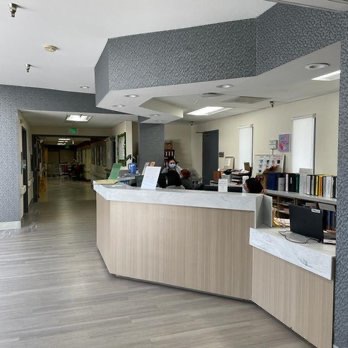
How is Downey Community Staffed?

CMS rates DOWNEY COMMUNITY HEALTH CENTER's staffing level at 4 out of 5 stars, which is above average compared to other nursing homes. Staff turnover is 21%, compared to the California average of 46%. This relatively stable workforce can support continuity of care.

What Have Inspectors Found at Downey Community?

State health inspectors documented 72 deficiencies at DOWNEY COMMUNITY HEALTH CENTER during 2022 to 2025. These included: 72 with potential for harm. While no single deficiency reached the most serious levels, the total volume warrants attention from prospective families.
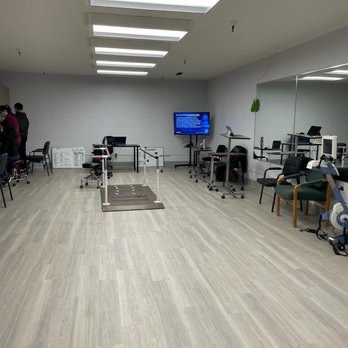
Who Owns and Operates Downey Community?

DOWNEY COMMUNITY HEALTH CENTER is owned by a for-profit company. For-profit facilities operate as businesses with obligations to shareholders or private owners. The facility operates independently rather than as part of a larger chain. With 198 certified beds and approximately 178 residents (about 90% occupancy), it is a mid-sized facility located in DOWNEY, California.
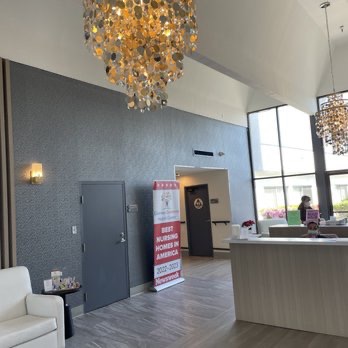
How Does Downey Community Compare to Other California Nursing Homes?

Compared to the 100 nursing homes in California, DOWNEY COMMUNITY HEALTH CENTER's overall rating (2 stars) is below the state average of 3.1, staff turnover (21%) is significantly lower than the state average of 46%, and health inspection rating (2 stars) is below the national benchmark.

What Should Families Ask When Visiting Downey Community?

Based on this facility's data, families visiting should ask: "Can I visit during a mealtime to observe dining assistance and food quality?" "How do you handle medical emergencies, and what is your hospital transfer rate?" "Can I speak with family members of current residents about their experience?"

Is Downey Community Safe?

Based on CMS inspection data, DOWNEY COMMUNITY HEALTH CENTER has a clean safety record: no substantiated abuse findings (meaning no confirmed cases of resident harm), no Immediate Jeopardy citations (the most serious violation level indicating risk of serious injury or death), and is not on the Special Focus Facility watch list (a federal program monitoring the lowest-performing 1% of nursing homes). The facility has a 2-star overall rating and ranks #100 of 100 nursing homes in California. While no facility is perfect, families should still ask about staff-to-resident ratios and recent inspection results during their visit.

Do Nurses at Downey Community Stick Around?

Staff at DOWNEY COMMUNITY HEALTH CENTER tend to stick around. With a turnover rate of 21%, the facility is 25 percentage points below the California average of 46%. Low turnover is a positive sign. It means caregivers have time to learn each resident's needs, medications, and personal preferences. Consistent staff also notice subtle changes in a resident's condition more quickly. Registered Nurse turnover is also low at 19%, meaning experienced RNs are available to handle complex medical needs.

Was Downey Community Ever Fined?

DOWNEY COMMUNITY HEALTH CENTER has no federal fines on record. CMS issues fines when nursing homes fail to meet care standards or don't correct problems found during inspections. The absence of fines suggests the facility has either maintained compliance or corrected any issues before penalties were assessed. This is a positive indicator, though families should still review recent inspection reports for the full picture.

Is Downey Community on Any Federal Watch List?

DOWNEY COMMUNITY HEALTH CENTER is not on any federal watch list. The most significant is the Special Focus Facility (SFF) program, which identifies the bottom 1% of nursing homes nationally based on persistent, serious quality problems. Not being on this list means the facility has avoided the pattern of deficiencies that triggers enhanced federal oversight. This is a positive indicator, though families should still review the facility's inspection history directly.