
DOWNEY POST ACUTE

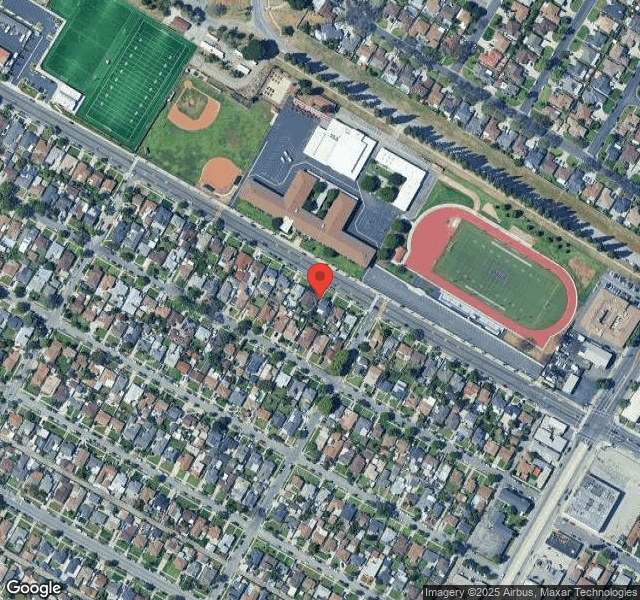
13007 S. PARAMOUNT BLVD., DOWNEY, CA 90242 (562) 923-9301
For profit - Limited Liability company 99 Beds THE ENSIGN GROUP Data: November 2025
Trust Grade
63/100
#338 of 1155 in CA
Last Inspection: March 2025

Within standard 12-15 month inspection cycle. Federal law requires annual inspections.

Overview

Downey Post Acute has a Trust Grade of C+, which indicates that the facility is decent and slightly above average in quality. It ranks #338 of 1155 nursing homes in California, placing it in the top half of facilities statewide, and #51 of 369 in Los Angeles County, meaning there are only 50 homes in the county that are rated higher. The facility is showing improvement, having reduced its number of issues from 26 in 2024 to 13 in 2025. Staffing is rated average with a 3/5 star rating and a turnover rate of 39%, which is close to the state average, but there is concerningly less RN coverage than 80% of California facilities, which may impact resident care. However, there are incidents of concern, such as a resident who fell and sustained a fracture due to improper transfer assistance, and the facility's failure to securely store discontinued medications, potentially risking unsafe access. Overall, while there are strengths in some areas, families should be aware of the weaknesses and incidents that have occurred.

Trust Score
C+
63/100
In California
#338/1155
Top 29%
Safety Record
Moderate
Needs review
Inspections
Getting Better
26 → 13 violations
Staff Stability
○ Average
39% turnover. Near California's 48% average. Typical for the industry.
Penalties
✓ Good
$13,575 in fines. Lower than most California facilities. Relatively clean record.
Skilled Nurses
⚠ Watch
Each resident gets only 20 minutes of Registered Nurse (RN) attention daily — below average for California. Fewer RN minutes means fewer trained eyes watching for problems.
Violations
⚠ Watch
61 deficiencies on record. Higher than average. Multiple issues found across inspections.
★★★★☆
4.0
Overall Rating
★★★☆☆
3.0
Staff Levels
★★★★★
5.0
Care Quality
★★★☆☆
3.0
Inspection Score
Stable
2024: 26 issues
2025: 13 issues

The Good

  • 5-Star Quality Measures · Strong clinical quality outcomes
  • Full Sprinkler Coverage · Fire safety systems throughout facility
  • No fines on record
  • Staff turnover below average (39%)

    9 points below California average of 48%

Facility shows strength in quality measures, fire safety.

The Bad

Staff Turnover: 39%

Near California avg (46%)

Typical for the industry

Federal Fines: $13,575

Below median ($33,413)

Minor penalties assessed

Chain: THE ENSIGN GROUP

Part of a multi-facility chain

Ask about local staffing decisions and management

The Ugly 61 deficiencies on record

1 actual harm
Jul 2025 2 deficiencies
CONCERN (D) 📢 Someone Reported This

A family member, employee, or ombudsman was alarmed enough to file a formal complaint

Potential for Harm - no one hurt, but risky conditions existed

Pressure Ulcer Prevention (Tag F0686)

Could have caused harm · This affected 1 resident

**NOTE- TERMS IN BRACKETS HAVE BEEN EDITED TO PROTECT CONFIDENTIALITY** During an observation, interview, and record review the facility failed to practice pressure related injury preventive practices...

Read full inspector narrative →
**NOTE- TERMS IN BRACKETS HAVE BEEN EDITED TO PROTECT CONFIDENTIALITY** During an observation, interview, and record review the facility failed to practice pressure related injury preventive practices for three out of seven residents (Resident 1, 2, and Resident 3): 1. Nursing staff did not follow doctor's order for a low air loss mattress ([LALM], a mattress that provides airflow to help keep skin dry, as well as to relieve pressure, treat pressure sores and prevents pressure sores) for Resident 1, 2, and 3. 2. Nursing staff did not follow up on LALM order status. 3. Nursing staff did not ensure Resident 1, 2, and 3 had LALM to prevent pressure injuries (localized area of tissue damage that develops when prolonged pressure or shear forces are applied to the skin and underlying tissues). These deficient practices placed Resident 1,2, and 3 at risk for further skin damage and it placed residents at risk for developing pressure injuries. Findings: During an observation on 7/24/2025 at 1146 a.m. Resident 1, 2, and 3 did not have a LALM on their bed. 1. A review of Resident 1's admission Record, the admission Record indicated Resident 1 was admitted to the facility on [DATE]. Resident 1's diagnosis included diabetes mellitus ([DM]a disorder characterized by difficulty in blood sugar control and poor wound healing) and hypertension ([HTN]high blood pressure). During a review of Resident 1's History and Physical (H&P) dated 7/21/2025, the H&P indicated Resident 1 could make his needs known but could not make medical decisions. During a review of Resident 1's electronic record, unable to locate Minimum Data Set ([MDS] a resident assessment tool) due to Resident 1's recent admission to the facility. During a review of Resident 1's Doctor Orders, dated 7/21/2025, the orders indicated Resident 1 had an order for a LALM for skin maintenance. During a review of Resident 1's Interdisciplinary Team (IDT) Skin Review Notes, dated 7/23/2025, the IDT notes indicated Resident 1 would use a LALM as a pressure redistributing device. IDT notes indicated a LALM was recommended for Resident 1 due to wounds and immobility. The IDT notes indicated Resident 1 had a wound on his coccyx (last bone at the bottom (base) of the spine) extending to left buttock (either of the two round fleshy parts that form the lower rear area of a human trunk) and wound was noted with 100% necrosis (death of cells or tissues in the body, occurs when cells are deprived of blood supply (ischemia) or injury). IDT notes indicated Resident 1 was at risk for wound decline or slow healing due to his comorbidities (simultaneous presence of two or more diseases or medical conditions) and limited mobility. 2. A review of Resident 2's admission Record, the admission Record indicated Resident 2 was originally admitted to the facility on [DATE] and was readmitted on [DATE]. Resident 2's diagnosis included pressure ulcer (a localized injury to the skin and underlying tissues that occurs due to prolonged pressure or pressure combined with shear and/or friction) of sacral region (located at the base of the spine), stage 2 (partial thickness loss of dermis (skin) presenting as a shallow open ulcer with a red or pink wound bed) and dementia (the loss of cognitive functioning [ability to think and reason], thinking, remembering, and reasoning). During a review of Resident 2's H&P dated 7/22/2025, the H&P indicated Resident 2 had fluctuating ability to make medical decisions.During a review of Resident 2's Doctor Orders, dated 7/22/2025, the orders indicated Resident 2 had an order for LALM for skin maintenance. During a review of Resident 2's IDT Skin Review Notes, dated 7/23/2025, the IDT notes indicated Resident 2 would use a LALM as a pressure redistributing device. IDT notes indicated a LALM was recommended for Resident 2 due to wounds and immobility. The IDT notes indicated Resident 1 had a coccyx pressure injury stage 2. IDT notes indicated Resident 2 was at risk for wound decline or slow healing due to his comorbidities and limited mobility. During a review of Resident 2's electronic record, unable to locate MDS due to Resident 2's recent admission to the facility. 3. A review of Resident 3's admission Record, the admission Record indicated Resident 3 was admitted to the facility on [DATE]. Resident 3's diagnosis included fracture (a break or discontinuity in a bone) of left humerus (bone of the upper arm) and seizure (a sudden, uncontrolled electrical disturbance in the brain which can cause uncontrolled jerking, blank stares, and loss of consciousness). During a review of Resident 3's H&P dated 7/7/2025, the H&P indicated Resident 3 could make needs known but could not make medical decisions. During a review of Resident 3's MDS, dated [DATE], the MDS indicated Resident 3's cognitive skills for daily decision making was intact. The MDS indicated Resident 3 needed maximal assistance (helper does more than the effort) for toileting hygiene, shower/bathing, and dressing. The MDS indicated Resident 3 needed supervision for eating and oral hygiene. The MDS indicated Residents 3's skin and ulcer/injury treatment was a pressure reducing device for bed. During a review of Resident 3's Skin Evaluation, dated 7/18/2025, skin evaluation indicated Resident 3 had bilateral buttock redness and redness to bilateral heels. During a review of Resident 3's Doctor Orders, dated 7/22/2025, the orders indicated Resident 2 had an order for LALM for skin maintenance During an interview on 7/24/2025 at 1:11 p.m. with Treatment Nurse (TN), TN stated a resident with a risk in developing a pressure injury would benefit from having a LALM. TN stated a LALM is recommended for wound management because it helped alleviate pressure on skin. TN stated a doctor must order a LALM, nurse puts order in computer and LALM arrives the next day. TN stated all nursing staff were responsible on checking on LALM order status. During a concurrent interview and record review on 7/24/2025 at 1:39 p.m. with TN, Resident 1's Doctor Orders, dated 7/21/2025, were reviewed. The doctor's orders indicated Resident 1 had an order for LALM. TN stated if a resident has an order for a LALM that resident should have a LALM. TN stated Resident 1 had a pressure injury and redness on his buttocks and would benefit from using a LALM as a preventive measure. During a concurrent interview and record review on 7/24/2025 at 1:50 p.m. with TN, Resident 2's Doctor Orders, dated 7/22/2025, were reviewed. Doctor orders indicated Resident 2 had an order for a LALM. TN stated she did not know a LALM was ordered for Resident 2 and she did not know why he did not have a LALM. TN stated Resident 2 needed a LALM because he had skin issues and it would prevent his skin from getting worse. During a concurrent interview and record review on 7/24/2025 at 2:02 p.m. with TN, Resident 3's Doctor Orders, dated 7/21/2025, were reviewed. The doctor's orders indicated Resident 3 had an order for a LALM. TN stated Resident 3 had a stage 1 pressure injury (redness, intact skin, typically over a bony prominence) and needed LALM for preventive measures. During an interview on 7/24/2025 at 2: 10 p.m. with TN, TN stated she did not know why the residents did not have a LALM. TN stated she did not know a LALM was ordered for Resident 1, 2, and 3. TN stated the person that ordered the LALM should have notified her. TN stated if there was an order, nursing must follow the order. During an interview on 7/24/2025 at 2:17 p.m. with Maintenance Supervisor (MS), MS stated he ordered LALM when the TN or Director of Nursing (DON) notified him of a resident that needed one. MS stated he usually had extra LALM's that are kept in-house and he currently had 3 available. MS stated nursing had only notified him Resident 1 needed a LALM and he ordered it. MS stated Resident 1 had not received the LALM and he forgot to follow up on the LALM order. MS stated he was not aware of other residents waiting for LALM because no one notified him. During an interview on 7/24/2025 at 3:34 p.m. with the DON, the DON stated the purpose of using a LALM is to help relieve skin pressure, help with wound healing and prevent pressure injuries. The DON stated it was important for residents that need a LALM used a LALM for wound prevention and comfort. The DON stated if a resident did not receive a LALM resident can potentially develop a pressure injury, pressure injury can get worse and it can create a slow healing process. The DON stated she did not know why Resident 1, 2, and 3 did not have a LALM. The DON stated TN should have noticed the LALM order during her treatment rounds with those residents and followed up on the order. The DON stated after a LALM got ordered it took 1 day for a resident to receive a LALM. The DON stated Resident 1, 2, and 3 had an order for a LALM and nursing should have provided a LALM to those residents. During a review of facility's Policy and Procedure (P&P) titled Skin and Wound Monitoring and Management, dated 4/2025, the P&P indicated it was the facility's policy for residents with pressure injuries to receive necessary treatment and services to promote healing, prevent infection, and prevent new, avoidable pressure injuries from developing. The P&P indicated to prevent the development of skin breakdown or prevent existing pressure injuries from worsening a pressure relieving/reducing and redistributing device (low air loss mattress) would be provided to residents.
CONCERN (D) 📢 Someone Reported This

A family member, employee, or ombudsman was alarmed enough to file a formal complaint

Potential for Harm - no one hurt, but risky conditions existed

Deficiency F0726 (Tag F0726)

Could have caused harm · This affected 1 resident

**NOTE- TERMS IN BRACKETS HAVE BEEN EDITED TO PROTECT CONFIDENTIALITY** Based on interview and record review, the facility did not ensure Braden scale assessment (tool used in Skilled Nursing Faciliti...

Read full inspector narrative →
**NOTE- TERMS IN BRACKETS HAVE BEEN EDITED TO PROTECT CONFIDENTIALITY** Based on interview and record review, the facility did not ensure Braden scale assessment (tool used in Skilled Nursing Facilities to assess a patient's risk of developing pressure injuries [localized area of tissue damage that develops when prolonged pressure] or shear forces [horizontal force that causes the bony prominence to move across the tissue as the skin is held in place] are applied to the skin and underlying tissues) was accurately performed for one resident (Resident 1) out of 4 sampled residents. 1. Facility did not ensure Resident 1 was correctly assessed during Braden Scale assessment. 2. Facility did not ensure Nursing staff had the knowledge of scoring resident during the Braden Scale assessment. This deficient practice placed Resident 1 at a low risk of developing pressure injuries and potentially caused Resident 1 not to receive the preventive measures in developing pressure injuries. Findings:During a review of Resident 1's admission Record, the admission Record indicated Resident 1 was originally admitted to the facility on [DATE] and readmitted on [DATE]. Resident 1's diagnosis included pressure ulcer of sacral region (located at the base of the spine), stage 4 (full-thickness skin and tissue loss) and dementia (a progressive state of decline in mental abilities).During a review of Resident 1's History and Physical (H&P) dated 11/4/2024, the H&P indicated Resident 1 did not have the capacity to understand and make decisions.During a review of Resident 1's Minimum Data Set ([MDS] a resident assessment tool), the MDS indicated Resident 1's cognitive skills for daily decision making was moderately impaired. The MDS indicated Resident 1 was dependent (helper does all of the effort) on staff for toileting hygiene. The MDS indicated Resident 1 required supervision for oral hygiene. The MDS indicated Resident 1 required set up assistance for eating. During a review of Resident 1's Braden Scale for Predicting Pressure Sore Risk, dated 11/8/2024, the Braden scale indicated Resident 1 had a score of 15 (Scores: 15 and above - low risk, 13-14 moderate risk, 10-12 high risk, and less than 9 severe risk). The Braden scale indicated Resident 1 had a low risk of developing a pressure injury. During a review of Resident 1's Braden Scale for Predicting Pressure Sore Risk, dated 10/22/2024, the Braden scale indicated Resident 1 had a score of 15. The Braden scale indicated Resident 1 had a low risk of developing a pressure injury During a review of Resident 1's Braden Scale for Predicting Pressure Sore Risk, dated 10/15/2024, the Braden scale indicated Resident 1 had a score of 15. The Braden scale indicated Resident 1 had a low risk of developing a pressure injury. During a review of Resident 1's Braden Scale for Predicting Pressure Sore Risk, dated 9/18/2024, the Braden scale indicated Resident 1 had a score of 15. The Braden scale indicated Resident 1 had a low risk of developing a pressure injury. During a review of Resident 1's Weights and Vitals Summary, dated 10/9/2024 - 11/09/2024, the Summary indicated Resident 1 lost 16 pounds in 1 month. The summary indicated Resident 1 weighed 113 pounds on 10/9/2024 and weighed 97 pounds on 11/9/2024. During a review of Resident 1's Interdisciplinary Team (IDT) Skin Review Notes, dated 10/18/2024, the IDT notes indicated Resident 1 had a sacrococcyx (fused bone formed by the sacrum and coccyx [tailbone]) pressure injury that was unstageable (a type of pressure ulcer where the wound bed is completely obscured by slough [dead tissue] or eschar [dead tissue that forms over healthy skin and over time falls off]. The IDT notes indicated Resident 1 was at risk for slow healing or worsening of wound due to poor oral intake and fragile appearance. The IDT notes indicated Resident 1 was at high risk for skin integrity breakdown. During a review of Resident 1's Interdisciplinary Team (IDT) Skin Review Notes, dated 10/18/2024, the IDT notes indicated Resident 1 had a sacrococcyx pressure injury that was unstageable. IDT notes indicated Resident 1's health conditions were incontinence, compromised nutritional status and decreased sensory perception (ability to understand and interact with the environment using senses of sight, smell, hearing, taste, touch). IDT notes indicated Resident 1 was at risk for slow healing or worsening of wound due to poor oral intake and fragile appearance. The IDT notes indicated Resident 1 was at high risk for skin integrity breakdown. During a review of Resident 1's IDT Skin Review Notes, dated 10/24/2024, the IDT notes indicated Resident 1 had a sacrococcyx pressure injury that was unstageable. The IDT notes indicated Resident 1's health conditions were incontinence, declining condition (a gradual decrease or deterioration in health or physical condition), compromised nutritional status and decreased sensory perception. The IDT notes indicated Resident 1 was at risk for slow healing or worsening of wound due to poor oral intake and fragile appearance. The IDT notes indicated Resident 1 was at high risk for skin integrity breakdown During a review of Resident 1's IDT Skin Review Notes, dated 11/7/2024, the IDT notes indicated Resident 1 had a sacrococcyx pressure injury that was unstageable. The IDT notes indicated Resident 1's health conditions were incontinence, declining condition (a gradual decrease or deterioration in health or physical condition), compromised nutritional status and decreased sensory perception. The IDT notes indicated Resident 1 was at risk for slow healing or worsening of wound due to poor oral intake and fragile appearance. The IDT notes indicated Resident 1 was at high risk for skin integrity breakdown. During a review of Resident 1's IDT Skin Review Notes, dated 11/14/2024, the IDT notes indicated Resident 1 had a sacrococcyx pressure injury that was unstageable. The IDT notes indicated Resident 1's health conditions were immobility, incontinence, malnutrition, declining condition, compromised nutritional status and decreased sensory perception. The IDT notes indicated Resident 1 was at risk for slow healing or worsening of wound due to poor oral intake and fragile appearance. The IDT notes indicated Resident 1 was at high risk for skin integrity breakdown. During an interview on 7/24/2025 at 1:29 p.m. with Treatment Nurse (TN), TN stated a Braden Scale was used to predict which resident had had a risk of developing pressure injuries. TN stated if a resident had a high Braden score it meant the resident had a low risk of developing a pressure injury. TN stated if a resident had a low Braden score nursing would implement interventions to prevent pressure injuries. TN stated if a resident was not eating and lost weight, the resident would get a lower Braden score and would put that resident at risk for developing a pressure injury. TN stated it was important to accurately assess residents to provide the correct care and identify residents that are at risk at developing pressure injuries. TN stated a resident with a pressure injury should not receive a low-risk Braden score, they should at least have a score of moderate risk. TN stated a resident with a low-risk Braden score should not have any pressure injuries. During an interview on 7/24/25 at 3:10 p.m. with the Director of Nursing (DON), the DON stated a Braden Scale was used to know if a resident was at risk of developing skin wounds. The DON stated she used the Braden Scale score to implement changes for residents at risk of developing skin breakdown. The DON stated if a resident sits on a wet diaper, they are at risk of developing a pressure injury. The DON stated it was important to accurately assess residents so they can get the care they need. The DON stated if a resident did not get a correct Braden Scale score, the resident had potential to develop a pressure injury or their pressure injury could get worse. The DON stated if a resident scored low, they had a low risk of developing a pressure injury and if they scored a high, they had a high risk of developing a pressure injury. The DON stated if a resident did not eat and was incontinent that would be a moderate risk of developing a pressure injury. The DON stated Resident 1 should not have a low risk of developing a pressure injury because she was incontinent, had weight loss, and was skinny. The DON stated resident 1's Braden Scale should have not been marked as rarely moist because she was incontinent and could be sitting on a wet diaper. During a review of facility's Policy and Procedure (P&P) titled Skin and Wound Monitoring and Management, dated 4/2025, the P&P indicated nursing staff would complete a Braden Scale to identify risks and to identify any alterations in skin integrity noted at that time.
Mar 2025 9 deficiencies
CONCERN (D)

Potential for Harm - no one hurt, but risky conditions existed

Deficiency F0685 (Tag F0685)

Could have caused harm · This affected 1 resident

**NOTE- TERMS IN BRACKETS HAVE BEEN EDITED TO PROTECT CONFIDENTIALITY** Based on observation, interview, and record review, the facility failed to ensure one of eight sampled residents (Resident 78) w...

Read full inspector narrative →
**NOTE- TERMS IN BRACKETS HAVE BEEN EDITED TO PROTECT CONFIDENTIALITY** Based on observation, interview, and record review, the facility failed to ensure one of eight sampled residents (Resident 78) was seen by an Ophthalmologist (a doctor trained in diagnosing and treating eye problems, including injury and disease) by failing to: 1. Ensure Resident 78 was referred to an ophthalmologist per the optometrist (healthcare provider that examine, diagnose, and treat diseases and disorders that affect eyes and vision) recommendation. This deficient practice had the potential to result in a delay in treatment for Resident 78. Findings: During a review of Resident 78's admission Record, the admission record indicated Resident 78 was admitted to the facility on [DATE] with diagnoses of diabetes mellitus ([DM] a disorder characterized by difficulty in blood sugar control and poor wound healing) and a left below the knee amputation (removal of limb). During a review of Resident 78's History and Physical (H&P) dated 12/19/2024, the H&P indicated Resident 78 had the capacity to understand and make decisions. During a review of Resident 78's Minimum Data Set ([MDS] a required resident assessment tool), dated 12/23/2024, the MDS indicated Resident 78's cognitive skills for daily decision making was intact. The MDS indicated Resident 71 required moderate assistance for toileting hygiene, shower/bathing, and lower body dressing. The MDS indicated Resident 71 required assistance for eating, oral hygiene, upper body dressing, and personal hygiene. During a review of Resident 78's Optometry Consultation Notes, dated 3/3/2025, the Optometry Consultation Notes indicated Resident 78 had a diagnosis of cataracts (condition where the lens of the eye becomes progressively opaque, resulting in blurred vision) on left and right eyes. The Optometry Consultation Notes indicated Bifocal glasses (eyeglasses with two distinct optical powers correcting vision at both long and short distances) were recommended for Resident 78. The Optometry Consultation Notes indicated Resident 78 needed an ophthalmology referral due to cataracts. During an interview on 3/26/2025 at 3:37 p.m. with the Social Services Director (SSD), the SSD stated when the optometrist sees a resident, they must inform her or the nursing staff. The SSD stated the optometrist provides her a list of the residents that were seen by the optometrist. The SSD stated social services must follow up on referrals by making an appointment. The SSD stated she was not aware Resident 78 needed to get referred to see an ophthalmologist. The SSD stated she did not review Resident 78's consultation notes. During a concurrent interview and record review on 3/27/2025 at 3:56 p.m. with SSD, Resident 78's Optometry Consultation notes, dated 3/3/2025 was reviewed. The Optometry Consultation Notes indicated Resident 78 needed an ophthalmology referral due to cataracts. The SSD stated Resident 78 had to be referred to see an ophthalmologist due to his cataracts. The SSD stated she should have followed up on this referral. The SSD stated it was important to follow up on referrals for residents to get the medical attention they need. The SSD stated not following up on doctor referrals was delaying resident care. During an interview on 3/27/2025 at 10:58 a.m. with the Assistant Director of Nursing (ADON), the ADON stated optometry consultation notes are given to SSD, and they must follow up on referral. The ADON stated the SSD must inform the nursing staff to get an order for a referral. The ADON stated referrals must be followed up quickly to prevent further vision impairment. The ADON stated SSD should have followed up on referral. The ADON stated not following up on a referral delayed the residents care and meant Resident 78 did not receive the necessary treatment for his cataracts. During a review of the facility's job description for social services Manager, dated 11/2021, the job description indicated the SSD would refer resident/families to appropriate social service agencies when the facility does not provide the services or needs of the resident.
CONCERN (D) 📢 Someone Reported This

A family member, employee, or ombudsman was alarmed enough to file a formal complaint

Potential for Harm - no one hurt, but risky conditions existed

Pressure Ulcer Prevention (Tag F0686)

Could have caused harm · This affected 1 resident

**NOTE- TERMS IN BRACKETS HAVE BEEN EDITED TO PROTECT CONFIDENTIALITY** Based on interview and record review, the facility failed to ensure weekly skin interdisciplinary (IDT) meetings were conducted ...

Read full inspector narrative →
**NOTE- TERMS IN BRACKETS HAVE BEEN EDITED TO PROTECT CONFIDENTIALITY** Based on interview and record review, the facility failed to ensure weekly skin interdisciplinary (IDT) meetings were conducted between the dates of 1/9/2025 through 2/27/2027 after a resident had developed redness on his left hip and left anterior iliac crest (a bony prominence located on the anterior (front) portion of the left iliac bone, which is part of the pelvis) for one of six sampled residents (Resident 27). This had the potential to result in additional pain-inducing, pressure injuries (localized, pressure-related damage to the skin and/or underlying tissue usually over a bony prominence) for Resident 27. Findings: During a review of Resident 27's admission Record, the admission Record indicated Resident 27 was originally admitted to the facility on [DATE] and readmitted on [DATE]. Resident 27's diagnoses included dysphagia (difficulty swallowing), cerebral infarction (stroke, loss of blood flow to a part of the brain), hemiplegia (total paralysis of the arm, leg, and trunk on the same side of the body) and pressure induced deep tissue damage of the sacrum (located at the lower end of the spine, in the pelvic area region), left hip, and right ankle. During a review of Resident 27's Minimum Data Set ([MDS], a resident assessment tool), dated 2/27/2025, the MDS indicated Resident 27's cognitive skills (ability to think and reason) for daily decision making was severely impaired. The MDS indicated Resident 27 was entirely dependent (helper does all the effort) on staff for activities of daily living (ADLs- routine tasks/activities such as bathing, dressing and toileting a person performs daily to care for themselves). During a concurrent record review and interview on 3/27/2025 at 11:10 a.m. with the Director of Nursing (DON), all of Resident 27's IDT meetings, dated in 2025, and Resident 27's SBAR, dated 2/10/2025, were reviewed. There were no IDT meetings conducted between the dates of 1/9/2025 through 2/27/2027. The SBAR indicated Resident 27 developed left hip and left anterior iliac crest (a bony prominence located on the anterior (front) portion of the left iliac bone, which is part of the pelvis) skin redness on 2/10/2025. The DON stated the normal practice was to conduct a skin IDT meeting weekly and every time there was a change of condition in the resident's skin. The DON stated there should have been an IDT conducted weekly, and especially after a change of condition was identified on 2/10/2025. The DON stated it was important to conduct the IDT meetings to evaluate the plan of care and ensure the proper interventions were in place. The DON stated if the meetings were not conducted, there would be a potential for Resident 27's new skin impairments could worsen. During a review of the facility's Policy and Procedure (P&P), titled, Skin and Wound Monitoring and Management, revised 12/2023, the P&P indicated the facility would conduct a comprehensive skin review on an as needed basis through the activity of the Interdisciplinary Team. The P&P indicated the facility would monitor the pressure injury or the wound weekly via Skin Weekly Committee. The P&P indicated the Skin Weekly Committee was to prepare and maintain Skin Committee Review Notes and Recommendations in the resident's clinical record. During a review of the facility's P&P, titled, Significant Change of Condition, Response, revised 12/2023, the P&P indicated the IDT shall collaborate to review risk indicators and the plan of care, and the IDT will document this collaboration in the electronic medical record.
CONCERN (D)

Potential for Harm - no one hurt, but risky conditions existed

Deficiency F0698 (Tag F0698)

Could have caused harm · This affected 1 resident

**NOTE- TERMS IN BRACKETS HAVE BEEN EDITED TO PROTECT CONFIDENTIALITY** Based on observation, interview, and record review, the facility failed to ensure a resident who required dialysis (a treatment ...

Read full inspector narrative →
**NOTE- TERMS IN BRACKETS HAVE BEEN EDITED TO PROTECT CONFIDENTIALITY** Based on observation, interview, and record review, the facility failed to ensure a resident who required dialysis (a treatment to cleanse the blood of wastes and extra fluids artificially through a machine when the kidney(s) had failed) received services consistent with professional standards of practice, the comprehensive person-centered care plan, and the residents' goals and preferences for one of one resident (Resident 62), when the facility failed to remove Resident 62's pressure dressing (a bandage designed to apply pressure to a dialysis access site, to help control bleeding and promote clotting after a needle was removed) on the arteriovenous shunt (AV shunt, a surgically created connection in the arm to facilitate blood flow for dialysis) site as ordered. This deficient practice had the potential to increase the risk of infection (the invasion and growth of germs in the body), prolonged bleeding, and damage to the AV shunt site for Resident 62. Findings: During a review of Resident 62's admission Record, the admission Record indicated Resident 62 was originally admitted to the facility on [DATE] and readmitted on [DATE]. Resident 62's diagnoses included end stage renal disease (ESRD- irreversible kidney failure), peripheral vascular disease (PVD, a slow progressive narrowing of the blood flow to the arms and legs), and diabetes mellitus (DM- a disorder characterized by difficulty in blood sugar control and poor wound healing). During a review of Resident 62's History and Physical (H&P), dated 5/2/2024, the H&P indicated Resident 62 had fluctuating capacity to understand and make decisions. During a review of Resident 62's Care Plan for ESRD, dated 5/8/2024, the care interventions indicated the nurses are to remove the pressure dressing two hours after dialysis, apply bandage, and remove bandage 24 hours after dialysis. During a review of Resident 62's Minimum Data Set (MDS- a resident assessment tool), dated 2/3/2025, the MDS indicated Resident 62 had intact cognitive skills for daily decision making (ability to think, remember and reason). The MDS indicated Resident 62 was independent (resident completed the activity by himself without assistance from a helper) with eating, required supervision with oral hygiene, toileting hygiene, and personal hygiene, and required partial assistance (helper did less than half the effort) with showering/ bathing self and transferring in-and-out of bed/ chair. The MDS indicated Resident 62 used a walker for mobility devices. During a review of Resident 62's Order Summary Report dated 3/26/2025, the report indicated a physician order dated 11/19/2024, to remove Resident 62's pressure dressing two hours after dialysis on Monday, Wednesday, and Friday. During a review of Resident 62's Progress Note dated 3/24/2025 at 12:18 p.m., the note indicated Resident 62 returned from dialysis at 12:12 p.m. During a concurrent observation and interview on 3/25/2025 at 9:20 a.m. with Resident 62, while in Resident 62's room, Resident 62 was observed scratching his left upper arm AV shunt site area. The pressure dressing on Resident 62's left upper arm AV shunt site was undated. Resident 62 stated the AV shunt site was itching. Resident 62 stated he went to dialysis yesterday on 3/24/2025, and no one changed his AV shunt site dressing after returning from dialysis. During a concurrent observation and interview on 3/25/2025 at 3:06 p.m. with Resident 62, while in Resident 62's room, the same undated pressure dressing was still on Resident 62's left upper arm AV shunt site. Resident 62 stated no one changed his AV shunt site dressing. During a concurrent observation and interview on 3/25/2025 at 3:08 p.m. with Licensed Vocational Nurse (LVN) 4, while in Resident 62's room, the undated pressure dressing was on Resident 62's left upper arm AV shunt site. LVN 4 stated the AV shunt dressing should be removed two hours after the resident came back from dialysis. LVN 4 stated the nurse should monitor for bruit (swishing or blowing sound heard over a blood vessel), thrill (a palpable vibration felt over a vessel), and bleeding at the AV shunt site. During a concurrent interview and picture review on 3/27/2025 at 10:23 a.m. with the Assistant Director of Nursing (ADON), the pictures taken of Resident 62's AV shunt site dressing on 3/25/2025 at 9:49 a.m. and 3:05 p.m. were reviewed. The pictures indicated Resident 62's AV shunt dressing was not removed two hours after returning from dialysis. The ADON stated the receiving licensed nurse was responsible to remove the AV shunt pressure dressing two hours after the resident returned from dialysis per the physician's order. The ADON stated it was not acceptable that Resident 62's pressure dressing from dialysis was not removed till the next day. The ADON stated it could clot the shunt causing malfunction and would be unable to be used for dialysis. The ADON stated it could potentially lead to fluid overload (too much fluid volume in body), electrolyte imbalance (occurred when you had too much or not enough of certain minerals in the body), AV shunt revision, and delay in necessary care. During a review of the facility's Policy and Procedure (P&P) titled Dialysis (Renal), Pre- and Post-Care, dated 12/2023, the P&P indicated Post dialysis AV shunt access care as ordered.
CONCERN (D)

Potential for Harm - no one hurt, but risky conditions existed

Pharmacy Services (Tag F0755)

Could have caused harm · This affected 1 resident

**NOTE- TERMS IN BRACKETS HAVE BEEN EDITED TO PROTECT CONFIDENTIALITY** Based on observation, interview and record review, the facility failed to accurately account for and document the administration...

Read full inspector narrative →
**NOTE- TERMS IN BRACKETS HAVE BEEN EDITED TO PROTECT CONFIDENTIALITY** Based on observation, interview and record review, the facility failed to accurately account for and document the administration of one out of three doses of lorazepam (a controlled medication [had a high potential for abuse] to treat anxiety [a feeling of fear, dread, and uneasiness]) for one of one resident (Resident 77) on East Station, Medication Cart East. This deficient practice increased the risk for unsafe medication administration with the potential for diversion (situation when a medication was taken for use by someone other than whom it was prescribed) and medication errors due to lack of documentation, possibly resulting in serious health complications that could lead to hospitalization or death for Resident 77. Findings: During a review of Resident 77's admission Record, the admission Record indicated Resident 77 was admitted to the facility on [DATE]. The admission Record indicated Resident 77 had the following diagnoses which included seizure (a sudden, uncontrolled electrical disturbance in the brain which could cause uncontrolled jerking, blank stares, and loss of consciousness), autistic disorder (a neurological and developmental disorder that affected how people interact with others, communicate, learn, and behave), and major depressive disorder (a mood disorder that caused a persistent feeling of sadness and loss of interest). During a review of Resident 77's History and Physical (H&P), dated 12/12/2024, the H&P indicated Resident 77 had the capacity to understand and make decisions. During a review of Resident 77's Minimum Data Set (MDS - a resident assessment tool), dated 12/17/2024, the MDS indicated Resident 77's cognition (the ability to think, remember and reason) was severely impaired. The MDS indicated Resident 77 was dependent (helper does all the effort) in self-care (eating, oral hygiene, toileting hygiene, personal hygiene, and showering/bathing self) and mobility. During a review of Resident 77's Order Summary Report, dated 3/27/2025, the order summary report indicated Resident 77 had an active order started on 3/24/2025 to administer lorazepam tablet 0.5 milligrams (mg- metric unit of measurement, used for medication dosage and/or amount) one tablet by mouth every six hours as needed for crying for no apparent reason. During a review on Resident 77's Medication Administration Record (MAR) for 3/2025, the MAR indicated Resident 77 was documented to receive three doses of lorazepam between 3/25/2025 to 3/26/2025 as indicated by nurses' initials documented on the MAR, for the dates and times of 3/25/2025 at 7:10 a.m., 3/25/2025 at 2 p.m., and 3/26/2025 at 11:30 a.m. During a concurrent interview and record review on 3/26/2025 at 2:39 p.m. with LVN 3, Resident 77's Narcotic Count Sheet (NCS) for lorazepam and the bubble pack (a card that packaged doses of medication within small, clear, or light-resistant-amber-colored plastic bubbles) of Resident 77's lorazepam was reviewed. Resident 77's NCS for lorazepam indicated there were 27 tablets remaining in the bubble pack. The bubble pack was observed containing 26 tablets of Resident 77's lorazepam. LVN 3 stated there is one missing nurse's signature on Resident 77's lorazepam NCS, and she forgot to sign Resident 77's NCS in the morning after administrating the lorazepam to Resident 77. LVN 3 stated she should sign the NCS immediately after administration because she needed to prove the medication was given. LVN 3 stated it was a medication error and dangerous. LVN 3 stated the nurses needed to be delicate for controlled medication administration. LVN 3 stated the resident might state the medication was not given. During an interview on 3/27/2025 at 10:23 a.m. with the Assistant Director of Nursing (ADON), the ADON stated the nurse should sign the MAR and the NCS immediately after medication administration. The ADON stated the purpose was to ensure the narcotic count was correct and to avoid any medication error. The ADON stated the nurses might forget they gave the medication already. The ADON stated the resident might possibly receive an extra dose of the medication and potentially overdose which was life threatening. During a review of the facility's policy and procedure (P&P) titled Controlled Substances, dated 10/2019, the P&P indicated When a controlled substance is administered, the licensed nurse administering the medication immediately enters the following information on the accountability record and/or the medication administration record (MAR): 1. Date and time of administration. (MAR, Accountability Record) 2. Amount administered. (Accountability Record) 3. Remaining quantity. (Accountability Record) 4. Signature of the nurse administering the dose on the accountability record at the time the medication is removed from supply.
CONCERN (D)

Potential for Harm - no one hurt, but risky conditions existed

Deficiency F0760 (Tag F0760)

Could have caused harm · This affected 1 resident

**NOTE- TERMS IN BRACKETS HAVE BEEN EDITED TO PROTECT CONFIDENTIALITY** Based on observation, interview, and record review, the facility failed to ensure one of one resident (Resident 25) was free fro...

Read full inspector narrative →
**NOTE- TERMS IN BRACKETS HAVE BEEN EDITED TO PROTECT CONFIDENTIALITY** Based on observation, interview, and record review, the facility failed to ensure one of one resident (Resident 25) was free from a significant medication error (one which caused the resident discomfort or jeopardizes his health and safety) when Licensed Vocational Nurse (LVN) 3 administered a chewable aspirin tablet to Resident 25 without a physician's order on 3/26/2025 at 9:01 a.m. This deficient practice had the potential to result in an adverse drug reaction (unwanted undesirable effects that were possibly related to a drug) which could lead to ulceration and/or bleeding to the gastrointestinal ([GI] organ system in the human body that included mouth, throat, esophagus, stomach, small intestine, large intestine, rectum, and anus) tract, hospitalization, or death for Resident 25. Findings: During a medication pass observation on 3/26/2025 at 9:01 a.m. with LVN 3, LVN 3 crushed one chewable tablet with the intent to administer as a mixture with applesauce for Resident 25. LVN 3 was stopped by the surveyor at the bedside from her intent to administer the crushed mixture of aspirin chewable tablet and applesauce to Resident 25. During a review of Resident 25's admission Record, the admission Record indicated Resident 25 was originally admitted to the facility on [DATE] and readmitted on [DATE]. The admission Record indicated Resident 25 had the following diagnoses which included cerebral infarction (stroke, loss of blood flow to a part of the brain), gastritis with bleeding (inflammation of the stomach lining that led to bleeding), and gastroesophageal reflux disease (GERD- a condition in which stomach acid repeatedly flew back up into the tube connecting the mouth and stomach). During a review of Resident 25's Minimum Data Set (MDS - a resident assessment tool), dated 2/17/2025, the MDS indicated Resident 25's cognition (the ability to think, remember and reason) was moderately impaired. The MDS indicated Resident 25 was dependent (helper does all the effort) for self-care (eating, oral hygiene, toileting hygiene, personal hygiene, and showering/bathing self) and mobility. During a review of Resident 25's History and Physical (H&P), dated 3/22/2025, the H&P indicated Resident 25 was alert and oriented to person, place, time, and event. During a review of Resident 25's Care Plan titled At risk for bleeding/ bruising r/t (related to) anticoagulant (medications that prevented blood from clotting) therapy ASA (aspirin), dated 3/26/2025, the Care Plan indicated Resident 25's goal was to be free from discomfort or adverse reaction from aspirin use. The care interventions indicated to administer aspirin 81 milligrams (mg- metric unit of measurement, used for medication dosage and/or amount) delayed release (DR, a formulation designed to delay the release of the active ingredient in the body, typically until it reached the small intestine, bypassing the stomach). During a concurrent interview and record review on 3/26/2025 at 9:03 a.m. with LVN 3, Resident 25's active aspirin order was reviewed. The order indicated to administer aspirin 81 mg DR one tablet by mouth one time a day for stroke prevention. The order indicated not to crush. LVN 3 stated she was not able to crush the aspirin DR tablet and that was why she changed the medication to aspirin chewable tablet. LVN 3 stated they were the same medications and did not know the difference between aspirin DR and aspirin chewable. LVN 3 further stated she needed to clarify the aspirin order with the physician because it was not the right medication. LVN 3 stated she had to follow the physician's order for the resident's safety. LVN 3 stated the LVN was responsible to ensure the right medication and had to read and compare the orders before administration. LVN 3 stated they were the rights of medication administration. During an interview on 3/27/2025 at 10:23 a.m. with the Assistant Director of Nursing (ADON), the ADON stated the nurse needed to call the physician to clarify the aspirin DR order, if the medication need to be changed to a chewable form. The ADON stated maybe the physician ordered the aspirin DR for a reason because the DR tablet did not dissolve. The ADON stated administering the aspirin chewable instead of aspirin DR would cause higher risk of GI bleeding. During a review of the facility's Policy and Procedure (P&P) titled, Medication Administering - General Guidelines, revised on 10/2019, the P&P indicated, Medications are administered in accordance with written orders of the attending physician.
CONCERN (D)

Potential for Harm - no one hurt, but risky conditions existed

Infection Control (Tag F0880)

Could have caused harm · This affected 1 resident

**NOTE- TERMS IN BRACKETS HAVE BEEN EDITED TO PROTECT CONFIDENTIALITY** Based on observation, interview, and record review, the facility failed to implement infection (the invasion and multiplication ...

Read full inspector narrative →
**NOTE- TERMS IN BRACKETS HAVE BEEN EDITED TO PROTECT CONFIDENTIALITY** Based on observation, interview, and record review, the facility failed to implement infection (the invasion and multiplication of microorganisms [like bacteria, viruses, etc.] in body tissues, potentially causing illness or harm) control practices for two of two residents (Resident 33 and 62) by failing to: 1. Ensure Resident 33's opened nebulizer mask (a plastic cup that fit over the mouth and nose to deliver liquid medication as a mist into the lungs) was placed directly on the surface of the nightstand at bedside on 3/25/2025. 2. Resident 66's dirty clothes and linen were observed on Resident 66's bed unattended on 3/26/2025 This deficient practice had the potential to place Resident 33 and Resident 62 at risk for infection which could increase the morbidity (the amount of disease in a population) and mortality (the state of being subject to death) among residents. Findings: 1. During a review of Resident 33's admission Record, the record indicated Resident 33 was originally admitted to the facility on [DATE] and readmitted on [DATE] with the diagnoses of pneumonia (an infection/inflammation in the lungs), chronic obstructive pulmonary disease (COPD-a chronic lung disease causing difficulty in breathing), and heart failure (HF-a heart disorder which caused the heart to not pump the blood efficiently, sometimes resulting in leg swelling). During a review of Resident 33's Minimum Data Set (MDS - a resident assessment tool), dated 1/22/2025, the MDS indicated Resident 33's cognition (ability to think, remember, and reason) was intact. The MDS indicated Resident 33 required supervision for eating; partial assistance (helper did less than half the effort) with transferring in-and-out of bed/ chair; maximal assistance (helper does more than half the effort) with oral hygiene and personal hygiene; and was dependent (helper did all the effort) for toileting hygiene and showering/ bathing self. During a review of Resident 33's History and Physical (H&P), dated 3/8/2025, the H&P indicated Resident 33 had the capacity to understand and make decisions. During a review of Resident 33's Oder Summary Report dated 3/26/2025, the order summary report indicated Resident 33 had an active order started on 3/7/2025 to inhale ipratropium-albuterol solution (medication used to help control the symptoms of lung diseases) 3 milliliters (ml, a measure of volume) orally via nebulizer every six hours for shortness of breath (SOB). During a review of Resident 33's Care Plan, dated 3/11/2025, the Care Plan indicated Resident 33 was at risk of infection. The Care Plan Indicated Resident 33's goal was to decrease the risk of transmission of a pathogen (any organism that caused disease). During a concurrent observation and interview on 3/5/2025 at 8:40 a.m. with Resident 33, while in Resident 33's room, an opened nebulizer mask was placed directly on the surface of the nightstand at bedside. Resident 33 stated the nurse (unidentified) just threw the nebulizer mask there and did not put the mask into a plastic storage bag. Resident 33 stated she had not seen the plastic storage bag recently. During a concurrent observation and interview on 3/5/2025 at 2:42 p.m., with Resident 33, while in Resident 33's room, an opened nebulizer mask was placed directly on the surface of the nightstand at the bedside. Resident 33 stated she used the nebulizer for her breathing to get rid of the phlegm (mucus, thicker than normal due to illness). Resident 33 stated she did not want to get an infection. Resident 33 stated it made her feel neglected when the nurse (unidentified) left the nebulizer mask directly on the surface of the nightstand. During a concurrent observation and interview on 3/5/2025 at 2:58 p.m. with Licensed Vocational Nurse (LVN) 4, while in Resident 33's room, an opened nebulizer mask was placed directly on the surface of the nightstand at bedside. LVN 4 stated the nebulizer mask needed to be stored inside a bag for infection control because the resident could be infected. LVN 4 stated the signs and symptoms of respiratory infection were difficulty breathing and coughing. LVN 4 stated the charge nurse and infection control nurse were responsible to ensure the nebulizer mask was stored in the bag. LVN 4 stated the nebulizer mask was dirty and needed to change to a new one. During a concurrent interview and picture review on 3/25/2025 at 3:49 p.m. with the Infection Preventionist Nurse (IPN), the pictures taken on 3/25/2025 at 8:48 a.m. and 2:41 p.m. were reviewed. The pictures indicated the opened nebulizer mask was placed directly on the surface of the nightstand at the bedside. The IPN stated it was not acceptable to have the nebulizer mask touching the surface of the nightstand. The IPN stated the nurse should keep the nebulizer mask in a storage bag for infection control. The IPN stated if the nebulizer mask was dirty, the resident would inhale the dirtiness. The IPN stated the resident would have bacteria that potentially led to respiratory infection. The IPN stated after the resident finished using the nebulizer mask, the assigned LVN needed to place the nebulizer mask back into the storage bag till the next use. During a review of the facility's Policy and Procedure (P&P) titled Infection Control Policy/Procedure, dated 3/2019, the P&P indicated Labeled and dated bags should be provided for cannulas and masks to be placed in when not in use. 2. During an observation on 3/26/2025 at 9:42 a.m. while in Resident 62's room, the dirty clothes and linen were left on the bed unattended. During an observation on 3/26/2025 at 11:05 a.m. while in Resident 62's room, the dirty clothes and linen were left on the bed unattended. During an observation on 3/26/2025 at 12:04 p.m. while in Resident 62's room, the dirty clothes and linen were left on the bed unattended. During a review of Resident 62's admission Record, the admission Record indicated Resident 62 was originally admitted to the facility on [DATE] and readmitted on [DATE]. Resident 62's diagnoses included end stage renal disease (ESRD- irreversible kidney failure), peripheral vascular disease (PVD, a slow progressive narrowing of the blood flow to the arms and legs), and diabetes mellitus (DM -a disorder characterized by difficulty in blood sugar control and poor wound healing). During a review of Resident 62's H&P, dated 5/2/2024, the H&P indicated Resident 62 had fluctuating capacity to understand and make decisions. During a review of Resident 62's MDS, dated [DATE], the MDS indicated Resident 62 had intact cognitive skills for daily decision making. The MDS indicated Resident 62 was independent (resident completed the activity by himself without assistance from a helper) with eating; required supervision with oral hygiene, toileting hygiene, and personal hygiene; and required partial assistance with showering/ bathing self and transferring in-and-out of bed/ chair. The MDS indicated Resident 62 used a walker for mobility devices. During an interview with Resident 62 on 3/25/2025 at 9:20 a.m. with Resident 62, while in Resident 62's room, Resident 62 stated he had a dirty pile of clothes on his bed earlier in the morning. Resident 62 stated staff just removed his dirty clothes for the past week today, and staff did not provide him any bags for dirty clothes. During a concurrent of interview and picture review on 3/27/2025 at 8:33 a.m. with Certified Nursing Assistant (CNA) 2, the picture taken on 3/26/2025 at 9:42 a.m., 11:05 a.m., and 12:04 p.m. were reviewed. The pictures indicated the dirty clothes and linen were left on the bed unattended on 3/26/2025 at 9:42 a.m., 11:05 a.m., and 12:04 p.m. CNA 2 stated it was not acceptable to leave dirty clothes and linen on the bed unattended. CNA 2 stated the CNA was responsible to remove the dirty clothes and change the linen even if the resident was not in the room. CNA 2 stated it was because of infection control and CNA 2 did not want residents to get an infection. During a concurrent interview and picture review on 3/27/2025 at 9:33 a.m. with the IPN, the pictures taken on 3/26/2025 at 9:42 a.m., 11:05 a.m., and 12:04 p.m. were reviewed. The pictures indicated the dirty clothes and linen were left on the bed unattended on 3/26/2025 at 9:42 a.m., 11:05 a.m., and 12:04 p.m. The IPN stated it was dirty in the pictures, and the nurse should clean out the dirty linen because of infection control. The IPN stated the dirty clothes, and linen should be stored in a proper place like a humper, and the facility would send the dirty clothes to laundry. The IPN stated Resident 62 preferred staff to clean his bed when he was present. The IPN stated the dirty linen germs would not get to the roommates because of the privacy curtain. During an interview on 3/27/2025 at 10:01 a.m. with Resident 62, while in Resident 62's room, Resident 62 stated he did not ask the staff not to remove his dirty clothes and linen on 3/26/2025. Resident 62 stated he wanted to have the dirty clothes removed on his bed, and no staff checked with him about the dirty clothes and linen before he went to dialysis (a treatment to cleanse the blood of wastes and extra fluids artificially through a machine when the kidney(s) had failed) in the morning of 3/26/2025. Resident 62 stated it was dirty, and he did not like dirty. During a concurrent interview and picture review on 3/27/2025 at 10:23 a.m. with the Assistant Director of Nursing (ADON), the pictures taken on 3/26/2025 at 9:42 a.m., 11:05 a.m., and 12:04 p.m. were reviewed. The pictures indicated the dirty clothes and linen were left on the bed unattended on 3/26/2025 at 9:42 a.m., 11:05 a.m., and 12:04 p.m. The ADON stated it was it was a mess in the pictures, and the nurse should put the dirty clothes away and tidy up resident's bed a bit. The ADON stated the nurses should be rounding throughout their shift. The ADON stated it was not acceptable to see dirty clothes on the bed because of infection control and resident's dignity. The ADON stated it affected the resident's dignity, and resident would be upset. The ADON stated everyone in the building should maintain each resident's dignity and infection control. During a review of the facility's P&P titled Infection Control Policy/ Procedure with subject Laundry Services, dated on 1/2017, the P&P indicated All soiled linen should be bagged or put into carts at the location where used; it should not be sorted or pre-rinsed in resident-care areas.
CONCERN (E) 📢 Someone Reported This

A family member, employee, or ombudsman was alarmed enough to file a formal complaint

Potential for Harm - no one hurt, but risky conditions existed

Comprehensive Care Plan (Tag F0656)

Could have caused harm · This affected multiple residents

**NOTE- TERMS IN BRACKETS HAVE BEEN EDITED TO PROTECT CONFIDENTIALITY** Based on observation, interview, and record review, the facility failed to develop a care plan (a document that outlines a perso...

Read full inspector narrative →
**NOTE- TERMS IN BRACKETS HAVE BEEN EDITED TO PROTECT CONFIDENTIALITY** Based on observation, interview, and record review, the facility failed to develop a care plan (a document that outlines a person's health needs and the care they required) for four out of four sampled residents (Resident 27, 71, 78, and 62) by failing to: 1. Ensure Resident 27 received a magic cup (a nutritious frozen supplement designed to enhance nutritional intake for individuals experiencing involuntary weight loss) on his lunch meal tray as indicated in Resident 27's physician orders and in his nutritional care plan. 2. Ensure a resident centered care plan was developed for Resident 71's vision impairment. 3. Ensure a care plan was developed for Resident 78's vision impairment. 4. Ensure the facility developed a care plan for Resident 62's medication refusal. This deficient practice had the potential to delay and negatively affect the delivery of care for Resident 71 and 78's vision impairment, Resident 27's nutritional intake, and Resident 62's overall health. Findings: 1. During a review of Resident 27's admission Record, the admission Record indicated Resident 27 was originally admitted to the facility on [DATE] and readmitted on [DATE]. Resident 27's diagnoses included dysphagia (difficulty swallowing), cerebral infarction (stroke, loss of blood flow to a part of the brain), and hemiplegia (total paralysis of the arm, leg, and trunk on the same side of the body). During a review of Resident 27's Minimum Data Set ([MDS], a resident assessment tool), dated 2/27/2025, the MDS indicated Resident 27's cognitive skills (ability to think and reason) for daily decision making was severely impaired. The MDS indicated Resident 27 was entirely dependent on staff for activities of daily living (ADLs- routine tasks/activities such as bathing, dressing and toileting a person performs daily to care for themselves). During a review of Resident 27's Nutritional Care Plan Interventions, initiated 3/6/2025, the Care Plan indicated Resident 27 was to receive magic cup with lunch [meals]. During a review of Resident 27's Physician Orders, dated 3/5/2025, the orders indicated Resident 27 was to receive magic cup one time a day for nourishment with lunch. During a concurrent interview and observation on 3/24/2025 at 12:46 p.m. with Certified Nursing Assistant (CNA) 1, while in Resident 27's room, Resident 27's food tray was observed. There was no magic cup on the tray. CNA 1 stated that she was not sure what a magic cup was. During a concurrent interview and record review on 3/24/2025 at 12:46 p.m. with CNA 1, Resident 27's meal slip, dated 3/24/2025, was reviewed. The meal slip indicated Resident 27 was to receive one magic cup on his meal tray. During a concurrent interview and observation on 3/26/2025 at 1:11 p.m. with the Dietary Supervisor (DS), a photo of Resident 27's lunch meal tray, dated 3/24/2025, timed at 12:44 p.m., was reviewed. The photo indicated Resident 27 received a plate of vegetables, ground meat, potatoes and a bread roll. The photo indicated there was an apple dessert and a glass of milk served on the side. The DS stated there was no magic cup on Resident 27's lunch meal tray on 3/24/2025. During a concurrent interview and record review on 3/26/2025 at 1:11 p.m. with the DS, Resident 27's Physician Orders, dated 3/2025, were reviewed. The Physician Orders indicated Resident 27 was to receive a magic cup once a day with his lunch meal. The DS stated the kitchen staff were to ensure all magic cups were placed on the meal tray. The DS stated that if the tray was missing a magic cup, the CNA staff would ask the kitchen staff to provide one. The DS stated if the magic cup was missing from Resident 27's lunch tray, then there was a possibility that Resident 27 did not get all his recommended nutrients for the meal. During an interview on 3/26/2025 at 2:43 p.m. with CNA 1, CNA 1 stated Resident 27's lunch meal tray did not have a magic cup, and she did not ask the kitchen for a magic cup because she did not know what a magic cup was. 2. During a review of Resident 71's admission Record, the admission record indicated Resident 71 was admitted to the facility on [DATE], with diagnoses that included diabetes mellitus ([DM] a disorder characterized by difficulty in blood sugar control and poor wound healing) and diabetic retinopathy (leading cause of vision loss in diabetic people. Diabetes damages blood vessels in the retina and the light sensitive tissue at the back of the eye). During a review of Resident 71's MDS, dated [DATE], the MDS indicated Resident 71's vision was moderately impaired (limited vision, not able to see newspaper headlines) The MDS indicated Resident 71's cognitive skills (mental action or process of acquiring knowledge and understanding) for daily decision making was intact. The MDS indicated Resident 71 required moderate assistance (helper does less than half the effort) for upper body dressing. The MDS indicated Resident 71 required supervision for oral hygiene. During a review of Resident 71's History and Physical (H&P) dated 7/14/2025, the H&P indicated Resident 71 had fluctuating capacity to understand and make decisions. The H&P indicated Resident 71was legally blind. During a review of Resident 71's Care Plan for impaired vision, dated 7/19/2024, the care pan indicated Resident 71's goals was to attend activities of choice. The care plan interventions included playing cards, cooking and gardening. During an interview on 3/26/2025 at 3:22 p.m. with Licensed Vocational Nurse (LVN) 1, LVN 1 stated it was important to develop a care plan for a resident that is vision impaired. LVN 1 stated a care plan should include interventions such as talking to the resident, playing music, reading to the resident and provide things for the resident to touch. During a concurrent interview on 3/27/2025 at 10:48 a.m. with the Assistant Director of Nursing (ADON), Resident 71's Care Plan, dated 7/19/2024, was reviewed. The ADON stated an intervention of playing cards was not an ideal intervention for a person with a vision impairment because they cannot see the cards. The ADON stated an intervention of gardening was not an appropriate intervention for a resident with a vision impairment because they could not see what they were doing. The ADON stated an intervention of cooking was not an appropriate intervention for a resident with a vision impairment because it placed the resident's safety at risk. The ADON stated these interventions were not resident centered because vision was important to carry out these interventions. The ADON stated it was important to develop a care plan that was resident centered for it to be beneficial to the resident. 3. During a review of Resident 78's admission Record, the admission record indicated Resident 78 was admitted to the facility on [DATE] with diagnoses of DM and left below the knee amputation (removal of limb). During a review of Resident 78's H&P, dated 12/19/2024, the H&P indicated Resident 78 had the capacity to understand and make decisions. During a review of Resident 78's MDS, dated [DATE], the MDS indicated Resident 78's cognitive skills for daily decision making were intact. The MDS indicated Resident 78 required moderate assistance for toileting hygiene, showering/bathing, and lower body dressing. The MDS indicated Resident 78 required setup assistance for eating, oral hygiene, upper body dressing, and personal hygiene. During a review of Resident 78's Optometry Consultation Notes, dated 3/3/2025, the Optometry Consultation Notes indicated Resident 78 had a diagnosis of cataracts (condition where the lens of the eye became progressively opaque, resulting in blurred vision) on the left and right eyes. The Optometry Consultation Notes indicated Bifocal glasses (eyeglasses with two distinct optical powers correcting vision at both long and short distances) were recommended for Resident 78. During a review of Resident 78's electronic medical record there was no care plan located for Resident 78's vision impairment. During an interview on 3/27/2025 at 10:55 a.m. with the ADON, the ADON stated a care plan is a resident's plan of care that nursing staff must follow. The ADON stated residents' diagnosis are included in the resident's care plan. The ADON stated it was important to develop a care plan to provide goals and interventions for resident's medical condition. The ADON stated if there was no care plan it could affect the resident's quality of life, and their needs could possibly not be met. 4. During a review of Resident 62's admission Record, the admission Record indicated Resident 62 was originally admitted to the facility on [DATE] and readmitted on [DATE]. Resident 62's diagnoses included End Stage Renal Disease (ESRD- irreversible kidney failure), peripheral vascular disease (PVD, a slow progressive narrowing of the blood flow to the arms and legs), and DM. During a review of Resident 62's MDS, dated [DATE], the MDS indicated Resident 62 had intact cognitive skills for daily decision making. The MDS indicated Resident 62 was independent (resident completed the activity by himself without assistance from a helper) with eating; required supervision with oral hygiene, toileting hygiene, and personal hygiene; and required moderate assistance with showering/ bathing self and transferring in-and-out of bed/ chair. The MDS indicated Resident 62 used a walker for mobility devices. During a review of Resident 62's H&P, dated 5/2/2024, the H&P indicated Resident 62 had fluctuating capacity to understand and make decisions. During a review of Resident 62's March Medication Administration Record (MAR), the MAR indicated Resident 62 refused auryxia (medication to treat high phosphorus levels for ESRD adults), clopidogrel (medication to prevent blood clots in PVD), and Rena Vite (a combination of B vitamins used to treat or prevent low vitamin due to poor diet and certain illnesses) at 5 p.m. on 4/12/2025, 4/19/2025, and 4/25/2025. The MAR indicated Resident 62 refused atorvastatin (medication to decrease the amount of fat that might build up on the walls of the arteries and block blood flow to the heart, brain, and other parts of the body) at 9 p.m. on 4/12/2025, 4/19/2025, and 4/25/2025. During an interview on 3/27/2025 at 1:25 p.m. with Licensed Vocational Nurse (LVN) 2, LVN 2 stated the assigned licensed nurse for the resident should develop the care plan when made aware of the resident's condition. LVN 2 stated the purpose of a care plan was to address the resident's condition and provide proper care. LVN 2 stated it would delay necessary care for the resident without a care plan. During a concurrent interview and record review on 3/27/2025 at 10:23 a.m. with the ADON, all Resident 62's Care Plans were reviewed. The ADON stated there was no Care Plan for Resident 62's medication refusal, and there should have been a Care Plan for medication refusal. The ADON stated it was the standard of practice for a licensed nurse to develop a care plan for Resident 62's medication refusal upon acknowledgment. During a review of the facility's Policy and Procedure (P&P) titled, Comprehensive Person-Centered Care Planning, revised 12/2023, the P&P indicated the facility will implement a comprehensive person-centered care plan for each resident and will include resident's needs identified in the comprehensive assessment, and resident's goals and desired outcomes, and preferences for future discharge and discharge plan. The P&P indicated In the event that a resident refuses certain services posing a risk to resident's health and safety, the comprehensive care plan will identify care or service declined, the associated risks, IDT's effort to educate the resident and resident representative and any alternate means to address risk.
CONCERN (E) 📢 Someone Reported This

A family member, employee, or ombudsman was alarmed enough to file a formal complaint

Potential for Harm - no one hurt, but risky conditions existed

Deficiency F0658 (Tag F0658)

Could have caused harm · This affected multiple residents

**NOTE- TERMS IN BRACKETS HAVE BEEN EDITED TO PROTECT CONFIDENTIALITY** Based on interview and record review, the facility failed to meet professional standards of care for two of two sampled resident...

Read full inspector narrative →
**NOTE- TERMS IN BRACKETS HAVE BEEN EDITED TO PROTECT CONFIDENTIALITY** Based on interview and record review, the facility failed to meet professional standards of care for two of two sampled residents (Resident 62 and 142) by failing to: 1. Ensure the nurse documented Resident 62's medications refusal on the Progress Notes. 2. Ensure the nurse did not educate Resident 62 on risk and benefit of refusing medications. 3. Ensure Resident 142's doctor was informed of a change in condition to Resident 142's urine. This deficient practice had the potential to result in delayed necessary medical care for Resident 62 and Resident 142. Findings: 1. During a review of Resident 62's admission Record, the admission Record indicated Resident 62 was originally admitted to the facility on [DATE] and readmitted on [DATE]. Resident 62's diagnoses included end stage renal disease (ESRD- irreversible kidney failure), peripheral vascular disease (PVD, a slow progressive narrowing of the blood flow to the arms and legs), and diabetes mellitus (DM-a disorder characterized by difficulty in blood sugar control and poor wound healing). During a review of Resident 62's History and Physical (H&P), dated 5/2/2024, the H&P indicated Resident 62 had fluctuating capacity to understand and make decisions. During a review of Resident 62's Minimum Data Set (MDS- a resident assessment tool), dated 2/3/2025, the MDS indicated Resident 62 had intact cognitive skills for daily decision making (ability to think, remember and reason). The MDS indicated Resident 62 was independent (resident completed the activity by himself without assistance from a helper) with eating; required supervision with oral hygiene, toileting hygiene, and personal hygiene; and required partial assistance (helper did less than half the effort) with showering/ bathing self and transferring in-and-out of bed/ chair. The MDS indicated Resident 62 used walker for mobility devices. During a review of Resident 62's March Medication Administration Record (MAR), the MAR indicated Resident 62 refused auryxia (medication to treat high phosphorus levels for ESRD adults), clopidogrel (medication to prevent blood clots in PVD), and Rena Vite (a combination of B vitamins used to treat or prevent low vitamin due to poor diet and certain illnesses) at 5 p.m. on 3/12/2025, 3/19/2025, and 3/25/2025. The MAR indicated Resident 62 refused atorvastatin (medication to decrease the amount of fat that might build up on the walls of the arteries and block blood flow to the heart, brain, and other parts of the body) at 9 p.m. on 3/12/2025, 3/19/2025, and 3/25/2025. During an interview on 3/25/2025 at 9:20 a.m. with Resident 62, while in Resident 62's room, Resident 62 stated he did not receive his heart disease medications (unable to recall name) at dinner time for couple of days in March (unable to recall dates). Resident 62 stated he refused the 5p.m. medications if the nurse (unidentified) offered the medication too late after dinner around 8 p.m. or 9 p.m. Resident 62 stated he would like to take his medication with dinner, and he already informed nurses (unidentified) that he did not want to take the medication without dinner. Resident 62 stated he did not receive an answer from the nurse (unidentified) when he asked why he did not receive medication at dinner time. Resident 62 stated the nurse (unidentified) did not offer him medication before dinner time around 5 p.m. Resident 62 stated the nurse (unidentified) did not come back and offer the dinner medication after the first refusal. Resident 62 stated he felt staff working in the facility were not experienced and that made him concerned about his care. During an interview on 3/27/2025 at 8:33 a.m. with Licensed Vocational Nurse (LVN) 1, LVN 1 stated when a medication was ordered to give with a meal, the nurse should ensure the resident has food within 30 minutes of the medication administration. LVN 1 stated if the resident refused medications, the nurse should offer the resident the medication a couple of times and explain the risk and benefits of the medication refusal to the resident. LVN 1 stated the nurse should document the resident's medication refusal on the nursing progress note, including that the nurse offered medication couple of times and explained the risk and benefit. LVN 1 stated it was the standard of practice to document on the Progress Notes. LVN 1 stated the purpose of documenting on the Progress Notes was to ensure the right patient care and continuous of care. During a concurrent interview and record review on 3/27/2025 at 10:23 a.m. with the Assistant Director of Nursing (ADON), Resident 62's nursing Progress Notes in March was reviewed. The ADON stated there were no documentation on Resident 62's medication refusal in the March Progress Notes. The ADON stated the medication nurse should document resident's medication refusal on the Progress Notes because it was the standard of practice. The ADON stated the purpose of documenting on the Progress Notes was that staff could monitor for any side effects (unwanted undesirable effects that were possibly related to a medication) of not taking the medication. The ADON stated it was important for Resident 62 to take auryxia, clopidogrel, atorvastatin, and Rena Vite because they were for Resident 62's heart, kidney, and bones. The ADON stated the negative outcome of medication refusal could lead to life threating events such as stroke (cerebrovascular accident - CVA, loss of blood flow to a part of the brain). 2. During a review of Resident 62's Care Plan for ESRD, dated 5/8/2024, the care intervention indicated staff to provide resident the teaching on the importance of compliance with medications. During an interview on 3/27/2025 at 9:26 a.m. with Resident 62, while in Resident 62's room, Resident 62 stated the nurse (unidentified) never provided him the education on the risk and benefit of medication refusal. During a concurrent interview and record review on 3/27/2025 at 10:23 a.m. with the ADON, Resident 62's Progress Notes in March was reviewed. The ADON stated there was no documentation about education for Resident 62's medication refusal in the March Progress Notes. The ADON stated the nurse should educate the resident on the risk and benefits when the resident refused the medication. The ADON stated the nurse should provide education to the resident upon the first medication refusal because it was the standard of practice. The ADON stated documenting on the Progress Notes could show that the resident was aware of the potential side effect because the resident had the right to be informed. During a review of the facility's undated License Vocational Nurse/Licensed Practical Nurse Job Description, the job description indicated the essential duties and responsibilities were to Chart nurses' notes in professional and appropriate manner that timely, accurately and thoroughly reflects the care provided to the resident, as well as the resident's response to the care. During a review of the facility's Policy and Procedure (P&P), titled Medication Administration-General Guidelines, dated 10/2019, the P&P indicated if a dose of regularly scheduled medication was refused, an explanatory note should be documented on the record. During a review of the facility's P&P, titled Resident Rights, dated 12/2023, the P&P indicated To assure that our residents, staff, and visitors are continually informed and aware of resident rights. 3. During a review of Resident 142's admission Record, the admission record indicated Resident 142 was admitted to the facility on [DATE] with diagnoses that included diabetes mellitus ([DM] a disorder characterized by difficulty in blood sugar control and poor wound healing) and dependence on renal dialysis (a procedure to remove waste products and excess fluid from the blood when the kidneys stop working properly). During a review of Resident 142's H&P dated 3/11/2025, the H&P indicated Resident 142 was alert and oriented to person, place, time and event. The H&P indicated Resident 142 followed simple commands. During a review of Resident 142's MDS, dated [DATE], the MDS indicated Resident 142's cognitive skills for daily decision making were intact. The MDS indicated Resident 142 required maximal assistance (helper does more than half) for toileting hygiene, shower/bathing, and lower body dressing. The MDS indicated Resident 142 required assistance with eating, oral hygiene, and personal hygiene. During a review of Resident 142's Nursing Progress Notes, dated 3/24/2025 at 12:30 p.m., the Nursing Progress Notes indicated Licensed Vocational Nurse (LVN) 3 documented that Resident 142 returned to the facility from dialysis. During a review of Resident 142's Nurse's Dialysis Communication form, dated 3/24/2025, the Nurse's Dialysis Communication form indicated the dialysis nurse documented that Resident 142 had brownish urine. During an interview on 3/25/2025 at 11:07 a.m. with Resident 142, Resident 142 stated he had informed the nursing staff that his urine was brown, and he had pain when he urinated. During an interview on 3/27/2025 at 11:10 a.m. with the Assistant Director of Nursing (ADON), the ADON stated she expected her licensed nurses to review the Nurse's Dialysis Communication form every time a resident returned from dialysis. The ADON stated it was important for the licensed nurses to review the dialysis nurse section to make sure the resident was ok during dialysis, and if there were any new orders or change of conditions. During a concurrent interview and record review on 3/27/2025 at 11:19 a.m. with the ADON, Resident 142's Nurse's Dialysis Communication form, dated 3/24/2025 was reviewed. The Nurse's Dialysis Communication form indicated the Dialysis Nurse had documented the Resident had brownish urine. The ADON stated the licensed Nurses should have reviewed the dialysis nurse comments. The ADON stated the licensed nurse should have informed Resident 142's doctor of the brownish urine and documented the change in urine. The ADON stated this change in condition could potentially be a urinary tract infection (an infection in any part of the urinary system [body's filtering system, produces urine]) and not reporting the COC could have delayed treatment. During an interview on 3/27/2025 at 12:56 p.m. with LVN 3, LVN 3 stated she did not see Resident 142 when he returned from dialysis because Resident 142 returned to the facility during another shift. LVN 3 stated she did not review the Nurse's Communication Form. During a review of the facility's undated Policy and Procedure (P&P) titled Change of Condition Reporting, the P&P indicated it was the facility's policy that all changes in residents' condition would be communicated to the physician. The P&P indicated the charge nurse was responsible for notification of the physician prior to the end of assigned shift when a significant change in resident's conditions is noted.
MINOR (B)

Minor Issue - procedural, no safety impact

Deficiency F0912 (Tag F0912)

Minor procedural issue · This affected multiple residents

**NOTE- TERMS IN BRACKETS HAVE BEEN EDITED TO PROTECT CONFIDENTIALITY** Based on observation, interview, and record review, the facility failed to meet the required room size measurement of 80 square ...

Read full inspector narrative →
**NOTE- TERMS IN BRACKETS HAVE BEEN EDITED TO PROTECT CONFIDENTIALITY** Based on observation, interview, and record review, the facility failed to meet the required room size measurement of 80 square feet ([sq. ft.]- a unit of measurement) of room space per resident in rooms with multiple residents. This deficient practice had the potential to result in not providing residents privacy and could potentially affect residents' health and safety. Findings: During a review of the facility's Client Accommodations Analysis form, dated 3/24/2025, the form indicated four rooms in the facility did not meet the room size requirement. The client accommodation form indicated the following: room [ROOM NUMBER] measured 217 sq. ft. room [ROOM NUMBER] measured 232 sq. ft. room [ROOM NUMBER] measured 238 sq. ft. room [ROOM NUMBER] measured 234 sq. ft. During an observation on 3/27/2025 at 12:37 p.m. while in room [ROOM NUMBER], the room had three beds with a wheelchair at the bedside. There was enough room space available to allow wheelchairs to be maneuvered in the room. The Room provided privacy to the three residents along with privacy curtains. All residents were observed to have enough room space for a bedside table and a dresser. During an observation on 3/27/2025 at 12:40 p.m. while in room [ROOM NUMBER], there were three beds in the room and a resident was observed sitting in a wheelchair. The resident was able to propel to his bed. The room provided privacy to the residents with privacy curtains. The residents had sufficient room space for a bedside table and a dresser. During an observation on 3/27/2024 at 12:44 p.m. while in room [ROOM NUMBER], the room was observed to have three beds. There were also visitors observed in the room. The Room provided privacy to the residents with privacy curtains. All residents had sufficient room space for a bedside table and a dresser. During an observation on 3/27/2024 at 12:48 p.m. while in room [ROOM NUMBER], there were three beds. The room provided privacy to the residents with privacy curtains. All residents had room space for a bedside table and a dresser. There was enough room space for resident wheelchairs. During an interview on 3/27/2024 at 2:31 p.m. with the administrator, the administrator stated the facility had four rooms (room [ROOM NUMBER], 20, 34, 35) that did not meet the room size requirement. The administrator stated residents in those rooms were comfortable and had enough space for property, nursing care, and treatments. The administrator indicated the room space allowed residents to move freely in the room, whether ambulatory or in a wheelchair. The administrator stated resident rooms offered residents privacy, dignity, and safety. The California Department of Public Health recommends a room waiver.
Mar 2025 2 deficiencies
CONCERN (D) 📢 Someone Reported This

A family member, employee, or ombudsman was alarmed enough to file a formal complaint

Potential for Harm - no one hurt, but risky conditions existed

Report Alleged Abuse (Tag F0609)

Could have caused harm · This affected 1 resident

**NOTE- TERMS IN BRACKETS HAVE BEEN EDITED TO PROTECT CONFIDENTIALITY** Based on observation, interview and record review, the facility failed to: 1. Report an injury of unknown source within 2 hours,...

Read full inspector narrative →
**NOTE- TERMS IN BRACKETS HAVE BEEN EDITED TO PROTECT CONFIDENTIALITY** Based on observation, interview and record review, the facility failed to: 1. Report an injury of unknown source within 2 hours, to the California Department of Public Health (CDPH), for 1 of 4 residents (Resident 1), who had a fractured (broken bone) right wrist on 3/3/2025. 2. Ensure the result of all investigations were reported to CDPH within five (5) working days of the incident. These failures resulted in the delayed investigation by CDPH and placed the resident at risk for further injuries. Findings: During a review of Resident 1 ' s admission Record, the admission Record indicated Resident 1 was originally admitted to the facility on [DATE] and re-admitted on [DATE].Resident 1 ' s diagnoses included dementia (a progressive state of decline in mental abilities), cerebral infarction (a medical condition where blood flow to the brain is interrupted, leading to the death of brain cells) and psychotic disorder with delusions (a mental health condition characterized by persistent and false beliefs (delusions) that are not based on reality). During a review of Resident 1 ' s Minimum Dat Set (MDS a federally mandated resident assessment tool) dated 1/3/2025, the MDS indicated Resident 1 had clear speech, was able to understand and had the ability to express ideas and wants. The MDS indicated Resident 1 required supervision or touching assistance from staff with eating, oral hygiene and personal hygiene. The MDS indicated Resident 1 required set-up assistance with sit to stand. The MDS indicated Resident 1 required supervision or touching assistance with chair/bed-to-chair transfer, toilet transfer and walking 10 feet to 150 feet. During a review of Resident 1 ' s Change of Condition (COC) Evaluation, dated 3/3/2025 at 11:37 a.m., the COC indicated Resident 1 had a swollen right wrist. The COC indicated the resident was guarding (protecting) the right hand. The COC indicated the primary physician was notified of the swollen right wrist and ordered an x-ray (process of taking pictures of tissues and structures inside the body for diagnosis and treatment). During a review of Resident 1 ' s right wrist x-ray result dated 3/3/2025 at 10:35 p.m., the result indicated an acute mildly displaced fracture on the distal (outer) radial metaphysis (a broken bone in the radius bone near the wrist), and an acute fracture of the ulnar styloid (bony area near the wrist). During a review of Resident 1 ' s progress notes dated, 3/3/2025 at 11:37 a.m. to 3/3/2025 at 11 p.m., the progress notes did not indicate documented evidence of an investigation conducted regarding Resident 1's right wrist fracture and documentation that injury was reported to CDPH. During a review of the facility ' s investigation report titled, Wrist Injury Investigation, dated 3/4/2025 (time not indicated), the report indicated on 3/3/2025, during Resident 1 ' s therapy session, a therapist (unidentified) noted Resident 1 ' s right wrist was swollen and was guarding his right hand. The report indicated, during the facility investigation, interviews were conducted with therapists and Certified Nursing Assistants (CNA) that were directly involved in Resident 1 ' s care. The report indicated, due to Resident 1 ' s erratic (unpredictable) behavior, he was placed in a room with 2 other residents with one CNA caring for three residents and received care 24 hours a day. The report indicated, Resident 1 ' s injury occurred because the resident stroked (hit) a hard object during one of his erratic (unpredictable) behavior episodes (dates not specified). During an observation and interview on 3/12/2025 at 10:07 a.m. with Resident 1, Resident 1 had a soft brace (used to provide support, protect, and potentially immobilize the wrist and hand, helping to relieve pain, reduce inflammation, and facilitate healing) on the right forearm to wrist area. Resident 1 stated he fell out of bed 2-3 days ago (unable to specify day/date) and hurt his wrist. Resident 1 stated a staff (unable to recall name) assisted him off the floor. During an interview on 3/12/2025 at 11:30 a.m. with CNA 4, CNA 4 stated on 2/28/2025, Resident 1 was being assisted with feeding, repositioning, diaper changes and was not aware if resident fell to hurt the right wrist. During a telephone interview on 3/12/2025 at 4:50 p.m., with Family Member 1 (FM1), FM1 stated he visited Resident 1 on 2/28/2025 and Resident 1 was fine. The FM1 stated before Resident 1 left the facility for out on pass to a family event on 3/1/2025, he noticed Resident 1 was guarding his right wrist and informed a licensed nurse (not identified). The FM1 stated at the family event, Resident 1 continued to guard his right arm and hand, and refused to shake hands with relatives. During a telephone interview on 3/18/2025 at 4:32 p.m., with the Director of Nursing (DON), the DON stated Resident 1 ' s Wrist Injury Investigation report dated 3/4/2025, was not reported and sent to CDPH until after the Surveyor ' s initial visit on 3/12/2025. The DON stated failure to report a serious injury may delay the resident ' s necessary care. During a telephone interview on 3/19/2025 at 9:30 a.m., with the Administrator (ADM), the Admin stated the Wrist Injury Investigation report dated 3/4/2025 was not sent to CDPH until after the Surveyor ' s initial visit on 3/12/2025 because the facility did not suspect abuse, neglect or injury of unknown origin. The Admin stated Resident 1 injured himself. During a telephone interview on 3/20/2025 at 1:29 p.m., with CNA 3, CNA 3 stated on 3/1/2025, at the beginning of her shift (7 a.m. to 3 p.m.), Resident 1 was guarding his right arm and complained of pain. CNA 3 stated, she then reported Resident 1 ' s condition to the Charge Nurse. CNA 3 stated the Charge Nurse went to Resident 1 ' s room and observed Resident 1 guarding his right arm, complained of pain. CNA 3 stated Resident 1 told the Charge Nurse he fell in the bathroom last night (2/28/2025, time not known). During a review of the facility ' s policy and procedure (P&P) titled, Abuse: Prevention of and Prohibition Against, the P&P indicated it is the facility ' s policy that each resident has the right to be free from abuse, neglect and the facility provide oversight and monitoring to ensure that its staff deliver care and services in a way that promote the rights of the residents to be free from abuse or neglect. The P&P indicated in some cases, abuse is not directly observed, understanding the resident outcomes of abuse can assist in identifying whether abuse has occurred. The P&P indicated possible indicators included bruises, skin tears and injuries of unknown source, extensive injuries or injuries in an unusual location. The P&P indicated, allegations of abuse, neglect should be reported to the SA in the applicable timeframe, as per this policy and applicable regulations. During a review of the facility ' s P&P titled, Reporting Alleged Violations of Abuse, Neglect, Exploitation or Mistreatment, dated 12/2023, the P&P indicated all alleged violations involving abuse or neglect, including injuries of unknown source, should be reported immediately but, not later than 2 hours after the allegation is made, if the events that caused the allegation results in serious bodily injury. The P&P indicated; the facility should ensure the results of all investigations are reported to the SA within five (5) working days of the incident.
CONCERN (D) 📢 Someone Reported This

A family member, employee, or ombudsman was alarmed enough to file a formal complaint

Potential for Harm - no one hurt, but risky conditions existed

Comprehensive Care Plan (Tag F0656)

Could have caused harm · This affected 1 resident

**NOTE- TERMS IN BRACKETS HAVE BEEN EDITED TO PROTECT CONFIDENTIALITY** Based on interview and record review, the facility failed to: 1. Develop a care plan for for 1 of 4 residents, Resident 1, who h...

Read full inspector narrative →
**NOTE- TERMS IN BRACKETS HAVE BEEN EDITED TO PROTECT CONFIDENTIALITY** Based on interview and record review, the facility failed to: 1. Develop a care plan for for 1 of 4 residents, Resident 1, who had behavior of thrashing (swinging) arms and with erratic (unpredictable) behaviors. 2. Implement its policy and procedure (P&P), titled Significant Change of Condition, Response, for Resident 1, who was guarding (protecting) his right wrist and had complained of pain. These failures resulted in the lack of safe interventions and poor-quality care, resulting in the resident ' s transfer to a general acute care hospital (GACH) on 3/3/2025. Findings: During a review of Resident 1 ' s admission Record, the admission Record indicated Resident 1 was originally admitted to the facility on [DATE] and re-admitted on [DATE]. Resident 1 ' s diagnoses included dementia (a progressive state of decline in mental abilities), cerebral infarction (a medical condition where blood flow to the brain is interrupted, leading to the death of brain cells) and psychotic disorder with delusions (a mental health condition characterized by persistent and false beliefs (delusions) that are not based on reality). During a review of Resident 1 ' s Minimum Dat Set (MDS a federally mandated resident assessment tool) dated 1/3/2025, the MDS indicated Resident 1 had clear speech, the ability to express ideas and wants, and was able to understand. The MDS indicated Resident 1 requiredsupervision or touching assistance from staff with eating, oral hygiene and personal hygiene. The MDS indicated Resident 1 required set-up assistance with sit to stand. The MDS indicated Resident 1 required supervision or touching assistance with chair/bed-to-chair transfer, toilet transfer and walking 10 feet to 150 feet. During a review of Resident 1 ' s Change of Condition (COC) Evaluation, dated 3/3/2025 at 11:37 a.m., the COC indicated Resident 1 had a swollen right wrist. The COC indicated the resident was guarding (protecting) the right hand. The COC indicated the primary physician was notified of the swollen right wrist and ordered an x-ray (process of taking pictures of tissues and structures inside the body for diagnosis and treatment). During a review of Resident 1 ' s right wrist x-ray result dated 3/3/2025, the result indicated an acute mildly displaced fracture on the distal (outer) radial metaphysis (a broken bone in the radius bone near the wrist), and an acute fracture of the ulnar styloid (bony area near the wrist). During a review of Resident 1 ' s GACH emergency department (ED) records dated 3/3/2025 at 11:48 p.m., the ED records indicated Resident 1 was seen due to upper extremity pain and right wrist pain, with diagnosis of distal radius and ulna fracture. During an observation and interview on 3/12/2025 at 10:07 a.m. with Resident 1, Resident 1 had a soft brace (used to provide support, protect, and potentially immobilize the wrist and hand, helping to relieve pain, reduce inflammation, and facilitate healing) on the right forearm to wrist area. Resident 1 stated he fell out of bed 2-3 days ago (unable to specify day/date) and hurt his wrist. Resident 1 stated a staff (unable to recall name) assisted him off the floor. During a telephone interview on 3/12/2025 at 4:50 p.m., with Family Member 1 (FM1), FM1 stated he visited Resident 1 on 2/28/2025 and Resident 1 was fine. The FM1 stated before Resident 1 left the facility for out on pass to a family event on 3/1/2025, he noticed Resident 1 was guarding his right wrist and informed a licensed nurse (not identified). The FM1 stated at the family event, Resident 1 continued to guard his right arm and hand, and refused to shake hands with relatives. During a telephone interview on 3/18/2024 at 4:03 p.m., with CNA 1, CNA 1 stated 1 she was assigned to Resident 1 several weeks prior to the wrist incident (3/3/2025). CNA 1 stated Resident 1 could get irritated and impulsive and used his arms to keep staff away. CNA 1 stated Resident 1 would thrash his arms and strike a furniture while thrashing. CNA 1 stated she reported the episodes of thrashing and striking of the furniture to the Charge Nurse. During a telephone interview on 3/18/2025 at 4:32 p.m. with the Director of Nursing (DON), the DON stated Resident 1 did not have a care plan related to resident ' s behavior of thrashing of the arms or striking a furniture. The DON stated Resident 1 had dementia and failure to target specific behaviors may lead to improper care. During a telephone interview on 3/20/2025 at 1:29 p.m., with CNA 3, CNA 3 stated on 3/1/2025, at the beginning of her shift (7 a.m. to 3 p.m.), Resident 1 was guarding his right arm and complained of pain. CNA 3 stated, she then reported Resident 1 ' s condition to the Charge Nurse. CNA 3 stated the Charge Nurse went to Resident 1 ' s room and observed Resident 1 guarding his right arm, complained of pain. CNA 3 stated Resident 1 told the Charge Nurse he fell in the bathroom last night (2/28/2025, time not known). During a telephone interview on 3/20/2025 at 2:55 p.m. with Registered Nurse (RN 1), RN 1 stated when she went to Resident 1 ' s room on 3/1/2025 and 3/2/2025, she observed Resident 1 was guarding his right arm. RN 1 stated a COC was not done because the hand and arm did not look swollen. RN 1 stated pain medication or any pain-relieving interventions were not provided to Resident 1. RN 1 stated she should have documented a COC and provided care because Resident 1 ' s pain could have gotten worse. During a review of the facility ' s policy and procedure (P&P) titled, Significant Change of Condition, Response, dated 12/2023, the P&P indicated, if at anytime a team member recognized a resident changed in condition, the nurse should perform and document assessment of the resident and identify the need for interventions, considering implementation of existing orders or nursing interventions or through communication with the resident ' s provider using SBAR (Situation, Background, Assessment, Recommendation- is a verbal or written communication tool that helps provide essential, concise information) or similar process to obtain new orders or interventions. During a review of the facility ' s P&P titled, Comprehensive Person-Centered Care Planning, dated 12/2023, the P&P indicated the interdisciplinary team (IDT) should develop a comprehensive person-centered care plan for each resident that includes measurable objectives and timeframes to meet a resident ' s medical, nursing, mental and psychosocial needs that are identified in the comprehensive assessment.
Oct 2024 1 deficiency
CONCERN (D) 📢 Someone Reported This

A family member, employee, or ombudsman was alarmed enough to file a formal complaint

Potential for Harm - no one hurt, but risky conditions existed

Deficiency F0558 (Tag F0558)

Could have caused harm · This affected 1 resident

**NOTE- TERMS IN BRACKETS HAVE BEEN EDITED TO PROTECT CONFIDENTIALITY** Based on observation, interview and record review, the facility failed to ensure call lights were placed within residents ' reac...

Read full inspector narrative →
**NOTE- TERMS IN BRACKETS HAVE BEEN EDITED TO PROTECT CONFIDENTIALITY** Based on observation, interview and record review, the facility failed to ensure call lights were placed within residents ' reach for two of six sampled residents, (Resident 3 and Resident 4. This deficient practice could result in residents not able to call nurses for assistance in case of medical emergency (change in medical condition) and when in need of care and assistance. Findings: a) During a concurrent observation and interview on 10/1/2024 at 10:35 a.m. in Resident 3 ' s room, Resident 3 ' s call light was not visible. When curtain was moved call light was observed clipped on the curtain. The Certified Nurse Assistant (CNA) 5 came inside the room and took Resident 3 ' s call light off the curtain. CNA 5 stated the call light should be placed within Resident 3 ' s reach. CNA 5 stated I do not know why the call light was there (clipped in the curtain). During a review of Resident 3 ' s admission Record, the admission Record indicated Resident 3 was admitted to the facility on [DATE], with a diagnosis including falls (an unintentional event that results in the person coming to rest on the ground), diabetes (DM-high blood sugar), and hypertension (HTN-high blood pressure) During a review of Resident 3 ' s History and Physical (H&P) dated 3/2/2024, the H&P indicated Resident 3 had the mental capacity to understand and make medical decisions. During a review of Resident 3 ' s Minimum Data Set ([MDS] a standardized care assessment and care screening tool), dated 9/4/2024, the MDS indicated Resident 1 had intact cognitive skills (thought process). The MDS indicated Resident 3 required supervision/touching assistance with activities of daily living (ADLs) such as dressing, toilet use, personal hygiene, transfer (moving between surfaces to and from bed, chair, and wheelchair) and bed mobility (how resident moves from lying to turning side to side). During an interview on 10/1/2024 at 11:25 a.m. with Resident 3, Resident 3 stated I had not seen my call light. The nurse just gave it to me. I need something I press the call light. Resident 3 stated I press the call light when I need something from the nurse. If I have a headache, I can call the nurse and the can come and see me. b) During a concurrent observation and interview on 10/1/2024 at 10:45 a.m. Licensed Vocational Nurse (LVN) 1, in Resident 4 ' s room, Resident 4 was on bed, and the call light was observed clipped on the curtain. Resident 4 stated I do not know where my call light is. LVN 1 stated I do not know why the call light was clipped on the curtain. LVN 1 stated all call lights should be placed within Resident 4 ' s reach. During a review of Resident 4 ' s admission Record, the admission Record indicated Resident 4 was admitted to the facility on [DATE] and re admitted on [DATE], with a diagnosis that included falls, difficult walking (abnormal gait), and HTN. During a review of Resident 4 ' s H&P dated 5/5/2024, the H&P indicated Resident 4 had the mental capacity to understand and make medical decisions. During a review of Resident 4 ' s MDS, dated [DATE], the MDS indicated Resident 1 had intact cognitive skills. The MDS indicated Resident 4 required set-up/ cleaning assistance with ADLs such as dressing, toilet use, personal hygiene, and transfer. During an interview on 10/1/2024 at 11;40 a.m. with Resident 4, Resident 4 stated when I need something, I go and tell the nurses. Resident 4 stated I do not know where the call light is, so I just go and ask them. Resident 4 stated I did not put the light on the curtain. Resident 4 stated sometimes I have the call light with me but sometimes I just put it on the side. Resident 4 stated I do not used the call lights too much, because I cannot find it. During an interview on 10/1/2024 at 12:20 p.m. with the CNA 5, CNA 5 stated all call lights must place within residents ' reach. Residents 3 and 4 should be able to call the nurse in cases of emergency. CNA 5 stated call lights should not be clipped on the curtain. During a review of the facility ' s policy and procedures (P&P) titled, Call Light, dated, 1/27/2021 the P&P indicated call device should be placed within resident ' s reach before leaving the room.
Sept 2024 1 deficiency
CONCERN (D) 📢 Someone Reported This

A family member, employee, or ombudsman was alarmed enough to file a formal complaint

Potential for Harm - no one hurt, but risky conditions existed

Deficiency F0573 (Tag F0573)

Could have caused harm · This affected 1 resident

**NOTE- TERMS IN BRACKETS HAVE BEEN EDITED TO PROTECT CONFIDENTIALITY** Based on interview and record review, the facility failed to ensure medical records requested by one of four sampled residents (...

Read full inspector narrative →
**NOTE- TERMS IN BRACKETS HAVE BEEN EDITED TO PROTECT CONFIDENTIALITY** Based on interview and record review, the facility failed to ensure medical records requested by one of four sampled residents (Resident 1), were released within 24 hours as indicated in the facility ' s policy and procedure (P&P) titled Residents Rights, Release of Information. This deficient practice resulted in the violation of a residents ' rights and had the potential to affect Resident 1 ' s quality of life. Findings: During a review of Resident 1 ' s admission Record, the admission Record indicated Resident 1 was admitted to the facility on [DATE], and re-admitted on [DATE] with diagnoses including dementia (loss of cognitive function), cardia pacemaker (electrical pulses to produce heartbeat), and hypertension (HTN-high blood pressure). During a review of Resident 1 ' s History and Physical (H&P) dated 8/1/2024, the H&P indicated Resident 1 has fluctuating capacity to understand and make medical decisions. During a review of Resident 1 ' s Minimum Data Set ([MDS] a standardized care assessment and care screening tool), dated 8/5/2024, the MDS indicated Resident 1 had the ability to make self-understood and the ability to understand others. The MDS indicated Resident 1 was dependent with activities of daily living (ADLs) such as dressing, toilet use, personal hygiene, transfer (moving between surfaces to and from bed, chair, and wheelchair) and bed mobility (how resident moves from lying to turning side to side.) During a review of legal services office (TLS) fax transmission result dated 8/12/2024, indicated fax requesting Resident 1 ' s medical records (MR) was successfully sent to the facility on 8/12/2024 at 4:39 p.m. During a review of TLS email dated 8/26/2024 at 12:03 p.m., the email indicated TLS was following up on Resident 1 ' s MR request. During a review of TLS email dated 8/29/2024 at 11:49 a.m., the email indicated TLS was following up on Resident 1 ' s MR request. During a review of TLS email dated 9/5/2024 at 4:14 p.m., the email indicated TLS was following up on Resident 1 ' s MR request. During a concurrent interview and record review on 9/13/2024 at 11:20 a.m. with Medical Records Director (MRD), the MRD stated if a resident ' s family or representative requested MR, they need to sign a release authorization letter. The MRD state when documents are requested by a law firm, the request is sent via e-mail to the facility law firm and wait for their advice. The MRD stated, MR requested by family usually takes 24 hours to complete, but for law firms, MR are released after a request based on the subpoena (court) order. The MRD reviewed August 2024 release information log and indicated TLS requested MR for Resident 1 on 8/8/2024. During a concurrent interview and record review on 9/13/2024 at 12:20 p.m. with MRD, the MRD stated she (MRD) she received email from TLS on 8/20/2024 that included signed authorization release letter. The MRD stated on 8/23/2024, the MR request was emailed to the facility ' s legal team. The MRD stated on 8/27/2024, the facility ' s legal team approved the release of Resident 1 ' s MR to TLS. The MRD could not explain why it took 9 days to send to TLS, Resident 1 ' s requested MR after the facility ' s legal team approved the request. The MRD stated the facility should provide the MR when requested. The MRD stated it was Resident 1 ' s rights to receive the MR requested in a timely manner. The MRD stated it was our responsibility to provide all MR in a timely manner. During an interview on 9/13/2024 at 2:00 p.m. with Director of Nursing (DON), the DON stated it was important to follow up and make sure the requested MR were released to TLS as soon as possible after the facility consultant approved the release. The DON stated it was not acceptable for TLS and Resident 1 to wait for about a month for the MR to be released. During a review of the facility ' s P&P titled Residents Rights, Release of Information, dated 9/2020, the P&P indicated residents may initiate a request to release information contained in his/her records and chart to anyone he/she wishes after a written, signed, and dated request received from the resident or representative (sponsor), by providing the facility 48 hours advance notice. The P&P indicated residents may have access to his or her records within 24 hours (excluding weekends or holidays) of the resident ' s written or oral request.
Aug 2024 2 deficiencies 1 Harm
SERIOUS (G) 📢 Someone Reported This

A family member, employee, or ombudsman was alarmed enough to file a formal complaint

Actual Harm - a resident was hurt due to facility failures

Accident Prevention (Tag F0689)

A resident was harmed · This affected 1 resident

**NOTE- TERMS IN BRACKETS HAVE BEEN EDITED TO PROTECT CONFIDENTIALITY** Based on observation, interview, and record review, the facility failed to provide care and services to prevent a fall for one o...

Read full inspector narrative →
**NOTE- TERMS IN BRACKETS HAVE BEEN EDITED TO PROTECT CONFIDENTIALITY** Based on observation, interview, and record review, the facility failed to provide care and services to prevent a fall for one of three sampled residents (Resident 1) by failing to: 1. Ensure Certified Nursing Assistant (CNA 1) provided a two-person physical assist (help from two persons) when using a Hoyer Lift (mechanical lift- a device used to transfer residents from a bed to a chair or other similar places) to transfer Resident 1 from a wheelchair to the bed. This deficient practice caused Resident 1 to fall, sustain a right distal femur fracture (thigh broken bone), was admitted to a general acute care hospital (GACH), and had an open reduction internal fixation ([ORIF]-surgical procedure to stabilize and heal a broken bone). Findings: During an interview on 8/12/2024 at 10:50 a.m., with Resident 1, Resident 1 stated on 8/2/2024 around 3:00 p.m., CNA 1 transferred her from the wheelchair to the bed using a Hoyer lift. Resident 1 stated the Hoyer lift sling broke and she fell. Resident 1 stated she had right femur surgery. Resident 1 stated she was unable to perform her bicycle exercises, was very upset, and was in pain. During a review of Resident 1 ' s admission Record (Face Sheet), the Face Sheet indicated Resident 1 was admitted to the facility on [DATE] with diagnoses including diabetes (abnormal blood sugar), hypertension (high blood pressure), and muscle weakness (decrease in muscle strength). During a review of Resident 1 ' s History and Physical (H&P), dated 7/9/2024, the H&P indicated Resident 1 had the capacity to understand and make decisions. During a review of Resident 1 ' s Minimum Data Set ([MDS] a standardized assessment and care-screening tool), dated 7/11/2024, the MDS indicated Resident 1 had the ability to express ideas and wants, and had clear comprehension (capability of understanding something). The MDS indicated Resident 1 was totally dependent (full staff performance) with two persons physical assist for transfer (how the resident moves between surfaces including to or from bed, chair, wheelchair, or standing position). During a review of Resident 1 ' s Fall report dated 8/2/2024 timed at 3:45 p.m., the report indicated Resident 1 required a Hoyer lift for transfer. The report indicated on 8/2/2024, Resident 1 was being transferred from the wheelchair to the bed. The report indicated during the transfer, the Hoyer lift sling broke and Resident 1 fell on the floor. The report indicated Resident 1 ' s right leg was noted with slight swelling. The report indicated Resident 1 was assisted back to bed and reported 10 out of 10 pain on a pain scale (0=no pain, 1-3=mild pain, 4-6=moderate pain, 7-10= severe pain) to her right leg. During a review of Resident 1 ' s Situation, Background, Appearance, Review (SBAR) Communication Form, dated 8/2/2024, timed at 3:55 p.m., the SBAR indicated on 8/2/2024, at 3:50PM, Resident 1 slid off the Hoyer lift on to her right leg, when the lift ' s sling snapped (broke). The SBAR indicated Resident 1 ' s right leg was noted with slight swelling and the resident reported a level of 10 out of 10 pain. During a review of Resident 1 ' s Order Summary, dated 8/2/2024, the order summary indicated X-ray (a photographic image of a part of the body) of the right knee, and right hip. During a review of Resident 1 ' s X-ray result dated 8/2/2024, the X- ray result indicated acute (sudden) comminuted supracondylar (broken bone into more than two pieces) fracture of the right distal femur. During a review of Resident 1 ' s Progress Note dated 8/3/2024 timed at 9:30 a.m., the progress note indicated Resident 1 was transferred to the GACH for further evaluation and treatment due to a fall. During a review of Resident 1 ' s GACH admission Record, dated 8/3/2024, the GACH admission record indicated Resident 1 was admitted to the GACH on 8/3/2024 with a diagnosis of acute right femoral fracture. During a review of Resident 1 ' s GACH Computed Tomography ([CT] a procedure that uses a computer linked to a machine to make a series of detailed picture of areas inside the body) Report, dated 8/3/2024 timed 4:05 p.m., the CT report indicated comminuted fracture of the right distal femur. During a review of Resident 1 ' s GACH Physician Daily Progress Note dated 8/5/2024, the GACH physician daily progress note indicated Resident 1 had an ORIF surgery for right distal femur fracture. During a review of Resident 1 ' s GACH Discharge Note, dated 8/8/2024, the discharge note indicated Resident 1 was discharged back to the facility. During a review of Resident 1 ' s Progress Note dated 8/8/2024 timed 3:07 p.m., the progress note indicated Resident 1 returned to the facility from the GACH with a diagnoses of status post (after) right knee ORIF. During an interview on 8/12/2024 at 3:00 p.m., with CNA 3, CNA 3 stated, on 8/2/2024 around 3:30 p.m., the Director of Nursing (DON) notified her that Resident 1 fell from the Hoyer lift, was on the floor, and the DON needed assistance to transfer Resident 1 back to bed. CNA 3 stated she went to Resident 1 ' s room and observed Resident 1 on the floor. CNA 3 stated the Hoyer lift strap was broken. CNA 3 stated the laundry aid ([LA] person who works in a facility washing and folding laundry) was responsible for checking the Hoyer lift straps for torn pieces and tears every wash. CNA 3 stated CNAs were responsible for checking the Hoyer lift prior to use. During an interview on 8/12/2024 at 3:38 p.m., with LA 1, LA 1 stated she was responsible for checking the Hoyer lift sling for any damages prior to washing and before folding. LA 1 stated after the sling was checked and good for use, she signed and initialed the facility ' s sling log. LA 1 stated reported to the maintenance supervisor ([MS] person responsible for repairs and keeping the facility safe and functional) for damaged and broken slings. LA 1 stated the MS was responsible for replacing damaged the slings. During a concurrent interview and record review on 8/12/2024 at 4:10 p.m., with MS 1, the facility ' s sling log dated 7/2024, and 8/2024 was reviewed. MS 1 stated the sling log indicated there was no entry on the log from 7/31/2024 through 8/8/2024. MS 1 stated he and other laundry staff were supposed to check the slings daily to ensure it was in good condition. MS 1 stated he was also responsible for the Hoyer lift ' s maintenance and replacement when damaged. MS 1 stated the facility ' s staff failed to check the sling and placed residents at risk for falls and injuries. During an interview on 8/12/2024 at 4:25 p.m., with the DON, the DON stated on 8/2/2024 at 3:30 p.m., CNA 1 notified her that while CNA 1 was transferring Resident 1 from the wheelchair to the bed with the Hoyer lift, the Hoyer lift ' s sling strap broke. The DON stated she immediately went to Resident 1 ' s room and observed Resident 1 on the floor next to her bed. The DON stated she (DON) and six other staff assisted Resident 1 into bed. The DON stated Resident 1 complained of right leg pain. The DON stated Resident 1 was dependent and required two persons assist for transfer. The DON stated CNA 1 should have asked for assistance from another staff to transfer Resident 1 via the Hoyer lift. The DON stated CNAs were responsible for checking the Hoyer lift sling for tears and torn pieces prior to resident use. During an interview on 8/12/2024 at 4:35 p.m., with the Director of Staff Development (DSD), the DSD stated there should have been a two person physical assist when operating the Hoyer lift. The DSD stated staff should assess the Hoyer lift sling(s) prior to each use for the residents ' safety and to prevent falls and injuries. During an interview on 8/13/2024 at 10:53 a.m., with CNA 1, CNA 1 stated on 8/2/2024 around 3:15 p.m., she was assisting Resident 1 with a Hoyer lift transfer from the wheelchair to bed. CNA 1 stated Resident 1 was seated in the wheelchair and the Hoyer lift sling was under Resident 1. CNA 1 stated there were four straps, two in front of Resident 1 and two on the back of Resident 1. CNA 1 stated she attached the four sling straps to the Hoyer lift. CNA 1 stated she was standing behind Resident 1 and while she started to lift Resident 1 with the Hoyer lift from the wheelchair, she (CNA 1) heard a loud noise. CNA 1 stated Resident 1 immediately fell to the floor. CNA 1 stated she noted that the right front sling strap was broken. CNA 1 stated she notified the DON right way. CNA 1 stated she was aware that Resident 1 was a two persons physical assist for transfer, and she should have asked another staff for assistance before transferring Resident 1 with the Hoyer lift. CNA 1 stated she was busy rushing to get her other assigned residents ' care done, did not ask for assistance, and did not assess the Hoyer lift prior to use. CNA 1 stated Resident 1 ' s fall could had been avoided if she asked for assistance and assessed the Hoyer lift prior to use. During a concurrent observation and interview on 8/13/2014 at 11:31 a.m., with the Administrator (ADM), in the ADM ' s office, the Hoyer lift sling used during Resident 1 ' s transfer on 8/2/2024 was observed. The ADM stated the front right strap of the sling was broken, and the other three straps (front left side, and two on the back side) were torn, worn, and ragged. The ADM stated the sling was unsafe for use and should have been thrown out. During a review of the facility ' s policy and procedure (P&P) tilted Fall Management System, revised 12/2023, the P&P indicated the facility will provide an environment free of accident hazards. The P&P indicated the facility will provide each resident with appropriate assessment and interventions to prevent falls. During a review of an undated Manufacturer ' s User Manual titled Invacare ([Invacare] manufacture of long-term care medical products), Manual/Electric Portable Patient Lift, the manual indicated staff will read the manual before using the Lift. The manual indicated a recommendation to use two persons assist for lifting and transferring procedures. The manual also indicated a one-person assist could be used based on the evaluation of the health care professional for each individual case. During a review of an undated Manufacturer ' s Operations and Maintenance Manual titled, Patient Slings, the manual indicated staff will read the manual before using the slings. The manual indicated staff will inspect the sling(s) for wear, tears, loose stitching, or broken sling(s)and immediately discard any damaged slings to prevent injury.
CONCERN (D) 📢 Someone Reported This

A family member, employee, or ombudsman was alarmed enough to file a formal complaint

Potential for Harm - no one hurt, but risky conditions existed

Quality of Care (Tag F0684)

Could have caused harm · This affected 1 resident

**NOTE- TERMS IN BRACKETS HAVE BEEN EDITED TO PROTECT CONFIDENTIALITY** Based on interview and record review, the facility failed to transfer one of three sampled residents (Resident 1) immediately to...

Read full inspector narrative →
**NOTE- TERMS IN BRACKETS HAVE BEEN EDITED TO PROTECT CONFIDENTIALITY** Based on interview and record review, the facility failed to transfer one of three sampled residents (Resident 1) immediately to the general acute care hospital (GACH), on 8/2/2024, when Resident 1 had an unavoidable fall that caused Resident 1 to sustain a right distal femur fracture (thigh broken bone) and required admission to a GACH for evaluation and treatment. This deficient practice resulted Resident 1 ' s delayed transferred to the GACH on 8/3/2024, 10 hours after an X-ray (a photographic image of a part of the body) result indicated acute (sudden) comminuted supracondylar (broken bone into more than two pieces) fracture of the right distal femur, and had the potential for Resident 1 to experience severe pain, and risk for delayed care, and treatment. Findings: During an interview on 8/12/2024 at 10:50 a.m., with Resident 1, Resident 1 stated on 8/2/2024 around 3:00 p.m., Certified Nursing Assistant (CNA) 1 transferred her from the wheelchair to the bed using a Hoyer lift (mechanical lift- a device used to transfer residents from a bed to a chair or other similar places). Resident 1 stated the Hoyer lift sling broke and she fell. Resident 1 stated she had right femur surgery. During a review of Resident 1 ' s admission Record (Face Sheet), the Face Sheet indicated Resident 1 was admitted to the facility on [DATE] with diagnoses including diabetes (abnormal blood sugar), hypertension (high blood pressure), and muscle weakness (decrease in muscle strength). During a review of Resident 1 ' s History and Physical (H&P), dated 7/9/2024, the H&P indicated Resident 1 had the capacity to understand and make decisions. During a review of Resident 1 ' s Minimum Data Set ([MDS] a standardized assessment and care-screening tool), dated 7/11/2024, the MDS indicated Resident 1 had the ability to express ideas and wants, and had clear comprehension (capability of understanding something). The MDS indicated Resident 1 was totally dependent (full staff performance) with two persons physical assist for transfer (how the resident moves between surfaces including to or from: bed, chair, wheelchair, or standing position). During a review of Resident 1 ' s Fall report dated 8/2/2024 timed at 3:45 p.m., the report indicated Resident 1 required a Hoyer lift for transfer. The report indicated on 8/2/2024, Resident 1 was being transferred from the wheelchair to the bed. The report indicated during the transfer, the Hoyer lift sling broke and Resident 1 fell on the floor. The report indicated Resident 1 ' s right leg was noted with slight swelling. The report indicated Resident 1 was assisted back to bed and reported 10 out of 10 pain on a pain scale (0=no pain, 1-3=mild pain, 4-6=moderate pain, 7-10= severe pain) to her right leg. During a review of Resident 1 ' s Situation, Background, Appearance, Review (SBAR) Communication Form, dated 8/2/2024, timed at 3:55 p.m., the SBAR indicated on 8/2/2024, at 3:50PM, Resident 1 slid off the Hoyer lift on to her right leg, when the lift ' s sling snapped (broke). The SBAR indicated Resident 1 ' s right leg was noted with slight swelling and the resident reported a level of 10 out of 10 pain. During a review of Resident 1 ' s Order Summary, dated 8/2/2024 the order summary indicated an X-ray of the right knee, and right hip. During a review of Resident 1 ' s X-ray result dated 8/2/2024, the X- ray result indicated acute comminuted supracondylar (broken bone into more than two pieces) fracture of the right distal femur. During a review of Resident 1 ' s Progress Note dated 8/3/2024 timed at 9:30 a.m., the progress note indicated Resident 1 was transferred to GACH for further evaluation and treatment due to a fall. During a review of Resident 1 ' s GACH admission Record, dated 8/3/2024, timed 10:23 a.m., the GACH admission record indicated Resident 1 was admitted to the GACH on 8/3/2024 with a diagnosis of acute right femoral fracture. The GACH admission record indicated, Unfortunately, the resident was not sent to the emergency room at that time but did arrive here this morning approximately 12 hours later. The admission record indicated Resident 1 had severe right knee pain related to acute right distal femoral fracture. During a review of Resident 1 ' s GACH Computed Tomography ([CT] a procedure that uses a computer linked to a machine to make a series of detailed picture of areas inside the body) Report, dated 8/3/2024 timed 4:05 p.m., the CT result indicated comminuted fracture of right distal femur. During a review of Resident 1 ' s GACH Physician Daily Progress Note dated 8/5/2024, the GACH physician daily progress note indicated Resident 1 had an open reduction internal fixation ([ORIF]-surgical procedure to stabilize and heal a broken bone) on the right distal femur. During a review of Resident 1 ' s GACH Discharge Note, dated 8/8/2024, the discharge note indicated Resident 1 was discharged back to the facility. During a review of Resident 1 ' s Progress Note dated 8/8/2024 timed 3:07 p.m., the progress note indicated Resident 1 returned to the facility from GACH with a diagnoses of status post (after) right knee ORIF. During a telephone interview on 8/12/2024 at 10:50 a.m., with Resident 1 ' s Responsible Party (RP), the RP stated the facility had not transferred Resident 1 to the GACH until the morning of 8/3/2024. The RP stated the facility was aware that Resident 1 had severe pain on the right leg and had a right knee femur fracture. The RP stated the facility had not explained to him or Resident 1 the reason it took the facility more then 15 hours to transfer Resident 1 to the GACH. During an interview on 8/12/2024 at 4:25 p.m., with the Director of Nursing (DON), the DON stated on 8/2/2024 at 3:30 p.m., CNA 1 notified her that while CNA 1 was transferring Resident 1 from the wheelchair to the bed with the Hoyer lift, the Hoyer lift sling strap broke. The DON stated she (DON) immediately went to Resident 1 ' s room and observed Resident 1 on the floor next to her bed. The DON stated she (DON) and six other staff assisted Resident 1 into bed. The DON stated Resident 1 complained of right leg pain. The DON stated she (DON) notified Resident 1 ' s physician (MD 1) and obtained orders for an X- ray of the right knee. The DON stated on 8/2/2024 at 11:00 p.m., the facility received the X-ray result which noted acute comminuted supracondylar fracture of the right distal femur. The DON stated on 8/3/2024 around 9:30 a.m., (10 hours later) Resident 1 was transferred to the GACH for evaluation and treatment. During a concurrent interview and record review on 8/13/2024 at 12:20 p.m., with the DON, Resident 1 ' s Progress Notes dated 8/2/2024, was reviewed. The DON stated the progress note indicated transportation was arranged for transferring Resident 1 to the GACH. The DON stated the progress noted indicated, on 8/3/2024 at 9:30 a.m., (10 hours later) Resident 1 was picked up by Emergency Medical Technician ([EMT] trained medical professional that provides emergency medical services, and transport patients to medical facilities) and transported to the GACH for evaluation and treatment after fall. The DON stated the facility should not have waited longer than one hour to transfer Resident 1 to the GACH. The DON stated the failed to transfer Resident 1 immediately to the GACH when the X-ray result indicated Resident 1 had a right distal femur fracture, and Resident 1 had a pain level of 10 out of 10 to her right leg. The DON stated 10 hours delayed transfer to the GACH placed Resident 1 at risk for delayed care, treatment, and required interventions. During a review of the facility ' s policy and procedure (P&P) titled Significant Change of Condition, Response, revised 12/2023, the P&P indicated the facility will ensure each resident receives quality of care and services to attain and maintain the highest practicable physical, mental, and psychosocial well-being. The P&P indicated there will be certain circumstances (condition) where immediate attention will be warranted (there is a reason) and nursing will be responsible for notifying the appropriate department for evaluation. During a review of the facility ' s P&P tilted Fall Management System, revised 12/2023, the P&P indicated the facility will provide each resident with appropriate assessment and interventions to prevent falls and to minimize complications if a fall occurs.
Aug 2024 1 deficiency
CONCERN (E) 📢 Someone Reported This

A family member, employee, or ombudsman was alarmed enough to file a formal complaint

Potential for Harm - no one hurt, but risky conditions existed

Deficiency F0688 (Tag F0688)

Could have caused harm · This affected multiple residents

**NOTE- TERMS IN BRACKETS HAVE BEEN EDITED TO PROTECT CONFIDENTIALITY** Based on interview and record review, the facility failed to provide Restorative Nursing ([RNA] nursing aid that helps residents...

Read full inspector narrative →
**NOTE- TERMS IN BRACKETS HAVE BEEN EDITED TO PROTECT CONFIDENTIALITY** Based on interview and record review, the facility failed to provide Restorative Nursing ([RNA] nursing aid that helps residents maintain their function and joint mobility) exercises according to the physician ' s order for three of five residents (Residents 1, 2 and 5). This deficient practice placed Residents 1, 2, 3 and 5 at risk for contractures (permanent or temporary shortening of muscles, tendons, skin, and other tissues that causes joints to stiffen and prevent normal movement) and a decline in range of motion ([ROM] how far you can move or stretch a part of the body, such as a joint or a muscle). Findings: During a review of Resident 1 ' s admission Record, the admission Record indicated Resident 1 was admitted to the facility on [DATE] with diagnoses including hemiplegia (paralysis that affect one side of the body, including the arms and legs) and Hemiparesis (muscle weakness). During a review of Resident ' s 1 Minimum Data Set ([MDS], a standardized assessment and care screening tool) dated 5/15/2024, indicated Resident 1 had the ability to make her needs known. The MDS indicated Resident 1 was totally dependent on staff for Activities of Daily Living (ADL ' s) including eating, hygiene, dressing and transfers (the ability to move to and from a bed to a chair). During a review of Resident 1 ' s physician order dated 7/25/2024, the order indicated RNA to provide PROM ([Passive Range of Motion] nurse moves the resident ' s limb or body part around the stiff joint, gently stretching the muscles) to both upper and lower extremities (arms and legs) five times a week as tolerated. During a review of Resident 1 ' s RNA Documentation Report dated 7/2024, the Report indicated there were no supporting documentation RNA exercises were provided on 7/26/2024, 7/29/2024, 7/30/2024 and 7/31/2024. The Report indicated NA (Not applicable) was marked on 7/29/2024 and 7/31/2024 and RR (Resident Refused) was marked on 7/26/2024 and 7/30/2024. During a review of Resident 2 admission Record, the admission Record indicated Resident 2 was admitted to the facility on [DATE] with diagnoses including End Stage Renal Disease (a condition in which the kidney lose the ability to remove waste from the body), Diabetes Mellitus (abnormal sugar level in the blood) with foot ulcer and muscle spasm (cramps). During a review of Resident ' s 2 MDS dated [DATE], the MDS indicated Resident 2 had the ability to make her needs known. The MDS indicated Resident 2 was totally dependent on staff for ADL ' s including showering, dressing and transfers. During a review of Resident 2 ' s physician order dated 6/4/2024, the order indicated RNA to provide active assisted ROM (exercise where the resident moves their joints and muscles with the help of the nurse) to both upper and lower extremities five times a week as tolerated. During a review of Resident 2 ' s Care plan addressing the resident ' s risk for further joint restrictions, dated 6/4/2024, the Care plan indicated Resident 2 was at risk for further joint restrictions. The Care plan indicated interventions included RNA to provide active assisted ROM to bilateral upper and lower extremities five times a week as tolerated. During a review of Resident 2 ' s RNA Documentation Report dated 7/2024, the Report indicated there were no supporting documentation RNA exercises were provided on 7/1/2024, 7/3/2024, 7/6/2024, 7/8/2024-7/10/2024, 7/15/2024, 7/17/2024, 7/19/2024-7/20/2024, 7/23/2024-7/24/2024, and 7/26/2024-7/30/2024.The Report indicated NA was marked on 7/1/2024, 7/3/2024, 7/8/2024-7/10/2024, 7/15/2024, 7/17/2024, 7/23/2024-7/24/2024, 7/26/2024-7/27/2024, 7/29/2024-7/30/2024 and RU (Resident not available) was marked on 7/6/2024. During an interview on 8/2/24 at 11:00 a.m. with Resident 2, Resident 2 stated she had not been receiving RNA exercises five times a week. During a review of Resident 5 admission Record, the admission Record indicated Resident 5 was admitted to the facility on [DATE] with diagnoses including hemiplegia and hemiparesis. During a review of Resident ' s 5 MDS dated [DATE], the MDS indicated Resident 5 ' s cognitive skills (ability to think and reason) for daily decision making was moderately impaired. The MDS indicated Resident 3 was totally dependent on staff for ADL ' s including dressing and transfers. During a review of Resident 5 ' s physician order dated 8/7/2023, the order indicated RNA to provide PROM exercises to both upper and lower extremities five times a week as tolerated. A review of Resident 5 ' s RNA Documentation Report dated 7/2024 indicated there were no supporting documentation RNA exercises were provided on 7/1/2024-7/3/2024, 7/6/2024-7/10/2024, 7/13/2024-7/14/2024, 7/18/2024, 7/22/2024, 7/25/2024, 7/27/2024-7/29/2024 and 7/31/2024. The Report indicated a blank space on 7/1/2024 and 7/28/2024, NA was marked on 7/2/2024, 7/6/2024-7/7/2024, 7/9/2024-7/10/2024, 7/13/2024, 7/18/2024, 7/22/2024, 7/25/2024, 7/27/2024, 7/29/2024, 7/31/2024 and RR was marked on 7/3/2024, 7/8/2024 and 7/14/2024. During an interview on 8/2/2024 at 12 06 p.m. with Resident 5, Resident 5 stated he received RNA exercises once or twice a week. During a concurrent record review and interview on 8/9/24 at 11 a.m., with RNA 1, Residents 1, 2 and 5 ' s RNA Documentation Report dated 6/2024 and 7/2024 were reviewed. RNA 1 stated, the residents did not receive RNA exercises because the residents would refuse. During a concurrent record review and interview on 8/9/24 at 10 a.m. with the Director of Nursing (DON), Residents 1, 2 and 5 ' s RNA Documentation Report dated 6/2024 and 7/2024 were reviewed. The DON stated, the documentation indicated the residents did not receive RNA exercises as ordered by the physician. The DON also stated RNAs were instructed to report to the charge nurse any time a resident refused care. During a review of the facility ' s Policy and Procedure (P&P) titled, Nursing Clinical – Restorative Care, dated 5/2019, the P&P indicated Restorative care would be provided to each resident according to his/her individual needs and desires as determined by assessment and interdisciplinary care planning. The P&P indicated, residents would receive services to attain and maintain the highest possible mental/physical functional status and psychosocial well-being.
Jun 2024 1 deficiency
CONCERN (D) 📢 Someone Reported This

A family member, employee, or ombudsman was alarmed enough to file a formal complaint

Potential for Harm - no one hurt, but risky conditions existed

Comprehensive Care Plan (Tag F0656)

Could have caused harm · This affected 1 resident

**NOTE- TERMS IN BRACKETS HAVE BEEN EDITED TO PROTECT CONFIDENTIALITY** Based on interview and record review, the facility failed to develop and/or implement an individualized person-centered care pla...

Read full inspector narrative →
**NOTE- TERMS IN BRACKETS HAVE BEEN EDITED TO PROTECT CONFIDENTIALITY** Based on interview and record review, the facility failed to develop and/or implement an individualized person-centered care plan with measurable objectives, timeframes, and interventions for two of three sampled residents (Resident 1 and Resident 3), who had moisture associated skin damage ([MASD] skin damage caused by prolonged exposure to various sources of moisture, including urine or stool, perspiration, wound exudate, mucus, saliva, and their contents. MASD is characterized by inflammation of the skin, occurring with or without erosion or secondary cutaneous infection). This deficient practice had the potential to negatively affect the delivery of skin treatments and skin breakdown prevention for Resident 1 and Resident 3. Findings: 1. A review of Resident 1's admission Record, indicated Resident 1 was originally admitted to the facility on [DATE] and readmitted on [DATE]. Resident 1's diagnoses included peripheral vascular disease (a circulatory condition in which narrowed blood vessels reduce blood flow to the limbs) and dependence on renal dialysis (process of removing waste products and excess fluid from the body when the kidneys are not able to adequately working). A review of Resident 1's History and Physical (H&P) dated 6/3/2024, indicated Resident 1 had the capacity to understand and make medical decisions. A review of Resident 1's Minimum Data Set (MDS, a standardized assessment and care planning tool), dated 3/20/2024, indicated Resident 1's cognitive skills (mental action or process of acquiring knowledge and understanding) for daily decision making was intact. The MDS indicated Resident 1 was dependent (helper does all of the effort) on staff for shower/bath, and lower body dressing. The MDS indicated Resident 1 required substantial assistance (helper does more than half the effort) for toileting hygiene. The MDS indicated Resident 1 had frequent bowel incontinence (two or more episodes of bowel incontinence, but at least one continent bowel movement). A review of Resident 1's Physician Orders dated 6/3/2024, indicated for cleanse the MASD with normal saline (a mixture of sodium chloride and water, has a number of uses in medicine including cleaning wounds), pat dry, apply barrier cream (a product applied directly to the skin surface to help maintain the skin's physical barrier) and leave open to air dry for everyday shift for 21 days. A review of Resident 1's Treatment Administration Record (TAR) dated 6/1/2024 – 6/18/2024, indicated Resident 1 received treatment for MASDto the perianal (privates) area. A review of Resident 1's electronic medical record (EMR) indicated there was no care plan developed for Resident 1's MASD to the perianal area. 2. A review of Resident 3's admission Record, indicated Resident 3 was originally admitted to the facility on [DATE] and readmitted on [DATE]. Resident 3's diagnoses included peripheral vascular disease and diabetes mellitus (high blood sugar). A review of Resident 3's H&P dated 5/14/2024, indicated Resident 3 had the capacity to understand and make medical decisions. A review of Resident 3's MDS, dated [DATE], indicated Resident 3's cognitive skills for daily decision making was intact. The MDS indicated Resident 3 was dependent on staff for toileting hygiene, shower/bath, and lower body dressing. The MDS indicated Resident 3 had frequent bowel and urinary incontinence (inability to control bowel and bladder functions). A review of Resident 3's Physician Orders dated 6/13/2024, indicated Resident 3 had an order to cleanse the bilateral (pertaining to both sides) gluteal folds MASD with normal saline, pat dry, apply barrier cream, and leave open to dry daily for 14 days. A review of Resident 3's EMR, indicated there was no care plan developed for Resident 3's MASD to the bilateral gluteal folds. A review of Resident 3's TAR dated 6/13/2024 – 6/18/2024, indicated Resident 3 received treatment to the bilateral gluteal folds. During an interview on 6/18/2024 at 11:35 a.m. with the Treatment Nurse (TN), the TN stated Resident 1 had MASD located on her groin and on her buttocks. The TN stated Resident 3 had MASD located on her perianal area. The TN stated all residents with MASD should have a care plan developed because all skin issues were care planned. The TN stated it was important for MASD to be care planned to provide staff a plan of care to treat the MASD and prevention of further skin breakdown. The TN stated if the MASD did not get care planned, staff would not pay attention to residents' skin and more skin issues would develop. During an interview on 6/18/2024 at 12:10 p.m. with Licensed Vocational Nurse (LVN) 1, LVN 1 stated that MASD was a skin issue that was always care planned. LVN 1 stated it was important to develop a care plan because the goals would be individualized for each resident. LVN 1 stated if a care plan was not developed for MASD it would be harder to follow up on the resident and know the plan of care for that resident, and staff would not be aware the resident had MASD. During an interview on 6/18/2024 at 1:04 p.m. with the MDS Nurse (MDSN), the MDSN stated MASD was care planned by the TN. The MDSN stated the TN received the treatment orders, put the orders in the resident's EMR, and developed the care plan for skin issues. During an interview on 6/18/2024 at 2:57 p.m. with the Director of Nursing (DON), the DON stated a change in condition was care planned. The DON stated it was important to develop a care plan because it served as guidance to the staff to inform them of the residents' plan of care. The DON stated if a care plan was not developed, there would not be guidance for the residents' care and staff might miss something. The DON stated that residents' that have MASD must have a care plan for MASD to prevent further skin breakdown. A review of facility's Policy and Procedure (P&P) titled Change of Condition Reporting , undated, indicated for a routine medical change staff must document resident change of condition and response in the clinical record, and update the resident care plan. A review of the facility's P&P titled Comprehensive Resident Centered Care Plan , dated 1/2021, indicated the facility would develop and implement a comprehensive person-centered care plan for each resident that includes measurable objectives and timeframes to meet a resident's medical, nursing, mental, and psychosocial needs.
May 2024 1 deficiency
CONCERN (D) 📢 Someone Reported This

A family member, employee, or ombudsman was alarmed enough to file a formal complaint

Potential for Harm - no one hurt, but risky conditions existed

Transfer Requirements (Tag F0622)

Could have caused harm · This affected 1 resident

**NOTE- TERMS IN BRACKETS HAVE BEEN EDITED TO PROTECT CONFIDENTIALITY** Based on interview and record review, the facility failed to ensure a written or verbal authorization was obtained from one of t...

Read full inspector narrative →
**NOTE- TERMS IN BRACKETS HAVE BEEN EDITED TO PROTECT CONFIDENTIALITY** Based on interview and record review, the facility failed to ensure a written or verbal authorization was obtained from one of three residents' (Resident 1), responsible party, prior to resident's discharge to another facility. This failure resulted in resident's primary responsible person not aware of the discharge. Findings: A review of Resident 1's admission record indicated Resident 1 was admitted to the facility on [DATE] with diagnoses including dysphagia (difficulty in swallowing) and cognitive communication deficit (difficulty following the rules of both verbal and non-verbal communication). The admission record indicated Resident 1's family member 1 (FM1) was Resident 1's first emergency contact person and Resident 1's FM2 was the second emergency contact person. A review of Resident 1's Minimum Data Sheet (MDS, a standardized assessment and care screening tool), indicated Resident 1 had severe cognitive impairment (problems with the ability to think, learn, remember, use judgement, and make decisions). During an interview on 5/15/2024 at 11:40 a.m., with Social Services Director (SSD), the SSD stated if a resident does not have the capacity to make decisions, a family representative will be responsible to decide. During a concurrent interview and record review on 5/15/2024 at 11:45 a.m. with SSD, Resident 1's progress notes were reviewed. The SSD stated she did not document when FM2 requested Resident 1 to be transferred out of facility. Resident 1's progress notes did not indicate documentation that Resident 1's FM1 was notified of Resident 1's discharge to other facility. During an interview on 5/15/2024 at 12:57 p.m. with Licensed Vocational Nurse (LVN) 1, LVN 1 stated if a resident was unable to make decisions for themselves, the staff will notify resident's responsible party. When asked who the facility would call first for residents with multiple contact persons listed, LVN1 stated, they would call the first contact person listed in the admission record. During an interview on 5/15/2024 at 1:15 p.m. with Director of Nursing (DON), the DON stated if a resident was unable to make decisions or if there were any changes of condition, the resident's responsible party will be notified. The DON stated, the facility would call the number one emergency contact person because, more likely they are closer by location or more involved with the resident's care. The DON stated, we also refer to the prior facility or hospital record, who the identified responsible party was. The DON stated whoever spoke to the family regarding the discharge would have to document in the clinical records to protect the resident. The DON stated, if it was not documented, it did not happen. A review of facility's policy and procedure (P&P) titled, Criteria for Transfer and discharge: Admission, Transfer, and Discharge, dated 12/2023, the P/P indicated, for resident-initiated transfer or discharge, the resident or, if appropriate, the resident representative had provided verbal or written notice of intent to leave the facility (leaving the facility does not include the general expression of a desire to return home or the elopement of residents with cognitive impairment.) The P/P indicated, for a resident-initiated discharge or transfer, the medical record should contain a documentation of the resident's or resident's representative's verbal or written intent to leave.
May 2024 1 deficiency
CONCERN (D) 📢 Someone Reported This

A family member, employee, or ombudsman was alarmed enough to file a formal complaint

Potential for Harm - no one hurt, but risky conditions existed

Comprehensive Care Plan (Tag F0656)

Could have caused harm · This affected 1 resident

**NOTE- TERMS IN BRACKETS HAVE BEEN EDITED TO PROTECT CONFIDENTIALITY** Based on interview and record review, the facility failed to develop an individualized person-centered care plan (document helps...

Read full inspector narrative →
**NOTE- TERMS IN BRACKETS HAVE BEEN EDITED TO PROTECT CONFIDENTIALITY** Based on interview and record review, the facility failed to develop an individualized person-centered care plan (document helps nurses and other team care members organize aspect of resident care) addressing a Stage III pressure ulcer (injury to the skin and underlying tissue resulting from prolonged pressure on the skin which extends through the skin into deeper tissue and fat but do not reach muscle, tendon, or bone) for one of five sampled residents (Resident 1). The care plan was developed a month after Resident 1 was diagnosed with a Stage III pressure injury. This deficient practice had the potential to negatively affect the delivery of necessary care and services for Resident 1. Findings: A review of Resident 1's admission Record indicated Resident 1 was originally admitted to the facility on [DATE] and readmitted to the facility on [DATE]. Resident 1's diagnoses included of pressure injury of the sacral region (located below the lumbar spine and above the tailbone, which is known as the coccyx) and cerebral infarction (pathologic process that results in an area of necrotic tissue in the brain caused by disrupted blood supply and restricted oxygen supply). A review of Resident 1's Minimum Data Set (MDS, a standardized assessment and care planning tool), dated 3/5/2024, indicated Resident 1's cognitive skills (mental action or process of acquiring knowledge and understanding) for daily decision making was impaired. The MDS indicated Resident 1 was dependent (helper does all of the effort, resident does none of the effort, the assistance of 2 or more helpers was required to complete activity) on staff for all activities of daily living. The MDs indicated Resident 1 was dependent on staff with mobility in rolling from left to right, to move from sit to lying position, moving from lying position to sitting on the side of the bed, from sitting to stand position, and from sitting to standing position. The MDS indicated Resident 1 was receiving a pressure reducing device for the bed, nutrition or hydration interventions and applications of ointments and medications to address the resident's pressure injury. A review of Resident 1's History and Physical (H&P), dated 4/25/2024, indicated Resident 1 did not have the ability to make medical decisions. A review of Resident 1's Skin Pressure Ulcer weekly report, dated 3/18/2024, indicated Resident 1 had a Stage III pressure ulcer on the sacrum. The report indicated Resident 1's pressure ulcer measured 3 centimeters (cm) by (X) 2 cm. A review of Resident 1's Wound Doctor Notes, dated 4/4/2024, indicated Resident 1 had a Stage III pressure ulcer on the sacral region. The notes indicated the pressure ulcer measured 2cm X 2 cm. A review of Resident Braden Scale for Predicting Pressure sore risk assessment dated [DATE], indicated Resident 1 was at high risk to develop pressure ulcer/injury. A review of Resident 1's Treatment Administration Record (TAR), dated 3/1/2024 to 3/31/2024, indicated Resident 1 was treated from 3/15/2024 to 3/18/2024 for a Stage II pressure ulcer. The TAR indicated Resident 1 was treated for a Stage III pressure ulcer from 3/18/2024 to 3/31/2024. A review of Resident 1's care plan for Stage 3 pressure ulcer, indicated the care plan was developed on 4/27/2024. During an interview on 5/7/2024 at 12:00 p.m. with the Treatment Nurse (TN), the TN stated Resident 1 was admitted to the facility with moisture-associated skin damage ([MASD], inflammation and erosion of the skin caused by prolonged exposure to moisture and its contents) which developed to a Stage II pressure ulcer and became a Stage III pressure ulcer. The TN stated when a resident had a change of condition, she must report it and implement it to the care plan. The TN stated she documented Resident 1's change of condition but did not remember if she developed a care plan addressing the pressure ulcer. During a concurrent interview and record review on 5/8/2024 at 12:46 p.m. with the Director of Nursing (DON), Resident 1's care plan for pressure injury, dated 4/27/2024 was reviewed. The care plan indicated Resident 1 had a Stage III pressure ulcer. The DON stated the care plan should have been developed when the pressure ulcer was discovered. The DON stated the care plan was developed over a month after the pressure injury was discovered. The DON stated the person that discovered the pressure injury should have developed the care plan for the Stage 3 pressure injury. The DON stated it was important to develop a care plan for Resident 1's Stage 3 pressure ulcer to provide the best care for Resident 1. The DON stated if a care plan was not developed it would case a delay of care for Resident 1. A review of the facility's Policy and Procedure (P&P) titled Comprehensive Resident Centered Care Plan , dated 1/2022, indicated the facility would develop a comprehensive person-centered care plan for each resident that includes measurable objectives and timeframes to meet a resident's medical, nursing, mental, and psychosocial needs.
Mar 2024 17 deficiencies
CONCERN (D)

Potential for Harm - no one hurt, but risky conditions existed

Resident Rights (Tag F0550)

Could have caused harm · This affected 1 resident

**NOTE- TERMS IN BRACKETS HAVE BEEN EDITED TO PROTECT CONFIDENTIALITY** Based on observation, interview, and record review, the facility failed to ensure dignified care for one out of six sampled resi...

Read full inspector narrative →
**NOTE- TERMS IN BRACKETS HAVE BEEN EDITED TO PROTECT CONFIDENTIALITY** Based on observation, interview, and record review, the facility failed to ensure dignified care for one out of six sampled residents (Resident 240) when Resident 240 had thick, yellow-white-ish residue and plaque buildup on his teeth, gums, and tongue, and was not provided oral care before he was fed breakfast and lunch. These deficient practices had the potential to cause Resident 240 to exhibit feelings of self-worthlessness and sadness related to inability to eat or communicate effectively. Cross reference F684 Findings: During a review of Resident 240's admission Record, the admission Record indicated Resident 240 was admitted to the facility on [DATE] with diagnoses that included cerebral infarction (impaired blood flow to the brain), dysphagia (difficulty swallowing) following cerebral infarction, and muscle weakness. During a review of Resident 240's Brief Interview for Mental Status (BIMS) Assessment, dated 3/19/2024, the assessment indicated that Resident 240's cognition (ability to think and reason) was intact. During a review of Resident 240's Certified Nursing Assistant (CNA) Flowsheet, dated 3/14/2024 to 3/19/2024, the flow sheet indicated Resident 240 was dependent on the CNAs and required maximal assistance for eating meals. During a review of Resident 240's Initial Visit Nurse Practioner Progress Note, dated 3/15/2024, the Progress Note indicated Resident 240 was alert to name, place, and person sometimes, and was able to follow commands. During a concurrent observation and interview, on 3/18/2024, at 2:55 p.m., with Resident 240, in Resident 240's room, Resident 240 was observed. Resident 240's eye lids were drooped, his arm motions were slow, and his brows were furrowed. Resident 240 had thick, yellow-white-ish residue and plaque buildup on his teeth, gums, and tongue. Resident 240 motioned surveyor to come to bedside because he could not speak loudly and weakly stated, I am hungry. I did not to eat. During an interview on 3/18/2023, at 3:25 p.m., with Certified Nursing Assistant (CNA) 4, CNA 4 stated that she was assigned as the feeder for Resident 240, and she fed Resident 240 fifty percent (50%) of his breakfast and lunch meals with the thick, yellow residue present on his mouth and gums. CNA 4 stated, I do not know. I just fed him. He ate his food like that (with residue in his mouth, tongue, and teeth). CNA 4 stated Resident 240 was confused and that was why Resident 240 did not recall that she had fed him. During a concurrent observation and interview, on 3/18/2024, at 3:30 p.m., with the Director of Nursing (DON), in Resident 240's room, Resident 240's mouth was observed. Resident 240 had thick, yellow-white-ish residue and plaque buildup on his teeth, gums, and tongue. The DON stated that she did not believe that the Resident 240 ate his breakfast or lunch based on her assessment. The DON stated that the nursing staff did not treat Resident 240 with dignified care if Resident 240 did not have oral care performed before he was fed. During an interview, on 3/19/2024, at 10:40 a.m., with CNA 1, CNA 1 stated the normal morning care that was provided for the residents included dressing up the residents and performing personal and oral hygiene. CNA 1 stated, I do not believe [Resident 240] was fed his breakfast or his lunch (on 3/18/2024). It looked like the [oral residue and plaque] was in his mouth for days. CNA 1 also stated that it would make it harder for Resident 240 to eat, swallow and speak if he had thick residue in his mouth and tongue. CNA 1 stated that the nursing staff did not provide dignified care to Resident 240. During an interview, on 3/20/2024, at 1:31 p.m., with the Infection Preventionist Nurse (IPN), the IPN stated that it was important for the nursing staff to perform proper oral care to prevent infection, oral thrush (fungal infection of the mouth), and the consumption of bacteria. The IPN stated that allowing Resident 240 to be fed meals without the provision of oral care was not safe and did not honor Resident 240's dignity. During an interview, on 3/21/2024, at 10:25 a.m., with CNA 6, CNA 6 stated that she was assigned to care for Resident 240 on 3/15/2024. CNA 6 stated that she should have provided oral care before his breakfast was fed to him because it was dangerous to feed him while he had dental carries in his mouth and that Resident 240 could have choked. CNA 6 stated that it was too hectic in the morning and everyone was running around and that was why she could not perform oral care. CNA 6 stated that she did not honor Resident 240's dignity when she did not ensure that oral care was performed before he was fed. During a review of the facility's CNA Job Description, dated 12/17/2021, the job description indicated that the CNAs were to assist residents with daily dental and mouth care (i.e., brushing teeth/dentures, oral hygiene, special mouth care, etc.) and ensure all residents were treated with dignity and respect. The job description also indicated to follow established safety precautions in the performance of all duties. During a review of the facility's Policy and Procedure (P&P), titled, Dignity and Respect, dated 12/2022, the P&P indicated that residents would be well groomed. During a review of the facility's P&P, titled, Activities of Daily Living Care, dated 11/2021, the P&P indicated that residents who were unable to carry out activities of daily living will receive assistance as needed.
CONCERN (D)

Potential for Harm - no one hurt, but risky conditions existed

Deficiency F0657 (Tag F0657)

Could have caused harm · This affected 1 resident

**NOTE- TERMS IN BRACKETS HAVE BEEN EDITED TO PROTECT CONFIDENTIALITY** Based on interview and record review, the licensed nurses failed to review, update, and/or revise a care plan addressing residen...

Read full inspector narrative →
**NOTE- TERMS IN BRACKETS HAVE BEEN EDITED TO PROTECT CONFIDENTIALITY** Based on interview and record review, the licensed nurses failed to review, update, and/or revise a care plan addressing residents' new hemodialysis (the process of removing waste products and excess fluid from the body) access site for one resident out of two sampled residents (Resident 52) by failing to: 1. Update the dialysis care plan after Resident 52 had surgery (7/26/2023) for an arteriovenous fistula ([AVF] surgical connection made between an artery and a vein, typically located in the arm, and used for hemodialysis). 2. Revising the dialysis care plan interventions to address Resident 52's left arm hemodialysis access site. These deficient practices resulted in the lack of plan of care for Resident 52's hemodialysis access site care, and placed Resident 52 at risk for an unidentified complications to the hemodialysis access site. Findings: During a review of Resident 52's admission Record, the admission record indicated Resident 52 was admitted to the facility on [DATE] with diagnoses of dependence of renal dialysis (the process of removing waste products and excess fluid from the body, necessary when the kidneys are not able to adequately filter the blood) and end stage of renal disease ([ESRD] when a person's kidneys cease functioning on a permanent basis leading to the need for a regular course of long-term dialysis or a kidney transplant to maintain life). During a review of Resident 52's Minimum Data Set (MDS, a standardized assessment and care planning tool), dated 3/5/2024, the MDS indicated that Resident 52's cognitive skills (mental action or process of acquiring knowledge and understanding) for daily decision making was intact. The MDS indicated Resident 52 required partial/moderate assistance (helper does less than the effort) for all activities of daily living (ADLs, self-care activities performed daily such as bathing, grooming, and dressing). The MDS indicated Resident 52 had a diagnosis of diabetes mellitus (a disease in which the body's ability to produce or respond to the hormone insulin is impaired, resulting in abnormal metabolism of carbohydrates and elevated levels of glucose in the blood and urine). During a review of Resident 52's History and Physical (H&P) dated 6/25/2023, the H&P indicated Resident 52 had fluctuating capacity to understand and make decisions. The H&P indicated Resident 52 had a diagnosis of hypertension (high blood pressure). During a review of review of Resident 52's Order Summary Report, dated 10/10/2023, the order summary report indicated to monitor Resident 52's dialysis access site, left AVF graft, for signs and symptoms of infection, swelling, or bleeding on every shift. During a review of Resident 52's care plan for dialysis, dated 3/9/2023, the care plan indicated dialysis access site was a perma catheter (catheter placed inside a blood vessel in the neck or under collarbone and then threaded into the right side of heart, used for dialysis) to the right upper chest (RUC). The care plan interventions indicated to observe and maintain no pressure on the RUC perma catheter and monitor RUC perma catheter for signs and symptoms of infection, swelling or bleeding. During a concurrent interview and record review on 3/21/2024 at 12:18 p.m. with the Minimum Data Set Nurse (MDSN), Resident 52's care plan for dialysis, dated 3/9/2023, was reviewed. The care plan indicated the dialysis access site was a RUC perma catheter. The MDSN stated resident care plans were revised when there was a change of condition in a resident or when there was a new order or diagnosis for a resident. The MDSN stated the care plan was not revised from a RUC perma catheter to a left AVF access site because it was overlooked. The MDSN stated this was a change of condition and it had to be implemented in the dialysis care plan. The MDSN stated it was important to have a care plan for Residents 52's dialysis access site because it serves as a plan of care. The MDSN stated if there was not a care plan developed, the staff would not know how to take care of Resident 52. During an interview on 3/21/2024 at 1:03 p.m. with the Director of Nursing (DON), the DON stated it was important to revise a care plan when a resident condition changes. The DON stated if a care plan was not revised, the nursing staff would not provide the right care for the resident. The DON stated Residents 52's access site should have been revised on the care plan. The DON stated the change of Residents 52's dialysis access site should have been caught during the quarterly review but it was not. During a review of facility's policy and procedure (P&P) titled, Comprehensive Person-Centered Care Planning, dated 12/2023, the P&P indicated the plan of care will be reviewed and/or revised by interdisciplinary team after each assessment, including both comprehensive and quarterly review assessments.
CONCERN (D)

Potential for Harm - no one hurt, but risky conditions existed

Quality of Care (Tag F0684)

Could have caused harm · This affected 1 resident

**NOTE- TERMS IN BRACKETS HAVE BEEN EDITED TO PROTECT CONFIDENTIALITY** Based on observation, interview, and record review, the facility failed to ensure safe, quality care was provided for one out of...

Read full inspector narrative →
**NOTE- TERMS IN BRACKETS HAVE BEEN EDITED TO PROTECT CONFIDENTIALITY** Based on observation, interview, and record review, the facility failed to ensure safe, quality care was provided for one out of six sampled residents (Resident 204) when the facility failed to ensure the following: 1. Resident 240's oral care was performed before the first meal of the day. 2. Resident 240's blood sugar was taken, as ordered by the Physician. 3. Resident 240's lab results were relayed to the physician in a timely manner. 4. A Stat (an order to be performed within one hour) urine culture (a urine collection for testing) was collected in a timely manner. 5. A safe swallowing strategies sign was posted for Resident 240 before he was fed. These deficient practices led Resident 240 to exhibit hunger and a delay in care and treatment for Resident 240's possible leukocytosis (infection). These deficient practices also had the potential for Resident 240 to exhibit an undetected hypoglycemic (low blood sugar) or hyperglycemic (high blood sugar) episode, and for Resident 240 to develop aspiration pneumonia (a lung infection that develops after something other than air is inhaled [aspirated] into the respiratory [breathing] tract). Cross reference F550. Findings: 1. During a review of Resident 240's admission Record, the admission Record indicated Resident 240 was admitted to the facility on [DATE] with diagnoses that included cerebral infarction (impaired blood flow to the brain), dysphagia (difficulty swallowing) following cerebral infarction, and muscle weakness. During a review of Resident 240's Brief Interview for Mental Status (BIMS) Assessment, dated 3/19/2024, the assessment indicated that Resident 240's cognition (ability to think and reason) was intact. During a review of Resident 240's Certified Nursing Assistant (CNA) Flowsheet, dated 3/14/2024 to 3/19/2024, the flow sheet indicated Resident 240 was dependent on the CNAs and required maximal assistance for eating meals. During a review of Resident 240's Initial Visit Nurse Practioner Progress Note, dated 3/15/2024, the Progress Note indicated Resident 240 was alert to name, place, and sometimes person, and was able to follow commands. During a concurrent observation and interview on 3/18/2024, at 2:55 p.m., with Resident 240, in Resident 240's room, Resident 240 was observed. Resident 240's eye lids were drooped, his arm motions were slow and his eye brows were furrowed. Resident 240 had thick, yellow-white-ish residue and plaque buildup on his teeth, gums, and tongue. Resident 240 motioned surveyor to come to bedside because he could not speak loudly and weakly stated, I am hungry. I did not eat. During an interview on 3/18/2023, at 3:25 p.m., with Certified Nursing Assistant (CNA) 4, CNA 4 stated that she was assigned as the feeder for Resident 240 and fed Resident 240 fifty percent (50%) of his breakfast and lunch meals with the thick, yellow residue present on his mouth and gums. During a concurrent observation and interview on 3/18/2024, at 3:30 p.m., with the Director of Nursing (DON), in Resident 240's room, Resident 240's mouth was observed. Resident 240 had thick, yellow-white-ish residue and plaque buildup on his teeth, gums, and tongue. The DON stated that she did not believe that the Resident 240 ate his breakfast or lunch based on her assessment, and that has caused Resident 240 to express his hunger. The DON confirmed that Resident 240 stated that he did not eat breakfast or lunch and stated that it was not safe to feed any resident with that amount of oral build up in his or her mouth because the resident had the potential to aspirate or develop aspiration pneumonia (lung infection). During an interview on 3/19/2024, at 10:40 a.m., with CNA 1, CNA 1 stated, I do not believe [Resident 240] was fed his breakfast or his lunch (on 3/18/2024). It looked like the [oral residue and plaque] was in his mouth for days. CNA 1 also stated that, with the thick residue in his mouth and tongue, it would make it harder for Resident 240 to eat, swallow and speak. During an interview on 3/20/2024, at 1:31 p.m., with the Infection Preventionist Nurse (IPN), the IPN stated that it was important for the nursing staff to perform proper oral care to prevent infection, oral thrush (fungal infection of the mouth), and the consumption of bacteria. The IPN stated that allowing Resident 240 to be fed meals without the provision of oral care was not safe and did not honor Resident 240's dignity. During an interview on 3/21/2024, at 10:25 a.m., with CNA 6, CNA 6 stated that she was assigned to care for Resident 240 on 3/15/2024. CNA 6 stated that she should have provided oral care before his breakfast was fed to him because it was dangerous to feed him while he had dental carries in his mouth and that Resident 240 could have choked. CNA 6 stated that it was too hectic in the morning and everyone was running around and that was why she could not perform oral care. During a review of the facility's CNA Job Description, dated 12/17/2021, the job description indicated that the CNAs were to assist residents with daily dental and mouth care (i.e., brushing teeth/dentures, oral hygiene, special mouth care, etc.) and ensure all residents were treated with dignity and respect. The job description also indicated to follow established safety precautions in the performance of all duties. During a review of the facility's Policy and Procedure (P&P), titled, Dignity and Respect, dated 12/2022, the P&P indicated that residents would be well groomed. During a review of the facility's P&P, titled, Activities of Daily Living (ADLs, self-care activities performed daily such as grooming, bathing, and personal hygiene) Care, dated 11/2021, the P&P indicated that residents who were unable to carry out ADLs will receive assistance as needed. During a review of the facility's P&P, titled, Quality of Care, dated 11/2021, the P&P indicated that the facility was to aid residents who were unable to carry out ADLs. 2. During a concurrent record review and interview on 3/18/2024, at 3:10 p.m., with Licensed Vocational Nurse (LVN) 1, Resident 240's Order Summary Report, dated 3/2024, was reviewed. The Order Summary Report indicated there was a Physician's Order, dated 3/14/2024, to monitor Resident 240's blood sugar before breakfast and before dinner and to call [Physician] if blood sugar is less than 70 or greater than 250. During a concurrent record review and interview on 3/18/2024, at 3:10 p.m., with LVN 1, the Blood Sugar Summary, dated 3/2024, was reviewed. The Blood Sugar Summary indicated no blood sugar readings had been performed since Resident 240 was admitted to the facility on [DATE]. LVN 1 stated the nursing staff did not follow the physician's order for four days. LVN 1 stated Resident 240's blood sugar was supposed to be checked and that the LVNs did not perform the task because it did not populate in the Medication Administration Record (MAR) as a task to be completed. LVN 1 stated that if Resident 240's blood sugar was not checked for the last four days, and if Resident 240 stated that he did not eat, then there was a possibility that his blood sugar could have been too low or too high, which could have led to unconsciousness and harm for Resident 240. During a concurrent record review and interview on 3/18/2024, at 3:23 p.m., with the DON, Resident 240's Blood Sugar Summary and the Order Summary Report, both dated 3/2024, were reviewed. The Blood Sugar Summary indicated no blood sugar readings were performed since Resident 240 was admitted on [DATE] and that there was an order for Resident 204's blood sugars to be checked. The DON stated that it was important to follow physician orders because they [were] orders and because the resident could suffer from an undetected hyperglycemic or hypoglycemic event. 3. During a concurrent record review and interview on 3/19/2024, at 11:32 a.m., with the DON, Resident 240's Laboratory Final Report, dated 3/15/2024, was reviewed. The report indicated that Resident 240 had a white blood cell count ([WBC]- a cell in the blood that is elevated in the event of an infection or cancer) of 14.19 x10E3/microliter ([million/uL]- a unit of measurement; normal range 4.23 to 9.07). The report also indicated that the laboratory had reported the labs to the facility on 3/15/2024. The DON stated the physician was faxed the laboratory results on 3/16/2024, but the nurses did not follow up with the physician for orders or a confirmation of receipt until 3/18/2024. The DON stated that this caused a delay in care for Resident 240 because the facility did not follow up with the physician. During a review of the facility's LVN Job Description, dated 12/17/2021, the job description indicated that the facility was to examine the resident and his/her records and charts to distinguish between normal and abnormal findings to recognize early stages of serious physical, emotional or mental problems. The job description also indicated to determine when to refer the resident to a physician for evaluation, supervision, or directions. 4. During a concurrent record review and interview on 3/21/2024, at 11:02 a.m., with the DON, the following records were reviewed and indicated the following: 1. The Order Summary Report, dated 3/19/2024, indicated the Physician had ordered a urinary analysis (urine study), culture and sensitivity (urine study to detect bacteria) related to leukocytosis (elevated WBC count) stat (immediately). May do straight catheterization (a method of urine collection) for urine collection [on 3/18/2024]. 2. The Nursing Progress, dated 3/2024, had no indication of a urine collection attempt. 3. The Comprehensive Test Requisition, dated 3/18/2024, was incomplete and collection information was left blank. The DON stated that she expected the nurses to fulfil stat orders within four hours, and that since the urine was not collected within that time frame, there was a delay in care for Resident 204. 5. During a review of Resident 240's Speech Therapy Evaluation and Treatment, dated 3/15/2024, the evaluation and treatment indicated Resident 240's care givers would need to facilitate general swallow techniques and precautions, alternation of liquid and solids, bolus size modification (small portions of food), second dry swallow, lingual sweep and swallow, finger or utensil sweep (ensure no food remains in mouth), no straws, rate modification, upright posture during meals and upright posture for greater than 30 minutes after meals. The tool also indicated that a Safe Swallowing Strategies poster was posted at the head of Resident 240's bed. During a review of Resident 240's Nursing Progress Note, dated 3/15/20234, Resident 240 was moved from Room A to Room B, per family request. During a review of Resident 240's Stop and Watch Early Warning Tool, dated 3/19/2024 and timed at 2:10 p.m., the tool indicated that Resident 240 exhibited a change of condition when Resident 240's speech therapy and swallow treatment was performed. The tool indicated Resident 240 seemed different than usual, talked less, ate less, was tired, weak, and drowsy. The tool indicated Resident 240 had severe oral dysphagia, and suspected severe pharyngeal (throat) dysphagia marked by poor oral (mouth) closure, lack of lingual (tongue) stripping of spoon . and was high risk of aspiration (choking). During a review of the CNA Flowsheet, dated 3/2024, the flowsheet indicated CNA 4 fed Resident 240 fifty percent (50%) of his lunch on 3/18/2024. During an interview on 3/21/2024, at 12:08 p.m., with the Speech Therapist (ST), the ST stated that she performed the initial swallow evaluation and treatment with Resident 240 on 3/15/2024 and a following treatment on 3/19/2024. The ST stated that she had noticed a change of condition between the two sessions and that Resident 240 was much more lethargic and she had to perform sternal [rubs] (an action performed to elicit a physical reaction from a resident that is lethargic) when she worked with him (on 3/19/2024). The ST stated, on 3/15/2024, Resident 240 was able to cooperate and was alert enough to follow commands. The ST stated that she recalled performing oral care prior to the start of the session. She stated that it was important to perform oral care to minimize the risk of aspiration, ensure that the resident does not pocket any food particles, and so that the resident does not ingest bacteria. The ST stated that she had relayed her feeding suggestions to LVN 1, the Assistant Director of Nursing (ADON), and posted a Safe Swallowing Strategies poster at the head of Resident 240's bed (in Room A). The ST stated that when she worked with Resident 240, after he had transferred to Room B, she realized that the Swallowing Strategies poster had not been transferred to his old room (Room A) to his new room (Room B). ST stated that she noticed a change in Resident 240's effort and participation during his speech therapy session on 3/19/2024. ST stated that CNA 1 told her that she (CNA 1) fed him 100% of his breakfast, which included drinking from a straw, that Resident 240 exhibited some coughing and that a family member had given Resident 240 a portion of a smoothie. The ST stated that she found it very hard to believe that Resident 240 was able to safely eat and swallow his breakfast food based on her assessments. The ST stated the presence of a Safe Swallowing Strategies poster in Resident 240's new room (Room B) should have been placed so that the CNAs (including CNA 1 and CNA 4) could refer to it to safely feed Resident 240. The ST stated that there was a potential that Resident 240 could have suffered from silent aspiration. During an interview on 3/21/2024, at 12:20 p.m., with CNA 1, CNA 1 stated that she fed Resident 240 his breakfast on 3/19/2024 and did not recall the placement of a Safe Swallowing Strategies poster in Resident 240's room on 3/18/2024 and 3/19/2024. CNA 1 confirmed that she had initially used a straw for Resident 240 to drink out of and stated that she did not know he was not allowed to use the straw. CNA 1 stated that the presence of a Safe Swallowing Strategies poster could have helped guide the care for Resident 240 when she fed the resident. CNA 1 stated that there was an increased potential for Resident 240 to aspirate if the sign was not present in Resident 240's new room since the day he moved rooms (3/15/2024). During an interview on 3/21/2024, at 12:30 p.m., with the DON, the DON stated that the facility staff did not perform the best quality of care of Resident 240 and stated that delay in care and the failure to follow physician orders had the potential to cause Resident 240 to suffer from aspiration pneumonia, complications from an infection and overall harm.
CONCERN (D)

Potential for Harm - no one hurt, but risky conditions existed

Pressure Ulcer Prevention (Tag F0686)

Could have caused harm · This affected 1 resident

**NOTE- TERMS IN BRACKETS HAVE BEEN EDITED TO PROTECT CONFIDENTIALITY** Based on observation, interview, and record review, the facility failed to ensure residents were repositioned to aid in the prev...

Read full inspector narrative →
**NOTE- TERMS IN BRACKETS HAVE BEEN EDITED TO PROTECT CONFIDENTIALITY** Based on observation, interview, and record review, the facility failed to ensure residents were repositioned to aid in the prevention of the development of pressure ulcers or the worsening of existing pressure ulcers for two out of two sampled residents (Resident 16 and 61). These deficient practices led to Resident 16 to acquire a Stage III pressure ulcer (full thickness tissue loss) and had the potential for Resident 61's existing Stage IV pressure ulcer (severe tissue damage in which muscle or bone may be exposed) to worsen. Findings: a. During a review of Resident 16's admission Record, the admission Record indicated Resident 16 was originally admitted to the facility on [DATE] and readmitted on [DATE] with diagnoses that included cerebral infarction (impaired blood flow to the brain), aphasia (inability to communicate), dysphagia (difficulty swallowing), and gastrostomy (tube extending to the stomach for feedings). During a review of Resident 16's Minimum Data Set [MDS- an assessment tool], dated 3/5/2024, the MDS indicated Resident 16's cognition (ability to think and reason) was impaired. The MDS indicated Resident 16 was entirely dependent on staff for personal hygiene and performing activities of daily living (ADLs, self-care activities performed daily such as grooming, bathing, and personal hygiene). During a review of Resident 16's Pressure Ulcer Care Plan, revised on 3/15/2023, the care plan interventions indicated to turn and reposition Resident 16 and to provide assistance as necessary. The care plan also indicated that the facility was to follow facility policies and protocols for the prevention and treatment of skin breakdown. During a review of Resident 16's Braden Scale for Predicting Pressure Sore Risk, dated 3/15/2024, the scale indicated Resident 16 scored an 12, which classified Resident 16 as a high risk for developing a pressure ulcer. During a review of Resident 16's Skin Evaluation, dated 2/20/2024, the evaluation indicated Resident 16 had bilateral (pertaining to both sides) upper extremity skin discoloration, bilateral groin (area between torso and thighs), and bilateral buttocks moisture-associated skin damage (MASD, inflammation or skin erosion caused by prolonged exposure to a source of moisture) upon admission to the facility. During a review of Resident 16's Change of Condition Note, dated 3/15/2024, the note indicated Resident 16 had worsening MASD and presented with a Stage II pressure injury (partial thickness loss) on the coccyx (tail bone). The note indicated Resident 16's primary clinician recommended to reposition Resident 16 every two hours and as tolerated. During a review of Resident 16's Change of Condition Note, dated 3/18/2024, the note indicated Resident 16 had worsening of the existing pressure ulcer, and presented with a Stage III pressure ulcer on the coccyx. During an interview on 3/18/2024, at 11:02 a.m., with Resident 16's Family Member (FM 1), FM 1 stated she visited Resident 16 every day for about three hours. FM 1 stated that she did not see the nursing staff reposition Resident 16 during the time of her visits. FM 1 stated Resident 16 developed a pressure ulcer on her tail bone while at the facility. During an interview on 3/19/24, at 2:40 p.m., with FM 1, FM 1 stated that she was at the bedside of Resident 16 and stated Resident 16 was not repositioned between the hours of 10:40 a.m. and 2:28 p.m. During an observation on 3/20/2024, at 10:33 a.m., Resident 16 was observed positioned on her back. During a concurrent observation and interview on 3/20/24, at 1:00 p.m., with FM 1, in Resident 16's room, Resident 16's position was observed. Resident 16 was positioned on her back. FM 1 stated that she was at the bedside since 10:05 a.m. (that morning) and stated Resident 16 was not repositioned between the hours of 10:10 a.m. and 1:00 p.m. (when FM 1 left the facility). During an observation on 3/20/2024, at 1:54 p.m., Resident 16 was observed positioned on her back. During an observation on 3/21/2024, at 12:56 p.m., Resident 16 was observed positioned on her back. b. During a review of Resident 61's admission Record, the admission Record indicated Resident 61 was originally admitted to the facility on [DATE] and readmitted on [DATE] with diagnoses that included muscle weakness, Stage IV pressure ulcer of the sacral region (posterior side of pubic bone), and end stage renal (kidney) disease (complete loss of kidney function). During a review of Resident 61's MDS, dated [DATE], the MDS indicated Resident 61's cognition was intact. The MDS indicated Resident 61 required partial to moderate assistance when rolling from the left to the right side, sitting to lying in bed, and lying to sitting on the side of the bed, and Resident 61 could not sit to stand. The MDS indicated Resident 61 had one Stage IV pressure ulcer. During a review of Resident 61's Pressure Ulcer Care Plan, initiated 12/1/2023, and revised on 3/13/2024, the care plan interventions to provide education to care givers the importance of frequent repositioning and follow facility protocols for treatment of injury. During an interview on 3/18/2024, at 4:21 p.m., with Resident 61, Resident 61 stated the facility nursing staff did not typically reposition him in bed, and they did not do so throughout the shift. During a concurrent observation and interview on 3/19/2024, at 3:50 p.m., in Resident 61's room, Resident 61, was observed positioned on his back. Resident 61 stated he was not repositioned throughout the shift. During an interview on 3/20/2024, at 10:33 a.m., with RNA (Restorative Nurse Assistant) 1, RNA 1 stated that the nursing staff reposition residents who were high risk of developing pressure ulcers every two hours. RNA 1 stated that if a resident who was high risk of developing pressure ulcer was not repositioned, then he or she had the potential to develop a new or worsen an existing pressure ulcer. During an interview on 3/18/2024, at 12:08 p.m., with the Treatment Nurse (TN), the TN stated the nursing staff were expected to reposition bedbound residents every two hours to prevent the worsening and aid in the healing of an existing pressure ulcer and prevent the development of a new pressure ulcer. During an interview on, 3/20/2024, at 3:20 p.m., with the Director of Nursing (DON), the DON stated Resident 16 and Resident 61 were both residents that were considered high risk for the development of pressure ulcers and should be repositioned every two hours, at minimum. The DON stated the lack of repositioning had the potential to lead to the worsening of Residents 16's and Resident 61's pressure ulcers. During a review of the facility's Policy and Procedure (P&P), titled Turning and Repositioning of Resident, revised 12/2022, the P&P indicated the facility would ensure that any resident confined to a bed will be repositioned every two hours unless contraindicated. During a review of the facility's P&P, titled Skin and Wound Monitoring and Management, revised on 12/2023, the P&P indicated the facility would ensure a resident having pressure injuries receives necessary treatment and services to promote healing .and prevent new, avoidable pressure injuries from developing. During a review of the facility's CNA Job Description, dated 12/17/2021, the job description indicated that the CNAs were to turn bedfast residents at least every two hours.
CONCERN (D)

Potential for Harm - no one hurt, but risky conditions existed

Deficiency F0688 (Tag F0688)

Could have caused harm · This affected 1 resident

**NOTE- TERMS IN BRACKETS HAVE BEEN EDITED TO PROTECT CONFIDENTIALITY** Based on observation, interview, and record review, the facility failed to ensure three of five sampled residents (Resident 87, ...

Read full inspector narrative →
**NOTE- TERMS IN BRACKETS HAVE BEEN EDITED TO PROTECT CONFIDENTIALITY** Based on observation, interview, and record review, the facility failed to ensure three of five sampled residents (Resident 87, 77, and 67) with limited mobility (ability to move) and range of motion [ROM, full movement potential of a joint (where two bones meet)] received services to maintain mobility and ROM. a. For Resident 87, the facility did not provide assistance with ambulation (the act of walking) in accordance with the physician orders, dated 3/13/2024. b. For Resident 77, the facility did not provide active range of motion (AROM, performance of ROM of a joint without any assistance or effort of another person) to both arms, three times per week, in accordance with the physician orders for 1/2024 and 3/2024. c. For Resident 67, the facility did not provide passive range of motion (PROM, movement of joint through the ROM with no effort from the person) to the right arm and right leg and AROM to the left arm and left leg, five times per week, in accordance with the physician orders for 3/2024. These deficient practices had the potential to disable Resident 87 from walking and for Resident 77 and 67 to develop ROM limitations, including but not limited to the development of contractures (condition of shortening and hardening of muscles, tendons, or other tissue, often leading to joint stiffness). Findings: a. During a review of Resident 87's admission Record, the facility admitted Resident 87 on 2/21/2024 with diagnoses including intertrochanteric (part of the hip) fracture (break in bone) of the right femur (thigh bone) and difficulty in walking. During a review of Resident 87's Minimum Data Set (MDS, a comprehensive assessment and care planning tool), dated 2/27/2024, the MDS indicated Resident 87 had clear speech, expressed ideas and wants, clearly understood verbal content, and had moderately impaired cognition (ability to think, understand, learn, and remember). The MDS indicated Resident 87 did not attempt to perform sit to stand transfers, chair/bed-to-chair transfers, and walk 10 feet (unit of measure) due to the medical condition or safety concerns. During a review of Resident 87's Physical Therapy (PT, profession aimed in the restoration, maintenance, and promotion of optimal physical function) Evaluation and Plan of Treatment, dated 2/22/2024, the PT Evaluation indicated Resident 87's prior level of function (ability prior to admission to the facility) was independent with bed mobility, independent with transfers, and independent with gait (manner of walking) for 300 feet (unit of measure) using a single-point cane (assistive device for walking). The PT Evaluation indicated Resident 87 had a history of two falls, resulting in a right hip fracture. The PT Evaluation indicated Resident 87 had impaired ROM in the right hip and right knee, was totally dependent for bed mobility, and was unable to perform transfers and gait due to pain. The PT Plan of Treatment included therapeutic exercises (movement prescribed to correct impairments and restore muscle function), gait training, and therapeutic activities [tasks that improve the ability to perform activities of daily living (ADLs, tasks related to personal care including bathing, dressing, hygiene, eating, and mobility)], five times per week for four weeks. During a review of Resident 87's PT Discharge summary, dated [DATE], the PT Discharge Summary indicated Resident 87 required contact guard assistance (CGA, requires occasional physical steadying assistance) for bed mobility, CGA for transfers, and CGA for walking 25 feet using a two-wheeled walker (front wheeled walker, FWW, an assistive device with two front wheels used for stability when walking). The PT Discharge Summary indicated Resident 87 was discharged to an assisted living facility (facility for people who need help with daily care, but not as much help as a nursing home) with recommendations for home health services (treatment provided in a person's home). During a review of Resident 87's physician orders, dated 3/11/2024, the physician order indicated to discharge Resident 87 to custodial care (care which is primary for the purpose of assisting the individual in ADLs or in meeting personal rather than medical needs) with Restorative Nursing Aide (RNA, certified nursing aide program that helps residents to maintain their function and joint mobility). Another physician order, dated 3/13/2024, indicated to provide Resident 87 with RNA for ambulation using a FWW, five times per week. During a review of Resident 87's Documentation Survey Report (record of nursing assistant tasks) for 3/2024, the Documentation Survey Reported indicated Resident 87 received RNA services for ambulation using a FWW on 3/19/2024. During an observation on 3/19/2024 at 10:54 AM with Restorative Nursing Aide (RNA) 1 in the dining room, Resident 87 was awake, alert, spoke clearly, and sitting up in a wheelchair. RNA 1 introduced herself to Resident 87 and asked to walk with Resident 87. Resident 87 requested to walk after lunch. During an observation on 3/19/2024 at 1:34 PM with RNA 1 and RNA 2 in the hallway, Resident 87 walked using a FWW. RNA 1 was walking directly next to Resident 87 and RNA 2 followed Resident 87 while pushing a wheelchair. During an interview on 3/19/2024 at 1:42 PM with RNA 1, RNA 1 stated Resident 87 walked approximately 60 or 80 feet. During an interview on 3/19/2024 at 2:25 PM with Resident 87 in the bedroom, Resident 87 was sitting up in the wheelchair, awake, alert, and spoke clearly. Resident 87 stated today (3/19/2024) was the first time Resident 87 has walked since discharged from therapy services (on 3/7/2024). During a concurrent interview and record review on 3/19/2024 at 2:38 PM with the Director of Rehabilitation (DOR), the DOR reviewed Resident 87's PT Evaluation, dated 2/22/2024, Resident 87's PT Discharge summary, dated [DATE], and Resident 87's Documentation Survey Report for RNA. The DOR stated Resident 87 progressed from unable to walk due to pain during the PT Evaluation to walking 25 feet with CGA using a FWW at PT Discharge. The DOR stated Resident 87 was supposed to be discharged to an assisted living facility but remained at the facility. The DOR stated Resident 87 had a physician order, dated 3/13/2024, to start RNA services to assist Resident 87 to walk using a FWW. The DOR stated RNA services for Resident 87 should have started either on the date the physician order was entered (3/13/2024) or the next day (3/14/2024). The DOR reviewed Resident 87's Documentation Survey Report for 3/2024 and stated Resident 87 did not receive RNA services until 3/19/2024. The DOR stated Resident 87 could experience a decline in mobility without RNA services. During a concurrent interview and record review on 3/19/2024 at 3:25 PM with the Director of Nursing (DON), the DON reviewed Resident 87's physician order, dated 3/13/2024, for RNA to assist with ambulation using a FWW, five days per week. The DON stated Resident 87 was not seen for RNA in accordance with the physician order. During an interview on 3/20/2024 at 10:08 AM, Resident 87 expressed the desire to continue to walk to improve the strength in both legs. Resident 87 stated she would like to return home if she could just continue to walk. During a concurrent interview and record review on 3/20/2024 at 11:53 AM with RNA 1 and the Director of Staff Development (DSD), RNA 1 and DSD reviewed Resident 87's physician order for RNA, dated 3/13/2024, and the Documentation Survey Report for 3/2024. RNA 1 and DSD stated the facility did not have any documented evidence Resident 87 was seen for RNA on 3/14/2024, 3/15/2024, and 3/18/2024. During a review of the facility's Policy and Procedure (P&P) titled, ADL care, revised 11/2021, the P&P indicated residents are given treatment and services to maintain or improve his/her abilities. b. During a review of Resident 77's admission Record, the facility admitted Resident 77 on 12/11/2023 with diagnoses including Huntington's disease (an inherited brain disorder that affects a person's ability to control their movements, emotions, and thinking), cachexia (condition where the body loses weight, muscle, and appetite due to a serious illness), dysphagia (difficulty swallowing), and communication deficit (problem). During a review of Resident 77's MDS dated [DATE], the MDS indicated Resident 77 did not have any speech, had difficulty communicating some words but was able if prompted or given time, usually understood verbal content, and was severely impaired for daily decision making. The MDS indicated Resident 77 was dependent for oral hygiene, toileting hygiene, upper body dressing, lower body dressing, rolling in bed to both sides, and chair/bed-to-chair transfers. The MDS indicated Resident 77 did not have any ROM limitations in both arms but had ROM limitations in both legs. During a review of Resident 77's physician orders, dated 1/9/2024, the physician order indicated to for the RNA to provide AROM exercises on both arms as tolerated, three times a week. During a review of Resident 77's Documentation Survey Report (record of nursing assistant tasks) for 1/2024, the Documentation Survey Report for RNA to provide AROM was blank for 1/22/2024, 1/29/2024, and 1/31/2024. During a review of Resident 77's Documentation Survey for 3/2024, the Documentation Survey Report for RNA to provide AROM was blank for 3/4/2024, 3/6/2024, 3/11/2024, and 3/13/2024. During an observation on 3/19/2024 at 9:07 AM in the bedroom, Resident 77 was awake while lying in bed with the head-of-bed elevated. Resident 77 was observed with uncontrollable and jerky movements of the head, neck, trunk, and hands. RNA 1 stood on the left side of the bed while RNA 2 stood on the right side of the bed. RNA 1 assisted Resident 77 in performing ROM exercises on the left shoulder, left elbow, left wrist, and left hand. RNA 2 assisted Resident 77 in performing ROM exercises on the right shoulder, right elbow, right wrist, and right hand. During an interview on 3/19/2024 at 9:18 AM, RNA 1 and RNA 2 stated Resident 77 could move both arms actively but needed their guidance while performing exercises due to jerky movements. During a concurrent interview and record review on 3/21/24 at 9:22 AM with the DSD, the DSD stated the Documentation Survey Report for RNA (in general) was the evidence RNA treatment was provided. The DSD stated blanks on the Documentation Survey Reports for RNA (in general) indicated there was no evidence the RNA treatment was provided. The DSD reviewed Resident 77's RNA Documentation Survey Report for 1/2024 and 3/2024. The DSD stated there was no documentation RNA provided treatment to Resident 77 on 1/22/2024, 1/29/2024, 1/31/2024, 3/4/2024, 3/6/2024, 3/11/2024, and 3/13/2024. The DSD stated RNA services (in general) was important to maintain ROM and to prevent contractures. During a review of the facility's P&P titled, ROM and Contracture Prevention, revised 5/2019, the P&P indicated the facility ensured residents receive services, care and equipment to assure that: Every resident maintains, and/or improves to his/her highest level of range of motion (ROM) and mobility. c. During a review of Resident 67's admission Record, the facility admitted Resident 67 on 2/9/2024 with diagnoses including cerebral infarction (commonly known as a stroke, brain damage due to a loss of oxygen to the area), muscle weakness, dysarthria (difficulty speaking due to weak speech muscles), dysphagia (difficulty swallowing), and right upper arm contracture. During a review of Resident 67's MDS, dated [DATE], the MDS indicated Resident 67 had clear speech, expressed ideas and wants, clearly understood verbal content, and had moderately impaired cognition. The MDS indicated Resident 67 required partial/moderate assistance (helper does less than half the effort) for eating, upper body dressing, and lower body dressing, substantial/maximal assistance (helper does more than half the effort) for oral hygiene and bathing, and dependent for toileting, rolling in bed to both sides, transferring from lying in bed to sitting, and chair/bed-to-chair transfers. The MDS indicated Resident 67 had functional ROM limitations in one arm and one leg. During a review of Resident 67's Order Recap Report (list of physician orders) from 2/9/2024 to 3/31/2024, the physician order, dated 2/26/2024 and discontinued on 3/18/2024, indicated for the RNA to perform PROM to the right arm and AROM to the left arm, five times per week as tolerated. Another physician order, dated 2/26/2024 and discontinued on 3/18/2024, indicated for the RNA to provide PROM on the right leg and AROM to the left leg, five times per week as tolerated. Resident 67's physician orders, dated 3/18/2024, indicated for RNA to provide AROM to the left arm and left leg, five times per week as tolerated. Another physician order for Resident 67, dated 3/18/2024, indicated for the RNA to provide PROM to the right arm and the right leg, five times per week as tolerated. During a review of Resident 67's Documentation Survey Report for 3/2024, the Documentation Survey Report for RNA to provide AROM to the left arm and left leg and PROM to the right arm and right leg was blank on 3/4/2024, 3/6/2024, and 3/11/2024. During a concurrent observation and interview on 3/19/2024 at 1:20 PM in the bedroom, Resident 67 was lying in bed, alert, awake, and spoke clearly. Resident 67 stated she had a stroke approximately one month ago which affected the right side of Resident 67's body. Resident 67 stated the right arm already had limited function due to previous nerve damage but stated Resident 67's right leg was now dead weight. Resident 67 moved the left arm and left leg actively without any limitations. Resident 67 stated the RNAs just started performing exercises with Resident 67 two days ago (from time of the interview). Resident 67 stated a RNA (unknown) provided exercises today. During an observation on 3/20/2024 at 8:57 AM with RNA 2, in Resident 67's room, Resident 67 was observed awake, alert, spoke clearly, and was lying in bed with the head-of-bed elevated. RNA 2 was on the right side of Resident 67's bed and performed PROM exercises to bend the right hip and knee. Resident 67 then performed AROM exercises to bend the left hip and knee. Resident 67 refused to have RNA 2 perform PROM on the right arm. During a concurrent interview and record review on 3/21/24 at 9:22 AM with the DSD, the DSD stated the Documentation Survey Report for RNA (in general) was the evidence RNA treatment was provided. The DSD stated blanks on the Documentation Survey Reports for RNA (in general) indicated there was no evidence the RNA treatment was provided. The DSD reviewed Resident 67's RNA Documentation Survey Report for 3/2024. The DSD stated there was no documentation RNA provided treatment to Resident 77 on 3/4/2024, 3/6/2024, and 3/11/2024. The DSD stated RNA services (in general) was important to maintain ROM and to prevent contractures. During a review of the facility's P&P titled, ROM and Contracture Prevention, revised 5/2019, the P&P indicated the facility ensured residents receive services, care and equipment to assure that: Every resident maintains, and/or improves to his/her highest level of range of motion (ROM) and mobility.
CONCERN (D)

Potential for Harm - no one hurt, but risky conditions existed

Deficiency F0694 (Tag F0694)

Could have caused harm · This affected 1 resident

**NOTE- TERMS IN BRACKETS HAVE BEEN EDITED TO PROTECT CONFIDENTIALITY** Based on observation, interview, and record review, the facility failed to change the intravenous line (IV, a soft flexible tube...

Read full inspector narrative →
**NOTE- TERMS IN BRACKETS HAVE BEEN EDITED TO PROTECT CONFIDENTIALITY** Based on observation, interview, and record review, the facility failed to change the intravenous line (IV, a soft flexible tube placed inside a vein to administer medications or fluids) dressing in accordance with the physician's order for one of five sampled residents (Resident 190). This deficient practice had the potential to result in a delay of the assessment of the IV insertion site and development of infection. Findings: During a review of Resident 190's admission Record (Face Sheet), the admission Record indicated Resident 190 was initially admitted to the facility on [DATE] and readmitted to the facility on [DATE] with diagnoses that included metabolic encephalopathy (problem in the brain caused by chemical imbalances in the blood), end stage renal disease (ESRD, condition where kidneys are permanently unable to function), and major depressive disease (a mental health disorder characterized by persistently depressed mood or loss of interest in activities, causing significant impairment in daily life). During a review of Resident 190's Minimum Data Set (MDS, a standardized assessment and screening tool), dated 2/15/2024, the MDS indicated Resident 190 was able to understand and be understood by others. The MDS indicated Resident 190's cognition (process of thinking) was severely impaired. During a review of Resident 190's Initial History and Physical (H&P) dated 3/17/2024, the H&P indicated Resident 190 had fluctuating capacity to understand and make decisions. During a review of Resident 190's Order Summary Report, dated 3/16/2024, the Order Summary Report indicated to change the IV site dressing every seven days and as needed. During an observation on 3/18/2024 at 12:08 p.m. in Resident 190's room, Resident 190 was observed with a midline IV inserted into the right upper arm. The date written on the IV dressing was 3/13. During a concurrent observation and interview on 3/21/2024 at 11:30 a.m., with the Infection Preventionist Nurse (IPN), in Resident 190's room, Resident 190's midline IV dressing had 3/13 written on the label. The IPN stated the date on the IV dressing indicated the last time it had been changed. The IPN stated the IV dressing was supposed to be changed every seven days or earlier if needed. The IPN stated the IV dressing was supposed to be changed on 3/20/2024. The IPN stated the IV dressing could become dirty and there was the potential for bacteria to grow and enter the blood stream from the IV insertion site. The IPN stated not only was the dressing changed, but the nurse was also supposed to clean the area before placing a new dressing. The IPN stated when the registered nurse changed the IV dressing, they would have an unobstructed view of the insertion site and be able to assess for any redness or indication of infection. During an interview on 3/21/2024 at 12:28 p.m., with the Director of Nursing (DON), the DON stated the IV dressings needed to be changed every seven days or earlier if needed, such as they become loose or dirty. The DON stated if a resident was admitted to the facility with an IV or a midline IV, the dressing should be changed to assess the site and be certain of the date the dressing was changed. The DON stated when the IV dressing was changed, the nurse would be able to assess the insertion site and see if there was any redness or soreness. The DON stated the dressing had to be changed and the site cleaned to prevent the growth of bacteria and infection that could enter the bloodstream. The DON stated she accessed Resident 190's IV the day before and saw the date but she did not change it as it had slipped her mind. During a review of the facility's policy and procedure (P&P) titled, Central Access Guidelines and Procedures, undated, the P&P indicated, routine midline catheter dressing changes shall be done every seven days and as needed.
CONCERN (D)

Potential for Harm - no one hurt, but risky conditions existed

Respiratory Care (Tag F0695)

Could have caused harm · This affected 1 resident

**NOTE- TERMS IN BRACKETS HAVE BEEN EDITED TO PROTECT CONFIDENTIALITY** b. During a review of Resident 55's admission Record (Face Sheet), the admission Record indicated Resident 55 was initially admi...

Read full inspector narrative →
**NOTE- TERMS IN BRACKETS HAVE BEEN EDITED TO PROTECT CONFIDENTIALITY** b. During a review of Resident 55's admission Record (Face Sheet), the admission Record indicated Resident 55 was initially admitted to the facility on [DATE] and readmitted to the facility on [DATE] with diagnoses that include but limited to urinary tract infection (UTI, an infection in any part of the urinary system), hypertension (elevated blood pressure), and benign prostatic hyperplasia (BPH, an age-associated prostate gland enlargement that can cause urination difficulty). During a review of Resident 55's MDS, dated [DATE], the MDS indicated Resident 55 was able to understand and be understood by others. The MDS indicated Resident 55's cognition (process of thinking) was moderately impaired. During a review of Resident 55's Initial History and Physical (H&P), dated 1/10/2024, the H&P indicated Resident 55 had the capacity to understand and make decisions. During a review of Resident 55's Order Summary Report, dated 1/17/2024, the Order Summary Report indicated to provide oxygen via nasal cannula at 2L per minute if Resident 55's oxygen saturation was less than 92%. During a concurrent observation and interview on 3/21/2024 at 1:26 p.m. with LVN 2 in the hallway, Resident 55 was sitting in his wheelchair and was receiving oxygen through a nasal cannula from a portable oxygen tank (a medical device that is pre-filled with oxygen and delivers supplemental oxygen). LVN 2 stated Resident 55 was receiving oxygen and would have an oxygen tank with him when he was out of bed and in his wheelchair. LVN 2 stated she did not see any label on Resident 55's nasal cannula. LVN 2 stated when a resident had a nasal cannula or any other breathing device, there had to be a label that indicated the date it was opened and initiated. LVN 2 stated the process of labeling the nasal cannula would inform the nurses when it had to be replaced. LVN 2 stated the nasal cannulas were supposed to be changed every seven days and if the nasal cannula did not have a date on it, she was unsure how long it had been in use. LVN 2 stated using the nasal cannula longer than seven days put the resident at risk of developing a respiratory infection. c. During a review of Resident 190's admission Record (Face Sheet), the admission Record indicated Resident 190 was initially admitted to the facility on [DATE] and readmitted to the facility on [DATE] with diagnoses that include but not limited to metabolic encephalopathy (problem in the brain caused by chemical imbalances in the blood), end stage renal disease, and major depressive disease (a mental health disorder characterized by persistently depressed mood or loss of interest in activities, causing significant impairment in daily life). During a review of Resident 190's MDS, dated [DATE], the MDS indicated Resident 190 was able to understand and be understood by others. The MDS indicated Resident 190's cognition was severely impaired. During a review of Resident 190's H&P dated 3/17/2024, the H&P indicated Resident 190 had fluctuating capacity to understand and make decisions. During a review of Resident 190's Order Summary Report, dated 3/15/2024, the Order Summary Report indicated to provide continuous oxygen via nasal cannula at 2L. During an observation on 3/18/2024 at 12:08 p.m. in Resident 190's room, Resident 190 was lying in bed and had a nasal cannula connected to a portable oxygen tank, provided 2L of oxygen to Resident 190. There was no label with a date along the nasal cannula tubing or at the connection site to the portable oxygen tank. During a concurrent observation and interview on 3/18/2024 at 12:12 p.m. with LVN 4, in Resident 190's room, LVN 4 brought an oxygen concentrator (a medical device that delivers supplemental oxygen) and a sealed plastic bag that contained a nasal cannula into Resident 190's bedside. LVN 4 stated Resident 190 had just returned from the dialysis (clinical purification of blood as a substitute for the normal function of the kidney) center. LVN 4 stated she was going to change Resident 190's portable oxygen tank to the oxygen concentrator to provide Resident 190's oxygen therapy and open a new nasal cannula. During a concurrent observation and interview on 3/18/2024 at 3:07 p.m. with LVN 4, in Resident 190's room, Resident 190 was lying in bed and had the nasal cannula connected to the oxygen concentrator with no label with a date along the nasal cannula tubing or at the connection site to the oxygen concentrator. LVN 4 stated she had opened a new nasal cannula when she changed the oxygen tank to the oxygen concentrator. LVN 4 stated there was no label on the nasal cannula or the oxygen concentrator. LVN 4 stated when she opened the new nasal cannula tubing, she was supposed to label the tubing with the date it was opened, and she did not do that. LVN 4 stated the nasal cannula was to be changed every seven days and labeling the tubing with the open date would inform the nurse if the tubing had to be changed. LVN 4 stated the nasal cannula tubing should not be used longer than seven days to prevent the development of any infection. LVN 4 stated if the nasal cannula tubing was not labeled with the date, the nurses would be unsure how long it had been in use and could be in use longer than intended. During an interview on 3/21/2024 at 8:24 a.m., with the Infection Preventionist Nurse (IPN), the IPN stated when a new nasal cannula was opened, the nurse was supposed to label the tubing with the date it was opened. The IPN stated the nasal cannula was then changed every seven days or earlier when needed. The IPN stated labeling the nasal cannula would inform the nurses how long the nasal cannula had been used for and when it needed to be changed. The IPN stated it was important to not keep the nasal cannula in use longer than one week because there was the risk of infection to the resident. The IPN stated the nasal cannula prongs went into the resident's nose and over time the tubing could become dirty, or bacteria could grow within it. The IPN stated if a nasal cannula was not labeled with the date, the nurses would not know how long it had been and there was the potential the nasal cannula could be used longer than it was supposed to. During an interview on 3/21/2024 at 12:15 p.m., with the Director of Nursing (DON), the DON stated whenever a new nasal cannula tubing was opened from the packaging, the nurse was responsible for labeling the tubing with the date. The DON stated labeling the tubing was a way for the nurses to be aware if the tubing had been used longer than seven days and had to be changed. The DON stated over time the nasal cannula tubing could grow bacteria due to the moisture present and if used longer than intended, the bacteria could enter the resident's respiratory system and cause an infection. During a review of the facility's P&P titled, Oxygen, Use of, revised 5/2021, the P&P indicated, Tubings, masks, humidifiers and other disposables used for Oxygen administration will be dated in an identifiable fashion. Based on observation, interview, and record review, the facility failed to provide respiratory care consistent with professional standards of practice for three of three sampled residents (Resident 39, 55, and 190) by failing to: 1. Provide two (2) liters (L, unit of volume) of oxygen in accordance with Resident 39's physician orders and care plan. 2. Label Resident 55 and Resident 190's nasal cannula (device used to deliver supplemental oxygen or increased airflow through the nose) with the open date. These deficient practices resulted in excessive levels of oxygen to Resident 39's body and had the potential to weaken Resident 39's lungs. These failures also had the potential to increase the risk for a respiratory infection. Findings: a. During a review of Resident 39's admission Record, the facility admitted Resident 39 on 3/20/2023 with diagnoses including end stage renal (kidney) disease (ESRD, condition where kidneys are permanently unable to function), dependence on renal dialysis (process of filtering blood), and diaphragmatic hernia (condition where a person's organs, like the stomach, liver, or intestines, push through a hold in the diaphragm, which is the muscle that helps us breathe). During a review of Resident 39's Minimum Data Set (MDS, a comprehensive assessment and care planning tool), dated 1/4/2024, the MDS indicated Resident 39 had clear speech, expressed ideas and wants, clearly understood verbal content, and had intact cognition (ability to think, understand, learn, and remember). During a review of Resident 39's care plan for oxygen therapy, initiated 3/22/2023, the care plan included an intervention to provide 2L of oxygen using the nasal cannula (a tube placed in nostrils to deliver oxygen) as needed. During a review of Resident 39's physician orders, dated 8/4/2023, the physician orders indicated to provide Resident 39 with 2L of oxygen using the nasal cannula. Another physician order, dated 11/14/2023, indicated to provide Resident 39 with oxygen at 2L per minute using the nasal cannula if Resident 39's oxygen saturation (level of oxygen in the blood) was less than 92 percent [%]. During a concurrent observation and interview on 3/18/2024 at 12:38 PM with Resident 39 in the resident's bedroom, Resident 39 was lying in bed with the head-of-bed (HOB) elevated. Resident 39 was awake, alert, verbal, and was receiving oxygen through a nasal cannula while eating lunch. Resident 39 stated needing oxygen due to difficulty breathing. Resident 39 had an oxygen concentrator (medical device used for delivering oxygen) next to the bed. Resident 39's oxygen concentrator had a small, silver-colored indicator ball in-between three-and-a-half liters (3.5L) and four liters (4L) of oxygen. Resident 39 stated the oxygen level was too high and requested to turn it down. During a concurrent observation and interview on 3/18/2024 at 12:51 PM with Certified Nursing Assistant (CNA) 2 in the bedroom, CNA 2 observed Resident 39's oxygen concentrator and stated Resident 39 was receiving 3.5L of oxygen. CNA 2 left the room to inform Licensed Vocational Nurse (LVN) 3. During a concurrent observation and interview on 3/18/2024 at 12:58 PM with LVN 3 in the bedroom, LVN 3 observed Resident 39's oxygen concentrator and stated Resident 39 was receiving almost 4L of oxygen. LVN 3 stated Resident 39 was supposed to be receiving 2L of oxygen in accordance with the physician order. LVN 3 stated it was important follow Resident 39's physician order for oxygen and to prevent the lungs from getting weak due to receiving too much oxygen. LVN 3 decreased Resident 39's oxygen to 2L. During a review of the facility's policy and procedure (P&P) titled, Oxygen Therapy, revised on 1/10/2020, the P&P indicated to administer oxygen in a safe manner.
CONCERN (D)

Potential for Harm - no one hurt, but risky conditions existed

Deficiency F0698 (Tag F0698)

Could have caused harm · This affected 1 resident

**NOTE- TERMS IN BRACKETS HAVE BEEN EDITED TO PROTECT CONFIDENTIALITY** Based on interview and record review, the facility failed to ensure a resident was accurately assessed before and after hemodial...

Read full inspector narrative →
**NOTE- TERMS IN BRACKETS HAVE BEEN EDITED TO PROTECT CONFIDENTIALITY** Based on interview and record review, the facility failed to ensure a resident was accurately assessed before and after hemodialysis (process of removing waste products and excess fluid from the body using a machine when the kidneys are not able to do own their own) treatment for one resident out of two sampled residents (Resident 74) by failing to: 1. Ensure licensed staff accurately assessed Resident 74's perma catheter (catheter placed inside a blood vessel in the neck or under collarbone and then threaded into the right side of heart, used for hemodialysis) before leaving to hemodialysis and when returning from hemodialysis. 2. Ensure licensed staff accurately documented the assessment of Resident 74's hemodialysis access site. These deficient practices had the potential for an unidentified complication after dialysis treatment such as swelling, pain, bleeding, and bruising. Findings: During a review of Resident 74's admission Record, the admission record indicated Resident 74 was admitted to the facility on [DATE] with diagnoses that included dependence of renal dialysis (the process of removing waste products and excess fluid from the body, necessary when the kidneys are not able to adequately filter the blood), and end stage of renal disease (ESRD, a medical condition in which a person's kidneys cease functioning on a permanent basis leading to the need for a regular course of long-term dialysis or a kidney transplant to maintain life). During a review of Resident 74's Minimum Data Set (MDS, a standardized assessment and care planning tool), dated 2/1/2024, the MDS indicated Resident 74's cognitive skills (mental action or process of acquiring knowledge and understanding) for daily decision making was intact. The MDS indicated Resident 74 required partial/moderate assistance (helper does less than the effort) for all activities of daily living (ADLs, self-care activities performed daily such as grooming, bathing, and personal hygiene). During a review of Resident 74's History and Physical (H&P) dated 1/25/2024, H&P indicated Resident 74 had the capacity to understand and make decisions. The H&P indicated Resident 74 had a history of NSTEMI (a type of involving partial blockage of one of the coronary arteries, causing reduced flow of oxygen-rich blood to the heart muscle). During a review of Resident 74's Dialysis Care Communication Form dated 3/1/2024, 3/4/2024, 3/6/2024, 3/8/2024, 3/13/2024, 3/15/2024, and 3/18/2024, indicated the pre-dialysis assessment and post-dialysis sections of the assessments were inaccurately performed or were not performed on the following dates: On 3/1/2024, the post-dialysis assessment indicated Resident 74's perma catheter had a bruit (a sound, especially an abnormal one, heard through a stethoscope) and a thrill (an abnormal vibration that is felt on the skin) present. The assessment did not indicate if Resident 74 had shortness of breath. The pre-dialysis assessment did not indicate the last time Resident 74 had a meal and if Resident 74's blood sugar was checked. On 3/4/2024, the pre-dialysis assessment indicated Resident 74's perma catheter was not checked for a bruit and/or thrill, did not indicate the last time Resident 74 had a meal and it did not indicate if Resident 74's blood sugar was checked. The post-dialysis assessment indicated Resident 74's perma catheter had a bruit/thrill present. On 3/6/2024, the pre-dialysis assessment indicated Resident 74's perma catheter had a bruit/thrill present, it did not indicate the last time Resident 74 had a meal, it did not indicate if Resident 74's blood sugar was checked and it did not indicate Resident 74's vital signs (measurements of the body's most basic functions, routinely monitored by medical professionals and health care providers - body temperature, pulse rate, and respiration rate [rate of breathing] ). The post-dialysis assessment did not indicate if Resident 74's perma catheter had or did not have a bruit/thrill present and it did not indicate if resident 74's perma catheter access site had or did not have signs of an infection. On 3/8/2024, the pre-dialysis assessment indicated Resident 74's perma catheter was not checked for a bruit/thrill, did not indicate the last time Resident 74 had a meal and it did not indicate if Resident 74's blood sugar was checked. The post-dialysis assessment did not indicate if Resident 74's perma catheter had or did not have a bruit/thrill present. On 3/13/2024, the pre-dialysis assessment indicated Resident 74's perma catheter had a bruit/thrill present. The post-dialysis assessment did not indicate if Resident 74's perma catheter had or did not have a bruit/thrill present and it did not indicate if Resident 74's perma catheter access site had or did not have signs of an infection. On 3/15/2024, the pre-dialysis assessment did not indicate the last time Resident 74 had a meal and did not indicate if Resident 74's blood sugar was checked. On 3/18/2024, the pre-dialysis assessment indicated Resident 74's perma catheter had a bruit/thrill present. The post-dialysis assessment indicated Resident 74's perma catheter had a bruit/thrill present. During an interview on 3/19/2024 at 9:51 a.m. with Resident 74, in Resident 74's room, Resident 74 stated licensed nurses did not check on him or got him ready for hemodialysis. Resident 74 stated when he returned from hemodialysis the licensed nurses did not even notice that he was back in the facility. Resident 74 stated the licensed nurses did not come to check his perma catheter site. During an interview on 3/21/2024 at 12:3.1 p.m. with Licensed Vocational Nurse (LVN) 1, LVN 1 stated the Dialysis Communication form must be completely filled out because it demonstrated the resident was assessed pre and post hemodialysis. LVN 1 stated a nurse must document resident vital signs, indicate if their blood sugar was checked and if resident had a meal. LVN 1 stated it was important for a licensed nurse to assess the resident when they returned from hemodialysis by indicating if the hemodialysis access site was checked. LVN 1 stated it was important to assess the hemodialysis access site to see if it was bleeding, red, or swollen. LVN 1 stated that a resident with a perma catheter as a hemodialysis access site would not have a bruit or a thrill because a bruit or thrill would only be present when a resident had an arteriovenous (AV) fistula (a connection that is made between an artery and a vein for dialysis access site). LVN 1 stated licensed nurses should not document that a perma catheter had a bruit or a thrill because that was not an accurate assessment. During an interview on 3/21/2024 at 1:03 p.m. with the Director of Nursing (DON), the DON stated she expected her staff to completely fill out the dialysis communication form. The DON stated it was important to completely fill out the dialysis communication form to communicate with others of the resident's hemodialysis access site assessment pre dialysis and post dialysis. The DON stated it was not acceptable for a licensed nurse to document that a resident had a bruit/thrill present when that resident had a perma catheter access site because that was an inaccurate assessment. The DON stated documenting an inaccurate assessment prevents good care to the residents. During a review of facility's Policy and Procedure (P&P) titled, Dialysis (renal), Pre and Post Care, dated 1/2022, the P&P indicated residents blood pressure should be checked pre dialysis. The P&P indicated post dialysis care was to check residents dialysis access site for patency, unusual redness, and swelling.
CONCERN (D)

Potential for Harm - no one hurt, but risky conditions existed

Deficiency F0727 (Tag F0727)

Could have caused harm · This affected 1 resident

**NOTE- TERMS IN BRACKETS HAVE BEEN EDITED TO PROTECT CONFIDENTIALITY** Based on interview and record review, the facility failed to ensure the following: 1. The Director of Nursing (DON) did not sepa...

Read full inspector narrative →
**NOTE- TERMS IN BRACKETS HAVE BEEN EDITED TO PROTECT CONFIDENTIALITY** Based on interview and record review, the facility failed to ensure the following: 1. The Director of Nursing (DON) did not separately work to perform duties as a Registered Nurse (RN) Supervisor. 2. An RN supervisor worked for at least 8 consecutive hours. 3. The number of RN hours worked were accurately accounted for. 4. Intravenous (IV, into the vein) medications were administered for three of three residents receiving IV medications (Resident 25, Resident 90, and Resident 240). These deficient practices had the potential for assessments and IV medications to be missed, and the potential for an overall decrease in the quality of care for the residents. Findings: 1. During an interview on 3/19/2024, at 11:21 a.m., with the Director of Nursing (DON), the DON stated that she was performing the DON and the Registered Nurse (RN) Supervisor duties for the shift that day (3/19/2024). During an interview on 3/20/2024, at 12:36 p.m., with Operational Resource (OR) 1, OR 1 stated the normal process for submitting staffing hours to the Staffing Data Submission Payroll Based Journal was to collect the time entries and data from the facilities time clock program Work Day and then the data was converted to a reporting format, which was an internal process, and then submitted to a third party that reformats the information so that it was submitted and accepted by the Centers for Medicare and Medicaid Services (CMS, a federal agency that administers the nation's major healthcare programs). OR 1 stated that hourly employees were expected to clock in and out, salary employee hours were entered automatically, and any hours worked by contracted and registry employees were entered manually. OR 1 stated it was the responsibility of the facility to ensure the staffing hours were verified and accurate. During a review of the Nursing Sign-In and Assignment Sheets dated 3/18/2024, 3/19/2024, and 3/20/2024, the sign-in and assignment sheets indicted there was no RN Supervisor for the 7:00 a.m. to 3:00 p.m. (day) shift. During a review of the Licensed Nurses Schedule, dated 2/2024, the schedule indicated RN 1 was scheduled on 2/3/2024, 2/4/2024, 2/17/2024, and 2/18/2024, and RN 2 was scheduled on 2/17/2024 and 2/18/2024. During an interview on 3/20/2024, at 3:20 p.m., with the DON, the DON stated the facility started the practice of the DON taking on Registered Nurse (RN) Supervisor duties since 12/2023, when the former Assistant Director of Nursing (ADON) went on maternity leave. The DON stated that she thought that if the facility had a census of less than 100, it would be acceptable for her to fulfil both roles. The DON stated she worked on weekdays and that RN 1 would come to help hang IV medications throughout the week and on the weekends. The DON stated that there was no RN supervisor each day and the only actively employed RN Supervisors for the facility was herself, RN 1 and RN 2. The DON stated that it was important to ensure that an RN Supervisor worked at the facility each day so that the RN Supervisor could perform proper assessments, supervise the work of the Certified Nursing Assistants (CNAs) and Licensed Vocational Nurses (LVNs), and to ensure all the IV medications were administered. The DON stated that if there was not an RN present in the facility, then there was a potential for critical assessments to be missed, which could lead to delay of care for the residents. The DON also stated that there was an increased potential for IV medications to be missed, which could have led to sepsis (blood infection) and incomplete administration of the prescribed doses of antibiotics (medications used to treat infections). 2. During a review of the Labor Detail Report (timecards) of RN 1 and RN 2, dated 2/2024, the timecards indicated that there was no RN Supervisor on duty on 2/5/2024, 2/6/2024, 2/7/2024, 2/13/2024, 2/14/2024, 2/15/2024, 2/20/2024, and 2/21/2024. The timecards indicated the cumulative RN hours for RN 1 and RN 2 were less than 8 hours on the following days: On 2/9/2024, a total of 5.42 RN hours. On 2/12/2024, a total of 6 RN hours. On 2/27/2024, a total of 2.50 RN hours. On 2/28/2024, a total of 4 RN hours. On 2/29/2024, a total of 4 RN hours. 3. During a review of RN 1's Labor Detail Report (timecards), dated 3/1/2024 to 3/17/2024, the report indicated RN 1 clocked in to start work at either 7 a.m. or 3 p.m., and clocked out at either 3:30 p.m. or 11:30 p.m. for each day in the month of March except for 3/1/2024, 3/5/2024, 3/7/2024, and 3/8/2024. During an interview on 3/21/2024, at 1:21 p.m., with RN 1, RN 1 stated that it was not in her practice to clock in and out of the time keeping system and to stay at the facility for 8 hours consecutively. RN 1 stated that she usually went to work to hang IV medications and would stay an hour or so and come back to the facility for a few hours to hang the evening doses. RN 1 stated that the only shift that she would stay for 8 hours consecutively was on Saturdays. RN 1 stated that she had an arrangement with Human Resources (HR) that would ensure that her timecard would reflect an 8 hour shift, instead of completing multiple time adjustment forms because it was too much. RN 1 stated she worked out an agreement with HR, the DON, and management that every time she would come in to work, for one hour, she would be compensated for a total of four hours. RN 1 stated that this practice had been observed since June 2019. RN 1 stated that if an RN was not present at the facility for the duration of the shift, anything could go wrong with the residents, and it is for the safety of the residents. During a concurrent interview and record review on 3/21/2024, at 1:21 p.m., with RN 1, RN 1's Labor Detail Report (timecard), dated 3/1/2023 to 3/17/2024, was reviewed. RN 1 stated report did not accurately represent the hours she worked in the month of March (2024). RN 1 stated that it was in her practice to record the estimated hours she worked. RN 1 stated she worked the following dates and times: On 3/1/2024, RN 1 went to the facility three times for a total of 1-2 hours each time (once in the morning, afternoon, and evening). On 3/2/2024, RN 1 worked 7 a.m. to 3:40 p.m. On 3/3/2024, RN 1 worked 7 a.m. to 12 p.m., and from 7 p.m. to 11 p.m. On 3/4/2024, RN 1 worked 8 p.m. to 11 p.m. On 3/5/2024, RN 1 worked 8 p.m. to 11 p.m. On 3/6/2024, RN 1 worked 8 p.m. to 11 p.m. On 3/9/2024 to 3/15/2024, RN 1 went to the facility three times for a total of 1-2 hours each time (once in the morning, afternoon, and evening). On 3/16/2024, RN 1 worked 7 a.m. to 3:30 p.m., and 8 p.m. to 11 p.m. On 3/17/2024, RN 1 worked 7 a.m. to-1:30 p.m. and p.m. to 11 p.m. During a concurrent interview and record review on 3/21/2024, at 3:22 p.m., with the DON, RN 1's Labor Detail Report (timecard), dated 3/1/2024 to 3/17/2024, was reviewed. The DON stated that the timecards were inaccurate because she had known RN 1 to come on an as needed basis and that she would come into the facility at different hours throughout the day (12 midnight or 5:30 a.m.). The DON stated that she oversaw the RNs and that she did not verify the hours of all RN staff. The DON stated she was not aware RN 1 did not utilize the facility's time keeping system. During a concurrent interview and record review on 3/21/2024, at 3:32 p.m., with the Payroll Representative (PR), RN 1's Labor Detail Report (timecard), dated 3/1/2024 to 3/17/2024, was reviewed. The PR stated that her process was to manually input any time adjustment forms that were submitted to her and then input that information in the facility's time keeping system. The PR stated that the time adjustment forms were only inputted if they were signed and verified by either the Administrator (ADM) or the DON. The PR stated that it was not acceptable for RN 1's hours to reflect as eight consecutive hours on the timecard if RN 1 worked various hours throughout the day. The PR stated that she only inputted and applied hours into their time keeping system that were approved by the ADM or the DON. 4a. During a review of Resident 90's admission Record, the admission Record indicated Resident 90 was initially admitted to the facility on [DATE] and readmitted on [DATE] with diagnoses that included but not limited to bacteremia (presence of bacteria in the blood) and muscle weakness. During a review of Resident 90's Order Summary Report, the Order Summary Report, dated 3/19/2024, indicated Resident 90 was ordered to be administered Doxycycline Hyclate (antibiotic used to treat infections) Intravenous Solution Reconstituted 100 milligrams (MG- a unit of measurement) two times a day for sepsis (a blood infection) for 5 days. 4b. During a review of Resident 25's admission Record, the admission Record indicated Resident 25 was admitted to the facility on [DATE] with diagnoses that included but not limited to osteomyelitis (bone infection) and diabetes (poor blood sugar control). During a review of Resident 25's Order Summary Report, dated 3/20/2024, the Order Summary Report indicated Resident 25 was ordered to be administered Piperacillin-Tazobactam (antibiotic used to treat infections) Solution Reconstituted 3-0.375 grams (GM- a unit of measurement) every eight hours, for osteomyelitis for 35 days. During a concurrent interview and record review, on 3/21/2024, at 3:22 p.m., with the DON, Resident 90's and Resident 25's Intravenous Medication Administration Records (IVMAR), dated 3/2024, were reviewed. The IVMAR indicated Resident 90 was not administered the 6 a.m. dose of Doxycycline Hyclate on 3/16/2024. The IVMAR indicated Resident 25 was not administered the 10 p.m. doses of Piperacillin- Tazobactam on 3/12/2024 and 3/15/2024. The DON stated that she could not verify if there was a RN at the facility to hang the IV medications (at the above times) due to the inaccuracy of the timecards. The DON stated, If the medications were not documented [as administered], then it was not done. During a review of the facility's DON Job Description, dated 10/2021, the job description indicated that the DON was to ensure nursing staffing levels met the needs of the residents and to ensure that a sufficient number of licensed nurses are scheduled to meet the daily nursing care needs of each resident. The job description also indicated that If the facility is at a census of 59 patients or less, the DON duties shall include providing direct patient care at all times.
CONCERN (D)

Potential for Harm - no one hurt, but risky conditions existed

Pharmacy Services (Tag F0755)

Could have caused harm · This affected 1 resident

**NOTE- TERMS IN BRACKETS HAVE BEEN EDITED TO PROTECT CONFIDENTIALITY** Based on observation, interview, and record review, the facility failed to ensure the safe administration of medications for two...

Read full inspector narrative →
**NOTE- TERMS IN BRACKETS HAVE BEEN EDITED TO PROTECT CONFIDENTIALITY** Based on observation, interview, and record review, the facility failed to ensure the safe administration of medications for two out of six sampled residents (Resident 73 and Resident 2) when the following occurred: 1. One white pill was found on top of Resident 73's night stand. 2. Two yellow pills, one beige capsule, one white powdered medication was found spread across Resident 2's blanket while Resident 2 laid in bed. Two orange pills, one red capsule, and one crushed yellow pill was also found on Resident 2's meal tray. These deficient practices could have led to Resident 73 and Resident 2 to double dose on medications, exhibit a hypotensive (low blood pressure) or hypertensive (high blood pressure) episode, and medically related issues associated with the missed doses of the medications. These deficient practices could have also led to the increased possibility of another resident or staff member ingesting or taking the medications. Findings: a. During a review of Resident 2's admission Record, the admission Record indicated Resident 2 was originally admitted to the facility on [DATE], and readmitted to the facility on [DATE] with diagnoses that included seizures (uncontrolled brain activity), hypokalemia (low levels of potassium in the blood), and muscle weakness. During a review of Resident 2's Minimum Data Set [MDS- an assessment tool], dated 12/21/2023, the MDS indicated Resident 2's cognition (ability to think and reason) was moderately impaired. The MDS indicated Resident 2 required set up assistance when eating and performing oral hygiene. The MDS indicated Resident 2 was dependent on staff for toileting and required supervision when performing personal hygiene. The MDS indicated Resident 2 required maximal assistance when repositioning in bed. During a review of Resident 2's Order Summary Report, dated 3/20/2024, the report indicated Resident 2 was to be administered the following (11) medications at 9 a.m. every morning: 1. Aspirin Tablet Chewable 81 milligrams (MG- a unit of measurement), give one tablet by mouth one time a day for blood clot prophylaxis (prevention). 2. Apixaban Oral Tablet 5 MG for blood clot prophylaxis (prevention), give one tablet by mouth two times a day. 3. Bumetanide Tablet 1 MG, give one tablet by mouth one time a day related to essential hypertension (high blood pressure), hold if systolic (the top number in a blood pressure reading) blood pressure less than 110. 4. Digoxin Tablet 125 micrograms (MCG- a unit of measurement), give one tablet by mouth one time a day for heart failure (inability for the heart to pump blood effectively). 5. Famotidine Tablet 20 MG, give one tablet by mouth for gastroesophageal reflux disease (GERD- condition in which the stomach contents move up into the esophagus). 6. Ferrous Sulfate Tablet 325 MG, give one tablet by mouth one time a day for supplementation. 7. Sennosides-Docusate Sodium Tablet 8.6-50 MG, Give two tablets by mouth two times a day for constipation. 8. Gabapentin Capsule 300 MG, give 1 capsule by mouth two times a day for Neuropathy (nerve pain). 9. Multiple Vitamins-Minerals Tablet, give 1 tablet by mouth one time a day for supplement. 10. Maxzide Tablet 75-50 MG (Triamterene-HCTZ), give one tablet by mouth one time a day for hypertension, hold if SBP less than 100. 11. Clonazepam Tablet 0.5 MG (a controlled medication), give one tablet by mouth every 12 hours related to seizures. The Order Summary Report also indicated that Resident 2 did not have an order to self-administer any medications. During a concurrent observation and interview, on 3/20/2024, at 1:54 p.m., in Resident 2's room, with Resident 2, Resident 2's bed was observed. Resident 2 asked and stated, Can you help me find my medications? I think they are on my bed. I just woke up. There were two yellow pills, one beige capsule, one white powdered medication found on top of Resident 2's blanket, spread across Resident 2's torso while Resident 2 laid in bed. In addition, two orange pills, one red capsule, and one crushed yellow pill was found on Resident 2's meal tray, which was on Resident 2's side table. During a concurrent observation and interview, on 3/20/2024, at 2:00 p.m., with Licensed Vocational nurse (LVN) 2, in Resident 2's room, Resident 2's bed was observed. There were two yellow pills, one beige capsule, one white powdered medication was found on top of Resident 2's blanket, spread across Resident 2's torso while Resident 2 laid in bed. In addition, two orange pills, one red capsule, and one crushed yellow pill was found on Resident 2's meal tray, which sat on Resident 2's side table. LVN 2 stated that the pills must have been there since she passed medications to Resident 2, at around 10:00 a.m. LVN 2 stated that did not watch Resident 2 take all the medications and Resident 2 must have fell asleep right after the medications were handed to her. LVN 2 stated that this was not an acceptable practice because there was a potential that Resident 2 could have double dosed on the medications, exhibited high or low blood pressure, and the potential for another resident to take the medications, including the controlled medication (Clonazepam). b. During a review of Resident 73's admission Record, the admission Record indicated Resident 73 was admitted to the facility on [DATE] with diagnoses that included but not limited to dementia (progressive loss of memory), hypertension, and GERD. During a review of Resident 73's Minimum Data Set [MDS- an assessment tool], dated 3/18/2024, the MDS indicated Resident 73's cognition (ability to think and reason) was moderately impaired. The MDS indicated Resident 73 was independently capable of eating, performing oral hygiene and repositioning himself in bed. During a review of Resident 73's Order Summary Report, dated 3/20/2024, the Order Summary Report indicated Resident 73 did not have an order to self-administer medication. During a concurrent observation and interview, on 3/18/2024, at 10:34 a.m., with Resident 73, one white pill was observed on Resident 73's nightstand. Resident 73 stated, I do not know how long that has been there. That could be my stomach pill or my blood pressure medication. During a concurrent observation and interview with on 3/18/2024, at 10:39 a.m. with LVN 1, in Resident 73's room, one white pill was observed on top of Resident 73's nightstand. LVN 1 stated that she was assigned to care for Resident 73 during the morning shift. LVN 1 stated that she did not notice that Resident 73 had a medication on his nightstand and stated that it may have been placed there during the previous shift. LVN 1 stated that all medications that were administered to any resident needed to be thoroughly observed to ensure that the resident has taken the medications. LVN 1 could not identify what medication was found on the nightstand and stated that Resident 73 missed an unknown, prescribed medication. LVN 1 stated there was a potential for another resident to take the medication and Resident 73 could have double dosed on the medication. During an interview with on 3/21/2024, at 8:50 a.m., with the Director of Nursing (DON), the DON stated that she expected the nurses to ensure safe administration of all medications. The DON stated that it was unacceptable for medications to be left at the bedside for Resident 2 and for the nurse to leave Resident 73's room without the knowledge that Resident 73 took all of her medications. The DON stated that there was a potential for harm for both residents and that another resident or staff member could have taken and self-administered the medications. The DON stated that Resident 2 could have suffered from elevated blood pressure, stroke (impaired blood flow to the brain), edema (swelling of the body), and symptoms of heart failure. During a review of the facility's Policy and Procedure (P&P), titled Medication Administration -General Guidelines, revised on 10/2019, the P&P indicated the facility would ensure that the resident is always observed after administration to ensure that the dose was completely ingested.
CONCERN (D)

Potential for Harm - no one hurt, but risky conditions existed

Medication Errors (Tag F0758)

Could have caused harm · This affected 1 resident

**NOTE- TERMS IN BRACKETS HAVE BEEN EDITED TO PROTECT CONFIDENTIALITY** Based on observation, interview, and record review, the facility failed to reevaluate the medication indication of use for one o...

Read full inspector narrative →
**NOTE- TERMS IN BRACKETS HAVE BEEN EDITED TO PROTECT CONFIDENTIALITY** Based on observation, interview, and record review, the facility failed to reevaluate the medication indication of use for one of five residents (Resident 190) who received mirtazapine (an antidepressant, a medication to treat depression [mood disorder that causes a persistent feeling of sadness and loss of interest in life]). This deficient practice had the potential for Resident 190 to receive mirtazapine for the incorrect indication and be subjected to unnecessary side effects such as dizziness, constipation, and sleepiness. Findings: During a review of Resident 190's admission Record (Face Sheet), the admission Record indicated Resident 190 was initially admitted to the facility on [DATE] and readmitted to the facility on [DATE] with diagnoses that included metabolic encephalopathy (problem in the brain caused by chemical imbalances in the blood), end stage renal disease (ESRD, condition where kidneys are permanently unable to function), and major depressive disease (a mental health disorder characterized by persistently depressed mood or loss of interest in activities, causing significant impairment in daily life). The admission Record indicated Resident 190 was admitted to the GACH from 2/28/2024 through 3/15/2024. During a review of Resident 190's Minimum Data Set (MDS, a standardized assessment and screening tool), dated 2/15/2024, the MDS indicated Resident 190 was able to understand and be understood by others. The MDS indicated Resident 190's cognition (process of thinking) was severely impaired. The MDS indicated Resident 190 received an antidepressant, antibiotic (medication to treat bacterial infection), antiplatelet (blood thinner), and hypoglycemic (medication to lower blood sugar) medication. During a review of Resident 190's Initial History and Physical (H&P) dated 3/17/2024, the H&P indicated Resident 190 had fluctuating capacity to understand and make decisions. During a review of Resident 190's Order Summary Report, dated 3/16/2024, the Order Summary Report indicated to: a. Receive nothing by mouth (NPO). b. Administer Nepro (a type of enteral feed [a special liquid food mixture containing protein, carbohydrates, fats, vitamins, and minerals]) infused on an enteral pump at 40 milliliters (mL, unit of volume) per hour (mL/hr) for 16 hours to provide 640 mL per 1152 total calories every day. The Order indicated to begin enteral feeding at 12 p.m. every day. c. Administer mirtazapine 7.5 milligrams (mg, unit of measurement) via gastrostomy tube (g-tube, a tube that is surgically inserted into the resident's stomach to allow access for food fluids and medications) at bedtime for depression manifested by verbalization of feeling sadness leading to poor appetite. During a review of Resident 190's Medication Administration Record (MAR), dated 3/2024, the MAR indicated Resident 190 was administered mirtazapine 3/16/2024, 3/17/2024, 3/18/2024, 2/19/2024, and 3/20/2024. During a review of Resident 190's Nutritional Interdisciplinary Team (IDT, group of different disciplines working together towards a common goal of a resident) Update, dated 2/15/2024, the Nutritional IDT Update indicated Resident 190 had inadequate oral (by mouth) intake and refused meals and nutrition. The Nutritional Interdisciplinary Team Update indicated Resident 190 had mirtazapine in place to promote appetite. During a review of Resident 190's Nutrition re-admission Assessment, dated 3/19/2024, the Nutrition re-admission Assessment indicated Resident 190 returned to the facility with NPO status and was started on g-tube feeding to prevent further weight loss and promote general nutritional healing because Resident 190 was not eating. During an interview on 3/21/2024 at 8:45 a.m., with Licensed Vocational Nurse (LVN) 5, LVN 5 stated Resident 190 was readmitted from the hospital on 3/15/2024 with a g-tube and prior to her admission to the general acute care hospital (GACH), Resident 190 did not have a g-tube. LVN 5 stated Resident 190 was eating orally but would have episodes of refusing meals and only eating about 25 percent (%) of her meals. LVN 5 stated Resident 190 lost weight and had a poor appetite so the physician prescribed mirtazapine for her depression that led to Resident 190's poor appetite. LVN 5 stated Resident 190's agreed to have the g-tube inserted while Resident 190 was at the GACH. LVN 5 stated Resident 190 had an NPO status and received her nutrition and medication through her g-tube. LVN 5 stated Resident 190 was not taking any kind of nutrition, hydration, or medication orally. During an interview on 3/21/2024 at 10:20 a.m., with Pharmacist 1, Pharmacist 1 stated mirtazapine was used to treat depression and could be used off-label for appetite stimulant because weight gain was a typical side effect of the medication. Pharmacist 1 stated mirtazapine was used as an appetite stimulant because the medication would cause the resident to become hungrier which would cause the resident to want to eat more orally. Pharmacist 1 stated he would assume when the medication was prescribed to a resident for appetite stimulation, they would be receiving nutrition orally. Pharmacist 1 stated side effects of mirtazapine include dizziness, constipation, dry mouth, and weight gain. During an interview on 3/21/2024 at 11:50 a.m., with LVN 5, LVN 5 stated Resident 190 had a g-tube that provided nutrition and hydration to her and would not make sense for the indication of the medication for poor appetite if the g-tube was providing food to the resident [190]. LVN 5 stated, Any nurse [giving the medication] should have questioned the indication. LVN 5 stated, It would have made sense to review the medication because the manifestation of poor appetite was resolved with the g-tube. LVN 5 stated there was no documentation within Resident 190's medical chart that anyone had questioned the medication indication to Resident 190's physician. During an interview on 3/21/2024 at 12:32 p.m., with the Director of Nursing (DON), the DON stated the admitting nurse was responsible for checking the discharge medications from the hospital with the resident's physician. The admitting physician would then decide whether to continue or discontinue the medication. The DON stated the indication for Resident 190's mirtazapine should have been reviewed. The DON stated mirtazapine was mainly used to treat depression but could be used for those with poor appetite. The DON stated Resident 190 was initially prescribed mirtazapine due to being depressed, expressed sadness, and did not want to eat. The DON stated one of the indications for the use of mirtazapine was for Resident 190's poor appetite and at the time the medication was prescribed, Resident 190 was taking in her nutrition orally. The DON stated Resident 190 now had a g-tube and all her nutrition was through her enteral feeding. The DON stated the indication of use for Resident 190's mirtazapine should have been reevaluated as her appetite was no longer an issue. The DON stated the attending physician, and the psychiatrist should have been consulted regarding the indication of use for mirtazapine. The DON stated Resident 190 would still benefit from an antidepressant due to her diagnosis of depression, however, the manifestation had changed, therefore, the indication of use should have been reevaluated. During an interview on 3/21/2024 at 2:36 p.m., with Physician 1, Physician 1 stated prior to Resident 190's admission to the GACH, she was depressed and had a poor appetite. Physician 1 stated at that time, the indication of use for mirtazapine was acceptable because Resident 190 was still taking nutrition orally. Physician 1 stated Resident 190 now had a g-tube and received her nutrition from her g-tube and not orally. Physician 1 stated the indication of use for mirtazapine should have been reevaluated because Resident 190 no longer had an issue with poor appetite. During a review of the facility's policy and procedure (P&P) titled, Psychotropic Drug Use, revised 8/2017, the P&P indicated, The Licensed Nurse shall review the classification of the drug, the appropriateness of the diagnosis, its indication/behavior monitors and related adverse side effects prior to verification of admission orders with the Attending Physician . The Attending Physician will review of the resident's treatment plan, in collaboration with the consultant pharmacist, to re-evaluate the use of the psychotropic medication and consider whether or not medication can be reduced or discontinued upon admission or soon after admission, during initial physician admission visit.
CONCERN (D)

Potential for Harm - no one hurt, but risky conditions existed

Food Safety (Tag F0812)

Could have caused harm · This affected 1 resident

Based on observation, interview, and record review the facility failed to ensure a safe and sanitary food storage practice in the kitchen that affected 88 out of 88 sampled residents when the facility...

Read full inspector narrative →
Based on observation, interview, and record review the facility failed to ensure a safe and sanitary food storage practice in the kitchen that affected 88 out of 88 sampled residents when the facility failed to: 1. Ensure the refrigerator did not have spoiled vegetables and fruit. 2. Ensure refrigerated food items were properly labeled with a use by date or an open date. 3. Ensure the refrigerator did not have expired food. 4. Ensure lettuce was placed in a bag or a sealed container. 5. Ensure the dry storage room did not have items that were not accurately labeled. These deficient practices had the potential to result in harmful bacteria growth and cross contamination that could lead to foodborne illness in residents that are medically compromised residents. Findings: During the initial kitchen tour observation on 3/18/2024 at 9:27 a.m., in the walk-in refrigerator, observed a bin of cucumbers that were spoiled and were sitting on a white milky substance. Observed a bin of apples that contained a few apples that were spoiled. Observed a zip lock bag that contained shredded carrots with a use by date of 3/11/2024. Observed a bag of spoiled cilantro. Observed a bag of spoiled green onions. Observed a container of chocolate pudding with a use by date of 3/6/2024. Observed plastic bags of multiple vegetables not labeled with a received date or use by date. Observed a bin with black olives labeled with a date of 3/17/2024, the label did not indicate what date was for. Observed an undated zip lock bag with sliced cheese, did not have a use by date or opened date. Observed a zip lock bag with shredded cheese with no opened date or use by date. During the initial kitchen tour observation on 3/18/2024 at 10:11 a.m., in the walk-in storage room, observed a zip lock bag with cookies with no use by date. Observed a bag of graham crumbs and it was not labeled with a use by date. Observed a zip lock bag of wonton strips that was not labeled with a use by date. Observed a plastic bag with cocoa powder and it did not have a use by date. During an interview on 3/18/2024 at 10:46 a.m. with the Dietary Supervisor (DS), in the DS office, the DS stated all food items placed in the refrigerator must be labeled. The DS stated food in the refrigerator must be labeled with a received date, open date, and a use by date. The DS stated if food items did not have those dates, there was no way of knowing if the food item was safe to eat. The DS stated food items in a bin were labeled individually and the bin was labeled too. During an interview on 3/18/2024 at 10:53 a.m. with the DS, in the DS office, the DS stated food in the dry storage room must be labeled with a received date, open date, and use by date. The DS stated food items must be accurately labeled to make sure food was safe to consume. During a concurrent observation and interview on 3/20/2024 at 12:46 p.m. with the Dietary Aide (DA), in the kitchen, observed a see-through bin labeled with all purpose flour and labeled with a date of 3/14/2024, the label did not indicate what the date was for, when the flour was opened or a use by date. Observed a see-through bin labeled sugar dated 1/3/2024, the label did not indicate what that date was for, when the sugar was opened or a use by date. Observed a see-through bin labeled with food thickener that was not labeled with any dates. The DA stated all see-through bins should be dated with an open date and a use by date. The DA stated someone must have forgotten to accurately date it and that it was all of the kitchen's staff responsibility to label correctly. During a concurrent observation and interview on 3/21/2024 at 9:15 a.m. with the Dietary Resource (DR), in the refrigerator, observed a salad labeled with 3/17/2024 and 3/19/2024. The label did not indicate what those dates were for. The DR stated the salad should have been taken out of the refrigerator on 3/19/2024. The DR stated it was important to routinely check the refrigerator and get rid of outdated food items to prevent from serving residents outdated food. During a review of the facility's Policy and Procedure (P&P) titled, Labeling and Dating of Foods, dated 2023, the P&P indicated all food delivered to the facility needed to be labeled with a received date. The P&P indicated the individual opening or preparing a food shall be responsible for date marking at the time of processing and/or storage. The P&P indicated food prepared by the facility, held greater than 24 hours cold shall be clearly marked to indicate the date by which the food shall be consumed or discarded. The P&P indicated foods that were commercially processed, ready to eat, and intended to be stored cold greater than 24 hours would be marked with a use by date. During a review of facility's P&P titled, Storing Produce, dated 2023, the P&P indicated storing vegetables that should remain crisp, such as lettuce and other leafy greens, they will stay fresh longer if they are placed in a sealed bag or closed container.
CONCERN (D)

Potential for Harm - no one hurt, but risky conditions existed

Medical Records (Tag F0842)

Could have caused harm · This affected 1 resident

**NOTE- TERMS IN BRACKETS HAVE BEEN EDITED TO PROTECT CONFIDENTIALITY** Based on observation, interview, and record review, the facility did not provide accurate documentation for two of five sampled ...

Read full inspector narrative →
**NOTE- TERMS IN BRACKETS HAVE BEEN EDITED TO PROTECT CONFIDENTIALITY** Based on observation, interview, and record review, the facility did not provide accurate documentation for two of five sampled residents (Resident 77 and 67) with limited mobility (ability to move) and range of motion [ROM, full movement potential of a joint (where two bones meet)]. a. For Resident 77, the facility did not remove the Restorative Nursing Aide (RNA, certified nursing aide program that helps residents to maintain their function and joint mobility) task to perform passive range of motion (PROM, movement of joint through the ROM with no effort from the person) to Resident 77's legs in accordance with the physician order, dated 2/22/2024, discontinuing RNA for PROM to both legs. b. For Resident 67, the facility did not accurately indicate the facility staff providing the RNA treatment on 3/19/2024 in the clinical record. These deficient practices resulted in inaccurate provision of care recorded in the clinical records for Resident 77 and 67. Findings: a. During a review of Resident 77's admission Record, the facility admitted Resident 77 on 12/11/2023 with diagnoses including Huntington's disease (an inherited brain disorder that affects a person's ability to control their movements, emotions, and thinking), cachexia (condition where the body loses weight, muscle, and appetite due to a serious illness), dysphagia (difficulty swallowing), and communication deficit (problem). During a review of Resident 77's Minimum Data Set (MDS, a comprehensive assessment and care planning tool), dated 12/17/2023, the MDS indicated Resident 77 did not have any speech, had difficulty communicating some words but is able if prompted or given time, usually understood verbal content, and was severely impaired for daily decision making. The MDS indicated Resident 77 did not have any ROM limitations in both arms but had ROM limitations in both legs. During a review of Resident 77's physician orders, dated 1/9/2024, the physician order indicated for the RNA to provide active range of motion (AROM, performance of ROM of a joint without any assistance or effort of another person) exercises on both arms as tolerated, three times a week. During a review of Resident 77's Order Recap Report (list of physician orders) from 12/11/2023 to 3/31/2024, a physician order, dated 1/9/2024 and discontinued on 2/22/2024, indicated for RNA to provide PROM exercises to both legs as tolerated, three times a week. The reason for discontinuing the RNA order indicated Resident 77 had hypertonicity (inability to relax a muscle leading to stiffness) in both legs which Physical Therapy (PT, profession aimed in the restoration, maintenance, and promotion of optimal physical function) was addressing with use of orthotics (device to support, align, or correct the function of a body part). During a review of Resident 77's Documentation Survey Report (record of nursing assistant tasks) for 3/2024, the Documentation Survey Report indicated for the RNA to perform PROM exercises for both legs, as tolerated three times per week. The Documentation Survey Report indicated PROM exercises to both legs were provided on 3/5/2024, 3/7/2024, 3/9/2024, 3/12/2024, 3/15/2024, 3/17/2024, and 3/18/2024. During an observation on 3/19/2024 at 9:07 AM in the bedroom, Resident 77 was awake while lying in bed with the head-of-bed elevated. Resident 77 observed with uncontrollable and jerky movements of the head, neck, trunk, and hands. Restorative Nursing Aide (RNA) 1 stood on the left side of the bed while RNA 2 stood on the right side of the bed to assist Resident 77 in performing exercises in both arms. RNA 1 and RNA 2 did not provide any exercises to both legs. During a concurrent interview and record review on 3/19/2024 at 3:46 PM with the Director of Rehabilitation (DOR), the DOR reviewed Resident 77's physician orders and Documentation Survey Report for 3/2024. The DOR stated Resident 77's physician order for PROM to both legs was discontinued on 2/22/2024 but the task for the RNAs to perform PROM to both legs was not removed from Resident 77's clinical record. The DOR stated Resident 77's Documentation Survey Report for 3/2024 indicated the RNA staff continued to provide Resident 77 with PROM to both legs without physician orders. During an concurrent interview and record review on 3/20/2024 at 11:53 AM with the RNA 1 and the Director of Staff Development (DSD), the DSD and RNA 1 reviewed Resident 77's physician orders and Documentation Survey Report for 3/2024. RNA 1 stated Resident 77 received AROM exercises to both arms on 3/18/2024 but did not receive PROM exercises to both legs. RNA 1 stated the documentation for 3/18/2024, which indicated RNA 1 provided PROM exercises to both legs, was entered in error. The DSD stated Resident 77's Documentation Survey Report for RNA was inaccurate since the physician order for the RNA to provide PROM to both legs was discontinued. During an interview on 3/20/2024 at 10:40 AM with the Director of Medical Records (DMR), the DMR stated the facility did not have a policy and procedure for accurately documenting in the clinical record. b. During a review of Resident 67's admission Record, the facility admitted Resident 67 on 2/9/2024 with diagnoses including cerebral infarction (commonly known as a stroke, brain damage due to a loss of oxygen to the area), muscle weakness, dysarthria (difficulty speaking due to weak speech muscles), dysphagia (difficulty swallowing), and right upper arm contracture (condition of shortening and hardening of muscles, tendons, or other tissue, often leading to joint stiffness). During a review of Resident 67's MDS, dated [DATE], the MDS indicated Resident 67 had clear speech, expressed ideas and wants, clearly understood verbal content, and had moderately impaired cognition (ability to think, understand, learn, and remember). The MDS indicated Resident 67 had functional ROM limitations in one arm and one leg. During a review of Resident 67's physician orders, dated 3/18/2024, the physician order indicated for the RNA to provide PROM exercises to the right arm and the right leg, five times per week as tolerated. Another physician order, dated 3/18/2024, indicated for RNA to provide Resident 67 with active range of motion (AROM, performance of ROM of a joint without any assistance or effort of another person) exercises to the left arm and left leg, five times per week as tolerated. During a review of Resident 67's Documentation Survey Report (record of nursing assistant tasks) for 3/2024, the Documentation Survey Report indicated Restorative Nursing Aide (RNA) 1 provided Resident 67 with AROM exercises to the left arm and left leg on 3/19/2024. During a concurrent observation and interview on 3/19/2024 at 1:20 PM in the bedroom, Resident 67 was lying in bed, alert, awake, and spoke clearly. Resident 67 stated a RNA (unknown) provided exercises today (3/19/2024). During an interview on 3/20/2024 at 8:55 AM with RNA 2, RNA 2 stated she provided RNA services to Resident 67 on 3/19/2024. During a concurrent interview and record review on 3/20/2024 at 11:37 AM with RNA 1, RNA 1 reviewed Resident 67's Documentation Survey Report for 3/2024. RNA 1 stated RNA 2 provided RNA services to Resident 67 on 3/19/2024. RNA 1 stated she entered the documentation for the RNA treatment provided to Resident 67 on 3/19/2024 since RNA 1 was already entering information in the facility's electronic documentation system. RNA 1 stated the RNA staff who provided treatment to the resident should document on that resident. During an concurrent interview and record review on 3/20/2024 at 11:53 AM with RNA 1 and the Director of Staff Development (DSD), the DSD reviewed Resident 67's Documentation Survey Report for 3/2024. The DSD stated Resident 67's RNA treatment session for 3/19/2024 was inaccurate since the RNA staff providing the RNA treatment should document in the resident's clinical record. During an interview on 3/20/2024 at 10:40 AM with the Director of Medical Records (DMR), the DMR stated the facility did not have a policy and procedure for accurately documenting in the clinical record.
CONCERN (D)

Potential for Harm - no one hurt, but risky conditions existed

Infection Control (Tag F0880)

Could have caused harm · This affected 1 resident

**NOTE- TERMS IN BRACKETS HAVE BEEN EDITED TO PROTECT CONFIDENTIALITY** Based on observation, interview, and record review, the facility nursing staff failed to ensure infection prevention practices w...

Read full inspector narrative →
**NOTE- TERMS IN BRACKETS HAVE BEEN EDITED TO PROTECT CONFIDENTIALITY** Based on observation, interview, and record review, the facility nursing staff failed to ensure infection prevention practices were implemented for intravenous ([IV]- in the vein) medication therapy for three out of four sampled residents (Resident 25, Resident 91, and Resident 241) when the following occurred: 1. Resident 91's and 241's IV tubing (tubing used to administer medications directly into the vein) was not labeled with the time and date of when the IV tubing set was changed and when the tubing set expired. 2. Resident 25's IV site (a catheter than is placed in the resident's vein to administer medication) was not labeled with the date and time of when the IV was started. These deficient practices had the potential to cause sepsis (blood infection) or an infection for Residents 25, 91 and 241. Findings: a. During a review of Resident 25's admission Record, the admission Record indicated Resident 25 was admitted to the facility on [DATE] with diagnoses that included osteomyelitis (bone infection) and diabetes mellitus (poor blood sugar control). During a review of Resident 25's Order Summary Report, dated [DATE], the Order Summary Report indicated Resident 25 was ordered to be administered Piperacillin-Tazobactam (type of antibiotic, used to treat infections) Reconstituted 3-0.375 grams (GM- a unit of measurement) every eight hours, for osteomyelitis for 35 days. The report also indicated to change peripheral IV site every 72 hours and may extend if no signs and symptoms of infection, complications due to poor venous (vein) access and to check the IV site every shift. b. During a review of Resident 91's admission Record, the admission Record indicated Resident 25 was newly admitted to the facility on [DATE] with diagnoses that included muscle weakness, and diabetes mellitus. During a review of Resident 91's Order Summary Report, dated [DATE], the Order Summary Report indicated Resident 91 was ordered to be administered Levofloxacin (type of antibiotic, used to treat infections) 500 MG intravenously in the afternoon for prophylaxis status post stent placement. The report also indicated to change IV tubing every 24 hours for intermittent therapy every shift. c. During a review of Resident 241's admission Record, the admission Record indicated Resident 241 was admitted to the facility on [DATE] with diagnoses that included diabetes mellitus and sepsis. During a review of Resident 241's Order Summary Report, dated [DATE], the Order Summary Report indicated Resident 25 was ordered to be administered Ceftriaxone Sodium (antibiotic) Reconstituted 2 GM intravenously every evening shift for bacteremia (presence of bacteria in the blood) for nine days. The report also indicated to change IV tubing every 24 hours for intermittent therapy every shift. During an observation, on [DATE], at 12:23 p.m., in Resident 241's room, Resident 241's intravenous tubing was observed hung on the IV pole that was positioned to the right of Resident 241's bed. No label was affixed to the tubing set to indicate when the IV tubing was used. During an observation, on [DATE], at 2:08 p.m., in Resident 25's room, Resident 25's IV site was unlabeled without the time and date that the IV was inserted. During an observation on [DATE], at 12:58 p.m., in Resident 91's room, Resident 91's IV tubing was hung on the IV pole to right of Resident 91's bed. No label was affixed to the tubing set to indicate when the IV tubing was used. During an interview on [DATE], at 1:31 p.m., with the Infection Prevention Nurse (IPN), the IPN stated that it was best practice for the nurses to label both the IV site and the IV tubing so it could indicate when the nurses started the IV and when the IV tubing was utilized. The IPN stated that if neither (the IV tubing and the IV site) were labeled, it would be difficult to monitor when they were due to be changed and that could possibly lead to an infection for the resident receiving IV therapy. During an interview on [DATE], at 3:28 p.m., with the Director of Nursing (DON), the DON stated that it was best practice to time and date the IV tubing and IV site to prevent infection or IV related complications. The DON stated that the nurses were expected to affix a label that included the date, time and initial to the IV sites and IV tubing. The DON stated that this practice allows for the nurses to know when the IV site or the IV tubing needed to be changed. The DON stated that if the IV site and the IV tubing were unlabeled there was a potential for infection or the development of sepsis. During a review of the facility's Policy and Procedure (P&P), titled, Changing Infusion Tubing (undated), the P&P indicated that a label system [should] be established to indicate the date and time of tubing change, expiration date and time of new tubing set, and initials or name of the nurse making the tubing change. During a review of the facility's P&P, titled, Infection Prevention and Control Program, dated 12/2023, the P&P indicated that the facility's goal was to decrease the risk of infection to residents and personnel.
CONCERN (D)

Potential for Harm - no one hurt, but risky conditions existed

Deficiency F0883 (Tag F0883)

Could have caused harm · This affected 1 resident

**NOTE- TERMS IN BRACKETS HAVE BEEN EDITED TO PROTECT CONFIDENTIALITY** Based on interview and record review, the facility failed to administer the pneumococcal vaccine (medication that trains the bod...

Read full inspector narrative →
**NOTE- TERMS IN BRACKETS HAVE BEEN EDITED TO PROTECT CONFIDENTIALITY** Based on interview and record review, the facility failed to administer the pneumococcal vaccine (medication that trains the body's immune system so that it can fight pneumonia [an infection that inflames the air sacs in one or both lungs]) to two of five sample residents (Resident 27 and 48), who were eligible and had consented to receive the vaccine. This deficient practice had the potential to result in the development and spread of pneumonia. Findings: a. During a review of Resident 27's admission Record (Face Sheet), the admission Record indicated Resident 27 was admitted to the facility on [DATE] with diagnoses that included type 2 diabetes mellitus (a condition that results in too much sugar circulating in the blood), hyperlipemia (an abnormally high concentration of fat particles in the blood), and acute kidney failure (the sudden and rapid loss of kidney's ability to filter waste and balance fluid in blood). During a review of Resident 27's Minimum Data Set (MDS, a standardized assessment and screening tool), dated 1/19/2024, the MDS indicated Resident 27 was able to make himself understood and understood others. The MDS indicated Resident 27's cognition (process of thinking) was intact. During a review of Resident 27's Initial History and Physical (H&P), dated 1/8/2024, the H&P indicated Resident 27 had the capacity to understand and make decisions. During a review of Resident 27's Immunizations, undated, the Immunizations indicated Resident 27 received the pneumococcal polysaccharide vaccine (PPV23, type of pneumonia vaccine) on 11/7/2016. During a review of Resident 27's Pneumococcal Vaccine Consent, dated 10/14/2023, the Pneumococcal Vaccine Consent indicated Resident 27 would like to receive the pneumococcal vaccine according to the Centers for Disease Control and Prevention's (CDC's, the nation's health protection agency under the federal government) recommended schedule. b. During a review of Resident 48's admission Record (Face Sheet), the admission Record indicated Resident 48 was admitted to the facility on [DATE] with diagnoses that include but not limited to Alzheimer's disease (a progressive disease that destroys memory and other important mental functions), anxiety disorder (a group of mental disorders characterized by significant feelings of fear), and metabolic encephalopathy (problem in the brain caused by chemical imbalances in the blood). During a review of Resident 48's MDS, dated [DATE], the MDS indicated Resident 48 was able to make herself understood and understood others. The MDS indicated Resident 48's cognition was severely impaired. During a review of Resident 48's H&P, dated 9/12/2023, the H&P indicated Resident 48 did not have the capacity to understand and make decisions. During a review of Resident 48's Immunizations, undated, the Immunizations indicated Resident 48 received the PPV23 ON 10/10/2016 and 9/7/2021. During a review of Resident 48's Pneumococcal Vaccine Consent, dated 10/23/2023, the Pneumococcal Vaccine Consent indicated Resident 48 would like to receive the pneumococcal vaccine according to the CDC's recommended schedule. During an interview on 3/21/2024 at 8:28 a.m., with the Infection Preventionist Nurse (IPN), the IPN stated she was responsible for keeping up with the residents' vaccinations, to obtain consent for vaccinations, and to administer the vaccinations if they resident had consented and was eligible to receive the vaccine. The IPN stated when she reviewed the resident's pneumococcal vaccinations, she would compare their vaccination status with the CDC Pneumococcal Vaccine Timing for Adults to know when they are due for their next vaccination. The IPN stated when a resident became eligible for the pneumococcal vaccine, she would review their vaccination consent form if they had consented to receive the pneumococcal vaccine according to the CDC's recommended schedule. The IPN stated if the resident or their responsible party had consented for the pneumococcal vaccination, she would then order the medication from their pharmacy and administer the vaccine to the resident once it became available. During a concurrent interview and record review on 3/21/2024 at 8:30 a.m., with the IPN, the CDC Pneumococcal Vaccine Timing for Adults, dated 3/15/2023, was reviewed. The Pneumococcal Vaccine Timing for Adults indicated Adults 65 years and older who received only the PPV23 at any age were eligible to receive the 20-valent pneumococcal conjugate vaccine (PCV20, type of pneumonia vaccine) after one year or the 15-valent pneumococcal conjugate vaccine (PCV15, type of pneumonia vaccine) after one year. The IPN stated Resident 27 and Resident 48 were eligible to receive the PCV20 and she should have administered the vaccination to them after she had obtained their consent in October 2023. The IPN stated the purpose of administering the pneumococcal vaccination to eligible residents was to prevent them from developing pneumococcal which could cause fever, cough, and shortness of breath. The IPN stated the residents that resided in the facility were at high risk of developing pneumonia and the facility should do their part to decrease the risk of the residents developing pneumonia and spreading it throughout the facility. During an interview on 3/21/2024 at 12:21 p.m., with the Director of Nursing (DON), the DON stated the residents' vaccinations should be regularly checked to see if they are eligible for any vaccinations. The DON stated if a resident was eligible for the pneumococcal vaccine, the IPN should obtain consent and administer the vaccine once available. The DON stated many of the residents in the facility were of advanced age and they were at higher risk of contracting pneumonia because many lay down for long period of time and their immune system was not as strong. The DON stated these residents need the pneumococcal vaccine to boost their immune system and assist in preventing them from getting sick. During a review of the facility's policy and procedure (P&P) titled, Infection Prevention- Immunizations, Influenza, and Pneumococcal (Resident), revised 5/2023, the P&P indicated, To minimize the risk of residents acquiring, transmitting, or experiencing complications from influenza and pneumonia by assuring that each resident . has the opportunity to receive, unless medically contraindicated or refused or already immunized, the influenza and pneumococcal vaccine . If the resident and/or resident representative consented to the vaccine, obtain a physician order for resident.
CONCERN (D)

Potential for Harm - no one hurt, but risky conditions existed

Deficiency F0912 (Tag F0912)

Could have caused harm · This affected 1 resident

**NOTE- TERMS IN BRACKETS HAVE BEEN EDITED TO PROTECT CONFIDENTIALITY** During an observation, interview, and record review the facility failed to provide 80 square feet of room space per resident for...

Read full inspector narrative →
**NOTE- TERMS IN BRACKETS HAVE BEEN EDITED TO PROTECT CONFIDENTIALITY** During an observation, interview, and record review the facility failed to provide 80 square feet of room space per resident for 4 rooms out of 35 rooms. This deficient practice could potentially not provide residents privacy and could potentially affect residents' health and safety. Findings: During a review of the facility's Client accommodations Analysis form, undated, the form indicated four rooms in the facility did not meet the room size requirement. During an interview on 3/18/2024 at 1:31 p.m. with the Administrator, the Administrator stated the facility had four rooms (room [ROOM NUMBER], 20, 34, 35) that did not meet the room size requirement. The Administrator stated residents in those rooms were comfortable and had enough space for property, care, and treatments. The Administrator stated resident rooms offered residents privacy, dignity, and safety. During a review of the facility's Client Accommodation Analysis form, dated 3/19/2024, the client accommodation form indicated room [ROOM NUMBER] measured 217.03 square (sq.) feet (ft), room [ROOM NUMBER] measured 232.5 sq. ft, room [ROOM NUMBER] measured 238.22 sq. ft, and room [ROOM NUMBER] measured 234.5 sq.ft. During an observation on 3/21/2024 at 1:38 p.m. in room [ROOM NUMBER], observed three beds. Observed a wheelchair at the bedside of one of the beds. Observed enough room space that allowed wheelchairs to be maneuvered in the room. The room provided privacy to the residents with privacy curtains. All residents had space for a bedside table and a dresser. During an observation on 3/21/2024 at 1:39 p.m. in room [ROOM NUMBER], observed three beds. Observed a resident on a wheelchair able to maneuver around in the room, the resident was able to access the closet and move back to bed. The room provided privacy to residents with privacy curtains. All residents had room space for a bedside table and a dresser. During an observation on 3/21/2024 at 1:40 p.m. in room [ROOM NUMBER], observed three beds. Observed the resident in Bed C receiving rehabilitative therapy. Observed the therapists maneuver around the resident and provide service. The room provided privacy to the residents with privacy curtains. All residents had room space for a bedside table and a dresser. During an observation on 3/21/2024 at 1:43 p.m. in room [ROOM NUMBER], observed three beds. Observed all residents in bed, and closed wheelchairs were placed in front of the resident's closet. Observed adequate room space to move in between beds and around the room. The room provided privacy to the residents with privacy curtains. All residents had room for a bedside table and a dresser. The Department of Public Health recommends the room waiver.
CONCERN (F)

Potential for Harm - no one hurt, but risky conditions existed

Deficiency F0761 (Tag F0761)

Could have caused harm · This affected most or all residents

**NOTE- TERMS IN BRACKETS HAVE BEEN EDITED TO PROTECT CONFIDENTIALITY** Based on observation, interview, and record review, the facility failed to securely store discontinued controlled medications (m...

Read full inspector narrative →
**NOTE- TERMS IN BRACKETS HAVE BEEN EDITED TO PROTECT CONFIDENTIALITY** Based on observation, interview, and record review, the facility failed to securely store discontinued controlled medications (medications regulated under federal law) in a locked drawer that was inaccessible by residents, visitors, and staff for one of one resident (Resident 46). This deficient practice had the potential to result in the unsafe access of medications by residents, staff, and visitors that could lead to adverse reactions due to accidental ingestion of unnecessary medication and the increased risk of drug diversion (when medications are obtained or used illegally). Findings: During a review of Resident 46's admission Record (Face Sheet), the admission Record indicated Resident 46 was admitted to the facility on [DATE] with diagnoses that included fibromyalgia (a disorder characterized by widespread musculoskeletal pain accompanied by fatigue, sleep, memory and mood issues), urinary tract infection (UTI, an infection in any part of the urinary system), and major depressive disorder (a mental health disorder characterized by persistently depressed mood or loss of interest in activities, causing significant impairment in daily life). The admission Record indicated Resident 46 was discharged from the facility on 3/16/2024. During a review of Resident 46's Minimum Data Set (MDS, a standardized assessment and screening tool), dated 2/27/2024, the MDS indicated Resident 46 was able to understand and be understood by others. The MDS indicated Resident 46's cognition (process of thinking) was intact. The MDS indicated Resident 46 received high-risk medications classified as a hypnotic (medication used to induce, extend, or improve the quality of sleep) and opioid (powerful pain-reducing medication). During a review of Resident 46's Initial History and Physical (H&P), dated 2/22/2024, the H&P indicated Resident 46 had the capacity to understand and make decisions. During a review of Resident 46's Order Summary Report, dated 2/21/2024, the Order Summary Report indicated to administer Zolpidem Tartrate (also known as Ambien, a medication to treat insomnia [trouble sleeping]) 5 milligrams (mg, unit of measurement) by mouth, every 24 hours, as needed for insomnia. During a review of Resident 46's Order Summary Report, dated 2/23/2024, the Order Summary Report indicated to administer Pregabalin (also known as Lyrica, a medication to treat nerve and muscle pain) 100 mg by mouth, twice a day, for fibromyalgia. During a review of Resident 46's Medication Administration Record (MAR), dated March 2024, the MAR indicated: a. Resident 46 was last administered Pregabalin on 3/16/2024 and the medication was discontinued on 3/16/2024. b. Resident 46 was last administered Zolpidem Tartrate on 3/16/2024 and the medication was discontinued on 3/16/2024. During a review of Resident 46's Controlled Substance Log for Zolpidem Tartrate, dated 3/9/2024 to 3/16/2024, the Controlled Substance Log indicated the bubble pack (a card holding medicinal tablets or capsules that are individually packaged in a clear plastic case sealed to the card) had eight tablets out of 14 tablets remaining and was removed from the medication cart on 3/19/2024. During a review of Resident 46's Controlled Substance Log for Pregabalin, dated 3/8/2024 to 3/16/2024, the Controlled Substance Log indicated the bubble pack had 16 capsules out of 28 capsules remaining and was removed from the medication cart on 3/19/2024. During a concurrent observation and interview on 3/20/2024 at 11:25 a.m. with the Director of Nursing (DON) in the DON's office, under the DON's desk there was an open area where Resident 46's Pregabalin and Zolpidem Tartrate bubble packs were located. The DON stated discontinued controlled medications were supposed to be stored in her office and inside the drawer that was double locked. The DON stated storing controlled medications within the locked drawer was for safe keeping and prevented drug diversion. The DON stated Resident 46's Zolpidem Tartrate and Pregabalin bubble packs were not stored in a secured drawer. The DON stated the bubble packs were removed from the medication cart on 3/19/2024 and upon removal, she should have immediately placed them into the locked drawer. The DON stated she shared her office with the Assistant Director of Nursing (ADON) and many staff members come and go from her office during the day. The DON stated anyone could have taken the medication and there was the potential for drug diversion. During a review of the facility's policy and procedure (P&P) titled, Controlled Medications- Storage and Reconciliation, revised on 1/2022, the P&P indicated, Controlled medications remaining in the facility after the order has been discontinued are retained in the facility in a securely locked area with restricted access until destroyed.
Jan 2024 1 deficiency
CONCERN (D) 📢 Someone Reported This

A family member, employee, or ombudsman was alarmed enough to file a formal complaint

Potential for Harm - no one hurt, but risky conditions existed

Pharmacy Services (Tag F0755)

Could have caused harm · This affected 1 resident

**NOTE- TERMS IN BRACKETS HAVE BEEN EDITED TO PROTECT CONFIDENTIALITY** Based on interview, and record review, the facility failed to maintain accountability of 30 doses of Norco (a medication used to...

Read full inspector narrative →
**NOTE- TERMS IN BRACKETS HAVE BEEN EDITED TO PROTECT CONFIDENTIALITY** Based on interview, and record review, the facility failed to maintain accountability of 30 doses of Norco (a medication used to treat pain) 5/325 milligrams ([mg] a unit of measurement) between 1/15/2 and 1/16/24 for one of three sampled residents (Resident 1). The deficient practice had the potential to result in diversion of medication (used for any purpose other than the one intended by the prescriber) and unrelieved pain due to pain medication not being available for Resident 1. Findings: During a review of Resident 1's admission Record (Face Sheet) dated 1/18/24, the Face Sheet indicated Resident 1 was initially admitted to the facility on [DATE] and readmitted on [DATE] with diagnoses including muscle weakness and osteomyelitis (inflammation or swelling that occurs in the bone). During a review of Resident 1's History and Physical (H/P) dated 12/24/2023, the H/P indicated Resident 1 had the capacity to understand and make decisions. During a review of Resident 1's Minimum Data Set ([MDS] a standardized care assessment and care screening tool), dated 12/27/2023, the MDS indicated Resident 1 required partial to moderate assistance from staff for Activities of Daily Living (ADL's) such as toileting hygiene, shower/bath, lower body dressing, putting on/taking off footwear. During a review of Resident 1's Order Summary Report (a document summarizing all currently active physician orders) dated 1/18/24, the Summary Report indicated Resident 1 had a physician's order for Norco 5/325 mg by mouth every six hours as need for severe pain ([7-10] numerical pain rating scale reference 0 [no pain], 1-3 [mild pain], 4-6 [moderate pain], 7-10 [severe pain]) on 12/23/2023. During a review of the undated Index page in the facility's Narcotic (medication that affects mood, behavior or dulls the senses) logbook, the index indicated Resident 1 's Narcotic count sheet for Norco was located on page numbers 44 and 45 in the logbook. During a successive review of the Narcotic logbook, the logbook pages 44 and 45 were missing. During a concurrent interview and record review on 1/18/2024 at 2:02 p.m. with Licensed Vocational Nurse (LVN)1, Resident 1's Medication Administration Record ([MAR] a record of all medications given to a resident) dated 12/2023 was reviewed. LVN 1 stated, Resident 1 last received Norco on 1/11/2024. LVN 1 stated on 1/16/2024, she noticed Resident 1's bubble pack (individually sealed packaging for the medication) containing Norco was missing and the pages in the narcotic logbook for Resident 1 were ripped out. LVN 1 stated, accurate narcotic reconciliation included nurses confirming that the medication prescribed to the resident was present in the cart and if the medication bubble pack was not in the medication cart, the nurses would not be able to tell if the medication was missing or not. During interviews on 1/18/2024 at 2:52 p.m. and 2/7/2024 at 1:52 p.m. with the Director of Nursing (DON), the DON stated on 1/16/2024, LVN 1 reported that Resident 1's supply of Norco 5/325 with approximately 30 tablets were missing. The DON stated she and other facility staff immediately performed a facility-wide search for the missing medication but were unable to locate it anywhere in the facility. The DON stated, proper narcotic medication reconciliation consisted of two nurses reviewing the Index page in the Narcotic logbook and verifying it with the corresponding page for each resident and medication to ensure the medications were accounted for. The DON stated if the medication reconciliation was conducted, the missing pages and issue with the missing Norco should have been identified and followed up on earlier and addressed in a timely manner. DON stated she did not know how the medications were taken and the incident placed residents at risk of misappropriation of property, accidental exposure, or staff providing care in an impaired state. During a review of the facility's Policy and Procedure (P&P) titled, Controlled Medications - Storage and Reconciliation dated 1/2022, the P&P indicated, it was the policy of the facility to safeguard access and storage of controlled drugs listed in Schedule II of the Comprehensive Drug Abuse Prevention and Control Act of 1976 and other drugs subject to abuse using separately locked, permanently affixed compartments. The P&P indicated a reconciliation or physical inventory of all controlled medications was conducted by two licensed nurses and was documented on an audit record at each shift change. Any discrepancy in controlled substance medication counts was reported to the Director of Nursing Services immediately.
Dec 2023 1 deficiency
CONCERN (E) 📢 Someone Reported This

A family member, employee, or ombudsman was alarmed enough to file a formal complaint

Potential for Harm - no one hurt, but risky conditions existed

Infection Control (Tag F0880)

Could have caused harm · This affected multiple residents

**NOTE- TERMS IN BRACKETS HAVE BEEN EDITED TO PROTECT CONFIDENTIALITY** Based on observation, interview and record review, the facility failed to implement infection control and prevention practices b...

Read full inspector narrative →
**NOTE- TERMS IN BRACKETS HAVE BEEN EDITED TO PROTECT CONFIDENTIALITY** Based on observation, interview and record review, the facility failed to implement infection control and prevention practices by failing to: 1. Ensure facility staff wear a face mask (a personal protective equipment worn covering mouth and nose to serve as a barrier to interfere direct airflow in and out of nose and mouth) when in the facility. 2. Ensure the mouth and nose were covered when face mask was worn by facility staff during direct residents ' care. This failure placed all the residents and staff at higher risk for infection, and the transmission of communicable diseases in the facility and the community. During an entrance to the facility on [DATE] at 8:30 a.m., the Director of Nursing (DON) was observed walking on the hallway and talking to staff and residents and had no mask on. During an observation on 12/15/2023 at 8:45 a.m., at the Nurse ' s Station 2, the following were observed: a. Certified Nurse Assistance (CNA) 1, CNA 1 was inside a resident ' s room providing activity of daily care (ADL) with her surgical mask placed on her chin. b. CNA 2 was observed assisting a resident to his wheelchair with her surgical mask below his nose. c. An Occupational Therapist (OT) was observed in the rehabilitation room giving therapy to a resident and was not wearing a mask. d. Licensed Vocational Nurse (LVN) 3 was observed outside of resident ' s room with a surgical mask place on her chin. During an observation on 12/15/2023 at 10:30 a.m., at the Nurse ' s Station 1, CNA 4 was observed getting out of resident ' s room. CNA 4 was wearing a surgical mask below her nose. During an interview on 12/15/2023 at 11:42 a.m., with Infection Control (IP) Nurse, the IP nurse stated, the use of surgical mask is highly recommended when staff is not fully vaccinated with COVID-19 (a highly contagious respiratory infection caused by a virus that can easily spread from person to person) or flu (a contagious respiratory illness caused by influenza viruses that infect the nose, throat, and sometimes the lungs) vaccines. IP stated, most of the staff had been vaccinated with two doses of COVID -19 vaccine, but not all the staff have had updated vaccinations. During an interview on 12/15/2023 at 12:40 p.m., with OT, OT stated, I had the flu and COVID-19 vaccine, but I am not updated with all doses. OT stated the use of mask is very important for protection of the patients and especially because its flu season. OT stated, I should have worn a mask while providing patient therapy this morning because I don ' t have the COVID-19 vaccine to protect residents from any infections or diseases. During an interview on 12/15/2023 at 12:54 p.m., with CNA 1, CNA 1 stated masks are used to protect residents and prevent spread of any infections. CNA 1 stated, the mask should not be on the chin and must cover the mouth and nose. During an interview on 12/15/2023 at 1:02 p.m., with CNA 2, CNA 2 stated, it is important to use a mask for everyone ' s protection especially, COVID-19 virus is everywhere. CNA 2 stated, the facility had emphasized the importance of wearing a surgical mask. CNA 2 stated, the mask must be used to cover the nose and mouth. CNA 2 stated, Yes, this morning I forgot my mask was below my nose. CNA 2 stated it is important to wear the mask correctly. During an interview on 12/15/2023 at 1:25 p.m., with LVN 3, LVN 3 stated, the reason of wearing a mask is to prevent the spread of germs and COVID-19 to residents and visitors. LVN 3 stated, the IP nurse had told us (employees) and the patients that we must always use a mask in the hallways, dining rooms, and patient care areas. LVN 3 stated, the mask should cover the mouth and nose. LVN 3 stated, Yes, I was wearing the mask down while passing medications. LVN 3 stated, wearing the mask on the chin is not acceptable. LVN 3 stated, wearing the mask incorrectly can cause the transmission of germs and COVID-19. During an interview on 12/15/2023 at 1:30 p.m., with CNA 3, CNA 3 stated, the mask is to prevent the transmission of COVID -19 and flu viruses. CNA 3 stated, the mask should be used covering the nose and mouth. CNA 3 stated, the IP had told us to use the mask all the time when providing patient care. CNA 3 stated, Yes, I was wearing the mask below my nose, and I should wear it correctly I am sorry I did not put it right. During a concurrent record review and interview on 12/15/2023 at 1:42 p.m., with IP nurse, of the Los Angeles (LA) County document titled, When you need to wear a mask, the recommendations indicated, All healthcare personnel working in licensed healthcare facilities in LA county who have not received both an annual influenza and an updated COVID -19 vaccine are required to wear a respiratory mask for the duration of respiratory virus season (November 1 – April 30) when in contact with patients or when working in patient-care areas. The IP nurses stated all staff at the facility must follow the LA county guidelines. IP stated, yes everybody at the facility should always be wearing a surgical mask, while providing patient care in the health care areas. The IP nurse stated the importance of using the mask is to prevent the spread of any disease. IP stated, the resident can be at risk of getting any pathogen for flu, COVID -19, and respiratory diseases, get sick and possible transfer to the hospital. During an interview on 12/15/2023 at 2:30 p.m., with DON, the DON stated, I had not received the flu or COVID -19 vaccine. I had decline both vaccines. The DON stated it is important to use masks to prevent the spread of COVID -19 infection. The DON stated, the facility police indicated we need to follow the LA county level of infection and mask use. The DON stated the last infection control in -services indicated the staff must use the surgical mask if not fully vaccinated. The DON stated, I was not wearing a surgical mask on the hallway this morning and it was not acceptable. The DON stated, the risk of not wearing a mask next to a resident, can place residents at risk of getting sick and hospitalization. During a review of the facility ' s undated policy and procedure (P&P) titled, Infection Prevention Immunization, Influenzas and Pneumococcal Staff indicated all masking mandates will be in accordance with local guidelines. T he Los Angeles County document, titled When you need to wear a mask recommendations, dated 10/18/2023 indicated, All healthcare personnel working in licensed healthcare facilities in LA county who have not received both an annual influenza and an updated Covid-19 vaccine are required to wear a respiratory mask for the duration of respiratory virus season (November 1 – April 30) when in contact with patients or when working in patient-care areas.
Sept 2023 1 deficiency
CONCERN (D) 📢 Someone Reported This

A family member, employee, or ombudsman was alarmed enough to file a formal complaint

Potential for Harm - no one hurt, but risky conditions existed

Infection Control (Tag F0880)

Could have caused harm · This affected 1 resident

**NOTE- TERMS IN BRACKETS HAVE BEEN EDITED TO PROTECT CONFIDENTIALITY** Based on observation, interview, and record review, the facility failed to follow infection prevention and control policy and pr...

Read full inspector narrative →
**NOTE- TERMS IN BRACKETS HAVE BEEN EDITED TO PROTECT CONFIDENTIALITY** Based on observation, interview, and record review, the facility failed to follow infection prevention and control policy and procedures (P&P) by failing to: 1. Notify the Department of Public Health (DPH) of an outbreak of coronavirus disease ([COVID-19], a highly contagious respiratory infection caused by a virus that can easily spread from person to person) in a timely manner. 2. Ensure facility Housekeeper (HSK) performed hand hygiene (cleaning hands by handwashing or using an alcohol-based hand sanitizer) after entering the covid-19 isolation room (designated area to keep residents confirmed with covid-19 separate from other residents to prevent the spread of infection) and prior to touching other clean surfaces, areas and resident rooms. These deficient practices had the potential to cause the spread of the COVID-19 in the facility and cause other residents, staff and visitors to become ill. Findings: During a review of Resident 1 ' s face sheet (admission Record), the face sheet indicated Resident 1 was originally admitted to the facility on [DATE] with diagnoses including dysphagia (difficulty swallowing), diabetes mellitus (a disease that result in too much sugar in the blood), and atherosclerotic heart disease (a buildup of fats in and on the artery walls). During a review of Resident 1 ' s History and Physical (H&P), dated 6/27/2023, the H&P indicated Resident 1 had the capacity to understand and make decisions. During a review of Resident 1 ' s Minimum Data Set ([MDS], a standardized assessment and care planning tool), dated 7/1/2023, the MDS indicated Resident 1 sometimes understood and was sometimes understood by others. The MDS indicated Resident 1 required extensive assistance (resident involved in activity, staff provide guided maneuvering of limbs or other non-weight bearing assistance) from staff for activities of daily living (ADL ' s) such as bed mobility, transfer, locomotion (how the resident moves between locations), dressing, and toilet use. During a review of Resident 1 ' s Situation Background Assessment and Recommendation (SBAR) report, dated 9/17/2023, the SBAR indicated Resident 1 verbalized her head and nose had been bothering her and requested to test for covid-19. The SBAR also indicated that the test result indicated Resident 1 was positive for COVID-19 on 9/17/2023. During an interview on 9/19/2023 at 10:20 a.m. with the Infection Preventionist (IP), IP stated one resident (Resident 1) tested positive for COVID-19 on 9/17/2023 and had not reported it. IP also stated she would be notifying public health today (9/19/2023). During a subsequent interview with IP on 9/20/2023 at 3:52 p.m., IP stated the purpose of reporting to DPH was so that public health could keep track of the outbreak and provide guidance to better control or manage the outbreak. IP also stated she should have reported the covid-19 positive resident case within one day and was not done. During an observation on 9/21/2023 at 2:51 p.m., HSK opened and entered the room of covid-19 isolation room. HSK then exited the room without performing hand hygiene. HSK Proceeded to grab a television and remote control and entered another room without performing hand hygiene. HSK was observed to touch a resident ' s walker and set up the television in the resident room. HSK then exited the room without performing hand hygiene. During an interview on 9/21/2023 at 3:01 p.m. with HSK, HSK stated he was supposed to perform hand hygiene after opening the COVID-19 isolation room, when he left a resident room and prior to entering a resident ' s room however was not able to. HSK stated it was important to perform handwashing to protect himself, protect others and prevent the spread of germs. During a review of the facility ' s policy and procedure (P&P) titled Infection Prevention-Surveillance of Infections and Reporting, dated 2023, the P&P indicated should any resident be suspected, or staff be suspected or diagnosed as having a reportable communicable/infectious disease according to state-specific criteria, such information shall be promptly reported to all appropriate local and/or state health department officials. The P&P also indicated the facility had to report outbreaks according to the Centers for Disease Control and Prevention (CDC) guidelines. During a review of the CDC ' s Recommendation titled Interim Infection Prevention and Control Recommendations for Healthcare Personnel During the (COVID-19) Pandemic, dated 5/8/2023, the recommendation indicated healthcare facilities responding to COVID-19 transmission within the facility should always notify and follow the recommendations of public health authorities. During a review of the facility ' s P&P titled Infection Prevention-Hand Hygiene, dated 2023, the P&P indicated hand hygiene was the primary means to prevent the spread of infections and the use of alcohol-based hand rub or soap and water was required before and after entering isolation precaution settings.
Aug 2023 1 deficiency
CONCERN (D) 📢 Someone Reported This

A family member, employee, or ombudsman was alarmed enough to file a formal complaint

Potential for Harm - no one hurt, but risky conditions existed

Medical Records (Tag F0842)

Could have caused harm · This affected 1 resident

**NOTE- TERMS IN BRACKETS HAVE BEEN EDITED TO PROTECT CONFIDENTIALITY** Based on observation, interview, and record review, the facility failed to maintain accurately documented records to communicate...

Read full inspector narrative →
**NOTE- TERMS IN BRACKETS HAVE BEEN EDITED TO PROTECT CONFIDENTIALITY** Based on observation, interview, and record review, the facility failed to maintain accurately documented records to communicate shower care provided for one of three sampled residents (Resident 1). As a result of this deficient practice, Resident 1 potentially missed her shower day, which could put her at risk for infection related to poor hygiene. Findings: During a review of Resident 1's admission Record, dated 8/18/2023, the admission record indicated Resident 1 was admitted to the facility on [DATE] with diagnoses that included dementia (a condition characterized by progressive or persistent loss of intellectual functioning such as impaired memory), type 2 diabetes mellitus (a chronic condition that affects the way the body processes blood sugar), and right below the knee amputation (a removal of a limb) of leg. During a review of Resident 1's Minimum Data Set ([MDS] a standardized assessment and care screening tool), dated 7/14/2023, the MDS indicated Resident 1 required limited assistance (resident highly involved in activity; staff provide guided maneuvering of limbs or other non-weight-bearing assistance) for personal hygiene. The MDS indicated Resident 1 ' s cognitive decision making was intact (ability to think and reason). During an interview on 8/18/2023, at 12:32 p.m., with Resident 1, Resident 1 stated the last time she was showered was a week prior (was not sure the exact day or date), and her shower days were Wednesday (last day noted was 8/16) and Saturday (last day noted was 8/12/2023). During an interview on 8/21/2023, at 9:35 a.m., with Licensed Vocational Nurse (LVN) 1, LVN 1 stated Resident 1 was alert and oriented, and was able to make her needs known when working with her. LVN 1 stated staff utilized the shower log which must be documented by the certified nursing assistant (CNA) to know if residents received showers. During an interview on 8/21/2023, at 10:02 a.m., with the Director of Nursing (DON), the DON stated Resident 1 ' s shower days were on Wednesdays and Saturdays. The DON stated when residents do not get showered for any reason the CNA communicated the reason by telling the charge nurse, or the director of staff development (DSD). During an interview on 8/21/2023 at 11:12 a.m., with CNA 1, CNA 1 stated she did not work with Resident 1 on 8/12/2023. CNA 1 stated she did not remember working with Resident 1 on 8/12/2023 and would have to look at the report to see if she showered the resident that day. CNA 1 stated she did shower Resident 1 on 8/12/2023, but must have charted it incorrectly, and that maybe she made a mistake charting in the computer. CNA 1 stated Resident 1 was easy to shower, and CNA 1 recalled Resident 1 was happy being showered on 8/12/2023. During an interview on 8/21/2023, at 1:37 p.m., with the DSD, the DSD stated the CNAs were supposed to document all care activities performed, in the resident's chart. The DSD stated if residents were not showered regularly, they could get scabies (a contagious parasitic skin disease). During an interview on 8/21/2023, at 2:15 p.m., with the DON, the DON stated they did not have a policy for CNAs documenting activities of daily living. During a review of Resident 1's bathing report titled, Documentation Survey Report (bath log), dated 8/12/2023 (Saturday), the bath log indicated Resident 1 only received a sponge bath (not using a shower or bathtub, but being cleaned with a wet sponge or cloth in bed or at bedside) by CNA 1. The bath log indicated Resident 1's last documented shower day was on 8/16/2023 (Wednesday). The bath log reflected Resident 1's shower days are Wednesdays and Saturdays. During a review of the facility's policy and procedure (P&P) titled, Nursing Clinical Routine Procedures, Bath, Shower, dated 5/2017, the P&P indicated staff providing bath/shower to residents must document all appropriate information in the medical record. Based on observation, interview, and record review, the facility failed to maintain accurately documented records to communicate shower care provided for one of three sampled residents (Resident 1). As a result of this deficient practice, Resident 1 potentially missed her shower day, which could put her at risk for infection related to poor hygiene. Findings: During a review of Resident 1's admission Record, dated 8/18/2023, the admission record indicated Resident 1 was admitted to the facility on [DATE] with diagnoses that included dementia (a condition characterized by progressive or persistent loss of intellectual functioning such as impaired memory), type 2 diabetes mellitus (a chronic condition that affects the way the body processes blood sugar), and right below the knee amputation (a removal of a limb) of leg. During a review of Resident 1's Minimum Data Set ([MDS] a standardized assessment and care screening tool), dated 7/14/2023, the MDS indicated Resident 1 required limited assistance (resident highly involved in activity; staff provide guided maneuvering of limbs or other non-weight-bearing assistance) for personal hygiene. The MDS indicated Resident 1's cognitive decision making was intact (ability to think and reason). During an interview on 8/18/2023, at 12:32 p.m., with Resident 1, Resident 1 stated the last time she was showered was a week prior (was not sure the exact day or date), and her shower days were Wednesday (last day noted was 8/16) and Saturday (last day noted was 8/12/2023). During an interview on 8/21/2023, at 9:35 a.m., with Licensed Vocational Nurse (LVN) 1, LVN 1 stated Resident 1 was alert and oriented, and was able to make her needs known when working with her. LVN 1 stated staff utilized the shower log which must be documented by the certified nursing assistant (CNA) to know if residents received showers. During an interview on 8/21/2023, at 10:02 a.m., with the Director of Nursing (DON), the DON stated Resident 1's shower days were on Wednesdays and Saturdays. The DON stated when residents do not get showered for any reason the CNA communicated the reason by telling the charge nurse, or the director of staff development (DSD). During an interview on 8/21/2023 at 11:12 a.m., with CNA 1, CNA 1 stated she did not work with Resident 1 on 8/12/2023. CNA 1 stated she did not remember working with Resident 1 on 8/12/2023 and would have to look at the report to see if she showered the resident that day. CNA 1 stated she did shower Resident 1 on 8/12/2023, but must have charted it incorrectly, and that maybe she made a mistake charting in the computer. CNA 1 stated Resident 1 was easy to shower, and CNA 1 recalled Resident 1 was happy being showered on 8/12/2023. During an interview on 8/21/2023, at 1:37 p.m., with the DSD, the DSD stated the CNAs were supposed to document all care activities performed, in the resident's chart. The DSD stated if residents were not showered regularly, they could get scabies (a contagious parasitic skin disease). During an interview on 8/21/2023, at 2:15 p.m., with the DON, the [NAME] stated they did not have a policy for CNAs documenting activities of daily living. During a review of Resident 1's bathing report titled, Documentation Survey Report (bath log) , dated 8/12/2023 (Saturday), the bath log indicated Resident 1 only received a sponge bath (not using a shower or bathtub, but being cleaned with a wet sponge or cloth in bed or at bedside) by CNA 1. The bath log indicated Resident 1's last documented shower day was on 8/16/2023 (Wednesday). The bath log reflected Resident 1's shower days are Wednesdays and Saturdays. During a review of the facility's policy and procedure (P&P) titled, Nursing Clinical Routine Procedures, Bath, Shower , dated 5/2017, the P&P indicated staff providing bath/shower to residents must document all appropriate information in the medical record.
Jun 2023 1 deficiency
CONCERN (D) 📢 Someone Reported This

A family member, employee, or ombudsman was alarmed enough to file a formal complaint

Potential for Harm - no one hurt, but risky conditions existed

Resident Rights (Tag F0550)

Could have caused harm · This affected 1 resident

**NOTE- TERMS IN BRACKETS HAVE BEEN EDITED TO PROTECT CONFIDENTIALITY** Based on observation, interview and record review, the facility failed to provide visual privacy to one of six sampled residents...

Read full inspector narrative →
**NOTE- TERMS IN BRACKETS HAVE BEEN EDITED TO PROTECT CONFIDENTIALITY** Based on observation, interview and record review, the facility failed to provide visual privacy to one of six sampled residents (Resident 1). Resident 1 was in his room with the door open, on a shower chair naked and visually exposed to the public. These deficient practices violated the resident's right for privacy and had the potential to affect the self-esteem, self-worth, sense of independence and psychosocial well-being of other residents. Findings: During a review of resident 1 ' s face sheet (admission record) the face sheet indicated Resident 1 was originally admitted to the facility on [DATE] and re admitted on [DATE]. Resident 1 ' s diagnoses included end stage renal disease (loss of kidney function), major depressive disorder (mood disorder that causes a persistent feeling of sadness and loss of interest), essential primary hypertension (high blood pressure). During a review of residents 1 ' s Minimum Data Set ([MDS] a standardized assessment and care screening tool) dated 4/4/2023, the MDS indicated Resident 1 usually understood and was understood by others. The MDS indicated Resident 1 required limited assistance for bed mobility, transfer, walking, eating, personal hygiene and toileting. During an observation on 6/14/2023 at 8:50 a.m., in Residents 1 ' s room, Resident 1 was observed sitting in a shower chair completely naked with the room door open. Certified Nurse Assistance (CNA) 1 was preoccupied looking for something on Resident 1 ' s bed. Resident 1 was visually exposed to the public and CNA 1 was called by another staff to close Resident 1 ' s door. During an interview on 6/14/2023 at 11:00 a.m., with Resident 1, Resident 1 stated, this morning I was sitting in the shower chair naked. Resident 1 stated, I saw the door open I did not see the curtain close all the way. Resident 1 stated, she heard a nurse telling CNA 1 to close the door. Resident 1 stated privacy was important for residents, especially because their rooms were not private rooms. Resident 1 also stated that closing the curtain and door was helpful. During an interview on 6/14/2023 at 12:45 p.m., with CNA 1, CNA 1 stated Resident 1 was naked on the shower chair but did not realize the door was open. CNA 1 stated she should have closed the door and pulled Resident 1 ' s curtain before preparing Resident 1 for a shower. During an interview on 6/14/2023 at 12:50 p.m., with the Assistance Director of Nursing (ADON), the ADON stated, residents ' privacy was very important to maintain each resident ' s dignity. The ADON stated, not providing privacy to Resident 1 could affect the resident emotionally and mentally. During an interview on 6/14/2023 at 2:50 p.m., with the Director of Nursing (DON), the DON stated, residents need to have the right for privacy. The DON stated, CNA 1 should have pulled window drapes down, closed the curtain, and closed the door, if necessary, before providing care to Resident 1. The DON stated, CNA 1 should have gathered all shower supplies including the shower poncho, then transferred Resident 1 to the shower chair. The DON stated nurses ' responsibility was to avoid putting residents at risk for emotionally distress. During a review of the facility ' s P/P titled, Residents Right, Dignity and Respect dated 9/2019, the P/P indicated Privacy of a Resident ' s body shall be maintained during toileting, bathing, and other activities of personal hygiene, except when staff assistance was needed for the Resident ' s safety.
Mar 2023 2 deficiencies
CONCERN (D) 📢 Someone Reported This

A family member, employee, or ombudsman was alarmed enough to file a formal complaint

Potential for Harm - no one hurt, but risky conditions existed

Free from Abuse/Neglect (Tag F0600)

Could have caused harm · This affected 1 resident

**NOTE- TERMS IN BRACKETS HAVE BEEN EDITED TO PROTECT CONFIDENTIALITY** Based on interview and record review, the facility failed to ensure one of one sampled resident (Resident 1) was free from verba...

Read full inspector narrative →
**NOTE- TERMS IN BRACKETS HAVE BEEN EDITED TO PROTECT CONFIDENTIALITY** Based on interview and record review, the facility failed to ensure one of one sampled resident (Resident 1) was free from verbal abuse, when Resident 1 alleged the Physical Therapy Director (PTD) called the resident loca (Spanish word for crazy) during therapy treatment in the rehabilitation room. These deficient practices resulted in Resident 1's verbalization of humiliation. Findings: During a review of Resident 1's admission Record (face sheet), the face sheet indicated Resident 1 was initially admitted to the facility on [DATE] with diagnosis including unspecified fracture (a complete or partial break in a bone) of the wrist and hand, subsequent encounter for fracture with routine healing, unsteadiness on feet, pain in the right shoulder, and history of falling. During a review of Resident 1's Minimum Data Set ([MDS], standardized resident assessment and care-screening tool), dated 12/26/2022, the MDS indicated Resident 1 was able to understand others and was able to be understood. The MDS indicated Resident 1 required limited assistance with one staff assist with bed mobility, transfer, toilet use and extensive assistance with eating, walking in the room, locomotion on and off the unit, personal hygiene, and dressing, and total assistance with bathing. During a record review of Resident 1's Social Services Note dated 2/15/2023 at 1:52 p.m., the note indicated the Interdisciplinary Team (IDT, group of different disciplines working together towards a common goal of a resident) met with Resident 1 and FM 1 regarding the verbal abuse incident. The note indicated there was miscommunication between Resident 1 and staff. During a telephone interview on 2/27/2023 at 9:30 a.m. with FM 1, FM 1 stated the PTD called Resident 1 loca while doing therapy in the rehabilitation room. FM 1 stated the facility told FM 1 that PTD did not speak a foreign language nor spoke Spanish. FM 1 stated Resident 1 was Spanish-speaking and did not understand English and felt humiliated by staff because they called her bad words. FM 1 stated there was more than one staff involved, and one incident occurred during physical therapy in the rehabilitation room. During an interview on 2/27/2023 at 12:45 p.m. with the PTD, the PTD stated he said the word loca during a conversation, as a response to a story being told, with Resident 1 while Resident 1 was in the rehabilitation room. The PTD stated he did not know Resident 1 was offended by his comment. The PTD stated he was having a conversation and used the loca as a response to what was being said. The PTD stated there were other staff in the rehabilitation room when he said the word loca. The PTD stated during the IDT meeting, FM 1 informed the DON, Social Services Director (SSD), Case Manager (CM), Activities Director, Dietary Supervisor and the DSD that the PTD offended Resident 1. The PTD stated he apologized to Resident 1 upon knowing of the incident and stated the last time he attended an in-service for abuse was November 2022. The PTD stated there was no formal or one on one in-service training provided to him after the incident with Resident 1. During an interview and concurrent record review with the DON on 2/27/2023 at 3:43 p.m. with the DON, Resident 1's care plan titled, Allegation of care concern was reviewed. The DON stated she was the one who initiated Resident 1's care plan. The DON stated the staff's interventions indicated to intervene as necessary to protect the rights and safety of others, approach the resident and speak in a calm manner, divert attention, remove from situation, and take to alternate location as needed. During a record review of the facility's P& P titled, Residents Rights, dated 5/2017, the P&P indicated the resident has the right to be treated with consideration, respect, and full recognition of his or her dignity and individuality. The P&P indicated the resident has the right to be free from verbal, sexual, mental, or physical abuse, corporal punishments, involuntary seclusion and any physical or chemical restraint imposed for purposes of discipline or convenience or for other than treating medical symptoms. During a record review of the facility's policy and procedure (P&P) titled, Abuse: Prevention of and Prohibition Against, revised 10/2022, the P& P indicated that mistreatment means inappropriate treatment or exploitation of a resident. Verbal abuse includes the use of oral, written, or gestured language that willfully includes disparaging and derogatory terms to residents or their representatives or within their hearing distance, regardless of their age, ability to comprehend or disability. The P&P indicated the facility will act to protect and prevent abuse and neglect from occurring within the facility by supervising staff to identify and correct any inappropriate or unprofessional behaviors. The P&P also indicated that identifying, correcting, and intervening in situations in which abuse, neglect, exploitation and or mis appropriation of resident property is more likely to occur, to include validating that the facility has deployed the correct number of competent staff on each shift to meet the needs of the residents.
CONCERN (D) 📢 Someone Reported This

A family member, employee, or ombudsman was alarmed enough to file a formal complaint

Potential for Harm - no one hurt, but risky conditions existed

ADL Care (Tag F0677)

Could have caused harm · This affected 1 resident

**NOTE- TERMS IN BRACKETS HAVE BEEN EDITED TO PROTECT CONFIDENTIALITY** Based on interview and record review, the facility failed to provide assistance with meals and dressing for one of one sample re...

Read full inspector narrative →
**NOTE- TERMS IN BRACKETS HAVE BEEN EDITED TO PROTECT CONFIDENTIALITY** Based on interview and record review, the facility failed to provide assistance with meals and dressing for one of one sample residents (Resident 1), who had a cast (device used to protect and support fractured [a complete or partial break in a bone] or injured bones and joints) to the left and right wrist and was unable to independently feed or dress herself. This deficient practice resulted in Resident 1 feeling frustrated and embarrassed due to lack of or delay in receiving sufficient services to maintain good grooming, personal hygiene and feeding assistance when unable to perform independently. Findings: During a review of Resident 1's admission Record (face sheet), the face sheet indicated Resident 1 was initially admitted to the facility on [DATE] with diagnoses including unspecified fracture of wrist and hand (a complete or partial break in a bone), subsequent encounter for fracture with routine healing, unsteadiness on feet, pain in the right shoulder, and history of falling. During a review of Resident 1's Minimum Data Set ([MDS], resident assessment and care-screening tool), dated 12/26/2022, the MDS indicated Resident 1 was able to understand others and was able to be understood. The MDS indicated Resident 1 required limited assistance with one staff assist with bed mobility, transfer, and toilet use, extensive assistance with eating, walking in the room, locomotion on and off the unit, personal hygiene, and dressing, and required total assistance with bathing. During an interview with Resident 1 on 2/27/2023 at 1:30 p.m. in the presence of Certified Nursing Assistant (CNA) 3, as a translator, Resident 1 stated she had a cast on both hands and there were days no staff was available to feed her. Resident 1 stated even if she called staff, it would take hours before the staff would come and ask what the resident needed. Resident 1 stated she asked for help because at times she was starving and had food in front of her but could not put the food in her mouth. Resident 1 stated she would sometimes walk from bathroom to her bed with her pants dragging on the floor showing her private area because she could not pull the pants up. During a concurrent interview and record review on 2/27/2023 at 3:55 p.m. with the DON, the CNA Log for Activities of Daily Living (ADL's, self-care activities performed daily such as bathing, grooming, and personal hygiene) for the month of December 2022 was reviewed. The log indicated under the eating section was left blank on 12/24/2022 and 12/25/2022. The DON stated if it was blank or had no documentation it meant the task was not done. The DON stated when Resident 1 was admitted to the facility she had a cast on both hands due to a history of a fall from home which resulted in a fracture to both the left and right wrist. During a record review of Resident 1's CNA ADL notes for the month of December 2022, the notes indicated Resident 1 required limited assistance with one staff during dinner. The notes indicated limited assistance during meals was when the resident was highly involved in the activity and staff provided guided maneuvering of the limbs or other non- weight bearing assistance. The ADL notes also indicated Resident 1 required limited assistance with personal hygiene (how resident maintains personal hygiene including combing hair, brushing teeth, shaving, applying makeup, washing/drying the face and hands (excludes bath and showers) . During a concurrent interview and record review on 2/27/2023 at 2:22 p.m. with the Physical Therapy Director (PTD), Resident 1's Occupational Therapy (therapy for residents who have difficulties carrying out day-to-day activities because of a disability, illness, trauma, ageing, and a range of long-term conditions) records were reviewed. The PTD stated limited assistance meant the resident does 75% of the task and with the staff does 25 %. The PTD stated 3 entities from the nursing department, CNA notes, and the rehabilitation staff should match all the care being provided because upon screening and evaluation it indicated Resident 1 has fractures to both the left and right wrists. The PTD stated on 12/20/2022, Resident 1 needed maximum assistance from staff, meaning all the work needed to be done by staff for feeding, dressing upper and lower, toileting and hygiene and grooming including bathing. During a record review of the facility's policy and procedure ( P&P) titled, Quality of Care- ADL care, the P&P indicated that maintenance and restorative programs are available to residents in accordance with the resident's comprehensive assessment. Residents who are unable to carry out activities of daily living (ADL) will receive assistance as needed.
Feb 2023 1 deficiency
CONCERN (D) 📢 Someone Reported This

A family member, employee, or ombudsman was alarmed enough to file a formal complaint

Potential for Harm - no one hurt, but risky conditions existed

Report Alleged Abuse (Tag F0609)

Could have caused harm · This affected 1 resident

**NOTE- TERMS IN BRACKETS HAVE BEEN EDITED TO PROTECT CONFIDENTIALITY** Based on interview and record review, the facility failed to follow to implement its written abuse prevention policy and procedu...

Read full inspector narrative →
**NOTE- TERMS IN BRACKETS HAVE BEEN EDITED TO PROTECT CONFIDENTIALITY** Based on interview and record review, the facility failed to follow to implement its written abuse prevention policy and procedure to report suspicion of financial abuse (form of abuse when the abuser has control over the victim's access to economic resources) to law enforcement agency for one of one sampled resident (Resident 1). This deficient practice resulted in a delay of investigation of the allegation of financial abuse, potentially putting Resident 1 at risk for further abuse and violation of patient rights. Findings: During a record review of Resident 1 ' s admission Record dated 11/1/2022, admission Record indicated Resident 1 was admitted to the facility on [DATE] with the diagnoses including malignant neoplasm of prostate (a disease in which malignant cancer cells form in the tissues of the prostate [gland in males that helps make semen]) , diabetes (disease that affect the way the body process glucose [sugar]) and a mood disorder (general emotional state or mood is distorted or inconsistent with your circumstances and interferes with your ability to function). During a review of Resident 1 ' s Minimum Data Set (MDS), a standardized assessment and care screening tool, dated 7/27/2022, the MDS indicated Resident 1 ' s cognitive skills for daily decisions making was moderately impaired. The MDS also indicated that Resident 1 required supervision with eating and needed extensive assistance with personal hygiene, dressing, toilet use, and bed mobility. During a review of Resident 1 ' s History and Physical (H&P) dated 7/28/2022, H&P indicated Resident 1 can make needs known but cannot make medical decisions. During a review of Resident 1 ' s progress notes dated 10/10/2022 at 5:58 p.m., note indicated family member (FM) 3 reported to social services that FM 4 used Resident 1 ' s information and social security number to make unapproved purchases. During a review of Resident 1 ' s Report of Suspected Dependent Adult/ Elder Abuse (SOC 341), completed 10/18/2022, SOC 341 indicated that on 10/18/2022 at approximately 1:30 p.m., Licensed Vocational Nurse 1 (LVN 1) witnessed family members (FM) 1 and FM 2 obtaining Resident 1 ' s signature, LVN 1 notified FM 1 and FM 2 that Resident 1 was unable to sign documents and requested to see documents Resident 1 signed but FM 1 and FM2 quickly put away the paperwork, refused to stop when asked, and exited the facility. SOC 341 indicated Resident 1 ' s allegation of financial abuse was reported to Adult Protective Services ([APS] provides a system of in person response to reports of abuse for developmentally disabled adults, physically and mentally disabled adults, and the elderly who may be victims of abuse), local ombudsman (a person in a government agency to whom people can go to for assistance with navigating the programs or policies of the agency), and Department of Health Services (DHS). The SOC 341 did not indicate that law enforcement was notified for the allegation of financial abuse. During a review of Resident 1 Progress notes dated 10/18/2022 at 4:05 p.m., progress notes indicated social services filed a report to APS. No documented evidence of the alleged financial abuse being reported to law enforcement was noted. During an interview with LVN 1 on 11/1/2022 at 11:13 a.m., LVN 1 stated on 10/18/2022 LVN 1 was at the nursing station and saw a male and female enter Resident 1 ' s room. LVN 1 stated, the visitors gave Resident 1 a clipboard and LVN 1 informed the two visitors that Resident 1 was unable to sign any documents. The female visitor put away the clipboard and left right away. LVN 1 stated she reported the incident to social services. During an interview with the Social Service (SS) on 11/1/2022 at 10:25 a.m., the SS stated the incident for Resident 1 with family member attempting to get Resident 1 ' s signature was indicative of financial abuse, so it was reported to the local ombudsman, FM 3, and the Department of Public Health, and the APS. The SS stated law enforcement was not notified of Resident 1 ' s allegations of financial abuse. During a record review of facility ' s policy and procedure (P&P) titled Resident Rights: Abuse Prevention and Prohibition Against (revised 1/2021), P&P indicated each resident has the right to be free from abuse, neglect, misappropriation of resident property, and exploitation. P&P indicated, for allegations of abuse involving a visitor or vendor, the facility will report the allegation to the local law enforcement agency, as appropriate.
Jun 2021 15 deficiencies
CONCERN (D)

Potential for Harm - no one hurt, but risky conditions existed

Deficiency F0552 (Tag F0552)

Could have caused harm · This affected 1 resident

**NOTE- TERMS IN BRACKETS HAVE BEEN EDITED TO PROTECT CONFIDENTIALITY** Based on observation, interview, and record review the facility failed to follow the doctors' orders for one out of three sample...

Read full inspector narrative →
**NOTE- TERMS IN BRACKETS HAVE BEEN EDITED TO PROTECT CONFIDENTIALITY** Based on observation, interview, and record review the facility failed to follow the doctors' orders for one out of three sample residents (Resident 369). Resident 369 who was receiving pain management for a broken leg bone and changed the numerical rate (rates a pain level severity from zero for no pain to up to 10 most severe pain rate) of his pain scale. The deficient practice cause Resident 369 to feel upset and belittled and had the potential to cause Resident 369 to not receive optimal pain control. Finding: During a record review for Resident 369, the admission Record indicated Resident 369 was admitted on [DATE]. Resident 369 diagnoses included fracture (broken bone) of the right tibia (leg bone) During a record review for Resident 369, the History and Physical Examination (H/P) dated 5/16/2021, indicated resident 369 had the capacity to understand and make decisions. The H/P indicated Resident 369 was status post open reduction and internal fixation ([ORIF] a surgical procedure to fix severely broken bones and added hardware) of the right knee. During a record review for Resident 369, the Minimal Data Set ([MDS] a standardized assessment and care screening tool) dated 5/22/21, indicated Resident 369 had the ability to understand and make himself understood. The MDS indicated Resident 369 required one- person extensive assistance with bed mobility, transfer, locomotion in the unit, toilet use, and personal hygiene. During a record review for resident 369, the Potential for Mood Problems Related to Admission, Disease Process, and Medication Side Effect care plan dated 6/1/21 Need for Resolving Pain Care Plan dated 6/6/21, indicated the care plan goal was to improve Resident 369 mood state happier, calmer appearance. The care plan intervention included to administer medications as ordered and encourage Resident 369 to express felling. During a record review for Resident 369, the Order Summary Report dated 6/2021, indicated Resident 369 had an order for hydrocodone-acetaminophen 5/325 (medication used to treat pain) one tablet, every four hours, as needed, for mild pain level rated as four to six level out of 10. The report indicated Resident 369 had an additional order for hydrocodone-acetaminophen 5/325 two tablet, every four hours, as needed, for severe pain level rated as seven to 10 level out of 10. During a record review for Resident 369, the Medication Administration Record dated 6/2021, indicated on 6/6/21, at 1:50 a.m., Resident 369 had a 7 out 10 pain and had received two tablets of hydrocodone-acetaminophen 5/325. On 6/6/21, at 10:21 a.m., the MAR indicated Resident 369 had a seven out 10 pain level and received two tablets of hydrocodone-acetaminophen 5/325. During a record review for Resident 369, the Progress Notes dated 6/6/21, at 9:56 a.m., indicated Resident 369 stated he had a pain level 6 out of 10 and requested pain medication. The note indicated charge nurse attempted administering prn norco/acetaminophen one 5/325 tablet. Resident then stated where is my other pill. Resident then stated his pain is 7/10. Educated resident because he earlier stated his pain was 6/10 on pain scale, that 1 tablet only can be administered at this time and charge nurse will return shortly to follow up to see if pain medication was effective or ineffective the we can reevaluate current pain level. Resident then laughed and stated you got to be kidding me. During an interview on 6/7/21, at 3:40 p.m., Resident 369 stated on 6/6/21 LVN 4 was unprofessional, did not care for her patient, and closed the door while he was still talking to her. Resident 369 stated he felt belittled by LVN 4 when he asked LVN 4 for his pain medication. Resident 369 stated he told LVN 6 his knee pain was 6 out 10 and she brought him one pill. Resident 369 stated one pill did not do anything for his right knee pain. Resident 369 stated he told her to give him his two pills but she gave him one pill, left, and slammed the door. Resident 369 stated he got up and went to talk to LVN 4 about her being unprofessional. During an interview on 6/8/21, at 8:24 a.m., LVN 4 stated she was assigned to Resident 369 on 6/6/21 and he told her his pain was 6 out 10. LVN 4 stated when Resident 369 saw one pill he started to laugh and asked her what his other pill was. LVN 4 stated she explained to Resident 369 his medication orders had parameters and Resident 369 stated his pain level was seven out of 10. LVN 4 stated she told Resident 369 he could have the one pain medication and she would check on him to see if the pain medication work and if the pain medication did not work she would give him his next medication. LVN 4 stated she then left the room and closed the door. During an interview on 6/8/21, at 8:52 a.m., LVN 4 stated she assessed pain for residents who could verbalize pain like Resident 369 by asking their pain level. LVN 4 stated Resident 369 stated his pain was seven out 10, but since Resident 369 initially said his pain level was six out of 10, she told him to take the one pill. LVN 4 stated she did not want to give him to much pain medication. During an interview on 6/8/21, at 9:39 a.m., the director of nurse (DON) stated for patients who were able to verbalize their pain the pain level was assessed by asking the resident. The DON further stated if the resident says his pain level was six out of 10 and changes the pain level to seven out 10 the resident should receive the prescribed pain medication to treat the pain rate seven out 10. The facility's policy titled Resident Care: Recognition and Management of Pain dated 1/2018, indicated the facility would ensure that pain management was provided to residents who required such services, consistent with professional standards of practice, the comprehensive person-centered care plan, and the residents' goals and preferences. The policy purpose indicated the facility assisted each resident with pain management to maintain or achieve the highest practicable level of well-being and functioning by evaluating pain and working with the resident to develop a plan of care that considers their needs, preferences, and goals. The policy indicated pain would be documented in the resident's electronic health record using a scale of 1-10 and medications received would be documented in the MAR. The facility's undated policy titled Med Pass Policy and Procedure, indicated medications were administered as prescribed in accordance with good nursing principles and practices and after administration, return to the cart and document administration in Medication Administration Record (MAR). It is the policy of this facility that drugs shall be administered only upon the written order of a person duly licensed and authorized to prescribe such drugs
CONCERN (D)

Potential for Harm - no one hurt, but risky conditions existed

Comprehensive Assessments (Tag F0636)

Could have caused harm · This affected 1 resident

**NOTE- TERMS IN BRACKETS HAVE BEEN EDITED TO PROTECT CONFIDENTIALITY** Based on observation, interview, and record review, the facility failed to ensure the Minimum Data Set ([MDS] a standardized ass...

Read full inspector narrative →
**NOTE- TERMS IN BRACKETS HAVE BEEN EDITED TO PROTECT CONFIDENTIALITY** Based on observation, interview, and record review, the facility failed to ensure the Minimum Data Set ([MDS] a standardized assessment and care screening tool) assessment accurately reflected the discharge status of 1 out of 3 sampled residents (Resident 59). Resident 59 who was discharged to the community and the MDS indicated he was discharged to the hospital. This deficient practice had the potential to put Resident 59 at risk of not receiving optimal discharge instructions from the nursing staff. Findings: During a record review for Resident 59, the admission Record indicated Resident 59 was admitted on [DATE]. Resident 59 diagnoses included COVID-19 (a highly contagious infection, caused by a virus that can easily spread from person to person) infection and diabetes mellites (abnormal blood sugar) During a record review for Resident 59, the History and Physical Examination dated 1/8/2021, indicated resident 59 had the capacity to understand and make decisions. During a record review for Resident 59, the Discharge Summary and post- Discharge Plan of Care dated 3/9/2021, indicated Resident 59 was discharged home as his health improved sufficiently that he no longer needed services of the facility During a record review for Resident 59, the Minimal Data Set ([MDS] a standardized assessment and care screening tool) dated 3/9/21, indicated Resident 59 was discharge to the hospital. During an interview on 6/7/21, at 2:45 p.m., MDS nurse confirmed the MDS for Resident 59 indicated he was discharge to the hospital and that was wrong since Resident 59 was discharged home. The Center for Medicare and Medicaid ([CMS] part of the department of health and human services) MDS guidance titled The Long-Term Care Facility Resident Assessment Instrument 3.0 User's Manual dated 10/19, indicated the MDS assessment should accurately reflects the resident's status.
CONCERN (D)

Potential for Harm - no one hurt, but risky conditions existed

Quality of Care (Tag F0684)

Could have caused harm · This affected 1 resident

**NOTE- TERMS IN BRACKETS HAVE BEEN EDITED TO PROTECT CONFIDENTIALITY** Based on observation, interview and record review, the facility failed to adequately monitor two of two residents (Resident 24) ...

Read full inspector narrative →
**NOTE- TERMS IN BRACKETS HAVE BEEN EDITED TO PROTECT CONFIDENTIALITY** Based on observation, interview and record review, the facility failed to adequately monitor two of two residents (Resident 24) for safety during meals and label (Resident 13's) oxygen tubing to cover oxygen tubing while not in use, and to place a no smoking, oxygen in use sign on the door. This deficient practice put the resident at risk for infections and fire hazards. Findings: A) During a review of Resident 24's admission record indicates that she was admitted on [DATE] with diagnoses which included cerebral infarction (an area of dead tissue in the brain resulting from a blockage or narrowing of the arteries supplying blood and oxygen to the brain), generalized muscle weakness, dysphagia oropharyngeal phase (difficulty swallowing foods or liquids which arises in the mouth and/or throat) , dysphagia following unspecified cerebrovascular disease, mild protein-calorie malnutrition (inadequate intake of food as a source of protein, calories or other nutrients, occurring in the absence of significant inflammation, injury, or another condition the elicits a systemic inflammatory response), adult failure to thrive (a decline in adults resulting in a downward spiral of poor nutrition, with loss, inactivity, depression and decreased functional ability), anemia (lack of sufficient red blood cells to carry adequate oxygen to the body's tissues), and dementia (loss or memory, language, problem-solving and other thinking abilities that are severe enough to interfere with daily life) without behavioral disturbance. During a review of Resident 24's minimum data set (MDS - a standardized assessment and care planning tool), dated 5/03/21 indicated that resident's cognition was severely impaired and the resident requires extensive assistance with activities of daily living such as bed mobility, dressing, toileting, and personal hygiene. During a concurrent observation and interview on 6/02/21 at 12:49 p.m. Resident 24 was observed feeding herself, sitting at approximately a 30-degree angle, no CNA was present. The resident was coughing. RN1 was informed, entered the room, and stated that the resident was not sitting up straight enough. During an observation on 6/02/21 at 1:09 p.m. Resident 24 was observed sitting straight up, feeding herself, no CNA present in the room. Resident observed coughing. During an observation on 6/02/21 at 1:19 p.m., Resident 24 was observed feeding herself, no CNA present in the room. Resident observed with continued coughing. During an observation on 6/04/21 at 7:42 a.m. Resident 24 received breakfast. CNA 2 was observed setting up the tray for the resident, then exiting the room. During an interview on 6/04/21 at 7:47 a.m. with Certified Nursing Assistant (CAN) 2, CNA 2 stated that the resident requires observation while eating because she spills, has not teeth and is at risk for aspiration. He states that someone always needs to be watching her while she eats and that he walked out of the room to get the resident a towel. During a review of Resident 24's physician orders dated 5/16/21 indicated that weekly weights for four weeks and the RNA feeding program for lunch and dinner were ordered. During an interview on 6/04/21 at 9:26 a.m. with Restorative Nursing Assistant (RNA) 1, RNA 1 stated that the RNA feeding program is ordered if the resident loses too much weight, cannot chew, have issues with self-feeding, or have swallowing issues. In the program, the residents go into the dining room to be assisted and supervised. If the resident cannot or does not wish to go to the dining room, a CNA or RNA is required to be in the room with the resident when they eat. RNA 1 stated that Resident 24 is in the program but that she can eat by herself. However, Resident 24 should be supervised while eating because she is not safe eating by herself. Someone should be in the room with her at all times while she is eating. RNA 1 stated that Resident 24 is supervised by CNAs, not RNAs. During an interview on 6/08/21 at 9:41 a.m. with the director of nursing (DON), DON stated that the RNA feeding program is for residents who have experienced unintentional weight loss, or if they are at risk for aspiration. If they can't come out of their room, there should be a one to one feeding assistant. If they can self feed, they still need supervision. She stated that if a resident has persistent coughing during meal consumption, the physician should be called and if the resident is at risk for aspiration the resident should be monitored for entire duration of the meal. The nurses should be huddling and endorsing. During a review of Resident 24's careplan dated 6/03/21 it was indicated to monitor, document and report to the physician any signs of dysphagia including pocketing, choking, coughing, drooling, holding food in the mouth, several attempts to swallow, refusing to eat or appearing concerned at meals; the resident has a high risk for decline in swallowing abilities related to her previous cerebral vascular accident, dementia, and malnutrition, the goal is to maintain ability to safely swallow mechanical soft textured solids and thin liquids without signs and symptoms of aspiration. The care plan indicated that the resident had been ordered to be on a speech therapist skilled maintenance program two days a week for four weeks for oral function therapy. A review of the facility's undated policy and procedure titled, Restorative Nursing Manual, indicated that for general swallowing precautions that if the resident is eating in bed, the resident should be at approximately 90 degrees during oral intake and that upright position should be maintained for at least 30 minutes following intake. B) A review of Resident 13's admission record indicates that she was admitted on [DATE] with diagnoses including chronic respiratory failure with hypoxia (a lack of sufficient oxygen in the blood with normal levels of carbon dioxide), anemia (lack of sufficient red blood cells to carry adequate oxygen to the body's tissues), type 2 diabetes (an impairment in the way the body uses glucose as fuel), morbid obesity (a disorder involving excessive body fat that increases the risk of health problems), and obstructive sleep apnea (a sleep related breathing disorder that involves a decrease or complete halt in airflow despite an ongoing effort to breathe), diverticulosis (small pouches or pockets in the wall or lining of any portion of the digestive tract), and atrial fibrillation (a quivering or irregular heartbeat that can lead to blood clots, stroke, heart failure and other heart-related complications). During a review of Resident 13's minimum data set (MDS - a standardized assessment and care planning tool), dated 6/04/21 indicated that resident's cognition was fully intact; the resident requires extensive assistance with activities of daily living such as bed mobility, dressing, toileting, and personal hygiene; and the resident is unable to walk. During an observation of 6/02/21 at 8:44 a.m. in room [ROOM NUMBER] of the facility, an oxygen compressor was observed next to Resident 13's bed. No no smoking, oxygen in use signage present in front of the room, or near the door. The oxygen tubing was not labeled. During a review of Resident 13's physician orders indicated that Resident 13 should receive 2 liters of supplemental oxygen as needed. During an interview on 6/07/21 at 2:56 p.m. with Licensed Vocational Nurse (LVN) 1, LVN 1 stated that they put an oxygen in use sign up while the resident is receiving oxygen. Resident 13 has a PRN (as needed) order for oxygen. States he is not sure whether the oxygen tubing is labeled but that it does have to be changed once a week. He stated that there is no way to know when to change it if the tubing is not labeled. During a concurrent observation and interview on 6/07/21 at 3:03 p.m. Resident 13's oxygen tubing was observed to be unlabeled. Resident 13 stated that she needs oxygen just about every night. During an interview on 6/08/21 with the Director of Nursing (DON), DON stated that if a resident is on as needed (PRN) oxygen, they do not leave the concentrator in the room, the oxygen tubing needs to be labeled. If the order is for PRN oxygen, the tubing should be stored in a bag, both the bag and the tubing should be labeled, and the bag should be hung on the side cabinet if it is not in use. She stated that if there is a concentrator in the room, there should be an oxygen in use sign on the door. She stated that the danger of not labeling the oxygen tubing is not knowing how long it has been there and when to change it which could lead to infection control issues. Leaving the tubing outside of the bag, laying on the condenser could also compromise infection control. She stated that the danger of not having an oxygen in use sign is a fire hazard. A review of the facility's policy and procedure titled Nursing Administration-Best Practices, dated 5/07, revised 5/19, under the Oxygen Use and Equipment section, indicated that a no smoking sign should be placed outside of the door and that all tubing should be dated and changed per infection control standards.
CONCERN (D)

Potential for Harm - no one hurt, but risky conditions existed

Deficiency F0692 (Tag F0692)

Could have caused harm · This affected 1 resident

**NOTE- TERMS IN BRACKETS HAVE BEEN EDITED TO PROTECT CONFIDENTIALITY** Based on observation, interview, and record review, the facility failed to ensure a physician's order to provide RNA services (t...

Read full inspector narrative →
**NOTE- TERMS IN BRACKETS HAVE BEEN EDITED TO PROTECT CONFIDENTIALITY** Based on observation, interview, and record review, the facility failed to ensure a physician's order to provide RNA services (to assist and monitor resident while eating because of difficulty swallowing) was followed for one of one sampled residents (Resident 24). Resident 24 was not supervised during mealtime while coughing excessively. This deficient practice had the potential for Resident 24's therapeutic diet to not be followed. Findings: During a review of Resident 24's admission record indicates that she was admitted on [DATE] with diagnoses which included cerebral infarction (an area of dead tissue in the brain resulting from a blockage or narrowing of the arteries supplying blood and oxygen to the brain), generalized muscle weakness and dysphagia oropharyngeal phase (difficulty swallowing foods or liquids which arises in the mouth and/or throat). During a review of Resident 24's minimum data set (MDS - a standardized assessment and care planning tool), dated 5/03/21 indicated that resident's cognition was severely impaired and the resident requires extensive assistance with activities of daily living such as bed mobility, dressing, toileting, and personal hygiene. During a concurrent observation and interview on 6/02/21 at 12:49 p.m. Resident 24 was observed feeding herself, sitting at approximately a 30-degree angle, no Certified Nursing Assistant (CNA) was present. The resident was coughing excessively and gagging. Registered Nurse (RN) 1 was informed, entered the room, and stated that the resident was not sitting up straight enough. During an observation on 6/02/21 at 1:09 p.m. Resident 24 was observed sitting straight up, feeding herself, no CNA present in the room. Resident observed coughing excessively. During an observation on 6/02/21 at 1:19 p.m., Resident 24 was observed feeding herself, no CNA present in the room. Resident was coughing. During an interview on 6/04/21 at 7:47 a.m. with CNA 2, CNA 2 stated that the resident requires observations while eating because she's at risk for aspiration. CNA 2 further stated someone needs to be watching Resident 24 while eating. During a concurrent observation and interview on 6/04/21 at 7:58 a.m., CNA 2 was observed exiting Resident 24's room with her breakfast tray. It was observed that the resident had completed approximately 40% of her breakfast. CNA 2 stated that if the resident has a weight loss problem, the CNAs would be aware. He stated that he is not aware of Resident 24 having an issue with weight loss. During a review of Resident 24's physician orders dated 5/16/21 indicated that weekly weights for four weeks and the RNA feeding program for lunch and dinner were ordered. During an interview on 6/04/21 at 9:26 a.m. with Restorative Nursing Assistant (RNA) 1, RNA 1 stated that the RNA feeding program is ordered if the resident looses weight, chewing problems, cannot self-feed, or have swallowing issues. In the program, the residents go into the dining room to be assisted and supervised. If the resident can not or does not wish to go to the dining room, a CNA or RNA is required to be in the room with the resident when they eat. RNA 1 further stated Resident 24 should be supervised while eating because she is not safe eating by herself. During a review of Resident 24's careplan dated 6/03/21 it was indicated that if the resident eats less than 50% of a meal, a meal replacement should be offered; to monitor, document and report to the physician any signs of dysphagia including pocketing, choking, coughing, drooling, holding food in the mouth, several attempts to swallow, refusing to eat or appearing concerned at meals; the resident has a high risk for decline in swallowing abilities related to her previous cerebral vascular accident, dementia, and malnutrition, the goal is to maintain ability to safely swallow mechanical soft textured solids and thin liquids without signs and symptoms of aspiration. The care plan indicated that the resident had been ordered to be on a speech therapist skilled maintenance program two days a week for four weeks for oral function therapy. A review of the facility's undated policy and procedure titled Clinical Practice Guide, Subject: Nutrition, indicates that staff should define and implement interventions for maintaining or improving nutritional status that are consistent with resident needs, goals and recognized standards of practice, or explaining adequately in the medical record why the facility could not or should not do so and monitor and evaluate the resident's response or lack of response to the interventions; and revise or discontinue the approached as appropriate, or justify the continuation of current approaches.
CONCERN (D)

Potential for Harm - no one hurt, but risky conditions existed

Tube Feeding (Tag F0693)

Could have caused harm · This affected 1 resident

**NOTE- TERMS IN BRACKETS HAVE BEEN EDITED TO PROTECT CONFIDENTIALITY** Based on observation, interview, and record review, the facility failed to ensure one of two sampled residents (Resident 364) wh...

Read full inspector narrative →
**NOTE- TERMS IN BRACKETS HAVE BEEN EDITED TO PROTECT CONFIDENTIALITY** Based on observation, interview, and record review, the facility failed to ensure one of two sampled residents (Resident 364) who was fed by enteral means received appropriate artificial liquid feeding through the gastrostomy tube ( tube in the stomach for feeding and medications.). This deficient practice had the potential to result in Resident 364 inadequate nutrition and developing skin breakdown. Findings: During observations on 6/2/21 at 9:30 a.m., Resident 364 was observed in bed in sleeping. Resident 364 was observed receiving artificial feeding through the Gt tube. Glucerna 1.2 was infusing at the rate of 50 ml per hour through a tube feeding machine (Kangaroo pump). ALso, water was programmed through the machine at the rate of 50 ml per hour. During a review of Resident 364's medical records ( Face sheet), indicated Resident 364 was admitted to the facility on [DATE] with diagnoses that includes cerebral infarction, acute respiratory failure, high blood pressure and diabetes mellitus (high level of sugar in the blood). During a review of the Resident 364's (Medication Administration Record) (MAR) for the month of May and June 2021, Facility staff signed the MAR that the tube feeding was given and is infusing at 65 ml per hour. During a review of Resident 364's (Care Plan). Facility identified Resident 364 with nutritional problem and one of the interventions for maintaining adequate nutrition and preventing malnutrition on resident 364 is to implement the physician orders on tube feeding, Glucerna 1.2 at 65 ml per hour to infuse for 20 hours every day. During an observation on 6/3/21 at 9:59 a.m., Resident 364 was observed being cleaned by a certified nursing assistance (CNA). The resident feeding and water were both put on hold. Further observations at 10:59 a.m., 12:59 a.m., 1:35 p.m., 2:40 p.m., and 4 p.m., the pump was not infusing. During a review of Resident 364's medical records (Physician Order Summary Report) on 6/3/21, the physician order summary report dated 5/26/21 indicated, [Enteral feed order (Tube feeding order) every shift administer Glucerna 1.2 Via an Enteral pump and infuse at 65 cc/hr. x 20 hrs. Total 1300 cc per day via G-tube, begin feedings at 12 PM and continue until dose delivered]. During an interview on 6/3/21 at 4:40 p.m., with the director of nursing (DON), she stated tube feedings should be administered to all residents according to physician's orders. During an interview on 6/8/21 at 11 :04 a.m., with License vocational Nurse (LVN 2). LVN 2 stated that he did not realize the tube feeding was infusing at 50 ml an hour. LVN 2 further stated sometimes the tube feeding is left to infuse longer than 20 hours to make up to the prescribed amount even though the physician order disclosed 20 hours.
CONCERN (D)

Potential for Harm - no one hurt, but risky conditions existed

Deficiency F0694 (Tag F0694)

Could have caused harm · This affected 1 resident

**NOTE- TERMS IN BRACKETS HAVE BEEN EDITED TO PROTECT CONFIDENTIALITY** Based on observation, interview and record review the facility failed to ensure that one of the two sampled residents (Resident ...

Read full inspector narrative →
**NOTE- TERMS IN BRACKETS HAVE BEEN EDITED TO PROTECT CONFIDENTIALITY** Based on observation, interview and record review the facility failed to ensure that one of the two sampled residents (Resident 363) midline Intravenous (IV) was flushed and disconnected from Resident after intravenous Medication administration. This failure had the potential to result in delay in identification of possible complications and occlusions. Findings: During an observation on 6/2/21 at 9:10 a.m., Resident 363 was observed in bed in his room awake and alert. Resident 363 was observed with IV line hanging on a IV pole and was connected to a midline on Resident 363's left upper arm. The medication hanging on the IV pole was covered with a brown paper bag. The label on the IV bag indicated Doxycycline, an antibiotic was hang up at 8 a.m., and the bag was empty. A urinal (Pee bottle) with urine in it was on the bed table beside Resident 363. During an interview on 6/2/21 at 9:12 a.m., with Resident 363, Resident 363 stated that he is doing fine, stated he will like to use the rest room instead of the pee bottle (urinal) but he is attached to the IV line (Resident pointed to the iv antibiotics). During a concurrent observation and interview on 6/2/21 at 4:05 p.m., with director of nursing (DON), in the Resident 363's room. The empty iv antibiotics bag was still attached to the midline on Resident 363's left upper arm. DON stated that IV antibiotics should be disconnected from the Resident at the end of the administration and the midline should be flushed with 10 milliliters (ml) of normal saline before and after each IV medications. DON stated that she will disconnect and flush the IV since the IV nurse has gone for the day. During an interview on 6/3/21 with IV nurse Registered nurse (RN 1), RN 1 stated that IV antibiotics should be disconnected from The Resident and midline flushed with 10 ml of normal saline before and after infusing. RN 1 stated that she forgot to disconnect the antibiotics and flush the midline on Resident 363 at the end of the infusion. During a review of Resident 363's medical records ( Face sheet), indicated Resident 363 was admitted to the facility on [DATE] with diagnoses that includes infection of the left knee, high blood pressure and diabetes mellitus (high level of sugar in the blood). During a review of Resident 363's medical records (Physician Order Summary Report) dated 5/24/2021, the Physician order indicated that Resident 363 had an order for antibiotics, Doxycycline Hyciate powder 100 milligram (mg) intravenously two times a day for septic (infection) left knee joint. Physician order report also indicated to flush each midline lumen with 10 ml of normal saline (NS) before and after IV medications. During a review of Resident 363's Medication Administration Records (MAR) for the month of June 2021 indicated that IV Doxycycline was administered to resident 363 at 8 a.m. on 6/2/21. A review of the facility's undated policy and procedure (P&P) titled Picc and Central line Flushing, the P&P indicated to assure continued potency of central line Picc and midline for future use and provide separation of potentially incompatible medications. Central line, Picc and Midline shall be flush with 10 mls of normal saline before and after medication administration.
CONCERN (D)

Potential for Harm - no one hurt, but risky conditions existed

Respiratory Care (Tag F0695)

Could have caused harm · This affected 1 resident

**NOTE- TERMS IN BRACKETS HAVE BEEN EDITED TO PROTECT CONFIDENTIALITY** Based on observation, interview and record review, the facility failed to ensure that a resident received continuous oxygen as o...

Read full inspector narrative →
**NOTE- TERMS IN BRACKETS HAVE BEEN EDITED TO PROTECT CONFIDENTIALITY** Based on observation, interview and record review, the facility failed to ensure that a resident received continuous oxygen as ordered by the physician for one out of the two sampled residents (Resident 35). This deficient practice had the potential to result in negative outcome of Resident 35's respiratory pattern by using a nasal cannula (The nasal cannula is a device used to deliver supplemental oxygen or increased airflow to a patient or person in need of respiratory help) for 8 liters of oxygen instead of a face mask. Findings: During an observation on 6/2/21 at 10:10 a.m., Resident 33 was observed in bed in his room awake. Resident 35 was on oxygen therapy through the nasal cannula. On inspection, the oxygen tank indicated that resident 35 is receiving oxygen at 8 liters per minute. During an interview with on 6/2/21 at 4:08 p.m., with licensed vocational nurse (LVN 3), LVN 3 stated that Resident 35 was under hospice care and is on oxygen therapy which is being titrated according to his oxygen saturation. LVN stated that Resident 35 is now on O2 at 8 liters through nasal cannula. During an interview with on 6/2/21 at 4:30 p.m., with director of nursing (DON), DON stated that oxygen therapy more than 4 liters per minute should not be given through nasal cannula but through face mask. During a review of Resident's 35 medical record (Face Sheet), face sheet indicated that resident 35 was initially admitted to the facility on [DATE] and was admitted under hospice care on 6/2/21 with diagnosis that includes cerebrovascular accident {(CVA) stroke} , and high blood pressure. A review of Resident 35's medical record ( Physician Order summary Report) date 6/2/21, indicated resident 35 was on oxygen 8 liter per minute via regular face mask continuously and may titrate up to 20 liters.
CONCERN (D)

Potential for Harm - no one hurt, but risky conditions existed

Deficiency F0790 (Tag F0790)

Could have caused harm · This affected 1 resident

**NOTE- TERMS IN BRACKETS HAVE BEEN EDITED TO PROTECT CONFIDENTIALITY** Based on observation, interview and record review, the facility failed to timely refer one of one sampled resident (Resident 44)...

Read full inspector narrative →
**NOTE- TERMS IN BRACKETS HAVE BEEN EDITED TO PROTECT CONFIDENTIALITY** Based on observation, interview and record review, the facility failed to timely refer one of one sampled resident (Resident 44) for dental services. This failure resulted in Resident 44 not receiving necessary services to obtain upper dentures. Findings: During a review of Resident 44's admission Record, dated 3/18/2021, indicated the resident was admitted to the facility on [DATE], with diagnosis Dysphagia, Oral Phase (An inability to coordinate chewing and swallowing a bolus of food placed in the mouth) and Mild Protein-calorie Malnutrition. During a review of Resident 44's Care Plan with an admission date of 3/1//2021, focused on swallowing problems related to missing teeth and inadequate mastication of solids. With goal to consume mechanical soft textures and thin liquids with no overt sign and symptoms of dysphagia (inability to swallow). Provide, serve diet as ordered. During a review of Resident 44's Speech Therapy Speech Language Pathologist (SLP) Evaluation and Plan of Treatment dated 3/20/2021-4/16/2021, resident's short-term goals; Resident will increase ability to safely swallow mechanical soft/chopped textures to within functional limits (WFL). On 6/2/21 at 10:37 a.m., during an interview with Resident 44, Resident 44 stated the only issue she was having was with food she's missing her upper teeth. The facility has been giving me pureed food. The resident further stated that the dentist or doctor said she will get some dentures. However, I have been here since for a long time. On 6/3/2021 at 10:38 a.m., during an interview and record, the Social Worker (SW) stated the resident was seen by the dentist on 3/30/21 and the report disclosed a recommendation for dentures for Resident 44. A review of the facility's policy and procedure titled Outside Referrals revised 7/2013, indicated If the facility does not employ a qualified professional to furnish a specific service ordered by the physician, the facility will make necessary arrangements for services to be furnished to the resident by a person or agency outside the facility.
CONCERN (D)

Potential for Harm - no one hurt, but risky conditions existed

Deficiency F0806 (Tag F0806)

Could have caused harm · This affected 1 resident

**NOTE- TERMS IN BRACKETS HAVE BEEN EDITED TO PROTECT CONFIDENTIALITY** Based on observation, interview, and record review, the facility failed to honor one of of three sampled residents (44) food pre...

Read full inspector narrative →
**NOTE- TERMS IN BRACKETS HAVE BEEN EDITED TO PROTECT CONFIDENTIALITY** Based on observation, interview, and record review, the facility failed to honor one of of three sampled residents (44) food preferences/dislikes. This deficient practice had the potential to result in inadequate intake and nutrition for residents. Findings: During a review of Resident 44's admission Record, dated 3/18/2021, indicated the resident was admitted to the facility on [DATE], with diagnosis Dysphagia, Oral Phase (An inability to coordinate chewing and swallowing a bolus of food placed in the mouth), Mild Protein-calorie Malnutrition, Type 2 Diabetes Mellitus, Anemia (chronic condition that affects how the body processes sugar), Gastro Esophageal Reflux Disease without Esophagitis (heart burn without inflammation of the esophagus), and Diverticulosis of the Intestine (Multiple sacs or pouches in the intestine). During a review of Resident 44's Care Plan, with admission date of 3/1//2021, focused resident is potential for nutritional problem related to diet restrictions, disease process. Goal: to maintain adequate nutritional status. Interventions: honor resident rights to make personal dietary choices and provide dietary education as needed. On 6/4/2021 at 08:29 a.m., during an interview with Resident 44, the resident stated that yesterday (6/3/2021) she was given cottage cheese. The resident stated she doesn't take dairy well and staff have been told several times to no avail. Resident 44 further stated she was given crumbled eggs and ham for dinner. On 06/04/21 09:39 a.m., during an interview with Certified Nurse Assistant 2 (CNA 2), CNA 2 stated they double check everything to ensure the resident is receiving the correct meal. they look at the diet, to verify the meal and their choices. They check the menu cart for diet order. The residents are on a certain diet for weight concerns or allergies not sure what other reasons, but also intolerance and it is very important to adhere to their diets. On 06/4/21 at 12:01 p.m., during an interview with Registered Nurse 1 (RN1), RN1 stated they ensure prior to passing meals they have right patient, right meal, right order, and resident's preference verified. It is important to accommodate their preferences because it is the patients right. On 06/4/21 at 12:49 p.m., a review of Resident 44's meal card indicated the resident is on a, mechanical soft, controlled Carbohydrate (CHO). Resident 44's meal card indicated food dislikes are: milk to drink, juice, fish, cheese, beans, and tuna. On 06/4/21 at 12:57 p.m., observed on today's lunch tray contained zucchinis, meat, rice, and lettuce with cheese. On 6/8/21 at 11:29 am., during an interview with the Director of Nursing (DON), DON stated facility must try to provide residents food preferences according to their orders. Residents preferences are noted on their trays and orders. It must be reviewed by dietary supervisor. Orders are reviewed prior to tray line. It is the patients' rights to comply with their preferences. On 6/8/2021 at 12:13 p.m., during an interview with Dietary Manager (DM), DM enters on to Point Click Care (PCC) documentation system at initial assessment and tray care tickets. They should be reading the tray tickets prior to giving resident tray. That way it can be substituted it. Resident 44 had cheese on her tray and cheese was listed as one of her food dislikes cheese should have not been there. There was a miscommunication. It is important that the facility complies with residents likes and dislikes; it is their right to choose what they like and to follow the doctor's orders. They educate residents on certain things that they're not able to have due to their restrictions. During a review of the physician's orders dated 6/4/2021 at 1:04 p.m., Consistent Carbohydrate Diet (CCHO) for diabetes, No Added Salt (NAS) diet, Mechanical Soft- Ground Texture, Thin Liquids consistency, Give bedtime diabetic snack. A review of the facility's policy and procedure titled Food Preferences revised 2018, indicated Resident's food preferences will be adhered to within reason. Substitutes for all foods disliked will be given from the appropriate food group.
CONCERN (D)

Potential for Harm - no one hurt, but risky conditions existed

Deficiency F0808 (Tag F0808)

Could have caused harm · This affected 1 resident

**NOTE- TERMS IN BRACKETS HAVE BEEN EDITED TO PROTECT CONFIDENTIALITY** Based on interview and record review, the facility failed to ensure therapeutic diets were served as ordered for one of one samp...

Read full inspector narrative →
**NOTE- TERMS IN BRACKETS HAVE BEEN EDITED TO PROTECT CONFIDENTIALITY** Based on interview and record review, the facility failed to ensure therapeutic diets were served as ordered for one of one sampled residents (Resident 44). Resident 44 had a physician's order to receive a mechanical soft diet. This failure had the potential to result in the resident not receiving the benefits of a therapeutic diet. Findings: During a review of Resident 44's admission Record, dated 3/18/2021, indicated the resident was admitted to the facility on [DATE], with diagnosis Dysphagia, Oral Phase (An inability to coordinate chewing and swallowing a bolus of food placed in the mouth), Mild Protein-calorie Malnutrition, Type 2 Diabetes Mellitus (chronic condition that affects how the body processes sugar), Anemia, Gastro Esophageal Reflux Disease without Esophagitis (heart burn without inflammation of the esophagus), Diverticulosis of the Intestine (Multiple sacs or pouches in the intestine), Irritable Bowel Syndrome without Diarrhea (a common intestinal condition). During a review of Resident 44's Care Plan, with admission date of 3/1//2021, focused swallowing problem related to missing teeth contributing to prolonged and inadequate mastication of solids. With goal to consume mechanical soft textures and thin liquids with no overt sign and symptoms of dysphagia (inability to swallow). Provide, serve diet as ordered. During review of Resident 44's Speech Therapy Speech Language Pathologist (SLP) Evaluation and Plan of Treatment dated 3/20/2021-4/16/2021, resident's short-term goals; Resident will increase ability to safely swallow mechanical soft/chopped textures to within functional limits (WFL). Solids assessed: Regular Textures, Mechanical soft/chopped textures, mechanical Soft and Ground Textures. Oral Prep Phase: WFL. Solids-Ground: Mechanical Soft Ground: WFL; Oral Transit Time: WFL. Diet recommendations: solids; mechanical soft/ground textures, liquids; thin liquids by cup. On 6/2/21 at 10:37 a.m., during an interview with Resident 44, Resident 44 stated the only issue is with food and they give her purée but she's able to eat fine. During a review of the Physician's Orders dated 5/24/2021 at 3:00 p.m., indicated a Consistent Carbohydrate Diet (CCHO) for diabetes, No Added Salt (NAS) diet, Dysphagia (Difficulty Swallowing) Mechanical Soft texture, Thin Liquids consistency, Give bedtime diabetic snack. On 6/4/2021 at 08:29 a.m., during an interview with Resident 44, Resident 44 stated she was served a puree diet on Wednesday (6/2/2021) although she had previously informed them that she was able to chew fine. Resident 44 then followed by stating she had taken a picture. She showed me the picture of the diet she was served and gave permission to take a picture of it. On 6/8/21 at 11:29 a.m., during an interview with Director of Nursing (DON), DON verifies that picture was purée and not mechanical Diet. They must follow the diet order due to risk of aspiration they must get right diet, texture, type of diet and liquid consistency. They must try to provide their food preferences according to their orders. They must serve plates according to the resident's plate and the orders/resident's preferences. It must be reviewed by dietary, orders reviewed prior to tray line. It is patients' rights to comply with their preferences. A review of the facility's policy and procedure titled Diet Orders revised 2018, indicated Diet orders as prescribed by the physician will be provided by the food & nutrition services department.
CONCERN (D)

Potential for Harm - no one hurt, but risky conditions existed

Antibiotic Stewardship (Tag F0881)

Could have caused harm · This affected 1 resident

**NOTE- TERMS IN BRACKETS HAVE BEEN EDITED TO PROTECT CONFIDENTIALITY** Based on interview, record review, and facility P&P review, The facility failed to conduct drug regimen reviews as per McGeer's ...

Read full inspector narrative →
**NOTE- TERMS IN BRACKETS HAVE BEEN EDITED TO PROTECT CONFIDENTIALITY** Based on interview, record review, and facility P&P review, The facility failed to conduct drug regimen reviews as per McGeer's Criteria for two of four sampled residents (Residents 6 and 264). This had the potential of not accurately identifying infections due to antibiotic usage which did not meet McGeer's Criteria by not being reviewed by the Infection Control Committee. Finding: During an concurrent interview and review of the antibiotic stewardship program ([ASP]a program to measure and improve how antibiotics are prescribed by clinicians and used by patients) on 6/4/2021 at 2:32 p.m., the Infection preventionist ([IP] nurse in charge of infection prevention for the facility) stated the ASP used the McGeer's criteria (a criteria that defines infections were systematically reviewed). The IP stated the antibiotics were reviewed to ensure they were ordered appropriately for its use. The IP stated he review the residents who were on antibiotics to ensure the antibiotic order met the McGeer criteria. The IP stated if the antibiotic ordered did not met the McGeer criteria, he called the physician and offered a different suggestion. The IP stated Resident 6 went to a doctor's appointment and returned with the order for an antibiotic but did not check if Resident 6 antibiotic met the McGeer's criteria. During a concurrent interview and review of Residents 6 and 264's antibiotic orders on 6/7/2021, at 9:05 a.m., the IP stated Resident 6 antibiotic order was prescribed by the nephrologist (specialty of adult internal medicine and pediatric medicine that concerns with study of the kidneys (pair of organs that are found on either side of the spine, just below the rib cage in the back that filter waste materials out of the blood] normal function and disease) without any specifications. The IP stated he contacted Resident 6's physician who was not sure the reason Resident 6's nephrologist prescribed the antibiotics. The IP stated Resident 264 was admitted from the hospital with the antibiotic orders. The IP stated he did not assess the prescribed antibiotic for Resident 264 to ensure it met the Mc Geer's criteria. The IP stated all residents were assessed for the appropriateness of the antibiotic as soon as they were admitted within one day to ensure the use of the prescribed antibiotic was appropriate to prevent the use on unnecessary medications that could damage the residents, create drug resistant bacteria, and to advocate for the residents. During an interview on 6/8/2021, at 10:08 a.m., the Director of Nursing (DON) stated the facility assessed all resident's antibiotic use to ensure its appropriateness for the infection, met the McGeer criteria, and to ensure residents did not developed an adverse reaction. During a review for Resident 6 admission Record (Face Sheet), the Face Sheet indicated Resident 6 was first admitted to the facility on [DATE] and readmitted on [DATE]. Resident 6's diagnosis included obstructive and reflux uropathy (condition where urine backs up in the kidney and unspecified) hydronephrosis (the swelling of a kidney due to a build-up of urine). During a review for Resident 6 the Minimal Data Set (MDS), a standardized assessment and care screening tool, dated 5/19/2021, the MDS indicated Resident 6 sometimes understands and was sometimes understood by others. The MDS indicated resident 6 required extensive assistance of one-person physical assist for toileting and personal hygiene. During a review of Resident 6's Infection Surveillance Note, dated 5/26/2021, the notes indicated Resident 6 antibiotic order did not met the Mc Geer Criteria for its use. The surveillance note indicated Resident 6 returned from the doctor's appointment with a new order prescribed for the use of antibiotic to treat hydronephrosis and with no other indication. The surveillance note indicated the facility was unable to clarify the order and the order was carried out by the facility staff. During a review of Resident 6's Order Summary Report, dated 5/2021, the summary indicated Resident 6 had an order dated 5/26/2021 for microdantin (medication used to treat urine infection) capsule 50 milligrams ([mg] unit of measurement) for 30 days. During a review of Resident 6's Medication Administration Record (MAR), dated 5/2021, the MAR indicated Resident 6 received microdantin capsule 50 mg daily on 5/27/2021. During a review of Resident 264's Face Sheet, the face sheet indicated Resident 264 was admitted to the facility on [DATE]. Resident 264 diagnosis included urinary tract infection ([UTI] urine infection) and Extended Spectrum Beta Lactamase ([ESBL] a bacterial infection which destroys one or more antibiotics). During a review of Resident 264's MDS, dated [DATE], the MDS indicated Resident 264 was able to understand and make herself understood. The MDS indicated Resident 6 required extensive assist of a two-person physical assistance with toileting use. During a review of Resident 264 Infection Surveillance Notes, dated 6/7/2021, the surveillance notes indicated Resident 264 was admitted from the hospital with a recurrent urinary infection, confusion, and positive urine culture for bacteria. During a review of Resident 264 admission record, the record indicated Resident 264 was prescribed levofloxin (medication used to treat a bacterial infection) tablets 500 mg, daily for 7 days on 6/2/2021. A review of the facility's policy and procedures (P/P) titled, Infection Prevention and Control Plan, revised 9/2017, the P/P indicated the ASP was implemented to promote appropriate use of antibiotics while optimizing the treatment of infection, at the same time reduce the possible adverse events associated with antibiotic use. The P/P indicated the facility would assess residents for any infection using standardized tools and criteria and a separate report would be maintained for the number of residents on antibiotics who did not met the McGeer's criteria for active infection. The P/P indicated the IP or designee would collect and review the data. A review of the facility's P/P titled, Infection Preventionist, revised 9/9/2021, the P/P indicated the IP primary's purpose was to plan, organize, develop, coordinate, direct, and implement the facility's infection prevention and control program and its activities in accordance with federal, state, and local standards, guidelines, and regulations that govern such programs. The P/P indicated the IP developed a ASP that included guidelines for antibiotic use.
CONCERN (E)

Potential for Harm - no one hurt, but risky conditions existed

Resident Rights (Tag F0550)

Could have caused harm · This affected multiple residents

**NOTE- TERMS IN BRACKETS HAVE BEEN EDITED TO PROTECT CONFIDENTIALITY** Based on observation, interview, and record review, the facility failed to treat two of two residents (Resident 13 & 10) with di...

Read full inspector narrative →
**NOTE- TERMS IN BRACKETS HAVE BEEN EDITED TO PROTECT CONFIDENTIALITY** Based on observation, interview, and record review, the facility failed to treat two of two residents (Resident 13 & 10) with dignity by allowing lab workers to draw blood while residents are sleep. This failure had the potential to affect the resident's self-esteem, self-worth and left feeling powerless. Findings: During a review of Resident 13's admission record indicated that she was admitted on [DATE] with diagnoses including chronic respiratory failure with hypoxia (a lack of sufficient oxygen in the blood with normal levels of carbon dioxide), anemia (lack of sufficient red blood cells to carry adequate oxygen to the body's tissues), type 2 diabetes (an impairment in the way the body uses glucose as fuel), morbid obesity (a disorder involving excessive body fat that increases the risk of health problems), and obstructive sleep apnea (a sleep related breathing disorder that involves a decrease or complete halt in airflow despite an ongoing effort to breathe), diverticulosis (small pouches or pockets in the wall or lining of any portion of the digestive tract), and atrial fibrillation (a quivering or irregular heartbeat that can lead to blood clots, stroke, heart failure and other heart-related complications). During a review of Resident 13's minimum data set (MDS - a standardized assessment and care planning tool), dated 6/04/21 indicated that resident's cognition was fully intact; the resident requires extensive assistance with activities of daily living such as bed mobility, dressing, toileting, and personal hygiene; and the resident is unable to walk. During a review of Resident 10's admission record indicated that she was admitted on [DATE] with diagnoses which included idiopathic peripheral autonomic neuropathy (a dysfunction of the nerves that regulate nonvoluntary body functions, such as heart rate, blood pressure and sweating, generalized muscle weakness, chronic viral hepatitis C (an infection caused by a virus that attacks the liver and leads to inflammation) and alcohol abuse (a pattern of drinking alcohol that interferes with day-to-day activities). During a review of Resident 10's minimum data set (MDS - a standardized assessment and care planning tool), dated 3/09/21 indicated that resident's cognition was fully intact; the resident requires extensive assistance with activities of daily living such as dressing, toileting, and personal hygiene and ambulation. During an interview on 6/02/21 at 8:44 a.m. with Resident 13, the resident stated that they come in and take her blood in the morning without asking first, they do not explain why she needs her blood drawn. She just shows up and wants to take my blood. She stated that they need to tell her before they do anything. She stated that she has no idea what is going on, what the plan is, and when, if ever, she can go home. She stated I do not feel like I have any say at all, I feel like I am in prison. They are all nice, but it is the actions, I feel like I don't matter. During an interview on 6/07/21 with Licensed Vocational Nurse (LVN) 1, LVN 1 stated that the facility staff do not draw labs. LVN 1 further stated that all residents should be informed of all prodeures and have the right to decline. During an interview on 6/08/21 at 10:13 a.m. with both Resident 13 and Resident 10, Resident 13 stated that she told the lab worker directly not to just come in and draw her blood without talking about it first. She also notified the facility staff about the issues. Resident 10, she said the lab workers just walk in while they are sleeping and take blood. Resident 10 further stated that she has complained to staff before. A review of the facility's undated policy and procedure titled Resident Rights, Subject: Grievances indicated that a resident has the right to file a grievance orally or in writing. A review of the facility's undated policy and procedure titled Resident Rights, Subject: Abuse Prevention and Prohibition Against indicated that the facility will provide oversite and monitoring to ensure that its staff, who are agents of the Facility, deliver care and services in a way that promotes and respects the rights of the residents.
CONCERN (E)

Potential for Harm - no one hurt, but risky conditions existed

Food Safety (Tag F0812)

Could have caused harm · This affected multiple residents

Based on observation, interview and record review, the facility failed to: 1. Label food packaging for strawberries, pineapples, and cheese with receiving date and open date. 2. Label a bottle of br...

Read full inspector narrative →
Based on observation, interview and record review, the facility failed to: 1. Label food packaging for strawberries, pineapples, and cheese with receiving date and open date. 2. Label a bottle of browning and seasoning sauce with the opening date. 3. Dispose of moldy food. 4. Perform correct hand hygiene and replacing gloves during food preparation for tray line. These deficient practices had the potential to increase the risk for residents in the facility to have food-borne illnesses. Findings: During an observation of the walk-in refrigerator on 6/2/2021 at 8:30 a.m., several packaging of pineapple, strawberries, and cheese were observed without a label indicating the date and time of received and open. A package of strawberries was noted with mold. During an interview on 6/2/2021 at 8:33 a.m., the Dietary Manager (DM) stated she was not sure why there was no receiving and opening dates on the pineapples, strawberries, and cheese. The DM stated and confirmed the strawberries had mold and need to be thrown out. The DM stated the staff should be going through the refrigerator every Monday to check on the labeling and foods to inspect the foods and vegetables that need to be disposed. During an observation on 6/2/2021 at 8:35 a.m., a bottle of browning and seasoning sauce was noted to have a receiving date of 11/25/2020, but no visible open date or expiration date written on the bottle. During an interview on 6/2/2021 at 8:33 a.m., the DM stated she could not find the open date for a bottle of browning and seasoning sauce. The DM stated all seasonings can be used up to one year after open date, therefore, she is unsure of when the bottle of browning and seasoning sauce should have been thrown out. During an inspection of food preparation in the kitchen on 6/3/2021 at 6:23 a.m., Kitchen [NAME] (KC) was observed frying eggs on a grill with gloves on, he then walked over and touched the handle to the walk-in refrigerator. KC then came out with a box of food items and proceeded to touch a stir handle of a large pot to continue prepping food at the stove top without changing his gloves. KC once again was observed touching the handle to the refrigerator with the same gloves on, entered and then walking out with a bag of cheese. During an interview on 6/4/2021 at 9:11 a.m., KC stated when they touch different things, they must wash their hands. He states he wears gloves when serving and preparing food and changes it when touching different things. KC stated he had to wash his hands every time he was touching something different while preparing foods. KC stated the importance of proper glove use and hand hygiene was to prevent cross-contamination of meats and vegetables, to prevent residents from getting sick. A review of the facility's policy titled Glove Use, revised 2020 the policy indicated the appropriate use of gloves was essential in preventing food borne illness. The policy indicated while working in the kitchen, gloves need to be changed before beginning a different task.
CONCERN (E)

Potential for Harm - no one hurt, but risky conditions existed

Medical Records (Tag F0842)

Could have caused harm · This affected multiple residents

Based on observation, interview, and record review the facility failed to: a. Ensure medication administration was documented after administered for 12 out of 28 medication. 12 medications were docume...

Read full inspector narrative →
Based on observation, interview, and record review the facility failed to: a. Ensure medication administration was documented after administered for 12 out of 28 medication. 12 medications were documented as given prior their administration for Residents 57 and 22. b. Ensure the medication order instruction for one out of 28 medications (cholecalciferol) was reconciled (action of making one view or belief compatible with another). The deficient practice had the potential to cause Resident 57 to receive a larger dose than the one prescribed and the inaccuracy of medication administration information. Findings: a) During a medication administration observation on 6/4/2021 at 8:21 a.m., Licensed Vocational Nurse (LVN 1) had a green check mark on 10 medications prepared for Resident 57 as given. LVN 1 entered Resident 57's room and Resident 57 refused the prostat supplement administering only nine out of the 10 medications. 1. Calcium 600 milligrams ([mg] unit of measure) with Vitamin D 400 m (supplement)1 tablet 2. Carbamazepine tablet 200 mg (medication to treat convulsions) 1.5 tablets 3. Cholecalciferol 1000 units ([u] unit of measurement) (supplement) 2 tablets 4. Enulose solution 10 mg/15 milliliters ([ml] unit of measurement) 30 ml poured into a measuring cup 5. Prostat (supplement) 30 ml poured into a measuring cup 6. Vitamin B- complex (supplement) 1 tablet 7. Potassium Chloride (supplement) 20 milliequivalent ([meq] unit of measure) 1 tablet 8. Omega 3 (supplement)1000 mg - 2 tablets 9. multivitamin 1 tablet (supplement) 10. Phenytoin sodium extended capsule (medication used to treat convulsions) 100 mg- 2 capsules During a review of Resident 57's Medication Administration Record (MAR) review and interview on 6/4/2021 at 8:32 a.m., LVN 1 stated the green check mark meant the medications was given. LVN 1 stated the medications were marked as given before entering the room but since Resident 57 refused the prostat, he had to write a note. During a medication administration observation and interview on 6/04/2021 at 08:39, LVN 1 clicked a green check mark while preparing the medications for Resident 22 as followed: 1. multivitamin (supplement) 1 tablet 2. Levaquin tablet 500 mg 1 tablet LVN 1 confirmed the two medications had a green check mark. LVN 1 entered Resident 22's room and administered the medications. During an interview on 6/4/2021 at 12:33 p.m., LVN 1 stated during medication administration he had to administer the medications and document the medication was given after the resident took the medications. LVN 1 stated he documented the medication for Residents 57 and 22 before he administered the medications and he should have documented after he gave the medications. During an interview on 6/8/2021, at 10:08 a.m., the Director of Nurses (DON) stated medication administration was documented after the resident took the medication and not before as the resident may refuse the medication. The DON stated the medication administration documentation should be accurate. b. During an observation on 6/04/2021 at 8:21 a.m., LVN 1 was observed administering one tablet of cholecalciferol (a supplement)1000 units for Resident 57. During a concurrent observation, interview, and record review on 6/4/2021 at 12:40 p.m., LVN 1 stated Resident 57 had an order to give two tablets of cholecalciferol for a total of 1000 u. LVN 1 stated he gave Resident 57 one tablet of cholecalciferol that was equivalent to 1000 u as that was the available supplement in the facility. During an interview on 6/8/2021 at 10:08 a.m., the DON stated when the medication order was different than the medication at hand the orders needed to be reconciled to meet the order. During a record review for Resident 57 Order Summary Report, the report indicated on 8/7/2017 Resident 57 received an order for cholecalciferol 1000 u to give two tablets by mouth one time a day for supplement. A review of the facility's undated policy titled Med Pass Policy and procedure undated indicated medications were administered as prescribed. A review of the facility's undated policy and procedures (P/P) titled, Med Pass Policy and Procedure, indicated the medication administration procedure was to document on the resident's MAR after the medication was administered, if medication was refused, the staff would document refused on the MAR.
CONCERN (E)

Potential for Harm - no one hurt, but risky conditions existed

Infection Control (Tag F0880)

Could have caused harm · This affected multiple residents

**NOTE- TERMS IN BRACKETS HAVE BEEN EDITED TO PROTECT CONFIDENTIALITY** Based on observation, interview, and record review, the facility failed to ensure standard infection control practices were foll...

Read full inspector narrative →
**NOTE- TERMS IN BRACKETS HAVE BEEN EDITED TO PROTECT CONFIDENTIALITY** Based on observation, interview, and record review, the facility failed to ensure standard infection control practices were followed as evidenced by the following: 1. Two nursing staff did not perform hand hygiene in between assisting four of four residents (Residents 15, 18, 34, and 262) while eating. 2. The medication storage refrigerator was not clean. 3. Resident 363's soiled dressing was not changed. These deficient practices had the potential to result in the development and transmission of infections among residents, staff, and visitors. Findings: a) During a review of Resident 15's admission Record (Face Sheet), dated 6/8/2021, the face sheet indicated Resident 15 was admitted to the facility on [DATE]. Resident 15's diagnosis included aphasia (loss of ability to understand or express speech cause by drain damage); dysphagia (difficulty swallowing food or liquids); gastroesophageal reflux disease (GERD - a digestive disease in which stomach acid irritates the food pipe lining); and dementia (a decline in memory, language, problem-solving and other thinking skills that affect a person's ability to perform everyday activities). During a review of Resident 18's Face sheet, dated 6/8/2021, the Face Sheet indicated Resident 18 was admitted to the facility on [DATE]. Resident 15's diagnosis included type 2 diabetes mellitus (chronic condition that affects how the body processes sugar); Parkinson's disease (a progressive nervous system disorder that affects movement); hypothyroidism (underactive thyroid); hypertension (high blood pressure); and protein-calorie malnutrition (inadequate intake of food). During a review of Resident 34's Face Sheet, dated 6/8/2021, the Face Sheet indicated Resident was admitted to the facility on [DATE] and readmitted to the facility on [DATE]. Resident 34's diagnosis included dysphagia; hyperlipidemia (high level of fat in the blood); protein-calorie malnutrition; and hypertension. During a review of Resident 262's Face Sheet, dated 6/8/2021, the Face Sheet indicated Resident was admitted to the facility on [DATE]. Resident 262's diagnosis included hypertension; muscle weakness; protein-calorie malnutrition; dementia; and hypothyroidism. During an observation of the dining room lunch time on 6/2/2021 at 12:45 p.m., Certified Nurse Assistant 3 (CNA 3) was observed getting up from Resident 34's table after assisting her with feeding and going to Resident 262's table to cut her food in smaller pieces without washing her hands in between. During an observation on 6/2/2021, at 12:47 p.m., of residents eating lunch in the dining room, Restorative Nurse Aid 2 (RNA 2) was observed getting up from assisting Resident 18 eating to assist Resident 15 to eat without performing hand hygiene in between assisting the residents with their food. During an interview on 6/2/2021 at 12:53 p.m., Restorative Nurse Aid 2 (RNA 2) stated she went from assisting Resident 18 straight to Resident 15 without using hand sanitizer to disinfect her hands. RNA 2 stated it was important to perform hand hygiene in between assisting residents for infection control purposes and to not contaminate residents' food. During an interview on 6/2/2021 at 12:54 p.m., Certified Nurse Assistant 3 (CNA 3) stated he was assisting Resident 262 cut up her food. CNA 3 stated he forgot to use hand sanitizer to prevent or limit the spread of infections or viruses. A review of the facility's undated policy and procedure (P&P) titled, Hand Hygiene, indicated an alcohol-based hand rub, or, alternatively, soap and water, should be used before and after direct contact with residents; after contact with objects in the immediate vicinity of the resident; before and after eating or handling food; and before and after assisting a resident with meals. b. During an observation of the [NAME] station medication storage room on 6/2/2021 at 1:54 p.m., in the west station, two orange medication bottles and an insulin (medication use to treat abnormal blood sugar) pen were observed inside the refrigerator. The refrigerator had small particles that appeared dark dust like particles. During a concurrent observation of the refrigerator and interview on 6/2/21 at 2:18 p.m., Licensed Vocational Nurse (LVN 1) stated the medication refrigerator was not clean and should have been cleaned. A review of the facility's undated P/P titled, Med Pass Policy and Procedure, the P/P indicated the storage of medications in the facility was to be kept clean and monitored on a regular basis. (C) During an observation on 6/2/2021 at 9:10 a.m., Resident 363 was observed with an intravenous ([IV] within a vein) line hanging on an IV pole connected to Resident 363's midline on his left upper arm. The midline insertion site was noted with an undated blood-stained dressing. During a review of Resident 363's admission Record (Face sheet), the Face Sheet indicated Resident 363 was admitted to the facility on [DATE] with diagnoses that included infection of the left knee, high blood pressure and diabetes mellitus (high blood sugar). During an interview on 6/2/2021 at 9:12 a.m., Resident 363 stated the blood stain had been on the dressing since 6/1/2021 and stated the midline insertion site had been used in the morning for medication administration by a nurse. During a concurrent observation and interview on 6/2/2021 at 4:05 p.m., the Director of Nursing (DON) confirmed the midline dressing was soiled. The DON stated midline dressings should be change every 7 day and as needed if the dressing is soiled or lose and all dressings should be time and dated to indicate the last time it was change. During an interview on 6/3/2021, Registered Nurse 1 (RN 1) stated she did not notice the blood stain on the midline dressing. RN 1 further stated midline dressings should be change every 7 days and as needed if there are soiled or lose. A review of the facility's undated policy and procedure (P&P), titled PICC midline and Central line: Dressing Change indicated midline dressings are change every 7 days or more often as deemed necessary. If the dressing of a midline becomes loose, soiled or otherwise not intact a complete dressing change shall be done. The dressing change should be documented in resident's medical record with appearance of site, time, date and nursing's signature.
Understanding Severity Codes (click to expand)
Life-Threatening (Immediate Jeopardy)
J - Isolated K - Pattern L - Widespread
Actual Harm
G - Isolated H - Pattern I - Widespread
Potential for Harm
D - Isolated E - Pattern F - Widespread
No Harm (Minor)
A - Isolated B - Pattern C - Widespread

Questions to Ask on Your Visit

  • "Can I speak with families of current residents?"
  • "What's your RN coverage like on weekends and overnight?"

Our Honest Assessment

Strengths
  • • 39% turnover. Below California's 48% average. Good staff retention means consistent care.
Concerns
  • • 61 deficiencies on record, including 1 serious (caused harm) violation. Ask about corrective actions taken.
  • • $13,575 in fines. Above average for California. Some compliance problems on record.
Bottom line: Mixed indicators with Trust Score of 63/100. Visit in person and ask pointed questions.

About This Facility

What is Downey Post Acute's CMS Rating?

CMS assigns DOWNEY POST ACUTE an overall rating of 4 out of 5 stars, which is considered above average nationally. Within California, this rating places the facility higher than 99% of the state's 100 nursing homes. This rating reflects solid performance across the metrics CMS uses to evaluate nursing home quality.

How is Downey Post Acute Staffed?

CMS rates DOWNEY POST ACUTE's staffing level at 3 out of 5 stars, which is average compared to other nursing homes. Staff turnover is 39%, compared to the California average of 46%. This relatively stable workforce can support continuity of care.

What Have Inspectors Found at Downey Post Acute?

State health inspectors documented 61 deficiencies at DOWNEY POST ACUTE during 2021 to 2025. These included: 1 that caused actual resident harm, 59 with potential for harm, and 1 minor or isolated issues. Deficiencies causing actual harm indicate documented cases where residents experienced negative health consequences.

Who Owns and Operates Downey Post Acute?

DOWNEY POST ACUTE is owned by a for-profit company. For-profit facilities operate as businesses with obligations to shareholders or private owners. The facility is operated by THE ENSIGN GROUP, a chain that manages multiple nursing homes. With 99 certified beds and approximately 87 residents (about 88% occupancy), it is a smaller facility located in DOWNEY, California.

How Does Downey Post Acute Compare to Other California Nursing Homes?

Compared to the 100 nursing homes in California, DOWNEY POST ACUTE's overall rating (4 stars) is above the state average of 3.2, staff turnover (39%) is near the state average of 46%, and health inspection rating (3 stars) is at the national benchmark.

What Should Families Ask When Visiting Downey Post Acute?

Based on this facility's data, families visiting should ask: "Can I visit during a mealtime to observe dining assistance and food quality?" "How do you handle medical emergencies, and what is your hospital transfer rate?" "Can I speak with family members of current residents about their experience?"

Is Downey Post Acute Safe?

Based on CMS inspection data, DOWNEY POST ACUTE has a clean safety record: no substantiated abuse findings (meaning no confirmed cases of resident harm), no Immediate Jeopardy citations (the most serious violation level indicating risk of serious injury or death), and is not on the Special Focus Facility watch list (a federal program monitoring the lowest-performing 1% of nursing homes). The facility has a 4-star overall rating and ranks #1 of 100 nursing homes in California. While no facility is perfect, families should still ask about staff-to-resident ratios and recent inspection results during their visit.

Do Nurses at Downey Post Acute Stick Around?

DOWNEY POST ACUTE has a staff turnover rate of 39%, which is about average for California nursing homes (state average: 46%). Moderate turnover is common in nursing homes, but families should still ask about staff tenure and how the facility maintains care continuity when employees leave.

Was Downey Post Acute Ever Fined?

DOWNEY POST ACUTE has been fined $13,575 across 1 penalty action. This is below the California average of $33,215. While any fine indicates a compliance issue, fines under $50,000 are relatively common and typically reflect isolated problems that were subsequently corrected. Families should ask what specific issues led to these fines and confirm they've been resolved.

Is Downey Post Acute on Any Federal Watch List?

DOWNEY POST ACUTE is not on any federal watch list. The most significant is the Special Focus Facility (SFF) program, which identifies the bottom 1% of nursing homes nationally based on persistent, serious quality problems. Not being on this list means the facility has avoided the pattern of deficiencies that triggers enhanced federal oversight. This is a positive indicator, though families should still review the facility's inspection history directly.