LAKEWOOD HEALTHCARE CENTER
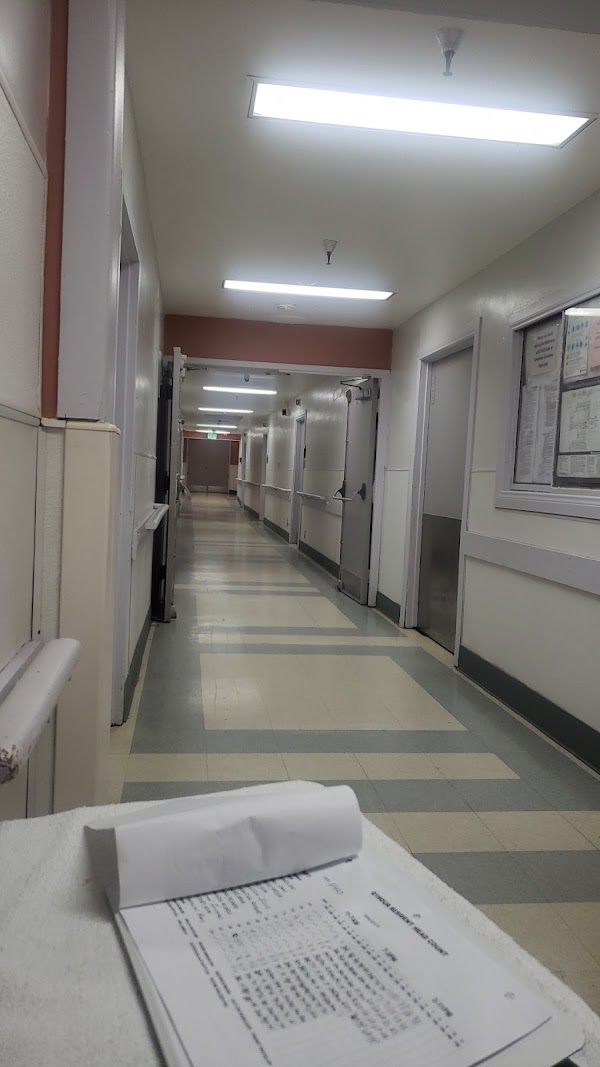
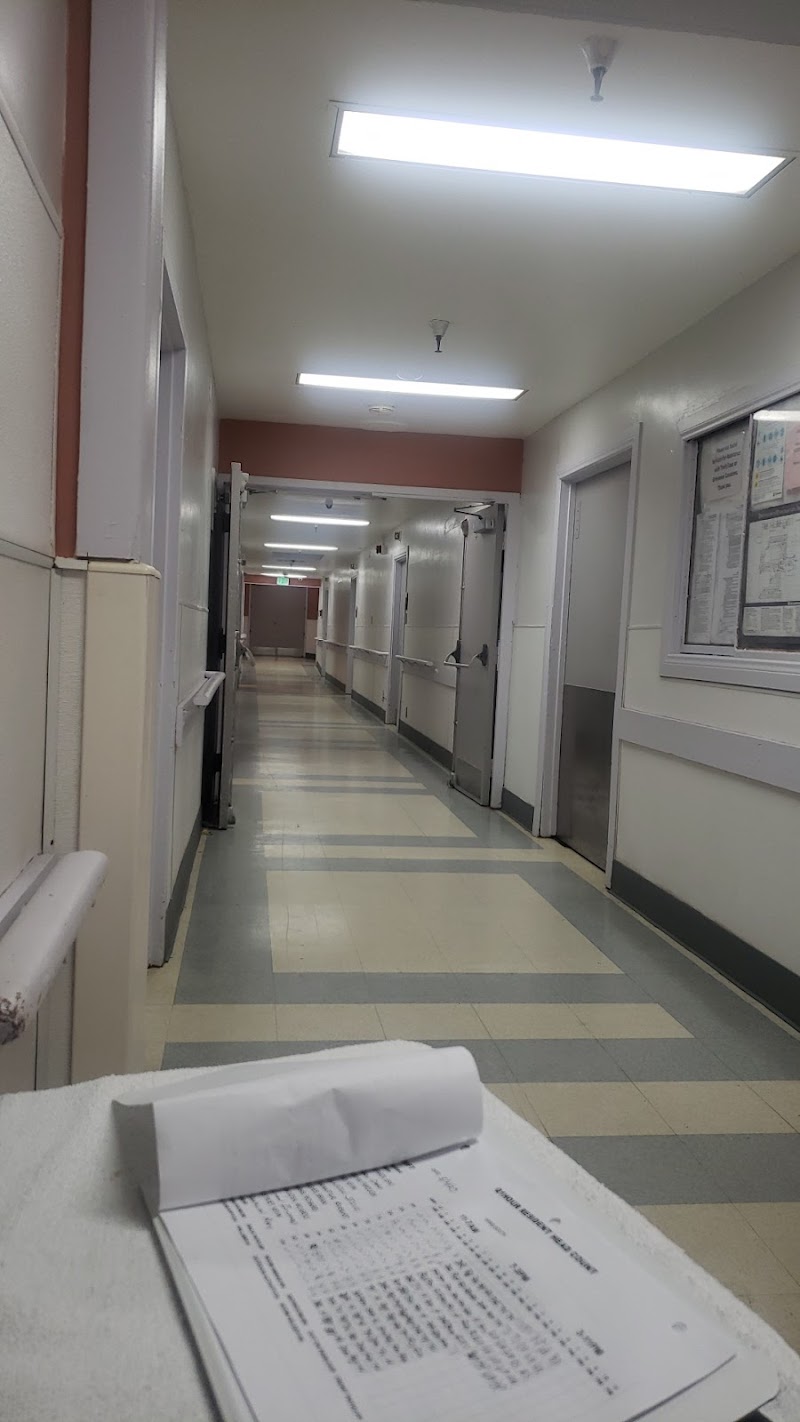
12023 LAKEWOOD BLVD., DOWNEY, CA 90242 (562) 869-0978
For profit - Corporation 290 Beds PACIFIC HEALTHCARE HOLDINGS Data: November 2025 2 Immediate Jeopardy citations
Trust Grade
0/100
#1055 of 1155 in CA
Last Inspection: October 2024

Within standard 12-15 month inspection cycle. Federal law requires annual inspections.

Overview

Lakewood Healthcare Center has received a Trust Grade of F, indicating significant concerns about the quality of care provided. Ranking #1055 out of 1155 facilities in California places them in the bottom half, while their county rank of #314 out of 369 shows that only a few local options are worse. The facility is on an improving trend, with issues decreasing from 43 in 2024 to 24 in 2025, but they still have a long way to go. Staffing is considered average with a turnover rate of 23%, which is better than the state average, but the RN coverage is concerning as it is lower than 89% of facilities in California. Notable incidents include a failure to follow infection control measures during COVID-19, resulting in risks to residents, and a resident eloping due to unsecured windows, highlighting weaknesses in safety protocols. While the staffing situation is somewhat stable, the critical incidents raise red flags for families considering this facility.

Trust Score
F
0/100
In California
#1055/1155
Bottom 9%
Safety Record
High Risk
Review needed
Inspections
Getting Better
43 → 24 violations
Staff Stability
✓ Good
23% annual turnover. Excellent stability, 25 points below California's 48% average. Staff who stay learn residents' needs.
Penalties
○ Average
$41,526 in fines. Higher than 59% of California facilities. Some compliance issues.
Skilled Nurses
⚠ Watch
Each resident gets only 16 minutes of Registered Nurse (RN) attention daily — below average for California. Fewer RN minutes means fewer trained eyes watching for problems.
Violations
⚠ Watch
116 deficiencies on record. Higher than average. Multiple issues found across inspections.
★☆☆☆☆
1.0
Overall Rating
★★★☆☆
3.0
Staff Levels
☆☆☆☆☆
0.0
Care Quality
★☆☆☆☆
1.0
Inspection Score
Stable
2024: 43 issues
2025: 24 issues

The Good

  • Low Staff Turnover (23%) · Staff stability means consistent care
  • Full Sprinkler Coverage · Fire safety systems throughout facility
  • No fines on record
  • Staff turnover is low (23%)

    25 points below California average of 48%

Facility shows strength in staff retention, fire safety.

The Bad

1-Star Overall Rating

Below California average (3.1)

Significant quality concerns identified by CMS

Federal Fines: $41,526

Above median ($33,413)

Moderate penalties - review what triggered them

Chain: PACIFIC HEALTHCARE HOLDINGS

Part of a multi-facility chain

Ask about local staffing decisions and management

The Ugly 116 deficiencies on record

2 life-threatening 1 actual harm
Aug 2025 1 deficiency
CONCERN (D) 📢 Someone Reported This

A family member, employee, or ombudsman was alarmed enough to file a formal complaint

Potential for Harm - no one hurt, but risky conditions existed

Medical Records (Tag F0842)

Could have caused harm · This affected 1 resident

**NOTE- TERMS IN BRACKETS HAVE BEEN EDITED TO PROTECT CONFIDENTIALITY** Based on interview and record review, the licensed nurse failed to document the monitoring of signs and symptoms of infection an...

Read full inspector narrative →
**NOTE- TERMS IN BRACKETS HAVE BEEN EDITED TO PROTECT CONFIDENTIALITY** Based on interview and record review, the licensed nurse failed to document the monitoring of signs and symptoms of infection and the amount of urine output, for one of three residents (Resident 1), on the Medication Administration Record on two different shifts in the month of February 2025. This deficient practice had the potential to result in lack of communication between staff and delay and interrupt the provision of care needed to maintain the residents' highest practicable, physical, mental, and psychosocial well-being. Findings: During a review of Resident 1's admission Record, the admission Record indicated Resident 1 was initially admitted to the facility on [DATE] and readmitted on [DATE]. Resident 1's diagnoses included Alzheimer's disease (a disease characterized by a progressive decline in mental abilities), acute kidney failure (when the kidneys suddenly stop working properly), and malignant neoplasm (cancer) of the prostate (a small gland in men that helped make some of the fluid in semen). During a review of Resident 1's History and Physical (H&P), dated 2/26/2025, the H&P indicated Resident 1 did not have the capacity to understand and make decisions. During a review of Resident 1's Minimum Data Set (MDS- a resident assessment tool), dated 2/27/2025, the MDS indicated Resident 1 had moderate cognitive impairment (ability to think and reason). The MDS indicated Resident 1 was dependent (helper did all the effort) on staff with self-care and mobility. During a review of Resident 1's care plan for Foley catheter (a hollow tube inserted into the bladder to drain or collect urine), initiated on 1/17/2025, the care plan goals indicated Resident 1 would show no signs or symptoms of infection (when harmful germs entered the body and caused illness) and remain free from catheter-related trauma. The care plan interventions indicated to check tubing for kinks each shift, monitor and document output, monitor for signs and symptoms of infection. During a review of Resident 1's Order Summary Report, dated 8/28/2025, the report indicated to assess the urinary drainage from the Foley catheter bag for signs and symptoms of infection, cloudiness, color, sediment (solid particles that settle at the bottom of a liquid), blood, odor, and amount of urine output every shift.During an interview on 8/28/2025 at 12:29 p.m. with Treatment Nurse (TN) 1, TN 1 stated Foley catheter care included checking the catheter and drainage bag every shift and as needed (PRN) for patency, drainage, urine output, color, sediment, cloudiness, bleeding, and any trauma to the genital area. TN 1 stated the licensed vocational nurse (LVN) performed these checks and were required to document their findings on the resident's Medication Administration Record (MAR). TN 1 stated documentation was important to confirm the urine output, ensure the bladder was emptying properly, and monitor the resident's overall health. TN 1 stated if sediment or blood was observed, the physician should be notified to determine the appropriate intervention. TN 1 stated this monitoring helped ensure there were no signs or symptoms of infection. TN 1 stated the risk of infection increased if the area was not kept clean or if assessments were missed, which could lead to an urinary tract infection (UTI- an infection in the bladder/urinary tract). TN 1 stated urine not draining or the presence of sediment could indicate infection. TN 1 stated no documentation meant the care was not provided, which could negatively affect the residents' quality of care. During a concurrent interview and record review on 8/28/2025 at 1:25 p.m. with Registered Nurse Supervisor (RNS) 1, Resident 1's MAR for 2/2025 was reviewed. The MAR indicated that nurses were to assess the urinary drainage from the Foley catheter bag for signs and symptoms of infection and the amount of urine output every shift, starting on 2/7/2025 at 3 p.m. RNS 1 stated there was no documentation of the urinary drainage assessment or accurate urine output on the MAR for the evening shift on 2/7/2025 and the night shift on 2/8/2025. RNS 1 stated it was unclear if Resident 1 had any signs or symptoms of infection. RNS 1 stated the LVN should document on the MAR every shift. RNS 1 stated it was standard of care and important to follow the physician's order. RNS 1 stated the lack of assessment and documentation increased the risk of quality of care. RNS 1 stated the Foley catheter care included monitoring urine output, observing color, monitoring for pain, and following up with a urologist (a medical specialist who diagnoses and treats disorders of the urinary system [kidneys, ureters, bladder, urethra]) if needed. RNS 1 stated dark or concentrated urine might mean the resident needed more fluids. RNS 1 stated sediment in the urine may mean there was a blockage. During a review of the facility's LVN Job Description, undated, the Job Description indicated, LVN's responsibilities included providing nursing care as ordered by the physician and recording care information accurately, timely and concisely. The Job Description further indicated LVNs should complete all required documentation, including resident assessments and interventions, in the medical record. During a review of the facility's policy and procedure (P&P) titled Indwelling Catheter, dated 9/1/2014, the P&P indicated, catheter care included intake and output recording. The P&P indicated documentation of catheter care would be maintained in the resident's medical record.
Aug 2025 2 deficiencies
CONCERN (D) 📢 Someone Reported This

A family member, employee, or ombudsman was alarmed enough to file a formal complaint

Potential for Harm - no one hurt, but risky conditions existed

Comprehensive Care Plan (Tag F0656)

Could have caused harm · This affected 1 resident

**NOTE- TERMS IN BRACKETS HAVE BEEN EDITED TO PROTECT CONFIDENTIALITY** Based on interview and record review, the facility failed to ensure a comprehensive care plan was developed or implemented for o...

Read full inspector narrative →
**NOTE- TERMS IN BRACKETS HAVE BEEN EDITED TO PROTECT CONFIDENTIALITY** Based on interview and record review, the facility failed to ensure a comprehensive care plan was developed or implemented for one out of three sampled residents (Resident 1) for oxygen administration (medical treatment that delivers oxygen at a concentration higher than room air). This deficient practice resulted in no care plan being created for Resident 1's oxygen administration, which could potentially cause a delay in care and negatively affect the delivery of care. Findings:During a review of Resident 1's admission Record, dated 8/26/2025, the admission Record indicated Resident 1 was originally admitted to the facility on [DATE] and readmitted on [DATE] with diagnoses including chronic obstructive pulmonary disease (COPD-a chronic lung disease causing difficulty in breathing) and schizoaffective disorder (a mental illness that can affect thoughts, mood, and behavior). During a review of Resident 1's History and Physical (H&P) dated 5/6/2025, the H&P indicated Resident 1 had fluctuating capacity to understand and make decisions. During a review of Resident 1's Minimum Data Set ([MDS] a resident assessment tool), dated 6/26/2025, the MDS indicated Resident 1 was able to understand and be understood by others. The MDS indicated Resident 1's cognitive skills for daily decision making were moderately impaired. The MDS indicated Resident 1 required supervision for eating, personal hygiene and putting off and on footwear. The MDS indicated Resident 1 required moderate assistance (helper does less than half the effort) for oral hygiene, toileting hygiene, shower/bathing and dressing. During a review of Resident 1's Order Summary Report, dated 8/25/2025, the order summary report indicated Resident 1 had an order for oxygen at two (2) liters per minute via nasal cannula (a small plastic tube, which fits into residents' nostrils for providing supplemental oxygen) to keep oxygen saturation at or above 92% for interstitial lung disease (a group of disorders that cause swelling and scarring in the lungs). During a review of Resident 1's electronic record, a care plan for Resident 1's oxygen administration was not found. During an interview on 8/27/2025 at 12:06 p.m., with Licensed Vocational Nurse (LVN) 1, LVN 1 stated a care plan had goals and interventions for residents to maintain a good quality of life. LVN 1 stated Resident 1's oxygen therapy (medical treatment that delivers oxygen at a concentration higher than room air) should be part of Resident1's care plan. LVN 1 stated a care plan must be developed for oxygen therapy to provide information to licensed nurses on how to monitor residents, what signs and symptoms to look out for and how many liters of oxygen to deliver to the residents. LVN 1 stated if there was no care plan, there would be no guidance for oxygen therapy. During an interview on 8/27/2025 at 1:31 p.m. with the Director of Nursing (DON), the DON stated a care plan was a focus on a resident's problem and was based on doctor orders and nursing interventions. The DON stated there should be a care plan for Resident 1's oxygen therapy. The DON stated if something did not get care planned, the facility might not provide what was needed for the residents. The DON stated it was important for things to get care planned to develop accurate interventions and to provide instructions on residents' care. During a review of facility's Policy and Procedures (P&P) titled Comprehensive Person - Centered Care Planning, dated 9/7/2023, the P&P indicated the facility would provide person - centered, comprehensive, and interdisciplinary care that reflects best practice standards for meeting health, safety, psychosocial, behavioral and environmental needs of the residents in order to obtain or maintain the highest physical, metal, and psychosocial well-being. During a review of facility's P&P titled Person - Centered Care Planning, dated 5/22/2025, the P&P indicated the comprehensive hare plan must describe the services that are to be furnished to attain or maintain the resident's highest practical physical, mental, and psychosocial well - being.
CONCERN (D) 📢 Someone Reported This

A family member, employee, or ombudsman was alarmed enough to file a formal complaint

Potential for Harm - no one hurt, but risky conditions existed

Respiratory Care (Tag F0695)

Could have caused harm · This affected 1 resident

**NOTE- TERMS IN BRACKETS HAVE BEEN EDITED TO PROTECT CONFIDENTIALITY** Based on observation, interview, and record review, the facility failed to administer oxygen safely for one out of three sampled...

Read full inspector narrative →
**NOTE- TERMS IN BRACKETS HAVE BEEN EDITED TO PROTECT CONFIDENTIALITY** Based on observation, interview, and record review, the facility failed to administer oxygen safely for one out of three sampled residents (Resident 1) by failing to ensure: 1. Resident 1's nasal cannula (a small plastic tube, which fits into the person's nostrils for providing supplemental oxygen) was dated with an open date; and2. Resident 1 received oxygen according to doctor's order. These deficient practices had the potential to cause Resident 1 to have lung damage and increased the risk for Resident 1 to develop a respiratory infection.Findings:During an observation on 8/26/2025 at 12:00 p.m. in Resident 1's room, Resident 1 received oxygen at five (5) liters per minute ([LPM] a unit that expresses flow rate). During an observation on 8/27/2025 at 10:09 a.m. in Resident 1's room, Resident 1 received oxygen at three (3) LPM. During a review of Resident 1's admission Record, the admission Record indicated Resident 1 was originally admitted to the facility on [DATE] and readmitted on [DATE] with diagnoses including chronic obstructive pulmonary disease (COPD-a chronic lung disease causing difficulty in breathing) and schizoaffective disorder (a mental illness that can affect thoughts, mood, and behavior). During a review of Resident 1's History and Physical (H&P) dated 5/6/2025, the H&P indicated Resident 1 had fluctuating capacity to understand and make decisions. During a review of Resident 1's Minimum Data Set ([MDS] a resident assessment tool), dated 6/26/2025, the MDS indicated Resident 1's cognitive skills for daily decision making was moderately impaired. The MDS indicated Resident 1 required supervision for eating, personal hygiene and putting off and on footwear. The MDS indicated Resident 1 required moderate assistance (helper does less than half the effort) for oral hygiene, toileting hygiene, shower/bathing and dressing. During a review of Resident 8's Order Summary Report, dated 8/25/2025, the order summary report indicated Resident 1 had an order for oxygen at two (2) liters per minute via nasal cannula (a small plastic tube, which fits into residents' nostrils for providing supplemental oxygen) to keep oxygen saturation (the amount of oxygen you have circulating in your blood) at or above 92% for interstitial lung disease (a group of conditions that cause inflammation and scarring in the lungs' interstitial tissue). During an interview on 8/27/2025 at 12:06 p.m. with Licensed Vocational Nurse (LVN) 1, LVN 1 stated Resident 1 was on continuous oxygen at 2 LPM. LVN 1 stated licensed nurses set the oxygen setting based on doctors' orders and all licensed nurses must follow doctors' orders. LVN 1 stated if a licensed nurse delivered more oxygen than ordered, it would potentially compromise Resident 1's air exchange. LVN 1 stated for a resident with a diagnosis of COPD, a high oxygen flow rate could damage their lungs. LVN 1 stated he checked Resident 1's nasal cannula and it was dated with an open date. LVN 1 stated nasal cannulas must get changed once a week and dated when a new one is opened. LVN 1 stated nasal cannulas get changed for infection control. During a concurrent observation and interview on 8/27/2025 at 12:42 p.m. with LVN 1 in Resident 1's room, Resident 1 received oxygen at 3 LPM and the nasal cannula did not have a label with an open date. LVN 1 stated oxygen should be set to deliver 2 LPM and he did not know it was set to 3 LPM. LVN 1 stated delivering 3 LPM to Resident 1 was not following the doctor's orders because the doctor's order indicated to deliver oxygen at 2 LPM. LVN 1 stated licensed nurses put Resident 1's health at risk because they did not follow doctors' orders. LVN 1 stated the nasal cannula was not labeled with an open date and should be dated so they would know when to change the cannula to prevent infections. During an interview on 8/27/2025 at 1:31 p.m. with the Director of Nursing (DON), the DON stated Resident 1 was on oxygen therapy because he had episodes of fluctuating oxygen saturation. The DON stated licensed nurses must set oxygen according to doctor's orders because that was the doctor's recommendation. The DON stated if a resident received more oxygen than ordered it would potentially hyper oxygenate (to administer a higher-than-normal concentration of oxygen) the resident. The DON stated it was important to deliver the correct amount of oxygen to the residents to maintain residents at the indicated level. During a review of facility's Policy & Procedure (P&P) titled Oxygen therapy, dated 11/2017, the P&P indicated oxygen would be administered under safe and sanitary conditions to meet resident needs. The P&P indicated licensed nurses' staff would administer oxygen as prescribed. The P&P indicated nasal tubing should be changed no more than every 7 days and labeled with the date of change.
Jul 2025 1 deficiency
CONCERN (E) 📢 Someone Reported This

A family member, employee, or ombudsman was alarmed enough to file a formal complaint

Potential for Harm - no one hurt, but risky conditions existed

Deficiency F0605 (Tag F0605)

Could have caused harm · This affected multiple residents

**NOTE- TERMS IN BRACKETS HAVE BEEN EDITED TO PROTECT CONFIDENTIALITY** Based on interview and record review, the facility failed to ensure non-pharmacological interventions (NPIs- treatments that do ...

Read full inspector narrative →
**NOTE- TERMS IN BRACKETS HAVE BEEN EDITED TO PROTECT CONFIDENTIALITY** Based on interview and record review, the facility failed to ensure non-pharmacological interventions (NPIs- treatments that do not involve medications) were documented prior to the administration of Ativan (antianxiety medication used to treat anxiety which is the feeling of fear, dread, and uneasiness) for one of six sampled Residents (Resident 5).This deficient practice had the potential to result in Resident 5's cause of anxiety induced behaviors being unaddressed being managed only with medication.Findings:During a review of Resident 5's admission Record (Face Sheet), the Face Sheet indicated Resident 5 was initially admitted to the facility on [DATE] and readmitted on [DATE] with diagnoses that included anxiety disorder, schizophrenia (a mental illness that is characterized by disturbances in thought), and bipolar disorder (sometimes called manic-depressive disorder; mood swings that range from the lows of depression to elevated periods of emotional highs). During a review of Resident 5's Minimum Data Set (MDS- a resident assessment tool), dated 6/18/2025, the MDS indicated Resident 5's cognition (process of thinking) was moderately impaired. The MDS indicated Resident 5 had delusions (misconceptions or beliefs that are firmly held, contrary to reality) and had verbal behavioral symptoms directed at others (such as threatening, screaming, or cursing at others). The MDS indicated Resident 5 required moderate assistance (helper does less than half the effort) with oral hygiene, toileting, bathing, and dressing. The MDS indicated Resident 5 took antianxiety medication.During a review of Resident 5's History and Physical (H&P), dated 6/13/2025, the H&P indicated Resident 5 did not have the capacity to understand and make decisions. During a review of Resident 5's Order Summary Report, dated 6/30/2025, the Order Summary Report indicated to give Ativan 1 milligram (mg, a unit of measurement), every six hours as needed for increased anxiety and agitation, for 14 days.During a review of Resident 5's Order Summary Report, dated 7/15/2025, the Order Summary Report indicated to:1. Give Ativan 1 mg, every six hours as needed for anxiety manifested by angry outbursts, packing, and throwing things on the floor and walls, for 14 days.2. Monitor target behaviors (specific behavior identified) for Ativan for anxiety due to angry outbursts, pacing, and throwing things on the floor and walls. Indicate the number of behaviors followed by the NPI and whether the NPI was effective.During a review of Resident 5's Order Summary Report, dated 7/31/2025, the Order Summary Report indicated to:1. Give Ativan 1 mg, every six hours as needed for anxiety manifested by angry outbursts, packing, and throwing things on the floor and walls, for 14 days.2. Monitor target behaviors for Ativan for anxiety due to angry outbursts, pacing, throwing things on the floor and walls. Indicate the number of behaviors followed by the NPI and whether the NPI was effective.During a review of Resident 5's Care Plan titled, Uses Anti-Anxiety Medications, revised 11/15/2024, the Care Plan's interventions indicated to monitor [and] record occurrences of target behavior symptoms of pacing, wandering, disrobing, inappropriate response to verbal communication, violence/aggression towards staff [and] others, and document per facility protocol.During a review of Resident 5's Care Plan titled, Mood Problem Related to Anxiety, revised 12/20/2024, the Care Plan's interventions indicated to assist the resident in developing/provide the resident with a program of activities that is meaningful and of interest. Encourage and provide opportunities for exercise [and] physical activity.During an interview on 7/31/2025 at 2:58 p.m., with Licensed Vocational Nurse (LVN), LVN 4 stated Resident 5 often became very impatient and anxious where Resident 5 would begin pacing and screaming. LVN 4 stated whenever Resident 5 exhibited anxious behaviors, the nursing staff would try to calm him down by suggesting Resident 5 go to his room where it was quiet, offering him cigarettes or snacks. LVN 4 stated when the NPIs were ineffective, he would administer Resident 5 the Ativan. LVN 4 stated attempting NPIs were essential to determine the cause of the target behaviors and to see if redirection (intervening in or managing inappropriate behavior by diverting their attention) was successful to limit the use of medication. LVN 4 stated Resident 5 had an order for Ativan 1mg to administer if needed to treat specific behaviors. LVN 4 stated when Resident 5 exhibited the target behaviors, the behavior, the successful or unsuccessful NPIs attempted, and the administered medication had to be documented. During a concurrent interview and record review on 7/31/2025 at 3:04 p.m., with Licensed Vocational Nurse (LVN) 4, Resident 5's Medication Administration Record (MAR - a daily documentation record used by a licensed nurse to document medications and treatments given to a resident) and Administration Notes, dated 7/1/2025 through 7/31/2025, were reviewed. The MAR and Administration Notes indicated on the following dates and times Ativan 1mg was administered and no indication of NPIs attempted:- 7/1/2025 at 6:05 p.m.- 7/2/2025 at 6:10 p.m.- 7/4/2025 at 9 a.m.- 7/5/2025 at 6:08 p.m.- 7/6/2025 at 6:03 p.m.- 7/7/2025 at 6:10 p.m.- 7/8/2025 at 7:17 p.m.- 7/11/2025 at 6:29 p.m.- 7/12/2025 at 6:54 p.m.- 7/13/2025 at 6:21 p.m.- 7/14/2025 at 7:35 p.m.- 7/17/2025 at 7:40 p.m.- 7/18/2025 at 6:08 p.m.- 7/19/2025 at 6:02 p.m.- 7/20/2025 at 6:29 p.m.- 7/21/2025 at 11:45 p.m.- 7/23/2025 at 7:32 p.m.- 7/24/2025 at 7:10 p.m.- 7/25/2025 at 7:09 p.m.- 7/26/2025 at 7:21 p.m.- 7/29/2025 at 6:15 a.m.- 7/30/2025 at 7:02 p.m.LVN 5 stated the attempted NPIs were not documented and if they were not documented, there was no proof of the NPIs attempted. LVN 5 stated without indicating the NPIs attempt, it appeared Resident 5's anxiety was only treated with medication. LVN 5 stated Resident 5 took other medications to treat other mental illnesses and behaviors, and the use of Ativan should be used when NPIs were ineffective to reduce any adverse reactions (unintended, harmful, or unpleasant reaction to a medication).During an interview on 7/31/2025 at 3:17 p.m., with the Director of Nursing (DON), the DON stated prior to administering Ativan, the licensed nurse was responsible for assessing Resident 5 and determine if administering Ativan was appropriate to treat the target behaviors. The DON stated part of the assessment was initially attempting various NPIs such as socializing with Resident 5, offering snacks and cigarettes, providing activities, redirecting to their room or to listen to music and determining if the NPIs were effective or not. The DON stated if the NPIs were ineffective, the ordered Ativan would be administered. The DON stated the attempted NPIs had to be documented in Resident 5's electronic health record (eHR) to support the appropriate administration of Ativan. The DON stated without documenting the attempted NPIs, there was no proof of NPIs attempted and anyone reviewing Resident 5's eHR would think administering medication was the primary intervention for Resident 5's behaviors.During a review of the facility's Policy and Procedure (P&P) titled, Behavior/Psychoactive Medication Management, revised 4/24/2025, the P&P indicated, The licensed nurse will collaborate with the healthcare practitioner, family, resident, and/or interdisciplinary team members [IDT], to identify the contributing factors related to the resident's mood/behavior and the non-medication interventions to be implemented.During a review of the facility's P&P titled, Resident Rights- Quality of Life, revised 3/2017, the P&P indicated, Each resident shall be cared for in a manner that promotes and enhances the quality of life, dignity, respect, individuality and receives services in a person-centered manner, as well as those that support the resident in attaining or maintaining his/her highest practicable well-being.
Jul 2025 1 deficiency
CONCERN (D) 📢 Someone Reported This

A family member, employee, or ombudsman was alarmed enough to file a formal complaint

Potential for Harm - no one hurt, but risky conditions existed

Deficiency F0658 (Tag F0658)

Could have caused harm · This affected 1 resident

**NOTE- TERMS IN BRACKETS HAVE BEEN EDITED TO PROTECT CONFIDENTIALITY** Based on interview and record review, the facility failed to follow the physician's order for one of three sampled residents (Re...

Read full inspector narrative →
**NOTE- TERMS IN BRACKETS HAVE BEEN EDITED TO PROTECT CONFIDENTIALITY** Based on interview and record review, the facility failed to follow the physician's order for one of three sampled residents (Resident 5), who had an order for one-to-one monitoring ([1:1] assigning a dedicated staff member to continuously observe and monitor a single resident to ensure their safety and well-being).This failure placed the resident at risk of not receiving the care and services necessary to maintain the residents' highest practicable physical, mental and psychosocial well-being.Findings:During a review of Resident 5's admission Record, the admission Record indicated Resident 5 was originally admitted to the facility on [DATE] and was readmitted on [DATE]. Resident 5's diagnoses included polyarthritis (a medical condition characterized by inflammation and pain in multiple joints) and unspecified dementia (a progressive state of decline in mental abilities), unspecified severity with other behavioral disturbance.During a review of Resident 5's Minimum Data Set ([MDS], a resident assessment tool), dated 5/19/2025, the MDS indicated Resident 5 had severe cognitive impairment. The MDS indicated Resident 5 required partial/moderate assistance (helper does less than half of the effort) for Activities of Daily Living (ADLs) such as eating and oral hygiene.During a review of Resident 5's Order Summary Report for 7/2025, the Order Summary Report indicated a physician order dated 7/22/2025 for Resident 5 to have 1:1 monitoring (reason not specified).During a review of Resident 5's care plan titled Resident to resident altercation, patient hit another resident. dated 7/28/2025, the interventions indicated to provide safe and stress free environment, observe and monitor for any changes in behavior for 72 hours and notify the physician (PCP) for any significant changes, monitor episode of emotional distress for 3 days, 1:1 monitoring s/p (post) resident to resident altercation and 3o minutes monitoring every shift for 3 days.During a review of Resident 5's Order Summary Report for 7/2025, the Order Summary Report indicated a physician order dated 7/28/2025 for Resident 5 to have 1:1 monitoring s/p resident to resident altercation and 30-minute monitoring every shift for 3 days.During a concurrent interview and record review on 7/31/2025 at 12:23 p.m. with Registered Nurse (RN) 3, Resident 5's physician order dated 7/22/2025 and 7/28/2025, were reviewed. RN 3 stated Resident 5 had an order for 1:1 monitoring on 7/22/2025 and an order dated 7/28/2025 which indicated 1:1 monitoring s/p resident to resident altercation and 30-minute monitoring every shift for 3 days. RN 3 stated Charge Nurses and the Director of Staff Development (DSD) should ensure all residents with orders for monitoring for 1:1 should have an assigned staff.During an interview on 7/31/2025 at 12:54 p.m. with the DSD, the DSD stated the facility did not assign staff to do 1:1 monitoring on Resident 5 on 7/26/2025 and 7/27/2025. The DSD stated Resident 5's progress notes did not indicate if Resident 5's behaviors were evaluated or if the PCP was called to clarify if the 1:1 order was still needed.During a concurrent interview and record review on 7/31/2025 at 1:24 p.m. with the Director of Nursing (DON), Resident 5's Order Summary Report, dated 7/28/2025, were reviewed. The DON stated residents on 1:1 monitoring should be reevaluated after 24 or 72 hours for any safety concerns and re-evaluate if the 1:1 monitoring is still needed or not. The DON stated Charge Nurses should ensure residents with a 1:1 order was assigned to staff every shift. The DON stated the facility had no policy indicating that 1:1 monitoring orders should automatically end after 72 hours.During an interview on 8/1/2025 at 1:34 p.m. with the DON, the DON stated the facility staff should have reassessed Resident 5's behavior for any safety concerns and called the resident's PCP to update and verify if Resident 5 would still require the 1:1 monitoring order.During a review of the facility's policy and procedure (P&P) titled, MR29 Physician Orders, dated 12/28/2022, the P&P indicated, the licensed nurse should confirm that physician orders are clear, complete, and accurate as needed. The P&P indicated treatment orders (essential for the proper care and management of residents, including medication administration, dietary restrictions, and other medical interventions tailored to the resident's specific needs and are crucial for healthcare providers to communicate these clearly and consistently to maintain the quality of care and compliance with medical standards) should include the duration of order (when appropriate).
Jul 2025 2 deficiencies
CONCERN (D) 📢 Someone Reported This

A family member, employee, or ombudsman was alarmed enough to file a formal complaint

Potential for Harm - no one hurt, but risky conditions existed

Comprehensive Care Plan (Tag F0656)

Could have caused harm · This affected 1 resident

**NOTE- TERMS IN BRACKETS HAVE BEEN EDITED TO PROTECT CONFIDENTIALITY** Based on interview and record review, the facility failed to implement a care plan intervention to document wandering behavior (...

Read full inspector narrative →
**NOTE- TERMS IN BRACKETS HAVE BEEN EDITED TO PROTECT CONFIDENTIALITY** Based on interview and record review, the facility failed to implement a care plan intervention to document wandering behavior (a person wandering moving from one place to place without a clear or immediate purpose) for one of seven sampled residents (Resident 1). This deficient practice resulted in Resident 1 leaving the facility unnoticed.Findings: During a review of Resident 1's admission Record (front page of the chart that contains a summary of basic information about the resident), the admission Record indicated, Resident 1 was admitted to the facility on [DATE]. Resident 1's diagnoses included schizophrenia (a mental illness that is characterized by disturbances in thought), type 2 diabetes mellitus without complications ([DM] - a disorder characterized by difficulty in blood sugar control and poor wound healing), and anemia (a condition where the body does not have enough healthy red blood cells). During a review of Resident 1's History and Physical (H&P), dated 3/5/2025, the H&P indicated, Resident 1 had fluctuating capacity to understand and make decisions. During a review of Resident 1's Minimum Data Assessment ([MDS] - a resident assessment tool), dated 6/9/2025, the MDS indicated, Resident 1 was able to understand and be understood by others. The MDS indicated, Resident 1's cognitive (ability to think and reason) skills for daily decision making was moderately impaired (decisions poor, cues/supervision required). The MDS indicated Resident 1 required supervision (helper provides verbal cues) from staff for activities of daily living such as toileting hygiene, upper body dressing and personal hygiene. The MDS indicated, Resident 1 had not exhibited wandering behavior. During a concurrent interview and record review on 7/16/2025 at 10:42 a.m., with Registered Nurse 1 (RN 1), Resident 1's care plan, titled The resident is an elopement risk related to disoriented to place) dated 3/5/2025, was reviewed. RN 1 stated one of the interventions indicated to document wandering behavior and attempt diversional interventions in behavior log. RN 1 stated the facility staff did not monitor and document Resident 1's wandering behavior since he did not attempt or exhibited that kind of behavior. RN 1 stated Resident 1's wandering behavior should be monitored by putting the number of episodes and documented on the Medication Administration Record ([MAR] - a daily documentation record used by a licensed nurse to document medications and treatments given to a resident). RN 1 stated it is important to document Resident 1's wandering behavior so they could prevent and developed a plan for resident not to leave unattended and implement interventions to mitigate the risks. RN 1 stated care plan interventions should be followed and implemented for continuity of care. During an interview on 7/16/2025 at 12:31 p.m., with the Assistant Director of Nursing (ADON), the ADON stated there was no documented evidence of the number of episodes of Resident 1's wandering behavior. The ADON stated care plan is a communication tool among Interdisciplinary Team ([IDT] - a group of healthcare professionals working together to plan the care needed for each resident) to provide standard of care to residents. The ADON stated the facility did not follow the care plan intervention. The ADON stated it is important to implement each intervention in the care plan so they can manage and meet the needs of the resident. During a review of the facility's policy and procedure (P&P) titled, Comprehensive Person-Centered Care Planning, dated 9/7/2023, the P&P indicated, The facility will provide person-centered, comprehensive, and interdisciplinary care that reflects best practice standards for meeting health, safety, psychosocial, behavioral, and environmental needs of residents in order to obtain or maintain the highest physical, mental, and psychosocial well-being.
CONCERN (D) 📢 Someone Reported This

A family member, employee, or ombudsman was alarmed enough to file a formal complaint

Potential for Harm - no one hurt, but risky conditions existed

Accident Prevention (Tag F0689)

Could have caused harm · This affected 1 resident

**NOTE- TERMS IN BRACKETS HAVE BEEN EDITED TO PROTECT CONFIDENTIALITY** Based on interview and record review, the facility failed to ensure one of seven sampled residents (Resident 1) did not elope (l...

Read full inspector narrative →
**NOTE- TERMS IN BRACKETS HAVE BEEN EDITED TO PROTECT CONFIDENTIALITY** Based on interview and record review, the facility failed to ensure one of seven sampled residents (Resident 1) did not elope (leave the facility unsupervised) by failing to:1. Conduct regular inspection of the facility's exterior gate.2. Document Resident 1's wandering behavior episode as indicated in the care plan.This deficient practice resulted in Resident 1 leaving the facility unnoticed on 7/14/2025. Findings: During a review of Resident 1's admission Record (front page of the chart that contains a summary of basic information about the resident), the admission Record indicated, Resident 1 was admitted to the facility on [DATE]. Resident 1's diagnoses included schizophrenia (a mental illness that is characterized by disturbances in thought), type 2 diabetes mellitus without complications ([DM] - a disorder characterized by difficulty in blood sugar control and poor wound healing), and anemia (a condition where the body does not have enough healthy red blood cells). During a review of Resident 1's History and Physical (H&P), dated 3/5/2025, the H&P indicated, Resident 1 had fluctuating capacity to understand and make decisions. During a review of Resident 1's Minimum Data Assessment ([MDS] - a resident assessment tool), dated 6/9/2025, the MDS indicated, Resident 1 was able to understand and be understood by others. The MDS indicated, Resident 1's cognitive (ability to think and reason) skills for daily decision making was moderately impaired (decisions poor, cues/supervision required). The MDS indicated Resident 1 required supervision (helper provides verbal cues) from staff for activities of daily living such as toileting hygiene, upper body dressing and personal hygiene. The MDS indicated, Resident 1 had not exhibited wandering behavior. During a review of Resident 1's Elopement Evaluation, dated 3/4/2025, 6/6/2025, and 6/12/2025 indicated Resident 1 was not at risk for elopement. During a review of Resident 1's Progress Notes, dated 7/14/2025, the Progress Notes indicated, Resident 1 was last seen at around 4:15 a.m. and noted missing around 5:00 a.m. during medication pass administration. During an interview on 7/15/2025 at 3:28 p.m. with the Director of Maintenance (DOM), The DOM stated he had no documented record log of the exterior gate including the padlock and chain were routinely inspected. The DOM stated the padlock and the chain on the exterior gate was old. The DOM stated the padlock and chain on the exterior gates are primarily for safety and security reasons to prevent residents from leaving unattended. The DOM stated Resident 1 probably pushed the exterior gate so hard and was able to disengage the padlock from the chain. The DOM stated it was important to conduct regular inspection of the exterior gates to create a safe and secured environment. During a concurrent interview and record review on 7/16/2025 at 10:42 a.m., with Registered Nurse 1 (RN 1), Resident 1's care plan, titled The resident is an elopement risk related to disoriented to place) dated 3/5/2025, was reviewed. RN 1 stated one of the interventions indicated to document wandering behavior and attempt diversional interventions in behavior log. RN 1 stated the facility staff did not monitor and document Resident 1's wandering behavior since he did not attempt or exhibited that kind of behavior. RN 1 stated Resident 1's wandering behavior should be monitored by putting the number of episodes and documented on the Medication Administration Record ([MAR] - a daily documentation record used by a licensed nurse to document medications and treatments given to a resident). RN 1 stated it is important to document Resident 1's wandering behavior so they could prevent and developed a plan for resident not to leave unattended and implement interventions to mitigate the risks. RN 1 stated care plan interventions should be followed and implemented for continuity of care. During an interview on 7/16/2025 at 12:31 p.m., with the Assistant Director of Nursing (ADON), the ADON stated there was no documented evidence of the number of episodes of Resident 1's wandering behavior. The ADON stated it was important to keep tract of Resident 1's wandering behavior so they could notify the physician. During a review of the facility's policy and procedure (P&P) titled, Maintenance Service, dated 1/1/2012, the P&P indicated, To protect the health and safety of the residents, visitors, and facility staff. The P&P indicated the Director of Maintenance is responsible for maintaining the inspection record report of the building. During a review of the facility's P&P titled, Wandering and Elopement, dated 2/10/2023 indicated the resident's risk for elopement and preventative interventions will be documented in the resident's medical record. During a review of the facility's P&P titled, Comprehensive Person-Centered Care Planning, dated 9/7/2023, indicated the facility will provide person-centered, comprehensive, and interdisciplinary care that reflects best practice standards for meeting health, safety, psychosocial, behavioral, and environmental needs of residents in order to obtain or maintain the highest physical, mental, and psychosocial well-being.
Jul 2025 2 deficiencies
CONCERN (D) 📢 Someone Reported This

A family member, employee, or ombudsman was alarmed enough to file a formal complaint

Potential for Harm - no one hurt, but risky conditions existed

Notification of Changes (Tag F0580)

Could have caused harm · This affected 1 resident

**NOTE- TERMS IN BRACKETS HAVE BEEN EDITED TO PROTECT CONFIDENTIALITY** Based on interview and record review, the facility failed to notify one of seven sampled residents' (Resident 6) Responsible Par...

Read full inspector narrative →
**NOTE- TERMS IN BRACKETS HAVE BEEN EDITED TO PROTECT CONFIDENTIALITY** Based on interview and record review, the facility failed to notify one of seven sampled residents' (Resident 6) Responsible Party (RP) 1 of Resident 6's abuse allegation with another resident.This deficient practice resulted in RP 1 being unaware of Resident 6's wellbeing and of the facility's interventions to keep Resident 6 safe.Findings:During a review of Resident 6's admission Record (Face Sheet), the Face Sheet indicated Resident 6 was initially admitted to the facility on [DATE] and readmitted on [DATE] with diagnoses including schizoaffective disorder (a mental illness that can affect thoughts, mood, and behavior), major depressive disorder (a mood disorder that causes a persistent feeling of sadness and loss of interest), and anxiety disorder (persistent and excessive worry that interferes with daily activities). The Face Sheet indicated Resident 6 was self-responsible and RP 1 was Resident 6's first emergency contact.During a review of Resident 6's Minimum Data Set (MDS- a federally mandated resident assessment tool), dated 4/10/2025, the MDS indicated Resident 6 was able to understand and be understood by others and Resident 6's cognition (process of thinking) was moderately impaired. The MDS indicated Resident 6 required maximal assistance (helper does more than half the effort) with toileting, bathing, and dressing. During a review of Resident 6's History and Physical (H&P), dated 8/28/2024, the H&P indicated Resident 6 could make needs known but could not make medical decisions.During a review of Resident 6's Change in Condition Evaluation (COC), dated 7/2/2025, the COC indicated on 7/2/2025, Resident 6 reported to the activity aide that another resident grabbed onto his neck and was hit on the head. During an interview on 7/8/2025 at 1:11 p.m., with RP 1, RP 1 stated he was the point of contact for Resident 6, which meant anything that happened to Resident 6, he was supposed to be notified. RP 1 stated he did not receive a phone call from the facility on 7/2/2025 and was not informed about Resident 6's abuse allegation. RP 1 stated he wanted to be informed of Resident 6's well-being to ensure Resident 6 was safe in the facility.During an interview on 7/8/2025 at 1:52 p.m., with Registered Nurse (RN) 2, RN 2 stated when an abuse allegation was made, the licensed nurse was responsible for notifying the resident's RP. RN 2 stated the purpose of notifying the RP was to ensure the RP was aware of the resident's well-being and to allow the RP to make any necessary decisions. RN 2 stated the resident's RP was listed on their Face Sheet.During a concurrent interview and record review on 7/8/2025 at 1:55 p.m., with RN 2, Resident 6's H&P dated 8/28/2024 was reviewed. RN 2 stated Resident 6 could not make medical decisions, therefore should have a designated RP to be notified of any changes and to make any necessary medical decisions. During a concurrent interview and record review on 7/8/2025 at 1:57 p.m., with RN 2, Resident 6's Face Sheet was reviewed. RN 2 stated Resident 6 was listed as his own RP and RP 1 was listed as Resident 6's emergency contact. RN 2 stated Resident 6's Face Sheet was incorrect, and Resident 6 should not be listed as his own RP. During a concurrent interview and record review on 7/8/2025 at 1:59 p.m., with RN 2, Resident 6's COC, dated 7/2/2025, was reviewed. RN 2 stated on 7/2/2025, she was under the impression that Resident 6 was his own RP based on Resident 6's Face Sheet RN 2 stated she did not notify RP 1 of Resident 6's abuse allegation. RN 2 stated notifying RP 1 was important to allow RP 1 to make any medical decisions that were best for Resident 6 related to the allegation such as sending Resident 6 to the hospital for evaluation. During an interview on 7/8/2025 at 2:13 p.m. with the Director of Nursing (DON), the DON stated RP 1 should have been notified of Resident 6's abuse allegation. The DON stated RP 1 was part of the healthcare team and RP 1 was the person to agree or disagree with Resident 6's plan of care. The DON stated notifying RP 1 was necessary to allow RP 1 to make any medical decisions related to Resident 6's care. During a review of the facility's Policy and Procedure (P&P) titled, Abuse Prevention and Management, dated 6/12/2024, the P&P indicated once an abuse allegation was made, the licensed nurse was responsible for notifying the responsible party of the incident and the results of assessment findings.
CONCERN (D) 📢 Someone Reported This

A family member, employee, or ombudsman was alarmed enough to file a formal complaint

Potential for Harm - no one hurt, but risky conditions existed

Free from Abuse/Neglect (Tag F0600)

Could have caused harm · This affected 1 resident

**NOTE- TERMS IN BRACKETS HAVE BEEN EDITED TO PROTECT CONFIDENTIALITY** Based on interview and record review, the facility failed to protect one of three sampled resident's (Resident 6) right to be fr...

Read full inspector narrative →
**NOTE- TERMS IN BRACKETS HAVE BEEN EDITED TO PROTECT CONFIDENTIALITY** Based on interview and record review, the facility failed to protect one of three sampled resident's (Resident 6) right to be free from physical abuse by another resident (Resident 7). This deficient practice had the potential for Resident 6 experiencing further abuse from Resident 7.Findings:a. During a review of Resident 6's admission Record (Face Sheet), the Face Sheet indicated Resident 6 was initially admitted to the facility on [DATE] and readmitted on [DATE] with diagnoses that included schizoaffective disorder (a mental illness that can affect thoughts, mood, and behavior), major depressive disorder (a mood disorder that causes a persistent feeling of sadness and loss of interest), and anxiety disorder (persistent and excessive worry that interferes with daily activities).During a review of Resident 6's Minimum Data Set (MDS- a federally mandated resident assessment tool), dated 4/10/2025, the MDS indicated Resident 6's cognition (process of thinking) was moderately impaired. The MDS indicated Resident 6 required maximal assistance (helper does more than half the effort) with toileting, bathing, and dressing. During a review of Resident 6's History and Physical (H&P), dated 8/28/2024, the H&P indicated Resident 6 could make needs known but could not make medical decisions.During a review of Resident 6's Change in Condition Evaluation (COC), dated 3/14/2025, the COC indicated on 3/14/2025, the Licensed Vocational Nurse (LVN) reported Resident 6 was hit in the face, for no reason, by another resident.During a review of Resident 6's COC, dated 7/2/2025, the COC indicated on 7/2/2025, Resident 6 reported to the activity aide that another resident grabbed onto his neck and was hit on the head.b. During a review of Resident 7's admission Record (Face Sheet), the Face Sheet indicated Resident 7 was initially admitted to the facility on [DATE] and readmitted on [DATE] with diagnoses that included schizophrenia (a mental illness that is characterized by disturbances in thought), anxiety disorder, and encephalopathy (any damage or disease that affects the brain). During a review of Resident 7's MDS, dated [DATE], the MDS indicated Resident 7's cognition was moderately impaired. The MDS indicated Resident 7 had delusions. The MDS indicated Resident 7 required supervision with eating, oral hygiene, toileting, bathing, dressing, and personal hygiene. During a review of Resident 7's H&P, dated 5/3/2025, the H&P indicated Resident 7 did not have the capacity to understand and make decisions. During a review of Resident 7's COC, dated 3/14/2025, the COC indicated on 3/14/2025, Resident 7 claimed another resident spat on him, then Resident 7 hit the other resident in the face.During a review of Resident 7's COC, dated 7/2/2025, the COC indicated another resident reported to the activity aide that Resident 7 grabbed his neck and hit him on his head for no reason. During a review of Resident 7's Care Plan titled, Behavioral Issues, revised 5/5/2025, the Care Plan indicated Resident 7 had behavioral issues related to schizophrenia manifested by auditory hallucinations (sounds or voices that are no there) telling him to hurt others, schizophrenia manifested by paranoid delusions that someone will hurt him, and schizoaffective disorder manifested by sudden change in mood from pleasant to extreme anger. The Care Plan's interventions indicated to intervene as necessary to protect the rights and safety of others, divert attention, and remove from the situation and take to an alternate location.During an interview on 7/8/2025 at 11:44 a.m., with Resident 6, Resident 6 stated on 7/2/2025, Resident 7 grabbed him from behind, held onto the front of his neck, and hit the back of his head.During an interview on 7/8/2025 at 12 p.m., with Activities Assistant (AA) 1, AA 1 stated on 7/2/2025 at approximately 9:30 a.m., Resident 6 approached him and informed him Resident 7 tried to choke and hit Resident 6 on the back of the head. AA 1 stated, [Resident 7]'s behavior is usually up and down.During an interview on 7/8/2025 at 12:11 p.m., with Certified Nursing Assistant (CNA) 5, CNA 5 stated he observed Resident 7 place his hand onto the back of Resident 6's neck. CNA 5 stated after observing the incident, he brought Resident 6 to his room to ensure Resident 6 was okay. During an interview on 7/8/2025 at 12:36 p.m., with the Director of Nursing (DON), the DON stated upon investigation of Resident 6's allegation, he confirmed Resident 7 approached Resident 6 and tapped Resident 6's neck. During an interview on 7/8/2025 at 12:51 p.m., with Social Services (SS) 1, SS 1 stated Resident 6 continued to claim Resident 7 came from behind and grabbed his (Resident 6) neck. SS 1 stated upon speaking to the nursing staff, Resident 7 walked behind Resident 6 and touched Resident 6's neck. SS 1 stated Resident 7's behavior has been up and down, in and out of the hospital. [Resident 7] has issues with intrusiveness, can get aggressive for no reason, and annoying other [residents].During an interview on 7/10/2025 at 2:11 p.m., with the Administrator (ADM), the ADM stated Resident 7, like many residents in the unit, was impulsive and aggressive depending on his triggers. The ADM stated Resident 6 and Resident 7 had a prior physical altercation in March 2025, when Resident 7 hit Resident 6 in the face. The ADM stated after the first incident, both residents were immediately separated for their safety. The ADM stated Resident 6 and Resident 7 were restricted to their unit, however, there should have been enough distance kept between them to ensure no physical contact occurred. The ADM stated Resident 7 was able to be in proximity with Resident 6 and tapped Resident 6 on the back of his neck. During a review of the facility's Policy and Procedure (P&P) titled, Abuse Prevention and Management, revised 5/30/2024, the P&P indicated, The Facility does not condone any form of resident abuse, neglect, misappropriation of resident property, exploitation, and/or mistreatment.
Jun 2025 3 deficiencies
CONCERN (D) 📢 Someone Reported This

A family member, employee, or ombudsman was alarmed enough to file a formal complaint

Potential for Harm - no one hurt, but risky conditions existed

Resident Rights (Tag F0550)

Could have caused harm · This affected 1 resident

**NOTE- TERMS IN BRACKETS HAVE BEEN EDITED TO PROTECT CONFIDENTIALITY** Based on interview and record review, the facility failed to ensure one of three sampled residents (Resident 3) was treated with...

Read full inspector narrative →
**NOTE- TERMS IN BRACKETS HAVE BEEN EDITED TO PROTECT CONFIDENTIALITY** Based on interview and record review, the facility failed to ensure one of three sampled residents (Resident 3) was treated with dignity and respect by Certified Nursing Assistant (CNA) 1 during care. This deficient practice resulted in Resident 3 feeling unvalued or respected and had the potential to negatively affect the resident's sense of self-esteem and self-worth. Findings: During a review of Resident 3's admission Record, the admission Record indicated Resident 3 was admitted to the facility on [DATE] with diagnoses which included schizophrenia (a mental illness that is characterized by disturbances in thought), hypertension ([HTN]- high blood pressure), and dysphagia (difficulty swallowing). During a review of Resident 3's Minimum Data Set ([MDS] - a resident assessment tool), dated 5/28/2025, the MDS indicated Resident 3's cognition (ability to think, remember, and reason) was moderately impaired. The MDS indicated Resident 3 was dependent (helper does all the effort) on staff for activities of daily living ([ADLs]- routine tasks/activities such as bathing, dressing and toileting a person performs daily to care for themselves). The MDS indicated Resident 3 was dependent on staff for sitting and lying on the bed. During a review of Resident 3's situation, background, assessment, recommendation ([SBAR]- a communication tool used by healthcare workers when there is a change of condition among the residents) form, dated 6/19/2025, timed 2:45 p.m., the SBAR indicated on 6/19/2025 around 2:45 p.m., Resident was hit on her head and pushed back by CNA. The SBAR indicated Resident 3 complained of a headache following the incident. During an interview on 6/23/2025 at 2:05 p.m., with Resident 3, Resident 3 stated on the afternoon of 6/19/2025, after CNA 1 completed personal hygiene care, the resident requested to be placed back in bed. Resident 3 stated at that time, CNA 1 was rough, assisted her in a forceful and abrupt manner, and spoke in a disrespectful tone while helping her get back in bed. Resident 3 stated she felt like she did not matter and that she was not valued or respected as a person. Resident 3 stated the care provided by CNA 1 left her feeling upset and uncomfortable, and that she developed a headache following the incident. Resident 3 stated after the incident, she informed the facility's social services (SS) staff that CNA 1 had been rough and disrespectful while providing care. During a telephone interview on 6/23/2025 at 2:50 p.m., with CNA 1, the CNA 1 stated on 6/19/2025 approximately 2:00 p.m., she provided personal hygiene care for Resident 3. CNA 1 stated while assisting Resident 3 back in bed. CNA 1 stated while she was adjusting Resident 3's head of the bed, Resident 3 reported that her head was hurting and requested that the head of the bed to be raised more slowly. CNA 1 stated she was trying to finish care quickly to complete her tasks before the end of her shift. CNA 1 stated that in doing so, she may have been abrupt in her actions and tone and did not provide care as gently or respectfully as she should have. CNA 1 stated she did not offer further assistance or reassurance after Resident 3 voiced discomfort, nor did she notify the nurse of Resident 3 complaints of head pain at that time. During an interview on 6/24/2025 at 9:22 a.m., with SS 1, SS 1 stated on 6/19/2025 at approximately 2:30 p.m., Resident 3 informed her that CNA 1 was rough and disrespectful during care. SS 1 stated Resident 3 was worried and concerned that it could happen again and expressed fear about receiving care from CNA 1 in the future. SS 1 stated she reassured Resident 3 that CNA 1 would not provide care for her again and immediately reported the incident to the change nurse. SS 1 stated the resident should been treated with dignity and should feel safe and respected during care. During an interview on 6/24/2025 at 9:35 a.m., with Registered Nurse (RN) 1, RN 1 stated on 6/19/2025 at 2:45 p.m., she was made aware by SS 1 that Resident 3 reported that CNA 1 was disrespectful while providing care to the resident. RN 1 stated she immediately assessed Resident 3 and was informed by the resident that CNA 1 was rough while providing care. RN 1 stated following CNA 1's care, the resident complained of a headache. RN 1 stated that staff were expected to treat residents with respect and dignity, and to report resident's complaints of pain or distress immediately so that appropriate assessment and interventions would be provided. During a review of the facility's policies and procedures (P&P) titled Resident Rights, revised 1/1/2012, the P&P indicated the facility's employees were to treat all residents with kindness, respect and dignity and honor the exercise of residents' rights. During a review of the facility's P&P titled Resident Rights-Quality of Life, revised 3/2017, the P&P indicated Each resident shall be cared for in a manner that promotes and enhances the quality of life, dignity, respect, individuality and receives services in a person-centered manner, as well as those that support the resident in attaining or maintaining his/her highest practicable well-being. The P&P indicated facility staff would treat residents with dignity and sensitivity.
CONCERN (D) 📢 Someone Reported This

A family member, employee, or ombudsman was alarmed enough to file a formal complaint

Potential for Harm - no one hurt, but risky conditions existed

Deficiency F0657 (Tag F0657)

Could have caused harm · This affected 1 resident

**NOTE- TERMS IN BRACKETS HAVE BEEN EDITED TO PROTECT CONFIDENTIALITY** Based on interview and record review, the facility failed to revise one of three sampled residents (Resident 2) comprehensive ca...

Read full inspector narrative →
**NOTE- TERMS IN BRACKETS HAVE BEEN EDITED TO PROTECT CONFIDENTIALITY** Based on interview and record review, the facility failed to revise one of three sampled residents (Resident 2) comprehensive care plan and interventions after a new order from the neurologist (a medical doctor who specializes in the diagnoses, treatment of disorders affecting the brain, and nervous system) which indicated the resident should avoid smoking due to medical risks. This deficient practice had the potential to result in Resident 2's ineffective care, treatment and services which could lead to increased risk in the resident's medical condition due to continued smoking. Findings: During a review of Resident 2's admission Record, the admission Record indicated Resident 2 was originally admitted to the facility on [DATE] and readmitted on [DATE]. Resident 2's diagnoses included dementia (a progressive state of decline in mental abilities), schizoaffective disorder (a mental illness that can affect thoughts, mood, and behavior), major depressive disorder (a mood disorder that causes a persistent feeling of sadness and loss of interest), diabetes mellitus ([DM]- a disorder characterized by difficulty in blood sugar control and poor wound healing), and anxiety (worry, or unease). During a review of Resident 2's Minimum Data Set ([MDS] - a resident assessment tool), dated 4/3/2025, the MDS indicated Resident 2's cognition (ability to think, remember, and reason) was moderately impaired. The MDS indicated Resident 2 required moderate (helper does less than half the effort) assistance from staff for activities of daily living ([ADLs]- routine tasks/activities such as bathing, dressing and toileting a person performs daily to care for themselves). During a review of Resident 2's History and Physical (H&P), dated 3/30/2025, the H&P indicated Resident 2 could make needs known but could not make medical decisions. During an interview on 6/24/2025 at 7:25 a.m., with Resident 2, Resident 2 stated she was a smoker. During a telephone interview on 6/24/2025 at 10:11 a.m., with Resident 2's Responsible Party ([RP]- an individual who is designated as the primary point of contact, including making healthcare decisions) 1, RP 1stated he visited the resident regularly and spoke with her daily by phone. RP 1 stated he was concerned about Resident 2's health because the resident continues to smoke at the facility despite the neurologist's order dated 5/22/2025 instructing Resident 2 to avoid smoking. RP 1 stated he felt the facility was not following the neurologists' order and was not providing the necessary care or support to help the resident comply with the neurologists' instructions. RP 1 stated he was upset and frustrated that no interventions or education had been put in place to discourage Resident 2's smoking or monitor her behavior. RP 1 stated this placed Resident 2 at risk for worsening her medical conditions. During a concurrent interview and record review on 6/24/2025 at 11:35 a.m., with Registered Nurse (RN) 2, Resident 2's neurologist written order, dated 5/22/2025, and Care Plan titled The resident was a smoker, dated 3/28/2025, were reviewed. RN 2 stated the order indicated Resident 2 should avoid smoking due to medical risks. RN 2 stated Resident 2 continued to smoke despite the order. RN 2 stated an Interdisciplinary Team ([IDT]- a coordinated group of experts from several different fields) conference should have been conducted after the order was received on 5/22/2025, to determine additional interventions to address the resident's smoking. RN 2 stated there was no documented evidence the IDT was conducted on 5/22/2025. RN 2 stated Resident 2's care plan was not revised to reflect the smoking restrictions, and no new interventions were implemented to address the order, such as smoking cessation education or behavioral support. RN 2 stated she should have revised the care plan and taken more steps to follow the order and protect the resident's health. During an interview on 6/24/2025 at 2:20 p.m., with the Director of Nursing (DON), the DON stated he was aware that Resident 2 had an order on 5/22/2025 instructing the resident to avoid smoking due to health risks. The DON stated the order was not added to or reflected in Resident 2's care plan and no interventions such as education or smoking cessation and support had been implemented. The DON stated Resident 2's care plan should have been revised after receiving the order and new interventions in place to support the resident and how to address the resident's care needs. During a review of the facility job description titled RN Staff Nurse, undated, the job description indicated the RN would receive and transcribe orders from the attending/alternate physician and would initiate, review, revise and update the resident care plan as indicated in the orders. During a review of the facility's policies and procedures (P&P) titled Comprehensive Person- Centered Care Planning, dated 9/7/2023, the P&P indicated the facility must develop and implement a comprehensive person-centered care plan for each resident, that includes measurable objectives, and timeframes to meet a resident's medical, nursing and mental and psychosocial well-being. The P&P indicated the comprehensive care plan must be reviewed and revised by the interdisciplinary team after each assessment.
CONCERN (D) 📢 Someone Reported This

A family member, employee, or ombudsman was alarmed enough to file a formal complaint

Potential for Harm - no one hurt, but risky conditions existed

Deficiency F0658 (Tag F0658)

Could have caused harm · This affected 1 resident

**NOTE- TERMS IN BRACKETS HAVE BEEN EDITED TO PROTECT CONFIDENTIALITY** Based on interview and record review, the facility failed to provide care and services in accordance with professional standards...

Read full inspector narrative →
**NOTE- TERMS IN BRACKETS HAVE BEEN EDITED TO PROTECT CONFIDENTIALITY** Based on interview and record review, the facility failed to provide care and services in accordance with professional standards of practice for one of three sampled residents (Resident 2) by failing to: 1. Ensure implementation of physician's orders for dental and podiatry services for Resident 2. 2. Clarify a neurologists' (a medical doctor who specializes in the diagnoses, treatment of disorders affecting the brain, and nervous system) order for drug testing for Resident 2. This deficient practice resulted in Resident 2 not receiving services and treatments as ordered by the physician and had the potential to place the resident at risk for unmanaged health concerns. Findings: During a review of Resident 2's admission Record, the admission Record indicated Resident 2 was originally admitted to the facility on [DATE] and readmitted on [DATE] with diagnoses which included dementia (a progressive state of decline in mental abilities), schizoaffective disorder (a mental illness that can affect thoughts, mood, and behavior), major depressive disorder (a mood disorder that causes a persistent feeling of sadness and loss of interest), diabetes mellitus ([DM]-a disorder characterized by difficulty in blood sugar control and poor wound healing), and anxiety (worry, or unease). During a review of Resident 2's Minimum Data Set ([MDS] - a resident assessment tool), dated 4/3/2025, the MDS indicated Resident 2's cognition (ability to think, remember, and reason) was moderately impaired. The MDS indicated Resident 2 required moderate (helper does less than half the effort) assistance from staff for activities of daily living ([ADLs]- routine tasks/activities such as bathing, dressing and toileting a person performs daily to care for themselves). During a review of Resident 2's History and Physical (H&P), dated 3/30/2025, the H&P indicated Resident 2 could make needs known but could not make medical decisions. During a review of Resident 2's Order Summary Report, dated 6/24/2025, the order summary report indicated Resident 2's attending physician ordered dental consultation with treatment and podiatry service. This order started on 3/27/2025. During a review of Resident 2's care plan titled The resident had Diabetes Mellitus, date initiated 3/28/2025, the care plan interventions indicated the facility would refer the resident to podiatrist for foot care and to cut long nails. During a review of Resident 2's care plan titled The resident had oral/dental health problems ., date initiated 3/31/2025, the care plan interventions indicated the facility would coordinate arrangements for dental care as ordered. During a concurrent observation and interview on 6/24/2025 at 7:25 a.m., in Resident 2's room, with Resident 2, the resident was observed lying in bed. Resident 2's toenails were visibly long, irregular in shape, and had dark brown debris underneath. Resident 2 stated she did not want the facility staff to touch or trim her toenails, but that she needed to be seen by a podiatrist to have the toenails cut and cleaned. Resident 2 stated she had tooth discomfort and needed to be seen by a dentist. During a telephone interview on 6/24/2025 at 10:11 a.m., with Resident 2's Responsible Party ([RP]- an individual who is designated as the primary point of contact, including making healthcare decisions) 1, RP 1 stated he visited the resident regularly and spoke with her daily by phone. RP 1 stated Resident 2 informed him that she had tooth discomfort and needed a dental evaluation. RP 1 stated the resident had previously expressed the need to be seen by a podiatrist for toenails care. RP 1 stated the facility had not arranged appointments with either a podiatrist or dentist since the resident's readmitted to the facility on 3/2025. RP 1 stated he was concerned about Resident 2's health because on 5/2025, there was an order from the neurologist which indicated the resident should have drug test at least once a week. RP 1 stated he was upset and frustrated that the facility was not following the neurologists' order and did not perform the drug testing for the resident as indicated in the order. RP 1 stated he expected the facility to follow through with neurologists' order and coordinate the necessary testing to ensure the resident's well-being. During a concurrent interview and record review on 6/24/2025 at 11:02 am., with Social Services (SS) 2, Resident 2's available SS progress notes dated 3/2025 to 6/2025, and clinical records, were reviewed. SS 2 stated the facility's SS staff were responsible for coordinating and arranging ancillary services such as podiatry and dental services which were provided by the outside agencies for the residents at the facility. SS 2 stated there was no documented evidence that Resident 2 received any podiatry and/or dental services since she was readmitted to the facility on 3/2025. SS 2 stated by failing to provide podiatry services placed the resident at risk for foot discomfort, infection, and decreased mobility. SS 2 stated by failing to arrange dental evaluation placed the resident at risk for worsening dental pain, oral infection, and difficulty eating. During a concurrent interview and record review on 6/24/2025 at 11:35 a.m., with Registered Nurse (RN) 2, Resident 2's neurologists' written order, dated 5/22/2025, and progress note, dated 5/22/2025, were reviewed. RN 2 stated the neurologists' order indicated Resident 2 should have drug test at least once a week. RN 2 stated the progress note, dated 5/22/2025, timed at 2:36 p.m., indicated Resident 2 had a new order from the neurologist which indicated the resident should have drug tested at least one a week. RN 2 stated she needed to clarify with the neurologist what drug test the resident needed to be tested for. RN 2 stated on 5/22/2025, she called the neurologists' office to get order clarification, however she was not able to speak with the neurology and left a message and documented that she will follow up. RN 2 stated she did not follow up after 5/22/2025 and no additional documentation was found to indicate that clarification was obtained or that the neurologist returned the call. RN 2 stated no drug testing was completed for Resident 2 since the order was written on 5/22/2025. RN 2 stated she should have ensured follow-up to clarify the order and implement the testing as directed. RN 2 stated by failing to follow up on the neurologists' order and complete the necessary drug testing placed Resident 2 at risk for potential medication interactions and the resident not receiving appropriate care and services as required. During a review of the facility's policy and procedure (P&P) titled Physician Orders, dated 12/28/2022, the P&P indicated the licensed nurse would review, transcribe and implement physician orders. The P&P indicated unclear orders must be clarified with the ordering physician and documented accordingly. During a review of the facility's P&P titled Referrals to Outside Services, revised 12/1/2023, the P&P indicated the facility would provide residents with outside services as required by physician order. The P&P indicated the facility's Social Services would coordinate the referral of residents to outside agencies to fulfill resident needs for services not offered by the facility.
Jun 2025 2 deficiencies 1 IJ
CRITICAL (J) 📢 Someone Reported This

A family member, employee, or ombudsman was alarmed enough to file a formal complaint

Immediate Jeopardy (IJ) - the most serious Medicare violation

Accident Prevention (Tag F0689)

Someone could have died · This affected 1 resident

**NOTE- TERMS IN BRACKETS HAVE BEEN EDITED TO PROTECT CONFIDENTIALITY** Based on observation, interview and record review, the facility failed to ensure one of 17 sampled residents (Resident 1) who wa...

Read full inspector narrative →
**NOTE- TERMS IN BRACKETS HAVE BEEN EDITED TO PROTECT CONFIDENTIALITY** Based on observation, interview and record review, the facility failed to ensure one of 17 sampled residents (Resident 1) who was confused with diagnoses including paranoid schizophrenia (a mental illness that is characterized by disturbances in thought), chronic obstructive pulmonary disease (COPD, a chronic lung disease causing difficulty in breathing), anxiety (a feeling of fear, dread, and uneasiness), hypertension (high blood pressure), and type 2 diabetes mellitus (a disorder characterized by difficulty in blood sugar control and poor wound healing), did not elope (leave the facility unsupervised) from the facility on 6/8/2025 by failing to: 1). Ensure Resident 1 ' s window was secured with a screw (an equipment used to secure the window) to prevent the resident from eloping on 6/8/2025. 2). Thoroughly and accurately assess Resident 1 ' s elopement risk by not interviewing Resident 1 ' s responsible party (RP). Resident 1 had a history of elopement while at home. 3). Monitor Resident 1 ' s triggers for elopement including confusion and agitation. As a result, Resident 1 left the facility unsupervised and was exposed to medical complications such as dehydration (when the body loses more fluid than it takes in), hypoglycemia (low blood sugar), hypertension, exposure to harsh environmental conditions such as cold weather and heat, motor vehicle accidents, and death. There is a potential for Resident 1 to be without medications from 6/8/2025-6/12/2025, a total of five (5) days. Resident 1 has not been found on 6/12/2025. On 6/11/2025 at 5:01 p.m., an Immediate Jeopardy ([IJ] a situation in which the facility's noncompliance with one or more requirements of participation has cause, or is likely to cause serious injury, harm, impairment, or death to a resident) was called in the presence of Director of Nursing (DON), Assistant Administrator (AADM), and Administrator (ADM) due to the facility ' s failure to ensure Resident 1 did not leave the facility from the window on 6/8/2025. On 6/11/2025 at 8:02 p.m., the facility submitted an acceptable IJ removal plan ([IJRP] interventions to immediately correct the deficient practices). After verification of IJRP implementation through observation, interview, and record review, the IJ was removed on 6/12/2025 at 5:02 p.m., in the presence of the ADM, AADM, DON, and Assistant DON (ADON). The IJRP included the following immediate actions: · On 6/8/2025, upon discovery of Resident 1 leaving the facility without notifying any staff member, Elopement Code was activated (Code Green) to alert staff for further and prompt search of the premises (area). · On 6/8 to 6/9/2025, staff immediately conducted a thorough search for the resident within the facility, surrounding areas, nearby establishments (buildings) and other areas of the community. The nursing supervisor on duty notified law enforcement agency and filed a missing person report. · On 6/9/2025, the licensed nurse notified the attending physician regarding Resident 1 ' s elopement incident. · On 6/9/2025, the Interdisciplinary Team ([IDT] group of healthcare professionals, including resident/ resident representative, working together to provide residents with needed care) continued thorough search for the resident surrounding areas, nearby establishments and other areas of the community. · On 6/9/2025, an investigation was initiated immediately by the ADM regarding the Elopement incident. · On 6/9/2025, the Administrator notified the Medical Director, CDPH, and Ombudsman regarding the unusual occurrence. · On 6/9/2025, the Director of Business Development/Designee called local hospitals and hospitals in Los Angeles (LA), police departments to inquire if resident was admitted or if any [NAME] Doe ' s (person declared with unknown identity) matched Resident 1 ' s description. Calls to the hospitals continued thereafter. · On 6/9/2025, the IDT Members initiated re-assessment of elopement risk of current residents. A total of 45 residents were identified at risk for elopement. The Maintenance Supervisor conducted an inspection of the windows for the 45 residents to ensure that all were secured with a screw (an equipment used to secure the window). No issues were identified. · As of 6/9/2025, the facility had replaced locking/securing window mechanism to exterior (outside) facing windows, to ensure residents cannot manipulate the screws and prevent elopement. · On 6/11/2025, ADM and IDT retained a Private Investigator (a person hired by individuals or groups to undertake investigatory law services) to assist with attempting to locate the resident. · On 6/11/2025, the ADM contacted the Property Manager (a professional or company that oversees and manages the building on behalf of the owner, handling tasks like tenant relations, maintenance, and financial management) to conduct another inspection of all windows in the facility to ensure the windows were secured with a screw. The Property Manager was scheduled to come to the facility on 6/13/25. · An ad hoc committee (a committee for the situation) meeting was conducted on 6/11/2025 to discuss current concerns regarding the elopement incident. Elopement Quality Assurance and Performance Improvement (QAPI, the coordinated application of two mutually reinforcing aspects of a quality management system: Quality Assurance [QA] and Performance Improvement [PI]) was updated to reflect current procedures to minimize the recurrence of elopement incidences. Findings: During a review of Resident 1 ' s admission Record, the admission Record indicated Resident 1 was admitted to the facility on [DATE] with diagnoses including paranoid schizophrenia, COPD, anxiety, hypertension, and type 2 diabetes mellitus. During a review of Resident 1 ' s order summary report, dated 6/4/2025, the order summary report indicated Resident 1 ' s medications included amlodipine besylate (medication used to treat high blood pressure) 5 milligram (mg, a unit of measurement) one tablet one time a day for hypertension, aripiprazole (medication used to treat schizophrenia) 15 mg, one tablet two times a day for schizophrenia, divalproex sodium (medication used to treat seizures, a sudden, uncontrolled electrical disturbance in the brain which can cause uncontrolled jerking, blank stares, and loss of consciousness) 250 mg, three tablets two times a day for schizophrenia, glimepiride (medication used to treat high blood sugar) 2 mg, one tablet one time a day for diabetes mellitus type 2, lorazepam (medication used to relieve anxiety) 1 mg, one tablet every six hours as needed for anxiety, Novolin R Injection (medication used to treat high blood sugar) sliding scale (a varied dose of insulin based on blood glucose level) before meals and at bedtime for diabetes mellitus type 2, and quetiapine fumarate (medication used to treat schizophrenia) one tablet at bedtime for schizophrenia. During a review of Resident 1 ' s elopement evaluation, dated 6/4/2025, the evaluation indicated Resident 1 was not at risk for elopement and did not have a history of elopement or an attempted elopement while at home. During a review of Resident 1 ' s care plan, titled, The resident is an elopement risk/wanderer related to impaired safety awareness, schizophrenia, episode of eloping the facility, dated 6/5/2025, the care plan interventions indicated to identify patterns of wandering and intervene as appropriate. The interventions indicated the resident ' s triggers (cause) for wandering/eloping were confusion and agitation and the resident ' s behaviors de-escalated by redirection (divert). During a review of Resident 1 ' s history and physical (H&P) dated 6/5/2025, the H&P indicated Resident 1 had fluctuating capacity to understand and make decisions. During a review of Resident 1 ' s Minimum Data Set (MDS, a resident assessment tool), dated 6/8/2025, the MDS indicated Resident 1 was able to understand and be understood by others. The MDS indicated Resident 1 had severe cognitive impairment. The MDS indicated Resident 1 required supervision from staff for activities of daily living such as eating, and partial assistance (Helper does less than half the effort) from staff for oral hygiene, toileting hygiene, showering, dressing, and putting on and taking off footwear. The MDS indicated, Resident 1 required supervision from staff for rolling left and right, sitting to lying, lying to sitting on side of bed, chair to bed transfer, toilet transfer, and walking. During a review of Resident 1 ' s change in condition (COC), dated 6/8/2025 at 11:40 p.m., the COC indicated Resident 1 who resided in Room A, was observed entering the bathroom while the Licensed Vocational Nurse 1 (LVN) was making rounds. The COC indicated on 6/9/2025 at 12:20 a.m., Resident 1 ' s roommate left Room A and alerted staff members that Resident 1 was missing. The COC indicated the LVN 1 went to Room A and found the window opened and the window screen torn. The COC indicated LVN 1 searched for Resident 1 inside and outside the facility but was unable to locate the resident. During an observation on 6/10/2025 at 11:34 a.m., in Room A, the window with the screen bent outwards and partially removed, where Resident 1 eloped from, was on a ground level with a view to the parking lot leading to a street and stores. During an interview on 6/10/2025 at 12:34 p.m., with the Maintenance Supervisor (MS), the MS stated the windows in the rooms facing the street were secured with locks to prevent the windows from sliding open. The MS stated the top window sliding track (a component within a sliding window system that allows the window sash [the part holding the glass] to glide horizontally [sideways]) of the window frame had a screw to prevent the window from opening when lifted. The MS stated prior to Resident 1 ' s elopement on 6/8/2025, the window did not have a screw on the top to prevent Resident 1 and other residents from opening the window. The MS stated Resident 1 might have lifted the window open to elope. During an interview on 6/10/2025 at 1:30 p.m., with Resident 2, Resident 2 stated on 6/8/2025, she went into Room A to use the restroom, and when she noticed the window was wide open with the screen removed from the window, she told LVN 1 that Resident 1 was no longer in the room. Resident 2 stated she asked Resident 3 (other roommate), what happened to the window and Resident 3 stated she saw Resident 1 leave through the window about 10 to 15 minutes (time not identified) before Resident 2 came inside the room. Resident 2 stated Resident 1 never said she wanted to leave but Resident 1 had always wandered (going from place to place without a plan or definite purpose) in and out of the room and appeared very anxious. During an interview on 6/11/2025 at 8:52 a.m., with Certified Nurse Assistant 1 (CNA 1), CNA 1 stated on 6/8/2025, after Resident 2 informed staff members Resident 1 eloped, CNA 1 went into the room and saw the glass was moved and the screen was no longer in the window. CNA 1 stated Resident 1 did not say she wanted to leave but she would come out of her room and walk around before going back to bed. CNA 1 stated she never checked the windows but knew the windows were supposed to be secured. During an interview on 6/11/2025 at 10:29 a.m., LVN 1, LVN 1 stated after Resident 2 had let the staff know that Resident 1 eloped, LVN 1 went into the room and saw the window's glass was tilted off the window frame sliding track and the screen was pushed and bent outwards. LVN 1 stated she saw a small screw on the bottom of the window glass that prevented the window from being pushed to the side. LVN 1 stated it appeared Resident 1 lifted the glass open, was able to open the window. LVN 1 stated she does not check the window because she was not aware the windows could be opened. During a concurrent observation and interview on 6/11/2025 at 12:08 p.m., with the MS in Resident 1 ' s room, the window was observed. The MS stated the screw on the top of the window prevented the window from being lifted and slid out. The MS stated Room A ' s window was last checked on 6/6/2025. The MS stated the window was difficult to slide up, so he did not look for the screws on the top of the window. The MS stated it was not until he was investigating the window in Room A on 6/9/2025, that he noticed there were no screws on the top of the window. The MS stated all the windows should be secured. The MS stated if the residents ' room windows were not secured, residents could open the window and elope. During an interview on 6/11/2025 at 12:50 p.m., with Resident 1 ' s responsible party (RP), theRP stated a facility staff called her on 6/9/2025 (time unspecified) to inform her that Resident 1 eloped from the facility. The RP stated Resident 1 had eloped from a couple of other facilities before. The RP stated when Resident 1 first arrived at the facility, staff members told the RP that the facility was secured, however, the staff did not ask her if Resident 1 had previously eloped. The RP stated when she spoke to Resident 1 on Saturday 6/7/2025, Resident 1 sounded confused. During an interview on 6/11/2025 at 4:19 p.m., with the Registered Nurse Supervisor (RN 1), RN 1 stated he did not talk to the RP at the time of admission on [DATE] and was unaware of Resident 1 ' s history of elopement. RN 1 stated Resident 1 ' s elopement assessment, dated 6/4/2025, was not accurate. RN 1 stated he asked Resident 1 who had severe cognitive impairment about any history of elopement that Resident 1 denied. RN 1 stated any history of elopement would place Resident 1 at risk of elopement. During an interview on 6/11/2025 at 4:38 p.m., with the Director of Nursing (DON), the DON stated the Resident 1 ' s care plan intervention, dated 6/5/2025, on the elopement triggers were just for information purposes and the behaviors were not monitored. During an onsite verification of IJRP implementation on 6/12/2025, Resident 1 has not been found. During a review of the facility ' s policy and procedures (P&P) titled, Maintenance Service, dated 1/1/2012, the P&P indicated the maintenance department should maintain the building in good repair and free from hazards. During a review of the facility ' s P&P titled, Wandering and Elopement, dated 1/31/2023, the P&P indicated the facility will identify residents at risk for elopement upon admission to minimize the risk of elopement.
CONCERN (D) 📢 Someone Reported This

A family member, employee, or ombudsman was alarmed enough to file a formal complaint

Potential for Harm - no one hurt, but risky conditions existed

Deficiency F0658 (Tag F0658)

Could have caused harm · This affected 1 resident

**NOTE- TERMS IN BRACKETS HAVE BEEN EDITED TO PROTECT CONFIDENTIALITY** Based on interview and record review, the facility failed to implement the physician's orders for one of six sampled residents (...

Read full inspector narrative →
**NOTE- TERMS IN BRACKETS HAVE BEEN EDITED TO PROTECT CONFIDENTIALITY** Based on interview and record review, the facility failed to implement the physician's orders for one of six sampled residents (Resident 9), who had orders to administer Hydrocortisone cream (a medication used to reduce pain, itching, and swelling because of the body's immune response) for dermatitis (skin inflammation, causing redness, itching, blistering or scaling) and for a Dermatologist (physician who specializes in treating the skin) consultation. This failure had the potential to lead to worsening of Resident 9's skin condition and placed the resident at risk for discomfort and hospitalization. Findings: During a review of Resident 9's admission Record, the admission Record indicated Resident 9 was originally admitted to the facility on [DATE] and readmitted on [DATE]. The admission Record indicated Resident 9's diagnoses included encephalopathy (damage or disease that affects the brain) and cellulitis (a skin infection that causes swelling and redness) of the left and right lower limbs (arm and leg). During a review of Resident 9's Minimum Data Set (MDS- a resident assessment tool) dated, 4/29/2025, the MDS indicated Resident 9 had moderate cognitive impairment (problems with the ability to think, learn, use judgement, and make decisions). The MDS indicated Resident 9 required partial/moderate assistance (helper does less than half the effort) for Activities of Daily Living (ADLs) such as showering/bathing self and performing personal hygiene. During a review of Resident 9's Progress Notes dated 6/7/2025, the Progress notes indicated Resident 9 had generalized (widespread) body rash. The Progress notes indicated, the physician was aware of the resident's condition and ordered to apply hydrocortisone 1% cream daily x 30 days for dermatitis. During a review of Resident 9's Treatment Administration Record (TAR) dated 6/2025, the TAR did not indicate hydrocortisone 1% cream was administered to Resident 9 on 6/7/2025-6/11/2025. During a review of Resident 9's Change of Condition (COC) dated 6/12/2025, the COC indicated Resident 9 had redness to the bilateral (both) lower legs. The COC indicated the physician was notified and ordered to refer Resident 9 for dermatologist consult. During a review of Resident 9's Order Summary Report dated 6/13/2025, the Order Summary Report did not indicate Resident 9's hydrocortisone was entered as ordered on 6/7/2025.The Order Summary Report did not indicate Resident 9's Dermatology consult was entered as ordered on 6/12/2025. During a concurrent interview and record review on 6/13/2025 at 1:44 p.m. with Licensed Vocational Nurse (LVN) 7, Resident 9's Progress Note dated 6/7/2025, physician's orders dated 6/2025, and COC dated 6/12/2025 were reviewed. LVN 7 stated Resident 9 had orders for hydrocortisone and dermatology consult, however she did not see the orders entered to be implemented. LVN 7 stated, resident 9 had not been seen by the dermatologist. During an interview on 6/13/2025 at 3:05 p.m. with the Director of Nursing (DON), the DON stated nurses should implement all orders from the physician, on the day the orders were received. The DON stated nurses should follow the physician's orders timely to ensure the plan of care was implemented to assist with the resident's condition and needs. During a review of facility's policy and procedure (P&P) titled, Medical Records Manual - Procedures, dated 12/28/2022, the P&P indicated, the licensed nurse receiving the telephone/verbal order will transcribe the order in the resident medical record at the time the order is taken. During a review of the facility's undated LVN Staff Nurse Job Description, the Job Description indicated general duties for the licensed nurse included to provide nursing care as prescribed by the physician in accordance with established standards of care, to administer professional services and provide care consistent with allowing residents to attain or maintain his or her highest practicable physical, mental and emotional well-being. The licensed nurse receives, transcribes orders accurately from the physician and completes medical treatments as indicated and ordered by the physician.
May 2025 1 deficiency
CONCERN (D) 📢 Someone Reported This

A family member, employee, or ombudsman was alarmed enough to file a formal complaint

Potential for Harm - no one hurt, but risky conditions existed

Accident Prevention (Tag F0689)

Could have caused harm · This affected 1 resident

**NOTE- TERMS IN BRACKETS HAVE BEEN EDITED TO PROTECT CONFIDENTIALITY** Based on observation, interview and record review, the facility failed to provide an environment free of accident and hazards fo...

Read full inspector narrative →
**NOTE- TERMS IN BRACKETS HAVE BEEN EDITED TO PROTECT CONFIDENTIALITY** Based on observation, interview and record review, the facility failed to provide an environment free of accident and hazards for two of the four sampled residents (Resident 1 and Resident 2), by failing to ensure: 1.Housekeeping (HK) did not leave Residents 1 and 2, who were cognitively impaired and at risk for falls, in the resident ' s room while the floor was wet, and the room was being deep cleaned. 2.HK did not leave a bottle of Clorox spray (powerful bleach-based cleaner) unattended in Resident 1 and 2 ' s room. These failures had the potential to cause Resident 1and Resident 2 to fall, be exposed to harsh cleaning agents which could result in injuries, hospitalization and death. Findings: During a review of Resident 1 ' s admission Record, the admission Record indicated Resident 1 was admitted to the facility on [DATE] and re-admitted on [DATE]. The admission Record indicated Resident 1 ' s diagnoses included Dementia (a progressive state of decline in mental abilities) abnormalities of gait and mobility (an unusual walking pattern), and lack of coordination (the inability to control movements smoothly and efficiently). During a review of Resident 1 ' s fall care plan dated 4/25/2023, the care plan indicated Resident 1 was at risk for falls related to confusion and poor safety awareness. The care plan nursing interventions indicated to anticipate and meet the residents ' needs. During a review of residents 1 ' s Minimum Data Set (MDS -a resident assessment tool) dated 1/16/2025, the MDS indicated Resident 1 had cognitive (ability to think and reason) impairment. The MDS indicated Resident 1 required partial to moderate assistance (staff does less than half the effort) with activities of daily living (ADLs) such as dressing, toilet use and personal hygiene. During a review of Resident 2 ' s admission Record, the admission Record indicated Resident 1 was admitted to the facility on [DATE] and re-admitted on [DATE]. The admission Record indicated Resident 2 ' s diagnoses included Dementia, abnormalities of gait and mobility, and lack of coordination. During a review of residents 2 ' s MDS dated [DATE], the MDS indicated Resident 1 had cognitive impairment. The MDS indicated Resident 2 required substantial / maximal assistance (staff does more than half the effort) with ADLs such as dressing, toilet use, personal hygiene. During a review of Resident 2 ' s fall care plan dated 4/25/2023, the care plan indicated Resident 1 is at risk for fall related to confusion and gait balance problems. The care plan interventions indicated to anticipate and meet the resident ' s needs. During a concurrent observation and interview on 5/19/2025 at 10:07 a.m. with Registered Nurse (RN) 1, Resident 1 and Resident 2 ' s rooms was observed with signage at the door indicating deep cleaning today. The floor was observed wet, and a bottle of Clorox spray was left on top of a bedside table in the room unattended. The room smelled of cleaning chemicals and Residents 1 and 2 were in the room. RN 1 stated Residents 1 and 2 should have been out of the room while the room was being deep cleaned. During an interview on 5/9/2025 at 10:20 a.m. with the HK, the HK stated she was deep cleaning in Resident 1 and 2 ' s room and had to step out because someone (unnamed) called her to pick up linen from another resident ' s room. The HK stated no residents should be in the room during deep cleaning and should have waited to complete the deep cleaning until Residents 1 and 2 were out of the room. HK stated the chemicals of the cleaning supplies could affect residents breathing and the wet floor could cause the residents to slip and fall. The HK also stated it was not safe to leave the Clorox spray unattended. The HK stated Resident 1 or Resident 2 could be at risk of injuries related to accidental exposure and ingestion of the chemical/solution which could cause the residents to become sick. During an interview on 5/9/2025 at 12:43 p.m. with the HK Supervisor (HKS) the HKS stated the HK should have coordinated the deep cleaning with the nursing staff to ensure residents (Residents 1 and 2) were taken out of the rooms during deep cleaning. The HKS stated no cleaning supplies should have been left unattended in the residents ' room and stored away. During an interview on 5/9/2025 at 2:12 p.m. with the Director of Nursing (DON), the DON stated residents should have been redirected out of the room and explained to the residents that the room would be deep cleaned. The DON stated during deep cleaning the door should be closed because of the bleach. The DON stated leaving residents in the room during deep cleaning, placed the residents at risk of falls from the wet floors and could cause discomfort to the residents from the smell of the cleaning agents. During a review of the facility ' s policy and procedures (P&P) titled, Housekeeping-General, dated 1/1/2012, the P&P indicated housekeeping staff is considerate to residents while performing job duties. The P&P indicated staff watch cleaning equipment carefully and keep it out of the way of the residents. During a review of the facility ' s undated P&P titled, Housekeeping /Janitor Job Description. the P&P indicated housekeeping performs task to ensure a safe, comfortable and sanitary environment for all residents, staff and visitors according to established policies and procedure.
Apr 2025 1 deficiency
CONCERN (D) 📢 Someone Reported This

A family member, employee, or ombudsman was alarmed enough to file a formal complaint

Potential for Harm - no one hurt, but risky conditions existed

Comprehensive Care Plan (Tag F0656)

Could have caused harm · This affected 1 resident

**NOTE- TERMS IN BRACKETS HAVE BEEN EDITED TO PROTECT CONFIDENTIALITY** Based on interview and record review, the facility failed to implement the comprehensive person-centered care plan to 1 of 3 res...

Read full inspector narrative →
**NOTE- TERMS IN BRACKETS HAVE BEEN EDITED TO PROTECT CONFIDENTIALITY** Based on interview and record review, the facility failed to implement the comprehensive person-centered care plan to 1 of 3 residents, Resident 1, who requested for a female Certified Nursing Assistant (CNA) to provide care. This failure resulted in the resident ' s feelings of fear and anxiety of being abused. Findings: During a review of Resident 1 ' s admission Record, the admission record indicated Resident 1 was admitted to the facility on [DATE], with diagnosis of psychosis (a state where a person experiences a significant loss of contact with reality) not due to a substance or known physiological condition, epilepsy (a neurological condition involving the brain that makes people more susceptible to having recurrent unprovoked seizures), and anxiety disorder (a group of mental health conditions that cause fear, dread and other symptoms that are out of proportion to the situation). During a review of Resident 1 ' s Minimum Data Set (MDS -a resident assessment tool) dated April 18, 2025, the MDS indicated Resident 1 had a clear speech, clear understanding and the ability to express ideas and wants. The MDS indicated Resident 1 required supervision or touching assistance (helper provides verbal cues and/or touching assistance as resident completes activity) with shower/bathe self, lower body dressing, and personal hygiene. During a review of Resident 1 ' s Change of Condition, dated 4/17/2025 at 6:07 p.m., the Change of Condition indicated Resident 1 claimed she was inappropriately touched on her breast during a shower by a male CNA. During a review of the Order Summary Report, dated 4/21/2025, the order summary report indicated a physician order to ensure only female CNAs every shift, should provide care to Resident 1. During a review of the West Wing Nursing Assignment & Sign-In Sheet, dated 4/19/2025 (3 p.m. to 11 p.m. shift), and 4/20/2025 (11 p.m. to 7 a.m.) shift, the assignment sheets indicated male CNAs were assigned to Resident 1 to assist with activities of daily living (ADL-refers to basic self-care tasks that individuals perform on a daily basis to maintain their independence and well-being). During a review of Resident 1 ' s Documentation Survey Report, dated April 2025, the report indicated on 4/19/2025, 3 p.m. to 11 p.m. shift, a male CNA 1 had documented that Resident 1 had no bladder or bowel movement, was independent with lower body dressing, personal hygiene and oral hygiene. On April 20, 2025, on the 11 p.m. to 7 a.m. shift, a maleCNA 2 documented Resident 1 had no bladder or bowel movement, was independent with shower/bathe self, and required supervision or touch assistance with toilet transfer. During a review of Resident 1 ' s care plan, no title, dated 4/17/2025, the care plan indicated Resident 1 made an allegation of being inappropriately touched on her breast by a male staff during shower. The care plan goal indicated Resident 1 will not have further episodes of alleged abuse through the review date. One of theinterventions indicated to ensure female CNAs are assigned to Resident 1 when providing care and monitor for psychosocial (the interrelation of social factors and individual thought and behavior) and emotional distress for 72 hours. During a telephone interview on 4/24/2025 at 11 a.m. with a Licensed Vocational Nurse (LVN 1), LVN 1 stated, after Resident 1 requested only female CNA to provide care, and assigning a male CNA to provide her care, it would make the resident uncomfortable. During a telephone interview on 4/24/2025 at 12:25 p.m., with the Director of Staffing (DSD), the DSD stated nursing staff made the CNAs assignments and should have not assigned Resident 1 a male CNA. During a telephone interview on 4/25/2025 at 2:30 p.m., with CNA 2, CNA 2 confirmed he was assigned to Resident 1 on 4/20/2025, 11 p.m. to 7 a.m. shift. CNA 2 stated he documented in the Documentation Survey Report, but did not provide any personal care because Resident 1 was able to do her own care. During a review of the facility ' s policy and procedure (P&P) titled, Comprehensive Person-Centered Care Planning, dated 8/24/2023, the P&P indicated the facility should provide a person-centered, comprehensive, care that reflects best practice standards for meeting the psychosocial needs of residents in order to obtain or maintain the highest physical, mental, and psychosocial well-being. During a review of the facility ' s P&P titled Resident Rights, dated 1/2012, the P&P indicated residents have the freedom of choice as much as possible, about how they wish to live their everyday lives and receive care.
Apr 2025 1 deficiency
CONCERN (D) 📢 Someone Reported This

A family member, employee, or ombudsman was alarmed enough to file a formal complaint

Potential for Harm - no one hurt, but risky conditions existed

Deficiency F0657 (Tag F0657)

Could have caused harm · This affected 1 resident

**NOTE- TERMS IN BRACKETS HAVE BEEN EDITED TO PROTECT CONFIDENTIALITY** Based on interview and record review, the facility failed to revise the care plan to include safety interventions for one of fiv...

Read full inspector narrative →
**NOTE- TERMS IN BRACKETS HAVE BEEN EDITED TO PROTECT CONFIDENTIALITY** Based on interview and record review, the facility failed to revise the care plan to include safety interventions for one of five sampled Residents (Resident 4) who was at high risk for fall and sustained falls at the facility on 4/3/2025 and 4/11/2025. This deficient practice had the potential to place Resident 4 at risk for further falls and injuries including fractures (broken bones). Findings: During a review of Resident 4's admission Record, the admission Record indicated Resident 4 was admitted on [DATE] and re admitted on [DATE]. Resident 4's diagnoses that included abnormalities of gait and mobility (change in walking patterns), lack of coordination (voluntary muscle movements are uncoordinated), and contracture of muscle right forearm (muscles permanently shortened and stiff). During a review of Resident 4's History and Physical (H&P) dated 12/3/2024, the H&P indicated Resident 4 did not have the capacity to understand and make medical decisions. During a review of Resident 4's Minimum Data Set (MDS – a resident assessment tool), dated 1/29/2025, the MDS indicated Resident 4 had no mental capacity to make self-understood or to understand others. The MDS indicated Resident 4 required partial to moderate assistance with activities of daily living (ADLs) such as dressing, toilet use, and personal hygiene. The MDS indicated Resident 4 required supervision or touching assistance with transfer (moving between surfaces to and from bed, chair, and wheelchair) and walk 10, 50 and 150 feet. During a review of Resident 4's Change of Condition (COC) dated 4/3/2025, the COC indicated Resident 4 had a witnessed fall. The COC indicated Resident 4 lost her balance, fell on left elbow and left side of face and sustained left elbow abrasion (scrape or superficial injury to the skin). The COC also indicated Resident 4 had left cheek swelling and discoloration. During a review of Resident 4's care plan for fall dated 4/3/2025, the care plan indicated Resident 4 had a witnessed fall with a left cheek discoloration and left elbow abrasion. The care plan interventions did not include safety measures to prevent further falls. During a review of Resident 4's COC dated 4/11/2025, the COC indicated Resident 4 had an unwitnessed fall and sustained a laceration on the left eyebrow. During a concurrent interview and record review on 4/15/2025 at 3:40 p.m. with Licensed Vocational Nurses (LVN) 3, LVN 3 stated the purpose of a care plan was to guide nurses for the care of Resident 4. LVN 3 stated it was very important to update Resident 4's care plan and nursing interventions based on the resident's situation. LVN 3 stated failing to update Resident 4's careplan could place the resident at risk of not receiving proper care and lead to further falls for the resident. LVN 3 stated Resident 4's care plan interventions did not indicate safety measures to prevent further falls for the resident and should have included interventions such as closer supervision. During an interview on 4/16/2025 at 12:25 p.m. with Registered Nurse (RN) 2, RN 2 stated care plans needed to describe what care would be deliver for residents and must be revised after a change in condition. RN 2 stated Resident 4's fall care plan dated 4/3/2025 was not clear and did not include interventions to prevent the fall on 4/11/2025. During a review of the facility's Policy and Procedure (P&P) titled, Fall Management Program dated 3/13/2021, the P&P indicated, following every resident fall, the licensed nurse will perform a post-fall evaluation and update, initiate or revise the Resident's care plan as necessary. During a review of the facility's P&P titled, Comprehensive Person-Centered Care Planning dated 8/24/2023, the P&P indicated the facility will provide person-centered, comprehensive and interdisciplinary (IDT- group of healthcare professions who work together toward the goals of the residents) care that reflects best practice standards for meeting health, safety and psychosocial needs of residents in order to maintain the highest physical, mental and psychosocial well-being. The P&P indicated comprehensive care plan will be periodically reviewed and revised by the IDT at the onset of new problems, change of condition and other times as appropriate or necessary.
Mar 2025 2 deficiencies
CONCERN (D) 📢 Someone Reported This

A family member, employee, or ombudsman was alarmed enough to file a formal complaint

Potential for Harm - no one hurt, but risky conditions existed

Report Alleged Abuse (Tag F0609)

Could have caused harm · This affected 1 resident

**NOTE- TERMS IN BRACKETS HAVE BEEN EDITED TO PROTECT CONFIDENTIALITY** Based on interview and record review, the facility failed to report injury of unknown origin (injuries not observed by any perso...

Read full inspector narrative →
**NOTE- TERMS IN BRACKETS HAVE BEEN EDITED TO PROTECT CONFIDENTIALITY** Based on interview and record review, the facility failed to report injury of unknown origin (injuries not observed by any person or the source of the injury could not be explained by the resident) to the California Department of Public Health (CDPH), for one of seven sampled residents (Resident 7), who had bruise on right and left lower side of face and swollen left side of cheek. This failure resulted in a delay of investigation by the CDPH and placed Resident 7 at risk for further injuries. Findings: During a review of Resident 7 ' s admission Record, the admission Record indicated Resident 1 was admitted to the facility on [DATE] and re-admitted on [DATE] with diagnosis includingunspecified dementia (a progressive state of decline in mental abilities), paroxysmal atrial fibrillation (irregular heartbeat), and other abnormal of gait and mobility (unsteady walking, and difficulty with coordination). During a review of residents 7 ' s Minimum Data Set (MDS – a resident assessment tool) dated 1/20/2025, the MDS indicated Resident 7 had cognitive impairment. The MDS indicated Resident 7 required substantial/maximal assistance with activities of daily living (ADLs) such as dressing, toilet use, personal hygiene, transfer (moving between surfaces to and from bed, chair, and wheelchair) and bed mobility (how resident moves from lying to turning side to side.) During a review of Resident 7 ' s Change of Condition (COC) dated 3/8/2024 timed 1:05 p.m., the COC indicated Certified Nurse Assistance (CNA) reported Resident 7 had bruise on right side of face, left lower side of face and left side swollen cheek. The COC indicated the physician recommended to send Resident 7 to a general acute care hospital (GACH). During a review of Resident 7 ' s progress notes dated 3/8/2025, the progress notes did not indicate documented evidence the bruise on right side of face, left lower side of face and left side swollen cheek were reported to CDPH. During an observation and interview on 3/13/2025 at 4:45 p.m. in Resident 7 ' s room, Resident 7 was observed with round, quart-size, purplish skin discoloration on the left side of chin. Resident 7 ' s right side cheek was swollen. Resident 7 stated he did not know what happened to his face. During an interview on 3/17/2025 at 3:49 p.m. with Licensed Vocational Nurse (LVN) 4, LVN 4 stated Registered Nurse (RN) 2 was informed when she observed Resident 7 had a bruised on left side of face while passing medications. During an interview on 3/17/2025 at 5:00 p.m. with the Director of Nursing (DON), the DON stated the injury (bruise on right side of face, left lower side of face and left side swollen cheek ) of unknown origin should have been reported to the State agency (SA), Ombudsman (patient advocate) and police. The DON stated Resident 7 ' s bruise on right and left lower side of face and swollen left side of cheek were not reported to the SA. The DON stated the SA would do a deep investigation of the incident to know what caused Resident 7 ' s bruised right and left lower side of face and swollen left side of cheek. The DON stated when the facility reports to SA, it is for the safety of the residents. The DON stated these injuries (bruises) does not happen commonly to residents and needs to be reported to the SA. The DON stated Resident 7 ' s COC was not reported to the police, because we thought is more medical than an issue of abuse. During an interview on 3/19/2025 at 4:30 p.m. with Registered Nurses (RN) 3, RN 3 stated, Resident 7 had a one on one (1:1) staff sitter for safety and fall preventions. RN 3 stated on 3/8/2025, RN 2 told him about Resident 7 ' s swollen face. RN 3 stated I wentto Resident 7 ' s room and assessed the swollen right side of face and the light small bruise on the left side of face. RN 3 stated Resident 7 ' s swollen right side of face, bruised left side of face was an injury of unknown source, and should have been reported to the SA for investigation. RN 3 stated, the facility ' s priority was to provide safety to Resident 7 and all the residents in the facility. RN 3 stated it was the facility policy to report to the SA if there was a suspected abuse. During an interview on 3/20/2025 at 1:30 p.m. with Certified Nurse Assistant (CNA) 6, CNA 6 stated, On 3/8/2025 during the day shift, while Resident 7 was eating breakfast, I noticed his left side chin had greenish discoloration and right cheek was swollen and I thought he had tooth procedure done. CNA 6 stated she reported her observation (greenish discoloration of left side chin and swollen right cheek) to the charge nurse on 3/8/2025. During a review of the facility ' s policy and procedures (P&P) titled, Injuries of Unknown Origin- Investigation, dated 11/18/2015, the P&P indicated, an injury of unknown source are injuries not observed by any person or the source of the injury could not be explained by the resident. During a review of the facility ' s P&P titled, Abuse Reporting and Investigations, dated 12/21/2023, the P&P indicated when the Administrator or designated representative received a report of injuries of an unknown source, the Administrator or designated representative, will notify outside agencies and send a written SOC341 report to CDPH Licensing and Certification within 24 hours.
CONCERN (D) 📢 Someone Reported This

A family member, employee, or ombudsman was alarmed enough to file a formal complaint

Potential for Harm - no one hurt, but risky conditions existed

Quality of Care (Tag F0684)

Could have caused harm · This affected 1 resident

**NOTE- TERMS IN BRACKETS HAVE BEEN EDITED TO PROTECT CONFIDENTIALITY** Based on observation, interview and record review, the facility failed to ensure appropriate skin care, adequate skin reassessme...

Read full inspector narrative →
**NOTE- TERMS IN BRACKETS HAVE BEEN EDITED TO PROTECT CONFIDENTIALITY** Based on observation, interview and record review, the facility failed to ensure appropriate skin care, adequate skin reassessment as indicated in the resident's care plan, were provided to one of seven sampled residents (Resident 6), who had generalized body dermatitis (condition of the skin in which it becomes red, swollen, itchy and sore, sometimes with small blisters and rashes) since 12/13/2024. This failure resulted in the resident ' s delayed, non-healing skin condition and had the potential to affect in maintaining the resident ' s highest practicable, physical, mental and psychosocial well-being. Findings: During a review of Resident 6 ' s admission Record, the admission Record indicated Resident 1 was admitted to the facility on [DATE], and re-admitted on [DATE] with diagnoses including unspecified dementia (a progressive state of decline in mental abilities), systematic inflammatory respond syndrome (SIRS body's response to an infectious or noninfectious insult.), and dermatitis. During a review of Resident 6 ' s History and Physical (H&P) dated 12/10/2024, the H&P indicated Resident 6 did not have the mental capacity to understand and make medical decisions. During a review of Resident 6 ' s care plan titled, Generalized body dermatitis, dated 12/13/2024, one of the interventions indicated to apply triamcinolone acetonide external cream 0.1% (topical corticosteroid, to relieve inflammation, itching, and other discomforts associated with various skin conditions) to generalized body, topically at day shift, for dermatitis. The intervention indicated to monitor efficacy of medication and call the physician if symptoms worsen. During a review of Resident 6 ' s Change of Condition (COC) dated 2/24/2025, timed 12:38 p.m., the COC indicated CNA 5 had reported that Resident 6 had generalized body redness, to initiate treatment orders, monitor skin weekly progress review. During a review of residents 6 ' s Minimum Data Set (MDS – a federally mandated resident assessment tool) dated 3/7/2025, the MDS indicated Resident 6 rarely/never make self-understood and rarely/never understand others. The MDS indicated Resident 6 was dependent with activities of daily living (ADLs) such as dressing, toilet use, personal hygiene, transfer (moving between surfaces to and from bed, chair, and wheelchair) and bed mobility (how resident moves from lying to turning side to side.) During a concurrent observation and interview on 3/13/2025 at 11:05 a.m. in Resident 6 ' s room, Resident 6 was provided care by Certified Nurse Assistance (CNA) 5. Resident 6 was not verbally communicative. Resident 6 ' s skin on his back was observed with a dried rash, white and black in color. Residents 6 ' s right arm had dry scabs, and the left arm had dried rash. During an interview on 3/14/2025 at 12:58 p.m. with CNA 5, CNA 5 stated Resident 6 ' s rash in his arms, back and chest area had been there since 10/2024. CNA 5 stated Resident 6 developed more rash around 2/2025. CNA 5 stated she had seen the nurses putting lotion in Resident 6 ' s body. During a concurrent interview and record review on 3/17/2025 at 11:57 p.m., with Licensed Vocational Nurse (LVN) 3, the weekly skin check dated 3/4/2025 and 3/10/2025 were reviewed. LVN 3 stated the weekly skin checks dated 3/4/2025 and 3/10/2025 did not contain proper documented assessment. LVN 3 stated, the weekly skin check indicated needs review means the skin should be under monitoring. LVN 3 stated the weekly skin assessment documentation dated 3/4/2025 and 3/10/2025 did not describe if the skin condition was getting better or worse. LVN 3 stated it did not indicate to the nurses if the treatment was working or not. LVN 3 stated the consequence for failure to monitor and document proper skin reassessment placed Resident 6 ' s skin condition at risk for poor healing and had the potential to result in skin infection and sepsis (severe infection). LVN 3 stated it was important to follow the doctor ' s orders as part of Resident 6 ' s plan of care. LVN 3 stated nurses should have reassessed the skin if the treatment was effective for Resident 6 ' s skin issues. During an interview on 3/17/2025 at 3:45 p.m. with the Director of Nursing (DON), the DON stated if resident develop a rash, we notify the primary physician and family. The DON stated skin assessment should be done weekly to monitor the progress of the skin and if treatment is working or not. The DON stated after the COC was created, the skin should have been monitored for 72 hours then weekly. The DON stated the weekly skin assessment should have a narrative description of the skin appearance. The DON stated nurses need to know if the treatment was helping the skin condition or not. The DON stated it was important to do an accurate assessment and reassessment of the skin to identify if the treatment was effective. The DON stated the risk of not doing an appropriate skin reassessment and documentation in the progress note resulted in the nurses unaware of the treatment progress and can delay the healing process of the wound/ skin condition. During a review of the facility ' s policy and procedures (P&P) titled, Skin Integrity Management, dated 6/28/2024, the P&P indicated licensed nurses should document the effectiveness of current treatment for skin integrity problems in resident ' s medical records on a weekly basis.
Feb 2025 2 deficiencies
CONCERN (D) 📢 Someone Reported This

A family member, employee, or ombudsman was alarmed enough to file a formal complaint

Potential for Harm - no one hurt, but risky conditions existed

Accident Prevention (Tag F0689)

Could have caused harm · This affected 1 resident

**NOTE- TERMS IN BRACKETS HAVE BEEN EDITED TO PROTECT CONFIDENTIALITY** Based on interview and record review, the facility failed to ensure one of four sampled residents (Resident 1) was free from acc...

Read full inspector narrative →
**NOTE- TERMS IN BRACKETS HAVE BEEN EDITED TO PROTECT CONFIDENTIALITY** Based on interview and record review, the facility failed to ensure one of four sampled residents (Resident 1) was free from accident hazards by failing to consult with the Psychiatrist (a medical doctor who specializes in mental health) prior to going out on pass (OOP, temporary leave from the facility), according to its Policy and Procedure (P&P). This failure had the potential to negatively affect Resident 1 psychosocial well-being and cause harm or danger for the resident and others while OOP. Findings: During a review of Resident 1's admission record, the admission Record indicated Resident 1 was admitted to the facility on [DATE] with diagnoses including schizoaffective disorder (a mental illness that can affect thoughts, mood and behavior), anxiety disorder (mental health condition that causes excessive fear, worry, or dread) and presence of cardiac pacemaker (small electronic device is implanted in the chest to regulate the heart's rhythm and rate). During a review of Resident 1's Minimum Data Set (MDS, a resident assessment tool) dated 11/27/2024 indicated Resident 1 had clear speech, the ability to express ideas and wants, and clear comprehension. The MDS indicated Resident 1 required partial/moderate assistance (staff does less than half the effort) with Activities of Daily Living (ADLs) such as oral hygiene, toileting hygiene and putting on/taking off footwear. During a review of Resident 1's Release of Responsibility for Leave of Absence indicated Resident 1 went OOP on 1/10/2025, 1/18/2025, 1/25/2025, 2/08/2025, and 2/15/2025. During a review of Resident 1 Physician's order dated 1/10/2025, the Physician's order indicated Resident 1 may go out on pass for 4-6 hours for therapeutic purposes with RP if not medically contraindicated. During a review of Resident 1's Physician's order dated 1/18/2025, the Physician's order indicated Resident 1 may go out on pass independently with supervision/RP for 4-6 hours maximum one time only until 2/14/2025 11:59 p.m. During a review of Resident 1's Psychiatric Follow-up Note dated 1/28/2025, the Note indicated Resident 1 had fair to poor judgment, insight, and impulse. During a review of Resident 1's Physician's order dated 2/15/2025, The Physician's order indicated Resident 1 may go out on pass independently with supervision/RP for 4-6 hours maximum. During an interview on 02/20/2025 at 11:30 a.m. with the Registered Nurse Supervisor (RNS) stated she reviewed Resident 1's clinical record and did not find documentation to indicate the psychiatrist was consulted prior to Resident 1 going OOP. RNS stated the Psychiatrist should have been consulted and staff should have documented the Psychiatric consult. RNS stated failing to get clearance from the Psychiatrist could be dangerous for Resident 1 because he may harm himself or others. During an interview on 02/20/2025 at 1:35 p.m., the Psychiatric Nurse Practitioner stated he was not consulted and did not give his approval for Resident 1 to go OOP. During a review of the facility's P&P titled, Out on Pass , dated 1/11/2016, the P&P indicated the purpose of the policy was to provide residents with the opportunity to participate in family and community life in ways that support well-being and optimal functioning. The P&P indicated, if the Attending Physician and Psychiatrist determine that the resident may participate in activities outside the facility, the Attending Physician will write/give an order for a resident to go out on pass on the physician order sheet.
CONCERN (D) 📢 Someone Reported This

A family member, employee, or ombudsman was alarmed enough to file a formal complaint

Potential for Harm - no one hurt, but risky conditions existed

Pharmacy Services (Tag F0755)

Could have caused harm · This affected 1 resident

**NOTE- TERMS IN BRACKETS HAVE BEEN EDITED TO PROTECT CONFIDENTIALITY** Based on interview and record review, the facility failed to ensure one of four sampled residents (Resident 1) received medicati...

Read full inspector narrative →
**NOTE- TERMS IN BRACKETS HAVE BEEN EDITED TO PROTECT CONFIDENTIALITY** Based on interview and record review, the facility failed to ensure one of four sampled residents (Resident 1) received medications as ordered by the physician by failing to: 1.Provide Resident 1's medications to the resident's Responsible Party (RP) to be given while the resident was Out on Pass (OOP, temporary leave from the facility), according to its Policy and Procedure (P&P). 2.Accurately document medication administration in Resident 1's Medical Records. These failures had the potential to result in worsening of Resident 1's symptoms or condition and lead to medication errors. Findings: During a review of Resident 1's admission record, the admission Record indicated Resident 1 was admitted to the facility on [DATE] with diagnoses including schizoaffective disorder (a mental illness that can affect thoughts, mood and behavior), anxiety disorder (mental health condition that causes excessive fear, worry, or dread) and presence of cardiac pacemaker (small electronic device is implanted in the chest to regulate the heart's rhythm and rate). During a review of Resident 1's Order Summary Report , the Summary Report indicated on 11/21/2024, the physician ordered to administer the following medications to Resident 1: Divalproex Sodium (anti-seizure medication also used to treat manic episodes [periods of abnormally elevated, extreme changes in mood, behavior]) 250 milligrams (mg) by mouth three times a day for schizoaffective disorder m/b sudden mood swings from happy to depressed. Gabapentin (anti-seizure medication also used as mood stabilizer) 300 mg. three times a day for schizoaffective disorder m/b agitation and paranoia when in groups and meetings. During a review of Resident 1's care plan, dated 11/22/2024, the care plan indicated Resident 1 had a behavior problem related to schizoaffective disorder manifested by (m/b) sudden mood swings from happy to depressed and auditory hallucinations (a false perception of objects or events involving your senses: sight, sound, smell, touch and taste) hearing voices of unseen others. The care plan goal indicated Resident 1 will have no evidence of behavior problems by review date. The care plan nursing interventions included to administer medications as ordered. During a review of Resident 1's Minimum Data Set (MDS, a resident assessment tool) dated 11/27/2024 indicated Resident 1 had clear speech, the ability to express ideas and wants, and clear comprehension. The MDS indicated Resident 1 required partial/moderate assistance (staff does less than half the effort) with Activities of Daily Living (ADLs) such as oral hygiene, toileting hygiene and putting on/taking off footwear. During a review of Resident 1's Release of Responsibility for Leave of Absence (OOP log), indicated the following OOP dates, time out, expected time of return and time of return: 1/10/2025 time out 10:40 a.m., expected time in 5:00 p.m., time of return 3:40 p.m. 1/18/2025 time out 9:52 a.m., expected time in 5:00 p.m., time of return 3:30 p.m. 1/25/2025 time out 10:07 a.m., expected time in 5:00 p.m., time of return 3:44 p.m. 2/1/2025 time out 10:50 a.m., expected time in 5:00 p.m., time of return 4:20 p.m. 2/15/2025 time out 10:20 a.m., expected time in 3:00 p.m., no time of return to the facility. During a review of Resident 1's Medication Administration Record (MAR) dated 1/2025 and 2/2025, the MAR indicated Divalproex Sodium 250 mg. and Gabapentin 300 mg. were to be given three times a day at 9:00 a.m., 1:00 p.m. and 5:00 p.m. The MAR indicated there was a check mark (indicating medication was administered) for Divalproex Sodium 250 mg and Gabapentin 300 mg. at 1:00 p.m. for the following dates 1/10/2025, 1/18/2025, 1/25/2025, and 2/1/2025 (while Resident 1 was OOP and was not present at the facility). The MAR also indicated there was a 9 and no check mark documented on 2/15/2025 at 1:00 p.m. During a review of Resident 1's MAR and Progress notes dated 1/2025 and 2/2025, the MAR and Progress notes did not indicate Resident 1's medications were provided to the resident's RP to be given at 1:00 p.m. while resident was OOP on 1/10/2025, 1/18/2025, 1/25/2025, 2/1/2025 and 2/15/2025. During an interview on 02/20/2025 at 11:30 a.m. with the Registered Nurse Supervisor (RNS) stated she reviewed Resident 1's clinical record and found one progress note, dated 12/25/2024 indicating (12 p.m.) medications and instructions were provided to the responsible party. RNS stated there were no other documentation to indicate Resident 1's medications were provided to the RP when the resident went OOP (on 1/10/2025, 1/18/2025, 1/25/2025, 2/1/2025 and 2/15/2025). RNS also stated Resident 1 went out on pass before December 25, 2024, and several times after, and medications were documented as given with no explanation. RNS acknowledged staff should have documented accurately to reflect Resident 1 was out on pass and medications may have been given to the responsible party to give to Resident 1 or given when he returned to the facility. During interviews on 2/25/2025 at 5:05 p.m. and 3/3/2025 at 2:02 p.m., Resident 1's RP stated, the facility gave her the resident's afternoon medication due one time (date unknown) to be given while OOP. RP stated, she did not receive the medications aside from the one time and assumed they would be given when the resident returned to the facility. During a concurrent record review and interview on 3/3/2025 at 2:40 p.m. with the Director of Nursing (DON), Resident 1's MAR and OOP log dated 1/2025 and 2/2025 were reviewed. The DON stated, Resident 1's 1:00 p.m. doses of Divalproex sodium and Gabapentin should have been given to Resident 1's RP on 1/10/2025, 1/18/2025, 1/25/2025, 2/1/2025 and 2/15/2025 because the resident was expected to be out of the facility when the medications were due (at 1 p.m.). The DON stated, there were no supporting documentation to indicate the medications were provided to the resident RP. The DON stated it was important to ensure nurses provided the resident's medication to the RP to ensure the resident received the needed medication as ordered. The DON stated Resident 1's MAR had check marks documented for the 1:00 p.m. doses of Divalproex sodium and Gabapentin on 1/10/2025, 1/18/2025, 1/25/2025 and 2/1/2025 which indicated the resident's medications were administered by the licensed nurse at the facility, however this was inaccurately documented because the resident was OOP and not in the facility during these times. The DON also stated, it was important for nurses to accurately document medication administration. The DON stated, inaccurate documentation could lead to miscommunication for nurses and doctors whether the medication was administered and could lead to issues like double dosing or missed dosing. During a review of the facility's P&P titled Medication-Administration, dated 1/1/2012, the P&P indicated the purpose of this policy is to ensure the accurate administration of medications for residents in the Facility. The P&P indicated medications will be administered by a licensed nurse and upon the order of the physician. or licensed independent practitioner. The P&P indicated medications may be administered one hour before or after the scheduled medication administration time and the time and dose of the drug administered to the resident will be recorded in the residents medication record including the date, time and dosage of the medication. During a review of the facility's P&P titled, Out on Pass , dated 1/11/2016, the P&P indicated prior to the resident leaving OOP, a Licensed Nurse will assess the resident's physical and mental status and ensure that the resident and RP (if applicable) has been instructed of any special needs of the resident during the pass as applicable (e.g. special diet, needs, medications), there is a physician order for medications to be given while OOP and only the medication that must be administered while OOP will be given to the resident or RP. The P&P indicated the Licensed nurse will document the provision of the medication to the resident for use while OOP.
Feb 2025 3 deficiencies
CONCERN (D) 📢 Someone Reported This

A family member, employee, or ombudsman was alarmed enough to file a formal complaint

Potential for Harm - no one hurt, but risky conditions existed

Quality of Care (Tag F0684)

Could have caused harm · This affected 1 resident

**NOTE- TERMS IN BRACKETS HAVE BEEN EDITED TO PROTECT CONFIDENTIALITY** Based on interview and record review, the facility failed to notify, one of eight sampled residents (Resident 1) doctor, when th...

Read full inspector narrative →
**NOTE- TERMS IN BRACKETS HAVE BEEN EDITED TO PROTECT CONFIDENTIALITY** Based on interview and record review, the facility failed to notify, one of eight sampled residents (Resident 1) doctor, when the resident refused to receive dialysis (a medical treatment that removes waste products and excess fluid from the blood when the kidneys are unable to do so) on 12/13/2024 and missed scheduled dialysis on 12/16/2024 and 12/20/2024. This failure resulted in the doctor not aware and not providing further orders for Resident 1 ' s treatment. This failure placed Resident 1 ' s health and safety at risk for medical complications and hospitalization. Findings: During a review of Resident 1 ' s admission Record, the admission Record indicated Resident 1 was admitted to the facility on [DATE] with diagnoses including end stage renal disease (ESRD, a condition where the kidneys can no longer support your body ' s needs), major depressive disorder (a mood disorder that causes a persistent feeling of sadness and loss of interest), and dependency on renal dialysis. During a review of Resident 1 ' s History and Physical (H&P), dated 11/2/2024, the H&P indicated Resident 1 could make needs known but could not make medical decisions. During a review of Resident 1 ' s Minimum Data Set (MDS - a federally mandated resident assessment tool), dated 11/7/2024, the MDS indicated Resident 1 was able to understand and be understood by others. The MDS indicated Resident 1 had moderate cognitively impairment. The MDS indicated Resident 1 required supervision from staff for activities of daily living such as eating, oral hygiene, toileting hygiene, showering, upper and lower body dressing, putting on footwear, and personal hygiene. The MDS indicated Resident 1 required partial assistance from staff for sitting to standing, chair to bed transfer, toilet transfer, shower transfer, and walking, and Resident 1 required supervision from staff for rolling left and right, siting to lying, and lying to sitting on side of bed. During a review of Resident 1 ' s order summary report (MD orders), dated 11/20/2024, the MD orders indicated hemodialysis (a type of treatment that removes waste and extra fluids from the blood and regulates blood pressure) every Mondays and Fridays. During a review of Resident 1 ' s post dialysis evaluation, dated 12/13/2024, the evaluation indicated Resident 1 did not have treatment because Resident 1 refused to have hemodialysis. During a review of Resident 1 ' s progress note, dated 12/13/2024, the progress note indicated Resident 1 came back from the dialysis center and refused to be dialyzed while at the dialysis center. During a review of Resident 1 ' s skilled COVID evaluation, dated 12/16/2024, the evaluation indicated Resident 1 refused dialysis and there ' s no indication the doctor was notified. During a review of Resident 1 ' s skilled COVID evaluation, dated 12/20/2024, the evaluation indicated Resident 1 refused dialysis and there ' s no indication the doctor was notified. During a review of Resident 1 ' s long term care evaluation, dated 12/21/2024, the evaluation indicated Resident 1 last received dialysis on 12/13/2024 and the next treatment date was scheduled on 12/23/2024. During a review of Resident 1 ' s SBAR (Situation, Background, Assessment, and Recommendation, a structured way to communicate to the care team about a resident ' s change in condition) Summary Situation, Background, Assessment, and Recommendation ([SBAR] a structured way to communicate to the care team about a resident ' s change in condition). dated 12/23/2024 at 10:31 p.m., the SBAR indicated Resident 1 had shortness of breath and was transferred to a general acute hospital for further evaluation and treatment. During a concurrent interview and record review on 2/4/2025 at 2:20 p.m. with Registered Nurse 1 (RN 1), Resident 1 ' s long term care evaluation, dated 12/21/2024, and progress notes were reviewed. RN 1 stated the long-term care evaluation indicated the last time Resident 1 received dialysis was on 12/13/2024 and the next treatment date was 12/23/2024. RN 1 stated it was not safe for Resident 1 toreceive dialysis treatment ten days after the last one which was on 12/13/2024. RN 1 stated Resident 1 ' s progress notes did not indicate documentation Resident 1 refused dialysis on 12/13/2024. RN 1 stated Resident 1 ' s progress notes did not indicate documentation Resident 1 missed dialysis on 12/16/2024 and 12/20/2024. RN 1 stated there was no documentation the doctor was notified when Resident 1 refuseddialysis on 12/13/2024 and when Resident 1 misseddialysis on 12/16/2024 and 12/20/2024. During an interview on 2/10/2025 at 8:55 a.m. with the Director of Nursing (DON), the DON stated there was no documentation the doctor was notified when Resident 1 refused to go to dialysis. The DON stated if there was no documentation, it was not done. During a review of the facility ' s policy and procedure (P&P), titled Refusal of Treatment, dated 1/1/2012, the P&P indicated the facility would honor a resident ' s request to not received medical treatment as prescribed by their attending physician and the charge nurse would document information relating to the refusal in the resident ' s medical record. The P&P indicated the documentation should include the date and time the attending physician was notified and his or her response.
CONCERN (D) 📢 Someone Reported This

A family member, employee, or ombudsman was alarmed enough to file a formal complaint

Potential for Harm - no one hurt, but risky conditions existed

Deficiency F0698 (Tag F0698)

Could have caused harm · This affected 1 resident

**NOTE- TERMS IN BRACKETS HAVE BEEN EDITED TO PROTECT CONFIDENTIALITY** Based on interview and record review, the facility failed to complete and send pre (before)-dialysis (a treatment that helps the...

Read full inspector narrative →
**NOTE- TERMS IN BRACKETS HAVE BEEN EDITED TO PROTECT CONFIDENTIALITY** Based on interview and record review, the facility failed to complete and send pre (before)-dialysis (a treatment that helps the body remove extra fluid and waste products from the blood when the kidneys are not able to) evaluation to the dialysis center, for one of eight sampled residents (Resident 1). This failure had the potential to cause lack of communication between the facility and the dialysis provider. Findings: During a review of Resident 1 ' s admission Record, the admission Record indicated Resident 1 was admitted to the facility on [DATE] with diagnoses including end stage renal disease (ESRD, a condition where the kidneys can no longer support your body ' s needs), major depressive disorder (a mood disorder that causes a persistent feeling of sadness and loss of interest), and dependency on renal dialysis. During a review of Resident 1 ' s History and Physical (H&P), dated 11/2/2024, the H&P indicated Resident 1 could make needs known but could not make medical decisions. During a review of Resident 1 ' s Minimum Data Set (MDS, a resident assessment tool), dated 11/7/2024, the MDS indicated Resident 1 was able to understand and be understood by others. The MDS indicated Resident 1 had moderate cognitive impairment. The MDS indicated Resident 1 required supervision from staff for activities of daily living such as eating, oral hygiene, toileting hygiene, showering, upper and lower body dressing, putting on footwear, and personal hygiene. The MDS indicated Resident 1 required partial assistance from staff for sitting to standing, chair to bed transfer, toilet transfer, shower transfer, and walking, and Resident 1 required supervision from staff for rolling left and right, siting to lying, and lying to sitting on side of bed. During a review of Resident 1 ' s order summary report (MD orders), dated 1/31/2025, the MD orders indicated on 11/20/2024 to decrease hemodialysis (a type of treatment that removes waste and extra fluids from the blood and regulates blood pressure) to two times a week and Resident prefers Mondays and Fridays. During a review of Resident 1 ' s dialysis record on 12/9/2024, the record did not indicate a pre-dialysis information was sent to the dialysis center on 12/9/2024. The record indicated Resident 1 had post-dialysis (after) evaluation document, dated 12/9/2024, indicating Resident 1 had returned from dialysis on 12/9/2024 at 9:07 a.m. During a concurrent interview and record review on 2/4/2025 at 2:20 p.m. with Registered Nurse 1 (RN 1), Resident 1 ' s dialysis records for 12/9/2024 was reviewed. RN 1 stated the facility did not send Resident 1 ' s pre-dialysis evaluation form to the dialysis center on 12/9/2024. RN 1 stated the dialysis center sent Resident 1 ' s post-dialysis evaluation when Resident 1 returned from dialysis on 12/9/2024 at 9:07 am. During an interview on 2/10/2025 at 12:54 p.m., with the Director of Nursing (DON), the DON stated before a resident goes to dialysis, the facility should check the resident ' s vital signs and fill out the pre-dialysis evaluation and send it with the resident to the dialysis center. The DON stated resident ' s pre-dialysis evaluation would serve as communication between the nursing home and the dialysis center. The DON stated, after each dialysis treatment, the dialysis center would fill out the post-dialysis portion indicating the weight, vital signs and any information the dialysis center would like communicated to the facility. The DON stated the facility did not send Resident 1 ' s pre-dialysis evaluation on 12/9/2024. The DON stated without the pre dialysis evaluation, the facility did not send any communication to the dialysis center. During a review of the facility ' s policy and procedure (P&P) titled, Dialysis Management, dated 1/25/2024, the P&P indicated a pre dialysis evaluation should be completed by facility ' s licensed nurse.
CONCERN (D) 📢 Someone Reported This

A family member, employee, or ombudsman was alarmed enough to file a formal complaint

Potential for Harm - no one hurt, but risky conditions existed

Medical Records (Tag F0842)

Could have caused harm · This affected 1 resident

**NOTE- TERMS IN BRACKETS HAVE BEEN EDITED TO PROTECT CONFIDENTIALITY** Based on interview and record review, the facility failed to document in the medical record, the assessment and interventions co...

Read full inspector narrative →
**NOTE- TERMS IN BRACKETS HAVE BEEN EDITED TO PROTECT CONFIDENTIALITY** Based on interview and record review, the facility failed to document in the medical record, the assessment and interventions conducted to one of eight sampled residents (Resident 2), who complained of itchy scalp. This deficient practice had the potential to result in lack of communication among staff involved in the resident's care and the facility's failing to reassess the effectiveness of Resident 2 ' s scalp treatment. Findings: During a review of Resident 2 ' s admission Record, the admission Record indicated Resident 2 was admitted to the facility on [DATE] with diagnoses including schizophrenia (a serious mental health condition that affects how people think, feel, and behave), major depressive disorder (a mood disorder that causes a constant feeling of sadness and loss of interest), and hyperlipidemia (a condition in which there are high levels of fat in the blood). During a review of Resident 2 ' s history and physical (H&P), dated 12/17/2024, the H&P indicated Resident 2 had fluctuating capacity to understand and make decisions. During a review of Resident 2 ' s Minimum Data Set (MDS - a federally mandated resident assessment tool), dated 12/23/2024, the MDS indicated Resident 2 was able to understand others and be understood. The MDS indicated Resident 2 had moderate cognitive impairment. The MDS indicated Resident 2 required supervision from staff for all activities of daily living such as eating, oral hygiene, toileting hygiene, showering, upper and lower body dressing, putting on and taking off footwear, and personal hygiene. The MDS indicated Resident 2 required supervision from staff for rolling left and right, sitting to lying, lying to sitting on side of bed, sitting to standing, chair to bed transfer, toilet transfer, shower transfer, and walking. During a review of Resident 2 ' s physician order, dated 1/20/2025, the order indicated Selenium Sulfide external shampoo 2.25% to the scalp topically in the morning, every Monday, Wednesday, and Saturday, for dry itchy scalp. During an interview on 2/4/2025 at 3:20 p.m. with Licensed Vocational Nurse 1 (LVN 1), LVN 1 stated Resident 2 had complained of itchiness on the scalp on 1/20/2025. LVN 1 stated Resident 2 ' s head was checked and did not find nits (eggs) or lice (a tiny, wingless insects that feed on human blood) but had dryness and dandruff in the scalp. LVN 1 stated, Resident 2 ' s doctor was called on 1/20/2025 and had ordered the shampoo. During a concurrent interview and record review on 2/4/2025 at 4:30 p.m. with LVN 1, Resident 2 ' s progress notes dated 1/20/2025 was reviewed. LVN 1 stated the assessment of Resident 2 ' s scalp and the doctor notification were not documented in Resident 2 ' s clinical record, and there was no change in condition made. During interview on 2/4/2025 at 4:40 p.m. with the Director of Nursing (DON), the DON stated there was no documentation that LVN 1 assessed Resident 2 ' s head or when LVN 1 called the doctor. The DON stated LVN 1 should have documented when he assessed Resident 2 and when the doctor was called. The DON stated there if there was no assessment, they would not know and reassess Resident 2. During a review of the facility ' s policy and procedure (P&P), titled Alert Charting Documentation, dated 1/1/2012, the P&P indicated alert charting is required for special monitoring, signs of infection, and changes in medical condition. The P&P indicated the Licensed Nurse may initiate alert charting at their discretion as an additional measure for concerns or as a preventative measure.
Nov 2024 2 deficiencies
CONCERN (D) 📢 Someone Reported This

A family member, employee, or ombudsman was alarmed enough to file a formal complaint

Potential for Harm - no one hurt, but risky conditions existed

Notification of Changes (Tag F0580)

Could have caused harm · This affected 1 resident

**NOTE- TERMS IN BRACKETS HAVE BEEN EDITED TO PROTECT CONFIDENTIALITY** Based on interview and record review, the facility failed to effectively notify both designated emergency contacts listed on a r...

Read full inspector narrative →
**NOTE- TERMS IN BRACKETS HAVE BEEN EDITED TO PROTECT CONFIDENTIALITY** Based on interview and record review, the facility failed to effectively notify both designated emergency contacts listed on a resident ' s admission Record for one out of three sampled residents (Resident 1) when the following occurred: 1) The licensed nurses did not attempt to contact Family Member (FM) 2 listed on Resident 1 ' s admission Record when Resident 1 exhibited a change of condition on 10/17/2024. 2) The licensed nurses did not contact Resident 1 ' s Responsible Party (RP- Family Member [FM] 1) on 10/17/2024 to obtain informed consent for a newly prescribed medication (hydroxyzine hydrochloride – a medication used to help control anxiety and tension caused by nervous and emotional conditions) for the management of Resident 1 ' s anxiety and aggressive behavior. 3) The licensed nurses did not ensure FM 1 or FM 2 were notified when Resident 1 was sent to the General Acute Care Hospital (GACH) on 10/18/2024. These deficient practices caused FM 1 to become upset when she arrived at the facility to visit Resident 1 on 10/19/2024 only to find out that the resident was sent to the GACH on a 5150 (allows an adult who is experiencing a mental health crisis to be involuntarily detained for a 72- hour psychiatric hospitalization). Findings: During a review of Resident 1 ' s admission Record, the admission record indicated Resident 1 was originally admitted to the facility on [DATE], and readmitted on [DATE], with a diagnosis of paranoid schizophrenia (a mental illness that is characterized by disturbances in thought), dementia (a progressive state of decline in mental abilities), and anxiety (a feeling of fear, dread, and uneasiness). During a review of Resident 1 ' s Minimum Data Set ([MDS], a federally mandated resident assessment tool), dated 9/12/2024, the MDS indicated that Resident 1 ' s cognitive skills (mental action or process of acquiring knowledge and understanding) for daily decision making was severely impaired. The MDS indicated Resident 1 needed supervision for activities of daily living (ADLs- routine tasks/activities such as bathing, dressing and toileting a person performs daily to care for themselves). During a review of Resident 1 ' s History and Physical (H&P), dated 3/7/2024, the H&P indicated Resident 1 had the ability to make his needs known, but could not make medical decisions. During an interview on 11/5/2024 at 2:05 p.m. with Family Member (FM) 1, FM 1 stated that she came to visit Resident 1 on 10/19/2024 and was told that Resident 1 went to the GACH on 10/18/2024 because the resident exhibited aggression and behavioral changes on 10/17/2024. FM 1 stated that she nor FM 2 was made aware that Resident 1 exhibited a change of condition, was prescribed a new medication, nor that Resident 1 was sent to the GACH for a 5150 hold. During a review of Resident 1 ' s Change of Condition note, dated 10/17/2024, the note indicated Resident 1 grabbed Licensed Vocational Nurse (LVN) 1 ' s arms without provocation, continued to exhibit angry outbursts, and was eventually redirected and monitored. The note also indicated FM 1 was made aware of the change of condition. There was no documentation provided to indicate a voicemail was left, multiple attempts were made, or an attempt was made to notify FM 2 listed on the admission Sheet. During a review of Resident 1 ' s Transfer Form, dated 10/18/2024, the form indicated FM 1 was notified of Resident 1 ' s transfer and was made aware of Resident 1 ' s clinical situation. During an interview on 11/6/2024, at 12:42 p.m., with LVN 1, LVN 1 stated she was assigned to care for Resident 1 on 10/17/2024. LVN 1 stated that Resident 1 exhibited an episode of physical aggression while LVN 1 was helping another resident in the hallway. LVN 1 stated Resident 1 grabbed her arm and LVN 1 attempted to guide Resident 1's arm away from her and attempted to redirect the resident. LVN 1 stated that when a resident exhibited a change of condition, it was the responsibility of the licensed nurses to notify the resident ' s family or RP, which were listed on the admission Record. LVN 1 stated that she attempted to call the RP of Resident 1 once and left a voicemail. LVN 1 stated that she did not attempt to call FM 2 because she believed that FM 1 had to approve to have FM 2 be notified of any changes. During an interview, on 11/6/2024, at 1:47 p.m., with Registered Nurse (RN) 1, RN 1 stated that if there was a change of condition exhibited by a resident, then the resident ' s first emergency contact listed on the admission Record was to be notified. RN 1 stated that if the first emergency contact was not able to be reached, then the second emergency contact would have to be notified. RN 1 stated that she signed and reviewed the Transfer Form and assumed LVN 1 had successfully notified Resident 1's RP or family but did not verify that they were made aware. RN 1 stated that Resident 1 ' s RP had the right to be made aware of Resident 1 ' s transfer to the GACH. During an interview, on 11/6/2024, at 2:34 p.m., with LVN 2, LVN 2 stated that she was scheduled to work on 10/17/2024, and helped LVN 1 complete documentation when Resident 1 exhibited a change of condition. LVN 2 stated that he completed and signed Resident 1 ' s Change of Condition Note, but did not verify if the resident's family or the RP was notified. LVN 2 stated that he told LVN 1 to call the family while he notified the physician, and he was under the assumption that LVN 1 was able to make FM 1 aware of Resident 1 ' s change of condition. During a concurrent interview and record review, on 11/6/2024, at 2:34 p.m., with LVN 2, Resident 1 ' s Consent Form for Hydroxyzine, dated 10/17/2024, was reviewed. The Consent Form indicated FM 1 received informed consent for Resident 1 ' s new order for Hydroxyzine Hydrochloride 25 milligrams (MG – a unit of measurement) and that LVN 1 and LVN 2 both verified consent. LVN 2 confirmed that LVN 1 and LVN 2 signed the consent form. LVN 2 stated that he did not follow the normal process to obtain informed consent over the telephone and provided his signature on the form without verbal consent from FM 1. LVN 2 stated he assumed LVN 2 notified FM 1 of the new order. LVN 2 stated that it was the right of the resident ' s RP to be fully aware of the changes of condition and newly prescribed medications of their loved ones as soon as possible. During a review of the facility ' s Policy and Procedure (P&P) titled, Change of Condition, revised 4/1/2015, the P&P indicated the Licensed Nurse would promptly notify the legal representative or an appropriate family member when there was an incident involving the resident; a significant change in the resident ' s physical mental or psychosocial occurs; and when a decision to transfer the resident from the facility was made .
CONCERN (D) 📢 Someone Reported This

A family member, employee, or ombudsman was alarmed enough to file a formal complaint

Potential for Harm - no one hurt, but risky conditions existed

Safe Environment (Tag F0584)

Could have caused harm · This affected 1 resident

**NOTE- TERMS IN BRACKETS HAVE BEEN EDITED TO PROTECT CONFIDENTIALITY** Based on observation, interview, and record review, the facility failed to ensure a resident slept on a pillow with a pillowcase...

Read full inspector narrative →
**NOTE- TERMS IN BRACKETS HAVE BEEN EDITED TO PROTECT CONFIDENTIALITY** Based on observation, interview, and record review, the facility failed to ensure a resident slept on a pillow with a pillowcase for one out three sampled residents (Resident 1). This deficient practice had the potential to make Resident 1 feel less dignified and feel uncomfortable sleeping or resting in his own bed. Findings: During a review of Resident 1 ' s admission Record, the admission record indicated Resident 1 was originally admitted to the facility on [DATE], and readmitted on [DATE]. Resident 1's diagnoses included paranoid schizophrenia (a mental illness that is characterized by disturbances in thought), dementia (a progressive state of decline in mental abilities), and anxiety (a feeling of dread or uneasiness). During a review of Resident 1 ' s Minimum Data Set ([MDS], a federally mandated resident assessment tool), dated 9/12/2024, the MDS indicated Resident 1 ' s cognitive skills (mental action or process of acquiring knowledge and understanding) for daily decision making was severely impaired. The MDS indicated Resident 1 required supervision for activities of daily living (ADLs- routine tasks/activities such as bathing, dressing and toileting a person performs daily to care for themselves). During an interview, on 11/5/2024, at 2:05 p.m., with Resident 1's Family Member (FM) 1, FM 1 stated that there were no pillowcases provided to Resident 1 on any of his pillows. During an observation, on 11/6/2024, at 11:30 a.m., in Resident 1 ' s room, Resident 1 ' s pillow was observed on his bed without a pillowcase. During an interview, on 11/6/2024, at 11:30 a.m., Resident 1 stated that he had to make his own bed that morning (11/6/2024) and had to sleep on the pillow without a pillowcase the entire night. Resident 1 stated that he let the nurses know that he wanted a pillowcase, but the staff did not do anything. During a concurrent observation and interview, on 11/6/2024, at 11:33 a.m., with Certified Nursing Assistant (CNA) 1, in Resident 1 ' s room, there was no pillowcase observed on Resident 1 ' s pillow. CNA 1 stated that all residents were supposed to have a pillowcase on his or her pillow because it was to keep the resident comfortable. CNA 1 stated that having Resident 1 go without a pillowcase throughout the night was not honoring Resident 1 ' s rights or dignity. During a review of the facility ' s Policy and Procedure (P&P) titled, Resident Rights – Accommodation of Needs, revised 1/1/2012, the P&P indicated the residents' individual needs are accounted for in the facility's provision of a clean comfortable bed with an adequate mattress, sheets, pillow, pillow case and blankets, all of which are in good repair, and consistent with individual resident needs.
Oct 2024 26 deficiencies
CONCERN (D)

Potential for Harm - no one hurt, but risky conditions existed

Resident Rights (Tag F0550)

Could have caused harm · This affected 1 resident

**NOTE- TERMS IN BRACKETS HAVE BEEN EDITED TO PROTECT CONFIDENTIALITY** Based on interview and record review, the facility failed to verify the code status (a resident's instructions to a medical team...

Read full inspector narrative →
**NOTE- TERMS IN BRACKETS HAVE BEEN EDITED TO PROTECT CONFIDENTIALITY** Based on interview and record review, the facility failed to verify the code status (a resident's instructions to a medical team about the type of treatment they want to receive in the event of a cardiac [heart] or respiratory [breathing] arrest) of a resident prior to initiating cardiopulmonary resuscitation (CPR- a lifesaving technique used in emergencies when a resident's breathing or heartbeat has stopped) for one out of one sampled resident (Resident 285). This deficient practice resulted in the administration of CPR and the utilization of an ambu bag (a medical tool which forces air into the lungs of patients who have either ceased breathing completely) for greater than ten minutes before paramedics took over and continued CPR. This deficient practice did not allow Resident 285 to pass comfortably during her last minutes of life. Findings: During a review of Resident 285's admission Record, the admission Record indicated Resident 285 was initially admitted to the facility on [DATE] and readmitted on [DATE]. The admission Record indicated Resident 285's diagnoses included dementia (a progressive state of decline in mental abilities), cancer (disease in which some of the body's cells grow uncontrollably and spread to other parts of the body) of the skin, and chronic obstructive pulmonary disease (COPD- a chronic lung disease causing difficulty in breathing). During a review of Resident 285's Minimum Data Set (MDS - a federally mandated resident assessment tool), dated [DATE], the MDS indicated Resident 285's cognition (ability to think and reason) was moderately impaired. The MDS indicated Resident 285 required set up or touching assistance when activities of daily living (ADLs, daily self-care activities such as dressing, personal hygiene, dressing, and toileting hygiene) were performed. During a review of Resident 285's History and Physical (H&P), dated [DATE], the H&P indicated that Resident 285 had a past medical history of basal cell carcinoma (skin cancer) with multiple chronic wounds that spread to the liver (a large organ in the upper abdomen that performs many functions to support the body). The H&P indicated that the Power of Attorney (POA- a legal authorization that gives the agent or attorney-in-fact the authority to act on behalf of an individual) refused further tests and exams at the general acute care hospital (GACH). The H&P indicated the POA wanted to focus on palliative care (a type of medical care that aims to improve quality of life and reduce suffering for people with serious illnesses) for Resident 285 and did not want Resident 285 to go back to the emergency room. The H&P also indicated for the licensed nursing staff to review the initial admitting orders that had been placed. During a review of Resident 285's Advanced Healthcare Directive (a legal document that allows a resident to specify health care preferences and name someone to make decisions for the resident if the resident is unable to), dated [DATE], Resident 285's Advanced Healthcare Directive indicated Resident 285 selected that she did not want life pro-longing measures to be performed. During a review of Resident 285's Physician Orders, dated [DATE], the Physician Orders indicated Resident 285's code status was Do Not Resuscitate (DNR- a directive that advises healthcare professionals not to conduct CPR on the patient). During a review of Resident 285's Change of Condition Note, dated [DATE], the note indicated a certified nursing assistant (CNA) informed Licensed Vocational Nurse (LVN) 4 Resident 285 exhibited respiratory distress at 4:50 a.m. The note indicated LVN 4 observed Resident 285 had shallow breathing and was not tracking (following movement) with her eyes. The following vital signs were obtained: blood pressure (the pressure of circulating blood against the walls of blood vessels) of 71/43 millimeters of mercury (MM/HG- unit of measurement [normal blood pressure range: 61 and older: 95-145 mm Hg / 70-90 mm Hg); heart rate of 116 beats per minute (bpm [normal range: between 60 and 100 bpm]; and oxygen saturation (concentration of oxygen in the blood) was unattainable. The note indicated 911 was called. The note indicated, at 5:15 a.m., Resident 285 became unresponsive and stopped breathing, and CPR was initiated with an ambu bag. At 5:30 a.m., paramedics arrived and continued CPR. At 5:35 a.m., Resident 285 was pronounced expired. The note indicated Resident 284's code status was Do Not Resuscitate (DNR). There was no documentation that indicated that the code status of Resident 285 was verified. During an interview, on [DATE], at 10:36 a.m., with LVN 4, LVN 4 stated that she was the LVN assigned to care for Resident 285 for the 11 p.m. to 7 a.m. shift on [DATE]. LVN 4 stated she was told by the CNA that Resident 285 was in respiratory distress. LVN 4 stated Resident 285's breathing was labored and the resident's blood pressure was low. LVN 4 stated she attempted to obtain an oxygen saturation value two or three times before she told Registered Nurse (RN) 2 of the resident's condition. LVN 4 stated RN 2 assessed Resident 285 and went back to the nurse's station on two occasions but could not recall why. LVN 4 stated RN 2 finally called 911 and when she came back from the nurses' station, Resident 285 was unresponsive and stopped breathing. LVN 4 stated RN 2 and LVN 4 started CPR. LVN 4 stated that she did not recall verifying Resident 285's code status and relied on what RN 2 told her to do (to start CPR). LVN 4 stated the usual practice was to verify the code status before the initiation of CPR by reviewing the resident's physical chart and verifying the code status order in the electronic medical record (EMR) system. LVN 4 stated she was not aware Resident 285 had DNR orders in the EMR system and stated that if she had known, she (LVN 4) would have not administered CPR. During an interview, on [DATE], at 11:05 a.m., with RN 2, RN 2 stated LVN 4 called RN 2 to immediately go into Resident 285's room. RN 2 stated upon her assessment, she knew things were not good. RN 2 stated she got CPR started immediately with the aid of the ambu bag. RN 2 stated 911 was called and the paramedics arrived and continued compressions. RN 2 stated she could not recall the code status of Resident 285 and did not verify the code status of Resident 285 in the EMR. RN 2 stated that the process was to check the physical chart and check the EMR to verify the code status of the resident. RN 2 stated that she may have recalled LVN 4 stated that Resident 285 was a full code. RN 2 stated that a DNR order meant that the licensed staff would not perform chest compressions and allow the resident to pass comfortably. RN 2 stated that an Advanced Healthcare Directives outlined a patient's wishes in the event he or she could not make decisions about his or her life. RN 2 stated that it was important to honor what was indicated in Resident 285's Advanced Healthcare Directives because it was Resident 285's right to have to her wishes honored. During a concurrent interview and record review, on [DATE], at 1:27 p.m., with RN 1, Resident 285's orders, dated [DATE], were reviewed. The orders indicated Resident 285 had a DNR order. RN 1 stated that if there was a clear DNR order in the EMR, CPR should not have been performed. RN 1 stated she was familiar with the care and the involvement of the family in Resident 285's care and recalled the resident's family wished for Resident 285's code status to remain DNR due to Resident 285's diagnoses. During a review of the facility's Policy and Procedure (P&P) titled, Resident Rights, dated [DATE], the P&P indicated the facility was to treat all residents with dignity and honor the exercise of residents' rights. During a review of the facility's P&P titled, Cardiopulmonary Resuscitation, dated [DATE], the P&P indicated the facility was to verify or instruct a staff member to verify the code status of an individual in the event of a cardiopulmonary emergency. The P&P also indicated that CPR shall be initiated unless the code status specifically prohibits CPR. During a review of the facility's P&P titled, Advanced Directive, dated [DATE], the P&P indicated the facility was to respect a resident's right to request, refused, and or discontinue treatment. During a review of the facility's Licensed Vocational Nurse Job Description (undated), the job description indicated that the licensed nursing staff were to provide nursing care as prescribed by physician/health care professional in accordance with the legal scope of practice, any Board of Licensing restrictions, and within established standards of care, policies, and procedures.
CONCERN (D)

Potential for Harm - no one hurt, but risky conditions existed

Notification of Changes (Tag F0580)

Could have caused harm · This affected 1 resident

**NOTE- TERMS IN BRACKETS HAVE BEEN EDITED TO PROTECT CONFIDENTIALITY** Based on observation, interview, and record review, the facility failed to notify the resident's responsible party (RP 1) when t...

Read full inspector narrative →
**NOTE- TERMS IN BRACKETS HAVE BEEN EDITED TO PROTECT CONFIDENTIALITY** Based on observation, interview, and record review, the facility failed to notify the resident's responsible party (RP 1) when there was a room change for one of 11 sampled residents (Resident 101). This deficient practice violated RP 1's right to be promptly informed of changes. Findings: During an observation on 10/1/2024 at 9:32 a.m., outside of room [ROOM NUMBER], Resident 101 was observed sitting down on the bed. During a review of Resident 101's admission Record, The record indicated Resident 101 was originally admitted to the facility on [DATE] and readmitted on [DATE]. Resident 101's diagnoses included dementia (a progressive state of decline in mental abilities), major depressive disorder (a mood disorder that caused a persistent feeling of sadness and loss of interest), anxiety disorder (a condition in which a person had excessive worry and feelings of fear, dread, and uneasiness), and schizophrenia (a mental illness that was characterized by disturbances in thought). The admission Record indicated Resident 101 was assigned to room [ROOM NUMBER]. During a review of Resident 101's History and Physical (H&P) dated 10/20/2023, the H&P indicated Resident 101 did not have the capacity to understand and make decisions. During a review of Resident 101's Minimum Data Set (MDS - a federally mandated resident assessment tool), dated 9/10/2024, the MDS indicated Resident 101's cognitive (the ability to think and process information) skills for daily decisions making was severely impaired. The MDS indicated Resident 101 had disorganized thinking (incoherent and illogical thoughts and behaviors). The MDS indicated Resident 101 did not exhibit wandering behavior. The MDS indicated Resident 101 had impairments on lower extremities and used wheelchair for mobility. During a telephone interview on 10/1/2024 at 12:11 p.m., with Resident 101's Responsible Party (RP 1), RP 1stated the facility did not notify her of Resident 101's room change two months ago. RP 1 stated she found out of the room change when she visited Resident 101 at the facility. RP 1 stated she was told the reason of the room change was because Resident 101 kept going into another resident's (unidentified) room so they placed Resident 101 and the unidentified resident in the same room. During a concurrent record review and interview on 10/2/2024, at 11:40 a.m., with Licensed Vocational Nurse (LVN) 3, Resident 101's nurses notes, as of 10/2/2024, were reviewed. The notes indicated no documentations on notifying RP 1 regarding Resident 101's room change. LVN 3 stated Resident 101 had a room change about a month ago, and she was unable to see any documentation in notifying RP 1 regarding the room changes in the nurses notes. LVN 3 stated the charge nurse was responsible for notifying RP 1 and documenting in the nurses notes when there was a room change. LVN 3 stated if it was not documented and did not know the reason of room change and the family may be upset about not being notified. LVN 3 stated it was RP 1's right to be notified of any room changes. During an interview on 10/2/2024, at 2:06 p.m. with Registered Nurse (RN) 1, RN 1 stated the nurse should document in the nurses note when a resident had a room change with proper reason and notify the resident and RP. RN 1 stated it was the resident's and RP's right to be notified of a room change. RN 1 stated the risk of not notifying RP 1 of the room change was that Resident 101 would go back to the old room and might lay on another resident's bed. During a review of the facility's policy and procedure (P&P) titled, Room or roommate change, revised on 3/2018, the P&P indicated Prior to changing a room or roommate assignment, the resident, the resident's representative (if available), and the resident's new roommate will be provided timely advance notice of such a change. The notice of a change in room or roommate assignment must be given in writing and will include the reason(s) for such change . Information regarding room or roommate changes will be documented in the resident's medical record.
CONCERN (D)

Potential for Harm - no one hurt, but risky conditions existed

Deficiency F0604 (Tag F0604)

Could have caused harm · This affected 1 resident

**NOTE- TERMS IN BRACKETS HAVE BEEN EDITED TO PROTECT CONFIDENTIALITY** Based on observation, interview, and record review, the facility staff failed to ensure one of seven sampled residents (Resident...

Read full inspector narrative →
**NOTE- TERMS IN BRACKETS HAVE BEEN EDITED TO PROTECT CONFIDENTIALITY** Based on observation, interview, and record review, the facility staff failed to ensure one of seven sampled residents (Resident 115) was free from an unnecessary restraint, as evidenced by: 1. Failing to ensure an appropriate assessment for less restrictive measures were done prior to placing Resident 115's bed against the wall. This deficient practice had the potential to inhibit Resident 115's freedom of movement. Findings: During an observation on 9/30/2024 at 10:43 a.m., in Resident 115's room, Resident 115 was observed lying in bed. Resident 115's bed was observed against the wall on the right side, and a floor mat on the left side of Resident 115's bed. During a review of Resident 115's admission Record (Face Sheet), the Face Sheet indicated Resident 115 was originally admitted to the facility on [DATE] and readmitted on [DATE]. Resident 115's diagnoses included dementia (a group of thinking and social symptoms that interferes with daily functioning, diabetes (abnormal blood sugar), major depression (loss of interest in activities), Alzheimer's disease (a brain disorder that slowly destroys memory and thinking skills), and hypertension (high blood pressure). During a review of Resident 115's Minimum Data Set ([MDS] a federally mandated resident assessment tool), dated 8/9/2024, the MDS indicated Resident 115 had severely impaired (never/rarely made decisions) cognitive skills for daily decision making (ability to think and process information). The MDS indicated Resident 115 required supervision or touching assistance (helper provides verbal cues and guard assistance as resident completes activities) from staff for toileting hygiene, showering, and personal hygiene. During a review of Resident 115's care plan titled, At risk for falls related to confusion, unaware of safety needs related to dementia,, revised on 1/31/2024, the care plan indicated staff's interventions included to use landing mats bilaterally (both sides). The care plan had no indication for restraints. During an observation on 10/1/2024 at 12:45 p.m., in Resident 115's room, Resident 115's bed was observed against the wall on the right side. Resident 115 attempted to get out of bed from the right side of the bed and was not able to so. During a concurrent observation and interview on 10/2/2024 at 11:30 a.m., in Resident 115's room, with the Director of Staff Development (DSD 1), DSD 1 stated Resident 115's bed was observed against the wall on the right side. DSD 1 stated Resident 115 was at risk for falls, and the bed was placed against the wall to prevent Resident 115 from falling. DSD 1 stated having the bed against the wall was considered a restraint and should be removed right away. During an interview on 10/3/2024 at 1:00 p.m., with Registered Nurse (RN 1), RN 1 stated the facility placed Resident 115's bed against the wall to prevent Resident 115 from getting out of bed unassisted and to prevent Resident 115 from falling and having an injury. RN 1 stated the bed against the wall was a physical restraint and should not be used for staff convenience. During a concurrent interview and record review on 10/3/2024 at 1:22 p.m., with RN 1, Resident 115's Electronic Medical Record (EMR) was reviewed. RN 1 stated there was no documentation that least restrictive measures were implemented prior placing Resident 115's bed against the wall. RN 1 stated there was not a physician order for the use of restraints for Resident 115. During a review of the facility's policy and procedure (P&P) titled Restraints, revised 11/16/2022, the P&P indicated: 1. The facility would honor the resident's right to be free from any restraints that are imposed for reasons other than that of treatment and the resident medical symptoms. The P&P indicated restraints require a physician order and are used as a last resort measure to be used only, when necessary, in accordance with the resident assessment and care plan. 2. Restrains are defined as: a. Convenience -any action taken by the facility to control a resident behavior or manage resident behavior with a lesser amount of effort by the facility and not in the resident best interest. b. Freedom of movement-any change in place or position for the body or any part of the body that the person is physical able to control.
CONCERN (D)

Potential for Harm - no one hurt, but risky conditions existed

Deficiency F0657 (Tag F0657)

Could have caused harm · This affected 1 resident

**NOTE- TERMS IN BRACKETS HAVE BEEN EDITED TO PROTECT CONFIDENTIALITY** Based on observation, interview, and record review, the facility failed to revise the comprehensive care plan intervention for o...

Read full inspector narrative →
**NOTE- TERMS IN BRACKETS HAVE BEEN EDITED TO PROTECT CONFIDENTIALITY** Based on observation, interview, and record review, the facility failed to revise the comprehensive care plan intervention for one of 11 sampled resident (Resident 216), after Resident 216 kept wandering into other resident's rooms. This deficient practice had the potential to increase the likelihood of Resident 216 getting injured and harmed from another resident and was a violation of the other residents' privacy. Findings: During an observation on 9/30/2024 at 10:00 a.m., in the facility's East Wing Hallway, Resident 216 was observed wheeling herself into another resident's (Resident 181) room. During an observation on 9/30/2024 at 11:48 a.m., in the facility's East Wing Hallway, Resident 216 was observed wheeling herself into Resident 181's room. During a record review of Resident 216's admission Record, the admission record indicated Resident 216 was originally admitted to the facility on [DATE] and readmitted on [DATE]. Resident 216's diagnoses included encephalopathy (a group of conditions that caused brain dysfunction), major depressive disorder (a mood disorder that caused a persistent feeling of sadness and loss of interest), anxiety disorder (a condition in which a person had excessive worry and feelings of fear, dread, and uneasiness), delusional disorders (having false or unrealistic beliefs), and paranoid schizophrenia (a mental illness that was characterized by disturbances in thought). During a record review of Resident 216's History and Physical (H&P) dated 3/20/2024, the H&P indicated Resident 216 was able to make decisions for activities of daily living. During a record review of Resident 216's Minimum Data Set (MDS, a federally mandated resident assessment tool), dated 9/24/2024, the MDS indicated Resident 216's cognitive (the ability to think and process information) skills for daily decisions making was severely impaired. The MDS indicated Resident 216 had disorganized thinking (incoherent and illogical thoughts). The MDS indicated Resident 216 had impairment on the lower extremities and used a manual wheelchair for mobility. During a record review of Resident 216's care plan titled, Resident has tendency of wandering around and going into other resident's room, revised on 10/2/2024, the care plan indicated the staff's intervention included to monitor Resident 216's location frequently and redirect the resident from other resident's room. During an interview on 10/3/2024 at 9:10 a.m., with Certified Nursing Assistant (CNA) 3, CNA 3 stated Resident 216 needed constant redirection from wandering into other resident's room. CNA 3 stated redirecting was not effective to manage Resident 216's wandering behavior. During a concurrent interview and record review on 10/3/2024 at 9:32 a.m., with Licensed Vocational Nurse (LVN) 8, Resident 216's care plan titled, Resident has tendency of wandering around and going into other resident's room, revised on 10/2/2024, was reviewed. LVN 8 stated Resident 216 manifested wandering behavior daily and went into different residents' rooms. LVN 8 stated staff redirected Resident 216 but it was ineffective. LVN 8 stated the interventions were not effective and the care plan should be revised. LVN 8 stated it was important to make sure Resident 216 did not to go into other resident's room because they did not want to disturb the other resident's privacy. LVN 8 stated it was the other residents' rights to stay in their assigned rooms. LVN 8 stated Resident 216 may get hit by other residents if Resident 216 wandered into other residents' rooms. LVN 8 stated there would be potential for a resident-to-resident altercation if Resident 216 wandered into other residents' rooms. LVN 8 stated the LVNs and Registered Nurses (RN) were the ones responsible for revising the care plan. During a review of the facility's policy and procedure (P&P) titled, Wandering and elopement, revised on 1/31/2023, the P&P indicated, preventative interventions would be reviewed and re-evaluated by the interdisciplinary team (IDT - group of different disciplines working together for a common goal of a resident) upon admission, readmission, quarterly, and upon change in condition. During a review of the facility's P&P titled, Comprehensive person-centered care planning, revised on 8/24/2023, the P&P indicated, the comprehensive care plan would be revised by the IDT after each MDS assessment and at other times as appropriate or necessary.
CONCERN (D)

Potential for Harm - no one hurt, but risky conditions existed

Deficiency F0676 (Tag F0676)

Could have caused harm · This affected 1 resident

**NOTE- TERMS IN BRACKETS HAVE BEEN EDITED TO PROTECT CONFIDENTIALITY** Based on observation, interview, and record review, the facility failed to ensure staff used a communication board and/or interp...

Read full inspector narrative →
**NOTE- TERMS IN BRACKETS HAVE BEEN EDITED TO PROTECT CONFIDENTIALITY** Based on observation, interview, and record review, the facility failed to ensure staff used a communication board and/or interpreter services for one of seven sampled residents (Resident 262) who did not speak the predominant (most spoken or used language) language of the facility. This deficient practice had the potential to negatively affect Resident 262's physical, mental, and psychosocial needs by preventing the resident from communicating with staff and potentially causing missed or delayed care and treatments. Findings: During a review of Resident 262's admission Record (Face Sheet), the Face Sheet indicated Resident 262 was admitted to the facility on [DATE]. Resident 262's diagnoses included major depression (major depression (loss of interest in activities), dementia (a group of thinking and social symptoms that interferes with daily functioning), and hypertension (high blood pressure). During a review of Resident 262's Minimum Data Set ([MDS] a federally mandated resident assessment tool), dated 3/3/2024, the MDS indicated Resident 262 's cognitive (ability to think and process information) skills for daily decision making was severely impaired (never/rarely made decisions). During a review of Resident 262's History and Physical (H&P), dated 8/7/2024, the H&P indicated Resident 262 did not have the capacity to understand and make decisions. During a concurrent observation and interview on 9/30/2024 at 3:44 p.m., in Resident 262's room, with Certified Nurse Assistant (CNA 5), Resident 262 was observed speaking Cambodian (language spoken of the population of country of Cambodia) language. Resident 262 was observed making hands gestures. CNA 5 stated she could not understand the language Resident 262 was speaking. CNA 5 was asked if Resident 262 had any type of communication device and/or board to assist her (CNA 5) with communication. CNA 5 stated she was not aware of any type of communication devices and /or boards used to communicate with Resident 262. CNA 5 stated I am trying my best to understand the facial and hands gestures. During an interview on 10/3/2024 at 1:00 p.m., with Registered Nurse (RN) 1, RN 1 stated residents with communication challenges and/or language barriers should be provided communication devices and/or communication boards and should be always accessible to residents. RN 1 stated Resident 262 using hand gestures could be misunderstood and/or misinterpreted and had the potential for delay care and/or treatment. During a review of the facility's Policy and Procedure (P&P) titled, Resident Rights-Quality of Life, revised 3/2017, the P&P indicated, the facility would ensure each resident receives the necessary care and services to attain or maintain the highest practicable physical, mental, and psychosocial well-being. During a review of the facility's P&P titled, Accommodation of Residents 'Communication Needs, revised 3/2017, the P&P indicated, the facility would provide assistance to residents with communication challenges through a number of adaptive services: a. Writing pad and pen. b. Communication boards/charts. c. Interpreter services for foreign languages.
CONCERN (D)

Potential for Harm - no one hurt, but risky conditions existed

Deficiency F0726 (Tag F0726)

Could have caused harm · This affected 1 resident

**NOTE- TERMS IN BRACKETS HAVE BEEN EDITED TO PROTECT CONFIDENTIALITY** Based on interview and record review, the facility failed to ensure one out of eight sampled resident's (Resident 117) blood sug...

Read full inspector narrative →
**NOTE- TERMS IN BRACKETS HAVE BEEN EDITED TO PROTECT CONFIDENTIALITY** Based on interview and record review, the facility failed to ensure one out of eight sampled resident's (Resident 117) blood sugar level was checked prior to administering Glipizide (blood sugar lowering medication). This deficient practice resulted had the potential for adverse reactions for Resident 117, including blood sugar levels that were too high or too low, and could possibly lead to complications including nerve damage, eye disease, kidney disease, heart and blood vessel disease, coma, and hypoglycemia (low blood sugar). Findings: During a review of Resident 117's admission Record, the admission record indicated Resident 117 was admitted to the facility on [DATE]. Resident 117's diagnoses included diabetes mellitus (a disease in which the body's ability to produce or respond to the hormone insulin is impaired, resulting in abnormal metabolism of carbohydrates and elevated levels of glucose in the blood and urine) and chronic kidney disease (gradual loss of kidney function. Kidneys are unable to filter wastes and excess fluids from blood). A review of Resident 117's History and Physical (H&P) dated 5/9/2024, the H&P indicated Resident 117 could make needs known but could not make medical decisions. During a review of Resident 117's Minimum Data Set (MDS, a federally mandated resident assessment tool), dated 9/9/2024, the MDS indicated Resident 117's cognitive skills (mental action or process of acquiring knowledge and understanding) for daily decision making was intact. The MDS indicated Resident 117 was dependent on staff for toileting hygiene, shower/bathing, dressing, and personal hygiene. The MDS indicated Resident 117 required supervision (staff provides verbal cues and touching as resident completes activity) for eating and oral hygiene. During a review of Resident 117's Order Summary Report, dated 5/9/2024, the order summary report indicated Resident 117 had an order for Glipizide 10 milligrams (mg, unit of measurement), two times a day for diabetes. The order summary report indicated to give 30 minutes before breakfast and to hold if blood sugar level was less than 90. During a review of Resident 117's Medication Administration Record (MAR), dated 9/1/2024 to 9/30/2024, the MAR indicated Resident 117's blood sugar level was not checked on 9/1/2024 to 9/9/2024, 9/11/2024 to 9/20/2024, and from 9/22/2024 to 9/30/2024 at 6:30 a.m.; and was not checked on 9/12/2024, 9/22/2024, 9/23/2024, 9/28/2024, and 9/29/2024 at 4:30 p.m. The MAR indicated Resident 117 was administered Glipizide. During a review of Resident 117's Weights and Vital Signs Report, dated 9/1/2024 to 9/30/2024, the report indicated Resident 117's morning blood sugar was checked only on 9/10/2024, 9/21/2024, and 9/24/2024. During an interview on 10/3/2024 at 7:15 a.m. with Licensed Vocational Nurse (LVN) 2, LVN 2 stated it was important to check Resident 117's blood sugar before administering Glipizide to prevent hypoglycemia (low blood sugar). LVN 2 stated Glipizide medication could further decrease blood sugar levels and result in a diabetic coma (a life-threatening condition that occurs when a person with diabetes experiences dangerously high or low blood sugar levels). LVN 2 stated when a medication indicated parameters, a licensed nurse must follow them when administering a medication. LVN 2 stated she knew she was supposed to check Resident 117's blood sugar before administering Glipizide but Resident 117 always refused to have his blood sugar checked. LVN 2 stated for the month of September 2024 she did not check Resident 117's blood sugar but still administered Glipizide to Resident 117. LVN 2 stated she did not follow the doctor's order because she administered Glipizide to Resident 117 and did not check his blood sugar. LVN 2 stated her practice was not safe and could have harmed Resident 117. During an interview on 10/4/2024 at 11:30 a.m. with Registered Nurse (RN) 6, RN 6 stated he expected all nurses to check the doctors' orders before administering a medication. RN 6 stated all nurses must follow the medication parameters. RN 6 stated if the blood sugar level was not checked before giving medication it could have caused Resident 117 to go into a coma. During a concurrent interview and record review on 10/4/2024 at 11:52 a.m. with RN 6, Resident 117's MAR, dated September 2024, was reviewed. The MAR indicated Resident 117's blood sugar was not checked on multiple days and Glipizide medication was given to Resident 117. RN 6 stated Glipizide should not have been given to Resident 117 if the blood sugar level was not checked. During a review of the facility's Policy and Procedure (P&P) titled Medication-Administration, dated 1/1/2012, the P&P indicated, when administration of the drug is dependent upon vital signs or testing, the vital signs/testing will be completed prior to administration of the medication and recorded in the medical record i.e. blood pressure (pressure of circulating blood against the walls of blood vessels), pulse (heart rate), and finger stick blood glucose monitoring (a method for measuring blood sugar levels by pricking the fingertip with a lancet to obtain a drop of blood).
CONCERN (D)

Potential for Harm - no one hurt, but risky conditions existed

Medication Errors (Tag F0758)

Could have caused harm · This affected 1 resident

**NOTE- TERMS IN BRACKETS HAVE BEEN EDITED TO PROTECT CONFIDENTIALITY** Based on interview and record review, the facility failed to ensure an order for Ativan (a medication used for anxiety- a feelin...

Read full inspector narrative →
**NOTE- TERMS IN BRACKETS HAVE BEEN EDITED TO PROTECT CONFIDENTIALITY** Based on interview and record review, the facility failed to ensure an order for Ativan (a medication used for anxiety- a feeling of fear, dread, or uneasiness) was limited to a 14-day duration for one of 11 sampled residents (Resident 140). This deficient practice had the potential to result in unnecessary or prolonged use of Ativan that could lead to Residents 140 experiencing adverse effects (unwanted, uncomfortable, or dangerous effects that a drug may have) related to the medication therapy and may cause impairment or decline in mental, physical condition, functional, and/or psychosocial status of the resident. Findings: During a review of Resident 140's admission Record, the admission record indicated Resident 140 was originally admitted to the facility on [DATE] and readmitted on [DATE]. Resident 140's diagnoses included metabolic encephalopathy (brain dysfunction caused by a chemical imbalance in the blood that affected the brain's normal functioning), major depressive disorder (a mood disorder that caused a persistent feeling of sadness and loss of interest), anxiety disorder (a condition in which a person had excessive worry and feelings of fear, dread, and uneasiness), bipolar disorder (sometimes called manic-depressive disorder; mood swings that ranged from the lows of depression to elevated periods of emotional highs), and schizophrenia (a mental illness that was characterized by disturbances in thought). During a review of Resident 140's History and Physical (H&P) dated 2/7/2024, the H&P indicated Resident 140 was able to make decisions for activities of daily living. During a review of Resident 140's Minimum Data Set (MDS - a federally mandated resident assessment tool), dated 7/25/2024, the MDS indicated Resident 140 had serious mental illness. The MDS indicated Resident 140's cognitive (the ability to think and process information) skills for daily decisions making was moderately impaired. The MDS indicated Resident 140 had no impairments to the extremities and required supervision in mobility. During a review of Resident 140's informed consent (voluntary agreement to accept treatment and/or procedures after receiving education regarding the risks, benefits, and alternatives offered), dated 4/24/2024, the consent indicated Ativan PRN (as needed) was ordered for 30 days. During a review of Resident 140's informed consent, dated 7/9/2024, the consent indicated Ativan PRN was ordered for 30 days. During a review of Resident 140's informed consent, dated 9/18/2024, the consent indicated Ativan PRN was ordered for 30 days. During a concurrent interview and record review on 10/2/2024, at 1:53 p.m., with Registered Nurse (RN) 1, Resident 140's order summary report, as of 10/1/2024, was reviewed. The report indicated the physician ordered Ativan 0.5 milligrams (mg - a unit of measure for mass) by mouth every six hours PRN for anxiety for 30 days on 9/18/2024. RN 1 stated the Ativan PRN order was ordered for 30 days and it should be limited to a 14-day duration. During a concurrent interview and record review on 10/2/2024, at 1:54 p.m., with RN 1, Resident 140's psychiatric notes, dated 5/26/2024, was reviewed. The notes indicated there was no documentation on the reason for ordering Ativan PRN for 30 days. RN 1 stated she was unable to see the documented reason to use Ativan PRN for 30 days. During a concurrent interview and record review on 10/2/2024, at 1:55 p.m., with RN 1, Resident 140's psychiatric notes, dated 8/25/2024, was reviewed. The notes indicated there was no documentation on the reason for ordering Ativan PRN for 30 days. RN 1 stated she was unable to see the documentation on the reason to use Ativan PRN for 30 days. During a concurrent interview and record review on 10/2/2024, at 1:56 p.m., with RN 1, Resident 140's psychiatric notes, dated 9/22/2024, was reviewed. The notes indicated no documentation on the reason for ordering Ativan PRN for 30 days. RN 1 stated if the physician did not specify the reason for ordering Ativan PRN for 30 days, the Ativan PRN should be ordered for 14-days only. RN 1 stated the nurse should document in progress note that they communicated with the physician regarding the reason for ordering Ativan PRN for 30 days. RN 1 stated the purpose of limiting PRN to a 14-day duration was to allow nurses to reassess the resident's behavior and adjust the medication. During a review of the facility's policy and procedure (P&P) titled, Behavior /Psychoactive Medication Management, effective on 3/24/2024, the P&P indicated Any psychoactive medication ordered on a PRN basic, must be ordered not to exceed14 days. The P&P indicated if the physician feels the medication needs to be continued, he/she must document the reason(s) for the continued usage, and write the order for the medication.
CONCERN (E)

Potential for Harm - no one hurt, but risky conditions existed

Deficiency F0558 (Tag F0558)

Could have caused harm · This affected multiple residents

**NOTE- TERMS IN BRACKETS HAVE BEEN EDITED TO PROTECT CONFIDENTIALITY** Based on observation, interview, and record review, the facility failed to provide reasonable accommodations for resident needs ...

Read full inspector narrative →
**NOTE- TERMS IN BRACKETS HAVE BEEN EDITED TO PROTECT CONFIDENTIALITY** Based on observation, interview, and record review, the facility failed to provide reasonable accommodations for resident needs for five of 15 sampled residents (Residents 91, 196, 80, 156, and 255) by failing to ensure the call light (a device that residents use to request assistance from staff) was within reach at the bedside. This deficient practice had the potential to negatively impact the psychosocial well-being of Residents 91, 196, 80, 156, and 255 or result in delayed provision of care and services. Findings: a. During an observation on 9/30/2024 at 10:57 a.m., in Resident 91's room. Resident 91 was observed lying in bed. Resident 91's call light was on the floor on the right side of Resident 91's bed. During a review of Resident 91's admission Record (Face Sheet), the Face Sheet indicated Resident 91 was originally admitted to the facility on [DATE] and readmitted on [DATE]. Resident 91's diagnoses including anxiety (feeling of fear, dread, and uneasiness), schizophrenia (a serios mental illness that affects how a person thinks, feels, and behaves), diabetes (abnormal blood sugar), hypertension (high blood pressure), and abnormalities of gait (a manner of walking) and mobility. During a review of Resident 91's Minimum Data Set ([MDS] a federally mandated resident assessment tool), dated 9/19/2024, the MDS indicated Resident 91's cognitive skills for daily decision making was severely impaired (never/rarely made decisions). The MDS indicated Resident 91 required supervision or touching assistance (staff provides verbal cues and /or touching/steadying assistance as resident completes activity) from staff for toileting hygiene, shower, and personal hygiene. During a review of Resident 91's care plan titled, At risk for falls related to gait and balance problems, revised 3/28/2024, the care plan indicated staff interventions included be sure Resident 91's call light was within reach and encourage the resident to use it for assistance as needed. During a concurrent observation and interview on 9/30/2024 at 4:09 p.m., in Resident 91's room, Resident 91 was observed lying in bed in a semi-Fowler's position (head of the bed elevated 30-45 degree). Resident 91's call light was on the floor on the right side of Resident 91's bed. Resident 91 called out for nurse assistance and asking for water. Resident 91 was not able to locate her call light. b. During an observation on 9/30/2024 at 10:59 a.m., in Resident 196's room, Resident 196 was observed lying in bed. Resident 196's call light was on the floor under Resident 91's bed. During a review of Resident 196's Face Sheet, the Face Sheet indicated Resident 196 was admitted to the facility on [DATE]. Resident 196's diagnoses included anxiety, hypertension, and unsteadiness on feet (an abnormal way of walking). During a review of Resident 91's MDS dated [DATE], the MDS indicated Resident 196's cognitive skills was severely impaired. The MDS indicated Resident 196 required supervision or touching assistance from staff for toileting hygiene, shower, oral and personal hygiene. During a review of Resident 196's care plan titled, At risk for falls related to impaired balance, revised 1/21/2024, the care plan indicated staff interventions included to be sure Resident 196's call light was within reach and encourage the resident to use it for assistance as needed. During an observation on 10/1/2024 at 8:30 a.m., in Resident 196's room, Resident 196's call light was observed on the floor and not within reach. During a concurrent observation and interview on 10/1/2024 at 8:40 a.m., in Resident 196's room, with Certified Nurse Assistant (CNA 1), Resident 196's call light was observed on the floor and not within reach. CNA 1 stated Resident 196's call light should have been attached to the resident's bed and within reach. CNA 1 stated it was important that Resident 196 was able to reach the call light and was able to use it when assistance was needed during an emergency. During an interview on 10/1/2024 at 4:45 p.m., with Licensed Vocational Nurse (LVN 1), LVN 1 stated everyone working on the unit was responsible for checking on the residents' status and make sure the call light was within reach next to the resident and at the bedside. LVN 1 stated if a resident was unable to reach the call light and call for assistance, it could delay the resident assessment and care. During an interview on 10//4/2024 at 1:00 p.m., with Registered Nurse (RN 1), RN 1 stated the call light should be placed within resident reach at the residents' bedside. RN 1 stated the call light was important for residents' to be able to communicate with staff. RN 1 stated the facility's licensed staff were responsible for checking the residents' call light and placing it within reach at the bedside. RN 1 stated if the call light was not within reach the residents would not be able to use the call light and would not be able to call for help. RN 1 stated the call light not within reach was the residents' safety, and placed residents at risk for falls, and injury. c. During a review of Resident 80's admission Record, dated 10/3/2024, the admission record indicated Resident 80 was initially admitted to the facility on [DATE] and readmitted on [DATE]. Resident 80's diagnoses included metabolic encephalopathy (an alteration in consciousness due to brain dysfunction caused by another health condition), epilepsy (a disorder in which nerve cell activity in the brain is disturbed, causing sudden, uncontrolled jerking, blank stares, and loss of consciousness) suicidal ideations (thoughts of self-harm or ending one's life), major depressive disorder (a mood disorder that causes a persistent feeling of sadness and loss of interest), absence of the right and left leg below the knee ([BKA] - below the knee amputation - a surgical removal of the portion of the leg below the knee), contracture of the left knee (a stiffening/shortening at any joint, that reduces the joint's range of motion), lack of coordination (difficulty moving body parts smoothly, accurately, or efficiently), and history of falling. During a review of Resident 80's History and Physical (H&P) dated 4/9/2024, the H&P indicated Resident 80 was able to make needs known but was not able to make medical decisions. During a review of Resident 80's MDS, dated [DATE], the MDS indicated Resident 80's cognition was moderately impaired. The MDS indicated Resident 80 had the ability to make himself understood and the ability to understand others. The MDS indicated Resident 80 had impairment on both sides of the lower extremities and required a wheelchair for mobility. During a review of Resident 80's care plan with a focus of Resident at risk for falls, initiated on 8/8/2023 and revised on 8/7/2024, the care plan indicated Resident 80 was at risk for falls related to psychoactive drug use, unaware of safety needs, BKA, epilepsy, schizoaffective disorder, and anemia (lack of healthy red blood cells). The staff interventions indicated to be sure the resident's call light was within reach and encourage Resident 80 to use the call light for assistance as needed. During a concurrent observation and interview on 9/30/2024 at 12:15 a.m. with Resident 80, in Resident 80's room, Resident 80 was observed awake and alert, and lying in bed. Resident 80's call light was observed hanging on a hook behind the head of the resident's bed. Resident 80 stated he could not reach the call light because he had no feet. During a concurrent observation and interview on 9/30/2024 at 12:28 p.m. with the Infection Preventionist (IP), in Resident 80's room, the IP observed Resident 80's call light that hung behind the head of his bed. The IP stated Resident 80 could not reach the call light when it was hung in that area. The IP stated that a certified nursing assistant (CNA) was responsible for ensuring the call light was within reach once Resident 80 returned to bed. The IP stated if the resident could not reach the call light, it could cause a delay in care, or the resident could injure himself. d. During a concurrent observation and interview on 10/1/2024 at 8:14 a.m. with Resident 156, in Resident 156's room, Resident 156 was observed awake and lying on her bed. The call light cord was placed next to Resident 156's pillow, and the call button was not visible. Resident 156 was unable to grab the call light twice while she was in bed. Resident 156 stated she was not able to reach her call light and needed a toothbrush to brush her teeth. During a review of Resident 156's admission Record, the record indicated Resident 156 was originally admitted to facility on 9/21/2017 and readmitted on [DATE]. Resident 156's diagnoses included encephalopathy (damage or disease that affected the brain), dementia (a progressive state of decline in mental abilities), schizophrenia (a mental illness that was characterized by disturbances in thought), and major depressive disorder (a mood disorder that caused a persistent feeling of sadness and loss of interest). During a review of Resident 156's H&P dated 11/16/2023, the H&P indicated Resident 156 could make needs known but could not make medical decisions. During a review of Resident 156's MDS, dated [DATE], the MDS indicated Resident 156's for daily decision making was moderately impaired. The MDS indicated Resident 156 had impairment on one side of the upper extremities and required supervision in eating and oral hygiene. The MDS indicated Resident 156 required maximal assistance in showering self, lower body dressing, toileting and personal hygiene, and rolling left and right. The MDS indicated Resident 156 was dependent (staff did all of the effort) with bed to chair transfer, sit to stand, sit to lying, and lying to sitting on side of bed. During a review of Resident 156's care plan titled, The resident has a communication problem related to (r/t) weak or low voice, is usually understood/understands, and at risk for social isolation r/t diagnoses dementia and schizophrenia, revised on 6/26/2024, the care plan interventions indicated call light in reach. e. During a concurrent observation and interview on 10/1/2024 at 9:04 a.m. with Resident 255, in Resident 255's room, Resident 255 was observed sitting in a wheelchair on the right side of her bed. The call light was observed on the floor under Resident 255's bed. Resident 255 stated she was unable to reach the call light and needed help with water and the bedside table. During a review of Resident 255's admission Record, the record indicated Resident 255 was originally admitted to facility on 5/9/2023 and readmitted on [DATE]. Resident 255's diagnoses included metabolic encephalopathy (a brain dysfunction caused by a chemical imbalance in the blood that affected the brain's normal functioning), neuropathy (disease or dysfunction of one or more nerves, typically causing numbness or weakness in the hands and feet), muscle weakness, and major depressive disorder. During a review of Resident 255's H&P, dated 7/3/2024, the H&P indicated Resident 255 was able to make decisions for activities of daily living. During a review of Resident 255's MDS, dated [DATE], the MDS indicated Resident 255's cognitive skills for daily decisions making was severely impaired. The MDS indicated Resident 255 had no impairment on all extremities and used a wheelchair for mobility. The MDS indicated Resident 255 required supervision with oral hygiene, personal hygiene, bed to chair transfer, chair to bed transfer, and toilet transfer. During a review of Resident 255's care plan titled, The resident has an adult daily living (ADL) self-care performance deficit r/t weakness, aggressive behavior, confusion, altered mental status, revised on 3/4/2024, the care plan interventions indicated staff were to encourage Resident 255 to use bell to call for assistance. During an interview on 10/2/2024 at 11:39 a.m. LVN 3, LVN 3 stated the call light should be placed on the bed and within reach. LVN 3 stated if a resident was in bed, the call light should be where the resident could reach. LVN 3 stated it was not appropriate to have the call light on the floor, hanging on the light, or placed in drawers because the resident could not reach. LVN 3 stated there would be safety concerns the resident may fall, trip over the call light cord, or get injured if the call light was not placed properly. LVN 3 stated the CNAs and charge nurses were responsible in ensuring resident call lights were within reach and working. During a review of the facility's Policy and Procedure (P&P) tilted Communication-Call System, revised 1/1/2012, the P&P indicated the facility would provide a call light system that would enable residents to alert the nursing staff from their rooms. The P&P indicated the call light would be placed within the resident's reach in the resident's room. The P&P indicated when the resident is out of bed, the call cord will be dipped to the bedspread in such a way as to be available to a wheelchair bound resident.
CONCERN (E)

Potential for Harm - no one hurt, but risky conditions existed

Safe Environment (Tag F0584)

Could have caused harm · This affected multiple residents

**NOTE- TERMS IN BRACKETS HAVE BEEN EDITED TO PROTECT CONFIDENTIALITY** Based on observation, interview, and record review the facility did not provide a home like environment for two residents out of...

Read full inspector narrative →
**NOTE- TERMS IN BRACKETS HAVE BEEN EDITED TO PROTECT CONFIDENTIALITY** Based on observation, interview, and record review the facility did not provide a home like environment for two residents out of eight sampled residents (Resident 211 and 225) by not ensuring, 1. Resident 211 had a bedside table during mealtimes. 2. Resident 225 had a bedside table to use when coloring, and during mealtimes. These deficient practices did not provide dignity to Residents 211 and 225 and it did not provide comfort during mealtimes and activities. Findings: 1. During an observation on 9/30/2024 at 12:52 p.m., in Resident 211 room, Resident 211 was observed sitting on the edge of his bed eating lunch. Resident 211's food tray was resting on Resident 211's walker. Resident 211 did not have a bedside table. During a review of Resident 211's admission Record, the admission record indicated Resident 211 was originally admitted to the facility on [DATE] and readmitted on [DATE]. Resident 211's diagnoses included schizophrenia (a mental disorder characterized by disruptions in thought processes, perceptions, emotional responsiveness, and social interactions) and depressive disorder (a common and serious medical illness that negatively affects how a person feels, thinks, and acts, causing feelings of sadness and/or a loss of interest in activities they once enjoyed). During a review of Resident 211's History and Physical (H&P) dated 4/12/2024, the H&P indicated Resident 211 could make needs known but could not make medical decisions. During a review of Resident 211's Minimum Data Set (MDS, a federally mandated resident assessment tool), dated 7/8/2024, the MDS indicated Resident 211's cognitive skills (mental action or process of acquiring knowledge and understanding) for daily decision making was moderately impaired. The MDS indicated Resident 211 required supervision for all activities of daily living. During an interview on 9/30/2024 at 12:52 p.m. with Resident 211, in Resident 211's room, Resident 211 stated his food tray was always placed on top of his walker. Resident 211 stated he ate off of his walker every day. Resident 211 stated it was uncomfortable for him to eat off his walker because his food tray was at a lower height and the food was too far from him. Resident 211 stated when he ate, he dropped his food when bringing it to his mouth because his food tray was so far from him. Resident 211 stated he asked for a bedside table but staff stated they did not have enough tables for every resident. Resident 211 stated it was not right to eat off of his walker but he had no choice. 2. During an observation on 10/1/2024 at 12:20 p.m., in Resident 225's room, Resident 225 was observed sitting on his wheelchair and coloring. Resident 225's coloring book and colors were laid out on the bed. Resident 225 was coloring on top of the bed. Resident 225 did not have a bedside table in his room. During an observation on 10/1/2024 at 12:45 p.m., in Resident 225's room, Resident 225 was observed eating lunch. Resident 225's lunch tray was placed on top of the nightstand. Resident 225 was eating off of the nightstand while reaching to get closer to the lunch tray. During a review of Resident 225's admission Record, the admission record indicated Resident 225 was admitted to the facility on [DATE]. Resident 225's diagnoses included depression (a common and serious medical illness that negatively affects how a person feels, thinks, and acts. It causes feelings of sadness and/or a loss of interest in activities they once enjoyed) and muscle weakness (a lack of muscle strength when a full effort doesn't produce a normal muscle contraction or movement). During a review of Resident 225's H&P dated 7/4/2024, the H&P indicated Resident 225 could make needs known but could not make medical decisions. During a review of Resident 225's MDS, dated [DATE], the MDS indicated Resident 225's cognitive skills for daily decision making was intact. The MDS indicated Resident 225 required supervision for dressing, shower/bathing, dressing and for personal hygiene. During an interview on 10/1/2024 at 12:45 p.m. with Resident 225, in Resident 225's room, Resident 225 stated his food tray was always placed on top of his nightstand. Resident 225 stated he always ate off of his nightstand and it was uncomfortable for him because the food tray was far away from him. Resident 225 stated he wanted a table for mealtimes and to use when he colored. Resident 225 stated he asked for a table and staff told him they did not have extra tables for him. Resident 225 stated he did not know why staff had not accommodated him by providing him a bedside table because he had seen other residents with a bedside table. During an interview on 10/3/2024 at 10:06 a.m. with Certified Nursing Assistant (CNA 2), CNA 2 stated residents used the bedside table to eat, and to place their belongings and water on. CNA 2 stated not all residents have a bedside table. CNA 2 stated for the residents that did not have a bedside table, their food tray was placed on top of the nightstand. CNA 2 stated the residents sit on their bed and twist their body to face the nightstand to eat. CNA 2 it was not appropriate to have a resident eat off a nightstand because at home no one eats off their nightstand. CNA 2 stated it was important to provide a table for residents to eat because this was their home and it had to be a homelike environment. During an interview on 10/3/2024 at 11:05 a.m. with Licensed Vocational Nurse (LVN 6), LVN 6 stated all residents should have a bedside table. LVN 6 stated it was not acceptable to have residents eat off their nightstands because nightstands were to store belongings and not to eat from. LVN 6 stated it was important for residents to have a bedside table during mealtimes and activities to provide comfort to residents. During an interview 10/4/2024 11:30 a.m. with Registered Nurse (RN 6), RN 6 stated the facility was the residents' home and staff must accommodate resident's needs. RN 6 stated residents eating off their nightstands and walkers was not a safe practice because food and drinks were warm and may spill or fall and burn the residents. RN 6 stated eating off the nightstand required residents to be in an uncomfortable position and they might slide off the bed. RN 6 stated staff should accommodate resident needs by providing a bedside table to residents for their comfort, safety, dignity, and it was basic human need. During a review of the facility's Policy and Procedure (P&P) titled Resident Rights-Accommodation of Needs, dated 1/1/2012, the P&P indicated the facility's purpose was to provide an environment and services that met residents' individual needs. The P&P indicated the facility's environment was designed to assist the resident in achieving independent functioning and maintaining the resident's dignity and well-being and facility staff would assist in achieving those goals.
CONCERN (E)

Potential for Harm - no one hurt, but risky conditions existed

Comprehensive Care Plan (Tag F0656)

Could have caused harm · This affected multiple residents

**NOTE- TERMS IN BRACKETS HAVE BEEN EDITED TO PROTECT CONFIDENTIALITY** Based on interview and record review, the facility failed to develop a comprehensive care plan with interventions for three out ...

Read full inspector narrative →
**NOTE- TERMS IN BRACKETS HAVE BEEN EDITED TO PROTECT CONFIDENTIALITY** Based on interview and record review, the facility failed to develop a comprehensive care plan with interventions for three out of nine sampled residents (Residents 148, 15, and 274), by failing to: 1. Ensure an individualized care plan for oxygen administration and respiratory therapy was developed for Resident 148 and Resident 15. 2. Ensure an individualized care plan was developed addressing Resident 274's hand tremors. These deficient practices had the potential to negatively affect the delivery of oxygen therapy and interventions for Residents 148 and 15 and potentially delayed the care for Resident 274. Findings: 1. During a review of Resident 148's admission Record, dated 10/2/2024, the admission record indicated Resident 148 was admitted to the facility on [DATE]. Resident 148's diagnoses included schizophrenia (a severe mental illness that causes disturbed or unusual thinking, loss of interest in life, and strong or inappropriate emotions), acute kidney failure (the sudden and rapid loss of kidney's ability to filter waste and balance fluid in blood), chronic obstructive pulmonary disease (COPD - a lung disease characterized by long-term poor airflow), anemia (a condition in which the body does not have enough healthy red blood cells), hypertension (high blood pressure), and atrial fibrillation (an irregular, often rapid heart rate that can cause poor blood flow, leading to blood clots, stroke, or heart failure). During a review of Resident 148's History and Physical (H&P), dated 1/18/2024, the H&P indicated Resident 148 was able to make decisions for activities of daily living (ADLs- routine tasks/activities such as bathing, dressing and toileting a person performs daily to care for themselves). During a review of Resident 148's Minimum Data Set ([MDS] a comprehensive assessment and care-screening tool), dated 9/17/2024, the MDS indicated Resident 148's cognitive skills (ability to learn, reason, remember, understand, and make decisions) were severely impaired (never or rarely able to make decisions regarding tasks of daily life). The MDS indicated Resident 148 required setup and clean up assistance from a helper for eating and partial assistance (helper does less than half the effort) for toileting and personal hygiene. During a review of Resident 148's Order Summary Report, dated 6/13/2024, the order summary report indicated Resident 148 had an active order to be suctioned for excessive secretions (fluids produced by the lungs and airways, such as mucus and phlegm) as needed. During a review of Resident 148's Order Summary Report, dated 6/13/2024, the order summary report indicated Resident 148 had an active order for Ipratropium-Albuterol Inhalation Solution 0.5-2.5, 3 milligrams (MG, unit of measurement) per (/) 3 milliliter (ML, unit of measurement), inhale 3 ML every 4 hours as needed for shortness of breath and wheezing (a high-pitched, whistling sound that can occur during breathing when the airways become narrowed or blocked) via nebulizer (small device that turns liquid medicine into a mist that can be inhaled through a mask or mouthpiece). During a review of Resident 148's Order Summary Report, dated 9/1/2024, the order summary report indicated Resident 148 had an active order for Oxygen at 2 liter per minute nasal cannula (medical device that provides supplemental oxygen to a patient through their nose) to keep oxygen saturation (the percentage of oxygen you have circulating in your blood) above 92 percent (%) for COPD. During a review of Resident 148's Nursing Progress Notes, dated 10/2/2024, the progress note indicated Resident 148 verbalized wanting suction available at bedside as needed for increased secretions. During a review of Resident 148's medical records, on 10/1/2024, the medical records indicated there were no care plans initiated for oxygen administration, respiratory therapy, or the use of a suction device. During a concurrent interview and record review on 10/3/2024 at 9:44 a.m. with Licensed Vocational Nurse (LVN) 6, Resident 148's care plans and physician orders dated 6/14/2024 and 9/1/2024 were reviewed. LVN 6 stated there were no care plans for Resident 148's oxygen administration or respiratory therapy treatments. LVN 6 stated whenever there was an order there should be a care plan. LVN 6 stated the care plan would have interventions of when to change the oxygen tubing, monitoring of the resident's saturation, and to watch out for desaturation (a decrease in the amount of oxygen in the blood). LVN 6 stated with no care plan there was no communication to the staff of how to care for the resident and something could be missed. During an interview on 10/3/2024 at 4:23 p.m., with the Director of Nursing (DON), the DON stated the care plan provided individualized care for the resident. The DON stated the care plan for Resident 148 should have interventions on how to take care of a resident receiving oxygen. 2. During a review of Resident 15's admission Record, indicated Resident 15 was originally admitted to the facility on [DATE] and was re-admitted to the facility on [DATE] with a diagnosis of respiratory failure (serious condition that makes it difficult to breath, lungs can't get enough oxygen into the blood) and COPD. A review of Resident 15's H&P dated 9/24/2024, the H&P indicated Resident 15 could make needs known but could not make medical decisions. During a review of Resident 15's MDS, dated [DATE], the MDS indicated that Resident 15's cognitive skills for daily decision making was moderately impaired. The MDS indicated Resident 15 required moderate assistance (staff does less than half the effort) for personal hygiene and toileting hygiene. During a review of Resident 15's Order Summary Report, dated 9/24/2024, the Order Summary report indicted Resident 15 had an oxygen order for 2 Liters per Minute (LPM) via nasal cannula. During a review of Resident 15's medical chart, the medial chart did not have a care plan for Resident 15's oxygen administration. During an interview on 10/4/2024 at 11:54 a.m. with Registered Nurse (RN 6), RN 6 stated a care plan for oxygen administration should have been developed for Resident 15. RN 6 stated a care plan indicated the plan of care for a resident and it provided guidance for nurses because it set resident goals and interventions to help the residents. 3. During a review of Resident 274's admission Record, the admission record indicated Resident 274 was originally admitted to the facility on [DATE] and readmitted on [DATE] with diagnoses including idiopathic peripheral neuropathy (a condition where the peripheral nerves are damaged but the cause is unknown, causing numbness, tingling or burning sensation, pain and loss of sensation) and bipolar disorder (a mental illness that causes unusual shifts in mood, energy, activity levels, concentration, and the ability to carry out day-to-day tasks). During a review of Resident 274's H&) dated 8/2/2024, the H&P indicated Resident 274 could make needs known but could not make medical decisions. During a review of Resident 274's MDS, dated [DATE], the MDS indicated that Resident 274's cognitive skills for daily decision making was intact. The MDS indicated Resident 274 required supervision for toileting hygiene, dressing, shower/bathing, and personal hygiene. During a review of Resident 274's medical chart, the medial chart did not have a care plan for Resident 274 hand tremors. During an interview on 10/3/2024 at 11:34 a.m. with Licensed Vocational Nurse (LVN 9), LVN 9 stated medications, change of conditions, and behaviors were care planned. LVN 9 stated it was important to develop care plans to inform staff the goals and interventions that were developed for residents' issues. LVN 9 stated if something did not get care planned it could get missed and staff would not appropriately care for the resident. LVN 9 stated the new onset of hand tremors for Resident 274 should have been care planned when they filled out the change of condition form. During an interview on 10/4/2024 at 11:54 a.m. with Registered Nurse (RN 6), RN 6 stated when there was a change of condition, a care plan should have been developed. RN 6 stated Resident 274's hand tremors was a change of condition and a care plan should have been developed, indicating the monitoring of the hand tremors. RN 6 stated it was important to develop care plans because it provided information on the residents' health and informed staff what issues the residents have. RN 6 stated that if something did not get care planned, staff would not know what interventions to do to help residents. During a review of the facility's policy and procedure (P&P) titled, Comprehensive Person-Centered Care Planning effective date 9/7/2023 and revised on 8/24/2023, the P&P indicated the facility would ensure a comprehensive person-centered care plan would be developed for each resident. The P&P indicated a care plan would address resident-specific health and safety concerns to prevent decline or injury. The P&P indicated each care plan would include initial goals based on the admission orders and the physician's orders to properly care for a resident.
CONCERN (E)

Potential for Harm - no one hurt, but risky conditions existed

Pressure Ulcer Prevention (Tag F0686)

Could have caused harm · This affected multiple residents

**NOTE- TERMS IN BRACKETS HAVE BEEN EDITED TO PROTECT CONFIDENTIALITY** Based on observation, interview, and record review, the facility failed to ensure low-air-loss mattresses ([LALM] a mattress tha...

Read full inspector narrative →
**NOTE- TERMS IN BRACKETS HAVE BEEN EDITED TO PROTECT CONFIDENTIALITY** Based on observation, interview, and record review, the facility failed to ensure low-air-loss mattresses ([LALM] a mattress that provides airflow to help keep skin dry, as well as to relieve pressure, and used to treat and prevent pressure ulcers [injuries to the skin and underlying tissue]) were inflated properly for five of 13 sampled residents (Resident 117, 133, 155, 206, and Resident 255) when: 1. Resident 155's LALM was inflated based on a weight of 350 pounds (Lbs., unit of weight). Resident 155 weighed 222.4 Lbs. on 9/15/2024. 2. Resident 206's LALM was inflated based on a weight of 320 Lbs. Resident 206 weighed 147.8 Lbs. on 9/4/2024. 3. Resident 255's LALM was inflated based on a weight of 350 Lbs. Resident 255 weighed 106.2 Lbs. on 9/4/2024. 4. Resident 133's LALM was inflated based on a weight of 200 Lbs. Resident 133 weighed 135 Lbs. 5. Resident 117's LALM was inflated based on a weight of 350 Lbs. Resident 117 weighed 245 Lbs. These deficient practices had the potential to result in pressure ulcer (localized, pressure-related damage to the skin and/or underlying tissue usually over a bony prominence) development and skin breakdown for Residents 117, 133, 155, 206, and 255. Findings: 1. During an observation on 9/30/2024 at 10:32 a.m., in Resident 155's room, Resident 155's Drive Brand low-air-loss mattress (LALM - a mattress that provides airflow to help keep skin dry, as well as to relieve pressure, and used to treat and prevent pressure ulcers [injuries to the skin and underlying tissue]) was observed. The LALM's pump indicated the LALM was inflated based on a weight of 350 Lbs. During a concurrent observation and interview on 10/2/2024, at 10:48 a.m., with Licensed Vocational Nurse (LVN) 5, in Resident 155's room, the pump indicated the LALM was inflated based on a weight of 350 pounds ([Lbs.] unit of weight). LVN 5 stated the LALM pump indicated Resident 155 weighed 350 Lbs. During a review of Resident 155's admission Record, the admission record indicated Resident 155 was originally admitted to facility on 7/23/2019 and readmitted on [DATE]. Resident 155's diagnoses included Diabetes Mellitus (disorder characterized by difficulty in blood sugar control and poor wound healing), obesity (having too much body fat), dementia (a progressive state of decline in mental abilities), and major depressive disorder (a mood disorder that caused a persistent feeling of sadness and loss of interest). During a review of Resident 155's History and Physical (H&P) dated 8/18/2024, the H&P indicated Resident 155 had the capacity to understand and make decisions. During a review of Resident 155's Minimum Data Set (MDS, a federally mandated resident assessment tool), dated 8/24/2024, the MDS indicated Resident 155's cognitive (the ability to think and process information) skills for daily decisions making was moderately impaired. The MDS indicated Resident 155 was at risk of developing pressure ulcers. The MDS indicated Resident 155 had impairment on one side of the lower extremities and required moderate assistance in toileting hygiene, personal hygiene, and rolling left and right. During a review of Resident 155's order summary report as of 10/2/2024, the report indicated an order dated 8/17/2024 for LALM every shift for skin management. During a review of Resident 155's care plan titled, The resident at risk for pressure ulcer due to immobility, revised on 8/28/2024, the care plan indicated staff were to Follow facility policies/ protocols for the prevention/ treatment of skin breakdown. During a concurrent record review and interview on 10/2/2024, at 10:50 a.m., with LVN 5, Resident 155's weights summary was reviewed. The summary indicated Resident 155 weighed 222.4 Lbs. on 9/15/2024. LVN 5 stated the Drive LALM pump was set up wrong and needed to be fixed. LVN 5 stated the LALM was to prevent pressure ulcers, and it might not be providing the right amount of firmness if it was inflated improperly. LVN 5 stated the potential risk of not inflating the LALM properly would be pressure ulcer development. 2. During an observation on 9/30/2024 at 11:17 a.m., in Resident 206's room, Resident 206 was observed sleeping on a Drive Brand LALM. The LALM pump indicated the LALM was inflated based on a weight of 320 Lbs. During a review of Resident 206's admission Record, the admission record indicated Resident 206 was originally admitted to facility on 11/1/2022 and readmitted on [DATE]. Resident 206's diagnoses included Stage IV pressure ulcer of the sacral region (full-thickness skin and tissue loss with exposed muscle, tendon, ligament, cartilage, or bone), dementia, bipolar disorder (sometimes called manic-depressive disorder; mood swings that ranged from the lows of depression to elevated periods of emotional highs), and schizoaffective disorder (a mental illness that can affect thoughts, mood, and behavior). During a review of Resident 206's H&P, dated 1/16/2024, the H&P indicated Resident 206 could make needs known but could not make medical decisions. During a review of Resident 206's MDS, dated [DATE], the MDS indicated Resident 206's cognitive skills for daily decisions making was severely impaired. The MDS indicated Resident 206 was at risk of developing pressure ulcers. The MDS indicated Resident 206 had impairment to both extremities and used a wheelchair for mobility. The MDS indicated Resident 206 required moderate assistance on rolling left and right. The MDS indicated Resident 206 was dependent (helper did all the effort) with toileting hygiene and personal hygiene. During a review of Resident 206's order summary report as of 10/2/2024, the report indicated LALM every shift was ordered on 1/14/2024 for skin management. During a review of Resident 206's care plan titled, The resident at risk for pressure ulcer due to immobility, revised on 7/2/2024, the care plan indicated staff were to Follow facility policies/ protocols for the prevention/ treatment of skin breakdown. During a review of Resident 206's Weights Summary dated 10/2/2024, the summary indicated Resident 206 weighed 147.8 Lbs. on 9/4/2024. 3. During an observation on 10/1/2024 at 9:04 a.m., in Resident 255's room, Resident 255's Proactive Brand LALM was observed. The pump indicated the LALM was inflated based on a weight of 350 Lbs. During a review of Resident 255's admission Record, the admission record indicated Resident 255 was originally admitted to facility on 5/9/2023 and readmitted on [DATE]. Resident 255's diagnoses included metabolic encephalopathy (a brain dysfunction caused by a chemical imbalance in the blood that affected the brain's normal functioning), diabetes mellitus, muscle weakness, and major depressive disorder. During a review of Resident 255's H&P, dated 7/3/2024, the H&P indicated Resident 255 was able to make decisions for activities of daily living. During a review of Resident 255's MDS, dated [DATE], the MDS indicated Resident 255's cognitive skills for daily decisions making was severely impaired. The MDS indicated Resident 255 was at risk of developing pressure ulcers. The MDS indicated Resident 255 had no impairment to all extremities and used a wheelchair for mobility. During a review of Resident 255's care plan titled, The resident has potential for pressure ulcer development related to (r/t) decreased immobility, incontinence (inability to control) revised on 5/22/2024, the care plan indicated staff were to Follow facility policies/ protocols for the prevention/ treatment of skin breakdown. During a review of Resident 255's Weights Summary, dated 10/2/2024, the summary indicated Resident 255 weighed 106.2 Lbs. on 9/4/2024. During an interview on 10/2/2024 at 2:35 p.m. with Treatment Nurse (TN) 1, TN 1 stated the LALM pump was to control the firmness of the mattress based on the resident's weight. TN 1 stated the licensed nurse was the one responsible for adjusting the pump and rechecking at least quarterly. TN 1 stated the pump should be adjusted if there was a change in the resident's weight. TN 1 stated the purpose of the LALM was to reduce pressure to prevent pressure ulcer and skin breakdown. TN 1 stated if the LALM was inflated improperly the resident would have the potential for skin breakdown. 4. During an observation on 9/30/2024 at 10:46 a.m., in Resident 133's room, Resident 133 was observed resting on a LALM that was set for a weight of 200 Lbs. During a review of Resident 133's admission Record, the admission record indicated Resident 133 was originally admitted to the facility on [DATE] and readmitted to the facility on [DATE]. Resident 133's diagnoses included diabetes mellitus and schizophrenia (a mental disorder characterized by disruptions in thought processes, perceptions, emotional responsiveness, and social interactions). During a review of Resident 133's H&P dated 8/15/2024, the H&P indicated Resident 133 did not have the capacity to understand and make medical decisions. During a review of Resident 133's MDS, dated [DATE], the MDS indicated Resident 133's cognitive skills for daily decision making was severely impaired. The MDS indicated Resident 133 required maximal assistance (helper does more than half the effort) with toileting hygiene, shower/bathing, and dressing, and required moderate assistance (helper does less than half the effort) with personal hygiene. During a review of Resident 133's Weight and Vital Summary dated 9/9/2024, the summary indicated Resident 133 weighed 126 Lbs. 5. During an observation on 10/1/2024 at 8:43 a.m., in Resident 117's room, Resident 117 was observed resting on a LALM that was set for a weight over 350 Lbs. During a review of Resident 117's admission Record, the admission record indicated Resident 117 was admitted to the facility on [DATE] with diagnoses including diabetes mellitus and chronic kidney disease (gradual loss of kidney function). During a review of Resident 117's H&P dated 5/9/2024, the H&P indicated Resident 117 could make needs known but could not make medical decisions. During a review of Resident 117's MDS, dated [DATE], the MDS indicated that Resident 117's cognitive skills for daily decision making was intact. The MDS indicated Resident 117 was dependent on staff for toileting hygiene, shower/bathing, dressing, and personal hygiene. The MDS indicated Resident 117 required supervision (helper provides verbal cues and touching as resident completes activity) for eating and oral hygiene. During a review of Resident 117's Weight and Vital Summary dated 9/2/2024, the summary indicated Resident 117 weighed 249 Lbs. During an interview on 10/1/2024 at 8:45 a.m. with Resident 117, in Resident 117's room, Resident 117 stated his back was killing him. Resident117 stated he notified staff that his bed was uncomfortable but no one came to check on the bed. Resident 117 stated that no one came to check on his mattress to see if it was working properly or if it was set appropriately. During an interview on 10/3/2024 at 10:56 a.m. with LVN 9, LVN 9 stated the purpose of a LALM was to prevent skin issues. LVN 6 stated licensed nurses were supposed to check if the LALM was set according to the residents' weight and check if it was working. LVN 9 stated if the LALM was not set to the correct weight it could potentially hurt the resident and cause pressure injuries. LVN 9 stated if the LALM was over inflated it would not be therapeutic for the resident and the LALM would be too hard. LVN 9 stated if the LALM was underinflated it would not create a therapeutic effect and the resident might fall into the bed frame. During an interview on 10/4/2024 at 11:30 a.m. with Registered Nurse (RN 6), RN 6 stated checking the LALM was part of the licensed nurses' rounds. RN 6 stated licensed nurses should check if the LALM was working, set according to the residents' weight and should ask the resident if the bed was comfortable. RN 6 stated it was important to set the LALM according to the residents weight to prevent the residents from getting hurt while in bed. During a review of the Proactive brand's manufacturer manual, undated, the manual indicated the user could adjust the pressure level of the air mattress to a desired firmness according to the suggestions from a health care professional. During a review of the Drive brand's manufacturer manual, revised on 6/30/2016, the manual indicated the pump can be used to adjust the pressure of the inflated mattress based on the resident's weight. During a review of the facility's Policy and Procedure (P&P) titled, Mattress, revised on 1/1/2012, the P&P indicated the facility would provide mattresses to provide pressure reduction to residents at risk for skin breakdown and to distribute body weight relieving areas of pressure. The P&P indicated the staff would make sure the mattress was inflating properly and staff would check the air mattress routinely to ensure it was working properly.
CONCERN (E)

Potential for Harm - no one hurt, but risky conditions existed

Deficiency F0688 (Tag F0688)

Could have caused harm · This affected multiple residents

**NOTE- TERMS IN BRACKETS HAVE BEEN EDITED TO PROTECT CONFIDENTIALITY** Based on observation, interview, and record review, the facility failed to ensure quality Restorative Nursing Aide (RNA) service...

Read full inspector narrative →
**NOTE- TERMS IN BRACKETS HAVE BEEN EDITED TO PROTECT CONFIDENTIALITY** Based on observation, interview, and record review, the facility failed to ensure quality Restorative Nursing Aide (RNA) services were provided, as ordered, for three out of eight sampled residents (Residents 132, 166 and 223) by failing to: 1. Ensure enough Certified Nursing Assistants (CNAs) were staffed to ensure RNAs would not be utilized to perform both CNA and RNA duties. 2. Ensure RNA documentation tasks were made accessible in the electronic medical record (EMR) to allow RNAs to review and document RNA services that were ordered. 3. Ensure RNA orders were performed, as ordered by the physician. These failures had the potential to cause a decline in the mobility and range of motion for Residents 166, 132, and 223. Findings: a. During a review of Resident 132's admission Record, the admission Record indicated Resident 132 was initially admitted to the facility on [DATE] and readmitted on [DATE]. The admission Record indicated Resident 132's diagnoses included Parkinson's Disease (a chronic, progressive brain disorder that affects the nervous system and causes movement problems), gastrostomy (a surgical opening fitted with a device to allow feedings to be administered directly to the stomach common for people with swallowing problems), severe protein-calorie malnutrition, and lack of coordination. During a review of Resident 132's Minimum Data Set (MDS - a federally mandated resident assessment tool), dated 8/8/2024, the MDS indicated Resident 132's cognition (ability to think and reason) was severely impaired. The MDS indicated Resident 132 was dependent on staff when activities of daily living (ADLs, daily self-care activities such as dressing, personal hygiene, dressing, and toileting hygiene) were performed. During a review of Resident 132's care plan titled Limited Physical Mobility, initiated 12/7/2021, and revised on 1/20/2023, the staff interventions indicated to provide passive range of motion (PROM- the maximum range of motion a joint can achieve when an outside force, such as a therapist or machine, causes movement) exercises on the left and right upper and lower extremities (arms, legs) once a day, five times a week as tolerated. During a review of Resident 132's Physician Orders, dated 7/23/2024, the Physician Orders indicated to perform PROM on the left and right upper extremities once a day, five times a week as tolerated. During a review of Resident 132's Physician Orders, dated 8/7/2024, the Physician Orders indicated to perform PROM exercises on the left and right lower extremities once a day, five times a week as tolerated. The Physician Orders also indicated to don (apply) and doff (take off) the right Prafo boot (an assistive device to aid in range of motion) for two and half hours once a day for five times a week. During a review of Resident 132's RNA Documentation Report, dated 8/1/2024 to 10/1/2024, no documentation was provided to indicate Resident 132 was provided PROM exercises for both upper extremities from 8/1/2024 to 10/1/2024 (two months). The report also indicated Resident 132 was not provided PROM exercises for both lower extremities on 8/14/2024 and 9/10/2024. During a concurrent observation and interview, on 10/1/2024, at 9:10 a.m., with RNA 1 and RNA 2, Resident 132's range of motion exercises were observed. RNA 1 and RNA 2 completed PROM to Resident 132's lower extremities. PROM exercises were not performed for Resident 132's upper extremities. RNA 1 and RNA 2 stated that Resident 132 did not have orders for PROM exercises for the upper extremities. During an interview, on 10/3/2024, at 11:09 a.m., with RNA 1, RNA 1 stated she had been assigned as Resident 132's RNA for the past three months and was familiar with Resident 132's RNA orders. RNA 1 stated that she was unaware that Resident 132 had orders to perform PROM exercises for the upper extremities. RNA 1 stated that she did not perform PROM exercises for Resident 132's upper extremities because she did not have access to review the active RNA orders in the EMR, nor did she see a task for the RNA order on her version of the EMR. RNA 1 stated she solely relied on the task screen of the EMR to review and confirm RNA orders and to complete documentation. b. During a review of Resident 223's admission Record, the admission Record indicated Resident 223 was initially admitted to the facility on [DATE] and readmitted on [DATE]. The admission Record indicated Resident 223's diagnoses included contractures (a permanent tightening of the muscles, tendons, skin, and nearby tissues that causes the joints to shorten and become very stiff) of the left and right knee, contractures of the left and right elbow, and gastrostomy. During a review of Resident 223's MDS, dated [DATE], the MDS indicated Resident 223's cognition was severely impaired. The MDS indicated Resident 223 required substantial assistance (helper performs more than half the effort of the task) when activities of daily living were performed. During a review of Resident 223's Physician Orders, dated 11/24/2023 to 3/20/2024, the Physician Orders indicated to perform AROM on the left and right upper extremities once a day; and perform PROM exercises for both lower extremities once a day, five times a week as tolerated. During a review of Resident 223's care plan titled, At Risk for Bilateral Lower Extremity Decline in ROM and Strength, dated 3/20/2024, the staff's interventions indicated to provide active range of motion exercises (AROM-the range of movement a person can achieve by using their muscles to contract and relax, without assistance) on both upper extremities once a day, five times a week; provide PROM exercises for both lower extremities once a day, five times a week; and apply the right and left knee extension splint (an assistive device to aid with contractures) for one and a half hours for five days a week as tolerated. During a review of Resident 223's Physician Orders, dated 4/6/2024, the Physician Orders indicated to apply right and left knee extension splint for one and a half hours for five days a week as tolerated. During a review of Resident 223's RNA Documentation Report, dated 7/1/2024 to 10/1/2024, no documentation was provided to indicate Resident 223 had a right knee extension splint applied for one and a half hours from 7/1/2024 to 10/1/2024 (three months). The report also indicated Resident 223 did not receive any RNA services on 7/2/2024, 7/9/2024, 7/29/2024, 8/7/2024, 8/12/2024, 8/14/2024, and 9/10/2024. c. During a review of Resident 166's admission Record, the admission Record indicated Resident 166 was initially admitted to the facility on [DATE] and readmitted on [DATE]. The admission Record indicated Resident 166's diagnoses included contracture of the right knee, dysphagia (trouble swallowing), and cerebral infarction (interruption in the blood flow of the brain). During a review of Resident 166's MDS, dated [DATE], the MDS indicated Resident 166's cognition was severely impaired. The MDS indicated Resident 166 required substantial assistance when activities of daily living were performed. During a review of Resident 166's Physician Orders, dated 6/21/2024, the Physician Orders indicated to perform PROM exercises on both lower extremities once a day, five times a week as tolerated. The Physician Orders also indicated to apply the right knee extension splint and to apply the right Prafo splint five times a week for up to four hours. During a review of Resident 166's RNA Documentation Report, dated 6/1/2024 to 10/1/2024, there was no documentation provided to indicate the RNAs had applied Resident 166's right knee extension splint and the right Prafo splint five days a week for up to four hours, as ordered per the physician from 6/24/2024 to 10/1/2024 (for approximately three months). During a review of Resident 166's RNA Documentation Report, dated 6/1/2024 to 10/1/2024, the report indicated Resident 166 did not receive any RNA services on 6/27/2024, 7/2/2024, 7/14/2024, 7/29/2024, 8/7/2024, 8/12/2024, 8/14/2024, and 9/10/2024. During a concurrent interview and record review, on 10/2/2024, at 4:15 p.m., with RNA 1, Resident 166's, 132's, and 223's RNA Documentation Reports, dated 7/1/2024 to 10/1/2024, were reviewed. RNA 1 stated that she worked on 9/10/2024 and was originally assigned to provide RNA services to Residents 166, 132, and 223. RNA 1 stated that she recalled that she was asked to fulfill CNA duties, and that was why she could not perform RNA duties that day. RNA 1 stated that RNAs were usually asked to fulfill CNA duties if there was not enough CNA staff, which was why there was gaps in the provision of RNA services and a lack of documentation. RNA 1 stated six RNAs were usually needed to meet the needs of the facility and fulfill the RNA orders. RNA 1 stated RNAs were usually asked to work on the floor as CNA's about once or twice a week. RNA 1 stated that this adversely affected the quality of care delivered to the residents who needed RNA services because she had less time to complete her RNA tasks. During an interview, on 10/4/2024, at 9:24 a.m., with Registered Nurse 1, RN 1 stated she would usually ask the RNAs to perform CNA duties on days that the facility was short staffed. RN 1 stated that it was best practice to keep six RNAs on the floor so the RNAs could complete the RNA orders for the residents. RN 1 stated there was a potential for the care of the residents receiving RNA services to have been negatively affected, which could have resulted in an overall, decline in their ROM. During an interview, on 10/3/2024, at 11:32 a.m., with the Director of Staff Development (DSD), the DSD stated that she was responsible for double checking that the RNAs were assigned the RNA order task in the EMR. The DSD stated that this allowed the RNAs to document and visualize their workload for the shift. The DSD stated that some of the RNA orders were assigned to the CNA task list, which was why RNAs could not chart for the task. The DSD stated that this error resulted in the RNAs not performing the RNA orders and not documenting the RNA tasks. The DSD stated that a better process needed to be set in place. During an interview, on 10/3/2024, at 10:02 a.m., with the Director of Rehabilitation (DOR), the DOR stated the physician orders were ordered for residents based on the rehabilitation department's suggestions. The DOR stated that if the services were not rendered, as ordered, there would be a potential for a decline. During a review of the facility's Policy and Procedure (P&P), titled, Range of Motion Exercise Guidelines, dated 1/1/2012, the P&P indicated the facility was to provide ROM exercises per an order from the attending physician or physical therapist. The P&P also indicated that nursing staff should document the application of the device and the effects on the resident. During a review of the facility's P&P, titled, Restorative Nursing Program Guidelines, dated 9/19/2019, the P&P indicated the program was to provide nursing interventions that promoted a patient's ability to attain, and maintain his or her optimal functional potential. The P&P indicated restorative care implied that the possibility for progress existed and that improvement can be expected, or there was a risk of imminent decline that can be prevented. During a review of the facility's Restorative Aide Job Description (undated), the Job description indicated that the RNA was to perform ROM of exercises as per physician's order and perform the application of splints. The Job Description indicated that the RNA was to document on the RNA sheet on a daily basis.
CONCERN (E)

Potential for Harm - no one hurt, but risky conditions existed

Incontinence Care (Tag F0690)

Could have caused harm · This affected multiple residents

**NOTE- TERMS IN BRACKETS HAVE BEEN EDITED TO PROTECT CONFIDENTIALITY** Based on observation, interview, and record review, the facility failed to monitor and record the urine output from the indwelli...

Read full inspector narrative →
**NOTE- TERMS IN BRACKETS HAVE BEEN EDITED TO PROTECT CONFIDENTIALITY** Based on observation, interview, and record review, the facility failed to monitor and record the urine output from the indwelling catheter (a thin, hollow tube that is inserted into the bladder to drain urine) for two of two sampled residents (Residents 71 and 246). This deficient practice had the potential to cause undetected fluid overload (a condition where the body has too much water), or fluid deficit (occurs when the body loses more fluids than it takes in), and an undetected malfunction of the indwelling urinary catheter. Findings: a. During a review of Resident 246's Face Sheet, the Face Sheet indicated Resident 246 was admitted to the facility on [DATE]. Resident 246's diagnoses included dementia (a group of thinking and social symptoms that interferes with daily functioning), major depression, schizophrenia (a serious mental illness that affects how a person thinks feels, and behaves), and Alzheimer's disease (a brain disorder that slowly destroys memory and thinking skills). During a review of Resident 246's Minimum Data Set (MDS - a federally mandated resident assessment tool), dated 5/29/2024, the MDS indicated Resident 246 had severely impaired cognition (ability to think and reason). The MDS indicated Resident 246 was dependent from staff for toileting hygiene, shower, and personal hygiene. During a review of Resident 246's physician order, dated 9/29/2024, the physician order indicated for an indwelling catheter related to urinary retention (difficulty urinating). During a review of Resident 246's care plan dated 9/30/2024, the care plan indicated Resident 246 had indwelling catheter related to urinary retention (difficulty urinating). The care plan interventions indicated to monitor Resident 246's output related to indwelling catheter use as per the facility's policy. During an observation on 9/30/2024 at 12:31 p.m., and 4:30 p.m., in Resident 246's room, Resident 246 was observed lying in bed. The indwelling catheter urine collection bag was empty (without urine). During an observation on 10/1/2024 at 8:30 a.m., in Resident 246's room, Resident 246's indwelling catheter urine collection bag was empty. During a concurrent observation and interview on 10/1/2024 at 8:40 a.m., in Resident 246's room, with Certified Nursing Assistant (CNA) 1, CNA 1 stated Resident 246's catheter urine bag was emptied during Resident 246' morning personal hygiene care. CNA 1 stated she did not record the urine output amount. CNA 1 stated she was not aware that Resident 246's urine output should have been recorded. CNA 1 stated Resident 246's indwelling catheter was new, and she did not have the task assigned to her daily resident care assignment. During an interview on 10/1/2024 at 9:00 a.m., with the Director of Staff Development (DSD) 1, DSD 1 stated indwelling catheter urine output would be monitored by licensed nurses and recorded on Resident 246's Medication Administration Record (MAR). During a concurrent interview and record review on 10/3/2024 at 1:00 p.m., with Registered Nurse (RN) 1, Resident 246's MAR dated 9/29/2024 thought 10/1/2024 was reviewed. RN 1 stated Resident 246's indwelling catheter was inserted on 9/29/2024. RN 1 stated there was no documentation indicating the nurses monitored Resident 246's urine output. RN 1 stated it was a standard of practice to monitor residents with indwelling catheter urine output every shift for 30 days. RN 1 stated failure to monitor could result in Resident 246 urinary retention, infection, and could lead to the death of the resident. b. During a review of Resident 71's admission Record, the record indicated Resident 71 was originally admitted to facility on 12/10/2021. Resident 71's diagnoses included chronic kidney disease (condition when kidneys were damaged and could not filter blood the way they should), obstructive uropathy (a disorder of the urinary tract that occurred when urine was blocked from flowing through the urinary tract), benign prostatic hyperplasia (BPH - a noncancerous enlargement of the prostate gland), dementia, and schizophrenia. During a review of Resident 71's H&P dated 2/9/2024, the H&P indicated Resident 71 had a indwelling urinary catheter due to urinary retention. During a review of Resident 71's MDS, dated [DATE], the MDS indicated Resident 71's cognitive skills for daily decision making was moderately impaired. The MDS indicated Resident 71 had no impairment to the extremities (arms, legs) and use a wheelchair and walker for mobility. During a review of Resident 71's Order Summary Report, dated 10/2/2024, the Order Summary Report indicated to provide indwelling urinary catheter care every shift on 1/19/2022. The Order Summary report indicated to assess the amount of urine output every shift for indwelling urinary catheter usage on 8/30/2023. During a review of Resident 71's care plan titled, The resident has indwelling catheter, revised on 6/28/2024, the care plan interventions indicated for staff to monitor and document Resident 71's intake and output as per the facility policy, and provide indwelling urinary catheter care every shift. During a review of Resident 71's Treatment Administration Record (TAR) for September 2024 was reviewed, the TAR indicated Resident 71's indwelling urinary catheter was changed on 9/1/2024. The TAR indicated missing documentation for indwelling urinary catheter care on the 9/3/2024 night (11 pm - 7 am) shift, 9/7/2024 evening (3 pm - 11 pm) shift, 9/19/2024 evening shift, 9/21/2024 morning (7 am - 3 pm) shift, 9/27/2024 night shift, and 9/28/2024 night shift. During a concurrent observation and interview on 10/2/2024 at 10:01 a.m., with CNA 4, CNA 4 she did not know how to record the amount of indwelling urinary catheter urine output for Resident 71 on the electronic charting system. CNA 4 stated she checked the amount of urine when emptying the indwelling urinary catheter, recorded the amount of urine output on a piece of paper, and reported it to charge nurse. CNA 4 stated it might cause harm to Resident 71 if staff was not checking the urine output and it might be neglect. During an interview on 10/2/2024 at 11:17 a.m. with Licensed Vocational Nurse (LVN) 3, LVN 3 stated she did not know where to find Resident 71's urine output records since she was not assigned for Resident 71. LVN 3 stated it was important to record the indwelling urinary catheter urine output because the nurse could see if the resident was losing any amount of fluid, check the intake and output balance, and make sure the indwelling urinary catheter was working correctly. LVN 3 stated the charge nurse was responsible for recording the amount of urine output. During a concurrent interview and record review on 10/2/24 at 1:44 p.m. with Registered Nurse (RN) 1, Resident 71's Medication Administration Record (MAR) for the month of September 2024 was reviewed. The MAR did not show that the indwelling urinary catheter urine output was recorded. RN 1 stated Resident 71's MAR for the month of September 2024 indicated no signs or symptoms of infection from the indwelling urinary catheter but did not indicate the amount of urine output. During a concurrent interview and record review on 10/2/24 at 1:46 p.m. with RN 1, Resident 71's nurses notes for September and October 2024 were reviewed, the notes indicated no documentation on Resident 71's indwelling urinary catheter urine output. RN 1 stated nurses sometimes documented urine output on the nurses' notes. RN 1 stated she was unable to see the indwelling urinary catheter urine output in the nurses' notes. During a concurrent interview and record review on 10/2/24 at 1:48 p.m. with RN 1, Resident 71's care plan titled, The resident has indwelling catheter, revised on 6/28/2024 was reviewed. The care plan indicated staff were to assess Resident 71's urinary drainage for the amount of urine output every shift for infection control. RN 1 stated the care plan indicated to assess the urine output which meant the charge nurse needed to document the amount of urine output every shift on the MAR. RN 1 stated it was important to document so staff could see how much urine the resident was producing, if the resident was retaining urine, and if the resident was experiencing any signs or symptoms of infection. RN 1 stated the licensed nurse and the MDS Nurse should implement care plan interventions. During a review of the facility's Policy and Procedure (P&P), tilted Intake and Output Recording, revised 4/15/2021, the P&P indicated residents intake and output of residents who have an indwelling catheter would be monitored and recorded for 30 days.
CONCERN (E)

Potential for Harm - no one hurt, but risky conditions existed

Respiratory Care (Tag F0695)

Could have caused harm · This affected multiple residents

**NOTE- TERMS IN BRACKETS HAVE BEEN EDITED TO PROTECT CONFIDENTIALITY** Based on observation, interview, and record review, the facility failed to ensure two of two sampled residents (Resident 15 and ...

Read full inspector narrative →
**NOTE- TERMS IN BRACKETS HAVE BEEN EDITED TO PROTECT CONFIDENTIALITY** Based on observation, interview, and record review, the facility failed to ensure two of two sampled residents (Resident 15 and Resident 148) received respiratory care consistent with professional standards of practice by failing to: 1. Ensure Resident 15 received oxygen as ordered. 2. Ensure the nasal cannula (a device used to deliver supplemental oxygen through the nose) tubing, oral suction device (a small plastic tube attached to a suction machine to remove saliva or mucus from the mouth), nebulizer (a device that turns the liquid medicine into a mist which is then inhaled) mask, and respiratory set-up bags (plastic bags used to store oxygen supplies) were changed after seven days. 3. Ensure there was signage indicating oxygen was in use outside of Resident 15 and 148's room. These deficient practices had the potential to result in unsafe use or storage of oxygen equipment, respiratory infection, inability to breathe comfortably, and/or hospitalization, and place Resident 15 and Resident 148 at risk of injury due to a fire hazard. Findings: a. During an observation on 9/30/2024 at 10:56 a.m., in Resident 15's room, Resident 15 was observed lying in bed. The nasal cannula was not dated. Resident 15 nasal cannula was hooked up to an oxygen cylinder (a medical device that produces a higher concentration of oxygen from the surrounding air) and the resident was receiving 2.5 liters per minute (LPM) of oxygen. Outside of Resident 15's room, there was no sign indicating oxygen was in use. During an observation on 10/2/2024 at 2:01 p.m., in Resident 15's room, Resident 15 was observed asleep in bed. Resident 15 was receiving 3 LPM of oxygen. Outside of Resident 15's room, there was no sign indicating oxygen was in use. During a review of Resident 15's admission Record, the admission record indicated Resident 15 was originally admitted to the facility on [DATE] and was re-admitted on [DATE]. Resident 15's diagnoses included respiratory failure (serious condition that makes it difficult to breath, lungs can't get enough oxygen into the blood) and chronic obstructive pulmonary disease (COPD- group of chronic lung diseases that block airflow and make it harder to breathe air out of the lungs). During a review of Resident 15's History and Physical (H&P) dated 9/24/2024, the H&P indicated Resident 15 could make needs known but could not make medical decisions. During a review of Resident 15's Minimum Data Set (MDS, a federally mandated resident assessment tool), dated 9/7/2024, the MDS indicated Resident 15's cognitive skills (mental action or process of acquiring knowledge and understanding) for daily decision making was moderately impaired. The MDS indicated Resident 15 required moderate assistance (helper does less than half the effort) for personal hygiene and toileting hygiene. During a review of Resident 15's Order Summary Report, dated 9/24/2024, the Order report indicted to administer oxygen at 2 LPM via nasal cannula. During an interview on 10/3/2024 at 1:48 a.m. with Licensed Vocational Nurse (LVN 6), LVN 6 stated before oxygen administration, the nurse must review the physician's order to know how much oxygen to administer to the resident. LVN 6 stated it was important to follow the physician's order to prevent the mistake of giving too little or too much oxygen. LVN 6 stated if Resident 15 did not receive enough oxygen she would not receive any therapeutic effect and if Resident 15 received too much oxygen it could create complications with her breathing. LVN 6 stated she was supposed to assess Resident 15's oxygen settings and oxygen equipment. LVN 6 stated she did not know Resident 15's nasal cannula was not dated and she did not know Resident 15 received more oxygen than what the physician ordered. LVN 6 stated the person that opened the oxygen equipment should have dated it with an open date and should have set up the oxygen concentrator to deliver oxygen at 2 LPM. LVN 6 stated when a resident received oxygen therapy, staff must place an oxygen in use sign outside of the resident's door for the resident's safety. During an interview on 10/4/2024 at 12:06 p.m. with Registered Nurse (RN 6), RN 6 stated nurses must check the physician orders before administering oxygen to a resident. RN 6 stated nurses must always check how many liters of oxygen a resident was receiving because oxygen was a medication and must be set according to the physician's order. RN 6 stated it was important for the nasal cannula to be dated for infection control purposes, staff must know how old the cannula was and replace it when needed. RN 6 stated a sign indicating the use of oxygen must be displayed outside of a resident's room for safety measures and remind to others not to smoke near the resident. b. During a review of Resident 148's admission Record, dated 10/2/2024, the admission record indicated Resident 148 was admitted to the facility on [DATE]. Resident 148's diagnoses which included schizophrenia (a severe mental illness that causes disturbed or unusual thinking, loss of interest in life, and strong or inappropriate emotions), acute kidney failure (the sudden and rapid loss of kidney's ability to filter waste and balance fluid in blood), chronic obstructive pulmonary disease (COPD - a lung disease characterized by long-term poor airflow), anemia (a condition in which the body does not have enough healthy red blood cells), hypertension (high blood pressure), and atrial fibrillation (an irregular, often rapid heart rate that can cause poor blood flow, leading to blood clots, stroke, or heart failure). During a review of Resident 148's H&P, dated 1/18/2024, the H&P indicated Resident 148 was able to make decisions for activities of daily living (ADLs- routine tasks/activities such as bathing, dressing and toileting a person performs daily to care for themselves). During a review of Resident 148's MDS, dated [DATE], the MDS indicated Resident 148's cognitive skills were severely impaired. The MDS indicated Resident 148 required setup and clean up assistance from a helper for eating and partial assistance (helper does less than half the effort) for toileting and personal hygiene. During a review of Resident 148's Order Summary Report, dated 6/13/2024, the order summary report indicated Resident 148 had an active order to be suctioned for excessive secretions (fluids produced by the lungs and airways, such as mucus and phlegm) as needed. During a review of Resident 148's Order Summary Report, dated 6/13/2024, the order summary report indicated Resident 148 had an active order for Ipratropium-Albuterol Inhalation Solution 0.5-2.5, 3 milligrams MG)/3 milliliter (ML), inhale 3 ML every 4 hours as needed for shortness of breath and wheezing (a high-pitched, whistling sound that can occur during breathing when the airways become narrowed or blocked) via nebulizer. During a review of Resident 148's Order Summary Report, dated 9/1/2024, the order summary report indicated Resident 148 had an active order for Oxygen at 2 LPM via nasal cannula to keep oxygen saturation (the percentage of oxygen you have circulating in your blood) above 92 percent (%) for COPD. During a review of Resident 148's Nursing Progress Notes, dated 10/2/2024, the progress note indicated Resident 148 verbalized wanting suction available at bedside as needed for increased secretions. During a review of Resident 148's medical record on 10/1/2024, the medical record indicated there were no care plans initiated for oxygen administration, respiratory therapy, or the use of a suction device. During a concurrent observation and interview on 9/30/2024 at 10:55 a.m., in Resident 148's room, observed Resident 148 sitting on a wheelchair next to her bed. Resident 148 was not receiving any oxygen. Resident 148 stated she only needed oxygen when she felt short of breath. There was an oxygen tank (a metal container that stores compressed used to provide supplemental oxygen) observed next to Resident 148's bed. There were two respiratory set-up bags hanging from the oxygen tank that were dated 9/8/2024. Inside of the respiratory bags was a nasal cannula, oral suction device and a nebulizer mask with oxygen tubing that were also dated 9/8/2024. During an observation on 10/1/2024 at 11:05 a.m., outside of Resident 148's room, observed there was no Oxygen in Use or No Smoking signage on Resident 148's door. During a concurrent observation and interview on 10/2/2024 at 3:53 p.m., with Licensed Vocational Nurse (LVN) 7, in Resident 148's room, Resident 148's oxygen equipment was observed. LVN 7 stated the nasal cannula tubing, oral suction device, nebulizer mask and respiratory set-up bags should be changed every Sunday. LVN 7 stated that the oxygen equipment had not been changed since 9/8/2024. LVN 7 stated the oxygen equipment should have last been changed on 9/29/2024. LVN 7 stated that it was important to change the oxygen equipment weekly because of infection control issues. LVN 7 stated Resident 148 could develop a respiratory infection if the oxygen equipment was not changed regularly. During a concurrent observation and interview on 10/2/2024 at 4:02 p.m. with the Infection Preventionist Nurse (IP), outside of Resident 148's room, the IP confirmed there was no oxygen signage posted at the doorway entrance. The IP stated that Resident 148 was receiving oxygen and there should be signage posted outside of the door. The IP stated oxygen was helpful to the resident but also could be hazardous. The IP stated the signage on the door let the staff know there was oxygen in the room. The IP entered the room and observed Resident 148's respiratory equipment. The IP stated the equipment needed to be changed and it was the licensed nurse's responsibility to change the respiratory equipment every Sunday. The IP stated Resident 148 ran a risk of infection if the tubing was not changed. The IP stated oxygen tubing should be changed to ensure it was not damaged and working properly. During an interview on 10/3/2024 at 4:23 p.m., with the Director of Nursing (DON), the DON stated all respiratory equipment should be changed weekly to ensure residents were receiving clean devices. The DON stated the oxygen signage should be on the doors of the residents receiving oxygen to alert people not to smoke because it could cause an explosion. The DON stated he was considering posting oxygen signage on all doors since all residents could potentially be placed on oxygen. During a review of the facility's policy and procedure (P&P) titled, Oxygen Therapy effective date November 2017, the P&P indicated, Oxygen is administered under safe and sanitary conditions to meet resident needs. Licensed Nursing staff would administer oxygen as prescribed. The P&P indicated No smoking signs would be prominently displayed wherever oxygen was being stored or administered and oxygen tubing, masks and cannulas would be changed no more than every seven days and as needed. The P&P indicated the oxygen supplies would be labeled and dated each time they are changed.
CONCERN (E)

Potential for Harm - no one hurt, but risky conditions existed

Pharmacy Services (Tag F0755)

Could have caused harm · This affected multiple residents

**NOTE- TERMS IN BRACKETS HAVE BEEN EDITED TO PROTECT CONFIDENTIALITY** Based on observation, interview, and record review, the facility failed to ensure one of five residents (Resident 50) was admini...

Read full inspector narrative →
**NOTE- TERMS IN BRACKETS HAVE BEEN EDITED TO PROTECT CONFIDENTIALITY** Based on observation, interview, and record review, the facility failed to ensure one of five residents (Resident 50) was administered medications in accordance with physician orders to meet the medical needs of the resident by failing to administer Resident 50's medications scheduled for 8 AM administration with a meal as ordered or too close to the next scheduled dose for: (cross reference F759) Metformin (used for diabetes to lower blood glucose/sugar) was documented administered over 60 minutes after the scheduled administration time on 9/28/2024, 9/29/20224, 9/30/2024, and 10/1/2024, and Naproxen (a nonsteroidal anti-inflammatory medication used for pain relief) was documented administered over 60 minutes after the scheduled administration time and within two and one-half hours of the next scheduled dose on 9/27/2024, 9/28/2024, 9/29/20224, 9/30/2024, and 10/1/2024 The deficient practice of failing to administer medications in accordance with the physician orders increased the risk that Resident 50 may experience adverse reactions, pain or discomfort, potential for medication errors, gastrointestinal (GI - stomach) upset, uncontrolled blood glucose (a type of sugar) levels, that could lead to a decline in the resident's condition, harm, or hospitalization. Findings: During a review of Resident 50's admission Record (a document containing diagnostic and demographic information), the admission record indicated Resident 50 was admitted to the facility on [DATE] and readmitted on [DATE]. Resident 50's diagnoses included Type 2 Diabetes Mellitus ((DM-a disorder characterized by difficulty in blood sugar control), hypertension (high blood pressure), low back pain, and osteoarthritis (a progressive disorder of the joints). During a review of Resident 50's Minimum Data Set (MDS), a federally mandated resident assessment tool) dated 8/16/2024, the MDS indicated the resident's cognitive skills (conscious mental activities including thinking, reasoning, understanding, learning, and remembering) for daily decision-making was severely impaired. The MDS indicated Resident 50 was independent for eating and oral hygiene, and required set up or clean-up assistance for dressing, bathing, and personal hygiene. During a review of Resident 50's October 2024 Physician's Orders, the orders indicated Resident 50 orders included: 1. Metformin 500 milligrams (mg - unit of measurement), instructions to give one tablet by mouth two times a day for DM. Give with food, order dated 9/23/2024. 2. Naproxen 500 mg, instructions to give one tablet by mouth three times a day for back pain. Take with food, order dated 9/18/2024. During a MedPass observation on 10/1/2024 at 9:35 AM, with a Licensed Vocational Nurse (LVN) 13, at [NAME] Nursing Station, Medication Cart (MedCart) 1, LVN 13 prepared and administered three medications for Resident 50 that included, one tablet of metformin 500 mg. Resident 50 was not observed having or being provided food during the medication administration on 10/1/2024 during morning MedPass. During an interview on 10/1/2024 at 9:44 AM, with LVN 13, LVN 13 stated Resident 50 was administered the three medications which was scheduled for 8 AM administration. During an interview on 10/1/2024 at 9:54 AM, with Resident 50, in the presence of LVN 13, Resident 50 stated, My stomach hurts so bad. During a concurrent interview and record review on 10/1/2024 at 10:14 AM, with LVN 13, Resident 50's metformin order dated 9/23/2024 was reviewed. LVN 13 stated, the resident was required to be given metformin with meals. LVN 13 stated Resident 50's breakfast comes around 7 AM and did not know if the resident ate breakfast. LVN 13 stated that Resident 50's metformin was supposed to be given with food to avoid stomach upset and manage the resident's diabetes. During a review of the facility provided Mealtime schedule, the Mealtime schedule indicated for the [NAME] Nursing Station, breakfast was served at 7:45 AM, lunch was served at 12:45 PM, and Dinner was served at 5:45 PM. During an interview on 10/1/2024 at 10:23 AM with the Director of Staff Development (DSD) 1, in the presence of LVN 13, DSD 1 stated the licensed nurse should verify the food consumption of the resident to ensure the resident did eat. DSD 1 stated with metformin there should not be a prolonged amount of time after the resident eats to when the medication was administered. DSD 1 stated the purpose of metformin was to control the resident's blood sugar levels, and if the resident has not eaten could cause hypoglycemia (low blood sugar) and could be dangerous to the resident that could lead to dizziness, risk of falling, hospitalization, coma, or death. During a medication reconciliation review of Resident 50's physician orders and October 2024 Medication Administration Record (MAR), Resident 50's physician order and MAR for 10/1/2024 indicated the resident was administered naproxen that was scheduled for 8 AM administration which was not observed prepared or administered to the resident on 10/1/2024 during the morning medication pass observation. During a concurrent interview and record review on 10/1/2024 at 3:07 PM, with LVN 13, on the [NAME] Nursing Station, Resident 50's MAR for October 2024 and actual medication was reviewed. LVN 13 reviewed Resident 50's MAR that was initialed to indicate on 10/1/2024 Resident 50 was administered naproxen at 8 AM. LVN 13 stated she was not sure how the naproxen was missed and stated the naproxen was not administered to Resident 50 and should have been administered to the resident on 10/1/2024 at 8 AM with food but was not. Review of the MAR dated 10/1/2024 documentation indicated Resident 50 was administered naproxen 500 mg at 9:52 AM and at 12:26 PM (almost two and a half hours later). LVN 13 stated Resident 50's physician was not notified the resident's medications scheduled for 8 AM was administered late and that the naproxen was not administered to Resident 50 as ordered. During a concurrent interview and record review on 10/2/2024 at 11:20 AM, with the Director of Nursing (DON), Resident 50's October 2024 MAR and Administration Detail Report was reviewed, and the Administration Detail Report documentation indicated Resident 50 was administered metformin and naproxen scheduled for 8 AM was administered not in accordance with the physician's order as follows: Metformin Administration History indicated on: 9/28/2024 scheduled for 8:00 AM, administration documented at 9:07 AM. 9/29/2024 scheduled for 8:00 AM, administration documented at 10:29 AM. 9/30/2024 scheduled for 8:00 AM, administration documented at 9:57 AM. 10/1/2024 scheduled for 8:00 AM, administration documented at 9:52 AM. Naproxen Administration History indicated on: 9/27/2024 scheduled for 8:00 AM, administration documented at 11:44 AM. 9/27/2024 scheduled for 12:00 PM, administration documented at 11:44 AM. 9/28/2024 scheduled for 8:00 AM, administration documented at 9:07 AM. 9/28/2024 scheduled for 12:00 PM, administration documented at 12:10 PM. 9/29/2024 scheduled for 8:00 AM, administration documented at 10:30 AM. 9/29/2024 scheduled for 12:00 PM, administration documented at 12:37 PM. 9/30/2024 scheduled for 8:00 AM, administration documented at 10:00 AM. 9/30/2024 scheduled for 12:00 PM, administration documented at 12:40 PM. 10/1/2024 scheduled for 8:00 AM, administration documented at 9:52 AM, medication not administered. 10/1/2024 scheduled for 12:00 PM, administration documented at 12:40 PM. The DON stated Resident 50's metformin and naproxen should be given with food as ordered to prevent gastrointestinal (GI - stomach) side effects. The DON stated the licensed nurse should have assessed the resident for any other issues and notified the physician and react or respond to the resident based on the physician's instructions. The DON stated the licensed nurse must inform the physician before giving the next dose of a medication when the doses may be too close together. During a review of the facility's policy and procedure (P&P) titled, Medication Administration - General Guidelines, dated 10/2017, the P&P indicated, Medications are administered in accordance with written orders of the attending physician . Medications are administered within 60 minutes of scheduled time (1 hour before and 1 hour after), except before or after meal orders, which are administered based on mealtimes. During a review of the facility's P&P titled, Medication Errors, dated 7/2018, the P&P indicated, To ensure the prompt reporting of errors in the administration of medications and treatments to residents. All errors related to the administration of medications or treatments will be reported to the Director of Nursing Services, the attending physician, and the Administrator immediately. Medication error means the administration of medication .at the wrong time . During a review of the facility's P&P titled, Pain Management, dated 6/2023, the P&P indicated, The Licensed Nurse will administer pain medication as ordered and document medication administered on the Medication Administration Record (MAR) .Residents who have nonsteroidal anti-inflammatory medication ordered will be observed for bleeding tendencies or gastrointestinal upset.
CONCERN (E)

Potential for Harm - no one hurt, but risky conditions existed

Unnecessary Medications (Tag F0759)

Could have caused harm · This affected multiple residents

**NOTE- TERMS IN BRACKETS HAVE BEEN EDITED TO PROTECT CONFIDENTIALITY** Based on observation, interview, and record review, the facility failed to ensure the medication error rate was less than five p...

Read full inspector narrative →
**NOTE- TERMS IN BRACKETS HAVE BEEN EDITED TO PROTECT CONFIDENTIALITY** Based on observation, interview, and record review, the facility failed to ensure the medication error rate was less than five percent (%). Four medication errors out of 27 total opportunities contributed to an overall medication error rate of 14.81 % for one of five residents (Resident 50) observed during medication administration (MedPass). The facility failed to ensure Resident 50 was administered medications as order with meals, for metformin (used for diabetes [high blood sugar] to lower blood glucose/sugar) and naproxen (used for pain) and within an hour of the prescribed administration time for lactulose (prevent or relieve constipation) and lidocaine patch (for pain relief). The deficient practice of failing to administer medications in accordance with the physician orders increased the risk that Resident 50 may experience adverse reactions, complications, that could lead to a decline in the resident's condition, harm, or hospitalization. Findings: During a review of Resident 50's admission Record (a document containing diagnostic and demographic information), the admission record indicated the resident was admitted to the facility on [DATE] and readmitted on [DATE]. Resident 50's diagnoses included Type 2 Diabetes Mellitus ((DM-a disorder characterized by difficulty in blood sugar control), hypertension (high blood pressure), low back pain, and osteoarthritis (a progressive disorder of the joints). During a review of Resident 50's Minimum Data Set (MDS), a federally mandated resident assessment tool, dated 8/16/2024, the MDS indicated the resident's cognitive skills (conscious mental activities including thinking, reasoning, understanding, learning, and remembering) for daily decision-making was severely impaired. Resident 50's MDS indicated the resident was independent for eating and oral hygiene, and required set up or clean-up assistance for dressing, bathing, and personal hygiene. During a review of Resident 50's October 2024 Physician's Orders, the physician orders indicated Resident 50 orders included: 1. Metformin 500 milligrams (mg - unit of measurement) instructions to give one tablet by mouth two times a day for DM. Give with food, order dated 9/23/2024. 2. Naproxen 500 mg, instructions to give one tablet by mouth three times a day for back pain. Take with food, order dated 9/18/2024. 3. Lactulose Oral Solution 10 grams (gm - unit of measure of weight) per 15 milliliters (ml - unit of measure of volume), give 45 ml (30 gm) by mouth two times a day for elevated ammonia level, order dated 9/6/2024. 4. Lidocaine External Patch 5 percent (%), apply to the back neck topically one time a day for neck pain and remove per schedule, order date 9/18/2024. During a MedPass observation on 10/1/2024 at 9:35 AM, with Licensed Vocational Nurse (LVN) 13, at [NAME] Nursing Station, Medication Cart (MedCart) 1, LVN 13 prepared and administered three medications for Resident 50 that included, one tablet of metformin 500 mg, 45 ml of lactulose, and applied one lidocaine patch 5 % to the back of the resident's neck. Resident 50 was not observed having or being provided food during the medication administration on 10/1/2024 during the morning MedPass. During an interview on 10/1/2024 at 9:44 AM, with LVN 13, LVN 13 stated Resident 50 was administered the three medications scheduled for 8 AM administration, because the resident was not in the room earlier. During an interview on 10/1/2024 at 9:54 AM, with Resident 50, in the presence of LVN 13, Resident 50 stated, My stomach hurts so bad. Resident 50 asked LVN 13 if the lactulose would help with the stomach discomfort. LVN 13 stated, Yes, the lactulose helps with the stomach and to prevent constipation. During an interview on 10/1/2024 at 10:14 AM, with LVN 13, Resident 50's metformin order dated 9/23/2024 was reviewed. LVN 13 stated, Resident 50 was required to be given metformin with meals. LVN 13 stated Resident 50's breakfast comes around 7 AM and did not know if the resident ate breakfast. LVN 13 stated Resident 50's metformin was supposed to be given with food to avoid stomach upset and manage the resident's diabetes. During a review of the facility provided Mealtime schedule, the Mealtime schedule indicated for the [NAME] Nursing Station, breakfast was served at 7:45 AM, lunch was served at 12:45 PM, and Dinner was served at 5:45 PM. During an interview on 10/1/2024 at 10:23 AM with the Director of Staff Development (DSD) 1, in the presence of LVN 13, DSD 1 stated the licensed nurse should verify the food consumption of the resident to ensure the resident did eat. DSD 1 stated with metformin should not be a prolonged amount of time after the resident eats to when the medication was administered. DSD 1 stated the purpose of metformin was to control the resident's blood sugar levels, and if the resident has not eaten metformin could cause hypoglycemia (low blood sugar) and could be dangerous to the resident that could lead to dizziness, risk of falling, hospitalization, coma, or death. During a medication reconciliation review of Resident 50's physician orders and October 2024 Medication Administration Record (MAR), Resident 50's physician orders and MAR for October 2024 indicated the resident was administered naproxen that was scheduled for 8 AM administration which was not observed prepared or administered to the resident on 10/1/2024 during the morning medication pass observation. During a concurrent interview and record review on 10/1/2024 at 3:07 PM, with LVN 13, on the [NAME] Nursing Station, Resident 50's MAR for October 2024 and actual medication was reviewed. LVN 13 reviewed Resident 50's MAR that was initialed to indicate resident 50 was administered naproxen at 8 AM. LVN 13 was not sure how the naproxen was missed and stated the naproxen was not administered to Resident 50 and should have been administered to the resident on 10/1/2024 at 8 AM with food but was not. Review of the MAR for 10/1/2024 indicated Resident 50 was administered naproxen 500 mg at 9:52 AM and at 12:26 PM (almost two and a half hours later). LVN 13 stated that Resident 50's physician was not notified the resident's medications scheduled for 8 AM was administered late and that the naproxen was not administered to Resident 50 as ordered. During an interview on 10/2/2024 at 11:20 AM with the Director of Nursing (DON), the DON stated Resident 50's metformin and naproxen should be given with food as ordered to prevent gastrointestinal (GI - stomach) side effects. The DON stated the licensed nurse should have assessed the resident for any other issues and notified the physician and react or respond to the resident based on the physician's instructions. The DON stated the licensed nurse must inform the physician before giving the next dose of a medication when the doses may be too close together. During a review of the facility's policy and procedure (P&P) titled, Medication Administration - General Guidelines, dated 10/2017, the P&P indicated, Medications are administered in accordance with written orders of the attending physician . Medications are administered within 60 minutes of scheduled time (1 hour before and 1 hour after), except before or after meal orders, which are administered based on mealtimes .If a dose of regularly scheduled medication is withheld, refused, or given at other than the scheduled time (e.g. the resident is not in the facility at scheduled dose time .), the space provided on the front of the MAR for that dosage administration is initialed and circled .Documentation procedures may be revised based on electronic MAR protocol.
CONCERN (E)

Potential for Harm - no one hurt, but risky conditions existed

Deficiency F0760 (Tag F0760)

Could have caused harm · This affected multiple residents

**NOTE- TERMS IN BRACKETS HAVE BEEN EDITED TO PROTECT CONFIDENTIALITY** Based on interview and record review, the facility failed to ensure a resident was free from significant medication error by adm...

Read full inspector narrative →
**NOTE- TERMS IN BRACKETS HAVE BEEN EDITED TO PROTECT CONFIDENTIALITY** Based on interview and record review, the facility failed to ensure a resident was free from significant medication error by administering carvedilol (medicine to treat high blood pressure) outside the parameter (specific instructions that you could measure) as ordered by the physician for one of 11 sampled residents (Resident 30). This deficient practice had the potential to cause complications of hypotension (low blood pressure, dizziness and fainting leading to falls) and low heart rate (leading to lose consciousness). Findings: During a review of Resident 30's admission Record, the admission Record indicated Resident 30 was originally admitted to the facility on [DATE]. Resident 30's diagnoses included hypertension (HTN -high blood pressure), major depressive disorder (a mood disorder that caused a persistent feeling of sadness and loss of interest), schizoaffective disorder (a mental illness that could affect thoughts, mood, and behavior), and bipolar disorder (sometimes called manic-depressive disorder; mood swings that ranged from the lows of depression to elevated periods of emotional highs). During a review of Resident 30's Minimum Data Set (MDS - a federally mandated resident assessment tool), dated 9/25/2024, the MDS indicated Resident 30's cognitive (the ability to think and process information) skills for daily decisions making was intact. The MDS indicated Resident 30 had no impairment to all extremities and required supervision in walking. During a review of Resident 30's History and Physical (H&P), dated 2/9/2024, the H&P indicated Resident 30 had intact sensation without focal (specific) neuro weakness. During a review of Resident 30's Order Summary Report as of 10/1/2024, the report indicated an order dated 12/17/2021 to hold carvedilol if systolic blood pressure (SBP- the maximum blood pressure during contraction of the ventricles) was less than 110 millimeters of mercury (mmHg, unit of measurement). During a review of Resident 30's September 2024 Medication Administration Record (MAR), the MAR indicated carvedilol was administered to Resident 30 with a SBP less than 110 mmHg on the following dates and times: 1. 9/2/2024 at 5:00 p.m. - SBP was 102 mmHg. 2. 9/10/2024 at 5:00 p.m. - SBP was 108 mmHg. 3. 9/19/2024 at 5:00 p.m. - SBP was 85 mmHg. During a concurrent of interview and record review on 10/4/2024 at 10:21 a.m. with Licensed Vocational Nurse (LVN) 3, Resident 30's September 2024 MAR was reviewed. LVN 3 stated carvedilol should not have been given on 9/19/2024 with a SBP of 85 mmHg. LVN 3 stated the risk of administering carvedilol with a SBP of 85 mmHg would cause the resident's blood pressure to drop even more. LVN 3 stated Resident 30 may experience side effects of the medication such as dizziness, lightheaded, nausea, vomiting, and loss of consciousness. During a review of the facility's policy and procedure (P&P) titled, Medication Administration-General Guidelines, effective date 10/2017, the P&P indicated medications were administered in accordance with written orders of the attending physician.
CONCERN (E)

Potential for Harm - no one hurt, but risky conditions existed

Deficiency F0761 (Tag F0761)

Could have caused harm · This affected multiple residents

Based on observation, interview, and record review, the facility failed to ensure one of three medication storage rooms, Advance Care (AC) Unit had a medication room thermometer, and failed to ensure ...

Read full inspector narrative →
Based on observation, interview, and record review, the facility failed to ensure one of three medication storage rooms, Advance Care (AC) Unit had a medication room thermometer, and failed to ensure THE refrigerator and room temperatures was properly monitored and maintained as indicated in the facility's policy and procedures (P&P), titled, Medication Storage in the Facility: Storage of Medications. This deficient practice had the potential to result in the loss of strength and integrity of stored medications, and the potential for residents on the AC Unit, requiring medications from the one of three medication storage rooms observed to receive deteriorated or ineffective medications. Findings: During a concurrent interview and observation, on 10/1/2024 at 10:40 AM, in the AC Unit Nursing Station with Licensed Vocational Nurse (LVN) 12 in the presence of LVN 14, and Director of Staff Development (DSD) 1, LVN 12 opened the medication storage refrigerator and stated the temperature was 41 degrees Fahrenheit (°F, temperature scale used to measure temperature). Observed inside of the refrigerator was drops of water on packages of medication and at the bottom of a container that held Ziplock bags labeled for individual residents and contain insulins (a hormone that lowers the level of glucose (a type of sugar) in the blood) and another container labeled Refrigerated Ekit (an injectable emergency medication kit, Ekit). The medications inside of the AC Unit refrigerator included: - Eight Novolog (insulin) Flexpen (a pre-filled device for injecting insulin). - One vial of Insulin Aspart. - Two vials of Humulin R (Regular). - Two Trulicity insulin pens. - One Lantus Solostar insulin pen. - Two boxes of Ozempic (one unopened and unused and one opened and partially used). One injectable Ekit with a package date of 8/8/2024, and was labeled to contain: - One vial of Novolin R. - One vial of Humalog (lispro) KwikPen (a pre-filled device for injecting insulin). - One vial of Lorazepam 2 milligram ([mg] - unit of measure of weight) per milliliter ([ml] - a unit of measure for volume). During a concurrent observation and interview on 10/1/2024 at 10:46 AM, with LVN 12, the medication temperature log was reviewed. The temperature log indicated the refrigerator temperature on 10/1/2024 for the 7 AM - 3 PM and 3 PM - 11 PM nursing shifts were each documented and initialed to be 36°F. LVN 12 stated the licensed nurses were not supposed to write the medication refrigerator temperature in advance for the 3 PM - 11 PM shift on 10/1/2024. LVN 12 stated the medication refrigerator temperature should only be documented at the actual time the refrigerator temperature was monitored and not before the start of the nursing shift. LVN 12 stated could not determine when the refrigerator temperature moved out of range and would not know if the medications were stored correctly or were still safe and effective to use for the residents. During concurrent observation and interview on 10/1/2024 at 11:00 AM with Registered Nurse (RN) 1, on the AC Unit Nursing Station, no room thermometer was observed. RN 1 stated the licensed nurses should monitor the room temperature on the AC Unit Nursing Station where medication carts containing medications were stored. RN 1 stated the licensed nurses have not monitored the AC Unit Nursing Station room temperature where medications were stored for a few years. During a concurrent interview and observation on 10/1/2024 at 11:29 AM, Maintenance Staff (MAINT) 1, in the presence of LVN 12, LVN 14, and DSD 1, MAINT 1 brought an Infrared Thermometer and checked the medication refrigerator temperature on the AC Unit and the reading indicated a temperature of 53.4°F when pointed toward the back of the freezer section and 56.4°F when pointed toward the bottom section of the refrigerator where the medications was stored. MAINT 1 stated the refrigerator temperature needed to be adjusted. DSD 1 stated, the facility must maintain the medication at an appropriate temperature level to maintain the integrity and potency of the medications. During an interview on 10/1/2024 at 11:43 AM with the Director of Nursing (DON), at the AC Unit Nursing Station, the DON stated the medication refrigerator temperature was out of range. The DON stated the medication may not be effective for the residents since the medications were not maintained at the right temperature. The DON stated the AC Unit Nursing Station should be monitoring the room temperature in areas where medications were stored. During an interview on 10/2/2024 at 8:50 AM, with MAINT 1, MAINT 1 stated the thermometer that was inside of the AC Unit medication refrigerator was faulty and the facility thought the temperature readings was correct. MAINT 1 stated when the Infrared Thermometer gun was used the temperature registered over 53°F which was out of range. MAINT 1 stated the refrigerator temperature range should be between 36°F to 46°F. During a review of the facility's policy and procedures (P&P), titled, Medication Storage in the Facility: Storage of Medications, dated 4/2008, the P&P indicated, Medications and biologicals are stored safely, securely, and properly, following manufacturer's recommendations or those of the supplier . Medications requiring storage at room temperature are kept at temperatures ranging from 15 degrees Celsius (°C temperature scale used to measure temperature) (59°F) to 30°C (86°F). Medications requiring refrigeration or temperatures between 2°C (36°F) to 8°C (46°F) are kept in a refrigerator with a thermometer to allow temperature monitoring . Medication storage areas are kept clean, well-lit, and free of clutter and extreme temperatures. Medication storage conditions are monitored on a routine basis and corrective action taken if problems are identified.
CONCERN (E)

Potential for Harm - no one hurt, but risky conditions existed

Deficiency F0802 (Tag F0802)

Could have caused harm · This affected multiple residents

**NOTE- TERMS IN BRACKETS HAVE BEEN EDITED TO PROTECT CONFIDENTIALITY** Based on observation, interview, and record review, the facility failed to ensure kitchen staff were routinely trained and evalu...

Read full inspector narrative →
**NOTE- TERMS IN BRACKETS HAVE BEEN EDITED TO PROTECT CONFIDENTIALITY** Based on observation, interview, and record review, the facility failed to ensure kitchen staff were routinely trained and evaluated for competency skills when staff: a. Failed to follow puree diet recipes (texture-modified diet where all the foods have a soft pudding-like consistency). b. Failed to demonstrate and verbalized the process of testing Quaternary ammonium compounds ([Quat], group of chemicals used to disinfect and sanitize) sanitizer concentration. These deficient practices had a potential to result in inaccurate food texture, ineffective therapeutic diets, difficulty swallowing, chewing, eating and foodborne illnesses (a disease caused by consuming food or drinks that are contaminated by germs or chemicals) for 281 of 284 facility residents receiving food from the kitchen. Findings: a. During a review of the facilities' daily spreadsheet titled, Fall Menus, dated 9/30/2024), the Fall Menus indicated residents who received puree diets would receive the following food items for lunch: 1. Puree Kung [NAME] pork 3.25 ounces ([oz] a unit of measurement). 2. Puree Seasoned brown rice 3.25 oz. 3. Puree Sesame broccoli ½ cup ([c] a unit of household measurement). 4. Puree Orange slice garnish. 5. Puree Wheat roll 1 piece (pc.). 6. Fesh fruit cup 3.25 oz. 7. Milk 4 oz. During an interview on 9/30/2024 at 11:55 a.m. with [NAME] 1, [NAME] 1 stated the process of making the puree food were as follows: 1. Scoop 20 portions of rice using the green scoop. 2. Puree the rice with hot water using a blender. 3. Thicken with mashed potatoes. Cook 1 stated she prepared the broccoli, Kung [NAME] chicken and fruit cup the same way she prepared the rice. [NAME] 1 stated she did not follow the recipe as she did not know the facility had a recipe for puree diets. [NAME] 1 stated it was important to follow the recipe to make sure residents would get the same number of calories and nutrients. [NAME] 1 stated if the recipe was not followed the taste and consistency of the food would change. [NAME] 1 stated choking would be the potential outcome to residents and the residents might not eat the food and would not get the nourishments they were supposed to get. [NAME] 1 stated she did not received any training on how to make the puree diet because she came from a different facility. During concurrent observation and interview on 9/30/2024 at 12:20 p.m., of the test tray (a process for evaluating, testing, taking temperature of the food) of a puree diet with the Registered Dietitian (RD) and Food Service Director (FSD), the RD stated the puree seasoned brown rice was a little runny and it was going into the other food items on the plate. The RD stated the puree seasoned brown rice should maintain its shape, but it did not. The RD stated the fruit cup were watery and it changed its taste and did not look good. The FSD stated the staff did not follow the recipe as the food did not achieve its consistency. The FSD stated she did not remember what training she provided [NAME] 1 as she came from a different facility already with experience. The FSD stated the potential outcome for puree food not achieving the right consistency was choking. The RD stated he agreed with the FSD that staff did not follow the recipes as the food did not reach its right consistency. The RD stated residents could choke and be unsatisfied with the puree texture resulting in residents not eating the food that could cause weight loss as a potential outcome. During a review of the facility's Policies and Procedures (P&P) titled, Dietary Department-General, dated 6/1/2014, the Dietary Department-General P&P indicated Procedure: (I) The primary objective of the dietary department include: A. Preparation and provision of nutritionally adequate, attractive, well-balanced meals that are consistent to the physician's orders; B. Maintenance of standards for quality of food. During a review of the facility's P&P titled Standardized Recipe, dated 7/1/2014, the Standardized Recipe P&P indicated, Policy: Food products prepared and served by the dietary department will utilize standardized recipes. Procedures: (I) Standardized recipes are provided with the menu cycle. (II) Standardized recipes have adjustment yields needed. (III) Standardized recipes will have adjustments or separate recipes for therapeutic and consistency modifications. (IV) Recipes will have modifications noted. During a review of the facility's diet manual titled Regular Pureed Diet, dated 2020, indicated Description: The Pureed Diet is a regular diet that has been designed for residents who have difficulty chewing and/or swallowing. The texture of food should be smooth and moist consistency and able to hold its shape. Portions given will account for the addition of fluids and be specified on the spreadsheet. Detailed procedure for pureeing foods in Binder #1, misc. section. During a review of the facility's standardized recipe titled Recipe: Pureed Starch (Rice, Pasta, Potatoes), undated, the Puree Starch standardized recipe indicated Directions: (1) Complete regular recipe. Measure out the total number of portions needed for puree diets. (2) Puree on low speed to a paste consistency before adding any liquid. (3) Gradually add warm milk (4) Puree should reach a consistency slightly softer than whipped topping. May add more liquid if needed to reach this consistency. Taste and adjust seasoning (without salt), as needed. (5) Add stabilizer to increase the density of puree food if needed. During a review of the facility's standardized recipe titled Recipe: Pureed Fruit, undated, the Puree Fruit standardized recipe indicated Directions: (1) Complete regular recipe. Measure out the total number of portions needed for puree diets. Drain completely. (2) Puree on low speed adding stabilizer where needed. (3) Puree should reach a consistency of applesauce. During a review of the facility's Job Description titled Cook Job Description, dated and signed by [NAME] 1 on 4/1/2024, the [NAME] Job Description indicated Principal Responsibilities: Prepares in a timely manner, nutritious and attractive meals, and supplements for all residents according to Federal, State and Corporate requirements. The [NAME] Job Description indicated [NAME] 1 was oriented about recipe file, food standards and food production. During a review of the facility's Competency checklist titled Competency Test for Cooks and FNS staff, dated 3/24/2021, the Competency Test for Cooks and FNS staff indicated, [NAME] 1 passed the competency test, however there was no question for recipes and puree diets. During a review of the facility's Training Records titled In-service Meetings, dated 10/2023 to 9/2024, the In-service meeting records indicated there was no in-service for puree recipes. b. During an interview on 10/2/2024 at 2:16 p.m. with Dietary Aide 1 (DA 1), DA 1 stated he checked the Quat sanitizer concentration and it had to be 50-100 parts per million ([ppm], strength and concentration of the solution). During a concurrent observation and interview on 10/2/2024 at 2:19 p.m. with DA 2, DA 2 got a red bucket and dipped the test strip to check for the Quat sanitizer concentration. DA 2 stated, the test strips should be dipped for 10 seconds, and it should be at 100 ppm. DA 2 dipped the test strips in the red bucket with Quat sanitizer for 15 seconds and agitated the test strip. DA 2 stated the test strip was at 0 ppm. DA 2 stated something was wrong with the test strips and he needed to tell the supervisor as it did not reach 100-200ppm which was the acceptable range for Quat sanitizer concentration. During a concurrent observation and interview on 10/2/2024 at 2:31 p.m. with DA 3, DA 3 demonstrated the process of testing the concentration of the Quat sanitizer. DA 3 dipped and agitated the test strips in the newly replenished red bucket with sanitizer. DA 3 stated the Quat sanitizer concentration was at 100 ppm. DA 3 sated he needed to redo the checking of the sanitizer concentration until the reading gets to 200 ppm. DA 3 retested the Quat sanitizer. DA 3 sated the test strips was at 100ppm and needed to retest it again until it reached the proper concentration. During a concurrent observation and interview on 10/2/2024 at 2:38 p.m. with the Assistant Dietary Supervisor (ADS), the ADS filled up the bucket with Quat sanitizer then dipped the test strips for 25 seconds (timed by using a cellphone clock). The ADS stated the test strips was at 100 ppm and he dipped the test strips for 20 seconds by counting 1, 2, 3, 4, 5, 6,7,8,9,10,11,12,13, 14,15, 16, 17, 18, 19, 20. The ADS stated the test strip should be at 200-400ppm to make sure the surfaces were cleaned and sanitized. During an interview on 10/2/2024 at 2:47 p.m. with the RD, the RD stated the sanitizer should be in the proper concentration to ensure it would clean the food preparation and contact areas properly. The RD stated if the sanitizer was not in its proper concentration, then there could still be some bacteria that were not terminated and could cause the residents to get sick with stomach issues. During a review of the facility's manufacturer's guidelines titled Oasis 146 Multi-Quat Sanitizer undated, the Oasis 146 Multi-Quat Sanitizer manufacturer's guidelines indicated 150-400 ppm Quat range, EPA- registered sanitizer for pre-cleaned use on hard, non-porous food prep surfaces and ware is effective against foodborne organisms as listed on product label. During a review of the facility's test strip label titled J512 Test Paper Lot 227723 expiration date 10/1/2025, the J512 Test Paper label indicated dip test paper for 10 seconds, compare color at once, pH solution no higher than pH 8.0., temperature between 65-85°F, and protect paper from moisture. During a review of the facility's Job Description titled, Dietary Assistant/Dishwasher Job Description, dated and signed by DA 2 on 1/3/2024, the Dietary Assistant/Dishwasher Job Description indicated Principal Responsibilities: Maintains a safe and sanitary work environment. During a review of the facility's Job Specific Orientation Checklist titled ,Dietary Aide Orientation, dated 9/9/2024, the Dietary Aide Orientation checklist indicated DA 2 completed proper kitchen sanitation. During a review of the facility's Job Specific Competency titled Dietary Aide Competency dated 1/4/2024, the Dietary Aide Competency indicated DA 2 demonstrated partial competency in demonstrating knowledge of chemicals and knows which ones to use and when. During a review of the facility's Job Description titled Dietary Assistant/Dishwasher Job Description, dated and signed by DA 3 on 2/22/2023, the Dietary Assistant/Dishwasher Job Description indicated Principal Responsibilities: Maintains a safe and sanitary work environment. During a review of the facility's Job Specific Orientation Checklist titled Dietary Aide Orientation, dated 2/2/2023, the Dietary Aide Orientation checklist indicated DA 3 completed proper kitchen sanitation. During a review of the facility's Job Specific Competency titled Dietary Aide Competency dated 2/2/2023, the Dietary Aide Competency indicated DA 3 demonstrated competency in demonstrating knowledge of chemicals and knows which ones to use and when. During a review of the facility's Job Description titled, Dietary Assistant/Dishwasher Job Description, dated and signed by the ADS on 8/21/2019, the Dietary Assistant/Dishwasher Job Description indicated Principal Responsibilities: Maintains a safe and sanitary work environment. During a review of the facility's Job Specific Orientation Checklist titled, Dietary Aide Orientation, dated 8/19/2019, the Dietary Aide Orientation checklist indicated DA 3 completed orientation for cleaning supplies. During a review of the facility's Training Records titled In-service Meetings, dated 10/2023 to 9/2024, the In-service meeting records indicated there was no in-service for Quat sanitizer concentration testing.
CONCERN (E)

Potential for Harm - no one hurt, but risky conditions existed

Menu Adequacy (Tag F0803)

Could have caused harm · This affected multiple residents

**NOTE- TERMS IN BRACKETS HAVE BEEN EDITED TO PROTECT CONFIDENTIALITY** Based on observation, interview, and record review, the facility failed to follow the menu and did not the meet nutritional need...

Read full inspector narrative →
**NOTE- TERMS IN BRACKETS HAVE BEEN EDITED TO PROTECT CONFIDENTIALITY** Based on observation, interview, and record review, the facility failed to follow the menu and did not the meet nutritional needs of residents receiving puree diets (diet consisting with soft, pudding like consistency foods) when the seasoned brown rice was runny and the fruit cup was watery. This deficient practice placed 23 of 284 facility residents receiving a puree diet at risk of difficulty in eating, chewing, swallowing and decrease food and nutrient intake resulting to unplanned weight loss. Findings: During a review of the facilities' daily spreadsheet titled, Fall Menus, dated 9/30/2024), the Fall Menus indicated residents receiving puree diets would receive the following food items for lunch: 1. Puree Kung [NAME] pork 3.25 ounces ([oz] a unit of measurement). 2. Puree Seasoned brown rice 3.25 oz. 3. Puree Sesame broccoli ½ cup ([c] a unit of household measurement). 4. Puree Orange slice garnish. 5. Puree Wheat roll 1 piece (pc.). 6. Fresh fruit cup 3.25 oz. 7. Milk 4 oz. During an interview on 9/30/2024 at 11:55 a.m. with [NAME] 1, [NAME] 1 stated the process of making the puree foods were as follows: 1. Scoop 20 portions of rice using the green scoop. 2. Puree the rice with hot water using a blender. 3. Thicken with mashed potatoes. Cook 1 stated she prepared the broccoli, Kung [NAME] chicken and fruit cup the same way she prepared the rice. [NAME] 1 stated she did not follow the recipe as she did not know the facility had a recipe for pureed diets. [NAME] 1 stated it was important to follow the recipe to make sure residents would receive the same number of calories and nutrients. [NAME] 1 stated if recipes were not followed, the taste and consistency of the food would change. [NAME] 1 stated choking would be the potential outcome to residents and the residents might not eat the food and would not get the nourishments they were supposed to get. [NAME] 1 stated she did not get any training on how to make the pureed diet because she came from a different facility. During concurrent observation and interview on 9/30/2024 at 12:20 p.m., of the test tray (a process for evaluating, testing, taking temperature of the food) of a puree diet with the Registered Dietitian (RD) and the Food Service Director (FSD), the RD stated the puree seasoned brown rice was a little runny and it was going into the other food items on the plate. The RD stated the puree seasoned brown rice should maintain its shape, but it did not. The RD stated the fruit cup was watery and it changed its taste and did not look good. The FSD stated the staff did not follow the recipe as the food did not achieve its consistency. The FSD stated she did not remember what training she provided [NAME] 1 as she came from a different facility already with experience. The FSD stated the potential outcome for puree food not achieving the right consistency was choking. The RD stated he agreed with the FSD that staff did not follow the recipes as the food did not reach its right consistency. The RD stated residents could choke and be unsatisfied with the puree texture resulting in residents not eating the food that could cause weight loss as a potential outcome. During a review of the facility's Policies and Procedures (P&P) titled, Dietary Department-General, revised 6/1/2014, the Dietary Department-General P&P indicated Procedure: (I) The primary objective of the dietary department include: A. Preparation and provision of nutritionally adequate, attractive, well-balanced meals that are consistent to the physician's orders; B. Maintenance of standards for quality of food. During a review of the facility's P&P titled, Standardized Recipe, dated 7/1/2014, the Standardized Recipe P&P indicated, Policy: Food products prepared and served by the dietary department will utilize standardized recipes. Procedures: (I) Standardized recipes are provided with the menu cycle. (II) Standardized recipes have adjustment yields needed. (III) Standardized recipes will have adjustments or separate recipes for therapeutic and consistency modifications. (IV) Recipes will have modifications noted. During a review of the facility's diet manual titled, Regular Pureed Diet, dated 2020, the manual indicated Description: The Pureed Diet is a regular diet that has been designed for residents who have difficulty chewing and/or swallowing. The texture of food should be smooth and moist consistency and able to hold its shape. Portions given will account for the addition of fluids and be specified on the spreadsheet. Detailed procedure for pureeing foods in Binder #1, misc. section. During a review of the facility's standardized recipe titled, Recipe: Pureed Starch (Rice, Pasta, Potatoes), undated, the Puree Starch standardized recipe indicated Directions: (1) Complete regular recipe. Measure out the total number of portions needed for puree diets. (2) Puree on low speed to a paste consistency before adding any liquid. (3) Gradually add warm milk (4) Puree should reach a consistency slightly softer than whipped topping. May add more liquid if needed to reach this consistency. [NAME] and adjust seasoning (without salt), as needed. (5) Add stabilizer to increase the density of puree food if needed. During a review of the facility's standardized recipe titled, Recipe: Pureed Fruit, undated, the Puree Fruit standardized recipe indicated Directions: (1) Complete regular recipe. Measure out the total number of portions needed for puree diets. Drain completely. (2) Puree on low speed adding stabilizer where needed. (3) Puree should reach a consistency of applesauce.
CONCERN (E)

Potential for Harm - no one hurt, but risky conditions existed

Deficiency F0804 (Tag F0804)

Could have caused harm · This affected multiple residents

**NOTE- TERMS IN BRACKETS HAVE BEEN EDITED TO PROTECT CONFIDENTIALITY** Based on observation, interview, and record review, the facility failed to prepare food by methods that conserved flavor and app...

Read full inspector narrative →
**NOTE- TERMS IN BRACKETS HAVE BEEN EDITED TO PROTECT CONFIDENTIALITY** Based on observation, interview, and record review, the facility failed to prepare food by methods that conserved flavor and appearance when, the seasoned brown rice was too sticky, the rice grains were not separated, and the broccoli tasted bland without the sesame taste. This deficient practice placed 260 of 284 facility residents at risk of unplanned weight loss, a consequence of poor food intake, from food the kitchen. Findings: During a review of the facilities' daily spreadsheet titled, Fall Menus, dated 9/30/2024), the Fall Menus indicated residents would the following food items for lunch: 1. Kung [NAME] pork 3.25 ounces ([oz] a unit of measurement). 2. Seasoned brown rice 3.25 oz. 3. Sesame broccoli ½ cup ([c] a unit of household measurement). 4. Orange slice garnish. 5. Wheat roll 1 piece (pc.). 6. Fresh fruit cup ½ c. 7. Milk 4 oz. During an observation on 9/30/2024 at 11:38 a.m., of the tray line (an area where foods are assembled), the seasoned brown rice was observed sticky. During a concurrent observation and interview on 9/30/2024 at 12:20 a.m., of the regular diet test tray (a process for evaluating, testing, taking temperature of the food), with the Registered Dietitian (RD) and Food Service Director (FSD), the RD stated the seasoned brown rice should not be sticky and should not be stuck together. The RD stated the rice grains should be separated on the plate. The RD stated the broccoli did not have the taste of a sesame flavor. The RD stated residents might not eat the food and could lead to unplanned weight loss as a potential outcome. During a review of the facility's Policies and Procedures (P&P) titled, Dietary Department-General, revised 6/1/2014, the Dietary Department-General P&P indicated Procedure: (I) The primary objective of the dietary department include: A. Preparation and provision of nutritionally adequate, attractive, well-balanced meals that are consistent to the physician's orders; B. Maintenance of standards for quality of food. During a review of the facility's P&P titled, Standardized Recipe, dated 7/1/2014, the Standardized Recipe P&P indicated, Policy: Food products prepared and served by the dietary department will utilize standardized recipes. During a review of the facility's diet manual titled, Regular Diet, dated 2020, indicated Description: The regular diet is designed to meet the nutritional needs of residents who do not need dietary modifications or restrictions. During a review of the facility's standardized recipe titled, Seasoned [NAME] Rice, undated, the Seasoned [NAME] standardized recipe indicated Ingredients: uncooked brown rice, boiling wate4r, salt, onion powder, margarine, parsley flakes. Directions: (3) Keep an eye on the rice, it may need a little more or little less cooking time. During a review of the facility's standardized recipe titled, Sesame Broccoli, dated 2024, the Sesame Broccoli standardized recipe indicated Ingredients: fresh broccoli or frozen, margarine, garlic powder, salt, toasted or blended sesame oil. Directions: (4) Just before serving, add sesame oil and stir well. Pour over broccoli and gently mix to combine.
CONCERN (E)

Potential for Harm - no one hurt, but risky conditions existed

Food Safety (Tag F0812)

Could have caused harm · This affected multiple residents

Based on observation, interview, and record review, the facility failed to ensure safe and sanitary food storage and food preparation practices in the kitchen when: a. Four (4) of seven (7) racks in ...

Read full inspector narrative →
Based on observation, interview, and record review, the facility failed to ensure safe and sanitary food storage and food preparation practices in the kitchen when: a. Four (4) of seven (7) racks in the walk-in refrigerator had cracks, chips, and rust. b. Walk-in freezer floor had dried ice cream drippings, two (2) axes on the floor, a bowl, and the walk-in freezer had ice buildup and torn door gaskets. c. Baking pans had burnt particles. d. Clear storage containers had blue tapes and tape residues and was not air dried prior to stacking. e. Chopping boards in the clean area had scratches and were sticky to touch. f. Three (3) dented cans were stored with non-dented cans. g. Internal parts of the ice machine in the kitchen had black dirt particles. h. Low temperature dishmachine by the preparation area was at 110 degrees Fahrenheit ([°F] a degree of temperature). i. Quaternary ammonium compounds ([Quat], group of chemicals used to disinfect and sanitize) sanitizer was not within an acceptable concentration. j. Resident's refrigerator and freezer temperatures were not following acceptable temperature standards. These deficient practices had the potential to result in harmful bacteria growth and cross contamination (transfer of harmful bacteria from one place to another) that could lead to foodborne illness (a disease caused by consuming food or drinks that are contaminated by germs or chemicals) in 281 of 284 medically compromised residents who received food and ice from the kitchen. Findings: a. During an observation on 9/30/2024 at 8:42 a.m., inside the walk-in refrigerator, 4 green racks were observed chipped and the paint was coming off. During an interview on 9/30/2024 at 9:31 a.m. with the Food Service Director (FSD), the FSD stated the kitchen staff were cleaning the racks as it had rusts and chips. The FSD stated it was important to maintain the racks in good condition to prevent cross-contamination. The FSD stated residents could get foodborne illness as a potential outcome. During a review of the facility's Policies and Procedures (P&P) titled, Food Storage and Handling, dated 6/4/2024, the Food Storage and handling P&P indicated, To properly store, thaw, and prepare food to avoid foodborne illnesses. (d) Shelving should be sturdy with a surface which is smooth, and easily cleaned. During a review of Food Code 2022, the Food Code 2022 indicated, 4-202.11 Food-Contact Surfaces. The purpose of the requirements for multiuse food-contact surfaces is to ensure that such surfaces are capable of being easily cleaned and accessible for cleaning. Food contact surfaces that do not meet these requirements provide a potential harbor for foodborne pathogenic organisms. Surfaces which have imperfections such as cracks, chips, or pits allow microorganisms to attach and form biofilms. Once established, these biofilms can release pathogens to food. Biofilms are highly resistant to cleaning and sanitizing efforts. b. During an observation on 9/30/2024 at 9:02 a.m., inside the walk-in freezer, the walk-in freezer floor was observed with dried ice cream drippings. There were 2 axes were observed on the floor. The walk-in freezer had ice build-up on the pipes and door. The walk-in freezer gasket was torn. During an interview on 9/30/2024 at 9:36 a.m. with the FSD, the FSD stated the walk-in freezer was cleaned last week. The FSD stated the walk-in freezer had ice buildup, torn gaskets and axes were on the floor. The FSD stated the walk-in freezer had ice cream drippings. The FSD stated she needed to work with the maintenance staff to have the gasket fixed and cleaned to prevent food contamination as it could lead to food borne illness to the residents. During a review of the facility's P&P titled, Freezer Operation and Cleaning, dated 10/1/2014, the Freezer Operation and Cleaning P&P indicated, Policy: The dietary staff will use the freezer accordingly to manufacturer's guidelines. The freezer will be cleaned periodically, as necessary. During a review of Food Code 2022, the Food Code 2022 indicated,4-602.13 Nonfood-Contact Surfaces. Nonfood-contact surfaces of equipment shall be cleaned at a frequency necessary to preclude accumulation of soil residues. c. During an observation on 9/30/2024 at 9:10 a.m., in the storage area, pans were observed with burnt buildup. During an interview on 9/30/2024 at 9:41 a.m. with the FSD, the FSD stated the pans in the clean area were old and were burnt. The FSD stated these pans were not okay to use as it would cause cross-contamination. During a review of Food Code 2022, the Food Code 2022 indicated, 4-601.11 (B) The Food-contact surfaces of cooking equipment and pans shall be kept free from encrusted grease deposits and other soil accumulation. d. During an observation on 9/30/2024 at 9:10 a.m., in the pots and pans storage area, the clear containers were observed with blue stickers and sticker sticky residues. The clear containers were stacked wet. During an interview on 9/30/2024 at 9:43 a.m. with the FSD, the FSD stated the kitchen staff used the clear containers for storage of food and ice. The FSD stated the clean containers were washed through the dish machine however the stickers should have been taken off to prevent cross-contamination of dirt to food. During an interview on 9/30/2024 at 9:49 a.m. with the FSD, the FSD stated the dishwashing process included the use of the dish machine and staff would let the clean dishes sit in the clean area without using towels to dry them as the dishes were needed to be air dried. The FSD stated the clean containers were not air dried and were staked wet. The FSD stated it needed to be air dried and he was not sure why air drying was needed. The FSD stated contamination would be the potential outcome to the residents for not air drying the dishes. During a review of Food Code 2022, the Food Code 2022 indicated,4-601.11 Equipment, Food Contact Surfaces, Nonfood-Contact Surfaces and utensils. (C) NonFood Contact Surfaces of equipment shall be kept free of an accumulation of dust, dirt, food residue, and other debris. During a review of Food Code 2022, the Food Code 2022 indicated, 4-901.11 Equipment and Utensils, air-drying required. After cleaning and sanitizing equipment and utensils: (A) Shall be air-dried or used after adequate draining as specified in the first paragraph of 40 CFR 180.940 tolerance exemptions for active and inert ingredients for use in antimicrobial formulations (food-contact surface sanitizing solutions), before contact with food and; (B) May not be cloth dried except that utensils that have been air-dried may be polished with cloths that are maintained clean and dry. e. During an observation on 9/30/2024 at 9:10 a.m., in the kitchen's clean area, the chopping boards were observed with scratches and were sticky to touch. During an interview on 9/30/2024 at 9:45 a.m. with the FSD, in the utensil's storage area, the FSD stated the chopping boards were clean and had gone through the dish machine. The FSD stated the chopping board were scratched and were sticky to touch. The FSD stated the chopping board needed replacement to prevent contamination of food. During a review of facility's P&P titled, Discarding of Chipped/Cracked Dishes and Single Service Items, dated 10/1/2014, the Discarding of Chipped/Cracked Dishes and Single Service Items P&P indicated, Policy: The dietary staff will maintain a sanitary environment in the dietary department by discarding compromised service ware and single service items. (I) The dietary staff will discard chipped or cracked dish or glass ware. During a review of Food Code 2022, the Food Code 2022 indicated, 4-202.11 Food-Contact Surfaces. (A) Multiuse Food-contact surfaces shall be (1) Smooth (2) Free of breaks, open seams, cracks, chips, inclusions, pits, and similar imperfections. (3) Free of sharp internal angles, corners, and crevices, (4) Finished to have smooth welds and joints. f. During an observation on 9/30/2024 at 9:51 a.m., in the dry storage area, observed 3 dented cans stored along with non-dented cans. During an interview on 9/30/2024 at 9:53 a.m. with the FSD, the FSD stated the designated area for dented cans was in the preparation room. The FSD stated the kitchen staff separated the dented cans from the non-dented cans so staff would not use it because of botulism (a rare but serious illness caused by toxins that attack the body's nerves). The FSD stated there were 3 dented cans that were not separated from the non-dented cans. The FSD stated she needed to retrain her staff to separate the dented cans and place them in the designated area. During a review of the facility's P&P titled, Food Storage and Handling, dated 6/4/2024, the Food Storage and Handling P&P indicated, Purpose: To properly store, thaw, and prepare food to avoid foodborne illnesses. 8. Canned fruit storage (c) Place dented or bulging cans in a separate storage area and return for credit. 11. Canned vegetable storage (d) Place dented or bulging cans in a separate area and returned for credit. During a review of Food Code 2022, the Food Code 2022 indicated, 3-101.11 Safe Unadulterated, and Honestly Presented. Food shall be safe, unadulterated, and, as specified under 3-601.12, honestly presented. 3-201.11 Compliance with Food Law. A primary line of defense ensuring that food meets the requirements of §3-101.11 is to obtain food from approved sources, the implications of which are discussed below. However, it is also critical to monitor food products to ensure that, after harvesting, processing, they do not fail victim to conditions that endanger their safety, make them adulterated, or compromise their honest presentation. The regulatory community, industry, and consumers should exercise vigilance in controlling the conditions to which foods are subjected and be alert to signs of abuse. FDA considers food in hermetically sealed containers that are swelled or leaking to be adulterated and actionable under the Federal Food, Drug, and Cosmetic Act. Depending on the circumstances, rusted, and pitted or dented cans may also present a serious potential hazard. g. During concurrent observation and interview on 9/30/2024 at 9:56 a.m. with the FSD, the ice machine was observed with black dirt residue when wiped with a paper towel. The FSD stated the ice machine was cleaned and sanitized once a month. The FSD stated the last time the ice machine was cleaned was on 9/26/2024. The FSD stated there were black particles coming out from the ice machine and it was not supposed to be there as they used ice for the residents. The FSD stated the residents could get sick, but she did not know what kind of sickness. During an observation on 9/30/2024 at 10:52 a.m., Dietary Aide 5 (DA 5) was observed cleaning the ice machine in the kitchen using his personal cellphone camera to see the internal parts. During an interview on 9/30/2024 at 10:55 a.m. with DA 5, DA 5 stated he cleaned the ice machine on 9/26/2024. DA 5 sated it was hard to get inside the little compartments as he could not see what he was cleaning. DA 5 stated he used his personal cellphone camera to see but his hands were not small enough to get to the internal parts of the ice machine and it was not visible to him. During an interview on 9/30/2024 at 11:00 a.m. with the FSD, the FSD stated if DA 5 could not see the internal parts of the ice machine, it would not be cleaned properly, and he would not be able to perform a detailed cleaning. The FSD stated cross-contamination would be the potential outcome for those residents consuming ice. During a review of the facility's P&P titled Dietary Department- General, dated 6/1/2014, the Dietary Department- General P&P indicated The primary objectives of the dietary department include: (b) maintenance of standards for sanitation and safety. During a review of the facility's P&P titled Ice Machine-Operation and Cleaning, dated 10/1/2014, the Ice Machine-Operation and Cleaning P&P indicated The dietary staff will operate the ice machine according to the manufacturer's guidelines. The ice machine will be cleaned routinely. (J.) Maintenance staff will clean the ice making mechanism according to manufacturer's guidelines. During a review of the facility's Installation, Operation and Maintenance Manual titled Indigo NXT Ice Machines dated 11/2018, the Indigo NXT Ice Machine indicated Cleaning and Sanitizing Procedures: This procedure must be performed a minimum of once every six months. The ice machine and bin must be disassembled cleaned and sanitized. During a review of Food Code 2022, the Food Code 2022 indicated, 4-601.11 (E) Except when dry cleaning methods are used as specified under § 4-603.11, surfaces of utensils and equipment contacting food that is not time/temperature control for safety food shall be cleaned: (1) At anytime when contamination may have occurred; (2) At least every 24 hours for iced tea dispensers and consumer self-service utensils such as tongs, scoops, or ladles; (3) Before restocking consumer self-service equipment and utensils such as condiment dispensers and display containers; and (4) In equipment such as ice bins and beverage dispensing nozzles and enclosed components of equipment such as ice makers, cooking oil storage tanks and distribution lines, beverage and syrup dispensing lines or tubes, coffee bean grinders, and water vending equipment: (a) At a frequency specified by the manufacturer, or (b) Absent manufacturer specification, at a frequency necessary to preclude accumulation of soil or mold. h. During a concurrent observation and interview on 9/30/2024 at 11:40 a.m. with Dietary Aide 6 (DA 6), DA 6 stated the dish machine temperature acceptable ranges were between 120 to 140 degrees (°) Fahrenheit (F, measure of temperature). DA 6 stated the temperature of the dish machine was 110°F and was not the acceptable temperature. During a concurrent observation and interview on 9/30/2024 at 11:46 a.m. with the Assistant Dietary Supervisor (ADS), the ADS stated the dish machine temperature was 110°F which was not acceptable. The ADS stated the kitchen staff would have to use the compartment sinks and do manual washing. During an interview on 9/30/2024 at 11:56 a.m., with the FSD, the FSD stated the dish machine should have a temperature of 120° F for the wash, and temperature of 140°F for the rinse. The FSD stated the dish machine was not in proper temperatures and would not properly clean the dishes and could get the residents sick due to cross-contamination. During a review of the facility's P&P titled, Dish Machine Operation and Cleaning, dated 10/1/2014, the Dish Machine Operation P&P indicated, Operation of Equipment (A) Check water temperature gauges (Wash must be between 120°F and 160°F). To reach proper temperatures upon startup. Several empty racks should be sent through the machine. If the machine fails to reach the proper temperature, turn off the machine and report the incident to the supervisor. During a review of the facility's P&P titled, Dish Machine Temperature Recording, dated 10/1/2014, the Dish Machine Temperature Recording P&P indicated Record temperature daily on DS-33-Form A-Dishmachine Temperature Log. Low Temperature Dishmachine- Wash temperature: 120-150°F, Rinse Temperature 120-150°F. (V) Any temperatures that are below the required levels, outlined in the chart above, must be brought to the attention of the dietary manager promptly. During a review of Food Code 2022, the Food Code 2022 indicated, 4-501.110 Mechanical Warewashing Equipment Wash Solution Temperature (B) The temperature of the wash solution in spray-type warewashers that use chemicals to sanitize may not be less than 120°F. i. During a concurrent observation and interview on 10/2/2024 at 2:19 p.m. with DA 2, DA 2 got a red bucket and dipped the test strip to check for the Quat sanitizer concentration. DA 2 stated, the test strips should be dipped for 10 seconds, and it should be at 100 parts per million ([ppm], strength and concentration of the solution). DA 2 dipped the test strips in the red bucket with Quat sanitizer for 15 seconds and agitated the test strip. DA 2 stated the test strip was at 0 ppm. DA 2 stated something was wrong with the test strips as it did not reach 100-200ppm which was the acceptable range for Quat sanitizer concentration. During a concurrent observation and interview on 10/2/2024 at 2:31 p.m. with DA 3, DA 3 demonstrated the process of testing the concentration of the Quat sanitizer. DA 3 dipped and agitated the test strips in the newly replenished red bucket with sanitizer. DA 3 stated the Quat sanitizer concentration was at 100 ppm. DA 3 stated he needed to redo the checking of the sanitizer concentration until the reading gets to 200 ppm. During a concurrent observation and interview on 10/2/2024 at 2:38 p.m. with the ADS, the ADS filled up the bucket with Quat sanitized then dipped the test strips for 25 seconds. The ADS stated the test strips was at 100 ppm. The ADS stated the test strip should be at 200-400ppm to make sure the kitchen surfaces were cleaned and sanitized. During an interview on 10/2/2024 at 2:47 p.m. with the RD, the RD stated the sanitizer should be in the proper concentration to ensure it would clean the food preparation and contact areas properly. The RD stated if the sanitizer was not in its proper concentration, then there could still be some bacteria that were not terminated and could cause the residents to get sick with stomach issues. During a review of the facility's manufacturer's guidelines titled, Oasis 146 Multi-Quat Sanitizer undated, the Oasis 146 Multi-Quat Sanitizer manufacturer's guidelines indicated 150-400 ppm Quat range, EPA- registered sanitizer for pre-cleaned use on hard, non-porous food prep surfaces and ware is effective against foodborne organisms as listed on product label. j. During a concurrent observation and interview on 10/2/2024 at 3:35 p.m. with Registered Nurse 3 (RN 3) and the RD, RN 3 stated the resident's freezer was 18°F and it was an acceptable temperature. The RD stated the freezer temperature should 0°F. The RD stated the food would not be completely frozen and it could spoil if it was above 0°F. The RD stated the refrigerator temperature range of 32-45°F on the form was not an acceptable temperature and it should be at 32-40°F otherwise it would be on a danger zone where bacteria flourished more and would grow. The RD stated it could cause spoilage of food and residents could get sick with stomach issues. During a review of the facility's P&P titled, Receiving Food and Supplies, dated 7/30/2023, the Receiving Food and Supplies P&P indicated, Food and Supply items will be received and handled in accordance with recommended sanitary practices. Purpose: To prevent foodborne illnesses. (9)(a) Do not allow cold foods to rise above 40°F and frozen foods to rise above 0°F. During a review of the facility's P&P titled, Refrigerator/Freezer Temperature Records, dated 11/1/2014, the Refrigerator/Freezer Temperature Records P&P indicated To establish guidelines to record the temperatures of refrigerated and frozen storage areas. A daily temperature record is to be kept for refrigerated and frozen storage areas. II. The freezer temperature must be at 0°F or below. III. The refrigerator temperature must be 41°F or below. During a review of Food Code 2022, the Food Code 2022 indicated, 3-501.16 Time/Temperature for Safety Food, Hot and Cold Holding. (A) Except during preparation, cooking, or cooling, or when time is used as a public health control as specified under 3-501.19, and except as specified under (B) and in (C) of this section, Time/Temperature Control for safety food shall be maintained: (2) At 5°C (41°F) or less.
CONCERN (E)

Potential for Harm - no one hurt, but risky conditions existed

Garbage Disposal (Tag F0814)

Could have caused harm · This affected multiple residents

Based on observation, interview, and record review, the facility failed to dispose garbage and refuse properly by not maintaining the trash area free from trash, plastic, plastic cups, black garbage b...

Read full inspector narrative →
Based on observation, interview, and record review, the facility failed to dispose garbage and refuse properly by not maintaining the trash area free from trash, plastic, plastic cups, black garbage bags with trash on the floor and completely covering the dumpster (a large trash metal container designed to be emptied into a truck). This deficient practice had a potential to attract birds, flies, insects, pest and possibly spread infection to all 284 facility residents. Findings: During an observation on 9/30/2024 at 3:26 p.m., in the dumpster area, observed that the dumpster was not completely covered. During an observation on 10/1/2024 at 1:57 p.m., in the dumpster area, observed that the dumpster was not completely covered. A black trash bag with trash, used plastic cups, plastic, and other dirt debris were on the surrounding floor. During a concurrent observation and interview on 10/1/2024 at 2:22 p.m. with the Food Service Director (FSD), the FDS stated the kitchen staff took the trash out all day in the dumpster area. The FSD stated the dumpster was not completely covered. During a concurrent observation and interview on 10/1/2024 at 2:25 p.m. with Housekeeping Staff 1 (HKS 1), Housekeeping Staff 2 (HKS 2) and the FSD, HKS 1 stated the dumpster was not fully covered and it was not okay. HKS 1 stated the dumpster needed to be completely covered to prevent contamination. The FSD sated the dumpster needed to be covered because trash could fall and could attract flies and other pests could go to the kitchen where they served food. HKS 2 stated the dumpster needed to be completely closed to prevent the spread of germs and the area had plastic, plastic cups on the floor and it was not okay. HKS 2 stated the dumpster area needed to be clean and there should not be trash on the floor to prevent the spread of germs to the residents. During an interview on 9/30/2024 at 2:36 p.m. with the Environmental Services Supervisor (EVSS), the EVSS stated the dumpster cover was a compactor to press the garbage down. The EVSS stated the dumpster was not completely covered and needed to be covered to prevent mice, flies, and anything else that it could attract. The EVSS stated he was not aware of any potential outcome for residents of this practice. The EVSS stated his staff cleaned the dumpster surroundings every morning and evening. The EVSS stated the kitchen staff made sure it was free from small spills, boxes on the floor and trash should be inside the dumpster to prevent any accidents. During a review of the facility's Policies and Procedures (P&P) titled, Waste Management, reviewed 4/21/2022, the Waste Management P&P indicated, Purpose: To reduce risk of contamination from regulated waste and maintain appropriate handling and disposable of all waste. IV. Food waste will be placed in covered garbage and trash cans. During a review of Food Code 2022, indicated, 5-501.113 Covering Receptacles and waste handling units for refuse, recyclables, and returnable shall be kept covered: (A) Inside food establishment if the receptacles and units: (1) Contain food residue and are not in continuous use; or (2) After they are filled; and 174 (B) With tight-fitting lids or doors if kept outside the food establishment.
CONCERN (E)

Potential for Harm - no one hurt, but risky conditions existed

Infection Control (Tag F0880)

Could have caused harm · This affected multiple residents

**NOTE- TERMS IN BRACKETS HAVE BEEN EDITED TO PROTECT CONFIDENTIALITY** Based on observation, interview, and record review, the facility failed to ensure standard infection control practices were foll...

Read full inspector narrative →
**NOTE- TERMS IN BRACKETS HAVE BEEN EDITED TO PROTECT CONFIDENTIALITY** Based on observation, interview, and record review, the facility failed to ensure standard infection control practices were followed for four of eight sampled residents (Residents 62, 246, 132 and 155) by failing to: 1. Ensure Resident 62's oxygen nasal cannula (device used to deliver supplemental oxygen placed directly on the resident's nostrils) and nebulizer mask (nebulizer a drug delivery device used to administer medication in the form of a mist inhaled into the lungs) were properly stored in plastic bag and dated as indicated in the facility's policy and procedure (P&P). 2. Ensure Resident 246's indwelling catheter (a tube that allows urine to drain from the bladder into a bag) drainage bag was not touching the floor. 3. Ensure Resident 155's oxygen tubing, nasal cannula, and humidifier were changed every seven (7) days and dated. 4. Ensure an Enhanced Barrier Precautions ([EBP]-the use of gown and gloves for specific care activities that involve a high change of the spread of infection) sign was posted in front of Residents 246's, and 132's room. These deficient practices placed Residents 62, 246, 132, and 155 at risk for respiratory infection and had the potential to cause the avoidable spread of harmful pathogens (bacteria, viruses, or other microorganisms that can cause disease) and infection to all residents and staff in the facility. Findings: a. During a review of Resident 62's admission Record (Face Sheet), the Face Sheet indicated Resident 62 was originally admitted to the facility on [DATE] and readmitted on [DATE]. Resident 62's diagnoses included acute respiratory failure (a serious condition when the lungs can not get enough oxygen into the blood), heart failure (a condition when your heart would not pump enough blood for your body needs), major depression (loss of interest in activities), and hypertension (high blood pressure). During a review of Resident 62's Minimum Data Set ([MDS] a federally mandated resident assessment tool), dated 9/6/2024, the MDS indicated Resident 62 had the ability to express ideas and wants, and had clear comprehension. The MDS indicated Resident 62 was dependent (helper does all the effort) from staff for toileting hygiene, showering, and personal hygiene. During a review of Resident 62's physician order, dated 8/19/2024, indicated Albuterol Sulfate (medication used to treat shortness of breath [SOB]) Inhalation Nebulization Solution (2.5 milligram [mg, unit of measurement]/0.5-millimeter [ml, unit of measurement], one (1) vial (a small container) inhale orally via nebulizer every six (6) hours as needed for SOB. The physician order also indicated to administer oxygen (O2) at three (3) liters (L, a unit for measuring the volume of liquid) per minute (LPM) via nasal cannula as needed for SOB. During a concurrent observation and interview on 9/30/2024 at 11:16 a.m., in Resident 62's room, Resident 62's undated nebulizer tubbing and mask was observed on Resident 62's bedside table and not stored in a bag. Resident 62's undated nasal cannula was observed on the floor next to Resident 62's bed. Resident 62 stated she was having SOB earlier and had a breathing treatment via the nebulizer mask. Resident 62 stated when the breathing treatment was done, she placed the nebulizer mask on the bedside table. Resident 62 stated she was not aware the nebulizer mask should have been placed in the bag. Resident 62 stated she did not have a bag for the nebulizer mask. Resident 62 stated the nasal cannula was undated, and she was not aware when the last time nasal cannula was changed. During an interview on 10/1/2024 at 8:45 a.m., with Licensed Vocational Nurse (LVN 1), LVN 1 stated the nebulizer mask should be changed weekly, dated, and placed in a plastic bag next to the residents' bed when not in use. LVN 1 stated the mask and tubbing touching the floor was unsanitary and an infection control issue. LVN 1 stated the nebulizer mask not stored properly in the bag placed a risk for possible contamination (making something dirty, containing unwanted substances). LVN 1 stated it would produce respiratory problems and would place Resident 62 at risk for infection. During an interview on 10/3/2024 at 2:15 p.m., with the Infection Preventionist (IP) Nurse, the IP Nurse stated it was important the resident's respiratory treatment tubing and masks should be changed weekly, dated, and labeled so staff would know when it was last changed. The IP Nurse stated the nasal cannula and nebulizer mask must be stored in a bag to prevent contamination and respiratory infection. b. During a review of Resident 246's Face Sheet, the Face Sheet indicated Resident 246 was admitted to the facility on [DATE]. Resident 246's diagnoses included dementia (a group of thinking and social symptoms that interferes with daily functioning), major depression, schizophrenia (a serious mental illness that affects how a person thinks feels, and behaves), and Alzheimer's disease (a brain disorder that slowly destroys memory and thinking skills). During a review of Resident 246's MDS, dated [DATE], the MDS indicated Resident 246 had severely impaired (never/rarely made decisions) cognitive skills for daily decision making (ability to think and process information). The MDS indicated Resident 246 was dependent from staff for toileting hygiene, showering, and personal hygiene. During a review of Resident 246's physician order, dated 9/29/2024, indicated for an indwelling catheter related to urinary retention (difficulty urinating). During an observation on 9/30/2024 at 10:20 a.m., 12:30 p.m., and 4:30 p.m., in front of Resident 246's room, there was no EBP sign posted, and there was no proper personal protective equipment ([PPE] -a barrier precaution which includes use of gloves, gown, mask, face shield, shoe covers, head covers, respirators, etc. when you anticipate contact with blood or body fluids or other communicable toxins or agents) upon entrance to Resident 246's room. During an observation on 9/30/2024 at 12:31 p.m., and 4:30 p.m., in Resident 246's room, Resident 246 was observed lying in bed. The indwelling catheter bag was observed touching the floor. During an observation on 10/1/2024 at 8:25 a.m., in front of Resident 246's room, there was no EBP sign posted and there was no PPE upon entrance to Resident 246's room. During an observation on 10/1/2024 at 8:30 a.m., in Resident 246's room, Resident 246's indwelling foley catheter urine collection bag was observed touching the floor. During a concurrent observation and interview on 10/1/2024 at 8:40 a.m., in Resident 246's room, with Certified Nurse Assistant (CNA 1), CNA 1 stated Resident 246's indwelling foley catheter urine collection bag was touching the floor. CNA 1 stated indwelling catheter urine collection bag should not be touching the floor for infection control reasons, and that it placed Resident 246 at risk for acquiring infections. CNA 1 stated the urine collection bag should be attached to Resident 246's bed and should not be touching the floor. During a concurrent observation and interview on 10/1/2024 at 8:45 a.m., in front of Resident 246's room, with LVN 1, LVN 1 stated there was no EBP sign posted in front of Resident 246's room, and there was no PPE upon entrance in Resident 246's room. LVN 1 stated Resident 246's indwelling catheter was inserted on 9/29/2024 and the EBP sign should have been posted immediately for staff to know and use the PPE during Resident 246's care. LVN 1 stated there was a potential for the development of infection amongst other residents in the facility due to lack of the implementation of EBP. During an interview on 10/3/2024 at 2:30 p.m., with IP Nurse, the IP Nurse stated the implementation of EBP could help the spread and prevention of in-house acquired infections amongst residents and staff within the facility. c. During a review of Resident 132's admission Record, the admission Record indicated Resident 132 was initially admitted to the facility on [DATE] and readmitted on [DATE]. The admission Record indicated Resident 132's diagnoses included Parkinson's disease (a chronic, progressive brain disorder that affects the nervous system and causes movement problems), gastrostomy (G-tube, a surgical opening fitted with a device to allow feedings to be administered directly to the stomach common for people with swallowing problems), severe protein-calorie malnutrition, and lack of coordination. During a review of Resident 132's MDS, dated [DATE], the MDS indicated Resident 132's cognitive skills for daily decision making was severely impaired. The MDS indicated Resident 132 was dependent on staff when activities of daily living (ADLs, daily self-care activities such as dressing, personal hygiene, dressing, and toileting hygiene) were performed. During an observation on 9/30/2024, at 11:02 a.m., Resident 132's doorway was observed. There was no EBP sign posted in front of Resident 132's room. During a concurrent observation and interview, on 10/1/2024, at 8:59 a.m., with the IP Nurse, Resident 132's doorway was observed. No EBP sign was posted near Resident 132's doorway. The IP Nurse stated that a sign should have been placed closer to the doorway of Resident 132's room so that staff were reminded to use PPE especially because Resident 132 had a G-tube. The IP Nurse stated that EBP signs should be posted outside of the doorway to remind the staff to don (put on) PPE during high-contact resident care activities for residents that had wounds or indwelling (inside the body) devices. The IP Nurse stated if there was no signage posted in front of the room, then there was potential for staff to forget to don PPE and cause cross contamination or the spread of infection to occur [during high-contact resident care activities]. d. During an observation on 9/30/2024, at 11:10 a.m., in Resident 155's room, Resident 155's humidifier for the oxygen was dated 9/23/2024. Resident 155's oxygen tubing and nasal cannula were observed on top of the resident's oxygen concentrator without dates by the bedside. During a review of Resident 155's admission Record, the record indicated Resident 155 was originally admitted to facility on 7/23/2019 and readmitted on [DATE]. Resident 155's diagnoses included respiratory failure with hypoxia (a condition when body didn't have enough oxygen in the tissues), chronic obstructive pulmonary disease (COPD - a chronic lung disease causing difficulty in breathing), diabetes mellitus (DM - a disorder characterized by difficulty in blood sugar control and poor wound healing), obesity (having too much body fat), and dementia. During a review of Resident 155's H&P dated 8/18/2024, the H&P indicated Resident 155 had the capacity to understand and make decisions. During a review of Resident 155's MDS, dated [DATE], the MDS indicated Resident 155 had serious mental illness. The MDS indicated Resident 155's cognitive skills for daily decisions making was moderately impaired. The MDS indicated Resident 155 had impairment on one side of the lower extremities and required moderate assistance in toileting hygiene, personal hygiene, and rolling left and right. During a review of Resident 155's order summary report as of 10/2/2024, the order summary report, dated 8/17/2024, indicated to administer oxygen via nasal cannula as needed for SOB. During a concurrent observation and interview on 10/2/2024, at 10:45 a.m., with Licensed Vocational Nurse (LVN) 5, in Resident 155's room, the humidifier on Resident 155's oxygen concentrator was dated 9/23/2024. The oxygen tubing and nasal cannula were placed on top of the oxygen concentrator by Resident 155's bedside without dates. LVN 5 stated the humidifier was changed on 9/23/2024. LVN 5 stated it was not appropriate to have the oxygen tubing and nasal cannula placed on top of the oxygen concentrator and they should be placed inside the storage bag. LVN 5 stated the oxygen tubing, nasal cannula, and humidifier should be dated and changed every Sunday or seven days. LVN 5 stated the charge nurses were responsible for changing the oxygen tubing, nasal cannula, and humidifier. LVN 5 stated the oxygen supplies might accumulate dirt and not work properly if not changed timely. LVN 5 stated the purpose of changing the oxygen supplies every seven days was for infection control and it was the standard of nursing practice. During a review of the facility's policy and procedure (P&P) titled, Oxygen Therapy, revised 11/2017, the P&P indicated oxygen would be administered under safe and sanitary conditions. The P&P indicated oxygen tubbing, masks, and cannulas would be changed every seven (7) days and as needed and would be dated each time when changed. During a review of the facility's P&P tilted, Nebulizer (small volume), revised 10/15/2020, the P&P indicated the following: 1. Assemble nebulizer equipment, label the set-up bag with resident's name and date. 2. Place set-up bag at the resident's bedside. 3. Nebulizer set-up should be changed every 7 days and as needed. During a review of the facility's P&P tilted, Catheter-Care, revised 6/10/2021, the P&P indicated indwelling catheter collection bag would be kept below the level of the bladder and would be anchored (stay in one position) to not touch the floor. During a review of the facility's P&P titled, Enhanced Barrier Precaution, revised 7/5/2024, the P&P indicated the following: 1. Facility would implement EBP to reduce the risk of multidrug-resistant organism transmission. 2. Facility would determine residents for whom EBP are to be utilized. 3. Post EBP sign on the resident's room door to inform facility staff of the appropriate tasks requiring the use of PPE. 4. EBP utilized when performing high contact resident care activities: a. Bathing/showering b. Providing hygiene. c. Changing linens. d. Device care or use: urinary catheter. 5. Make PPE, including gowns and gloves, available immediately outside of the resident room.
CONCERN (E)

Potential for Harm - no one hurt, but risky conditions existed

Deficiency F0912 (Tag F0912)

Could have caused harm · This affected multiple residents

During an observation, interview, and record review the facility failed to meet the required room size measurement of 80 square feet ([sq. ft.]- a unit of measurement) of room space per resident in ro...

Read full inspector narrative →
During an observation, interview, and record review the facility failed to meet the required room size measurement of 80 square feet ([sq. ft.]- a unit of measurement) of room space per resident in rooms with multiple residents. This deficient practice could potentially not provide residents privacy and could potentially affect residents' health and safety. Findings: During a review of the facility's Client accommodations Analysis form, dated 9/30/2024, the form indicated 9 rooms did not meet the 80 sq. ft. per resident requirement. During a review of the facility's Room Waiver Request Letter, dated 8/15/2024, the Room Waiver Request Letter indicated the following rooms did not meet the 80 sq. ft. of space per resident requirement: Room location # of beds Sq. Ft. Required Sq. Ft. 1. ACU-1 A 4 310 320 2. ACU-3 A 4 310 320 3. ACU- 4 A 4 310 320 4. ACU- 4 B 2 154 160 5. ACU-5 B 2 152 160 6. ACU-6 A 4 310 320 7. ACU-7 A 4 310 320 8. ACU-8 A 4 310 320 9. SW-7 2 141 160 During observations made throughout the course of the survey from 9/30/2024 to 10/4/2024, there were no adverse effects that pertained to the residents' care provided by facility staff, residents' privacy, health, and safety related to the provided living space of less than 80 sq. ft. per resident. During a concurrent record review and interview, on 10/4/2024, at 10:40 a.m., with the Administrator (ADM), the facility's Room Waiver Request, dated 8/15/2024, was reviewed. The request indicated the facility normally admitted residents for behavior and psychological problems. The ADM stated the facility would ensure the residents' health and safety were not adversely affected. The Department will recommend the request for a waiver/variance. During a review of the facility's Policy and Procedure (P&P) titled, Room Waiver dated 12/1/2015, the P&P indicated management team consisting of Administrator, Director of Nurses, and Social Services Director will observe rooms to ensure they are in accordance with the special needs of the residents, and will not have an adverse effect on the residents' health and safety or impede the ability of any resident in the rooms to attain his or her highest wellbeing.
MINOR (B)

Minor Issue - procedural, no safety impact

Deficiency F0911 (Tag F0911)

Minor procedural issue · This affected multiple residents

Based on observation, interview, and record review, the facility failed to ensure that resident bedrooms accommodated no more than four residents in one out of 88 rooms (Room A). This deficient pract...

Read full inspector narrative →
Based on observation, interview, and record review, the facility failed to ensure that resident bedrooms accommodated no more than four residents in one out of 88 rooms (Room A). This deficient practice could adversely affect the adequacy of space, nursing care, comfort, and privacy to the residents and their visitors residing in Room A. Findings: During a review of the Facility Census, dated 9/30/2024, the Facility Census indicated Room A had the capacity to accommodate eight residents. During a review of the facility's Client Accommodation Analysis (undated), the Client Accommodation Analysis indicated Room A measured 655 square feet ([sq. ft.]- unit of measurement). During the initial tour of the facility, on 9/30/2024, at 10:07 a.m., it was observed Room A was occupied by eight residents. During observations made throughout the course of the survey, from 9/30/2024 to 10/4/2024, there were no adverse effects that pertained to the adequacy of space, nursing care, comfort, and privacy of the residents in Room A. Room A had enough space for the resident's beds and dressers. During a concurrent record review and interview, on 10/4/2024, at 10:40 a.m., with the Administrator (ADM), the facility's Room Waiver Request, dated 8/15/2024, was reviewed. The Room Waiver Request indicated the facility normally admitted residents for behavior and psychological problems. The ADM stated that Room A had eight residents in the room. The ADM stated the facility would request for a room waiver and ensure that the residents' health and safety were not adversely affected. The Department will recommend the request for a waiver/variance.
Sept 2024 1 deficiency
CONCERN (D) 📢 Someone Reported This

A family member, employee, or ombudsman was alarmed enough to file a formal complaint

Potential for Harm - no one hurt, but risky conditions existed

Deficiency F0658 (Tag F0658)

Could have caused harm · This affected 1 resident

**NOTE- TERMS IN BRACKETS HAVE BEEN EDITED TO PROTECT CONFIDENTIALITY** Based on interview and record review, the facility failed to obtain lithium (a chemical compound found in certain mood stabilizi...

Read full inspector narrative →
**NOTE- TERMS IN BRACKETS HAVE BEEN EDITED TO PROTECT CONFIDENTIALITY** Based on interview and record review, the facility failed to obtain lithium (a chemical compound found in certain mood stabilizing drugs) blood levels for three months for one out of seven sampled residents (Resident 4), as ordered by the physician. This deficient practice resulted in Resident 4 ' s lithium blood levels to remain unmonitored for three months, which increased the potential for Resident 4 ' s lithium medication to remain subtherapeutic (ineffective). This also increased the potential for Resident 4's behavior disorders to be left untreated, increased the likelihood of Resident 4 to be involved in resident-to-resident altercations, exhibit increased agitation and aggression, and had the potential to lead to undetected lithium toxicity (occurs when too much lithium is found in the blood). Findings: a. During a review of Resident 4 ' s admission Record, the admission Record indicated Resident 4 was initially admitted to the facility on [DATE] and readmitted on [DATE]. The admission Record indicated Resident 4 ' s diagnoses included schizophrenia (a serious mental health condition that affects how people think, feel and behave) and delusional (characterized by or holding false beliefs) disorders. During a review of Resident 4 ' s Minimum Data Set ([MDS]- a comprehensive resident assessment and care-screening tool), dated 8/29/2024, the MDS indicated Resident 4 ' s cognition (ability to think and reason) was moderately impaired. The MDS indicated Resident 4 required set up assistance when activities of daily living (ADLs, daily self-care activities such as dressing, personal hygiene, dressing, and toileting hygiene) were performed. During a review of Resident 4 ' s Physician Orders, dated 4/12/2024, the Physician Orders indicated to administer Lithium Carbonate (medication used to treat behavior disorders and stabilize mood) Oral Capsule 300 milligrams ([MG]- a unit of measurement) by mouth two times a day for schizophrenia manifested by sudden change of behavior from pleasant to extreme anger outburst. The orders indicated the order for Lithium Carbonate Oral Capsule 300 mg was never decreased or changed from 4/2024 to 9/2024. During a review of Resident 4 ' s Physician Orders, dated 4/12/2024, the Physician Orders indicated for lithium blood levels (reference range for therapeutic levels of lithium is 0.8-1.2 milliequivalents per liter [[MEQ/L]- a unit of measurement]) to be drawn every month after 5/29/2024 (6/29/2024; 7/29/2024; and 8/29/2024). During a review of Resident 4 ' s Lab Results, dated 5/2024 to 9/2024, the Lab Results indicated Resident 4 did not have his lithium blood levels drawn on 6/29/2024, 7/29/2024 and 8/29/2024, as ordered. During a review of Resident 4 ' s Change of Condition Notes, dated 7/6/2024, the note indicated Resident 4 exhibited an episode of agitation (feeling of unease) and aggression, and threw juice at a staff member. During a review of Resident 4 ' s Interdisciplinary Team (IDT, group of different disciplines working together towards a common goal of a resident) Note, dated 9/17/2024, the IDT note indicated on 9/17/2024, Resident 4 hit Resident 3 on the right ear in the hallway. The IDT note indicated Resident 4 stated that he hit Resident 3 because Resident 3 was mouthing off at him. During an interview, on 9/24/2024, at 2:14 p.m., with Registered Nurse (RN) 1, RN 1 stated lithium blood levels were important to be drawn because it allowed the physician to adjust the medication dose to avoid lithium toxicity and to ensure the lithium blood level was at a therapeutic blood level. RN 1 stated that if the lithium levels were too low, then the physician would have to increase the dose and the medication would not be able to treat the condition. RN 1 stated the lack of monitoring of Resident 4 ' s lithium blood levels could have resulted in the worsening of his behaviors or condition that could have led to the altercation between Resident 4 and Resident 3. RN 1 stated that the facility did not follow the orders as ordered by the physician and stated that it was important to follow orders to ensure Resident 4 ' s treatments are provided. b. During a review of Resident 3 ' s admission Record, the admission Record indicated Resident 3 was admitted to the facility on [DATE] with diagnoses that included schizoaffective disorder (mental health problem where you experience psychosis as well as mood symptoms) and bipolar (a mental illness that causes unusual shifts in a person's mood, energy, activity levels, and concentration). During a review of Resident 3 ' s MDS, dated [DATE], the MDS indicated Resident 3 ' s cognition was moderately impaired. The MDS indicated Resident 3 required supervision when ADLs were performed. During a review of the facility ' s Policy and Procedure (P&P) titled, Laboratory Services, dated 1/1/2012, the P&P indicated the facility will provide laboratory services in an accurate and timely manner to meet the needs of residents per Attending Physician Orders.
Aug 2024 2 deficiencies
CONCERN (D) 📢 Someone Reported This

A family member, employee, or ombudsman was alarmed enough to file a formal complaint

Potential for Harm - no one hurt, but risky conditions existed

Deficiency F0760 (Tag F0760)

Could have caused harm · This affected 1 resident

**NOTE- TERMS IN BRACKETS HAVE BEEN EDITED TO PROTECT CONFIDENTIALITY** Based on interview and record review, the facility failed to ensure a resident was free from significant medication error by adm...

Read full inspector narrative →
**NOTE- TERMS IN BRACKETS HAVE BEEN EDITED TO PROTECT CONFIDENTIALITY** Based on interview and record review, the facility failed to ensure a resident was free from significant medication error by administering carvedilol (medicine to treat high blood pressure) outside the parameter (specific instructions that you could measure) as ordered by the physician for one of four sample residents (Resident 5). This deficient practice had the potential to cause complications of hypotension (low blood pressure, dizziness and fainting leading to falls) and low heart rate (leading to lose consciousness). Findings: During a review of Resident 5's admission Record, the admission Record indicated Resident 5 was originally admitted to the facility on [DATE] and re-admitted on [DATE]. Resident 5's diagnoses included hypertension (high blood pressure), epilepsy (a brain condition that caused a person to have recurring seizures [a sudden, uncontrolled burst of electrical activity in the brain] over time), schizophrenia (a serious mental illness that affected how a person thought, felt, and behaved), and metabolic encephalopathy (a brain dysfunction caused by a chemical imbalance in the blood). During a review of Resident 5's Minimum Data Set ([MDS]- a standardized resident assessment and care screening tool), dated 7/25/2024, the MDS indicated Resident 5 ' s cognitive (the ability to think and process information) skills for daily decisions making was severely impaired. The MDS indicated Resident 5 had no impairment to all extremities and required supervision in walking. During a review of Resident 5's History and Physical (H&P), dated 7/23/2024, the H&P indicated Resident 5 did not have the capacity to understand and make decisions. During a review of Resident 5's Order Summary Report as of 8/28/2024, the report indicated an order dated 7/20/2023 to hold carvedilol if heart rate was less than 60 beats per minute (BPM). During a review of Resident 5's August 2024 Medication Administration Record (MAR), the MAR indicated carvedilol was administered to Resident 5 with a heart rate of 53 BPM on 8/10/2024 at 9:00 AM During a concurrent of record review and interview on 8/28/2024 at 12:40 PM with Licensed Vocational Nurse (LVN) 4, Resident 5's August 2024 MAR was reviewed. LVN 4 stated carvedilol should not have been given on 8/10/2024 with a heart rate of 53 BPM. LVN 4 stated the risk of administering carvedilol when heart rate was less than 60 BPM would cause Resident 5 to go into hypotensive crisis such as shakiness and dizziness. During a concurrent of record review and interview on 8/28/2024 at 12:55 PM with Registered Nurse Supervisor (RNS) 3, Resident 5's August 2024 MAR was reviewed. RNS 3 stated the nurse was not supposed to administer carvedilol because it was ordered to hold carvedilol if Resident 5's heart rate was less than 60 BPM. RNS 3 stated the risk of administering carvedilol when the heart rate was less than 60 BPM would cause lower heart rate. During a review of the facility's policy and procedure (P&P) titled Medication- Administration, revised on 1/1/2012, the P&P indicated medications would be administered as prescribed.
CONCERN (E) 📢 Someone Reported This

A family member, employee, or ombudsman was alarmed enough to file a formal complaint

Potential for Harm - no one hurt, but risky conditions existed

Deficiency F0658 (Tag F0658)

Could have caused harm · This affected multiple residents

**NOTE- TERMS IN BRACKETS HAVE BEEN EDITED TO PROTECT CONFIDENTIALITY** Based on interview and record review, the facility failed to document the findings related to a change of condition (COC) for th...

Read full inspector narrative →
**NOTE- TERMS IN BRACKETS HAVE BEEN EDITED TO PROTECT CONFIDENTIALITY** Based on interview and record review, the facility failed to document the findings related to a change of condition (COC) for three of four sampled residents (Resident 1, Resident 2, and Resident 4). This deficient practice had the potential to result in serious harm such as another episode of aggression towards others, and a delay of necessary treatments. Findings: 1. During a review of Resident 1's admission Record, the admission Record indicated Resident 1 was originally admitted to facility on 11/30/2021 and re-admitted on [DATE]. Resident 1's diagnoses included schizoaffective disorder (a serious mental illness that affected how a person thought, felt, and behaved), anxiety (a feeling of fear, dread, or uneasiness), major depressive disorder (a mood disorder that caused a persistent feeling of sadness and loss of interest), and nicotine dependence. During a review of Resident 1's Minimum Data Set ([MDS]- a standardized resident assessment and care screening tool), dated 6/6/2024, the MDS indicated Resident 1's cognitive (the ability to think and process information) skills for daily decision making was moderately impaired. The MDS indicated Resident 1 had no impairment to all extremities and required supervision in walking. During a review of Resident 1's History and Physical (H&P), dated 10/23/2023, the H&P indicated Resident 1 was not able to make decisions for activities of daily living. During a review of Resident 1's Psychiatric Progress Note, dated 7/6/2024, the note indicated Resident 1 was alert to person only. The note indicated Resident 1 had paranoia (a mental disorder in which a person has an extreme fear and distrust of others) and delusions (something that was believed to be true or real but that was actually false or unreal). The note indicated Resident 1 had poor insight (an awareness of underlying sources of emotional, cognitive, or behavioral responses and difficulties in oneself or another person) and poor judgment. During a review of Resident 1's Change of Condition (COC) form dated 8/22/2024, the COC form indicated on 8/22/2024 around 5:55 PM, Resident 1 allegedly hit a male resident (Resident 2) in the face. During a review of Resident 1's Order Summary Report dated 8/26/2024, the report indicated an order to monitor Resident 1 for psychosocial and emotional distress every shift for 72 hours on 8/22/2024. The report indicated an order to monitor Resident 1 every 30 minutes for 72 hours due to resident-to-resident altercation on 8/22/2024. During a review of Resident 1's Nursing Notes dated 8/26/2024, the notes indicated there was no documentation regarding Resident 1's COC on 8/22/2024 for the 11 PM to 7 AM (night) shift. During a concurrent of record review and interview on 8/26/2024 at 2:36 PM with Registered Nurse Supervisor (RNS) 2, Resident 1's Nursing Notes, dated 8/26/2024, were reviewed. RNS 2 stated he was unable to see the documentation for the 11 PM to 7AM shift on 8/22/2024. RNS 2 stated the licensed nurses should document every shift for 72 hours on the nursing note if the resident had a change in condition. RNS 2 stated if it was not documented it meant it was not done. 2. During a review of Resident 2's admission Record, the admission Record indicated Resident 2 was originally admitted to facility on 1/18/2024 and re-admitted on [DATE], with diagnoses including schizoaffective disorder, anxiety, major depressive disorder, and hypertension (high blood pressure). During a review of Resident 2's H&P, dated 3/13/2024, the H&P indicated Resident 2 had the capacity to understand and make decisions. During a review of Resident 2's MDS, dated [DATE], the MDS indicated Resident 2's cognitive skills for daily decisions making was mildly impaired. The MDS indicated Resident 2 had no impairment to all four extremities and required supervision in walking. During a review of Resident 2's Psychiatric Progress Note, dated 7/24/2024, the note indicated Resident 2 was oriented to person and place. The note indicated Resident 2 had disorganized thought process (no connection occurred between the thoughts and no train of thought to follow) and poor insight. During a review of Resident 2's COC form dated 8/22/2024, the COC form indicated on 8/22/2024 around 5:55 PM, Resident 2 alleged a female resident (Resident 1) hit him in the face. During a review of Resident 2's Order Summary Report dated 8/26/2024, the report indicated an order to monitor Resident 2 for psychosocial and emotional distress every shift for 72 hours on 8/22/2024. The report indicated an order to monitor Resident 2 every 30 minutes for 72 hours due to a resident-to-resident altercation on 8/22/2024. During a review of Resident 2's Nursing Notes dated 8/26/2024, the notes indicated there was no documentation regarding Resident 2's COC on 8/23/2024 for the 7 AM-3 PM (day) shift. During a concurrent of record review and interview on 8/26/2024 at 3:49 PM with the Director of Nursing (DON), Resident 2's Nursing Notes, dated 8/26/204, were reviewed. The DON stated he was unable to see the documentation for the 7 AM-3 PM shift on 8/23/2024. The DON stated the licensed nurses should document at least once every shift on the nursing note when a resident was on 72 hour monitoring. 3. During a review of Resident 4's admission Record, the admission Record indicated Resident 4 was admitted to the facility on [DATE], with diagnoses including stage four pressure ulcer (damage to an area of the skin caused by constant pressure on the area for a long time) of sacral area (the part of the spinal column that was directly connected with or forms a part of the pelvis), muscle spasm, anxiety, major depressive disorder, and hypertension. During a review of Resident 4's H&P, dated 8/1/2024, the H&P indicated Resident 4 had the capacity to understand and make decisions. During a review of Resident 4's MDS, dated [DATE], the MDS indicated Resident 4's cognitive skills for daily decision making was moderately impaired. The MDS indicated Resident 4 had serious mental illness. The MDS indicated Resident 4 had no impairment to all four extremities and used a walker and wheelchair for mobility. During a review of Resident 4's COC form dated 8/23/2024, the COC form indicated on 8/23/2024 at around 11:30 AM, Resident 4 reported a staff grabbed her (Resident 4) right arm and hand. The COC form indicated Resident 4 sustained a right hand skin tear (a traumatic wound that was caused by direct contact between the skin and another object) and right forearm skin tear with slight discoloration. During a review of Resident 4's Nursing Notes dated 8/26/2024, the notes indicated there was no documentation regarding Resident 4's COC for the 3 PM-11 PM (evening) shift on 8/25/2024. During a concurrent of interview and record review on 8/28/2024 at 12:55 PM with RNS 3, Resident 4's Nursing Notes, dated 8/26/2024, were reviewed. RNS 3 stated she was unable to see documentation for the 3 PM-11 PM shift on 8/25/2024. RNS 3 stated the charge nurse was responsible for documenting every shift. RNS 3 stated if it was not documented it meant staff missed monitoring residents, and an incident might happen again. During a review of the facility's Policy and Procedure (P&P) titled, Alert Charting Documentation, revised on 1/1/2012, the P&P indicated alert charting was required for changes in mental/behavioral condition and falls/ injuries. The P&P indicated the licensed nurse must document the resident's status related to the change of condition in the nursing note each shift.
Aug 2024 5 deficiencies 1 Harm
SERIOUS (G) 📢 Someone Reported This

A family member, employee, or ombudsman was alarmed enough to file a formal complaint

Actual Harm - a resident was hurt due to facility failures

Free from Abuse/Neglect (Tag F0600)

A resident was harmed · This affected 1 resident

**NOTE- TERMS IN BRACKETS HAVE BEEN EDITED TO PROTECT CONFIDENTIALITY** Based on observation, interview, and record review, the facility failed to ensure Certified Nursing Assistant (CNA 4) did not gr...

Read full inspector narrative →
**NOTE- TERMS IN BRACKETS HAVE BEEN EDITED TO PROTECT CONFIDENTIALITY** Based on observation, interview, and record review, the facility failed to ensure Certified Nursing Assistant (CNA 4) did not grab Resident 8 ' s left arm and push the resident to the floor, after Resident 8 refused to have his blood pressure checked by CNA 4. This deficient practice caused Resident 8 to sustain a left hip fracture (broken bone), admitted to a General Acute Care Hospital (GACH), and a had a hemiarthroplasty (surgical procedure that replaces half of the hip joint with an artificial surface) of the left hip and is still in the hospital awaiting discharge to another facility. Cross Reference F610. Findings: 1. During a concurrent review of the facility ' s surveillance video footage and interview on 8/1/2024 at 12:55 p.m., with the Assistant Director of Nursing (ADON), the video footage, dated 7/28/2024 and timed from 8:09 a.m. to 8:20 a.m., was reviewed. The ADON stated, the video footage indicated the following: a. At 8:09 a.m., CNA 4 was walking behind Resident 8. CNA 4 grabbed Resident 8 ' s left upper arm, pulled, and pushed Resident 8 to the floor, on his left side. Resident 8 was grimacing (facial expression indicating pain) and was unable to get back up on his feet unassisted. CNA 4 grabbed Resident 8 ' s right arm and pulled Resident 8 up. Resident 8 stood up on his right leg but was not able to stand up on his left leg. Then CNA 4 held Resident 8 ' s left arm and Resident 8 held onto the hallway side rails with his right hand. Resident 8 was limping (walking with difficulty) and unable to stand on his left leg as he walked towards the nursing station. b. At 8:10 a.m., CNA 4 assisted Resident 8 onto a chair in the hallway, in front of the nurses ' station, left Resident 8 there, and walked way. c. At 8:17 a.m., CNA 4 assisted Resident 8 up from the chair by holding Resident 8 ' s right arm. Resident 8 was observed holding onto the side rail with his left arm, stood up from the chair and started walking while CNA 4 held him from the right side. Resident 8 had an unsteady gait, limped, and grimaced as he walked. d. At 8:19 a.m., Resident 8 and CNA 4 walked into Resident 8 ' s room. e. At 8:20 a.m., CNA 4 walked out of Resident 8 ' s room. During a review of Resident 8 ' s admission Record (Face Sheet), the Face Sheet indicated Resident 8 was admitted to the facility on [DATE] with diagnoses including hypertension (high blood pressure), anxiety (feeling of fear, dread, and uneasiness), major depression (a mood disorder that affect how a person feels, thinks, and handles daily activities), dysphagia (difficulty swallowing), Alzheimer ' s disease (a brain disorder that slowly destroys memory and thinking skills), and schizophrenia (a serious mental illness that affects how a person thinks, feels, and behaves). During a review of Resident 8 ' s Minimum Data Set ([MDS] a standardized assessment and care-screening tool), dated 4/25/2024, the MDS indicated Resident 8 had the ability to express ideas and wants, and had clear comprehension (capability of understanding something). The MDS indicated Resident 8 required moderate assistance (helper does less than half the effort) from staff for toileting hygiene, shower, and personal hygiene. During a review of Resident 8 ' s History and Physical (H&P), dated 1/19/2024, the H&P indicated Resident 8 had the capacity to understand and make decisions. During a review of Resident 8 ' s Change of Condition ([COC] change of condition clinically important deviation from a resident ' s baseline in physical, cognitive, behavioral, or functional status), dated 7/28/2024, the COC indicated an unidentified CNA (CNA 4) was walking with Resident 8 when the resident suddenly twisted his left leg. The COC indicated Resident 8 walked back to his room unassisted. The COC also indicated Resident 8 ' s roommate (Resident 9) reported to an unidentified Registered Nurse (RN) that Resident 8 said he broke his leg and needed help. During a telephone interview on 7/31/2024 at 4:15p.m., with Resident 8, Resident 8 stated he was admitted to the GACH on 7/28/2024 due to a left leg fracture. Resident 8 stated on the morning of 7/28/2024 (resident did not remember the time) CNA 4 pushed him to the floor and dragged him in the hallway. Resident 8 stated at the time, he did not want his blood pressure checked. Resident 8 stated now he was unable to walk, was in pain, and required left hip surgery. Resident 8 stated he was very upset, angry, and did not feel safe to go back to the facility. During a review of Resident 8 ' s Witnessed Fall, report dated 7/28/2024, the report indicated CNA 4 stated he was trying to take resident ' s vital signs when suddenly Resident 8 slipped and fell, twisting his left leg. The report indicated Resident 8 then walked back to his room by himself, laid in bed and had pain level of 3 out of 10 (0 = no pain, 1-3 = mild pain, 4-6 = moderate pain, 7-9 = severe pain]) to his left leg with movement. During a review of Resident 8 ' s Order Summary Report, dated 7/28/2024 the order summary report indicated X-ray (a photographic image of a part of the body) of the left hip, left upper leg and left lower leg due to pain on left leg status post ([s/p] after) a witnessed fall. During a review of Resident 8 ' s X-ray result dated 7/28/2024, the X-ray result indicated displaced left femoral neck fracture (intracapsular [within the capsule of a joint] hip fracture). During a review of Resident 8 ' s Progress Note dated 7/28/2024 at 7:00 p.m., the progress note indicated Resident 8 was transferred to GACH for medical evaluation due to left leg and left hip pain. During a review of Resident 8 ' s GACH admission Record, dated 7/28/2024, the GACH admission record indicated Resident 8 was admitted to the GACH on 7/28/2024 with diagnosis of fracture of the left hip. During a review of Resident 8 ' s GACH Orthopedic Surgical Consultation Report, dated 7/29/2024, the GACH orthopedic surgical consultation report indicated Resident 8 was pending hemiarthroplasty (a procedure used to treat hip fractures) surgery of the left hip. During a review of Resident 8 ' s GACH Operative Report, dated 8/2/2024, the GACH operative report indicated on 8/2/2024, Resident 8 had a hemiarthroplasty of the left hip, related to a left femoral neck fracture. During an interview on 8/1/2024 at 9:00 a.m., with CNA 4, in the facility ' s dining room, CNA 4 stated on 7/28/2024 around 9:00 a.m., he (CNA 4) was preparing to take Resident 8 ' s blood pressure. CNA 4 stated Resident 8 was seated in a chair in the hallway, in front of the nurses ' station. CNA 4 stated Resident 8 refused to have his blood pressure checked. CNA 4 stated Resident 8 stood up fast from the chair, twisted his leg, and lost his balance. CNA 4 stated he grabbed Resident 8 ' s arms and slowly assisted Resident 8 to the floor. CNA 4 stated he helped Resident 8 get up from the floor and they walked to Resident 8 ' s room. CNA 4 stated he assisted Resident 8 into bed, Resident 8 complained of pain, and the resident did not specify where. CNA 4 stated he left Resident 8 ' s room and reported Resident 8 ' s complaints of pain to Licensed Vocational Nurse (LVN 4). During a telephone interview on 8/1/2024 at 11:45 a.m., with LVN 4, LVN 4 stated on 7/28/2024 at 9:30 a.m., Resident 9 informed her that Resident 8 was in pain and needed help. LVN 4 stated she went to Resident 8 ' s room and observed the resident was in bed complaining of pain to his left leg and left hip. LVN 4 stated Resident 8 said he was not able to move his left leg and hip due to severe pain. LVN 4 stated Resident 8 told her while he was walking in the hallway, he twisted his left leg, fell, and broke his leg. LVN 4 stated she notified Registered Nurse (RN 8). During an interview on 8/1/2024 at 12:10 a.m., with RN 8, RN 8 stated LVN 4 notified her of Resident 8 ' s left leg and left hip pain. RN 8 stated while she was assessing Resident 8 ' s left leg and left hip, Resident 8 reported a pain level of 8/10, to the left hip and left leg. RN 8 stated she notified Resident 8 ' s physician (MD 1) and obtained orders for an X-ray of the left hip and left leg. RN 8 stated the X-ray results indicated Resident 8 had a displaced left femoral fracture. RN 8 stated Resident 8 was transferred to the CAGH for medical evaluation. During a telephone interview on 8/14/2024 at 1:26 p.m., with a GACH Social Worker (SW), the GACH SW stated Resident 8 had been admitted to the GACH for 17 days. The GACH SW stated Resident 8 was waiting to be discharged to another skilled nursing facility because Resident 8 did not want to go back to the same facility and requested to be discharged to a different facility. The GACH SW stated Resident 8 reported he did not feel safe to go back to the same facility. 2. During a review of Resident 9 ' s Face Sheet, the Face Sheet indicated Resident 9 was originally admitted to the facility on [DATE], and readmitted on [DATE] with diagnoses including schizophrenia, anxiety, and hypertension. During a review of Resident 9 ' s MDS, dated [DATE], the MDS indicated Resident 9 could make his needs known, understand others and able to be understood. The MDS indicated Resident 9 required moderate assistance (helper does less than half the effort) from staff for toileting hygiene, showering, and personal hygiene. During a review of Resident 9 ' s H&P, dated 4/10/2024, the H&P indicated Resident 9 could make needs known but could not make medical decisions. During an interview on 8/1/2024 at 10:30 a.m., with Resident 9 (Resident 8 ' s roommate). Resident 9 stated on the morning of 7/28/2024 (resident did not remember the exact time), his roommate (Resident 8) complained of pain. Resident 9 stated none of the staff came to check on Resident 8. Resident 9 stated Resident 8 said he (Resident 8) was pushed to the floor and dragged in the hallway by CNA 4, breaking his leg and hip. Resident 9 stated he went to the nursing station and reported to LVN 4 that Resident 8 was in severe pain and needed help. Resident 9 stated LVN 4 came into the room and assessed Resident 8 ' s condition and pain. During a review of the facility ' s policy and procedure (P&P) titled, Resident Rights, revised 1/1/2012, the P&P indicated the facility will promote and protect residents ' rights. The P&P indicated residents had the freedom of choice, about how they wish to live their lives and receive care. The P&P indicated employees will treat residents with kindness, respect, and dignity and honor residents ' rights. The P&P indicated the facility did not force, discriminate, or retaliate against a resident for exercising his or her rights. During a review of the facility ' s P&P titled Abuse-Prevention, Screening, & Training Program, revised 7/2018, the P&P indicated the facility did not condone any form of resident abuse, or neglect. The P&P defined abuse as the willful, deliberate infliction of injury such as verbal abuse, or physical abuse that caused physical harm, or mental anguish.
CONCERN (D) 📢 Someone Reported This

A family member, employee, or ombudsman was alarmed enough to file a formal complaint

Potential for Harm - no one hurt, but risky conditions existed

Report Alleged Abuse (Tag F0609)

Could have caused harm · This affected 1 resident

**NOTE- TERMS IN BRACKETS HAVE BEEN EDITED TO PROTECT CONFIDENTIALITY** Based on observation, interview, and record review, facility staff failed to report an allegation of resident-to-resident sexual...

Read full inspector narrative →
**NOTE- TERMS IN BRACKETS HAVE BEEN EDITED TO PROTECT CONFIDENTIALITY** Based on observation, interview, and record review, facility staff failed to report an allegation of resident-to-resident sexual abuse, for one of two sampled residents (Resident 1), after being made aware of the allegation on 7/30/2024 at 12:53 PM. This deficient practice had the potential to cause a delay in the notification of necessary State and local agencies and the timeliness of their investigations. The failure also increased the potential for additional resident-to-resident sexual abuse incidents to occur. Findings: During a review of Resident 1's admission Record, the record indicated Resident 1 was admitted to the facility on [DATE] and most recently re-admitted to the facility on [DATE]. Resident 1's admitting diagnoses included major depressive disorder (a mental health disorder characterized by persistently depressed mood or loss of interest in activities, causing significant impairment in daily life) and anxiety disorder (intense, excessive, and persistent worry and fear about everyday situations), and abnormalities of gait and mobility. During a review of Resident 1's History and Physical (H&P), dated 6/17/2024, the H&P indicated Resident 1 could make her needs known but could not make medical decisions. During a review of Resident 1's Minimum Data Set (MDS, a standardized comprehensive assessment and care-planning tool), dated 7/22/2024, the MDS indicated Resident 1 had moderately impaired cognition (problems with a person's ability to think, learn, remember, use judgement, and make decisions) but did not exhibit evidence of disorganized thinking or hallucinations. The MDS indicated Resident 1 required supervision from staff for mobility in and out of her bed and while walking. During a review of Resident 1's progress note, dated 7/30/2024 at 10:18 AM, by Social Worker (SW) 1, the progress note indicated Resident 1 reported to SW 1 that on the evening of 7/29/2024, a man across the hall was grabbing his private part while outside her door looking at her. The note indicated SW 1 informed Resident 1 this alleged man was moved to another unit and indicated Resident 1 appeared confused. The note further indicated SW 1 informed Resident 1 staff were there to assist her, and that he educated Resident 1 to continue to seek staff for assistance, questions, concerns, or needs . The progress did not indicate any further follow-up or investigation was conducted regarding the allegation made by Resident 1. During a review of the facility census, dated 7/29/2024, the census indicated Resident 3 was in Room A Bed B, which was located across the hall from Resident 1's room. During a concurrent observation and interview on 7/30/2024 at 12:35 PM, with Resident 1, at Resident 1's bedside, Resident 1 was observed sitting up in bed, rocking back and forth and looking around the room frequently. Resident 1 stated there was a male resident who waved at her from outside of her room, called her pretty , while grabbing his crotch. When asked if she could identify the male resident who did it, Resident 1 stated it was Resident 3 in Room A Bed B. Resident 1 stated she could not remember if she reported the incident to facility staff. During an interview on 7/30/2024 at 12:53 PM, with Registered Nurse Supervisor (RNS) 1, RNS 1 was informed of the sexual abuse allegation made by Resident 1 including that the alleged perpetrator was Resident 3. RNS 1 stated she was not aware of the alleged sexual abuse and stated she would follow the facility policy and procedure (P&P) for reporting. During an interview on 8/1/2024 at 2:31 PM, with RNS 1, RNS 1 stated she did not report Resident 1's sexual abuse allegation made on 7/30/2024 to the required local agencies. RNS 1 stated the facility Administrator (ADM) was the facility's abuse coordinator, and stated she immediately notified the ADM and DON after she was informed of the allegation. RNS 1 stated it was the facility's policy to report the allegation, and stated it was important to report all allegations to ensure that they can be investigated. During a concurrent interview and record review, on 8/1/2024 at 3:17 PM, with SW 1, Resident 1's progress note dated 7/30/2024 at 10:18 AM was reviewed. SW 1 stated that when Resident 1 reported the alleged sexual abuse to him, he was under the assumption Resident 1 was referring to a different male resident. SW 1 stated he did not confirm the identity of the resident that Resident 1was referring to. SW 1 stated that based on the facility's abuse reporting P&P, Resident 1's allegation should have been reported and further investigated. SW 1 stated it was the facility staff's responsibility to ensure Resident 1 felt safe both emotionally and physically. During a concurrent interview and record review, on 8/2/2024 at 11:27 AM, with the Director of Nursing (DON), the facility P&P titled Abuse – Prevention, Screening, & Training Program , dated 7/2018, was reviewed. The DON stated RNS 1 notified him of Resident 1's allegation that Resident 3 had been sexually inappropriate with her and made unwanted sexual gestures towards her. The DON stated the allegation was not reported because his understanding of the facility P&P titled Abuse – Prevention, Screening, & Training Program , dated 7/2018, was that sexual abuse required physical contact to be made between the individuals involved. The DON stated that during his interviews with Resident 1 and Resident 3, he determined no physical contact was made and he decided the allegation did not qualify as sexual abuse. During a concurrent interview and record review, on 8/2/2024 at 11:41 AM, with the ADM, the facility P&P titled Abuse – Prevention, Screening, & Training Program , dated 7/2018, was reviewed. The ADM stated she was the facility's abuse coordinator. The ADM stated she was aware of the allegation made on 7/30/2024 by Resident 1, and stated the allegation was not reported to the required agencies. The ADM stated the P&P titled Abuse – Prevention, Screening, & Training Program , dated 7/2018, defined sexual abuse as non-consensual sexual contact of any type , and stated her understanding of the policy was that allegations of sexual abuse required physical contact to be made for it to be reported. The ADM stated unwanted sexual gestures and sexual comments were not considered sexual abuse. The ADM stated the expectation was for staff to keep the facility's residents emotionally and physically safe. During an interview on 8/2/2024 at 12:29 PM, with Resident 1, Resident 1 stated she was almost sexually assaulted by her father as a teenager, and stated she was also sexually assaulted in 2017 by a stranger. Resident 1 stated it took the facility staff a while to move Resident 3 after she reported the alleged sexual abuse. Resident 1 stated it made her feel uncomfortable to continue to see Resident 3 across the hall from her room, and stated she felt unsafe and had a difficult time sleeping. During a review of Resident 1's Trauma Informed Care Assessment, dated 7/30/2024, the assessment indicated Resident 1 had experienced a traumatic event, and indicated that in the past month she had tried hard to not think about the events and had been constantly on guard, watchful, or easily startled. During a review of Resident 1's Trauma Informed Care Assessment, dated 8/2/2024, the assessment indicated Resident 1 continued to be constantly on guard, watchful, or easily startled. During a review of Resident 3's admission Record, the record indicated Resident 3 was originally admitted on [DATE], and most recently re-admitted on [DATE]. Resident 3's admitting diagnoses included metabolic encephalopathy (a problem in the brain caused by a chemical imbalance in the blood, that can lead to personality changes) and dementia (a group of conditions characterized by impairment of at least two brain functions, such as memory loss and judgment). During a review of Resident 3's H&P, dated 5/21/2024, the H&P indicated Resident 3 had fluctuating capacity to understand and make decisions. During a review of Resident 3's MDS, dated [DATE], the MDS indicated Resident 3 had moderate cognitive impairment and disorganized thinking. A review of Resident 3's COC evaluation, dated 7/30/2024, the evaluation indicated Resident 3 was being sexually inappropriate toward other facility residents. A review of Resident 3's COC evaluation, dated 8/1/2024, the evaluation indicated Resident 3 was transferred to General Acute Care Hospital (GACH) 3 due to sexual inappropriate behavior . During a review of the facility P&P titled Abuse – Prevention, Screening, & Training Program , dated 7/2018, the P&P indicated the facility ADM was responsible for the coordination and implementation of the facility's abuse policies. The P&P defined sexual abuse as non-consensual sexual contact of any type, sexual harassment, sexual coercion, or sexual assault . The P&P also defined abuse as including sexual abuse that causes mental anguish . During a review of the facility P&P titled Abuse – Reporting and Investigations , dated 1/3/2024, the P&P indicated the facility was supposed to report all allegations of abuse as soon as practicably possible, but no later than 2 hours after the initial report was made, to protect the health, safety, and welfare of facility residents.
CONCERN (D) 📢 Someone Reported This

A family member, employee, or ombudsman was alarmed enough to file a formal complaint

Potential for Harm - no one hurt, but risky conditions existed

Investigate Abuse (Tag F0610)

Could have caused harm · This affected 1 resident

**NOTE- TERMS IN BRACKETS HAVE BEEN EDITED TO PROTECT CONFIDENTIALITY** Based on observation, interview and record review, facility staff failed to follow their policy and procedure (P&P) titled Abuse...

Read full inspector narrative →
**NOTE- TERMS IN BRACKETS HAVE BEEN EDITED TO PROTECT CONFIDENTIALITY** Based on observation, interview and record review, facility staff failed to follow their policy and procedure (P&P) titled Abuse Reporting and Investigations , dated 1/2024, following an allegation of resident-to-resident sexual abuse, for one of two sampled residents (Resident 1), after being made aware of the allegation on 7/30/2024 at 12:53 PM; and thoroughly investigate a fall with injury for one of three sampled residents (Resident 8), who was actually physically assulted by Certified Nursing Assistant (CNA) 4 on 7/28/2024. This failure increased the potential for additional resident-to-resident sexual abuse incidents to occur as the alleged perpetrator remained in the room directly across the hall from Resident 1 until the day after the allegation was made, and also caused Resident 1 to report feeling unsafe in her room and unable to sleep. This failure resulted in unidentified physical abuse for Resident 8, and had the potential for reoccuring and undetected physical abuse. Resident 8 reported being upset, angry, and unsafe to return to the facility. Findings: 1. During a review of Resident 1's admission Record, the record indicated Resident 1 was admitted to the facility on [DATE] and most recently re-admitted to the facility on [DATE]. Resident 1's admitting diagnoses included major depressive disorder (a mental health disorder characterized by persistently depressed mood or loss of interest in activities, causing significant impairment in daily life) and anxiety disorder (intense, excessive, and persistent worry and fear about everyday situations), and abnormalities of gait and mobility. During a review of Resident 1's History and Physical (H&P), dated 6/17/2024, the H&P indicated Resident 1 could make her needs known but could not make medical decisions. During a review of Resident 1's Minimum Data Set (MDS, a standardized comprehensive assessment and care-planning tool), dated 7/22/2024, the MDS indicated Resident 1 had moderately impaired cognition (problems with a person's ability to think, learn, remember, use judgement, and make decisions) but did not exhibit evidence of disorganized thinking or hallucinations. The MDS indicated Resident 1 required supervision from staff for mobility in and out of her bed and while walking. During a review of Resident 1's progress note, dated 7/30/2024 at 10:18 AM, by Social Worker (SW) 1, the progress note indicated Resident 1 reported to SW 1 that on the evening of 7/29/2024, a man across the hall was grabbing his private part while outside her door looking at her. The note indicated SW 1 informed Resident 1 this alleged man was moved to another unit and indicated Resident 1 appeared confused. The note further indicated SW 1 informed Resident 1 staff were there to assist her, and that he educated Resident 1 to continue to seek staff for assistance, questions, concerns, or needs . The progress did not indicate any further follow-up or investigation was conducted regarding the allegation made by Resident 1. During a review of the facility census, dated 7/29/2024, the census indicated Resident 3 was in Room A Bed B, which was located across the hall from Resident 1's room. During a review of Resident 3's admission Record, the record indicated Resident 3 was originally admitted on [DATE], and most recently re-admitted on [DATE]. Resident 3's admitting diagnoses included metabolic encephalopathy (a problem in the brain caused by a chemical imbalance in the blood, that can lead to personality changes) and dementia (a group of conditions characterized by impairment of at least two brain functions, such as memory loss and judgment). During a review of Resident 3's H&P, dated 5/21/2024, the H&P indicated Resident 3 had fluctuating capacity to understand and make decisions. During a review of Resident 3's MDS, dated [DATE], the MDS indicated Resident 3 had moderate cognitive impairment and disorganized thinking. A review of Resident 3's COC evaluation, dated 7/30/2024, the evaluation indicated Resident 3 was being sexually inappropriate toward other facility residents. During a concurrent observation and interview on 7/30/2024 at 12:35 PM, with Resident 1, at Resident 1's bedside, Resident 1 was observed sitting up in bed, rocking back and forth and looking around the room frequently. Resident 1 stated there was a male resident who waved at her from outside of her room, called her pretty , while grabbing his crotch. When asked if she could identify the male resident who did it, Resident 1 stated it was Resident 3 in Room A Bed B. Resident 1 stated she could not remember if she reported the incident to facility staff. During an interview on 7/30/2024 at 12:53 PM, with Registered Nurse Supervisor (RNS) 1, RNS 1 was informed of the sexual abuse allegation made by Resident 1 including that the alleged perpetrator was Resident 3. During a concurrent interview and record review, on 8/1/2024 at 2:31 PM, with RNS 1, RNS 1 reviewed the facility census for 7/30/2024 and 7/31/2024. RNS 1 stated that on 7/30/2024, the facility was aware of Resident 1's allegation that she had been sexually abused by Resident 3. RNS 1 stated she was also aware Resident 1 had suffered sexual trauma in the past, and stated she notified Social Worker (SW 1). RNS 1 stated Resident 3 remained in the room across from Resident 1 until 7/31/2024. RNS 1 stated Resident 3 should have been moved sooner. RNS 1 then reviewed Resident 1's COC evaluations and stated there was no COC to indicate the allegation made by Resident 1, and stated there were no revisions to her care plans to address the sexual abuse allegation. RNS 1 stated a COC evaluation and care plan revisions should have been completed to ensure Resident 1 was monitored for psychosocial distress. During a concurrent interview and record review, on 8/1/2024 at 3:17 PM, with SW 1, Resident 1's progress note dated 7/30/2024 at 10:18 AM was reviewed. SW 1 stated that when Resident 1 reported the alleged sexual abuse to him, he was under the assumption Resident 1 was referring to a different male resident. SW 1 stated he did not confirm the identity of the resident that Resident 1was referring to. SW 1 stated that based on the facility's abuse reporting P&P, Resident 1's allegation should have been reported and further investigated. SW 1 stated he was unaware of Resident 1's history of sexual abuse, and stated it was the facility staff's responsibility to ensure Resident 1 felt safe both emotionally and physically. During a concurrent interview and record review, on 8/2/2024 at 11:27 AM, with the Director of Nursing (DON), the facility P&P titled Abuse –Reporting and Investigations , dated 1/2024, was reviewed. The DON stated RNS 1 notified him of Resident 1's allegation that Resident 3 had been sexually inappropriate with her and made unwanted sexual gestures towards her. The DON stated that during his interviews with Resident 1 and Resident 3, he determined no physical contact was made and decided the allegation did not qualify as sexual abuse. The DON stated there was no further investigation. During an interview, on 8/2/2024 at 11:41 AM, with the ADM, the ADM stated she was the facility's abuse coordinator. The ADM stated she could not state why Resident 3 was not moved until 7/31/2024. The ADM further stated she was aware of Resident 1's reported history of sexual trauma, and stated it was reasonable to expect keeping Resident 1 in proximity of Resident 3, following an allegation of sexual abuse, could cause Resident 1 to experience emotional distress. During an interview on 8/2/2024 at 12:29 PM, with Resident 1, Resident 1 stated she was almost sexually assaulted by her father as a teenager, and stated she was also sexually assaulted in 2017 by a stranger. Resident 1 stated it took the facility staff a while to move Resident 3 after she reported the alleged sexual abuse. Resident 1 stated it made her feel uncomfortable to continue to see Resident 3 across the hall from her room, and stated she felt unsafe and had a difficult time sleeping. During a review of Resident 1's Trauma Informed Care Assessment, dated 7/30/2024, the assessment indicated Resident 1 had experienced a traumatic event, and indicated that in the past month she had tried hard to not think about the events and had been constantly on guard, watchful, or easily startled. During a review of Resident 1's Trauma Informed Care Assessment, dated 8/2/2024, the assessment indicated Resident 1 continued to be constantly on guard, watchful, or easily startled. During a review of Resident 3's transfer assessment, dated 8/1/2024, the assessment indicated Resident 3 was transferred to the hospital on 8/1/2024 at 10:35 AM due to sexual inappropriate behavior . During a review of the facility P&P titled Abuse – Prevention, Screening, & Training Program , dated 7/2018, the P&P indicated the facility ADM was responsible for the coordination and implementation of the facility's abuse policies. The P&P defined sexual abuse as non-consensual sexual contact of any type, sexual harassment, sexual coercion, or sexual assault . The P&P also defined abuse as including sexual abuse that causes mental anguish . During a review of the facility P&P titled Abuse – Reporting and Investigations , dated 1/3/2024, the P&P indicated the facility was supposed to thoroughly investigate allegations of resident abuse and mistreatment to protect the health, safety, and welfare of the facility's residents. The P&P indicated the ADM was supposed to provide a safe environment for the resident, and if the suspected perpetrator was another resident, staff were supposed to separate the residents until the circumstances of the reported incident could be clarified. 2a. During a concurrent review of the facility's surveillance video footage and interview on 8/1/2024 at 12:55 p.m., with the Assistant Director of Nursing (ADON), the video footage, dated 7/28/2024 and timed from 8:09 a.m. to 8:20 a.m., was reviewed. The ADON stated, the video footage indicated the following: a. At 8:09 a.m., CNA 4 was walking behind Resident 8. CNA 4 grabbed Resident 8's left upper arm, pulled, and pushed Resident 8 to the floor, on his left side. Resident 8 was grimacing (facial expression indicating pain) and was unable to get back up on his feet unassisted. CNA 4 grabbed Resident 8's right arm and pulled Resident 8 up. Resident 8 stood up on his right leg but was not able to stand up on his left leg. Then CNA 4 held Resident 8's left arm and Resident 8 held onto the hallway side rails with his right hand. Resident 8 was limping (walking with difficulty) and unable to stand on his left leg as he walked towards the nursing station. b. At 8:10 a.m., CNA 4 assisted Resident 8 onto a chair in the hallway, in front of the nurses' station, left Resident 8 there, and walked way. c. At 8:17 a.m., CNA 4 assisted Resident 8 up from the chair by holding Resident 8's right arm. Resident 8 was observed holding onto the side rail with his left arm, stood up from the chair and started walking while CNA 4 held him from the right side. Resident 8 had an unsteady gait, limped, and grimaced as he walked. d. At 8:19 a.m., Resident 8 and CNA 4 walked into Resident 8's room. e. At 8:20 a.m., CNA 4 walked out of Resident 8's room. During a review of Resident 8's admission Record (Face Sheet), the Face Sheet indicated Resident 8 was admitted to the facility on [DATE] with diagnoses including hypertension (high blood pressure), anxiety (feeling of fear, dread, and uneasiness), major depression (a mood disorder that affect how a person feels, thinks, and handles daily activities), dysphagia (difficulty swallowing), Alzheimer's disease (a brain disorder that slowly destroys memory and thinking skills), and schizophrenia (a serious mental illness that affects how a person thinks, feels, and behaves). During a review of Resident 8's MDS, dated [DATE], the MDS indicated Resident 8 had the ability to express ideas and wants, and had clear comprehension (capability of understanding something). The MDS indicated Resident 8 required moderate assistance (helper does less than half the effort) from staff for toileting hygiene, shower, and personal hygiene. During a review of Resident 8's H&P, dated 1/19/2024, the H&P indicated Resident 8 had the capacity to understand and make decisions. During a review of Resident 8's Change of Condition ([COC] change of condition clinically important deviation from a resident's baseline in physical, cognitive, behavioral, or functional status), dated 7/28/2024, the COC indicated an unidentified CNA (CNA 4) was walking with Resident 8 when the resident suddenly twisted his left leg. The COC indicated Resident 8 walked back to his room unassisted. The COC also indicated Resident 8's roommate (Resident 9) reported to an unidentified Registered Nurse (RN) that Resident 8 said he broke his leg and needed help. During a telephone interview on 7/31/2024 at 4:15p.m., with Resident 8, Resident 8 stated he was admitted to the GACH on 7/28/2024 due to a left leg fracture. Resident 8 stated on the morning of 7/28/2024 (resident did not remember the time) CNA 4 pushed him to the floor and dragged him in the hallway. Resident 8 stated at the time, he did not want his blood pressure checked. Resident 8 stated now he was unable to walk, was in pain, and required left hip surgery. Resident 8 stated he was very upset, angry, and did not feel safe to go back to the facility. During a review of Resident 8's Witnessed Fall, report dated 7/28/2024, the report indicated CNA 4 stated he was trying to take resident's vital signs when suddenly Resident 8 slipped and fell, twisting his left leg. The report indicated Resident 8 then walked back to his room by himself, laid in bed and had pain level of 3 out of 10 (0 = no pain, 1-3 = mild pain, 4-6 = moderate pain, 7-9 = severe pain]) to his left leg with movement. During a review of Resident 8's Order Summary Report, dated 7/28/2024 the order summary report indicated X-ray (a photographic image of a part of the body) of the left hip, left upper leg and left lower leg due to pain on left leg status post ([s/p] after) a witnessed fall. During a review of Resident 8's X-ray result dated 7/28/2024, the X-ray result indicated displaced left femoral neck fracture (intracapsular [within the capsule of a joint] hip fracture). During a review of Resident 8's Progress Note dated 7/28/2024 at 7:00 p.m., the progress note indicated Resident 8 was transferred to GACH for medical evaluation due to left leg and left hip pain. During a review of Resident 8's GACH admission Record, dated 7/28/2024, the GACH admission record indicated Resident 8 was admitted to the GACH on 7/28/2024 with diagnosis of fracture of the left hip. During a review of Resident 8's GACH Orthopedic Surgical Consultation Report, dated 7/29/2024, the GACH orthopedic surgical consultation report indicated Resident 8 was pending hemiarthroplasty (a procedure used to treat hip fractures) surgery of the left hip. During a review of Resident 8's GACH Operative Report, dated 8/2/2024, the GACH operative report indicated on 8/2/2024, Resident 8 had a hemiarthroplasty of the left hip, related to a left femoral neck fracture. During an interview on 8/1/2024 at 9:00 a.m., with CNA 4, in the facility's dining room, CNA 4 stated on 7/28/2024 around 9:00 a.m., he (CNA 4) was preparing to take Resident 8's blood pressure. CNA 4 stated Resident 8 was seated in a chair in the hallway, in front of the nurses' station. CNA 4 stated Resident 8 refused to have his blood pressure checked. CNA 4 stated Resident 8 stood up fast from the chair, twisted his leg, and lost his balance. CNA 4 stated he grabbed Resident 8's arms and slowly assisted Resident 8 to the floor. CNA 4 stated he helped Resident 8 get up from the floor and they walked to Resident 8's room. CNA 4 stated he assisted Resident 8 into bed, Resident 8 complained of pain, and the resident did not specify where. CNA 4 stated he left Resident 8's room and reported Resident 8's complaints of pain to Licensed Vocational Nurse (LVN 4). During a telephone interview on 8/1/2024 at 11:45 a.m., with LVN 4, LVN 4 stated on 7/28/2024 at 9:30 a.m., Resident 9 informed her that Resident 8 was in pain and needed help. LVN 4 stated she went to Resident 8's room and observed the resident was in bed complaining of pain to his left leg and left hip. LVN 4 stated Resident 8 said he was not able to move his left leg and hip due to severe pain. LVN 4 stated Resident 8 told her while he was walking in the hallway, he twisted his left leg, fell, and broke his leg. LVN 4 stated she notified Registered Nurse (RN 8). During an interview on 8/1/2024 at 12:10 a.m., with RN 8, RN 8 stated LVN 4 notified her of Resident 8's left leg and left hip pain. RN 8 stated while she was assessing Resident 8' s left leg and left hip, Resident 8 reported a pain level of 8/10, to the left hip and left leg. RN 8 stated she notified Resident 8's physician (MD 1) and obtained orders for an X-ray of the left hip and left leg. RN 8 stated the X-ray results indicated Resident 8 had a displaced left femoral fracture. RN 8 stated Resident 8 was transferred to the CAGH for medical evaluation. 2b. During a review of Resident 9's Face Sheet, the Face Sheet indicated Resident 9 was originally admitted to the facility on [DATE], and readmitted on [DATE] with diagnoses including schizophrenia, anxiety, and hypertension. During a review of Resident 9's MDS, dated [DATE], the MDS indicated Resident 9 could make his needs known, understand others and able to be understood. The MDS indicated Resident 9 required moderate assistance (helper does less than half the effort) from staff for toileting hygiene, showering, and personal hygiene. During a review of Resident 9's H&P, dated 4/10/2024, the H&P indicated Resident 9 could make needs known but could not make medical decisions. During an interview on 8/2/2024 at 11:00 a.m., with the Administrator (ADM), the ADM stated she trusted the staff who investigated Resident 8's fall and did not suspect physical abuse. The ADM stated after the facility's video footage was reviewed, she acknowledged physical abuse occurred. The ADM stated she was the facility's abuse coordinator and should have investigated Resident 8's fall thoroughly. During a review of the facility's P&P tilted, Abuse-Reporting and Investigating, dated 1/3/2024, the P&P indicated the purpose of the P&P was to protect the health, safety, and welfare of the facility residents by ensuring that all reports of resident abuse, mistreatment, neglect, exploitation, injury of an unknown source, and any suspicion of crimes are promptly reported and thoroughly investigated. The P&P indicated when the Administrator or designated representative receives a report of an incident or suspected incident of resident abuse, mistreatment, neglect, exploitation, injury of an unknown source, and any suspicion of crimes, the Administrator or designated representative, will initiate an investigation immediately.
CONCERN (D) 📢 Someone Reported This

A family member, employee, or ombudsman was alarmed enough to file a formal complaint

Potential for Harm - no one hurt, but risky conditions existed

Quality of Care (Tag F0684)

Could have caused harm · This affected 1 resident

**NOTE- TERMS IN BRACKETS HAVE BEEN EDITED TO PROTECT CONFIDENTIALITY** Based on observation, interview, and record review, the facility failed to ensure that quality of care was maintained for two of...

Read full inspector narrative →
**NOTE- TERMS IN BRACKETS HAVE BEEN EDITED TO PROTECT CONFIDENTIALITY** Based on observation, interview, and record review, the facility failed to ensure that quality of care was maintained for two of 11 sampled residents (Resident 4 and Resident 6) when the following occurred: a. Facility staff failed to provide teaching to Resident 6's Responsible Party (RP) 1 about Resident 6's physician orders to immobilize and not put weight on Resident 6's right hip, prior to Resident 6 leaving the facility with RP 1 for the day. b. Facility staff failed to follow their facility protocol prior to allowing Resident 6 to leave the facility with a visitor. 2. Facility staff failed to provide Resident 4 with a splint (a strip of rigid material used for supporting and immobilizing a broken bone), as ordered by the physician, for her ulnar fracture (a broken bone in the forearm). These deficient practices had the potential to cause a worsening of Resident 4's ulnar fracture and Resident 6's right hip fracture because of not receiving the required precautions for their fractures. Findings: 1. During a review of Resident 6's admission Record, the admission record indicated Resident 6 was admitted to the facility on [DATE]. Resident 6's admitting diagnoses included hemiplegia (inability to move one side of the body), intertrochanteric fracture of the right femur (broken hip bone), generalized weakness, and abnormalities of gait (manner of walking) and mobility. During a review of Resident 6's Minimum Data Set (MDS, a standardized assessment and care-planning tool), dated 6/19/2024, the MDS indicated Resident 6 had severely impaired cognition (problems with a person's ability to think, learn, remember, use judgement, and make decisions). The MDS further indicated Resident 6 required a walker and wheelchair for mobility and required partial to moderate assistance for transitioning from a sitting to standing position, transferring between surfaces (chair to chair, etc.), and walking. During a review of Resident 6's Change of Condition evaluation (COC), dated 7/26/2024, the COC indicated Resident 6 was complaining of moderate pain to her right hip. The COC indicated the physician ordered that Resident 6 be transferred to general acute care hospital (GACH) 1 for further evaluation. During a review of Resident 6's general acute care hospital (GACH) 1 radiology report (a detailed report that describes the results of an imaging test), dated 7/27/2024, the report indicated Resident 6 had a suspected right hip fracture. During a review of Resident 6's current physician orders, dated 7/26/2024, the orders indicated non weight bearing (NWB, not allowed to put weight on the injured limb for a certain period of time after an injury to allow it to heal) until further order every shift. The orders indicated for Resident 6's right hip to be immobilized (to prevent, restrict, or reduce normal movement in the body, a limb, or a joint) until further order every shift. During a review of Resident 6's care plan titled Resident has a hairline fracture of the intertrochanteric right hip , dated 7/27/2024, the care plan indicated NWB-status until further orders from the physician. The staff's interventions indicated to ensure the physician orders for weight bearing status were followed. During a review of Resident 6's care plan titled [Resident] complained of pain on right hip radiating right ribs , dated 7/26/2024 and revised on 7/29/2024, the care plan indicated Resident 6 was to be NWB-status until further orders, and her right hip was supposed to be immobilized until further order. During a concurrent interview and record review, on 7/30/2024 at 1:42 PM, with Licensed Vocational Nurse (LVN) 3, LVN 3 reviewed Resident 6's current physician orders. LVN 3 stated Resident 6 had orders for NWB-status and stated Resident 6 was not permitted to put any weight on her right hip or right leg. LVN 3 then stated Resident 6 was currently out of the facility with RP 1, and stated she did not verify Resident 6 had physician orders to leave the facility prior to Resident 6 leaving. LVN 3 further stated she did not speak with RP 1 to ensure RP 1 was aware of Resident 6's NWB-status, or to ensure RP 1 could maintain those precautions. LVN 3 stated these precautions were to prevent further injury and complications related to Resident 6's fracture. During an interview on 7/30/2024 at 2:00 PM, with Certified Nursing Assistant (CNA) 1, CNA 1 stated he escorted Resident 6 to the lobby for pick-up by RP 1. CNA 1 stated he did not speak with RP 1 or discuss Resident 6's orders for NWB-status. During an interview on 7/30/2024 at 2:18 PM, with Physical Therapy Assistant (PTA) 1, PTA 1 stated NWB-status meant Resident 6 was not supposed to put any weight on her right hip or leg. PTA 1 stated Resident 6 was at risk of further injury and worsening of her existing hip fracture if the NWB-status orders were not followed. PTA 1 stated he did not speak with RP 1 or educate them about these precautions. During a concurrent interview and record review, on 7/30/2024 at 2:30 PM, with LVN 3, LVN 3 reviewed Resident 6's physician orders and progress note dated 7/30/2024 at 12:35 PM. LVN 3 stated there were new orders indicating Resident 6 could leave the facility with her RP, and stated the order was entered after Resident 6 had departed the facility. LVN 3 stated the progress note, documented by Registered Nurse Supervisor (RNS) 2, indicated the Charge Nurse spoke with RP 1 to provide health teaching related to the NWB-status and precautions to protect Resident 6's hip. LVN 3 stated she was the Charge Nurse and stated she did not speak with RP 1 today. LVN 3 stated there was no documentation in Resident 6's medical record indicating health teaching was ever provided to RP 1. During a concurrent interview and record review, on 7/30/2024 at 2:44 PM, with RNS 2, RNS 2 reviewed Resident 6's physician orders and progress note dated 7/30/2024 at 12:35 PM. Following review of the progress note dated 7/30/2024 at 12:35 PM, RNS 2 stated she did not know if LVN 3 had provided health teaching to RP 1 related to the physician orders for NWB-status and immobilization. RNS 2 stated her progress note was based on what the Director of Nursing (DON) had told her. RNS 2 also stated she was unaware of Resident 6's physician orders for NWB-status and immobilization of her right hip. RNS 2 stated nursing staff were supposed to be following the physician orders and ensuring the physician orders were followed. RNS 2 stated that not following the physician orders could cause Resident 6 to experience more pain. RNS 2 also stated it was not good practice to document information she did not verify herself. During an interview on 7/30/2024 at 3:05 PM, with the Director of Nursing (DON), the DON stated LVN 3 notified him Resident 6 was leaving the facility with RP 1 so he asked RNS 2 to get an order from Resident 6's physician. The DON stated Resident 6's order to leave the facility was entered late. During a concurrent interview and record review, on 7/30/2024 at 3:11 PM, with the DON, the DON reviewed the undated facility document titled Release of Responsibility for Leave of Absence , the facility's untitled policy and procedure (P&P) for residents leaving the facility on pass, and Resident 6's admission Record. The DON stated the facility document titled Release of Responsibility for Leave of Absence indicated Resident 6 left the facility at 12:31 PM with a friend . The DON stated the signature of the friend did not belong to RP 1, and stated he did not know who signed Resident 6 out from the facility. Following a review of the facility's untitled P&P for resident leaving the facility on pass, the DON stated that prior to allowing the resident to leave, facility staff were supposed to ensure the resident had a physician order to leave the facility, ensure the individual signing out the resident was one of the RPs listed on the admission Record, and obtain a copy of their photo identification card and contact number. The DON stated RP 1 was the only RP listed on Resident 6's admission Record, and stated there was no copy of the photo identification card for the individual who signed Resident 6 out. The DON stated he was unsure who signed Resident 6 out from the facility and stated this was a safety concern. The DON also stated Resident 6 did not have orders to leave the facility at the time she left. During an interview on 7/30/2024 at 3:23 PM, with the DON, the DON stated Resident 6 currently had orders for immobilization and NWB-status of her right hip, and stated the orders were supposed to be followed. The DON stated it was the facility's responsibility to ensure RP 1 was educated about these precautions and stated LVN 3 had told him she spoke to RP 1 on the phone. The DON stated he did not verify this information before reporting it to RNS 2 for documentation into Resident 6's medical record. The DON stated there was no documentation indicating LVN 3 spoke with RP 1. The DON stated the documentation in Resident 6's medical record should be accurate, and stated there was a risk for more pain to Resident 6 if RP 1 was not educated about the NWB-status and immobilization orders, and if those precautions were not maintained. During an interview on 7/30/2024 at 3:34 PM, with RP 1, RP 1 stated facility staff did not discuss any precautions with her following Resident 6's return from GACH 1, including the need for Resident 6 to maintain NWB-status and immobilization of her right hip. RP 1 stated that while out of the facility, Resident 6 was transported in RP 1's minivan and got into and out of the vehicle by herself without any assistance. During an interview on 7/31/2024 at 1:00 PM, with the Business Office Assistant (BOA), the BOA stated she covers the front desk when the receptionist is on break or unavailable, and stated she was assigned to the front desk when Resident 6 left the faciity on 7/30/2024. The BOA stated that prior to Resident 6's departure from the facility, she was supposed to verify Resident 6 had an order to leave the facility, and she was supposed to make a copy of the photo identification card of the person picking up Resident 6 and cross reference it to the resident's admission Record. The BOA stated she did not verify if Resident 6 had orders to go out on pass, did not ensure the individual signing out the resident was the RP indicated on the admission Record, and did not make a copy of the individual's photo identification card because he was not on Resident 6's admission Record. The BOA stated it was important to follow the facility P&P for the safety of the facility's residents. The BOA stated that if the P&P was not followed it placed facility residents in danger. During a review of the undated facility document titled Release of Responsibility for Leave of Absence , the document indicated Resident 6 left the faciity on 7/30/2024 at 12:31 PM. During a review of Resident 6's physician order, dated 7/30/2024, the order indicated Resident 6 was permitted to go out on pass with her RP, and indicated the order was entered into the system on 7/30/2024 at 2:08 PM. During a review of the facility's untitled and undated policy and procedure (P&P) for residents leaving the facility on pass, the P&P indicated staff were supposed to: a. Check the medical record for out on pass order. b. Check the admission Record to make sure the individual picking up the resident is one of the responsible parties. c. Ask for a photo identification card and contact number of the RP and make a copy. During a review of the facility's P&P titled Out on Pass , dated 1/2016, the P&P indicated if the resident experiences a significant change in condition affecting the resident's .physical abilities .the Nursing Staff will notify the attending physician .of the need to review the resident's ability to leave the facility out on pass . The P&P indicated prior to the resident leaving out on pass, a Licensed Nurse will .ensure the resident and responsible person has been instructed of any special needs of the resident during the pass . The P&P indicated the resident/responsible person will verbally notify a licensed nurse prior to going out on pass and will sign out and back in . 2. During a review of Resident 4's admission Record, the record indicated Resident 4 was originally admitted on [DATE] and was most recently re-admitted on [DATE]. Resident 4's admitting diagnoses included an ulnar fracture to the left arm, lack of coordination, and dementia (a group of thinking and social symptoms that interferes with daily functioning). During a review of Resident 4's MDS, dated [DATE], the MDS indicated Resident 4 had severely impaired cognition. The MDS further indicated Resident 4 needed staff assistance for setting-up before or cleaning up after eating, performing oral hygiene, and repositioning herself while in and out of bed. During a review of Resident 4's radiology report, dated 7/27/2024, the report indicated Resident 4 had an ulnar fracture of the left arm. During a review of Resident 4's progress note, dated 7/27/2024 at 9:29 PM, the progress note indicated Resident 4's physician was notified of the left arm fracture, and orders were received for Resident 4 to be transferred to GACH 2. During a review of Resident 4's progress note, dated 7/31/2024 at 7:01 PM, the progress note indicated Resident 4 was re-admitted to the facility from GACH 2. During a review of Resident 4's current physician orders, dated 7/31/2024, the orders indicated staff were supposed to apply a splint to Resident 4's left hand for immobilization related to her left ulnar fracture. During an observation on 8/1/2024 at 9:41 AM, at Resident 4's bedside, Resident 4 was observed standing up at the edge of her bed, lifting her arms above her bed, then getting into the bed independently. Resident 4 did not have a splint on her left arm, or visible anywhere in her bed or near the bedside. During a concurrent interview and observation, on 8/1/2024 at 9:43 AM, with CNA 3 at Resident 4's bedside, CNA 3 stated Resident 4 did not have a splint, or any other support or device, applied to her left arm. CNA 3 stated she did not observe Resident 4 wearing a splint, or other support or device, on her left arm since her shift started at 7:00 AM. CNA 3 stated the Charge Nurse did not inform her of any specific precautions related to Resident 4's left arm, and stated she was instructed to be careful with Resident 4's left arm. During a concurrent interview and record review, on 8/1/2024 at 9:58 AM, with LVN 1, LVN 1 reviewed Resident 4's physician orders and stated she was Resident 4's Charge Nurse for the day. LVN 1 stated the orders indicated Resident 4 was supposed to have a splint to her left arm. LVN 1 stated she was unaware of Resident 4's splint order and did not recall if Resident 4 had a splint at the start of her shift at 7:00 AM. LVN 1 stated the purpose of the splint was to immobilize the extremity and stated that not applying a splint as ordered could cause the injury to worsen. During an interview on 8/1/2024 at 10:17 AM, with the Director of Rehabilitation (DOR), the DOR stated splints were provided to facility residents by rehabilitation department staff if ordered by the physician. The DOR stated that rehabilitation staff are available to assist as early as 8:00 AM, and nursing staff can notify them when a resident needs a splint. The DOR stated the purpose of the splint was to keep the injured extremity stabilized and stated that failure to apply the splint as ordered could lead to a worsening of the injury. During an observation on 8/1/2024 at 10:42, in the hallway near Resident 4's room, Resident 4 was observed walking in the hallway. Resident 4 did not have a splint applied to her left arm. During a review of the facility's undated facility document titled LVN Staff Nurse Job Description , the document indicated an LVN's responsibilities included completing medical treatments as indicated and ordered by the physician.
CONCERN (D) 📢 Someone Reported This

A family member, employee, or ombudsman was alarmed enough to file a formal complaint

Potential for Harm - no one hurt, but risky conditions existed

Accident Prevention (Tag F0689)

Could have caused harm · This affected 1 resident

**NOTE- TERMS IN BRACKETS HAVE BEEN EDITED TO PROTECT CONFIDENTIALITY** Based on observation, interview, and record review, the facility failed to ensure fall mats and non-skid footwear were implement...

Read full inspector narrative →
**NOTE- TERMS IN BRACKETS HAVE BEEN EDITED TO PROTECT CONFIDENTIALITY** Based on observation, interview, and record review, the facility failed to ensure fall mats and non-skid footwear were implemented, as indicated in the care plan, for one of two sampled residents (Resident 4). This deficient practice had to the potential to result in an avoidable repeat fall incident, and a worsening of Resident 4's existing ulnar fracture (a broken bone in the forearm) or the occurrence of a new injury. Findings: During a review of Resident 4's admission Record, the admission record indicated Resident 4 was admitted to the facility on [DATE] and most recently re-admitted [DATE]. Resident 4's admitting diagnoses included generalized osteoarthritis (a condition where the flexible, protective tissue at the ends of bones wears down), lack of coordination, symptoms and signs involving the musculoskeletal system, dementia (a group of thinking and social symptoms that interferes with daily functioning). During a review of Resident 4's Minimum Data Set (MDS, a standardized and comprehensive assessment and care-planning tool), dated 4/26/2024, the MDS indicated Resident 4 had severely impaired cognition (problems with a person's ability to think, learn, remember, use judgement, and make decisions). The MDS further indicated Resident 4 had impaired vision and required supervision or touch-assistance from staff when transitioning from a sitting to standing position and when walking. During a review of Resident 4's care plan titled At risk for falls related to (r/t) confusion, gait/balance problems, poor communication/comprehension, psychoactive drug use, unaware of safety needs, vision problems , dated 6/22/2022, the staff's interventions indicated to ensure Resident 4 was wearing appropriate footwear when ambulating (walking) to achieve goal of being free of falls, and was supposed to have a fall mat at her bedside. During a review of Resident 4's care plan titled Document safety concerns , dated 5/30/2023, the care plan indicated goals of care were for Resident 4 to remain safe. The staff's interventions indicated to implement safety measures including strategies to reduce the risk of falls. During a review of Resident 4's assessment titled Post-Fall Evaluation , dated 7/27/2024, the assessment indicated Resident 4 suffered an unwitnessed fall the evening of 7/26/2024. The assessment did not indicate Resident 4 had a fall mat in place at the time of the fall, or that Resident 4 was wearing any footwear at the time of the fall. During a review of Resident 4's Change of Condition evaluation, dated 7/27/2024, the evaluation indicated Resident 4 had discoloration and swelling of her left arm, and a skin tear on her left elbow. The evaluation further indicated Resident 4 informed staff that she had suffered a fall. During a review of Resident 4's radiology report, dated 7/27/2024, the report indicated Resident 4 had an ulnar fracture of the left arm. During a review of Resident 4's progress note, dated 7/27/2024 at 9:29 PM, the progress note indicated Resident 4's physician was notified of the left arm fracture, and orders were received for Resident 4 to be transferred to general acute care hospital (GACH) 2. During a review of Resident 4's progress note, dated 7/31/2024 at 7:01 PM, the progress note indicated Resident 4 was re-admitted to the facility from GACH 2. During a review of Resident 4's care plan titled Risk for falls , dated 8/1/2024, the staff's interventions indicated to assist Resident 4 with ambulation. During an observation on 8/1/2024 at 9:41 AM, in Resident 4's room, Resident 4 was observed standing up at the edge of her bed, with both feet in direct contact with the floor. Resident 4 was wearing gray-colored non-skid footwear, with the non-skid grip on the top of her foot and not in contact with the floor. A fall mat was observed lying in a diagonal position between Resident 4's bed and her roommate's bed (Resident 11). During an interview on 8/1/2024 at 9:43 AM, in Resident 4's room, with Certified Nursing Assistant (CNA) 3, CNA 3 stated Resident 4 walked independently and did not require staff assistance or supervision. CNA 3 stated the Charge Nurse would inform CNAs if a resident required supervision or assistance, and/or if the resident was at risk for falls. CNA 3 stated the Charge Nurse did not inform her that Resident 4 required supervision while walking, or that Resident 4 was a fall risk. CNA 3 stated the fall mat between Resident 4's and Resident 11's bed belonged to Resident 11. CNA 3 stated fall mats were for the safety of the resident and stated Resident 4 did not have fall mats at her bedside. During a concurrent interview and record review, on 8/1/2024 at 9:58, with Licensed Vocational Nurse (LVN) 1, Resident 4's MDS dated [DATE], and care plans dated 6/22/2024 and 8/1/2024, were reviewed. LVN 4 stated she was Resident 4's charge nurse and stated Resident 4's MDS indicated Resident 4 required supervision and/or touch assistance while walking. LVN 4 stated Resident 4's care plan titled Risk for Falls , dated 8/1/2024, indicated Resident 4 was at risk for falls and was supposed to be assisted by staff when walking. LVN 4 stated she did not know Resident 4 was at risk for falls and did not know Resident 4 had experienced a fall. LVN 4 stated Resident 4's care plan titled At risk for falls r/t confusion, gait/balance problems, poor communication/comprehension, psychoactive drug use, unaware of safety needs, vision problems , dated 6/22/2022, indicated Resident 4 was supposed to have a fall mat at her bedside. LVN 4 stated she did not recall Resident 4 having a fall mat at her bedside. LVN 4 stated the purpose of a fall mat was to prevent injury if a fall occurred and stated Resident 4 should have a fall mat at the bedside. LVN 4 stated a failure to implement fall precautions, as indicated in Resident 4's care plans, placed Resident 4 at high risk for repeat falls. LVN 4 stated that if she knew Resident 4 was a fall risk, she would have informed CNA 3. During a concurrent observation and interview, on 8/1/2024 at 10:40 AM, at Resident 4's bedside, with the Director of Staff Development (DSD), Resident 4's bedside was observed. The DSD stated Resident 4 did not have fall mats to either side of her bed. During a concurrent observation and interview, on 8/1/2024 at 10:42 AM, in the hallway, observed Resident 4 walking back to her room with CNA walking ahead of her. Resident 4 was observed wearing gray-colored non-skid footwear, with the non-skid grip on the top of her foot and not in contact with the floor. CNA 3 stated the non-skid grip should be on the bottom of Resident 4's foot and in contact with the floor. CNA 3 was observed continuing to accompany Resident 4 back to her room and without adjusting Resident 4's non-skid footwear. During an interview on 8/1/2024 at 1:08 PM, with the Assistant Director of Nursing (ADON), the ADON stated the purpose of non-skid footwear was to prevent residents from slipping and falling. The ADON stated the non-skid grip was supposed to be on the bottom of the resident's foot and in contact with the floor for the non-skid footwear to be effective in preventing falls. During a review of the facility policy and procedure (P&P) titled Comprehensive Person-Centered Care Planning , dated 8/2023, the P&P indicated it was the facility's policy to provide person-centered, comprehensive, and interdisciplinary care that meets the needs of the residents. The P&P indicated the care plan was supposed to address resident-specific health and safety concerns to prevent decline or injury, identify needs for supervision, and was supposed be implemented.
Apr 2024 2 deficiencies
CONCERN (D) 📢 Someone Reported This

A family member, employee, or ombudsman was alarmed enough to file a formal complaint

Potential for Harm - no one hurt, but risky conditions existed

Deficiency F0657 (Tag F0657)

Could have caused harm · This affected 1 resident

**NOTE- TERMS IN BRACKETS HAVE BEEN EDITED TO PROTECT CONFIDENTIALITY** Based on observation, interview, and record review, the facility failed to provide timely update of the care plan when three res...

Read full inspector narrative →
**NOTE- TERMS IN BRACKETS HAVE BEEN EDITED TO PROTECT CONFIDENTIALITY** Based on observation, interview, and record review, the facility failed to provide timely update of the care plan when three residents (RES6, RES7, and RES8) were exposed to Candida Auris. This failure resulted in staff not knowing the appropriate interventions to implement to provide care. Findings: During a concurrent interview and record review on 4/18/2024 at 1:58 p.m. with LVN1, LVN1 stated care plans should be created as soon as you see an issue or change of condition. LVN1 could not show a care plan was created for RES6, RES7, or RES8 on 4/12/2024 when the facility was made aware the residents were exposed to Candida Auris. LVN1 stated a care plan is needed for continuity of care. If there is no care plan you may not know something about the resident so you could miss something the resident needs. A care plan lets you know how to care for the resident. During an interview on 4/18/2024 at 2:22 p.m. with RNS, RNS stated care plans should be created/updated on admission, change of condition, and if there is an incident. A care plan should be created if a resident is exposed to Candida Auris. A care plan is a form of communication. If the care plan isn't created, you won't know what's going on with the resident. The resident won't get the care that is needed and may decline. 1. During a review of RES6's admission Record (Face Sheet), the Face Sheet indicated RES6 was admitted to the facility on [DATE] with diagnoses of schizoaffective disorder (mood disorder), hypertension (high blood pressure), and lack of coordination. 2. During a review of RES7's Face Sheet, the Face Sheet indicated RES7 was admitted to the facility on [DATE] with diagnoses of schizophrenia (disorder that causes people to interpret reality abnormally), diabetes (high blood sugar), and lack of coordination. 3. During a review of RES8's Face Sheet, the Face Sheet indicated RES8 was admitted to the facility on [DATE] with diagnoses of schizoaffective disorder (mood disorder), diabetes (high blood sugar), and hypertension (high blood pressure). During a review of the facility's policy and procedure (P&P) titled, Comprehensive Person-Centered Care Planning, dated 9/7/2023, the P&P indicated the care plan will be revised at the onset of new problems and with a change of condition.
CONCERN (D) 📢 Someone Reported This

A family member, employee, or ombudsman was alarmed enough to file a formal complaint

Potential for Harm - no one hurt, but risky conditions existed

Infection Control (Tag F0880)

Could have caused harm · This affected 1 resident

**NOTE- TERMS IN BRACKETS HAVE BEEN EDITED TO PROTECT CONFIDENTIALITY** Based on observation, interview, and record review, the facility failed to initiate contact isolation precautions (action to pre...

Read full inspector narrative →
**NOTE- TERMS IN BRACKETS HAVE BEEN EDITED TO PROTECT CONFIDENTIALITY** Based on observation, interview, and record review, the facility failed to initiate contact isolation precautions (action to prevent the spread of germs) for three residents (RES6, RES7, and RES8) known to have been in contact with Candida Auris (type of yeast that causes illness). This failure had the potential to result in Candida Auris being spread to other residents in the Special Care Unit. Findings: During a concurrent observation and interview on 4/16/2024 at 2:55 p.m. with the IP in front of the room containing the exposed residents, there was no isolation set up or signage for precautions. IP stated she is assuming the residents in the room are positive. Stated since no precautions are being used Candida Auris could have spread to other residents. Residents who are positive for Candida Auris are placed in contact precautions indefinitely. During an interview on 4/18/2024 at 11:03 a.m. with DON, DON stated there is a risk someone in the exposed room could be positive for Candida Auris. States exposed residents were placed on contact isolation precautions yesterday. During the five days the residents were not on isolation there was a potential for transmission to other residents. 1. During a review of RES6's admission Record (Face Sheet), the Face Sheet indicated RES6 was admitted to the facility on [DATE] with diagnoses of schizoaffective disorder (mood disorder), hypertension (high blood pressure), and lack of coordination. 2. During a review of RES7's Face Sheet, the Face Sheet indicated RES7 was admitted to the facility on [DATE] with diagnoses of schizophrenia (disorder that causes people to interpret reality abnormally), diabetes (high blood sugar), and lack of coordination. 3. During a review of RES8's Face Sheet, the Face Sheet indicated RES8 was admitted to the facility on [DATE] with diagnoses of schizoaffective disorder (mood disorder), diabetes (high blood sugar), and hypertension (high blood pressure). During a review of the facility's policy and procedure (P&P) titled, Resident Isolation-Categories of Transmission-Based Precautions, dated 1/1/2012, the P&P indicated contact precautions are implemented for residents known or suspected to be infected or colonized with microorganisms that are transmitted by direct contact with the resident or indirect contact with environmental surfaces. During a review of the facility's P&P titled Multi-Drug Resistant Organisms, dated 3/2017, the P&P indicated the Licensed Nursing Staff evaluate each individual known or suspected to have an infection or colonization with a multi-drug resistant organism for room placement and initiation of contact precautions. The resident's ability to contain infected/colonized body fluids or body site is a factor used to determine the need for contact precautions.
Apr 2024 1 deficiency
CONCERN (D) 📢 Someone Reported This

A family member, employee, or ombudsman was alarmed enough to file a formal complaint

Potential for Harm - no one hurt, but risky conditions existed

Free from Abuse/Neglect (Tag F0600)

Could have caused harm · This affected 1 resident

**NOTE- TERMS IN BRACKETS HAVE BEEN EDITED TO PROTECT CONFIDENTIALITY** Based on interview and record review, the facility failed to: 1. Follow its policy and procedure (P&P), titled, Abuse-Prevention...

Read full inspector narrative →
**NOTE- TERMS IN BRACKETS HAVE BEEN EDITED TO PROTECT CONFIDENTIALITY** Based on interview and record review, the facility failed to: 1. Follow its policy and procedure (P&P), titled, Abuse-Prevention, Screening, and Training Program, dated 7/2018, which indicated facility did not condone any form of resident abuse or neglect for one of three residents (Resident 12). As a result, this violation delayed the investigation by the State agency and placed Resident 12 and other residents at risk of abuse. Findings: A review of Resident 12 's admission Record (face sheet) indicated the resident was a [AGE] year-old male, admitted to the facility on [DATE] and readmitted on [DATE]. Resident 12 's diagnoses included metabolic encephalopathy (a chemical imbalance in the brain caused by an illness or organs), epilepsy (a brain disorder characterized by recurrent brief episodes of involuntary movement that may involve a part of or the entire body) and major depressive disorder (a mental health disorder characterized by persistently depressed mood or loss of interest in activities, causing significant impairment in daily life). A review of Resident 's 12 's Minimum Data Set (MDS- a comprehensive assessment and care screening tool), dated 1/29/2024, indicated Resident 12 was cognitively impaired with daily decision making. Resident 12 required supervision with toileting, bathing, and lower body dressing. A review of the facility 's 5-day conclusion letter dated 3/25/2024, indicated on 3/20/2024 at approximately 11:40 a.m., the Director of Staff Development (DSD) accompanied by CNA 9 and a housekeeping staff (HSK 1), went to the Administrator ' s ADM office. The report indicated CNA 9 and HSK 1 stated two or three weeks ago, between 11 a.m., and 12 p.m., CNA 9 observed CNA 10 place his knee on Resident 12 's back and held the resident down. The report indicated CNA 9 rushed over and asked CNA 10 to get off Resident 12 and for him (CNA 9) to handle the situation because Resident 12 listened to him and would calm down. The report indicated CNA 9 also reported Licensed Vocational Nurse (LVN 1) observed the incident from around the corner and in addition, CNA 9 notified LVN1. The report also indicated HSK 1 agreed with what CNA 9 reported, adding that CNA 9 informed CNA 10, he (CNA 9) would take care of it and report the incident. During an interview on 4/12/24 at 3:43 p.m. with the HSK 1, HSK 1 stated between 2/12- 2/28/24, Resident 12 was agitated and was going toward, HSK 1 stated he observed CNA 10 push Resident 12 to the floor and put his knee on Resident 12 's back, around the waist area. HSK 1 stated he observed CNA 9 telling CNA 10 to stop placing his knee on Resident 12 's. HSK 1 stated I reported to the charge nurse what happened, and the charge nurse told me its ok nothing happened. HSK 1 also stated he left an anonymous note under the ADM door a week later, on 3/3/24. HSK 1 stated the Assistant Administrator (AA) received the note, placed it on his desk. The ADM stated she never saw the note. During an interview on 3/21/24 at 8:45 a.m., with Registered Nurse 1 (RN 1), RN 1 stated (CNA 9) reported the incident regarding CNA 10 and Resident 12 to the DON on 3/20/24, (18 days) after then incident occurred. RN 1 stated the protocol for any staff to resident abuse was to report it immediately, when the incident occurred. RN 1 stated the risk of not reporting abuse could result in a potential for further abuse, a resident could be intimidated or scared of staff, or a resident could isolate or hurt him/herself. During a telephone interview on 4/12/24 at 4:40 p.m., with CNA 9, CNA 9 stated the incident happened 2 or 3 weeks ago. CNA 9 stated Resident 12 walked towards CNA 10, in the hallway and CNA10 stood up from his chair and pushed Resident 12. CNA 9 stated CNA 10 then went behind Resident 12, pushed the resident to the floor, put his knee on Resident 12 's back while holding Resident 12 on the floor. CNA 9 stated LVN 1 was observed spying from a corner while CNA 10 abused Resident 12. CNA 9 stated he later asked LVN 1 aren 't you gonna do anything about what is happening? CNA 9 stated LVN 1 responded I ' ll see. CNA 9 stated he would take a lie-detector test to prove his statement. During an interview on 3/21/24 at 11:30 a.m., with the Director of Nursing (DON), the DON stated the facility 's protocol for any abuse allegation was to be reported to the law enforcement, ombudsman and CDPH, within two hours. During an interview on 3/21/24 at 11:30 AM with the, ADM, the ADM stated she is the abuse coordinator of the facility, and all abuse is to be reported immediately or at least within 2 hours. The ADM stated the risk of not reporting in a timely manner could result in the safety of other residents, could continue to happen, and we wouldn ' t be stopping it. A review of the facility 's P&P titled Abuse Prevention, Screening and Training Program, dated 07/2018, indicated the facility did not condone any form of resident abuse, neglect and or mistreatment. The P&P defined abuse as the willful, deliberate infliction of injury, unreasonable confinement, physical or chemical restraint not required to treat symptoms and/or imposed for the purpose of discipline or convenience, intimidation, and mistreatment, with resulting harm, pain, or mental anguish. The P&P indicated the administrator or designated representative will provide for a safe environment for the resident as indicated by the situation and if the suspected perpetrator is an employee, remove the employee immediately from the care of the resident and immediately suspend the employee pending the outcome of the investigation in accordance with facility policies.
Mar 2024 3 deficiencies
CONCERN (D) 📢 Someone Reported This

A family member, employee, or ombudsman was alarmed enough to file a formal complaint

Potential for Harm - no one hurt, but risky conditions existed

Resident Rights (Tag F0550)

Could have caused harm · This affected 1 resident

**NOTE- TERMS IN BRACKETS HAVE BEEN EDITED TO PROTECT CONFIDENTIALITY** Based on observation, interview and record review, the facility failed to ensure, one of 12 residents (Resident 11), was provide...

Read full inspector narrative →
**NOTE- TERMS IN BRACKETS HAVE BEEN EDITED TO PROTECT CONFIDENTIALITY** Based on observation, interview and record review, the facility failed to ensure, one of 12 residents (Resident 11), was provided dignity and privacy, by failing to put on resident's clothing, provide privacy curtains and bed linens while on bed. This deficient practice had the potential to negatively affect Resident 11's psychosocial well-being. Findings: During a review of Resident 11's admission record, the admission record indicated Resident 11 was admitted to the facility on [DATE] and readmitted on [DATE], with diagnoses that included paranoid schizophrenia (a mental health condition characterized by paranoid delusions and hallucinations), muscle weakness (a decrease in muscle strength) and major depressive disorder (a mental health disorder characterized by persistently depressed mood or loss of interest in activities, causing significant impairment in daily life.). During a review of the Minimum Data Set (MDS- a comprehensive assessment tool) dated 12/26/2023, indicated Resident 11 was severely cognitively impaired with daily decision making and dependent on staff with toileting, bathing, and lower body dressing. During an observation on 3/20/2024 at 2:25 p.m., Resident 11 was lying on bed, with a mattress that had no bed linens. Resident 11 was completely naked, and the privacy curtains were not closed. There was no staff observed in the room. A bag of clothing was observed on top of Resident 11's bedside drawer. During a concurrent observation and interview on 3/20/24 at 2:30 p.m. with Certified Nurse Assistant 8 (CNA 8), CNA 8 stated when he returned to Resident 11's room, Resident 11 had urinated all over her clothing and Resident 11 threw her linen. CNA 8 stated he gathered her clothing and linen and went to the laundry room. CNA 8 stated Resident 11 kept opening and closing her privacy curtains. CNA 8 stated he did not provide any bed linen and clothing for Resident 11 because he was coming right back. CNA 8 stated, not providing Resident 11 with bed linen and clothing is a dignity issue. During an interview on 3/20/24 at 2:37 p.m. with Licensed Vocational Nurse 5 (LVN 5), LVN 5 stated Resident 11 always disrobes and take the linens off her bed. LVN 5 stated residents should not be left naked with the privacy curtain open LVN 5 stated all residents should be provided with linen. During a concurrent observation and interview on 3/20/24 at 2:43 p.m. with the Director of Staff Development 1 (DSD 1), Resident 11 was observed in her room naked with no privacy curtains and no bed linens. DSD 1 stated, not providing residents with bed linen, clothing and privacy is a violation of resident's rights to privacy, and dignity. If family were to see a resident like that (naked and visible to everyone), was not acceptable. During an interview on 3/21/24 at 10:30 a.m., with the Director of Nursing (DON), the DON stated the unit's laundry room was about 5 minutes away from Resident 11. The DON stated CNA 8 was focused on taking Resident 11's wet items to the laundry. The DON stated the risk of not providing a resident with bed linen, clothing and privacy could result in a dignity issue, privacy issue, and self-esteem issue. The DON stated, such small things can be an issue with dignity, even if they don't have a pillowcase. During an interview on 3/20/24 at 11:15 a.m. with the Administrator (Admin), the Admin stated she was aware of Resident 11's incident on 3/20/24. Admin stated all residents should be provided with linen and provided privacy. The Admin stated not providing residents with bed linen, clothing, and privacy, was a dignity issue. Resident 11 deserved privacy. During a review of the facility's policy and procedures (P&P), titled Residents' Rights-Accommodation of Needs, dated 1/1/2012, indicated, Residents' individual needs are accounted for in the facility's provision of a clean, comfortable bed with adequate mattress, sheets, pillow, pillowcase, and blankets, all of which are in good repair, and consistent with individual resident's needs. The P&P indicated, the facility staff should assist residents to maintain independence, dignity and well-being to the extent possible according to the residents' wishes.
CONCERN (D) 📢 Someone Reported This

A family member, employee, or ombudsman was alarmed enough to file a formal complaint

Potential for Harm - no one hurt, but risky conditions existed

Report Alleged Abuse (Tag F0609)

Could have caused harm · This affected 1 resident

**NOTE- TERMS IN BRACKETS HAVE BEEN EDITED TO PROTECT CONFIDENTIALITY** Based on interview and record review, the facility failed to implement its abuse prevention policy by failing to report the unus...

Read full inspector narrative →
**NOTE- TERMS IN BRACKETS HAVE BEEN EDITED TO PROTECT CONFIDENTIALITY** Based on interview and record review, the facility failed to implement its abuse prevention policy by failing to report the unusual occurrence of employee to resident altercation to the State Survey Agency within 24 hours after the allegation occurred for one of twelve residents (Resident 12). This deficient practice placed the resident at risk for further abuse, feelings of intimidation and neglect. Findings: During a review of Resident 12's admission record, the admission record indicated Resident 12 was admitted to the facility on [DATE] and readmitted on [DATE], with diagnoses that included metabolic encephalopathy (a chemical imbalance in the brain caused by an illness or organs), epilepsy (a chronic disorder of the brain characterized by recurrent brief episodes of involuntary movement that may involve a part of the body or the entire body) and major depressive disorder (a mental health disorder characterized by persistently depressed mood or loss of interest in activities, causing significant impairment in daily life). During a review of the Minimum Data Set (MDS- a comprehensive assessment tool), dated 1/29/2024, indicated Resident 12 was moderately cognitively impaired with daily decision making and required supervision with toileting, bathing, and lower body dressing. During an observation and interview on 3/20/24 at 3:45 PM with Resident 12, Resident 12 was observed sitting in hallway, well groomed. Resident 12 stated he did not remember being hit by a staff member. Resident 12 stated he felt safe at the facility. During an interview on 3/21/24 at 8:45 AM with Registered Nurse 1 (RN 1), RN 1 stated Certified Nurse Assistant (CNA 9) reported an incident regarding Certified Nurse Assistant (CNA 10) and Resident 12 to the Director of Nursing (DON) on 3/20/24. RN 1 stated CNA 9 stated the incident between Resident 12 and CNA 10 occurred 2-3 weeks ago. RN 1 stated CNA 9 and CNA 10 were both suspended immediately. RN 1 stated the protocol for any staff to resident abuse is to report it immediately when the incident occurs. RN 1 stated the risk of not reporting abuse could result in a potential for further abuse, a resident could be intimidated or scared of staff, or a resident could isolate or hurt themselves. During a phone interview on 3/21/24 at 9:37 AM with CNA 9, CNA 9 stated the protocol for abuse is to be reported right away to a charge nurse, Registered Nurse, Director of Nursing, and the Administrator. CNA 9 stated he was suspended for failing to report an incident with Resident 12 and CNA 10 in a timely manner. CNA 9 stated the incident happened 2-3 weeks ago from 3/21/24. CNA 9 stated he heard Resident 12 being verbally aggressive in the hallway and punching his personal tablet. CNA 9 stated Resident 12 began walking towards CNA 10. CNA 9 stated CNA 10 stood up from his chair and pushed Resident 12 in the hallway. CNA 9 stated CNA 10 then went behind Resident 12, pushed him to the floor, and kneel in his knee into Resident 12's back while holding Resident 12 on the floor. CNA 9 stated what is there to report if all of the staff members who were there saw what happened? During a phone interview on 3/21/24 at 11:15 AM with CNA 10, CNA 10 stated the protocol for abuse is to report immediately. CNA 10 stated there was no incident of any abuse that happened with him and Resident 12. CNA 10 states the risk of not reporting abuse could lead to residents being further harmed. During an interview on 3/21/24 at 11:30 AM with the DON, the DON stated the protocol for any abuse allegation is to be reported. The DON stated all types of abuse should be reported to law enforcement, ombudsman and CDPH. The DON stated the time frame for reporting abuse is within 2 hours. The DON stated the risk of not reporting abuse in a timely manner could result in residents being exposed to further harm. The DON stated Sometimes reporting can be delayed due to waiting for law enforcement arrive so we wait. Sometimes, the 2 hours can go by fast. During an interview on 3/21/24 at 11:30 AM with the Administrator (Admin), Admin stated she is the abuse coordinator of the facility, and all abuse is to be reported immediately or at least within 2 hours. Admin stated the risk of not reporting in a timely manner could result in the safety of other residents, could continue to happen, and we wouldn't be stopping it. During a review of the facility's policy and procedures, titled Abuse-Reporting and Investigations , revised on 12/21/2023 and effective as of 1/4/2024, indicated, The Administrator or designated representative will notify law enforcement by telephone immediately or as soon as practicably possible but no longer than two (2) hours.
CONCERN (E) 📢 Someone Reported This

A family member, employee, or ombudsman was alarmed enough to file a formal complaint

Potential for Harm - no one hurt, but risky conditions existed

Accident Prevention (Tag F0689)

Could have caused harm · This affected multiple residents

**NOTE- TERMS IN BRACKETS HAVE BEEN EDITED TO PROTECT CONFIDENTIALITY** Based on interview, and record review, the facility failed to ensure adequate number of staffs were present to supervise the 12 ...

Read full inspector narrative →
**NOTE- TERMS IN BRACKETS HAVE BEEN EDITED TO PROTECT CONFIDENTIALITY** Based on interview, and record review, the facility failed to ensure adequate number of staffs were present to supervise the 12 of 12 residents who were in the patio. This deficient practice resulted in Resident 1 physically assaulting Resident 2, and Resident 1 sustaining laceration on his forehead that required treatment. Findings: a. During a review of Resident 1's admission record, the admission record indicated Resident 92 was originally admitted to the facility on [DATE] and readmitted on [DATE], with diagnoses that included peripheral neuropathy (weakness, numbness, and pain from nerve damage, usually in the hands and feet), metabolic encephalopathy (a chemical imbalance in the brain caused by an illness or organs) and dementia (a group of conditions characterized by impairment of at least two brain functions, such as memory loss and judgment). During a review of Resident 1's Minimum Data Set (MDS- a comprehensive assessment tool) dated 12/22/2023, the MDS indicated Resident 1 was moderately cognitively impaired with daily decision making and required supervision with toileting, bathing, and lower body dressing. b. During a review of Resident 2's admission record, the admission record indicated Resident 2 was originally admitted to the facility on [DATE] and readmitted on [DATE], with diagnoses that included schizoaffective disorder (a mental disorder with symptoms of hallucinations or delusions and mood disorder like depression), anxiety (persistent and excessive worry that interferes with daily activities) and major depressive disorder (a mental health disorder characterized by persistently depressed mood or loss of interest in activities, causing significant impairment in daily life). During a review of the MDS dated [DATE], the MDS indicated Resident 2 had moderately intact cognition with daily decision making and required supervision with toileting, bathing, and lower body dressing. During an interview on 3/20/24 at 9:03 a.m. with Certified Nurse Assistant 1 (CNA 1), CNA 1 stated he was passing snacks out to all residents when the altercation with Resident 1 and Resident 2 occurred on the patio. CNA 1 stated he observed Resident 1 hit Resident 2, then Resident 2 hit Resident 1 back. CNA 1 stated he ran over to Resident 1 and Resident 2 to intervene. CNA 1 stated Resident 1 sustained a laceration to his forehead, and Resident 1 was taken to the nurse's station. CNA 1 stated he did not know where Resident 2 went after taking Resident 1 to the nurse's station. CNA 1 stated he was the only staff in the patio. During an interview on 3/20/24 at 9:28 a.m. with CNA 2, CNA 2 stated the protocol for supervision on the patio was to have at least 2 Certified Nurse Assistants outside. CNA 2 stated she was talking in the nurse's station when the incident occurred with Resident 1 and Resident 2. CNA 2 stated she was supposed to be out on the patio monitoring the residents with CNA 1. CNA 2 stated the risk of not supervising residents could result in something very bad could happen, like harm, residents killing each other, even death. The residents are very strong. I always say let's have more staff out there. During a interview on 3/20/24 at 9:50 a.m. with Licensed Vocational Nurse 1 (LVN 1), LVN 1 stated Resident 1 and Resident 2 were involved in an altercation on the South wing patio. LVN 1 stated CNA 1 brought Resident 1 to the nurse's station after the incident occurred. CNA 1 stated first aid was applied to Resident 1 while Resident 2 remained on the patio. CNA 1 stated the only staff member out on the patio at the time was CNA 1. LVN 1 stated patio breaks should be supervised by at least 2 CNAs. LVN 1 stated the risk of not having enough staff present during patio breaks could lead to more fights, possibly resulting in a riot. During an interview on 3/20/24 at 10:35 a.m. with Activities Assistant (AA 1), AA 1 stated snacks were being passed when the incident happened. AA 1 stated she was returning her coffee mug when the incident occurred. AA 1 stated Activities personnel should also assist in supervising if there is only 1 CNA in the patio. AA 1 stated it is not acceptable to have 1 CNA on the patio monitoring residents. AA 1 stated the risk of not providing adequate supervision in the patio could result in more altercations and falls could also occur. During an interview on 3/21/24 at 11:30 a.m. with the Director of Nursing (DON), the DON stated the minimum number of staff monitoring residents in the patio depends on how many residents are in the patio. The DON stated two CNAs could be assigned to monitor the patio. The DON stated the risk of not providing enough staff supervision could result in altercations, falls and/or injuries from lack of supervision. During an interview on 3/21/24 at 11:45 a.m. with the Administrator (Admin), the Admin stated she was aware of the incident that occurred between Resident 1 and Resident 2. The Admin stated, there should be more than 1 staff member present in the patio when residents are outside. The Admin stated the risk of not providing enough staff supervision could result in resident altercations. During a review of the facility's policy and procedures, titled, Safety of Residents , dated 1/1/2012, indicated, The Director of Nursing Service (DNS) will task an available CNA to ensure all other residents are safe and provide a calm reassurance on the unit.
Feb 2024 1 deficiency
CONCERN (D) 📢 Someone Reported This

A family member, employee, or ombudsman was alarmed enough to file a formal complaint

Potential for Harm - no one hurt, but risky conditions existed

Report Alleged Abuse (Tag F0609)

Could have caused harm · This affected 1 resident

**NOTE- TERMS IN BRACKETS HAVE BEEN EDITED TO PROTECT CONFIDENTIALITY** Based on interview and record review, the facility failed to report within two (2) hours, resident to resident allegation of phy...

Read full inspector narrative →
**NOTE- TERMS IN BRACKETS HAVE BEEN EDITED TO PROTECT CONFIDENTIALITY** Based on interview and record review, the facility failed to report within two (2) hours, resident to resident allegation of physical abuse (Resident 8 hitting Resident 7 on the head and face) to the Department of Public Health, Licensing and Certification unit (CDPH), for one of three sampled residents, Resident 7. This failure resulted in the delay of investigation by the Department of Public Health, and had the potential for the abuse to continue, and cause resident further physical and psychosocial harm. Findings: a). During a review of Resident 7 ' s admission record (Face Sheet), the Face Sheet indicated, Resident 7 was originally admitted to the facility on [DATE] and readmitted on [DATE] with diagnoses that included schizophrenia (a mental condition that affects a person ' s ability to think), depression (feeling sadness and loss of interest), and (loss of memory). During a review of Resident 7 ' s Minimum Data Set ([MDS] a comprehensive standardized assessment and care-screening tool) dated 12/12/2023, the MDS indicated Resident 7 was totally dependent on staff for personal hygiene, and bathing. During a review of Resident 7 ' s history and physical (H&P) dated 10/20/2023, the H&P indicated Resident 7 does not have the capacity to understand and make decisions. During a review of Resident 7 ' s Change of Condition (COC) form dated 1/24/2024 at 8:05 a.m., the COC indicated on 1/24/2024 at 7:30 a.m., Resident 7 was observed walking in the hallway and had attempted to go inside another resident ' s room. The COC indicated when Resident 7 was being redirected back to his room, another resident (Resident 8), became verbally and physically aggressive and hit Resident 7 on the right eye. Resident 7 fell and sustained right eye bump (injury) and was treated with cold compress (ice pack). The COC indicated Resident had headache and a 2/10 pain (mild). During an interview on 2/5/2024 at 9:50 a.m. in Resident 7 ' s room with Resident 7, Resident 7 was unable to remember the date of incident but remembered he was hit on the head and face by another resident and fell on the floor. b). During a review of Resident 8's Face Sheet, the Face Sheet indicated, Resident 8 was admitted to the facility on [DATE] with diagnoses including diabetes (high blood sugar), schizophrenia, hypertension (high blood pressure), and depression. During a review of Resident 8's H&P dated 1/23/2024, the H&P indicated Resident 8 cannot make own decisions but can make needs known. During a review of Resident 8 ' s Change of Condition (COC) form dated 1/24/2024 at 7:15 a.m., the COC indicated on 1/24/2024 at 7:30 a.m. when the charge nurse was redirecting another resident (Resident 7) back to his room, Resident 8 became physically aggressive. Resident 8 pushed and hit Resident 7 on the right eye. During a review of facility fax cover sheet dated 1/29/2024 at 11:59 a.m. sent to CDPH, the cover sheet indicated fax was regarding SOC 341 (a report for any suspected dependent adult/elder abuse). The SOC 341, dated 1/29/2024, indicated information of Resident 8 and Resident 7 physical abuse had occurred on 1/29/2024 at 7:30 a.m. During an interview on 2/5/2024 at 10:10 a.m. with Licensed Vocational Nurse 2 (LVN 2), LVN 2 stated on 1/24/24 at 7:30 a.m., Resident 8 hit Resident 7 on the head, and face, and sustained a bump on right eye. LVN 2 stated the incident of abuse should have been reported to CDPH within 2 hours. During a telephone interview on 2/6/2024 at 1:45 p.m. with Registered Nurse 1 (RN1), RN 1 stated the resident-to-resident altercation on 1/24/24 around 7:30 a.m. where Resident 7 sustained bump on right eye was considered an injury andshould have been reported to CDPH within 2 hours. During an interview on 2/5/2024 at 12:40 p.m. with DON, theDON stated abuse that involved injuries must be reported within 2 hours or immediately to the local police, ombudsman, and CDPH. During a review of facility ' s policy and procedure (P&P) titled Abuse-Reporting and Investigation, dated 12/21/2023, indicated the P&P did not include the requirement by California State Licensing and Certification agency to report all alleged violations involving abuse, neglect, exploitation or mistreatment, including injuries of unknown source and misappropriation of resident property, immediately, but not later than 2 hours after the allegation is made, if the events that cause the allegation involved abuse or result in serious bodily injury.
Oct 2023 1 deficiency
CONCERN (D) 📢 Someone Reported This

A family member, employee, or ombudsman was alarmed enough to file a formal complaint

Potential for Harm - no one hurt, but risky conditions existed

Accident Prevention (Tag F0689)

Could have caused harm · This affected 1 resident

Based on interview and record review, the facility failed to prevent one of three sampled residents (Resident 1) from leaving the facility when the Dietary Aide (DA) allowed Resident 1 to exit a locke...

Read full inspector narrative →
Based on interview and record review, the facility failed to prevent one of three sampled residents (Resident 1) from leaving the facility when the Dietary Aide (DA) allowed Resident 1 to exit a locked door without the DA identifying the resident first. As a result of this deficient practice, Resident 1 left the facility and had the potential to be harmed. Findings: During a record review of Resident 1's admission Record, dated 10/10/2023, the admission record indicated Resident 1 was admit1ted to the facility on 9/21/2023. Resident 1's diagnoses included paranoid schizophrenia (seeing or hearing stimuli that is internal, accompanied by paranoia), major depression disorder (mood disorder that causes a persistent feeling of sadness and loss of interest), anxiety disorder (persistent and excessive worry that interferes with daily activities), and delusional disorders (having unshakable beliefs in something that is untrue). During a record review of Resident 1's Minimum Data Set ([MDS] a standardized assessment and care screening tool), dated 9/26/2023, the MDS indicated Resident 1 was moderately cognitively impaired (ability to think and reason). The MDS indicated Resident 1 required supervision (oversight, encouragement, or cueing) for all activities of daily living (ADLs, activities related to personal care such as bathing, showering, toileting). During a record review of Resident 1's care plan titled, At-Risk for Elopement, initiated on 9/22/2023 and revised on 10/4/2023, the care plan indicated Resident 1 was at risk for elopement (when a resident departs from the health care facility unsupervised and undetected) related to the resident's constant pacing, looking for exits, verbalizing wanting to leave the facility, and history of attempting to elope from previous facilities. During a record review of Resident 1's Change of Condition (COC) Evaluation note, dated 10/4/2023, at 5:18 p.m., the COC indicated Resident 1 eloped from the facility. The COC indicated Licensed Vocational Nurse (LVN) 1 noted the facility could not locate Resident 1 on the premises, in the local stores around the facility, or neighborhood. During a record review of Resident 1's Progress Note, dated 10/5/2023, at 1:36 p.m., the progress note indicated the Director of Nursing (DON) received a phone call from Resident 1's family member (FM 1), who stated the resident was currently at FM 1's house and FM 1 would bring the resident back to the facility. During an interview with Certified Nursing Assistant (CNA) 1 on 10/10/2023, at 1:04 p.m., CNA 1 stated on 10/4/2023 (day Resident 1 eloped) he worked from 7 a.m. to 11 p.m. CNA 1 stated Resident 1 told CNA 1 he (Resident 1) needed to go home. CNA 1 stated he told Resident 1 to call his family to see if the resident was able to leave. CNA 1 stated LVN 2 informed the nursing staff to keep an eye on Resident 1 due to the resident acting nervous. CNA 1 stated the last time he saw Resident 1 was between 4:30 p.m. and 5:00 p.m., around dinner time. CNA 1 stated after dinner he (CNA 1) noticed Resident 1 was nowhere to be found and notified LVN 1. During an interview on 10/10/2023, at 3:00 p.m., with the Director of Nursing (DON), the DON stated Resident 1 went missing around 5:00 p.m. on 10/4/2023. The DON stated the next day, on 10/5/2023, Resident 1's family called the facility and informed the facility Resident 1 was with them. The DON stated Resident 1 was not currently at the facility because the resident refused to come back, so FM 1 took Resident 1 to the hospital. The DON stated Resident 1 was let out of the locked doors by the Dietary Aide (DA). The DON stated Resident 1 being let out of the locked doors should have never happened since staff were trained on elopement. The DON stated all staff had keys to enter and exit locked doors and staff training included to not let residents out of the locked doors. During an interview on 10/10/2023 at 3:15 p.m., with the Administrator (ADM), the ADM stated after she reviewed the camera surveillance footage to determine how Resident 1 left out of the facility on 10/4/2023, it was determined the DA let Resident 1 out of the door. The ADM stated when she asked the DA why he let Resident 1 out, the DA stated he thought Resident 1 was a visitor because the resident did not seem distressed. The ADM stated all visitors and staff must have a badge or identification to go in and out of the facility. During a record review of the facility's policy and procedure (P&P) titled, Wandering and Elopement, dated 2/10/2023, the P&P indicated if the facility staff observed a resident leaving the premises, they would try to prevent resident's from leaving the premises unaccompanied or without following proper procedures.
Oct 2023 19 deficiencies
CONCERN (D)

Potential for Harm - no one hurt, but risky conditions existed

Deficiency F0563 (Tag F0563)

Could have caused harm · This affected 1 resident

**NOTE- TERMS IN BRACKETS HAVE BEEN EDITED TO PROTECT CONFIDENTIALITY** Based on interview and record review, weekend visitation was restricted for one of 36 sampled residents (Resident 242). This def...

Read full inspector narrative →
**NOTE- TERMS IN BRACKETS HAVE BEEN EDITED TO PROTECT CONFIDENTIALITY** Based on interview and record review, weekend visitation was restricted for one of 36 sampled residents (Resident 242). This deficiency caused avoidable physical and psychosocial harm for Resident 242, who verbalized feelings of depression, frustration, and hopelessness related to his inability to see his family. Findings: During a review of Resident 242's admission Record, the admission record indicated Resident 242 was admitted to the facility on [DATE]. Resident 242's diagnoses included major depressive disorder and bipolar disorder (a brain disorder that causes changes in a person's mood, energy, and ability to function). During a review of Resident 242's Minimum Data Set (MDS, a standardized assessment and care-planning tool), dated 7/12/2023, the MDS indicated Resident 242 had mild cognitive impairment (ability to think and reason) but could recall information with and without cueing. The MDS further indicated Resident 242 did not exhibit any disorganized thinking or acute changes in his mental status. During an interview on 10/2/2023 at 3:45 p.m. with Resident 242, Resident 242 stated his family member (FM 1 ) and partner (Partner 1) had planned to visit him on Saturday, 9/30/2023, but Social Worker (SW) 2 told FM 1 and Partner 1 they were not permitted to visit him over the weekend. Resident 242 stated SW 2 told FM 1 and Partner 1 they could only visit while SW 2 was working, which was Monday through Friday. Resident 242 stated, It made me feel really depressed, you know? It made me feel really frustrated that [SW 2] cancelled the visit. I was really looking forward to them coming and I don't understand why [SW 2] said that to them. Resident 242's facial expressions appeared sad as Resident 242 stated, I don't even want to get out of bed anymore. I couldn't sleep on Friday night (9/29/2023) after that happened and I woke up with a headache. I'm starting to lose hope in here. During an interview on 10/2/2023 at 3:49 p.m. with Partner 1, Partner 1 stated she spoke with SW 2 on Friday, 9/29/2023, and SW 2 informed her that the visit planned for Saturday, 9/30/2023, was cancelled, and visitation on weekends was not permitted. Partner 1 stated SW 2's reason for cancelling the visit was because SW 2 did not work on weekends and were told they could only visit while SW 2 was working. Partner 1 then stated social services staff, including SW 2, had never been present during previous weekend visits, and stated she was shocked by the conversation and did not understand where the new rule came from. Partner 1 then stated that when she went to the facility on Sunday, 10/1/2023, to drop off food for Resident 242, she saw other residents with visitors. Partner 1 stated when she saw other residents with visitors, she could not understand why SW 2 told her she could not visit Resident 242 on the weekend. During an interview on 10/2/2023 at 4:42 p.m. with FM 1, FM 1 stated she received a phone call from SW 2 and SW 2 told her she could not visit Resident 242 on the weekends because SW 2 did not work on the weekends, and FM 1 could only visit Monday through Friday. FM 1 then stated Resident 242 called her crying, stating SW 2 also told him he could not have weekend visitation. FM 1 stated Resident 242 suffered from depression and this incident would move him to the edge, stating that not being able to visit Resident 242 would affect his mental health. During an interview on 10/2/2023 at 4:04 p.m. with SW 2, SW 2 stated family were a resident's support system and stated that if a resident's visitation rights were not respected, the resident's psychosocial well-being could be negatively affected. SW 2 stated she was unaware if Resident 242 had visitors over the weekend and stated there was no reason for Resident 242's visitation to be restricted. SW 2 then stated visitation was important for Resident 242 because Resident 242's depression could worsen if he did not have visits from his family and partner. During an interview on 10/2/2023 at 4:31 p.m. with the Director of Nursing (DON), the DON stated there were no restrictions related to visitation. The DON stated most visitation occurred on the weekends, and stated visitation promoted the facility residents' psychosocial well-being. The DON stated that visitation restrictions could negatively affect a resident's psychosocial well-being. During a review of the facility's policy and procedure (P&P) titled, COVID: Visitation, dated 10/28/2022, the P&P indicated the facility will comply with state and federal resident's rights requirements pertaining to visitation. The P&P further stated the purpose of the visitation policy was to support the rights of and improve the quality of life for the residents, families, and visiting loved ones served by the facility, and further indicated, visitation will be allowed for all residents, always. During a review of unnamed and undated facility document provided to facility residents upon admission, the document indicated, family members are welcome to visit residents at any hour.
CONCERN (D)

Potential for Harm - no one hurt, but risky conditions existed

Deficiency F0604 (Tag F0604)

Could have caused harm · This affected 1 resident

**NOTE- TERMS IN BRACKETS HAVE BEEN EDITED TO PROTECT CONFIDENTIALITY** Based on observation, interview, and record review, the facility failed to ensure two of two sampled residents (Resident 241 and...

Read full inspector narrative →
**NOTE- TERMS IN BRACKETS HAVE BEEN EDITED TO PROTECT CONFIDENTIALITY** Based on observation, interview, and record review, the facility failed to ensure two of two sampled residents (Resident 241 and Resident 265) were free from the use of restraints for staff convenience. Residents 241 and 265 beds were positioned against the wall enabling the residents to get of the bed from the right side. This deficient practice had the potential to cause harm to Resident 241 and 265 and inhibited Resident 241's and 265's freedom of getting out the bed from either side of the bed. Findings: a. During a review of Resident 241's admission Record, the admission record indicated Resident 241 was originally admitted to the facility on [DATE]. Resident 241's diagnoses included protein-calorie malnutrition (a nutritional status in which reduced availability of nutrients leads to changes in body composition and function) and paranoid schizophrenia (characterized by predominantly positive symptoms of schizophrenia, including delusions and hallucinations, the debilitating symptoms blur the line between what is real and what isn't, making it difficult for the person to lead a typical life). During a review of Resident 241's History and Physical (H&P) dated 8/7/2023, the H&P indicated Resident 241 could make needs known but could not make medical decisions due to history of schizophrenia. During a review of Resident 241's Minimum Data Set (MDS, a standardized assessment and care planning tool), dated 8/13/2023, the MDS indicated Resident 241's cognitive skills (mental action or process of acquiring knowledge and understanding) for daily decision making was severely impaired. The MDS indicated Resident 1 sometimes made herself understood by others, rarely or never understood others, and her vision was severely impaired. The MDS indicated Resident 241 was totally dependent on staff for all activities of daily living (ADLs, daily self-care activities such as grooming, dressing, eating, bed mobility and personal hygiene). The MDS indicated Resident241 also had a diagnosis of generalized muscle weakness (lack of muscle strength when a full effort doesn't produce a normal muscle contraction or movement). During an observation on 9/26/2023 at 1:35 p.m., in Resident 241's room, observed Resident 241's right side of the bed located against the wall, enabling the resident from getting out of bed from the right side of bed. Resident 241 was observed lying on her right side facing the wall. During an observation on 9/27/2023 at 2:19 p.m., in Resident 241's room, observed Resident 241's right side of the bed located against the wall, enabling the resident from getting out of bed from the right side of bed. Resident 241 was observed lying on her right side facing the wall. During an interview with Restorative Nursing Aide (RNA) 4 on 9/29/2023 at 8:22 a.m., in Resident 241's room, RNA 4 stated Resident 241 was combative and moved a lot in bed. RNA 4 stated Resident 241's bed was against the wall because Resident 241 liked to lean towards her right side and the wall prevented the resident from falling off the bed. RNA 4 stated residents on fall precautions had their bed against the wall to prevent them from getting off the bed. During an interview with Licensed Vocational Nurse (LVN) 17 on 9/29/2023 at 9:47 a.m., the LVN 17 stated she knew some resident's beds were against the wall but LVN 17 had not realized it was a restraint. LVN 17 stated it was not a good idea to have residents' beds against the wall because they could hurt themselves. LVN 17 stated Resident 241's bed should be moved away from the wall and staff must put a mat on that side of the bed. b. During a review of Resident 265's admission Record, the admission record indicated Resident 265 was originally admitted to the facility on [DATE] and readmitted on [DATE]. Resident 265's diagnoses included schizophrenia (a mental disorder characterized by disruptions in thought processes, perceptions, emotional responsiveness, and social interactions) and Alzheimer's (Brain cell connections and the cells themselves degenerate and die, eventually destroying memory and other important mental functions). During a review of Resident 265's H&P, dated 8/7/2023, the H&P indicated Resident 265 did not have the capacity to understand and make decisions. During a review of Resident 265's MDS, dated [DATE], the MDS indicated Resident 265's cognitive skills for daily decision making was severely impaired. The MDS indicated Resident 265 sometimes made himself understood and sometimes had the ability to understand others, and the resident had short-term and long-term memory problems. The MDS indicated Resident 265 required extensive assistance from staff for all ADLs. The MDS indicated Resident 265 also had a diagnosis of bipolar disorder (a mental illness that causes unusual shifts in mood, energy, activity levels, concentration, and the ability to carry out day-to-day tasks). During an observation on 9/26/2023 at 3:11 p.m., in Resident 265's room, observed Resident 265's right side of the bed located against the wall, enabling the resident from getting out of bed from the right side of bed. Resident 265 was observed lying on his right side facing the wall. During an observation on 9/27/2023 at 10:18 a.m., in Resident 265's room, observed Resident 265's right side of the bed located against the wall, enabling the resident from getting out of bed from the right side of bed. Resident 265 was observed lying on his right side facing the wall. During an interview with Treatment Nurse (TN) 1 on 9/29/2023 at 9:11 a.m., in Resident 265's room, TN 1 stated Resident 265's bed was against the wall for safety reasons and other residents also requested to have their beds against the wall. TN 1 stated the location of the bed prevented Resident 265 from getting out of the bed. TN 1 stated residents got out of bed without having someone around them and prevented the residents from getting out of bed and falling. TN 1 stated the wall was not a restraint, it was a safety measure. TN 1 stated the wall prevented Resident 265 from moving freely and prevented the resident from exiting the bed from the right side. During an interview with the Director of Nursing (DON) on 10/2/2023 at 1:35 p.m., in the conference room, the DON stated resident's beds should not be against the wall because it prevented the residents from getting out of the bed from that side. The DON stated it was acceptable to have other residents' beds against the wall because they requested it. The DON stated the wall served as a restraint because it prevented the residents from getting out of the bed from that side. The DON stated having the bed against the wall was a safety issue because residents could hit themselves against the wall. During a review of the facility's policy and procedure (P&P) titled, Restraints, dated 1/1/2012, the P&P indicated the facility honored resident rights to be free from any restraints that are imposed for reasons other than that of treatment of resident treatments. The P&P indicated neither the resident nor the resident's responsible party can give permission to use restraints when the restraint is not necessary to treat the resident's medical symptoms, for the purpose of discipline, or for staff convenience.
CONCERN (D)

Potential for Harm - no one hurt, but risky conditions existed

Quality of Care (Tag F0684)

Could have caused harm · This affected 1 resident

**NOTE- TERMS IN BRACKETS HAVE BEEN EDITED TO PROTECT CONFIDENTIALITY** Based on observation, interview, and record review, the facility failed to ensure two of two sampled residents (Resident 241 and...

Read full inspector narrative →
**NOTE- TERMS IN BRACKETS HAVE BEEN EDITED TO PROTECT CONFIDENTIALITY** Based on observation, interview, and record review, the facility failed to ensure two of two sampled residents (Resident 241 and 265), who were assessed as being dependent on staff for positioning, were repositioned daily. This deficient practice had the potential to negatively affect Resident 241 and Resident 265's physical comfort, skin integrity, and psychosocial wellbeing. Findings: a. During a review of Resident 241's admission Record, the admission record indicated Resident 241 was originally admitted to the facility on [DATE]. Resident 241's diagnoses included protein-calorie malnutrition (a nutritional status in which reduced availability of nutrients leads to changes in body composition and function) and paranoid schizophrenia (characterized by predominantly positive symptoms of schizophrenia, including delusions and hallucinations, often blurring the line between what is real and what isn't, making it difficult for the person to lead a typical life). During a review of Resident 241's History and Physical (H&P) dated 8/7/2023, the H&P indicated Resident 241 could make needs known but could not make medical decisions due to history of schizophrenia. During a review of Resident 241's care plan titled, Activity of daily living (ADLs, self-care activities performed daily such as dressing, personal hygiene, and toileting), dated 8/8/2023, the care plan indicated Resident 241 had an ADL self-care performance deficit related to limited mobility and musculoskeletal impairment. The care plan indicated Resident 241 was totally dependent on staff for repositioning and turning in bed. During a review of Resident 241's Minimum Data Set (MDS, a standardized assessment and care planning tool), dated 8/13/2023, the MDS indicated Resident 241's cognitive skills (mental action or process of acquiring knowledge and understanding) for daily decision making was severely impaired. The MDS indicated Resident 241 was sometimes understood by others, and rarely or never understood others. The MDS indicated Resident 241's vision was severely impaired. The MDS indicated Resident 241 was totally dependent on staff for all ADLs. The MDS indicated Resident 241 had a diagnosis of generalized muscle weakness (lack of muscle strength when a full effort doesn't produce a normal muscle contraction or movement). During an observation on 9/26/2023 at 1:35 p.m., in Resident 241's room, observed Resident 241 lying on her right side facing the wall. During an observation on 9/26/2023 at 3:22 p.m., in Resident 241's room, observed Resident 241 lying on the right side facing the wall. During an observation on 9/27/2023 at 8:56 a.m., in Resident 241's room, observed Resident 241 lying on the right side facing the wall. During an observation on 9/27/2023 at 12:19 p.m., in Resident 241's room, observed Resident 241 lying on the right side facing the wall. During an interview with Restorative Nursing Aide (RNA) 5 on 9/26/2023 at 1:35 p.m., in Resident 241's room, RNA 5 stated Resident 241 did not get repositioned because she moved a lot in bed. RNA 5 stated Resident 241 positioned herself lying on her right side facing the wall. RNA 5 stated Resident 241 did not move because the resident felt comfortable lying on her right side. RNA 5 stated Resident 241 did not get out of bed, and RNA 5 had never seen the resident in the activity room. During an interview with RNA 4 on 9/29/2023 at 8:22 a.m., in Resident 241's room, RNA 4 stated Resident 241 did not get repositioned as often as the resident should because the resident moved herself in bed all the time. RNA 4 stated Resident 241 liked to rest on her right side and staff provided pillows to accommodate that position. RNA 4 stated Resident 241 rested on her right side most of the time. RNA 4 stated Resident 241 only got out of bed on shower days. RNA 4 stated Resident 241 stayed in bed every day. During an interview with Licensed Vocational Nurse (LVN) 17 on 9/29/2023 at 9:47 a.m., LVN 17 stated she was not aware Resident 241 was not repositioned by staff. LVN 17 stated Resident 241 must be repositioned at least every 2 hours to prevent skin issues. LVN 17 stated Resident 241 must be taken out of bed every day to prevent Resident 241 from getting depressed. b. During a review of Resident 265's admission Record, the admission record indicated Resident 265 was originally admitted to the facility on [DATE] and readmitted on [DATE]. Resident 265's diagnoses included schizophrenia (a mental disorder characterized by disruptions in thought processes, perceptions, emotional responsiveness, and social interactions) and Alzheimer's disease (disease that eventually destroys memory and other important mental functions). During a review of Resident 265's H&P dated 8/7/2023, the H&P indicated Resident 265 did not have the capacity to understand and make decisions. During a review of Resident 265's care plan titled, Activity of daily living (ADLs), dated 8/13/2023, the care plan indicated Resident 265 had an ADL self-care performance deficit related to activity intolerance. The care plan Resident 265 needed staff assistance for bed mobility. During a review of Resident 265's MDS, dated [DATE], the MDS indicated Resident 265's cognitive skills for daily decision making was severely impaired. The MDS indicated Resident 265 sometimes made himself understood and sometimes had the ability to understand others. The MDS indicated Resident 265 had short-term and long-term memory problems. The MDS indicated Resident 265 needed extensive assistance for all ADLs. During an observation on 9/26/2023 at 12:16 p.m., in Resident 265's room, observed Resident 265 lying on the right side facing the wall. During an observation on 9/26/2023 at 3:11 p.m., in Resident 265's room, observed Resident 265 lying on the right side facing the wall. During an observation on 9/27/2023 at 9:04 a.m., in Resident 265's room, observed Resident 265 lying on the right side facing the wall. During an observation on 9/27/2023 at 10:18 a.m., in Resident 265's room, observed Resident 265 lying on the right side facing the wall. During an observation on 9/27/2023 at 12:23 pm., in Resident 265's room, observed Resident 265 lying on the right side facing the wall. During an interview with Treatment Nurse (TN) 1 on 9/29/2023 at 9:15 a.m., in Resident 265's room, TN 1 stated Resident 265 liked to stay in bed all day. TN 1 stated she could not force Resident 265 to get out of bed when he did not want to and that was why the resident stayed in bed all day. TN 1 stated if a resident was in the same position for a long time, it could cause skin breakdown. TN 1 stated to prevent skin breakdown, staff must change the residents' position often. TN 1 stated a resident that stayed in bed all day could suffer from depression and could become weak. During an interview with the Director of Nursing (DON) on 10/2/2023 at 1:38 p.m., the DON stated residents that were in bed must be repositioned every 2 hours to prevent skin breakdown. The DON stated staff must encourage all residents to get out of bed because all residents need to get out of bed every day. The DON stated staff must take residents out of bed to prevent their health to decline. During a review of the facility's policy and procedure (P&P) titled Residents Rights- Quality of Life , dated 3/2017, the P&P indicated each resident shall be cared for in a manner that promotes and enhances the quality of life, dignity, respect, individuality and receives services in a person centered manner, as well as those that support the resident in attaining or maintaining his/her highest particle well-being.
CONCERN (D) 📢 Someone Reported This

A family member, employee, or ombudsman was alarmed enough to file a formal complaint

Potential for Harm - no one hurt, but risky conditions existed

Accident Prevention (Tag F0689)

Could have caused harm · This affected 1 resident

**NOTE- TERMS IN BRACKETS HAVE BEEN EDITED TO PROTECT CONFIDENTIALITY** Based on observation, interview, and record review, the facility failed to provide adequate supervision for two out of eight sam...

Read full inspector narrative →
**NOTE- TERMS IN BRACKETS HAVE BEEN EDITED TO PROTECT CONFIDENTIALITY** Based on observation, interview, and record review, the facility failed to provide adequate supervision for two out of eight sampled residents (Resident 165 and Resident 159) when Resident 165 alleged Resident 159 hit her left arm while both residents waited to be released for a smoke break in Hallway A. This failure had the potential to result in undetected resident to resident altercations, abuse, or episodes of mistreatment in Hallway A. Findings: During a review of Resident 165's admission Record, the admission Record indicated Resident 165 was admitted to the facility on [DATE]. The admission Record indicated Resident 165 had diagnoses of a fracture (broken bone) of the left hip, abnormalities of gait (ability to walk) and mobility, schizophrenia (serious mental illness that affects how a person thinks, feels, and behaves), and bipolar (mental illness that causes unusual shifts in a person's mood, energy, activity levels, and concentration) disorder. During a review of Resident 165's Minimum Data Set (MDS- a comprehensive assessment), dated 8/3/2023, the MDS indicated Resident 165's cognition (ability to think and reason) was intact and Resident 165 required the use of a wheelchair. During a review of Resident 159's admission Record, the admission Record indicated Resident 159 was initially admitted to the facility on [DATE] and readmitted on [DATE] with diagnoses of schizophrenia, anxiety (feeling of fear, dread, and uneasiness), and bipolar (mental illness that causes unusual shifts in a person's mood, energy, activity levels, and concentration) disorder. During a review of Resident 159's MDS, dated [DATE], the MDS indicated Resident 159's cognition was severely impaired and Resident 159 required supervision when she walked, dressed, ate, and performed personal hygiene. During an interview, on 9/27/2023, at 1:38 p.m., with Resident 165, Resident 165 stated, She [Resident 159] hit me at the door where we wait to be released before smoke breaks. She hit me on my left arm. It was some time last week. During an interview on, 9/28/23, at 3:18 p.m. Resident 28, stated he saw Resident 159 hit Resident 165's left arm in Hallway A before a smoke break sometime last week. During a review of Resident 28's admission Record, the admission Record indicated Resident 28 was admitted to the facility on [DATE]. The admission Record indicated Resident 28 had diagnoses of schizophrenia (serious mental illness that affects how a person thinks, feels, and behaves) and anxiety. During a review of Resident 28's MDS, dated [DATE], the MDS indicated Resident 28's cognition was intact. During a concurrent review of the Unit A camera footage on 9/28/2023, at 3:30 p.m., with the Director of Nursing (DON), the Unit A camera footage of Hallway A, dated 9/18/2023 - 9/22/2023 at the 8 a.m.- 8:50 a.m. and 4 p.m. - 4:50 p.m. time intervals of each day were reviewed. Resident 159 and Resident 165 were both in Hallway A in six out of ten reviewed time frames. During an interview, on 10/2/2023, at 10:31 a.m., with Certified Nurse Assistant (CNA) 14, CNA 14 stated the expectation was the residents, while they gathered in Hallway A and waited to be released to take a smoke break, had to be supervised by CNAs, licensed vocational nurses (LVNs) or by the staff from the activities department for the safety of the residents. CNA 14 stated the residents usually gathered in Hallway A 15 minutes prior to each scheduled smoke break time. During a review of Unit A Smoke Break times, the poster indicated the smoke break times were 8:30 a.m., 11:30 a.m., 1:00 p.m., 4:30 p.m., and 6 p.m. During a concurrent review of the Unit A camera footage and interview on 10/2/2023, at 1:06 p.m., with the Security Guard (SG), the camera footage dated on 9/18/2023 from 8:00 a.m. through 9 a.m. was reviewed. SG stated there were approximately 12 residents, including Resident 165, gathered in Hallway A prior to the release of the residents to the smoking area. SG stated that 25 minutes of the camera footage had elapsed, and he had not seen one nurse or staff physically checking the residents gathered in the portion of Hallway A that was obstructed from view from the nurses' station. SG stated, The residents are in close proximity from each other for an altercation to happen. There should be a better way that we are supervising these residents because even if I see the altercation and I call the unit, the incident would've already happened. During an interview with the DON, on 10/2/2023, at 3:06 p.m., the DON stated the residents, including Resident 165, needed to be supervised by the CNAs or the LVNs on the floor at all times when the residents waited for their smoke break in Hallway A. The DON stated, In that amount of time [that the residents wait to be released for smoke break], with residents being in such close proximity to each other, they need to be supervised because there was always a possibility of an altercation or missed altercation. The DON stated that Hallway A had a section that was difficult to view from the nurses' station. During a review of Resident 159's care plan titled, Attempting to strike out at peers, initiated on 7/28/2023 and revised on 9/19/2023, the care plan indicated the staff's interventions were to monitor behavior episodes and intervene as necessary to protect the rights and safety of others. During a review of Resident 159's Nursing Progress Note, dated 7/31/2023, the note indicated Resident 159 displayed aggressive behavior and attempted to push residents and was throwing coffee at staff. During a review of Resident 159's Change of Condition note, dated 9/19/2023, the note indicated Resident 159 had increased aggression and attempted to strike out at peers. During a review of the facility's Policy and Procedure (P&P) titled, Safety of Residents, dated 1/1/2012, the P&P indicated, the facility was to provide a safe environment for residents and facility staff. During a review of the facility's LVN Staff Nurse Job Description (undated), the job description indicated the LVN nurse was to make resident rounds to ensure appropriate care was being rendered, identified, and making corrections as necessary.
CONCERN (D)

Potential for Harm - no one hurt, but risky conditions existed

Deficiency F0761 (Tag F0761)

Could have caused harm · This affected 1 resident

**NOTE- TERMS IN BRACKETS HAVE BEEN EDITED TO PROTECT CONFIDENTIALITY** Based on observation, interview, and record review, the facility failed to store one unopened Novolog FlexPen (a medication used...

Read full inspector narrative →
**NOTE- TERMS IN BRACKETS HAVE BEEN EDITED TO PROTECT CONFIDENTIALITY** Based on observation, interview, and record review, the facility failed to store one unopened Novolog FlexPen (a medication used to treat high blood sugar) in the refrigerator per the manufacturer's requirements affecting Resident 68 in one of five inspected medication carts (East Station Medication Cart 1). The deficient practice of failing to store medications per the manufacturers' requirements increased the risk that Resident 68 could have received medication that had become ineffective or toxic due to improper storage possibly leading to health complications. Findings: During a concurrent observation and interview on [DATE] at 1:26 PM of East Station Medication Cart 1 with Licensed Vocational Nurse (LVN) 1, the following medications were found either expired, stored in a manner contrary to their respective manufacturer's requirements, or not labeled with an open date as required by their respective manufacturer's specifications: One unopened Novolog FlexPen belonging to Resident 68 was found stored at room temperature. According to the manufacturer's product labeling, unopened Novolog FlexPens should be stored in the refrigerator. LVN 1 stated Resident 68's Novolog FlexPen was unopened and had not yet been used. LVN 1 stated when Novolog FlexPen is unopened, it should stay in the refrigerator until needed. LVN 1 stated, once stored at room temperature, Novolog FlexPen is only good for 28 days. LVN 1 stated there was no open date label or any other indication on Resident 68's Novolog FlexPen indicating when it had first been stored at room temperature. LVN 1 stated she removed Resident 68's Novolog FlexPen from the refrigerator this morning in anticipation of possibly needing to provide a dose according to her sliding scale (dosing based on blood sugar readings). LVN 1 stated she should have waited to remove it from the refrigerator until she was sure Resident 68 would need it. LVN 1 stated failing to store or label Resident 68's Novolog FlexPen per the manufacturer's requirements increased the risk that it could be expired when administered, not work correctly to control blood sugar, and possibly lead to other medical complications. During a review of the facility's policy and procedure (P&P) titled, Medication Storage in the Facility, dated [DATE], the P&P indicated Medications and biologicals are stored safely, securely, and properly, following manufacturer's recommendations or those of the supplier . Medications requiring refrigeration . are stored in a refrigerator with a thermometer to allow temperature monitoring .
CONCERN (D)

Potential for Harm - no one hurt, but risky conditions existed

Deficiency F0810 (Tag F0810)

Could have caused harm · This affected 1 resident

**NOTE- TERMS IN BRACKETS HAVE BEEN EDITED TO PROTECT CONFIDENTIALITY** Based on observation, interview, and record review, the facility failed to provide one of 28 sampled residents (Resident 226) wi...

Read full inspector narrative →
**NOTE- TERMS IN BRACKETS HAVE BEEN EDITED TO PROTECT CONFIDENTIALITY** Based on observation, interview, and record review, the facility failed to provide one of 28 sampled residents (Resident 226) with assistive devices (special eating equipment and utensils) while eating. This failure had the potential to lead to Resident 226's decreased independence with eating, which could lead to weight loss. Findings: During a review of Resident 226's admission Record, the admission record indicated Resident 226 was admitted to the facility on [DATE] and re-admitted on [DATE]. Resident 226's diagnoses included diabetes mellitus (high blood sugar), moderate protein-calorie malnutrition (not getting enough of the right foods to keep the body healthy and growing properly), muscle weakness, and dysphagia (difficulty swallowing). During a review of Resident 226's Minimum Data Set (MDS, a comprehensive assessment and care planning tool), dated 6/21/2023, the MDS indicated Resident 226 had clear speech, expressed ideas, and wants, understood verbal content, and had moderately impaired cognition (ability to think, understand, learn, and remember). The MDS indicated Resident 226 required limited assistance (resident highly involved in activity with staff guidance) for eating. During a review of Resident 226's Occupational Therapy [OT, profession aimed to increase or maintain a person's capability of participating in everyday life activities (occupations)] Evaluation and Plan of Treatment, the OT Evaluation indicated Resident 226 had a decline in self-feeding due to generalized weakness. The OT Evaluation indicated Resident 226 required moderate assistance (MOD-A, requires 25-50% physical assistance) for eating. The OT Evaluation included short-term goals for Resident 226 to eat with a weighted spoon (specialized spoon with additional weight to help a resident to smoothly bring food to the mouth), inner lip plate (specialized plate designed with a raised edge to assist with scooping food onto utensils more easily), and sippy cup (specialized cup with a spout or straw and handles to assist with bringing liquids to the mouth more easily). During a review of Resident 226's Physician's Order, dated 7/18/2023, the physician's order indicated Resident 226 may use a weighted spoon during all meals. During a review of Resident 226's Physician's Order, dated 7/19/2023, the physician's order indicated Resident 226 may use an inner lip plate and sippy cup during all meals. During a dining observation on 9/27/2023 at 1:44 PM, in Resident 226' room, Resident 226 was observed seated in a wheelchair with the lunch tray directly in front of Resident 226. Resident 226's lunch tray included a sandwich and tamale (Mexican dish of seasoned meat wrapped in cornmeal dough and steamed or baked in corn husk) on a plate, a regular spoon, an 8-ounce (unit of measuring liquid) cup of juice, and an 8-ounce cup of water. During a concurrent observation and interview on 9/27/2023 at 1:48 PM with the Infection Prevention Nurse (IPN), in Resident 226's room, the IPN compared Resident 226's lunch tray to the meal card (slip of paper on the lunch tray which indicated the resident's food preferences, restrictions, and prescribed meal). The IPN stated Resident 226 was supposed to have a weighted spoon, inner lip plate, and sippy cups. The IPN stated Resident 226 had the inner lip plate but was missing the weighted spoon and sippy cups. Resident 226 stated he wanted the sippy cups. During a concurrent interview and record review on 9/28/2023 at 11:13 AM with Occupational Therapist (OT) 1, Resident 226's OT Evaluation, dated 7/19/2023 was reviewed. OT 1 stated he (OT 1) recommended a weighted spoon, inner lip plate, and sippy cup for Resident 226. OT 1 stated Resident 226's right-hand shook while eating. OT 1 stated Resident 226 needed the weighted spoon to improve control and had a thicker handle since Resident 226 did not fully close the right-hand. OT 1 stated Resident 226 needed the inner lip plate to prevent food from falling from the plate. OT 1 stated Resident 226 needed the sippy cups with handles to improve grasp and control to bring the liquids to Resident 226's mouth with the resident's hands since Resident 226's hands shook when drinking from regular cups. During a follow-up interview on 9/28/2023 at 12:39 PM with OT 1, OT 1 stated Resident 226 needed the adaptive equipment for eating to improve Resident 226's independence with self-feeding, improve the resident's range of motion [ROM, full movement potential of a joint (where two bones meet)], and improve the resident's strength. During a review of the facility's Policy and Procedure (P&P) titled, Adaptive Equipment - Feeding Devices, the P&P indicated adaptive feeding equipment was available to residents who need to improve their ability to feed themselves and in order to enable residents with physically disabling conditions to improve their eating functions. The P&P also indicated the Adaptive equipment will be provided by the occupational therapist to the dietary department to be included with meal service for the resident daily.
CONCERN (E)

Potential for Harm - no one hurt, but risky conditions existed

Deficiency F0557 (Tag F0557)

Could have caused harm · This affected multiple residents

**NOTE- TERMS IN BRACKETS HAVE BEEN EDITED TO PROTECT CONFIDENTIALITY** Based on observation, interview, and record review, the facility failed to ensure that three of six sampled residents' belonging...

Read full inspector narrative →
**NOTE- TERMS IN BRACKETS HAVE BEEN EDITED TO PROTECT CONFIDENTIALITY** Based on observation, interview, and record review, the facility failed to ensure that three of six sampled residents' belongings were appropriately stored and accounted for per facility policy (Resident 60, 100, and 242). This deficiency had the potential for avoidable theft and loss of the residents' personal property, and to negatively affect the residents' psychosocial well-being. Findings: a. During a review of Resident 60's admission Record, the admission record indicated Resident 60 was admitted to the facility on [DATE]. Resident 60's diagnoses included major depressive disorder (mental disorder causing persistently low mood), lack of coordination, and abnormalities of gait (walking) and mobility. During a review of Resident 60's Minimum Data Set (MDS, a standardized assessment and care-planning tool), dated 8/18/23, the MDS indicated Resident 60 had mild cognitive impairment (ability to think and reason) but could recall information with cueing. During a review of the facility document titled, Dental Notes, dated 3/23/2023, the document indicated Resident 60 received an upper stay plate (USP, a temporary partial denture that can assist with chewing and/or speaking) while in the facility. During a review of the facility document titled, Resident's Clothing and Possessions, dated 11/9/2022, the section of the document titled, On Admission, indicated Resident 60 was admitted to the facility with a pair of pants, a shirt, and a pair of shoes. The document did not indicate Resident 60's USP in the section titled Items Acquired After Admission. During an observation on 9/26/2023 at 11:13 a.m., Resident 60 was observed wearing a red t-shirt with dried, crusted stains streaked in a vertical fashion from the collar to the hem of the t-shirt. During an interview on 9/27/2023 at 2:39 p.m., with Resident 60, Resident 60 stated he acquired dentures while in the facility and they had been missing for a few days. Resident 60 stated someone talked to him about the missing dentures, but he did not know who it was. Resident 60 stated he had not received a replacement or any updates about new dentures. During a concurrent observation and interview on 9/27/2023 at 2:44 p.m., with Resident 60, Resident 60 stated the only clothes he had were the clothes he was currently wearing. Resident 60 stated the clothes he was wearing had been provided by the facility and were not the clothes he was admitted to the facility with. Resident 60 was observed wearing a red t-shirt with dried, crusted stains streaked in a vertical fashion from the collar to the hem of the t-shirt. Resident 60 stated he was going to be showered today and would receive a new pair of clothes after his shower. During a concurrent observation and interview in Resident 60's room on 9/28/2023 at 10:08 a.m. with Certified Nursing Assistant (CNA) 15, Resident 60's closet was empty with no belongings inside. CNA 15 stated residents' personal belongings were labelled with their name when brought into the facility. CNA 15 also stated residents' closets were always locked and could only be accessed by staff. During a concurrent observation and interview on 9/28/23 at 10:09 a.m., Resident 60 was observed wearing an orange shirt, blue pants, and a black jacket. The pants had a hole on the right leg, and the black jacket was ripped along the right shoulder seam. Resident 60 stated the clothes he was wearing were not the clothes he entered the facility with, and stated they were provided to him by staff. Resident 60 stated it bothered him to wear clothes that were dirty and in poor condition, and stated he did not feel comfortable without his upper dentures. Resident 60 stated his missing dentures and dirty, torn clothing made him feel self-conscious about his appearance. During an interview on 9/28/2023 at 10:27 a.m. with CNA 16, CNA 16 stated residents' clothes and other personal belongings were labelled with their name when brought into the facility. CNA 16 stated the clothes Resident 60 was wearing were not his and had been provided to the resident by the facility. During an interview on 9/28/2023 at 2:36 p.m. with Social Worker (SW) 3, SW 3 stated it could affect a resident's dignity if they have to wear clothes that did not belong to them or clothes that were not in good condition. b. During a review of Resident 100's admission Record, the admission record indicated Resident 100 was admitted to the facility on [DATE]. Resident 100's diagnoses included major depressive disorder, anxiety disorder (mental disorder characterized by feelings of unease and excessive worry), and lack of coordination. During a review of Resident 100's MDS, dated [DATE], the MDS indicated Resident 100 had mild cognitive impairment and could recall information with cueing. The MDS further indicated Resident 100 did not have any evidence of an acute change in mental status with occasional disorganized thinking. During a review of the facility document titled, Resident Inventory, dated 12/1/2022, the document indicated Resident 100 was admitted to the facility with a black jacket and a pair of black tennis shoes. During an interview on 9/27/2023 at 2:17 p.m., with Resident 100, Resident 100 stated he was admitted to the facility with personal belongings but did not have them anymore. Resident 100 stated the clothes he was wearing were provided to him by the facility, but they were not his. During a concurrent interview and observation on 9/28/2023 at 10:04 a.m. with CNA 15, CNA 15 stated Resident 100's closet was locked per facility policy and required staff keys to access it. Resident 100's closet was observed with a red t-shirt, gray t-shirt, black t-shirt, two pairs of brown pants, one pair of jeans, and one pair of black tennis shoes. The black tennis shoes were not labelled with Resident 100's name. There was no black jacket in the closet. CNA 15 stated the clothes inside were provided to Resident 100 by the facility. During a concurrent observation and interview on 9/28/2023 at 10:45 a.m., Resident 100 was observed wearing a black jacket. CNA 16 checked the black jacket Resident 100 was wearing and stated the jacket was not labelled. CNA 16 stated the black jacket was donated and did not belong to Resident 100. During a concurrent observation and interview on 9/28/2023 at 10:46 a.m., Resident 100 stated the pair of black shoes in the closet belonged to him. CNA 16 stated the shoes were not labelled and there was no way to ensure the shoes would not be mistaken for another resident's belongings. CNA 16 also stated there was no black jacket in Resident 100's closet and stated she could not state where the jacket was. During an interview on 9/28/2023 at 2:36 p.m. with SW 3, SW 3 stated the residents' belongings were supposed to be labelled, and stated the labelling was done with a permanent marker and the resident's name was marked on the item. c. During a review of Resident 242's admission Record, the admission record indicated Resident 242 was admitted to the facility on [DATE]. Resident 242's diagnoses included hemiplegia and hemiparesis (muscle weakness or partial paralysis [inability to move] on one side of the body that can affect the arms, legs, and facial muscles), contractures (a condition of shortening and hardening of muscles, tendons, or other tissue, often leading to deformity and rigidity of joints) to the left hand, ankle, and foot, and lack of coordination. During a review of Resident 242's History and Physical (H&P) dated 5/24/2023, the H&P indicated Resident 242 had a history of a craniotomy (a surgical operation where a portion of the skull is removed to access the brain). During a review of Resident 242's MDS dated [DATE], the MDS indicated Resident 242 had mild cognitive impairment, but could recall information with and without cueing. The MDS further indicated Resident 242 did not exhibit any acute changes in mental status or disorganized thinking. During a review of the facility document titled, Resident Inventory, dated 3/3/2021, the document indicated Resident 242 possessed a helmet in the facility. During an interview on 9/28/2023 at 1:10 p.m. with Resident 242, Resident 242 stated he had a helmet because a portion of his skull was missing and stated he felt safe having the helmet in his possession and available to him. Resident 242 stated he wanted to wear the helmet while in his wheelchair for safety and stated that he had not seen his helmet since he moved into his new room. During a concurrent observation and interview on 9/28/2023 at 1:51 p.m. with Registered Nurse (RN) 2, RN 2 was observed checking Resident 242's bedside and closet. The helmet was not at Resident 242's bedside. RN 2 checked the belongings in Resident 242's closet and stated Resident 242's helmet was not in the closet. During an interview on 9/28/2023 at 2:13 p.m. with SW 2, SW 2 stated residents' belongings were reviewed quarterly. SW 2 stated residents' closets were locked to protect the residents' belongings and stated only designated facility staff were able to access the residents' closets. SW 2 stated it was concerning Resident 242's belongings were missing because residents should have access to their belongings, and it was even more important since Resident 242's helmet was a medical necessity. During an interview on 9/28/2023 at 2:55 p.m. with SW 2, SW 2 stated Resident 242's helmet was found in another resident's closet. SW 2 could not state why Resident 242's belongings were in another resident's closet. During a review of Resident 242's Social Services Progress Note dated 9/28/2023 at 6:19 p.m., authored by SW 2, the progress note indicated Resident 242's helmet was found in roommates closet, and further indicated SW 2 informed Resident 242 that nursing would be updating all his inventory today (9/28/2023) during the 3 pm to 11 pm shift to make sure no other belongings were missing. During a review of Resident 242's Behavior Note dated 9/29/2023 at 6:33 a.m. authored by Registered Nurse (RN) 4, the behavior note indicated RN 4 attempted to conduct an inventory of Resident 242's belongings on 9/28/2023 at 11:30 p.m., again at 2:00 a.m., and again at 6:00 a.m. the following morning (9/30/2023). The behavior note further indicated the inventory was not completed until 9/29/2023 at 6:41 a.m. During an interview on 9/29/2023 at 1:40 p.m., with Resident 242, Resident 242 stated staff woke him up multiple times in the middle of the night to check his belongings. Resident 242 stated he could not understand why they chose to conduct the inventory review in the middle of the night. Resident 242 stated it made him upset that they woke him up and stated he did not get any sleep which caused him to experience a headache. During an interview on 10/2/2023 at 4:23 p.m. with SW 2, SW 2 stated it was not respectful of Resident 242's rights or dignity for staff to wake up Resident 242 at 11:30 p.m., 2:00 a.m., and 6 a.m. to attempt to conduct an inventory. SW 2 could not provide a reason as to why the inventory had not been conducted earlier in the day when it was identified that there were concerns related to Resident 242's belongings, or at a time that was more respectful of Resident 242's wishes. During a concurrent interview and record review on 9/28/23 4:12 p.m., with SW 2 and the Director of Social Services (DSS), SW 2 and the DSS were provided with the policy and procedure (P&P) titled, Personal Property, dated 7/14/2017. After reviewing the P&P, SW 2 and the DSS stated the quarterly review of the residents' belongings was supposed to be conducted by social services staff, and stated this review was documented in the Interdisciplinary Team (IDT, group of different disciplines working together towards a common goal of a resident) notes in the residents' medical records. SW 2 and the DSS reviewed Resident 60's, Resident 100's, and Resident 242's IDT notes and could not locate any notes indicating the residents' belongings had been reviewed on a quarterly basis to identify any missing belongings. During a review of the facility's P&P titled, Personal Property, dated 7/14/2017, the P&P indicated the purpose of the policy was to ensure the facility takes reasonable steps to protect resident's personal property and that the facility will make every effort to maintain the security of the resident's property. The P&P further indicated the IDT will review the resident's inventory for accuracy during the resident's quarterly care plan conference. Any changes od additions to the inventory will be made at this time.
CONCERN (E)

Potential for Harm - no one hurt, but risky conditions existed

Deficiency F0558 (Tag F0558)

Could have caused harm · This affected multiple residents

**NOTE- TERMS IN BRACKETS HAVE BEEN EDITED TO PROTECT CONFIDENTIALITY** Based on observation, interview, and record review, the facility failed to ensure the call light device was within reach for fou...

Read full inspector narrative →
**NOTE- TERMS IN BRACKETS HAVE BEEN EDITED TO PROTECT CONFIDENTIALITY** Based on observation, interview, and record review, the facility failed to ensure the call light device was within reach for four of 48 residents residing on the East and [NAME] Unit of the facility (Resident 5, Resident 262, Resident 226, and Resident 237). This had the potential to result in a delay in or in an inability for the residents to obtain necessary care and services. Findings: a. During a review of Resident 5's admission Record, the admission Record indicated Resident 5 was admitted to the facility on [DATE] with diagnoses including lack of coordination, abnormalities of gait (way of walking) and mobility, and history of falling. During a review of Resident 5's Minimum Data Set (MDS, standardized care and screening tool), dated 7/19/2023, the MDS indicated Resident 5 was moderately impaired with cognitive (processes of thinking and reasoning) skills for decision making. The MDS indicated Resident 5 required limited assistance (resident highly involved in activity; staff provide guided maneuvering of limb or other non-weight bearing support) with bed mobility, and extensive assistance (resident involved in activity, staff provide weight bearing support) with transfer, dressing, toilet use, and personal hygiene. During a concurrent observation and interview with Certified Nursing Assistant (CNA) 2 on 9/27/2023 at 9:16 a.m., observed Resident 5 sleeping on the bed with the call light on the floor. CNA 2 verified observation that the call light was on the floor. CNA 2 stated call lights were supposed to be within reach because it was the residents' way of communication. During a concurrent observation and interview with CNA 5 on 9/29/2023 at 12:27 p.m., CNA 5 verified Resident 5's call light was observed on the floor. Resident 5 was asked if he knew where the call light was, Resident 5 stated he did not know. Resident 5 stated he did not know how to use the call light when asked. CNA 5 stated call lights were supposed to be accessible to the residents. CNA 5 further stated it was important to educate the resident on call light use and stated call lights were used to accommodate the resident's needs. During a review of Resident 5's care plan titled, Resident at risk for falls, initiated on 1/17/2022 indicated the goal was that Resident 5 would be free of falls. The staff's interventions indicated to be sure the call light was within reach and encourage Resident 5 to use the call light for assistance as needed. b. During a review of Resident 262's admission Record, the admission record indicated Resident 262 was admitted to the facility on [DATE]. Resident 262's diagnoses included muscle weakness, abnormalities of gait and mobility, history of falling. During a review of Resident 262's MDS, dated [DATE], the MDS indicated Resident 262 was severely impaired with cognitive skills for decision making. The MDS indicated Resident 262 was independent (no help or staff oversight at any time) and required limited assistance with personal hygiene. During a concurrent observation and interview with CNA 4 on 9/26/2023 at 9:42 a.m., Resident 262 was observed sleeping in bed, and the call light was observed on the floor. CNA 4 verified the observations and stated the call light should be within the residents reach so the residents could get the help they needed. c. During a review of Resident 226 's admission Record, the admission record indicated Resident 226 was admitted to the facility on [DATE]. Resident 226's diagnoses included muscle weakness, Vitamin D deficiency, and hypertension (high blood pressure). During a review of Resident 226's MDS, dated [DATE], the MDS indicated Resident 226 was moderately impaired with cognitive skills for decision making. The MDS indicated Resident 226 required extensive assistance (resident involved in activity, staff provide weight bearing support) with bed mobility, transfer, dressing, eating, toilet use and personal hygiene. During a concurrent observation and interview with Licensed Vocational Nurse (LVN) 1 on 9/26/2023 at 10:55 a.m., Resident 226 was observed on the bed watching TV, the call light was pinned under the bed facing down out of Resident 226's reach. When LVN 1 asked Resident 226 to press the call light, Resident 226 stated he did not know where the call light was. LVN 1 then fixed the call light. LVN 1 stated it was important for Resident 226 to reach and know where the call light was to get the nurses attention if the resident needed help, especially for fall risk residents to prevent falls. During a review of Resident 226's care plan titled, General weakness and decrease ADL (activities of daily living), initiated 3/26/2023, the care plan indicated the goal was to resolve without complications. The staff's intervention indicated to keep the call light within reach, instruction given to resident for the use, and answer promptly. d. During a review of Resident 237 's admission Record, the admission record indicated Resident 237 was admitted to the facility on [DATE]. Resident 237's diagnoses included muscle weakness, anxiety, and epilepsy (a disorder of the brain characterized by repeated seizures [uncontrollable electrical brain activity). During a review of Resident 237's MDS, dated [DATE], indicated Resident 237 was severely impaired with cognitive skills for decision making. The MDS indicated Resident 237 required extensive assistance (resident involved in activity, staff provide weight bearing support) with bed mobility and dressing, and total dependence (full staff performance every time during entire 7 day period) with transfer, toilet use and personal hygiene. During a concurrent observation and interview with LVN 1 on 9/26/2023 at 11:23 a.m., observed Resident 237 sleeping on the bed with the call light on top of the bedside table far from Resident 237. LVN 1 stated it was important for Resident 237 to reach and know where the call light was to get the nurses attention if help was needed, especially for fall risk residents to prevent falls. During an interview with the Director of Nursing (DON) on 10/2/2023 at 1:35 p.m., the DON stated call lights should be within the residents reach all the time because the call lights were used to accommodate resident's needs. The DON stated if call lights were out of reach it could be a possible delay of care for residents. During a review of the facility's policy and procedure (P&P) titled, Communication -Call System, revised date 1/1/2012, the P&P indicated Purpose: To provide a mechanism for residents to promptly communicate with nursing staff. Procedure: II. Call cords will be placed within the resident's reach in the resident's room.
CONCERN (E) 📢 Someone Reported This

A family member, employee, or ombudsman was alarmed enough to file a formal complaint

Potential for Harm - no one hurt, but risky conditions existed

Report Alleged Abuse (Tag F0609)

Could have caused harm · This affected multiple residents

**NOTE- TERMS IN BRACKETS HAVE BEEN EDITED TO PROTECT CONFIDENTIALITY** Based on observation, interview and record review, the facility failed to follow its Policy and Procedure (P&P) to report allega...

Read full inspector narrative →
**NOTE- TERMS IN BRACKETS HAVE BEEN EDITED TO PROTECT CONFIDENTIALITY** Based on observation, interview and record review, the facility failed to follow its Policy and Procedure (P&P) to report allegations of abuse to the State Agency within two hours for four of eight sampled residents (Resident 107, Resident 159, Resident 165, and Resident 288) when: a. Resident 107 reported that Resident 159 hit her in the face with a water pitcher. b. Resident 165 reported that Resident 288 pushed her out of her wheelchair. This deficient practice had the potential to result in a delay for the State Agency to investigate the allegation of abuse and continued abuse for Residents 107 and 165. a. During a review of Resident 107's admission Record, the admission Record indicated Resident 107 was initially admitted to the facility on [DATE] and readmitted on [DATE] with diagnoses including anxiety (feeling of fear, dread, and uneasiness) disorder, schizophrenia (serious mental illness that affects how a person thinks, feels, and behaves), morbid obesity (more than 80 to 100 pounds above their ideal body weight), osteoarthritis (degenerative joint disease), reduced mobility (ability to move), and lack of coordination. During a review of Resident 107's Minimum Data Set ([MDS], a standardized assessment and care planning tool) dated 7/28/2023, the MDS indicated Resident 107's cognition (ability to think and reason) was intact and Resident 107 required extensive assistance (resident involved in activity, staff provided weight-bearing support) for Activities of Daily Living (ADL's) including bed mobility, transfers, and personal hygiene. During a review of Resident 159's admission Record, the admission Record indicated Resident 159 was initially admitted to the facility on [DATE] and readmitted on [DATE] with diagnoses of schizophrenia, anxiety, and bipolar (mental illness that causes unusual shifts in a person's mood, energy, activity levels, and concentration) disorder. During a review of Resident 159's MDS dated [DATE], the MDS indicated Resident 159's cognition was severely impaired and Resident 159 required supervision for ADL's including walking, dressing, eating and personal hygiene. During an interview, on 9/27/2023, at 8:36 a.m. with Resident 107, Resident 107 stated, her roommate (Resident 159) hit her in the face with a water pitcher last week and had notified Certified Nurse Assistants (CNA) 1 and CNA 4 about the incident. During an interview on 9/27/2023, at 9:22 a.m., with Licensed Vocational Nurse (LVN) 4, LVN 4 stated, Resident 107 reported to him a week ago that her roommate hit her. LVN 4 stated, he was supposed to report the allegation of abuse to the Administrator, Ombudsman, police, and State Agency. During a review of facility fax dated 9/27/23 at 1:22 p.m., the fax indicated the facility completed and reported the Resident 165's allegation of abuse to the State Agency on 9/27/2023. b. During a review of Resident 165's admission Record, the admission Record indicated Resident 165 was admitted to the facility on [DATE] with diagnoses including fracture (broken bone) of the left hip, abnormalities of gait (ability to walk) and mobility, schizophrenia, and bipolar disorder. During a review of Resident 165's MDS dated [DATE], the MDS indicated Resident 165's cognition was intact, and Resident 165 required the use of a wheelchair. During a review of Resident 288's admission Record, the admission Record indicated Resident 288 was admitted to the facility on [DATE] with a diagnosis of schizophrenia. During a review of Resident 288's MDS dated [DATE], the MDS indicated Resident 288's cognition was moderately impaired and Resident 288 required supervision for ADL's including walking, dressing, eating and personal hygiene. During a concurrent observation of the facility's video surveillance camera footage dated 10/1/2023 at 10:21 a.m. with the Security Guard (SG), Resident 288 was seen exchanging dialogue with Resident 165 for approximately 30 seconds, then Resident 288 proceeded to pull and push Resident 165's wheelchair, pushed her body against Resident 165 in her wheelchair and caused Resident 165 to fall out of her wheelchair onto the floor. During a review of facility fax dated 10/2/23 at 10:48 a.m., the fax indicated the facility completed and reported the allegation of abuse of Resident 165 by Resident 288 to the State Agency on 10/2/2023. During an interview on 10/2/2023 at 12:34 p.m. with Resident 165, Resident 165 stated (on 10/1/2023), she was sitting on her wheelchair at the hallway, outside her room, when Resident 288 grabbed, pushed her wheelchair, and knocked her over to the floor. During an interview on 10/2/2023 at 12:40 p.m. with Resident 288, Resident 288 stated she got into a fight because (Resident 165) was blocking the entrance to her room. Resident 288 stated she was very angry and had asked Resident 165 to move out of the way. Resident 288 also stated she pulled (Resident 165's wheelchair) and knocked Resident 165 over. During an interview on 10/2/2023 at 1:40 p.m., with Registered Nurse (RN) 1, RN 1 stated, she had reviewed the surveillance camera footage of the incident between Resident 165 and 288 on 10/1/2023. RN 1 also stated Resident 1 was causing harm to Resident 165 and should have been reported to the State Agency on 10/1/2023. During an interview, on 10/2/2023, at 2:47p.m. with the Director of Nursing (DON), the DON stated all alleged reports of abuse needed to be reported within two hours and that was the expectation for the CNAs, LVNs and RNs. During a review of the facility's P&P titled, Abuse- Reporting and Investigations, dated 8/18/2023, the P&P indicated, the facility would report all allegations of abuse and criminal activity as required by law and regulations to the appropriate agencies. The P&P also indicated, the Administrator or designated representative would report allegations of abuse with no serious bodily injury to the State Agency, the Ombudsman and Law Enforcement within 2 hours.
CONCERN (E) 📢 Someone Reported This

A family member, employee, or ombudsman was alarmed enough to file a formal complaint

Potential for Harm - no one hurt, but risky conditions existed

Investigate Abuse (Tag F0610)

Could have caused harm · This affected multiple residents

**NOTE- TERMS IN BRACKETS HAVE BEEN EDITED TO PROTECT CONFIDENTIALITY** Based on observation, interview, and record review, the facility failed to prevent further potential abuse or mistreatment of 2 ...

Read full inspector narrative →
**NOTE- TERMS IN BRACKETS HAVE BEEN EDITED TO PROTECT CONFIDENTIALITY** Based on observation, interview, and record review, the facility failed to prevent further potential abuse or mistreatment of 2 of 45 residents (Resident 107 and 100) residing in the unit when the following occurred: a. Facility staff failed to investigate an alleged physical altercation where Resident 159 hit Resident 107's face with a water pitcher. b. Facility staff failed to document a change of condition for, or update the care plan for, Resident 41 following an alleged physical altercation where Resident 41 hit Resident 100's head with a metal pipe. These deficient practices had the potential to result in unidentified abuse in the facility, and the potential for avoidable further abuse of facility residents. Findings: a. During a review of Resident 107's admission Record, the admission Record indicated Resident 107 was initially admitted to the facility on [DATE] and readmitted on [DATE]. Resident 107's diagnoses included anxiety disorder (feeling of fear, dread, and uneasiness), schizophrenia (serious mental illness that affects how a person thinks, feels, and behaves), morbid obesity (more than 80 to 100 pounds above their ideal body weight), osteoarthritis (degenerative joint disease), reduced mobility (ability to move), and lack of coordination. During a review of Resident 107's Minimum Data Set (MDS, a comprehensive assessment and care-planning tool), dated 7/28/2023, the MDS indicated Resident 107's cognition (ability to think and reason) was intact and Resident 107 required extensive assistance with bed mobility, transferred from bed to chair and when she performed personal hygiene. During a review of Resident 159's admission Record, the admission Record indicated Resident 159 was initially admitted to the facility on [DATE] and readmitted on [DATE]. Resident 159's diagnoses included schizophrenia, anxiety, and bipolar disorder (mental illness that causes unusual shifts in a person's mood, energy, activity levels, and concentration). During a review of Resident 159's MDS, dated [DATE], the MDS indicated Resident 159's cognition was severely impaired and Resident 159 required supervision when she walked, dressed, ate, and performed personal hygiene. During an interview, on 9/27/2023, at 8:36 a.m., with Resident 107, Resident 107 stated, I was hit in the face with a water pitcher . the Egyptian lady that speaks Farsi did it. This happened last week. Resident 107 stated the facility moved her out of that room because of the incident. Resident 107 stated all the staff knew and stated that they (staff) lied. Resident 107 stated she told Certified Nursing Assistant (CNA) 1 and CNA 4. During an interview on 9/27/2023, at 9:22 a.m., with Licensed Vocational Nurse (LVN) 4, LVN 4 stated, he heard about the incident from Resident 107 that her roommate hit her. LVN 4 stated this information was shared with him about a week ago and was not sure of the specific date. LVN 4 stated he did not further investigate because of Resident 107's overall behavior and stated the resident made up stories. LVN 4 stated, he was supposed to report to the Administrator, Ombudsman and police whether or not the allegation was true. During a review of the facility's LVN Staff Nurse Job Description (undated), the job description indicated the LVN nurse was to assist with gathering of information relative to the [abuse alleged abuse or unusual occurrence] event. The job description also indicated the LVN was to initiate [the] investigation of unusual occurrences. During a review of the facility's Policy and Procedure (P&P) titled, Unusual Occurrence Reporting, dated 8/1/2012, the P&P indicated the facility was to timely conduct and document thorough investigations into all unusual occurrences and takes corrective action as appropriate. b. During a review of Resident 100's admission Record, the admission record indicated Resident 100 was admitted to the facility on [DATE]. Resident 100's diagnoses included major depressive disorder and anxiety disorder. During a review of Resident 100's MDS, dated [DATE], the MDS indicated Resident 100 had mild cognitive impairment but could recall information with cueing. The MDS further indicated Resident 100 did not exhibit any acute changes in his mental status. During an interview on 9/27/2023, at 2:15 p.m., with Resident 100, Resident 100 stated he was hit in the head with a metal pipe by another resident named Al. Resident 100 stated staff saw the incident occur. During an interview on 10/2/2023 at 10:51 a.m. with Resident 100, Resident 100 stated staff talked to him about the alleged altercation and stated he informed staff that the aggressor was Resident 41. During an interview on 10/2/23 at 10:55 a.m. with CNA 18, CNA 18 stated that prior to every shift there was a huddle where nursing staff report and discuss any changes to the residents' plans of care, including any monitoring related to allegations of abuse. CNA 18 stated the alleged altercation between Resident 100 and Resident 41 was not discussed during the huddle and stated he was not keeping Resident 100 and Resident 41 separated. CNA 18 stated he was unaware of any need to monitor Resident 41 for potential repeat altercations with Resident 100, or any of the other 37 residents residing in the unit. During a concurrent interview and record review on 10/2/2023 at 11:03 a.m. with LVN 16, LVN 16 reviewed Resident 41's medical record and stated there was no Change of Condition (COC) note or revisions to Resident 41's care plans. LVN 16 stated this documentation was necessary to ensure staff were aware of the monitoring needed to keep the residents safe. LVN 16 stated without updated care plans or a COC note, staff would not know of the alleged altercation between Resident 41 and Resident 100, and stated there was the potential for a repeat incident between Resident 41 and Resident 100, or Resident 41 and another resident. During an interview on 10/02/2023 at 11:56 a.m. with the Director of Nursing (DON), the DON stated all abuse allegations were considered a change of condition that required a COC note, and stated care plans should be reviewed and revised immediately upon the change of condition. The DON stated care plans should include the details of the incident and any necessary monitoring or interventions needed. The DON stated both residents involved should also have a COC note in their medical record to minimize the risk for potential re-occurrence of the abuse. The DON stated the missing documentation created a potential risk for repeat harm, and harm to other facility residents. During a review of the facility's P&P titled, Comprehensive Person-Centered Care Planning, dated 9/7/2023, the P&P indicated the comprehensive care plan was to be reviewed and revised at the following times: a. Onset of new problems. b. Change of condition. c. To address changes in behavior in care. During a review of the facility's P&P titled, Change of Condition Notification, dated 4/1/2015, the P&P indicated an incident or accident involving a resident was considered a change of condition, and required the licensed nurse to document the date, time, and pertinent details of the incident. The P&P further indicated the licensed nurse was supposed to update the care plan and communicate any changes in required interventions to the CNAs involved in the resident's care. During a review of the facility's P&P titled, Abuse - Reporting and Investigations, dated 8/18/2023, the P&P indicated if the suspected perpetrator is another resident, separate the resident so they do not interact with each other.
CONCERN (E) 📢 Someone Reported This

A family member, employee, or ombudsman was alarmed enough to file a formal complaint

Potential for Harm - no one hurt, but risky conditions existed

Deficiency F0657 (Tag F0657)

Could have caused harm · This affected multiple residents

**NOTE- TERMS IN BRACKETS HAVE BEEN EDITED TO PROTECT CONFIDENTIALITY** Based on observation, interview, and record review, the facility failed to update and revise the care plan as necessary for thre...

Read full inspector narrative →
**NOTE- TERMS IN BRACKETS HAVE BEEN EDITED TO PROTECT CONFIDENTIALITY** Based on observation, interview, and record review, the facility failed to update and revise the care plan as necessary for three of five sampled residents (Resident 52, Resident 131, and Resident 175,) by failing to: a. Monitor the intake and output ([I&O] recording the amount of fluid that goes into the body and comes out of the body) of Resident 52 who was receiving hemodialysis treatment (a treatment that helps the body remove extra fluid and waste products from the blood when kidneys are unable to due to disease) per the resident's care plan. b. Update Resident 131's care plan to reflect the need for ongoing education due to non-compliance with abiding by the Food Brought in by Visitors policy. c. Develop a care plan for Resident 175 who had a known history of wandering into another resident's room (Resident 256) and invading her privacy. These deficient practices had the potential to cause harm to Resident 52, Resident 131, Resident 175, and Resident 254 by not having a clear plan of care to communicate the residents' care needs and interventions no longer indicated and to be omitted amongst staff. Findings: a. During a record review of Resident 52's admission Record, dated 9/29/2023, the admission record indicated Resident 52 was initially admitted to the facility on [DATE] with admission diagnosis that included schizophrenia (seeing or hearing stimuli that is internal), dysphagia (difficulty swallowing), and dependence on renal dialysis (treatment that helps the body remove extra fluid and waste products from the blood when kidneys are unable to due to disease). During a record review of Resident 52's Minimum Data Set ([MDS] a standardized assessment and care screening tool), dated 9/14/2023, the MDS indicated Resident 52 was severely cognitively impaired (ability to think and reason), and required extensive assistance (resident involved in activity; staff provide weight-bearing support) for toilet use, personal hygiene, and dressing. During a concurrent interview and record review on 9/28/2023 at 10:21 a.m., with Licensed Vocational Nurse (LVN) 12, Resident 52's care plans titled, Hemodialysis, initiated on 7/5/2023, care plan titled, Dehydration, initiated on 9/13/2023, and care plan titled, Weight, initiated on 8/18/2023 was reviewed. LVN 12 stated Resident 52 was a hemodialysis resident who went to a dialysis treatment center Tuesdays and Saturdays every week. LVN 12 stated the Registered Nurse (RN) supervisors developed the care plans for Resident 52 upon admission and as needed (when there are changes in residents' condition, new physician's orders, or services needed). Resident 52's care plan indicated Resident 52's the dialysis days were every Tuesday and Saturday, and Resident 52's I&Os were to be monitored per facility policy to determine dehydration. Resident 52's care plan for Weight indicated Resident 52's dialysis days were Tuesday, Thursday, and Saturday (contradicting the Hemodialysis care plan which stated dialysis days were Tuesdays and Saturdays only). LVN 12 stated the care plan for Weight was not updated with Resident 52's new dialysis days. LVN 12 stated she was not able to find any record of Resident 52's I&Os, and if recorded it would be in the Medical Administration Record (MAR). During a record review, with LVN 12, of Resident 52's MAR, for the month of September 2023, the MAR indicated no I&Os were noted. During an interview and concurrent record review on 9/28/2023, at 2:50 p.m., with RN 2, RN 2 stated all dialysis residents should have been on I&O monitoring and fluid restrictions to prevent fluid overload (a condition where you have too much fluid in your body which could cause electrolyte imbalance or stress on the heart) because they do not urinate on their own (a machine is needed to filter out extra fluid and waste during hemodialysis treatment). RN 2 stated he could not find any I&O records in Resident 52's medical chart or electronic medical record (eMR). RN 2 stated there was no physician's order for fluid restrictions for Resident 52. During an interview on 9/29/2023, at 10:45 a.m., with the Director of Nursing (DON), the DON stated Resident 52 did not need I&Os because when he (DON) called the dialysis treatment center the prior day (9/28/2023) to clarify, the Dialysis RN told the DON the nephrologist (a physician who specializes in kidneys) stated Resident 52 did not need fluid monitoring or restrictions. The DON stated the care plan should have been congruent with Resident 52's specific recommendations from the nephologist to prevent confusion, and there should have been a physician order for no fluid restriction. The DON stated he updated the care plan on 9/28/2023 regarding no fluid restrictions after he discussed with the dialysis treatment center. During an interview on 10/2/2023, at 10:06 a.m., with LVN 12, LVN 12 stated she was trained on care plans upon hire. LVN 12 stated when she noticed changes in the care plan, she updated the staff during their daily huddle and discussed changes. LVN 12 stated it was everyone's responsibility to have updated the care plan with relevant information needed, or to have removed irrelevant information no longer needed for residents. LVN 12 stated she initiated changes in the care plan when she saw new physician's orders. LVN 12 stated the facility's quality assurance (QA) team usually updated care plans with relevant information and removed irrelevant information. LVN 12 stated as a charge nurse she did not have enough time to check care plans, but the QA team made rounds daily. During an interview on 10/2/2023, at 11:00 a.m. with the Medical Records Director (MRD), the MRD stated the facility did not have a QA policy and did not have a QA job description. During an interview on 10/2/2023, at 11:07 a.m., with LVN 13, LVN 13 stated he was a charge nurse but 2 to 3 years prior he became the QA nurse where he handled new admissions charts, reviewed medications, checked medication rooms and carts to make sure there was no expired medications, educated charge nurses, and worked on the floor when needed to ensure the facility was staffed properly. LVN 13 stated the RNs created the baseline care plan (48 hours upon admission), and the MDS nurse created the comprehensive care plan (completed within 7 days of admission), and the quarterly care plans (after the quarterly MDS is created), and short-term care plans were created by whoever discovered a change in a residents' condition. During a second record review on 9/29/2023 of Resident 52's care plan titled, Dialysis, revised on 9/28/2023, the care plan indicated Resident 52 was not on fluid restrictions since 9/28/2023 per the dialysis treatment center. On 9/28/2023, at 10:21 a.m., prior to the care plan update made later that day, when reviewing the care plan with LVN 12 on a computer, no fluid restrictions was not noted in the care plan and monitoring of I&Os was still indicated. During a record review of Resident 52's Physician Orders, the Physician Orders had not indicated fluid restrictions for Resident 52. During a record review of Resident 52's MAR, for the month of September 2023, the MAR indicated no I&Os were being monitored for the month of September. During a record review of Resident 52's Multidisciplinary Care Conference record, dated 8/8/2023, the record indicated no mention of I&Os or fluid restrictions. During a record review of Resident 52's Multidisciplinary Care Conference record, dated 9/13/2023, the record indicated no mention of I&Os or fluid restrictions. During a review of the facility's policy and procedure (P&P) titled, Dialysis Care, revised 10/1/2018, the P&P indicated the Interdisciplinary Team (IDT, group of different disciplines working together towards a common goal of a resident) would ensure that resident's care plans included documentation of the resident's renal condition and necessary precautions such as fluid restrictions, and dialysis residents were given fluid based on their fluid restrictions as ordered by the physician. b. During a record review of Resident 131's admission Record, dated 9/29/2023, the admission record indicated Resident 131 was initially admitted to the facility on [DATE] with admission diagnoses that included paranoid schizophrenia (seeing or hearing stimuli that is internal, accompanied by paranoia), Alzheimer's Disease (a progressive disease that destroys memory and other important mental function), dementia (a group of thinking and social symptoms interferes with daily functioning, such as memory loss and difficulty with activities of daily living), and delusional disorders (a disorder with the presence of one or more unshakable belief in something that is untrue). During a record review of Resident 131's MDS, dated [DATE], the MDS indicated Resident 131 was moderately cognitively impaired, and required extensive assistance with dressing, toilet use, and personal hygiene, and supervision (oversight, encouragement, or cueing) for eating. During an observation on 9/26/2023, at 9:40 p.m., in Resident 131's room, the room was observed cluttered with boxes on the ground, the bed was unmade, and there was cooked corn on the cobb wrapped inside a transparent plastic bag on top of the bedside table. One (1) large fly and 1 gnat was observed flying in the room. Resident 131 was awake, in a wheelchair, and in a gown. Resident 131 stated the corn on the cobb was from the day prior (9/25/2023). During an observation on 9/27/2023, at 8:50 a.m., in Resident 131's room, the boxes and clutter were observed arranged more neatly than the day prior (9/26/2023) and observed stacked in the corner of the room. A plastic butter container with Resident 131's name written on it but with unknown contents inside, and string cheese was observed on top of a plastic storage bin. A peeled orange exposed to air was observed on Resident 131's bedside table with a gnat on it. Resident 131 was not in her room at that time. During a concurrent observation and interview with Resident 131 on 9/28/2023, at 9:43 a.m., in Resident 131's room, a plastic butter container with Resident 131's name written on it was observed on the bedside table. Resident 131 wheeled herself into the room via wheelchair and stated there were grapes inside the plastic butter container, and then gave permission to open the container. The plastic butter container was observed with green grapes that were in a clear yellow/greenish tinged- colored fluid. Resident 131 stated the grapes have been in the container since Tuesday (9/27/2023). Resident 131 denied ever receiving a copy of the facility's policy regarding food. During an interview on 9/28/2023, at 9:43 a.m., with LVN 12, LVN 12 stated Resident 131's family brought her food and had been doing so for months. LVN 12 stated the last time the family brought the resident food was Saturday (9/23/2023). LVN 12 stated she tried to educate Resident 131 on 9/23/2023 regarding being careful to ensure the food was not rotten, and to wash the fruit first. LVN 12 also stated she educated Resident 131 to not leave open or unpeeled fruit in the room because it could attract bugs or become contaminated. LVN 12 stated Resident 131 was very alert and oriented, knowing when her food was rotten and that Resident 131 told LVN 12 she knew what she was doing. LVN 12 stated she did not document the discussion and education she provided to Resident 131 on 9/23/2023, and never reported the food brought in from the outside to the RN supervisors. LVN 12 stated their policy was to refrigerate necessary foods for that was brought outside to residents, and the facility should have informed the residents. LVN 12 stated resident room rounds were made every day, and sometimes staff found hidden food in Resident 131's room. LVN 12 stated the cooked corn should have been refrigerated or thrown out within 2 hours. During an interview on 9/28/2023 at 3:08 p.m., with RN 2, RN 2 stated both the RN supervisors and charge nurses could have updated the care plan as needed. During an interview on 9/28/2023, at 3:26 p.m., with LVN 13, LVN 13 stated he was informed of Resident 131's food hoarding (act of collecting large amounts of something and keeping it, often in a secret place) and episodes of refusal to refrigerate outside food brought in by the family that day (9/28/2023), and that he updated the care plan on 9/28/2023 after author questioned LVN 13 about it, and since there was not a care plan made for resident's food hoarding. During an interview on 9/29/2023, at 10:57 a.m., with the DON, the DON stated all perishable foods should have been refrigerated, and if they were refrigerated discarded within 72 hours, but if unopened discarded according to the manufacturers recommended date. The DON stated staff should respect residents' rights and cannot just remove or throw away residents' food without permission, even if it poses a contamination or pest control issue. The DON stated staff should have educated residents regarding contamination and pest control concerns with food left in the room, and to have continued to educate as much as necessary, but ultimately it was up to the resident. The DON stated the efforts made to try to prevent contamination or pest issues should be documented and reflected in the residents notes and care plan. During a review of the facility's P&P titled, Food Brought in by Visitors, revised 6/2018, the P&P indicated the nurse was responsible for ensuring food from outside sources in resident's rooms was clearly labeled with the resident name, date received, and stored in a refrigerator. The P&P indicated the resident and family will be provided the policy, and the facility will ensure the safe handling of food, including reheating, hot/cold holding, and handling leftovers. The P&P further indicated ensuring that perishable foods requiring refrigeration will be discarded after 2 hours at bedside or refrigerated. c. During a record review of Resident 175's admission Record, dated 9/29/2023, the admission record indicated Resident 175 was admitted to the facility on [DATE] with admission diagnoses that included dementia, bipolar disorder (a mental illness that causes unusual shifts in a person's mood, energy, activity levels, and concentration), and schizoaffective disorder (a mental illness that affects thoughts, mood, and behavior). During a record review of Resident 175's MDS, dated [DATE], the MDS indicated Resident 175 was severely cognitively impaired, and required extensive assistance for dressing, toilet use, and personal hygiene. During a record review of Resident 254's admission Record, dated 9/29/2023, the admission record indicated Resident 254 was initially admitted to the facility on [DATE] with admission diagnoses that included dementia, hypertension (high blood pressure which can cause damage over time to organs such as kidneys), and acute kidney failure (kidneys are unable to filter fluid and waste normally which can lead to a buildup of toxins in the blood). During a record review of Resident 254's MDS, dated [DATE], the MDS indicated Resident 254 was moderately cognitively impaired, and required limited assistance (resident highly involved in activity, staff provides guided maneuvering of limbs or other non-weight bearing assistance) for dressing, toilet use, and personal hygiene, and supervision for eating. During a record review of Resident 260's admission Record, dated 9/29/2023, indicated Resident 260 was admitted to the facility on [DATE] with admission diagnoses that included schizophrenia, dementia, and history of alcohol abuse. During a record review of Resident 260's MDS, dated [DATE], the MDS indicated Resident 260 was severely cognitively impaired, and required limited assistance for dressing, eating, toilet use, and extensive assistance for personal hygiene. During an observation and concurrent interview on 9/29/2023 at 1:26 p.m., Resident 254 was awake, alert to name, place, and situation, clean and dressed, sitting in wheelchair in her room. Resident 254 stated two guys and one girl wander into her room frequently, and she knew they were confused. Resident 254 stated one of the two guys who wandered into her room was a tall guy, and one was a short guy, but she did not know their names. Resident 254 stated one time the tall guy tried to take her purse, so the resident kept her purse with her wherever she went, even to the bathroom because she did not feel it was safe left in her room. During a concurrent interview and record review on 9/29/2023, at 1:54 p.m., with Licensed Vocational Nurse (LVN) 14, Resident 175's care plans were reviewed. LVN 14 stated she witnessed Resident 175 and Resident 260 wandering into Resident 254's room, but she did not recall any non-roommate female residents going into Resident 260's room. LVN 14 stated she witnessed Resident 260 being upset about Resident 175 and Resident 260 having gone near her room, and LVN 14 reminded Resident 254 that she redirected and would continue to direct Resident 175 and Resident 260 away from the resident's room. LVN 14 verified nothing was noted regarding Resident 175 wandering into other residents' rooms. LVN 14 stated care planning for Resident 175 regarding wandering into other residents' rooms was important for the safety of other residents and for Resident 175 himself, and that the care plan would inform all staff members to be aware and pay closer attention to Resident 175. LVN 14 stated the MDS nurse usually made the care plans, but the care plan was everyone's responsibility. During an interview on 9/29/2023, at 2:22 p.m., with Certified Nursing Assistant (CNA) 17, CNA 17 stated he had seen Resident 175 and Resident 260 wandering into Resident 254's room and had seen Resident 260 redirect them out. CNA 17 stated he, and the other nurses also redirected Resident 175 and Resident 260 outside of Resident 254's room, which happened almost every day. During an interview on 10/2/2023, at 9:03 a.m., with the DON, the DON stated the care plan was where the staff documented residents needs that were identified, which was based on an assessment. The DON stated the nursing staff were trained on communicating changes in the plan of care via documentation, and any licensed nurse could have initiated a care plan update if any changes in care occurred or were needed. The DON stated upon hire they trained their nursing staff on checking on care planning and trained their nurses annually and as needed to determine competence in care planning. During a review of the facility's P&P titled, Comprehensive Person-Centered Care Planning (CP), the P&P indicated the facility will provide person-centered comprehensive, and interdisciplinary care that reflects best practice standards for meeting health, safety, psychosocial (pertaining to the influence of social factors of an individual's mind or behavior), behavioral, and environmental needs of residents to obtain or maintain the highest physical, mental, and psychosocial well-being. CP P&P further indicated the comprehensive care plan will be reviewed by the IDT after the onset of new problems or a change in condition, and additional changes/updates to the care plan will be made based on the assessed needs of the resident.
CONCERN (E)

Potential for Harm - no one hurt, but risky conditions existed

Deficiency F0726 (Tag F0726)

Could have caused harm · This affected multiple residents

**NOTE- TERMS IN BRACKETS HAVE BEEN EDITED TO PROTECT CONFIDENTIALITY** Based on observation, interview, and record review, the facility failed to ensure Treatment Nurse (TN) 1 provided skin treatment...

Read full inspector narrative →
**NOTE- TERMS IN BRACKETS HAVE BEEN EDITED TO PROTECT CONFIDENTIALITY** Based on observation, interview, and record review, the facility failed to ensure Treatment Nurse (TN) 1 provided skin treatments for one of one sampled resident (Resident 241), and Licensed Vocational Nurse (LVN) 12 administered the correct tube feeding flush rate for one of one sampled resident (Resident 205) to maintain the resident's hydration status. These deficient practices placed Resident 241 at risk for further skin complications that could possibly delay skin healing process and placed Resident 205 at risk for inadequate hydration. Findings: a. During a review of Resident 241's admission Record, the admission record indicated Resident 241 was originally admitted to the facility on 8/7/. Resident 241's diagnoses included protein-calorie malnutrition (a nutritional status in which reduced availability of nutrients leads to changes in body composition and function) and paranoid schizophrenia (characterized by predominantly positive symptoms of schizophrenia, including delusions and hallucinations, blurring lines between what is real and what isn't, making it difficult for the person to lead a typical life). During a review of Resident 241's History and Physical (H&P) dated 8/7/2023, the H&P indicated Resident 241 could make needs known but could not make medical decisions due to history of schizophrenia. During a review of Resident 241's Minimum Data Set (MDS, a standardized assessment and care planning tool), dated 8/13/2023, the MDS indicated Resident 241's cognitive skills (mental action or process of acquiring knowledge and understanding) for daily decision making was severely impaired. The MDS indicated Resident 241 sometimes made herself understood by others, rarely or never understood others, and her vision was severely impaired. The MDS indicated Resident 241 was totally dependent on staff for all activities of daily living (ADLs, daily self-care activities such as grooming, dressing, eating, bed mobility and personal hygiene). The MDS indicated Resident 241 had a diagnosis of generalized muscle weakness (lack of muscle strength when a full effort doesn't produce a normal muscle contraction or movement). During a review of Resident 241's Change of Condition (COC), dated 9/25/2023, the COC indicated Resident 241 had a change of condition to the left big toe due to a deep tissue injury (DTI, purple or maroon localized area of discolored intact skin or blood?filled blister due to damage of underlying soft tissue from pressure and/or shear). The COC indicated the DTI was a new onset grade 2 or higher-pressure ulcer/injury (injuries to the skin and underlying tissue due to prolonged pressure), or progression of pressure ulcer/injury despite interventions. During a review of Resident 241's Treatment Administration Record (TAR), for the month of September 2023, the TAR indicated there was a treatment order to start on 9/27/2023. The TAR indicated treatment included to cleanse with normal saline (solution used to cleanse wounds), pat dry, paint with betadine (used for skin disinfection and protection against a variety of germs), cover with gauze, and wrap in kerlix (bandage roll) every day for 30 days. During a review of Resident 241's Physician's Order, dated 9/26/2023, the order indicated left big toe DTI must be cleansed with normal saline, pat dry, paint with betadine, and cover with gauze wrap in kerlix every day for 30 days. The order indicated treatment must be done one time a day until 10/25/3023. During a concurrent observation and interview with Restorative Nursing Aide (RNA) 4 on 9/29/2023 at 8:22 a.m., in Resident 241's room, RNA 4 stated Resident 241 did not receive skin treatments on her foot. RNA 4 stated she did not know Resident 241 had a skin issue on her left foot and RNA 4 had not seen the treatment nurse provide treatments to Resident 241's foot. RNA 4 removed the protective boot off Resident 241's left foot. There was a dark nickel-sized circle observed below Resident 241's left big toe. The skin to the left toe was an ashy color, the toe was not covered with gauze, and did not have any betadine on it. During an observation and interview with the Treatment Nurse (TN) 1 on 9/29/2023 at 9:38 a.m., the TN 1 stated Resident 241 did not receive treatment on her left foot because Resident 1 had no issues with her left foot. TN 1 removed Resident 241's boot from the left foot and inspected the left foot and stated the left foot had no skin issues. TN 1 stated she was not aware Resident 241 had issues on her foot and because of that she did not provide treatment on Resident 241's foot. During an interview with on 9/29/2023 at 10:08 a.m., with TN 2, TN 2 stated the last day he provided care to Resident 241 was on 7/26/2023. TN 2 stated Resident 241's treatment to the toe must be done every day for 30 days. TN 2 stated putting betadine on Resident 241's DTI would make the area smaller. During an interview with the Director of Staff Development (DSD) on 10/2/2023 at 12:20 p.m., the DSD stated all licensed nurses must pass a skills competency test to assure the nurses could safely care for residents. The DSD stated TN 1 did not partake in the skills competency demonstration or test in March 2023 because TN 1 did not attend the skills validation for treatment nurses. The DSD stated it was not an acceptable practice to have a licensed nurse working without completing the skills competency test. The DSD stated if a resident did not receive their treatment, it could cause a residents' condition to worsen. During an interview with the Director of Nursing (DON) on 10/2/2023 at 1:38 p.m., the DON stated all licensed nurses' skills were evaluated annually. The DON stated it was important to check licensed nurses' skills because nurses must be competent to care for residents. The DON stated a nurse that was not competent was a risk in the facility because the nurse might do the wrong assessment, wrong type of care for the resident or might not know what to do in a situation. The DON stated TN 1 worked as a treatment nurse and a medication nurse. The DON stated he had challenges with TN 1 and that he (DON) had to follow up on TN 1's work to make sure things were done. The DON stated he spoke to TN 1 and TN 1 told the DON she (TN 1) could not remember if she had provided the treatment to Resident 1. The DON stated there was a potential to harm residents due to TN 1's job performance. During a review of the facility's policy and procedure (P&P) titled, Staff Competency Assessment, dated 3/17/2022, the P&P indicated a competency assessment is completed to evaluate an individual's performance, meet standards set by regulatory agencies, address problematic issues, and enhance performance reviews. P&P indicated competency evaluations or skills checks will be done by an individual who has the licensure, education and experience qualifying them to perform the competency assessment. b. During a record review of Resident 205's admission Record, dated 9/29/2023, the admission record indicated Resident 205 was initially admitted to the facility on [DATE]. Resident 205's diagnoses included Alzheimer's disease (a progressive disease that destroys memory and other important mental function), gastrostomy (an opening into the stomach from the abdominal wall, made surgically for the introduction of food), and hyperlipidemia (too much fat in the blood). During a record review of Resident 205's MDS, dated [DATE], the MDS indicated Resident 205 was moderately cognitively impaired, and required extensive assistance with dressing and personal hygiene, limited assistance with toilet use, and total dependence on staff with eating. During an observation and concurrent record review on 9/28/2023, at 2:10 p.m., Resident 205's Physician's Order was reviewed. Resident 205 was observed lying in bed, awake, with the head of the bed positioned at 45 degrees. Resident 205 had a continuous flow tube feeding (medical device to provide nutrition to people who cannot obtain nutrition by mouth or need nutritional supplementation) of Jevity 1.5 (brand of tube feeding) being administered via a tube feeding machine at 55 milliliters ([ml] a unit of measurement) per hour (hr) with the flush (water to be given) rate at 55ml/hr. Resident 205's physician's order indicated the flush rate was 65ml/hr. During an interview and concurrent record review on 9/29/2023, at 9:42 a.m., with Licensed Vocational Nurse (LVN) 12, Resident 205's Physician's Order was reviewed. LVN 12 stated she was going to administer Resident 205's tube feeding at 10:00 a.m., and the rate for the Jevity 1.5 was to be 55ml/hr, with the flush rate at 55ml/hr. LVN 12 looked at the physician's orders and stated the flush rate should be 65ml/hr and not 55ml/hr. LVN 12 stated when new orders would come in, staff were notified by the weight variance monitoring nurse which was LVN 15, or notified from the registered dietitian (RD, healthcare professional specializing in food and nutrition). LVN 12 stated she should have been verifying the order herself to be sure it was accurate prior to administering the tube feedings. LVN 12 stated if Resident 205 did not get enough water as ordered the resident could become dehydrated. During an interview on 10/2/2023, at 9:03 a.m., with the DON, the DON stated when nursing staff administered a tube feeding the feeding and flush rate should have matched the physician's order. The DON stated orders should have been checked by nursing staff every shift. The DON stated it was important to follow the physician's orders for the tube feeding flush rate to ensure adequate hydration for the resident. The DON stated the facility trained and determined nursing staff competence in checking orders upon hire, annually, and as needed. During an interview on 10/2/2023, at 10:06 a.m., with LVN 12, LVN 12 stated she received training upon hiring (7/2022) on checking physician orders. LVN 12 stated she normally checked tube feeding orders once a day on her shift. LVN 12 stated the facility provided in-services approximately every 2 months, and she (LVN 12) had received training on resident's rights, dementia care, infection control, and how to communicate new orders. LVN 12 stated she was assessed for her skills training once a year. LVN 12 stated when she (LVN 12) noticed new physician orders, she (LVN 12) would communicate this to her team during their huddle (daily report where nurses communicate about residents) every day. During a review of the facility's P&P titled, Physician Orders, dated 8/21/2020, the P&P indicated the licensed nurses will confirm that physician orders are clear, complete, and accurate as needed.
CONCERN (E)

Potential for Harm - no one hurt, but risky conditions existed

Deficiency F0804 (Tag F0804)

Could have caused harm · This affected multiple residents

**NOTE- TERMS IN BRACKETS HAVE BEEN EDITED TO PROTECT CONFIDENTIALITY** Based on observation, interview, and record review, the facility failed to prepare food by methods that conserved flavor and app...

Read full inspector narrative →
**NOTE- TERMS IN BRACKETS HAVE BEEN EDITED TO PROTECT CONFIDENTIALITY** Based on observation, interview, and record review, the facility failed to prepare food by methods that conserved flavor and appearance. In addition, food was not delivered at appetizing temperatures and portions were not correct. This deficient practice placed two hundred sixty-seven (267) of two hundred eight seven (287) facility residents at risk of unplanned weight loss, a consequence of poor food intake, getting food from the kitchen. Findings: During an interview with Resident 164 on 9/26/2023 at 10:25 AM, resident 164 stated he doesn't like the food and it doesn't taste good. During a review of Resident 164's admission Record, dated 9/28/2023, the admission record indicated Resident 164 was initially admitted to the facility on [DATE] and then readmitted on [DATE] with diagnoses including chronic obstructive pulmonary disease (COPD, a lung disease characterized by persistent cough and progressive breathing), essential hypertension (HTN, high blood pressure) and moderate protein-calorie malnutrition (a condition of insufficient intake of protein and calories resulting to weight loss, muscle loss and impaired growth and development). During a review of Resident 164's Minimum Data Set (MDS - an assessment and care screening tool), dated 7/14/2023, the MDS indicated Resident 614 was cognitively intact (able to understand and make decisions), able to eat with supervision, and needed set up only when eating. During a review of Resident 164's diet type report order by Physician, dated 9/28/23, the report order indicated Regular (a diet order with no food restriction) standard portion, soft mechanical (a diet including foods that are chopped to help residents having chewing issues), regular thin liquid consistency. During an interview with Resident 165 on 9/26/23 at 10:52 AM, Resident 165 stated, the food is terrible. During a review of Resident 165's admission Record, dated 9/28/2023, the admission record indicated Resident 165 was admitted to the facility on [DATE] with diagnoses including moderate protein-calorie malnutrition, dysphagia (difficulty swallowing) and schizophrenia (a mental disorder characterized by delusion, hallucinations and extremely disordered thinking and behavior). During a review of Resident 165's MDS, dated [DATE], the MDS indicated Resident 614 was cognitively intact, able to eat with supervision, and needed set up only when eating. During a review of Resident 165's diet type report order by Physician, dated 9/28/23, the report order indicated Consistent Carbohydrate diet (CCHO, a diet order with the same amount of carbohydrates per meal) standard portion, regular texture, and regular thin fluid consistency. During an interview with Resident 189 on 9/26/2023 at 11:09 AM, Resident 189 stated the food doesn't look and taste good and that she is losing weight in her own accord even if she was not on any diet restrictions. During a review of Resident 189's admission Record, dated 9/28/2023, the admission record indicated Resident 189 was admitted to the facility on [DATE] with diagnoses including moderate protein-calorie malnutrition, schizophrenia, and hyperglycemia (high blood sugar). During a review of Resident 189's MDS, dated [DATE], the MDS indicated Resident 189 had a moderate cognitive impairment, able to eat with supervision, and needed set up only when eating. During a review of Resident 189's diet type report order by Physician, dated 9/28/2023, the report order indicated CCHO diet standard portion, regular texture, and regular thin fluid consistency. During an interview with Resident 174 on 9/26/202 at 2:12 PM, Resident 174 stated she did not like the taste and the appearance of the food and that it was bland, cold in temperature. Resident 174 stated the noodles that was served during the lunch service today was not done well, it looked like a dog food, and it was horrible. Resident 174 stated, the beans tasted sour and overcooked, and the dessert has no flavor and no taste, and it was horrible. Resident 174 stated, she did not eat the food as it made her feel like shit. During a review of Resident 174's admission Record, dated 9/26/2023, the admission record indicated Resident 174 was admitted to the facility on [DATE] with diagnoses including moderate protein-calorie malnutrition, COPD, and Type 2 Diabetes Mellitus (DM Type 2, a condition where the body does not use insulin properly causing the blood sugar levels to increase). During a review of Resident 174's MDS, dated [DATE], the MDS indicated Resident 174 had a moderate cognitive impairment, able to eat with supervision, and needed set up only when eating. During a review of Resident 174's diet type report order by Physician, dated 9/26/2023, the report order indicated CCHO diet standard portion, regular texture, and regular thin fluid consistency. During an interview with Resident 101 on 9/26/2023 at 2:14 PM, Resident 101 stated she did not like the appearance of the food and the food was not flavorful. Resident 101 stated, the gravy and noodles were lousy looking, and she doesn't even know what it was hence, she did not eat it. Resident 101 stated serving hotdog was even better compared to what the kitchen served today. During a review of Resident 101's admission Record, dated 9/26/2023, the admission record indicated Resident 101 was initially admitted to the facility on [DATE] and was readmitted on [DATE] with diagnoses including moderate protein-calorie malnutrition, dysphagia, and Type 2 DM. During a review of Resident 101's MDS, dated [DATE], the MDS indicated Resident 101 was cognitively intact, able to eat with supervision, and needed set up only when eating. During a review of Resident 101's diet order by Physician initiated on 7/19/2023, the diet order indicated No Added Salt (NAS, no salt packets on the trays), regular texture, and regular thin fluid consistency. During a tray line (an area for food assembly) service observation, in the kitchen, on 9/26/2023 at 11:24 PM, kitchen staff started dishing resident food from the steam table (a kitchen equipment used to keep food hot at the proper temperature) to the resident plates. During a tray line service observation, in the kitchen, on 9/26/2023 at 12:34 PM, [NAME] 1 was scooping beef stroganoff and it was falling off to the spinach pan. [NAME] 1 was scooping spinach using a perforated spoodle (a serving spoon and a ladle to aid in draining excess liquid from food) with excess water from the spinach going to the resident's plate. During a tray line service observation, in the kitchen, on 9/26/2023 at 1:03 PM, lunch service ran out of spinach to serve for residents. [NAME] 1 started serving green beans using the green scoop (1/3 cup portion). Thirteen (13) resident trays received 1/3 cup of green beans. During an interview on 9/26/2023 at 1:12 PM, with the Corporate Registered Dietitian 1 (RD 1), RD 1 stated [NAME] 1 forgot to defrost extra spinach hence he approved [NAME] 1 to use green beans as a substitute. RD 1 stated [NAME] 1 was using the green scoop which was 1/3 cup portion and he corrected [NAME] 1 to use a grey number 8 scoop instead for 1/2 cup portion. RD 1 stated the servings was lesser using a green scoop compared to a grey scoop. RD 1 stated the possible outcome was residents would not be receiving adequate nutrition designed by the facility menu. RD 1 stated dietary staff needed to provide more in-services regarding the right scoop sizes to use. During a concurrent observation of [NAME] 1 serving pasta for the resident and interview on 9/26/2023 at 1:27 PM with RD 1, pasta noodles appeared mushy and dried up. RD 1 stated the pasta noodles were dried up due to [NAME] 1 not stirring the pasta noodles and the heat coming from the steam table as a result the pasta became dense. RD 1 stated serving dense pasta could affect portion sizes given to the residents and it could be increased portions compared to what they were supposed to have gotten. RD 1 stated the pasta that was served did not look appetizing due to its appearance and presentation and because of this, the taste could be affected. During an observation of the last few trays of the tray line service on 9/26/2023 at 1:43 PM, [NAME] 1 was observed scrapping dried up noodles from the pan and dished it out to the resident's plates. During a test tray conducted with RD 1 and Food Service Director (FSD) on 9/26/2023 at 1:48 PM for regular and puree diet, the tray came up to the resident's floor by 1:48 PM with the temperature were as follows: Regular Tray Noodles 139 degrees (°, unit of measurement) Fahrenheit (F) Beef Stroganoff 128°F Green Beans 119°F Coffee 122°F Whole milk 49°F Fruit bake 70°F Pasta noodle's texture was mushy and compact. [NAME] beans had extra water on the plate and was touching the beef stroganoff. RD 1 stated the noodles were compact and should be loose. FSD stated presentation of the food could have been better if the pasta was loose. FSD stated resident intake may be affected as they might not eat the tray. During an interview with RD 2 on 9/27/2023 at 2:19 PM, RD 2 stated he did not attend resident council meetings however Activities Director (AD) informed the kitchen staff when there was an issue. RD 2 stated the main issue from resident council was food temperatures were cold due to the distance and delivery challenges in the special care unit however, the unit was currently closed. RD 2 stated another issue was about tray presentation. RD 2 stated the tray looked messy containing dry vegetables that were wet and there was presence of spillage of foods. RD 2 stated trays and food that were not palatable might not get eaten by residents causing inadequate nutrition and hydration. RD 2 stated residents may lose weight. During a record review of the facility's policies and procedures (P&P) titled, Standardized Recipes, dated 7/1/2014, the P&P indicated Food products prepared and served by the dietary department will utilize standardized recipes. During a record review of the facility's document titled, Recipe: Egg Noodles, for Week 1 Wednesday not dated, the document indicated, Directions: Add noodles to boiling water (no added salt), and boil until tender, about 15 minutes or until soft. During a record review of the facility's document titled, Recipe: Herbed [NAME] Beans for Week 1 Tuesday, not dated, the document indicated, Directions: Heat green beans and drain well. During a record review of the facility's document titled, Cook Job Description, not dated, the document indicated Technical: prepares, in a timely manner, nutritious and attractive meals and supplements for all residents according to Federal, State and Corporate requirements. Performs duties in a safe and sanitary manner. During a record review of the facility's P&P titled, Dietary Department-General, dated 6/1/2014, the P&P indicated The dietary department is responsible for establishing a program that meets the nutritional needs of the residents and accounts for cultural, religious, physical, psychological, and social needs. (1) The primary objectives of the dietary department included: (A) Preparation and provision of nutritionally adequate, attractive, well-balanced meals that are consistent with physician orders; (C) Maintenance of standards for quality of food.
CONCERN (E)

Potential for Harm - no one hurt, but risky conditions existed

Deficiency F0809 (Tag F0809)

Could have caused harm · This affected multiple residents

**NOTE- TERMS IN BRACKETS HAVE BEEN EDITED TO PROTECT CONFIDENTIALITY** Based on observation, interview, and record review, the facility failed to provide lunch at the facility's established mealtime ...

Read full inspector narrative →
**NOTE- TERMS IN BRACKETS HAVE BEEN EDITED TO PROTECT CONFIDENTIALITY** Based on observation, interview, and record review, the facility failed to provide lunch at the facility's established mealtime in the facility's East Wing where 64 residents resided. This failure resulted in three of 64 residents (Resident 223, 192, and 121) receiving lunch at least 30 minutes late, causing Resident 223, 192, and 121 to feel hungry. Findings: During a review of Resident 223's admission Record, the admission record indicated the facility admitted Resident 223 on 1/28/2023. Resident 223's diagnoses included diabetes mellitus (high blood sugar), dysphasia (difficulty swallowing), and moderate protein-calorie malnutrition (not getting enough of the right foods to keep the body healthy and growing properly). During a review of Resident 223's Minimum Data Set (MDS, a comprehensive assessment and care planning tool), dated 7/19/2023, the MDS indicated Resident 223 had clear speech, clearly expressed ideas, and wants, and understood verbal content. The MDS indicated Resident 223 required supervision for eating. During a review of Resident 192's admission Record, the admission record indicated the facility admitted Resident 192 on 8/19/2021. Resident 192's diagnoses included dysphagia following cerebral infarction (brain damage due to a loss of oxygen to the area) and moderate protein-calorie malnutrition. During a review of Resident 192's MDS, dated [DATE], the MDS indicated Resident 192 had clear speech, clearly expressed ideas, and wants, and understood verbal content. The MDS indicated Resident 192 required supervision for eating. During a review of Resident 121's admission Record, the admission record indicated the facility admitted Resident 121 on 11/10/2022. Resident 121's diagnoses included diabetes mellitus and moderate protein-calorie malnutrition. During a review of Resident 121's MDS, dated [DATE], the MDS indicated Resident 121 had clear speech, clearly expressed ideas, and wants, and usually understood verbal content. During a concurrent dining observation and interview on 9/26/23 at 1:12 PM, in Resident 223's and Resident 192's room, Residents 223 and 192 were observed seated in wheelchairs. Resident 223 and Resident 192 stated lunch usually arrived at 1:00 PM. The residents stated they felt hungry. During a review of the facility's meal schedule titled, Meal Times, the Meal Time schedule indicated the facility changed meal service hours to allow for more time to serve the resident. The Mealtime schedule indicated the East Wing's lunch time was scheduled at 1:15 PM. During an observation on 9/26/23 at 1:21 PM in the hallway, one lunch cart arrived at the East Wing. Five trays in the lunch cart were for another area of the facility. Residents 223 and 192 did not receive food trays. During an interview on 9/26/23 at 1:35 PM (20 minutes after the scheduled mealtime) with Resident 223 and 192, Resident 223 stated, I'm starving and did not have a meal tray. Resident 192 stated, I'm hungry, and did not have a meal tray. During an observation on 9/26/23 at 1:45 PM (30 minutes after the scheduled mealtime), Resident 223 and 192 received lunch trays. During a concurrent observation and interview on 9/23/23 at 1:47 PM with Resident 121, Resident 121 was observed seated in a wheelchair. Resident 121 stated he felt hungry and that the lunch trays usually came at 1:15 PM. During an observation on 9/26/23 at 1:51 PM (36 minutes after the scheduled mealtime), Resident 121 received a lunch tray. During an interview on 9/26/23 at 2:09 PM, with the facility's Food Service Director (FSD), the FSD stated the lunch trays were never that late. During a review of the facility's Policy and Procedure (P&P) titled, Meal Service Times, revised 7/1/2014, the P&P indicated the Dietary Manager was responsible for monitoring meal service time daily to ensure the facility meets posted mealtimes.
CONCERN (E)

Potential for Harm - no one hurt, but risky conditions existed

Infection Control (Tag F0880)

Could have caused harm · This affected multiple residents

**NOTE- TERMS IN BRACKETS HAVE BEEN EDITED TO PROTECT CONFIDENTIALITY** Based on observation, interview, and record review, the facility failed to implement infection control practices for 287 of 287 ...

Read full inspector narrative →
**NOTE- TERMS IN BRACKETS HAVE BEEN EDITED TO PROTECT CONFIDENTIALITY** Based on observation, interview, and record review, the facility failed to implement infection control practices for 287 of 287 residents by failing to: a. Accurately and timely test the water for legionella (bacteria that could be present in water which can cause illness) and other water-borne pathogens (bacteria) with a test kit that was not past its expiration date. b. Ensure staff did not remove their N95 respirator (type of mask that provides protection from small particles in the air) during care for five sampled residents (Resident 146, 179, 205, 233, 243) during a COVID-19 outbreak (infectious disease that affects a person's organs and tissues that aid in breathing). c. Ensure hand soap was available to perform effective hand hygiene for 38 sampled residents residing in the South Unit (Residents 3, 18, 21, 27, 29, 30, 33, 37, 41, 44, 58, 60, 61, 62, 63, 80, 83, 86, 93, 96, 98, 100, 110, 126, 135, 138, 151, 155, 187, 197, 221, 230, 244, 259, 267, 285, 541, 542) and 4 sampled residents (Residents 54, 116, 122, 147) that shared Bathroom E in the [NAME] Unit. d. Clean cloth gait belts (assistance device used for lifting, transferring, and walking patients who have limited mobility issues) in-between use with four sampled residents (Residents 82, 120, 147, and 171). e. Discontinue a peripheral intravenous catheter (a small, short plastic tube that is placed through the skin into a vein to administer fluids and medications) for one sampled resident (Resident 540) within 96 hours per facility policy. These failures had the potential to result in the spread of disease and cause illness to all residents throughout the facility. Findings: a. During a concurrent observation and interview on [DATE] at 9:29 a.m. with the Director of Maintenance (DOM), the Model 5B Hardness Test Kit (testing kit used to test water hardness) was provided. The DOM stated this test kit was used to test the bacteria in the water. The DOM stated the UniVers Hardness Reagent (chemical that is added to a liquid to create a chemical reaction) expired [DATE]. The DOM stated he was unable to find the information sheet for the test kit. The DOM stated he tested the water once a year with the test kit. During a concurrent observation and interview on [DATE] at 11:59 a.m. with the Infection Preventionist Nurse (IPN), the Model 5B Hardness Test Kit was reviewed. The IPN stated the [NAME] (Company name) Titrant Solution Hardness 3 (liquid used with the reagent to create a chemical reaction) expired [DATE] and the UniVers Hardness Reagent expired [DATE]. During an interview on [DATE] at 12:10 p.m. with the IPN, the IPN stated both components in the test kit were expired, and they would not produce an accurate result. The IPN stated using an expired test kit could lead to an undetected legionella exposure. The IPN stated a potential legionella outbreak could cause harm to all residents. During an interview on [DATE] at 1:27 p.m. with the IPN, the IPN stated the facility tested the water for bacteria and would test for legionella if the test kit indicated bacteria in the water or there was a confirmed legionella case in the facility. During an interview on [DATE] at 9:17 a.m. with the Director of Nursing (DON), the DON stated an expired water test kit could lead to inaccurate results which could affect the health of all the residents. During an interview on [DATE] at 9:20 a.m. with the Administrator (ADM), the ADM stated the water test kit was used if there was anything seen in the water, or any growth formed in the piping. The ADM stated a new water management program was put into place [DATE], however, prior to that date, the test kits were used. The ADM stated if the water test kit was expired, the result would be inaccurate. During a review of the facility's policy and procedure (P&P) titled, Water Management, dated [DATE], the P&P indicated the purpose was to minimize exposure to Legionella and other water-borne pathogens to our residents, family members, staff, and visitors .Physical and chemical measures recommended by the American Association of Heating Refrigeration and Air-Conditioning Engineers that may be applied for the prevention and control of Legionella include quarterly measurement of water quality throughout the system to ensure changes that may lead to Legionella growth are not occurring. b1. During a review of Resident 233's admission Record, the admission record indicated Resident 233 was admitted to the facility on [DATE]. Resident 233's diagnoses included muscle weakness, history of falling, abnormalities of gait (manner of walking) and mobility (ability to move), and unspecified dementia (decline in mental ability severe enough to interfere with daily life). During a review of Resident 233's Minimum Data Set (MDS, a comprehensive assessment and care planning tool), dated [DATE], the MDS indicated Resident 233 rarely expressed ideas and wants, rarely understood verbal content, and was severely impaired for daily decision making. The MDS indicated Resident 233 was totally dependent on staff for transfers between surfaces, toileting, personal hygiene, and bathing. During a concurrent observation and interview on [DATE] at 10:58 a.m. in Resident 233's room, Resident 233 was observed lying in bed sleeping. Certified Nursing Assistant (CNA) 7 was also present inside the room. CNA 7 stated Resident 233 required one-on-one assistance (one staff member assigned specifically to one resident) because Resident 233 was a fall risk. During an interview on [DATE] at 9:12 a.m., with Licensed Vocational Nurse (LVN) 6, LVN 6 stated the staff were required to wear N95 respirators (well-fitted mask used to protect against harmful droplets) since there was a recent COVID-19 outbreak (at least one laboratory confirmed COVID-19 positive resident residing in the facility for at least seven days) in one of the facility's nursing units. LVN 6 stated the N95 respirators were necessary around residents to protect the staff and residents. During an observation on [DATE] at 9:24 a.m., in Resident 233's room, Resident 233 was observed seated upright in a wheelchair facing the back bedroom wall. CNA 8 was observed seated in a chair, directly facing Resident 233. Resident 233 and CNA 8 sat face-to-face approximately two feet away from each other. CNA 8 had a N95 respirator hanging around CNA 8's neck. CNA 8 stated the staff were supposed to wear N95 masks to prevent the spread of COVID-19. During an interview on [DATE] at 3:53 p.m. with the Infection Prevention Nurse (IPN), the IPN stated the staff were supposed to wear face masks in resident care areas, including resident rooms. The IPN stated the staff wore N95 respirators during an outbreak for the residents' protection. IPN stated one-on-one staff in resident rooms were required to wear N95 respirators to limit the spread of infection. During a review of the facility's Policy and Procedure (P&P) titled, Management of COVID-19, revised [DATE], the P&P indicated precautions to prevent the development and transmission of COVID-19 included wearing an N95 respirator upon entry into the patient's room. b2. During a record review of Resident 146's admission Record, dated [DATE], the admission record indicated Resident 146 was admitted to the facility on [DATE]. Resident 146's diagnoses included dementia (a group of thinking and social symptoms interferes with daily functioning, such as memory loss and difficulty with activities of daily living), dysphagia (difficulty swallowing), and paranoid schizophrenia (seeing or hearing stimuli that is internal, accompanied by paranoia). During a record review of Resident 146's MDS, dated [DATE], the MDS indicated Resident 146 was severely cognitively impaired, and required total dependence on staff for personal hygiene, dressing, and eating. During a record review of Resident 179's admission Record, dated [DATE], the admission record indicated Resident 179 was admitted to the facility on [DATE]. Resident 179's diagnoses included paranoid schizophrenia, dementia, and dysphagia. During a record review of Resident 179's MDS, dated [DATE], the MDS indicated Resident 179 was severely cognitively impaired, and required extensive assistance from staff (resident involved in activity; staff provide weight-bearing support) for toilet use, personal hygiene, and dressing, and total dependence on staff for eating. During a record review of Resident 205's admission Record, dated [DATE], the admission record indicated Resident 205 was admitted to the facility on [DATE]. Resident 205's diagnoses included Alzheimer's disease (a progressive disease that destroys memory and other important mental function), allergic rhinitis (a disease presenting with symptoms of sneezing, nasal congestion, clear snot, and itchy nose), and osteoporosis (a bone disease that develops when bone mineral density and bone mass decreases, or when the quality or structure of bone changes). During a record review of Resident 205's MDS, dated [DATE], the MDS indicated Resident 205 was moderately cognitively impaired, and required extensive assistance from staff with personal hygiene and total dependence from staff with eating. During a record review of Resident 243's admission Record, dated [DATE], the admission record indicated Resident 243 was admitted to the facility on [DATE]. Resident 243's diagnoses included dementia, schizophrenia (seeing or hearing stimuli that is internal), and dysphagia. During a record review of Resident 243's MDS, dated [DATE], the MDS indicated Resident 243 was severely cognitively impaired, and required total dependence from staff with eating, toilet use, and extensive assistance from staff with personal hygiene. During a concurrent observation and interview on [DATE], at 9:09 a.m., in the facility's television room, with CNA 13, CNA 13 was observed without an N95 mask in the presence of Resident 146, 179, 205, and 243. CNA 13 stated she must always keep on the N95 mask in resident care areas to prevent infecting others but was not aware of any COVID-19 infected residents at the facility. During an interview on [DATE], at 9:12 a.m., with Licensed Vocational Nurse (LVN) 6, LVN 6 stated staff should have worn N95 masks because the facility recently had a COVID-19 outbreak. LVN 6 stated the N95 masks were to protect residents and staff from the virus. LVN 6 stated staff had an in-service two weeks prior regarding the COVID-19 outbreak at their facility. During an interview on [DATE], at 10:30 a.m., with Registered Nurse (RN) 1, RN 1 stated the whole facility staff should have worn an N95 mask because of the COVID-19 outbreak that occurred a few weeks prior. RN 1 stated staff could not take off their masks in the presence of other residents, but should have gone outside, to a break room, or in their car if they needed a break from the mask to breath. RN 1 stated there was two COVID-19 infected residents residing in the red zone (area housing COVID-19 positive residents). RN 1 stated the outbreak started [DATE]. During an interview on [DATE], at 4:07 p.m., with the IPN, the IPN stated the whole facility was mandated to wear N95 masks because of their COVID-19 outbreak status which started a few weeks prior ([DATE]). The IPN stated since the facility had non-compliant residents, the facility initiated the N95 mask policy at the start of the outbreak to protect residents from becoming infected. The IPN stated in-service trainings on personal protective equipment (PPE) and the outbreak was initiated by the Registered Nurse (RN) supervisors on [DATE] (the same day the outbreak occurred). During an interview on [DATE], at 10:55 a.m., with the DON, the DON stated the facility was currently on outbreak status with two residents infected with COVID-19. The DON stated staff must wear N95 masks in care areas and could not remove it in the presence of residents to prevent the spread of the infection. During a record review of the facility's COVID-19 Mitigation Plan, dated [DATE], the Mitigation Plan indicated universal N95 masking would be re-instituted for direct resident care as source control during all COVID-19 outbreaks in the facility. c. During an interview on [DATE] at 2:36 p.m. with Resident 100, Resident 100 stated there was no soap in the South Unit bathroom to wash his hands. During an observation in the South Unit bathroom on [DATE] at 10:19 a.m., there was no soap observed in the soap dispenser next to the sink. There was no other handwashing station observed in the bathroom. During an observation in the South Unit bathroom on [DATE] at 10:21 a.m. with Housekeeping Staff 1 (HS 1), HS 1 opened the soap dispenser and exposed the soap bottle inside. The exposed soap bottle was empty and the walls of the container were collapsed inwards. HS 1 stated the soap bottle was empty and stated he needed to replace it. HS 1 could not state when the soap dispenser was last checked or when the soap bottle was last replaced. During an interview on [DATE] at 10:35 a.m. with LVN 3, LVN 3 stated hand sanitizer and hand sanitizer dispensers were not permitted in the South Unit due to residents using the hand sanitizer inappropriately. LVN 3 stated residents were supposed to wash their hands with soap and water and stated that all residents washed their hands in the South Unit bathroom. LVN 3 stated that not having soap available in the South Unit bathroom was an infection control risk because the residents were unable to perform effective hand hygiene. During an interview in Bathroom E in the [NAME] Unit on [DATE] at 12:49 p.m. with LVN 6, LVN 6 stated Bathroom E did not have hand soap available. LVN 6 stated residents and staff were unable to wash their hands without hand soap, and stated this was an infection control risk. During an interview on [DATE] at 11:09 a.m. with the IPN, the IPN stated soap and water should be used after contact with bodily fluids, including after bathroom use. The IPN stated because of the potential for misuse of hand sanitizer in the South Unit, hand sanitizer dispensers had been removed from the unit. The IPN stated there were no contraindications to having soap available to residents in the South Unit. The IPN then stated that if there was no soap in the South Unit, residents were unable to wash their hand effectively and this created a risk for infection. During an interview on [DATE] at 1:35 p.m. with the DON, the DON stated soap should be available in the residents' bathrooms for hand washing to prevent infection. During a review of the facility's P&P titled, Hand Hygiene, dated [DATE], the P&P indicated the purpose of the P&P was to establish the use of appropriate hand hygiene for all .residents .while at the facility. The P&P further indicated the facility considered hand hygiene as the primary means to prevent the spread of infection and defined hand hygiene as cleaning your hands by handwashing (washing hands with soap and water) . d. During a review of Resident 171's admission Record, the admission record indicated Resident 171 was admitted to the facility on [DATE]. Resident 171's diagnoses included abnormalities of gait (manner of walking) and mobility (ability to move), history of falling, and lack of coordination. During a review of Resident 171's Physician's Orders, dated [DATE], the physician's orders included for the Restorative Nursing Aide (RNA, certified nursing aide program that helps residents to maintain their function and joint mobility) to perform ambulation (the act of walking) using a front-wheeled walker (FWW, an assistive device with two front wheels used for stability when walking), as tolerated, five times per week. During a review of Resident 120's admission Record, the admission record indicated Resident 120 was admitted to the facility on [DATE]. Resident 120's diagnoses included abnormalities of gait and lack of coordination. During a review of Resident 120's Physician's Order, dated [DATE], the physician's order indicated for RNA to perform ambulation using the FWW, as tolerated, five times per week. During an observation on [DATE] at 10:46 a.m., Resident 171 was observed walking using a FWW while Restorative Nursing Aide 1 (RNA 1) walked alongside Resident 171 and RNA 2 pushed a wheelchair directly behind Resident 171. Resident 171 had a cloth gait belt around the waist while walking and then sat down in the wheelchair. RNA 1 removed the cloth gait belt from around Resident 171's waist while seated in the wheelchair. RNA 1 used disinfectant wipes (pre-moistened towels or towelettes used to clean surfaces for the removal of dirt and bacteria) to clean the FWW and cloth gait belt. During an observation on [DATE] at 10:52 a.m., RNA 1 placed the cloth gait belt around Resident 120's waist while seated in a wheelchair. RNA 1 attempted to have Resident 120 stand from the wheelchair, but Resident 120 refused the RNA session. During a review of Resident 82's admission Record, the admission record indicated Resident 82 was admitted to the facility on [DATE]. Resident 82's diagnoses included heart failure, diabetes mellitus (high blood sugar), epilepsy (abnormal electrical activity in the brain marked by sudden, recurrent episodes of loss of consciousness or uncontrolled body shaking), and lack of coordination. During a review of Resident 82's Physician's Orders, dated [DATE], the physician's order indicated RNA for ambulation on uneven surfaces without an assistive device, three times per week as tolerated. During a review of Resident 147's admission Record, the admission record indicated Resident 147 was admitted to the facility on [DATE]. Resident 147's diagnoses included history of falling. During a review of Resident 147's Physician's Orders, dated [DATE], the physician's order indicated RNA to perform ambulation using the FWW, as tolerated, five times per week. During an observation on [DATE] at 9:28 a.m., RNA 1 placed the cloth gait belt around Resident 82 who walked with a rollator walker (assistive walking device with a built-in seat). RNA 1 assisted Resident 82 with walking without any assistive walking devices. During an observation on [DATE] at 9:35 a.m., RNA 1 used disinfectant wipes to clean the cloth gait belt. During an observation on [DATE] at 9:38 a.m., RNA 1 placed the cloth gait belt around Resident 147's waist while the resident was seated in a wheelchair. Resident 147 attempted to remove the cloth gait belt and declined the RNA session. RNA 1 did not clean the cloth gait belt after removing it from Resident 147's waist. During a concurrent observation, interview, and review of the manufacturer's directions for the disinfectant wipes with RNA 1 and the Infection Prevention Nurse (IPN) on [DATE] at 3:47 p.m., RNA 1 stated disinfectant wipes were used to clean the cloth gait belt. The IPN read the disinfectant wipe manufacturer's directions. The IPN stated the wipes should be used with hard, non-porous surfaces and visibly wet. The IPN stated the disinfectant wipes should not be used on the cloth gait belts which should be laundered after every use. The IPN stated improper cleaning of the cloth gait belts could result in transmission of infection because the residents' clothes were considered a contaminated surface. During a review of the manufacturer's directions printed on the disinfectant wipes' container, the disinfecting directions indicated to thoroughly wet hard, non-porous surfaces. During a review of the facility's P&P titled, Infection Control - Policies & Procedures, revised [DATE], the P&P indicated the facility intended to provide a safe, sanitary, and comfortable environment and to help prevent and manage transmission of disease and infections. e. During a review of Resident 540's admission Record, the admission record indicated Resident 540 was admitted to the facility on [DATE]. Resident 540's diagnoses included cellulitis (a common bacterial skin infection that causes redness, swelling, and pain in the infected area of the skin) affecting both lower limbs, and pancytopenia (low levels of red blood cells, white blood cells and platelets which can cause anemia [low red blood cell count], increased risk of infection from low white blood cell count, and excessive bruising or bleeding from low platelet count). During a concurrent observation and interview, in Resident 540's room, on [DATE] at 9:57 a.m., Resident 540 was observed with a peripheral intravenous catheter (small, short plastic catheter placed through the skin into a vein used to administer treatments like fluids or medications) to the right arm. The protective dressing was not dated and was peeling away from the skin, and the skin beneath the protective dressing was covered with dark brown crusted material. There was a brownish-red liquid substance observed in the external tubing of the catheter. Resident 540 stated he could not recall when he last received medication through the peripheral intravenous catheter and asked if the device could be removed because it was bothering him. During a review of Resident 540's Physician's Orders, the physician's orders indicated there were no orders for intravenous therapy (a medical technique that administers fluids and/or medications directly into a person's vein), and there were no orders for continued placement of Resident 540's peripheral intravenous catheter. During a concurrent observation and interview, in Resident 540's room, on [DATE] at 12:50 p.m., Resident 540 stated the peripheral intravenous catheter was still in his right arm. The protective dressing was observed peeling away from the skin and there was a brownish-red substance still visible in the external tubing of the catheter. The protective dressing was not dated. The skin beneath protective dressing was still covered with dark brown crusted material. During a concurrent observation and interview, in Resident 540's room, on [DATE] at 12:53 p.m. with LVN 2, LVN 2 stated Resident 540's peripheral intravenous catheter was inserted in the hospital prior to his admission to the facility. LVN 2 stated Resident 540 received intravenous therapy upon admission to the facility and stated the peripheral intravenous catheter was supposed to be removed when Resident 540's intravenous therapy orders were completed. LVN 2 stated the peripheral intravenous catheter was supposed to be assessed daily, and removed upon completion of intravenous therapy, to prevent risk for infection. LVN 2 stated the peripheral intravenous catheter in Resident 540's arm looked old and did not look clean. LVN 2 also stated there was no date on the protective dressing and there was no way to know how long the device had been in place. LVN 2 stated the continued presence and the condition of Resident 540's peripheral intravenous catheter was an infection risk. During a concurrent interview and record review on [DATE] at 1:20 p.m. with RN 2, RN 2 stated the physician was supposed to order continuation of a peripheral intravenous catheter, and the same peripheral intravenous catheter should not be kept in place longer than 72 hours. RN 2 stated the peripheral intravenous catheter was supposed to be replaced every 72 hours if the resident was still receiving intravenous therapy. RN 2 reviewed Resident 540's physician's orders and stated Resident 540 had intravenous therapy ordered on [DATE], and the order was completed on [DATE]. RN 2 stated there were no additional intravenous therapy orders after [DATE] to indicate continued placement of Resident 540's peripheral intravenous catheter. During a concurrent observation and interview, in Resident 540's room, on [DATE] at 1:29 p.m. with RN 2, RN 2 assessed Resident 540's peripheral intravenous catheter. RN 2 stated Resident 540's peripheral intravenous catheter did not look clean and should have been taken out. RN 2 further stated the protective dressing was not dated or intact and stated the skin beneath the dressing had dried blood. RN 2 stated the peripheral intravenous catheter should have been taken out and was an infection risk to Resident 540. During an interview on [DATE] at 11:52 a.m. with the IPN, the IPN stated a peripheral intravenous catheter can be left in place for up to 96 hours if the site was clean, dressing was intact, and there were orders in place. The IPN then stated that after 96 hours had passed, the physician needed to be contacted and orders obtained to continue the intravenous catheter beyond 96 hours, and the intravenous catheter needed to be replaced. The IPN stated leaving a peripheral intravenous catheter in place for longer than 96 hours was an infection control risk. The IPN also stated that the protective dressing should be dry and intact. During an interview on [DATE] at 2:26 p.m. with the DON, the DON stated peripheral intravenous catheters needed to be replaced after 96 hours. The DON stated peripheral intravenous catheters should be removed after intravenous therapy was completed. The DON stated that keeping an intravenous peripheral catheter in place without any indication or physician order was a high risk for infection for the resident. During a review of the facility's P&P titled, Peripheral Venous Catheter Insertion, dated 6/2018, the P&P indicated the staff were supposed to: a. Obtain a physician's order if the peripheral [intravenous catheter] is left in place longer than 96 hours b. Write date, time, and initials on the dressing label During a review of the facility's P&P titled, Peripheral Catheter Dressing Change, dated 6/2018, the P&P indicated staff were supposed to change the peripheral intravenous catheter dressing if the integrity of the dressing was compromised (wet, loose, or soiled).
CONCERN (E)

Potential for Harm - no one hurt, but risky conditions existed

Safe Environment (Tag F0921)

Could have caused harm · This affected multiple residents

Based on observation, interview, and record review, the facility failed to have a safe, clean, comfortable, and home-like environment for 14 of 48 sampled resident rooms located on the East and [NAME]...

Read full inspector narrative →
Based on observation, interview, and record review, the facility failed to have a safe, clean, comfortable, and home-like environment for 14 of 48 sampled resident rooms located on the East and [NAME] Unit of the facility. Room A and Room B was observed with dry stool on the toilet seat and dry stool on Room A's bathroom floor, curtains in Room C, Room D, and Room E were not properly hung and were ripped at the bottom, the soap dispenser in Room E was empty, the bathroom in Room A and Room E was not well lit, and the glass sliding door rail was observed sticking out in Room A. These findings had the potential to result in an accident and had the potential to negatively impact the psychosocial wellbeing of the residents. Findings: a. During a concurrent observation and interview on 9/26/2023 at 9:39 a.m., with Certified Nursing Assistant (CNA) 4. Rooom A's toilet seat and bathroom floor was observed with black colored dry stool. CNA 4 stated Room A housed four residents (Resident 262, Resident 97, Resident 125, and Resident 123) residing. CNA 4 stated, Other residents might sit or step on the dry stool, not sanitary. Possible cause of infection. All bathrooms must be clean all the time. During interview with Resident 125 on 9/26/2023 at 9:46 a.m., Resident 125 stated, There is always dry stool on the toilet seat, sometimes it bothers me. During a concurrent observation and interview on 9/26/2023 at 11:28 a.m. with Licensed Vocational Nurse LVN (LVN) 1, Room B's toilet was observed dirty and had stool on the toilet seat. LVN 1 stated Room B housed two residents (Resident 237 and Resident 148). LVN 1 stated, It is infection control if resident will seat on it , resident might get sick. b. During a concurrent observation of Room C, Room D, and Room E and interview on 9/28/2023 at 12:49 p.m. with LVN 6, Room C's window curtains were observed falling apart with missing pins, Room D's privacy curtains had missing hooks, and Room E's sliding door curtains were ripped and missing hooks. LVN 6 stated Room C housed two residents (Resident 46 and Resident 150), Room D housed two residents (Resident 112 and Resident 181), and Room E housed four residents (Resident 122, Resident 54, Resident 116 and Resident 147). LVN stated, the curtains are supposed to be clean, tidy, hanged properly for privacy and just like our home. c. During a concurrent observation and interview on 9/28/2023 at 12:55 p.m. with LVN 6, Room E's soap dispenser was empty. LVN 6 stated Room E housed four residents ( Resident 122, Resident 54, Resident 116, and Resident 147). LVN 6 verified the soap dispenser was empty and there was no soap coming out of the soap dispenser. LVN 6 stated hand washing was important to prevent infection control, and that the residents residing in Room E were unable to perform proper handwashing because the soap dispenser was empty. d. During a concurrent observation and interview on 9/28/2023 at 1:10 p.m. with LVN 6, the glass sliding door railing in Room A was observed sticking out and elevated from the ground. LVN 6 stated Room A housed four residents (Resident 262, Resident 97, Resident 125, and Resident 123). LVN 6 stated the elevated railing could possibly cause an accident or cause residents and staff to fall. During an interview on 9/29/2023 at 1:12 p.m. with the Director of Maintenance (DOM), the DOM stated the resident's rooms were supposed to be well lit. The DOM stated the resident rooms should be home-like and safe. The DOM stated he (DOM) would fix the glass sliding door to prevent accidents. During an interview on 9/29/2023 at 1:53 p.m. with the Environmental Services Director (EVSD), the EVSD stated the residents' rooms were supposed to be clean, and the curtains were to be hung properly and not ripped. The EVSD stated the bathroom toilet and floor should be clean and disinfected all the time to maintain a clean, sanitary, and homelike environment. During an interview on 10/2/2023 at 1:35 p.m. with the Director of Nursing (DON), the DON stated residents' rooms should be clean, comfortable, and a homelike environment. The DON stated the privacy of the residents was important and the rooms and bathrooms should be cleaned properly to prevent the spread of infection. The DON stated the bathrooms were supposed to be well lit and soap must be available in the bathrooms for infection prevention. The DON stated quality of life was important for the residents. During a review of the facility's policy and procedure (P&P) titled, Resident Rooms and Environment, dated 1/1/2021, the P&P indicated, Purpose: To provide resident with a safe, clean, comfortable, and homelike environment. Procedure: I. Facility staff aim to create a personalized, homelike atmosphere, paying close attention to the following: A. Cleanliness and order, B. Lighting that is comfortable . III. The facility provides comfortable and adequate lighting throughout the facility to promote a safe, comfortable, and home like environment.
CONCERN (F)

Potential for Harm - no one hurt, but risky conditions existed

Food Safety (Tag F0812)

Could have caused harm · This affected most or all residents

Based on observation, interview, and record review, the facility failed to ensure safe and sanitary food storage and food preparation practices in the kitchen when: a. Walk-in freezer pipe had ice bu...

Read full inspector narrative →
Based on observation, interview, and record review, the facility failed to ensure safe and sanitary food storage and food preparation practices in the kitchen when: a. Walk-in freezer pipe had ice buildup and freezer floors with food and dirt debris. b. Mixer attachments were found with dry food debris and food residue. c. Clean area for tray drying were cross-contaminated (transfer of harmful bacteria from one place to another) by wet food residue. d. Dry storage area for coffee and other food items by the tray line area (area for food assembly) was dusty and personal items such as bags were stored. e. Microwave had food debris. f. Clean pots and pans were not air dried and stacked wet. Food Service worker was using towel to wipe off the wet pots and pans. g. Scoops were stored with the handle not facing in one direction. h. Three (3) racks for drying and storage of pots and pans and other kitchen equipment were rusty. i. Fifteen (15) chipped and cracked resident's food trays. j. Drying rack for plate covers was found to have black dirt debris. k. Refrigerator temperature was not at 41 Degrees (º, unit of measurement) Fahrenheit (F, scale of temperature) or lower. Cold food was not held at 41ºF or lower. Freezer temperature was not at 0º F or lower. Frozen food was not held at 0º F or lower. These failures had the potential to result in harmful bacteria growth and cross contamination that could lead to foodborne illness in two hundred eighty-seven (287) of 287 medically compromised residents who received food and ice from the kitchen. Findings: a. During a concurrent observation of the walk-in freezer in the kitchen and interview on 9/26/2023 at 9:09 AM, with the Food Services Director (FSD), freezer floors were observed with dirt debris. FSD stated the floors were cleaned once a month. During a review of the facility's policy and procedure (P&P) titled, Freezer Operation and cleaning, dated 10/1/2014, the P&P indicated The freezer will be cleaned periodically, as necessary. During a review of the facility's document titled, Freezer Cleaning Log, dated September 2023, the log indicated Task (5) Sweep and mop the floors (7) Remove ice buildup. b. During an initial kitchen observation of the mixer by the preparation area on 9/26/2023 at 9:16 AM, the mixer attachments had dry food debris buildup and residue. During a concurrent observation of the mixer in the kitchen by the preparation area and interview on 9/26/2023 at 10:10 AM with the FSD and Corporate Registered Dietitian 1 (RD 1), FSD stated the mixer was last used for mixing whipped cream and bread mixtures the prior day (9/25/2023) and staff clean and sanitize as they go after each use. FSD stated the mixer had an old build-up of food debris and it should have been cleaned the prior day (9/25/2023). FSD stated residents could get sick due to cross-contamination. RD 1 stated the possible outcome to the residents for uncleaned and sanitized equipment were poor quality of food and risk of contamination. During a review of the facility's P&P titled, Mixer-Operation and Cleaning, dated 10/1/2014, the P&P indicated Sanitation of Equipment (A) The mixer will be cleaned after each use. During a review of Food Code 2017, the Food Code 2017 indicated 4-602.12 Cooking and Baking Equipment (A) The food contact surfaces of cooking and baking equipment shall be cleaned at least every 24 hours. c. During a concurrent observation of the clean area for drying trays in the dishwashing area and interview on 9/26/2023 at 10:24 AM with RD 1, clean trays were observed contaminated with wet food residue. RD 1 stated there should be a separation of clean and dirty area because of infection control and cross contamination. During a review of the facility's P&P titled, Dish machine Operation and Cleaning, dated 10/1/2014, the P&P indicated Sanitation of Equipment (D) Remove debris (F) Allow exterior of the machine to air dry. During a review of the of the facility's P&P titled, Dietary Department-Infection Control for Dietary Employees, dated 11/9/2016, the P&P indicated To ensure that the dietary department is maintained in a sanitary condition to prevent food contamination and the growth of disease producing organisms and toxins. During a review of the facility's P&P titled, Cleaning Schedule, dated 10/1/2014, the P&P indicated The dietary staff will maintain a sanitary environment in the dietary department by complying with the routine cleaning schedule developed by the Dietary Manager. d. During a concurrent observation of the storage area for coffee and other dry items and interview on 9/26/2023 at 10:28 AM with RD1, the storage area was observed dusty with staff's bag was stored in the area. RD 1 stated the storage area should have been washed and wiped and should not be used for storage of staff personal belongings. During a review of the facility's P&P titled, Food Storage, dated 7/25/2019, the P&P indicated Food items will be stored, thawed, and prepared in accordance with good sanitary practice. Dry Storage (B) the walls, ceiling, and floor should be maintained on good repair and regularly cleaned. During a review of Food Code 2017, the Food Code 2017 indicated 4-601.11 (A) Equipment Food Contact Surfaces and utensils shall be clean to sight and touch. (B) Nonfood-Contact surfaces of equipment shall be kept free of an accumulation of dust, dirt, food residue and other debris. e. During a concurrent observation of the microwave by the tray line area and interview on 9/26/2023 at 9:30 AM with FSD, the microwave was observed with food debris. FSD stated the microwave was used to heat food items such a burrito in the morning. FSD stated, The microwave should be cleaned after use. During a review of the facility's P&P titled, Microwave Oven-Operation and Cleaning, dated 10/1/2014, the P&P indicated The microwave oven will be cleaned after each use. During a review of Food Code 2017, the Food Code 2017 indicated 4-601.11 (A) Equipment Food Contact Surfaces and utensils shall be clean to sight and touch. 4-701.10 Food Contact Surfaces and Utensils shall be sanitized. 4-702.11 Before use After cleaning. Utensils and Food-Contact Surfaces of Equipment shall be sanitized before use after cleaning. f. During a concurrent observation of the clean pots and pans storage area and interview on 9/26/2023 at 10:47 AM with the Assistant Dietary Supervisor (ADS), pots and pans were observed stacked wet. ADS stated the process of washing pots and pans was to air dry before storing and it should not be stacked wet. ADS stated the possible outcome for not air-drying pots and pans was the possible growth of bacteria. During a concurrent observation of the clean pots and pans storage area and interview on 9/26/2023 at 12:06 PM with Food Service Worker 1 (FSW 1), FSW1 was observed wiping wet pans with a towel. FSW 1 stated he was supposed to wipe the pans after washing with towels. During a review of Food Code 2017, the Food Code 2017 indicated 4-901.11 Equipment and Utensils, air-drying required. After cleaning and sanitizing equipment and utensils: (A) Shall be air-dried or used after adequate draining. (B) May not be cloth dried. g. During a concurrent observation of the scoop storage by the storage area and interview on 9/26/2023 at 10:50 AM with RD 1, scoops were observed stored with the handle facing different directions. RD 1 stated scoops should be stored in a way that the orientation was in one direction to avoid cross-contamination with your hands upon grabbing the scoops on its handle and not the scoop head. During a review of Food Code 2017, the Food Code 2017 indicated 4-904.11 Kitchenware and Tableware (A) Single-service and Single-use articles and cleaned and sanitized utensils shall be handled, displayed, and dispensed so that contamination of food-and lip-contact surfaces is prevented. h. During a concurrent observation of the drying and storage racks by the clean area and interview on 9/26/2023 at 10:53 AM with the ADS and RD 1, 3 racks for drying and storage of kitchen equipment and utensils were rusty. ADS stated the drying racks surfaces looked rusted. RD 1 stated the possible outcome for rusted drying racks was physical contamination in food and chipping paint could go on the food, and the surface area was difficult to sanitize causing bacteria to grow. During a review of Food Code 2017, the Food Code 2017 indicated 4-101.19 Nonfood-Contact Surfaces of Equipment that are exposed to spillage, or other food spoiling or that require frequent cleaning shall be constructed of a corrosion-resistant, nonabsorbent, and smooth material. i. During a concurrent observation of the resident's tray used for tray line lunch service and interview on 9/26/2023 at 11:40 AM with ADS and RD 1, there were fifteen (15) chipped and cracked food trays. ADS stated chipped trays should not be used due to safety and physical contaminants in resident's food. ADS stated chipped, and cracked trays were discarded as bacteria could grow. RD 1 stated chipped and cracked trays should not be used as it was no longer a cleanable surface where bacteria could grow. During a review of the facility's P&P titled, Discarding of Chipped/Cracked Dishes and Single Service Items, dated 10/1/2014, the P&P indicated The dietary staff will maintain a sanitary environment in the dietary department by discarding compromised service ware and single service items. During a review of Food Code 2017, the Food Code 2017 indicated 4-202.11 Food-Contact Surfaces. (A) Multiuse Food-contact surfaces shall be (1) Smooth (2) Free of breaks, open seams, cracks, chips, inclusions, pits, and similar imperfections. j. During a concurrent observation of the drying rack for plate covers by the tray line area and interview on 9/26/2023 at 11:44 AM with FSD, drying rack was observed with black dirt residue. FSD stated the drying rack was dirty with black residue and needed to be cleaned to prevent possible contamination. During a review of Food Code 2017, the Food Code 2017 indicated 3.302.11 Packaged and Unpackaged Food-Separation, Packing and Segregation. (A) Food shall be protected from cross contamination by: (3) Cleaning equipment and utensils as specified under 4.602.11 (A) and sanitizing as specified under § 4-703.11. k. During a concurrent observation of the nourishment refrigerator in the [NAME] Station and interview on 9/27/2023 at 2:49 PM with Licensed Vocational Nurse (LVN 4), thermometer one (1) was not working, freezer thermometer read 40° F, refrigerator thermometer two (2) read 60° F. Food debris was found in the refrigerator compartments. LVN 4 stated food brought in by the resident's visitors were stored in the nourishment refrigerator. LVN 4 stated nurses monitored temperature and cleanliness of the refrigerator in the morning. LVN 4 stated the refrigerator was unplugged and did not know how long it was unplugged. LVN 4 stated he was not sure who unplugged it. LVN 4 stated the possible outcome for not maintaining freezer and refrigerator temperatures to acceptable range were spoilage of food causing resident to have had vomiting, dehydration, and diarrhea. During a review of the facility's P&P titled, Refrigerator/Freezer Temperature Records, dated 11/1/2014, the P&P indicated A daily temperature record is to be kept for refrigerated and frozen storage areas. (I) The dietary manager or designee is to record daily all refrigerator and freezer temperatures on Form A-Refrigerator/Freezer temperature log during AM and PM shifts. (II) The freezer temperature must be 0°F or below. (III) The refrigerator temperature must be 41°F or below. During a review of the facility's P&P titled, Food Brought in by Visitors, dated 6/2018, the P&P indicated (I) The licensed staff will review the diet order with the resident/resident representative, and provide education regarding the diet orders as needed. (B) Ensuring safe food handling once the food is brought to the facility, including safe reheating and hot/cold holding, and handling of leftovers. During a review of Food Code 2017, the Food Code 2017 indicated 3-501.11 Frozen Food. Stored frozen foods shall be maintained frozen. 3-501.16 Time/Temperature Control for safety Food, Hot and Cold Holding (A) Except during preparation, cooking or cooling, or when times is used as a public health control as specified under §3-501.19 and except under (B) and in (C) of this section, time/temperature control for safety food shall be maintained: (2) at 5°F (41°F) or less.
CONCERN (F)

Potential for Harm - no one hurt, but risky conditions existed

Garbage Disposal (Tag F0814)

Could have caused harm · This affected most or all residents

Based on observation, interview, and record review, the facility failed to dispose garbage and refuse (nonhazardous disposable materials) properly by: a. Not covering the dumpster (a large trash conta...

Read full inspector narrative →
Based on observation, interview, and record review, the facility failed to dispose garbage and refuse (nonhazardous disposable materials) properly by: a. Not covering the dumpster (a large trash container designed to be emptied into a truck) while waiting for trash to be picked up by the garbage truck. b. Not maintaining the garbage storage area free from debris and free of foul odors. This deficient practice attracted flies to the dumpster area, and flies were observed in the kitchen placing two eighty-seven (287) of 287 facility residents receiving food from the kitchen at potential risk of cross-contamination (a transfer of harmful bacteria from one place to another). Findings: During a concurrent observation of the tray line (an area for food assembly) service in the kitchen and interview with the Corporate Registered Dietitian (RD 1) on 9/26/2023 at 12:21 PM, there were two (2) flies observed flying around. The flies were coming around the front door when staff were opening the door for food cart deliveries. The back door was not completely closed. RD 1 stated the doors must be always closed to prevent the entrance of flies. During an observation in the kitchen, storage area and the dumpster area on 9/27/2023 at 9:44 AM with RD 1, two (2) flies were observed flying around inside the kitchen. The dumpster's surrounding was wet with dirt debris and was not covered. The dumpster had flies and other insects flying around the area. During a concurrent observation and interview in the dumpster area near outside the kitchen front doors on 9/27/2023 at 9:47 PM with Maintenance Supervisor (MS), the dumpster was not covered and had dirt debris in its surrounding area. MS stated trash pickup was scheduled four (4) times a week, Monday, Wednesday, Friday and Saturday with no set time scheduled however, the garbage truck usually came around 8:00 AM to 8:30 AM. MS stated trash not covered from 8:00 AM to 9:55 am (time until the trash was picked up) was not acceptable due to infection control (preventing spread of infection), appearance, and the potential to attract pests (insect or other animals). During a record review of the facility's document titled, Pest Control, dated 1/1/2012, the document indicated Purpose: To ensure the facility is free from insect, rodents, and other pests that could compromise the health, safety, and comfort of residents, facility staff, and visitors. Policy: The facility maintains an ongoing pest control program to ensure the building and grounds are kept free from insects, rodents, and other pests. General Practices: (B) Garbage and trash are not permitted to accumulate in any part of the facility. During a record review of the facility's document titled, Garbage and Trash Can Use and Cleaning, dated 10/1/2014, the document indicated Garbage and trash cans will be cleaned routinely. Food waste will be placed in covered garbage and trash cans.
MINOR (B)

Minor Issue - procedural, no safety impact

Deficiency F0912 (Tag F0912)

Minor procedural issue · This affected multiple residents

Based on observation, interview, and record review, the facility failed to ensure the resident rooms measured at least 80 square feet per resident in multiple resident bedrooms. This deficient practic...

Read full inspector narrative →
Based on observation, interview, and record review, the facility failed to ensure the resident rooms measured at least 80 square feet per resident in multiple resident bedrooms. This deficient practice had the potential to result in inadequate space when providing safe care and privacy to the residents housed in Rooms 1-A, 3-A, 4-A, 6-A, 7-A, and 8-A; 4-B, 5-B; and 7. Findings: During a review of the facility's Client Accommodation Analysis form provided by the Administrator (ADMIN) on 9/26/2023, the form indicated the following square footage per room: Room Size Residents Square (sq.) Foot (ft.) 1-A 310 sq. ft. 4 77.5 3-A 310 sq. ft. 4 77.5 4-A 310 sq. ft. 4 77.5 4-B 154 sq. ft. 2 77 5-B 152 sq. ft. 2 76 6-A 310 sq. ft. 4 77.5 7-A 310 sq. ft. 4 77.5 8-A 310 sq. ft. 4 77.5 7 141 sq. ft. 2 70.5 During an interview on 9/26/2023 at 9:30 a.m. with the Administrator (ADMIN), the ADMIN requested for the continuance of the previously granted waiver/variance. The facility requested to continue the room waiver for 2023. During a several observations and interviews from 9/26/2023 through 10/2/2023, there were no adverse effects noted to the residemts' privacy, health and safety, which could have been compromised by the size of the rooms. The facility requested to continue the room waiver for 2023.
Sept 2023 1 deficiency
CONCERN (E) 📢 Someone Reported This

A family member, employee, or ombudsman was alarmed enough to file a formal complaint

Potential for Harm - no one hurt, but risky conditions existed

Infection Control (Tag F0880)

Could have caused harm · This affected multiple residents

Based on observation, interview, and record review, the facility failed to: 1. Ensure staff donned (put on) and doffed (take off) personal protective equipment (PPE) correctly when cleaning Cottage C...

Read full inspector narrative →
Based on observation, interview, and record review, the facility failed to: 1. Ensure staff donned (put on) and doffed (take off) personal protective equipment (PPE) correctly when cleaning Cottage C that housed Coronavirus Disease 2019 (COVID-19, infectious disease that affects a person's organs and tissues that aid in breathing) positive residents. 2. Provide separate restrooms in two cottages, Cottage A and Cottage B, that housed COVID positive residents (Residents 6, 7, 10, and 11) and non-COVID residents (Residents 4, 5, 8, 9, 12, 13, 14, and 15). 3. Provide adequate handwashing areas for staff. 4. Provide hand sanitizer to staff that was not past its expiration date. These failures had the potential to increase the spread the COVID-19 virus to uninfected residents, which could lead to illness requiring medical interventions. Findings: 1. During a concurrent observation and interview, on 9/13/2023, at 12:11 p.m., with the Director of Staffing Development (DSD 1), Certified Nurse Assistant (CNA 1) was observed exiting cottage C and removed her PPE outside of the cottage. DSD 1 stated doffing PPE outside of the cottage could lead to the spread of infection. During a concurrent observation and interview, on 9/14/2023, at 9:44 a.m., with CNA 1, Housekeeper (HK 1) was observed cleaning Cottage C with his back side exposed. CNA 1 stated the back side should be covered with a gown to prevent the possible transmission of the infection. During a record review of the Donning and Doffing Guidelines provided by the Centers of Disease Control and Prevention (CDC) (undated), the guidelines indicated the staff were to doff PPE at the doorway or anteroom (small room leading to a main one). 2. During an interview with the Infection Preventionist Nurse (IPN) on 9/14/2023 at 8:13 a.m., the IPN stated there were two cottages, Cottage A and Cottage B, on the unit that housed COVID positive and non-COVID positive residents. The IPN stated in Cottage A, Resident 6 and Resident 7 were COVID positive and in Cottage B, Resident 10 and Resident 11 were COVID positive. The IPN stated in both cottages, each had four other residents (Residents 4, 5, 8, 9, 12, 13, 14, 15) who were COVID negative. During an interview with the Public Health Nurse (PHN) 1 on 9/14/2023 at 2:19 p.m., PHN 1 stated her recommendation to the facility would be to separate the COVID positive residents from the non-COVID residents. PHN 1 stated placing non-COVID residents into a room with COVID positive residents puts them an increased risk of exposure. During a concurrent observation and interview on 9/14/2023 at 2:47 p.m., with the IPN in Cottage A, a single restroom was observed being shared between the COVID positive residents (Resident 6 and 7) from the non-COVID residents (Resident 4, 5, 8, and 9). The IPN stated any of the residents could brush their teeth, use the toilet, or shower at any time. The IPN stated sharing a cottage and a restroom increased the potential for exposure and infection to COVID-19. During an interview with the Director of Nursing (DON) on 9/14/2023 at 3:45 p.m., the DON stated the purpose of isolation was to prevent the transmission of an organism. The DON stated there were two cottages where the COVID positive residents and non-COVID residents shared a restroom. The DON stated the restroom should be disinfected after each use, however, it was impossible to ensure the toilets, shower, and sink were disinfected after each use. The DON stated there was a possibility of higher chance for the non-COVID residents to be exposed. During a review of the facility's policy and procedure (P&P) titled, Resident Isolation- Categories of Transmission-Based Precautions, dated 1/1/2012, the P&P indicated When the use of common items is unavoidable, they are cleaned and disinfected before use for another resident. 3. During an interview, on 9/14/2023, at 8:20 a.m., with the IPN, the IPN stated the residents (COVID positive and non- COVID) shared one restroom, one sink, one shower, and one toilet. The IPN stated this placed the non-COVID residents at a higher chance of exposure to COVID when compared to the rest of the residents in the Advanced Care (AC) unit. The IPN stated the staff were expected to wash their hands in the residents' restroom. During an interview, on 9/14/2023, at 3:03 p.m., CNA 4 stated she used hand sanitizer to perform hygiene. CNA 4 stated she would wash her hands in the resident's cottage or the nurse's station bungalow if she had to touch bodily fluids. CNA 1 stated that this practice could possibly lead to a break in infection control. During an interview, on 9/14/2023, at 3:31p.m., with the IPN, the IPN stated, in her own practice, she would wash her hands when providing care to COVID positive residents. The IPN stated the practices of (1) using only hand sanitizer, (2) washing hands in the mixed (COVID and non-COVID) restroom, and/or (3) walking to the nurses' station bungalow to wash his or her hands can lead to a break in infection control, especially if a staff member had to touch bodily fluids or handle food. The IPN stated the practice increased the chances of a non-COVID resident contracting COVID. During an interview, on 9/14/2023, at 3:44p.m., with the DON, the DON stated the risk for non-COVID residents to be exposed to COVID were higher if the staff had not washed their hands in designated clean areas. During a review of the facility's P&P, titled Hand Hygiene, dated 9/2001, the P&P indicated the facility is to establish the use of appropriate hand hygiene for all Facility staff, healthcare personnel (HCP), Residents, volunteers and visitors while at the Facility 4. During a concurrent observation and interview on 9/14/2023 at 3:03 p.m., with CNA 4, CNA 4 was observed carrying a small hand sanitizer bottle in her pocket. CNA 4 stated the expiration date on the hand sanitizer was 5/2021 and it was expired. CNA 4 stated expired hand sanitizer meant it did not work as well and there was a higher chance of exposing non-COVID residents to COVID. During an interview on 9/14/2023 at 3:11 p.m., with the IPN, the IPN stated all staff members should check the expiration dates on the hand sanitizers. The IPN stated using expired hand sanitizer meant the person was not receiving the protection needed when sanitizing their hands. The IPN stated, when someone used an expired hand sanitizer, they were not fully ridding their hands of germs, which could spread to other objects and people. During an interview on 9/14/2023 at 3:45 p.m., with the DON, the DON stated expired hand sanitizer diminished the effectiveness to clean the hands. The DON stated staff that used expired hand sanitizer could possibly spread COVID-19 to other residents when assisting them or touching their belongings.
Aug 2023 2 deficiencies
CONCERN (D) 📢 Someone Reported This

A family member, employee, or ombudsman was alarmed enough to file a formal complaint

Potential for Harm - no one hurt, but risky conditions existed

Comprehensive Care Plan (Tag F0656)

Could have caused harm · This affected 1 resident

**NOTE- TERMS IN BRACKETS HAVE BEEN EDITED TO PROTECT CONFIDENTIALITY** Based on interview and record review, the facility failed to develop a care plan with goals and interventions for one of three r...

Read full inspector narrative →
**NOTE- TERMS IN BRACKETS HAVE BEEN EDITED TO PROTECT CONFIDENTIALITY** Based on interview and record review, the facility failed to develop a care plan with goals and interventions for one of three residents (Resident 1), when Resident 1 had Extended Spectrum Beta-Lactamase (ESBL, germs that are difficult to treat with medication) in her urine. This failure had the potential for delay in Resident 1's treatment. Findings: During a review of Resident 1's admission Record (Face Sheet), the admission Record indicated, Resident 1 was initially admitted to the facility on [DATE] and readmitted to the facility on [DATE], with diagnoses including but not limited to metabolic encephalopathy (chemical imbalance in the blood that affects the way the brain functions), hyperlipidemia (increased levels of fat in the blood), and major depressive disorder (MDD, a mental health disorder characterized by persistently depressed mood or loss of interest in activities, causing significant impairment in daily life). During a review of Resident 1's Minimum Data Sheet (MDS, a standardized assessment and screening tool) dated 5/22/2023, the MDS indicated Resident 1 was usually able to make herself understood and understand others. The MDS indicated Resident 1's cognition (process of thinking) was moderately impaired. During a review of Resident 1's Urine Culture , dated 7/17/2023, the Urine Culture indicated ESBL was found in the urine. During a concurrent interview and record review on 8/21/2023 at 2:01 p.m., with Registered Nurse 2 (RN 2), Resident 1's Care Plan was reviewed. RN 2 stated, Resident 1 did not have a care plan specific to the ESBL in the resident's urine. RN 2 stated, Resident 1 should have had a care plan that addressed the ESBL in the urine. RN 2 stated, care plans were used to guide the plan of care for the resident. RN 2 stated, the care would have interventions on how to monitor and treat Resident 1. During an interview on 8/21/2023 at 2:40 p.m., with the Director of Nursing (DON), the DON stated, Resident 1 should have had a care plan addressing the ESBL in her urine. The DON stated, without a care plan, the resident could have been at risk of not receiving treatment. The DON stated, care plans were created or revised whenever the resident's conditions change. During a review of the facility's policy and procedure (P&P) titled, Comprehensive Person-Centered Care Planning , dated 11/2018, the P&P indicated, The comprehensive care plan will also be reviewed and revised at the following times: onset of new problems, change of orders, in preparation for discharge, to address changes in behavior and care, and other times as appropriate or necessary.
CONCERN (D) 📢 Someone Reported This

A family member, employee, or ombudsman was alarmed enough to file a formal complaint

Potential for Harm - no one hurt, but risky conditions existed

Deficiency F0658 (Tag F0658)

Could have caused harm · This affected 1 resident

**NOTE- TERMS IN BRACKETS HAVE BEEN EDITED TO PROTECT CONFIDENTIALITY** Based on interview and record review, the facility failed to meet professional standards of care for one of three sampled reside...

Read full inspector narrative →
**NOTE- TERMS IN BRACKETS HAVE BEEN EDITED TO PROTECT CONFIDENTIALITY** Based on interview and record review, the facility failed to meet professional standards of care for one of three sampled residents (Resident 1) when they: 1. Failed to implement Resident 1's physician order to collect urine for laboratory testing. 2. Failed to observe sediment (small substance) in Resident 1's urinary catheter (tube placed into the body to drain and collect urine) and gastrostomy tube (G-Tube, tube placed into the stomach for nutrition) prior to her transfer to the general acute care hospital (GACH). This failure had the potential for a delay in Resident 1's course of treatment. Findings: 1. During a review of Resident 1's admission Record (Face Sheet), the admission Record indicated, Resident 1 was initially admitted to the facility on [DATE] and readmitted to the facility on [DATE], with diagnoses including but not limited to metabolic encephalopathy (chemical imbalance in the blood that affects the way the brain functions), hyperlipidemia (increased levels of fat in the blood), and major depressive disorder (MDD, a mental health disorder characterized by persistently depressed mood or loss of interest in activities, causing significant impairment in daily life). During a review of Resident 1's Minimum Data Sheet (MDS, a standardized assessment and screening tool) dated 5/22/2023, the MDS indicated Resident 1 was usually able to make herself understood and understand others. The MDS indicated Resident 1's cognition (process of thinking) was moderately impaired. During a review of Resident 1's Change in Condition (COC) Evaluation , dated 7/8/2023, the COC Evaluation indicated Resident 1 had foul smelling urine. The recommendation of the primary clinician was to monitor the patient and collect a urinalysis (laboratory test to test the urine). During a review of Resident 1's Order Summary Report, dated 7/8/2023, the Order Summary Report indicated to collect a urinalysis with culture and sensitivity (test to identify germs that caused an infection) for foul smelling odor. During an interview on 8/21/2023 at 2:26 p.m., with Registered Nurse 1 (RN 1), RN 1 stated the physician's orders should be implemented unless stated otherwise. RN 1 stated, there was an order for urine to be collected on 7/8/2023 and it was not collected. During an interview on 8/21/2023 at 2:40 p.m., with the Director of Nursing (DON), the DON stated, the nurses were expected to implement physician orders. The DON stated, the urine should have been collected on 7/8/2023 when the order was placed by the physician. The DON stated it was important to follow the physician's order to ensure the resident received the proper treatment. During a review of the facility's policy and procedure (P&P) titled, Physician Orders , dated 8/21/2020, the P&P indicated, The licensed nurse receiving the order will be responsible for documenting and carrying out the order. 2. During a review of Resident 1's Emergency Department (ED) Patient Care Record , dated 8/1/2023, the ED Patient Care Record indicated, Resident 1 had a urinary catheter with sediment and a G-tube with sediment. During a review of Resident 1's Emergency Department (ED) Note , dated 8/1/2023, the ED Note indicated, a urinary catheter was full of heavy sediment within the tubing and a G-Tube with significant sediment. During a review of Resident 1's Care Plan (c/p) , the c/p indicated Resident 1 required a G-Tube. The c/p interventions indicated to provide local care to G-Tube site and monitor for signs and symptoms of infection. During an interview on on 8/24/2023 at 8:10 a.m., with Licensed Vocational Nurse 3 (LVN 3), LVN 3 stated, when Resident 1 was transferred to the GACH, he did not see any sediments in her G-Tube or urinary catheter. LVN 3 stated, if there had been sediments present, it would have been observed and documented. LVN 3 stated, the physician would be notified of any changes in the G-Tube and urinary catheter. During an interview on 8/24/2023 at 10:01 a.m., with the Assistant Director of Nursing (ADON), the ADON stated, based on the GAHC's assessment, there was a possibility the sediments were present in the urinary catheter and G-Tube at the time of Resident 1's transfer. The ADON stated, sediments in the urinary catheter and G-Tube should have been assessed and the nurse should have notified the physician. The ADON stated, unnoticed sediments in the urinary catheter and G-Tube could cause a delay in treatment, which could lead to the resident becoming sick. During a review of the facility's P&P titled, Catheter- Care of , dated 6/10/2021, the P&P indicated, Nursing staff will assess urinary drainage for signs and symptoms of infection, noting cloudiness, color, sediment, blood, odor, and amount of urine.
Aug 2023 1 deficiency
CONCERN (D) 📢 Someone Reported This

A family member, employee, or ombudsman was alarmed enough to file a formal complaint

Potential for Harm - no one hurt, but risky conditions existed

Report Alleged Abuse (Tag F0609)

Could have caused harm · This affected 1 resident

**NOTE- TERMS IN BRACKETS HAVE BEEN EDITED TO PROTECT CONFIDENTIALITY** Based on interview and record review, the facility failed to report to the state agency (Department of Public Health) an abuse a...

Read full inspector narrative →
**NOTE- TERMS IN BRACKETS HAVE BEEN EDITED TO PROTECT CONFIDENTIALITY** Based on interview and record review, the facility failed to report to the state agency (Department of Public Health) an abuse allegation for one of four sampled residents (Resident 1). This failure resulted in a delay of an onsite inspection by the state agency to ensure the safety of Resident 1. Findings: During a review of Resident 1 ' s admission Record (Face Sheet), the admission Record indicated, Resident 1 was admitted to the facility on [DATE], with diagnoses including but not limited to atrial fibrillation (irregular and fast heartbeat), paranoid schizophrenia (a severe mental illness that causes disturbed or unusual thinking, loss of interest in life, and strong or inappropriate emotions), and bipolar disorder (a mental illness that causes unusual shifts in mood, energy, and concentration). During a review of Resident 1 ' s Minimum Data Sheet (MDS, a standardized assessment and screening tool) dated 5/17/2023, the MDS indicated Resident 1 was usually able to make herself understood and was able to understand others. The MDS indicated Resident 1 ' s cognition (process of thinking) was intact. During a review of Resident 1 ' s Progress Notes, dated 6/13/2023, the Progress Notes indicated, Resident 1 called the police to report a certified nursing assistant (CNA) for assault. During an interview on 8/18/2023 at 2:12 p.m., with Licensed Vocational Nurse 1 (LVN 1), LVN 1 stated, on 6/13/2023, Resident 1 said she called the police because a CNA assaulted her. LVN 1 stated, Resident 1 did not give any detail on who the CNA was or what happened. LVN 1 stated, she reported the allegation to the Director of Nursing (DON). During an interview on 8/18/2023 at 2:22 p.m., with the Director of Nursing (DON), the DON stated, any allegation of abuse needed to be reported to the Administrator immediately. The DON stated, LVN 1 reported Resident 1 ' s allegation to him, however, he did not report to the Administrator because Resident 1 was known to fabricate (to make up) stories. The DON stated, he had conducted his own investigation and determined the allegation to be untrue. The DON stated, all abuse allegations needed to be reported. During an interview on 8/18/2023 at 2:37 p.m., with the Administrator (ADM), the ADM stated, staff members were to report abuse allegations immediately to her and she would report to the police, the Department of Public Health, and to the ombudsman (advocate for long-term care residents) within two hours. The ADM stated, she was not made aware of the incident on 6/13/2023 but the allegation should have been reported to her and the appropriate organizations. The ADM stated, abuse allegations that are not reported could affect the safety of that resident and the other residents. During an interview on 8/23/2023 at 9:02 a.m., with the ADM, the ADM stated, she had not reported the abuse allegation when she was made aware on 8/18/2023. The ADM stated, I was not thinking about it and did not do it. The ADM stated, she should have reported the abuse allegation when she was made aware. During a review of the facility ' s policy and procedure (P&P) titled, Abuse- Reporting & Investigations, dated 3/2018, the P&P indicated, Allegations of abuse, neglect, mistreatment, exploitation, or reasonable suspicion of a crime to be reported to the Administrator or designated representative immediate . The Administrator or designated representative will notify law enforcement immediately by phone and in writing within two hours of an initial report of alleged physical abuse resulting in serious bodily injury . Administrator or designed representative will also notify the [Long-term Care] LTC Ombudsman, and [California Department of Public Health] CDPH by telephone and in writing within two hours of initial report.
Jul 2023 1 deficiency
CONCERN (E) 📢 Someone Reported This

A family member, employee, or ombudsman was alarmed enough to file a formal complaint

Potential for Harm - no one hurt, but risky conditions existed

Deficiency F0657 (Tag F0657)

Could have caused harm · This affected multiple residents

**NOTE- TERMS IN BRACKETS HAVE BEEN EDITED TO PROTECT CONFIDENTIALITY** Based on interview and record review, the facility failed to ensure the required member of the Interdisciplinary Team Members ([...

Read full inspector narrative →
**NOTE- TERMS IN BRACKETS HAVE BEEN EDITED TO PROTECT CONFIDENTIALITY** Based on interview and record review, the facility failed to ensure the required member of the Interdisciplinary Team Members ([IDT]group of healthcare professionals with various areas of expertise who work together toward the goals of the client) attended the IDT meeting (meeting to coordinate care and document communication between all members of the team related to residents plan of care and treatment goal) participated on reviewing, updating and revising plan of care for three of three sampled residents (Resident 1, Resident 2 and Resident 3). This deficient practice had a potential to negatively affect the provision of care and services for Residents 1, Resident 2, and Resident 3. Findings: During a review of Resident 1's admission Record (Face sheet), the Face Sheet indicated Resident 1's original admission date was on 11/9/2022, with diagnoses that included bipolar disorder (mental health condition with episodes of extreme moods) and paranoid schizophrenia (with fear and anxiety along with the loss of the ability to tell what's real and what's not real). During a review of Resident 1's Minimum Data Set (MDS, a standardized assessment and care screening tool), dated 5/17/2023, the MDS indicated Resident 1's cognition (the mental action or process of acquiring knowledge and understanding through thought, experience, and senses) was intact cognitively. The MDS indicated Resident 1 required limited assistance from staff with eating and extensive assistance with bed mobility, transfer, locomotion on/off unit, dressing, toilet use, personal hygiene, and bathing. During a concurrent interview and record review, on 8/2/2023 at 2:13 p.m., with MDS (MDS 1), Resident 1's Multidisciplinary Care Conference Note (IDT), dated 5/23/2023 and 6/14/2023 were reviewed. MDS 1 stated only three (3) persons were required for the IDT meeting, but there can be more as needed. MDS 1 stated the IDT meeting attendance log indicated on 5/23/2023, Resident 1's quarterly meeting was attended by the Dietary - dietician, activities Director, MDS 1, and Social Services. MDS 1 indicated the same staff attended the IDT meeting on 6/14/2023. MDS 1 stated Resident 1's primary physician and Resident 1's Registered Nurse (RN) did not attend the conference on both 5/23/2023 and 6/14/2023. MDS 1 stated Resident 1's physician usually does not attend the conference and there was no other provider delegated to attend the conference. MDS 1 stated she was a licensed vocational nurse (LVN). During a review of Resident 2's Face Sheet, the Face Sheet indicated Resident 2's original admission date was on 4/25/2021, with diagnoses that included restless leg syndrome (uncontrolled urge to move the legs) and history of falling. During a review of Resident 2's MDS, dated [DATE], the MDS indicated Resident 2's cognition was severely impaired. The MDS indicated Resident 2 required limited assistance from staff with transfer, dressing, bathing and personal hygiene and supervision with bed mobility, walk in room/corridor, locomotion on/off unit, eating, and toilet use. During a concurrent interview and record review with MDS 1 on 8/2/2023 at 2:13 p.m., Resident 2's Quarterly IDT meeting notes, dated 5/1/2023 and 7/24/2023 were reviewed. MDS 1 stated Resident 2's IDT quarterly meeting on 5/1/2023 were attended by the Dietary - dietician, Activities Director, MDS 1, and Social Services. MDS 1 indicated the same staff attended for the 7/24/2023 meeting. MDS 1 stated Resident 2's physician and Resident 2's RN did not attend the conference on both dates (5/1/2023 and 7/24/2023). MDS 1 stated Resident 2's physician usually does not attend the conference and there was no other provider delegated to attend the conference. During a review of Resident 3's Face sheet, the face sheet indicated Resident 3's original admission date was on 7/7/2023, with diagnoses that included anxiety disorder and Alzheimer's disease (brain disorder that slowly destroys memory and thinking skills, and eventually, the ability to carry out the simplest tasks). During a review of Resident 3's MDS, dated [DATE], the MDS indicated Resident 1's cognition was moderately impaired. The MDS indicated Resident 3 required extensive assistance from staff with bed mobility, transfer, walk in room/corridor, locomotion on/off unit, dressing, toilet use, personal hygiene, bathing, and supervision with eating. During an interview and concurrent record review with the MDS 1 Nurse on 8/2/2023 at 2:13 p.m., MDS 1 stated only 3 persons were required for the IDT meeting, but there can be more as needed. MDS 1 stated for Resident 1's 7/12/2023 meeting the following were in attendance: Dietary - dietician, Activities Director, MDS 1, Social Services, and family member. MDS 1 stated the physician did not attend the conference. MDS 1 stated Resident 1's registered nurse did not attend the conference on both dates. MDS 1 stated Resident 1's physician usually does not attend the conference and there was no other provider delegated to attend the conference. During a review of the facility's P&P titled, Care Plans, Comprehensive Person-Centered, revised 3/2022, the P&P indicated the comprehensive, person-centered care plan includes measurable objectives and timetables to meet the resident's physical, psychosocial and functional needs is developed and implemented for each resident. The P&P also indicated the interdisciplinary team reviews and updates the care plan when there has been a significant change in the resident's condition, when the desired outcome is not met, and when the resident has been readmitted to the facility from a hospital stay. During a review of the facility's P&P titled, Care Planning-Interdisciplinary Team (IDT), revised 11/2018, the P&P indicated the IDT includes, but is not limited to: a. The resident's attending physician. b. A registered nurse with responsibility for the resident. c. A nursing assistant with responsibility for the resident. d. A member of the food and nutrition services staff. e. To the extent practicable, the resident and/or the resident's representative. f. Staff as appropriate or necessary to meet the needs of the resident, or as requested by the resident. The P&P also indicated the comprehensive care plan will be periodically reviewed and revised by the IDT at the following times: 1) onset of new problems, 2) change of condition, 3) in preparation for discharge, 4) to address changes in behavior and 5) other times as appropriate or necessary.
Jun 2023 1 deficiency
CONCERN (D) 📢 Someone Reported This

A family member, employee, or ombudsman was alarmed enough to file a formal complaint

Potential for Harm - no one hurt, but risky conditions existed

Deficiency F0558 (Tag F0558)

Could have caused harm · This affected 1 resident

**NOTE- TERMS IN BRACKETS HAVE BEEN EDITED TO PROTECT CONFIDENTIALITY** Based on observation, interview, and record review, the facility failed to accommodate the needs for one of three sampled reside...

Read full inspector narrative →
**NOTE- TERMS IN BRACKETS HAVE BEEN EDITED TO PROTECT CONFIDENTIALITY** Based on observation, interview, and record review, the facility failed to accommodate the needs for one of three sampled residents (Residents 2) by not ensuring the call light (a device used by residents to signal his or her needs for assistance) within reach of Resident 2 in accordance with the facility ' s policy and procedure. This deficient practice had the potential for Resident 2 to not able to call the facility staff to ask for help or assistance specially during emergency. Findings: A review of Resident 2's admission Record indicated Resident 2 was initally admitted to the facility on [DATE] and last readmitted on [DATE] with diagnoses that included bipolar disorder (a brain disorder that causes changes in a person's mood, energy, and ability to function) and contracture (permanent tightening of the muscles, tendons, skin, and nearby tissues that causes the joints to shorten and become very stiff) of the left and right knees. A review of Resident 2's Minimum Data Set (MDS, a standardized assessment and care planning tool), dated 5/19/2023, indicated Resident 2 had severely impaired memory and cognition (ability to think and reason). The MDS indicated Resident 2 required supervision (oversight, encouragement, or cueing) with bed mobility, eating and toilet, and limited assistance (resident highly involved in activity; staff provide guided maneuvering of limbs or other non-weight-bearing assistance) with personal hygiene, and extensive assistance (resident involved in activity; staff provide weight-bearing support) with transfer and dressing. A review of Resident 2 ' s History and Physical (H&P), dated 2/10/2023, indicated Resident 2 could make his needs known. During an observation on 6/22/2023, at 1:18 PM, Resident 2 was observed lying on his bed. Certified Nursing Assistant (CNA) 2 was observed assisting Resident 2 with positioning and fixing the bed. After CNA 2 assisted Resident 2, CNA 2 left the room. Resident 2 ' s call light button was observed under Resident 2 ' s bed on the floor. During a concurrent observation and interview on 6/22/2023, at 1:20 PM, with Resident 2, Resident 2 stated he used his call light to call for assistance. Resident 2 turned his head around and moved his upper body on the bed trying to find his call light button. Resident 2 stated he could not find the call light button and could not ask for assistance. The Director of Nursing (DON) came into the room and was observed picking up Resident 2's call light button from the floor and placed it next to the resident's pillow. During an interview on 6/22/2023, at 1:25 PM, with CNA 2, CNA 2 stated he did not put the call light button within Resident 2 ' s reach. CNA 2 stated the call light should be within he residents ' reach to ensure residents could get help when needed. During an interview with on 6/22/2023, at 1:30 PM, with the DON, the DON stated the call light was on the floor and was not within Resident 2 ' s reach. The DON stated call lights should be within the residents ' reach, to ensure their needs met and safety. During a review of the facility ' s policy and procedure (P&P) titled, Communication-Call System, dated on 1/1/2012, indicated Call cords will be placed within the resident ' s reach in the resident ' s room. Based on observation, interview, and record review, the facility failed to accommodate the needs for one of three sampled residents (Residents 2) by not ensuring the call light (a device used by residents to signal his or her needs for assistance) within reach of Resident 2 in accordance with the facility's policy and procedure. This deficient practice had the potential for Resident 2 to not able to call the facility staff to ask for help or assistance specially during emergency. Findings: A review of Resident 2's admission Record indicated Resident 2 was initally admitted to the facility on [DATE] and last readmitted on [DATE] with diagnoses that included bipolar disorder (a brain disorder that causes changes in a person's mood, energy, and ability to function) and contracture (permanent tightening of the muscles, tendons, skin, and nearby tissues that causes the joints to shorten and become very stiff) of the left and right knees. A review of Resident 2's Minimum Data Set (MDS, a standardized assessment and care planning tool), dated 5/19/2023, indicated Resident 2 had severely impaired memory and cognition (ability to think and reason). The MDS indicated Resident 2 required supervision (oversight, encouragement, or cueing) with bed mobility, eating and toilet, and limited assistance (resident highly involved in activity; staff provide guided maneuvering of limbs or other non-weight-bearing assistance) with personal hygiene, and extensive assistance (resident involved in activity; staff provide weight-bearing support) with transfer and dressing. A review of Resident 2's History and Physical (H&P), dated 2/10/2023, indicated Resident 2 could make his needs known. During an observation on 6/22/2023, at 1:18 PM, Resident 2 was observed lying on his bed. Certified Nursing Assistant (CNA) 2 was observed assisting Resident 2 with positioning and fixing the bed. After CNA 2 assisted Resident 2, CNA 2 left the room. Resident 2's call light button was observed under Resident 2's bed on the floor. During a concurrent observation and interview on 6/22/2023, at 1:20 PM, with Resident 2, Resident 2 stated he used his call light to call for assistance. Resident 2 turned his head around and moved his upper body on the bed trying to find his call light button. Resident 2 stated he could not find the call light button and could not ask for assistance. The Director of Nursing (DON) came into the room and was observed picking up Resident 2's call light button from the floor and placed it next to the resident's pillow. During an interview on 6/22/2023, at 1:25 PM, with CNA 2, CNA 2 stated he did not put the call light button within Resident 2's reach. CNA 2 stated the call light should be within he residents' reach to ensure residents could get help when needed. During an interview with on 6/22/2023, at 1:30 PM, with the DON, the DON stated the call light was on the floor and was not within Resident 2's reach. The DON stated call lights should be within the residents' reach, to ensure their needs met and safety. During a review of the facility's policy and procedure (P&P) titled, Communication-Call System, dated on 1/1/2012, indicated Call cords will be placed within the resident's reach in the resident's room.
Jul 2021 23 deficiencies 1 IJ (1 affecting multiple)
CRITICAL (K)

Immediate Jeopardy (IJ) - the most serious Medicare violation

Infection Control (Tag F0880)

Someone could have died · This affected multiple residents

**NOTE- TERMS IN BRACKETS HAVE BEEN EDITED TO PROTECT CONFIDENTIALITY** Based on observation, interview, and record review, the facility failed to implement infection control interventions in the yell...

Read full inspector narrative →
**NOTE- TERMS IN BRACKETS HAVE BEEN EDITED TO PROTECT CONFIDENTIALITY** Based on observation, interview, and record review, the facility failed to implement infection control interventions in the yellow zone (unit for residents suspected Corona Virus [COVID-19] a highly contagious virus that causes severe respiratory illness that affects the lungs and airways) to prevent and control the spread of COVID-19 for eight of eight residents (Residents 3, 23, 195, 216, 222, 224, 241, and 490) in the facility in accordance with the facility's infection control policies and procedures (P/P) and mitigation plan ([MP] a plan to reduce the spread of the COVID-19 virus) by failing to: 1. Ensure Licensed Vocational Nurse 7 (LVN 7) and Certified Nurse Assistant 1 (CNA 1) removed their gown after caring for Resident 490 and prior to caring for Residents 3 and 224. 2. Appropriately cohort (placing residents with similar risks of infection in one area) 3 vaccinated and asymptomatic Residents 3, 224, and 490 in the appropriate zones. 3. Ensure staff changed their gown and follow infection control techniques after caring for unvaccinated Residents 23, 195, 216, 222 and 241 and three vaccinated residents (Residents 3, 224, and 490) in the yellow zone. These deficient practices had the potential to result in the spread of COVID-19 infection to Residents 23, 195, 216, 222, and 241, who were unvaccinated (not inoculated with a vaccine to provide immunity against a disease), vaccinated Residents 3, 224, and 490, staff members, and can potentially lead to serious respiratory illness, hospitalization, and death to others. On 7/20/2021, at 4:55 p.m., the Administrator (ADM), Administrator in Training (AIT) and the Director of Nursing (DON), were notified an Immediate Jeopardy ([IJ] a situation in which the facility's noncompliance with one or more requirements of participation has caused, or is likely to cause serious injury, harm, impairment, or death to a resident), was called for the facility's staff inability to follow and implement infection protocols to prevent the spread of COVID-19 in the facility. The facility's ADM and DON were notified of the immediacy and seriousness of other residents' and staff members health and safety being threatened for not adhering to infection control protocols. On 7/21/2021 at 12:55 p.m., the facility submitted an acceptable Plan of Action (POA) and indicated the following actions for the IJ removal: 1. On 7/20/2021, the infection preventionist (IP) provided education to the Yellow Zone staff on the infection prevention and control P/P and the facility's MP with emphasis on the adherence to proper use of Personal Protective Equipment ([PPE] facemask, face shield, gloves, gowns) while caring for residents on Transmission-Based Precautions (TBP, measures put in place to interrupt as much as possible the mode of transmission to prevent further spread of infection) and appropriate cohorting of residents. 2. One 7/20/2021, the PPE cart outside of the Yellow Zone entrance where re-usable gowns were stored; was removed. 3. On 7/20/2021, the Licensed Nurses in the Yellow Zone immediately assessed the 20 residents in the Yellow Zone for signs and symptoms of Covid-19 including temperature checks. No Residents were identified with signs or symptoms of COVID-19. The primary physician (MD) and legal representatives (RP) were notified. 4. On 7/20/2021, the IP performed Covid-19 testing to the 20 residents in the Yellow Zone. 5. On 7/20/2021, the IP conducted observation rounds in the Yellow Zone to ensure staff were adhering to proper use of PPE while caring for residents on TBP. 6. On 7/20/2021, the IP compiled a line listing (organized data containing the time, person, activities, etc. to identify a possible chain of infection) of resident's vaccination status in the Yellow Zone to ensure appropriate cohorting of residents. Residents who were unvaccinated or partially vaccinated were separated from residents who were fully vaccinated. 7. On 7/20/2021, the DON and the IP provided education to the 3 p.m.-11:00 p.m. and 11:00 p.m.-7:00 a.m., staff regarding the infection prevention and control P/P and the facility's MP with emphasis on proper use of PPEs while caring for residents on TBP; cohorting of Residents. 8. On 7/20/2021, the IP initiated Skills Competency Validation to the Yellow Zone staff on proper Donning (putting on protective gear, clothing, and uniforms) and Doffing (taking off protective gear, clothing, and uniforms) of PPE. 9. On 7/21/2021, the above education and skills competency validation will be completed until staff are educated and deemed competent. 10. The IP or designee will conduct observation rounds every shift daily for one week, then weekly for four weeks, then monthly for two months to ensure staff are adhering to proper use of PPE while caring for residents on TBP. Any concerns identified will be addressed and reported to the DON and ADM for further corrective action. 11. The IP or designee will monitor residents' vaccination status upon admission/re-admission and for residents with signs and symptoms of Covid-19 daily for one week, then weekly for four weeks then monthly for two months to ensure that the facility adheres to its MP on appropriate cohorting of residents. Any concerns identified will be addressed and reported to the DON or designee for immediate corrective action. 12. Quality Assurance and Performance Improvement, ([QAPI] the coordinated application of two mutually-reinforcing aspects of a quality management system, taking a systematic, interdisciplinary, comprehensive, and data-driven approach to maintaining and improving safety and quality, while involving residents and families, and all caregivers in practical, and creative problem solving); the ADM will present the results of the PPE observation and cohorting audits to the QAPI committee monthly for the next three months, then quarterly thereafter until substantial compliance is sustained. 13. The ADM and the DON are responsible for ensuring sustained compliance. On 7/21/2021 at 1:10 p.m., the ADM, AIT, and the DON were notified the IJ was lifted after review and on-site verification and confirmation of the POA implementation via observations, interviews, and record review. Findings: a) During an observation of Resident 490's care in the yellow zone on 7/20/2021 at 1:03 p.m., Licensed Vocational Nurse 7 (LVN 7) and Certified Nursing Assistant 1 (CNA 1) were observed going into Resident 490's room wearing a yellow (reusable) gown. LVN 7 and CNA 1 assisted Resident 490 out of bed and onto his wheelchair. LVN 7 and CNA 1 were wearing the same yellow reusable gown when they (LVN 7 and CNA 1) exited the room and proceeded on to care for Residents 3 and 224. During a review of Resident 490's admission Record (Face Sheet), the face sheet indicated Resident 490 was admitted to the facility on [DATE]. Resident 490's diagnoses included chronic obstructive pulmonary disease (COPD, a progressive lung disease that causes increased shortness of breath, and coughing), malignant neoplasm (cancer of the skin that has spread) of skin and other parts of face, and hypertension (high blood pressure). During a review of Resident 490's Minimum Data Set (MDS) a standardized assessment and care planning tool), dated 7/26/2021, the MDS indicated Resident 490 was severely impaired of cognition (thought process) and needed physical assistance with activities of daily living (ADL) such as personal hygiene, transferring and getting dressed. During an interview on 7/23/2021 at 10:58 a.m., LVN 7 stated and acknowledged he should have used a disposable isolation gown over his yellow (reusable) isolation gown when he went into Resident 490's bed to assist him with getting out of bed. LVN 7 stated after being in contact with any resident in the yellow zone and providing care, he should have changed his gown to prevent the spread of infections. LVN 7 stated he did not change his yellow gown in between residents after providing care. During an interview on 7/23/2021 at 11:41 a.m., CNA 1 stated he put on his PPE before entering the yellow zone building and provided care to the residents he was assigned. CNA 1 stated he did not change his gown between residents (Residents 3 and 224.) after providing care, but he now was aware, he should wear an isolation gown before assisting a resident and dispose of the gown inside the room, before going to provide care to another resident. CNA 1 stated not doing so, he increased the chances of spreading COVID-19. During a review of the Face Sheet, the face sheet indicated Resident 3 was admitted to the facility on [DATE]. Resident 3's diagnoses included generalized muscle weakness, dysphagia (inability to swallow), and hypertension (high blood pressure). During a review of Resident 3's MDS, dated [DATE], the MDS indicated Resident 3 was intact of cognition and was able to understand and make herself understood. During a review of Resident 3's COVID-19 Vaccination Record Card, the record indicated Resident 3 received her first dose on 6/11/2021 and second dose on 7/9/2021. During a review of Resident 224's Face Sheet, the face sheet indicated Resident 224 was admitted to the facility on [DATE]. Resident 224 diagnoses included schizophrenia, delusional disorders, and hypertension. During a review of Resident 224 MDS, dated [DATE], the MDS indicated Resident 224 was cognitively intact, and required assistance with ADL's During a review of Resident 224's COVID-19 Vaccination Record Card, the record indicated Resident 3 received her first dose on 6/18/2021 and second dose on 7/16/2021. b) During an interview on 7/20/2021 at 1:20 p.m., CNA 8 stated the staff were expected to Don/Doff at the entrance of the yellow zone with a yellow reusable isolation gown, N95 respirator (a respiratory protective device designed to achieve a very close facial fit and very efficient filtration of infectious particles in the air), and a face shield. CNA 8 stated she was instructed to keep PPEs on throughout her shifts unless she (CNA 8) left the building, then she (CNA 8) would [NAME] and Doff again. CNA 8 further stated she provided care to multiple residents (Residents 23, 195, 216, 222, and 241) in the yellow zone without changing her gown because it was not required to change it in between resident's care. 1) During a review of Resident 23's face sheet, the face sheet indicated Resident 23 was admitted to the facility on [DATE]. Resident 23's diagnoses included hypertension, delusional disorders (a brain disorder where the individual can not recognize reality), and paranoid schizophrenia (a mental illness causing a break from reality). During a review of Resident 23's MDS, dated [DATE], the MDS indicated Resident 23 was severely cognitively impaired and required physical assistance with ADL's. During a review of Resident 23's Care Plans, dated 6/15/2021, the care plan indicated Resident 23 (or responsible party) had declined to receive the COVID-19 vaccination. The staffs' interventions included to monitor closely for signs and symptoms of COVID-19 infection. 2) During a review of Resident 195's Face Sheet, the face sheet indicated Resident 195 was admitted to the facility on [DATE]. Resident 195's diagnoses included schizophrenia, difficulty in walking, and sepsis (an infection of the blood). During a review of Resident 195's MDS, dated [DATE], the MDS indicated Resident 195 was moderately cognitively impaired and required physical assistance with ADL's. During a review of Resident 195's Care Plans, dated 6/25/2021, the care plan indicated Resident 195 (or responsible party) had declined to receive the COVID-19 vaccination. The staffs' interventions included to monitor closely for signs and symptoms of COVID-19 infection. 3) During a review of Resident 216's Face Sheet, the face sheet indicated Resident 216 was admitted to the facility on [DATE]. Resident 216 diagnoses that included schizophrenia, hypertension, and lack of coordination. During a review of Resident 216 MDS, dated [DATE], the MDS indicated Resident 216 was moderately cognitively impaired and required some physical assistance with ADL's. During a review of Resident 216's Care Plans, dated 6/7/2021, the care plan indicated Resident 216 (or responsible party) had declined to receive the COVID-19 vaccination. The staffs' interventions included to monitor closely for signs and symptoms of COVID-19 infection. 4) During a review of Resident 222 's Face Sheet, the face sheet indicated Resident 222 was admitted to the facility on [DATE]. Resident 222 diagnoses included schizophrenia, lack of coordination and hypertension. During a review of the MDS dated [DATE], indicated Resident 222 was moderately cognitively impaired and required physical assistance with ADL's. During a review of Resident 222's Care Plans, dated 6/25/2021, the care plan indicated Resident 222 (or responsible party) had declined to receive the COVID-19 vaccination. The staffs' interventions included to monitor closely for signs and symptoms of COVID-19 infection. 5) During a review of Resident 241's Face Sheet, the face sheet indicated Resident 241 was admitted to the facility on [DATE]. Resident 241 diagnoses included schizophrenia, hypertension, and atrial flutter (a heart disease causing a rapid, irregular heartbeat). During a review of Resident 241's MDS, dated [DATE], the MDS indicated Resident 241 was severely cognitively impaired and required physical assistance with ADL's. During a review of Resident 241's Care Plans, dated 6/16/2021, the care plan indicated Resident 241 (or responsible party) had declined to receive the COVID-19 vaccination. The staffs' interventions included to monitor closely for signs and symptoms of COVID-19 infection. During an interview on 7/20/2021 at 4:04 p.m., the IP stated there were five unvaccinated residents (Residents 23, 195, 216, 222 and 241 ) housed in the yellow zone and three vaccinated residents (Residents 3, 224 and 490) cohorted in the yellow zone with the unvaccinated residents. The IP acknowledged staff not changing gowns before and after assisting the unvaccinated residents placed the residents at a higher risk for COVID-19 infection. The IP stated been aware of the guidelines for cohort, but Residents 3, 224, and 490 were cohorted in the yellow zone for extra precautions. During a review of the facility's COVID-19 MP, revised on 6/1/2021, the MP indicated in addition to standard precautions (minimum infection prevention practices that apply to all patient/resident care, regardless of suspected or confirmed infection status, in any health care setting), additional PPE for transmission-based precautions should be used when caring for residents among the color-coded areas (green, yellow, and red zone) of the facility. Yellow Zone: contact and droplet precautions (measures taken to minimize the transmission of infectious organisms by droplets and direct or indirect contact), N95 and eye protection. Gowns should be worn and changed between resident encounters and do not reuse gowns. The MP indicated any asymptomatic fully vaccinated residents without COVID-19 or a known close contact within the past 14 days may be directly admitted to the green area, any partially vaccinated or unvaccinated residents upon admission or readmission are admitted to the yellow are for quarantine for 14 days. The MP indicated quarantine was not required for fully vaccinated residents who were admitted and have not had prolonged close contact with someone with suspected or confirmed COVID-19. According to the Los Angeles County guidance for COVID-19 prevention and management, dated 6/25/2021, isolation gowns should be changed between every patient/resident, including those in multi-occupancy rooms, regardless of the cohort. The guidelines indicated fully vaccinated residents who leave the facility for medical appointments, newly admitted or readmitted could be cohorted on the green zone (COVID-19 free zone). The guidelines indicated the yellow zone was designated for residents symptomatic, came in close contact with COVID-19 cases, and waiting for COVID results. LAC | DPH | Guidelines for Preventing & Managing <br>COVID-19 in Skilled Nursing Facilities (lacounty.gov)
CONCERN (D)

Potential for Harm - no one hurt, but risky conditions existed

Deficiency F0582 (Tag F0582)

Could have caused harm · This affected 1 resident

Based on interview and record review, the facility failed to ensure two of three randomly selected residents (Residents 132 and 693) reviewed for changes in Medicare coverage were provided with the Sk...

Read full inspector narrative →
Based on interview and record review, the facility failed to ensure two of three randomly selected residents (Residents 132 and 693) reviewed for changes in Medicare coverage were provided with the Skilled Nursing Facility Advance Beneficiary Notice of Non-coverage (SNF ABN) Form CMS-10055. This deficient practice had the potential to result in responsible parties not being notified residents who continued to live at the facility had skilled benefit days remaining and is being discharged from Part A services, Findings: During a review of Resident 132's SNF Beneficiary Protection Notification Review form indicated the resident's last covered day for Medicare Part A skilled services was 5/9/21 and the facility/provider initiated the discharge from Medicare Part A services when benefit days were not exhausted. The form indicated Resident 132 had 86 remaining skilled days, and a SNF ABN Form CMS-10055 was not provided to the resident or responsible party. During a review of Resident 693's SNF Beneficiary Protection Notification Review form indicated the resident's last covered day for Medicare Part A skilled services was 1/26/21 and the facility/provider initiated the discharge from Medicare Part A services when benefit days were not exhausted. The form indicated Resident 693 had 71 remaining skilled days, and a SNF ABN Form CMS-10055 was not provided to the resident or responsible party. During an interview on 7/21/21 with Business Office Manager (BOM), he stated that a SNF ABN Form CMS-10055 is only issued if residents are exhausting their benefits. If residents had Medicare skilled days remaining, SNF ABN Form CMS-10055 was not issued. During a follow-up interview on 7/22/21 with BOM, stated that resident or responsible party is made aware skilled services are stopping and skilled days a remaining by a phone call or letter and facility only issues SNF ABN Form CMS-10055 if resident no longer has days remaining for skilled services. A review of the facility's policy, Medicare Denial Process revised 3/2018, indicated the facility designee will issue the SNF Advanced Beneficiary Notice during termination of services: SNF proposes to stop furnishing all extended care items or services to a beneficiary, because it expects that Medicare will not continue to pay for the items or services that a physician has ordered. The facility will issue SNF ABN form if there are skilled benefit days remaining and is being discharged from Part A services and will continue living in the facility.
CONCERN (D)

Potential for Harm - no one hurt, but risky conditions existed

Safe Environment (Tag F0584)

Could have caused harm · This affected 1 resident

**NOTE- TERMS IN BRACKETS HAVE BEEN EDITED TO PROTECT CONFIDENTIALITY** Based on observation and interview, the facility's maintenance/housekeeping staff failed to ensure residents' rooms and facility...

Read full inspector narrative →
**NOTE- TERMS IN BRACKETS HAVE BEEN EDITED TO PROTECT CONFIDENTIALITY** Based on observation and interview, the facility's maintenance/housekeeping staff failed to ensure residents' rooms and facility common areas were clean, safe and free of hazards. These deficient practices resulted residents' living quarters and common areas occupied by residents being unclean with poorly maintained equipment and hazardous surfaces and had the potential to lower self esteem and cause injury. Findings: During a tour of the facility's [NAME] unit on 7/20/2021 at 10:41 a.m., and subsequent/continued observations of the [NAME] unit the following was observed: 1. In rooms 105, 110 and 123 the resident's bedside tables had missing handles, missing drawers, broken handles and/or were leaning. 2. In rooms 106, 108, 113, 114 and 121 the ceiling tiles had water spots, spots of unknown origin, were cracked, broken and/or were pulling away from the ceiling. 3. In rooms 103, 113, 114, and 119 the privacy curtains were stained, unable to close and/or track supporting them were pulled away from the ceiling. 4. In rooms 101, 108, 113, 122 the television were not secured to the surface on which they sat. On 7/26/2021 at 10:50 a.m., in room [ROOM NUMBER] a television sitting approximately 7 feet on top of a closet was pulled to check if it was secure and it fell off of the closet almost hitting the Surveyor in the head. 5. In rooms 102, 103, 105, 113, 114, 117, 121, and 123 bedrails along the walls behind resident beds were observed with raw, unpainted, splintering wood. 6. In rooms 105, 108, 112, 114 wooden protrusions underneath the windows were observed with with raw, unpainted, splintering wood. 7. Peeling paint was observed around the baseboards and on walls throughout the [NAME] unit. 8. Next to room [ROOM NUMBER] a piece of a plastic handrail was missing exposing a sharp uncovered area. 9. In rooms 101, 103, 105, 106 and 108 curtains were observed mishung, missing hooks, with holes, [NAME] and stained. 10. In rooms 105 the closet door was broken and unable to close, there was a large hole in the wall behind bed B and the baseboard was pulling off the wall behind bed. A. 11. In rooms 121 a wood piece was missing on the wall above bed B. 12. In rooms [ROOM NUMBERS] the screen was [NAME] on the patio window. During an interview, on 7/27/2021 at 1:15 p.m., the Assistant Maintenance Supervisor (AMS) stated the maintenance department does daily and weekly rounds of the units/facility. The AMS stated the facility has a log book where the staff write areas that are in need of repair. During a review of the facility's maintenance log book dated 7/20/21 thru 7/26/21 indicated multiple items listed that were in need of repair and many of those items listed had not been marked as completed. A review of the facility policy and procedure titled Resident Rooms and Environment dated 1/1/2012 indicated the purpose is to provide residents with a safe, clean, comfortable and homelike environment. The facility provides residents with a safe, clean, comfortable, and homelike environment. Facility staff will provide residents with a pleasant environment and person-centered care that emphasizes the residents' comfort, independence, personal needs and preferences.
CONCERN (D)

Potential for Harm - no one hurt, but risky conditions existed

Grievances (Tag F0585)

Could have caused harm · This affected 1 resident

**NOTE- TERMS IN BRACKETS HAVE BEEN EDITED TO PROTECT CONFIDENTIALITY** Based on observation, interview and record review, the facility failed to ensure prompt attempts were made to file grievance for...

Read full inspector narrative →
**NOTE- TERMS IN BRACKETS HAVE BEEN EDITED TO PROTECT CONFIDENTIALITY** Based on observation, interview and record review, the facility failed to ensure prompt attempts were made to file grievance for one of the 10 sampled residents (Resident 258). This deficient practice violated residents right to file and address grievance promptly. Findings: On 7/21/2021 at 8:37 a.m., during an initial screen of the facility, Resident 258 was observed alert, awake and lying in bed. Resident 258 stated that his dentures has been missing for more than 3 months now, Resident 259 also stated reported to multiple staff in the facility and no one really took an action on it. During a review of the admission record, Resident 258 was readmitted to the facility on [DATE] with diagnoses that included chronic obstructive pulmonary disease (is a chronic inflammatory lung disease that causes obstructed airflow from the lungs),Major depressive disorder( mental health disorder characterized by persistently depressed mood or loss of interest in activities, causing significant impairment in daily life)other lack of coordination. During a review of Resident 258's Minimum Data Set (MDS- a comprehensive assessment and care screening tool), dated 06/27/2021 indicated Resident 258's has clear speech, able to understand others and can be understood. During a review of Resident 258 inventory list dated 5/10/2021 there no dentures were listed. During a review of Resident 258 dental progress notes dated March 2021 dentures were delivered with a case. During an interview with LVN 1 on 7/22/2021 at 11:10 am, LVN 1 stated that Resident 258 did not report lost dentures. Resident 258 stated he told several staff members that he was missing his dentures to multiple staff in the facility and different shifts but no one seems to be interested helping me to look for it. LVN 1 check the container at top of the nightstand and confirmed that it is empty. LVN1 said will try to ask Certified Nursing Assistant assigned to Resident 258. During a concurrent observation and interview with Resident 258 on 7/22/2021 at 10:50 with the presence of LVN 1 and CNA 7, Resident 258 opened his mouth to show staff his missing dentures. Resident 258 if aware how to file a grievance, Resident 258 stated that no one taught him how. During an interview and concurrent record review on 7/22/2021 at 11:30 a.m. with SSDD, SSDD stated that no one told SSDD that Resident 258 dentures is missing, When asked SSDD when was last dentist visit SSDD stated that dentist came recently and some of the notes still not filed, When asked if SSDD is aware of Resident 258 dentures SSDD stated that she needs to double check if notes from the dentist has not been filed in the chart. When asked when do SSDD updates inventory list, SSDD answered every time there is new belongings that is brought by family or any ancillary. When asked are you the one who communicates with the dentist? SSDD stated that she was the one who arranges and coordinates for any ancillary. Asked SSDD if dentist brings dentures should you have any notes on your SSD notes section? SSDD stated yes but I did not document nor did SSD update inventory list. A review of Policy and Procedure titled Grievances and Complaints date revised October 2017, indicated to ensure that residents, family members and representatives know about the procedure for filing grievances and complaints to the facility or other agency or entity that hears grievances. When a facility staff member overhears or receives a grievance/complaint from a residents, a resident's representative, or another interested family member of a resident concerning the resident's medical care, treatment, food, clothing or behavior of other residents, etc., the facility staff member is encouraged to advise the resident that the resident may file a complaint or grievance without fear of reprisal or discrimination , and will assist the resident, or person acting on the resident's behalf, in filing a written complaint with the facility.
CONCERN (D)

Potential for Harm - no one hurt, but risky conditions existed

Assessment Accuracy (Tag F0641)

Could have caused harm · This affected 1 resident

**NOTE- TERMS IN BRACKETS HAVE BEEN EDITED TO PROTECT CONFIDENTIALITY** Based on observation, interview, and record review, facility failed to ensure an accurate assessment is conducted for one of thr...

Read full inspector narrative →
**NOTE- TERMS IN BRACKETS HAVE BEEN EDITED TO PROTECT CONFIDENTIALITY** Based on observation, interview, and record review, facility failed to ensure an accurate assessment is conducted for one of three sampled residents (Resident 9). Resident 9 did not have an accurate assessment for restraint and fall. This posed the risk of the residents not receiving an individualized plan of care based on the residents specific needs and treatments. Findings: During a review of the admission record indicated Resident 9 was admitted to the facility on [DATE], with diagnoses that included Huntington's disease (is a progressive brain disorder that causes uncontrolled movements, emotional problems, and loss of thinking ability (cognition), schizoaffective disorder(chronic mental health condition characterized primarily by symptoms of schizophrenia, such as hallucinations or delusions, and symptoms of a mood disorder, such as mania and depression), generalized anxiety disorder(a mental health disorder characterized by feelings of worry, anxiety, or fear that are strong enough to interfere with one's daily activities). During a review of Resident 9's Minimum Data Set (MDS- a comprehensive screening tool) dated 7/5/2021, section B indicated unclear speech. Resident 9 rarely understand and never understood. During a review of Situation, Background, Assessment and Recommendation ([SBAR] an internal communication form), dated 6/24/2021, the SBAR indicated notified by Restorative Nursing Assistant (RNA), Resident 9 was found walking with a bump and laceration on the back of her head. During an interview with Licensed Vocational Nurse (LVN)1 on 7/22/2021 8:54 am, LVN1 stated that there is an incident happened but not sure if it's a fall incident. During an interview with Registered Nurse (RN)1 on 7/22/2021 at 12:30pm, RN1 stated that Resident 9 fell and that's the reason Resident 9 was transferred to the hospital. During an interview with MDS coordinator 7/23/2021 at 3:11p.m., MDS 1 stated that she was not sure based on the documentation what incident had happened. MDS coordinator stated the incident was not coded. A review of Resident Assessment Instrument (RAI) manual dated October 2019 the assessment must accurately reflects the resident's status.
CONCERN (D)

Potential for Harm - no one hurt, but risky conditions existed

Accident Prevention (Tag F0689)

Could have caused harm · This affected 1 resident

**NOTE- TERMS IN BRACKETS HAVE BEEN EDITED TO PROTECT CONFIDENTIALITY** Based on observation, interview and record review, the facility failed to ensure one of six sampled residents, Resident 267 was ...

Read full inspector narrative →
**NOTE- TERMS IN BRACKETS HAVE BEEN EDITED TO PROTECT CONFIDENTIALITY** Based on observation, interview and record review, the facility failed to ensure one of six sampled residents, Resident 267 was free from accident by ensuring Resident 267 had appropriate nutrition and hydration. This deficient practice resulted in Resident 267 having altered mental status (confusion) and falling from his wheelchair, sustaining a laceration on the forehead (size 2.0x0.5 cm). Resident 267 was sent to the hospital for further evaluation. Findings: During an observation on 7/20/21 at 9:37 a.m., Resident 267 was observed sitting in a wheelchair in hallway with a gastrostomy tube feeding (GT-a tube inserted through the belly that brings nutrition directly to the stomach) of Jevity 1.5 at 60 cc a hour without dentures (previously lost by facility in February 2021). During a review of Resident 267's admission Record (Face-sheet) indicated resident 267 was admitted to the facility on [DATE]. admission Record indicated resident 267 diagnoses included Dementia (a chronic disorder of the mental processes caused by brain disease) , Adult Failure to Thrive (poor nutrition, weight loss, inactivity, depression and decreasing functional ability), Coronavirus Infection (an acute respiratory illness cause by coronavirus, capable of producing severe symptoms and in some cases death) and Osteoarthritis of the knee (degeneration of joint cartilage and the underlying bone that causes pain and stiffness, especially in the hip, knee and thumb joints). During a review of the history and physical dated 2/25/21 it indicated by the physician that Resident 267 had abnormalities of gait and mobility. During a review of the nursing noted dated 3/12/21 at 6:01 p.m., it indicated a late entry note to send Resident 267 to General Acute Hospital (GACH) for evaluation of the laceration to the forehead. During a review of the hospital record dated 3/12/21, resident 267 was sent to the hospital for a laceration ( deep cut or tear in skin ) on the eye brow after a falling from the wheelchair at the facility. It was indicated resident 267 also had altered mental status (AMS-confusion) and dehydration after further evaluation. During a review of Resident 267's Minimum Data Set (MDS), a standardized resident assessment and care screening tool, dated 12/11/2020,indicated Resident 267 was cognitively ( ability to make decisions of daily living) severely impaired and resident 267 is rarely /never understood with daily decision making. Section GG also indicated, Resident 267 required moderated assistance with transfers and maximum assistance once in the wheelchair for mobility and turning. During a review of a Quarterly Nutritional assessment dated [DATE], it was indicated Resident 267 was eating from 0-50%. It was also indicated Resident 267 weight was 134.8. Resident 267 admission weight was 173.60 (weight loss of 38.8 pounds since admission). During a review of the physician orders for February 2021 (start date od 12/4/20) it was indicated to monitor for side effects of antipsychotics: akathisia (inability to sit still) every shift. During a review of the SBAR nursing note dated 3/12/21 at 2:38 p.m. it indicated, Resident 267 was sitting in wheelchair in hallway and fell forward to the floor, sustained hitting his head and sustained a laceration to forehead. During an interview on 7/26/21 at 1:34 p.m. with the DON, it was indicated that dehydration could have attributed to resident 267 falling. It was also indicated that Resident 267 most likely did not receive adequate hydration. During an interview on 7/27/21 at 8:38 a.m. with LVN 8, it was indicated that LVN 8 was called by the CNA to the station, it was indicated Resident 267 had fallen on the floor on the right front side. LVN 8 went to assess Resident 267, it was indicated that the right side of the forehead was open. It was indicated Resident 267 was confused. LVN 8 indicated, I cannot remember if Resident 267 was eating well. LVN indicated, it is important for the hydration and nutrition for quality of life. It was indicated a resident can get dehydrated and die. During an interview with MD on 7/27/21 at 8:42 a.m. it was indicated that a resident with dehydration and malnutrition could fall and lead to a fracture.
CONCERN (D)

Potential for Harm - no one hurt, but risky conditions existed

Deficiency F0692 (Tag F0692)

Could have caused harm · This affected 1 resident

**NOTE- TERMS IN BRACKETS HAVE BEEN EDITED TO PROTECT CONFIDENTIALITY** Based on observation, interview and record review, the facility failed to prevent unplanned weight loss for 1 of 6 residents (Re...

Read full inspector narrative →
**NOTE- TERMS IN BRACKETS HAVE BEEN EDITED TO PROTECT CONFIDENTIALITY** Based on observation, interview and record review, the facility failed to prevent unplanned weight loss for 1 of 6 residents (Resident 267) by failing to: 1. Ensure Resident 267 received adequate nutrition and hydration to maintain weight and nutritional well-being. 2. Monitor Resident 267's intake and output (I&O), meal percentage (%) and document daily as ordered by the physician. 3. Ensure Resident 267 received Fortified Diet (food containing extra nutrients that are not normally there) as ordered by the physician. 4. Include the Registered Dietitian (health professional with special training in the use of diet and nutrition to keep the body healthy) in the Quality Assurance Performance Improvement ([QAPI] takes a systematic, interdisciplinary, comprehensive, and data-driven approach to maintaining and improving safety and quality in nursing homes while involving residents and families, and all nursing home caregivers in practical and creative problem solving) meetings and Interdisciplinary Team ([IDT] complex process in which different types of staff work together to share expertise, knowledge, and skills to impact on patient care) meetings to ensure revision of the dietary concerns and weight loss were assessed and care plan to prevent resident's severe weight loss. 5. Revise and develop an effective care plan after Resident 267 had a significant weight loss and prevent further weight loss and complication. These deficient practices resulted in Resident 267 to have a severe unplanned weight loss of 19.2 pounds (lbs.) in one month (11.06%) between 12/4/2020 through 1/18/2021; in three months 38.8 lbs. (22.35%) between 12/4/2020 through 3/8/2021; and in six months 57.6 lbs. (33.18%) between 12/4/2020 to 6/7/2021. Resident 267 went from 173.6 lbs. to 116 lbs. resulting in a total weight loss of 57.6 lbs. in 6 months requiring a transfer to the general acute care hospital (GACH) four times due to complications. Findings: During a review of Resident 267's admission Record (Face-sheet), the face sheet indicated Resident 267 was admitted to the facility on [DATE]. The face sheet indicated Resident 267 diagnoses included Dementia (a progressive disease that destroys memory and other mental functions), Adult Failure to Thrive (poor nutrition, weight loss, inactivity, depression and decreasing functional ability) and Coronavirus Infection ([COVID-19] an acute respiratory illness caused by coronavirus, capable of producing severe symptoms and in some cases death). During a review of Resident 267's Minimum Data Set (MDS), a standardized resident assessment and care screening tool, dated 12/11/2020, the MDS indicated Resident 267 was severely impaired of cognition (thought process) and rarely/never understood with daily decision making. The MDS indicated Resident 267 required extensive assistance of one-person physical assist with meals and bed mobility. During a review of Resident 267's Physician orders, dated 1/12/2021, the orders indicated an order for Regular Fortified diet. During a review of Resident 267's Weight History Log, the Weight History Log indicated Resident 267 lost 39.4 lbs. from 12/4/2021 through 2/1/2021. The log indicated the following: On 12/4/2020=173.60 lbs. On 12/7/2020=173 lbs. On 12/14/2020=172 lbs. On 12/27/2020=172 lbs. On 1/18/2021=154.4 lbs. On 1/25/2021=150 lbs. On 2/1/2021=134.2 lbs. On 2/2/2021= hospitalization During a review of Resident 267's Situation Background Assessment recommendation (SBAR), dated 2/2/2021, the SBAR indicated Resident 267 was noted with decreased appetite and generalized weakness. The SBAR indicated Resident 267 was eating less than 50 % during meals and refusing to eat some days. The SBAR indicated on 2/2/2021 Resident 267 refused breakfast, lunch and at 1:50 p.m. the resident was up in wheelchair by nurse station when suddenly had a change in level of consciousness (awareness) and was unresponsive requiring a transfer to the GACH. During a review of Resident 267's GACH records, dated 2/2/2021, the records indicated Resident 267 was admitted to the GACH with diagnosis including hypernatremia (excessive sodium in the blood) secondary to dehydration (a harmful reduction in the amount of water in the body). During a review of Resident 267's readmission orders, dated 2/15/2021, the readmission orders indicated to change diet from regular fortified diet to fortified puree diet with thin liquids every day, fortified pureed cereals with breakfast daily, oxygen (O2) 2-3 (two to three) liters per minute via nasal cannula (a device used to deliver supplemental oxygen or increased airflow to a patient or person in need of respiratory help) as needed to keep oxygen saturation (a measure of how much oxygen the blood is carrying with normal reference range (NRR) being 94-100 percent [%] at or above 92 percent (%), incentive spirometer (device that will expand your lungs by helping you to breathe more deeply and fully.) order: 10 breaths every 2 hours while awake for 14 days for lung expansion. Weekly weights four (4) times a weeks, then monthly. Skilled Physical therapy (rehabilitative health that uses specially designed exercises and equipment to help patients regain or improve their physical abilities) services five times a week once daily for 4 weeks. During a review of Resident 267's Weight History Log, the Weight History Log indicated Resident 267 lost 7.6 lbs. from 2/2021 through 3/2021. The log indicated the following: On 2/15/2021=143.20 lbs. readmission On 2/22/2021=142.80 lbs. On 3/1/2021=135.60 lbs. During a review of Resident 267's SBAR, dated 3/12/2021, the SBAR indicated Resident 267 had a fall while sitting down, hitting his head on the floor and sustaining a laceration (deep cut or tear in skin) on the forehead requiring a transfer to the GACH. During a review of Resident 267's GACH record, dated 3/12/2021, the record indicated Resident 267 sustained a laceration to the eyebrow, altered mental status, dehydration and was admitted for further evaluation. The report indicated laboratory test results, dated 3/12/2021 showed a Blood Urea Nitrogen of 27 ([BUN] a test used to assess the function of the kidneys and level of hydration] NRR 7.0-18 mg/dl), white blood cell count of 15 (NRR 4.5-11 k/uL [high level indicate infection]), platelets of 524 (involve in clotting [NRR 150-400 k/ul]), albumin 2.9 (NRR 3.4-5.0), potassium of 3.3 (NRR 3.6-5.2 meq/l), alt 28 (high levels are typically due to dehydration). During a review of Resident 267's readmission orders, dated 3/17/2021, the readmission orders indicated weekly weights for 4 weeks, then monthly. Floor mats on both sides of the bed; monitor body aches, cough, shortness of breath, oxygen saturation, pain and every shift. During a review of Resident 267's Weight History Log, from 3/2021 through 4/2021, the Weight History Log indicated the following: On 3/2021=135.6 lbs. On 4/2021=135 lbs. During a review of Resident 267's Physician Orders, dated 3/23/2021, the orders indicated an order for Remeron (medication to improve appetite) 7.5 mg tablets by mouth (PO) at bedtime for depression manifested by poor meal intake. During a review of Resident 267's Weight History Log, from 5/2021 through 7/2021, the log indicated the following: On 5/2021=122 lbs. On 6/2021=116.4 lbs. On 7/2021=115.2 lbs. During a review of Resident 267 Emergency Medical Technician (EMT) form, dated 5/14/2021 and timed at 12:42 p.m., the EMT form indicated Resident 267 was transported to the GACH due to generalized weakness, weight loss, poor oral intake. Resident 267's GACH Assessment indicated resident had acute dehydration, malnourishment (condition in which the body does not receive enough nutrients and protein for proper function) dysphagia (difficulty swallowing), anorexia (eating disorder characterized by low body weight), significant weight loss requiring the placement of Percutaneous Endoscopic Gastrostomy ([PEG) place a feeding tube that allows to receive nutrition through stomach). The note indicated the GACH was unable to place the PEG tube. During a review of Resident 267's Physician orders, dated 5/27/2021, the order indicated to monitor intake for Remeron use. During a review of Resident 267's Transfer Notes, dated 6/17/2021, the note indicated to transfer Resident 267 to a GACH for failure to thrive, anorexia and weight loss During a review of Resident 267's transfer sheet, dated 6/17/2021, the transfer sheet indicated Resident 267 was transferred to GACH due to failure to thrive, anorexia, and weight loss. Resident 267's GACH assessment record indicated Resident 267 lost over 54 lbs. in the last 6 months. The report indicated G-tube was placed on 6/18/2021. The GACH assessment indicated Resident 267 was recently admitted for similar insight recurrent episodes of dehydration along with continuous weight loss. During an observation of Resident 267 feeding on 7/20/2021 at 9:37 a.m., Resident 26 receiving gastrostomy tube feeding ([G-Tube] a tube inserted through the belly that delivers nutrition directly to the stomach) of Jevity 1.5 at millimeter ([mm] units of measurement) per hour. Resident 267 was observed with no teeth and not wearing dentures. During an observation of the tray line service for lunch and interview, on 7/20/2021 at 12:15 p.m., residents with orders for fortified diet, received the same food as the residents who were on fortified diets. [NAME] 2 (Cook2) stated residents on fortified diets received the same food as residents who were not on fortified diet because the menu did not indicate to provide anything different. Dietary Aid 3 (DA3) stated residents on fortified diets did not receive fortified food during lunch or dinner. During an interview on 7/26/2021 at 2:37 p.m., Resident 267's RP stated she had a video conference on 2/2021 or 3/2021 with Resident 267 and RP noted Resident 267 appeared dehydrated, ashy brown in color, dry wrinkled skin, with sunken eyes and cheekbones. During an interview on 7/27/2021 at 10:52 a.m. with RP, RP stated Resident 267 did not have any dentures because the facility lost them. RP stated Resident 267 was transferred to a GACH on 2/2021 and she was informed by the GACH Resident 267 had no dentures upon his arrival to the GACH. During an interview on 7/23/2021 at 1:13 p.m. Certified Nurse Assistant 6 (CNA 6) stated Resident 267 needed to be encouraged to eat but was able to eat on his own. CNA 6 stated she noticed Resident 267 was declining, became weak and needing assistance to eat using a one-to-one person after his return from the GACH at the beginning of the year. CNA 6 stated at times Resident 267 remembered to eat but most of the time, he did not like to eat. CNA 6 stated Resident 267 lost a lot of weight. During an interview on 7/23/2021 at 1:41 p.m. with Restorative Nurse Assistant 2 (RNA 2), RNA 2 stated he noticed Resident 267 was not eating well, not cooperative during meal, agitated and would push the feeder's hand away during feedings. Resident 267 had poor oral intake and was continuously losing weight. RNA 2 stated he reported Resident 267's poor appetite and weight loss to License Vocational Nurse 3 (LVN 3) and provided copies of weekly and monthly weights to Quality Assurance (QA) nurse, Director of Nursing (DON), Assistant DON, dietician and dietary supervisor to make them aware Resident 267 had significant weight loss. During an interview on 7/23/2021 at 3:10 p.m. with LVN 3, LVN 3 stated Resident 267 had a G-tube feeding because of his poor oral intake only consuming 25 % of his meals or refusing to eat at times resulting on severe weight loss and requiring a g-tube placement. During a concurrent interview and review of Resident 267's Nutrition Evaluation, dated 6/24/2021, on 7/26/2021 at 11:24 a.m., the RD stated the record indicated Resident 267 usual weight was 173 lbs. and current weight as of 6/24/2021 was 119 pounds. The RD stated Resident 267 ideal body weight was 142 lbs. and had significant weight loss of greater than 10 % in 6 months from 12/2020 to 6/2021. The RD stated Resident 267 had lost 38.2 lbs. from 12/2020 to 3/2021; 11.8 lbs. from 3/21 to 5/21/2021; 3.9 lbs. from 5/2021 to 6/2021. Total weight loss of 53.9 lbs. in 6 months. RD stated Resident 267 was only eating 25 to 50 % of his meals and sometimes refusing to eat. The RD stated based on the severe weight loss, Resident 267 was not receiving adequate nutrition and hydration. During an interview on 7/23/2021 at 1:41 p.m., RNA 2 stated they must document the amount of meal percentage residents have eaten daily each meal to make sure residents were fed and to help if the residents needed to improve their meal intake. During a concurrent interview and review of Resident 267's breakfast, lunch, and dinner meal % flowsheet, dated 12/2020 through 7/2021; on 7/26/2021 at 10:46 a.m., LVN 12 stated the CNAs were supposed to document meal percentage daily in the residents activities of daily living (ADL) flowsheet. LVN 12 stated and confirmed Resident 267's flowsheet was noted to have incomplete documentation for the months of February, March, April, May and June 2021. LVN 12 stated CNAs were not recording daily meal intake percentage and charge nurse should have monitored Resident 267's daily meal intake every shift. LVN 12 stated it was important the meal intake was documented daily so the facility could track Resident 267's meal intake and prevent weight loss. During a concurrent interview and review of Resident 267's Care Plan, on 7/27/2021 at 11 a.m., the RD stated she did not remember updating the nutritional care plan and was unable to provide a copy of care plan she created for Resident 267. The RD stated she was the person who should have been monitoring and addressing weight loss concerns for Resident 267, but she did not participate IDT meetings and was not invited to participate in the QAPI meeting. A review of the facility's undated P/P titled, Evaluation of Weight and Nutritional Status, the P/P indicated, Avoidable Weight Loss, was define as residents' not maintaining an acceptable parameters of nutritional status and the facility did not evaluate the resident's clinical condition and nutritional factors; define and implement interventions that were consistent with resident's needs, resident goals, and recognized standards of practice; monitor and evaluate the impact of interventions; or revised the interventions as appropriate. During a concurrent interview and review of Resident 267 breakfast, lunch, and dinner meal % flowsheet, dated 12/2020 through 7/2021; GACH records and progress notes, on 7/26/2021 at 11:24 a.m., the RD stated the ADL flowsheet meal percentages record had missing and incomplete information. The RD stated CNAs should have documented the amount of food Resident 267 was eating daily to ensure the facility accurately monitor Resident 267's intake. The RD stated based on the record Resident 267 was not eating. The RD stated if a resident was not receiving fortified diet as ordered by the physician, the resident would not receive the nutrients and the desirable weight. The RD stated she did not ensure Resident 267 was receiving Fortified Diet and assumed the diet was being provided by the staff as ordered by the physician. The RD stated she relies on the nursing staff feedback and documentation to conduct her assessments without checking if the residents really eating or not. The RD stated low albumin, and high BUN, were indicatives of malnutrition and dehydration. The RD stated Resident 267's nutritional intervention provided by the facility were not effective and sufficient enough to keep Resident 267 from losing weights and having complication, the G-tube should have been attempted sooner around 4/2021 if the staff would have monitor and reported the decrease in appetite percentage. During an interview and review of Resident 267's weights and nutritional assessment, on 7/27/2021 at 8:42 a.m., the Medical Director (MD) stated monitoring meal percentage, fluid intake and output was important for weight loss management to measure the interventions in place were effective and to ensure Resident 267 was receiving adequate nutrition and hydration. The MD stated residents with nutritional and dehydration problems were at higher risk for complications. The MD further stated 6 months was too long to wait to place a G-tube in a resident with significant weight loss. MD indicated g-tube placement should have been done sooner because the resident can be more at risk for malnutrition. The MD further stated waiting to place the G-tube was detrimental to the resident's health. A review of the facility's undated policy and procedure (P/P) titled, Evaluation of Weight and nutritional Status, the P/P indicated the facility would work to maintain an acceptable nutritional status for residents by assessing the resident's nutritional status and the factors that placed the resident at risk of not maintaining acceptable parameters of nutritional status. In the connection with the assessment mention above, the RD and the IDT would further assess nutritional needs and goals of the resident within the context of his/her overall condition including oral intake of foods and fluids, medications, oral health, relevant conditions, diagnoses, abnormal labs, and overall prognosis. A review of the facility's document titled, Job description of Registered Dietitian, effective 11/27/2017, the document indicated the essential duties and responsibilities of the RD included to coordinate with the Nutrition Services Supervisor/Manager the review and customization of the regular and therapeutic menus, conducts meal rounds and interviews with staff and residents to ensure residents were receiving food in the amount, type, consistency, and frequency required to maintain or improve nutritional status. A review of facility's P/P titled, Fortified Guidelines, dated 3/2021, the P/P indicated to fortify all three meals. The P/P indicate fortified meal plans provided additional 300-400 calories and 3-4 grams of protein per day.
CONCERN (D)

Potential for Harm - no one hurt, but risky conditions existed

Respiratory Care (Tag F0695)

Could have caused harm · This affected 1 resident

**NOTE- TERMS IN BRACKETS HAVE BEEN EDITED TO PROTECT CONFIDENTIALITY** Based on observation, interview and record review, the facility failed to place an initial administration date on oxygen tubing ...

Read full inspector narrative →
**NOTE- TERMS IN BRACKETS HAVE BEEN EDITED TO PROTECT CONFIDENTIALITY** Based on observation, interview and record review, the facility failed to place an initial administration date on oxygen tubing (plastic tubing used to deliver supplemental oxygen for respiratory help) and attached humidifier (used to add moisture to supplemental oxygen) for one of one sampled residents (Resident 490). This deficient practice had the potential for delayed oxygen tubing replacement which put Resident 490 at an increased risk for respiratory infections. Findings: During a review of the admission record, the face sheet indicated Resident 490 was admitted on [DATE] with diagnoses that included chronic obstructive pulmonary disease (COPD, a progressive lung disease that causes increased shortness of breath, and coughing), malignant neoplasm of skin and other parts of face (cancer of the skin that has spread), and hypertension (high blood pressure). During a review of the minimum data set (MDS, a standardized assessment and care planning tool), dated 7/26/2021, MDS indicated Resident 490 was cognitively (thought process) severely impaired, and needed physical assistance with activities of daily living (ADL) such as personal hygiene, transferring in and out of bed and getting dressed. A review of Resident 490's medical record indicated a physician's order dated 7/19/2021 for oxygen at 2-3 liters per minute via nasal cannula. During an observation on 7/20/2021 at 12:10 p.m., Resident 490 was observed with oxygen tubing and a humidifier that did not have a date of when they were initially administered. During an interview on 7/22/2021 at 11:23 a.m., Respiratory Therapist (RT) acknowledged it was important to date the tubing and humidifier, so staff would know when it was time to change it. RT stated the facility policy was to change the tubing and humidifier every seven days or as needed to maintain infection control. A review of the facility policy titled, Oxygen Therapy, revised November 2017, indicated oxygen was administered under safe and sanitary conditions to meet resident needs. Oxygen tubing and humidifier should be changed no more than every seven days and labeled with the date of change each time
CONCERN (D)

Potential for Harm - no one hurt, but risky conditions existed

Deficiency F0745 (Tag F0745)

Could have caused harm · This affected 1 resident

**NOTE- TERMS IN BRACKETS HAVE BEEN EDITED TO PROTECT CONFIDENTIALITY** Based on observation, interview, and record review, the facility failed to ensure one of seven sampled residents (Resident 258) ...

Read full inspector narrative →
**NOTE- TERMS IN BRACKETS HAVE BEEN EDITED TO PROTECT CONFIDENTIALITY** Based on observation, interview, and record review, the facility failed to ensure one of seven sampled residents (Resident 258) were informed of their rights to file a grievance and ensure prompt follow-up. This deficient practice violated the residents rights to file and address grievances promptly. Findings: During an initial tour of the facility on 7/20/2021 at 8:37 a.m., Resident 258 was observed alert, awake and lying in bed. Resident 258 stated his dentures had been missing for more than three months. Resident 258 stated he reported the missing dentures to multiple staff and no one took any action on it. During a review of Resident 258's admission Record, the admission Record indicated Resident 258 was readmitted to the facility on [DATE]. Resident 258's diagnoses included chronic obstructive pulmonary disease ([COPD] chronic inflammatory lung disease that causes obstructed airflow from the lungs), major depressive disorder (mental health disorder characterized by persistently depressed mood or loss of interest in activities, causing significant impairment in daily life), and lack of coordination. During a review of Resident 258's Minimum Data Set (MDS), a comprehensive assessment and care screening tool, dated 6/27/2021, the MDS indicated Resident 258 had clear speech, was able to understand others and could be understood. During a review of Resident 258's Inventory List dated 5/10/2021, the Inventory List indicated there was no dentures noted on the list. During a review of Resident 258's Dental Progress Note, dated March 2021, the Dental Progress Note indicated dentures were delivered with a case. During a concurrent observation and interview with Licensed Vocational Nurse 1 (LVN 1) and Resident 258 on 7/22/2021 at 11:10 a.m., LVN 1 stated Resident 258 did not report lost dentures. Resident 258 stated he reported the missing dentures to multiple staff on different shifts but no one seemed to be interested in helping the resident look for the dentures. LVN 1 was observed checking the denture case on top of the Resident 258's nightstand and confirmed it was empty. LVN 1 stated she would try to ask Resident 258's assigned certified nursing assistant (CNA) about the missing dentures. During an interview with CNA 7 on 7/22/2021 at 10:49 a.m., CNA 7 stated sometimes the dentures were in Residents 258's mouth. During a concurrent observation and interview with Resident 258 on 7/22/2021 at 10:50 a.m., in the presence of LVN 1 and CNA 7, Resident 258 opened his mouth and showed LVN 1 and CNA 7 that his lower dentures were missing for more than three months. Resident 258 stated it was the first time somebody checked his mouth to see if the resident was wearing dentures. Resident 258 stated he did not know how to file a grievance because no one taught him. During a concurrent interview and record review on 7/22/2021 at 11:30 a.m. with the Social Services Director Designee (SSDD), SSDD stated she was not informed of Resident 258's missing dentures. The SSDD stated she needed to check the dental progress notes. SSDD stated she updated the resident's inventory list every time there was new belongings brought to the facility by family or any ancillary service. SSDD stated she was the one who arranged and coordinated ancillary services, such as dental visits. SSDD stated she did not document nor update Resident 258's inventory list after the resident's dental visit. During a review of the facility's policy and procedure (P/P) titled, Grievances and Complaints, date revised October 2017, the P/P indicated the purpose of the P/P was to ensure that residents, family members and representatives know about the procedure for filing grievances and complaints to the facility or other agency or entity that hears grievances. The P/P indicated when a facility staff member overhears or receives a grievance/complaint from a residents, a resident's representative, or another interested family member of a resident concerning the resident's medical care, treatment, food, clothing or behavior of other residents, etc., the facility staff member is encouraged to advise the resident that the resident may file a complaint or grievance without fear of reprisal or discrimination , and will assist the resident, or person acting on the resident's behalf, in filing a written complaint with the facility.
CONCERN (D)

Potential for Harm - no one hurt, but risky conditions existed

Medication Errors (Tag F0758)

Could have caused harm · This affected 1 resident

**NOTE- TERMS IN BRACKETS HAVE BEEN EDITED TO PROTECT CONFIDENTIALITY** Based on interview and record review, the facility failed to reassess an order for an anti-anxiety medication (drug used to trea...

Read full inspector narrative →
**NOTE- TERMS IN BRACKETS HAVE BEEN EDITED TO PROTECT CONFIDENTIALITY** Based on interview and record review, the facility failed to reassess an order for an anti-anxiety medication (drug used to treat symptoms of anxiety, such as feelings of fear, dread, uneasiness, and muscle tightness, that may occur as a reaction to stress), Lorazepam, before continuing to administer it for one of one sampled residents (Resident 254). This deficient practice had the potential to increase Resident 254's risk for adverse (unwanted, harmful) reactions from prolonged use of the medication such as muscle weakness, dizziness, and drowsiness. Findings: During a review of Resident 254's admission Record, the admission Record indicated Resident 254 was admitted to the facility on [DATE]. Resident 254's diagnoses included dementia (disease of the brain that affects memory, the thinking process and interferes with daily life) without behavioral disturbance, aphasia (inability to understand or express speech), and hypertension (high blood pressure). During a review of Resident 254's Minimum Data Set (MDS), a standardized assessment and care planning tool, dated 6/22/2021, the MDS indicated Resident 254 was moderately cognitively (thinking process) impaired, and required physical assistance with activities of daily living ([ADLs] eating, toileting, and personal hygiene). During a review of Resident 254's medical record, the medical record indicated a physician's order dated 6/16/2021 for Lorazepam 0.5 milligrams ([mg] a unit of mass), one tablet sublingual (under the tongue) every six hours as needed for agitation and anxiety as needed (PRN). There was no end date for this order. During a concurrent interview and record review on 7/22/2021 at 3:08 p.m. with the Assistant Director of Nursing (ADON), the ADON acknowledged medications that affect the brain, and are ordered as PRN, must have a 14-day end date. The ADON stated after the end date, the physician must reevaluate continuing the order. The ADON stated this was to minimize the side effects of medications for the facility's resident population. The ADON stated if the order did not have a stop date, the physician should document a clinical rationale. The ADON stated there was no clinical rationale documented in Resident 254's medical record for a PRN Lorazepam order with no end date. During a review of the facility's policy and procedure (P/P) titled, Behavior/Psychoactive Drug Management, revised November 2018, the P/P indicated any psychoactive medication ordered on a PRN basis, must be ordered not to exceed 14 days. The P/P indicated if the physician feels the medication needs to be continued, he/she must document the reason or reasons for continued usage, and write the order for the medication, not to exceed the 14-day time frame.
CONCERN (E)

Potential for Harm - no one hurt, but risky conditions existed

Deficiency F0577 (Tag F0577)

Could have caused harm · This affected multiple residents

Based on interview and record review, the facility failed to ensure that four of ten residents who attended the group interview were aware of the availability and location of the facility's latest ins...

Read full inspector narrative →
Based on interview and record review, the facility failed to ensure that four of ten residents who attended the group interview were aware of the availability and location of the facility's latest inspection survey results. This deficient practice had the potential for the residents and their legal representatives to not be fully informed of the facility's deficient practices and how they were corrected. Findings: During an observation on 7/23/21 at 8:09 a.m., the facility's latest survey results was located in a binder in the main lobby. During an observation on 7/20/21 at 8:55 a.m., two sets of doors required unlocking before entering and exiting the facility's east unit. During an interview on 7/21/21 at 10:47 a.m., with members of the facility's resident council, four residents (Residents 38, 123, 133, 260), stated they were not aware of the availability and location of the survey results and how the facility corrected the deficiencies that were identified in the past survey. The residents stated they would like to know the facility's latest survey inspection results and the corrections that the facility put into place. Six residents (Residents 5, 11, 84, 89, 109, and 247) provided no response. During an interview on 7/23/21, at 1:17 p.m., with Registered Nurse (RN) 1, RN 1 stated the last survey results was in the lobby and if resident wants access to the results, to ask the social worker. During an observation and interview on 7/23/21, at 1:20 p.m., RN 1 observed looking for the results of last survey at the nursing station. RN 1 stated there is no updated copy at the nursing station and is not sure if the latest survey results is something that should be at the nursing station. RN 1 proceeded to unlock the door to leave the east unit and unlocked another door to enter the RN Office. Observed RN 1 removing the latest survey results binder from a bookshelf. RN 1 stated the latest survey results could also be found at the RN Office. During an interview on 7/27/21 at 8:54 a.m. with Director of Nursing (DON), DON stated the survey results are in the front lobby and RN office. DON stated they do not keep a copy of the survey results at the nursing station because residents will destroy the binder. A review of the facility's policy, Resident Rights revised 1/1/12, indicated state and federal laws guarantee certain basic rights to all residents of the facility, which include resident's right to examine survey results.
CONCERN (E)

Potential for Harm - no one hurt, but risky conditions existed

Comprehensive Care Plan (Tag F0656)

Could have caused harm · This affected multiple residents

**NOTE- TERMS IN BRACKETS HAVE BEEN EDITED TO PROTECT CONFIDENTIALITY** Based on observation, interview and record review, the facility failed to ensure to develop a plan of care to reflect resident's...

Read full inspector narrative →
**NOTE- TERMS IN BRACKETS HAVE BEEN EDITED TO PROTECT CONFIDENTIALITY** Based on observation, interview and record review, the facility failed to ensure to develop a plan of care to reflect resident's behavior of refusal of nursing care. This deficient practice had a potential for resident to provide person-centered plan of care appropriate for the resident. Findings: During a record review Resident 237 was admitted to the facility on [DATE] with diagnoses that included schizophrenia (a mental illness that causes disturbed or unusual thinking, loss of interest in life, and strong or inappropriate emotions), diabetes mellitus( abnormal blood sugar) hyperlipidemia(a condition in which there are high levels of fat particles (lipids) in the blood). During a review of Resident 237's Minimum Data Set (MDS- a comprehensive assessment and care screening tool) dated 6/22/2021 indicated Resident 237 able to understand and can be understood with clear speech. During a tour to the facility on 7/20/2021 at 8:10a.m., Resident 237 stated that she itches a lot lately and nurses puts some lotion to Resident 237's skin to make her feel better. During an interview with Licensed Vocational Nurse(LVN) 11 on 7/23/2021 at 10:05am, LVN11 stated that responsible for the treatment for the AC unit, charge nurses or CNA's get her attention when there is skin problem. When asked how about if resident refused to have body check, LVN 11 stated that it's the charge nurse responsibility to do Situation, Background, Assessment and Recommendation ([SBAR] an internal communication form), care plan and IDT should be done. During an interview with LVN 4 on 7/23/2021 at 10:15 am, LVN 4 stated that asked for female CNA do to skin check during shower time with female resident, LVN 4 was asked what if resident refused skin check what do staff usually do? LVN 4 stated keeps on offering and endorse to next shift, when asked what if that is really resident's behavior? LVN 4 stated needs to update the care plan any behavior of resident should reflect in non- compliance plan of care and reevaluate. When asked if there is any care plan for non-compliance, LVN 4 stated that there is none. During an interview and concurrent review on 7/23/2021 on 11:30a.m. with Registered Nurse (RN) 3, RN 3 stated that body check should be done every shift. When asked what the process is if the resident is noncompliance of the body check, RN 3 stated that there is an SBAR, care plan and IDT to get involved. When asked if there is non- compliance care plan for Resident 237 RN 3 said cannot find any non- compliance care plan or not documented in behavior care plan. During a review of the skin assessment report from 7/20/21-7/22/2021 Resident 237 refused body check. During a review of the admission record, Resident 258 was readmitted to the facility on [DATE] with diagnoses that included chronic obstructive pulmonary disease (is a chronic inflammatory lung disease that causes obstructed airflow from the lungs),Major depressive disorder( mental health disorder characterized by persistently depressed mood or loss of interest in activities, causing significant impairment in daily life)other lack of coordination. During a review of Resident 258's Minimum Data Set (MDS- a comprehensive assessment and care screening tool), dated 06/27/2021 indicated Resident 258's has clear speech, able to understand others and can be understood. Resident 258's Activities of Daily living (ADL's- tasks of everyday life)needs limited assistance on dressing, toilet use and personal hygiene, while bed mobility, eating, transfer, walk in room and corridor needs supervision with set up from staff only. During an interview and concurrent review with LVN 1 on 7/23/2021 at 12:45 pm, LVN 1 stated that care plan for refusal and non-compliance not available in medical records of Resident 258, When asked when should be initiated LVN 1 stated that when there is 3 episodes of refusal SBAR and care plan should be initiated, when LVN 1 check ADL's for the month of July 2021, LVN 1 stated that there is already 3 episode of Resident 258 refusal of ADL, shower but no documentation found or change of condition nor care plan. During a review of policy and procedure (P/P) titled Comprehensive Person-Centered Care planning revised November 2018, indicated facility to provide person-centered, comprehensive and interdisciplinary care that reflects best practice standards for meeting health, safety, psychosocial, behavioral and environmental needs of residents in order to obtain or maintain the highest physical, mental and psychosocial well-being. A review of P/P titled Change of Condition revised and dated April 2015, indicated it is the responsibility of the person who observes the change to report the change to the Licensed Nurse, Licensed Nurse will document the date, time and pertinent details of the incident and subsequent assessment in the Nursing notes. A licensed nurse will communicate any changes in required interventions to the CNA's involved in the resident's care.
CONCERN (E)

Potential for Harm - no one hurt, but risky conditions existed

Deficiency F0657 (Tag F0657)

Could have caused harm · This affected multiple residents

**NOTE- TERMS IN BRACKETS HAVE BEEN EDITED TO PROTECT CONFIDENTIALITY** Based on observation, interview and record review, the facility failed to ensure effective pain management for one of seven samp...

Read full inspector narrative →
**NOTE- TERMS IN BRACKETS HAVE BEEN EDITED TO PROTECT CONFIDENTIALITY** Based on observation, interview and record review, the facility failed to ensure effective pain management for one of seven sample residents (Resident 258) by failing to ensure licensed nursing staff would assess and re- evaluate Resident 258's pain when pain worsened and was not relieved by current pain management regimen. These deficient practices resulted in not providing proper pain management to Resident 258. Findings: During a review of the admission record, Resident 258 was readmitted to the facility on [DATE] with diagnoses that included chronic obstructive pulmonary disease (is a chronic inflammatory lung disease that causes obstructed airflow from the lungs),Major depressive disorder( mental health disorder characterized by persistently depressed mood or loss of interest in activities, causing significant impairment in daily life)other lack of coordination. During a review of Resident 258's Minimum Data Set (MDS- a comprehensive assessment and care screening tool), dated 06/27/2021 indicated Resident 258's has clear speech, able to understand others and can be understood. Resident 258's Activities of Daily living (ADL's- tasks of everyday life)needs limited assistance on dressing, toilet use and personal hygiene, while bed mobility, eating, transfer, walk in room and corridor needs supervision with set up from staff only. During an interview with LVN 9 on 7/23/2021 at 10:30 am, LVN 9 stated that when giving pain medicine it is documented in the pain flow sheet for effectiveness and what non pharmacological intervention provided before giving pain medicine, when asked prn ibuprofen 600 mg by mouth every 6 hours was given on 7/21/2021 is there any documentation at the flow sheet? LVN 9 stated not documented in pain flowsheet. During an interview with RN 1 on 7/23/2021 at 11:00 a.m., stated that charge nurse should always fill in the pain flow sheet to know where the pain is and the affectivity of pain medicine given, when asked to show if the is any documentation, RN 1 stated that license nurse did not document anything at the back of Medication administration record nor in the pain flow sheet. When asked what is the protocol if there is a new pain medicine order by Medical Doctor? RN 1 stated that pain assessment should be updated and care plan, when asked pain medicine Norco 5/325mg 1 tab orally every 6 hours PRN was discontinued on 7/4/2021 why is the care plan not updated? RN 1 stated not sure why. Further question why is the other PRN medicine tramadol not in the pain care plan? RN 1 stated not sure either. During a concurrent observation and interview with Resident 258 on 7/21/2021 at 08:39 am, Resident 258 stated that been suffering with lower back pain and Norco pain medicine has been not been filled by the pharmacy per Licensed nurses. A review of policy and procedure (p/p) titled Pain Management revised 11/2016, indicated facility staff will help the resident attain or maintain their highest level of well-being while working to prevent or manage the resident's pain to the extent possible. Nurses will complete the pain flow sheet for residents receiving PRN pain medication to evaluate the effectiveness of the medication regimen.
CONCERN (E)

Potential for Harm - no one hurt, but risky conditions existed

Quality of Care (Tag F0684)

Could have caused harm · This affected multiple residents

**NOTE- TERMS IN BRACKETS HAVE BEEN EDITED TO PROTECT CONFIDENTIALITY** Based on observation, interview, and record review the facility failed to: a) Ensure the physician indicated a clinical rational...

Read full inspector narrative →
**NOTE- TERMS IN BRACKETS HAVE BEEN EDITED TO PROTECT CONFIDENTIALITY** Based on observation, interview, and record review the facility failed to: a) Ensure the physician indicated a clinical rationale for not implementing the pharmacist's recommendation to consider a dose reduction of Risperdal (a medication used to treat mental disorders that involve a break from reality), for one of one sampled resident (Resident 195). This deficient practice had the potential for Resident 195 to unnecessarily take and experience side effects of Risperdal such as dizziness, headache and tremors. b) Ensure hospice (end of life care) providers followed their calendar schedule, and the registered nurse documented appropriately to reflect the resident's status and the care they provided for one of one sampled resident (Resident 108). This deficient practice had the potential for delayed or no hospice services for Resident 108. Findings: a. During a review of the face sheet indicated Resident 195 was admitted on [DATE], with diagnoses that included schizophrenia, difficulty in walking, and sepsis (an infection of the blood). During a review of the MDS dated [DATE], indicated Resident 195 was moderately cognitively impaired and required physical assistance with ADL's. During a review of Resident 195's medical record indicated a physician's order dated 5/27/2021, Risperdal two milligrams (M.G. a unit of measure) by mouth, twice daily for schizophrenia manifested by paranoid delusions that people want to harm her. During a review of medication administration record (MAR) indicated Resident 195 had received the two m.g of Risperdal twice a day, from 5/28/21 through 7/22/21. During a review of Resident 195's medical record indicated a physician's order dated 5/27/2021, monitor for episodes of schizophrenia manifested by paranoid delusions that people want to harm her every shift. During a review of Resident 195's medical record for monitoring during the months of June and July indicated zero behaviors were noted. During further review of Resident 195's medical record indicated a document titled, Note to Attending Physician/Prescriber, dated 6/7/2021 stating the newly admitted resident (195) is on Risperdal two m.g twice a day. Please assess if current order is appropriate (i.e., not in excessive duration, at lowest achievable dose, has appropriate indication for use, no side effects noted, etc.) The Physician responded that patient requires medications at current doses. Benefits of continuing medications outweigh the risks. No changes recommended at this time. Continue with current orders. During an interview on 7/27/21 at 8:42 a.m., the Medical Director (Med. Dir) acknowledged that Resident 195's physician should have indicated a resident specific reason for continuing the same dosage instead of trying to lower it as recommended by the pharmacist. Med. Dir. Stated Resident 195 should be on the lowest effective dosage of the antipsychotic medications due to the side effects of Risperdal. A review of the facility policy titled Behavior/Psychoactive Drug Management, revised November 2018, indicated Antipsychotic medications are also called major tranquilizer (a medication which is used for treating anxiety, fear, tension, agitation and disturbances of the mind), these are the most powerful and dangerous of the psychotropic medications. Dosage reduction or re-evaluations are provided according to, The Omnibus Budget Reconciliation Act (OBRA, regulations governing skilled nursing facilities) regulations included; if the continued use of a medication and dose of the medication is clinically necessary to treat and manage the symptoms of the disease and the attending physician/prescriber and/or psychiatrist documents this information b. During a review, Resident 108's admission Records indicated Resident 108 was admitted to the facility on /1/2019. Resident A had a diagnosis of basal cell carcinoma (skin cancer) of the skin. During a review, a Minimum Data Set Assessment (a care plan and screening tool) dated 5/7/2021, indicated Resident 108's cognitive skills for daily decision-making were moderately impaired (decisions poor; cues/supervision required). MDS documentation indicated Resident 108 had episodes of hallucinations (seeing, hearing touching, tasting, smelling something that is not actually there) and delusions (a belief that is firmly held that is not based in reality). According to the MDS Resident 108 required extensive assistance to complete his activities of daily living ([ADLs] task such as eating, bathing, dressing, grooming and toileting), had functional limitation in range of motion ([ROM] the distance and direction a joint can move to its full potential) to both of his upper extremities and incontinent (involuntary voiding of urine and stool) in both bowel and bladder functions. During a review, Hospice Initial Certification of Terminal Illness, dated 2/5/2019, indicated Resident 108 was admitted to hospice services. During a review, a hospice personalized visit schedule (calendar) dated 5/2021, indicated licensed nurses from the hospice provider was to come to the facility on 5/4, 5/11, 5/16, 5/18, 5/23 and 5/25. Continued review of the calendar indicated a certified home health aide (CHHA) form the hospice provider was to come to the facility on 5/6, 5/13 and 5/27. During a review, a hospice visit description log, dated 5/2021, indicated a licensed nurse from the hospice provider came to the facility on 5/23, 5/28 and 5/30. Continued review of the log indicated a CHHA came to the facility on 5/27. During a review, a hospice Visit Description log (licensed notes), dated 5/2021, indicated the following: 1. 5/23/2021 - by their registered nurse (RN); pain right hand, BM (bowel movement) last night (24) 2. 5/28/2021 - by their RN; BM last night, med good, the rest is undecipherable and written in broken sentences with no context 5/30/2021 - by their licence vocational nurse (LVN); 124/72/88 refusing meals, claims only to take meds for several days, then something undecipherable. During a review, a hospice calendar dated 6/2021 indicated licensed nurses were to come to the facility on 6/1, 6/3, 6/5, 6/6, 6/8, 6/11, 6/15, 6/18, 6/22, 6/24 and 6/29, Continued review of the calendar indicated a CHHA was to come to the facility on 6/3, 6/10, 6/24 and 6/31. During a review, the hospice licensed notes, dated 6/2021 indicated the following licensed nurses from the hospice provider came to the facility on 6/3, 6/8, 6/10, 6/13, 6/18 and 6/24. Continued review of the log indicated the hospice providers CHHA came to the facility on 6/10, 6/17 and 6/24. During a review, a hospice Visit Description Log (licensed notes), dated 6/2021, indicated the following: 1. 6/3/2021 - by their RN; BM 6/2/21, 114/69/94, pain 2. 6/8/2021 - by their RN; 128/70/60, pain right hand, BM 6/6/21, something undecipherable 3. 6/10/2021 - by their LVN; routine visit, patient smoking, complaint of pain right hand, something undecipherable, 130/60, 84-14-96.8 6/13/2021 - by their RN; patient up in wheelchair, kneeling to the right, something undecipherable, right face 10/8, something undecipherable, patient refuse, wound looking worse 4. 6/18/21 - by their RN' 118/73/60, right hand, BM today, ate 100% breakfast 5. 6/24/2021 - by their RN; 124/76/66, 0/10, BM today During a review, a hospice calendar, dated 7/2021, indicated licensed nurses were to come to the facility on 7/5, 7/15, 7/22 and 7/23. Continued review of the calendar indicated the hospice providers CHHA was to come to the facility on 7/1, 7/8, and 7/29. During a review, a hospice Visit Description Log (licensed notes), dated 7/2021 indicated the following: 1. 7/5/2021 - by their RN; 127/80/66, hand, something undecipherable, BM last night, something good 2. 7/13/2021 - by their RN; 129/76/60, agitated, wound care done, BM last night, something unable 3. 7/16/2021 - by their RN; Focus agitation, something undecipherable, Roxinol 0.5 15 minutes before wound care, 128/72/60, something undecipherable, pain unable hand. During an interview, on 07/22/21, at 10:16 a.m., LVN 3 stated the hospice nursing staff is usually leaving when he is arrives to work. He stated he saw the hospice RN yesterday (7/21/21) as she was leaving and he did not speak to the hospice RN about Resident 108's care. LVN 3 reviewed Resident 108's hospice notes and confirmed the hospice staff last documentation was dated 7/22/21 by the CHHA and the last documentation by the hospice RN was on 7/16/21. During an interview, on 07/22/21, at 10:39 a.m., and a subsequent interview at 11:10 a.m., the Director of Nursing (DON) stated there should be coordinated care via care plan, nursing documentation and interaction between skilled nursing and hospice staff. The DON stated, per his telephone conversation with the hospice RN she came to the facility on 7/19/21. The DON acknowledged the hospice RN's sign in dates are not the same as her documentation dates. After reviewing the hospice RN's documentation he acknowledged her assessment of Resident 108 did not paint a picture of how Resident 108 looked, his cognition, his behavior and what the nurse did when she came to the facility. A review of the facility's policy and procedure (PIP) tiled Hospice Care of Residents dated 1/1/2012, indicated hospice notes will be included in the facility progress notes. Nursing staff will be informed of any changes recommended by the hospice staff. All documentation concerning hospice services will be maintained in the residents's medical record.
CONCERN (E)

Potential for Harm - no one hurt, but risky conditions existed

Pharmacy Services (Tag F0755)

Could have caused harm · This affected multiple residents

Based on observation, interview, and record review, the facility failed to accurately account for the use of one controlled substance (medications with a high potential for abuse) for one resident (Re...

Read full inspector narrative →
Based on observation, interview, and record review, the facility failed to accurately account for the use of one controlled substance (medications with a high potential for abuse) for one resident (Resident 108) in one of five inspected medication carts (West Station Cart 1). This deficient practice increased the risk that Resident 108 could have received too much or too little medication due to lack of documentation possibly resulting in serious health complications requiring hospitalization. Findings: During an inspection of [NAME] Station Cart 1, on 7/20/21 at 10:29 AM, the following discrepancy was found between the Narcotic and Hypnotic Record (a log signed by the nurse with the date and time each time a controlled substance is given to a resident) and the medication card (a bubble pack from the dispensing pharmacy labeled with the resident's information that contains the individual doses of the medication): Resident 108's Narcotic and Hypnotic Record for lorazepam (a medication used to treat mental illness) 1 milligram (mg - a unit of measure for mass) indicated that there were 27 doses left, however, the medication cards only contained 26 doses. During an interview on 7/20/21 at 10:38 AM with the Licensed Vocational Nurse (LVN) 2, LVN 2 stated the missing dose of lorazepam was given earlier that day around 6:30 AM by the overnight shift. LVN 2 stated it appears that they administered the missing dose of medication and then failed to sign the Narcotic and Hypnotic Record for the dose given. LVN 2 stated it is the facility's policy that the Narcotic and Hypnotic Record be signed immediately after each dose of a controlled substance is given to the resident. LVN 2 stated this is important to ensure that controlled medications are not stolen or misused and to ensure there is accurate documentation of what was given to the resident to ensure they are not given too much medication. LVN stated if the use of controlled substances is not documented properly, there is a chance that the resident may be given too much of the medication which could lead to health complications. During a review of the facility's undated policy Controlled Medications Policy, the policy indicated When a controlled medication is administered, the licensed nurse administering the medication immediately entered the following information on the accountability record and the medication administration record (MAR); 1. Date and time of administration. 2. Amount administered 3. Signature of the nurse administering the dose, completed after the medication is actually administered.
CONCERN (E)

Potential for Harm - no one hurt, but risky conditions existed

Deficiency F0761 (Tag F0761)

Could have caused harm · This affected multiple residents

**NOTE- TERMS IN BRACKETS HAVE BEEN EDITED TO PROTECT CONFIDENTIALITY** Based on observation, interview, and record review, the facility failed to: 1. Ensure one opened bottle of latanoprost (a medic...

Read full inspector narrative →
**NOTE- TERMS IN BRACKETS HAVE BEEN EDITED TO PROTECT CONFIDENTIALITY** Based on observation, interview, and record review, the facility failed to: 1. Ensure one opened bottle of latanoprost (a medication used to treat eye problems) eye drops were labeled with an open date for one resident (Resident 19) in one of five inspected medication carts (West Station Cart 2). 2. Ensure two opened packets of ipratropium/albuterol (a medication used to treat breathing problems) nebulizer solution vials were labeled with an open date for two residents (Residents 78 and 271) in two of five inspected medication carts (East Station Cart 1 and [NAME] Station Cart 2). 3. Ensure one unopened Novolog FlexPen (a type of insulin used to treat high blood sugar) was stored in the refrigerator or labeled with an open date for one resident (Resident 155) in one of five inspected medication carts (West Station Cart 1). 4. Ensure two open vials of injectable lorazepam (a medication used to treat mental illness) were labeled with an open date or discarded for one resident (Resident 241) in one of three inspected medication rooms (East Station Medication Room). These deficient practices increased the risk that Residents 19, 78, 155, 241, and 271 could have received medications that had become ineffective or toxic due to improper storage or labeling possibly leading to health complications resulting in hospitalization or death. Findings: During a concurrent observation and interview, on [DATE] at 10:05 AM, with the Licensed Vocational Nurse (LVN) 5, of [NAME] Station Cart 2, the following medications were found either expired, stored in a manner contrary to their respective manufacturer's requirements, or not labeled with an open date as required by their respective manufacturer's specifications: 1. One vial of latanoprost eye drops for Resident 19 was opened but not labeled with an open date. According the manufacturer's product labeling, once opened, latanoprost must be used or discarded within 42 days. 2. One packet of ipratropium/albuterol nebulizer solution for Resident 78 was opened but not labeled with an open date. According to the manufacturer's product labeling, once opened, the ipratropium/albuterol solution vials must be used or discarded within one week. LVN 5 confirmed both medications listed above were opened but neither was labeled with an open date. LVN 5 stated labeling certain medications with open dates is important because once opened, they are only good for so long. LVN 5 stated that without an open date, she would not know how long they could safely be used for the residents. LVN 5 stated that giving medications to residents once expired could cause health complications possibly resulting in harm. During a concurrent observation and interview, on [DATE] at 10:29 AM, with LVN 2, of [NAME] Station Cart 1, one unopened Novolog FlexPen for Resident 155 was found stored at room temperature. According to the manufacturer's product labeling, unopened prefilled pens must be refrigerated. Once stored at room temperature, the product is good for 28 days. LVN 2 confirmed the Novolog FlexPen was not opened and should have been stored in the refrigerator. LVN 2 stated whoever took delivery of it most likely failed to put it in the medication room refrigerator and put it in the cart instead. LVN 2 stated insulin must be labeled with an open date once stored at room temperature because its only good for so long. LVN 2 stated that giving insulin after it is expired may cause health complications to the resident because it doesn't fully control blood sugar. During a concurrent observation and interview, on [DATE] at 11:08 AM, with LVN 6, of East Station Medication Room, two opened single-use vials of injectable lorazepam for Resident 241 were found in the medication room refrigerator. LVN 6 confirmed that the single-use vials of injectable lorazepam for Resident 241 were opened. LVN 6 stated that single-use injectable products cannot be used more than once and multi-dose injectable products would need to be labeled with an open date to know when to discard them. LVN 6 stated there is a risk of giving the resident an infection by injecting a medication that has been open longer than allowed. During a concurrent observation and interview, on [DATE] at 11:19 AM, with LVN 1, of East Station Cart 1, one packet of ipratropium/albuterol nebulizer solution for Resident 271 was opened but not labeled with an open date. According to the manufacturer's product labeling, once opened, the ipratropium/albuterol solution vials must be used or discarded within one week. LVN 1 confirmed that the packet of ipratropium/albuterol nebulizer solution vials for Resident 271 was opened. LVN 1 stated the packet of vials must be labeled when opened because the manufacturer specifies that after one week they should be used or discarded. LVN 1 stated breathing treatments could be critical to treating difficulty breathing and if the medication doesn't work, it could cause health complications for the resident. During a review of the facility's undated policy Medication Storage in the Facility, the policy indicated Medications and biologicals are stored safely, securely, and properly following manufacturer's recommendations or those of the supplier .
CONCERN (E)

Potential for Harm - no one hurt, but risky conditions existed

Deficiency F0802 (Tag F0802)

Could have caused harm · This affected multiple residents

Based on observation, interview, and review, the facility failed to ensure two staff were competent with respect to testing the concentration of the sanitizer to ensure it was effective in sanitizing ...

Read full inspector narrative →
Based on observation, interview, and review, the facility failed to ensure two staff were competent with respect to testing the concentration of the sanitizer to ensure it was effective in sanitizing food contact surfaces. This failure was evident when staff (Cook 1) did not know the proper sanitizer test strip to use for the quaternary ammonium sanitizer solution ([QUAT] a type of sanitizing solution) and Dietary Aid 2 (DA 2) did not follow manufacturer's guidance when testing the concentration of the sanitizer. This failure had the potential to result in ineffectively sanitizing the food contact surfaces and dishes. Ineffective sanitizing of food contact surfaces and counters had the potential to result in food borne illness in a resident population of 254 residents who were served food. Findings: During a concurrent observation and interview, in the kitchen, on 7/20/21 at 9:30 a.m., [NAME] 1 stated she used the sanitizer solution in the red buckets to sanitize the food preparation counters in her area. [NAME] 1 demonstrated how she tested the concentration of the sanitizer. [NAME] 1 used the dishwasher sanitizer test strip to test the sanitizer concentration in the red buckets. The red buckets use quaternary ammonium sanitizer solution which was different from the sanitizer solution used in the dishwasher machine. The test strip did not change color. [NAME] 1 was provided with another test strip. [NAME] 1 stated she was rushing and grabbed the wrong test strip. During a subsequent observation and interview, DA 2 stated [NAME] 1 should have used the QUAT test strips for testing the red bucket. DA 2 proceeded to test the red bucket sanitizer solution's effectiveness using the correct test strip. According to the instruction of the test strip container, the strip should be immersed for 10 seconds. DA 2 immersed the test strip in the sanitizer solution and stated that you should wait for 20 seconds. DA 2 then compared the strip to the color chart and stated it was at 200 parts per million (PPM) and within range. The solution was retested following the manufacturer's instruction of 10 seconds. The test strip read 100 PPM indicating it was not effective. DA 2 stated the normal range was 200 PPM. DA 2 stated the solution needed to be changed. During an interview on 7/20/21 at 9:40 a.m. with the Dietary Supervisor (DS), the DS stated the red bucket was filled with QUAT sanitizer solution. DS stated the normal range was 200-400 PPM. DS stated she would provide inservice training to staff on how to properly test the sanitizer solution using the correct test strips.
CONCERN (E)

Potential for Harm - no one hurt, but risky conditions existed

Deficiency F0808 (Tag F0808)

Could have caused harm · This affected multiple residents

Based on observation, interview, and record review, the facility failed to provide fortified diets (diet enhanced to increase caloric content) as ordered by the physician for 85 residents. This defici...

Read full inspector narrative →
Based on observation, interview, and record review, the facility failed to provide fortified diets (diet enhanced to increase caloric content) as ordered by the physician for 85 residents. This deficient practice had the potential to result in decreased caloric intake and lead to undesirable weight loss. Findings: During a concurrent observation of the tray line service for lunch and interview with [NAME] 2 on 7/20/21 at 12:15 p.m., residents who were on fortified diets received the same food as residents who did not have fortified diets. [NAME] 2 stated residents on fortified diets received the same food as residents who were not on fortified diets. [NAME] 2 stated the menu did not indicate to provide anything different. During a subsequent interview with Dietary Aid 3 (DA 3), DA 3 stated residents on fortified diets received fortified cereal with breakfast that included hot cereal with sugar, milk and butter. DA 3 stated residents receiving a fortified diet did not receive fortified foods during lunch or dinner. During an interview on 7/20/21 at 12:30 p.m. with the Dietary Supervisor (DS), DS stated residents who were receiving a fortified diet should get butter or cheese sauce on their lunch and dinner for added calories. During an interview on 7/20/21 at 4:10 p.m. with DS stated fortified diets were therapeutic diets and ordered by the physician. DS stated we missed the fortified diets during lunch. DS added that lunch and dinner meal tray cards indicated the fortified diet order only, but did not indicate to add butter or cheese sauce. DS stated she would correct the tray cards to add butter or cheese sauce, as a reminder for staff. During a review of the facility's policy and procedure (P/P) titled, Therapeutic Diets, Policy No. DS-08, revised 6/2014, the P/P indicated therapeutic diets are diets that deviate from the regular diet and require a physician order. The P/P indicated the therapeutic diet will be reflected on the resident's tray card. During a review of facility P/P titled, Fortified Guidelines, dated 3/2021, the P/P indicated to fortify all three meals. The P/P indicated that the fortified meal plan provides an additional 300-400 calories and 3-4 grams of protein per day.
CONCERN (E)

Potential for Harm - no one hurt, but risky conditions existed

Food Safety (Tag F0812)

Could have caused harm · This affected multiple residents

**NOTE- TERMS IN BRACKETS HAVE BEEN EDITED TO PROTECT CONFIDENTIALITY** Based on observation, interview, and record review, the facility failed to store, prepare, distribute and service food in accord...

Read full inspector narrative →
**NOTE- TERMS IN BRACKETS HAVE BEEN EDITED TO PROTECT CONFIDENTIALITY** Based on observation, interview, and record review, the facility failed to store, prepare, distribute and service food in accordance with professional standards for food service safety when: 1. Ready to eat sliced turkey was stored to thaw on the same shelf as raw beef stew meat and ground beef. Raw Chicken was thawing on the same shelf as ground beef and Ham. This had the potential to cross-contaminate (transfer of harmful bacteria from one place to another) ready to eat food and result in food borne illness in 254 residents who received food from the kitchen. 2. Ice machine was not maintained in a sanitary manner and proper sanitation practice not followed to prevent slimy buildup in drains and black residue inside the ice machine bin. this deficient practice had the potential to cross-contaminate food and put 254 residents, staff and visitors at risk for food borne illness. 3. Dishware were not sanitized with adequate amount of sanitizer per manufactures guidelines. Sanitizers and disinfectants are used on food contact surfaces to prevent food borne illness. 4. Food brought to residents from outside of the facility, including leftovers, were stored in the resident food refrigerator and were not labeled and dated. In addition, staff food also was stored in the resident refrigerator. This deficient practice had the potential to cross-contaminate resident food. These failures had the potential to result in harmful bacteria growth and cross-contamination that could lead to food borne illness in 254 residents who received food and ice from the kitchen. Findings: 1. During an observation of the kitchen on July 20, 2021 at 8:19 a.m., sliced ready-to-eat turkey was thawing on the same shelf next to raw beef stew meat and raw ground beef. During a subsequent observation and interview with the Dietary Supervisor (DS), the DS stated ready to eat food should thaw on the shelf above raw beef stew meat and ground beef. DS was observed removing the ready to eat sliced turkey and placed it on the top shelf to continue thawing. During the same observation raw chicken was thawing on the same shelf next to ham and ground sausage. During a subsequent observation and interview with the DS, the DS stated the raw chicken should be on the lower shelf below the ham. DS was observed rearranging and placing the chicken on the bottom shelf below the sausage and ham. During a review of the facility's policy and procedure (P/P) titled, Food Storage, Policy No. DS-52, revised 7/25/2019, the P/P indicated, Raw meat is to be stored separately from cooked meats .Raw meat, poultry and seafood should be stored in refrigerators/freezers in the following top to bottom order: [top] Ready to eat food, seafood, whole cuts of beef/pork, ground meat, [whole and ground poultry]. 2. During an observation on July 20, 2021 at 9 a.m. of the facility's ice machine located in the dining room, a clean paper towel swipe of the ice storage bin ceiling produced a black color residue. The residue was located around the chute where the ice drops into the ice storage bin from the ice maker. During a subsequent interview with the DS and Dietary Aide (DA 1), DS stated dietary staff were responsible for cleaning the ice machine and storage bin once a month. DA 1 stated he recently cleaned the ice machine. DA 1 stated that he emptied all the ice, washed the bin with soap and water using disposable wash cloths, rinsed the bin with clean water and let it air dry. DA 1 stated he did not use any sanitizer solution; he only used soap and detergent water to wash the inside. The DS stated we need to sanitize the ice bin. During a concurrent observation of the floor drain for the ice machine located in the dining room and interview with the DS, on July 20, 2021 at 9:10 a.m., the drain cover was filled with slimy substances. The ice machine pipe was draining slimy yellow and brown substance. DS stated she had not seen the slimy substance in the drains before. DS stated the dietary staff were not cleaning the drains and added that the housekeeping department cleaned the drains. During an interview on July 20, 2021 at 9:14 a.m. with Maintenance Supervisor (MS), MS stated he cleaned and sanitized the internal compartments of the ice machine. MS stated the Ice storage bin was cleaned by dietary staff. MS stated the ice machine bin had an opening to drain the melting ice which drips into the floor drain. MS added the ice machine storage bin should be cleaned and sanitized with proper sanitizing solution to prevent the accumulation of slimy substances in the bin and the drains. During an interview on July 20, 2021 at 9:20 a.m. with Housekeeping Supervisor (HKS), HKS stated housekeeping staff cleaned the drains throughout the facility. MS stated housekeeping staff had overlooked that area and he would make sure the drains are cleaned. During an interview on July 20, 2021 at 4 p.m. with HKS, HKS stated dietary staff should clean the drains since its in the dining room. During an interview on July 20, 2021 at 4:30 p.m. with the Administrator (ADMIN), the ADMIN stated she would address the cleaning of the floor drains in the dining room with staff. During a review of the facility's P/P titled, Ice machine - Operation and Cleaning, Policy No. DS-45, revised 10/1/14, the P/P indicated, Wash the inside of the machine using pot and pan washing solution and rinse well, sanitize the inside to the machine using a sanitizing solution and a clean cloth, allow the inside of the machine to air dry, then refill the machine with ice. During a review of the facility's P/P titled, Housekeeping - Common Areas, Policy No.HKL-07, revised 1/12, the P/P indicated to promote the health of residents and staff and by maintaining clean and sanitary conditions. The P/P indicated one or more of the Housekeeping staff are responsible for the cleaning of dining rooms and or dining areas. During a review of the 2017 U.S. Food and Drug Administration Food Code, indicated, the Food Code indicated because of the high moisture environment, mold and algae may form on the surface of the ice bins and any tubing or equipment stored in the bins. Molds and algae that form on the drain lines are difficult to remove and present a risk of contamination to the ice stored in the bin. The equipment contacting food that is not time/temperature control for safety food: such as enclosed components of ice makers, shall be cleaned at a frequency specified by manufacturer or if manufacturer specifications are absent then at a frequency necessary to preclude accumulation of mold. 3. During an observation of the dish machine area on July 20, 2021, at 9:52 a.m., DA 4 was observed cleaning the machine. DA 4 was asked to demonstrate the dish machine operation and sanitizer effectiveness. DA 4 immersed the test strip in the rinse water and compared to the color chart that showed the sanitizer was not in range. The recommended concentration level for chlorine sanitizer was between 50-100 parts per million (ppm). The test strip compared to color chart indicted less than 50 PPM. During the same observation and interview, the DS stated the machine was working that morning and the sanitizer test was effective. DS stated the facility was in the process of purchasing a new dish machine. During a concurrent review of the dishwashing sanitizer log record dated July 20, 2021, the dishwashing sanitizer log record indicated the sanitizer was at 100 PPM. DS started the dishwasher and retested the sanitizer solution five times. DS verified that the sanitizer was less than 50 PPM and was not effective in sanitizing the dishes. DS stated the dish machine would remain out of service and contacted the repair company. DS stated the facility would use the other dish machine in the kitchen to wash the dishes from lunch. During a review of the facility's P/P titled, Dish Machine Temperature recording, Policy No. DS-33, revised 10/1/14, the P/P indicated the concentration of the sanitary solution during the rinse cycle is 50 PPM for chlorine sanitizer. 4. During an observation of the resident nourishment refrigerator on July 20, 2021 at 10:42 a.m., located in the East nurse's station, there was one plastic bag with resident food. The resident's name was on the bag, however there was no date. During a subsequent interview with the Quality Assurance (QA) nurse ([Licensed Vocational Nurse 1] LVN 1), LVN 1 stated the resident refrigerator was only for resident food. LVN 1 stated resident food should be dated to monitor when it was brought and for expiration. LVN 1 stated it was his responsibility to discard expired food and drinks. LVN 1 stated he did not know when resident food was brought because there was no date. During the same observation there were three juice pitchers dated July 19, 2021, a lunch bag that belonged to staff, leftover lunch in a plastic bag that belonged to staff, hazelnut creamer and a bottle of water that did not belong to resident. During an observation of the resident nourishment refrigerator on July 20, 2021 at 10:51 a.m., located in the [NAME] Nurses station, there was one plastic bag with a resident room number and no date, there were two plastic bags of food with no name and one large water [NAME] that did not belong to a resident. During a concurrent interview with QA nurse (LVN 2), LVN 2 stated the refrigerator was for residents but staff placed their belongings in them. LVN 2 stated it was bad practice because the refrigerator belonged to residents and placing staff belongings could result in contamination of resident leftover food. LVN 2 stated resident food should be labeled and dated, and we missed it. During an observation of the resident nourishment refrigerator on July 20, 2021 at 11 a.m. located in the Special Care Unit, there were six tuna sandwiches dated 7/19 stored in the resident refrigerator. There was one bag of resident left over food with a date of 7/18. During a concurrent interview with LVN 3, LVN 3 stated the tuna sandwiches should be discarded. During a review of the facility's P/P titled, Food Brought in by Visitors, revised 6/18, the P/P indicated when food is brought into a nursing home prepared by others, the nursing home is responsible for ensuring that the food container is clearly labeled with the resident name and date received and stored in a refrigerator designated for this purpose. The P/P indicated perishable food requiring refrigeration will be discarded after two hours at the bedside, and if refrigerated it will then be labeled, dated and discarded after 48 hours.
CONCERN (E)

Potential for Harm - no one hurt, but risky conditions existed

Room Equipment (Tag F0908)

Could have caused harm · This affected multiple residents

Based on observation, interview, and record review, the facility failed to ensure the walk-in freezer was maintained in good operating condition. There was ice buildup inside the walk-in freezer ceili...

Read full inspector narrative →
Based on observation, interview, and record review, the facility failed to ensure the walk-in freezer was maintained in good operating condition. There was ice buildup inside the walk-in freezer ceiling, condenser and pipes. There was ice buildup on the door and the parameters of the door. Ice buildup under the door gasket and on top and the gasket was broken not allowing for the freezer door to close. The reach in freezer was operational in a manner that had the potential to affect food quality and or increase the potential of growth of microorganism that could cause food borne illness. This deficient practice resulted in the inappropriate storage of food and had the potential to affect 254 residents, who eat food from the facility kitchen. Findings: During an observation in the kitchen on July 20, 2021 at 8:30 a.m., there was large amount of ice buildup inside the walk-in freezer ceiling, on the condenser, the door and under the gasket (a flexible elastic strip attached to the outer edge of a freezer door, designed to form an air-tight seal that serves as a barrier between the cool air inside the appliance and the warmer external environment). The gasket was also broken and covered with ice prohibiting the door from closing tight. During a subsequent interview with the Dietary Supervisor (DS), the DS stated the door was not shutting and ice builds up. The DS stated the problem was ongoing. During an interview on July 20, 2021 at 9:14 a.m. with the Maintenance Supervisor (MS), the MS stated the ice builds up because the door was left open and warm air gets in. During an interview on July 20, 2021 at 4:30 p.m. with MS, MS stated he was responsible to make sure equipment was in good condition and he often visited the kitchen to repair equipment. MS stated he was aware the freezer door had problems. MS stated he repaired the walk-in freezer door on 7/19/21, but did not look at the gasket.
CONCERN (E)

Potential for Harm - no one hurt, but risky conditions existed

Deficiency F0925 (Tag F0925)

Could have caused harm · This affected multiple residents

**NOTE- TERMS IN BRACKETS HAVE BEEN EDITED TO PROTECT CONFIDENTIALITY** Based on observation, interview, and record review, the facility failed to maintain an ongoing pest control program by not ensur...

Read full inspector narrative →
**NOTE- TERMS IN BRACKETS HAVE BEEN EDITED TO PROTECT CONFIDENTIALITY** Based on observation, interview, and record review, the facility failed to maintain an ongoing pest control program by not ensuring the facility was free of spiders in the Acute Care (AC) Unit and Special Care (SC) Unit of the facility. This deficient practice had the potential for all 96 residents residing in the AC and SC units to be bitten. Findings: During an observation, during the initial tour, on 7/20/2021 at 9:17 a.m., there was a minimum of one spider in each room of the Acute Care (AC) unit crawling through the spider webs onto the ceiling. During a review of Resident 237's admission record, the admission record indicated Resident 237 was admitted to the facility on [DATE]. Resident 237's diagnoses included schizophrenia (mental illness that causes disturbed or unusual thinking, loss of interest in life, and strong or inappropriate emotions), diabetes mellitus (abnormal blood sugar), and hyperlipidemia (high levels of fat particles [lipids] in the blood). During a review of Resident 237's Minimum Data Set (MDS), a comprehensive assessment and care-screening tool, dated 6/22/2021, the MDS indicated Resident 237 was able to understand and had the ability to be understood with clear speech. During an interview on 7/21/2021 at 10:03 a.m. with Resident 237, Resident 237 stated, while watching TV, there were more spiders and spider webs close to the vents and at the side of the cabinet. Resident 237 stated, I smash them sometimes if it bothers me. During an interview on 7/21/2021 at 10:16 a.m. with Housekeeper 1 (HK 1), HK 1 stated she assigned to clean the AC unit, including the beds, floor, restrooms, cabinets, throw away trash and refill the shampoo and soap. HK 1 stated she also cleaned the ceilings. During a concurrent observation and interview on 7/21/2021 at 3:30 p.m. with Certified Nursing Assistant 3 (CNA 3), CNA 3 pointed and stated he saw a spider on the ceiling in Cottage 6. During a review of the facility's Pest Control Company's Invoice - Service Slip, the Invoice - Service Slip indicated the last service date was on 6/18/21. The Invoice - Service Slip indicated there was no pest activity found. During an interview on 7/22/2021 at 4:30 p.m. with Maintenance Supervisor 1 (MS 1), MS 1 stated there was no pest control monitoring log. MS 1 stated the pest control company comes in every month for preventative treatment. MS 1 stated the facility currently had flies due to the weather. During a concurrent observation and interview on 7/23/2021 at 9:54 a.m. with Housekeeping Supervisor (HKS), HKS stated housekeeping staff cleaned the beds, mopped the floors, cleaned up the bedside tables, mattresses, cabinets and night stand. HKS stated staff rarely saw flies. HKS stated to avoid flies, staff should make sure that doors are always locked because when you open the door, the air blows and allows flies to come inside. HKS stated they get rid of flies right away. HKS stated deep cleaning was scheduled every day making sure all the areas were cleaned, and the department heads of the facility were assigned to each room making sure whatever issues were addressed were being taken care of right away. HKS stated the ceiling and the walls should also be cleaned. HKS verified there were spider webs observed in Cottages 1, 2, and 3. During a review of the facility's policy and procedure (P/P) titled, Pest Control, date revised 1/1/2012, the P/P indicated the facility maintains an ongoing pest control program to ensure the building and grounds are kept free of insects, rodents and other pests.
CONCERN (F)

Potential for Harm - no one hurt, but risky conditions existed

QAPI Program (Tag F0867)

Could have caused harm · This affected most or all residents

Based on interview and record review, the facility's Quality Assessment and Assurance Committee ([QAA] develop and implement appropriate plans of action to correct identified quality deficiencies) and...

Read full inspector narrative →
Based on interview and record review, the facility's Quality Assessment and Assurance Committee ([QAA] develop and implement appropriate plans of action to correct identified quality deficiencies) and Quality Assurance Performance Improvement committee ([QAPI] takes a systematic, interdisciplinary, comprehensive, and data-driven approach to maintaining and improving safety and quality in nursing homes while involving residents and families, and all nursing home caregivers in practical and creative problem solving) failed to develop and implement appropriate plans of action by failing to: 1. Ensure the QAA/QAPI committee invited the facility's Registered Dietitian (RD) to participate in systematically monitoring the provisions of care, developing and implementing plans of action for nutrition interventions, and evaluation to prevent unplanned weight loss, monitor intake and output and meeting residents desirable body weight. This deficient practice had the potential to affect 29 residents with unplanned significant weight loss. 2. Ensure the QAA/QAPI committee failed to identify the facility did not provide fortified diets (diet enhanced to increase caloric content) as ordered by the physician for 85 residents. This deficient practice had the potential to result in decreased caloric intake and lead to undesirable weight loss. 3. Ensure the QAA/QAPI committee systematically implemented and evaluated the plan of action facility wide to implement infection prevention guidelines to help prevent the development and transmission of COVID-19 (a highly contagious respiratory infection caused by a virus that can easily spread from person to person, through respiratory droplets, sneezes and cough) in the Yellow Zone (an area of the facility for quarantine [an area of containment and restriction of movement] for residents who have been exposed to COVID-19, newly admitted or re-admitted residents, dialysis residents and all symptomatic residents waiting for test results) by changing isolation gowns (a protective article used by staff to avoid exposure to body fluids, and other infectious materials, or to protect residents from infection. The gown provides a two-way isolation that prevents both facility staff from being infected or contaminated and prevents the residents from being infected) between assisting residents housed in the Yellow Zone. This deficient practice had the potential to expose five of five unvaccinated (did not get the 2 required doses of medication to help the body defend itself from infection) residents (23, 195, 216, 222, 241) to COVID-19 by staff wearing contaminated gowns while providing care and assistance. 4. Ensure the QAA/QAPI committee implemented the facility's written Pest Control policy and procedure and ensured the facility was pest free. These deficient practices had the potential for the 96 residents residing in the Acute Care (AC)and Special Care (SC) units to be bitten by spiders. Findings: a. During an interview and concurrent review of the QAPI minutes on 7/27/21 at 10:21 a.m. with the Administrator (ADMIN), Administrator in Training (AIT) and Director of Nursing (DON), the QAPI minutes indicated the facility identified concerns about significant weight loss and stated they were addressing weight loss monthly since January 2021. The ADMIN, AIT, and DON stated the RD did not participate in QAPI meetings to address weight loss concerns. The ADMIN, AIT, and DON confirmed the Dietary Supervisor (DS) was invited to participate in QAPI, however the RD did not participate. During an interview on 7/27/2021 at 10:45 a.m. with the DS, the DS stated she was in charge of the kitchen but did not address resident weight loss. The DS stated the RD should be the one in charge of addressing weight loss concerns. During an interview and concurrent record review of Resident 267 Care Plans on 7/27/21 at 11 a.m. with the RD, the RD stated she did not remember updating Resident 267's care plan and was unable to provide a copy of the care plan she created for Resident 267. The RD stated she was the person who should be monitoring and addressing weight loss concerns. The RD stated she did not participate in the Interdisciplinary Team meeting ([IDT] group of different disciplines working together towards a common goal for a resident) meetings and was never invited to participate with the QAPI meetings. During a review of the Registered Dietitian (RD) Job description effective date 11/27/2017, the Job description indicated RD essential duties and responsibilities was to provide Medical Nutrition Therapy and work with the Dietary Supervisor to ensure that quality food, service and nutritional care are being provided to residents by performing the following procedures. Evaluate the Medical Nutrition therapy needs of the residents and implements appropriate interventions to improve their nutritional status. Coordinates resident care with the Interdisciplinary Team. Coordinates with the nutrition Services Supervisor/manager the review and customization of the regular and therapeutic menus. Conducts meal rounds and interviews staff and residents to ensure residents are receiving foods in the amount, type, consistency, and frequency required to maintain or improve nutritional status. During a subsequent interview, the RD stated Gastrostomy tube ([G-tube] a tube inserted through the belly that brings nutrition directly to the stomach] placement was not addressed with Resident 267's Responsible Party (RP), not until May 2021. The RD stated RP hesitated with the G-tube placement but was unable to provide documentation that Resident 267 refused G-tube placement. During an interview on 7/26/21 at 2:37 p.m. with RP, RP stated she was only informed Resident 267 was refusing to eat but was not informed the resident had severe weight loss until late April or early May 2021. RP stated the option of G-tube placement was not discussed with her until May 2021 and she never refused to have the G-tube placed. During an interview on 7/27/21 at 8:42 a.m. with the Medical Director (MD), MD stated it was indicated that a patient with significant weight loss was at risk for malnutrition and dehydration, pressure ulcers and pneumonia and could be at risk for falls and fractures (broken bones). MD stated six months was too long to wait to place a G-tube in a resident with significant weight loss. MD stated G-tube placement should have been done within a week or two, because a resident can be more at risk for malnutrition. MD stated waiting to place the G-tube could be detrimental to a resident's health. b. During an observation of the tray line service for lunch on July 20, 2021 at 12:15 p.m., residents who were on fortified diets received the same food preparation as residents who did not have fortified diets. During a subsequent interview with [NAME] 2 (Cook 2), [NAME] 2 stated residents on fortified diets received the same food as residents who were not on a fortified diet. [NAME] 2 stated the menu did not indicate to provide anything different. During the same observation and interview with Dietary Aid 3 (DA 3), DA 3 stated residents on a fortified diet did not receive fortified foods during lunch or dinner. During an interview on 7/20/21 at 12:30 p.m. with the DS, the DS stated residents who were on fortified diets should get butter or cheese sauce on their lunch and dinner for added calories. During an interview on 7/20/21 at 4:10 p.m. with the DS, the DS stated that fortified diets were therapeutic diets and ordered by the resident's physician. DS stated we missed the fortified diets during lunch. DS stated that lunch and dinner meal tray cards indicated the fortified diet order only, but did not indicate to add butter or cheese sauce. DS stated she would correct the tray cards to add butter or cheese sauce, as a reminder for staff. c. During an observation on 7/20/2021 at 1:03 p.m., Licensed Vocational Nurse 7 (LVN 7) and Certified Nursing Assistant 1 (CNA 1) came into Resident 490's room wearing yellow (reusable) isolation gowns. LVN 1 and CNA 1 assisted Resident 490 out of bed and onto the wheelchair. LVN 1 and CNA 1 were wearing the same yellow reusable gown when they exited the room and proceeded on to other duties. During a concurrent interview and review of the QAPI minutes on 7/27/21 at 10:21 a.m. with the ADMIN, AIT, and DON, the QAPI minutes indicated the facility addressed COVID-19 concerns on a monthly basis but despite monthly monitoring the facility did not identify that staff were not changing gowns in-between residents. d. During a concurrent interview and review of the QAPI minutes on 07/27/21 at 10:21 a.m. with the ADMIN, AIT, and DON, the minutes indicated facility did not identify the facility had concerns with pests. The ADMIN acknowledged QAPI was a tool to identify and monitor issues and find a solution, but they had not identified some of the facility's concerns. During a review of the facility's undated policy and procedure (P/P) titled, Quality Assurance and Performance Improvement, the P/P indicated the facility implements and maintains an ongoing, facility-wide Quality Assurance and Performance Improvement (QAPI) Program designed to monitor and evaluate the quality of resident care, pursue methods to improve quality of care and resolve identified problems. Feedback, data systems, and monitoring will be accomplished using performance indicators for a wide range of care process and findings. Adverse events will be investigated every time they occur, and action plans developed to prevent reoccurrence.
MINOR (B)

Minor Issue - procedural, no safety impact

Deficiency F0912 (Tag F0912)

Minor procedural issue · This affected multiple residents

Based on observation, interview, and record review, the facility failed to ensure the resident rooms measured at least 80 square feet per resident in multiple resident bedrooms. This deficient practic...

Read full inspector narrative →
Based on observation, interview, and record review, the facility failed to ensure the resident rooms measured at least 80 square feet per resident in multiple resident bedrooms. This deficient practice had the potential to result in inadequate space when providing safe care and privacy to the residents housed in Rooms 1-A, 3-A, 4-A, 6-A, 7-A, and 8-A; 4-B, 5-B; and 7. Findings: During a review of the facility's Client Accommodation Analysis form provided by the Administrator (ADMIN) on 7/20/21, the form indicated the following square footage per room: Room Size Residents Square (sq.) Foot (ft.) 1-A 310 sq. ft. 4 77.5 3-A 310 sq. ft. 4 77.5 4-A 310 sq. ft. 4 77.5 4-B 154 sq. ft. 2 77 5-B 152 sq. ft. 2 76 6-A 310 sq. ft. 4 77.5 7-A 310 sq. ft. 4 77.5 8-A 310 sq. ft. 4 77.5 7 141 sq. ft. 2 70.5 During an interview on 7/20/21 at 9:01 a.m. with the Administrator (ADMIN), the ADMIN requested for the continuance of the previously granted waiver/variance. The facility requested to continue the room waiver for 2021. During a several observations and interviews from 7/20/21 through 7/27/21, there were no adverse effects noted to the residemts' privacy, health and safety, which could have been compromised by the size of the rooms. The facility requested to continue the room waiver for 2021.
Understanding Severity Codes (click to expand)
Life-Threatening (Immediate Jeopardy)
J - Isolated K - Pattern L - Widespread
Actual Harm
G - Isolated H - Pattern I - Widespread
Potential for Harm
D - Isolated E - Pattern F - Widespread
No Harm (Minor)
A - Isolated B - Pattern C - Widespread

Questions to Ask on Your Visit

  • "What changes have you made since the serious inspection findings?"
  • "What safeguards are in place to prevent abuse and neglect?"
  • "Can I speak with families of current residents?"
  • "What's your RN coverage like on weekends and overnight?"

Our Honest Assessment

Strengths
  • • 23% annual turnover. Excellent stability, 25 points below California's 48% average. Staff who stay learn residents' needs.
Concerns
  • • Multiple safety concerns identified: Federal abuse finding, 2 life-threatening violation(s), 1 harm violation(s), $41,526 in fines. Review inspection reports carefully.
  • • 116 deficiencies on record, including 2 critical (life-threatening) violations. These warrant careful review before choosing this facility.
  • • $41,526 in fines. Higher than 94% of California facilities, suggesting repeated compliance issues.
  • • Grade F (0/100). Below average facility with significant concerns.
Bottom line: This facility has a substantiated abuse finding. Extreme caution advised. Explore alternatives.

About This Facility

What is Lakewood Healthcare Center's CMS Rating?

CMS assigns LAKEWOOD HEALTHCARE CENTER an overall rating of 1 out of 5 stars, which is considered much below average nationally. Within California, this rating places the facility higher than 0% of the state's 100 nursing homes. A rating at this level reflects concerns identified through health inspections, staffing assessments, or quality measures that families should carefully consider.

How is Lakewood Healthcare Center Staffed?

CMS rates LAKEWOOD HEALTHCARE CENTER's staffing level at 3 out of 5 stars, which is average compared to other nursing homes. Staff turnover is 23%, compared to the California average of 46%. This relatively stable workforce can support continuity of care.

What Have Inspectors Found at Lakewood Healthcare Center?

State health inspectors documented 116 deficiencies at LAKEWOOD HEALTHCARE CENTER during 2021 to 2025. These included: 2 Immediate Jeopardy (the most serious level, indicating potential for serious harm or death), 1 that caused actual resident harm, 110 with potential for harm, and 3 minor or isolated issues. Immediate Jeopardy findings are rare and represent the most serious regulatory concerns. They require immediate corrective action.

Who Owns and Operates Lakewood Healthcare Center?

LAKEWOOD HEALTHCARE CENTER is owned by a for-profit company. For-profit facilities operate as businesses with obligations to shareholders or private owners. The facility is operated by PACIFIC HEALTHCARE HOLDINGS, a chain that manages multiple nursing homes. With 290 certified beds and approximately 284 residents (about 98% occupancy), it is a large facility located in DOWNEY, California.
How Does Lakewood Healthcare Center Compare to Other California Nursing Homes?

Compared to the 100 nursing homes in California, LAKEWOOD HEALTHCARE CENTER's overall rating (1 stars) is below the state average of 3.1, staff turnover (23%) is significantly lower than the state average of 46%, and health inspection rating (1 stars) is much below the national benchmark.

What Should Families Ask When Visiting Lakewood Healthcare Center?

Based on this facility's data, families visiting should ask: "What changes have been made since the serious inspection findings, and how are you preventing similar issues?" "What safeguards and monitoring systems are in place to protect residents from abuse or neglect?" "Can I visit during a mealtime to observe dining assistance and food quality?" "How do you handle medical emergencies, and what is your hospital transfer rate?" These questions are particularly relevant given the facility's Immediate Jeopardy citations and the substantiated abuse finding on record.

Is Lakewood Healthcare Center Safe?

Based on CMS inspection data, LAKEWOOD HEALTHCARE CENTER has documented safety concerns. The facility has 1 substantiated abuse finding (meaning confirmed case of resident harm by staff or other residents). Inspectors have issued 2 Immediate Jeopardy citations (the most serious violation level indicating risk of serious injury or death). The facility has a 1-star overall rating and ranks #100 of 100 nursing homes in California. Families considering this facility should ask detailed questions about what corrective actions have been taken since these incidents.

Do Nurses at Lakewood Healthcare Center Stick Around?

Staff at LAKEWOOD HEALTHCARE CENTER tend to stick around. With a turnover rate of 23%, the facility is 23 percentage points below the California average of 46%. Low turnover is a positive sign. It means caregivers have time to learn each resident's needs, medications, and personal preferences. Consistent staff also notice subtle changes in a resident's condition more quickly.

Was Lakewood Healthcare Center Ever Fined?

LAKEWOOD HEALTHCARE CENTER has been fined $41,526 across 2 penalty actions. The California average is $33,494. While any fine indicates a compliance issue, fines under $50,000 are relatively common and typically reflect isolated problems that were subsequently corrected. Families should ask what specific issues led to these fines and confirm they've been resolved.

Is Lakewood Healthcare Center on Any Federal Watch List?

LAKEWOOD HEALTHCARE CENTER is not on any federal watch list. The most significant is the Special Focus Facility (SFF) program, which identifies the bottom 1% of nursing homes nationally based on persistent, serious quality problems. Not being on this list means the facility has avoided the pattern of deficiencies that triggers enhanced federal oversight. This is a positive indicator, though families should still review the facility's inspection history directly.